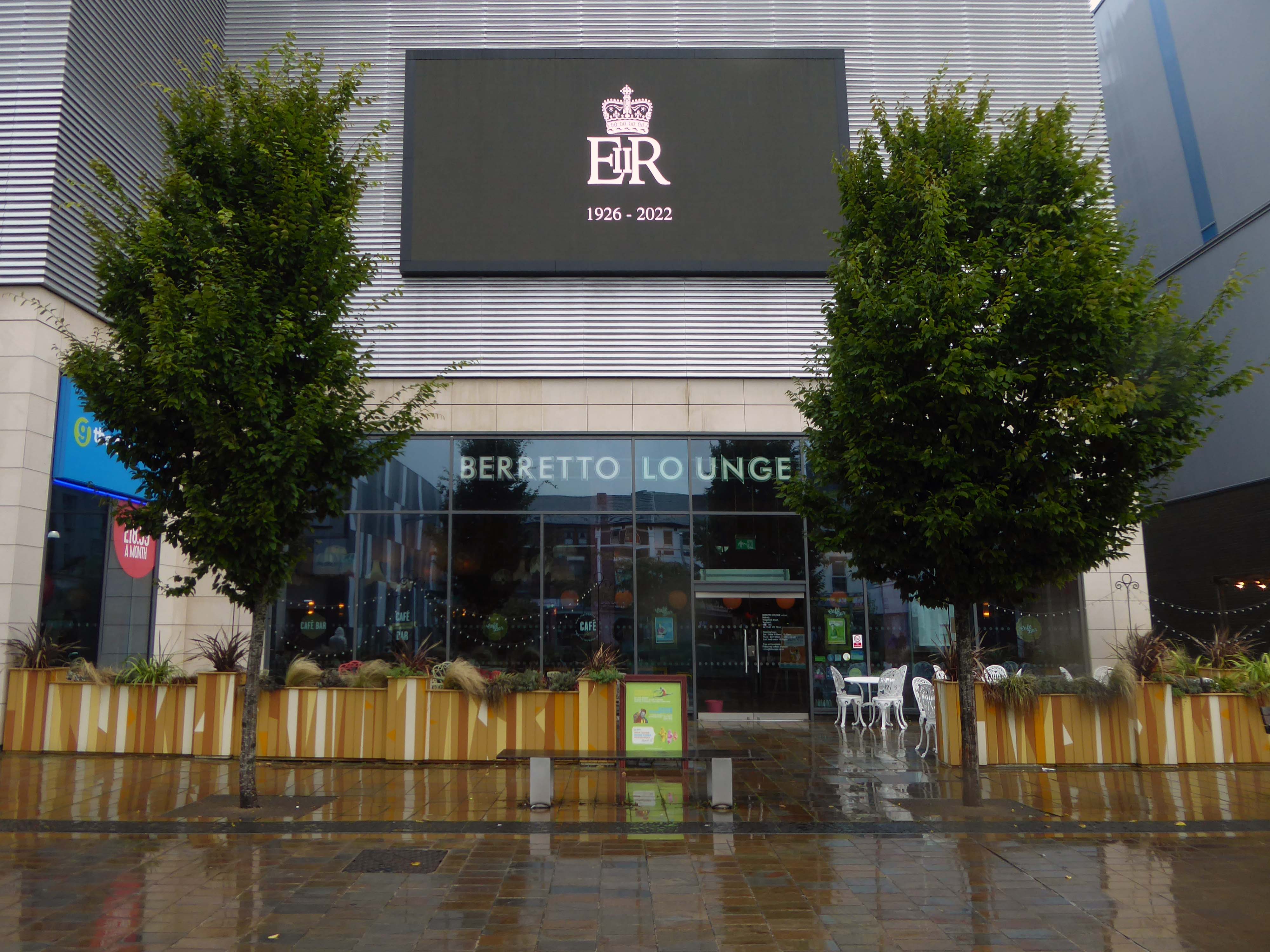
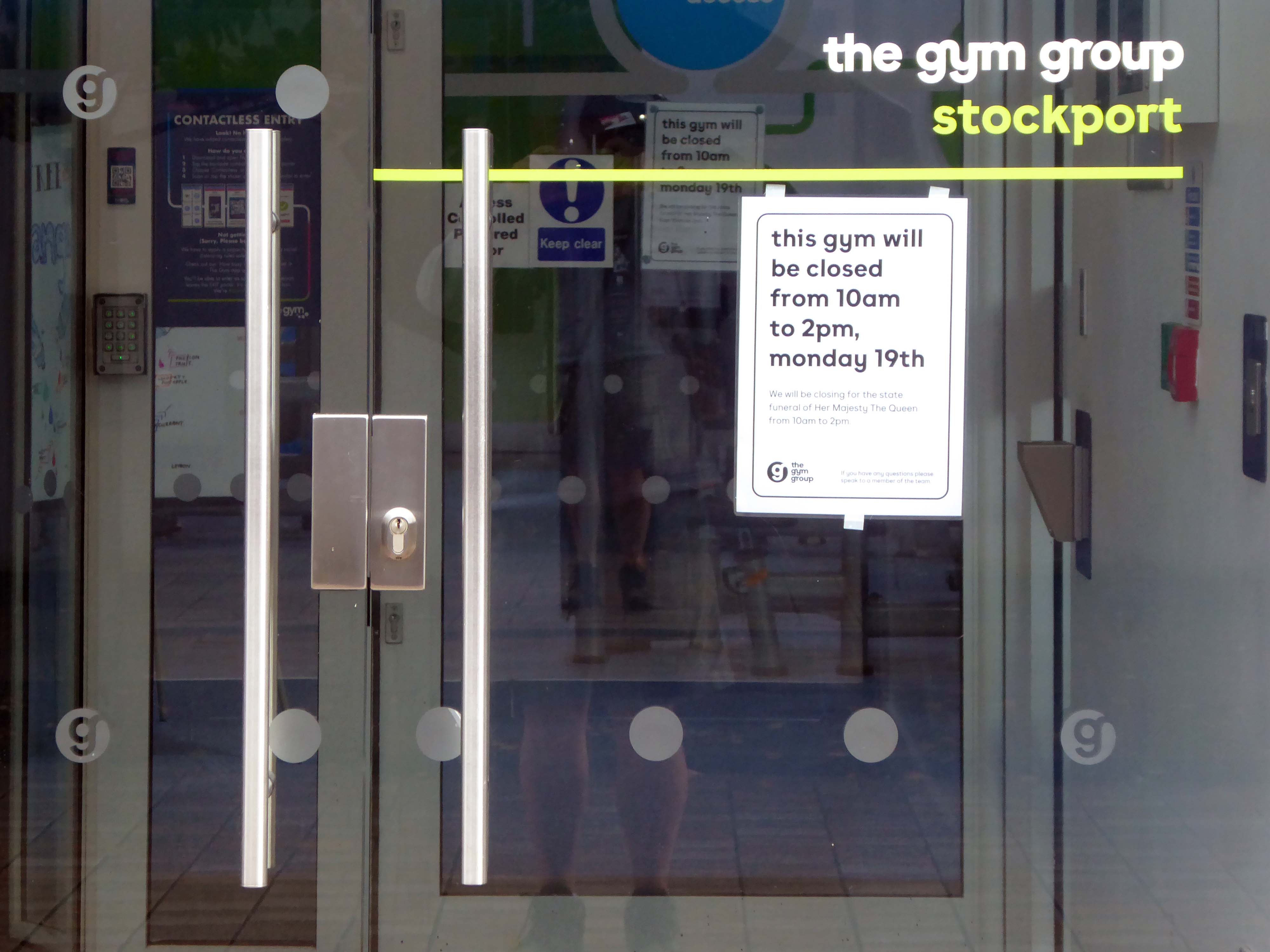
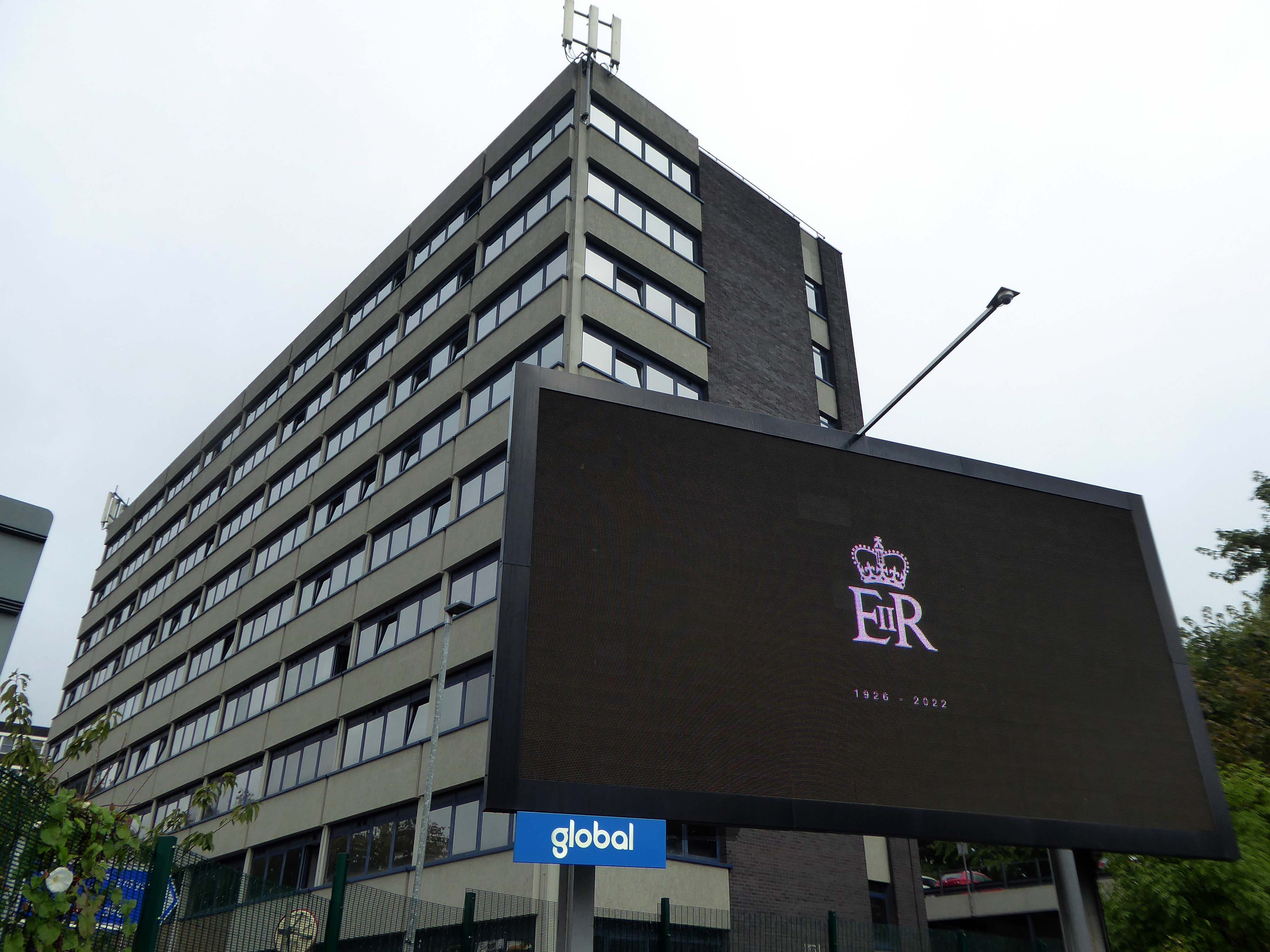
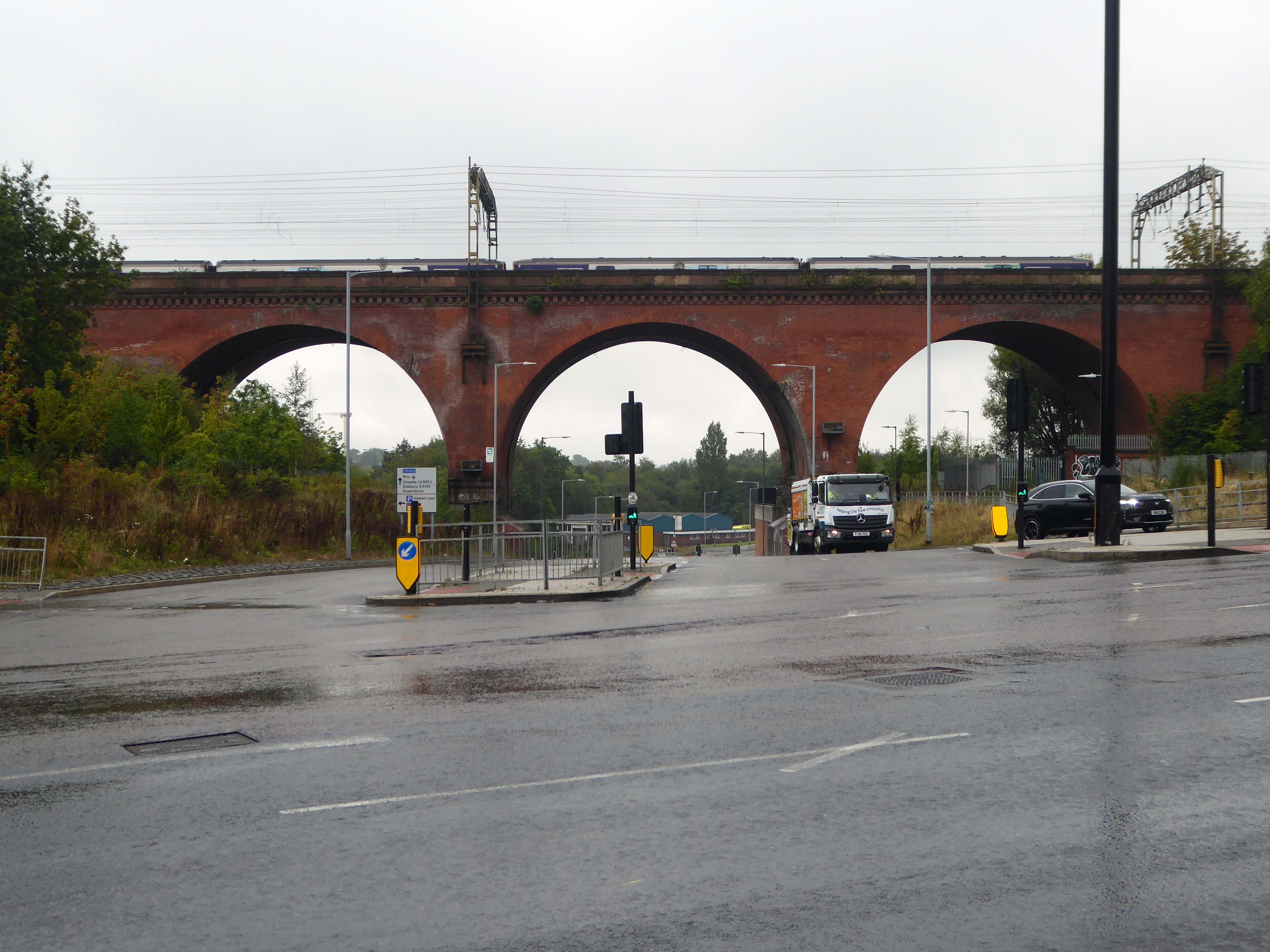
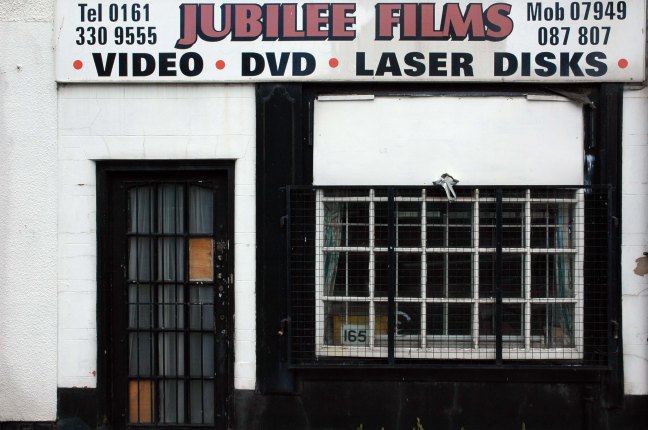
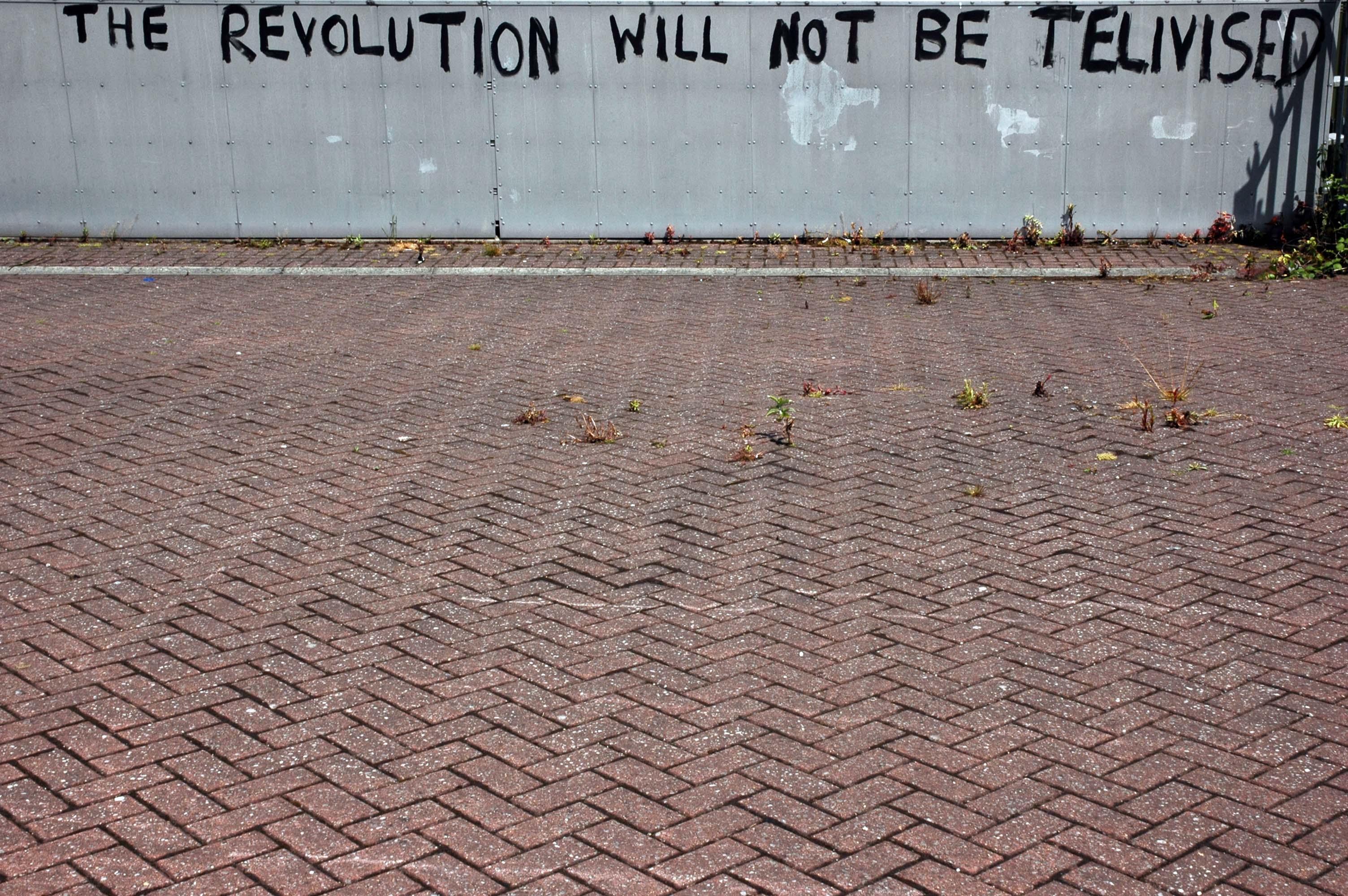
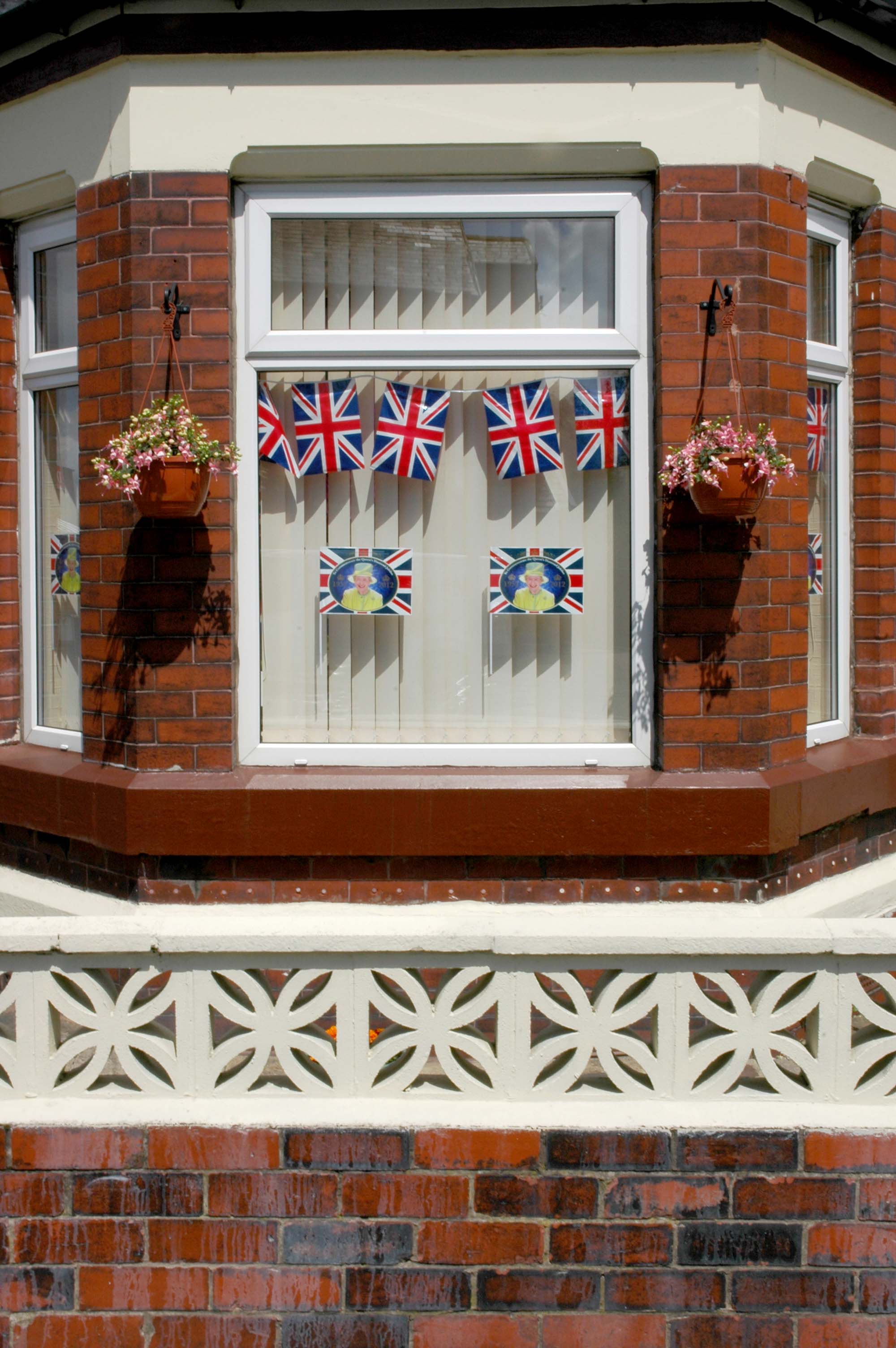
On the day of HM Queen Elizabeth II’s Diamond Jubilee, I cycled around Ashton under Lyne in search of landmarks of her sixty year reign.
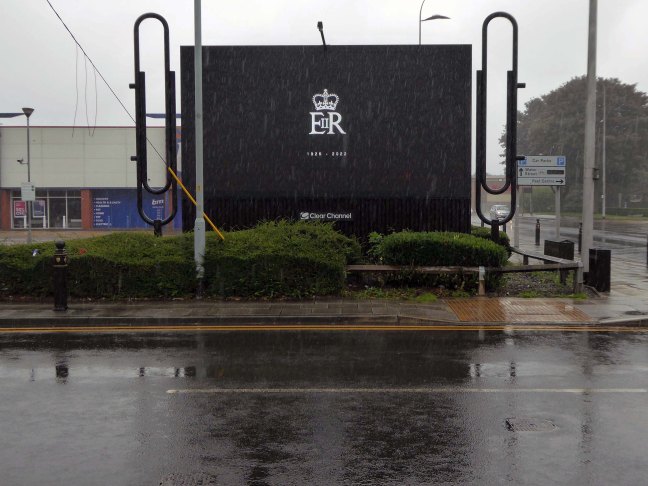
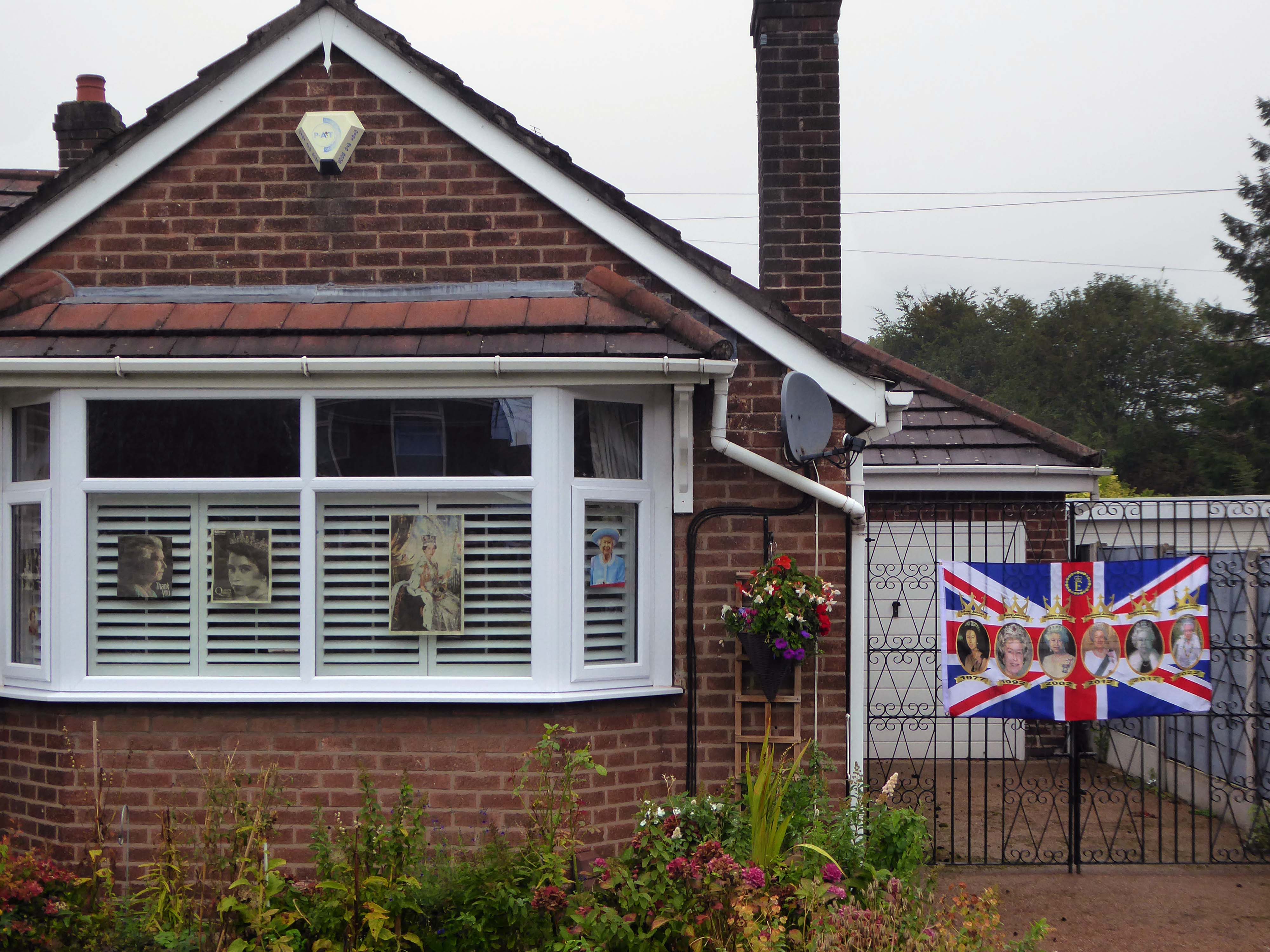
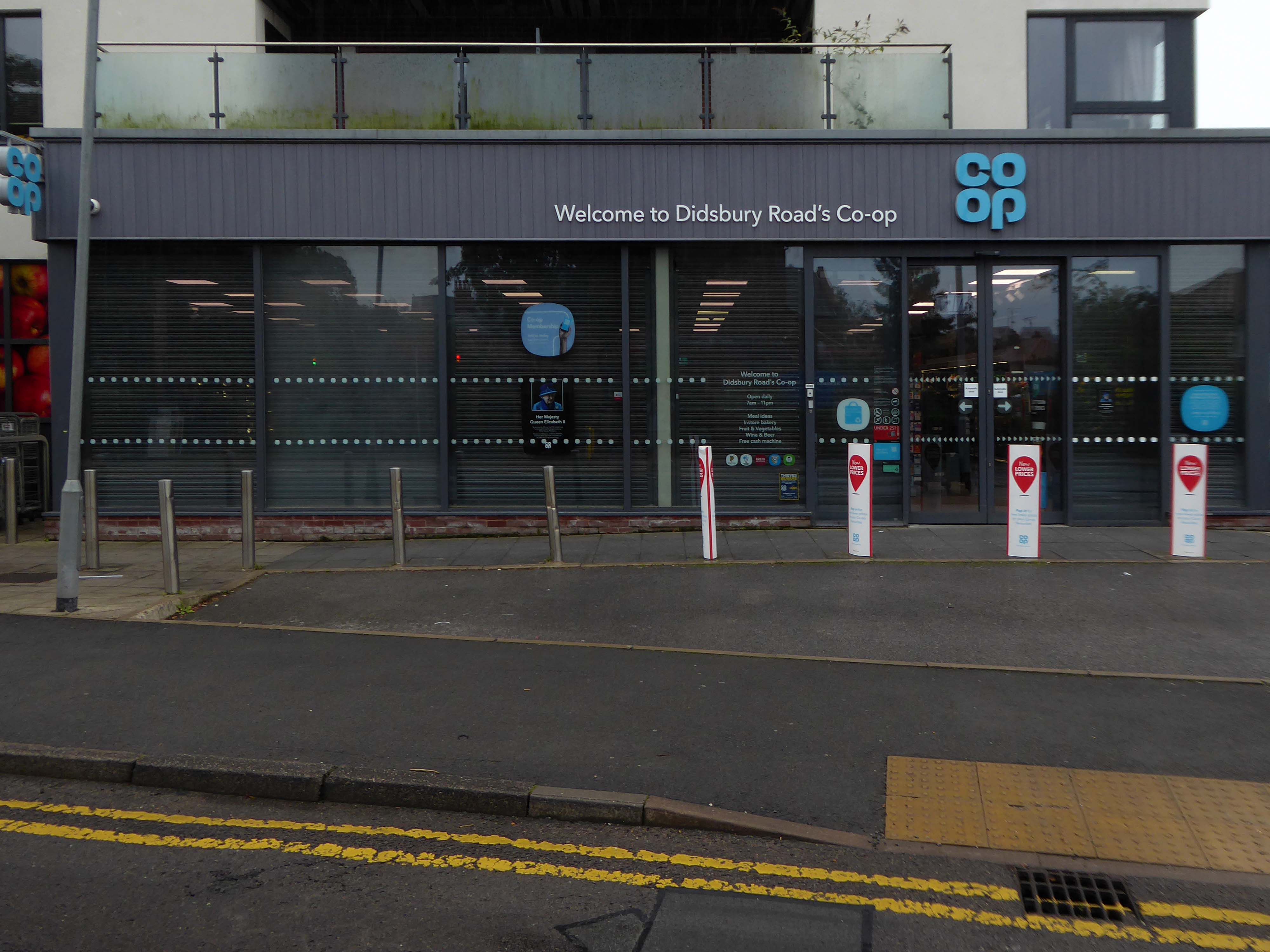
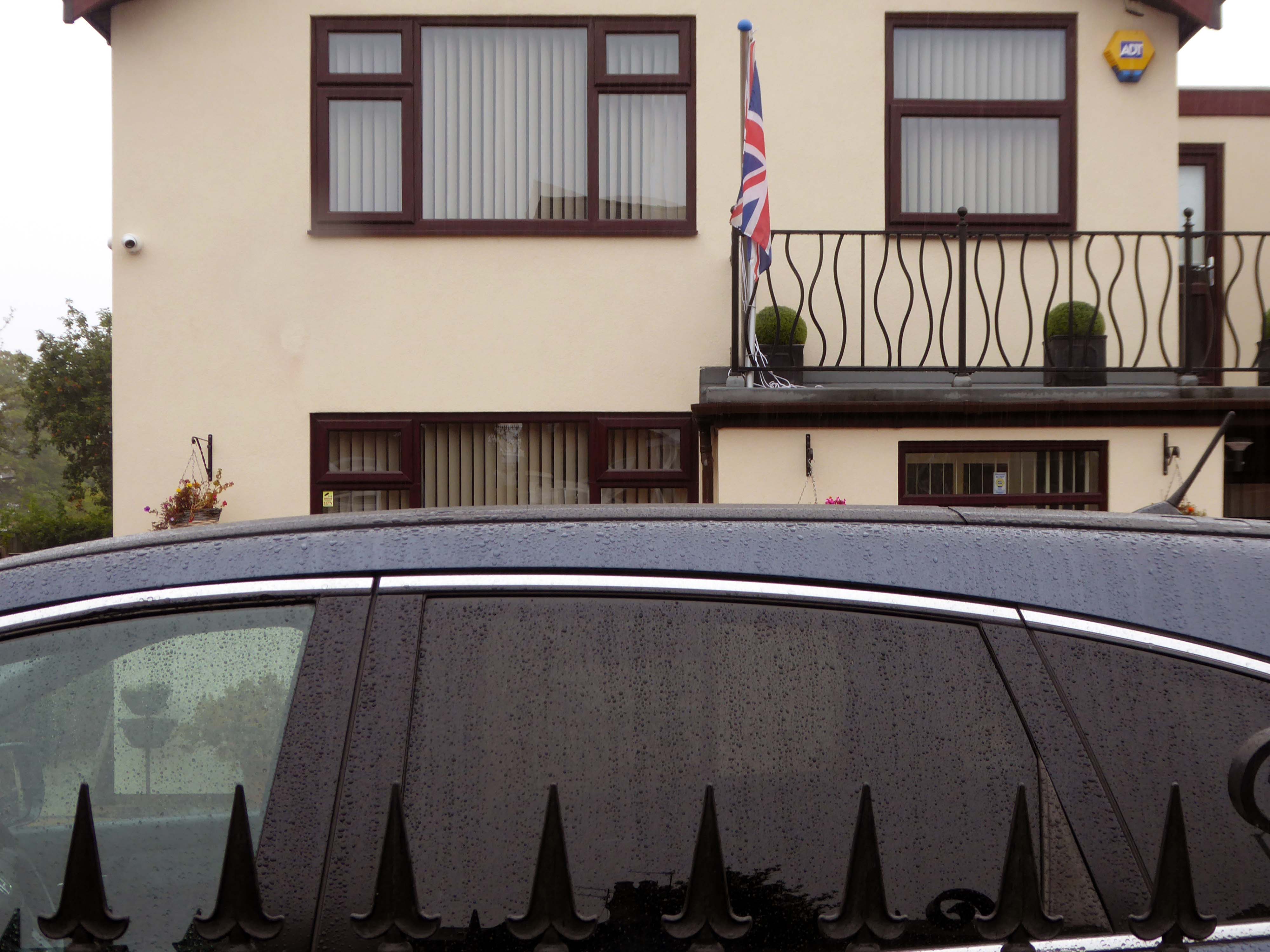
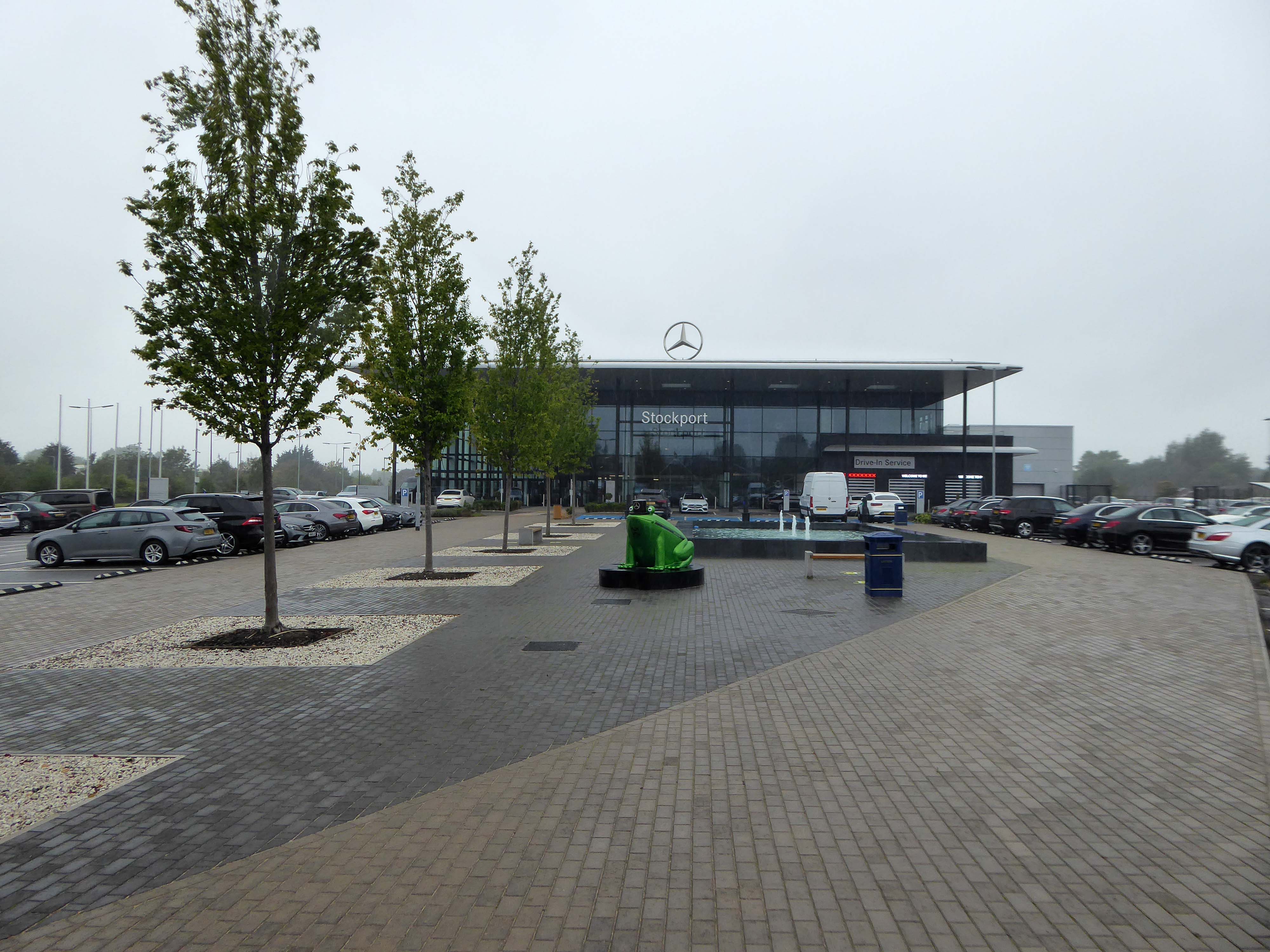
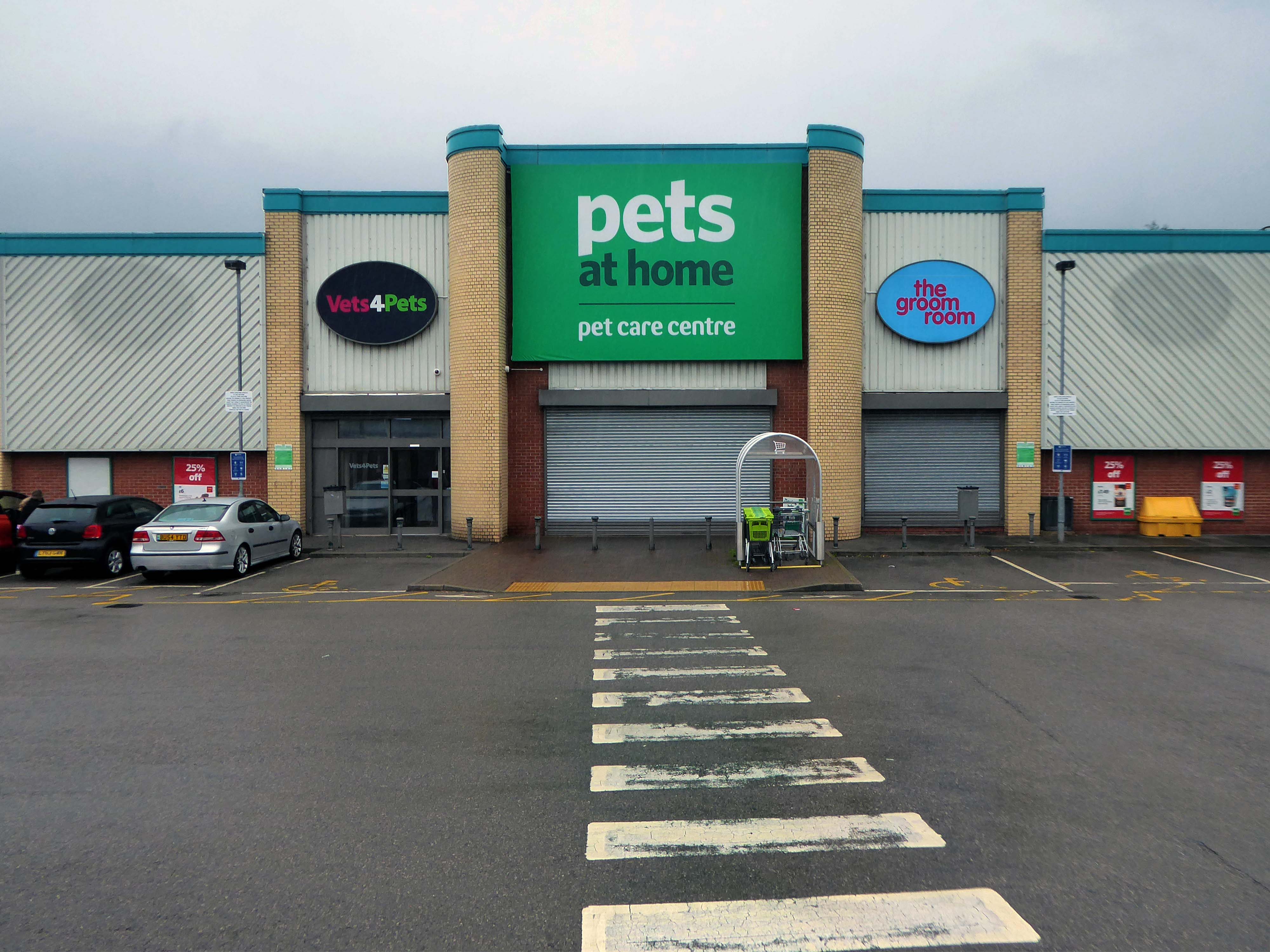
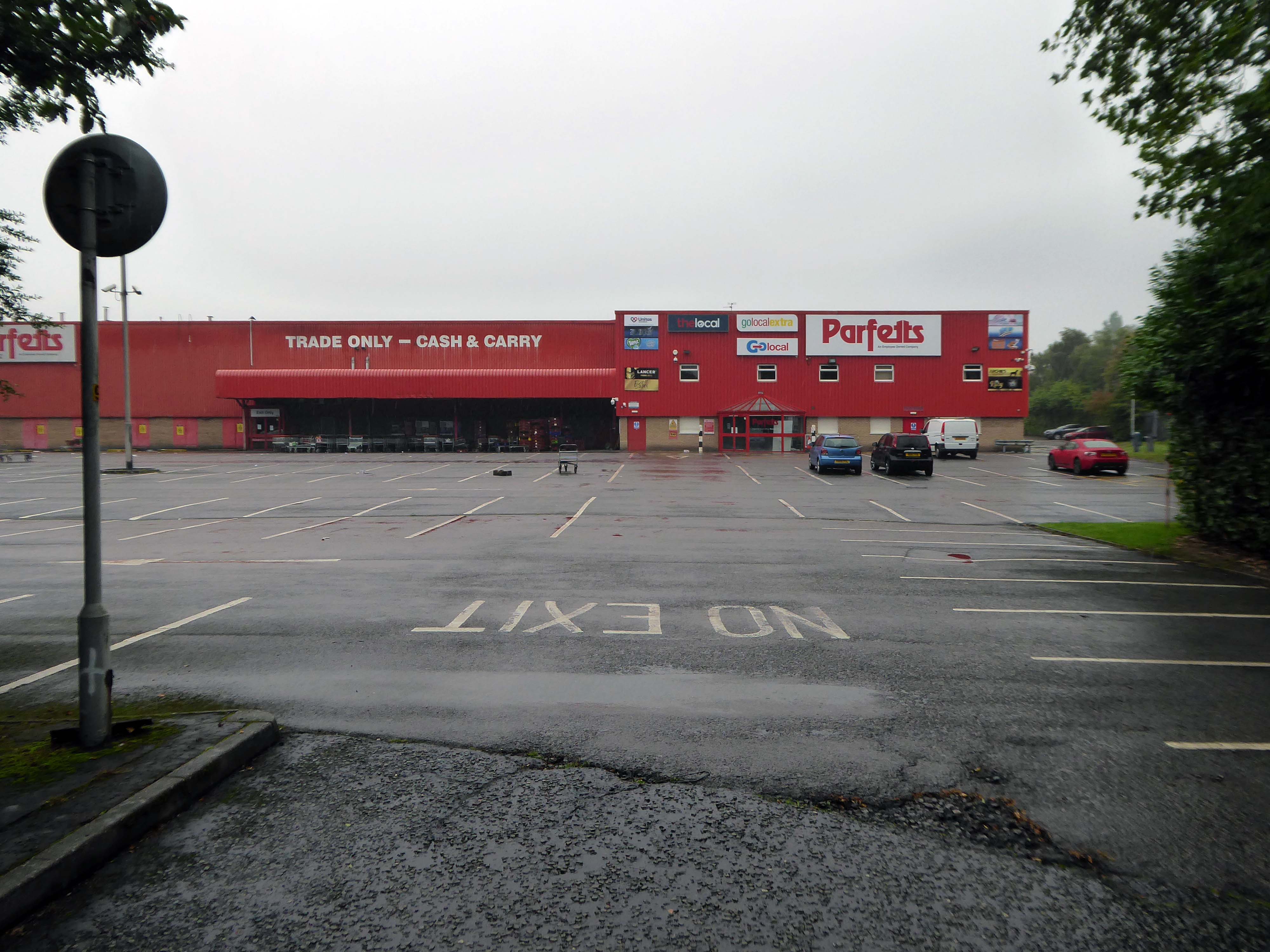
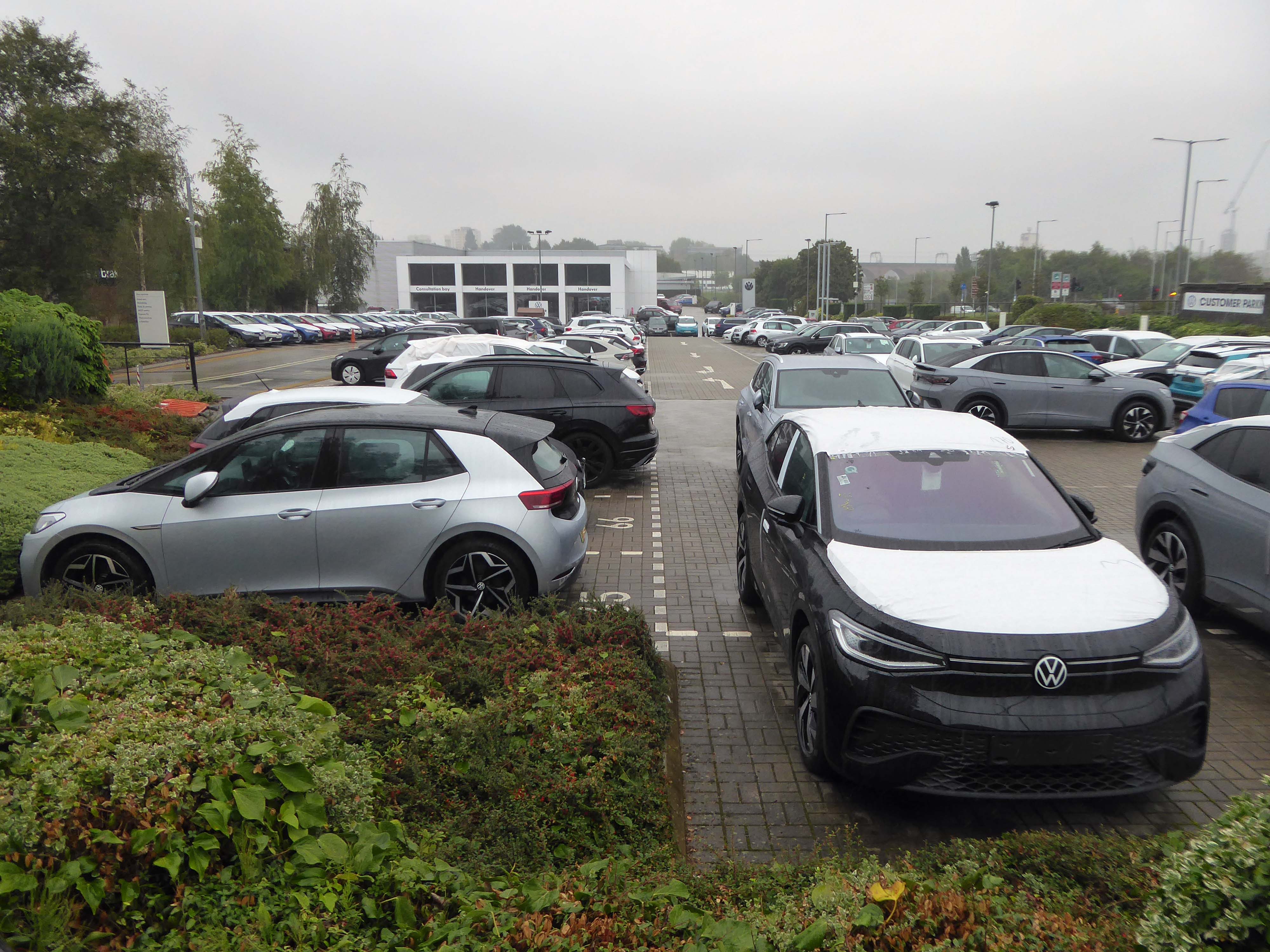
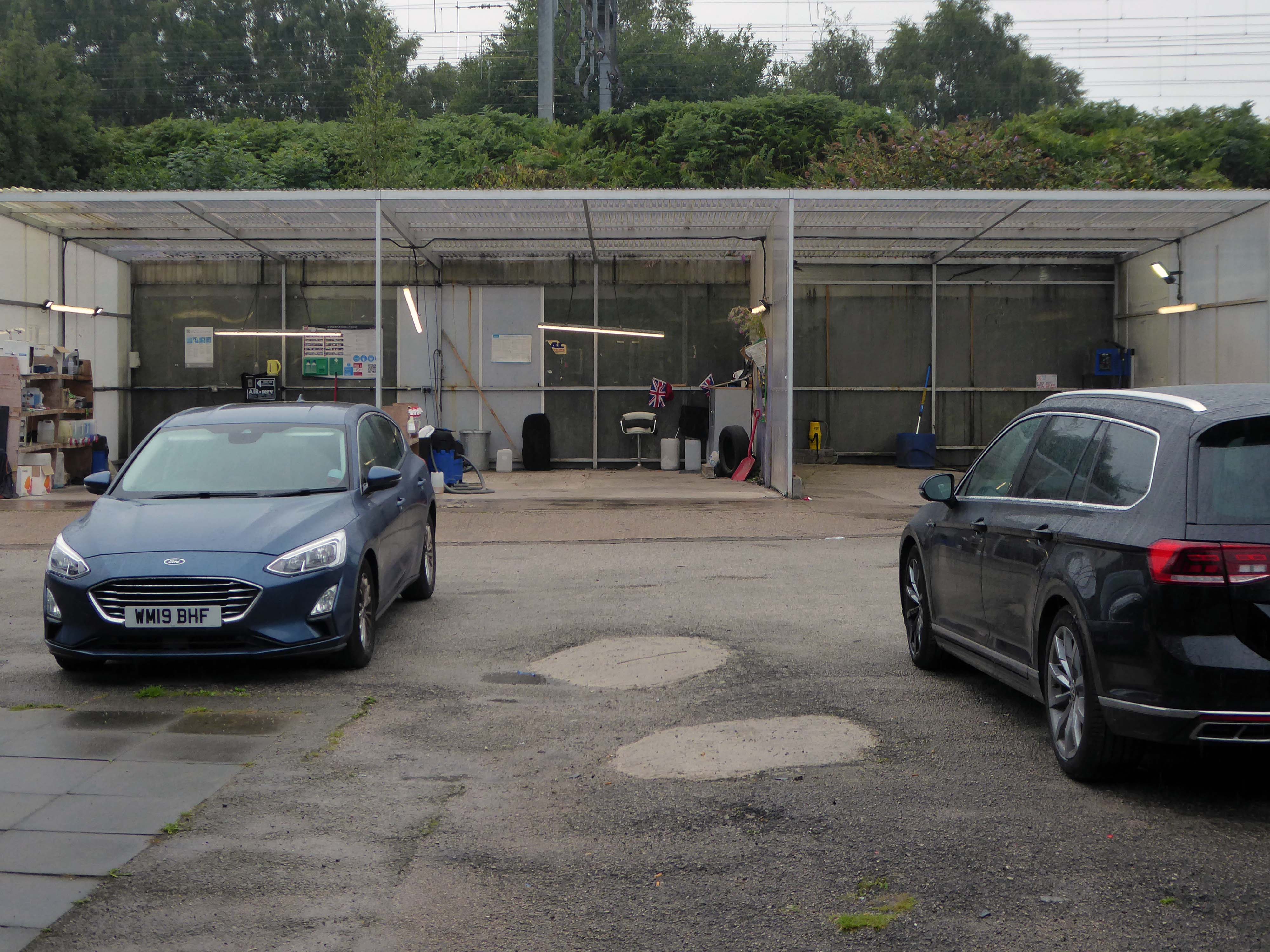
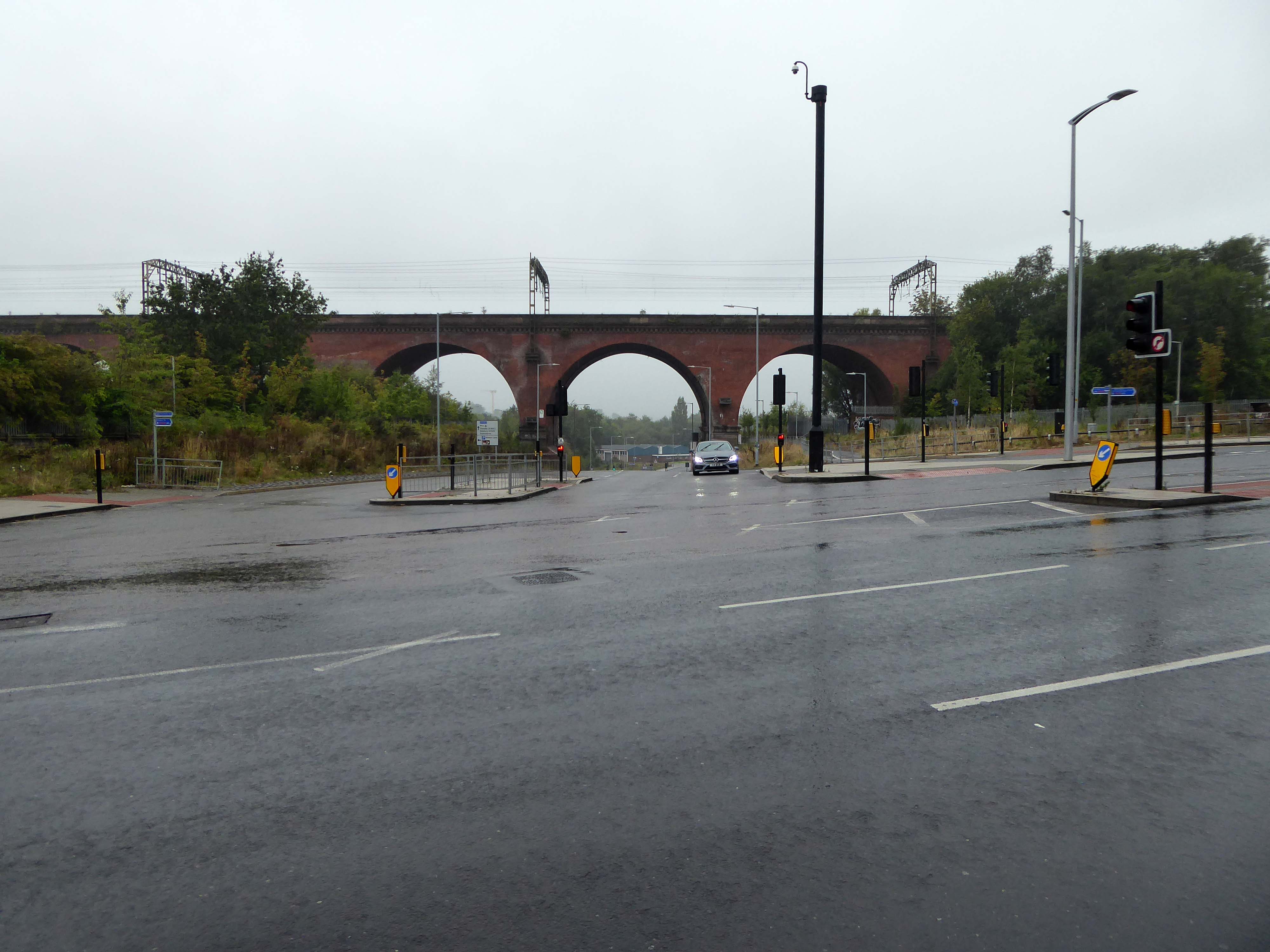
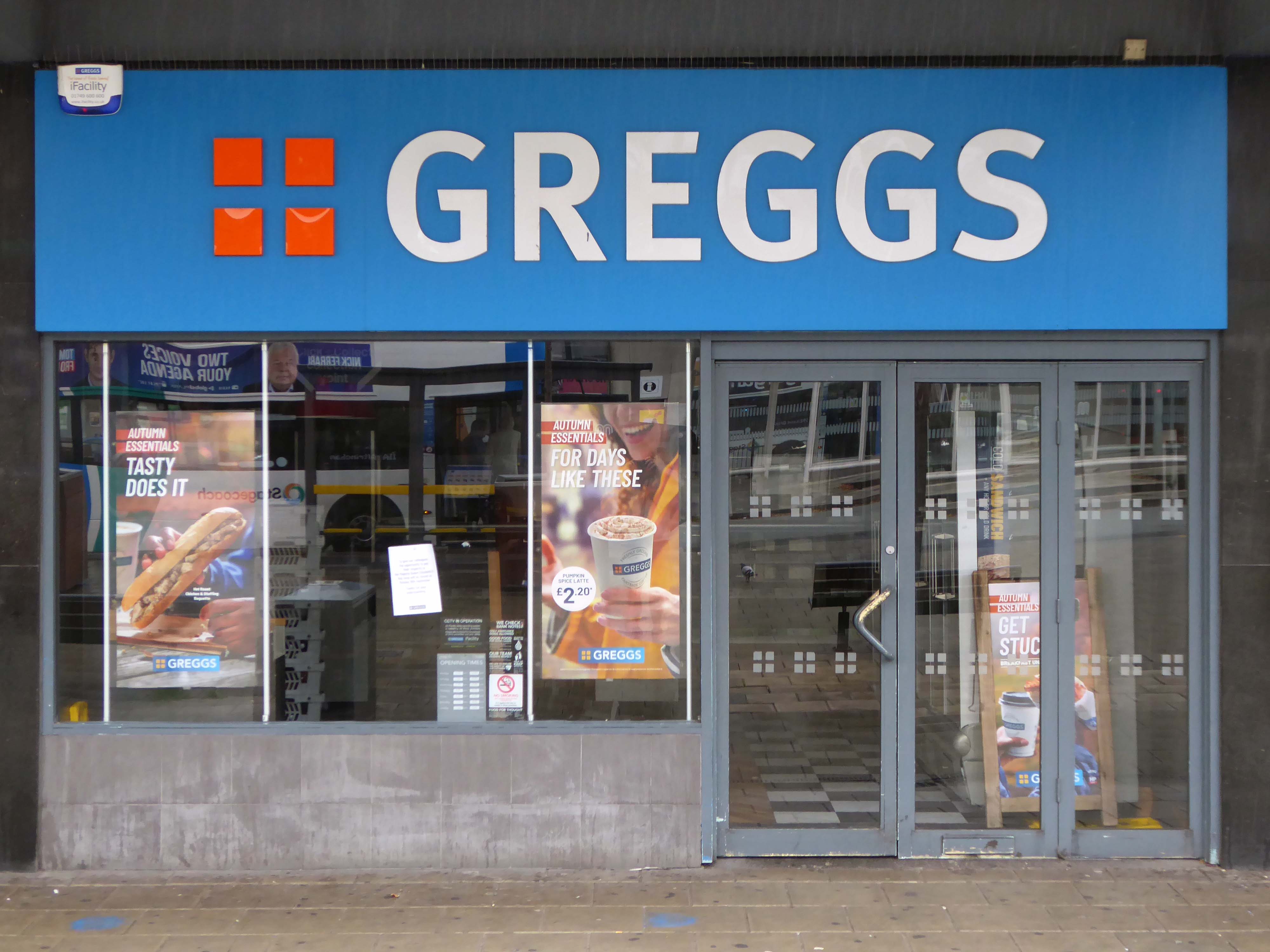
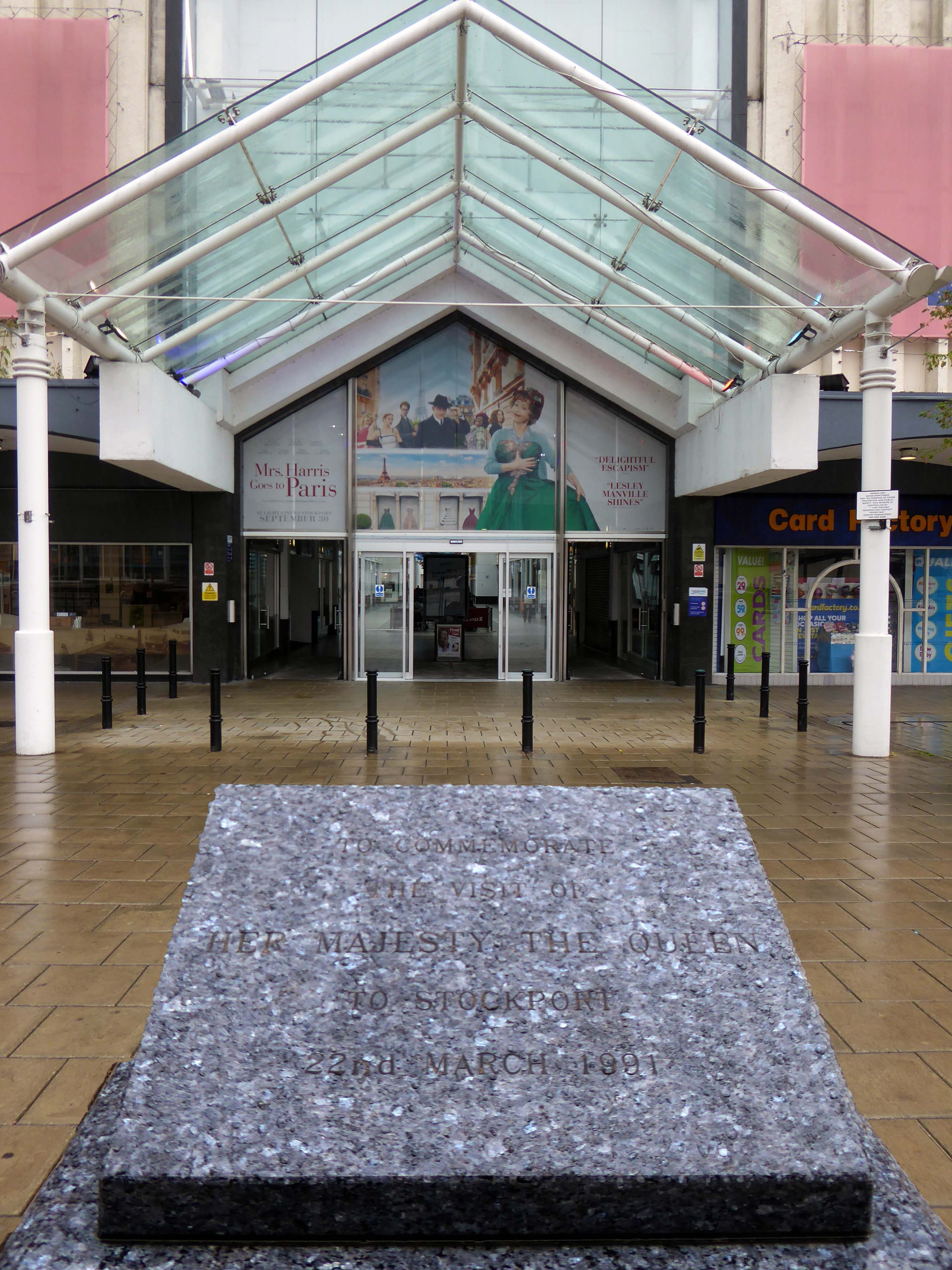
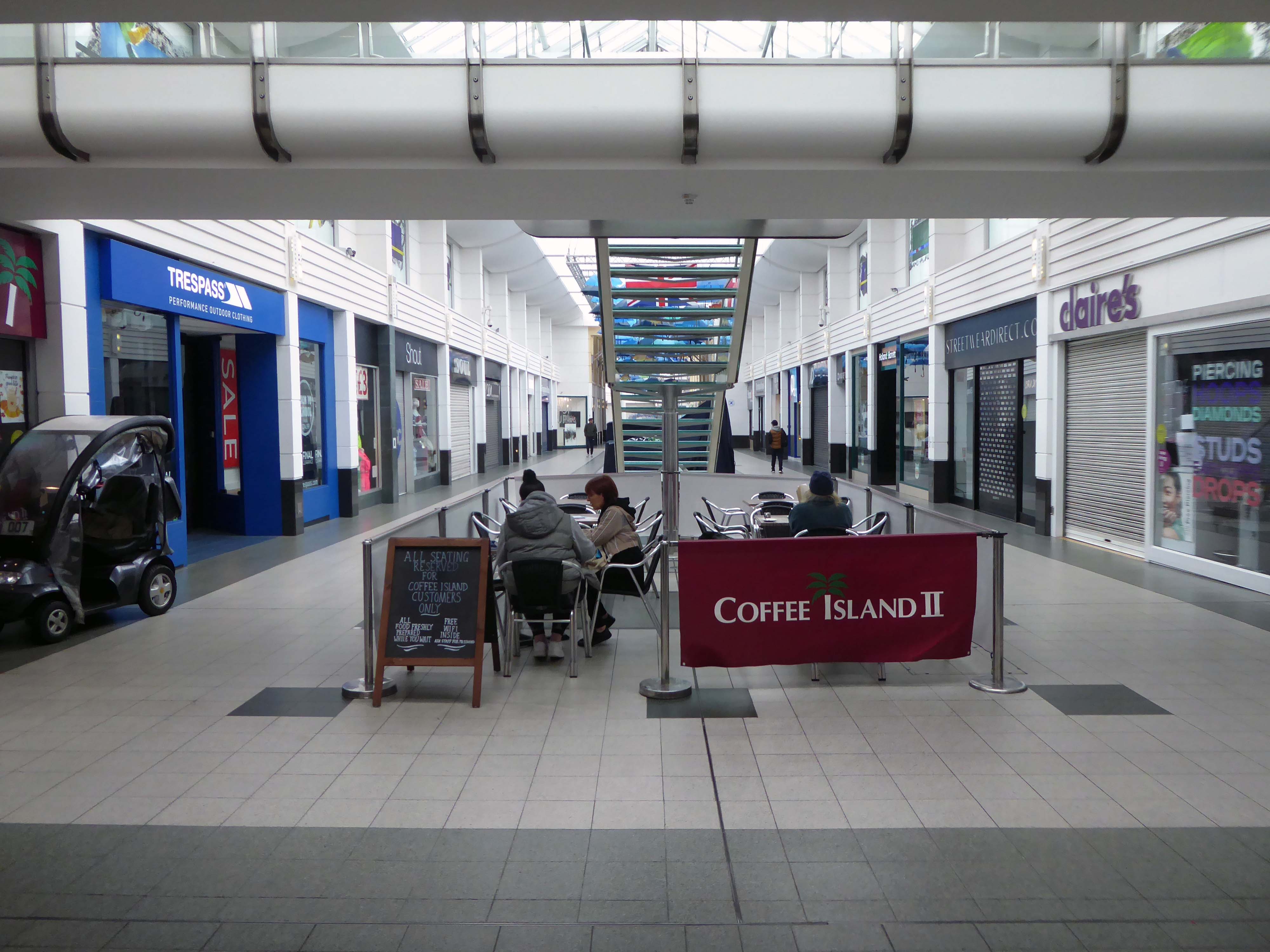
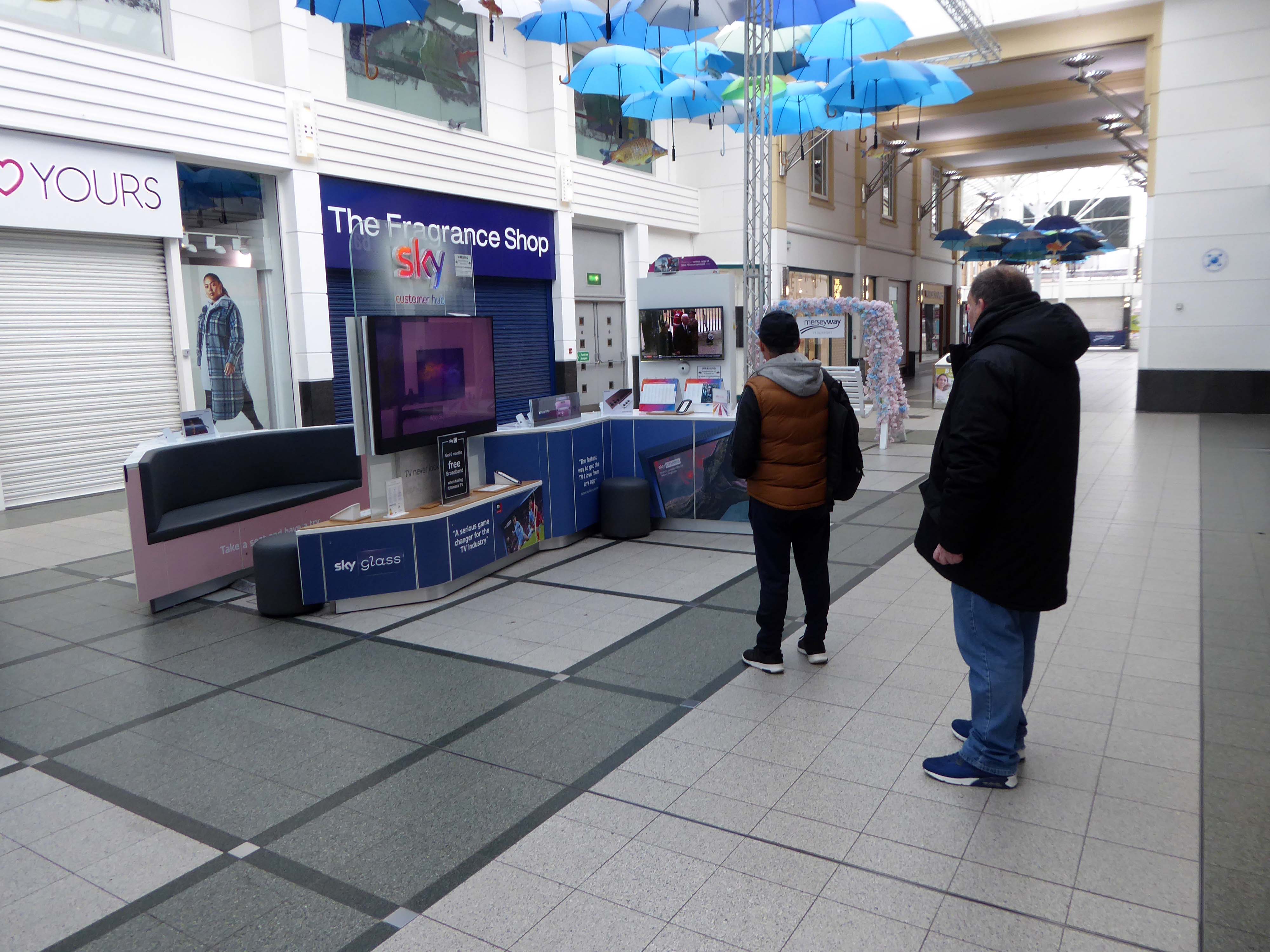
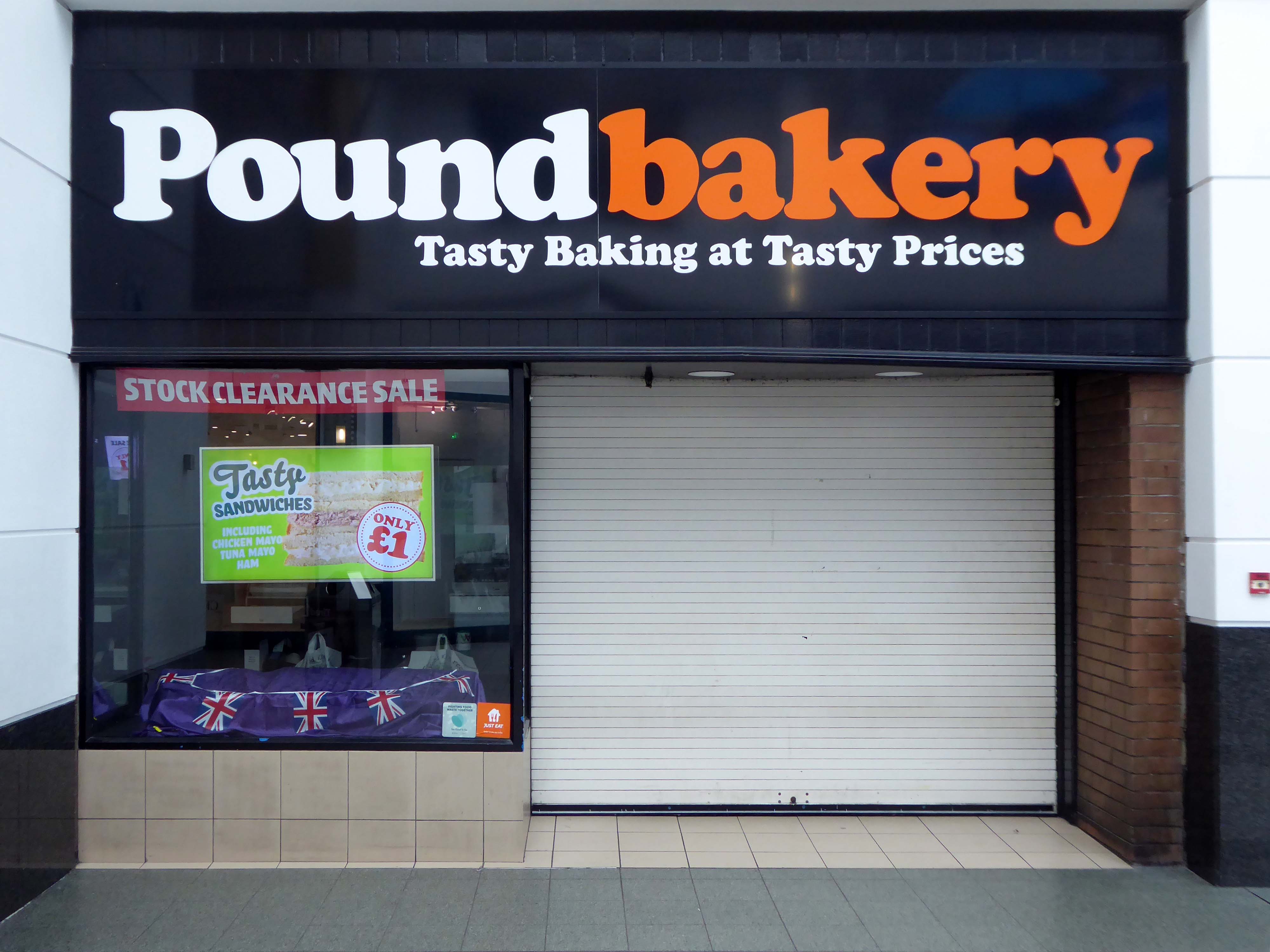
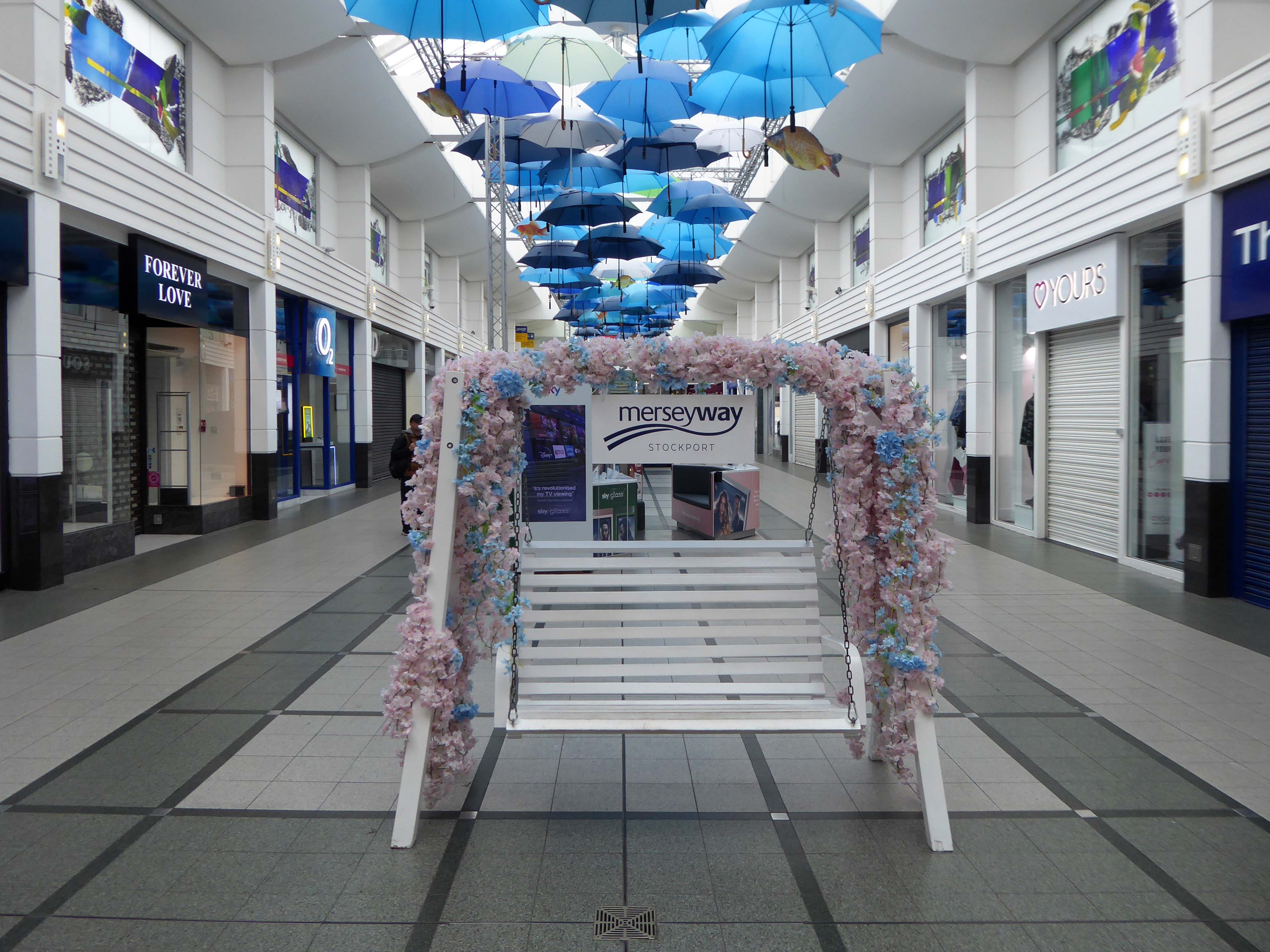
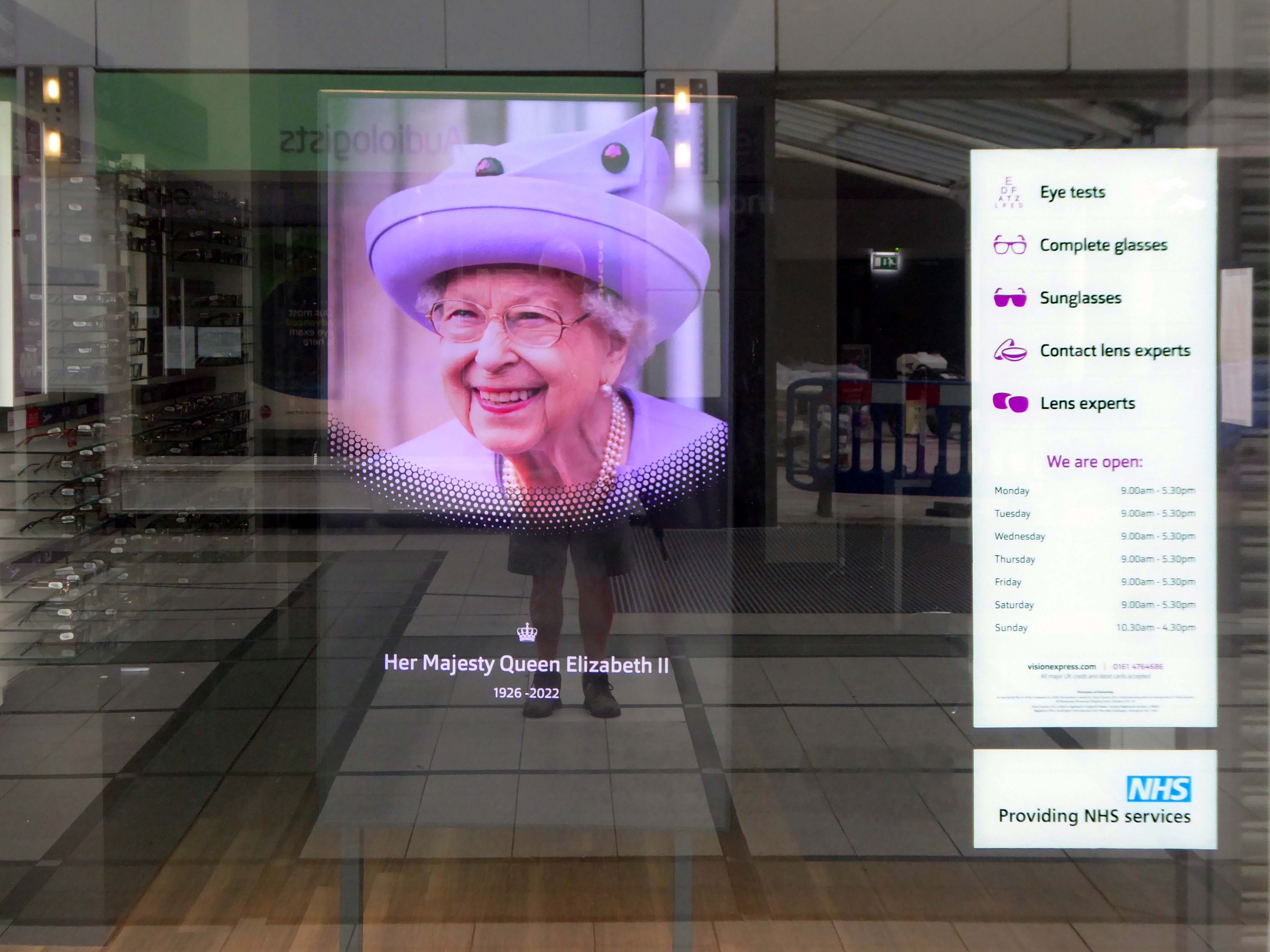
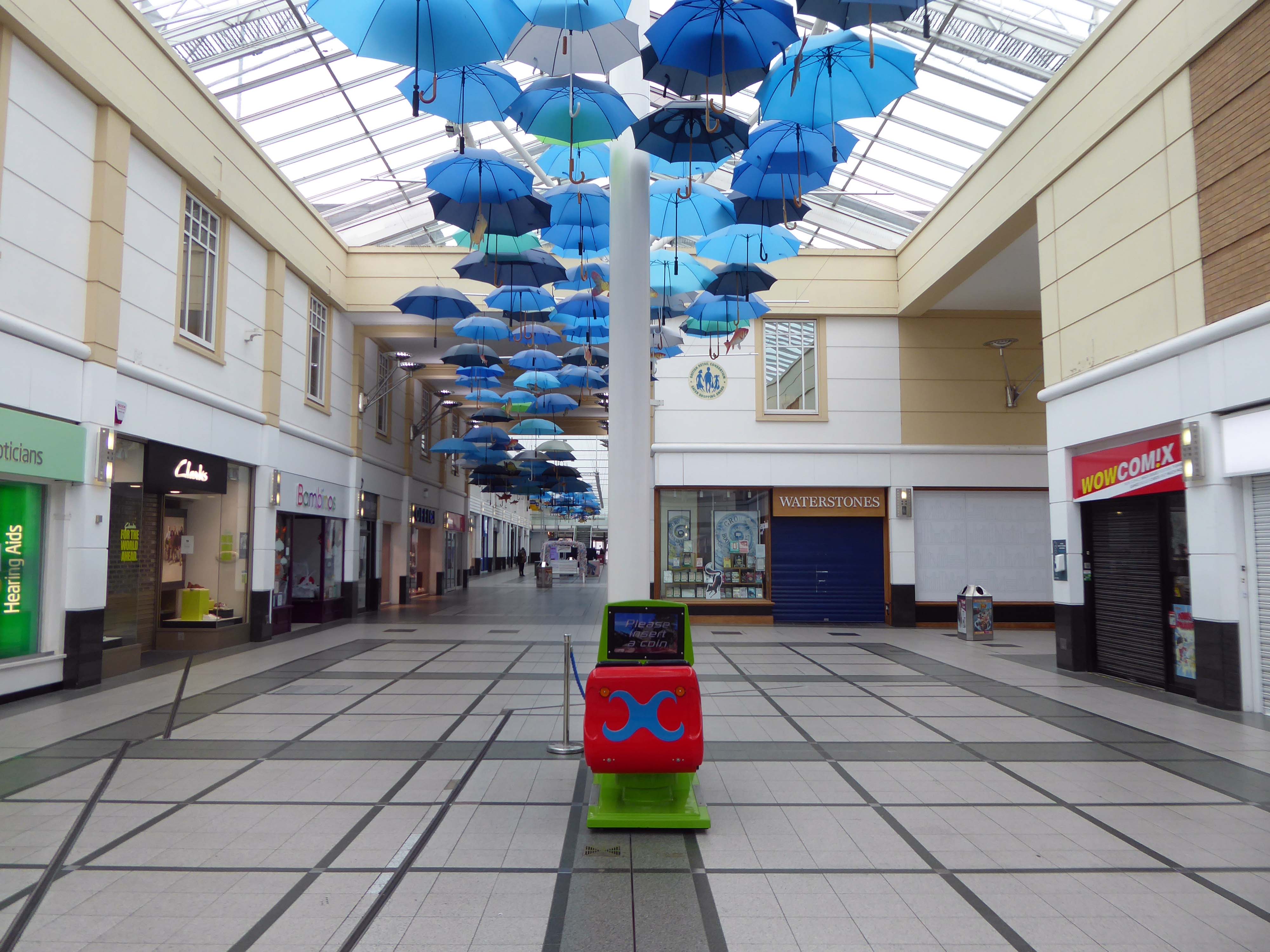
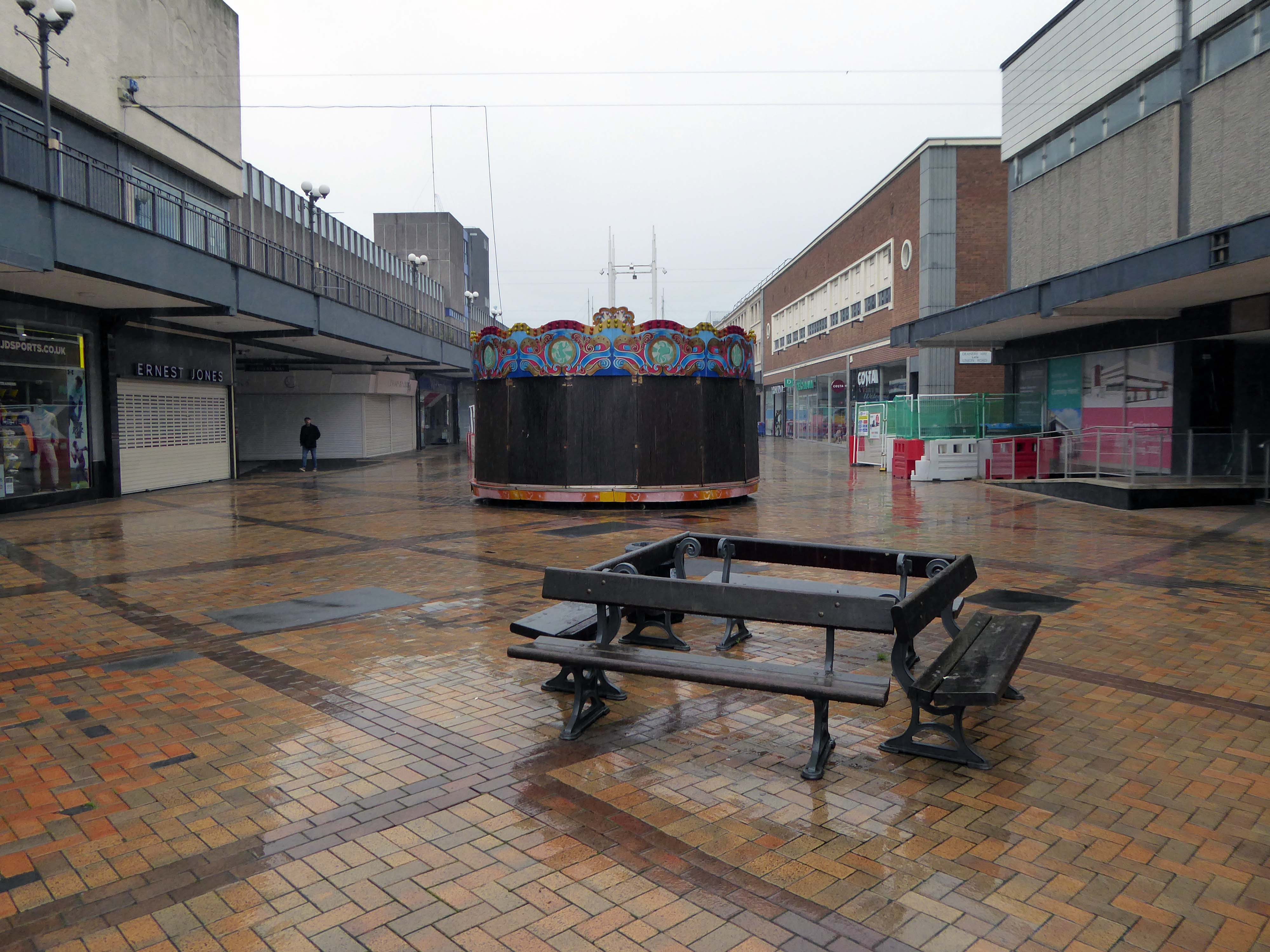
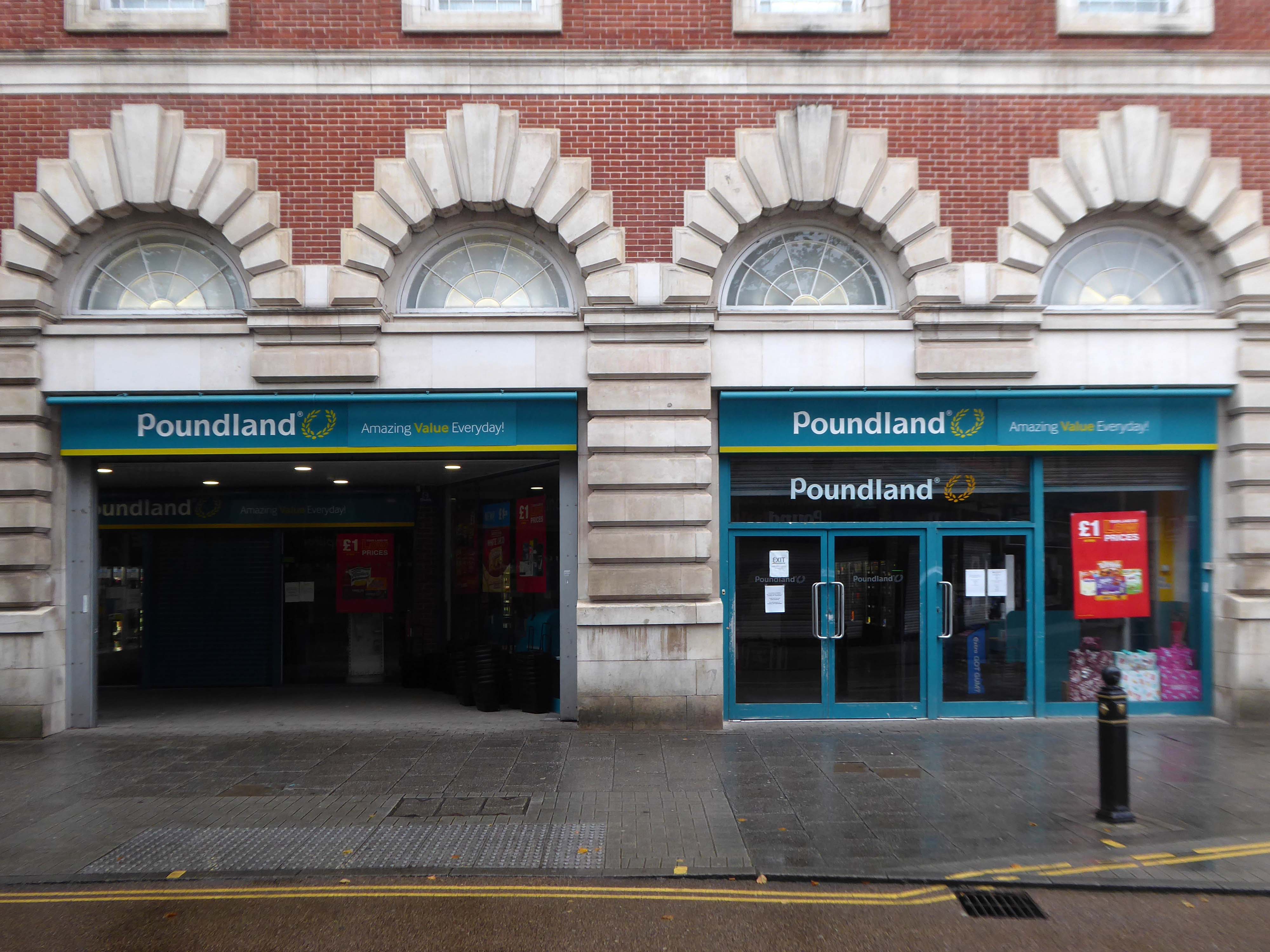
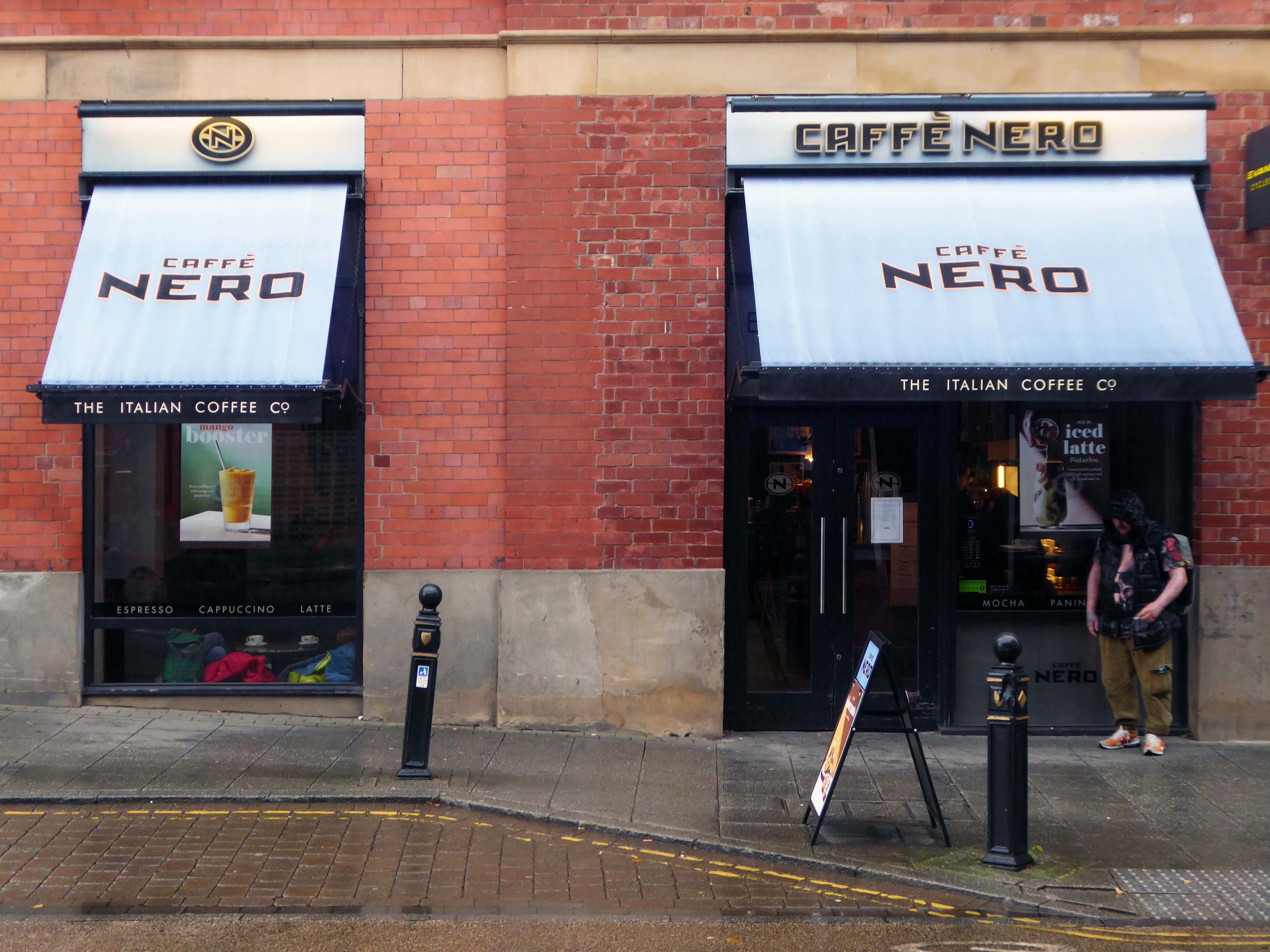
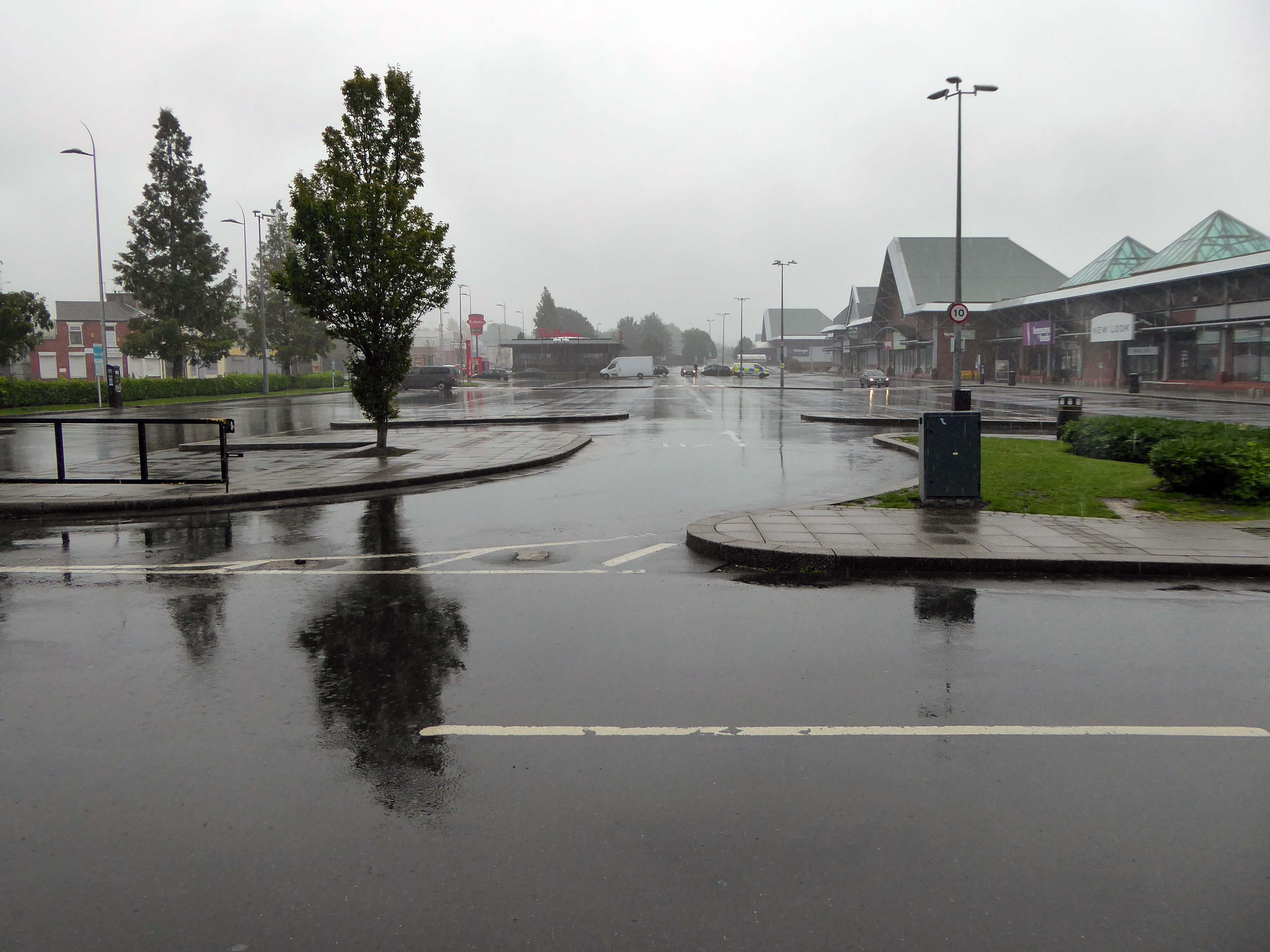
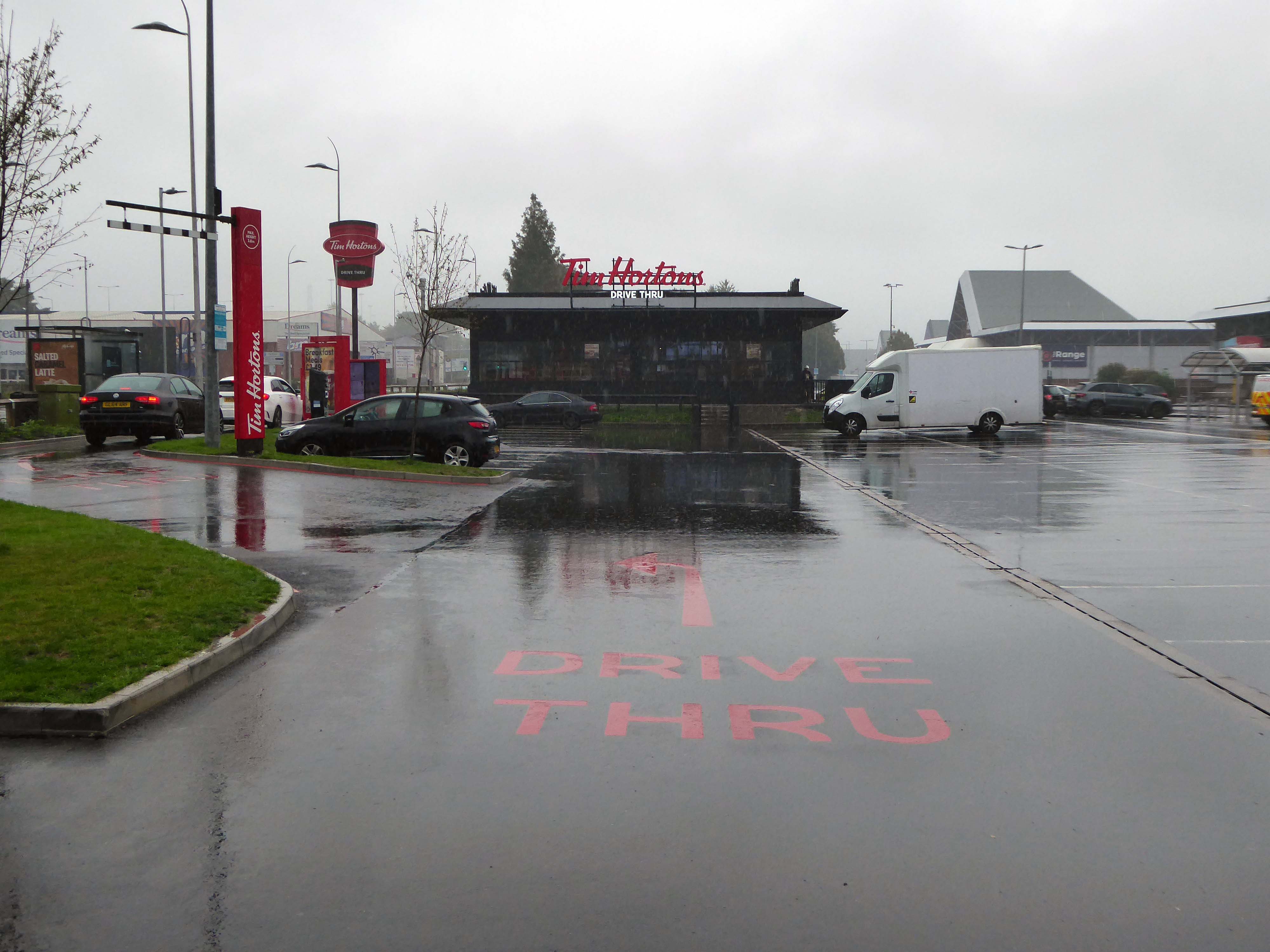
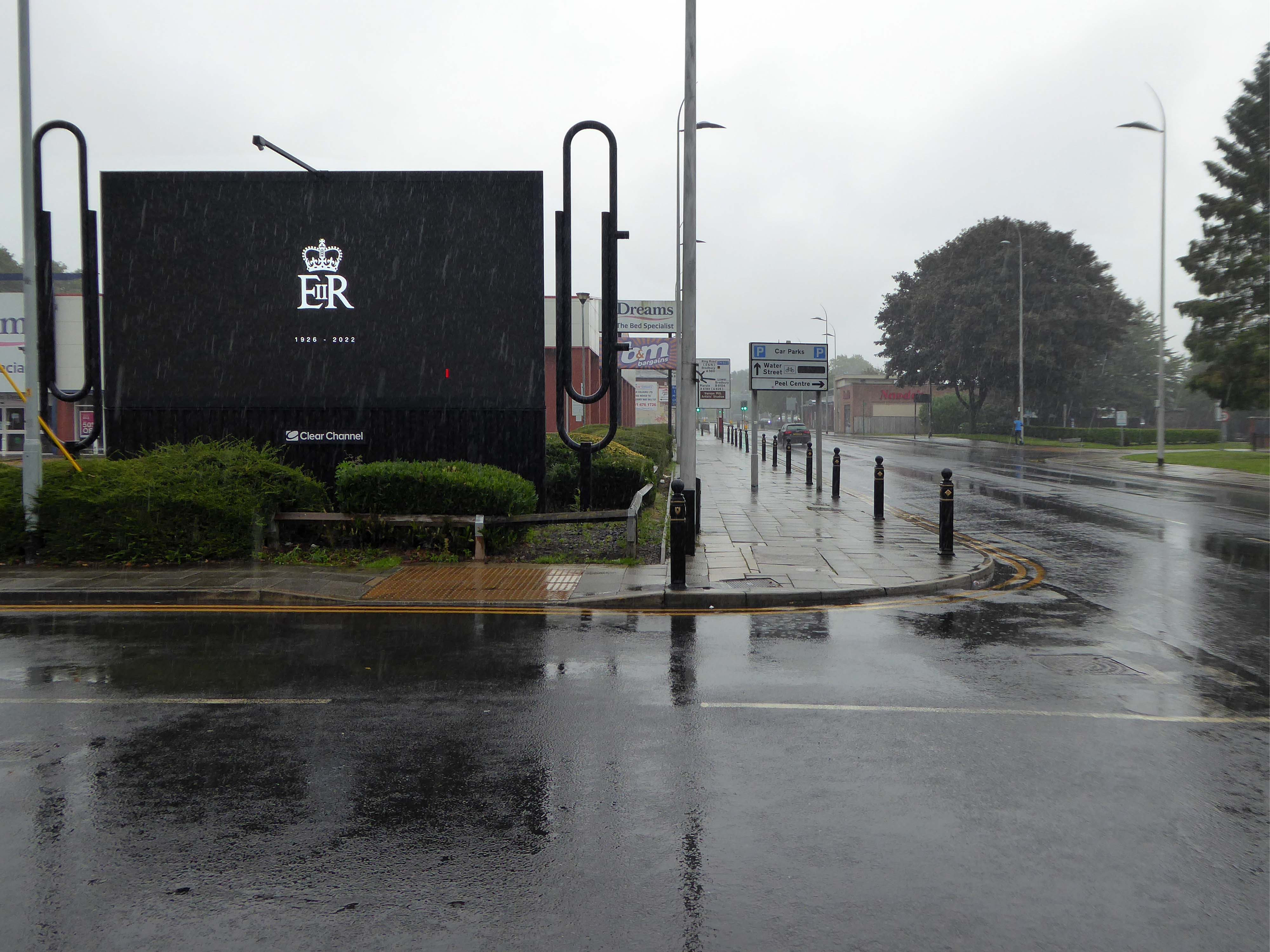
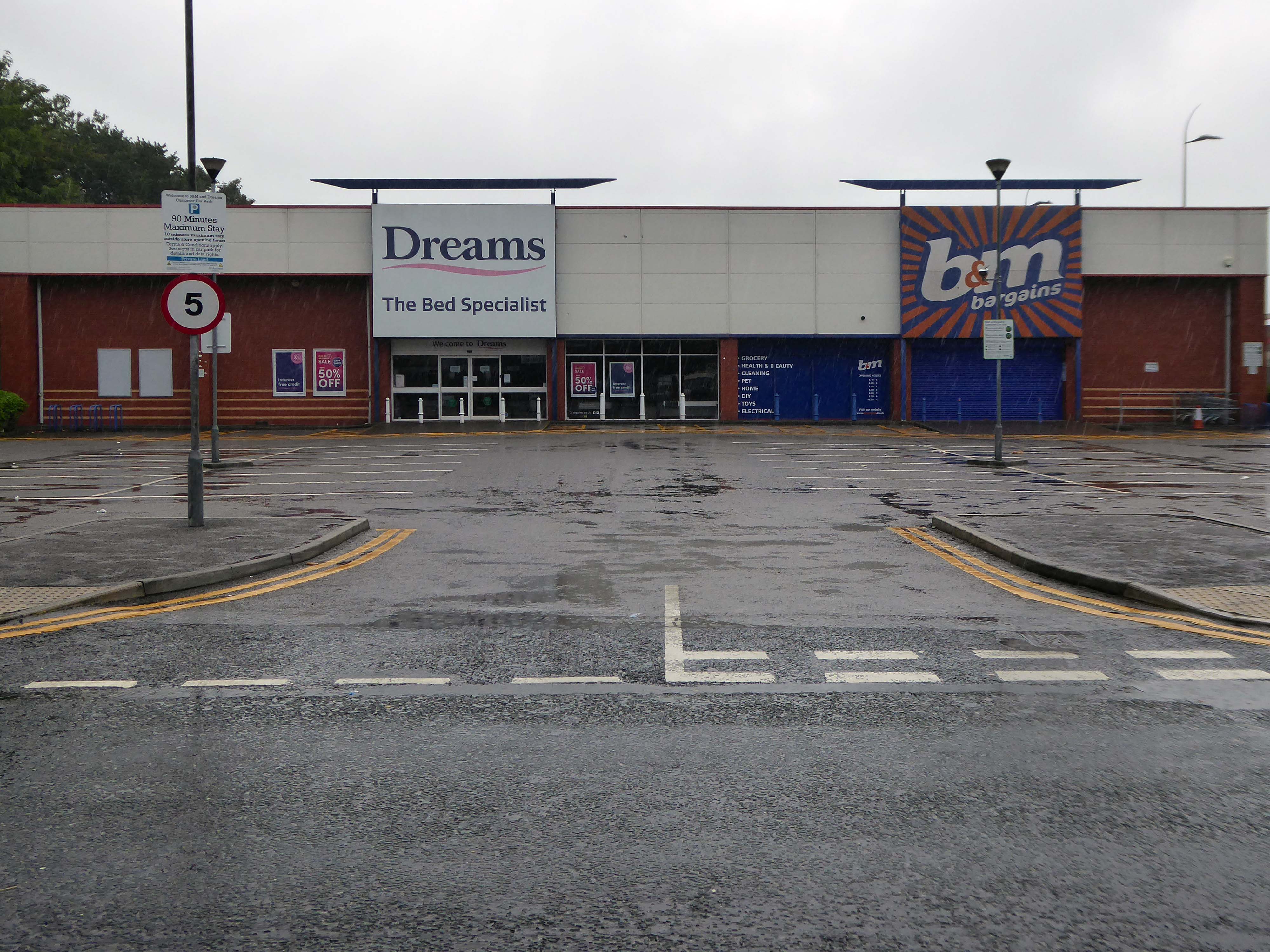
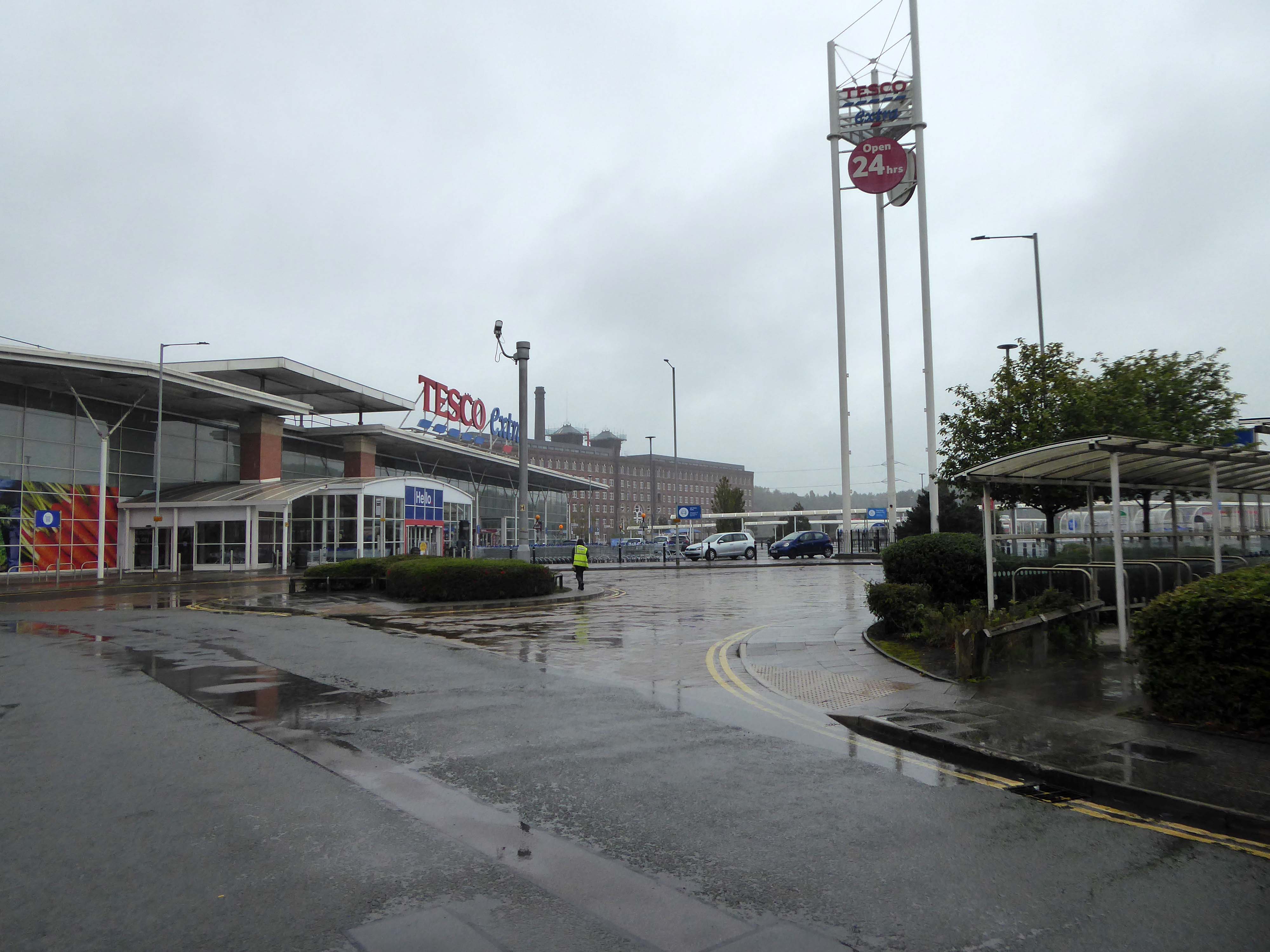
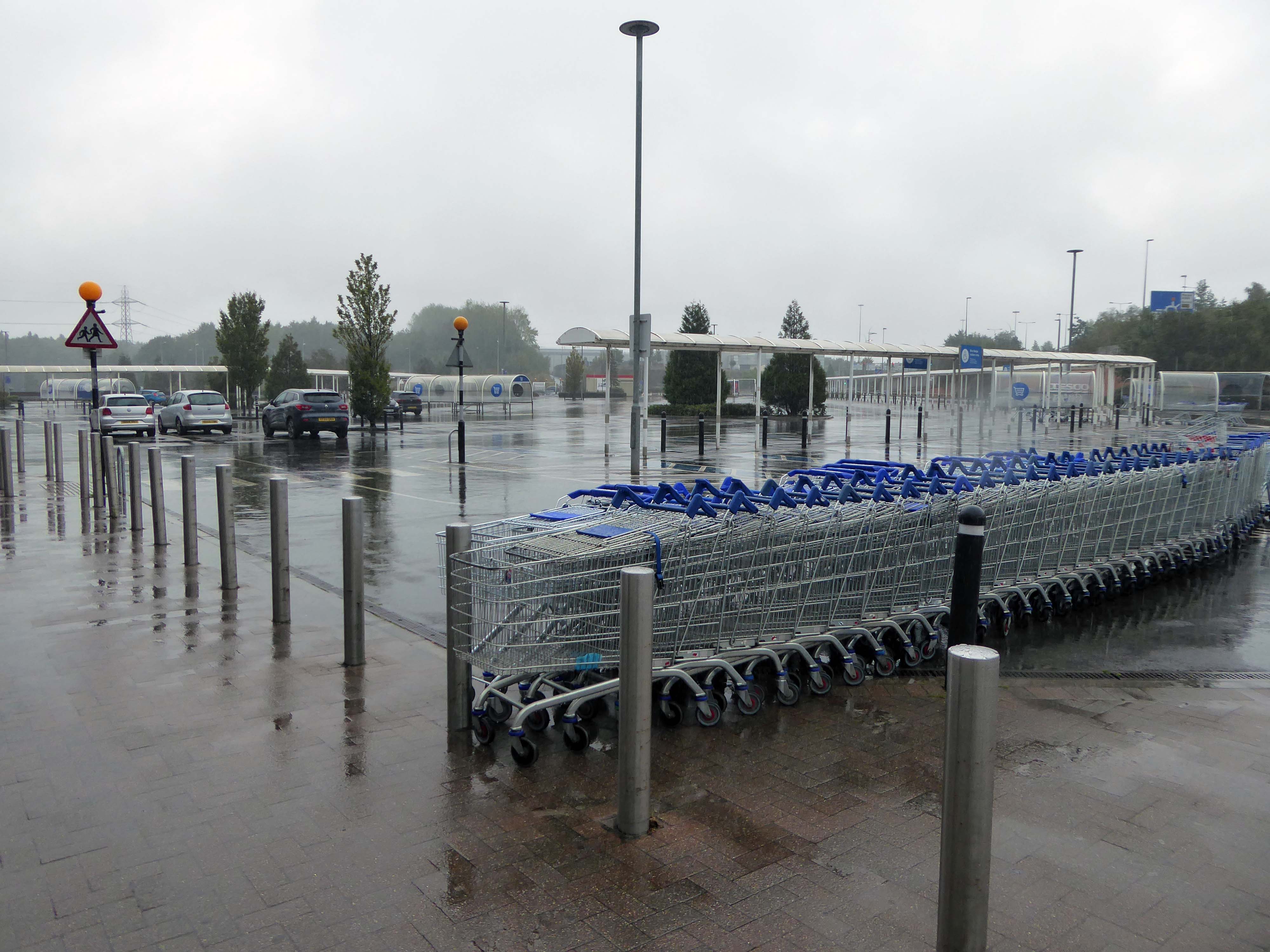
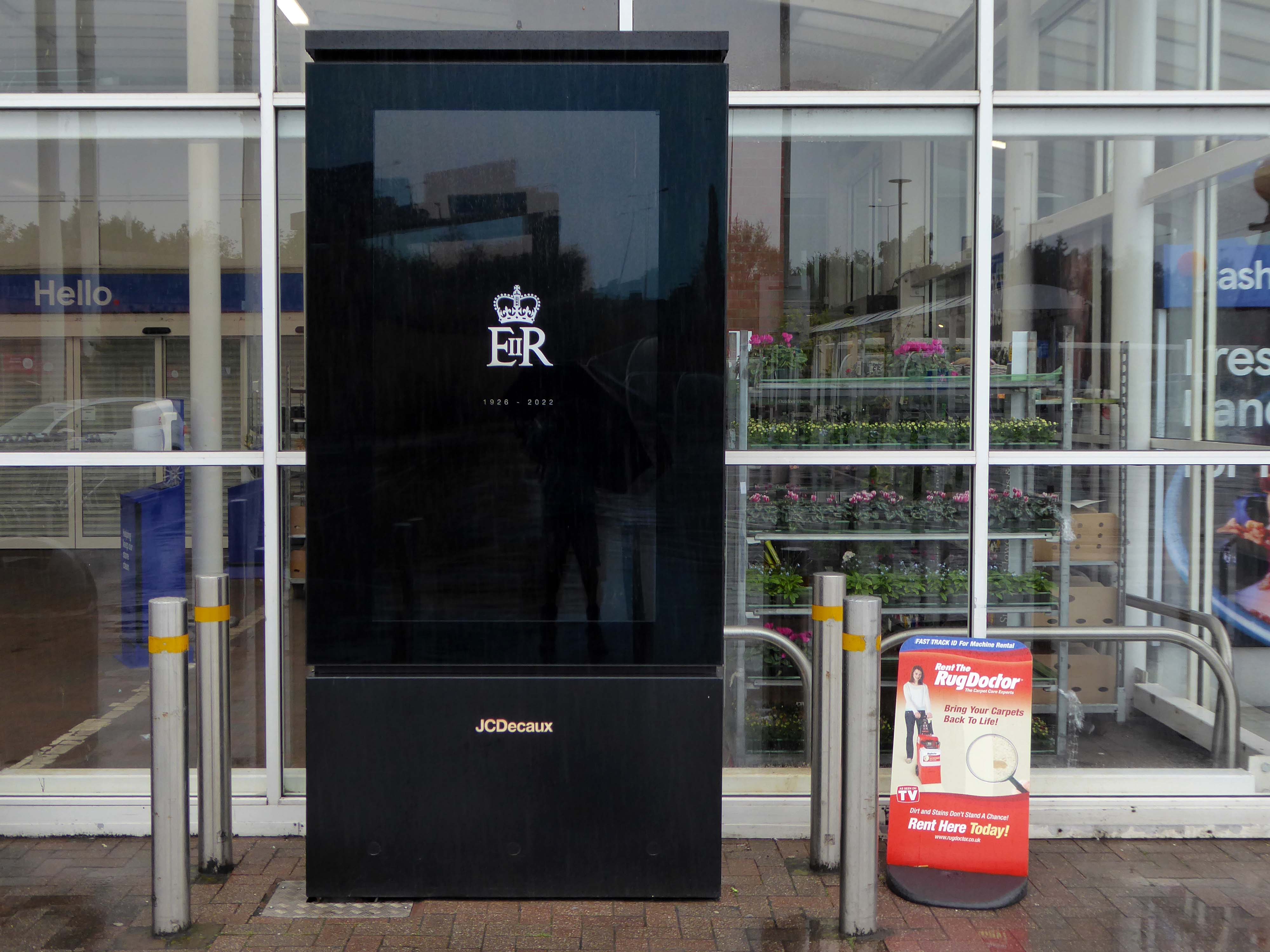
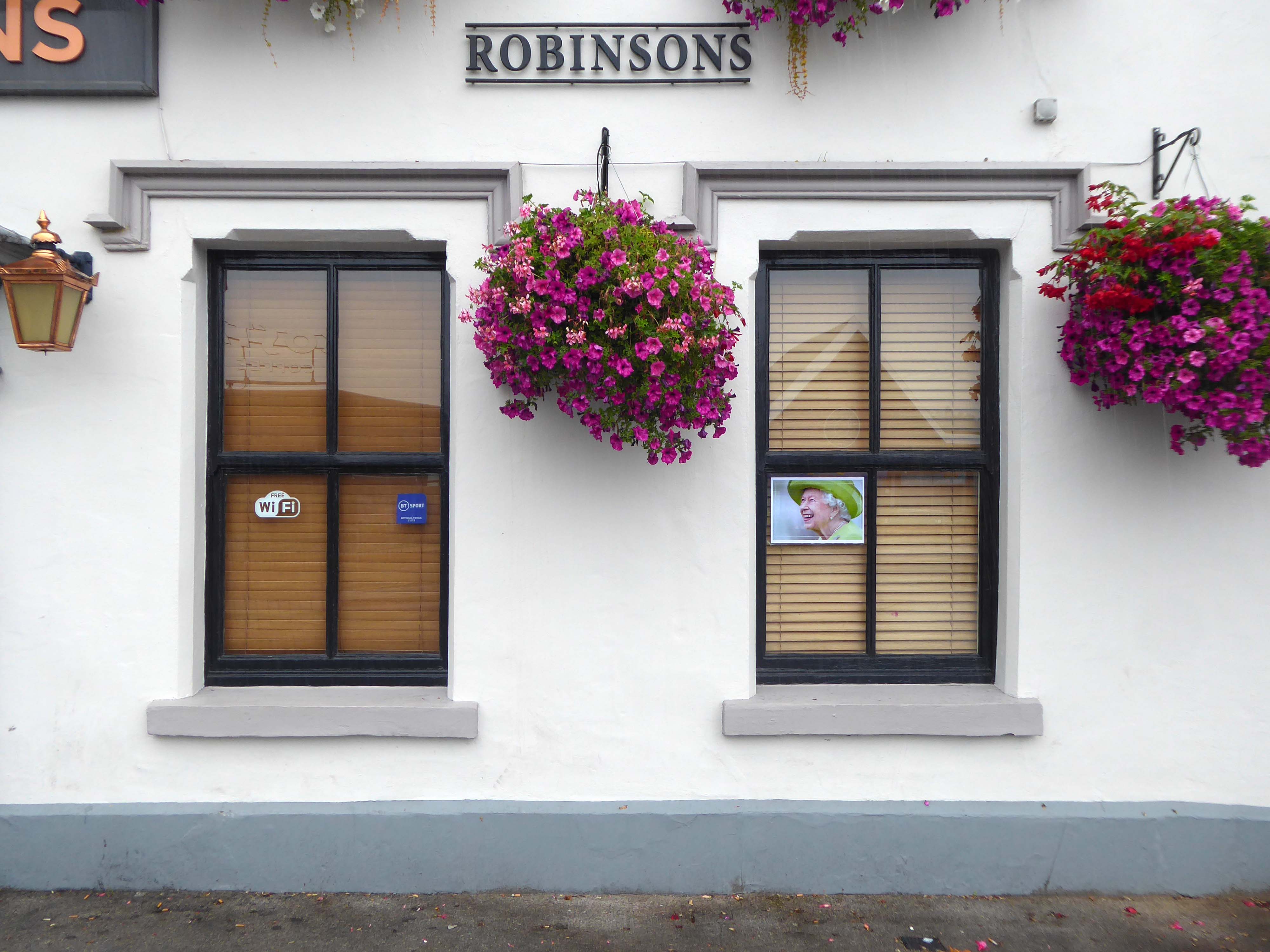
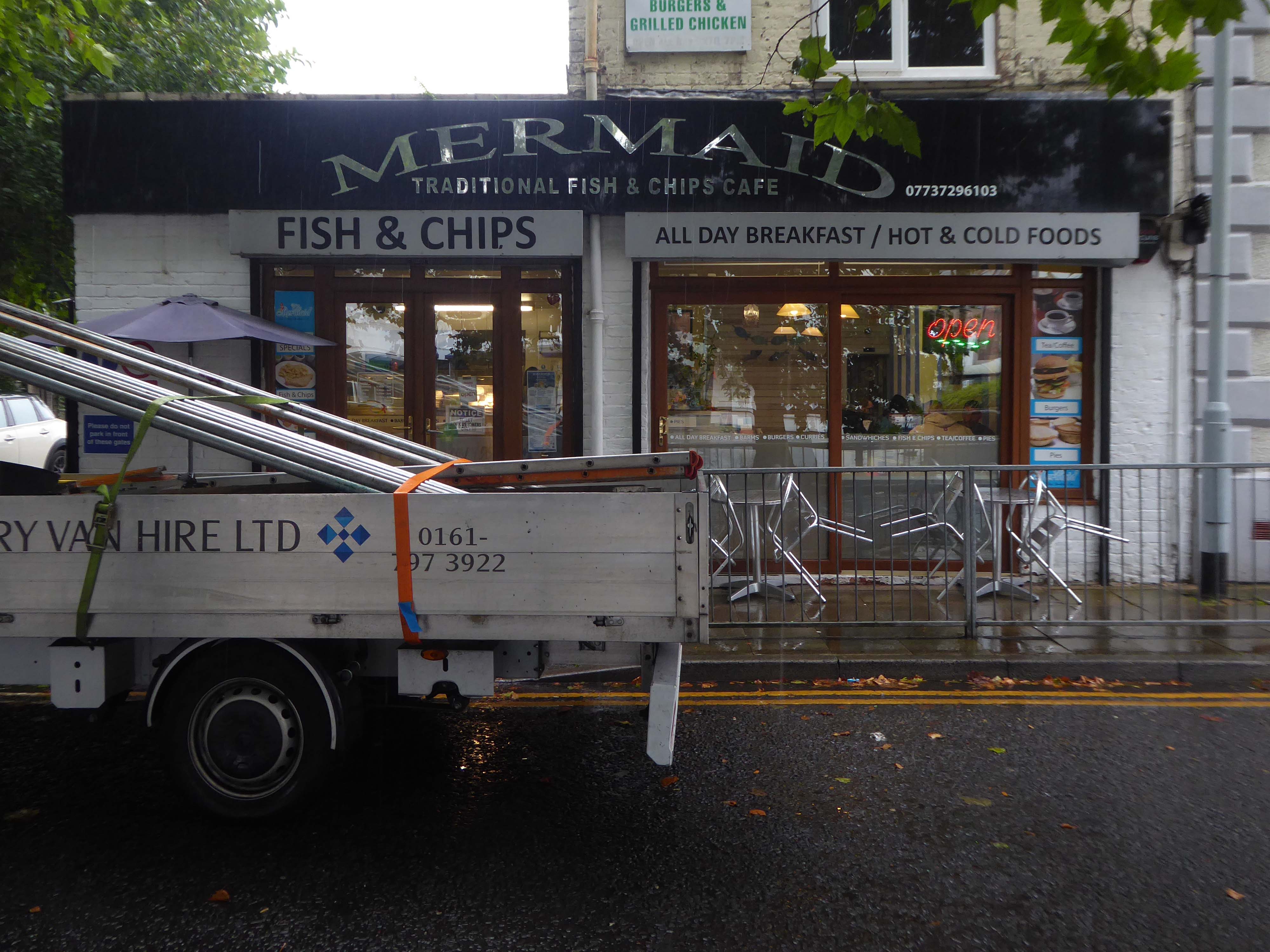
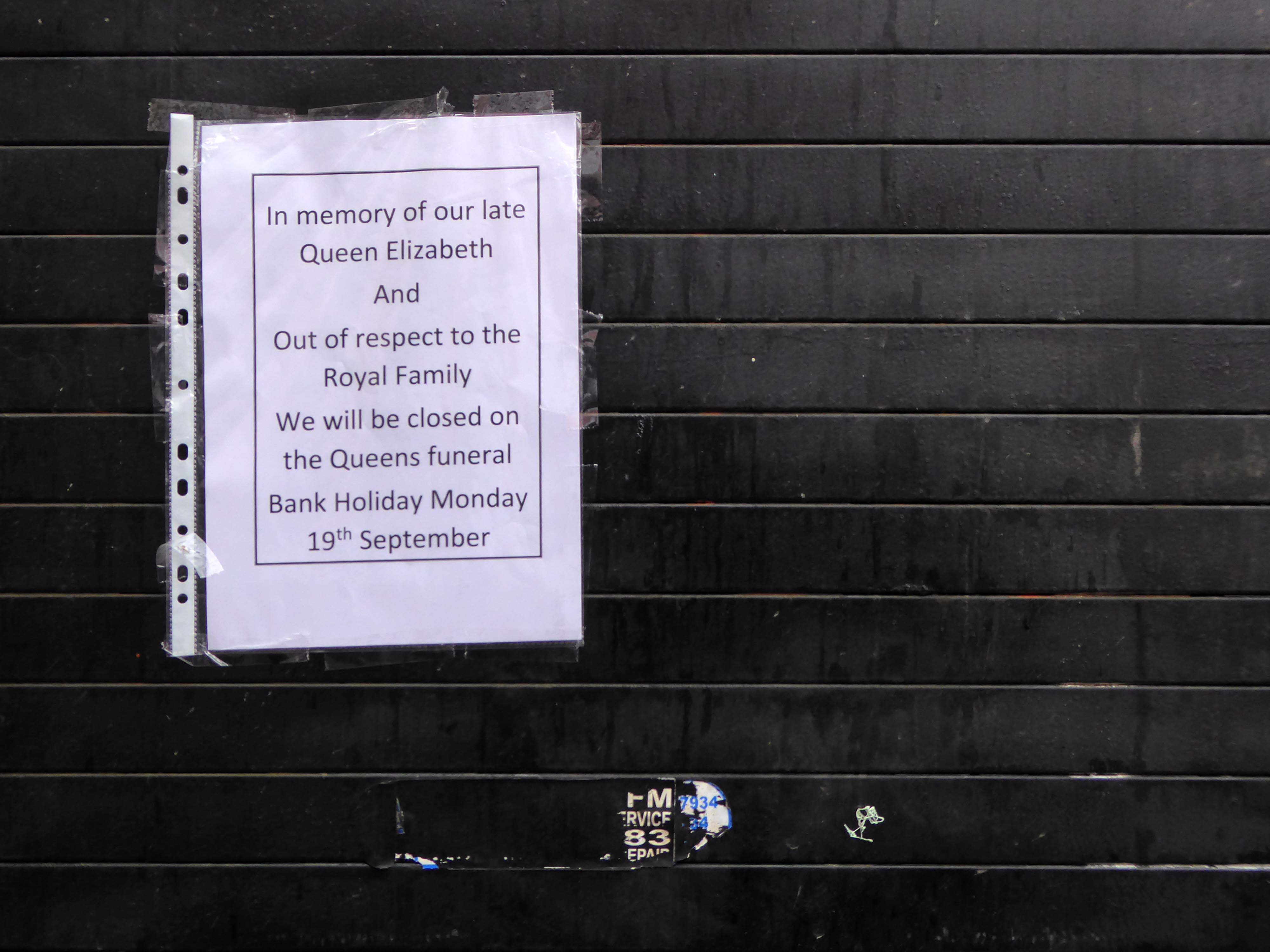
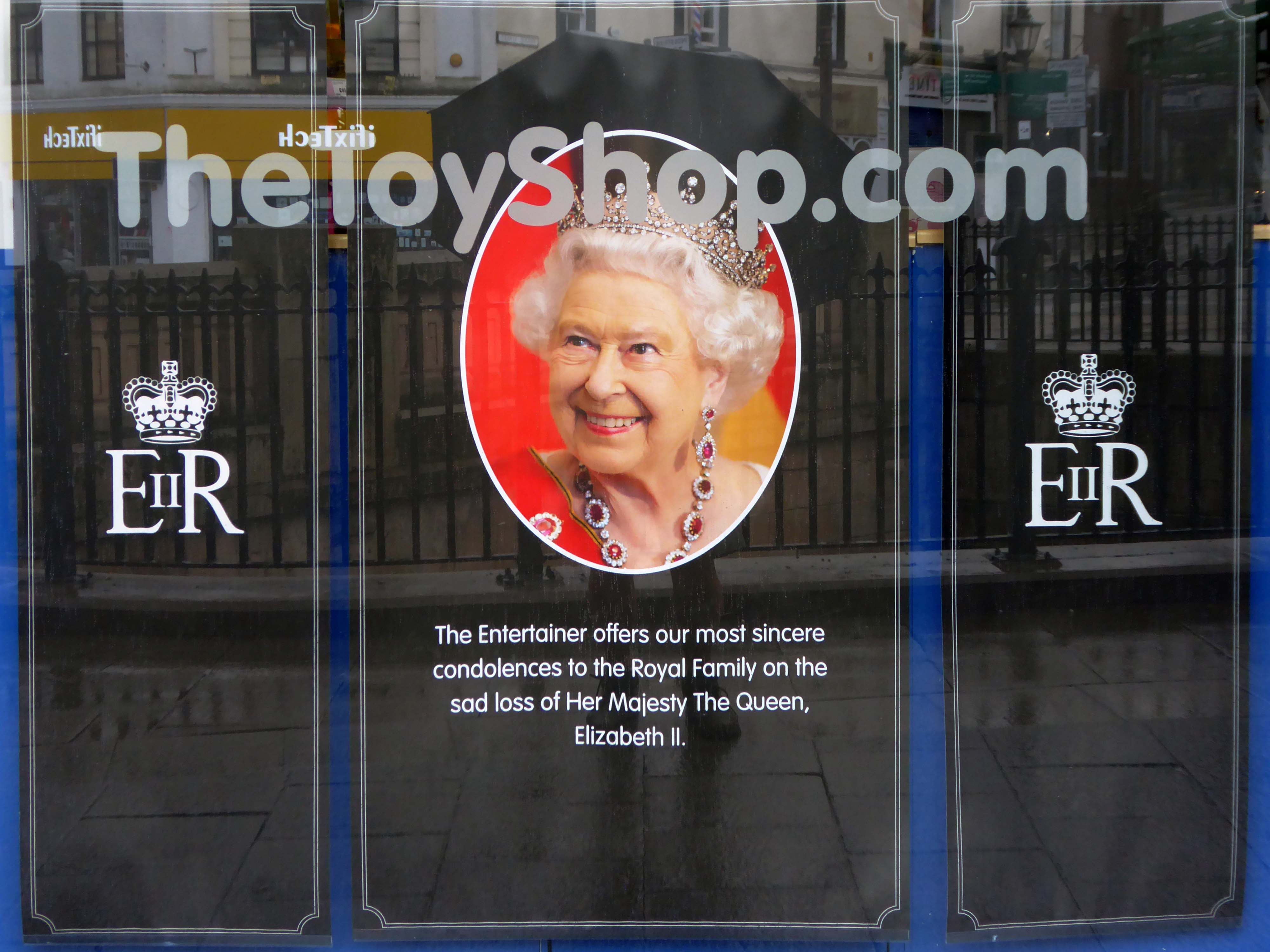
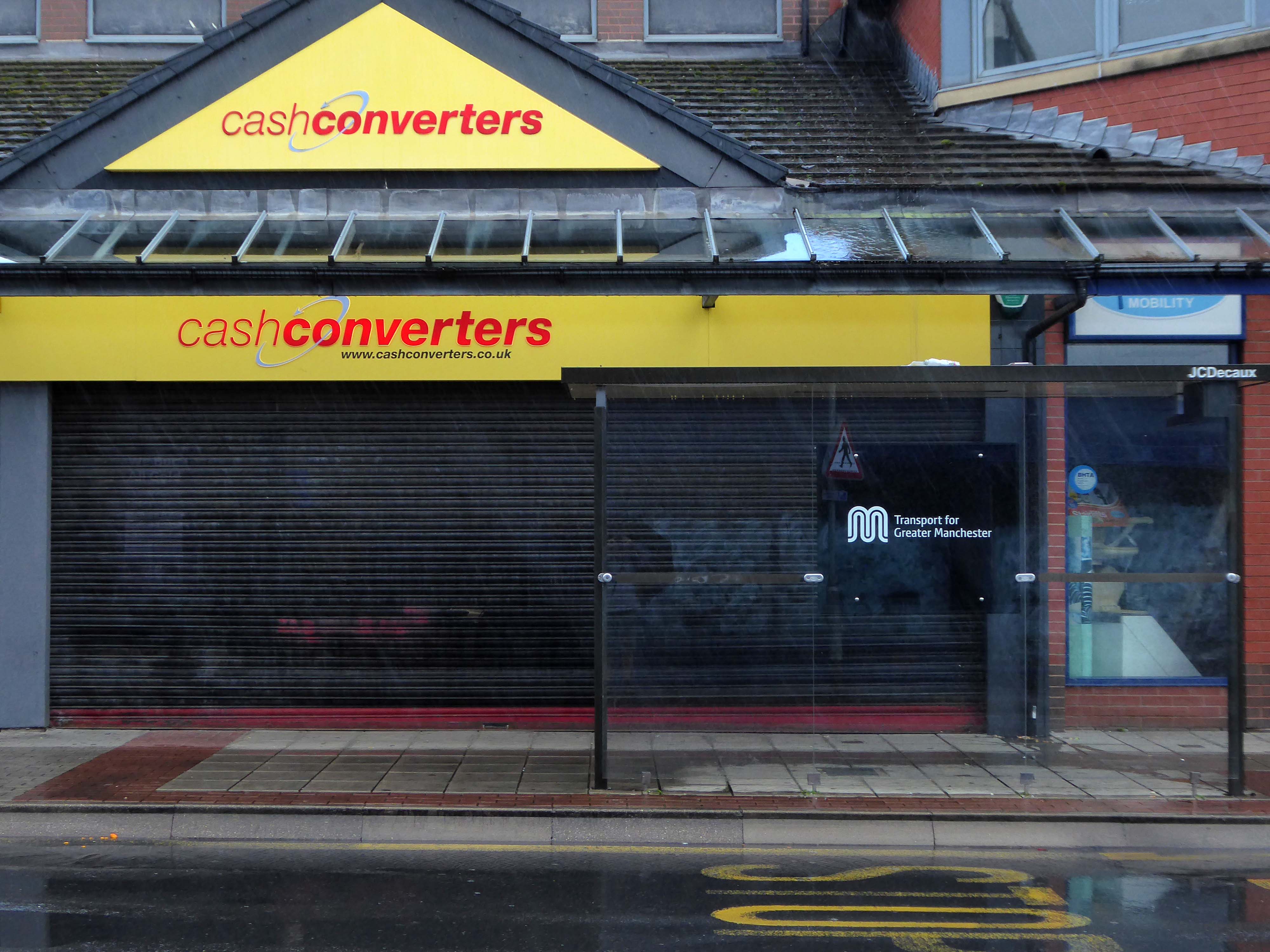
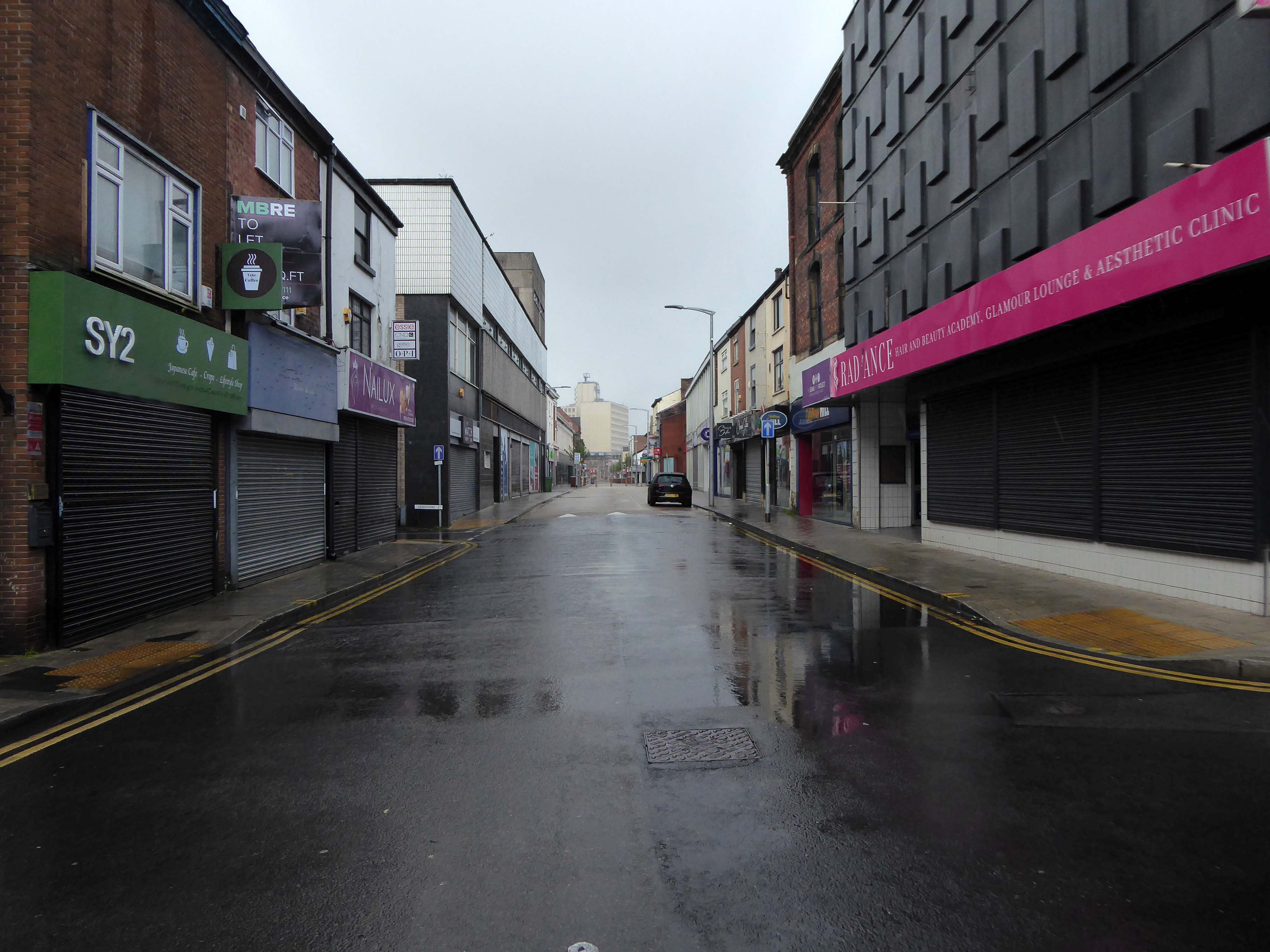
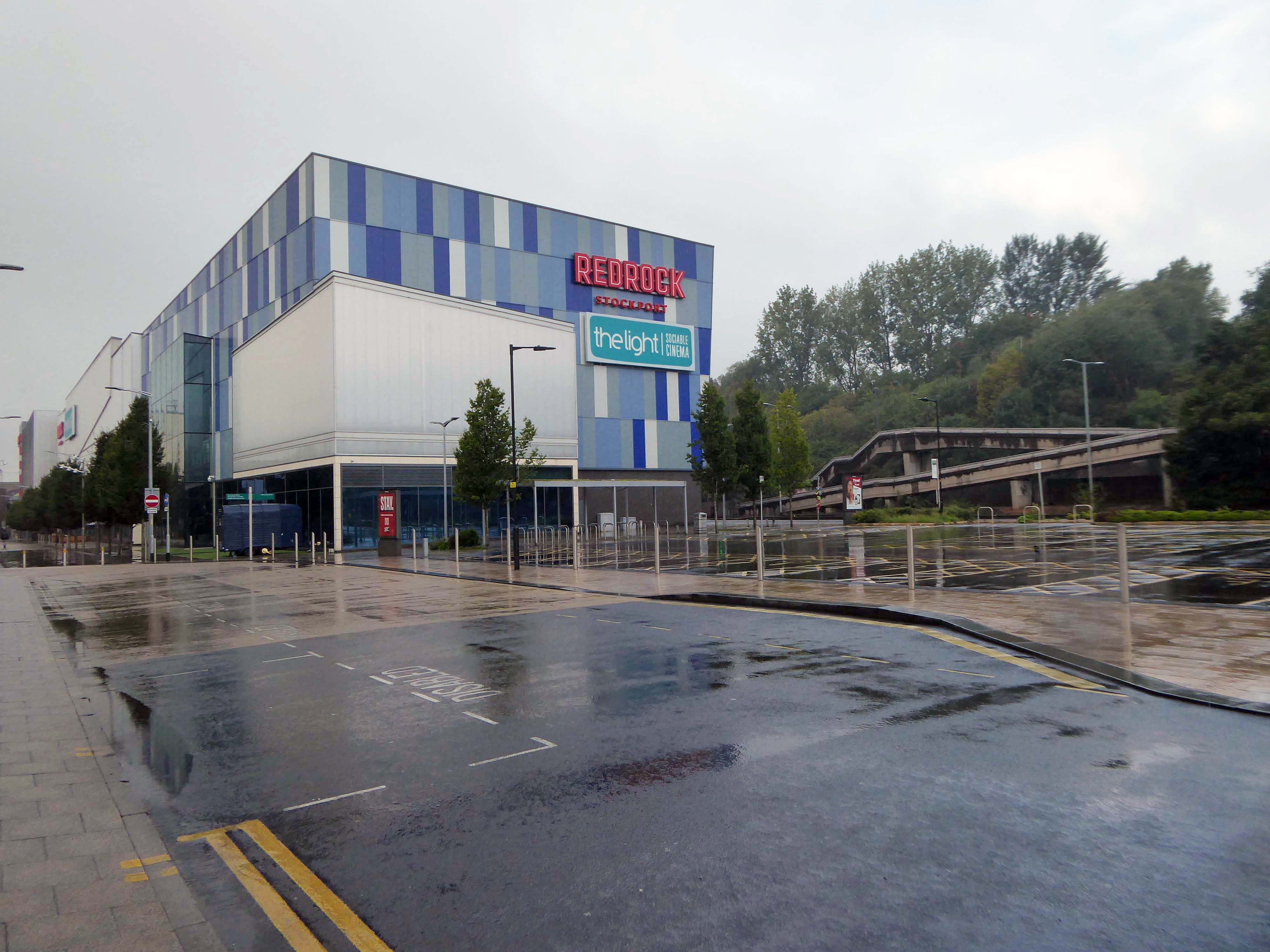
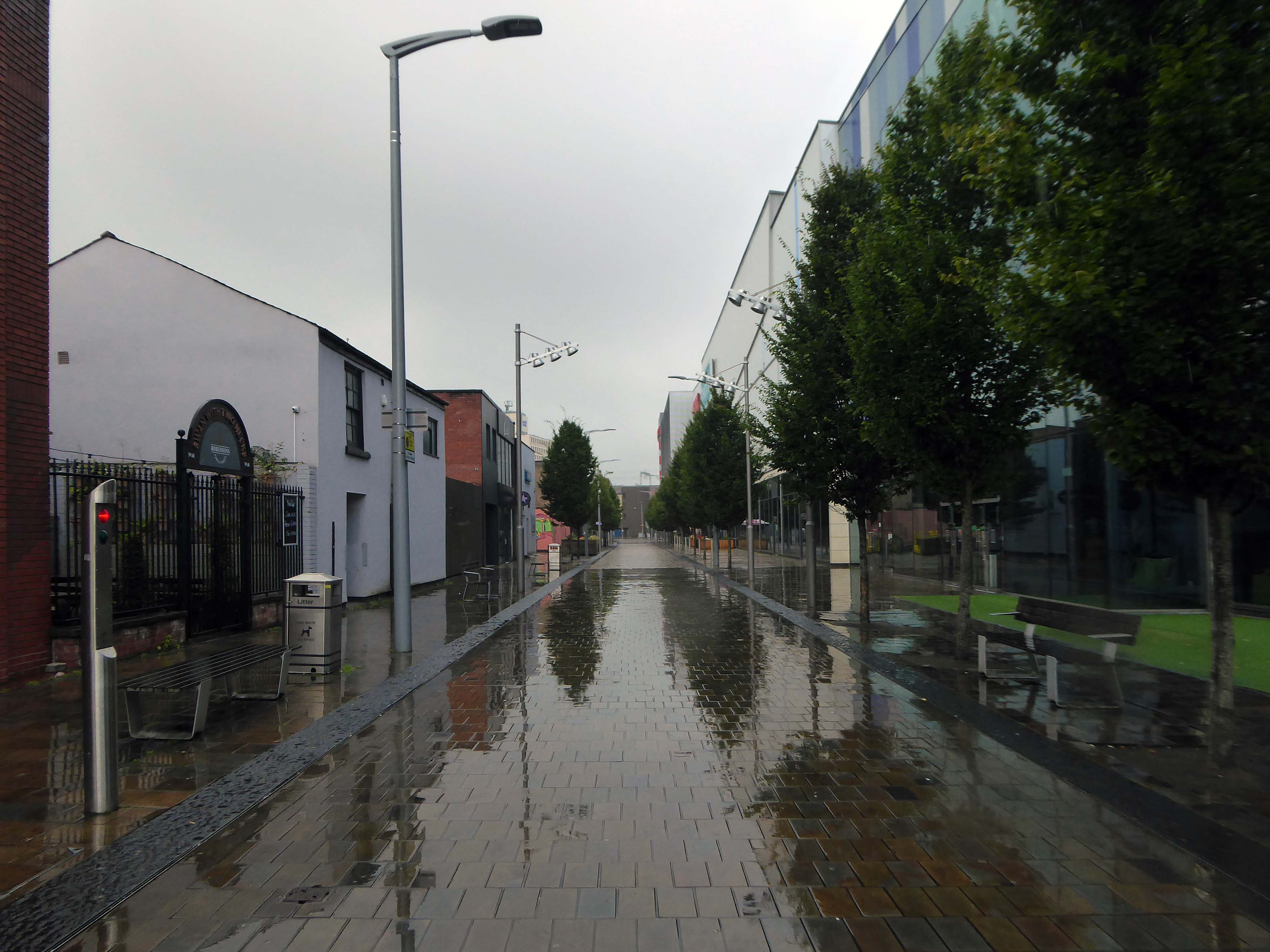
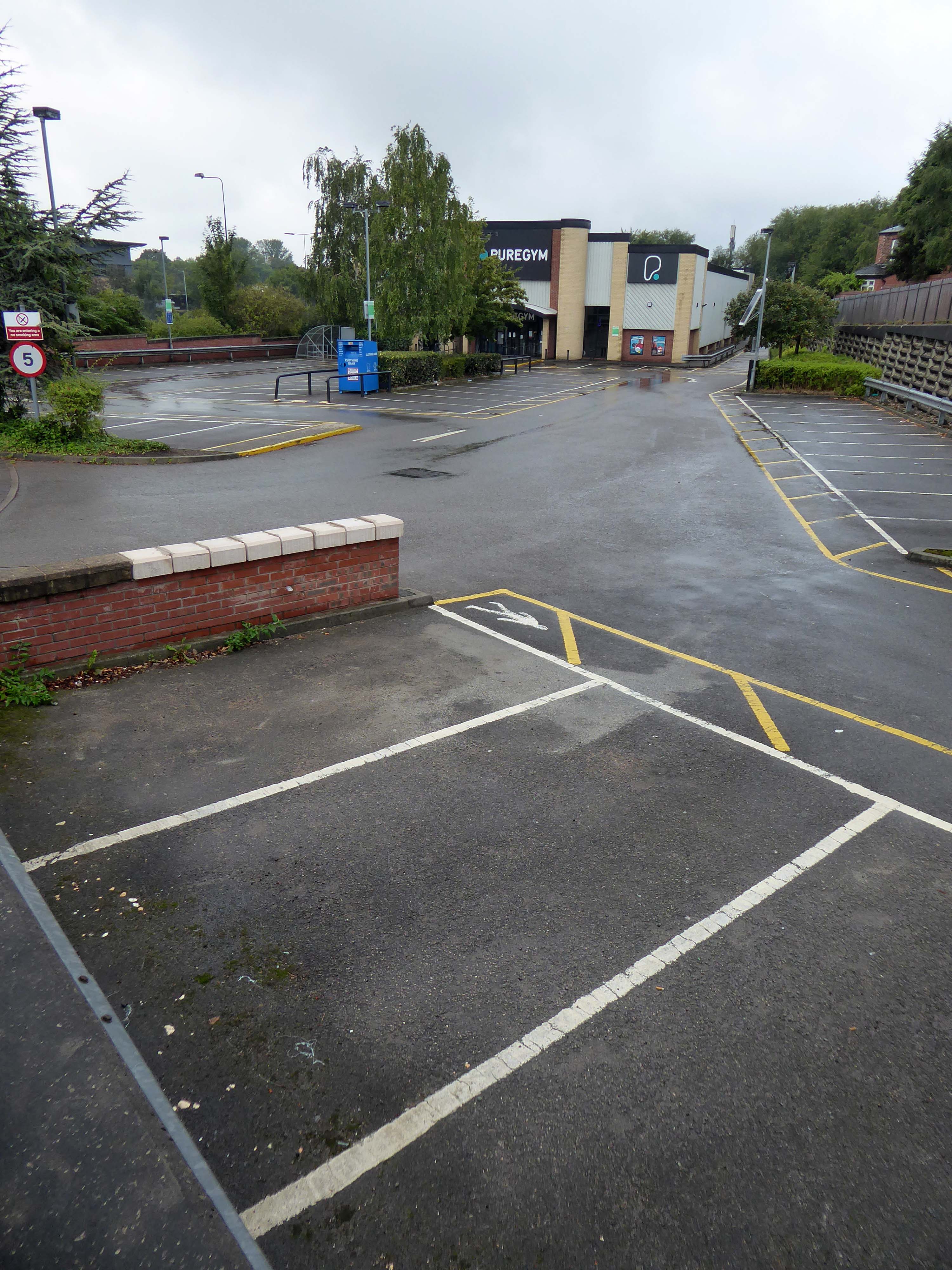
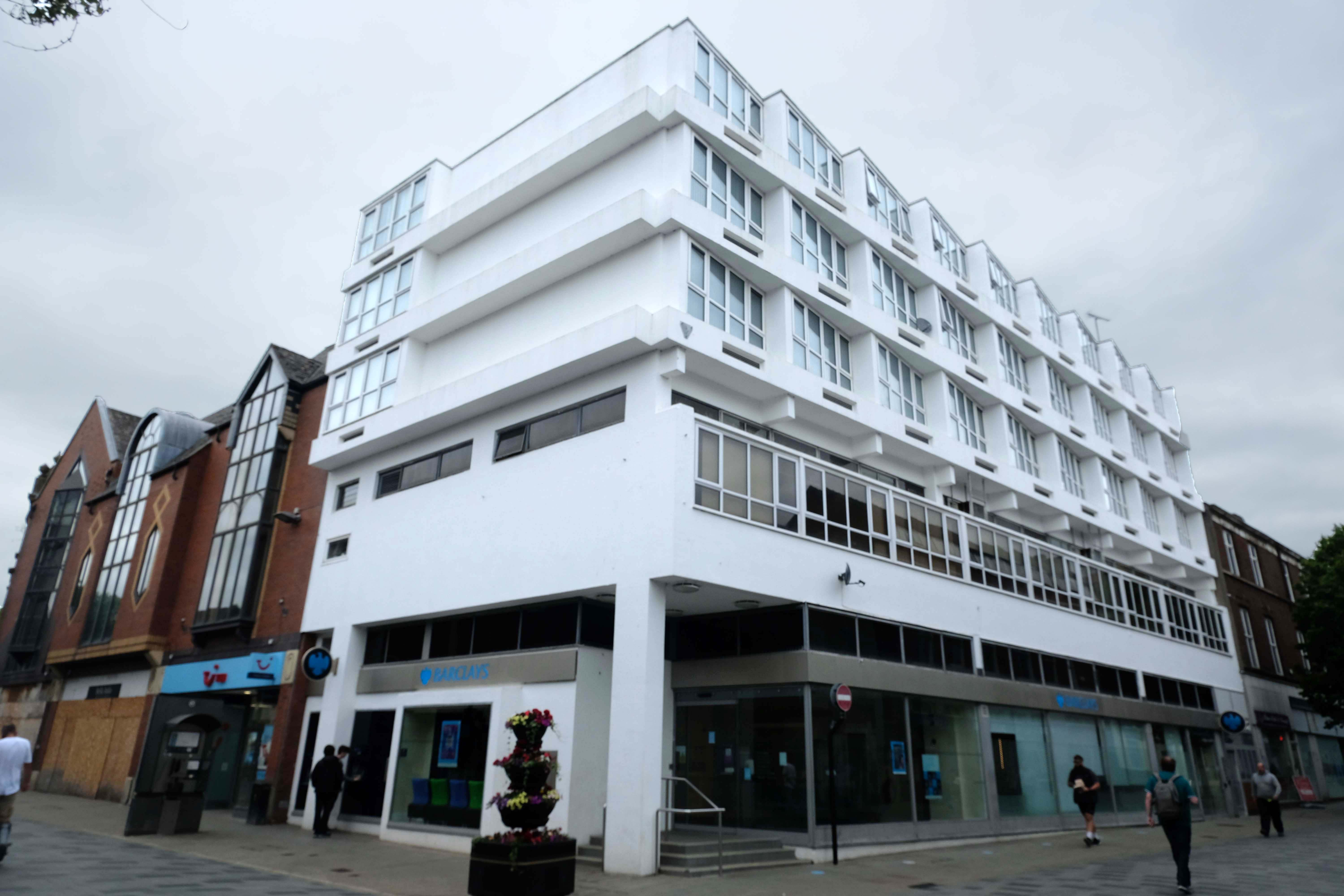
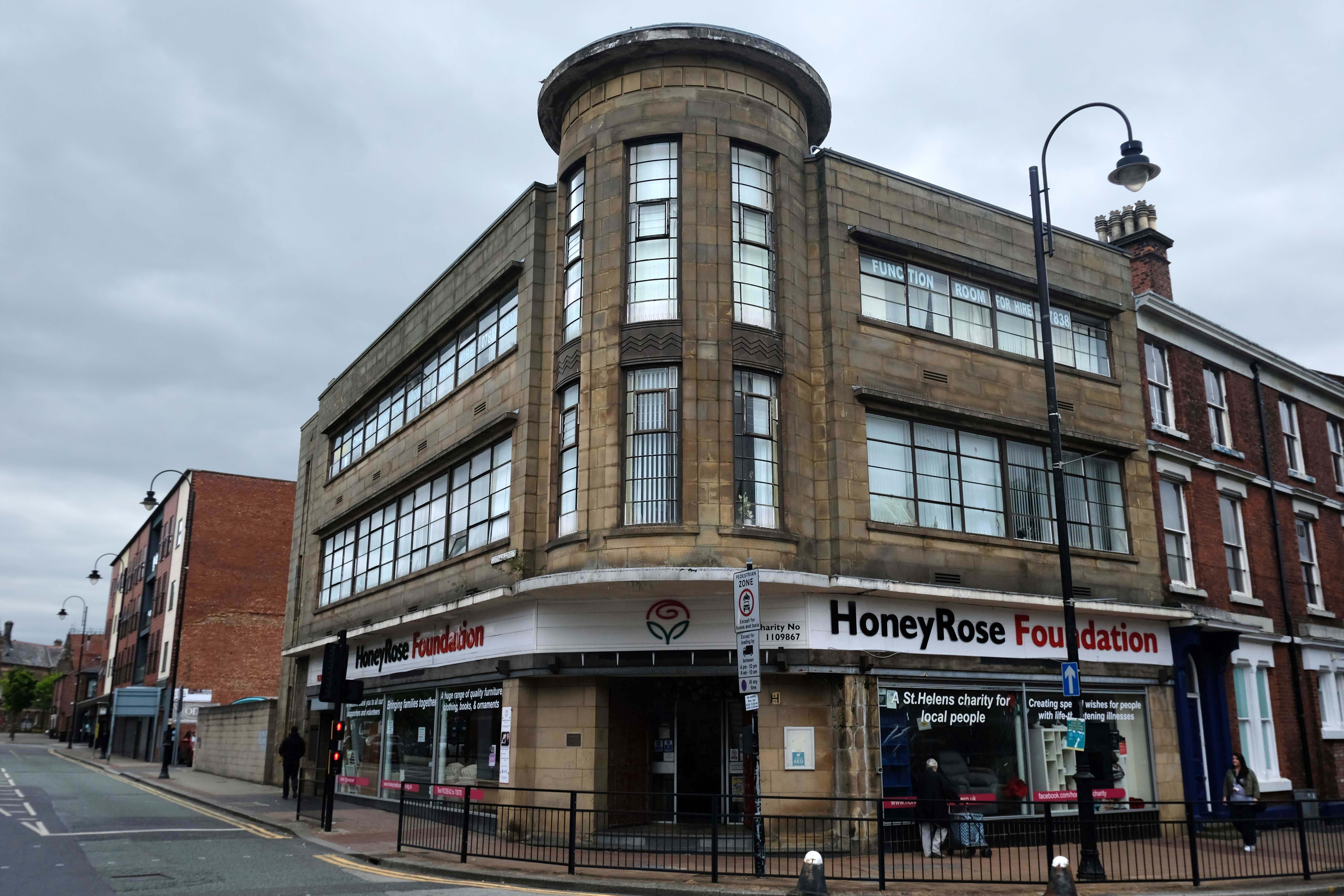
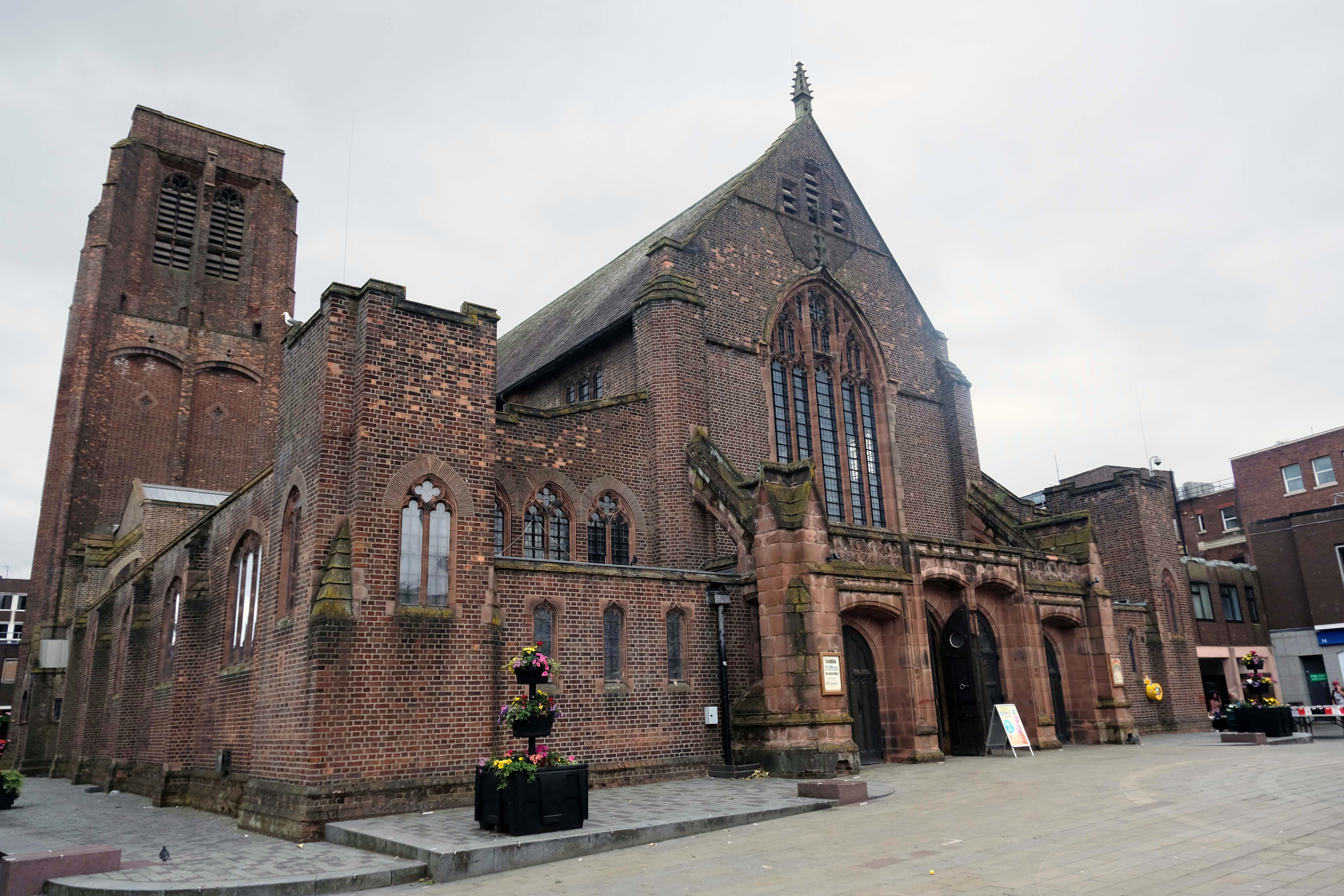
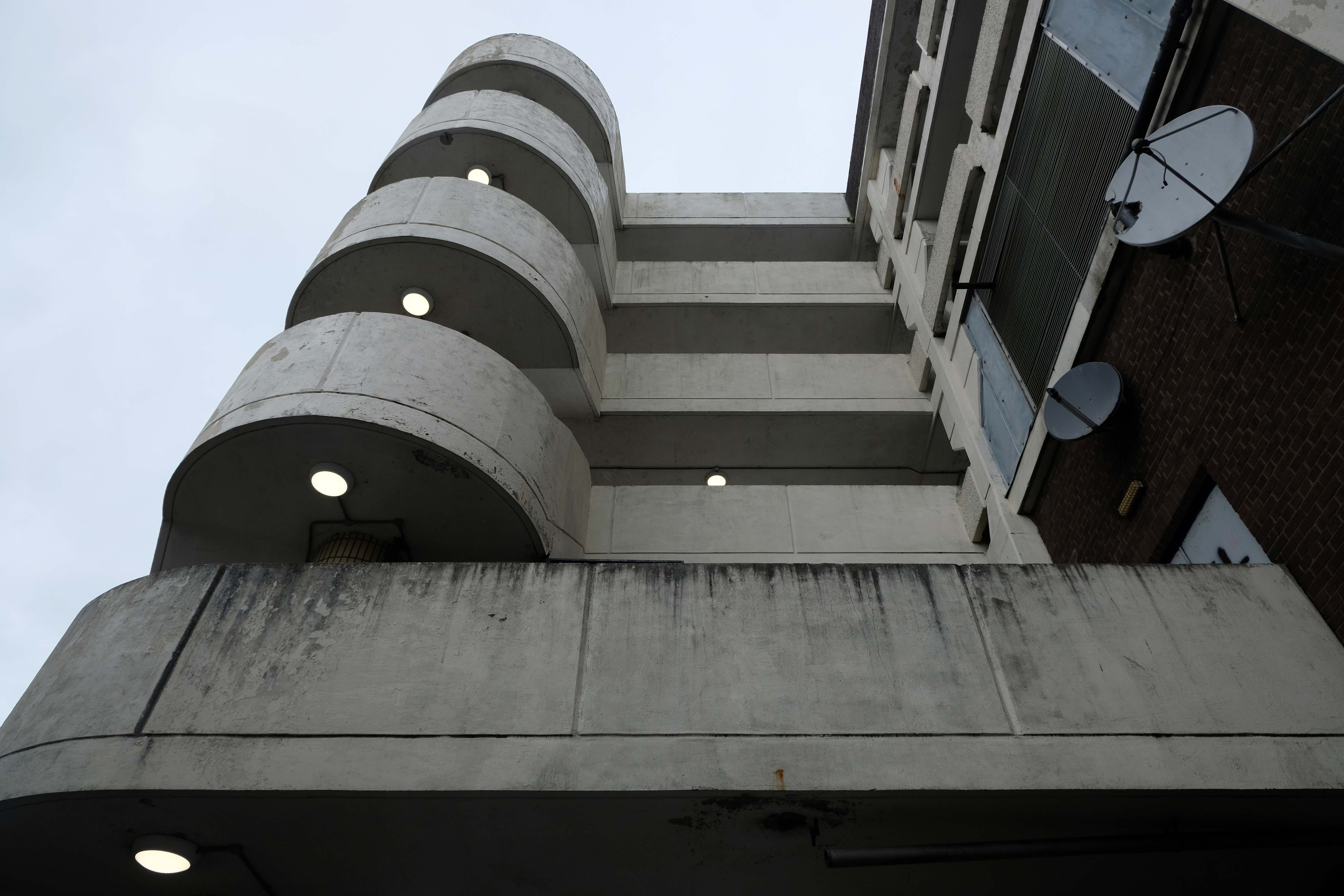
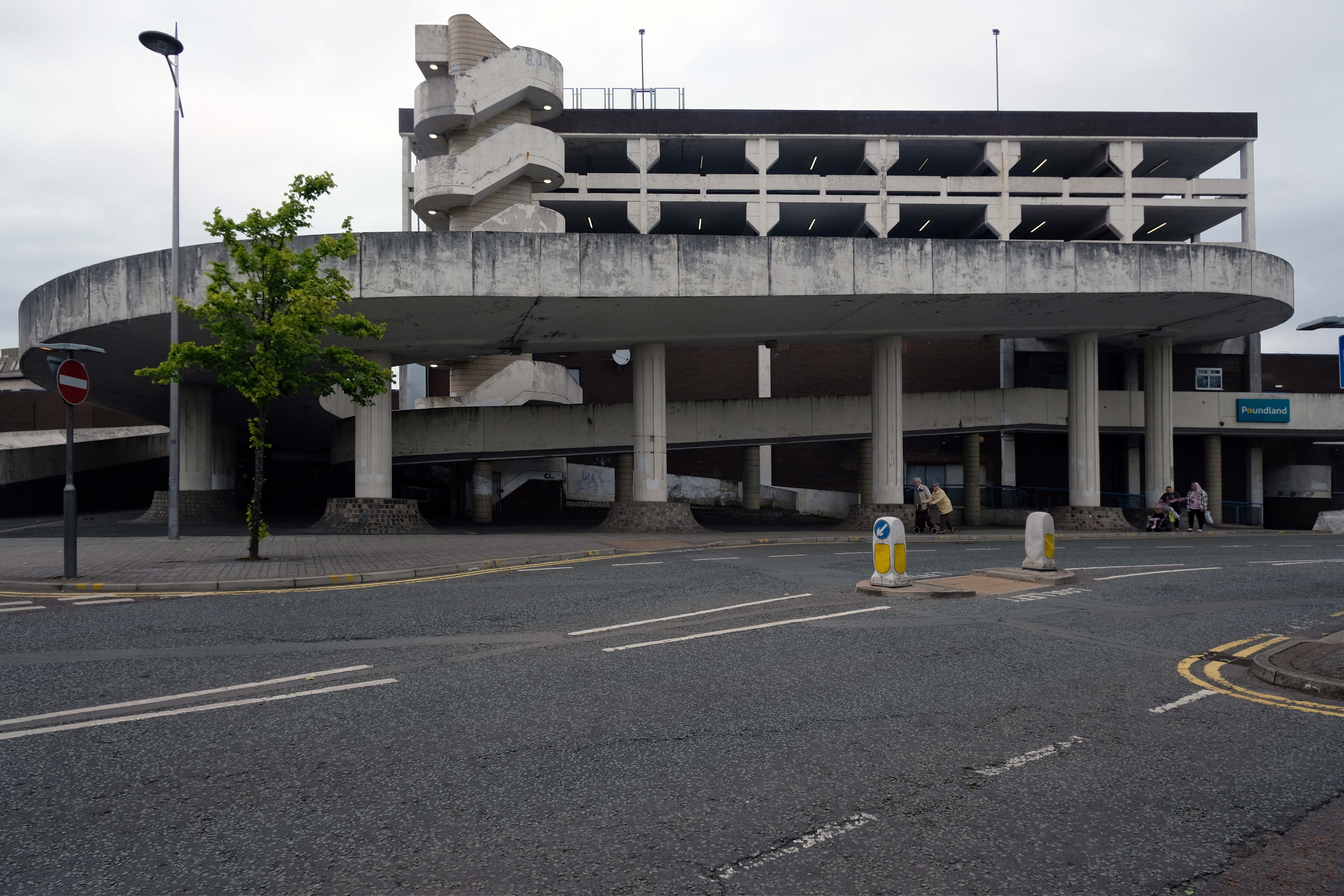
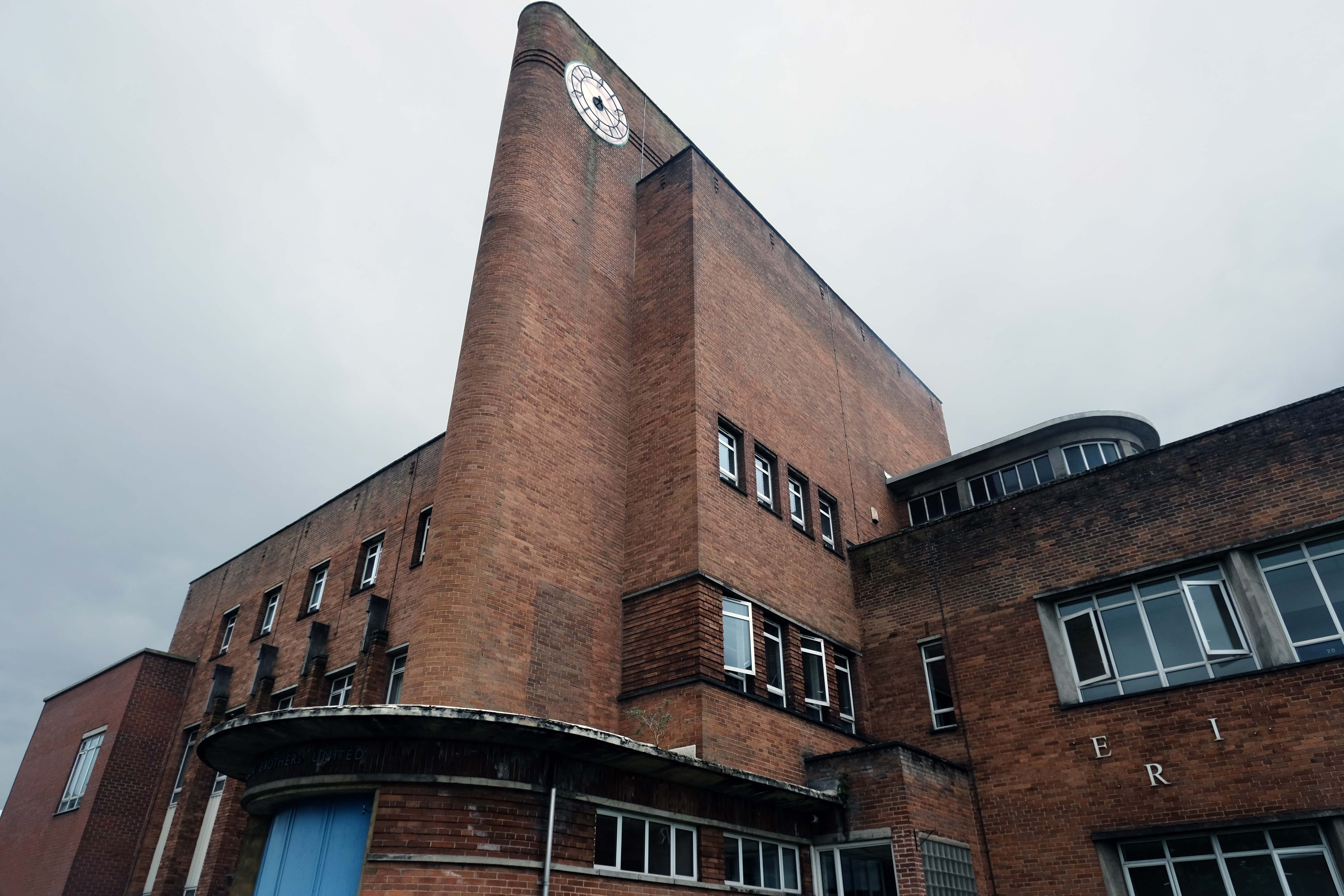
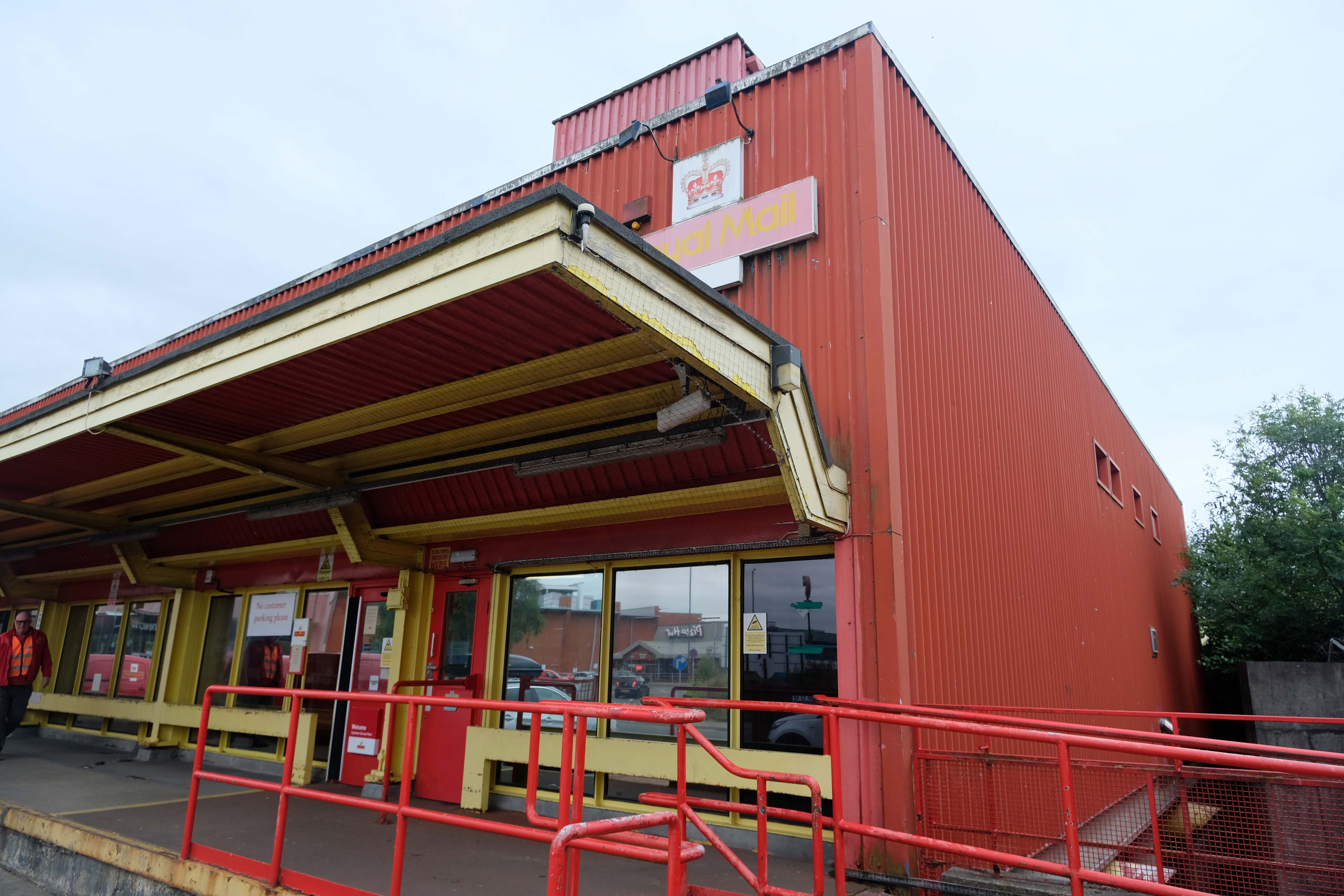
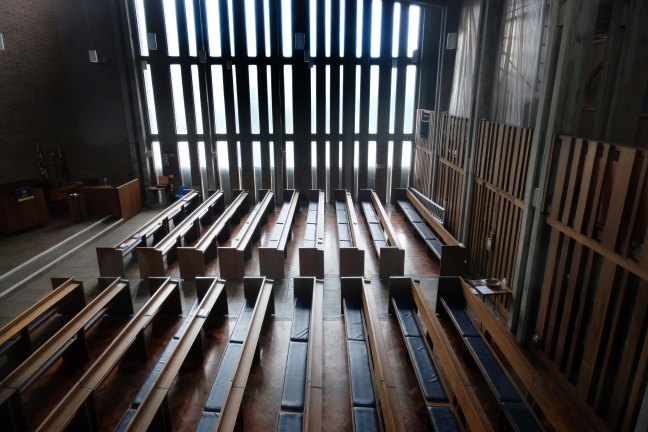
Today, on the day of her funeral, I set out for a walk around Stockport, to record a town largely closed for business. Overcast but far from downcast, I defied the almost persistent fine rain and these are the pictures that I took.
Many of the subjects are products of her time on the throne.
The traffic was much lighter, there were few pedestrians, a couple of cafés were open and two men watched the funeral service on the Sky TV stand in the precinct.
On the day of HM Queen Elizabeth’s Diamond Jubilee I cycled around Ashton under Lyne.
Recording and commenting upon the material changes which had occurred, during her reign of some sixty years. In turn many of these things have in themselves disappeared from view.
Life is a series of natural and spontaneous changes.
Don’t resist them; that only creates sorrow.
Let reality be reality.
Let things flow naturally forward in whatever way they like.
Lao Tzu
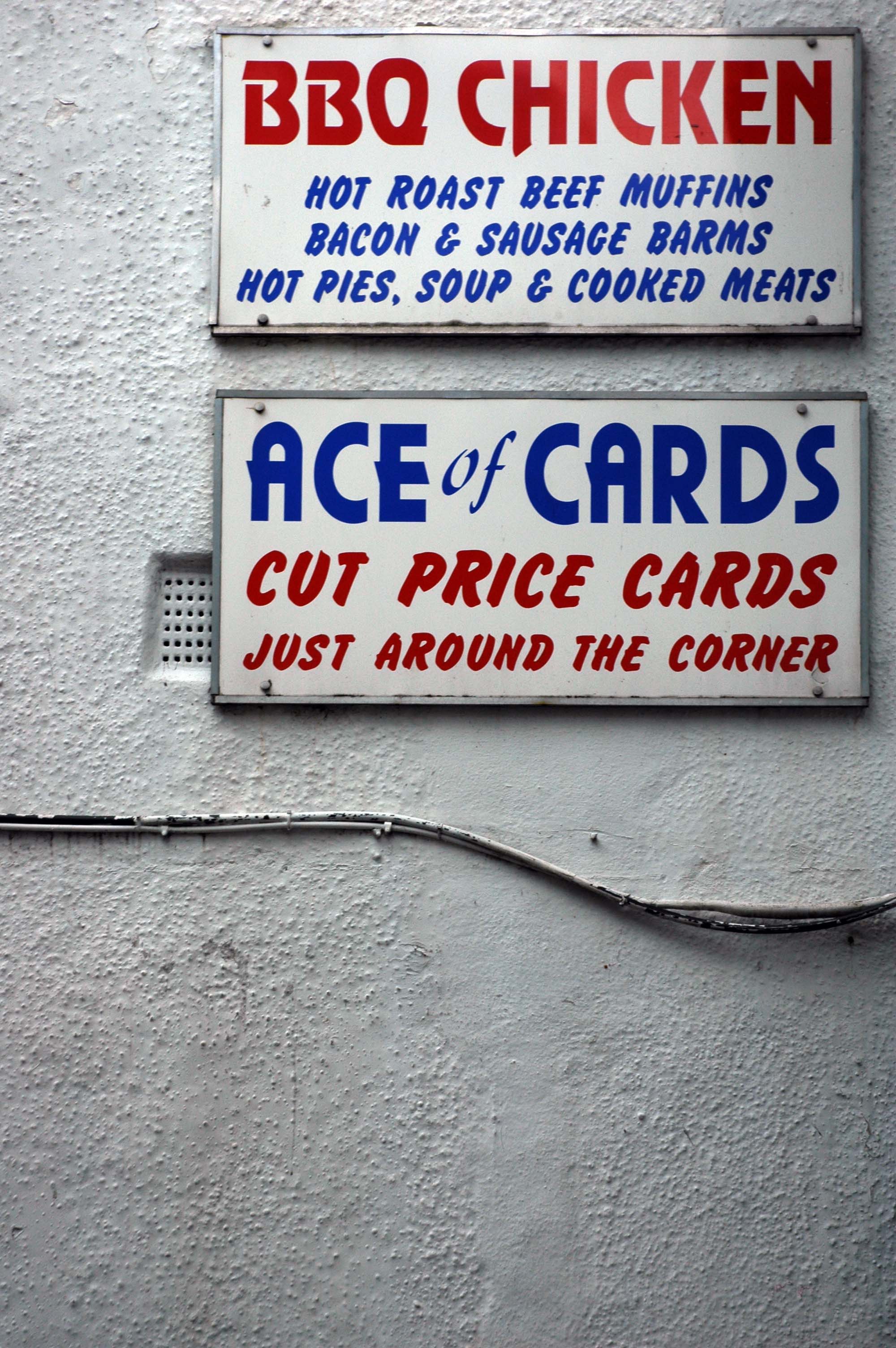
Celebrating the gradual decline in spelling – Gill Scot Heron meets Tameside, everyone’s a winner.
Celebrating the proliferation of California Screen Blocks, hanging baskets and vertical blinds.
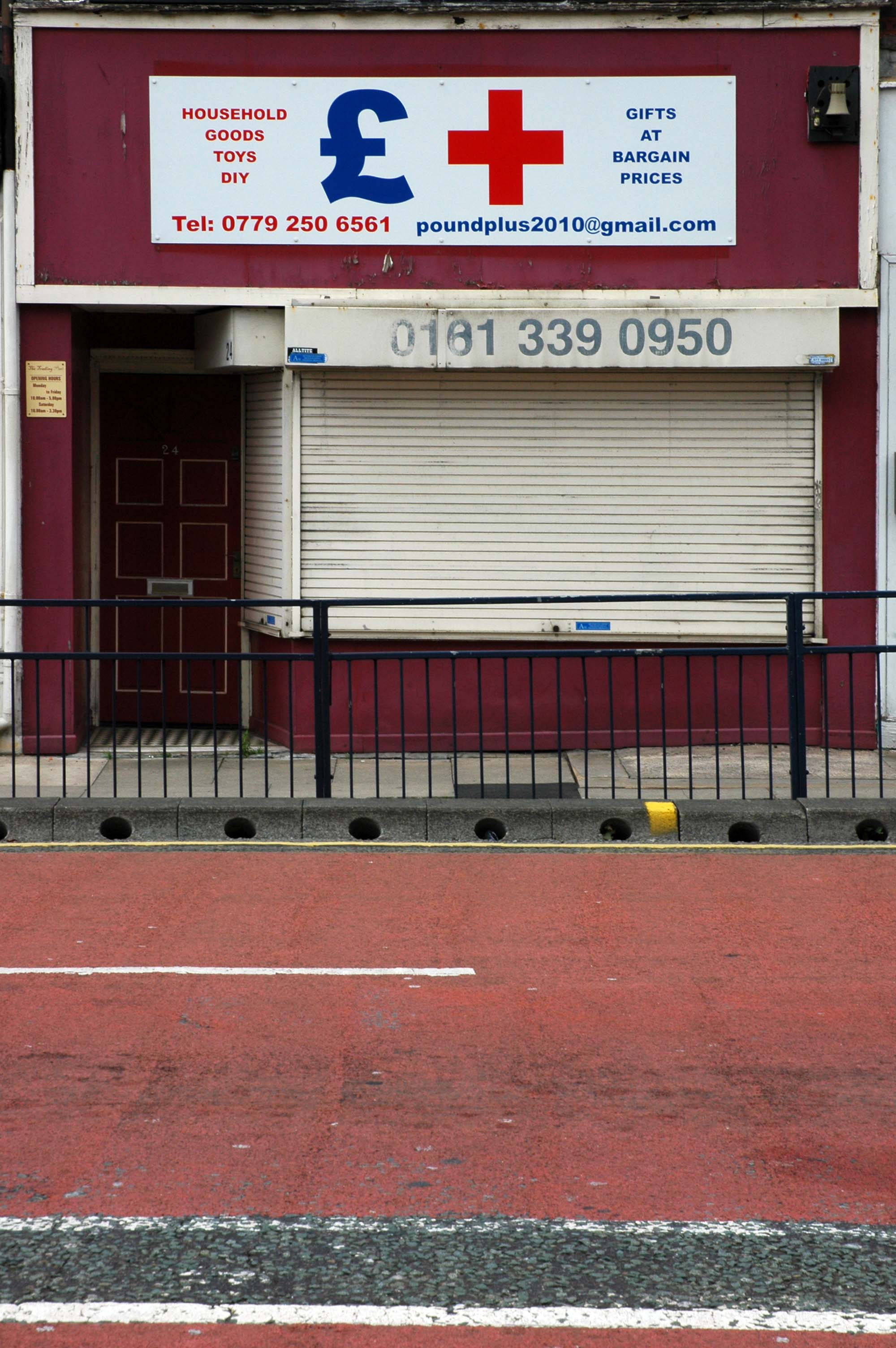
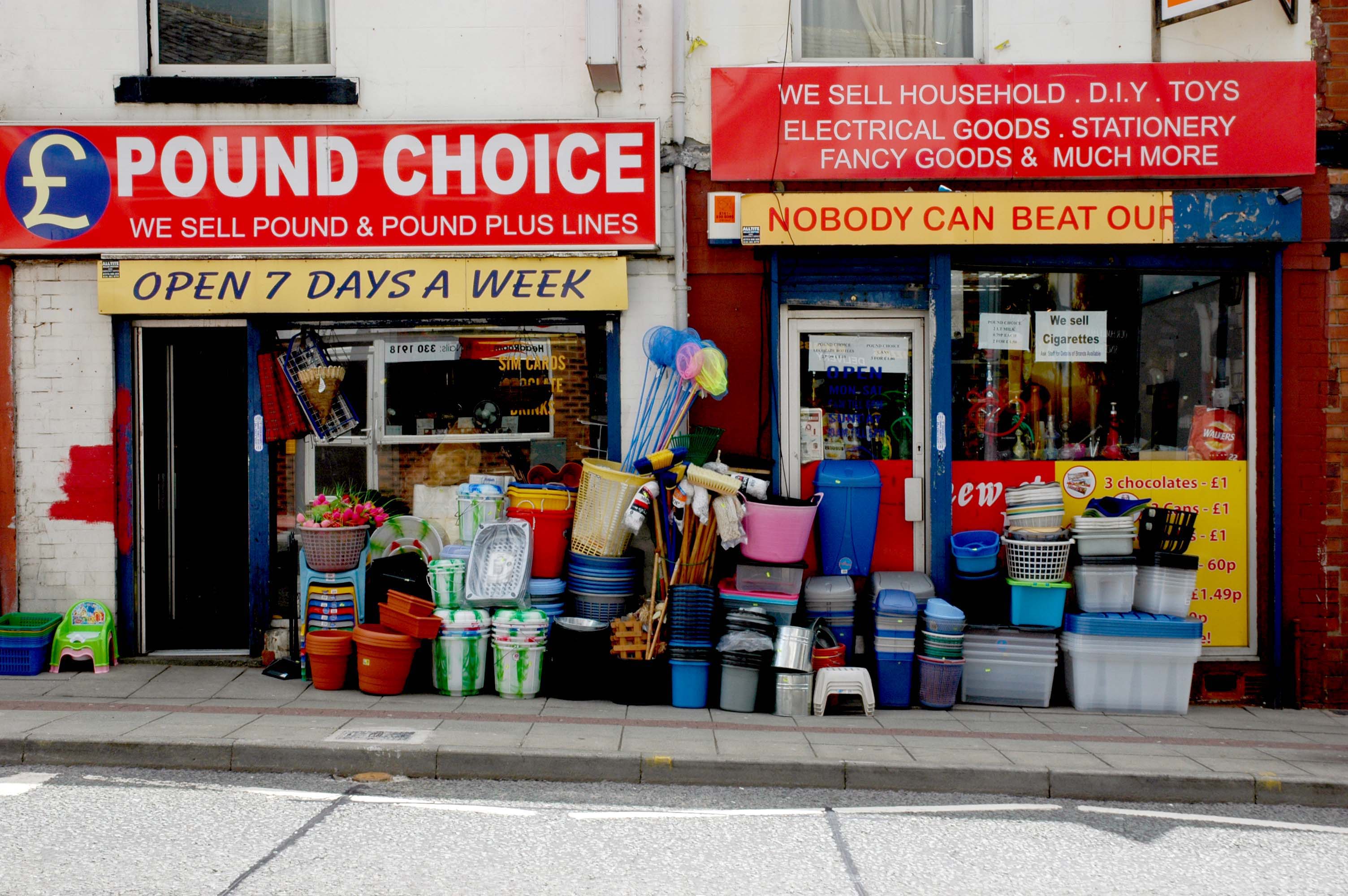
Celebrating the Pound Shop a profusion of road markings and pedestrian safety barriers.
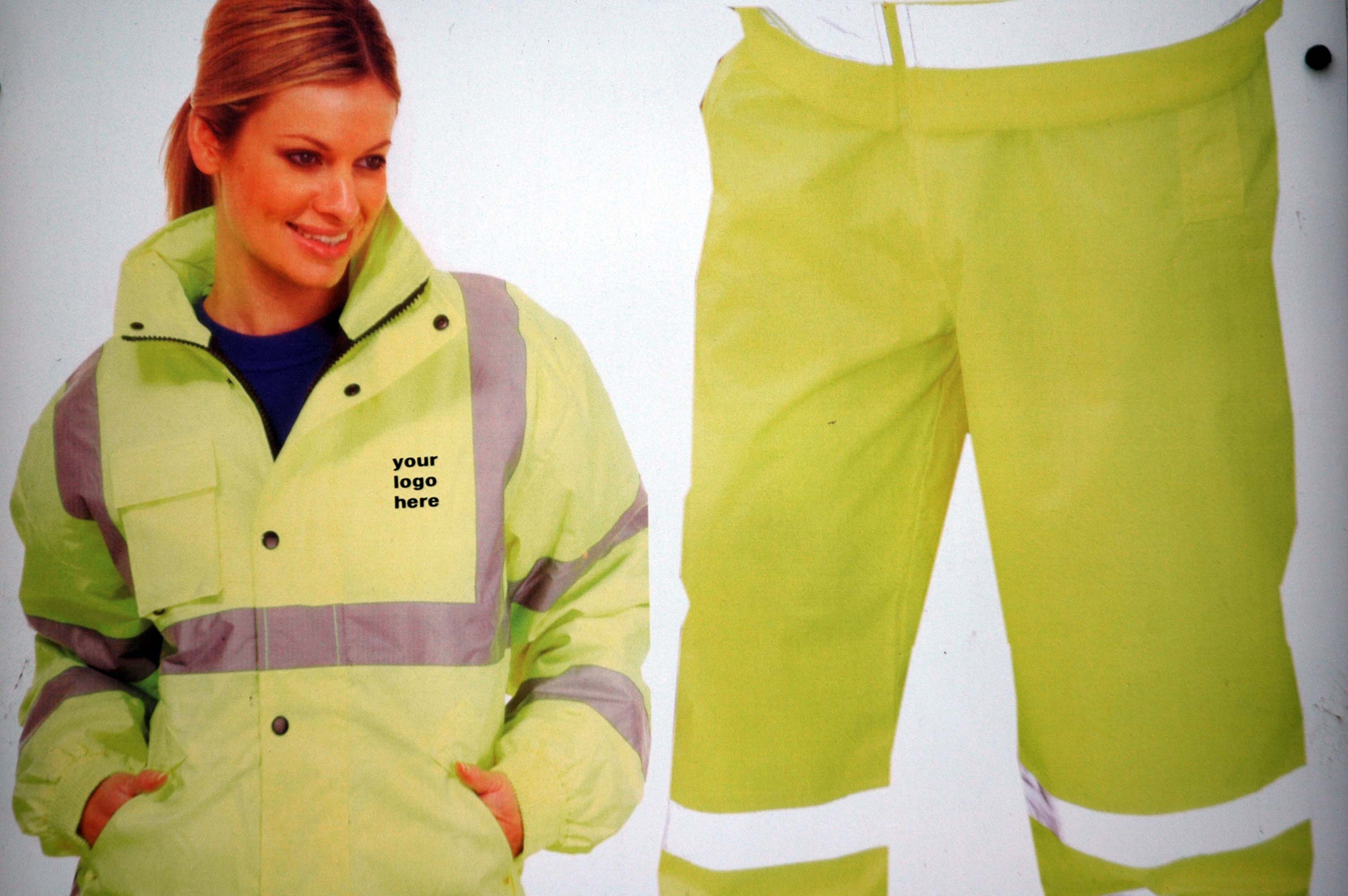
Celebrating High Visibilty Workwear and the proliferation of the logotype
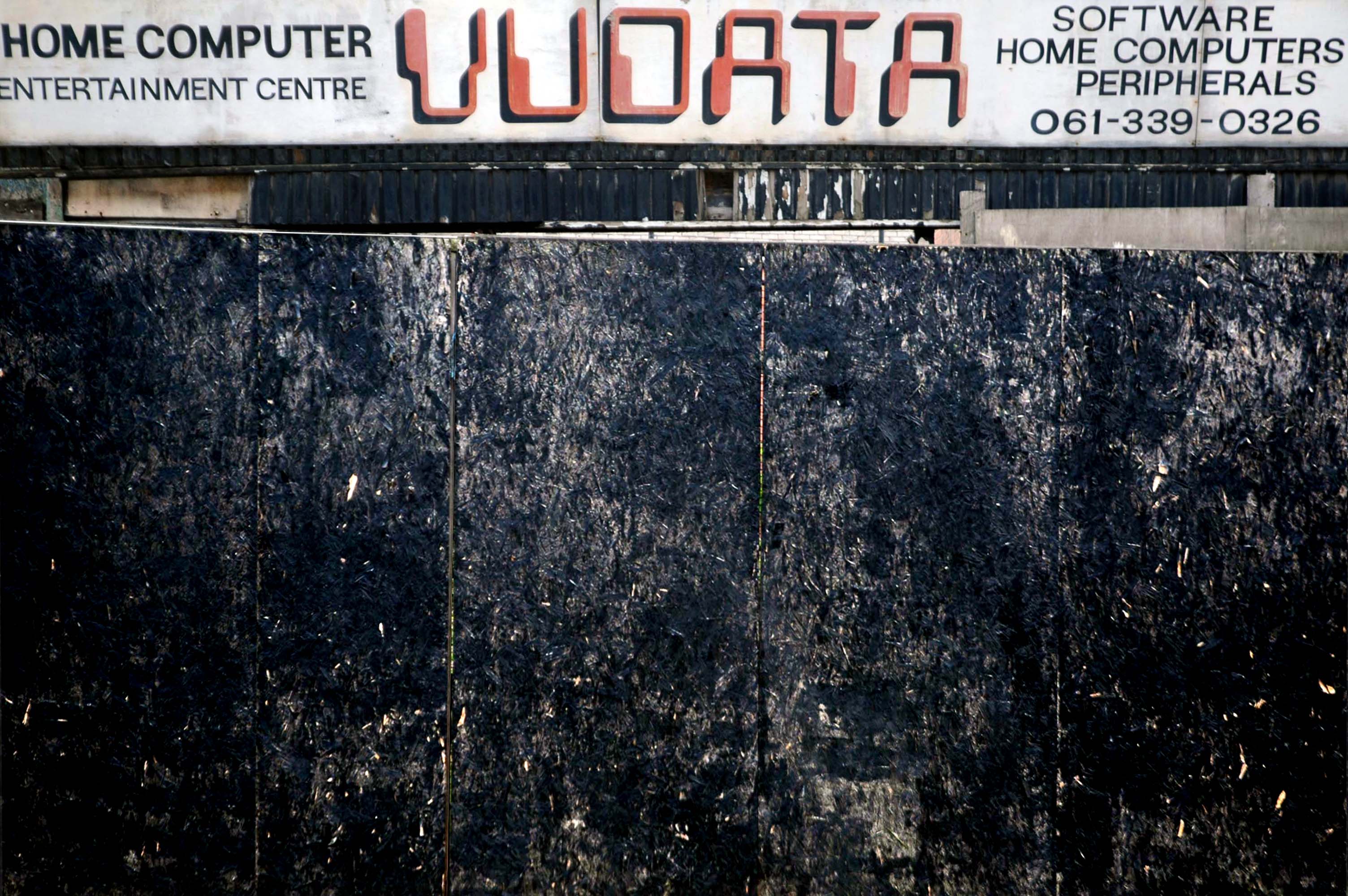
Celebrating advances in Information Technology and the decline of the retail sector.
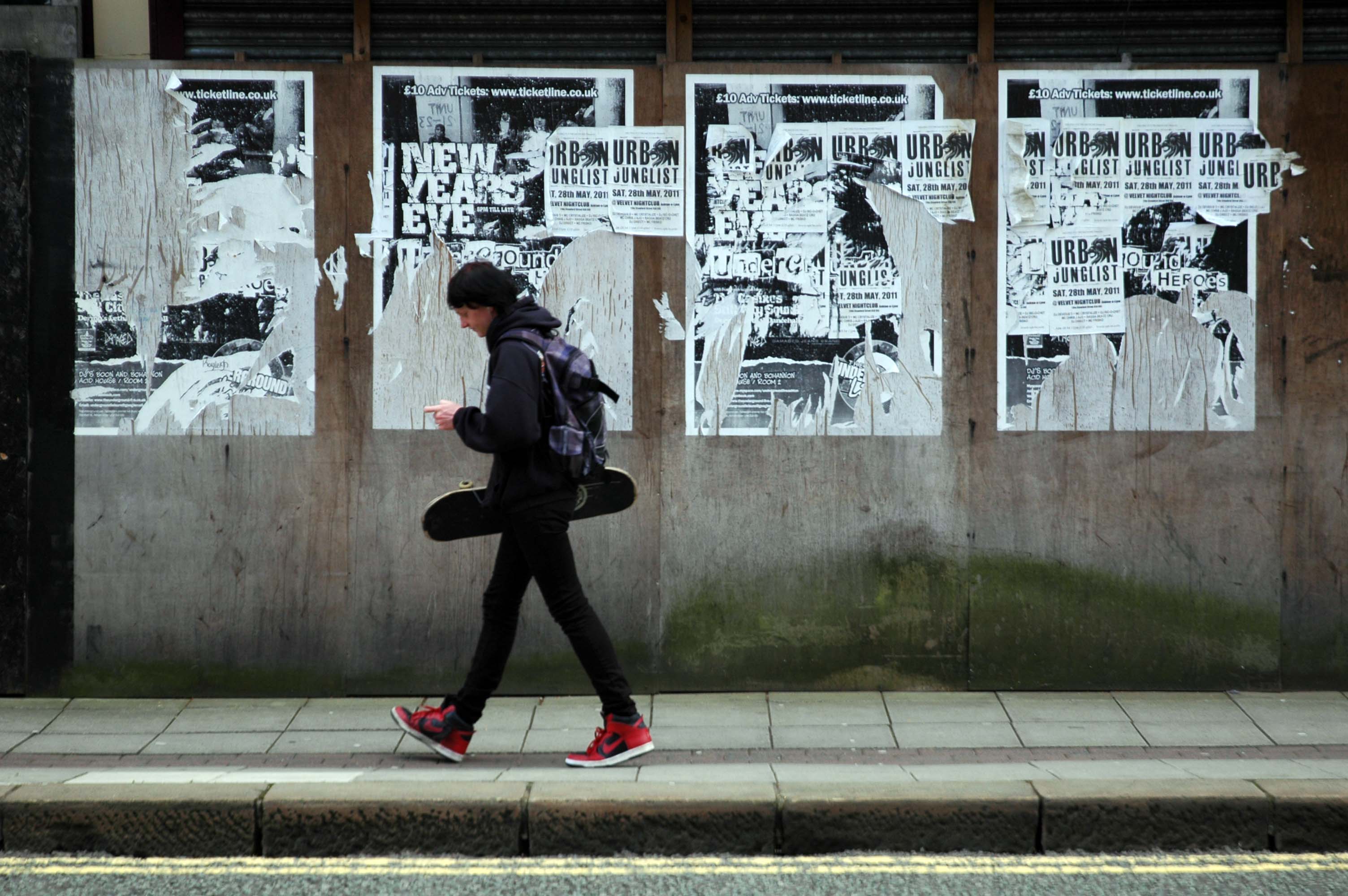
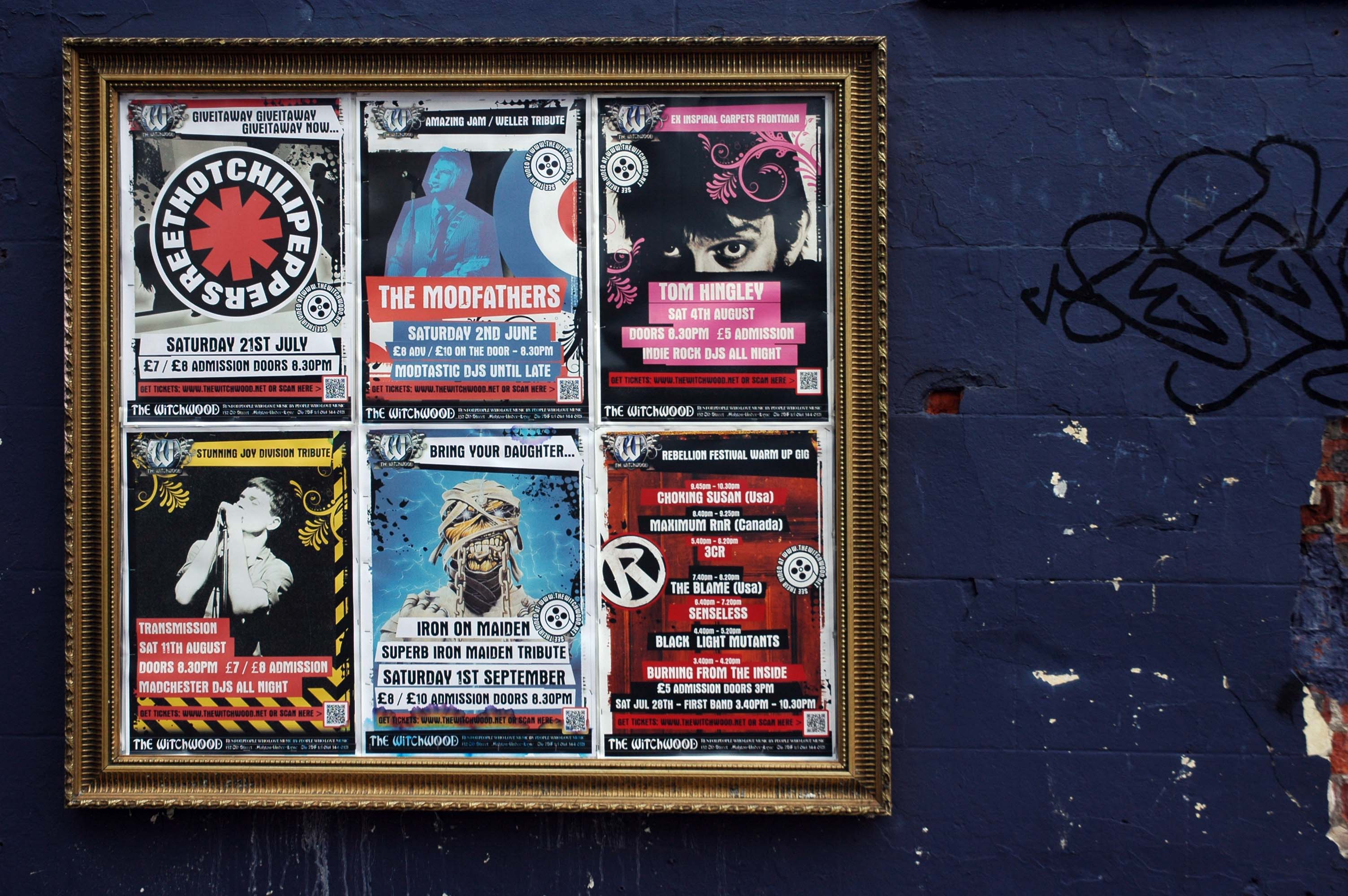
Celebrating advances in fly-posting, street skating, youth culture and musical diversity.
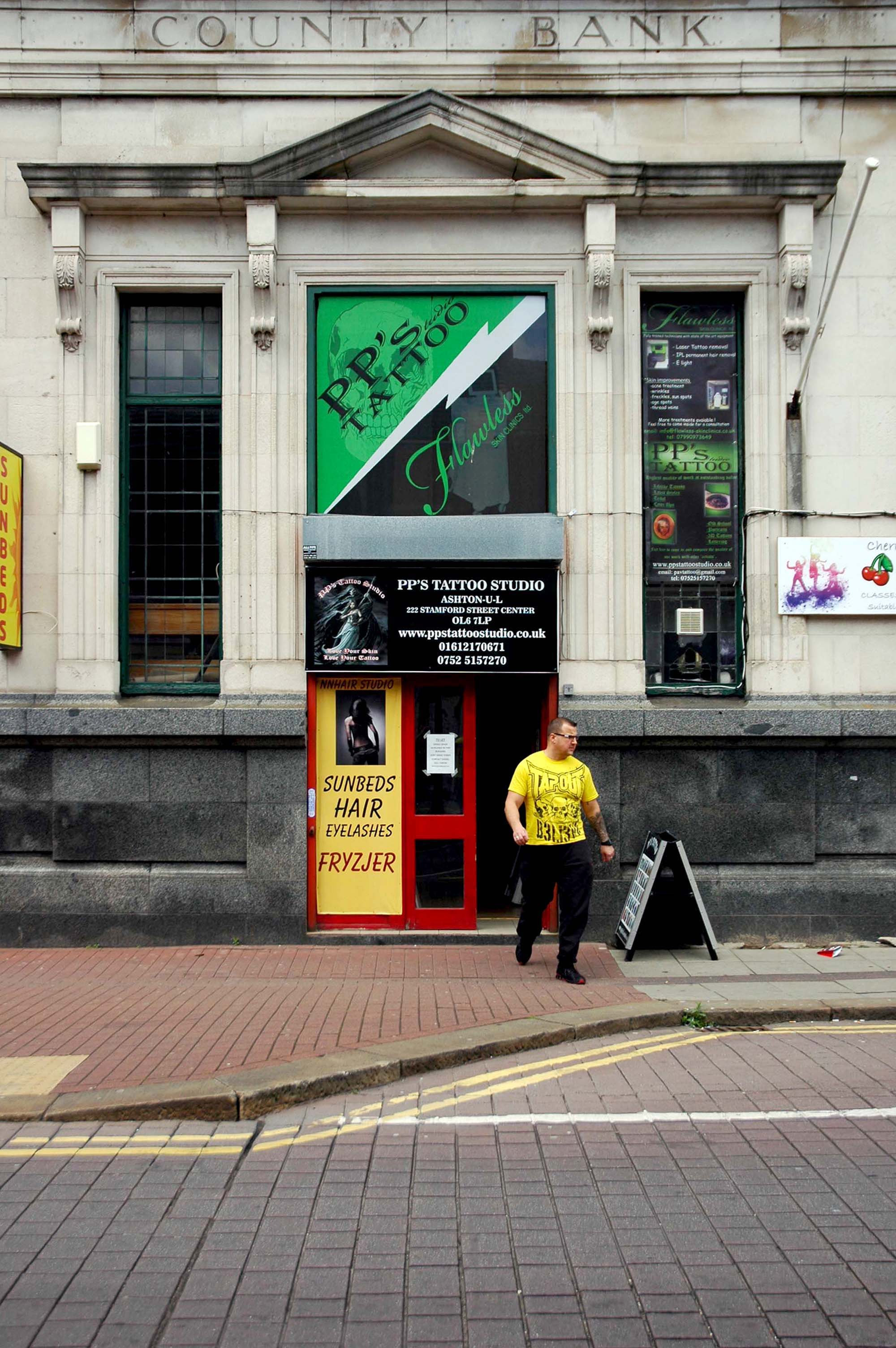
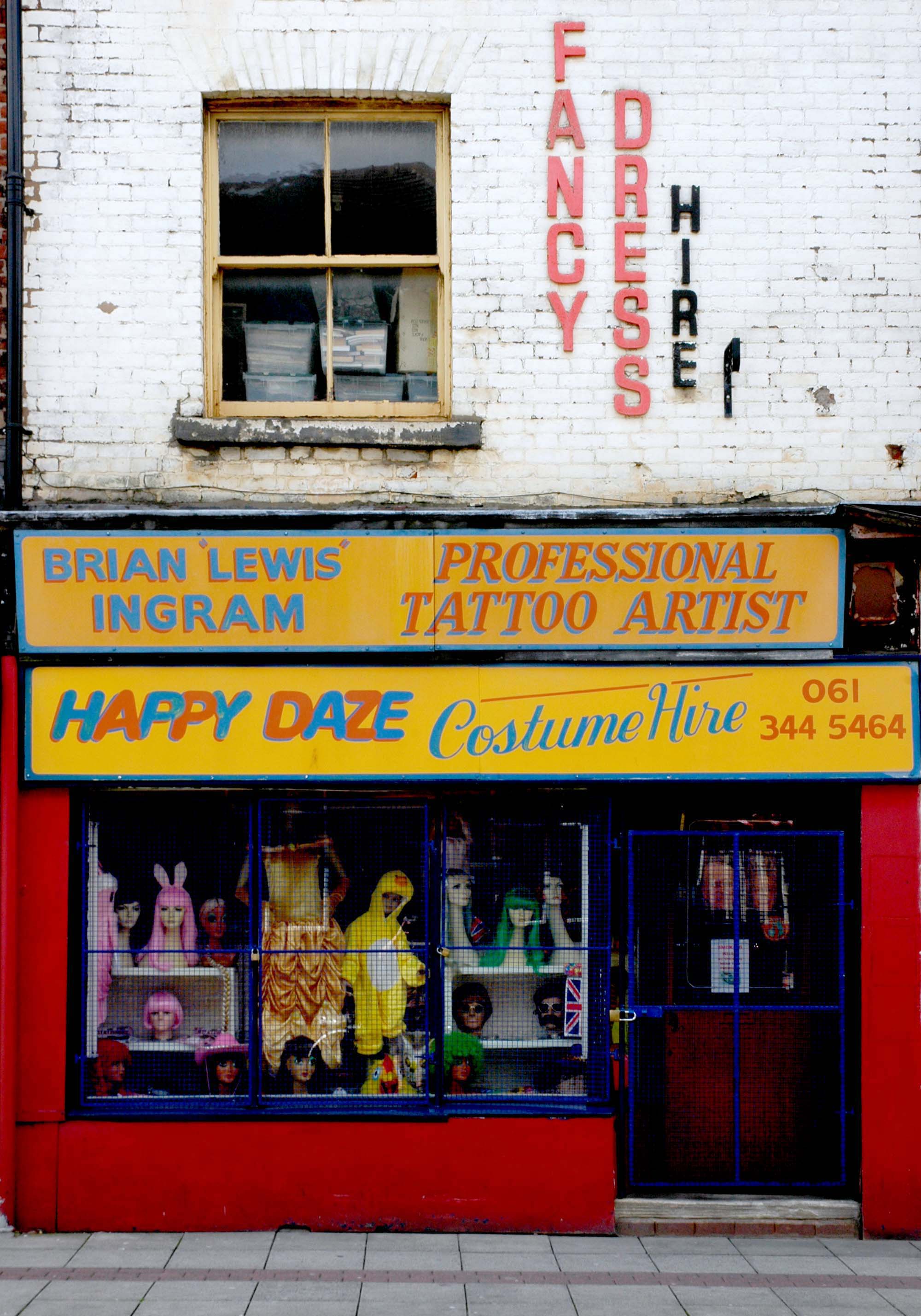
Celebrating the re-use of redundant banks, sun beds, tattooing and t-shirts.
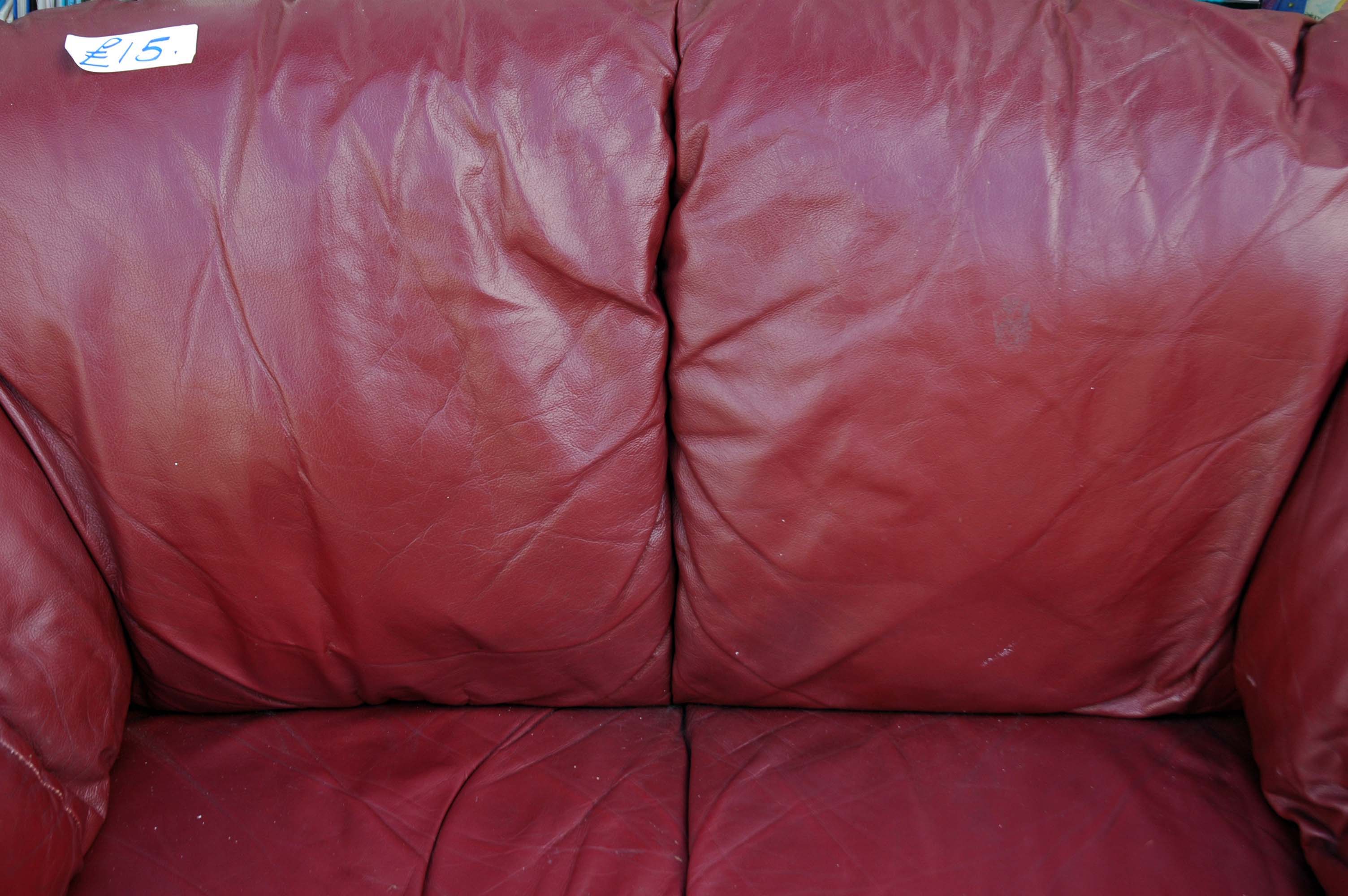
Celebrating advances in charity chop furniture pricing and the proliferation of leather sofas.
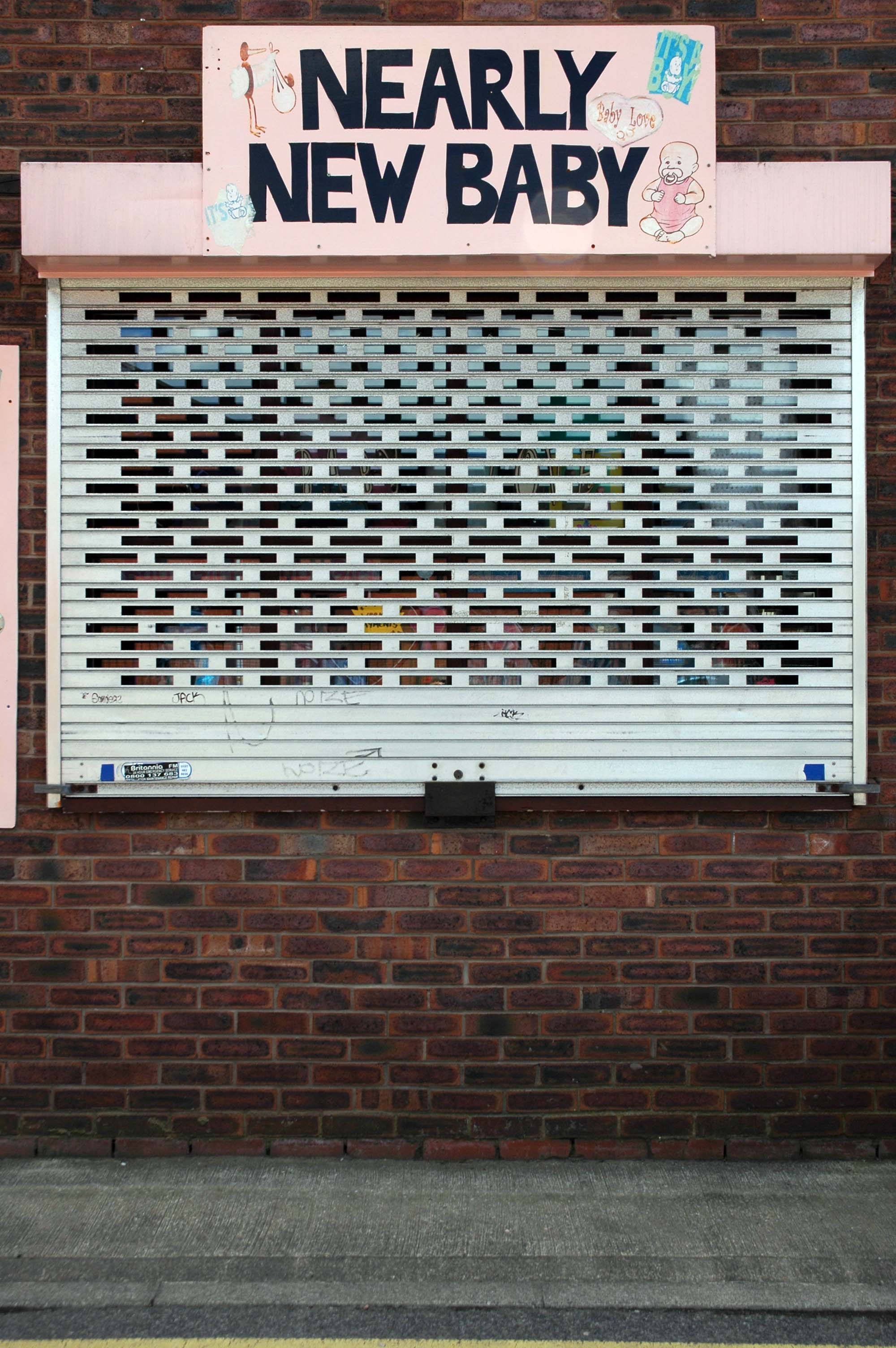
Celebrating the proliferation of the shuttered window, babies and home made retail signage.
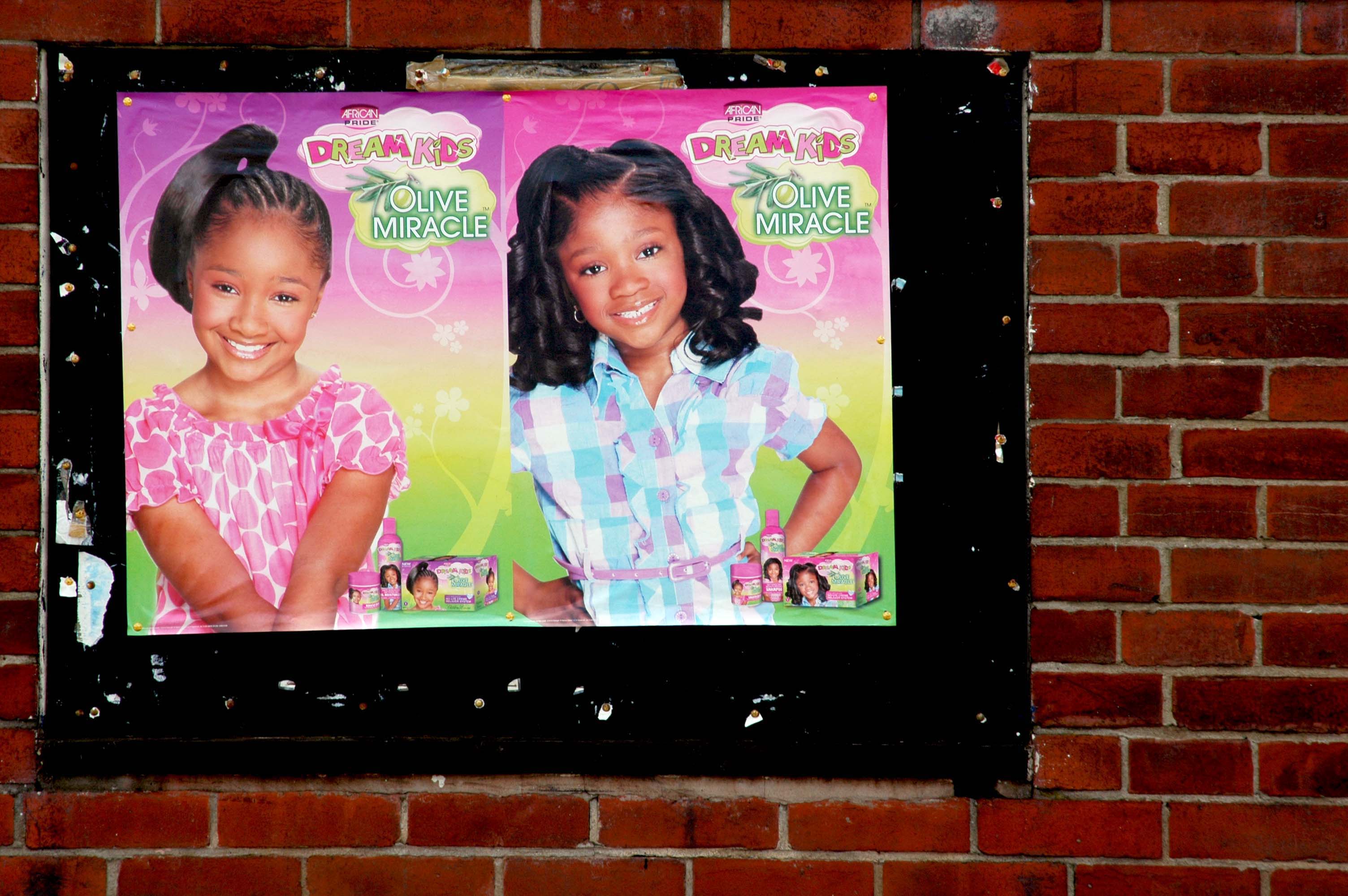
Celebrating niche marketing in the child-based, haircare market and developments in digitally originated vinyl signage.
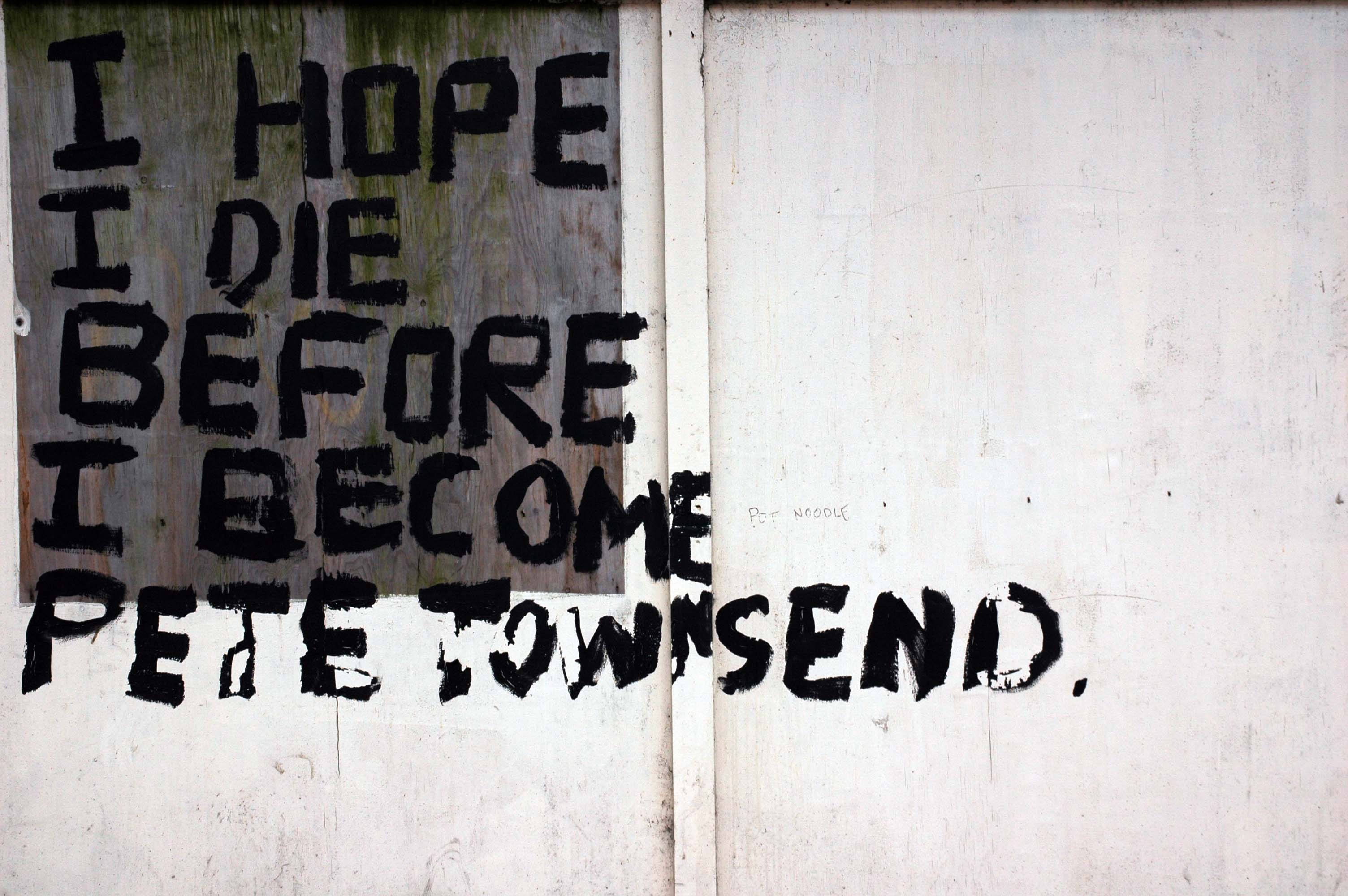
Celebrating street art and British popular music and modern cuisine.
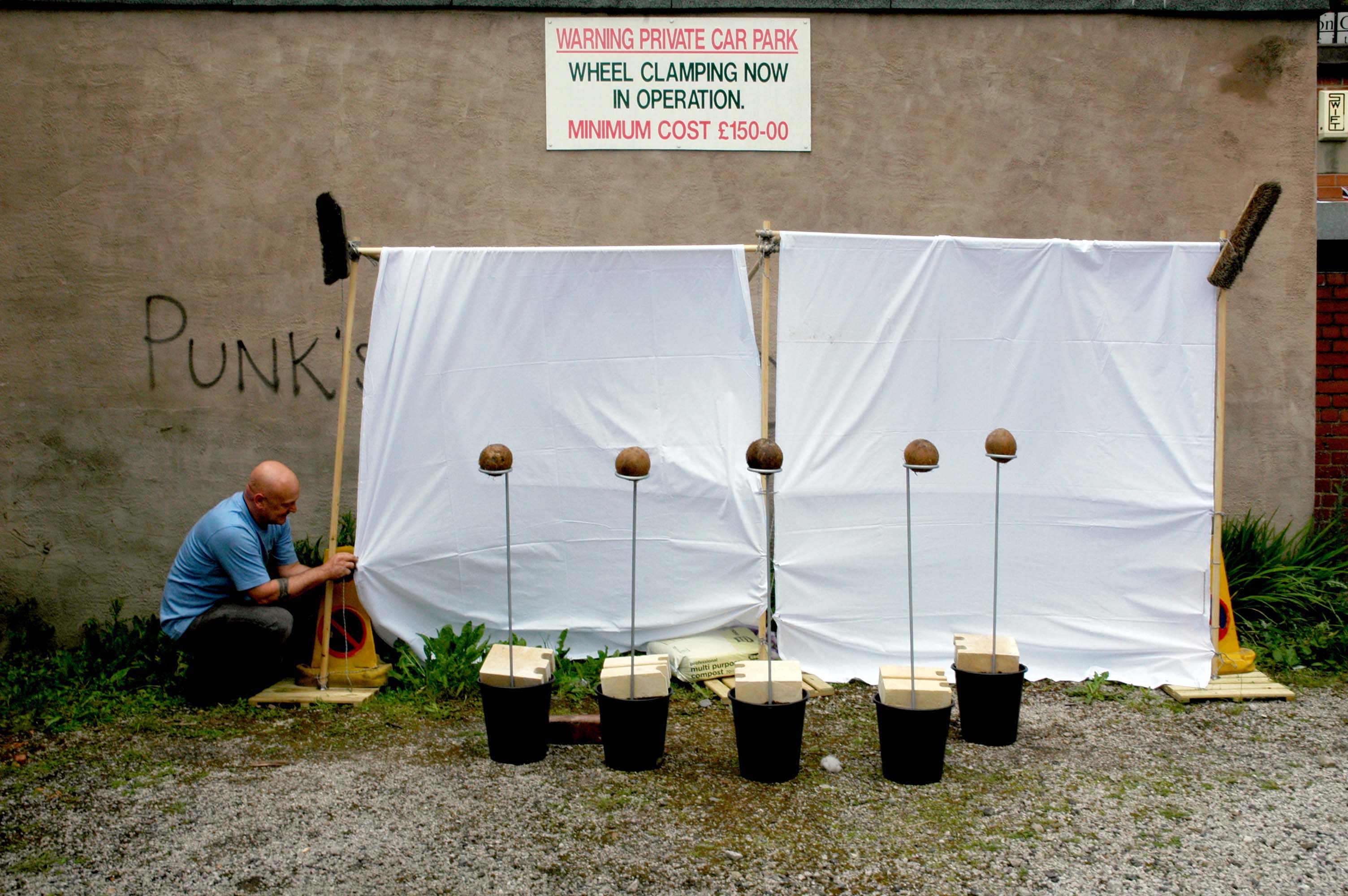
Celebrating Punk Rock, wheel clamping and British can-do!
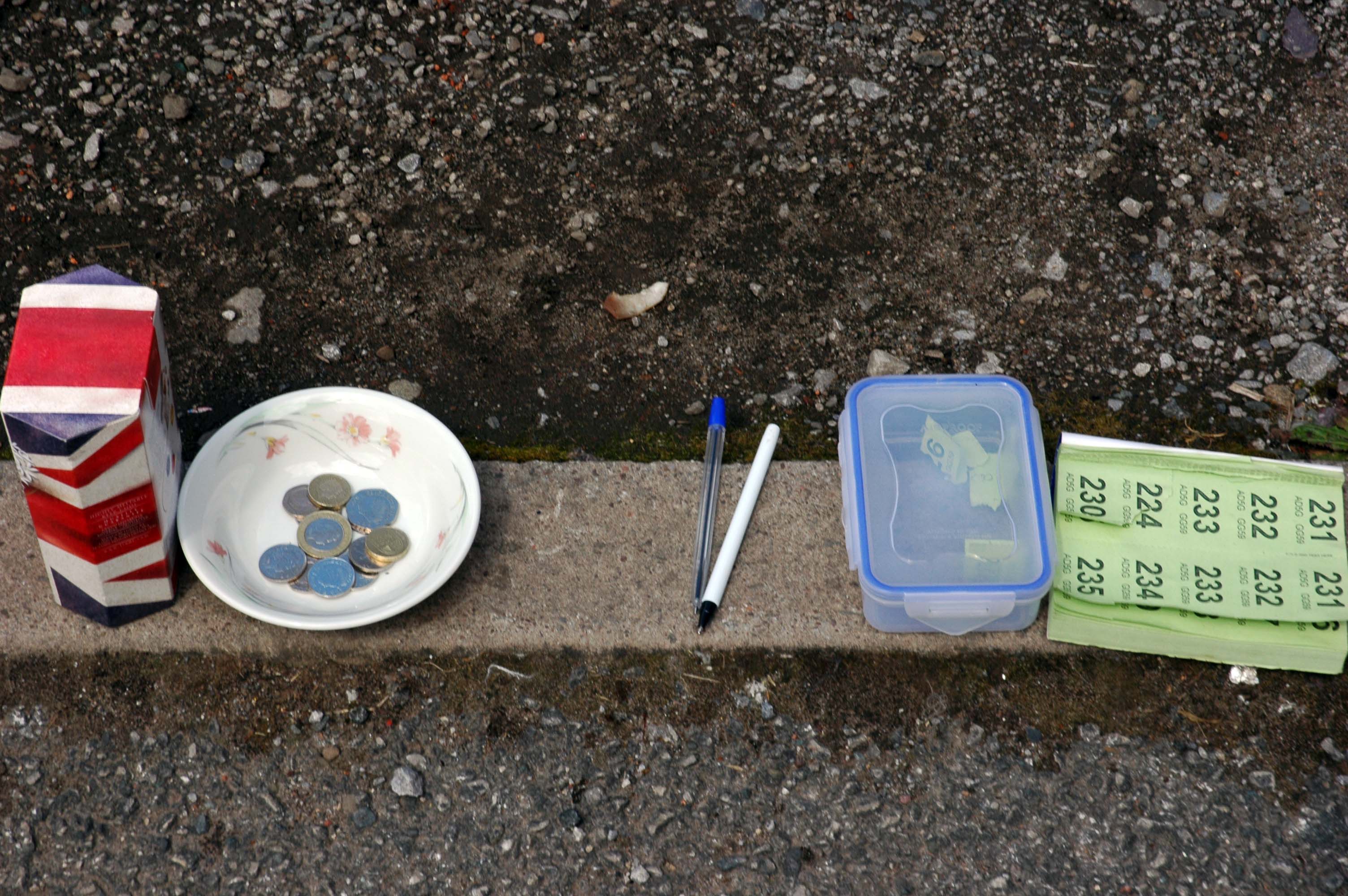
Celebrating the introduction of decimal coinage, raffle tickets, cheap biros, affordable imitation Tupperware, raffles and the Union Flag
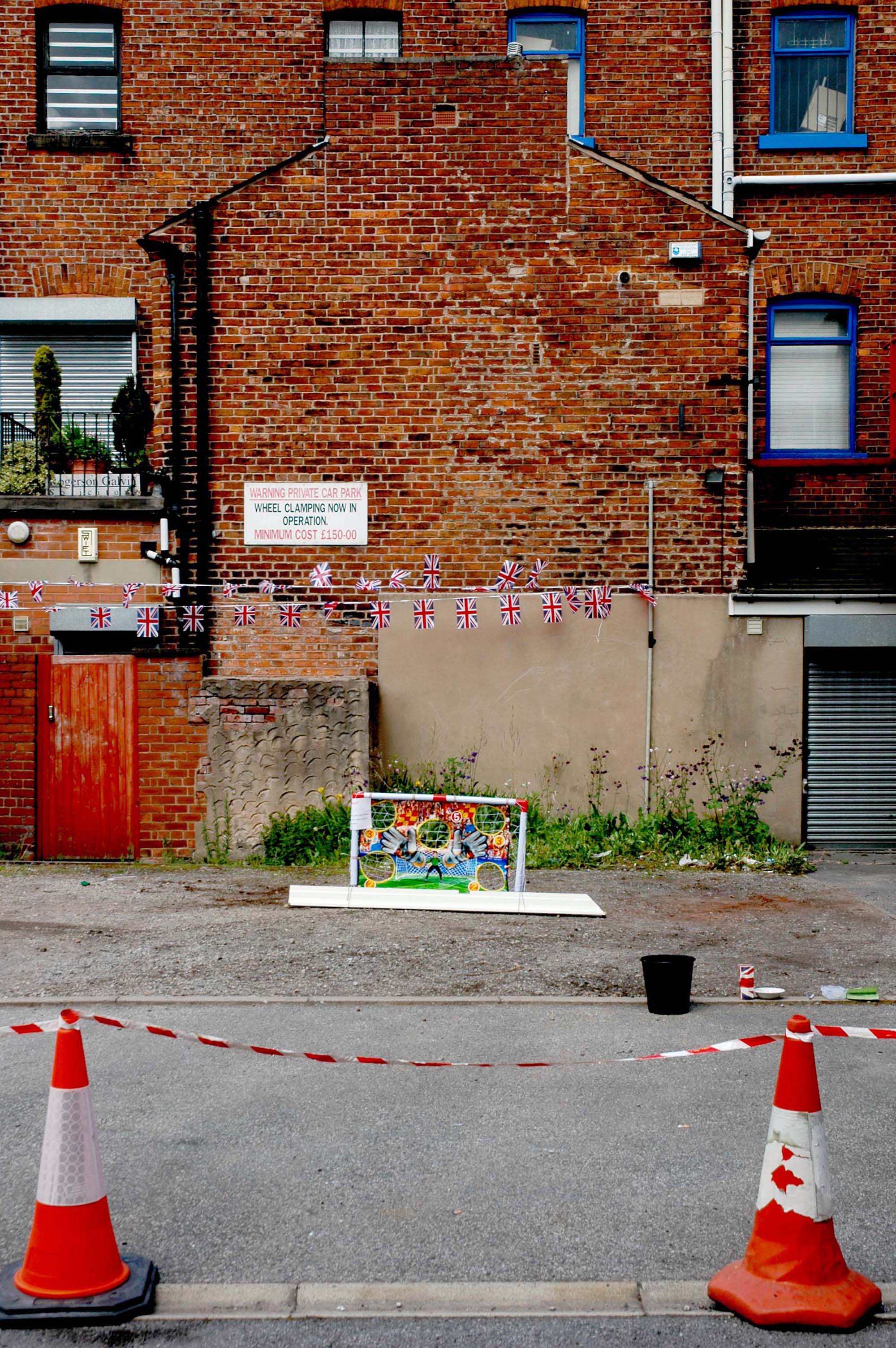
Celebrating the huge importance of Association Football, hazard tape, shuttered doors and the ubiquity of the traffic cone.
Celebrating the ever growing popularity of Fancy Dress.
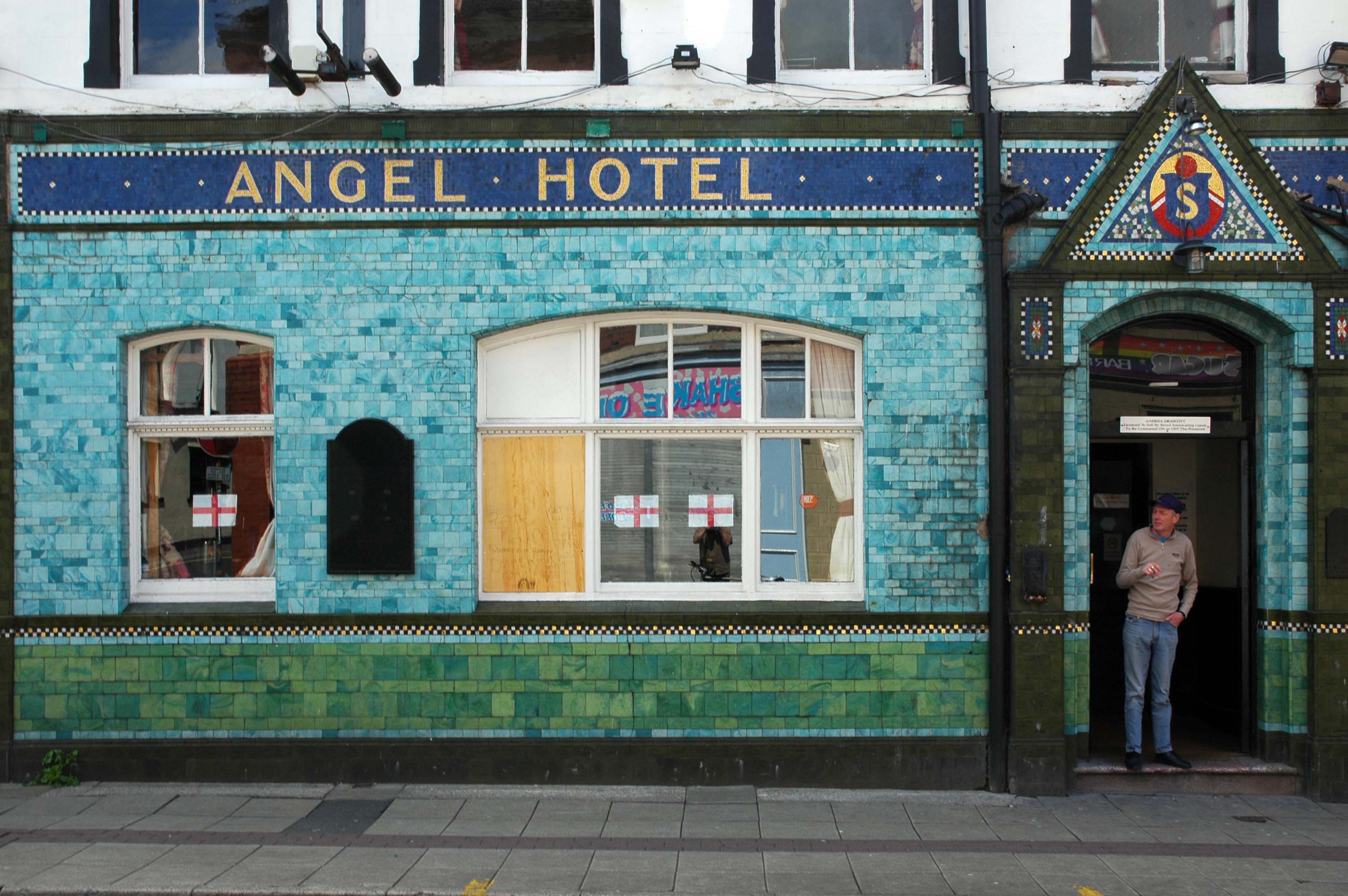
Celebrating pub tiles, the smoking ban, the use of plywood as an acceptable window replacement material and the current confusion regarding Britishness and Englishness.
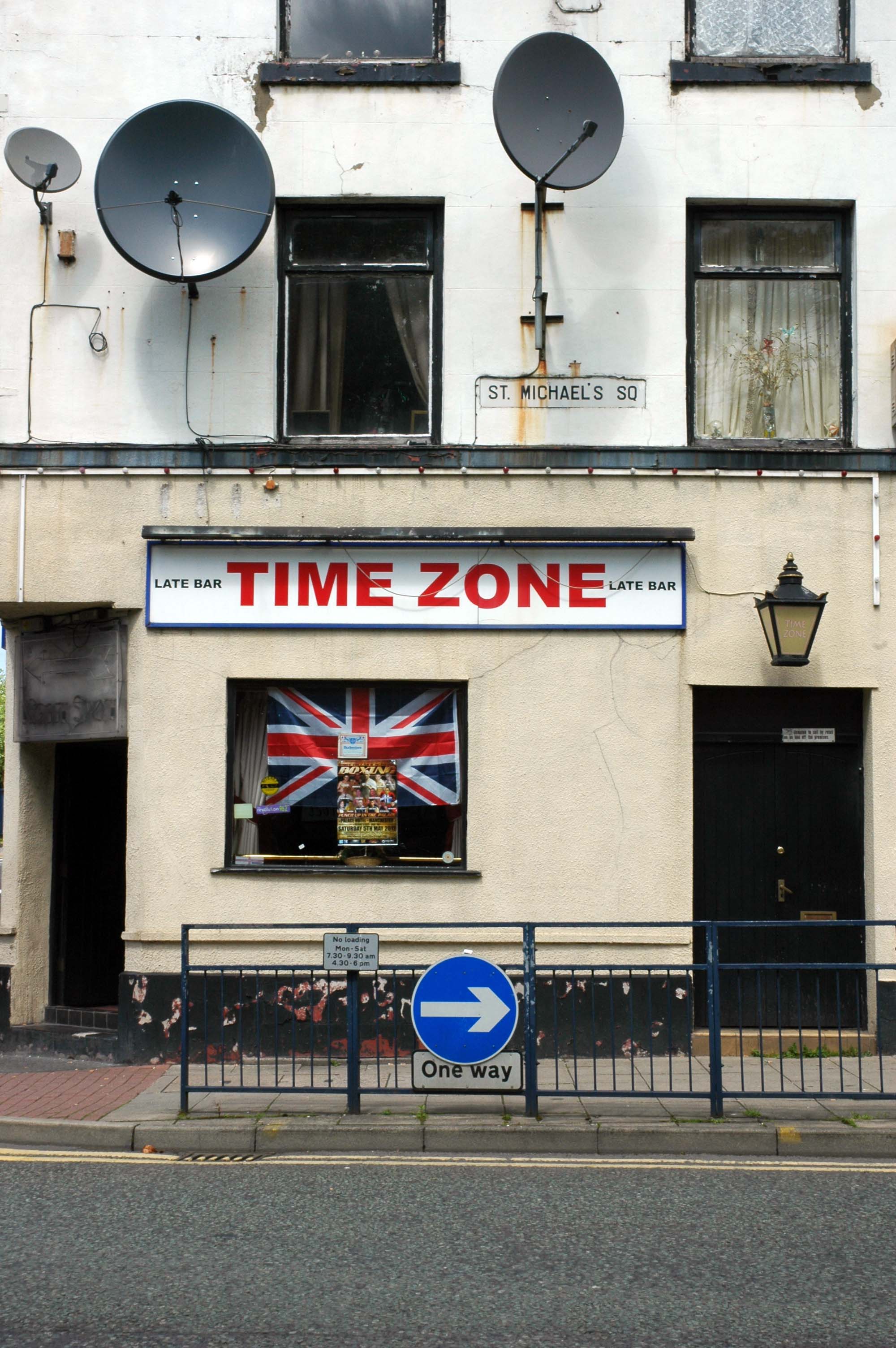
Celebrating satellite telly, faux Victoriana and the development of the one way traffic system.
Celebrating plastics in the service of the modern citizen.
Celebrating laser-cut vinyl, adhesive lettering, regional cuisine and the imaginative minds of those who name our modern retail outlets.
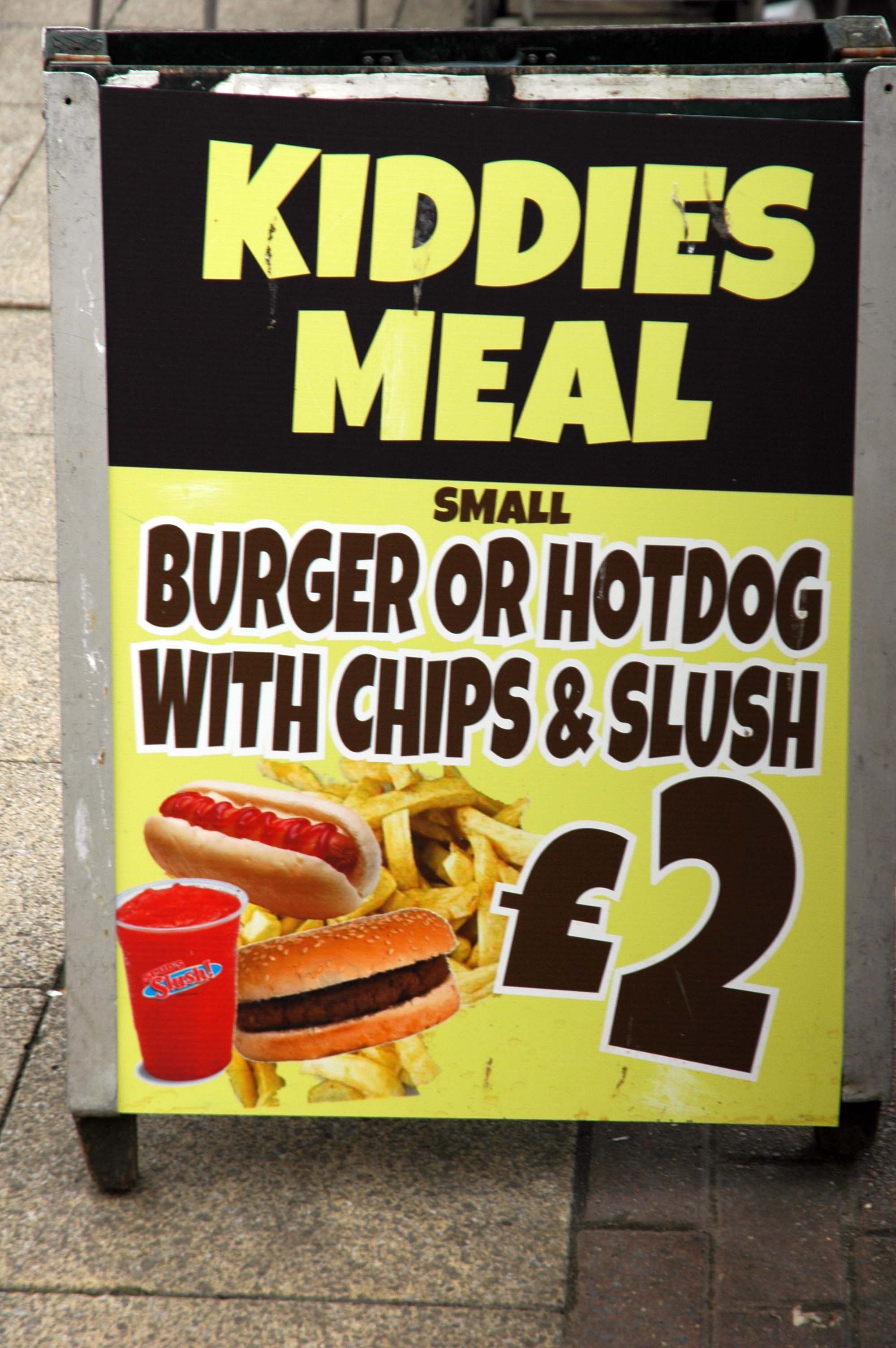
Celebrating the welcome Americanisation of our youngster’s diet – Slush you couldn’t make it up!
Celebrating the welcome Americanisation of our youngster’s diet – Slush you couldn’t make it up!
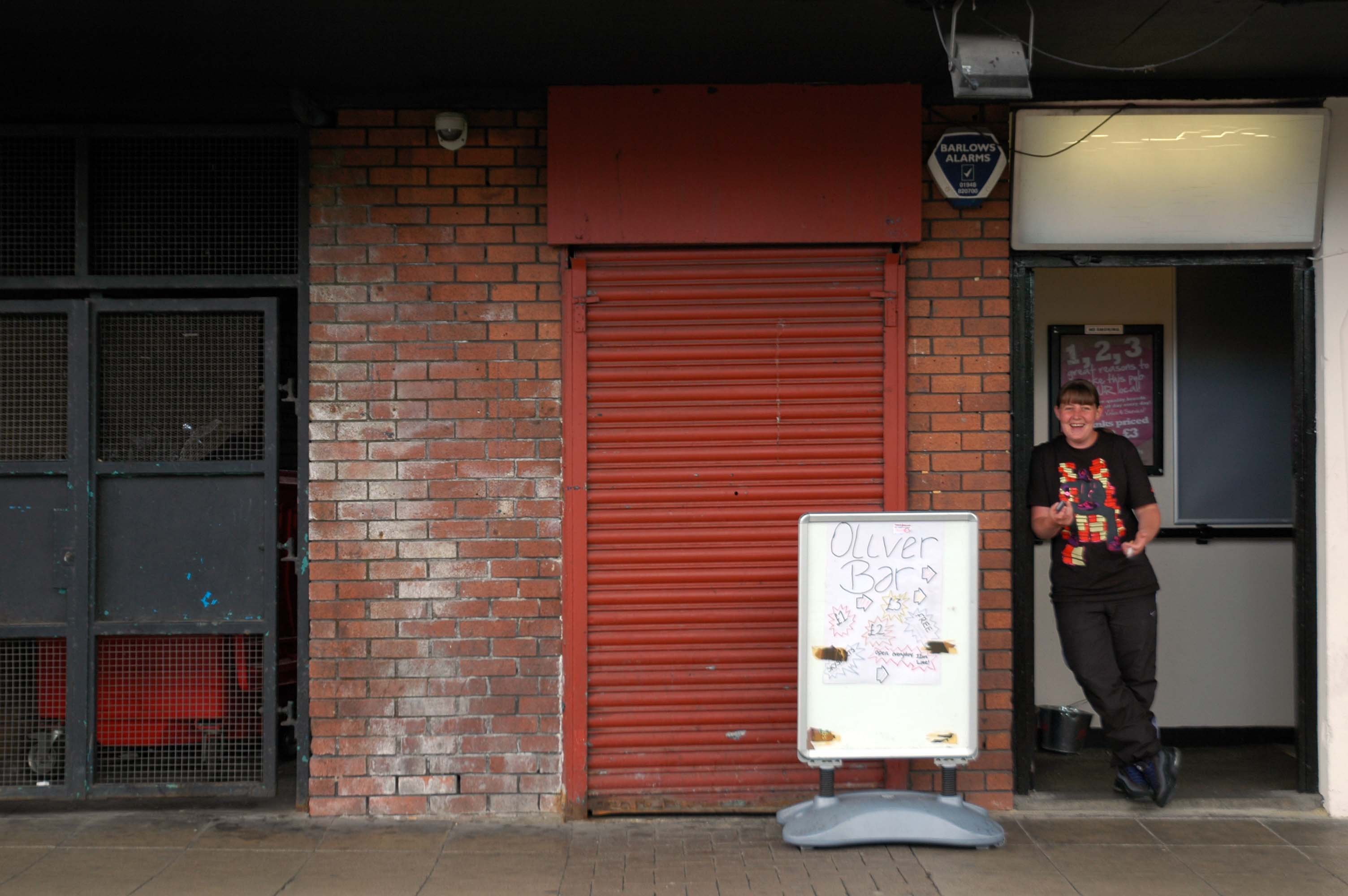
Celebrating the return of the £1 pint, here at Oliver’s Bar, formerly The Cavern, a superbly appointed Bass Charrington owned, underground pub.
My thanks to Emma Noonan for kindly appearing in the doorway.
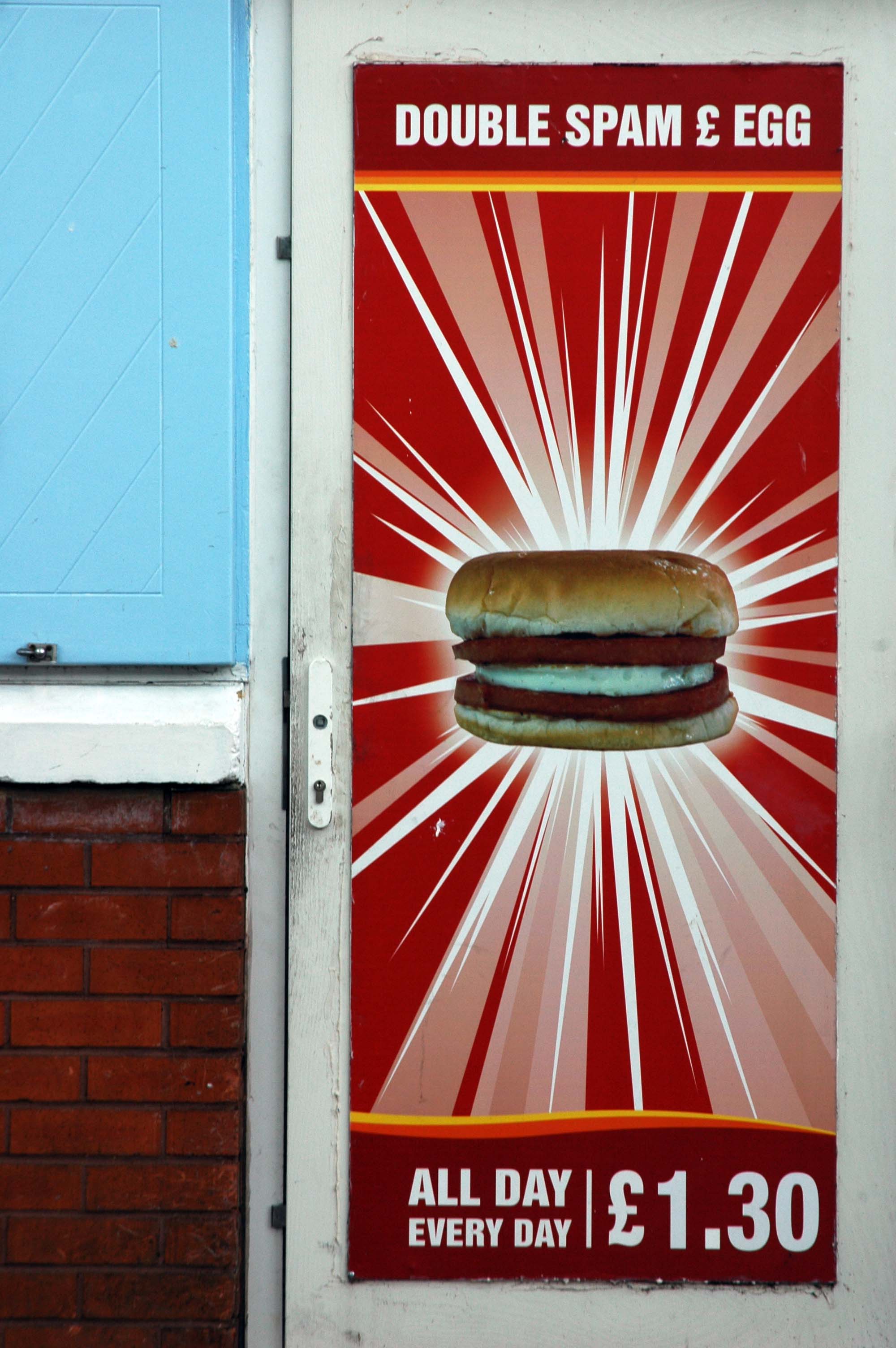
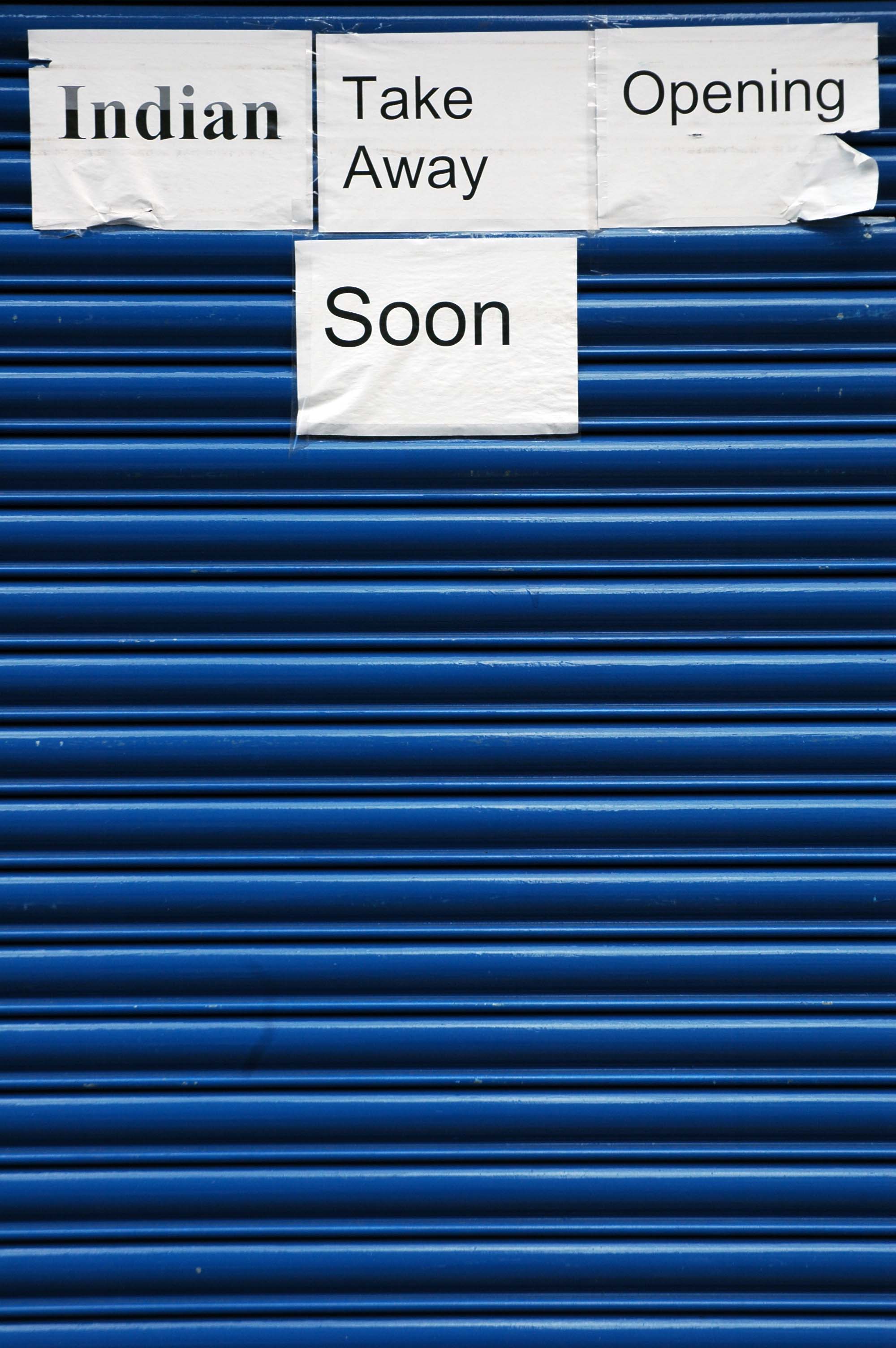
Celebrating our ever widening range of ethnic cuisine and the use of the ingenious A4 laser-written poster montage.
Celebrating the wide variety of vernacular tribute bands – Reet Hot Chilli Peppers?
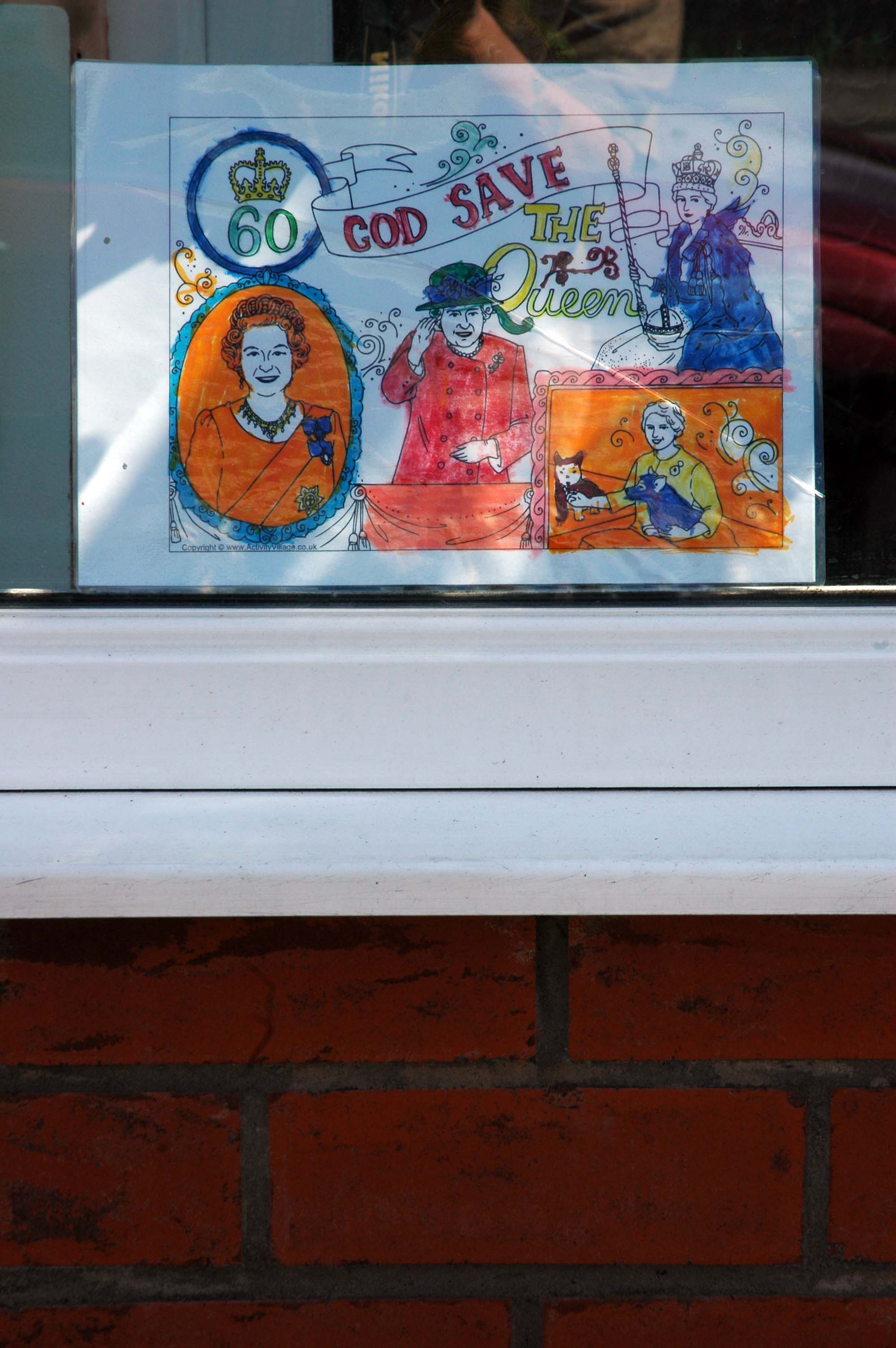
Celebrating the ever popular art of colouring-in and the wide availability of the felt tip pen.
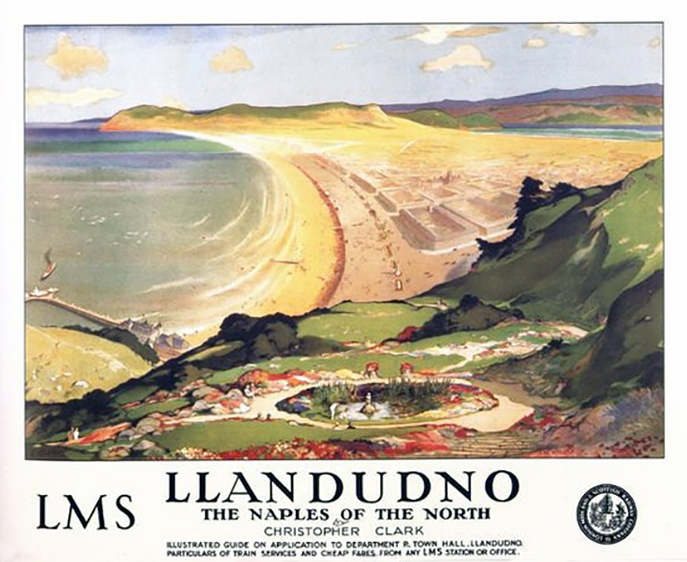
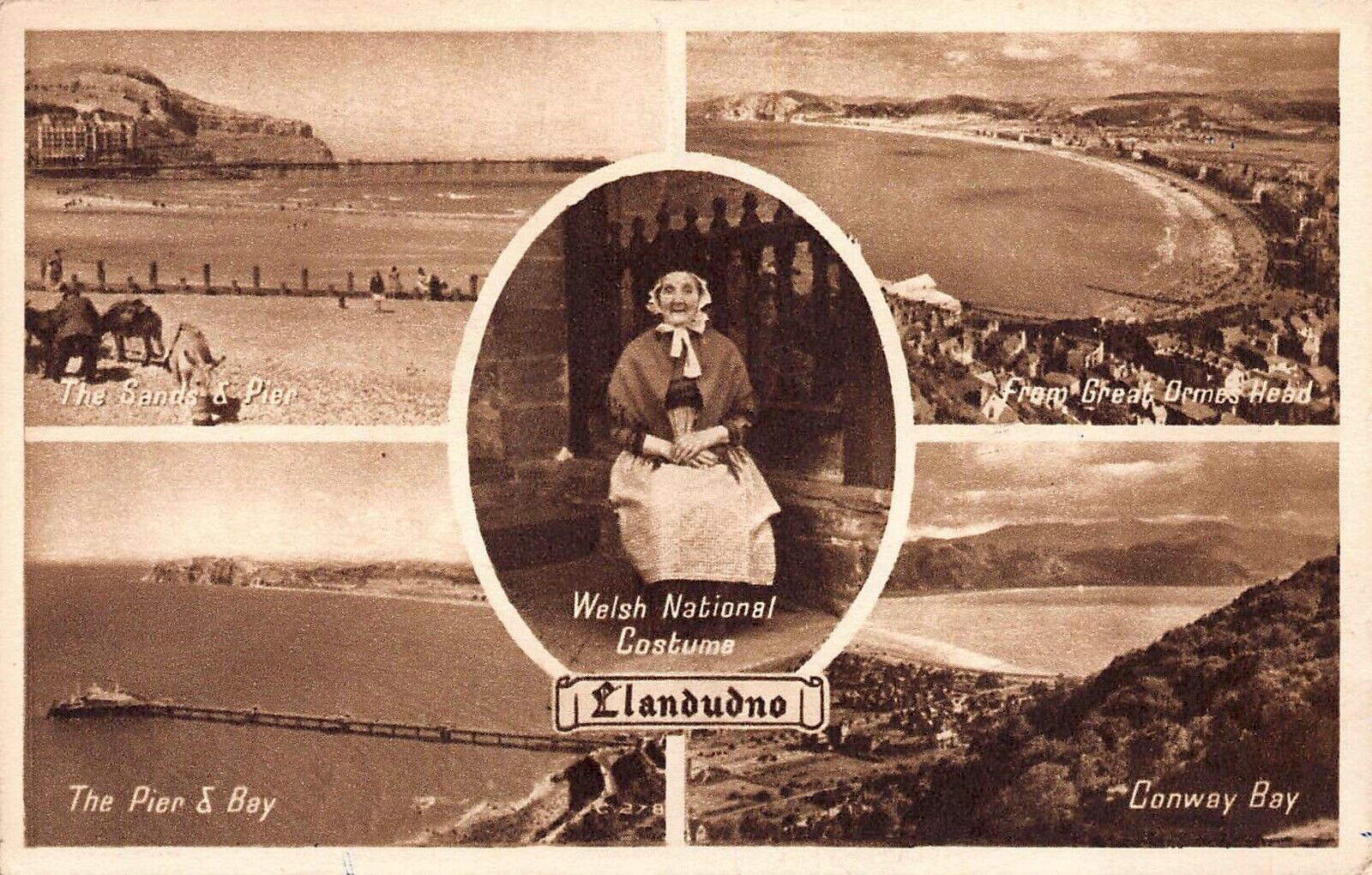
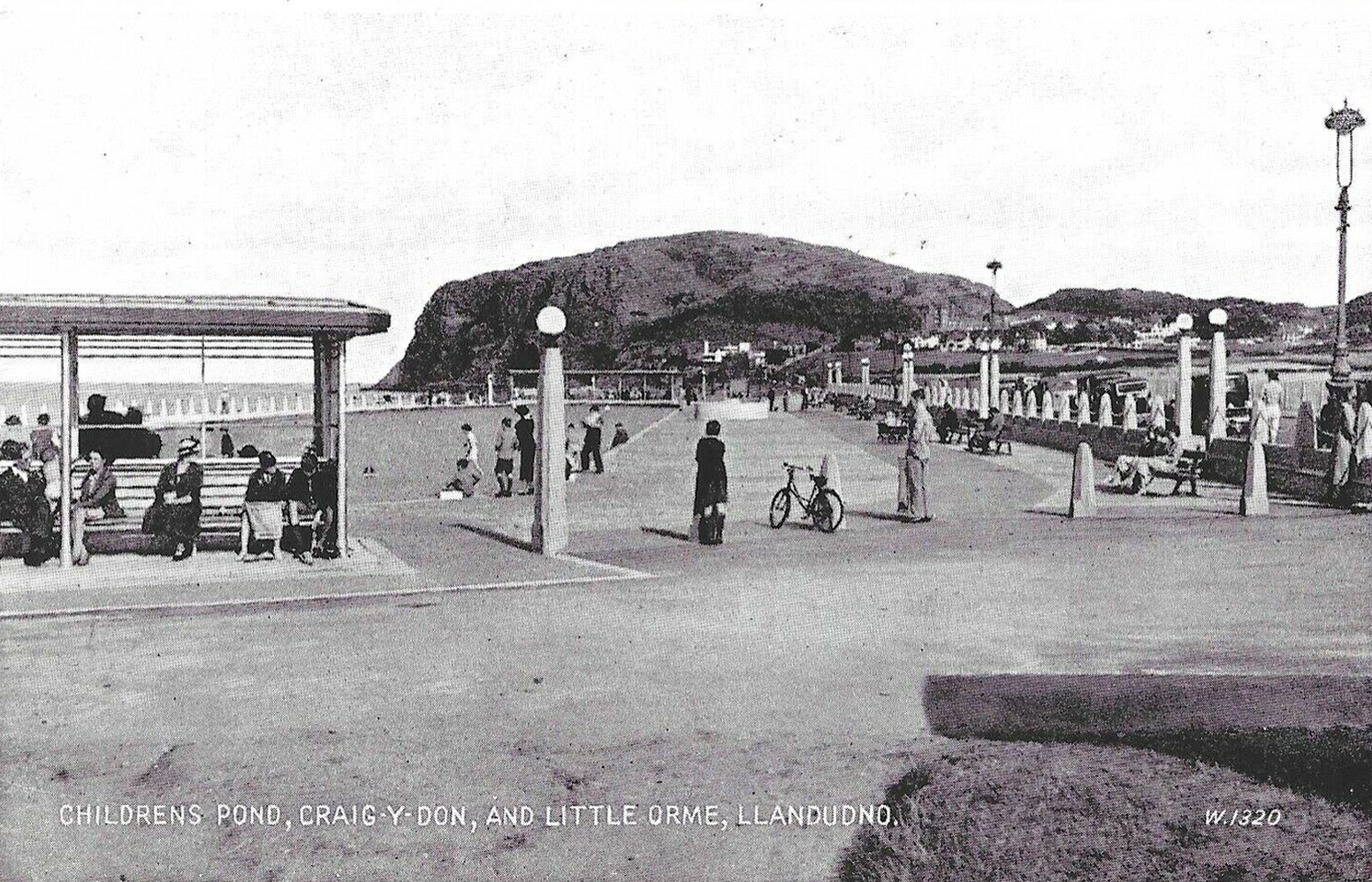
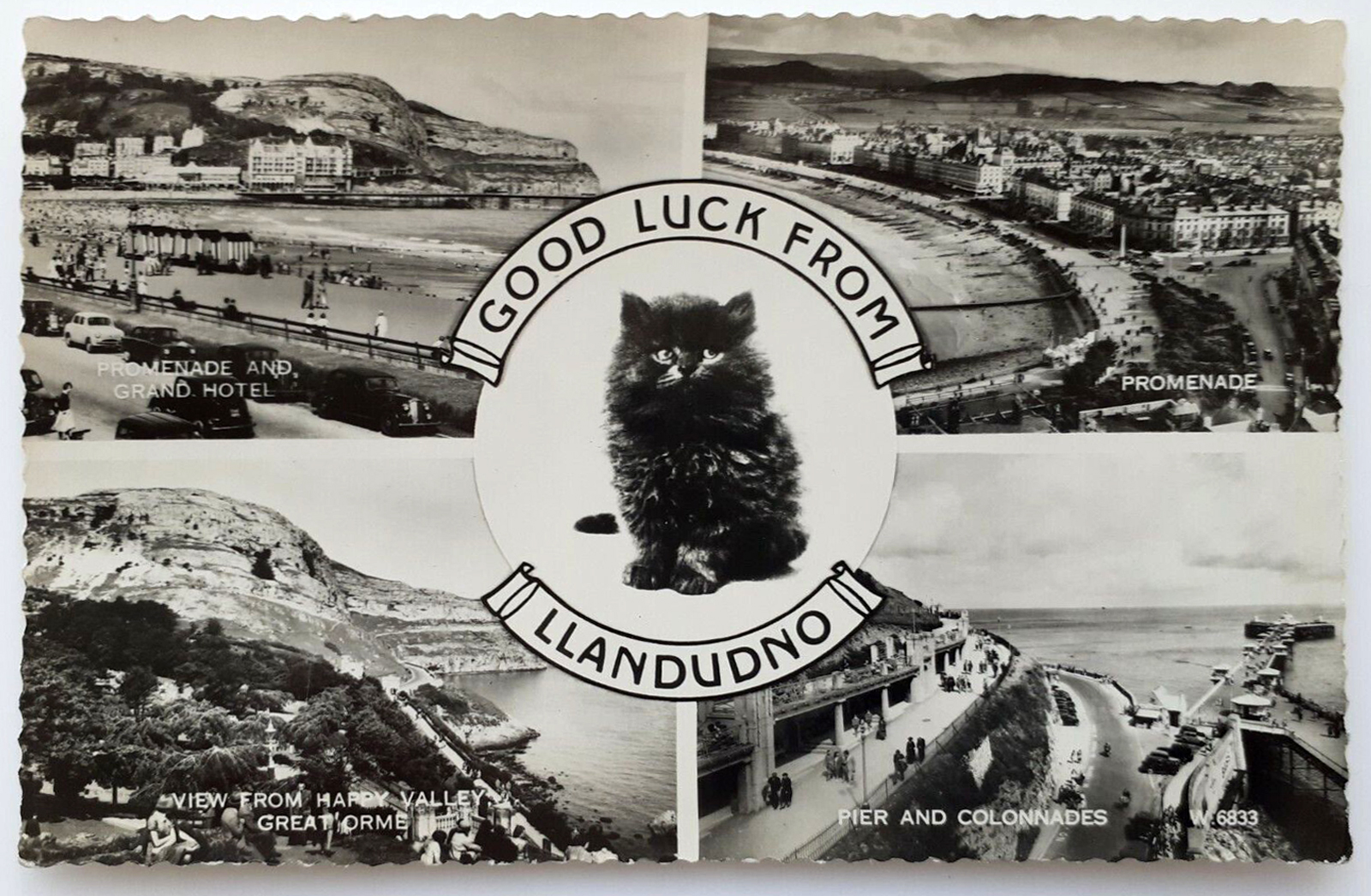
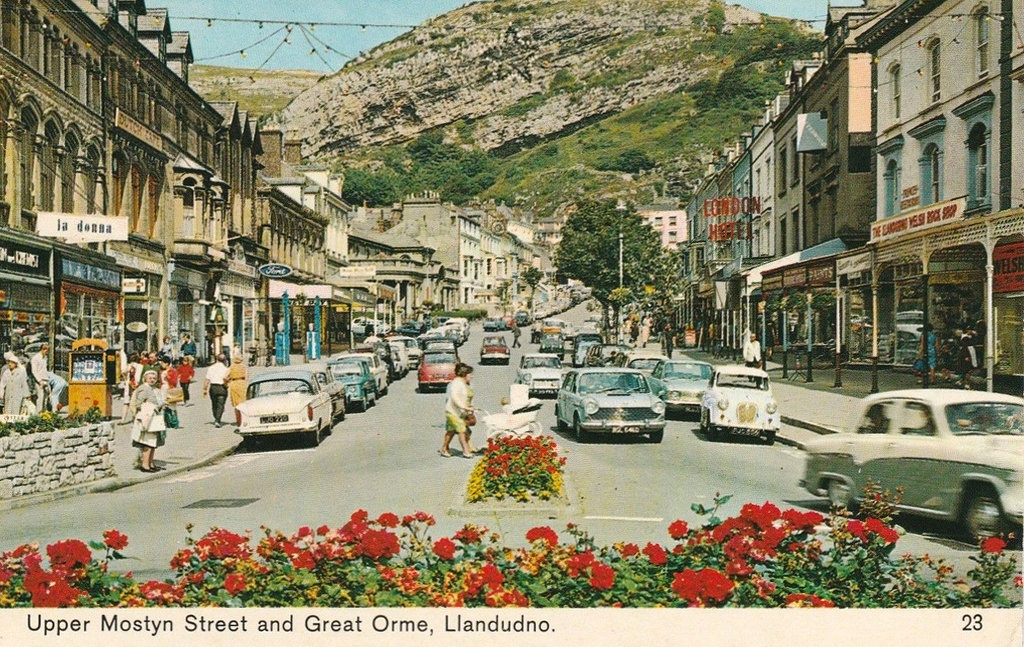
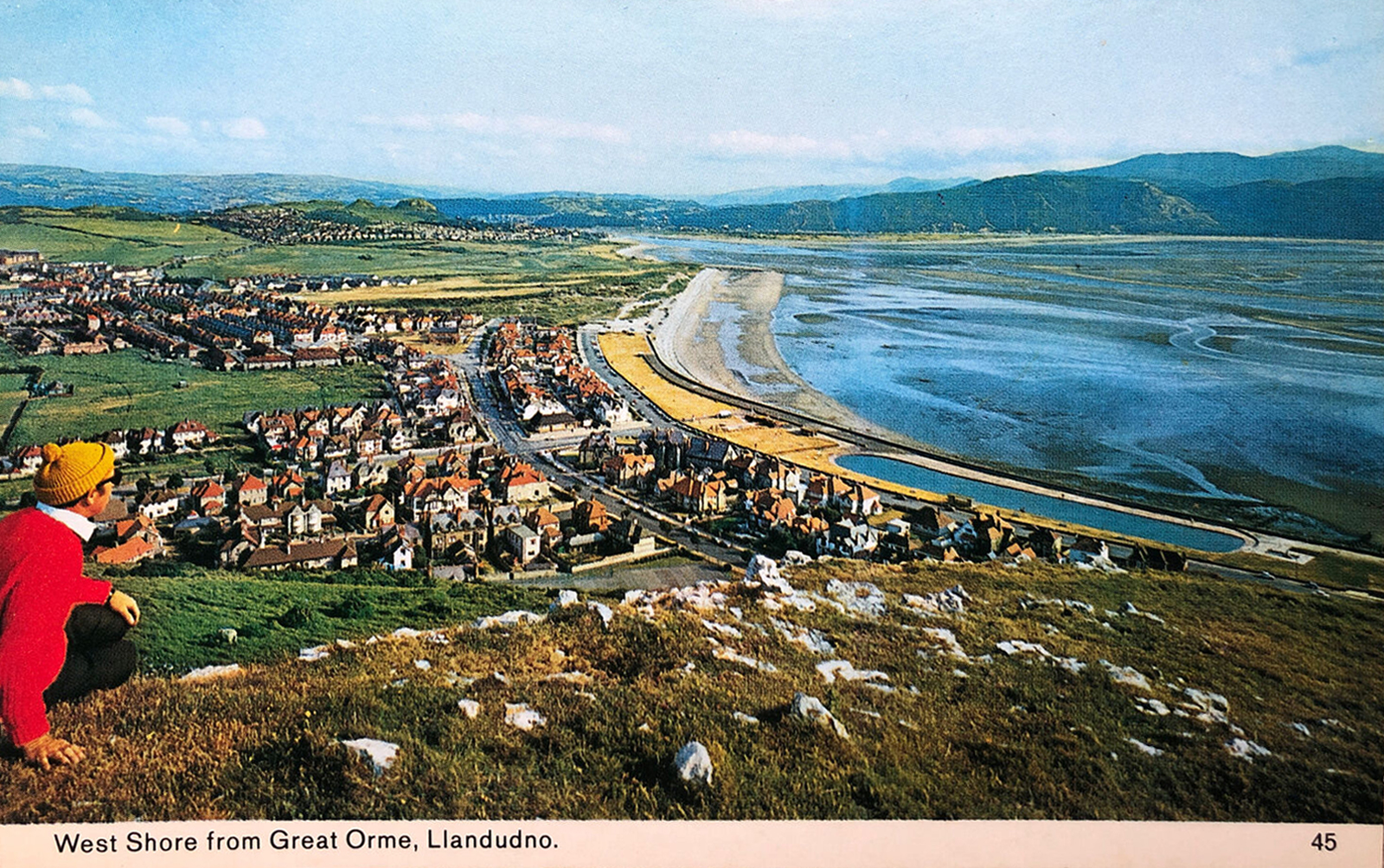
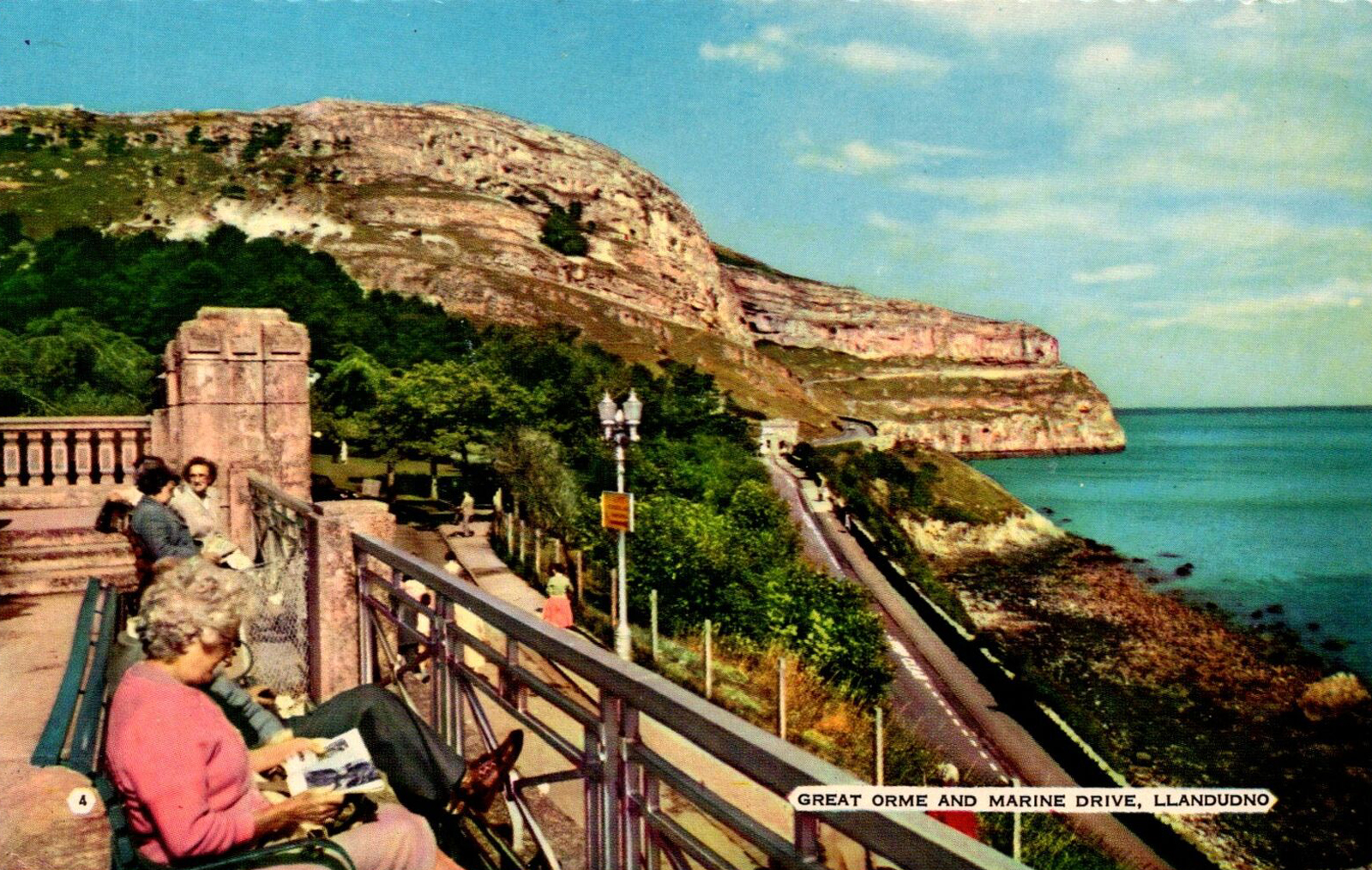
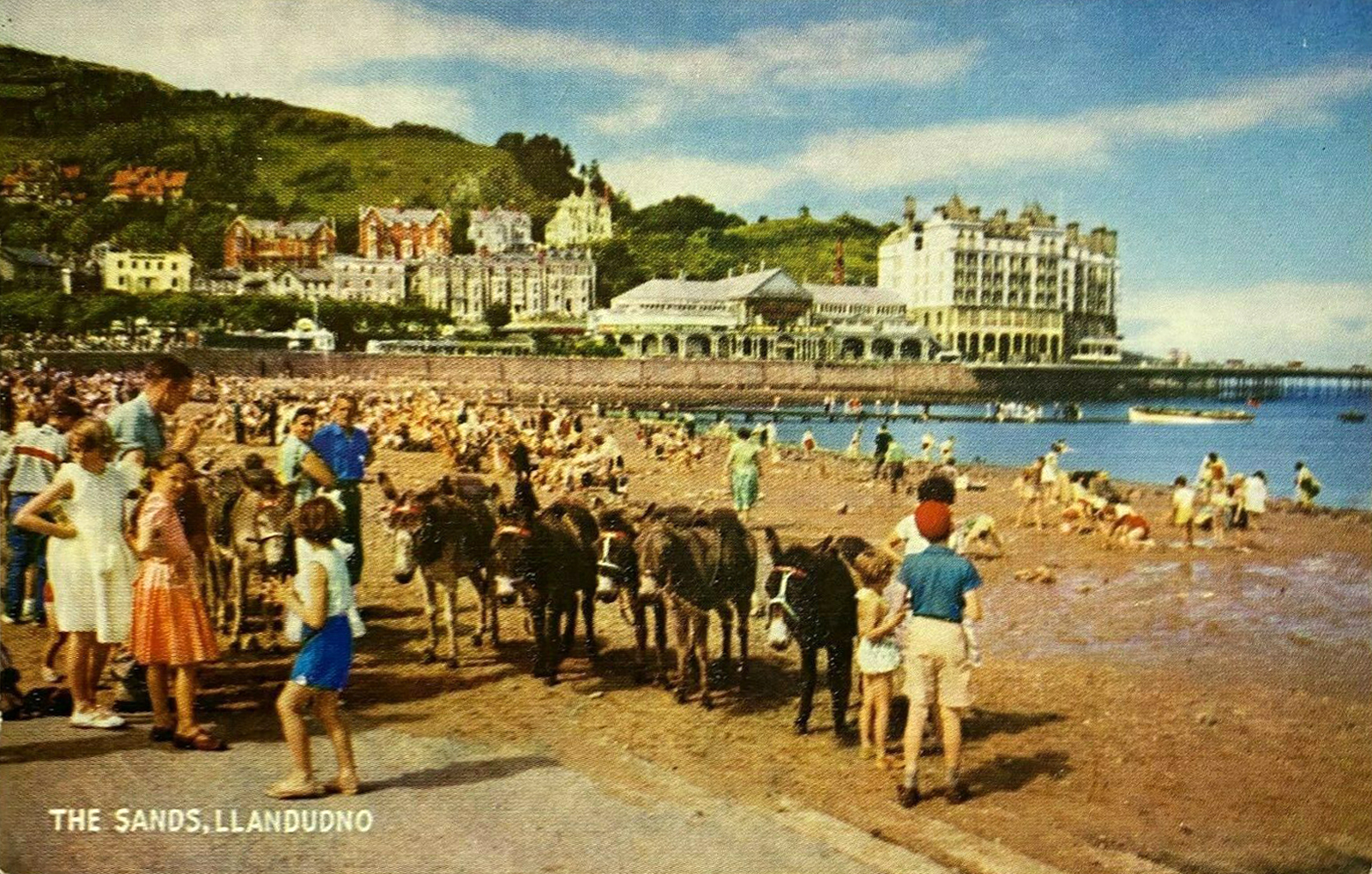
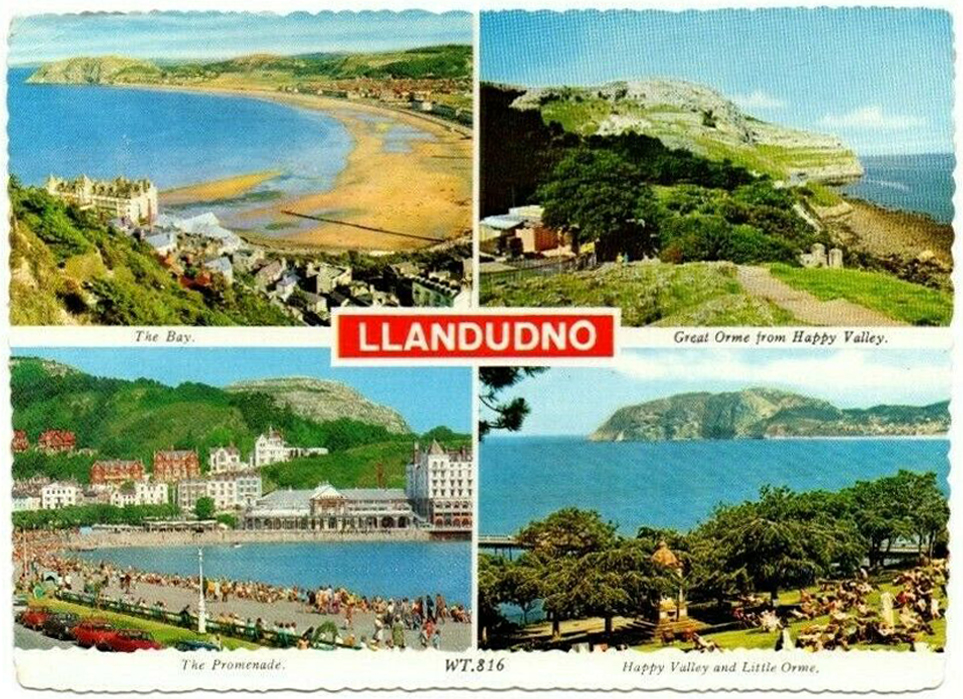
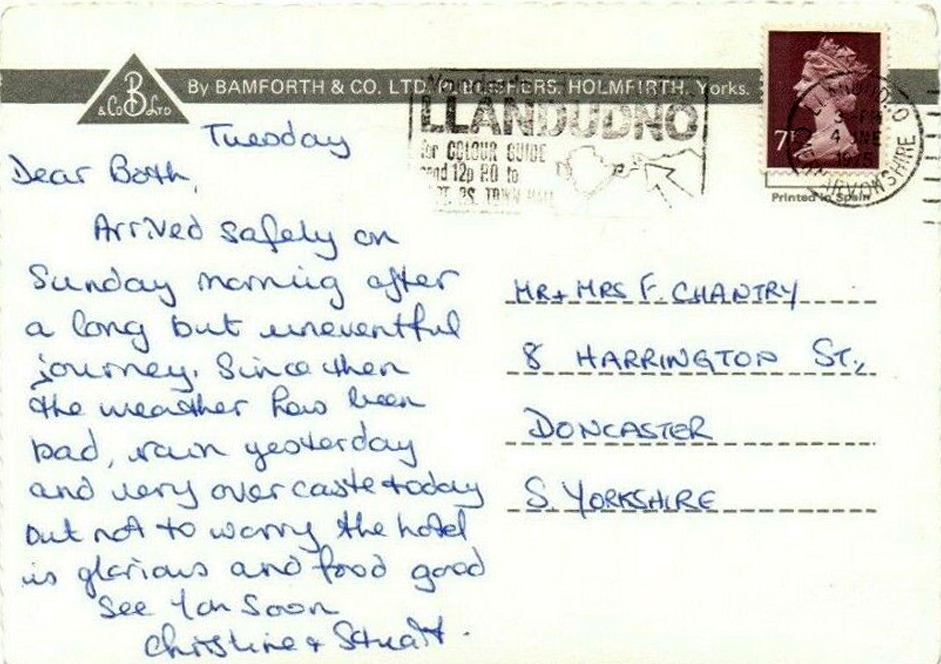
This is a town with a visual culture defined by carefully created picture postcards – conjuring images from land, sea, sand and sky.
New technology arrives, dragging Llandudno from the sepia soaked past into the CMYK age!
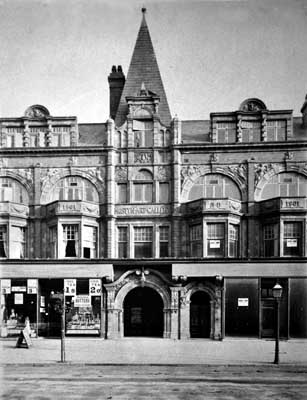
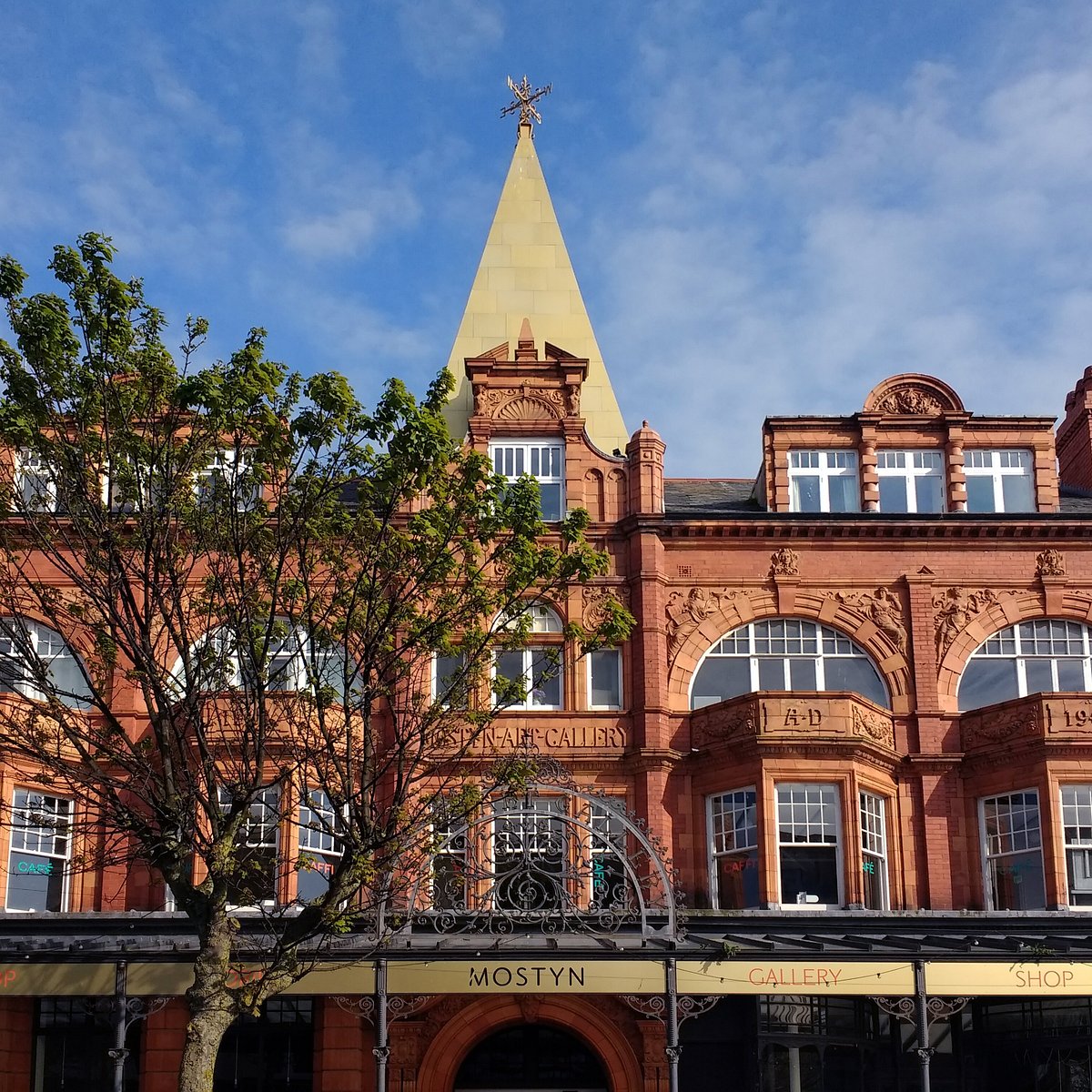
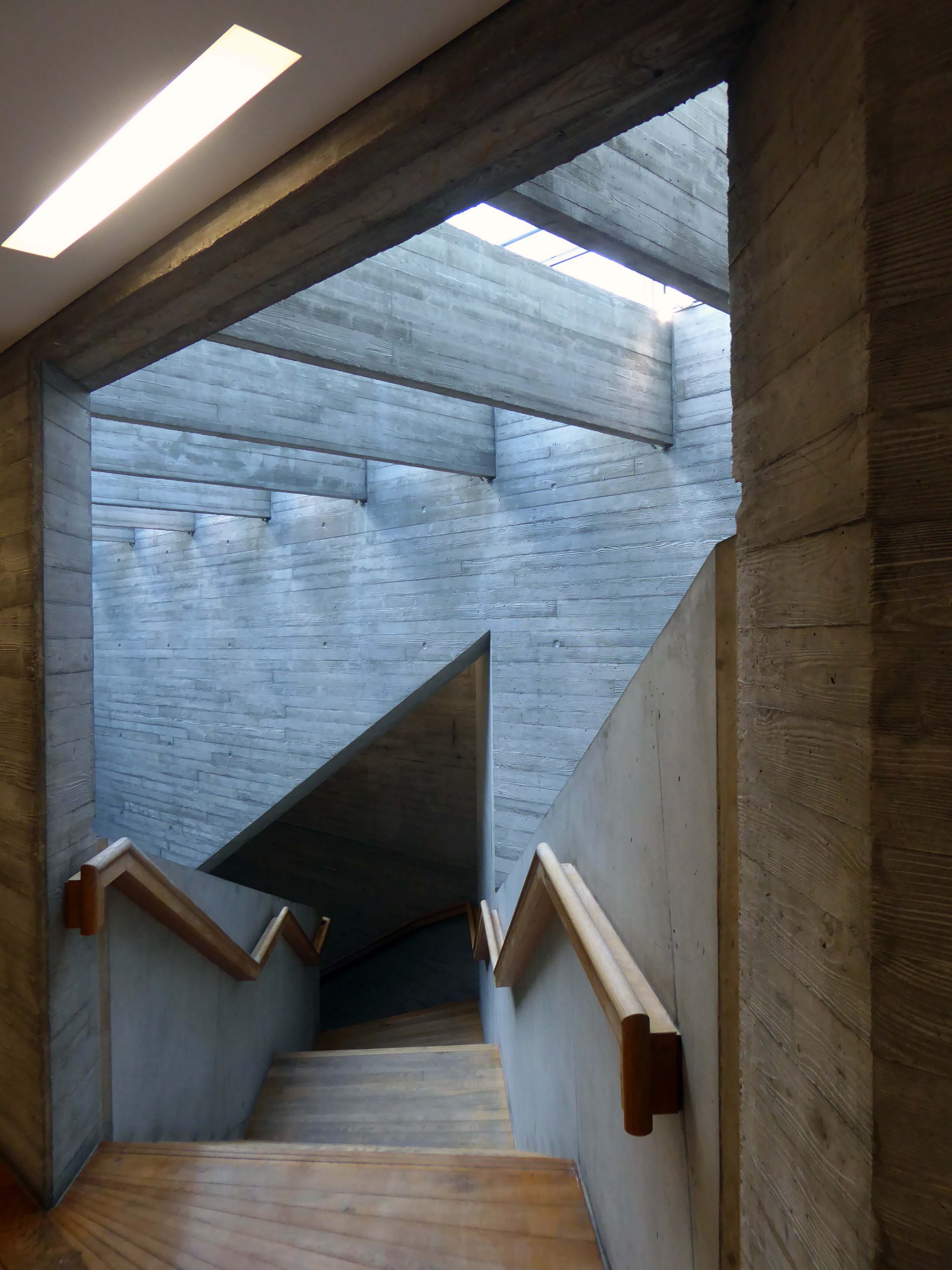
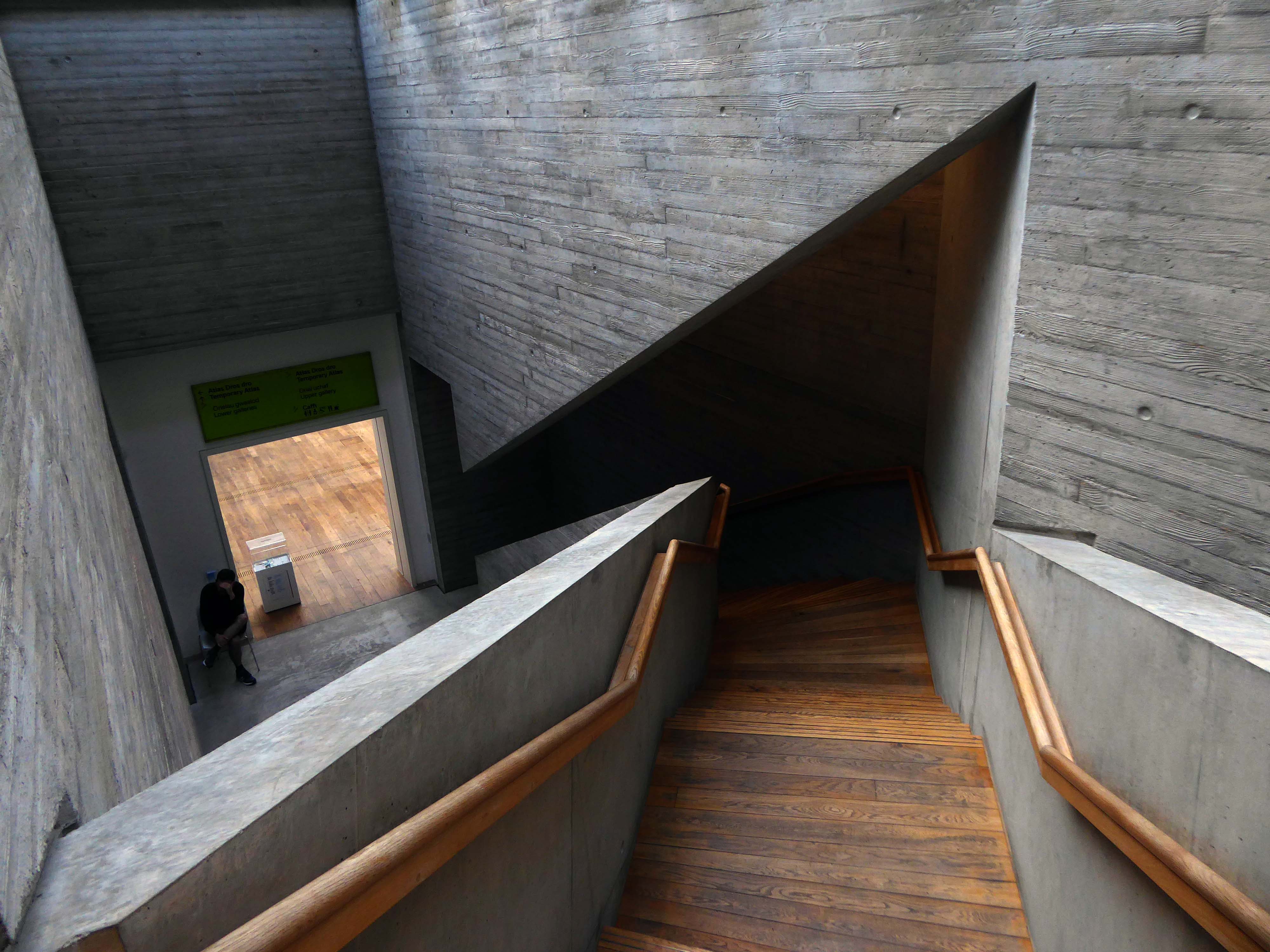
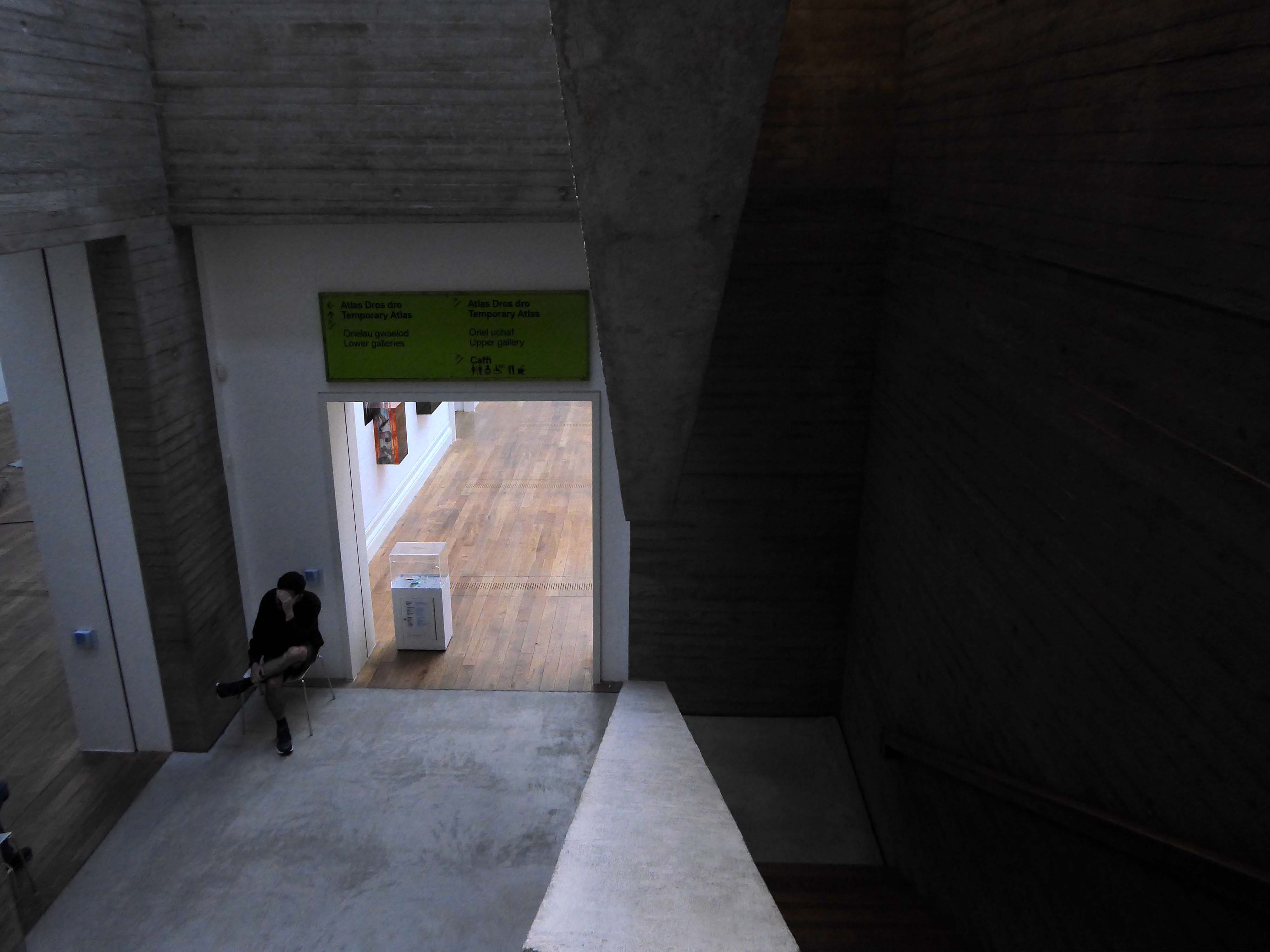
So it’s only right and proper that the town should have an art gallery.
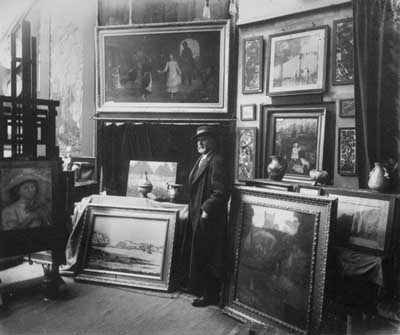
Oriel Mostyn Gallery was commissioned by Lady Augusta Mostyn after the Gwynedd Ladies’ Art Society asked her for better premises than their existing home, in a former cockpit in Conwy. The ladies’ gender prevented them from joining the Royal Cambrian Academy, also based in Conwy.
Designed by architect GA Humphreys, the new gallery opened in 1901. From 1901 to 1903, the gallery housed works by members of the GLAS. As a patron of the arts and president of the society, Lady Augusta was aware that the ladies needed more space to display their work and gave them the opportunity to rent a room in the new building.
Lady Augusta was keen for the gallery to be used by local people, so the society was asked to leave and a School of Art, Science and Technical Classes was set up. Alongside the many classes, there were art exhibitions, lectures. social events, and even a gallery choir and shooting range!
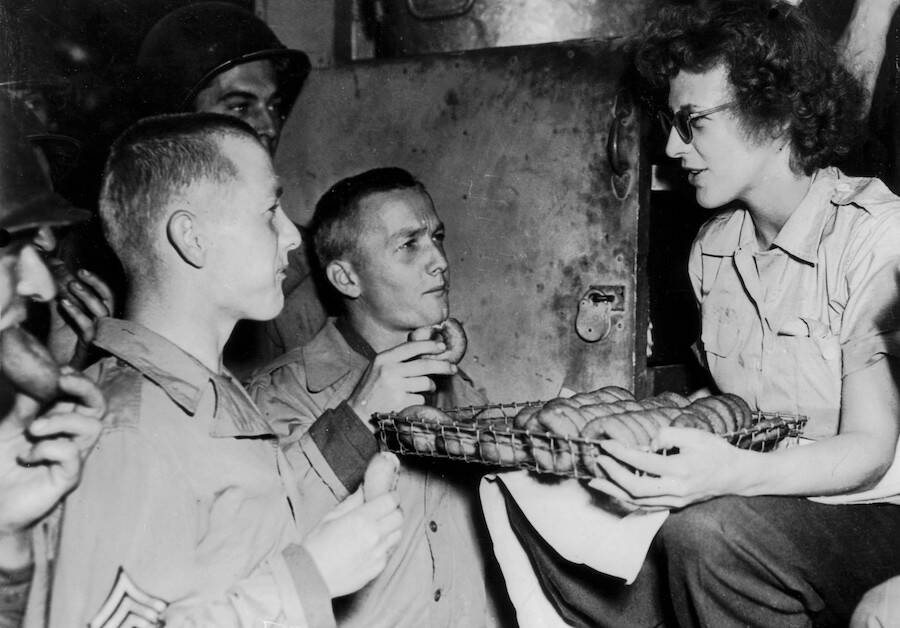
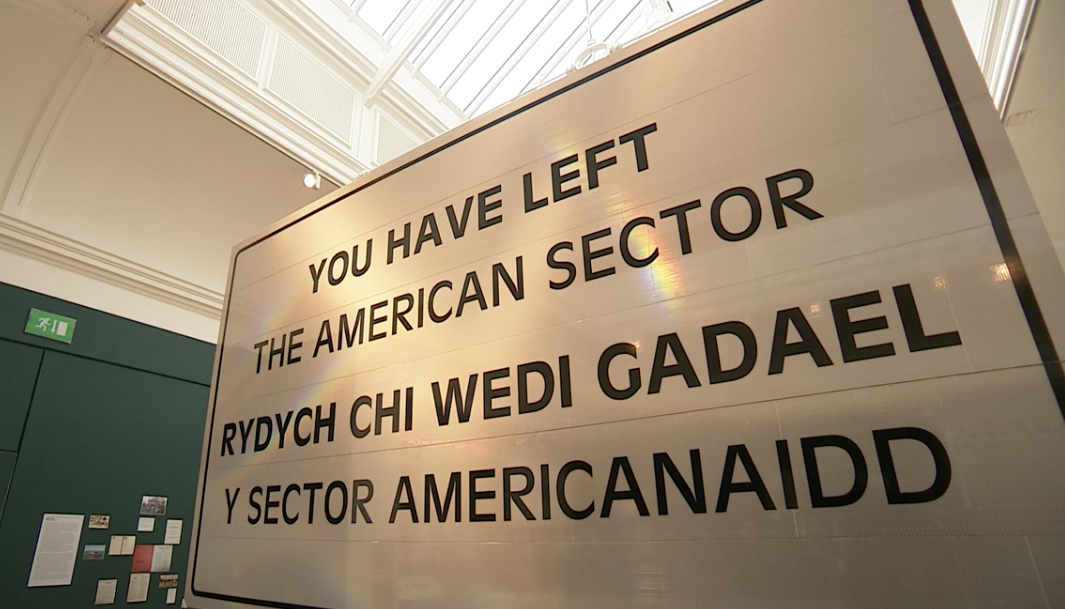
The current shop area was the location for a ‘Donut Dugout’ – a rest and recreation area for the many American servicemen in the town. Coffee and doughnuts were served and the men could read magazines from home.
After the war, Wagstaff’s Piano and Music Galleries occupied the building. In 1976 the artist Kyffin Williams, and others, suggested the building should become the proposed new public art gallery for North Wales. Architects Colwyn Foulkes supervised its restoration and it reopened, as Oriel Mostyn, in 11 August 1979.
Once the Post Office had vacated the adjacent building, expansion and development took place – Ellis Williams Architects were responsible for the design.
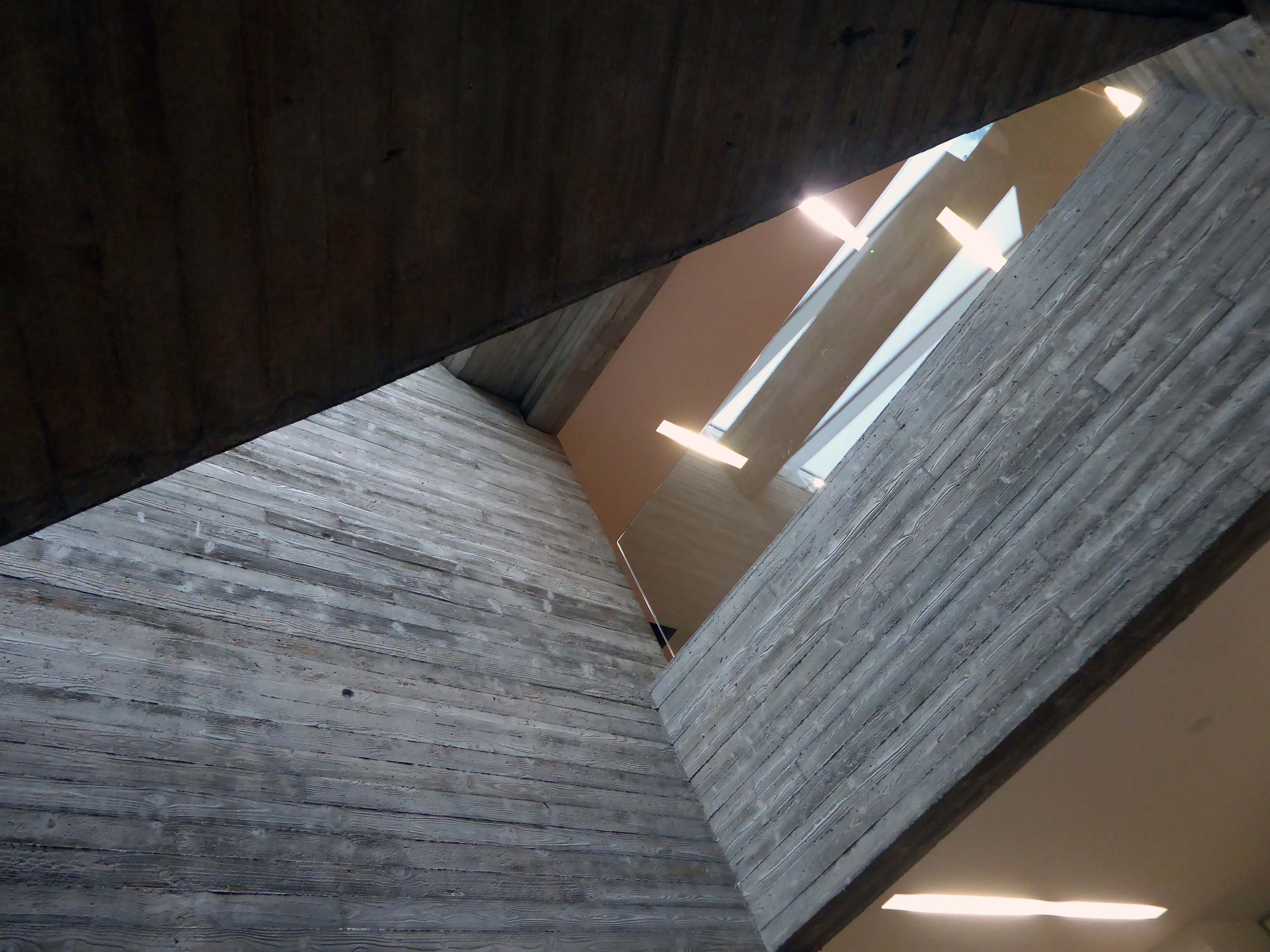
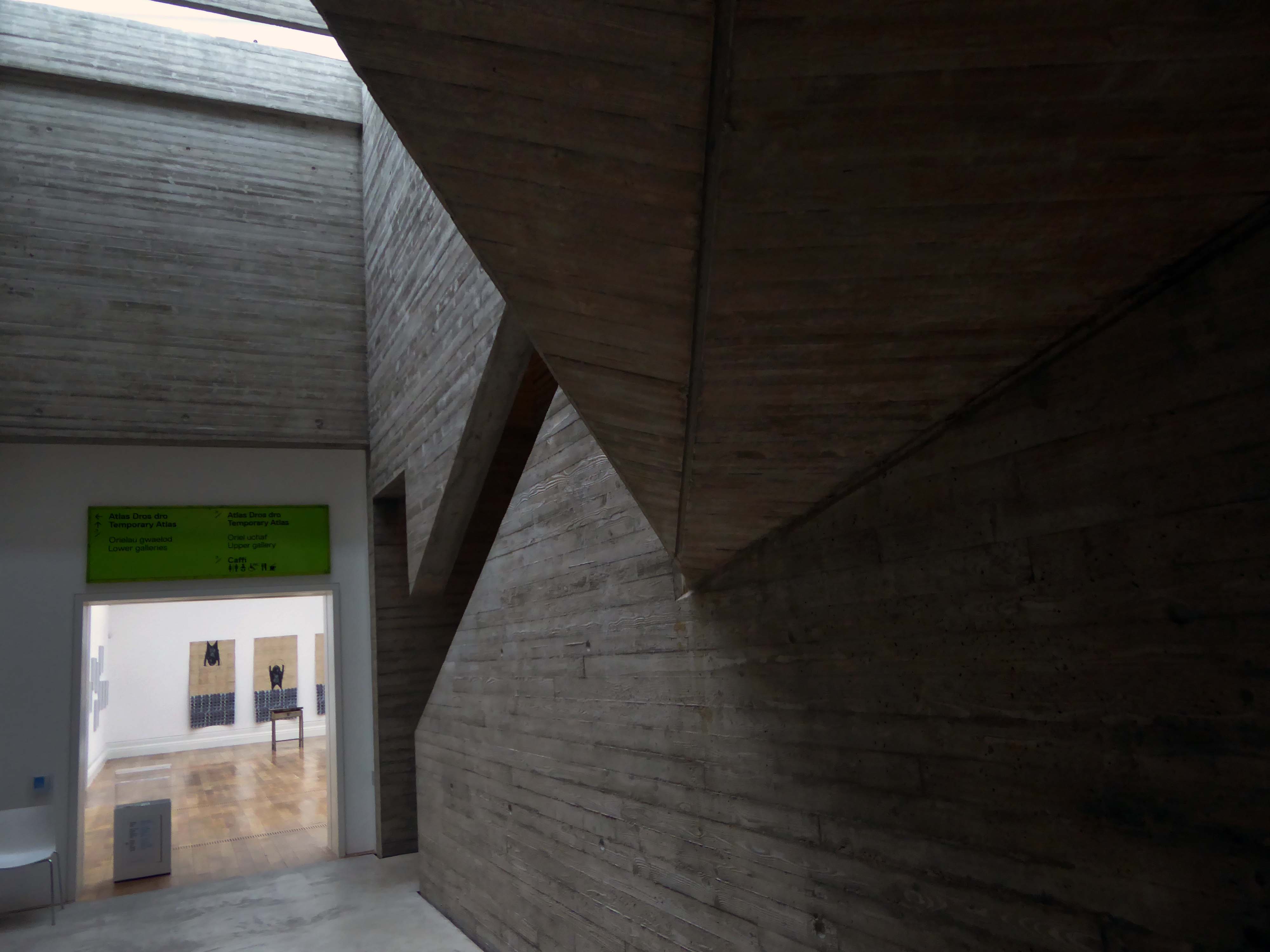
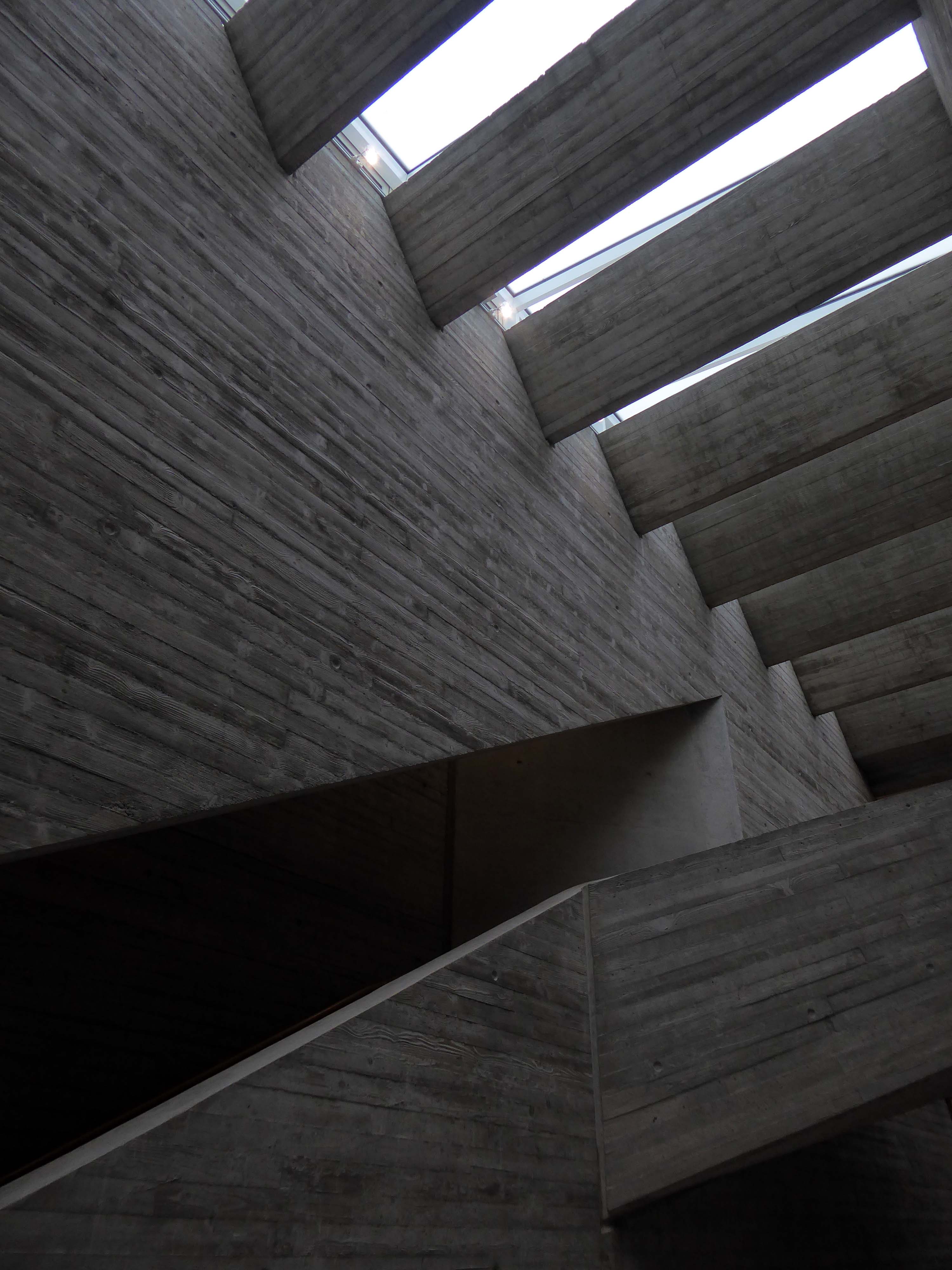
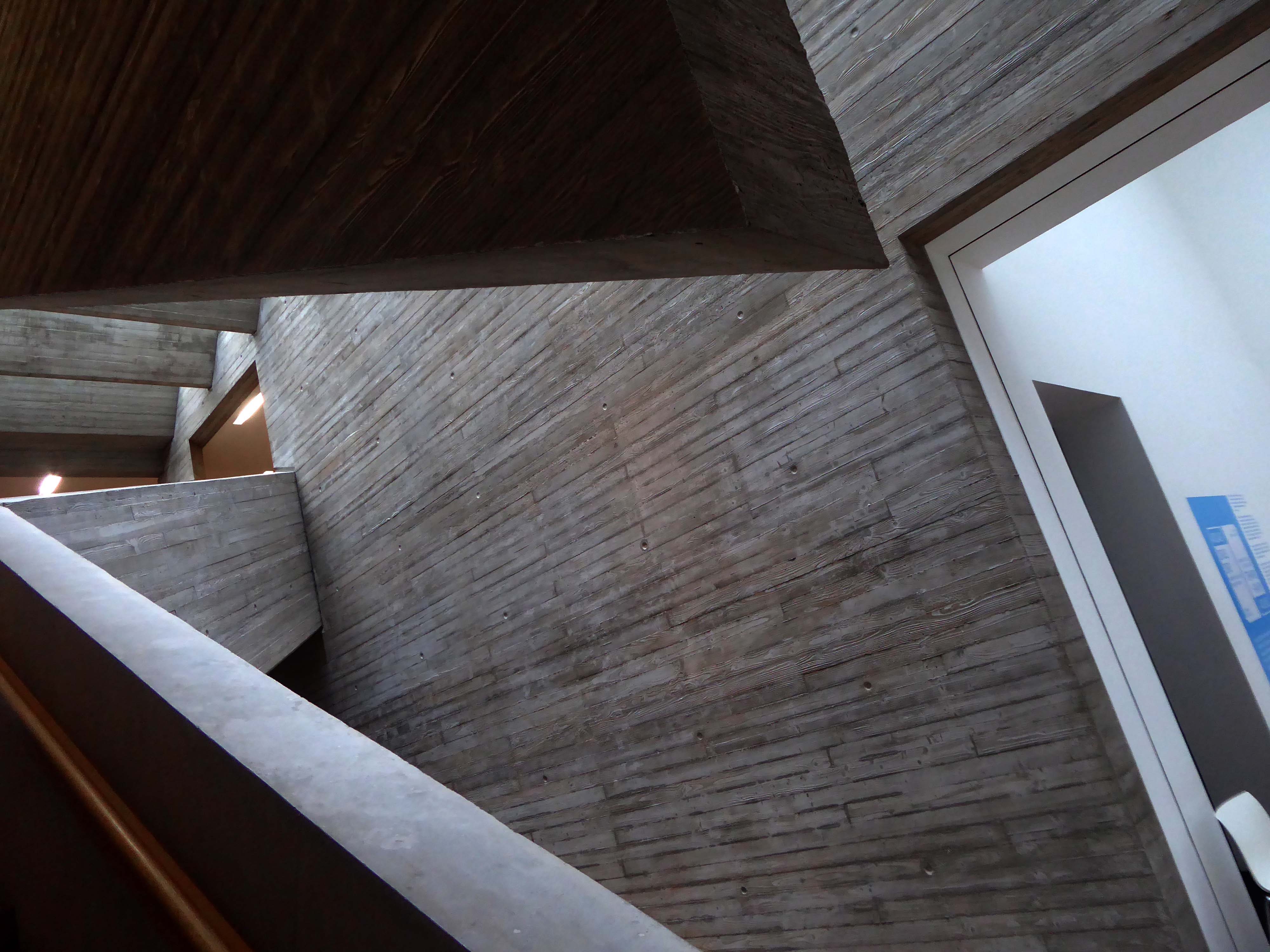
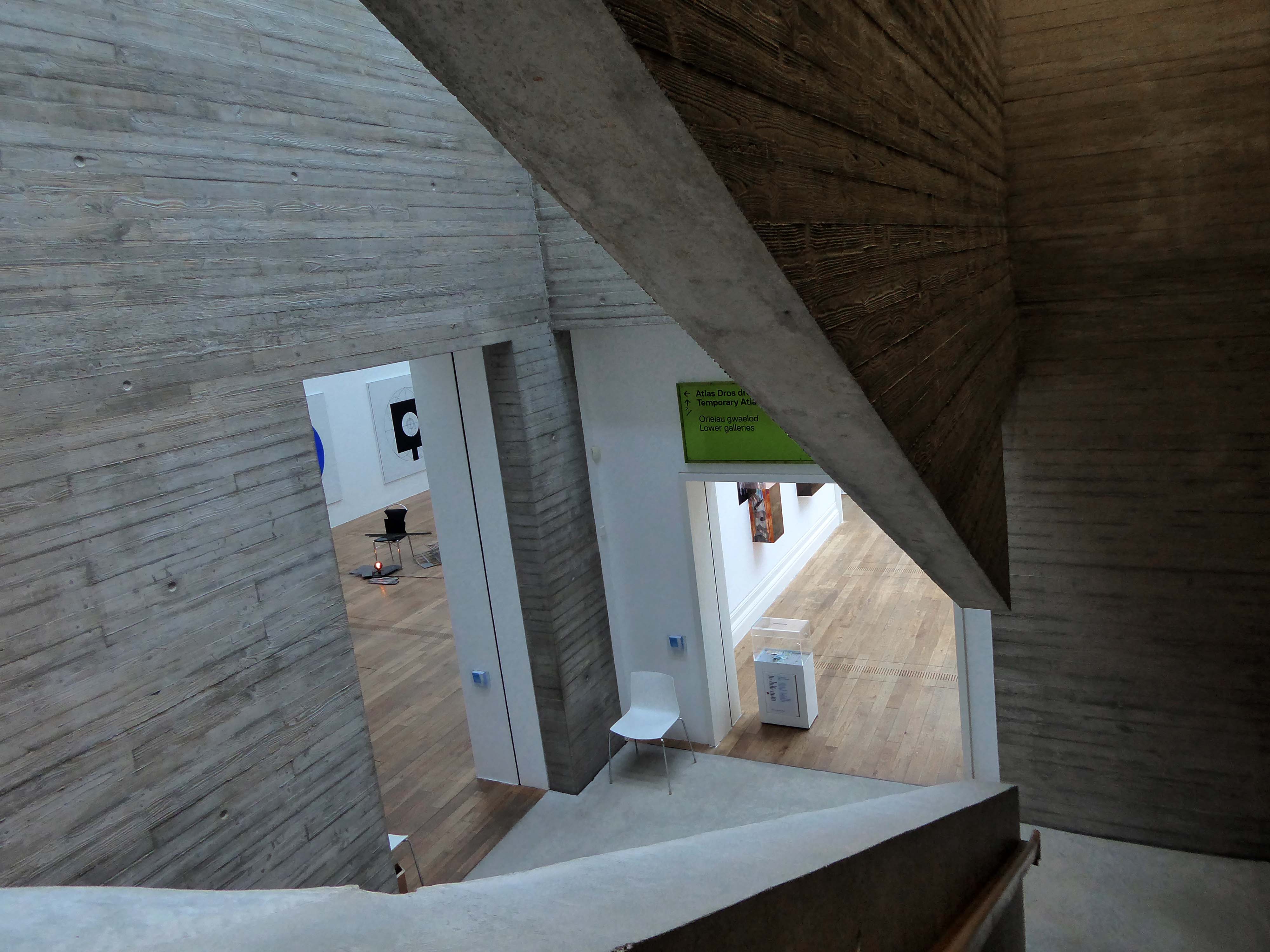
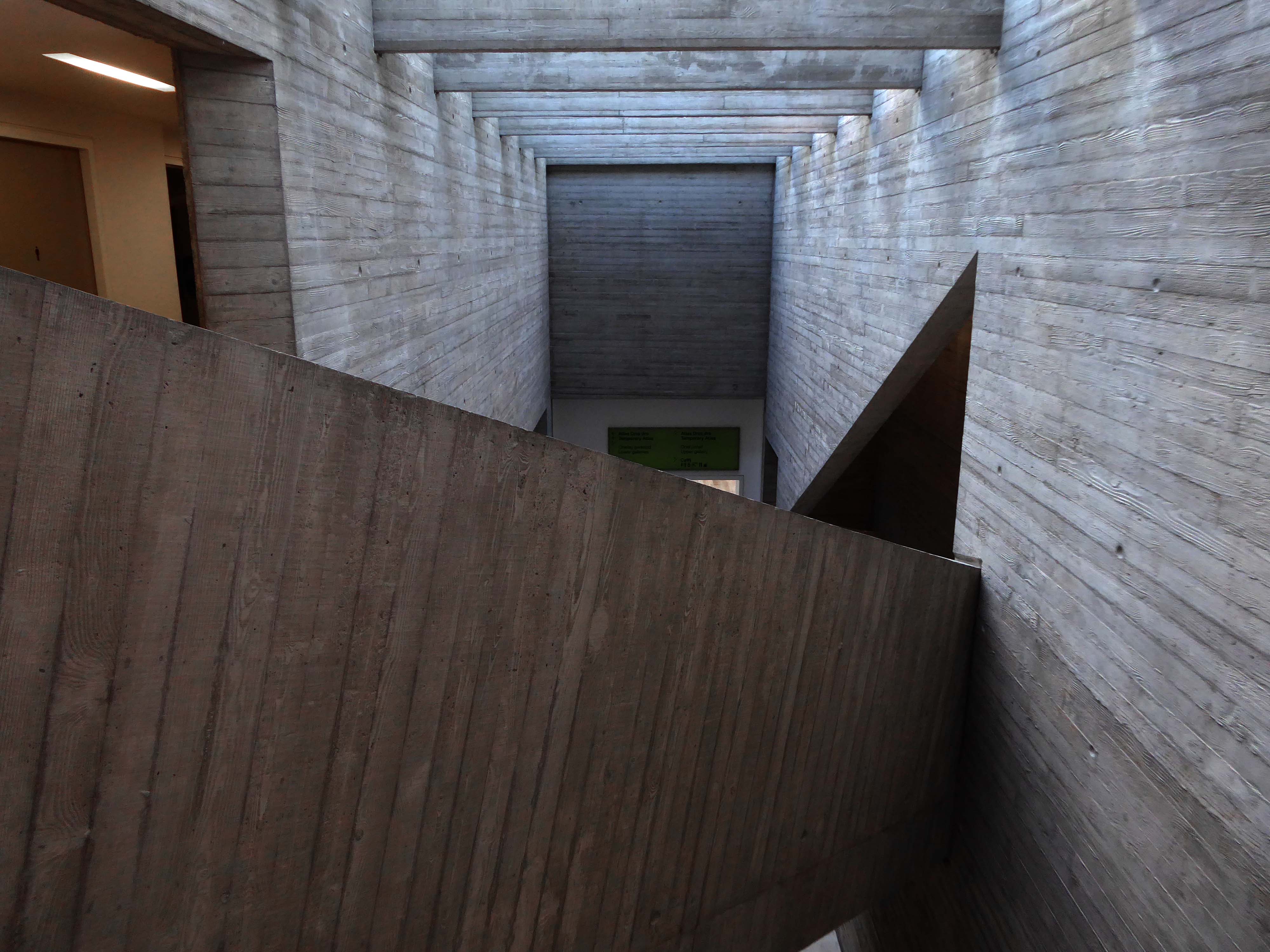
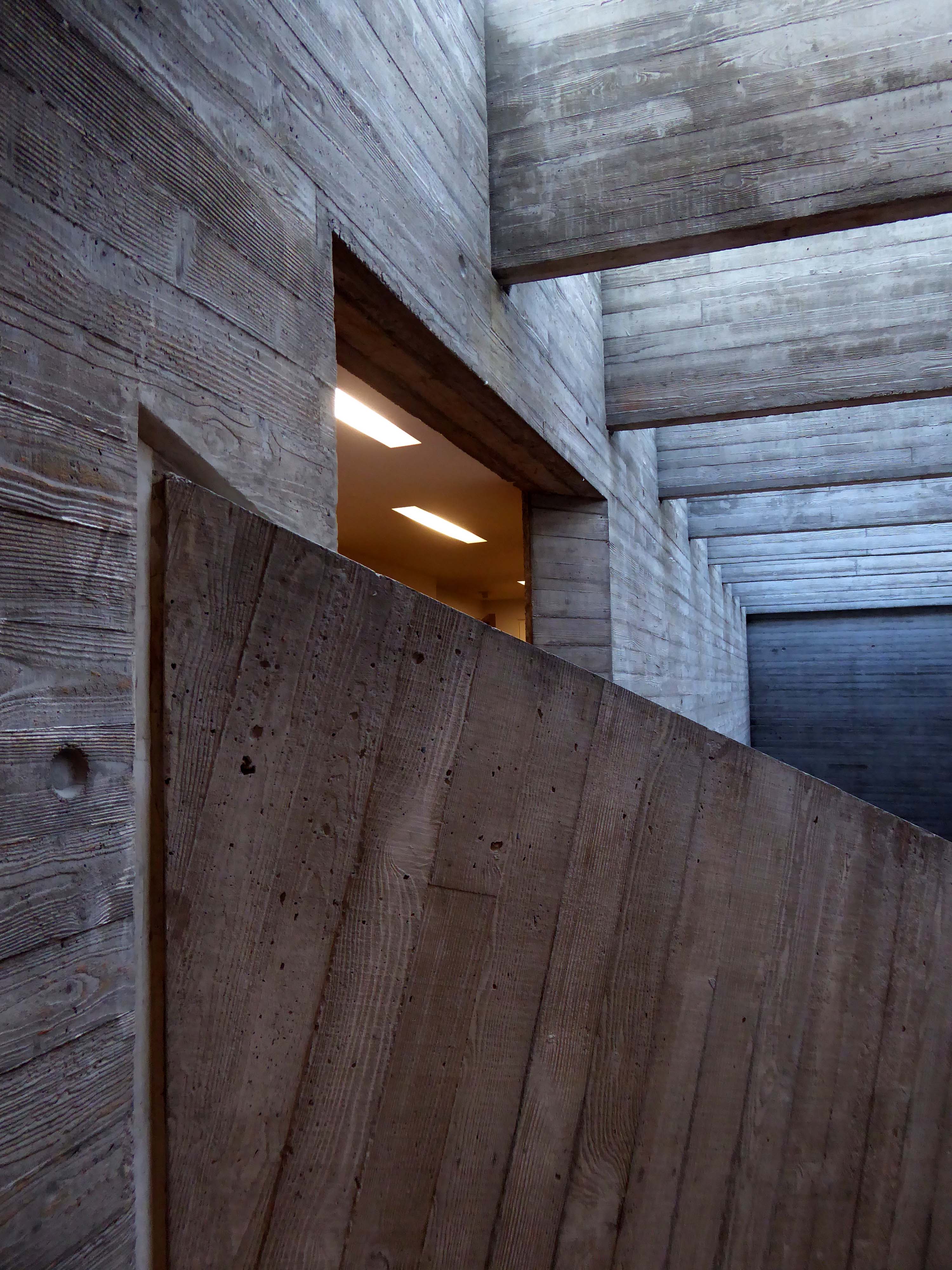
Acknowledged to be ‘one of the most beautiful galleries in Britain’, Mostyn in North Wales was an existing listed Victorian museum with two lantern galleries tucked behind a listed facade. We were appointed by Mostyn after winning the Architectural competition with a design combining a gallery space refurbishment with a gallery expansion and a new dramatic infill section linking new and old. The project has won a number of awards and increased footfall by over 60%.
Why not let your feet fall there soon – Oriel Mostynis open.
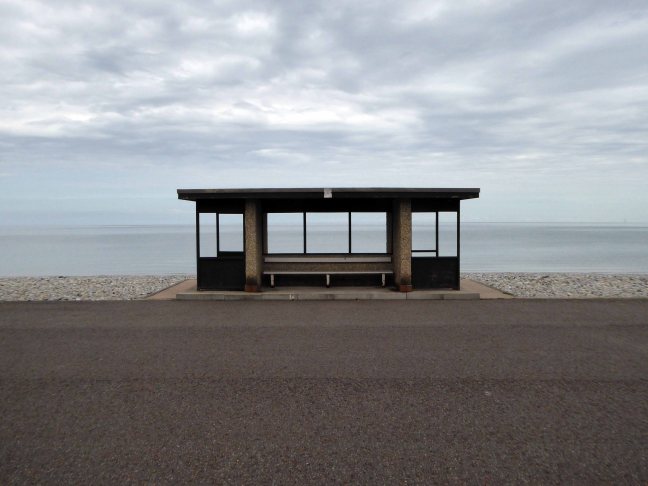
The very first time I visited the town as a child back in the early 1960s, it rained almost every day.
Subsequent visits have almost always been bathed in warm sunshine.
Lately I have been frequenting bad houses Places no respectable man would be seen I hate myself for my weakness My past sickens me I tell myself I will not go Even as I drive there
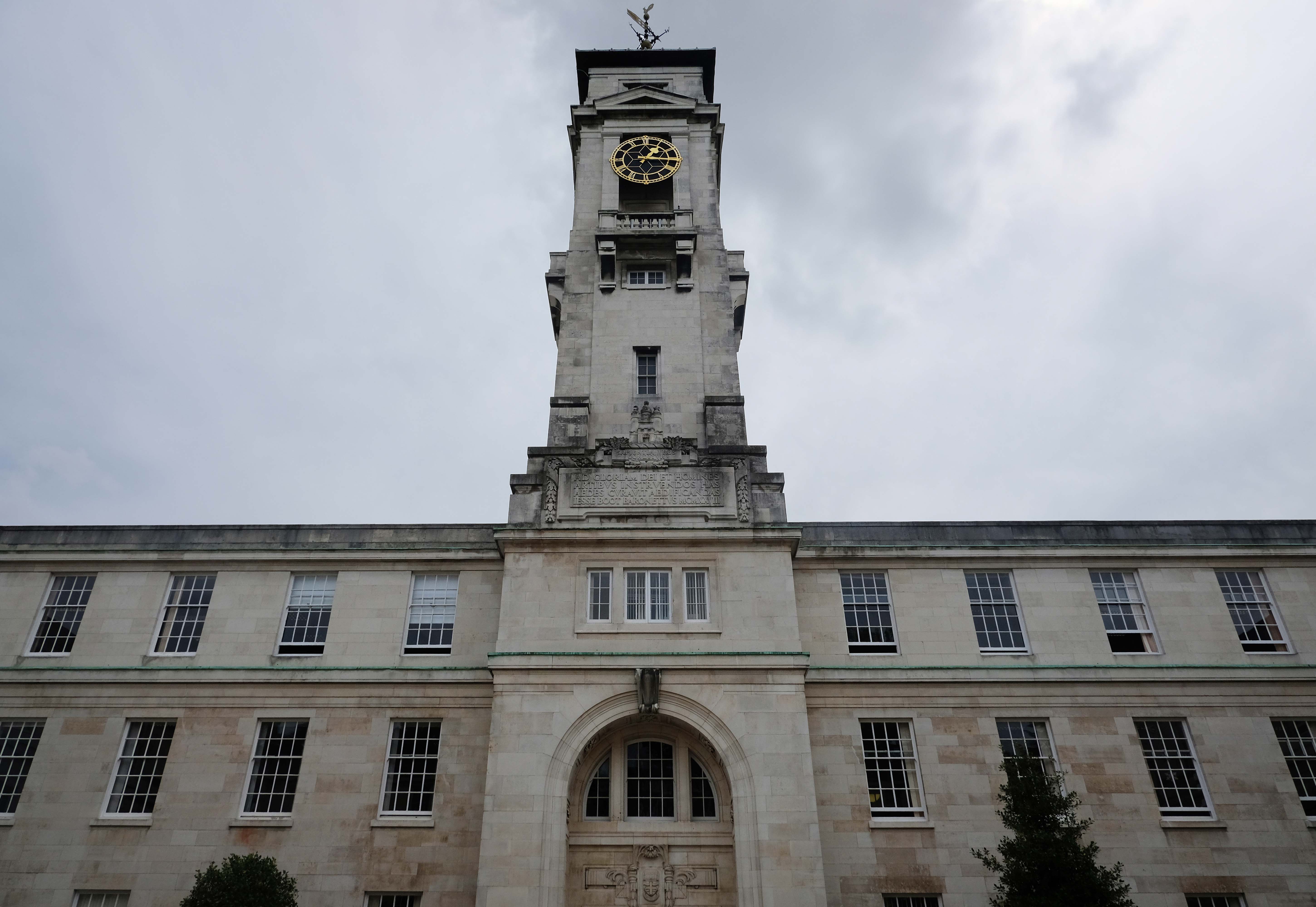
The Main Campus based on Jesse Boot’s Highfield parkland incorporating Lenton House and Lenton Hall. Boot along with his architect Percy Morley Horder developed a building scheme in 1921, achieving university status in 1948.
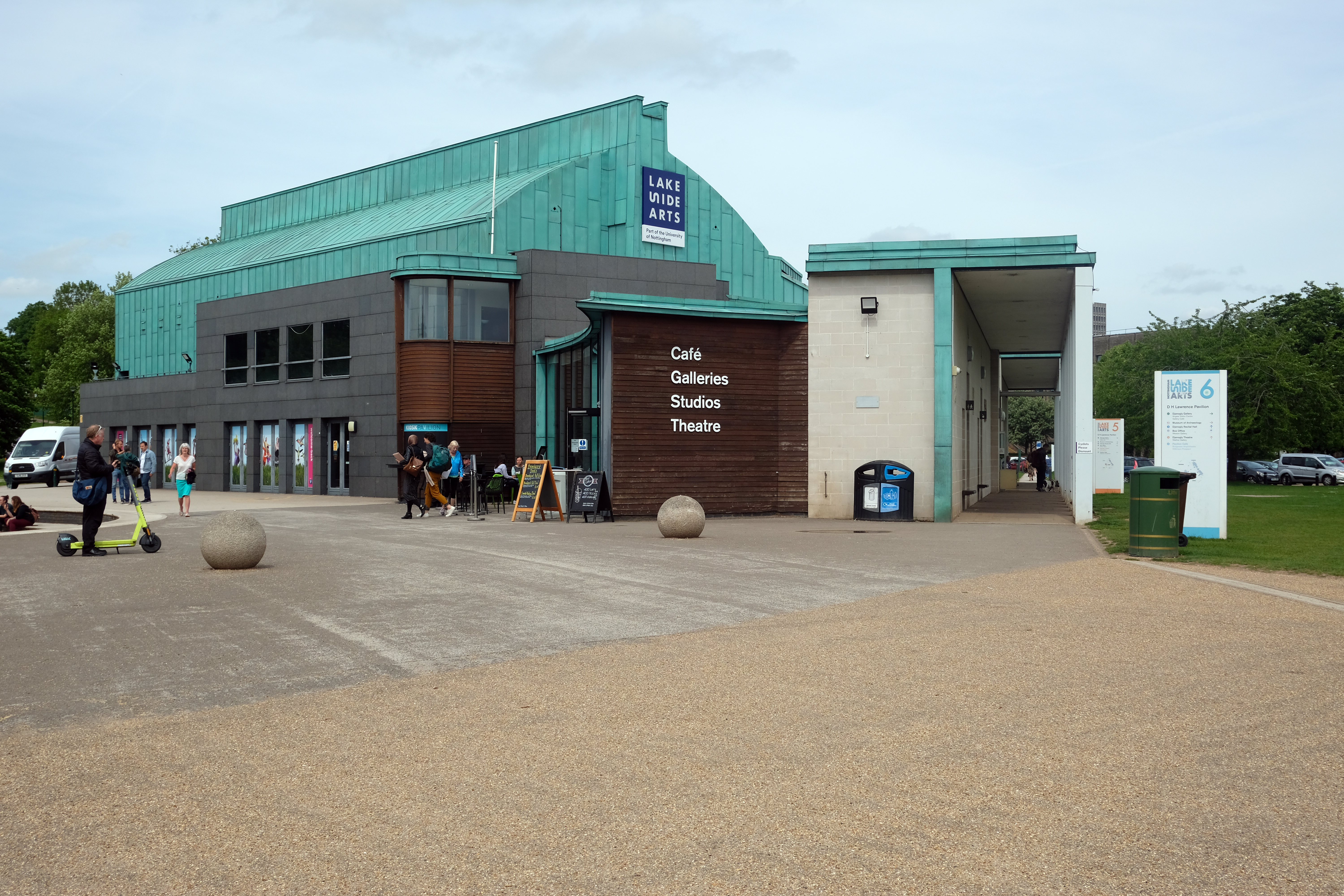
DH Lawrence Pavilion architect Marsh & Grochowski 1998-2001
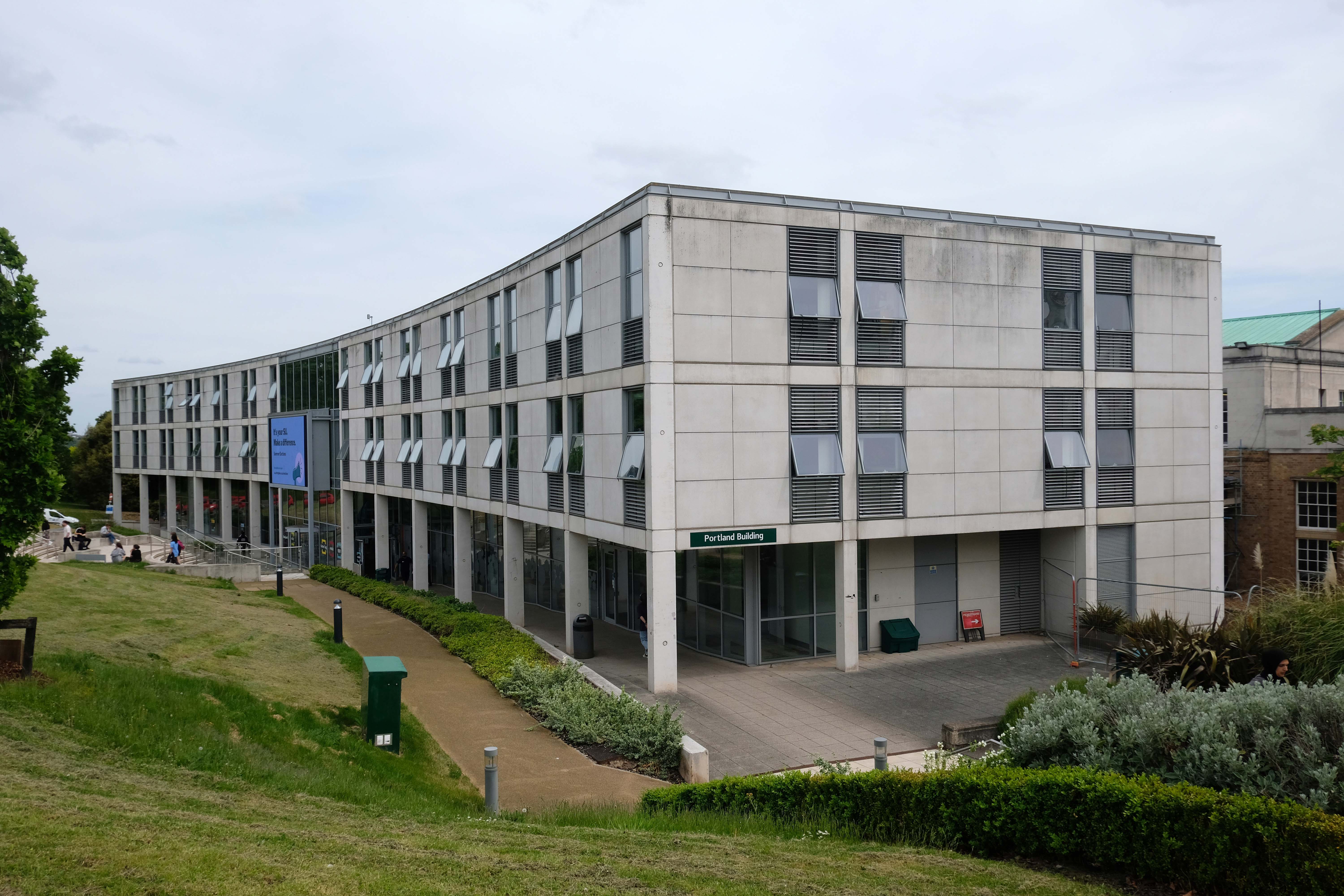
Portland Building – T Cecil Howitt 1949 -56
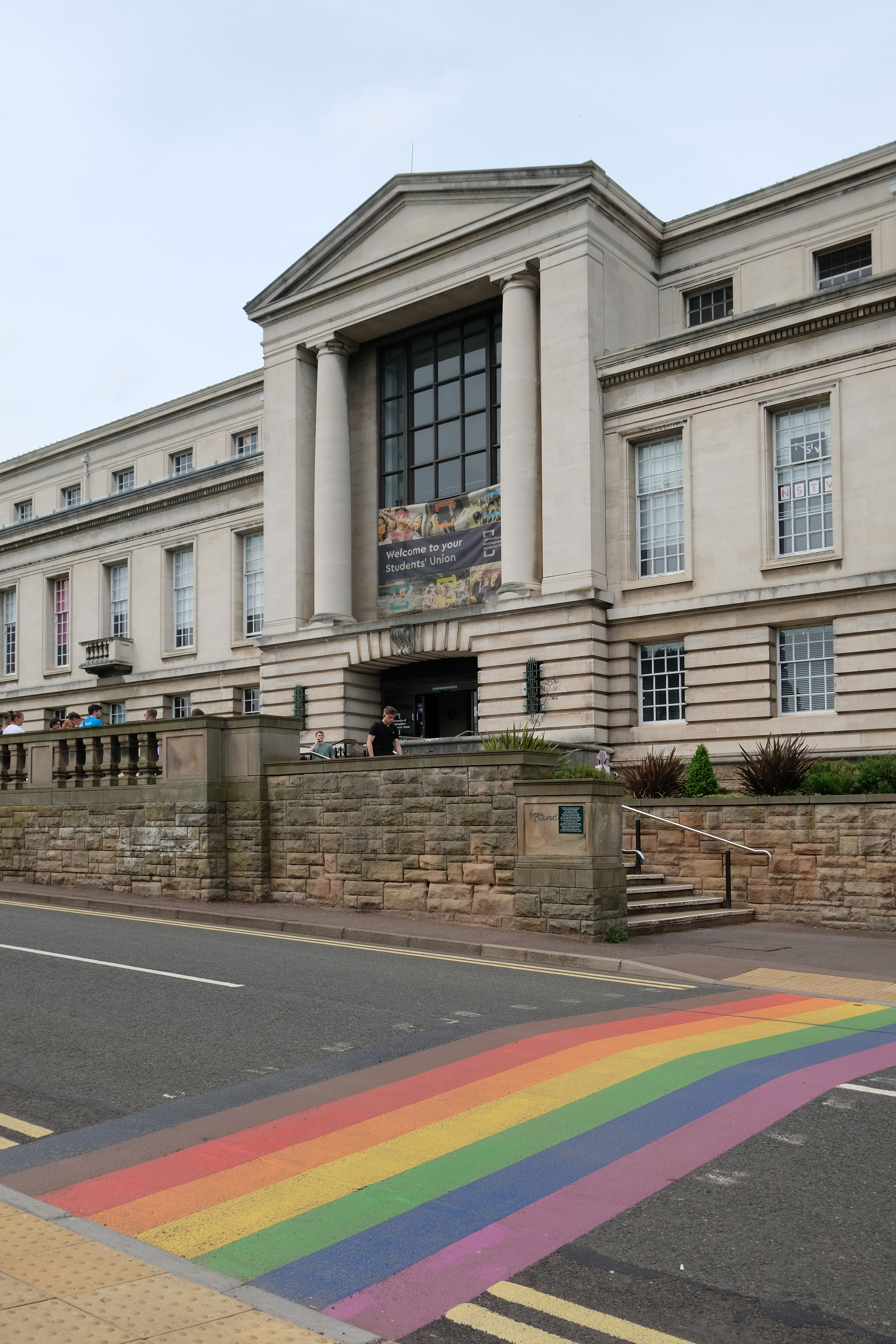
Trent Building architect: P Morley Horder 1922-28
Portland Building extended in 2001-3 architects: Michael Hopkins & Partners
Further additions to the rear 2013
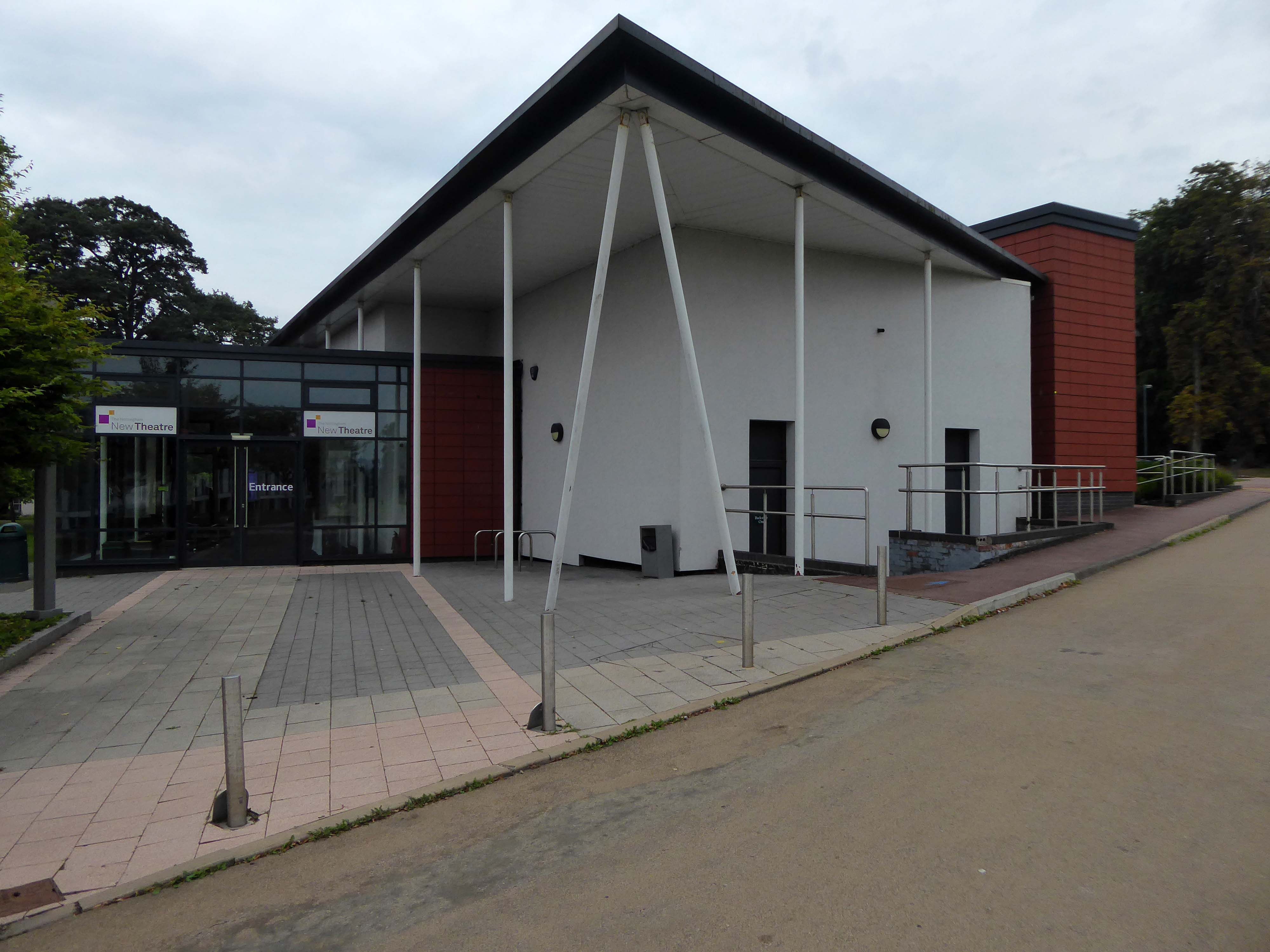
The New Theatre was established in 1969, and was originally housed in the Archaeology and Classics building of the University of Nottingham. In 2001 an extended foyer was added to the building, following a donation from an alumnus of the university.
The summer of 2012 saw an extensive redevelopment of the building housing the New Theatre. The former Archaeology and Classics building was demolished from the site; leaving the New Theatre as a freestanding building. Parts of the old building were retained and repurposed as new rehearsal rooms, and a studio space; as well as a significant remodelling of the dressing room, and extending the foyer.
Architects: Maber
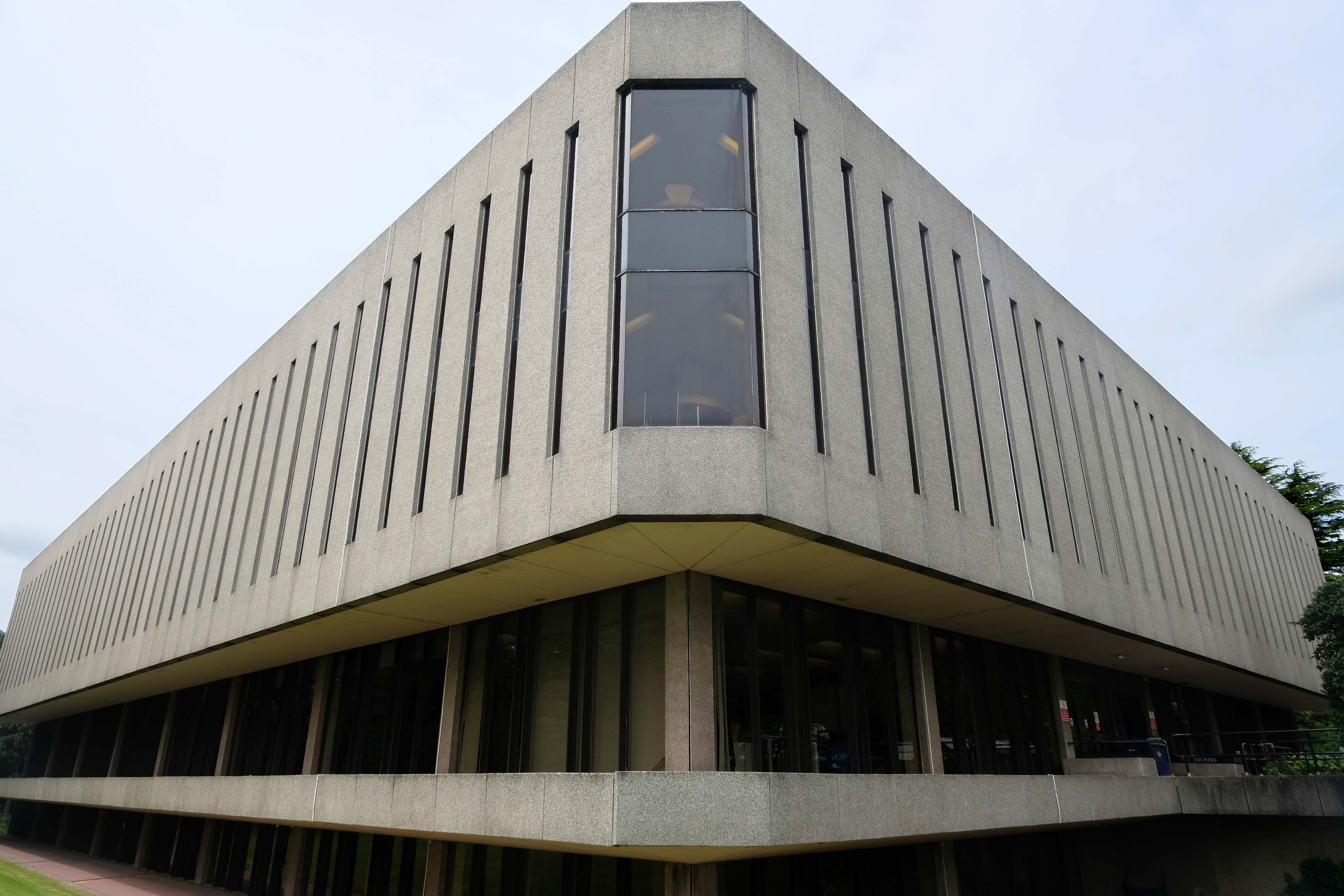
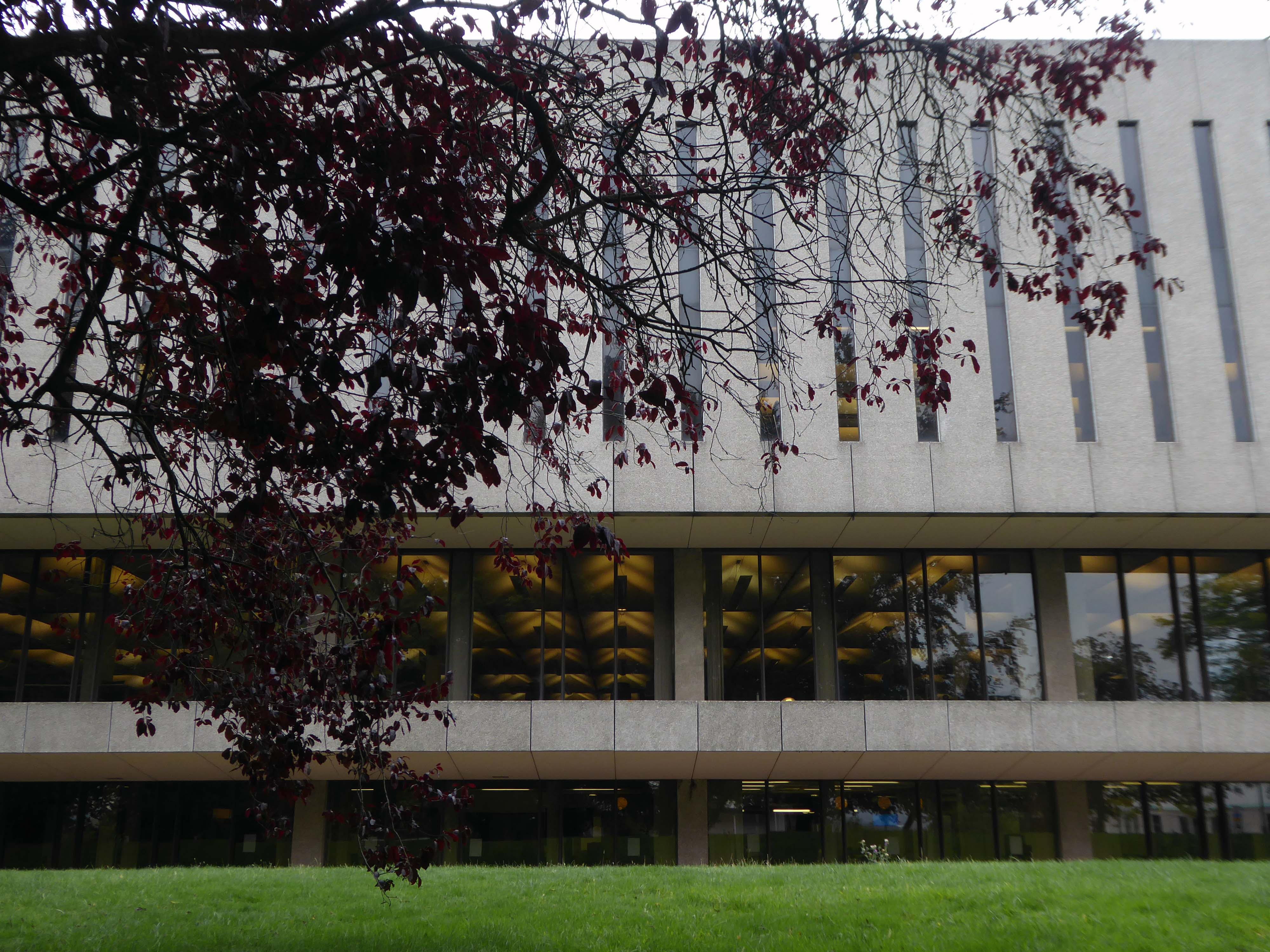
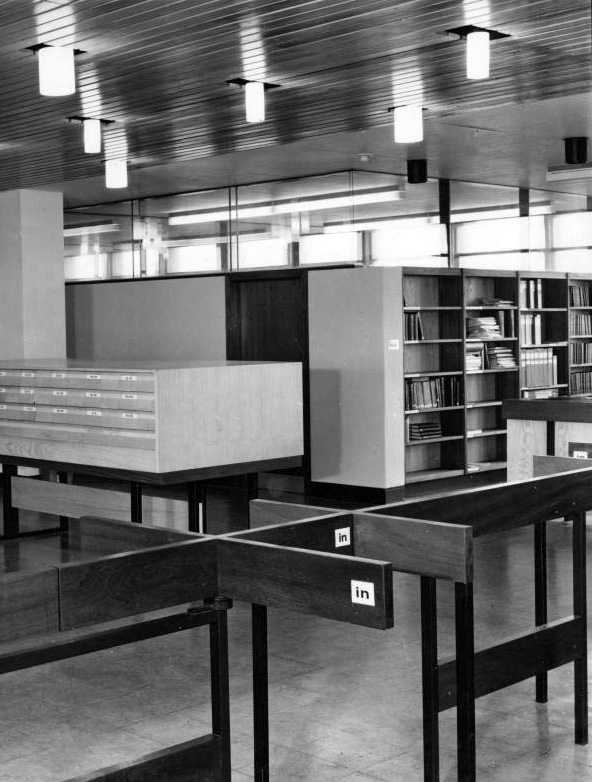
University Library architects: Faulkner Brown, Henry, Watkinson & Stonor 1971-73
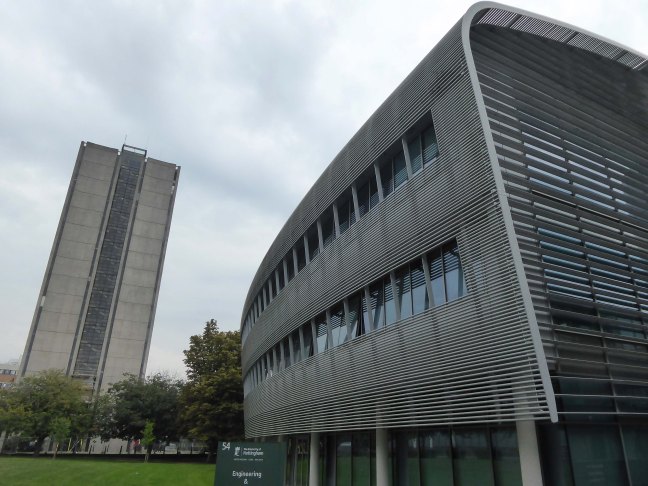
The collection of buildings in University Park Campus, colloquially known as Science City, was first masterplanned by Basil Spence in 1959. His vision was largely realised by Renton Howard Wood Associates during the 1960s. Since then, numerous additions and alterations have been made to suit the ever increasing student numbers and the changing needs of the University.
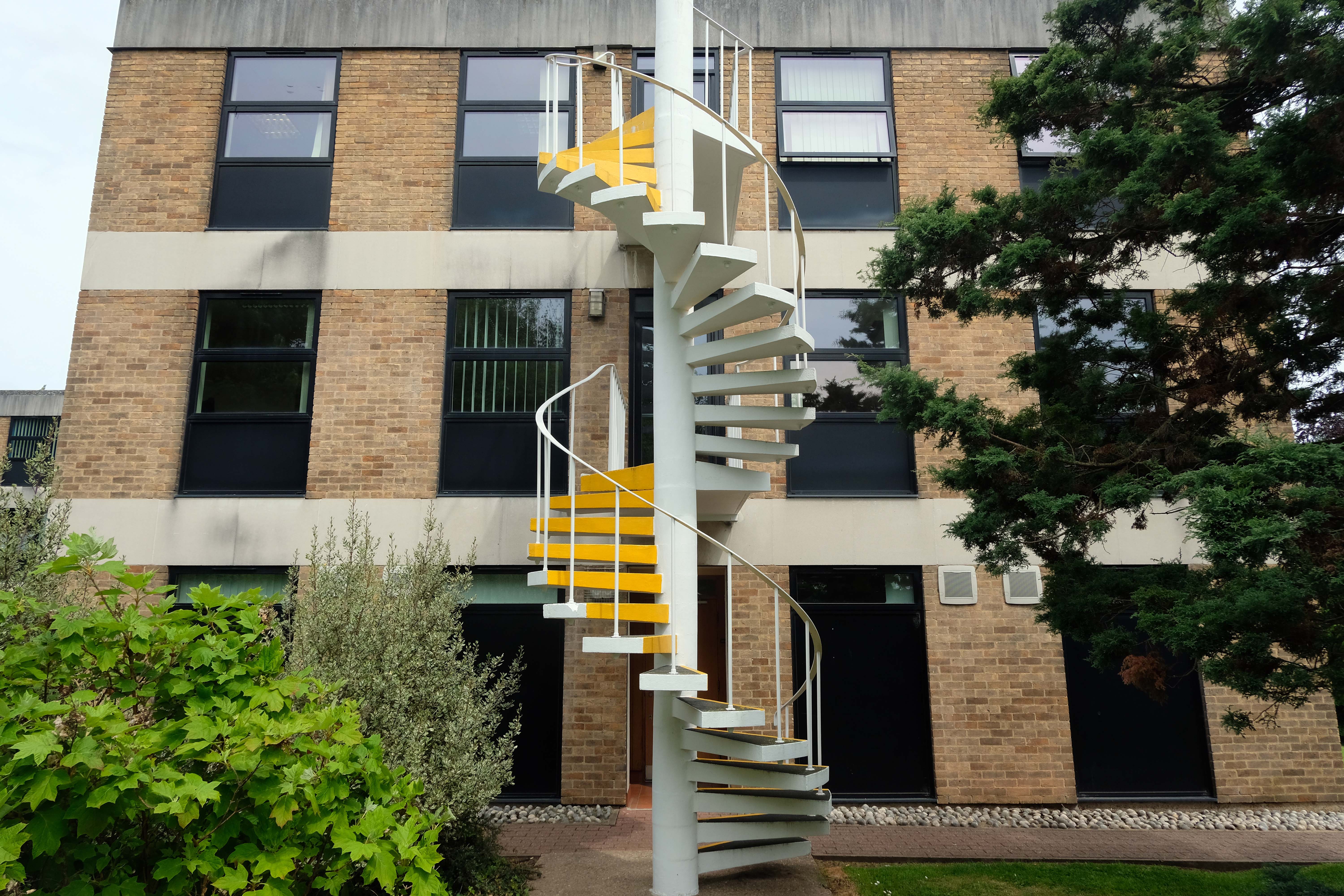
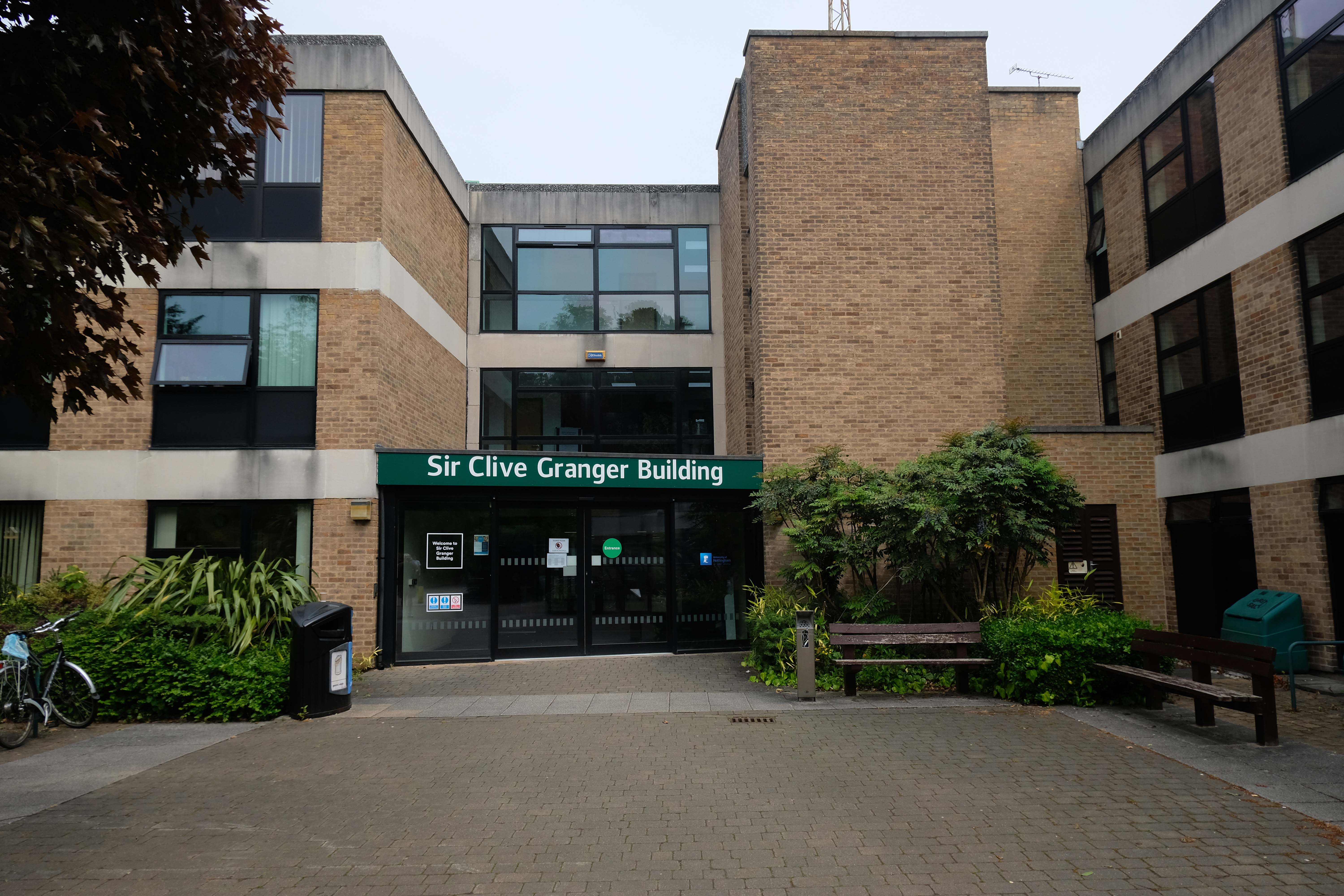
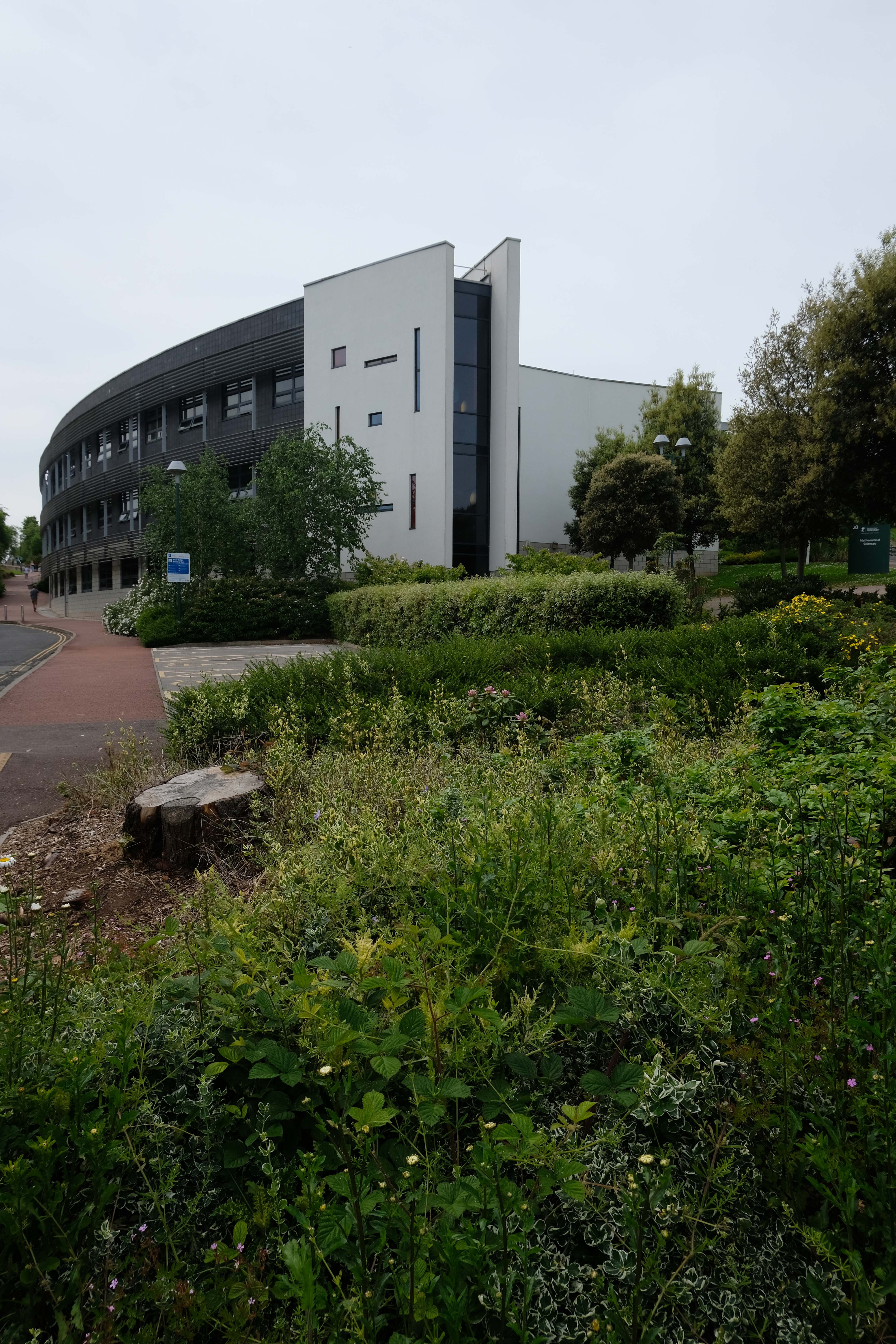
Sir Clive Granger Building
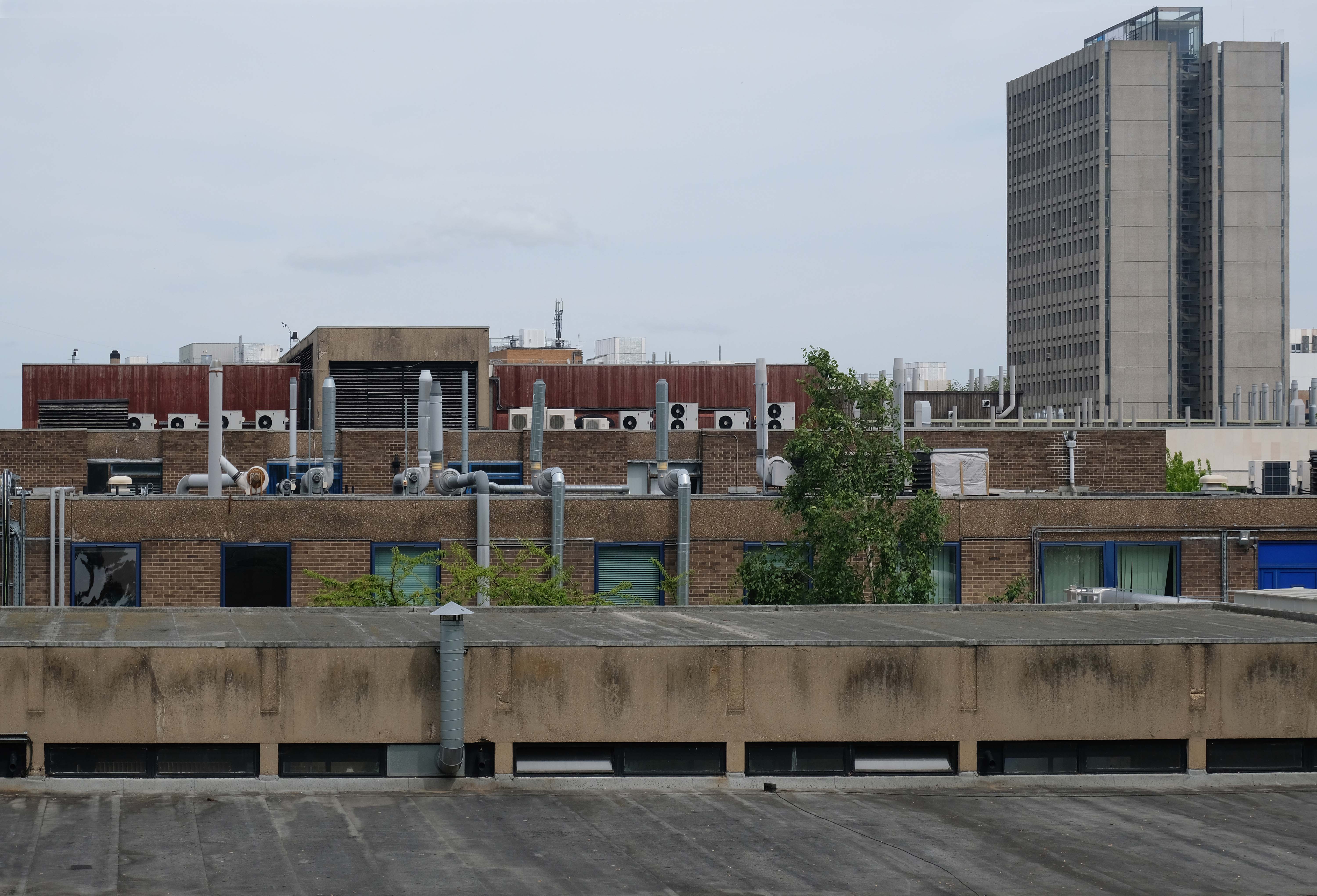
A view over the Science Buildings by Basil Spence 1955 and partner Andrew Renton 1961 onward.
The University of Nottingham needed to double the size of its existing academic library to cater for an expansion in serious scientific study. Hopkins Architects faced the difficult task of doubling the size of a rather unremarkable 1960’s building – designed by Basil Spence, on a tight sloping site.
Pope Building leading to the Engineering Science Learning Centre by Hopkins Architects 2011
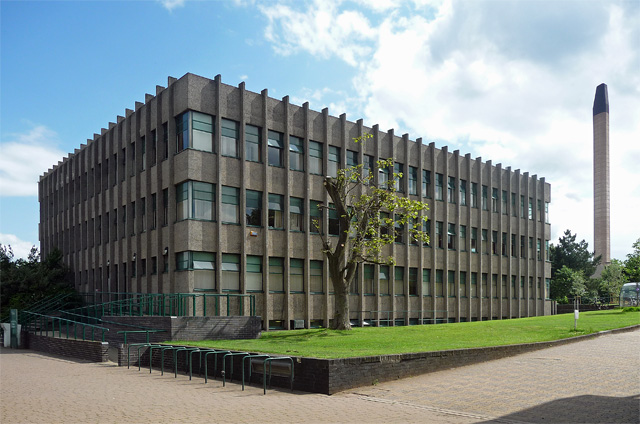
Chemistry Department
Coates Building by Basil Spence
Tower Building by Andrew Renton 1963-65
Refurbishment work is taking place to develop flexible workspaces, including offices, conference and meeting rooms, while the building will also accommodate hospitality and events rooms. The university also plans to include a restaurant, coffee bar, a deli-shop and a top-floor sky lounge.
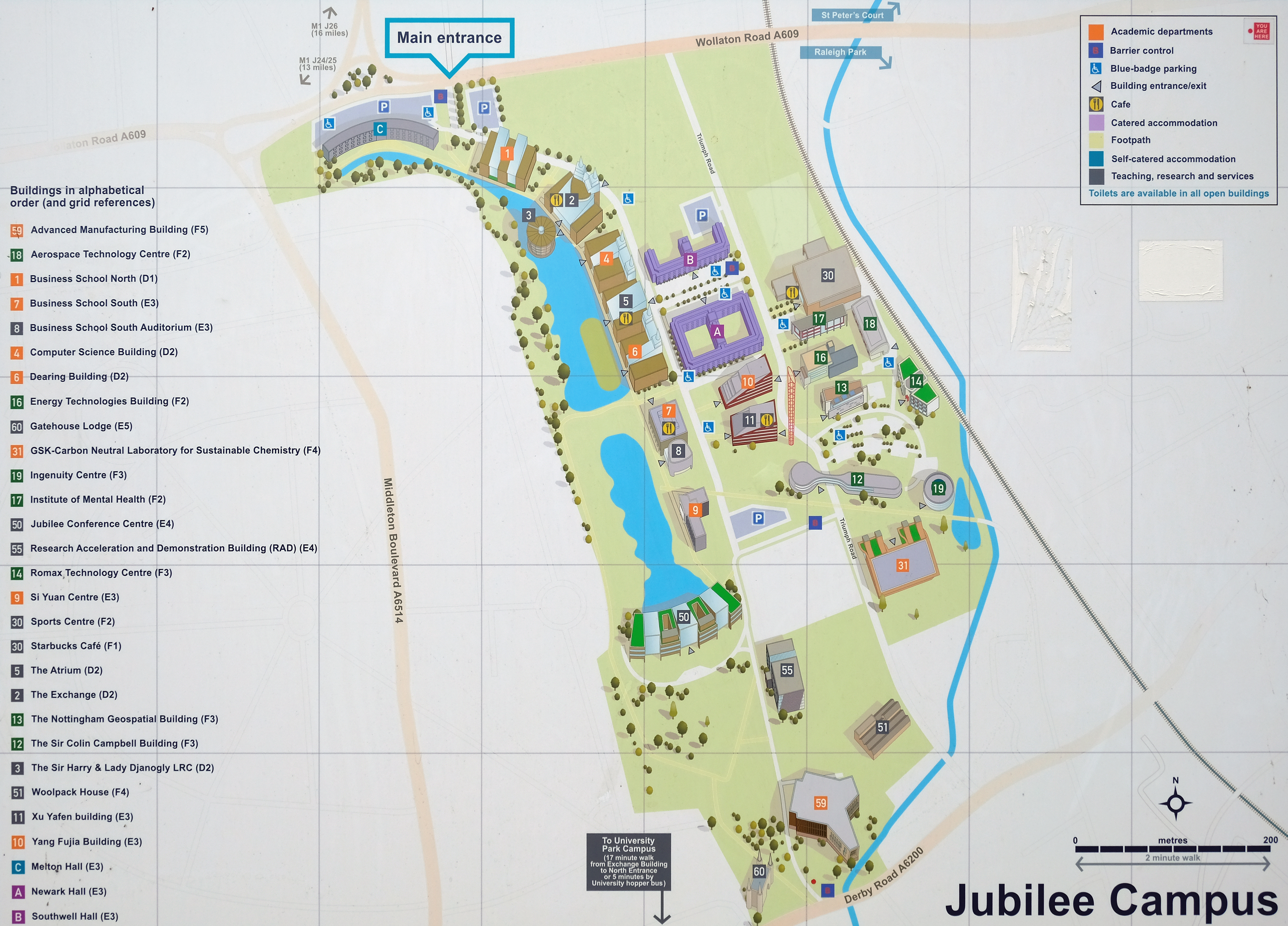
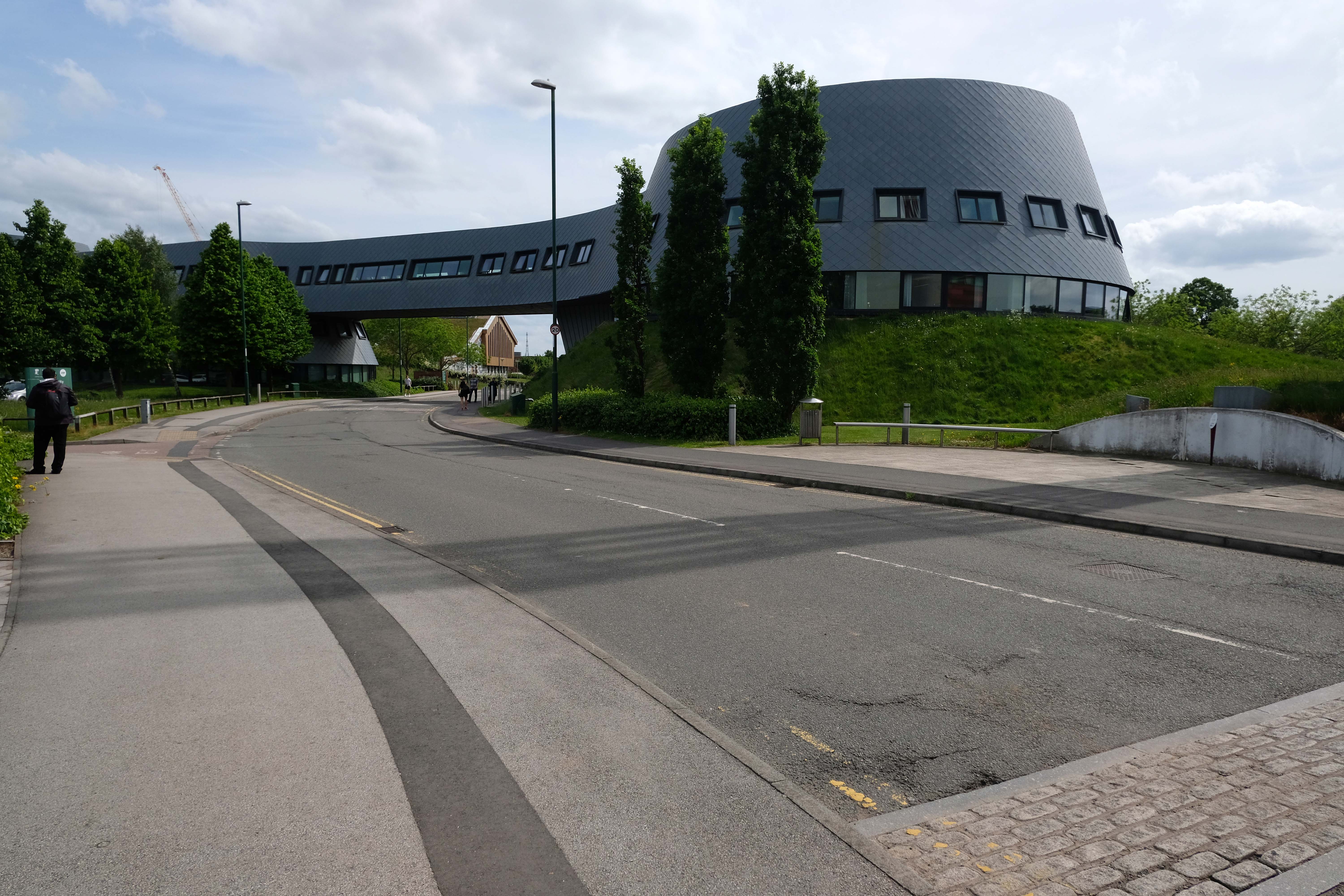
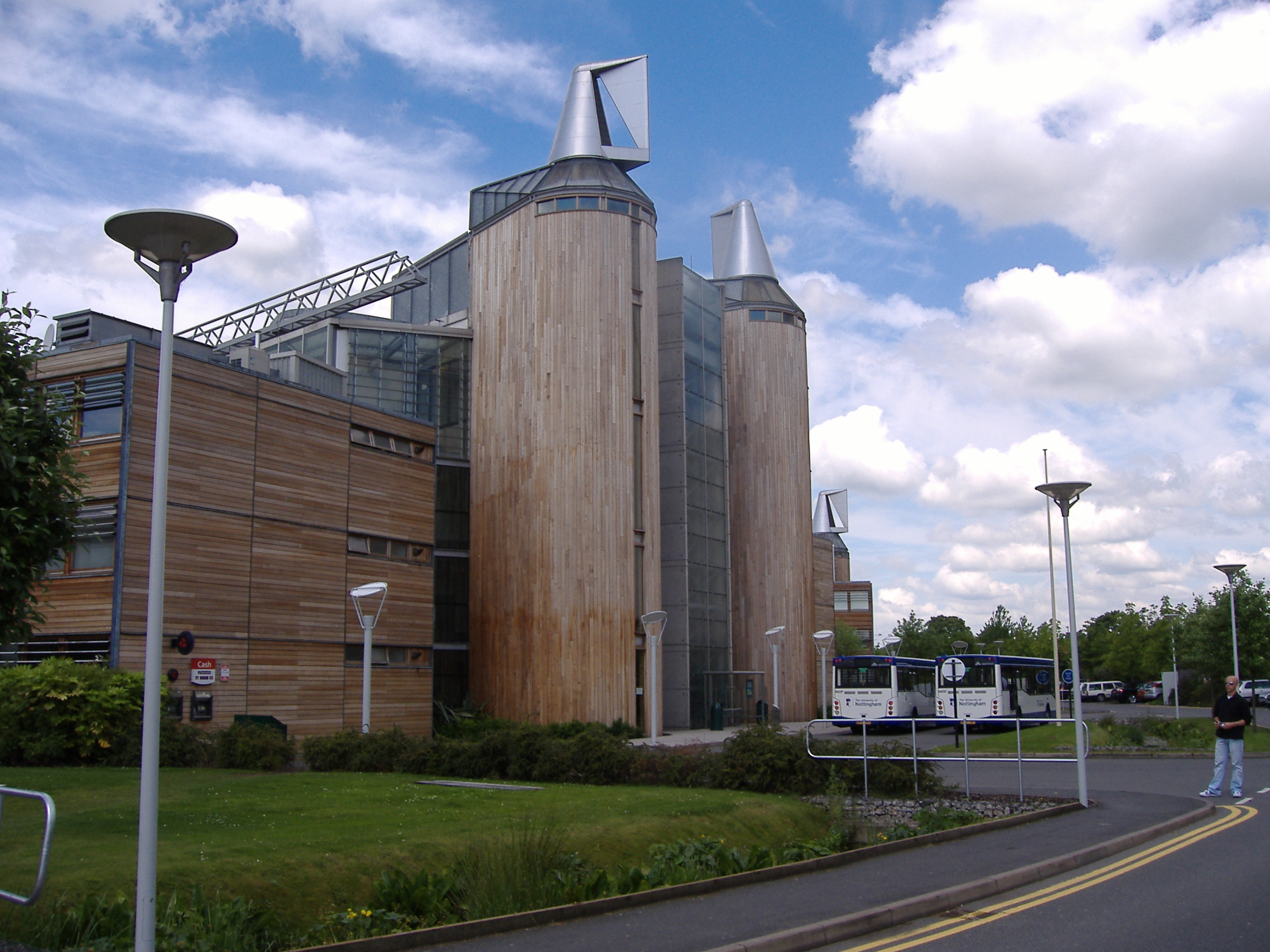
Jubilee Campus is a modern purpose-built campus which now extends to 65 acres and is located only one mile from University Park. The initial phase was opened by Her Majesty the Queen in 1999. The state-of-the-art facilities now include:
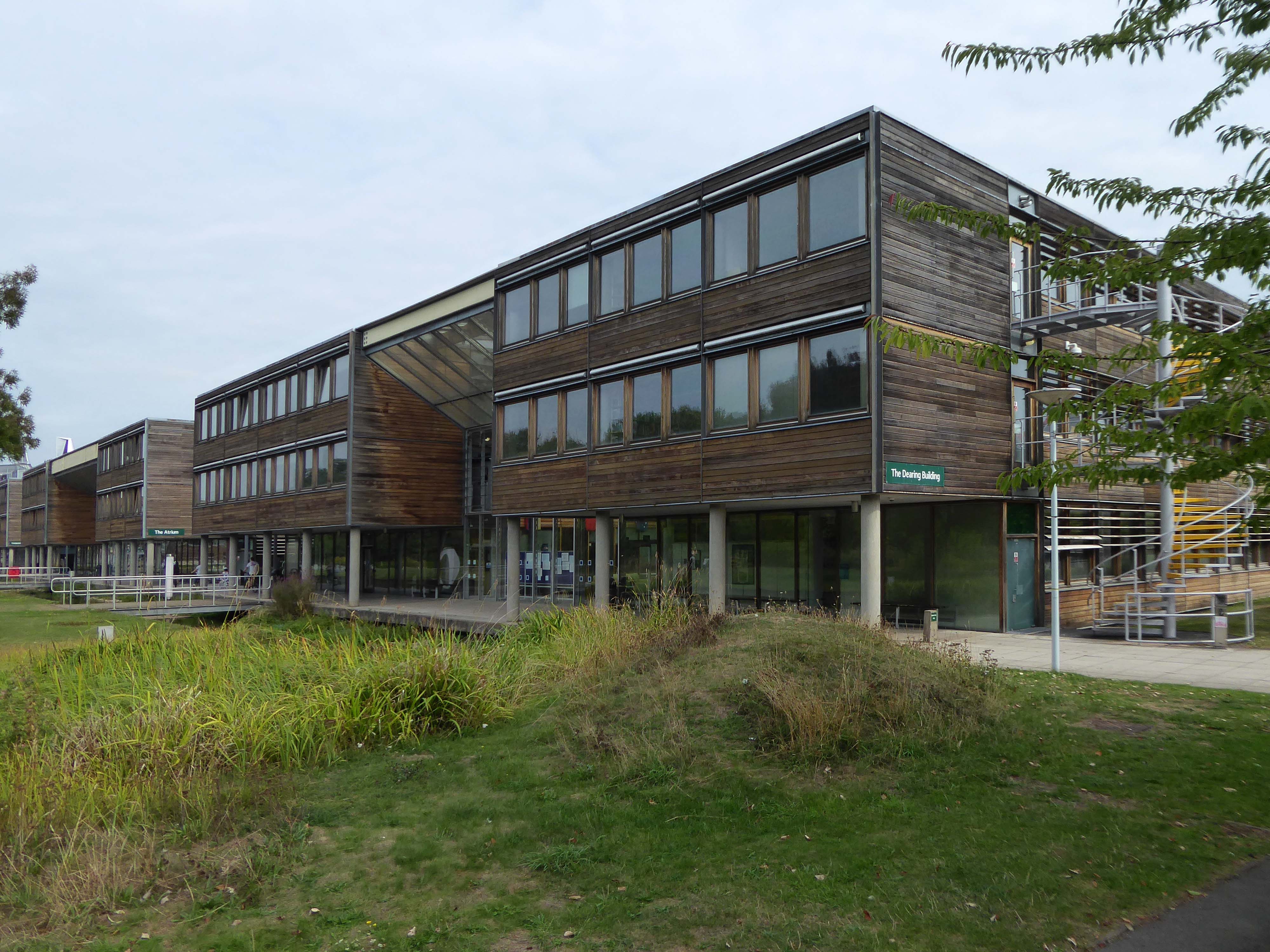
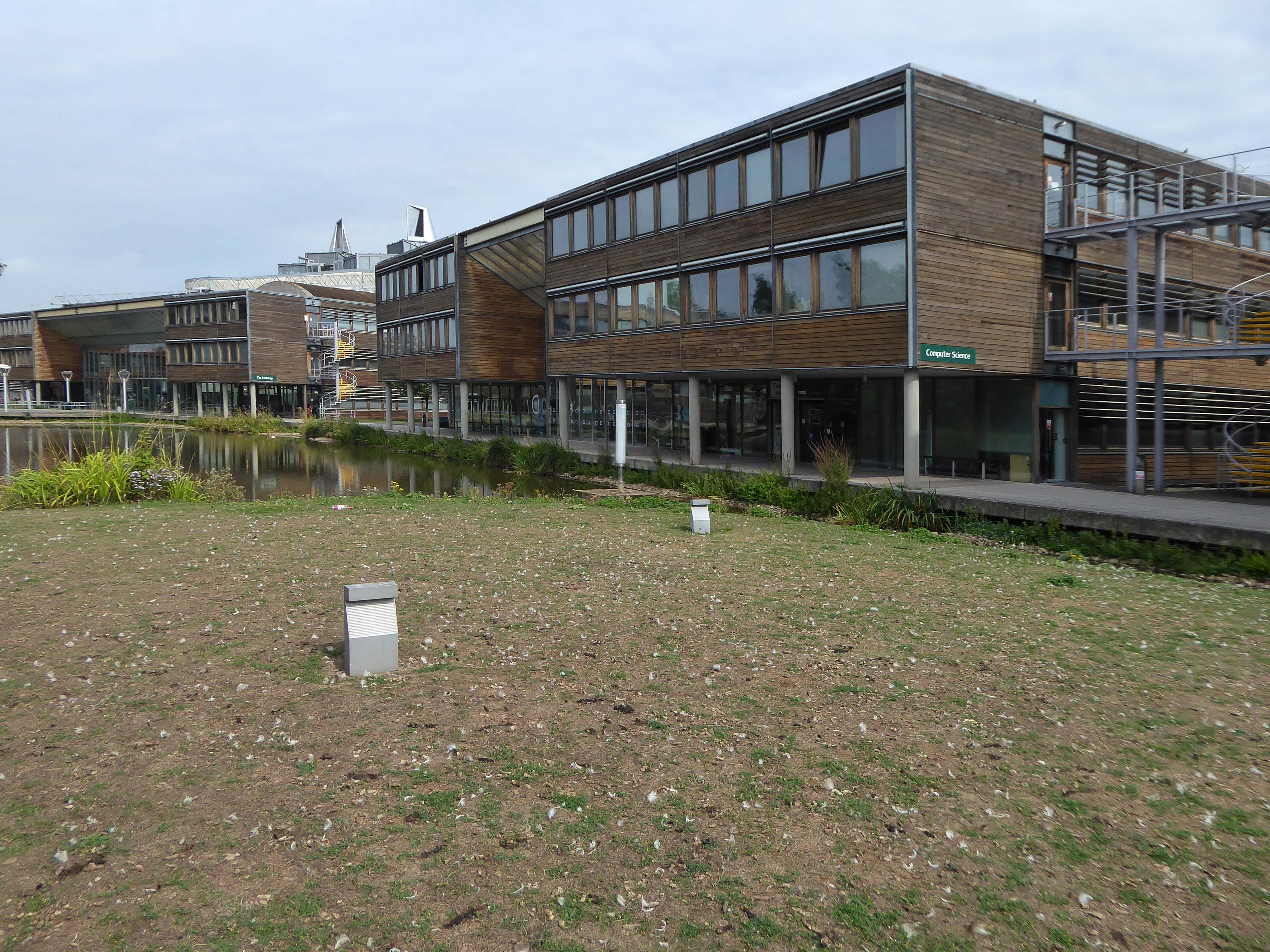
The Schools of Education – including CELE and Computer Science
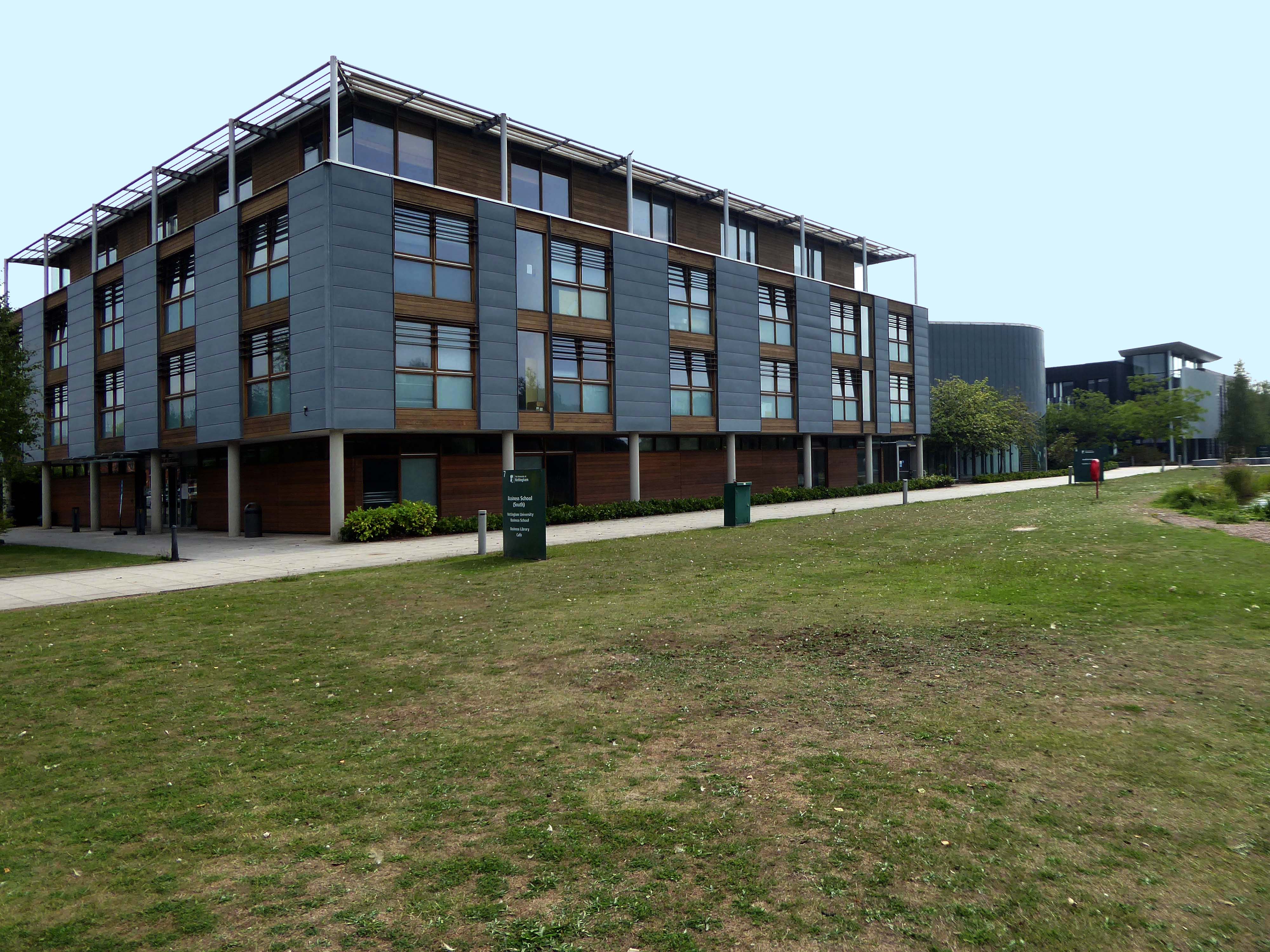
The Nottingham University Business School
The National College for Leadership of Schools and Children’s Services
Sports Centre
University of Nottingham Innovation Park
4000 third party purpose-built student residences within half a mile radius of the campus
Central to the development of the site has been the setting of high BREEAM Standards – an holistic approach to achieve ESG, health, and net zero goals. It is owned by BRE – a profit-for-purpose organisation with over 100 years of building science and research background.
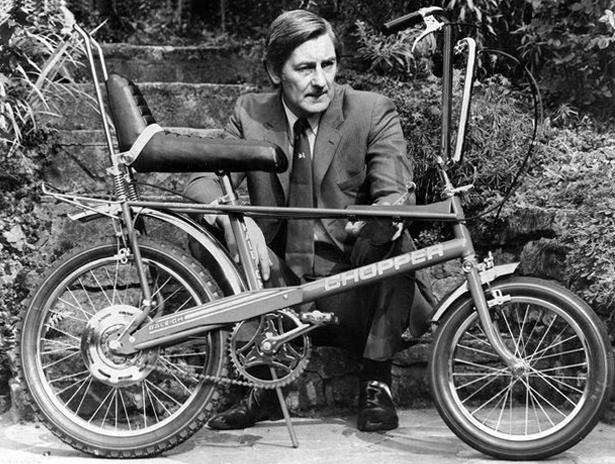
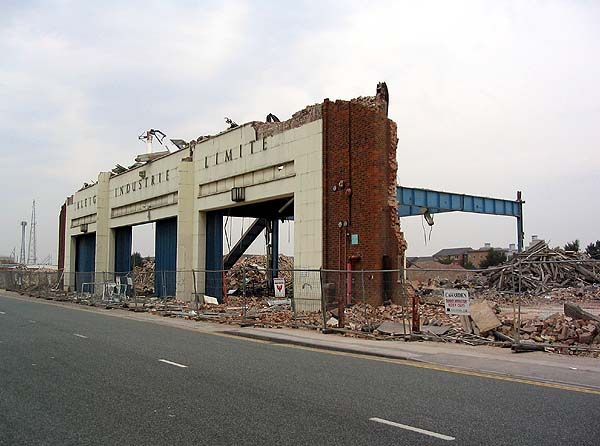
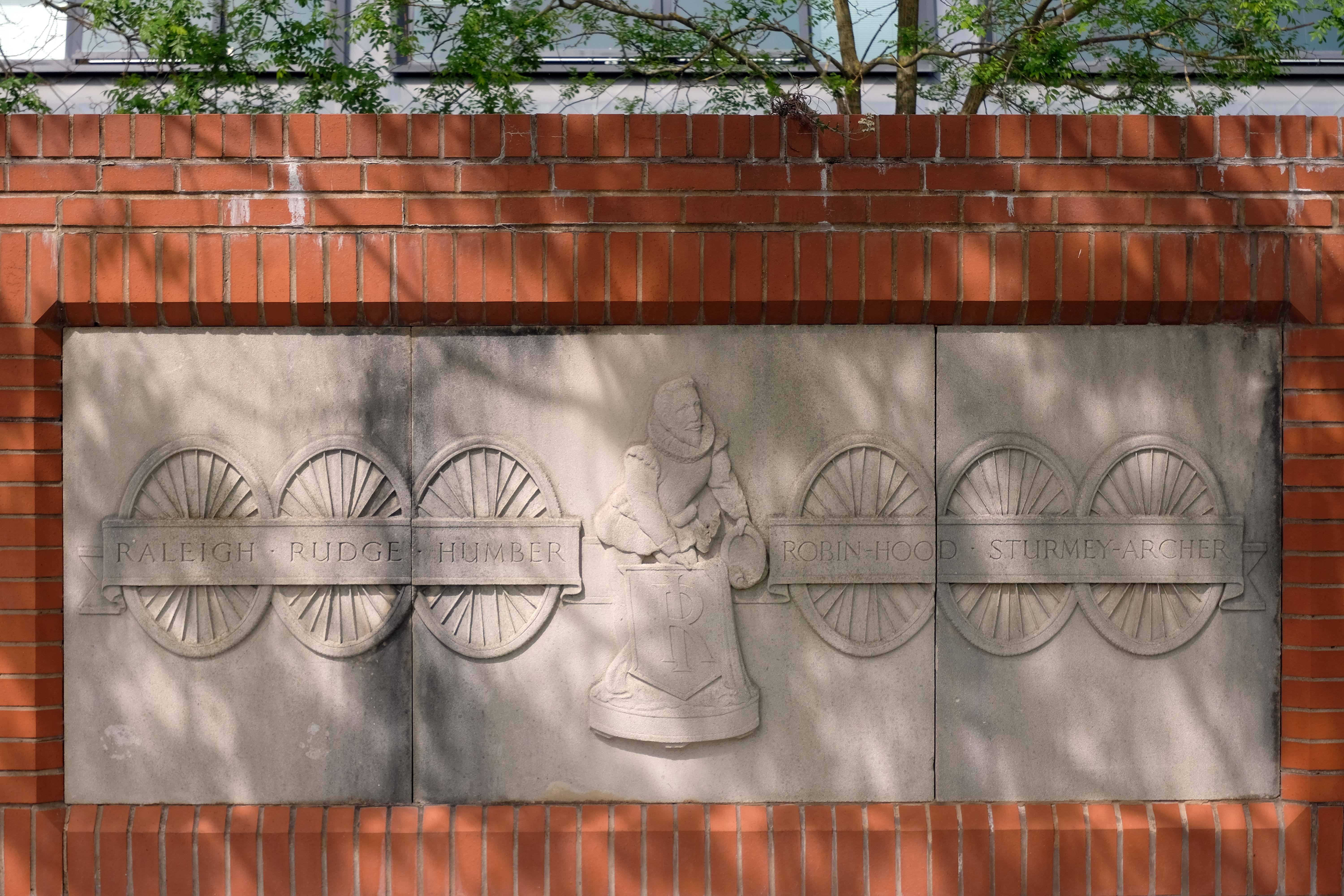
Built on the former site of the immense Number 3Raleigh Bicycle Factory – which was opened by Field Marshal Lord Montgomery in 1957.
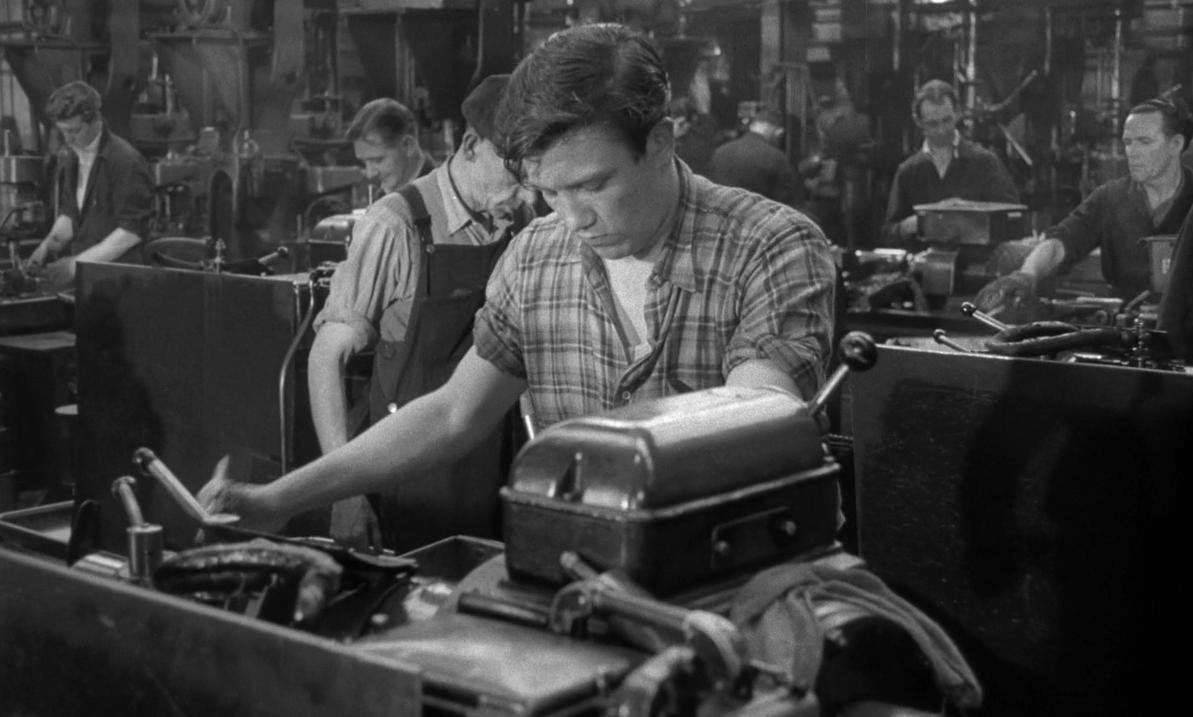
At its peak in the 1950s, Raleigh employed 7000 people on a 40 acre site that covered most of Lenton Boulevard, Triumph Road and Orston Drive.
In May 1999, Raleigh announced that it was to cease volume production of frames in the UK. The frame welding robots, installed in 1996, were auctioned off in December 1999.
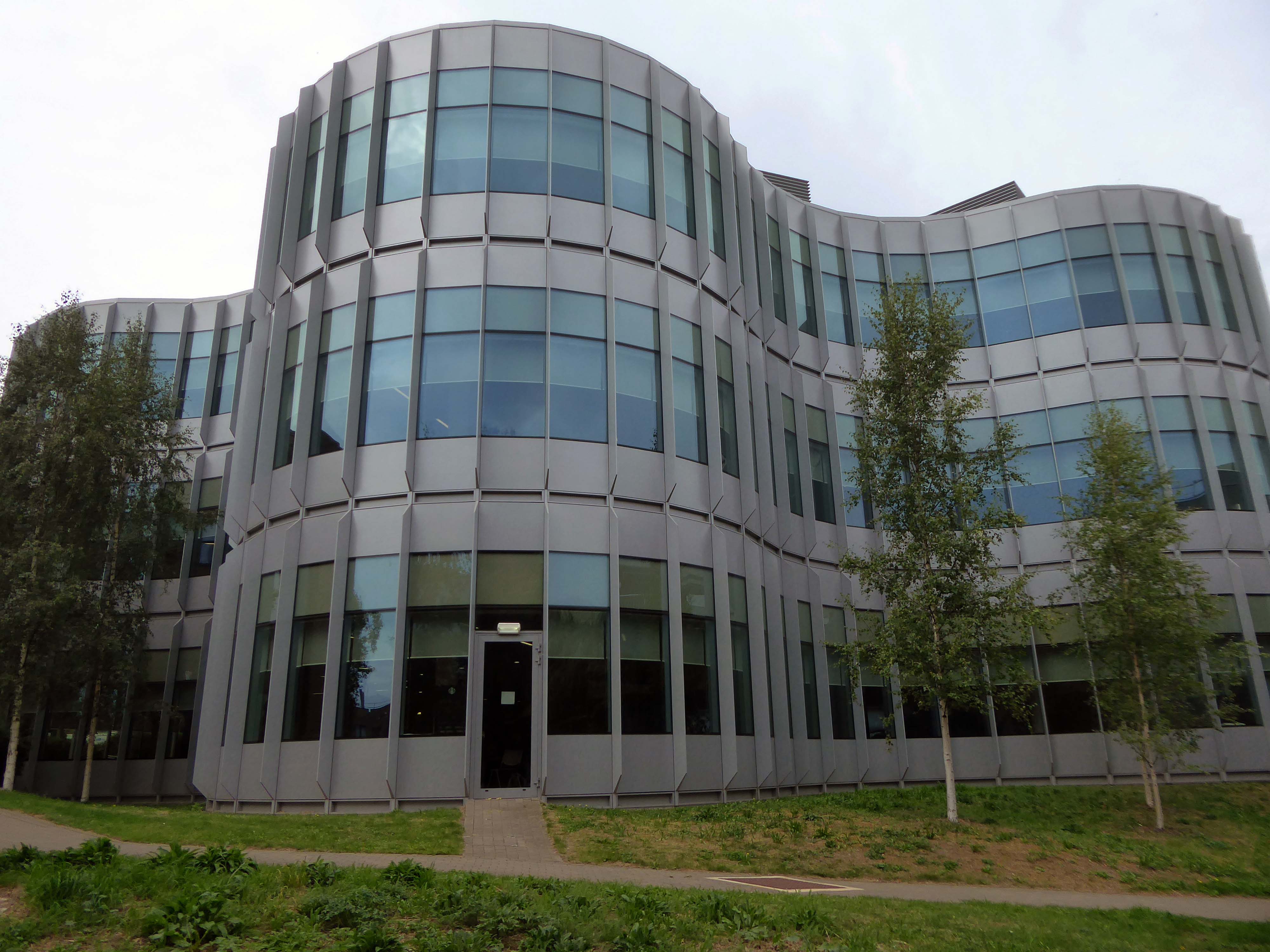
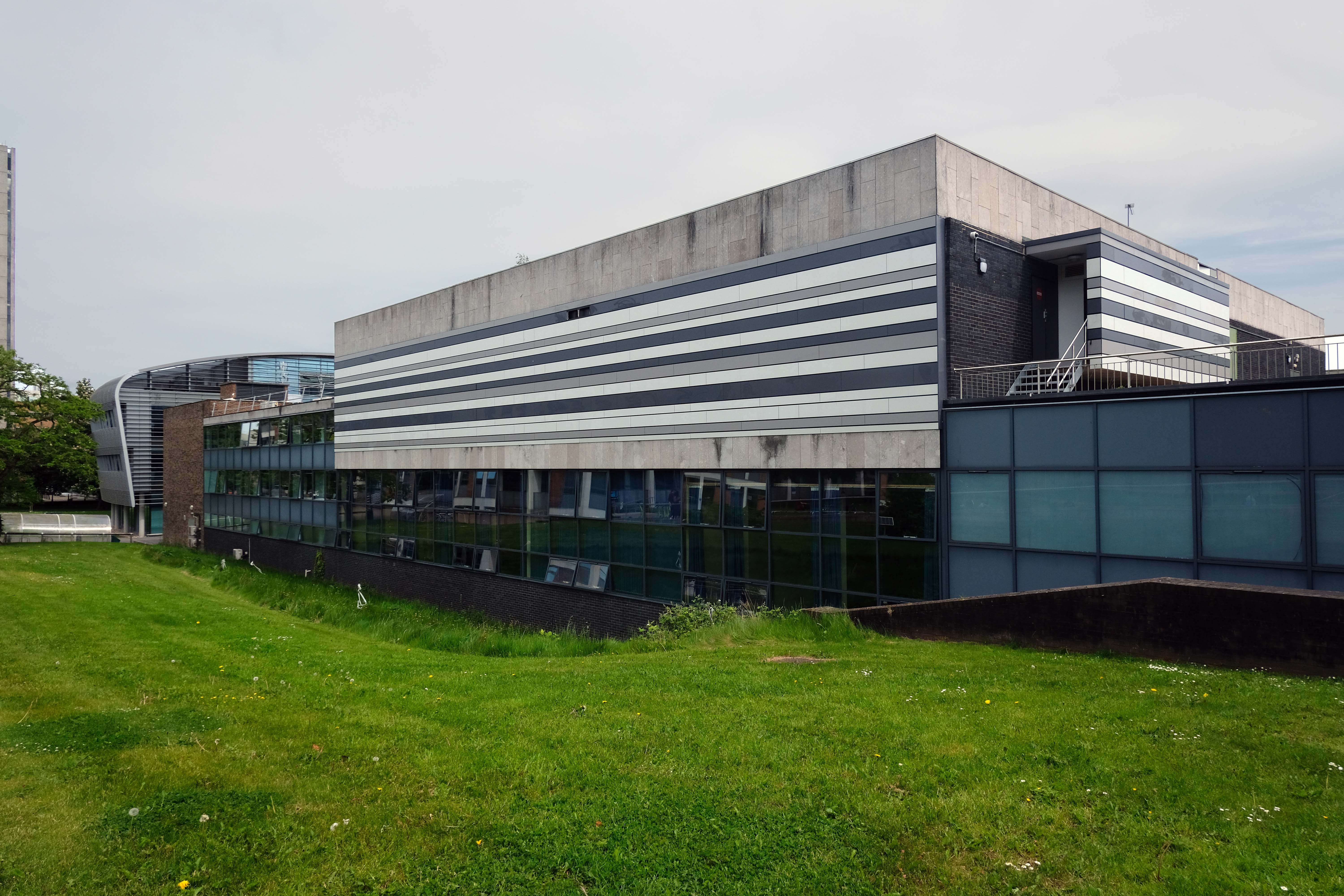
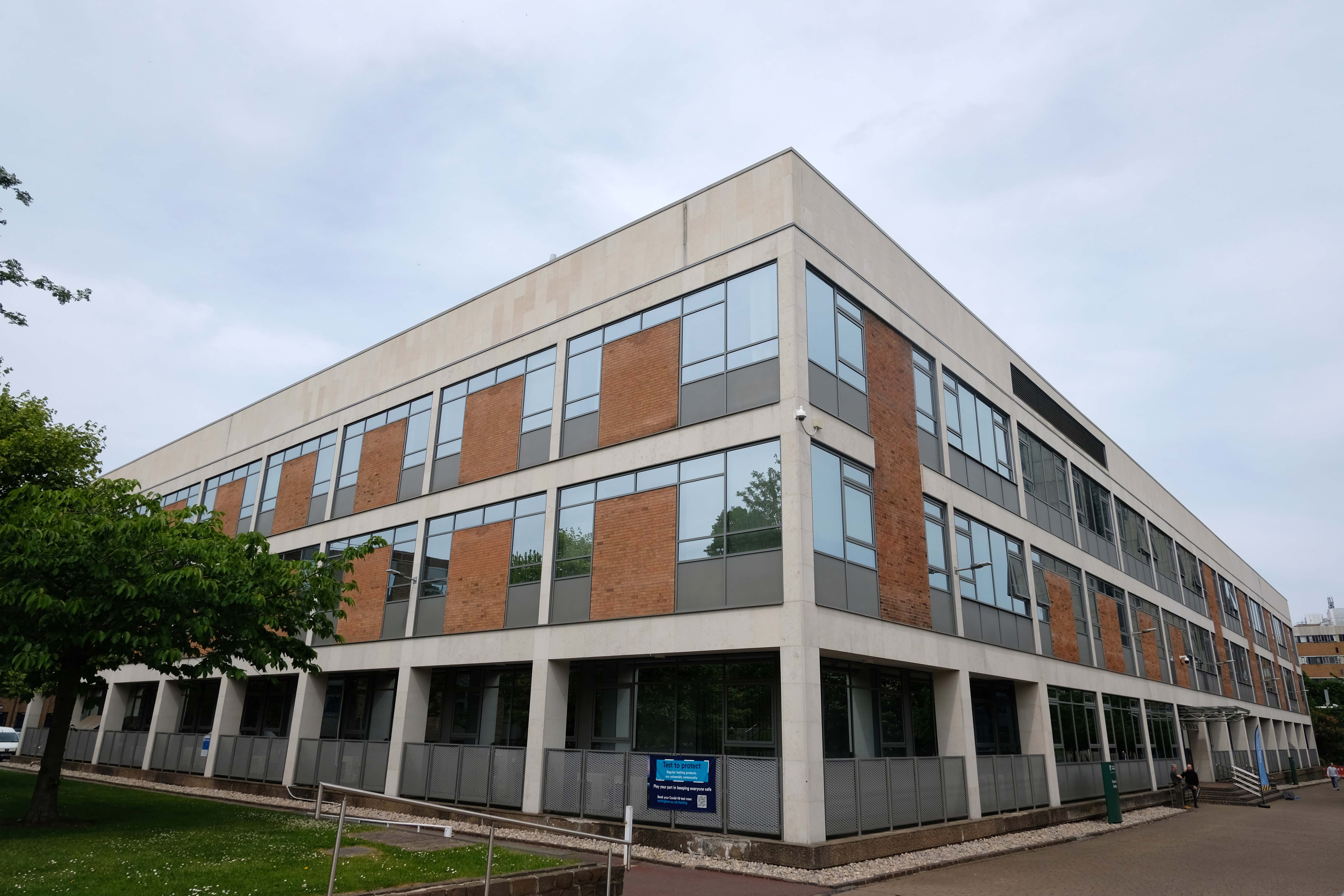
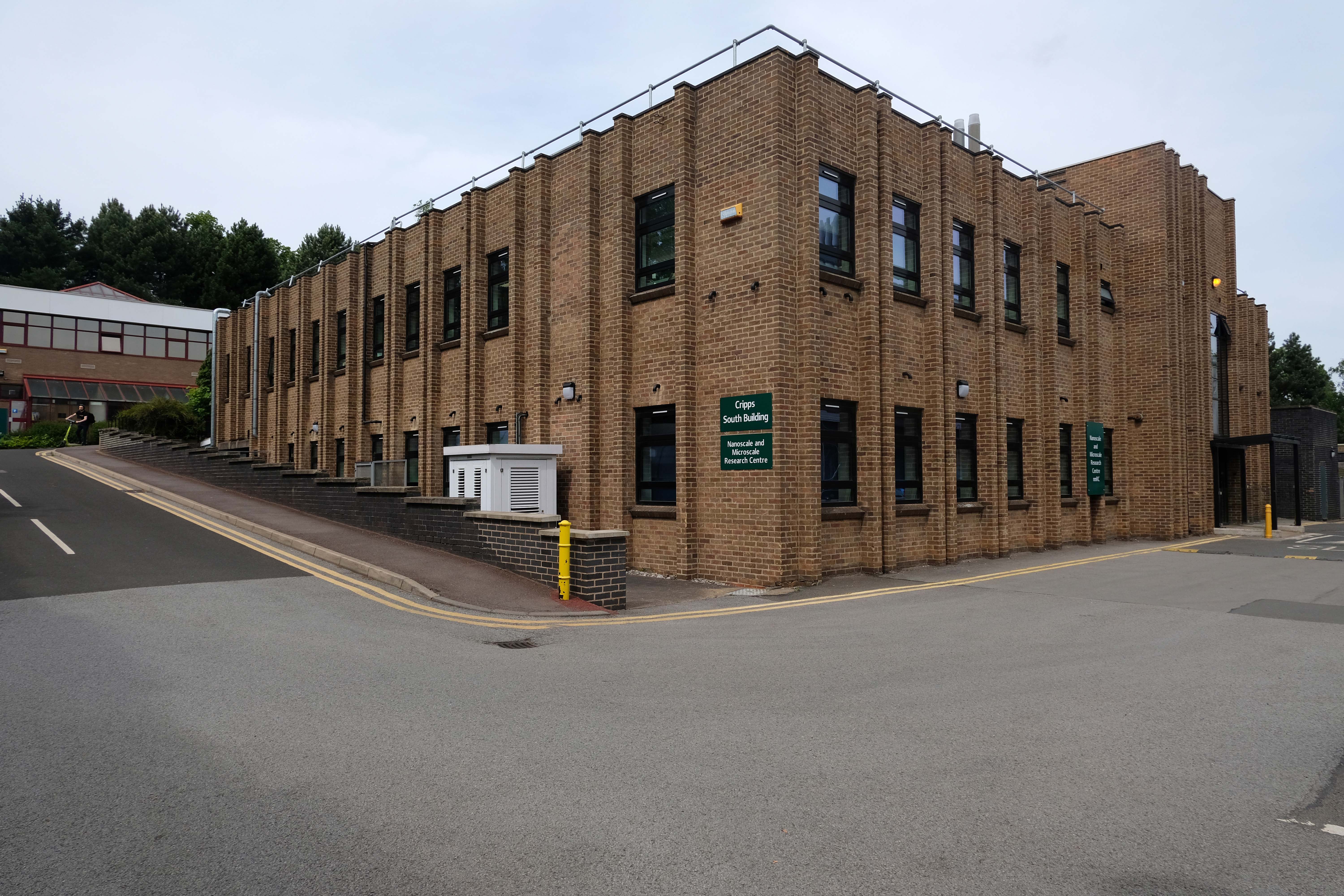
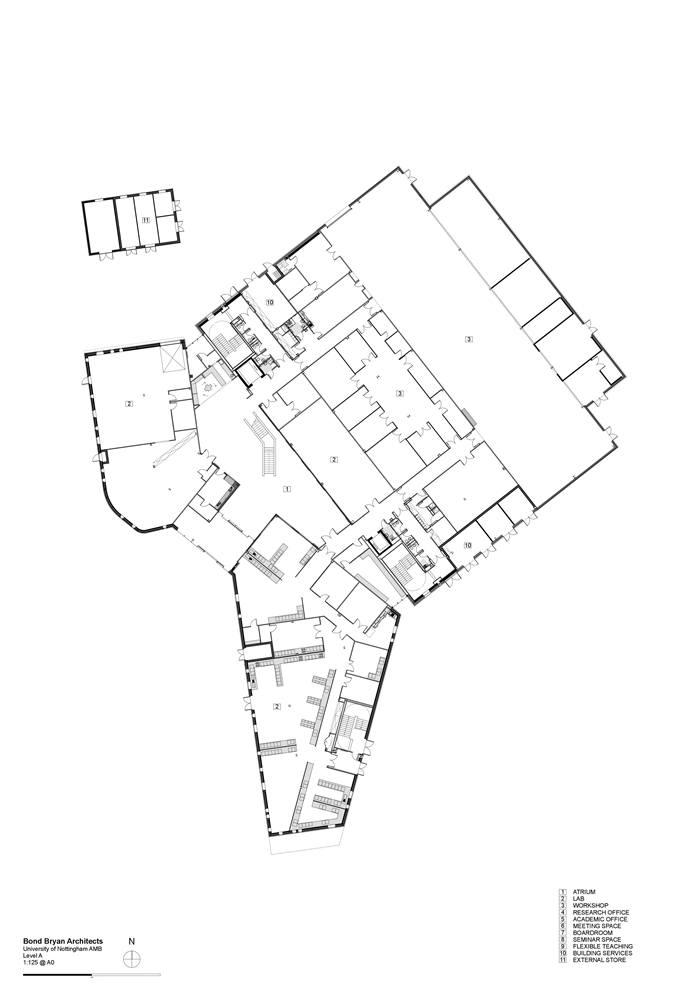
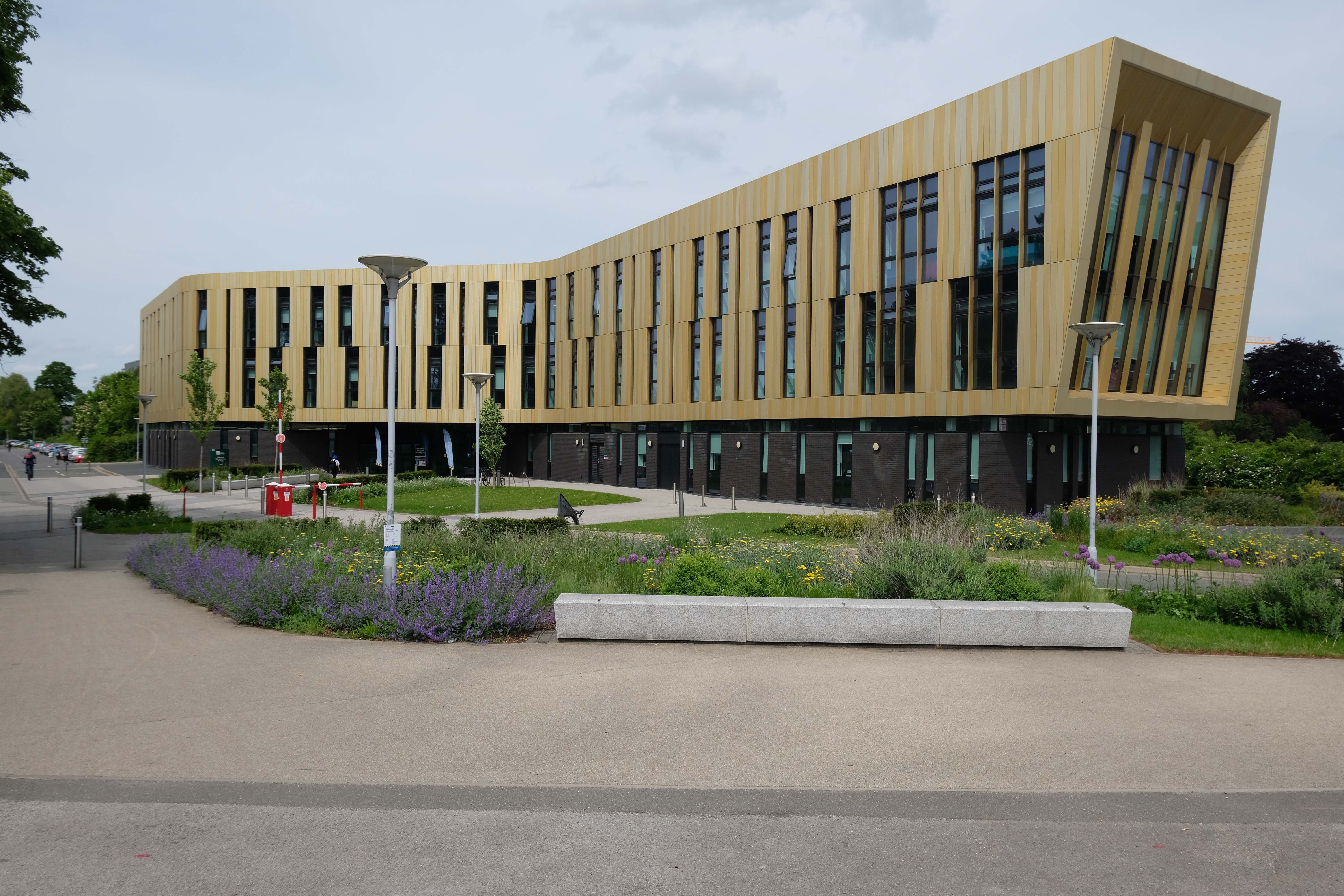
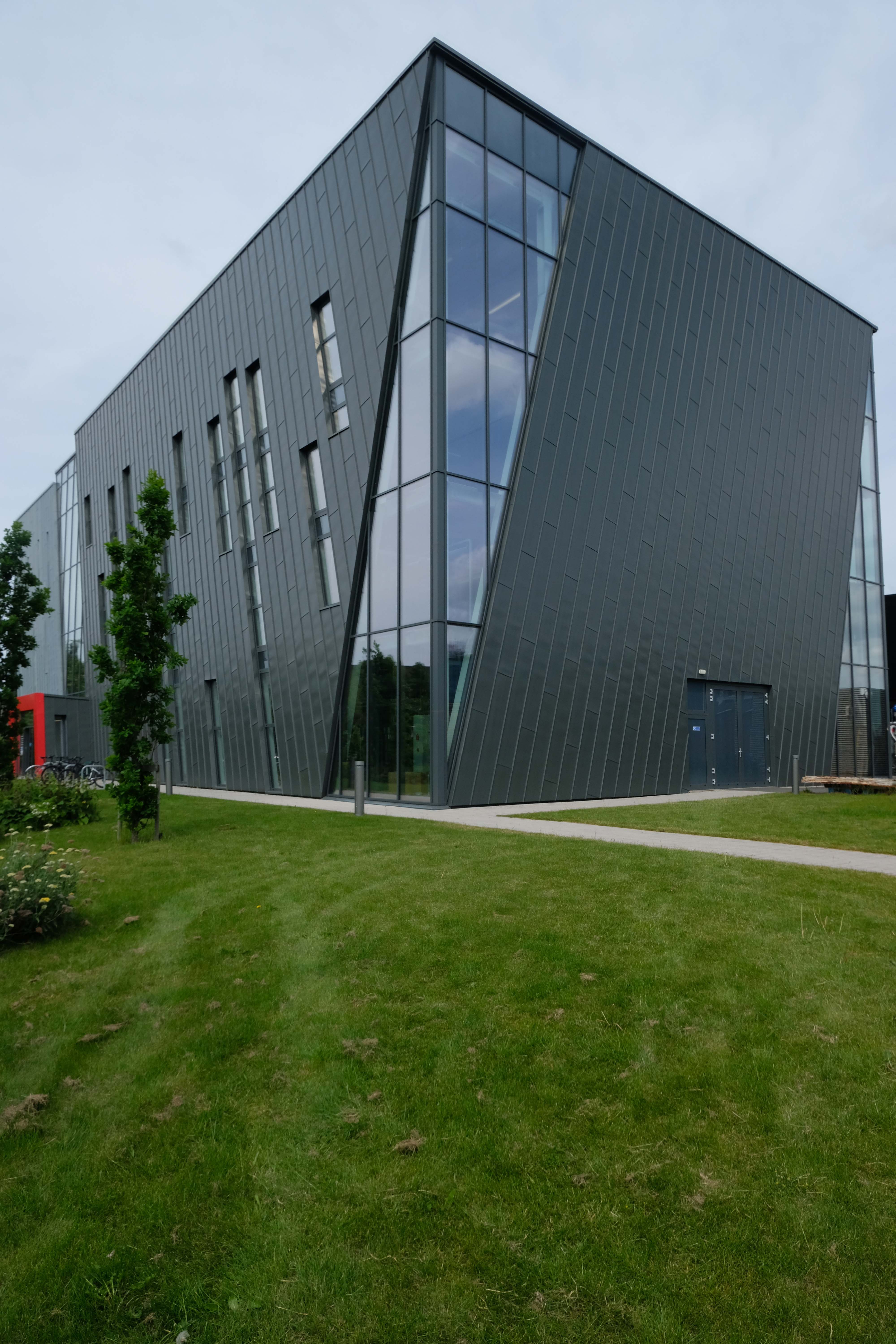
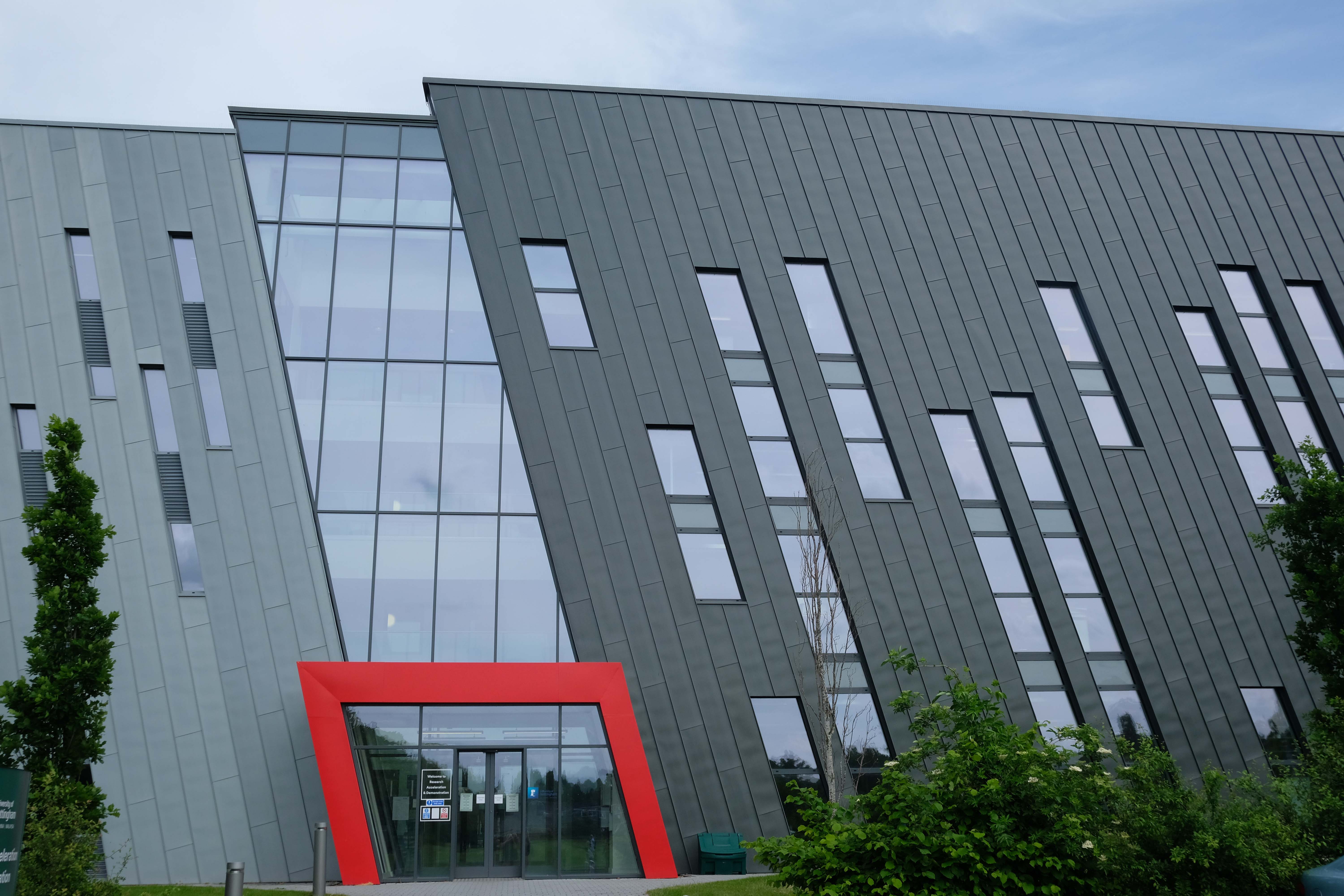
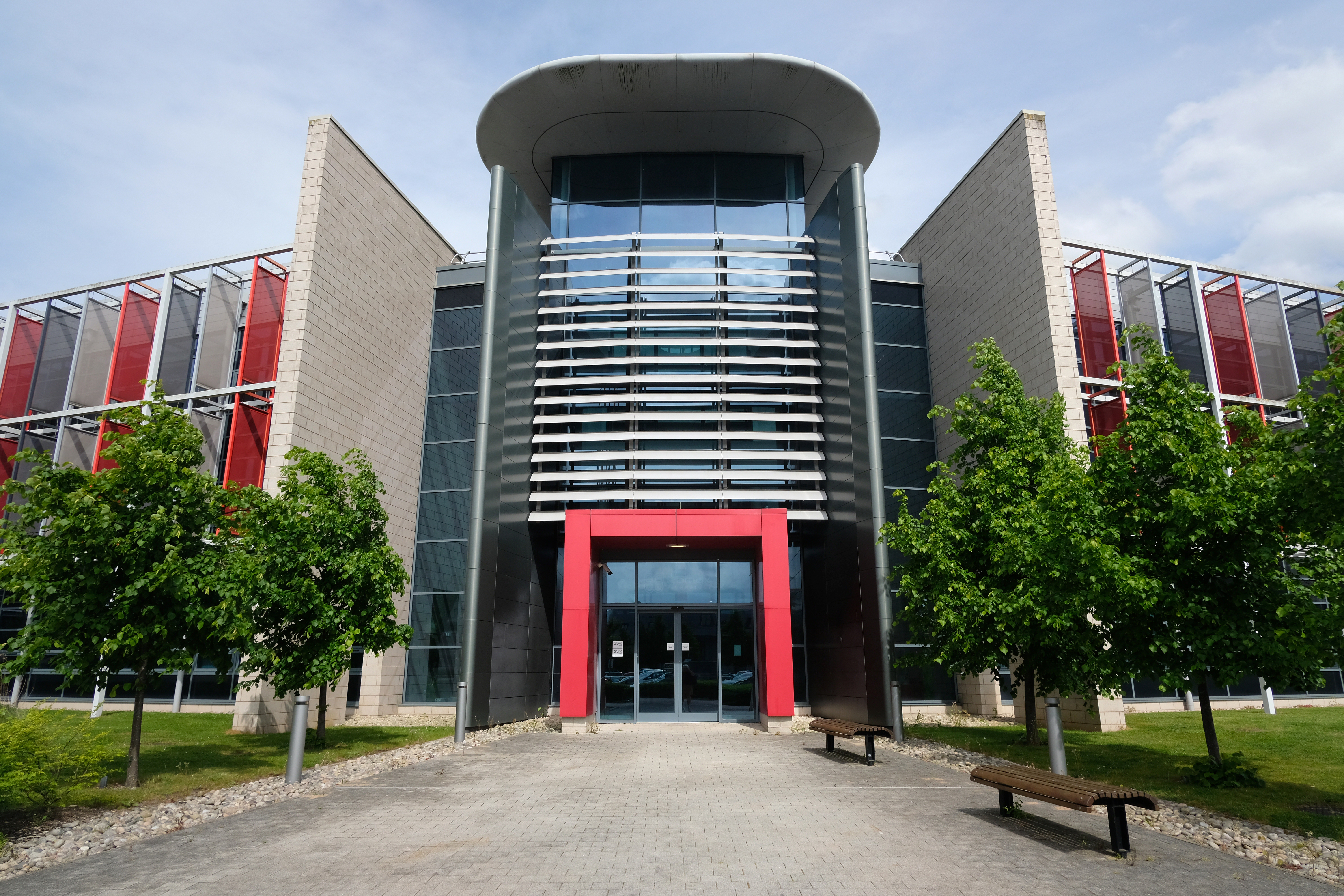
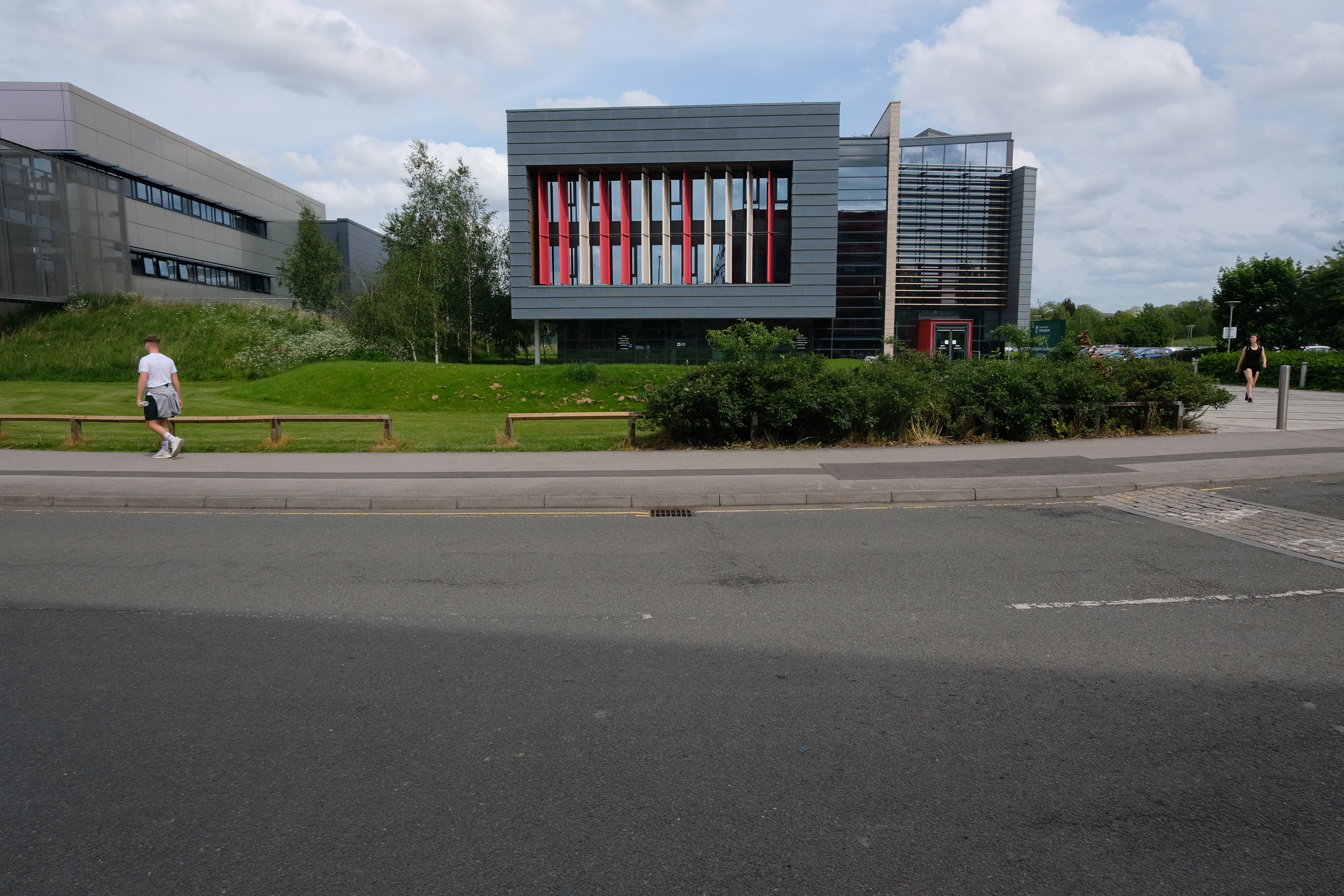
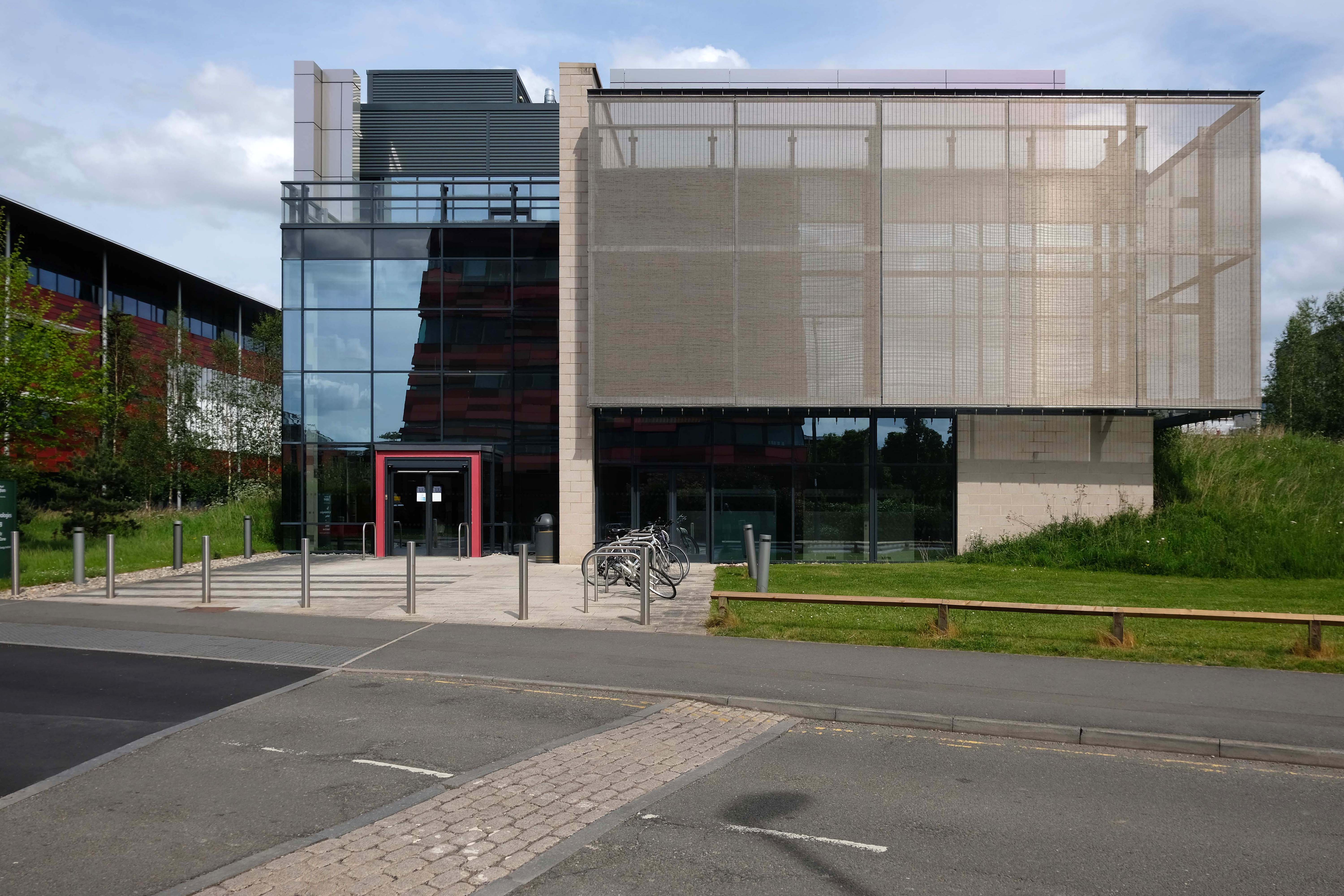
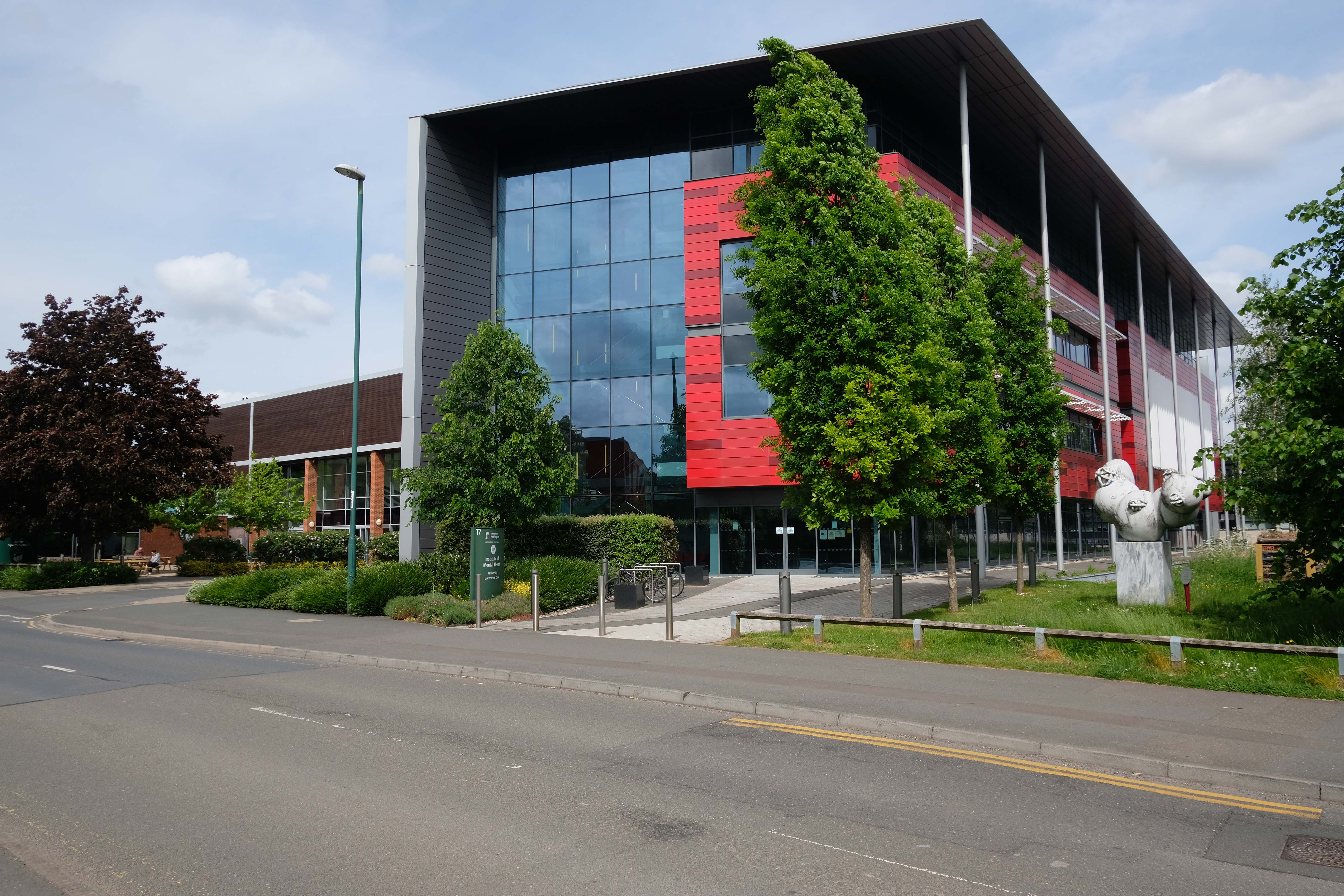
Enjoying a prime location on the University of Nottingham’s Jubilee Campus, the building provides a number of multidisciplinary and specifically designed laboratory spaces, as well as high quality single and multiple occupancy offices, technical support bases and breakout spaces.
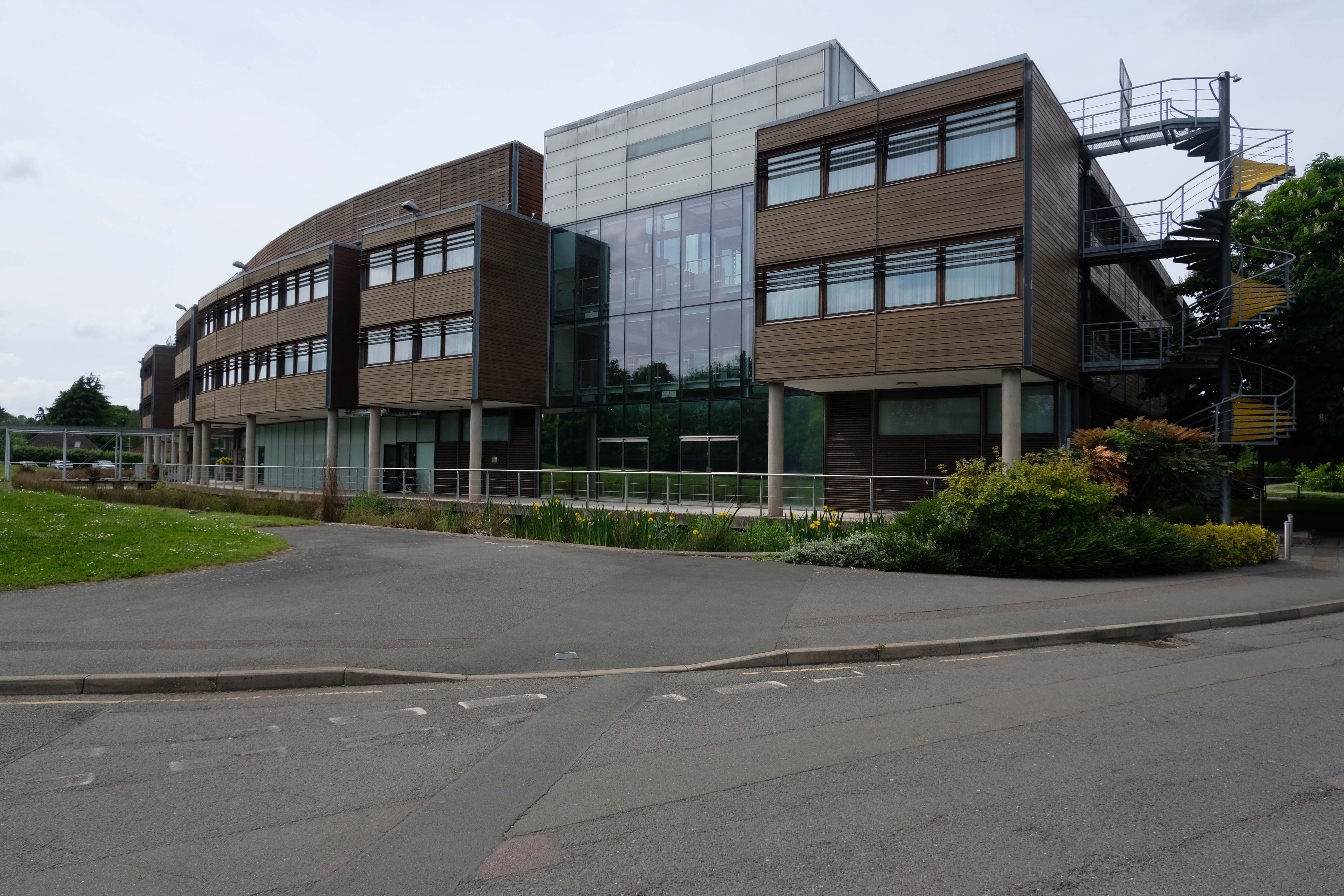
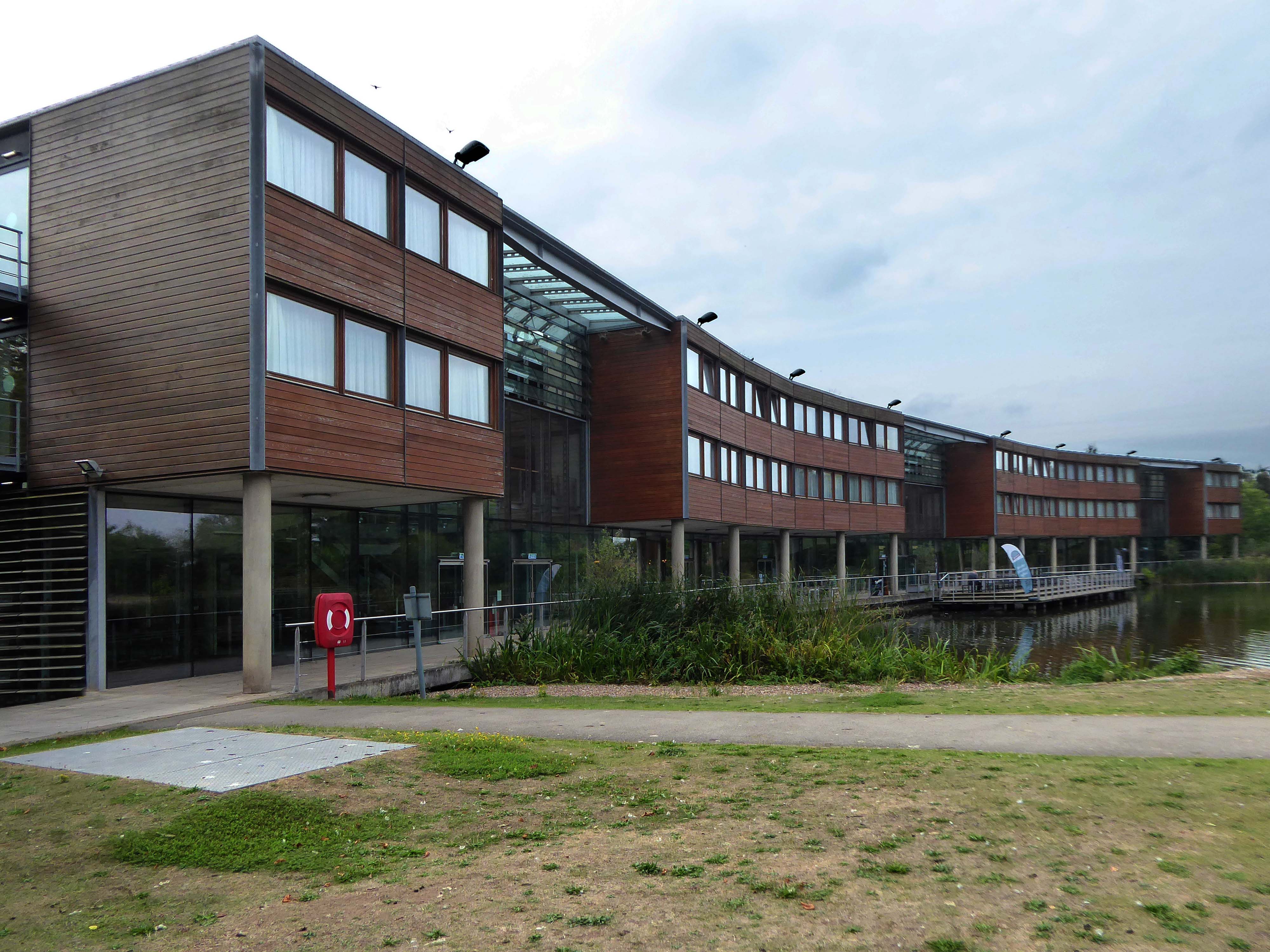
Set within 65 acres of lakeside grounds, close to Nottingham city centre, The Jubilee hotel & conferences offers an innovative setting for events, along with all the comforts of a modern hotel.
If you are looking for sustainable venue hire, look no further. With a range of meetings spaces, breakout areas and bedrooms; The Jubilee is perfect for event and conferences organisers looking for a light, airy and relaxing setting.
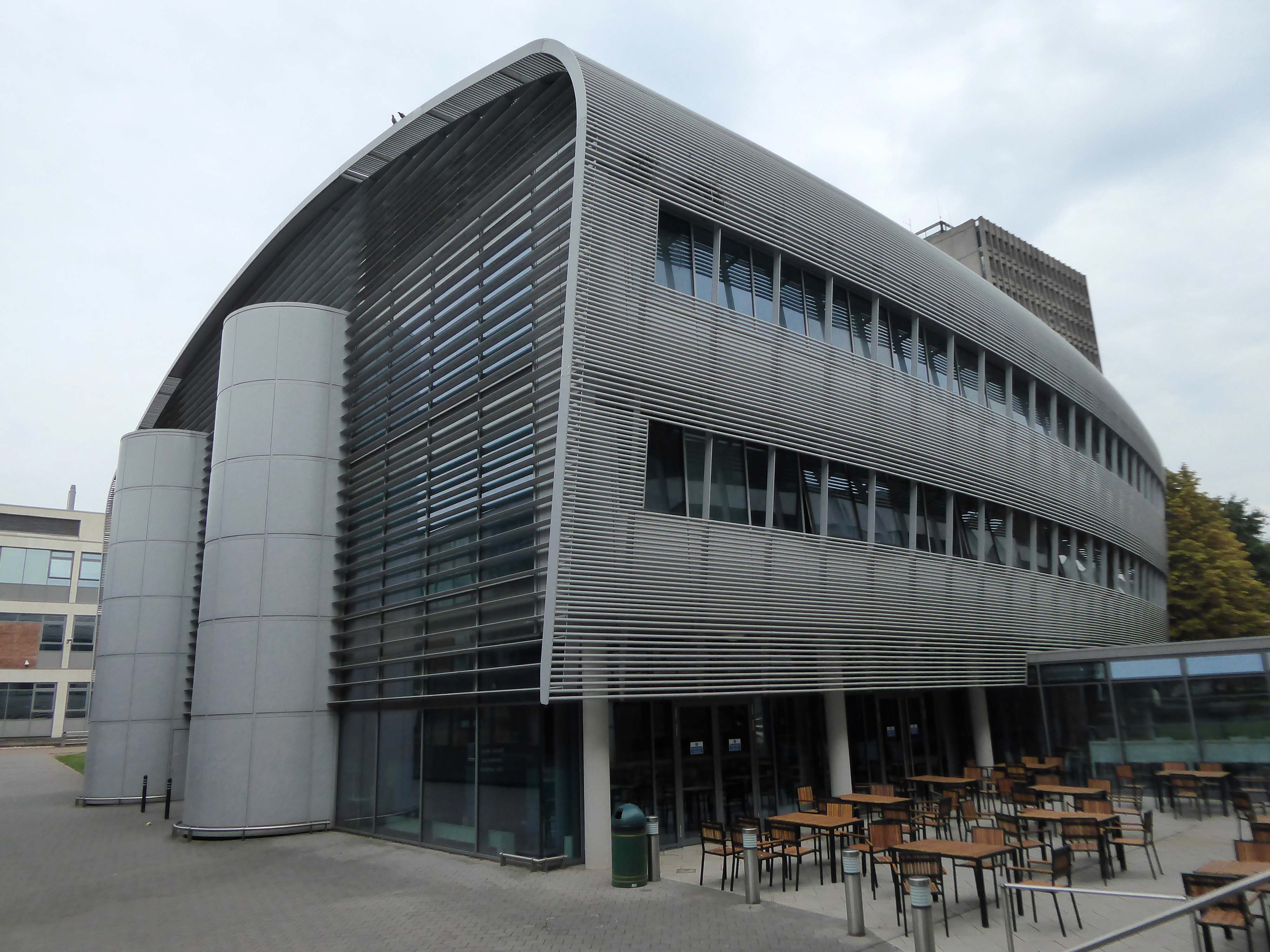
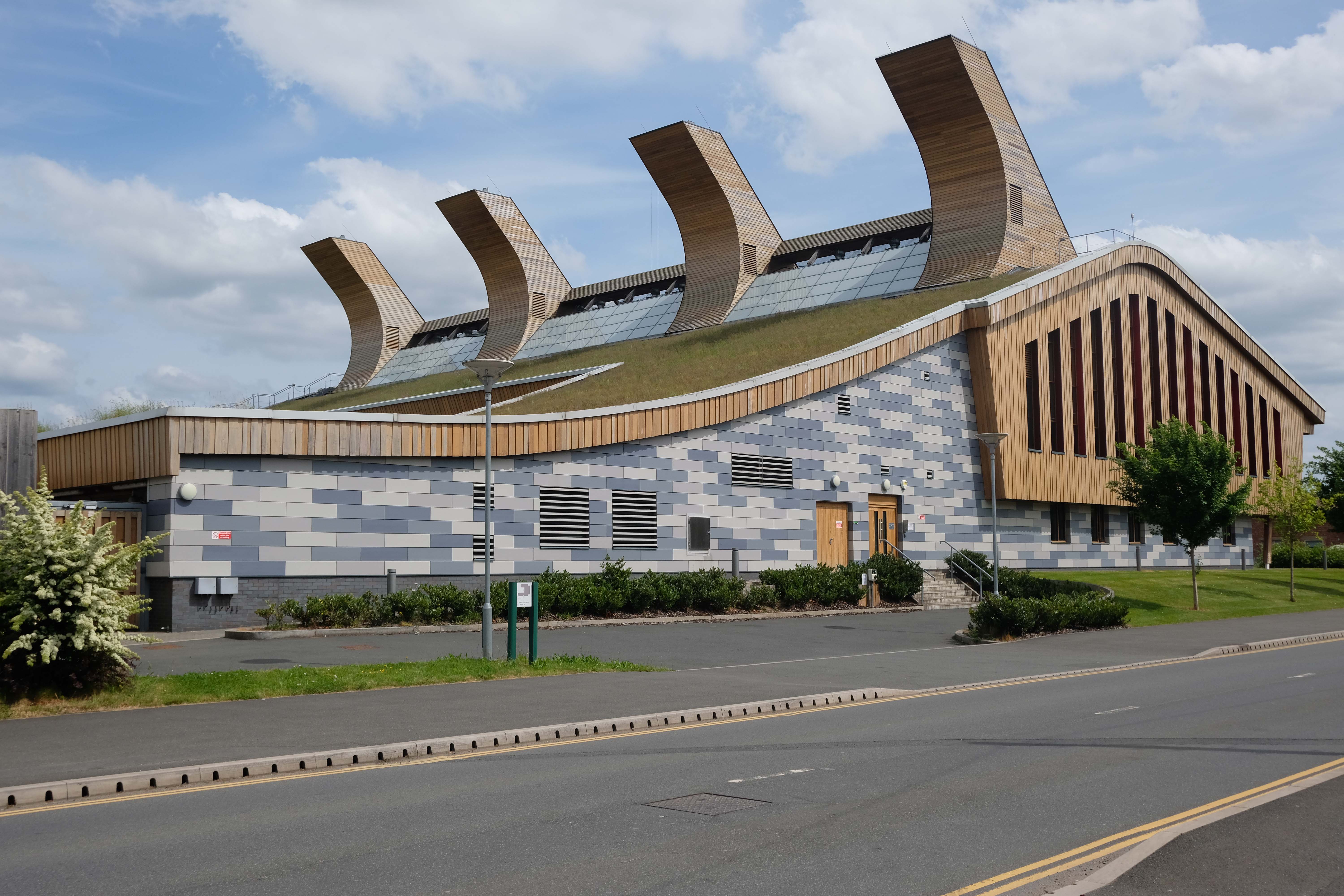
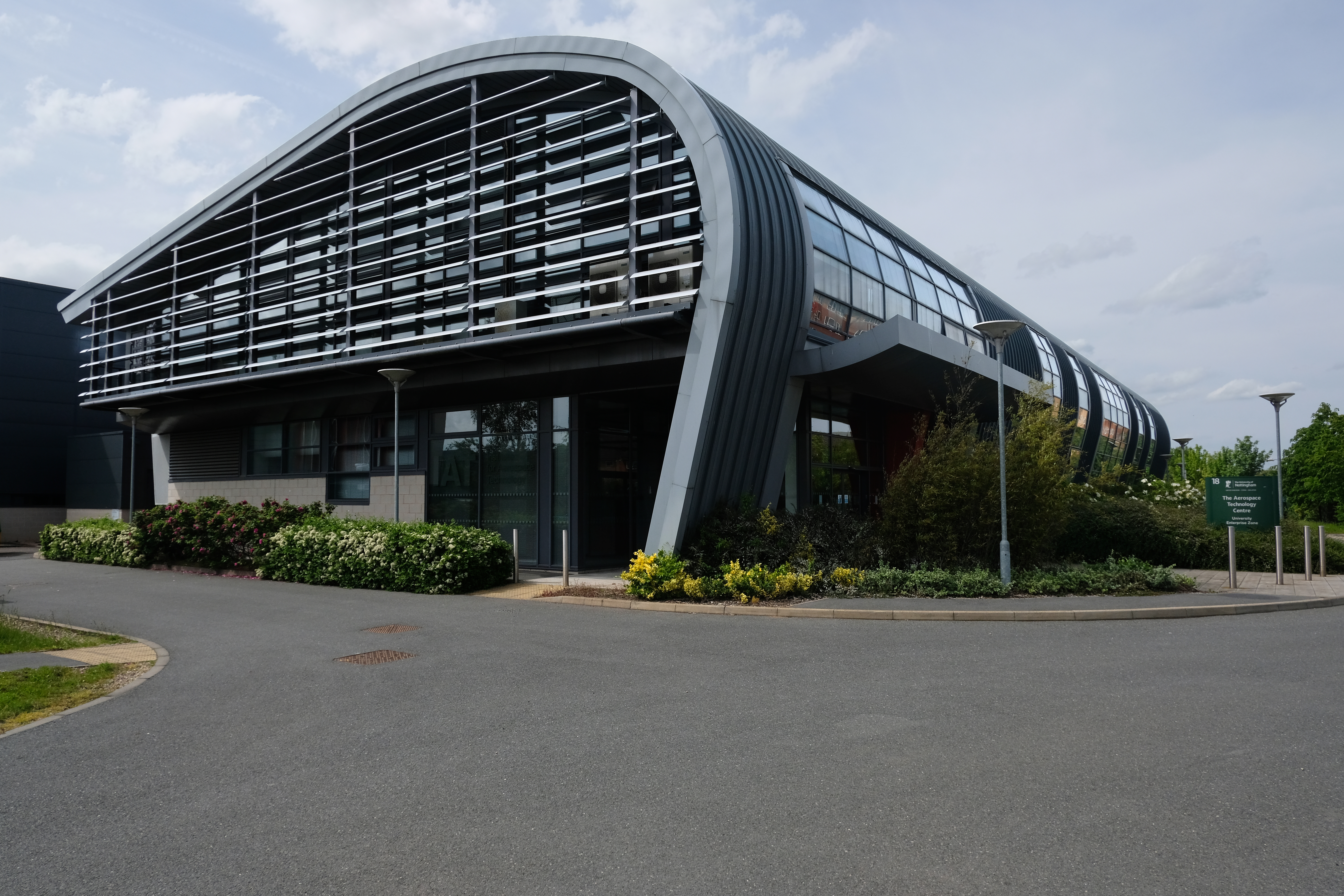
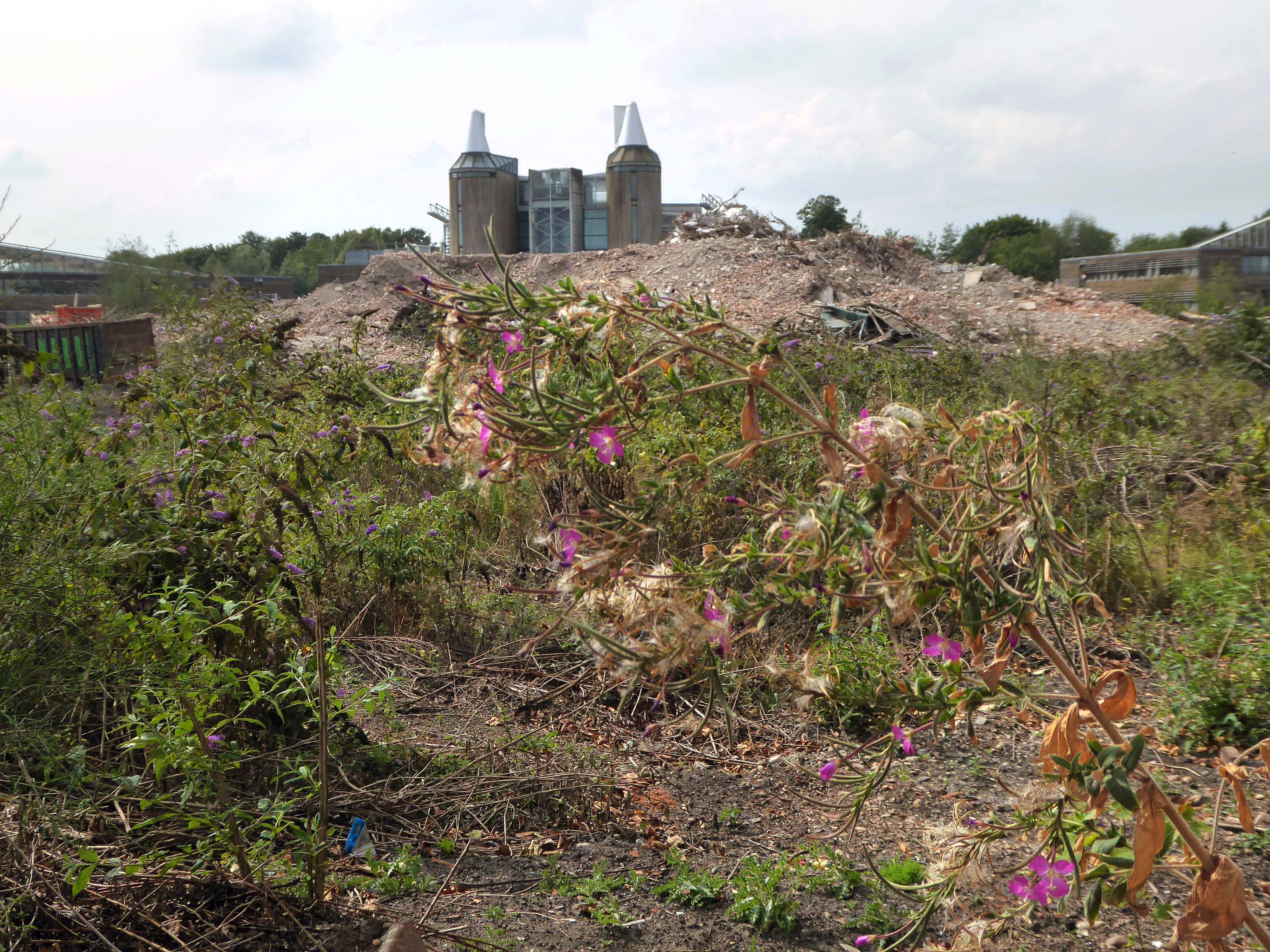
Designed to minimise the impact on the environment of its construction and operation. The design of the building is made up of modules manufactured off-site. The building support pillars and trusses are made from a combination of German spruce, Austrian Spruce, and American red cedar.
The designers used computational fluid dynamics to design the curved roof. This enables ventilation of the building by taking advantage of the prevailing wind. One of the laboratories is also ventilated in this way, to determine the viability of doing so elsewhere. The building also features a green roof, and solar panels that cover 45 per cent of the roof area and provide up to 230.9 kW. The four towers on the roof hide the building’s plant equipment. Additionally, a 125-kilowatt biofuel combined heat and power system was built on-site, providing the majority of heat needed for the buildings.
Wikipedia
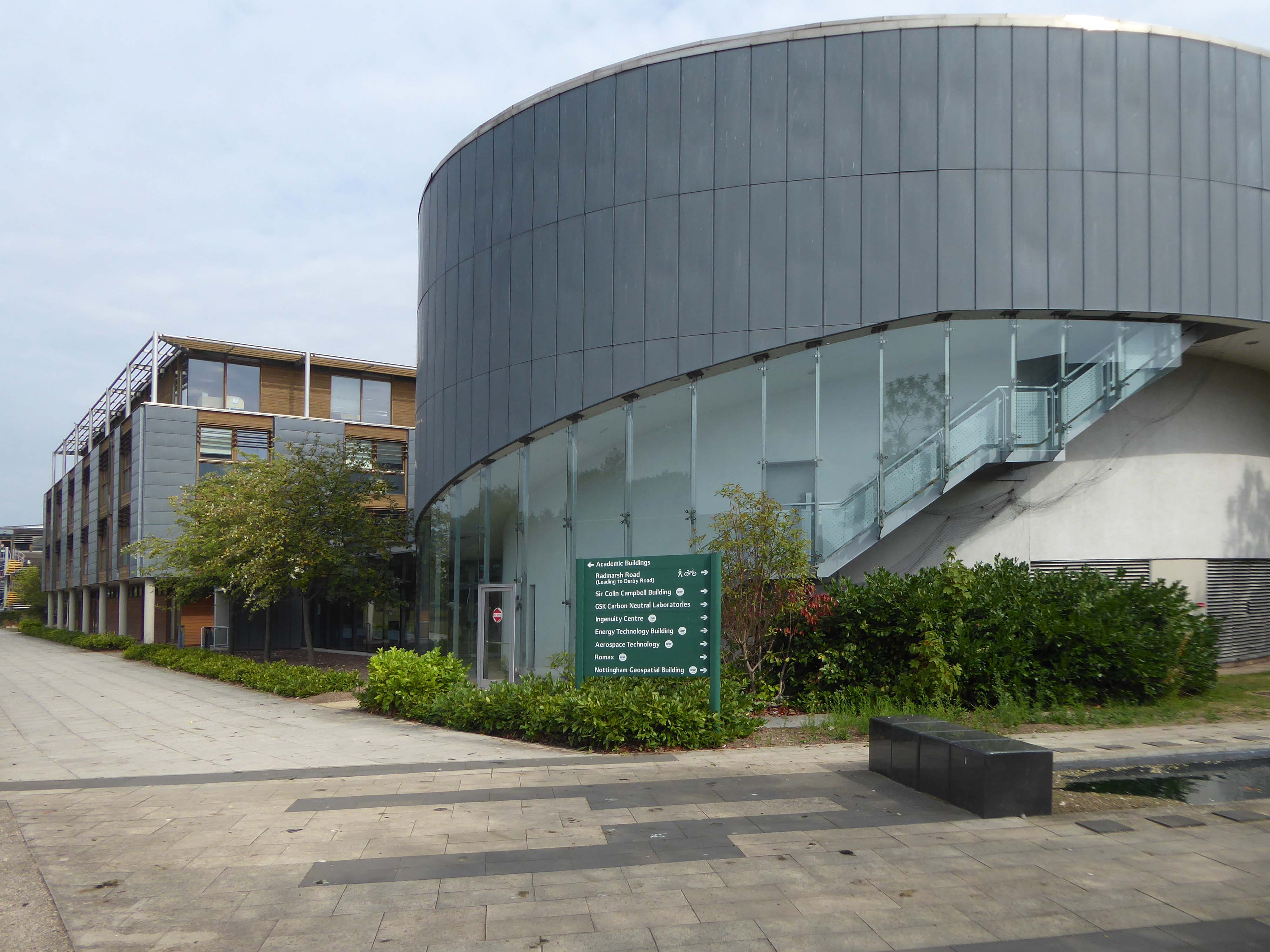
Ingenuity Centre by Bond Bryan 2017
Alucraft designed fabricated and delivered the façade,
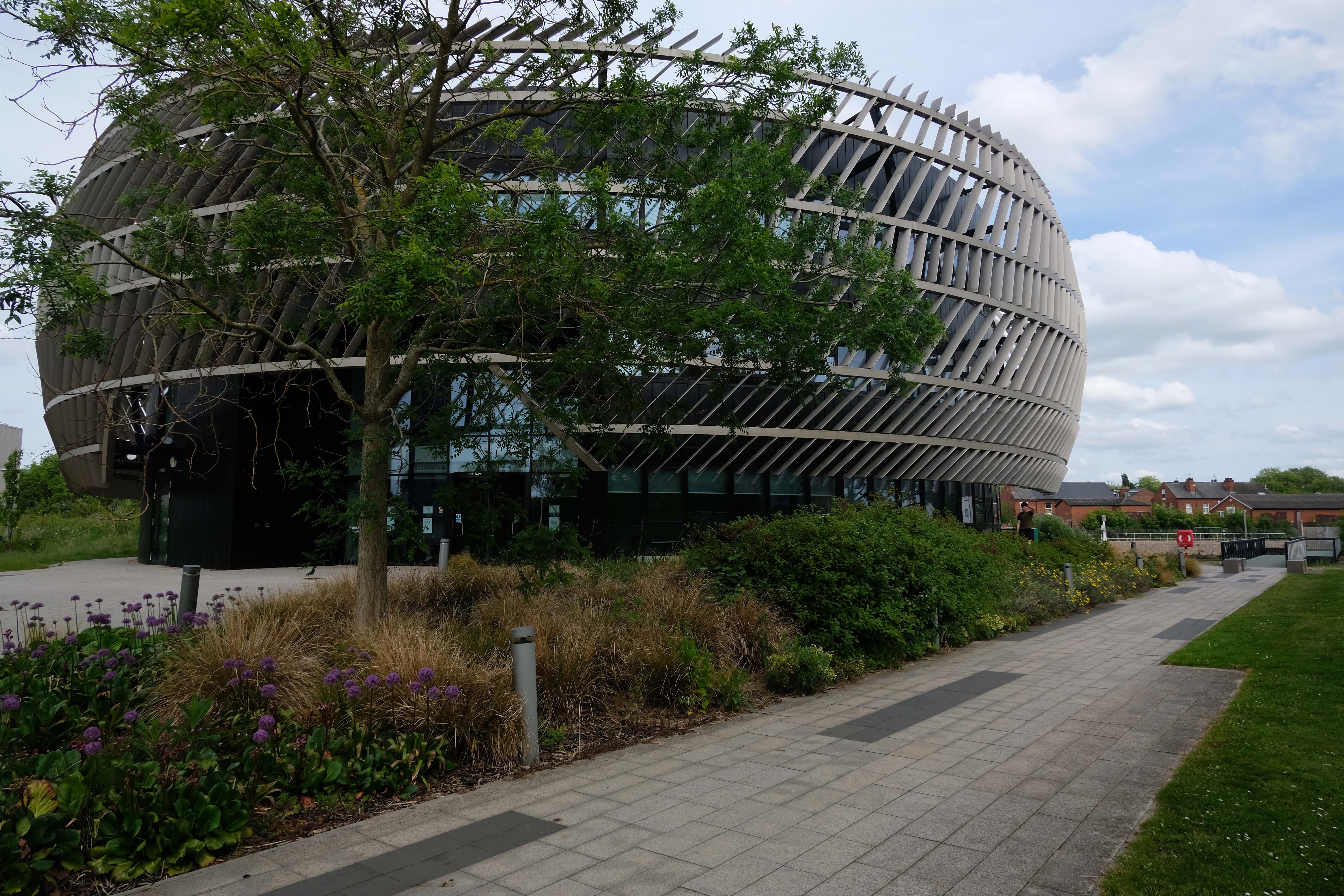
At first glance the centre appears to be a hi-tech structure that would not look out of place in a sci-fi movie, with a complex array of metal fins forming a metallic bronze-coloured circular envelope that seems to float around a central core.
Keep looking though and some of the design cues are clearly industrial – the metallic external envelope echoing the form of some finely machined, mechanical component or even the patterned tread of a tyre.
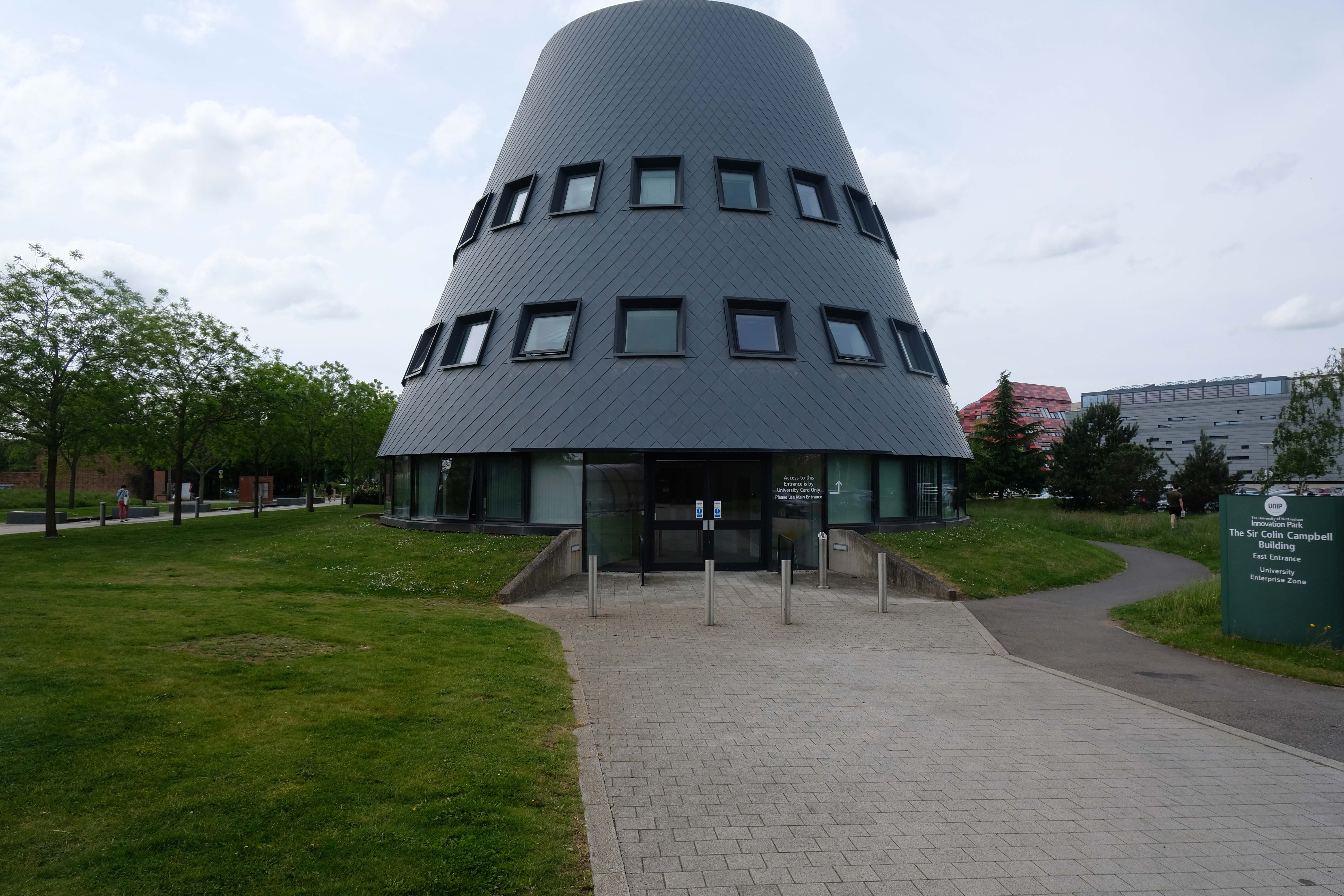
Sir Colin Campbell Building by Bond Bryan 2011 – with Arup acting as structural and services engineer.
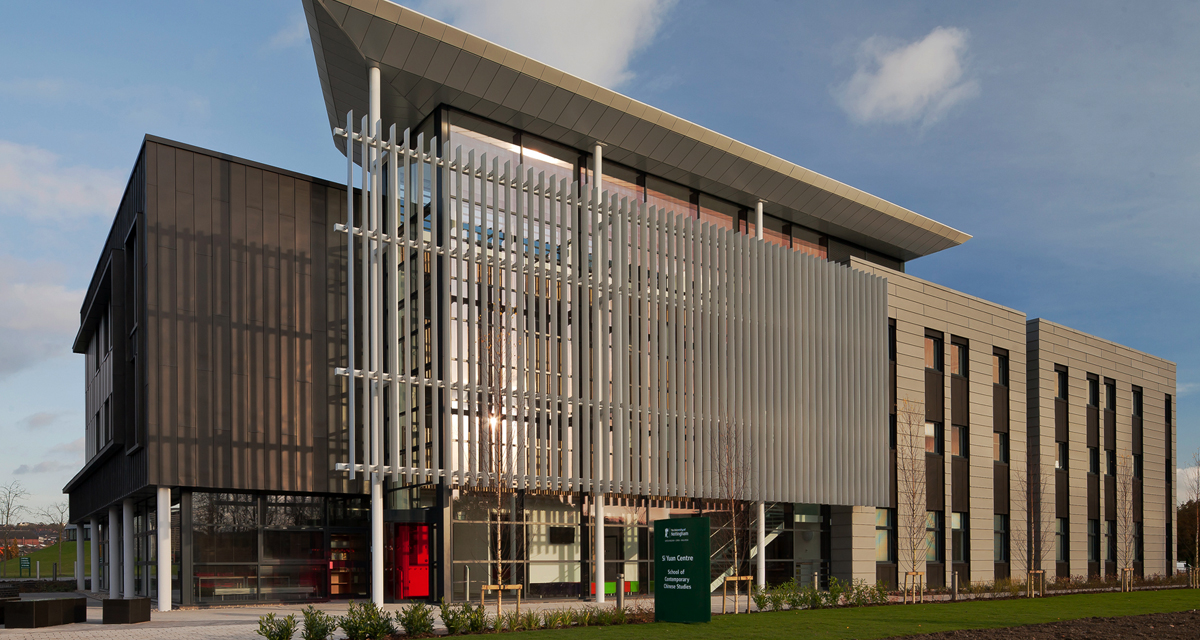
Si Yuan Centre of Contemporary Chinese Studies
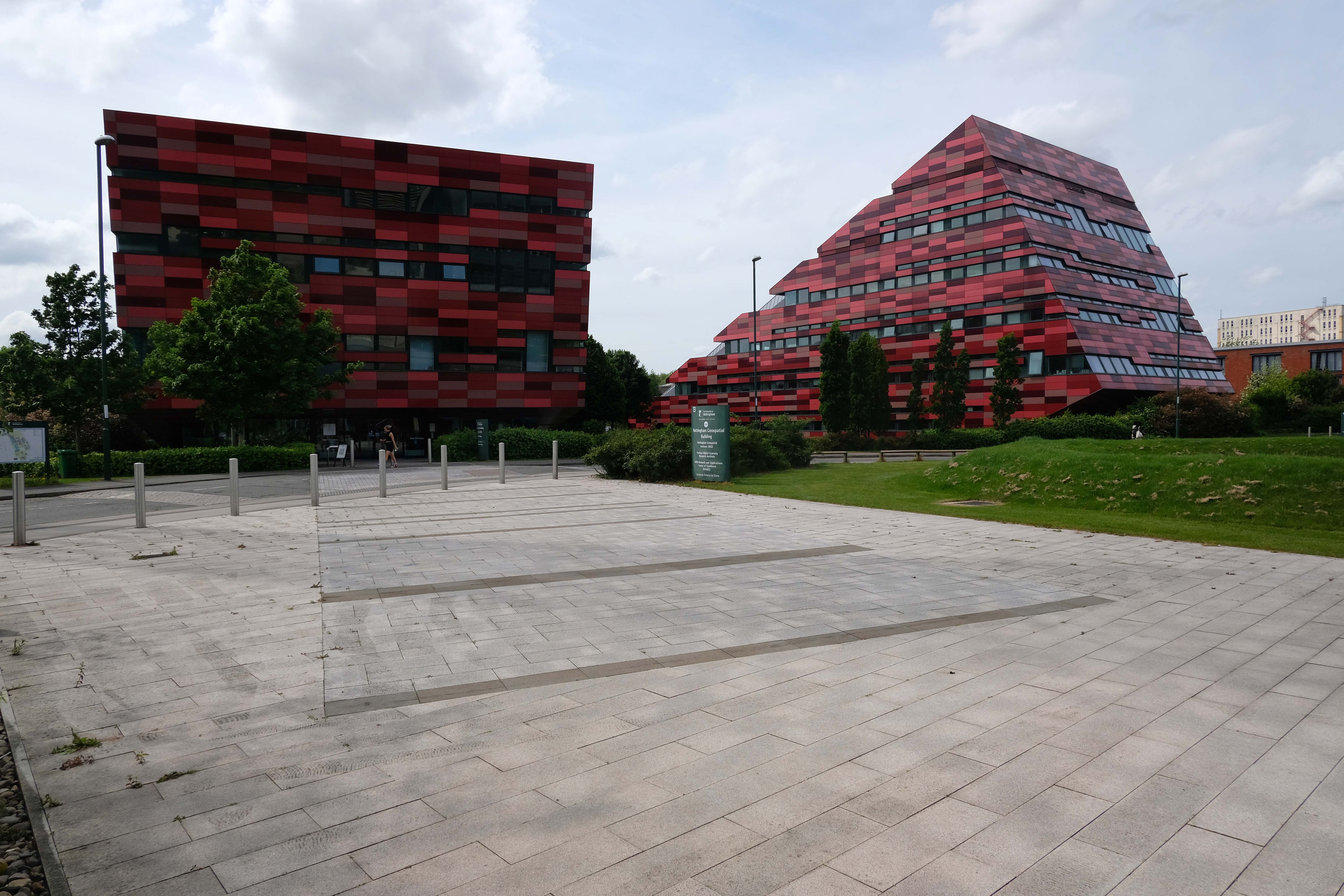
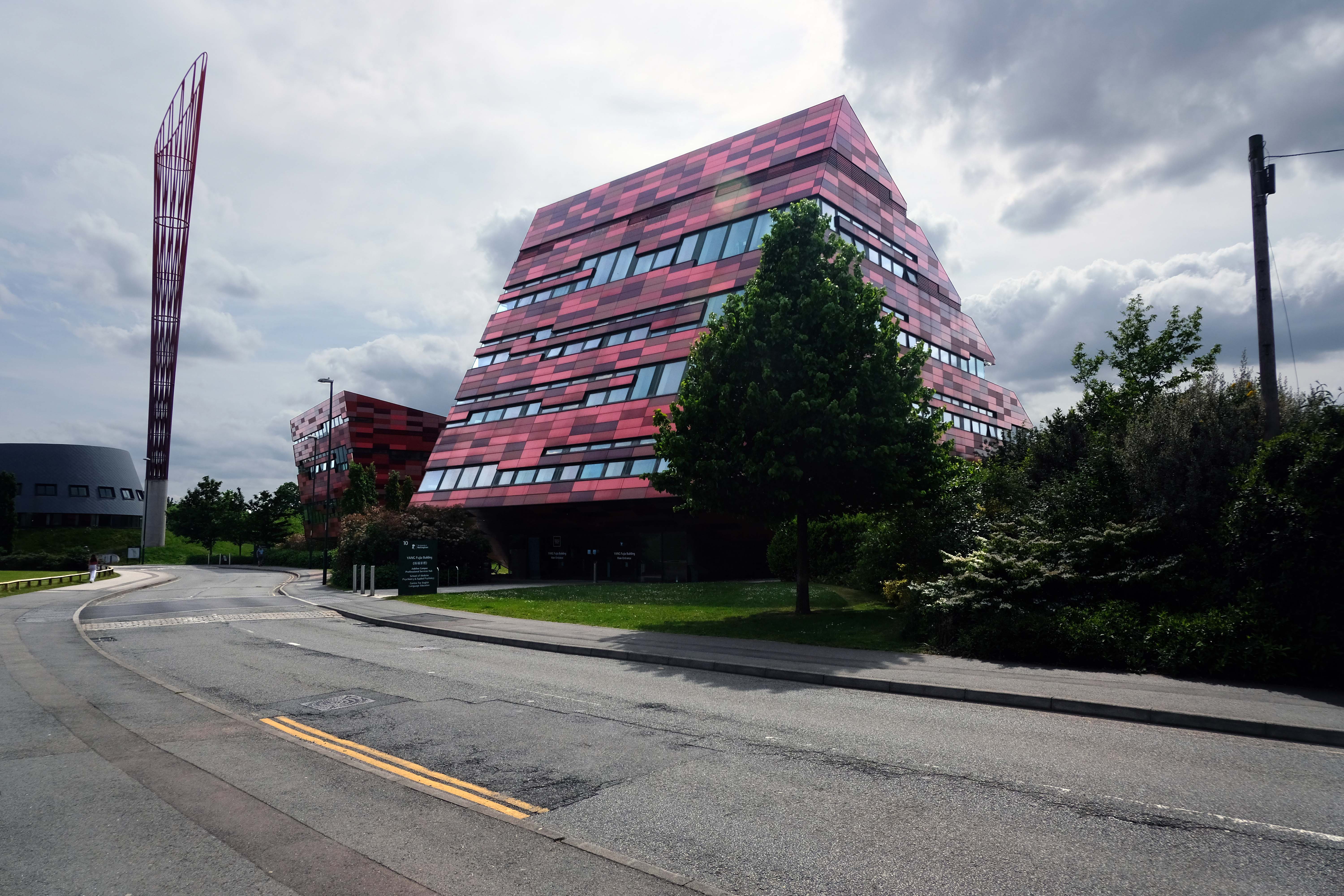
Xu Yafen Building and Yang Fujia Building by MAKE 2008
Aspire is a 60-metre tall, red and orange steel sculpture by Ken Shuttleworth of MAKE, and was, until overtaken by Anish Kapoor’s Orbit, the tallest free standing public work of art in the United Kingdom. It is taller than Nelson’s Column, the Angel of the North, and the Statue of Liberty
The name Aspire was chosen after a competition to name the sculpture, which was open to staff and students at the university.
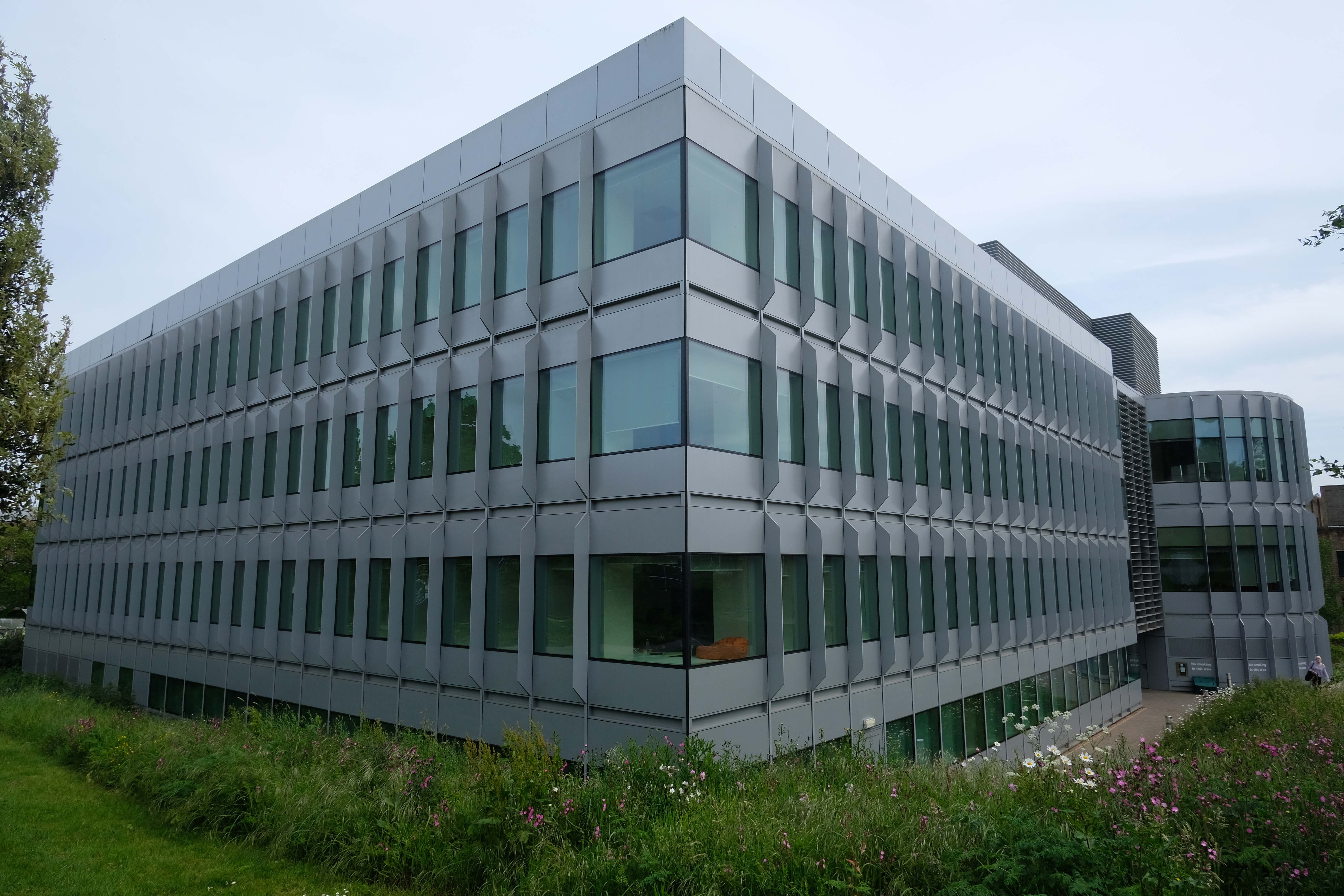
A showcase £6.5m research centre, which brings together world-class experts in energy research, has chosen ALUCOBOND® A2 from 3A Composites GmbH, finished in Sakura 917 from its spectra colour series for its cladding.
The Sir Harry and Lady Djanogly LRC architect Sir Michael Hopkins 1999
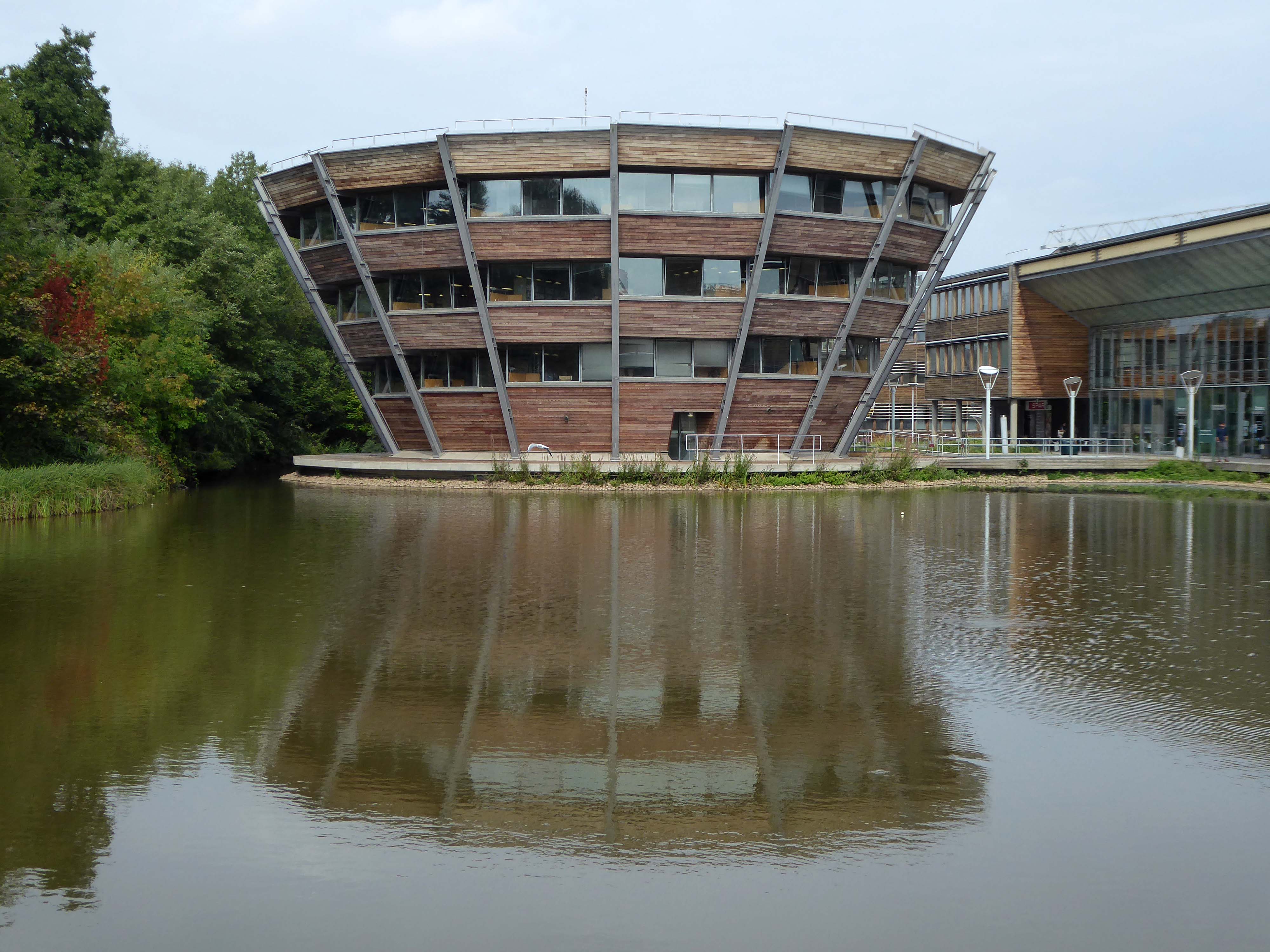
A single floor spirals up through the building in the manner of FL Wright’s Guggenheim Museum
The library was named after the philanthropists Sir Harry and Lady Djanogly who gave a significant contribution towards the cost of its construction. Sir Harry Djanogly is the father of Jonathan Djanogly, who became MP for Huntingdon in 2001.
Wikipedia
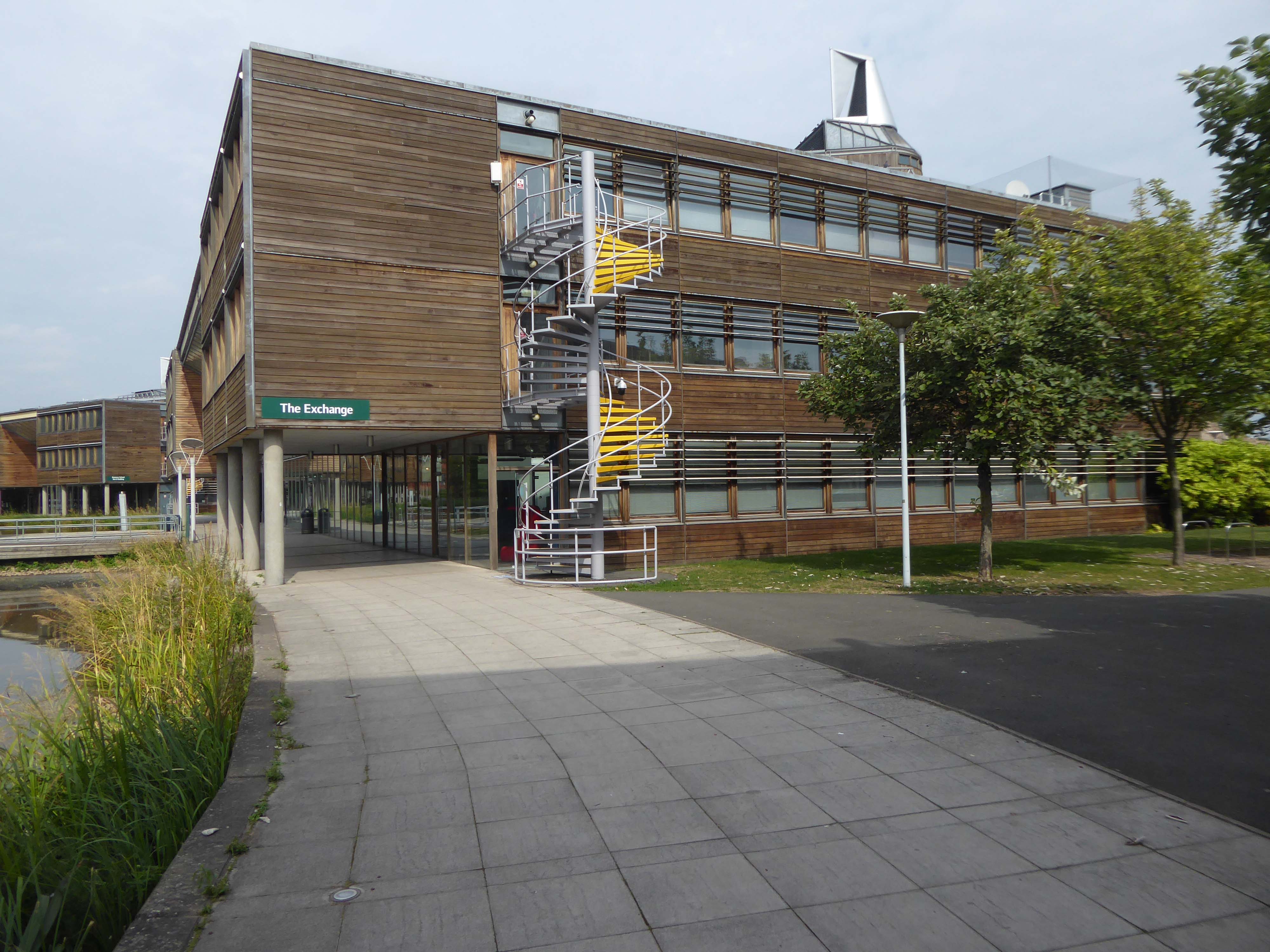
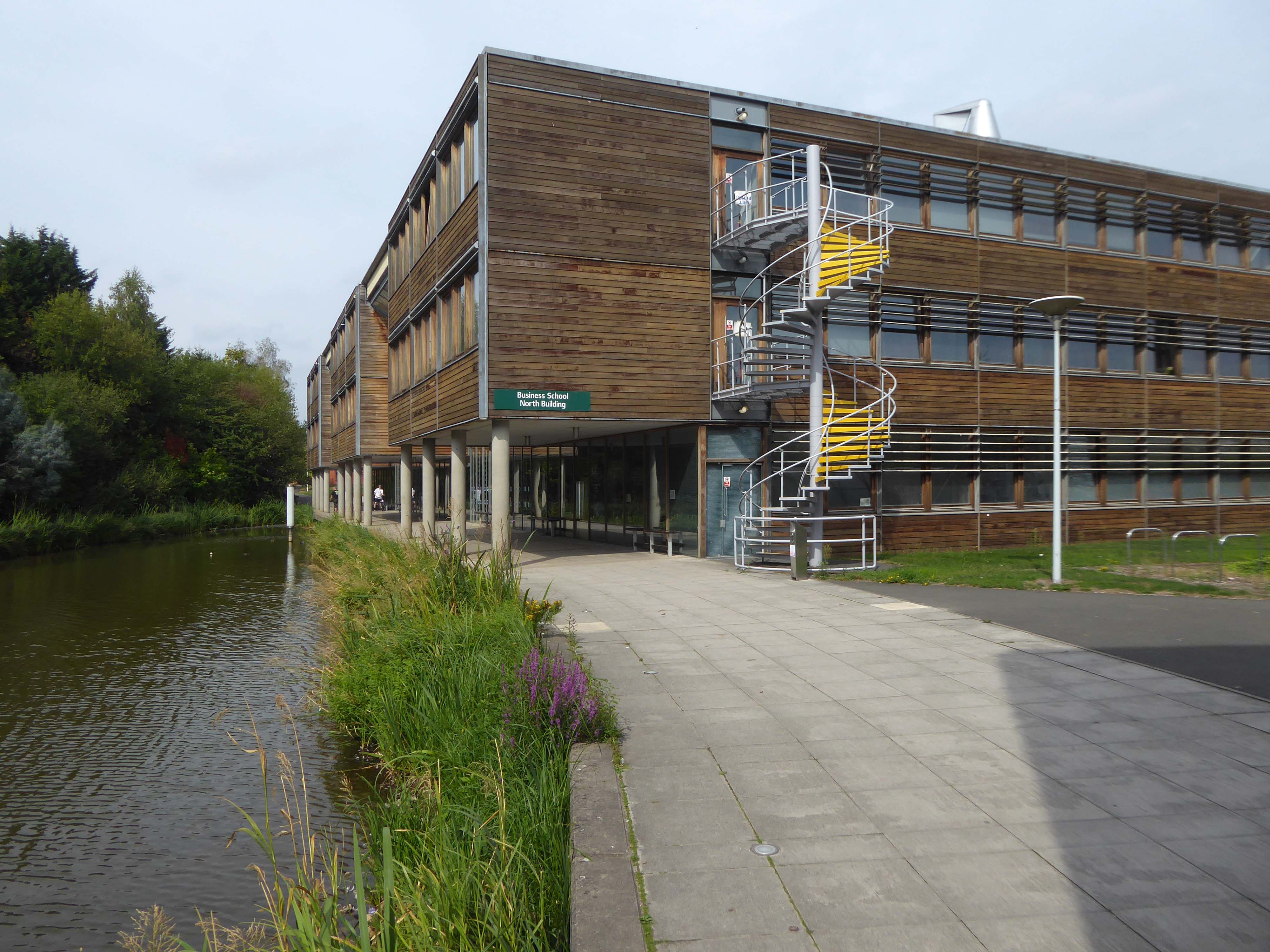
Business School North 2003
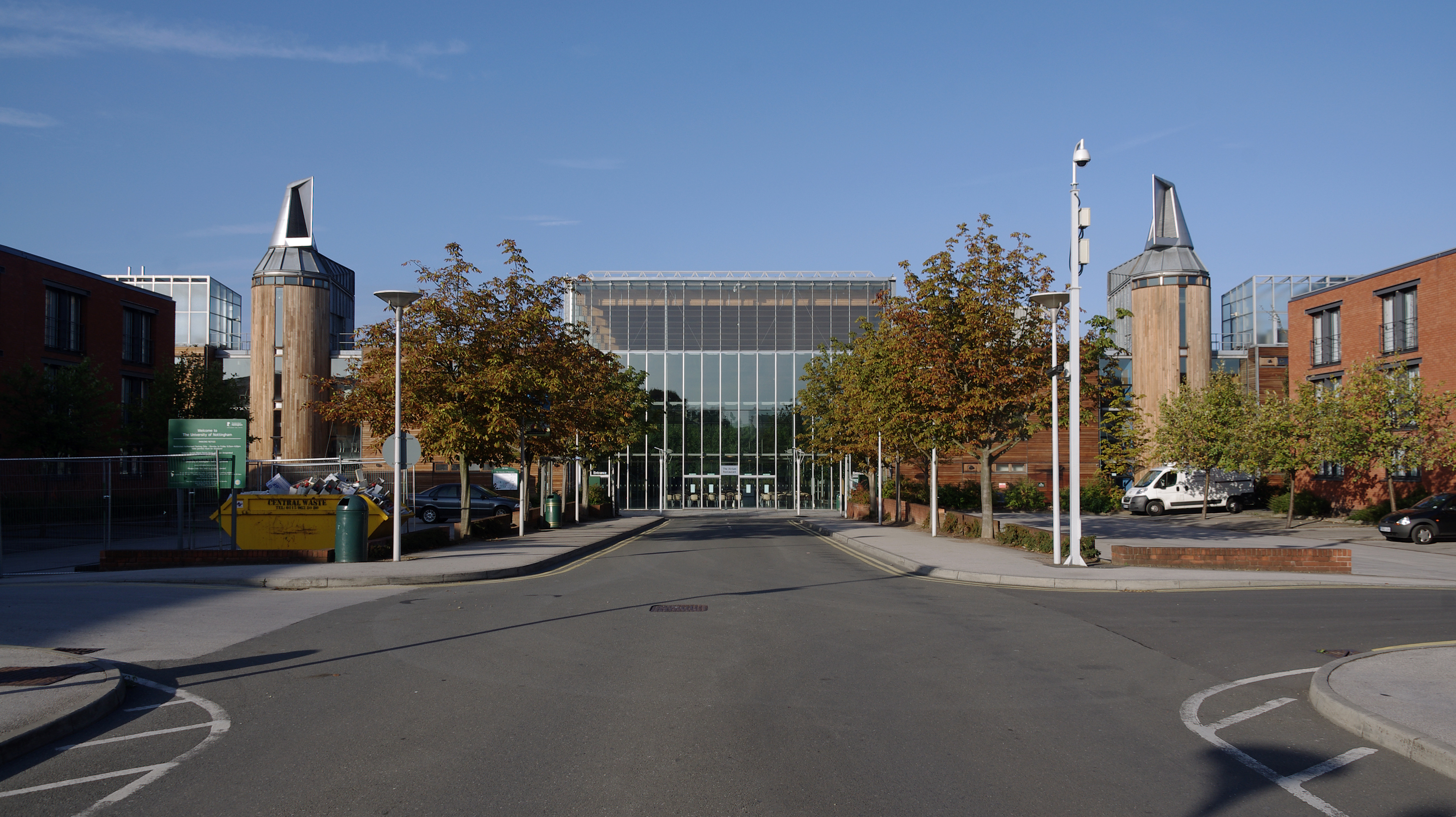
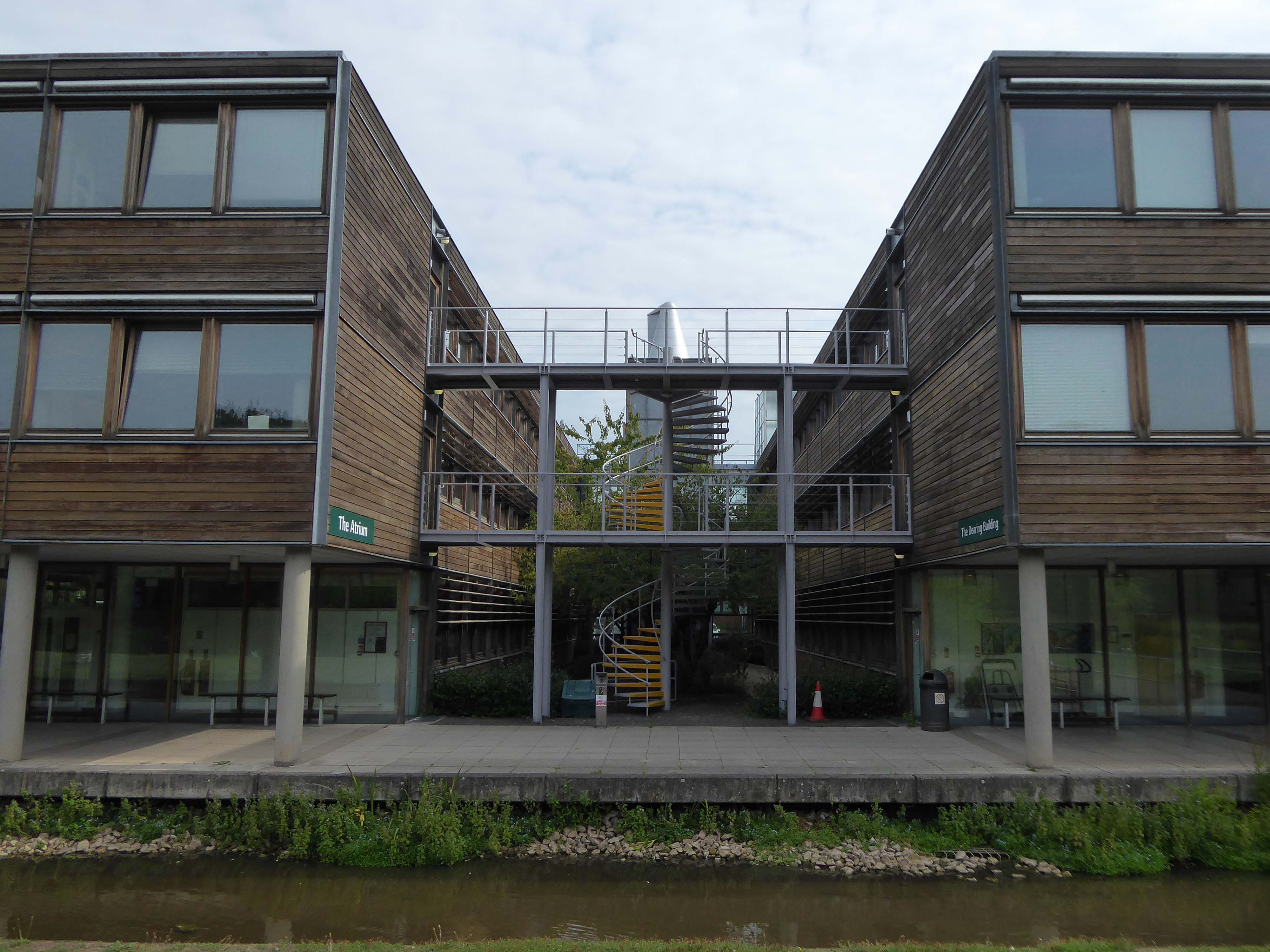
The Atrium
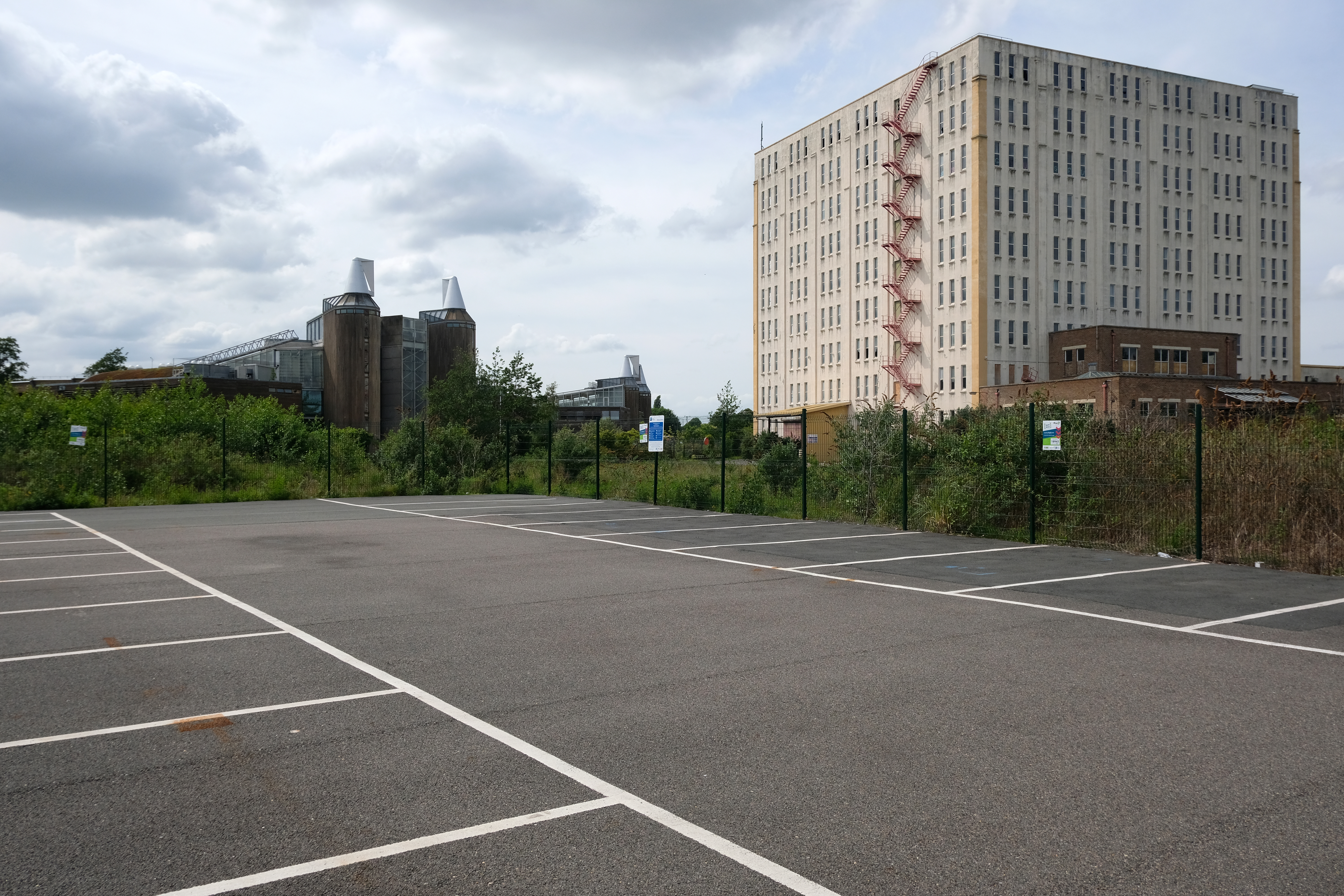
John Player & Sons Bonded Warehouse by William Cowlin and Son 1938-39
Mouchel’s involvement with the iron industry, and his ties with France, brought him into close proximity with the French engineer François Hennebique (1842-1921), who had been a contractor in Brussels. A self-educated builder, Hennebique had patented an idea of strengthening concrete using iron and steel bars – a forerunner to the widespread modern reinforced-concrete method used in construction today.
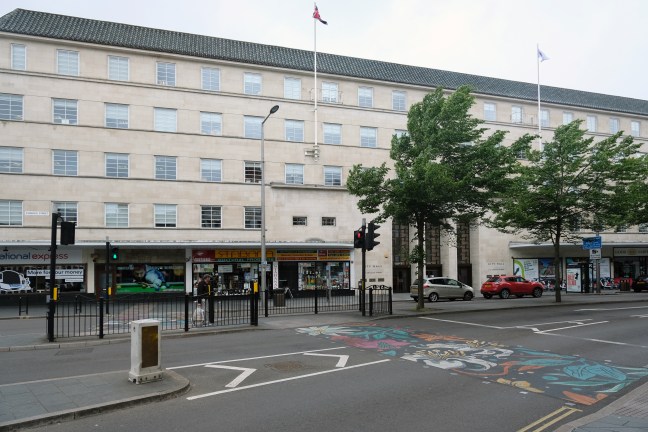
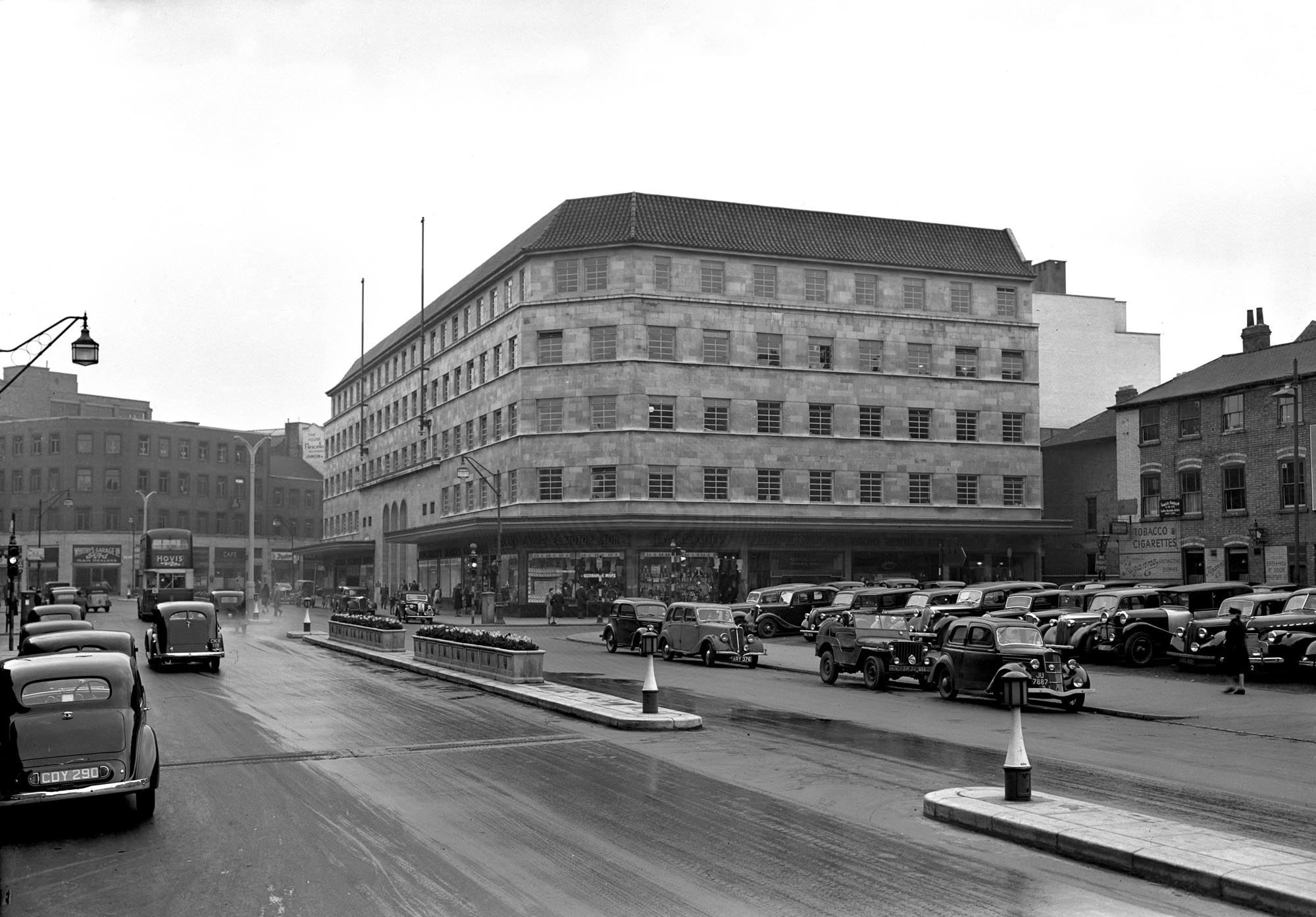
The medieval Leicester Guildhall was used as the Town Hall for around 300 years. By the mid-19th Century much larger premises were needed to support a rapidly growing industrial centre. The Victorian Town Hall was opened in 1876 on the site of the old cattle market.
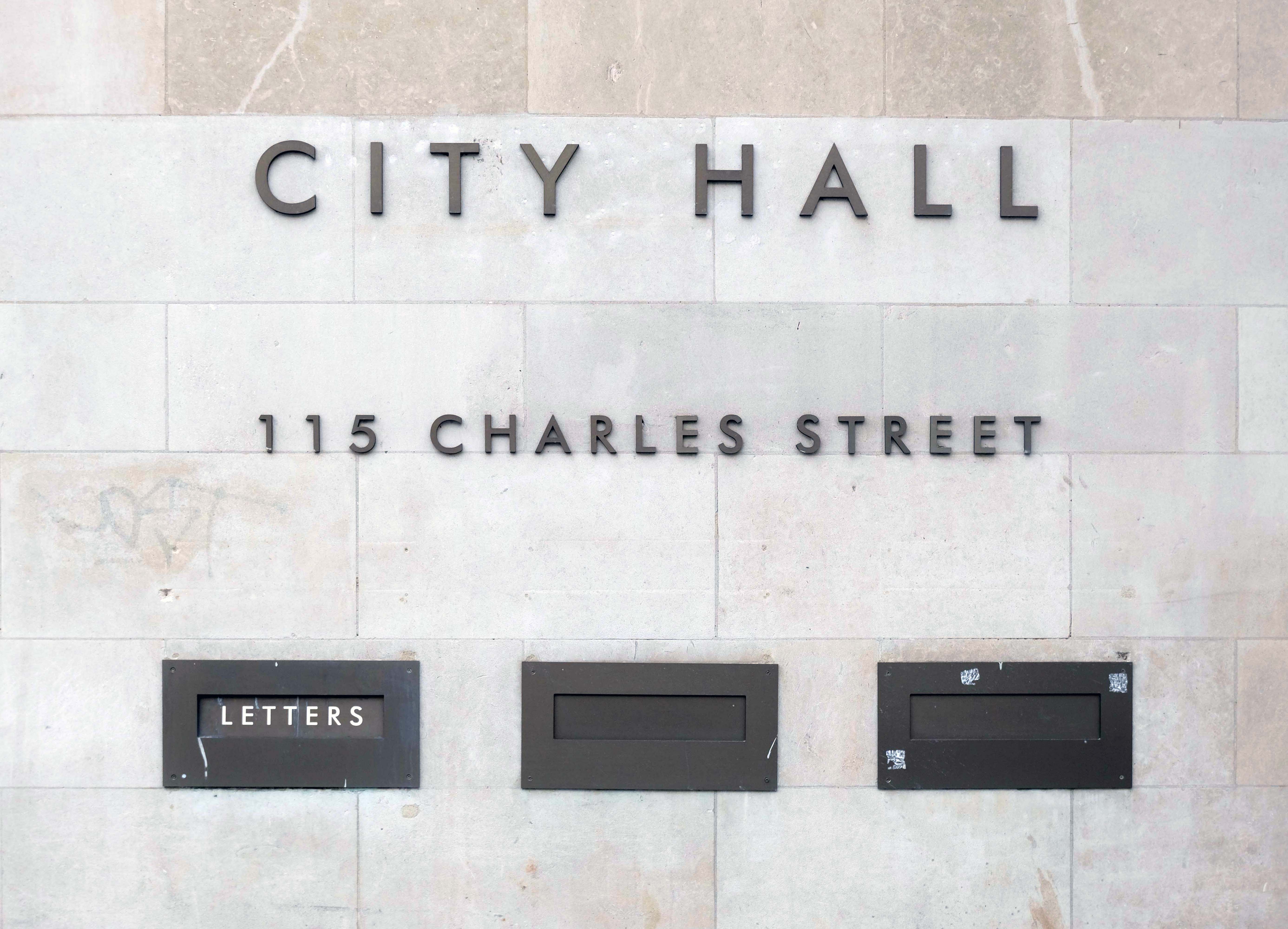
In 1919, Leicester was recognised as a city. It continued to expand, along with its Council. Conditions in the Town Hall soon became cramped and some departments began to move out. By 1930 it was agreed new municipal offices were needed to centralize the Housing, Electricity, Rates, Motor Licence and Valuation departments. They would form part of a major redevelopment of Charles Street, the so-called quarter of a million pound building on a million pound road.
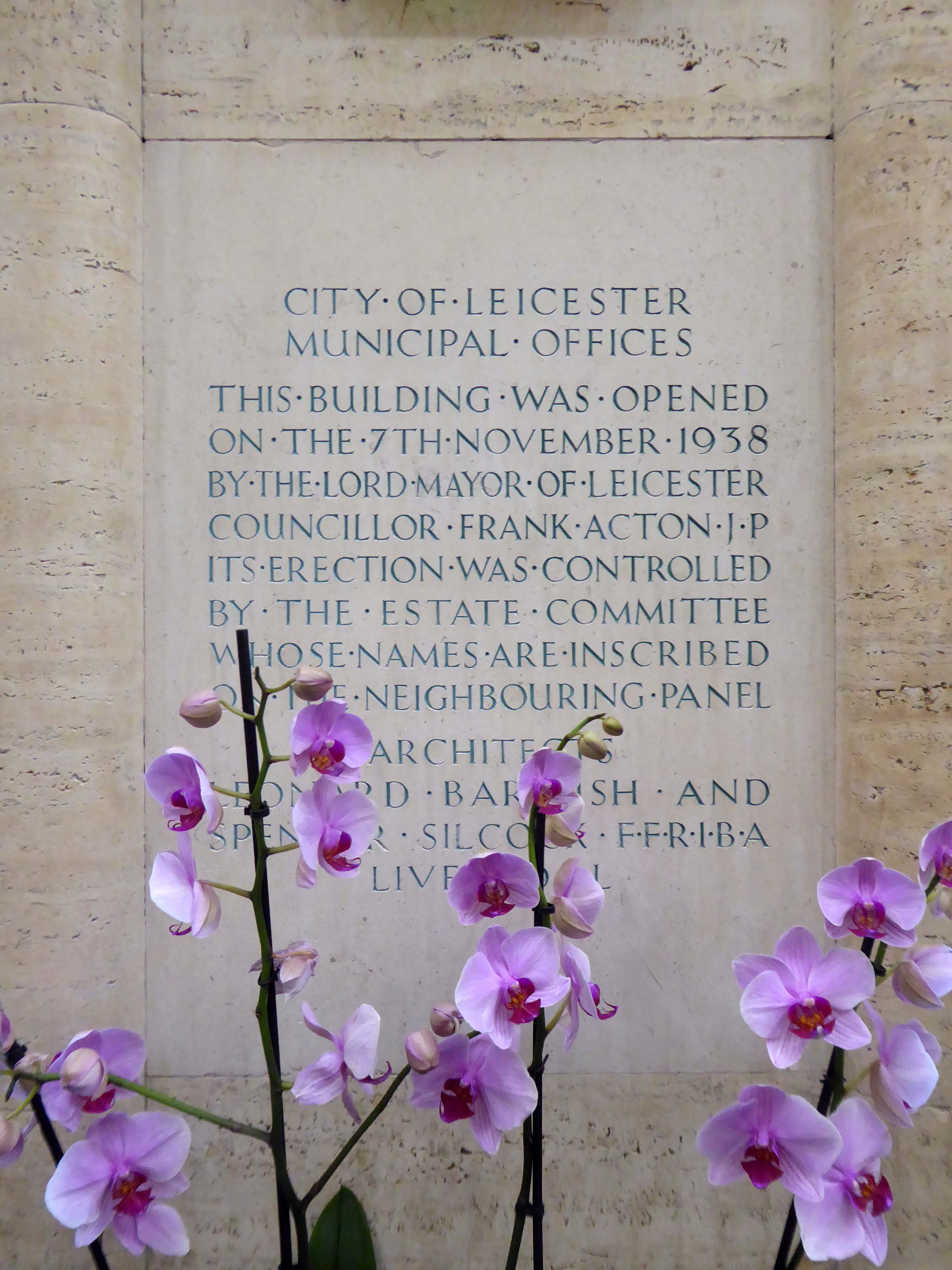
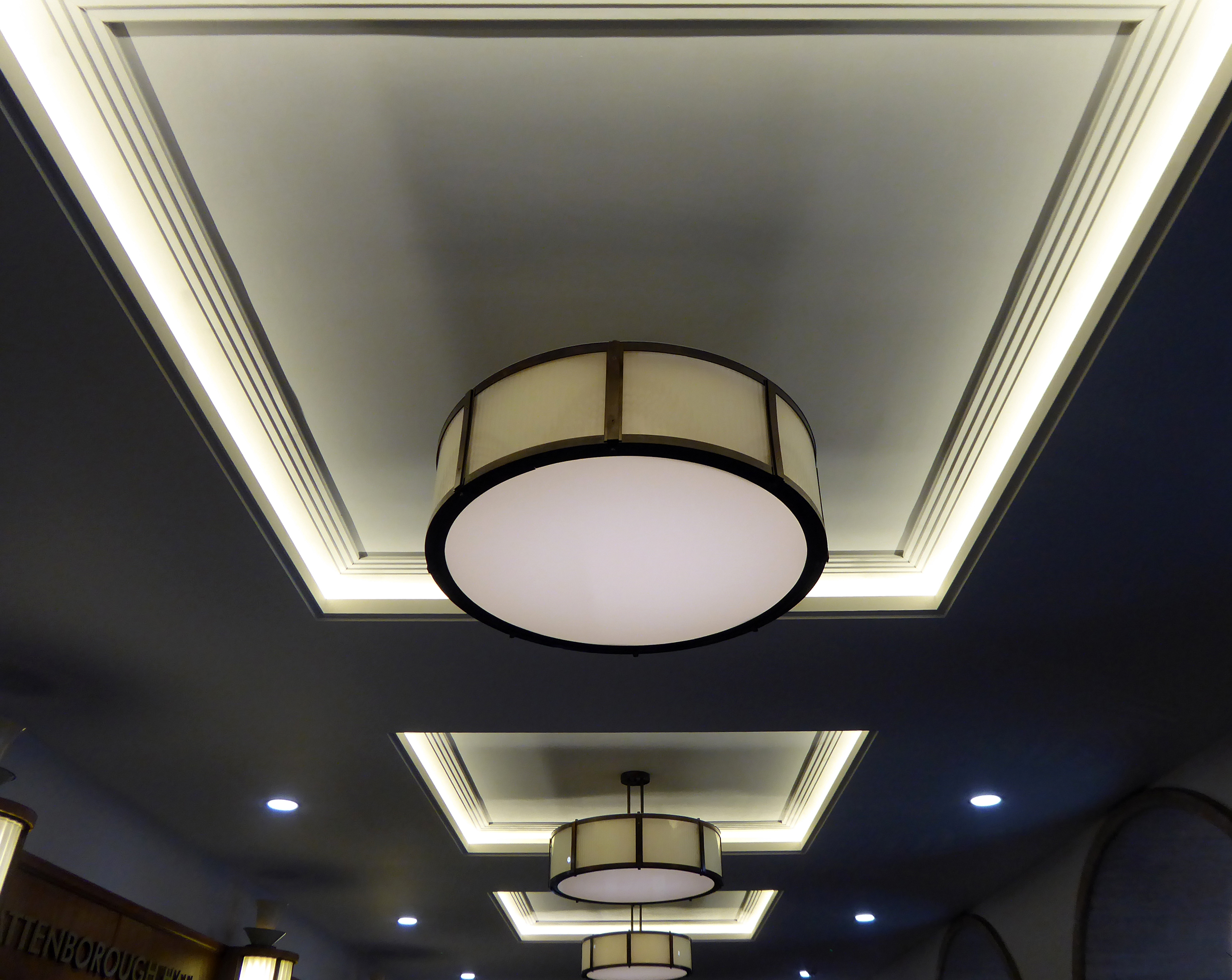
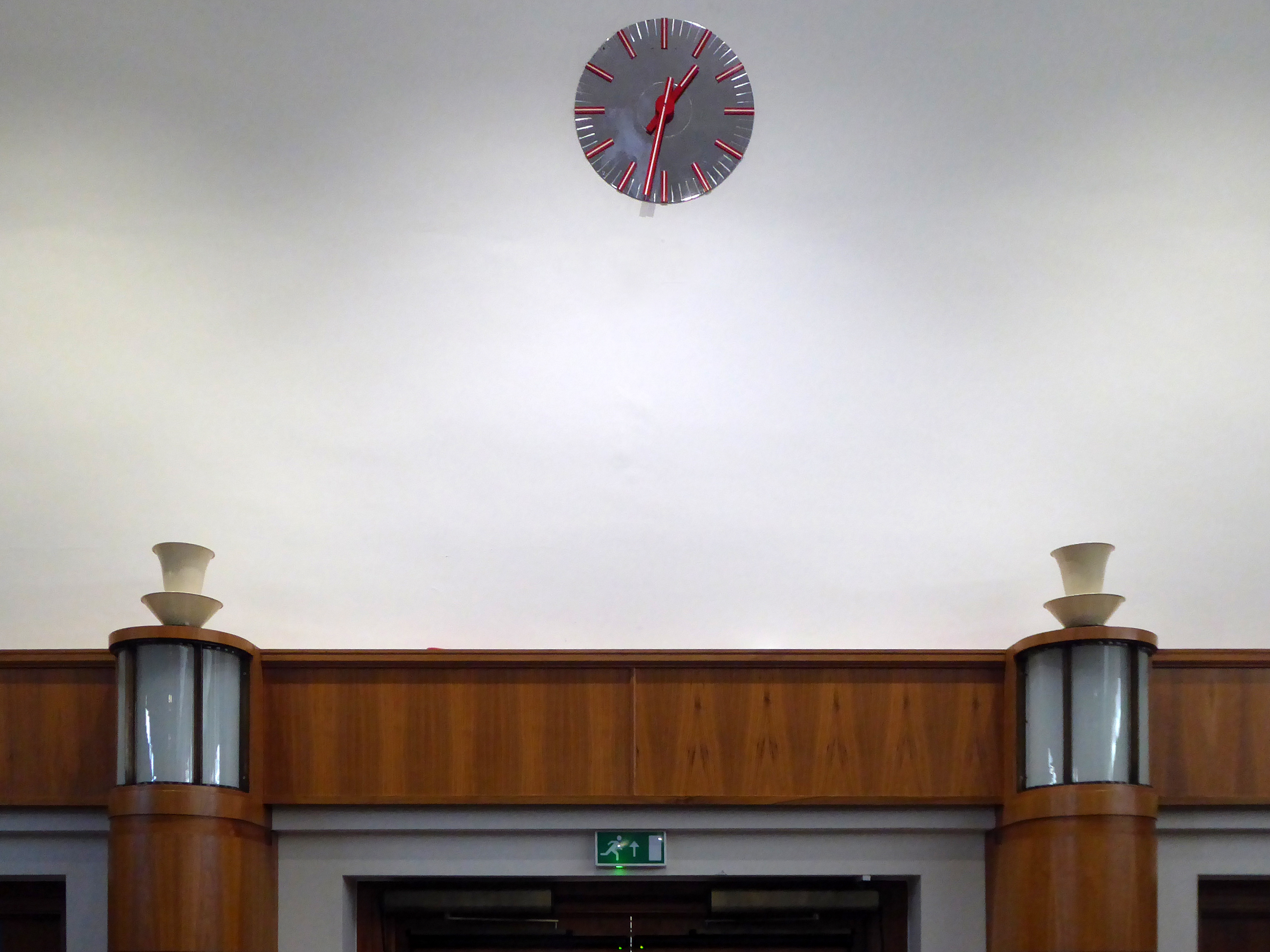
The modest opening ceremony took place on 7th November 1938. In his speech the Lord Mayor, Councillor Frank Acton, said it was a privilege to open “this long sought-after and wonderful place.” A stone tablet to mark the event can be seen opposite the reception desk in the entrance foyer. The building was designed to command attention and respect, and conform to a modern desire for simplicity. Clad in Portland Stone, its interior included many elegant Art Deco features, many of which have been restored.
The office floors accommodate workstations for 480 staff, together with breakout areas and meeting rooms. The project included re-purposing original municipal spaces for new assembly functions; restoring period features; and providing a dignified civic interior appropriate to the functions of the Council. An environmentally conscious servicing solution minimises the building’s energy usage.
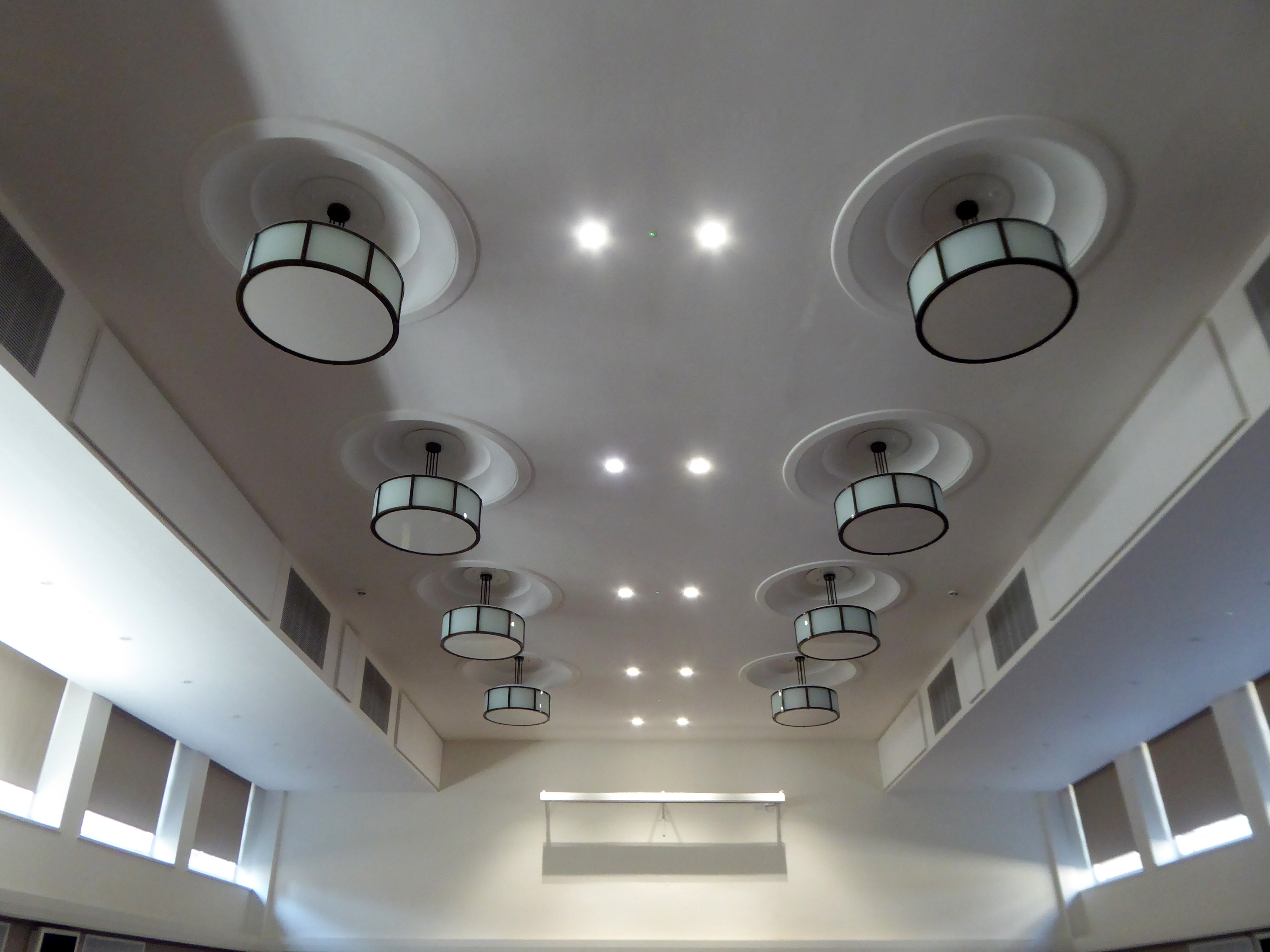
Attenborough Hall
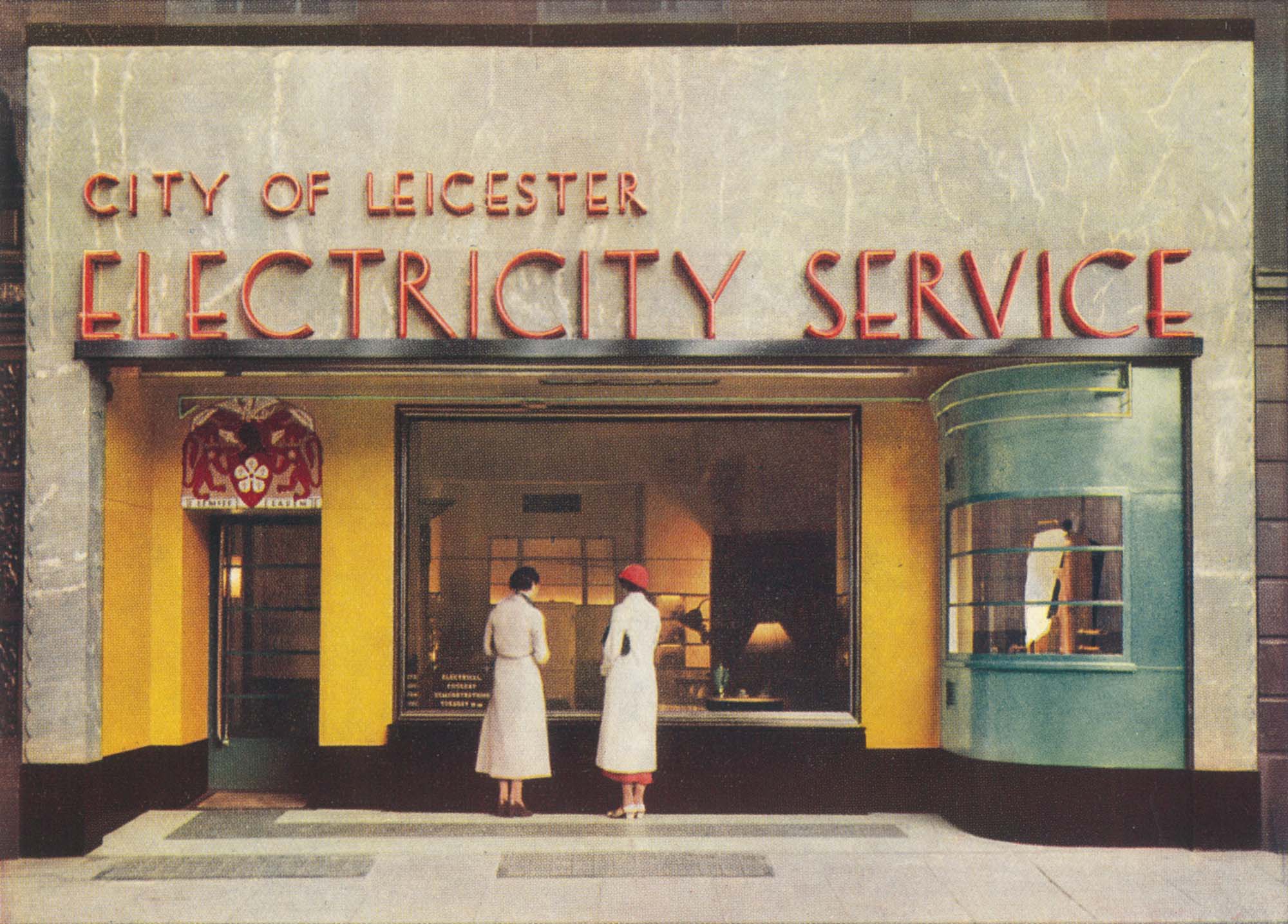
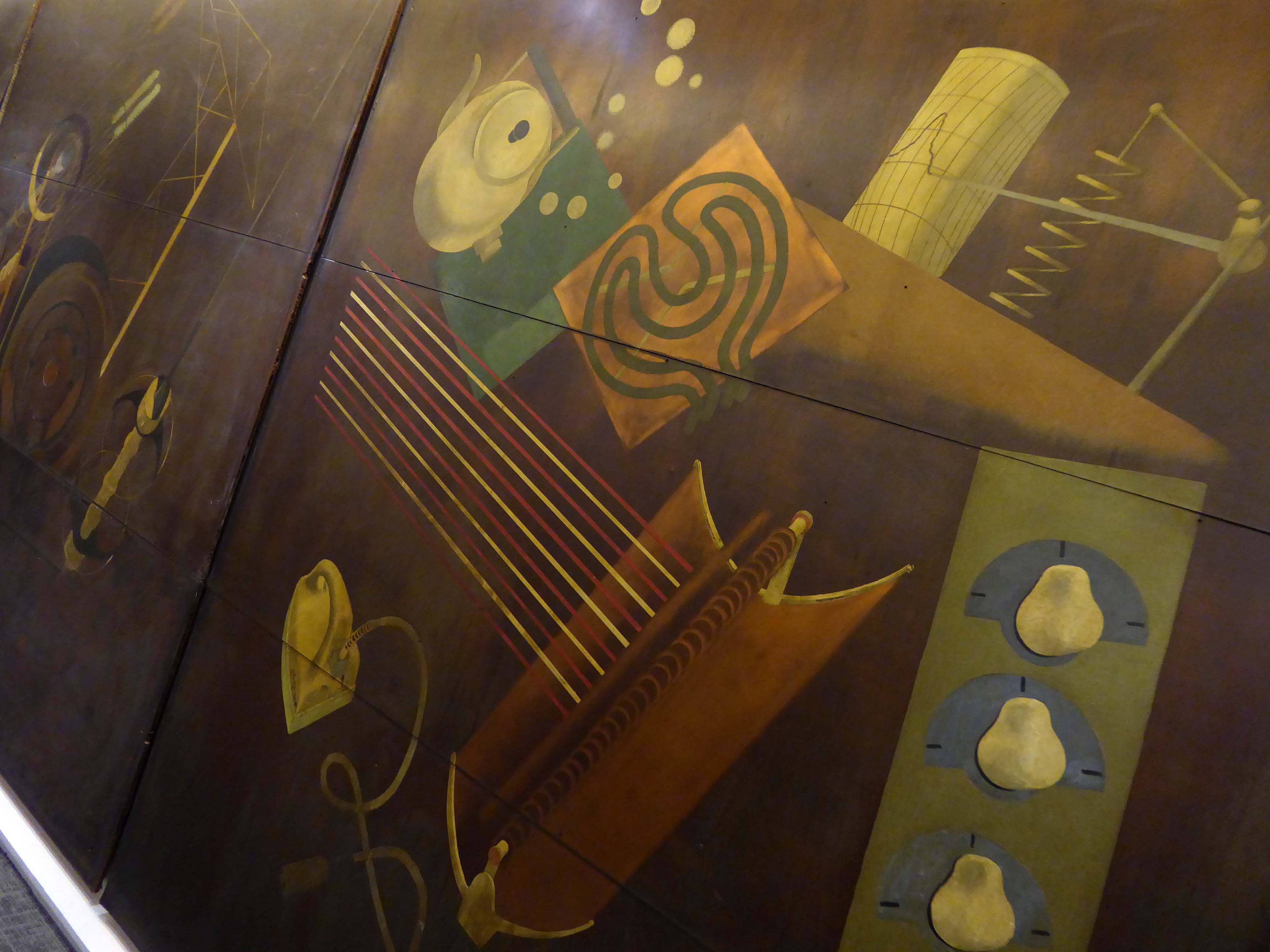
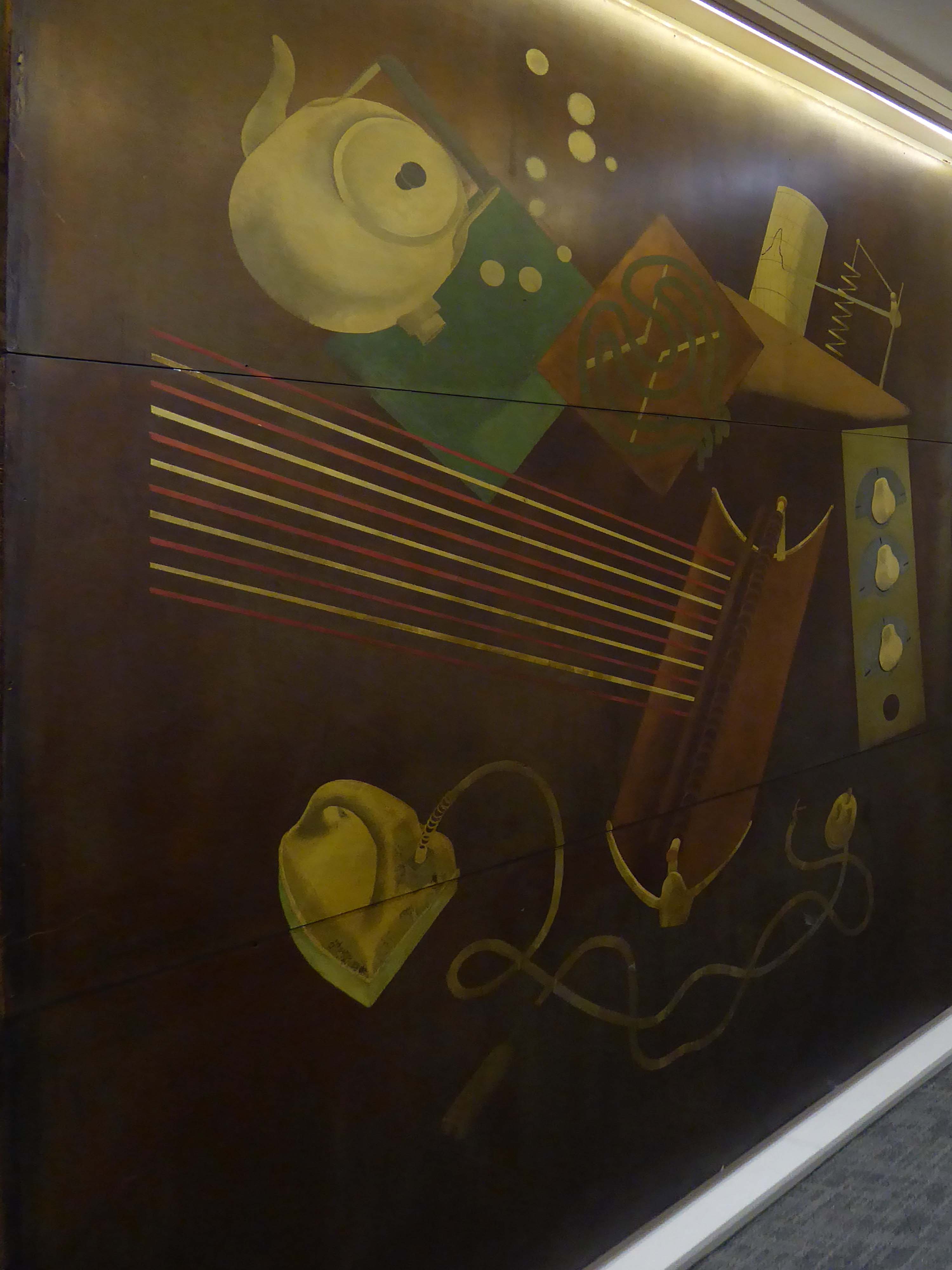
By the 1930s, demand for electricity was growing rapidly. The Municipal Offices housed the Leicester Corporation Electricity Department (later the East Midland Electricity Board) and were specially furnished with a model kitchen for:
Housewives who are interested in the modern uses of electricity in the home.
A special theatre also presented weekly cookery demonstrations and a Service Centre displayed, sold and hired out electrical appliances.
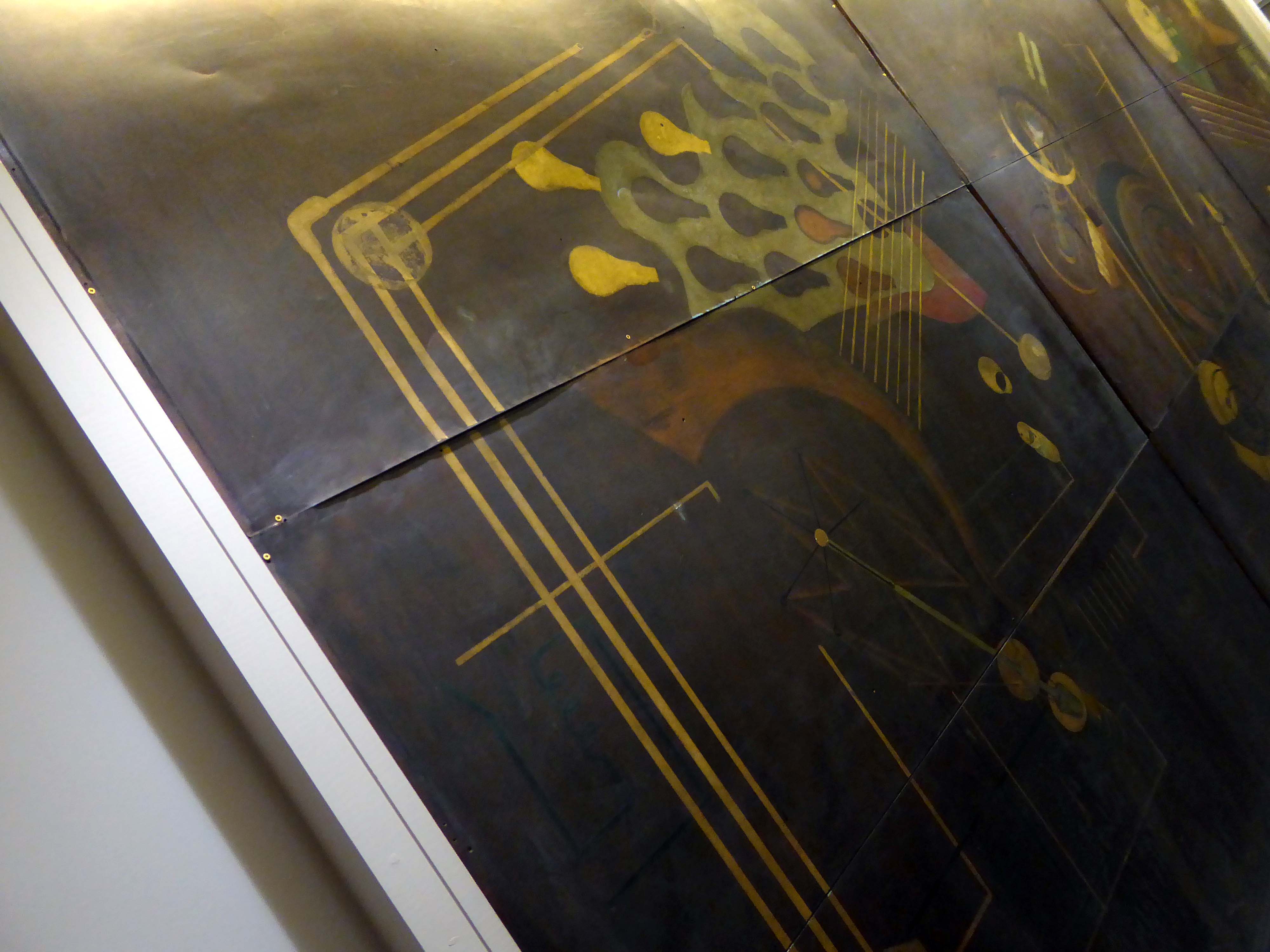
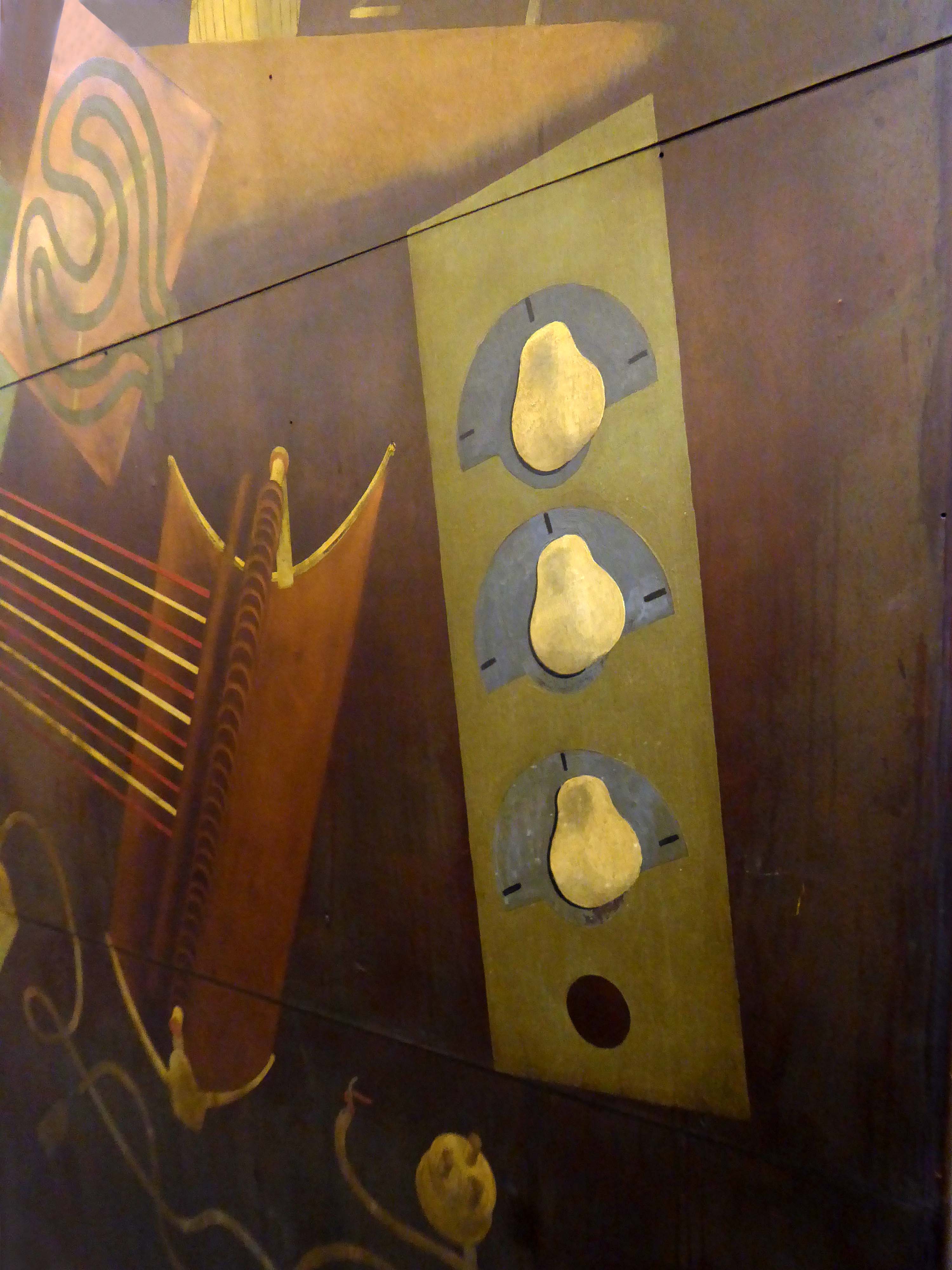
The theatre is still extant, though sadly no longer available for cookery demonstrations.
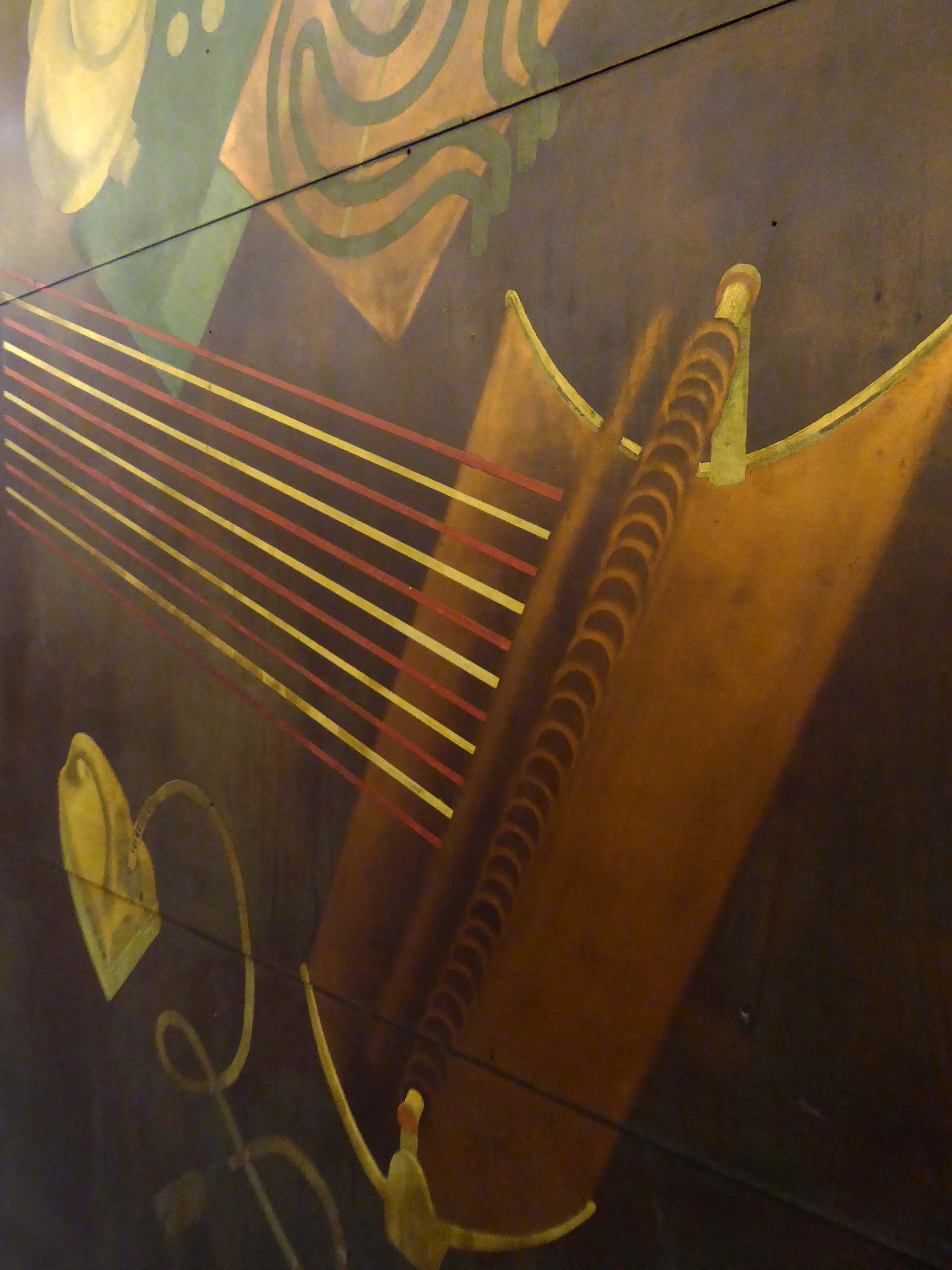
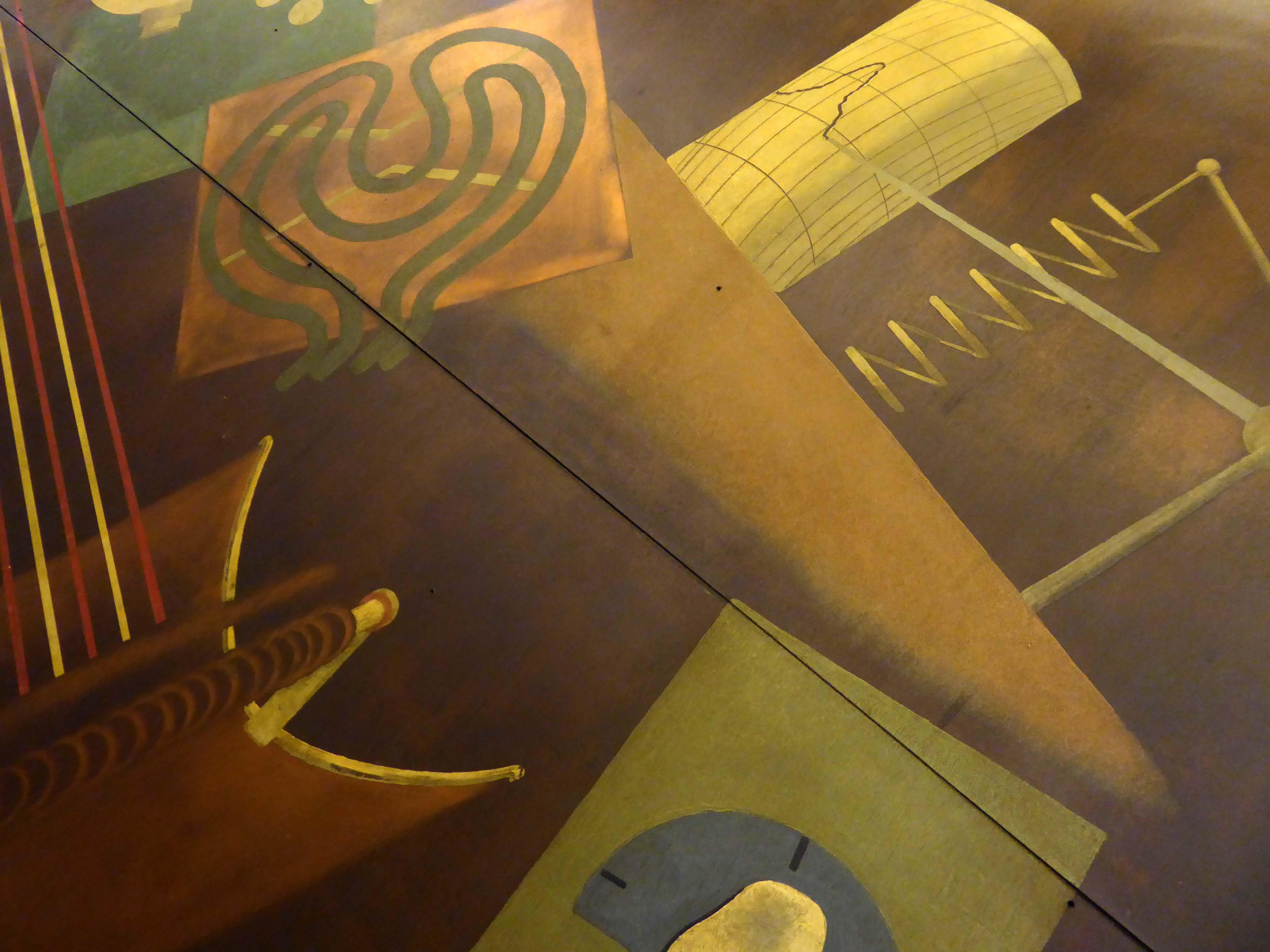
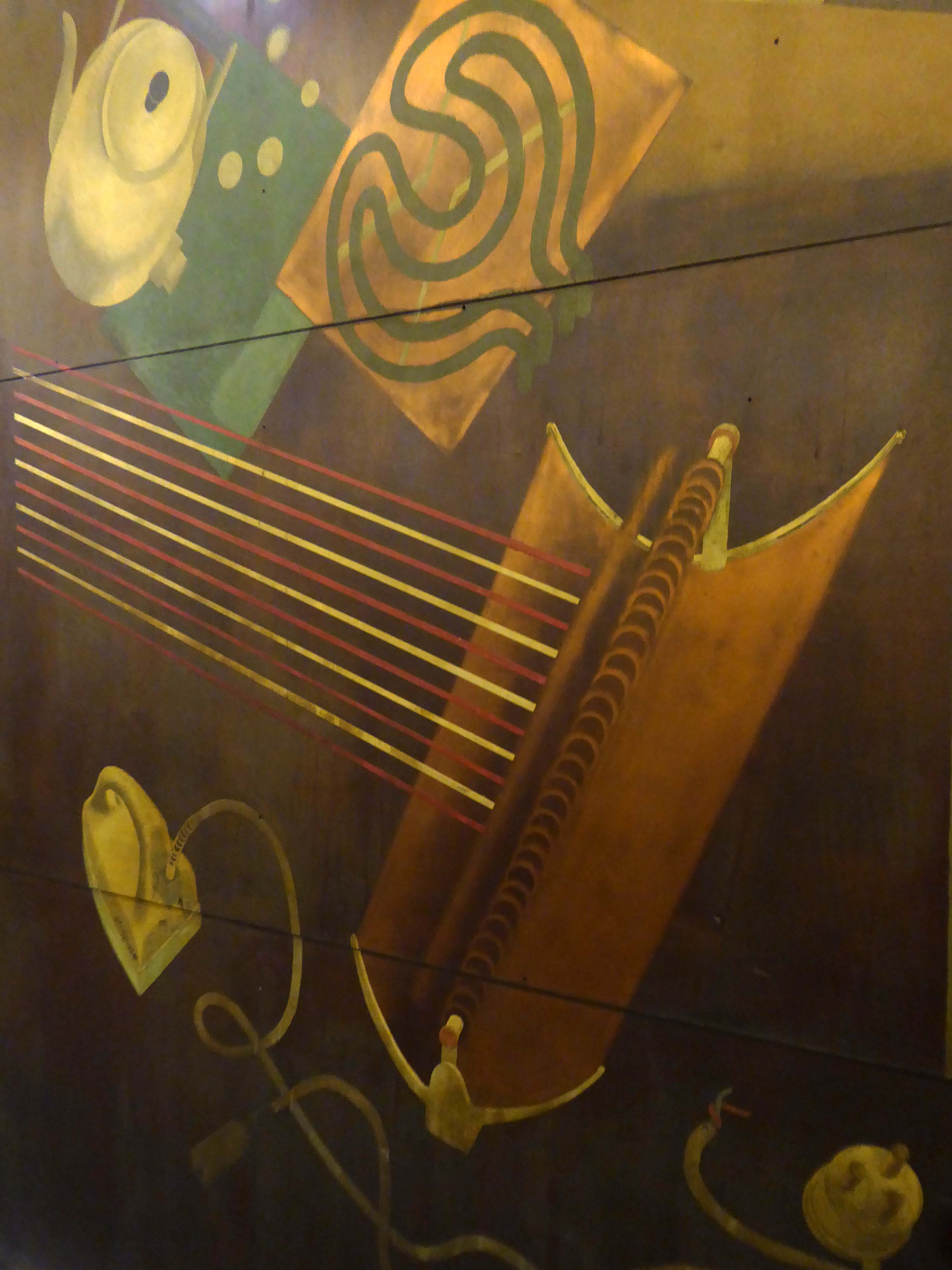
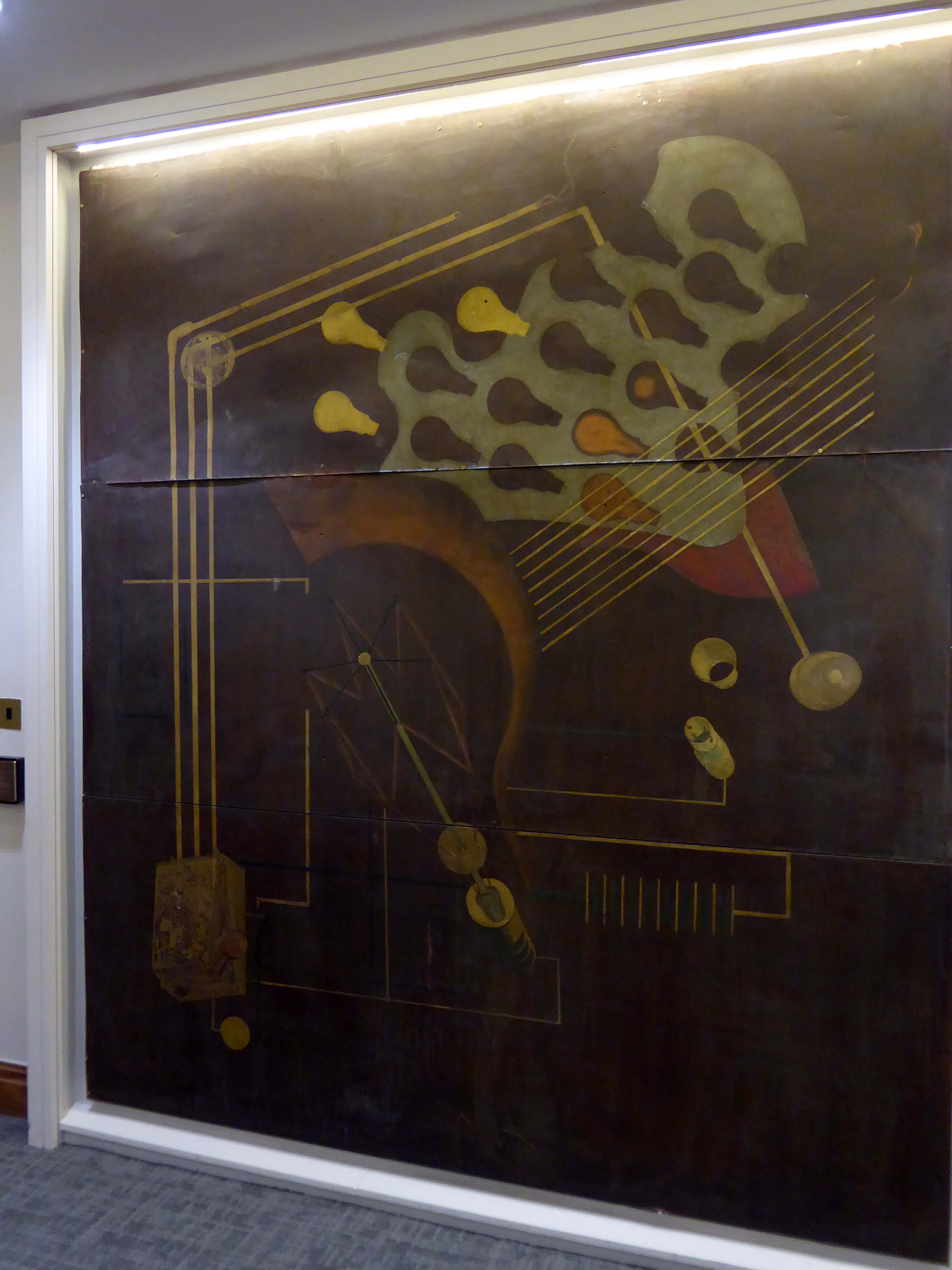
On the back wall this mural remains as a reminder of the theatre’s the former use.
Many thanks to Grant Butterworth – Head of Planning, for negotiating access to the hall and accompanying us on our Modernist Mooch.
In the 1960s a nuclear bunker was constructed. This was one of many across the country built by local authorities to protect key personnel from radiation in the event of an attack, enabling some form of government to continue. Today, the bunker has long gone, and the basement of City Hall is now used as a storage area.
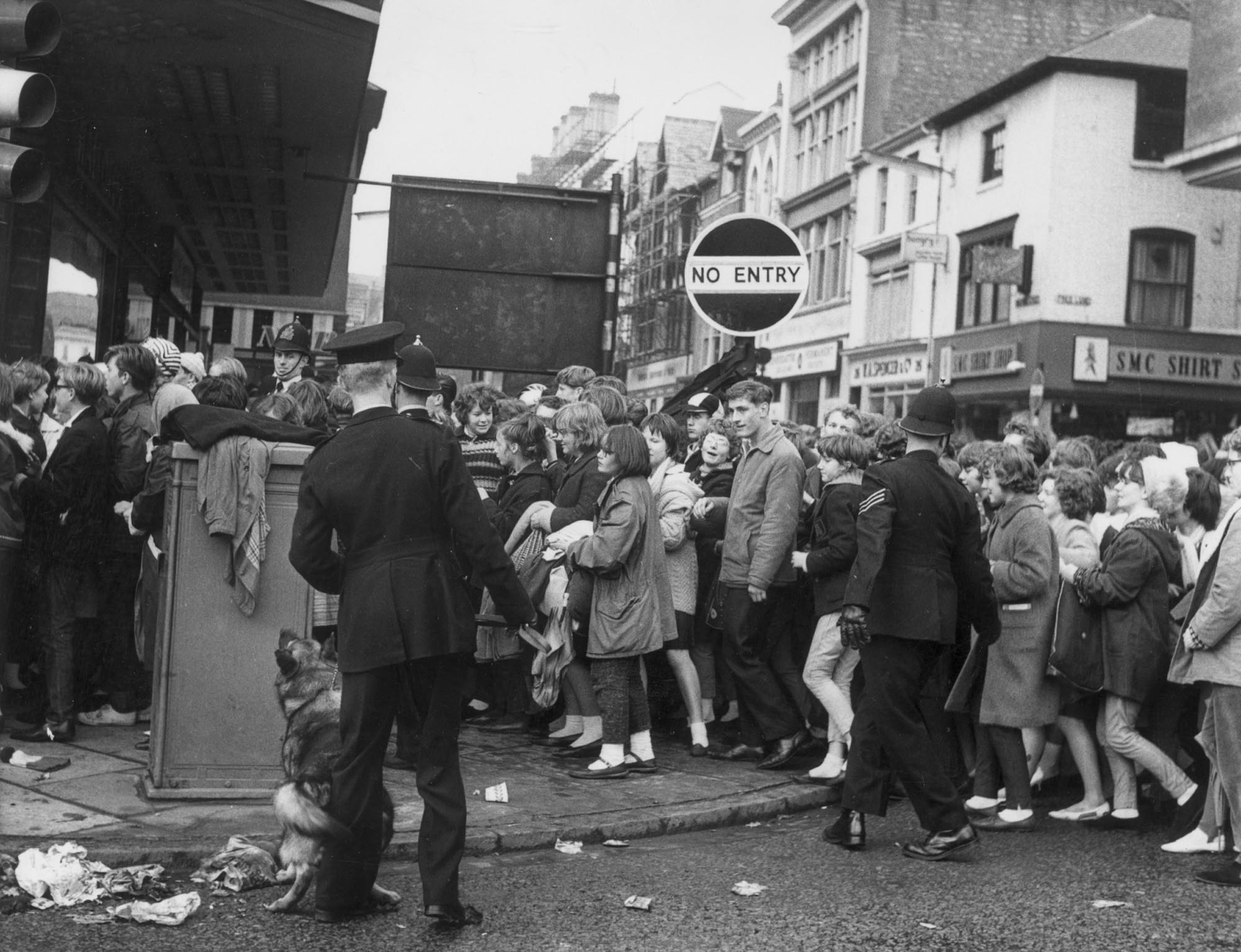
By 1963 the De Montfort Hall Box Office was located in the building. This caused chaotic scenes in Charles Street when, in October of that year, around 3,000 youngsters queued all night for tickets to see The Beatles. When the Box Office opened at 9:30am, the queue stretched back to Humberstone Gate and was held in check by a pitifully thin line of police. The Leicester Mercury described the scene as:
A heaving, shouting, screaming, unruly, undignified, disorderly mob – a disgraceful night.
Pressure from the crowd caused a 10 foot square window in Halford´s shop to break. With all the tickets sold, the crowd dispersed and the Leicester Mercury said Charles Street resembled
A filthy, unswept ghost street, badly in need of the cleaners to remove the mountains of waste paper and return its respectability.
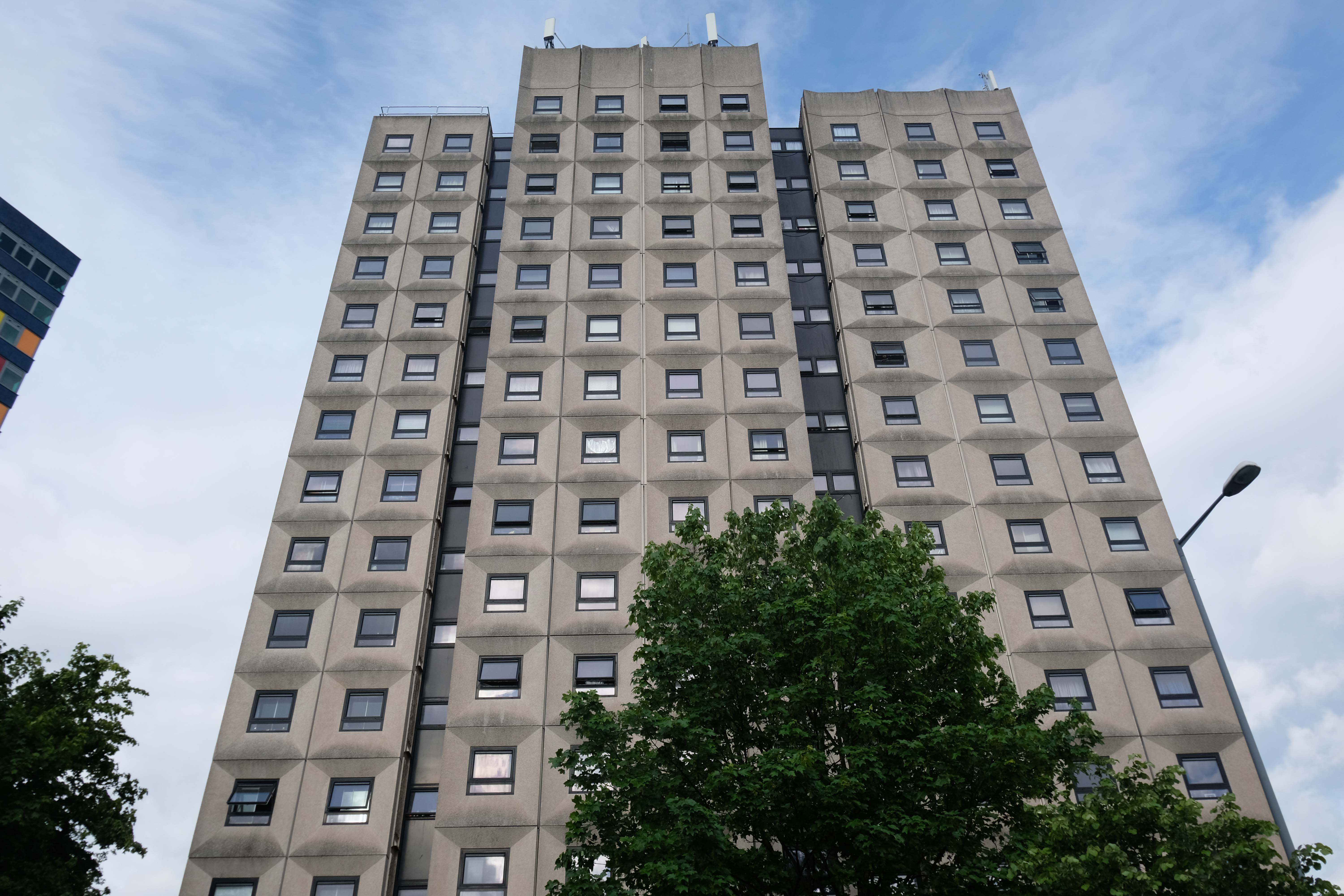
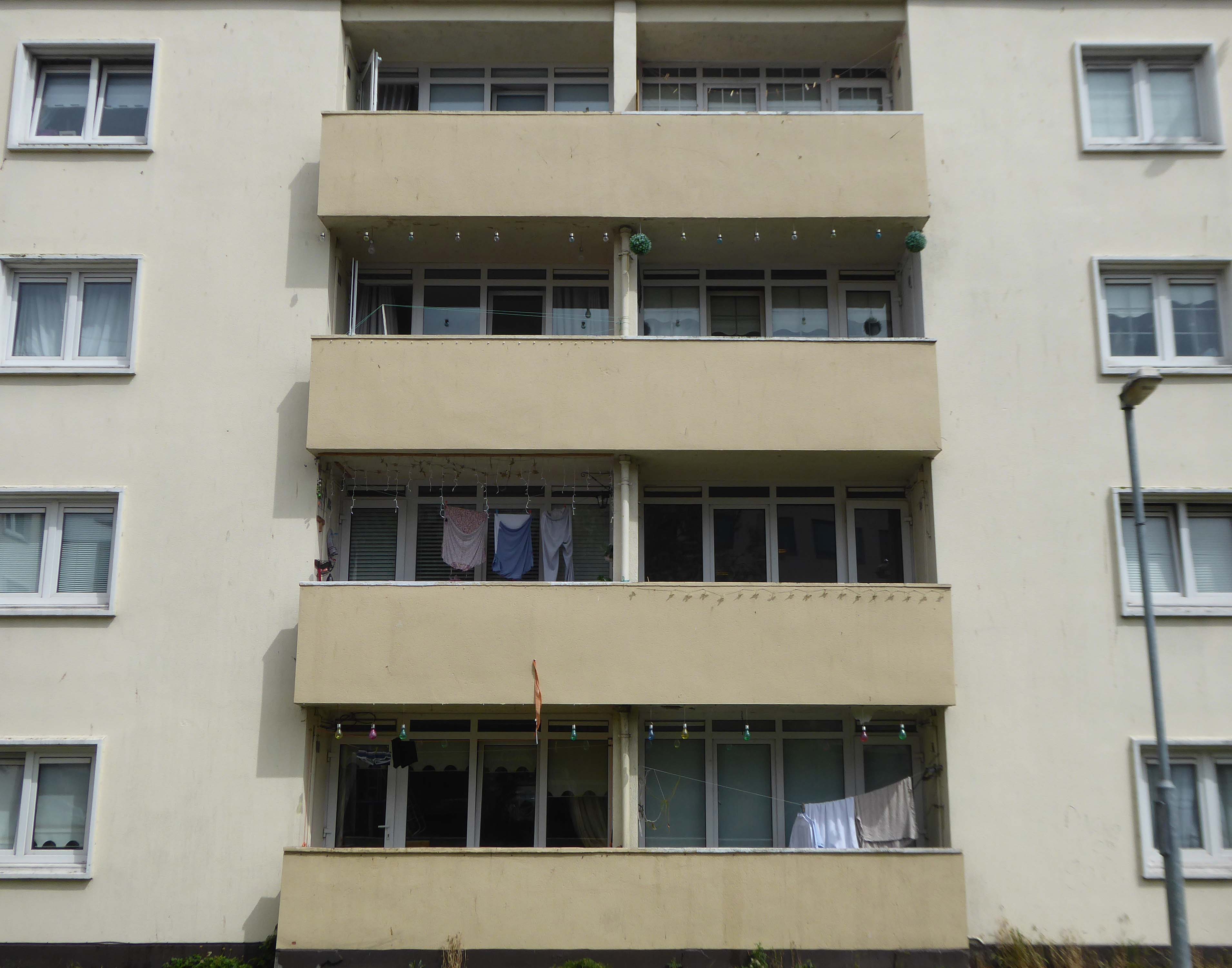
On leaving the railway station turn right – there’s and enormous social housing tower block named Elizabeth House.
Architect: John Middleton 1976-79.
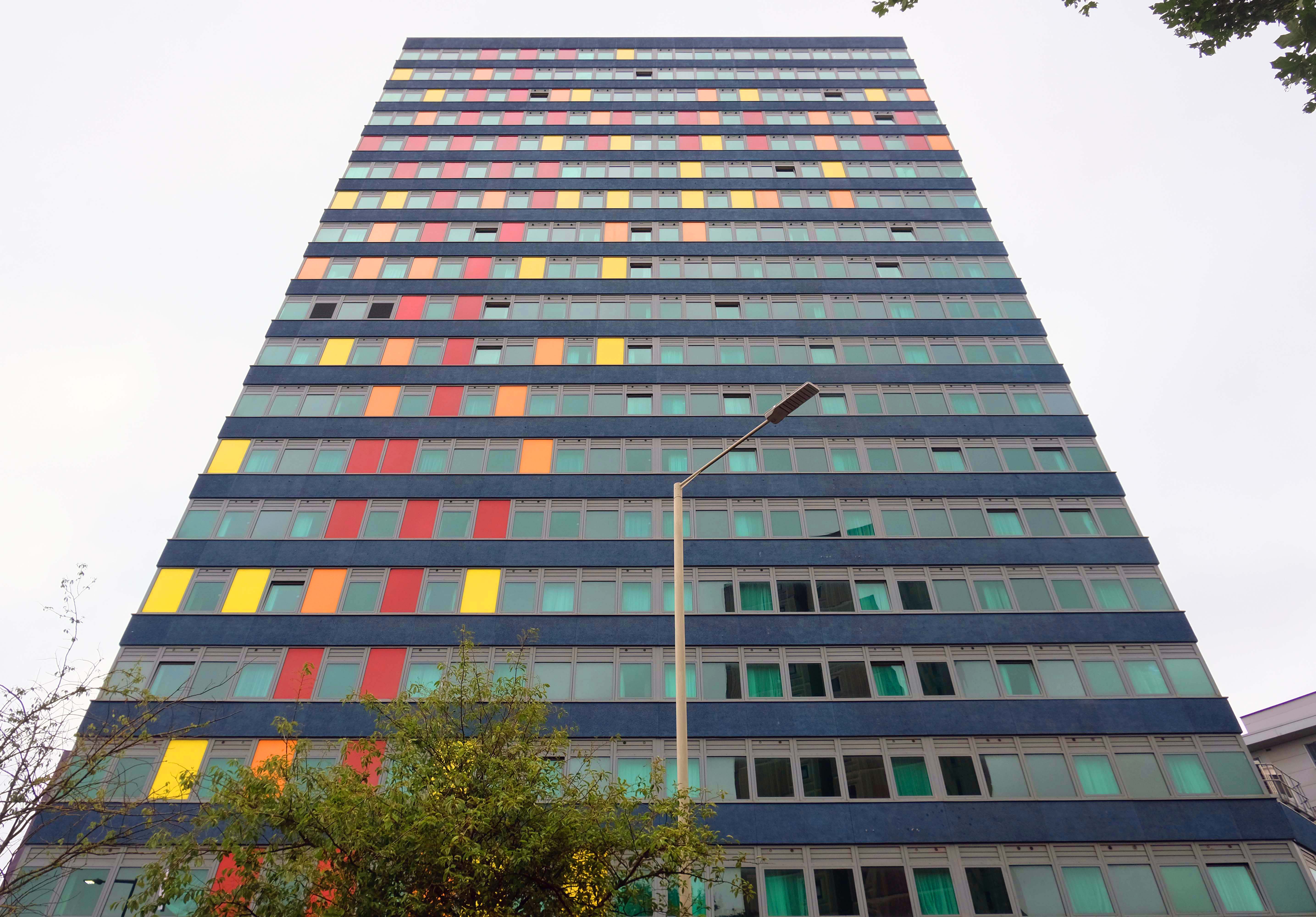
Next door a noisy neighbour the former BritishTelecom – St George’s Tower now Premier Inn with its newly acquired cladding of many colours.
Photo Steve Cadman
Next to City Hall architects: Barnish and Silcock 1938- the modest opening ceremony took place on 7th November 1938.
Once home to the Electricity Board Sowrooms specially furnished with a model kitchen for housewives who are interested in the modern uses of electricity in the home. A special theatre also presented weekly cookery demonstrations and a Service Centre displayed, sold and hired out electrical appliances.
Opposite City Hall the former Assurance Insurance HQ now Ramada Hotel.
Adjacent Halford House – former Leicester Temperance Building Society.
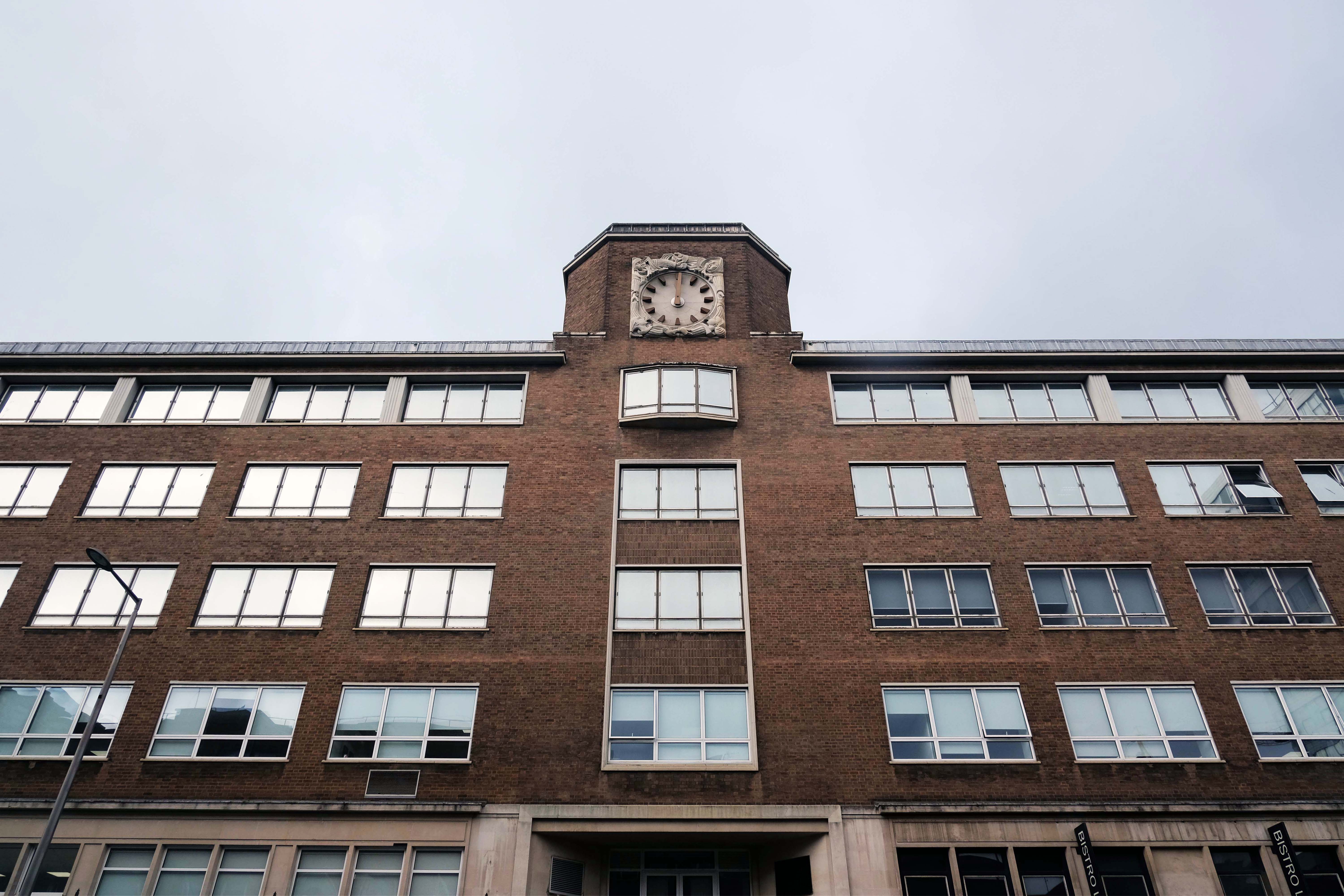
It was partly occupied by the firm of architects who built it in 1955-1959, Pick Everard Keay and Gimson.
With its stunning clock surrounded by The Four Winds, by locally based artist Albert Pountney – he was head of sculpture at Leicester College of Art from 1947until 1960
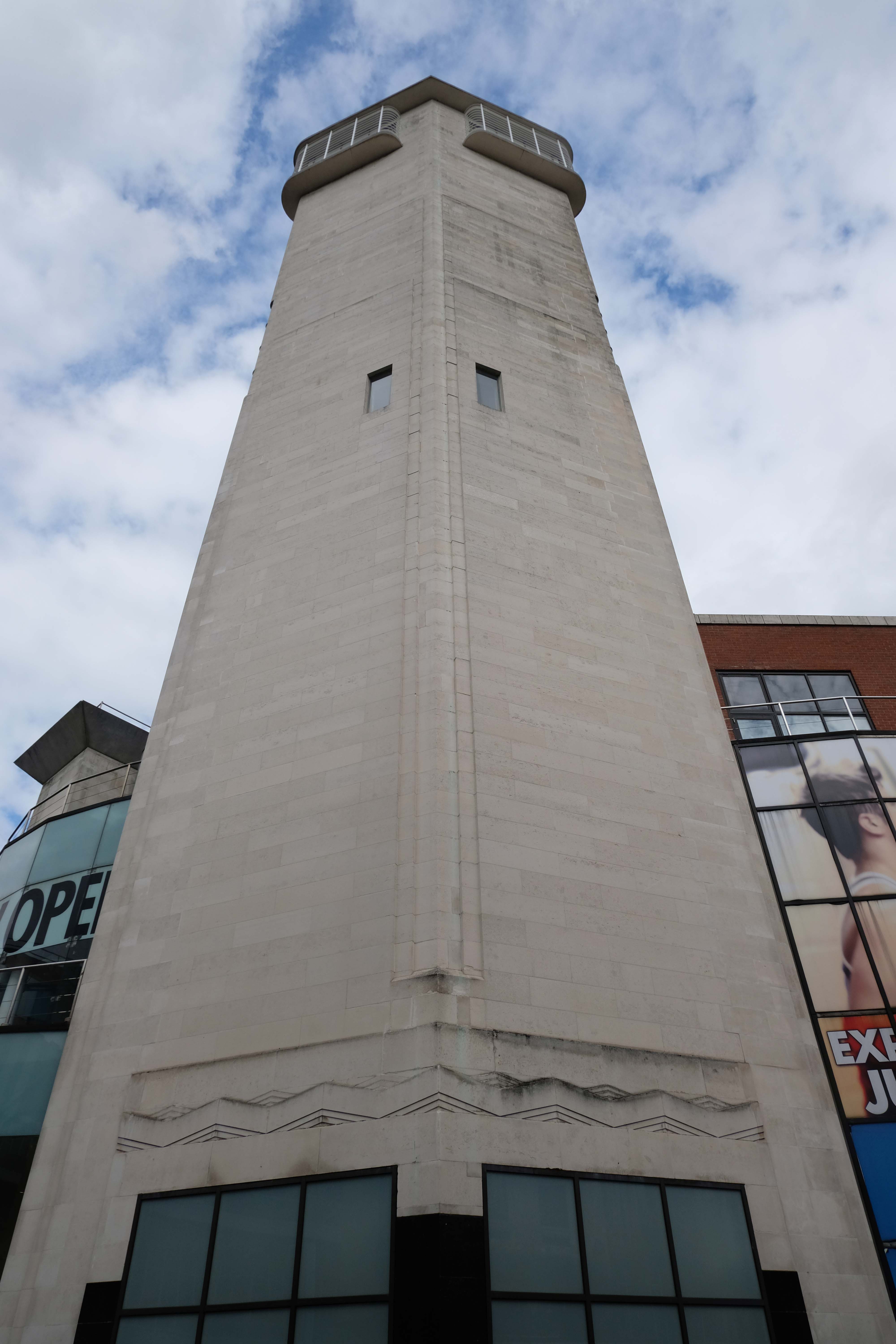
Look out for the concrete planters known as Beckett’s Buckets – named for John Leslie Beckett, Leicester’s City Engineer and Surveyor 1941–64.
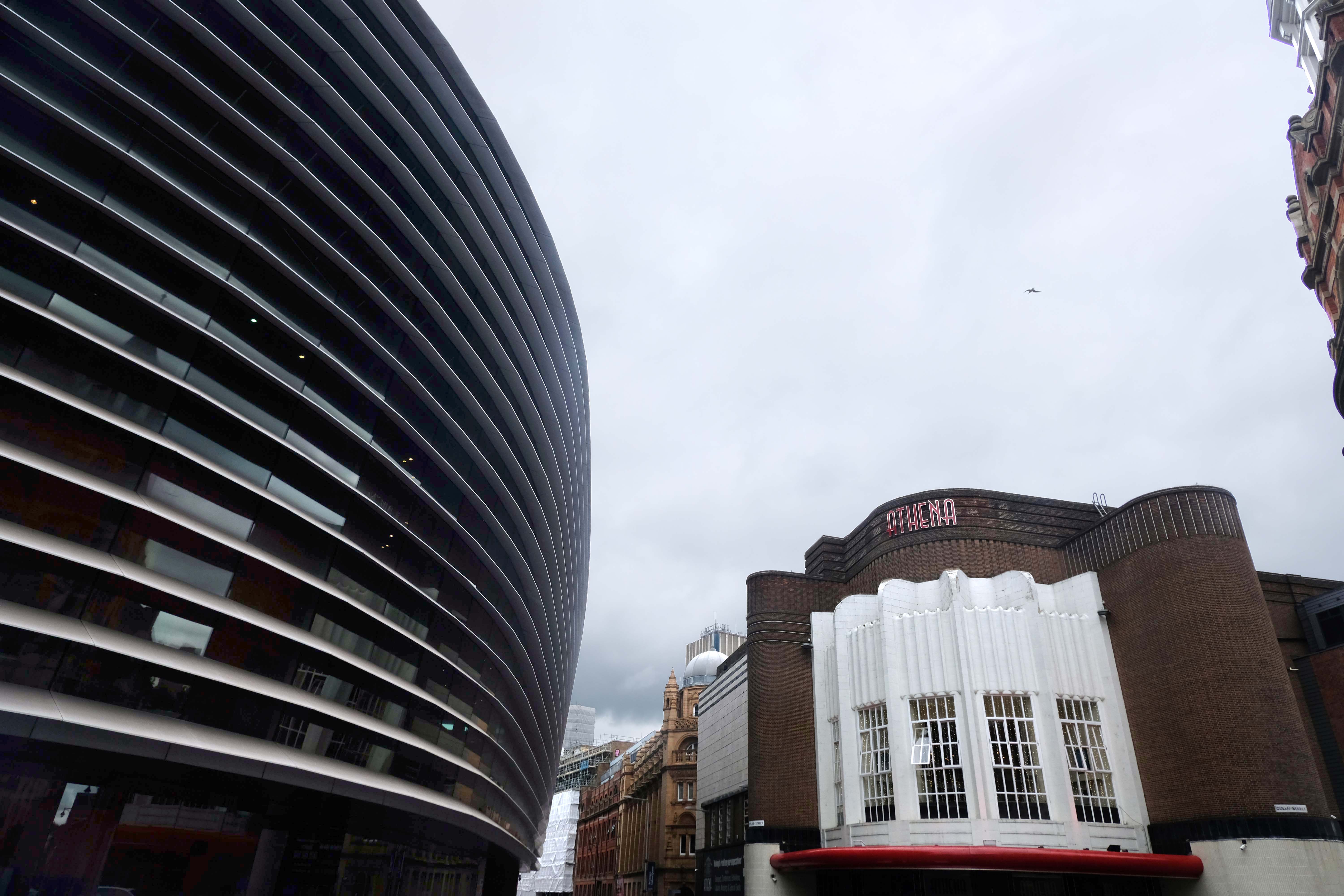
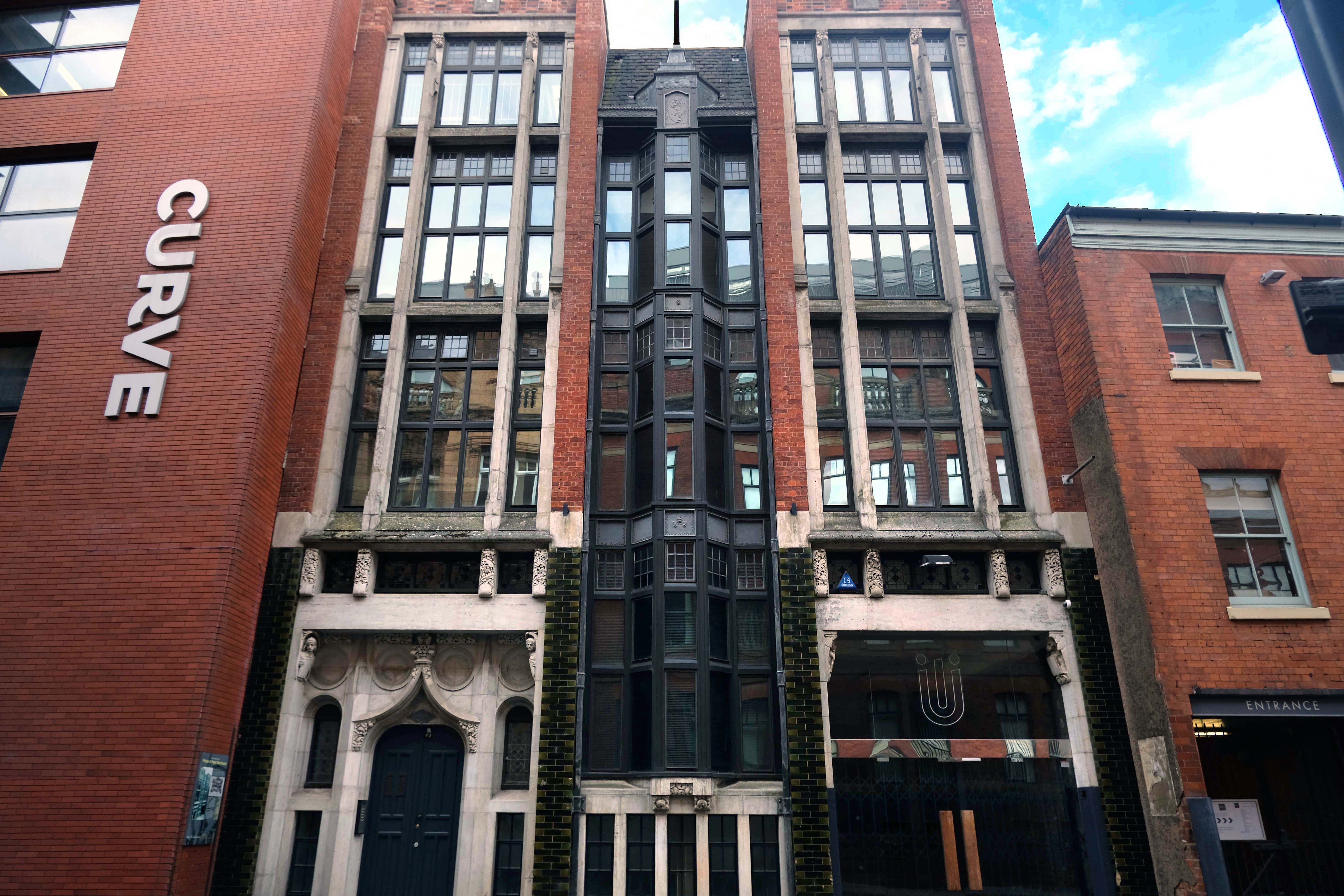
Up around the bend to the Curve Theatre Opened in 2008 by Her Majesty The Queen, designed by acclaimed architect Rafael Viñoly.
Originally designed and built in 1936 in the Streamline Moderne style by Robert Arthur Bullivant, and operated as an Odeon Cinema. The terracotta panels, which feature mermaids, were hand-moulded by William Neatby at the Lambeth premises of Doulton and Co.
The cinema was opened on 28th July 1938 with a screening of A Slight Case of Murder.
Grade II Listed August 1997 – the building has been restored and converted into a venue for corporate and social events renamed ATHENA.
Onward now to the Pfister & Vogle Warehouse – built in 1923 architects: Fosbrooke and Bedingfield for the Milwaukee based leather manufacturers.
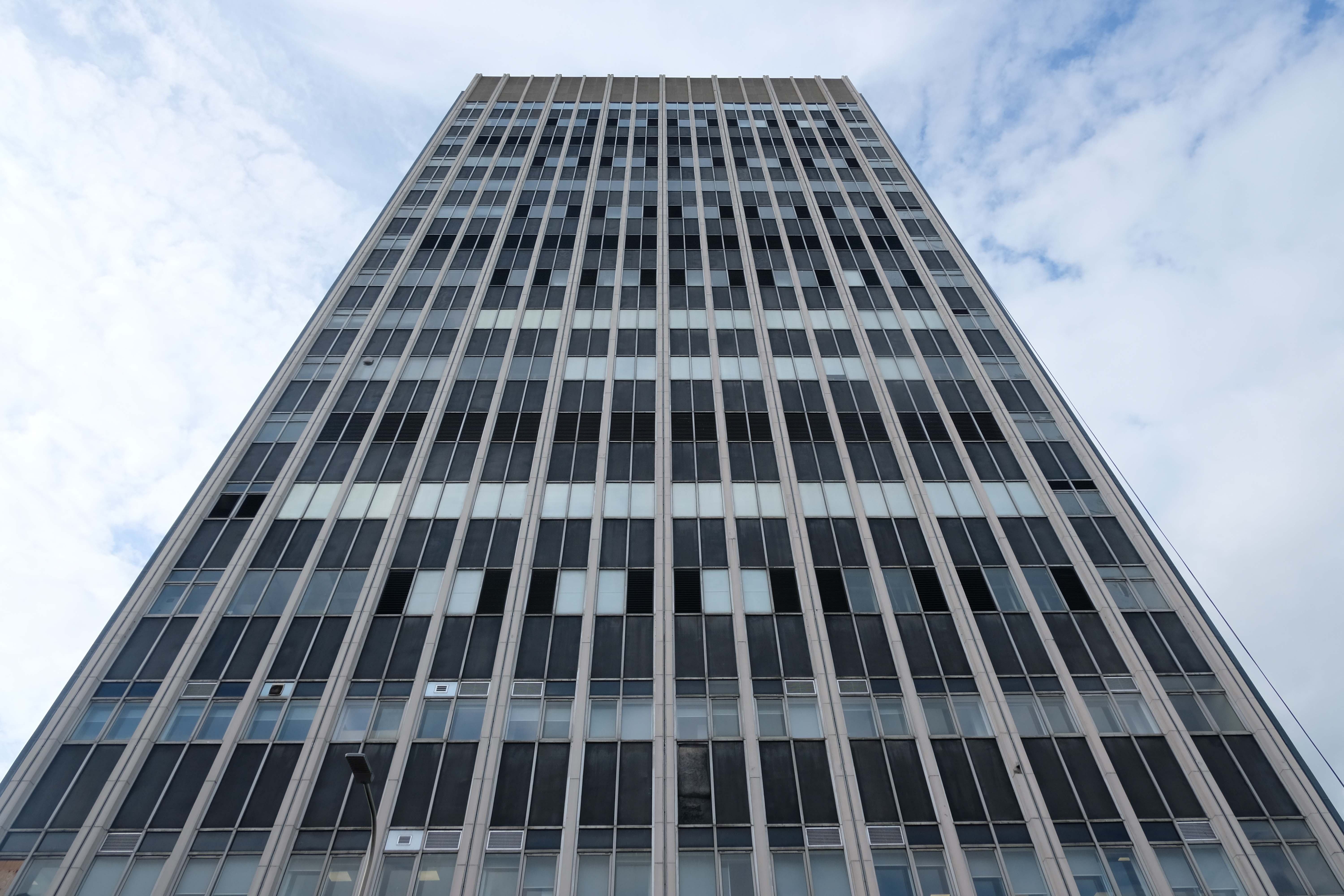
Calling next at the Cardinal House Telephone Exchange 1970 – at 84m the tallest building in the city.
A sprawling complex of tower and outlying buildings.
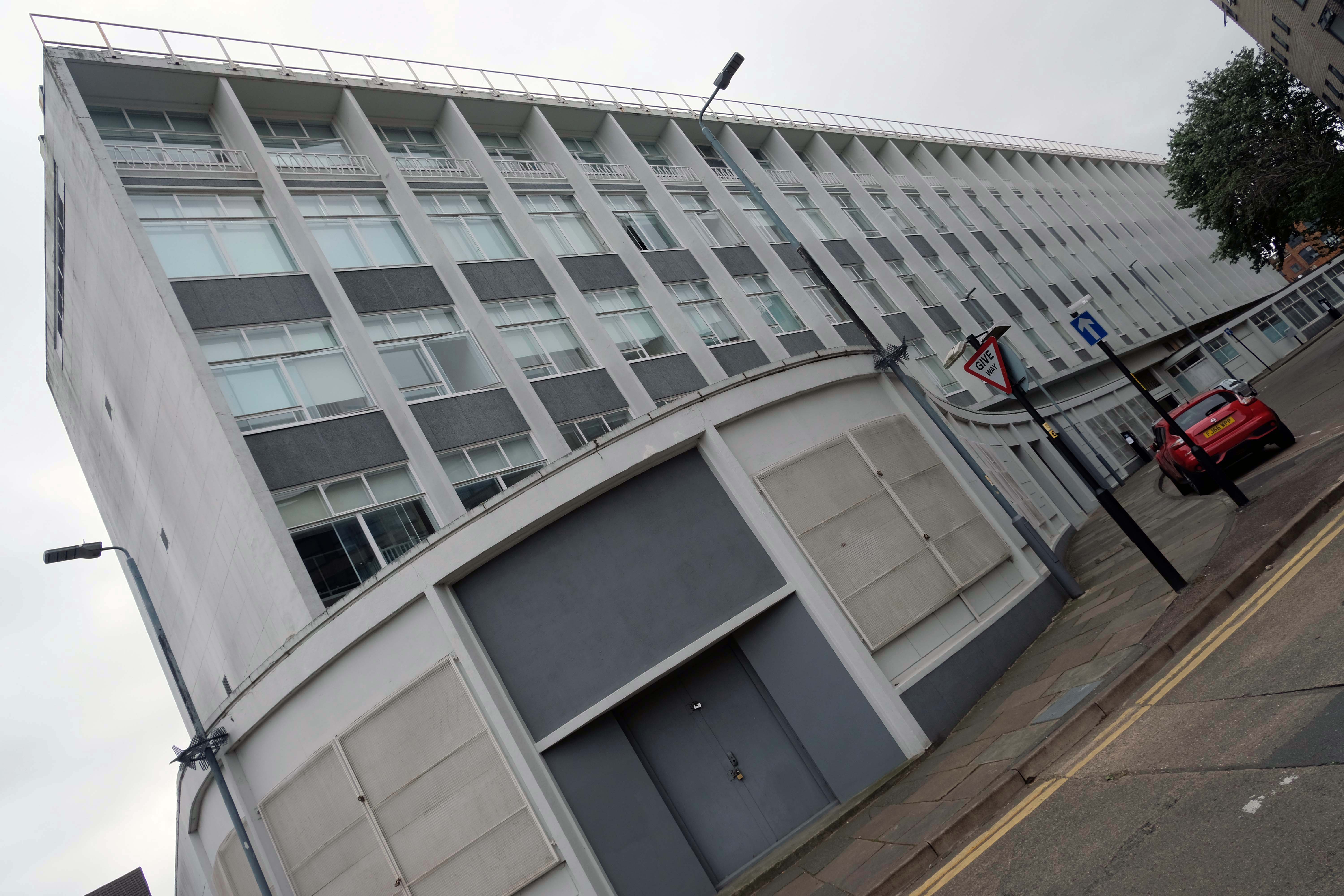
No longer taking calls the Wharf Street Post Office and Telephone Exchange.
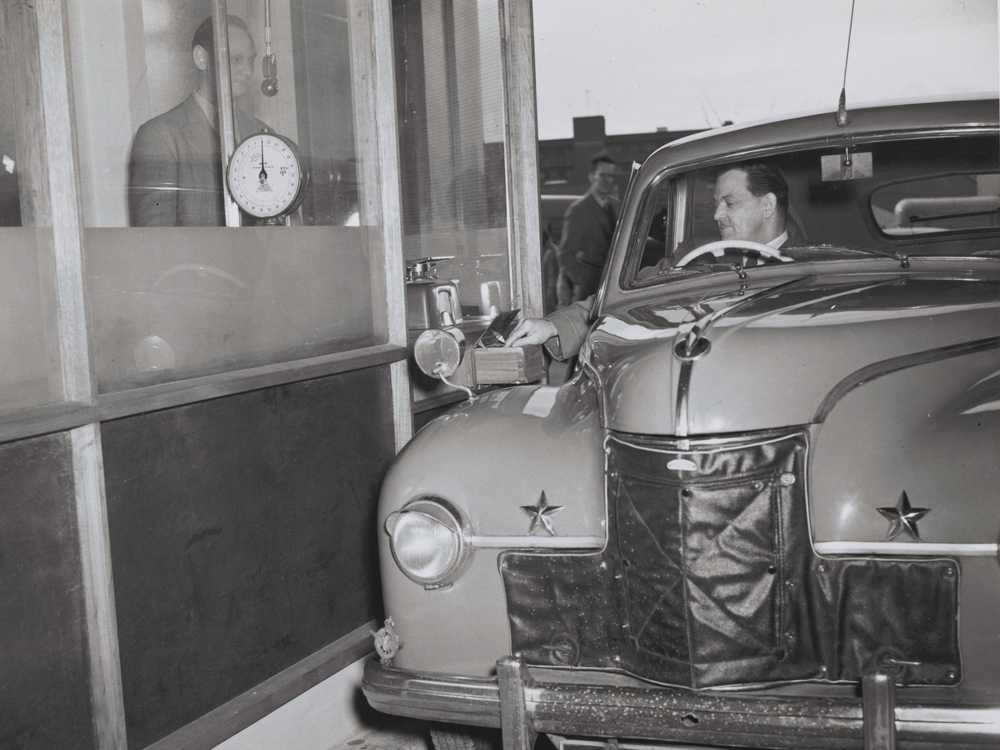
On 11 December 1959, the United Kingdom’s first drive-in post office opened. It was situated at the new Wharf Street Branch Post Office under the centre archway of the Wharf Street Telephone Exchange building in Leicester, which had a private road running through it.
Despite being announced in a burst of fanfare, the drive-in post office was ultimately considered to be a failure. From the initial 60 to 70 customers a day, this fell to 20 to 25 a day and, by 1963, the number of customers had tailed off to three per day and even this was not always maintained.
Let’s carry on and park it in the Auto-Magic Lee Circle Car Park.
Much beloved of Sid James.
One of the oldest multi-storey car parks in Europe. When it opened in 1961, providing space for 1050 cars, it was also among the first automated public car parks, using coin-operated barriers. Beneath the six parking levels, the supermarket chain Tesco opened their first store outside London. Tesco was integrated with the car park above so that staff could take customers’ purchases direct to their cars. For some years the new supermarket featured in the Guinness Book of Records as the largest store by floor area in Europe.
The opening of the Leicester Tesco was a landmark event in the history of UK retailing and marked the beginning of self-service shopping, with customers required to use one of the company’s baskets or trolleys. A crowd of 2,000 gathered to see the opening of the store by ‘Carry On’ comedian Sid James in the presence of Sir Jack Cohen, founder of Tesco stores, who helped to pack bags at the check-outs. This was the first ‘discount store’ opened by Tesco.
Epic House architects: Andrews, Emmerson & Sherlock 1963-1967
Formerly home to the UK’s first local radio station.
Crown House home to the Benefits Agency and County Court in the 1970’s
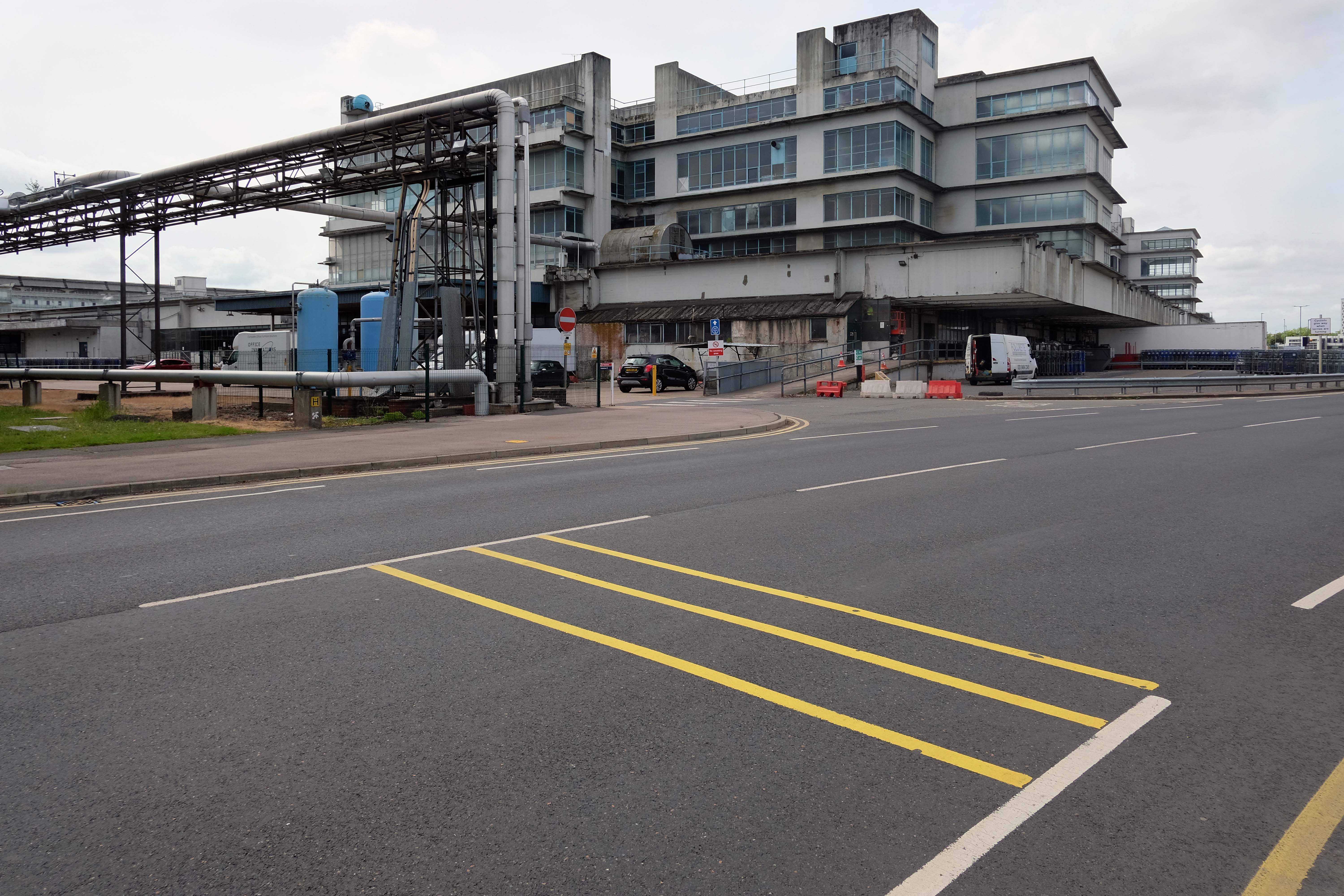
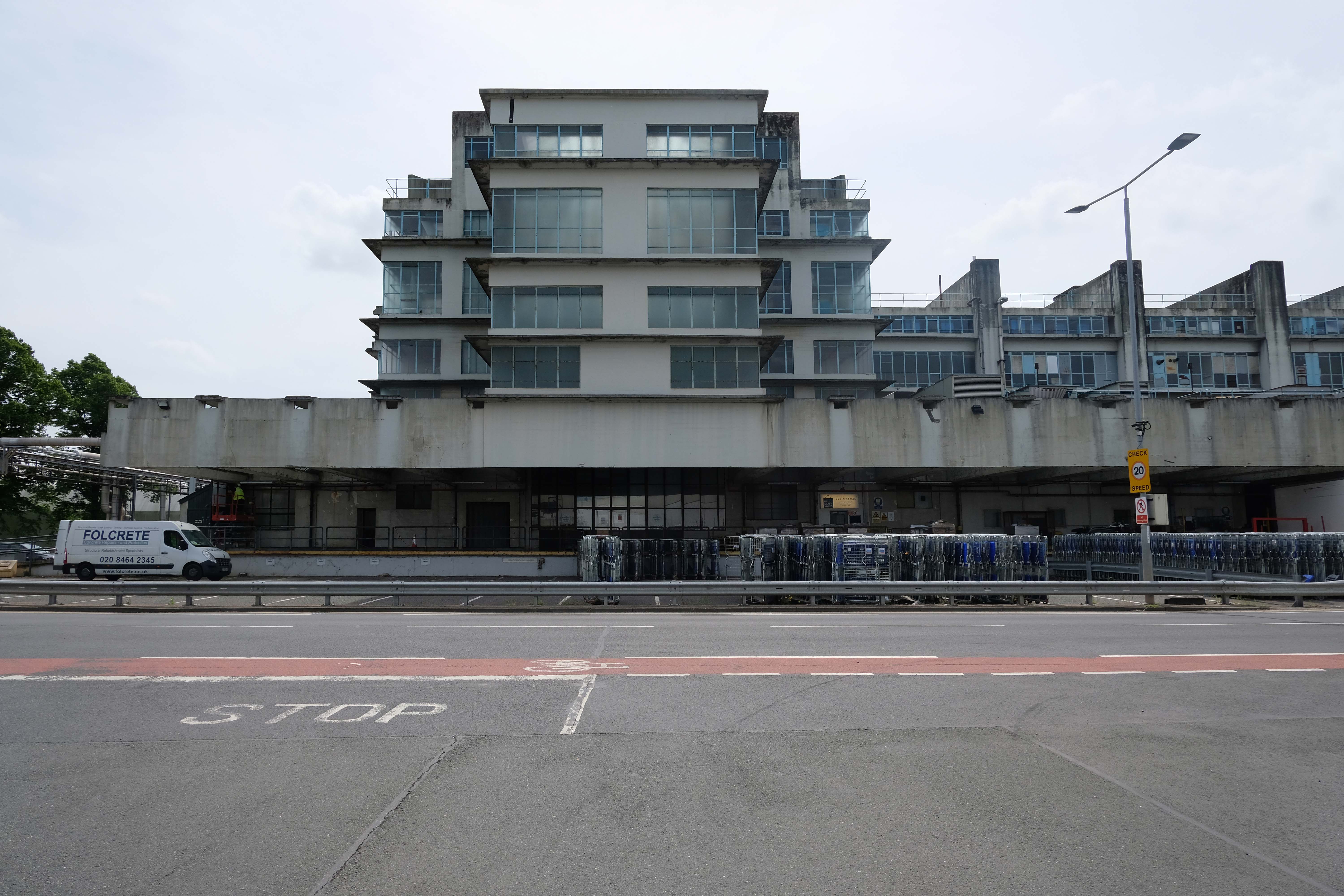
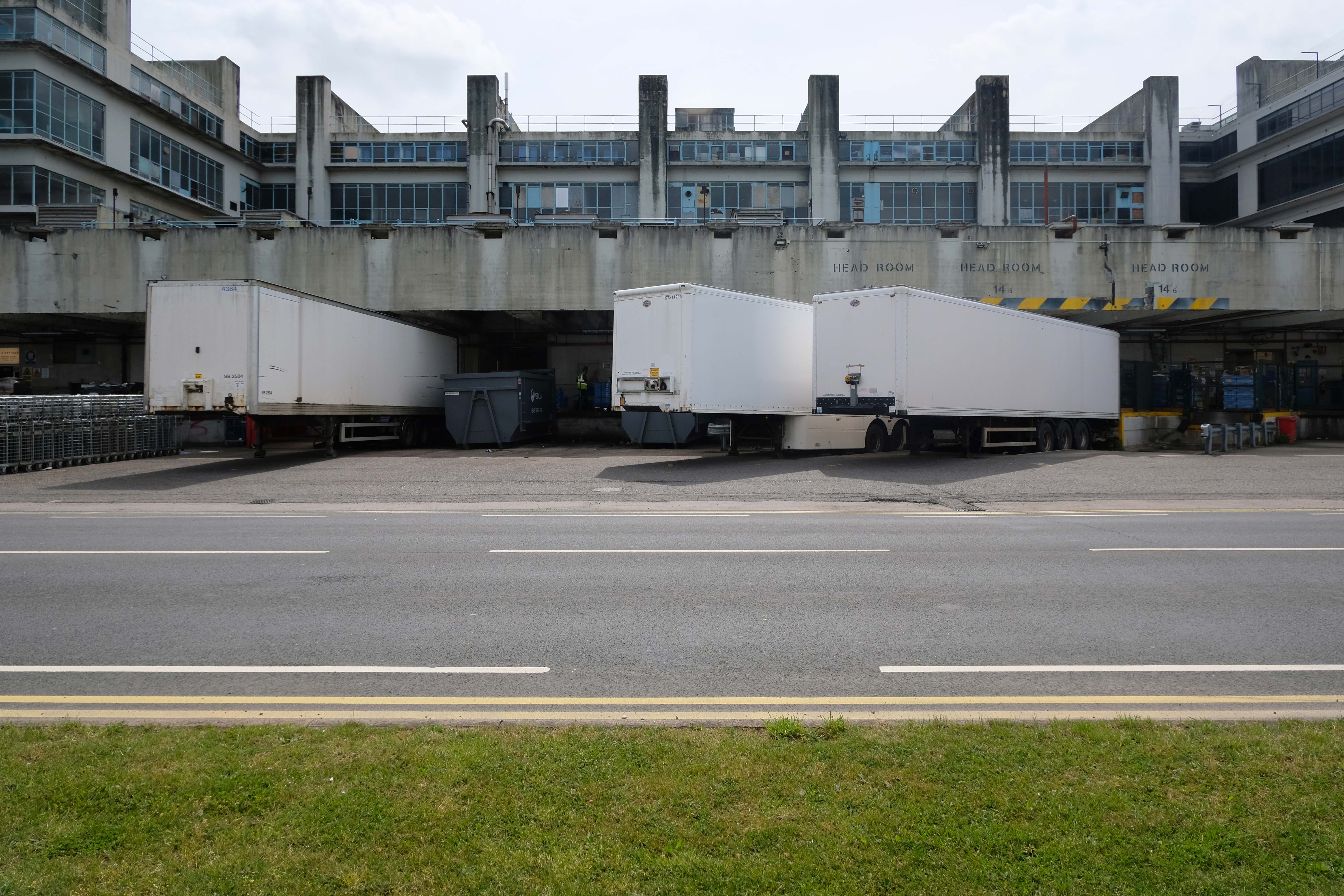
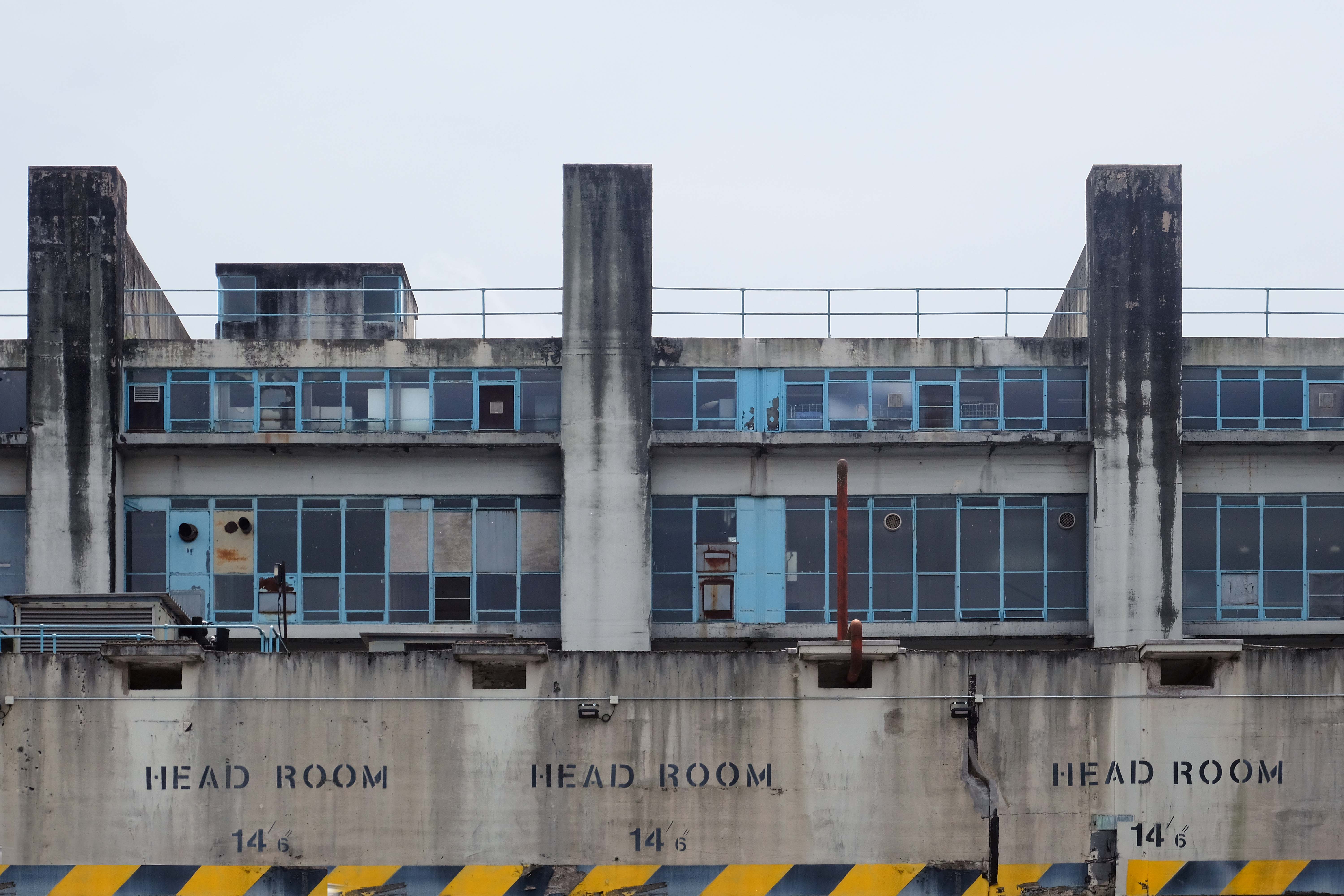
Let’s take a look at the CorahSt Margaret’s Works – currently not working.
Corah was established by Nathaniel Corah, who began buying hosiery in Leicester to sell in Birmingham in 1815. The first extension was in 1882, when the company was the first in Leicester to introduce electric lighting to a factory.
At the outbreak of World War II Corah had 4,500 employees but over half of that number left to join the Services or undertake war work. Regardless of the reduced workforce the company produced 26 million knitted items for the government and processed around 250 million clothing coupons. The engineering department was also extended to allow for the production of 80,000 gun parts and 30,000 parts for tank landing craft.
Despite all the innovation, good working practices, quality products and special relationship with Marks and Spencer, Corah was acquired by Coats Viyella in 1994. The company was soon broken up and the St Margaret’s Works site closed within a decade.
C20 Society has joined Historic England and Leicester Civic Society in condemning plans to demolish the former Corah Factory, at the St Margaret’s Works site in the East Midlands city.
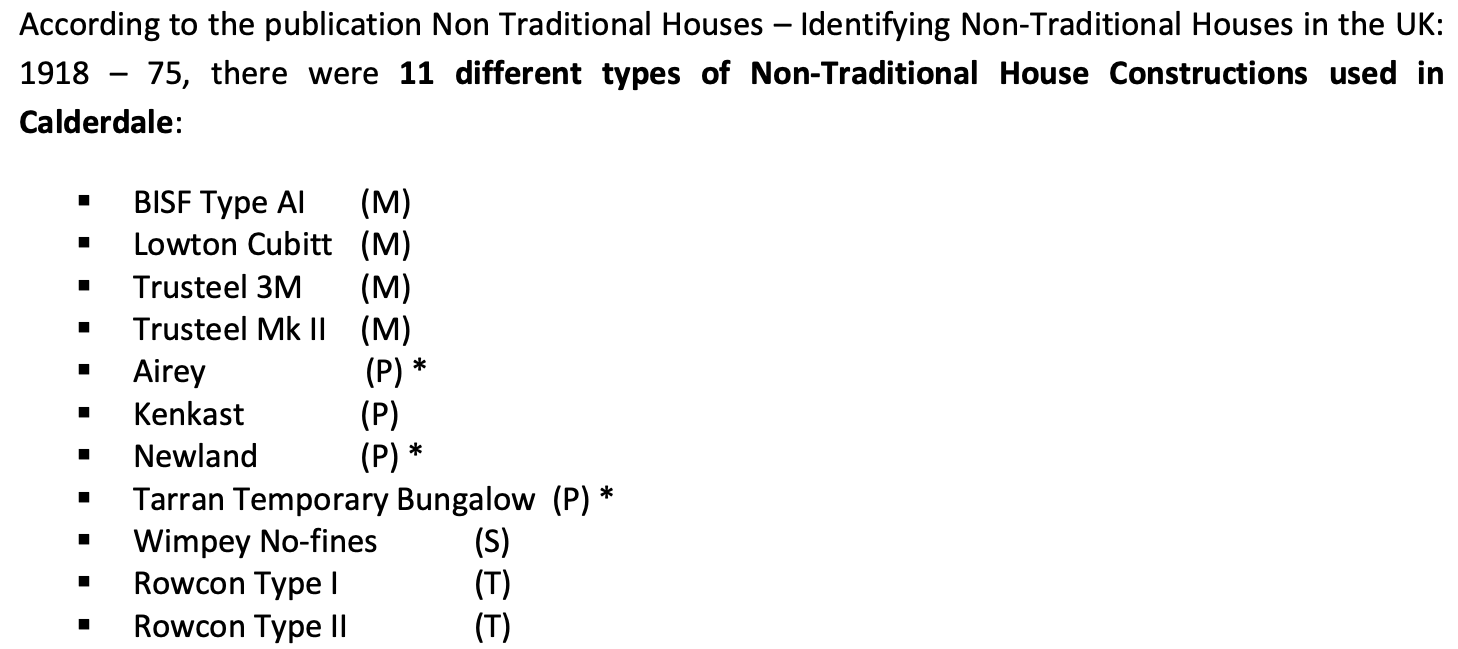
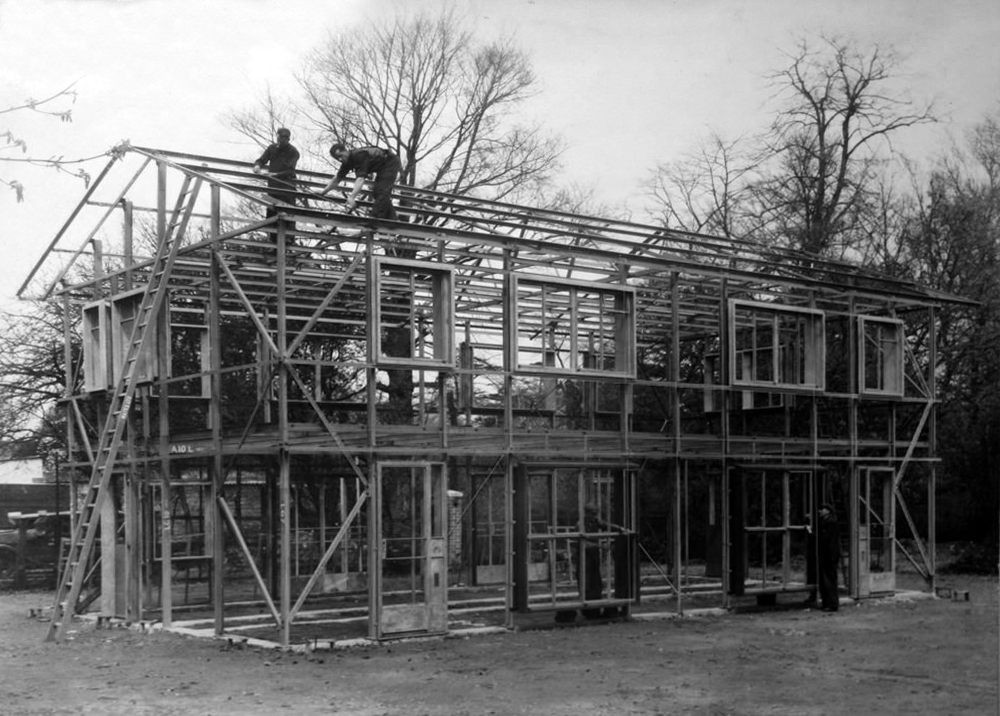
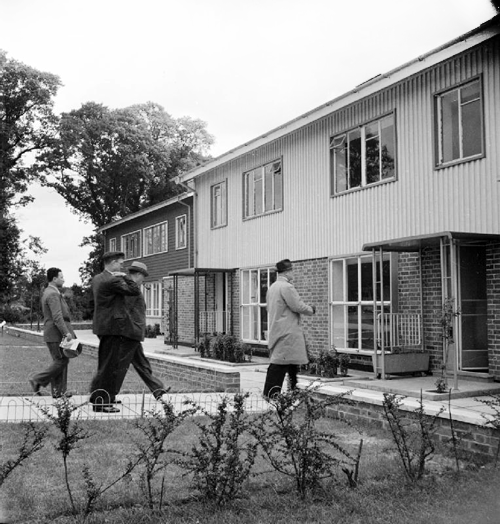
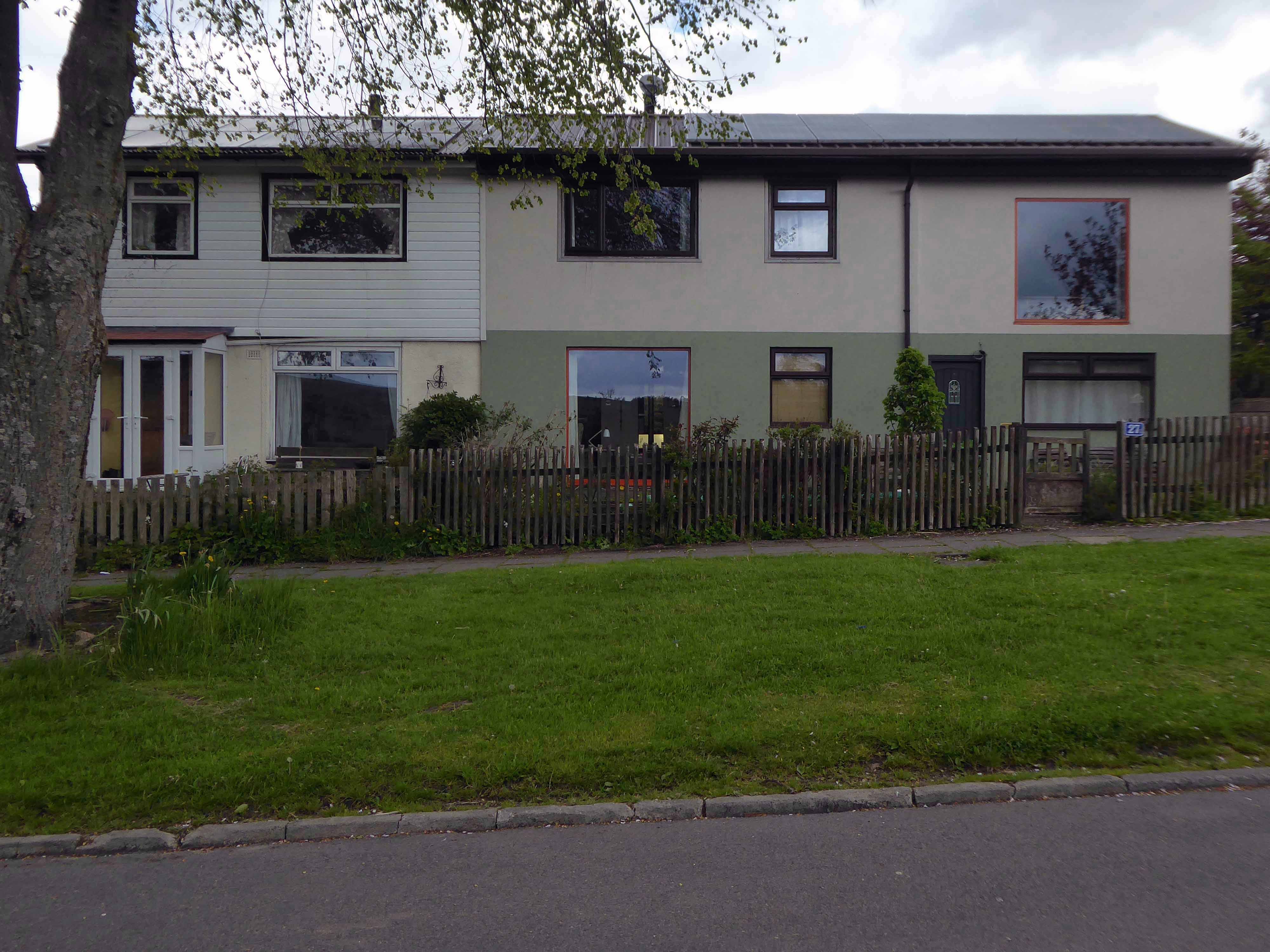
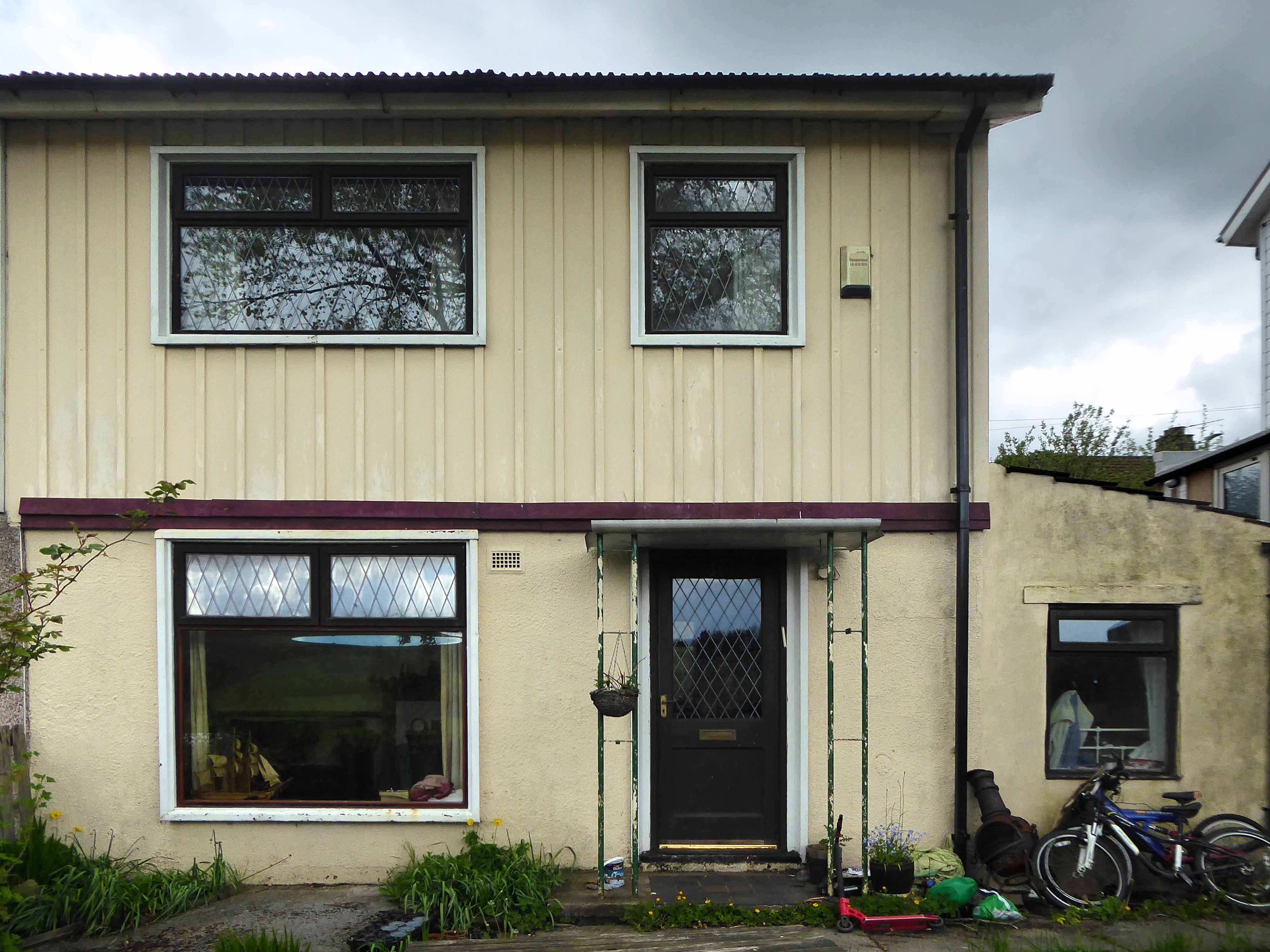
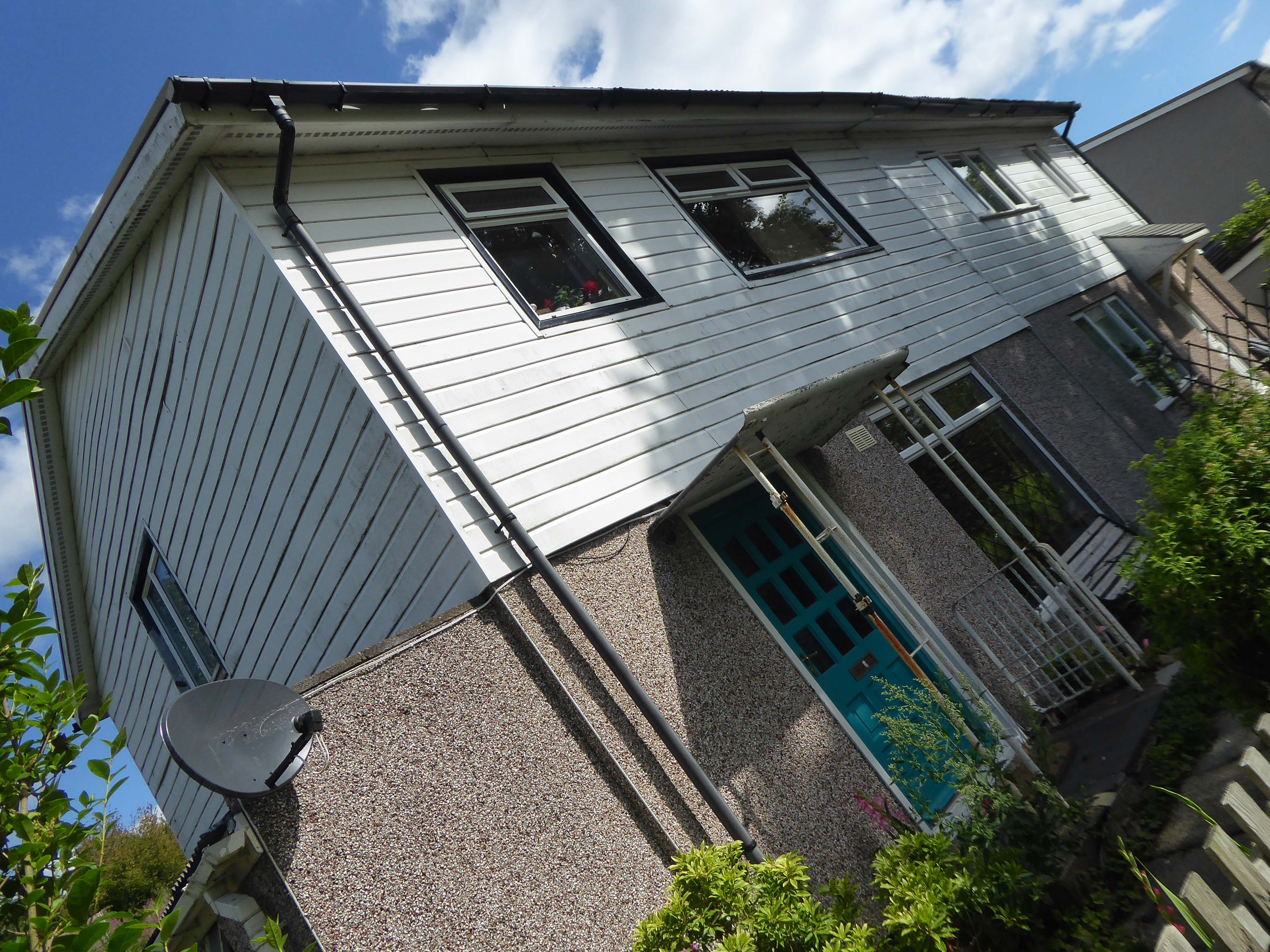
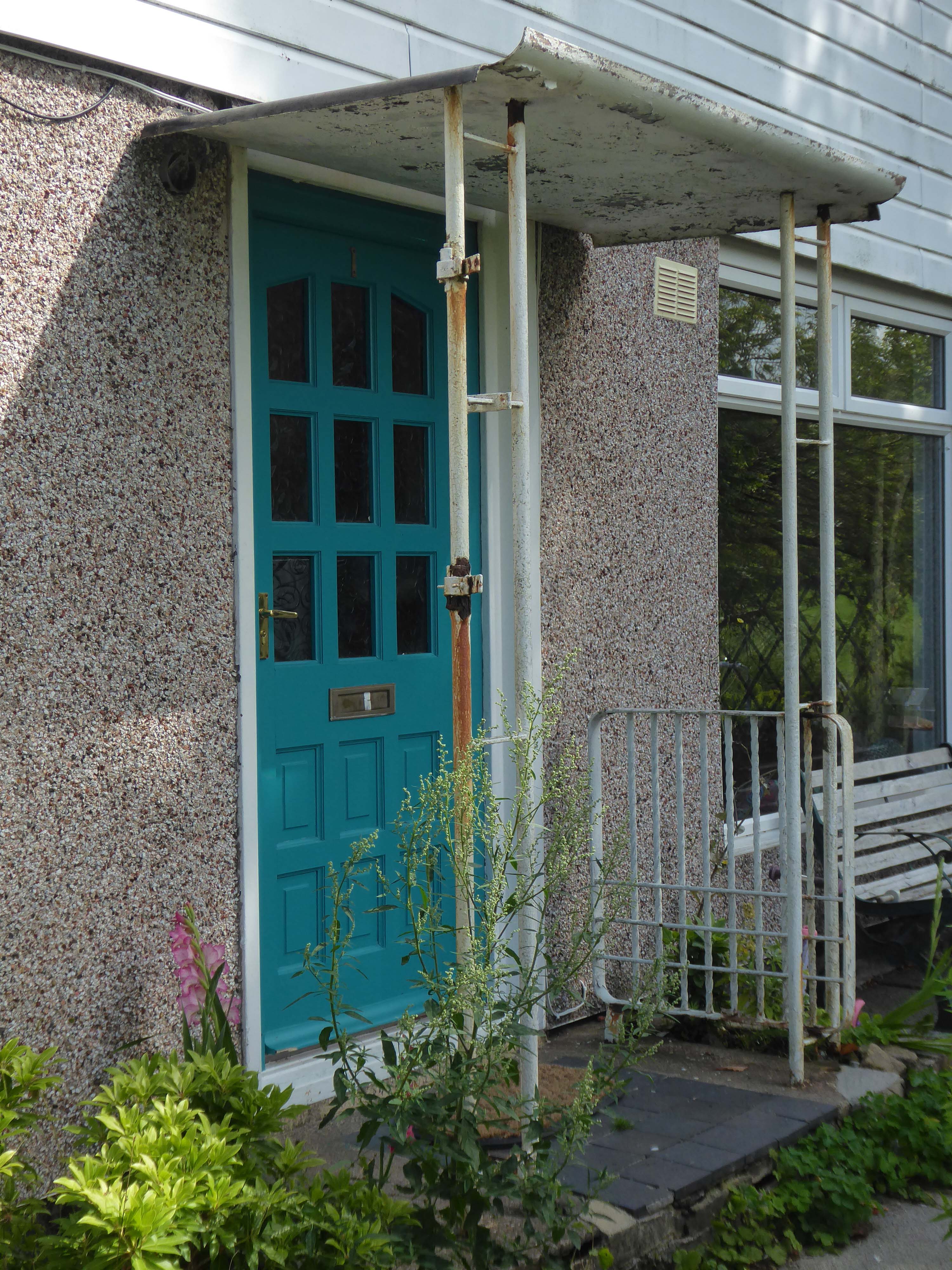
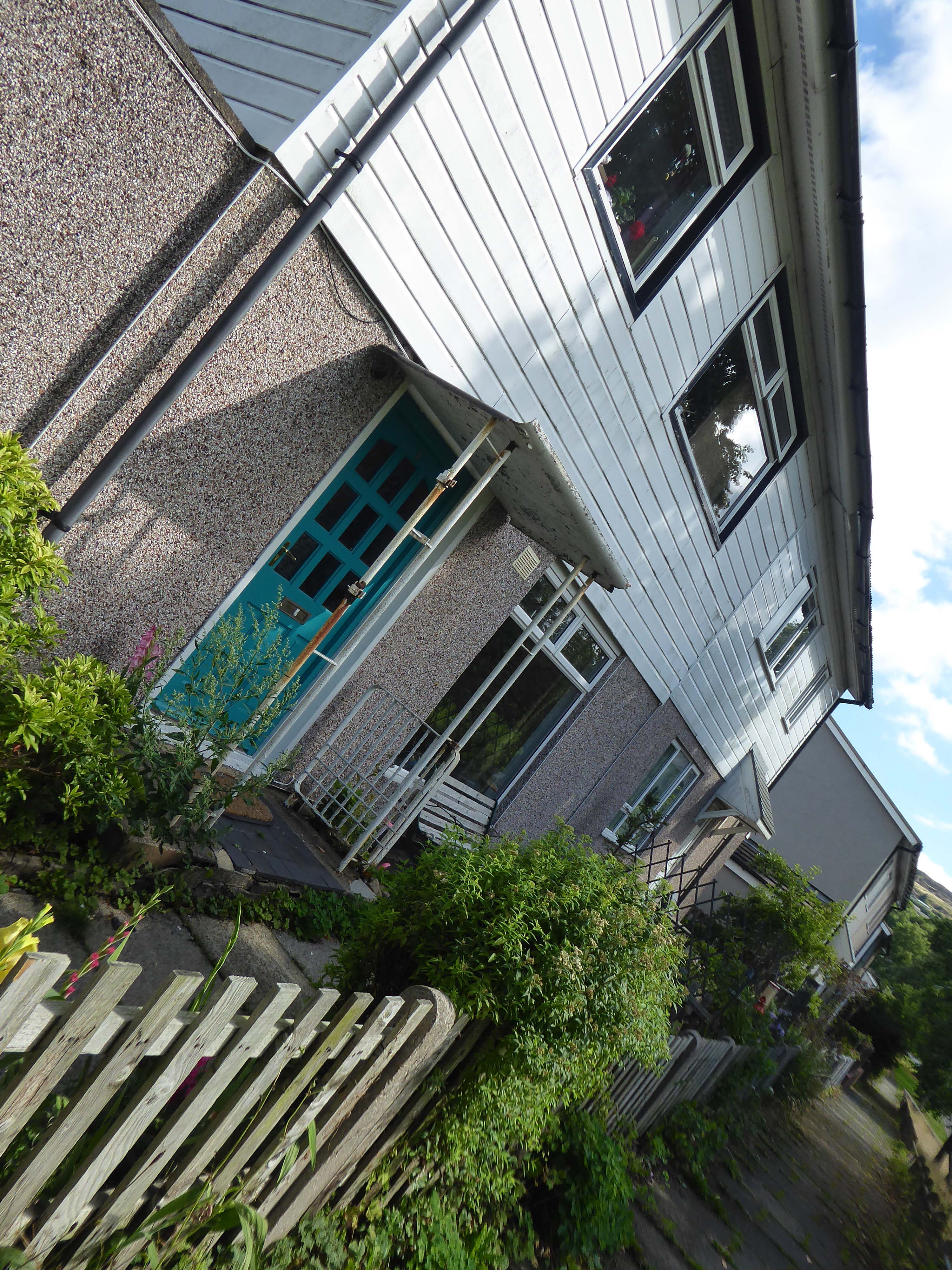
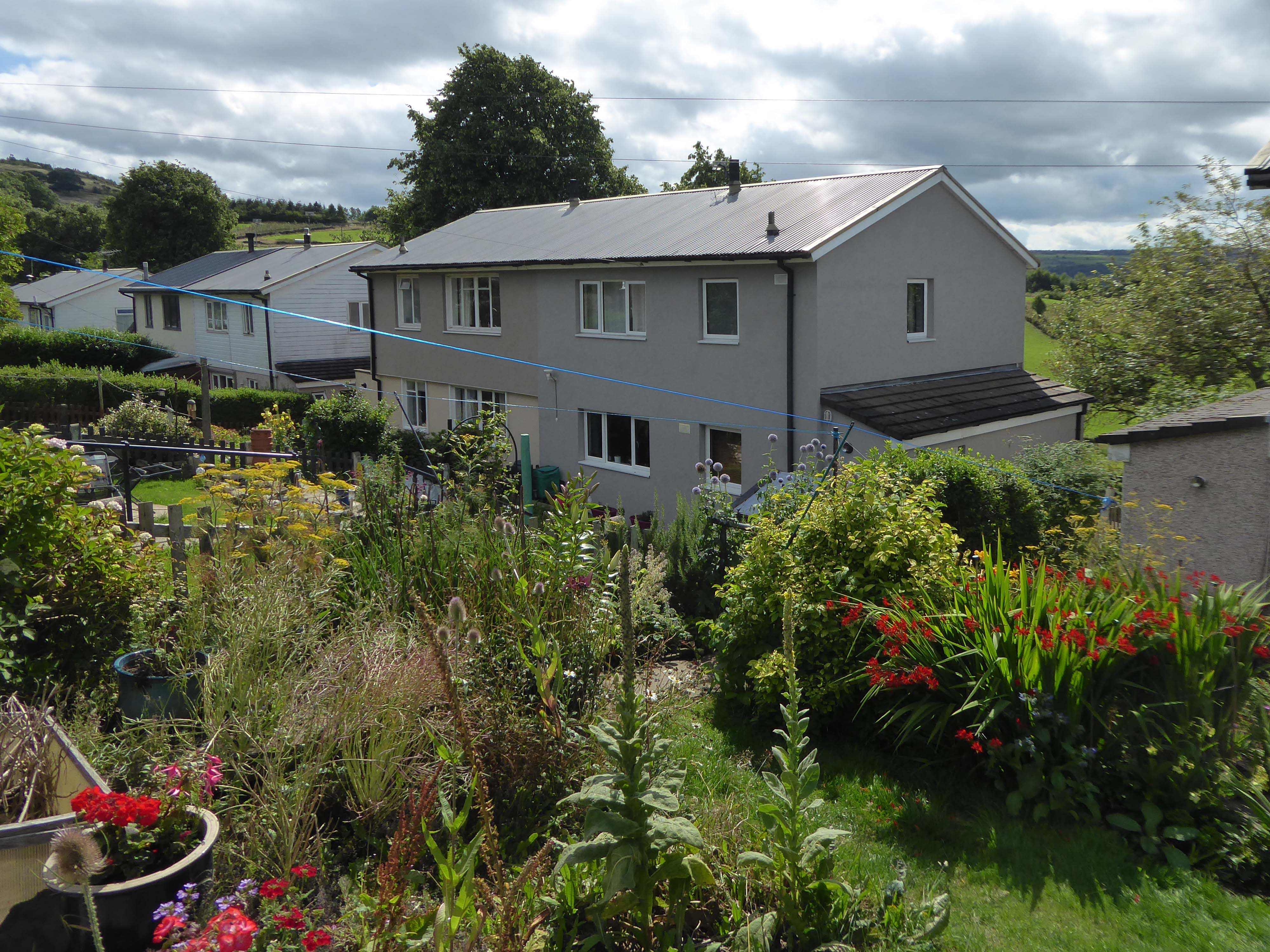
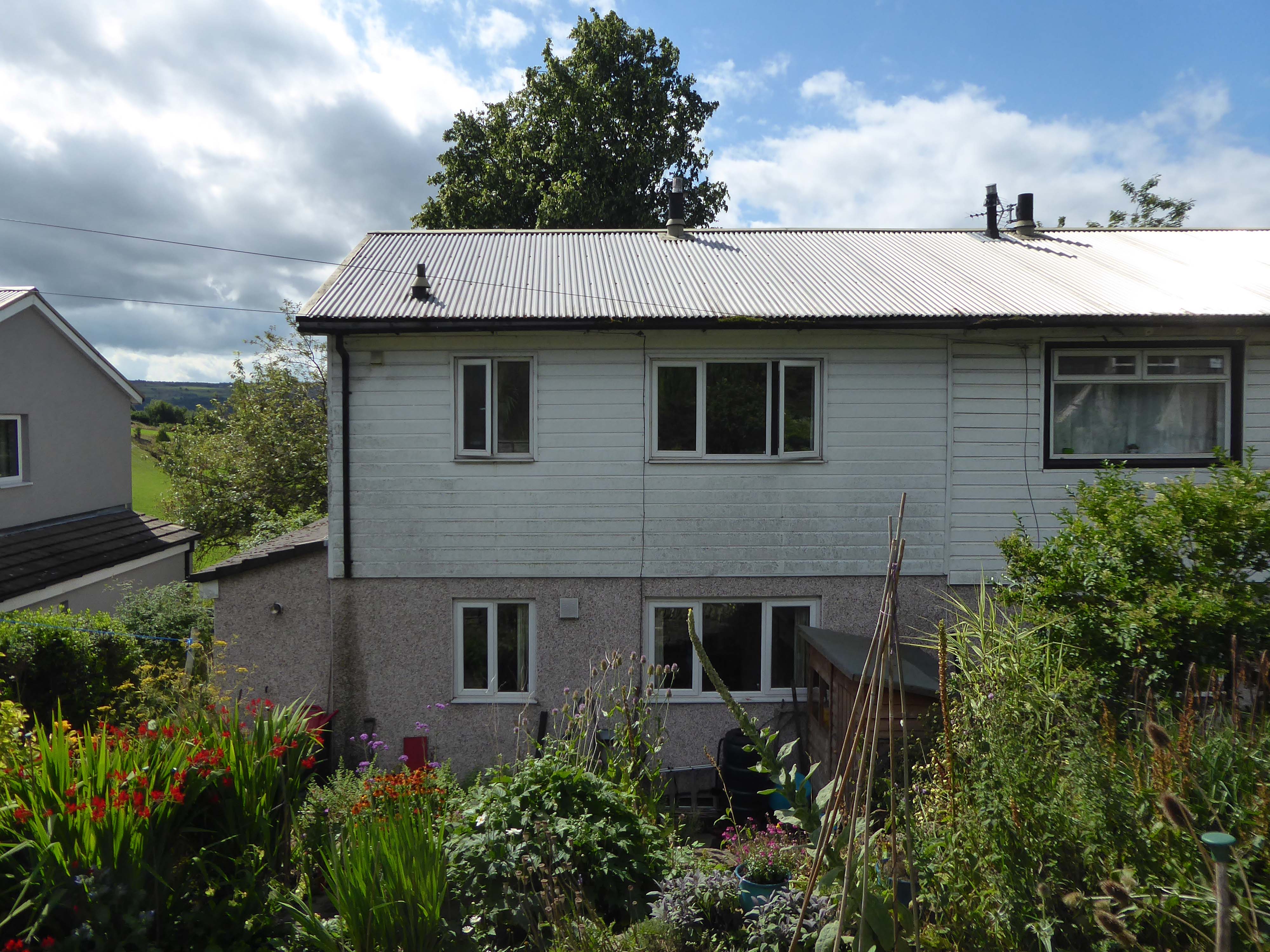
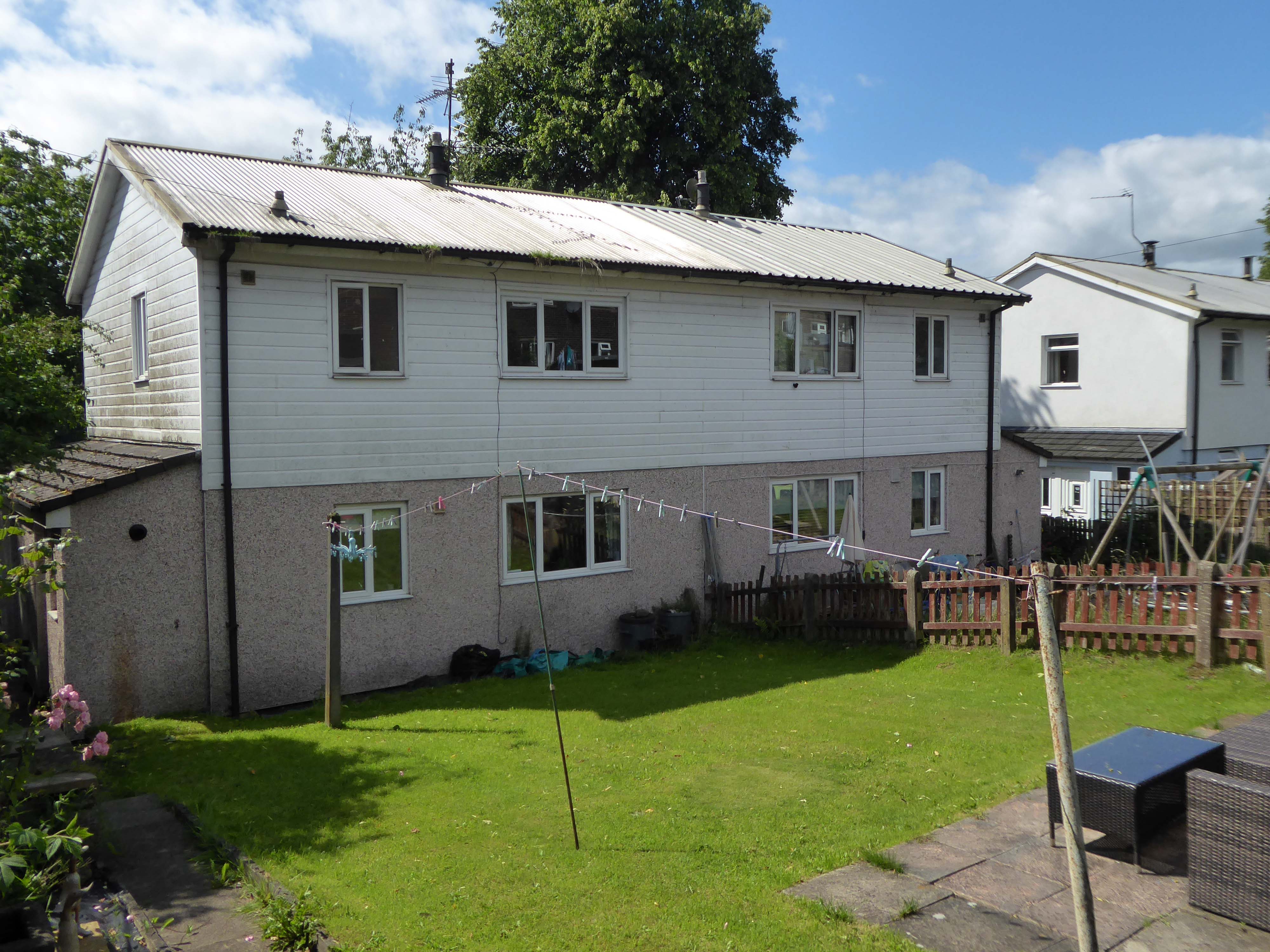
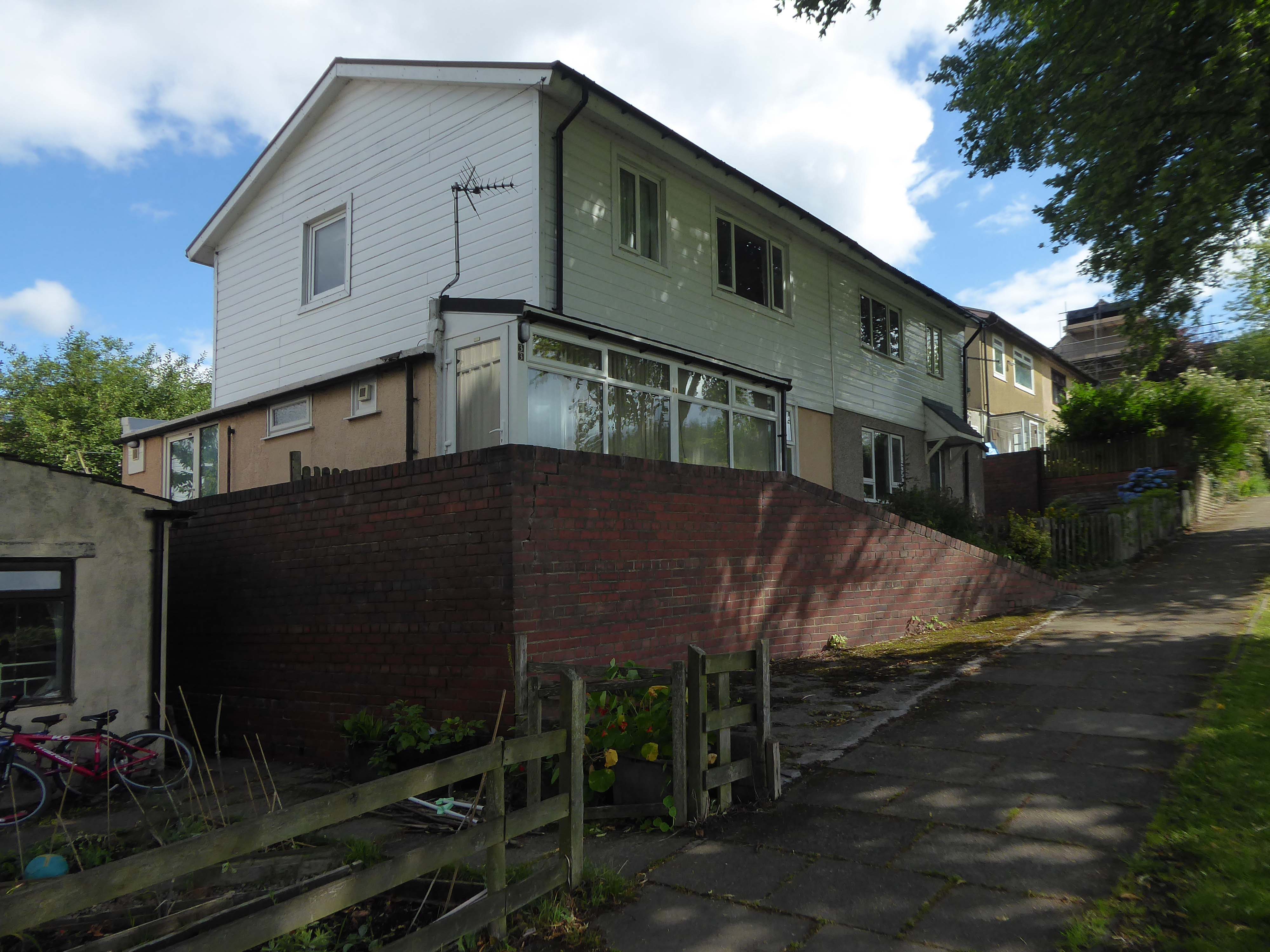
The Second World War brought an even greater demand for the rapid construction of new dwellings. In addition to the need to rebuild homes damaged as a result of the war, the Government had other objectives that were set out in a white paper in 1945, to provide a separate dwelling for any family who wanted one and to complete the slum clearance programme started before the war. After the Second World War there was a surplus of steel and aluminium production, and an industry in need of diversification. These factors drove the move towards the use of prefabrication, as aresult many new varieties of concrete, timber framed and steel framed systems emerged. Whilst most systems were intended to provide permanent or long-term housing a few were intended only as emergency or temporary solutions.
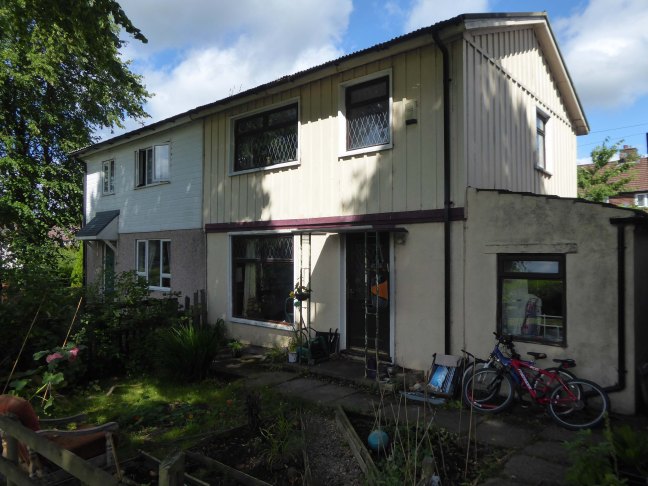
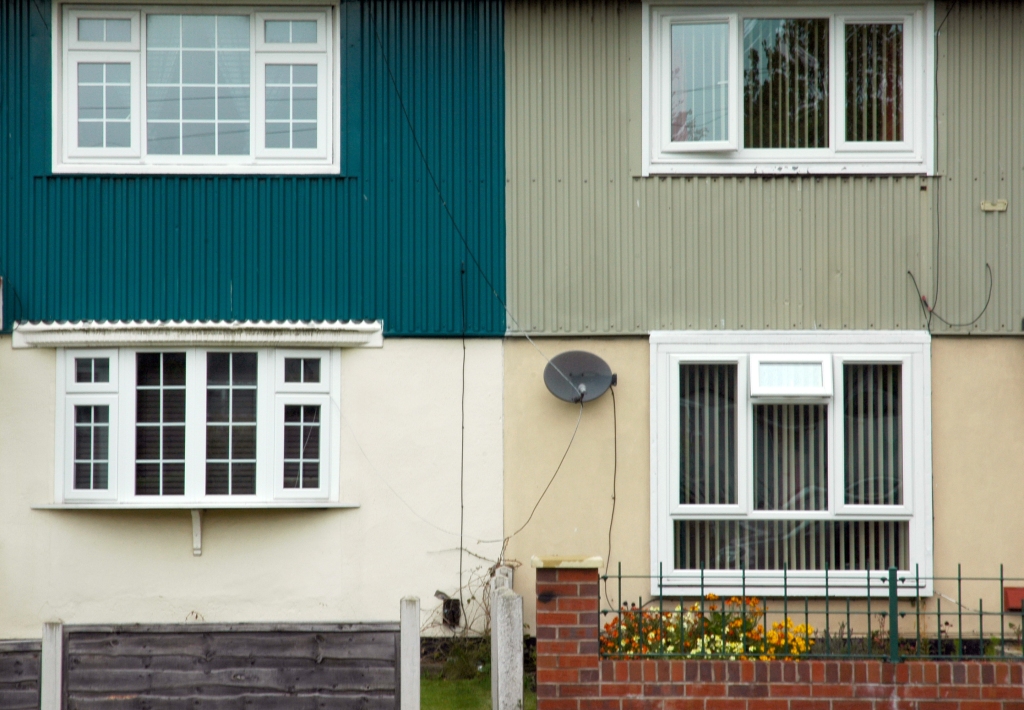
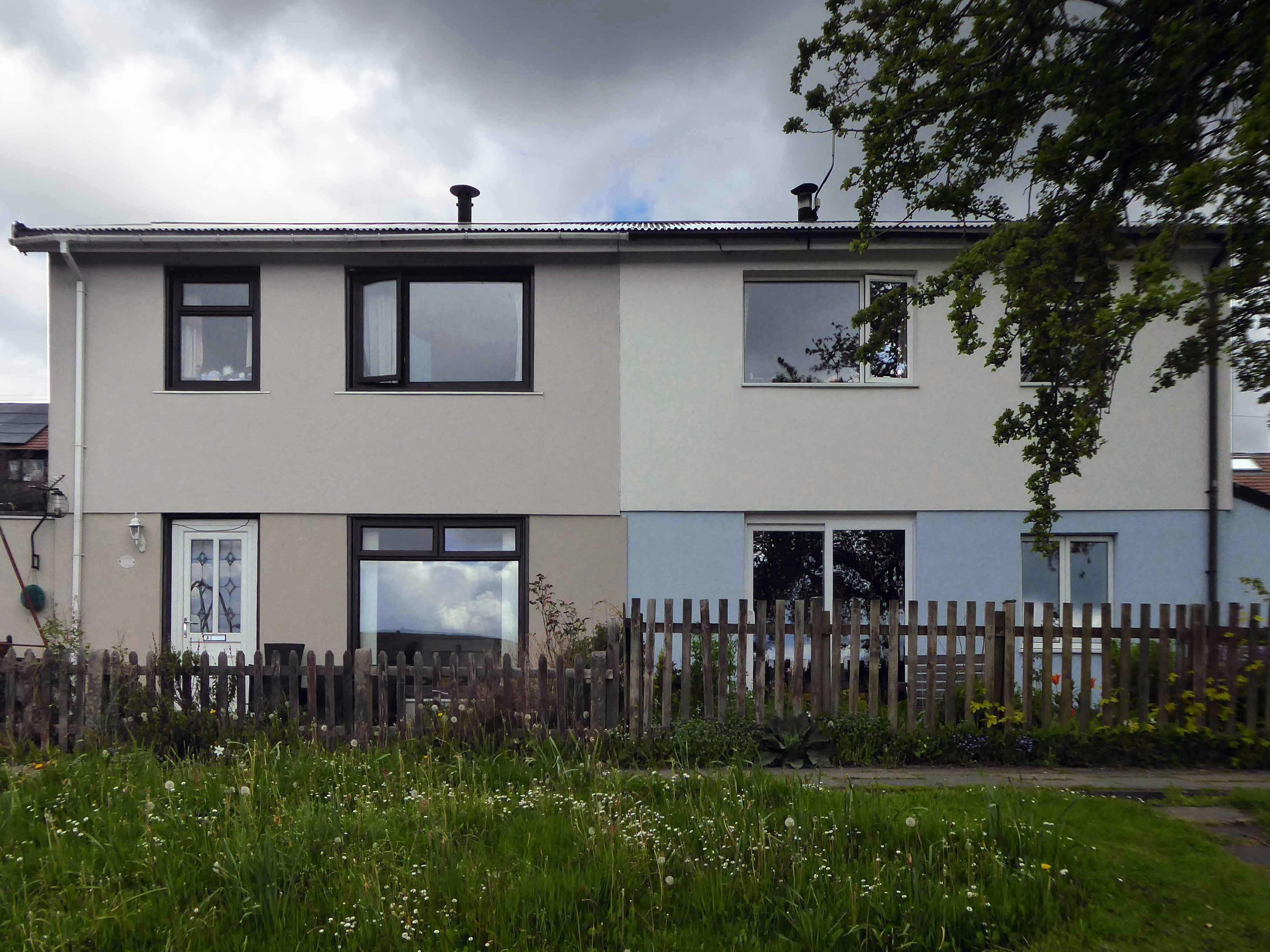
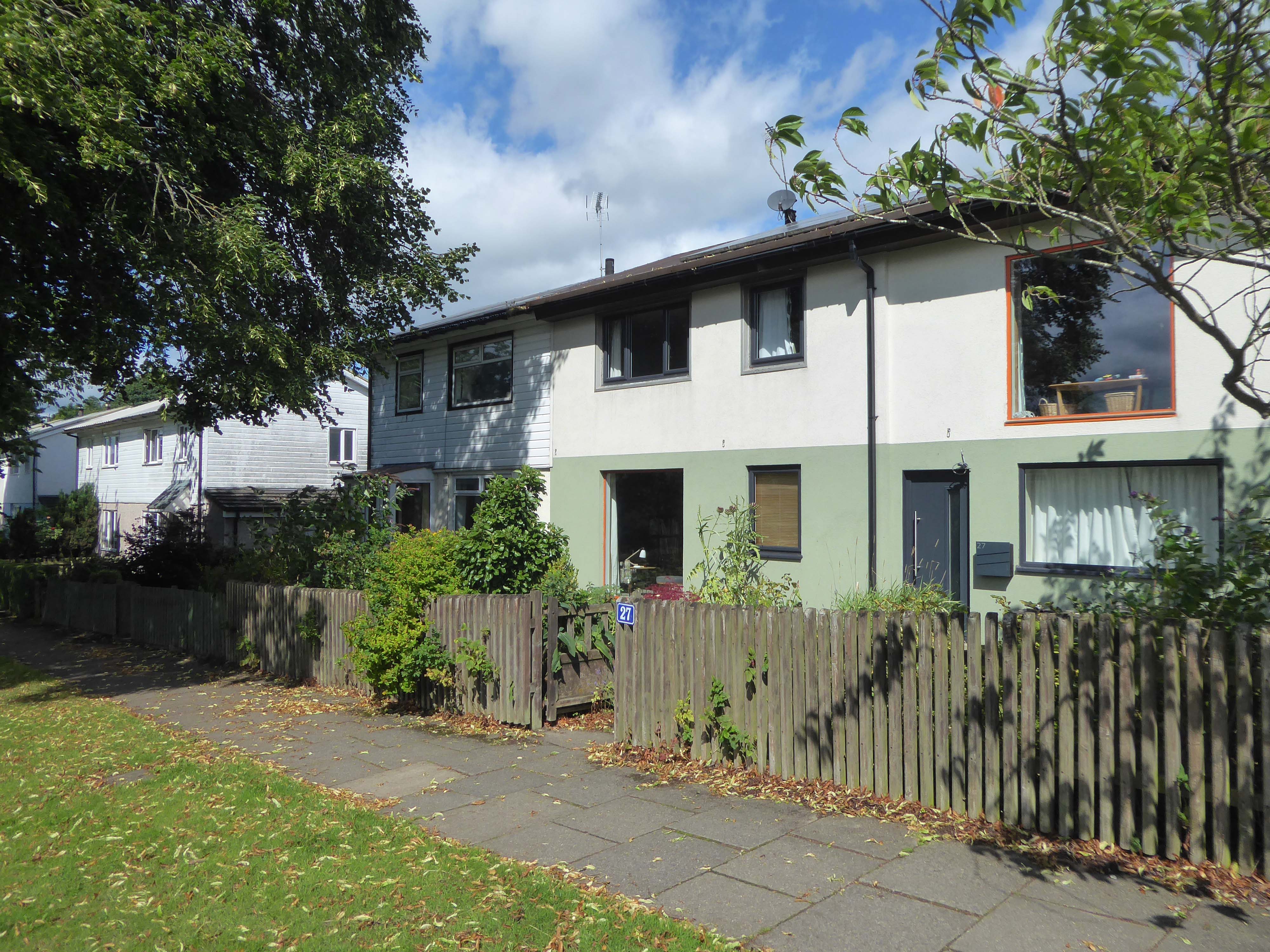
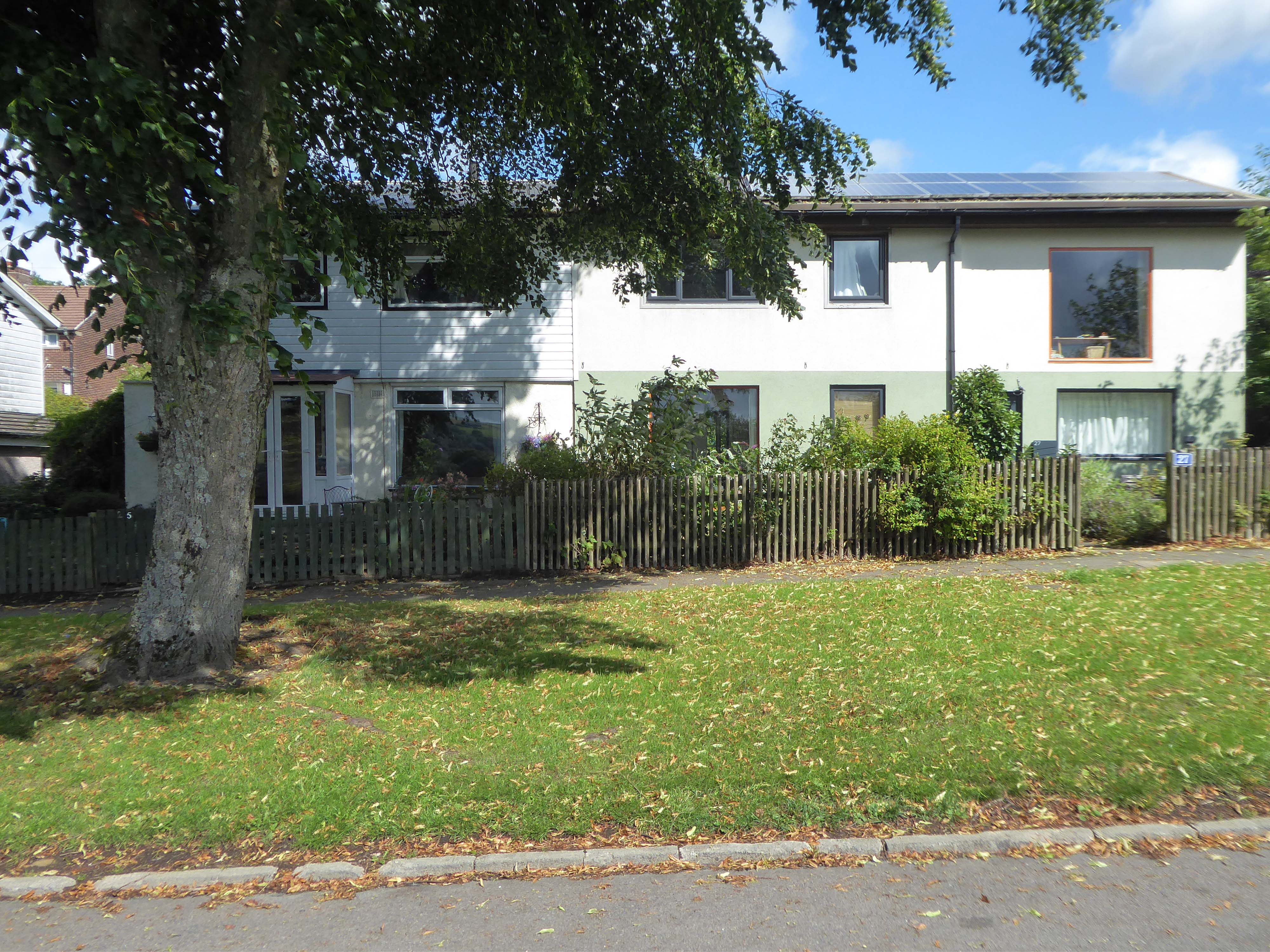
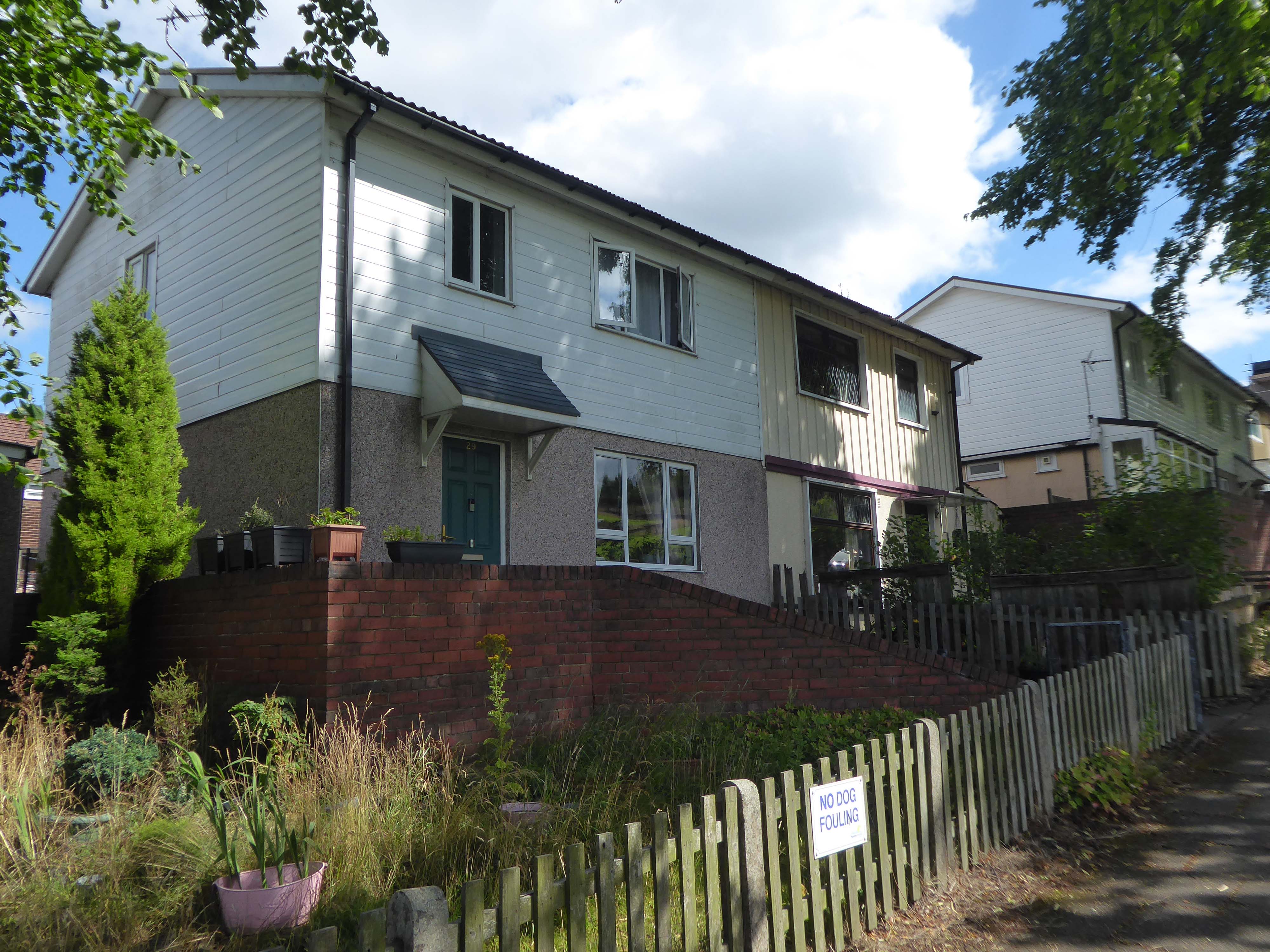
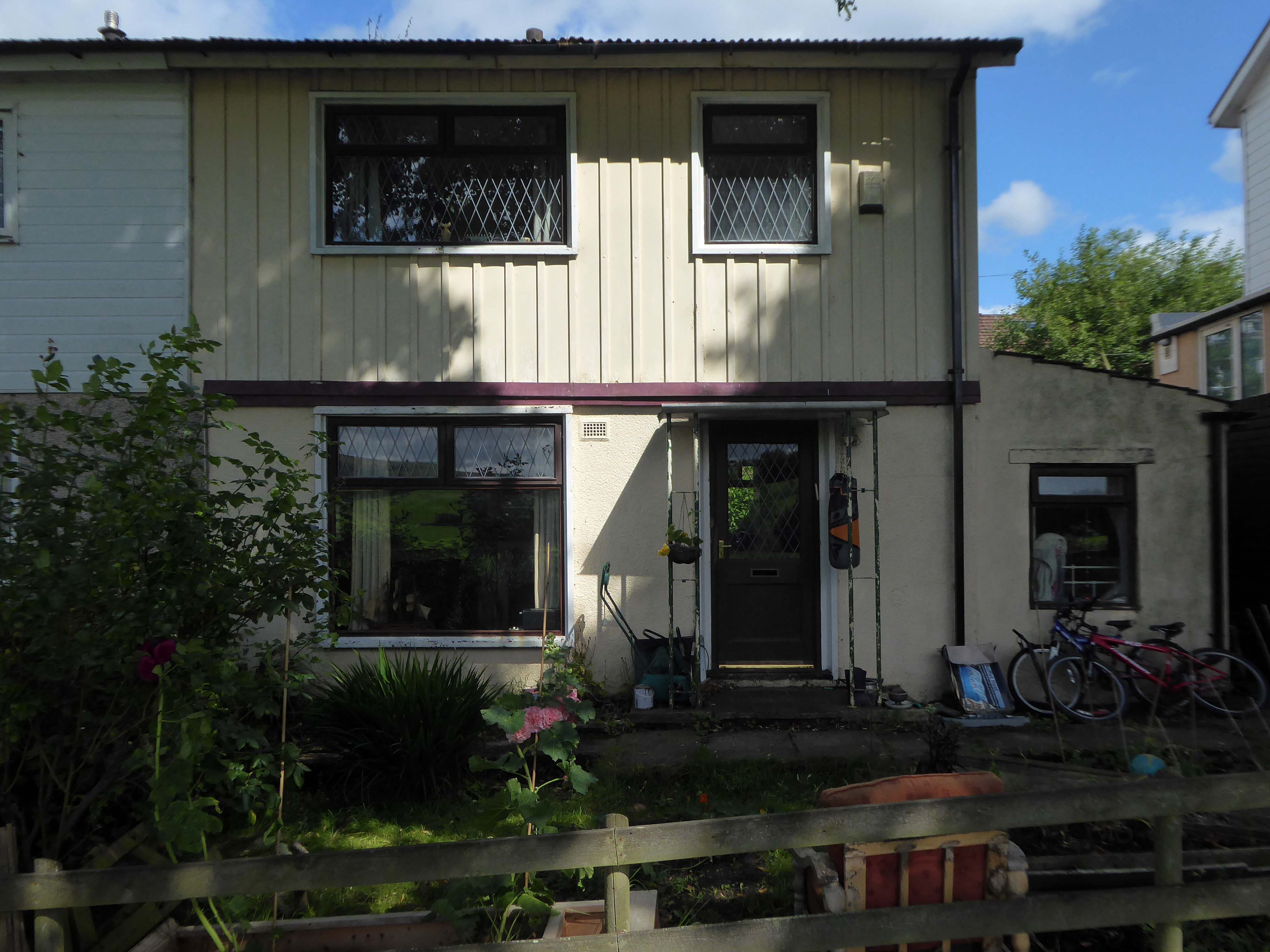
The homes on Wadsworth Lane are BISF Type A1 – designed by architect Frederick Gibberd and engineer Donovan Lee.
Manufactured by British Iron & Steel Federation and British Steel Homes Ltd.
Over 34,000 three-bedroom semi-detached houses and 1048 terraced houses were erected across England, Scotland and Wales.
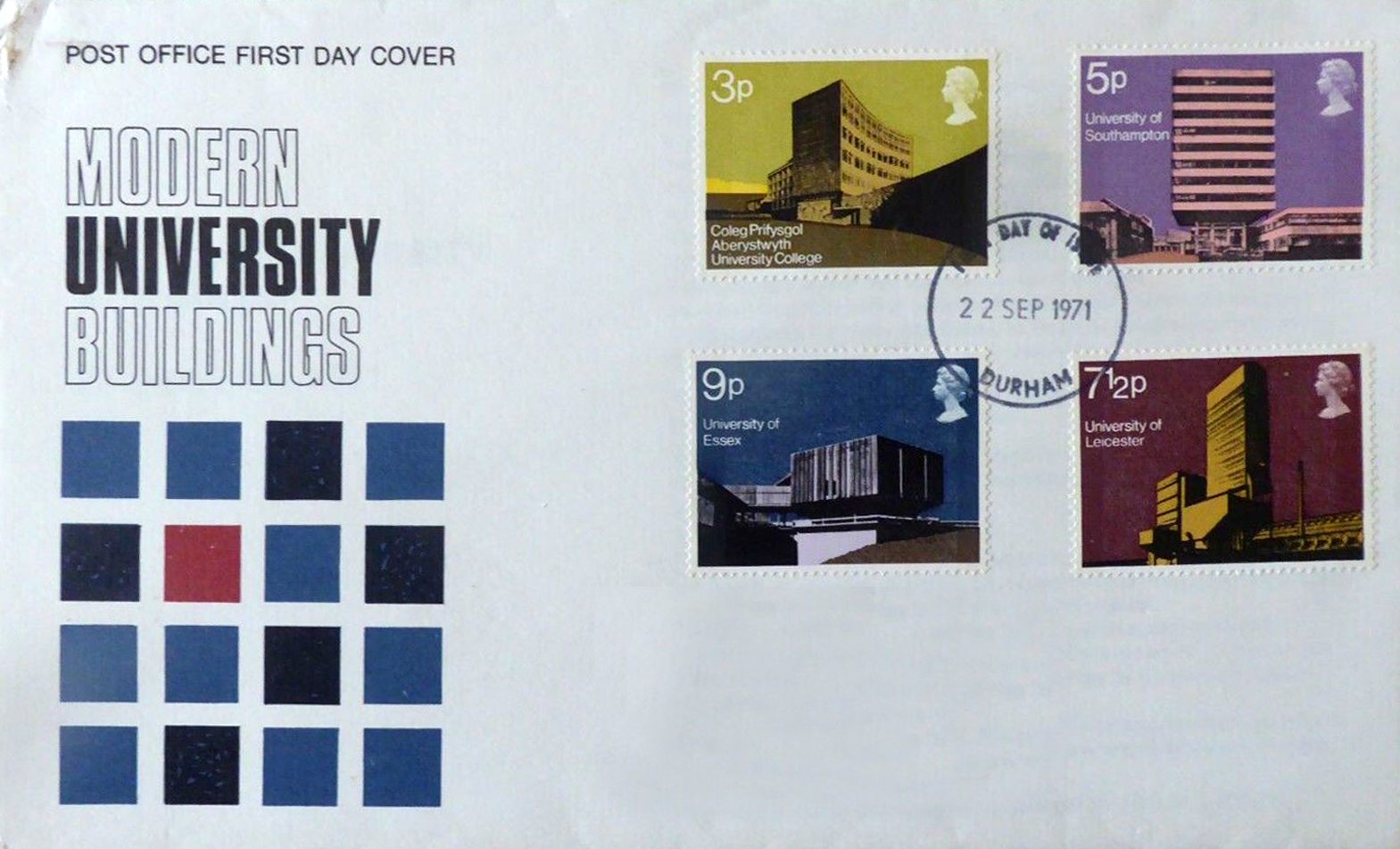
Way back in 1972 the nation thought fit to celebrate its Modern University Buildings, rightly so, as many campuses represented the very best of the era’s architecture.
Leicester was foremost in this innovative use of C20 constructions.
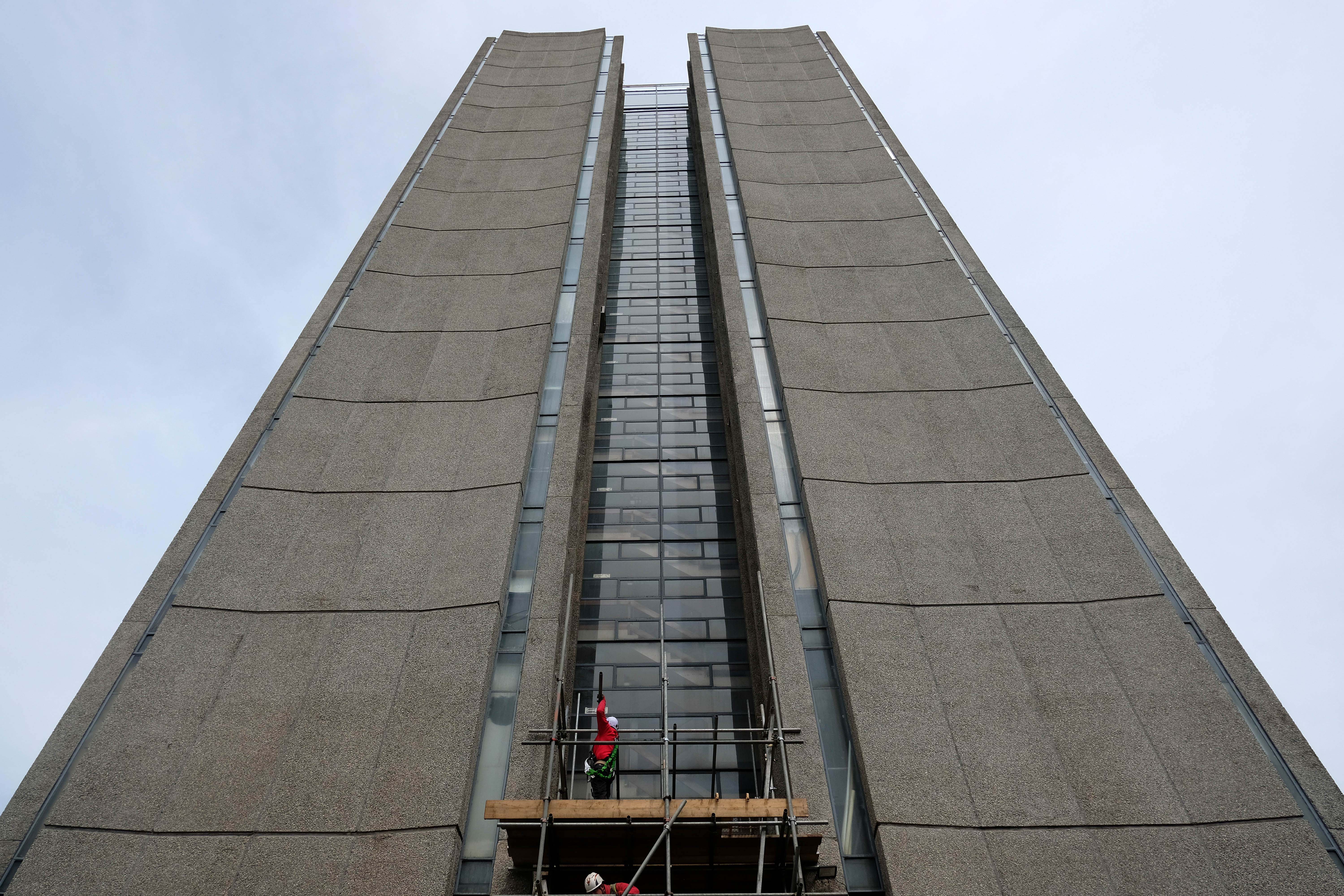
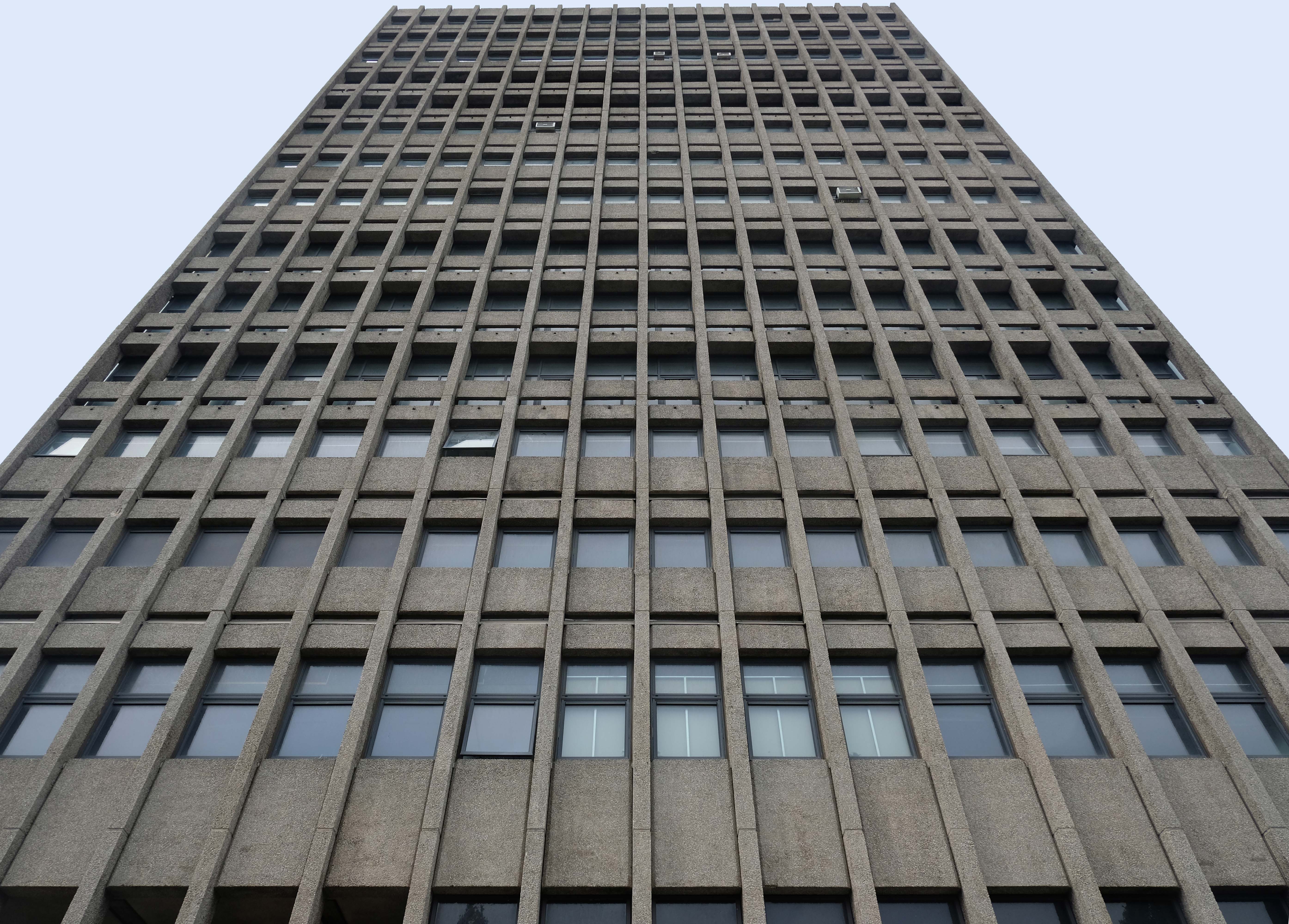
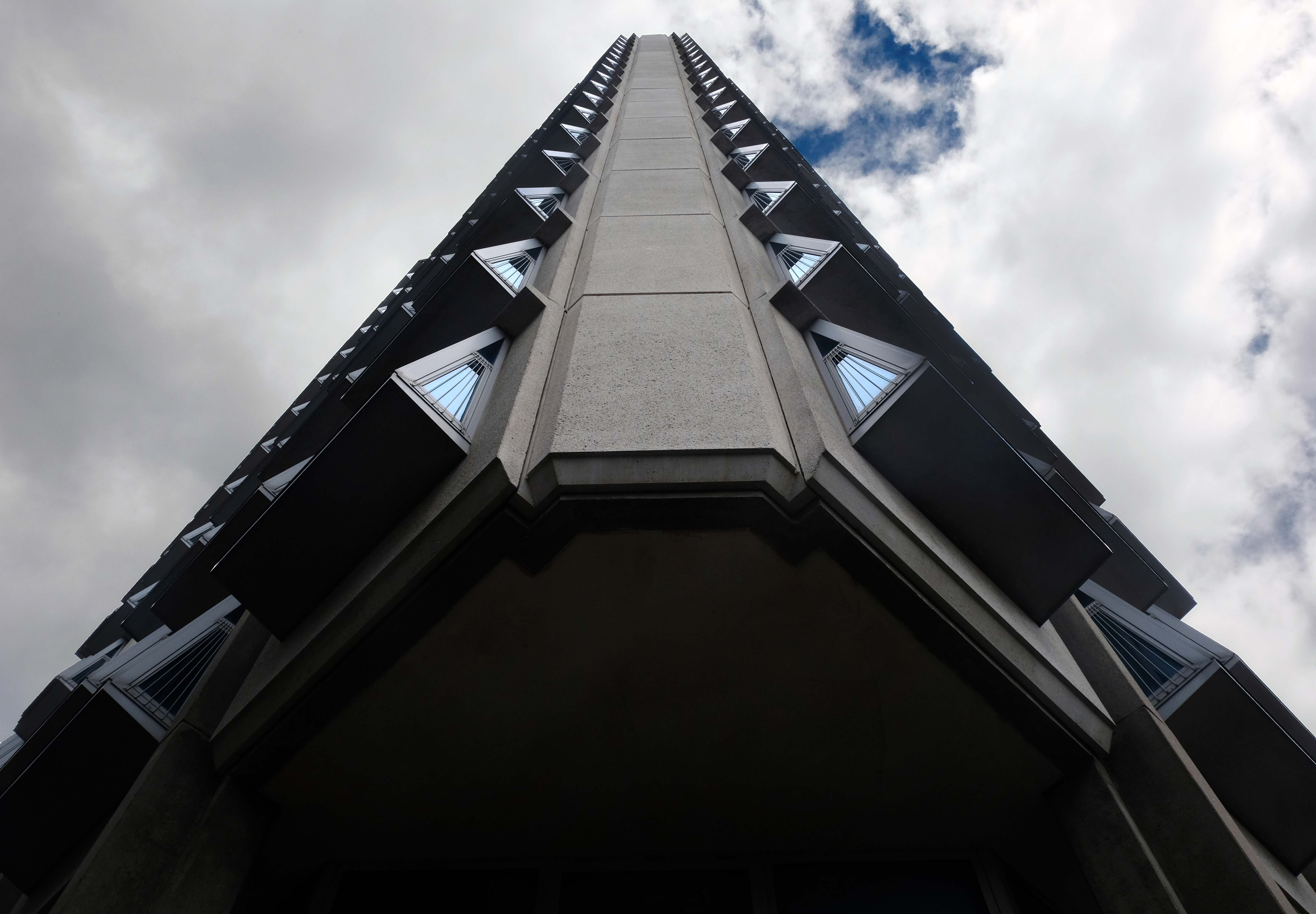
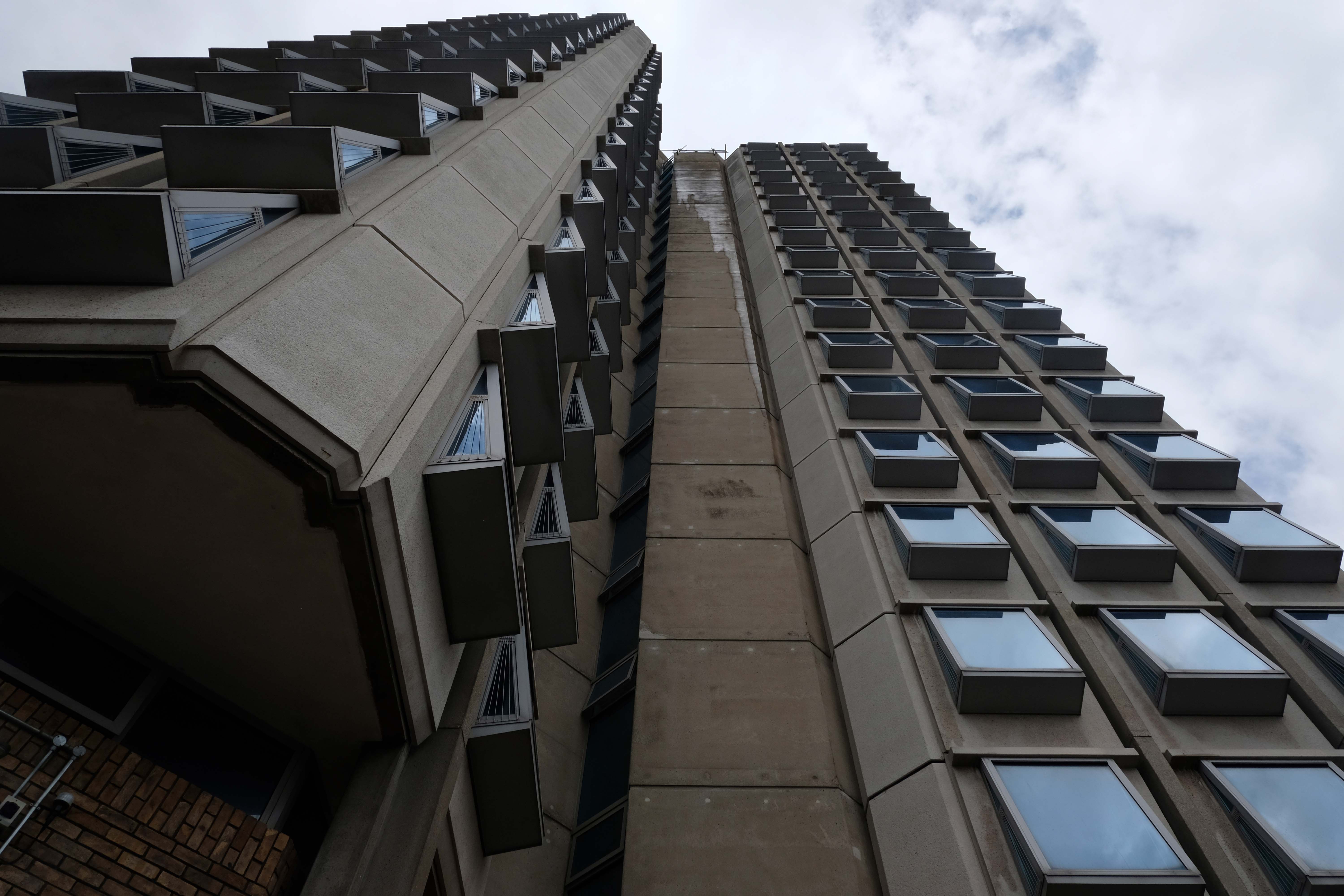
Attenborough Tower
The Attenborough Building is the tallest building on the campus, and houses arts and humanities departments.
The building comprises three distinct elements: an 18-storey tower block containing 270 offices and tutorial rooms; a low-rise building, known within the University as the Attenborough Seminar Block, containing seminar rooms and computing facilities; and an underground area housing two large lecture theatres and the University Film Theatre.
It was designed by Arup Associates and constructed between 1968 and 1970, with Ove Arup as the chief engineers.
The university’s development plan at the time called for two other similar towers, but these were never built.
The building was named after Frederick Attenborough, who was principal of the then University College from 1932 until 1951, and father of Richard and David Attenborough. By the time of the opening ceremony Frederick was elderly and frail, so the building was opened on his behalf by his youngest son John.
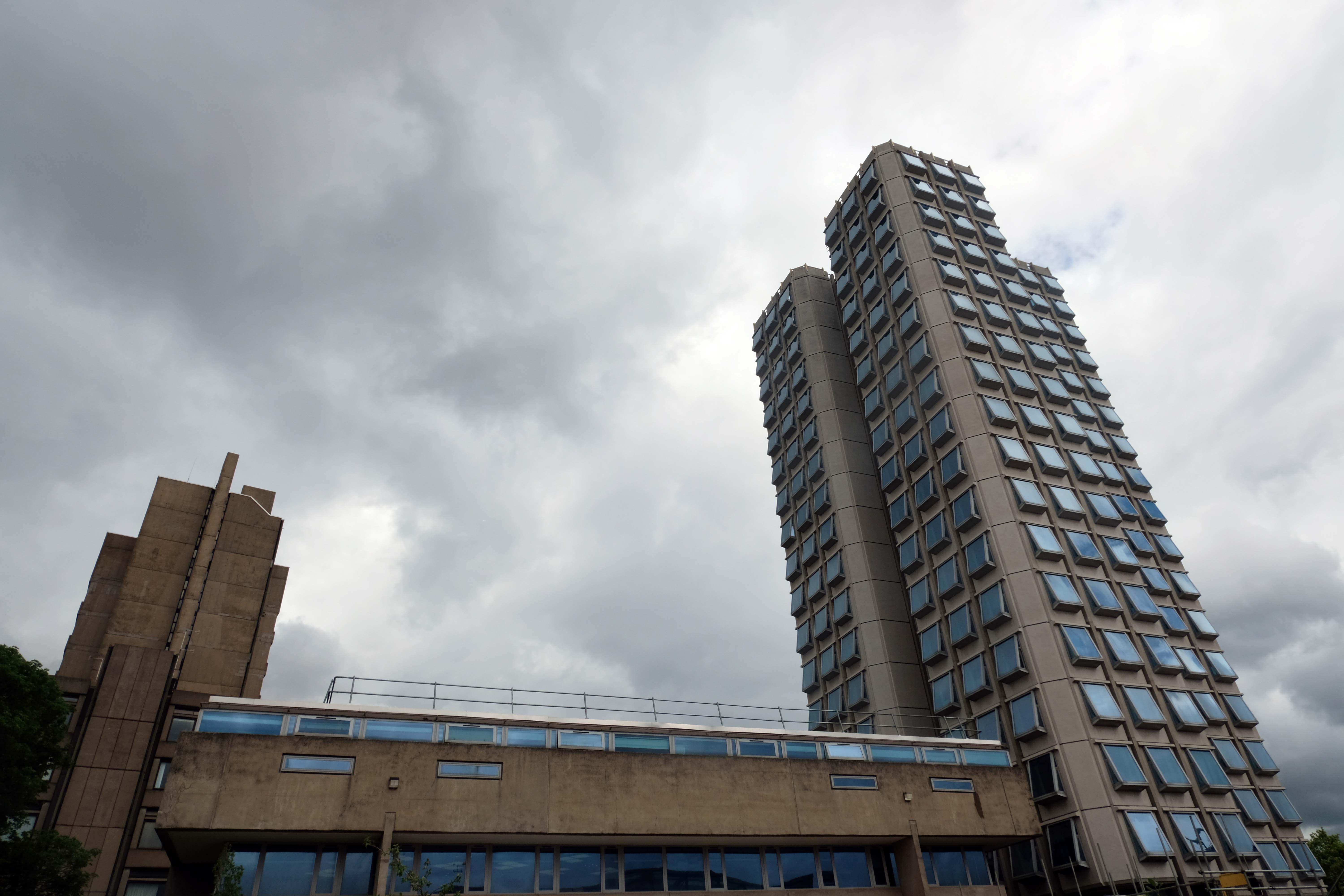
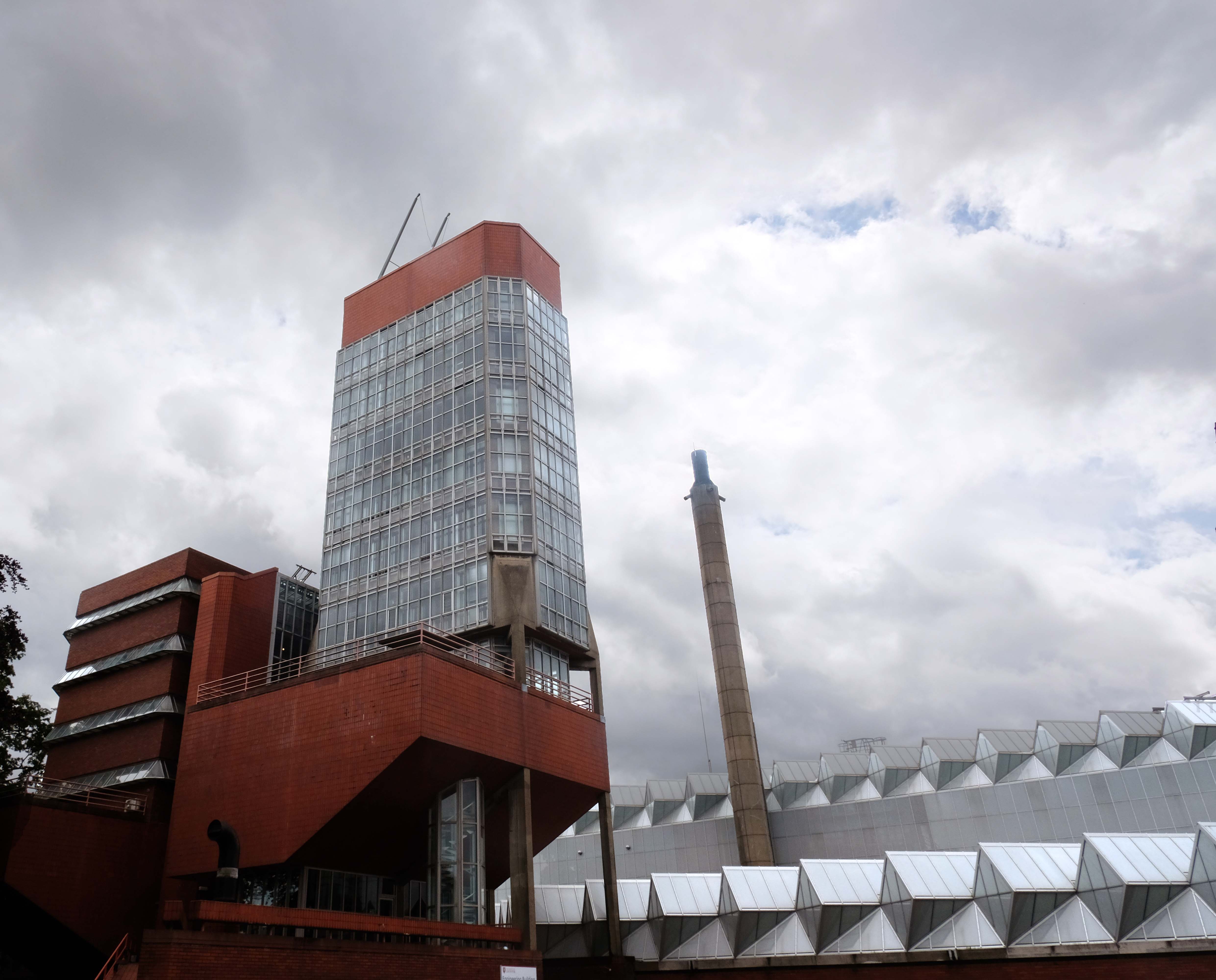
Opened in 1963 and widely regarded as one of the most architecturally important buildings of its era, the Engineering Building at Leicester is utterly distinctive.
Between them, architects James Gowan and James Stirling, plus engineer Frank Newby, created a unique piece of modern architecture designed around both the specific needs of the Engineering Department.
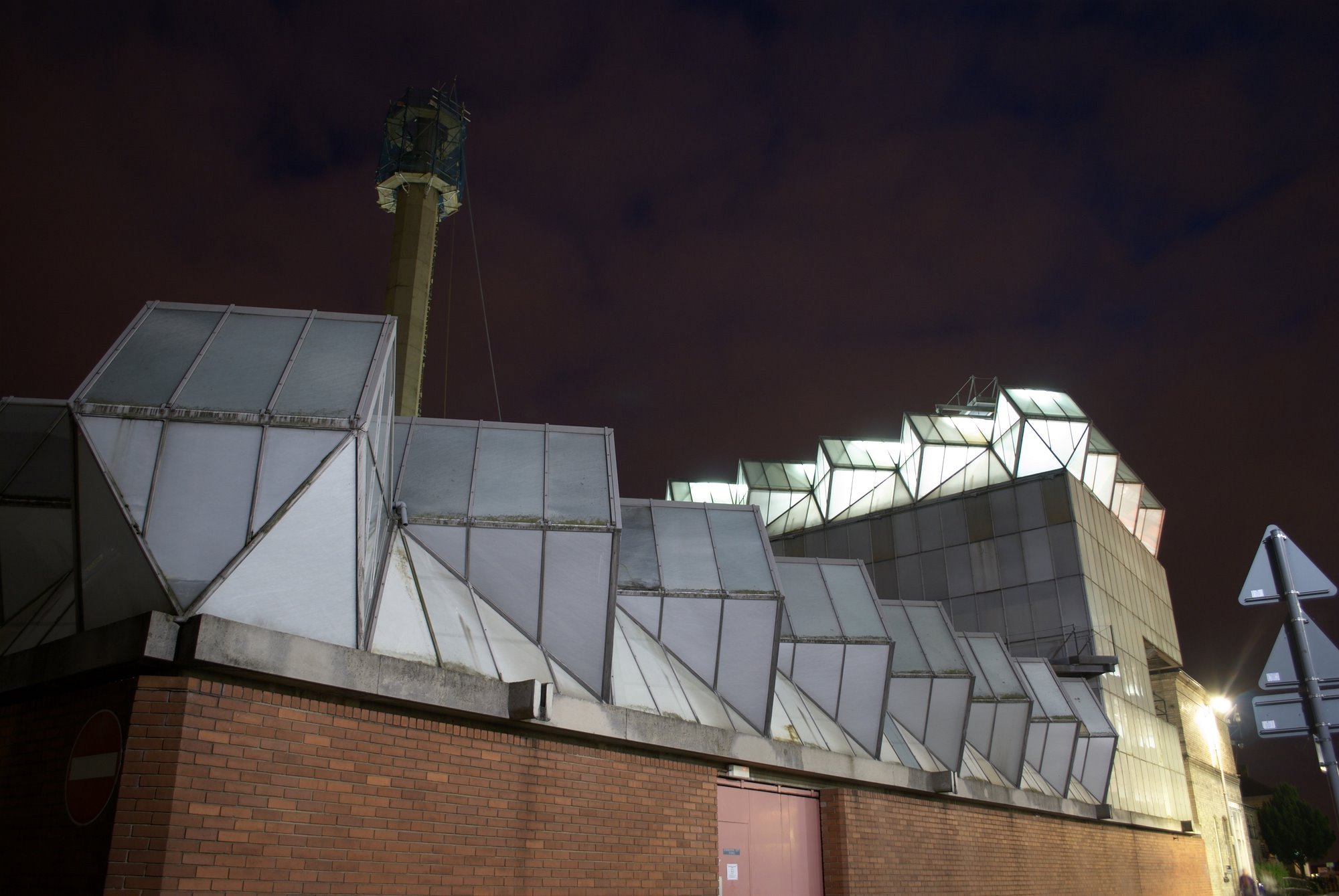
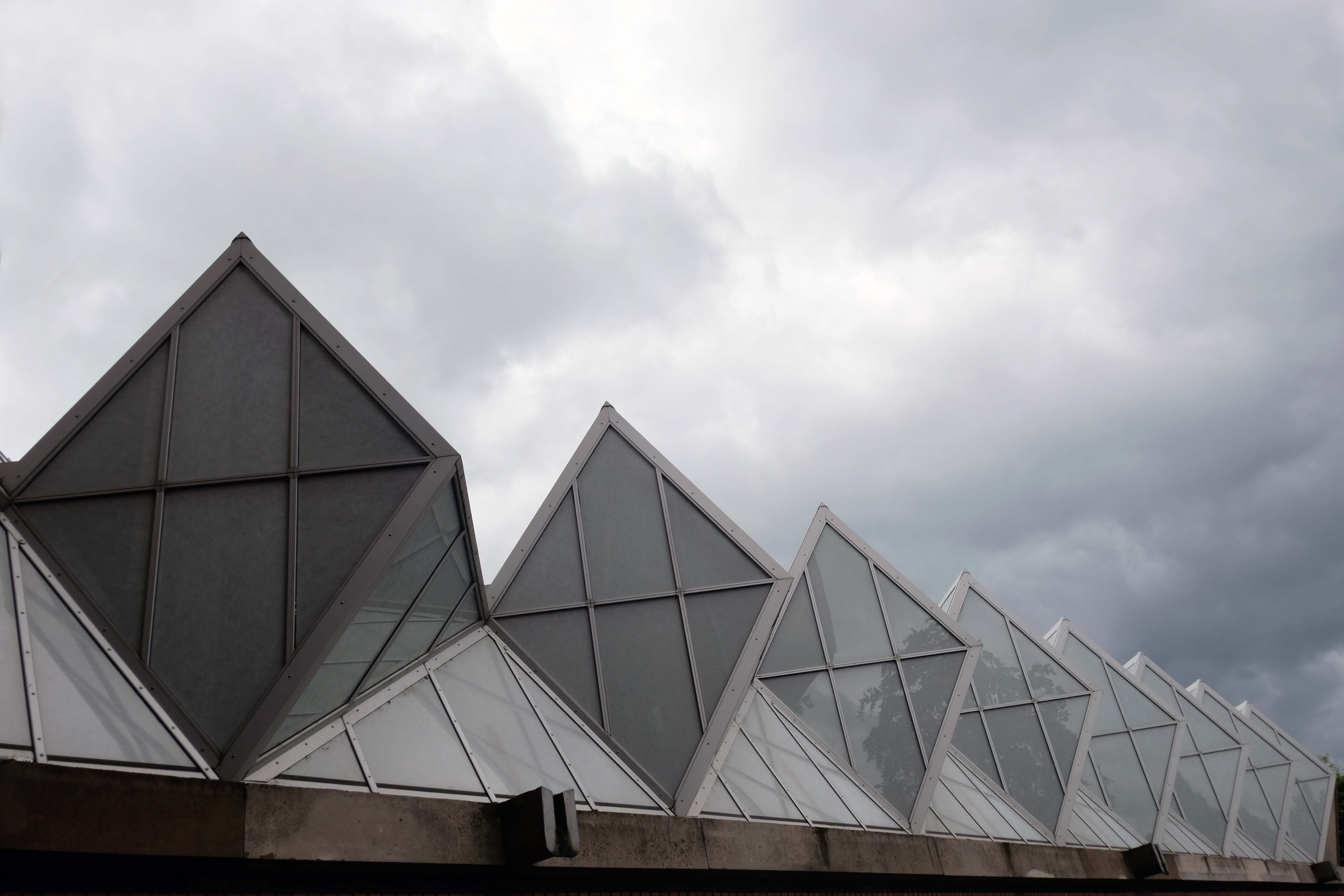
Atop the two cantilevered lecture theatres sit two joined towers containing labs and offices, their design inspired by the superstructure of an aircraft carrier. The rippling ‘waves’ of the two large glass roofs, angled at 45 degrees to the towers, face north to provide illumination without direct sunlight – which could affect delicate instruments.
There are actually two types of glass in the roof: translucent ply-glass with an inner layer of fibreglass, and opaque glass coated with aluminium. The distinction between the two only becomes noticeable at night when the building is illuminated.
Wiki.commons
The building’s walls are constructed of red Accrington brick and red Dutch tiles. Atop the taller tower is a water tank to provide hydraulic pressure, while the corner of the shorter tower is cambered to avoid overhanging part of Victoria Park. Within the ground floor workshop space, which is partitionable to provide flexibility, the floor is a series of concrete slabs that can be removed to provide foundations for machinery as required.
Visually stunning it may be, practical too, but the complexity of its design makes the Engineering Building very difficult – and hence expensive to keep in good repair, a situation exacerbated by the restrictions of its Grade II* listing.
Like Kahn at Philadelphia or Rudolph in New Haven, Stirling and Gowan at Leicester have given future architects and building committees a qualitative solution that can form a challenge for future efforts. They were not, themselves, forced into the strait-jacket of a local modernist cliché that was already established on the far side of the campus, and they refrained from setting up a rival one on their own quarter of the site-one which would have only required undoing at some future time. Instead, the architects addressed themselves to the immediate demands of the programme with devotion and respect.
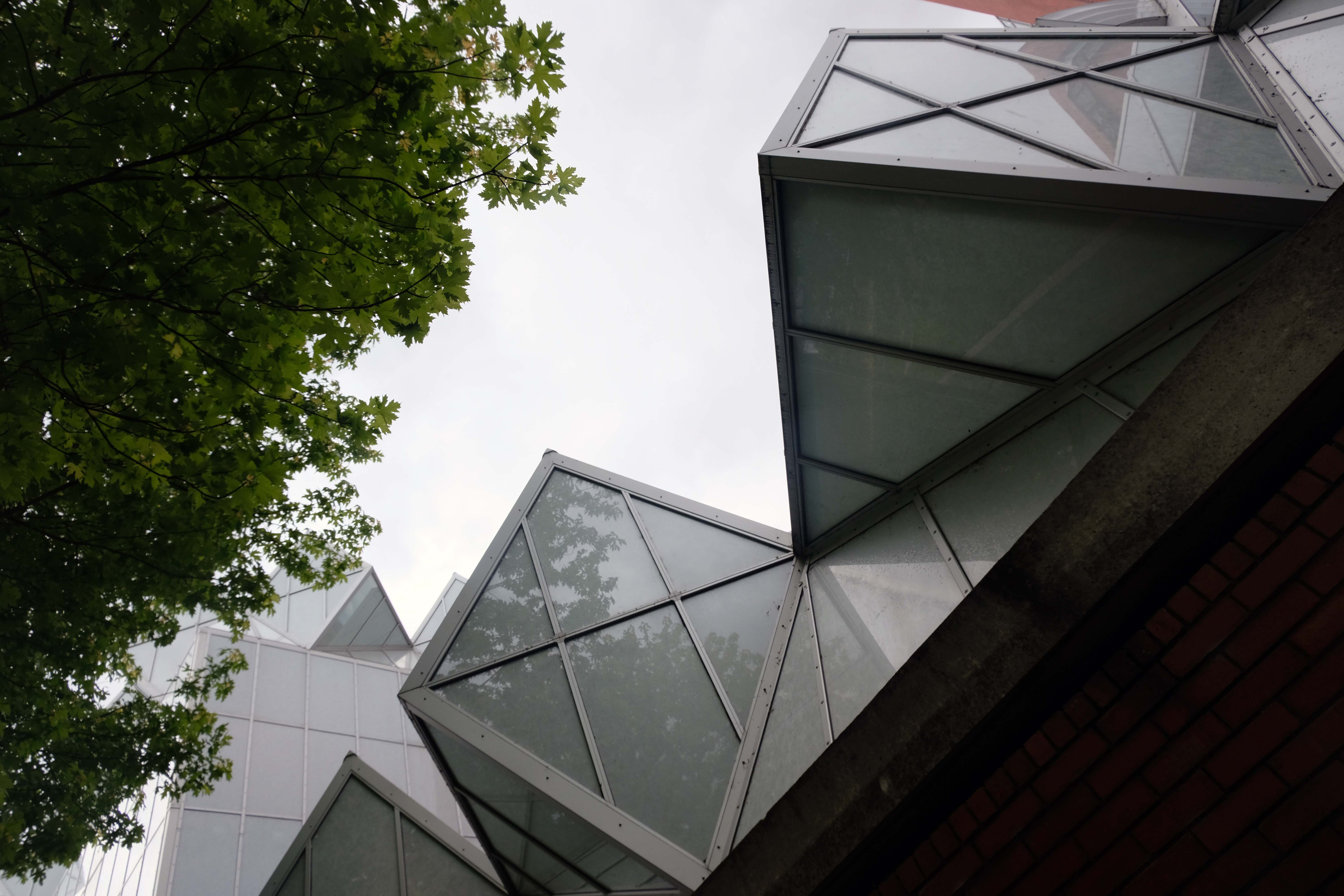
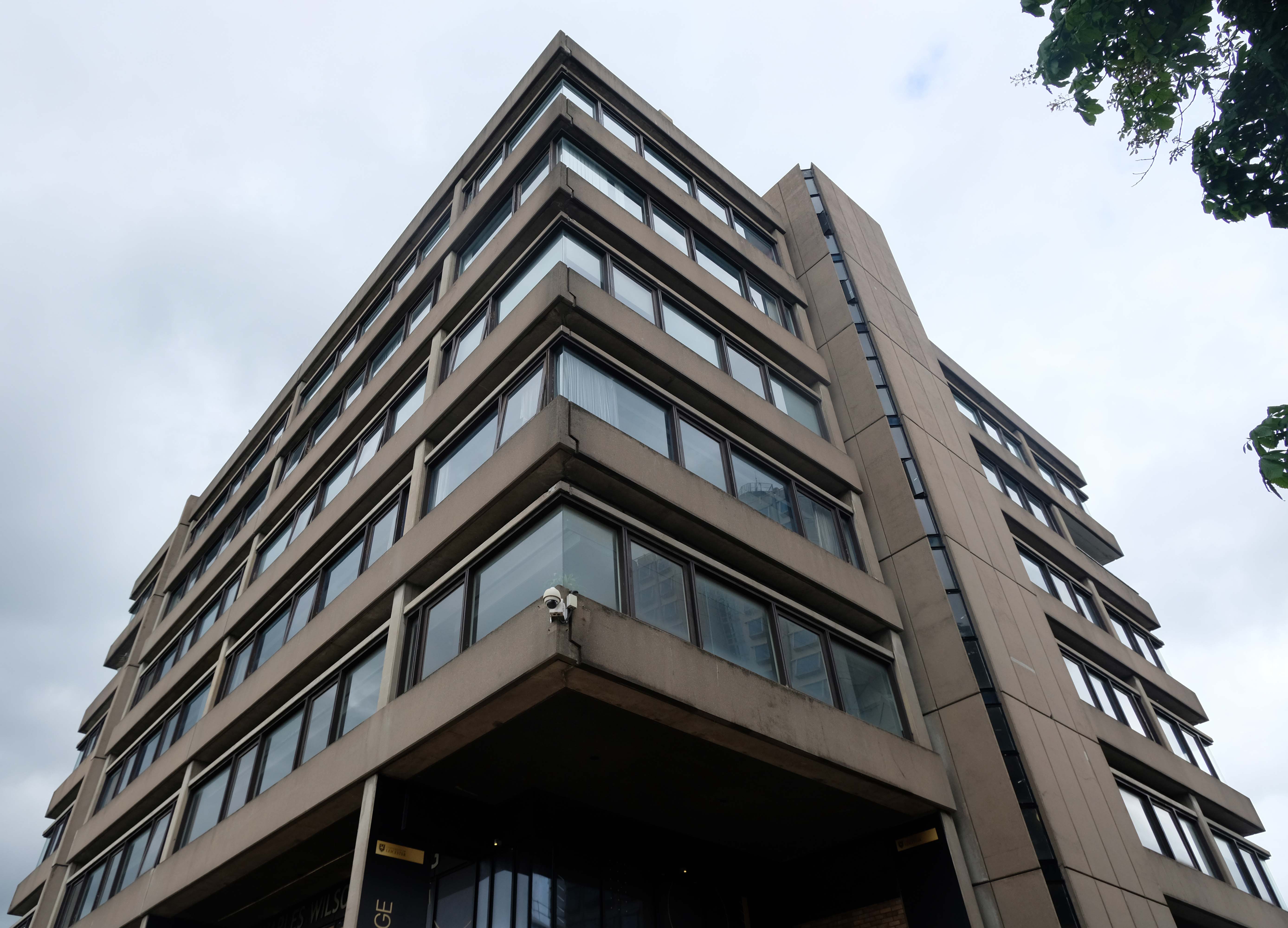
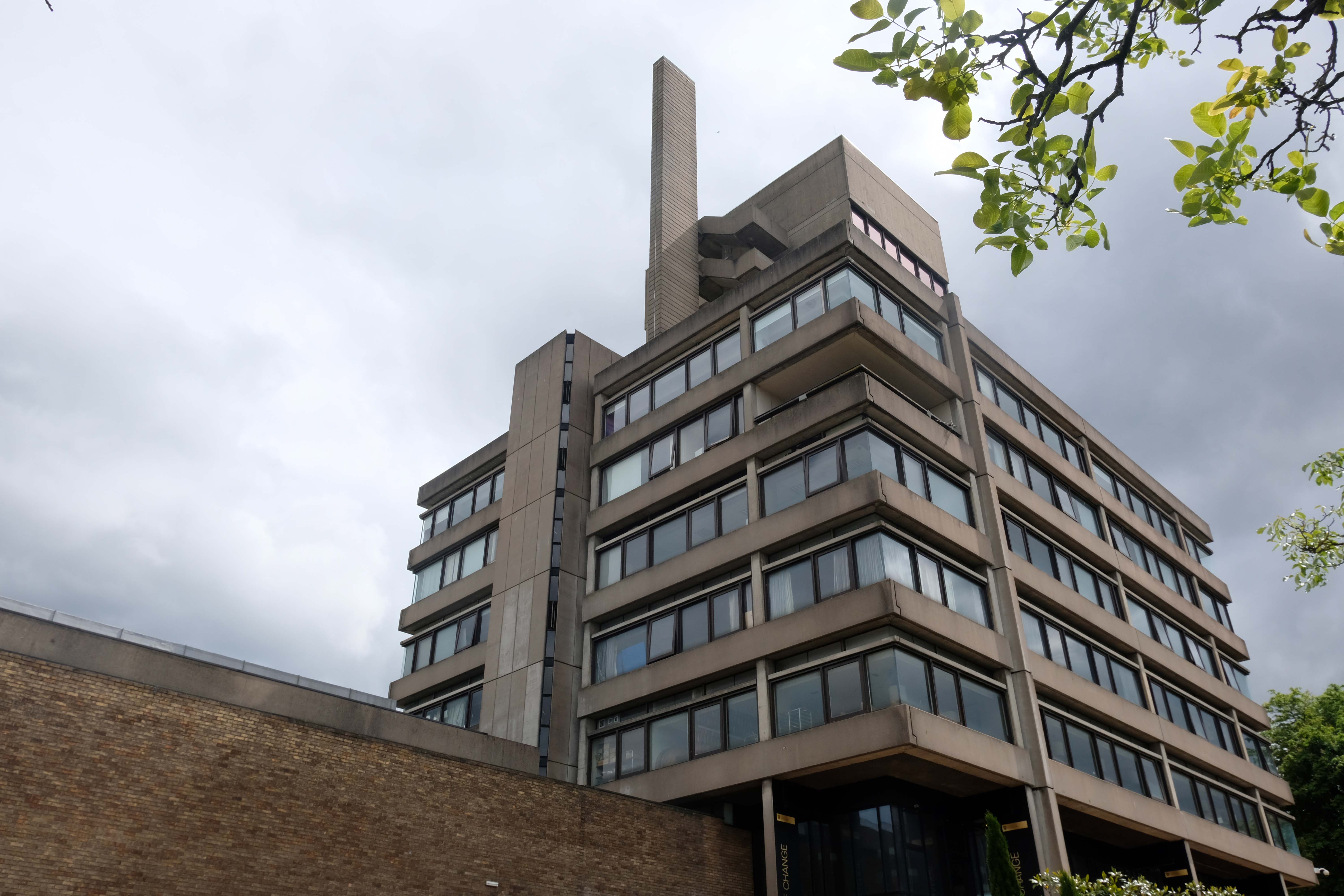
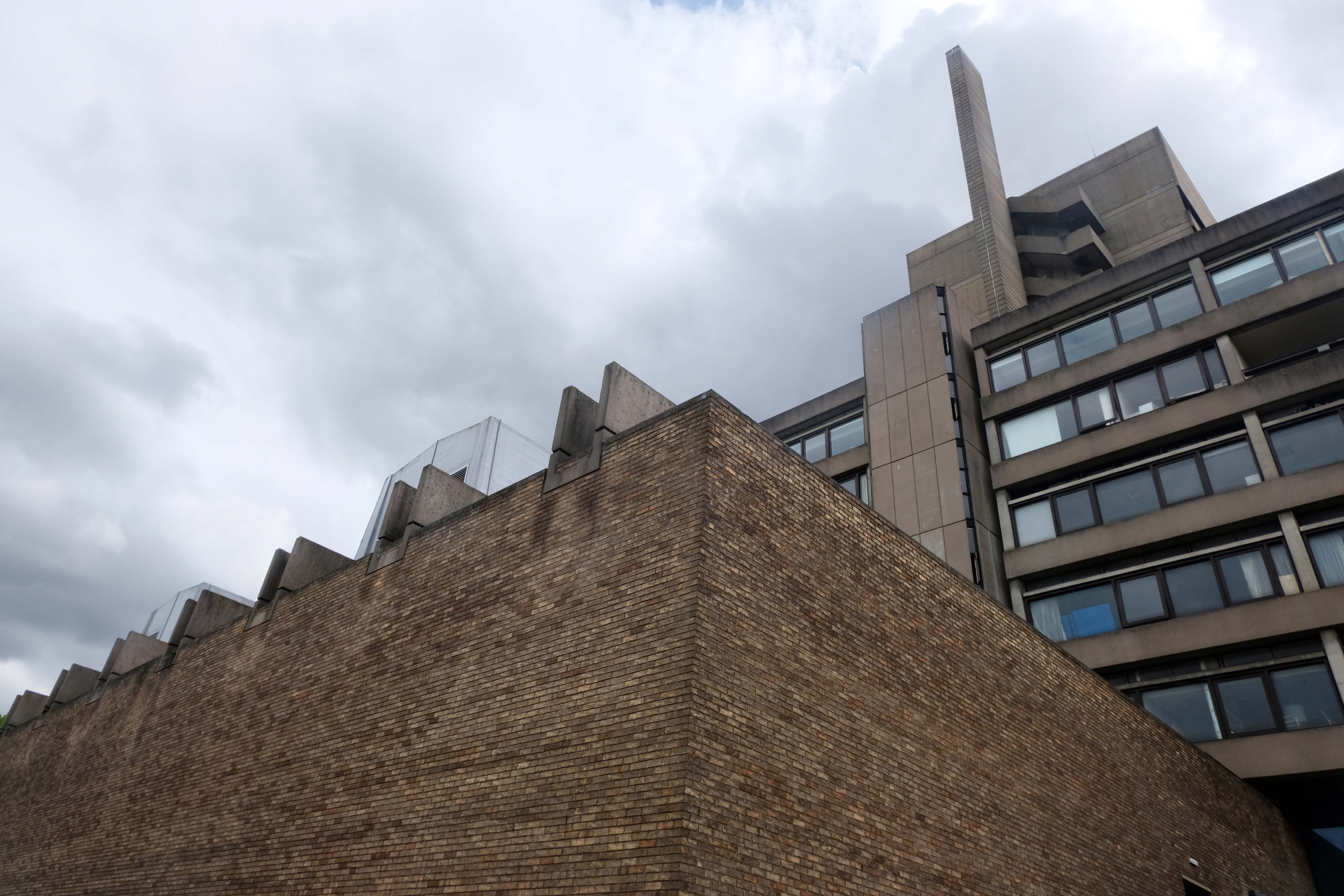
Sir Charles Haynes Wilson was a Scottish political scientist and university administrator. As Principal of University College Leicester, he led the institution to university status in 1957 and served as the first Vice-Chancellor of the new University of Leicester, before becoming Principal of the University of Glasgow in 1961.
The building was designed by Sir Denys Lasdun in the brutalist style, and completed in 1963.
It is Category B listed.
It is the university’s main social and catering building, and is licensed as a venue for civil weddings and civil partnerships.
By wandering aimlessly, all places became equal, and it no longer mattered where he was.
Paul Auster City of Glass.
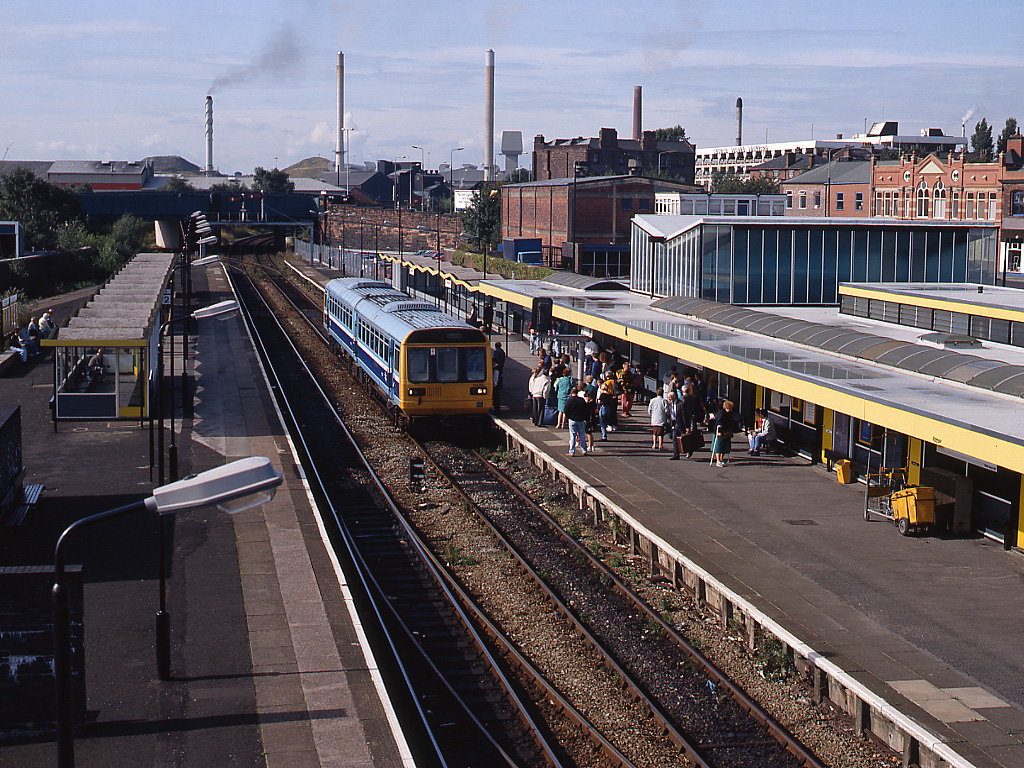
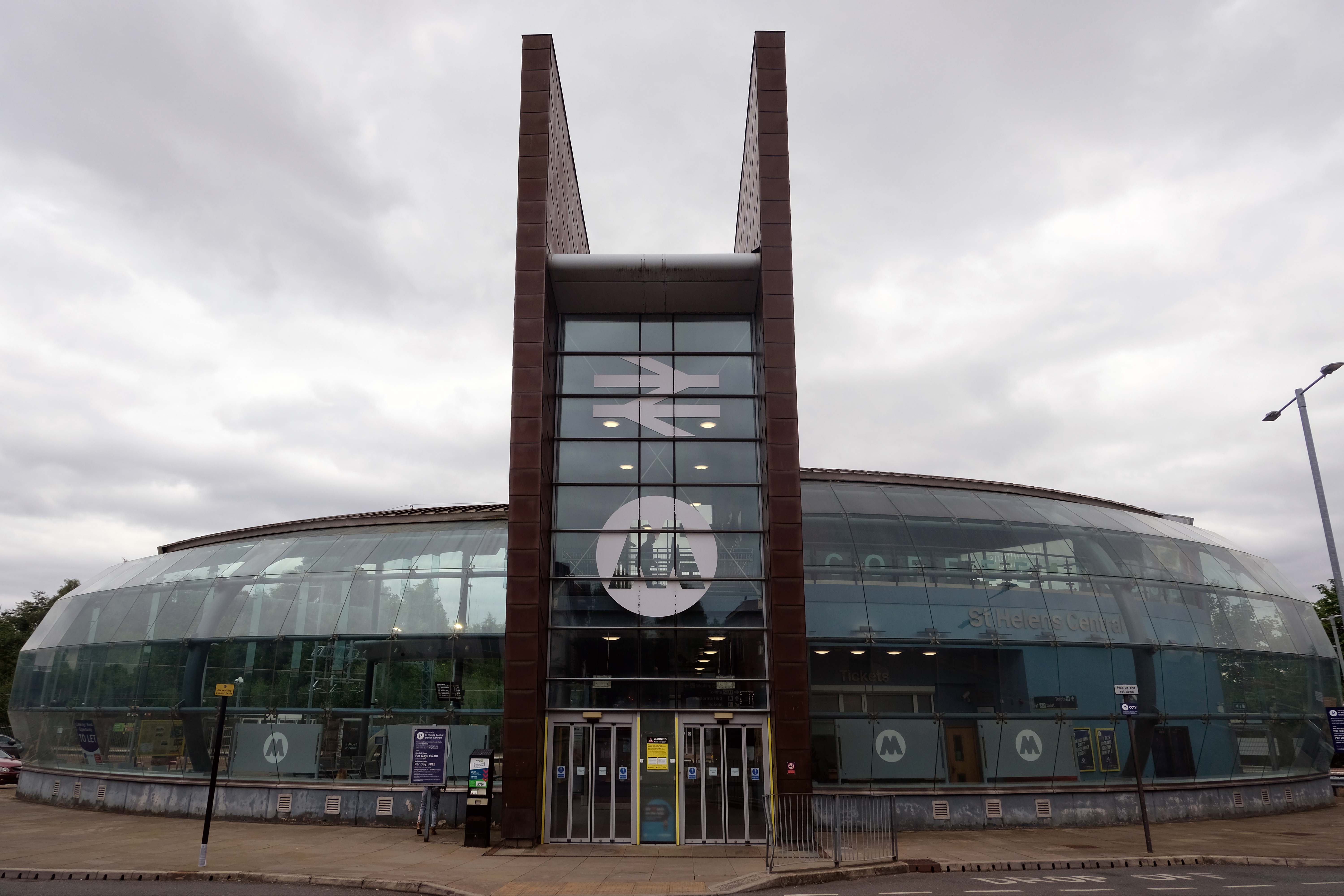
The station as built in 1961 to a design by the architect William Robert Headle, which included and advertised a significant amount of the local Pilkington Vitrolite Glass. The fully glazed ticket hall was illuminated by a tower with a valley roof on two Y-shaped supports. The platform canopies were free standing folded plate roofs on tubular columns.
The new station building and facilities were assembled just a few yards from the 1960s station building and is the third build on the same site. The project came in at a total estimated cost of £6 million, with the European Union contributing £1.7 million towards the total funding. The new footbridge was lifted into place in the early hours of 22 January 2007.
The striking Pilkington’s glass-fronted building was designed by architect SBS of Manchester. Construction work was completed in the summer, with the new waiting rooms and footbridge opened to passengers on 19 September. The new station building was officially opened on 3 December 2007.
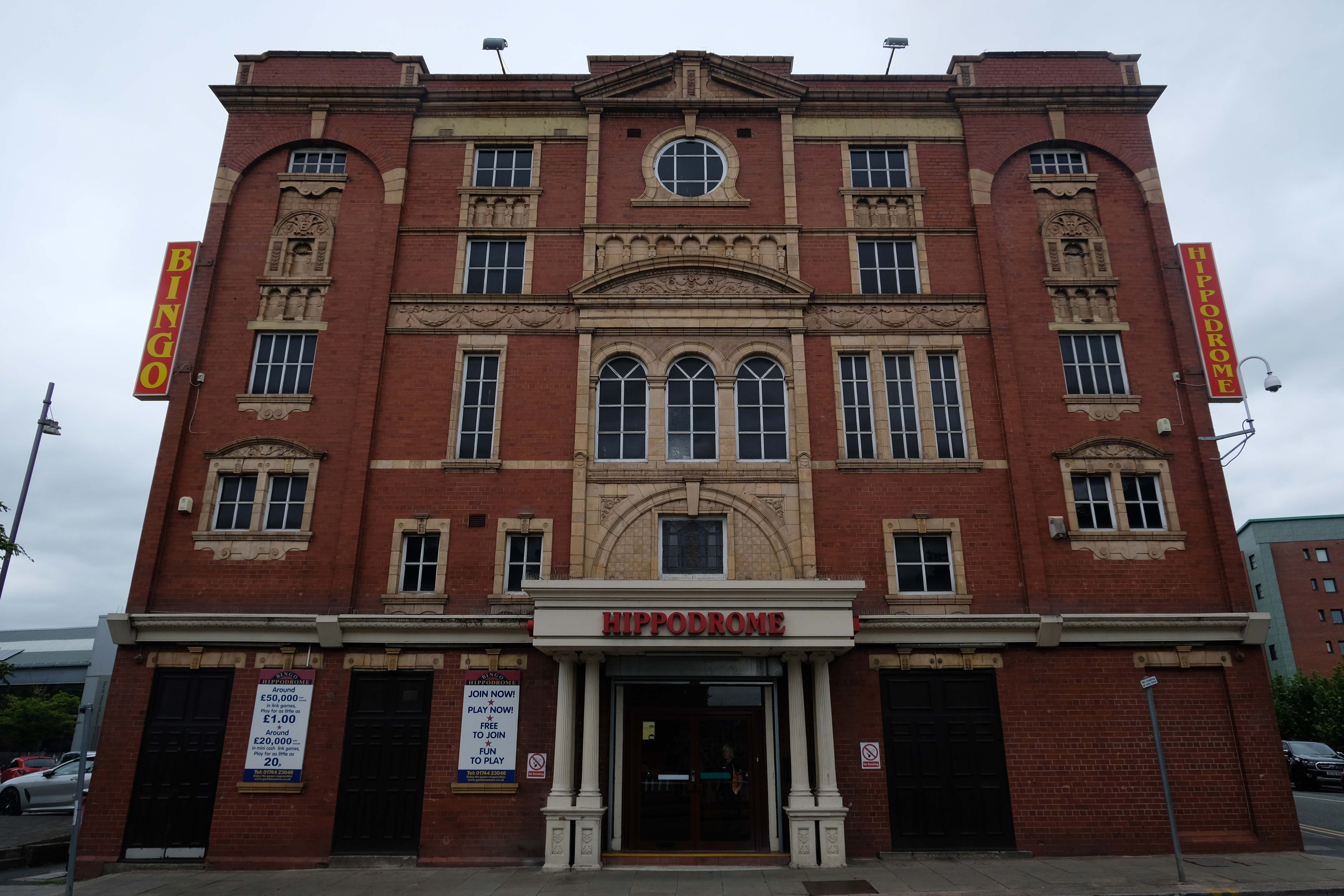
In the early Edwardian era a fine theatre was opened on 1st June 1903. It had been designed by local architect J A Baron and was on the site of an earlier theatre known as the Peoples Palace. It was operated as the New Hippodrome Cinema from 8th August 1938 when it reopened with Anna Neagle in Victoria the Great. On 1st September 1963 it was converted to a Surewin Bingo Club by Hutchinson Cinemas which continued to operate in 2008. By May 2019 it was independently operated as the Hippodrome Bingo Club.
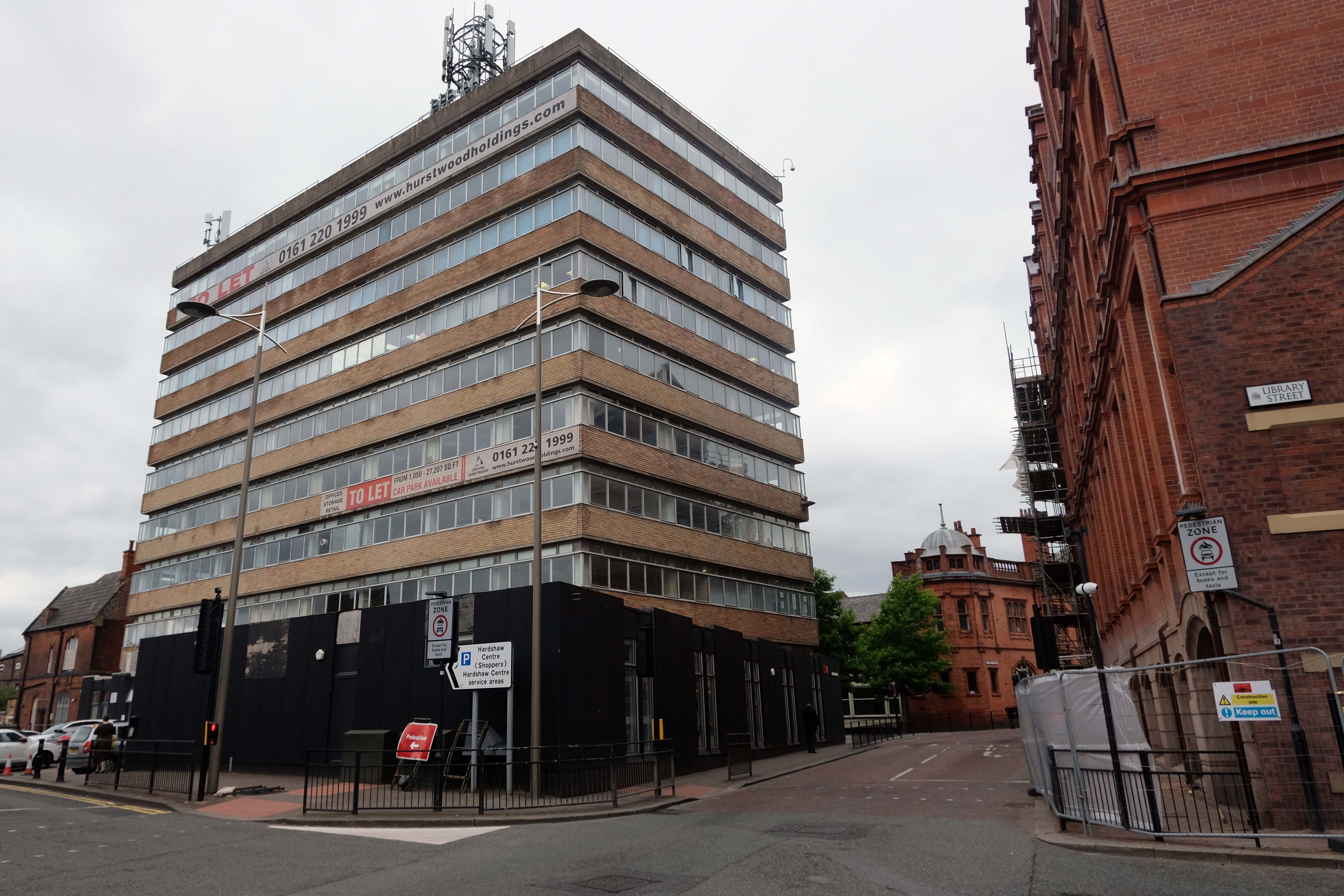
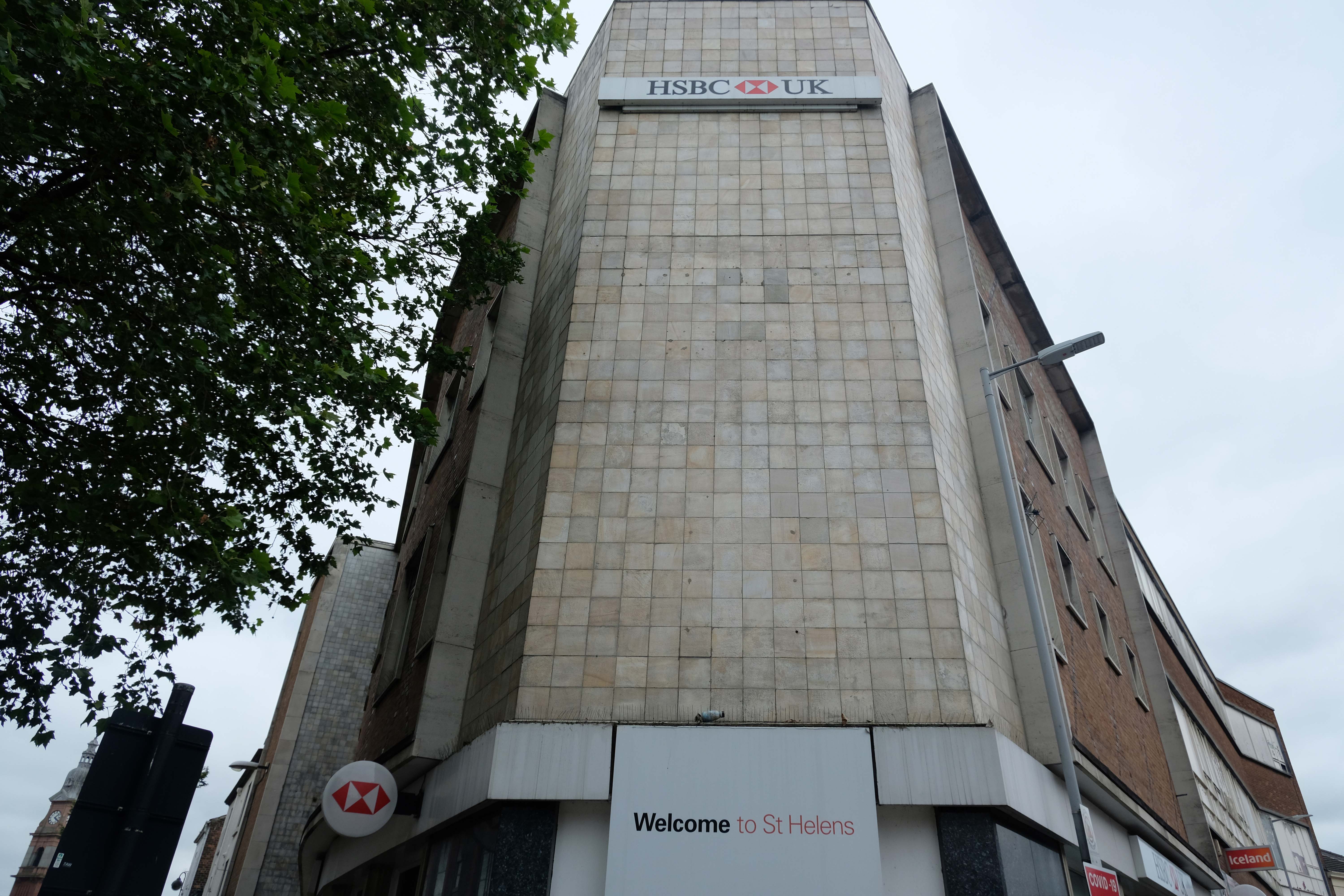
Onwards down Corporation Street to Century House, currently awaiting some care and attention and tenants.
Century House is a prominent landmark in St Helens town centre, being the tallest office building in place. The accommodation ranges over 9 floors, providing offices from a single person, to whole floors. In addition, all tenants benefit from the use of a modern break out space and meeting rooms, in addition to manned reception desk.
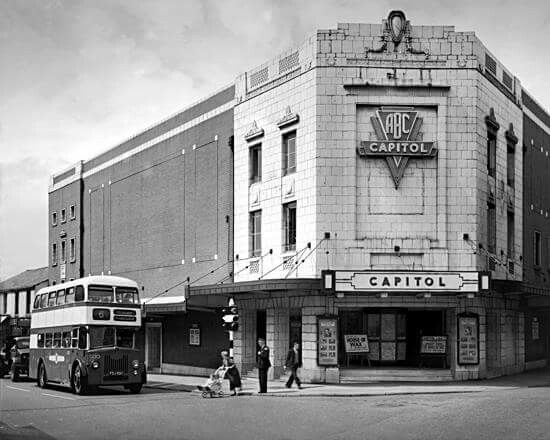
The Capitol Cinema opened on 3rd October 1929 by an independent operator. It stood on a prominent corner site at North Road and Duke Street – known as Capitol Corner.
The Capitol Cinema was taken over by Liverpool-based Regent Enterprises Ltd. in 1929, and by the Associated British Cinemas – ABC chain in 1935. It underwent a renovation in the 1960’s, and was closed by ABC on 9th December 1978.
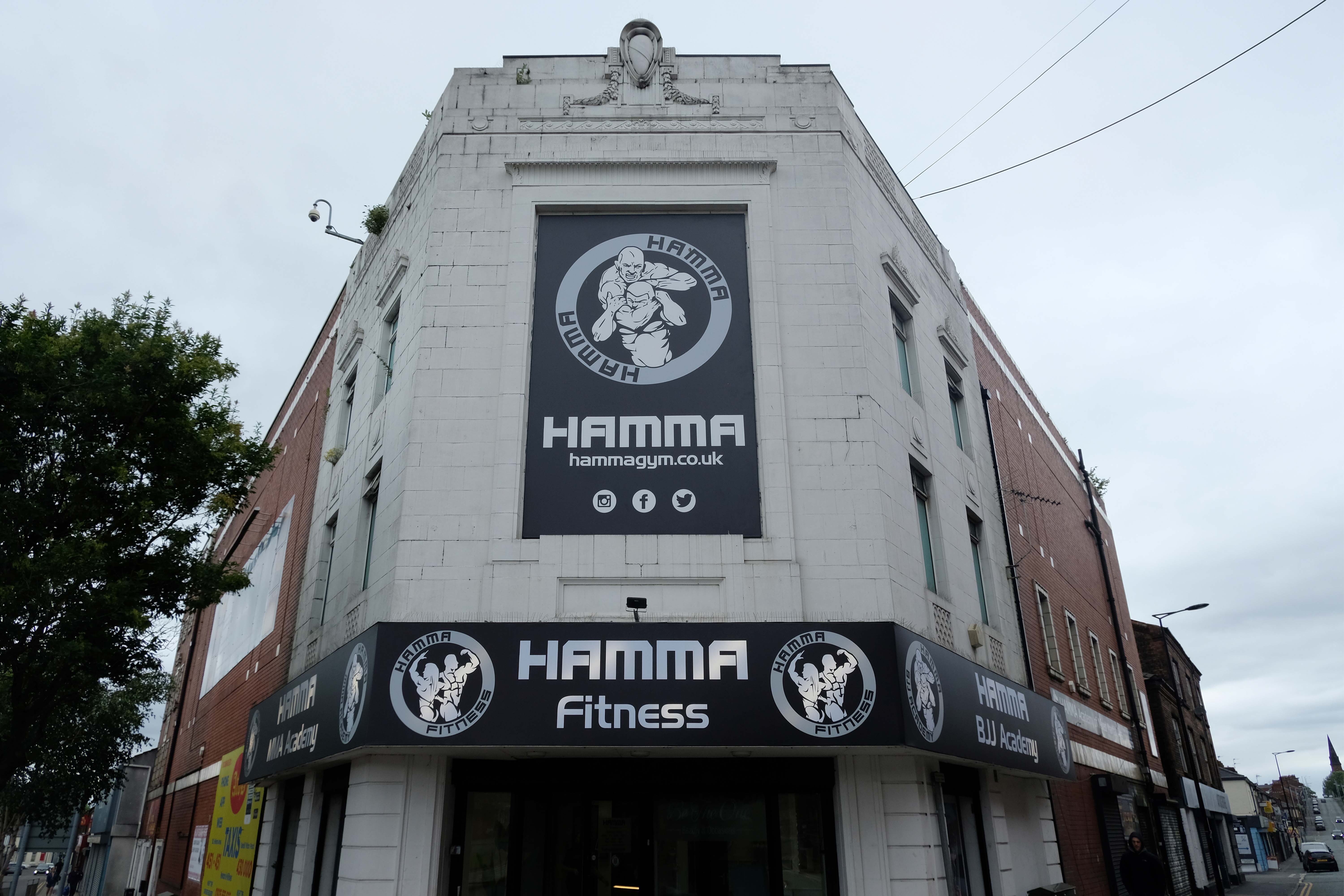
The building was converted into a sports centre, by 2009 it was a Central Fitness gymnasium.
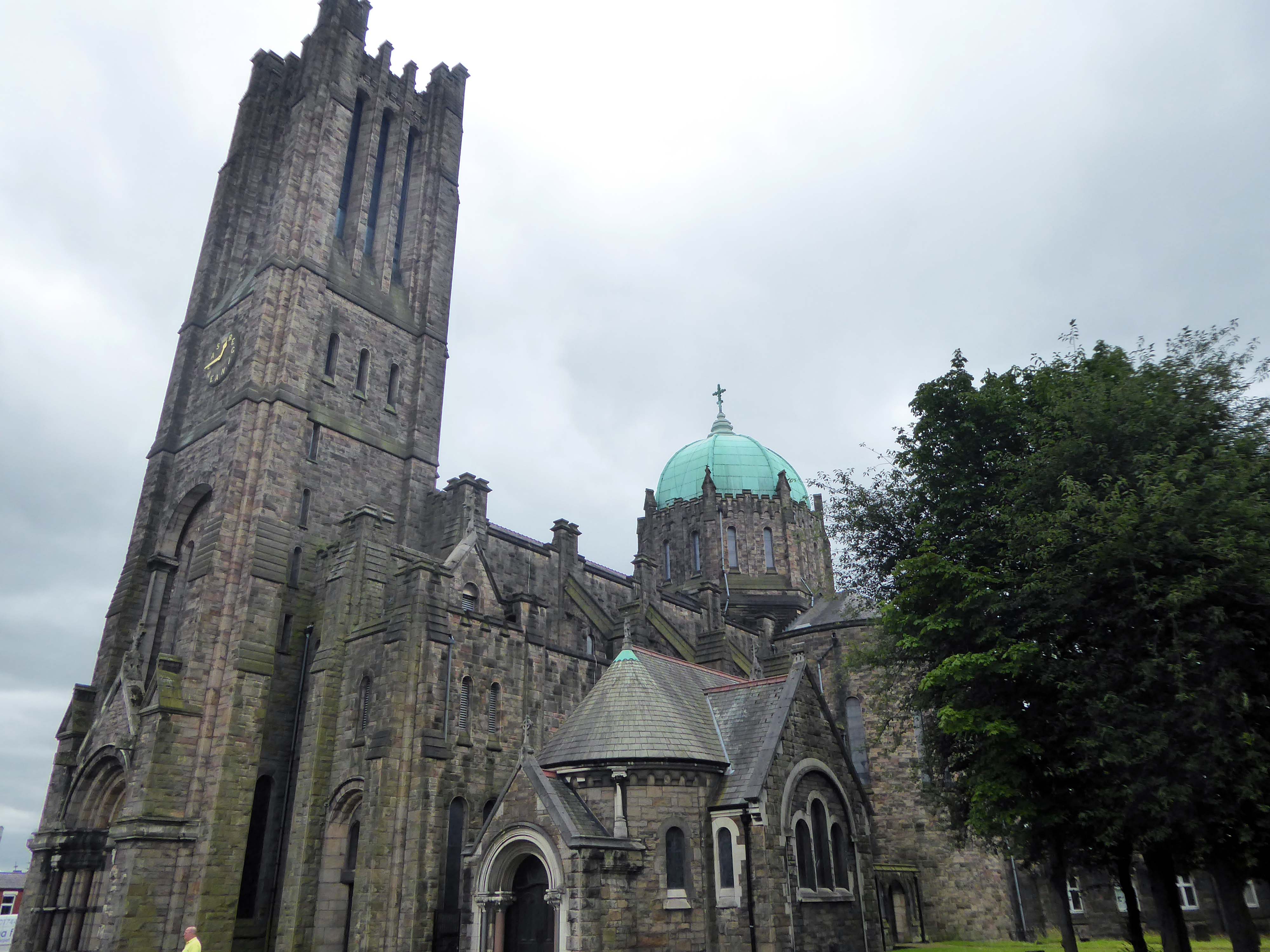
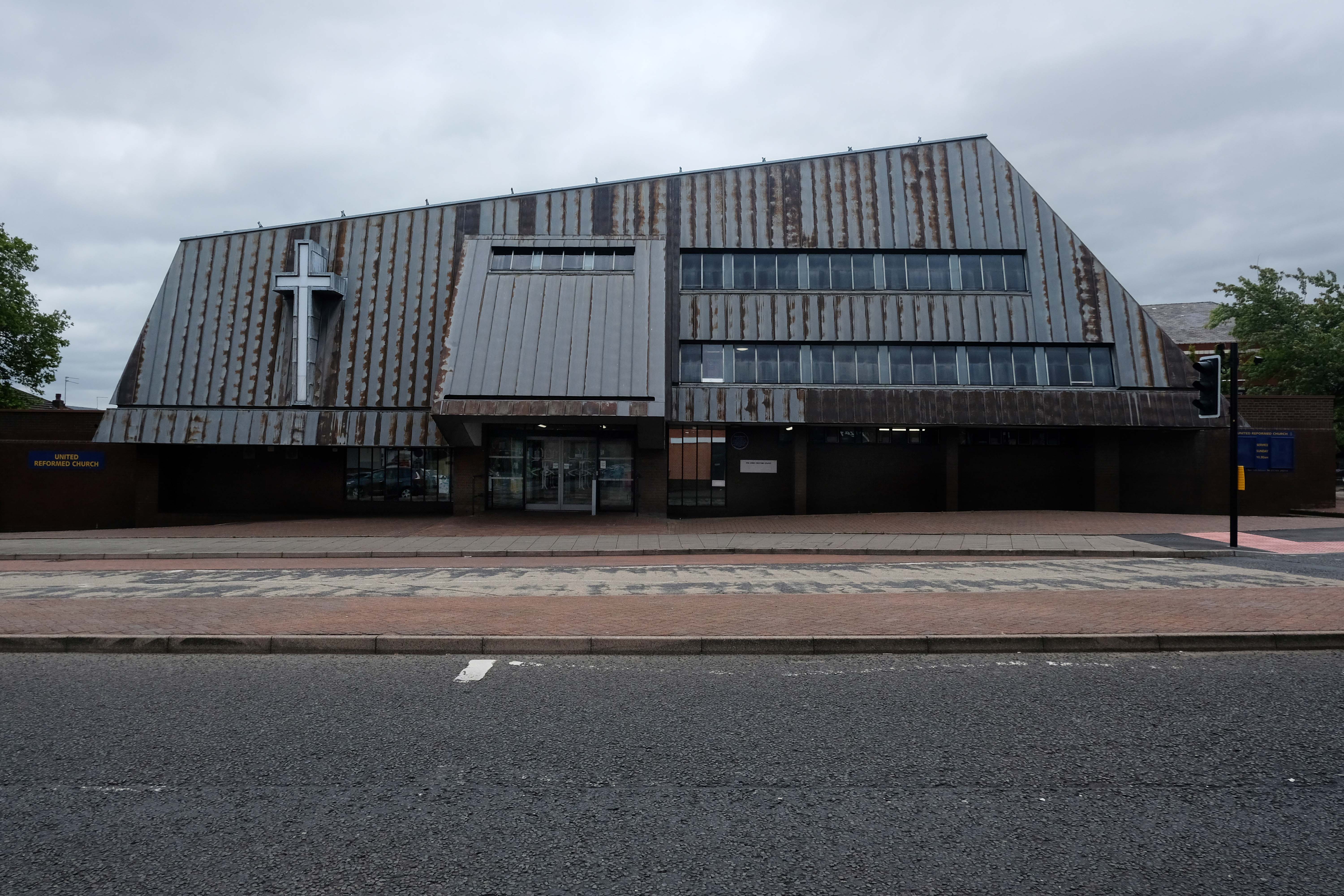
Along the way to St Mary Lowe House RC – the style is a combination of Gothic and Byzantine elements. One of the most unusual fittings is the carillon, one of the largest in the British Isles with 47 bells, which was installed in 1930 and is still played regularly.
The main approach is identified by a beak-like porch which projects from the main cladding. In this space hangs a recast eighteenth century bell, from the original chapel.
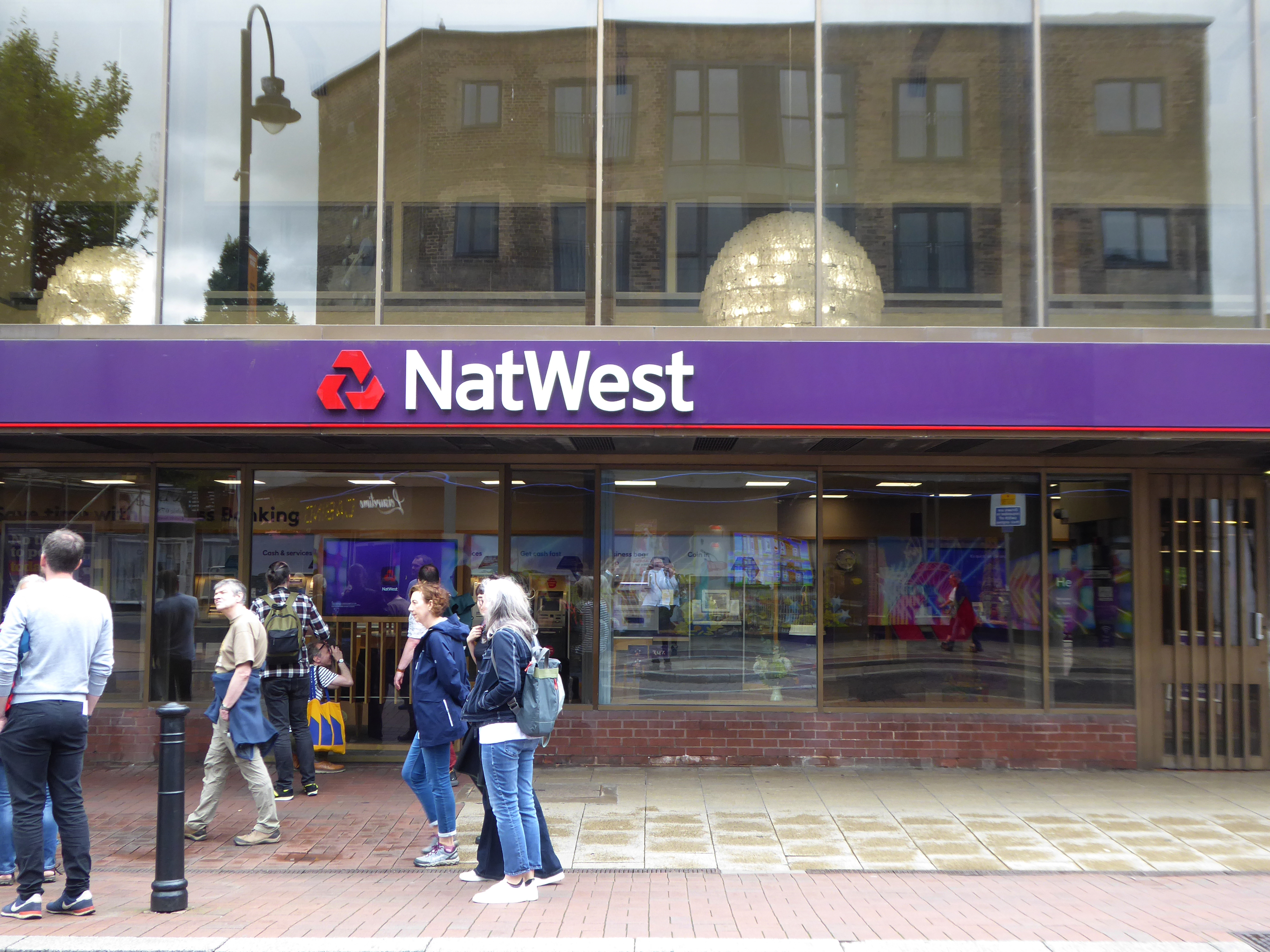
Let’s take it to the Midland, Nat West and Barclays Banks.
With an intermediate former Gas Showroom.
Next to the Church of St Helen.
Architect: WD Caroe 1920-26 Grade II Listed
A chapel has been on the site since at least the 16th century. The chapel was doubled in size in 1816, but burnt down in 1916. It is the parish church of the town, and stands in a prominent position.
St Mary’s Car Park a multi-storey masterpiece straight outa Dessau.
Next crossing a complex web of inner ring roads designed with the beleaguered pedestrian at the forefront of the planners’ minds.
To the inter-war Pilkington’s Offices – Reflection Court
Architects: Herbert J Rowse and Kenneth Cheeseman 1937-41 Grade II Listed.
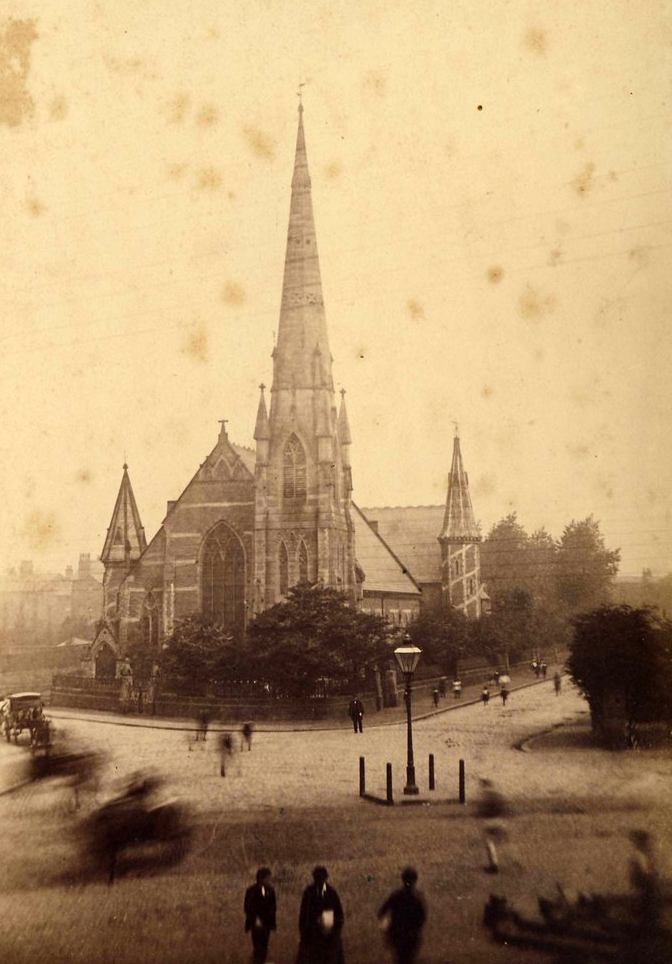
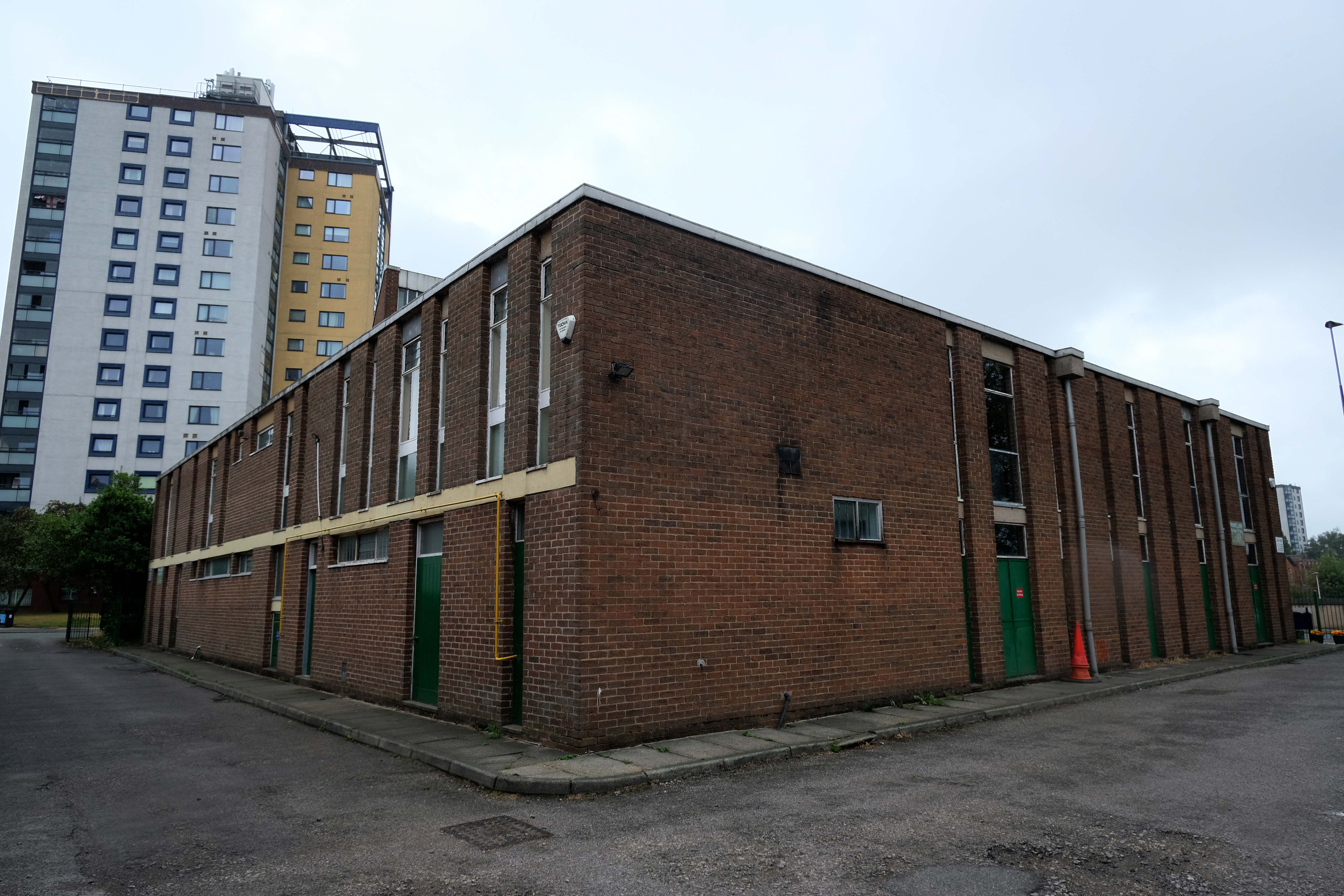
The Cornerstone of the building was laid in front of a crowd of 2,000 on Good Friday 1859 and the church was opened for public worship on Good Friday 6th April 1860. In the press of the day, the church was described as – a Cathedral looking church.
Photo: Flickrcabinet photograph by Enos Eastham of Eccles.
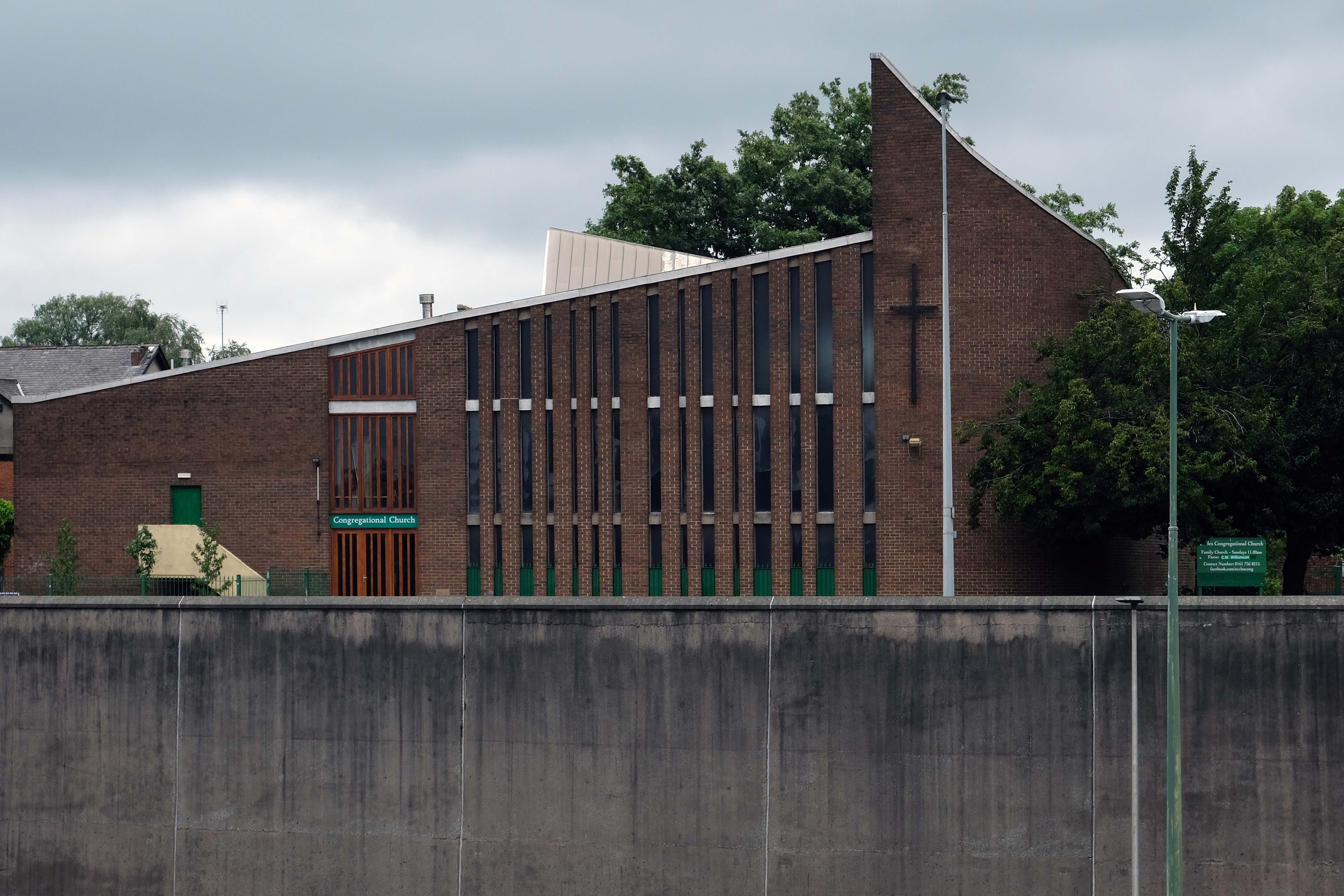
In 1965 it was announced that a new Eccles motorway would be built through the church land.
Work began to demolish the Church and replace it with a new smaller church, but the old church did not go down without a fight as workers could not pull down the steeple. After eleven days of battering and buffeting by eighteen pounds of gelignite and two eight ton bulldozers, the steeple finally surrendered.
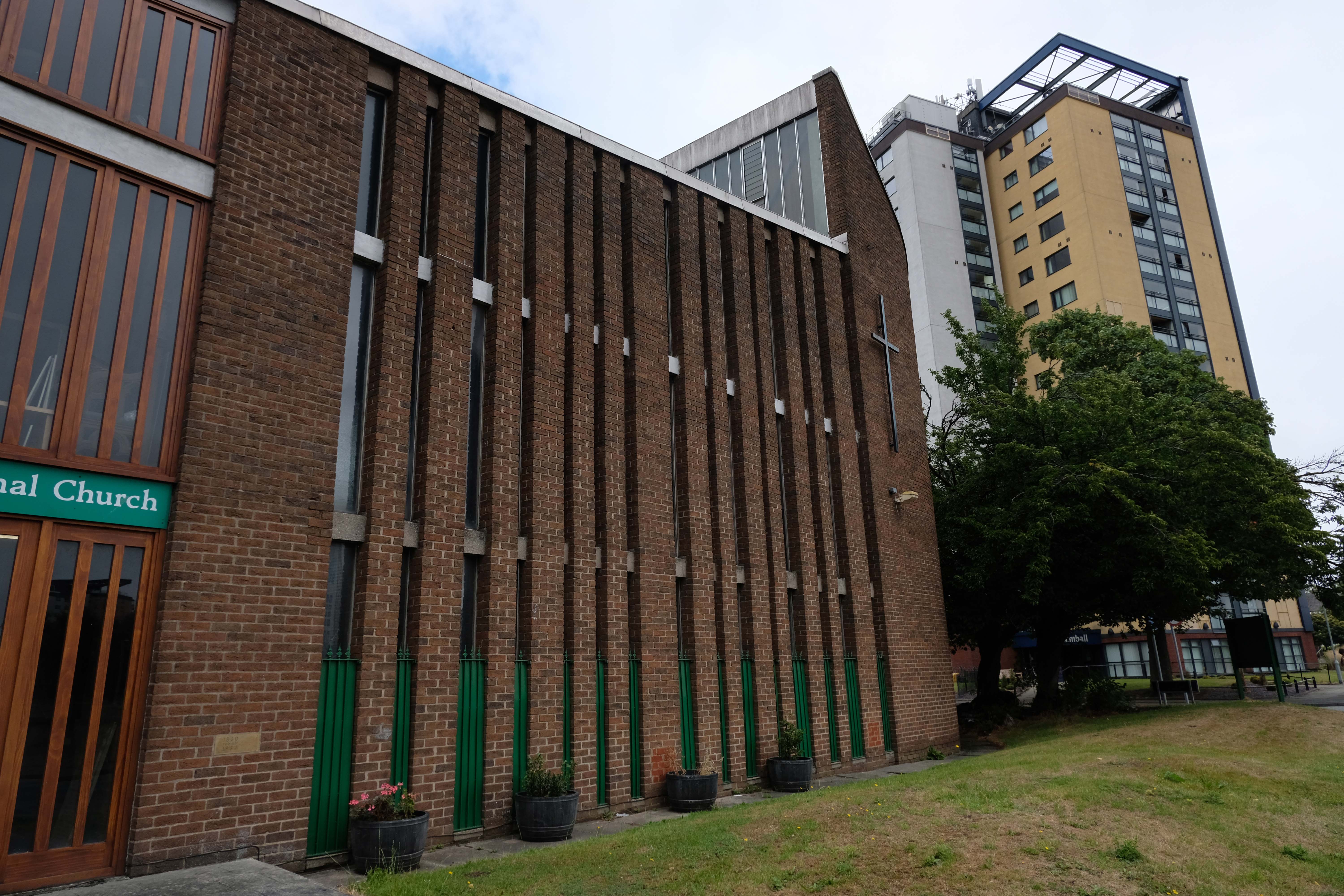
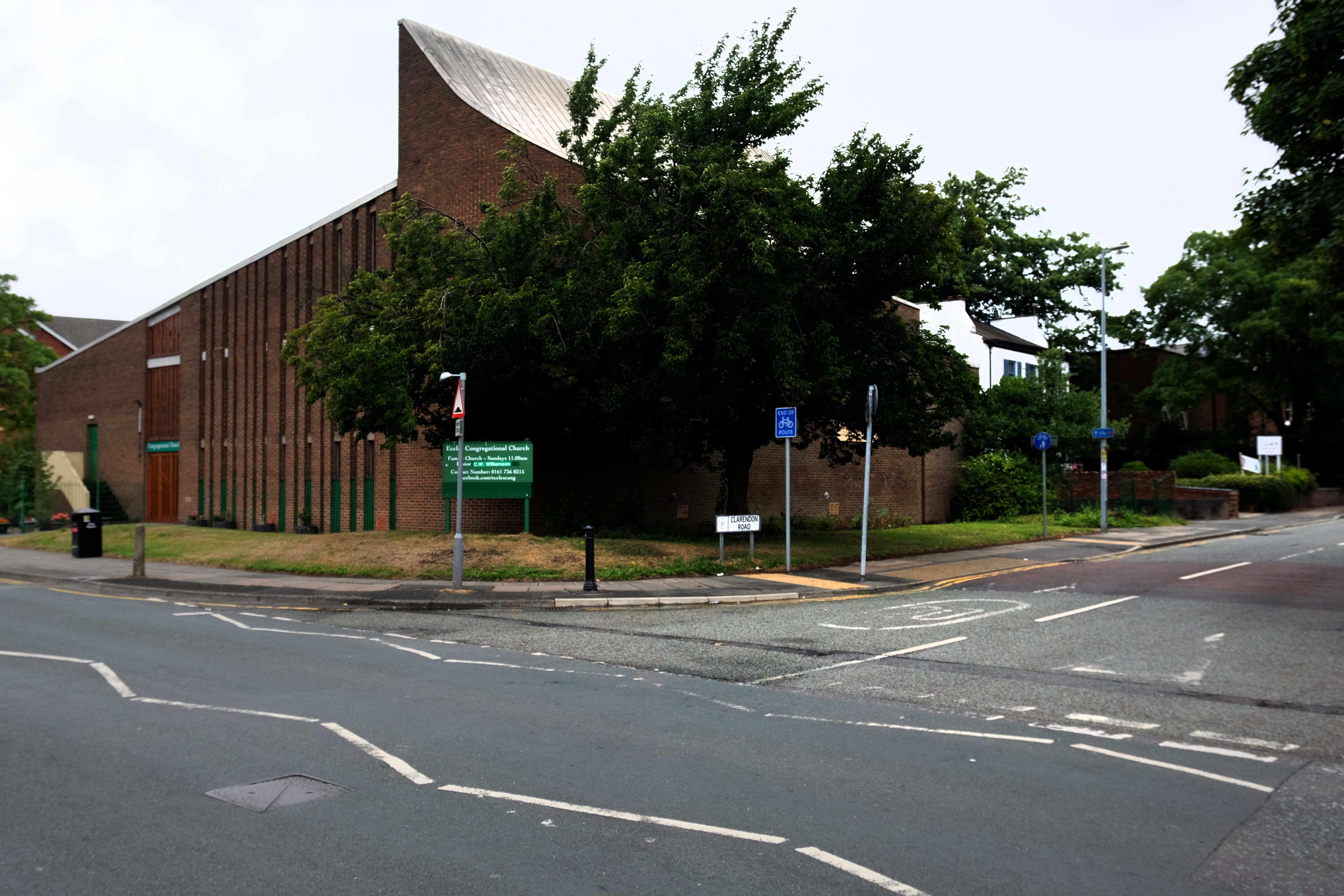
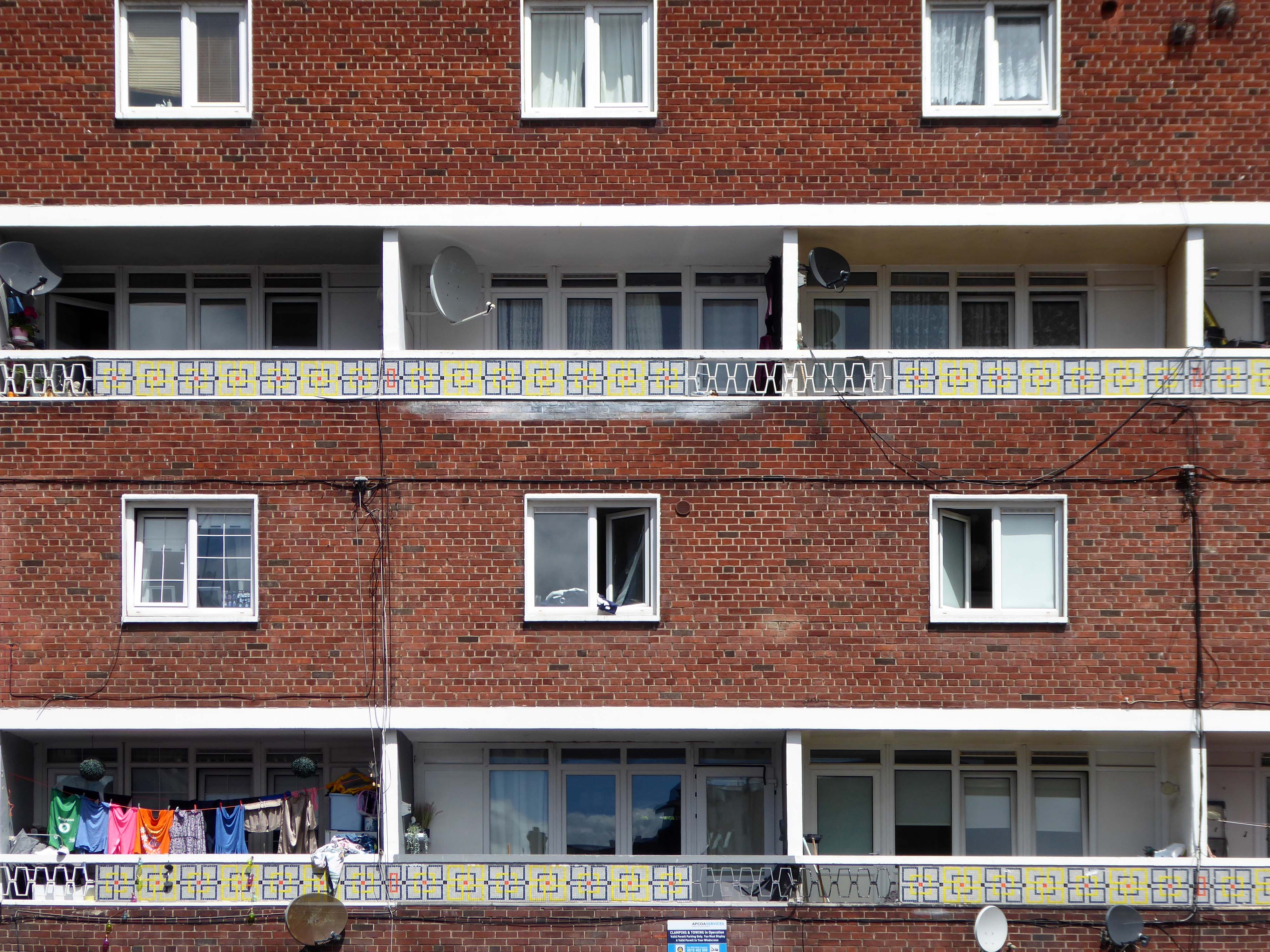
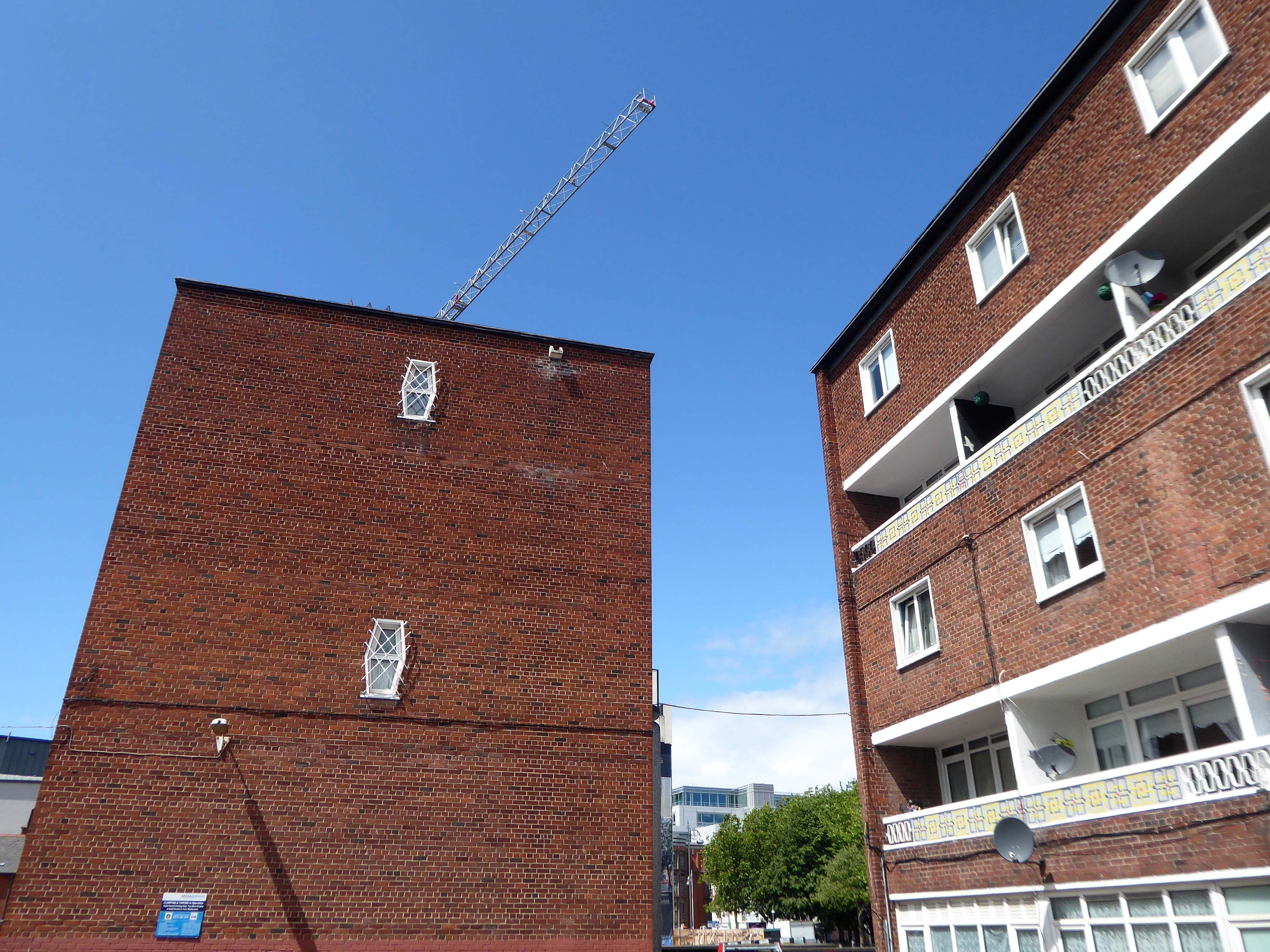
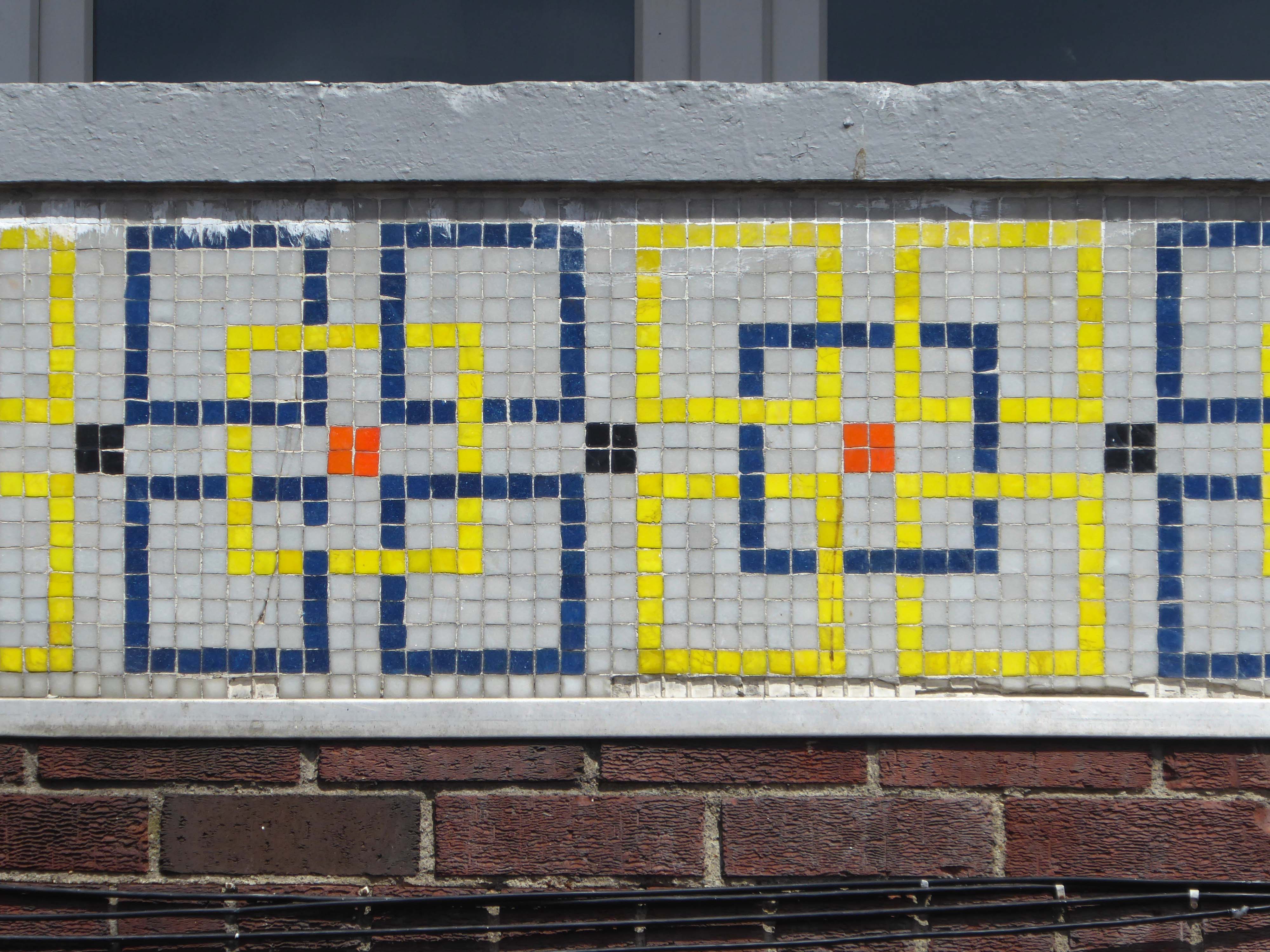
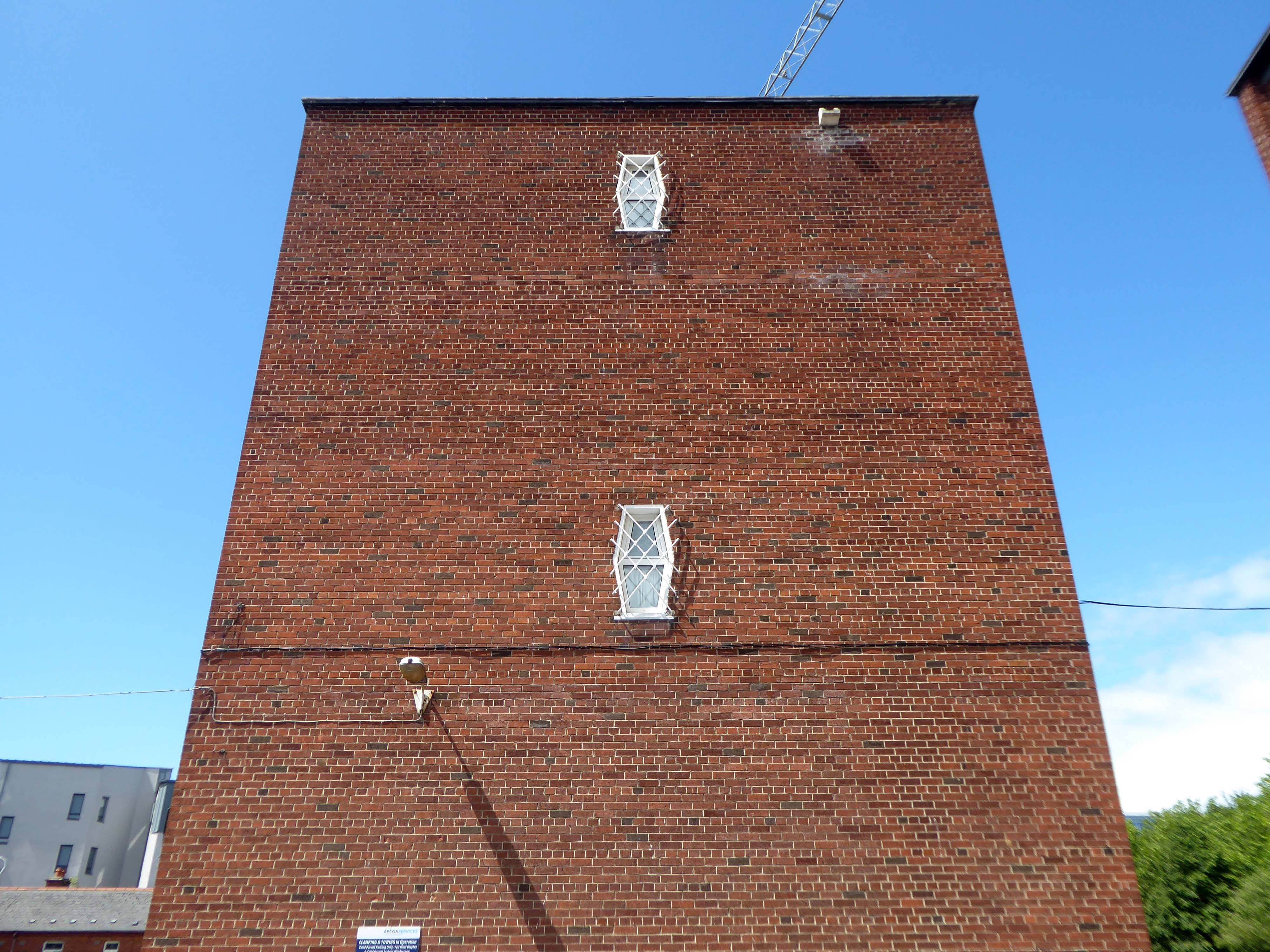
Then there wasn’t – then there was this:
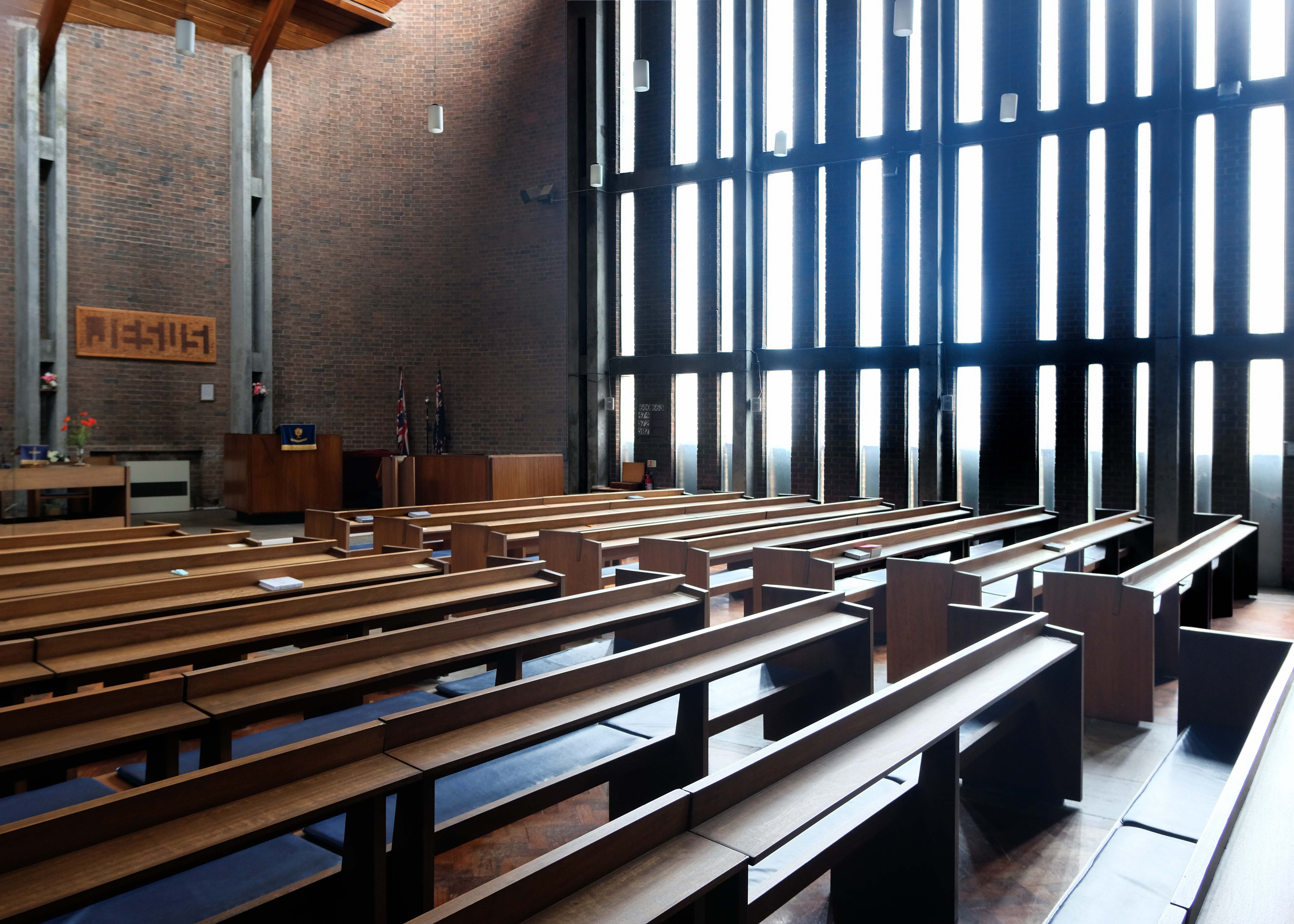
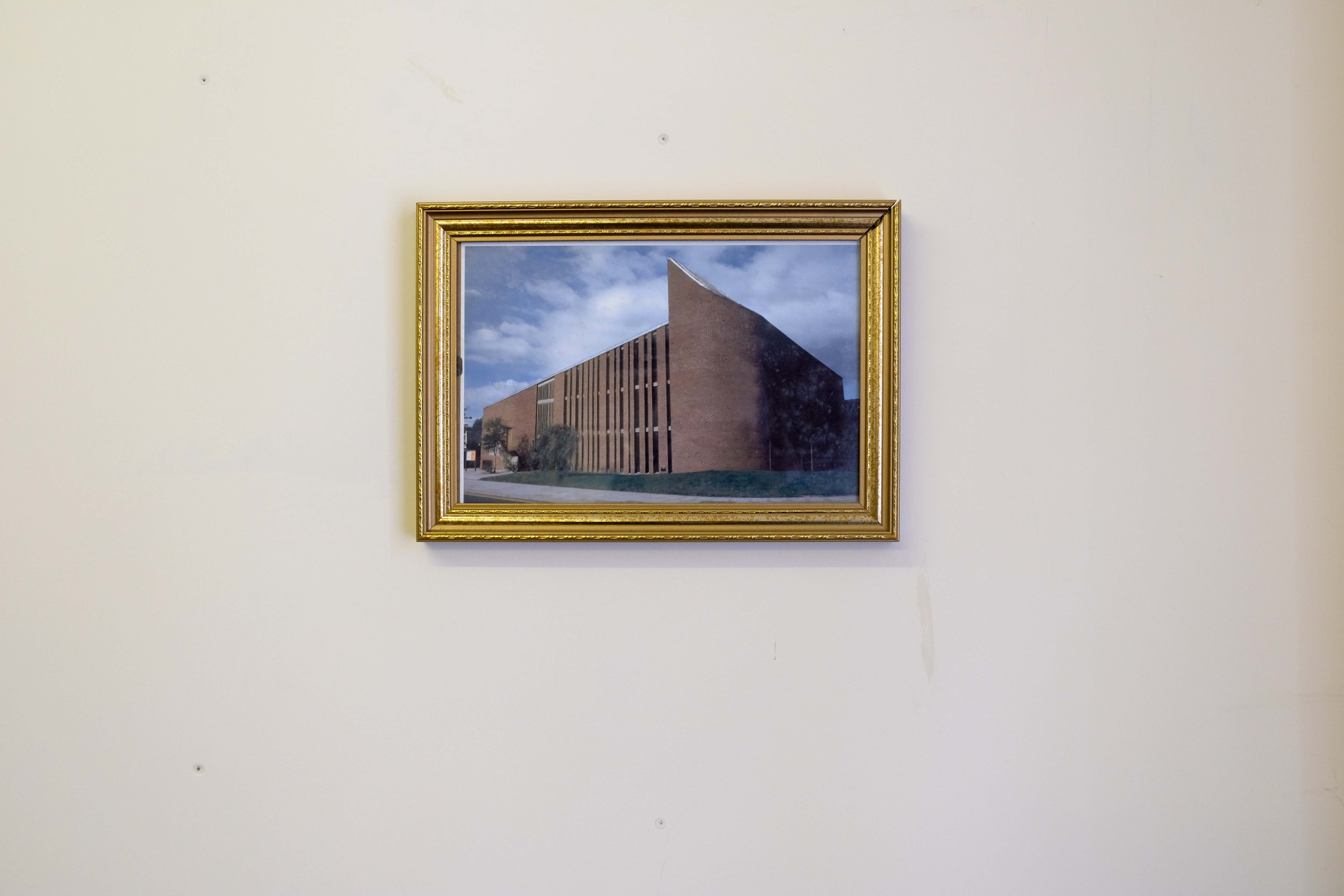
On Friday 11th July 1969, the new church officially opened with a splendid ceremony. A minor hitch occurred when the organ blew a fuse during the second verse but the Congregation sang through it while organist Mr Kenyon frantically fumbled about and rectified the matter.
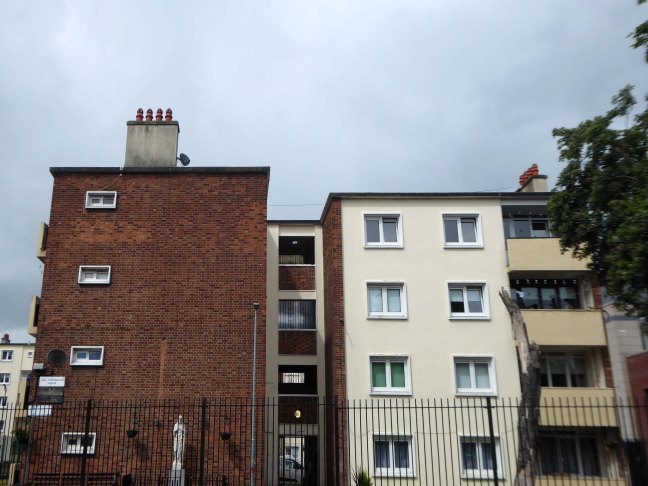
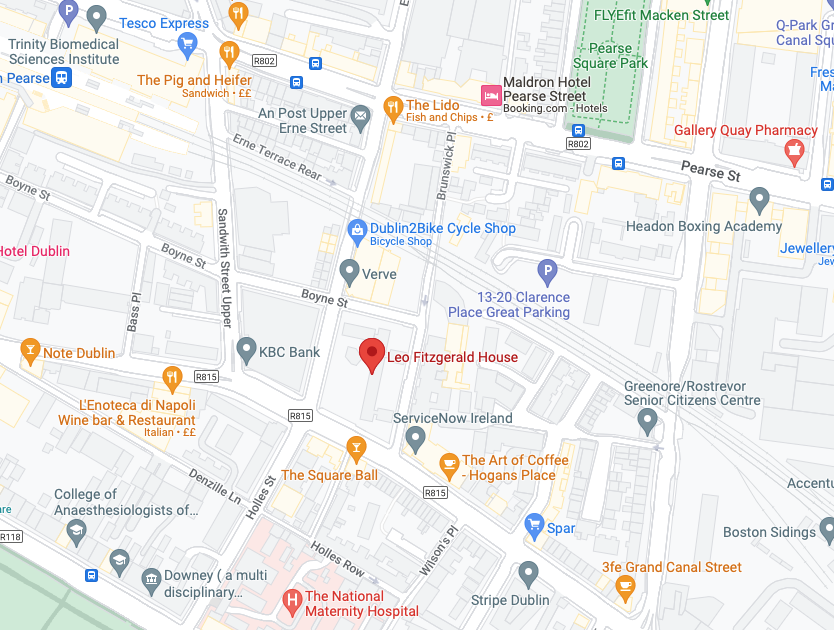
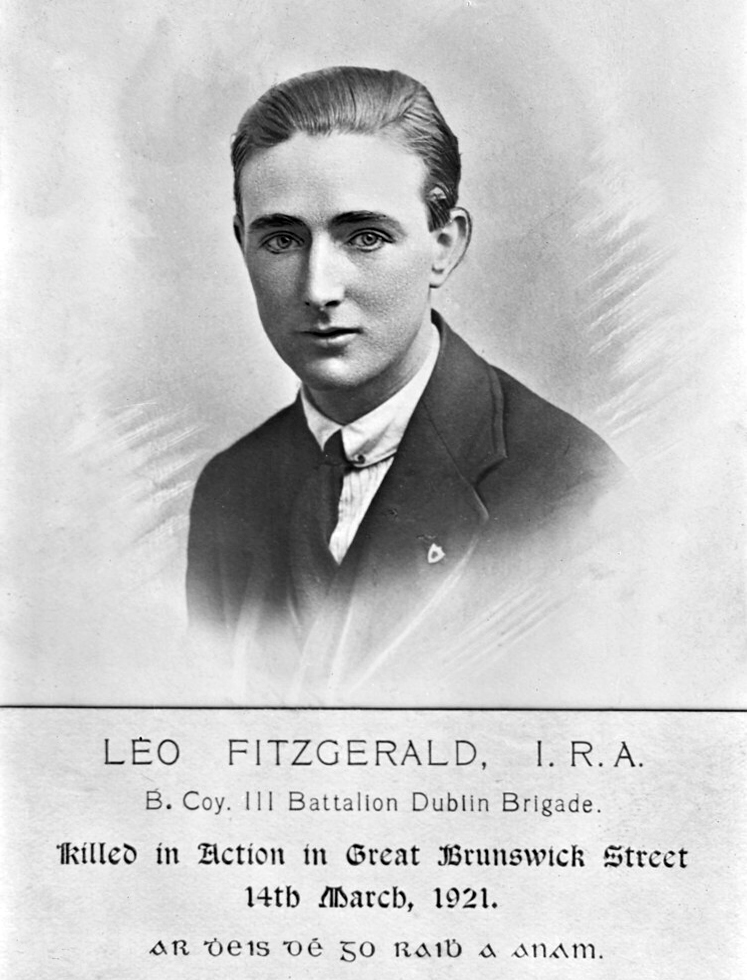
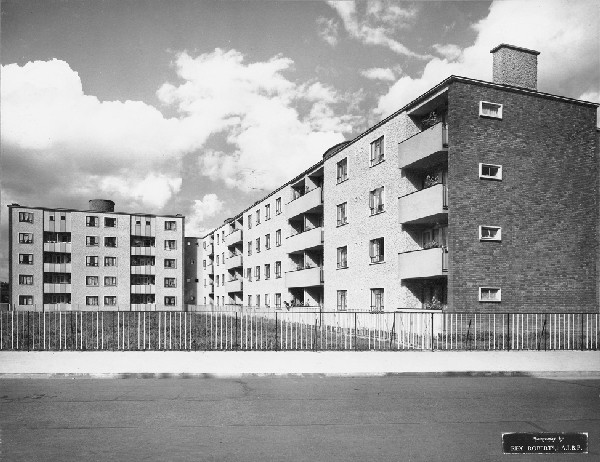
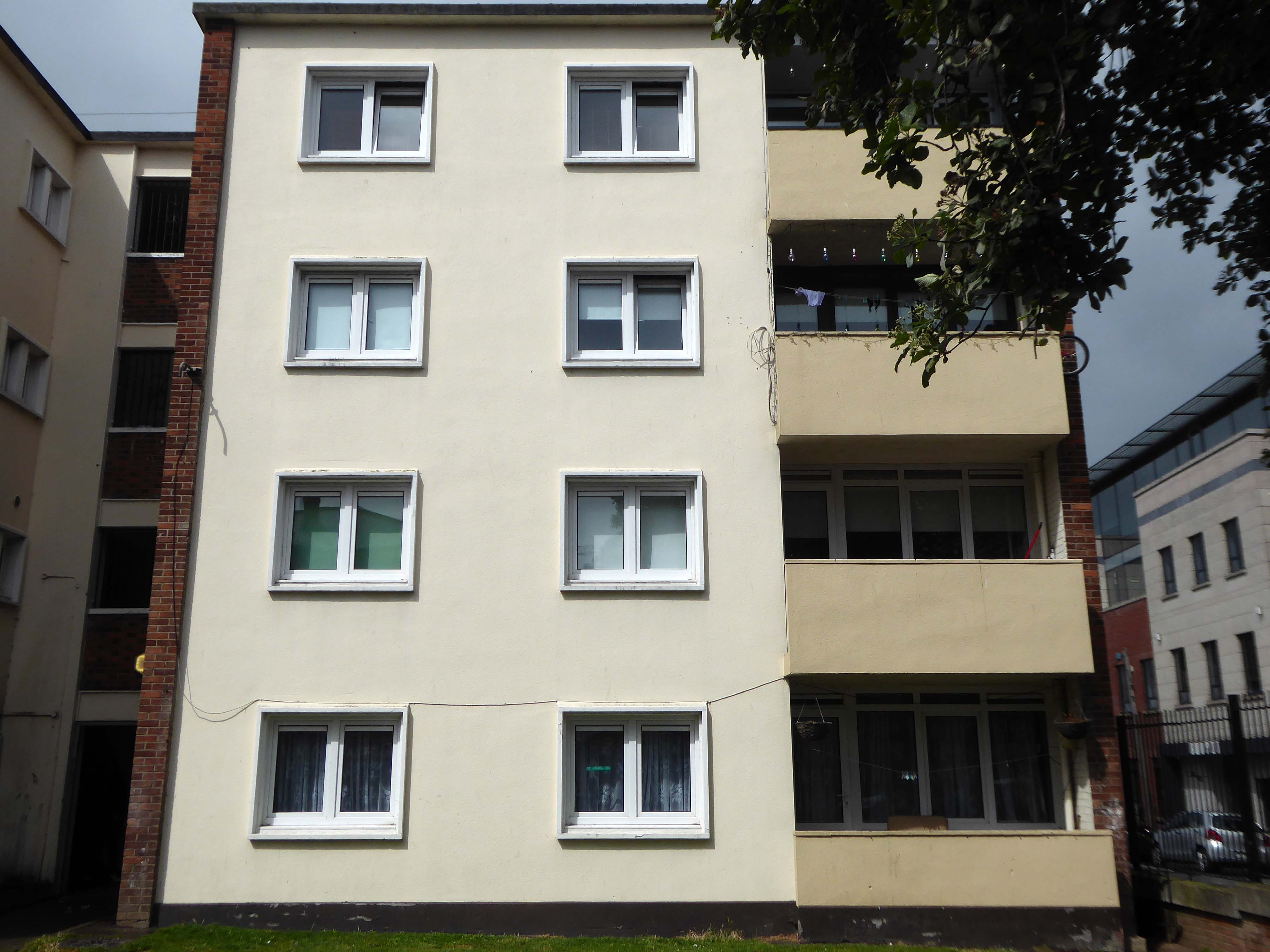
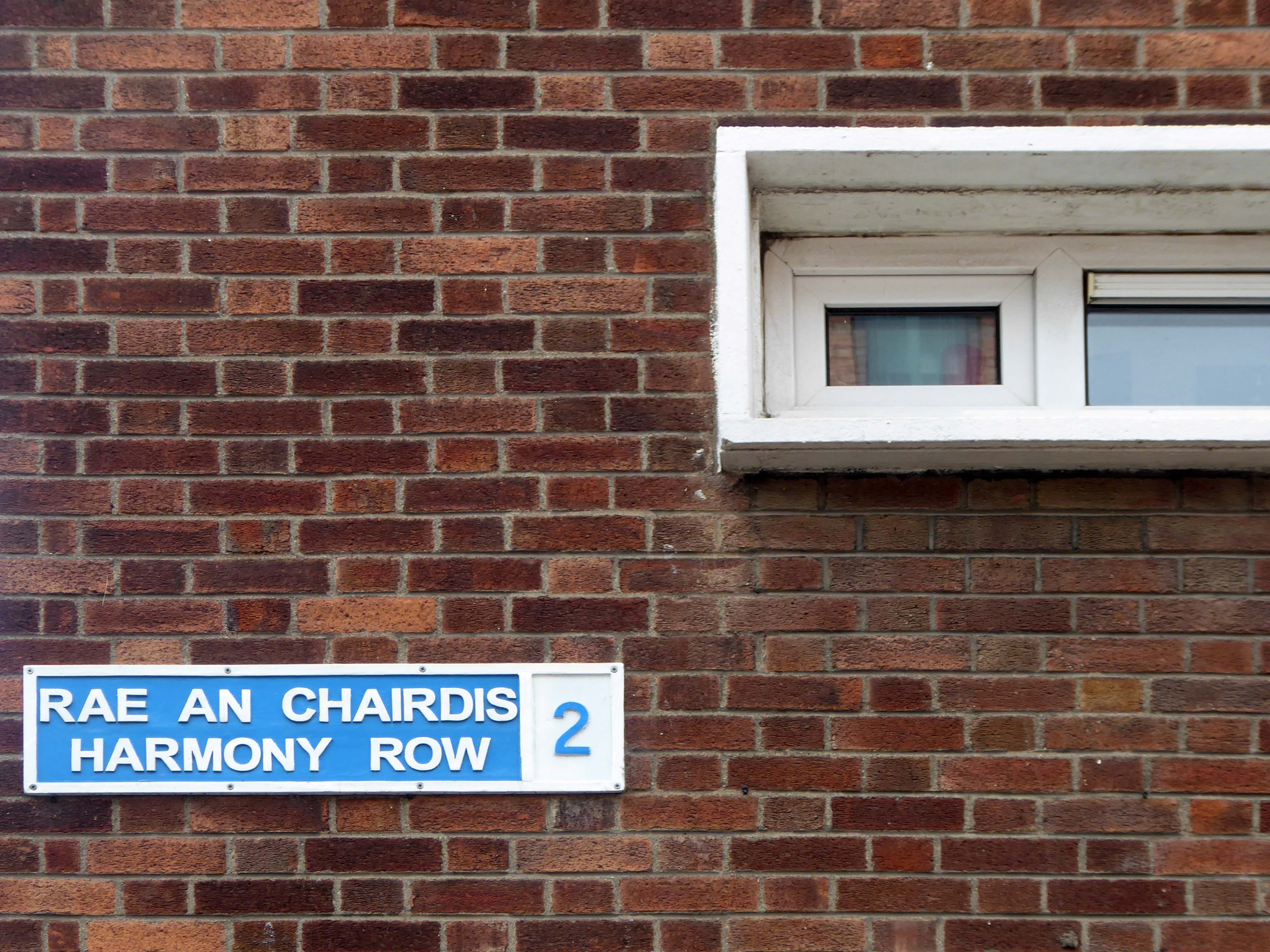
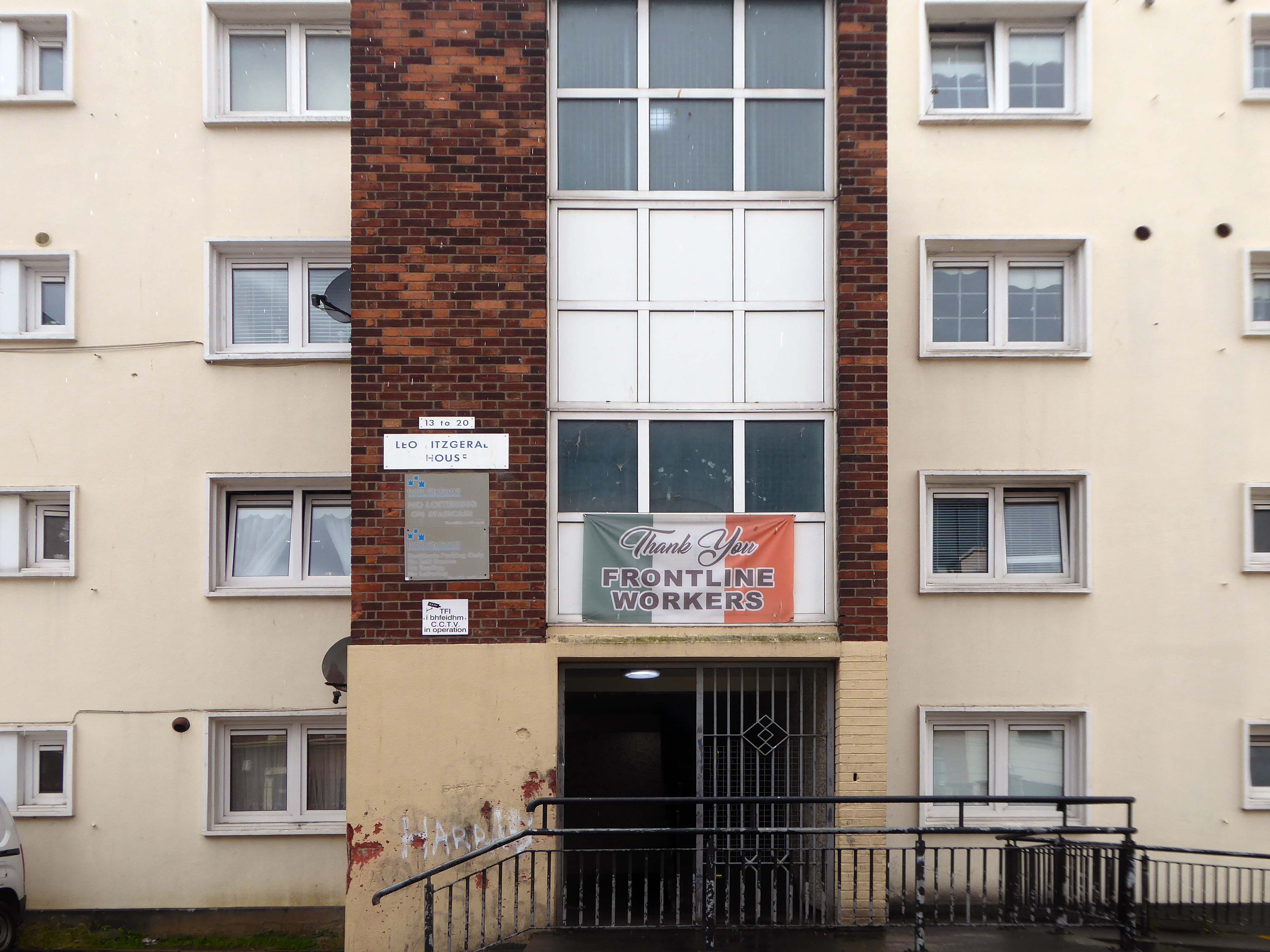
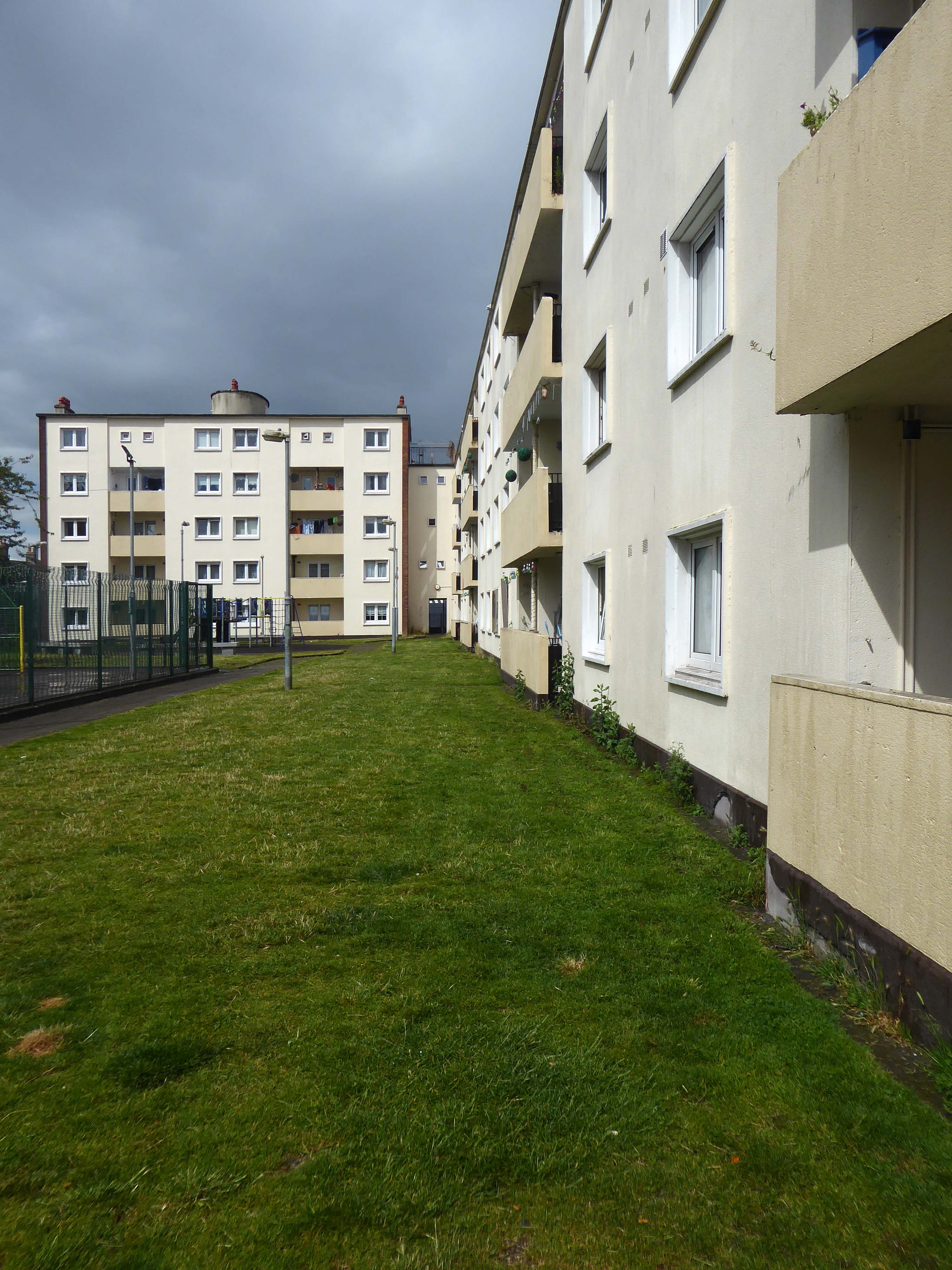
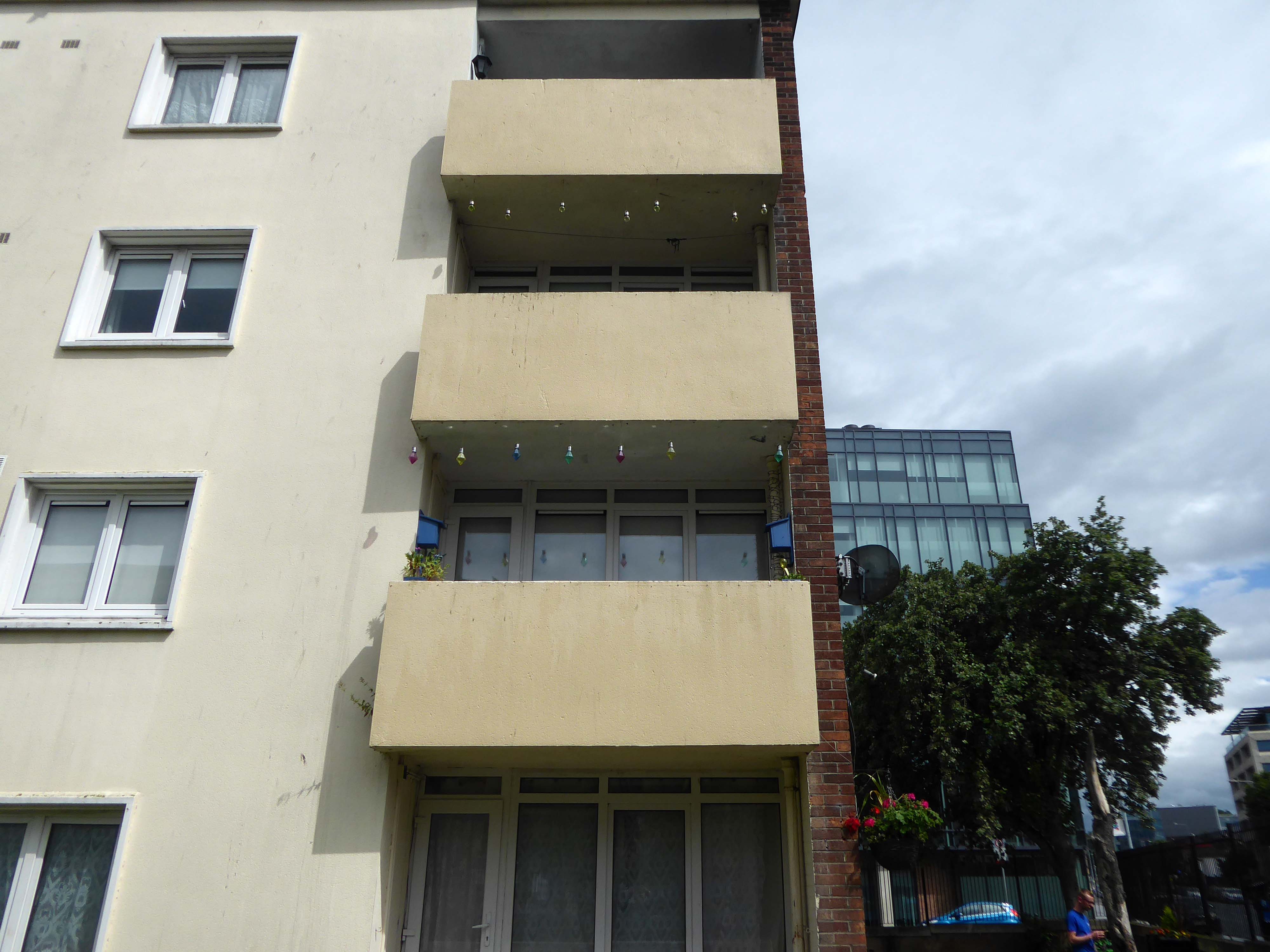
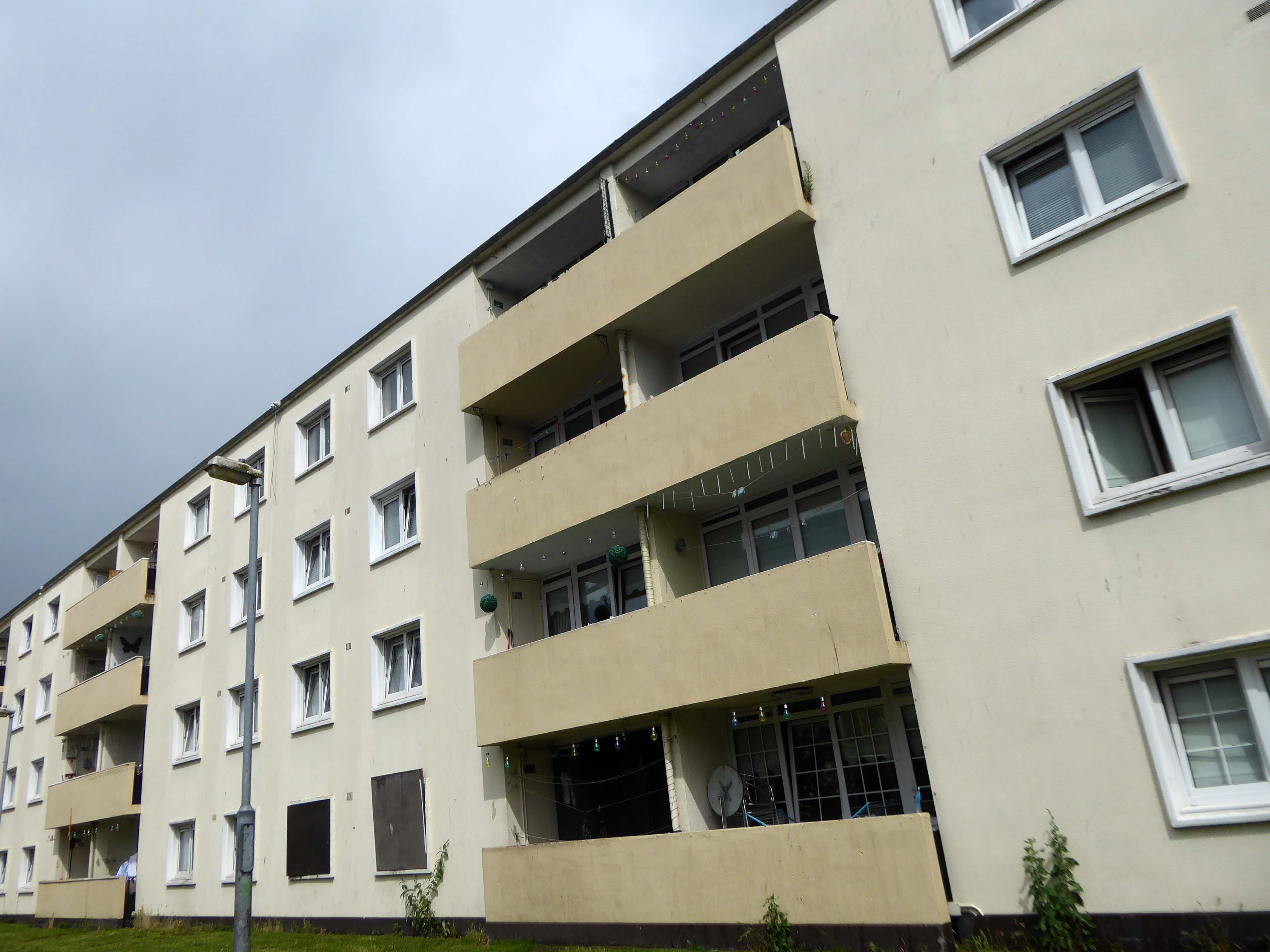
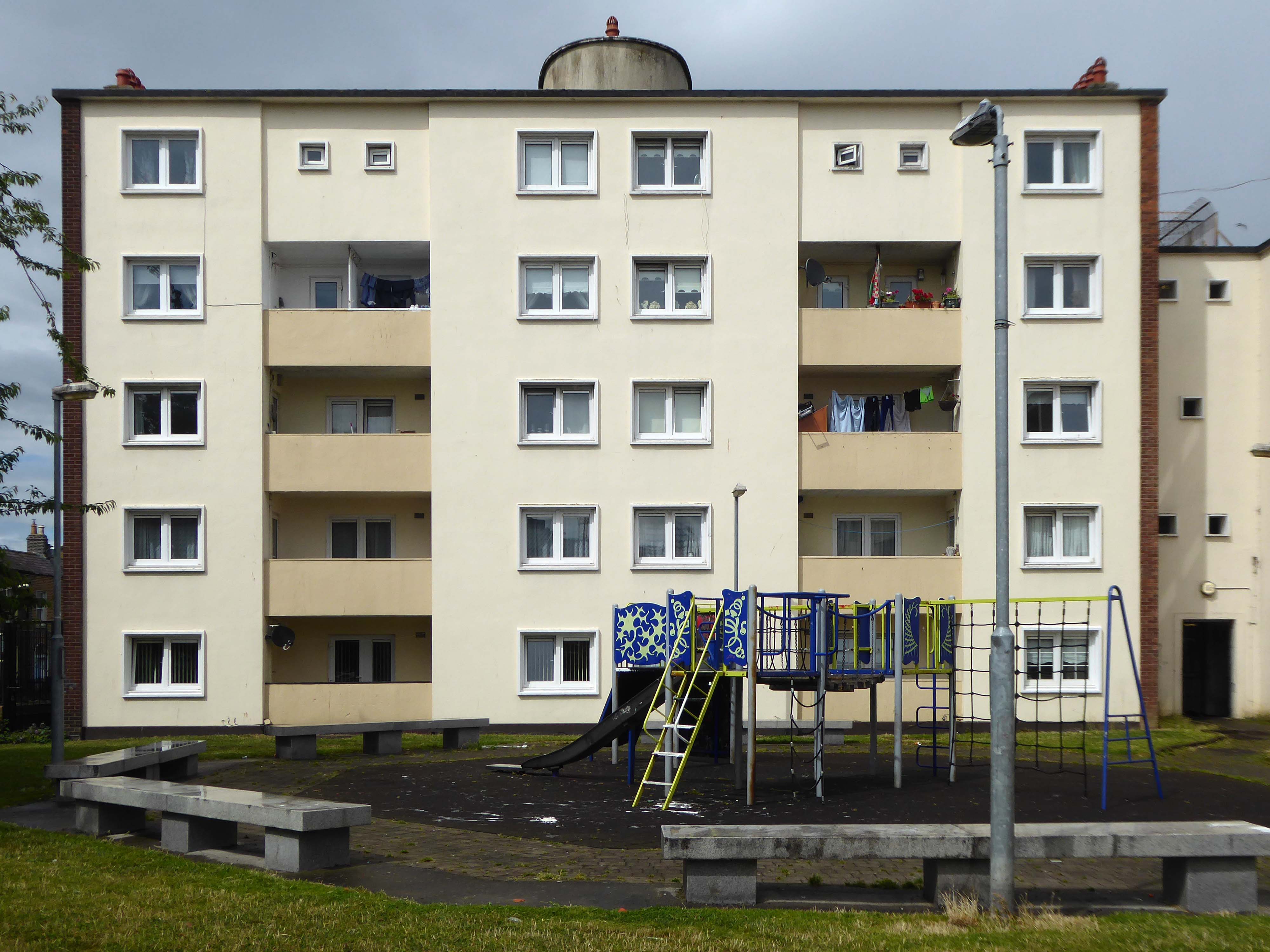
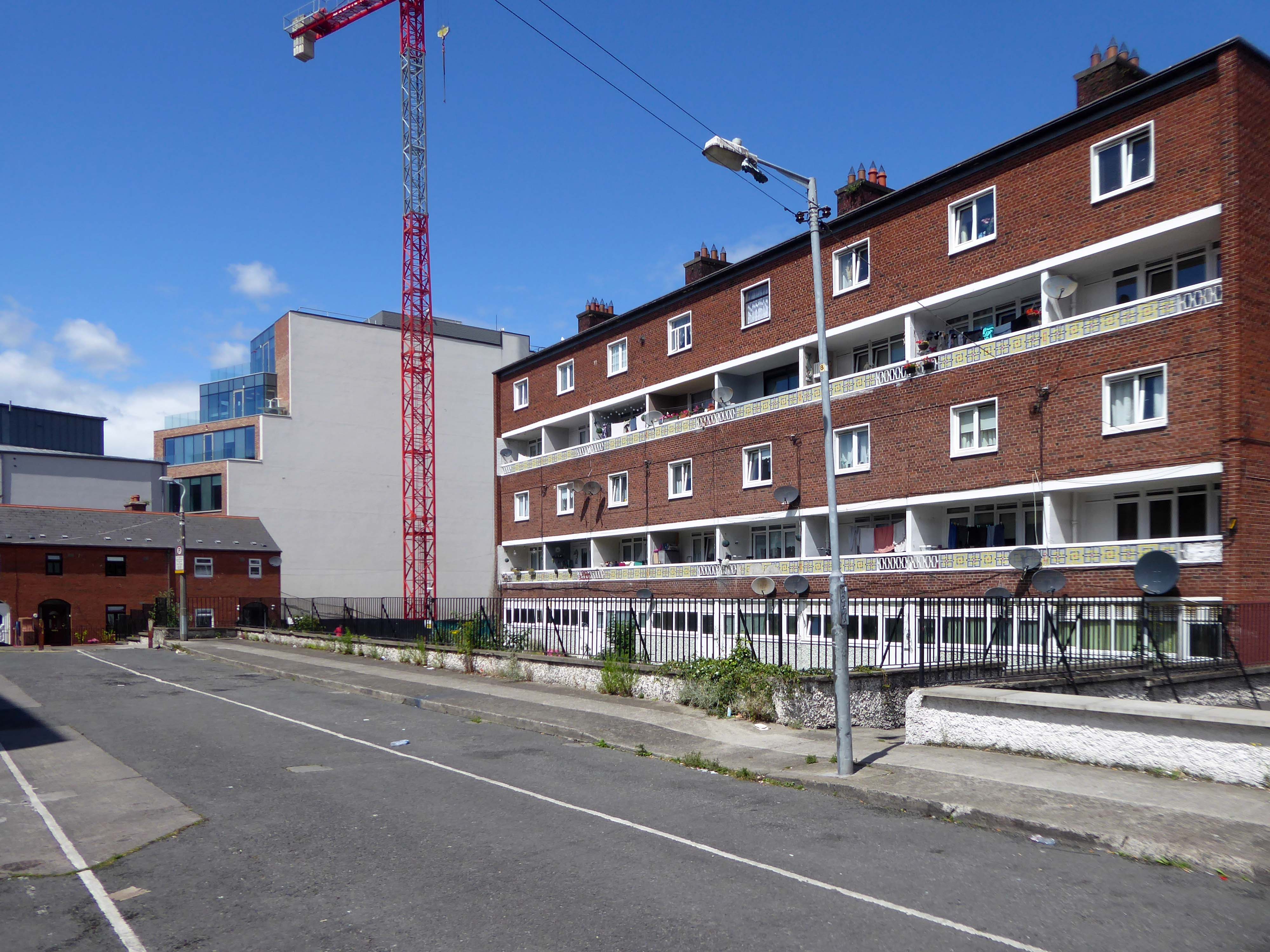
Leo Fitzgerald House Hogan Place Erne Street Upper Dublin 2
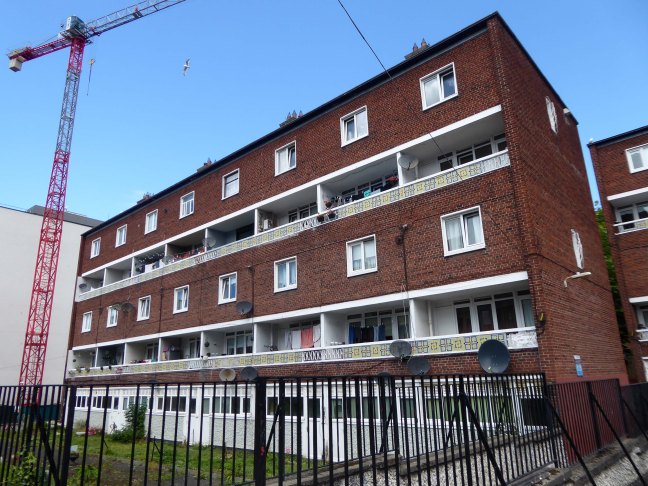
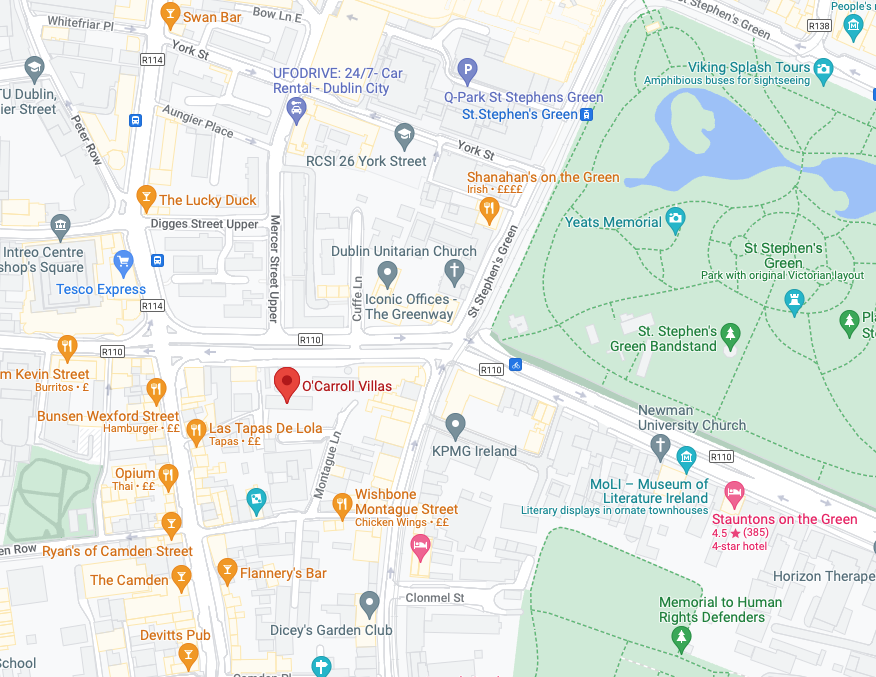
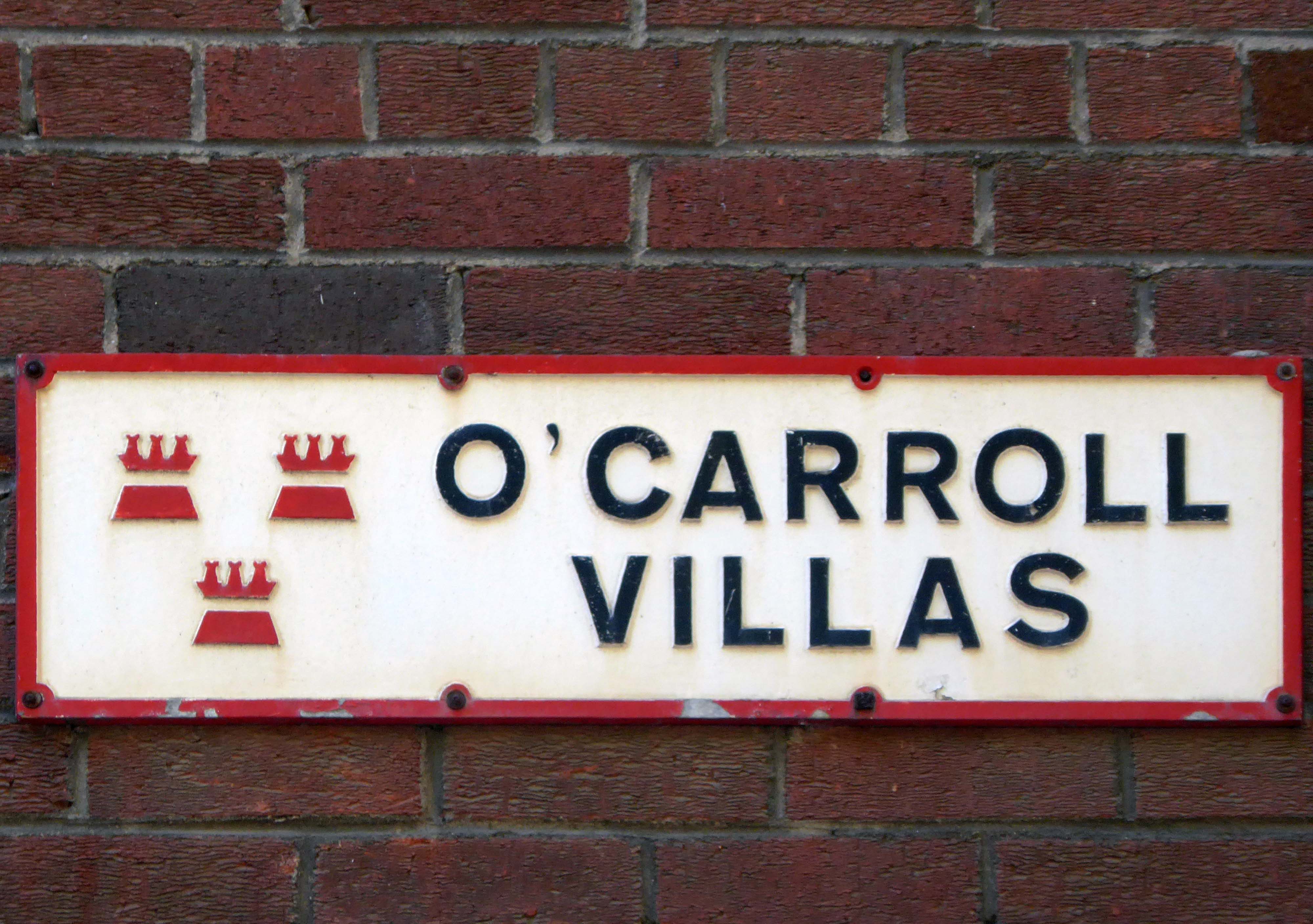
The second post featuring the work of Herbert Simms following on from O’Carroll Villas.
Though I am informed that:
It was designed by Charles McNamara – Acting Housing Architect in Dublin Corporation and completed late 1950s.
Ref: More Than Concrete Blocks, Vol2 – Edited by Ellen Rowley
These homes were named for Civil War hero Leo Fitzgerald.
London born Herbert George Simms was responsible for the building of some 17,000 new working class dwellings in his time in office as Dublin’s pioneering Housing Architect, ranging from beautiful Art Deco flat schemes in the inner-city to new suburban landscapes.
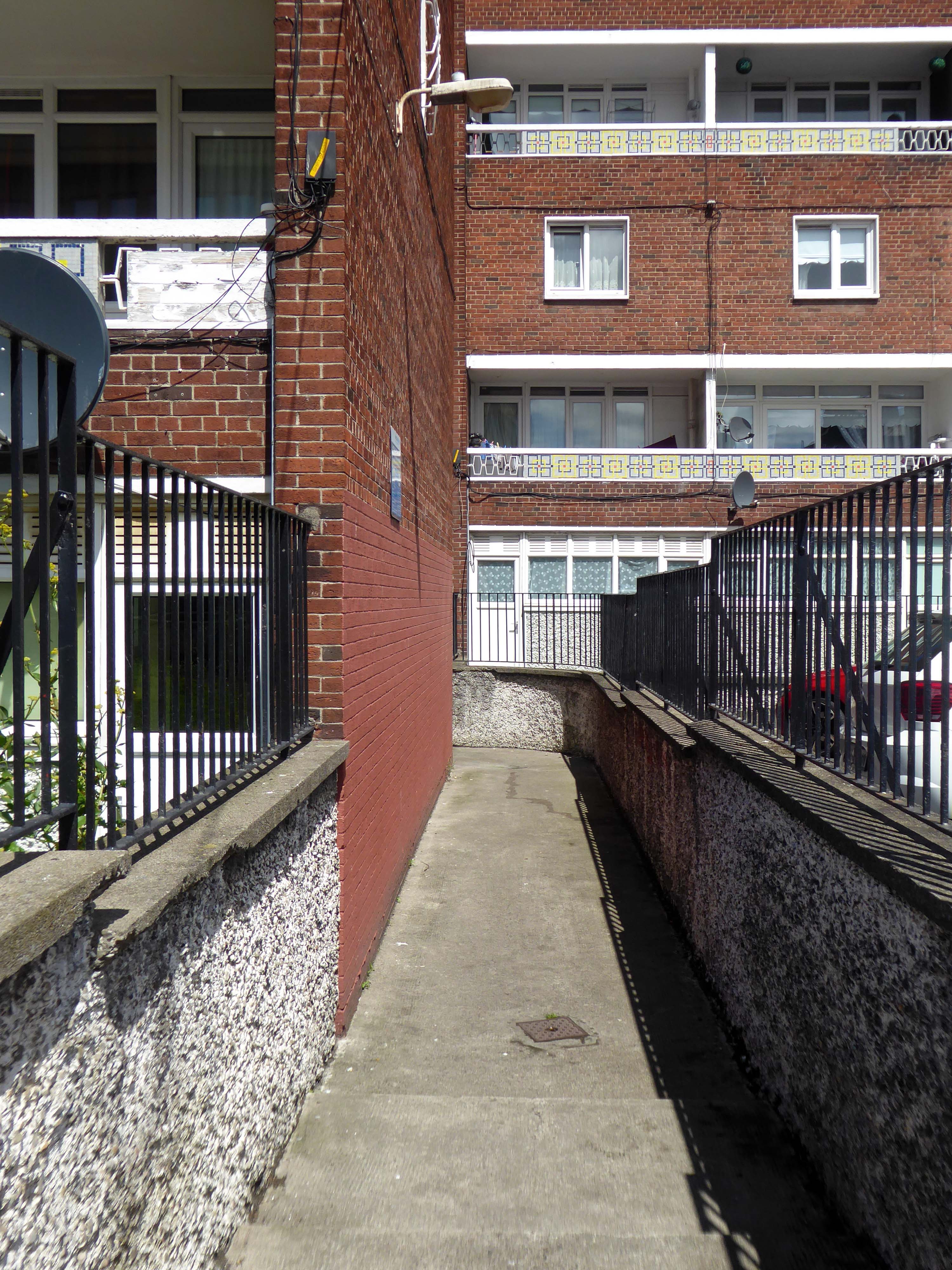
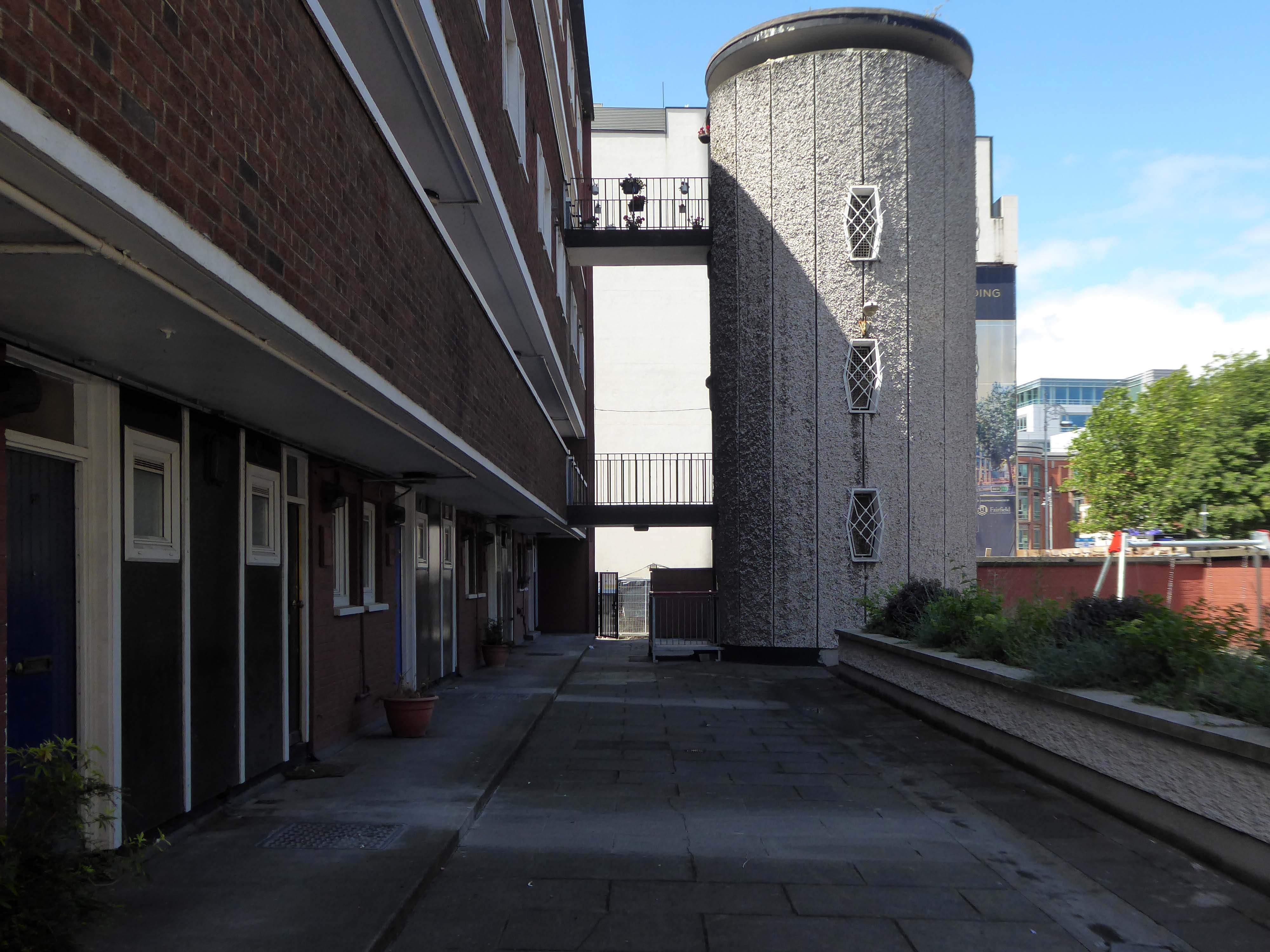
Freestanding L-plan multiple-bay four-storey social housing block, built c. 1940, having attached stairs tower to east elevation. Flat roof concealed behind rendered parapet with concrete coping, and having rendered chimneystacks with concrete copings and clay pots. Flemish bond brown brick and rendered walls. Square-headed window openings with rendered surrounds and sills, and replacement uPVC windows. Square-headed door openings with rendered surrounds and timber doors to galleries. Square-headed door opening in attached stairs tower with mild-steel double-leaf gate, concrete platform and steps.
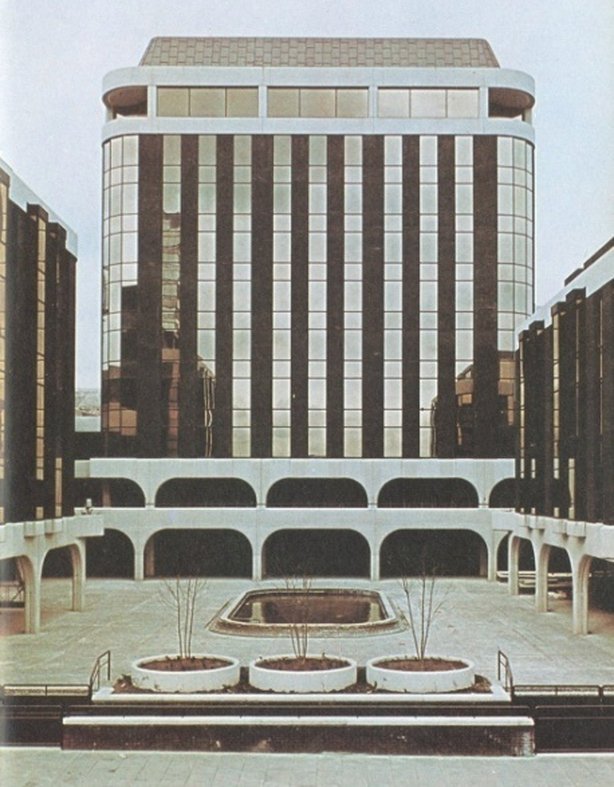
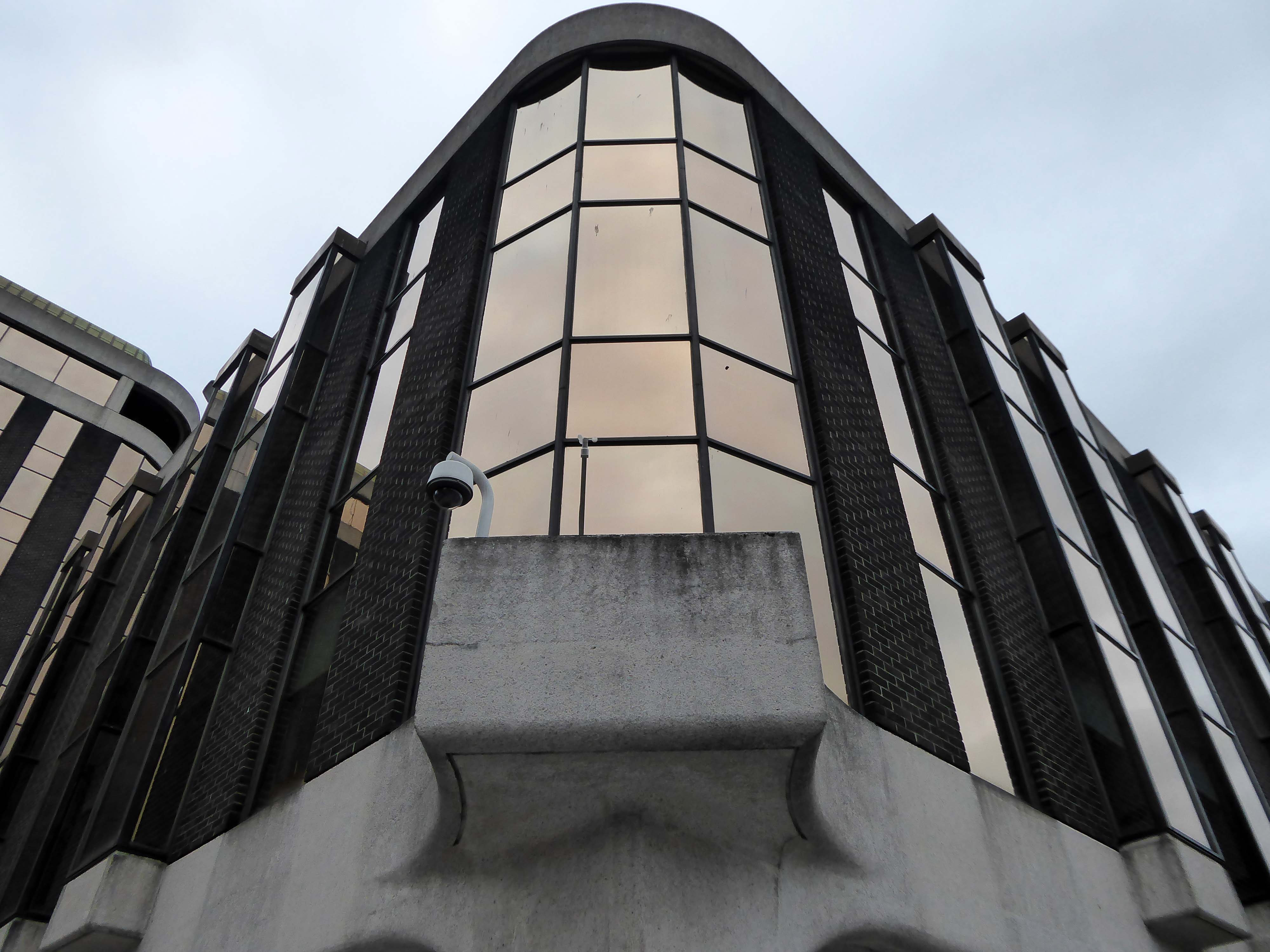
The brickwork, use of white aggregate for the arches, and tinted glazing are similar to Devane’s Stephen Court building on St Stephen’s Green.
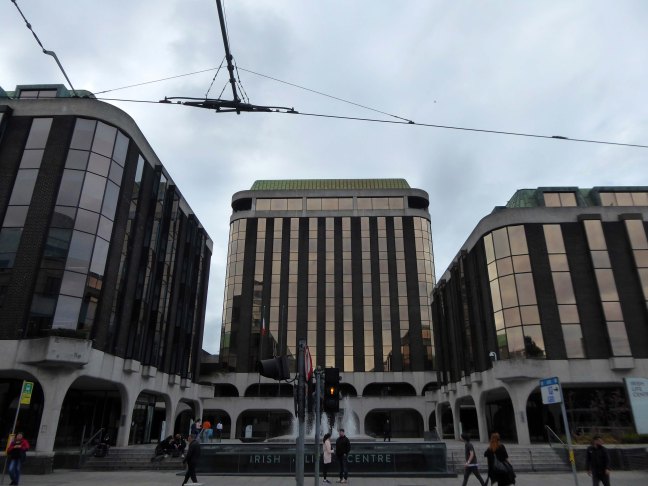
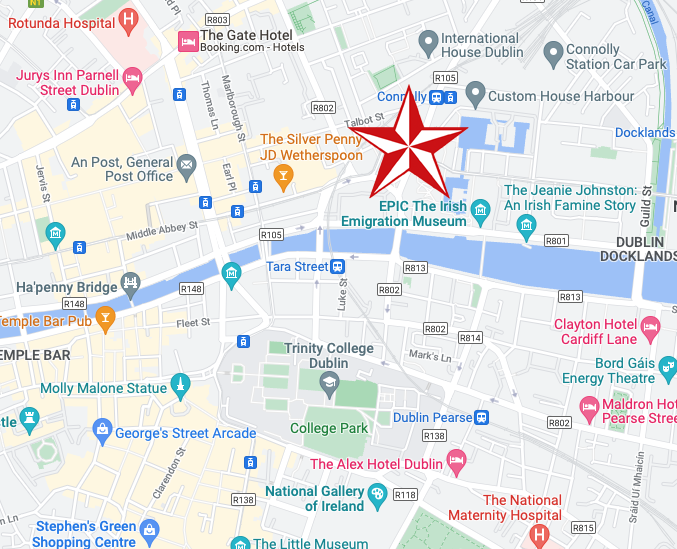
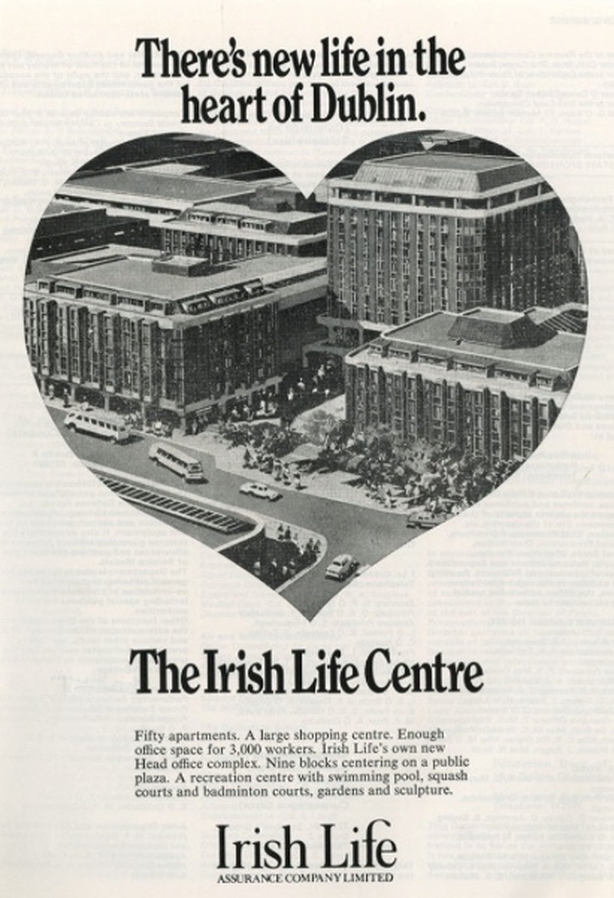
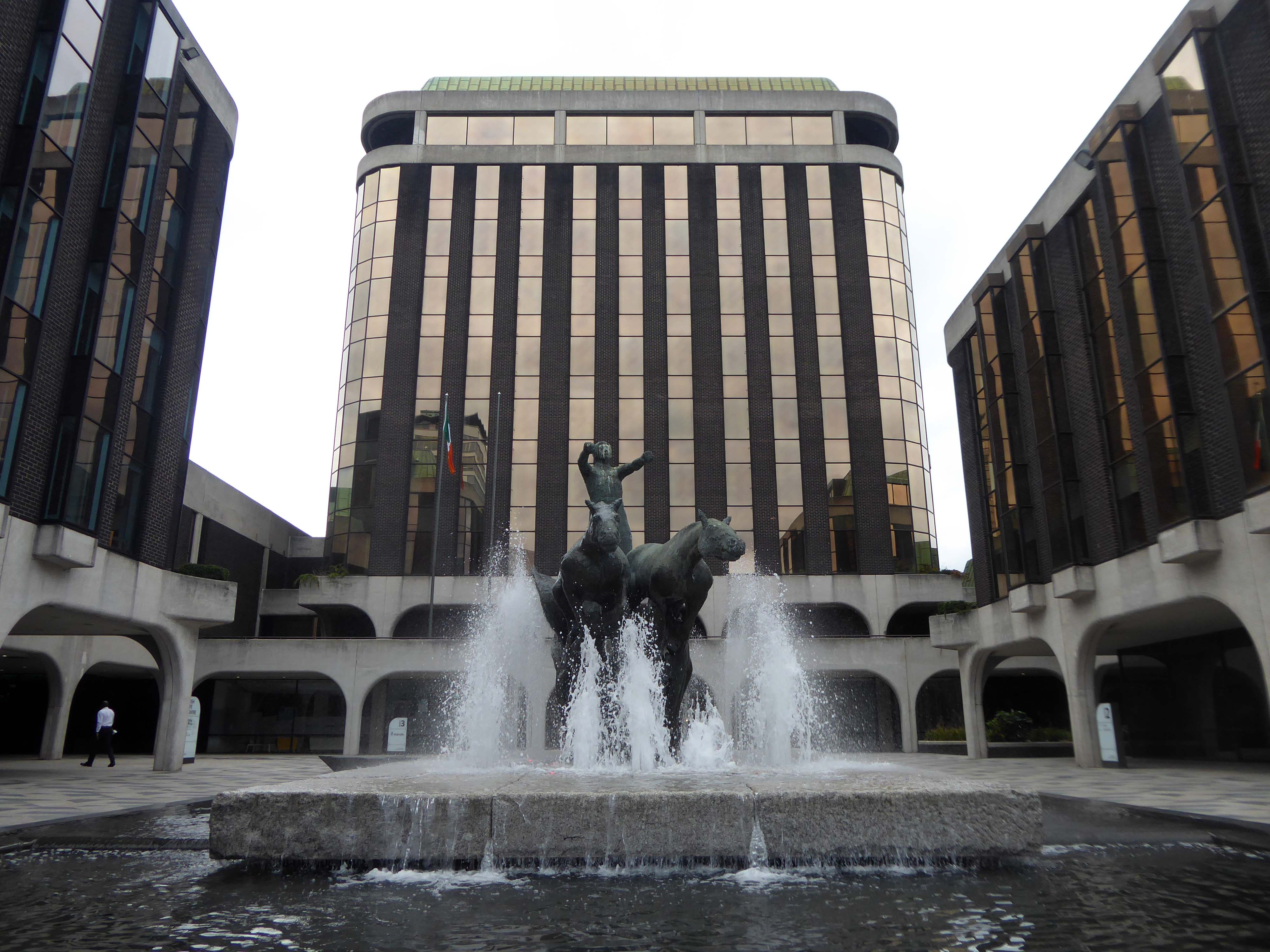
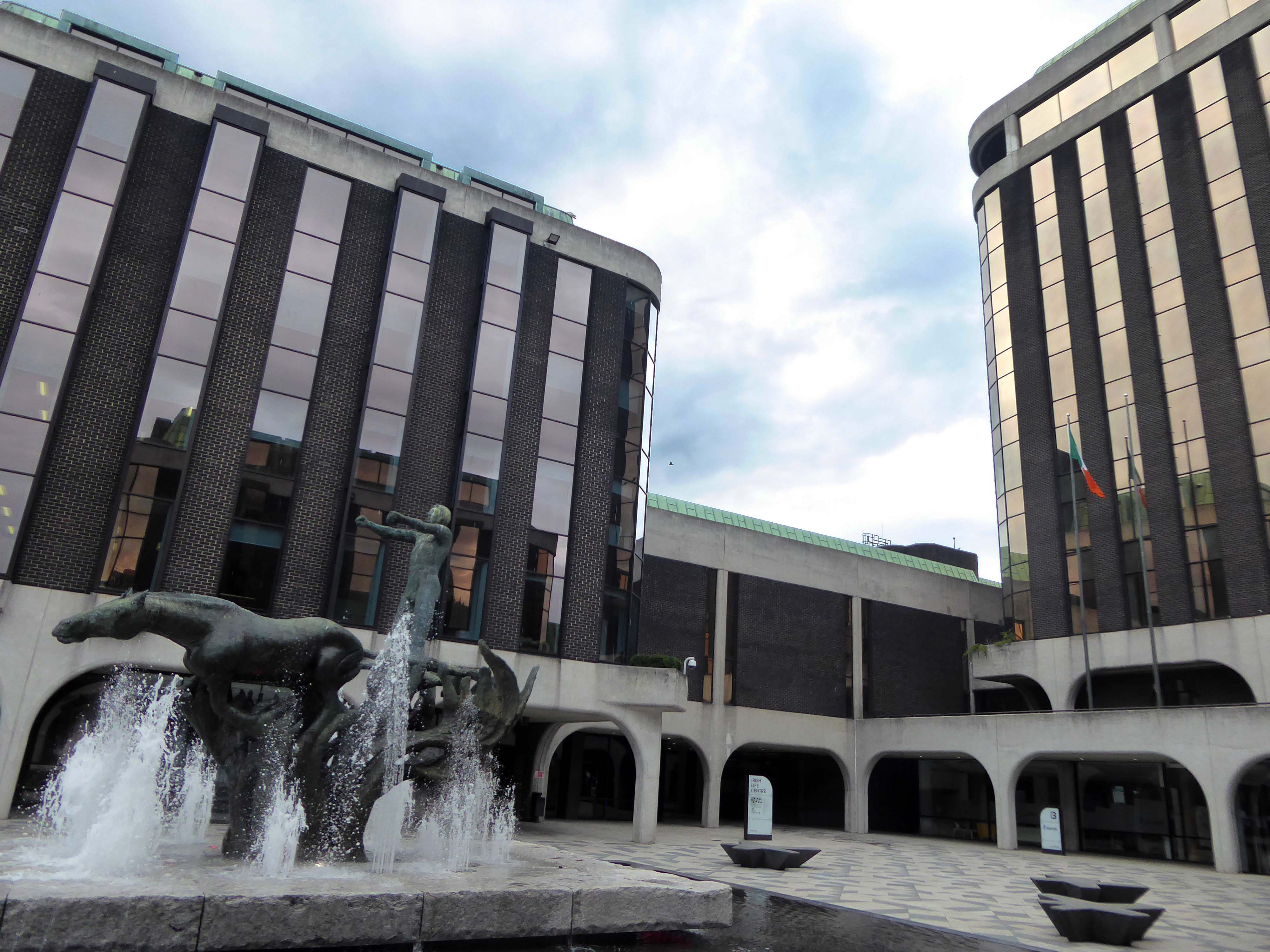
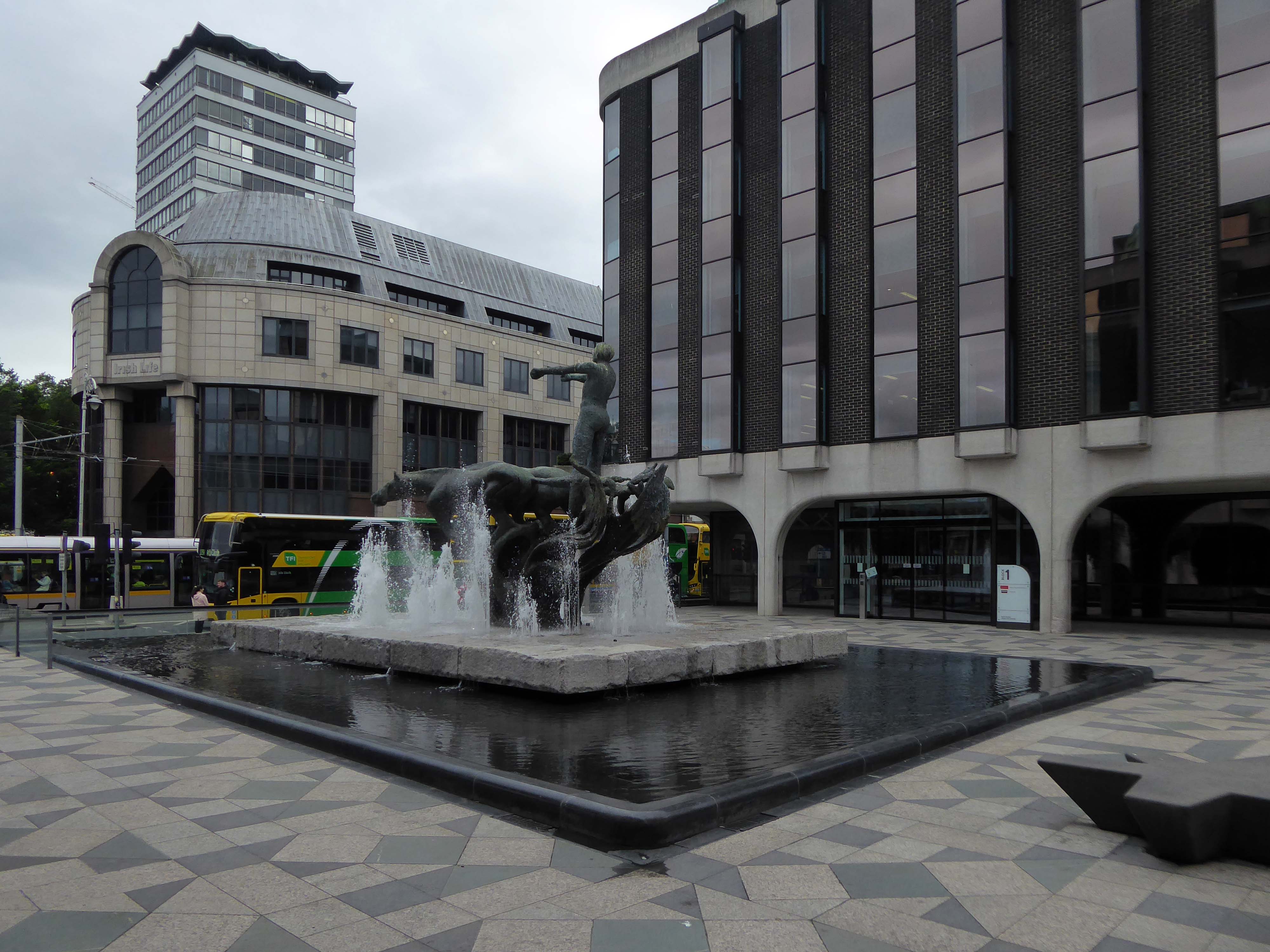
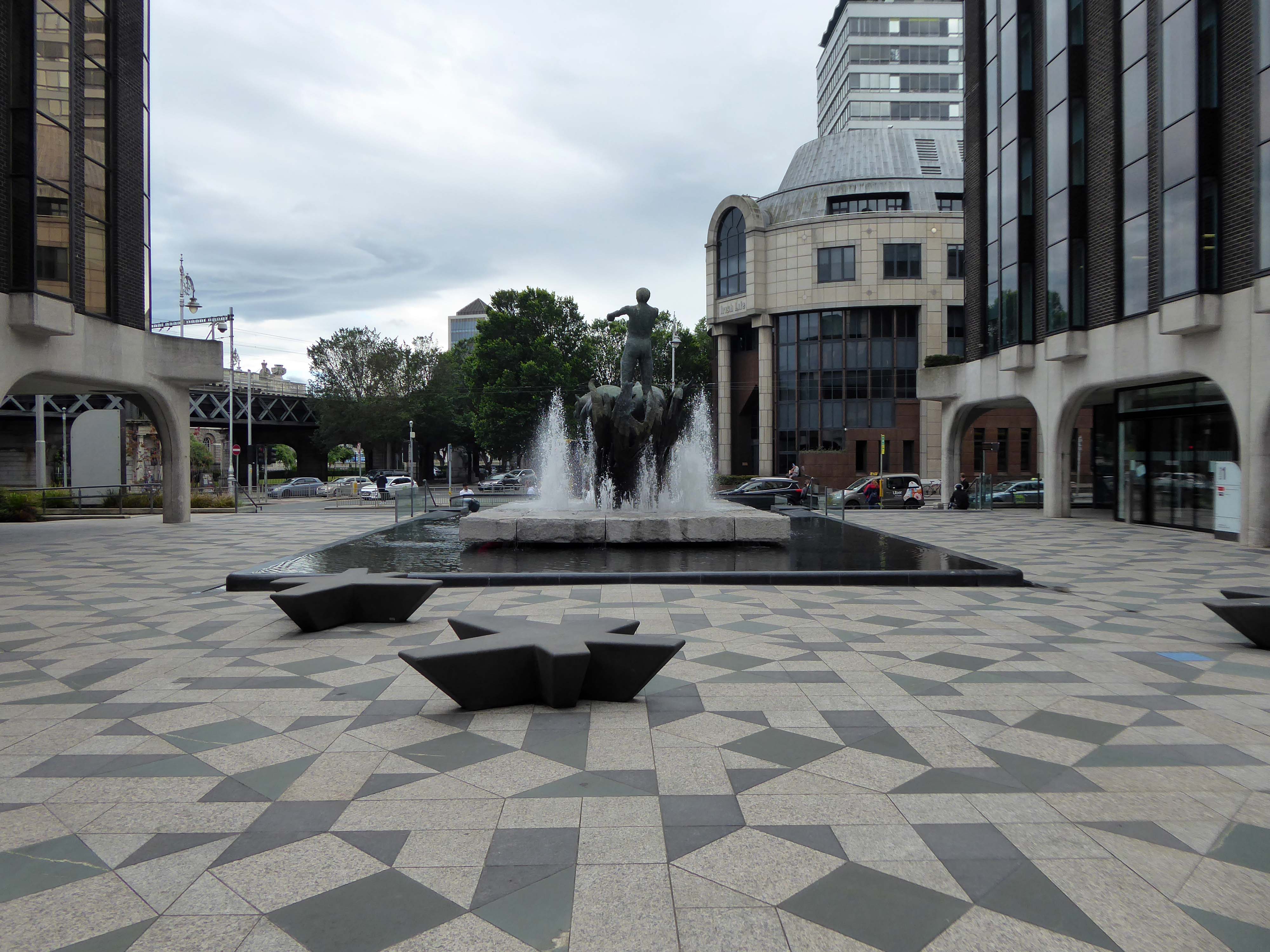
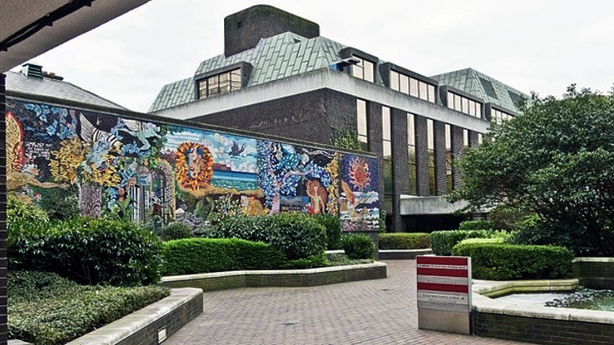
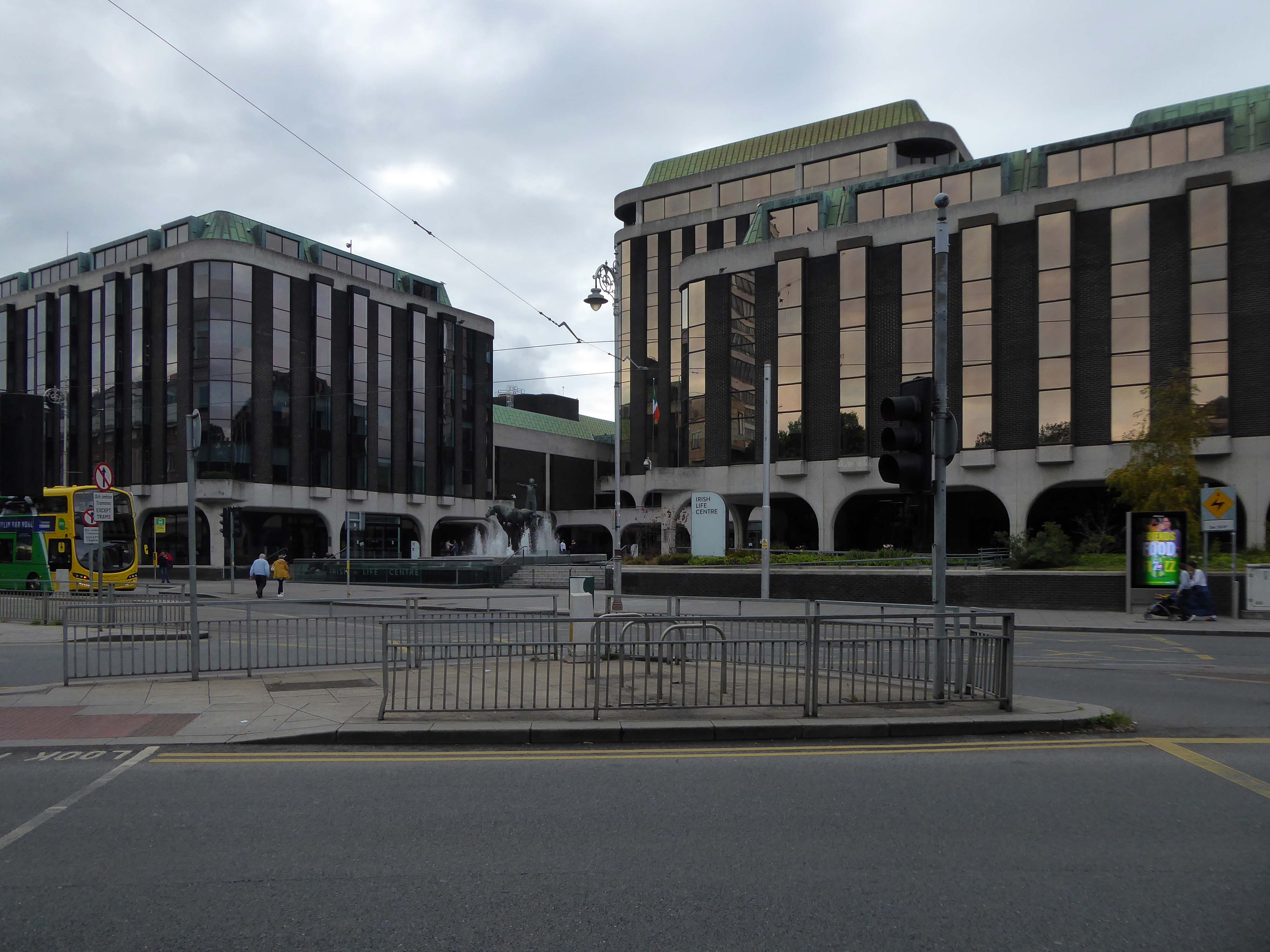
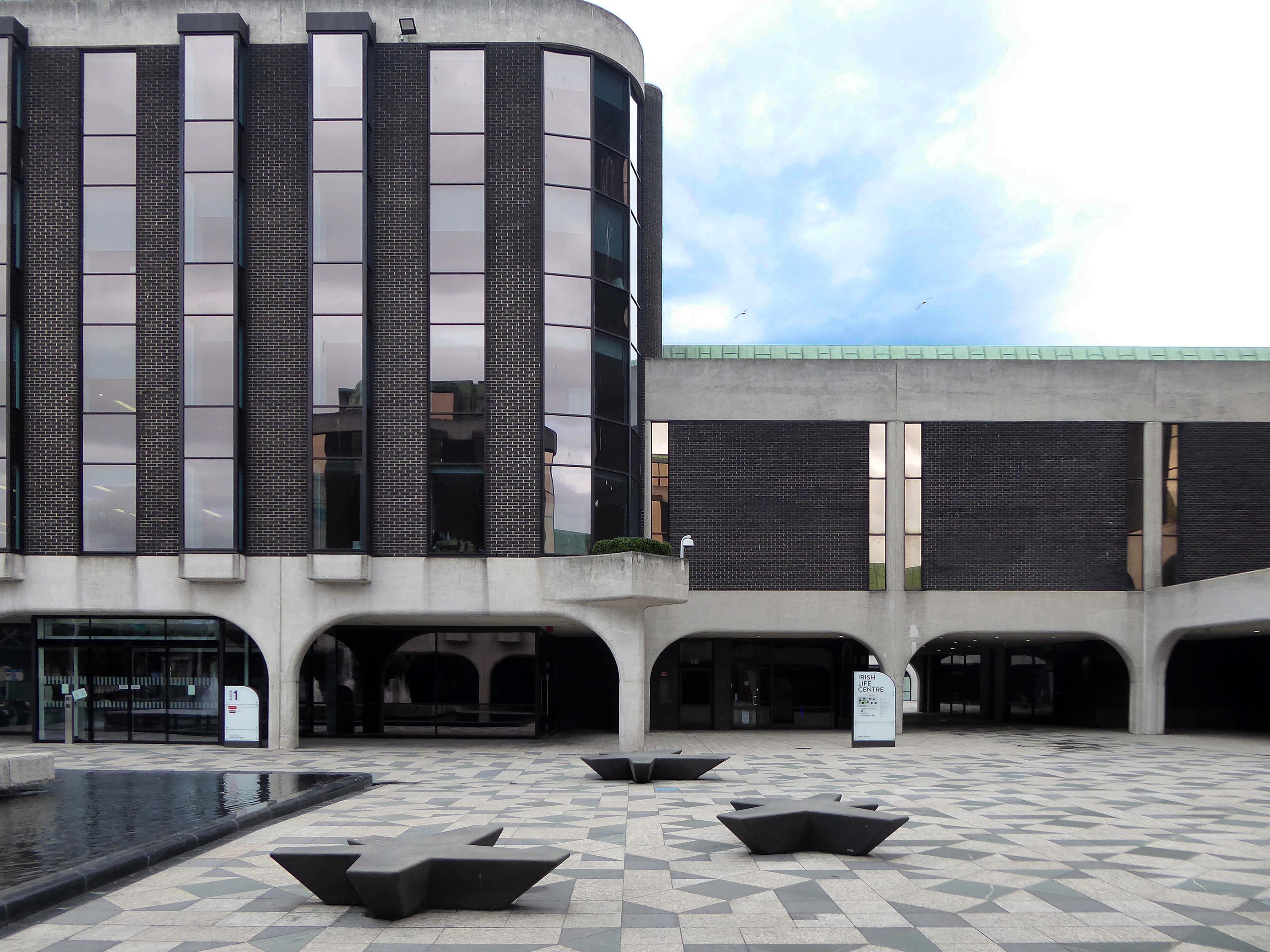
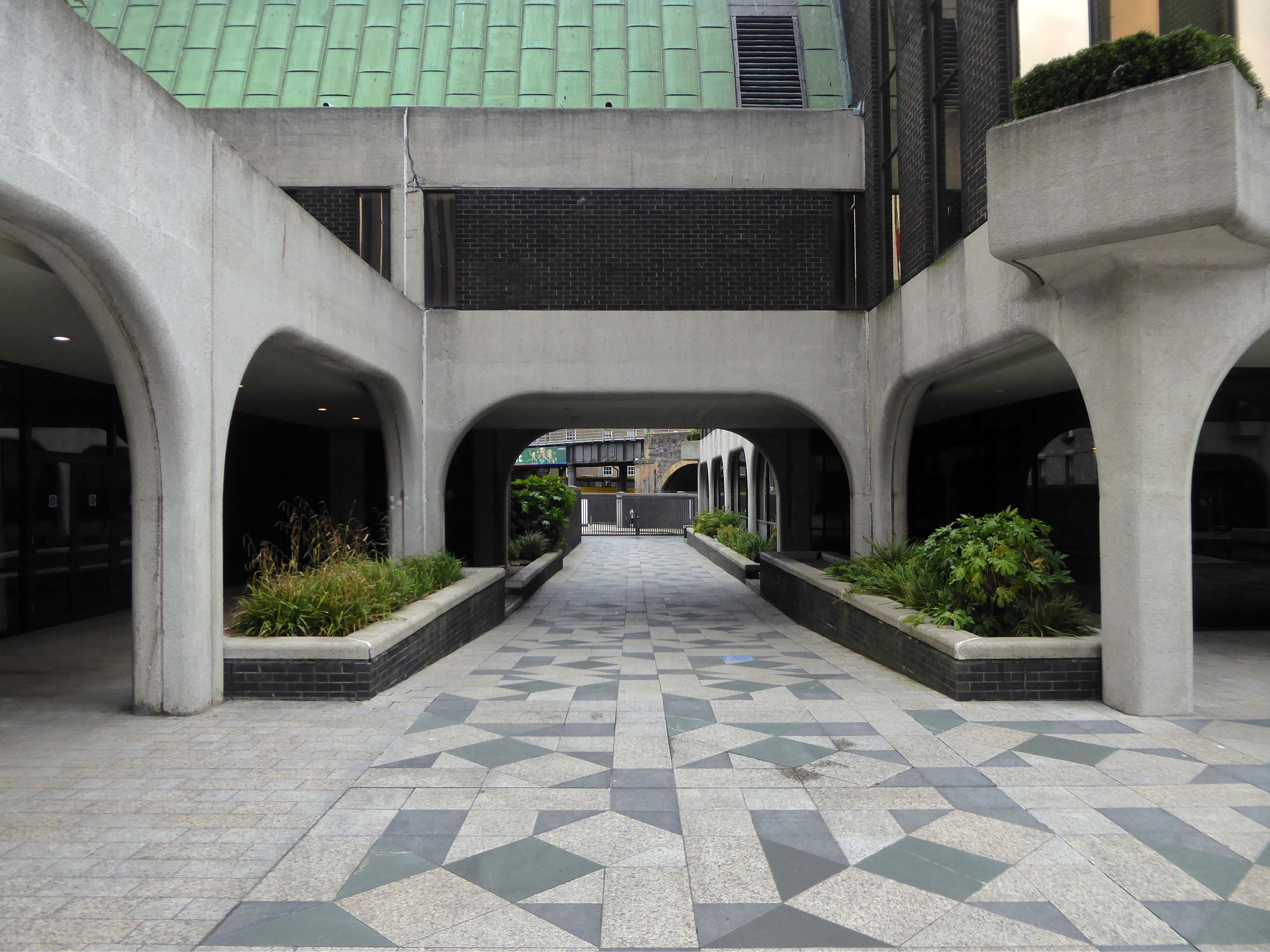
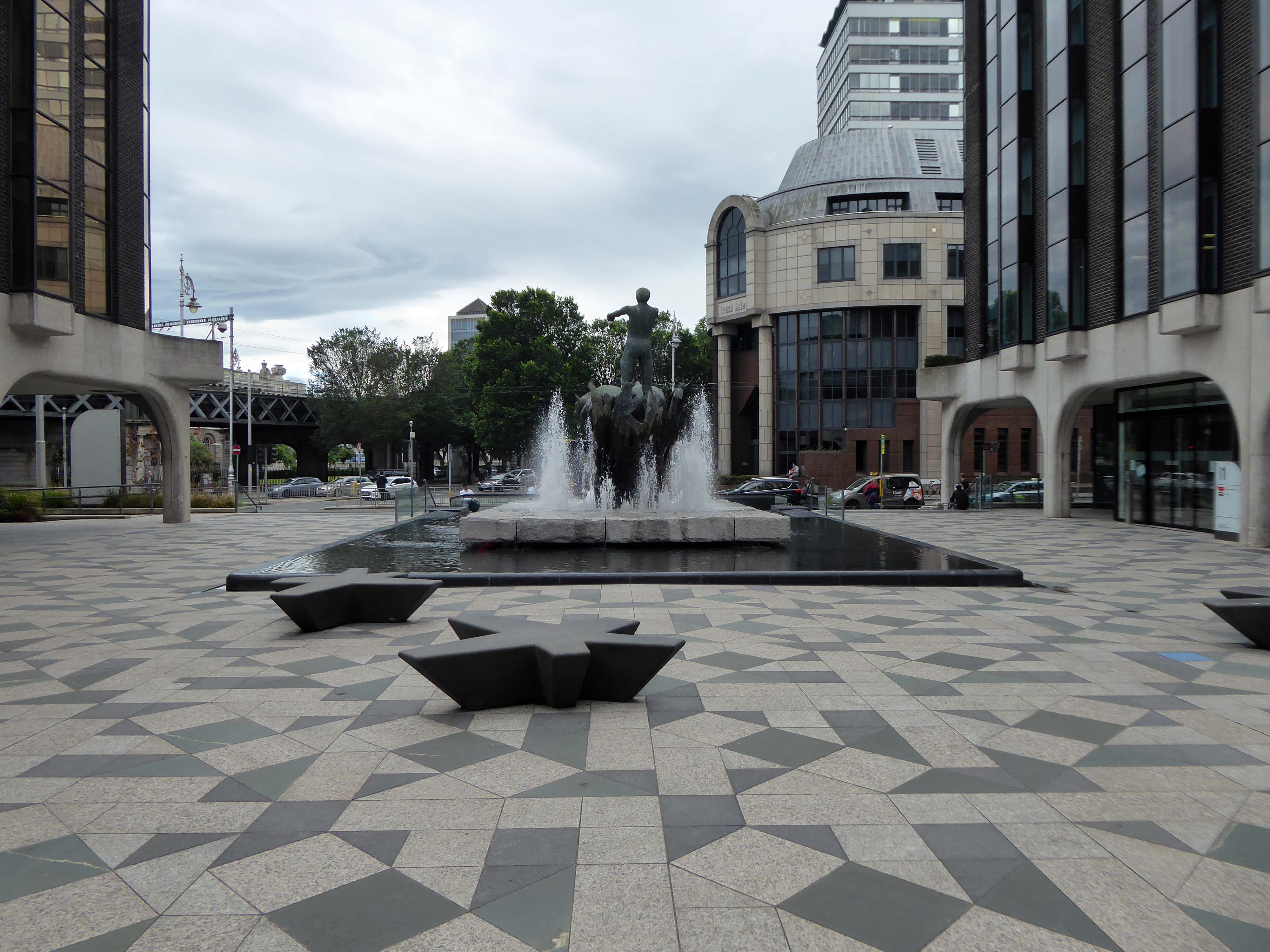
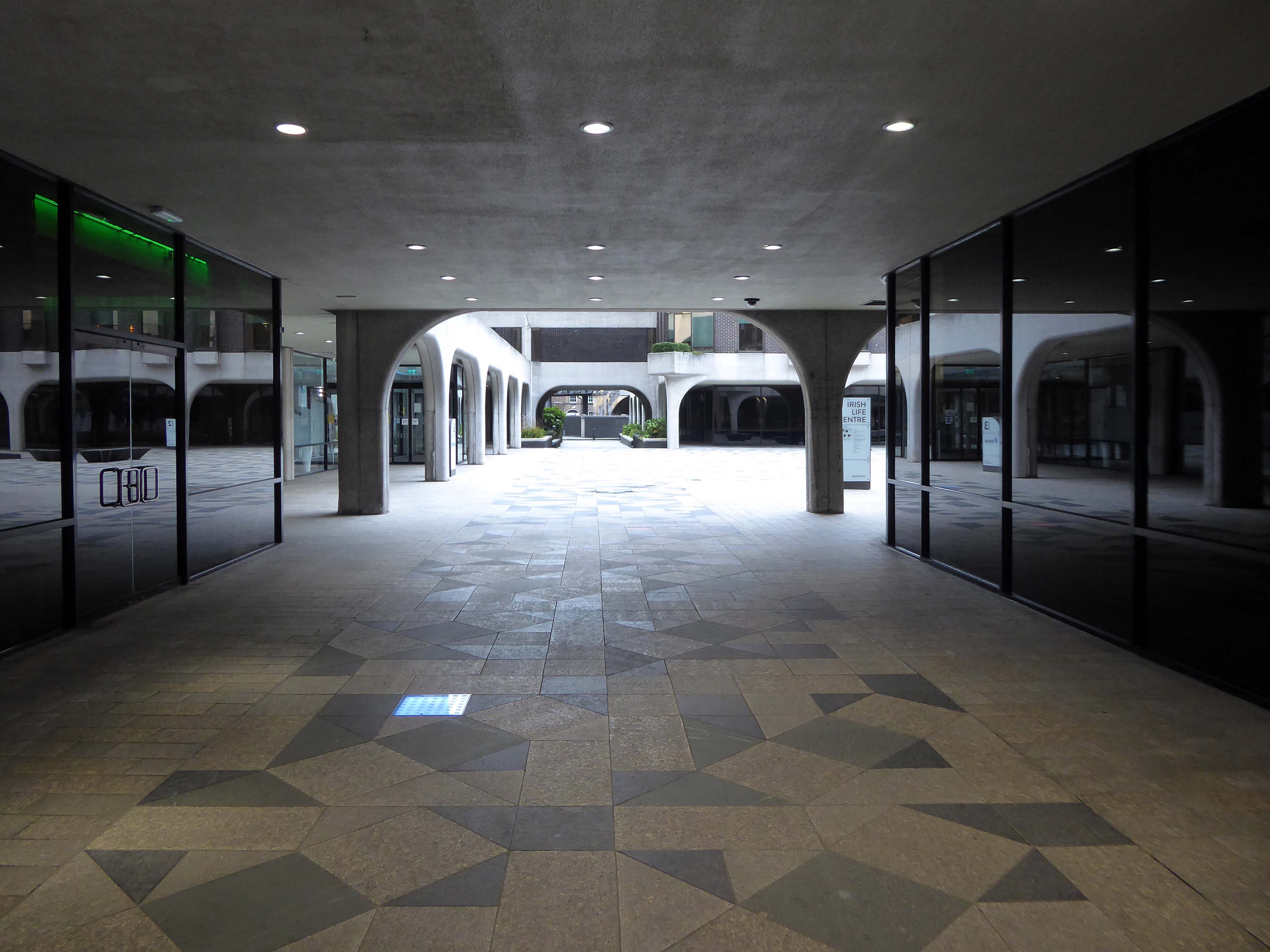
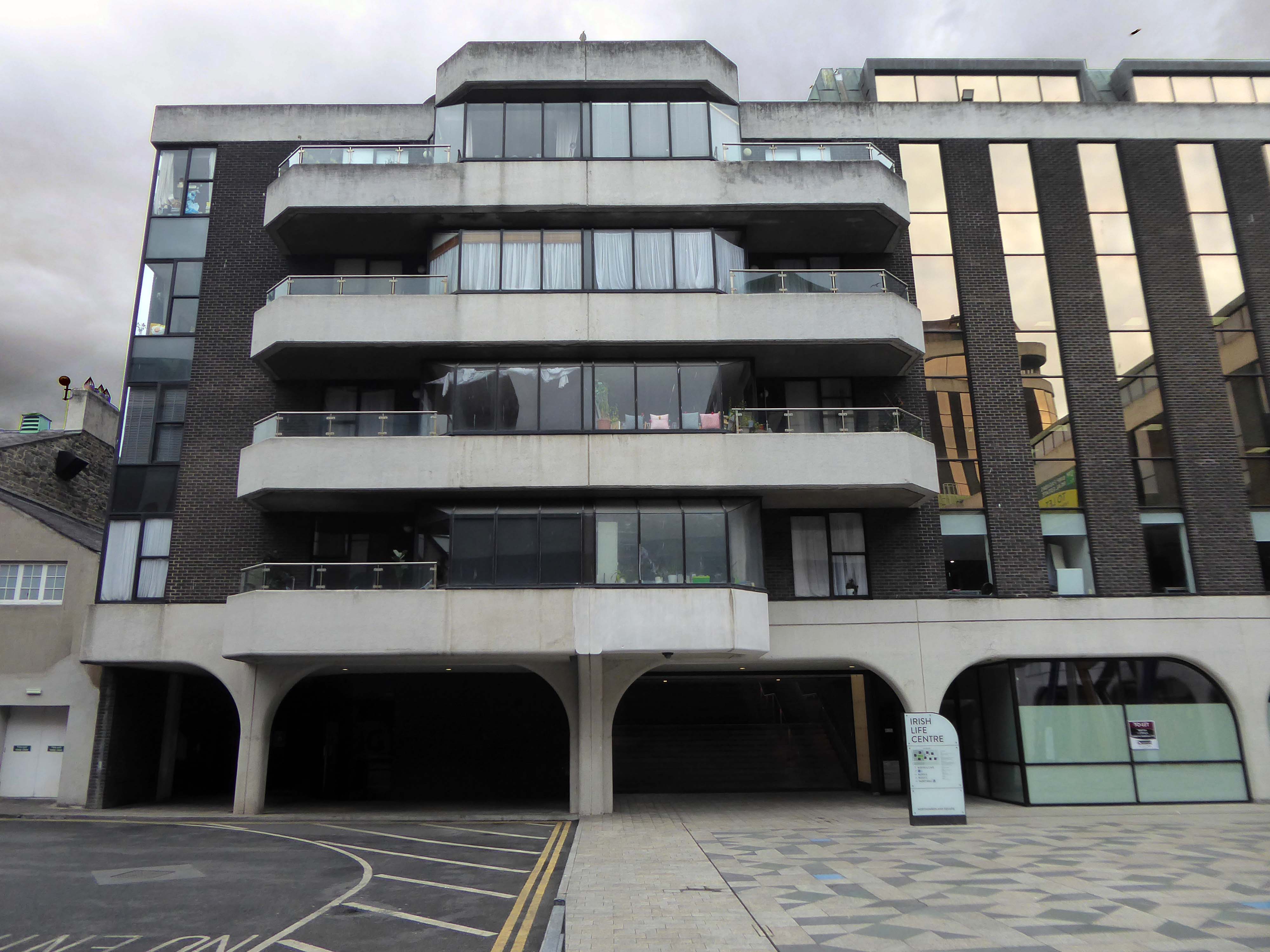
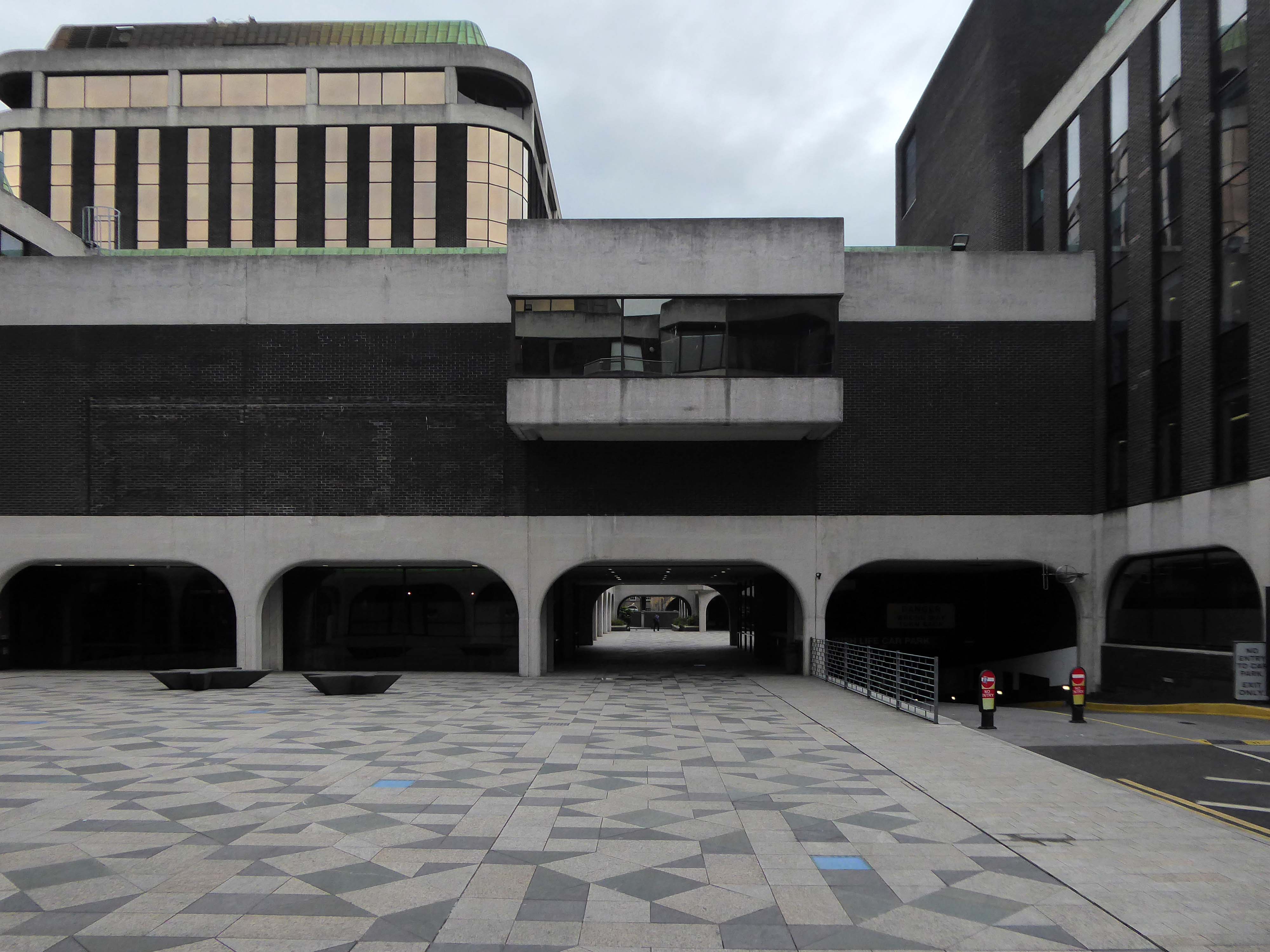
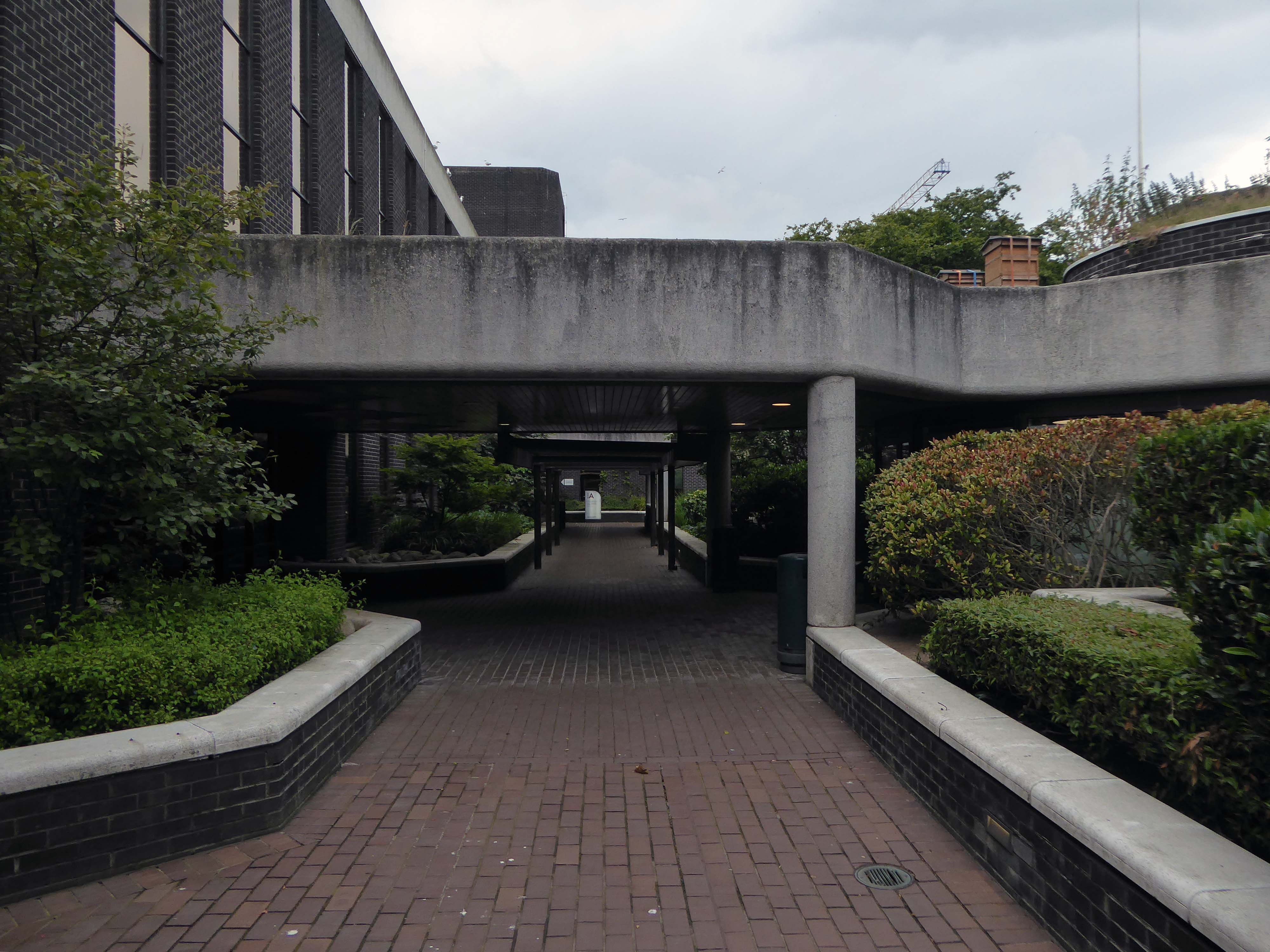
The nine-building Irish Life Centre complex was originally built between 1974 and 1977 comprising office space, as well as two blocks of apartments. The complex was built on the former site of the Brook Thomas warehouse and timber yards along with other adjoining sites costing £900,000.
1970s
Irish Life, now part of the Canadian multinational Great-West Lifeco, were the original developers.
The 14-foot copper-bronze sculpture Chariots of Life by Oisín Kelly 1915 – 1981, greets staff and visitors at the entrance plaza. Although completed in 1978, the sculpture was not unveiled formally until 1982.
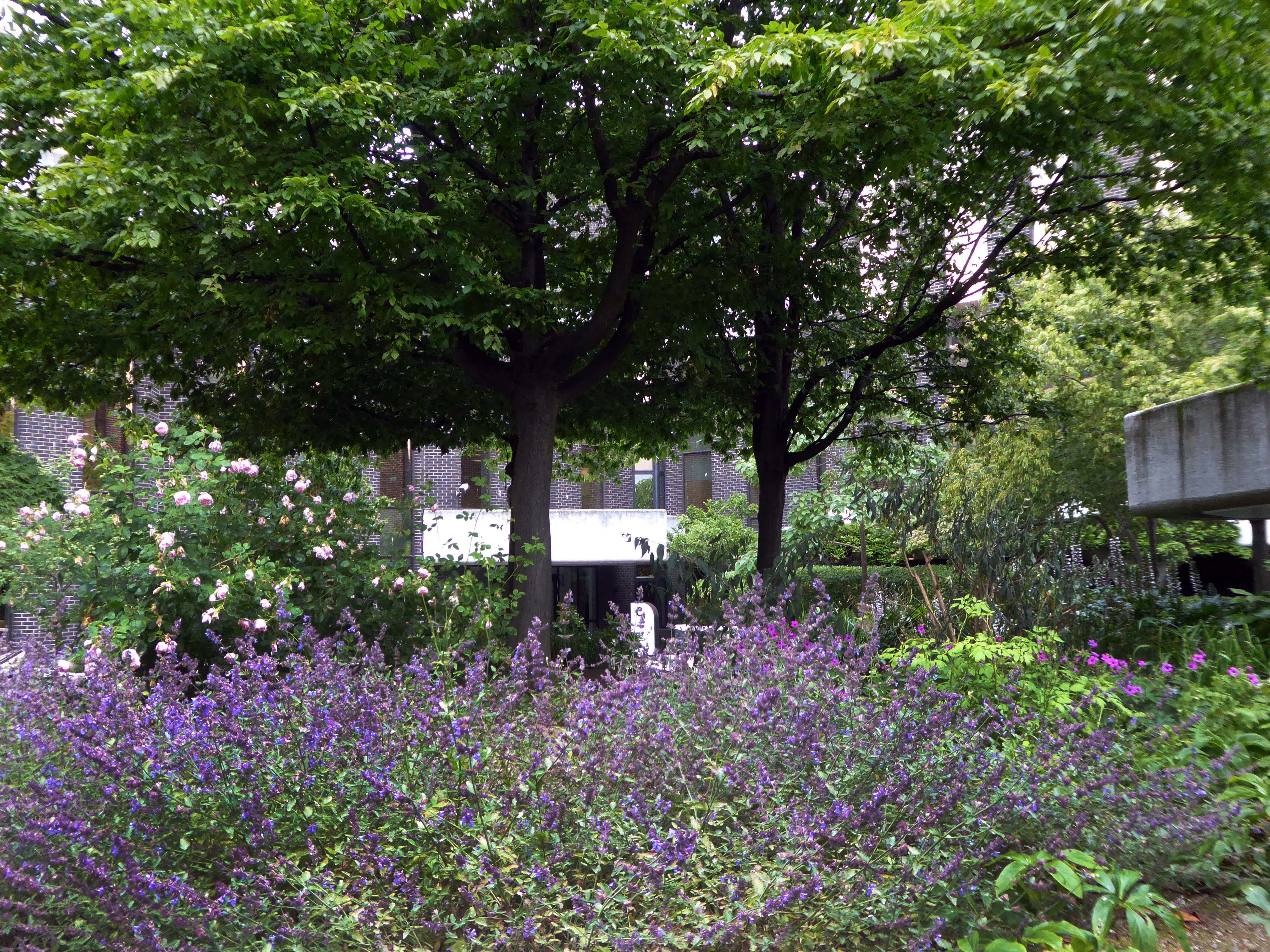
Inside the Abbey Court Garden there was once a large colourful mosaic, Sweeney Astray – 1987 by Desmond Kinney. The glass mosaic was comprised of twelve panels narrating Sweeney’s wanderings through forests and hills, from prose and poems dating back to the 1600s and updated by Seamus Heaney in the early 1980s.
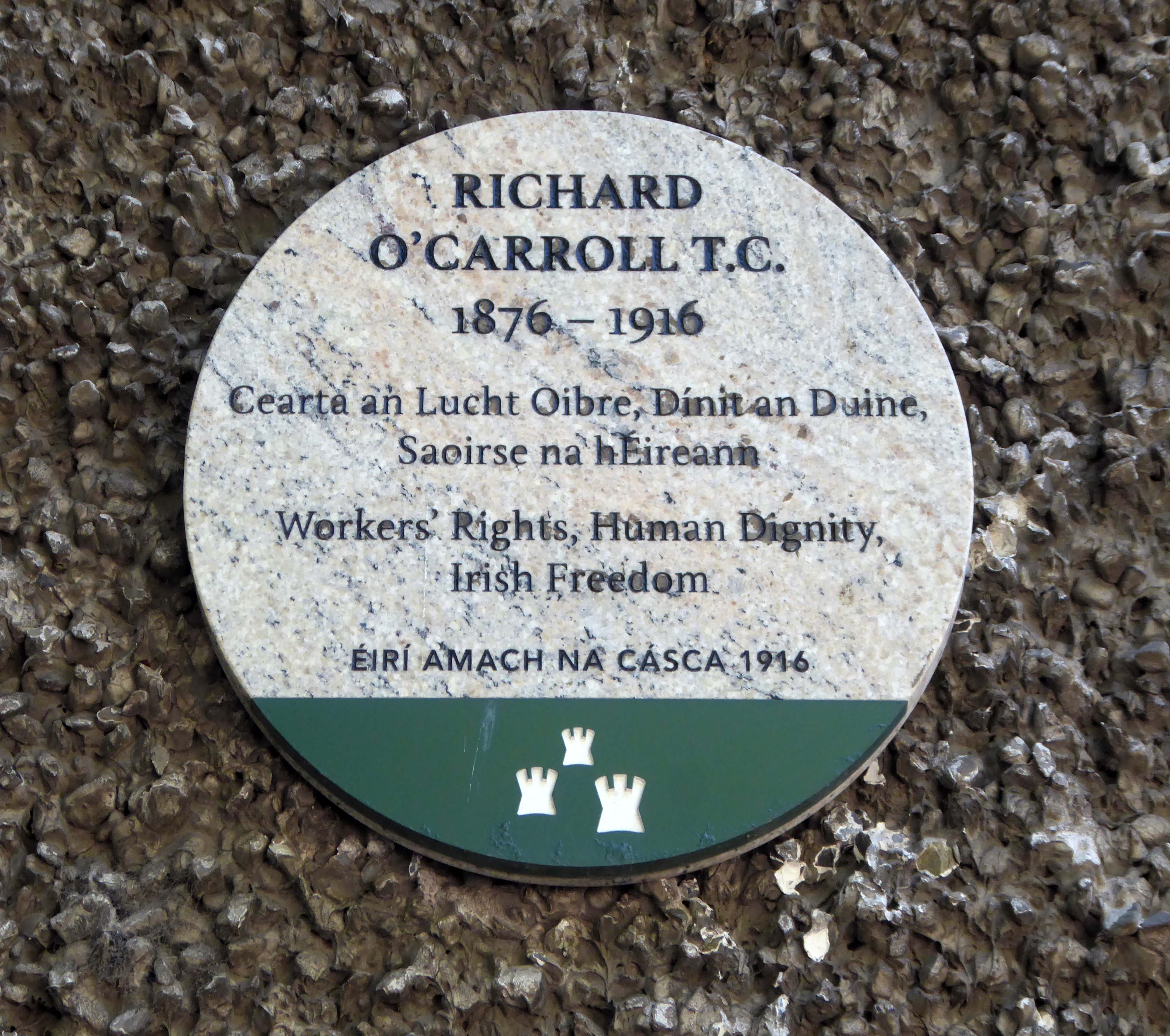
A truemartyr for the love of his Country and its people, and a true Working Class Hero!
Cllr O’Carroll deserves to be recognised by the State and the People of Ireland for his work with the Labour Party, TheAncient Guild of Brick & Stonelayers Trade Union and most importantly for his contribution to the Freedom of Ireland.
‘Bhí sé dílis dá thír is dá chineál’
‘He loved his country and served his kind’
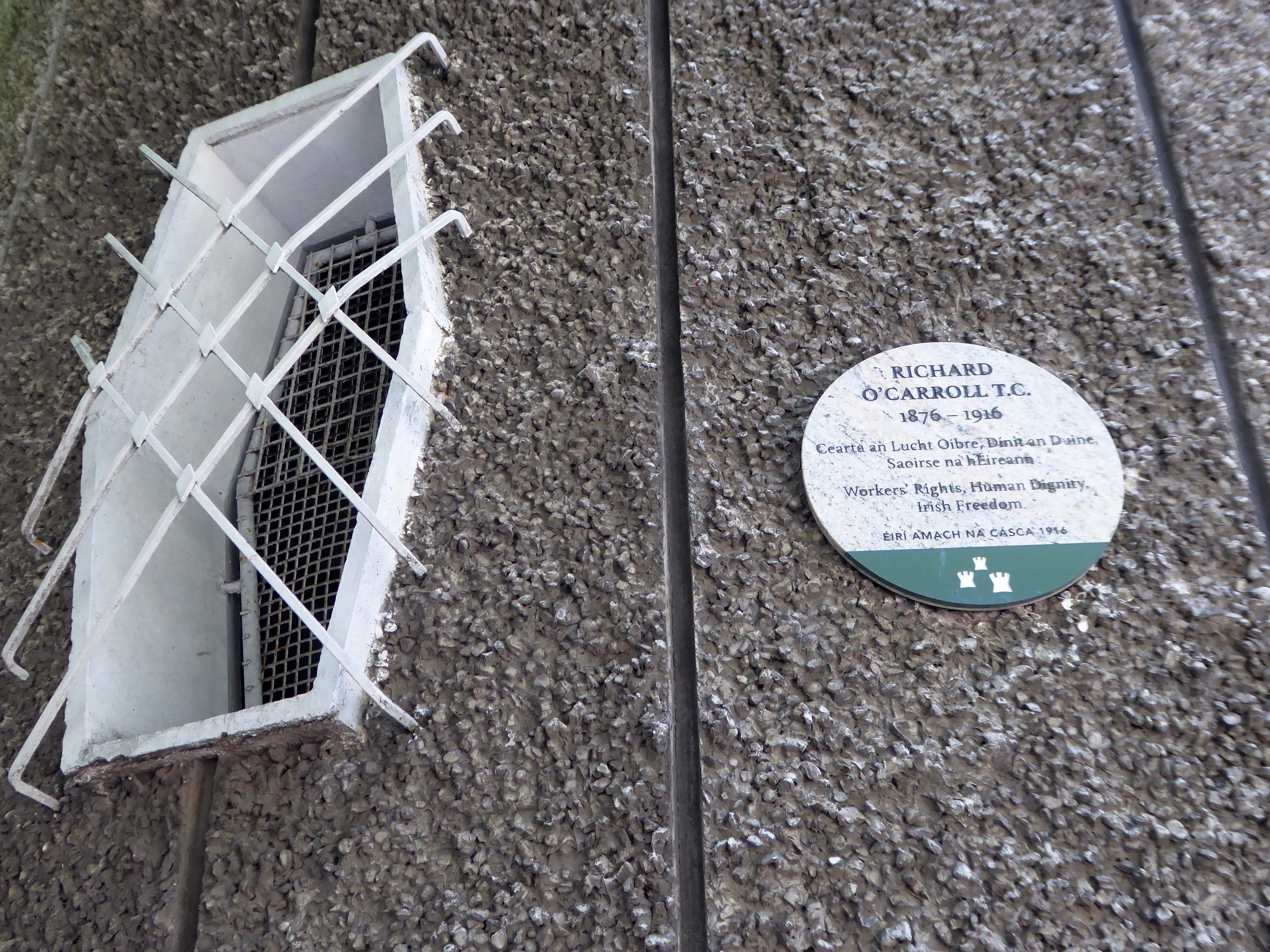
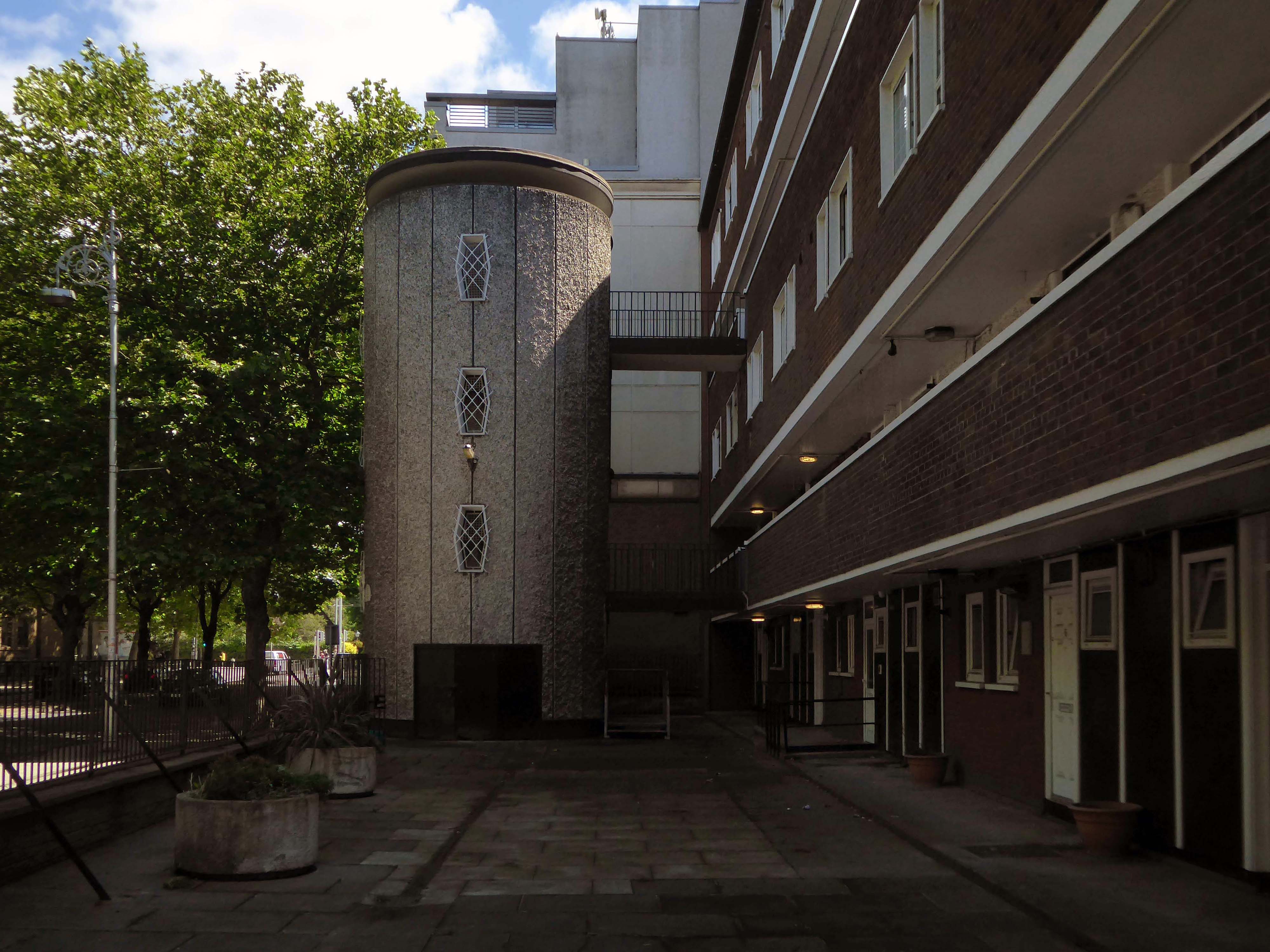
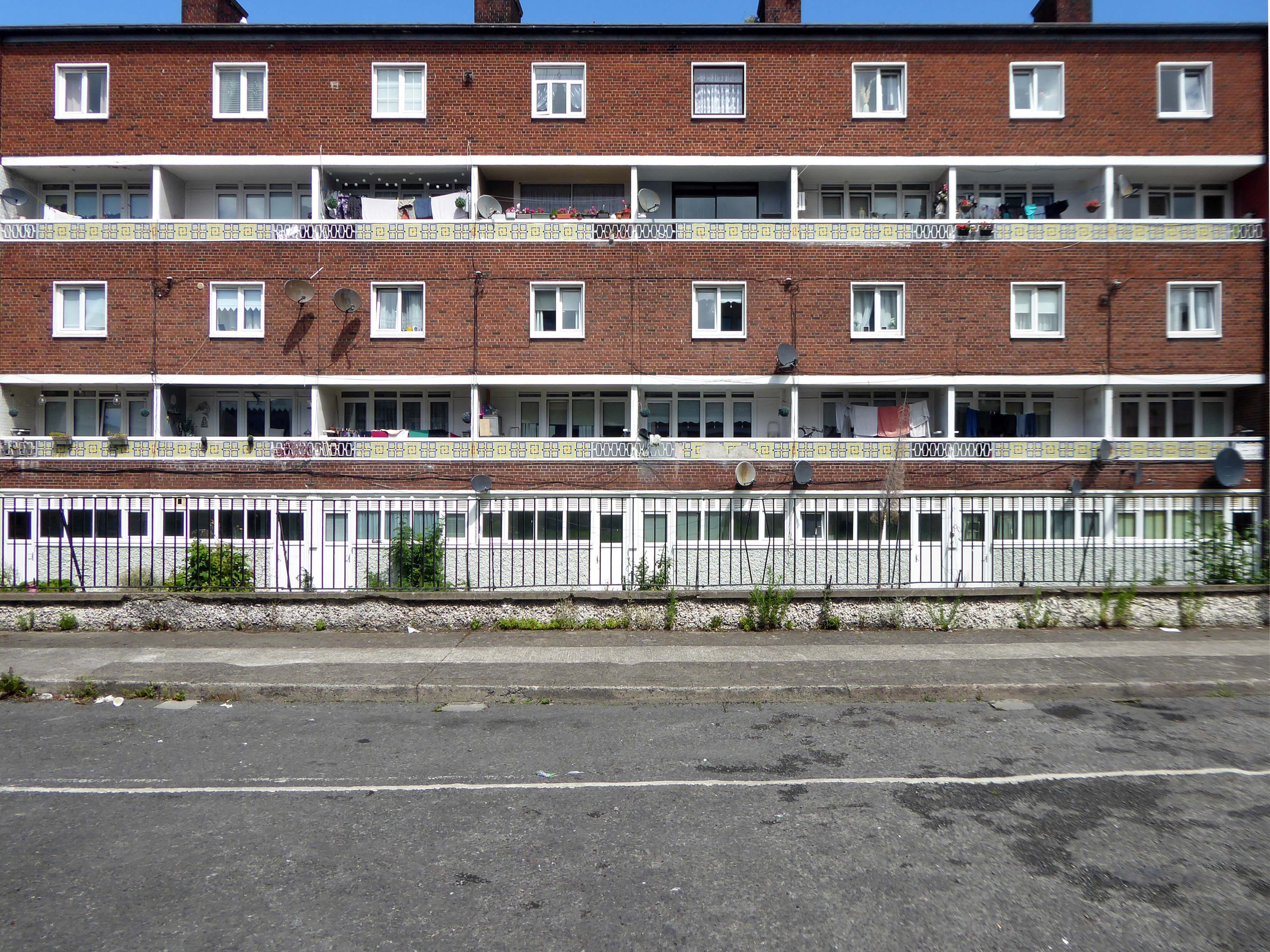
I came upon these two slab blocks of flats whilst walking the streets of Dublin – this service tower acts as a memorial to his life and achievements.
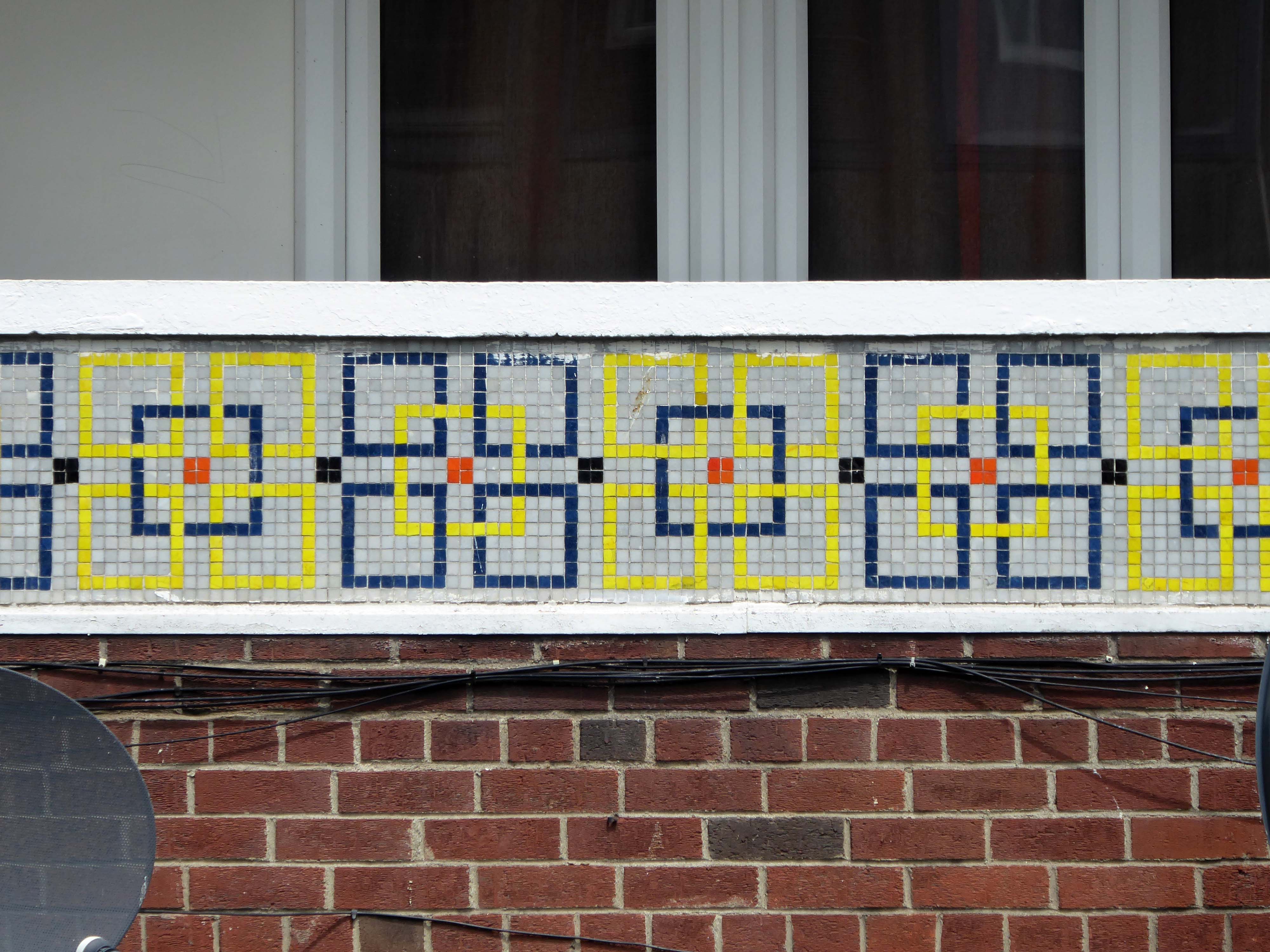
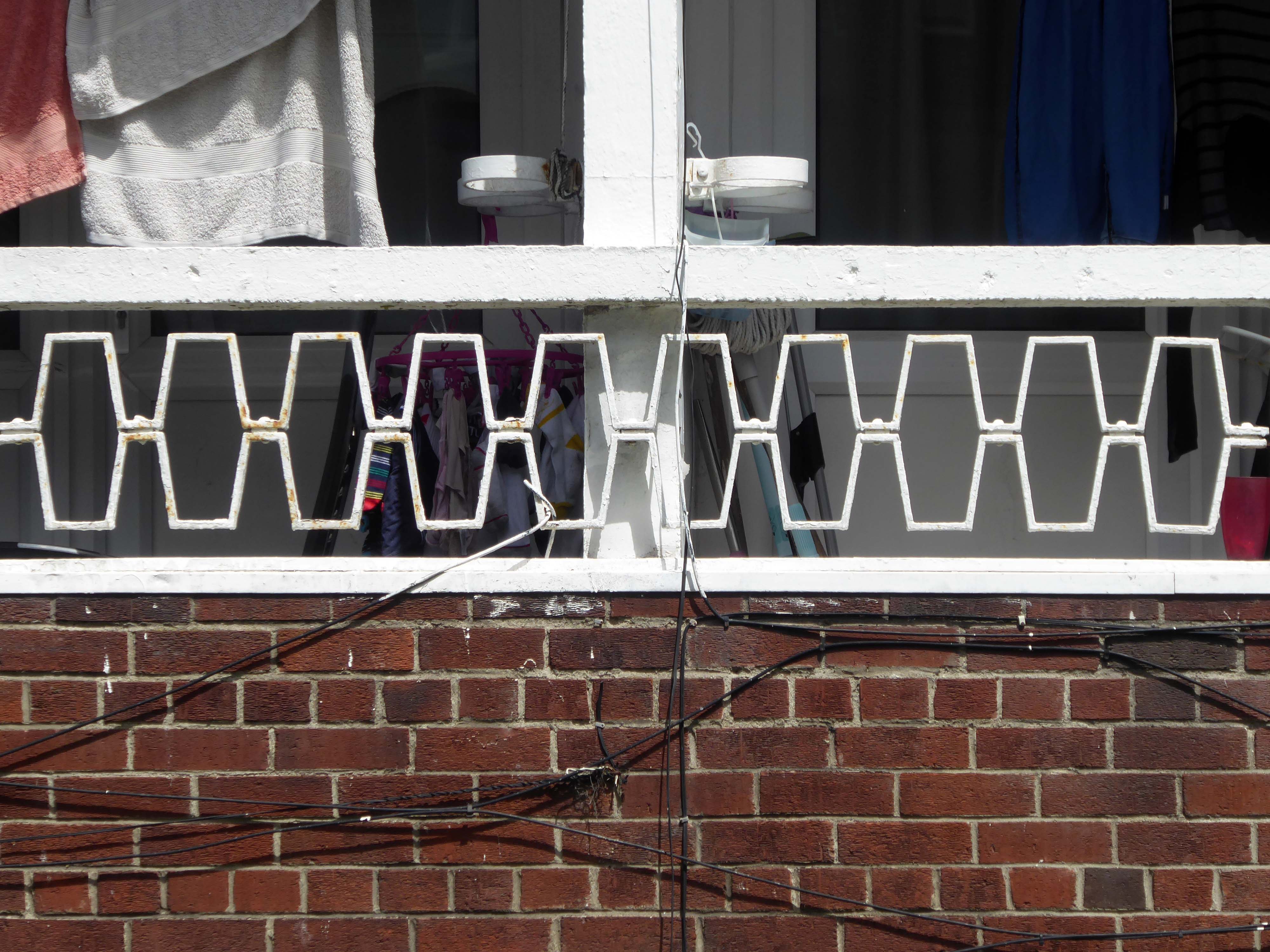
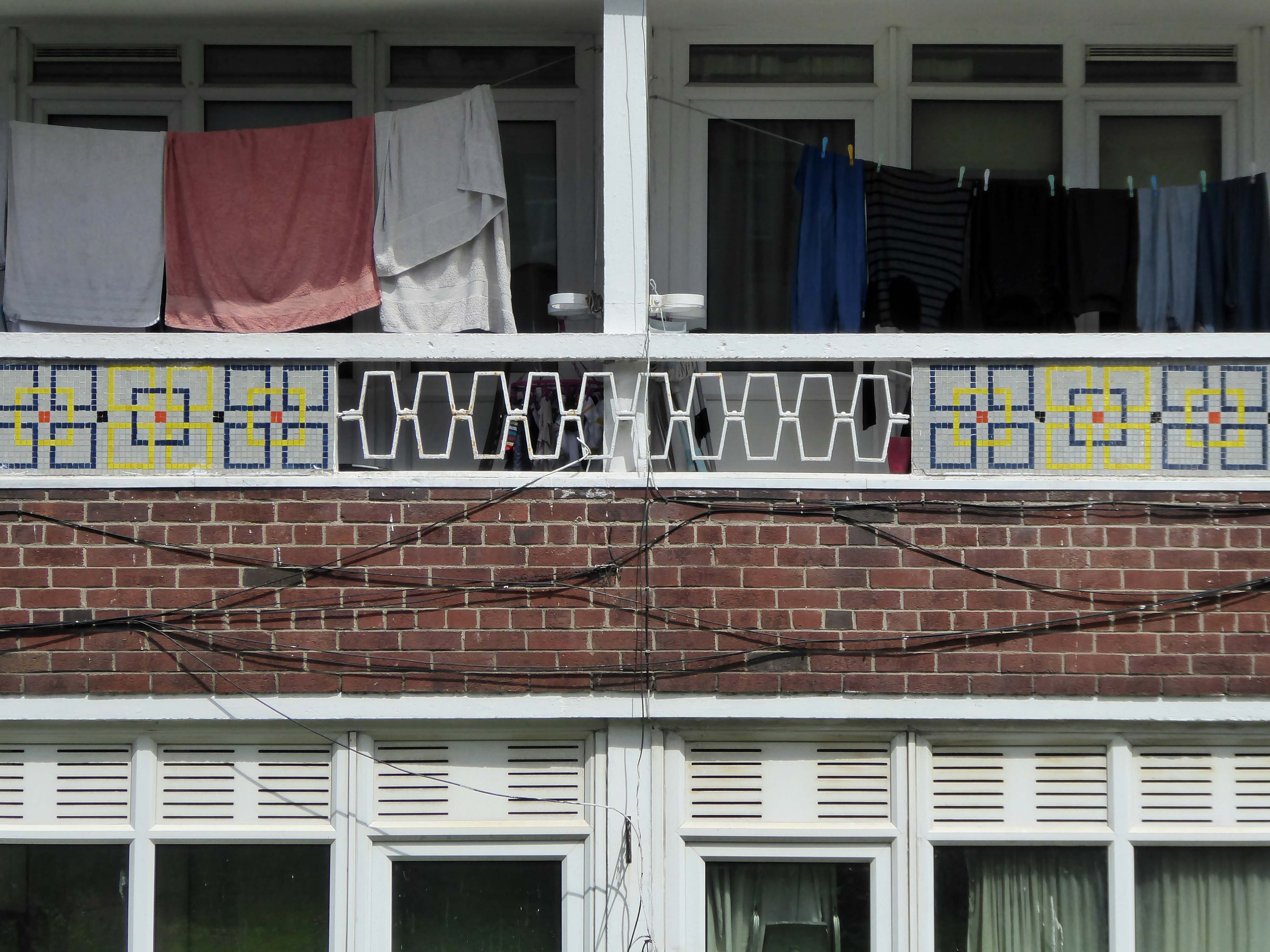
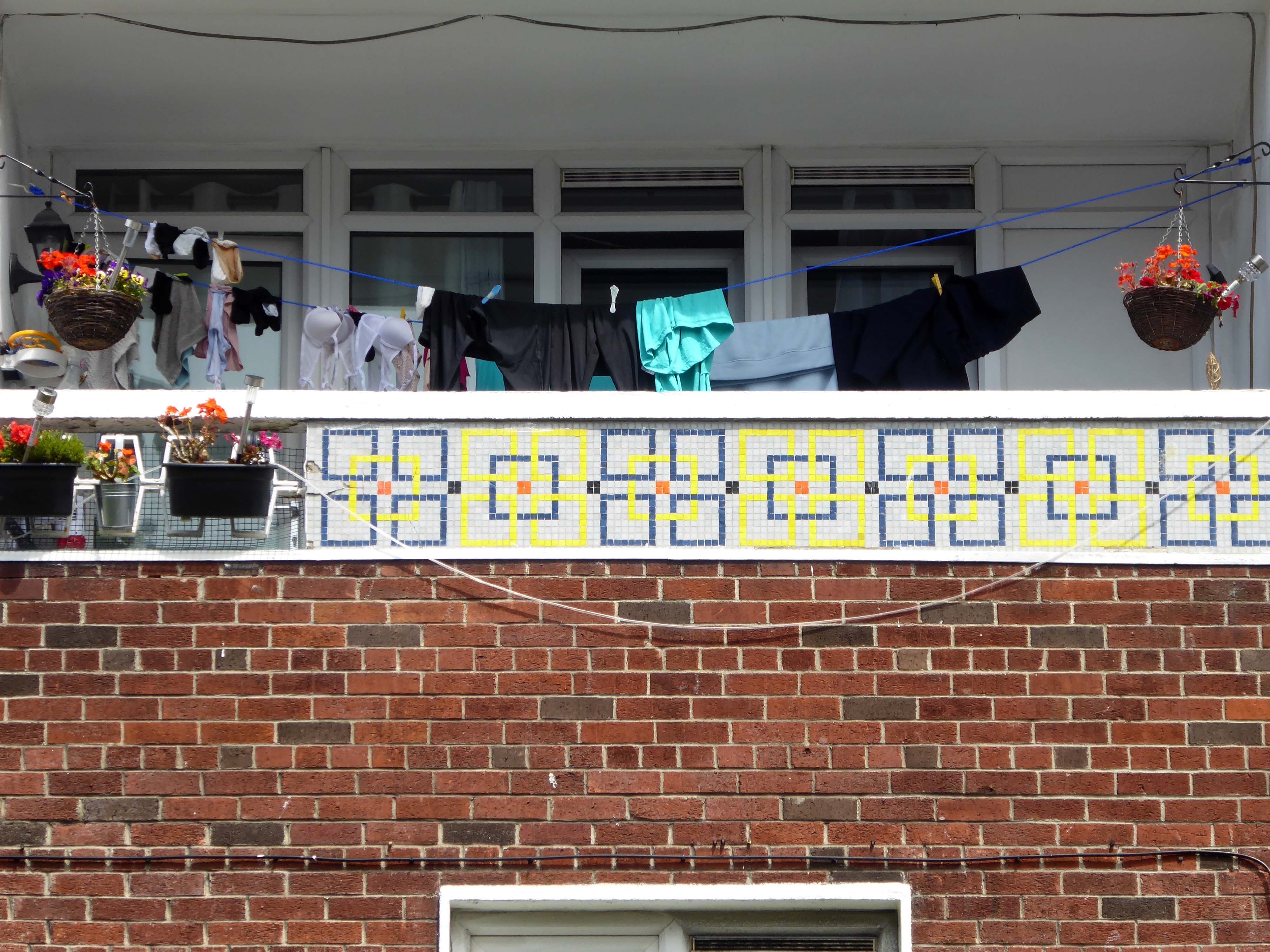
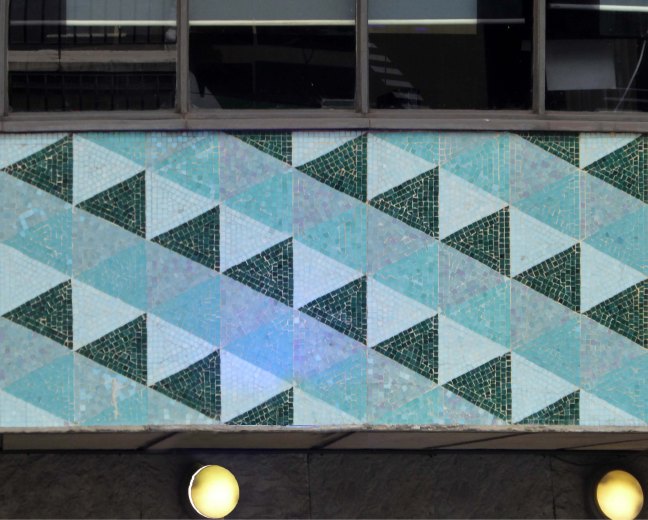
I was stopped in my tracks when I chanced upon the enchanting mosaics, wrought iron railings and walkups, I stayed a while to take a look around.
This was my first real trip to Dublin, having previously hastily passed through, over eager to take myself elsewhere. To accompany me I purchased The Dublin Architecture Guide 1937-2021 from Books Upstairs. It proved to be an indispensable companion on my walks around the city.
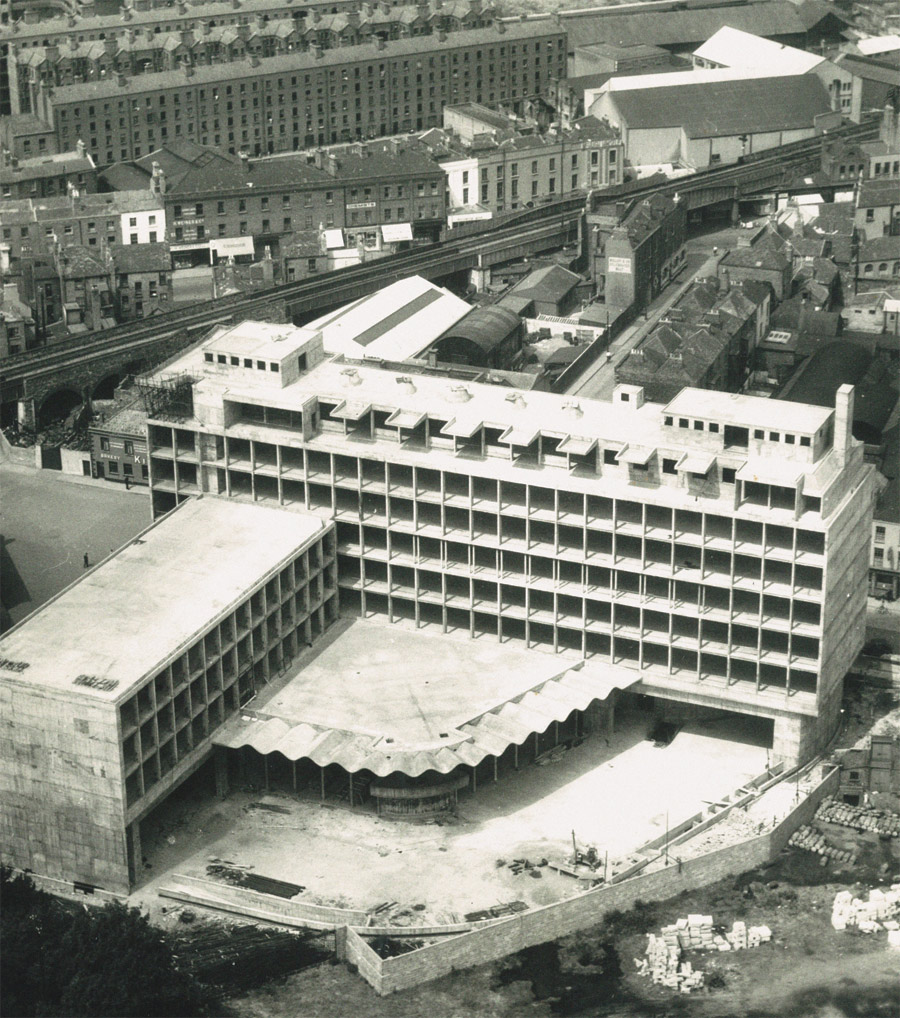
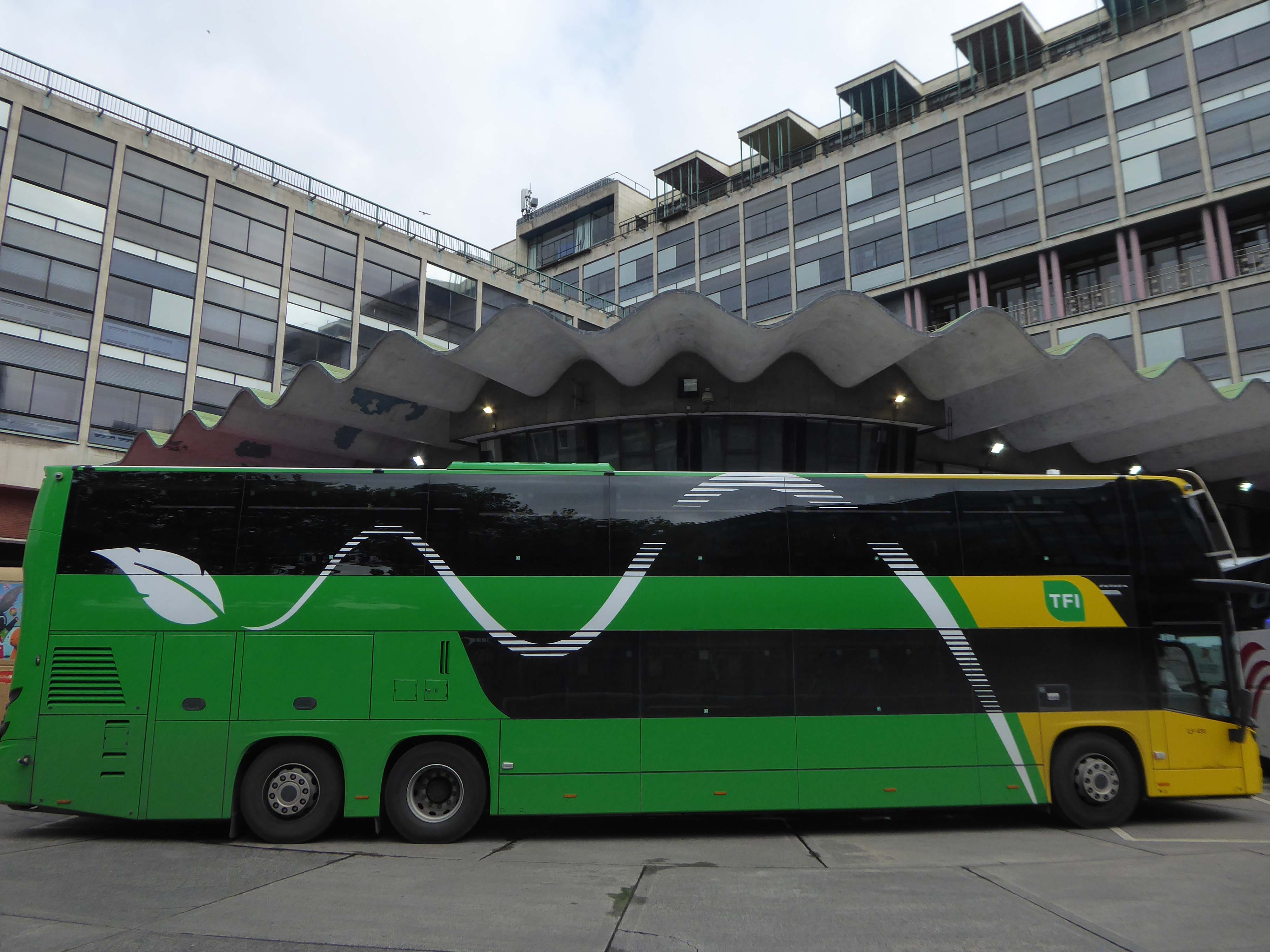
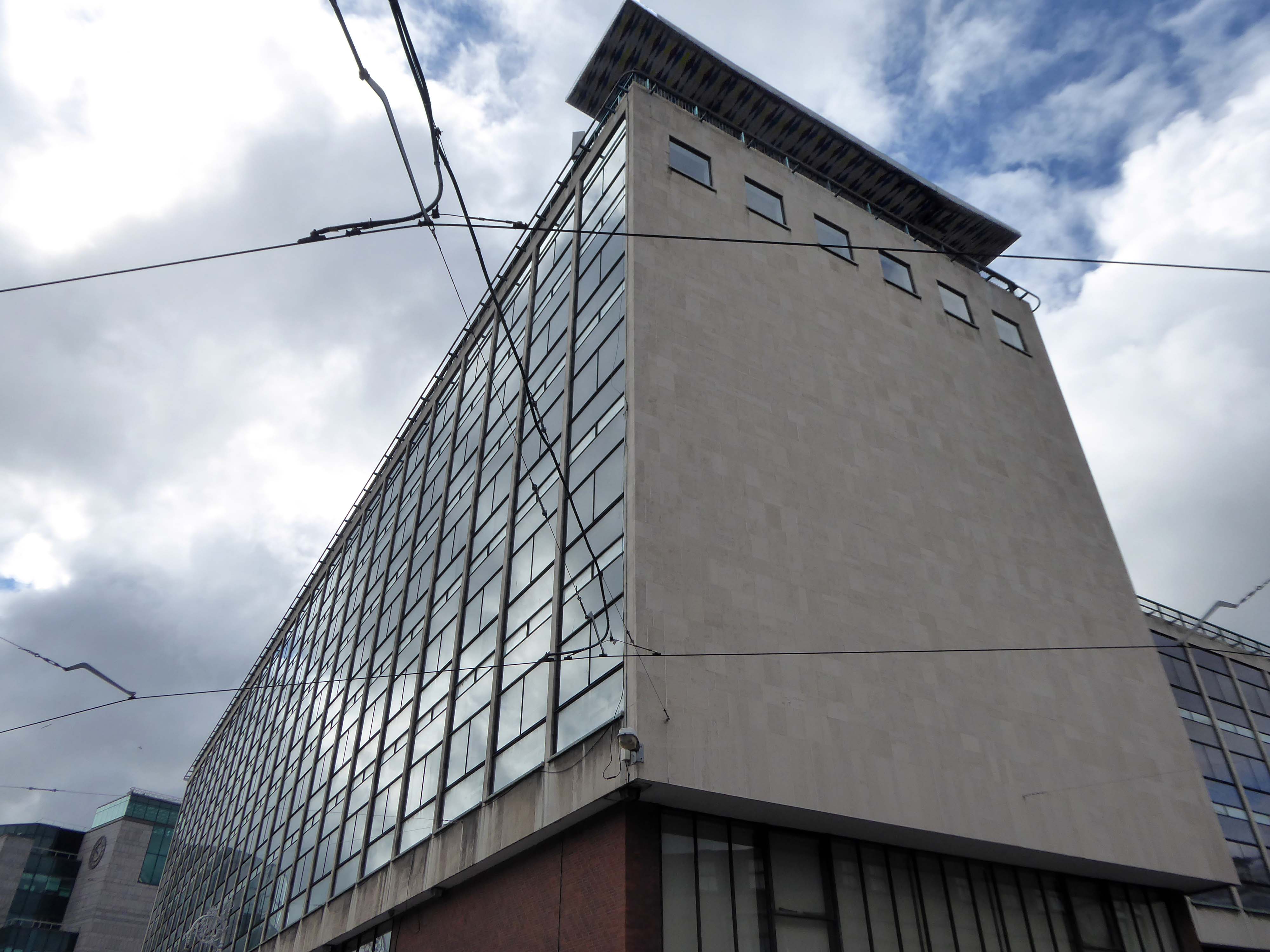
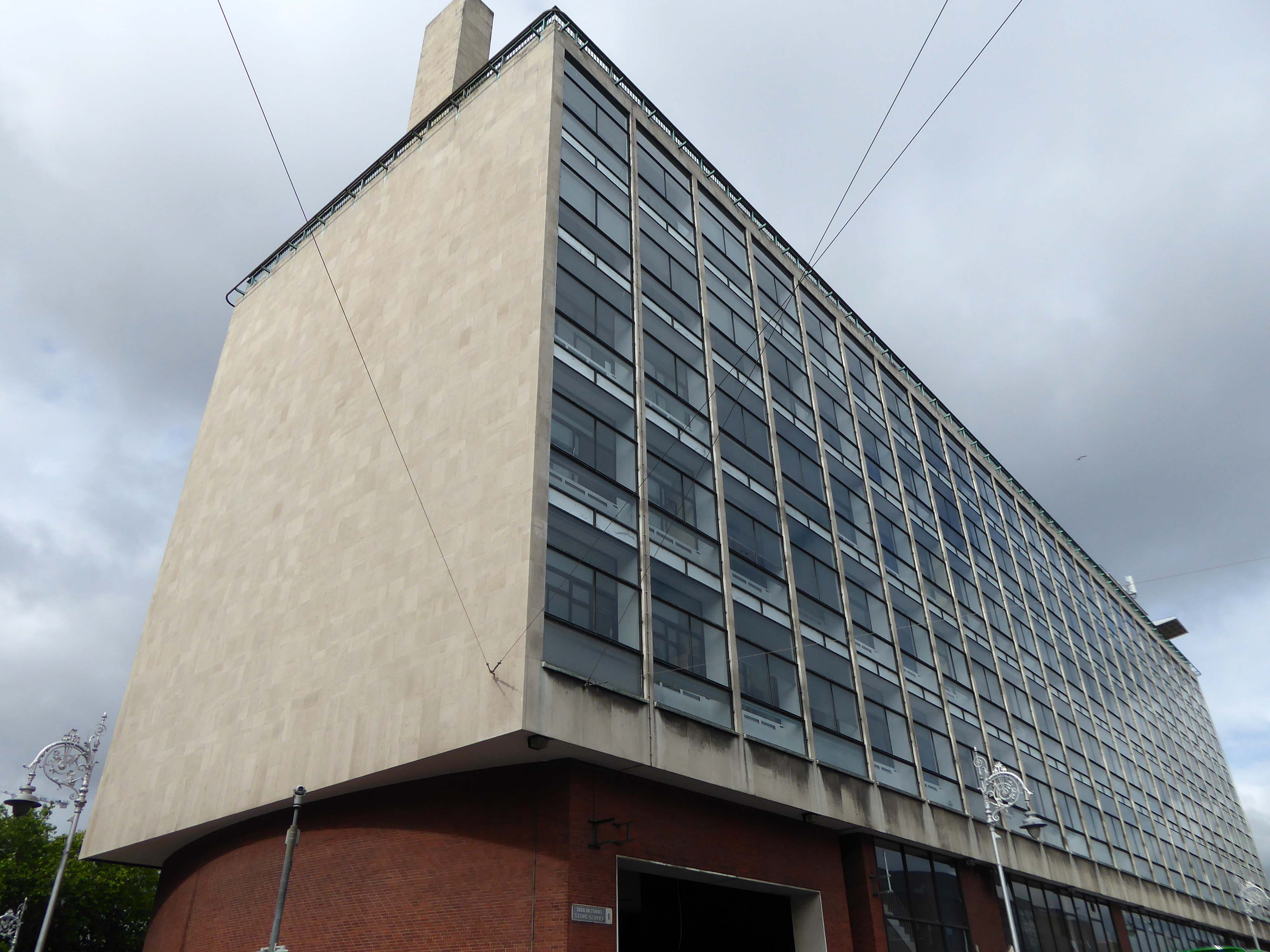
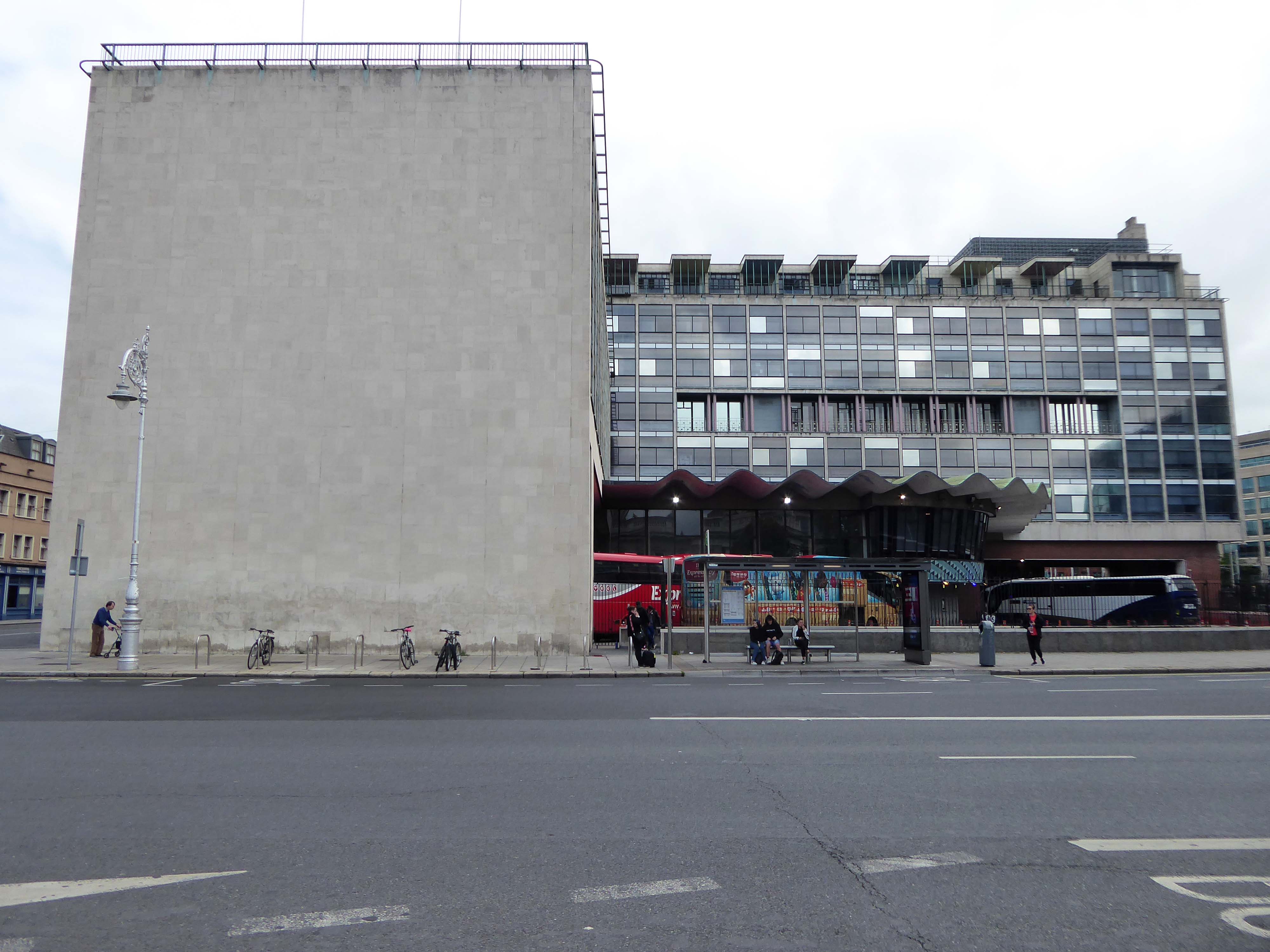
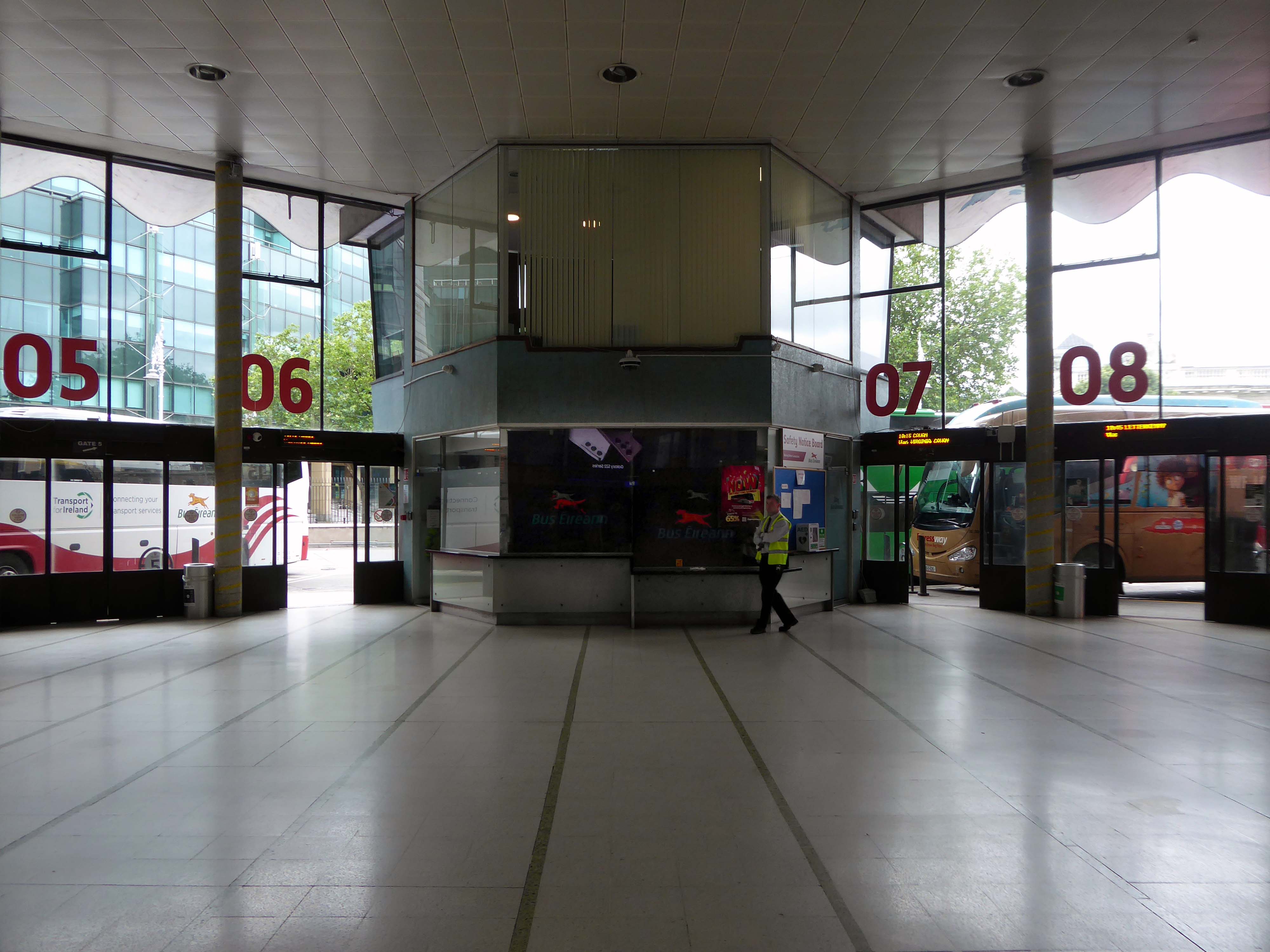
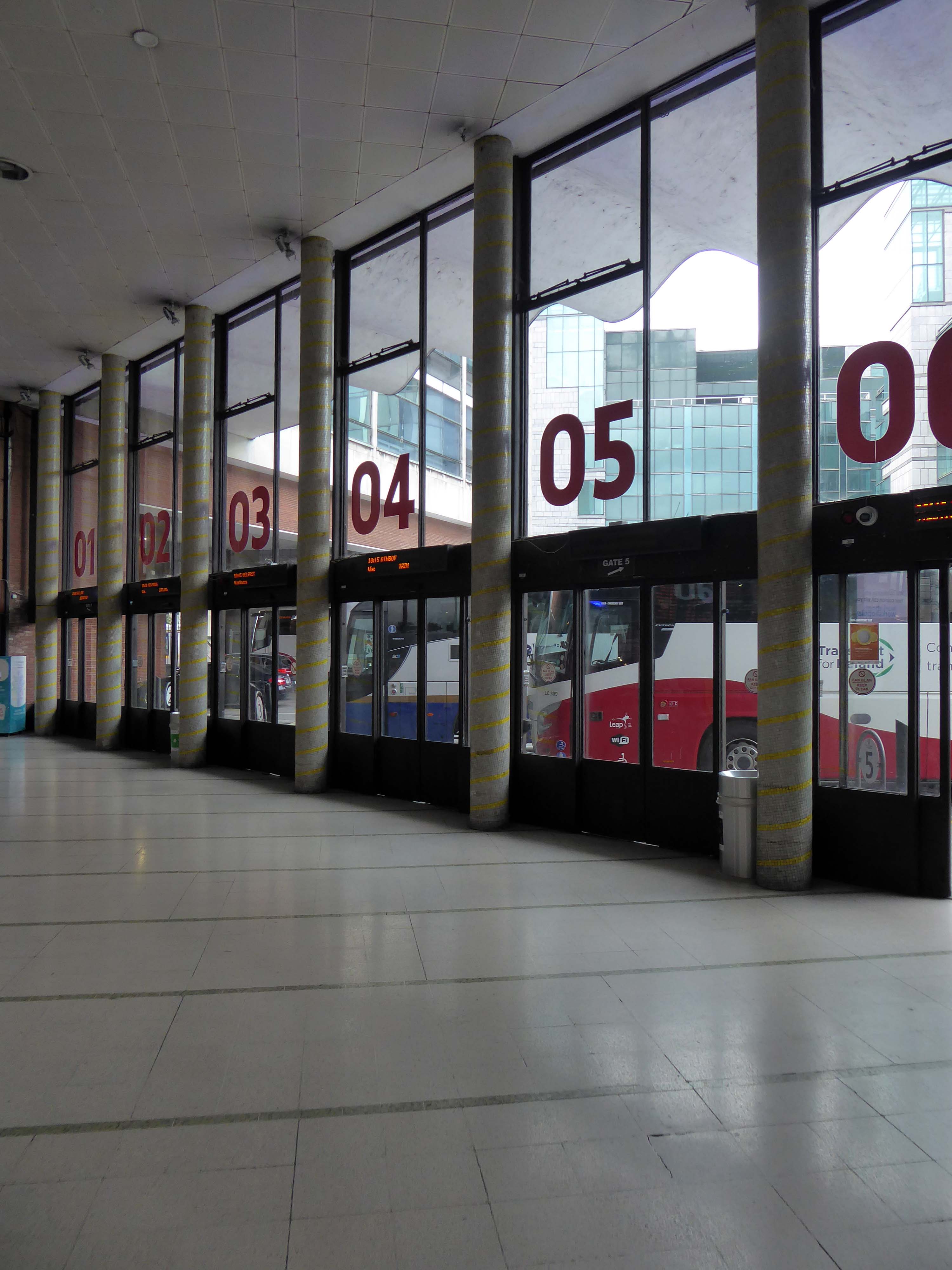
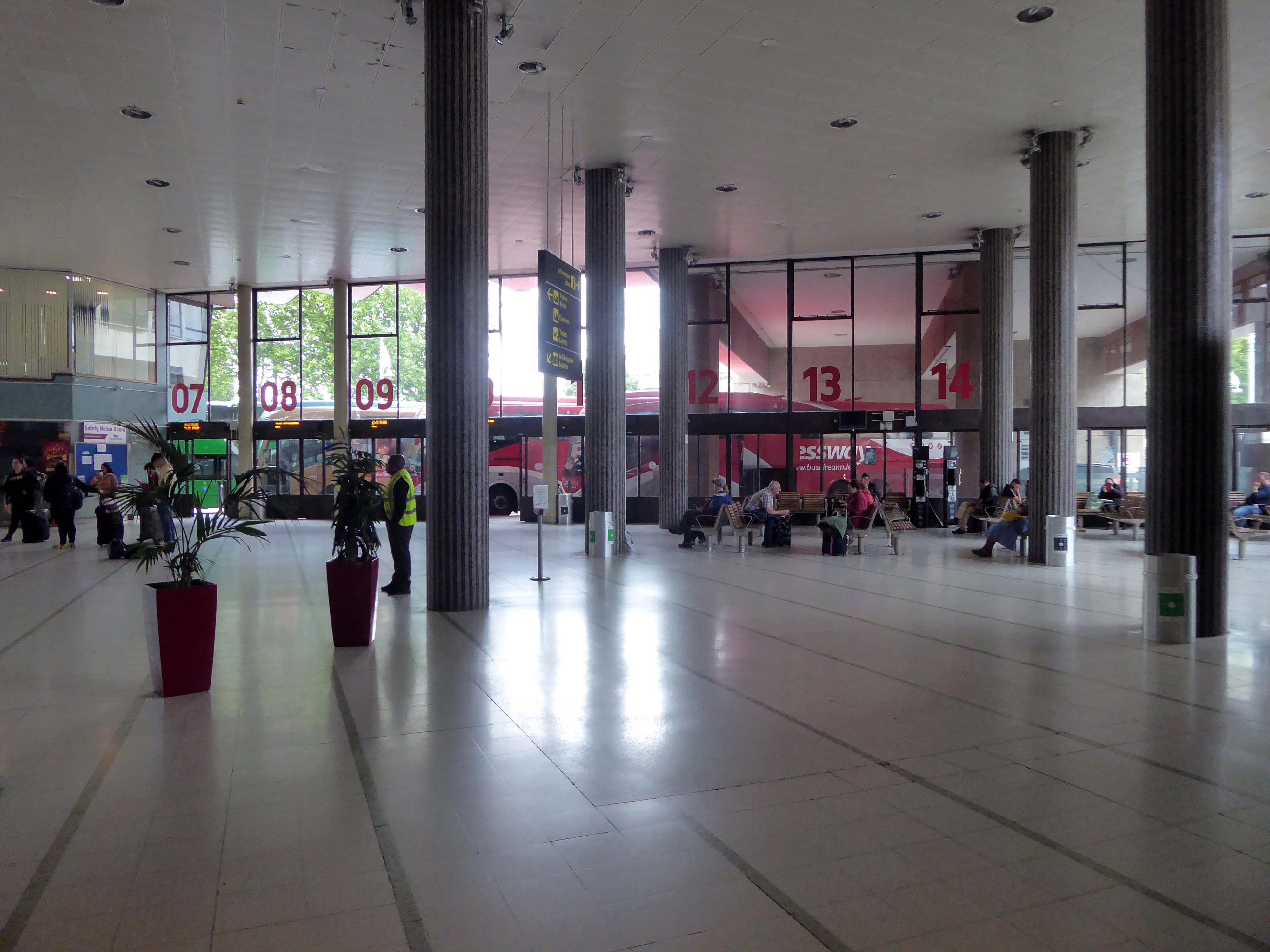
To begin at the end, the last building I explored was the Busáras – the central bus station, for intercity and regional bus services operated by Bus Éireann.
Áras Mhic Dhiarmada – Mac Diarmada House is the official name of the building, which also includes the headquarters of the Department of Social Protection.
CIÉ – parent of Bus Éireann, leases the lower floors from the department.
Áras Mhic Dhiarmada is named after Seán Mac Diarmada, a leader of the Easter Rising in 1916.
Photo: Architectural Association of Ireland
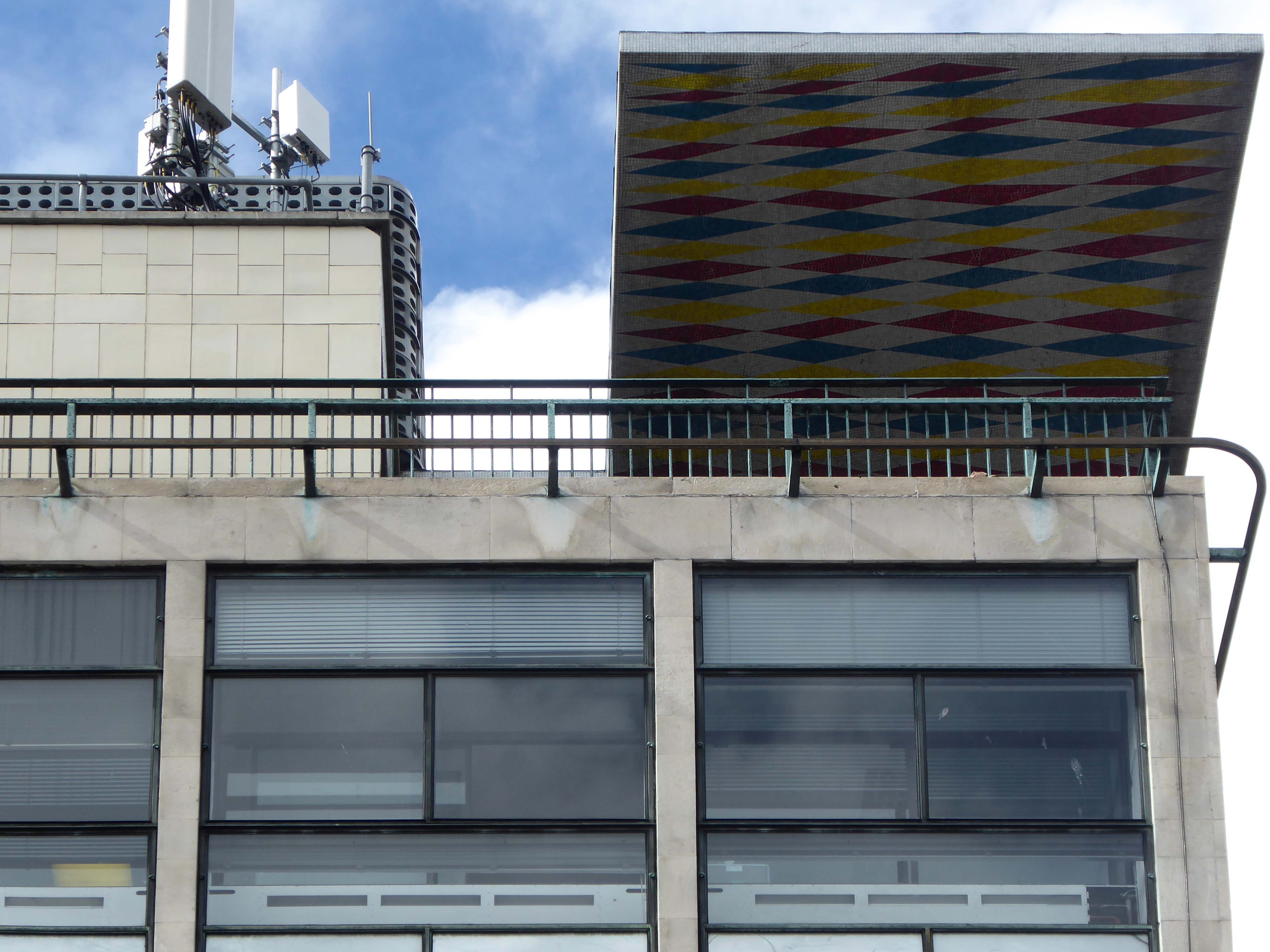
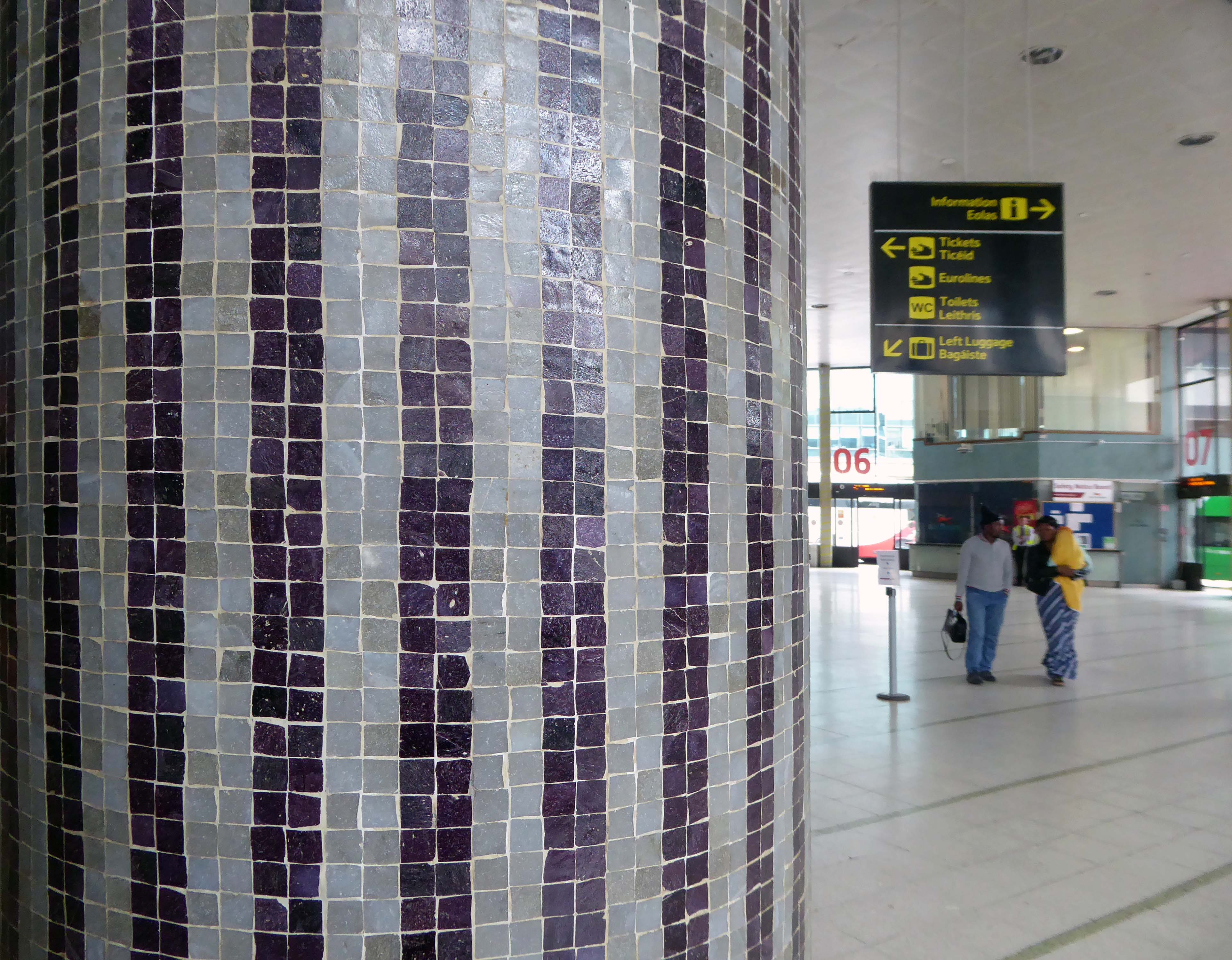
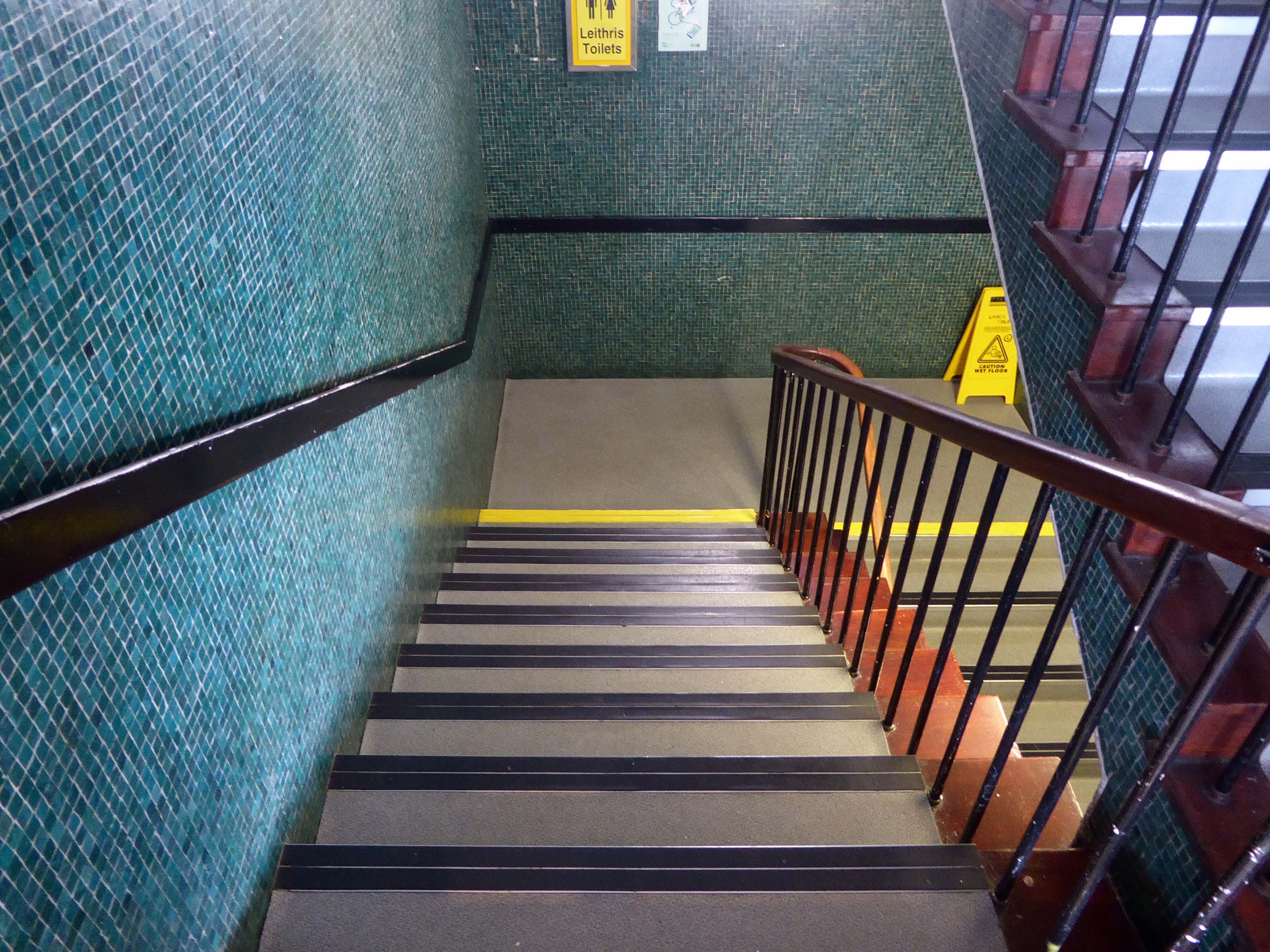
The building has an L-shaped plan with two rectilinear blocks of differing heights sitting at right angles, with a circular hall at the ground floor designed in an International Modern style, influenced strongly by Le Corbusier. The British engineer Ove Arup was commissioned to oversee some of the elements of the design, such as the wavy concrete canopy which overhangs the concourse. It was designed to be a multi-functional building, with a restaurant, nightclub, cinema and other services all housed within it. The building incorporated a number of materials to create texture, such as brass, Danish bronze, copper, Portland stone cladding, Irish oak flooring, terrazzo stairways, and mosaics designed by Patrick Scott.
It was one of the first modern buildings in Dublin that attempted to integrate art and architecture, utilising elements like glass facades and a pavilionised top storey with a reinforced concrete flat roof, the building won the Royal Institute of the Architects of Ireland Triennial Gold medal in 1955. It was heralded as Europe’s first postwar office building by American and British journals.
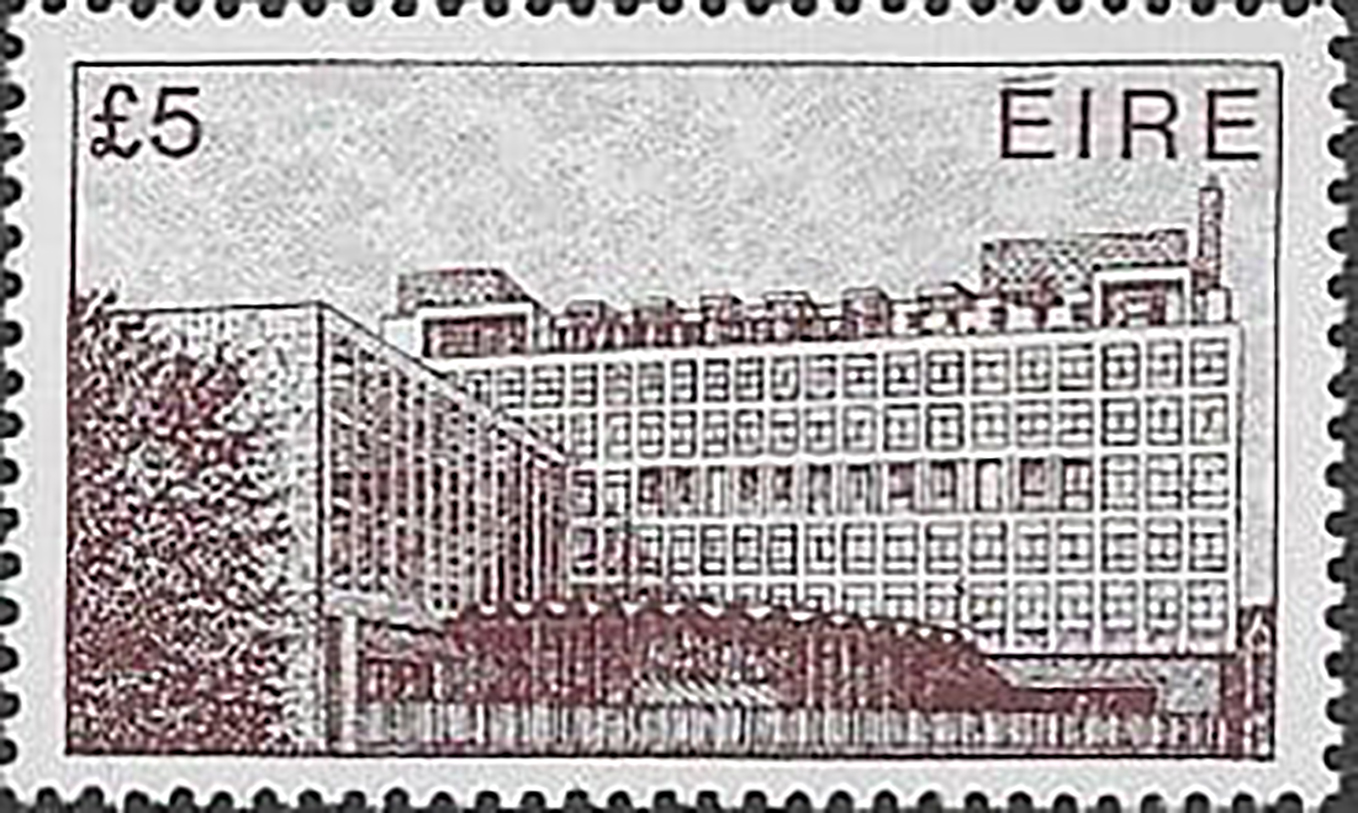
The Eblana Theatre, originally intended as a newsreel venue, in the basement of the building was used as a theatre venue from 1959 to 1995. The building was featured on the highest value stamp issued in the Architecture definitive postage stamp set issued in 1982 by the P&T – the forerunner of An Post.
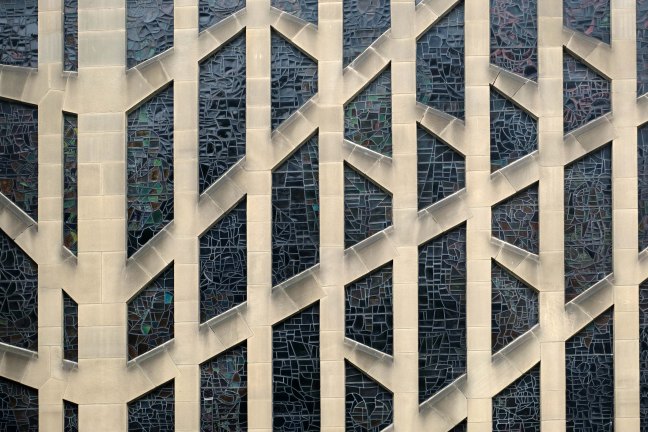
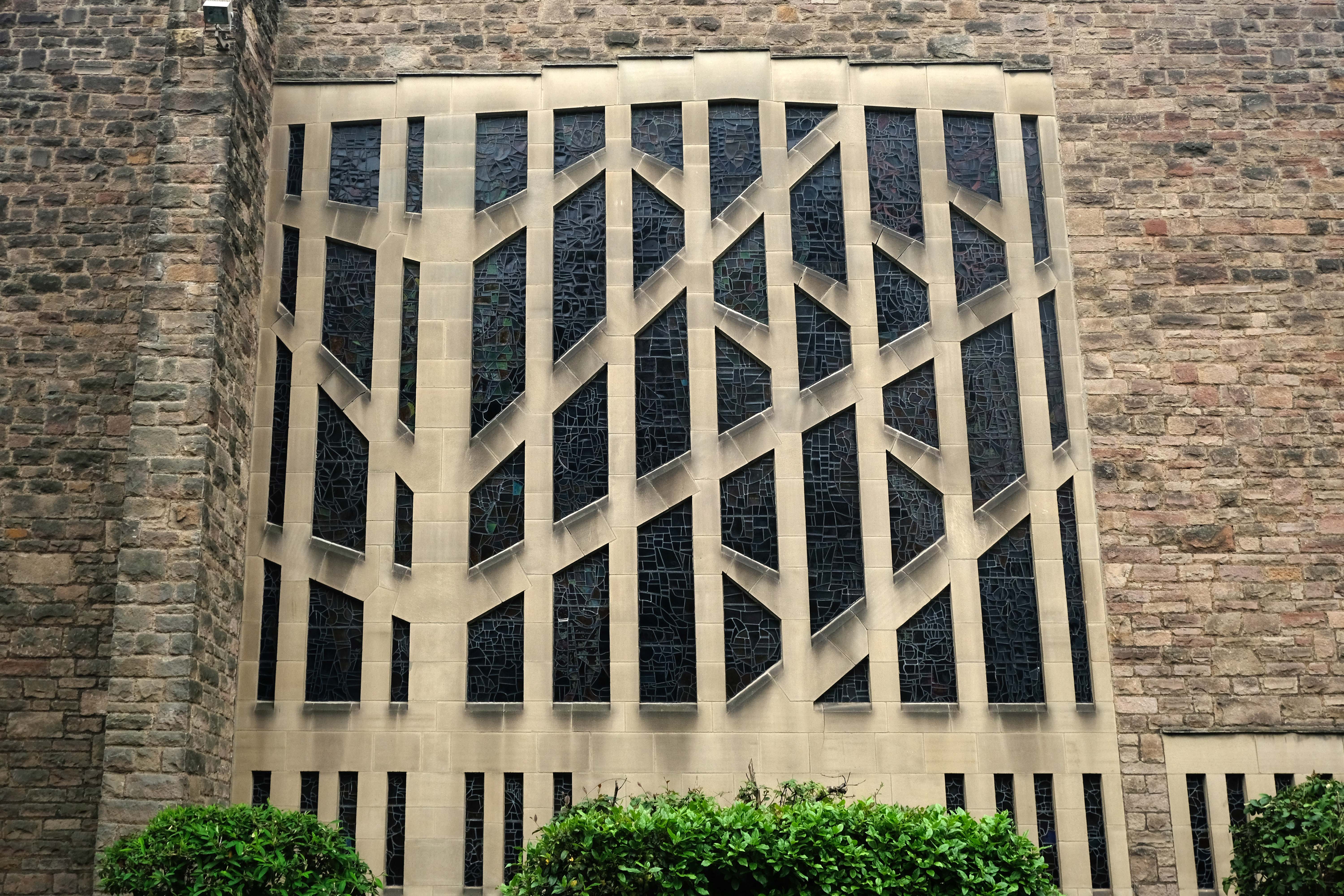
There is something within the work of George Pace which speaks directly to my eyes and heart – and feet. His Modernism is tempered by the Mediaeval – along with Arts and Crafts references and a nod to Le Corbusier’s Notre Dame du Haut, Ronchamp
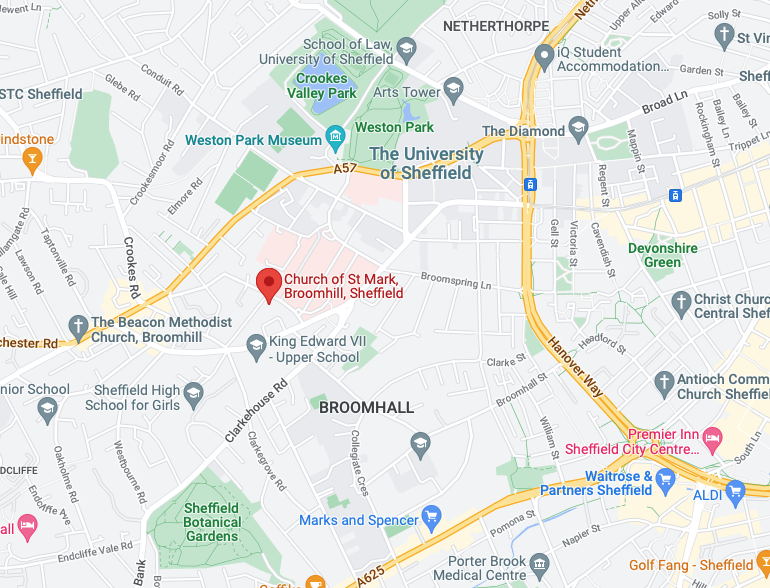
Here in Sheffield is a church built in 1868 – 1871 to a standard neo-Gothic design by William Henry Crossland. Bombed in the Blitz restored, redesigned and built by Pace 1958 – 1963, accommodating the original spire and porch.
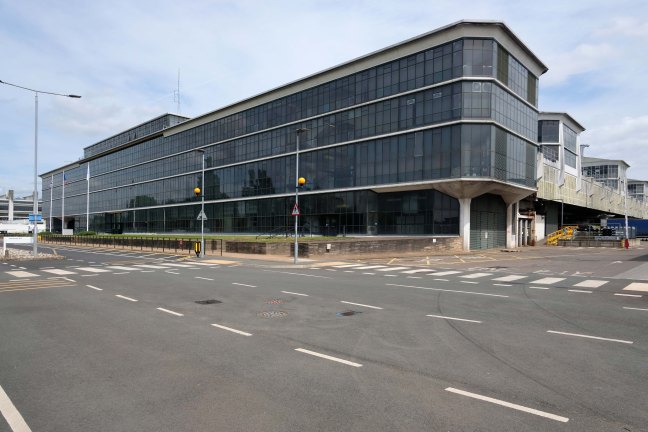
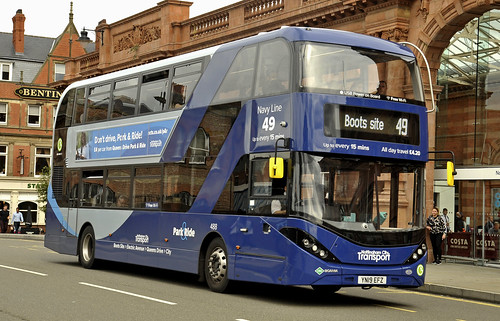
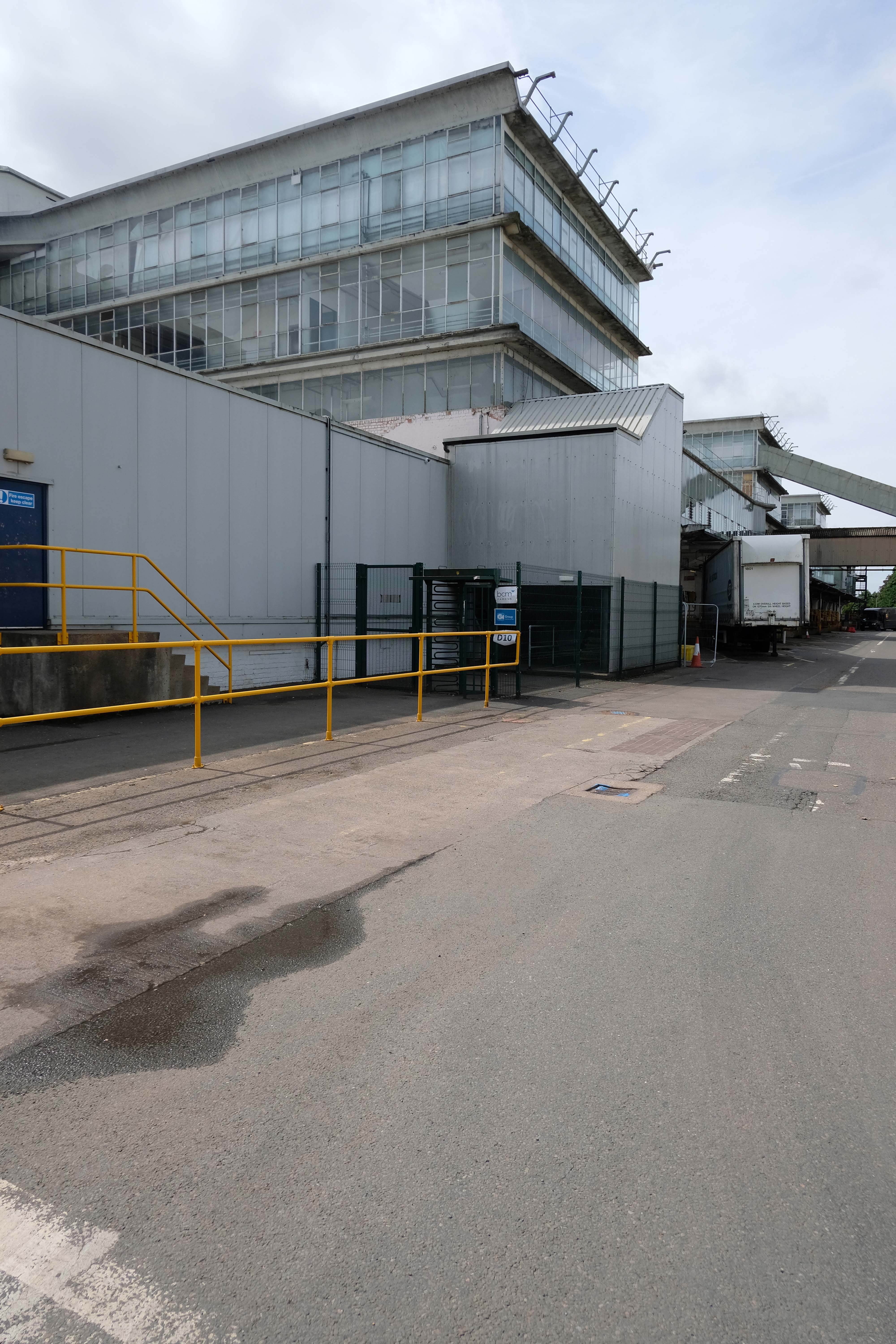
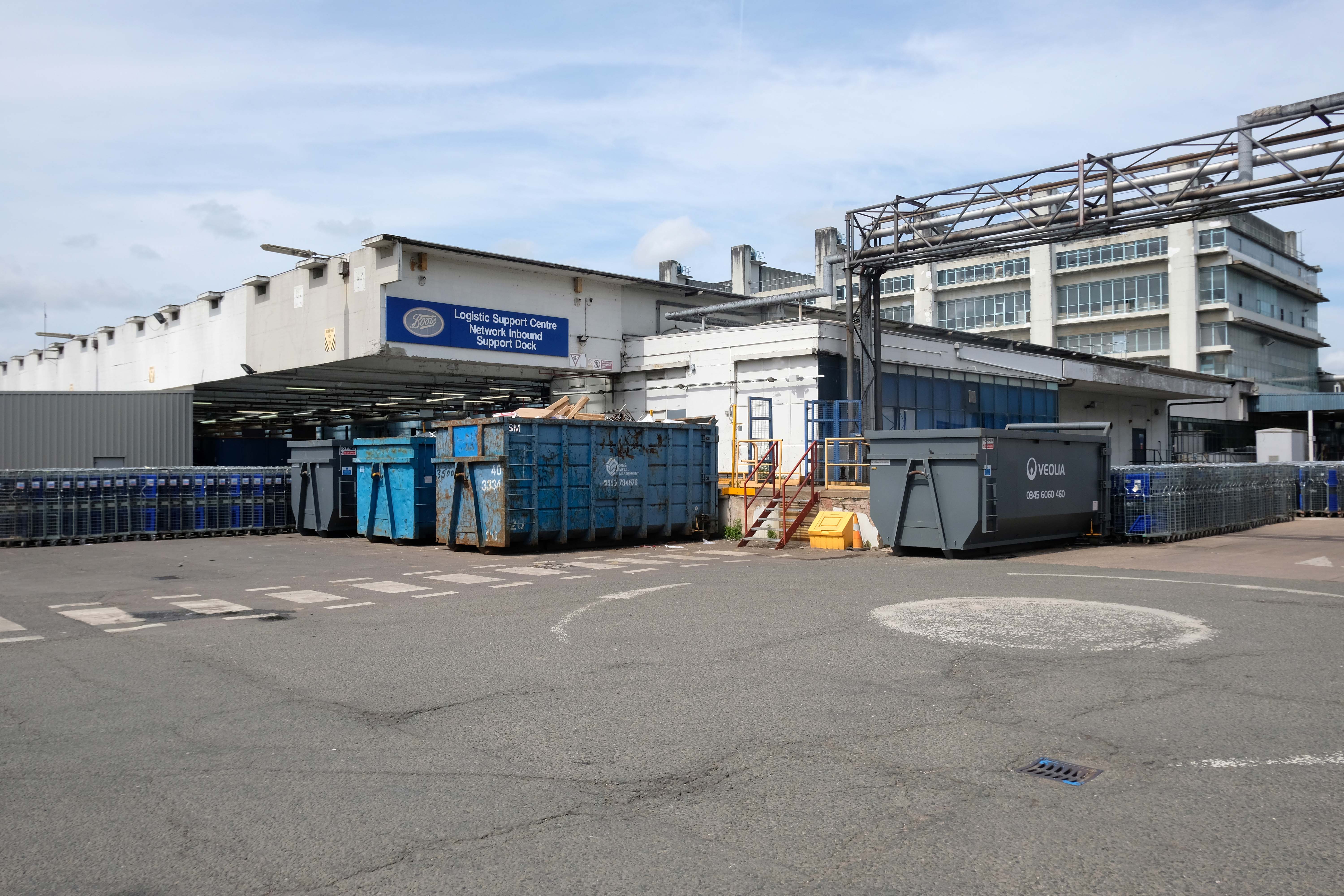
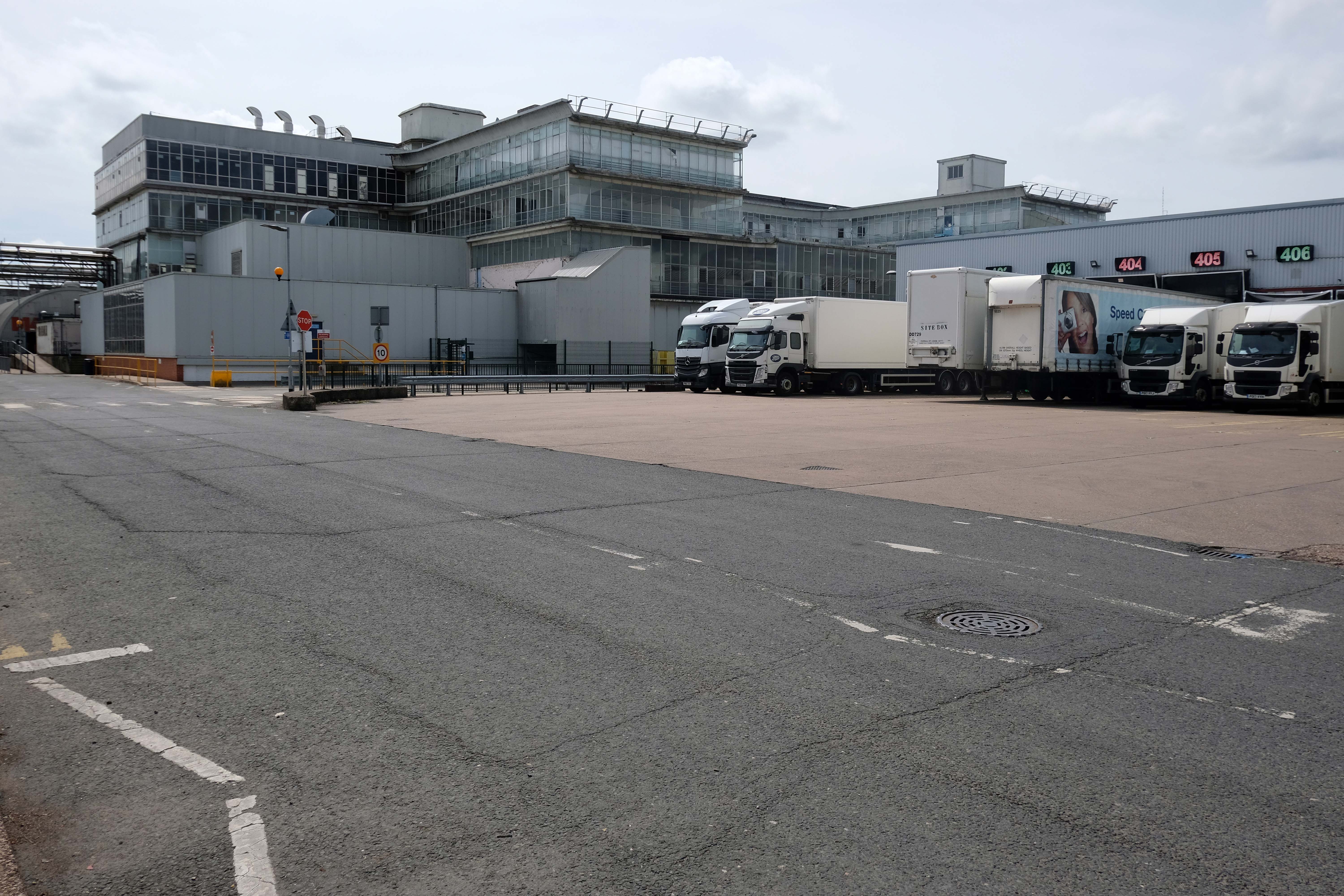
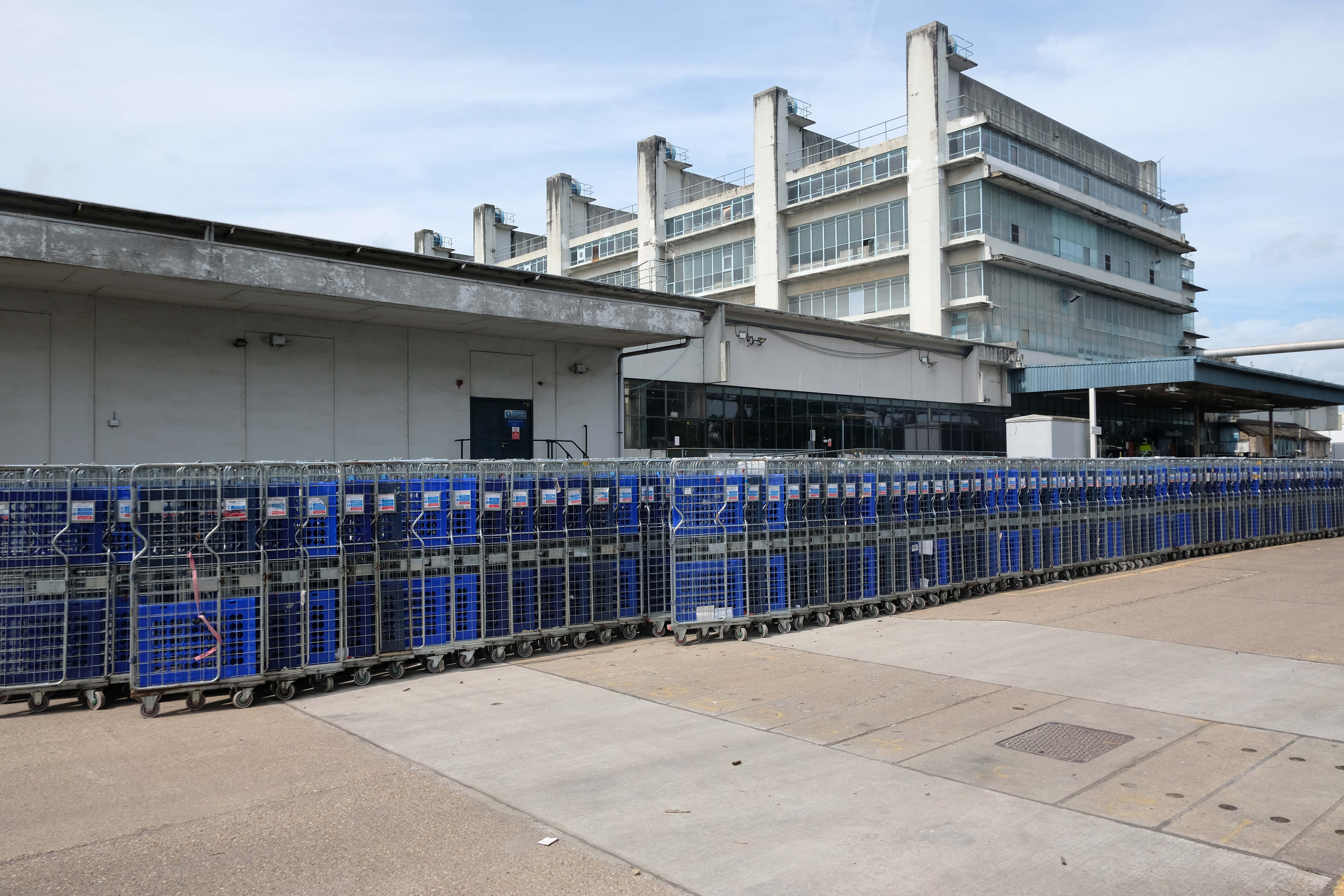
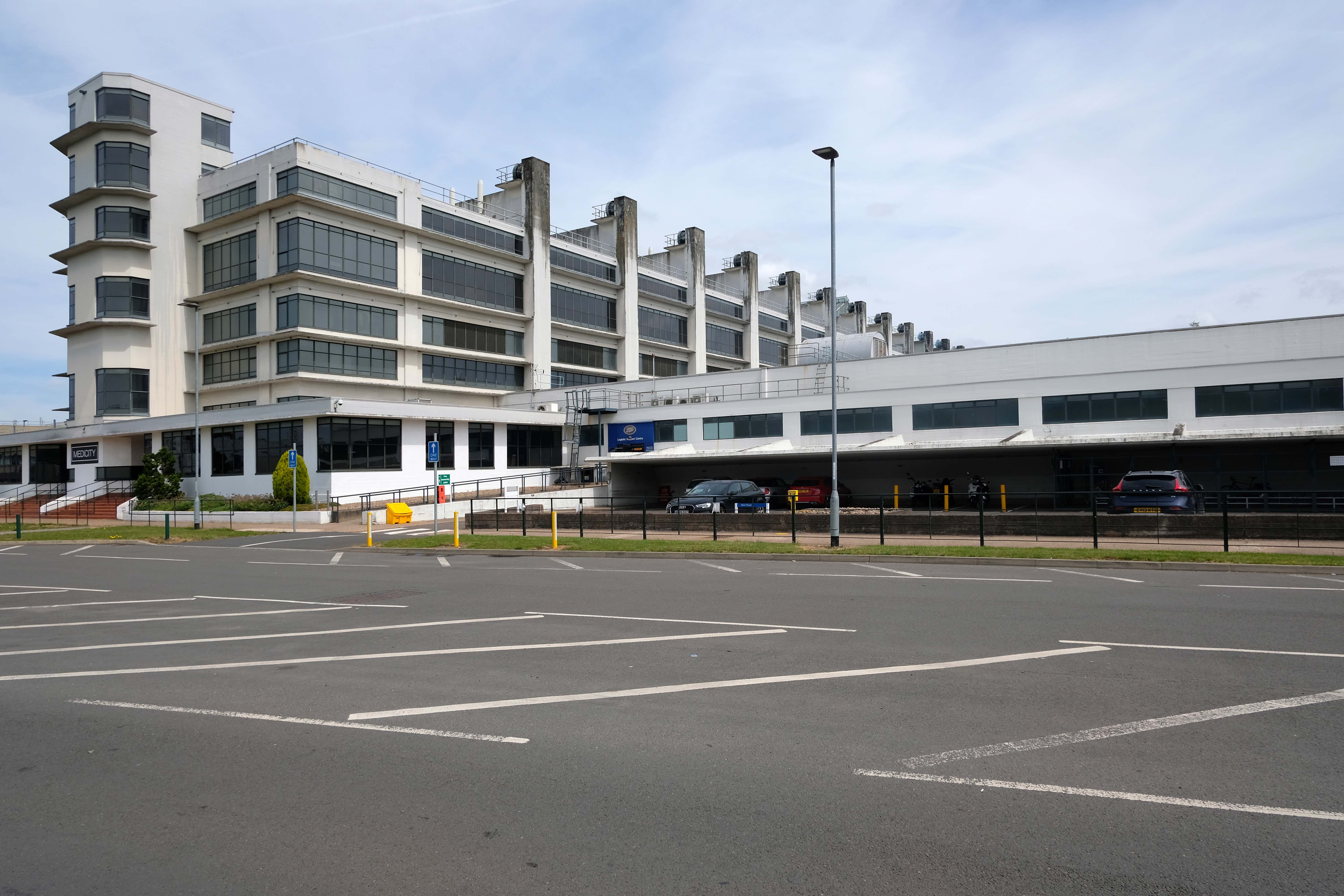
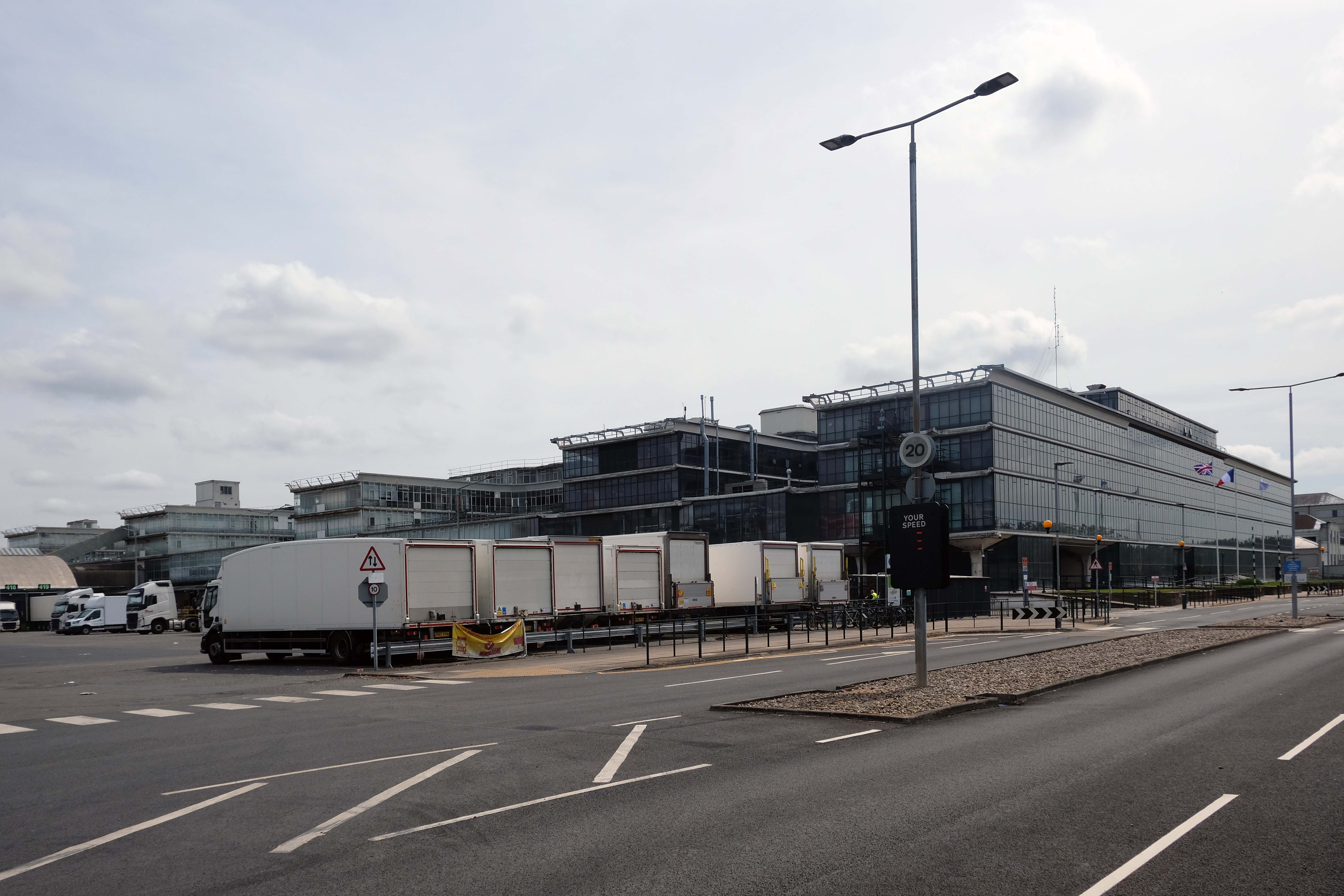
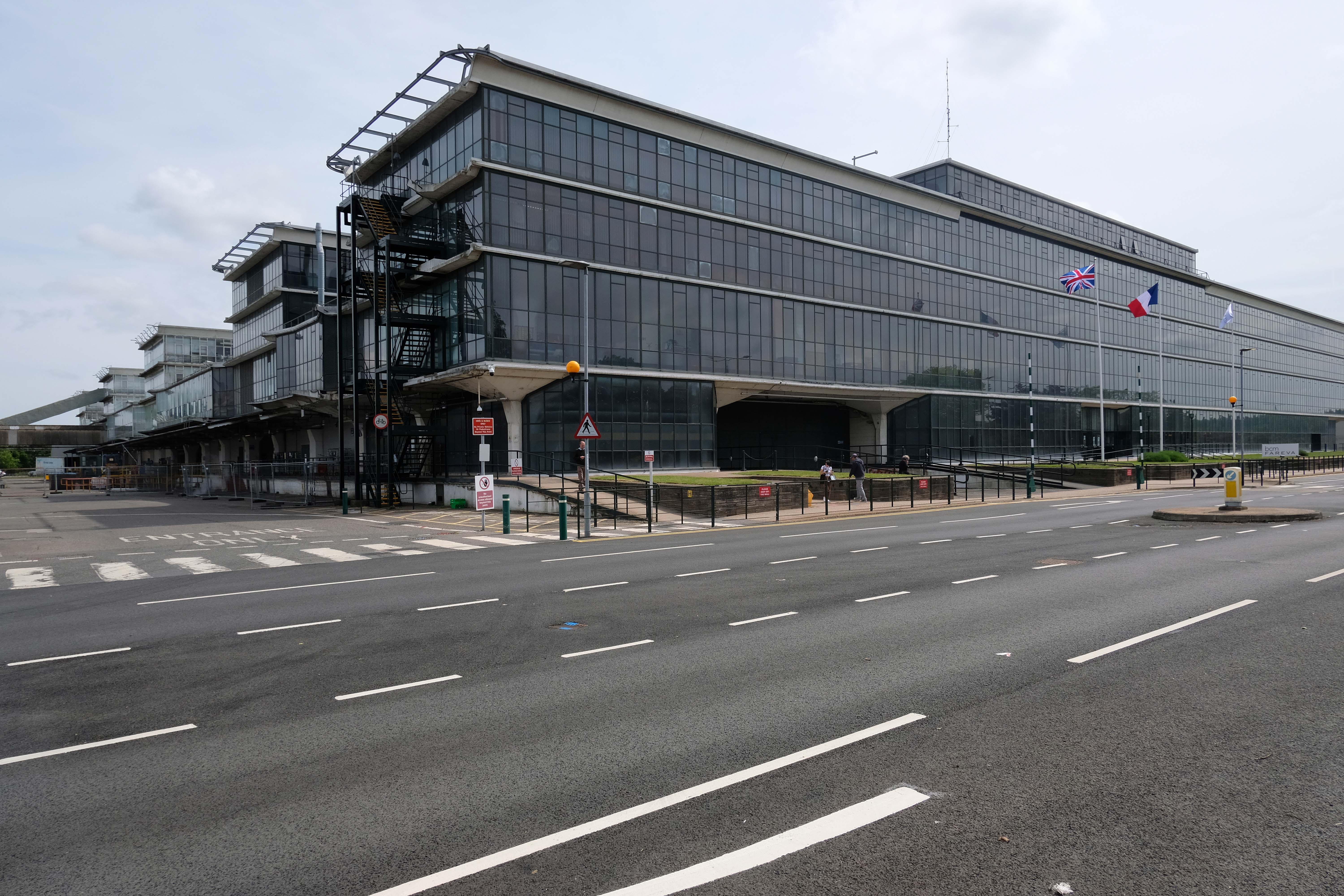
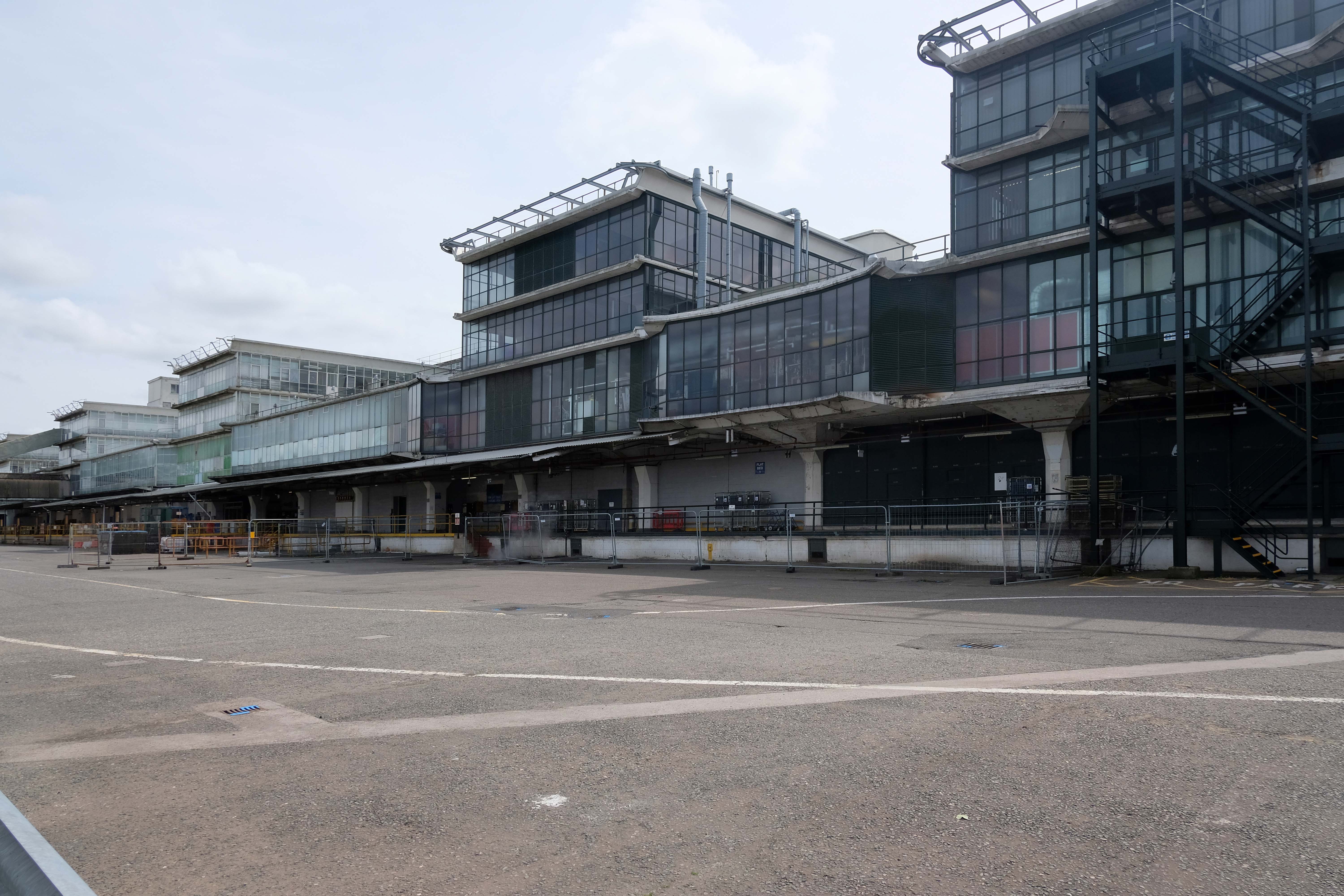
I alighted from the 49 bus at Boots and proceeded to take a look around.
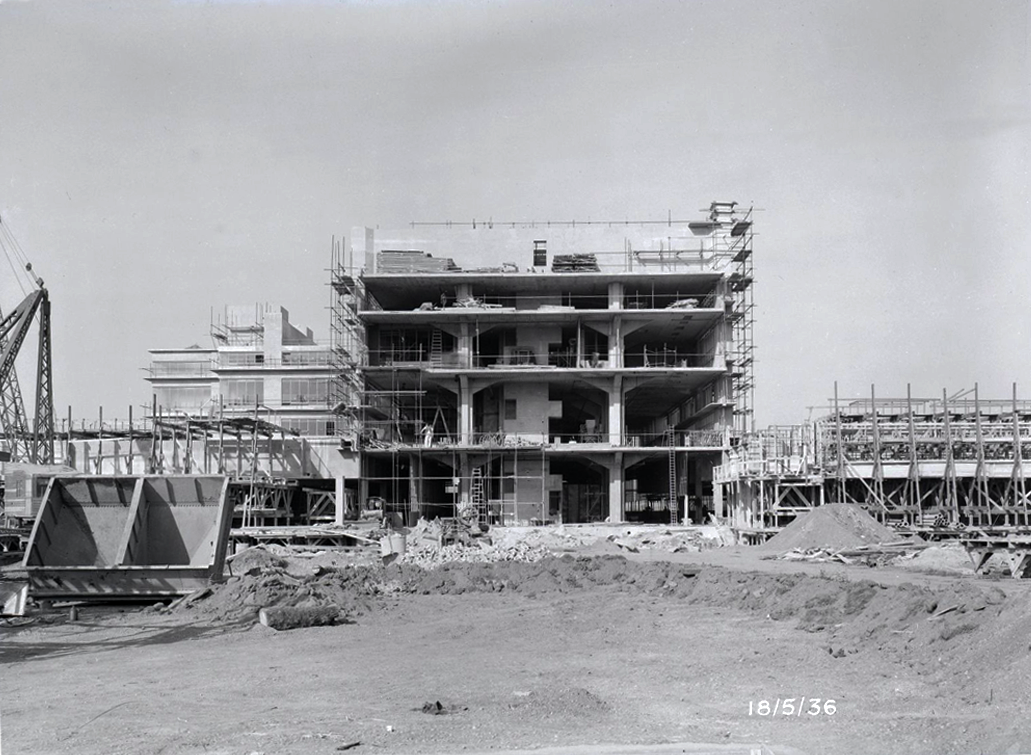
Unsurprisingly the construction work was now complete.
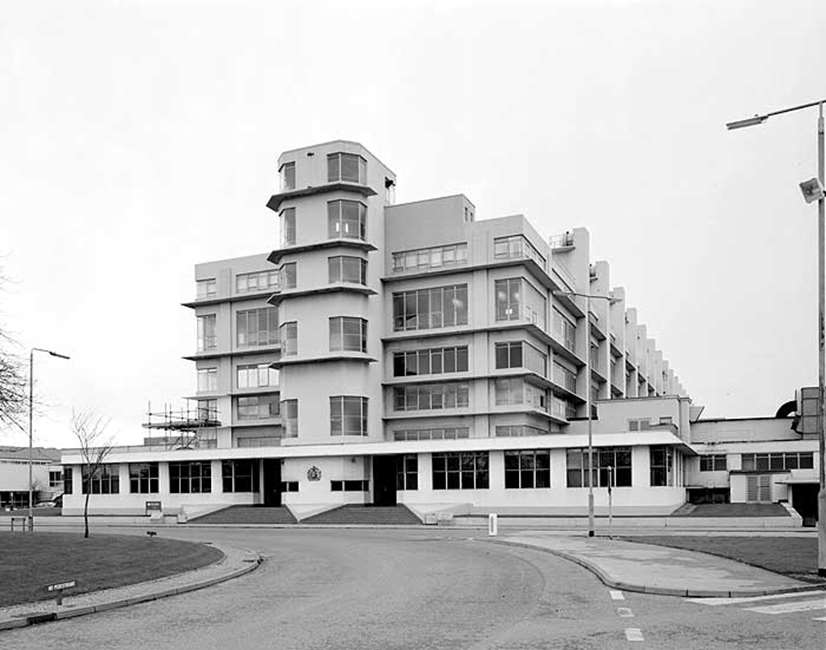
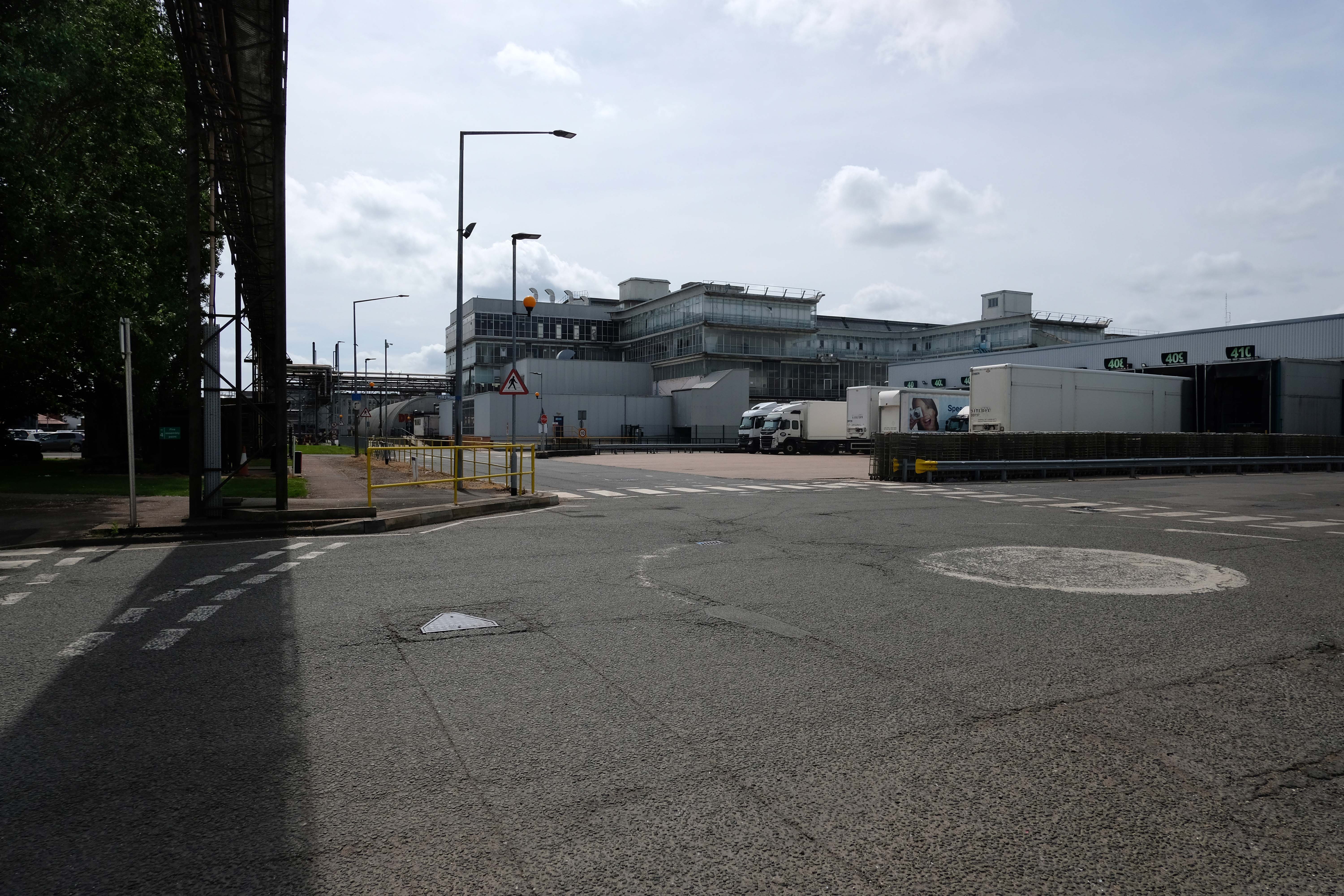
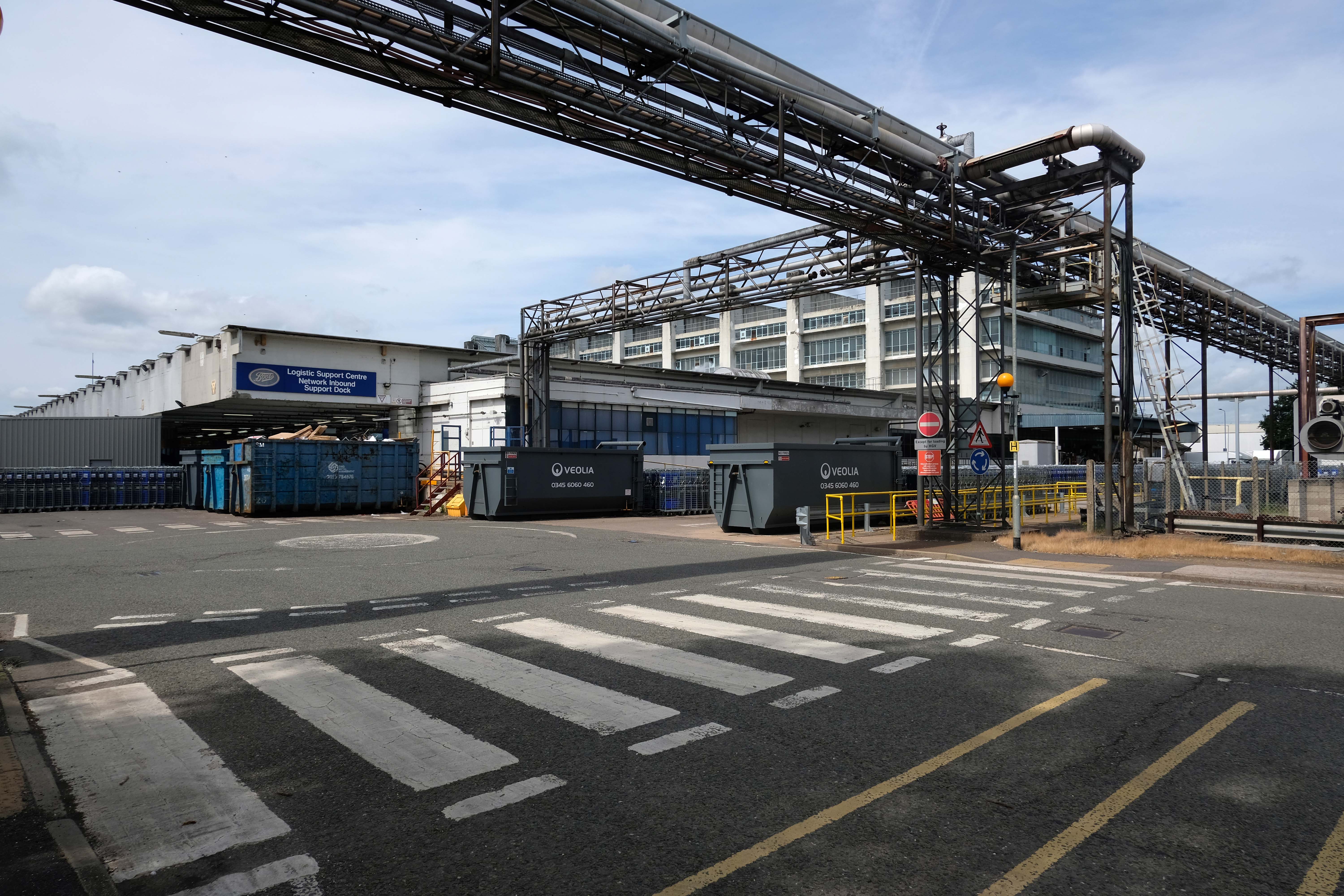
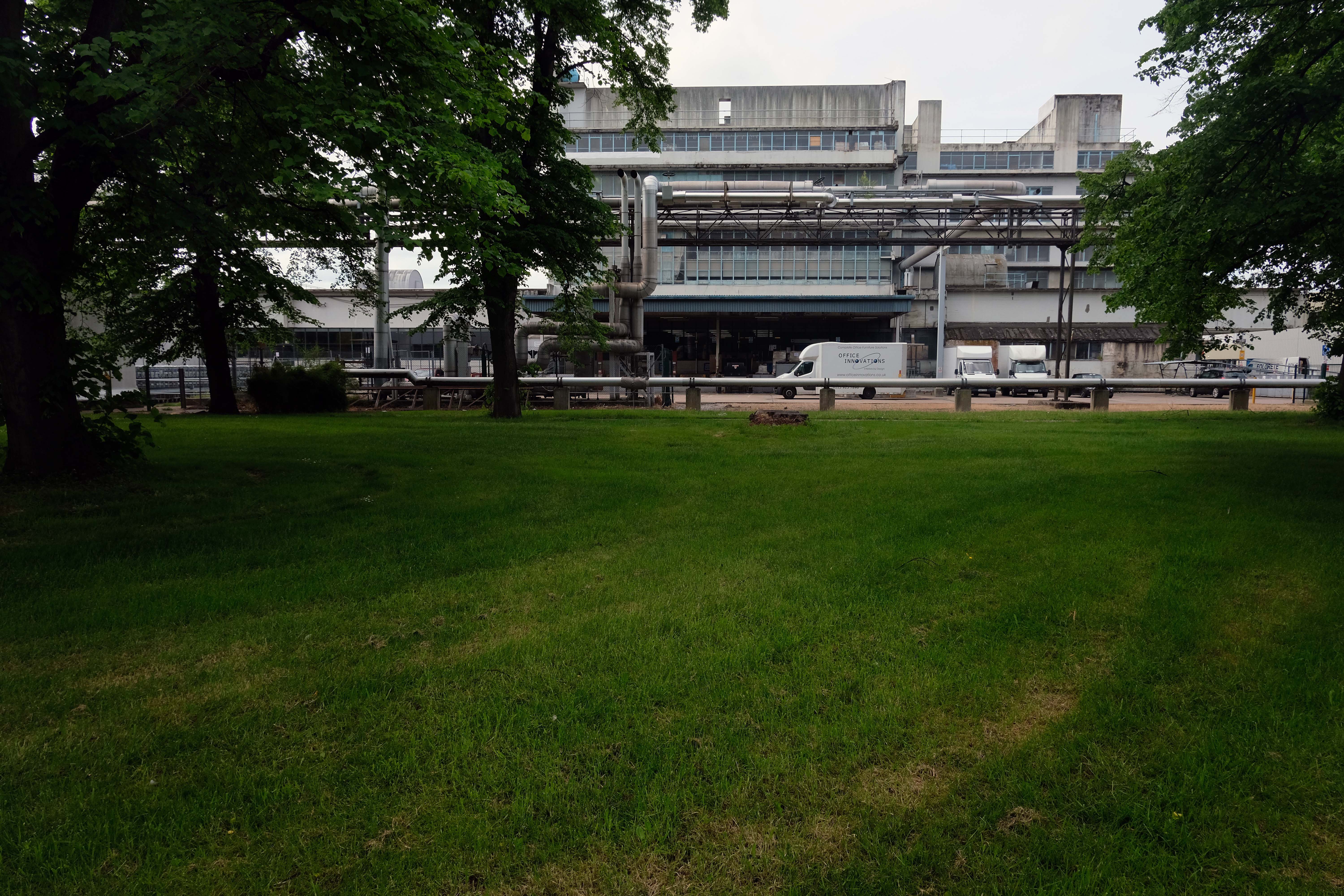
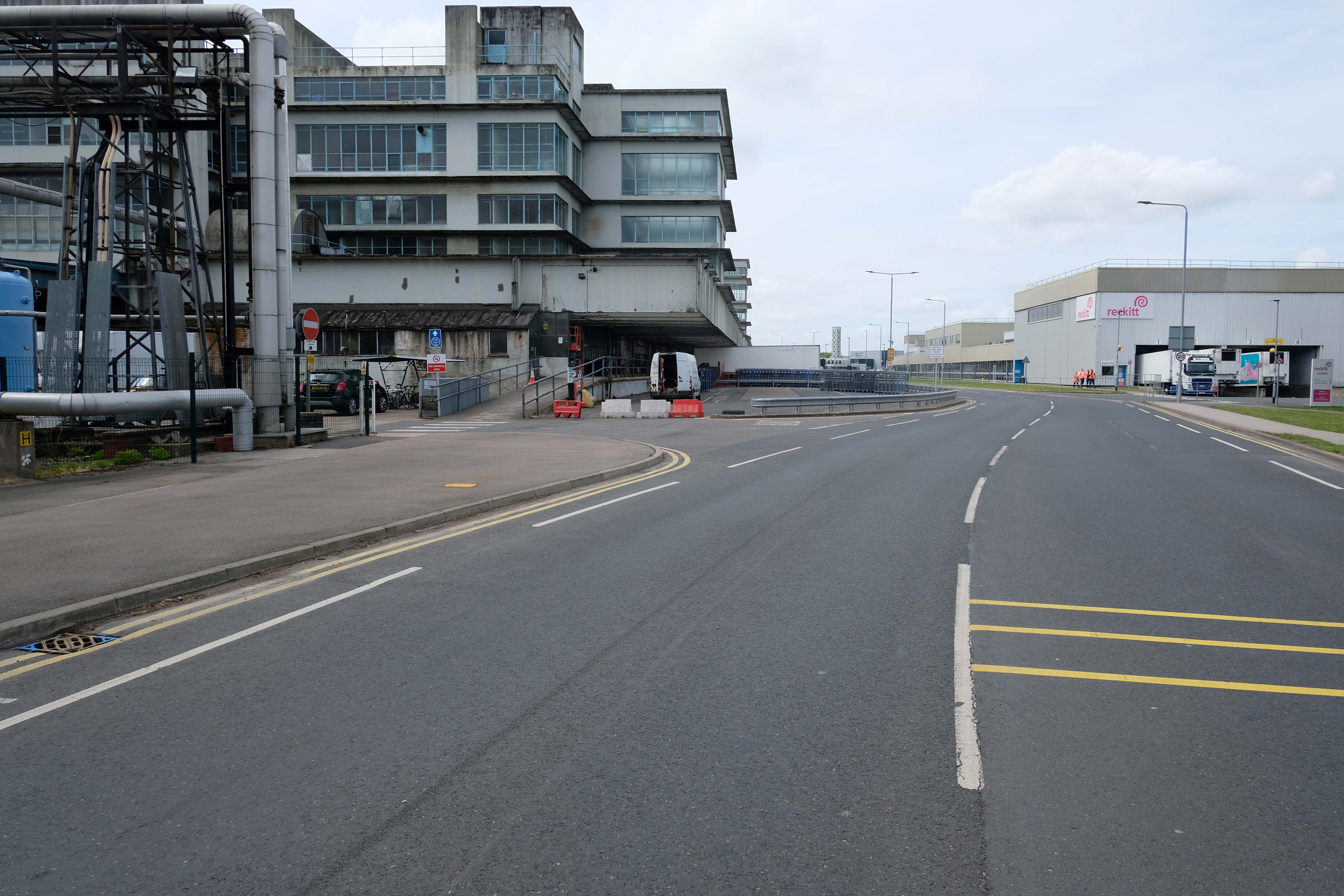
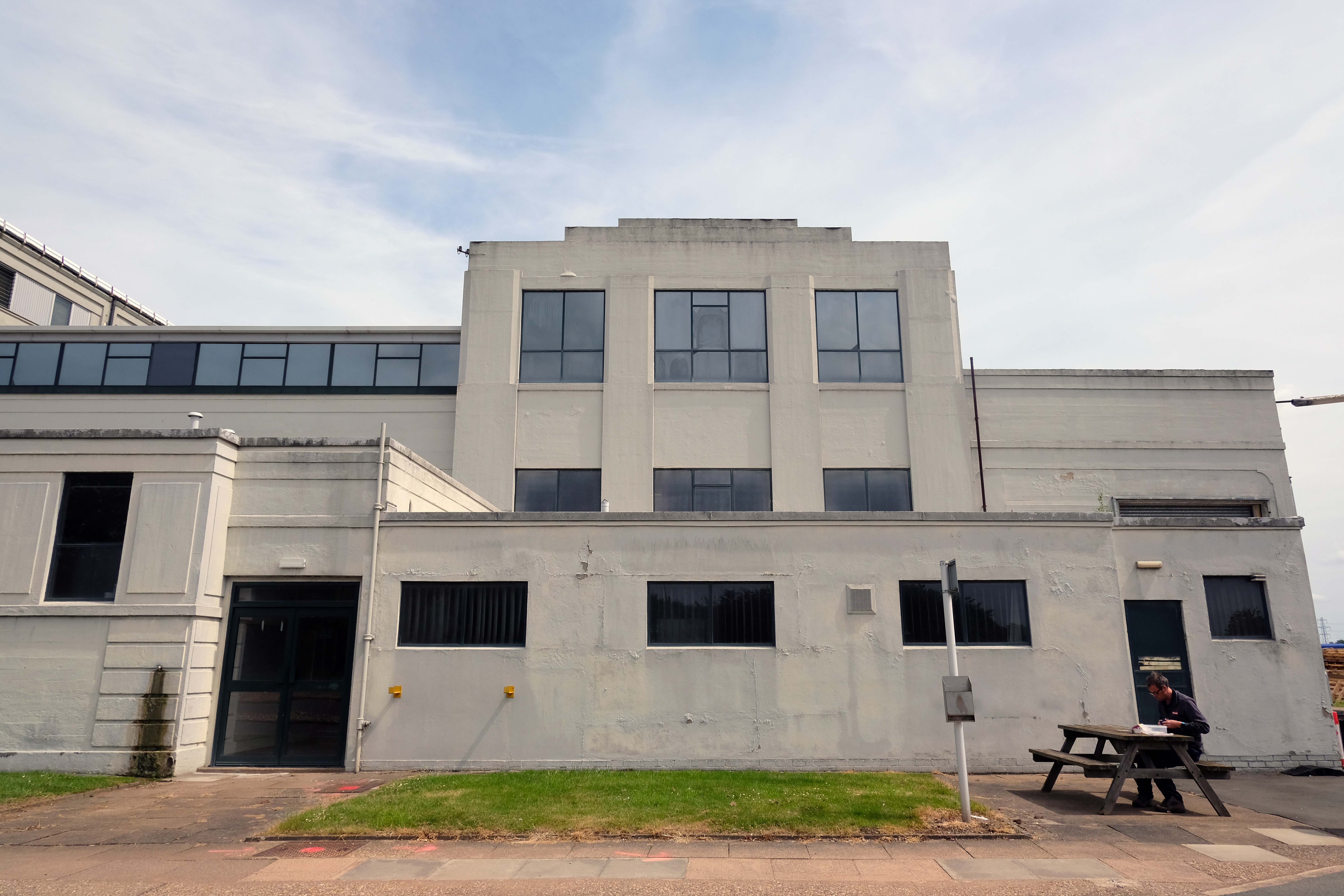
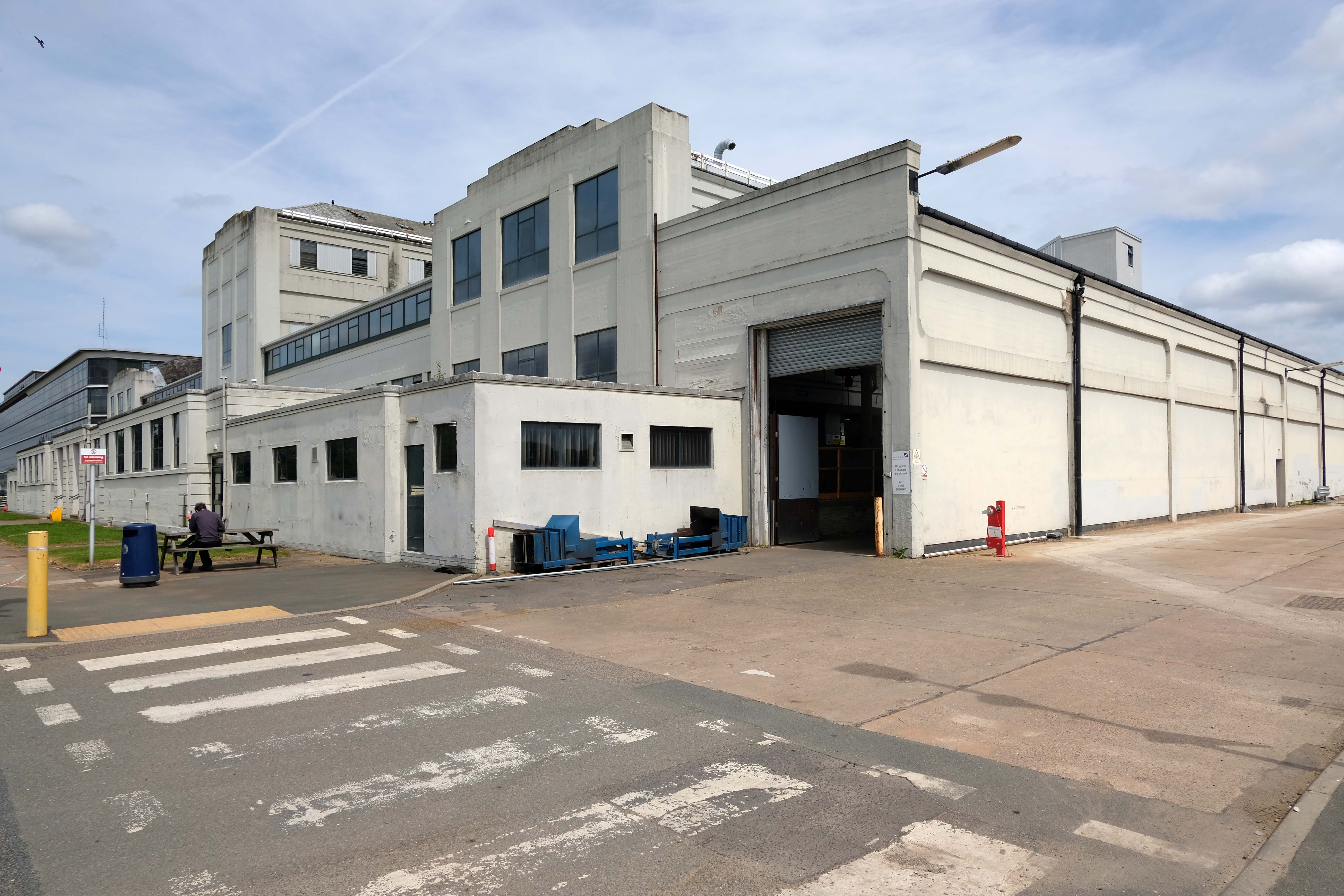
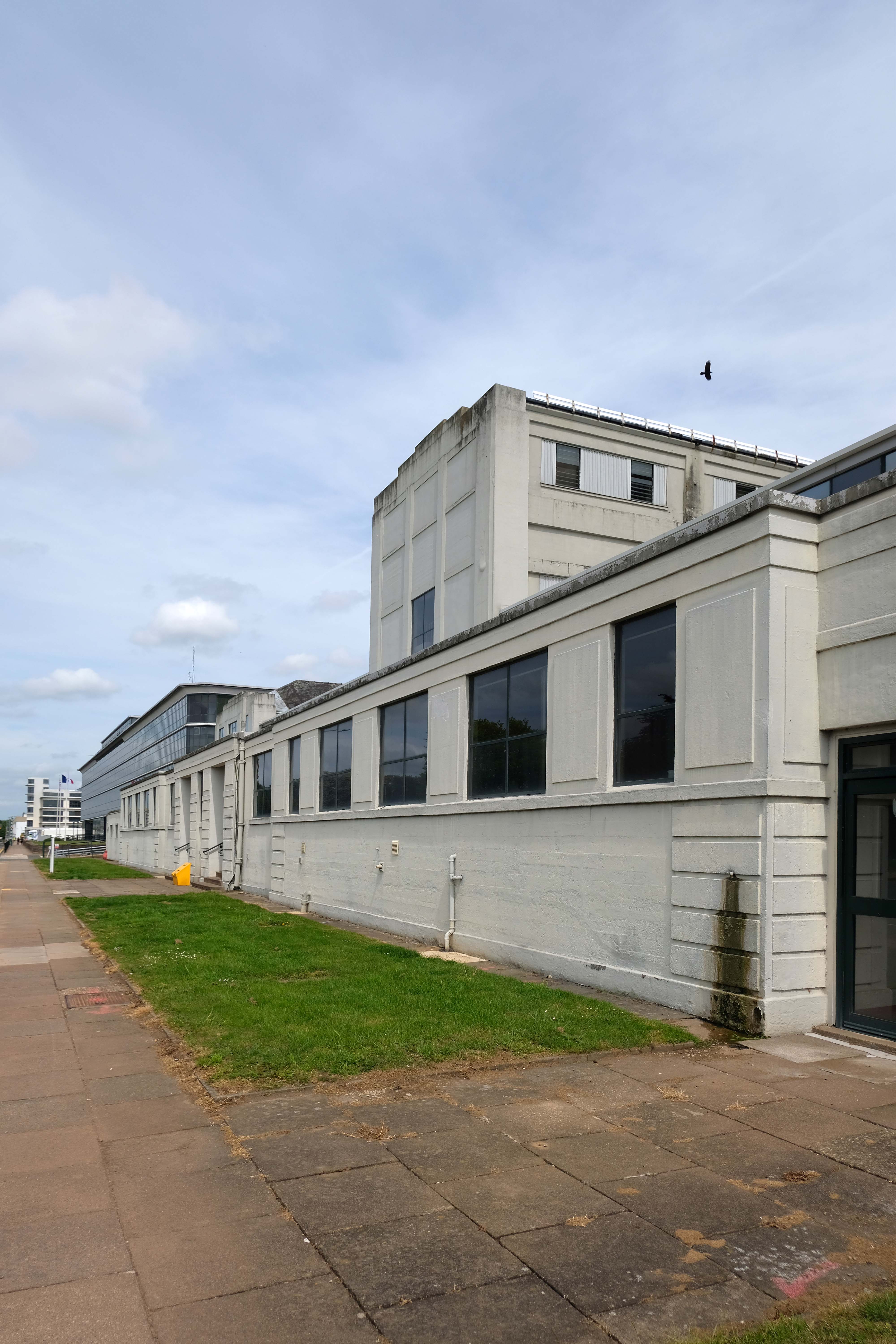
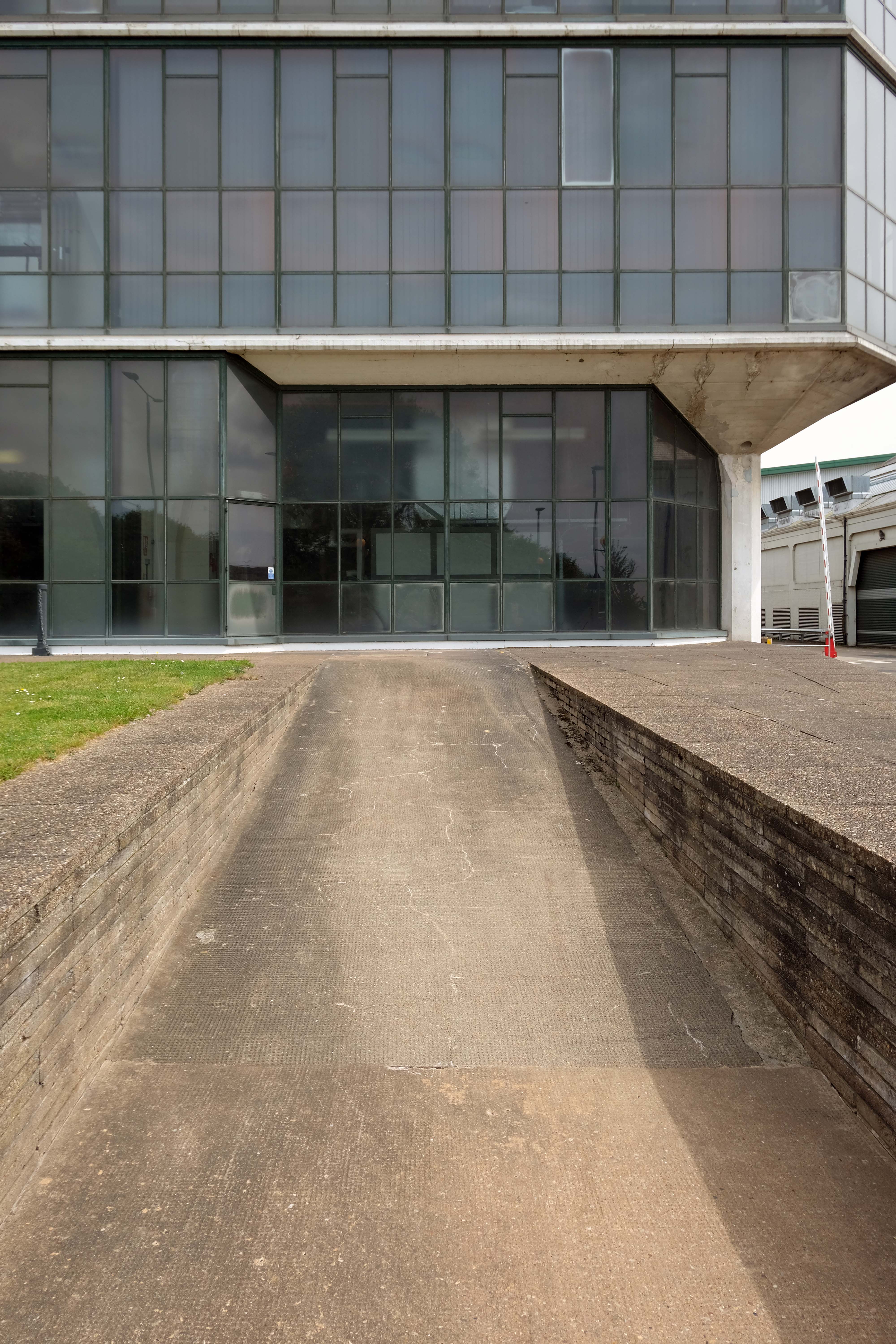
The pharmaceutical factory for the Boots Company was built in the 1930s and was designed by Sir E Owen Williams. It uses reinforced concrete as an external frame. The strength of the frame allowed the design to incorporate large areas of glass.
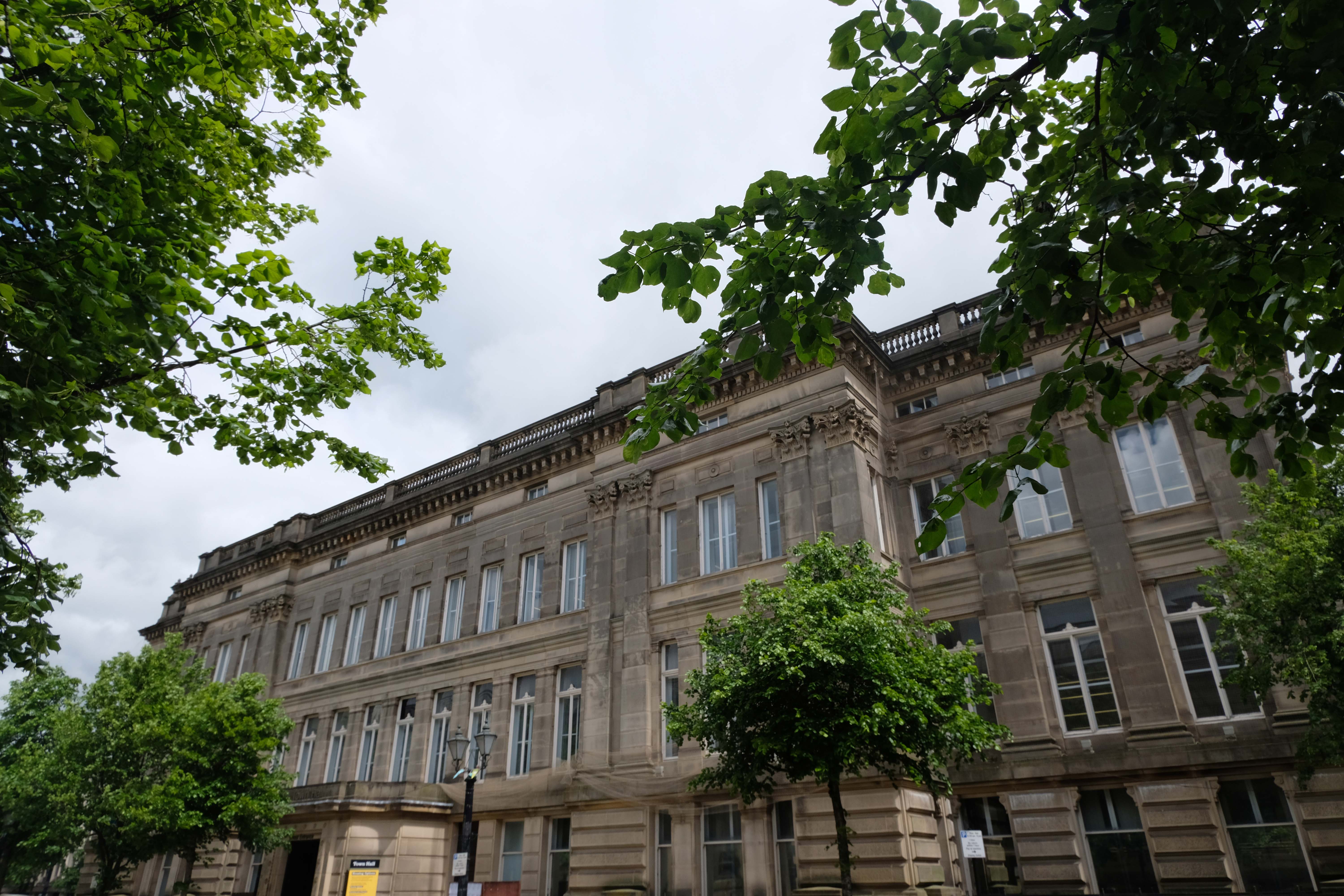
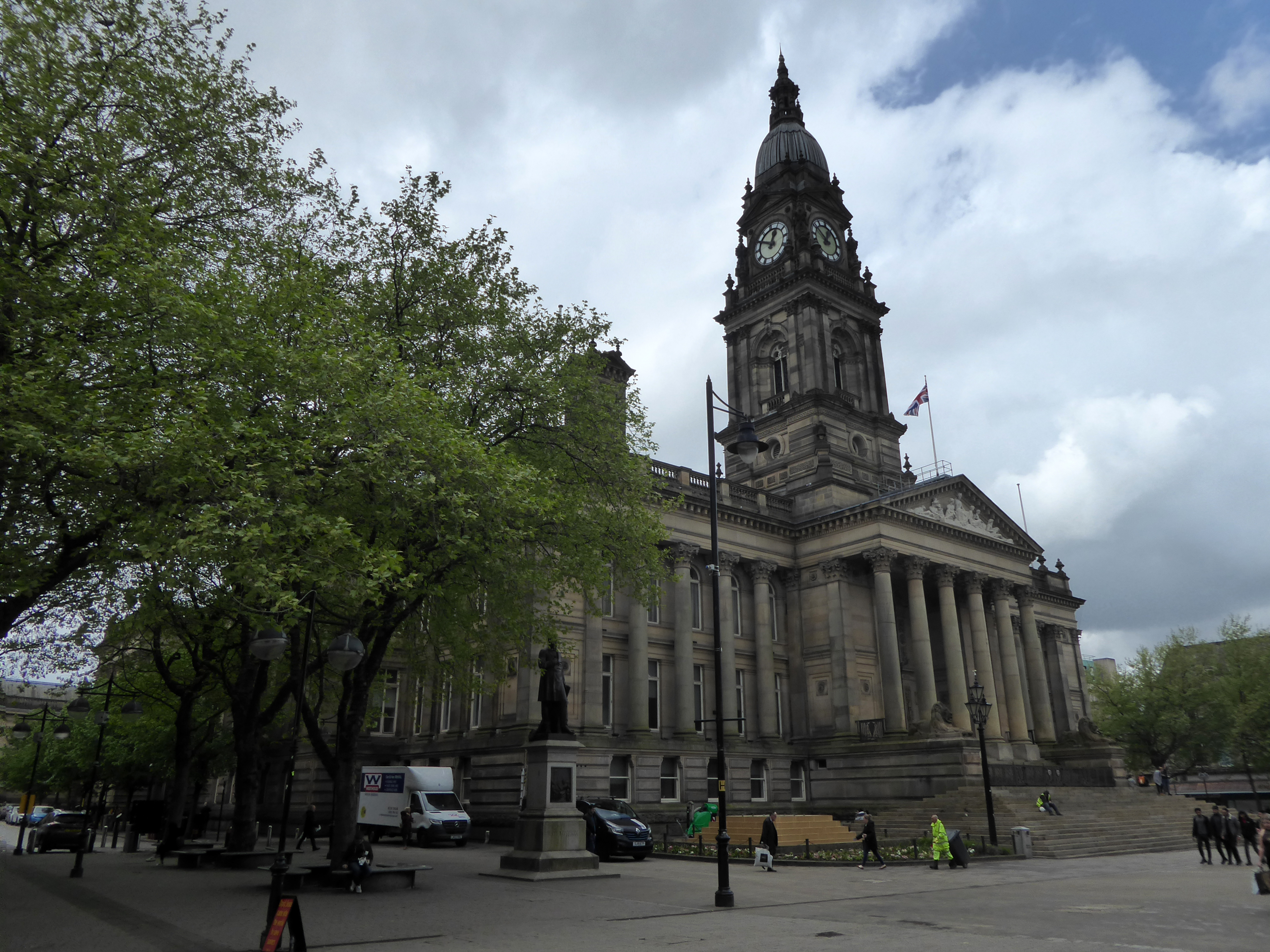
Bolton Town Hall – 1873 was designed by William Hill of Leeds, with Bolton architect George Woodhouse.
The original building was extended in 1938 by Bradshaw Gass & Hope – hereafter BGH.
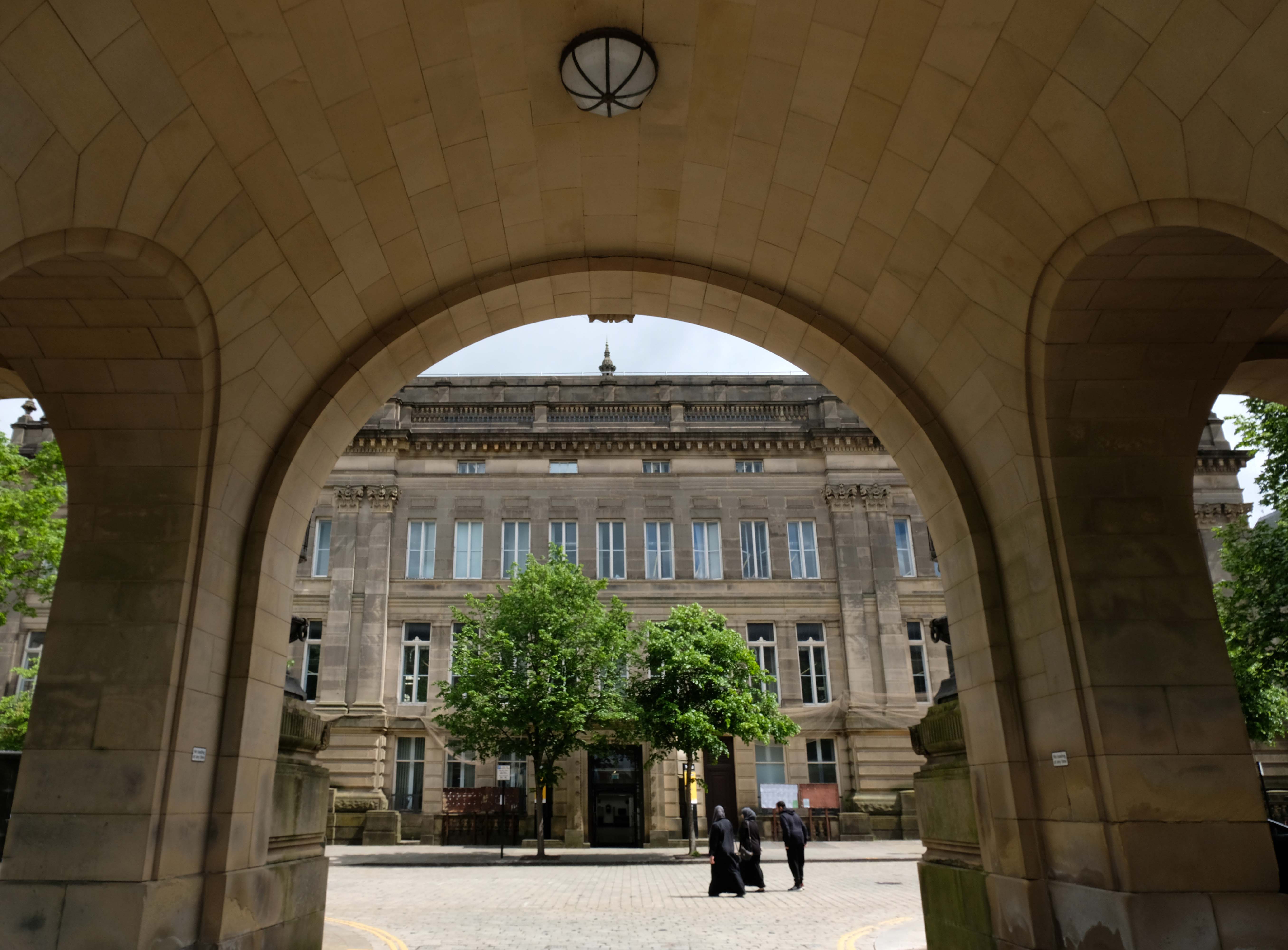
Le Mans Crescent by BGH 1932-9 well complements the Town Hall extension. Its neo-classical design is assured and confident. Pevsner remarked that:
There is, surprisingly enough, no tiredness, the panache is kept up.
Three arches pierce the Crescent’s centre but today they lead only to a potential development site. One end of the Crescent contains the Art Gallery and Library; the other used to house the former Police Headquarters and Magistrates’ Courts.
George Grenfell Baines, the founder of the Building Design Partnership, was involved in this project when he worked for BGH in the 1930s
The Octagon 1966-67 originally by Geoffrey Brooks, the borough architect, rebuilt 2018-2021. The hexagonal auditorium has apparently been retained. Pevsner states of the former building:
A welcome dose of honest Brutalism.
The Wellsprings successfully fitting with the Town Hall
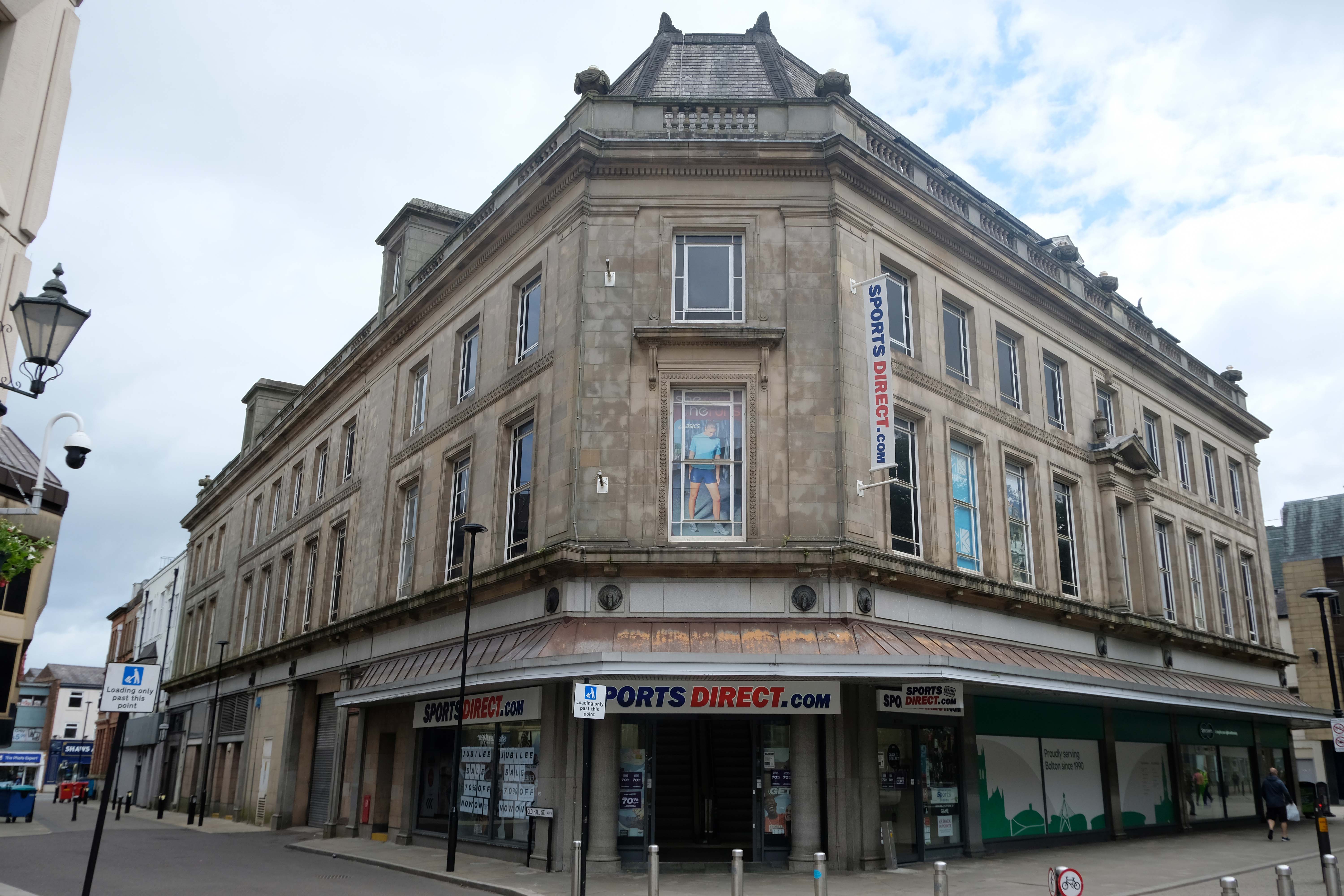
The former 1931 Cooperative Society Store, on the Oxford Street corner, is by BGH. The entrance has Doric columns in deference to the Town Hall’s Corinthian ones – and Le Mans Crescent uses the Ionic for the same reason.
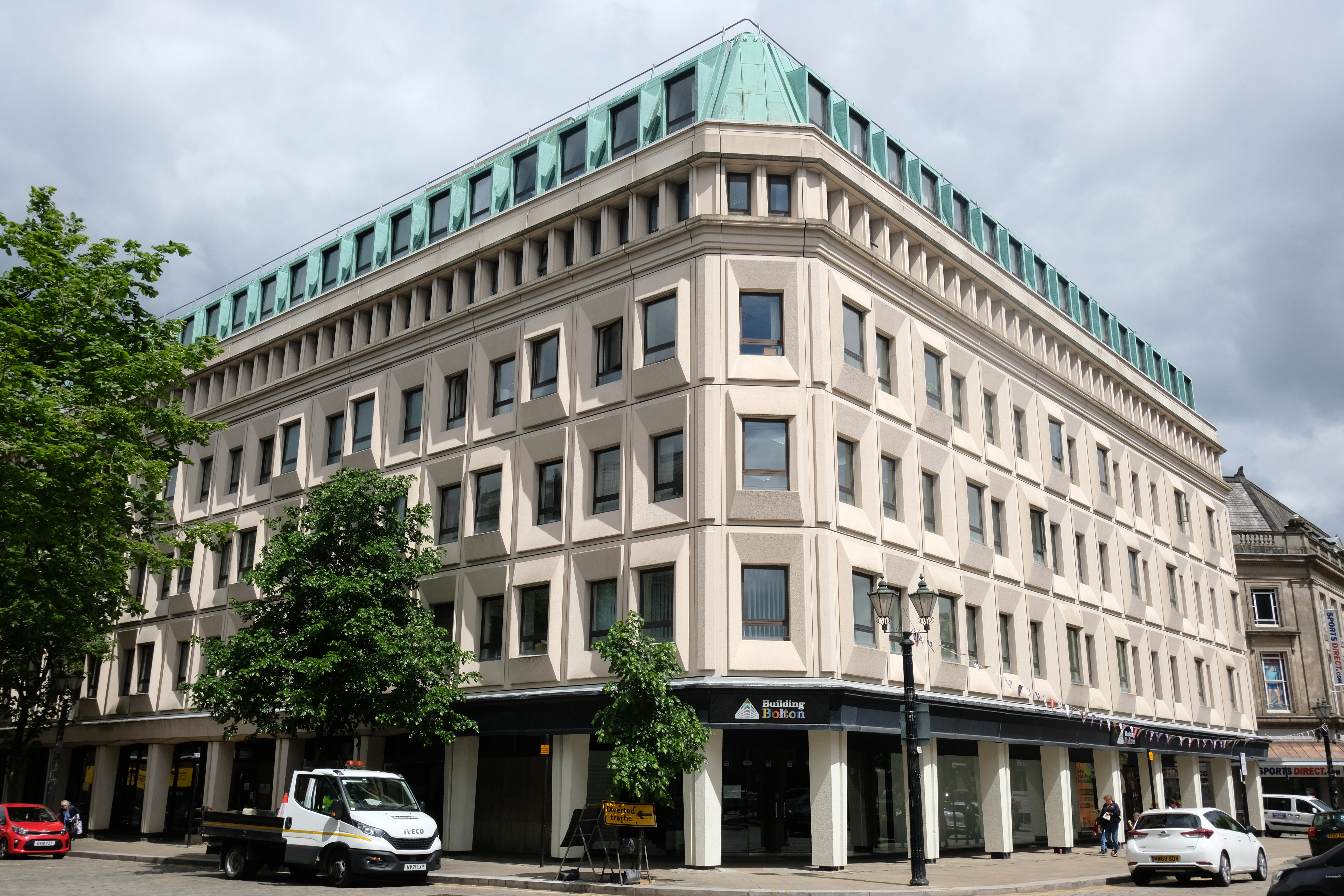
We pass Paderborn House 1968 -69 Sutton of Birmingham clad in moulded concrete, with Traverine around the entrance.
Former Lloyds Bank on Deangate corner, clad in white faience, looks BGH-ish but it’s not listed in the Lingards’ BGH monograph.
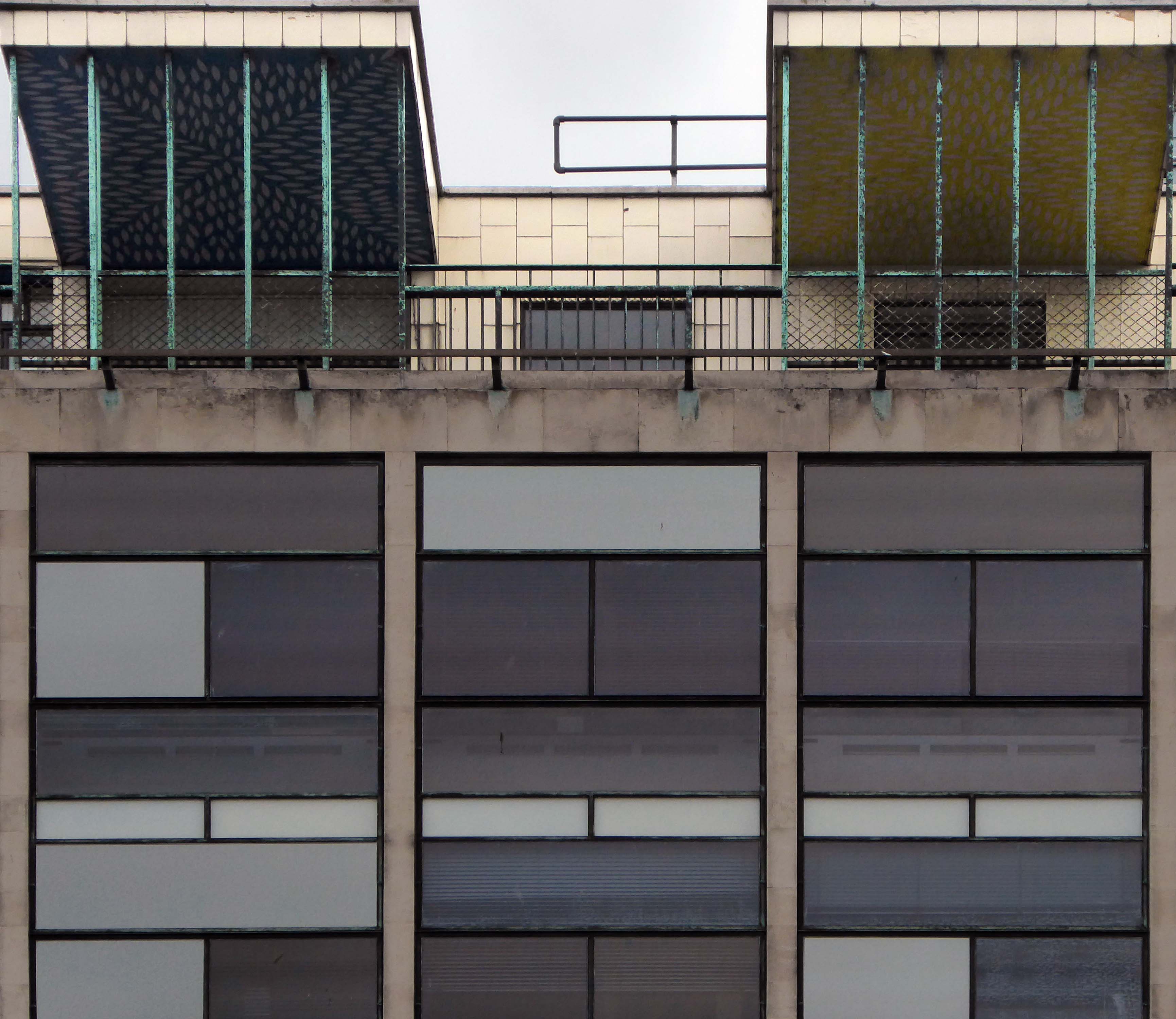
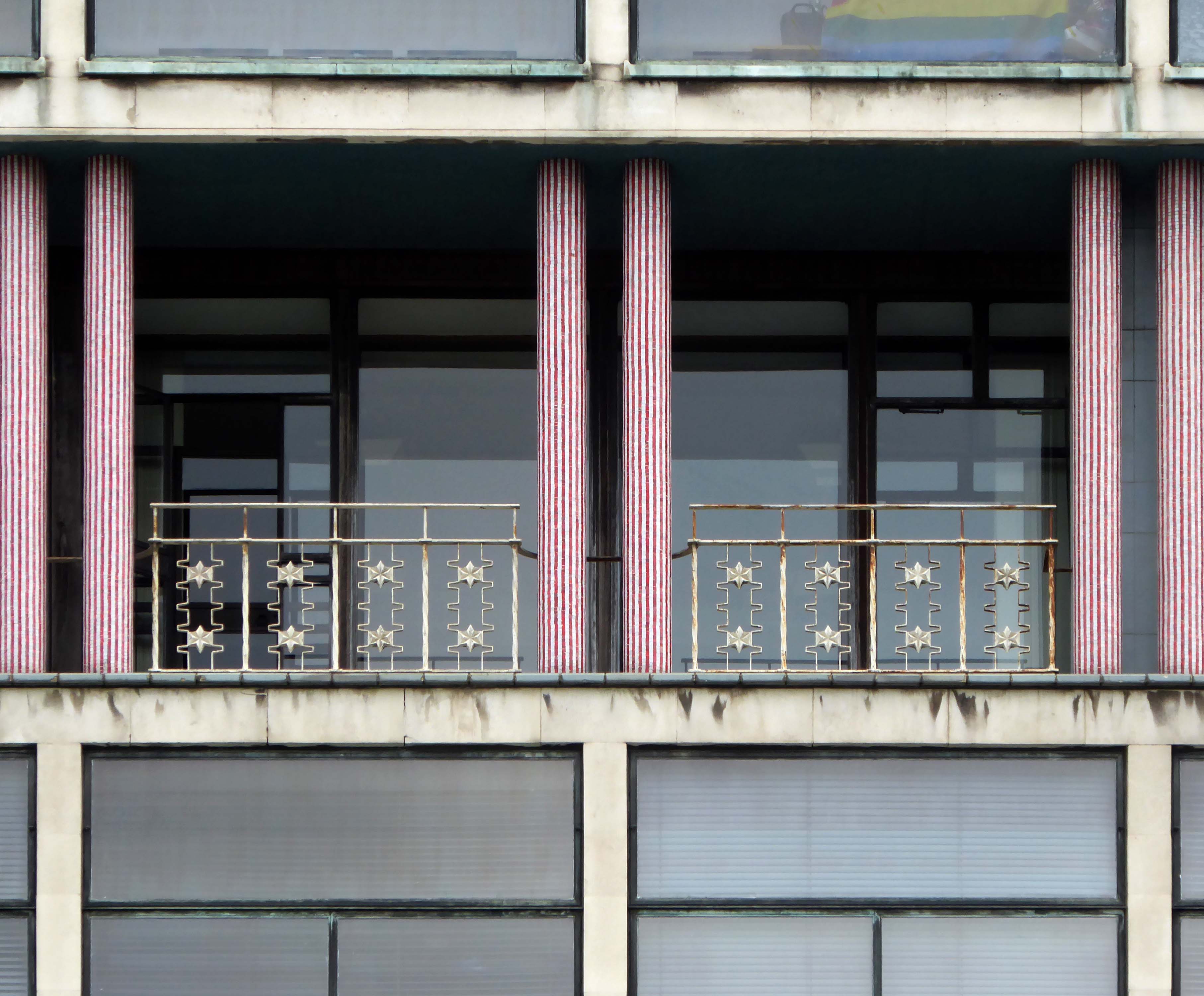
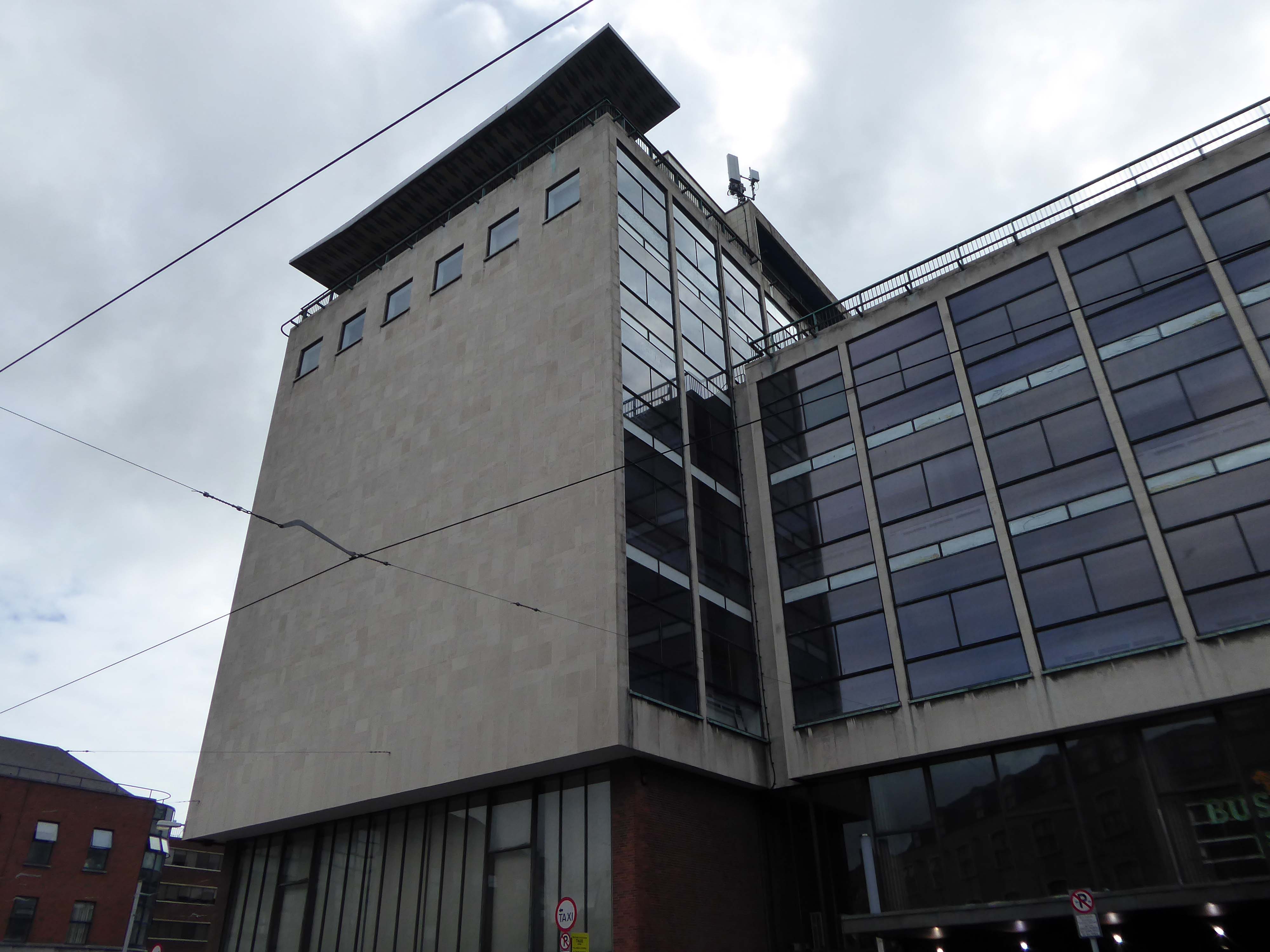
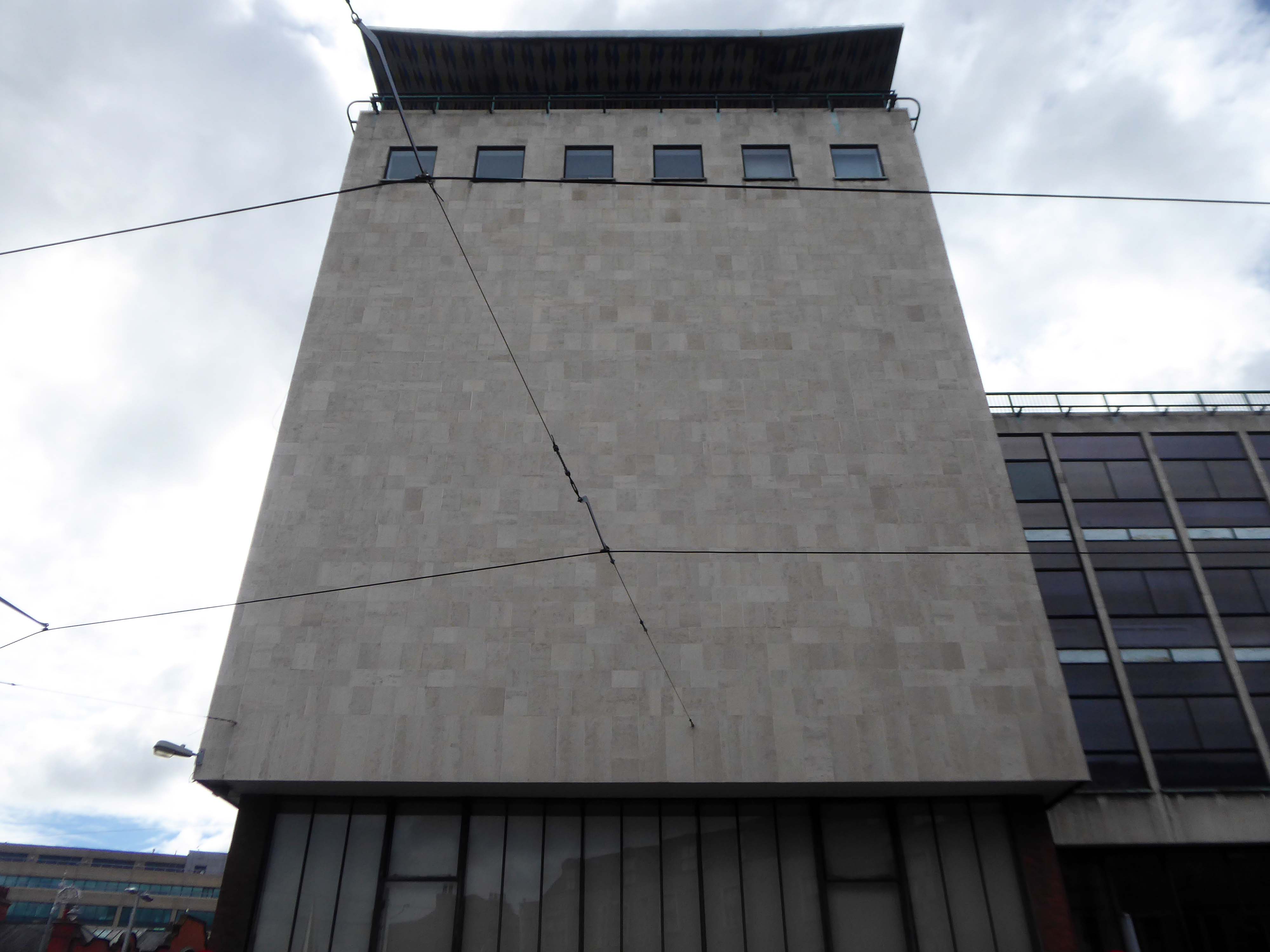
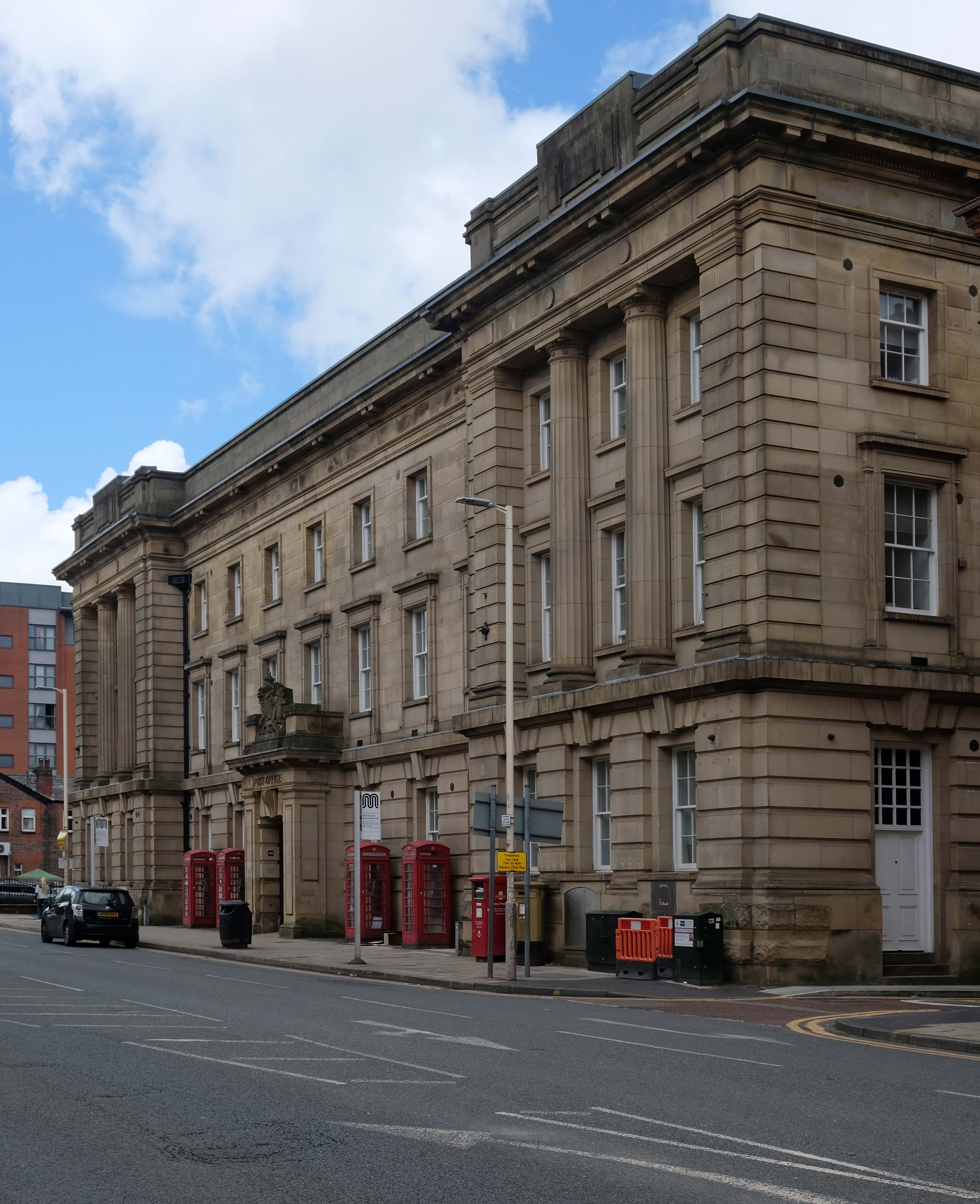
Across the way the unlisted Post Office – complete with listed phone boxes.
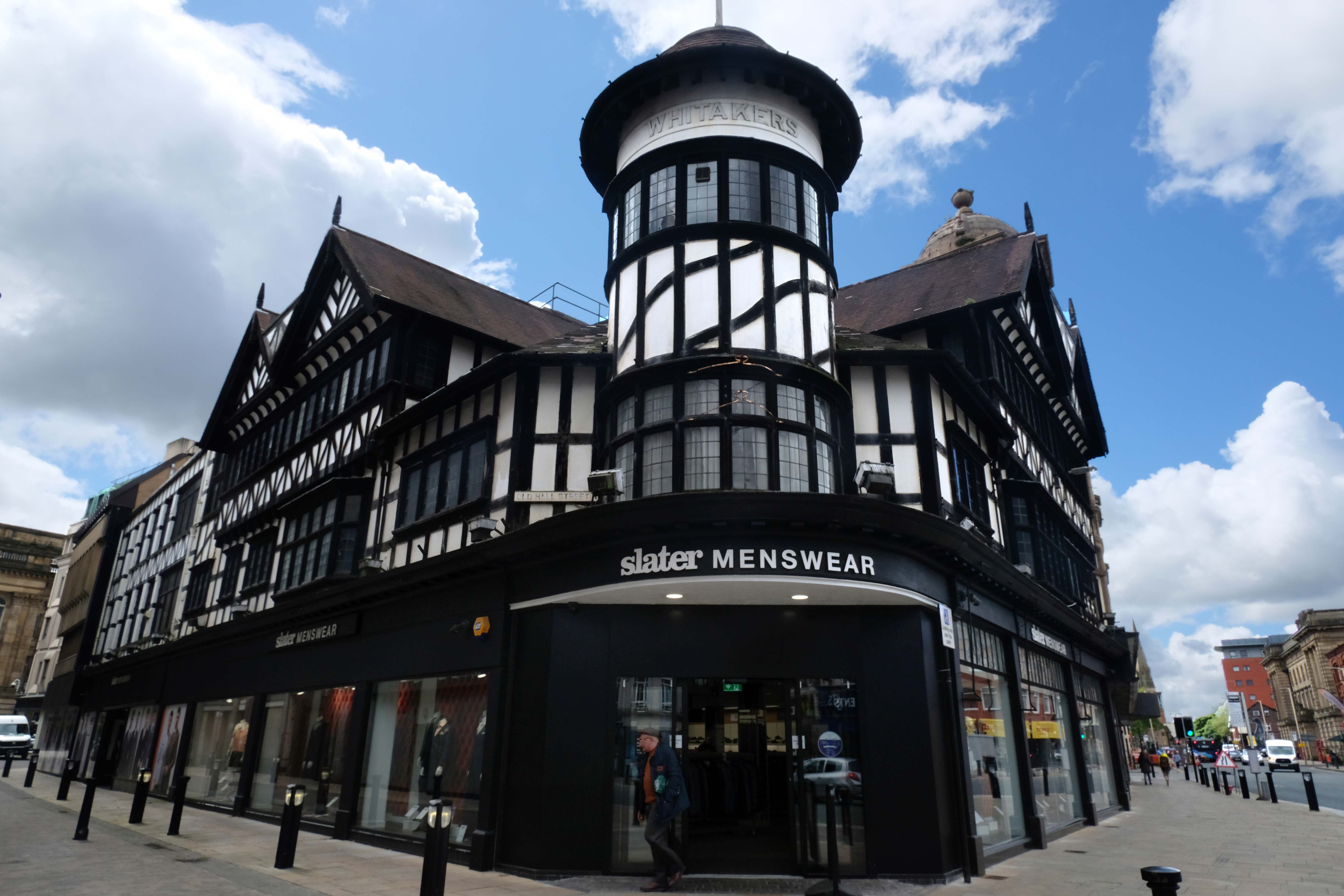
Whitakers 1907 by George Crowther.
Pastiche timber-framed with pepper-pot turret.
Incorporates genuine Tudor timbers from a demolished building nearby.
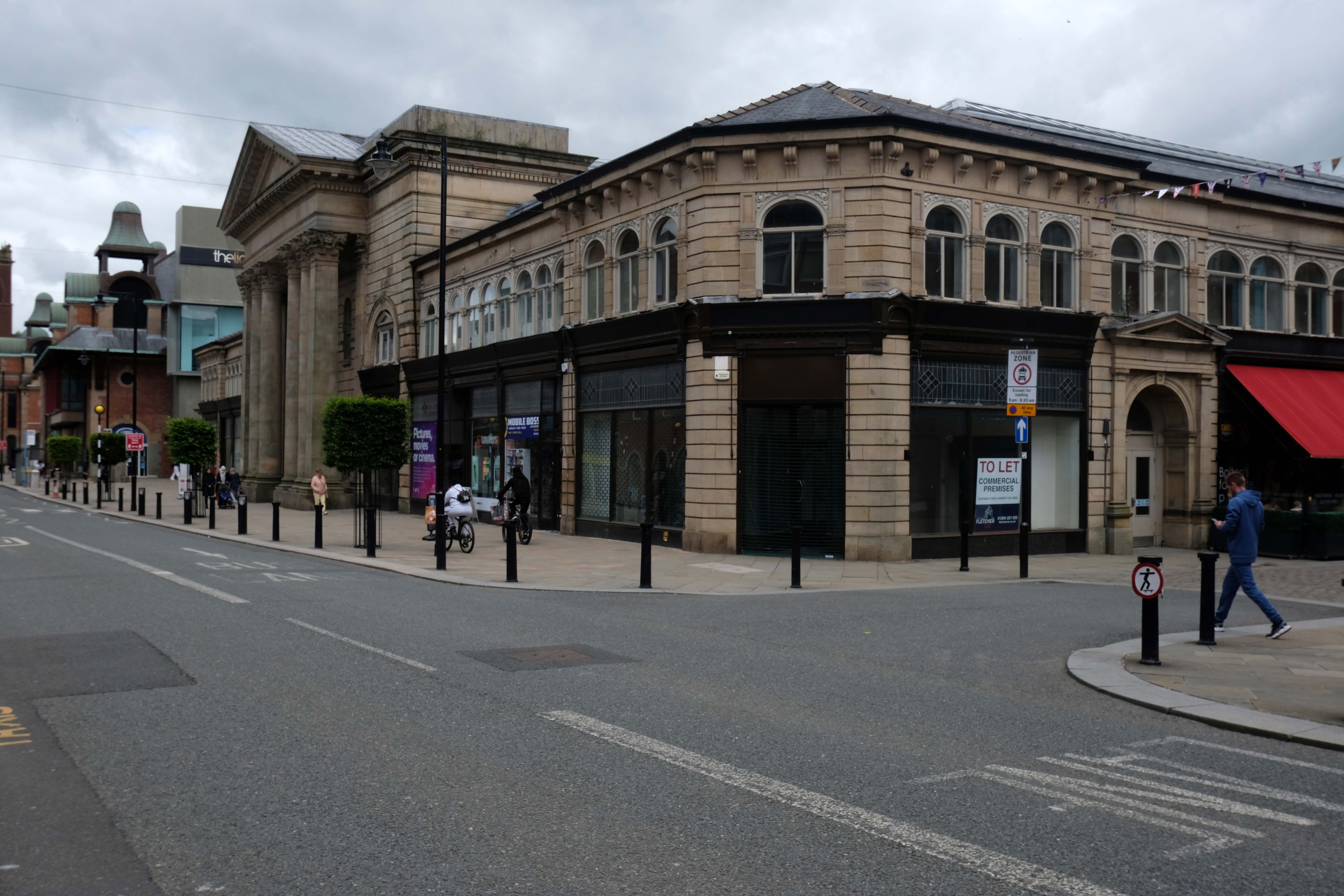
To the north of Deansgate, down Knowsley and Market Streets, is GT Robinson’s 1851-6 Market Hall. The interior is, according to Matthew Hyde: a lucid structure simply revealed.
He contrasts it with Market Place Centre 1980-88 by Chapman Taylor Partners: In that most ephemeral of styles, a jokey Postmodernism.
It does however echo Victoria Hall 1898-1900 BGH.
Chapman Taylor also did the 1980-8 Market Place Shopping Centre. The Market Hall was built over an impressive brick undercroft above the River Croal which has recently been opened up and is a destination.
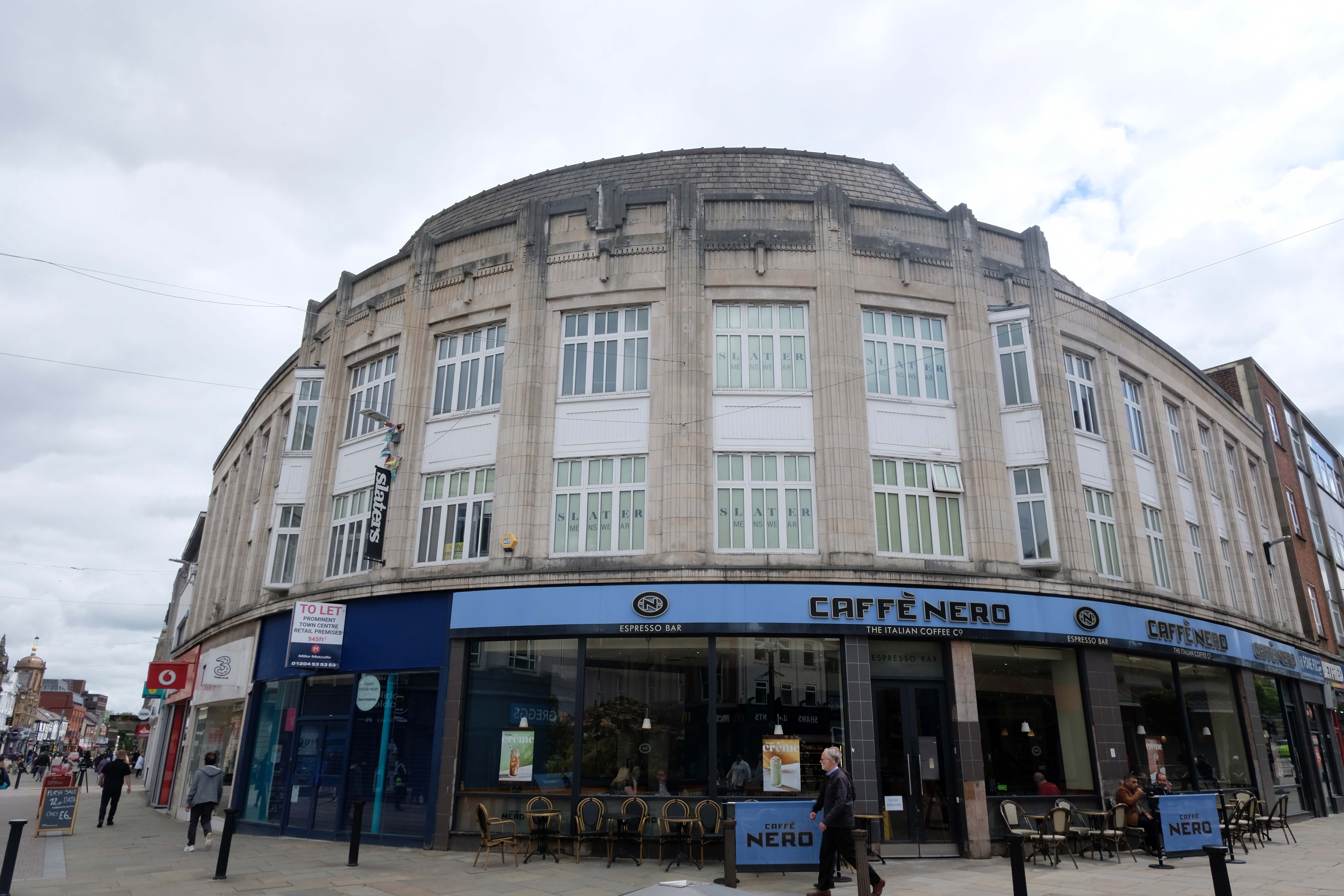
At the Oxford Street corner, Slater Menswear, above Caffé Nero, has Art Deco white faience upper storeys. Further down is the imposing Marks & Spencer, faced in dark stone 1965-67.
The mansard roof was added later.
Along Market Street, Clinton Cards is clad in white faience with Art Deco window details.
At the corner of Bridge Street is a charming 1960s clock; the building would not look out of place in Coventry.
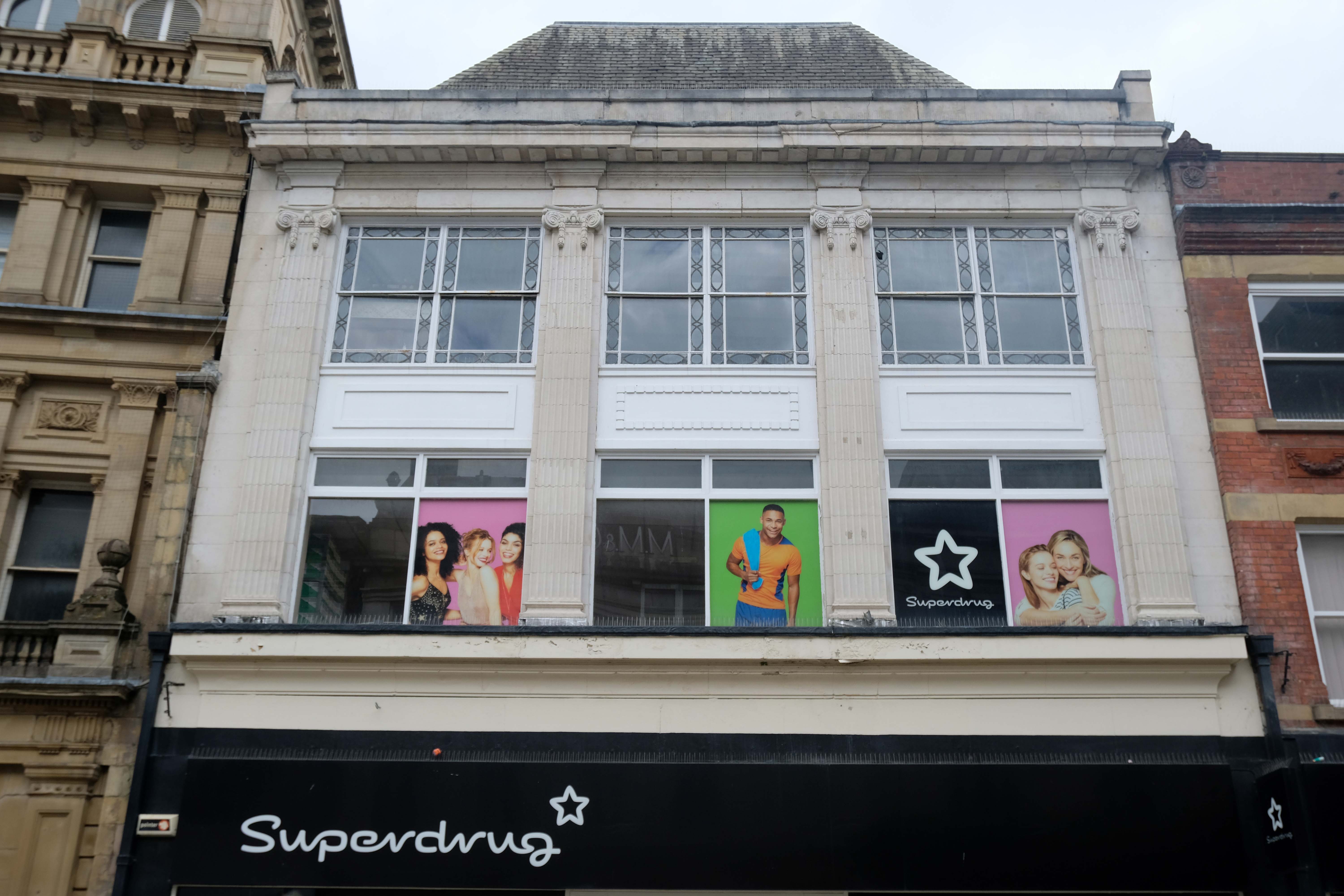
Other buildings of interest on Deansgate include Superdrug – with some Art Deco features; Greggs by Ernest Prestwich of Leigh who trained with WE Riley.
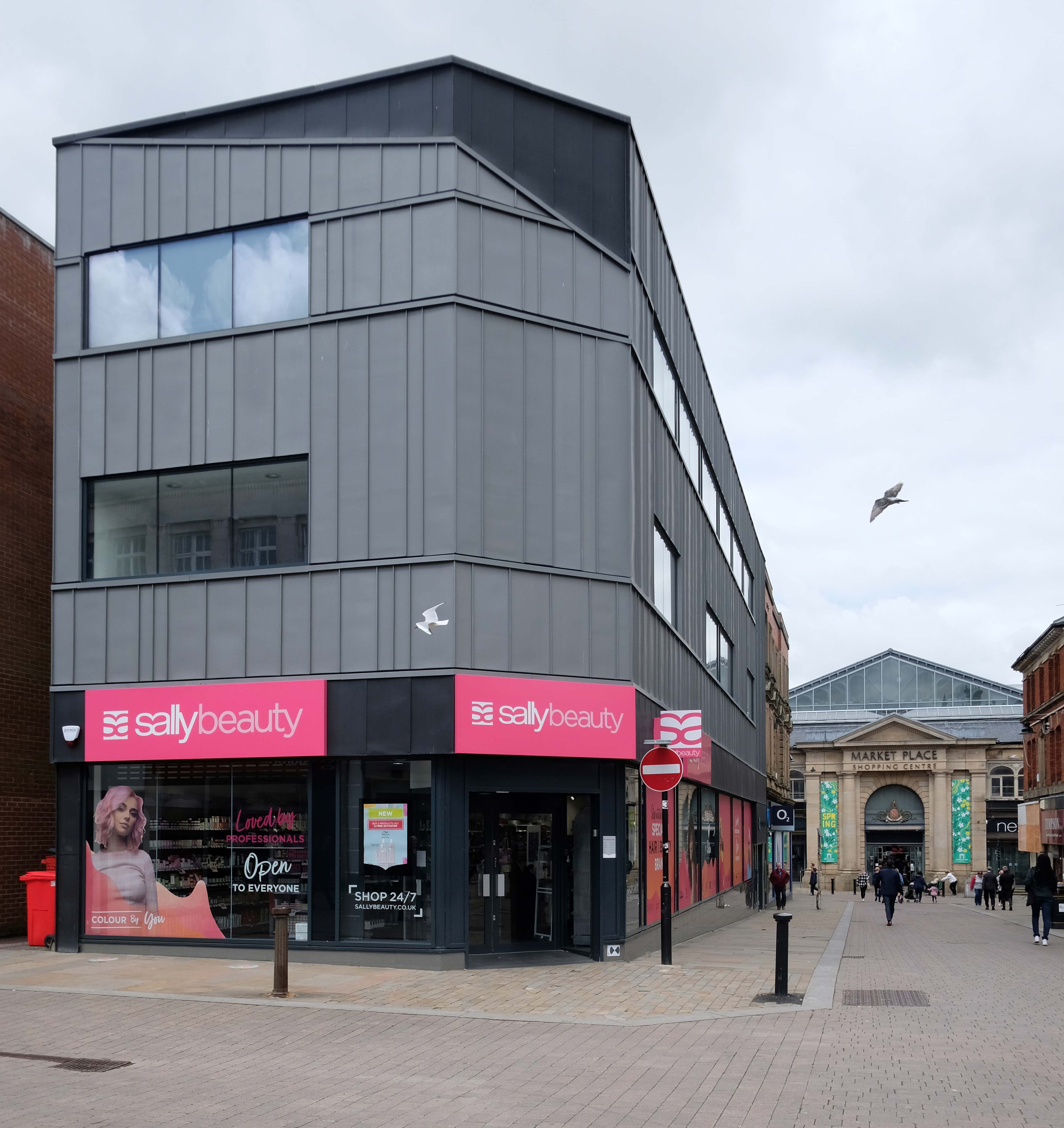
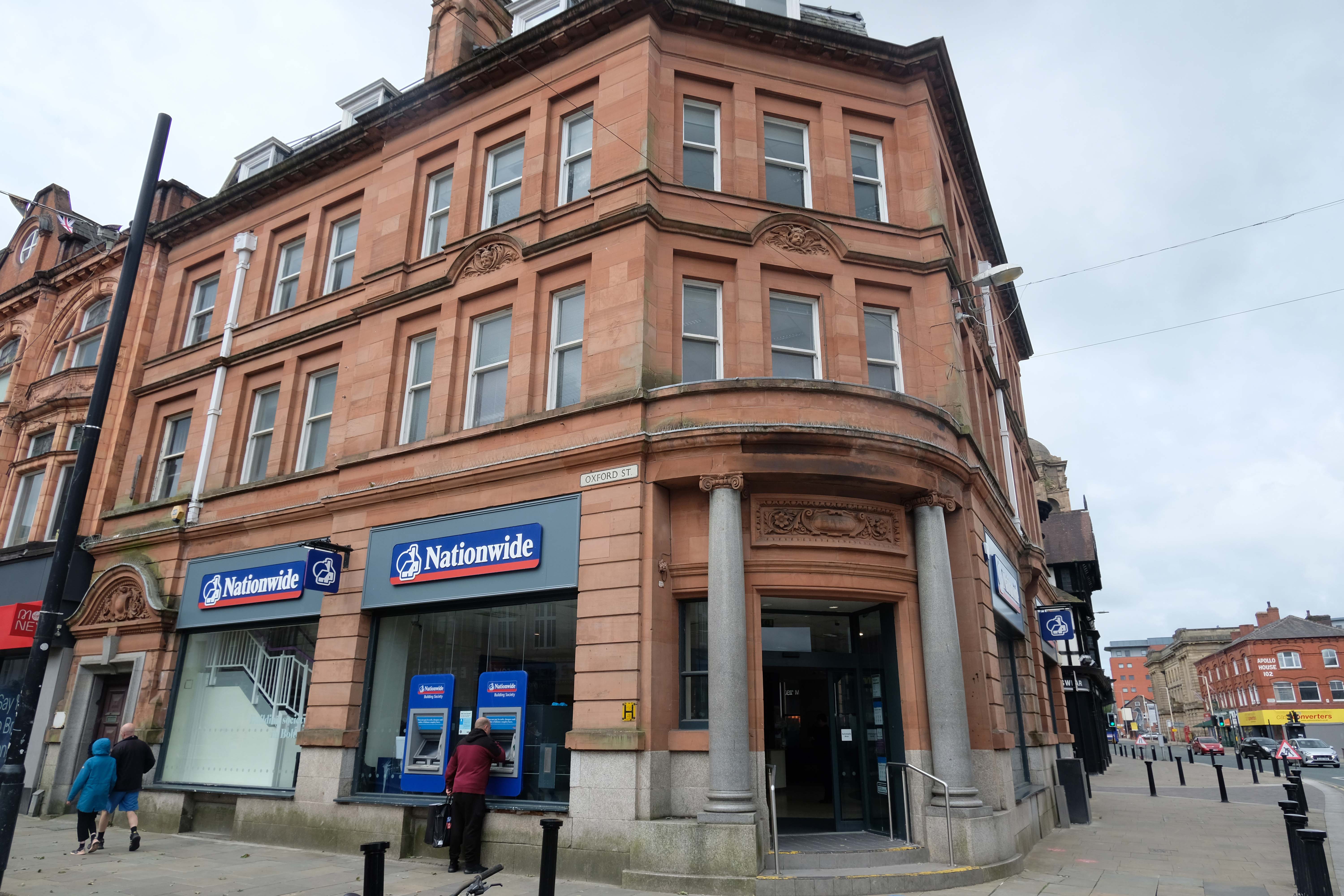
Sally Beauty and the Nationwide – entrance by William Owen of BGH.
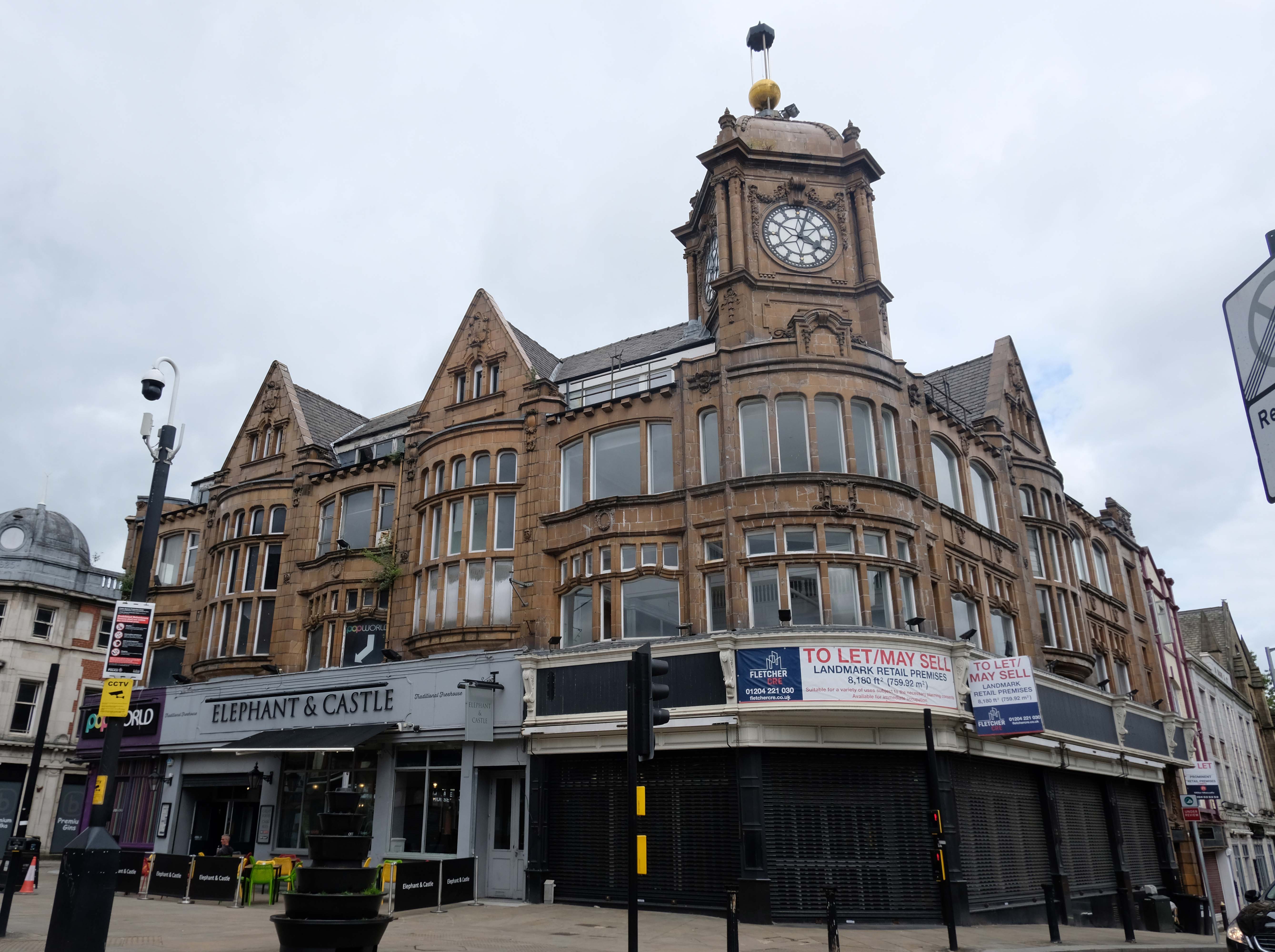
The former Preston’s jewellers, on the corner of Bank Street, has terracotta, by Thomas Smith & Sons 1908-13, a prolific local firm. It had a time ball, on the clock tower, which was raised daily at 9am and dropped at 10am, on receipt of a telegraph signal from Greenwich.
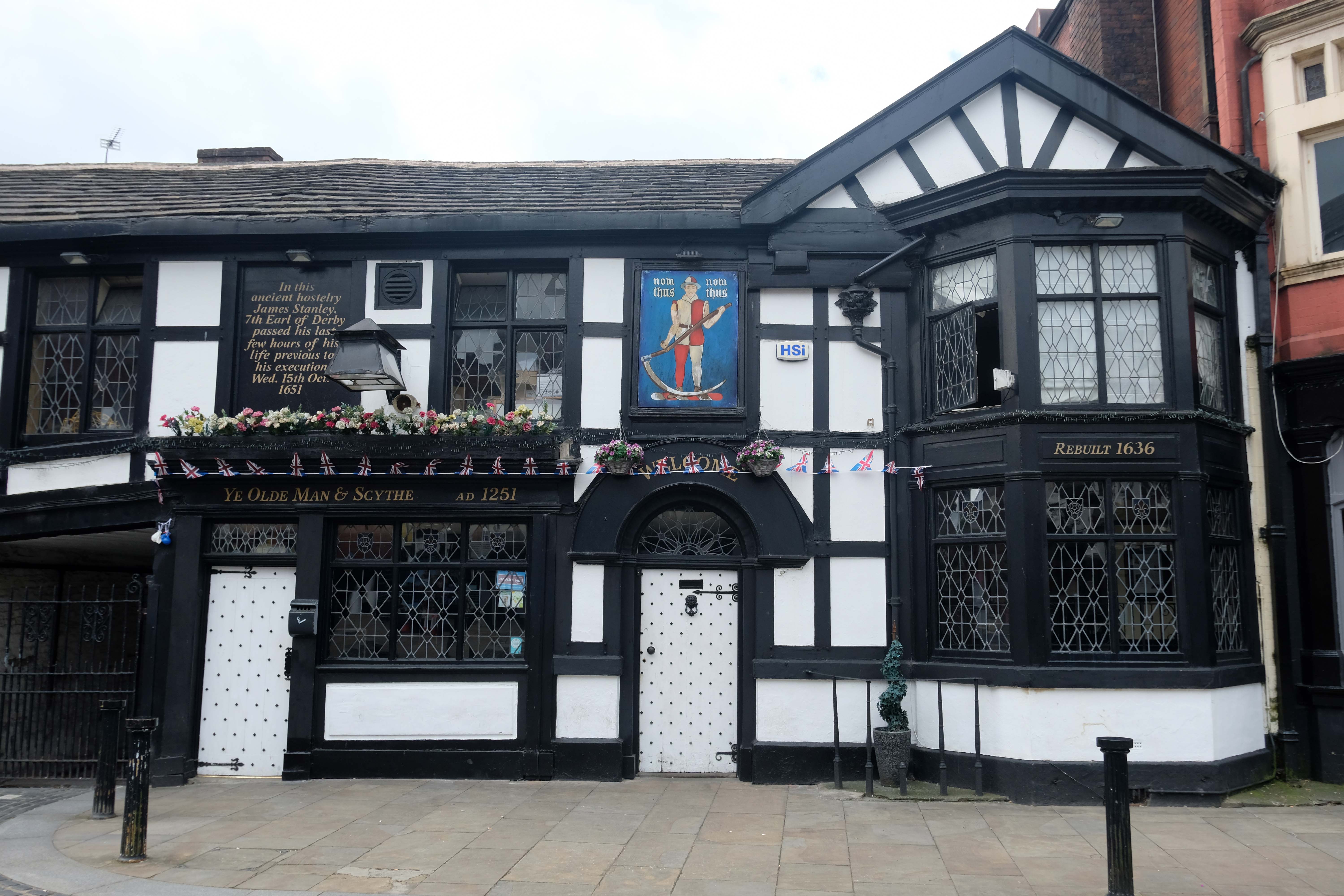
The 1909 Bolton Cross, in Dartmoor granite, by BGH replaced an earlier one which is now kept at Bolton School. Churchgate contains the 1636 Ye Olde Man & Scythe; the former coaching inn Swan Hotel, reconstructed in the 1970s to look more genuinely Georgian and Ye Olde Pastie Shoppe 1667.
Stone Cross House 1991 was built for the Inland Revenue in an aggressively red brick and spiky style. It has a rather desperate chandelier in the foyer.
The gates of St Peter’s church EG Paley 1871 are framed by Travel House, Newspaper House -1998 and Churchgate House and Huntingdon House 1974.
St Peter’s has a Neo-Gothic font and cover by N Cachemaille-Day 1938. The gates and gate piers may look early C20 but they are late C18.
Samuel Crompton 1753-1827, the inventor of the mule, is buried under the large granite monument, erected in 1861.
At the corner of Silverwell and Institute Streets is WT Gunson & Son’s 1970 Friends Meeting House: decent with a light elevated roof corner. It has a tilted roof floating on the glazed upper walls.
Scott House has a charming 1926 plaque commemorating Sir James Scott and his wife Lady Anne. Scott started the Provincial Insurance Company.
The two storey offices of Fieldings and Porter are a successful piece of infill by BGH.
Nip around the back to get a glimpse of this cracking stairway.
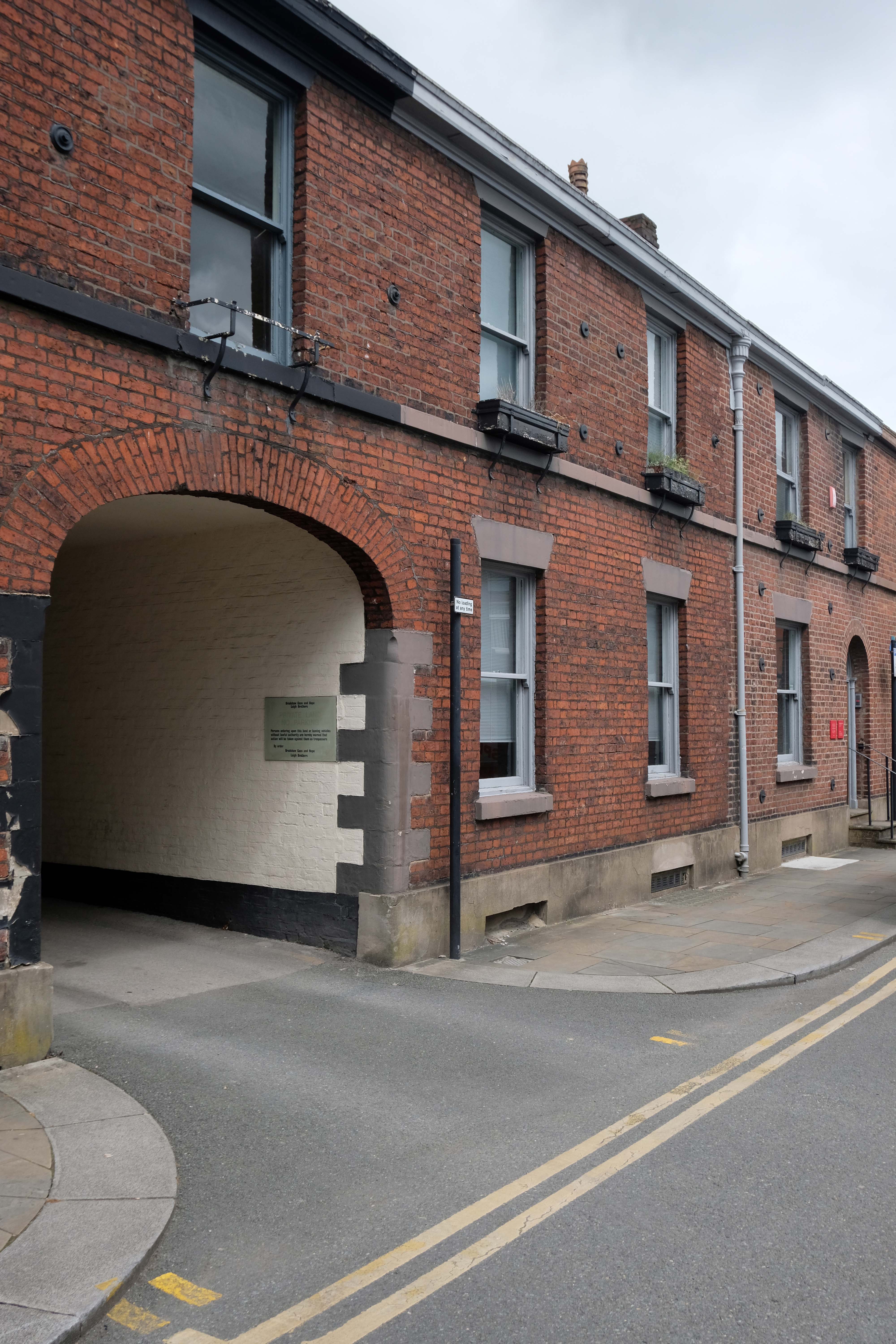
Silverwell Street 1810 is named after the Silver Well. Bradshaw Gass & Hope now self-described as Construction Design Consultants, not architects, are at number 19. Note the plaque to JW Wallace, founder of the Eagle Street College, dedicated to the works of the American poet, Walt Whitman. Wallace worked there from 1867 to 1912. The plaque is ringed by a quote from Whitman:
All architecture is what you do to it when you look upon it.
Whitman corresponded with his Bolton admirers; the Museum contains early editions of his works and his stuffed canary.
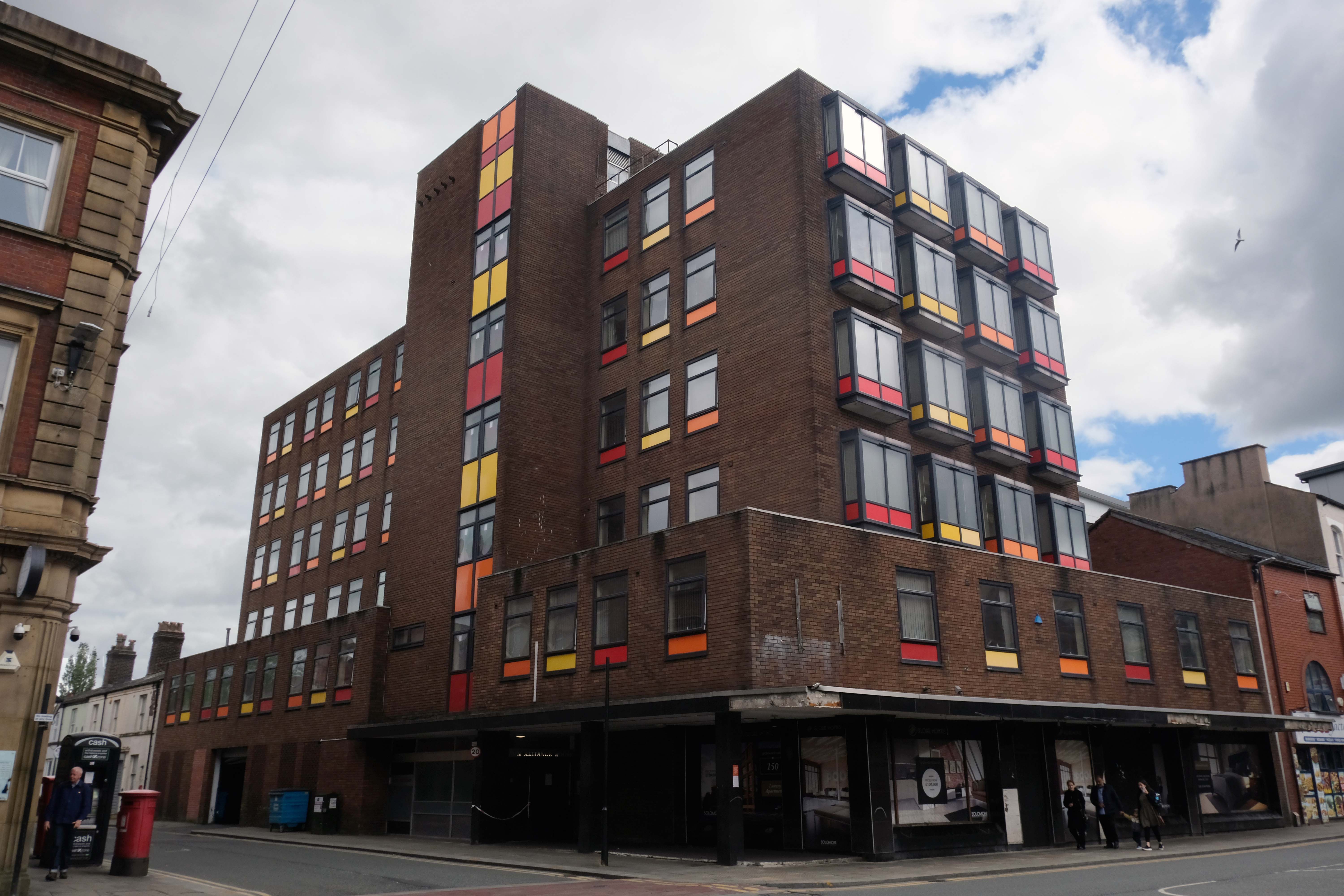
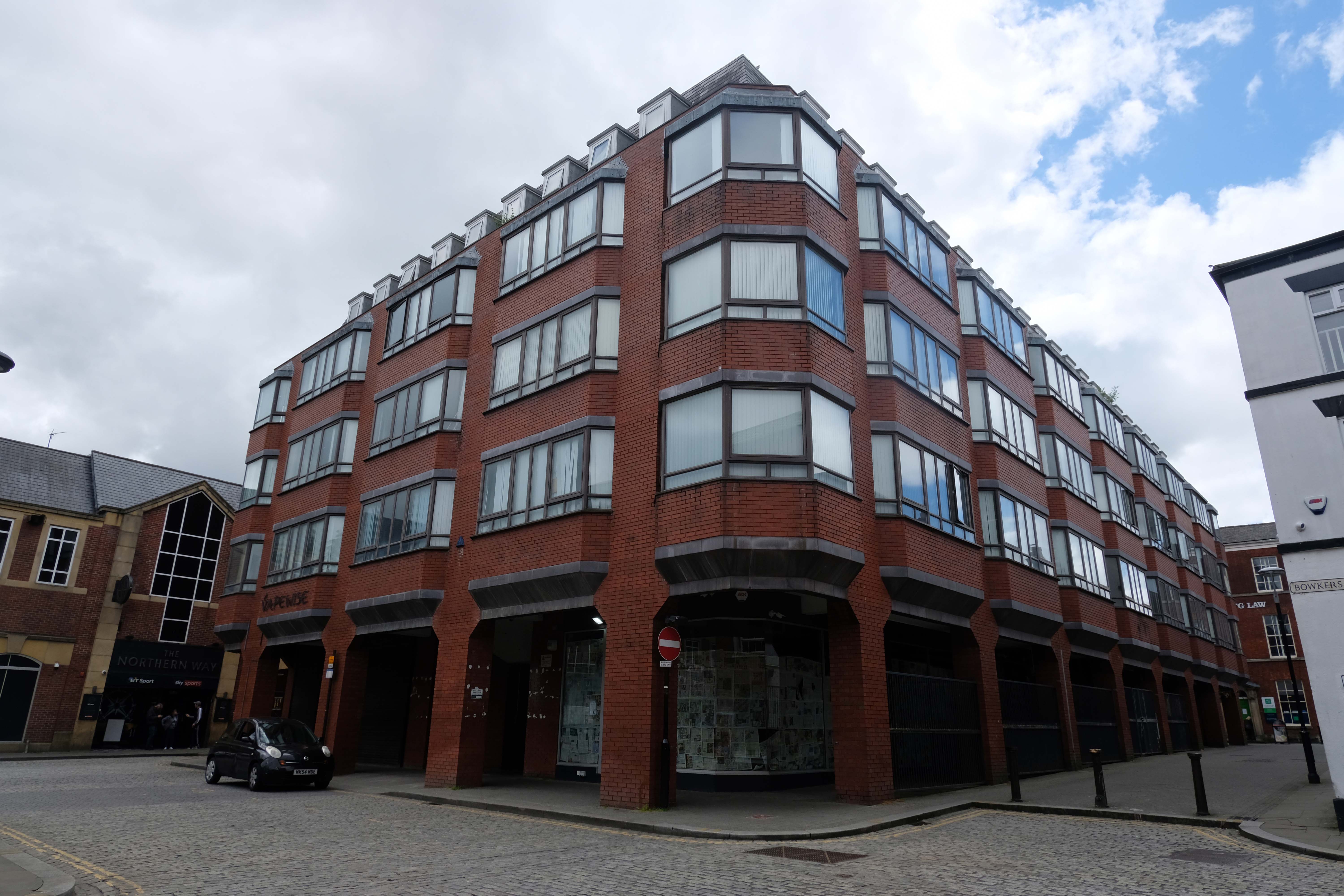
Further down Silverwell Street is the 1903 Estate Office of the Earl of Bradford who still owns a large area of Bolton. At the end of Silverwell Street is the former Sun Alliance House, now converted to flats, the colourful panels are a later addition.
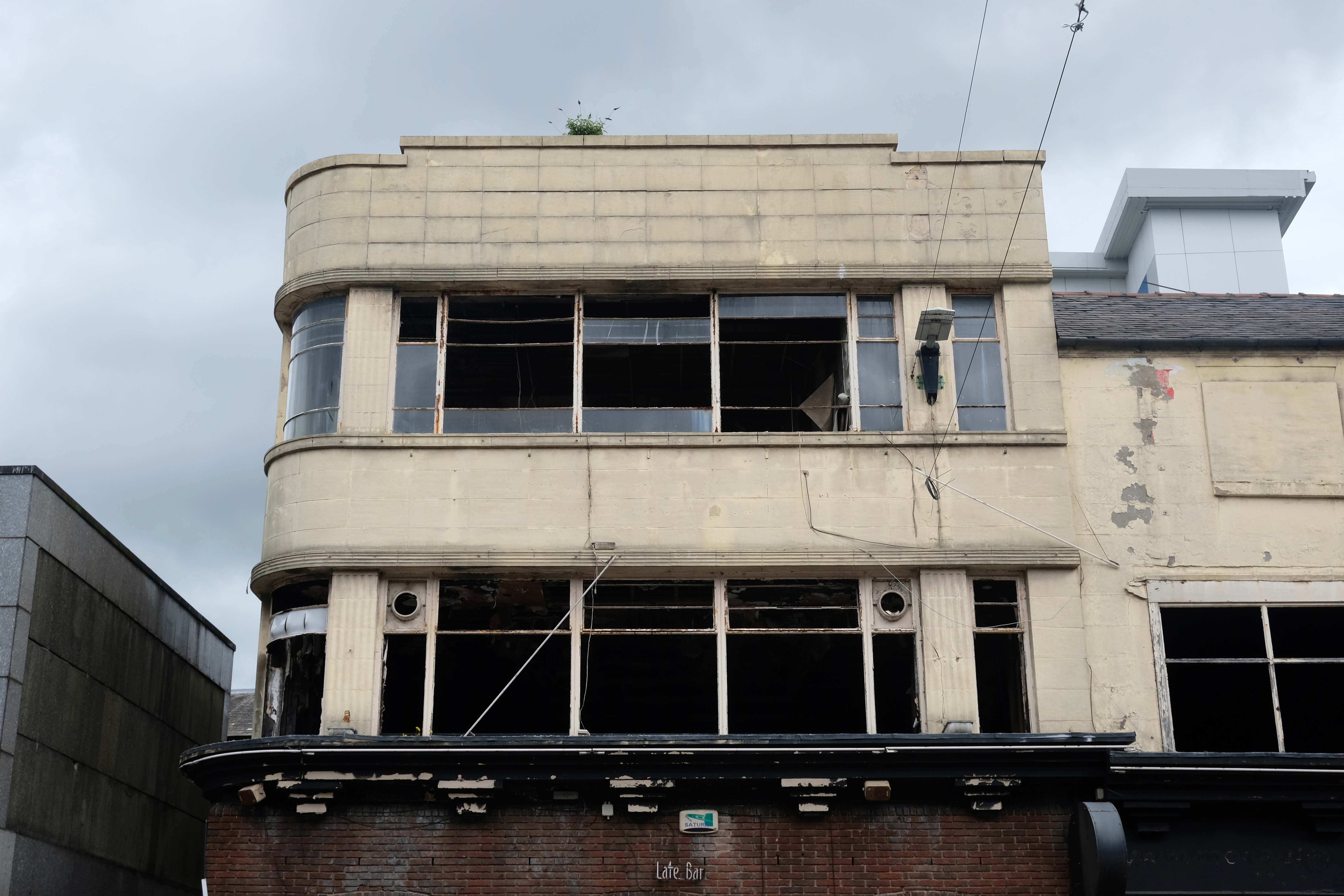
Bradshawgate and Silverwell lane corner has a former café bar with original curved Moderne windows. This was originally Vose’s tripe restaurant, later UCP – United Cattle Products. It was most stylish and elegant, decorated in 1930s streamline Moderne style, with starched white tablecloths, silver service and smart waitresses.
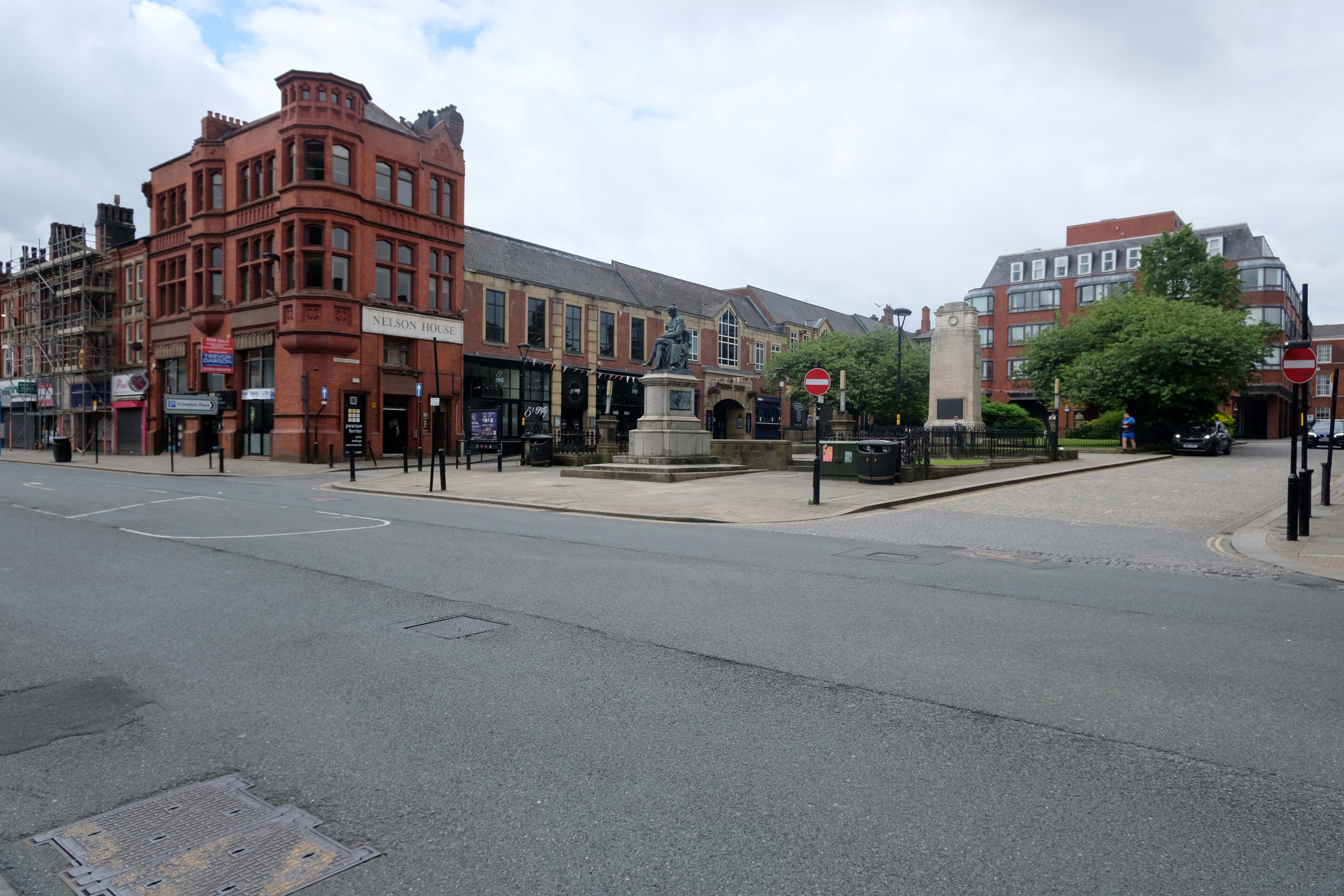
Nelson Square was opened on March 23, 1893. The cenotaph memorial to the Bolton Artillery is by Ormrod, Pomeroy & Foy 1920. Calder Marshall sculpted the statue of Samuel Crompton 1862. The shiny red former Prudential Assurance office 1889 isn’t by Waterhouse but by Ralph B. Maccoll of Bolton. Matthew Hyde in Pevsner describes the early C20 faience facades of Bradshawgate as:
A plateful of mushy pea, ginger nut, liver, tripe and blood orange shades.
Infirmary Street has a 1970s office block with an octagonal, nicely lettered plaque to WF Tillotson, newspaper publisher. Round the corner in Mawdsley Street, the former County Court 1869 TC Sorby, 1869. Opposite, at the corner, is GWBD Partnership’s 1987 St Andrew’s Court, containing a somewhat whimsical recreation of a Victorian shopping street in miniature. The job architect was J Holland. Matthew Hyde says:
Neatly contrived on a tight site.
Into Exchange Street and through the former Arndale Centre 1971; low and mean according to Pevsner 2004, now re-branded as Crompton Place 1989 Bradshaw, Rose & Harker and still dreary, we go to Victoria Square and the Town Hall. The classical building on the left is the former Bolton Exchange 1824-5 Richard Lane.
The square was pedestrianised in 1969, to the Planning Department’s designs, under RH Ogden. It was quite an early scheme which won three awards including one, unsurprisingly, from the Concrete Society. The fountains were designed by Geoffrey Brooks and the trees were planted by the Earl of Bradford.
Owen Hatherley in Modern Buildings in Britain says of the town
It feels as if you’re in a real city, like in Europe, and you can drink your cup of tea in repose while admiring the monuments.
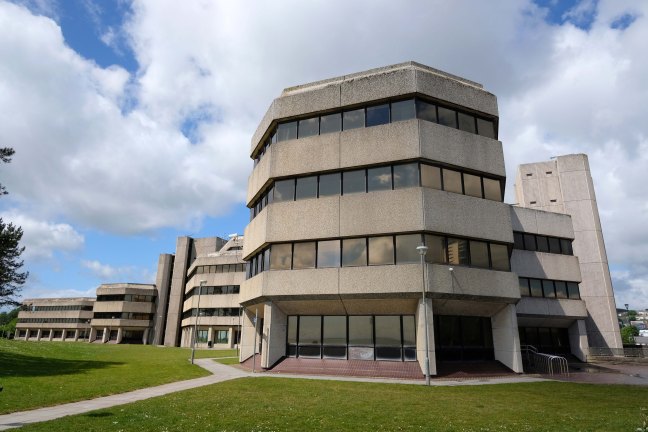
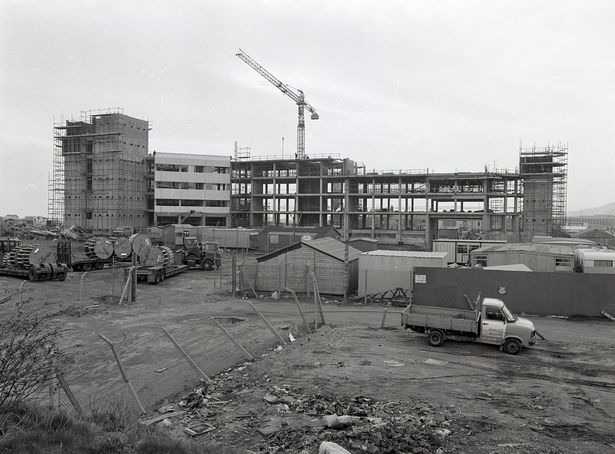
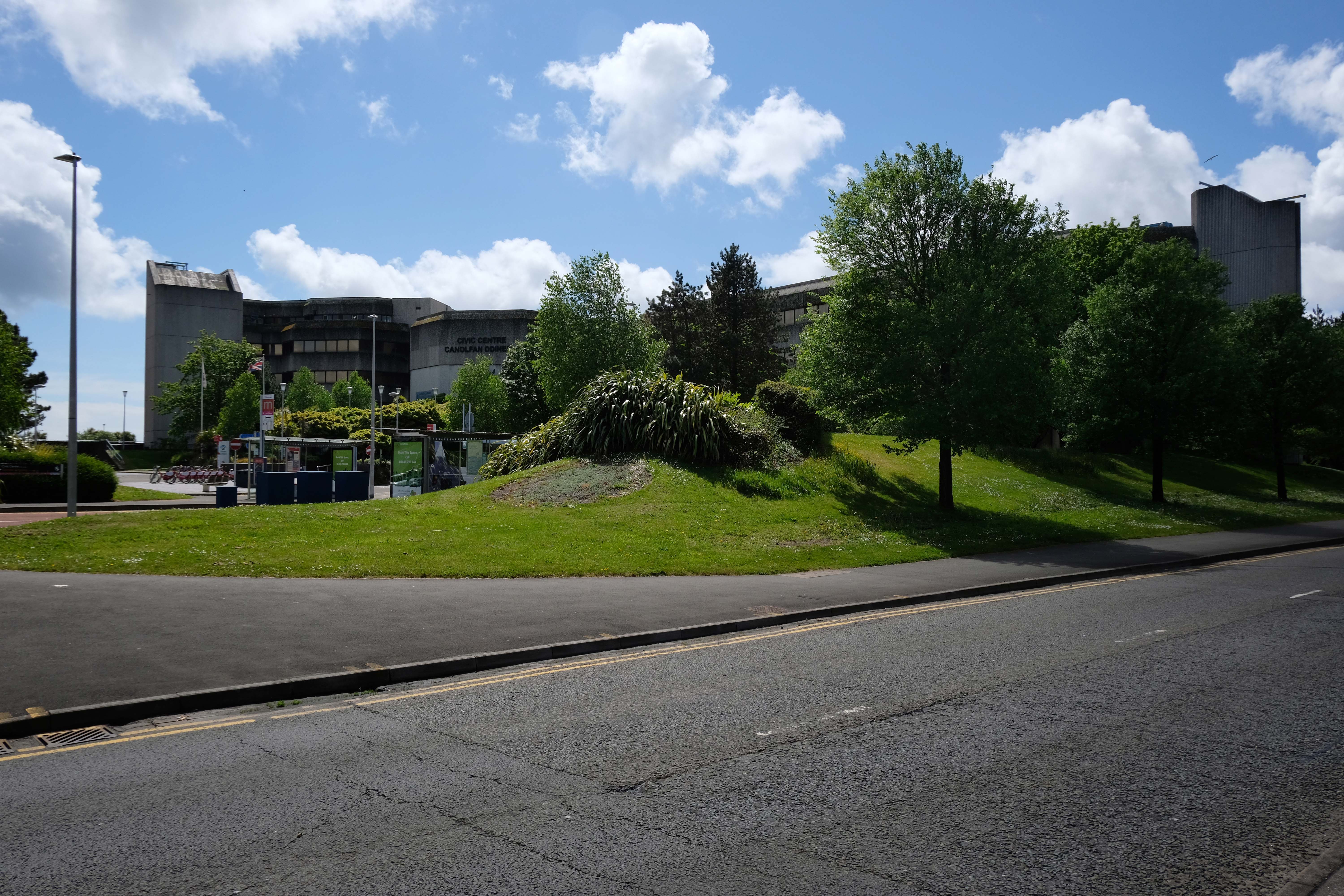
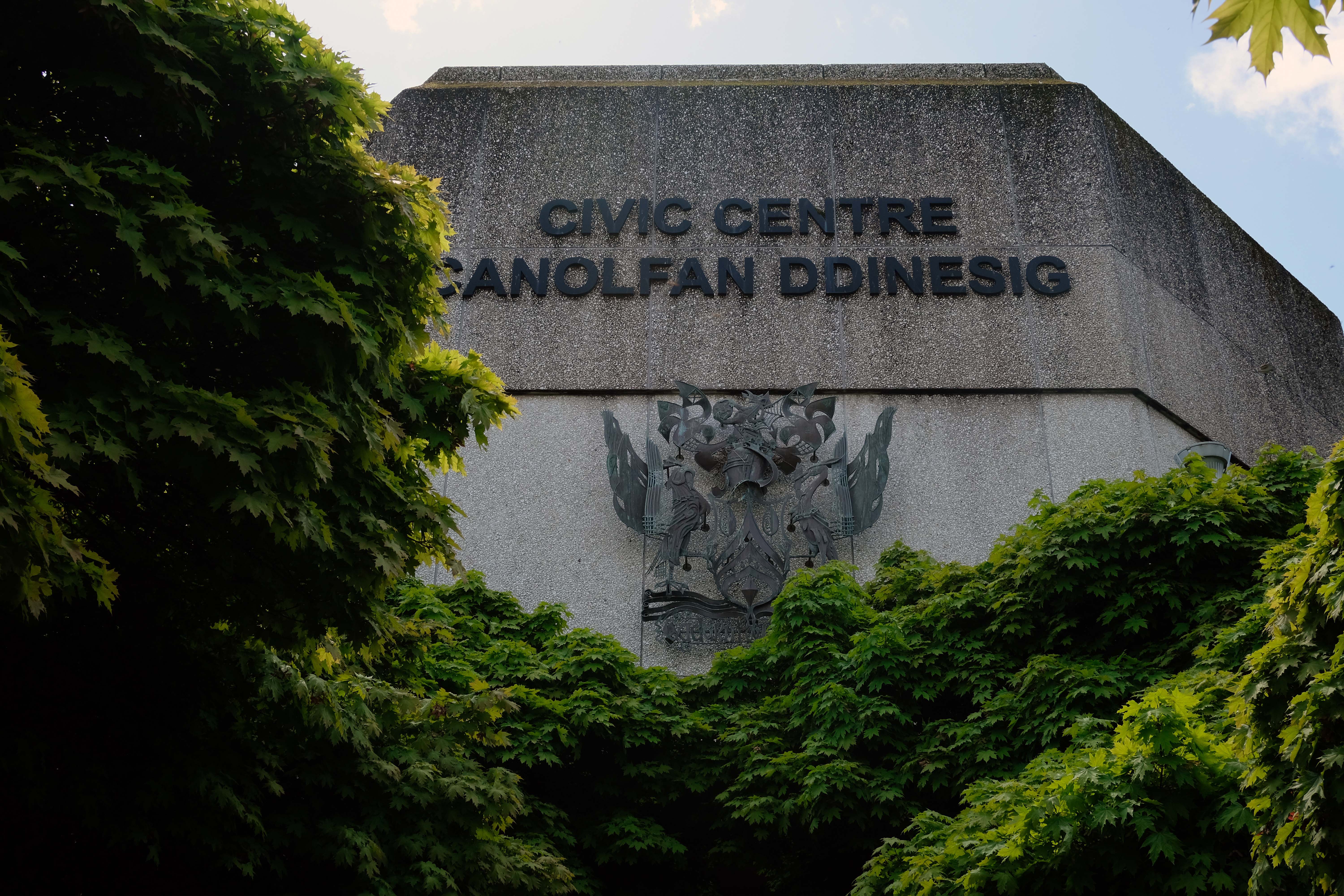
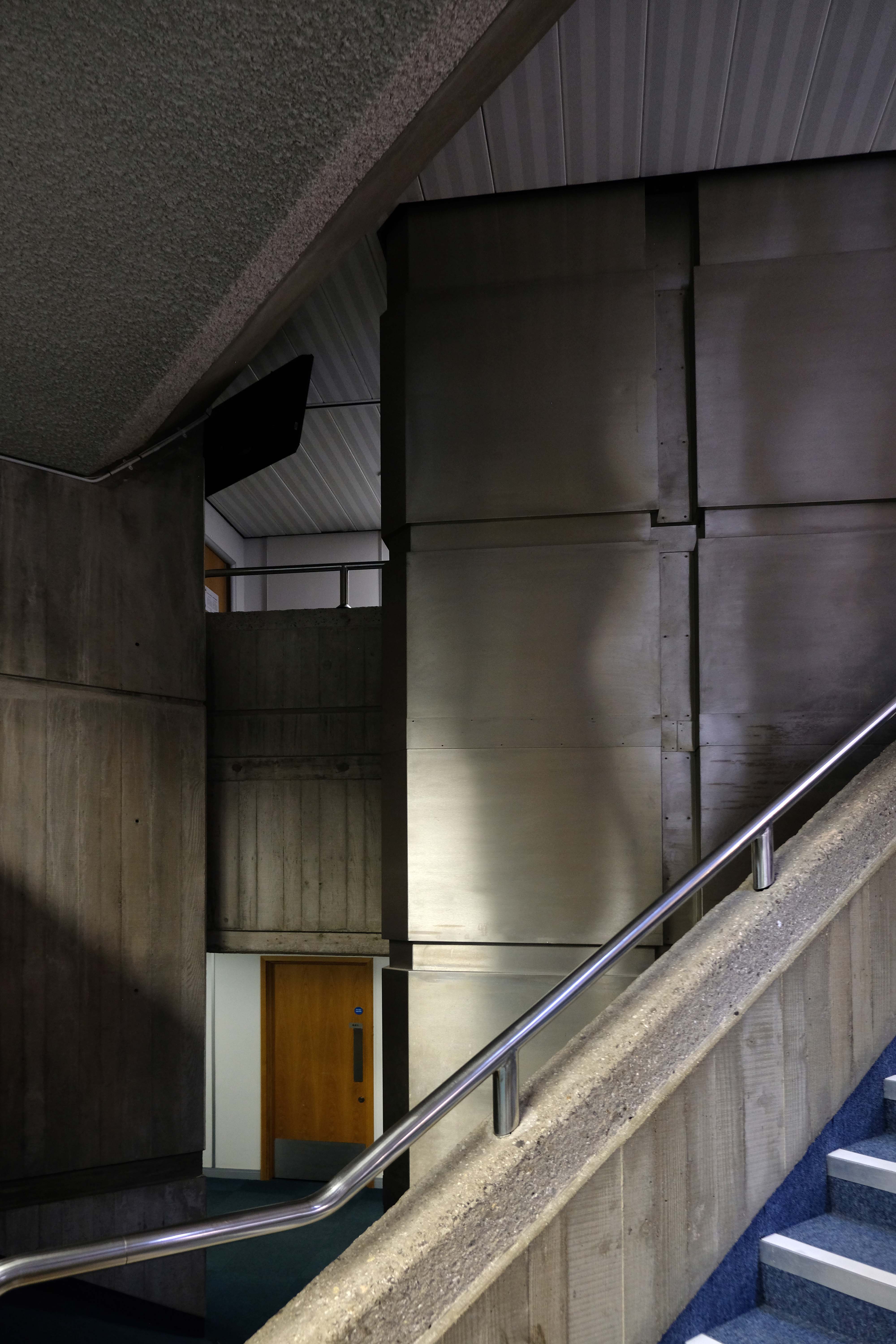
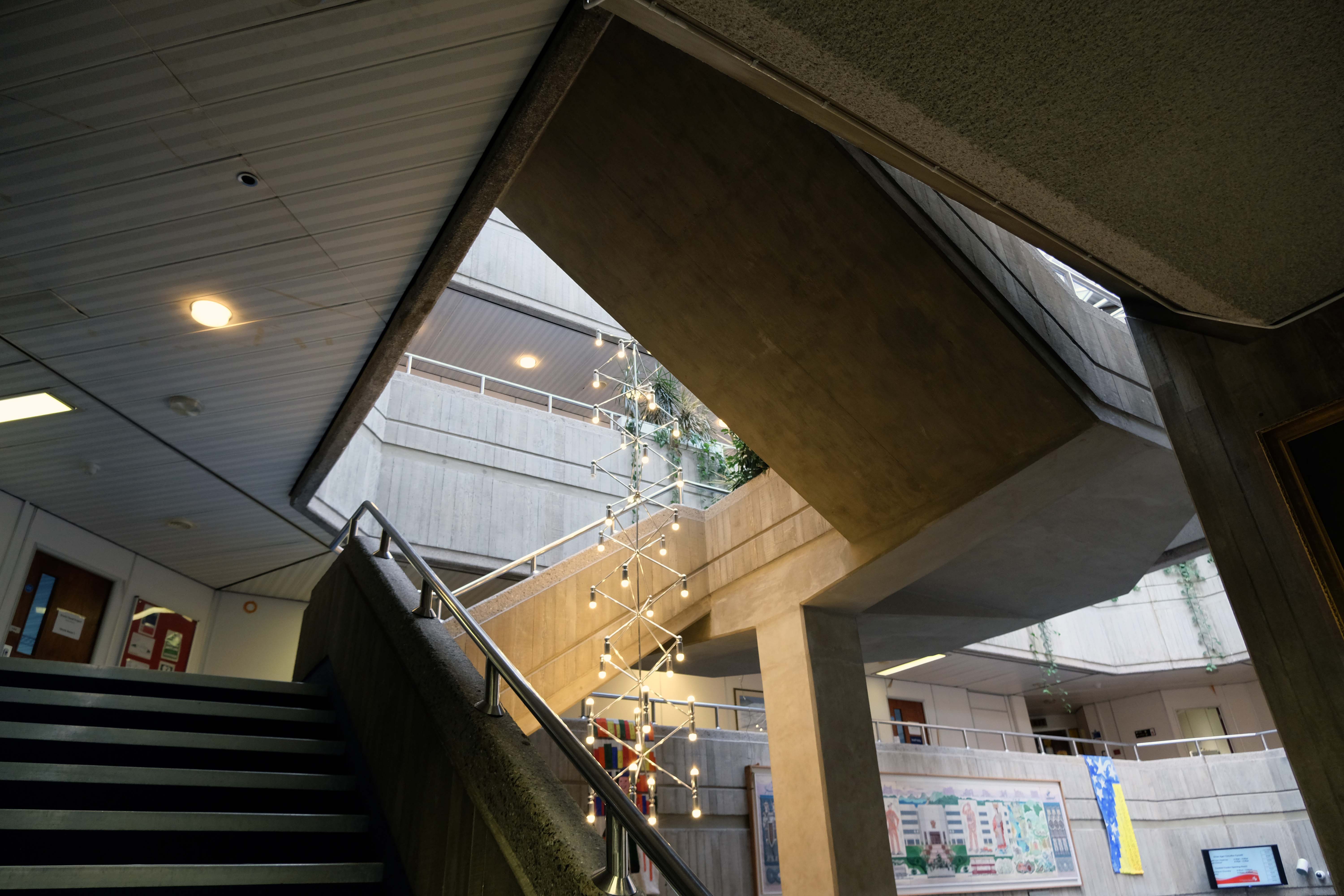
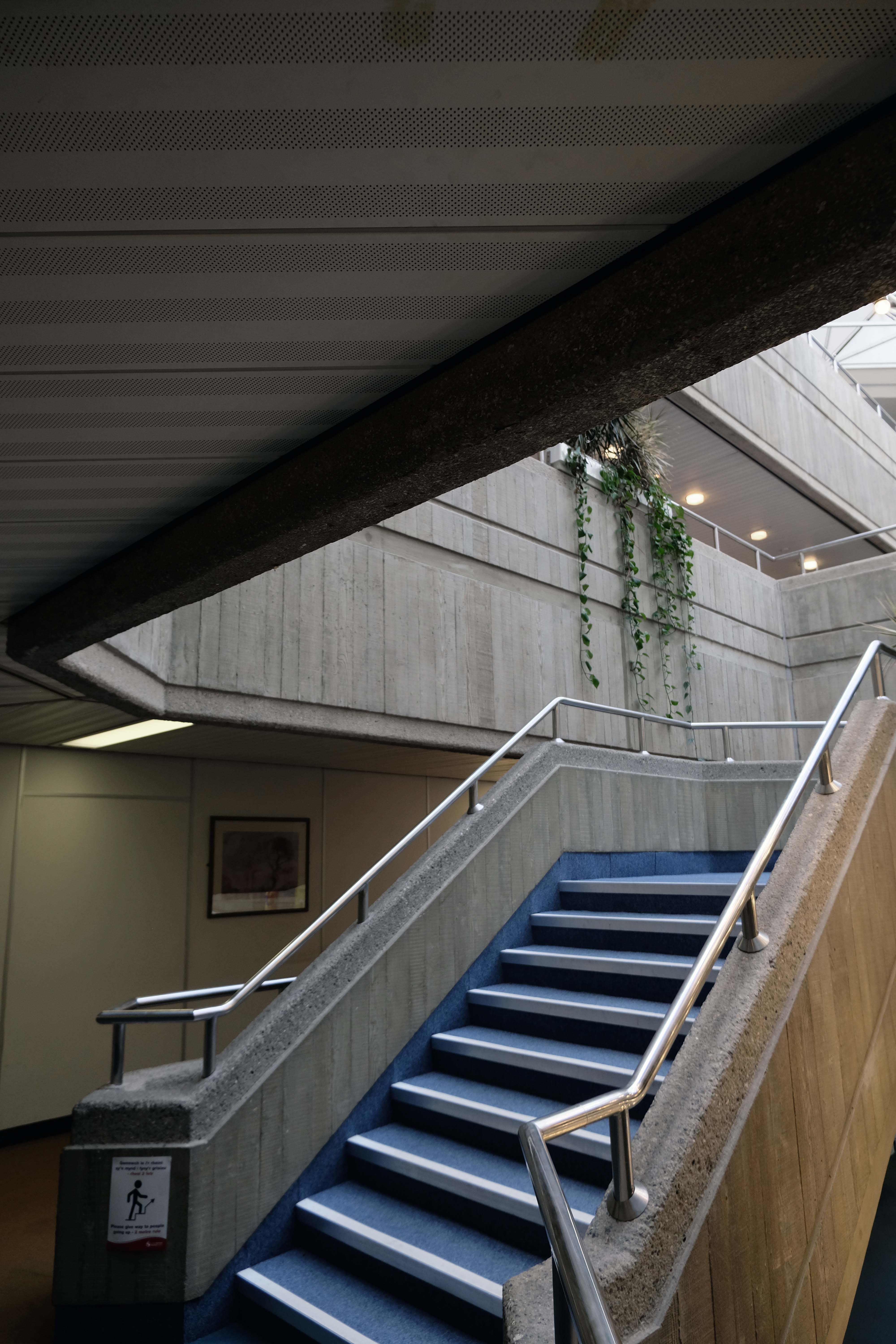
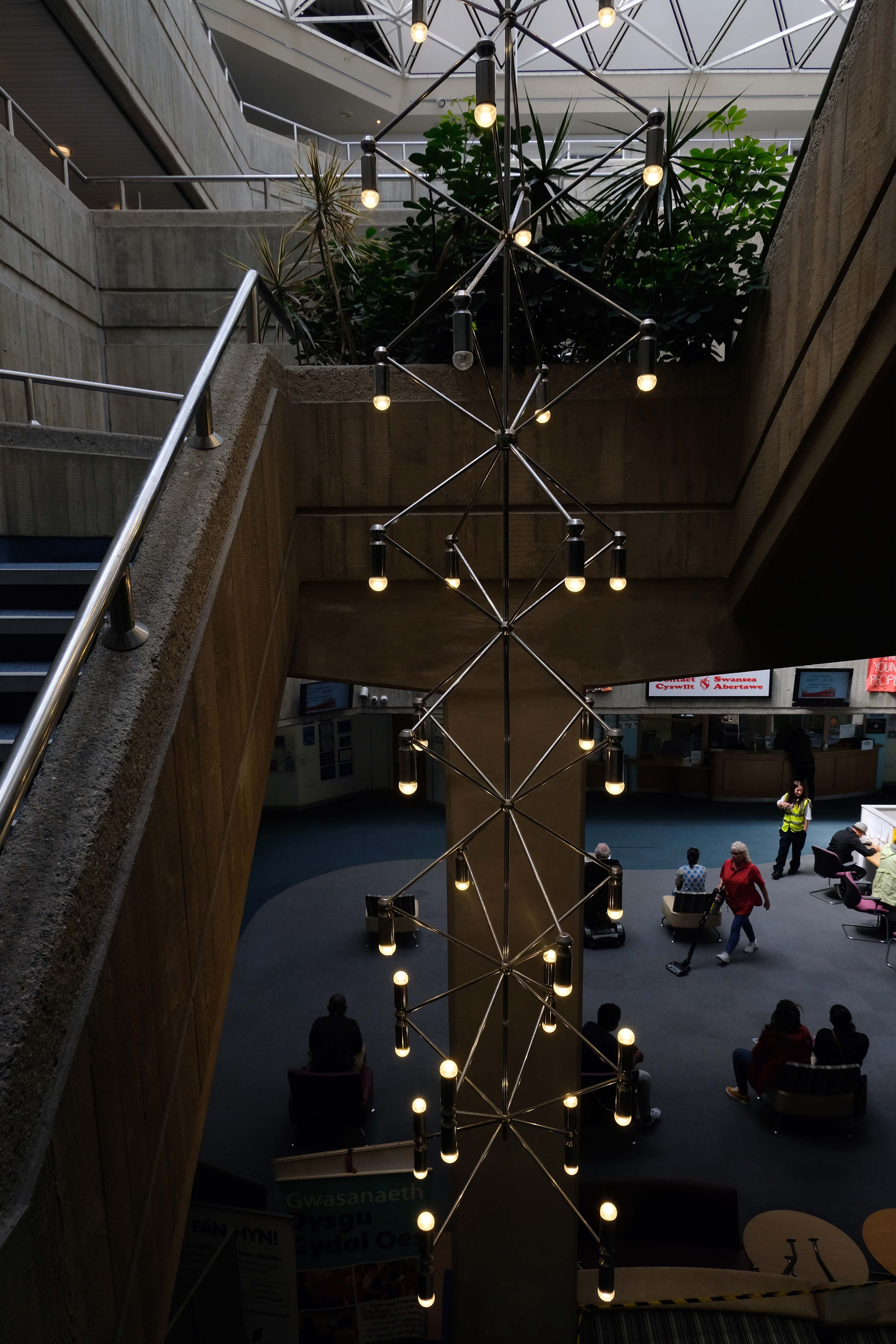
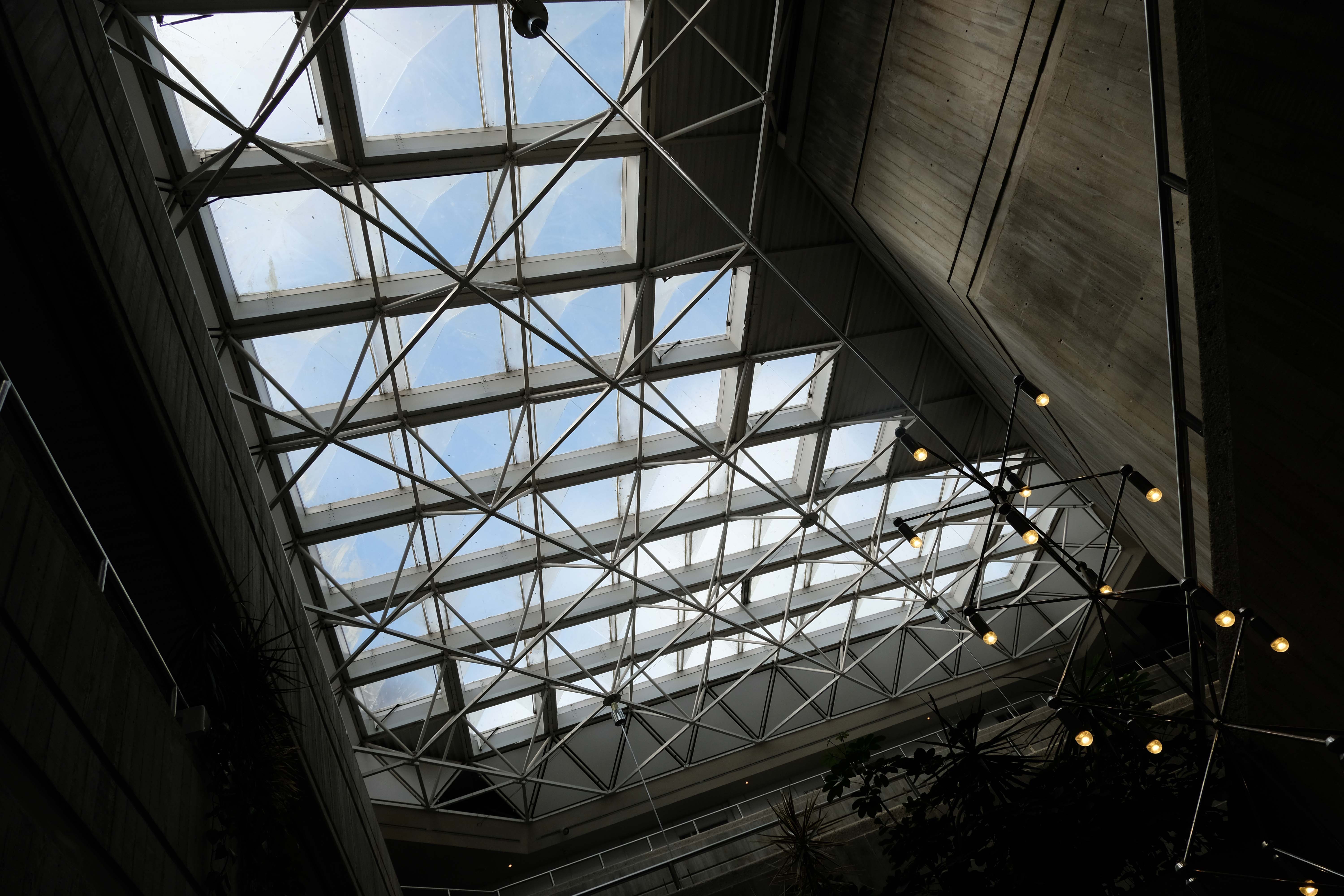
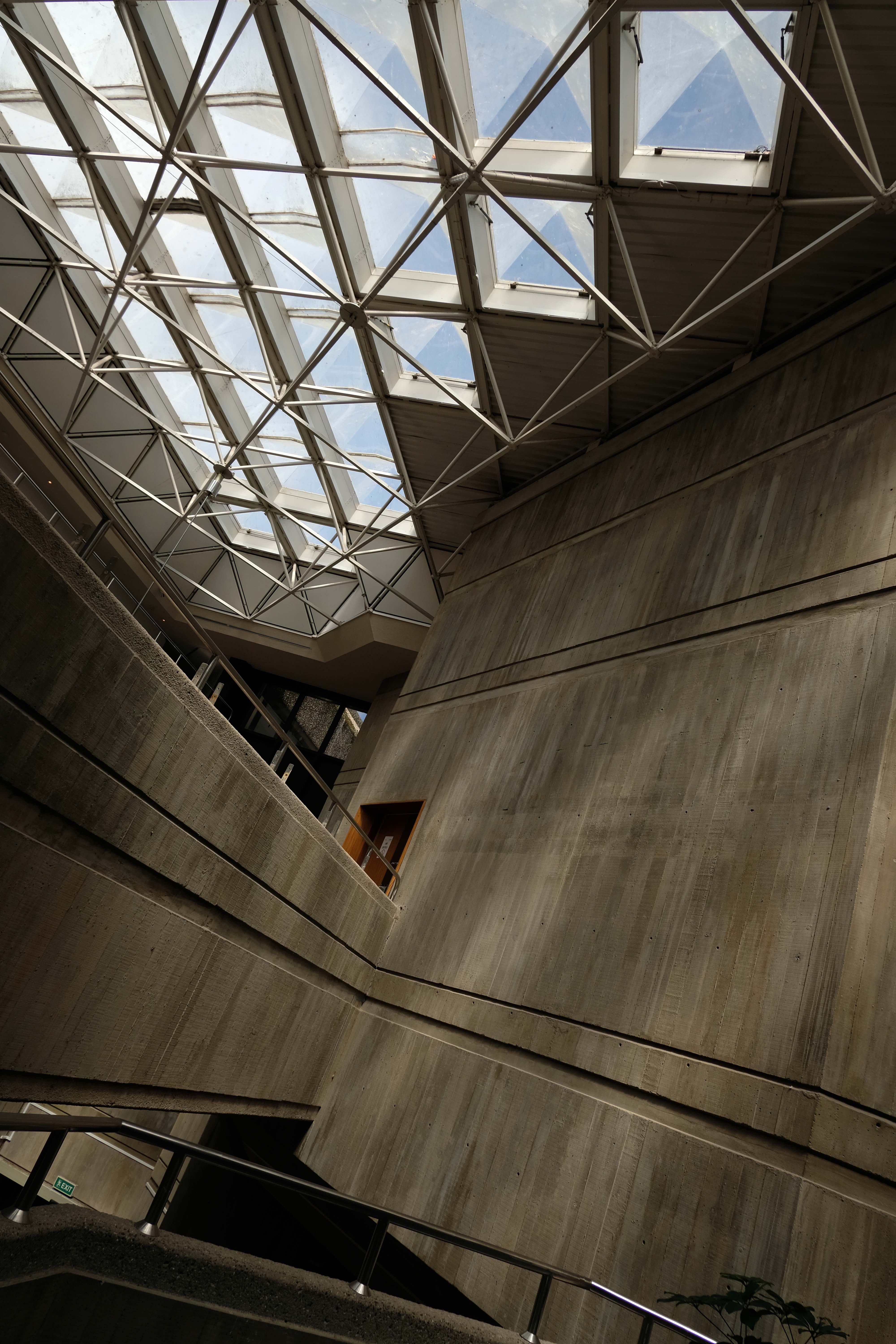
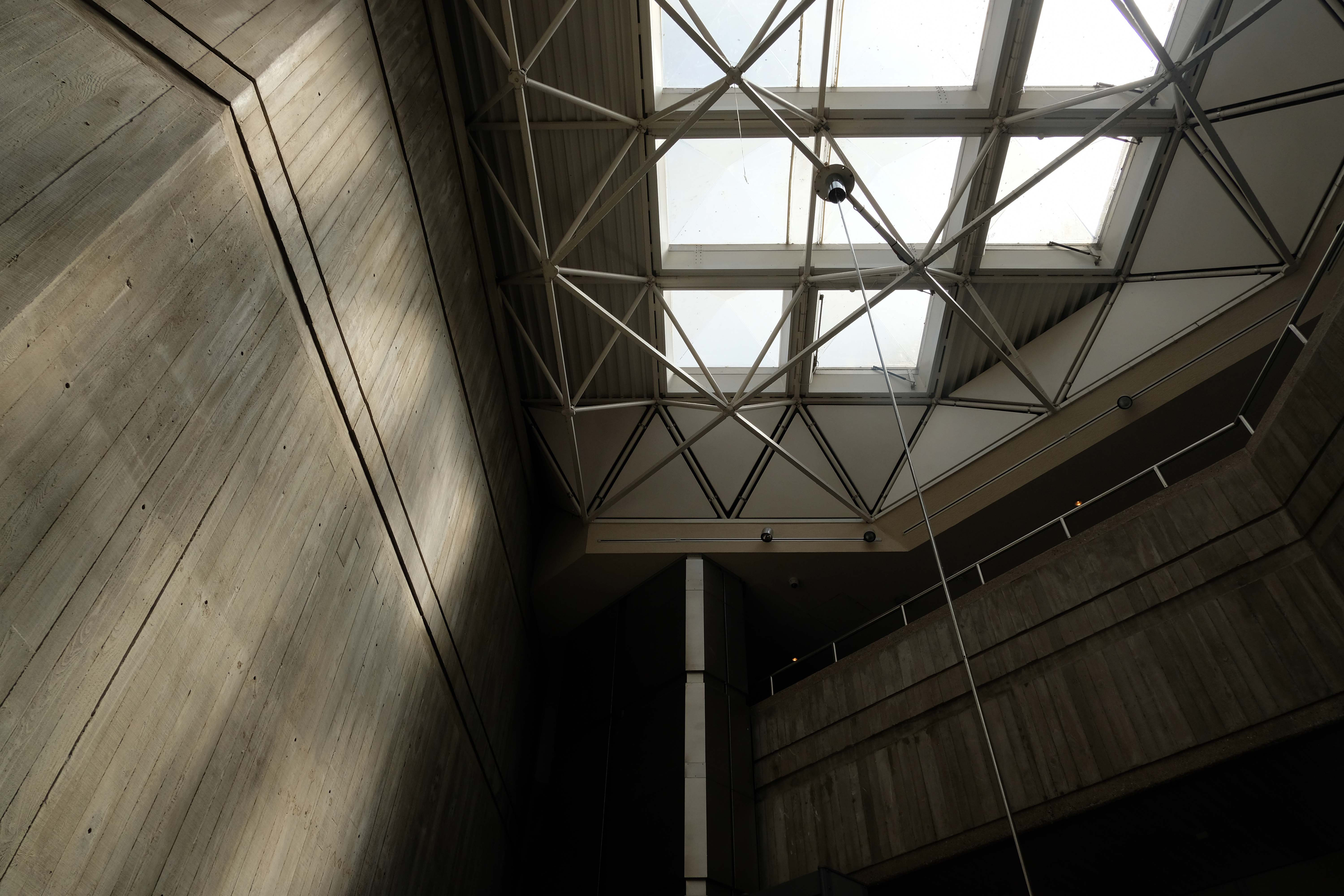
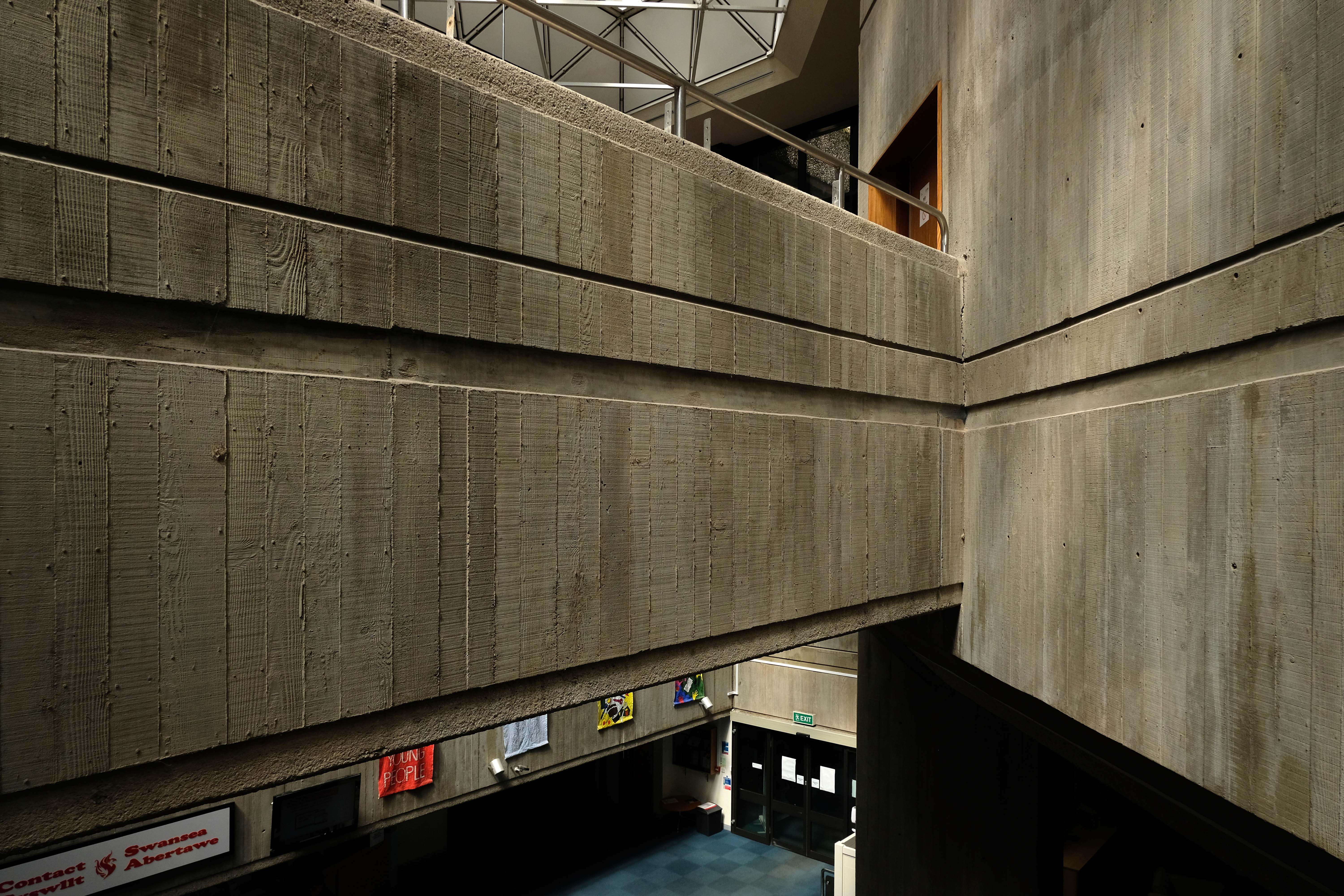
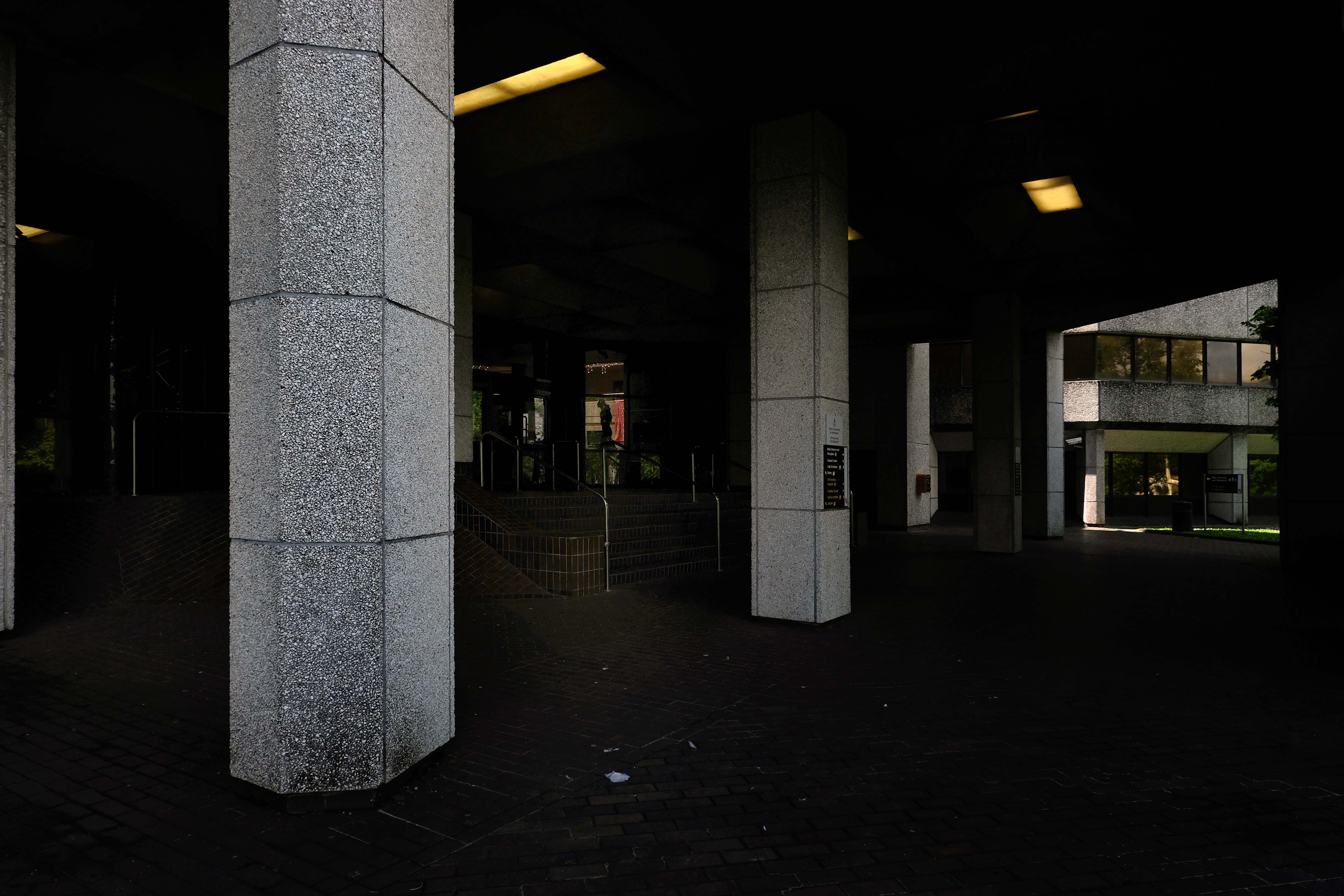
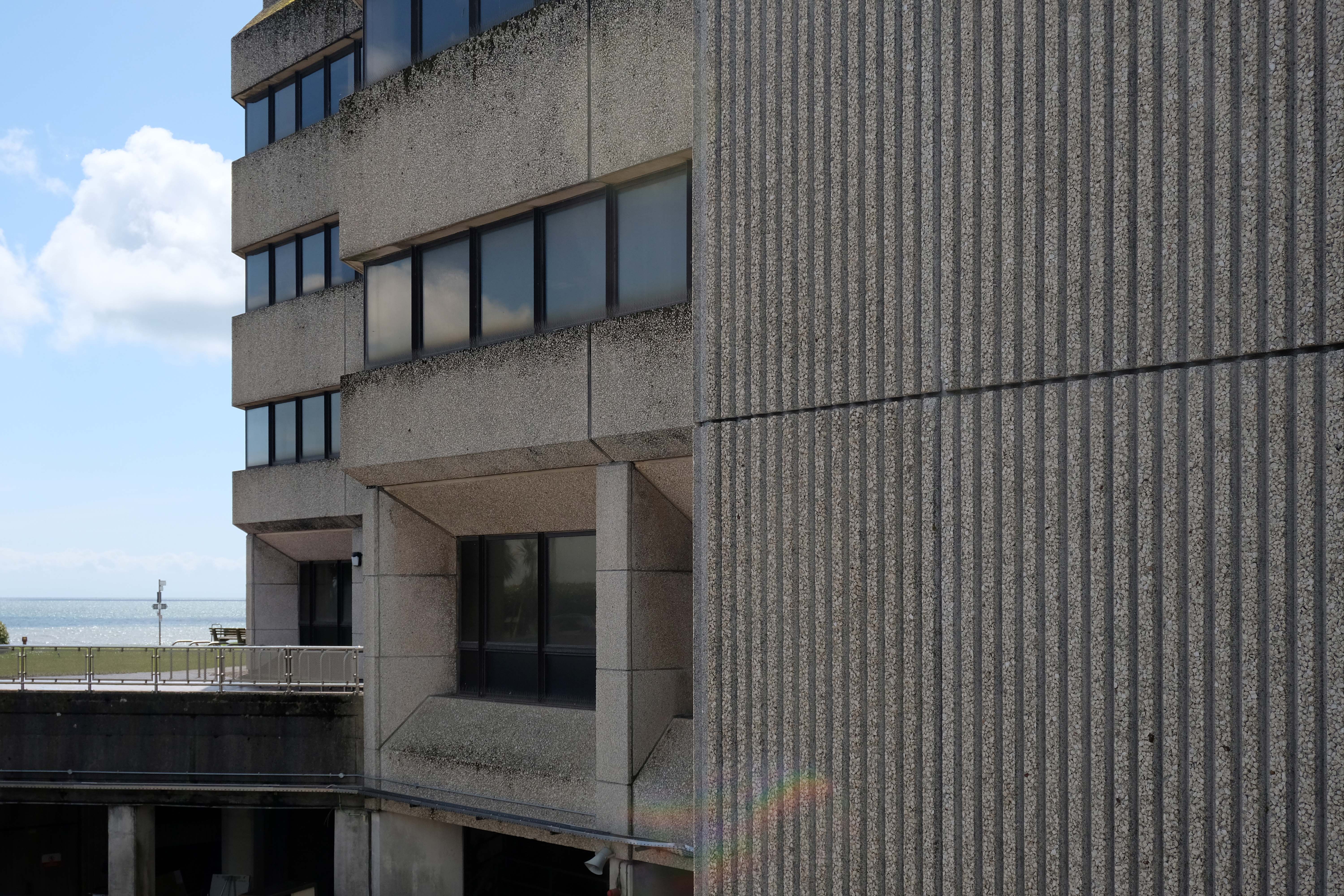
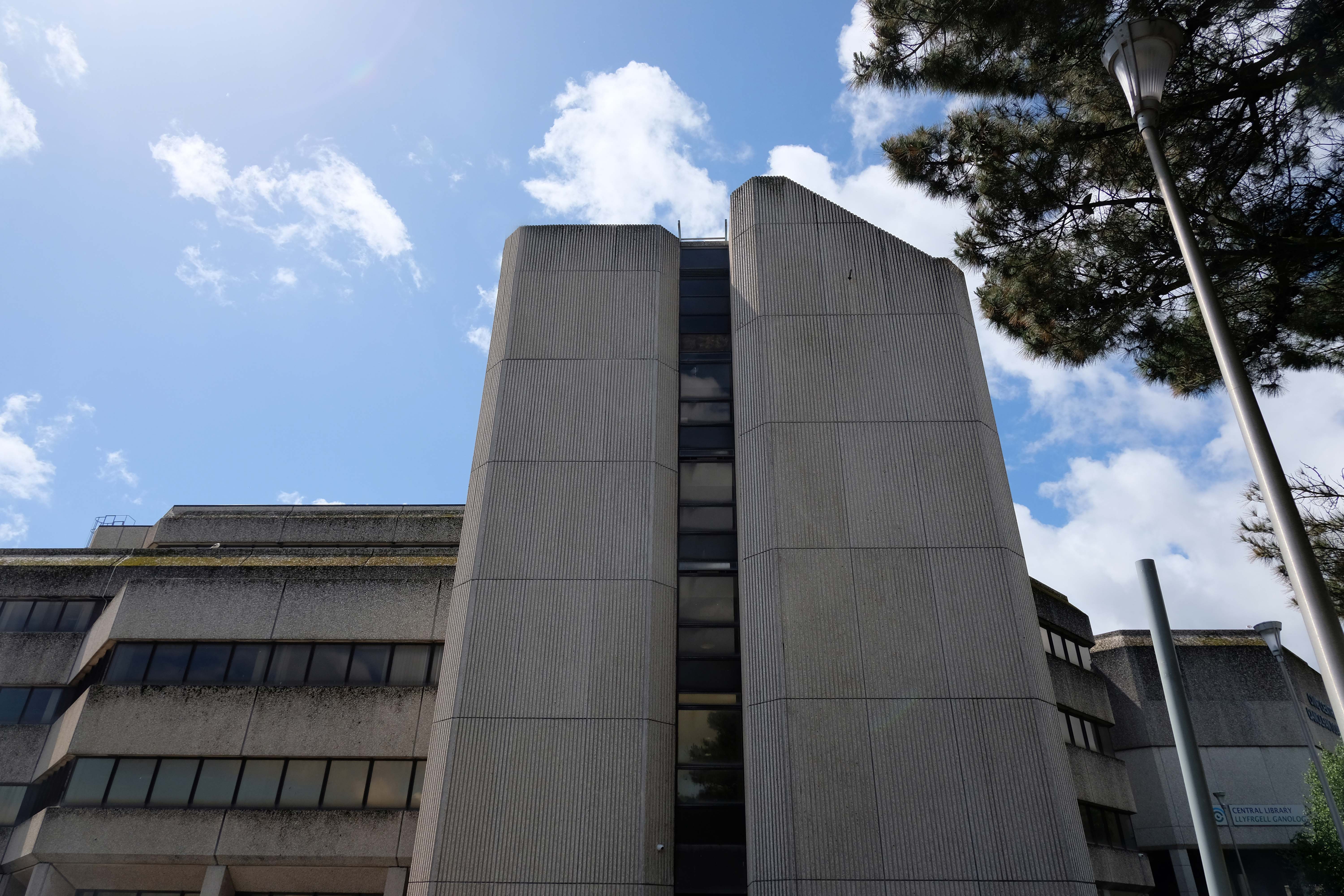
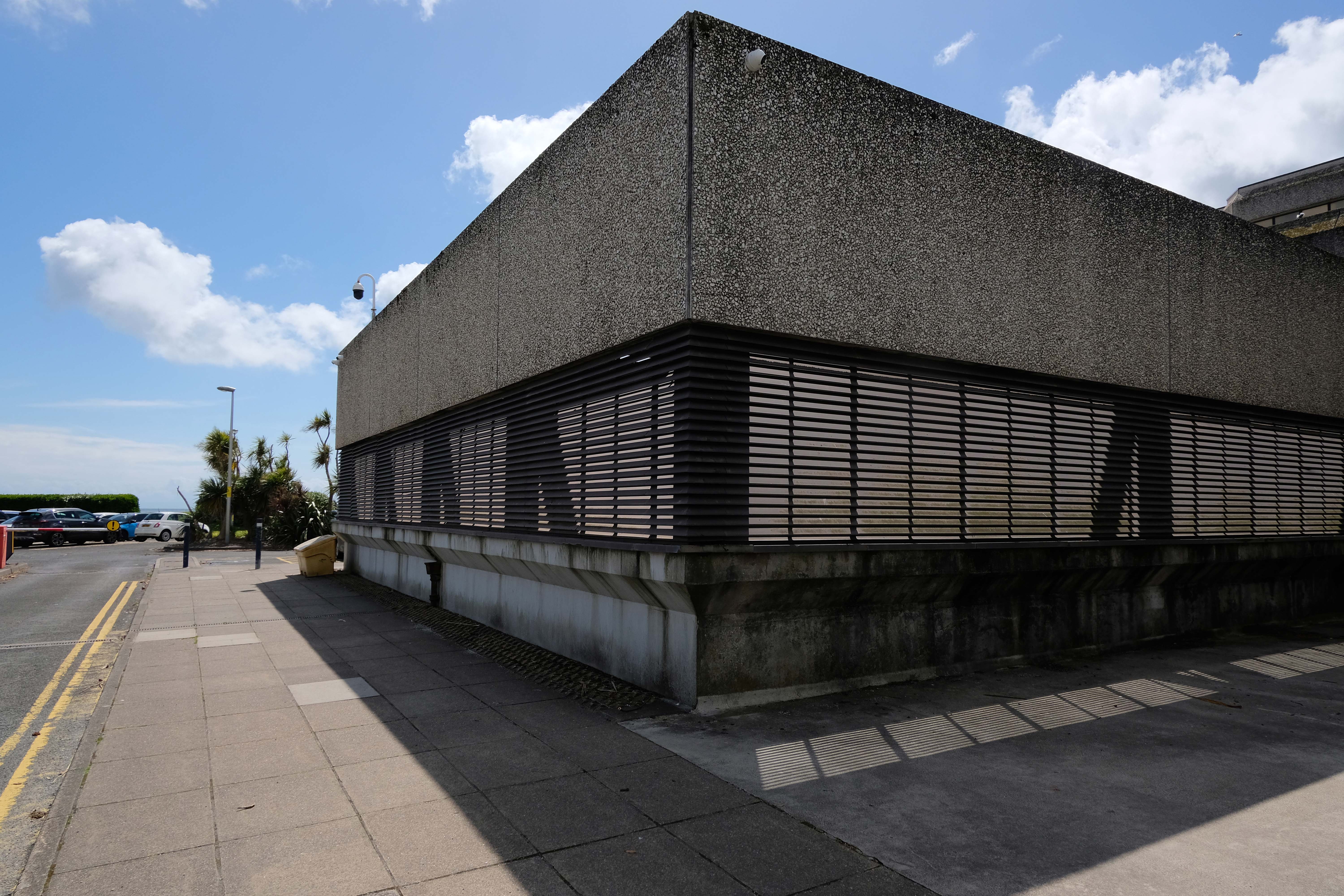
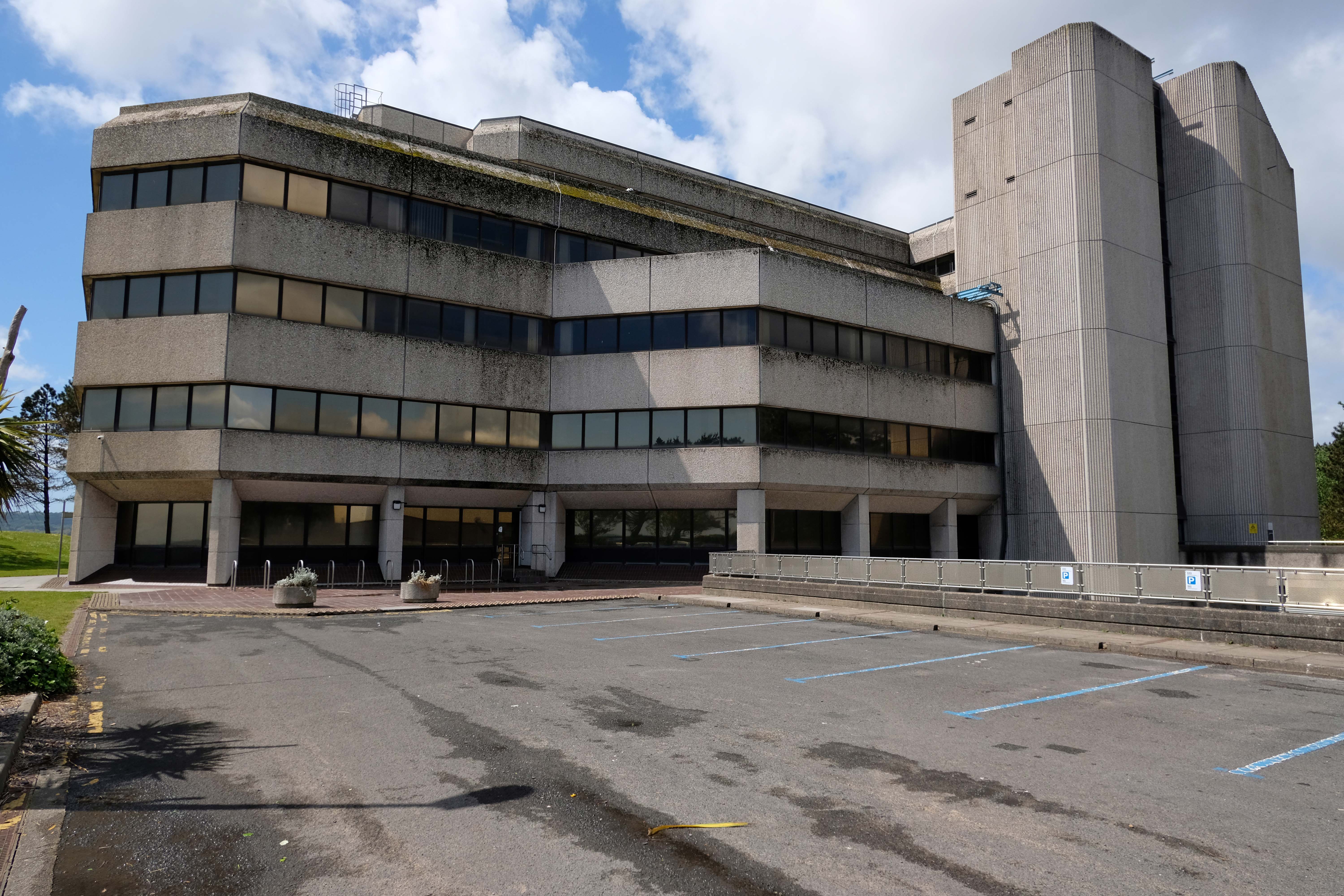
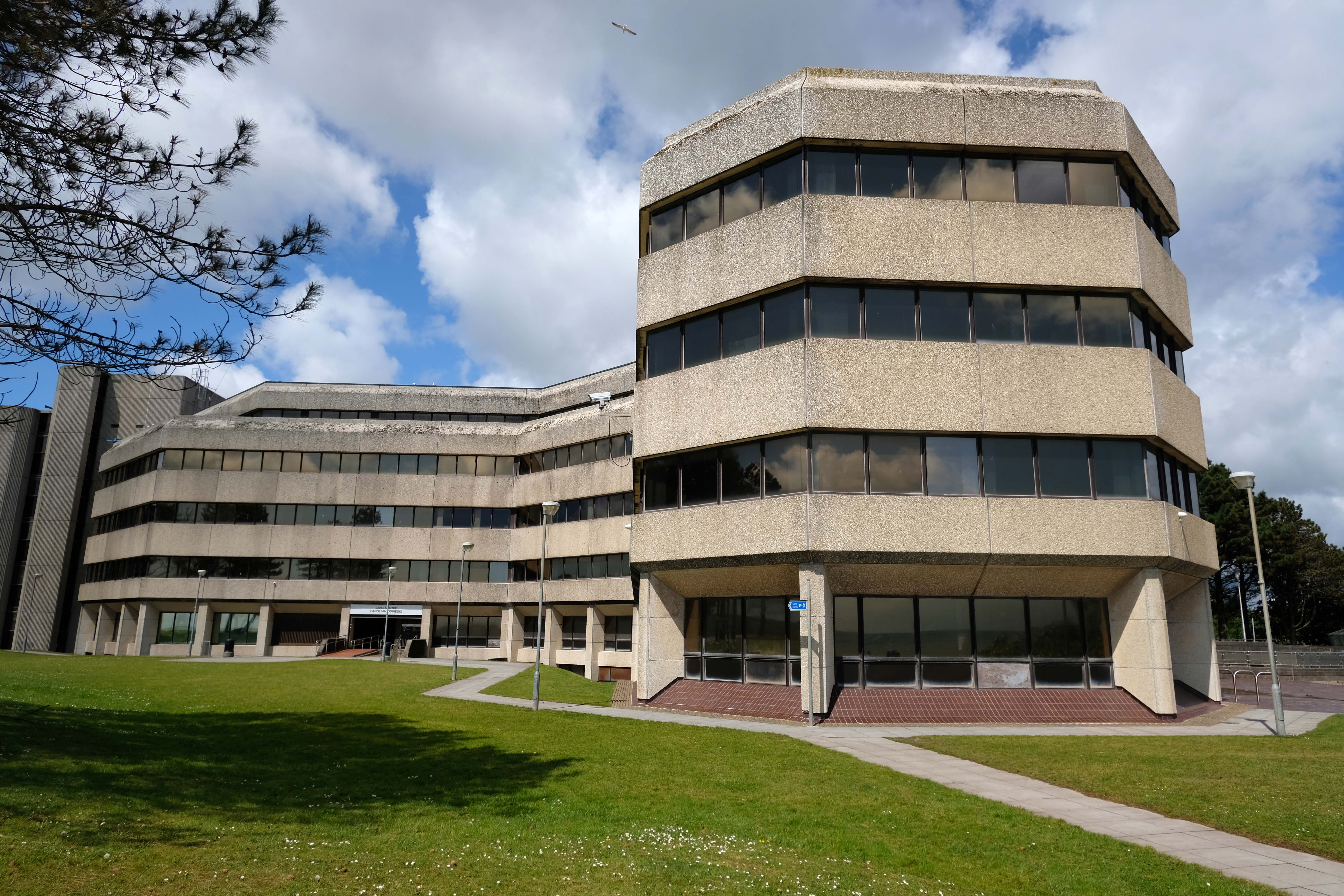
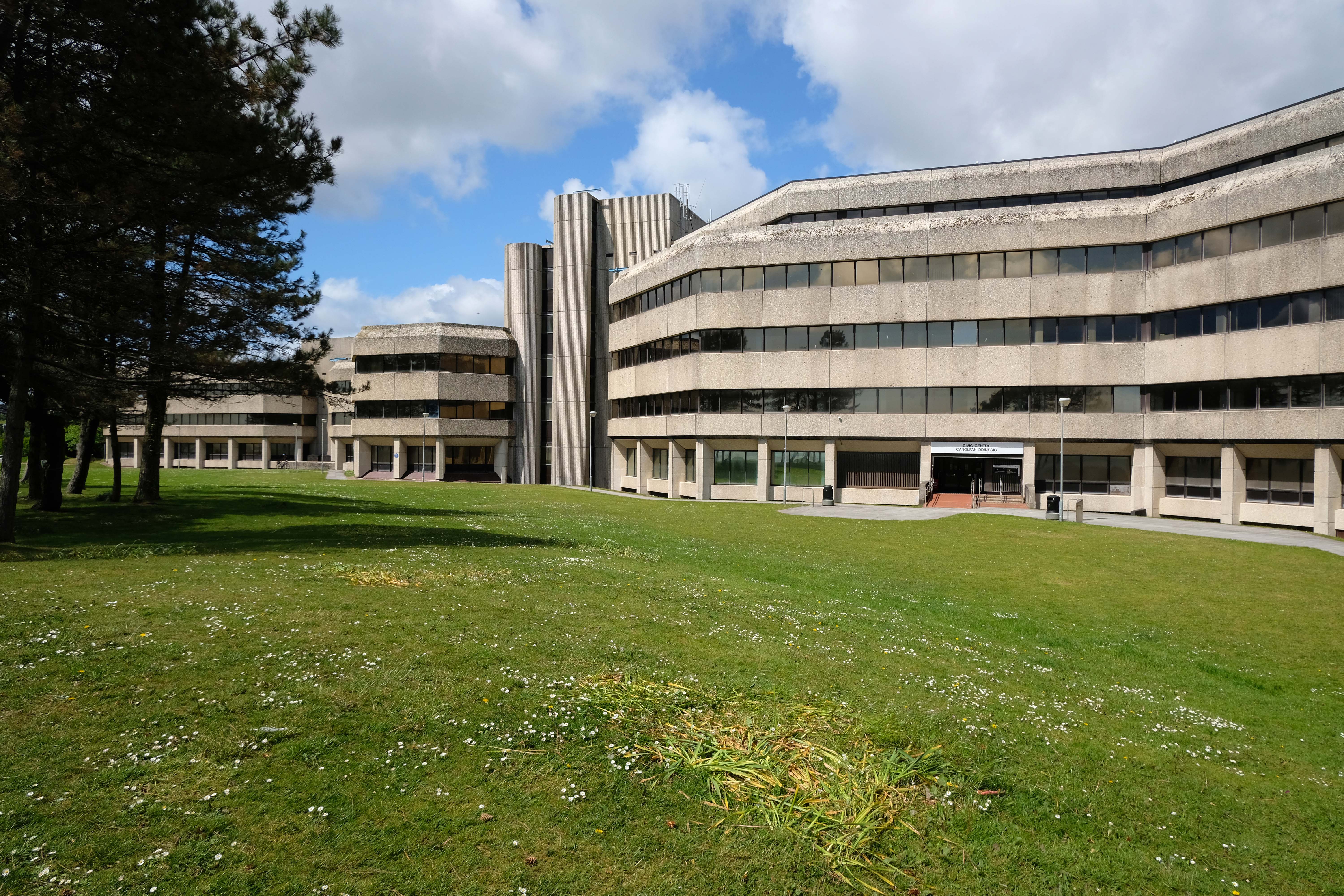
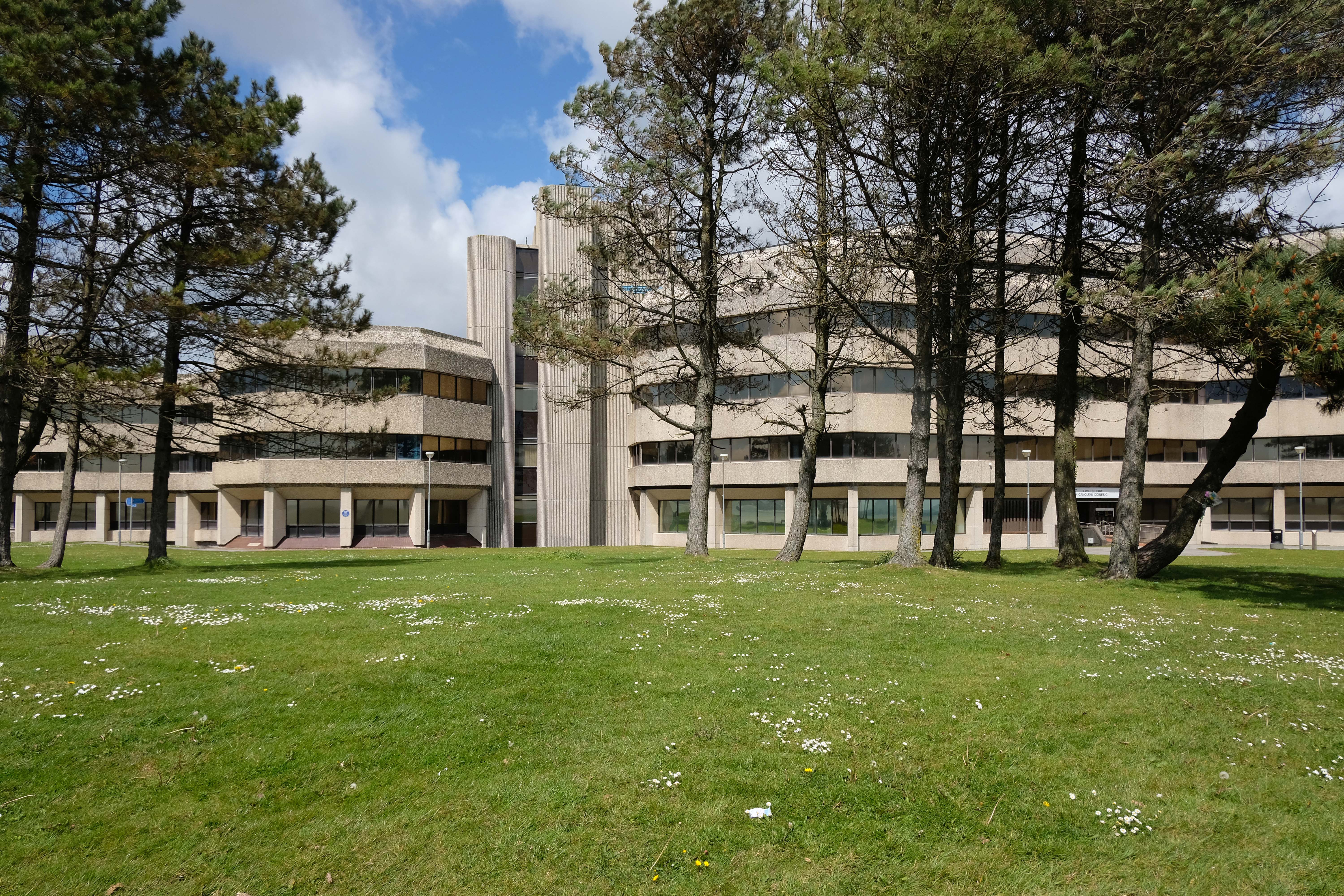
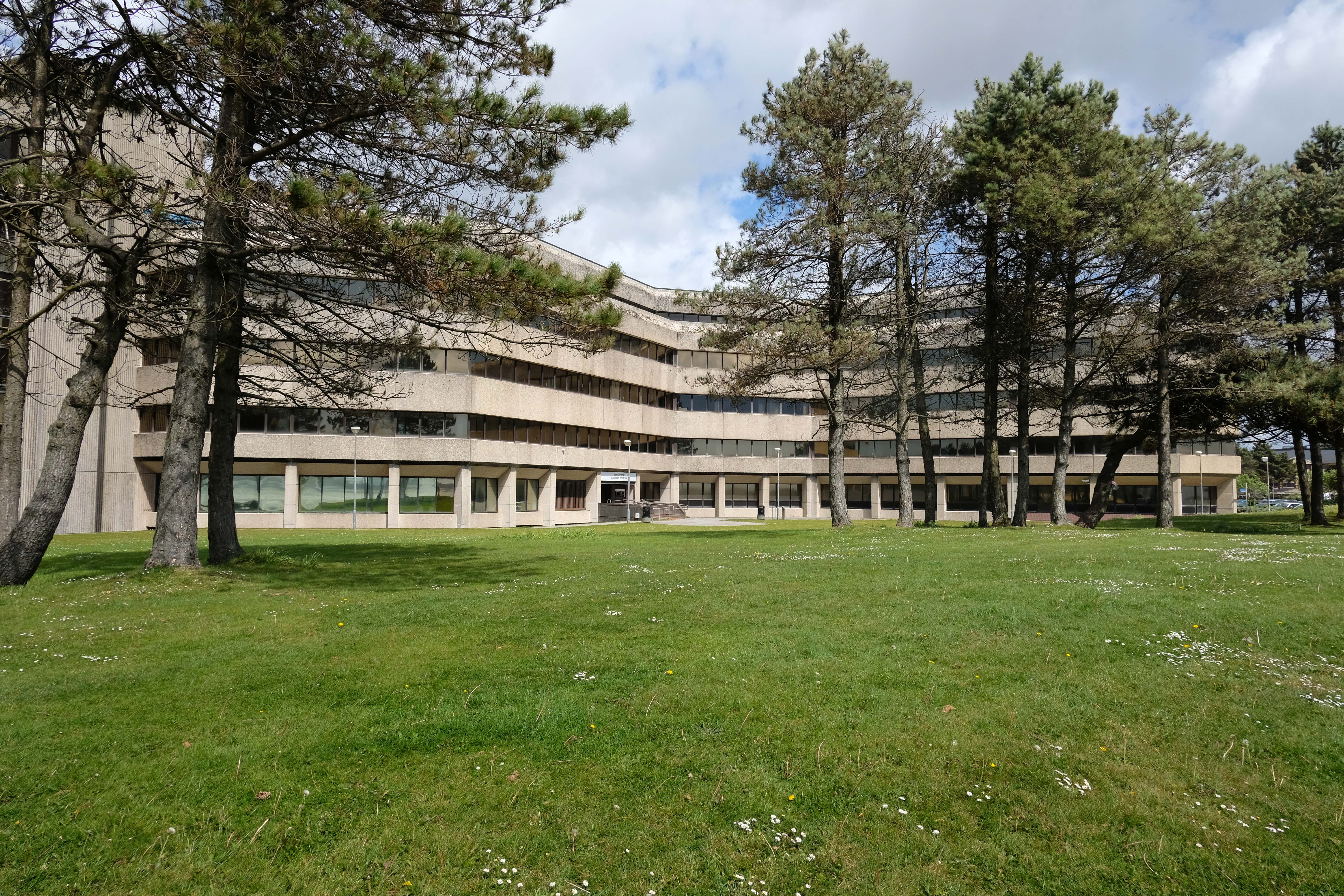
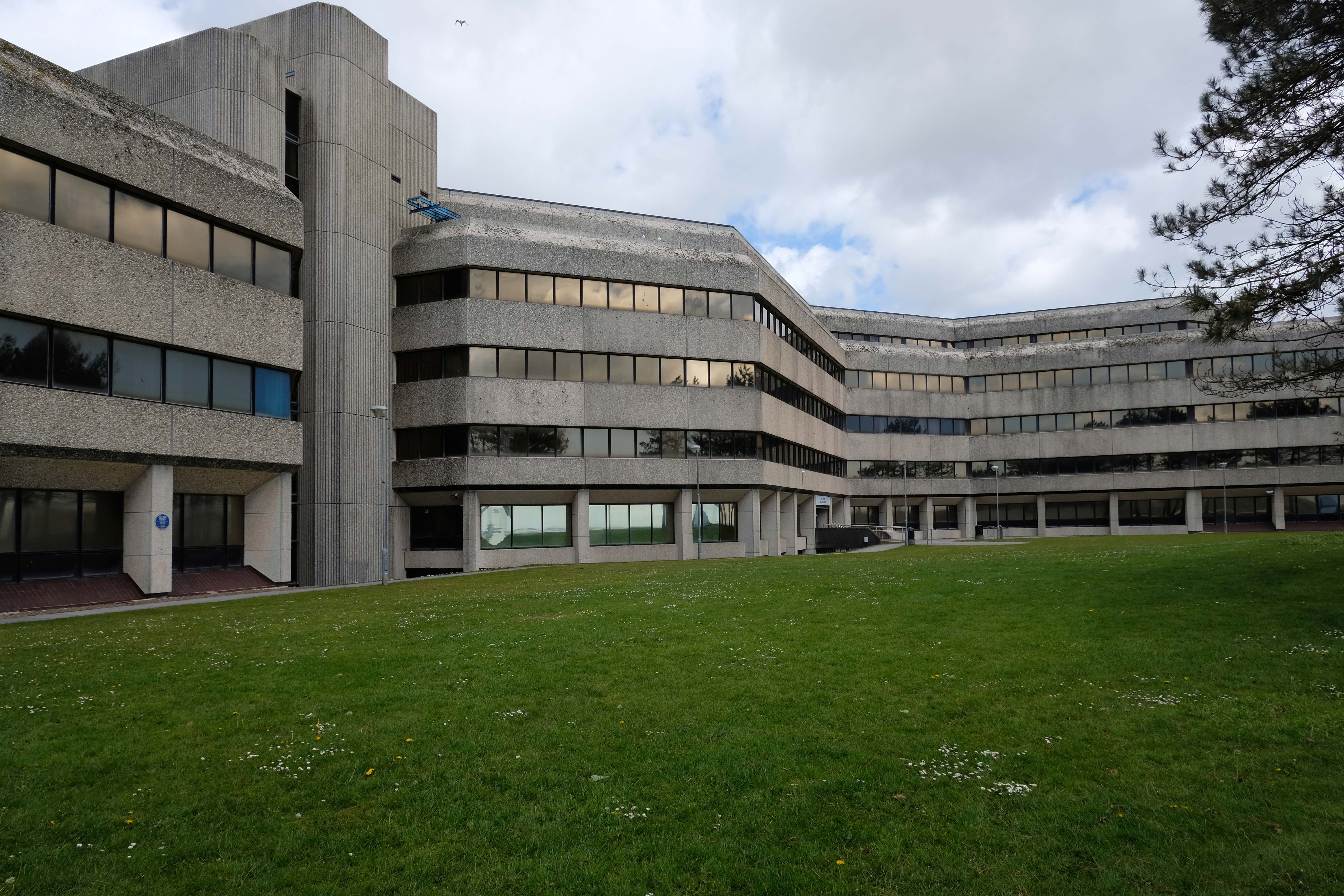
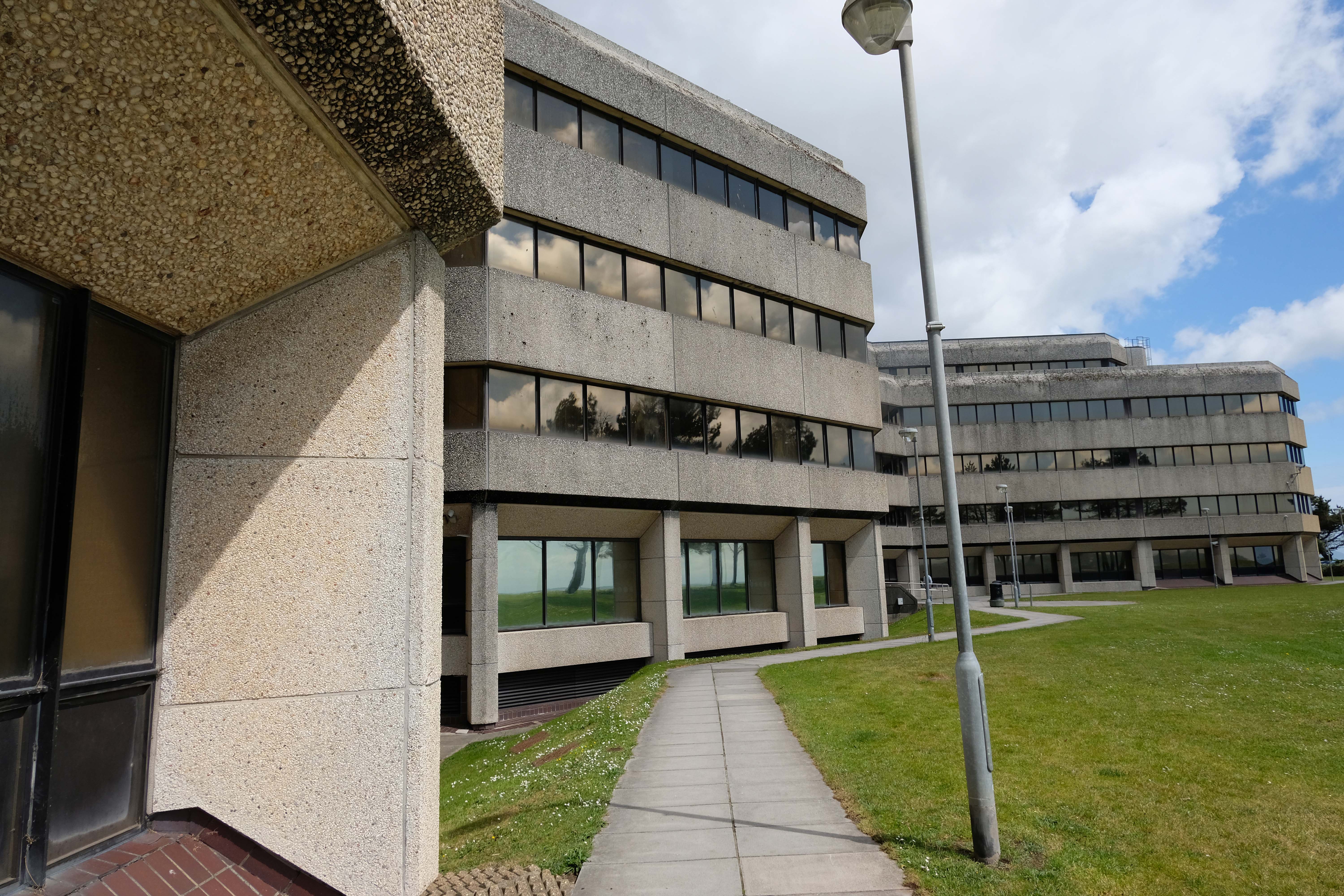
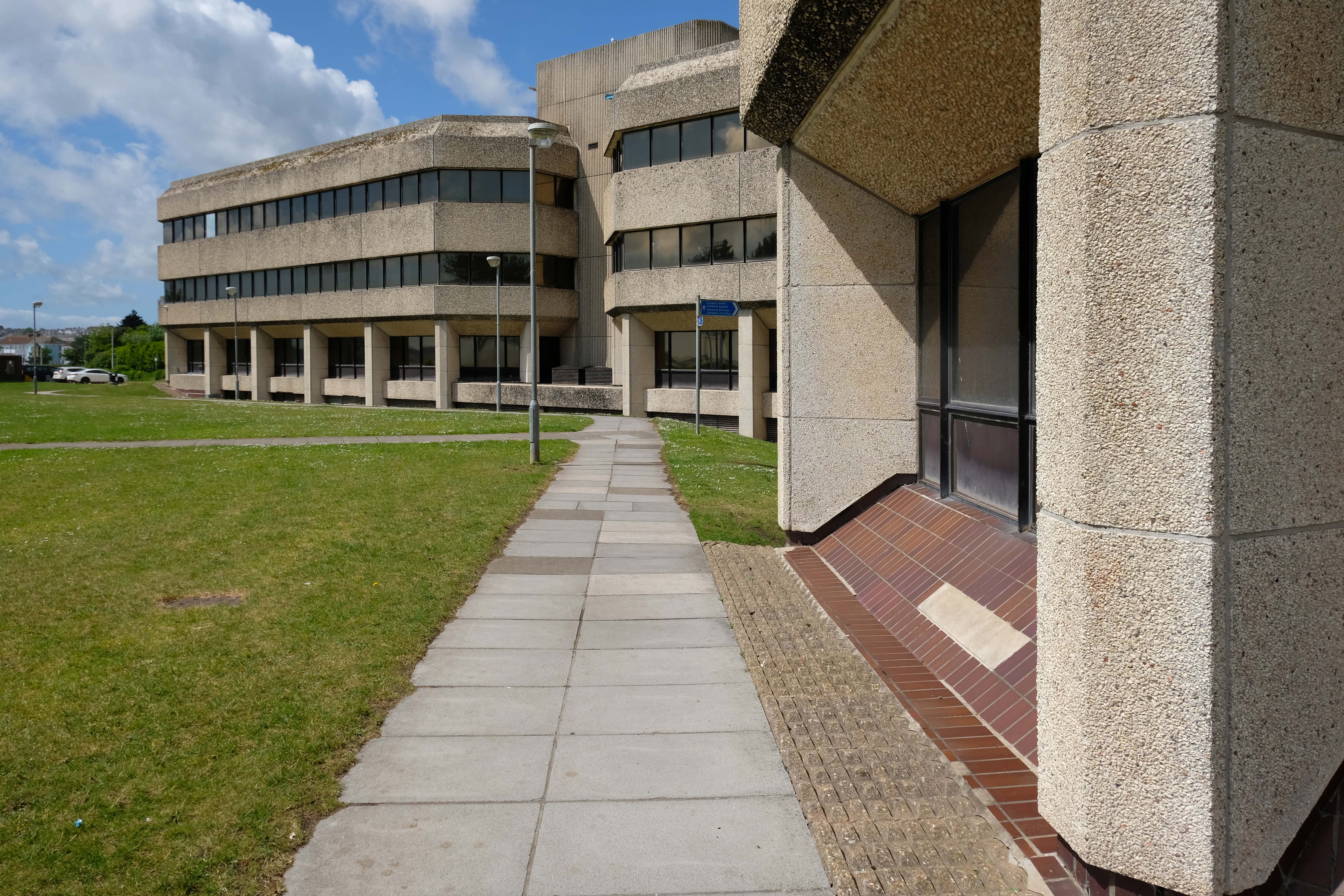
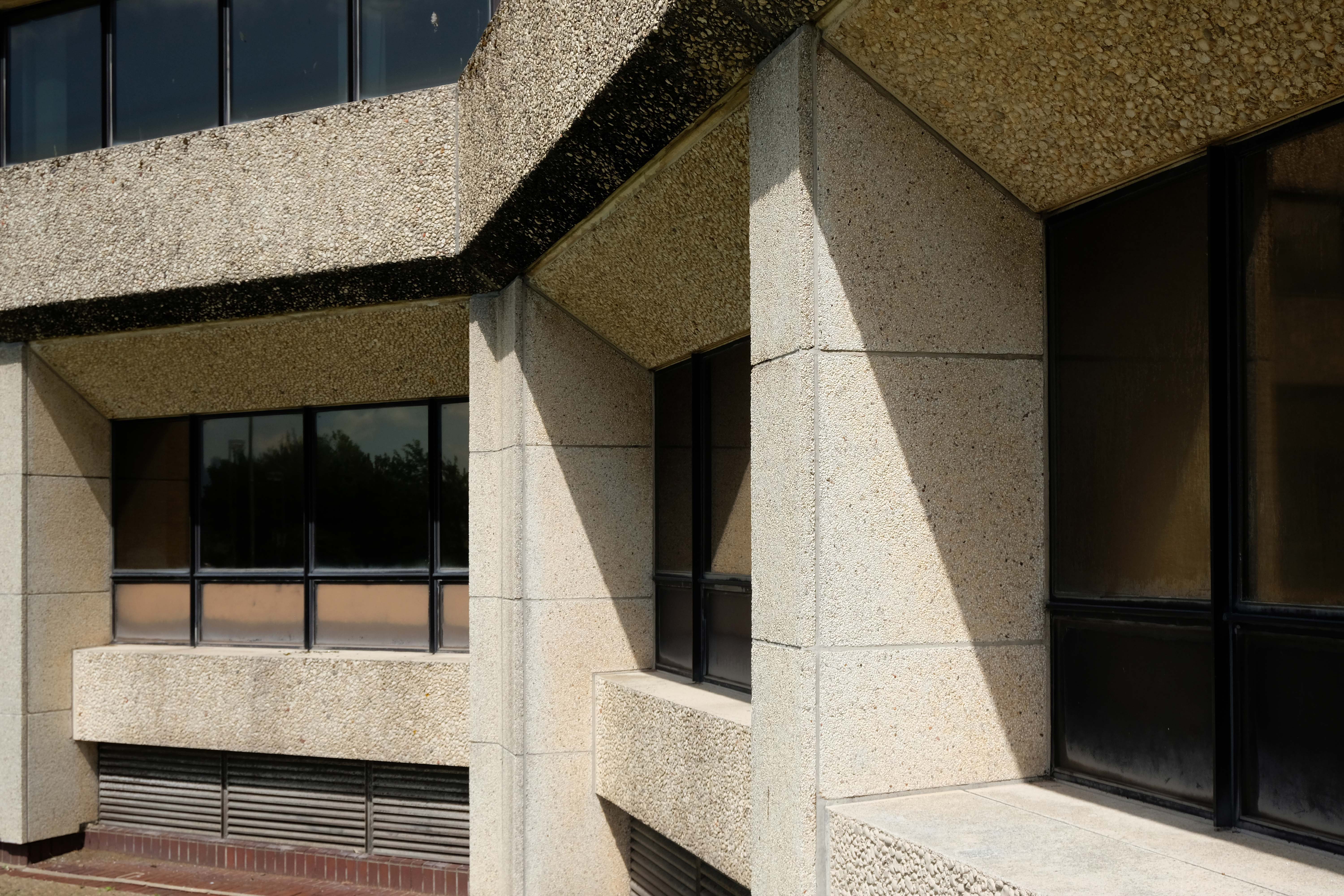
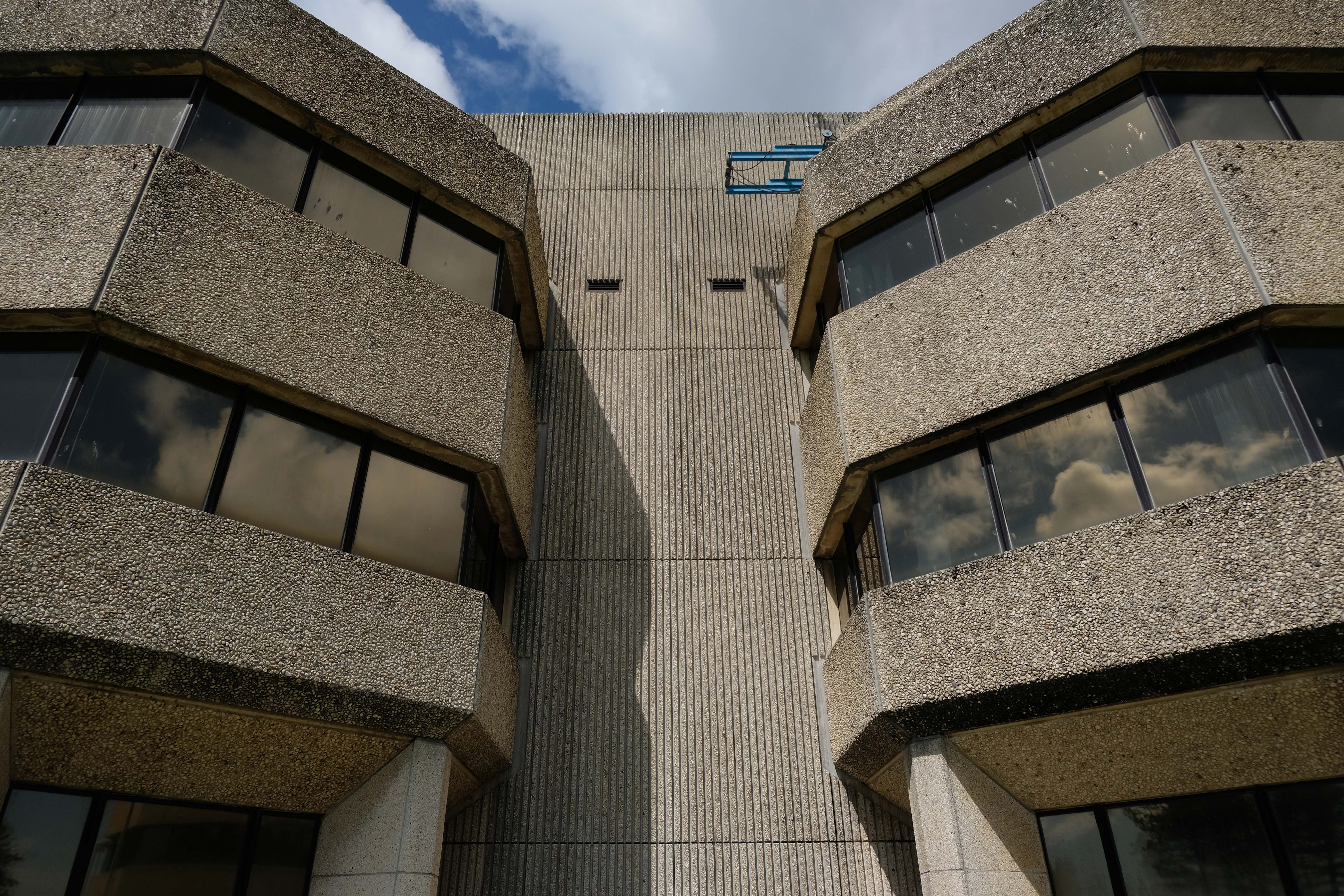
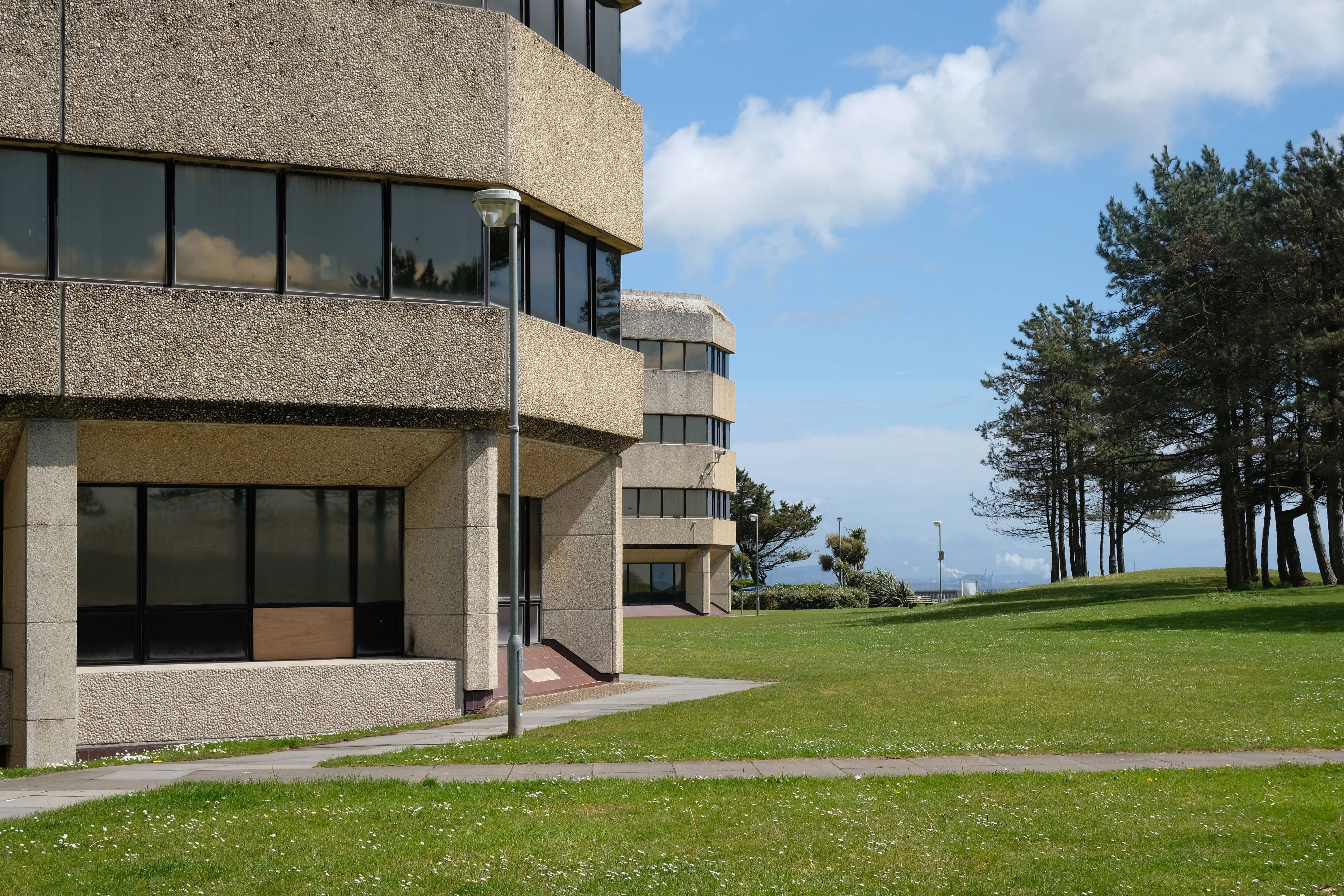
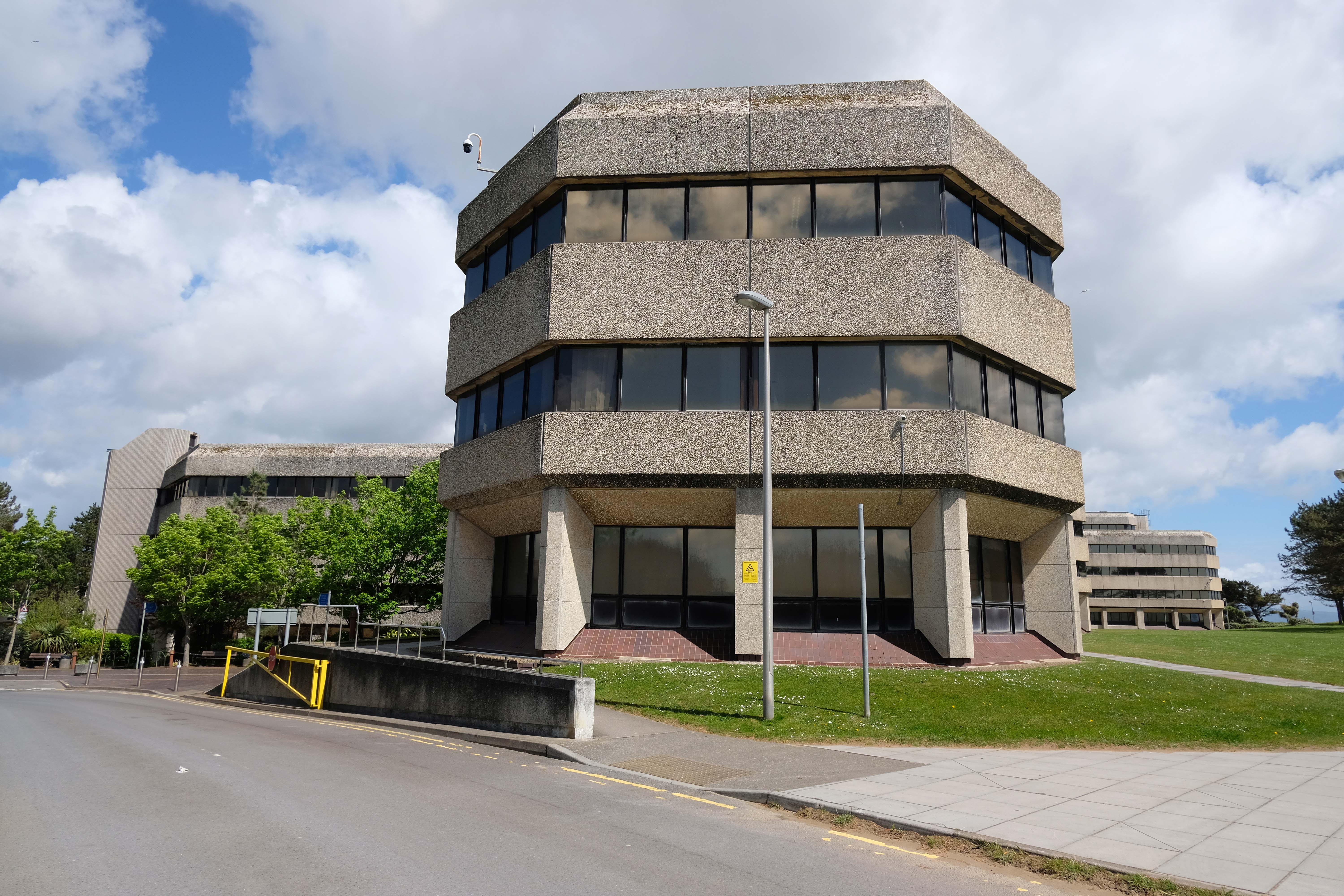
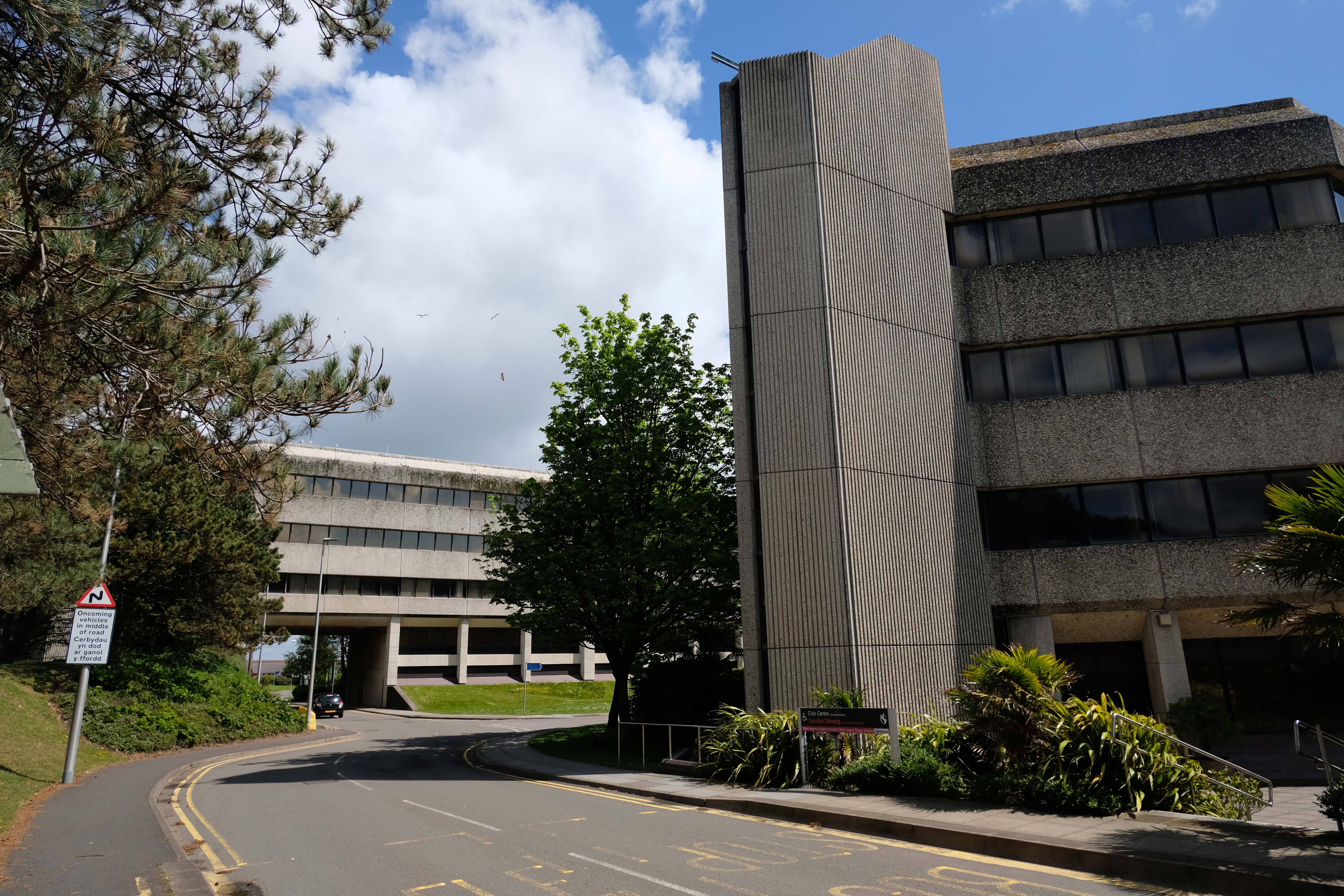
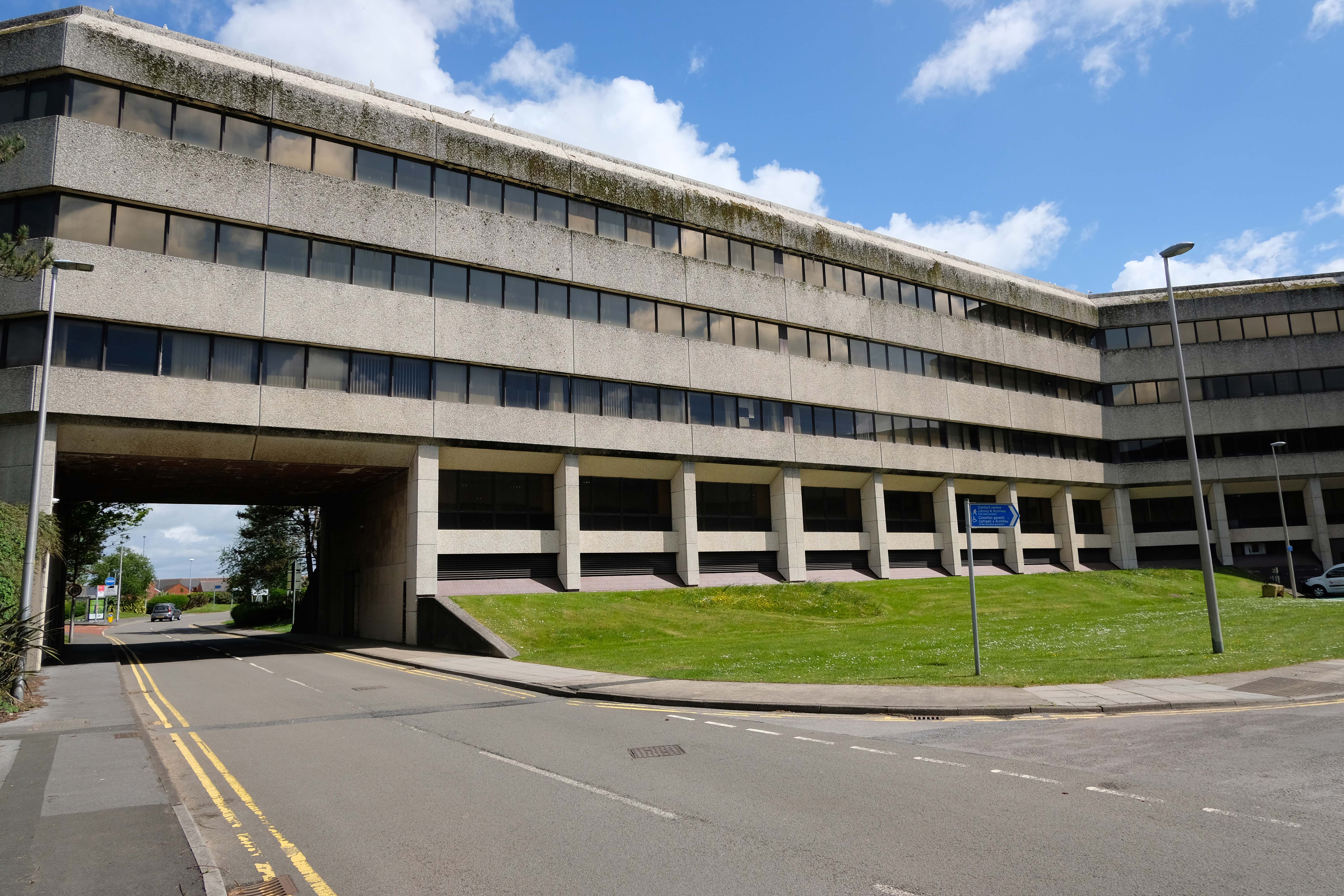
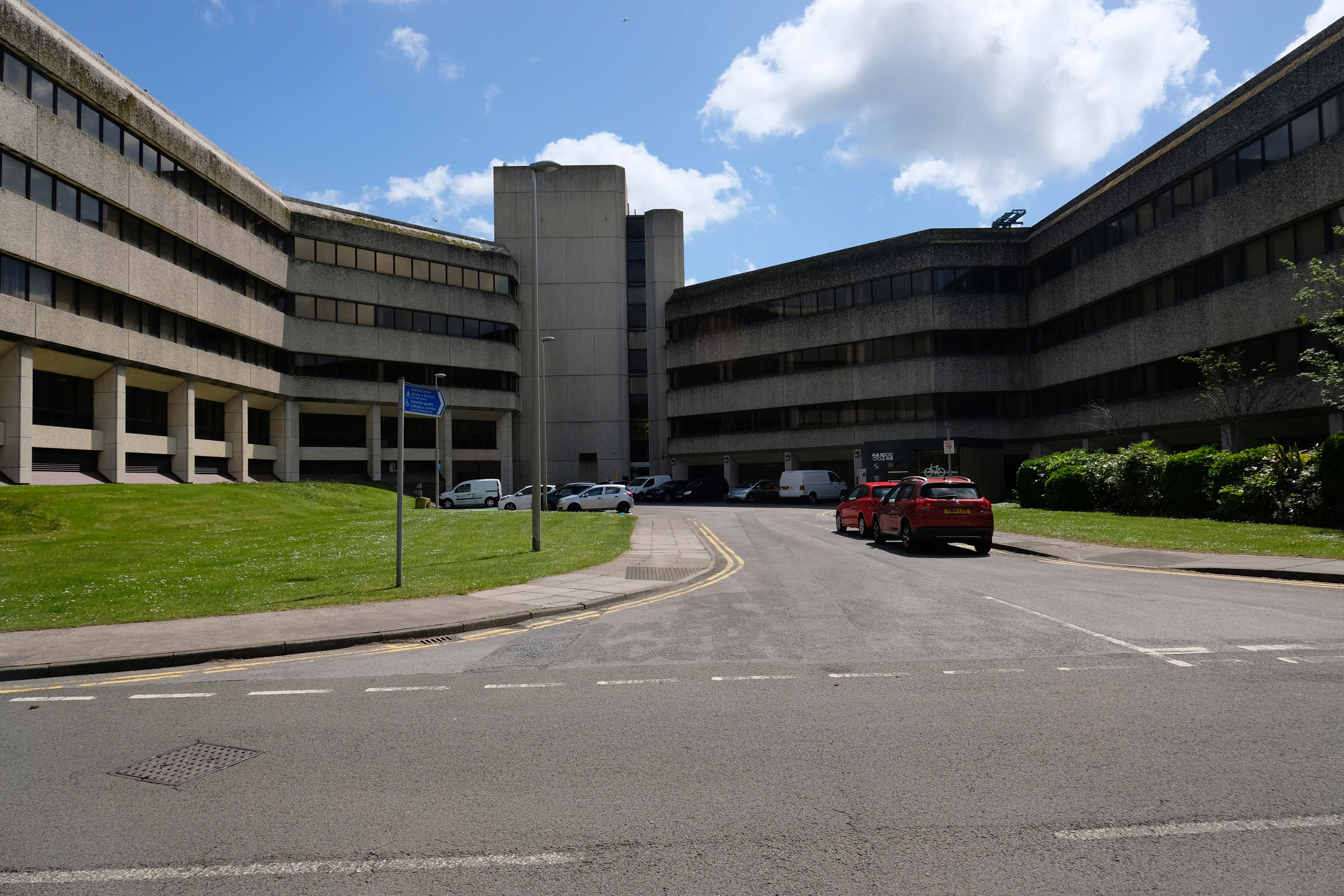
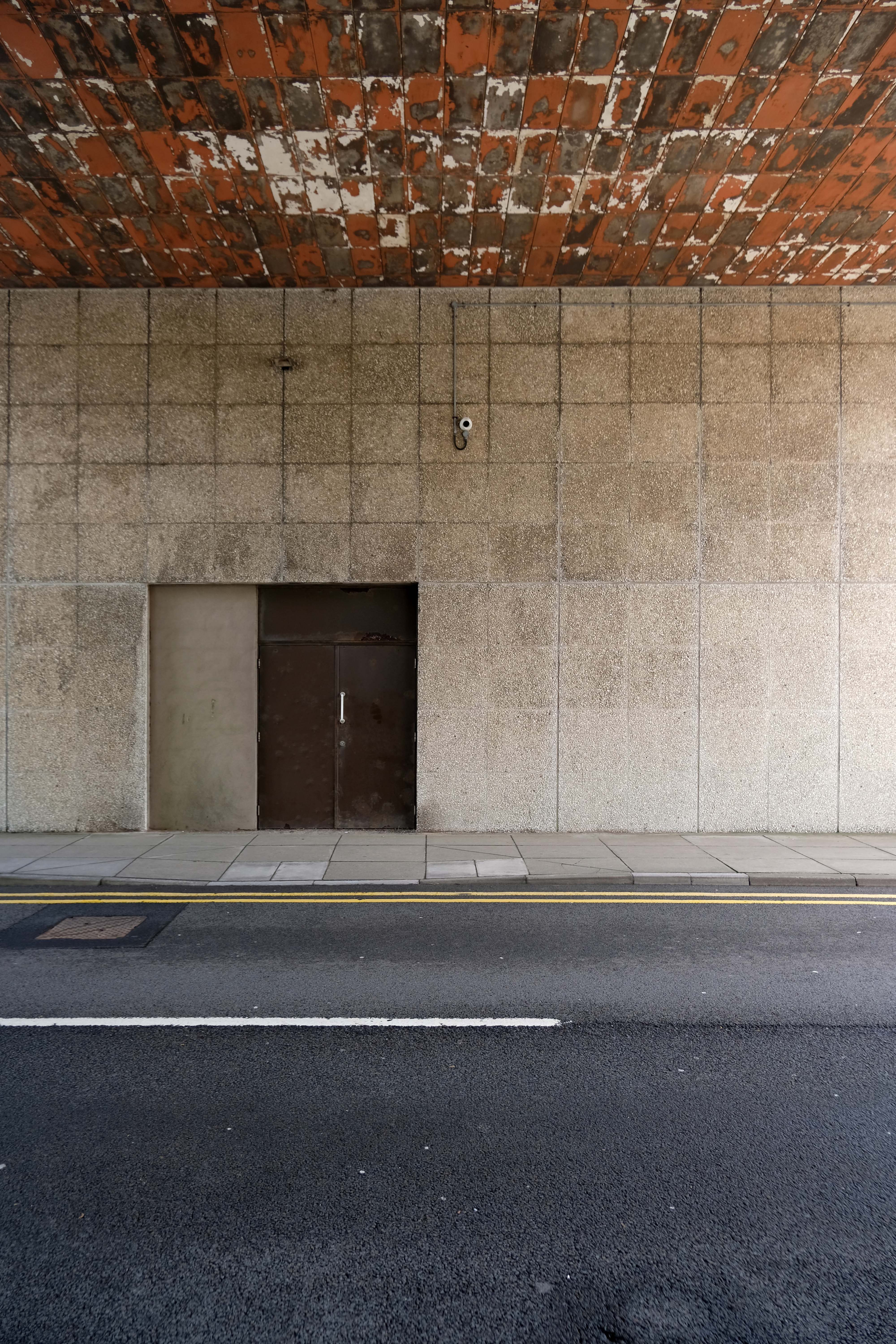
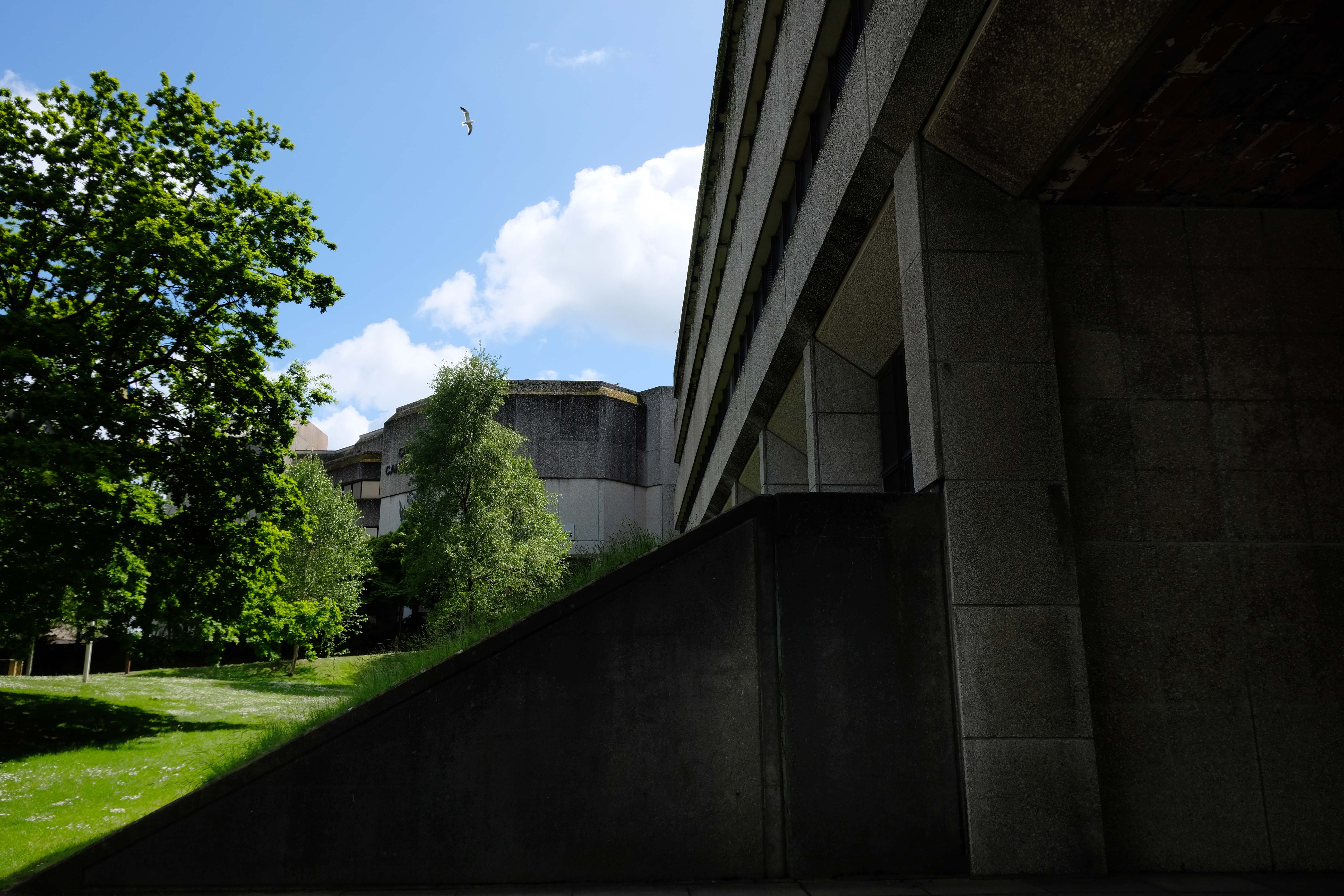
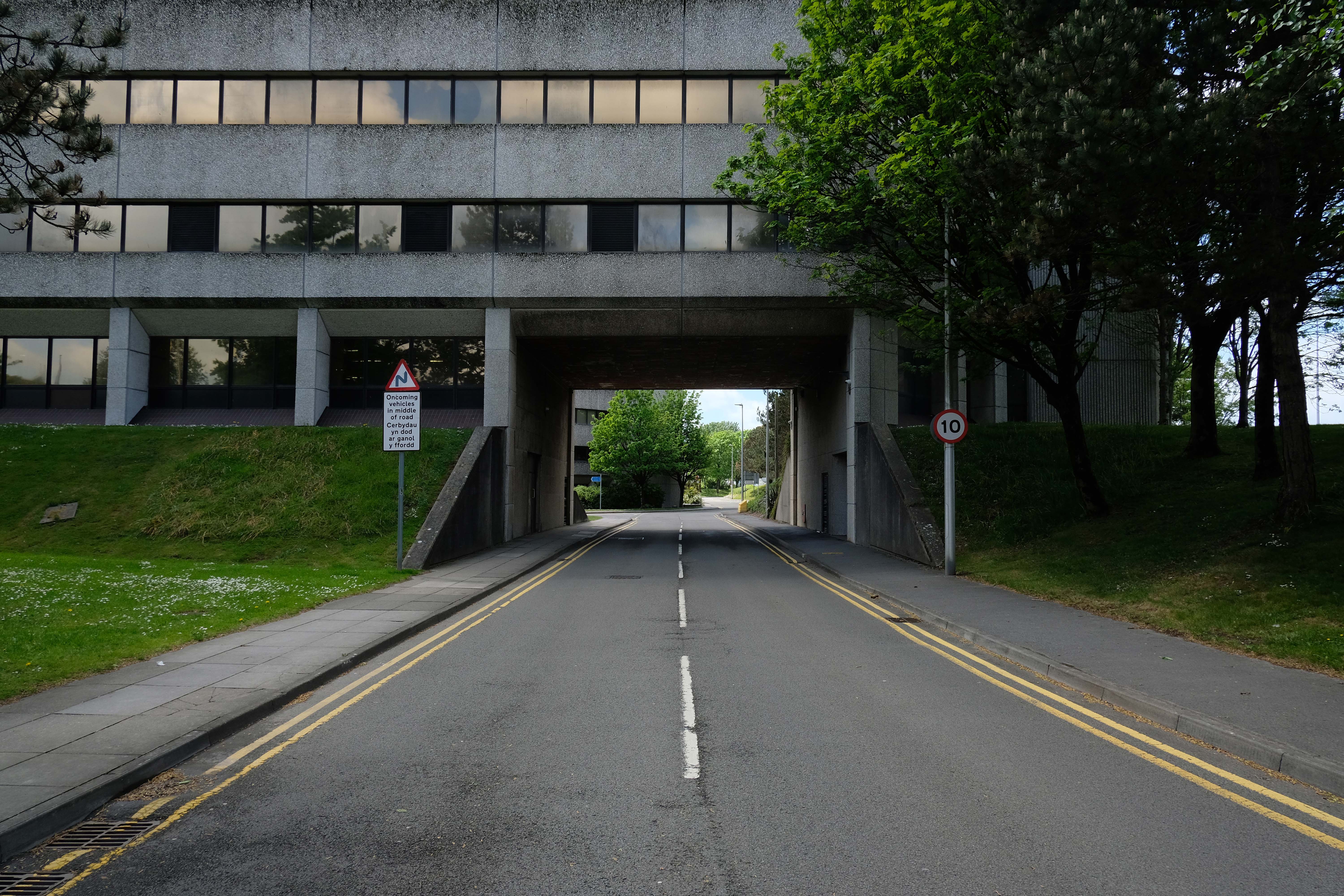
Architects: J Webb as County Architect and CW Quick as the job architectof the West Glamorgan County Architects Department 1982
Canolfan Ddinesig Abertawe formerly known as County Hall.
Confused?
Don’t be, it’s all quite simple really.
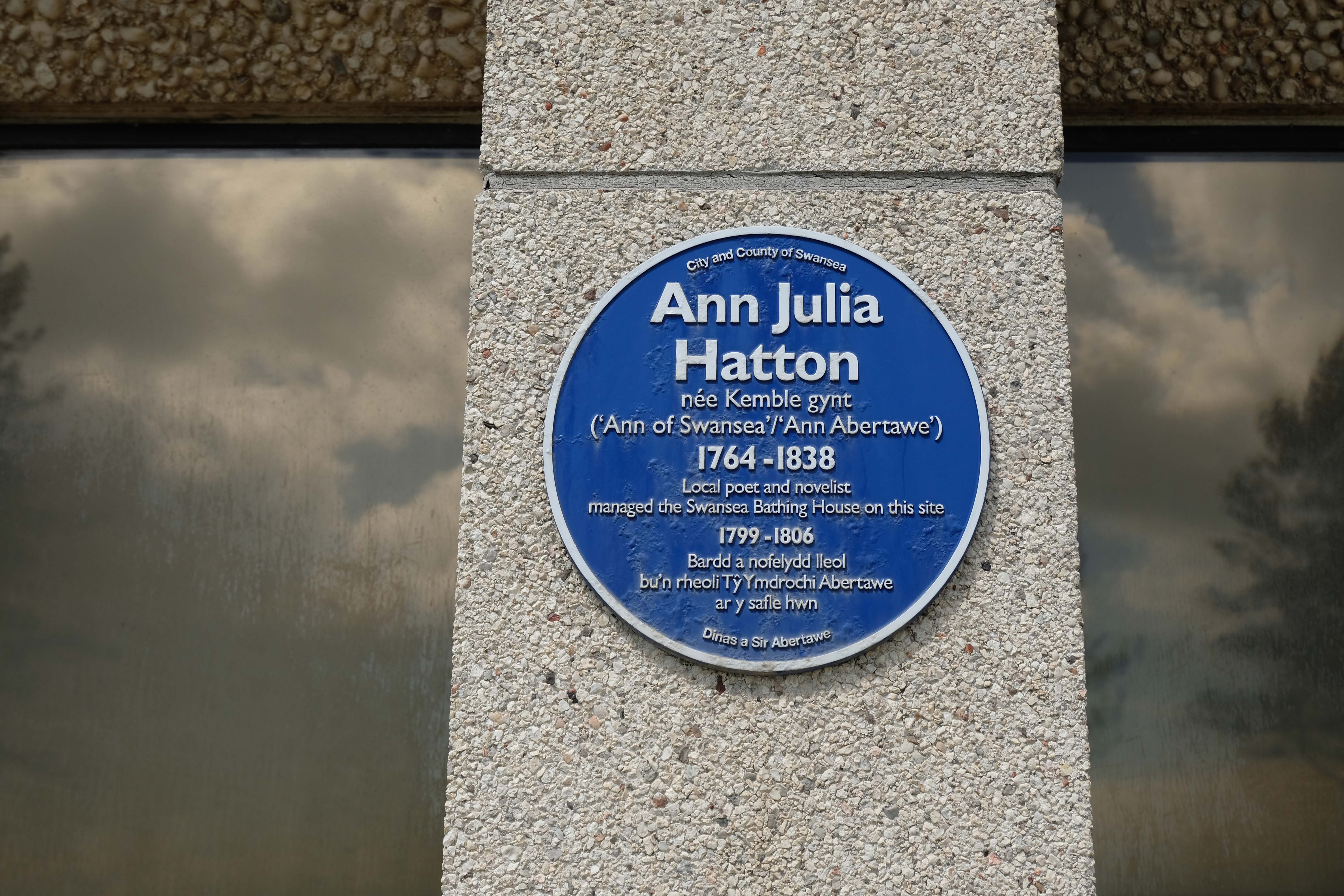
Following the implementation of the Local Government Act 1972, which broke up Glamorgan County Council and established West Glamorgan County Council, the new county council initially met at Swansea Guildhall. Finding that this arrangement, which involved sharing facilities with Swansea Council, to be inadequate, county leaders procured a dedicated building, selecting a site formerly occupied by an old railway goods yard associated with the Mumbles Railway.
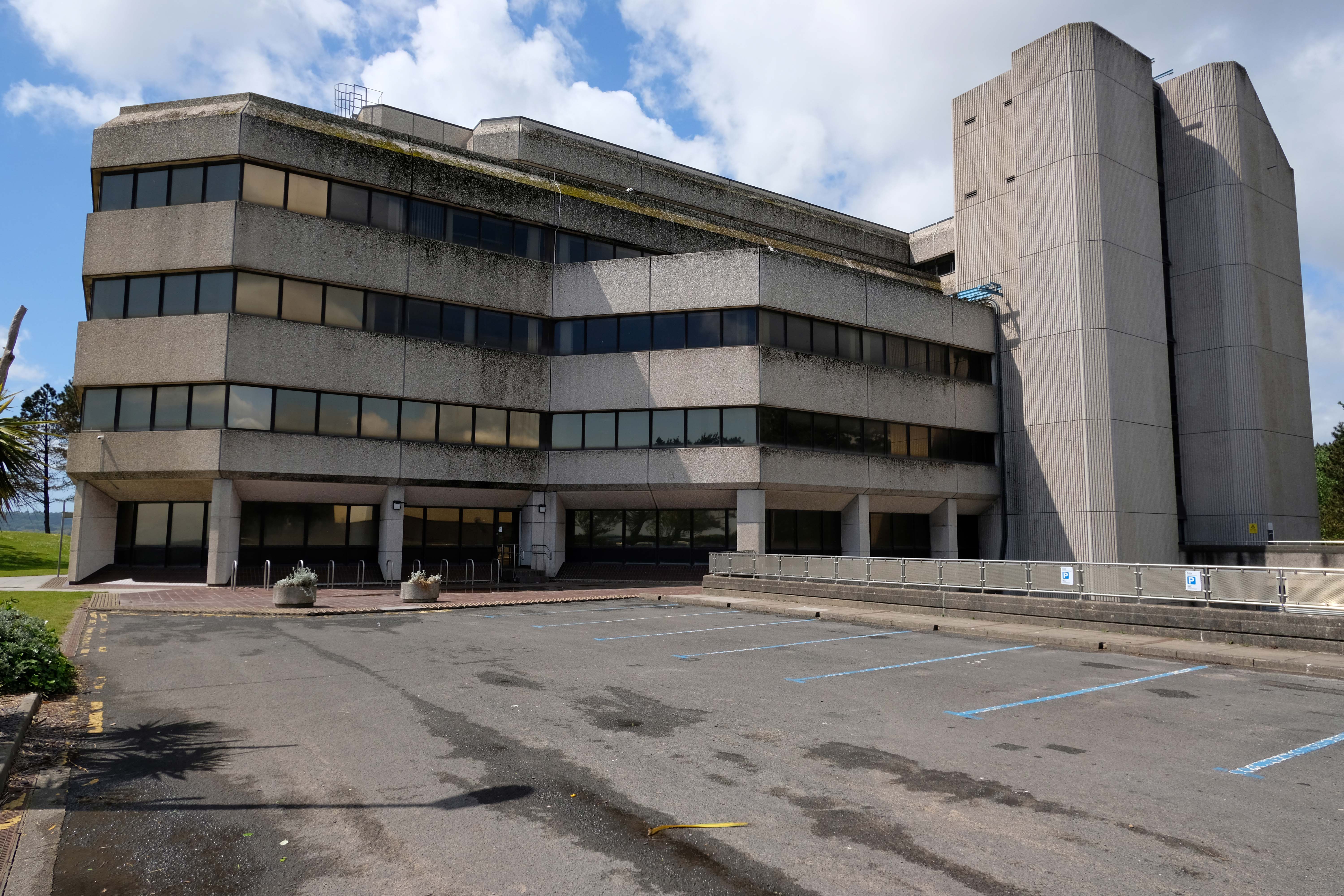
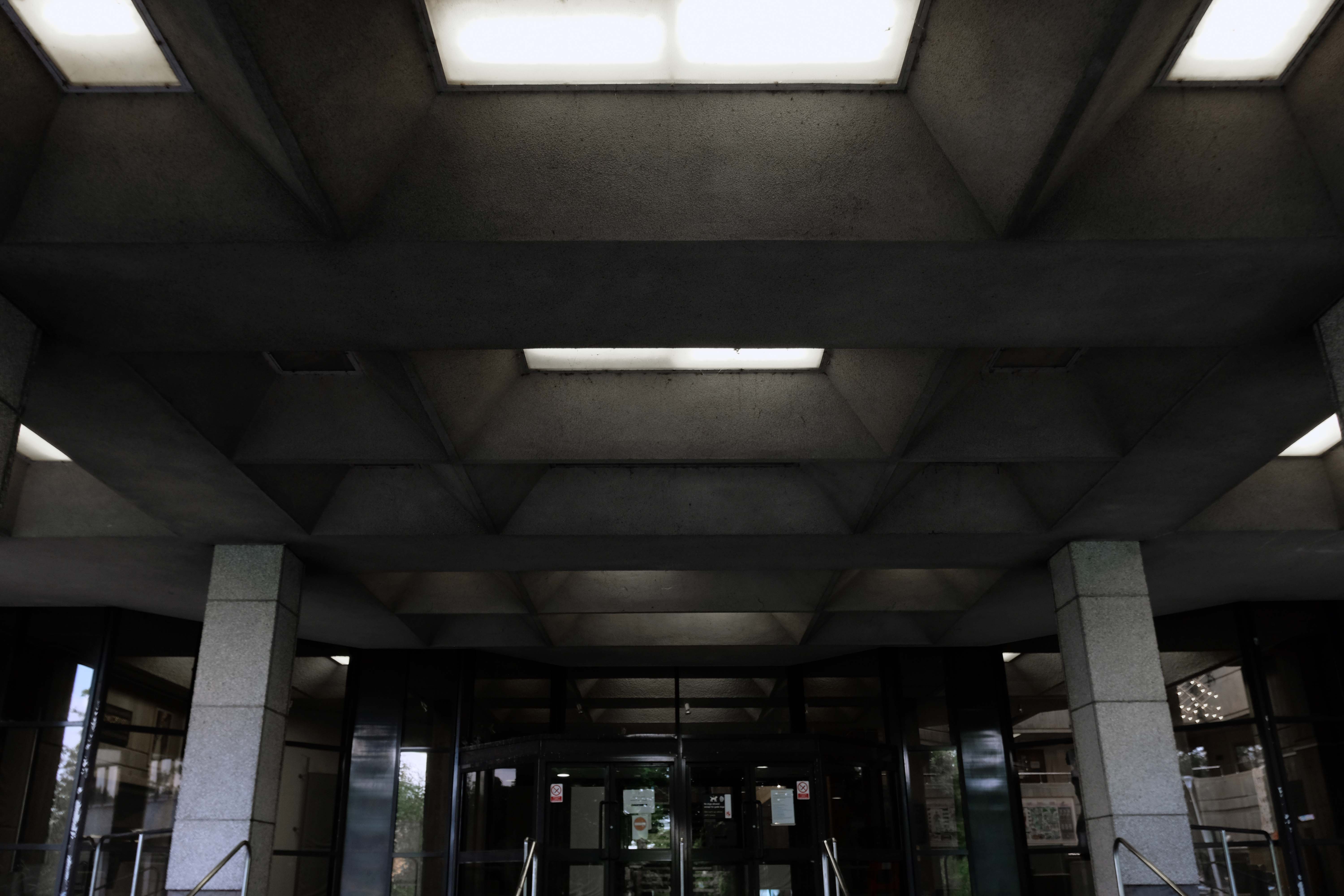
The design features continuous bands of glazing with deep washed calcined flint panels above and below.
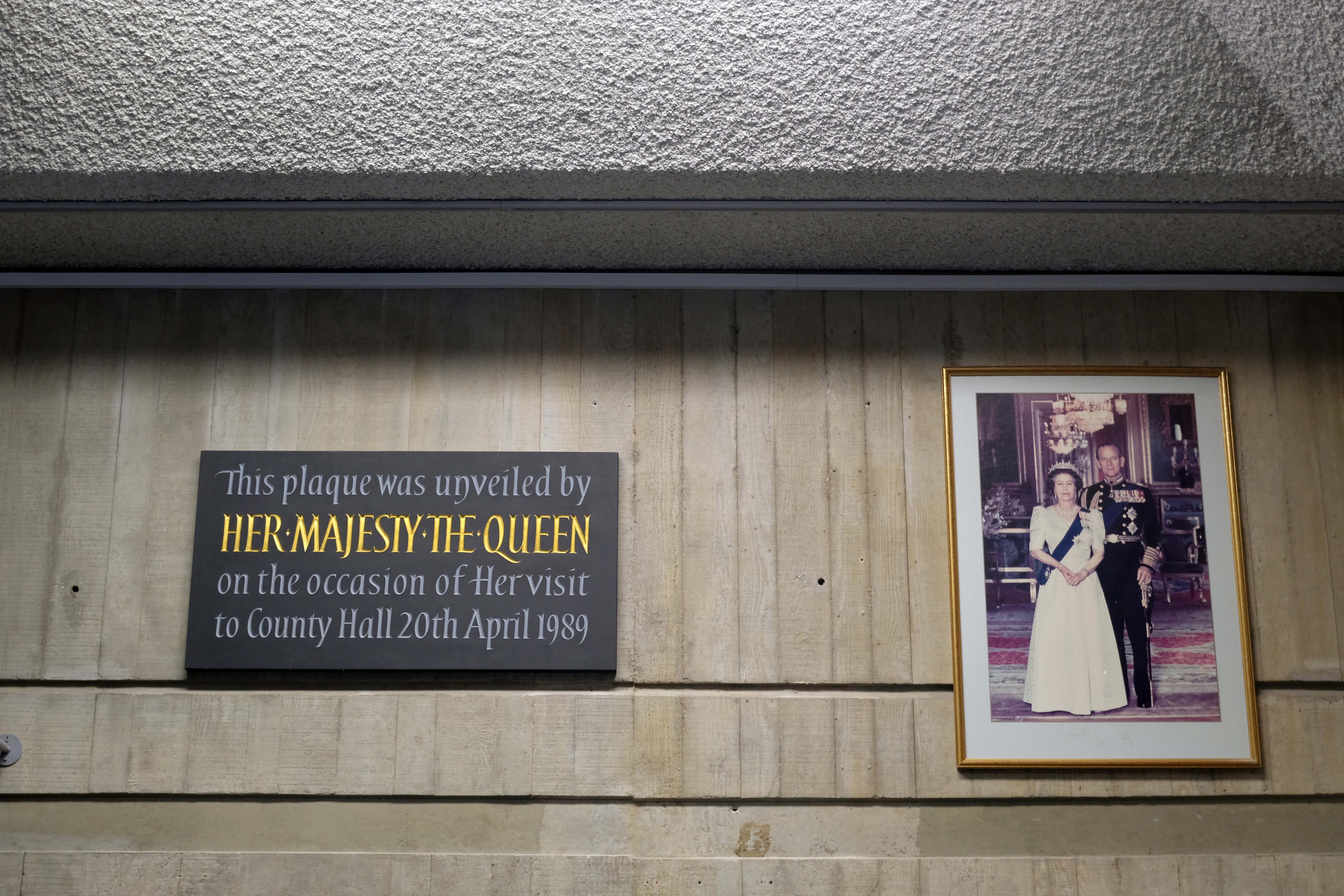
Queen Elizabeth II, accompanied by the Duke of Edinburgh, visited on 20 April 1989.
After local government re-organisation in 1996, which abolished West Glamorgan County Council, ownership of the building was transferred to Swansea Council. It was renamed Swansea Civic Centre on 19 March 2008, and Swansea Central Library moved into the complex as part of a redevelopment scheme.
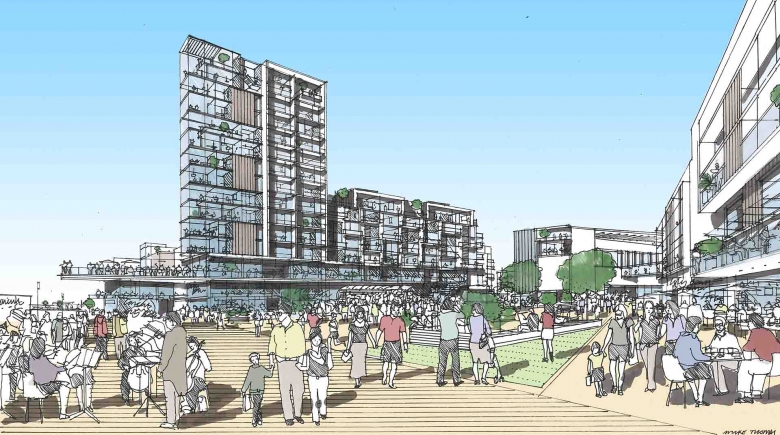
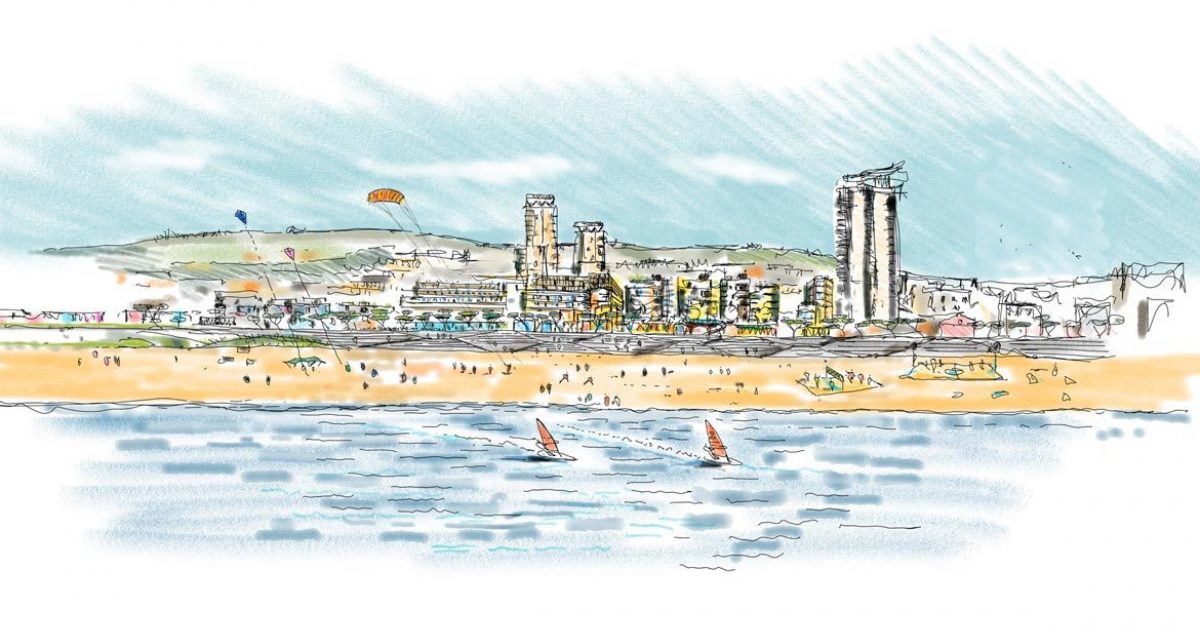
Urban Splash seem to have a slightly vaguer vision.
In March 2021, plans to find a new use for the location continued to still be a commitment of Swansea council, with the announcement of the transfer of the central library and other public services to the former BHS and now What! store on Oxford Street.
Swansea Civic Centre is at risk the Twentieth Century Society says so – they are strongly opposed to demolition of the iconic building and have submitted an application to have the building listed as Grade II.
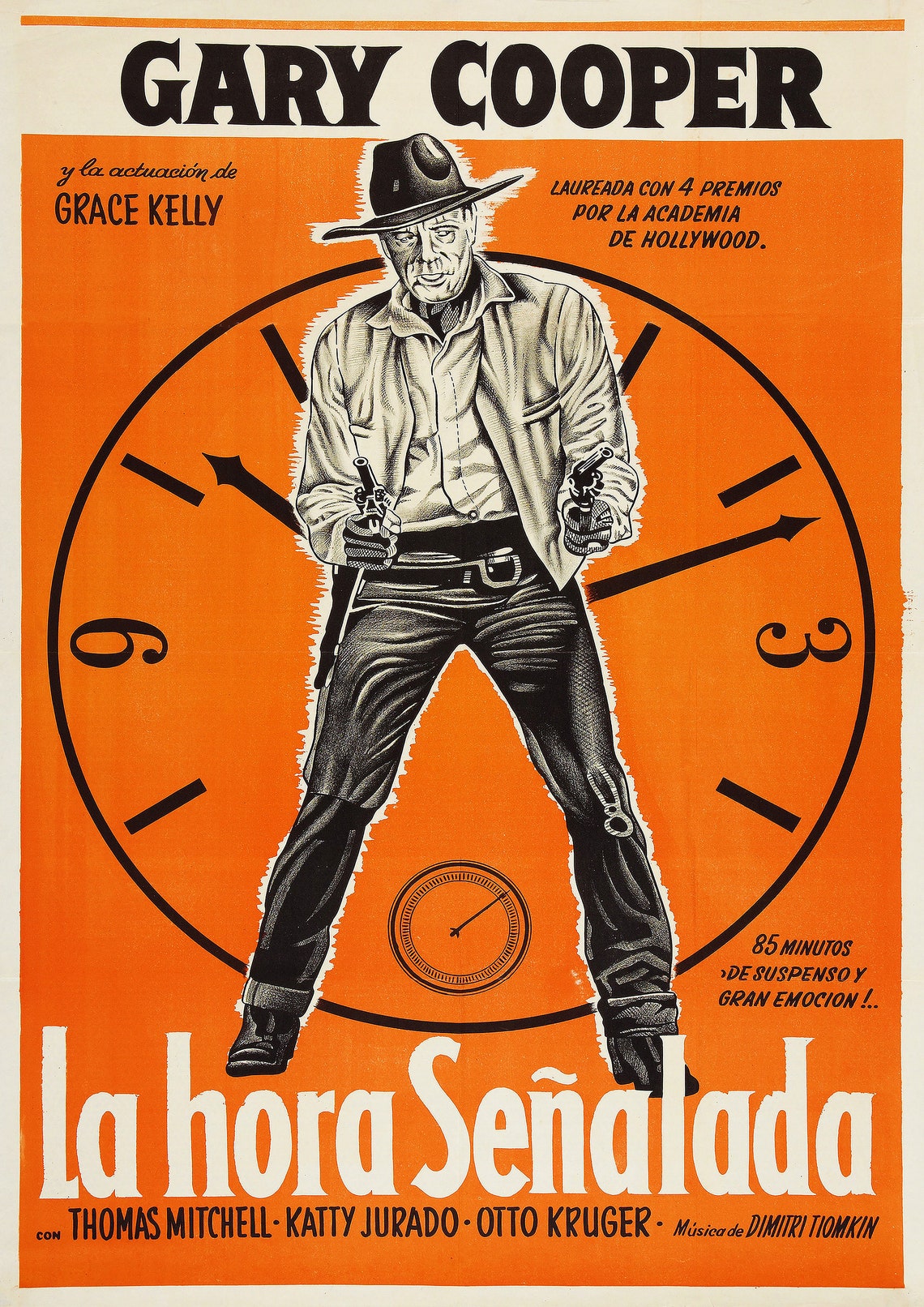
I do not know what fate awaits it, I only know it must be brave – to paraphrase Dimitri Zinovievich Tiomkin, Ned Washington, Gary Cooper and Frankie Laine – it’s High Noon and counting.
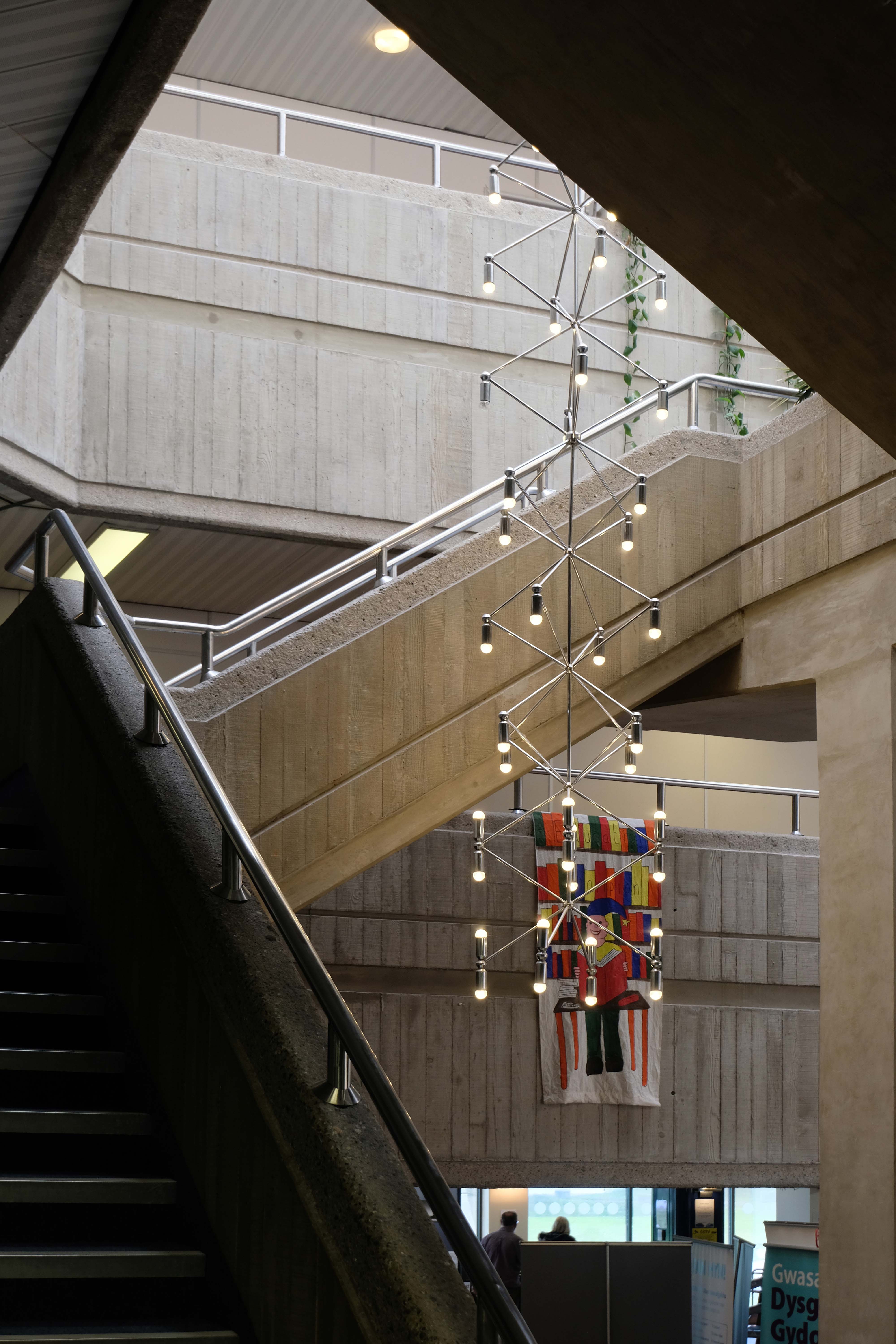
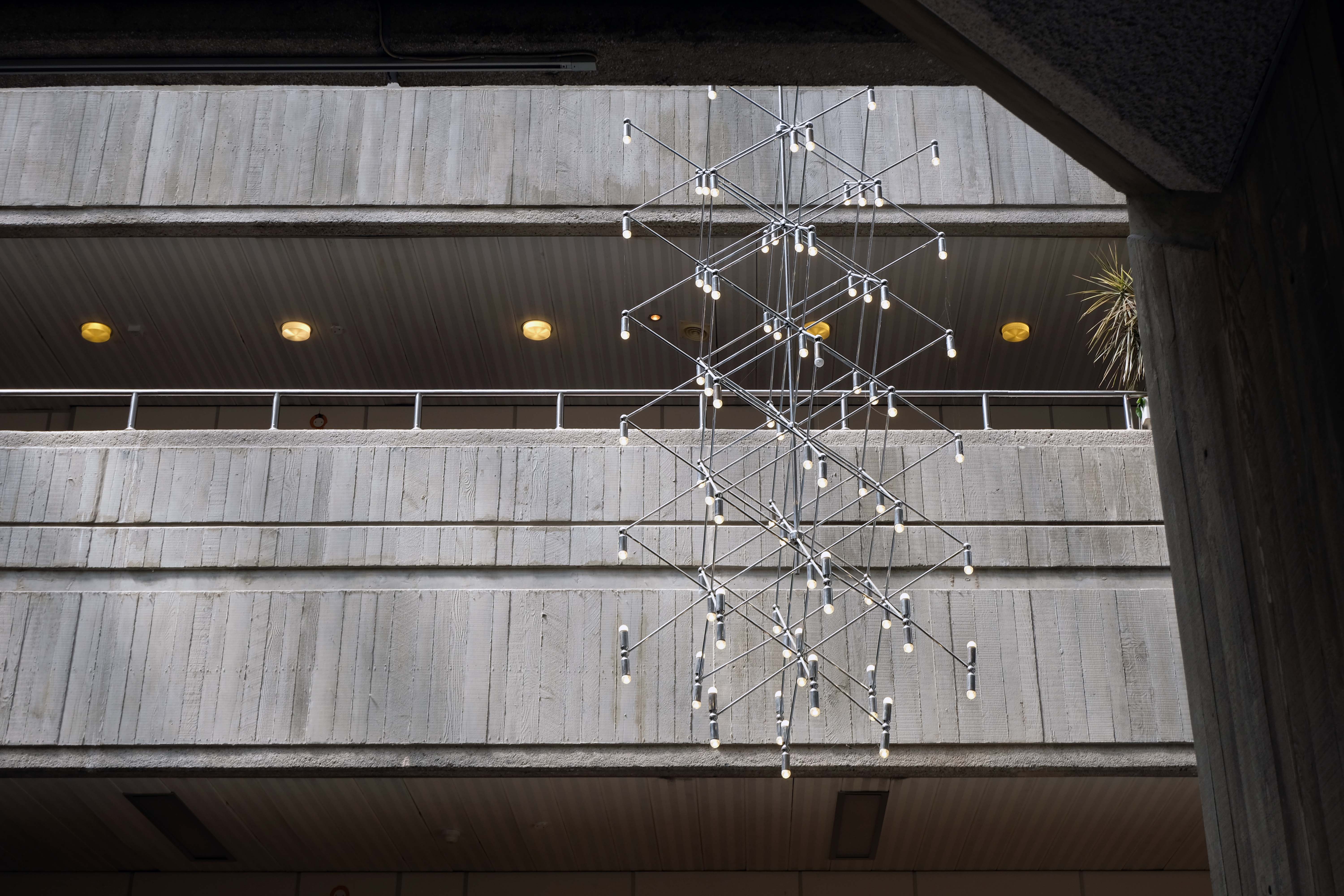
Any road up as of the 11th of May it looked just like this:
Diolch yn fawr once again to Catrin Saran James for acting as my spirit guide.