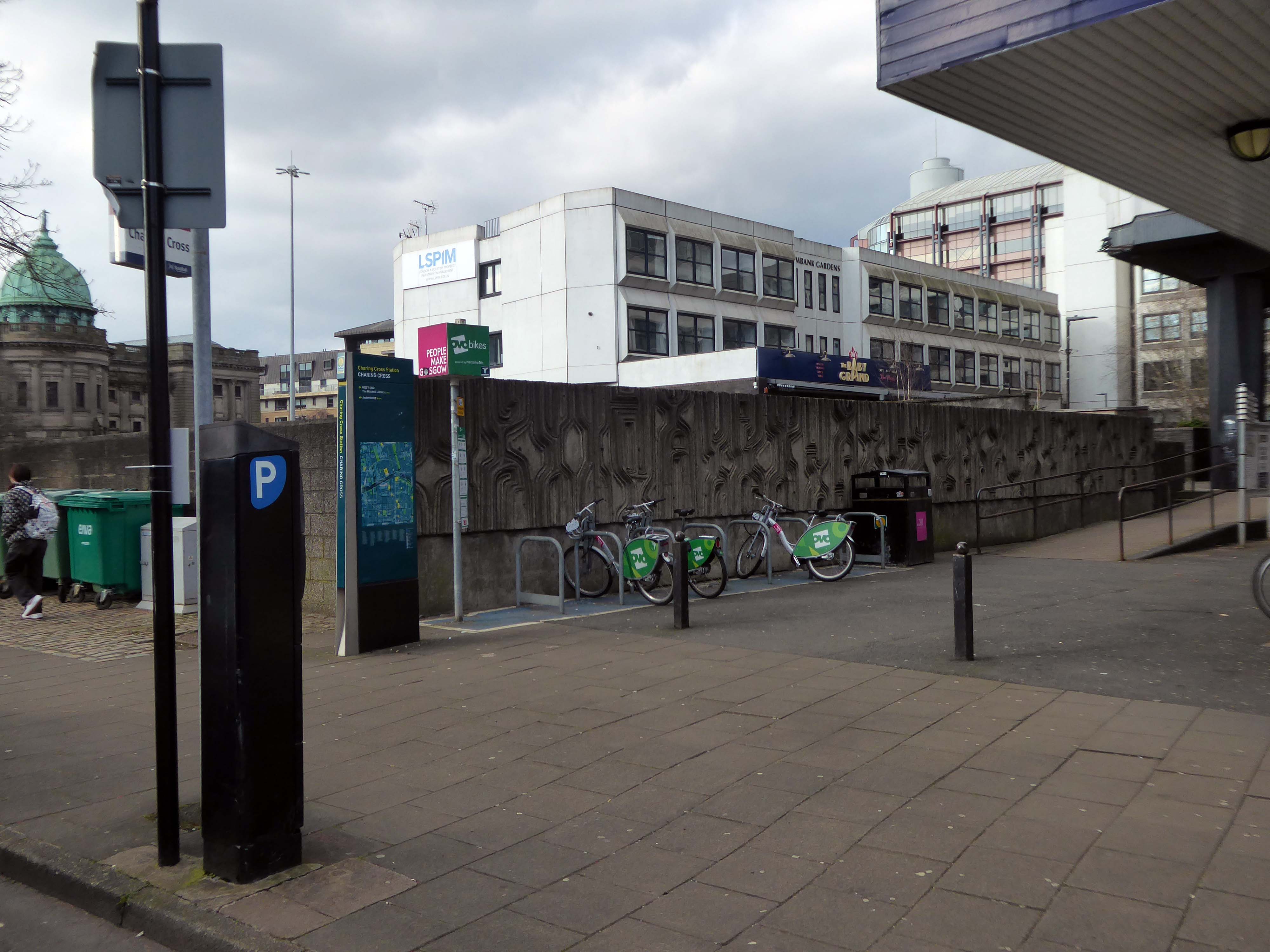
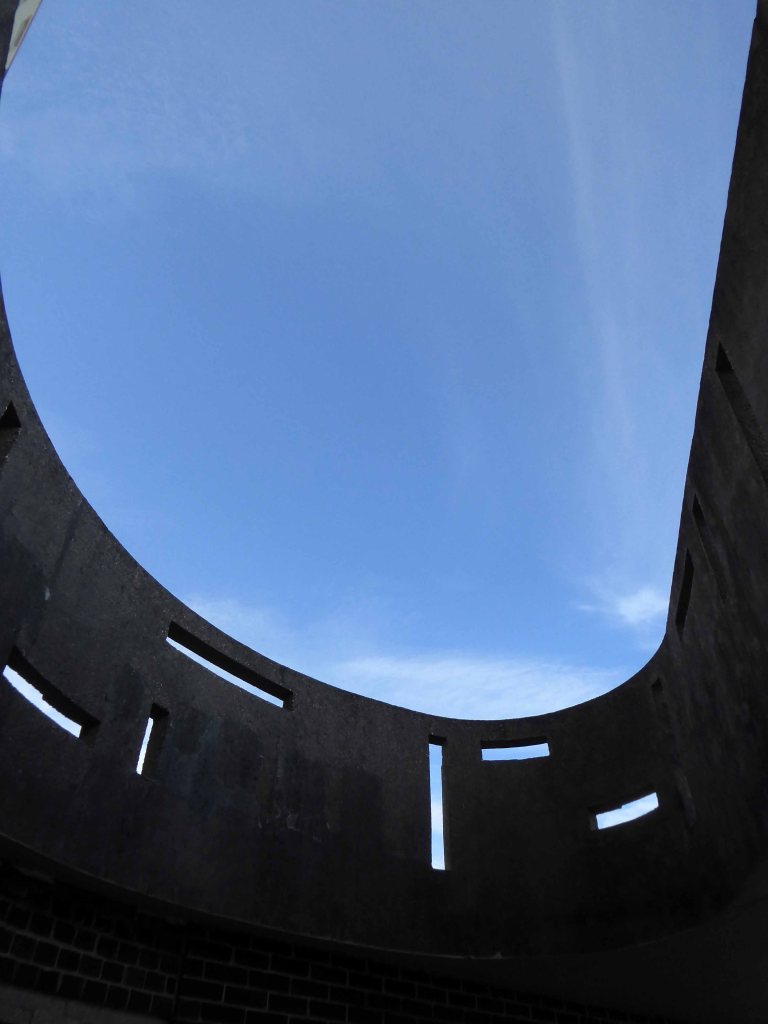
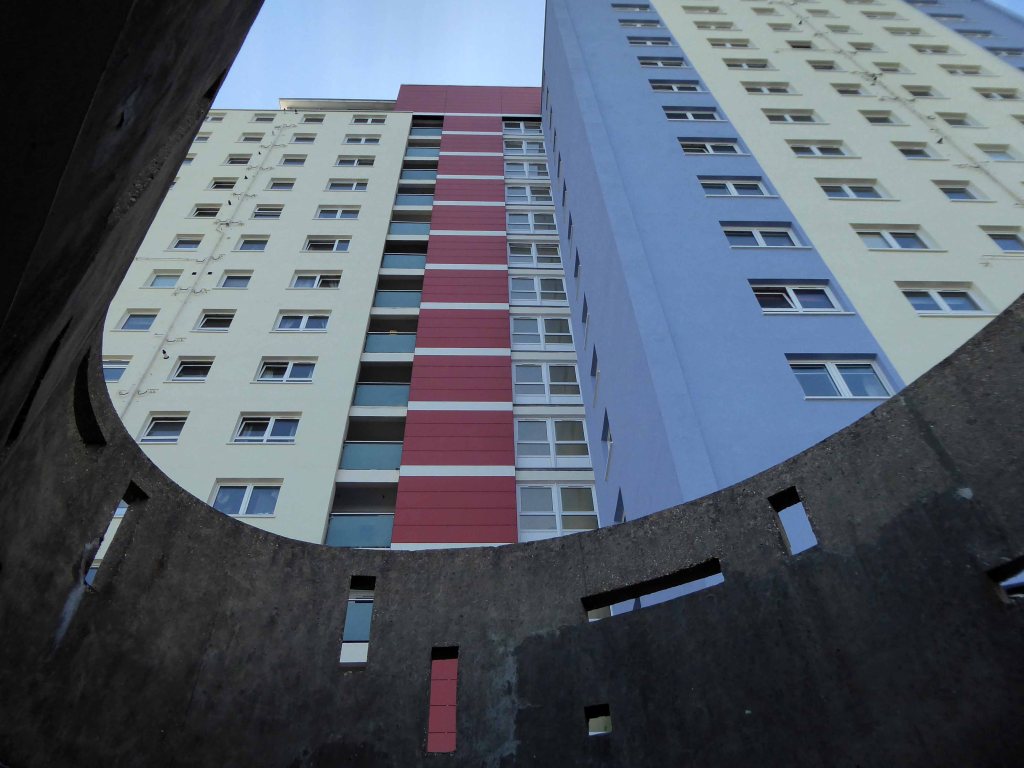
Dating from 1886, it was originally part of the Glasgow City and District Railway, the first underground railway in Scotland, and as such the station is built below the surface of the surrounding streets. The station was built using the cut and cover method, with the original walls being visible on the open air section at the western end of the platforms.
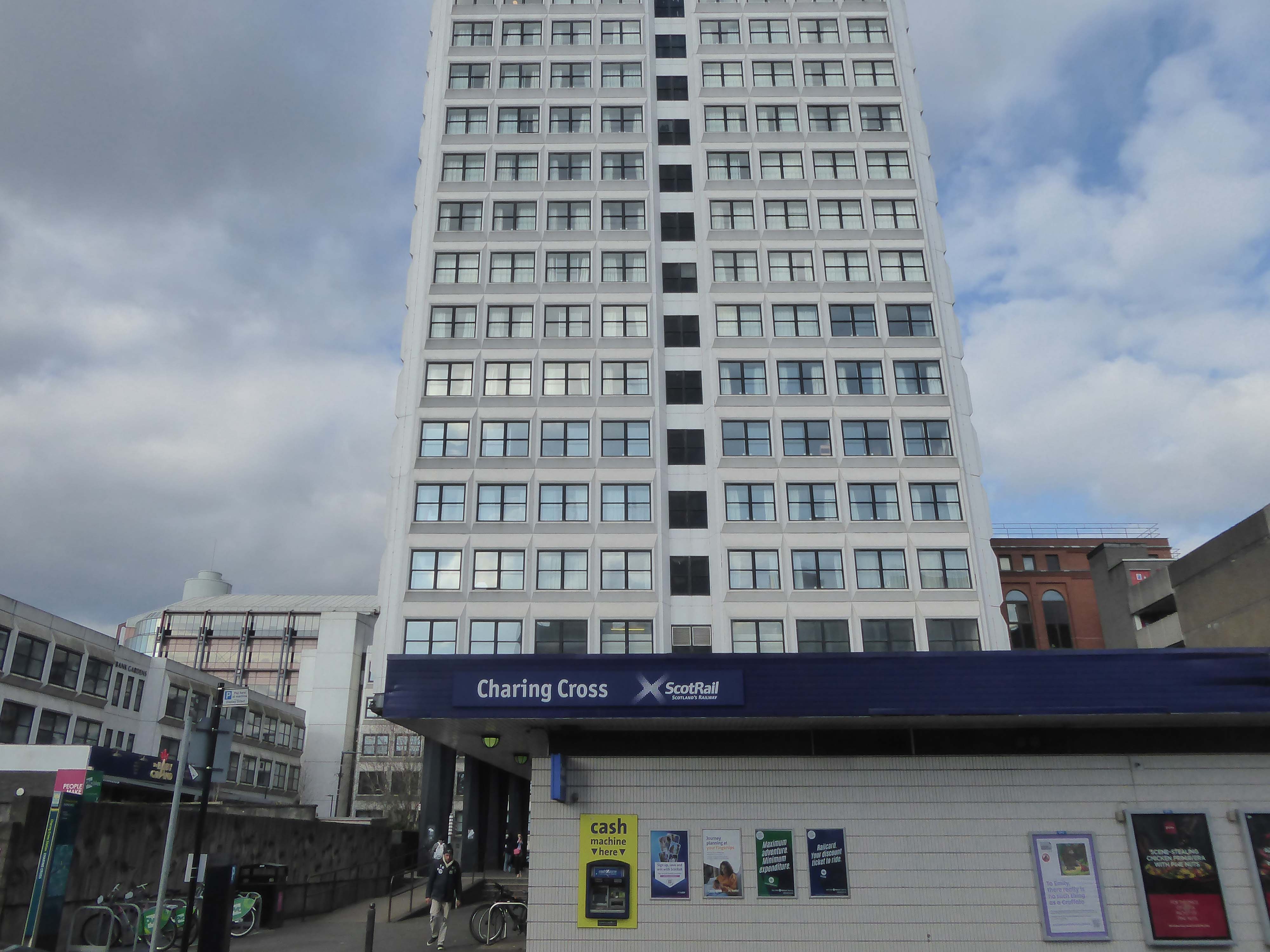
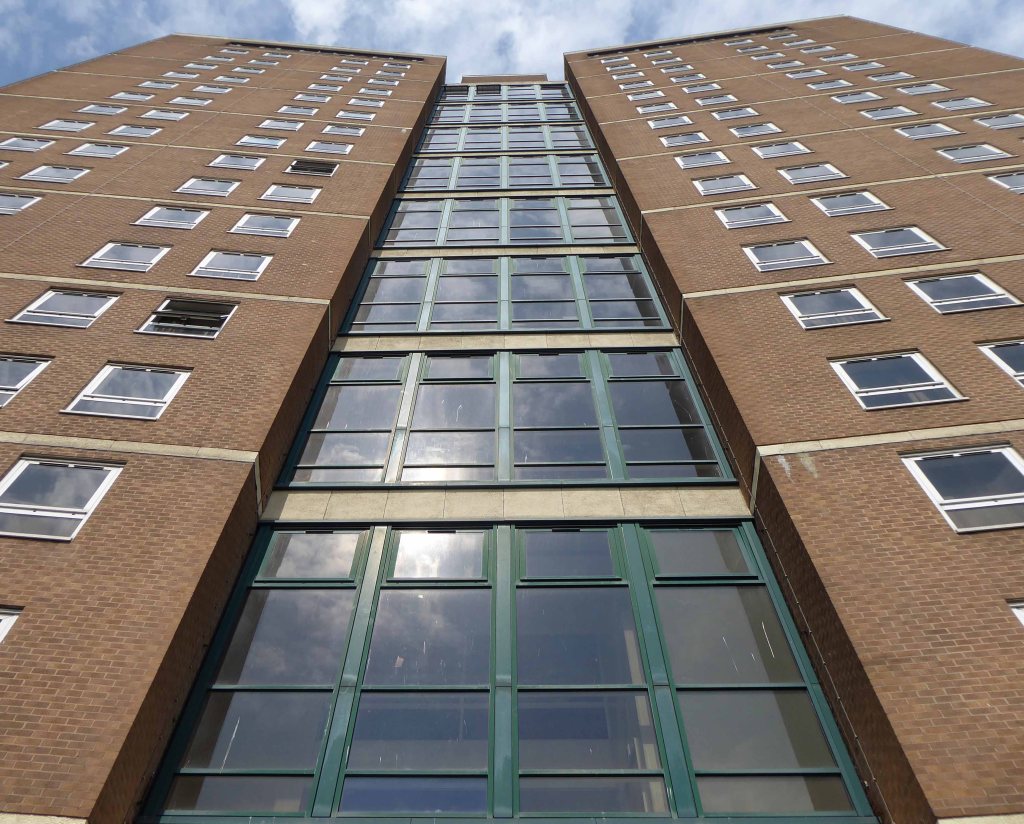
In 1968 it was demolished due to it being in the path of the new Glasgow Inner Ring Road, and the surface access to the station was moved to its eastern end, with a new surface building constructed as part of the Elmbank Gardens office complex in 1971 – the building was designed by the Richard Seifert & Partners.
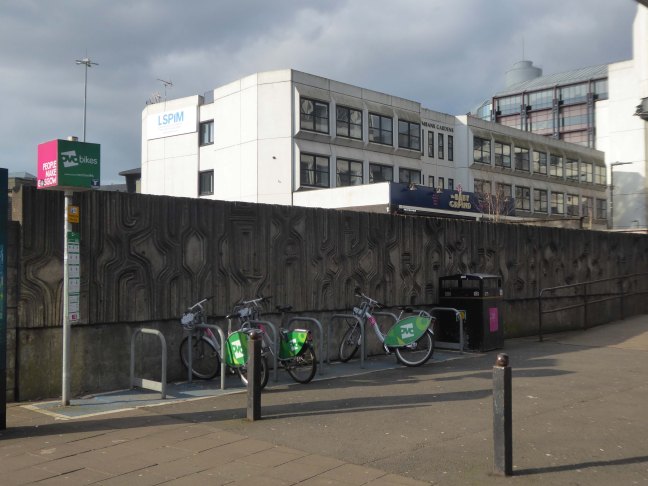
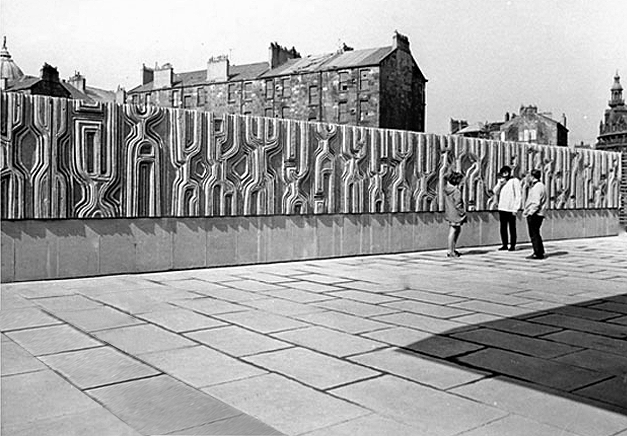
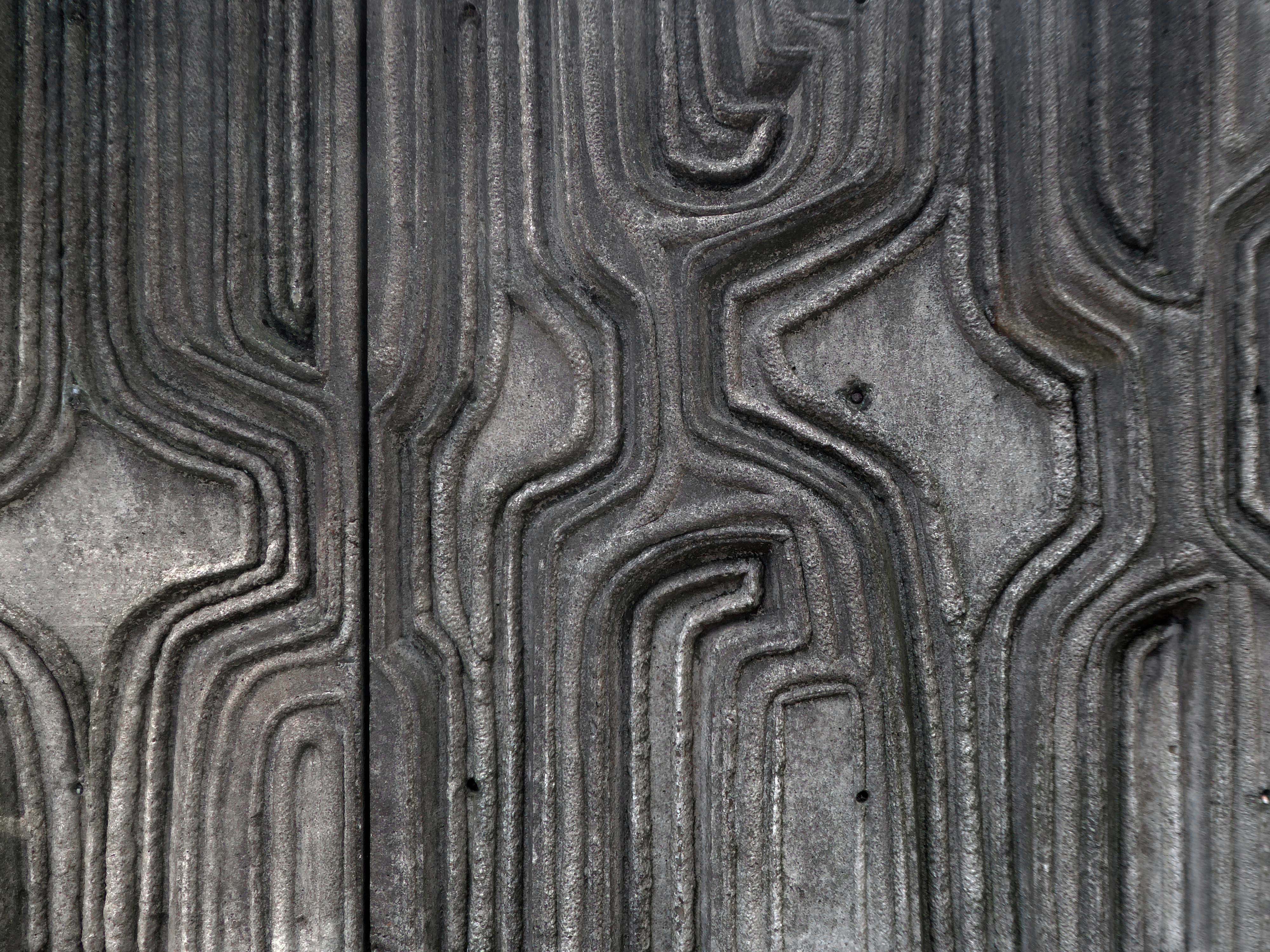
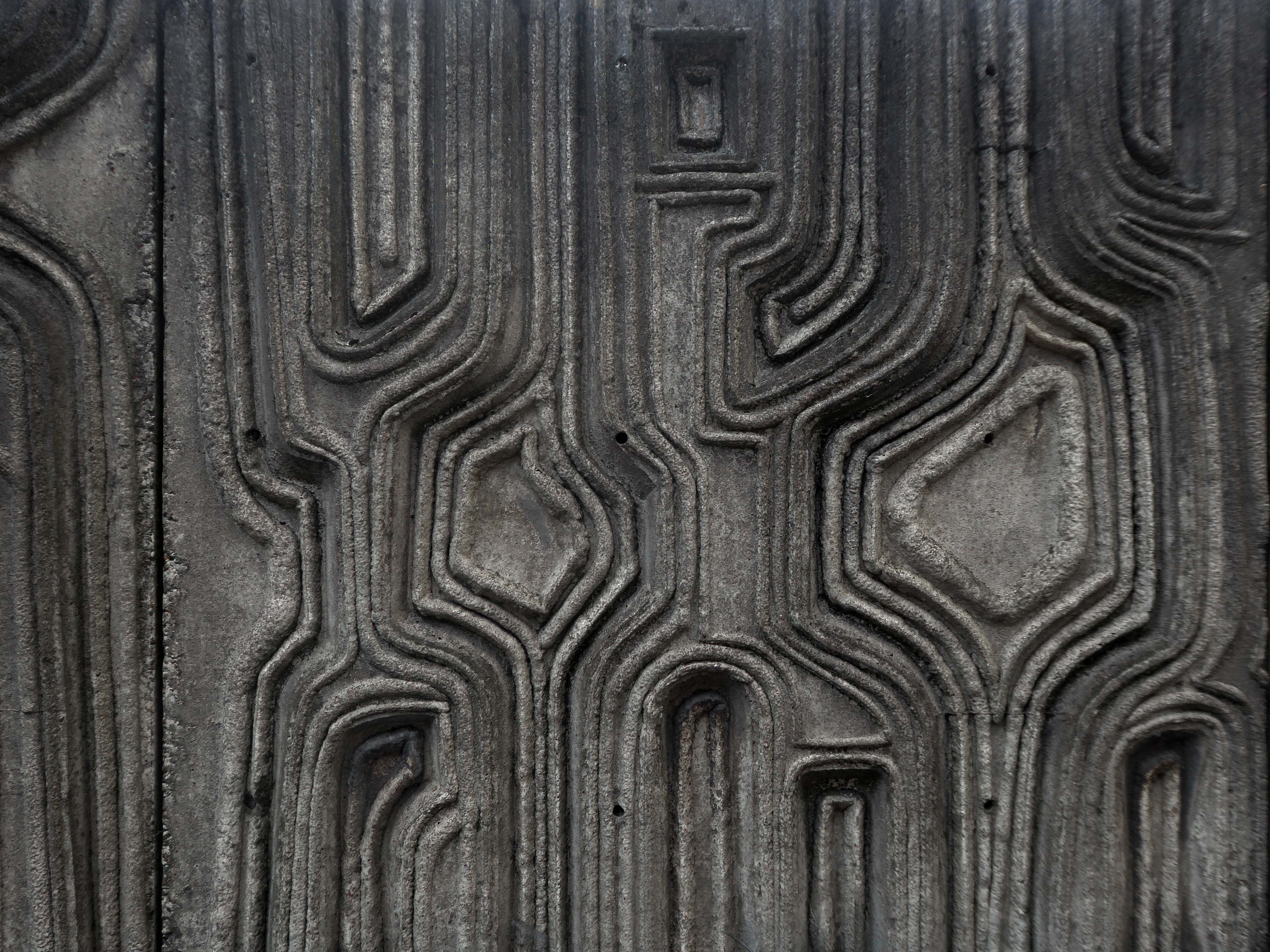
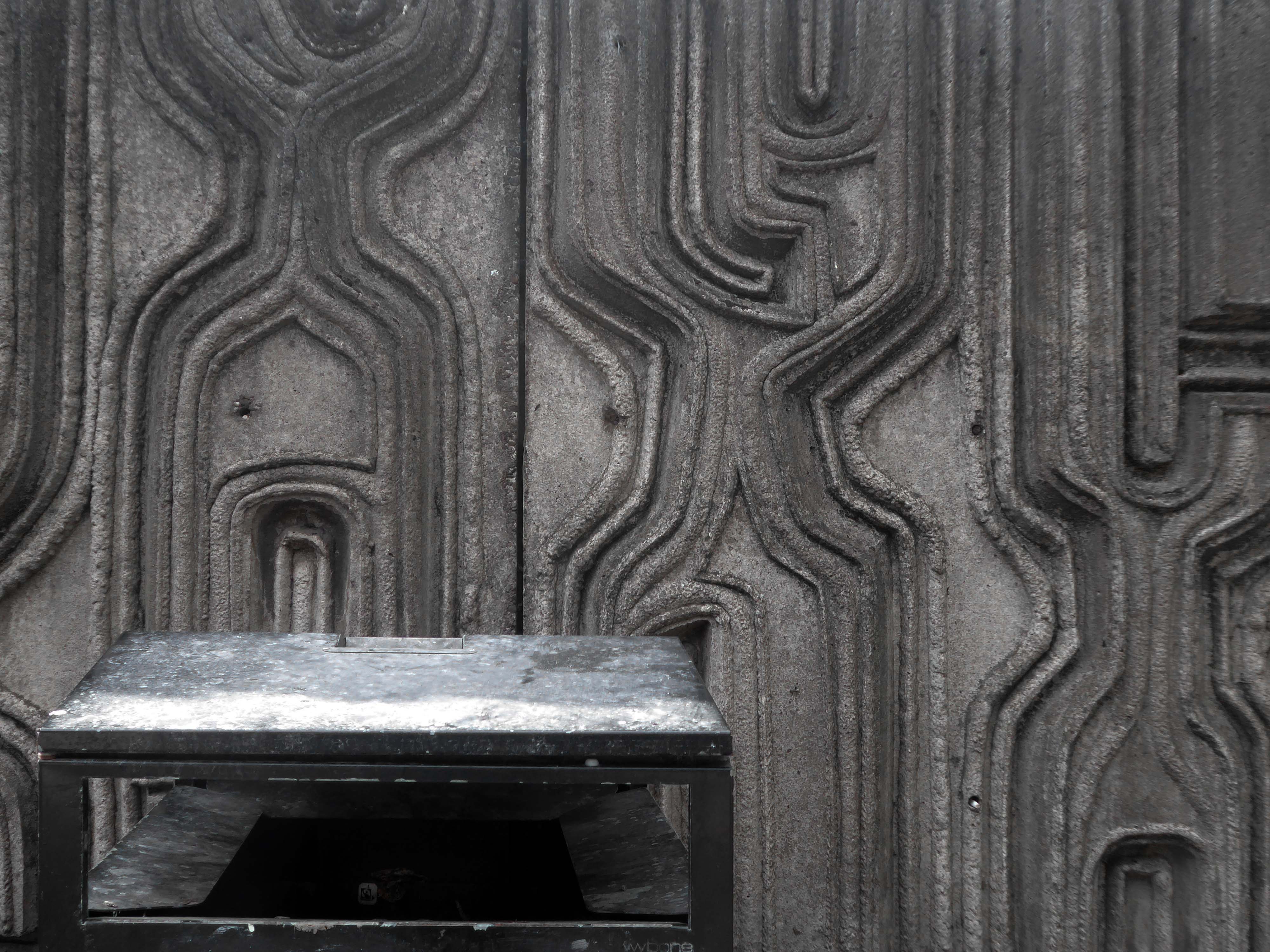
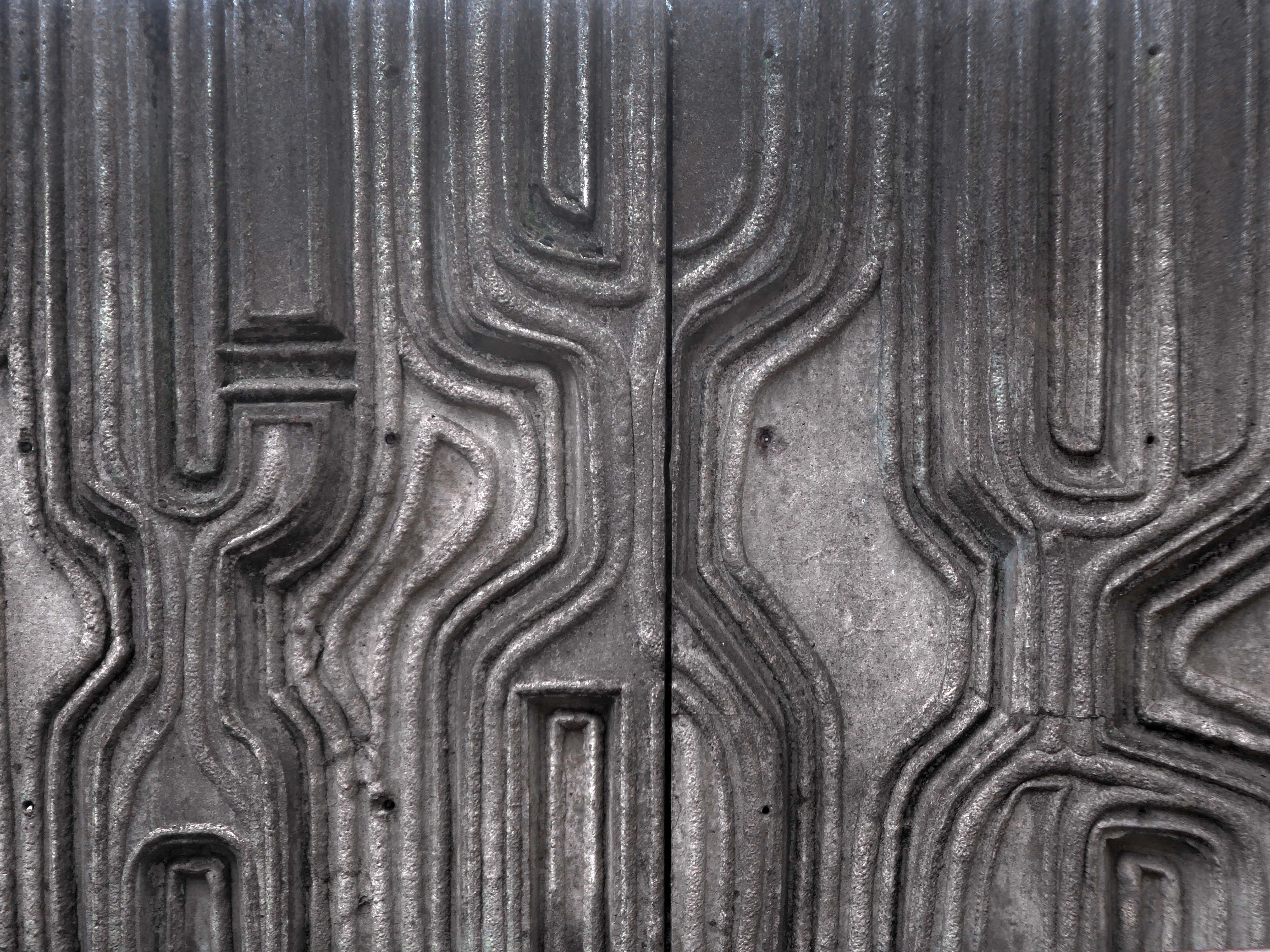
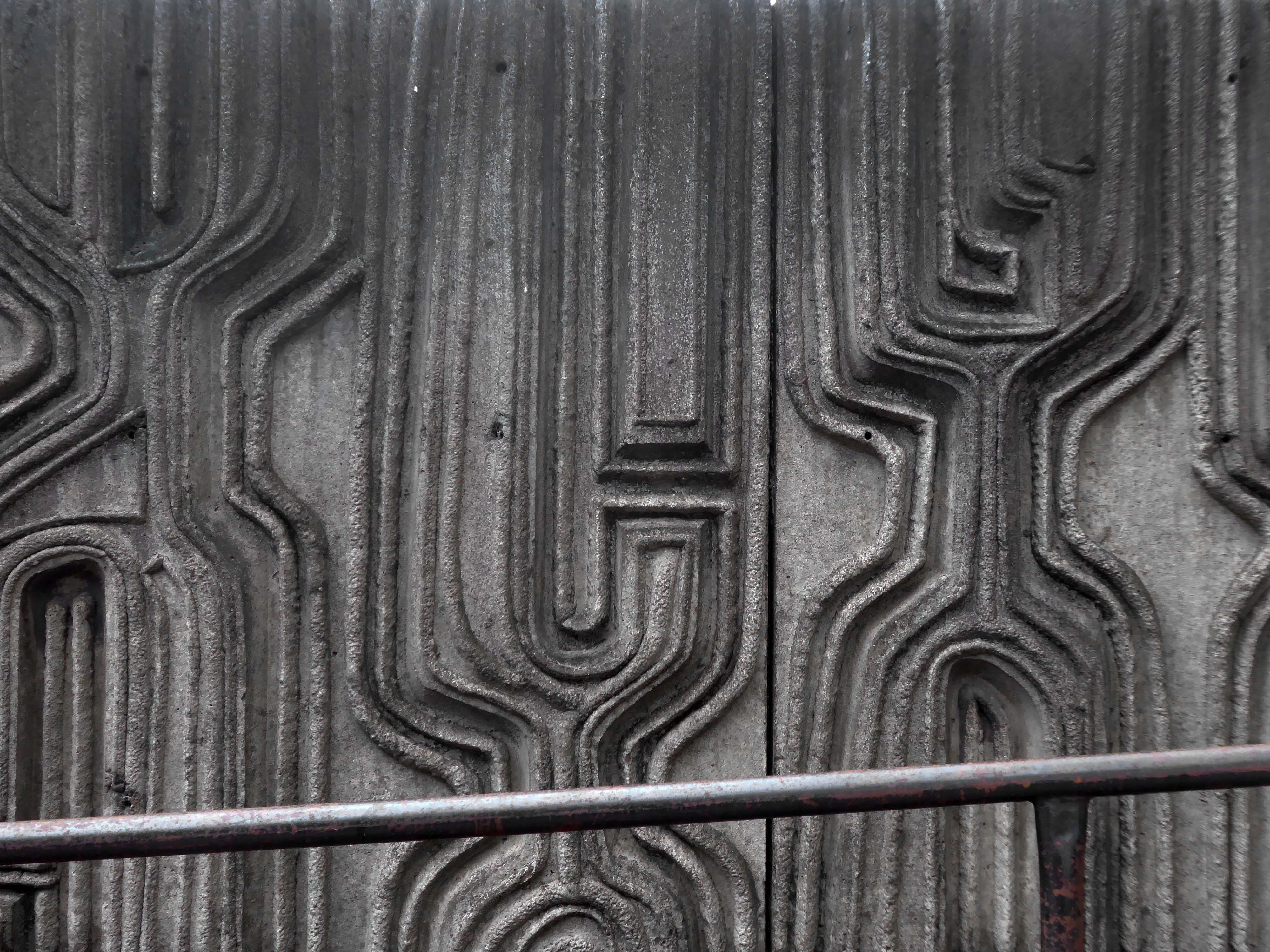
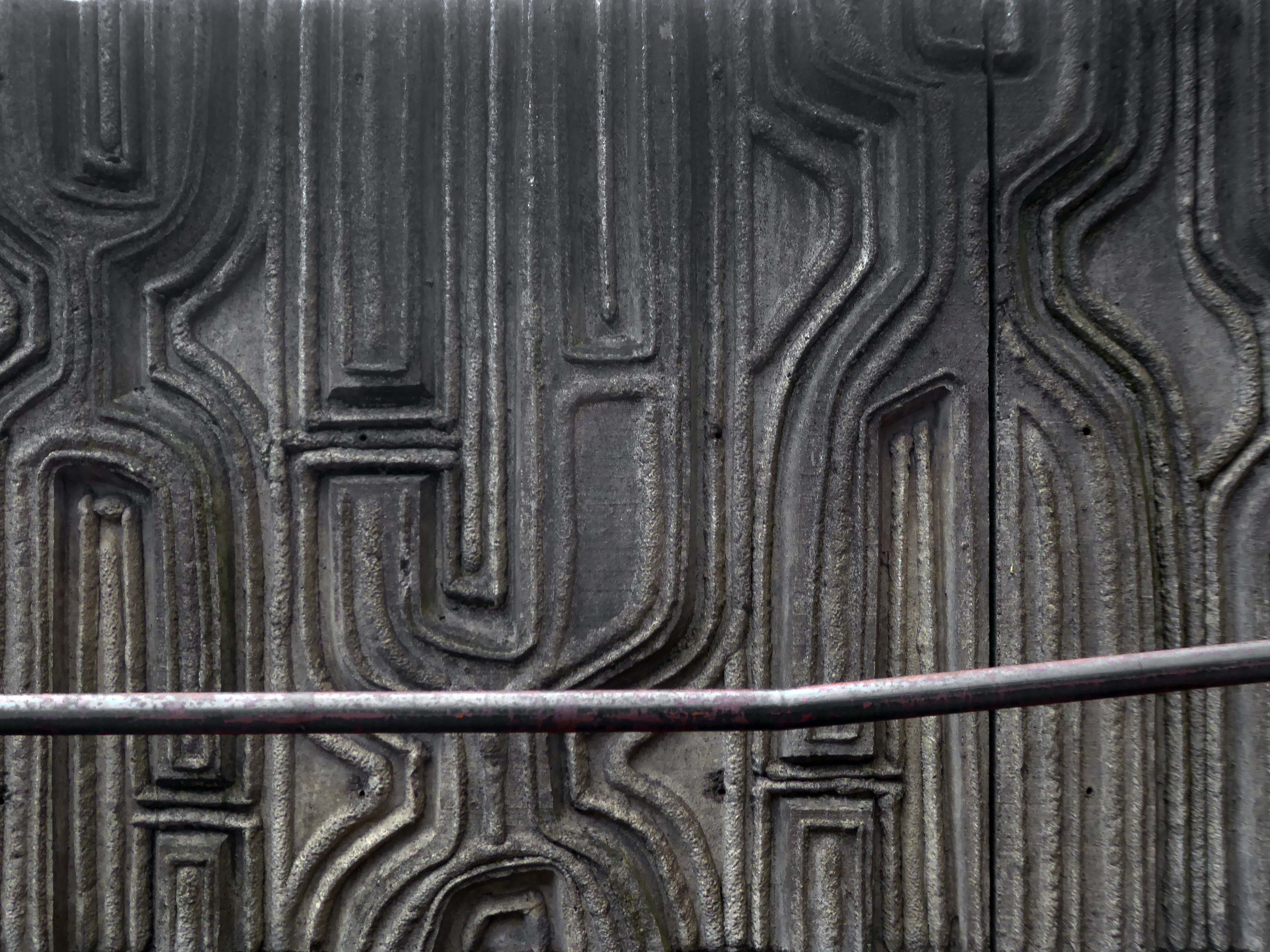
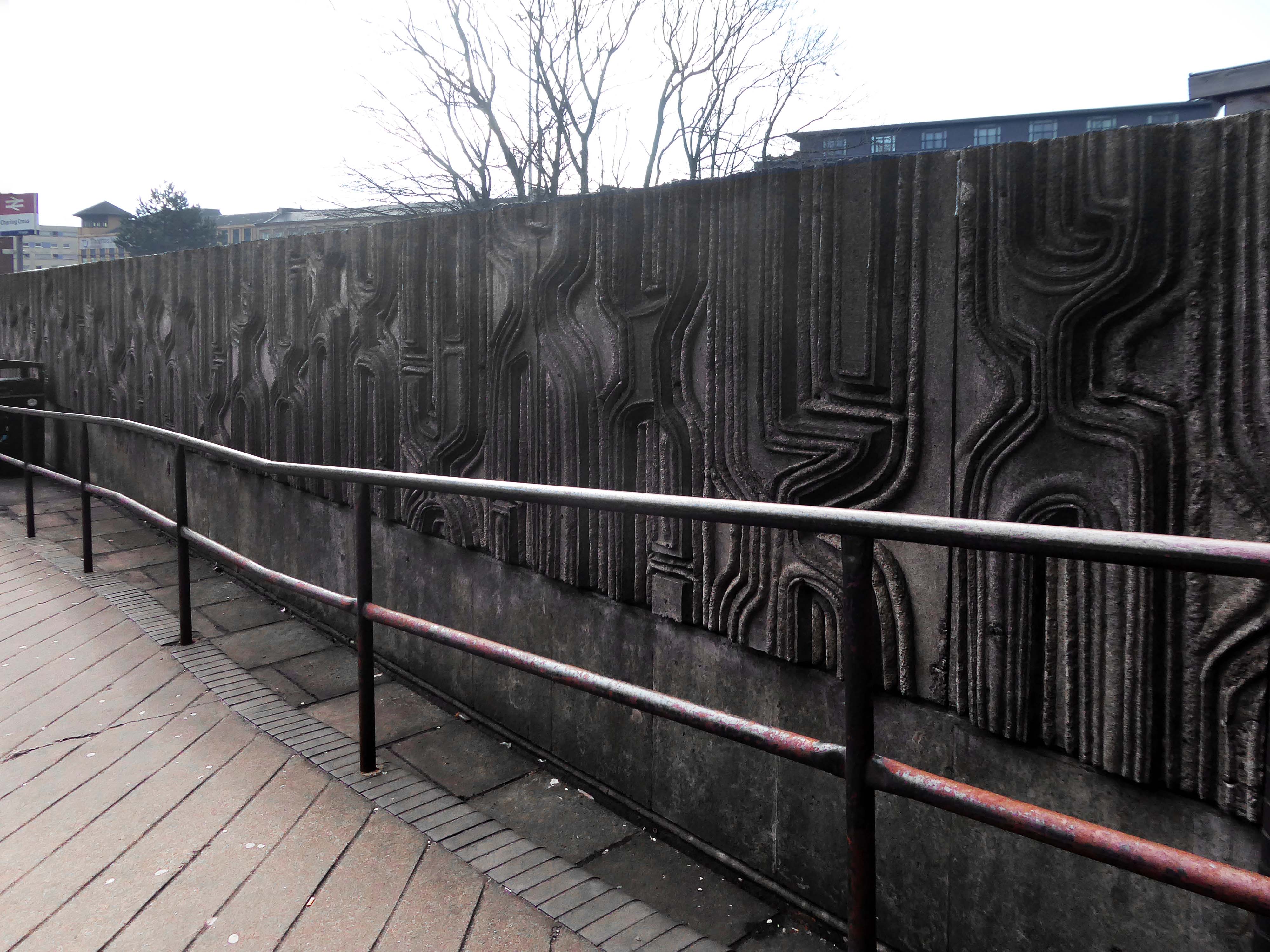
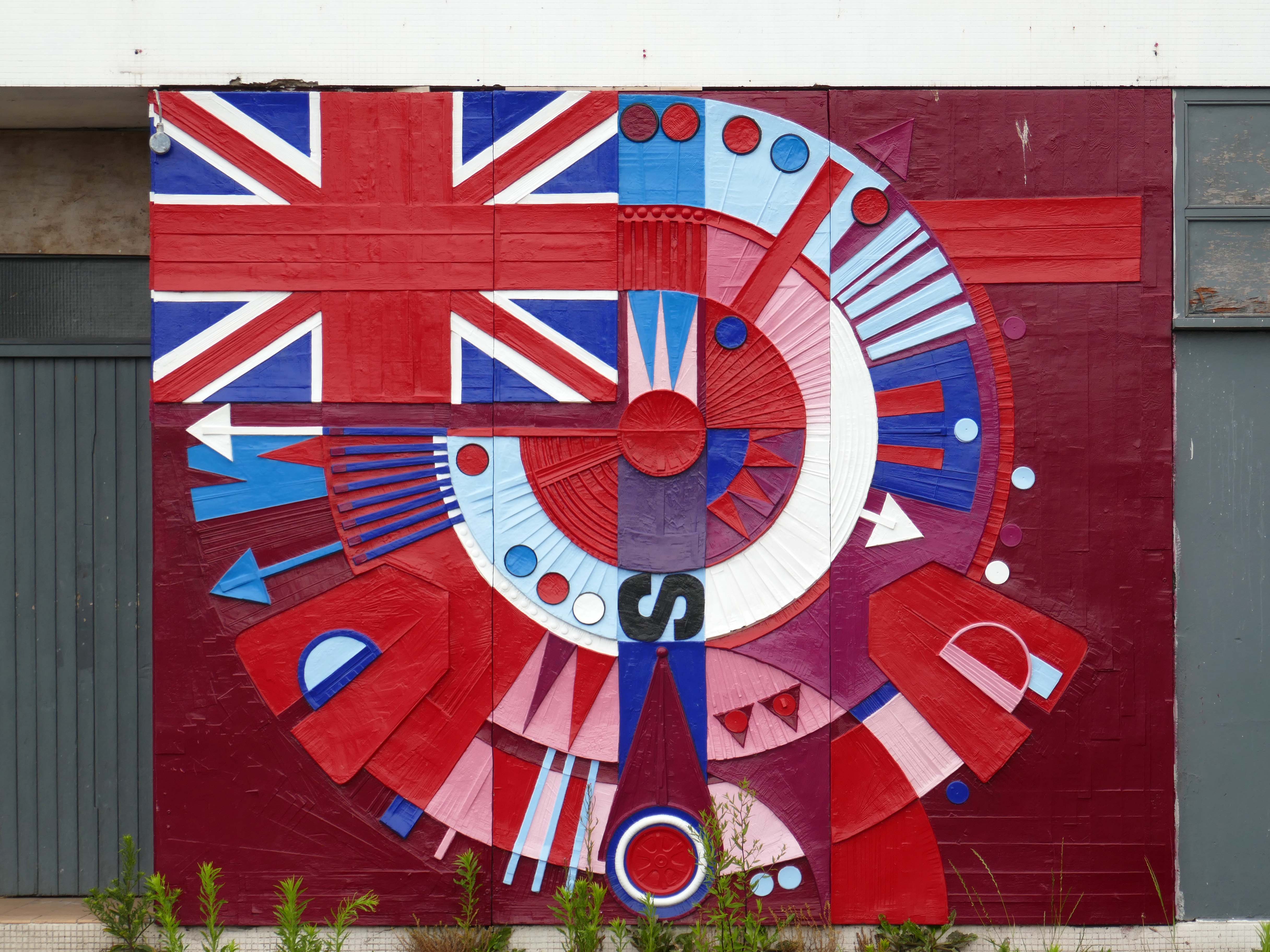
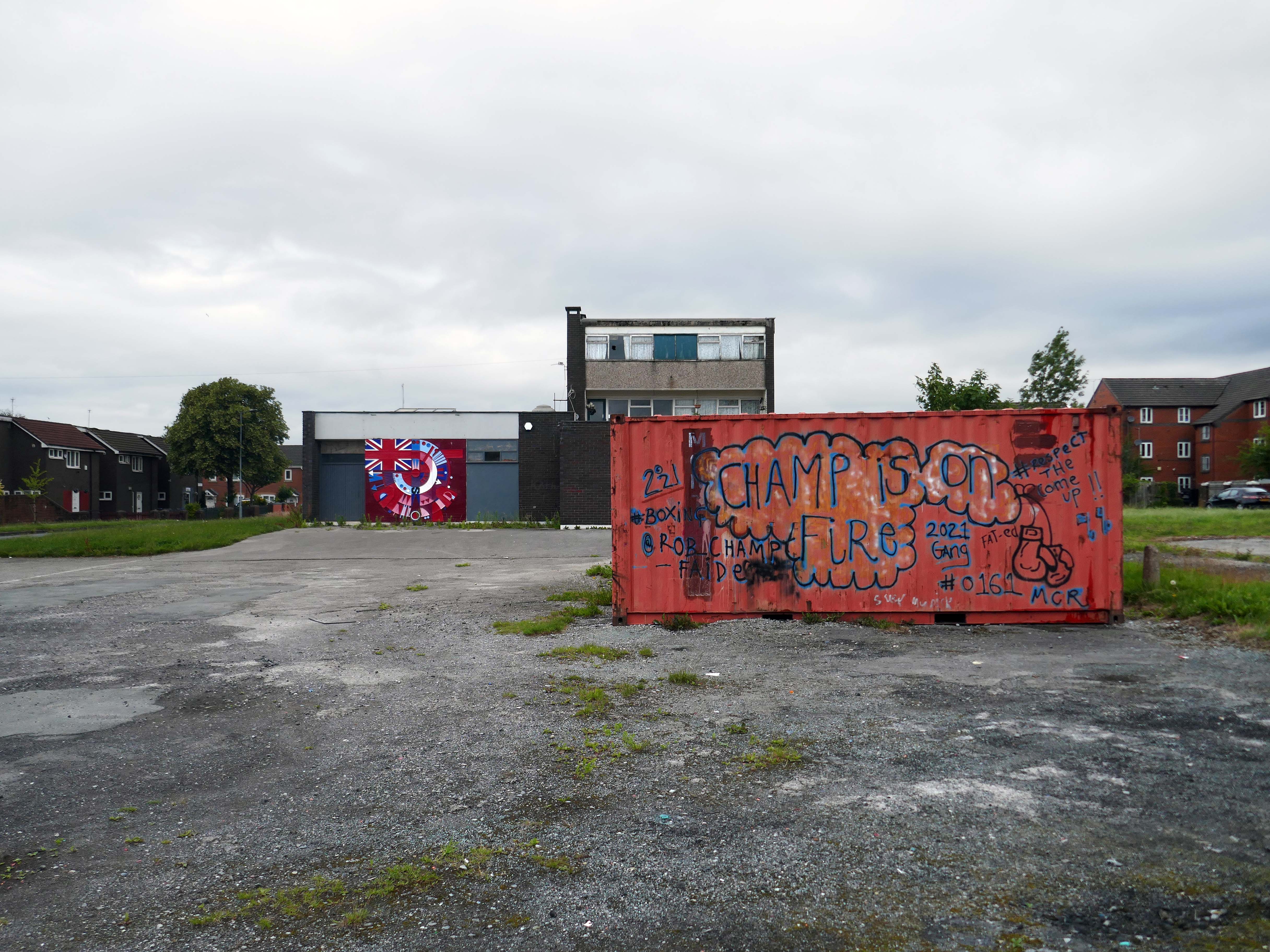
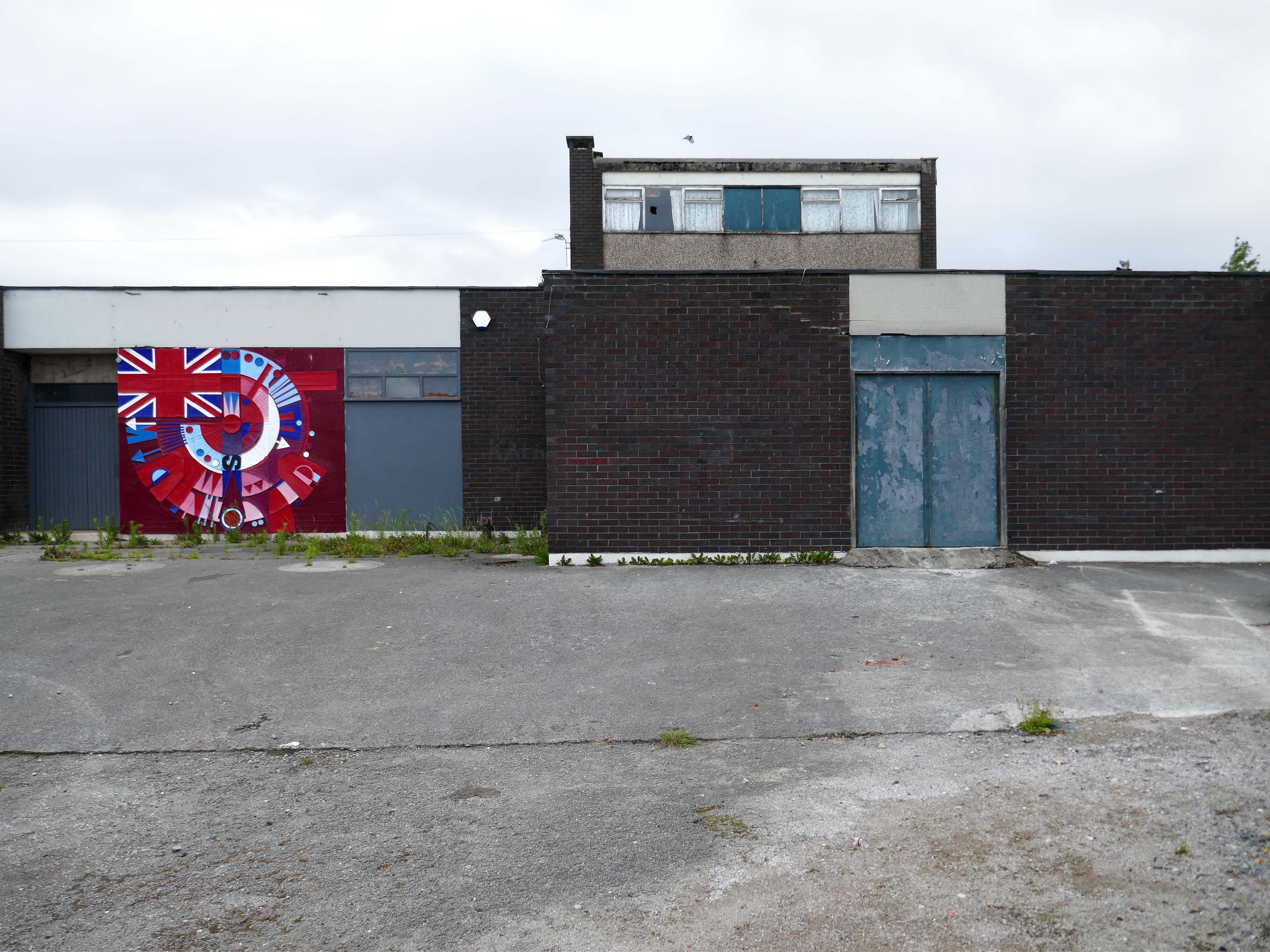
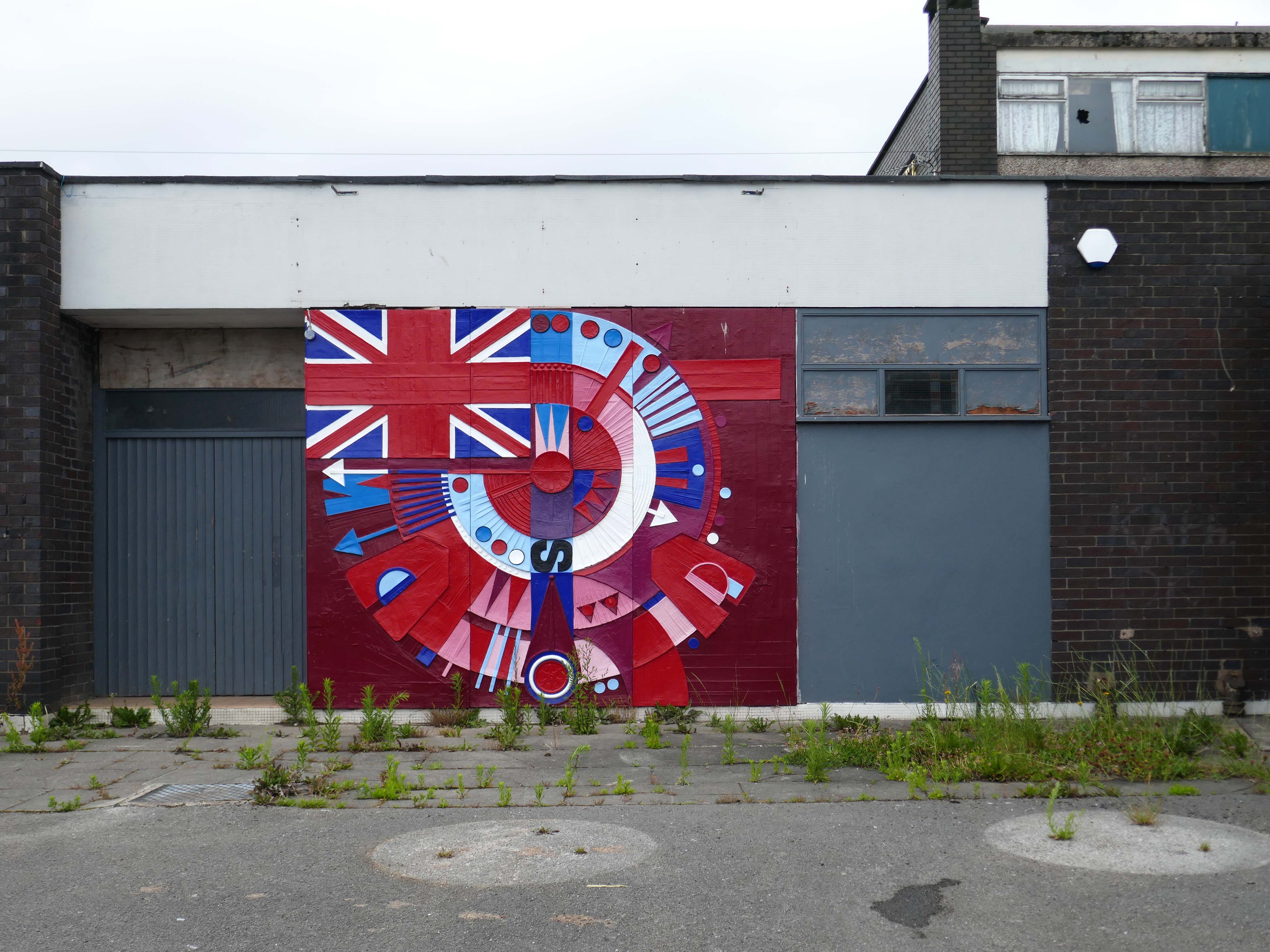
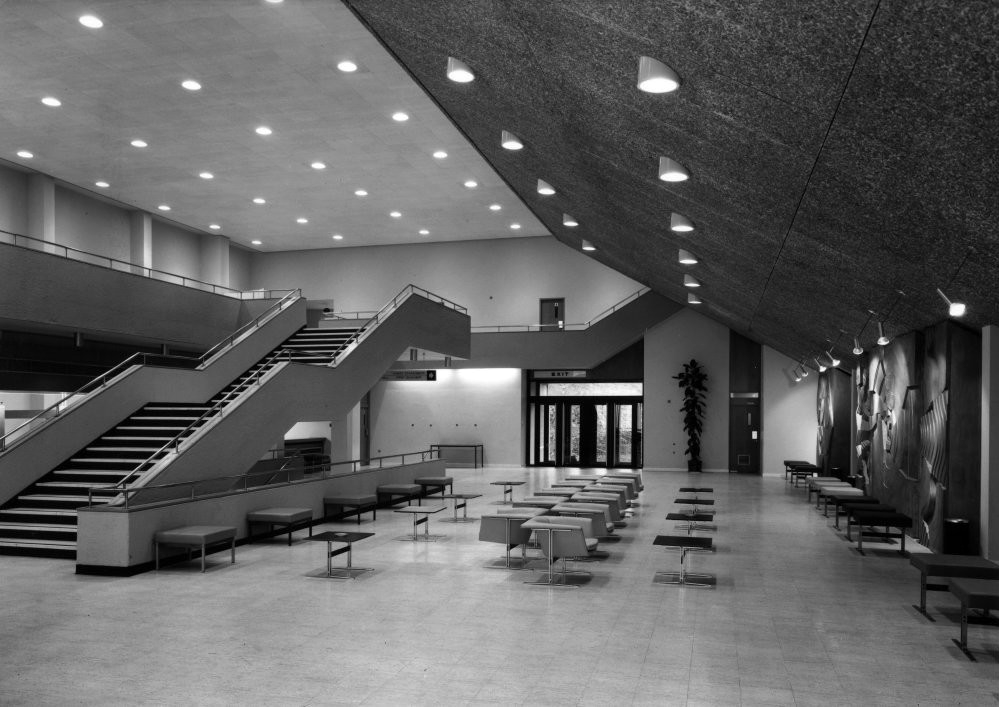
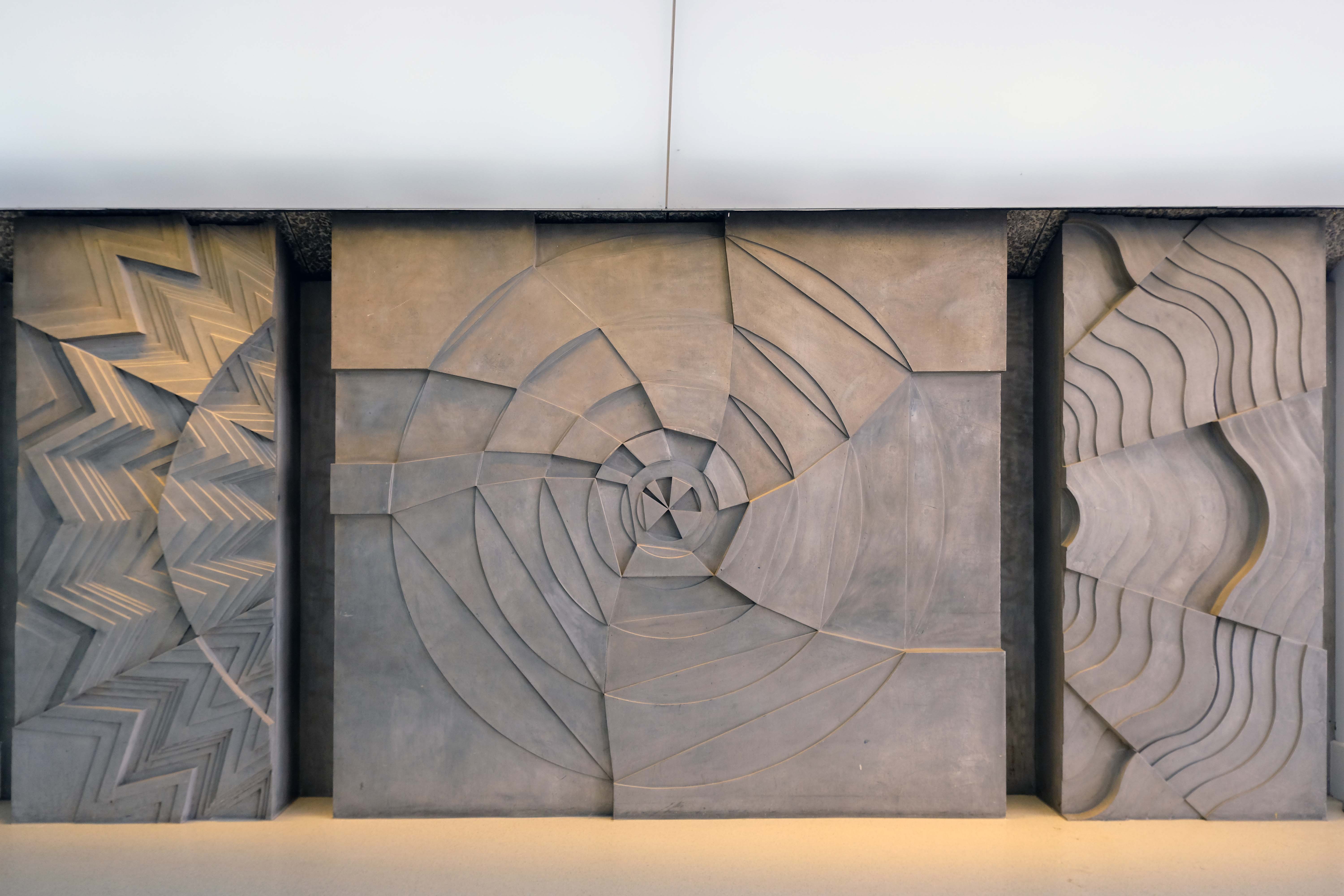
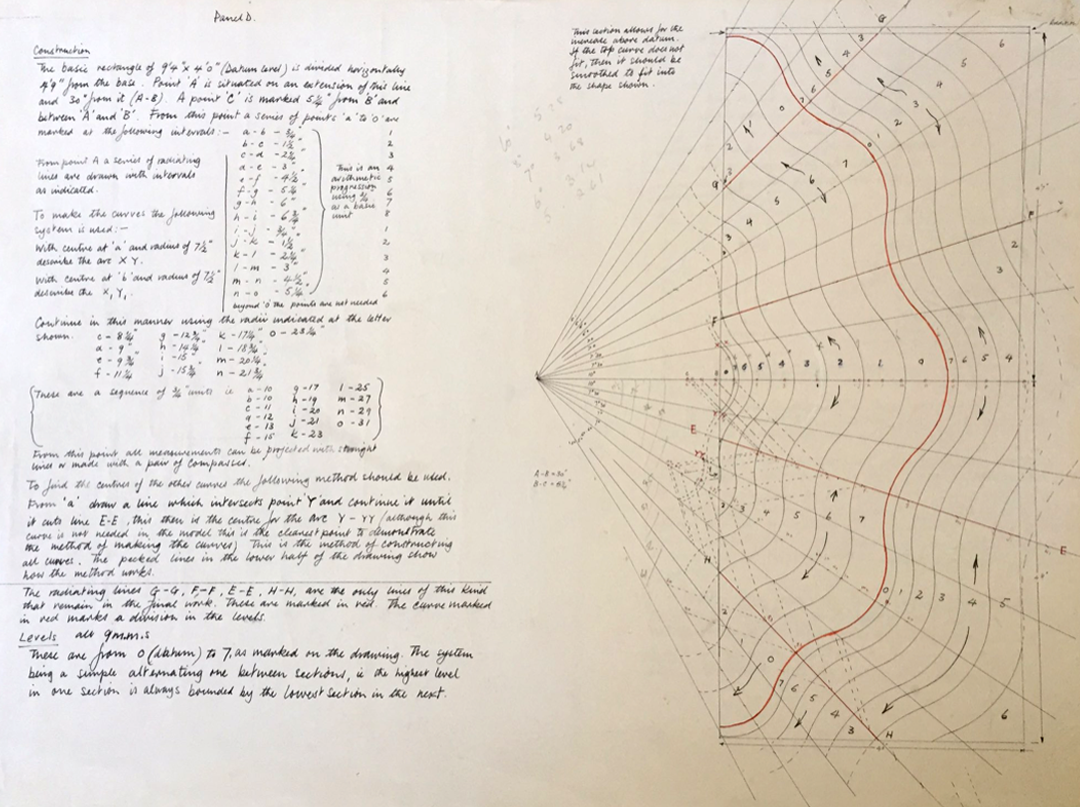
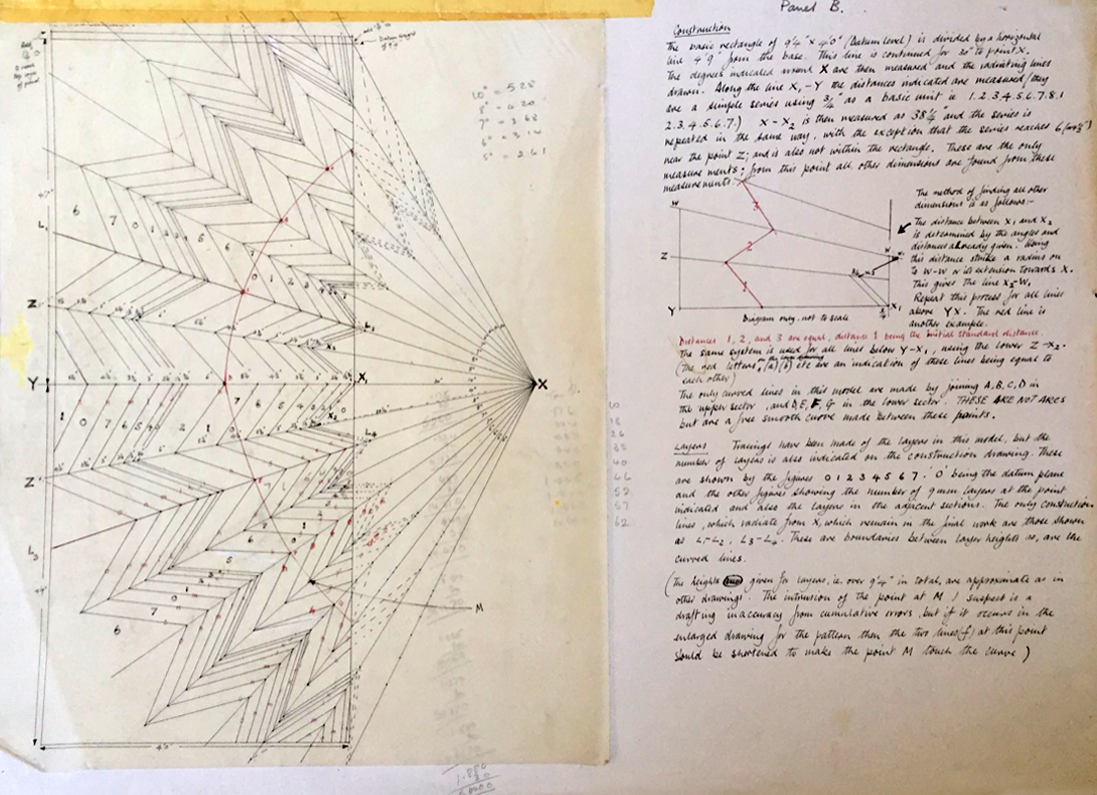
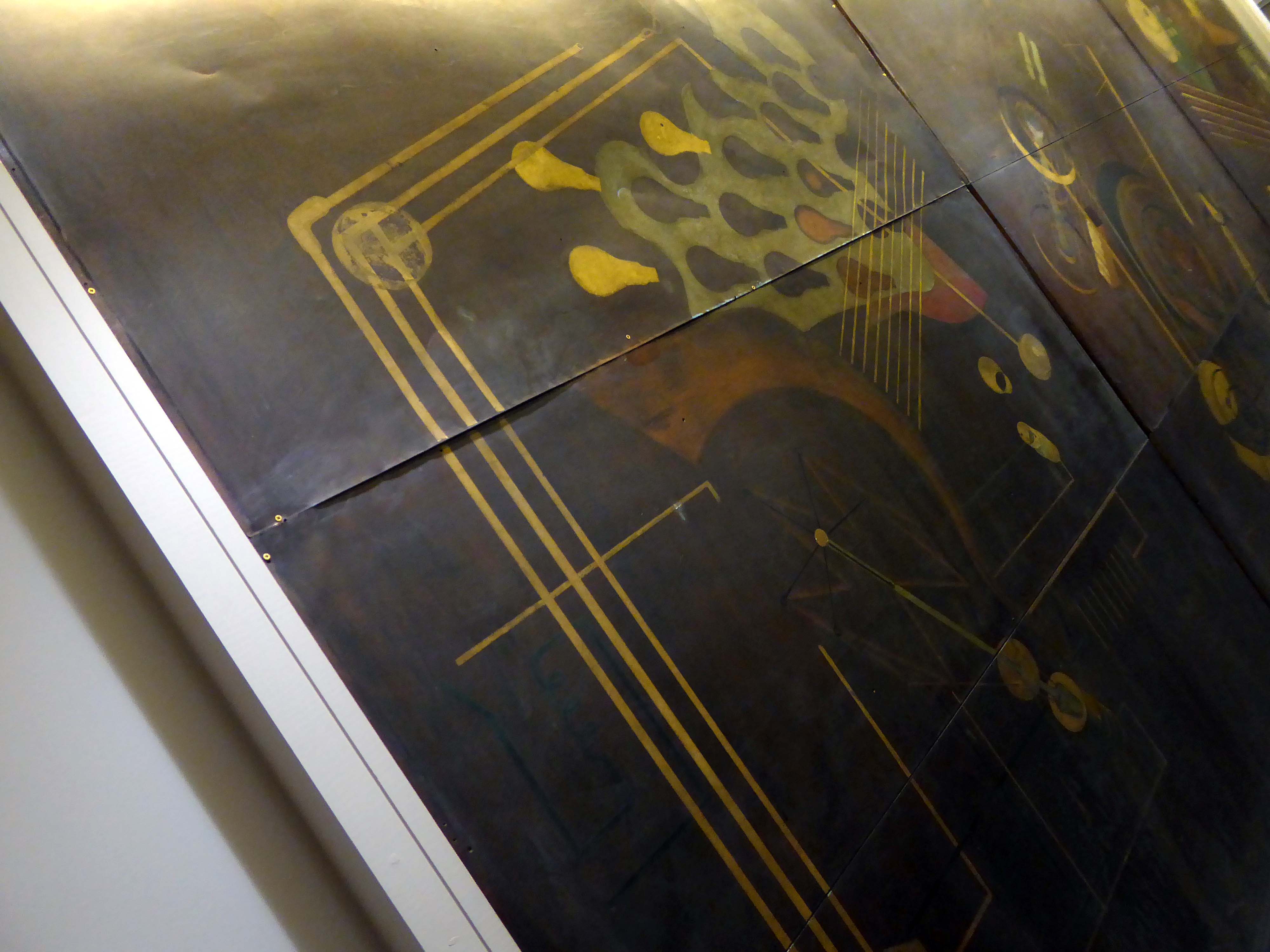
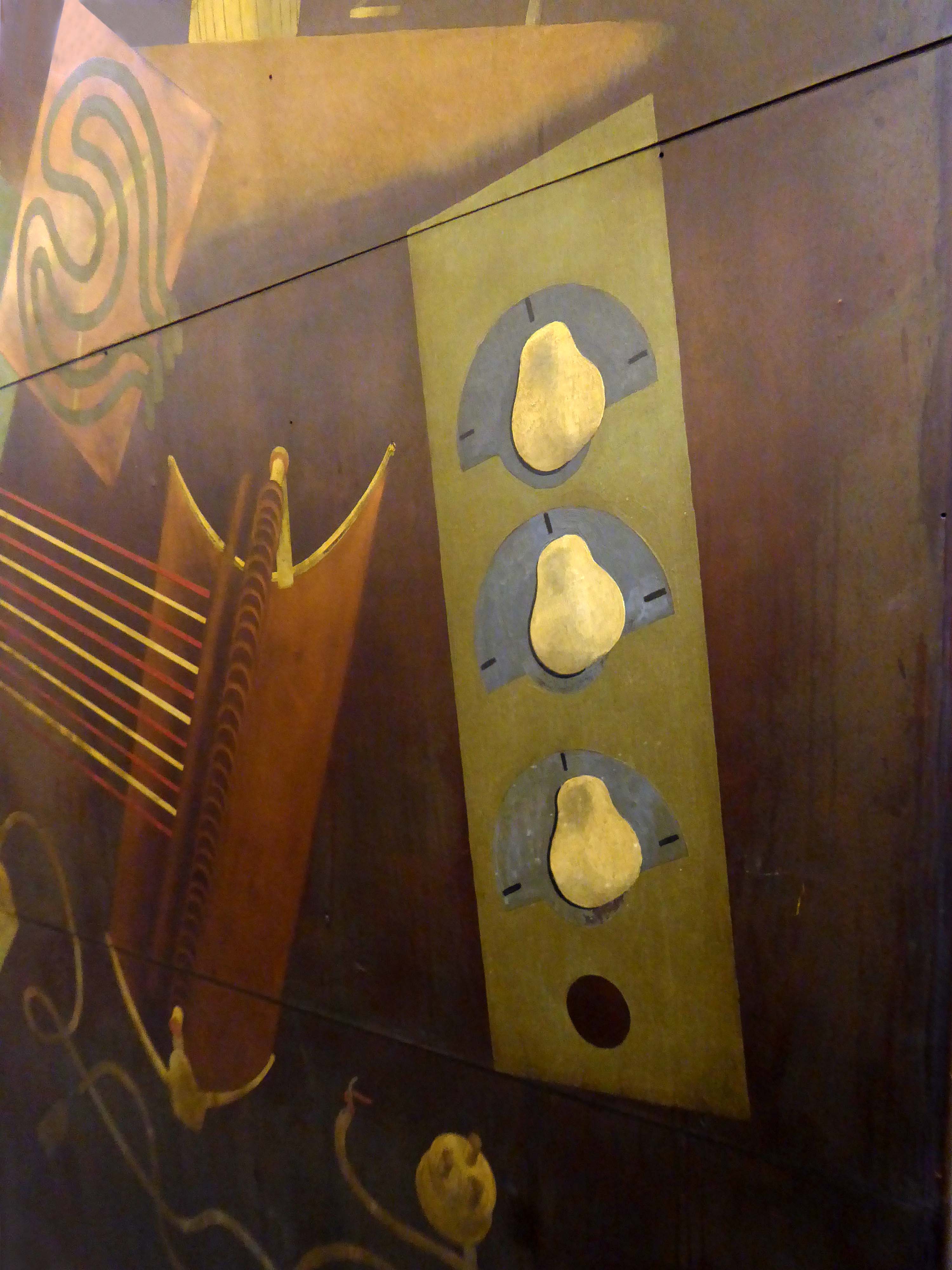
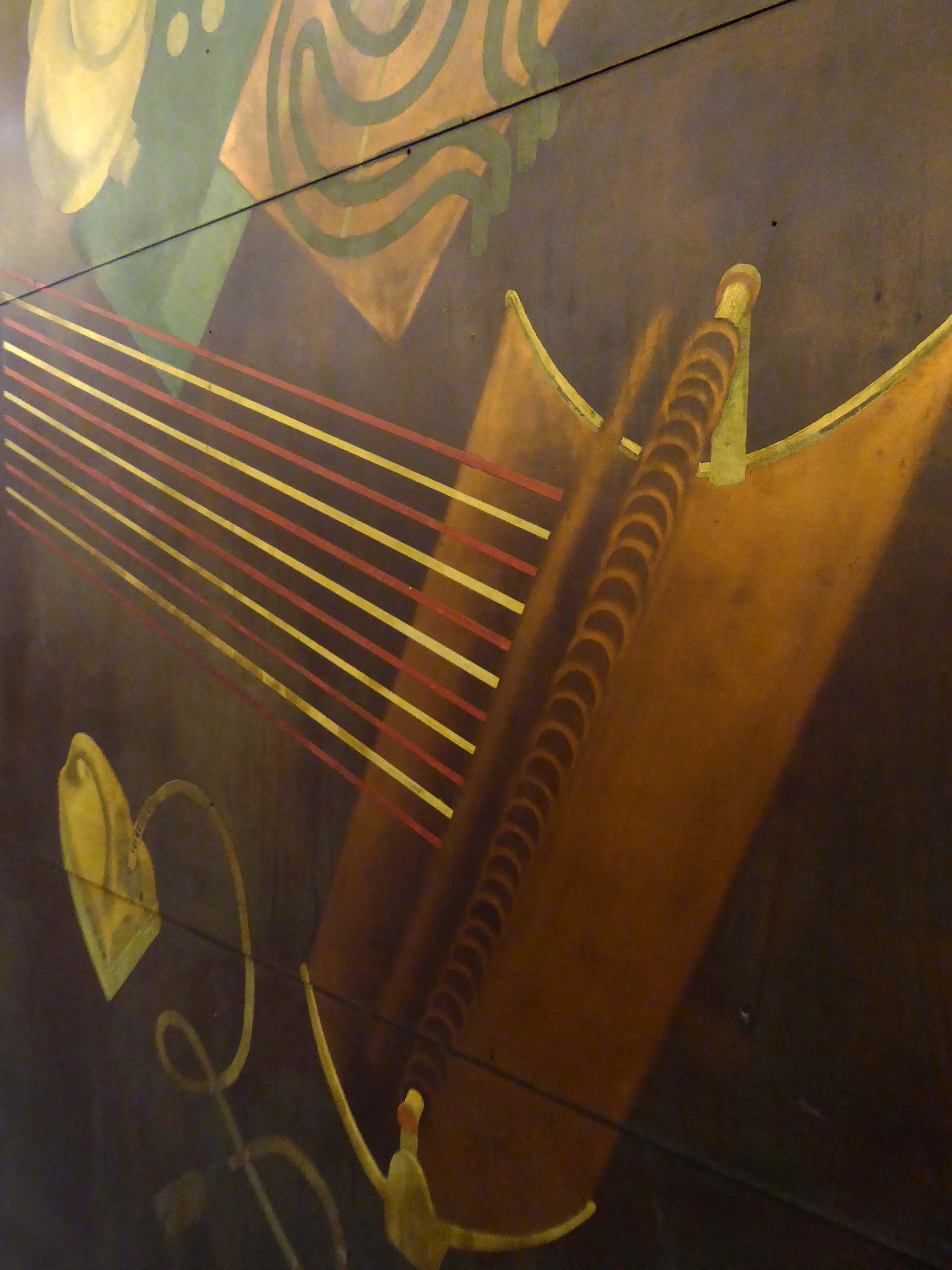
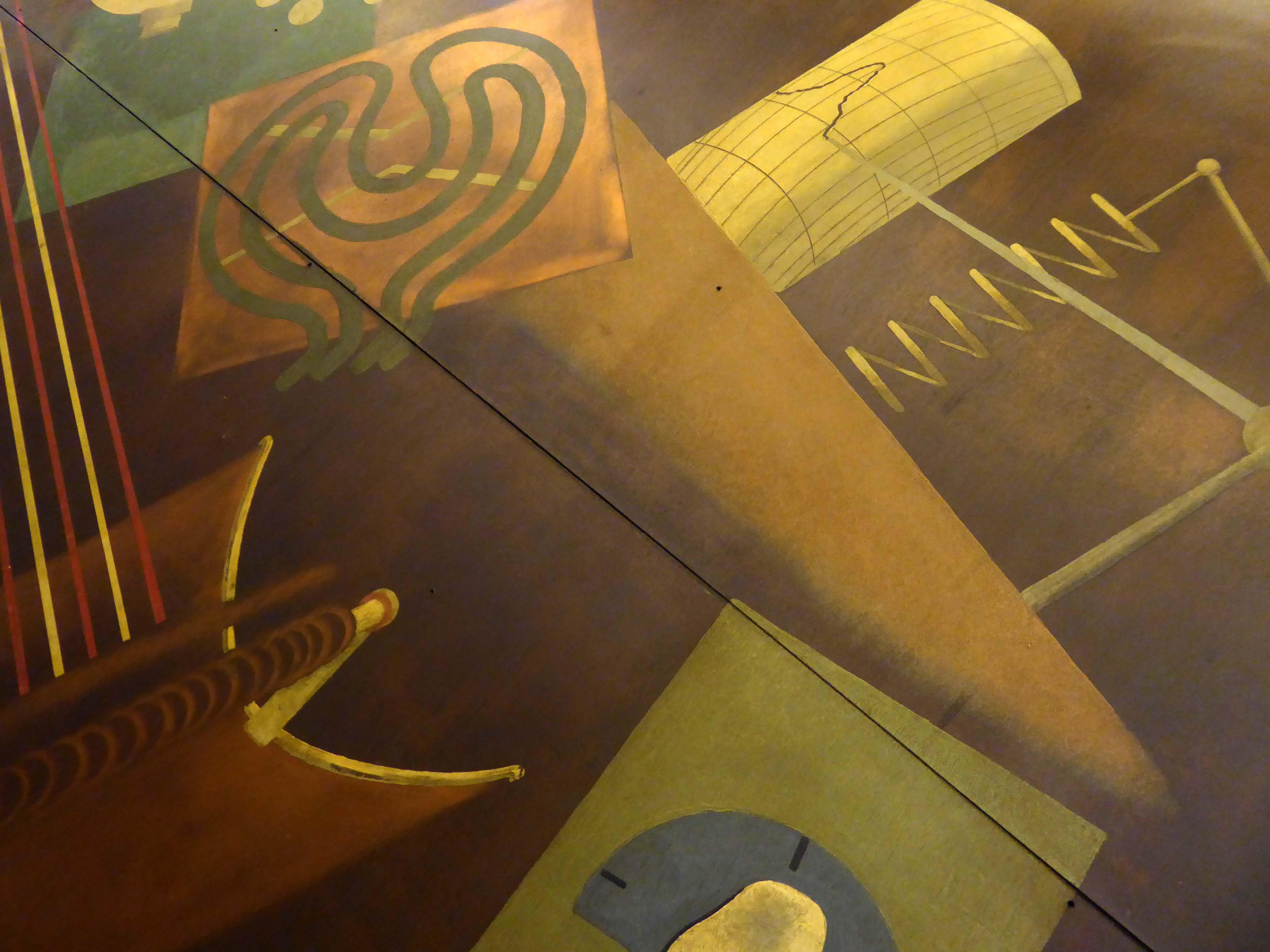
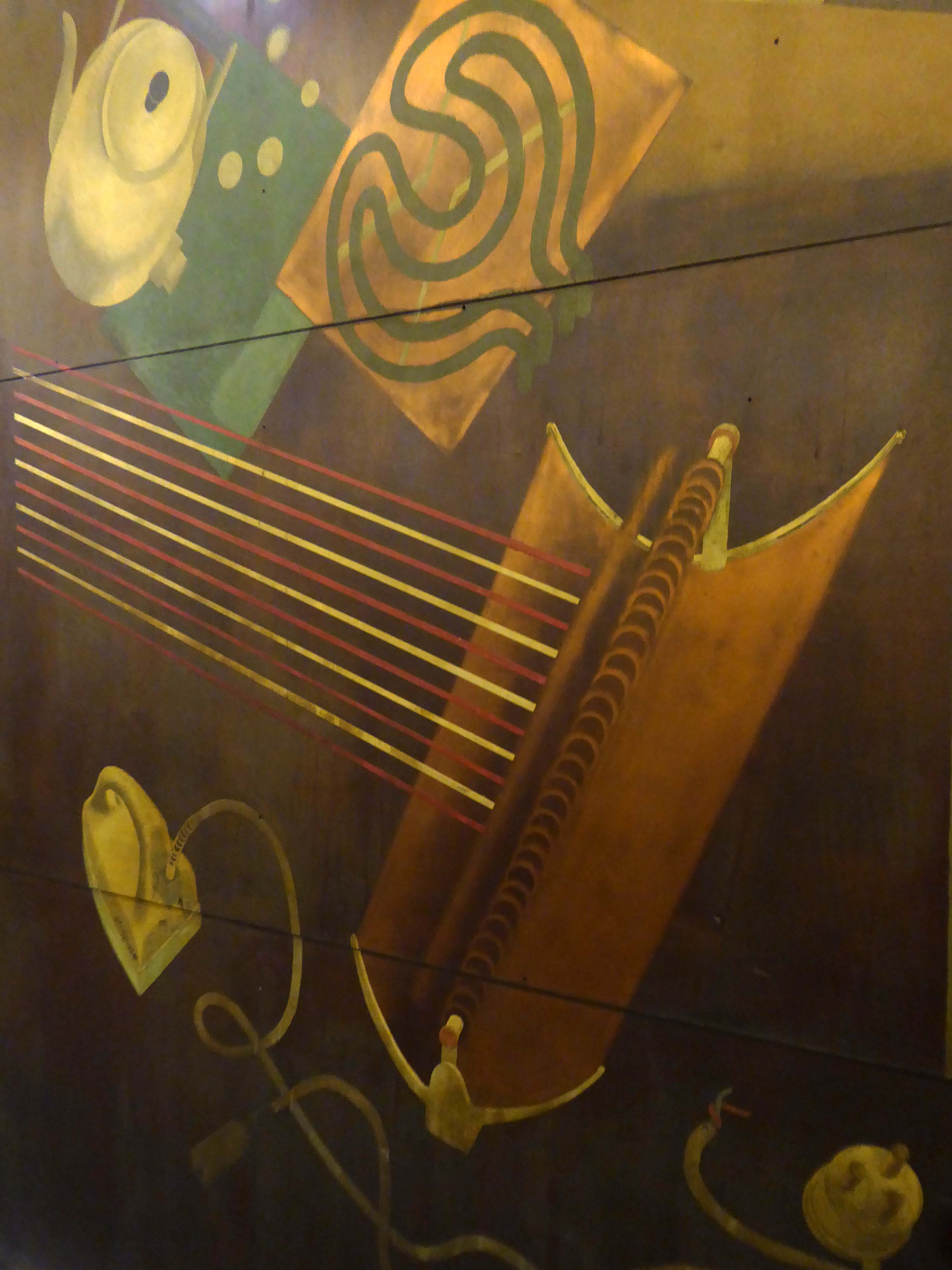
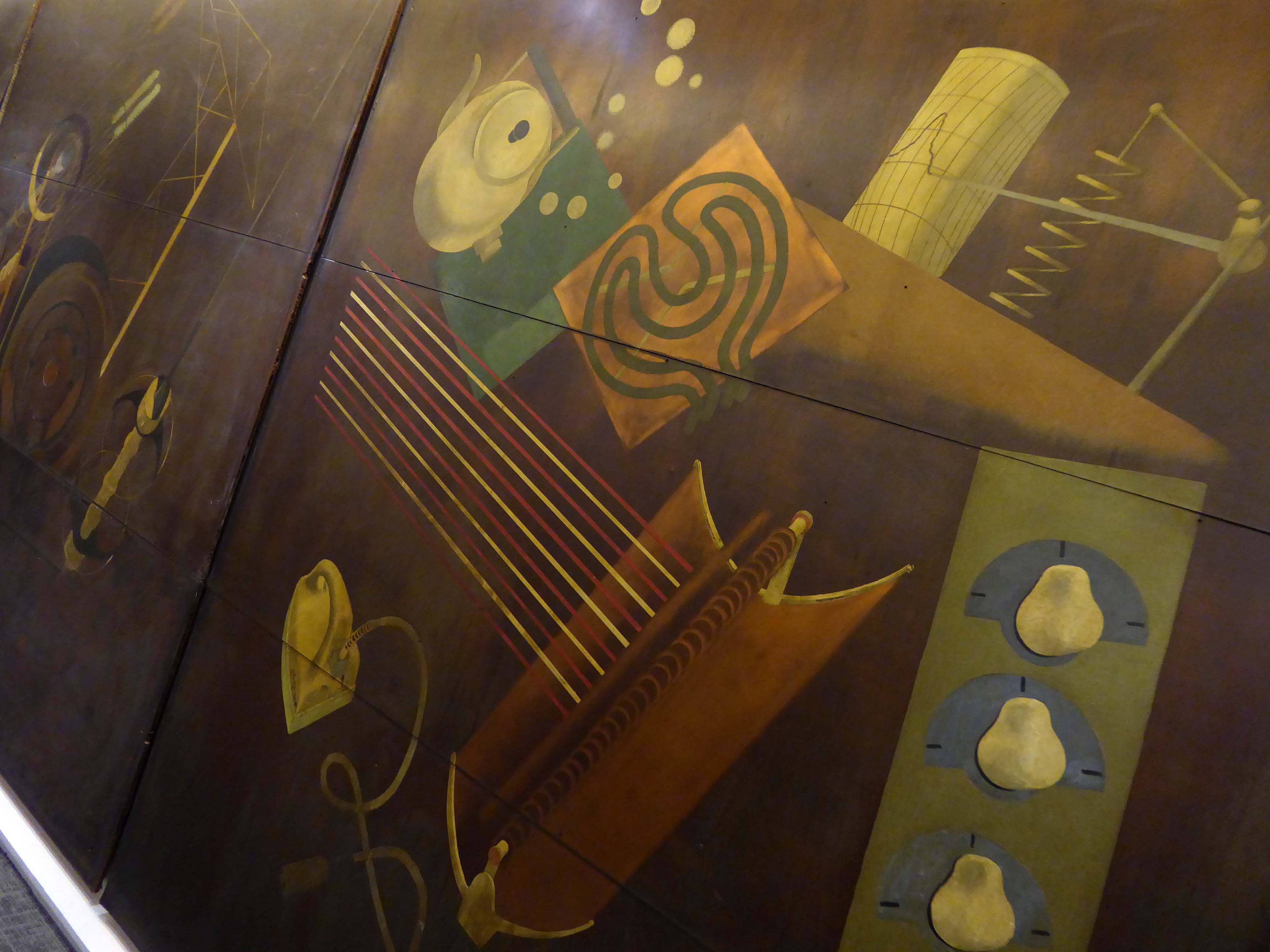
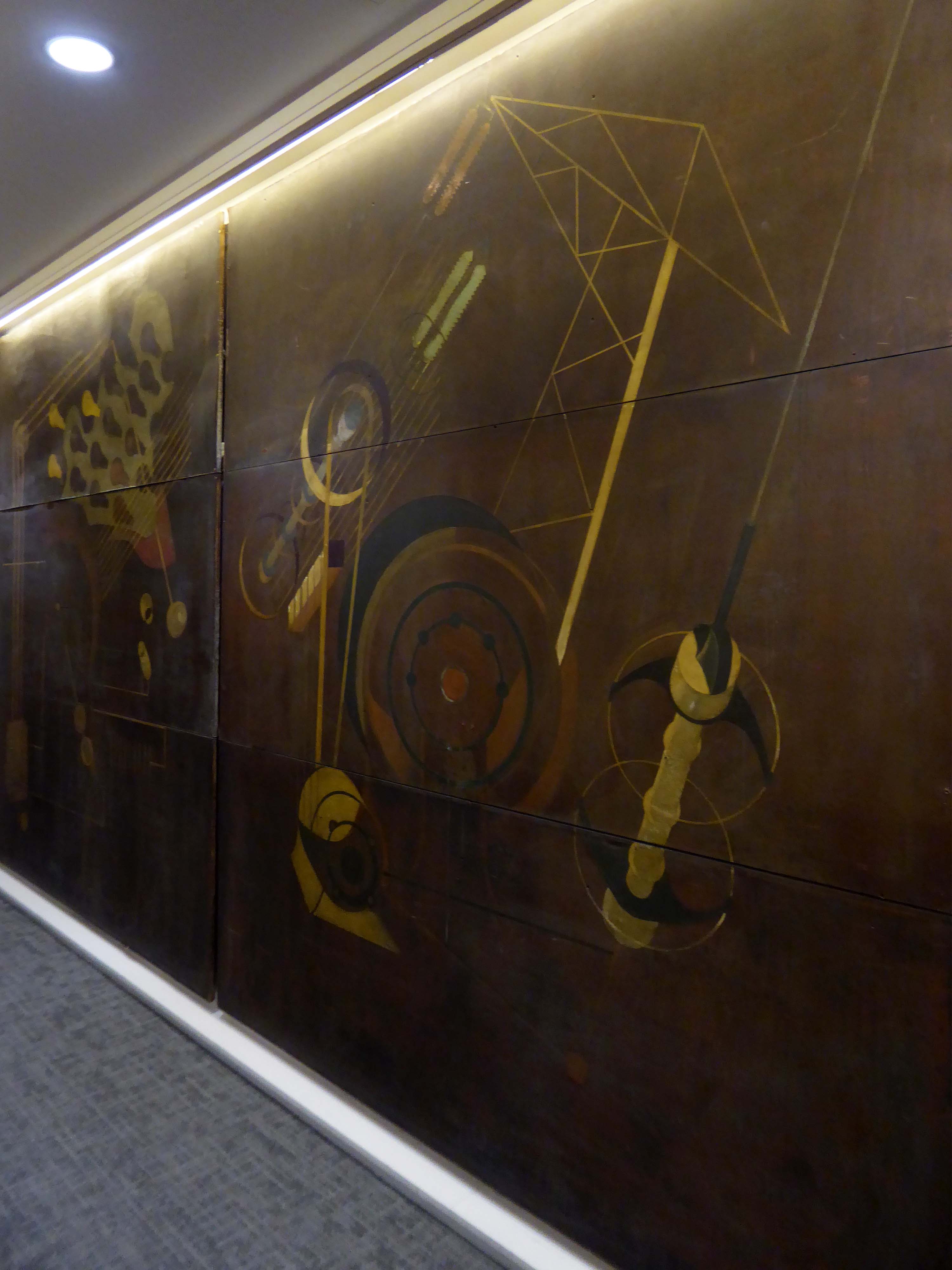
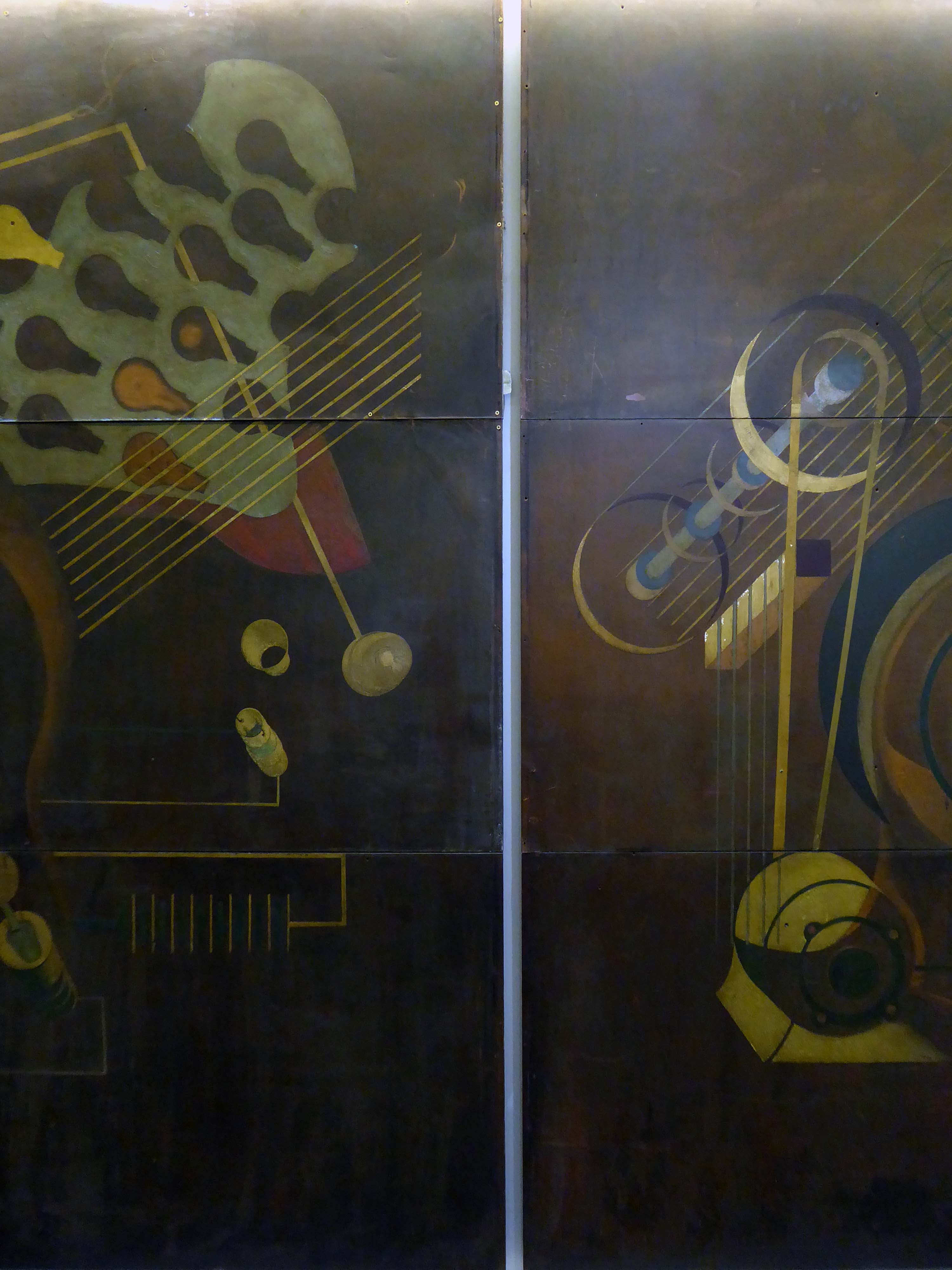
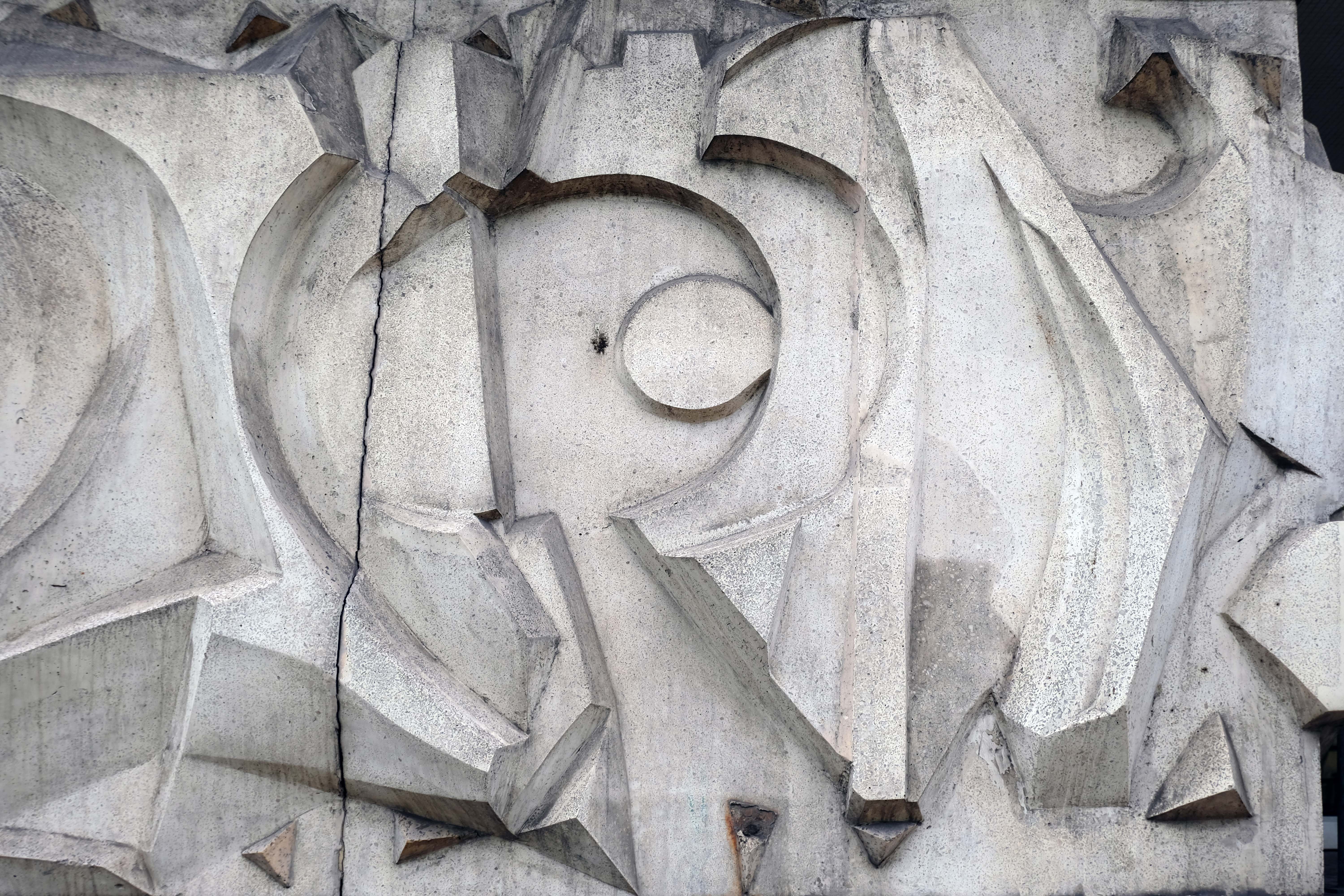
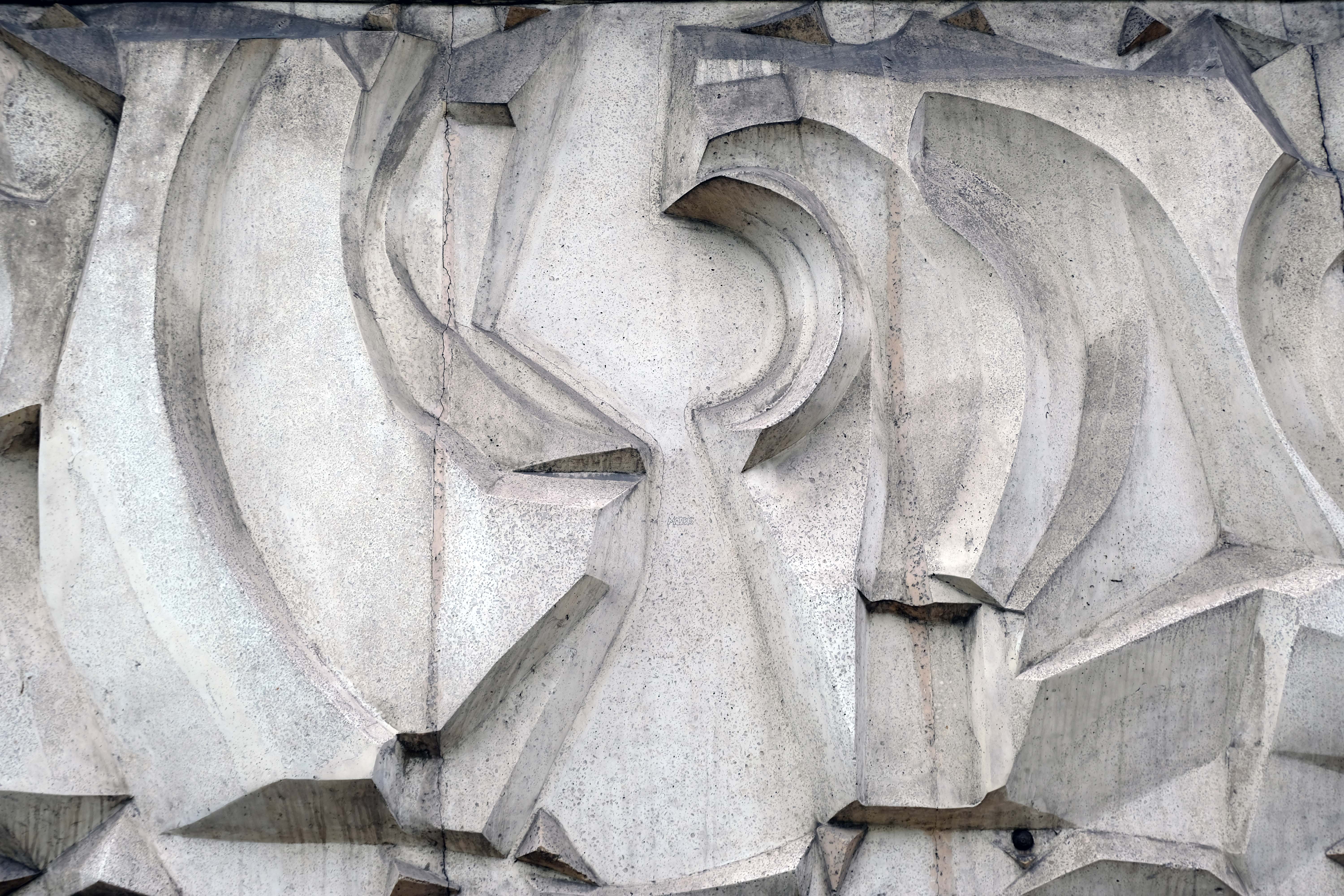
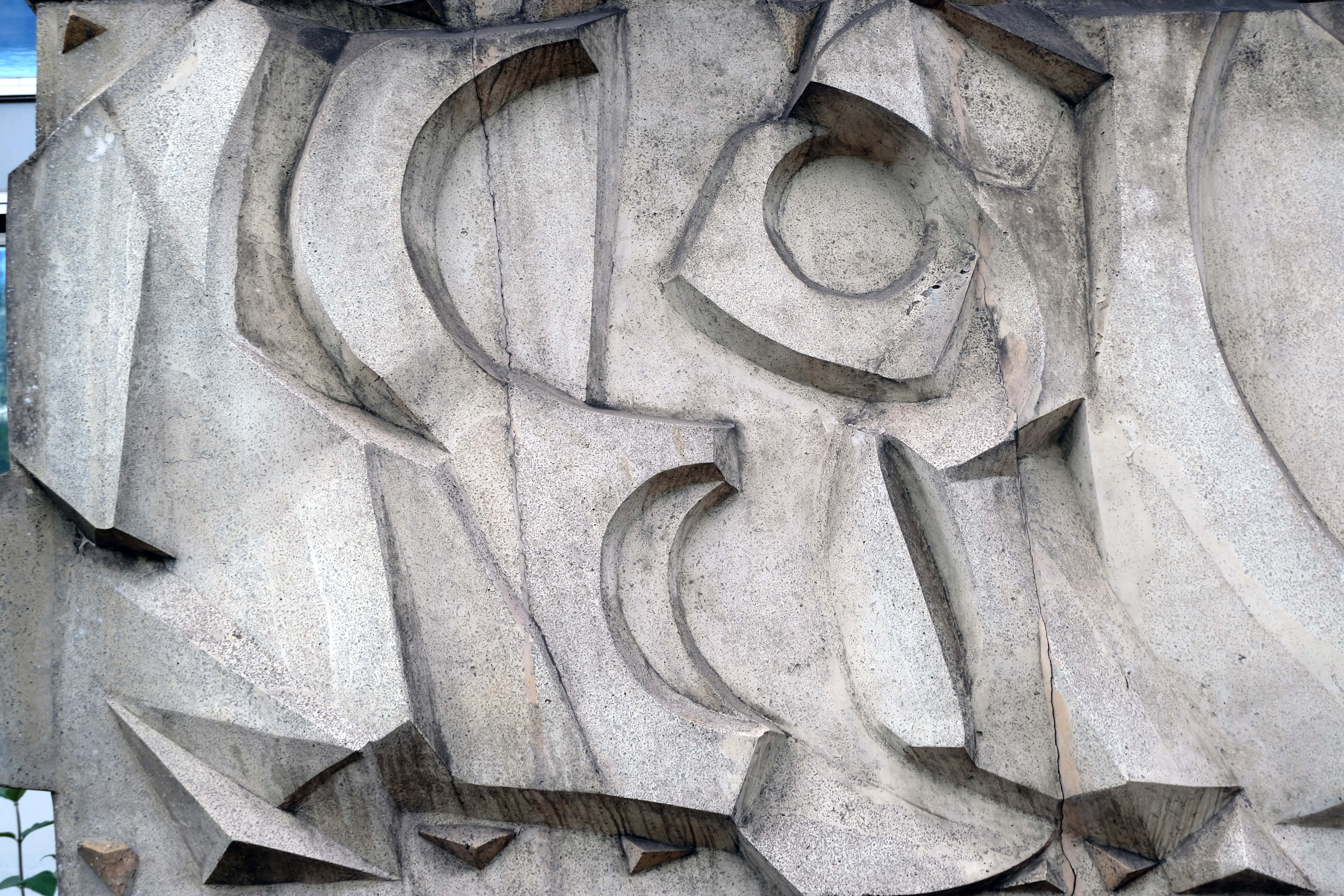
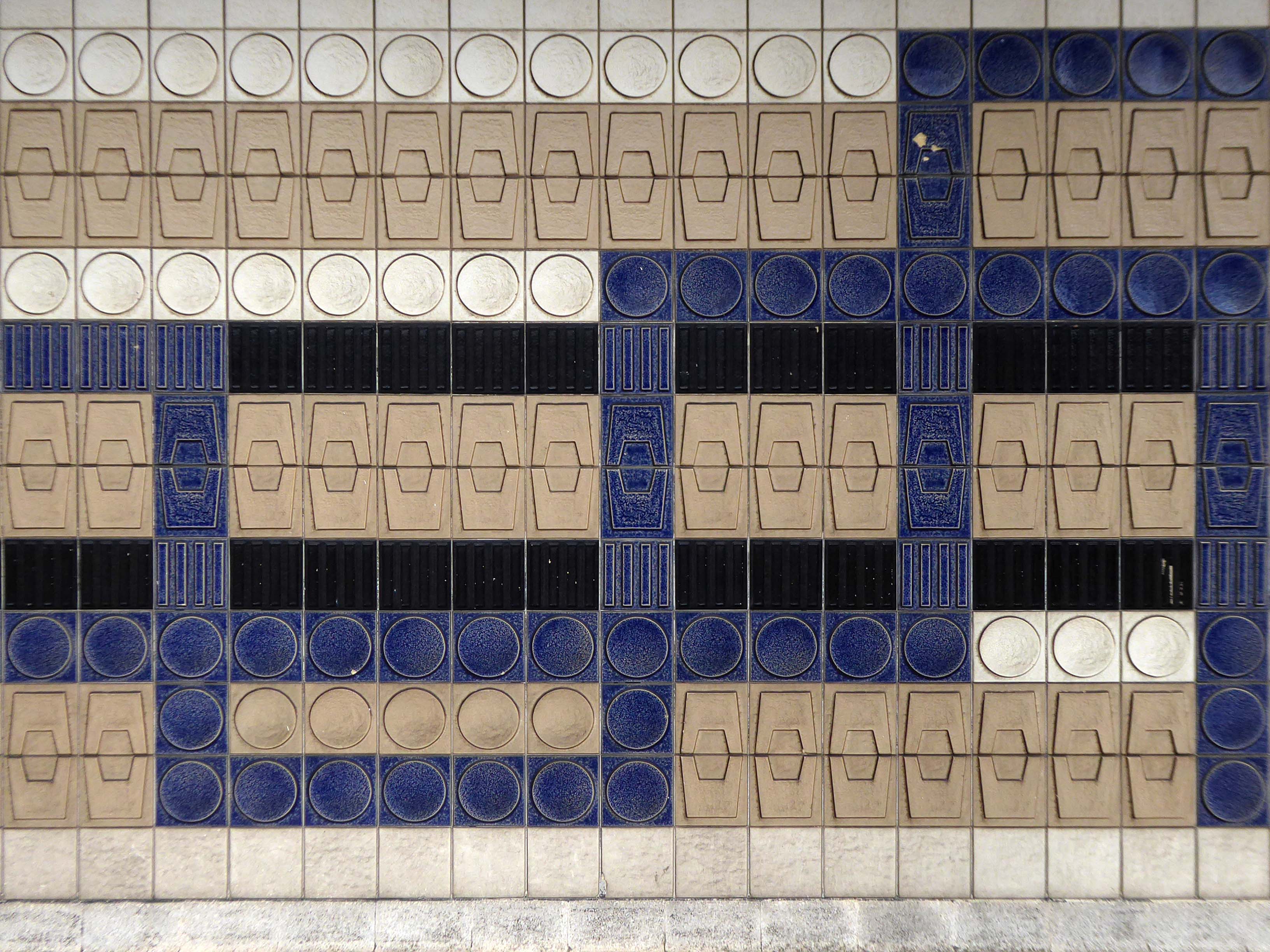
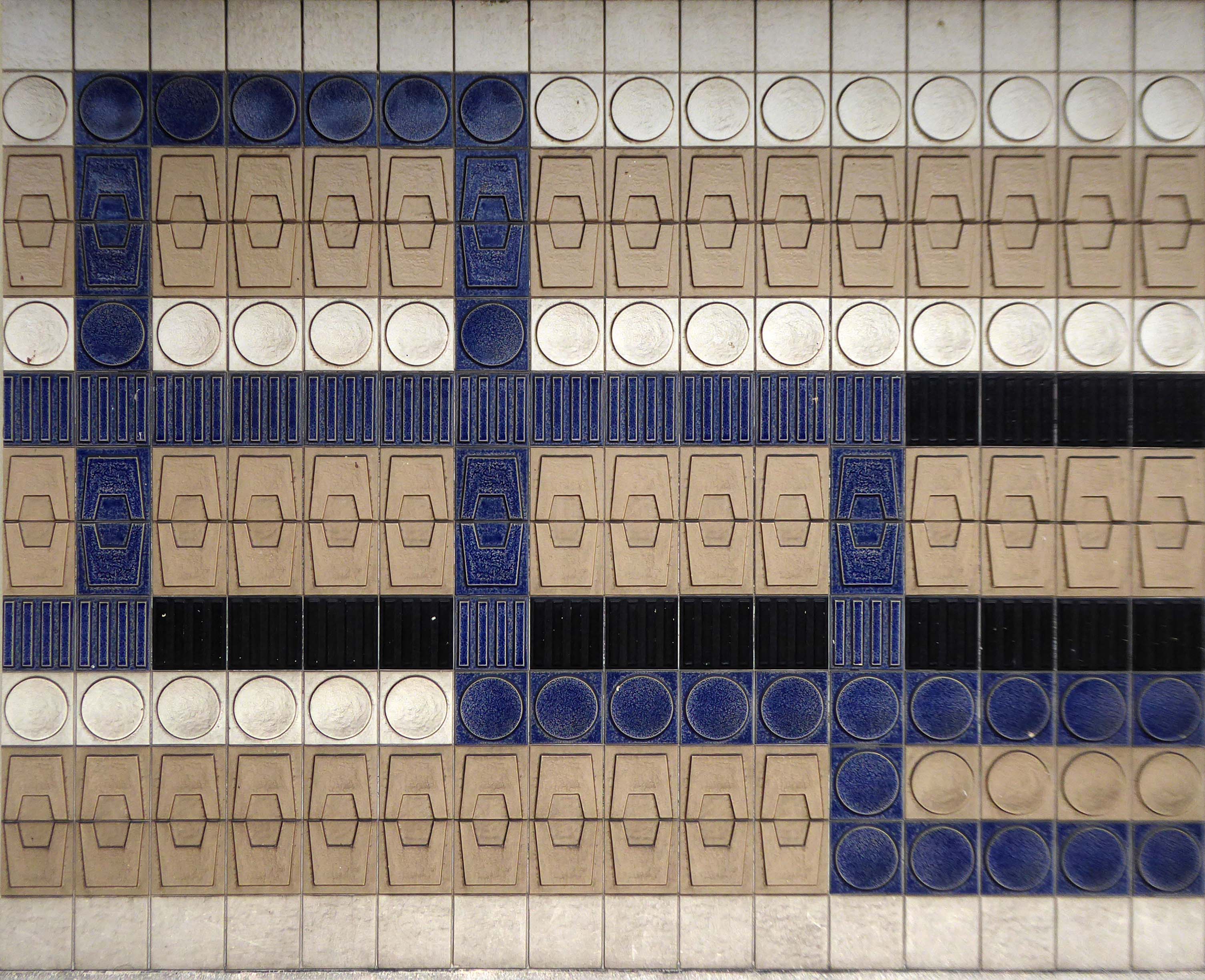
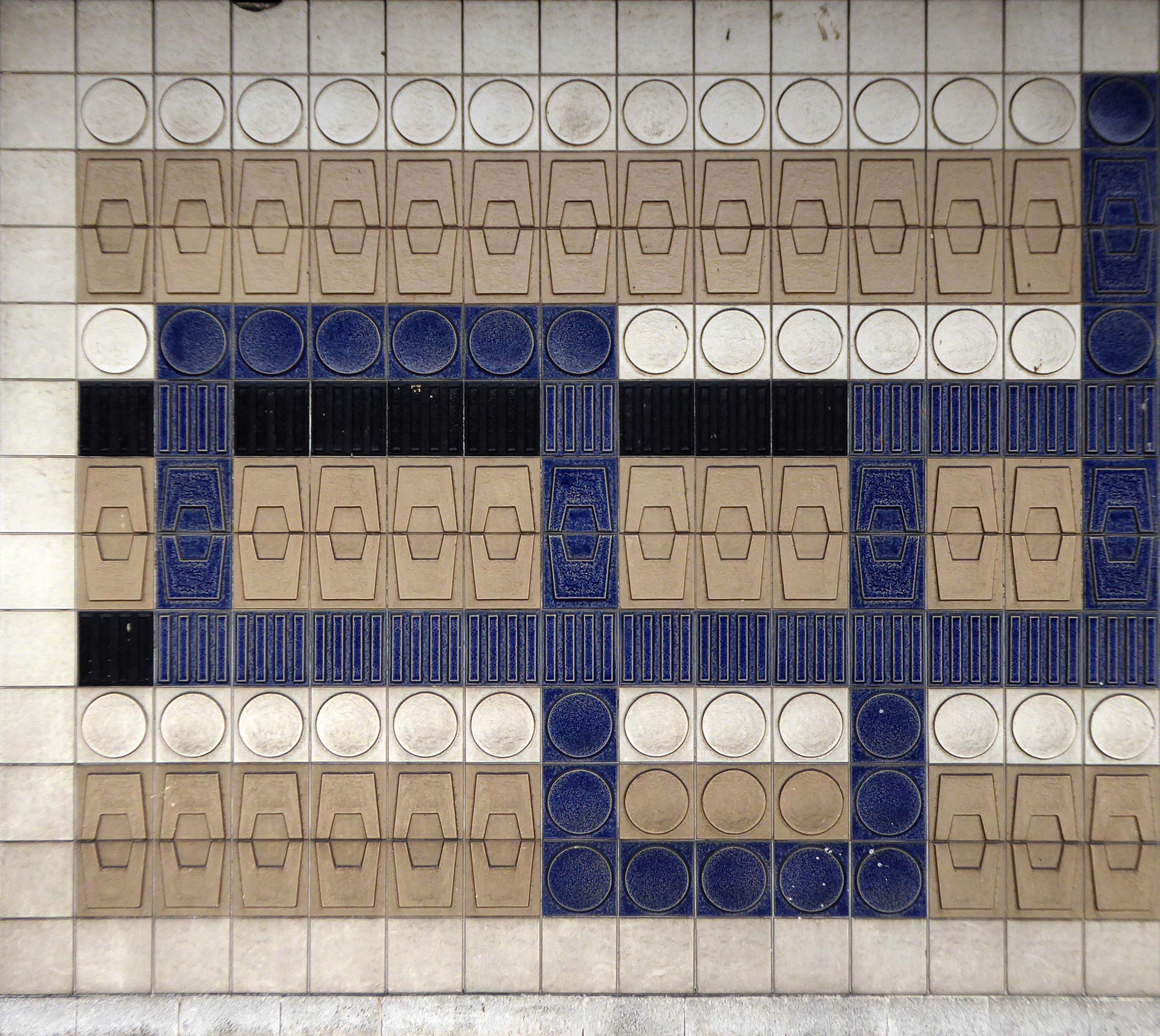
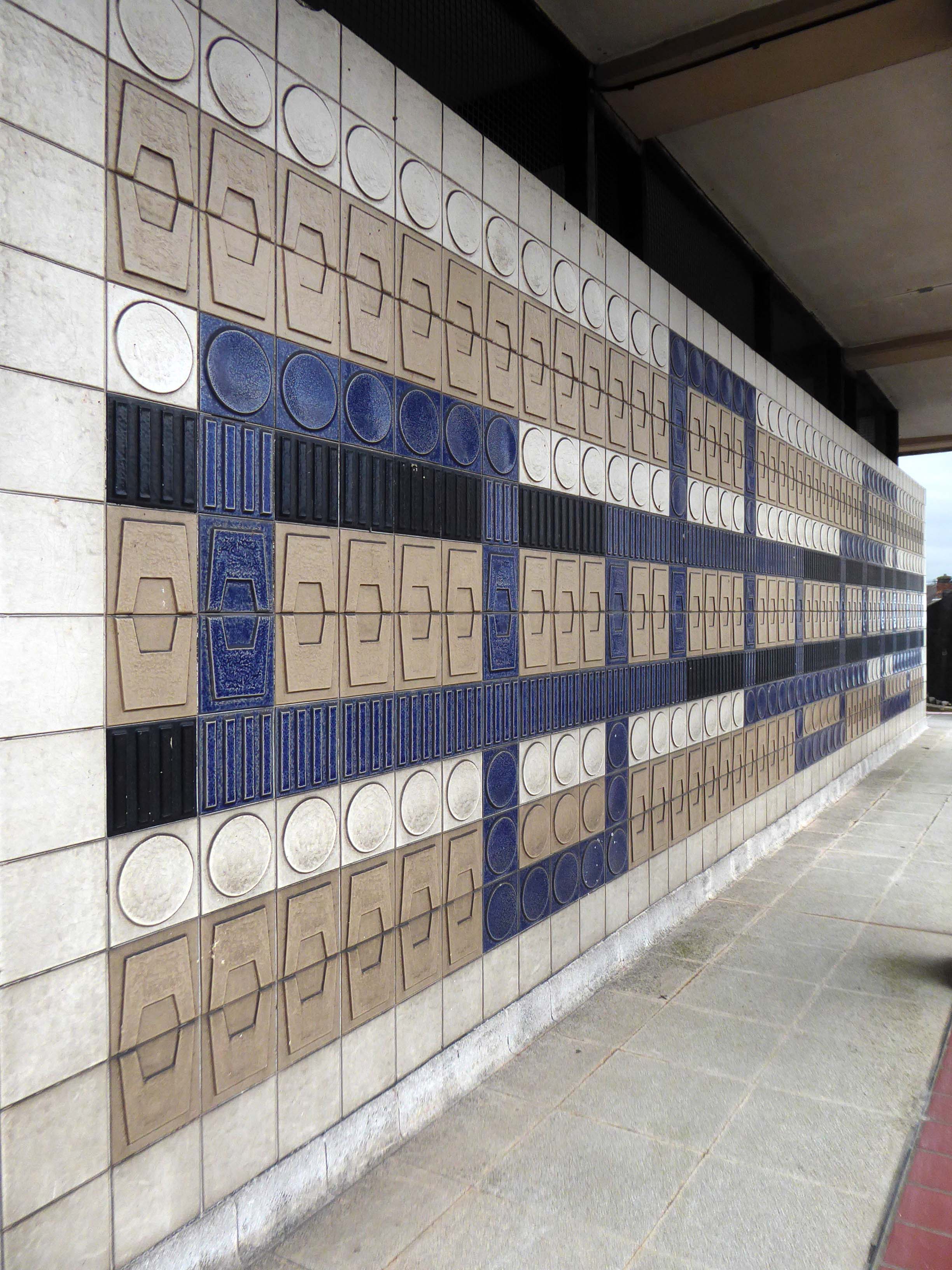
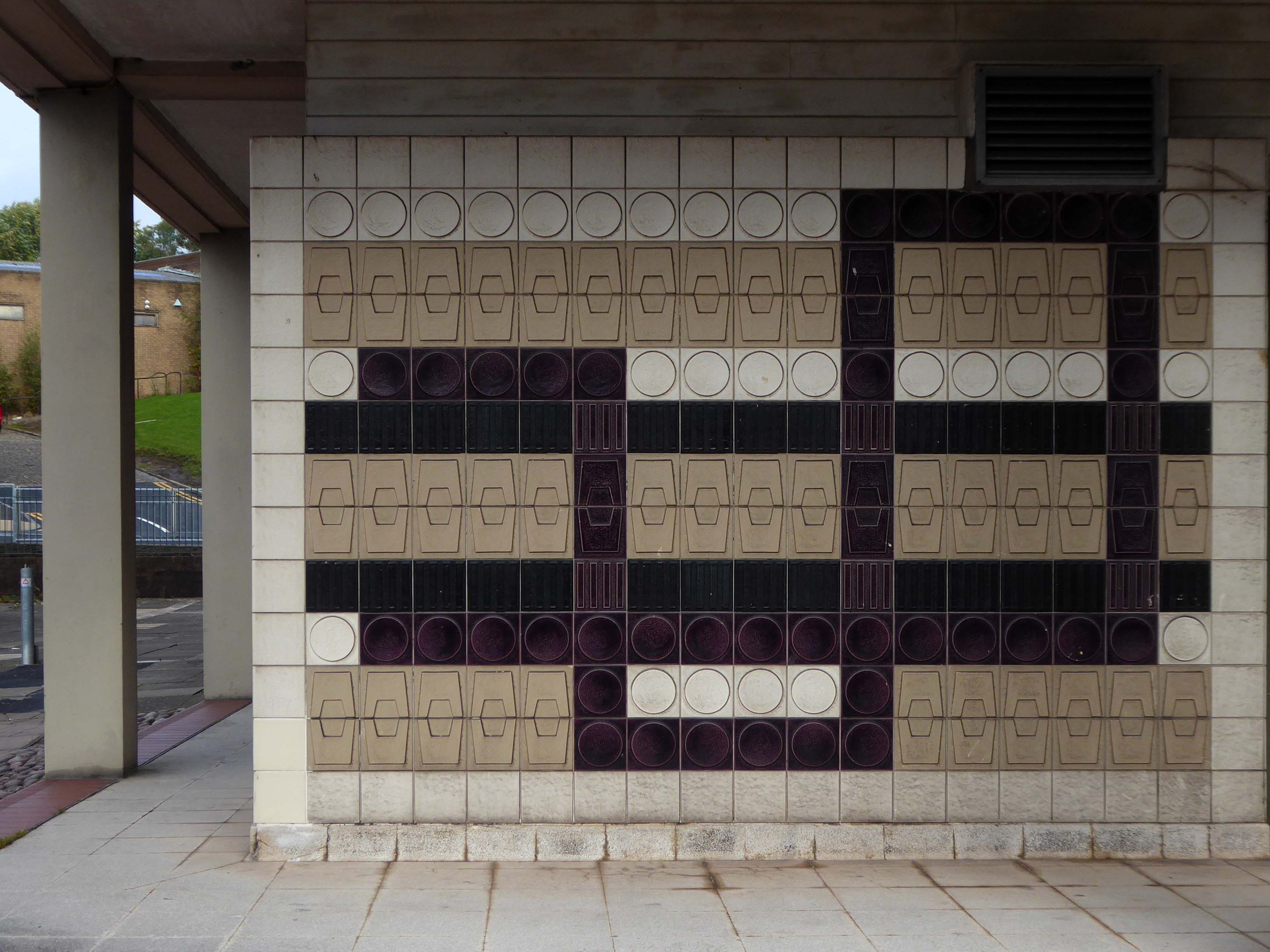
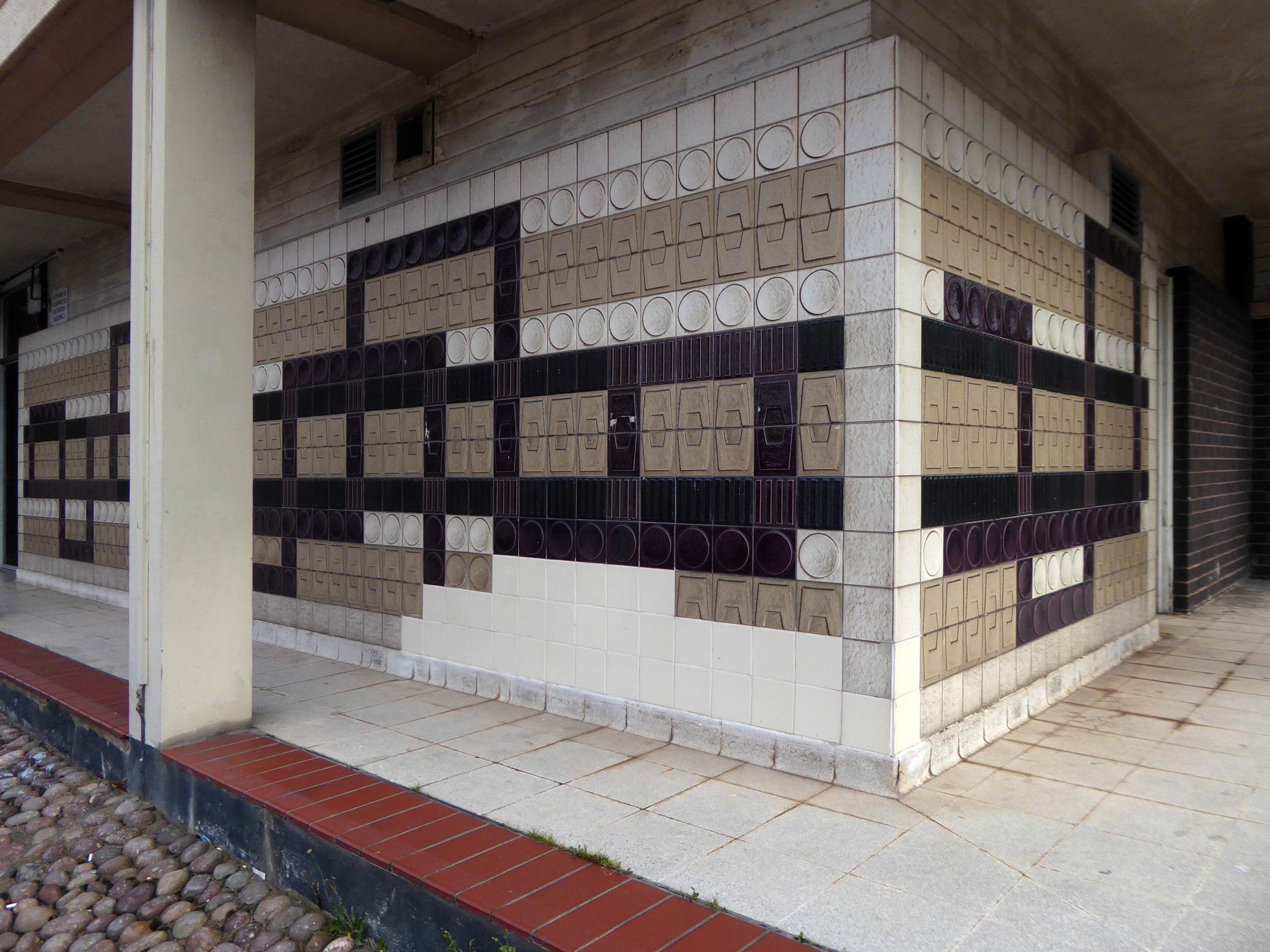
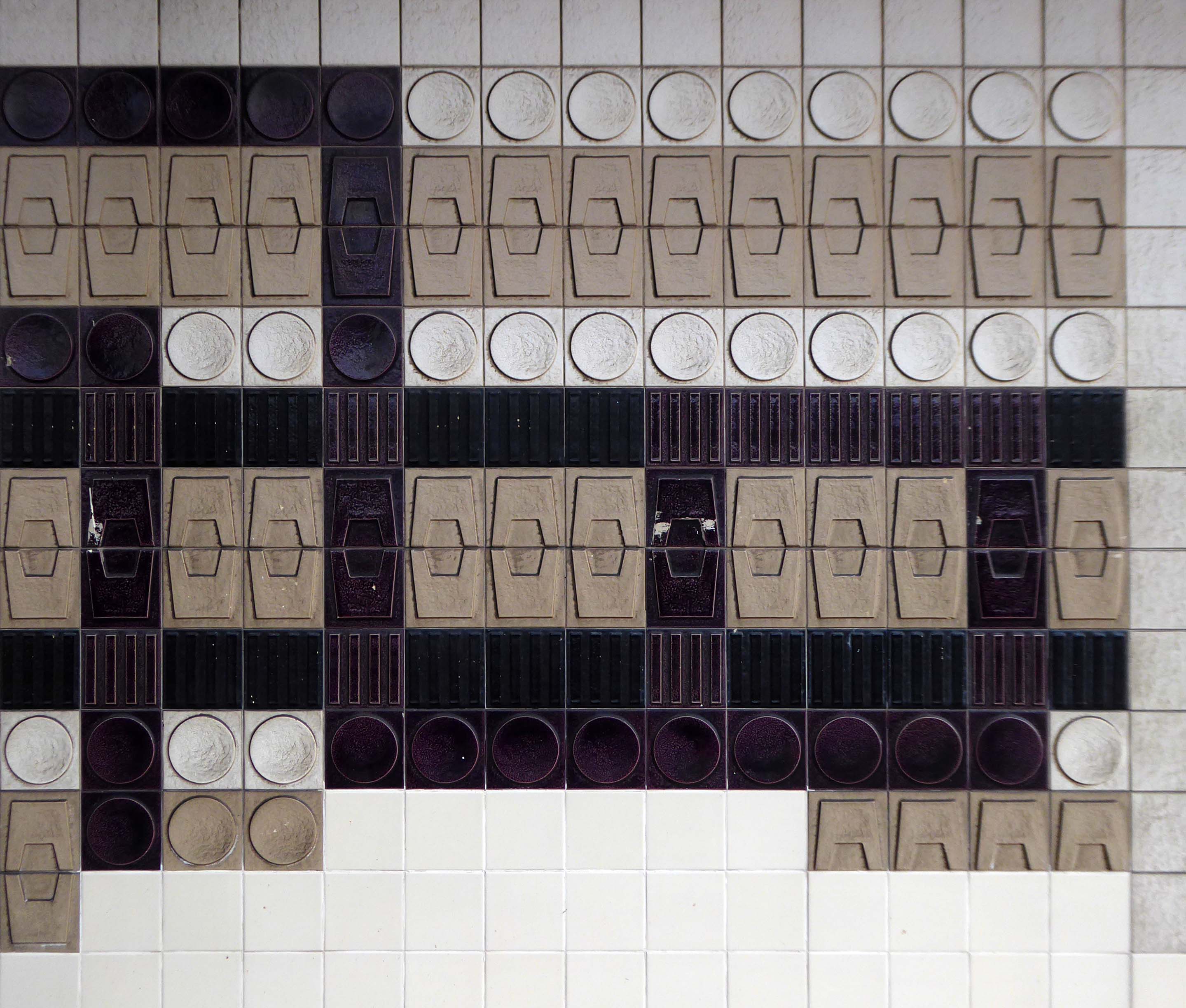
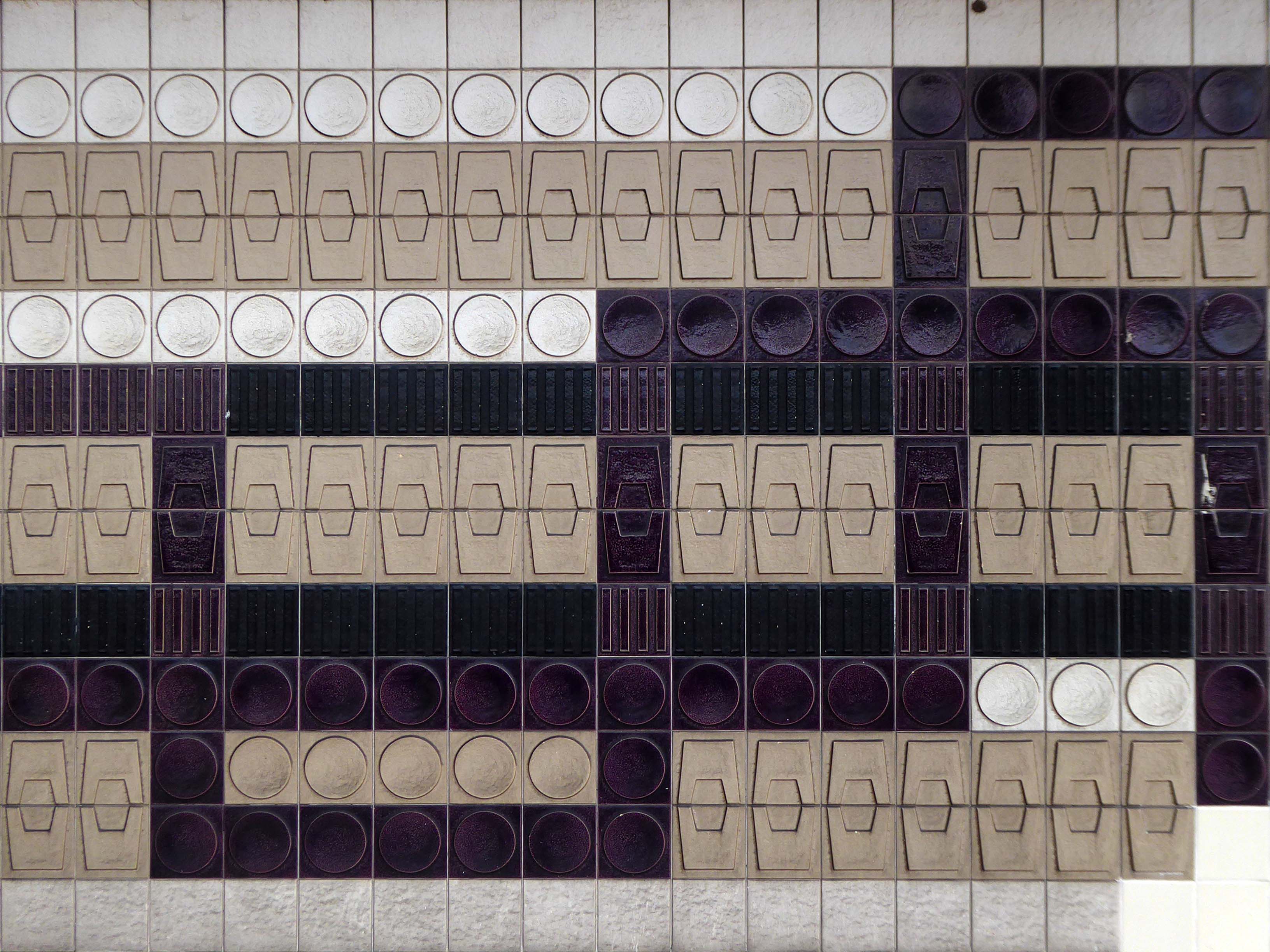
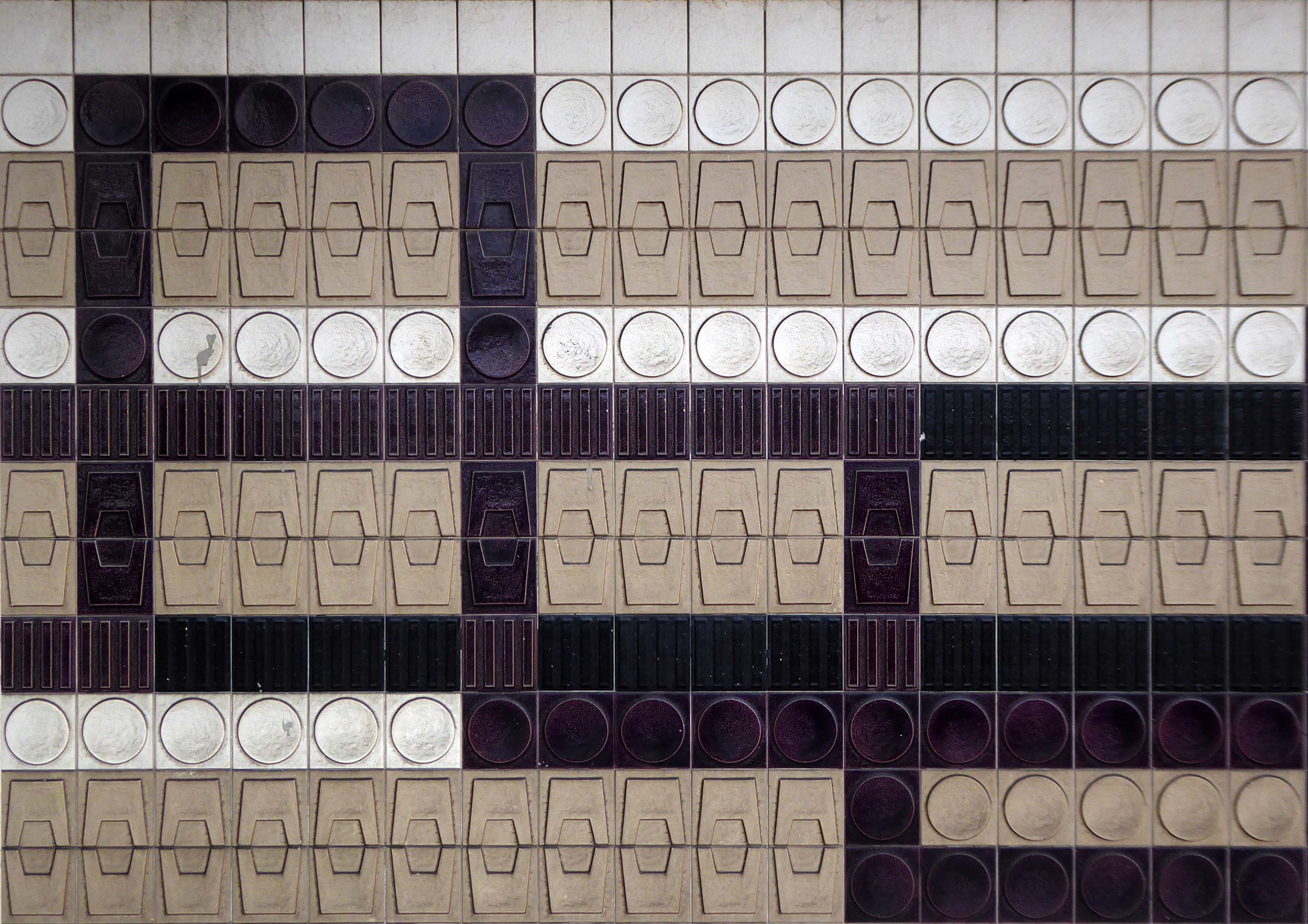
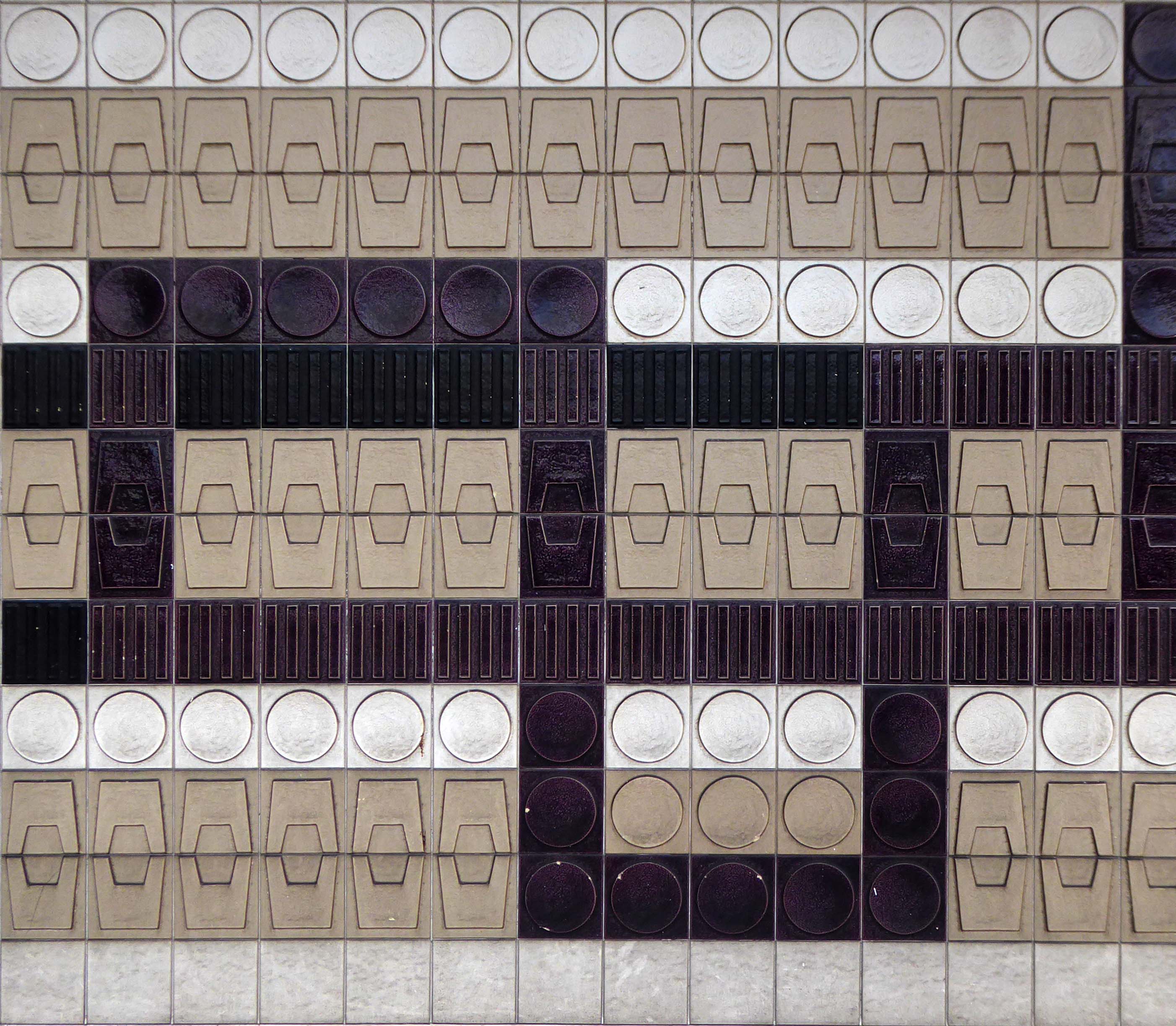
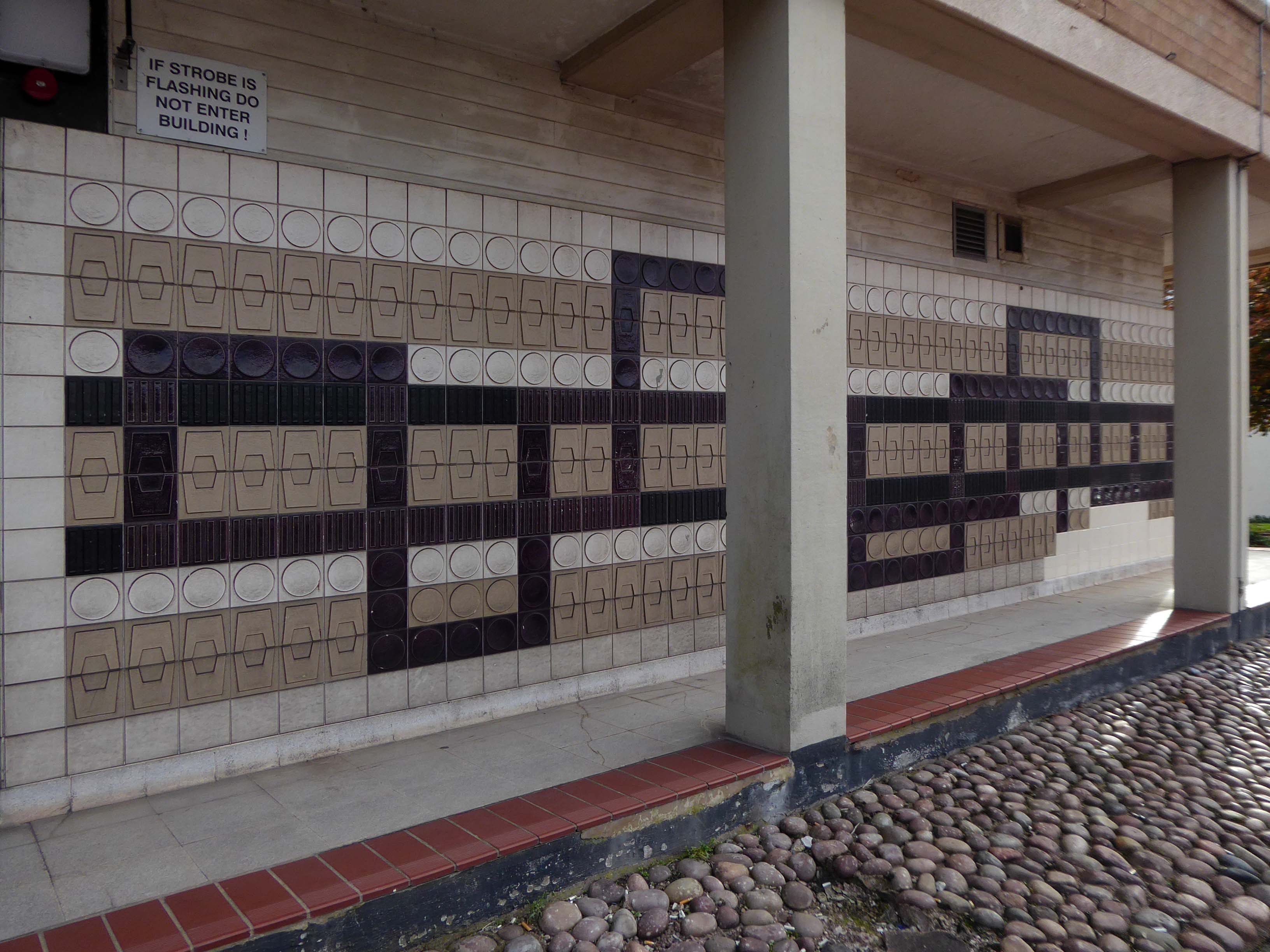
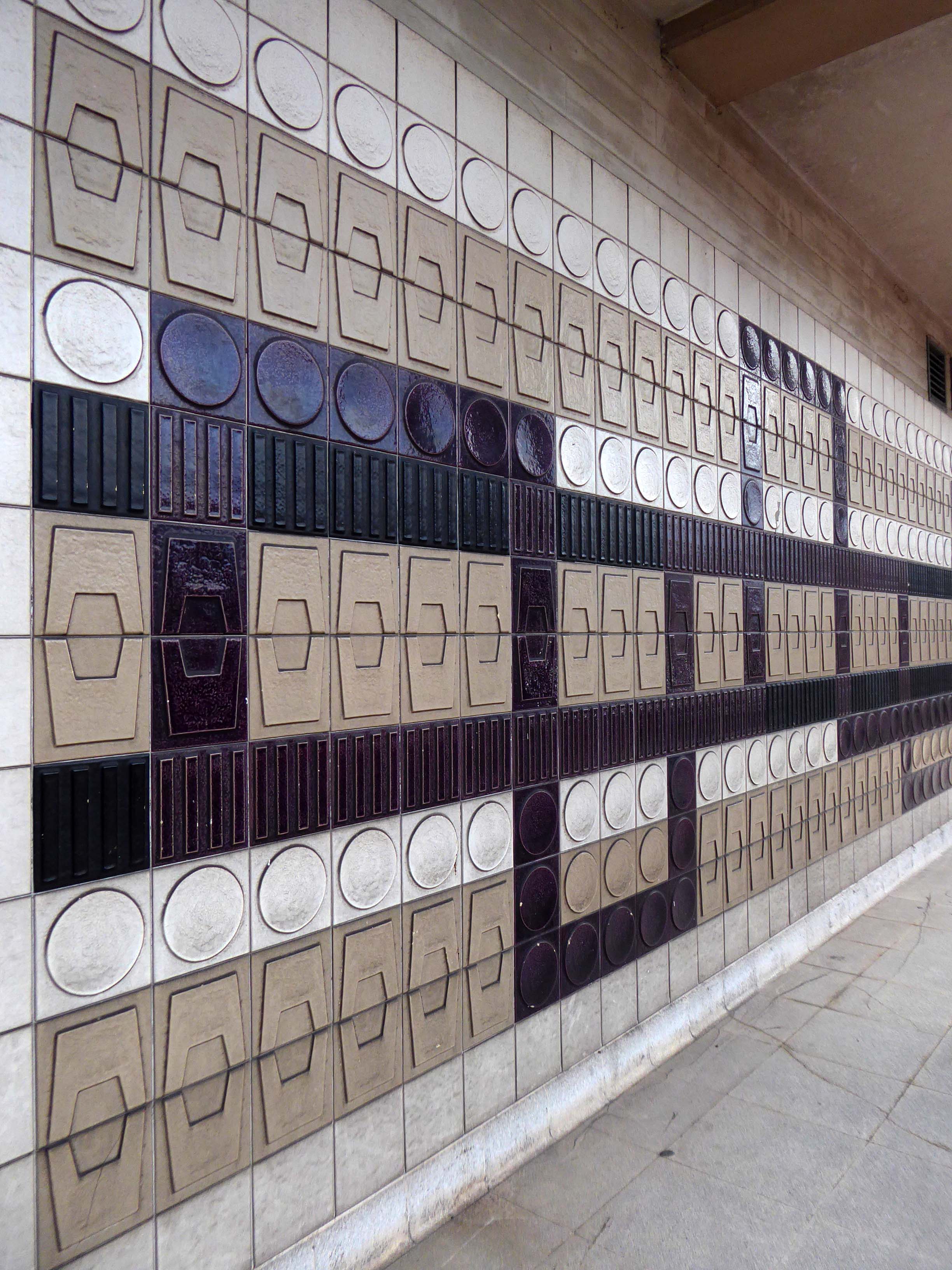
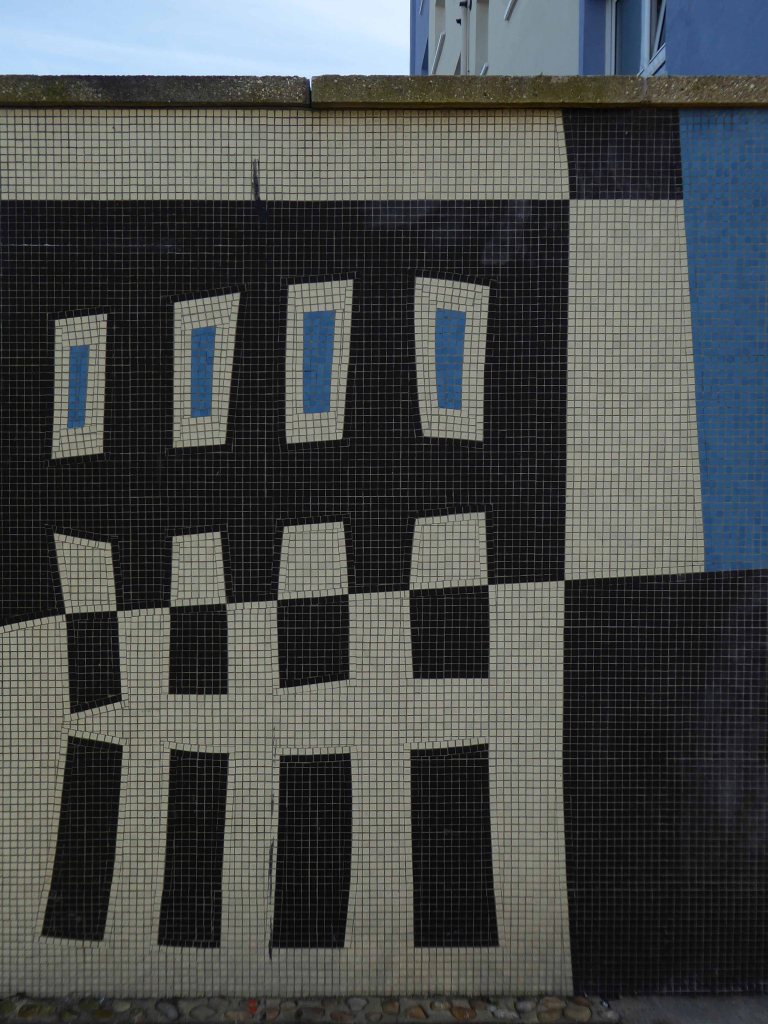
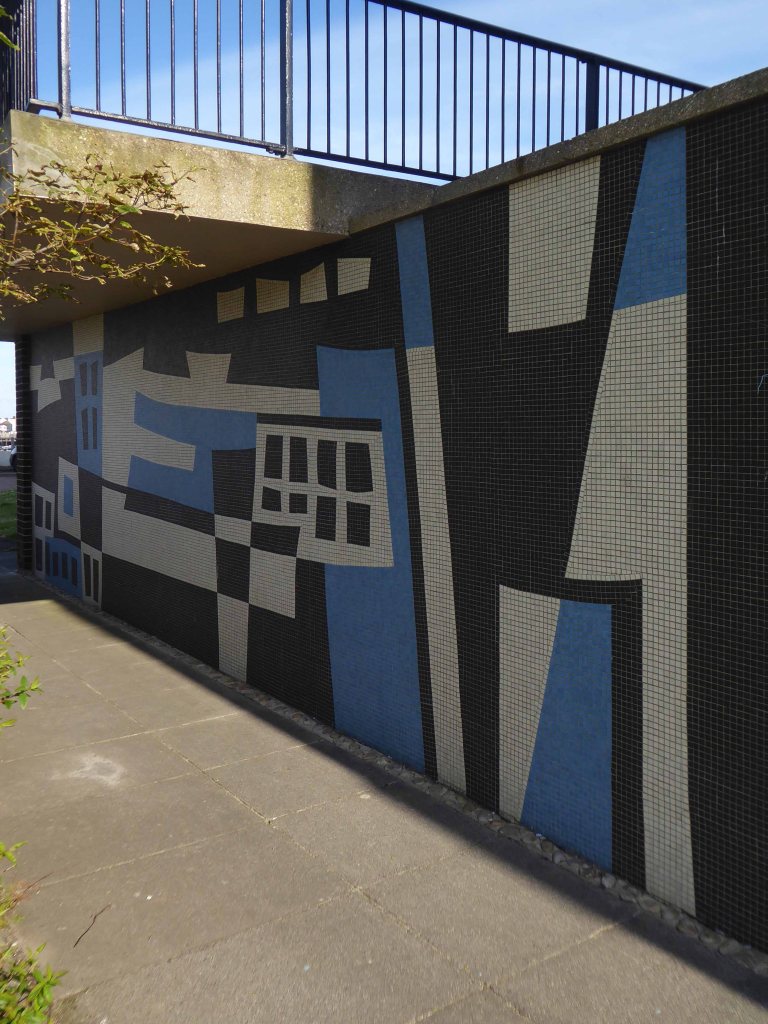
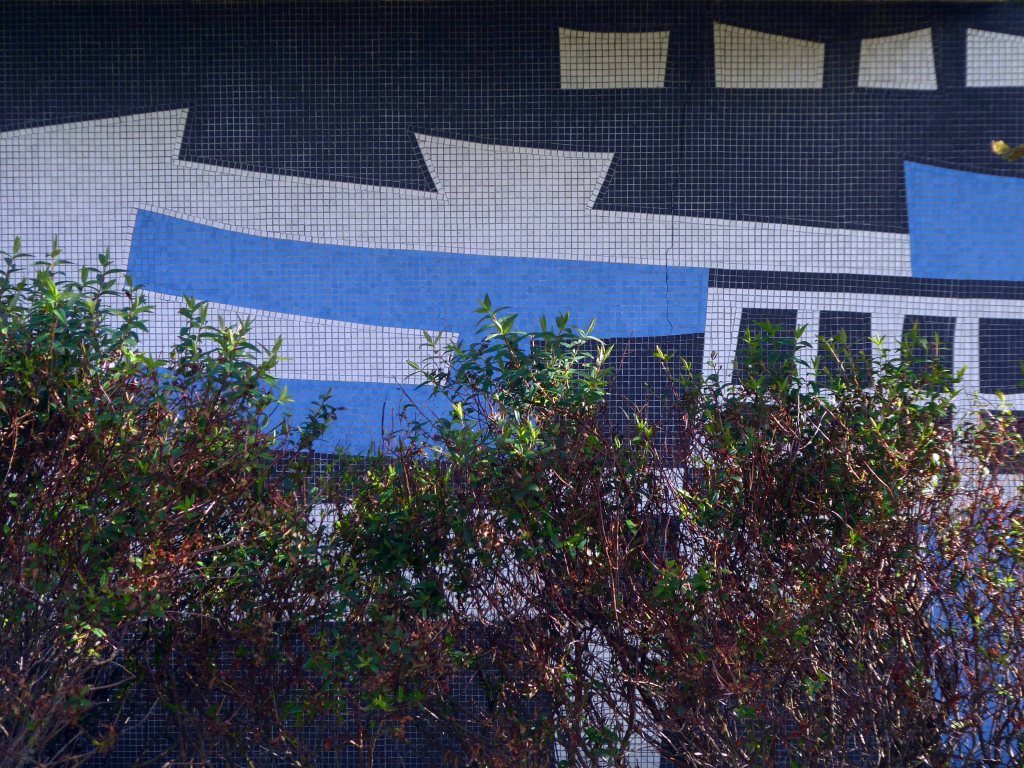
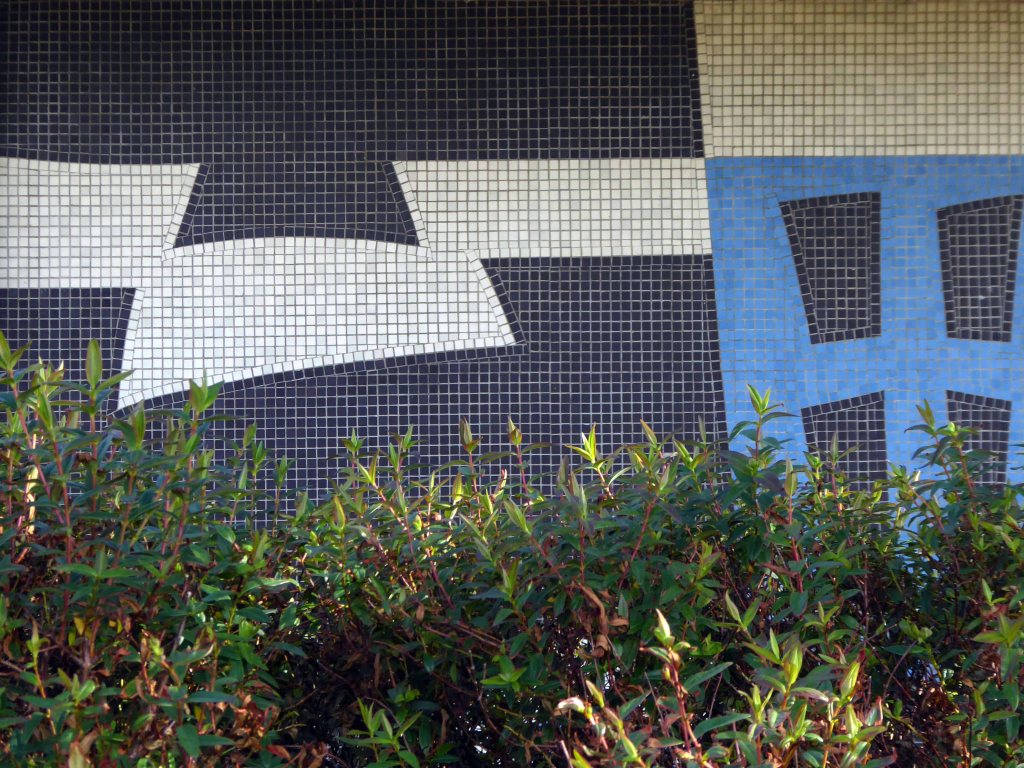
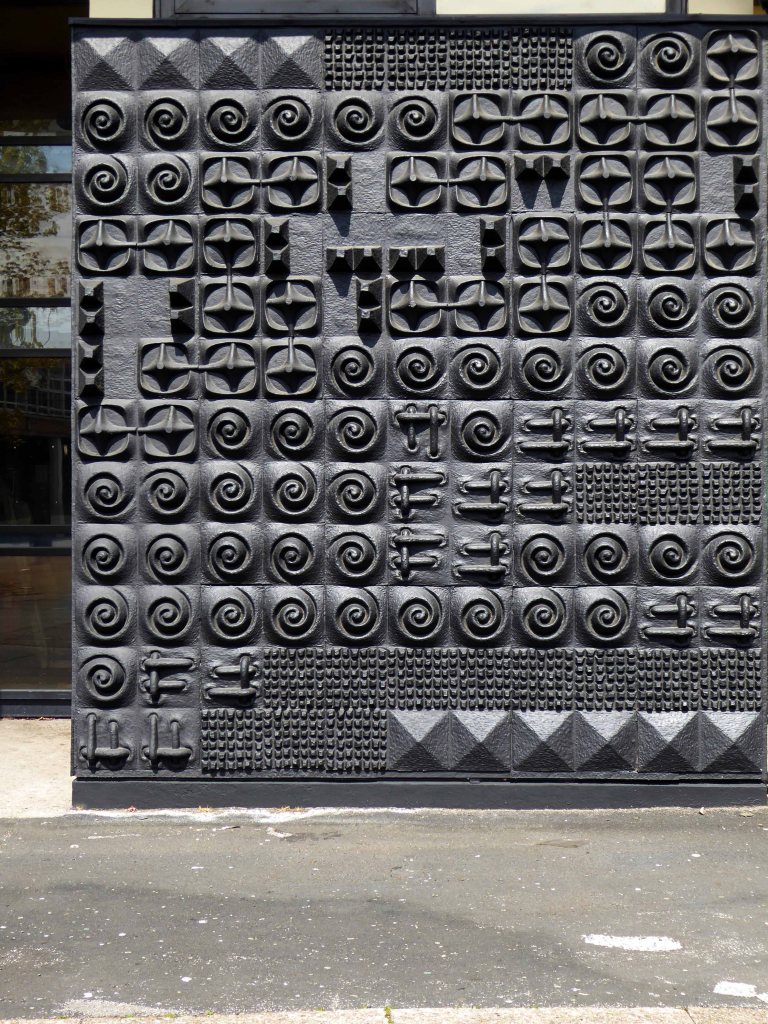
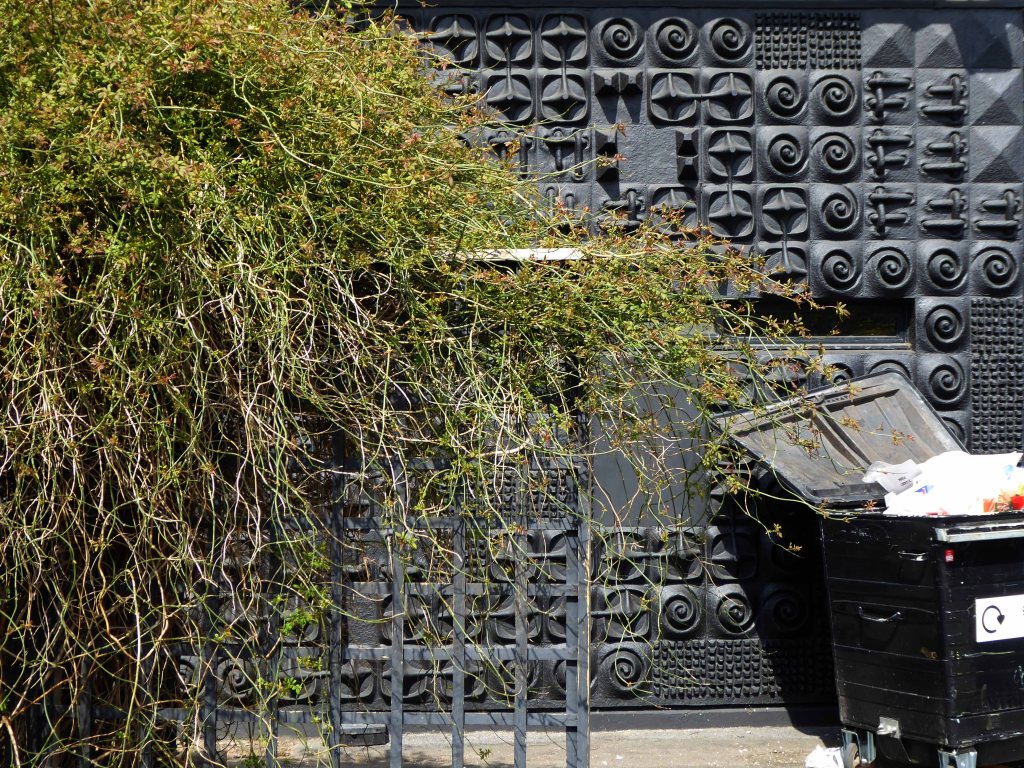
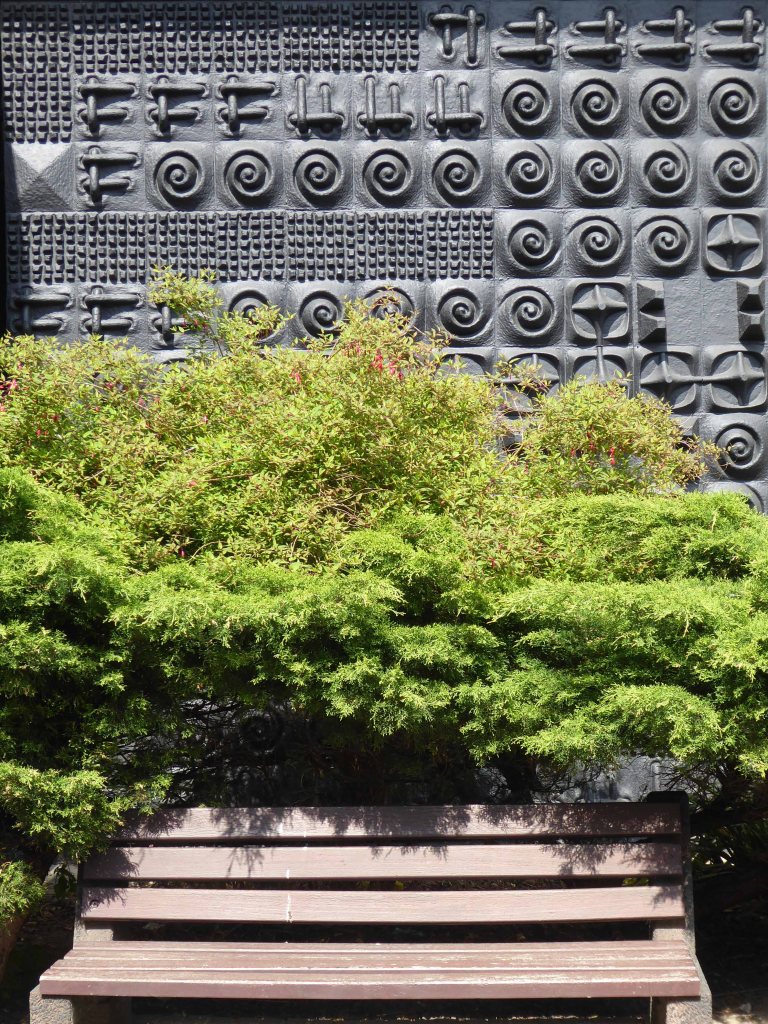
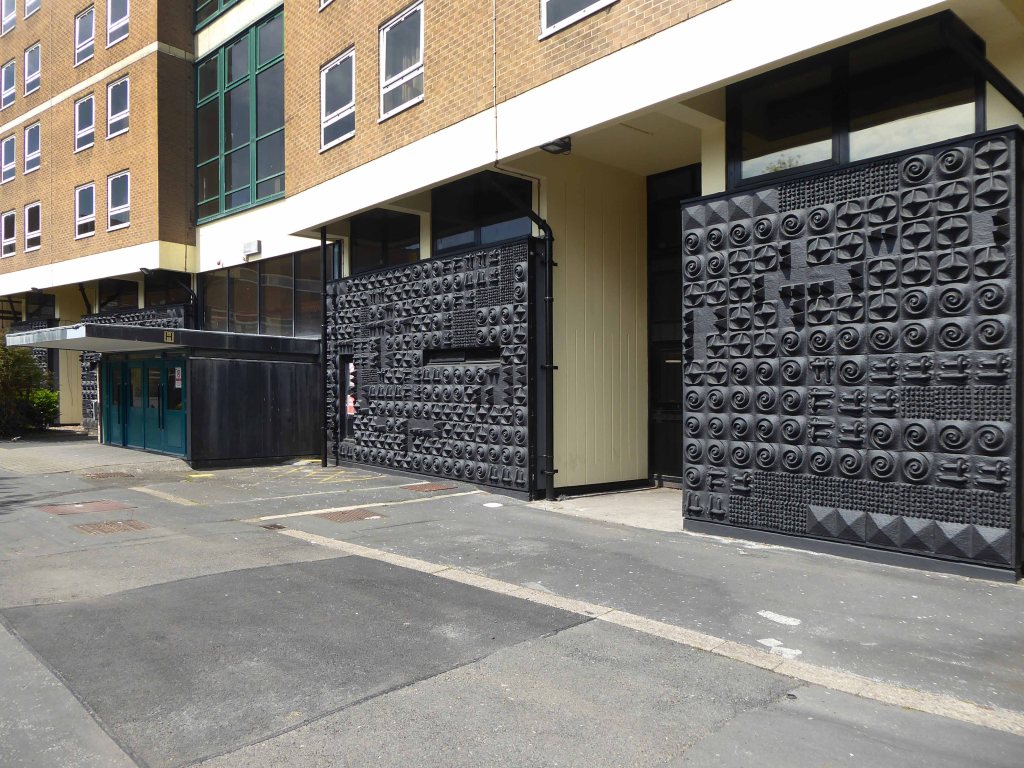
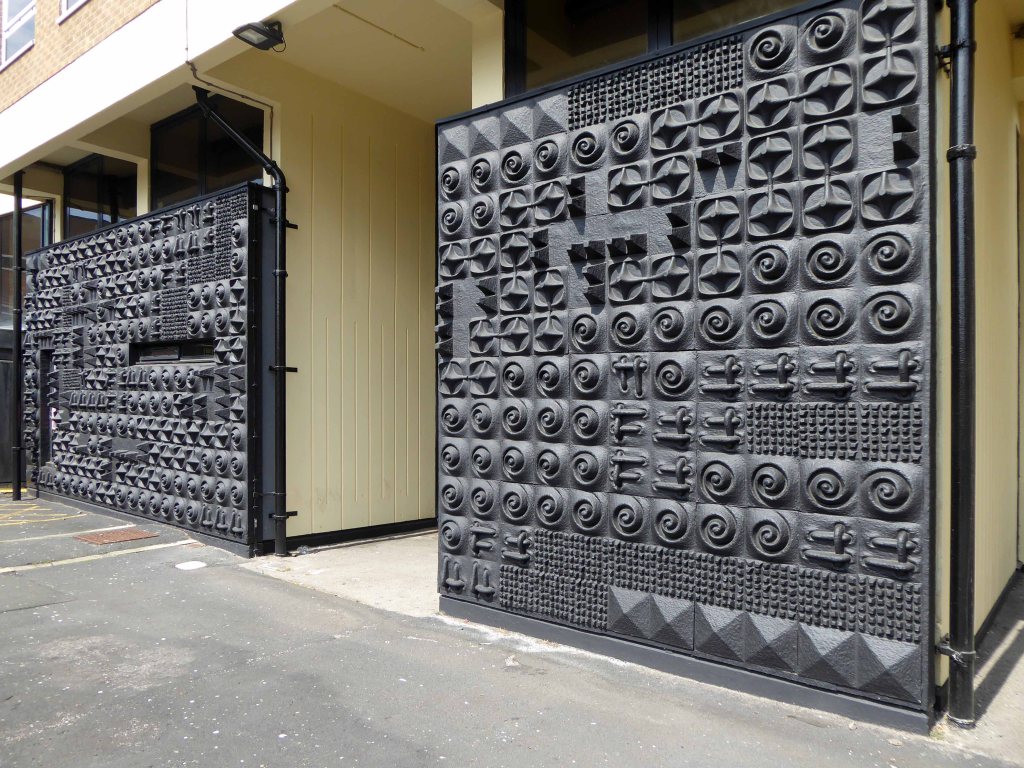
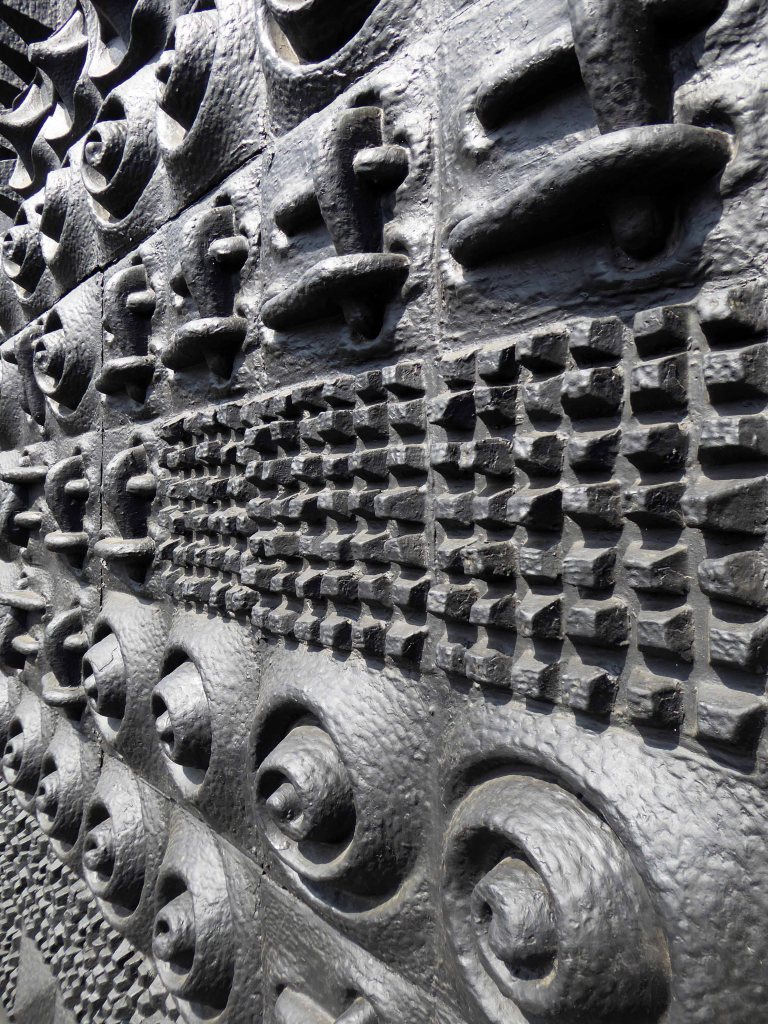
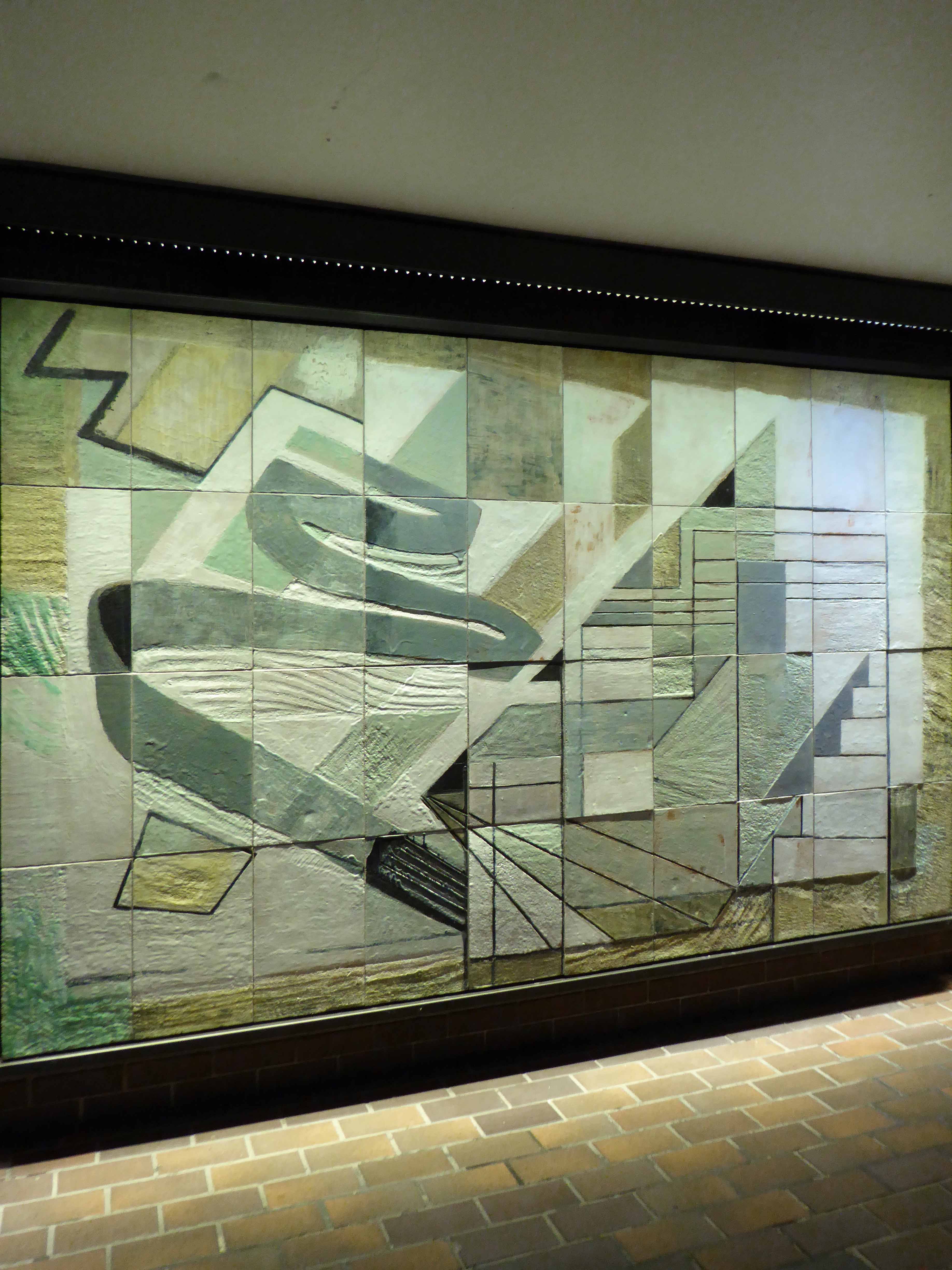
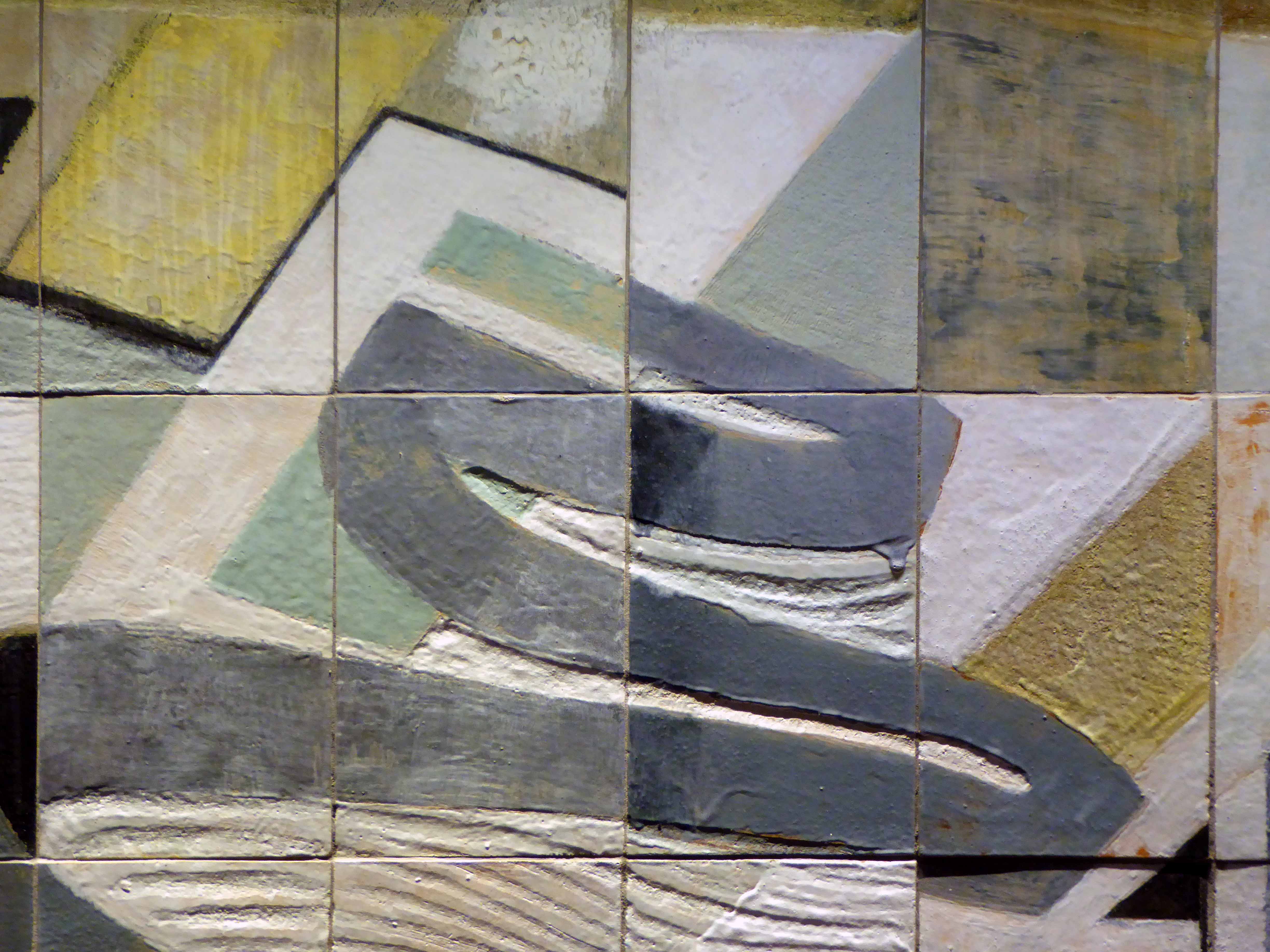
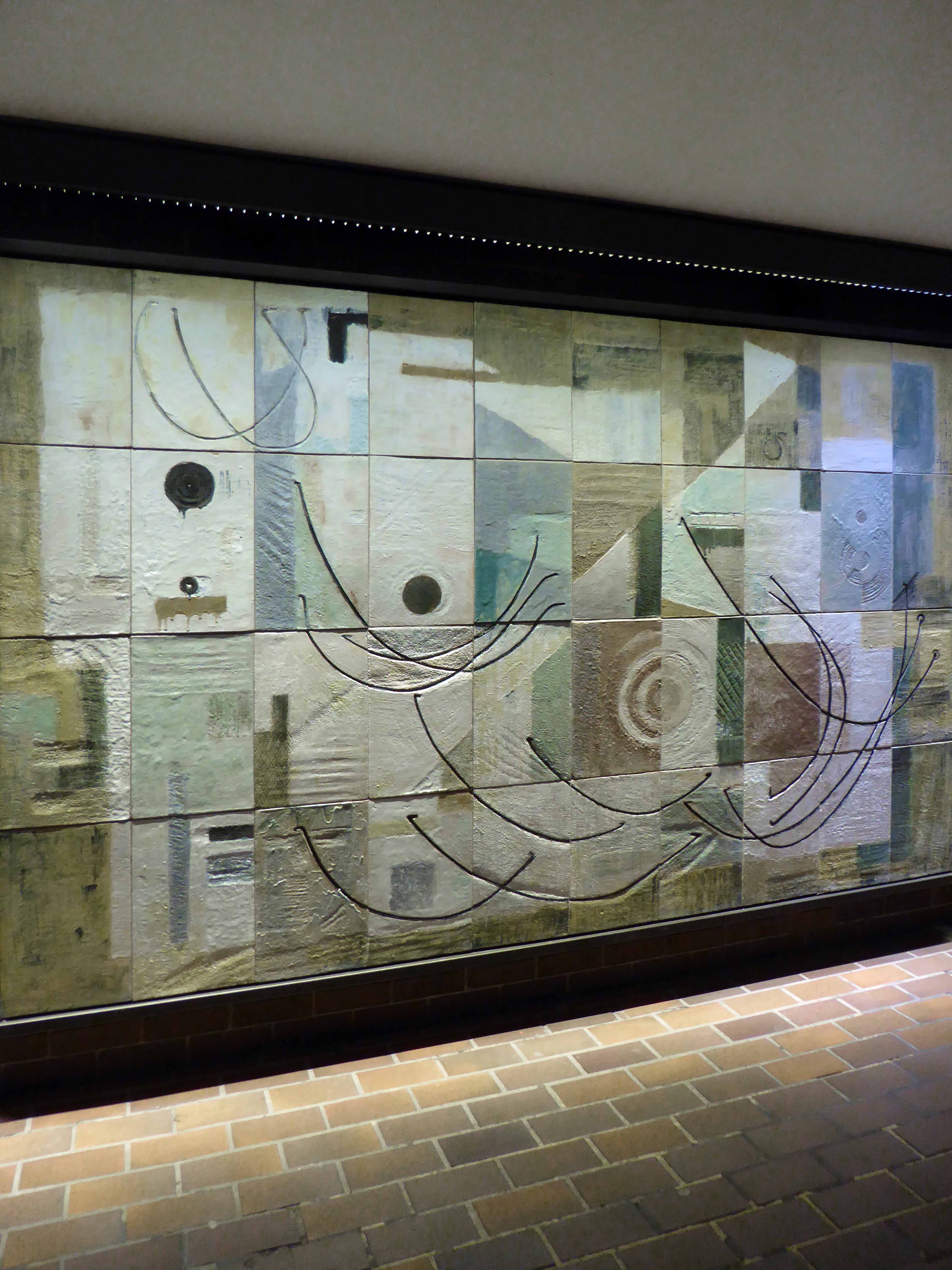
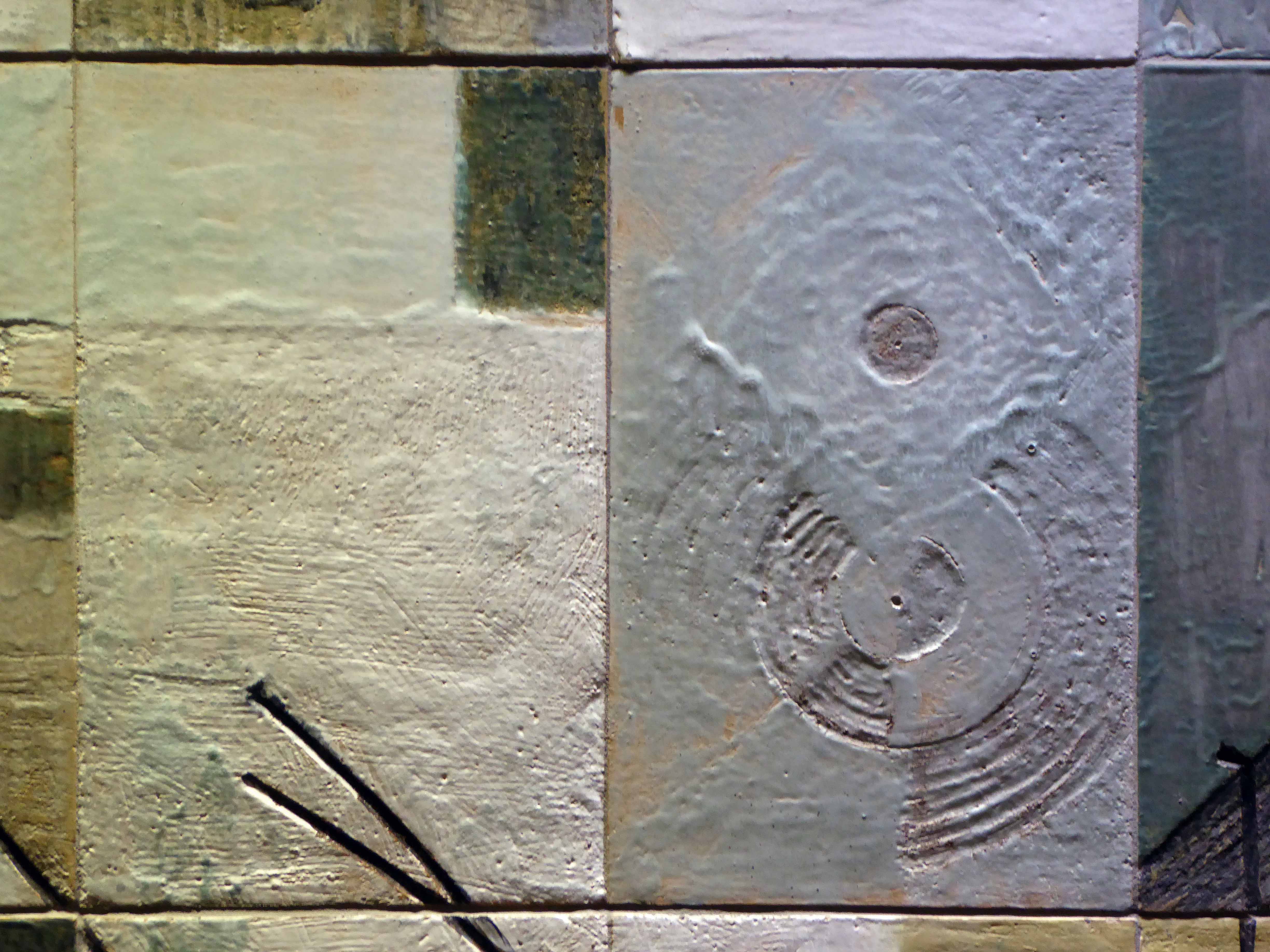
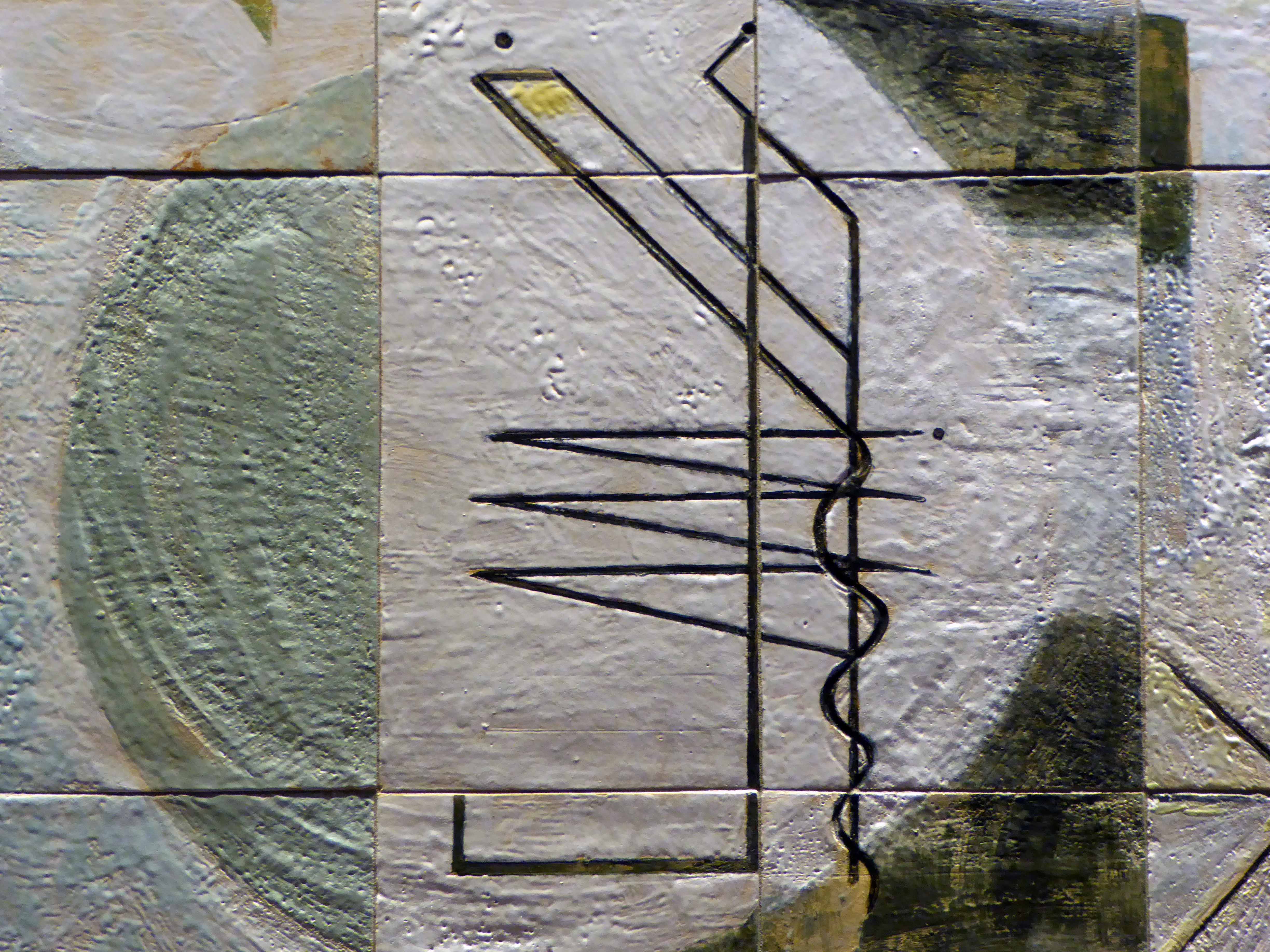
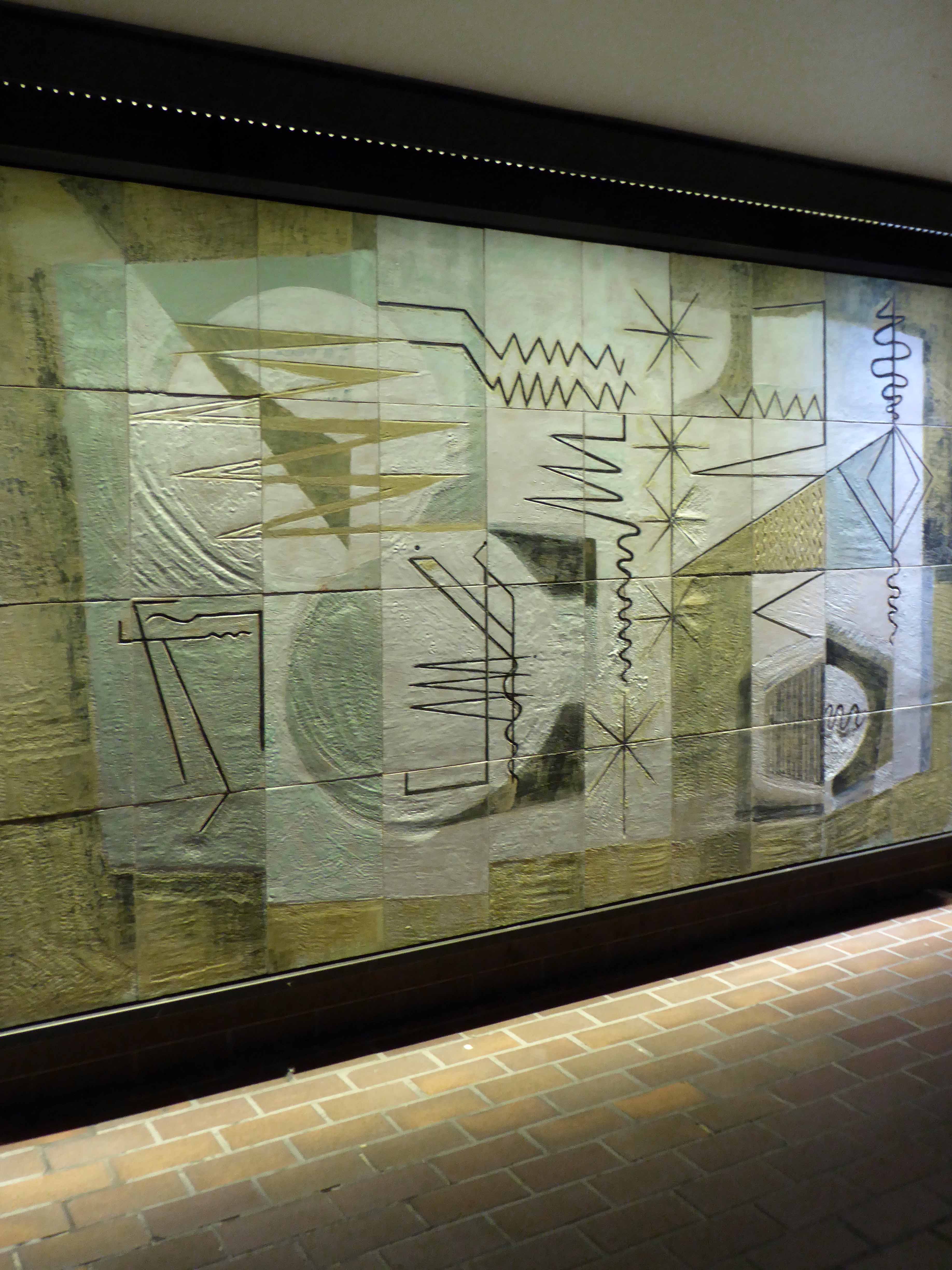
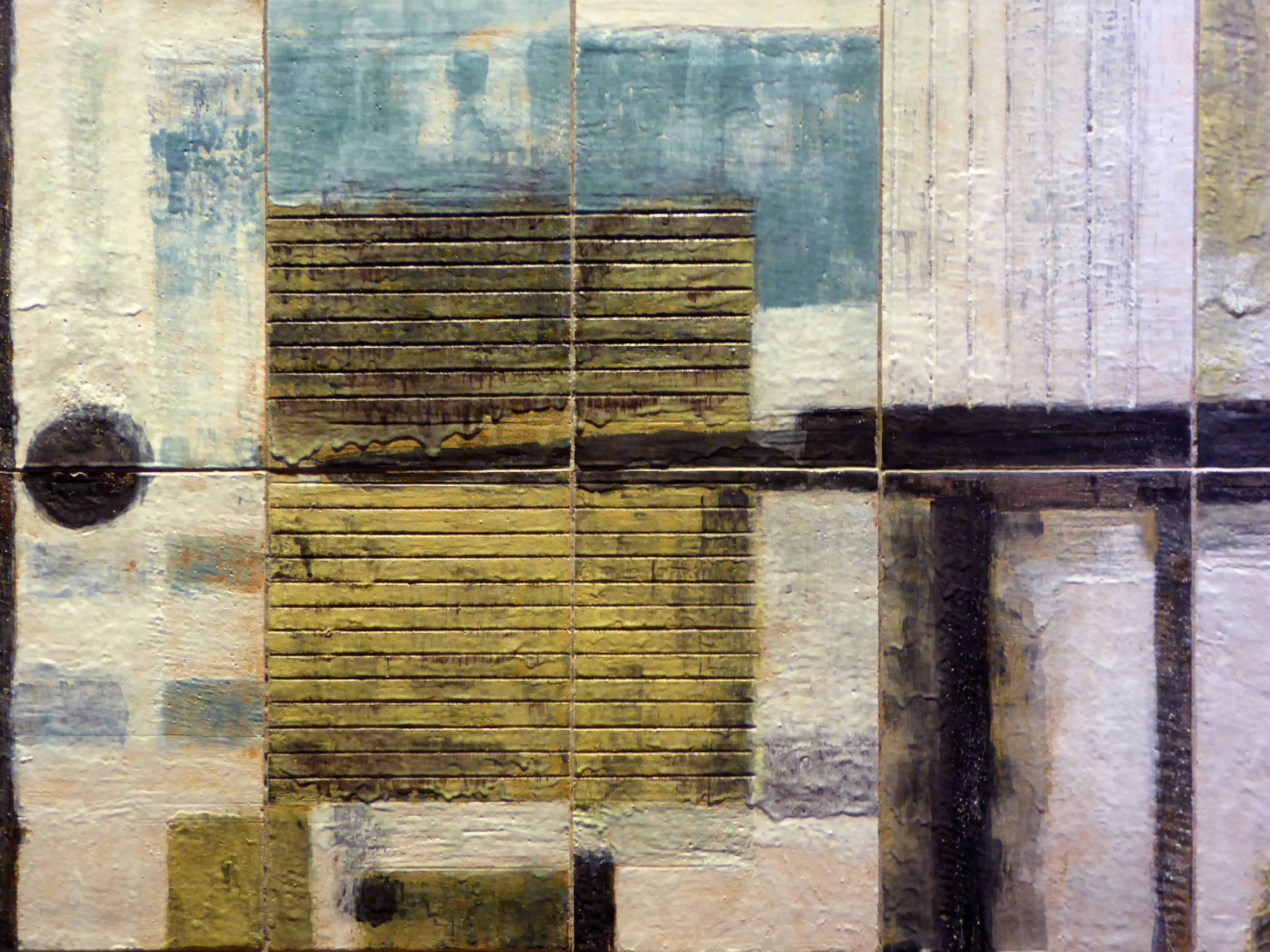
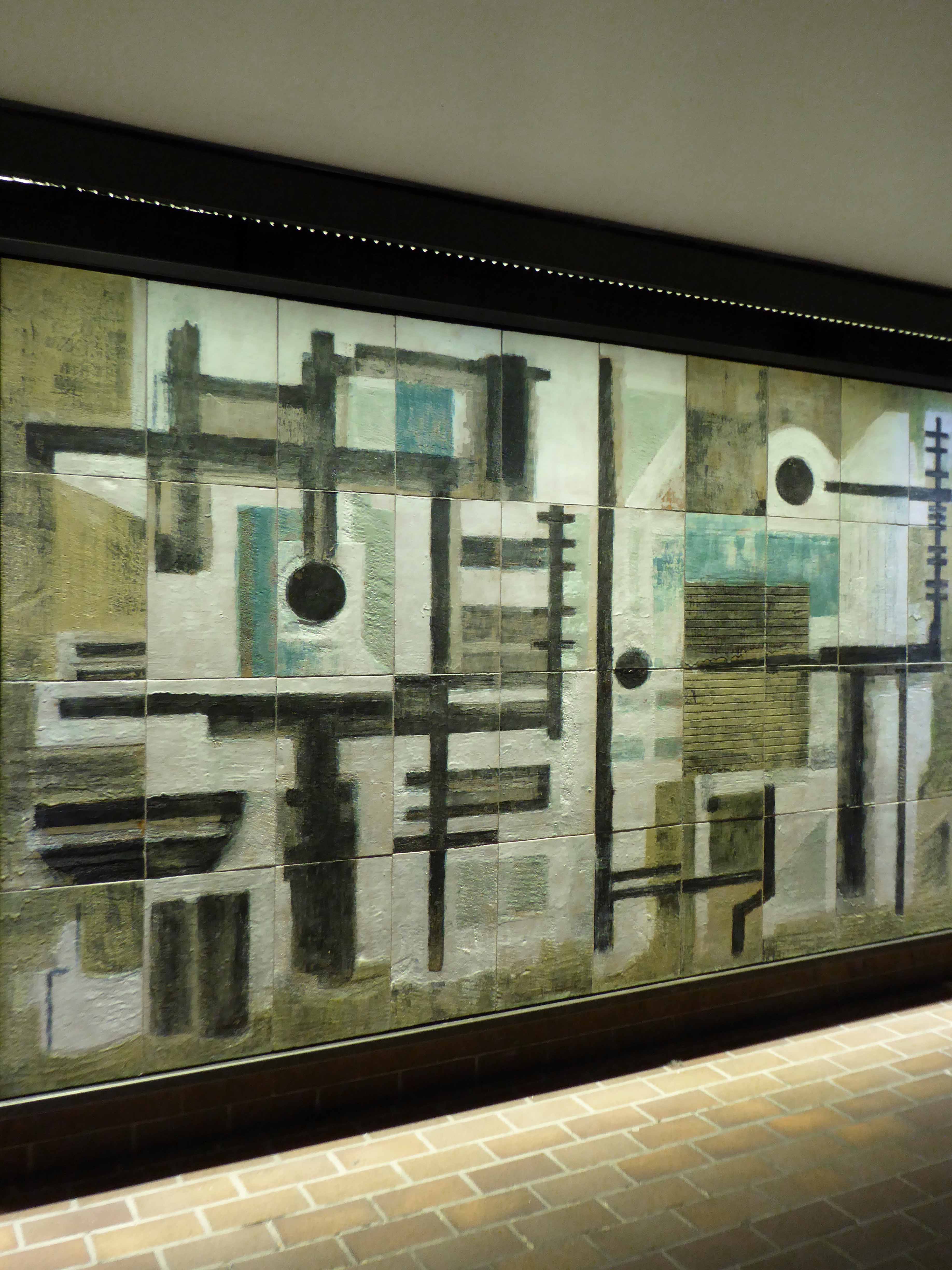
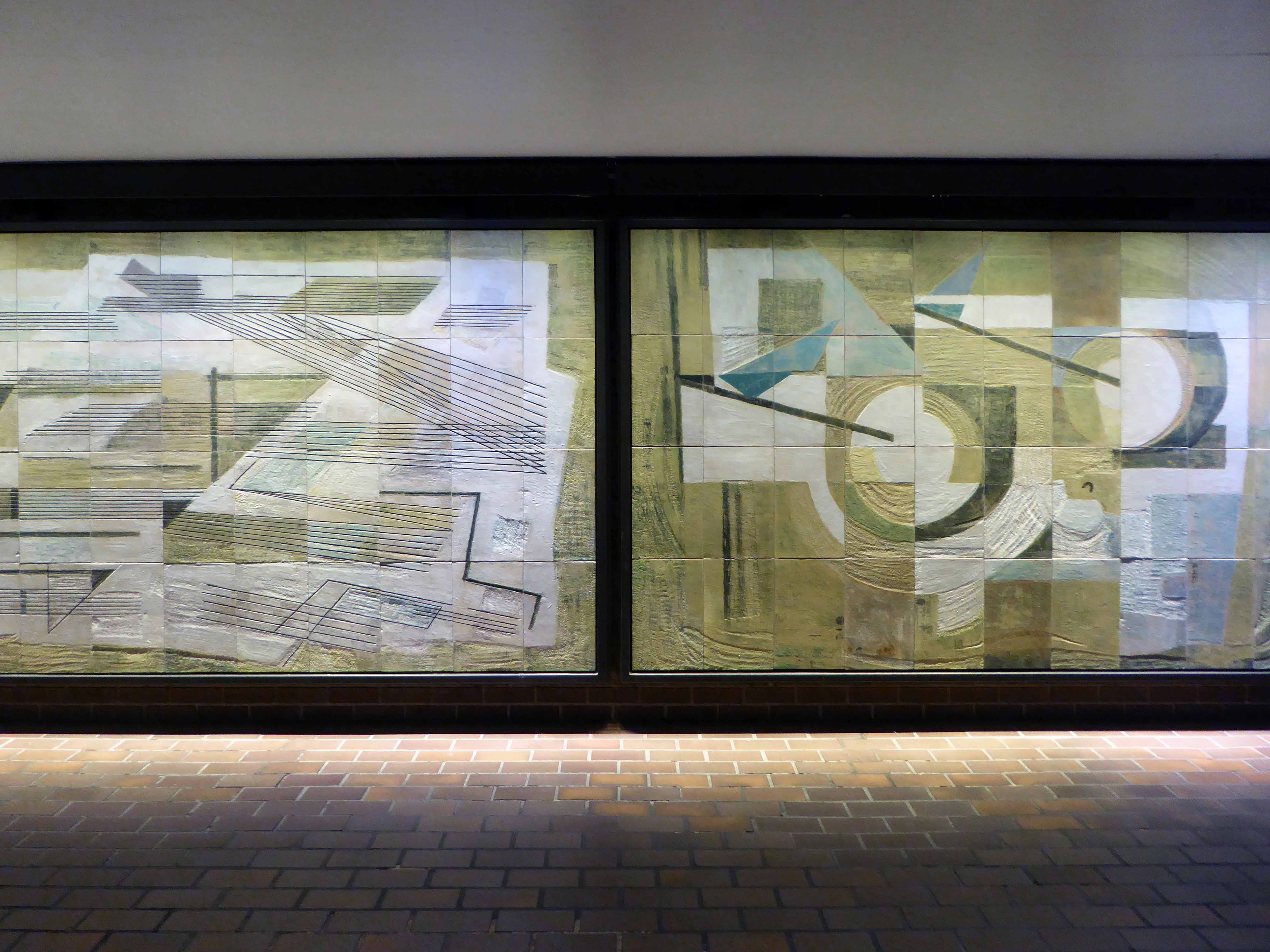
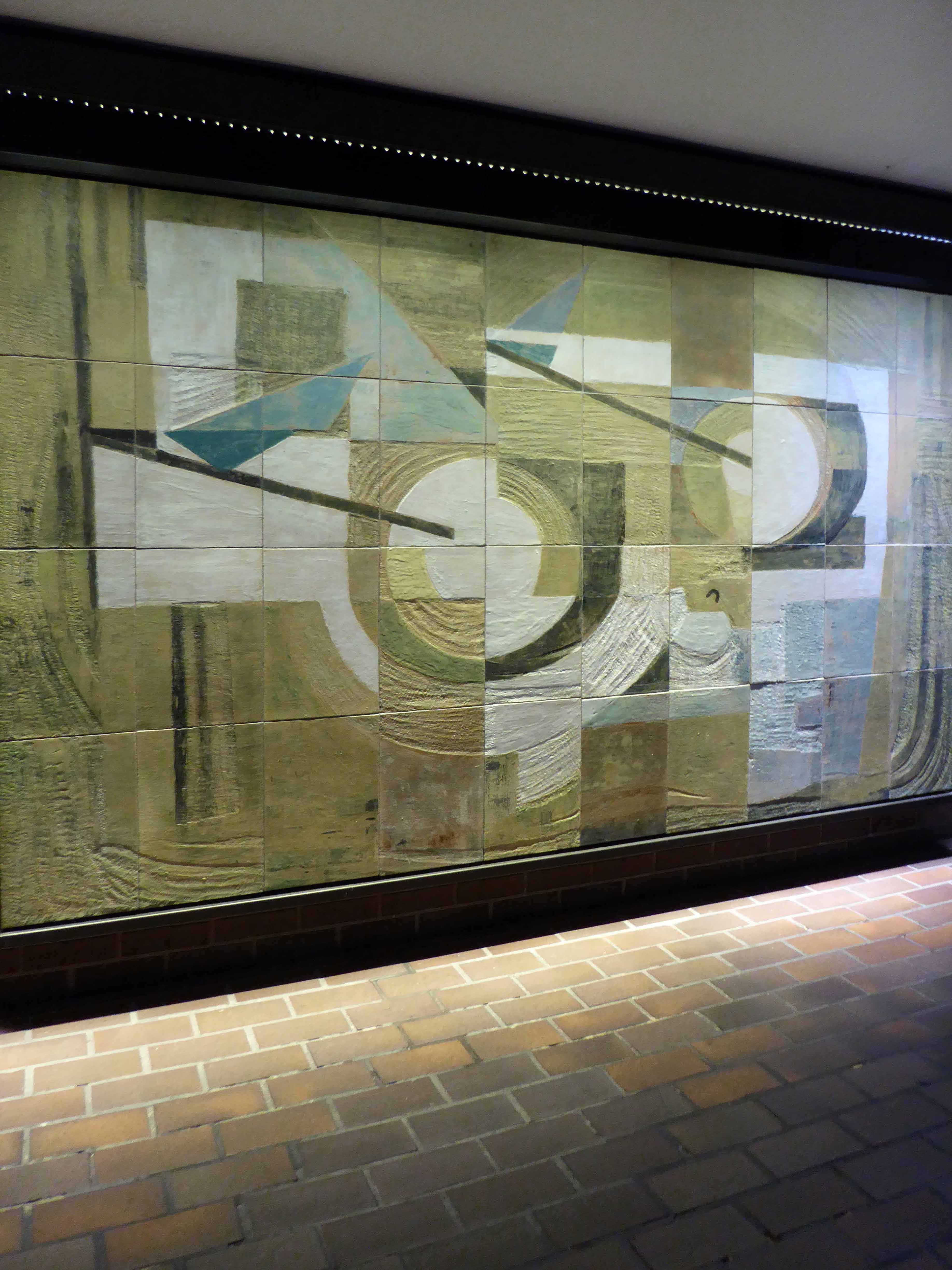
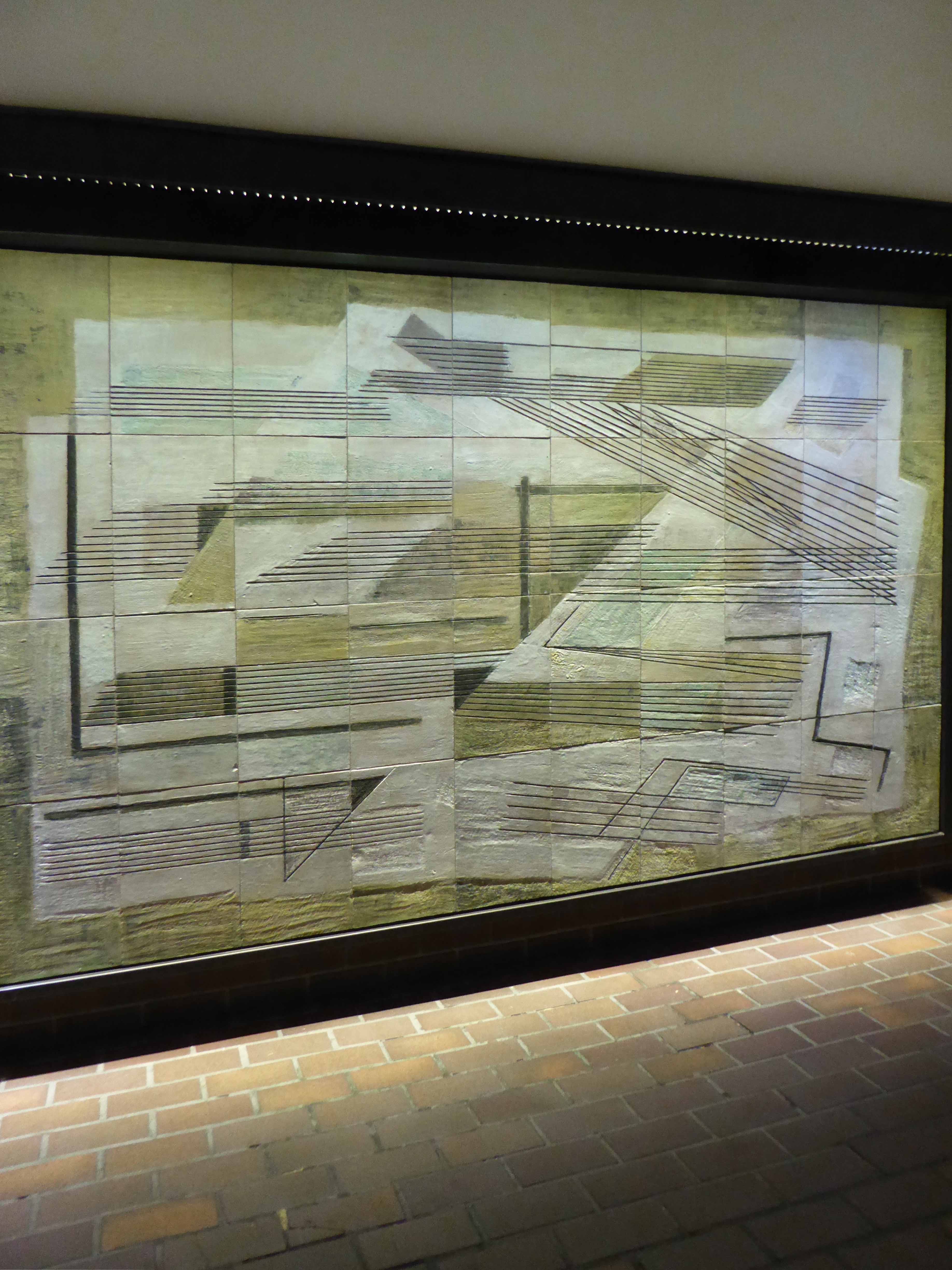
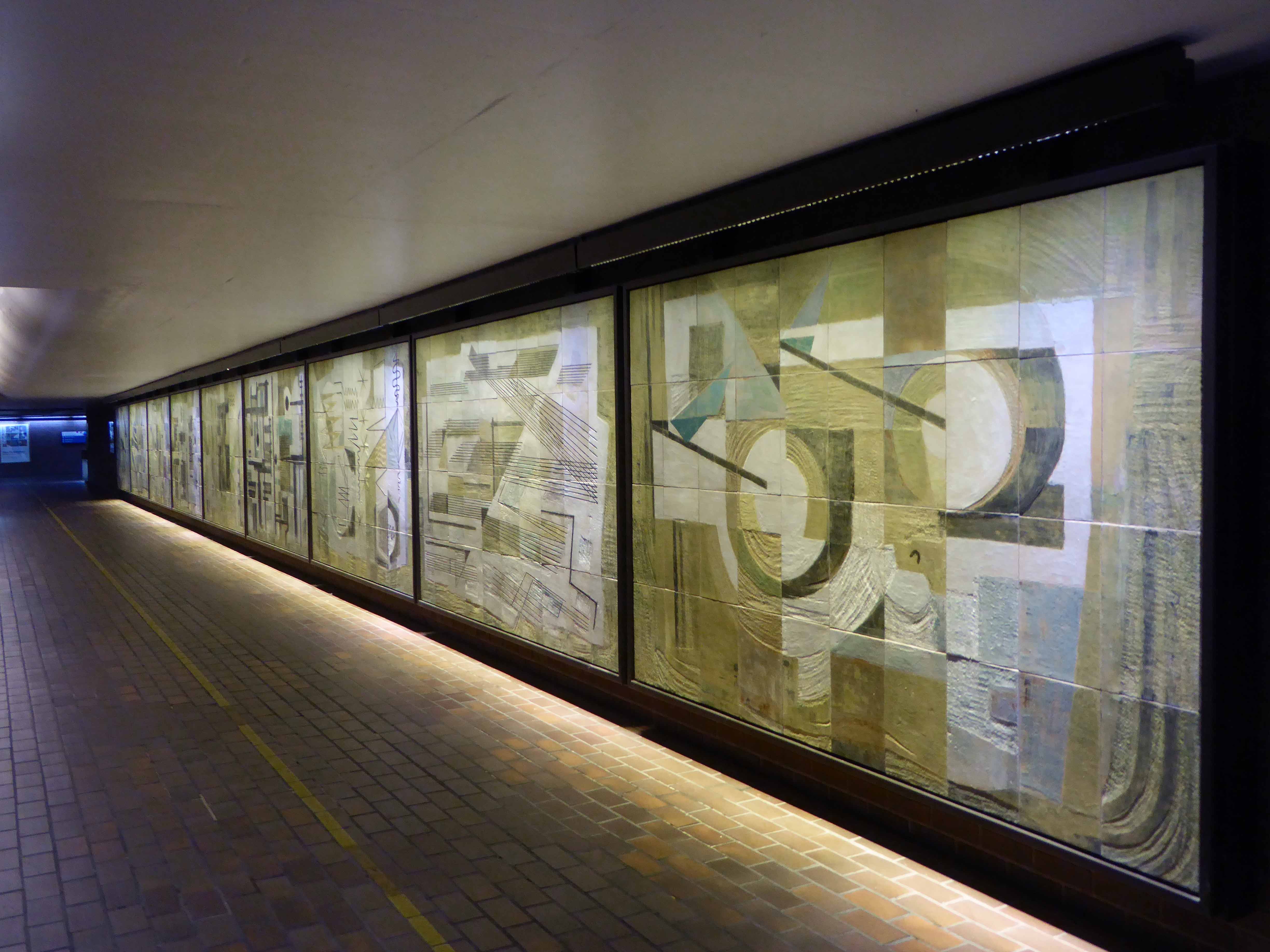
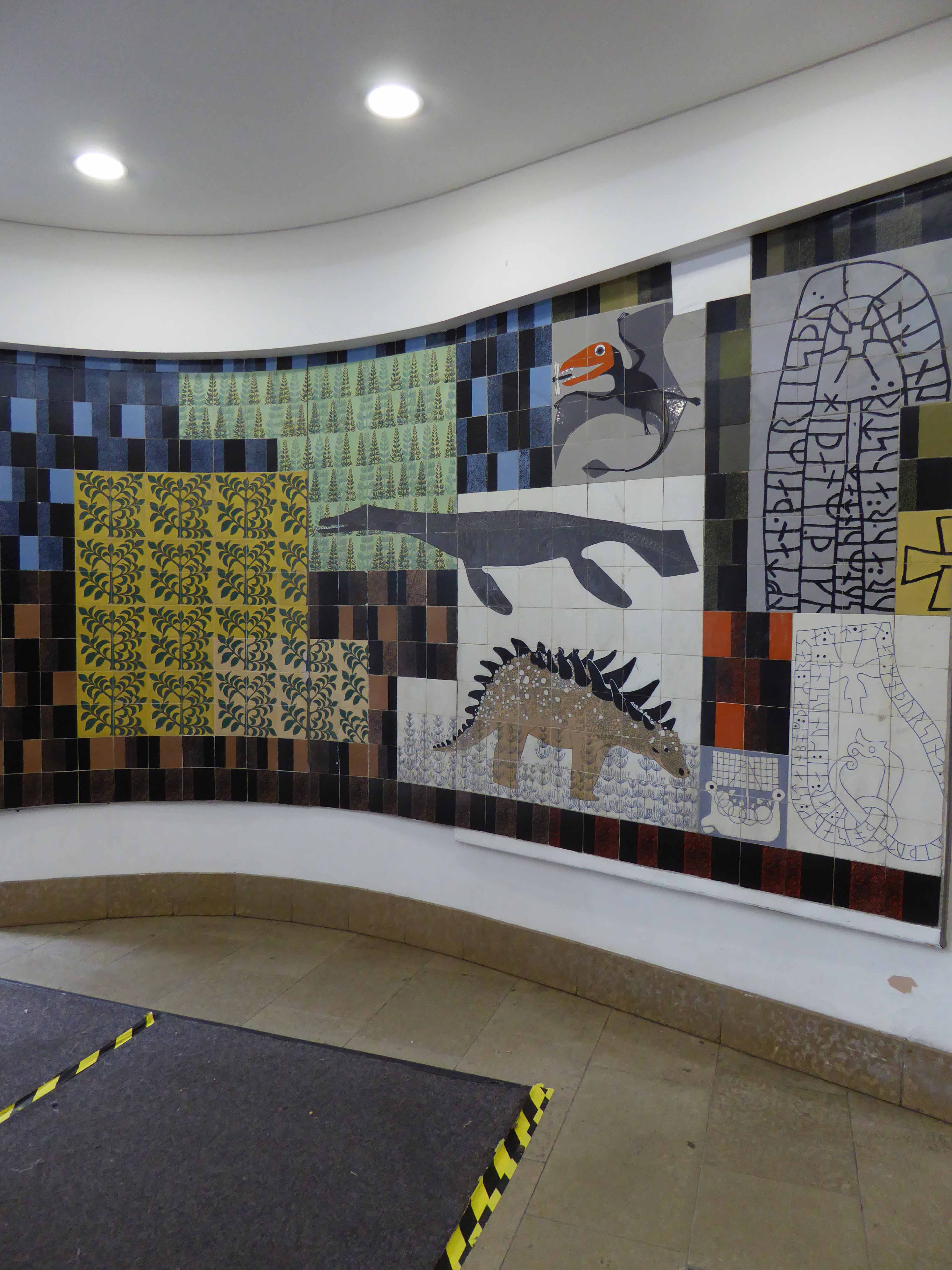
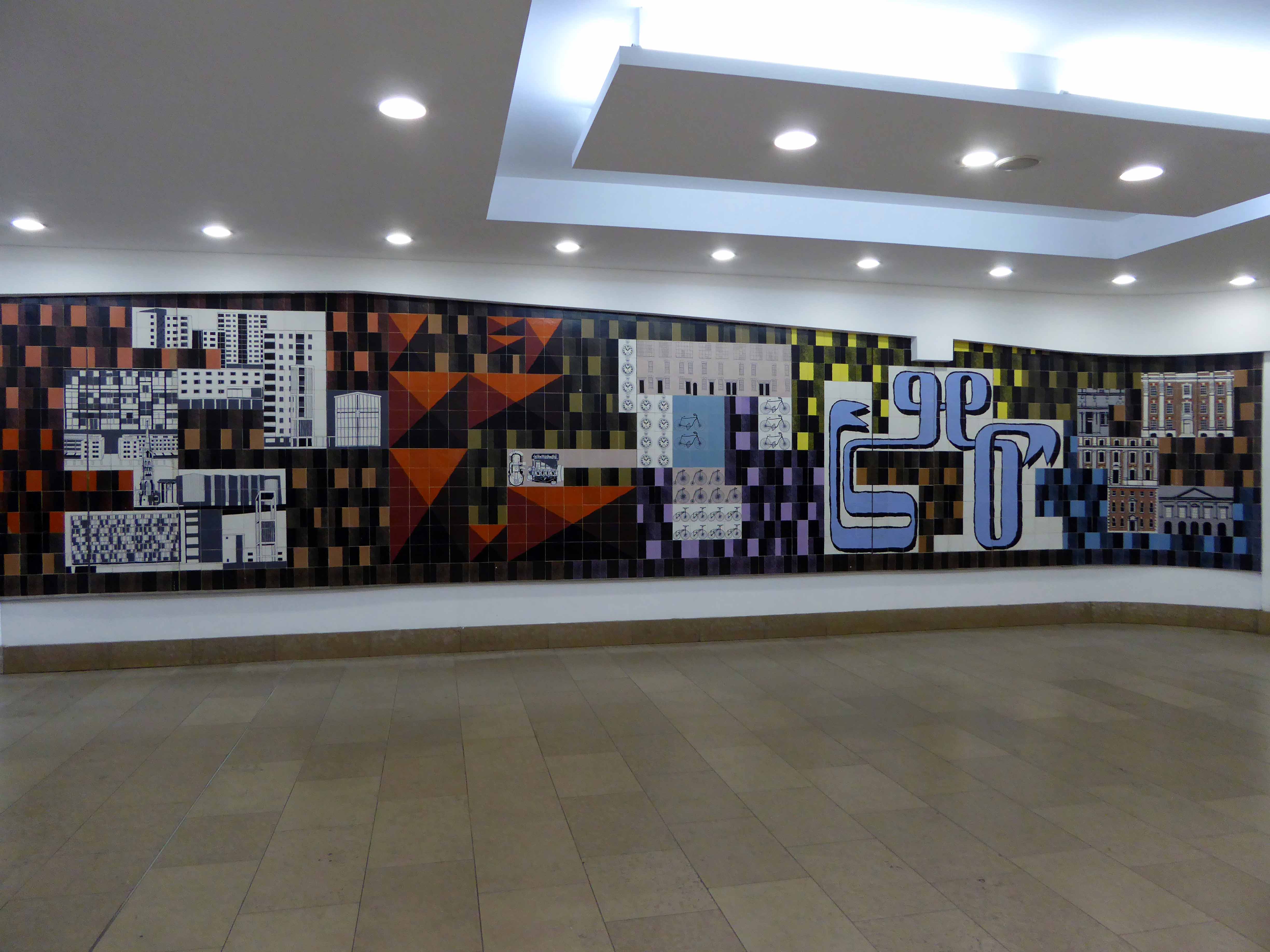
I was there in 2024 to photograph the Charles Anderson mural.
Constructed in situ – one third has now been removed at the northern end
Charles Anderson studied drawing and painting at Glasgow School of Art under David Donaldson, Mary Armour etc, graduating with Diploma in 1959. The following year he entered The Royal Scottish Academy painting competition for Post Graduate students and won the Chalmers Bursary. Joan Eardley – one of the adjudicators- took a keen interest in his work and encouraged him to exhibit at the RSA the same year.
Following a period of five years teaching art, He worked as a professional mural painter and sculptor for the next thirty years on major art and design projects throughout the United Kingdom, carrying out commissions for a wide variety of clients including local authorities, property developers, banks and major insurance companies. His most prestigious commission to date was the result of winning a national sculpture competition to provide a bronze figurative group which is entitled “The Community” for Livingston New Town in 1996. In early 1997 he returned to the painting of easel pictures and contributed to the annual exhibitions of The Royal Glasgow Institute, the Royal Scottish Society of Painters in Watercolours, The Royal Scottish Academy and The Paisley Art Institute. He has works in various private collections throughout the U.K. and abroad.
Time for the train home to Stockport – but you can bet I’ll be back.
And true to my word I have been back, several times – on this occasion alone and on foot.
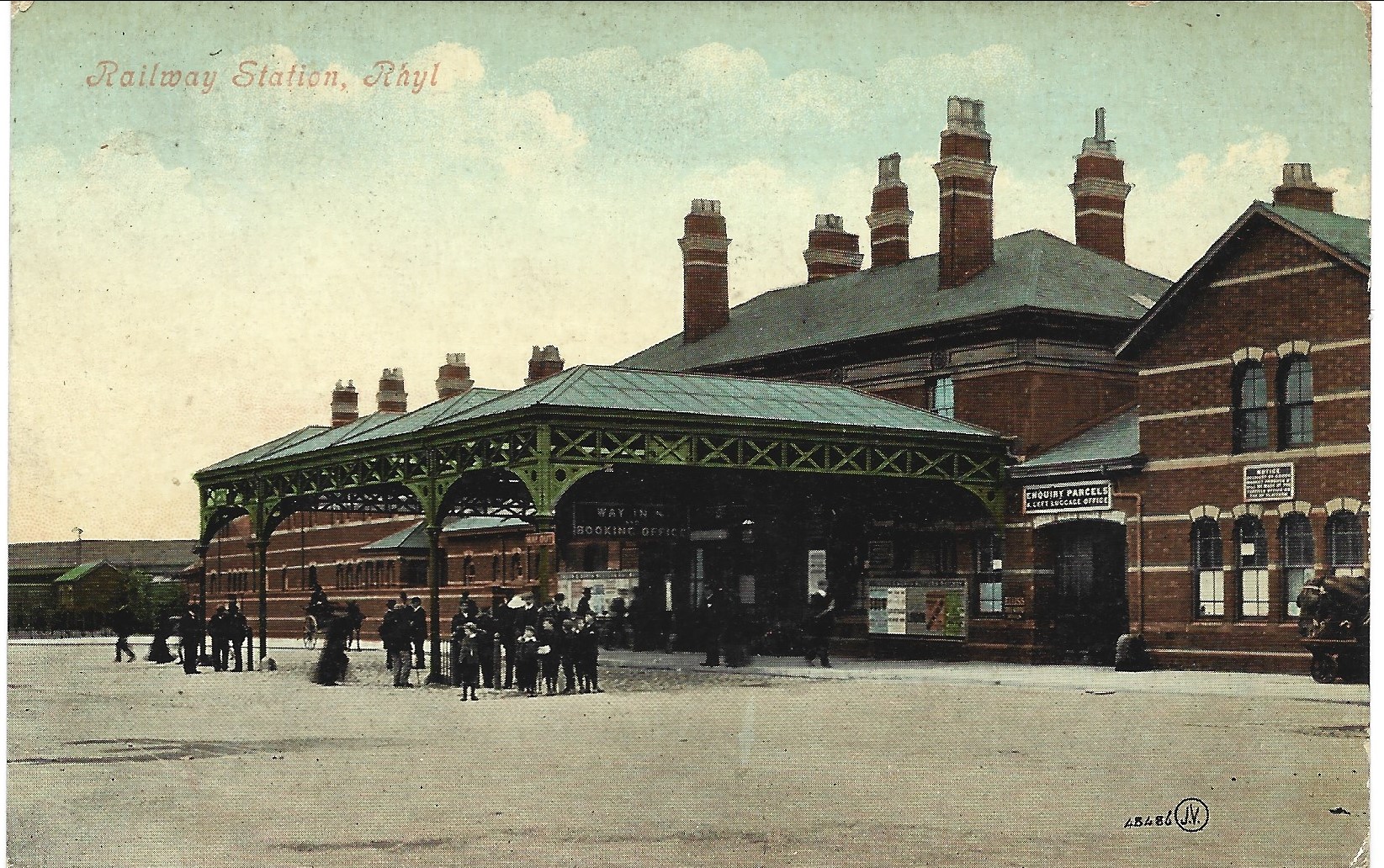
An almost overcast mid-grey day in November, alighting at Rhyl Station and loafing along to Colwyn Bay – this what I done seen.
1907
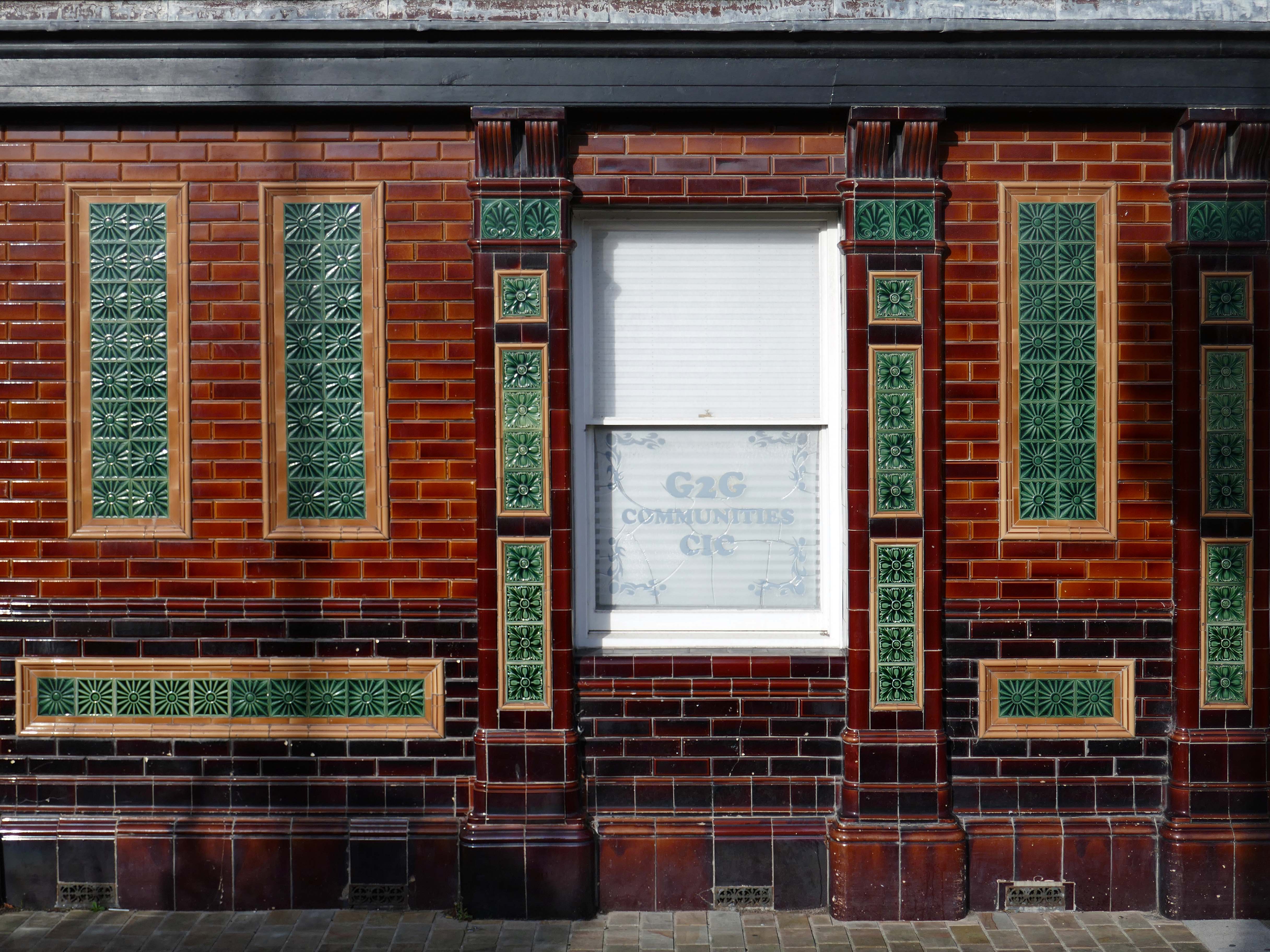
Former Bee and Station Hotel immediately opposite the Station.
The Bee and Station Hotel was built in the 1860s. The decorative tile work of the exterior was probably added during remodelling c.1890. Inside, the lobby is also richly decorated with brightly coloured tiling. The building was listed in 1991 as an excellent example of pub of the late 19th century with a complete tiled frontage and a rare surviving internal layout throughout.
The pub closed in 2005. The building reopened in 2013 after being refurbished and given a modern extension by Denbighshire County Council, under the Townscape Heritage Initiative, to provide new offices for small businesses
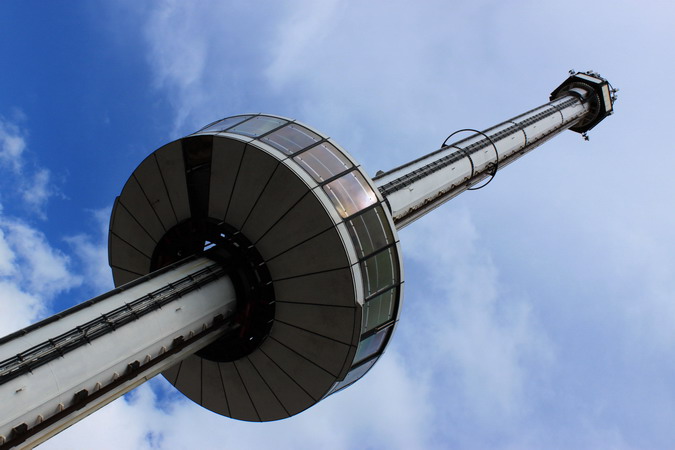
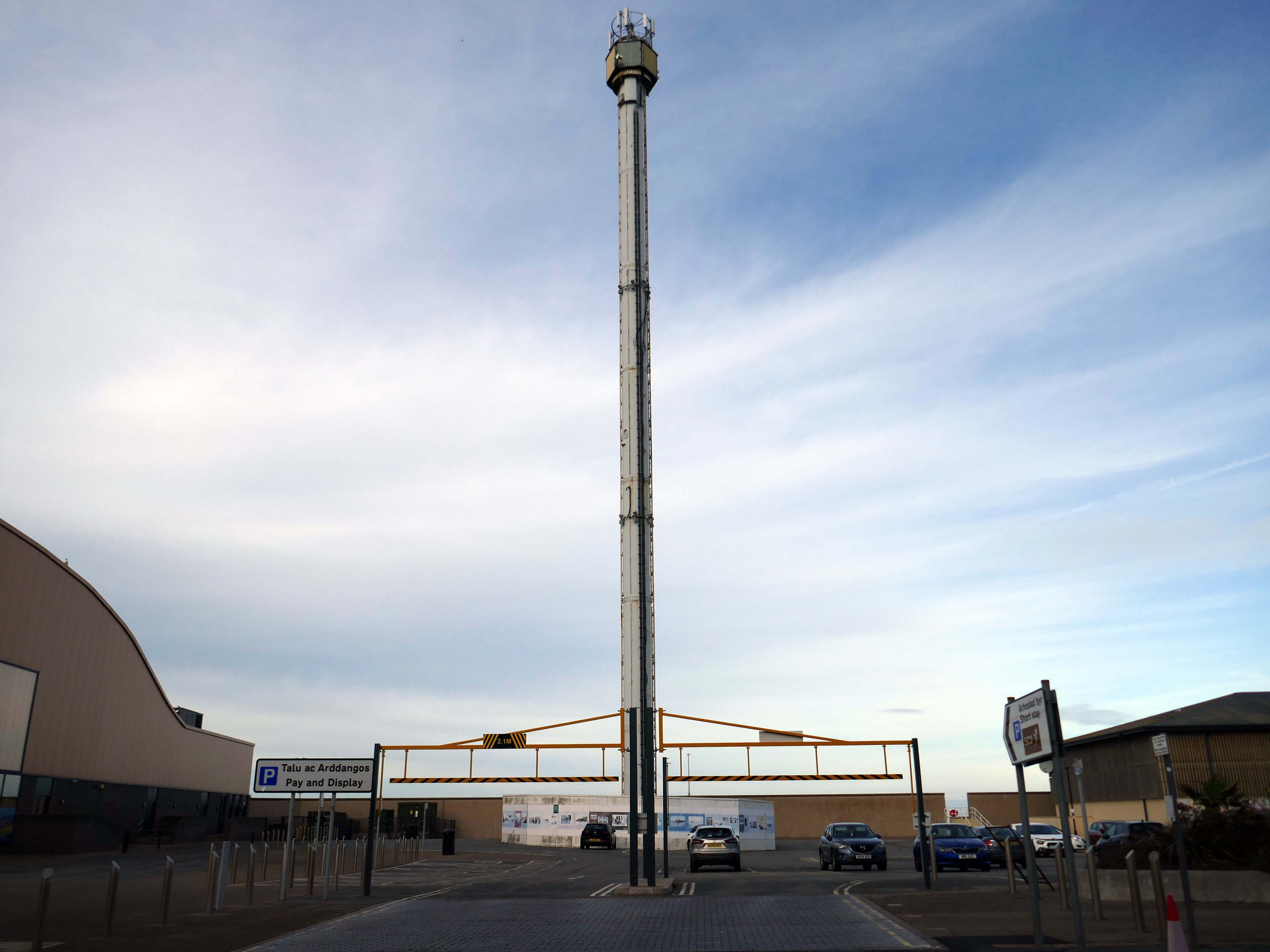
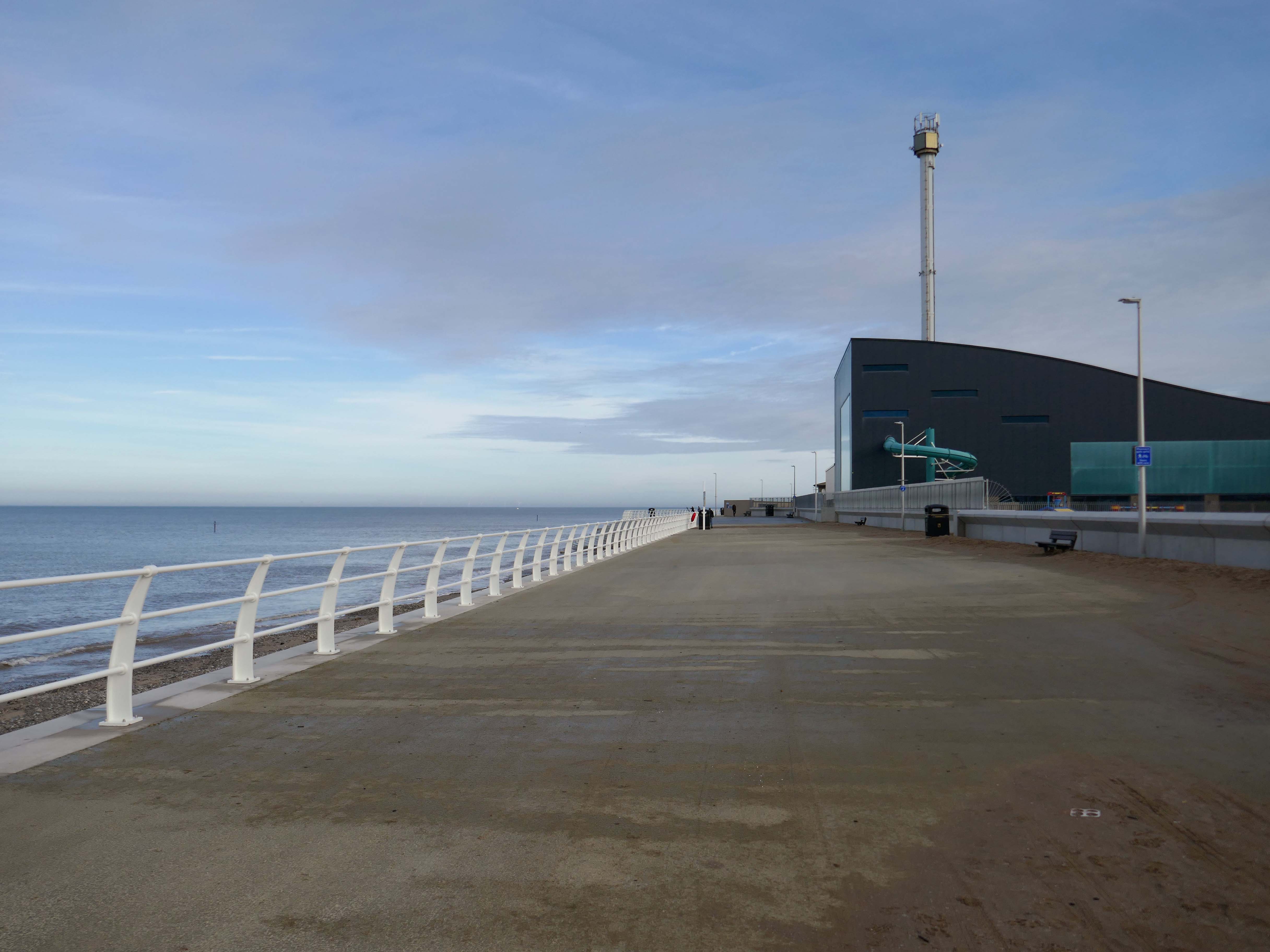
Onward to the seafront, home to the defunct Skytower.
The tower first operated at the 1988 Glasgow Garden Festival, where it was known as the Clydesdale Bank Tower and was opened by Prince Charles and Princess Diana. Following the festival, it was dismantled and reassembled on the Rhyl seafront.
The tower last operated in 2010. The following year, a safety report found that £400,000 worth of repairs were required to keep the ride operational. After standing but not operating for seven years, in 2017 work was carried out to turn the tower into a beacon.
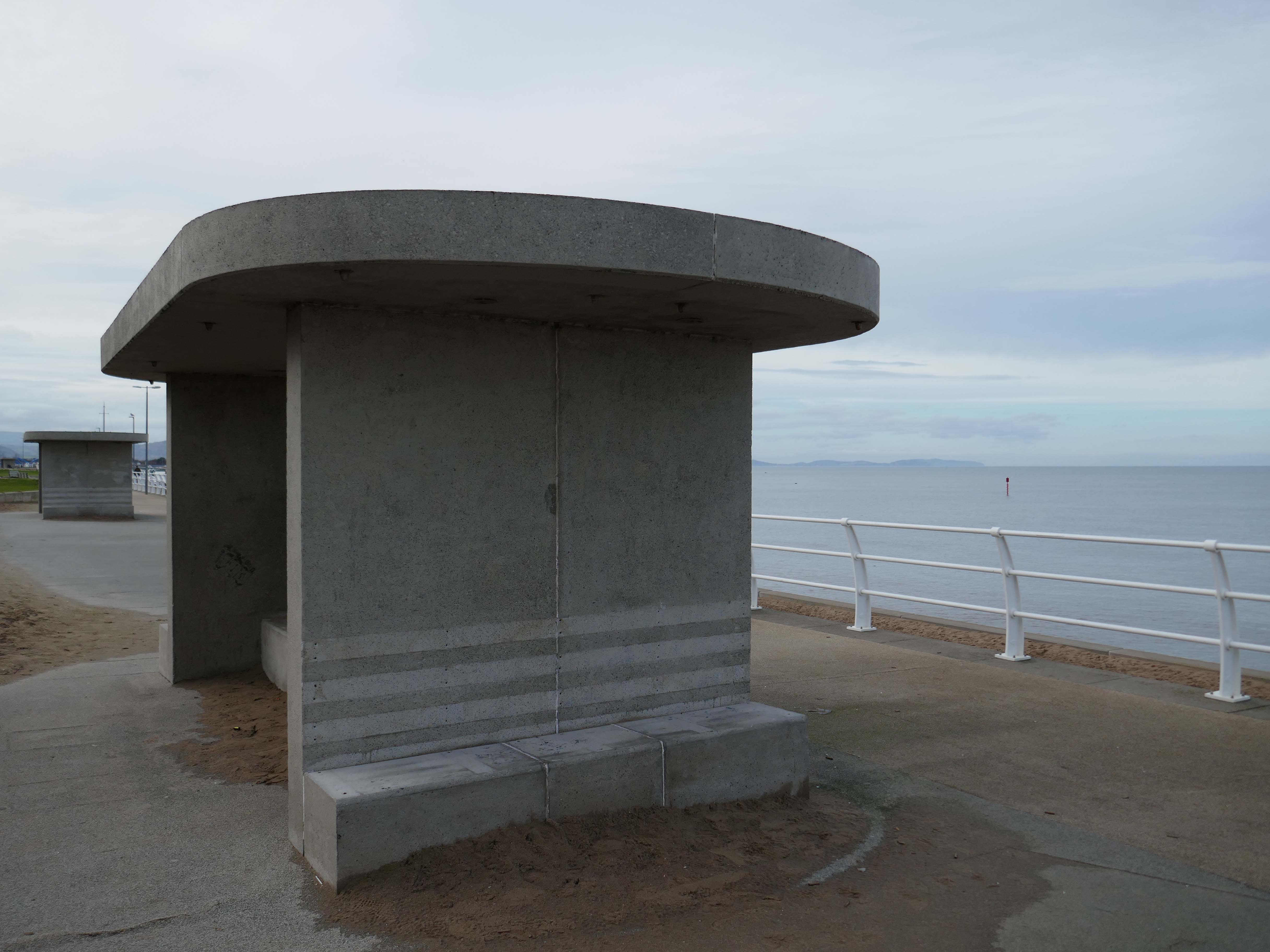
Much has been done to improve the promenade, with sumptuous hard landscaping, coastal defences and seafront shelters.
The £66m Central Rhyl Coastal Defences Scheme will protect almost 600 properties in Rhyl from flooding and coastal erosion for decades to come.
85% of the construction costs have been funded by the Welsh Government, with the Deputy First Minister labelling the project a ‘significant milestone’ in efforts to protect Welsh communities from the growing threats of climate change. Denbighshire County Council contributed the remaining 15%.
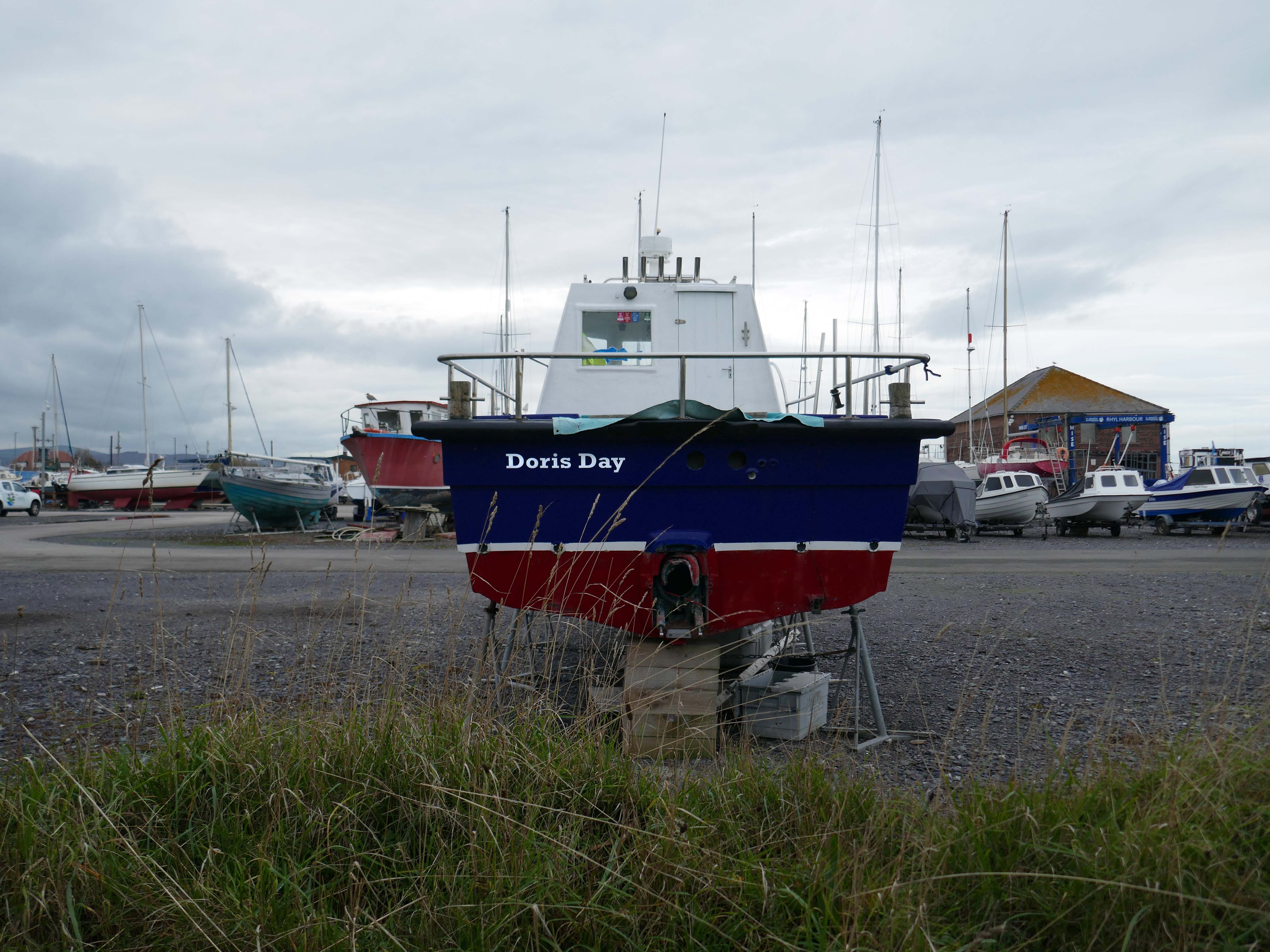
Over the estuary to Rhyl Harbour home to Doris Day.
Rhyl Harbour is located on the spectacular North Wales Coast and has undergone a dramatic refurbishment which has hugely improved the facilities on offer. The original timber yard which was used by sailing ships up until the Second World War, has been redeveloped and now offers storage for over 150 boats.
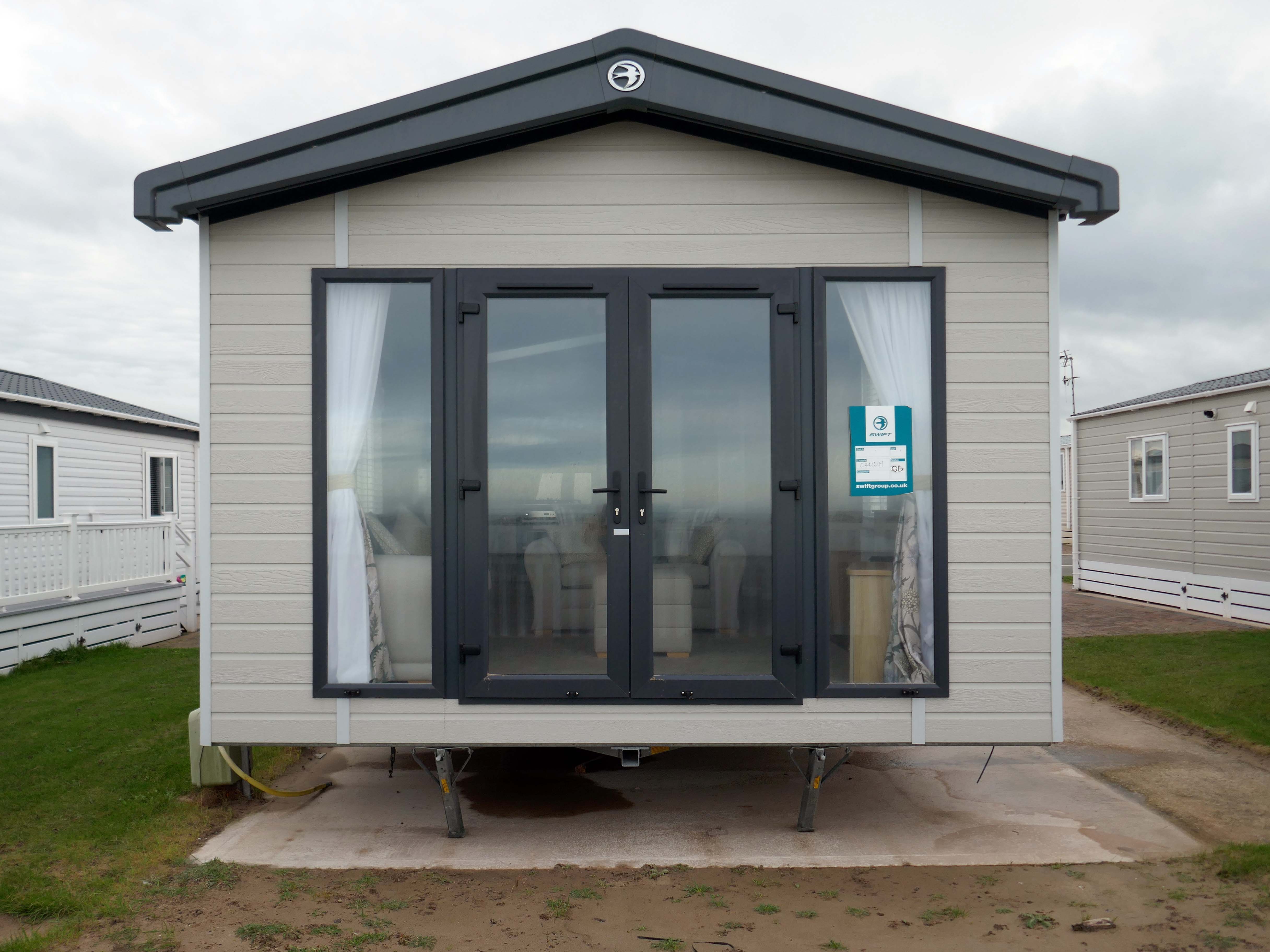
The foreshore home from home for thousands of caravan dwellers.
Golden Sands Holiday Park Rhyl has over 85 years history of fun filled holidays. Wonderfully located right next to the beach in Kinmel Bay in North Wales, it’s the perfect place for a family seaside holiday. It’s also an excellent base for exploring the beauty of North Wales. The town of Rhyl is closest, though also nearby are Prestatyn, Colwyn Bay and Llandudno – with the Great Orme. Blue Flag beaches offering wonderful seaside holiday traditions along with stunning Snowdonia National Park are within an easy drive.
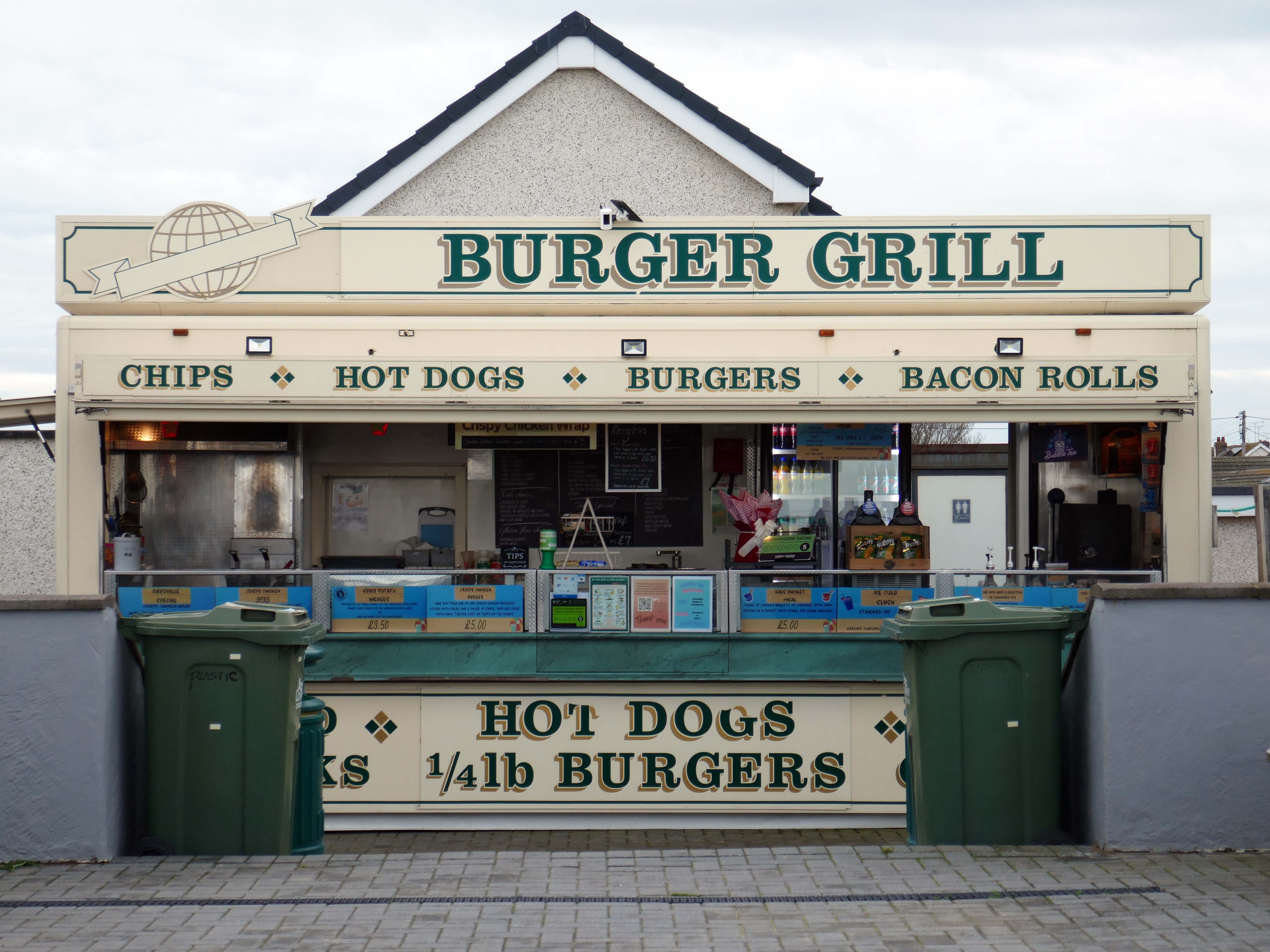
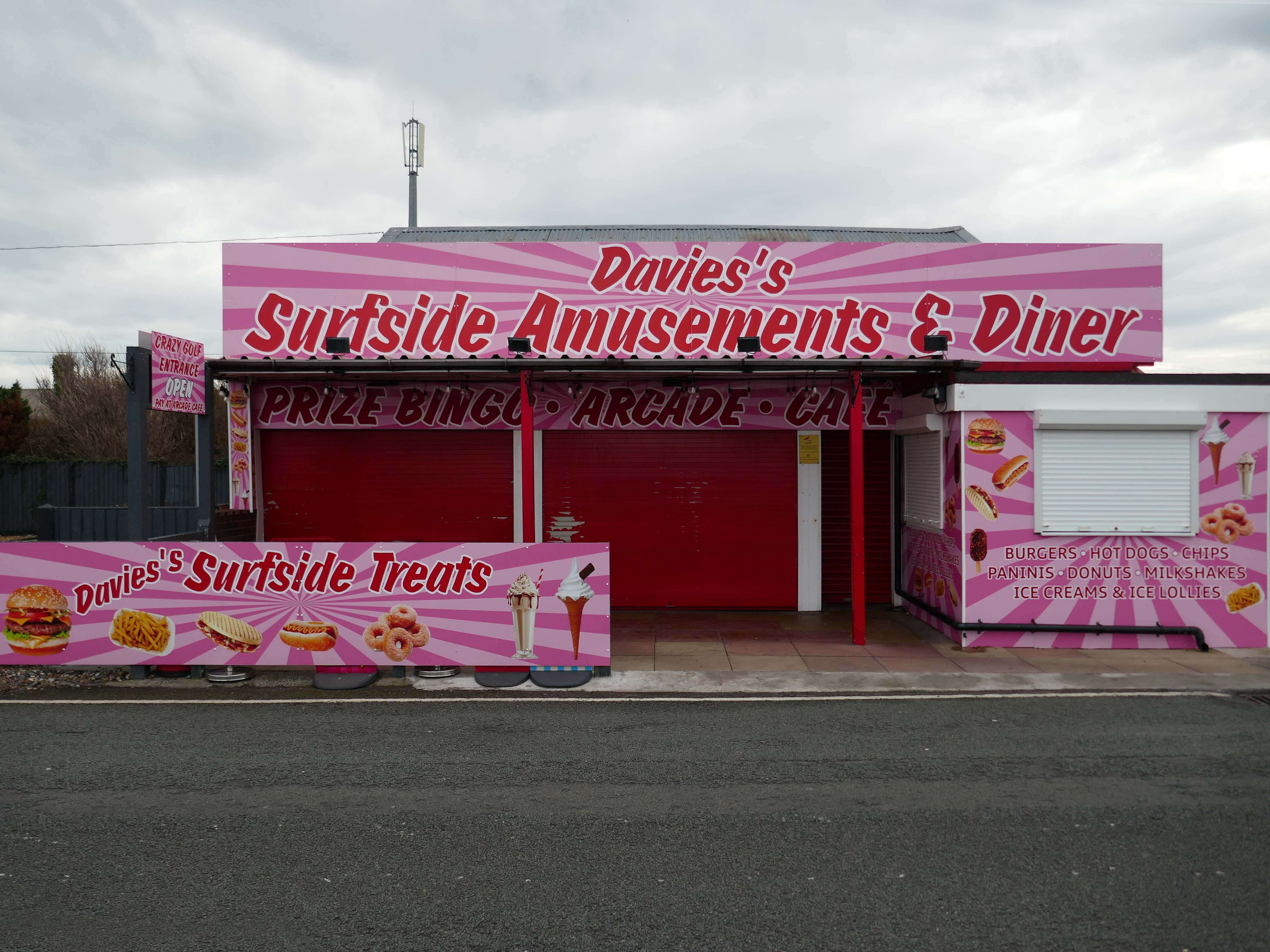
Fast food is often nutritionally poor and high in calories. Evidence demonstrates that overeating commercial fast food products can negatively impact health in both the short and long term.
However:
Baysville is lovely and clean, lots of tables and a good choice of foods from ice cream, donuts, burgers, hot and cold drinks and a bar. The staff are pleasant and welcoming.
Researchers have found people who drink up to three cups of coffee a day could have a healthier heart and a lower risk of dying of any cause.
But too much caffeine can produce anxiety, sleeplessness, agitation, palpitations, diarrhoea and restlessness. In individuals with a mental health condition caffeine can worsen psychosis and result in the need for higher amounts of medication.
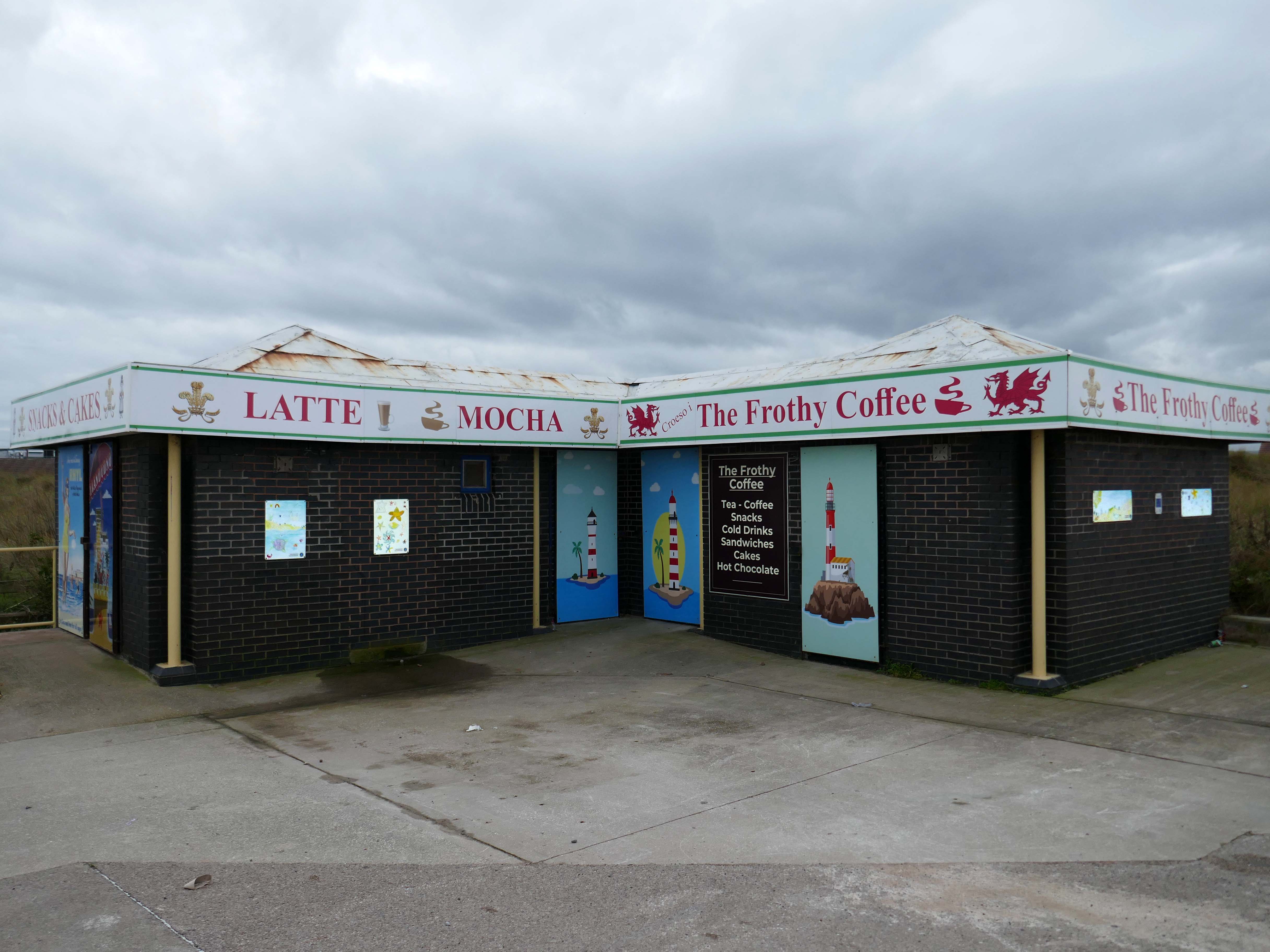
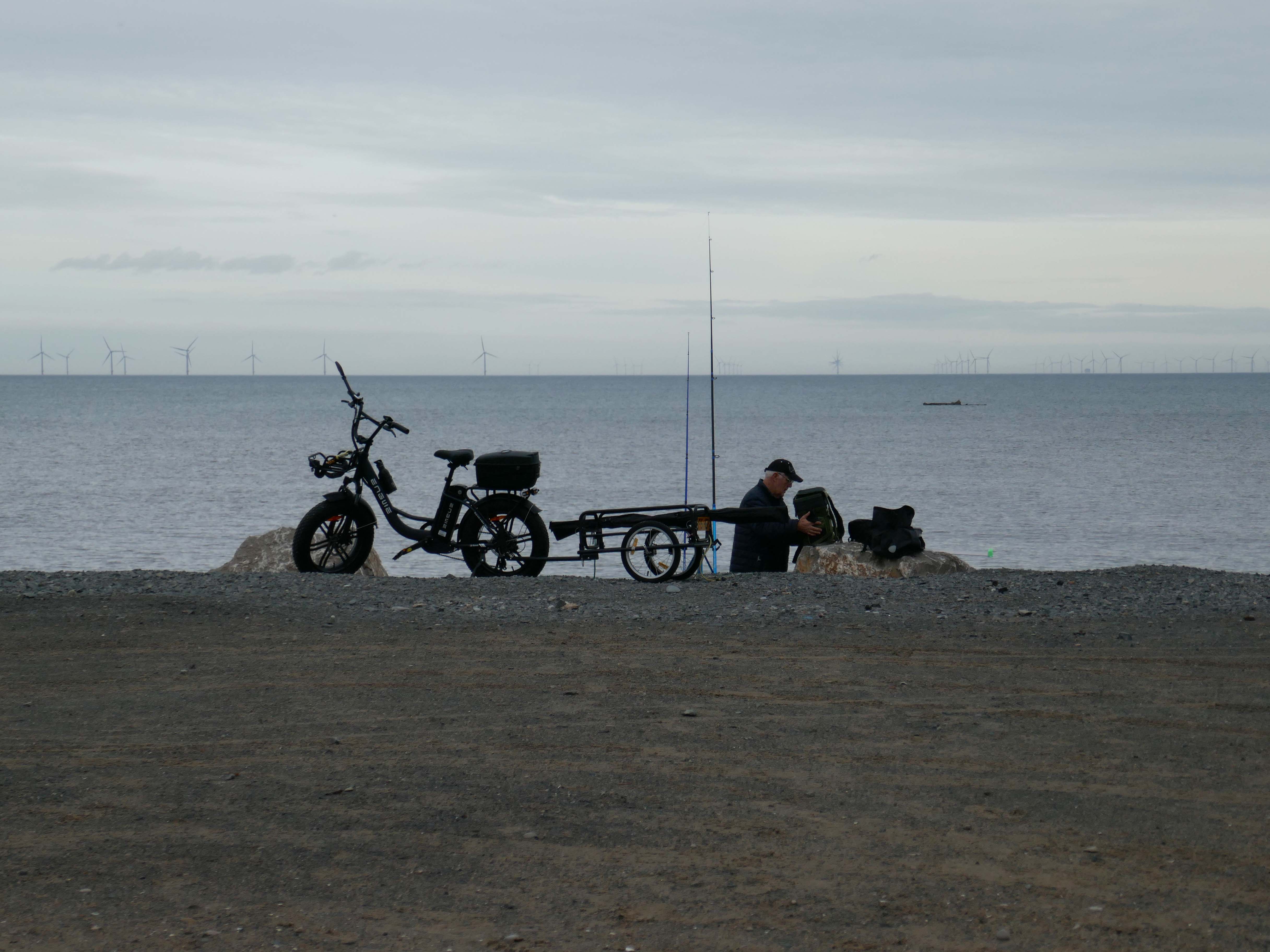
Possibly wiser to take a leisurely ride on your electric bicycle, followed by an hour or two of beach casting .
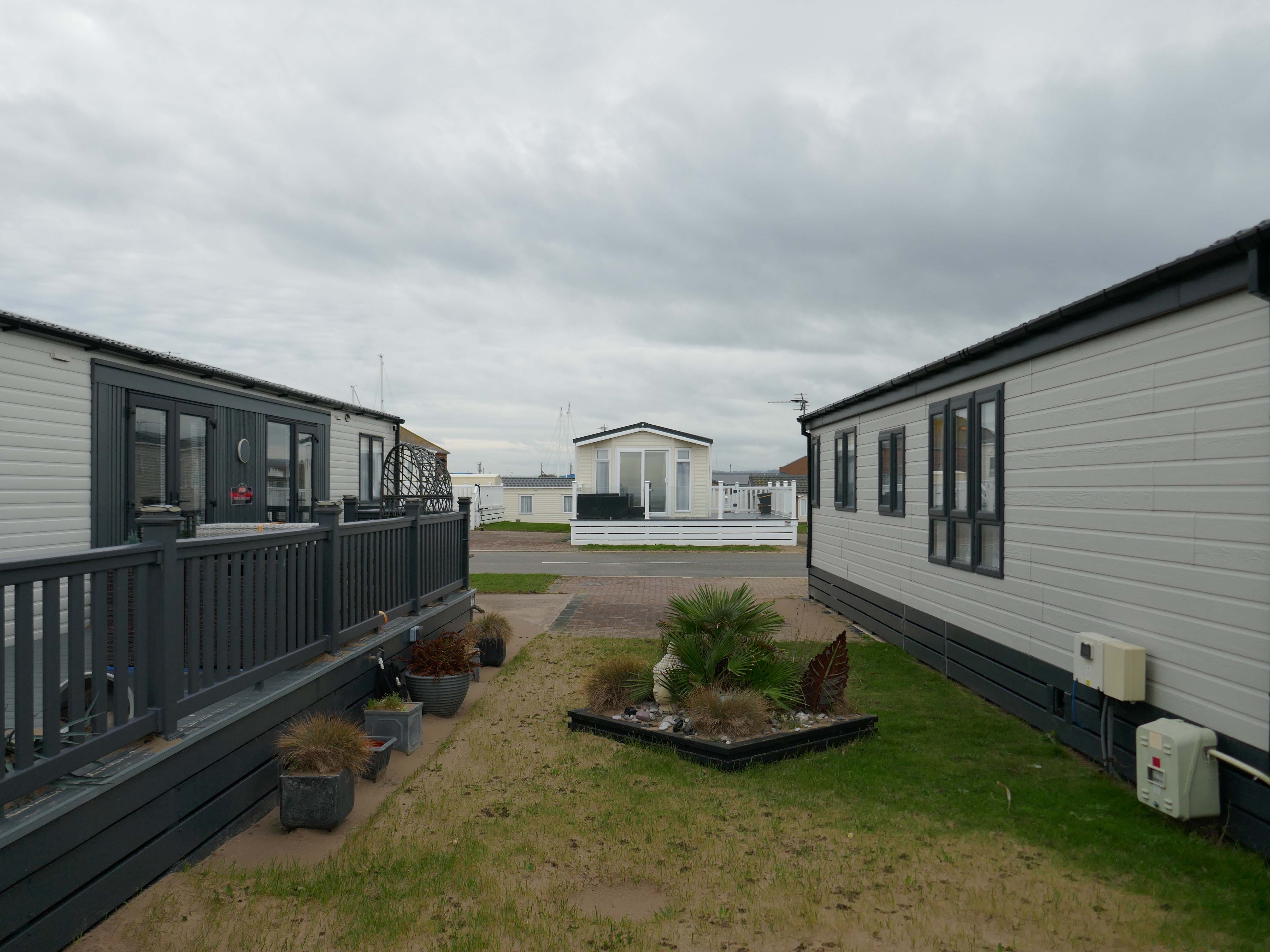
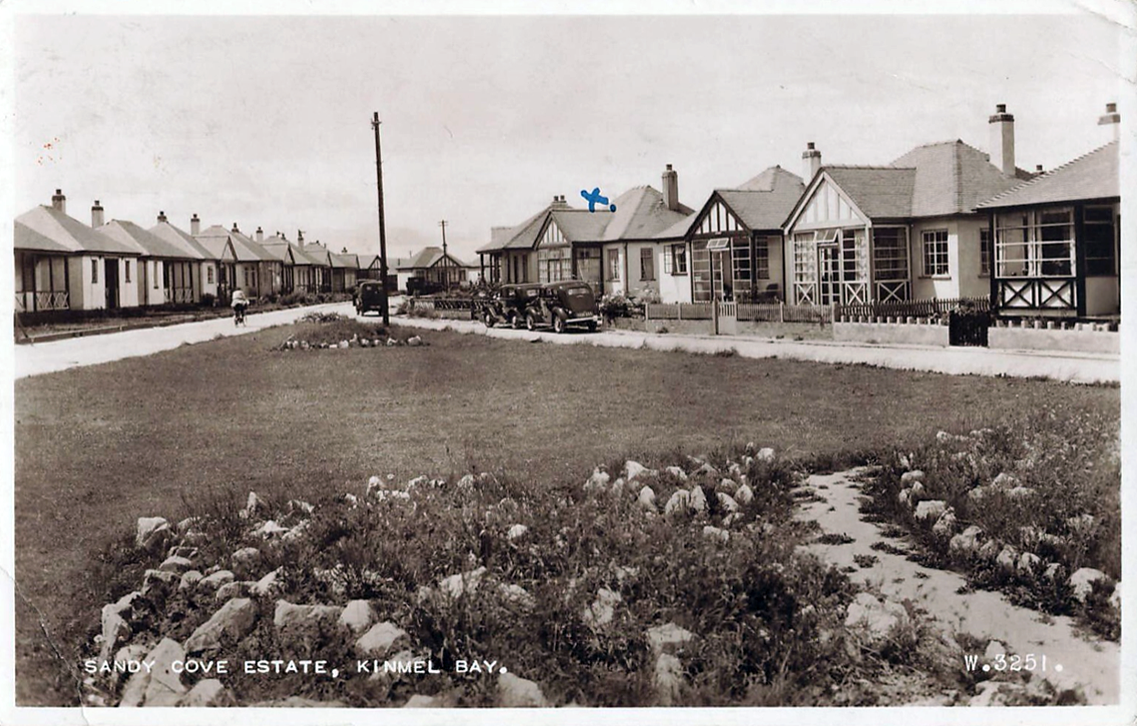
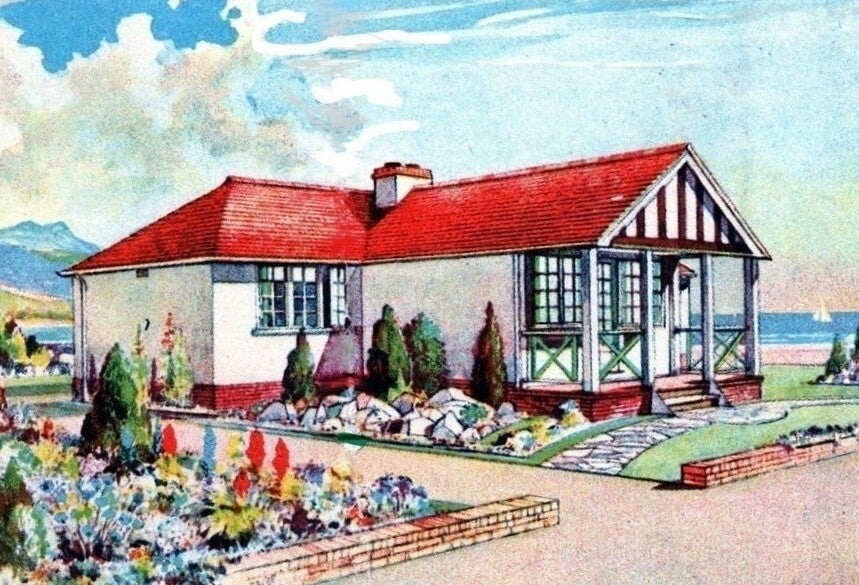
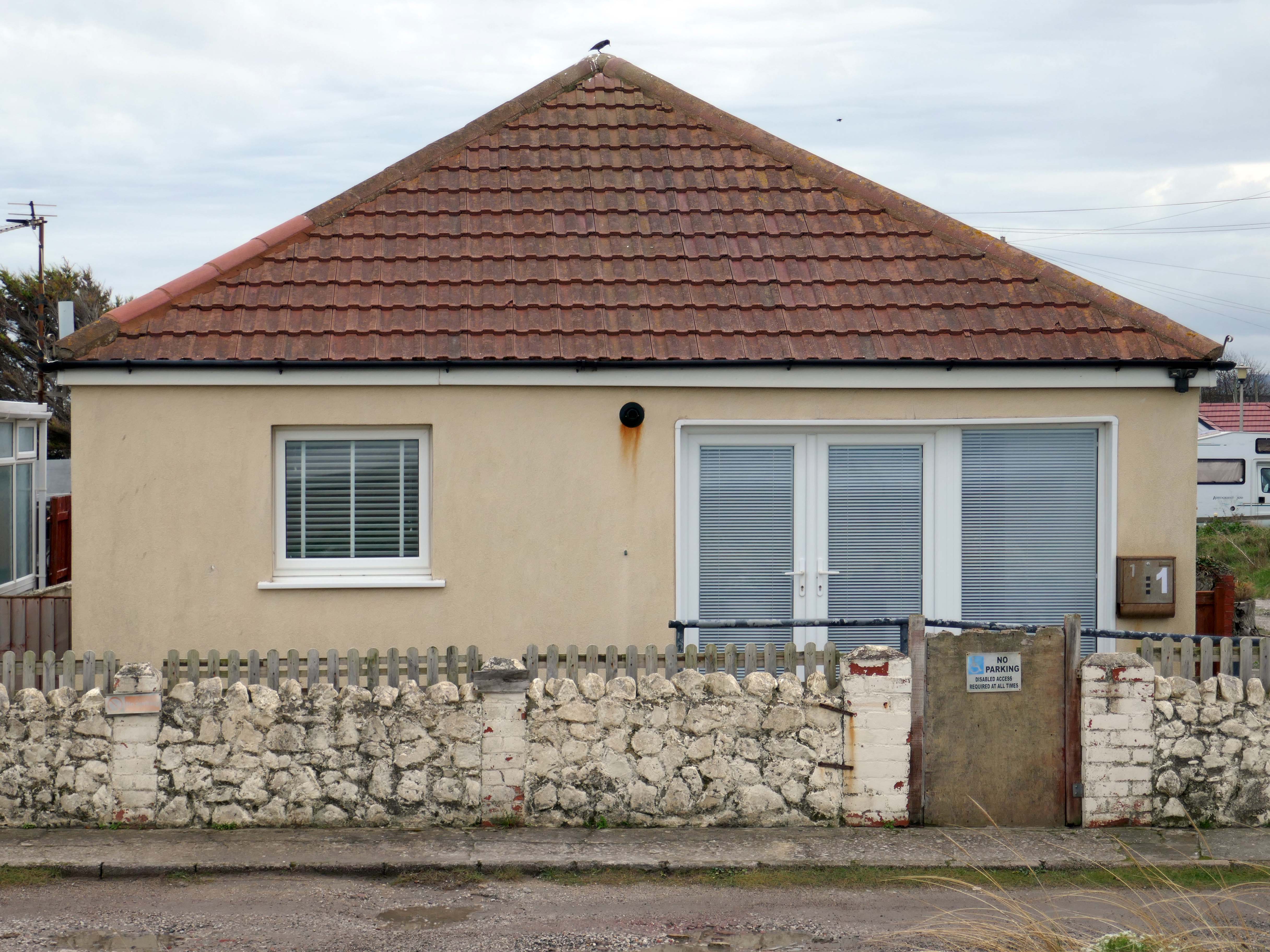
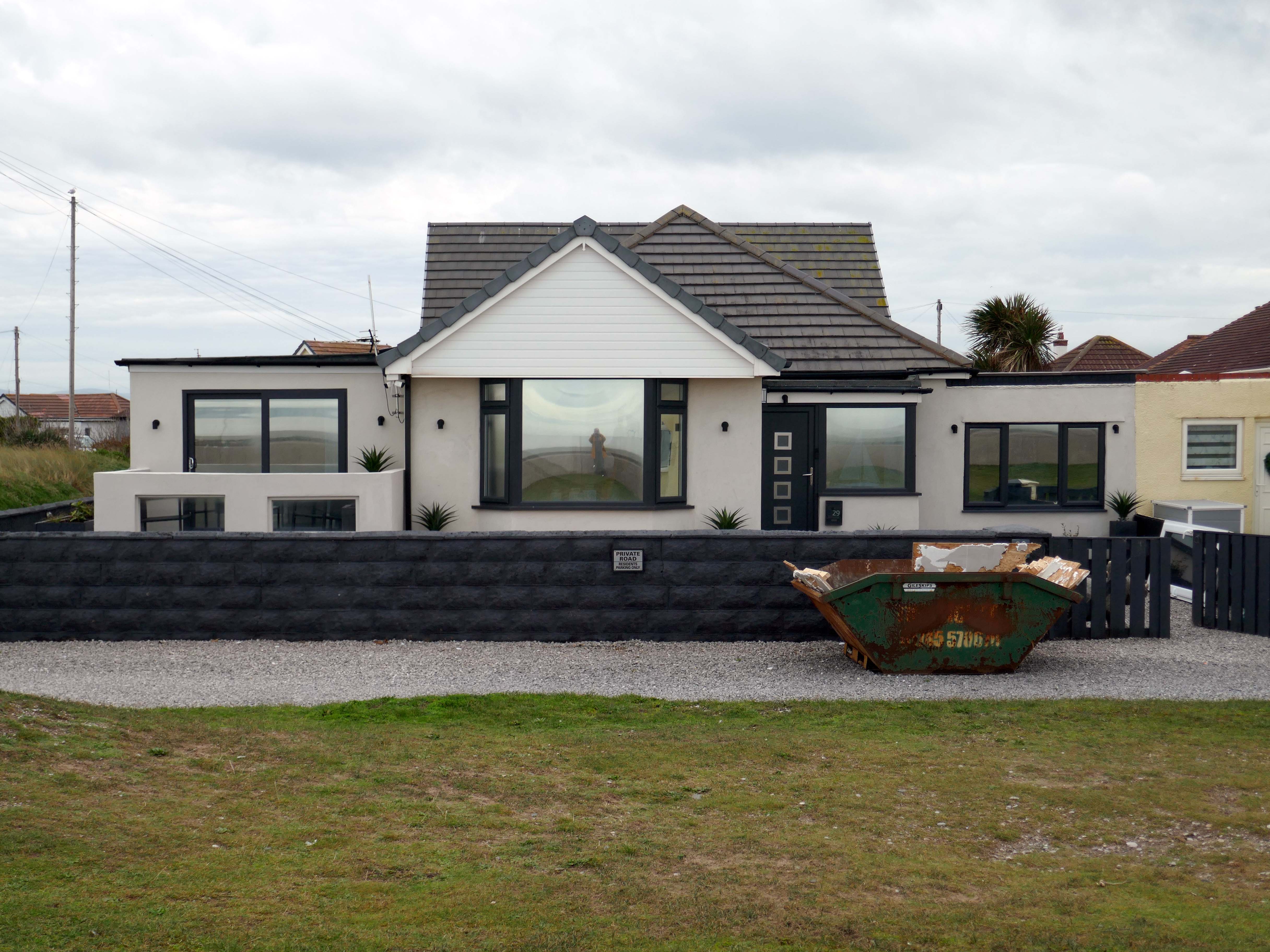
The coastal housing at Kinmel bay is undergoing a cosmetic upheaval, the determinedly down home bungalow swamped by the relentless monotone tide of home improvements.
The Sandy Cove Estate consists of 250 bungalows that were built in the 1930s by the Kinmel Estates Ltd, who sadly went into liquidation around 1947, before the estate was completed. This left the estate with only dirt tracks for roads with no sidewalks or pavements, no drainage for surface water or any adequate street lighting. After the liquidation of the company the roads and communal greens were escheated to the Crown who then offered the land free of charge to successive Councils for the to incorperate into the towns that were developing. This was refused by the Councils.
Fifty or more homes are ready for you to choose from, gardens and tennis courts have been provided for the sole use, in perpetuity of residents.
Onward now to Towyn.
The town made national headlines in 1990 when a combination of gale-force winds, a high tide and rough seas caused Towyn’s flood defences to be breached at about 11.00am on 26 February. 4 square miles of land was flooded, affecting 2,800 properties and causing areas of the resort to be evacuated. Further flooding occurred later the same week, on 1 March, shortly after the site of the disaster was visited by Prince Charles and Princess Diana.
Scientific experts also believe that the silt left behind from the flooding had left the town with a higher concentration of radioactivity, over ten times the governmental safety limits, most likely originating from the nuclear processing plant at Sellafield which had been dispersed into the Irish Sea over many years since its construction. The National Radiological Protection Board stated that there was a “small risk” to the people there, while the Welsh Office claimed there was no danger to the public. The coastal defences have since been reconstructed and significantly enhanced.
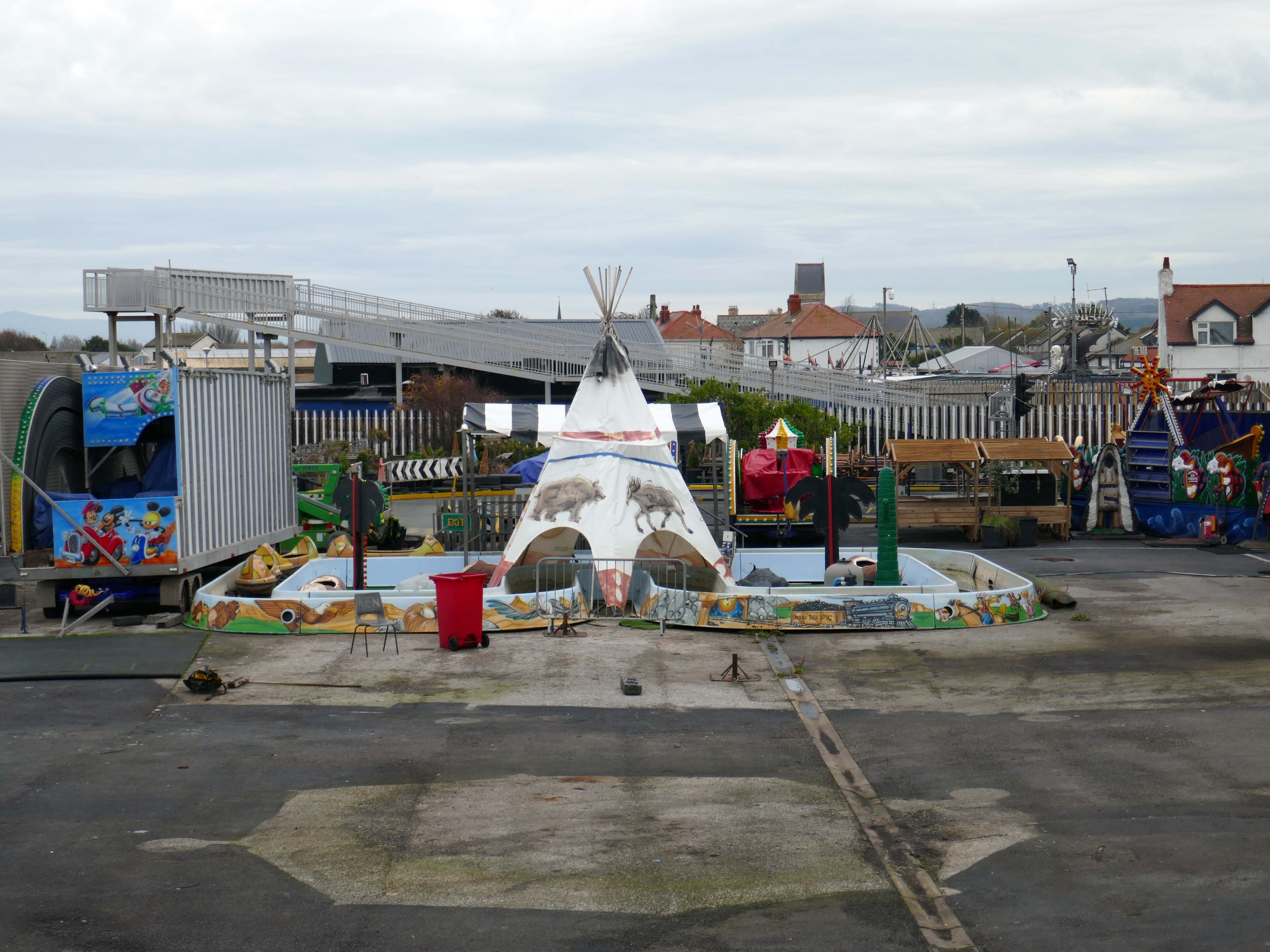
The People of the First Nation here at Knightly’s Fun Park are now safe from the threat of flood.
Knightly’s Funfair has a fantastic range of rides for the whole family! Experience high speed thrills and heart pumping excitement! We’ve got rides for the little ones too as well as games and food stalls to keep the whole family entertained all day!
We also welcome dogs, so you don’t have to leave your furry friends behind!
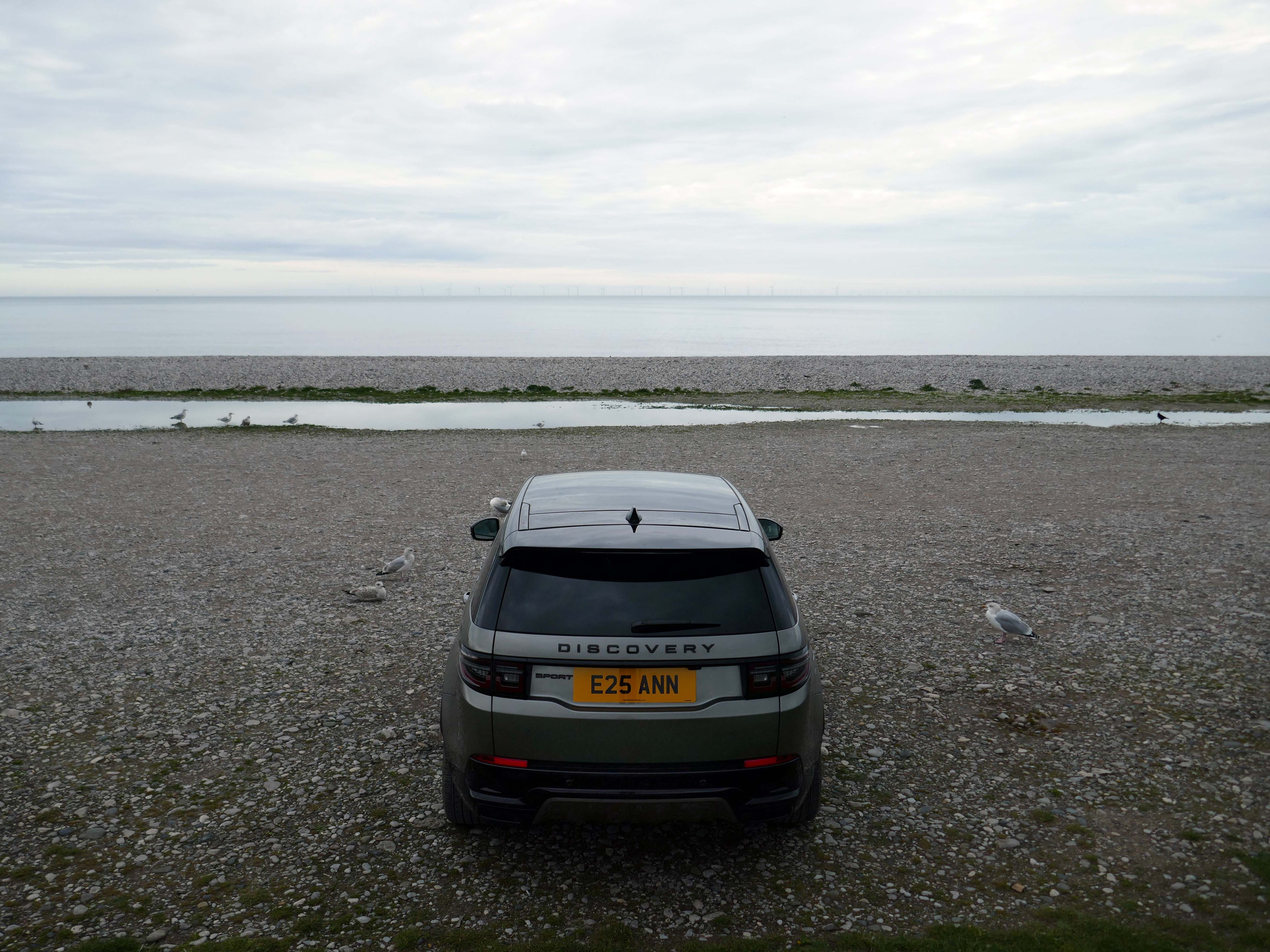
The monotone gentrified home is accompanied by the monotone SUV – the Land Rover Discovery Sport.
The joy of Discovery Sport is in finding that no adventure is out of reach. Offering the ultimate in comfort, while having the toughness to cope with family life.
According to a Europe-wide study, which included the UK, when vehicles are 300kg heavier, the risk of fatal injuries is 30% higher for vulnerable road users.
Pedestrians and cyclists are also 30% more likely to be killed if they’re hit by a car with a bonnet that’s 10cm higher than average.
E25 is Spirulina Extract Phycocyanin, when taken as directed, Spirulina generally doesn’t cause side effects. In some people, it may cause mild side effects, including headaches, diarrhoea, bloating and gas.
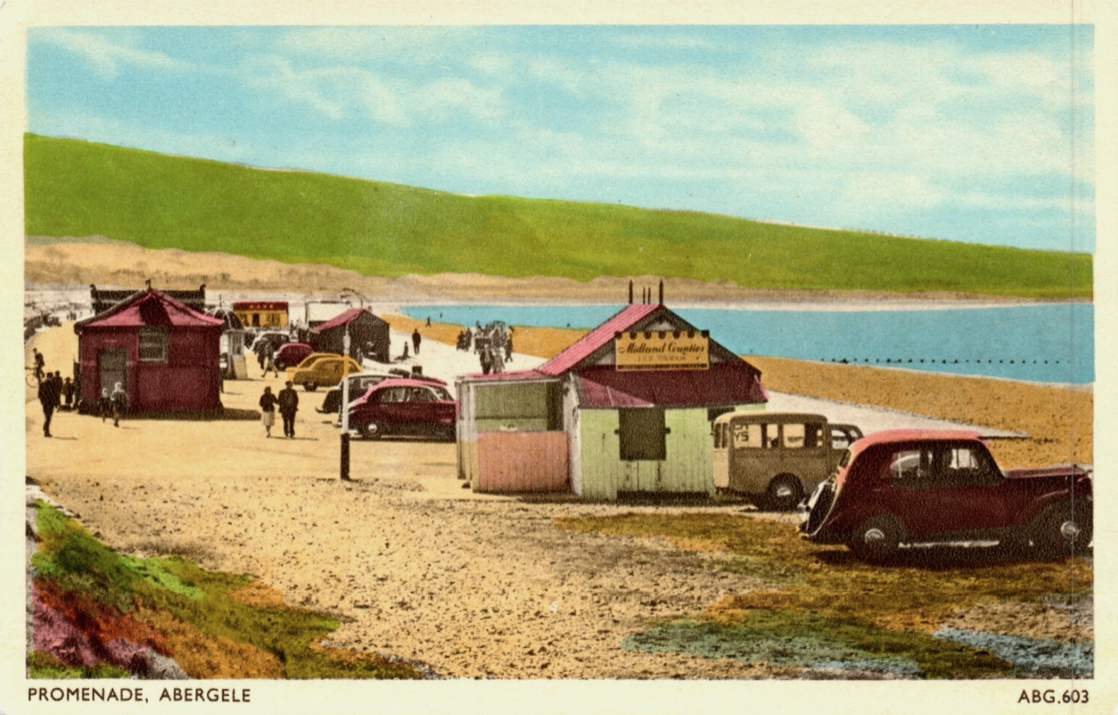
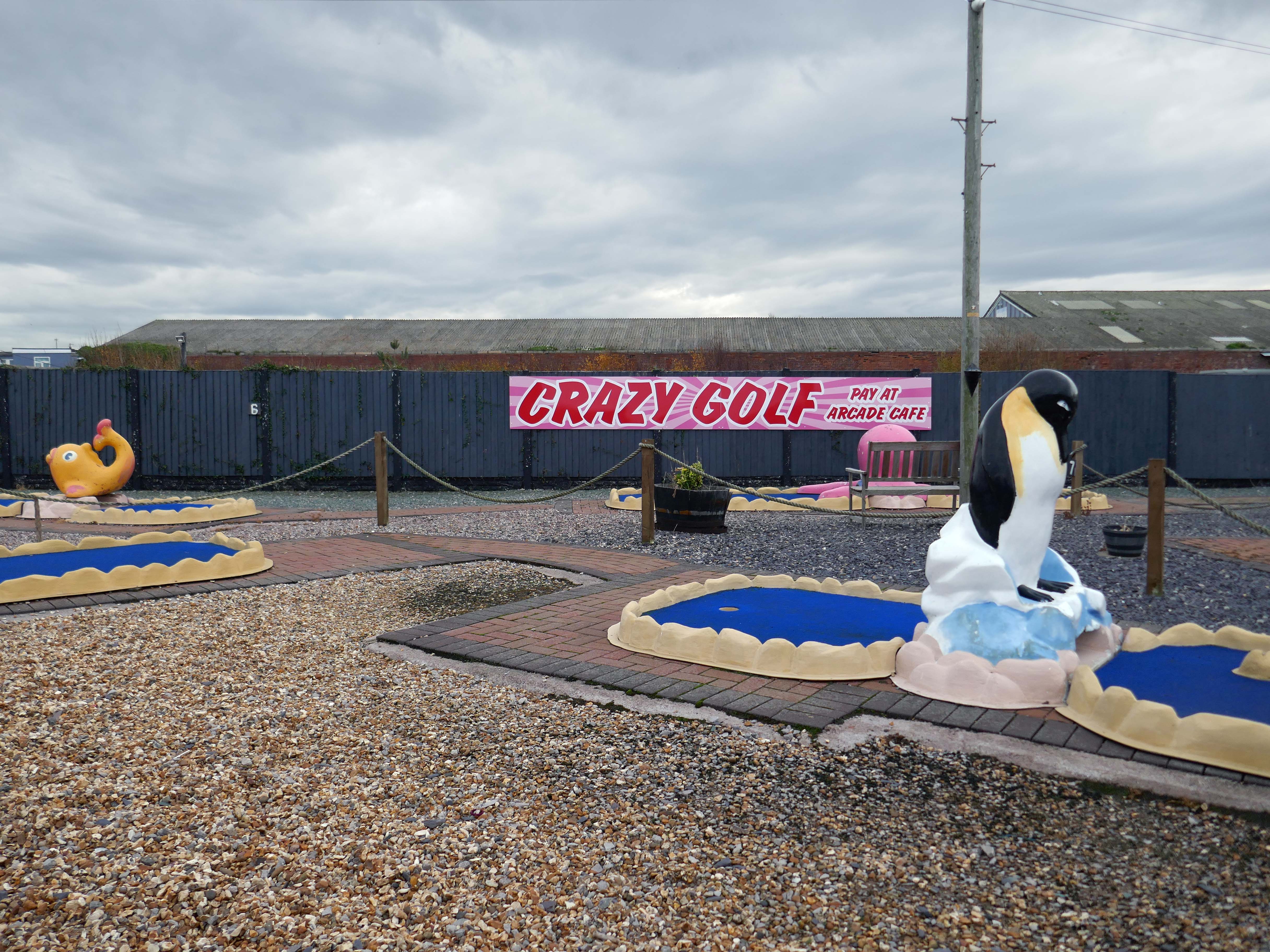
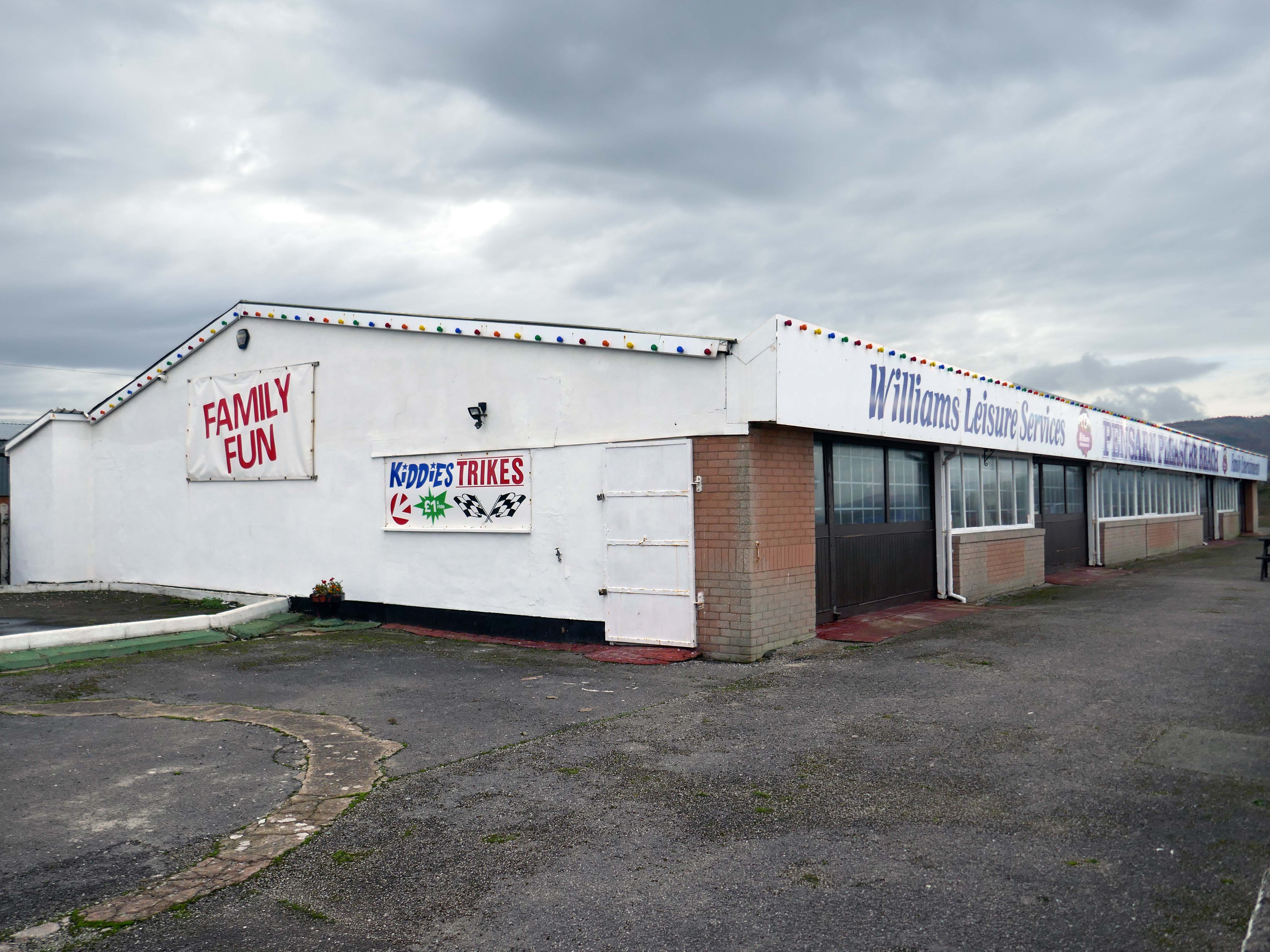
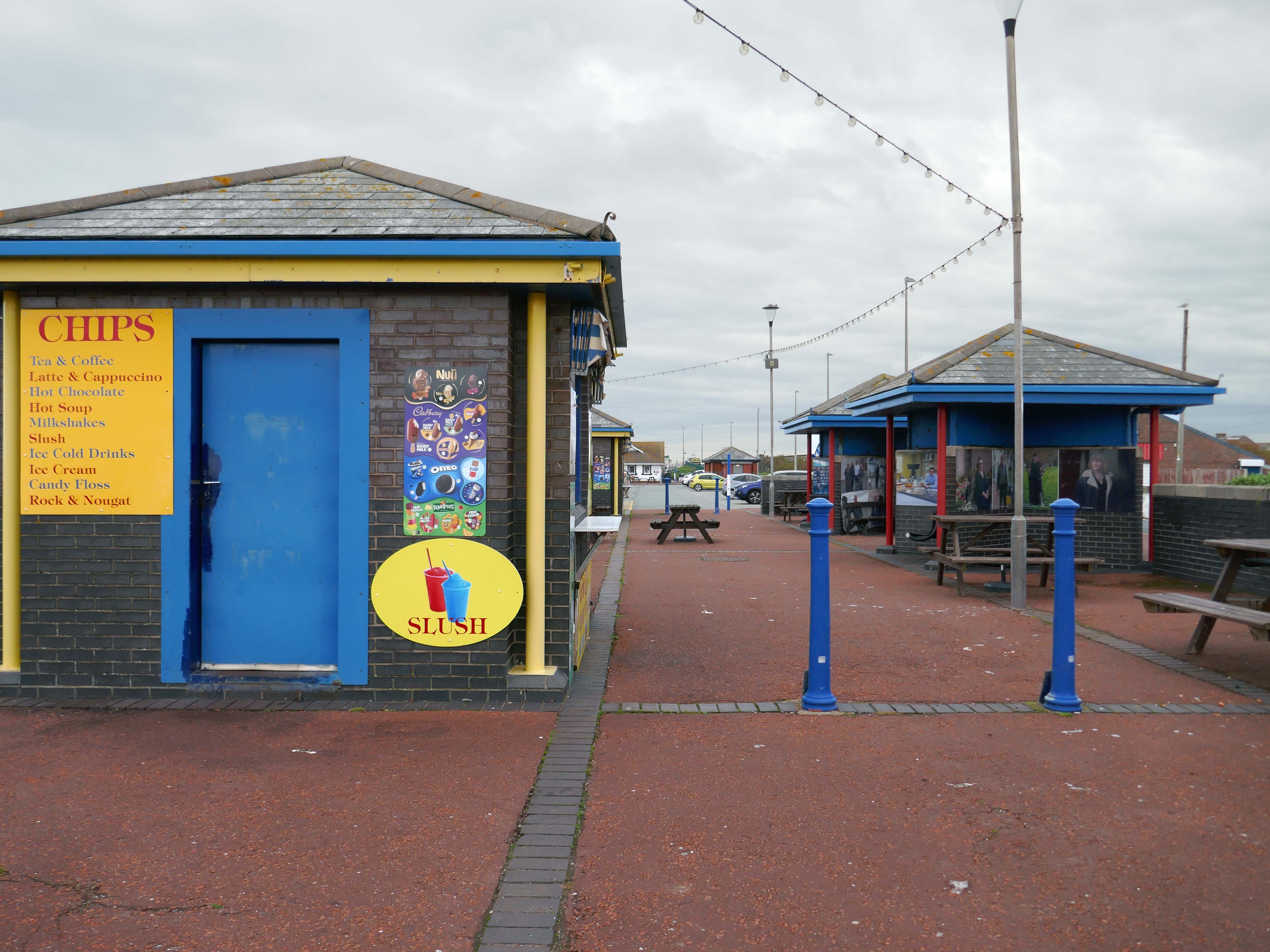
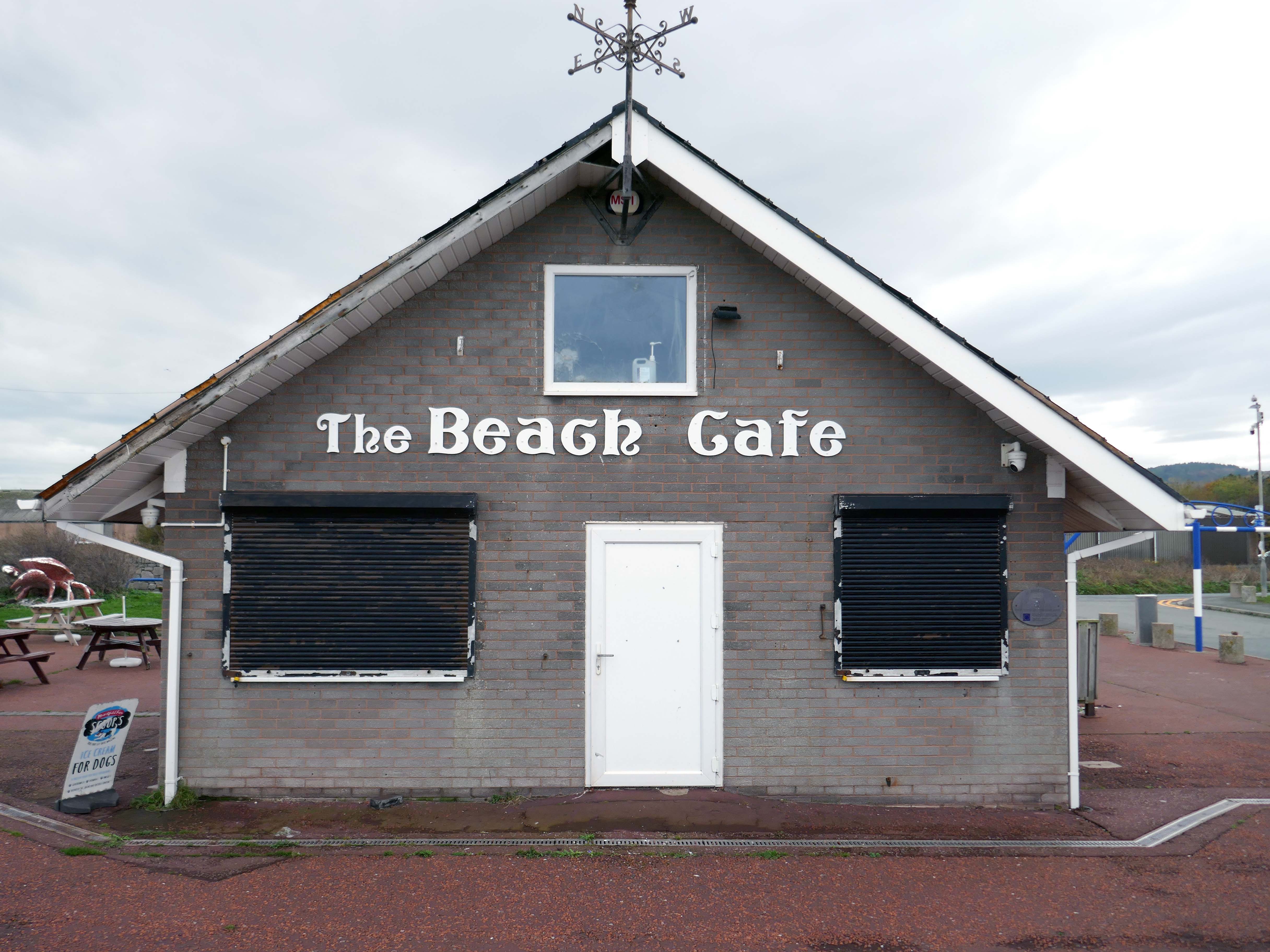
Here we are now at Abergele and Pensarn which have quiet sandy beaches close to historic sites and wooded hills. From here, you can escape the stresses of everyday life. Enjoy sea views, historic places such as Gwrych Castle – home to ITV’s I’m a Celebrity 2020 and 2021 TV series, and a range of things to do providing fun for all the family.
Pensarn Pleasure Beach Amusement Arcade, operated by Laurence Williams Amusements, offers a charming family-friendly experience. Visitors often highlight its nostalgic appeal with fun penny machines and small shops selling drinks and handmade goods.
While many appreciate the charm of the arcade, some mention that certain machines are quite dated and do not work properly, this aspect may affect overall enjoyment for some users.
The reviews indicate a good variety of activities including classic penny slots and local shops offering food and unique handmade items like dog harnesses, catering to diverse interests.
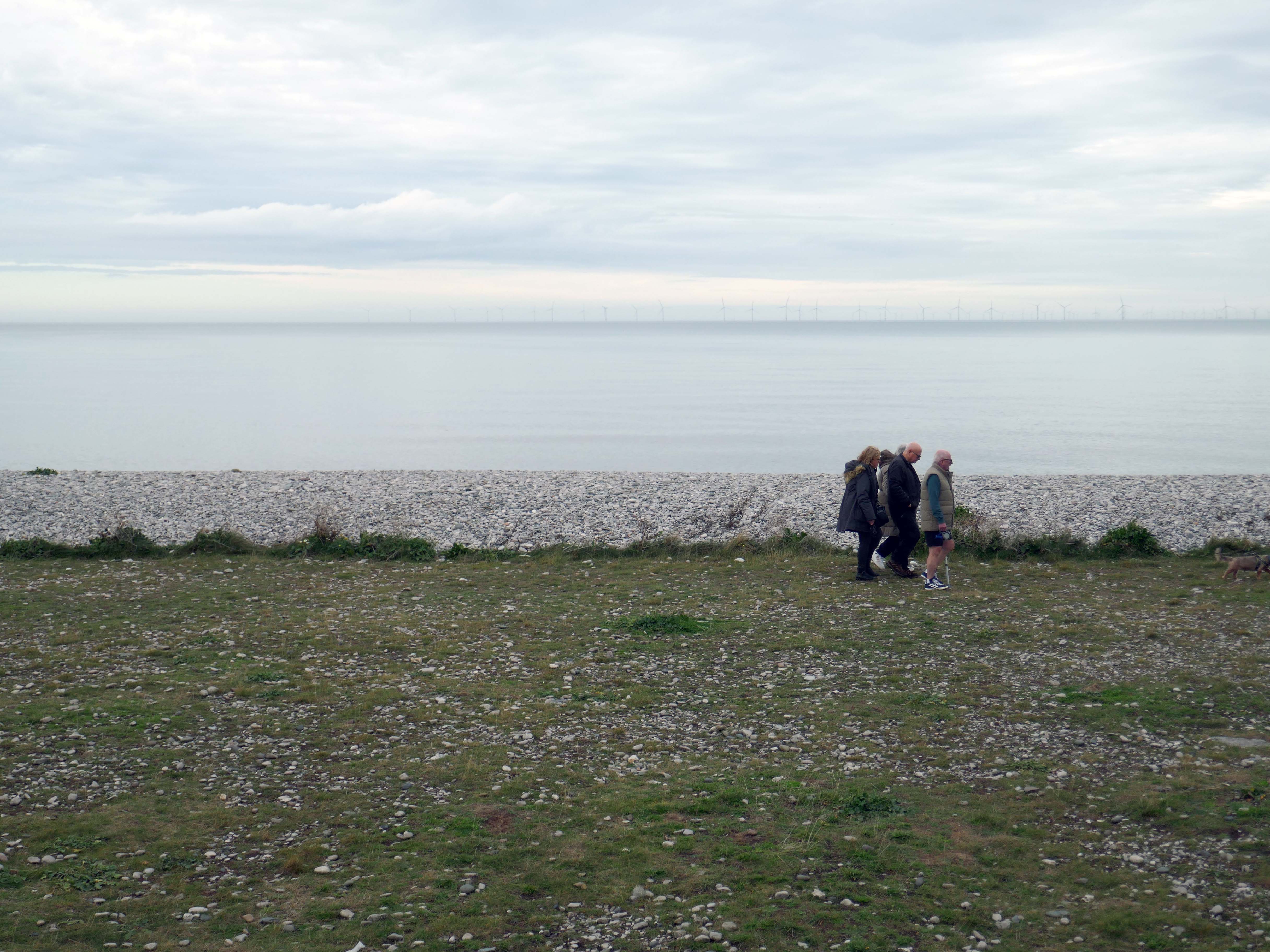
Such a pleasant stretch of coast to stretch your legs along.
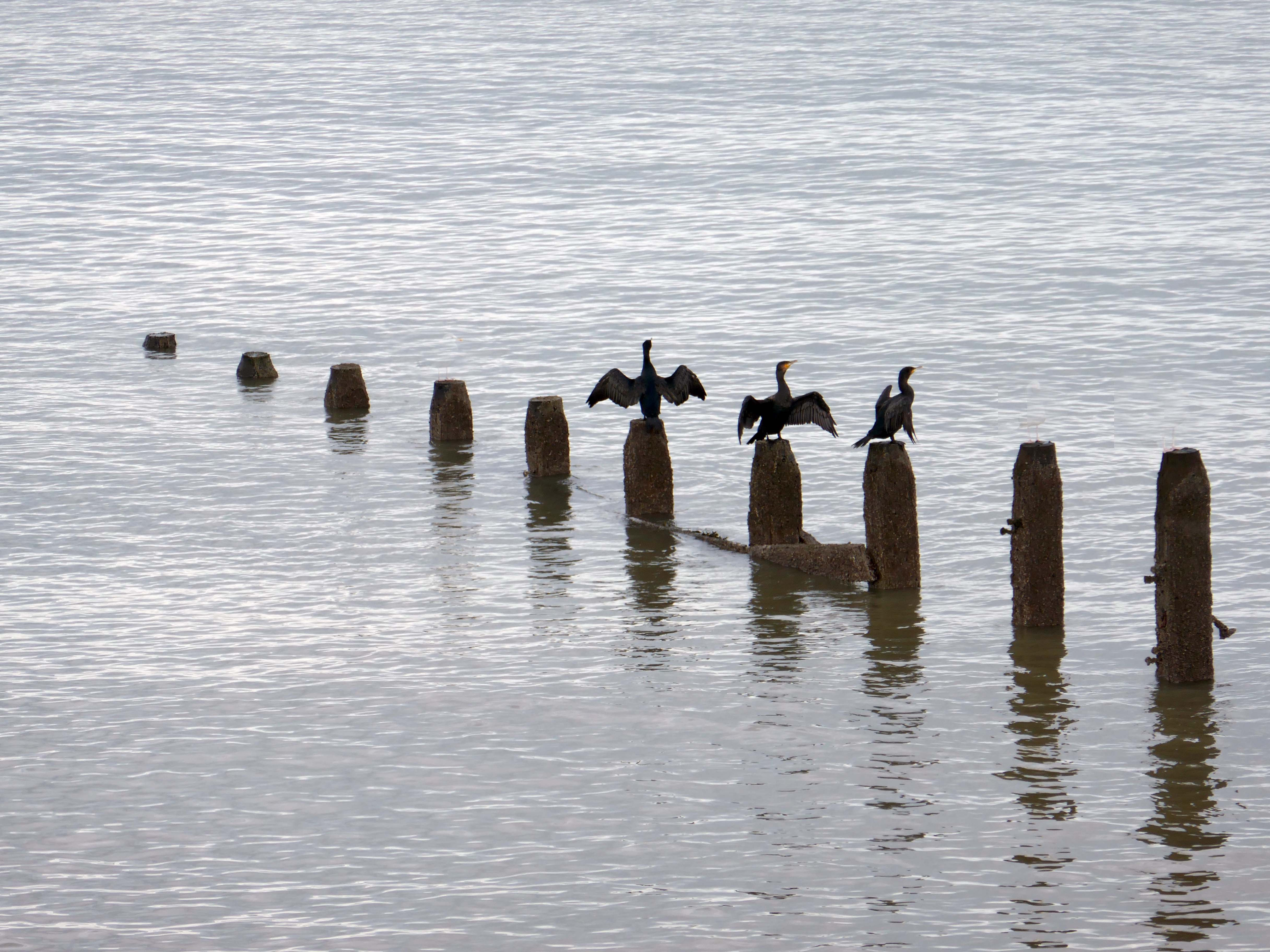
Or to stretch your wings for that matter, should you happen to be a cormorant.
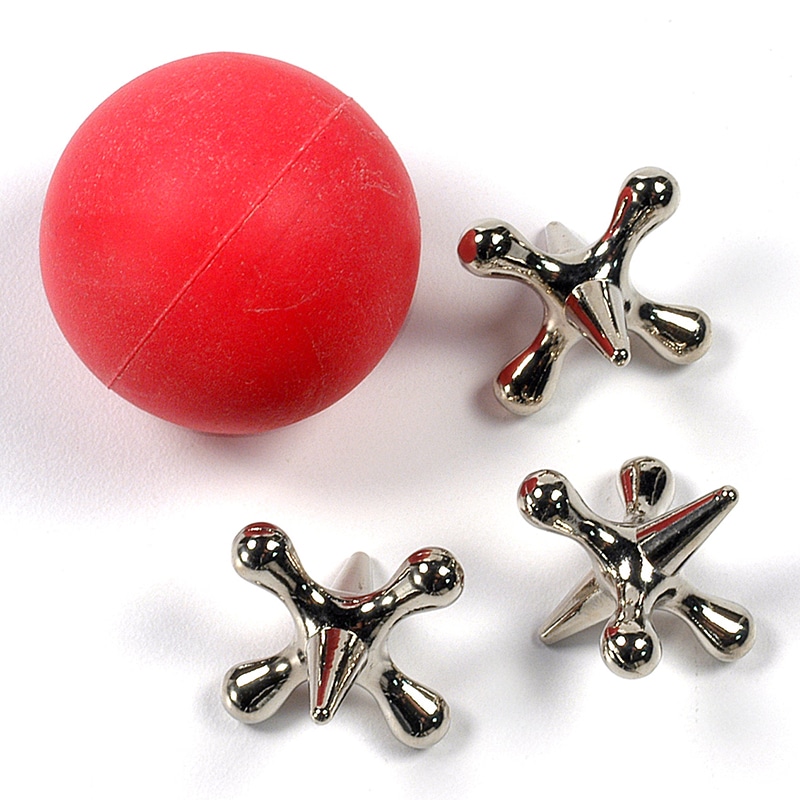
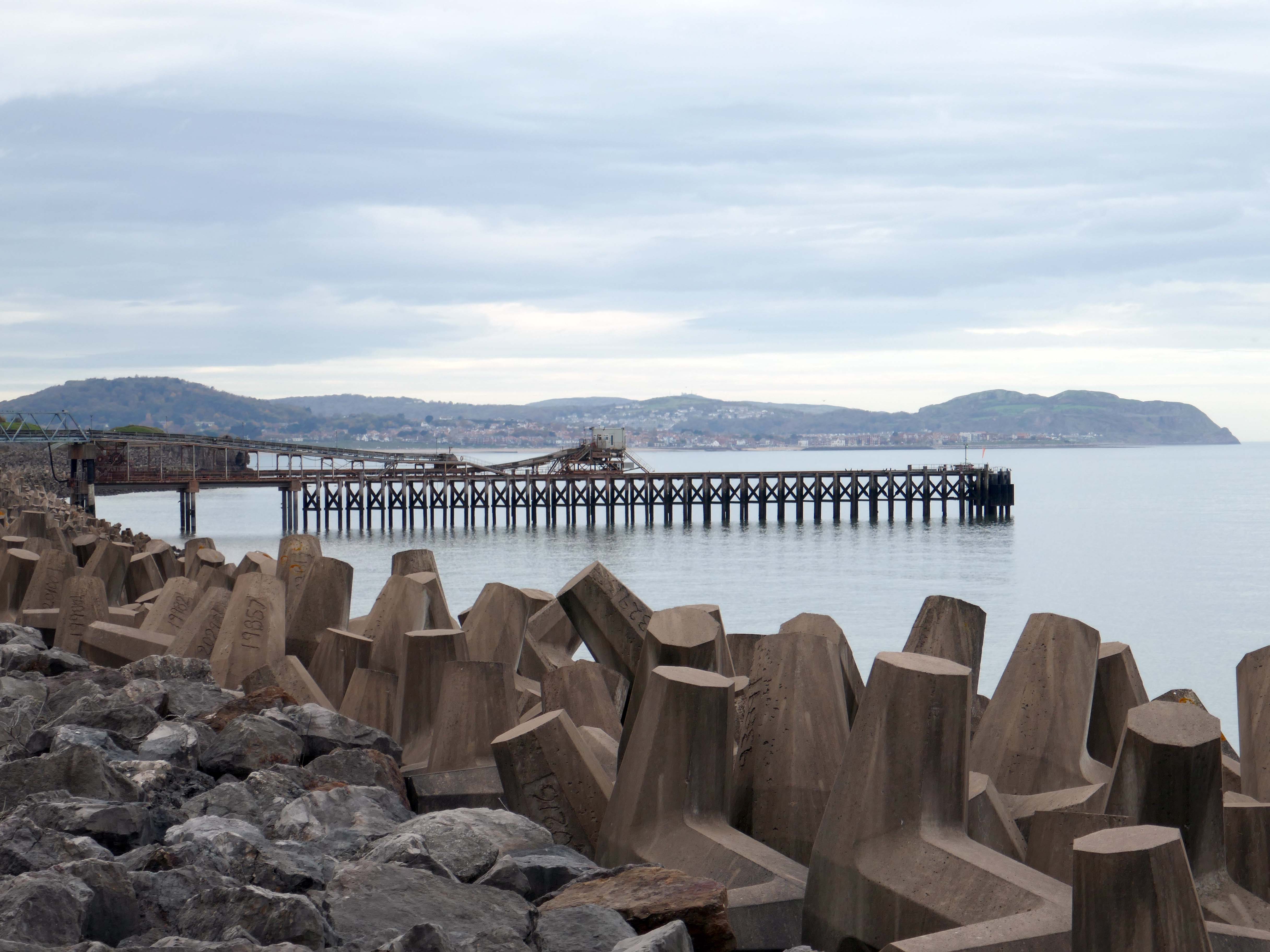
Coastal defences from the giant concrete bobbers and jacks.
A tetrapod is a form of wave-dissipating concrete block used to prevent erosion caused by weather and longshore drift, primarily to enforce coastal structures such as seawalls and breakwaters. Tetrapods are made of concrete, and use a tetrahedral shape to dissipate the force of incoming waves by allowing water to flow around rather than against them, and to reduce displacement by interlocking.
Tetrapods were originally developed in 1950 by Pierre Danel and Paul Anglès d’Auriac of Laboratoire Dauphinois d’Hydraulique in Grenoble,who received a patent for the design. The French invention was named tétrapode, derived from Greek tetra ‘four’ and pode ‘foot’.
Tetrapods were first used at the thermal power station in Roches Noires in Casablanca, to protect the sea water intake.
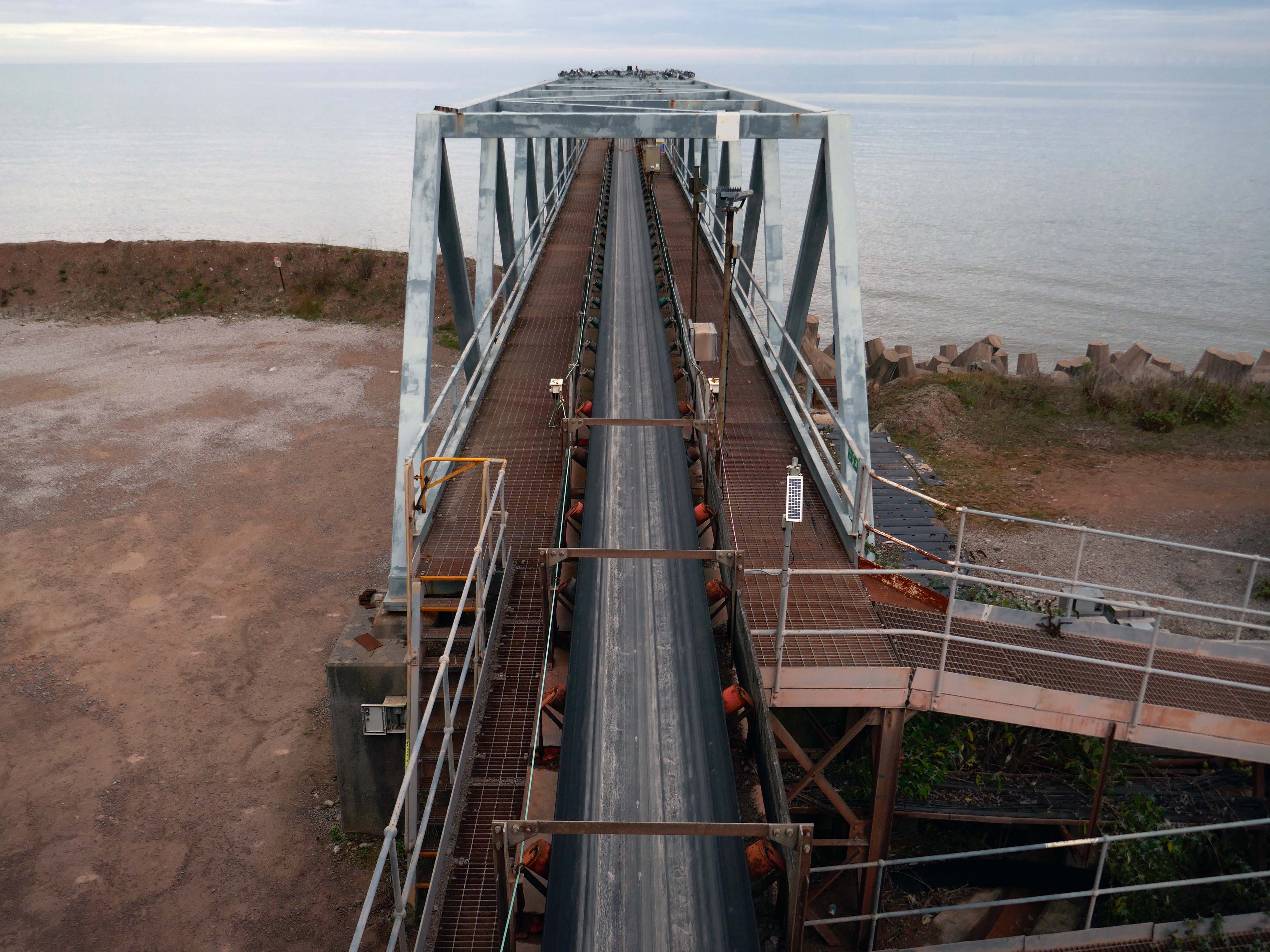
Next we pass Raynes Jetty the quarry conveyor belt – shifting and shipping limestone out to sea.
Limestone from Raynes quarry, to the south, is transported by conveyor belts to the jetty, crossing the A55 Expressway and railway. From the jetty it is loaded into coastal freighters which take it to other parts of the British Isles. Limestone from this quarry is a pure form of the rock, making it ideal for the chemical and cement industries.
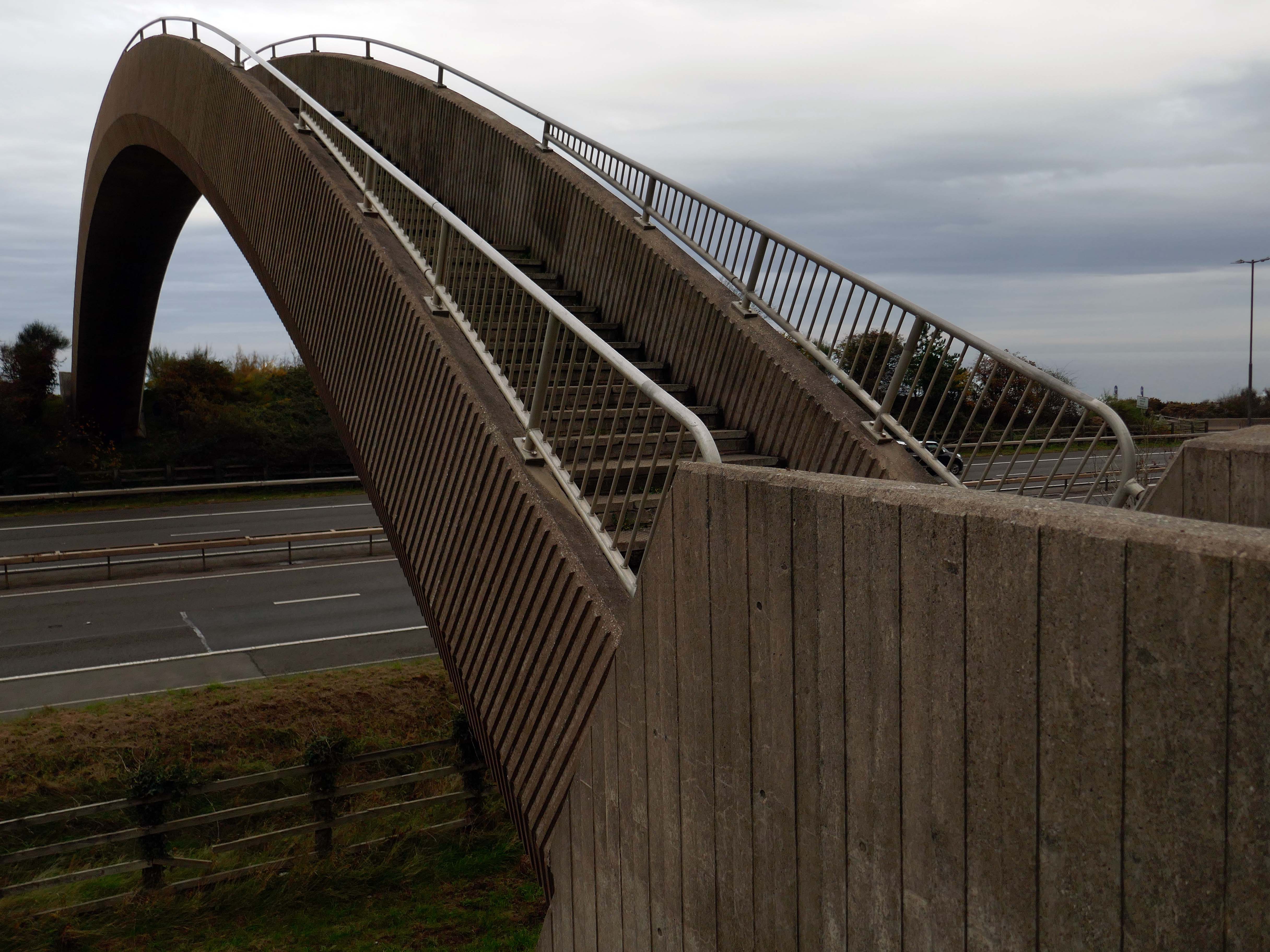
Limestone forming an important constituent part of the nearby concrete Rainbow Bridge – linking Old Colwyn’s pedestrians to the shore.
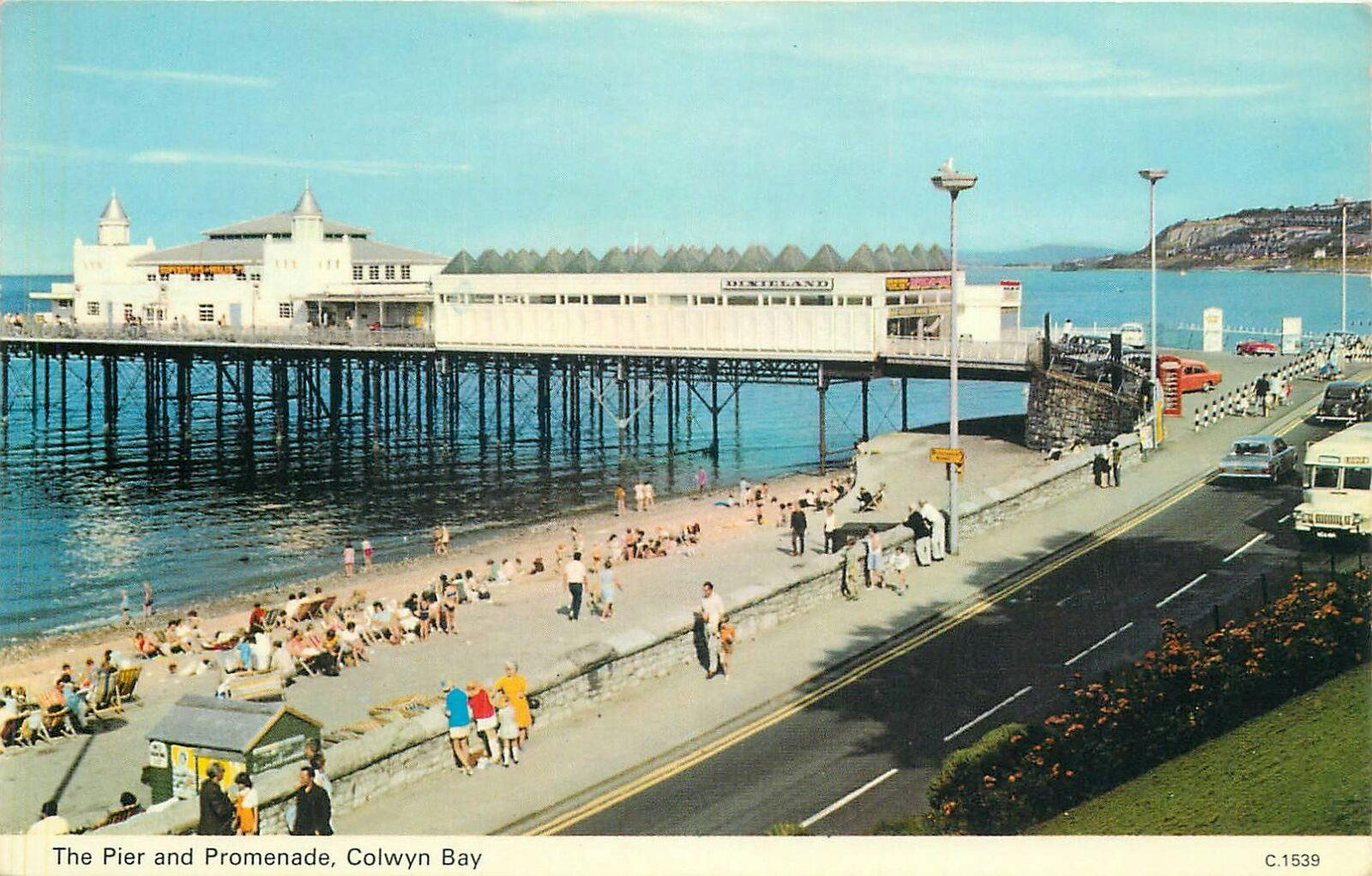
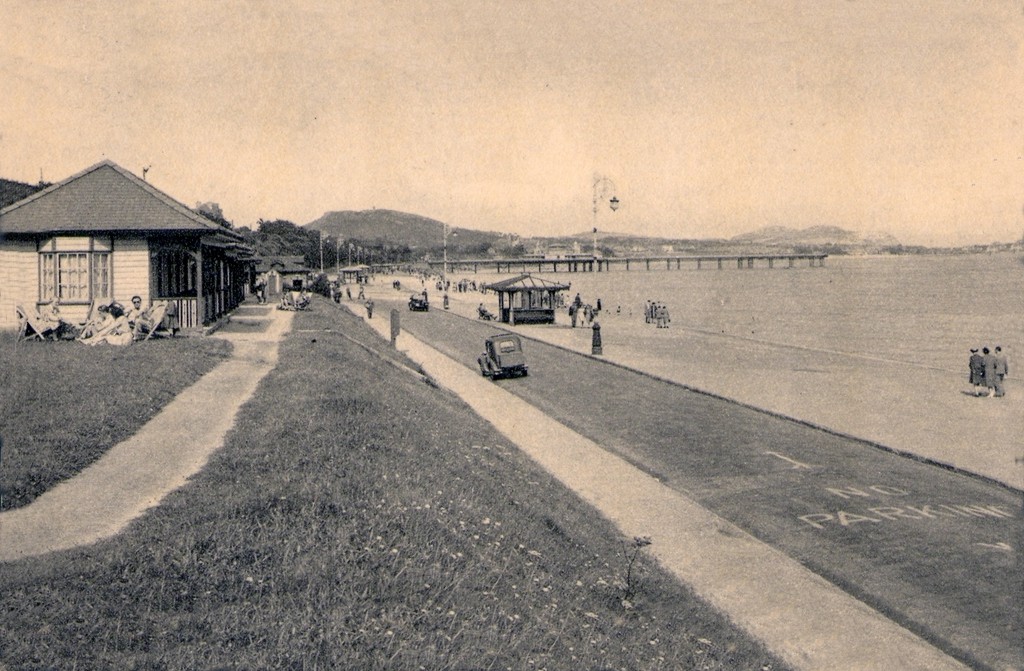
On the site of Colwyn Bay Pier is a seriously truncated pier.
It was conceived in the late 19th century, when Colwyn Bay wanted to catch up with other towns which had piers where steamers deposited and collected passengers. However, it was found that the proposed pier would have to extend almost half a mile to reach the area where the water was deep enough for ships. This was too costly, so the pier was built purely for entertainments. The councillors saved face by saying this would avoid day trippers arriving by steamer and lowering the tone of Colwyn Bay!
The pier was less than 100 metres long when it opened in 1900. The pavilion had a 2,500-seat theatre, shops and a restaurant. The opening performance featured Adelina Patti, one of the world’s most renowned operatic sopranos in her day.
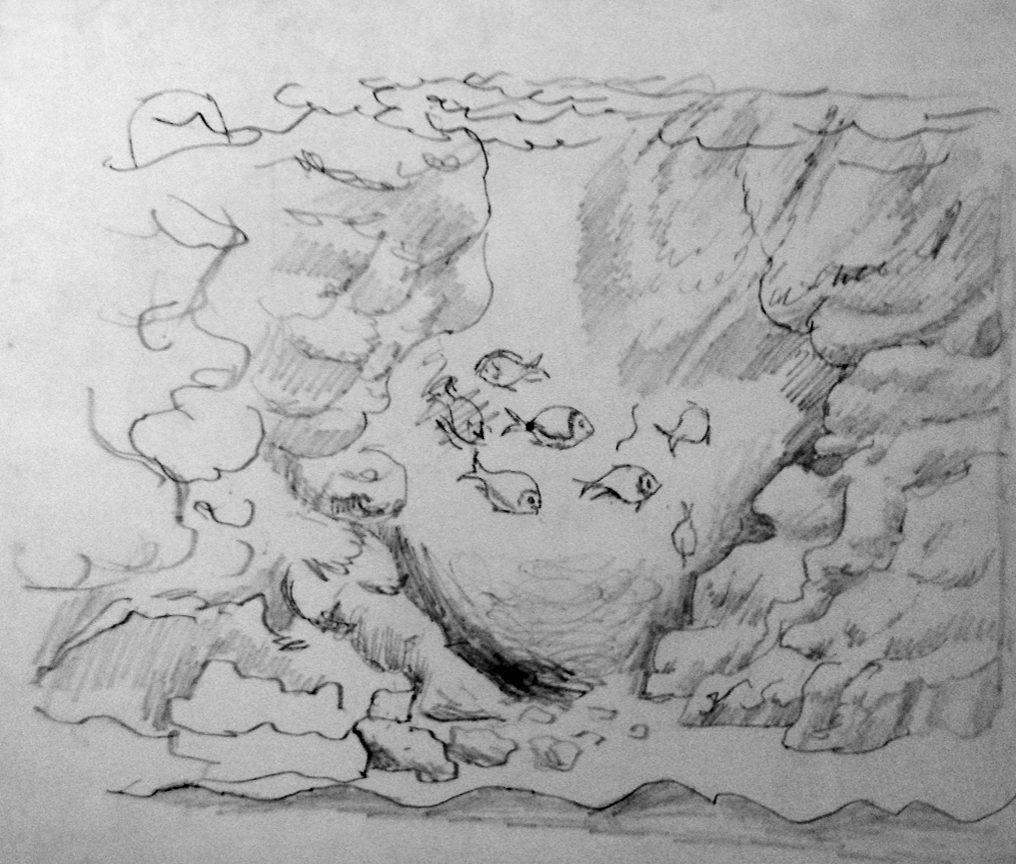
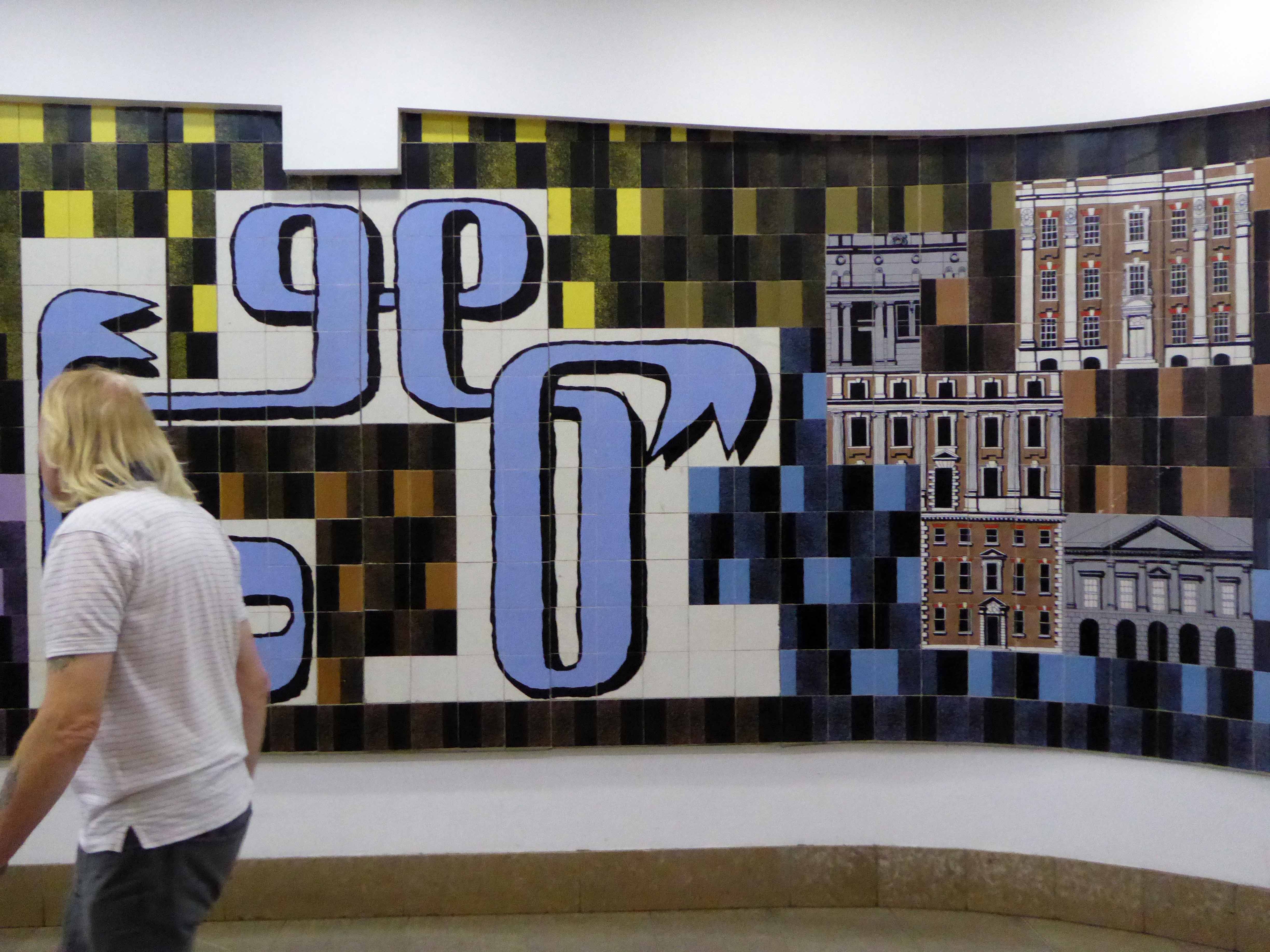
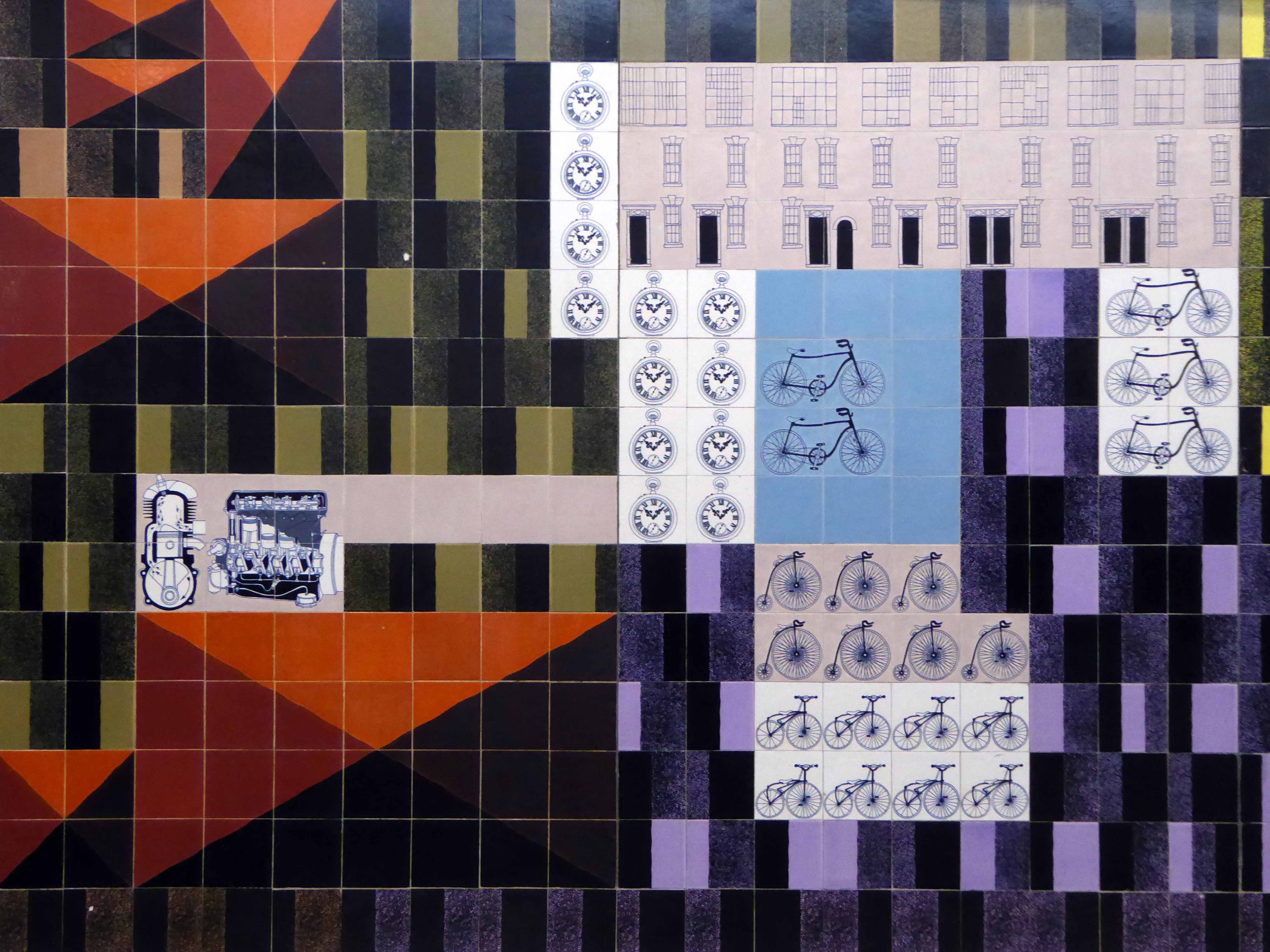
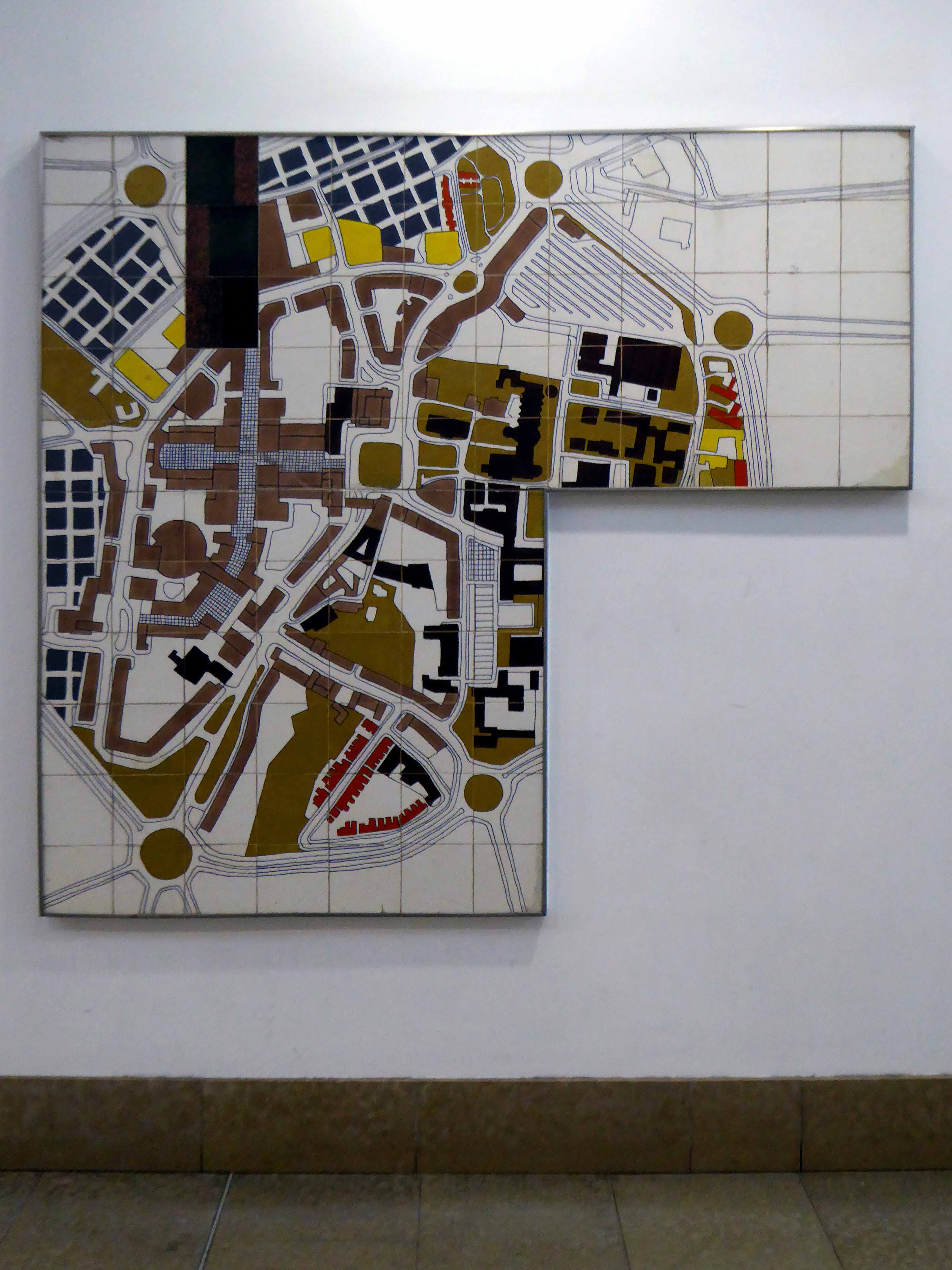
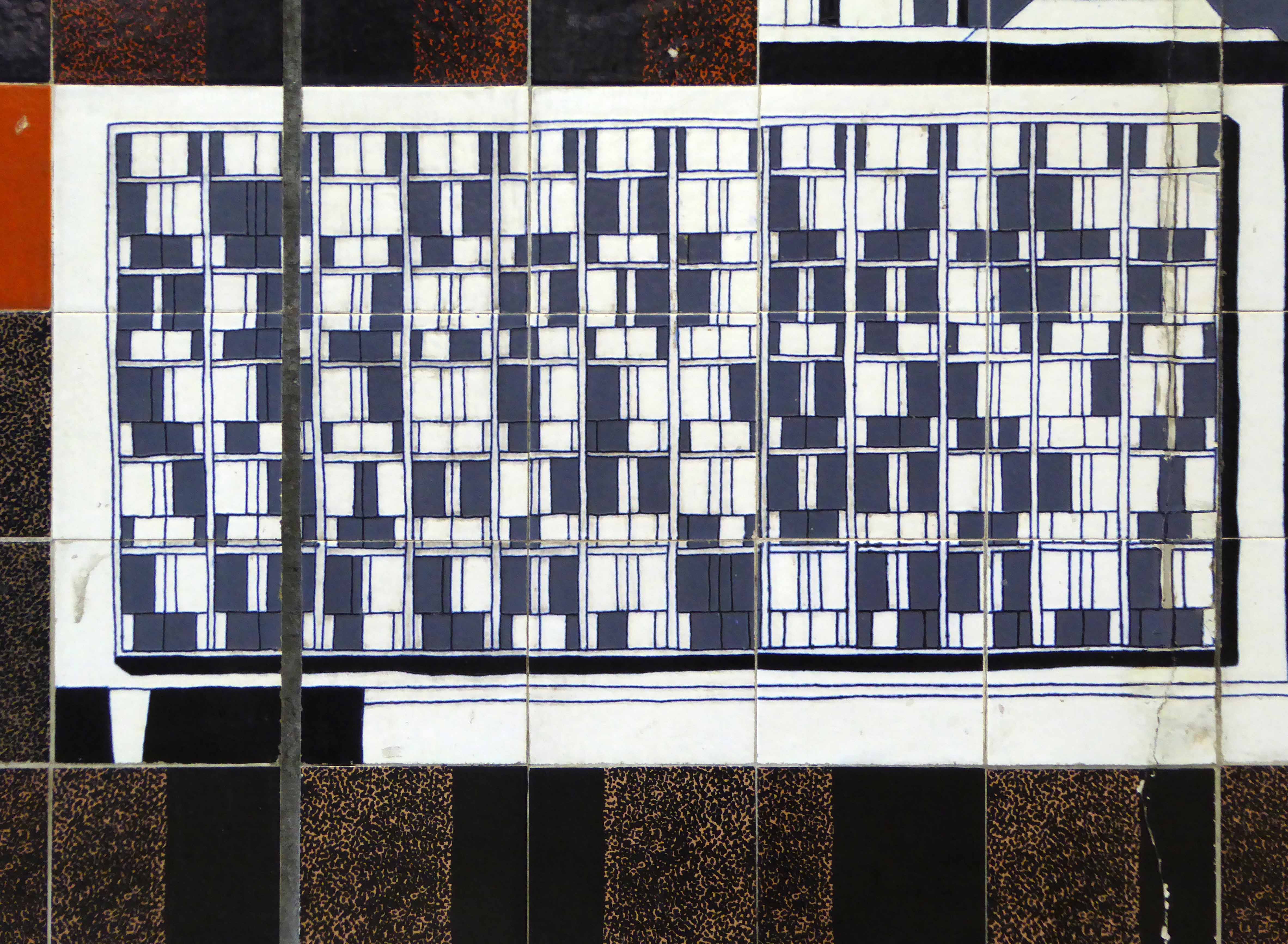
The final pavilion, opened in 1934, incorporated Art Deco features and murals by Eric Ravilious and Mary Adshead.
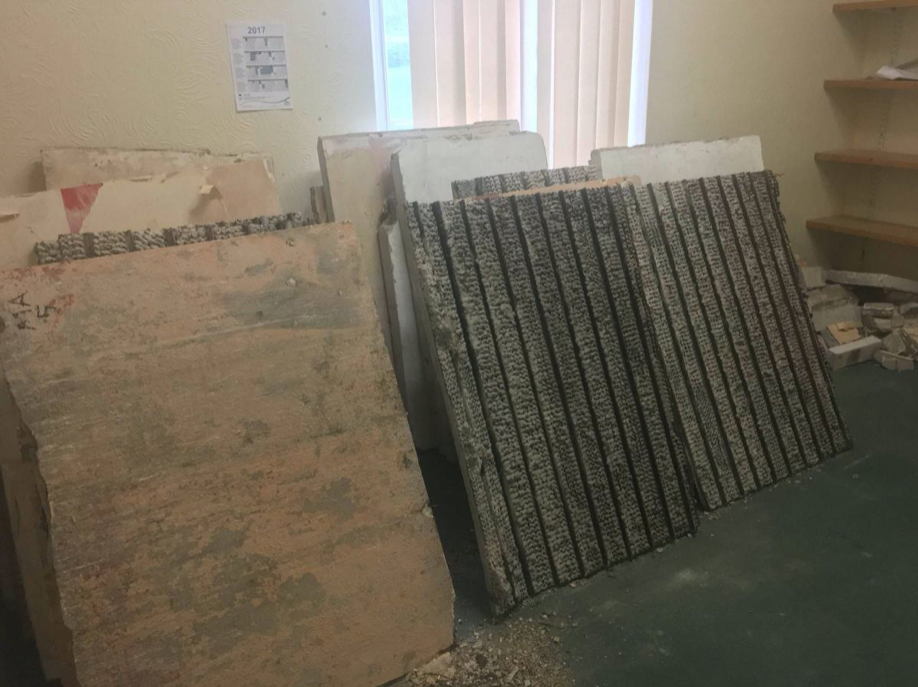
Both walls of the last remaining Eric Ravilious mural have been successfully removed, and were placed safely in storage. But with CCBC staff set to relocate to new Colwyn Bay offices a more permanent home is needed for the murals.
Many of those features were destroyed or obscured in post-war refurbishments. Entertainers who performed at the pier in this period included comedians Ken Dodd and Morecambe and Wise, and singers Harry Secombe and Elvis Costello.
The new promenade, measuring 2.3 miles long, has been designed to protect the town and its infrastructure from the effects of the sea. The project was split into two phases; the first, to remove what was originally there and to construct the new raised promenade including a road, cycleway and car parking. The second phase was to transform the promenade with further development as well as reinforce the defence structures.
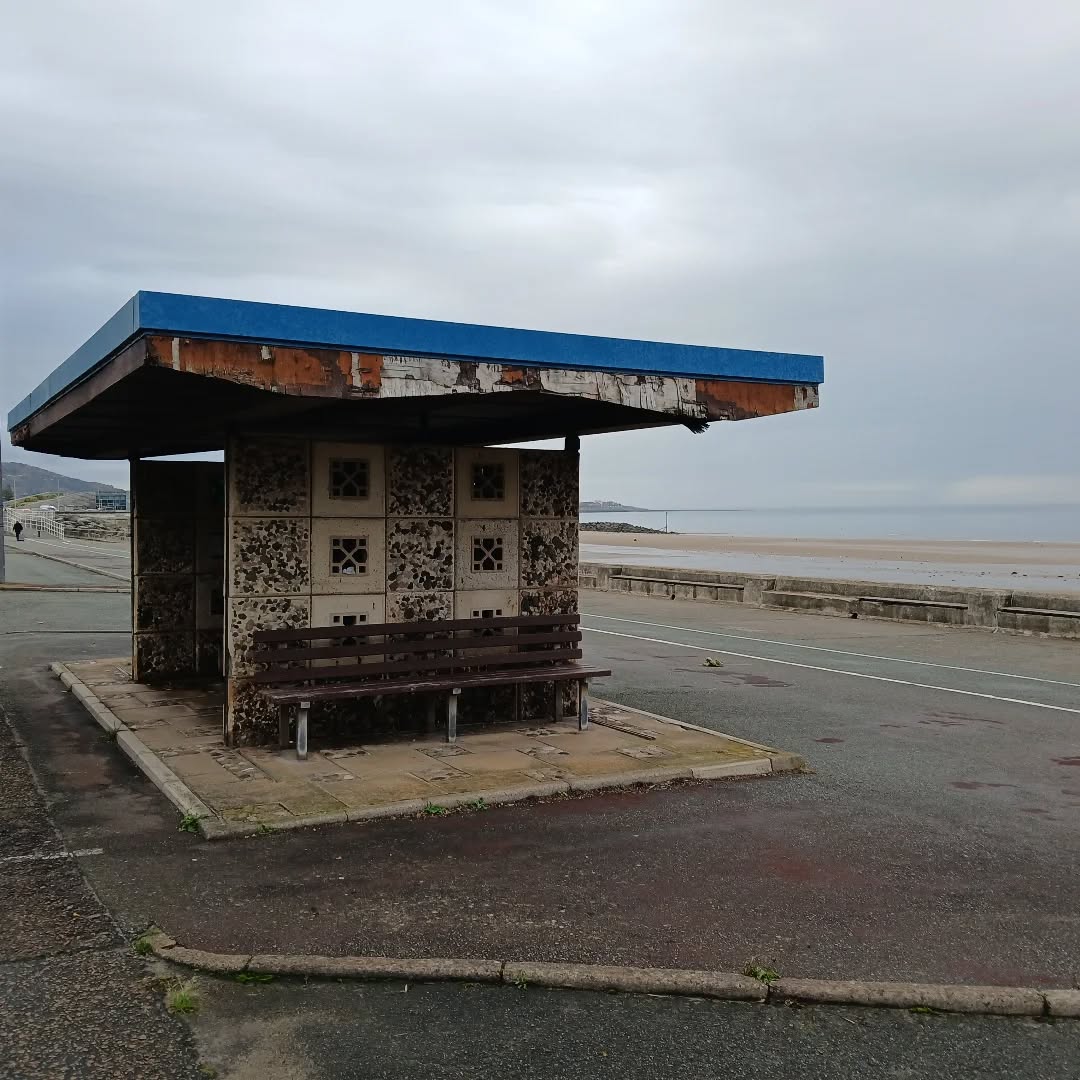
This is the last of the Sixties concrete shelters – which once stretched all the way to Rhos on Sea.
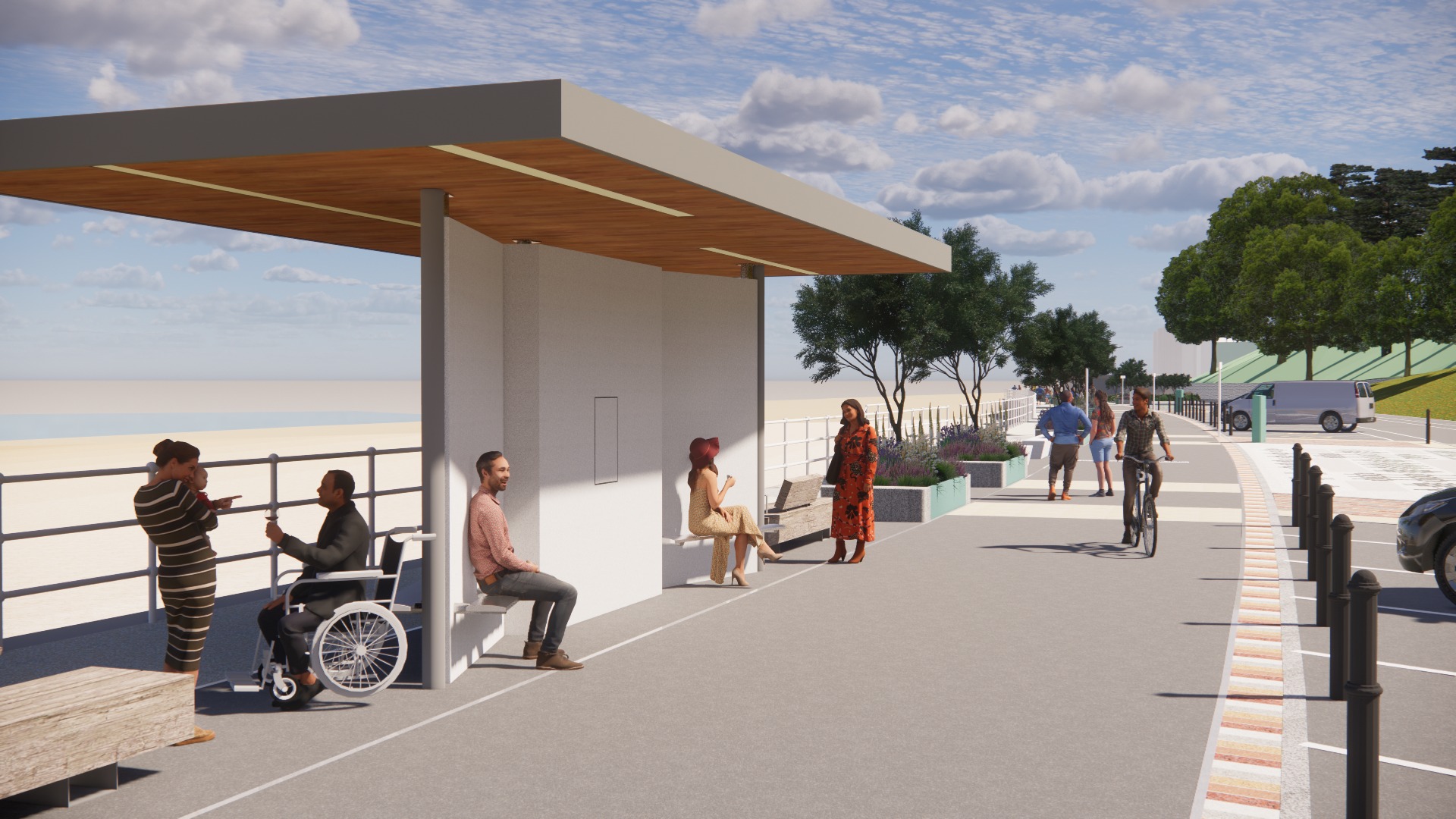
New shelters have appeared
A Conwy County Borough Council spokesperson said:
The shelters include new features such as solar power lighting and are designed to be accessible for wheelchair and mobility scooter users.
The closed design of the old shelters made anti-social behaviour easier and led to their condition deteriorating.
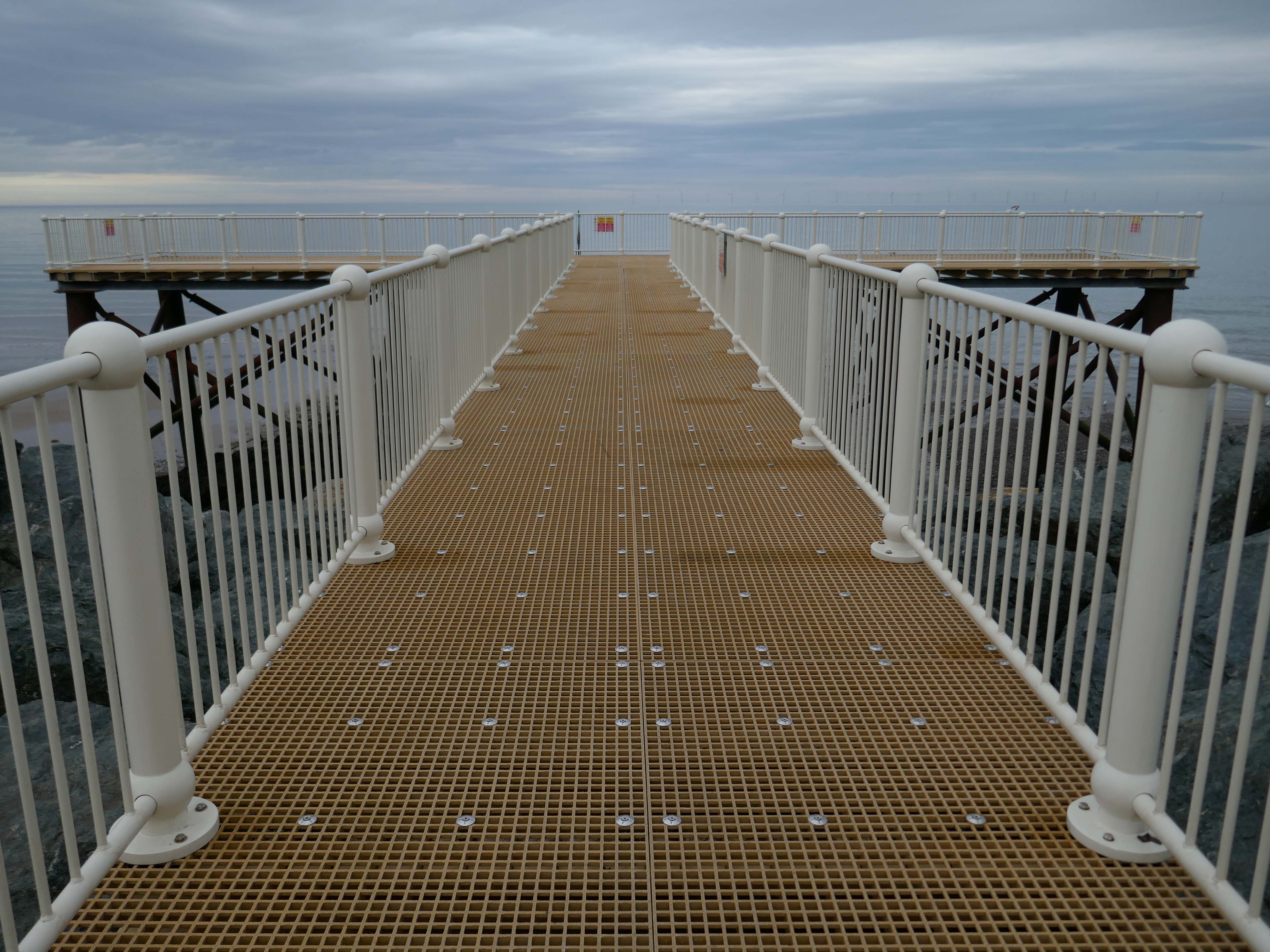
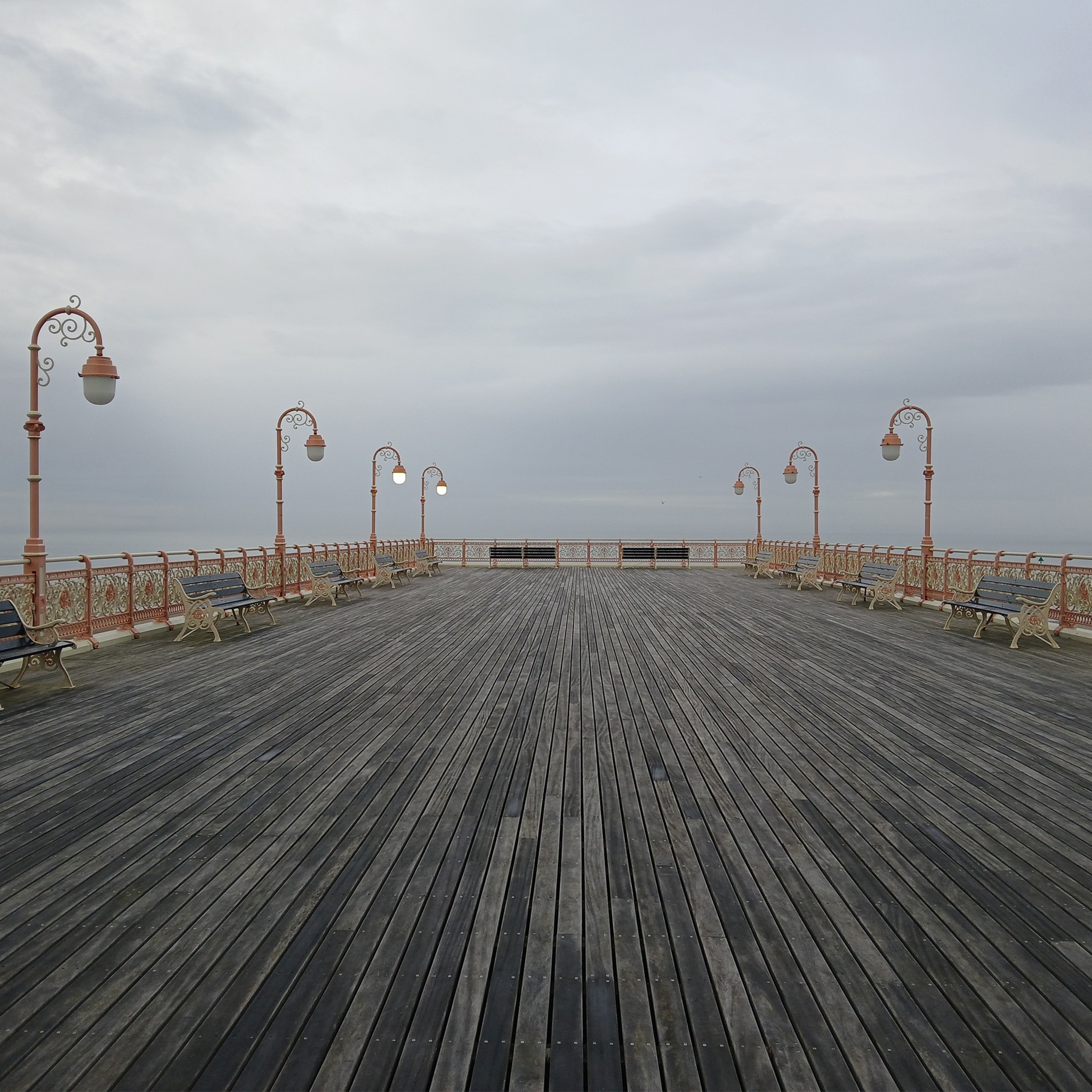
And a new pier has appeared.
Construction on the new Pier at Colwyn Bay commenced in July 2020. Despite being initially slated for completion in the summer, the erection of scaffolding and subsequent work on the 45-meter truncated Colwyn Bay pier were delayed. However, the project timeline was expedited, and the construction was successfully finished in July 2021.
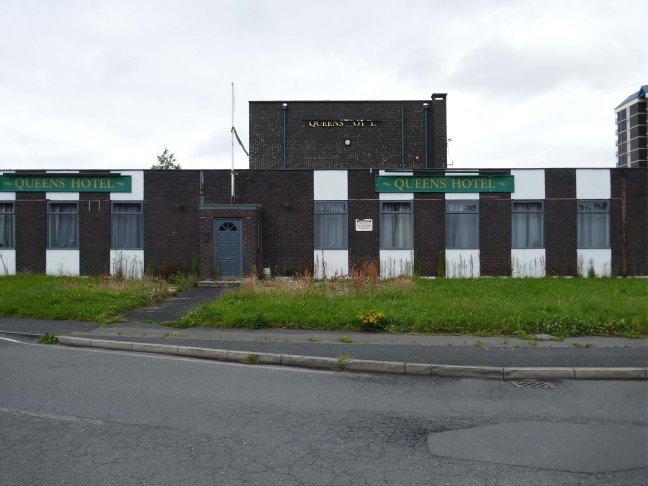
The pub was open, but the Alan Boyson mural was in need of repair.
The missing panel, stored in the pub’s cellar was subsequently reinstated.
Then, following a Modernist crowdfunding project instigated by Richard Brook and Christopher Marsden, Alice Vincent-Barwood restored the work, during July 2022.
Sadly in August 2023 the pub lost its licence and remains closed.
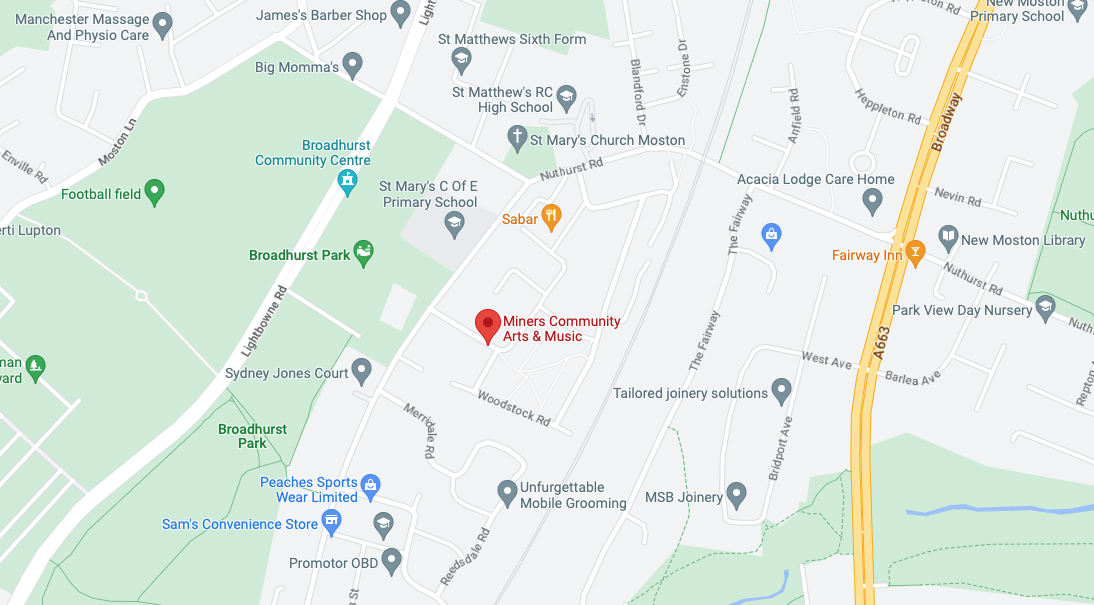
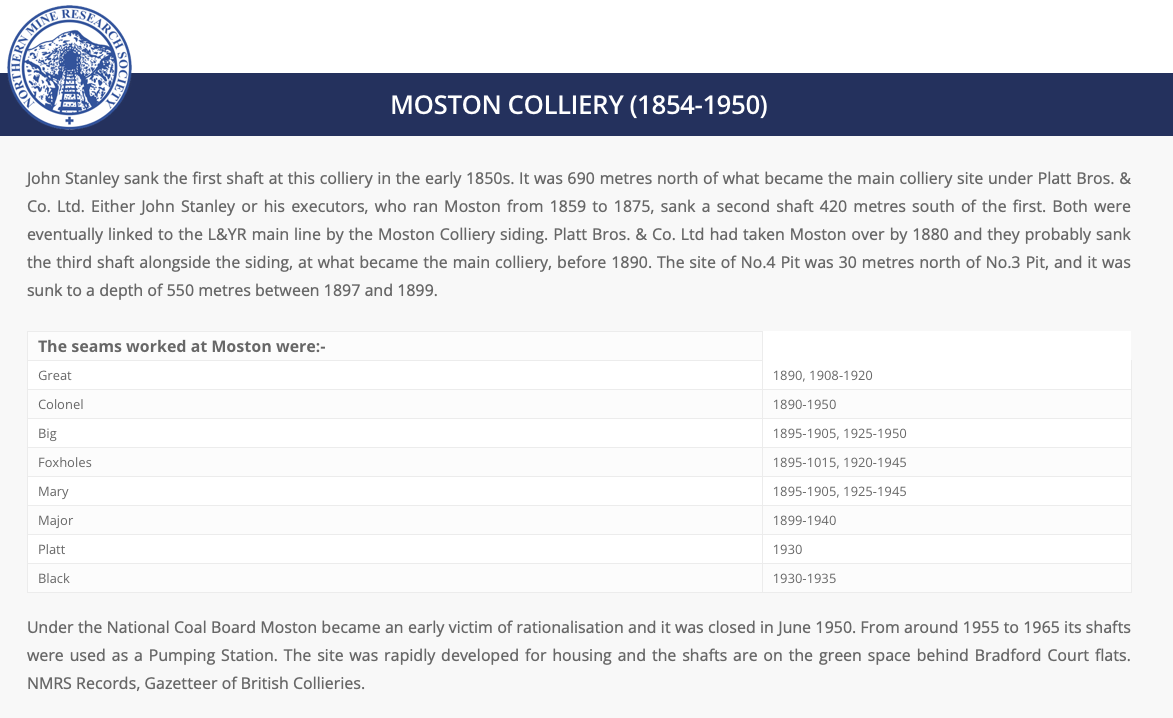
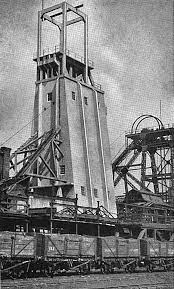
Wandering from Town to Moston yesterday, I happened to pass by, so I took some photos, here they are:
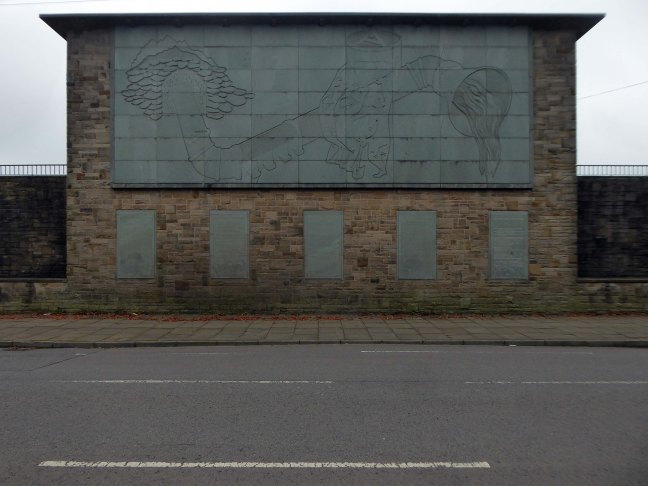
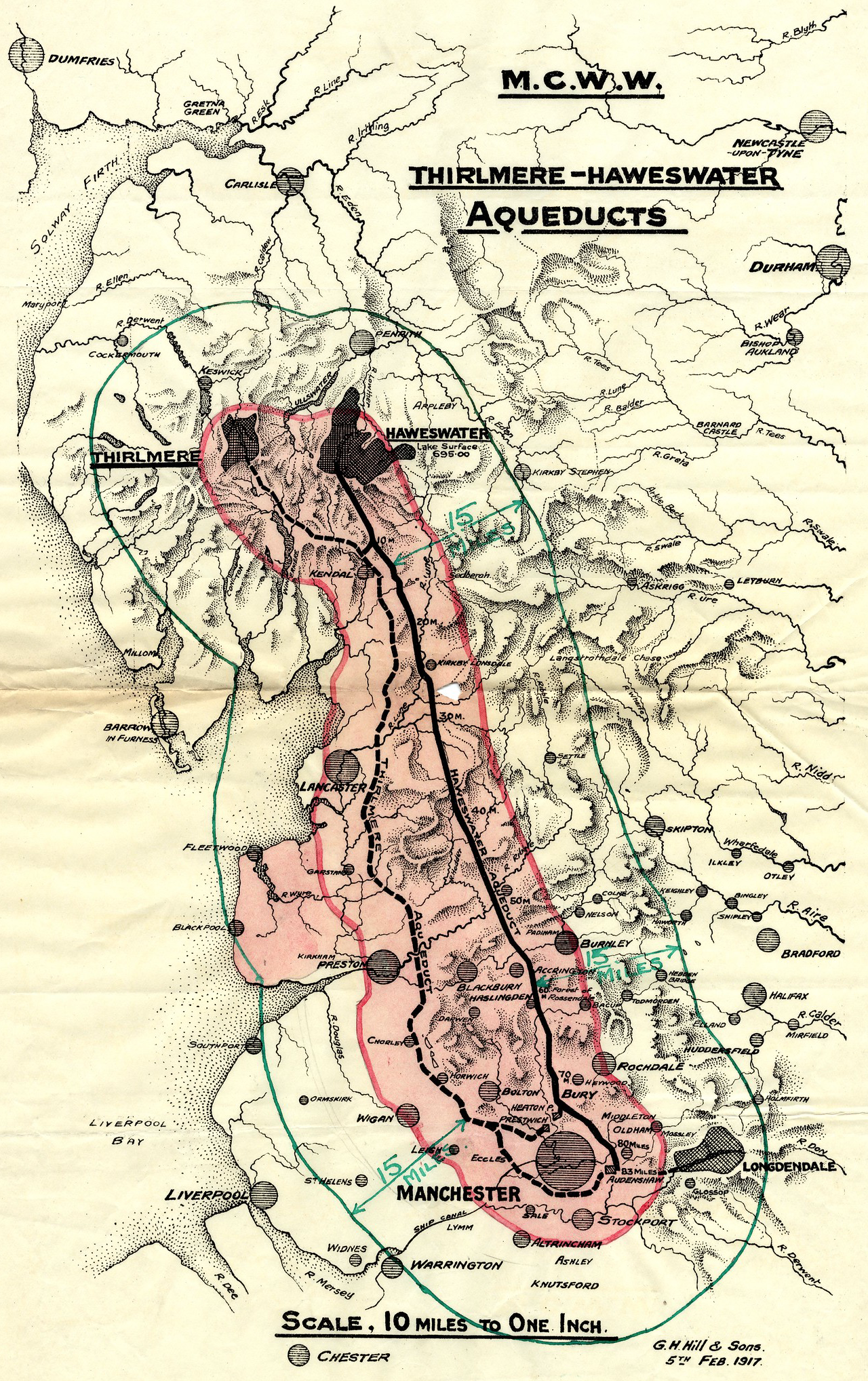
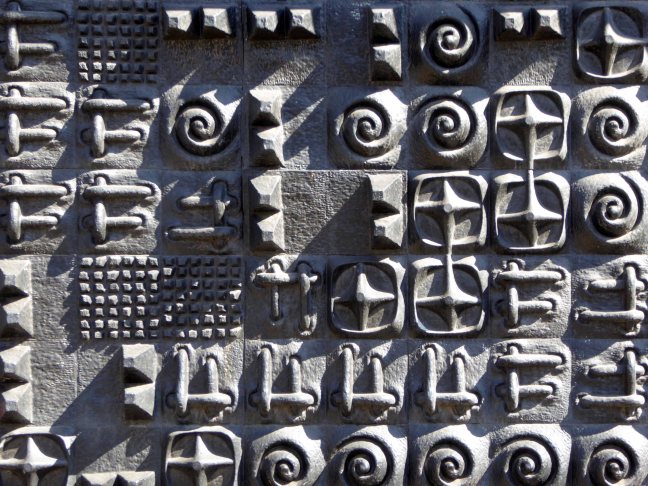
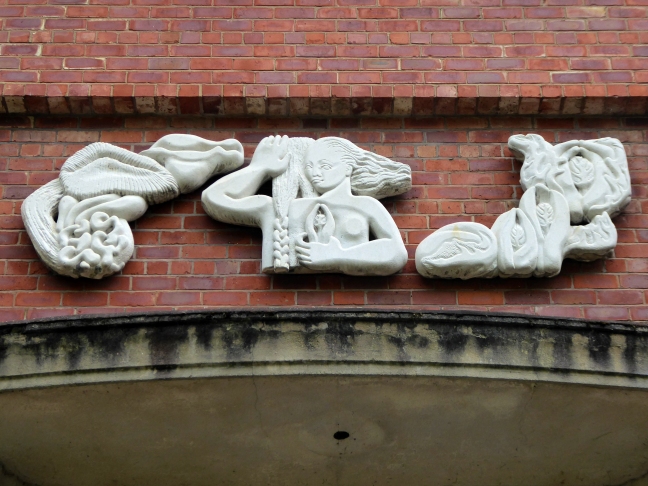
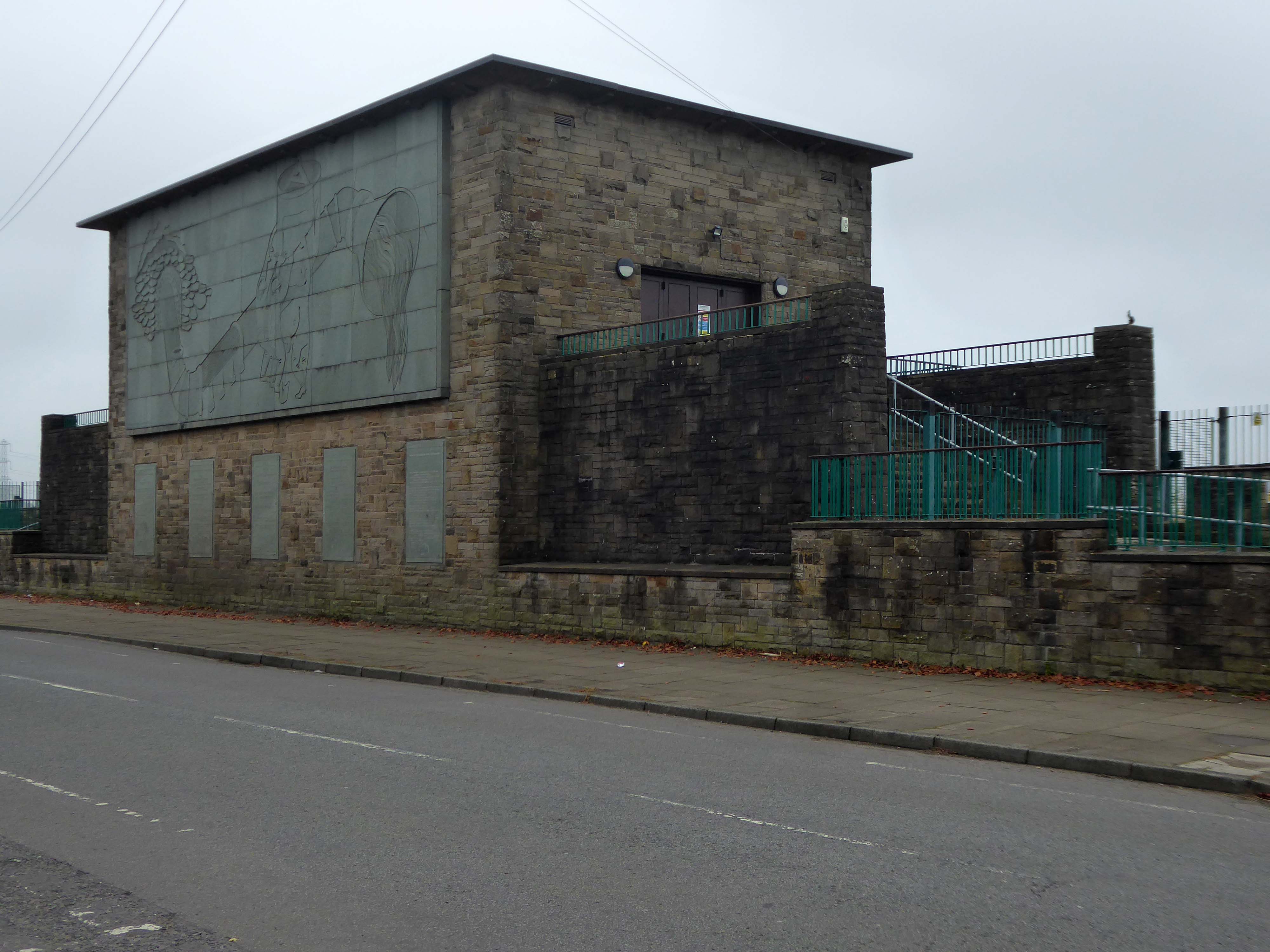
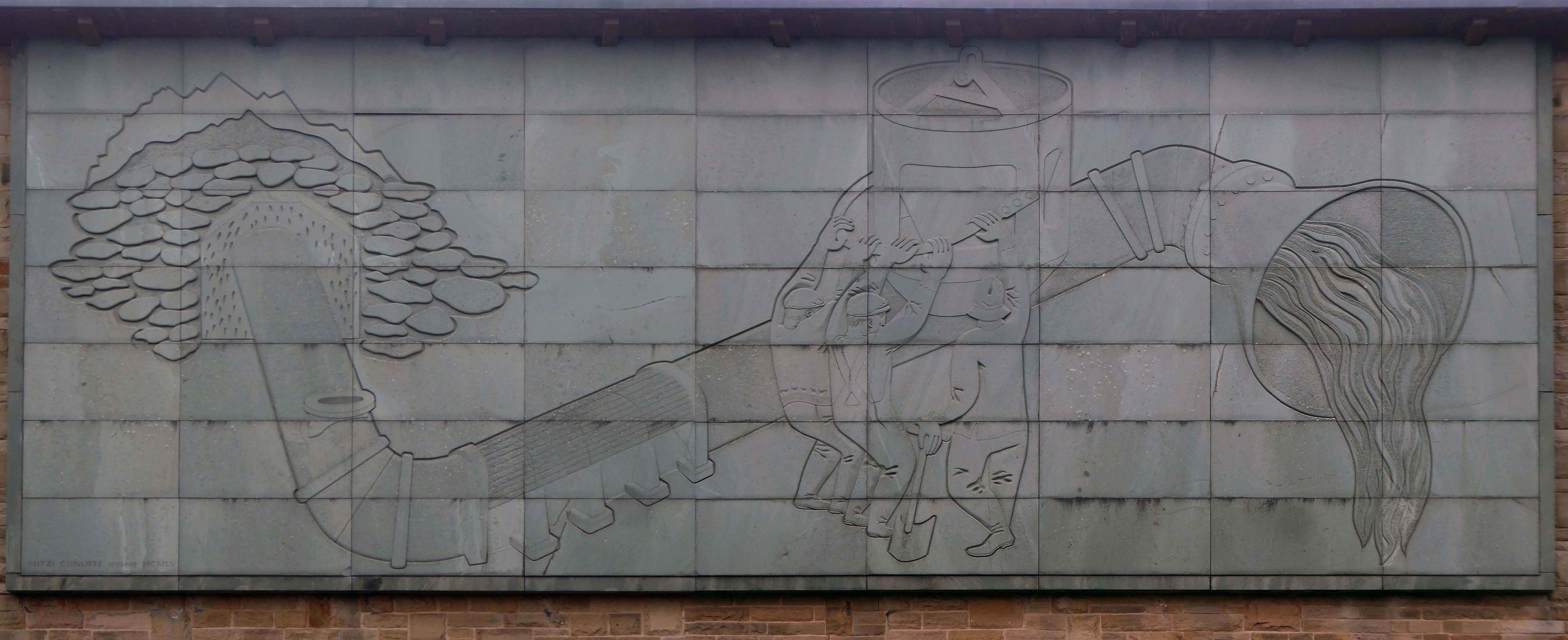
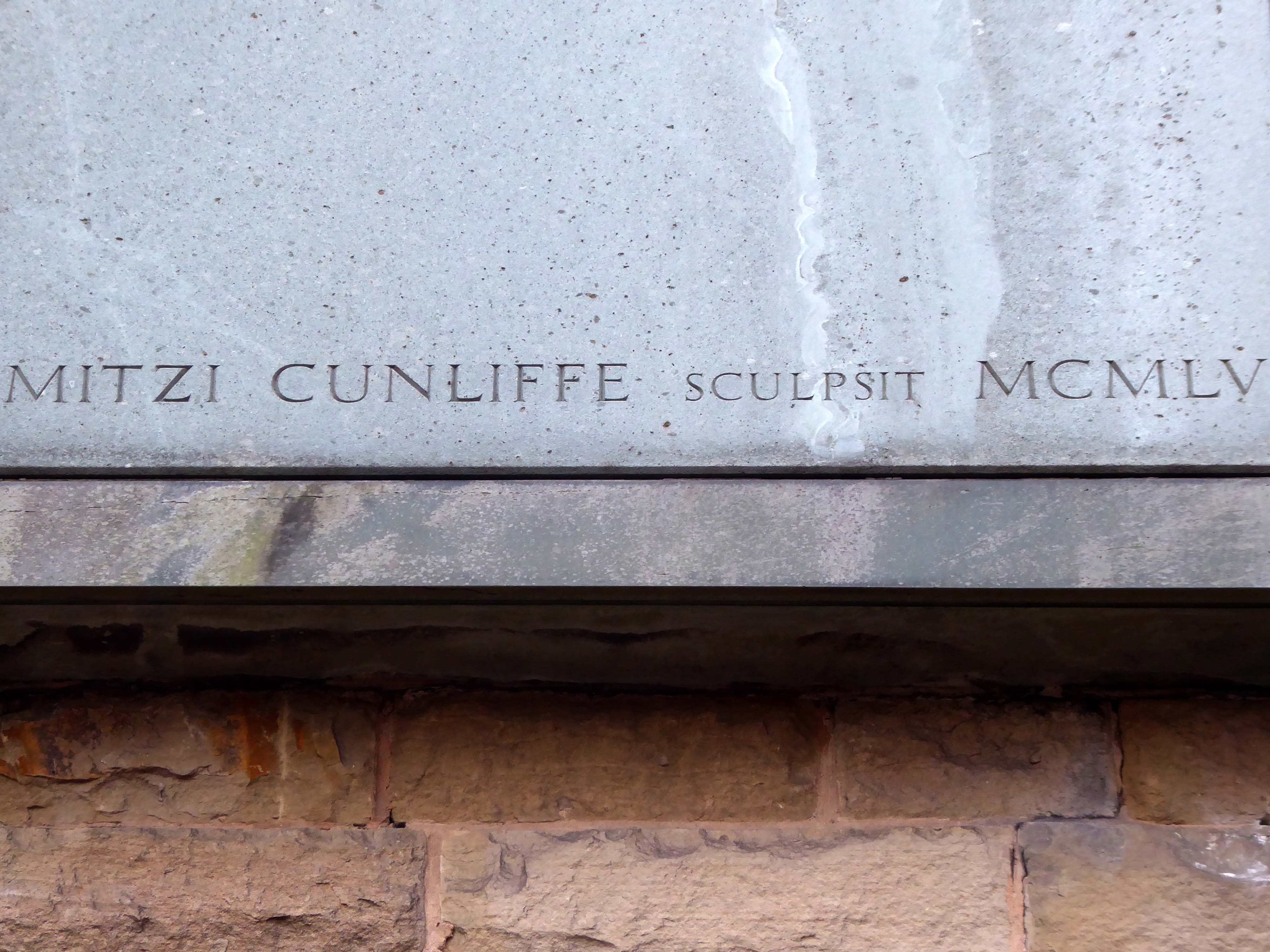
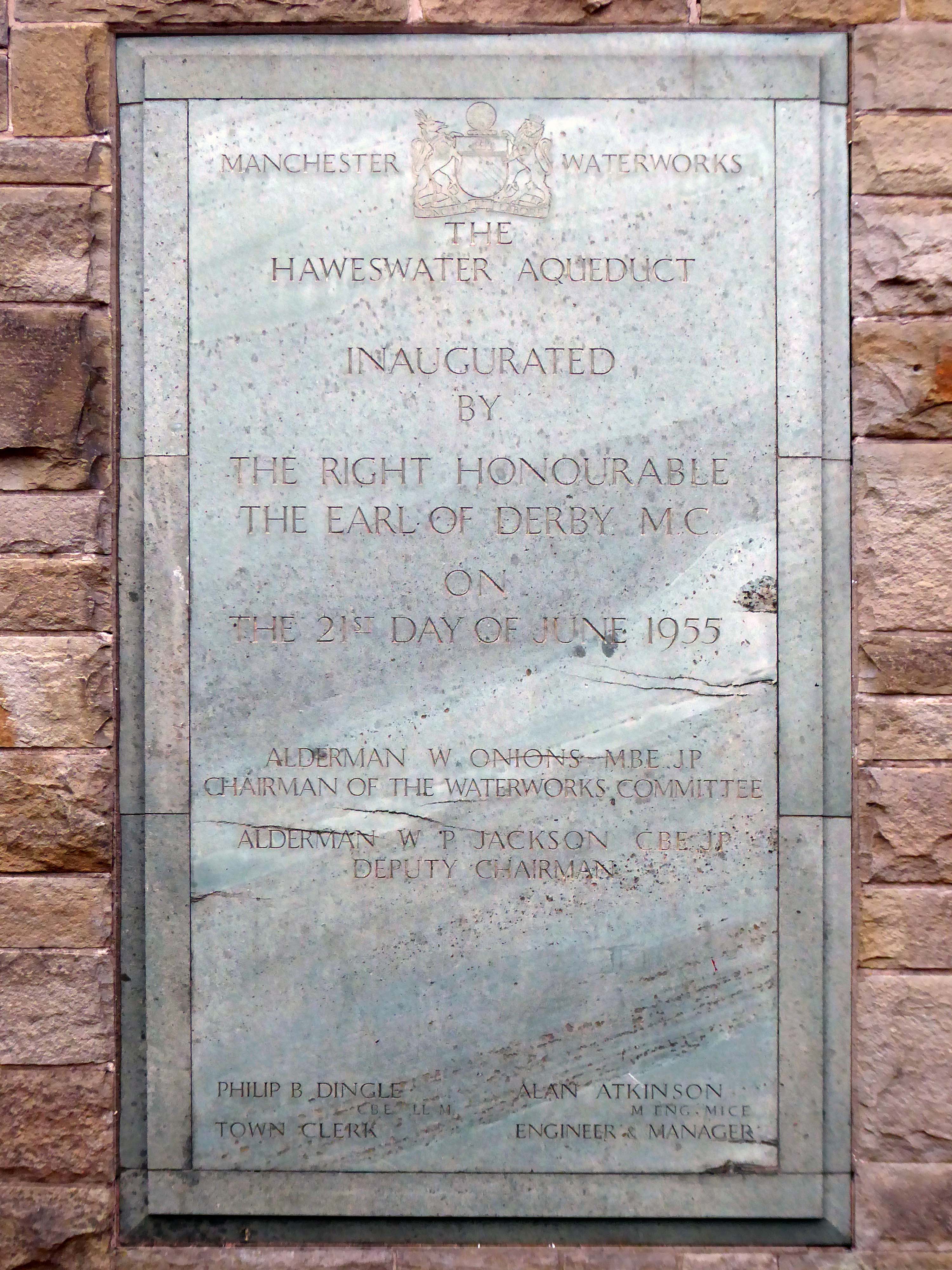
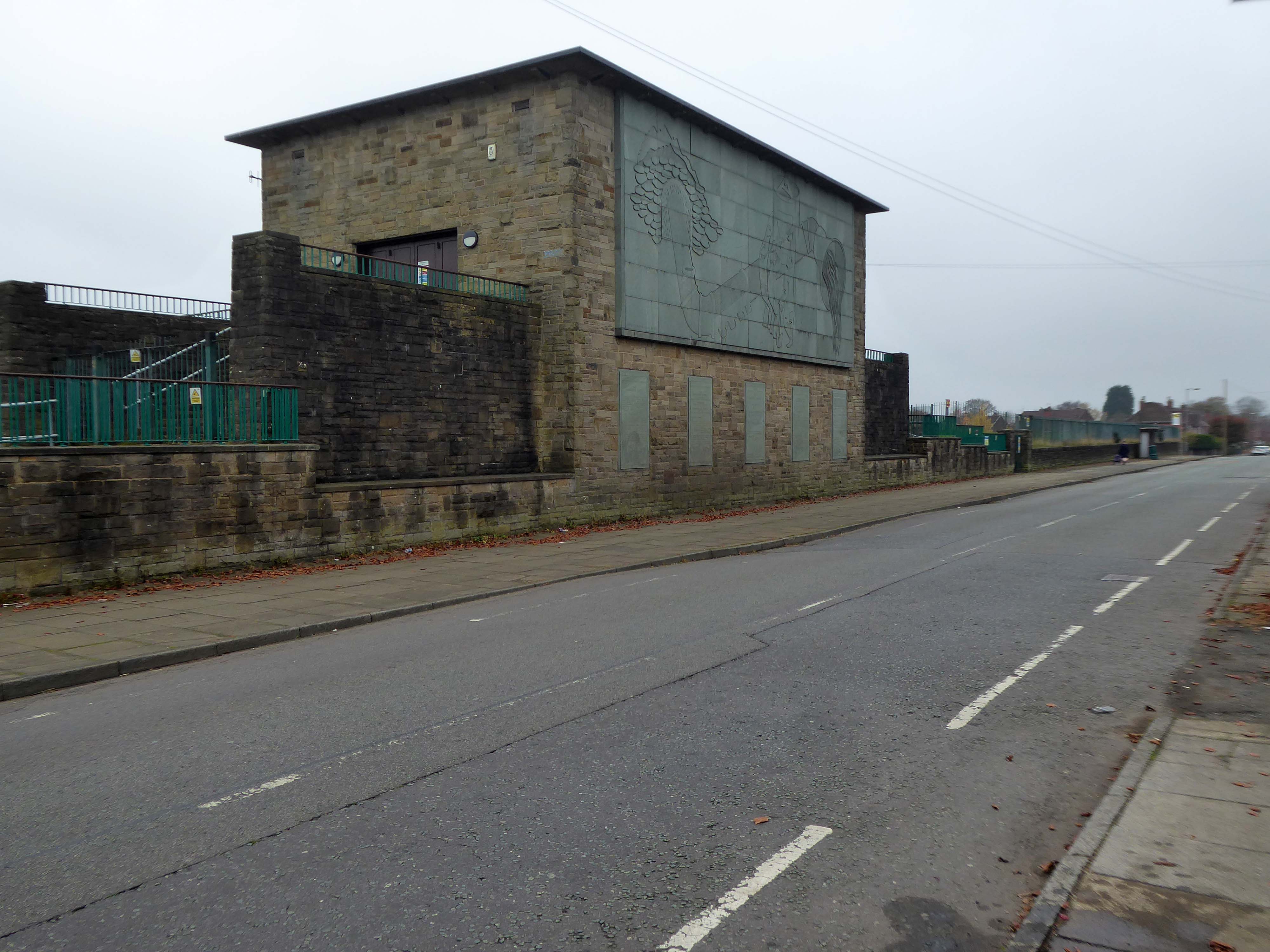
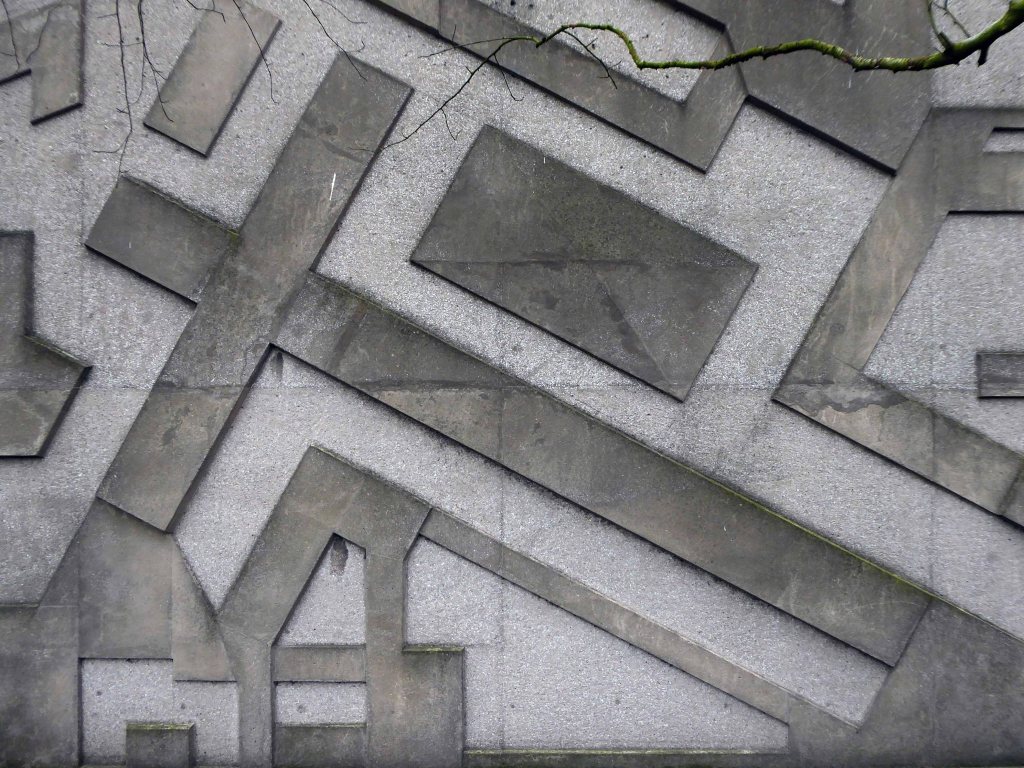
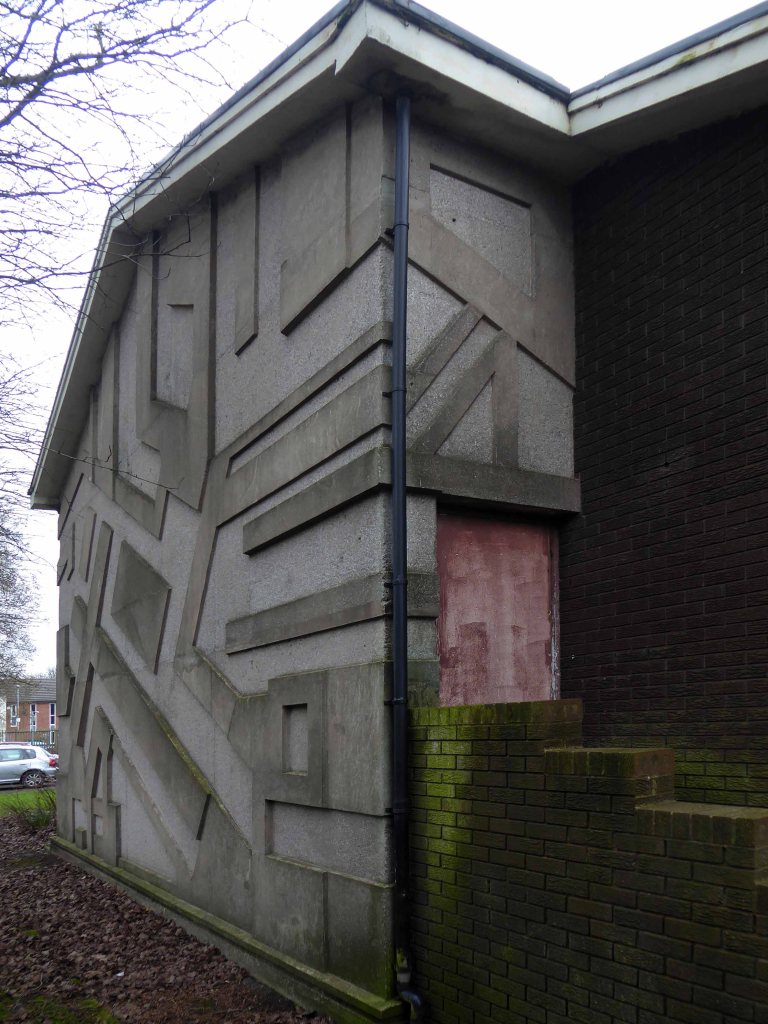
Built between1954-5 by the Manchester City Architect’s Department, Chief Architect Leonard C Howitt, for the Manchester Corporation Waterworks. Alan Atkinson, engineer. Incorporates large relief by Mitzi Cunliffe, signed and dated 1955. Yorkshire sandstone, with Westmorland greenstone from Broughton Moor used as relief. Roof not seen above dentiled overhang.
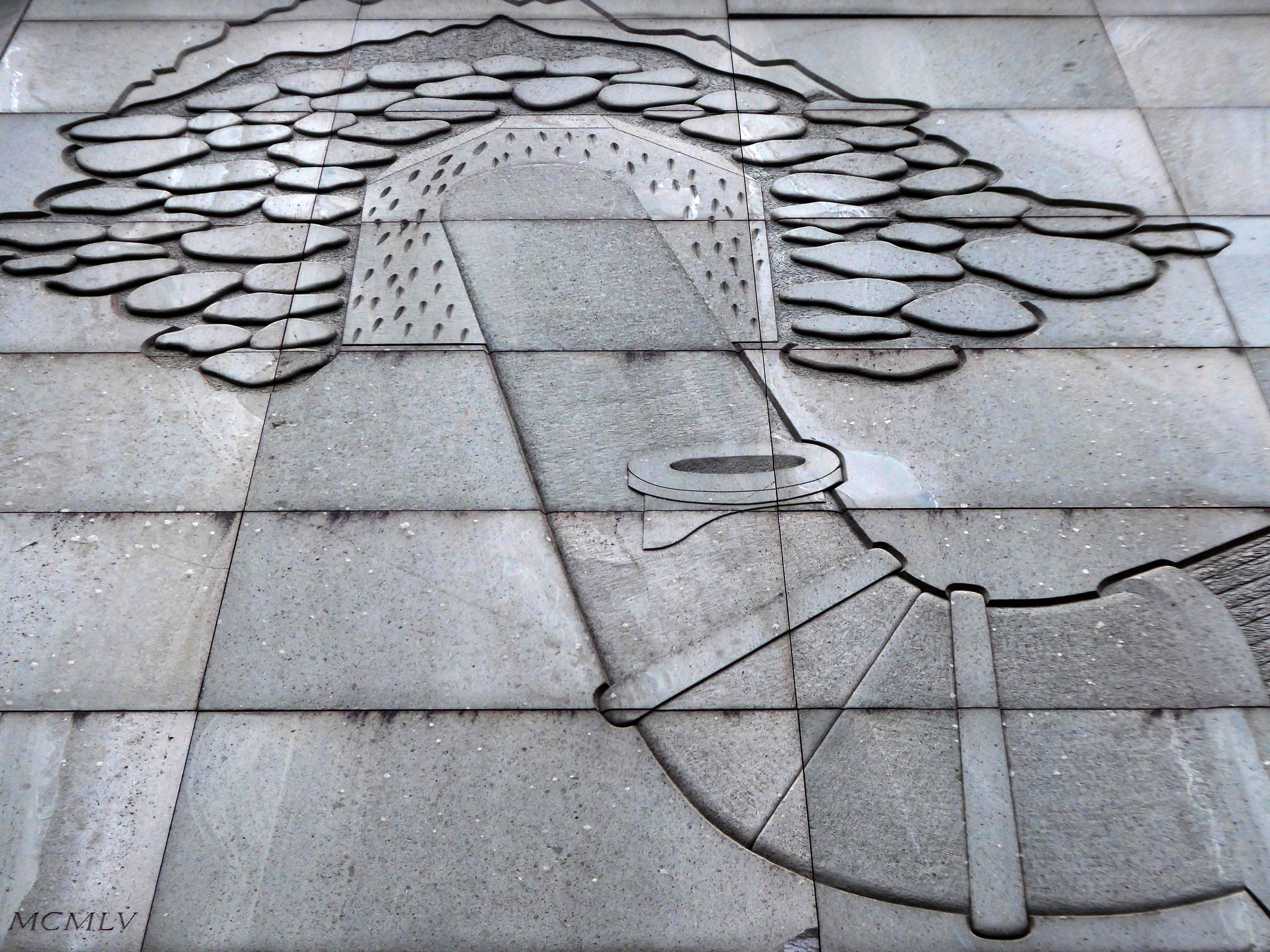
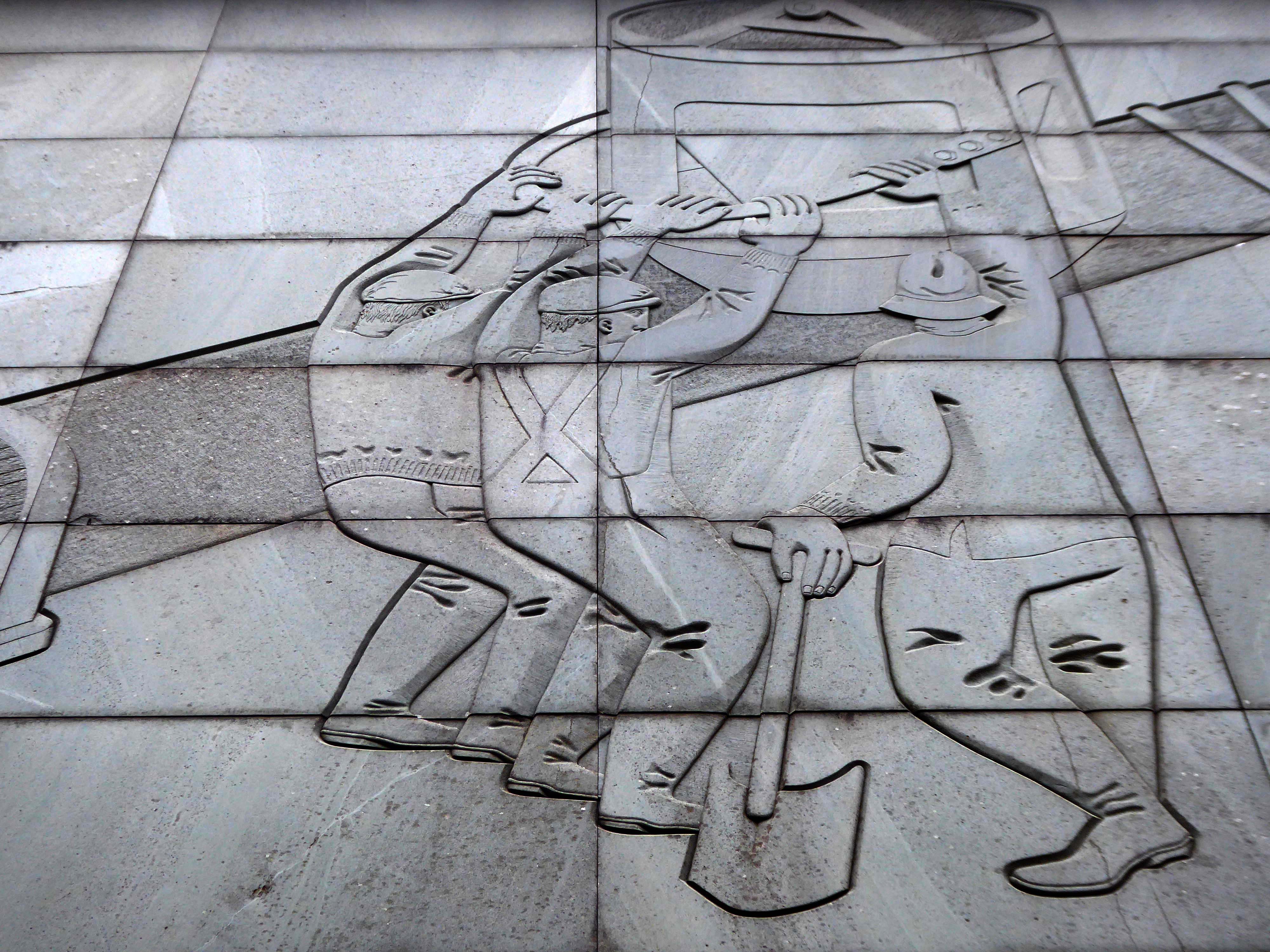
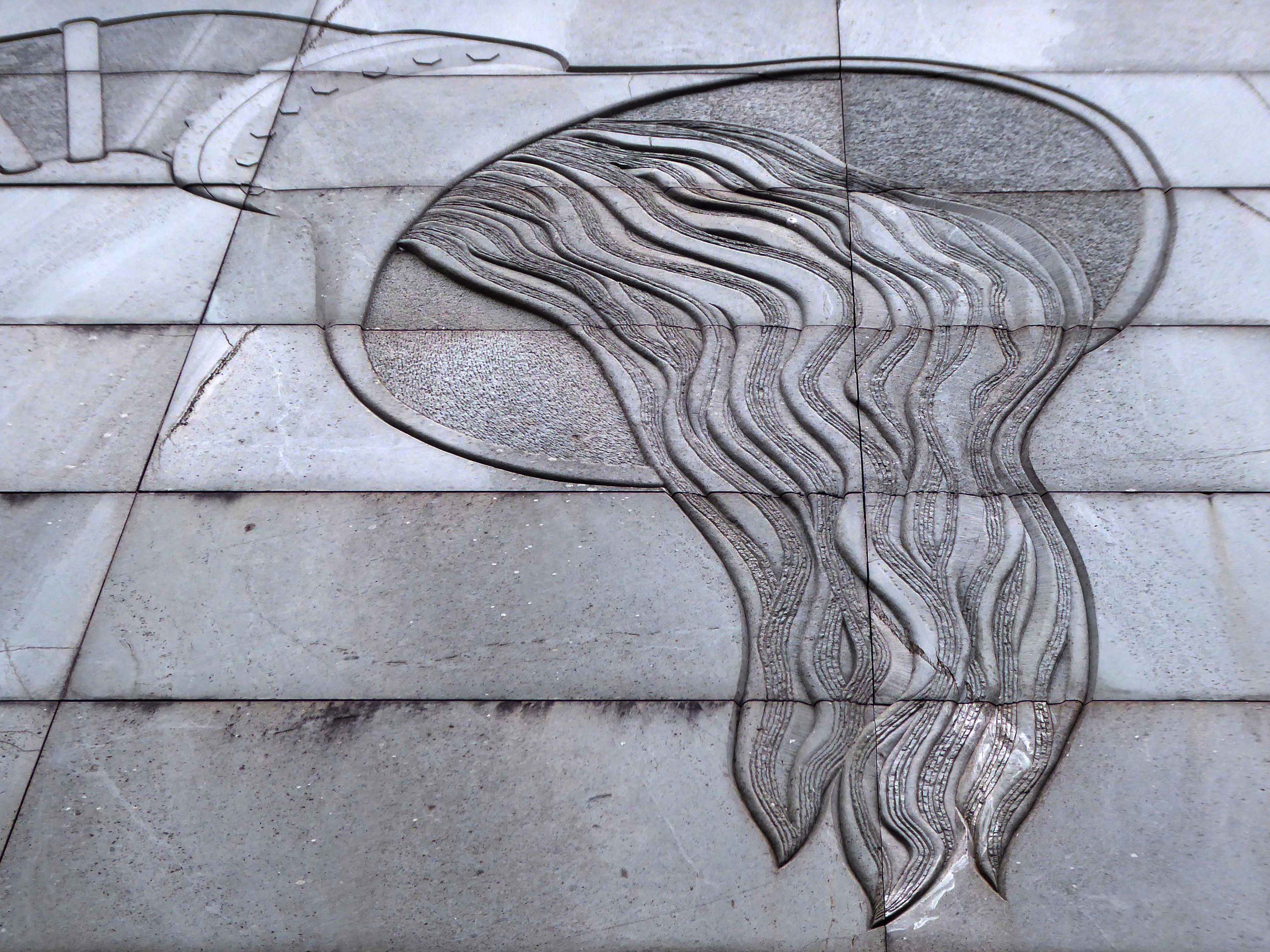
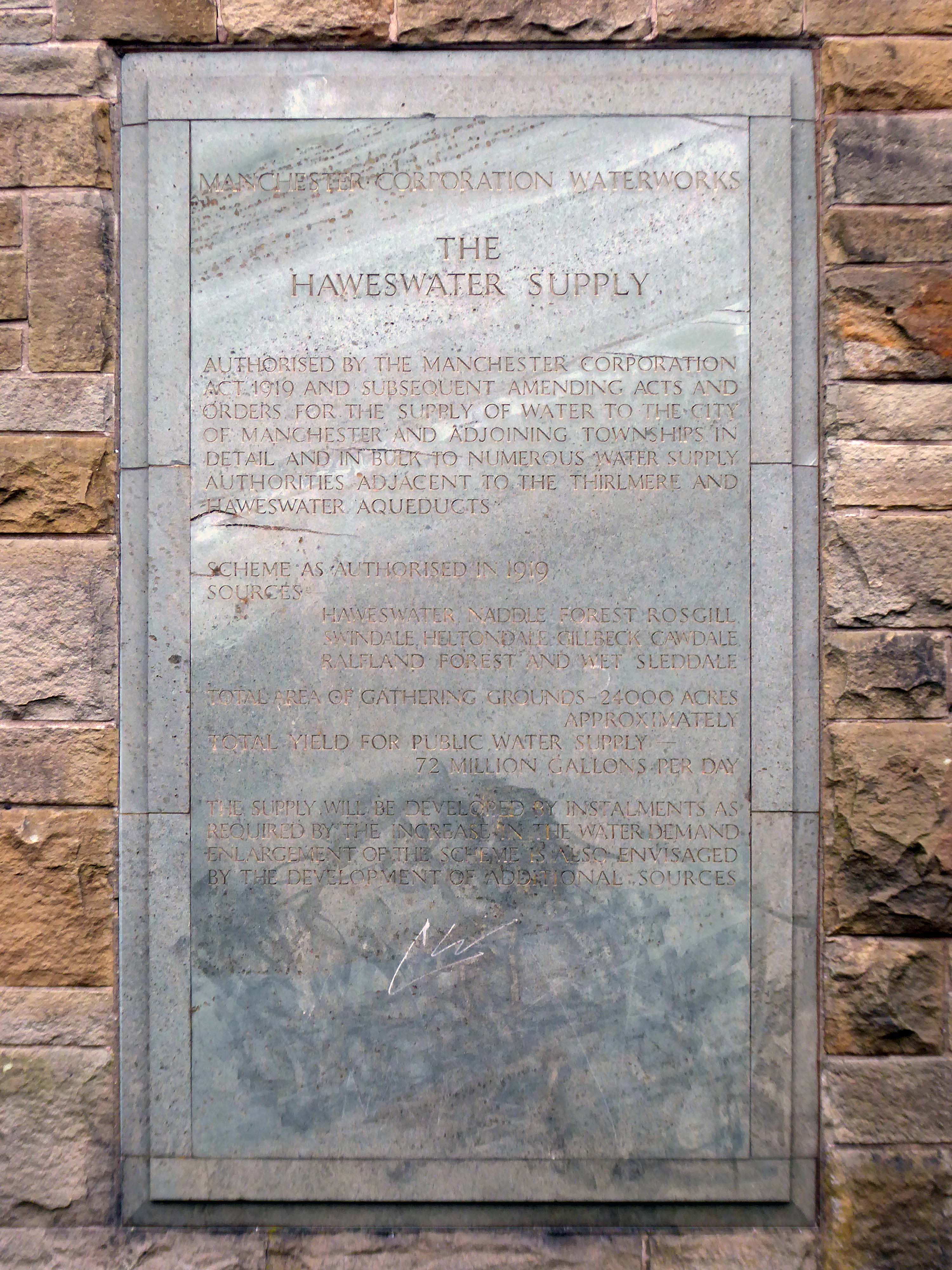
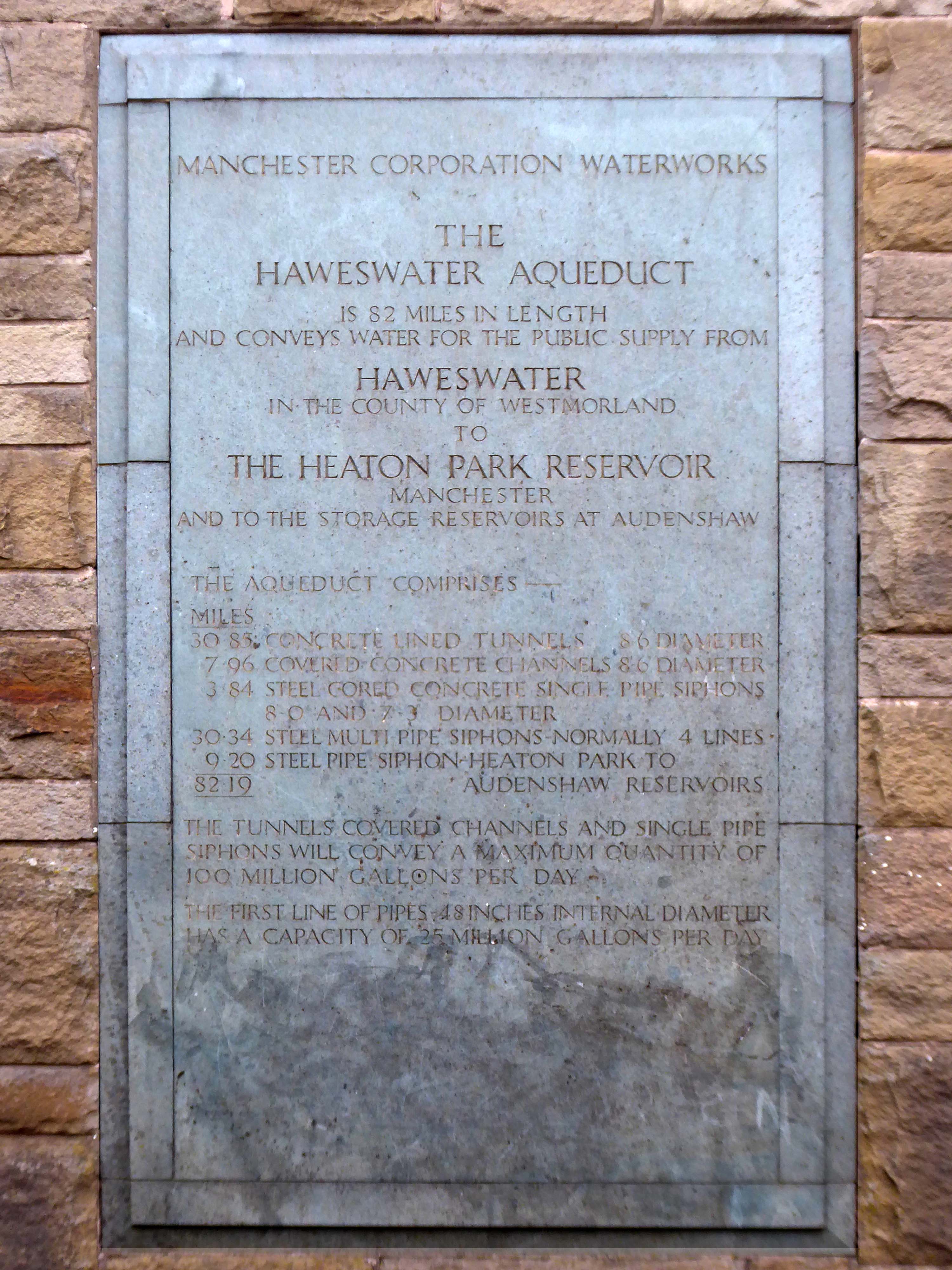
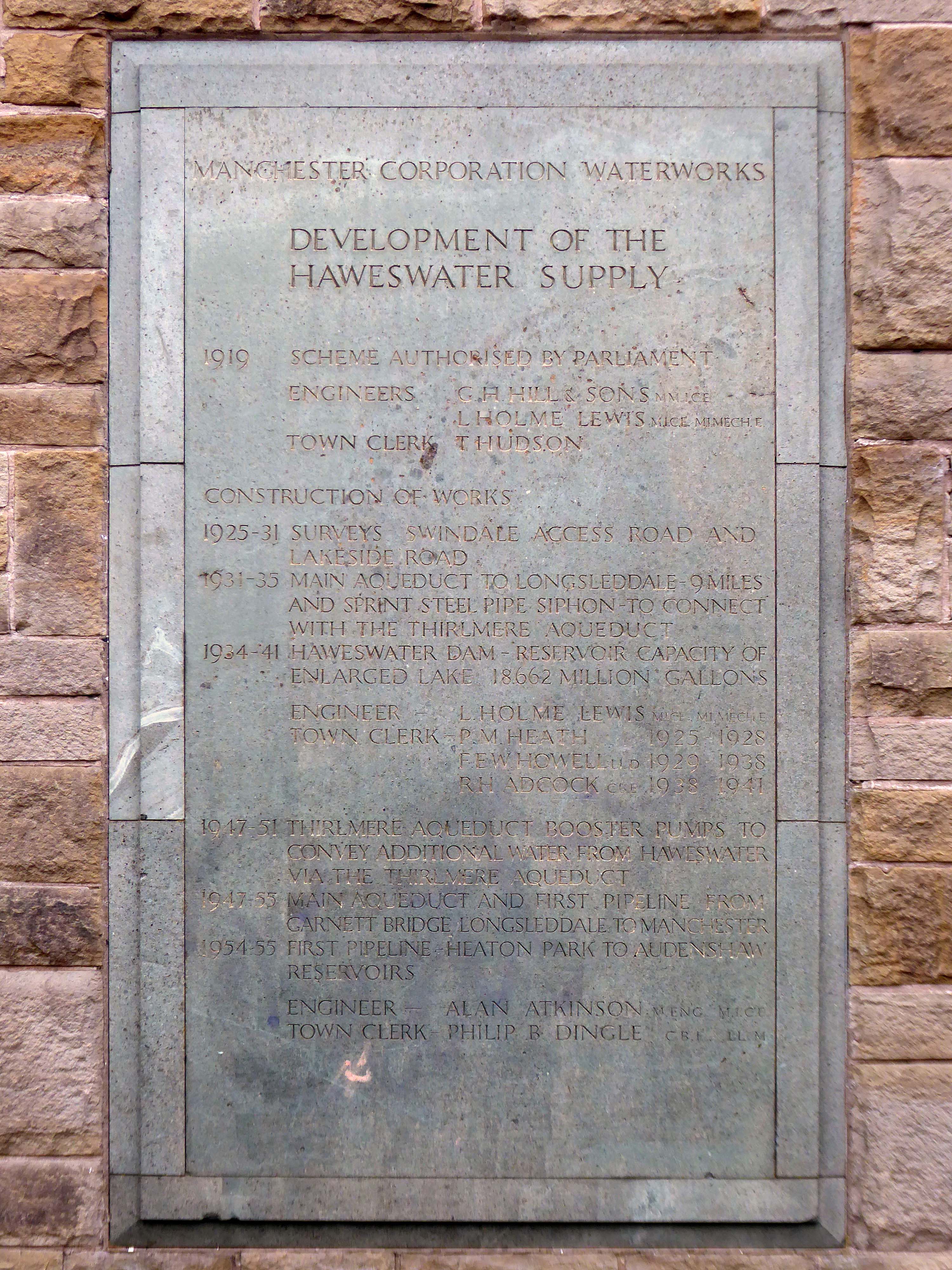
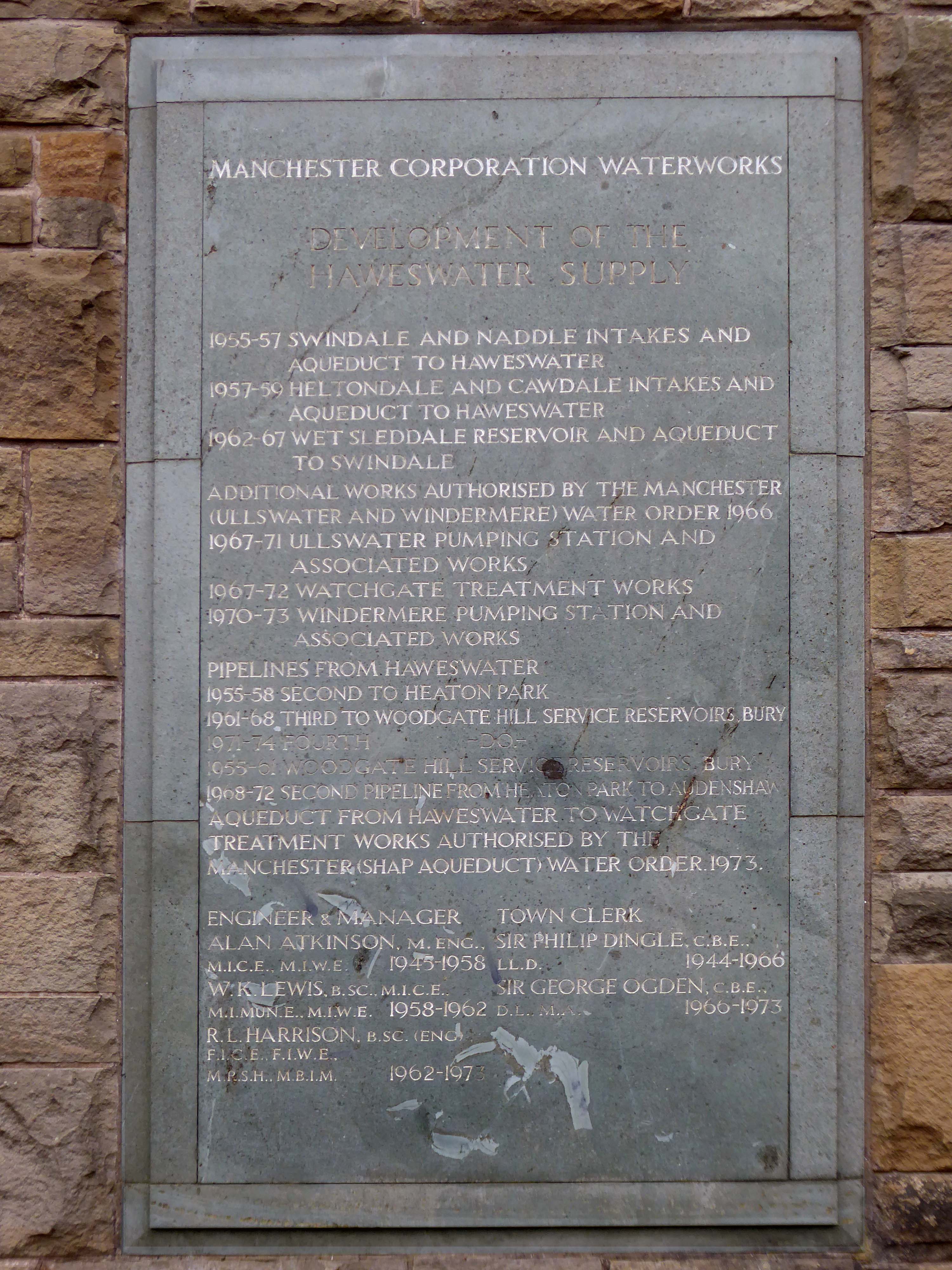
Carved relief is a highly stylised depiction of the bringing of water from Haweswater to Manchester with contemporary figures supporting the pipeline and a curious flat relief designed to be seen from below. It was designed to commemorate those who constructed it as well as the origin and course of the aqueduct. Beneath it five plaques tell the history of the Haweswater supply.
Completely preserved interior fully lined in beige marble, with contrasting green marble skirting continued as door surround. Behind the Cunliffe mural is a wood relief section in sycamore depicting the 82 mile route of the pipe.
The bringing of water to Manchester from a new reservoir at Haweswater was a major undertaking which cost £14,000,000. The sectional relief plan and the mural were conceived as part of the original brief to give a ‘monumental’ character to the city’s remarkable achievement. Included as a remarkable synthesis of architectural design and fine sculpture, with the dominance of the latter in this tiny building. The building materials and the reliefs are all symbolic of the achievement in bringing of water from the Lake District to Manchester.
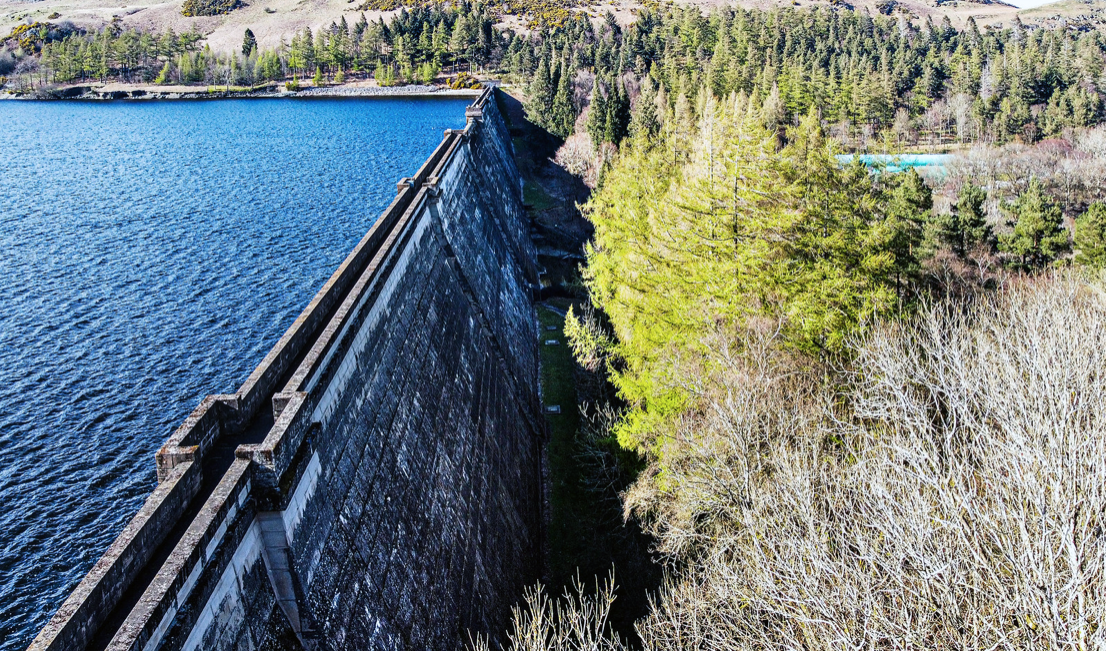
In 1929 work started to build the dam wall across the valley floor. At the time of construction, its design was considered to be at the forefront of civil engineering technology because it was the world’s first hollow buttress dam.
Before the valley was flooded in 1935, all the farms and dwellings of the villages of Mardale Green and Measand were demolished, as well as the centuries-old Dun Bull Inn at Mardale Green. The village church was dismantled and the stone used in constructing the dam; all the bodies in the churchyard were exhumed and re-buried at Shap.
I have previously led Mitzi Cunliffe walks in south Manchester – taking in her works at Owens Park and Manchester High School for Girls.
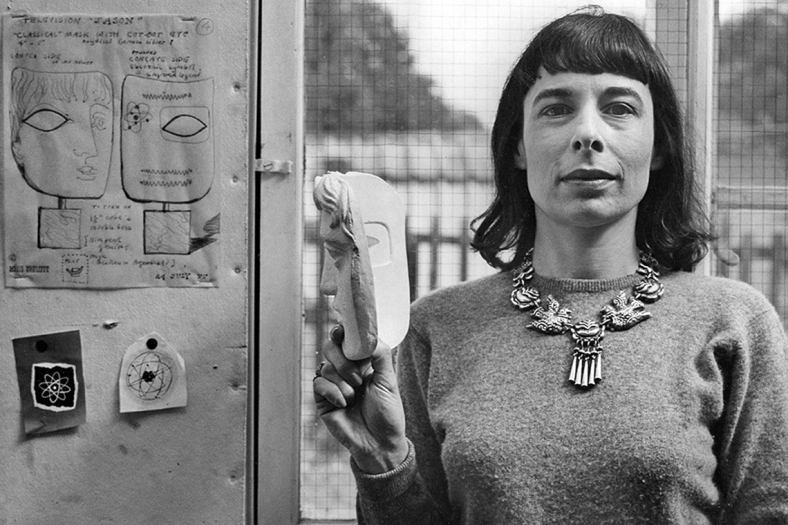
Mitzi Cunliffe is primarily known as the designer of the BAFTA Award, but her work encompasses both ceramics and textiles, in addition to her extensive public art works – as illustrated here.
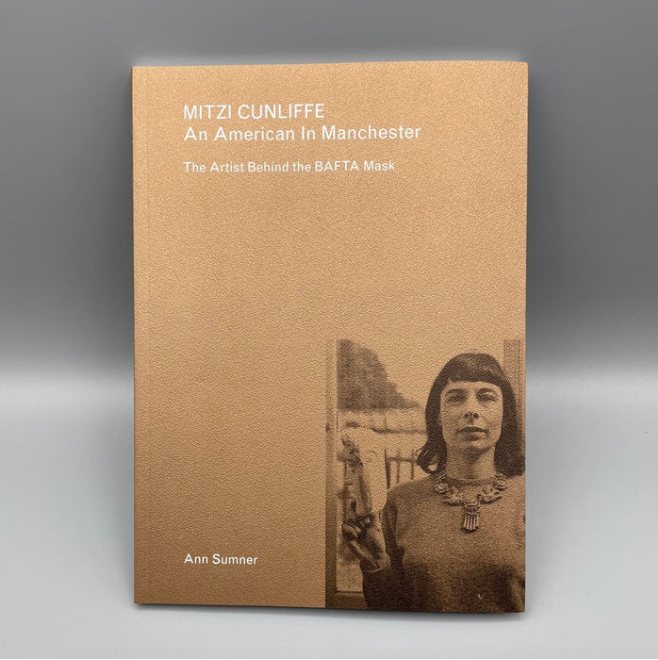
Mitzi Cunliffe – An American in Manchester is available from the Modernist Shop.
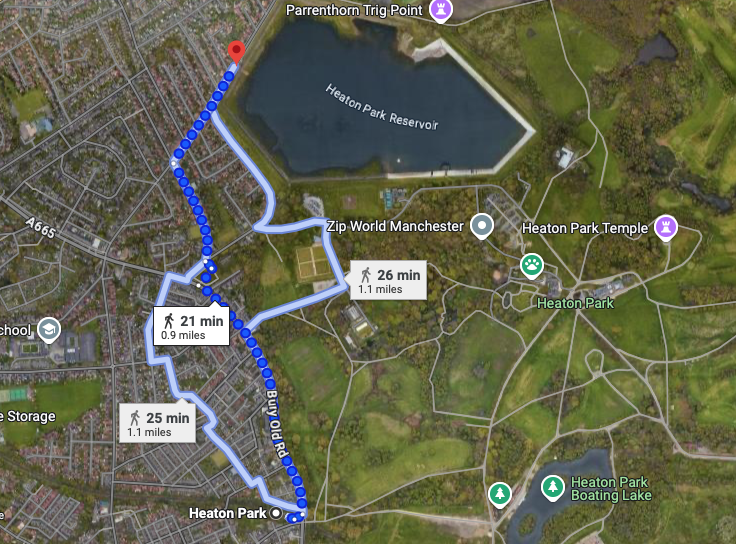
I took the tram to Heaton Park Station and walked the rest of the way.
The imposing structure, clad in the dramatic relief dominates this domesticated street of well behaved semis. As I stood admiring the work, a passerby joined me in a mutual appreciation of its beauty and significance.
Do yourself a favour – take a trip, take a look for yourself.
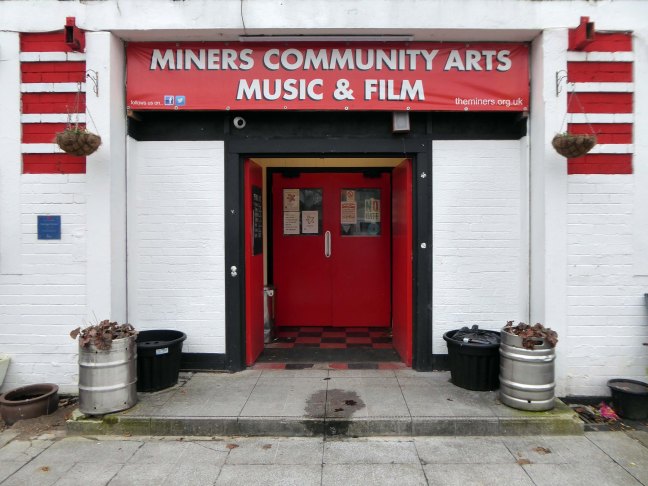
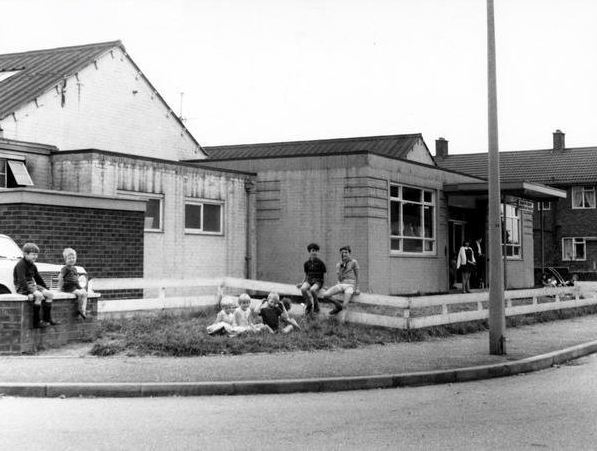
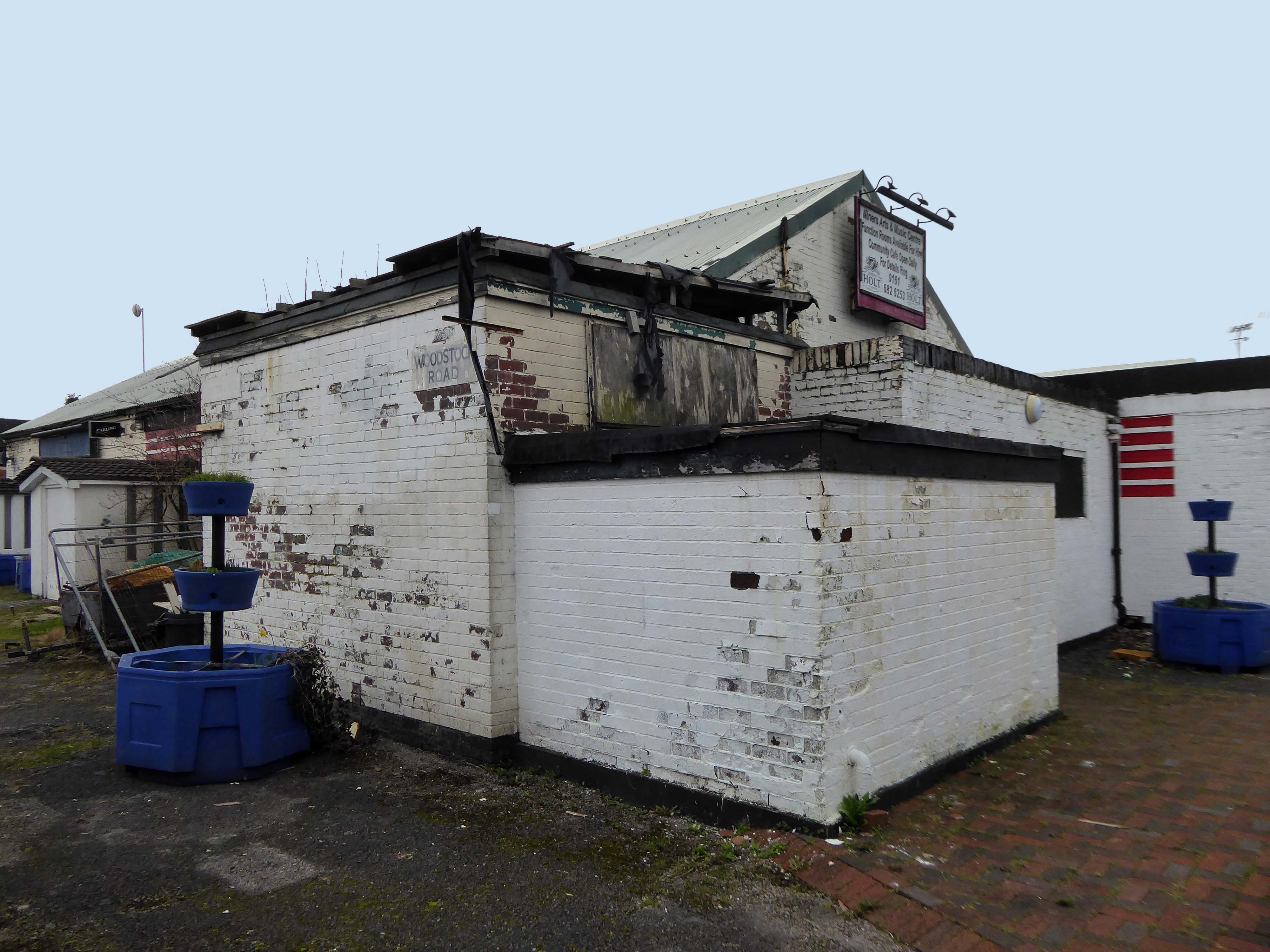
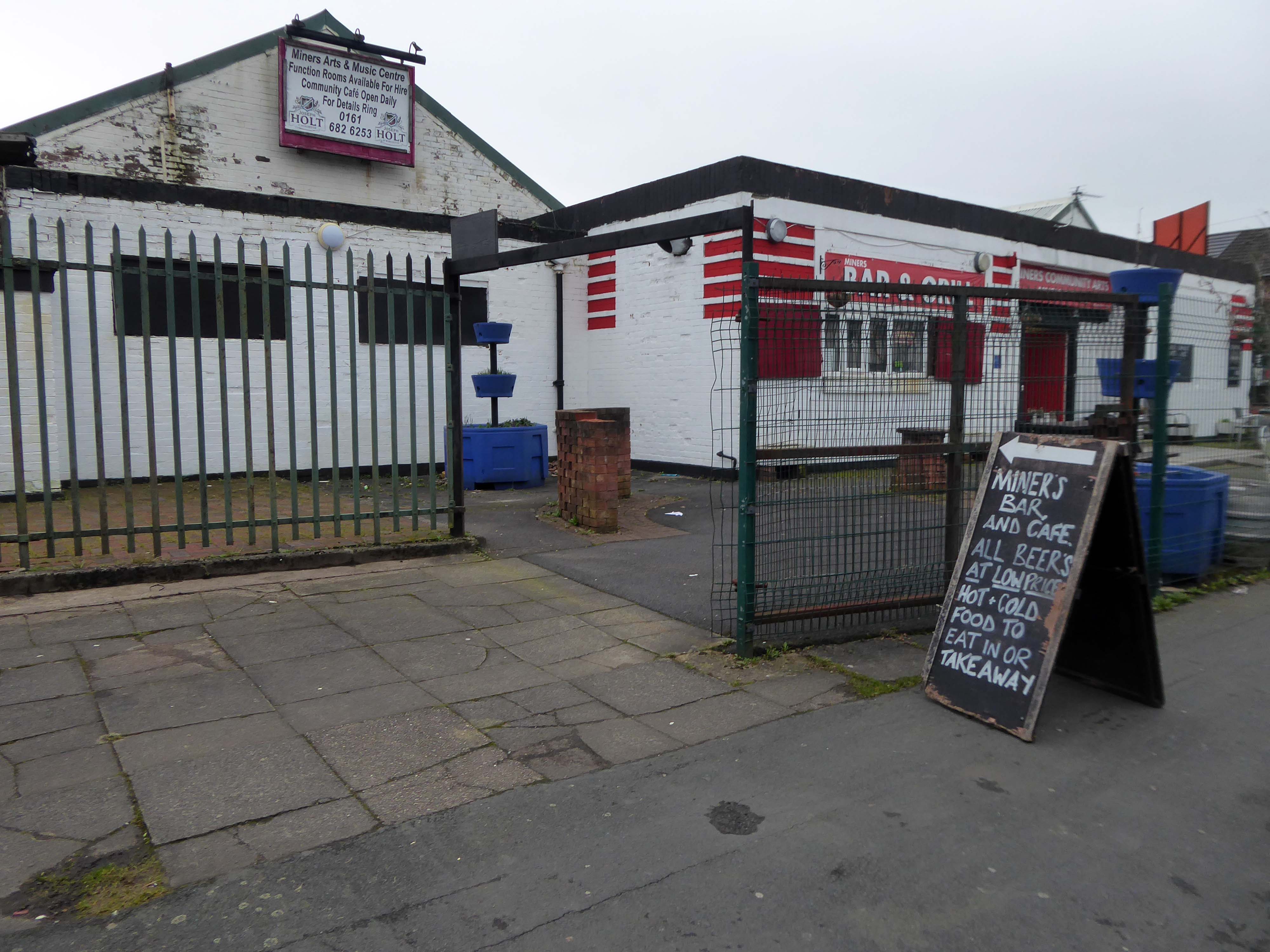
More recently it has had a renaissance under the stewardship of local lad Louis Beckett.
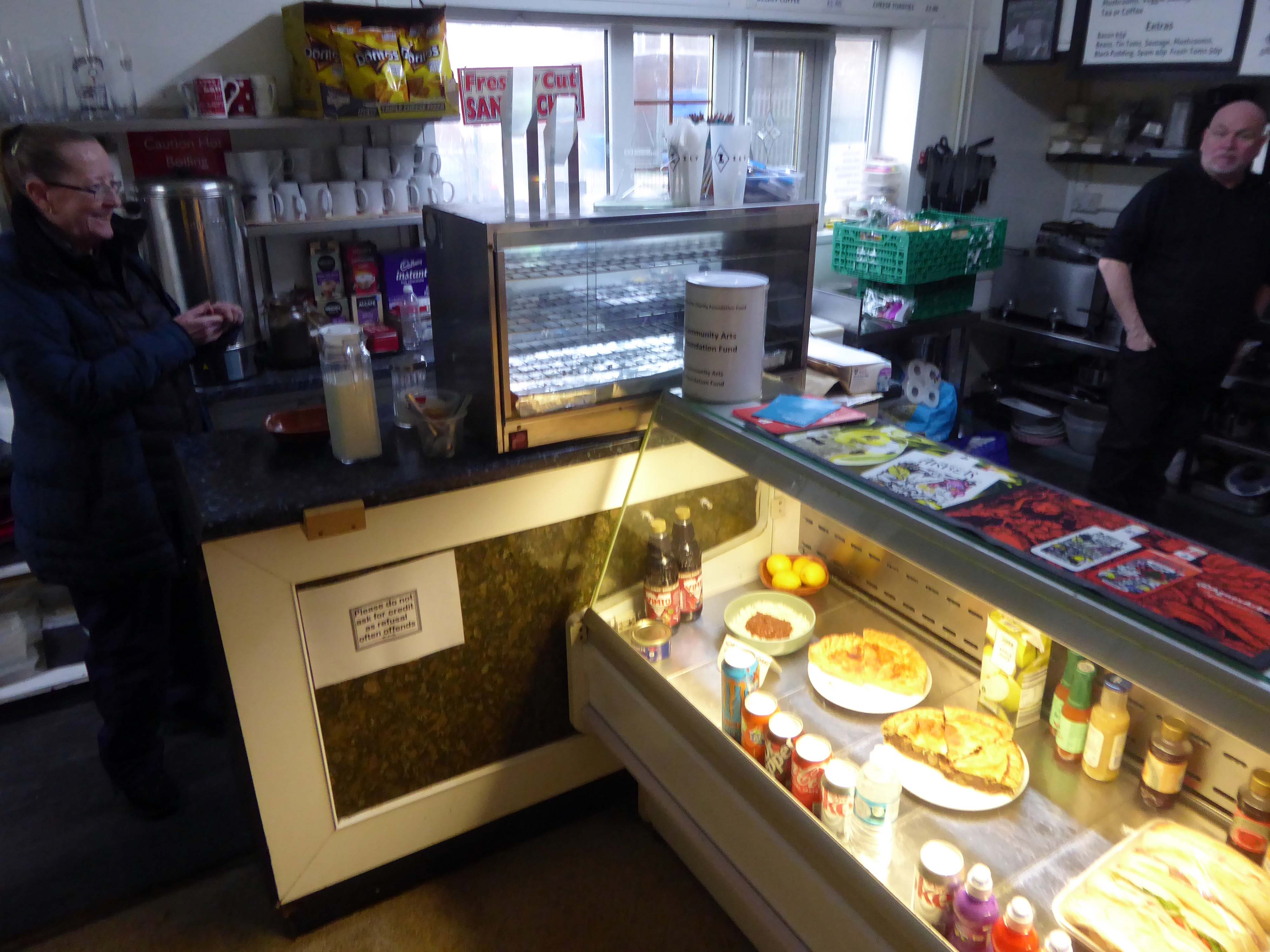
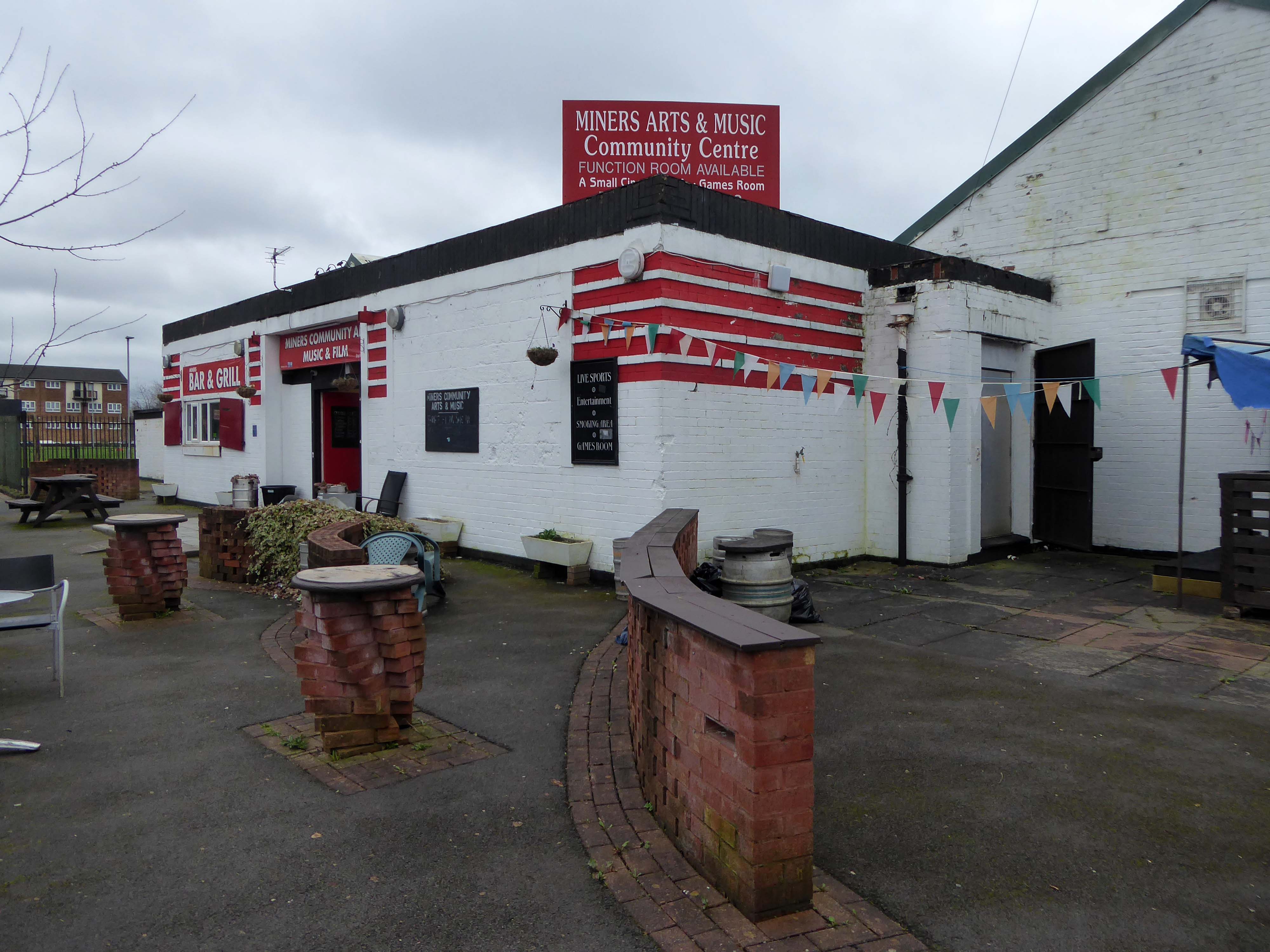
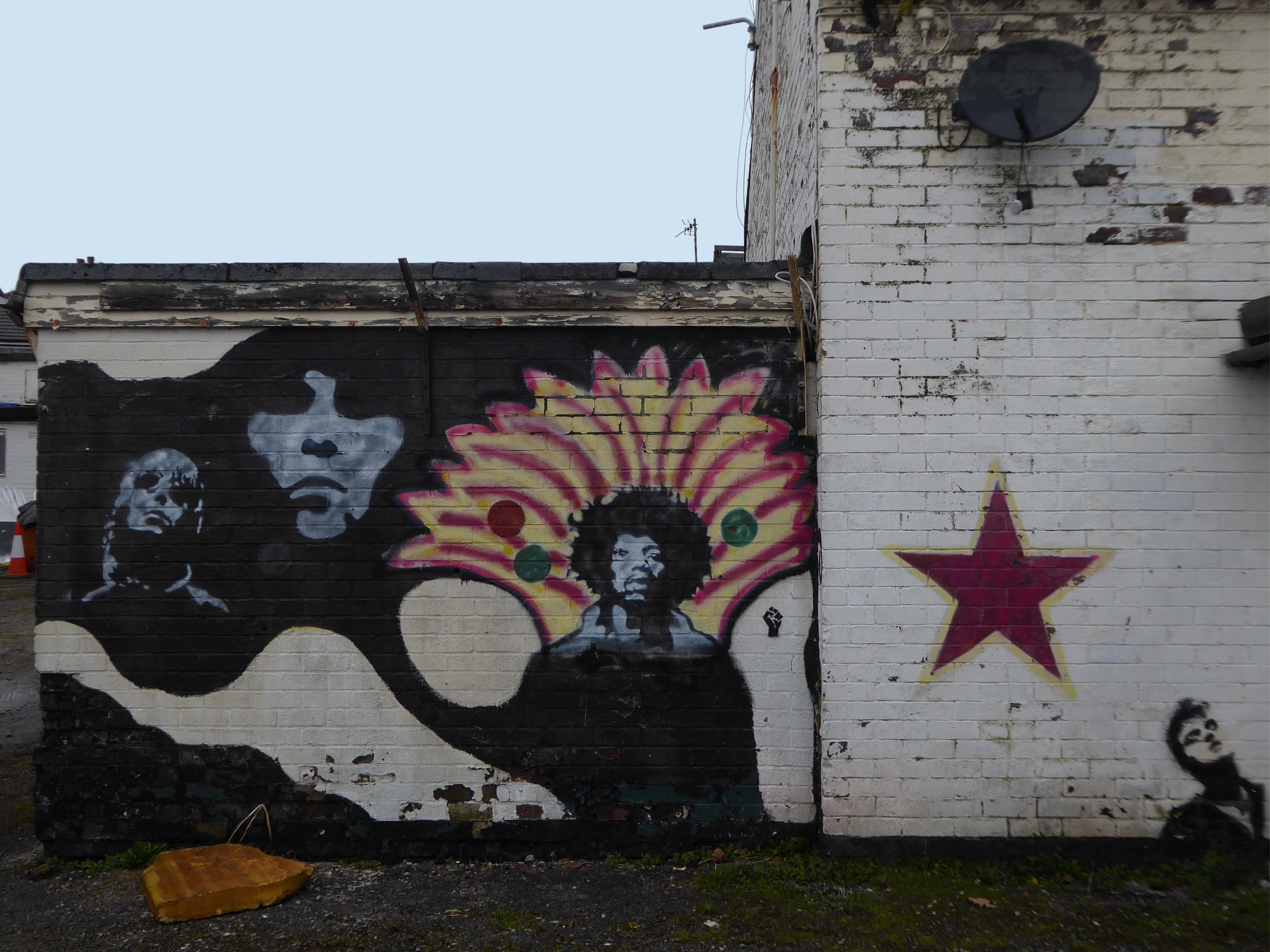
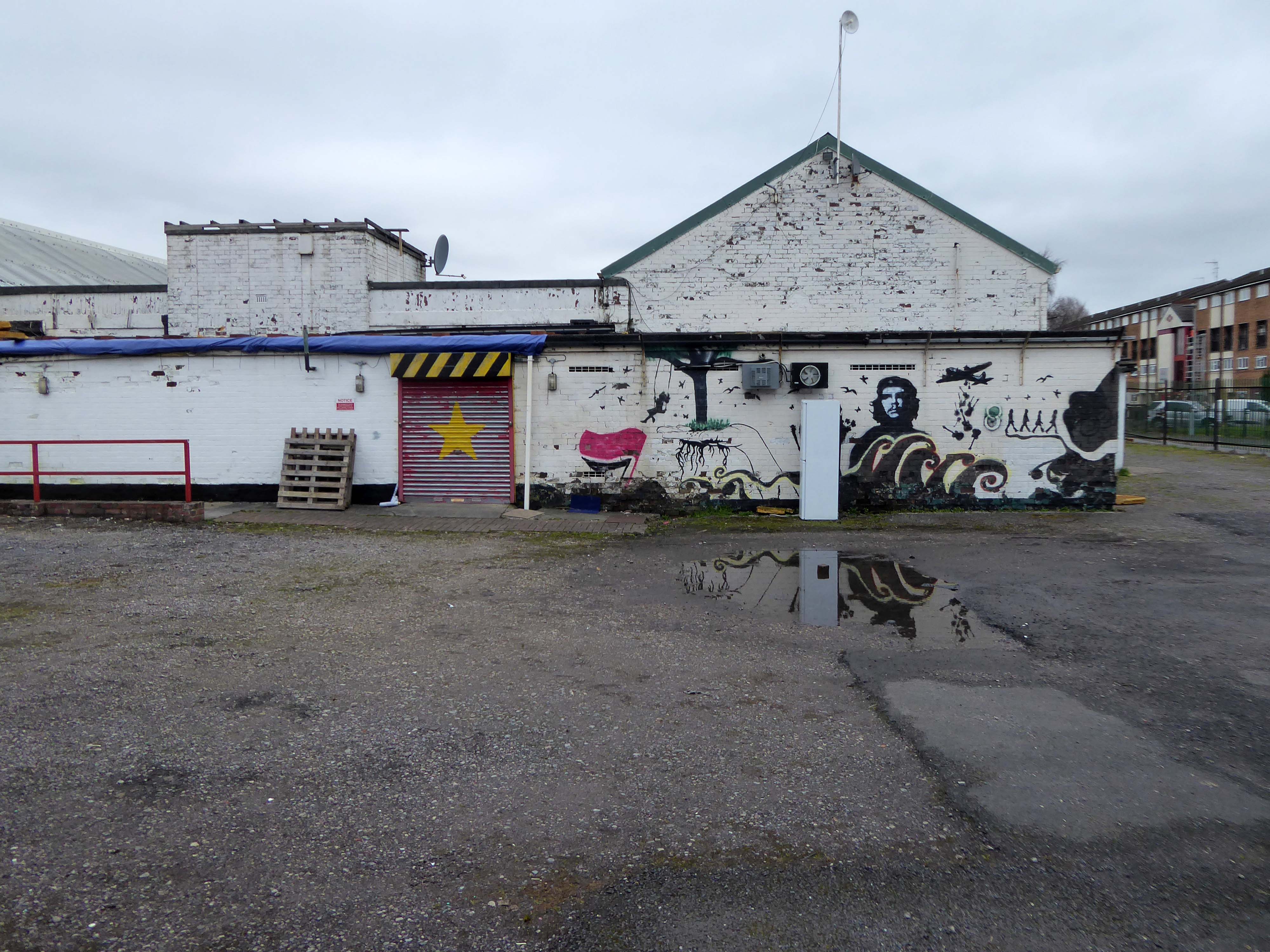
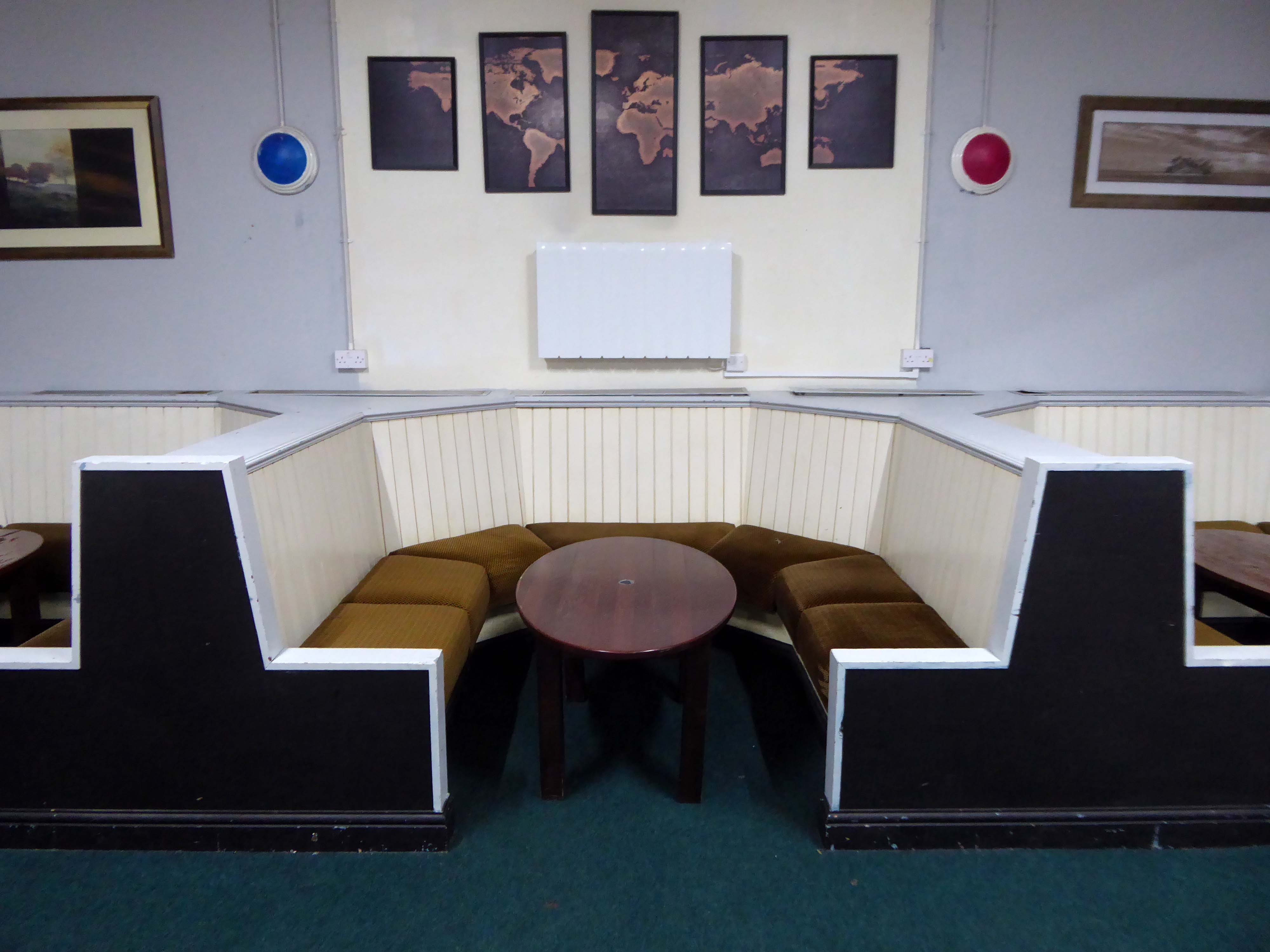
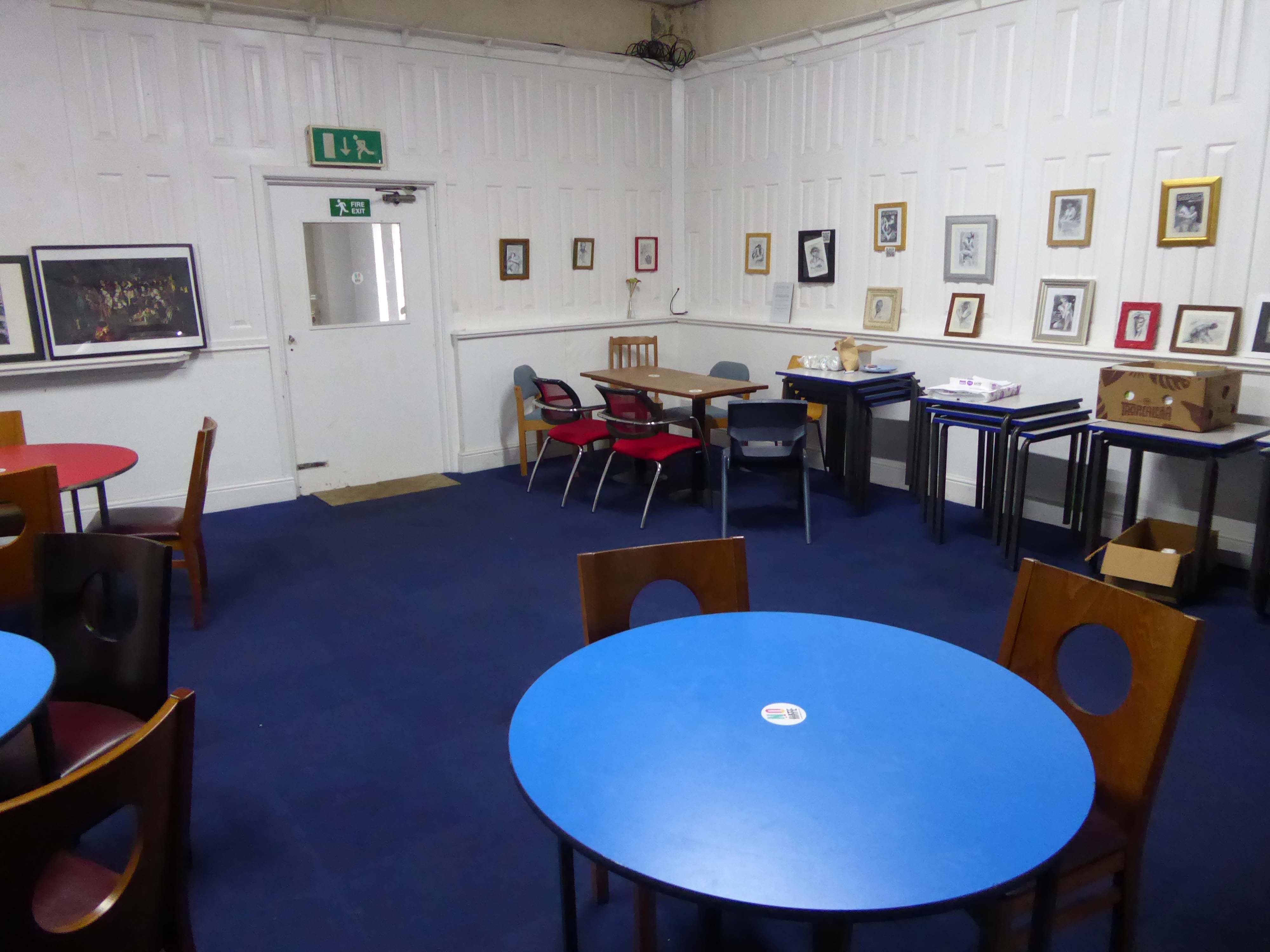
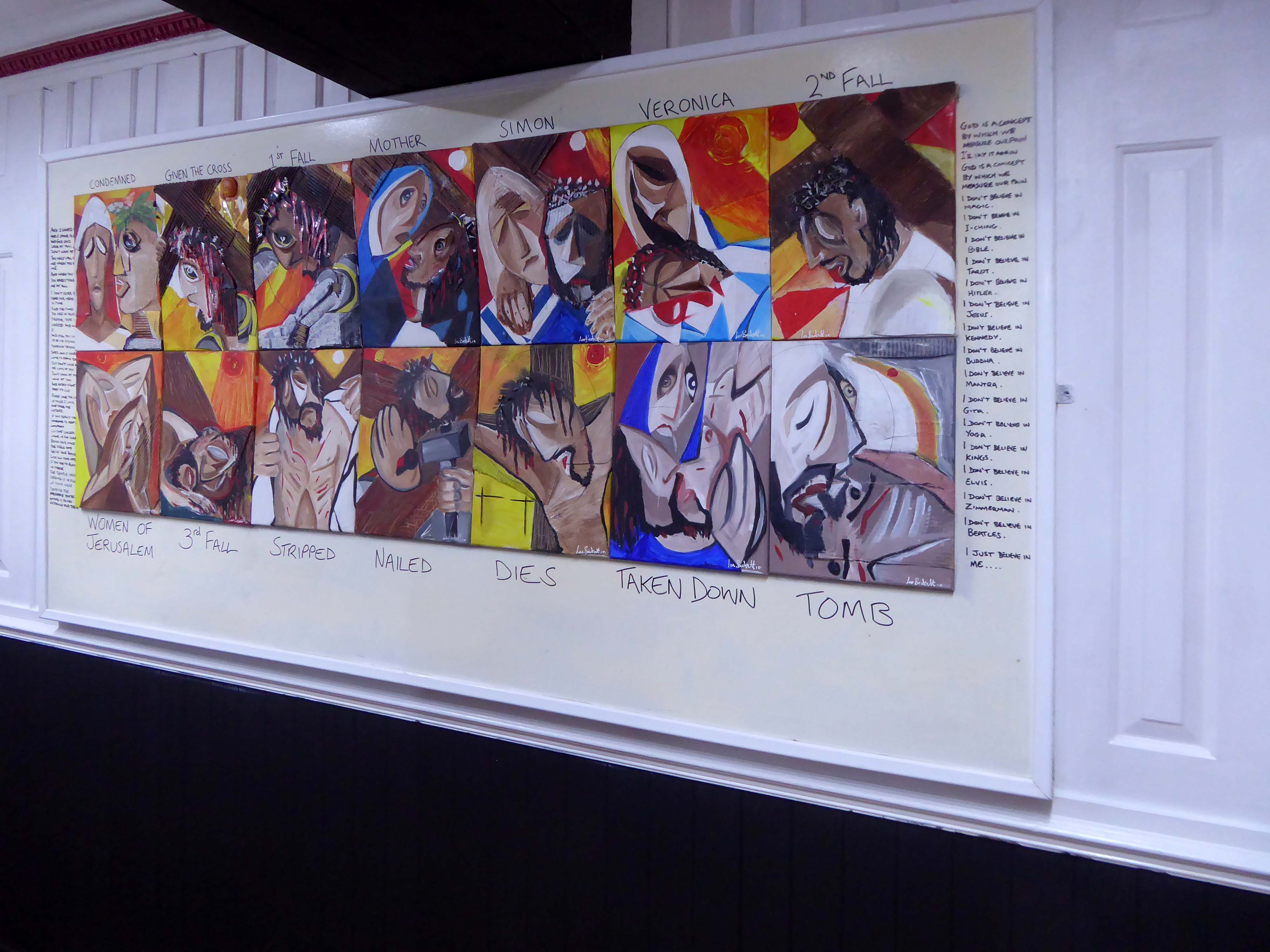
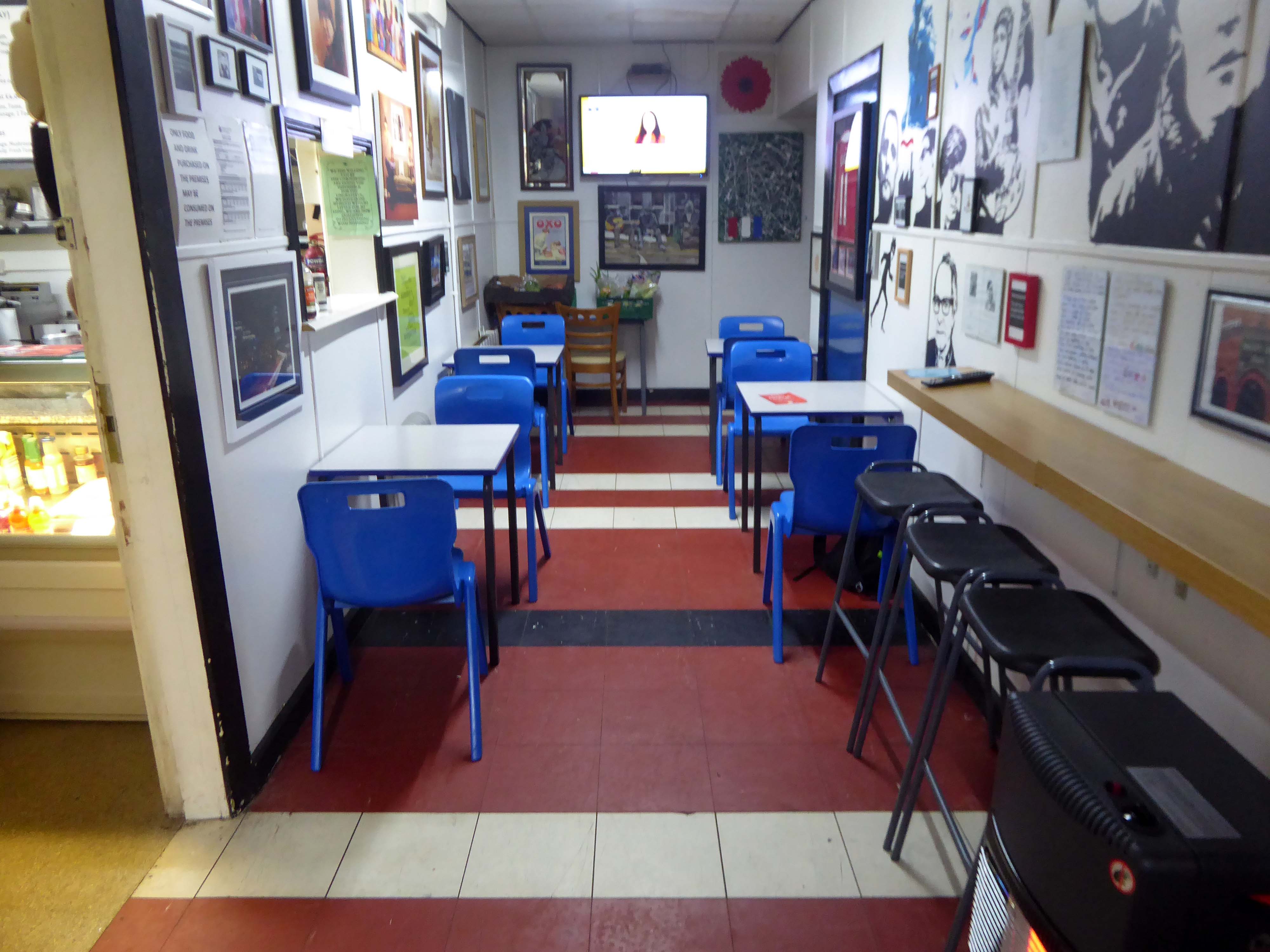
The community centre now provides space for local bands to rehearse, local artists to exhibit their work, a community cafe and larger function rooms that are available for events.
A wide range of events takes place here through the year including live gigs, pantomines, Halloween parties, cabaret nights and art exhibitions, and since 2012 it’s been home to the Moston Small Cinema which screens a range of films and sporting events.
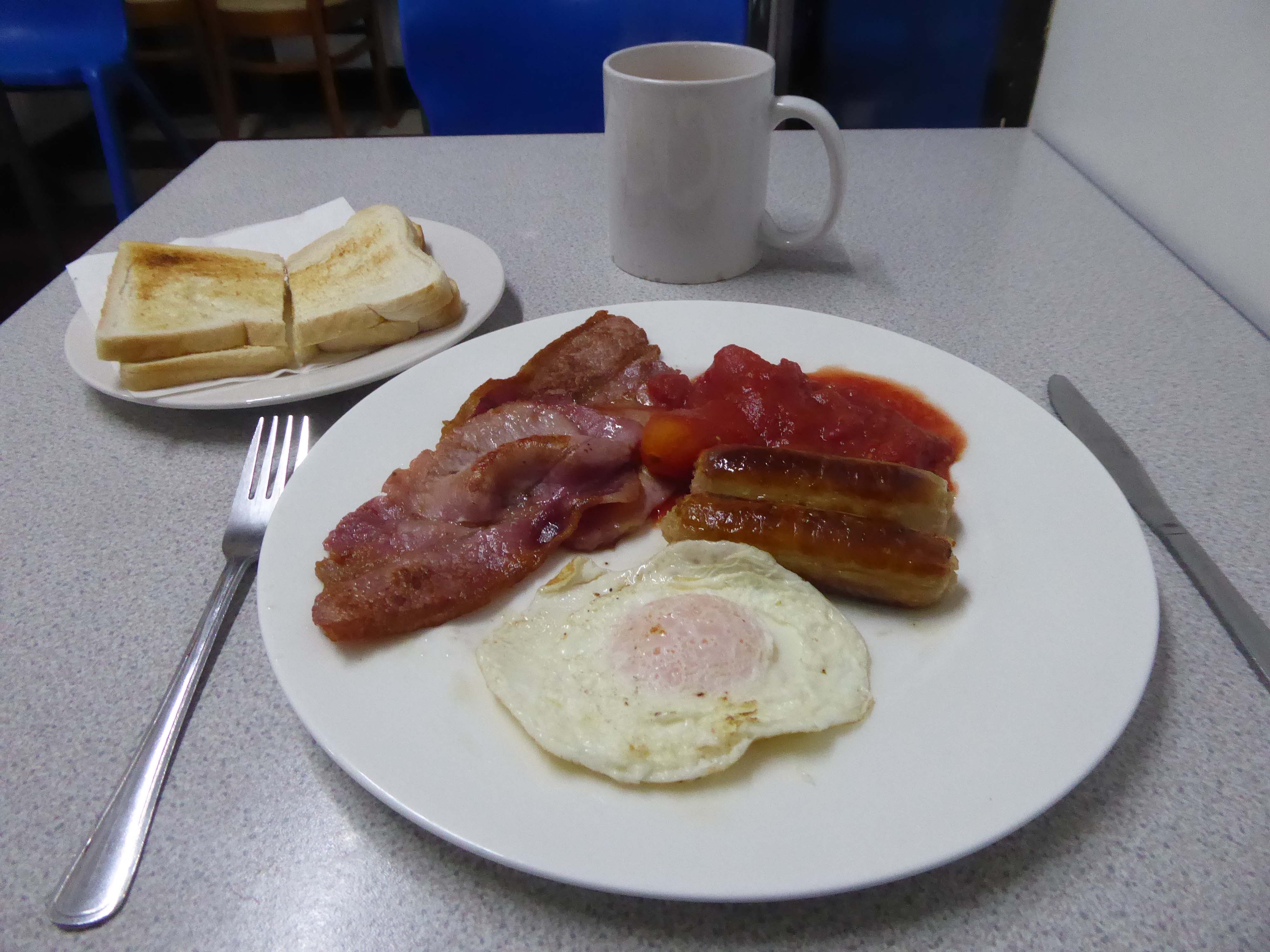
I popped by a couple of weeks ago and was given a terrific tour by Paula and Lou, along with a competitively priced tasty brew and breakfast.
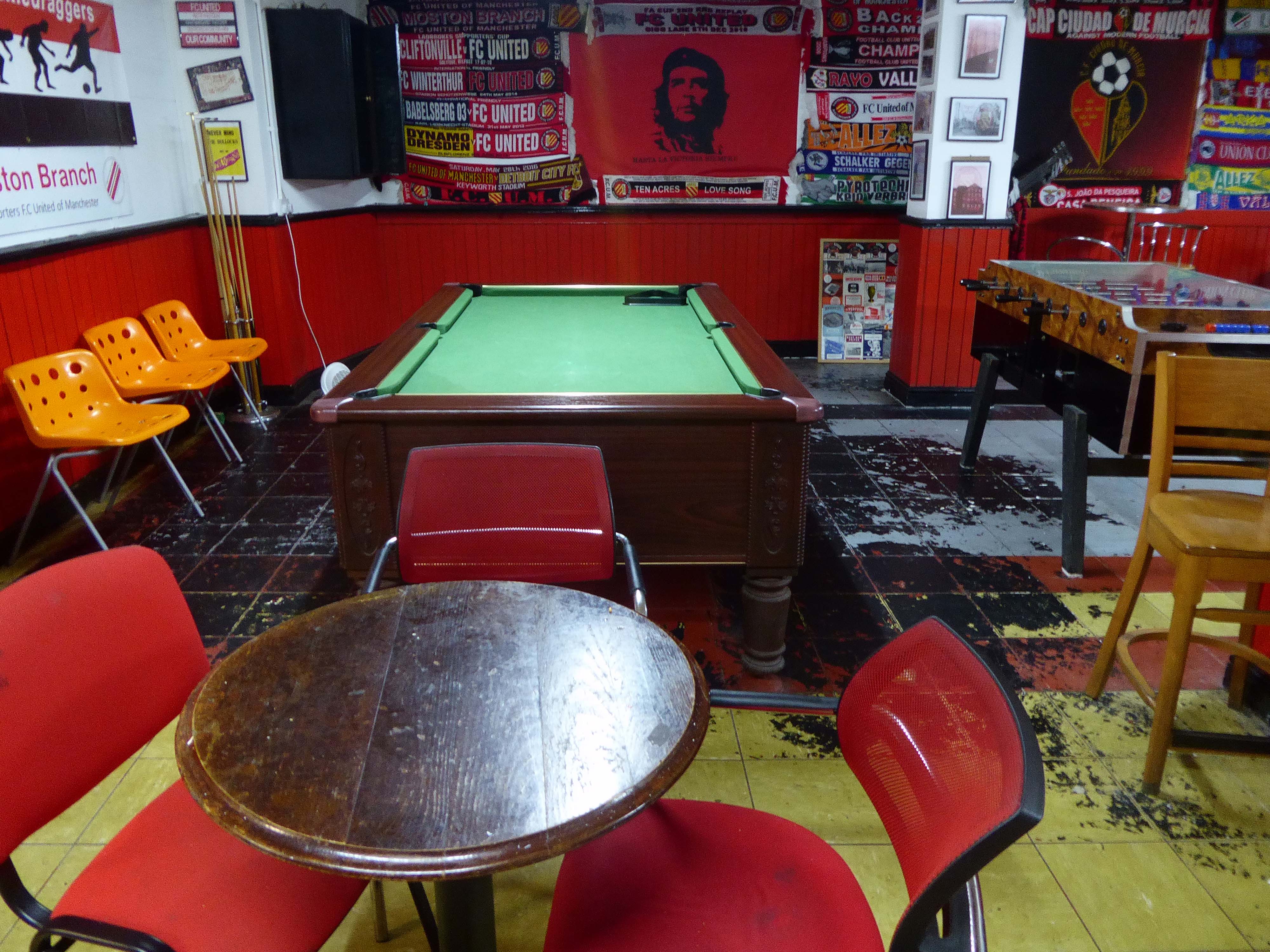
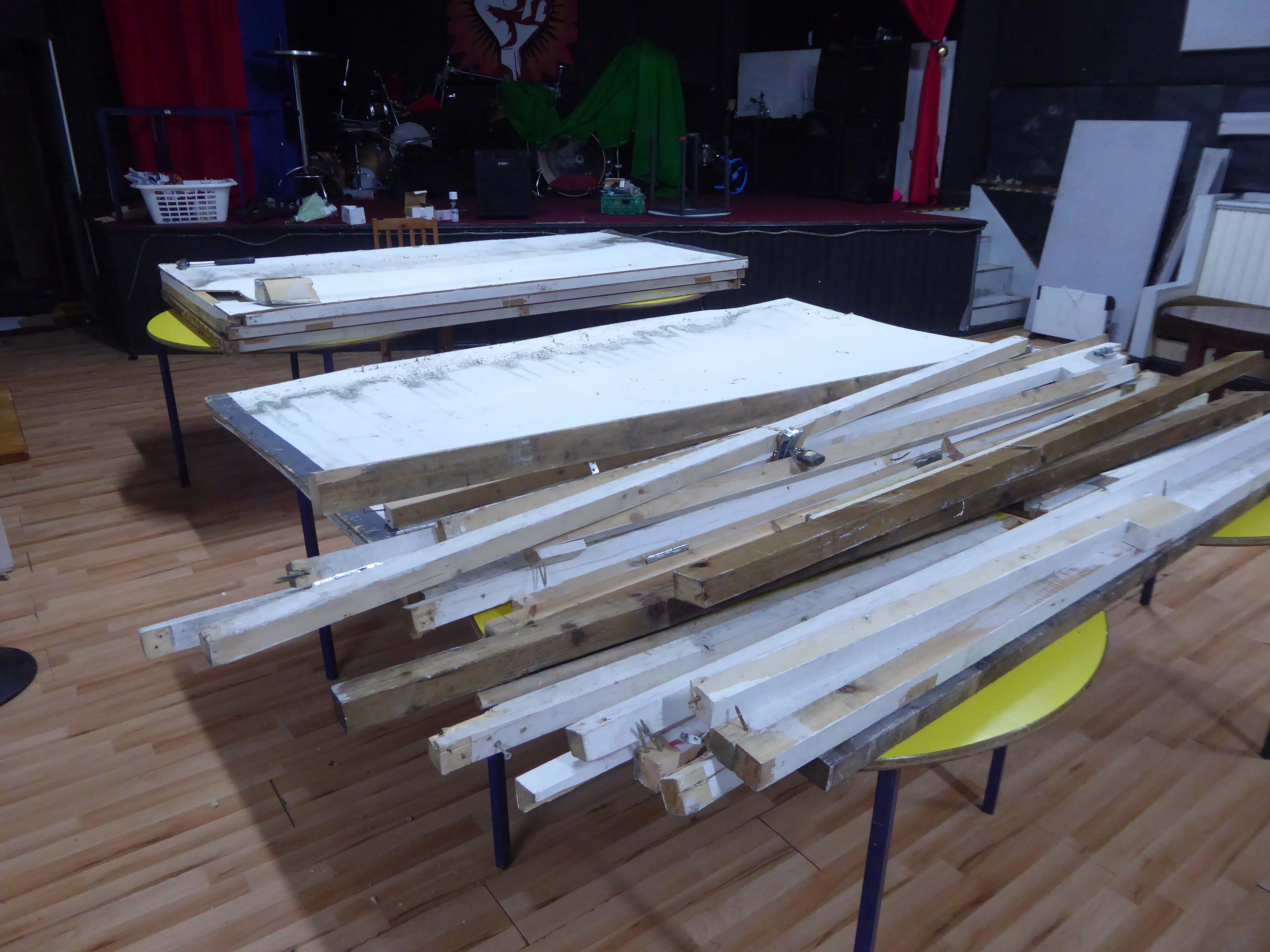
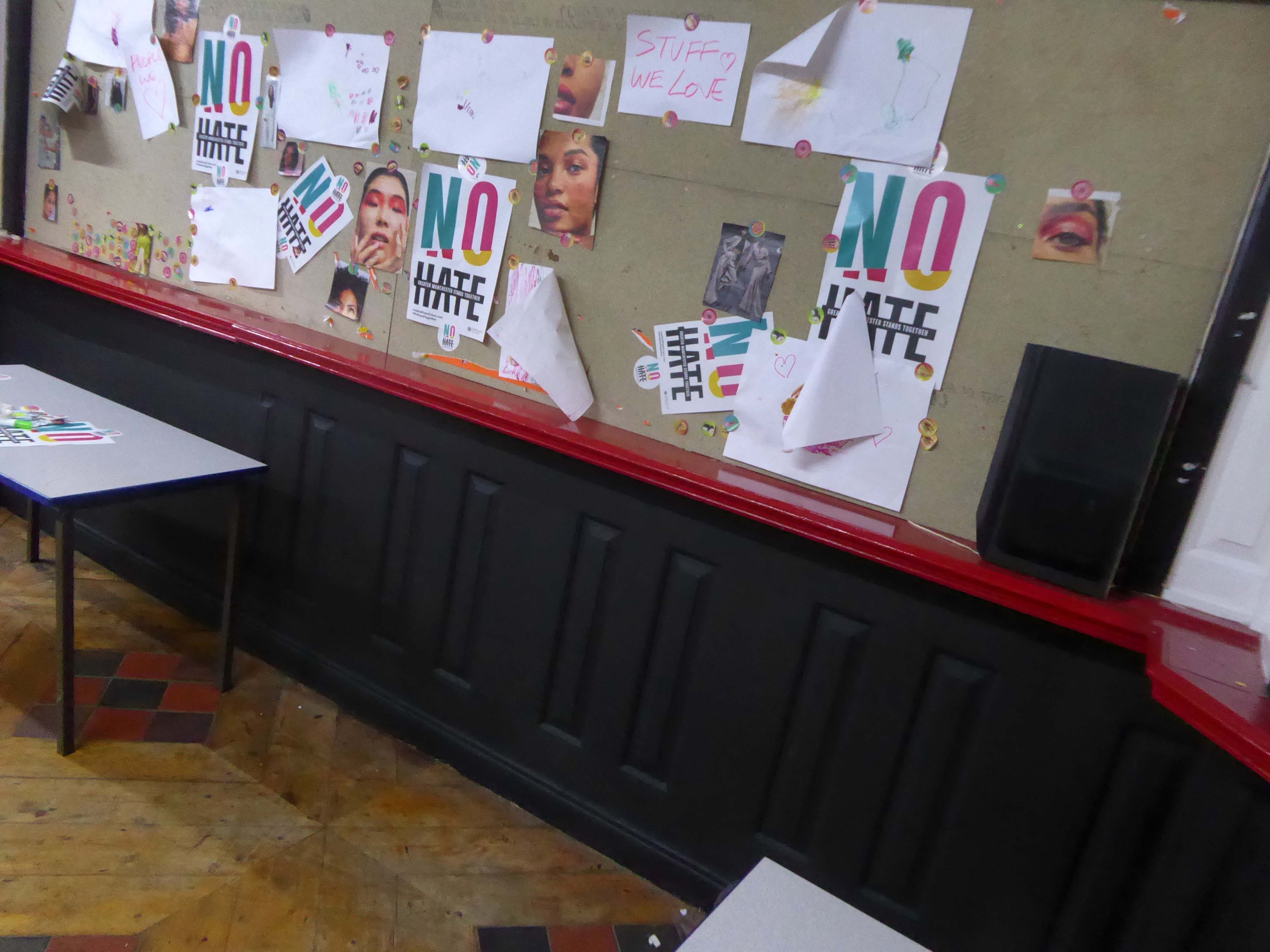
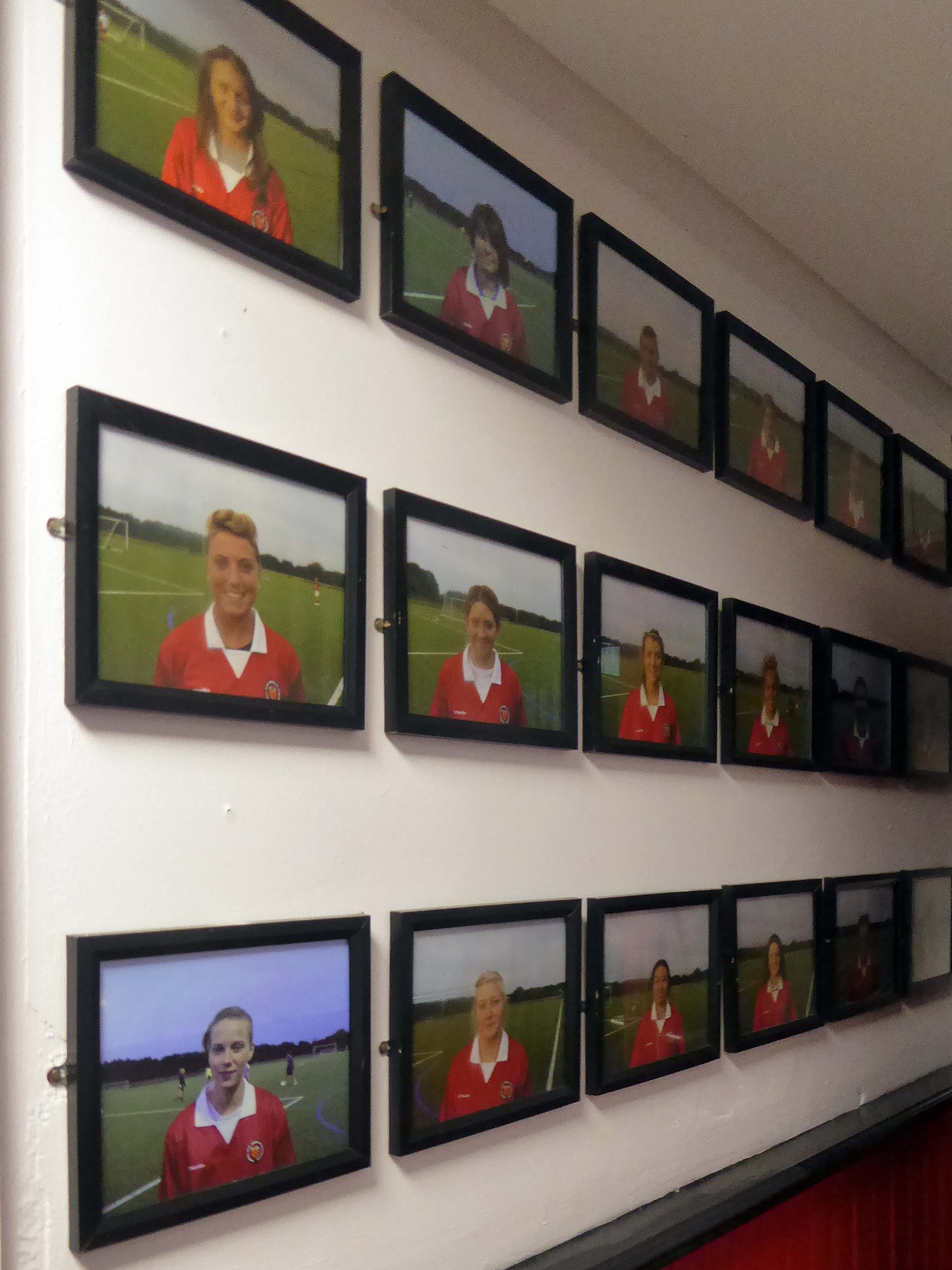
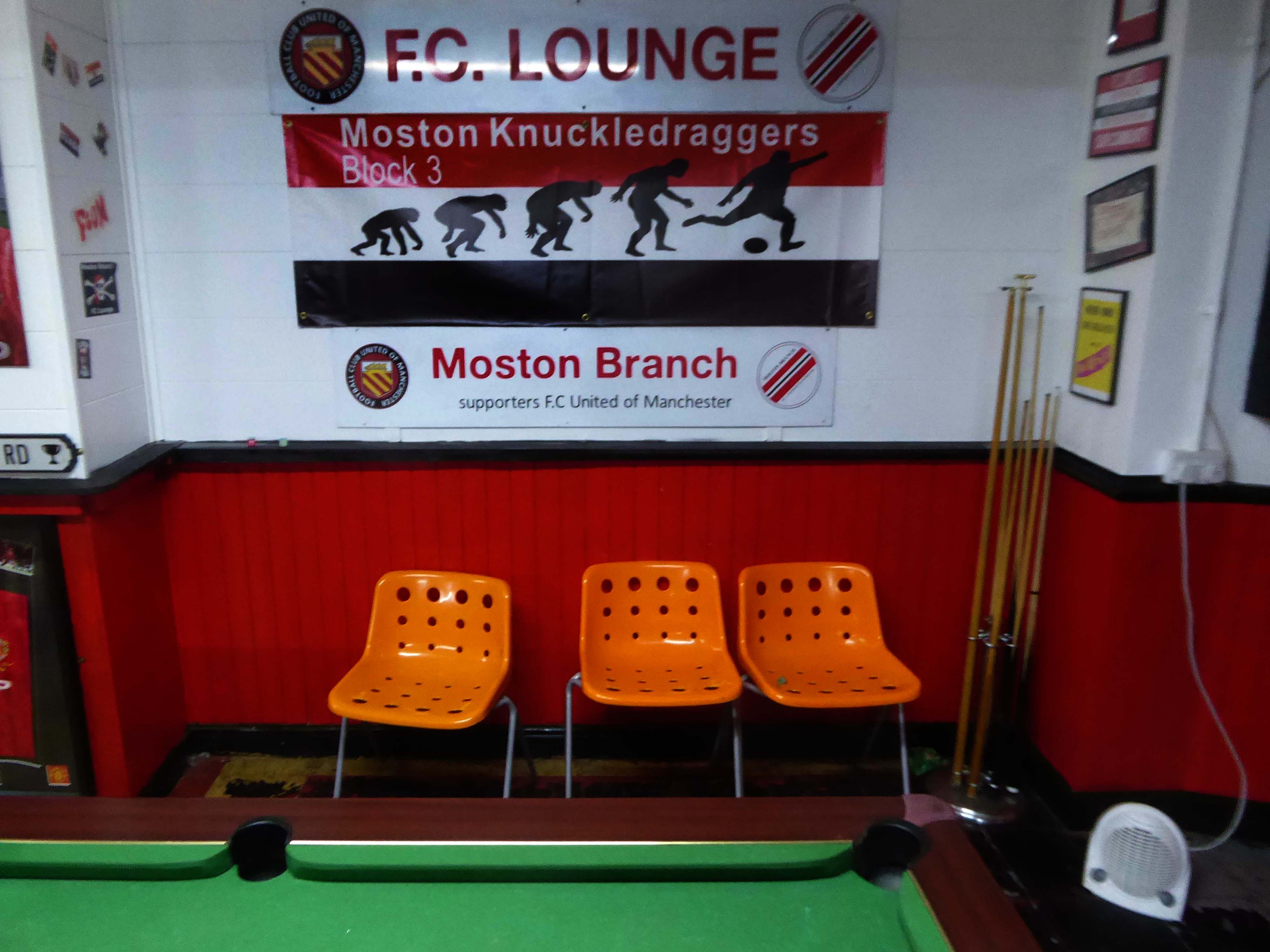
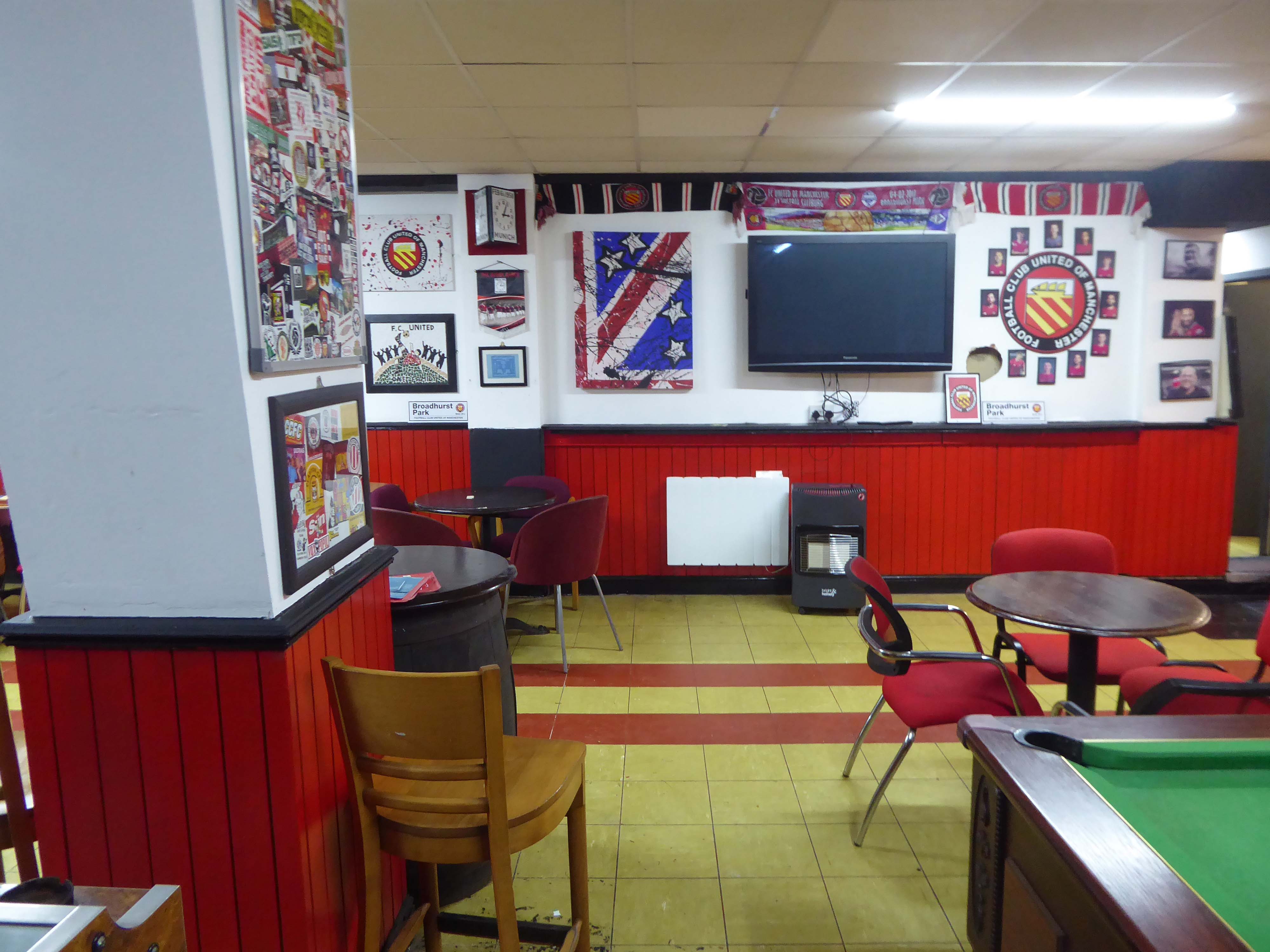
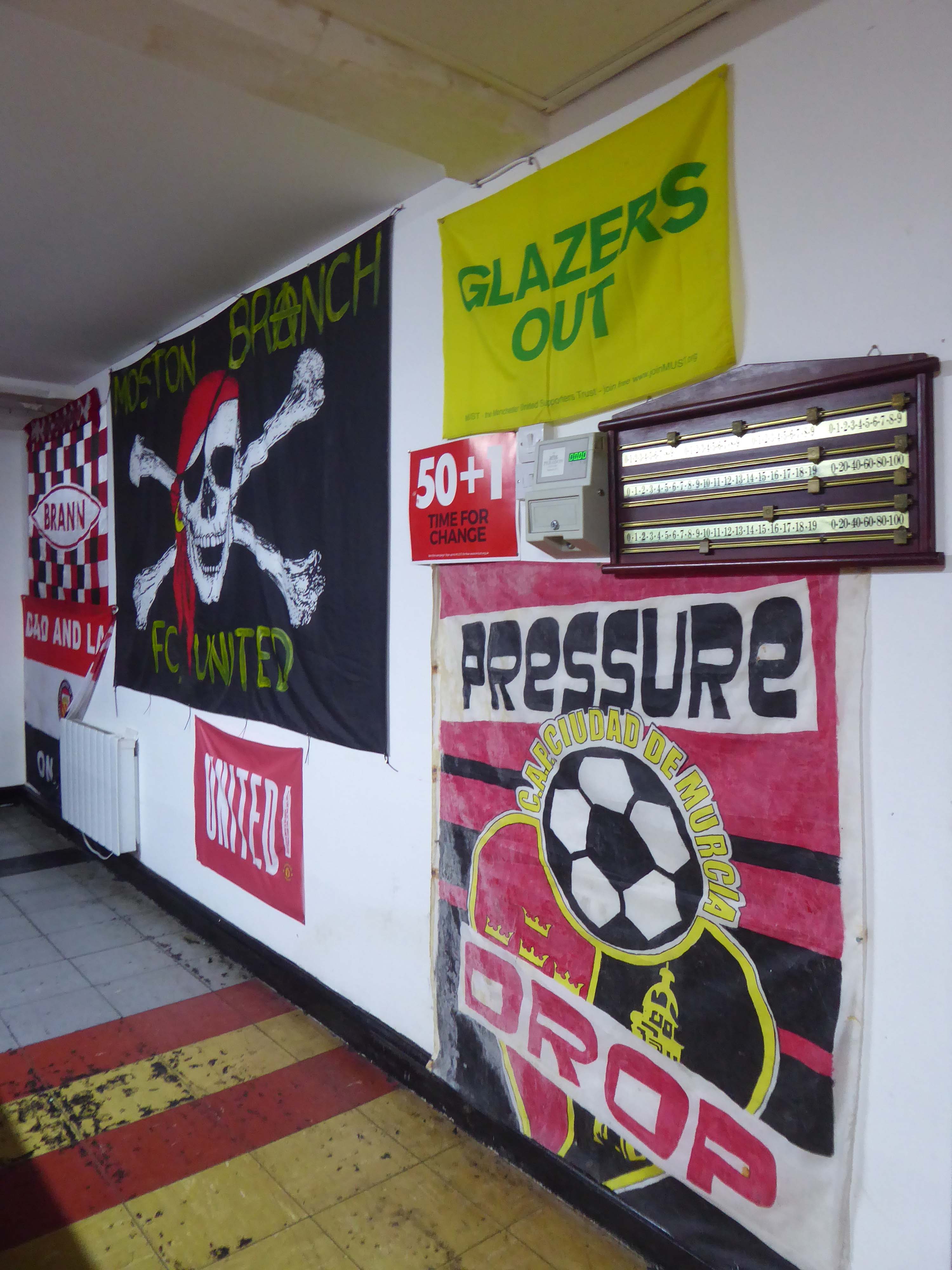
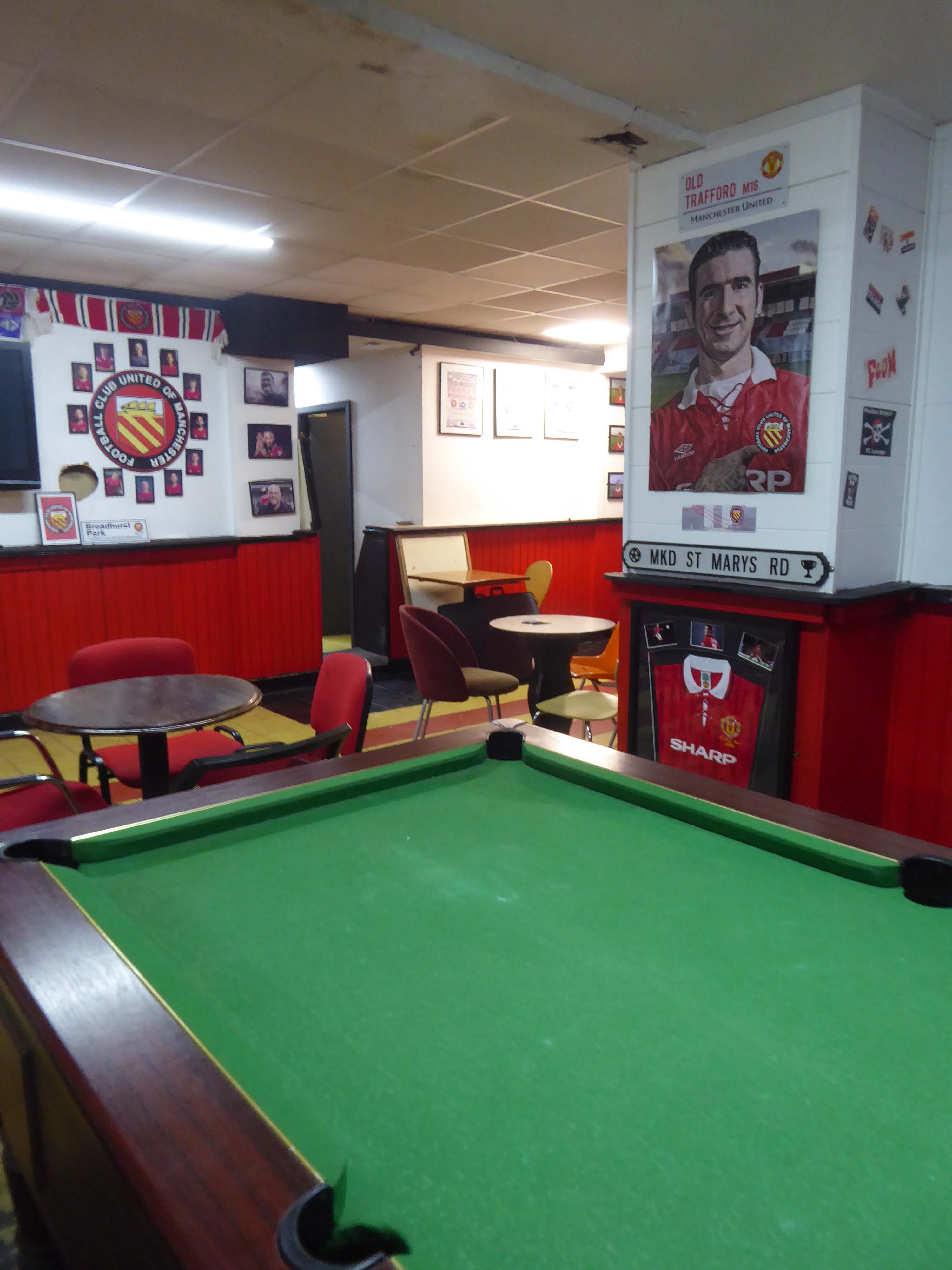
Work was underway for the current Art Show and evidence of the club’s affable affiliation with FC Unitedof Manchester, along with the results of the previous week’s art activities for the local youngsters.
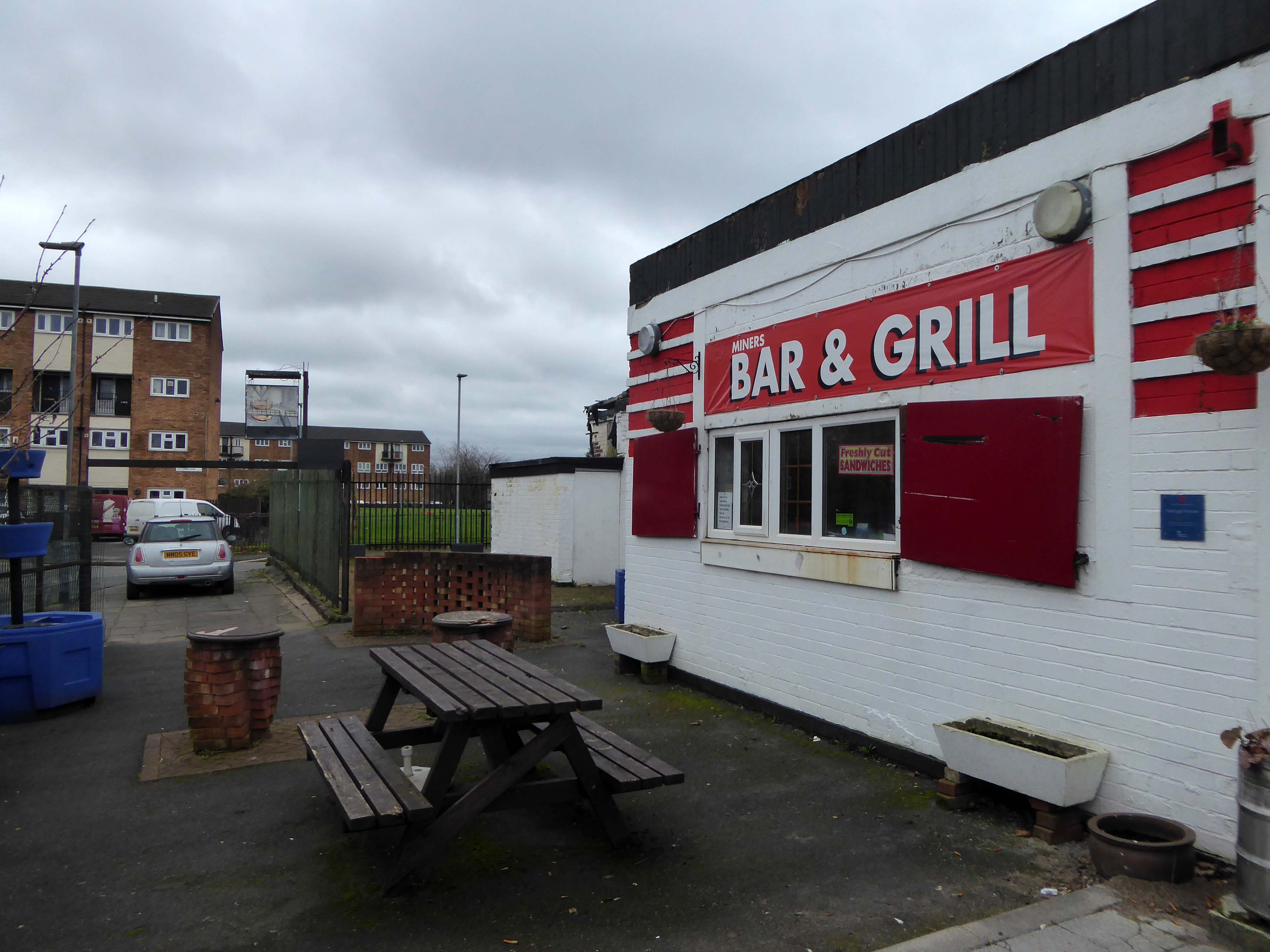
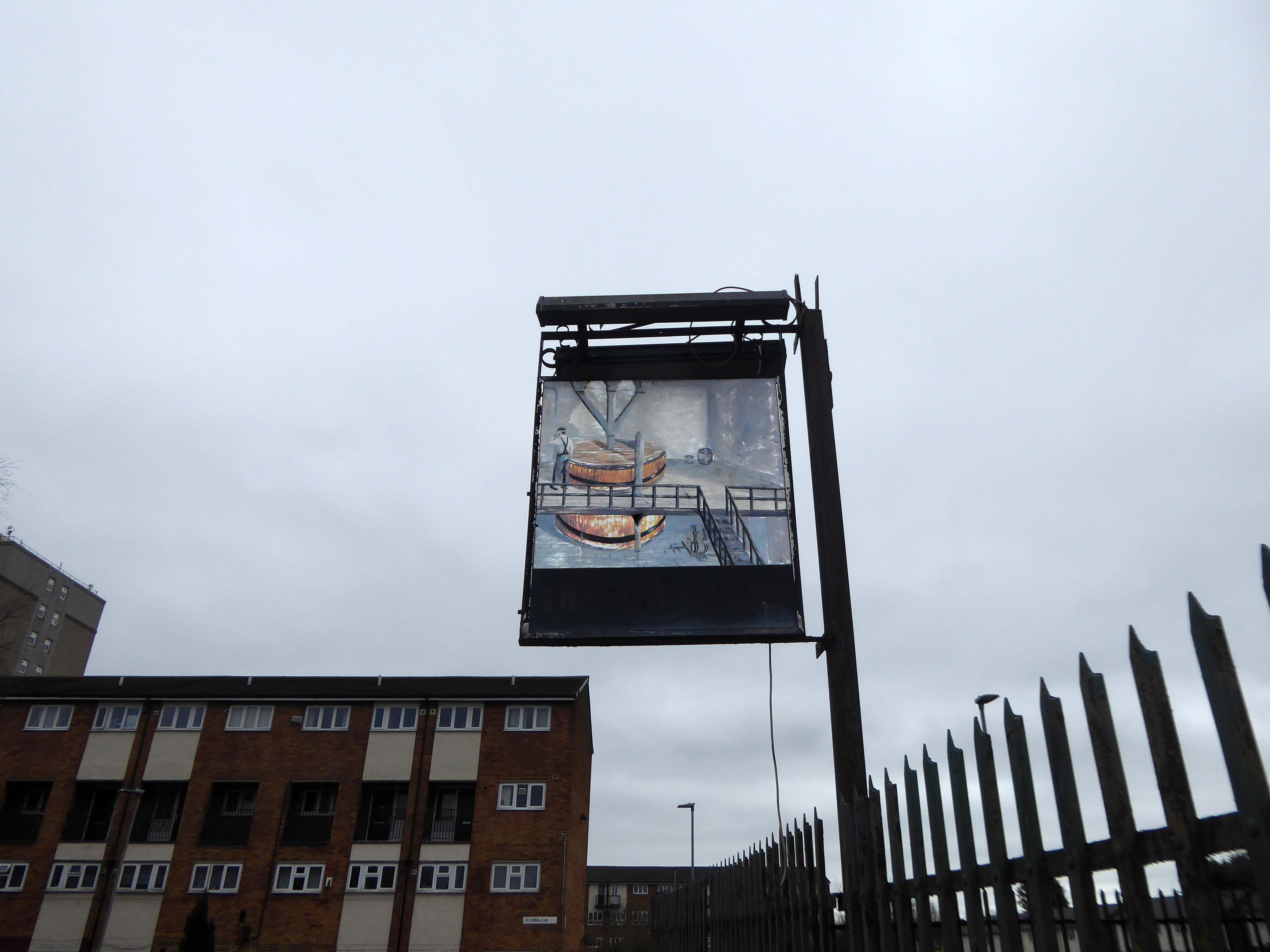
Let’s take a look around outside and in.
Keep an eye and ear out for forthcoming events – get y’self up there soon!
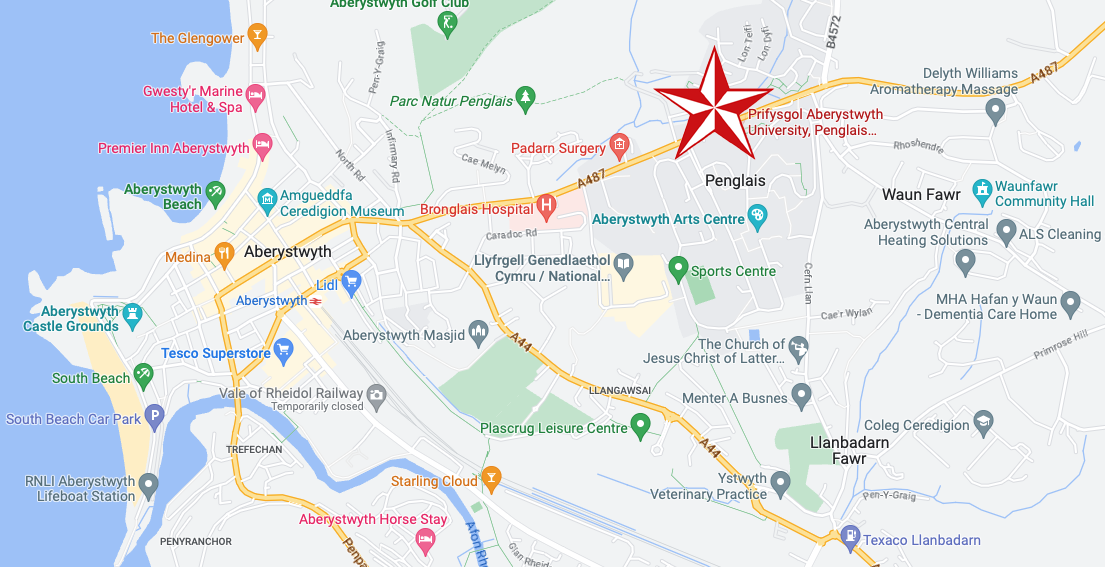
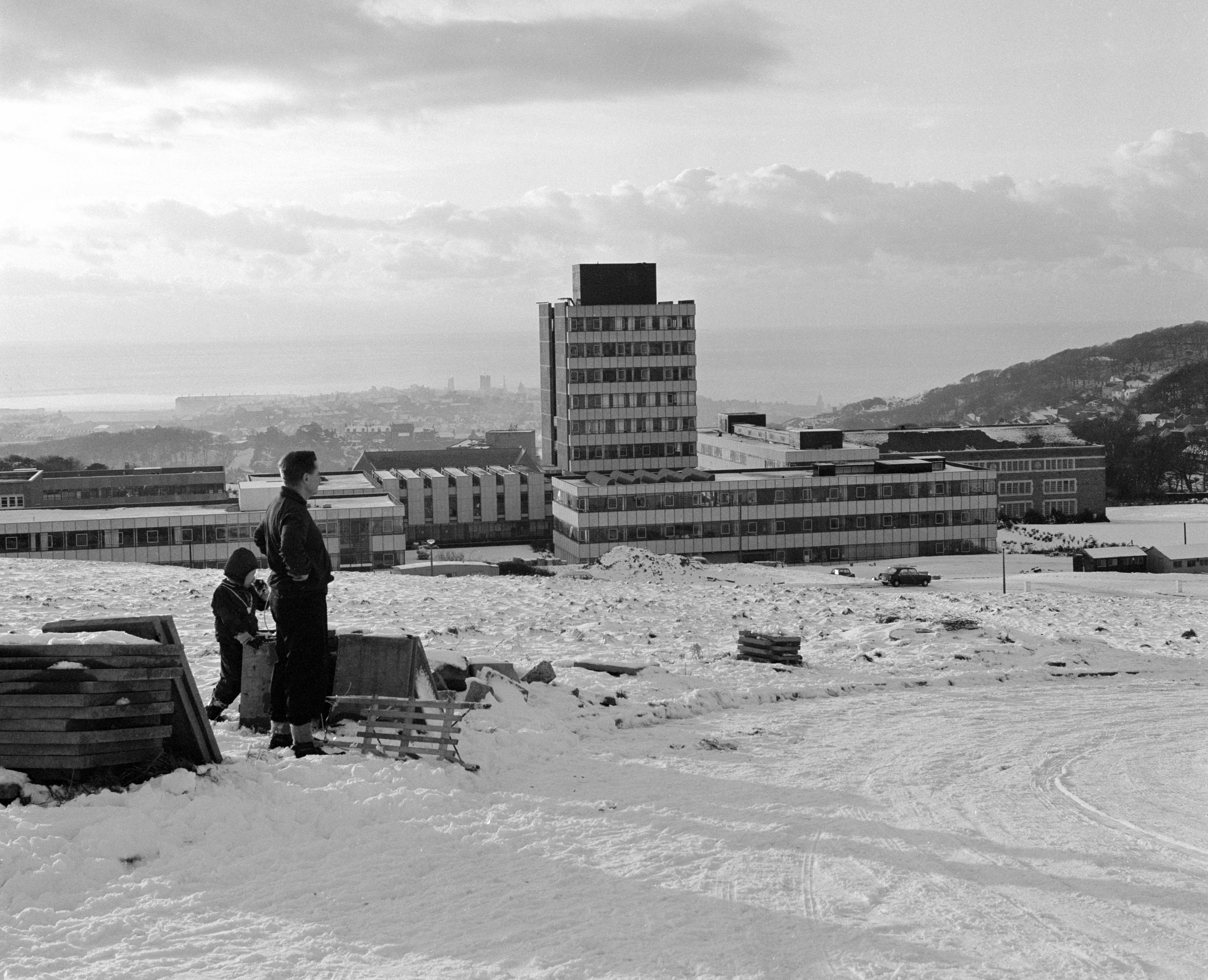
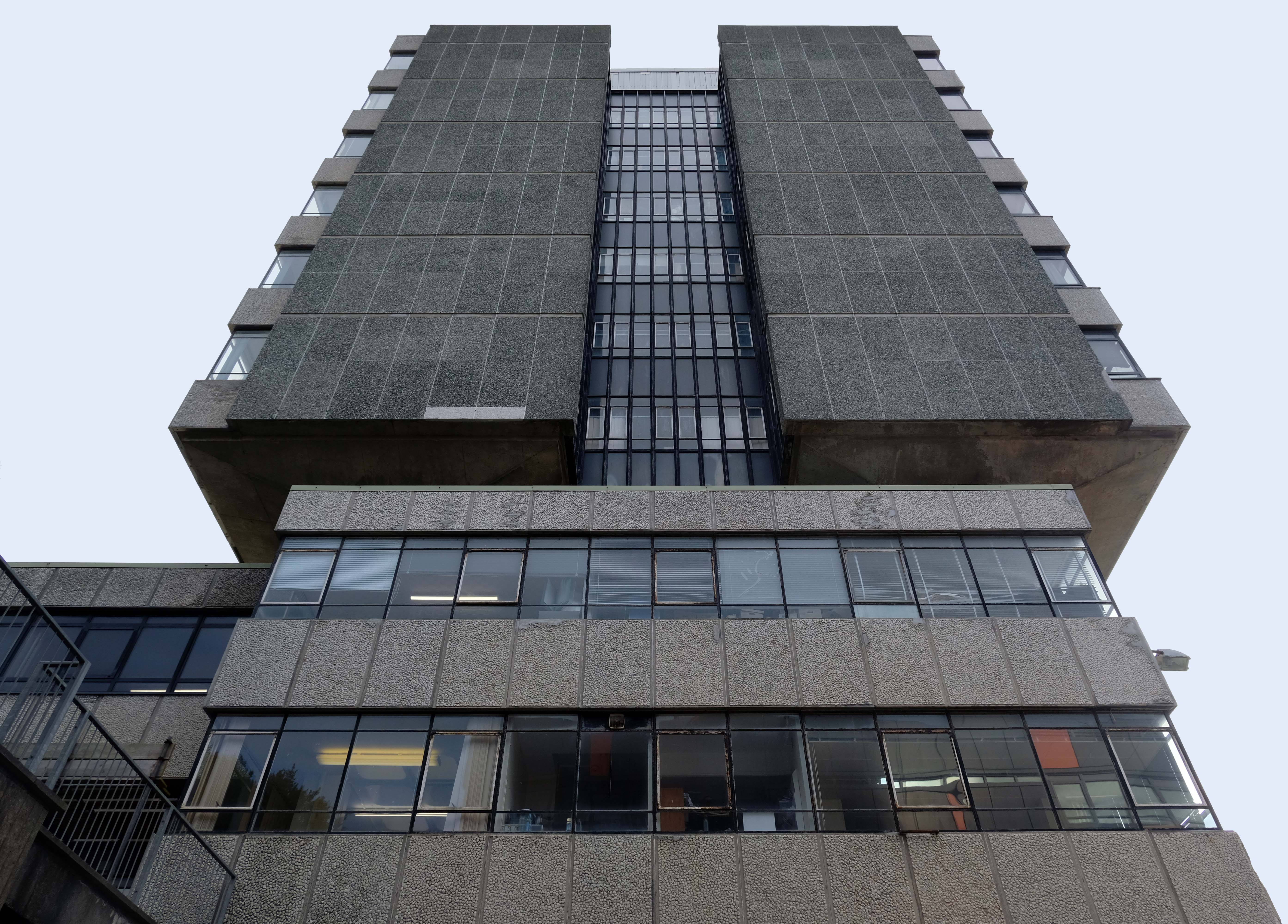
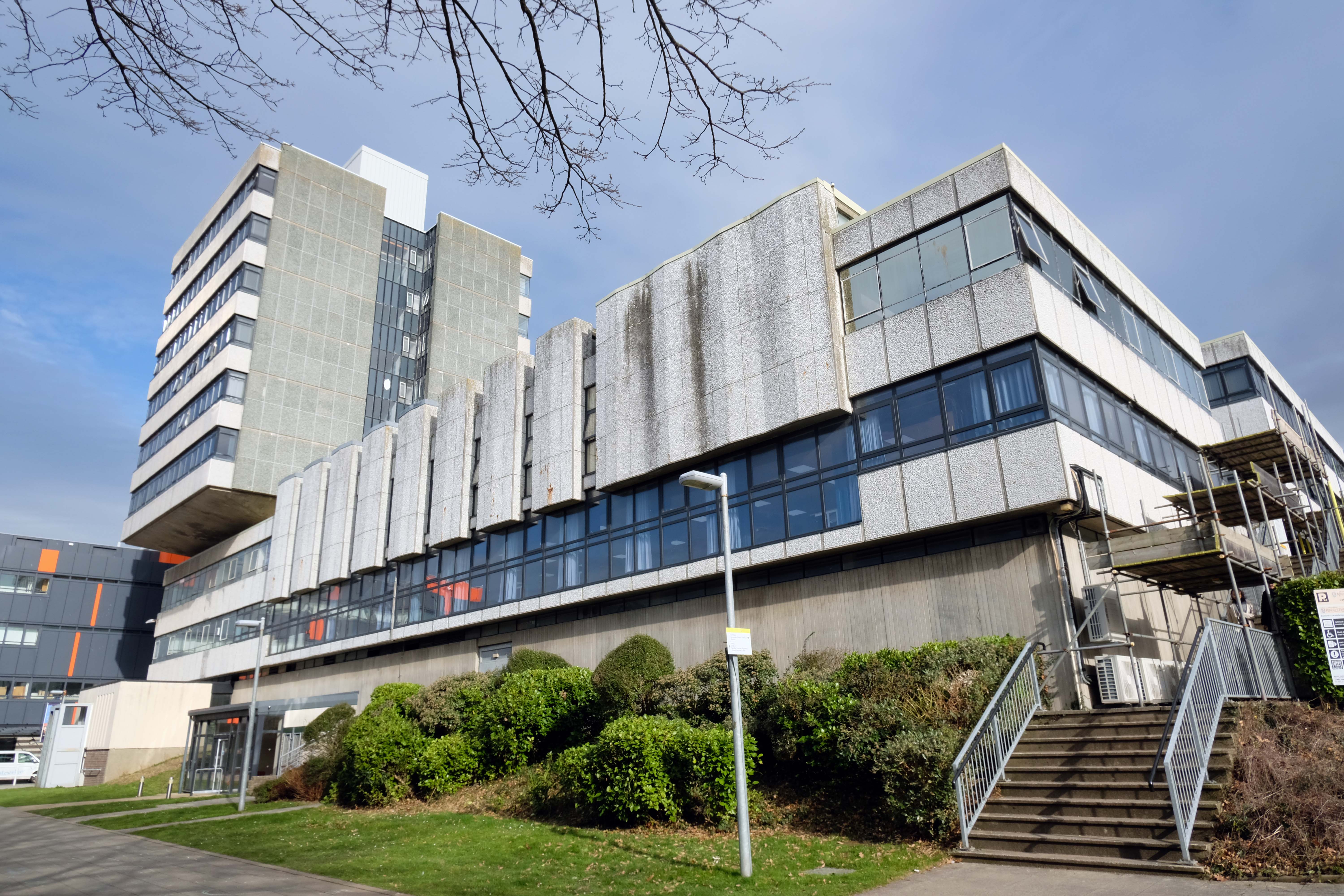
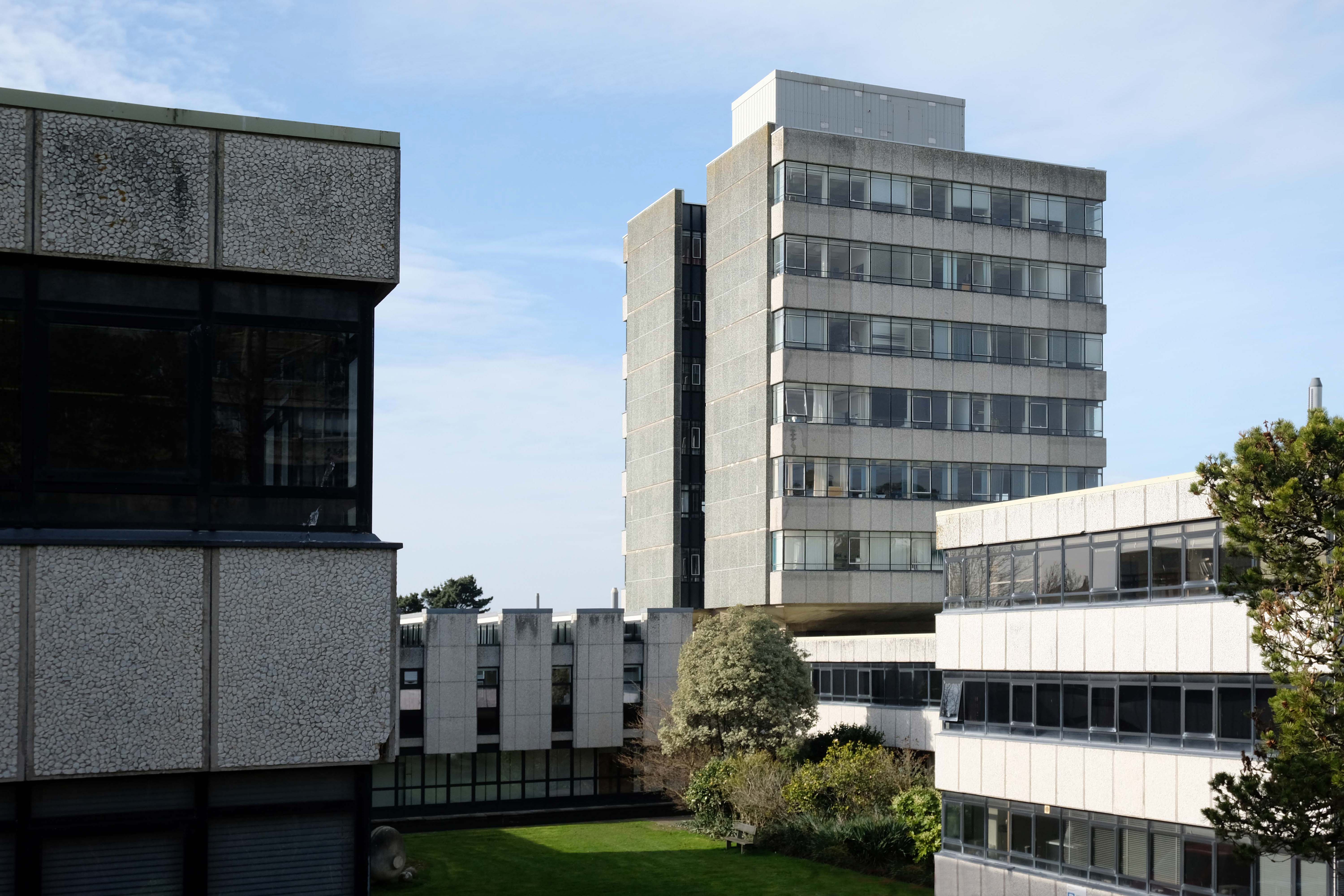
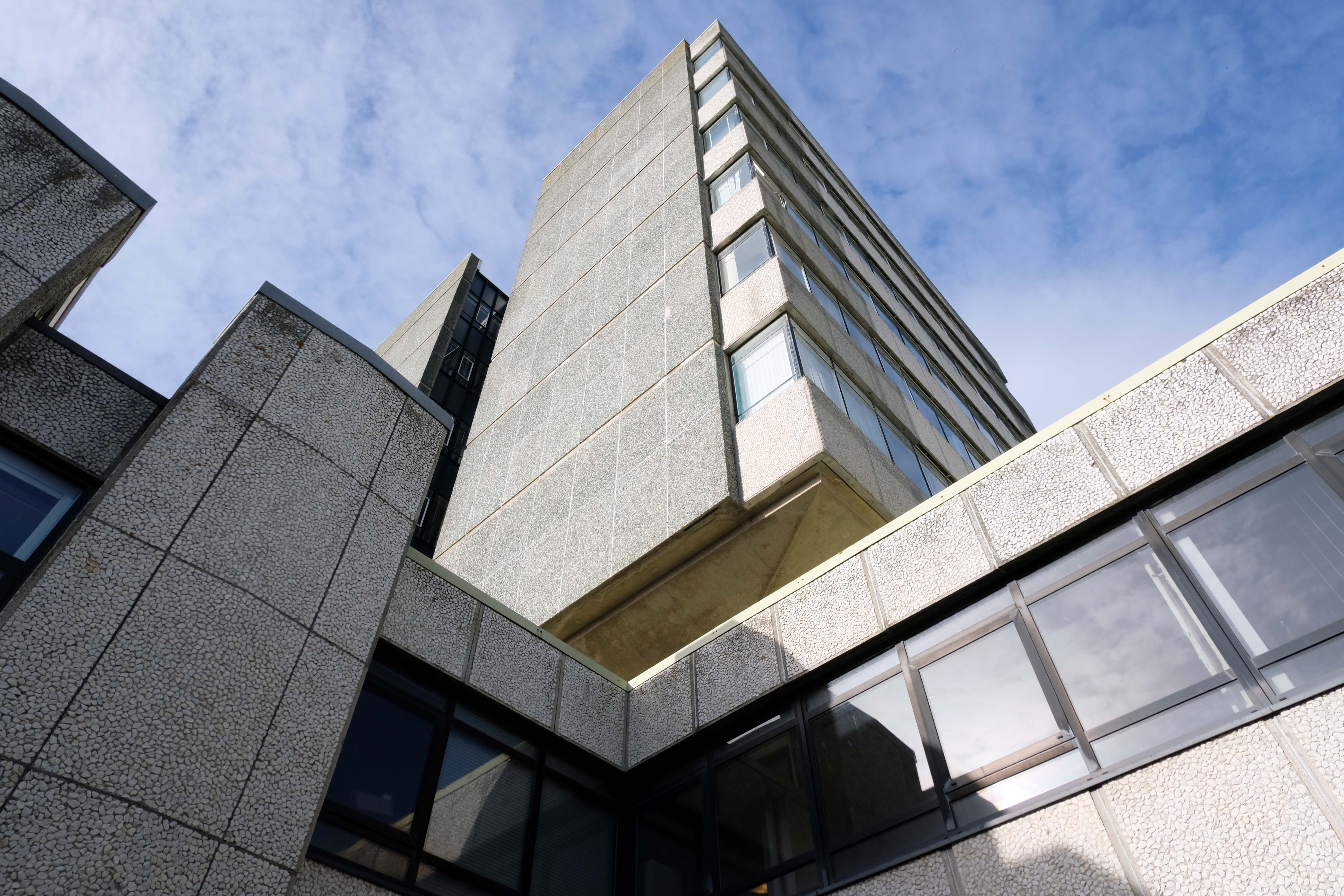
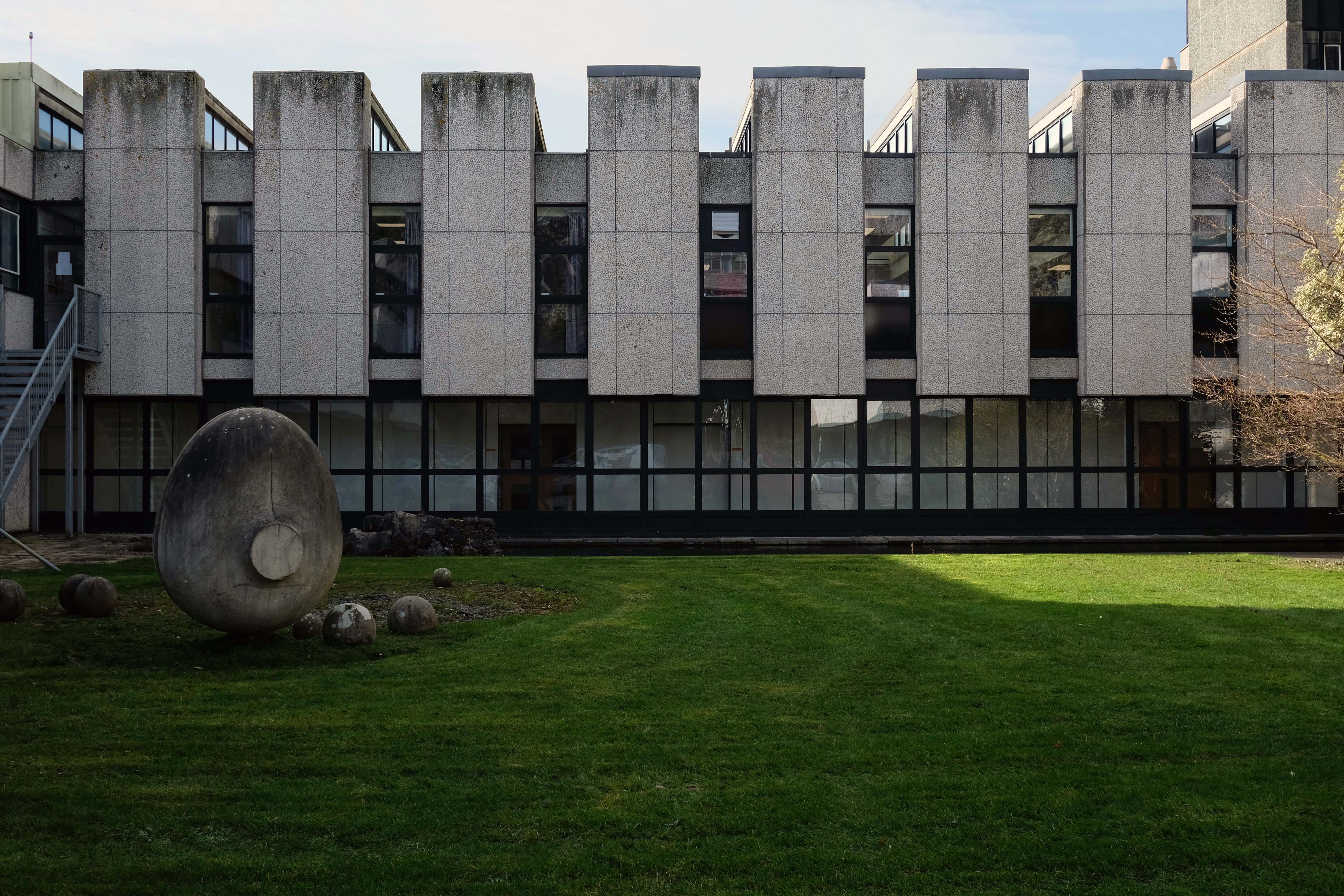
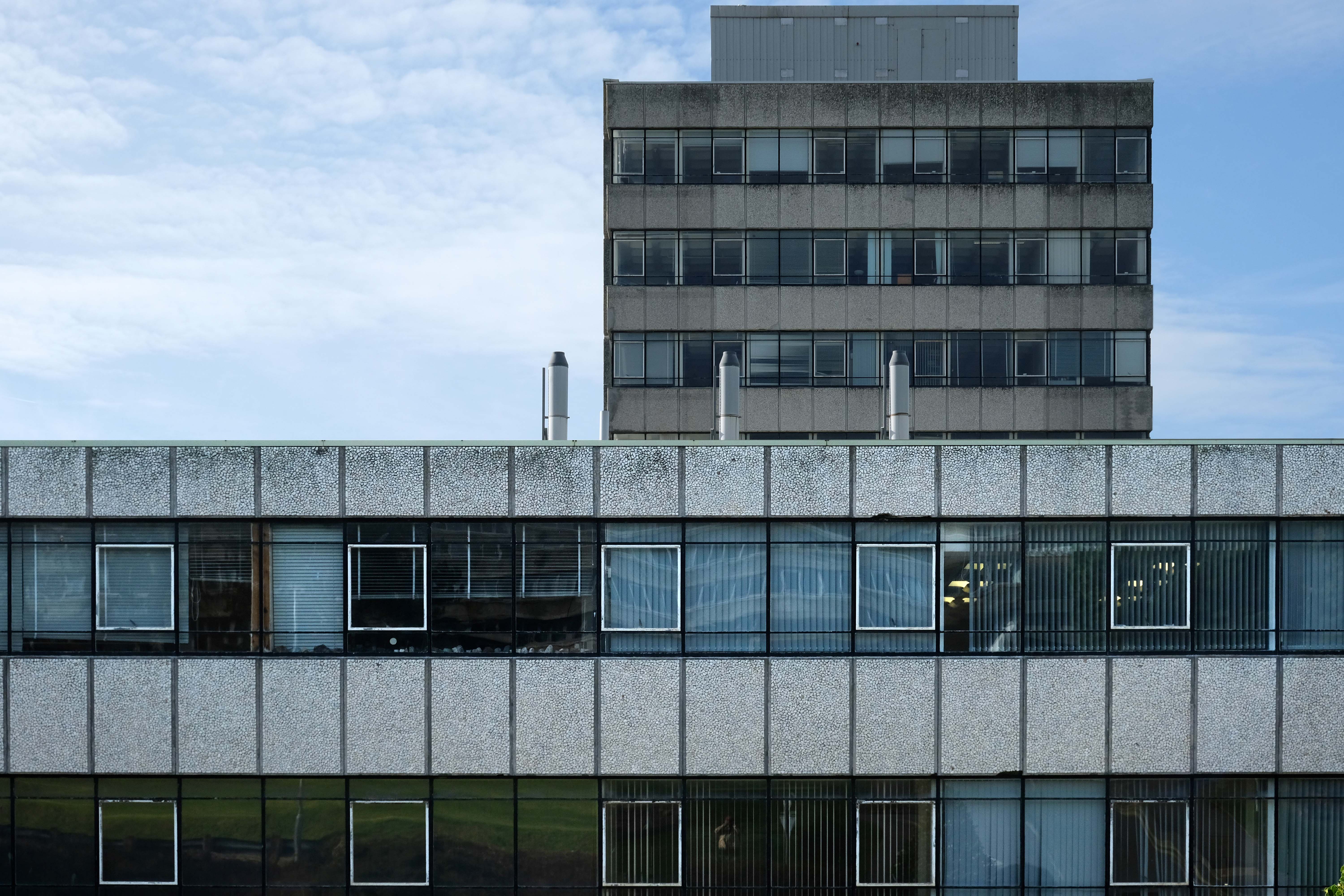
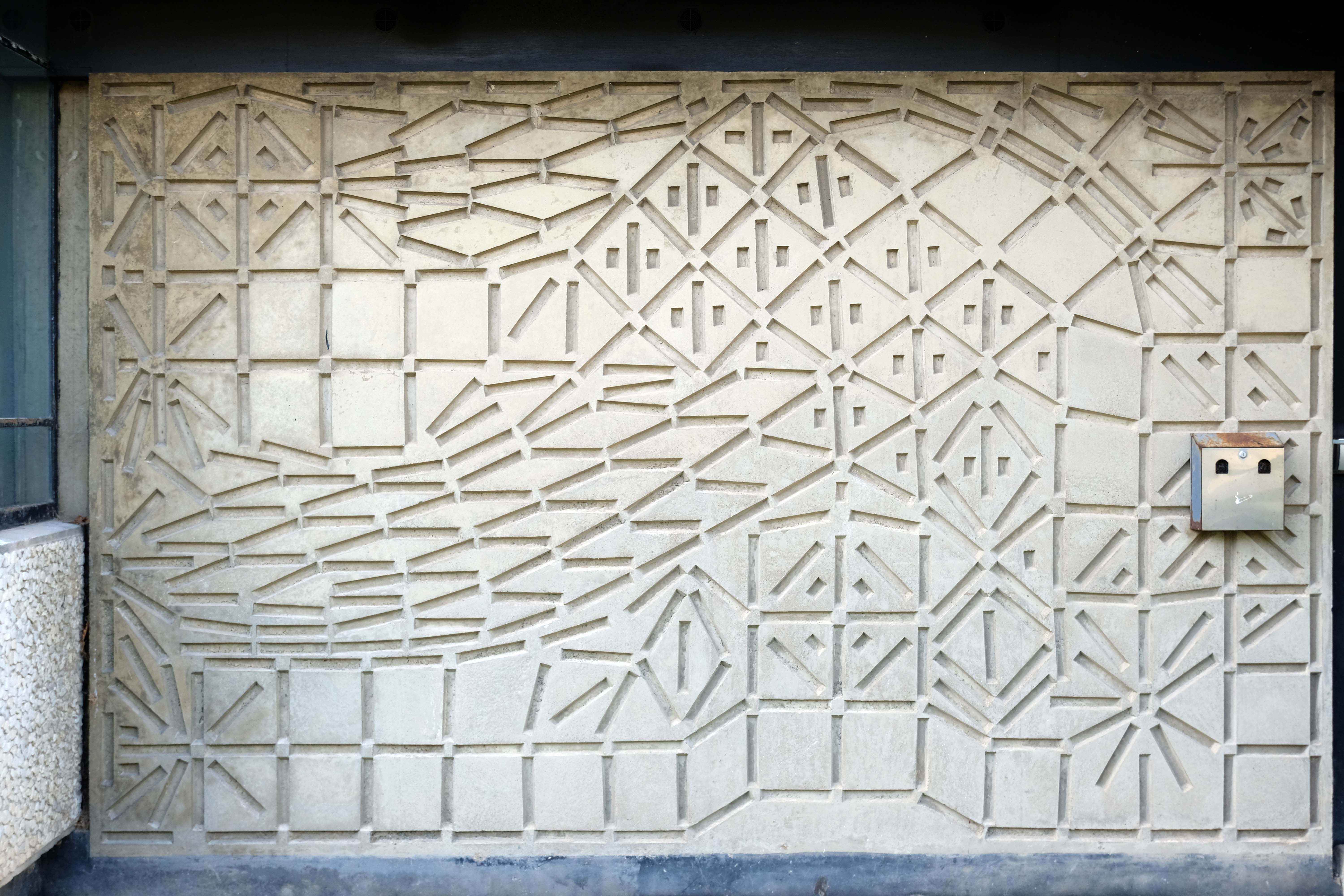
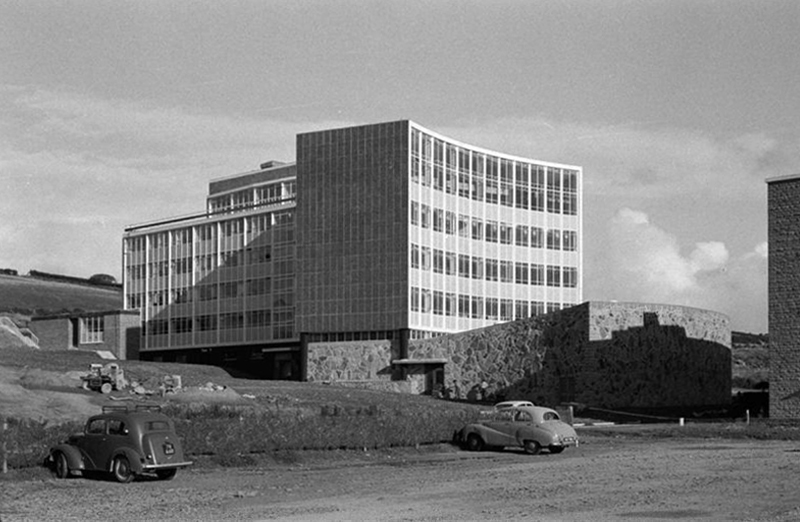
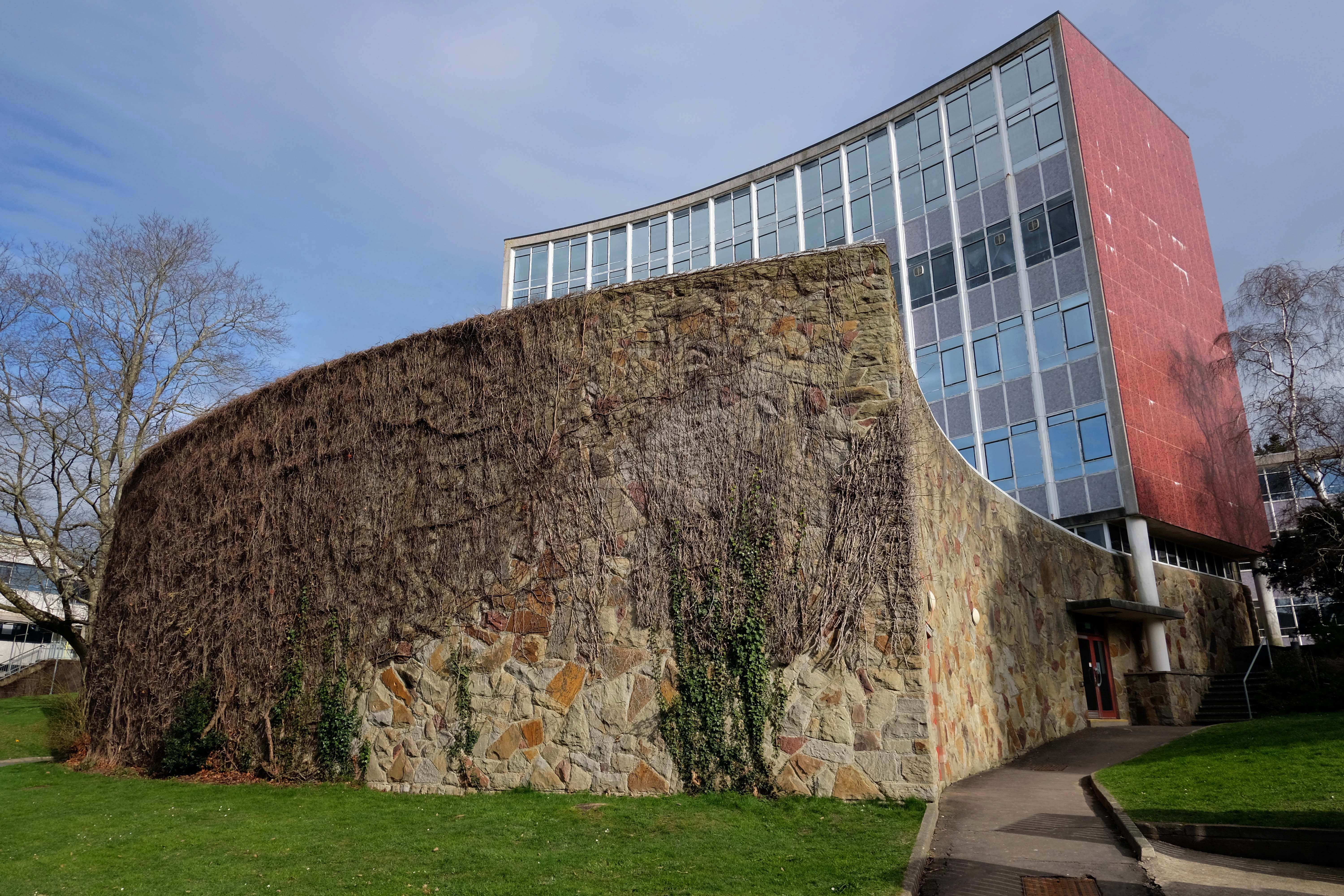
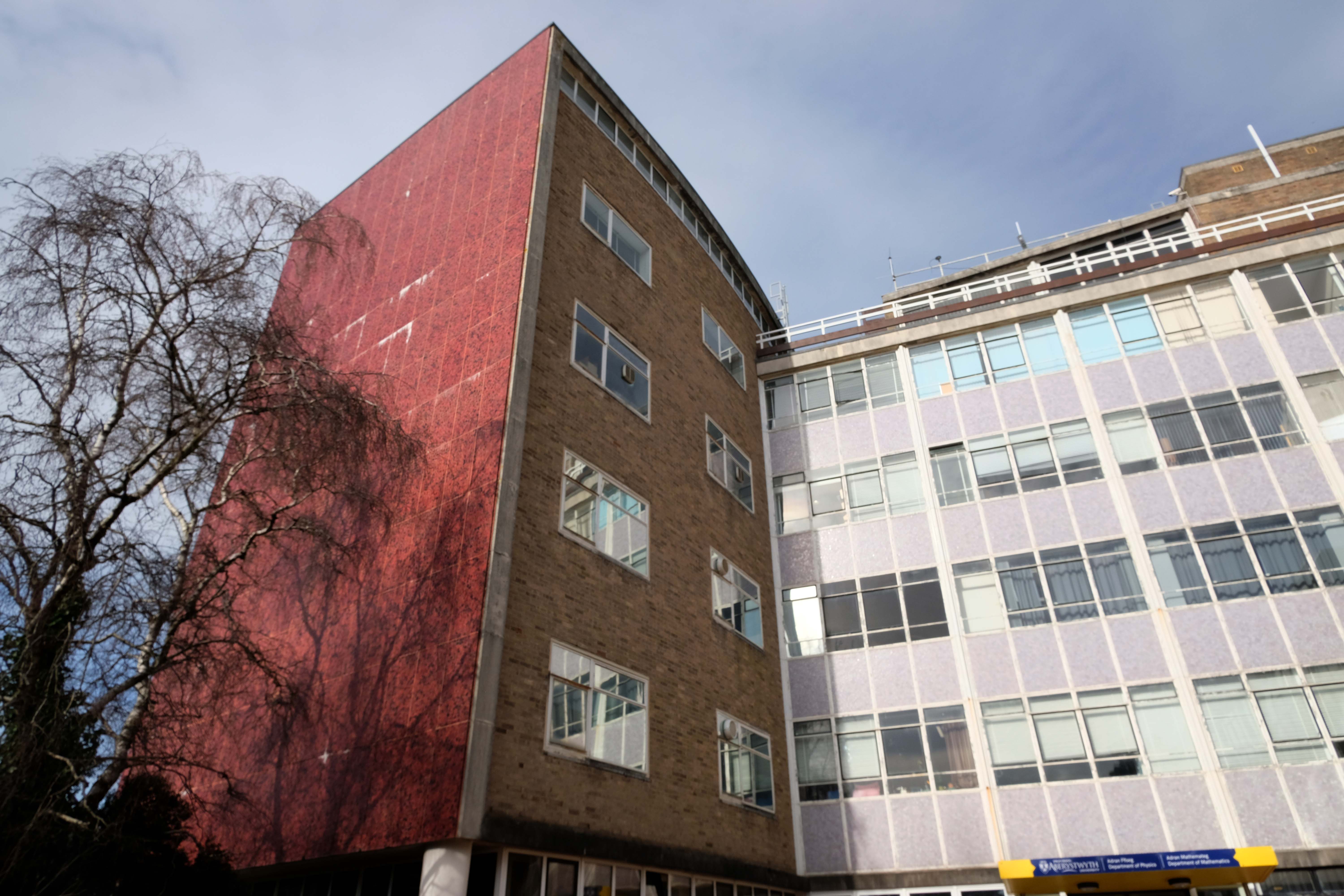
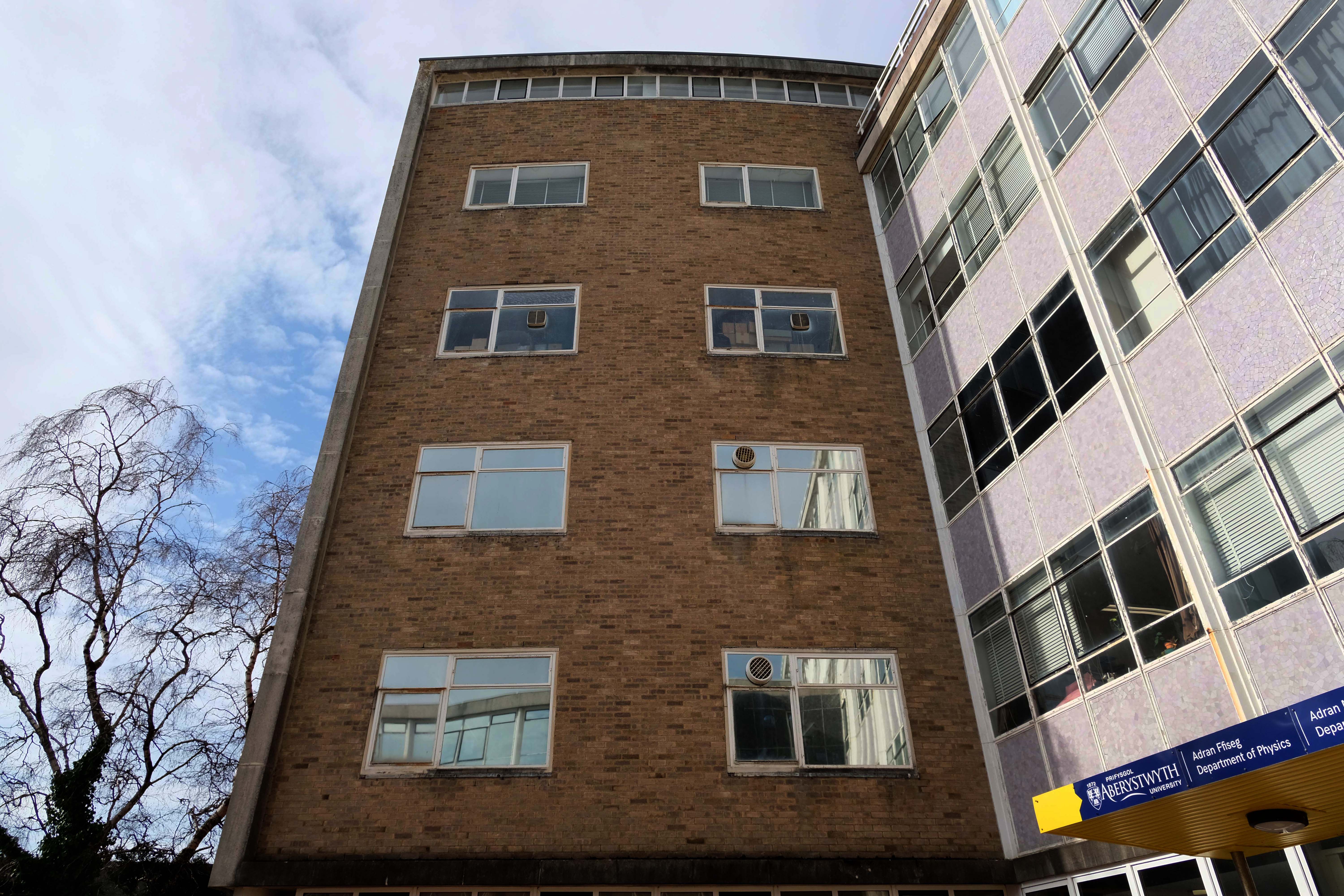
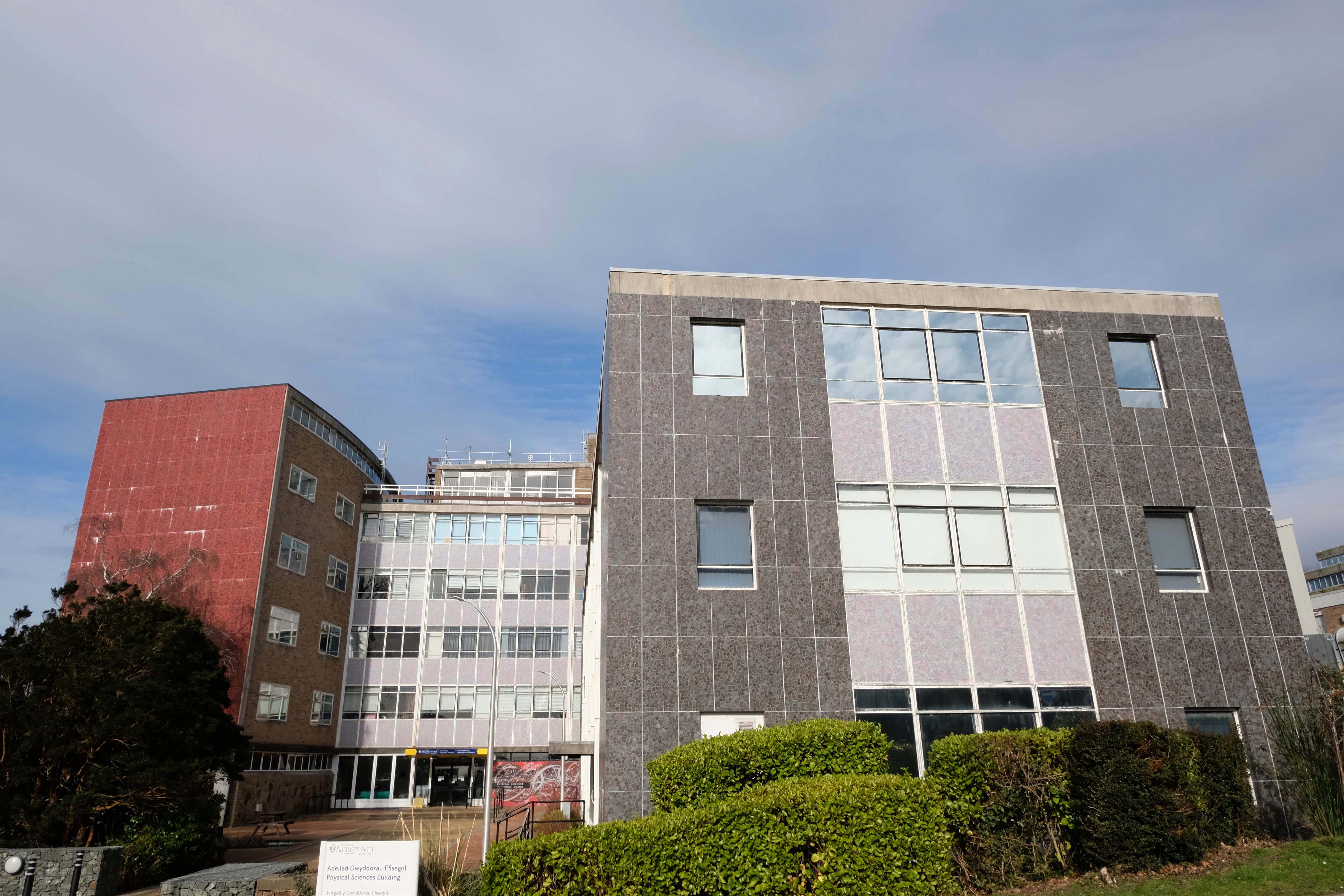
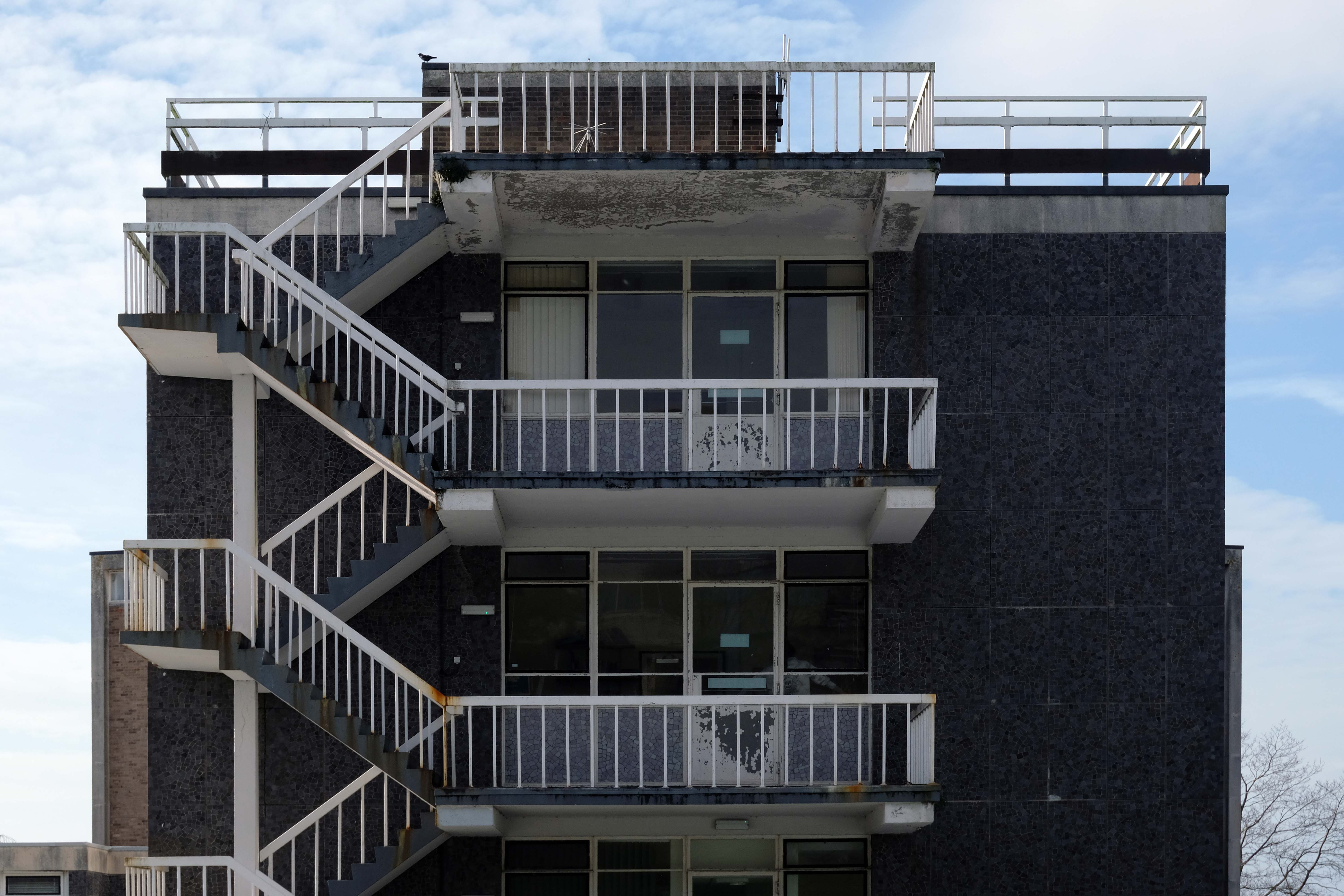
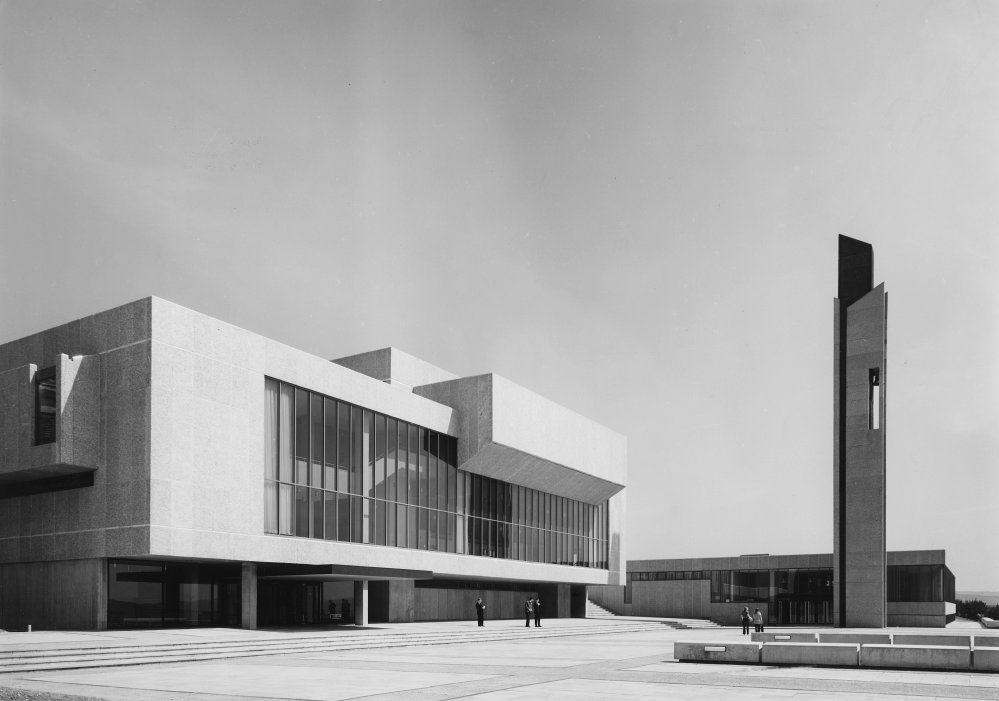
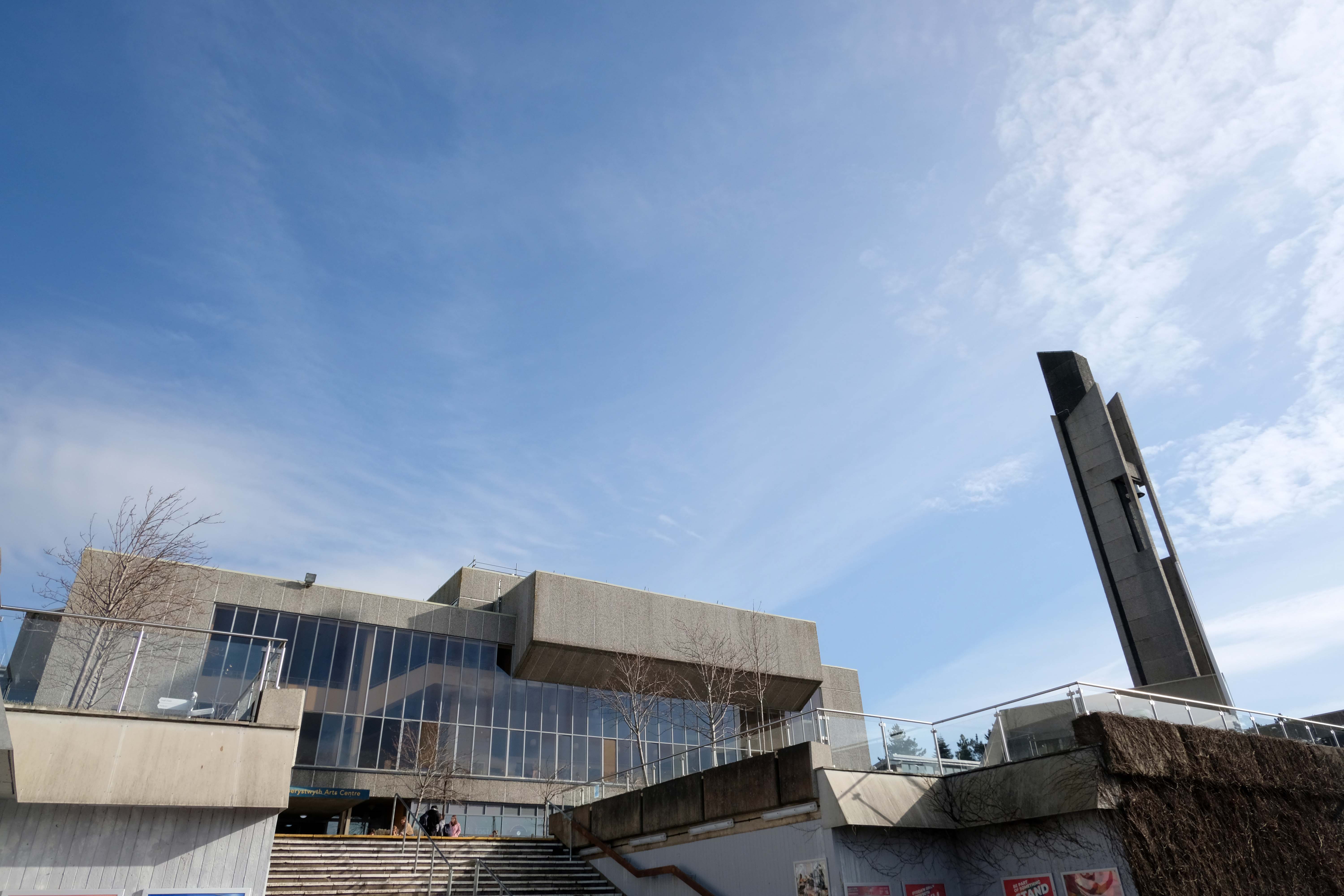
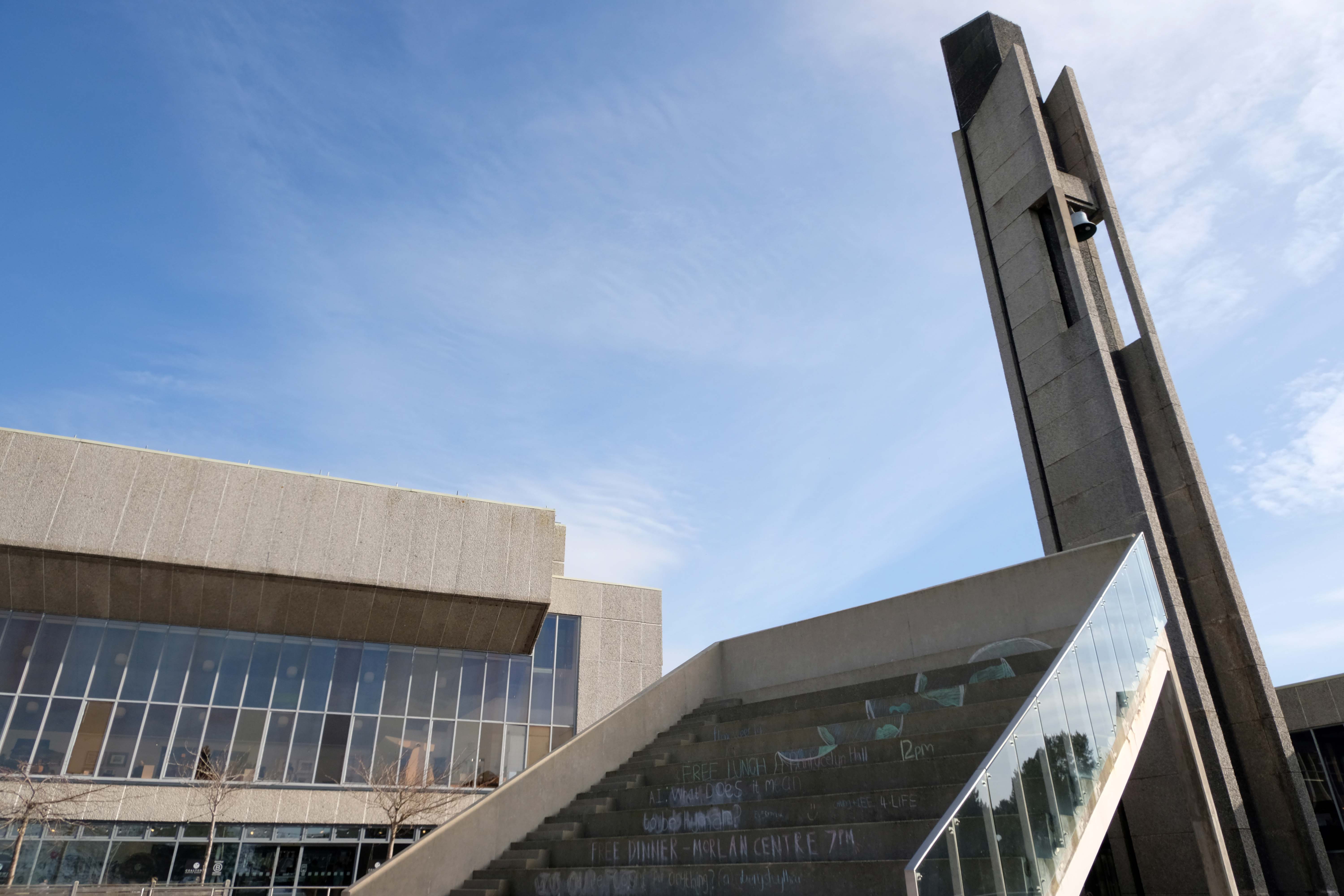
Prifysgol Aberystwyth University – Penglais CampusSY23 3AH
Led by London Welshman Hugh Owen, a small group of patriots sought from the 1850s onwards to raise enough money by public and private subscription to establish a college of university status in Wales. A project of enormous ambition, the University opened its doors in 1872 initially with a handful of teachers and just twenty five students in what was then a half-finished hotel building – the Old College on the seafront.
The first decade presented many challenges for the University’s survival. The generosity of a few individual benefactors and organised appeals for support from the ordinary people of Wales kept the University in being, and, perhaps more importantly, deeply rooted it in the minds and the affection of the Welsh people. A matter of considerable pride is that the University has made a significant contribution to the education of women, being one of the first institutions to admit female students.
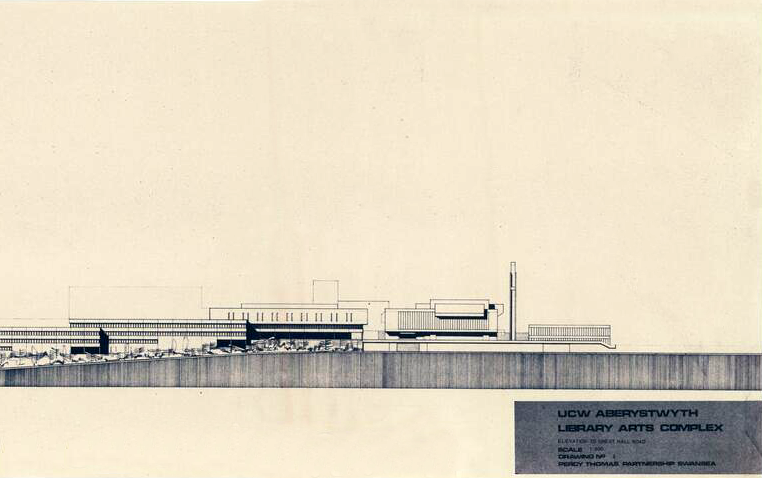
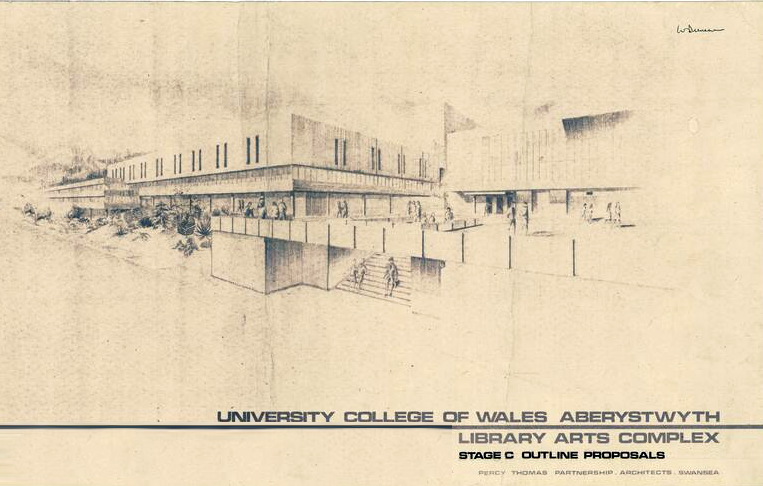
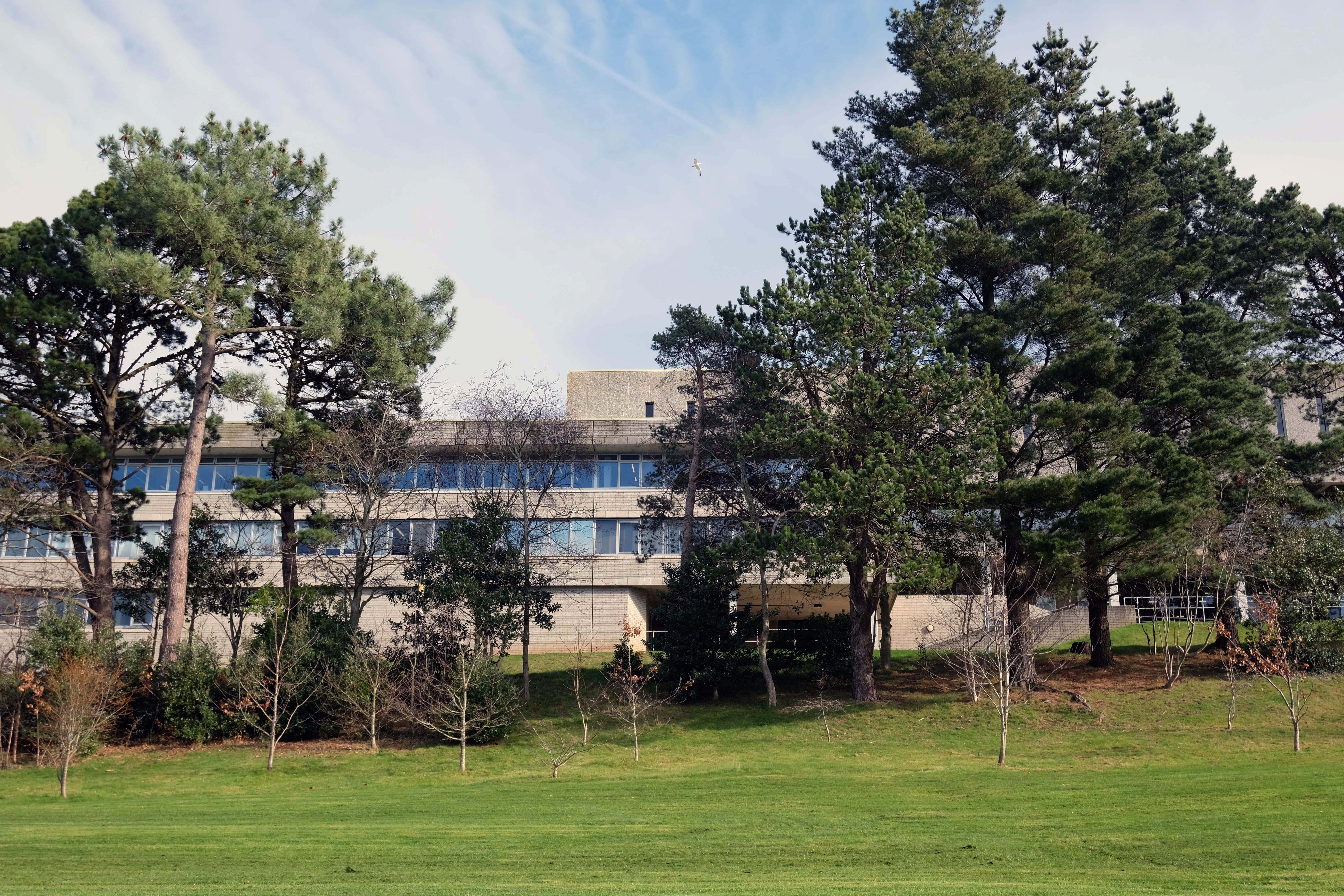
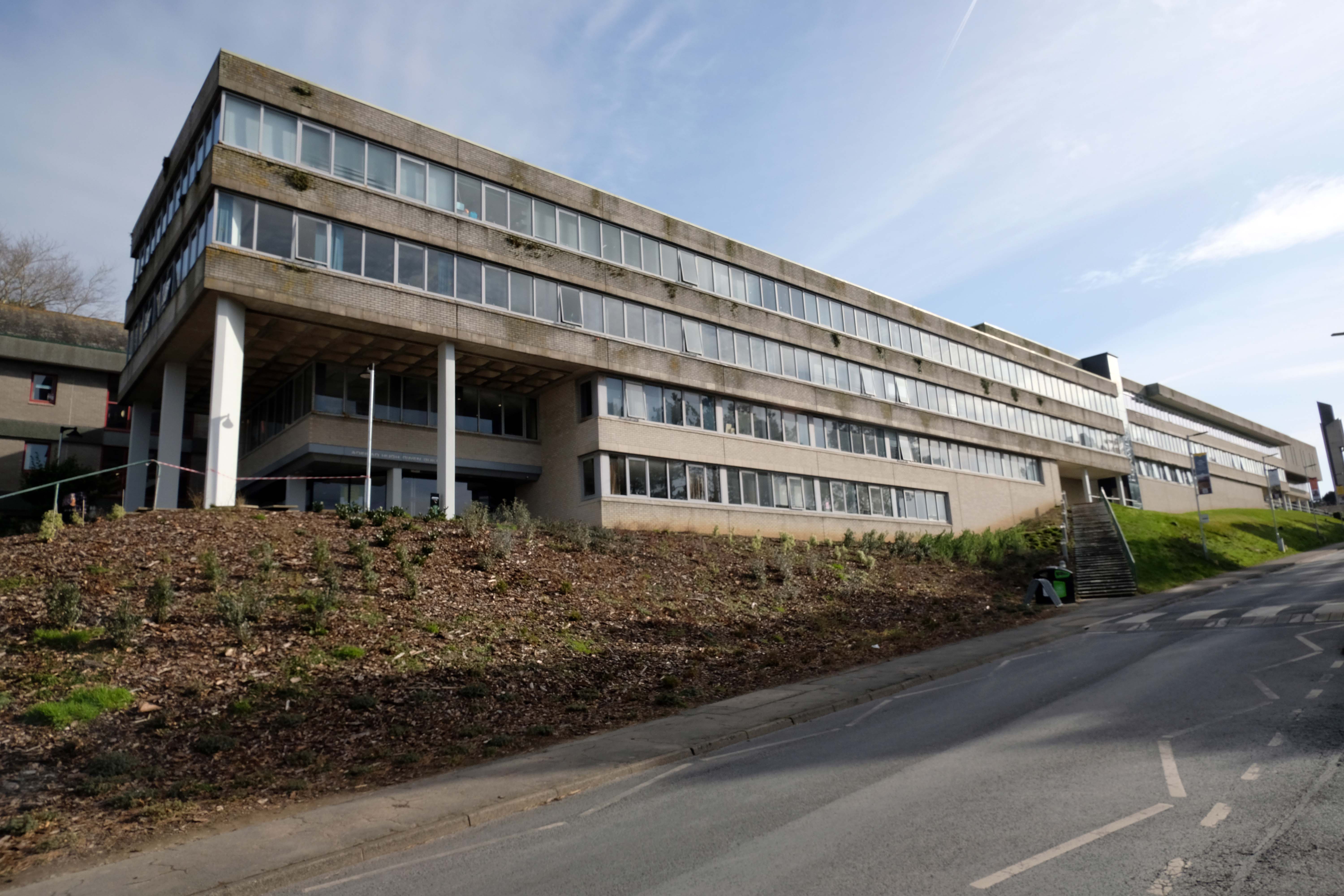
Since those early days, Aberystwyth University has gone from strength to strength and now has more than 6,000 students and 2,000 staff. As the institution grew, its main campus moved from Old College on the seafront to Penglais Hill. This finely landscaped site enjoys spectacular views over the historic market town of Aberystwyth and the Cardigan Bay coastline. New buildings, including major arts and science developments, halls of residence, a magnificent Arts Centre and sports facilities are located here.
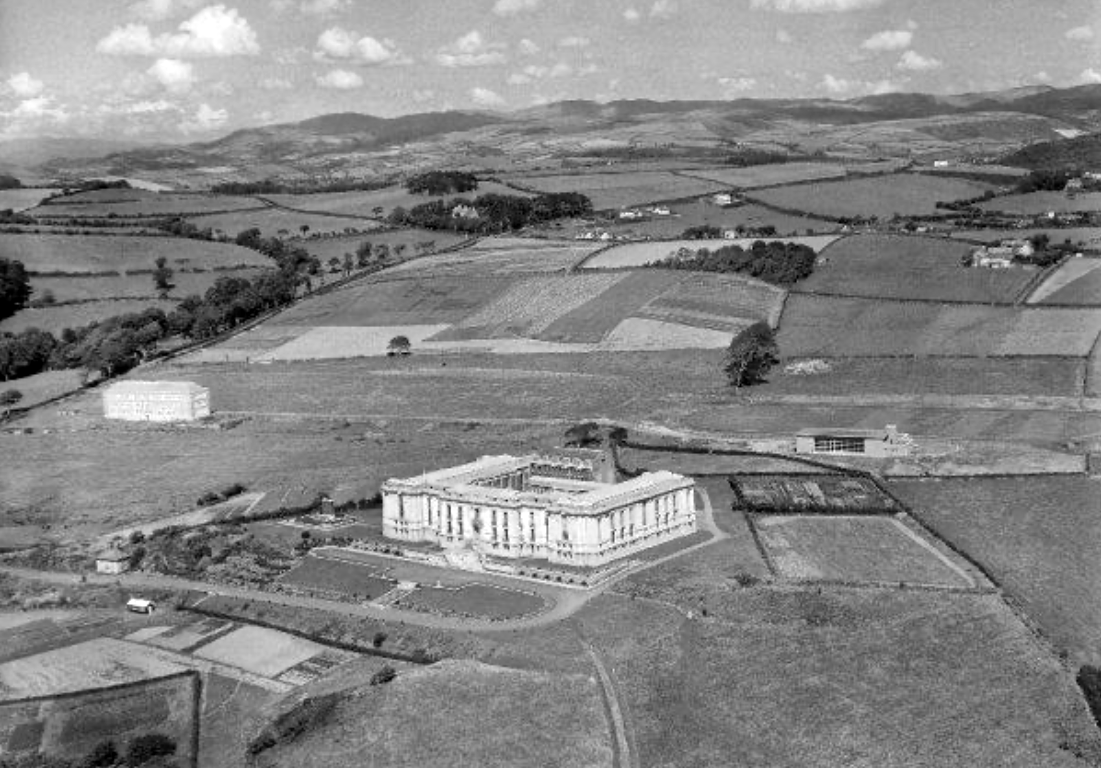
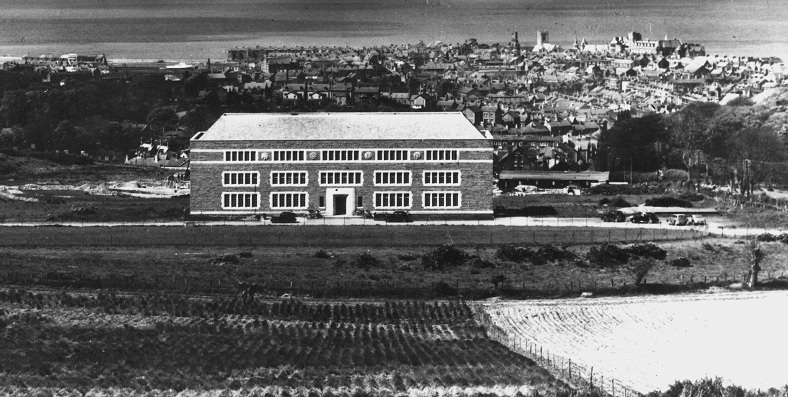
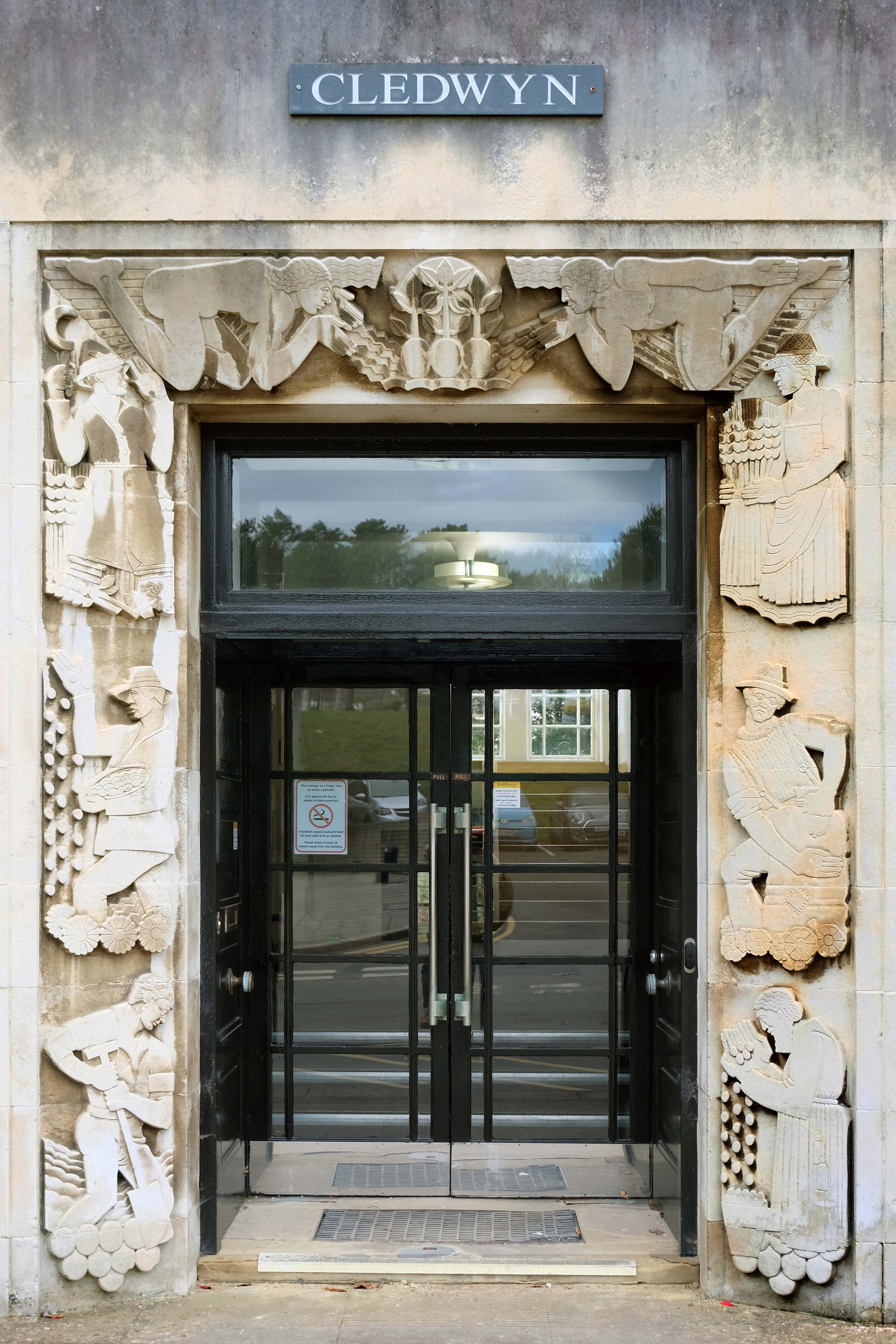
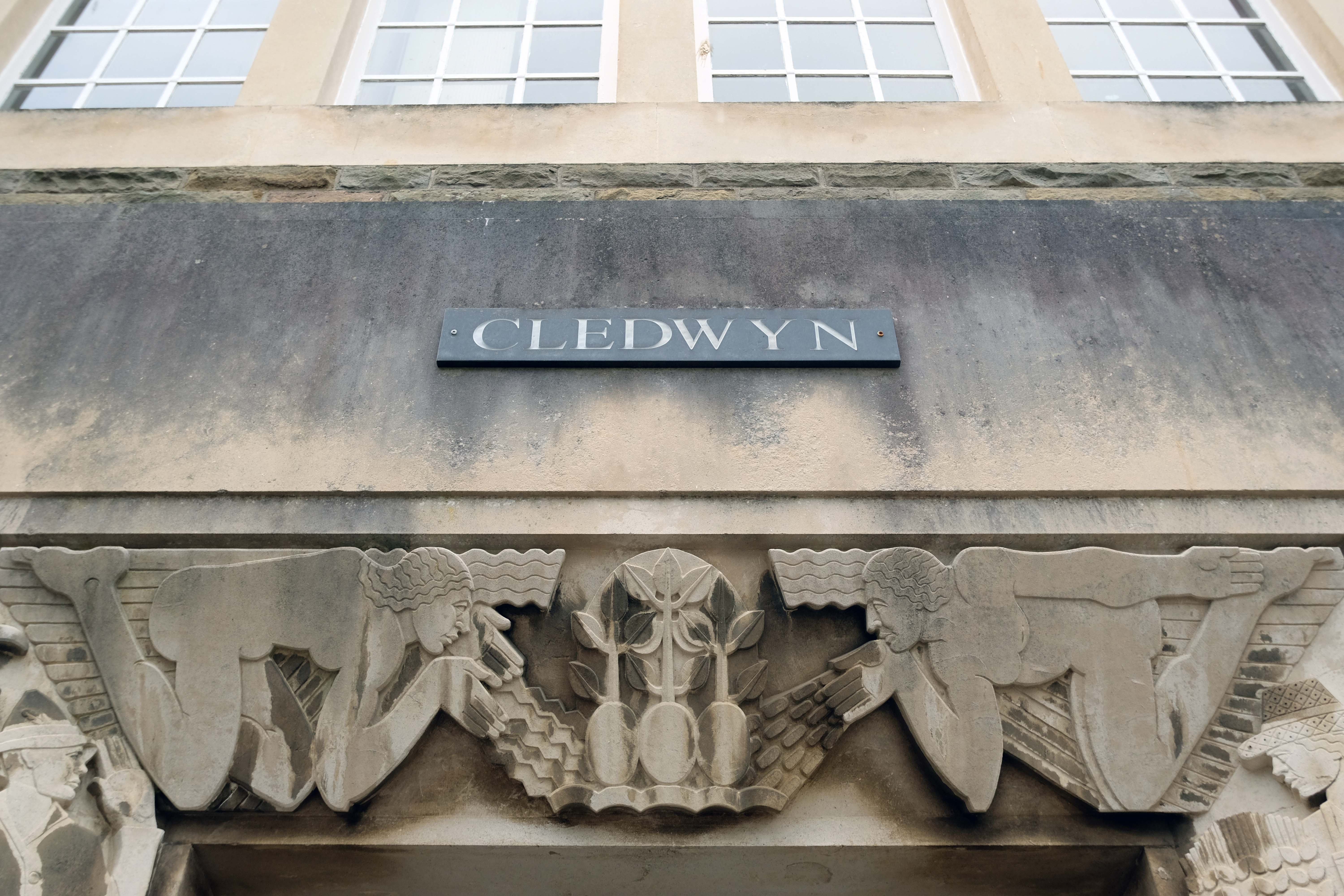
In 1935 Percy Thomas prepared a plan for the layout of a new campus, and was appointed as architect for the first three buildings to be constructed – Cledwyn, Pantycelyn and the swimming bath. This marked the beginning of the move away from the college by the sea to the college on the hill.
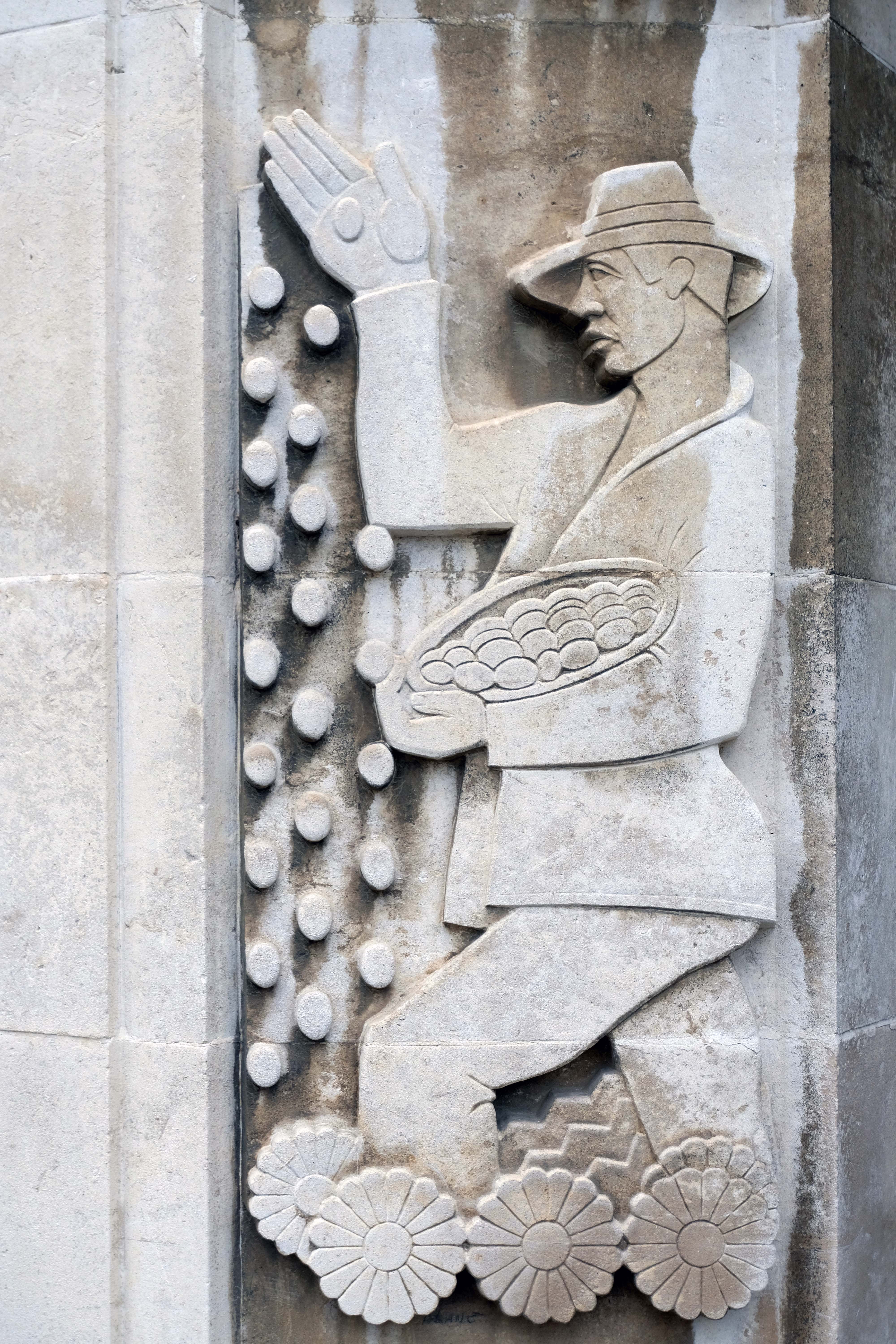
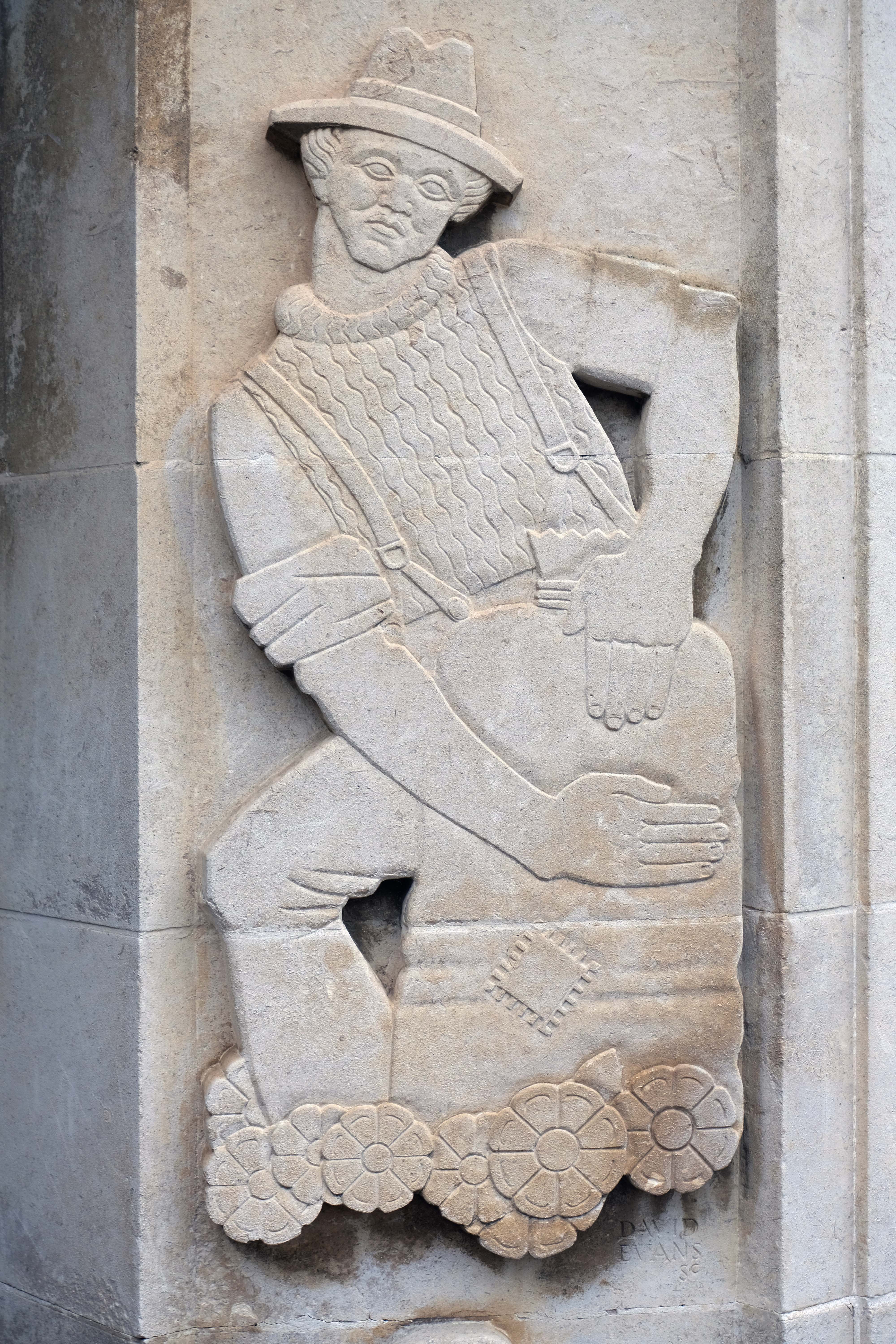
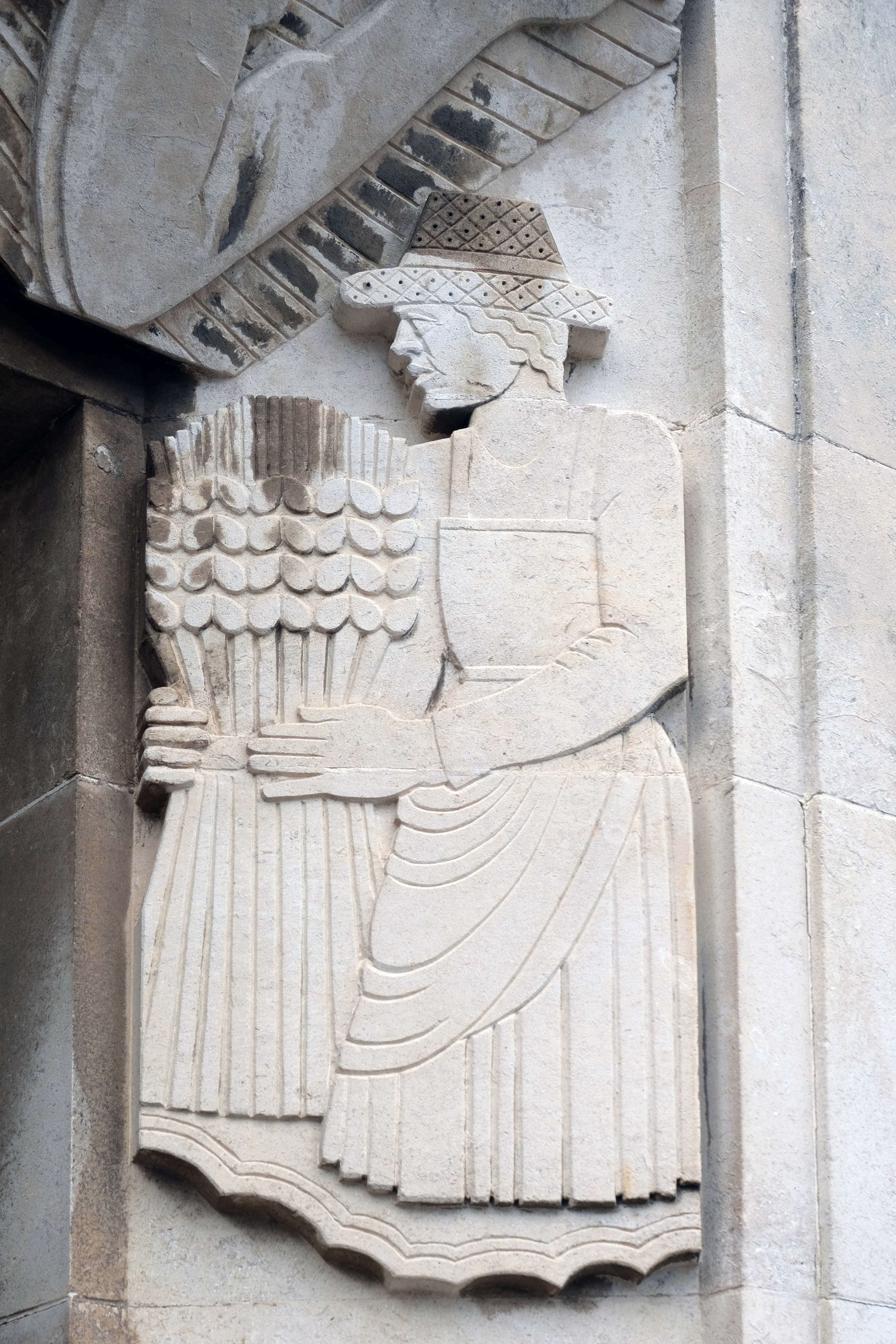
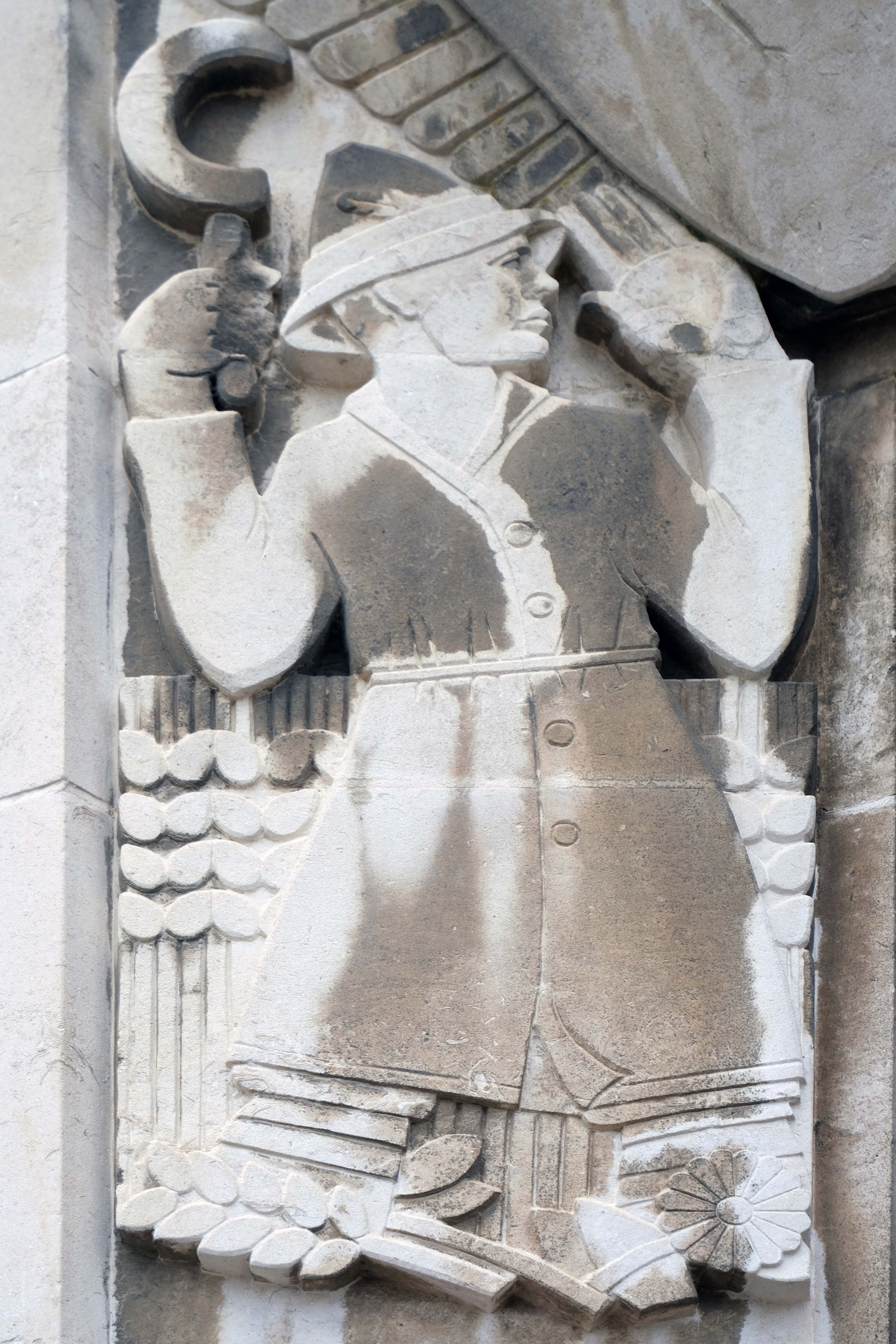
Built in a simple Georgian modern style, faced with Forest of Dean stonework, the building’s main entrance features a broad architrave adorned with low reliefs of agricultural scenes, and there are decorative circular stonework emblems in between the windows of the upper floor.
The carved stone work is by David Evans.
A Manchester-born sculptor who attended the Manchester School of Art, and won a scholarship to the Royal College of Art. After active service in the World War I, he resumed his studies at the Royal Academy, where he was instructed by Francis Derwent Wood. In 1922, he won the Landseer Prize and later went to work in the British School at Rome. He had been exhibiting at the Royal Academy since 1921. His works from the 1920’s are mainly highly stylised religious and mythological themes.
During his stay in the United States, he executed some significant work for public buildings in New York. The locations there included Rockefeller Center, Radio City, Brooklyn Post Office, a bank on Wall Street, St Thomas’s Church on Fifth Avenue.
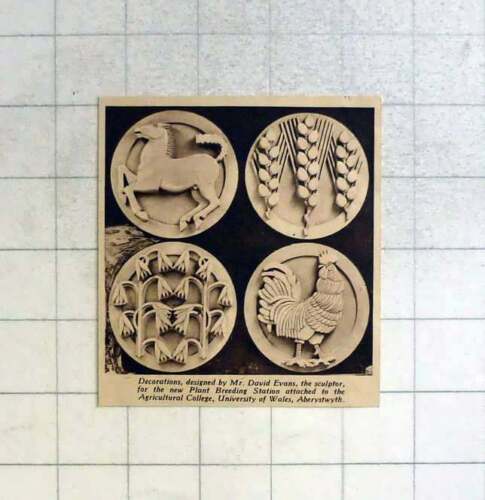
Here are the four decorative panels placed higher on the building.
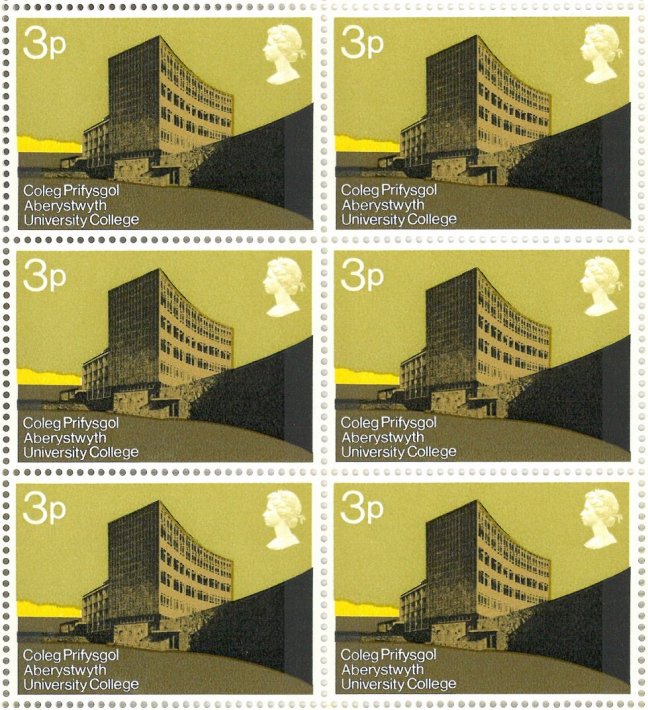
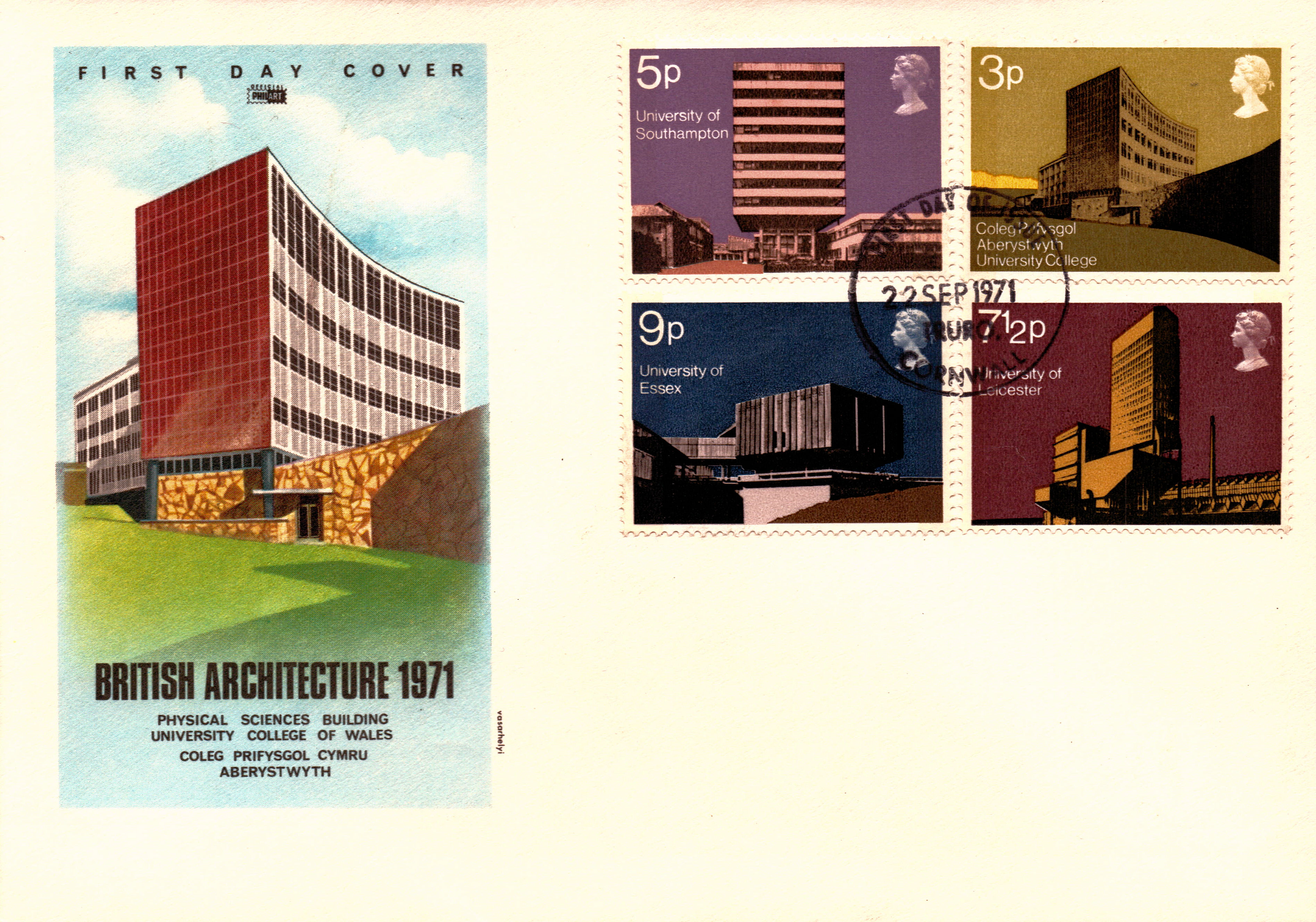
Immortalised in this elegant educational stamp set – designed by Mr Nicholas Jenkins of the Royal College of Art
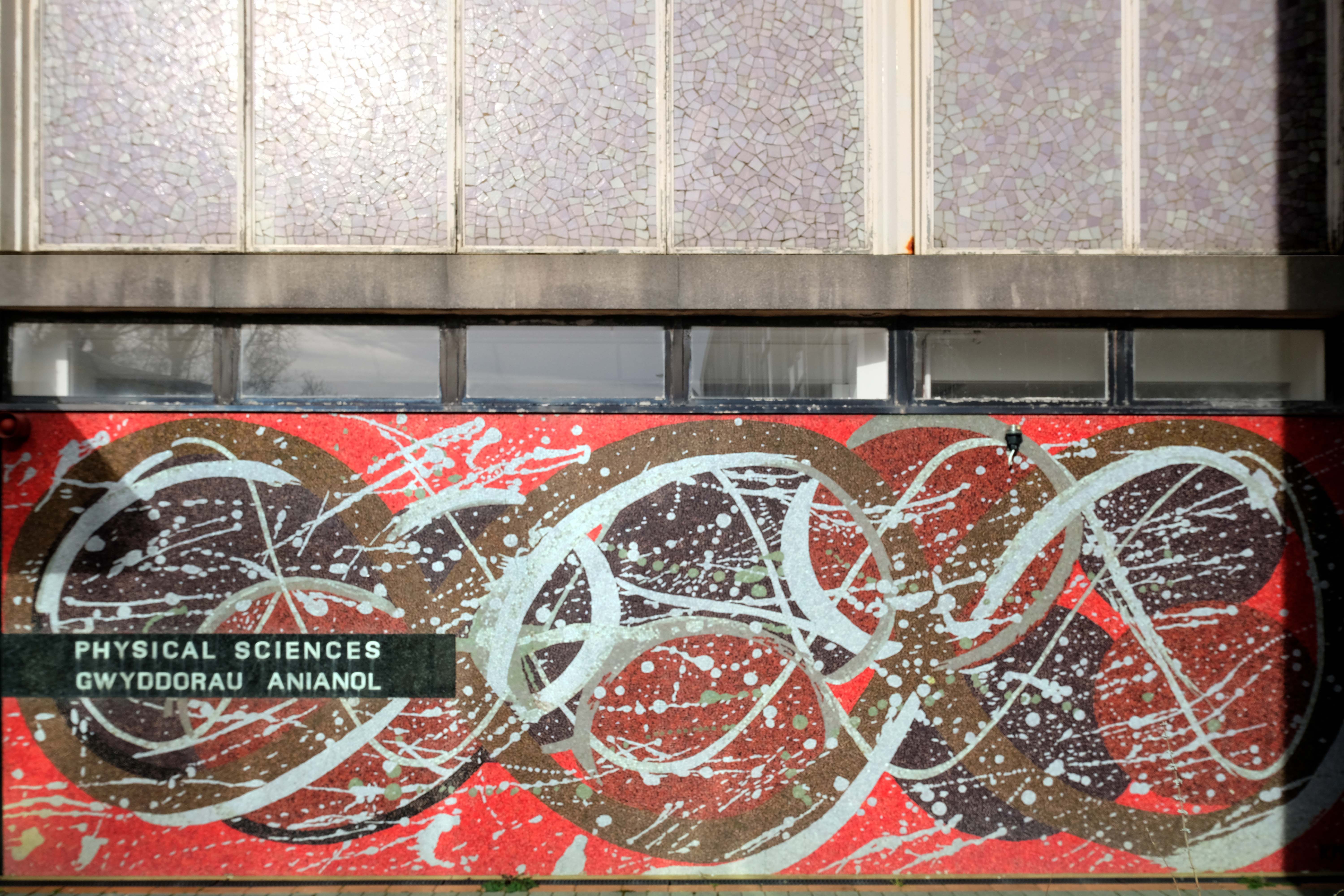
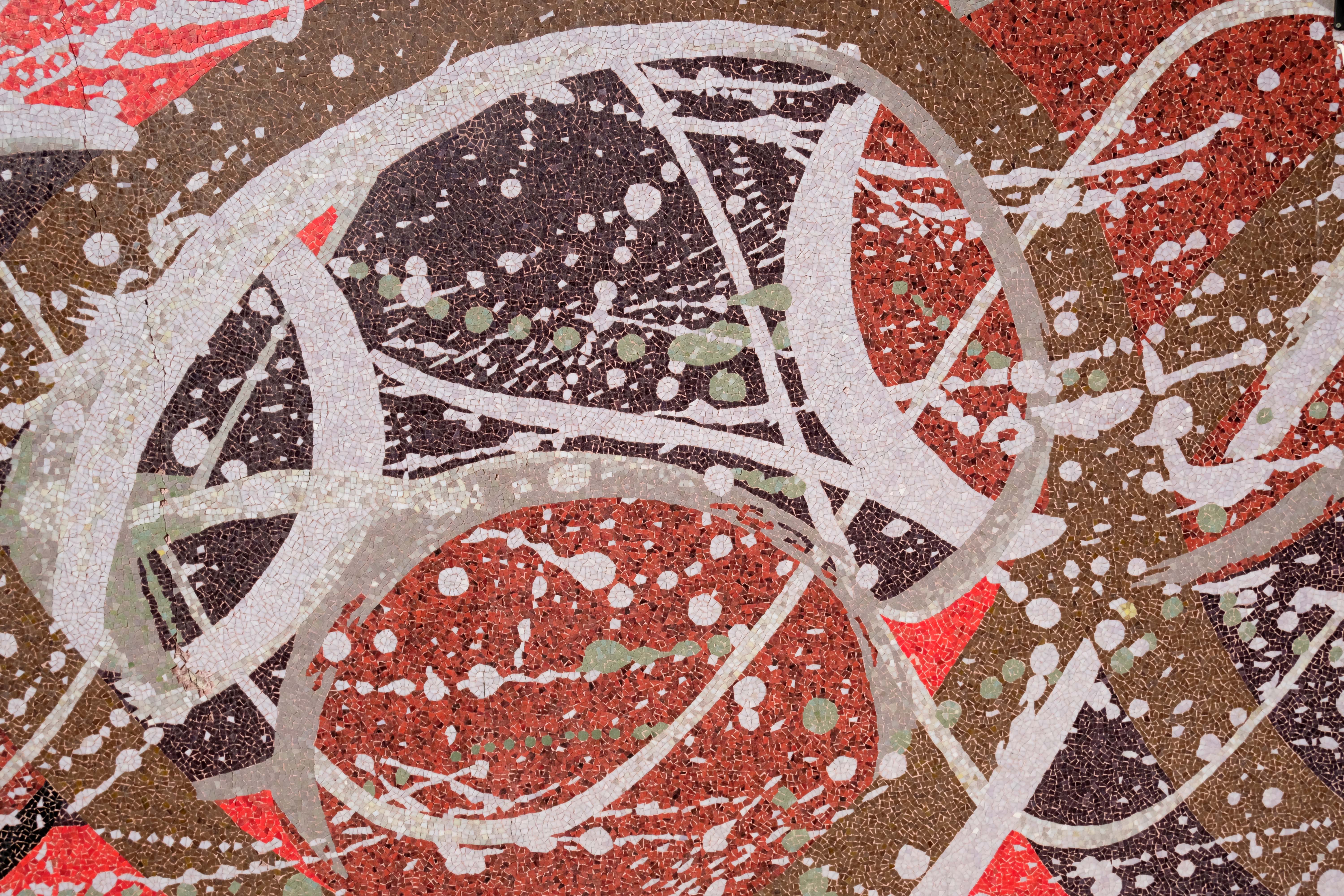
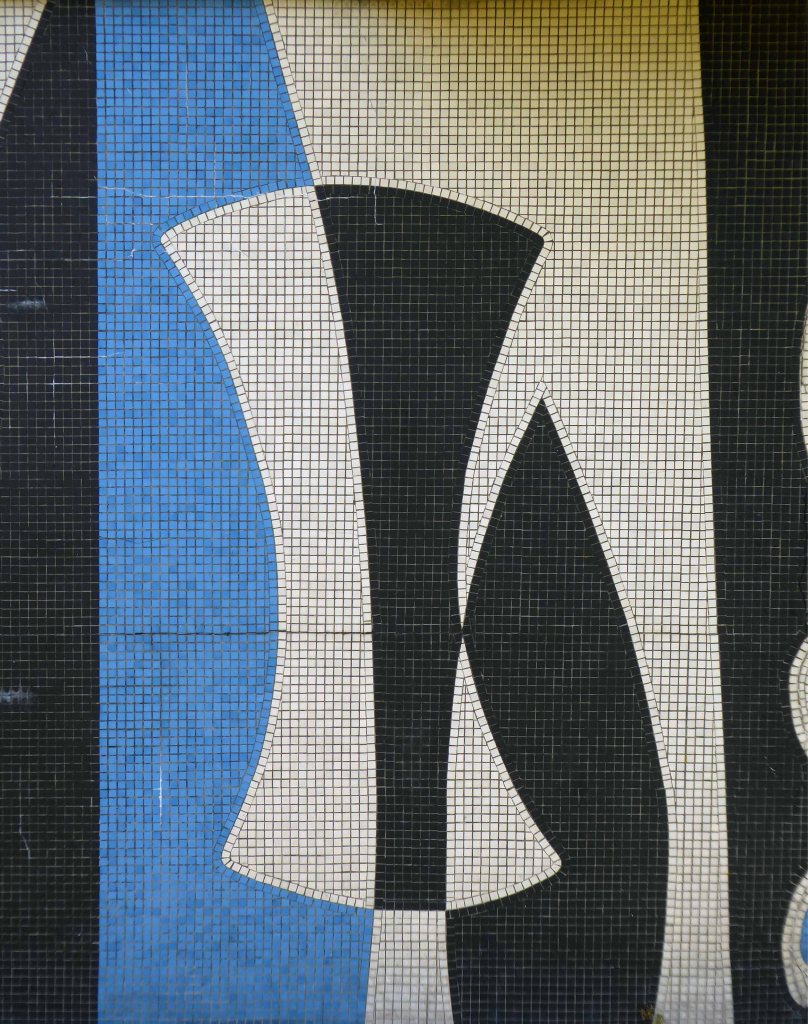
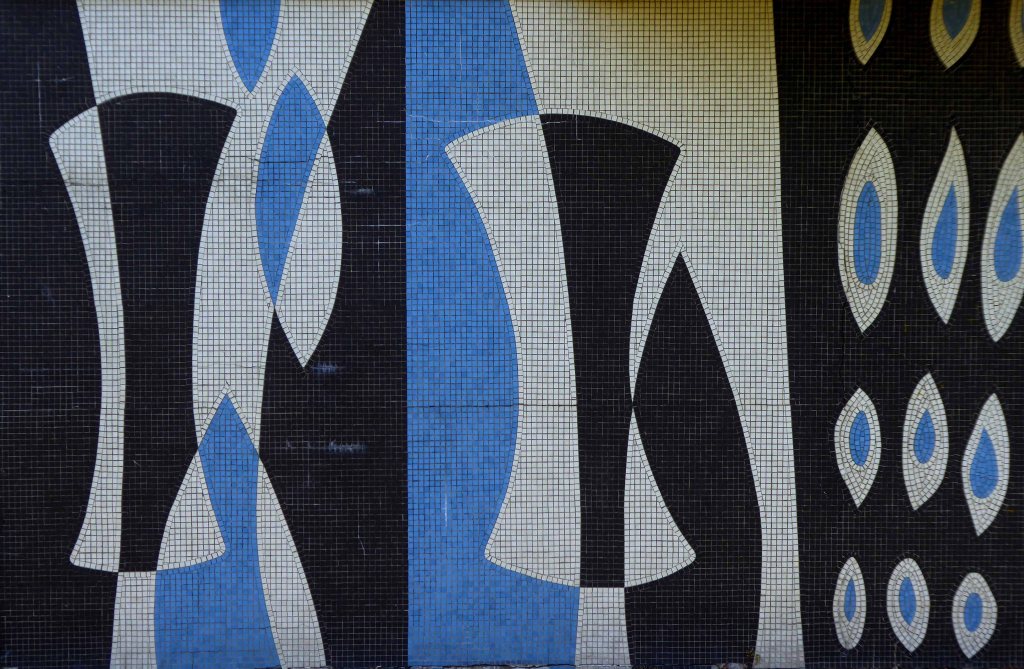
To the right of the entrance this striking mosaic – action is ossified in the manner of a semi-permanent Pollock.
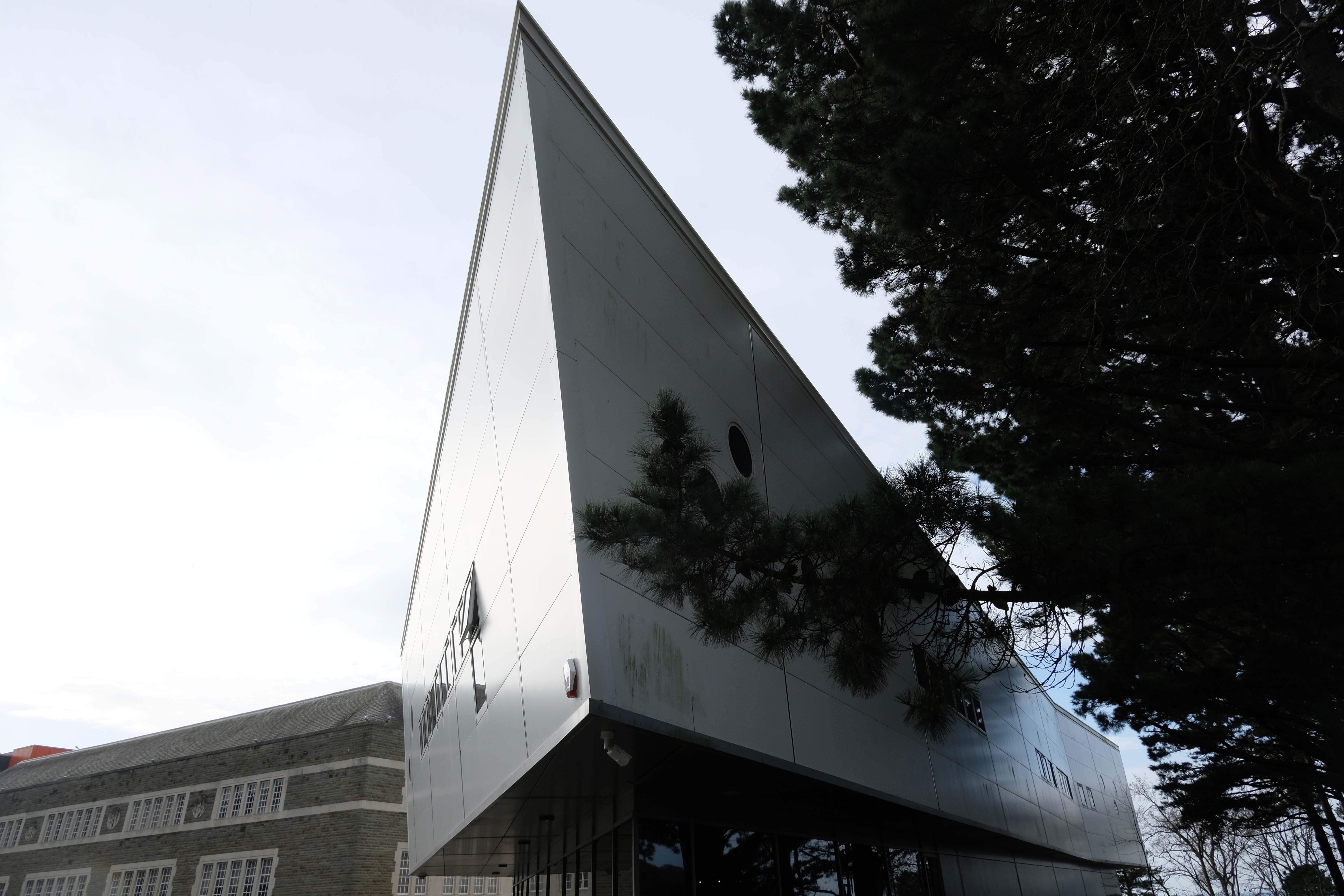
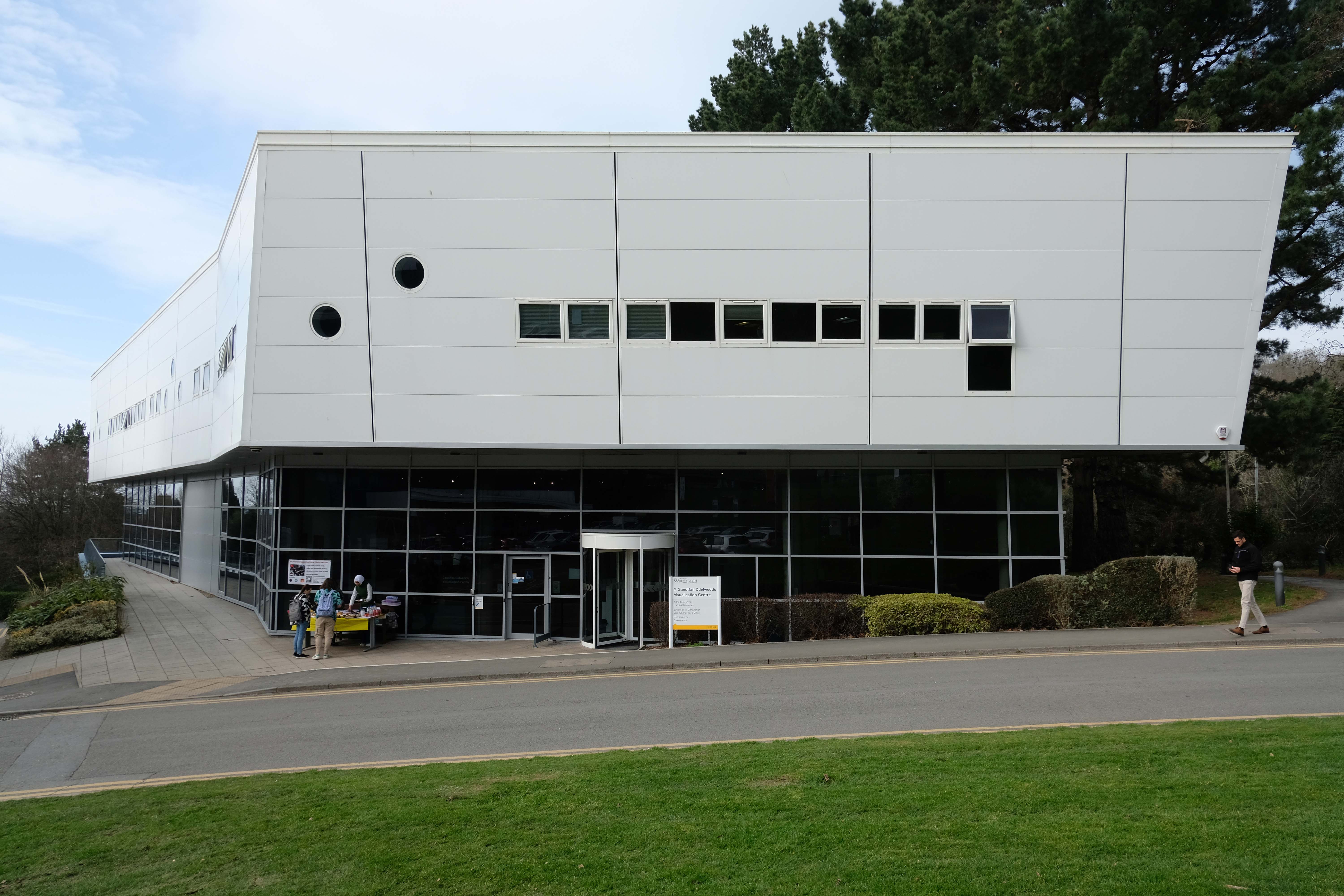
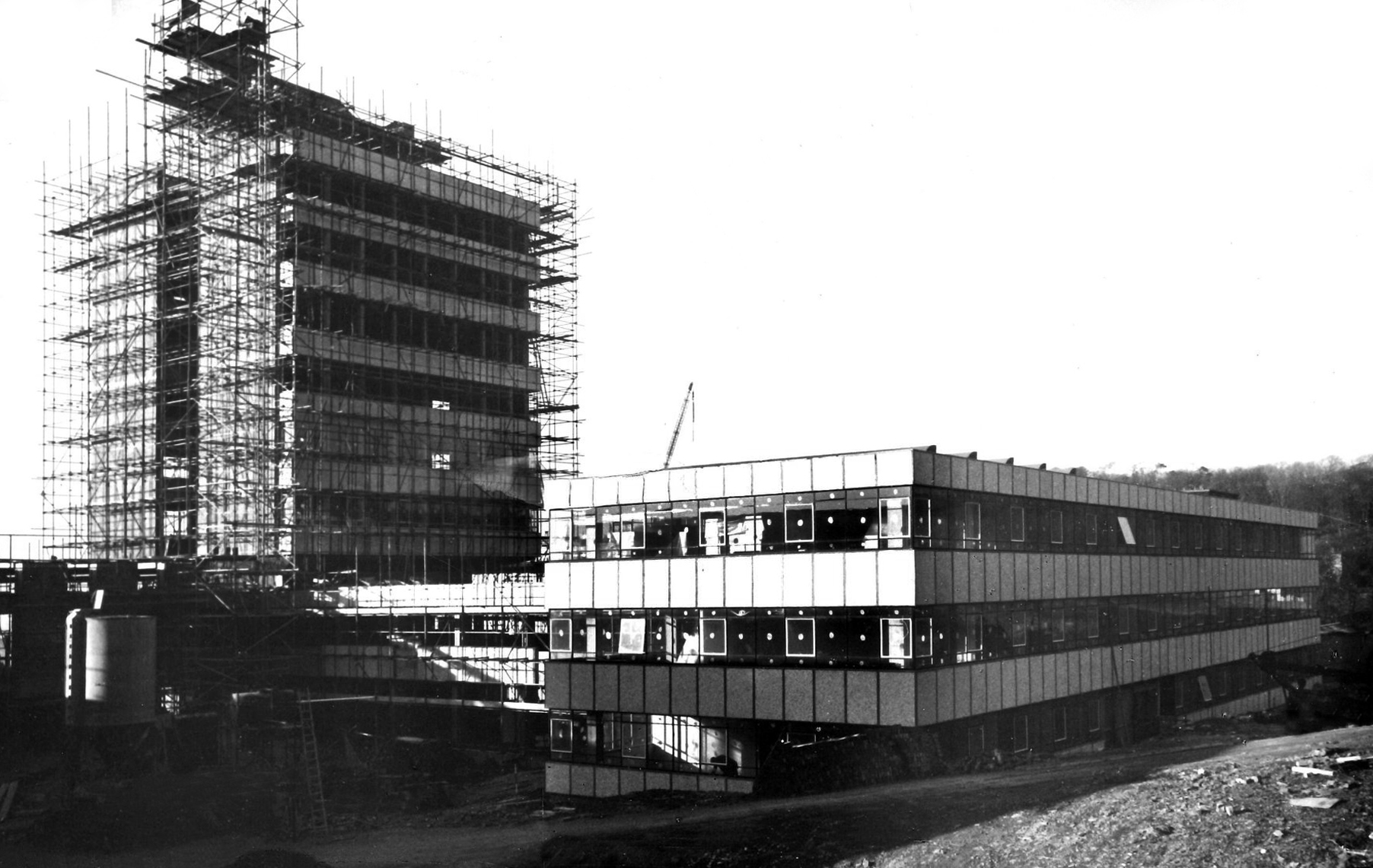
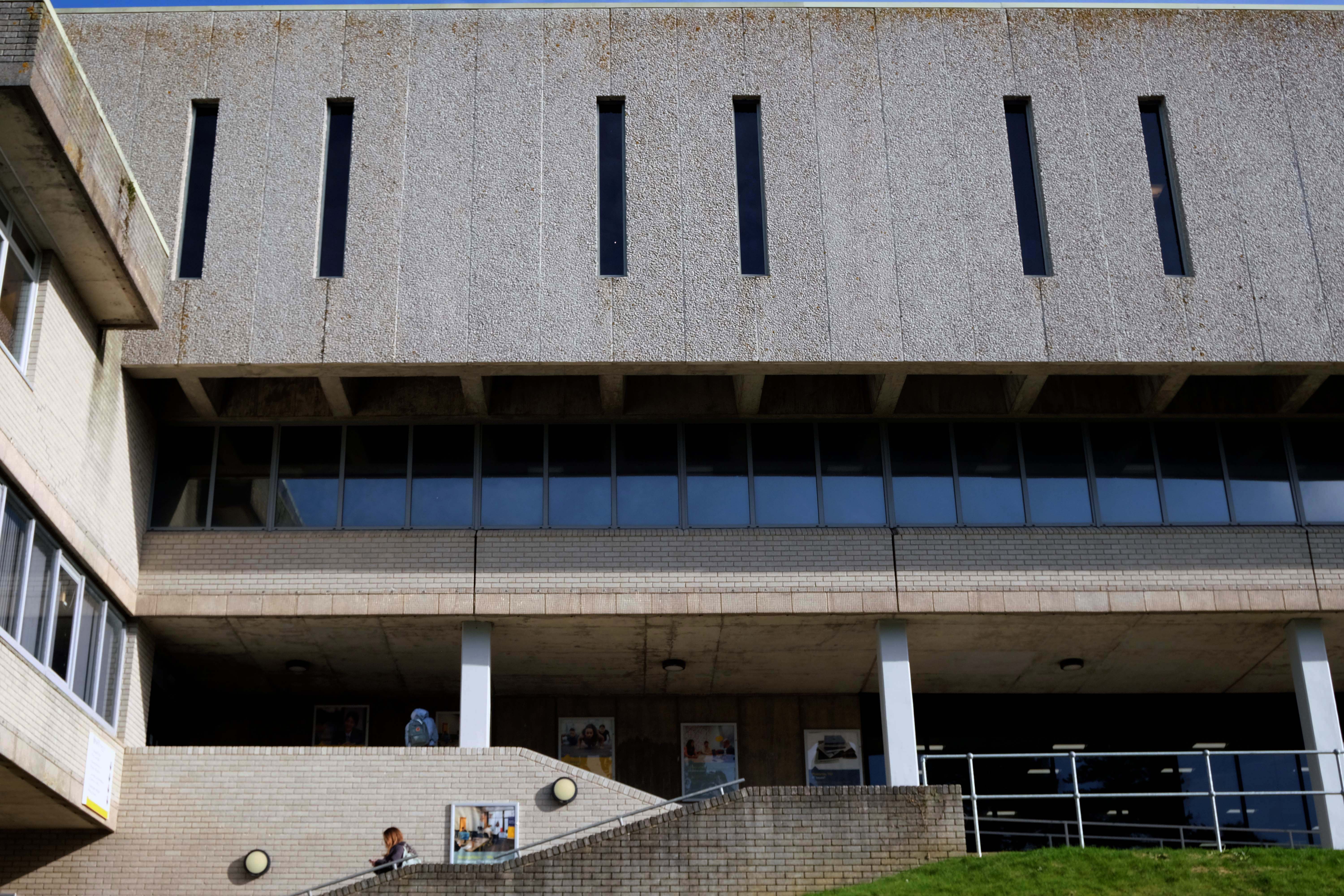
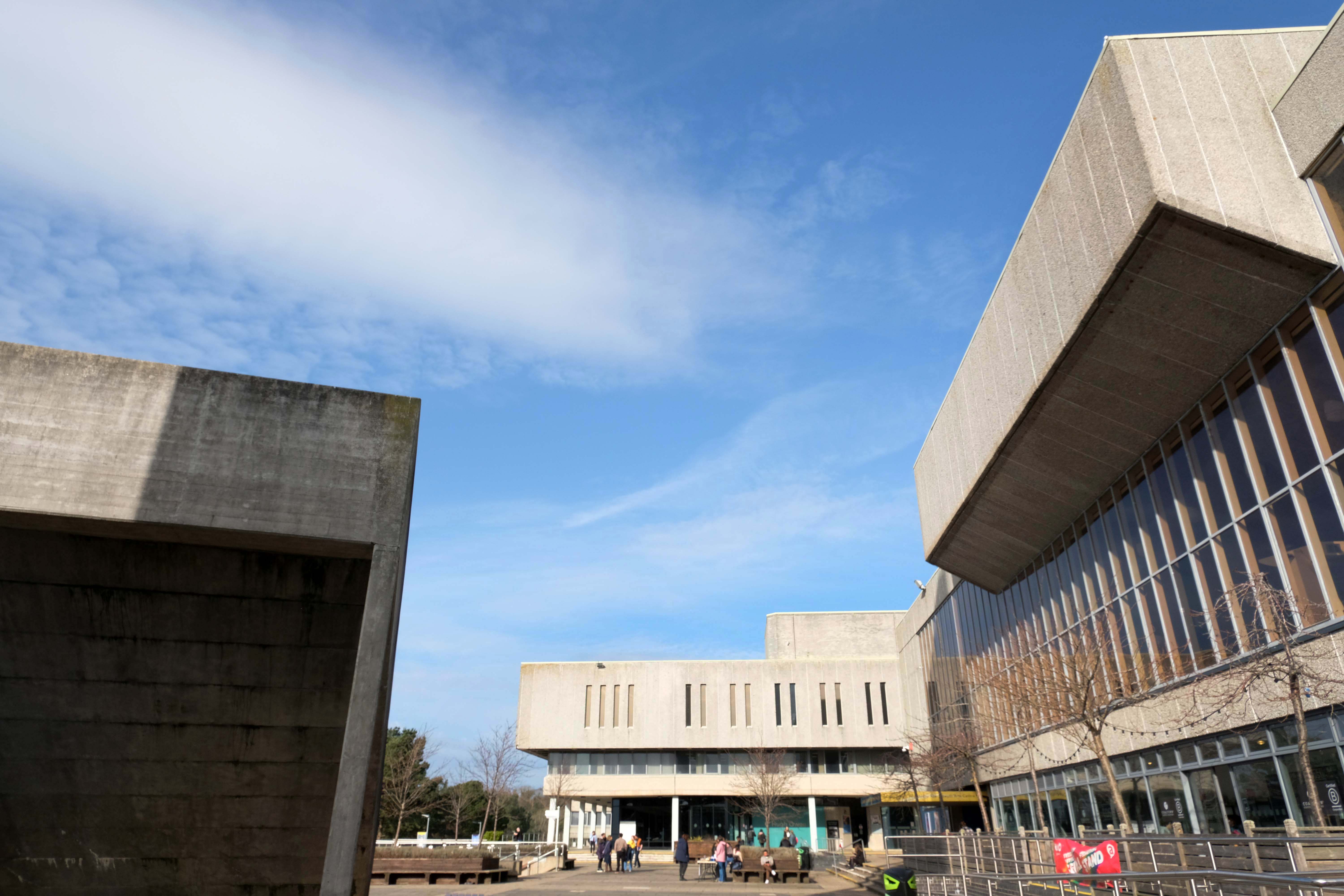
Aberystwyth Arts Centre is one of a number of campus buildings designed by Dale Owen of Percy Thomas Partnership, and completed in 1970-1972.
Built to a strongly horizontal design using grey granite aggregrate, the facade is essentially an overhanging rectangle framing of glass with an off-centre overhang. The position of the building providing unobstructed panoramic views over the main piazza style concourse and the sea beyond.
David began lecturing at Cardiff College of Art, later teaching and holding administrative posts at University College of Wales in Aberystwyth, retiring in 1988 as director of the department of visual art.
David Tinker was prominent in so many aspects of the visual arts in Wales throughout the second half of the 20th Century as a painter, sculptor, teacher, and stage designer.
Tinker is perhaps best known as one of three originators of the 56 Group with Eric Malthouse and Michael Edmonds, the new generation of young artists in Wales who were interested in modernism and keen to ally themselves to the international art world.
The 56 Group had no manifesto and for the most part they acted as an exhibiting co-operative; not all were abstract painters and their work was stylistically very different from one another, but all shared radical ideals. Their orderly revolt against the establishment was unique in the history of art in Wales.
They championed abstraction and allied themselves to European and American modernism, at a time when painters in Wales were being commended for recording the urban, rural and industrial face of Wales and its inhabitants.
As might be expected, the art establishment more readily accepted 56 Group avant garde works, and those artists who had been achieving some success as painters of the contemporary scene suddenly found themselves side-stepped, and labelled parochial.
The period 1966-1974 saw in his paintings a move toward hard-edged abstraction in which Tinker employed geometry-based structures, simple arithmetical problems, colour mixed from a restricted palette, and gentle tonal gradation.
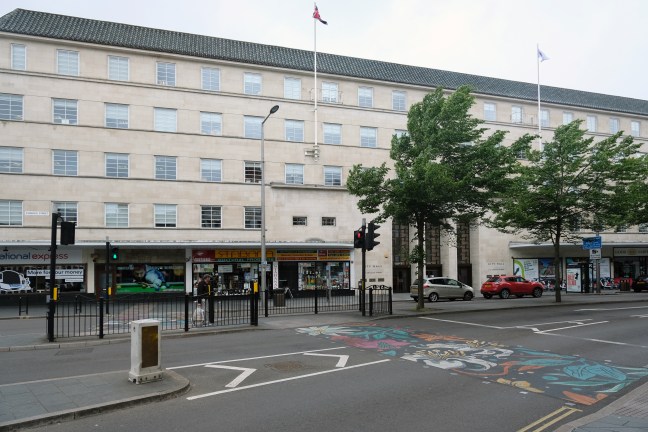
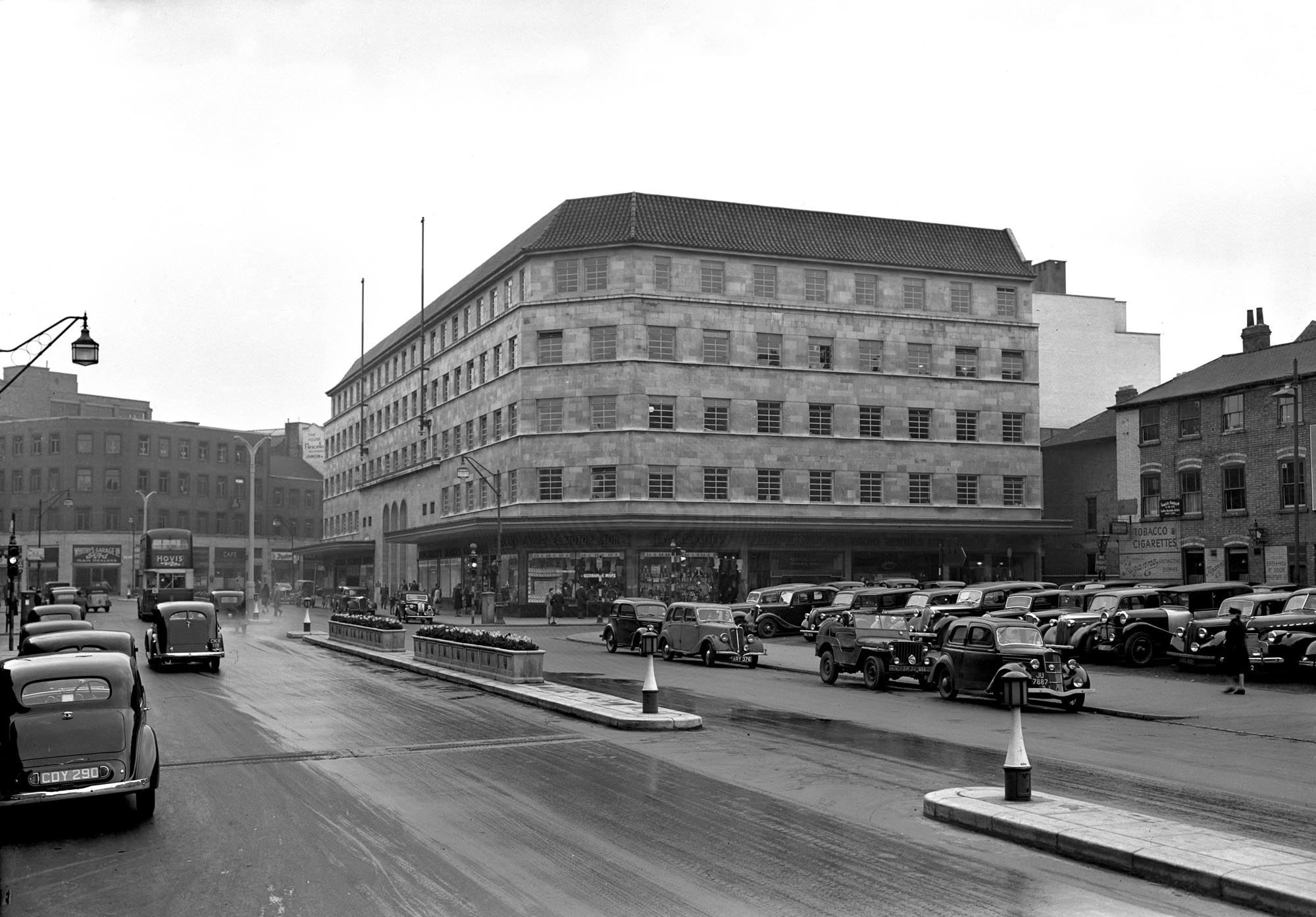
The medieval Leicester Guildhall was used as the Town Hall for around 300 years. By the mid-19th Century much larger premises were needed to support a rapidly growing industrial centre. The Victorian Town Hall was opened in 1876 on the site of the old cattle market.
In 1919, Leicester was recognised as a city. It continued to expand, along with its Council. Conditions in the Town Hall soon became cramped and some departments began to move out. By 1930 it was agreed new municipal offices were needed to centralize the Housing, Electricity, Rates, Motor Licence and Valuation departments. They would form part of a major redevelopment of Charles Street, the so-called quarter of a million pound building on a million pound road.
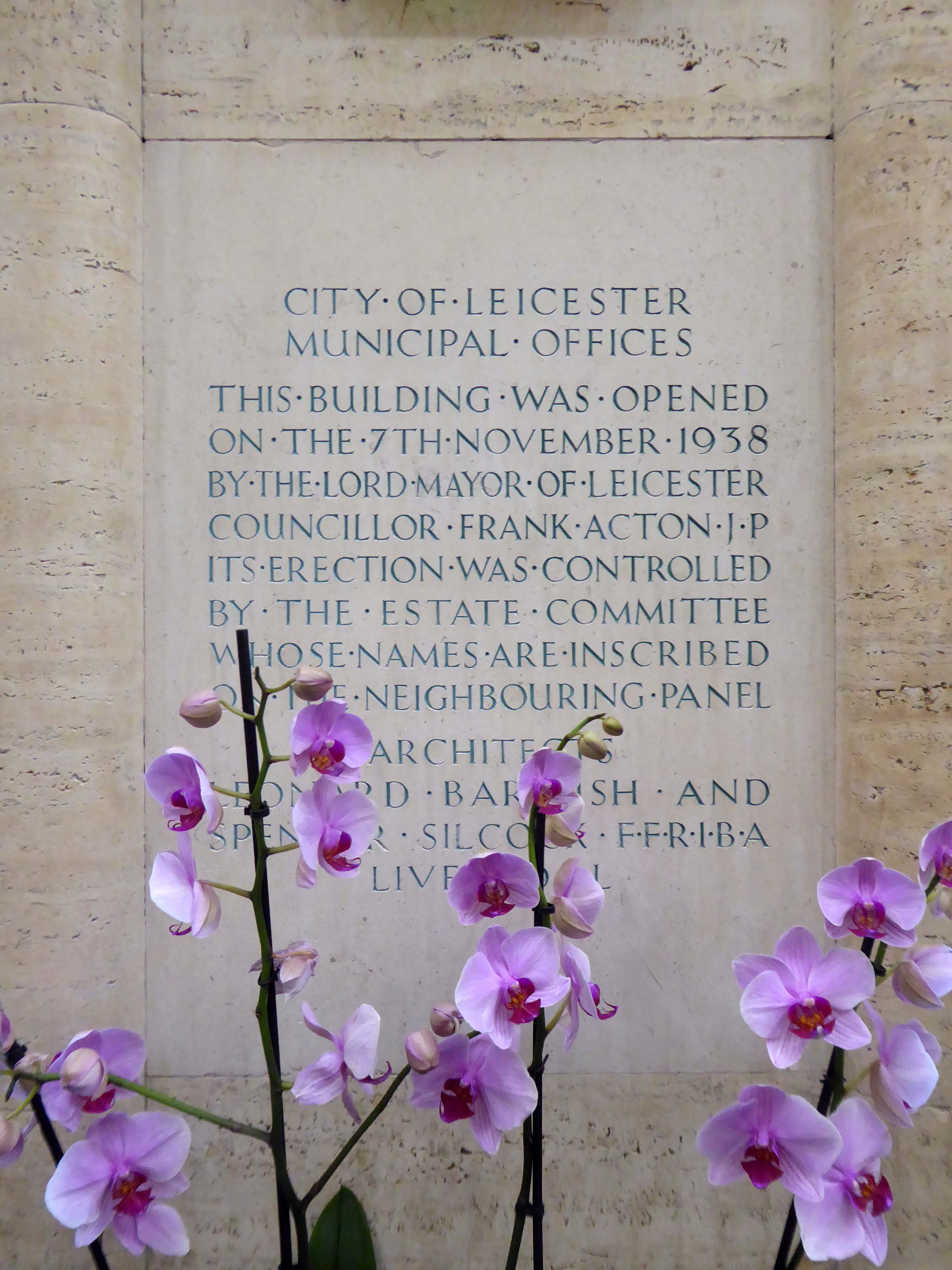
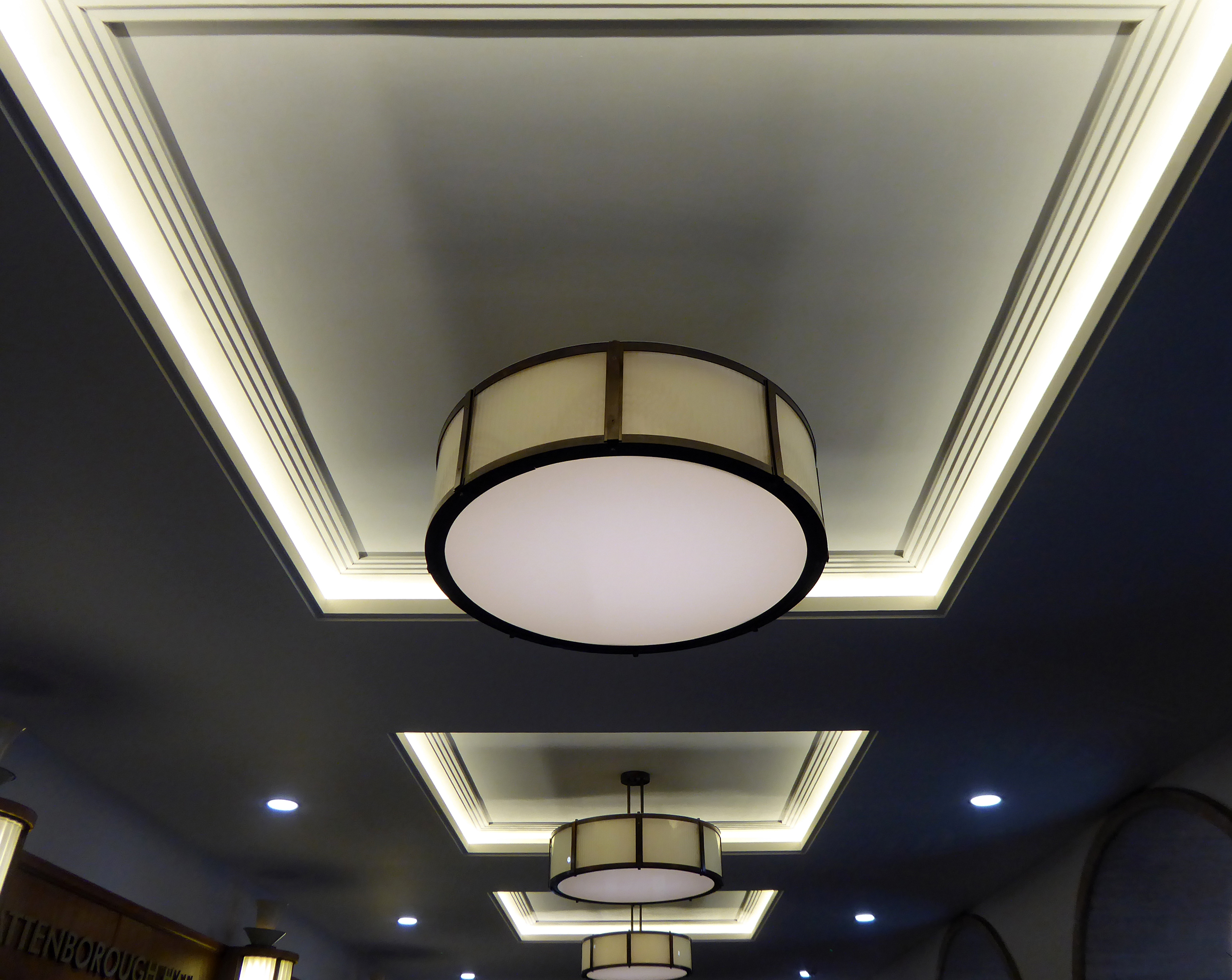
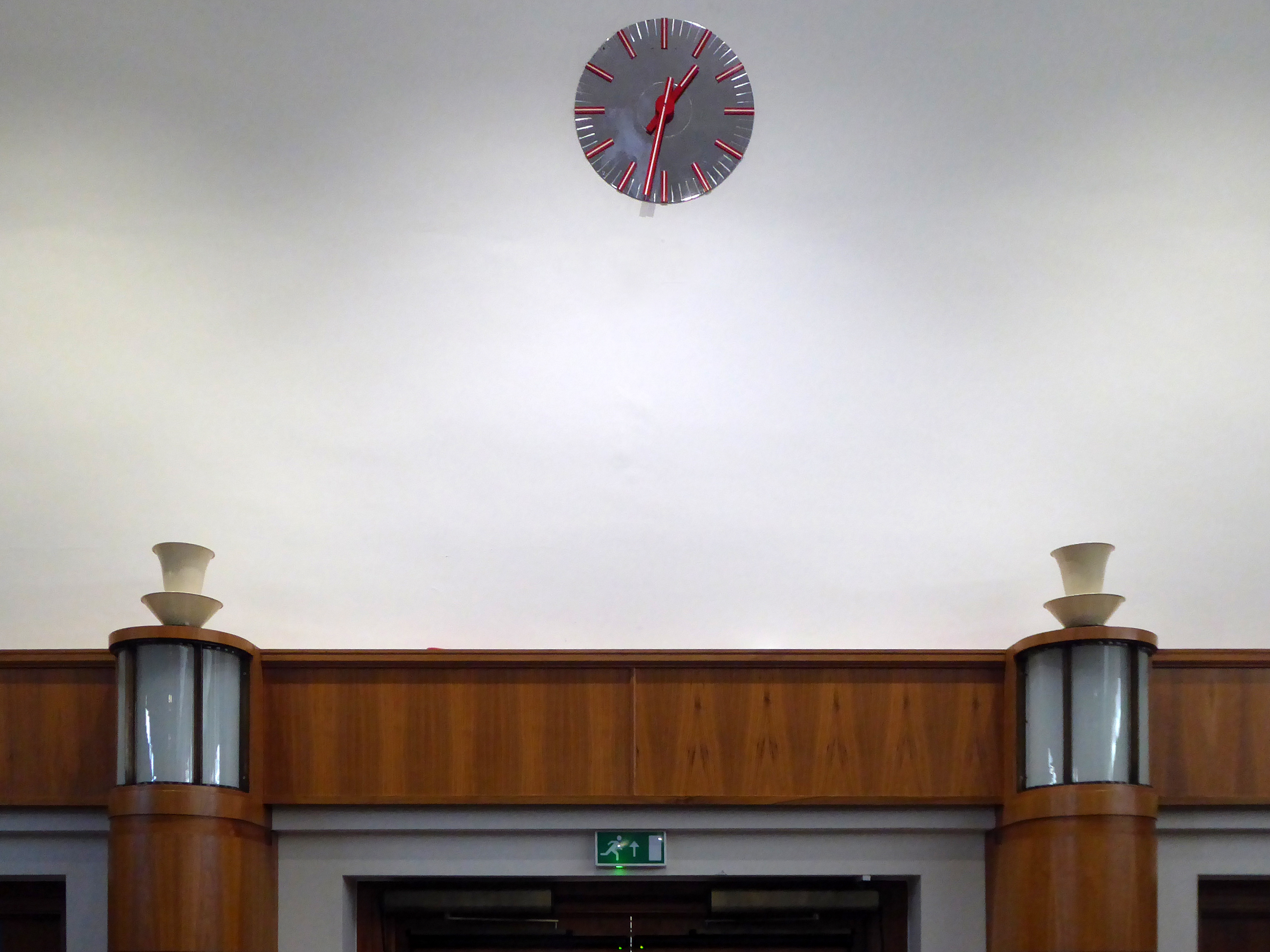
The modest opening ceremony took place on 7th November 1938. In his speech the Lord Mayor, Councillor Frank Acton, said it was a privilege to open “this long sought-after and wonderful place.” A stone tablet to mark the event can be seen opposite the reception desk in the entrance foyer. The building was designed to command attention and respect, and conform to a modern desire for simplicity. Clad in Portland Stone, its interior included many elegant Art Deco features, many of which have been restored.
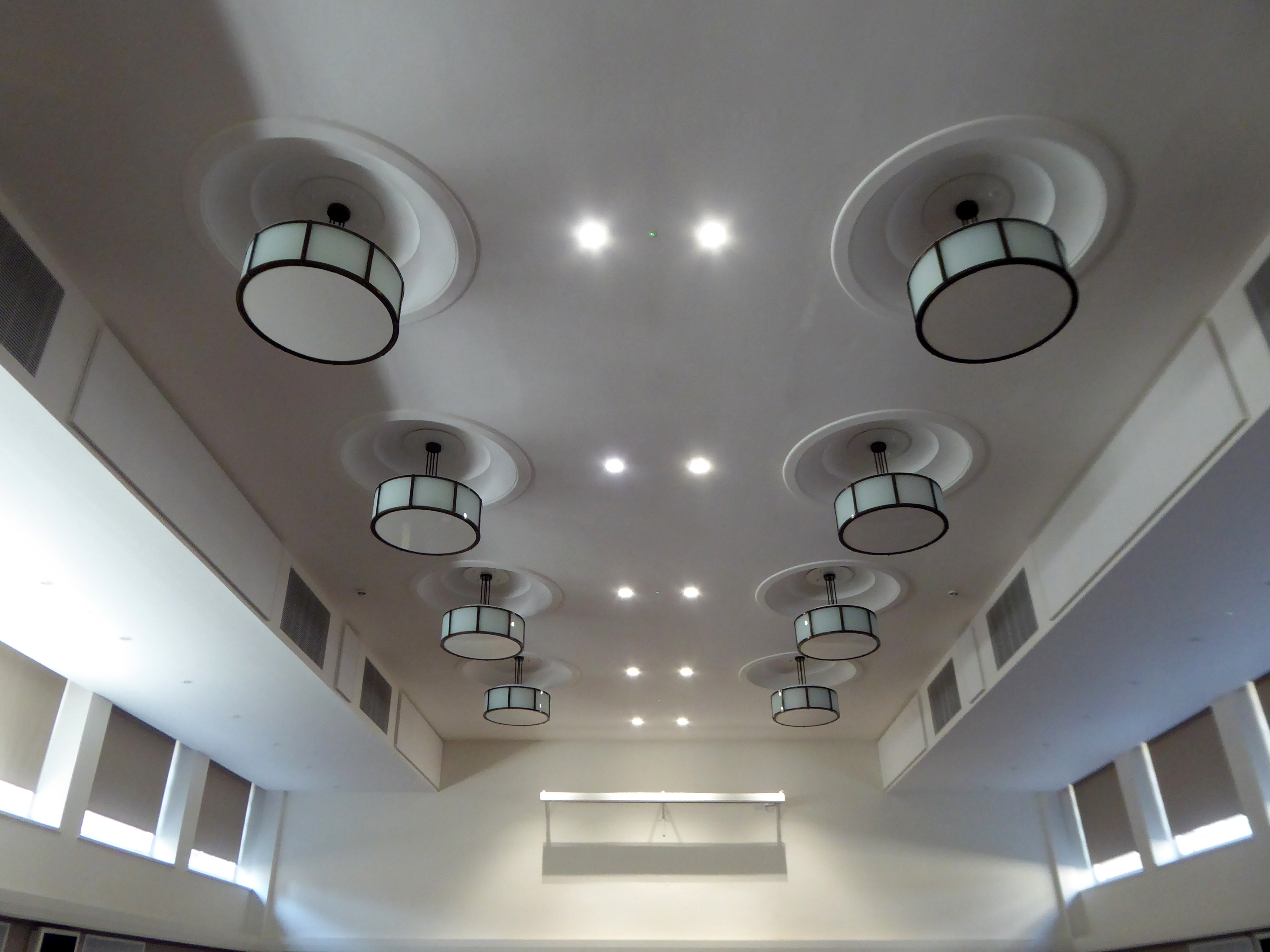
The office floors accommodate workstations for 480 staff, together with breakout areas and meeting rooms. The project included re-purposing original municipal spaces for new assembly functions; restoring period features; and providing a dignified civic interior appropriate to the functions of the Council. An environmentally conscious servicing solution minimises the building’s energy usage.
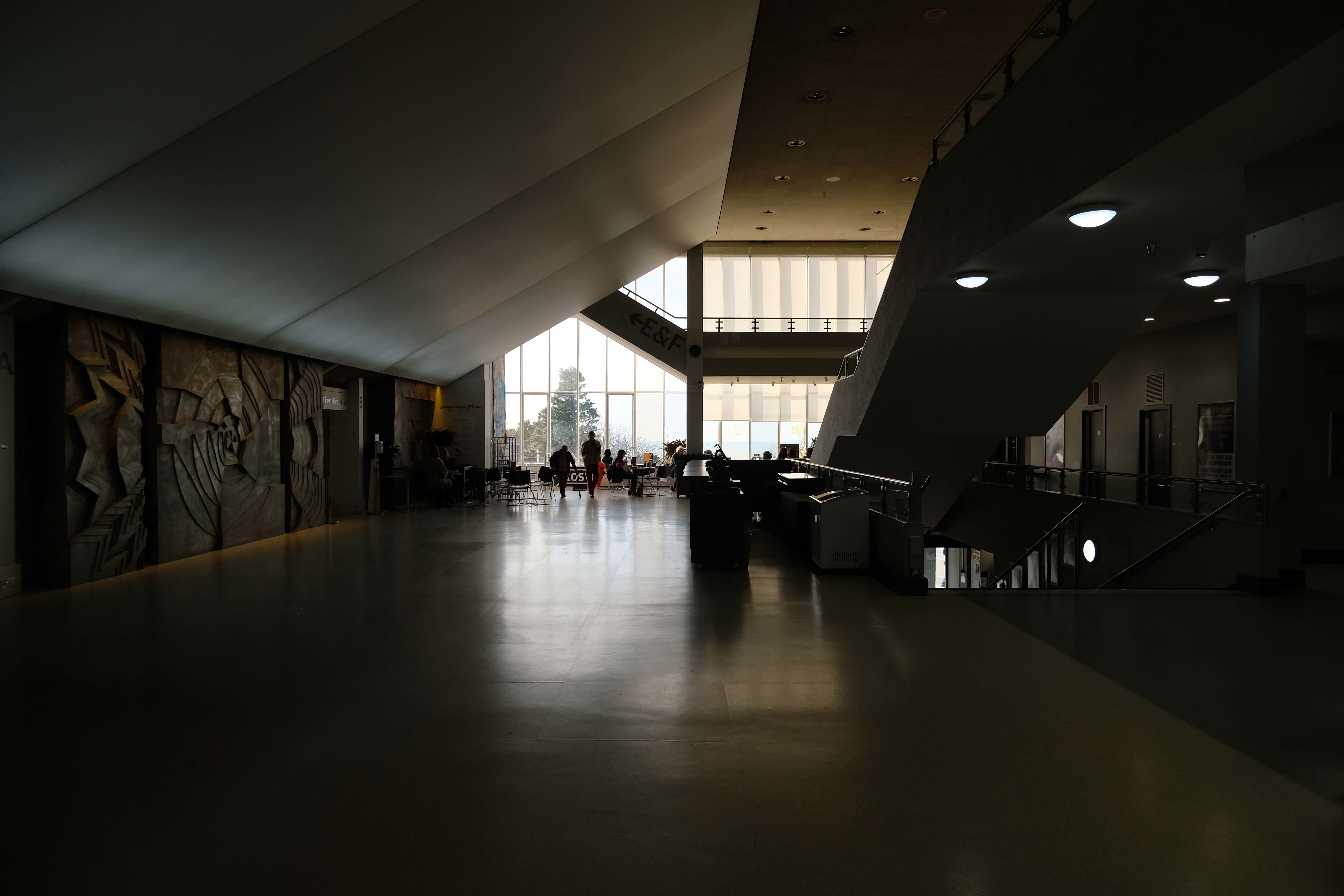
Attenborough Hall
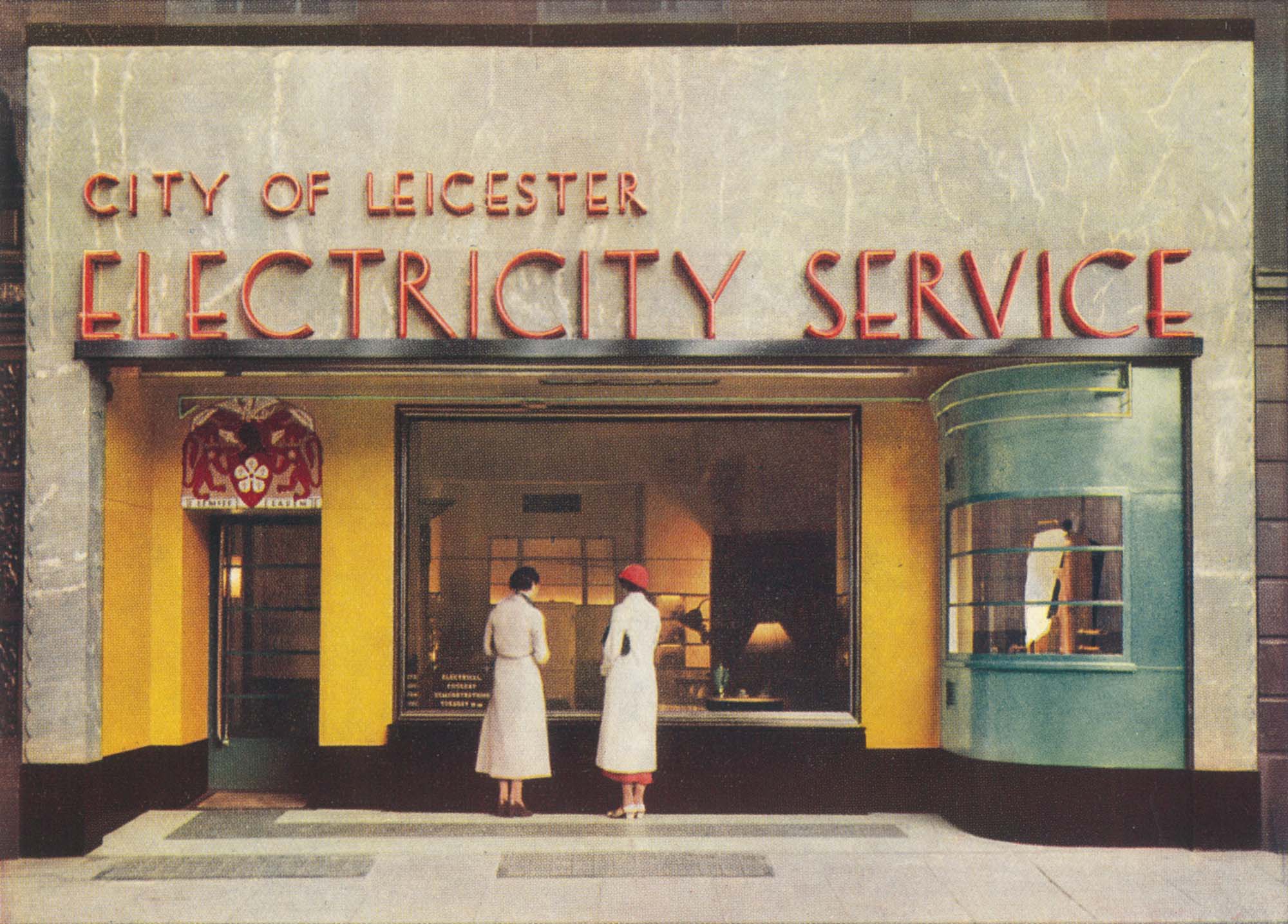
By the 1930s, demand for electricity was growing rapidly. The Municipal Offices housed the Leicester Corporation Electricity Department (later the East Midland Electricity Board) and were specially furnished with a model kitchen for:
Housewives who are interested in the modern uses of electricity in the home.
A special theatre also presented weekly cookery demonstrations and a Service Centre displayed, sold and hired out electrical appliances.
The theatre is still extant, though sadly no longer available for cookery demonstrations.
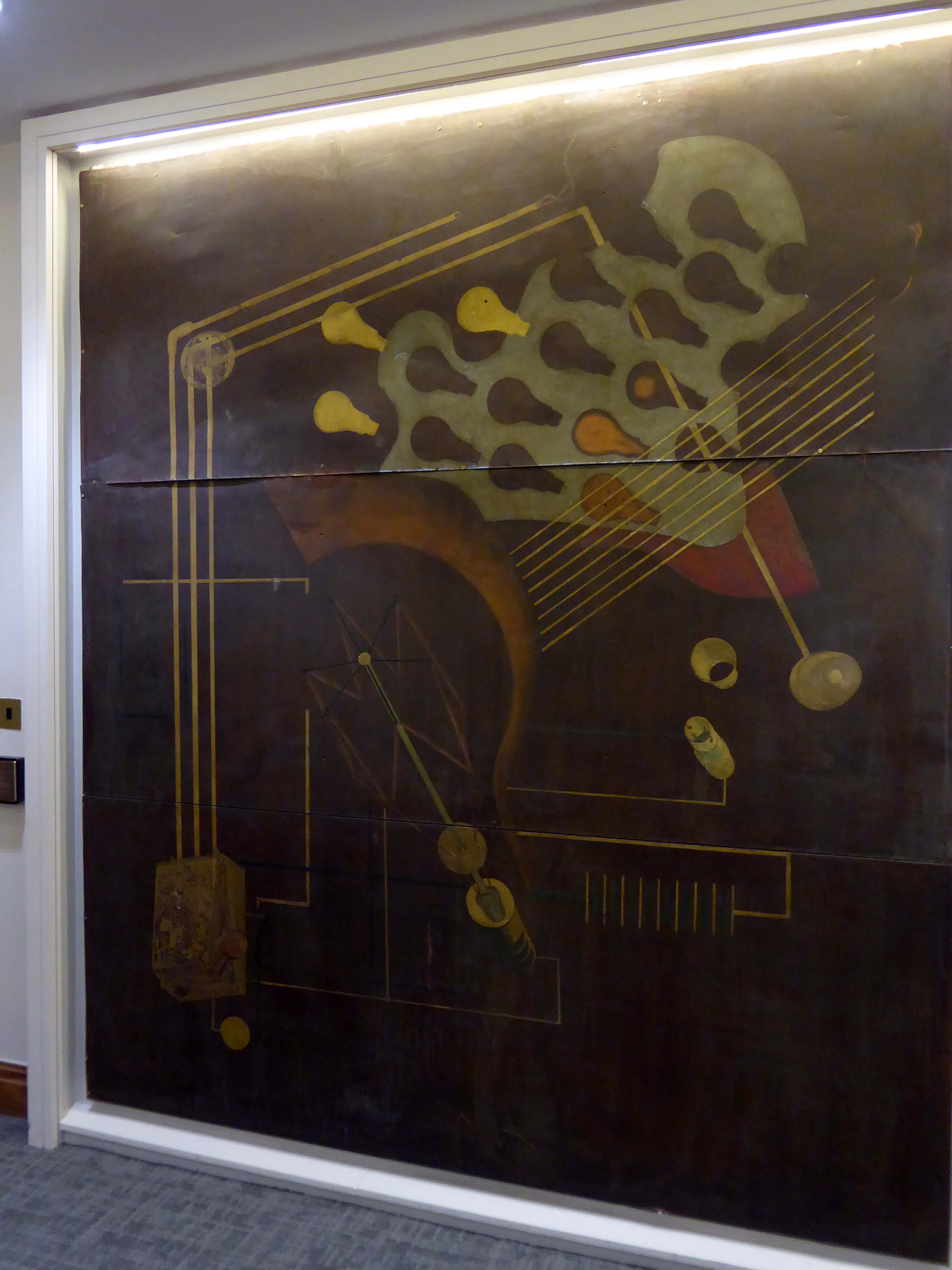
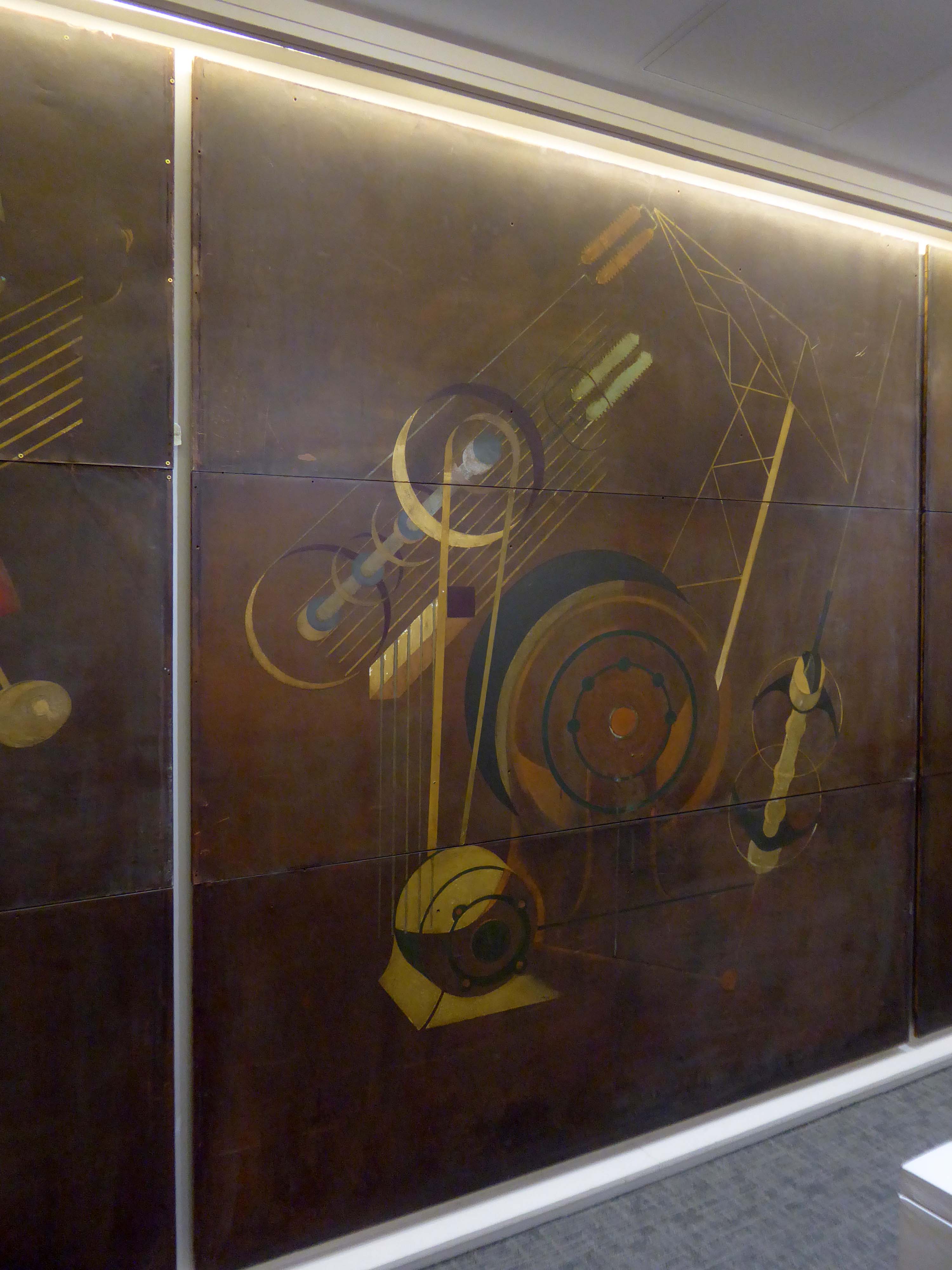
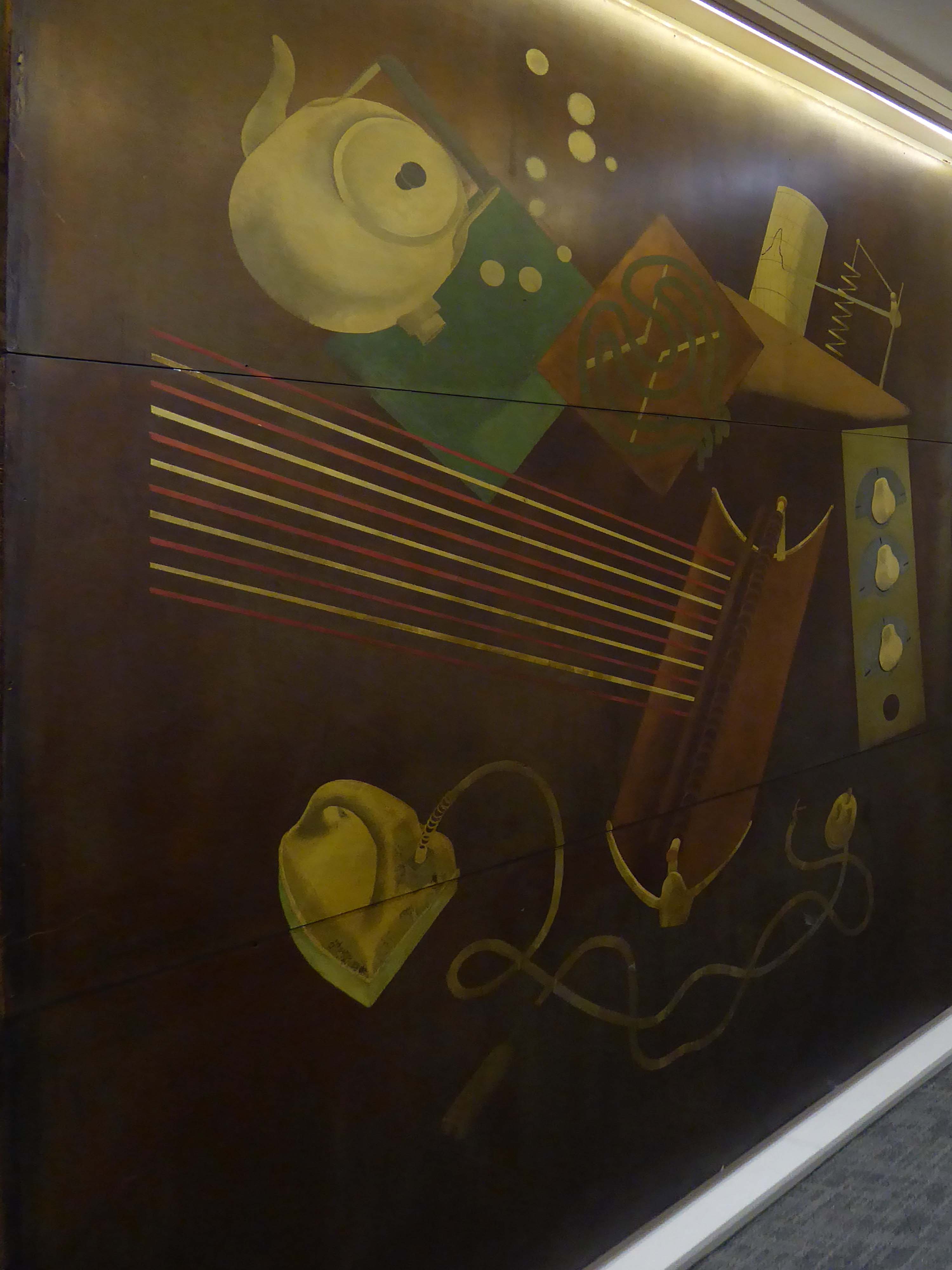
On the back wall this mural remains as a reminder of the theatre’s the former use.
Many thanks to Grant Butterworth – Head of Planning, for negotiating access to the hall and accompanying us on our Modernist Mooch.
In the 1960s a nuclear bunker was constructed. This was one of many across the country built by local authorities to protect key personnel from radiation in the event of an attack, enabling some form of government to continue. Today, the bunker has long gone, and the basement of City Hall is now used as a storage area.
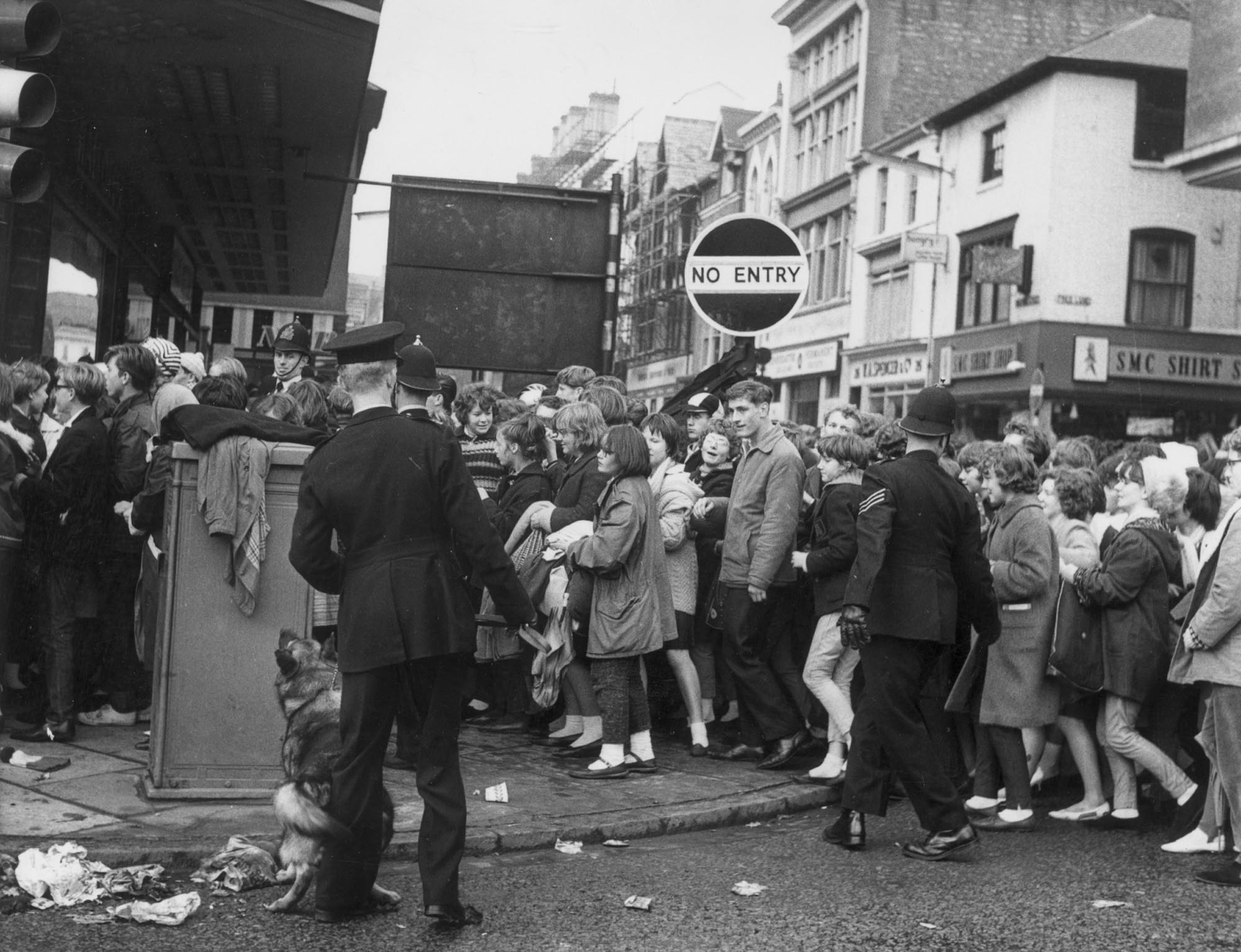
By 1963 the De Montfort Hall Box Office was located in the building. This caused chaotic scenes in Charles Street when, in October of that year, around 3,000 youngsters queued all night for tickets to see The Beatles. When the Box Office opened at 9:30am, the queue stretched back to Humberstone Gate and was held in check by a pitifully thin line of police. The Leicester Mercury described the scene as:
A heaving, shouting, screaming, unruly, undignified, disorderly mob – a disgraceful night.
Pressure from the crowd caused a 10 foot square window in Halford´s shop to break. With all the tickets sold, the crowd dispersed and the Leicester Mercury said Charles Street resembled
A filthy, unswept ghost street, badly in need of the cleaners to remove the mountains of waste paper and return its respectability.
To 2015 when local artist and archivist Catrin SaranJames is undertaking a little reverse vandalism by way of guerrilla restoration or adfer gerila if you will.
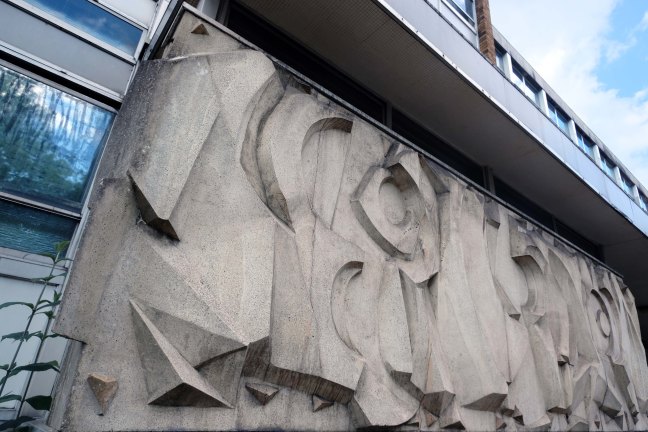
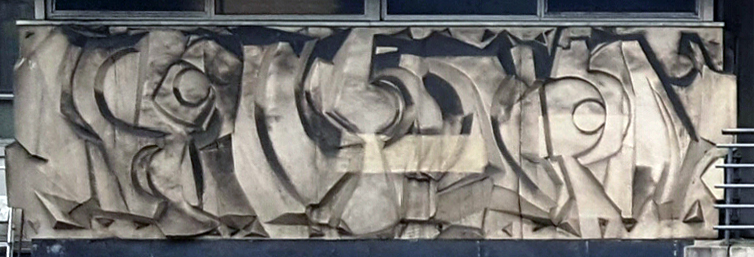
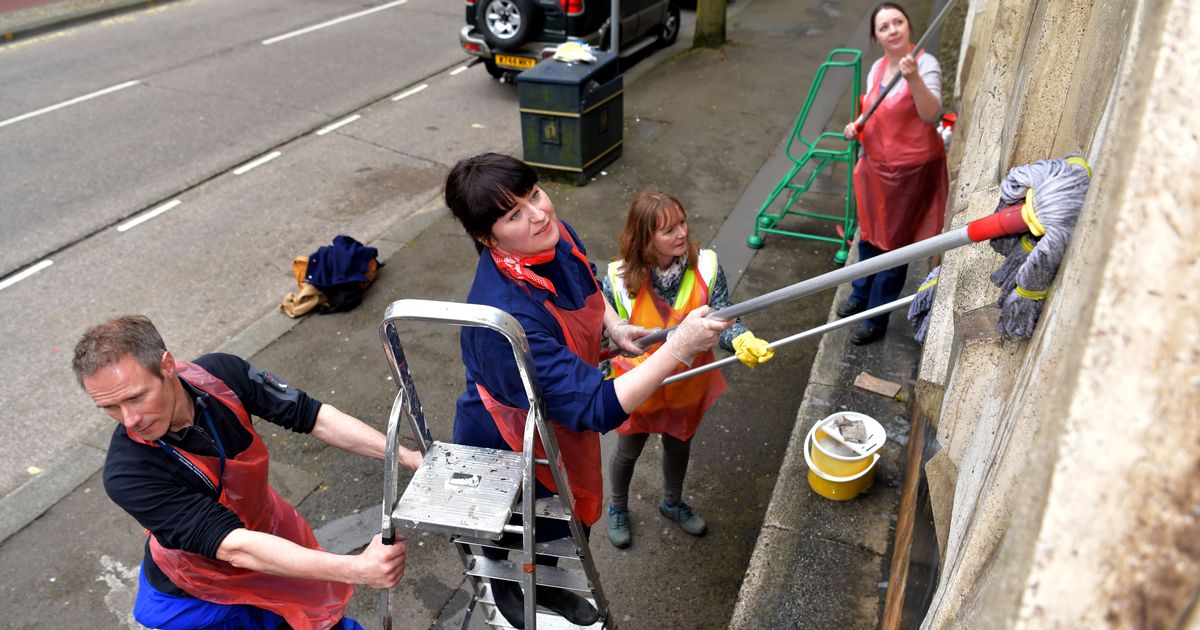
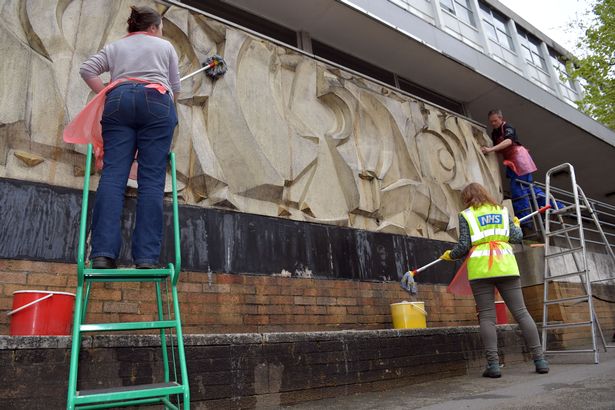
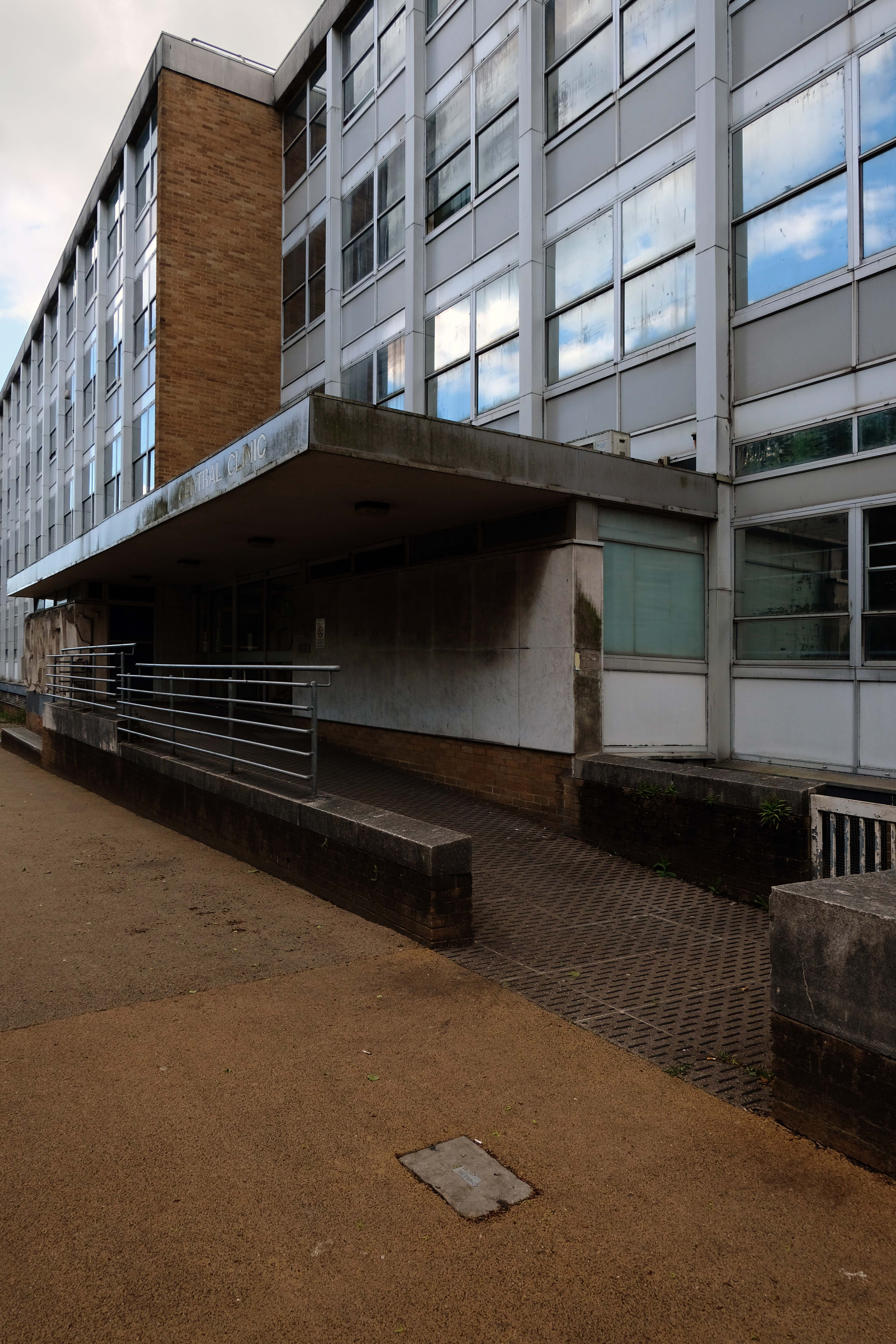
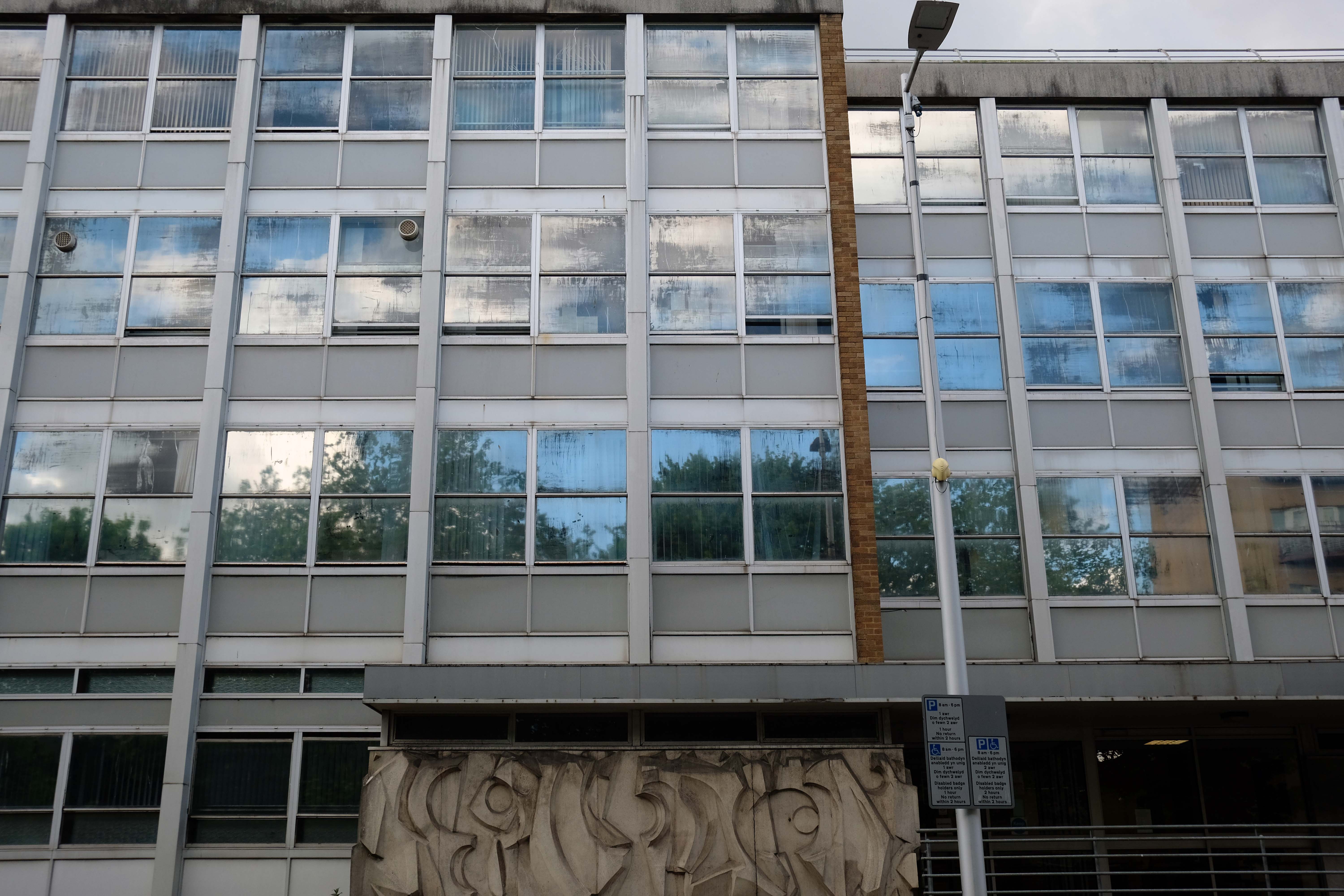
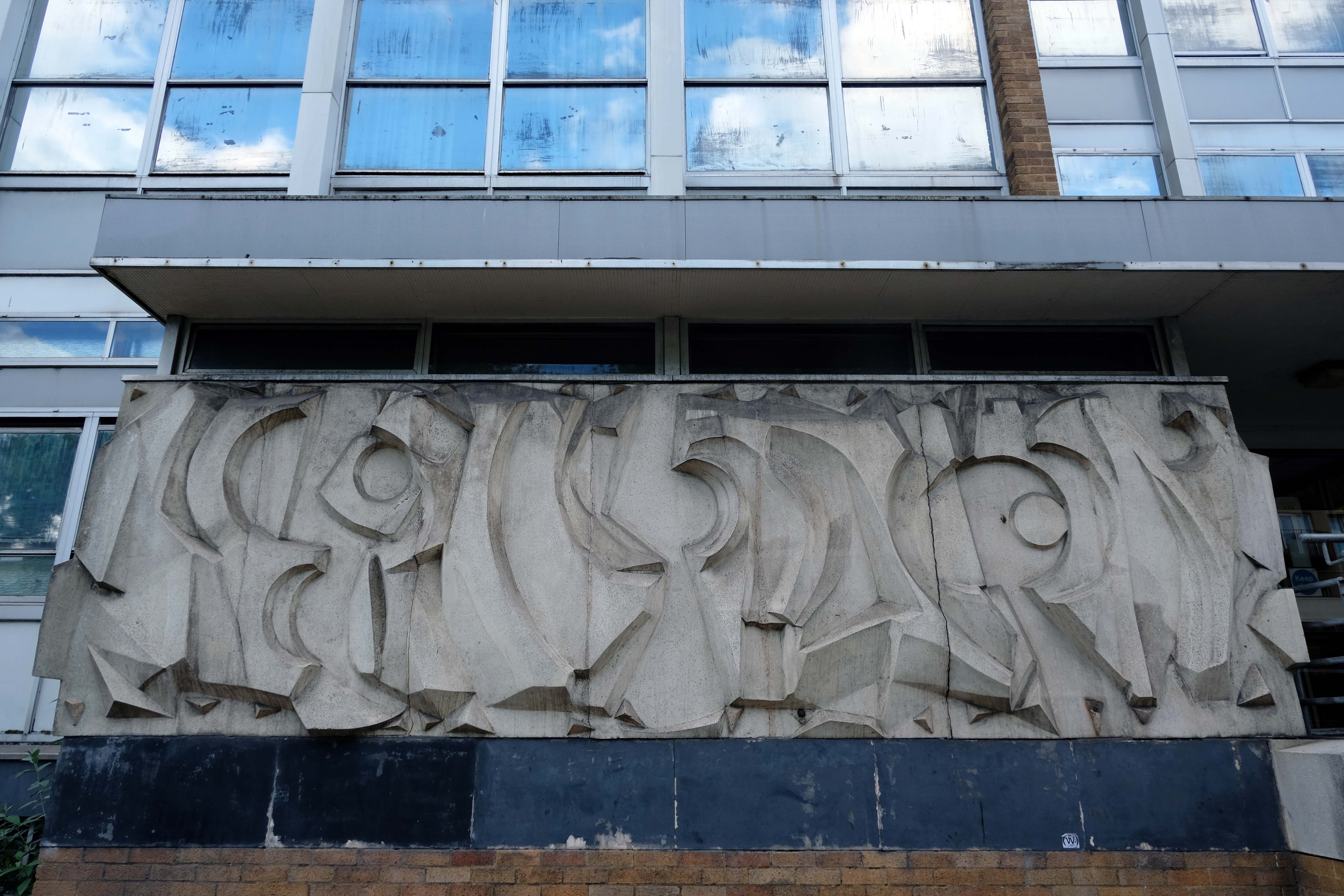
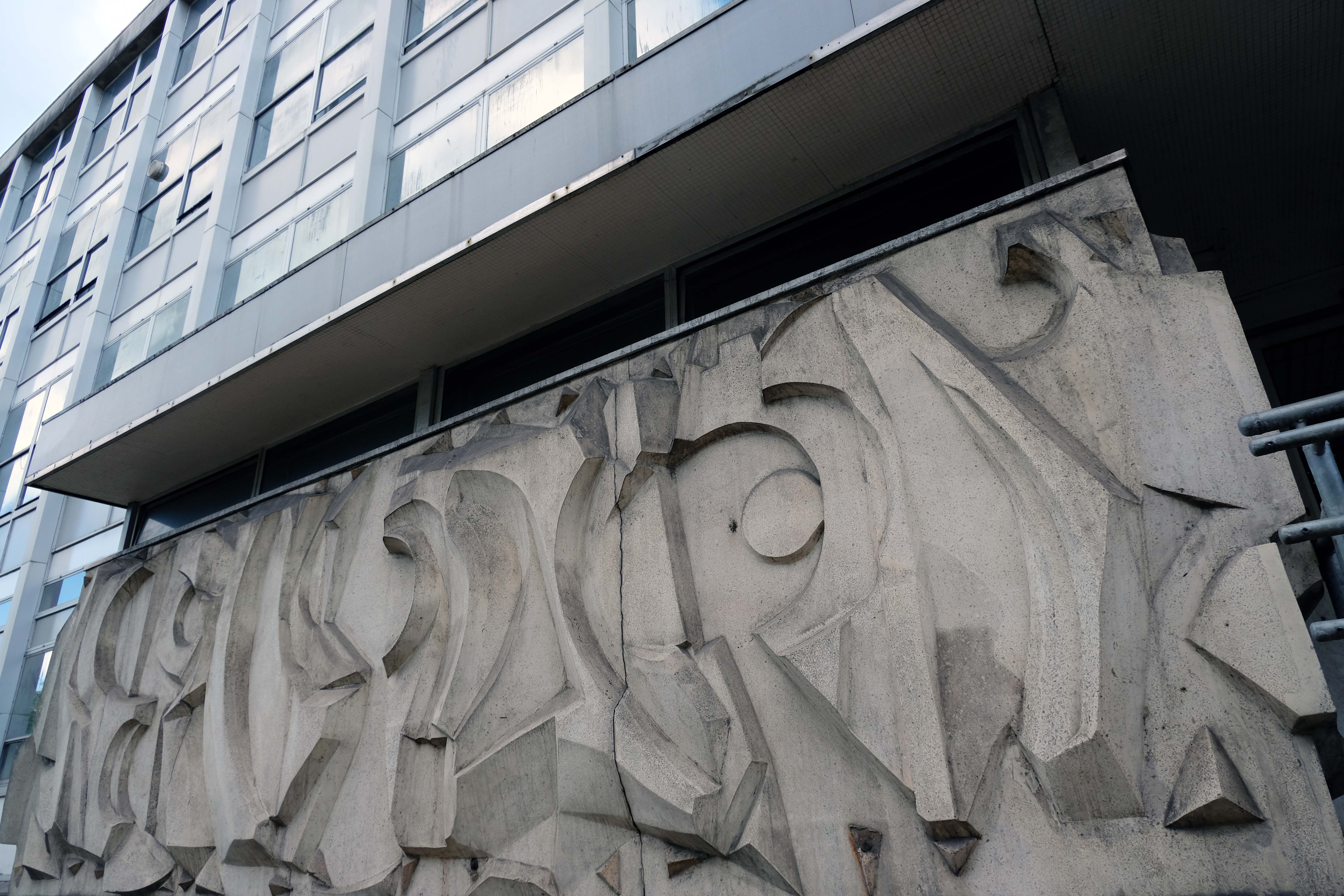
Leading to a full scale cleaning of the Harry Everington 1969 concrete mural adorning the Central Clinic.
It was under Harry’s guidance that students from the Swansea College of Art produced the mural which was put on the building’s exterior back in 1969.
It was fantastic to have had an email from the ABMU Health Board earlier this year. Martin Thomas who leads the ABMU Heritage Team contacted me as he was researching what public art the health board owned.
Martin came across my Guerrilla Restoration work and the previous work I’d done in highlighting cleaning samples of Harry Everington’s 1969 abstract concrete sculptural mural over the last 5 years.
Taken from the ABMU Heritage blog, here’s what Martin said of the project:
When we started this group we carried out a scoping exercise to see what historical artefacts the health board owned and this mural came up.
When I did more research I found out about Catrin’s project and we thought it would be a good idea to help finish what she had started.
We thought this would be a great opportunity for us to clean a very neglected sculpture.
Subsequently her gallant restoration endeavours made headline news in Wales Online.
Fast forward to Wednesday May 11th 2022 – I am aboard the Transport for Wales train, Swansea bound!
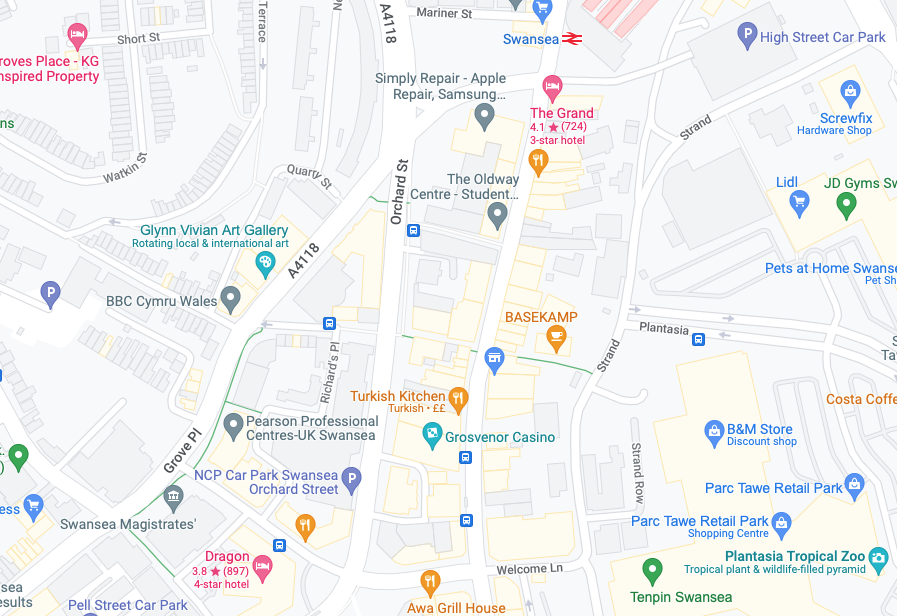
Catrin had kindly forwarded me a clear and comprehensive guide to Swansea’s Modernist architecture.
Characteristically, I promptly got lost, fortunately we had arranged to meet at the National Waterfront Museum – which was clearly signposted. Following a chat and a cuppa we swanned off, visiting the Civic Centre and a lovely array of post-war retail outlets.
We parted and I went on my merry way – I can’t thank you enough for your company and erudition Catrin, diolch yn fawr.
Eventually I arrived at the Clinic, I feel that the best time to visit a medical centre is when you are fighting fit, with an overwhelming interest in cast concrete, rather than plaster casts.
We arrived safely by train from Stockport at Southampton Central.
Following lengthy consideration we headed off on our bikes.
Whilst halting to review our progress, I realised that I had lost the map, a map vital to our further progress.
Returning to the station I found it nestled against the kerb.
Further assessment of our onward journey resulted in yet another retracing of steps.
In the shadow of Southampton Station dwarfed by Norwich House.
Resolute, we confront the fact that we are unsure of the route and following close scrutiny of the map, our environs and the surrounding signage, we proceed eastward towards our destination.
Wyndham Court – architects Lyons Israel Ellis, E.D. Lyons being the partner in charge along with Frank Linden and Aubrey Hume.
Leaving the city and heading along the Weston Shore – Southampton Water.
To our right several Seaside Moderne shelters
Tim feasts on a Mint Club biscuit.
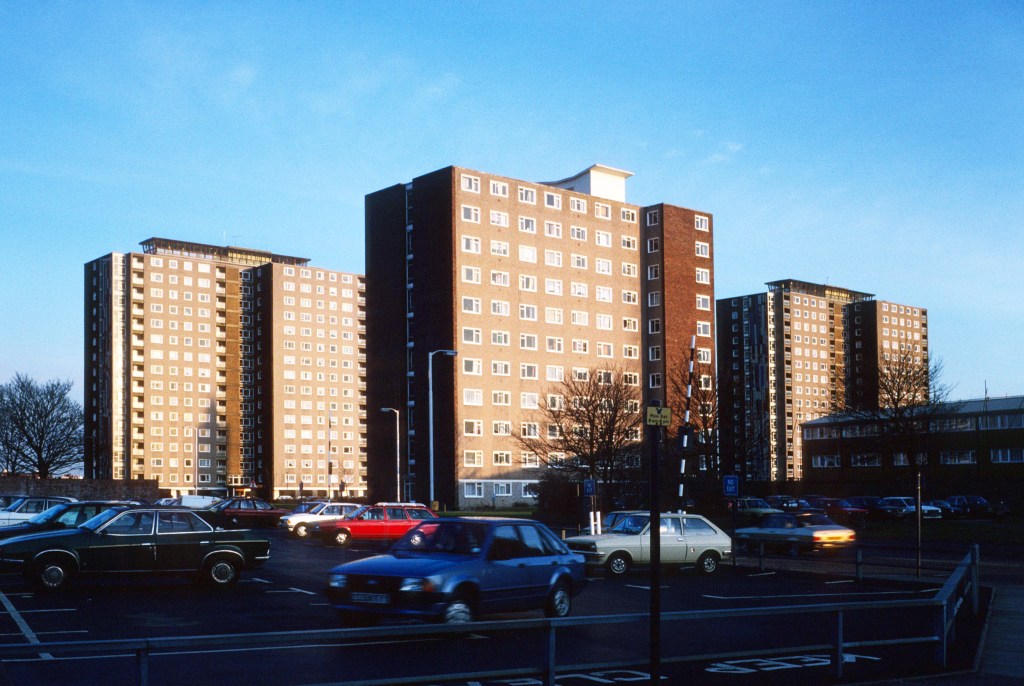
To our left are the tower blocks of Weston Farm Foreshore – L. Berger City Architect 1963
In the distance Canberra Towers Ryder and Yates 1967
Residents living on the second floor of 24-floor block Canberra Towers, on Kingsclere Avenue in Weston, were told to evacuate as flames erupted inside a kitchen.
The Daily Echo spoke to the residents of the affected flat, who said the cat knocked paper that was on top of the microwave, which then fell onto the toaster.
Tracey Long said:
I’ve got two cats, and Sponge was the one who knocked the paper.
He knocked paper off the microwave and into the toaster, it was quite scary.
I lost him in the flat but now I’ve found him again.
Arriving just in time to be too late, next thing you know we’re bobbing along on the Hamble Warsash Ferry.
The obliging ferry folk having taken us across the estuary, despite our tardiness.
The village and the River featured in the 1980s BBC television series Howards’ Way.
Sadly little evidence of the successful TV show remains, however happily Henry VIII’s Dock and an Iron Age Fort have prevailed.
Onward to Gosport where we happen upon a diminutive yet perfectly formed Bus Station.
Originally built in the 1970s, the bus station was described in 2012 as knackered by the council chief executive at the time, Ian Lycett, and an investment plan was drawn up.
Talk of redevelopment then resurfaced in 2015, before the site was put on the market in 2016.
Keith Carter, retiring owner of Keith’s Heel Bar in Gosport Precinct, has described the bus station as a missed opportunity.
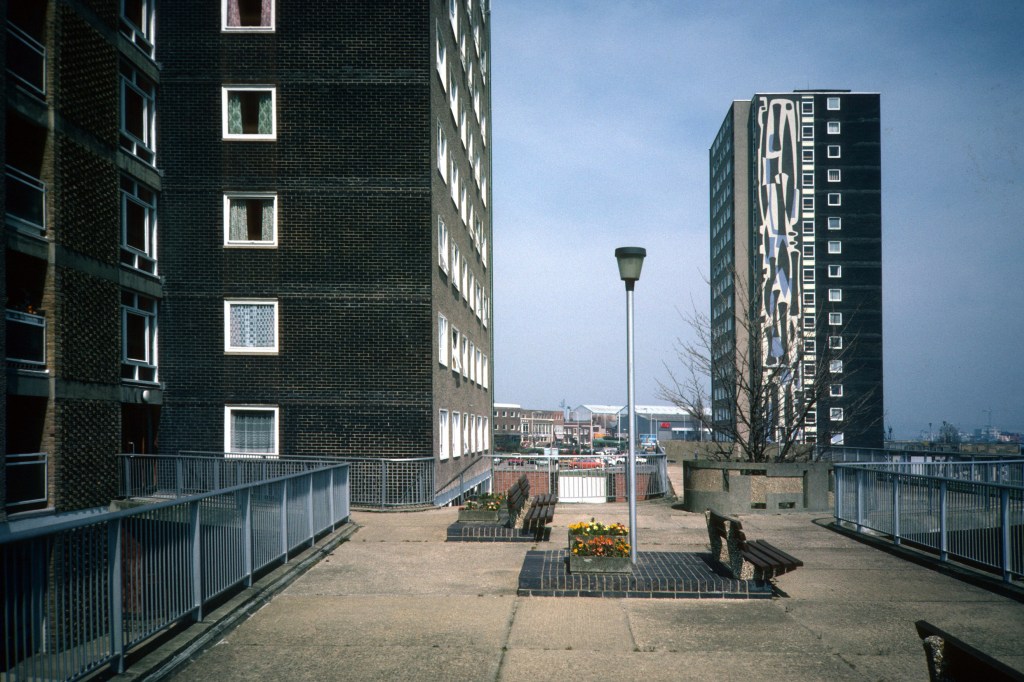
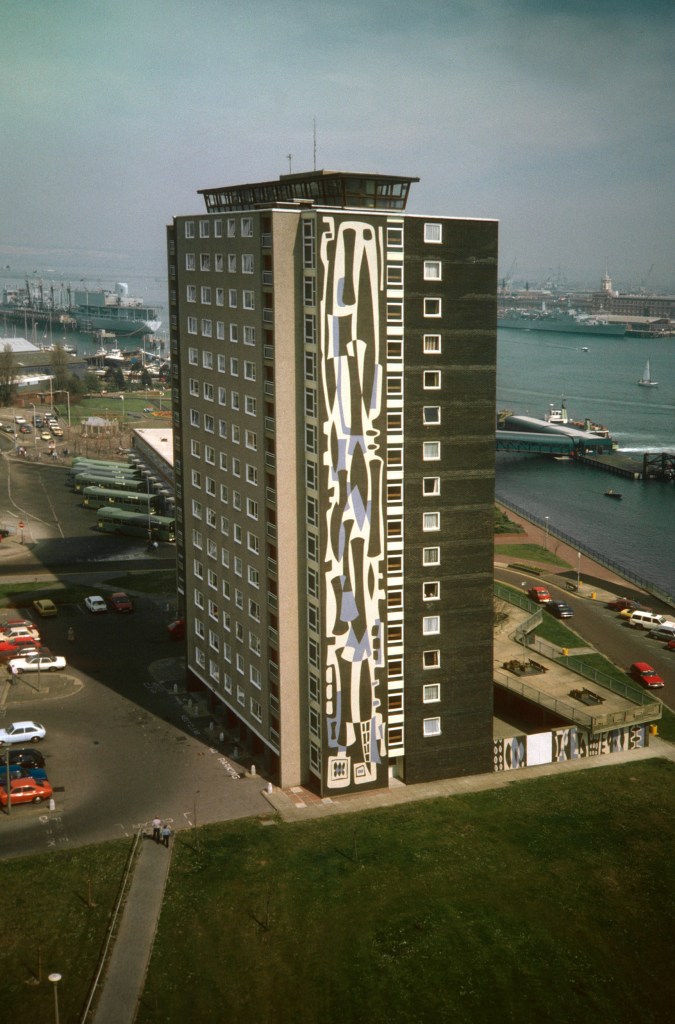
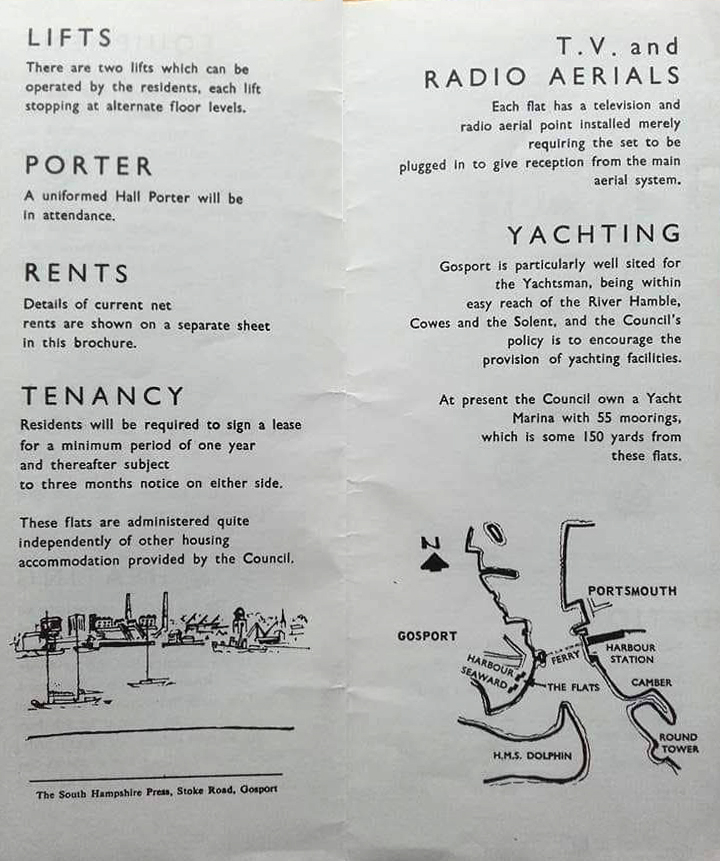
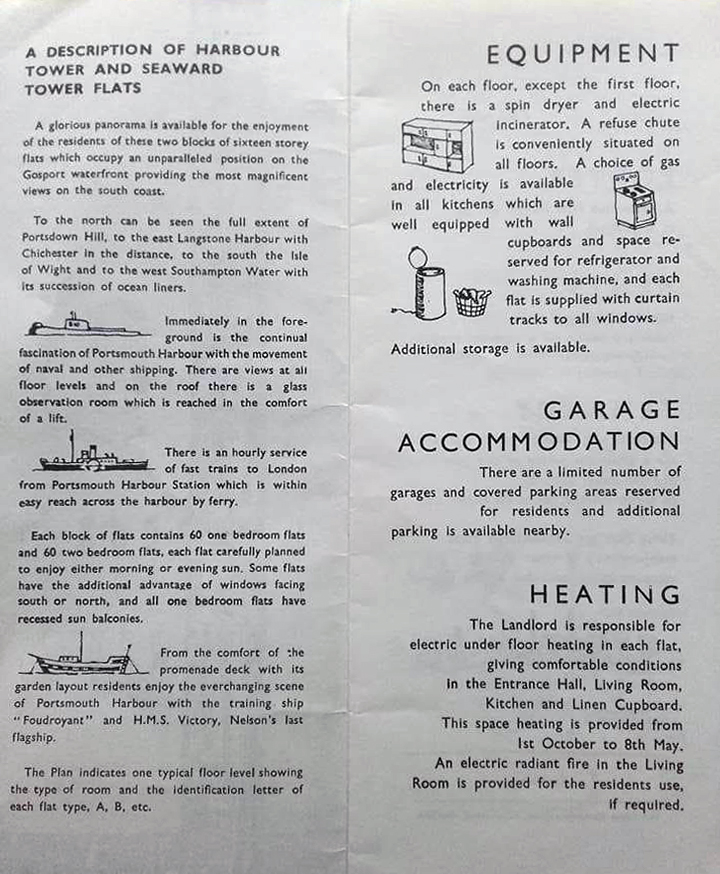
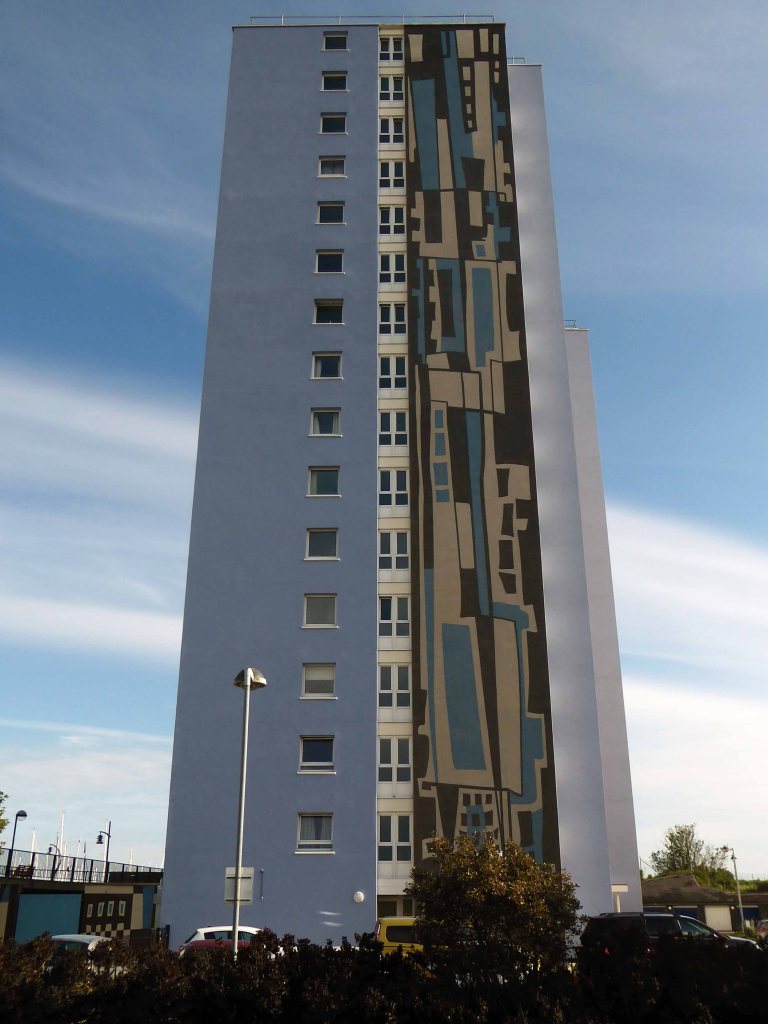
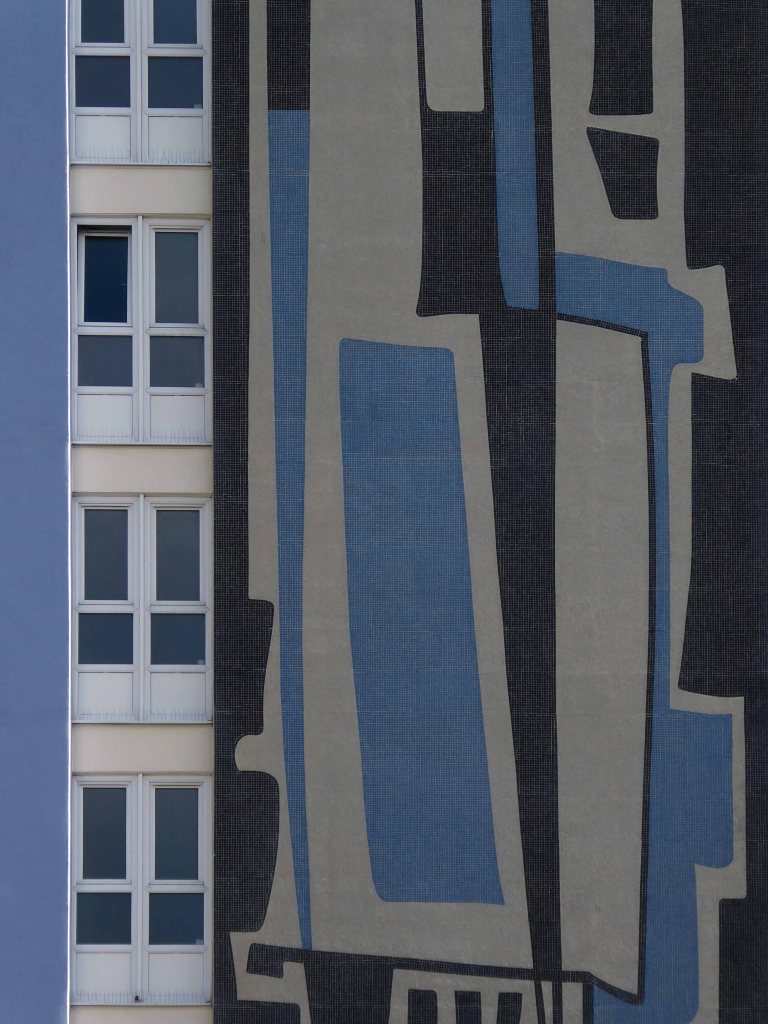
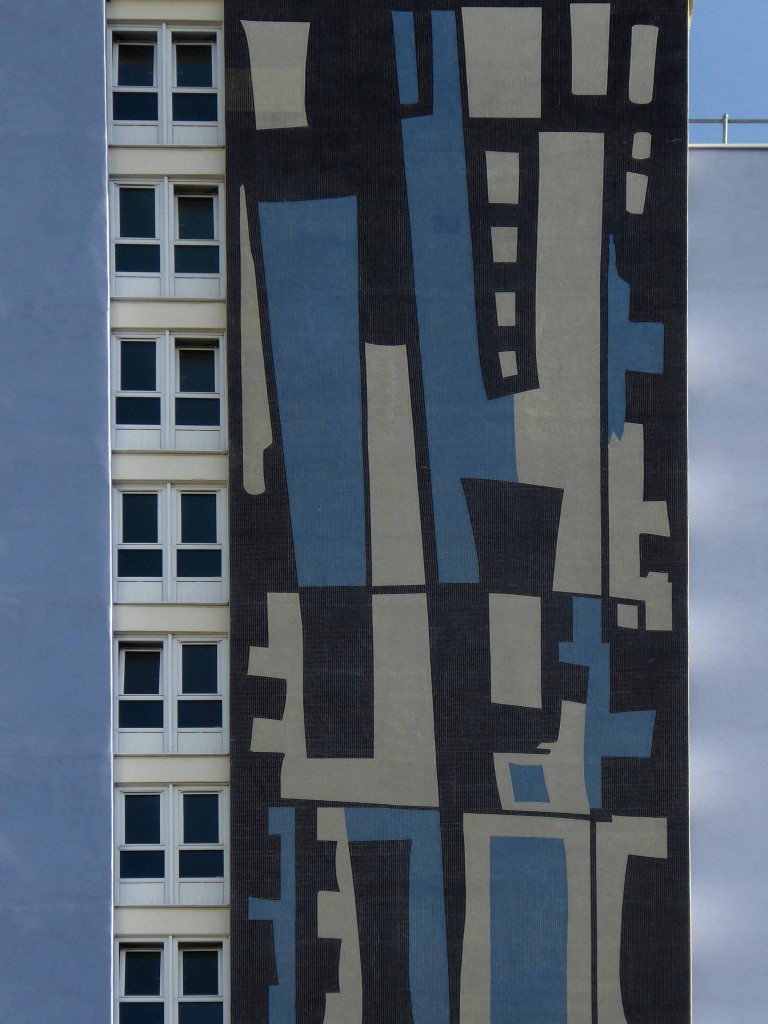
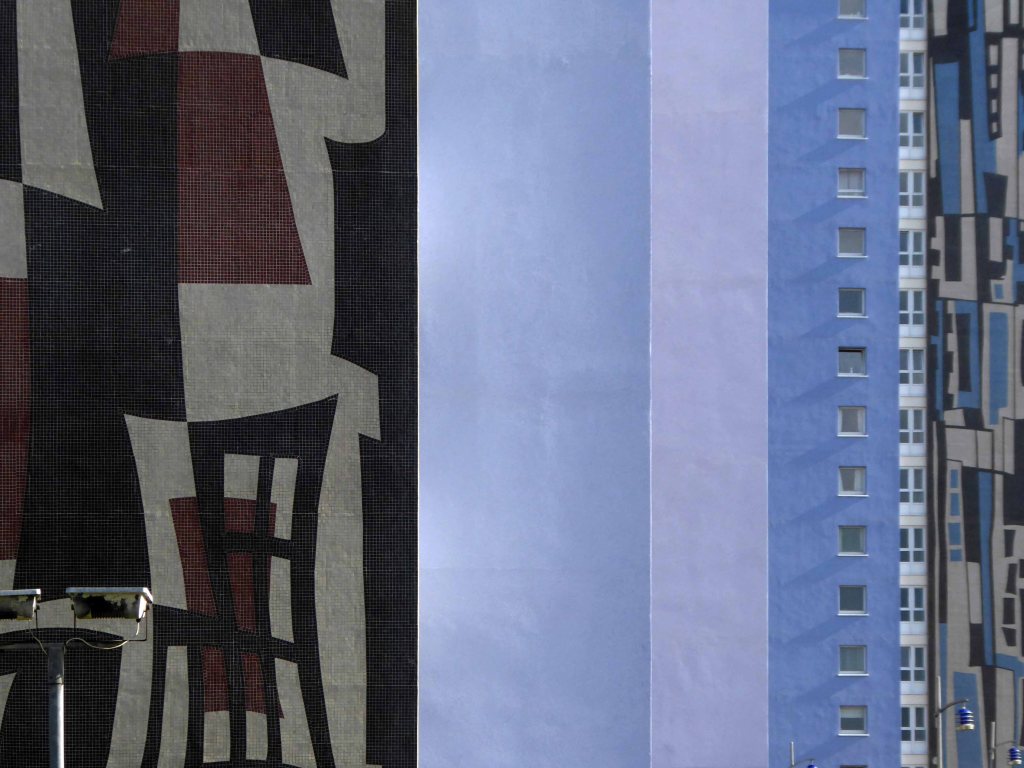
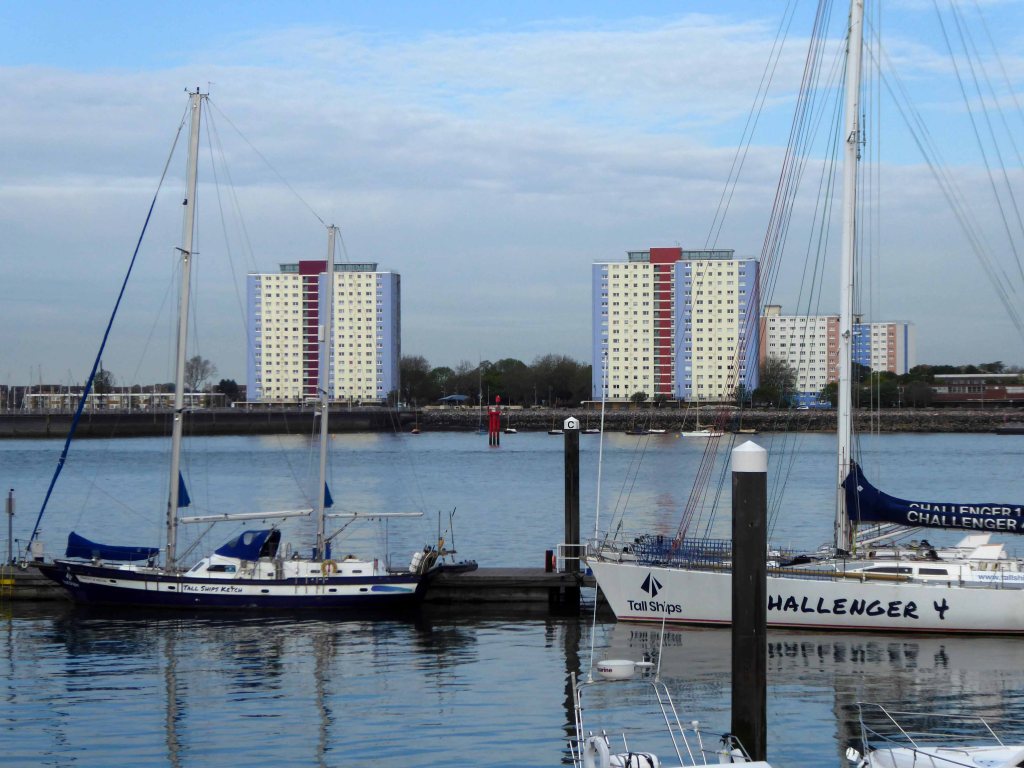
The nearby Harbour and Seaward Towers have faired a little better, newly clad and their tiled murals intact.
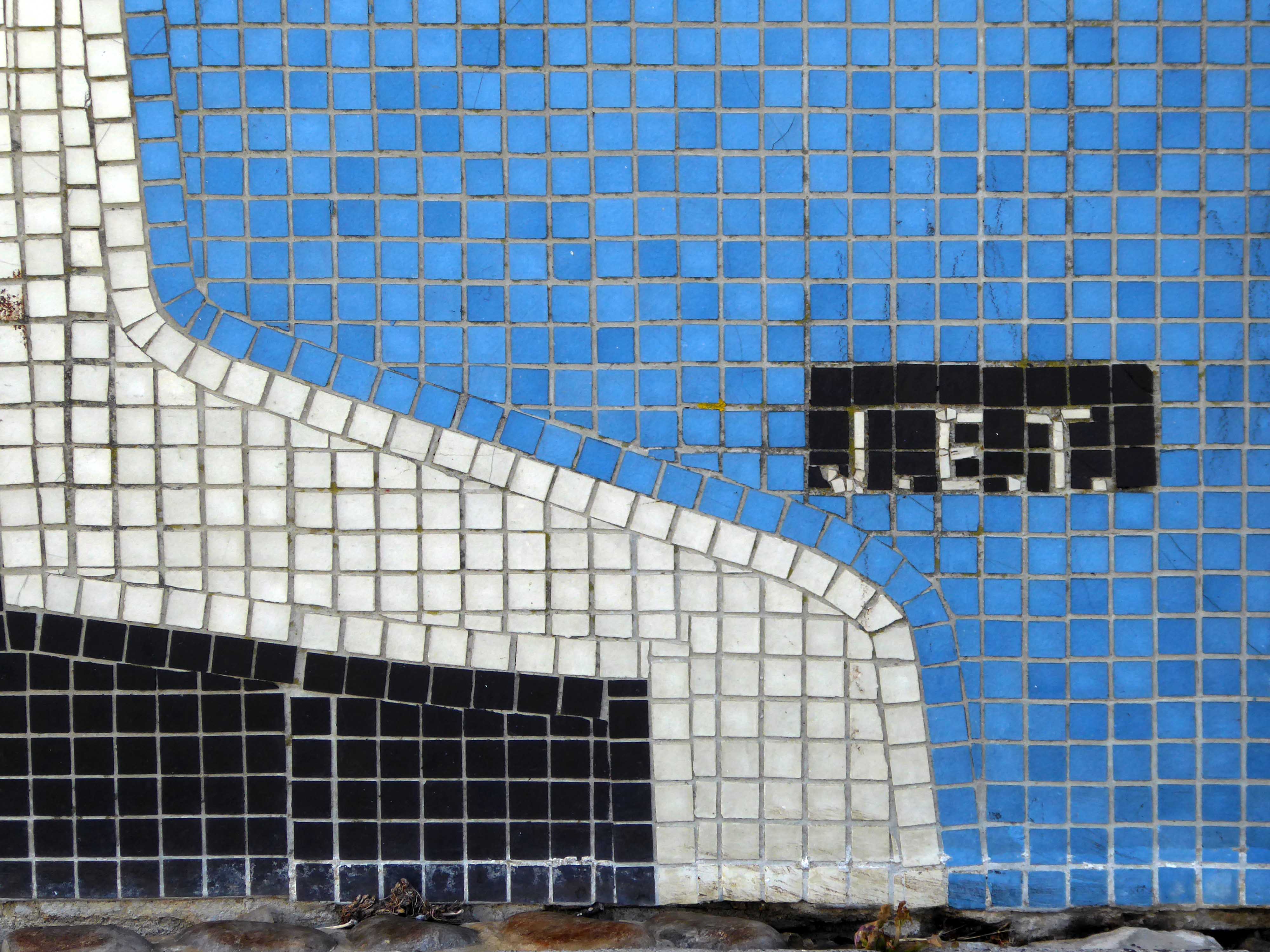
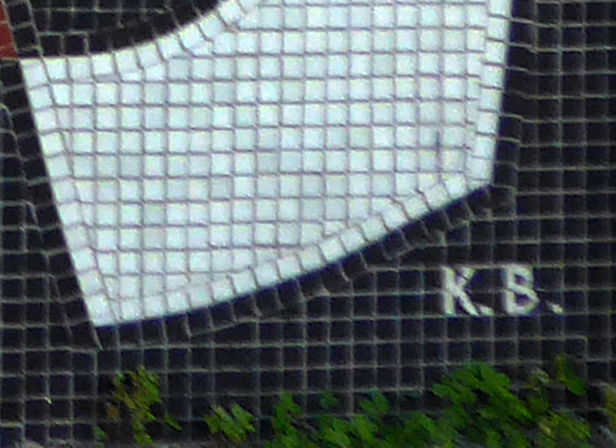
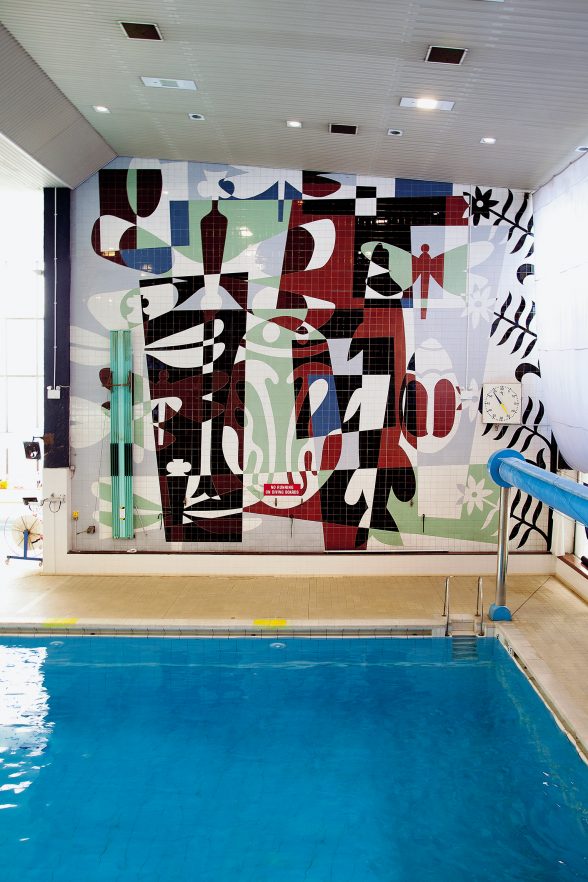
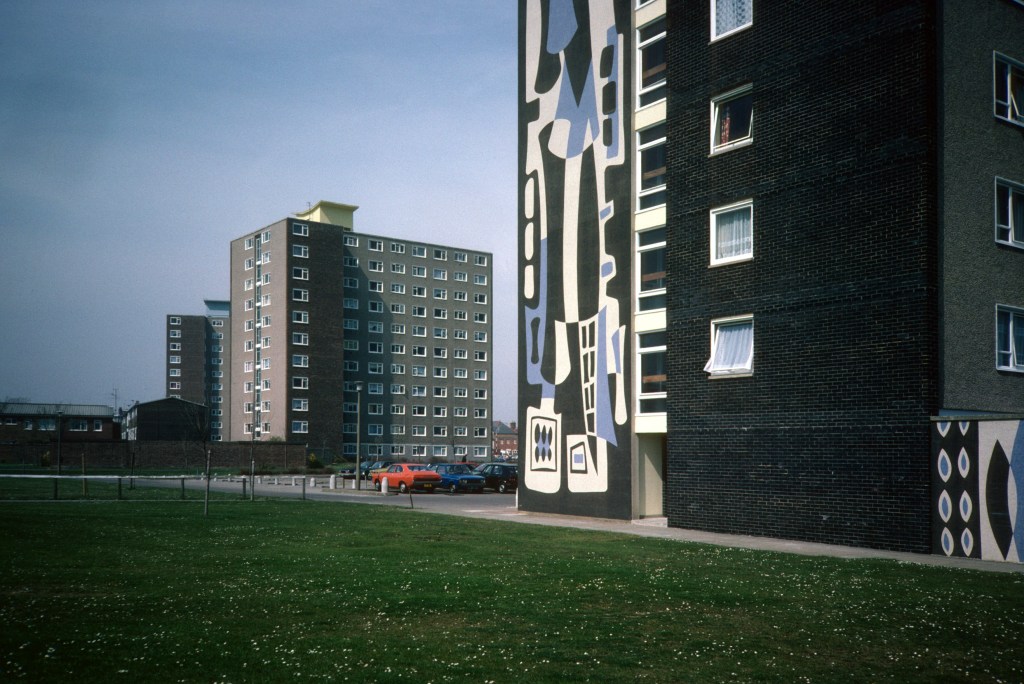
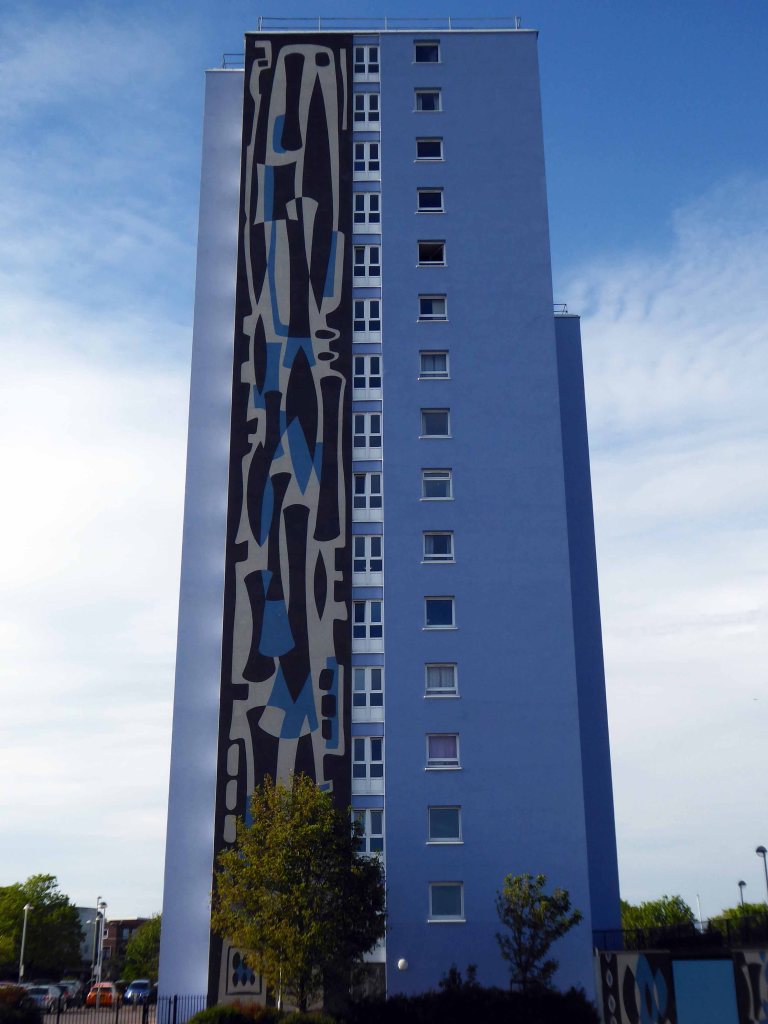
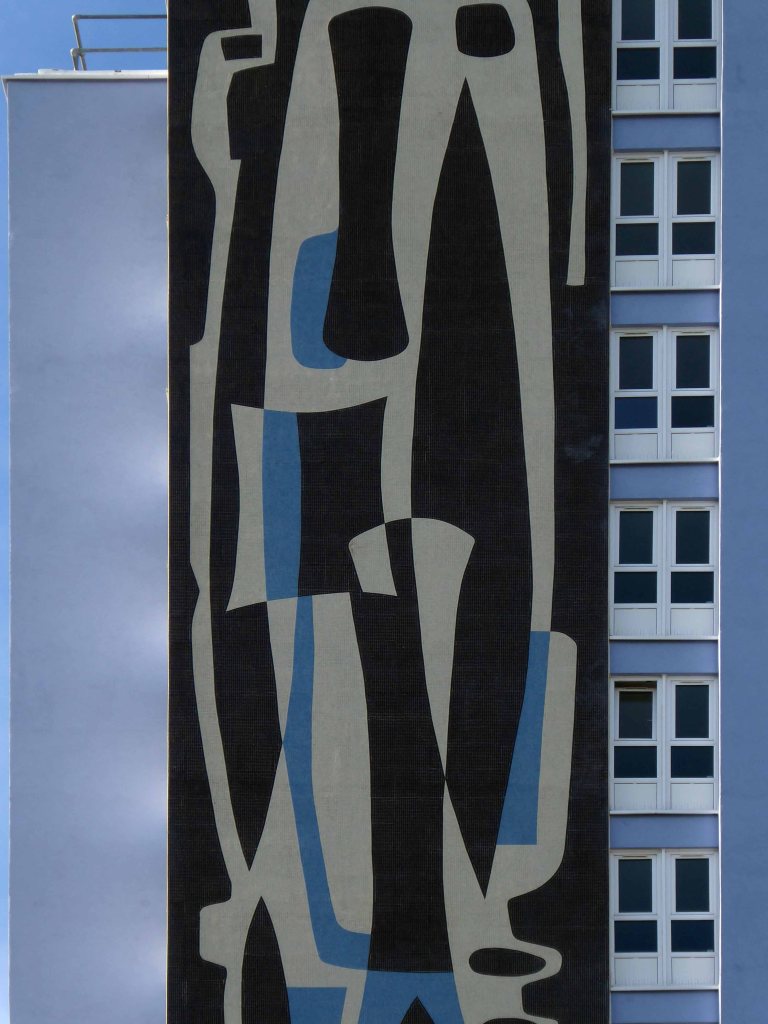
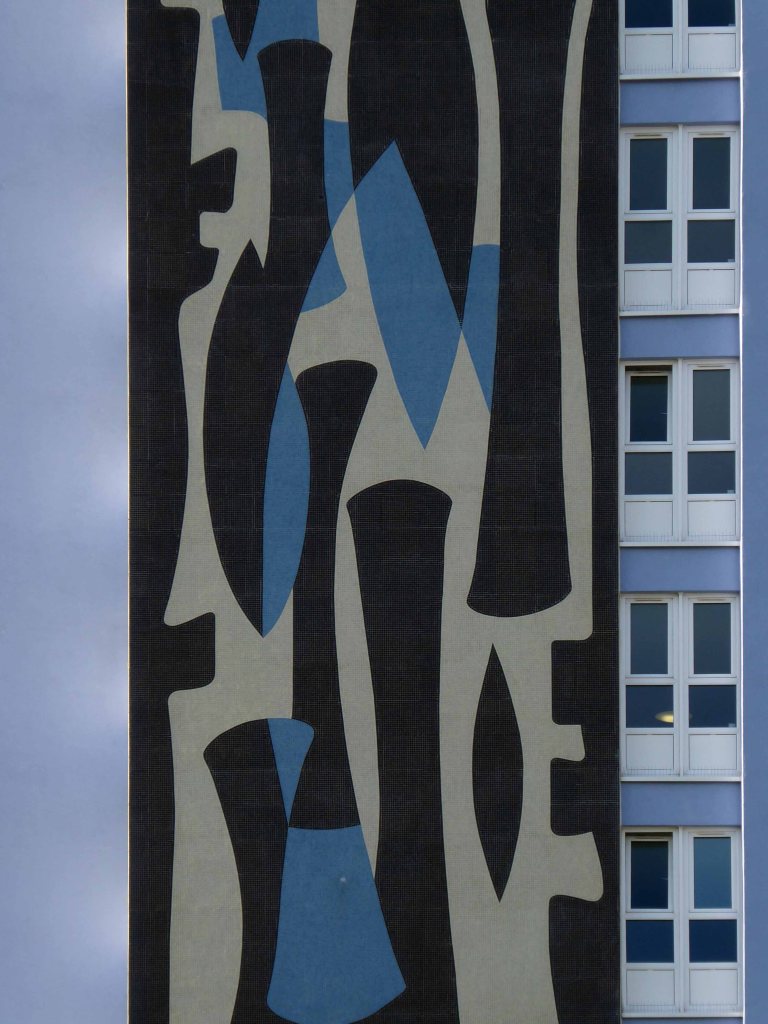
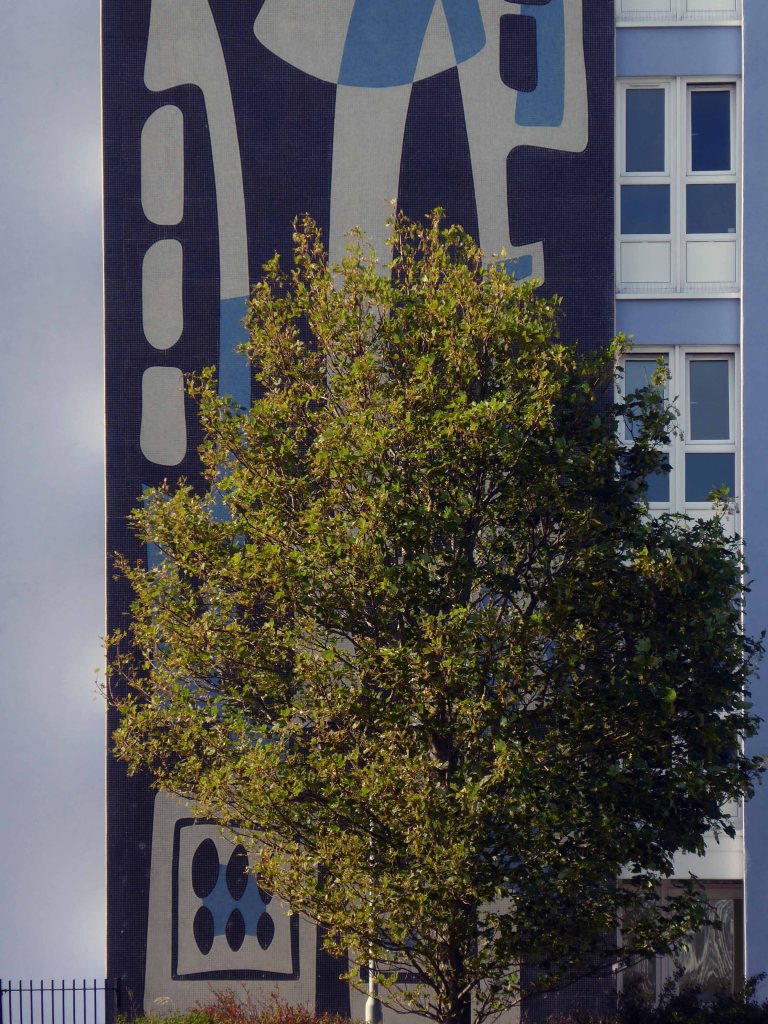
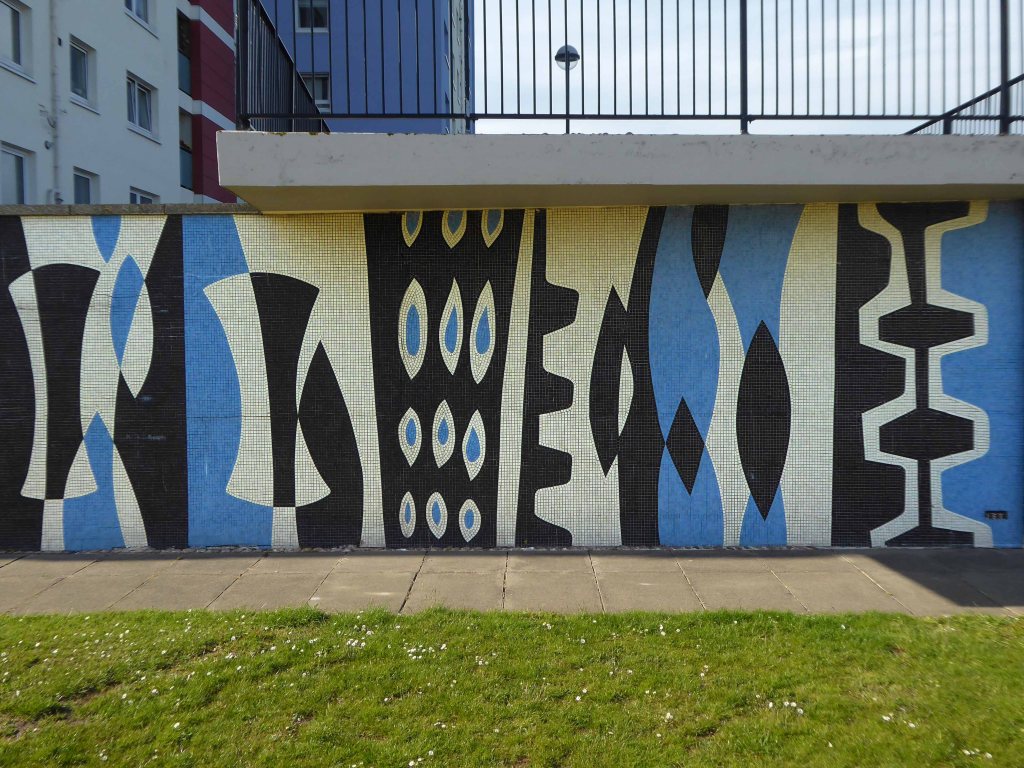
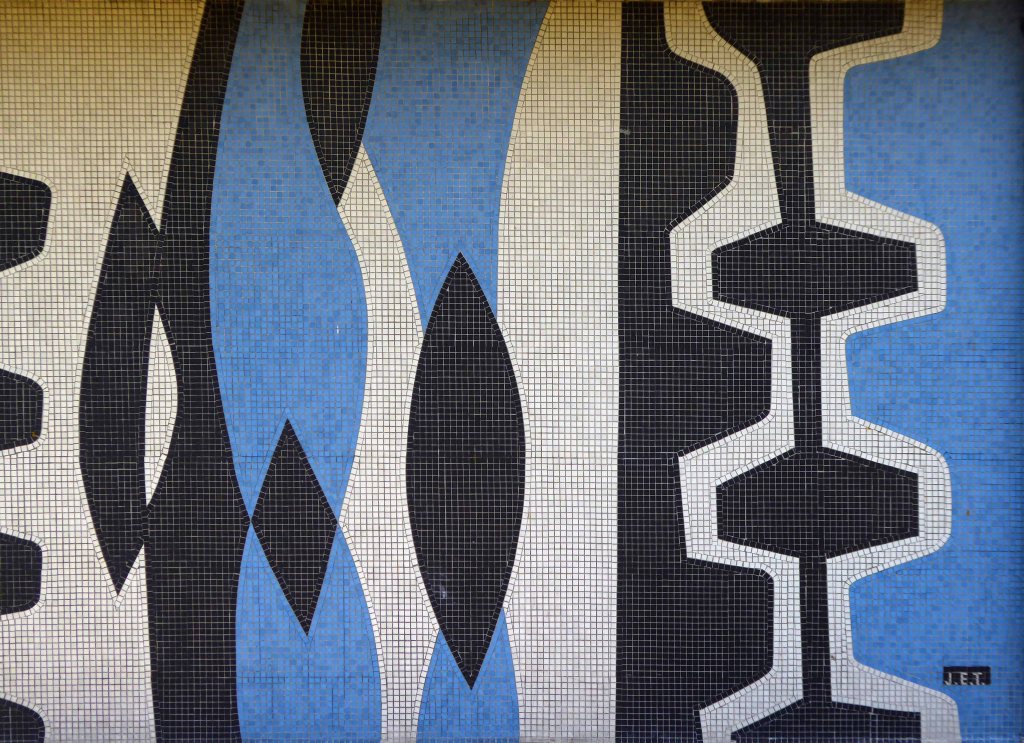
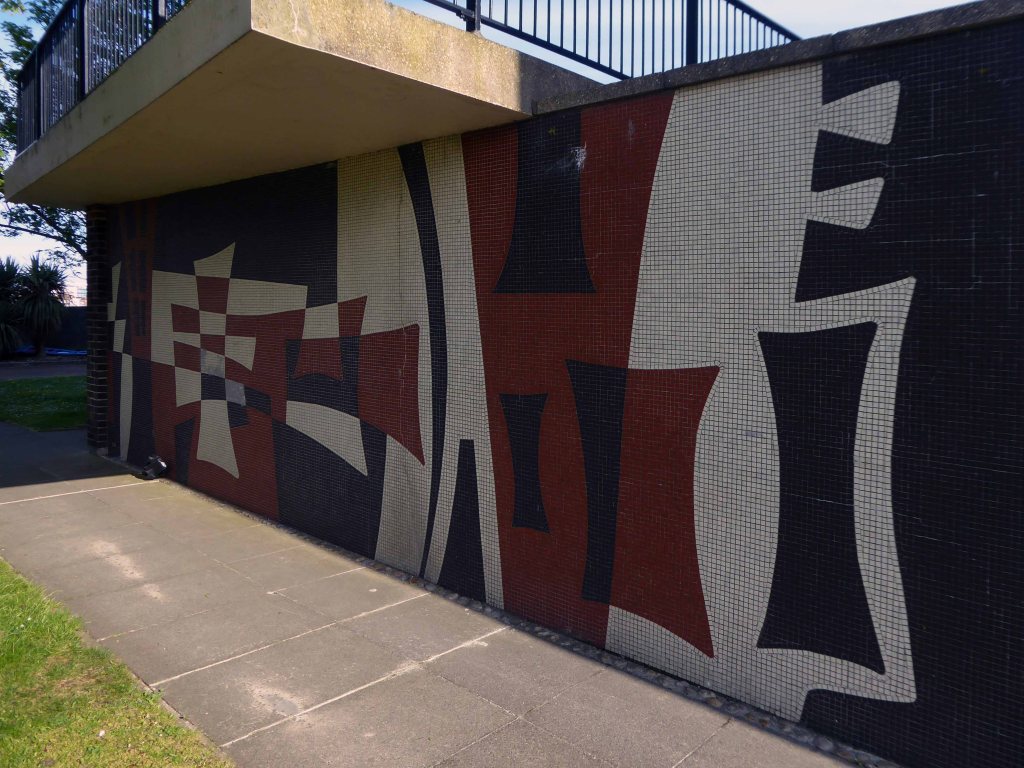
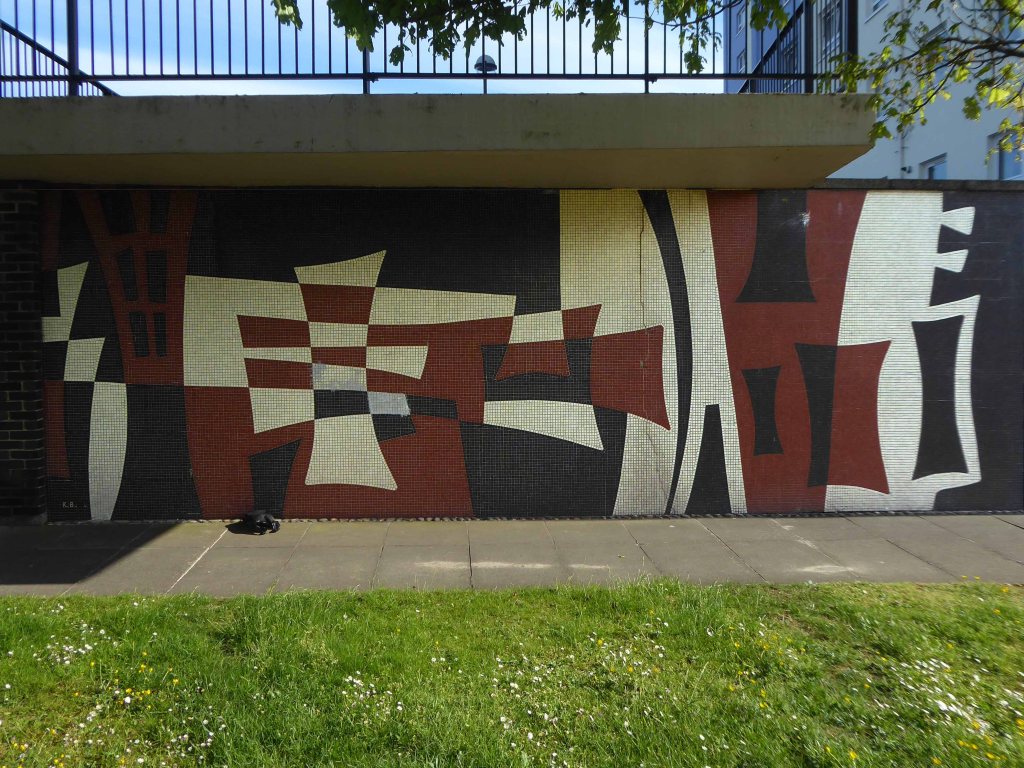
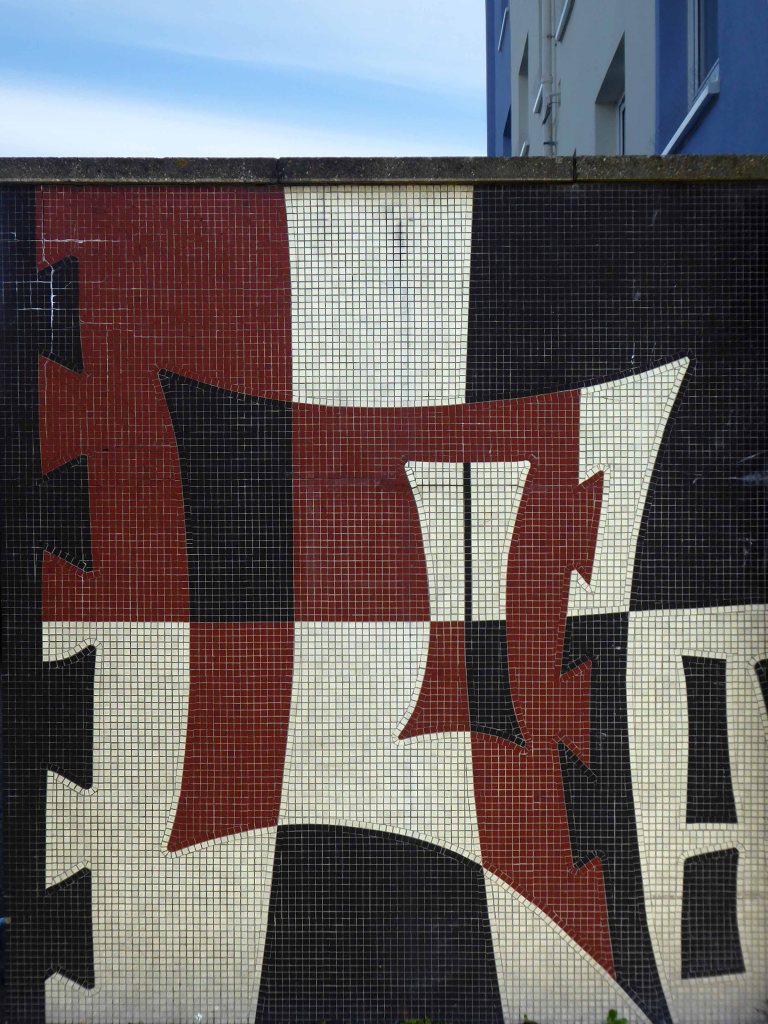
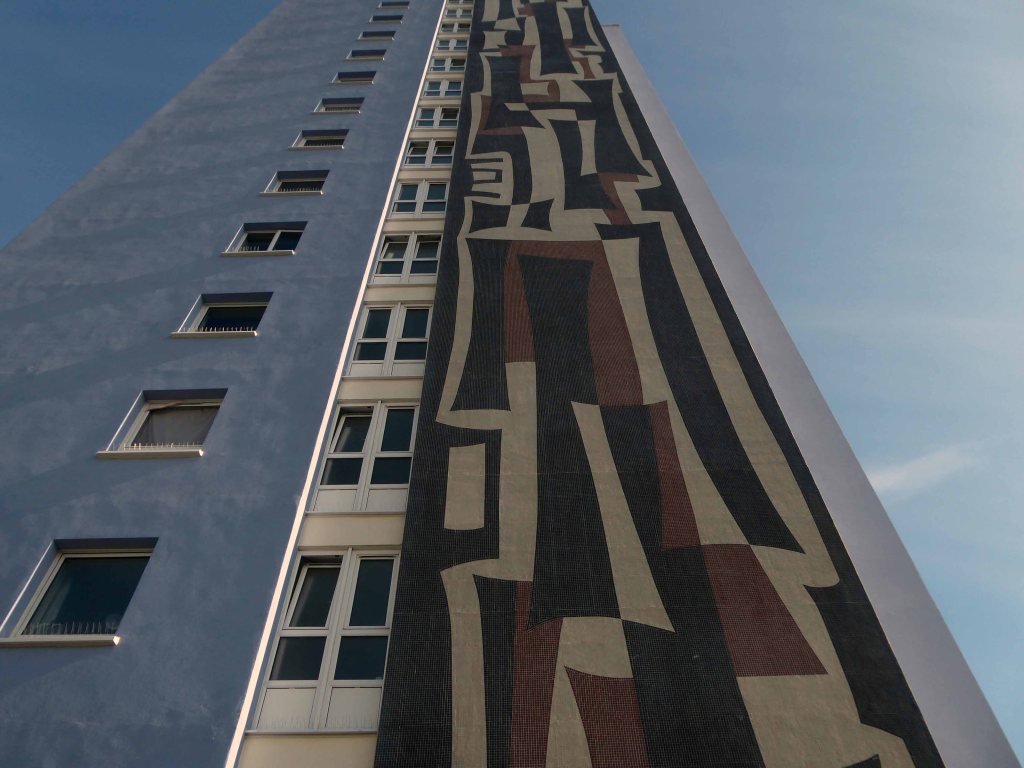
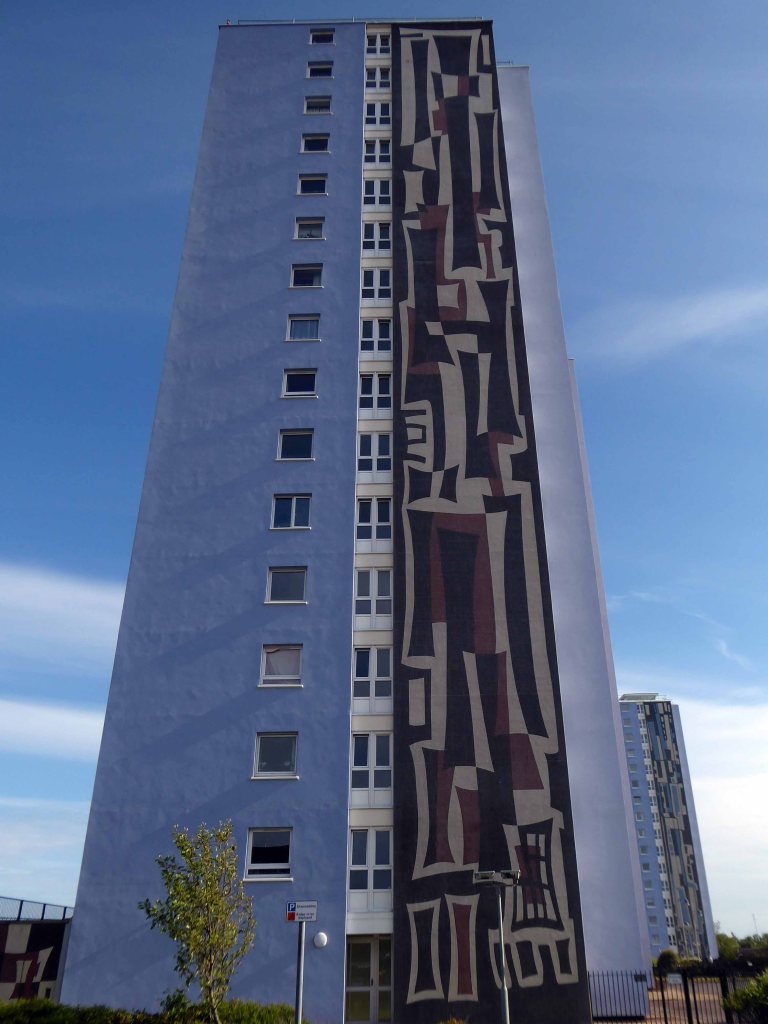
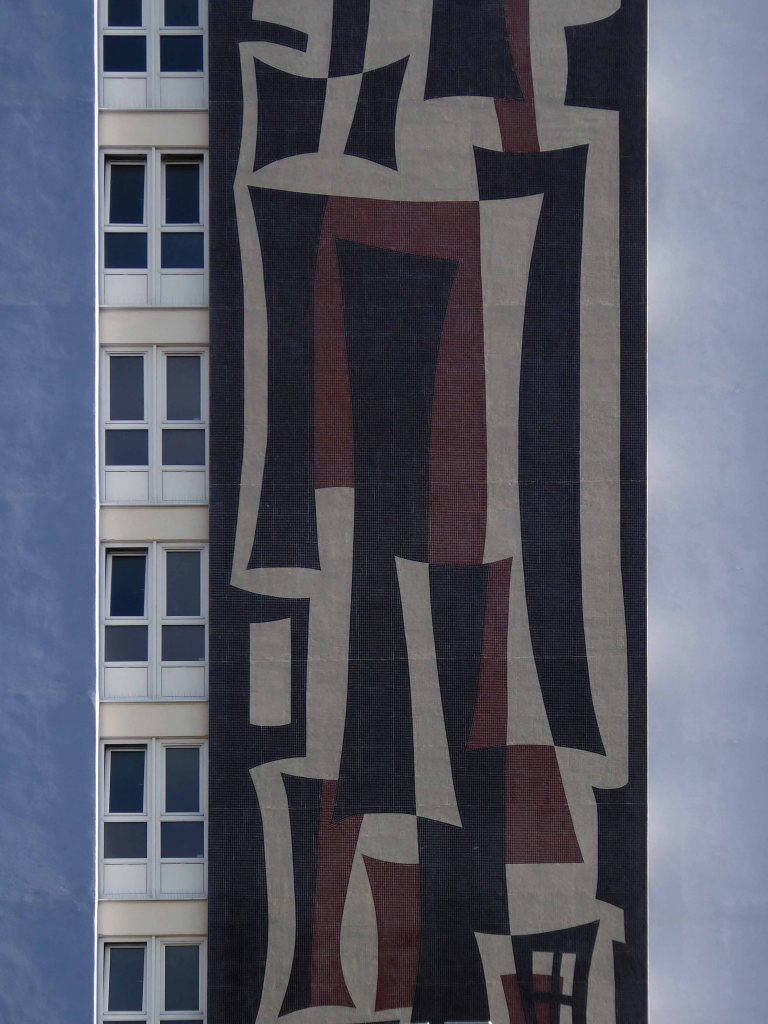
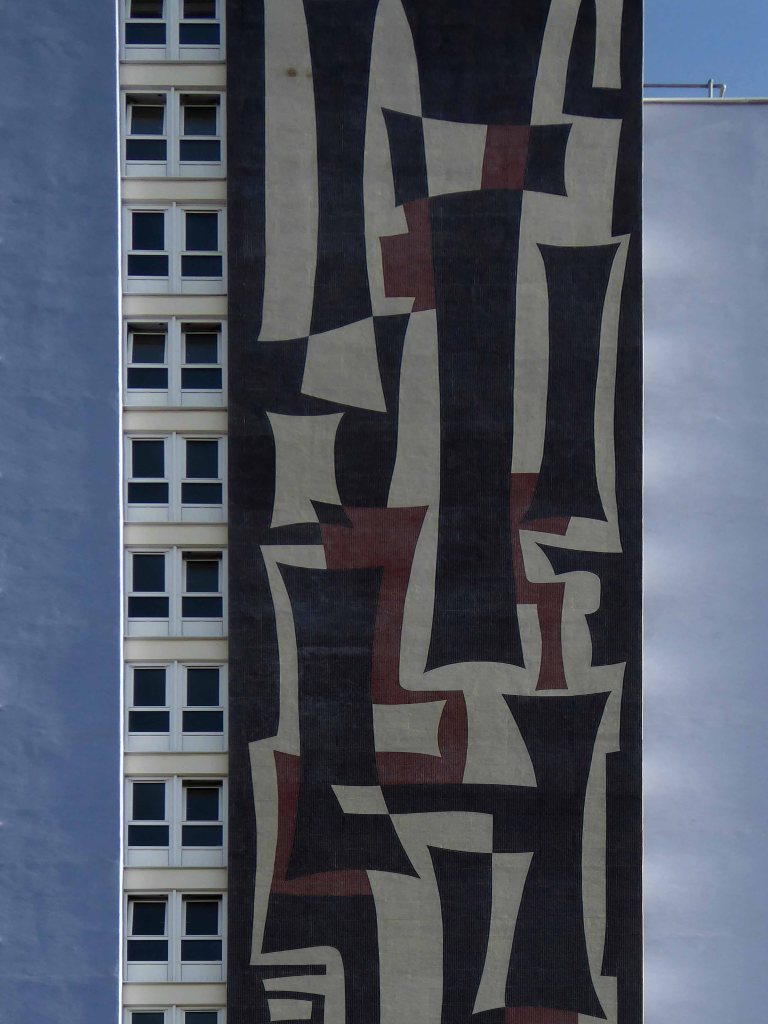
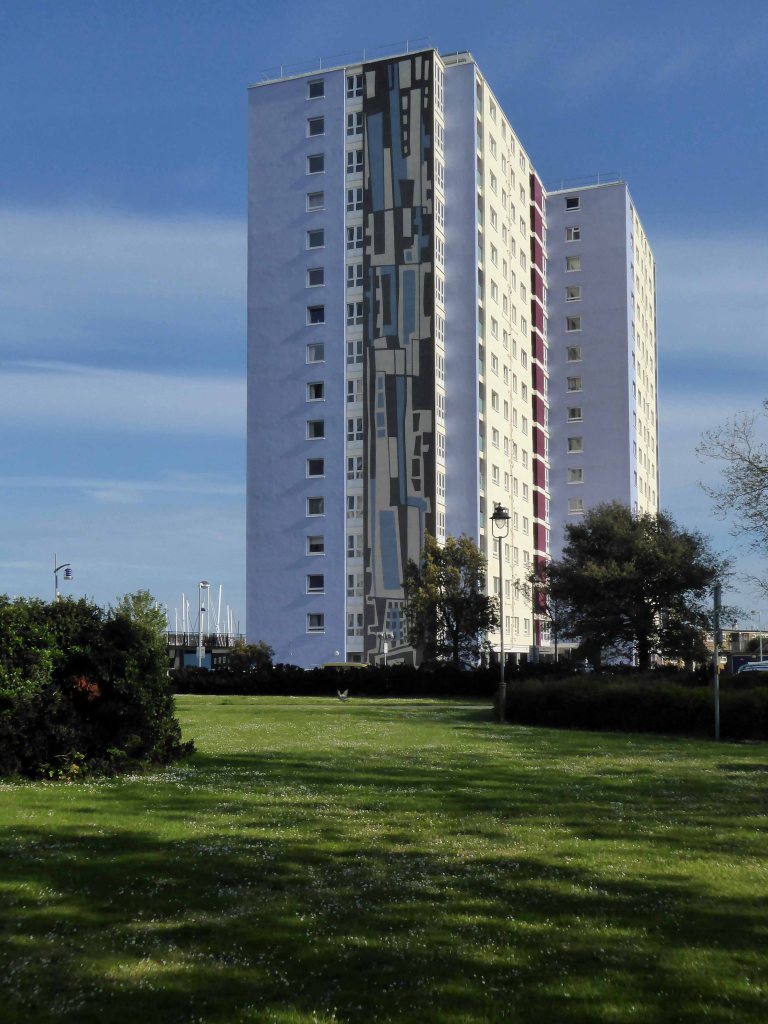
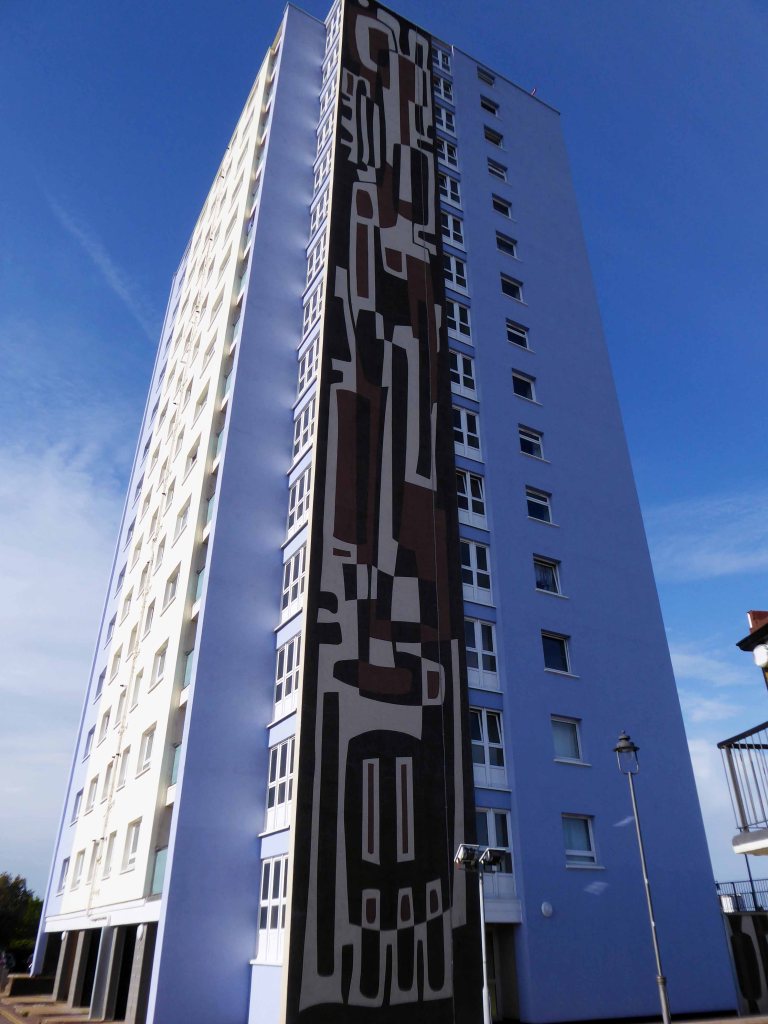
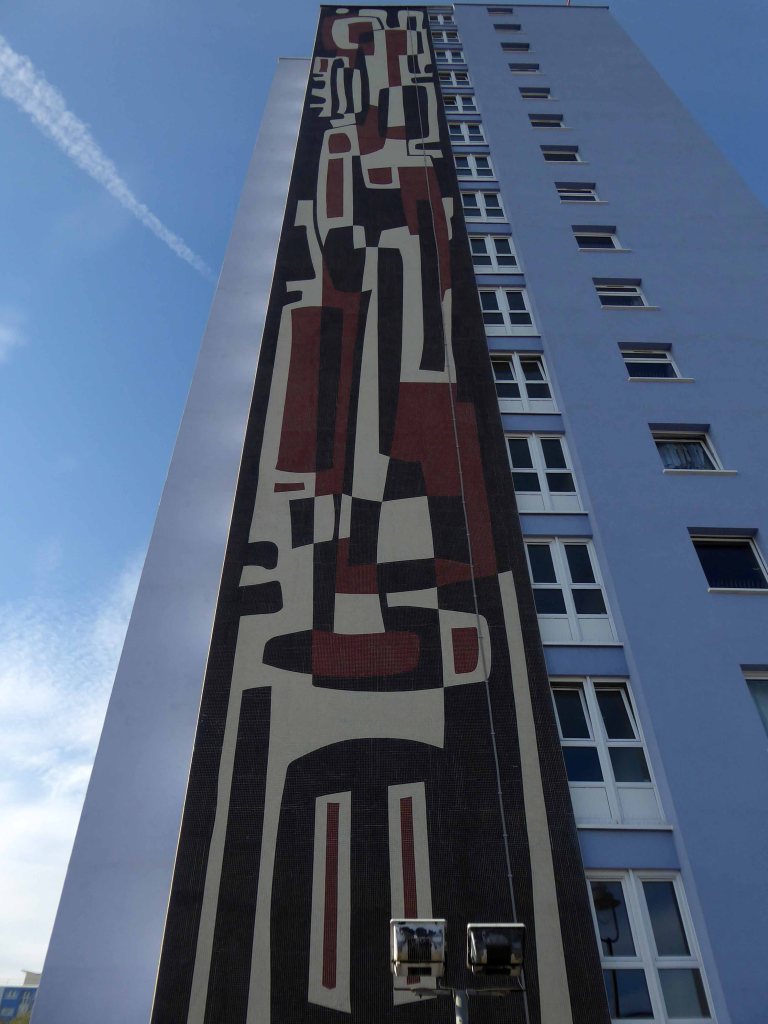
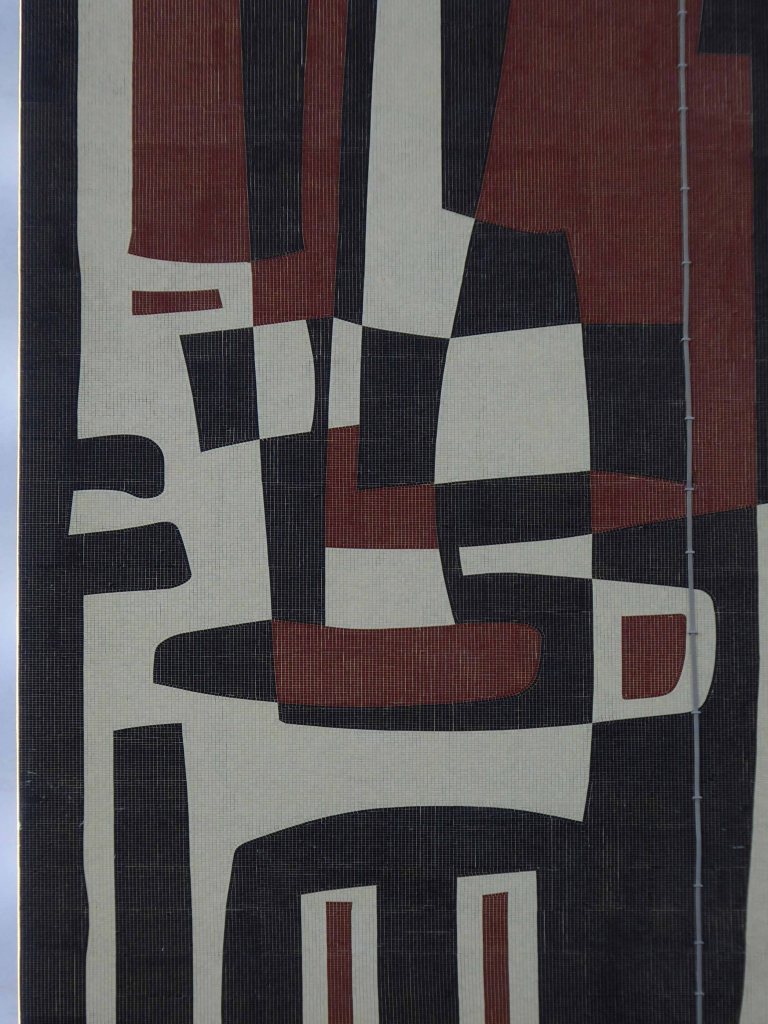
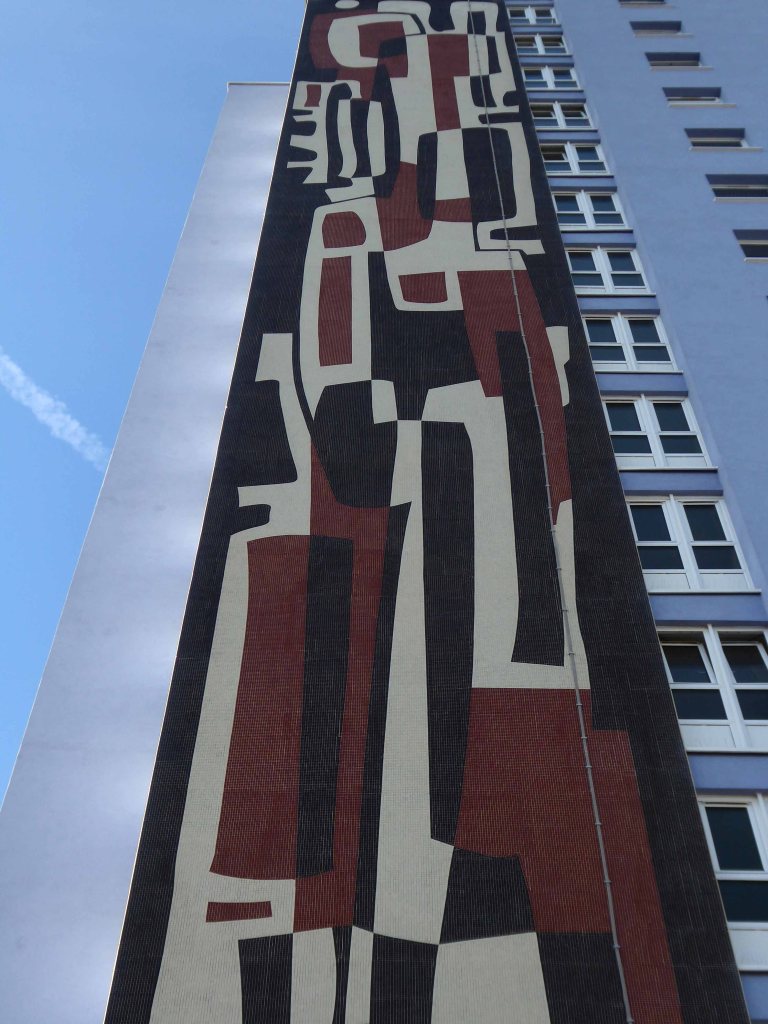
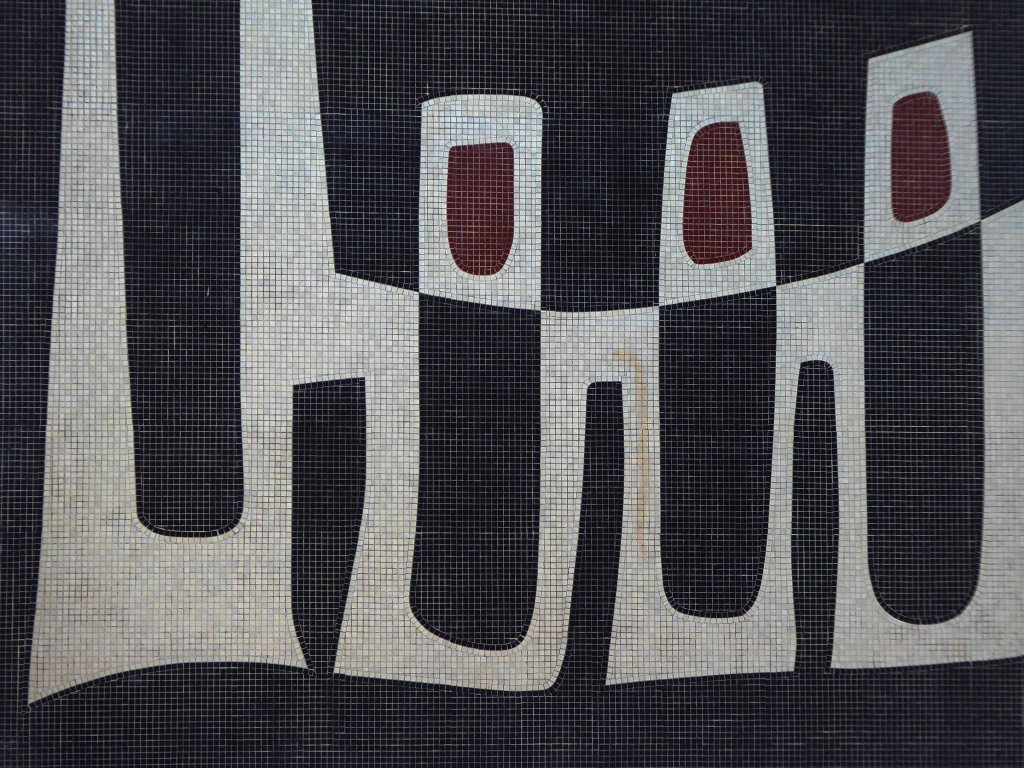
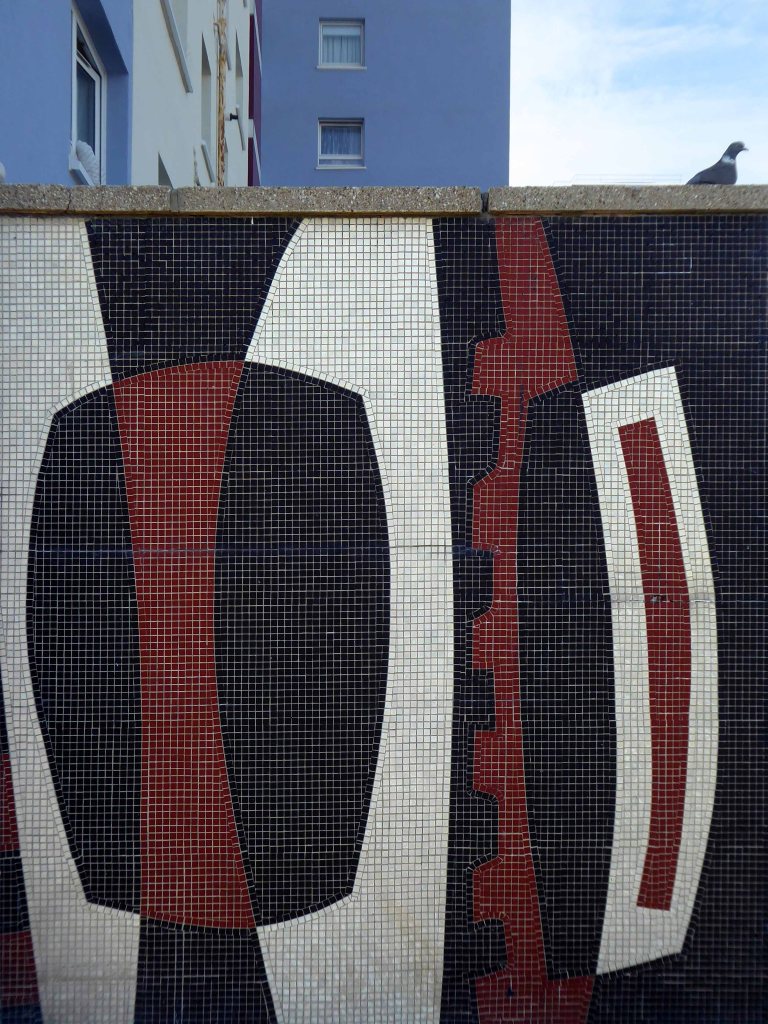
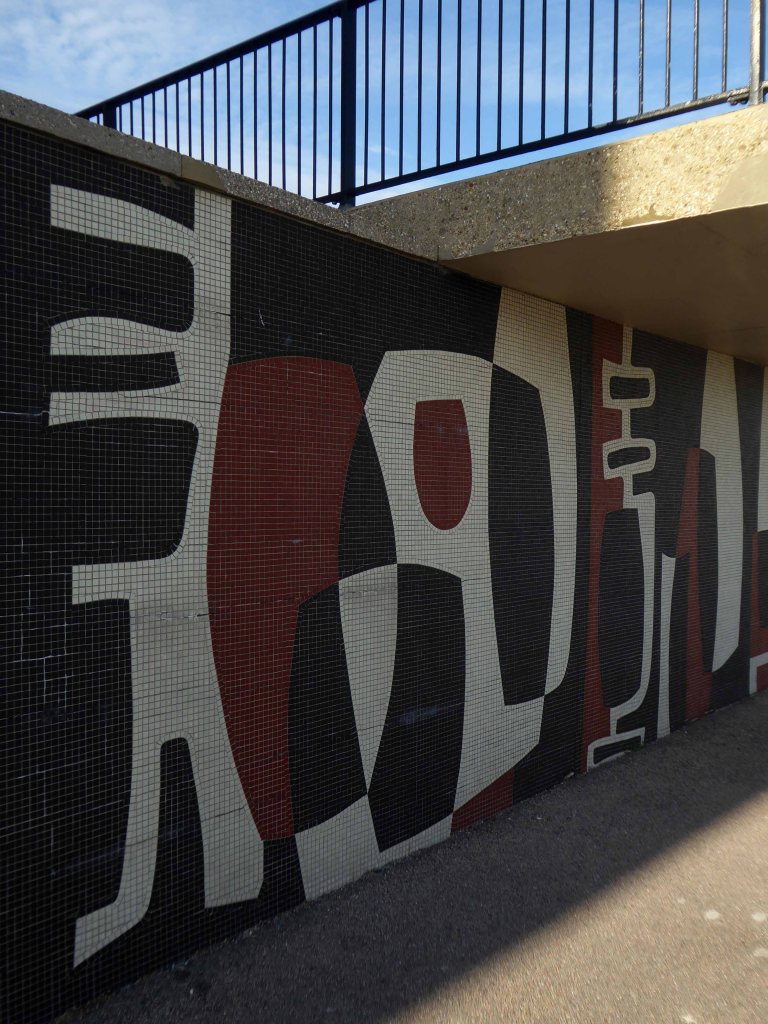
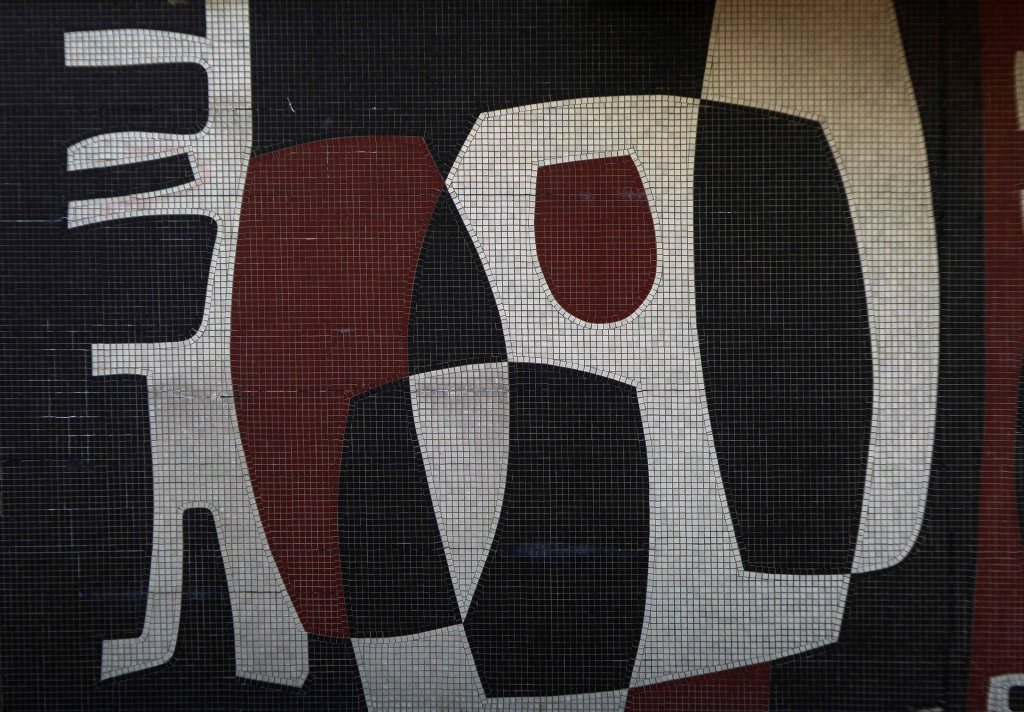
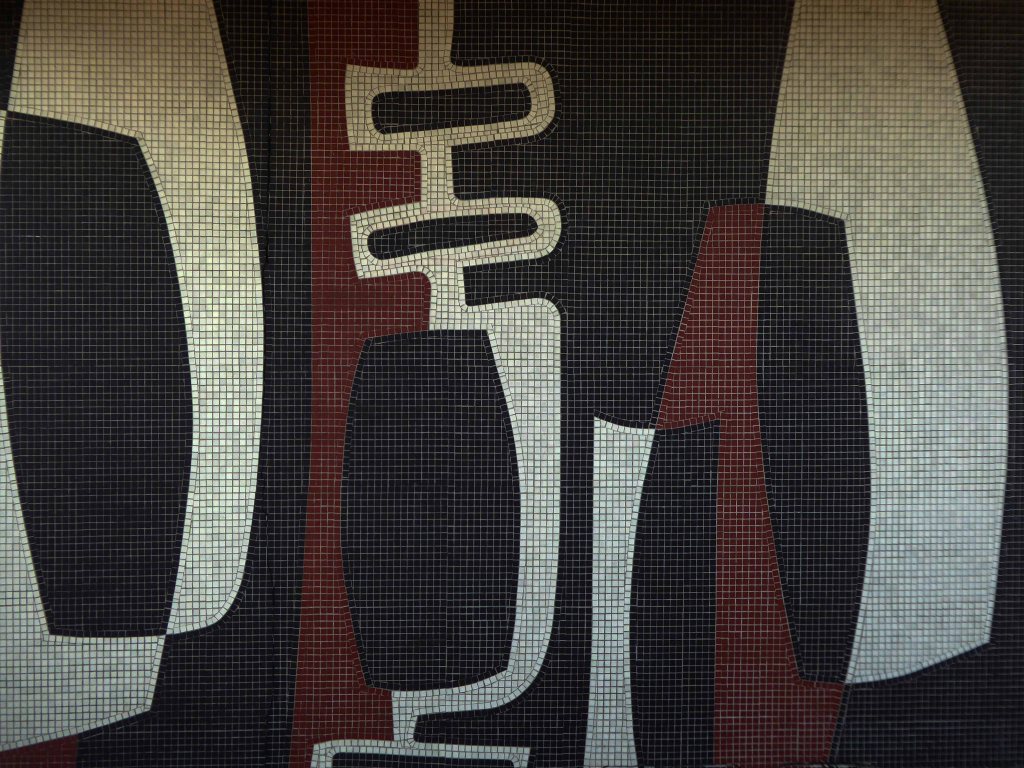
While working for George Wimpey and Co. Ltd, and together with J E Tyrrell, Chief Architectural Assistant to Gosport Borough Council, Kenneth Barden was responsible for tiled murals on Seaward Tower and Harbour Tower, two sixteen-storey tower blocks built in 1963 on the Esplanade in Gosport.
They really are something they really are.
And so following a ride on the Gosport Ferry we arrive at Portsmouth Harbour.
The land where British Rail signage refuses to die!
I have passed this way before on a Bournemouth to Pompey trip and both Tim and I were students at the Poly here in the 70s – more of which later.
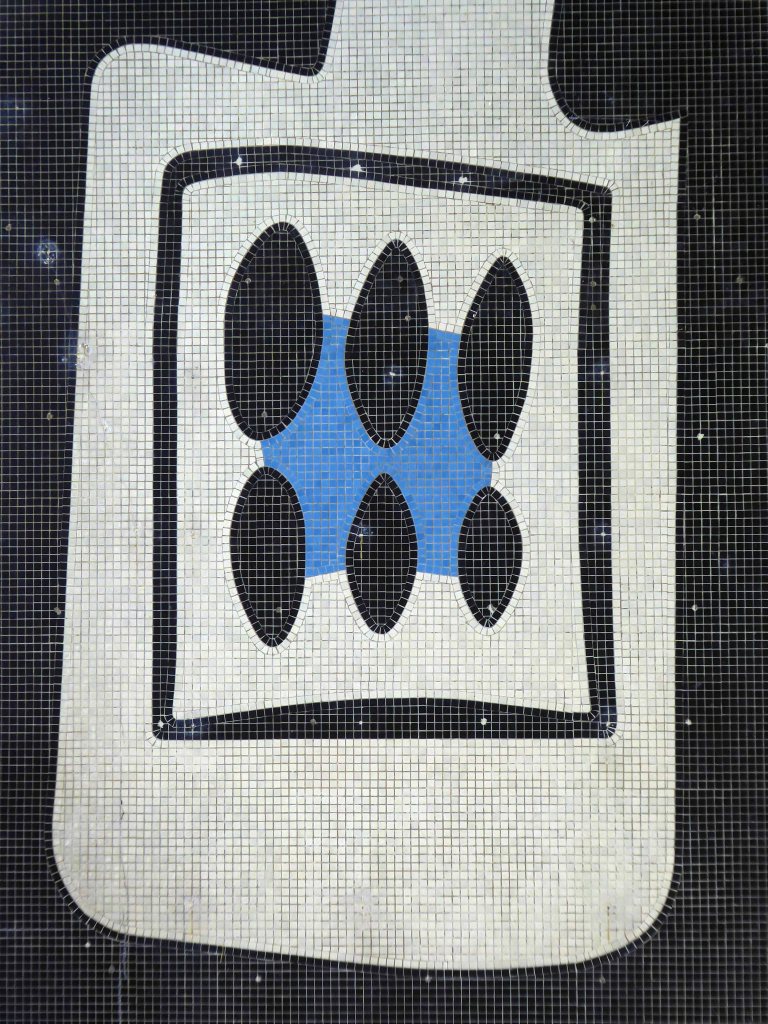
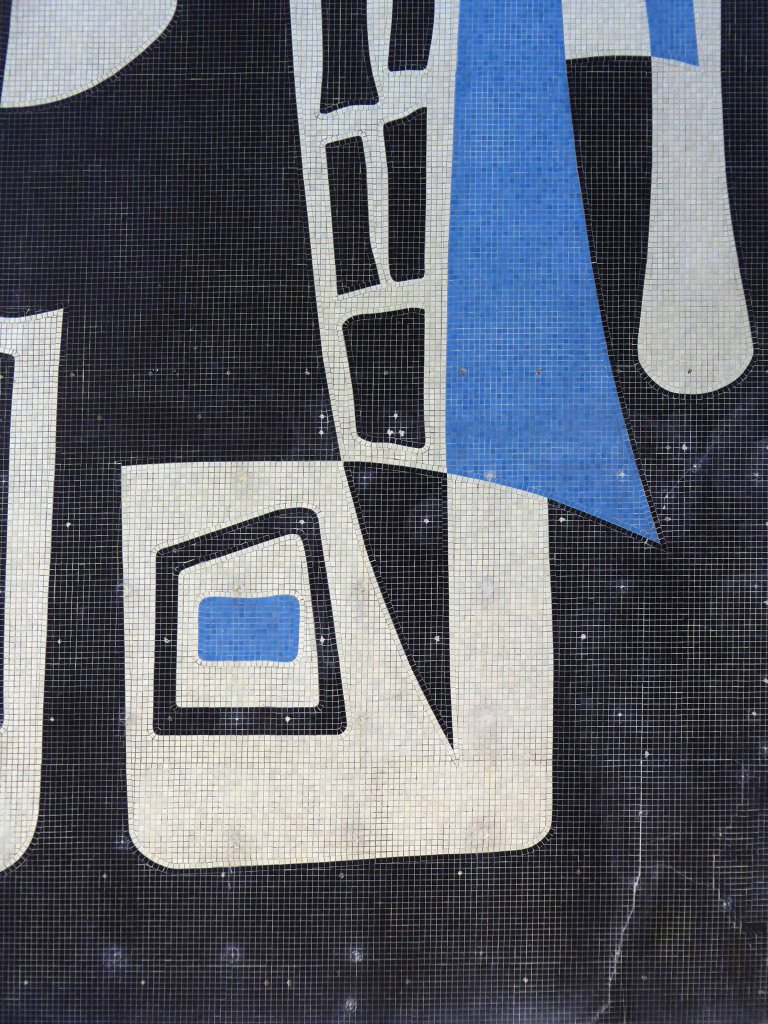
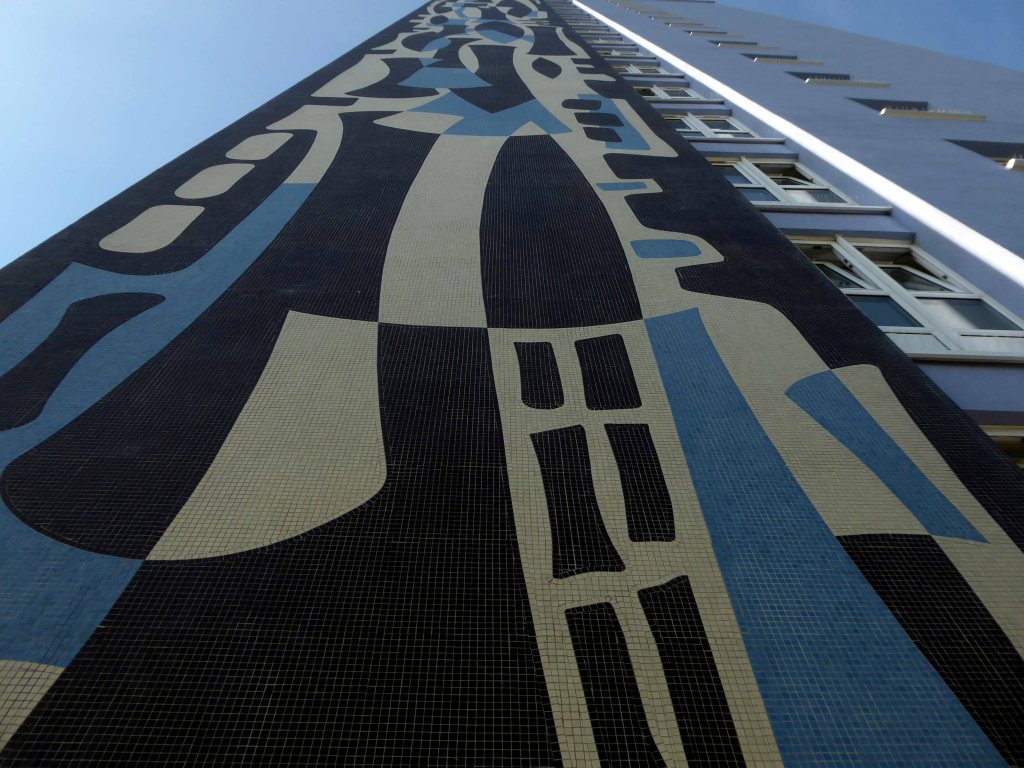
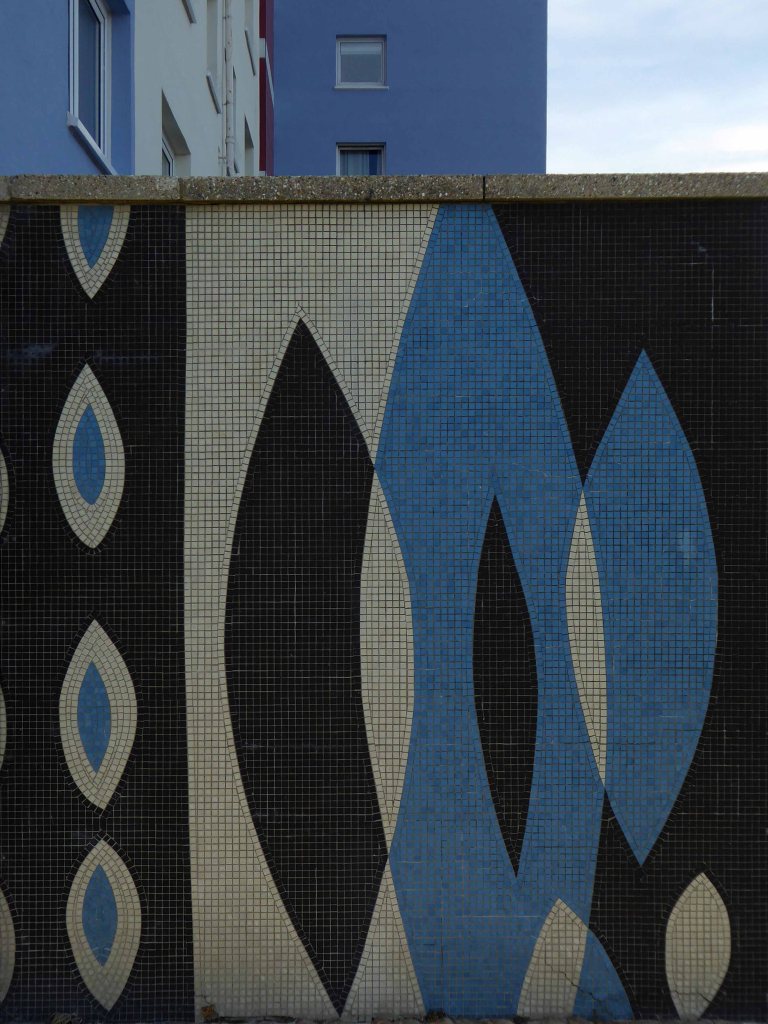
While working for George Wimpey and Co. Ltd, and together with J E Tyrrell, Chief Architectural Assistant to Gosport Borough Council, Kenneth Barden was responsible for tiled murals on Seaward Tower and Harbour Tower, two sixteen-storey tower blocks built in 1963 on the Esplanade in Gosport.
The surfaces of the tower blocks are covered in mosaic murals designed by Barden that rise the full 135 foot height of the buildings. They were controversial initially but are now a tourist attraction.
We have of course been here before visiting Mitzi Cunliffe and her work – Cosmos
Mitzi Solomon Cunliffe January 1st 1918 December 30th 2006
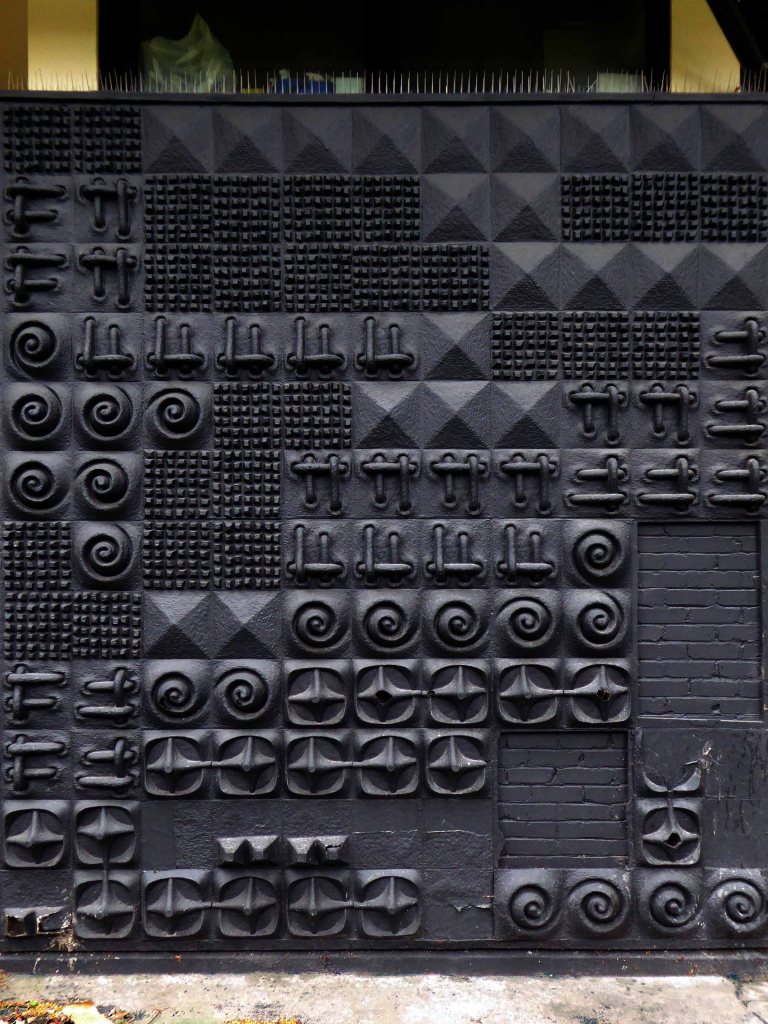
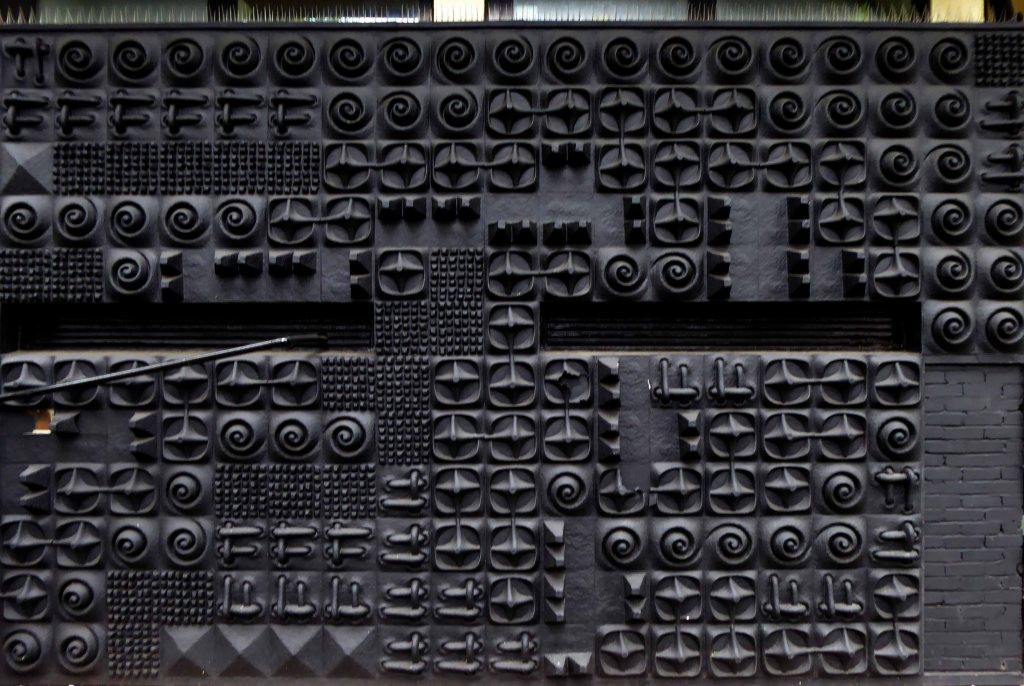
This time we are taking a peek around the back.
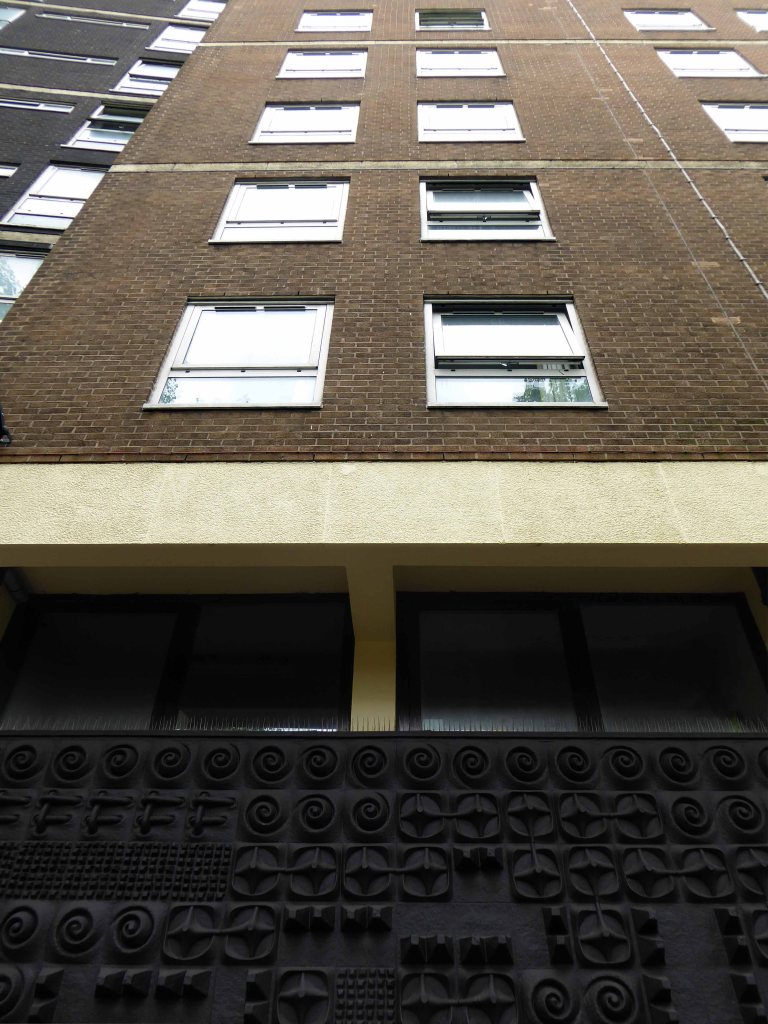
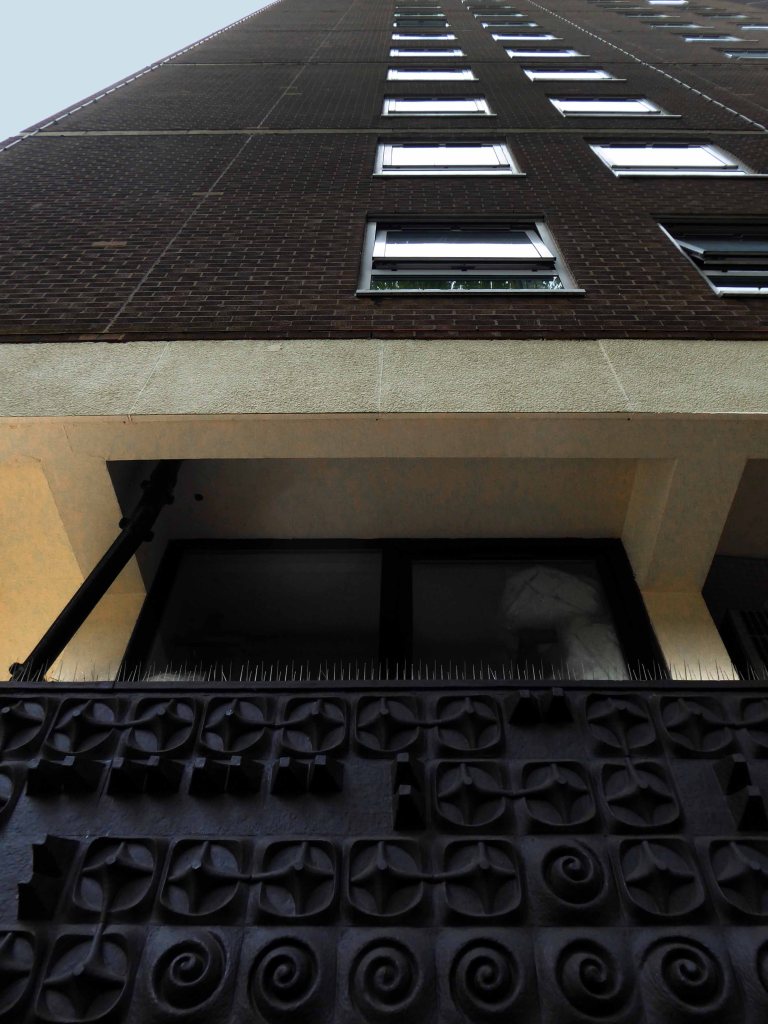
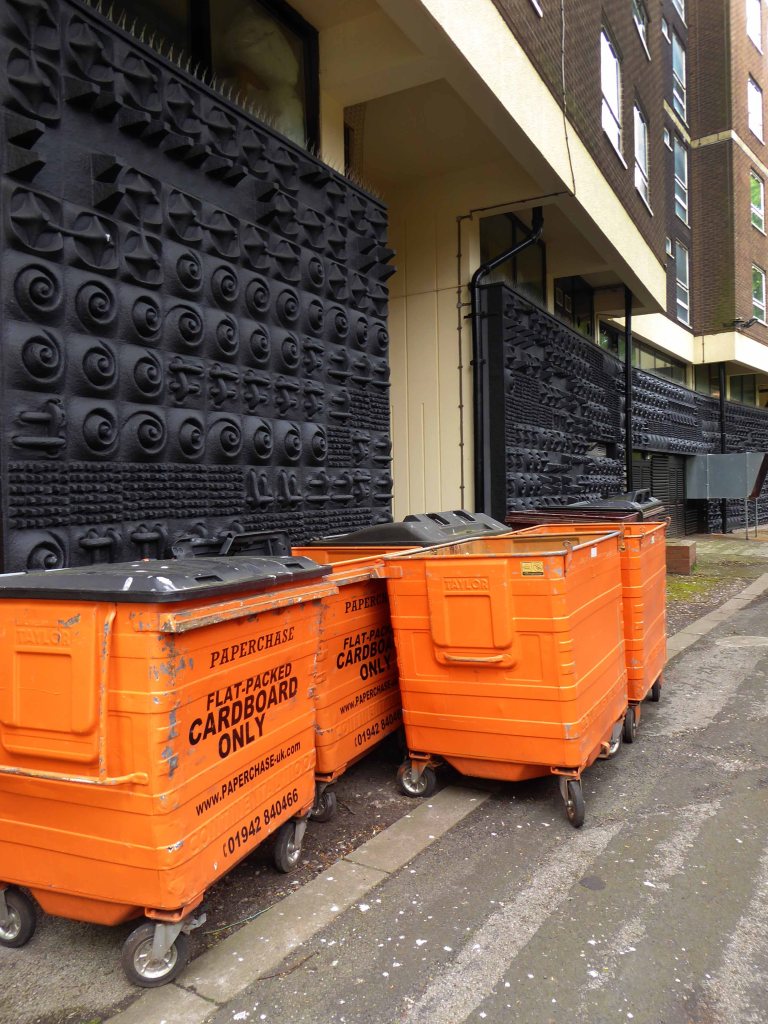
Having passed by on the top deck deck of the 42 on my way home to Stockport, I espied an extension of the sculpture to the rear of the tower.
I vowed to return!
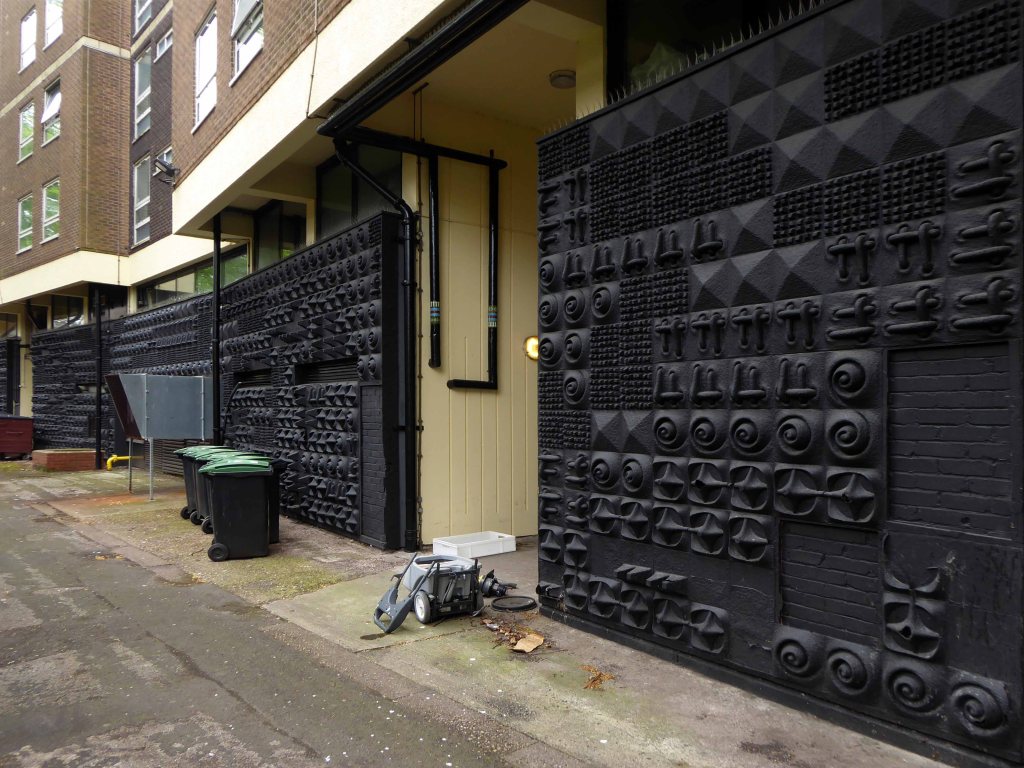
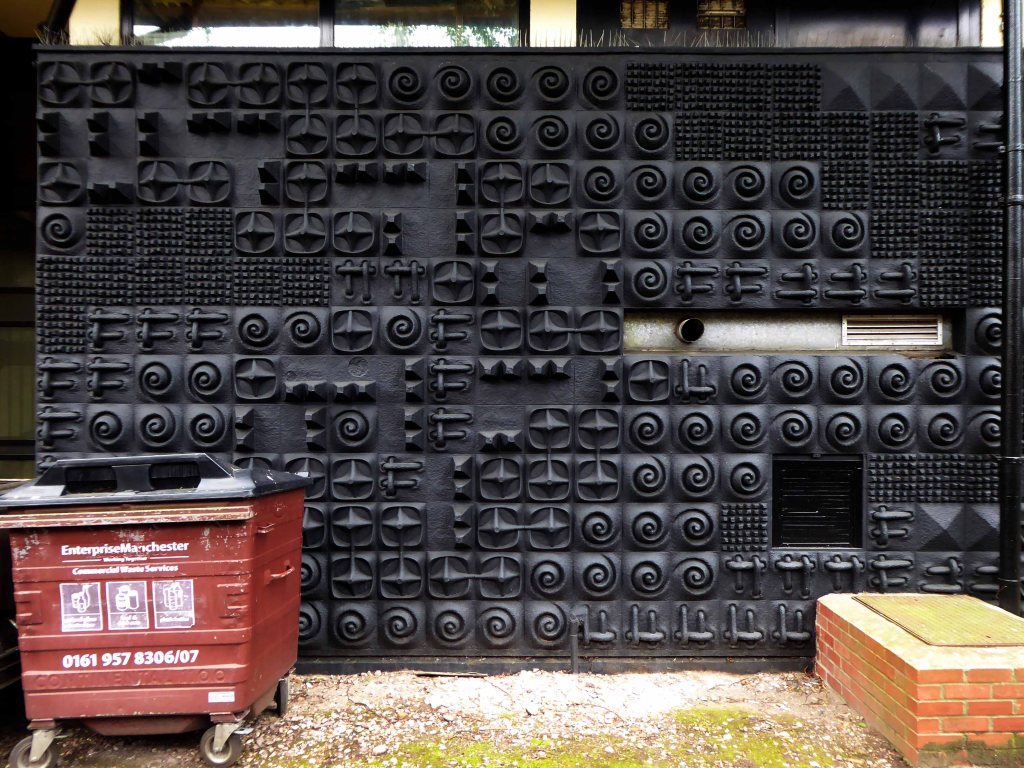
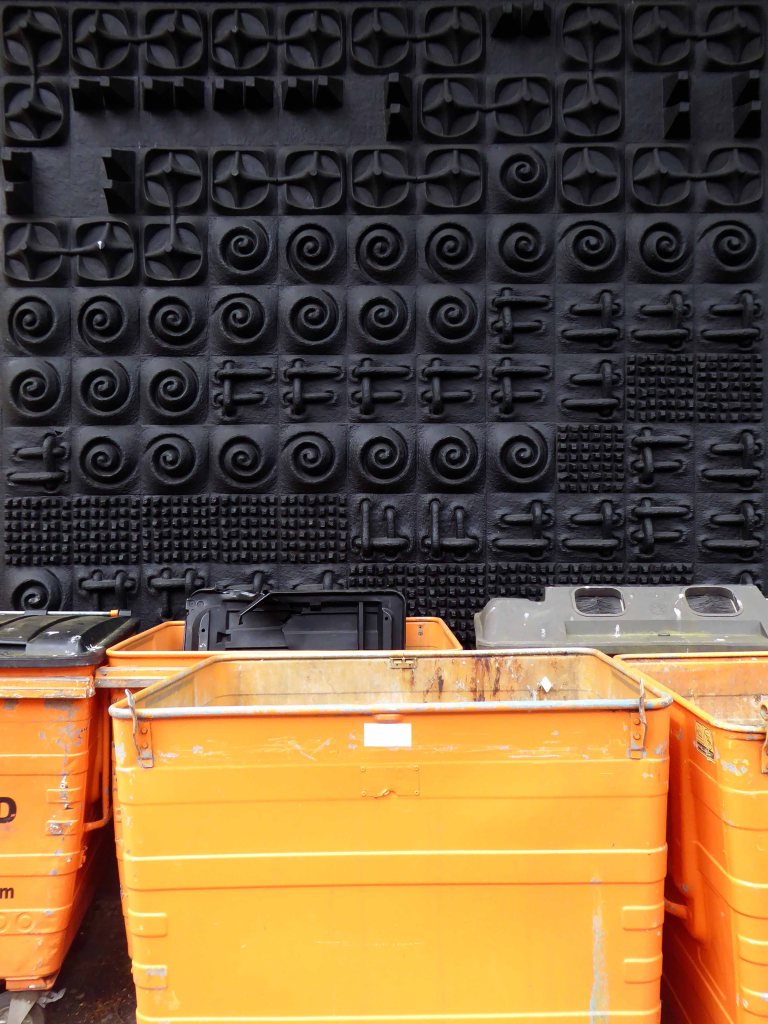
Fighting through extraction units, wheelie bins, hoppers, plus a disused and disabused vacuum cleaner, I found myself in the narrow service area, where I did my best to get back from the wall, hard against the chain link fence.
The things you do.
For some much needed light relief, air and open space I revisited the front face of the tower.
It never fails to surprise, turning the corner of a somewhat anonymous suburban street to find:
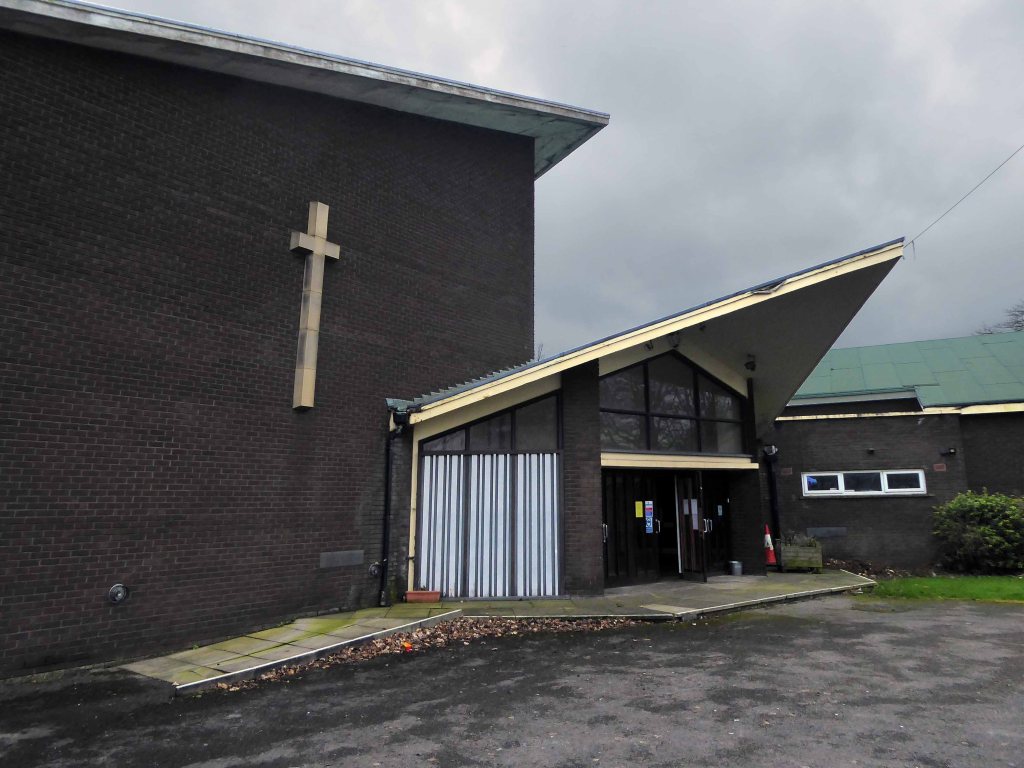
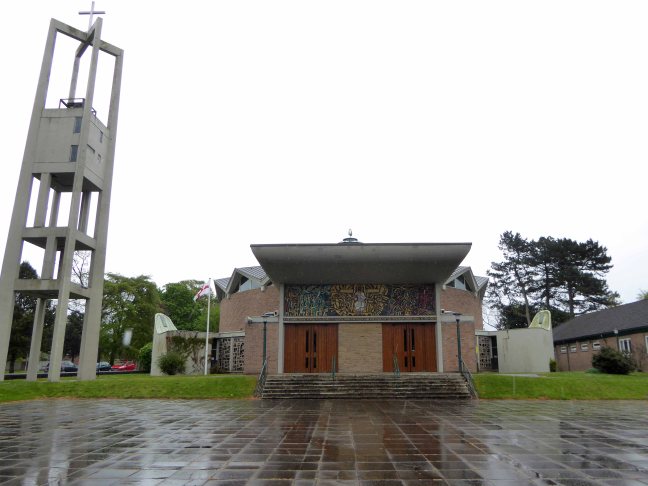
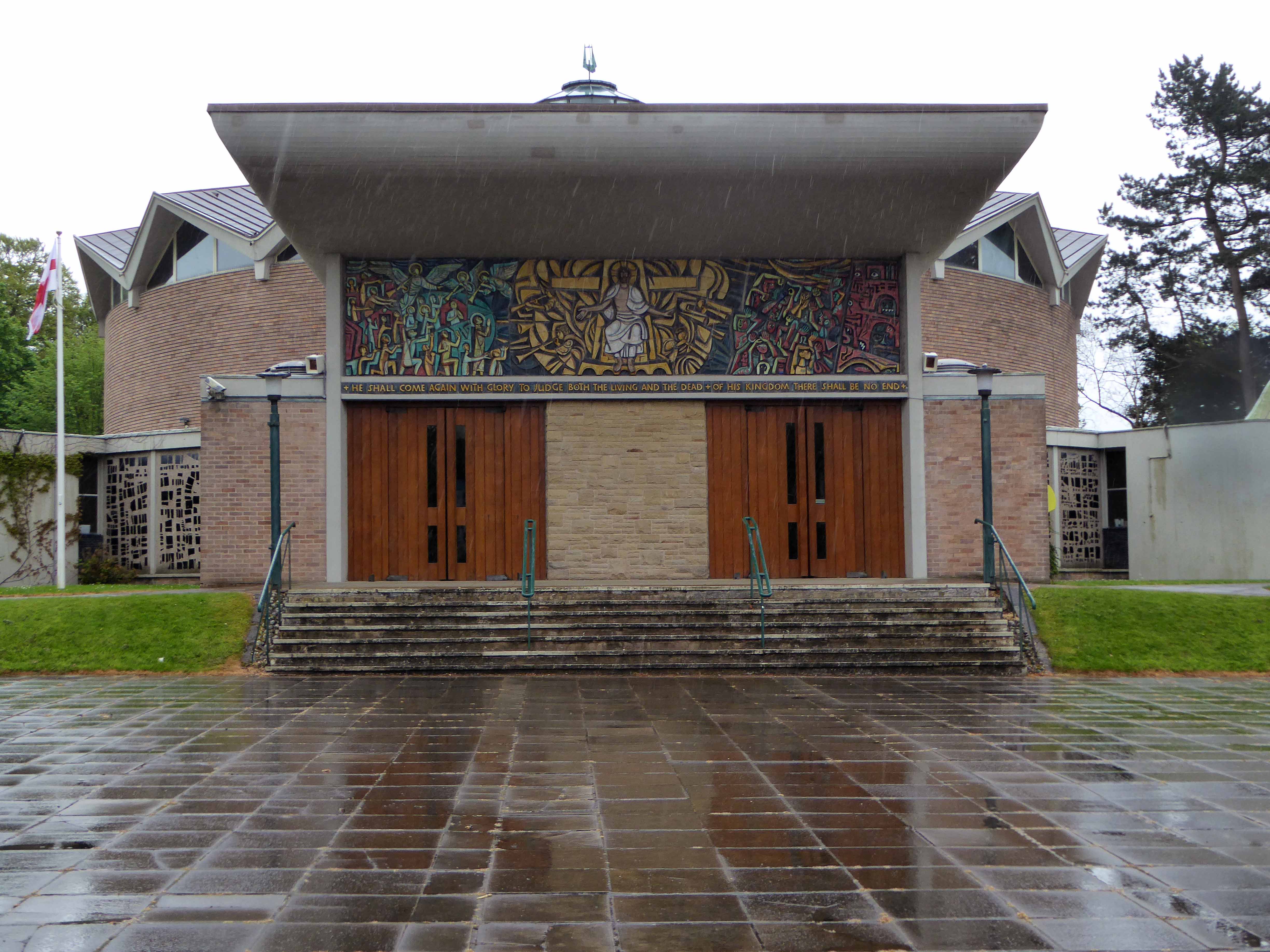
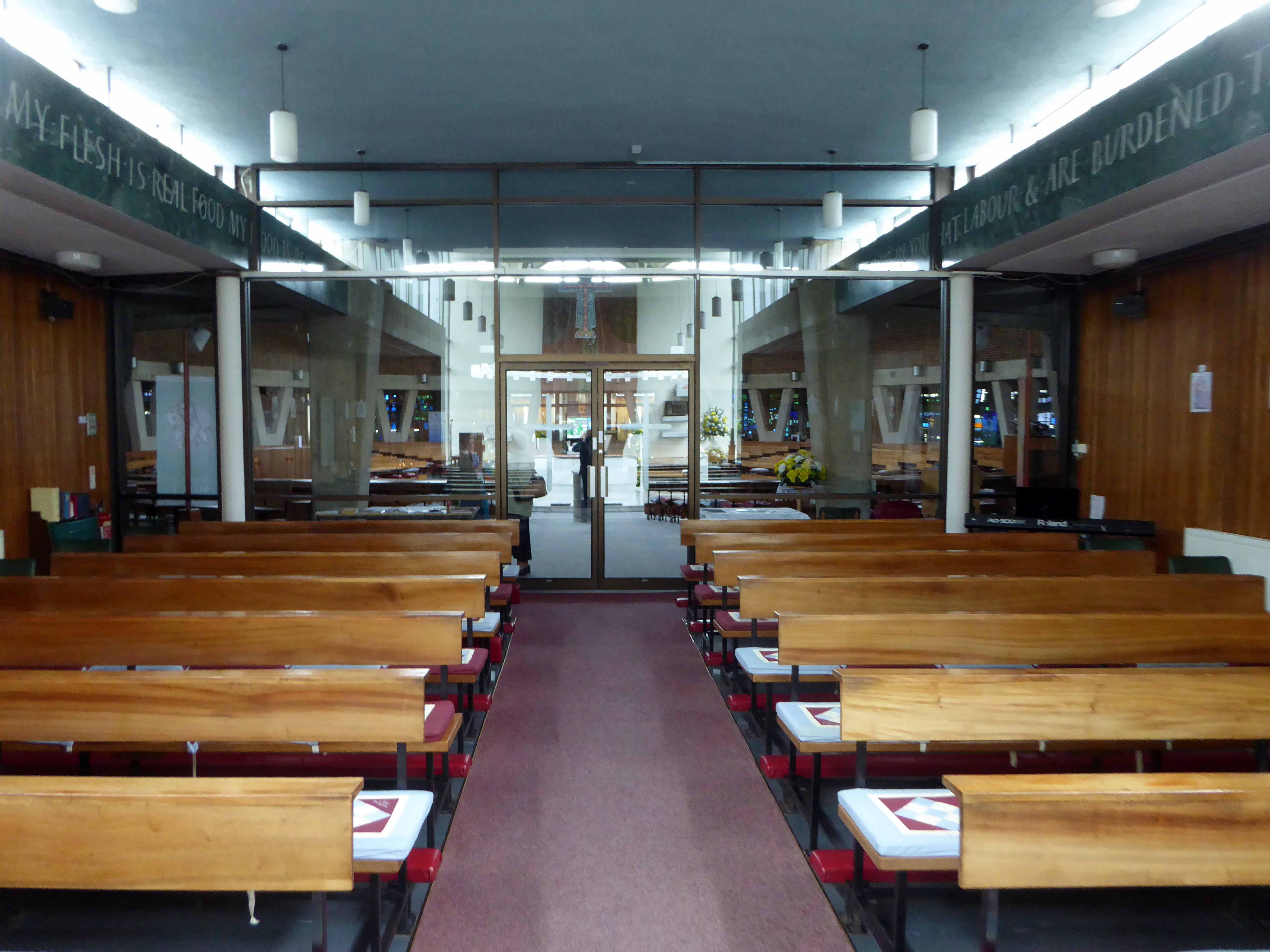
A building of outstanding importance for its architectural design, advanced liturgical planning and artistic quality of the fixtures and fittings.
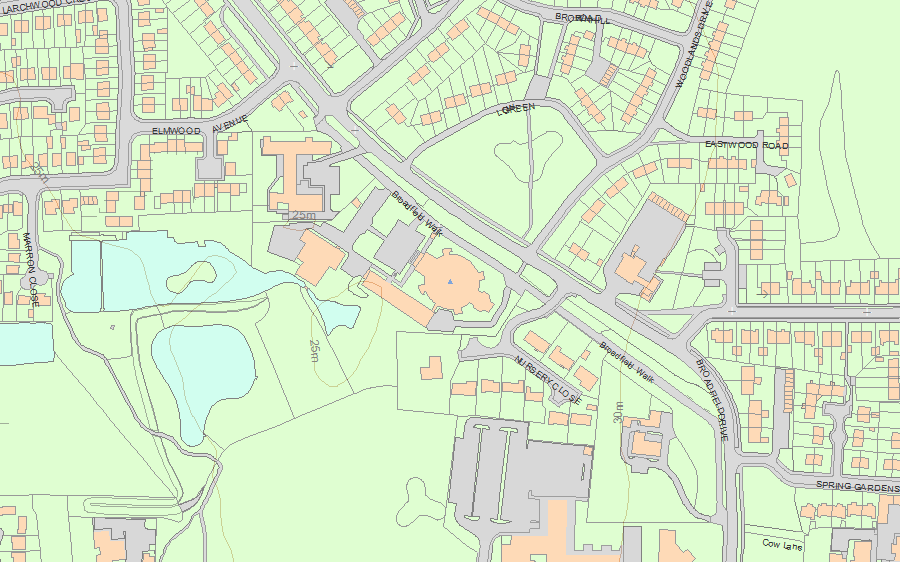
Broadfield Drive Leyland Lancashire PR25 1PD
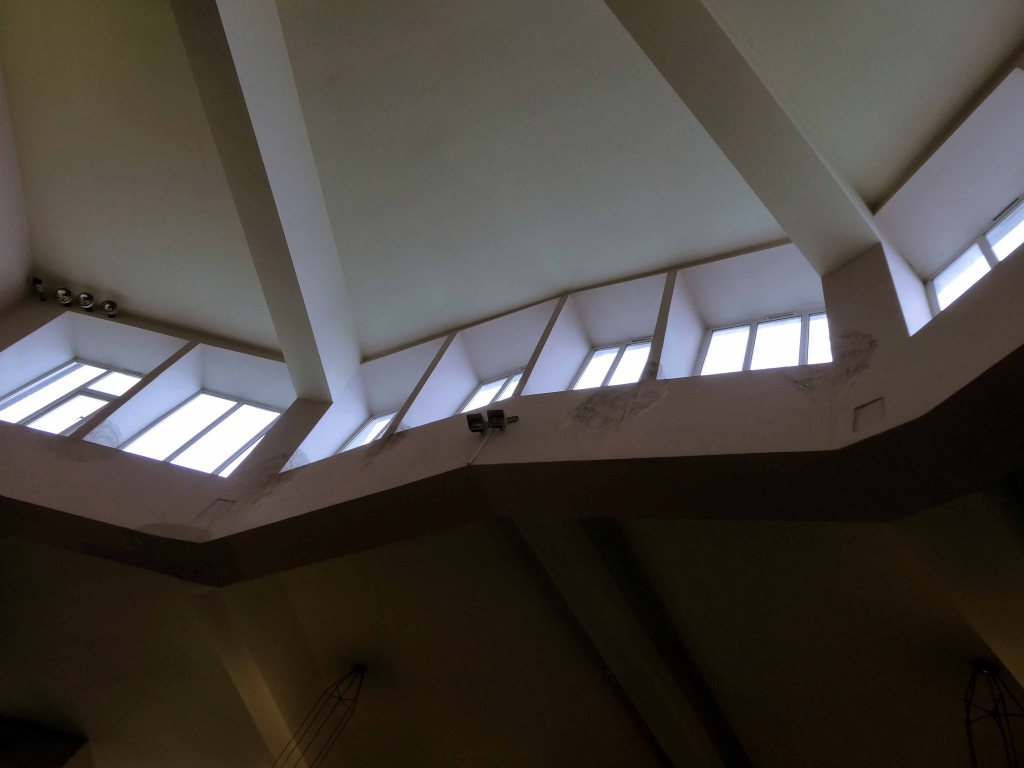
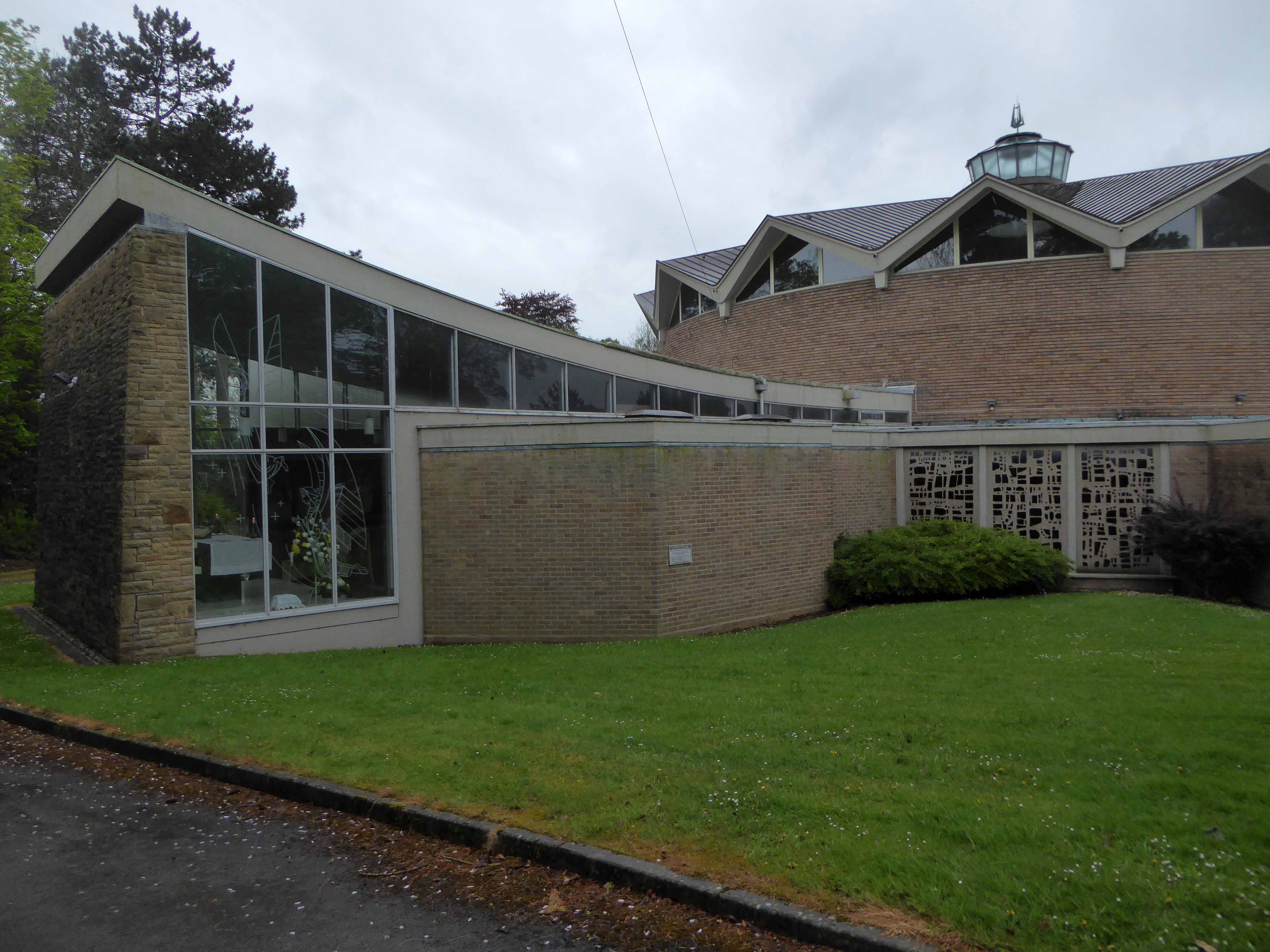
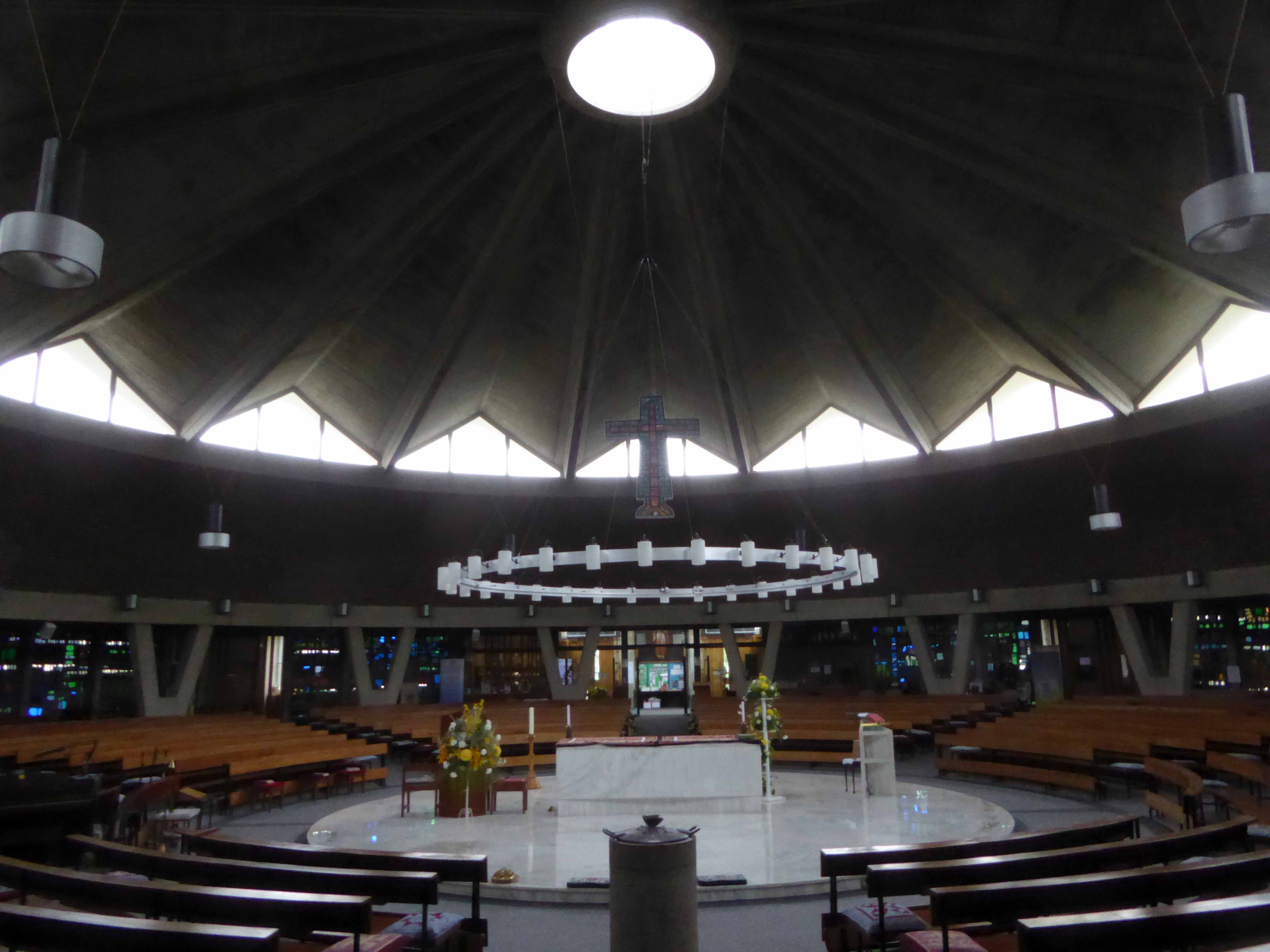
The Benedictines came to Leyland in 1845 and the first Church of St. Mary’s was built on Worden Lane in 1854. The Catholic population was small at this time, but had grown to around 500 by 1900. Growth was assisted by the industrial development of Leyland and after the Second World War the town was earmarked as the centre of a new town planned in central Lancashire. By the early 1960’s, the Catholic population was 5,000. Fr Edmund Fitzsimmons, parish priest from 1952, was a guiding force in the decision to build a large new church of advanced liturgical design, inspired by progressive continental church architecture of the mid 20th century. The church was designed by Jerzy Faczynski of Weightman and Bullen. Cardinal Heenan blessed the foundation stone in 1962 and the new church was completed ready for its consecration and dedication by Archbishop Beck in April 1964.
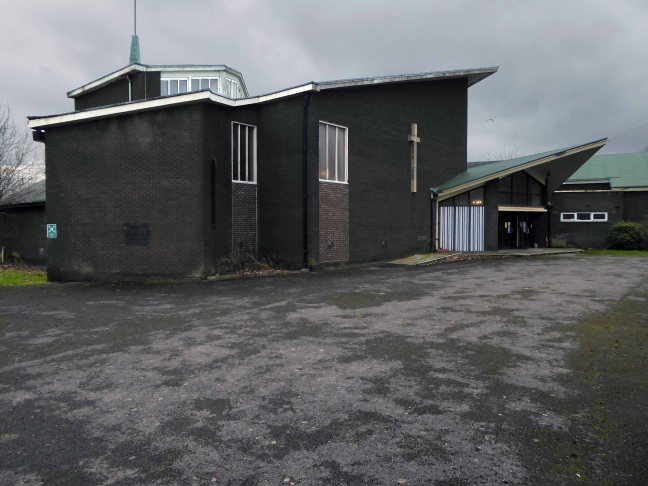
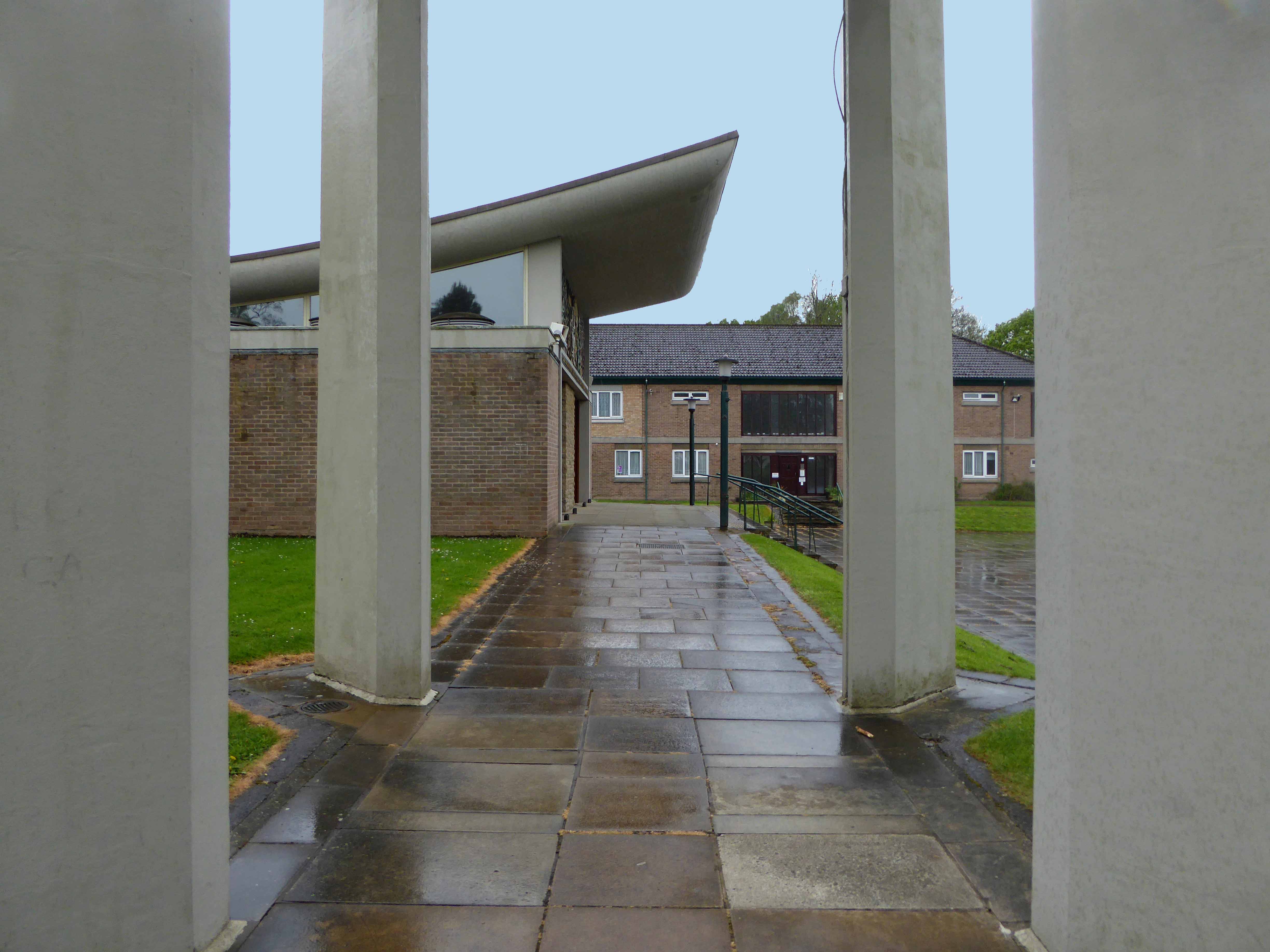
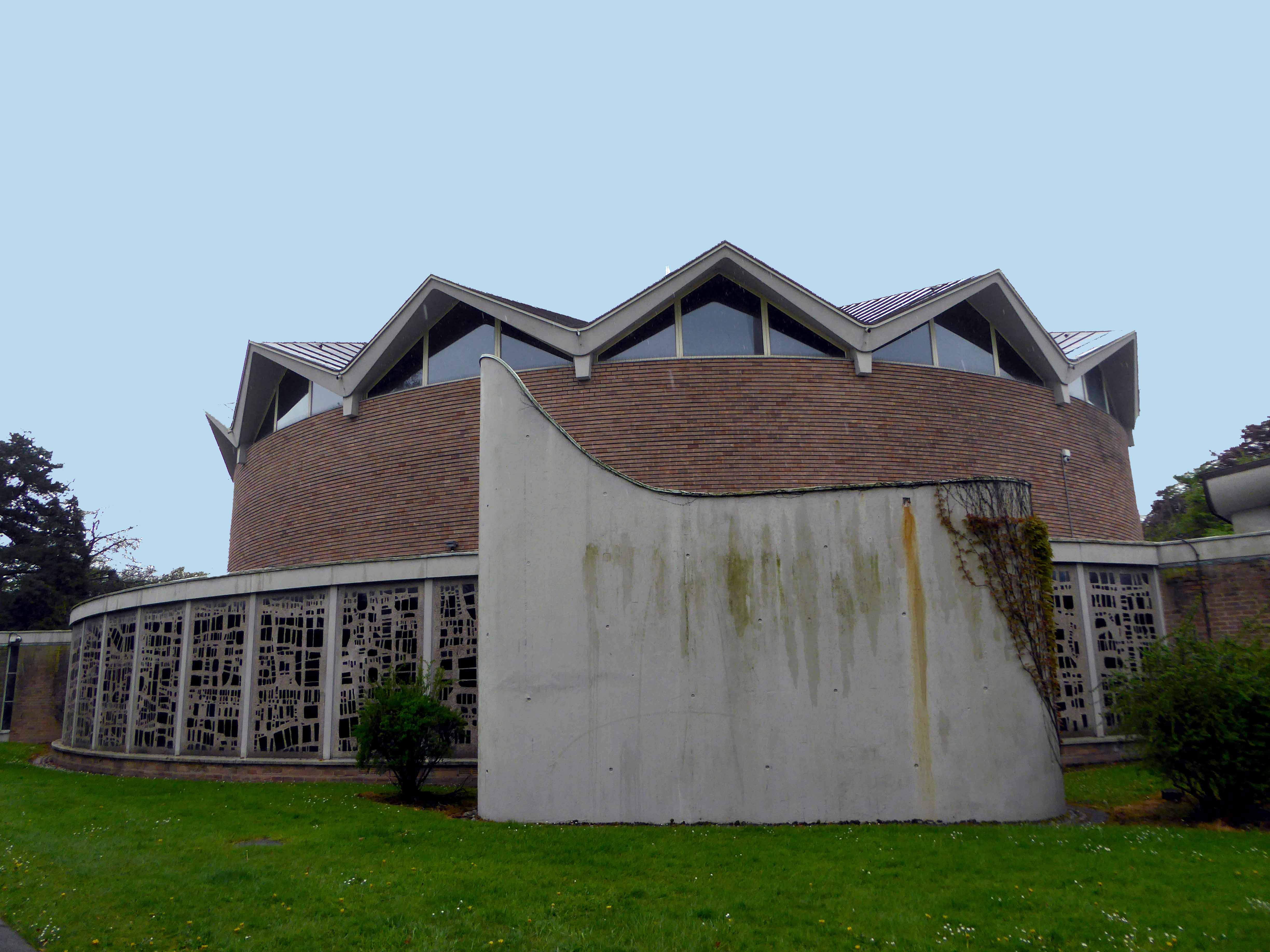
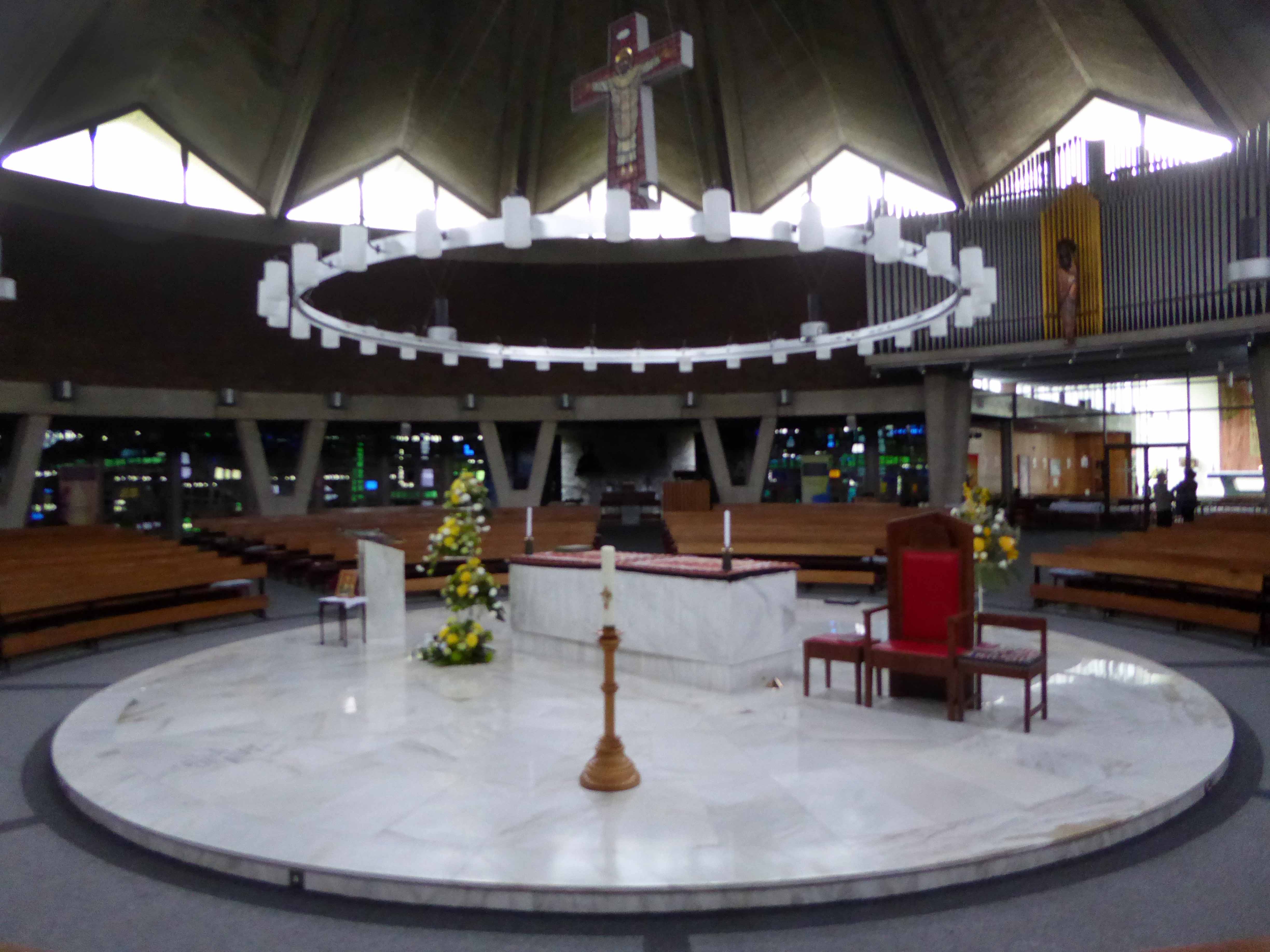
Pink brick, reinforced concrete, copper covered roofs, zig-zag to main space and flat to aisle. Circular, aisled plan with projecting entrance and five projecting chapels.
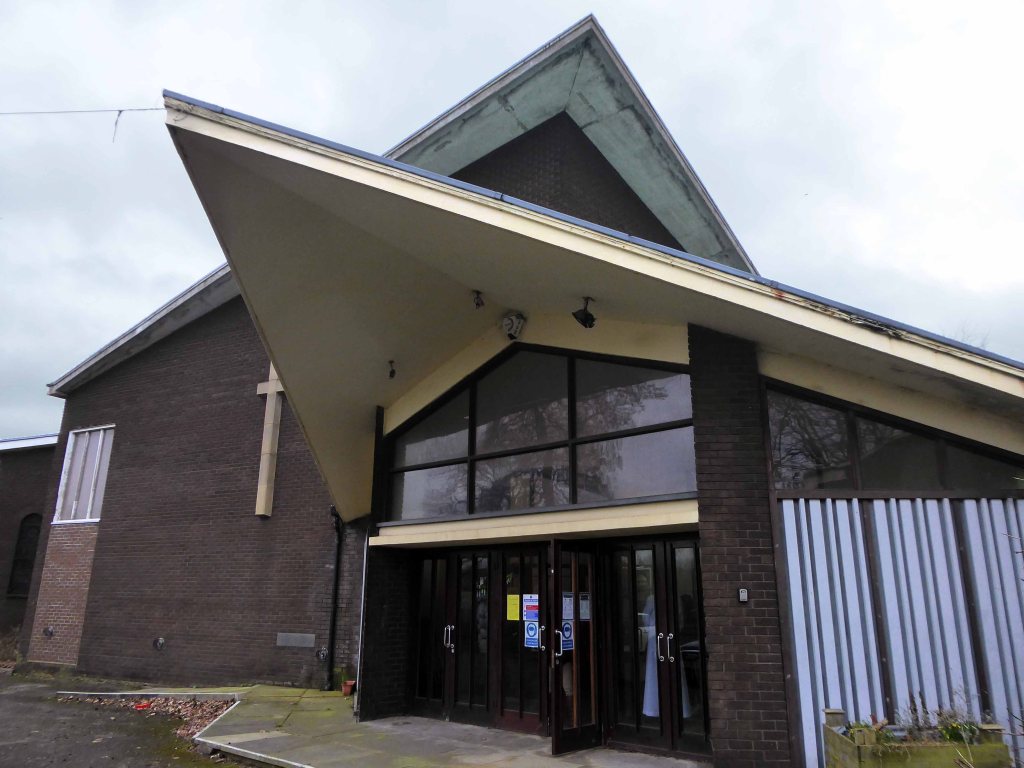
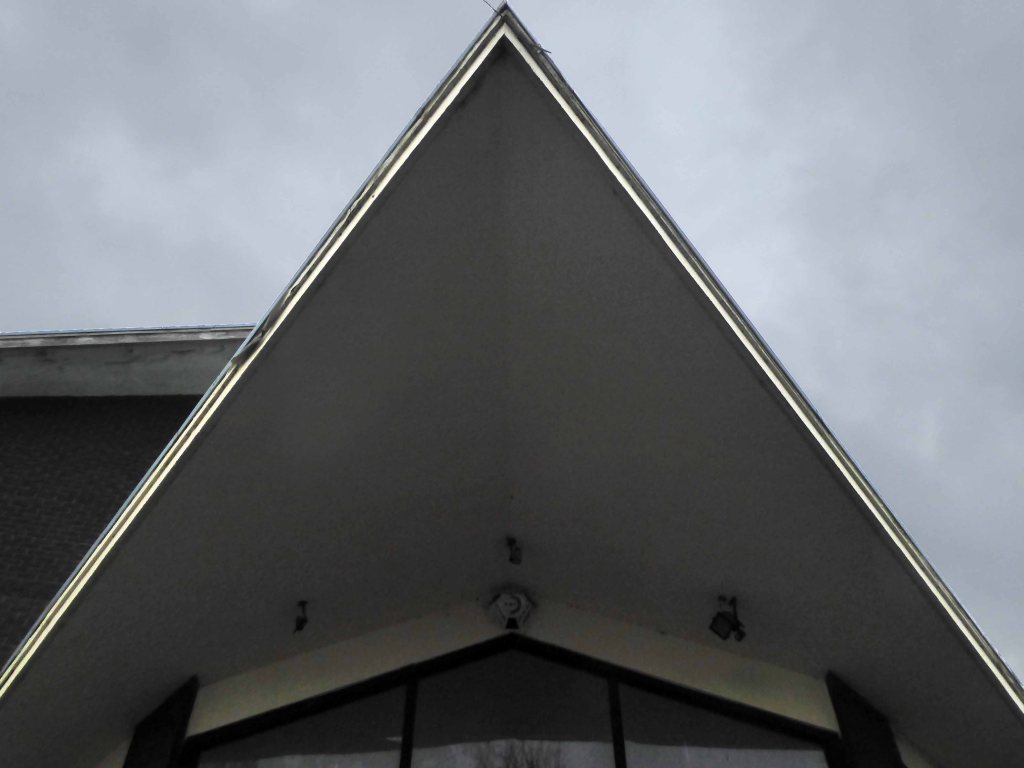
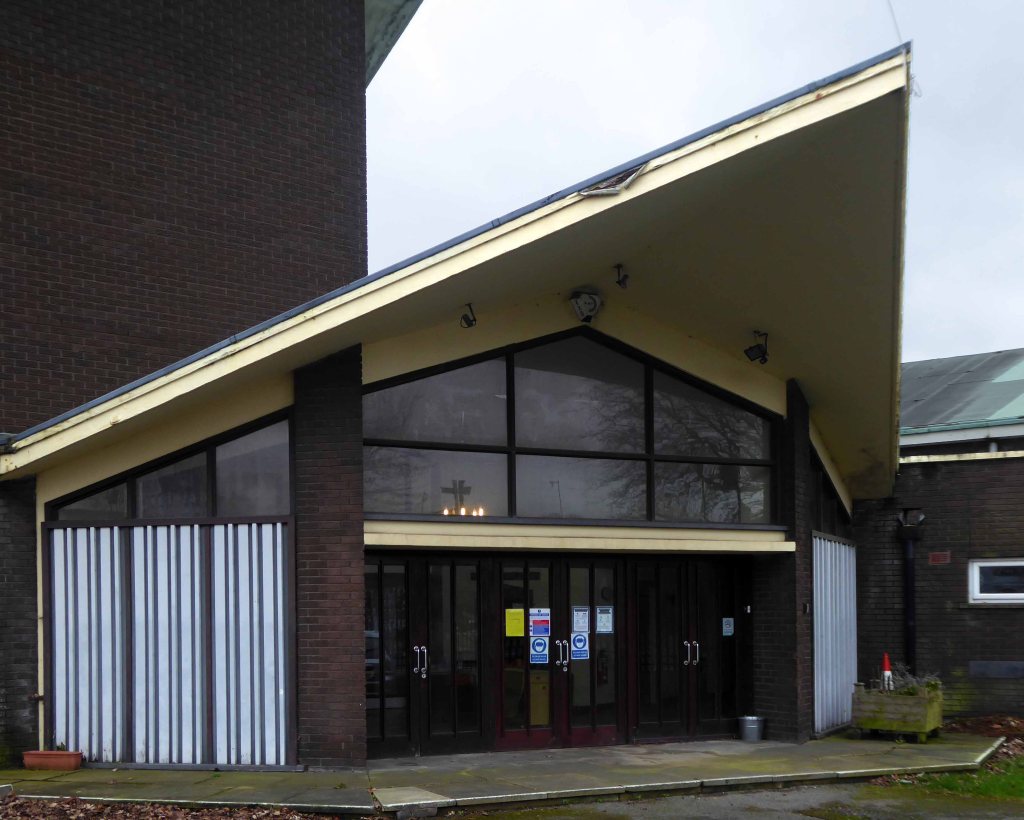
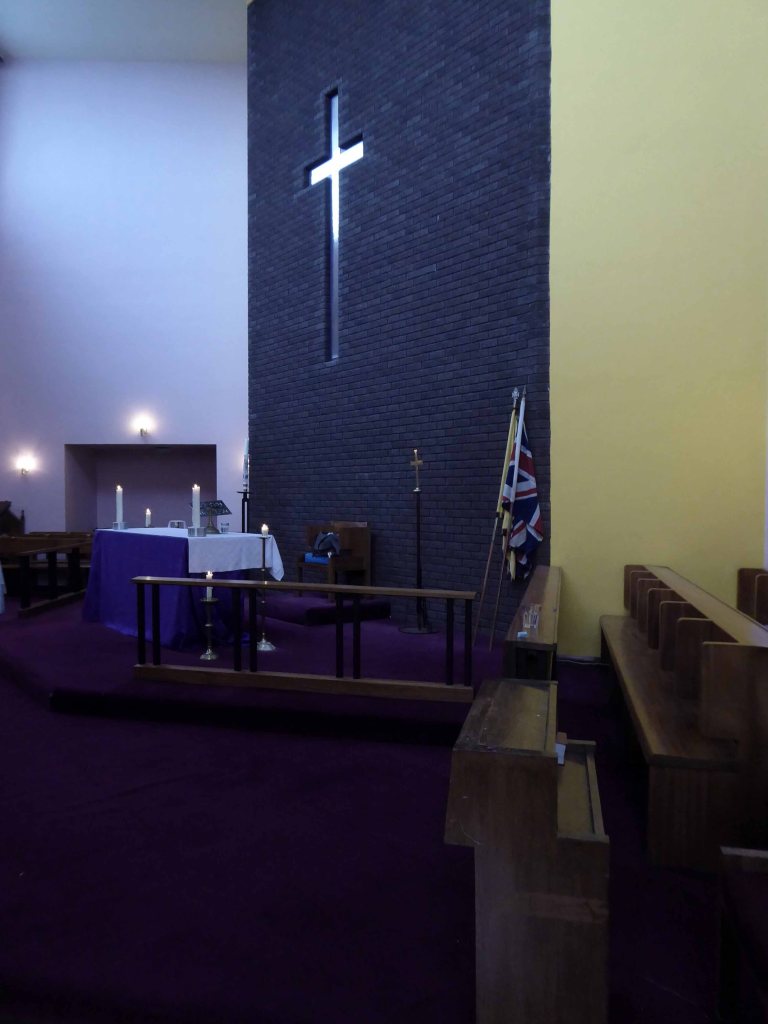
Central altar. Entrance in large projecting porch with roof rising outwards and the roof slab cantilevered above the doors, its underside curving upward.
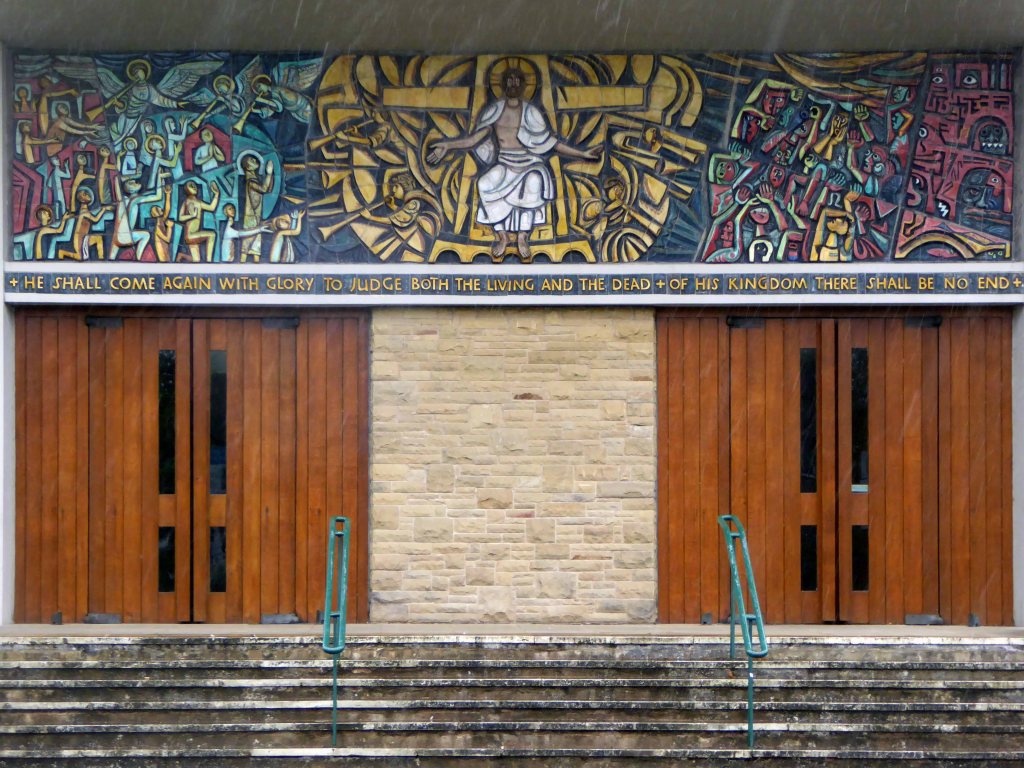
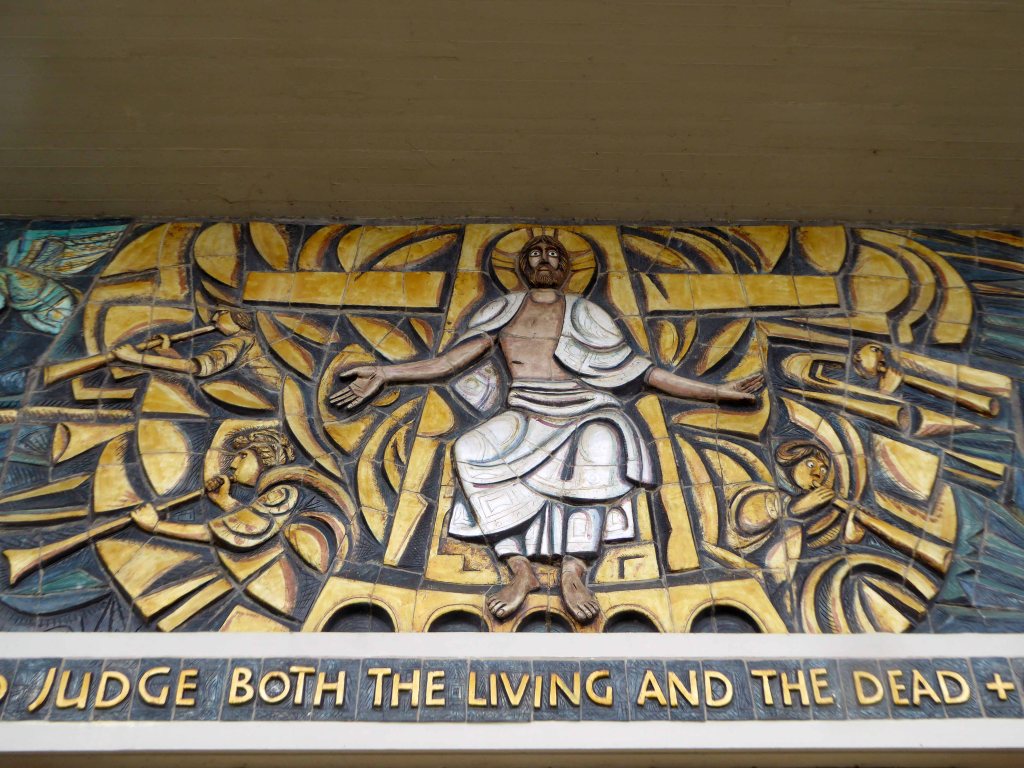
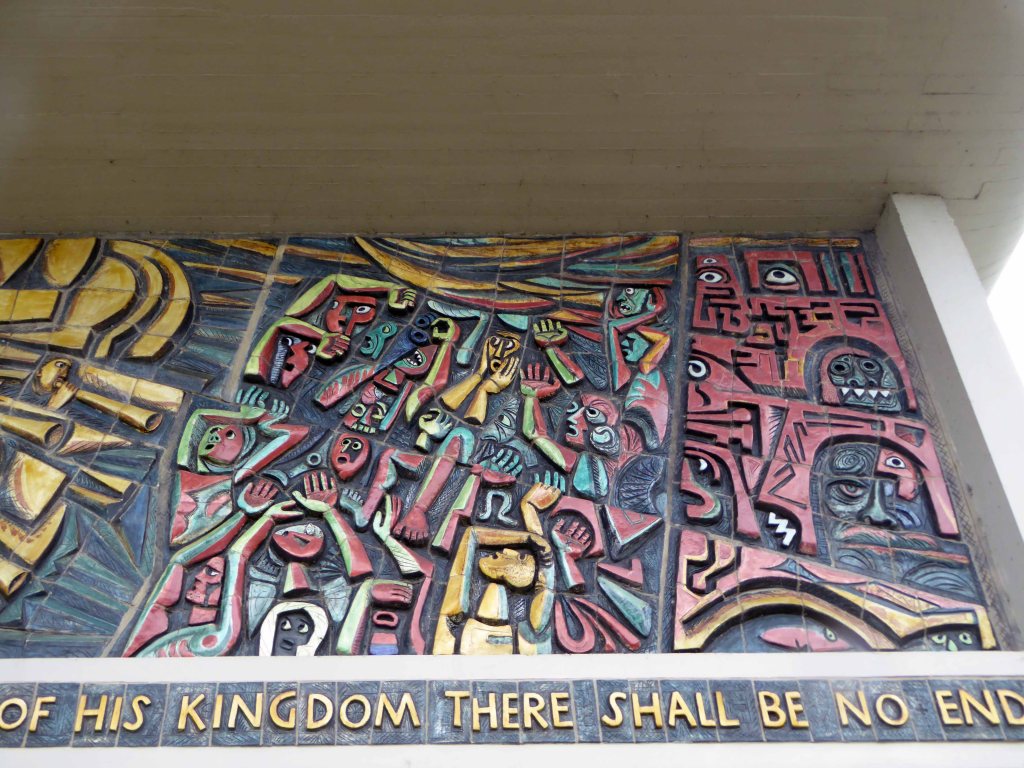
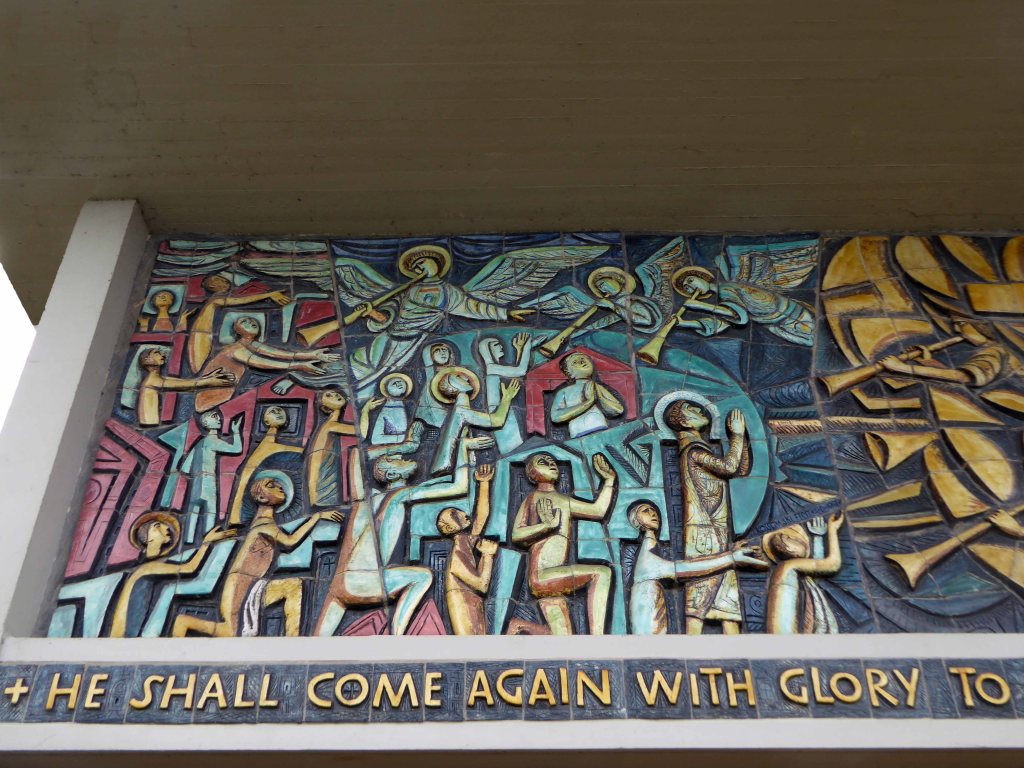
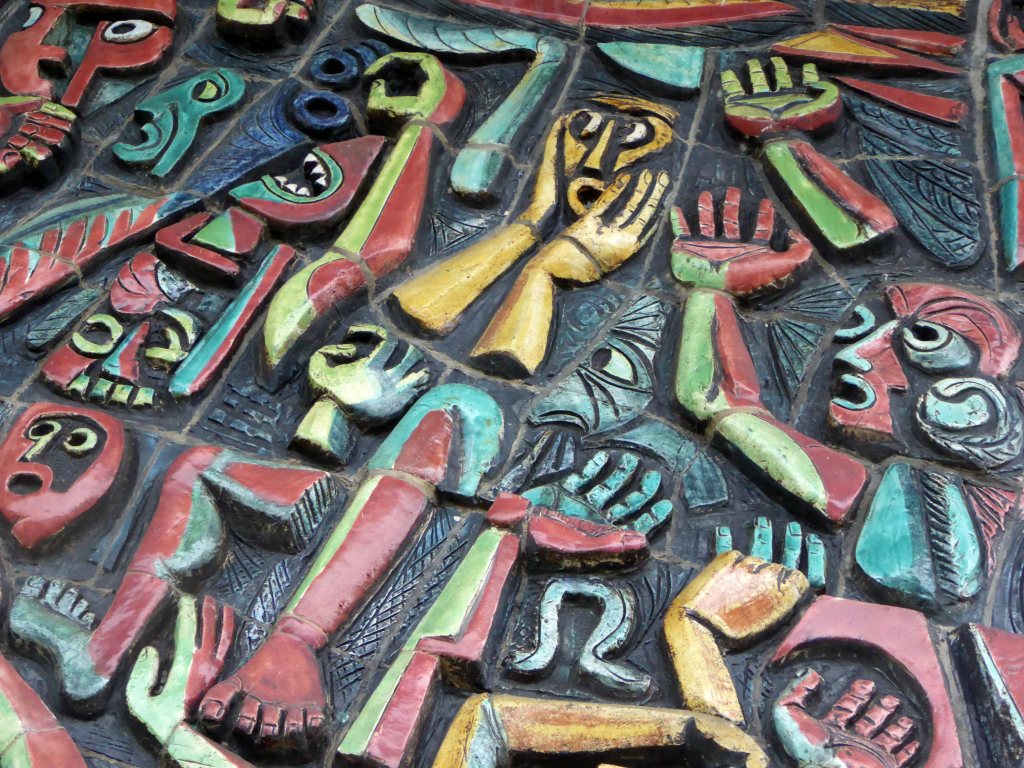
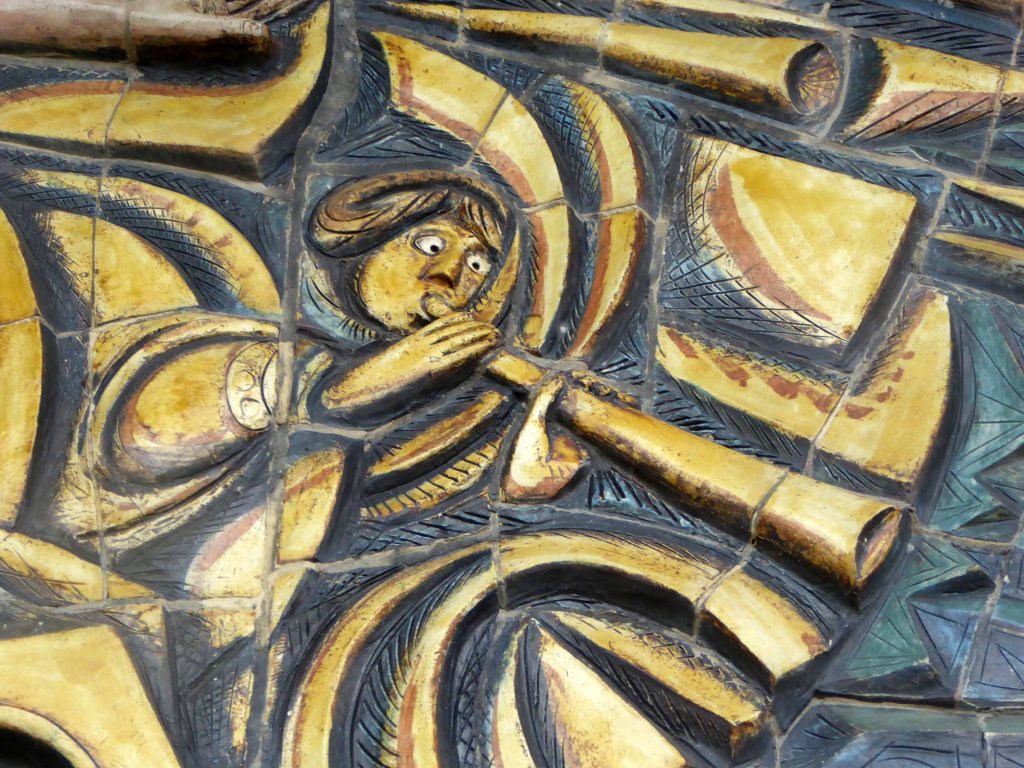
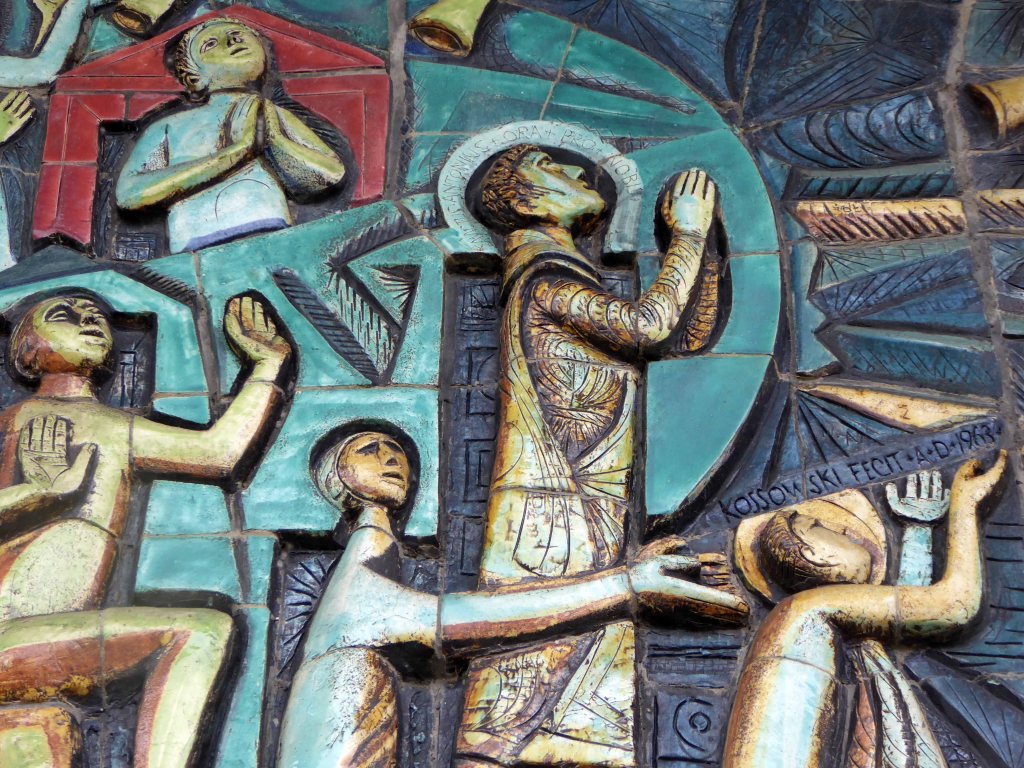
Large polychrome ceramic mural representing the Last Judgment by Adam Kossowski occupies the width of the porch above the two double- doored entrances.
Brick rotunda with projecting painted reinforced concrete chapels to left and right, of organic round-cornered form.
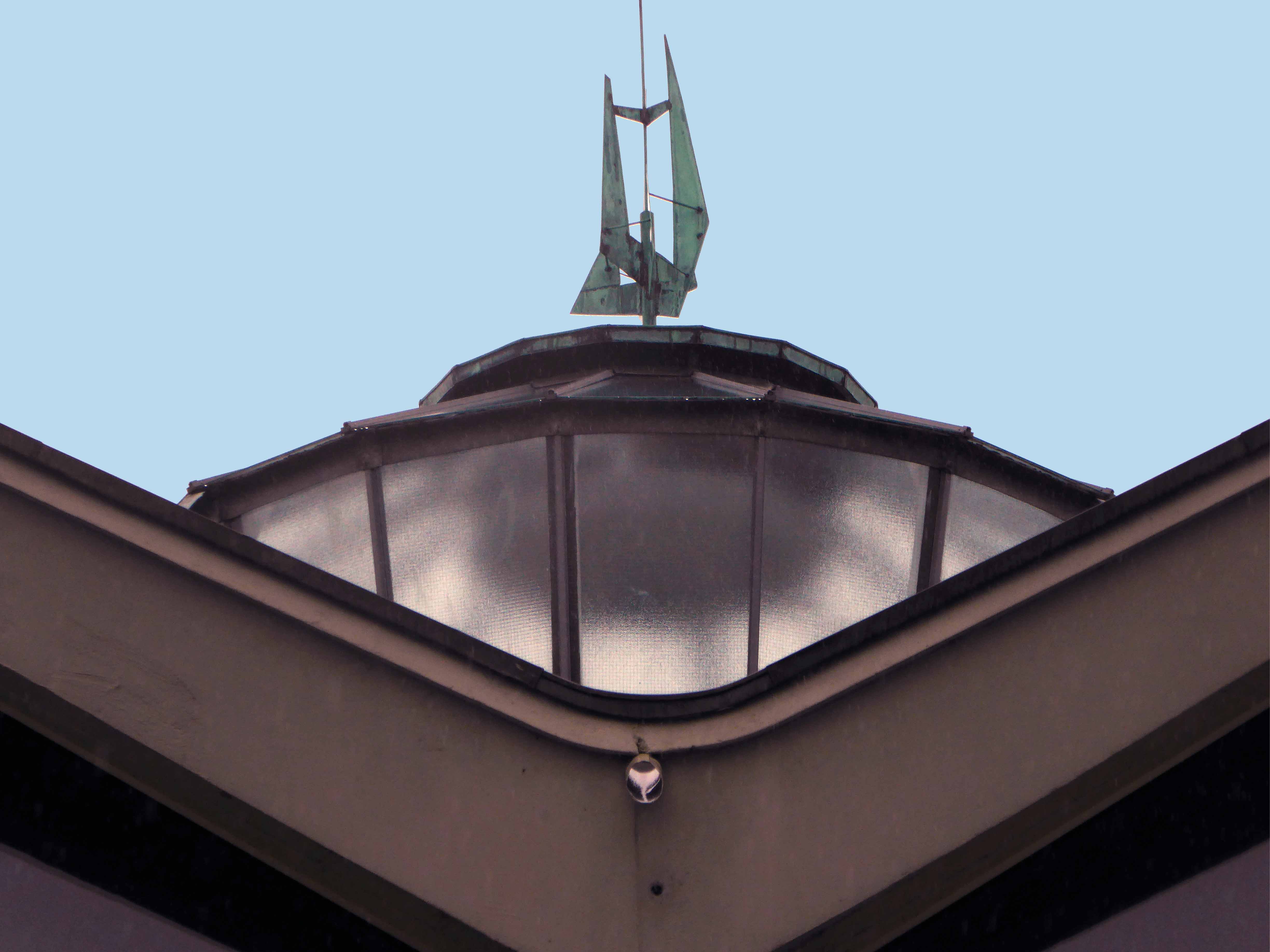
Folded radial roof above main space, leaning outwards to shelter triangular clerestory windows. Circular glazed light to centre of roof, its sides leaning outwards, culminating in a sculpted finial of copper or bronze.
Internally, sanctuary is floored in white marble, raised by a step, and the white marble altar is raised by three further steps.
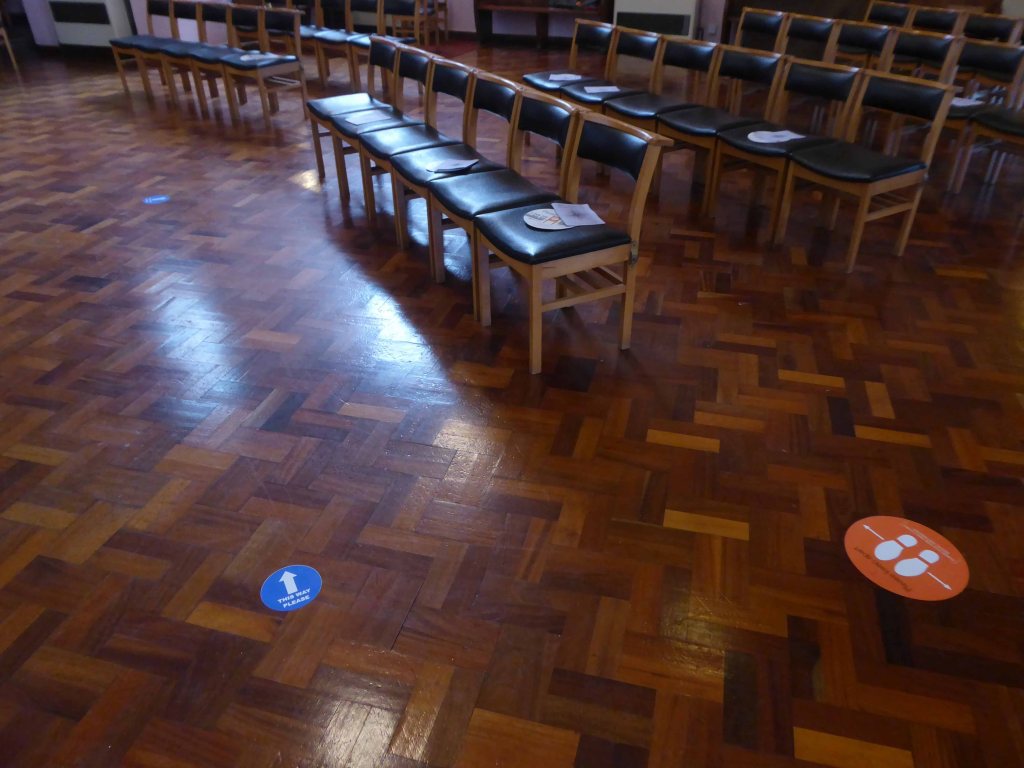
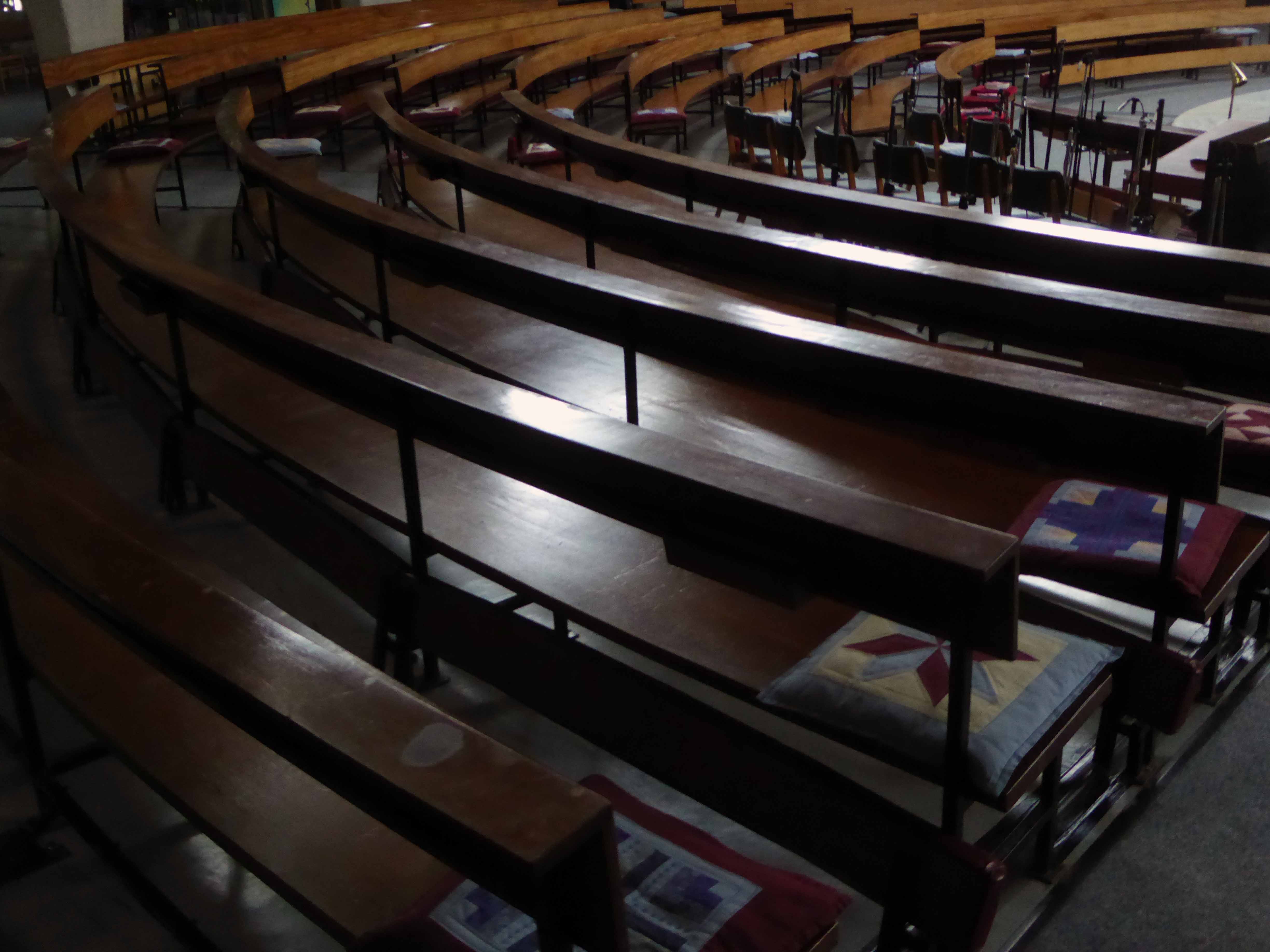
Fixed curved timber benches are placed on slightly raked floor.
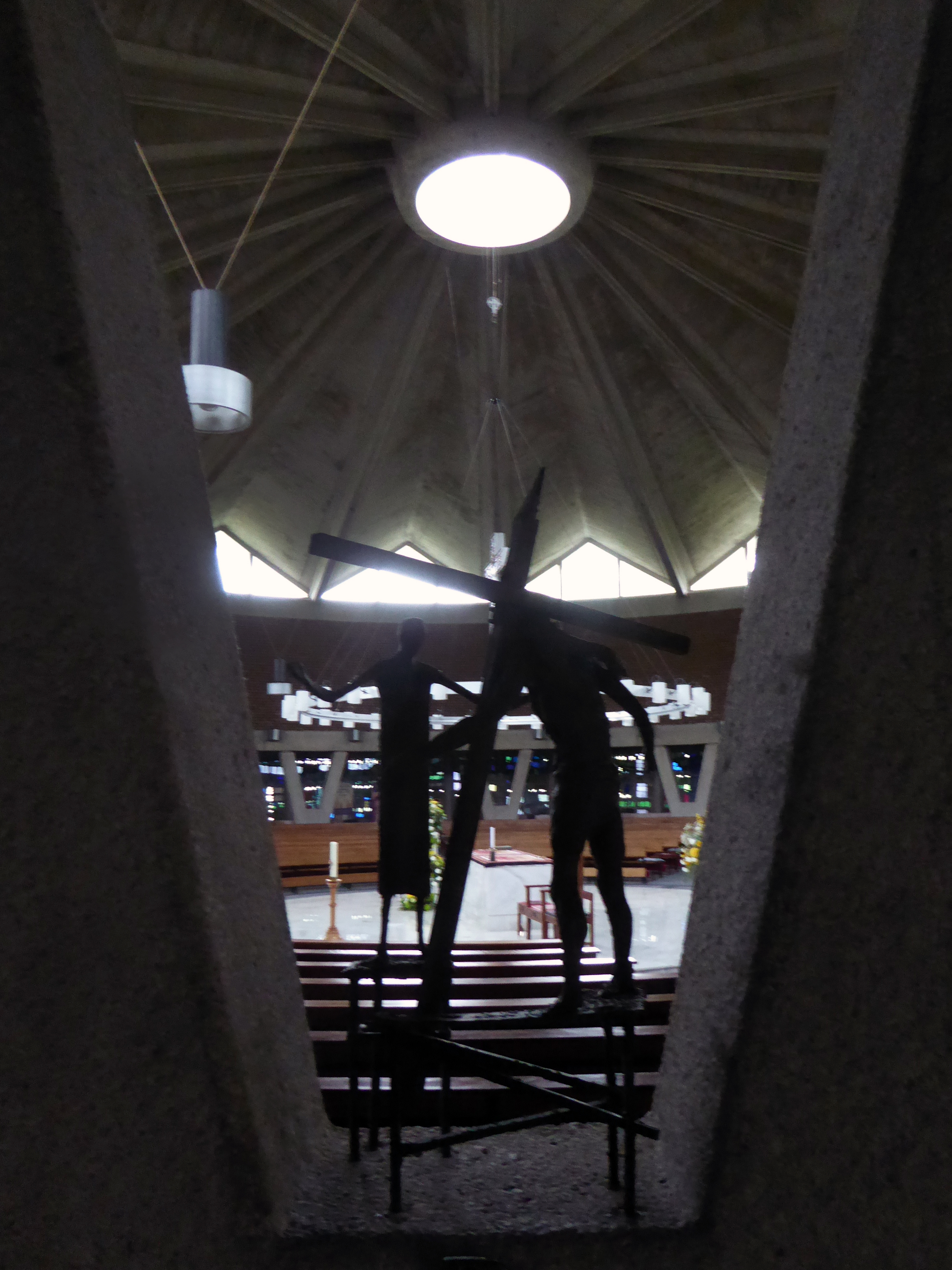
`Y’ shaped concrete aisle posts, designed to incorporate the Stations of the Cross, sculpted by Arthur Dooley.
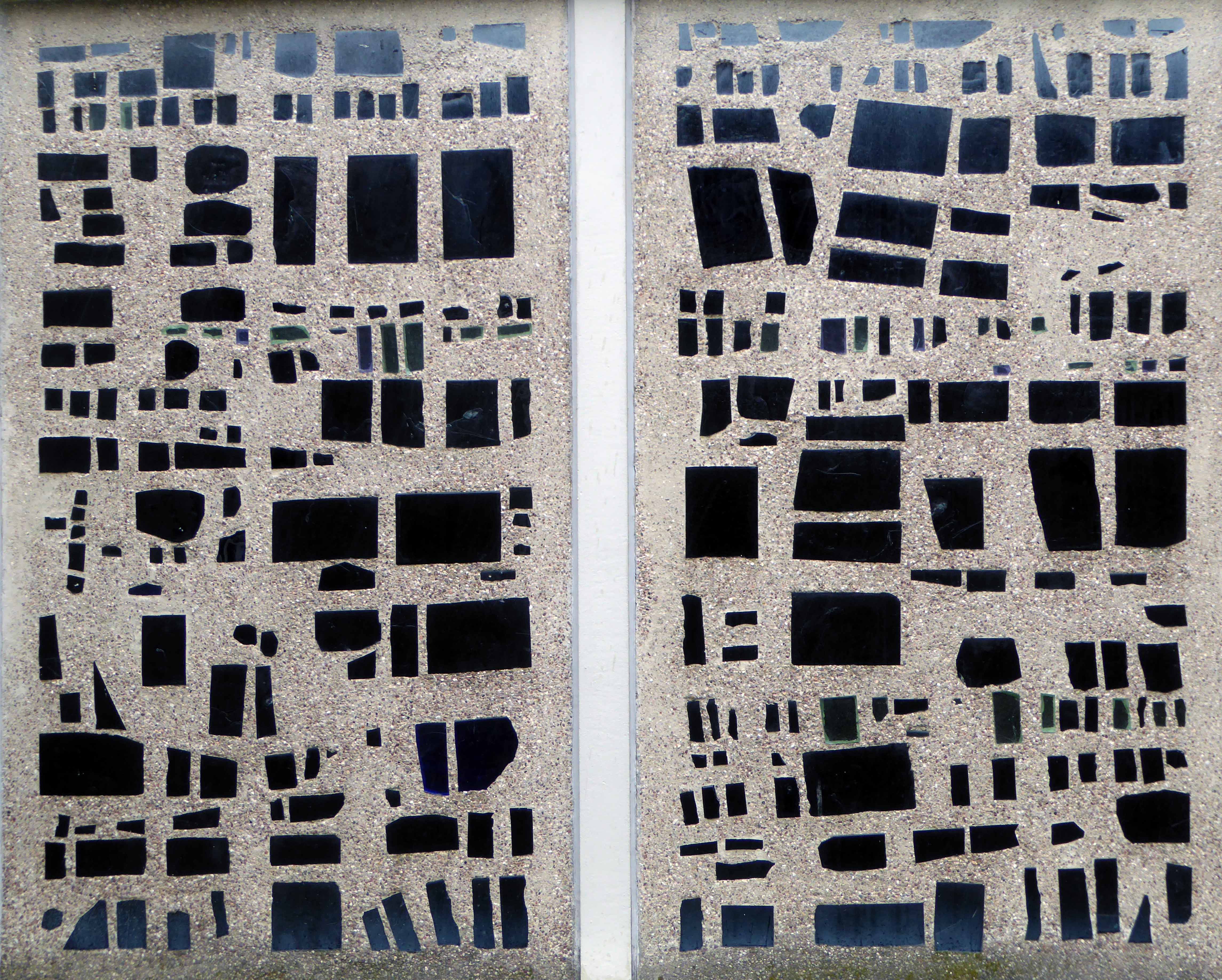
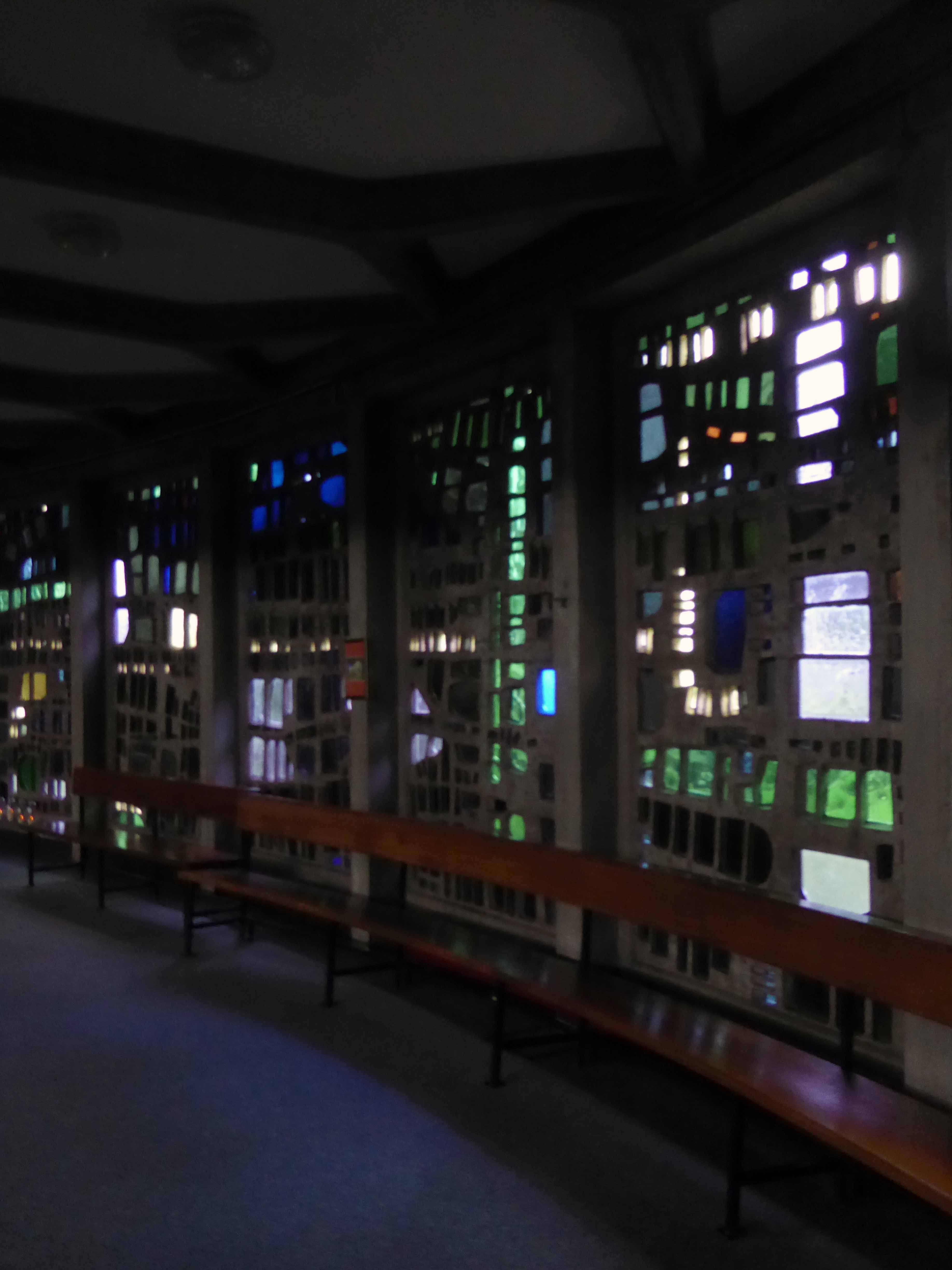
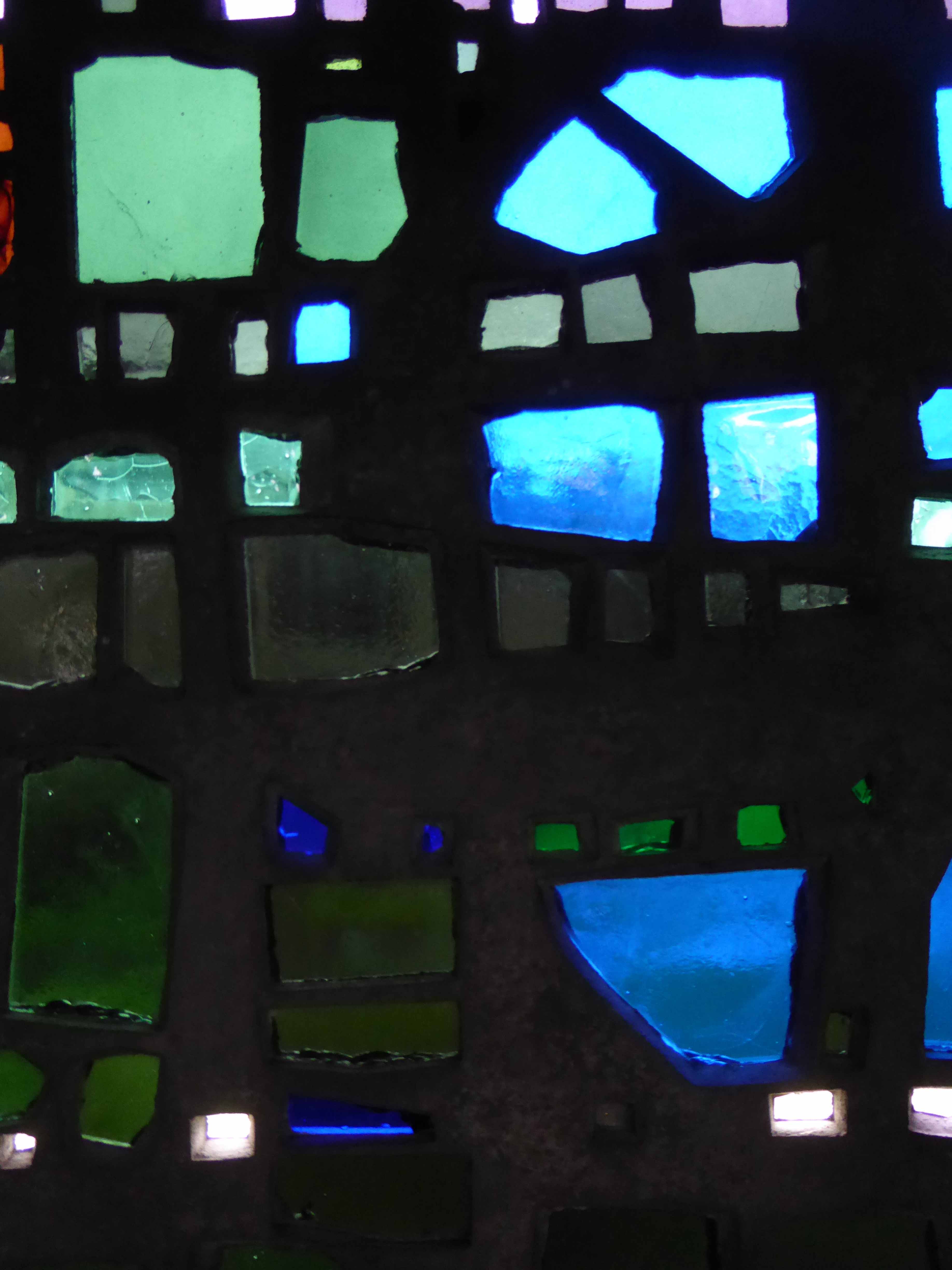
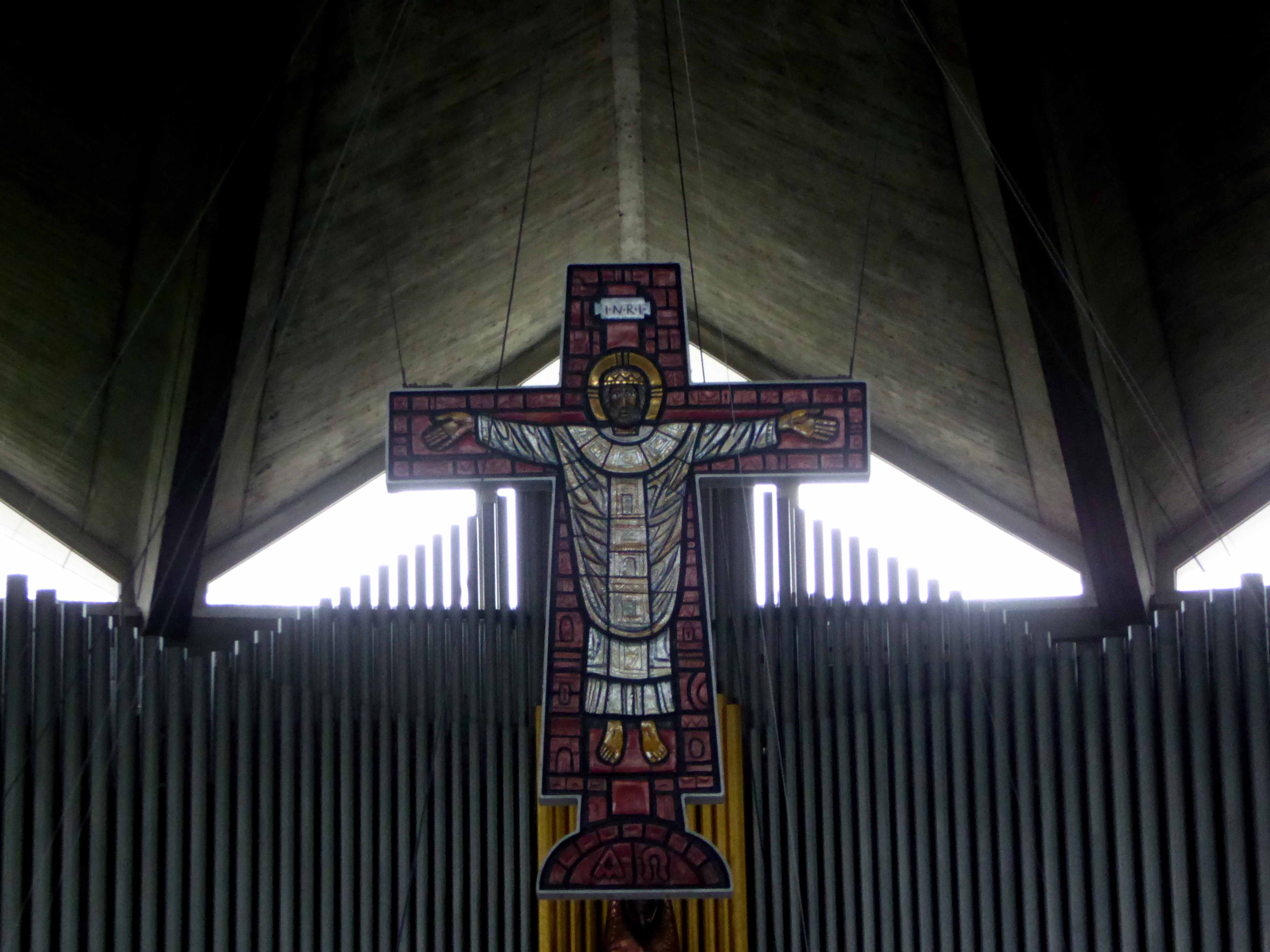
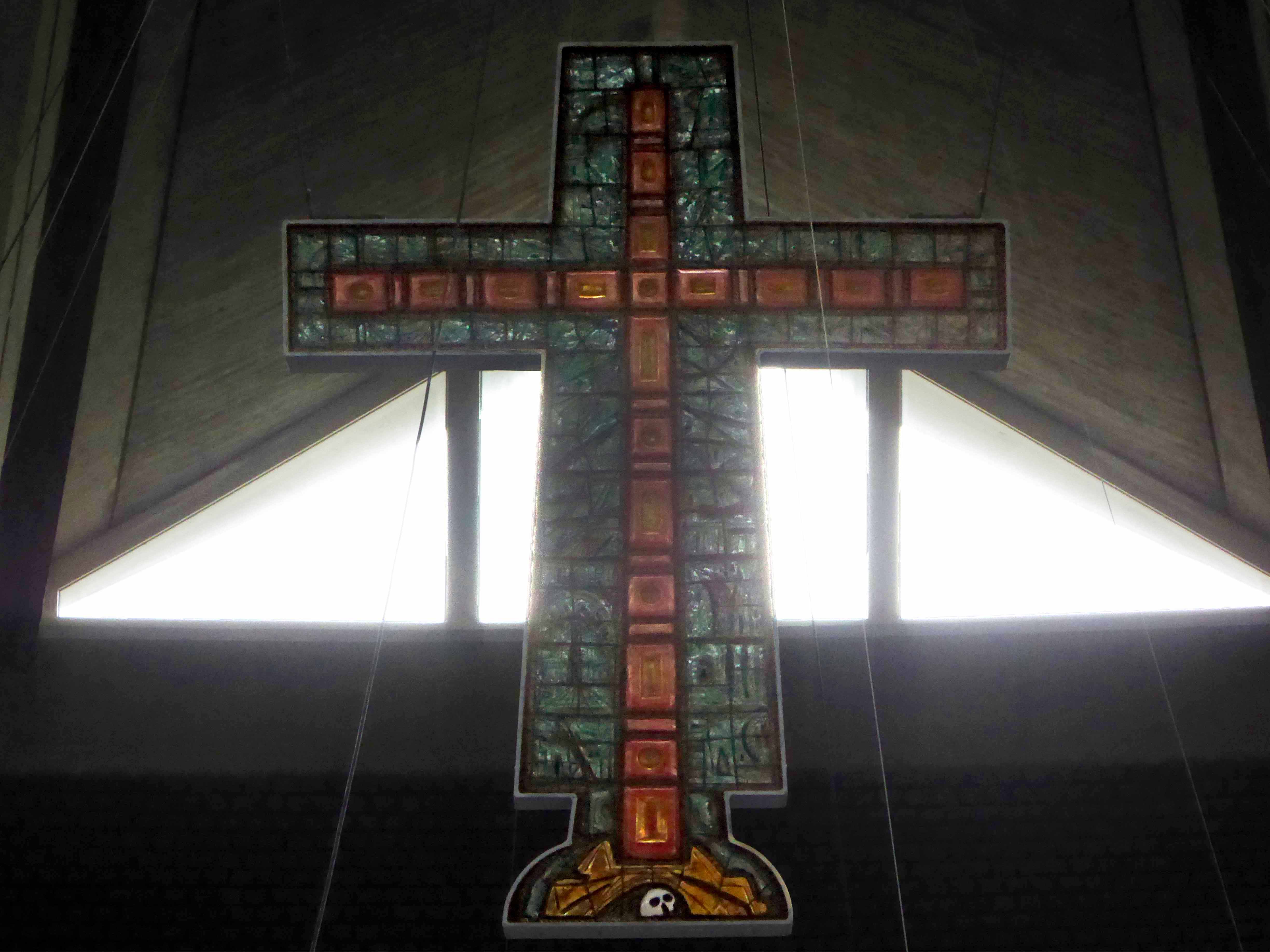
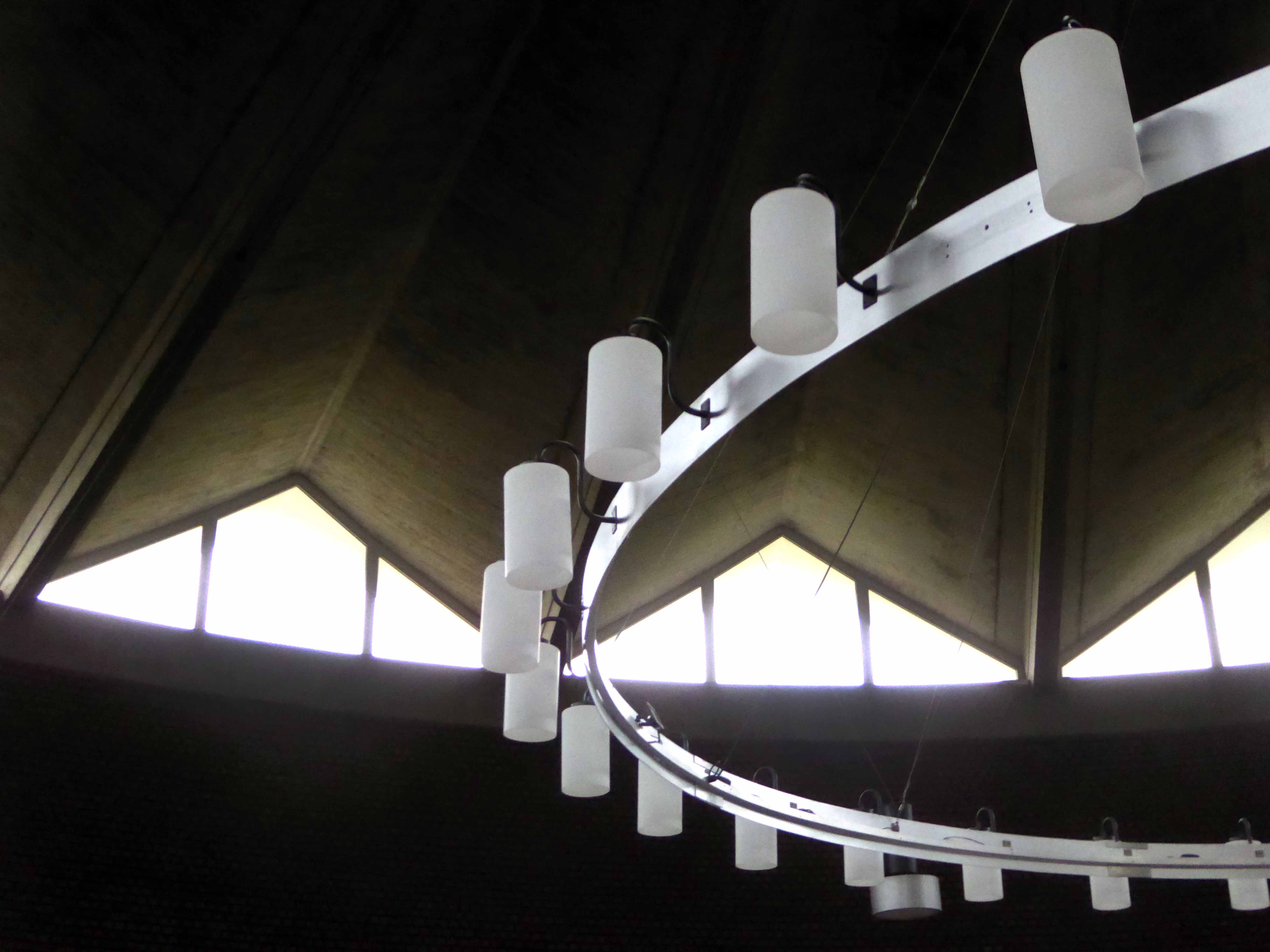
Above these the exposed brick drum rises to the exposed, board-marked concrete folded roof. The aisle walls comprise thirty-six panels of abstract dalle-de-verre stained glass, totalling 233 feet in length, by Patrick Reyntiens, mostly in blues and greens. The theme is the first day of Creation. Suspended above the altar is the original ring-shaped light fixture, and also Adam Kossowski’s ceramic of Christ the King.
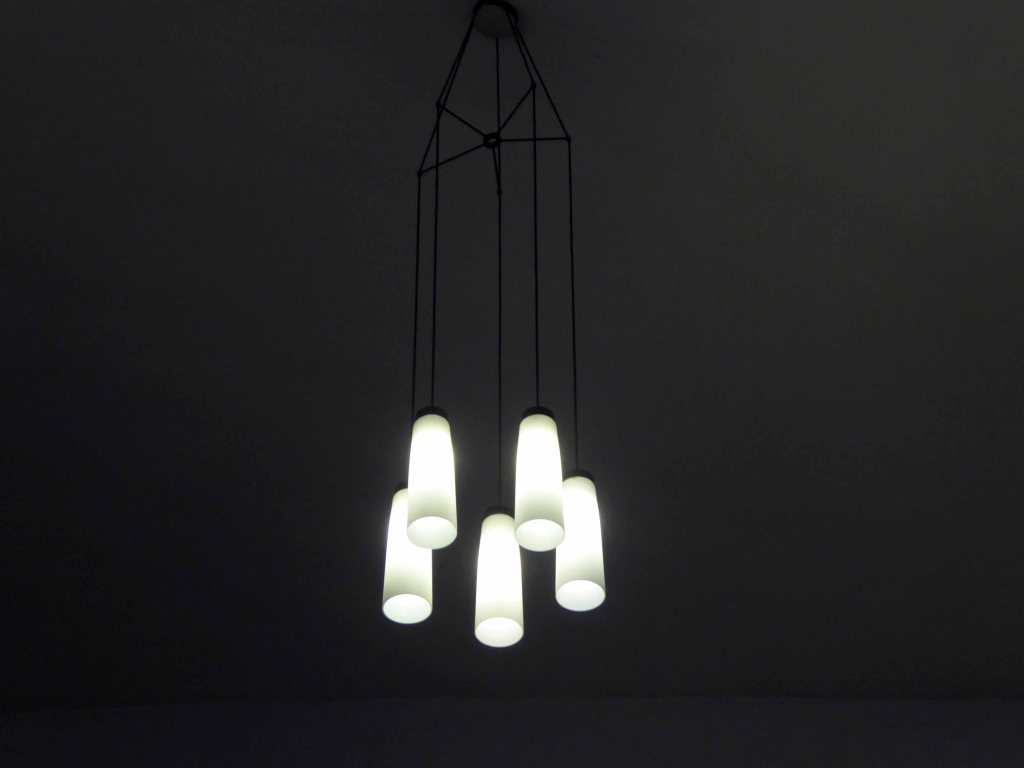
Further original light fittings are suspended above the congregation.
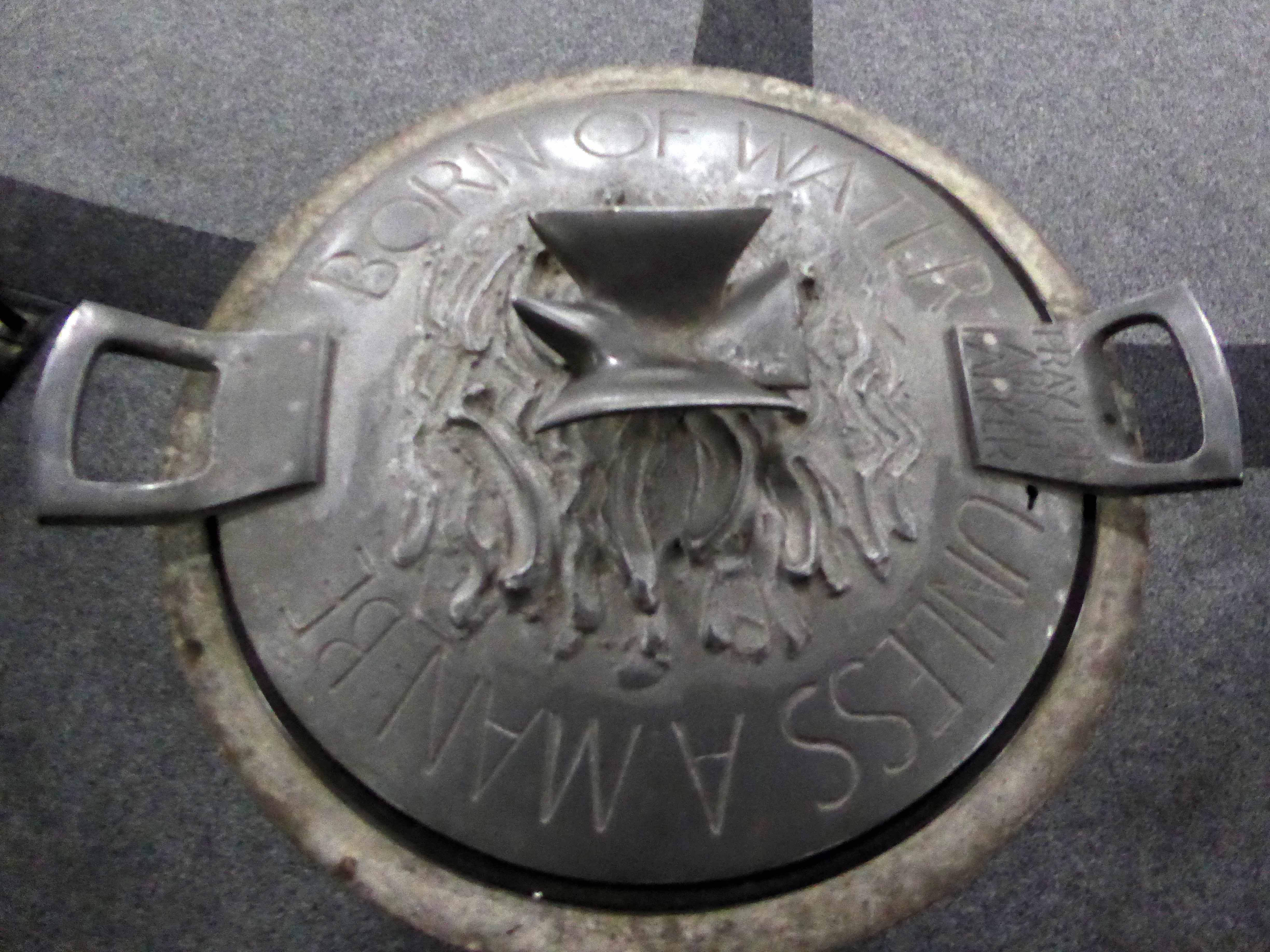
The font is placed in the narthex, in a shallow, marble-lined depression in the floor. It comprises a concrete cylinder with an inscribed bronze lid.
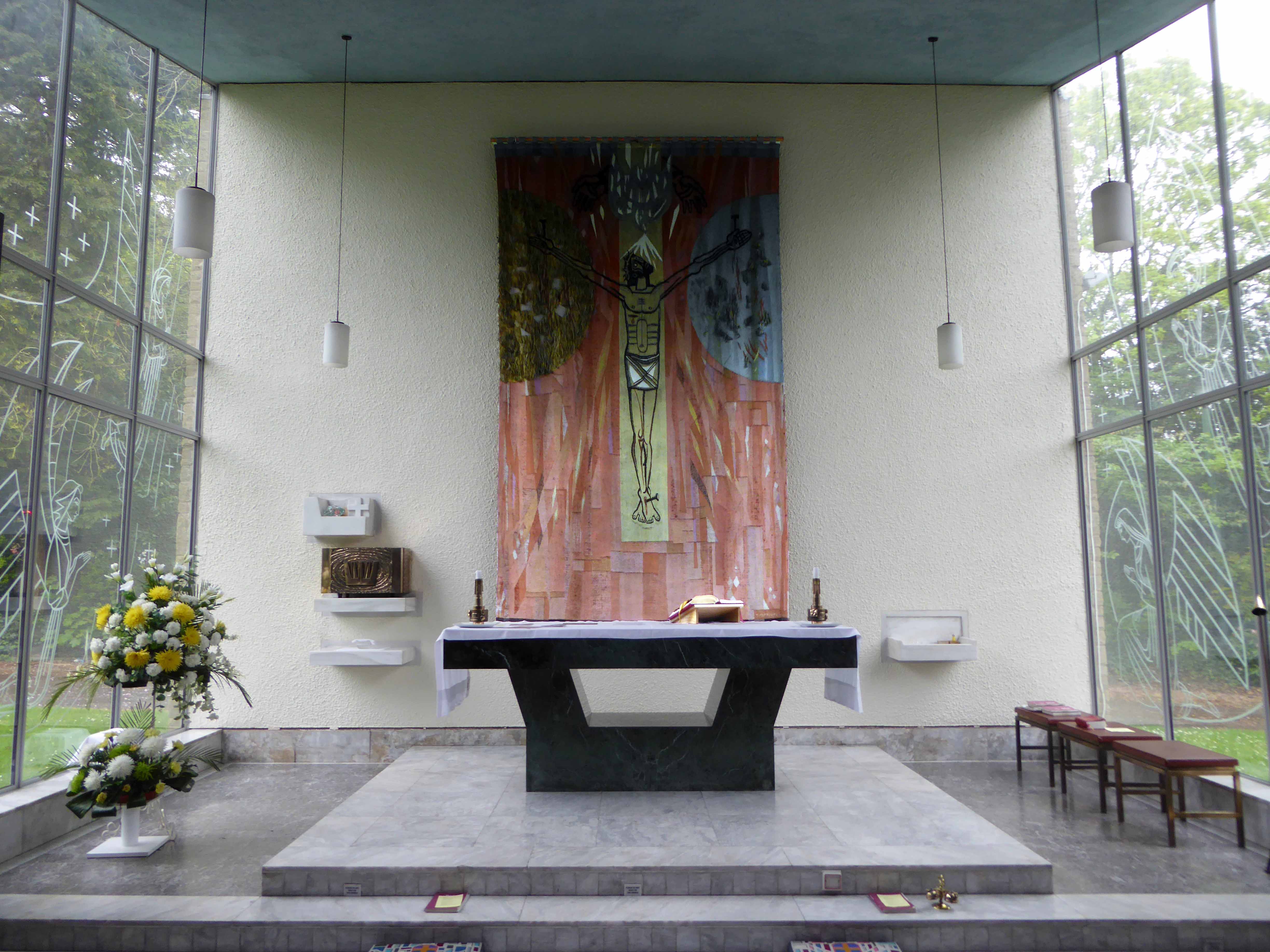
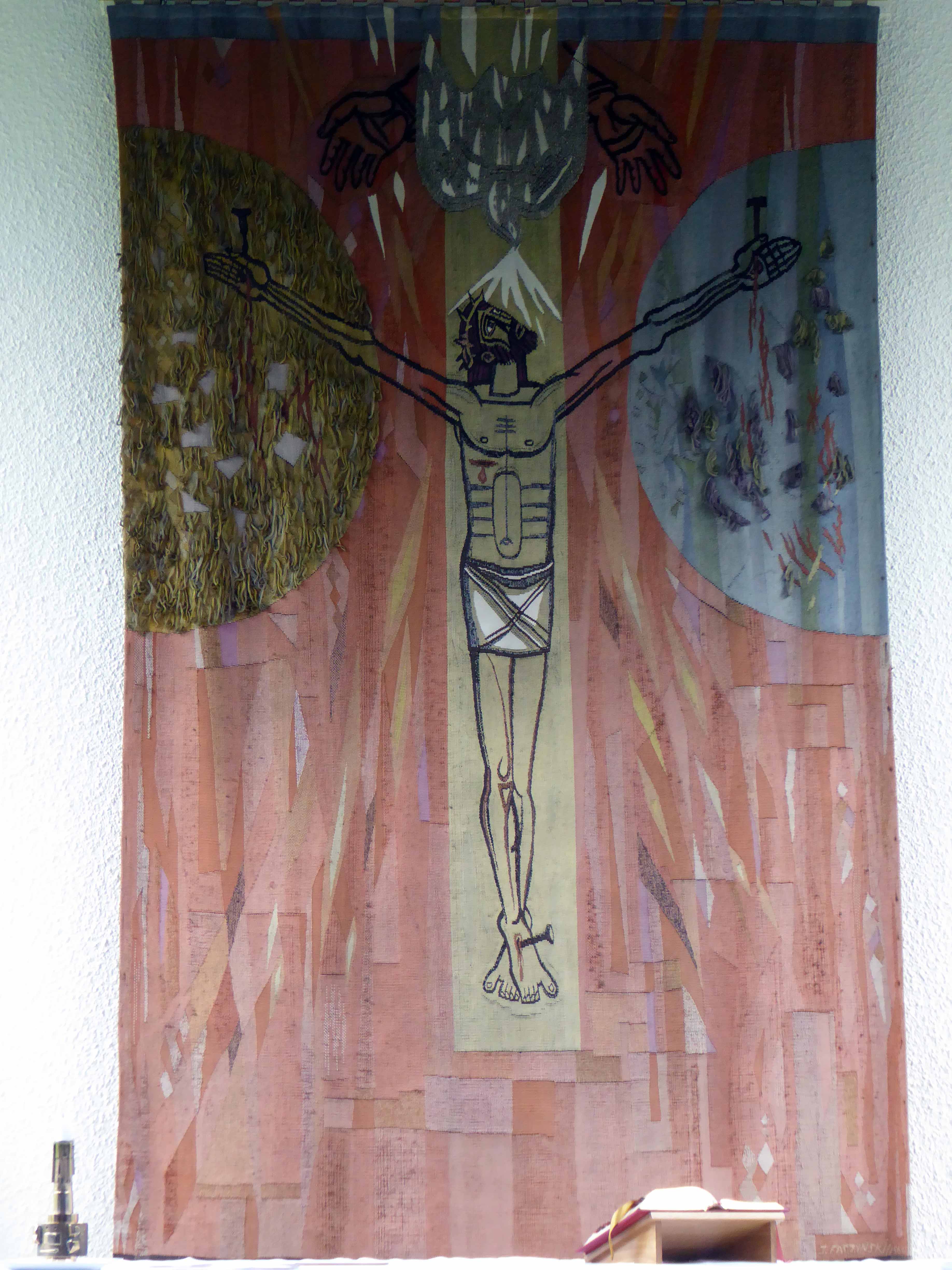
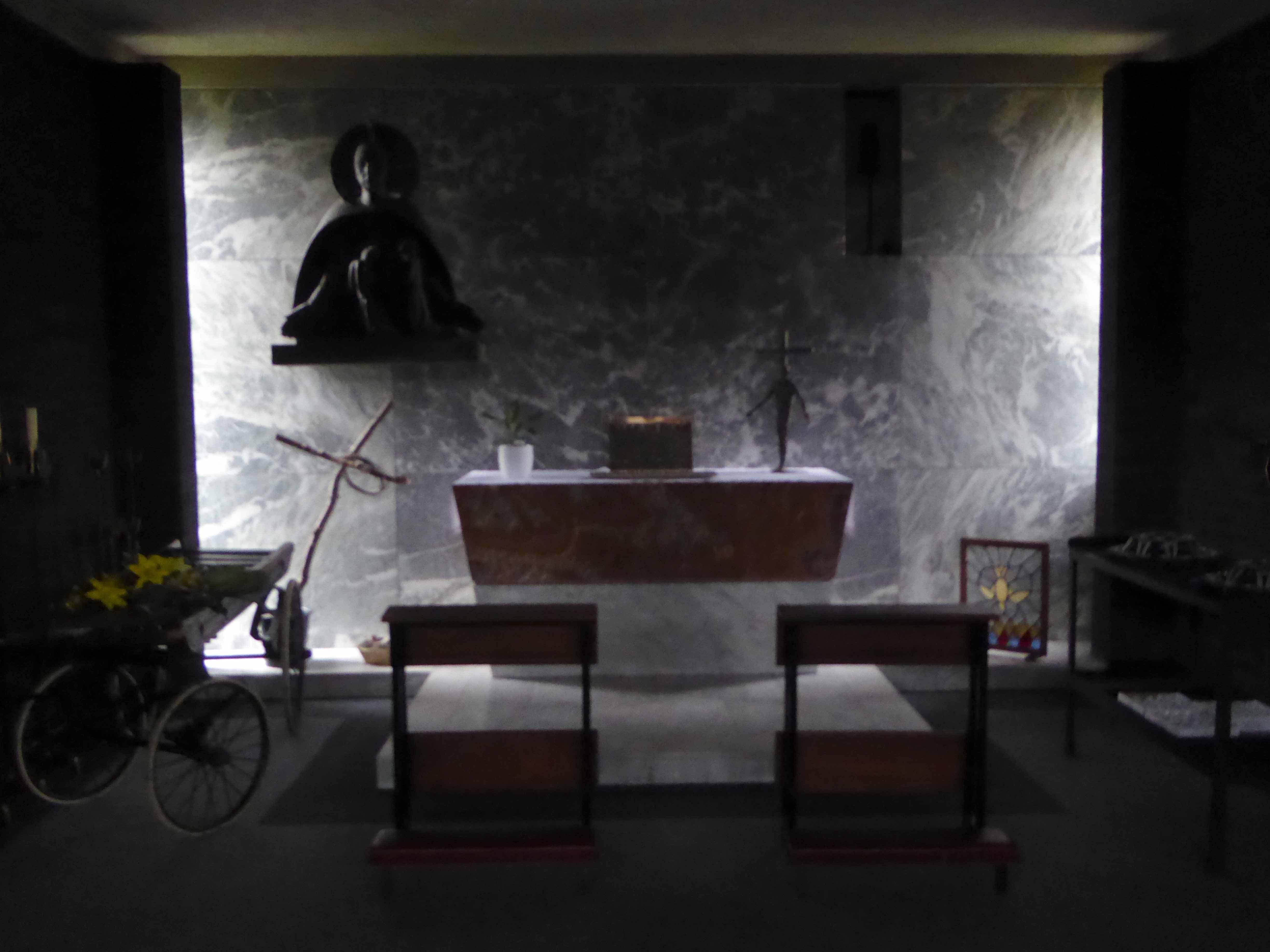
The Blessed Sacrament Chapel, with its rising roof slab, contains a green marble altar with in-built raking supports.
Behind it is a tapestry representing the Trinity, designed by the architect J. Faczynski.
Many thanks to Father John and the members of the congregation for the warm welcome that they extended to us on the day of our visit to their exceptional Grade II Listed church.
I’ve been to the Barbican before, wandering the walkways without purpose.
This is a whole new box of tiles, the search for a re-sited mural, a first time meeting with what would seem at once like an old and well-loved friend.
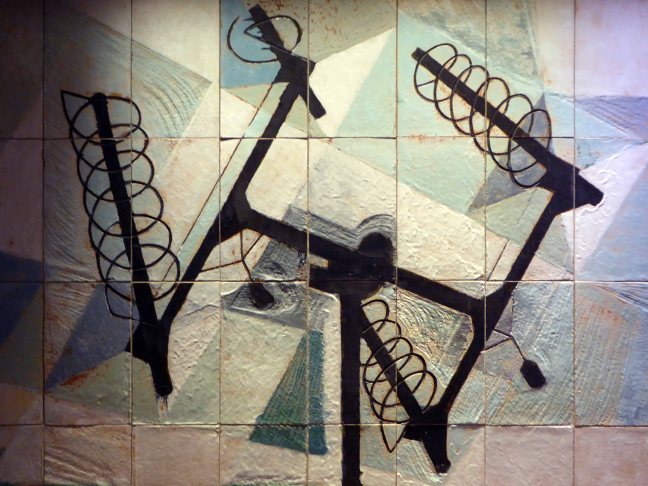
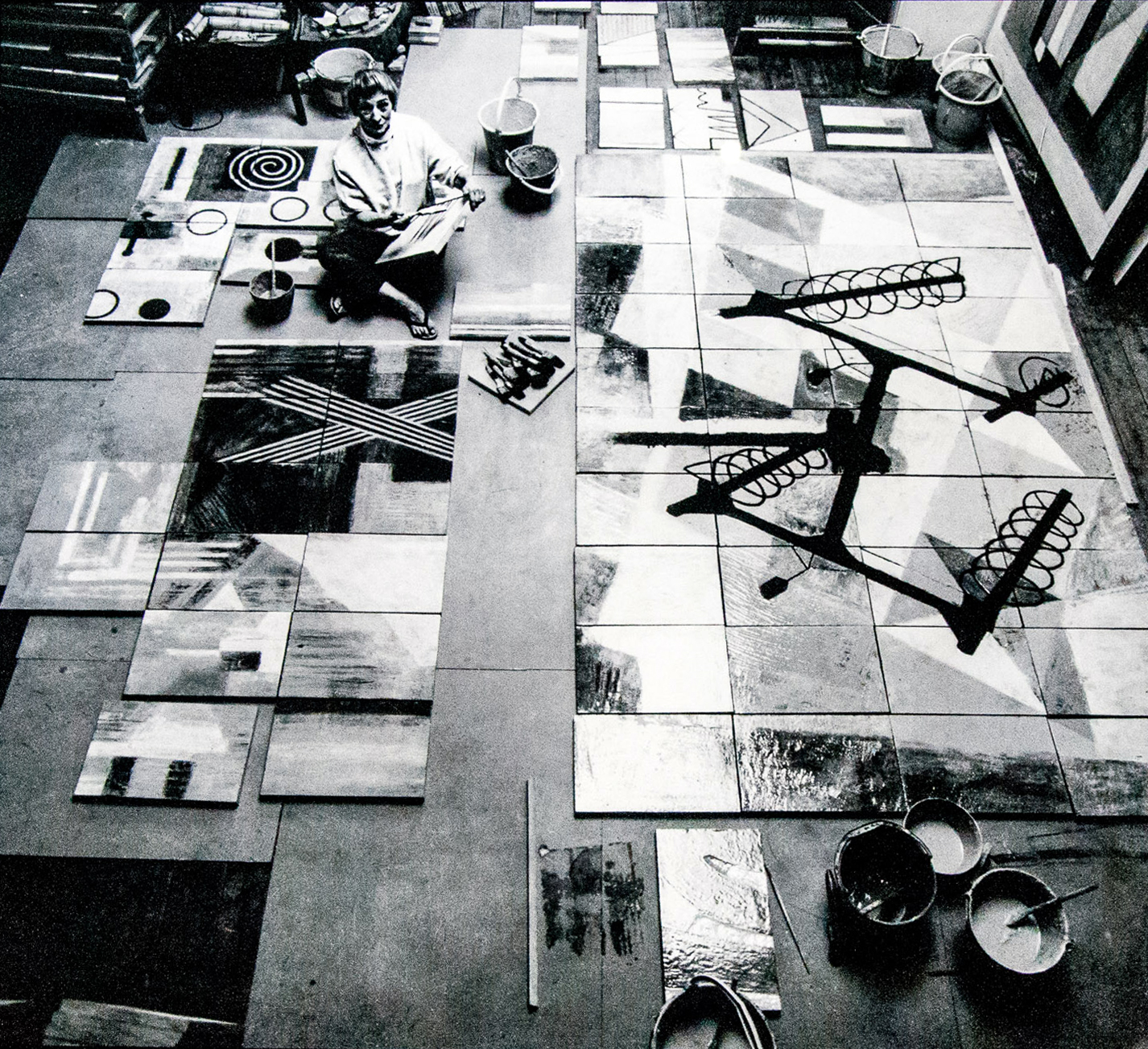
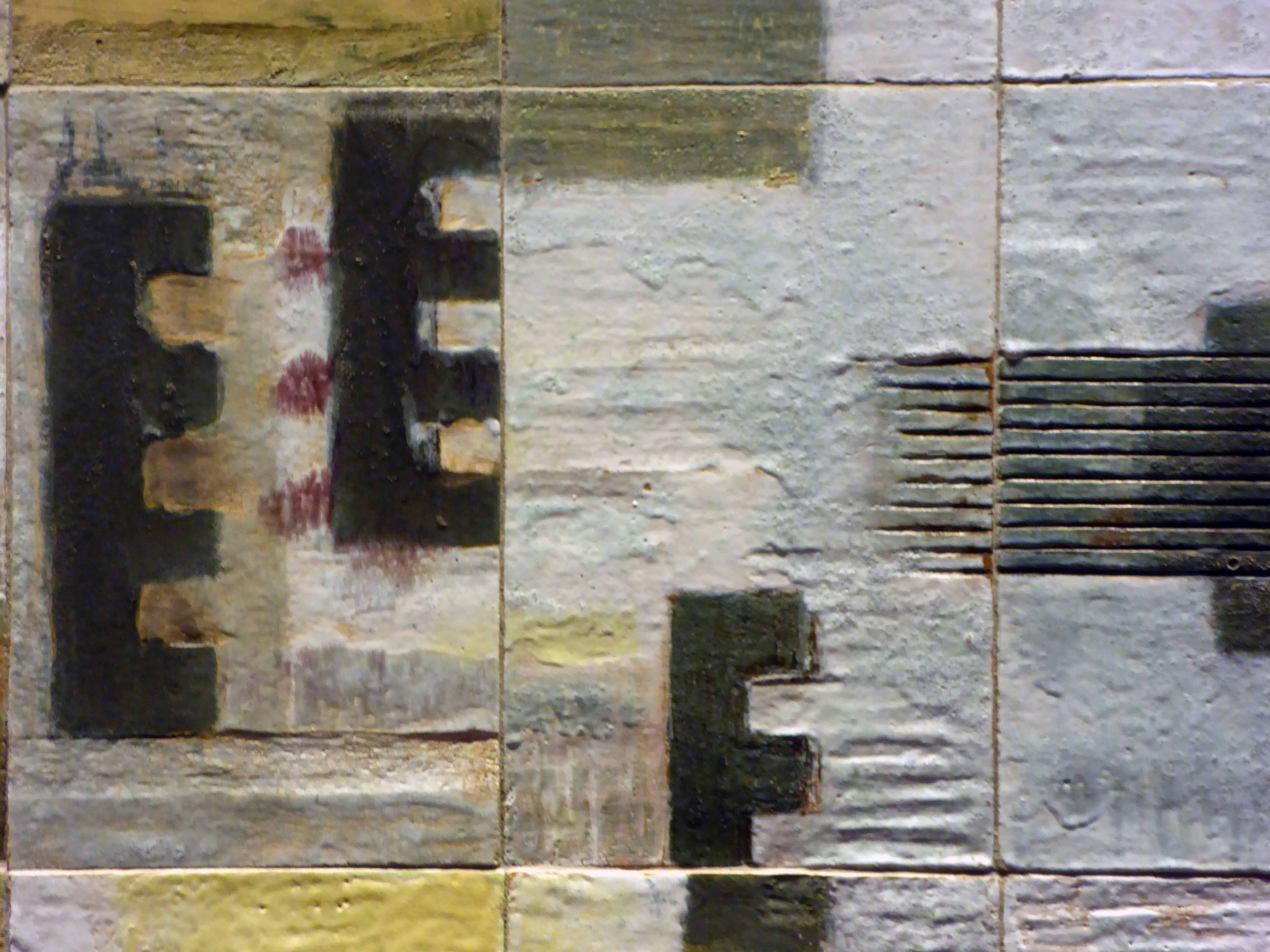
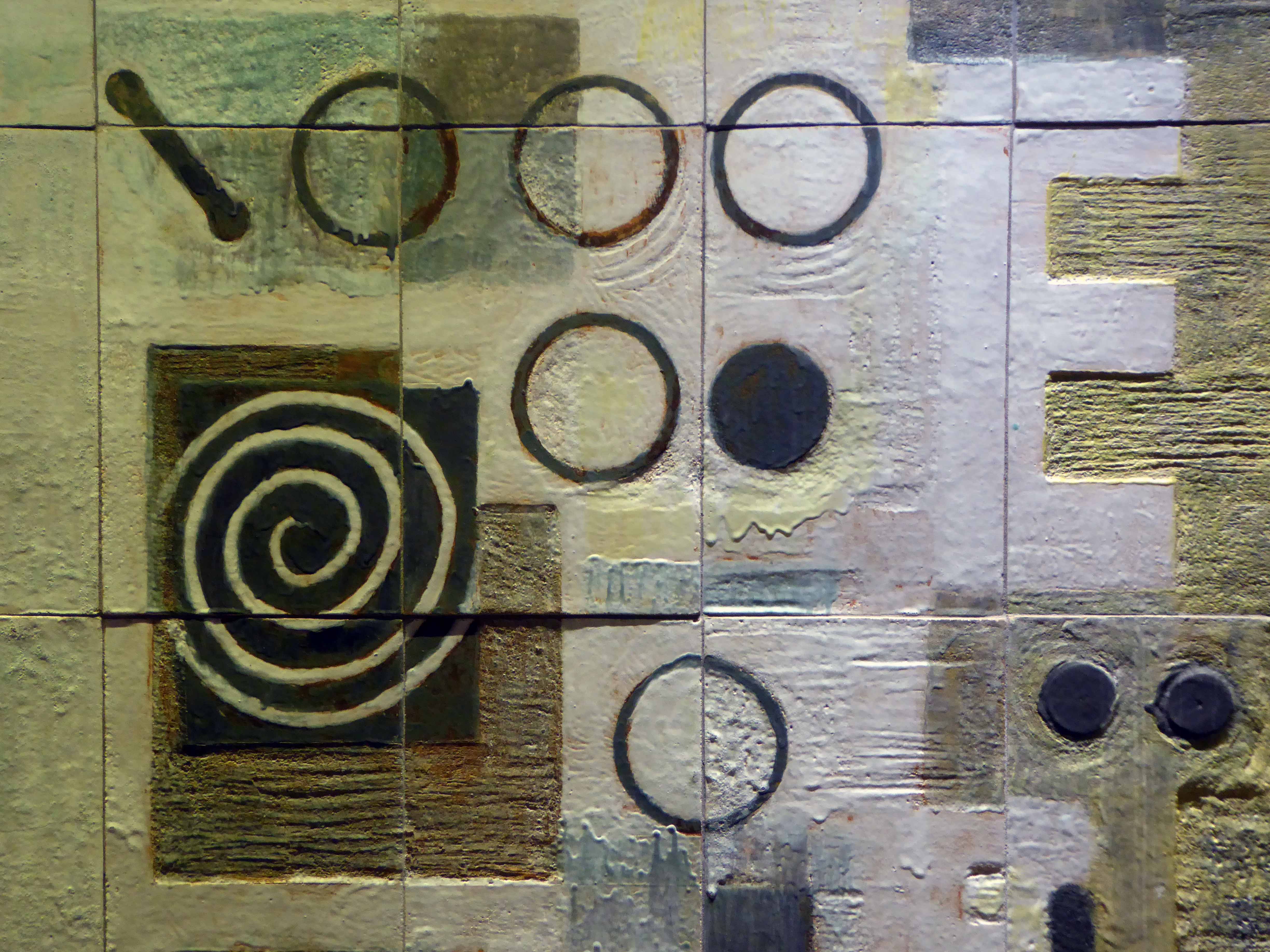
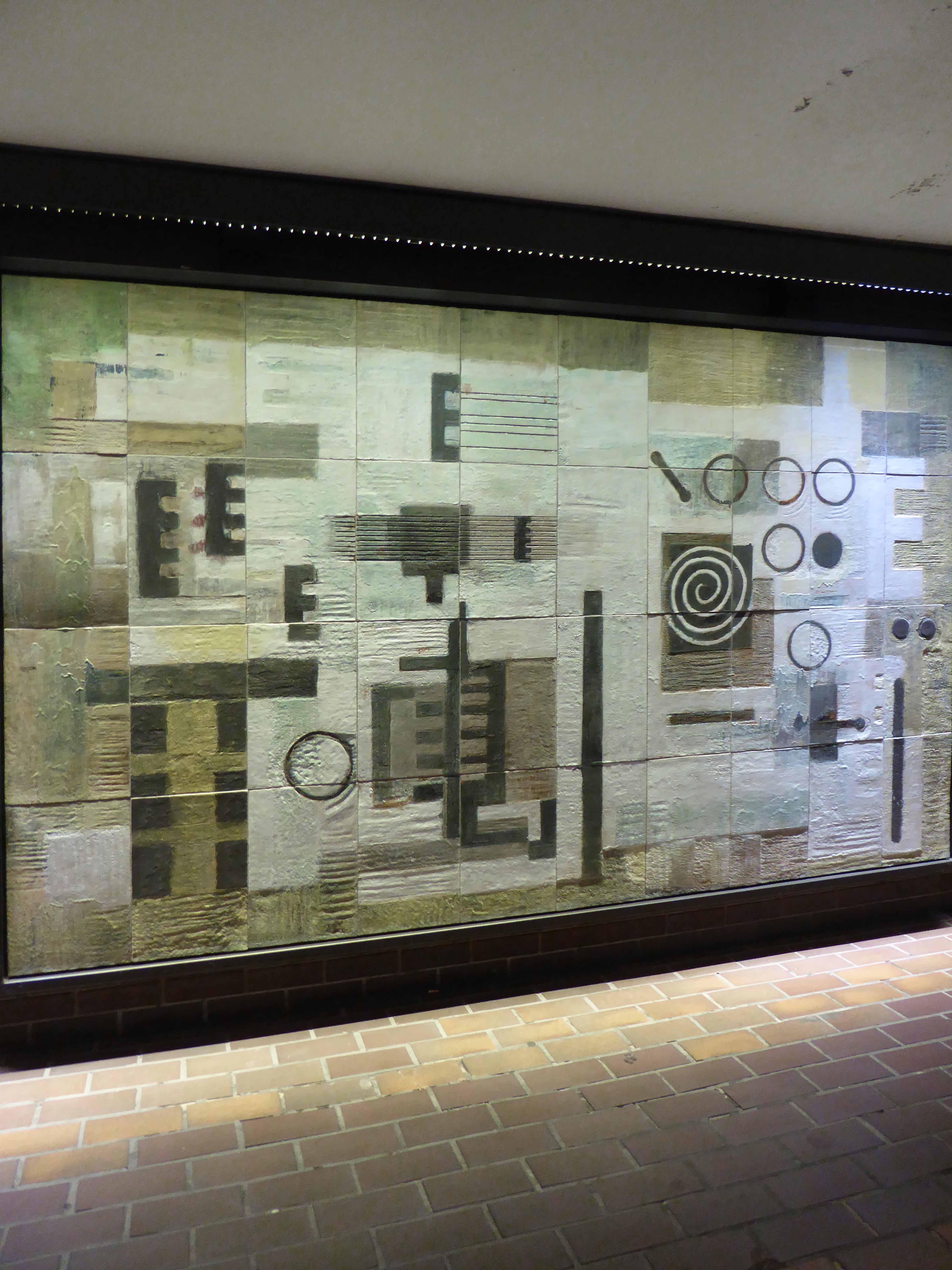
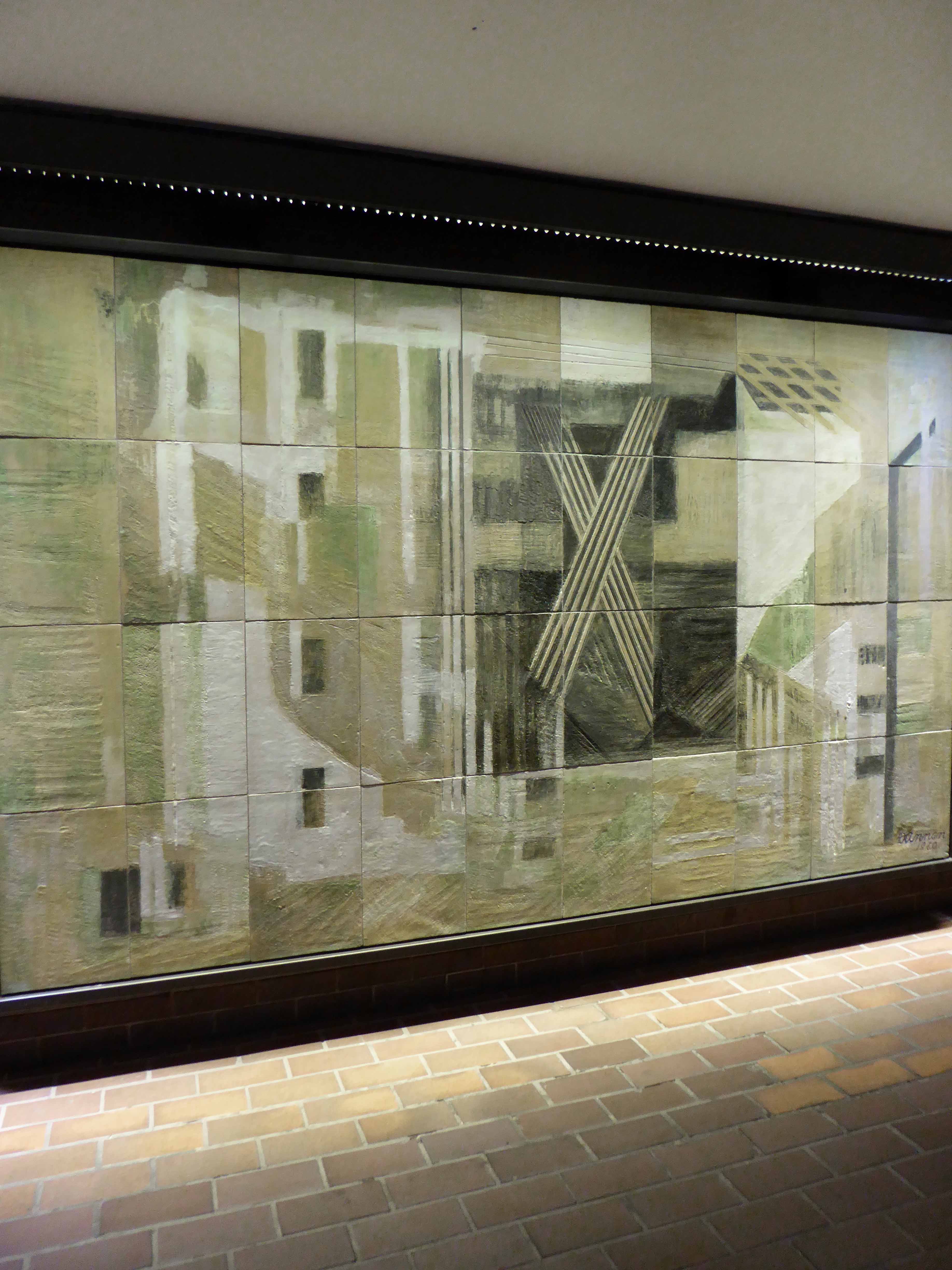
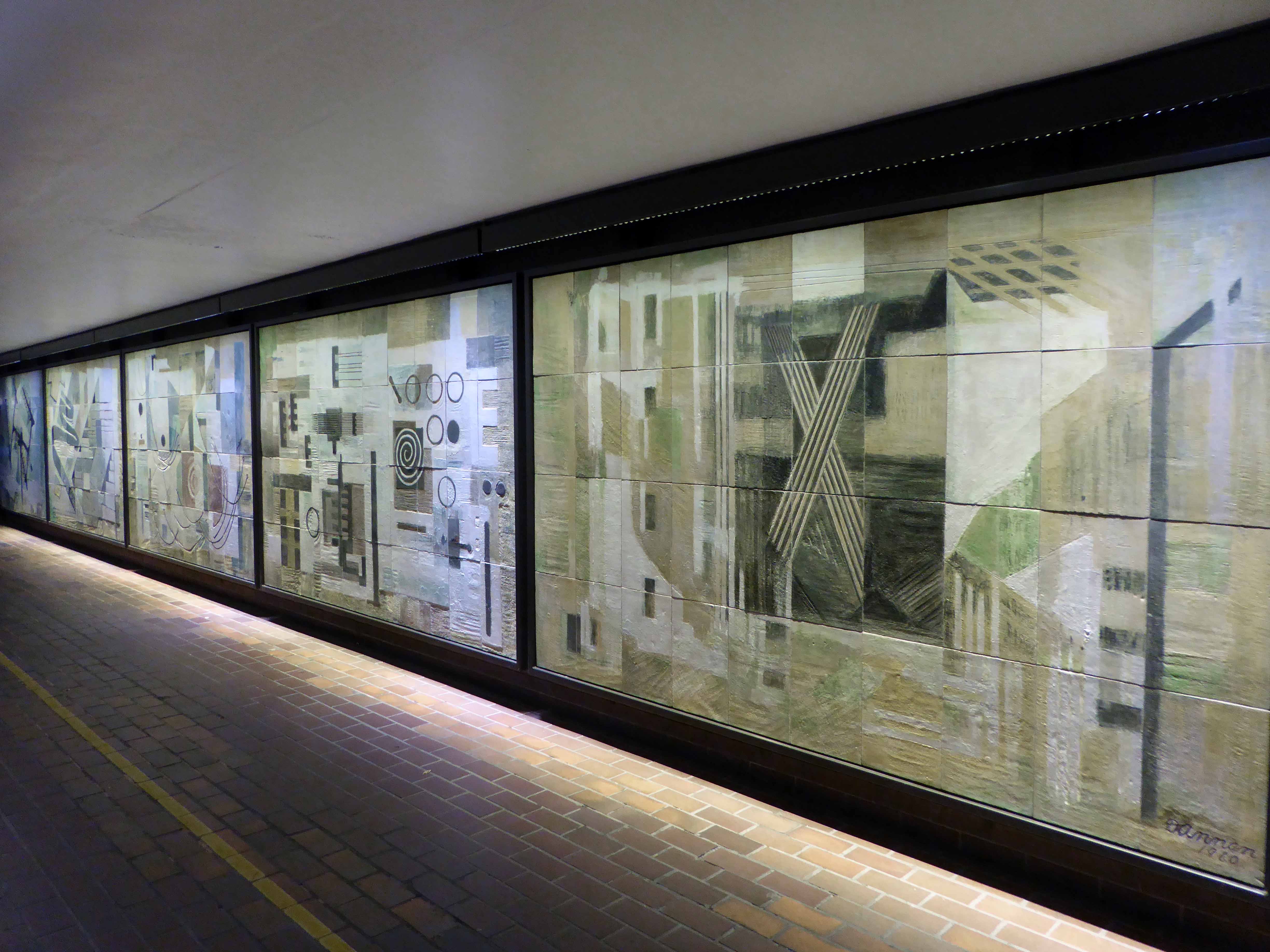
Dorothy Annan20 January 1900 – 28 June 1983
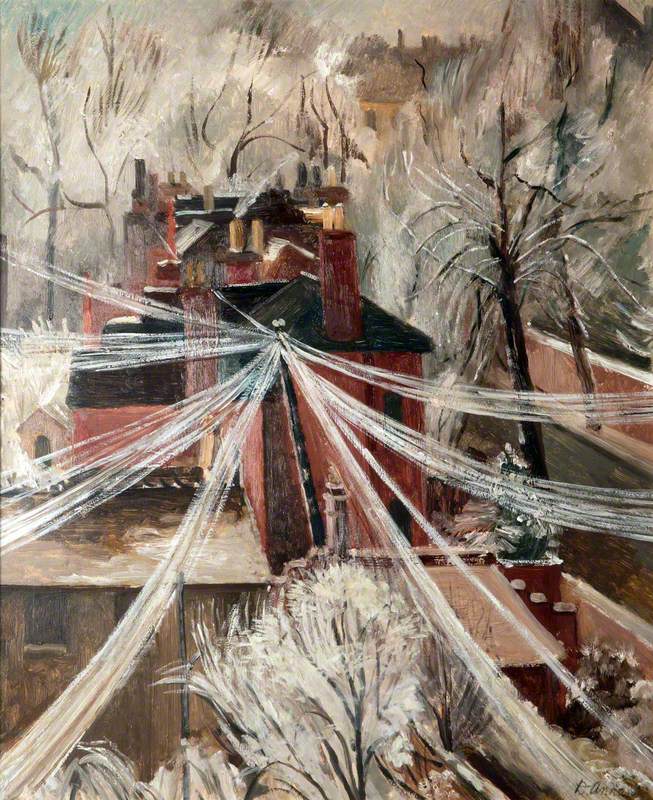
Was an English painter, potter and muralist, married to the painter and sculptor Trevor Tennant. She was born in Brazil to British parents and was educated in France and Germany.
Christmas 1944 – Manchester Art Gallery
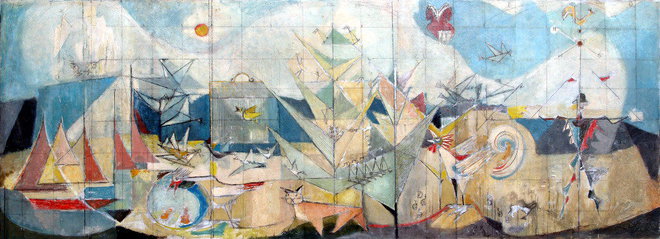
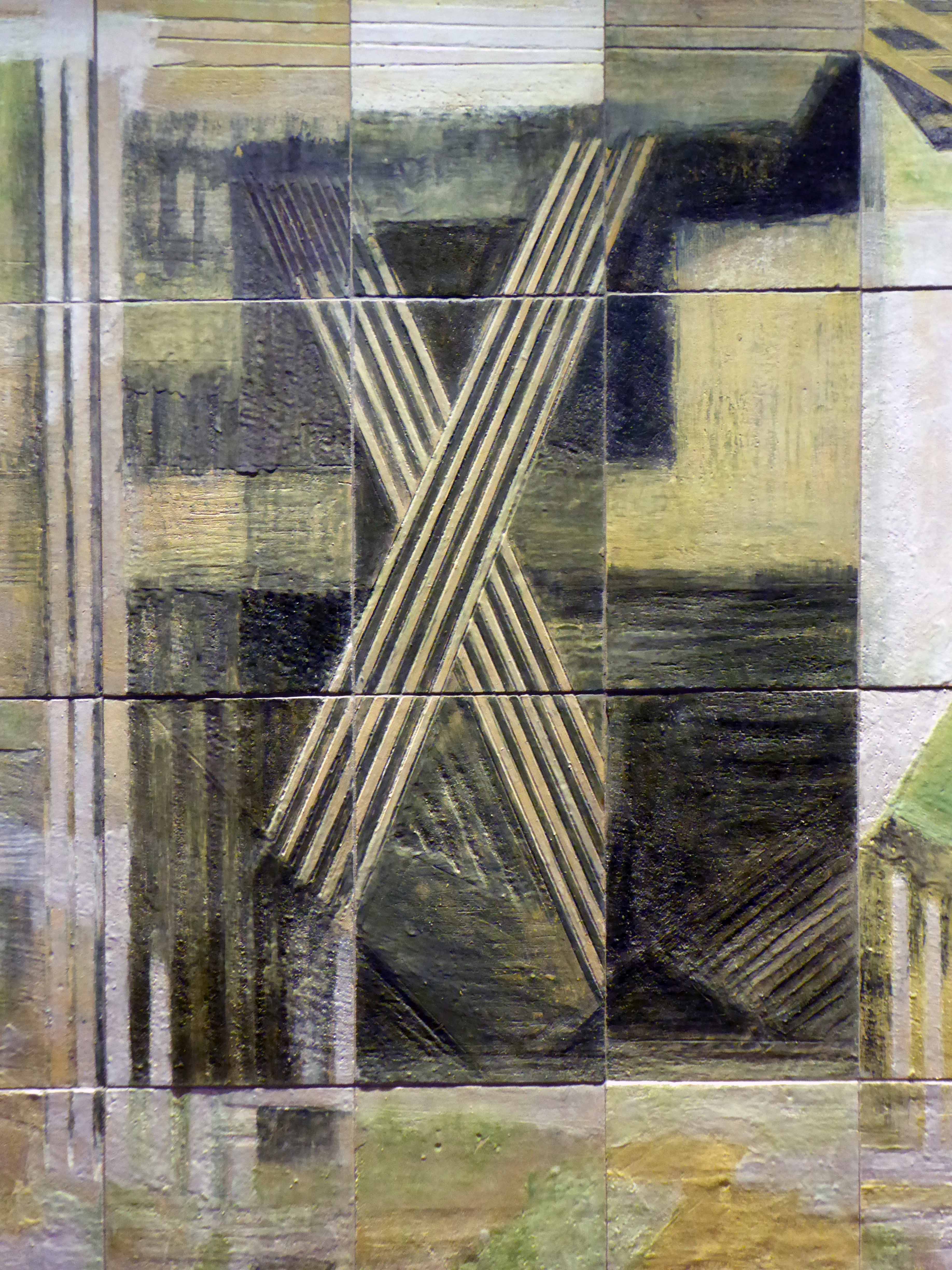
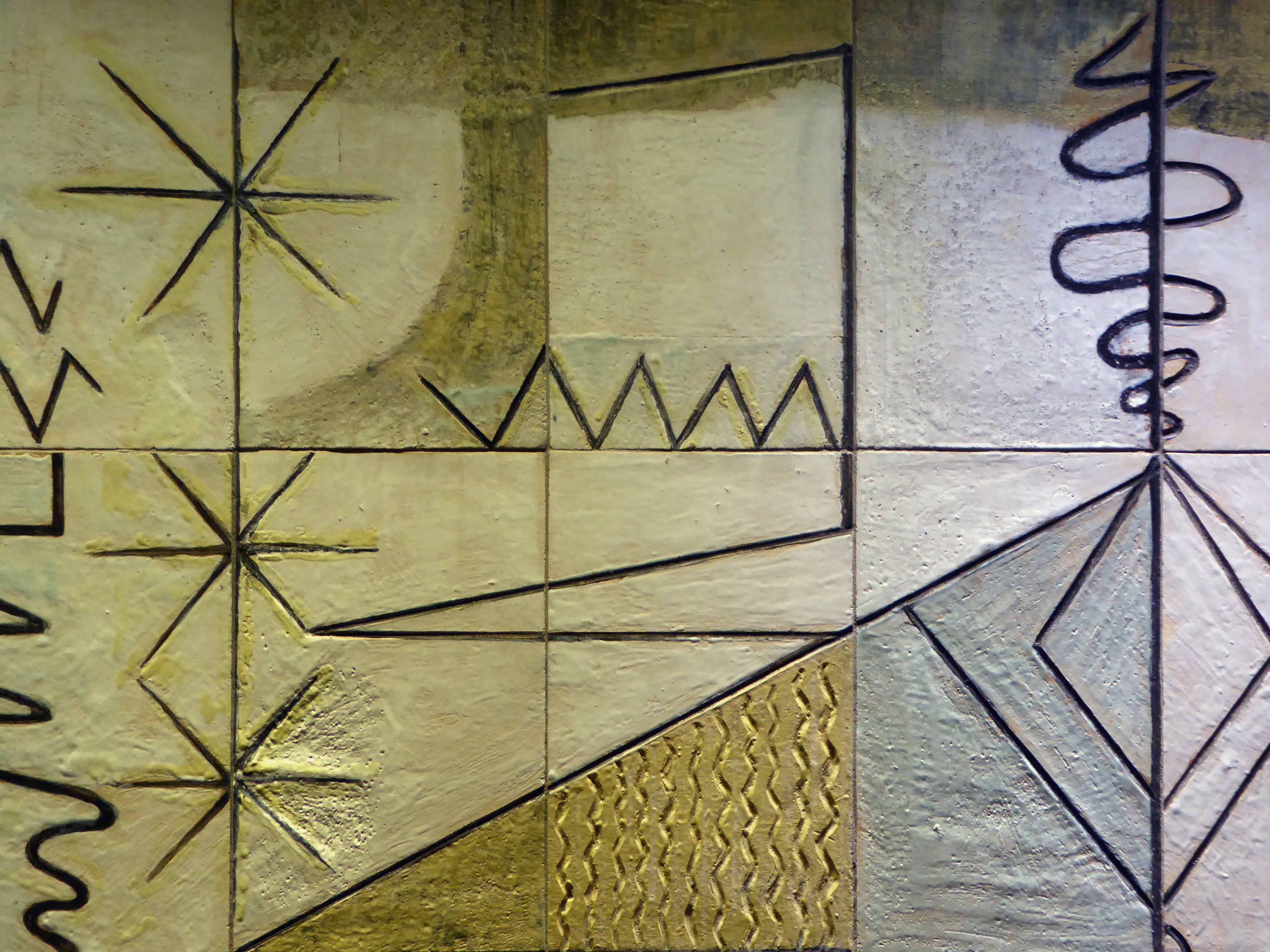
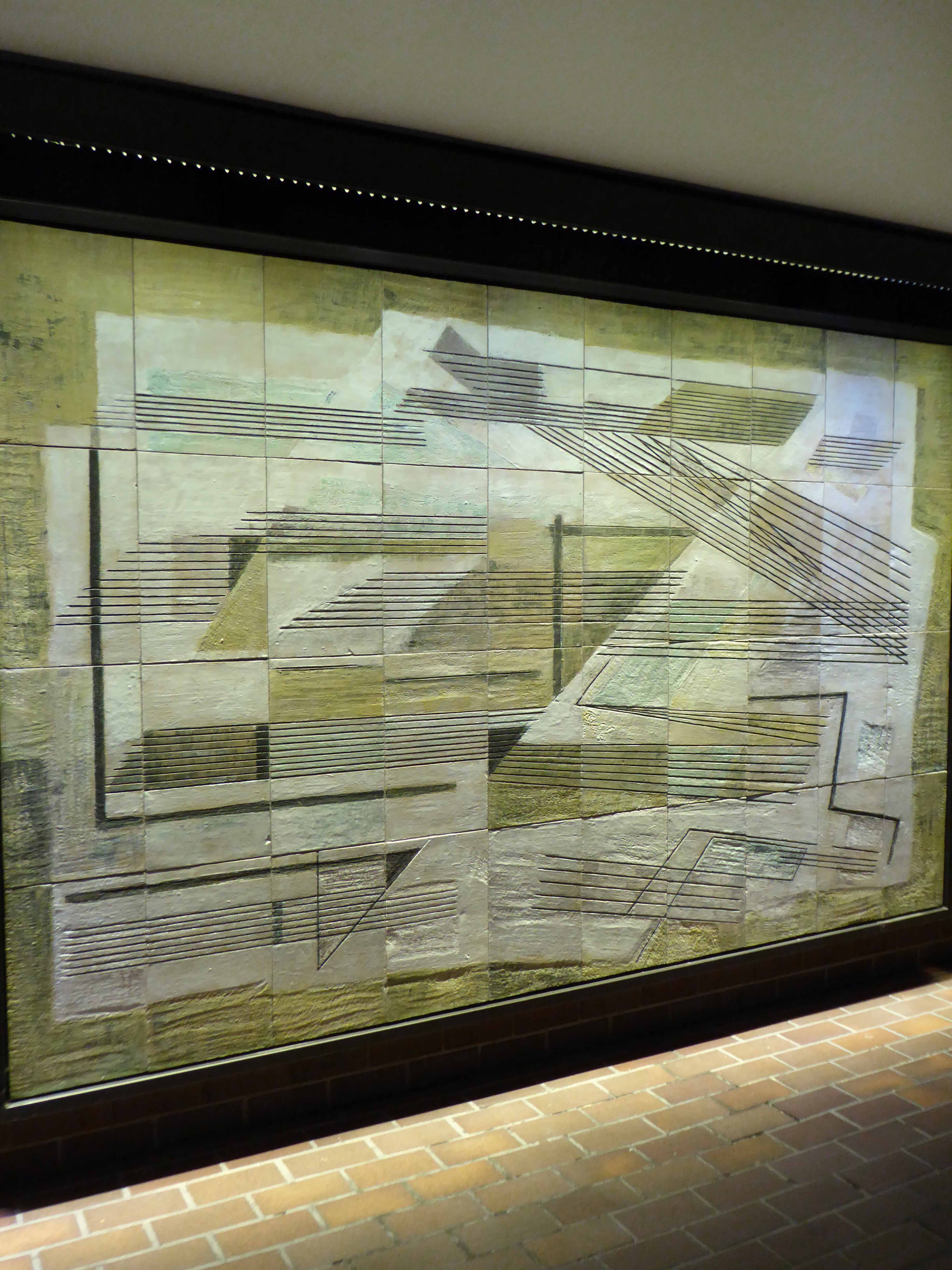
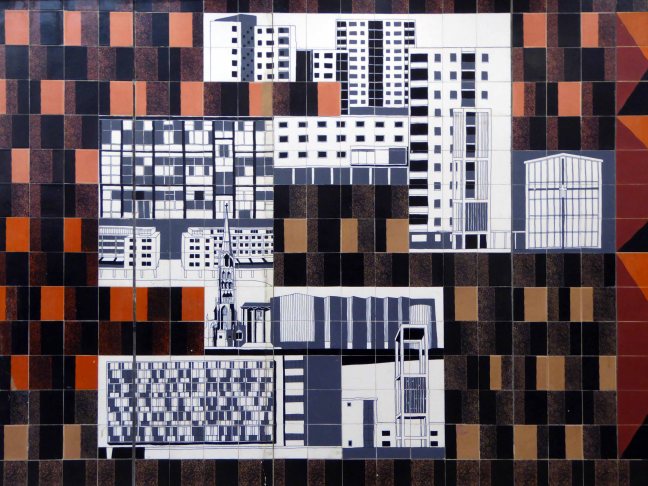
Annan’s paintings are in many national collections, she is also known for her tile murals, many of which have been destroyed in recent decades. Only three of her major public murals are believed to survive, the largest single example, the Expanding Universe at the Bank of England, was destroyed in 1997.
Gouache Sketch
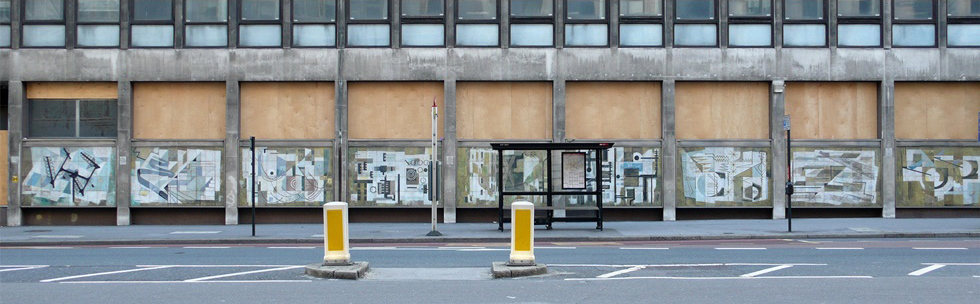
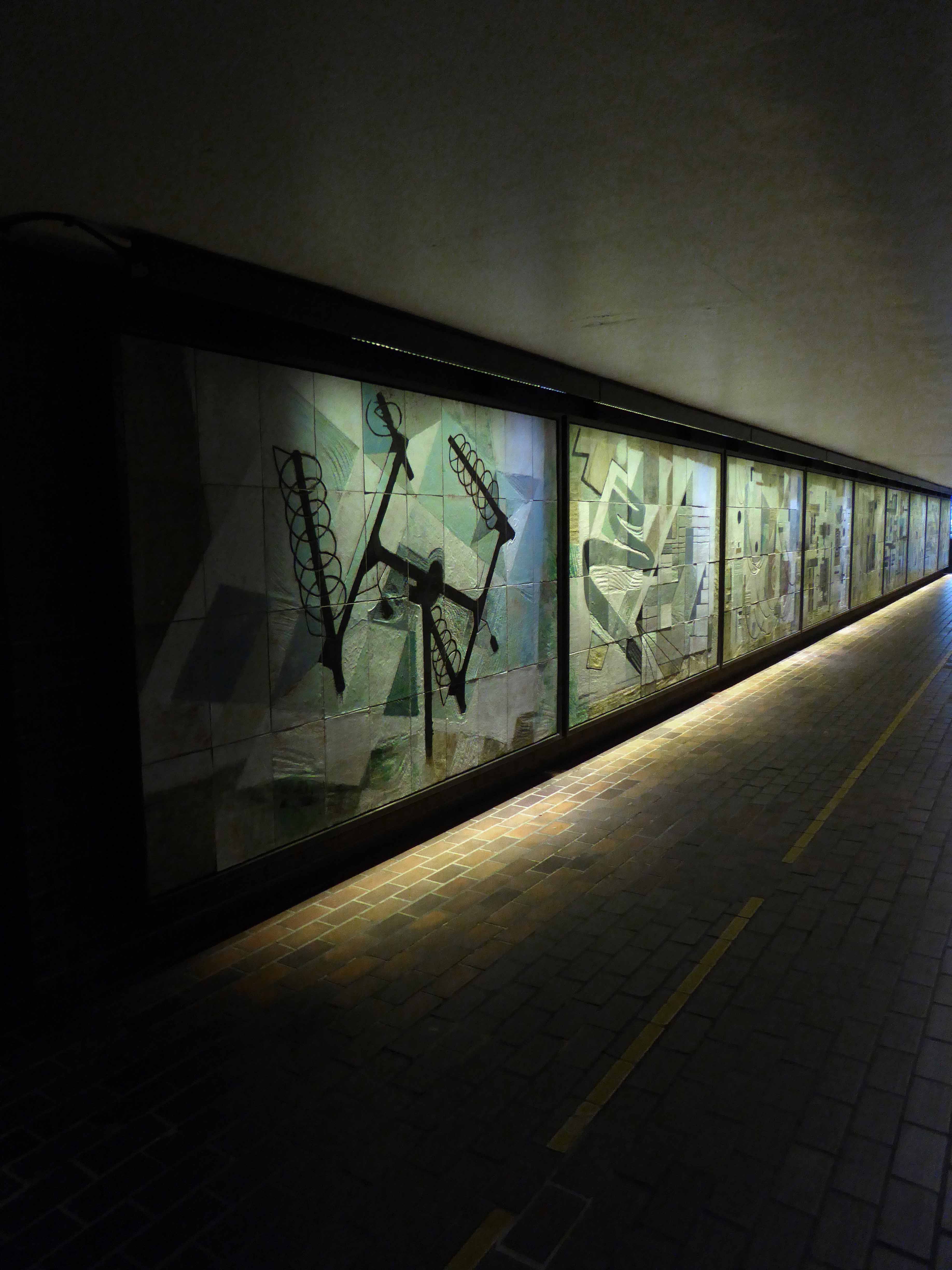
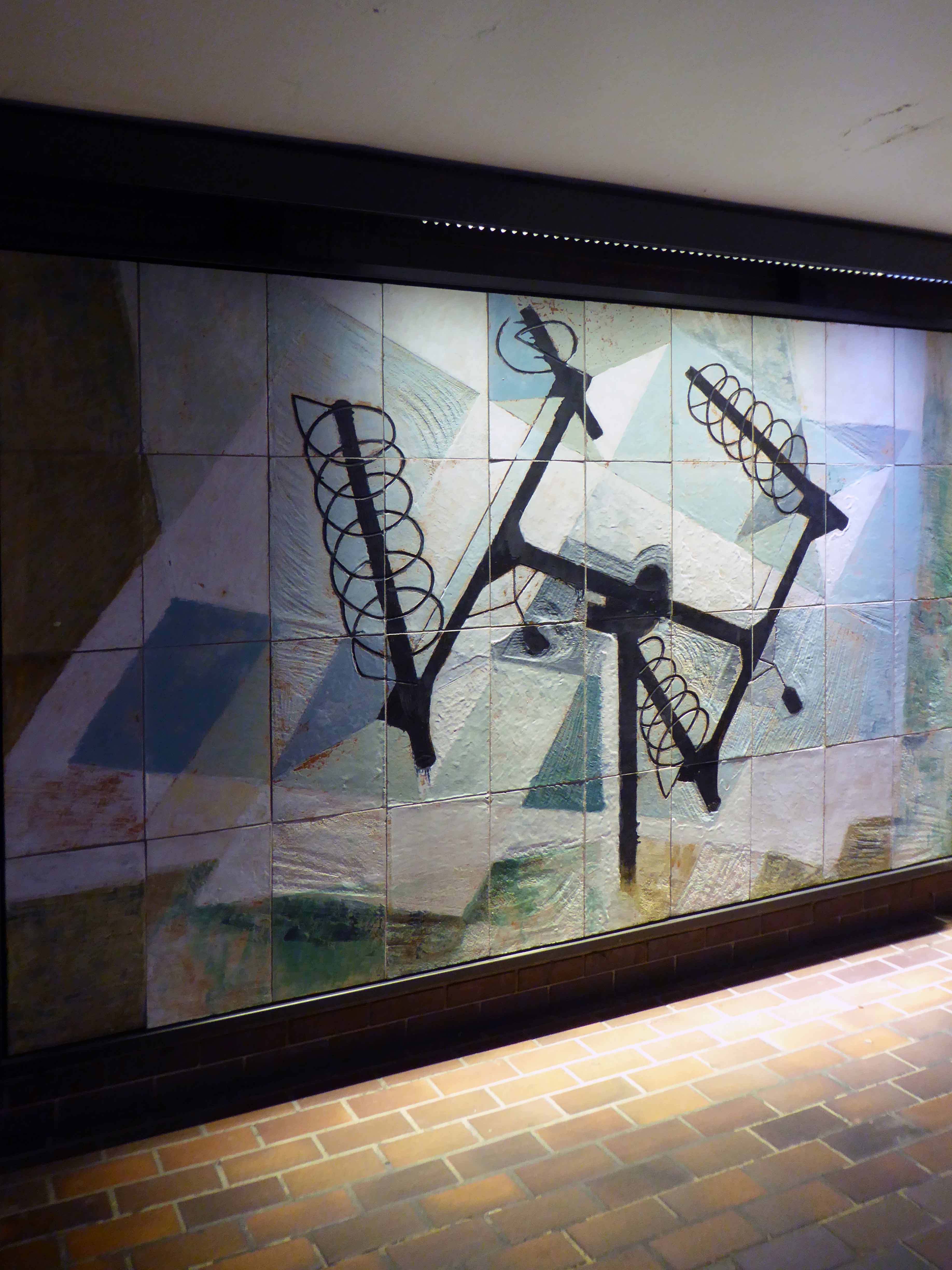
I was looking for her mural which illustrates the telecommunications industry – formerly of the Fleet Building Telephone Exchange Farringdon Road.
Michael Bojkowski
The murals were commissioned at a cost of £300 per panel in 1960. Annan visited the Hathernware Pottery in Loughborough and hand-scored her designs onto each wet clay tile, her brush marks can also be seen in the fired panels.
Charles Trusler
The building was owned by Goldman Sachs, who wished to redevelop the site and opposed the listing of the murals.
In January 2013, the City of London Corporation agreed to take ownership of the murals, and in September 2013 these were moved to a permanent location in publicly accessible part of the Barbican Estate. They are displayed in their original sequence within an enclosed section of the Barbican High Walk between Speed House and the Barbican Centre.
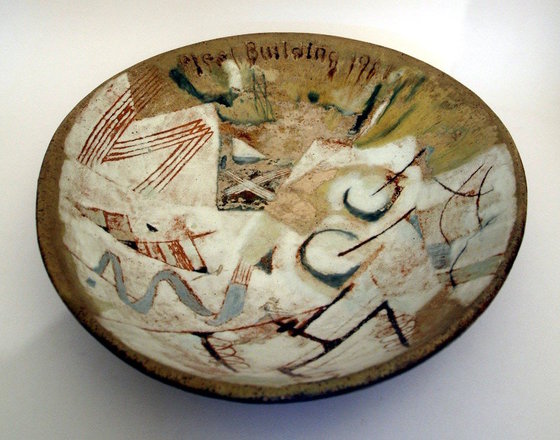
Commemorative Bowl
So following a discursive and somewhat undirected circumnavigation of the Center we were finally united – it only seemed polite to linger a while and take some snaps – here they are.
The third such public sculpture I have had the pleasure to visit following trips to Newcastle and the now defunct BHS in my hometown of Stockport.
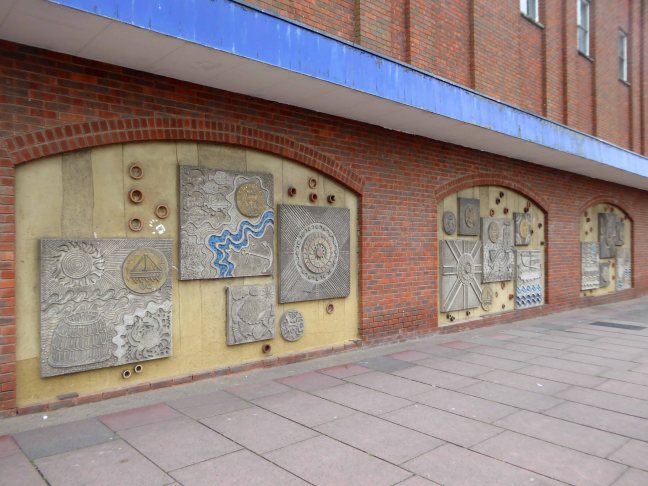
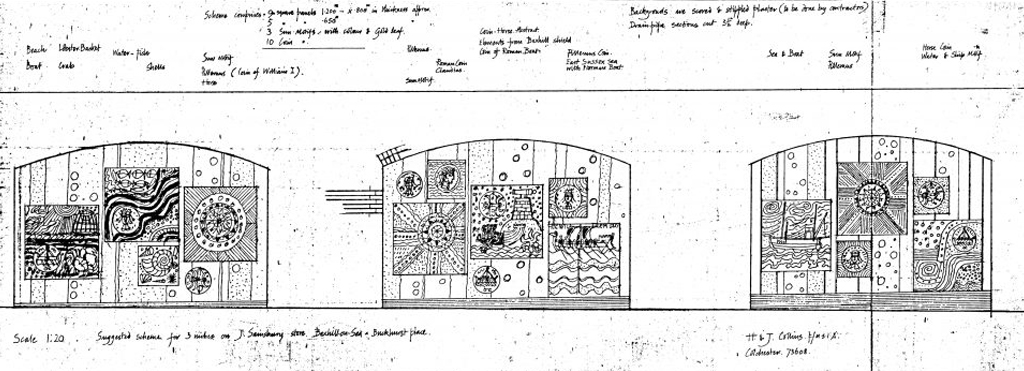
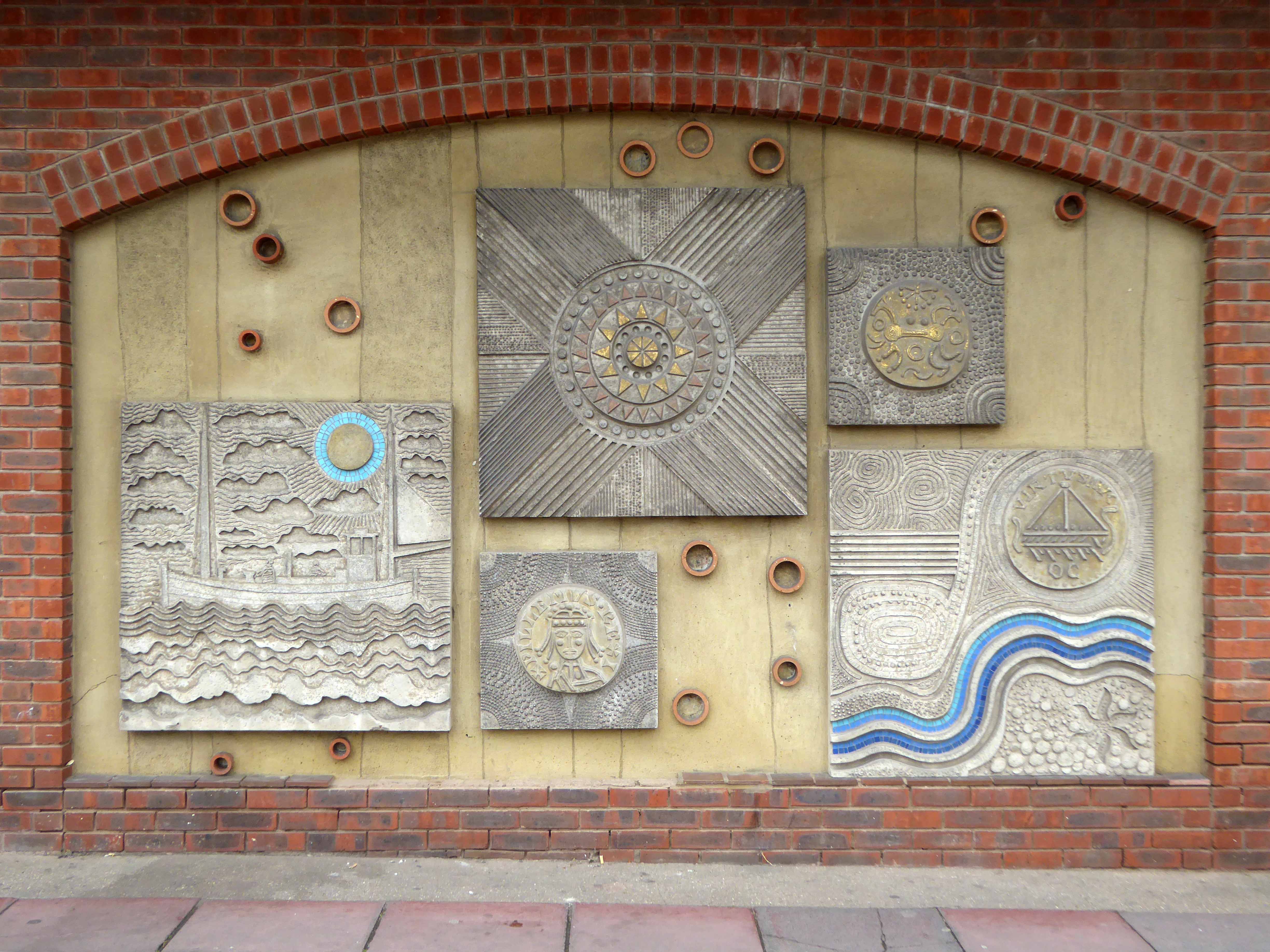
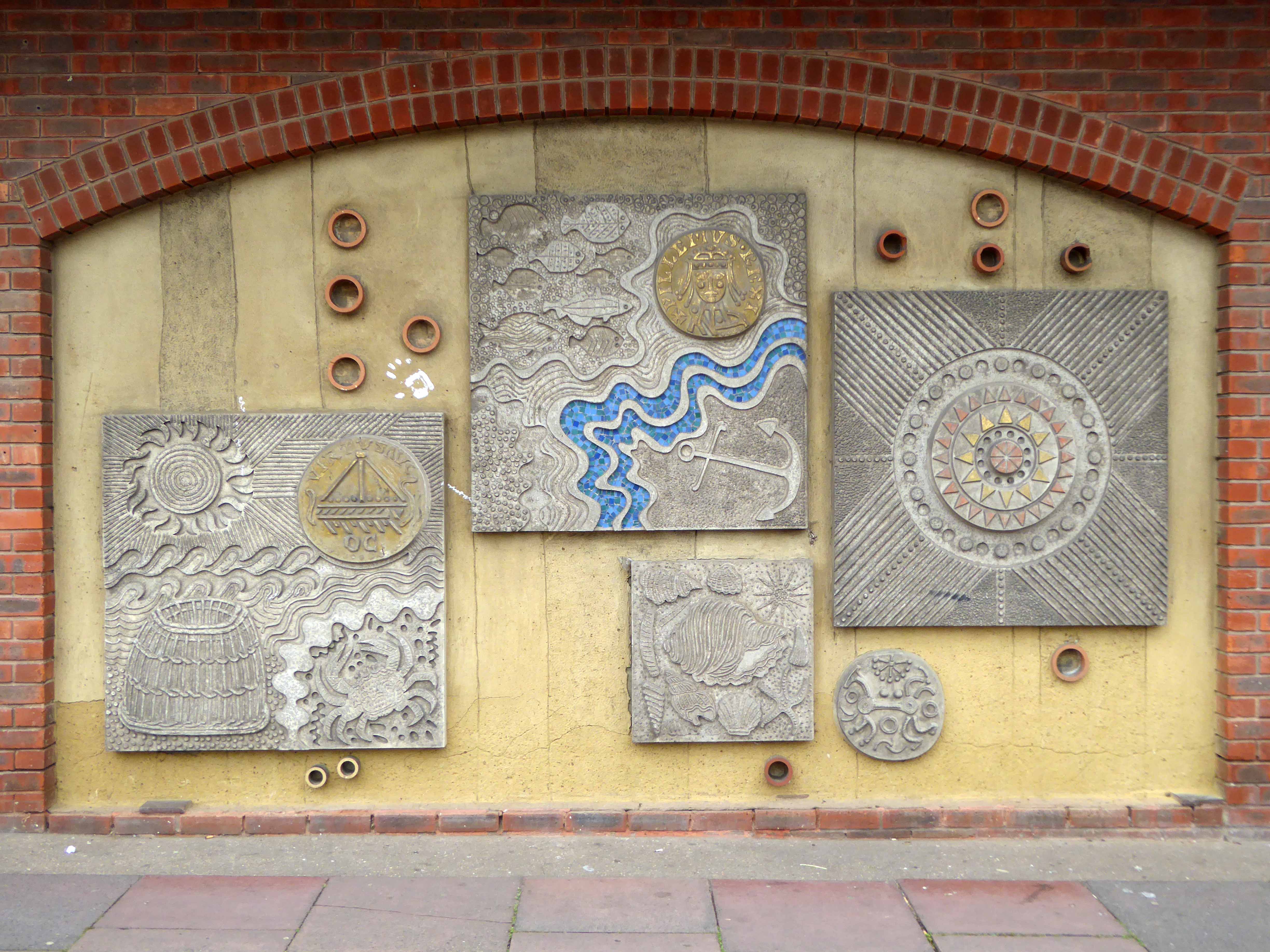
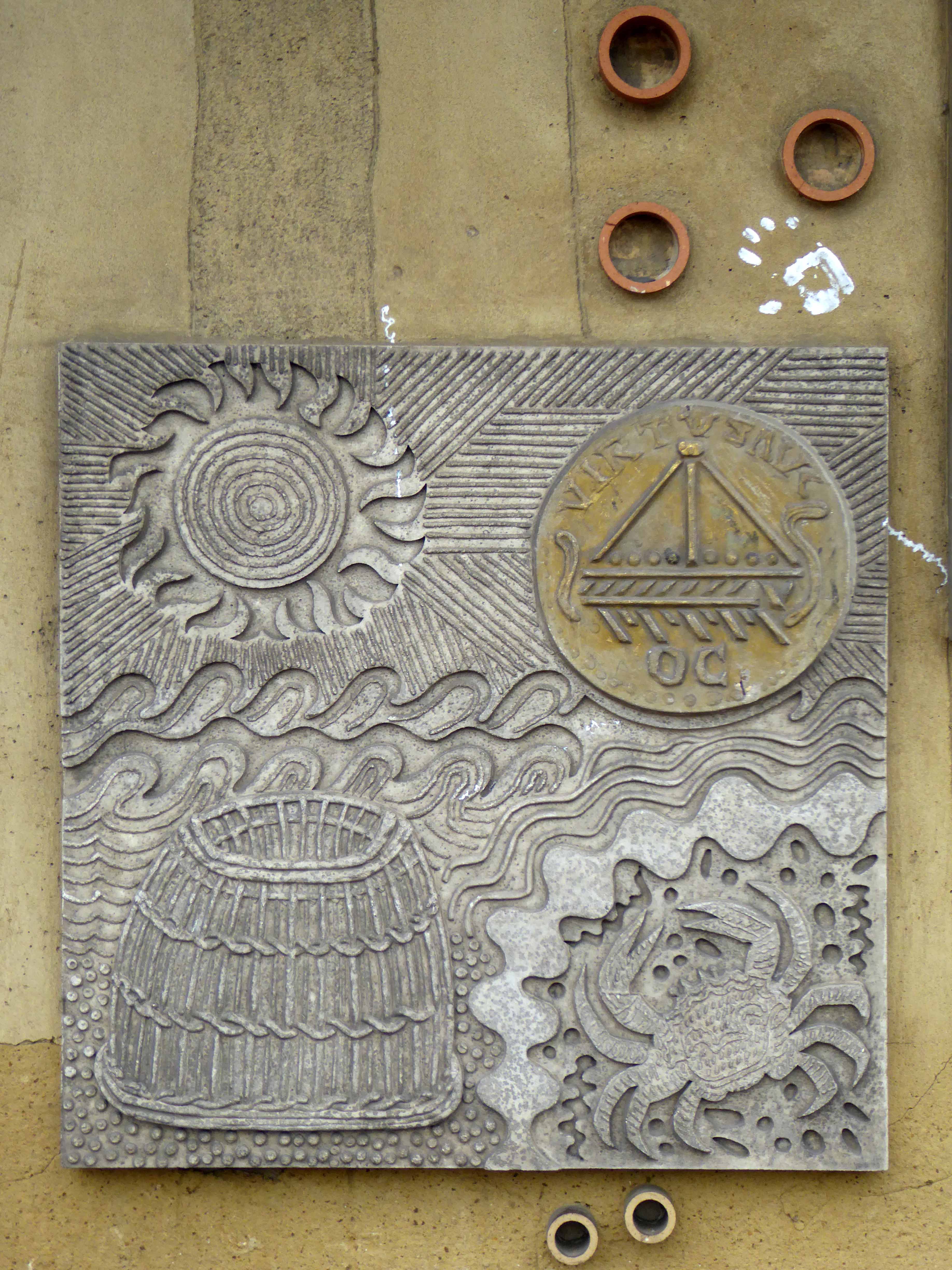
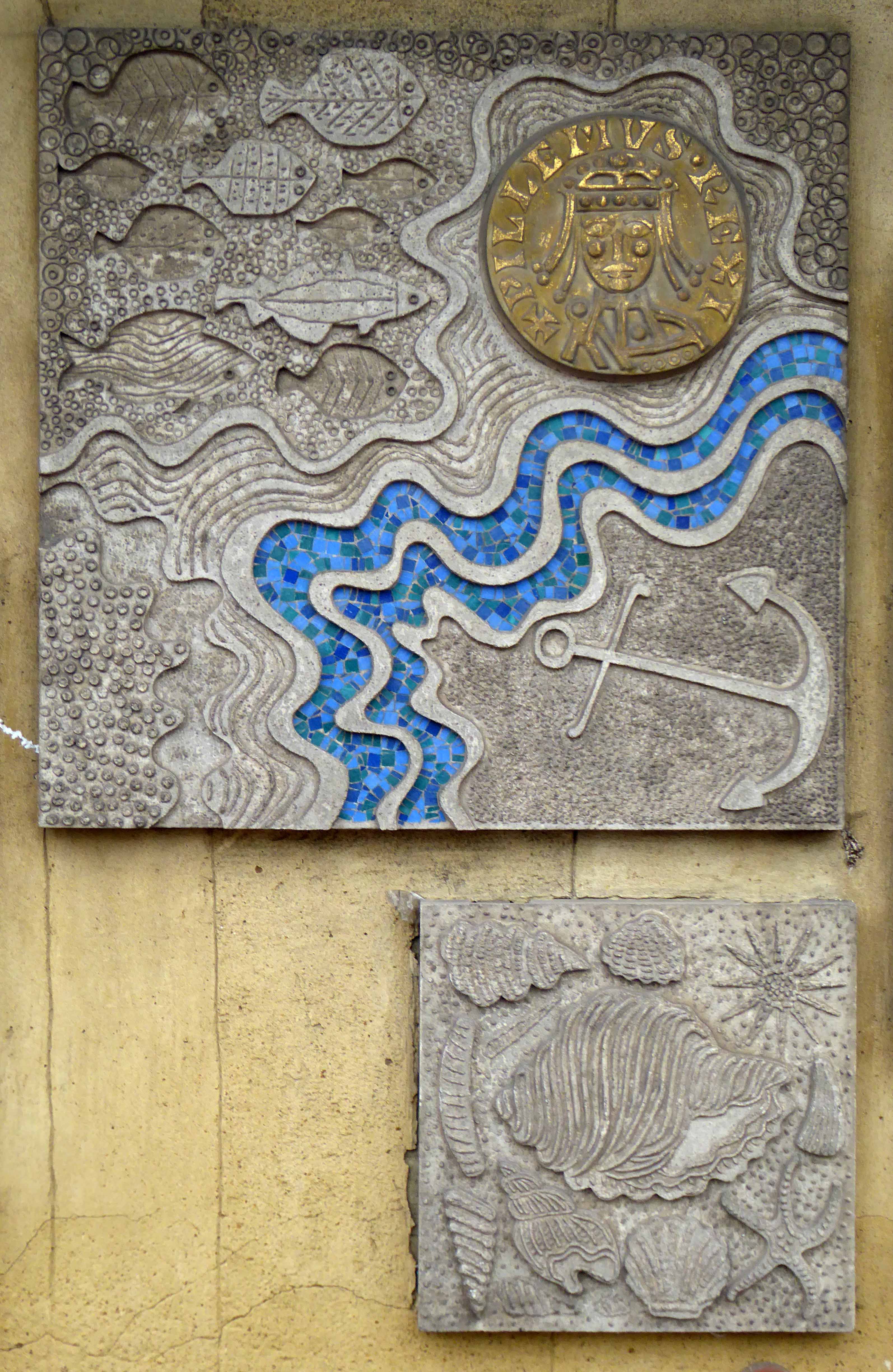
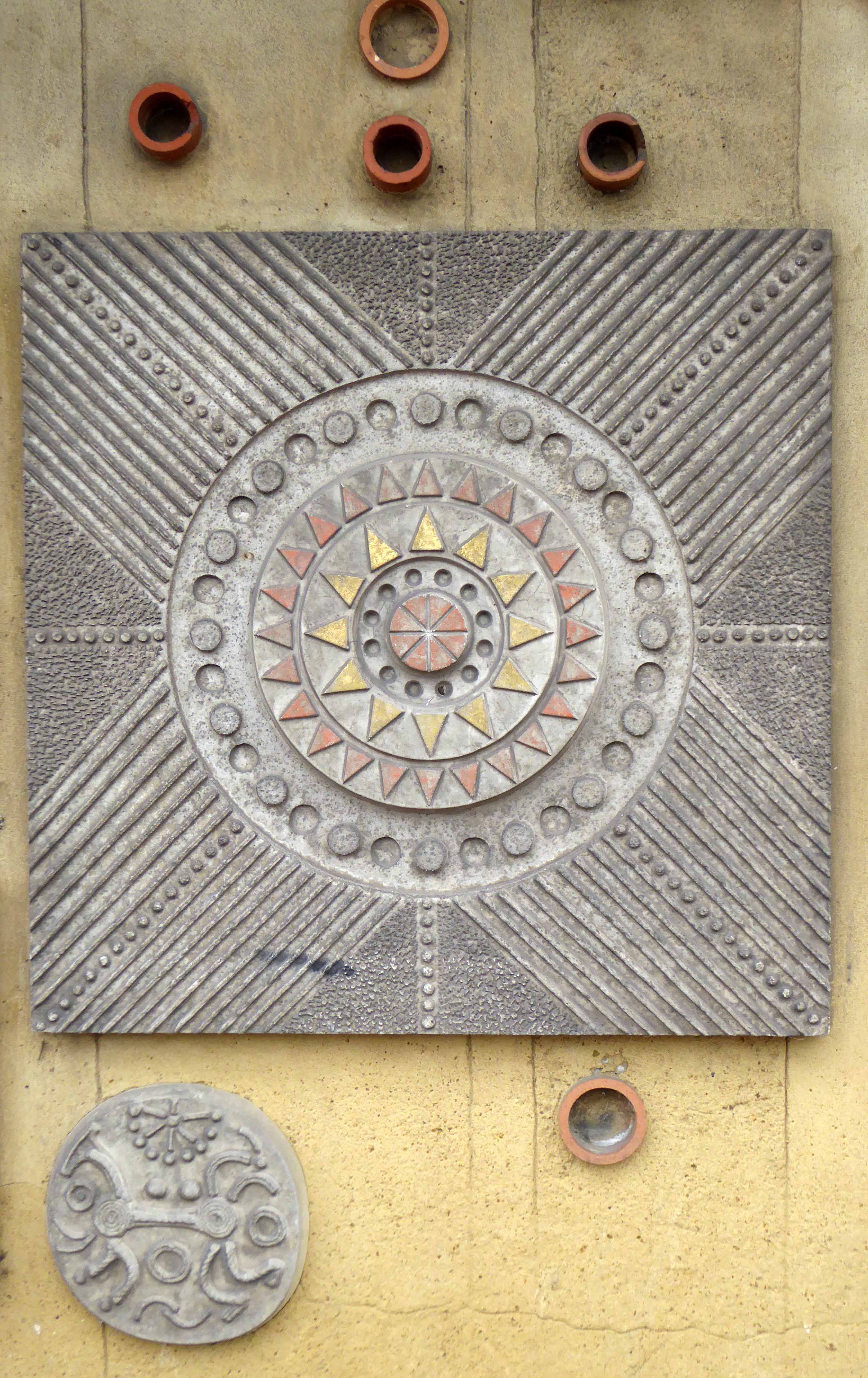
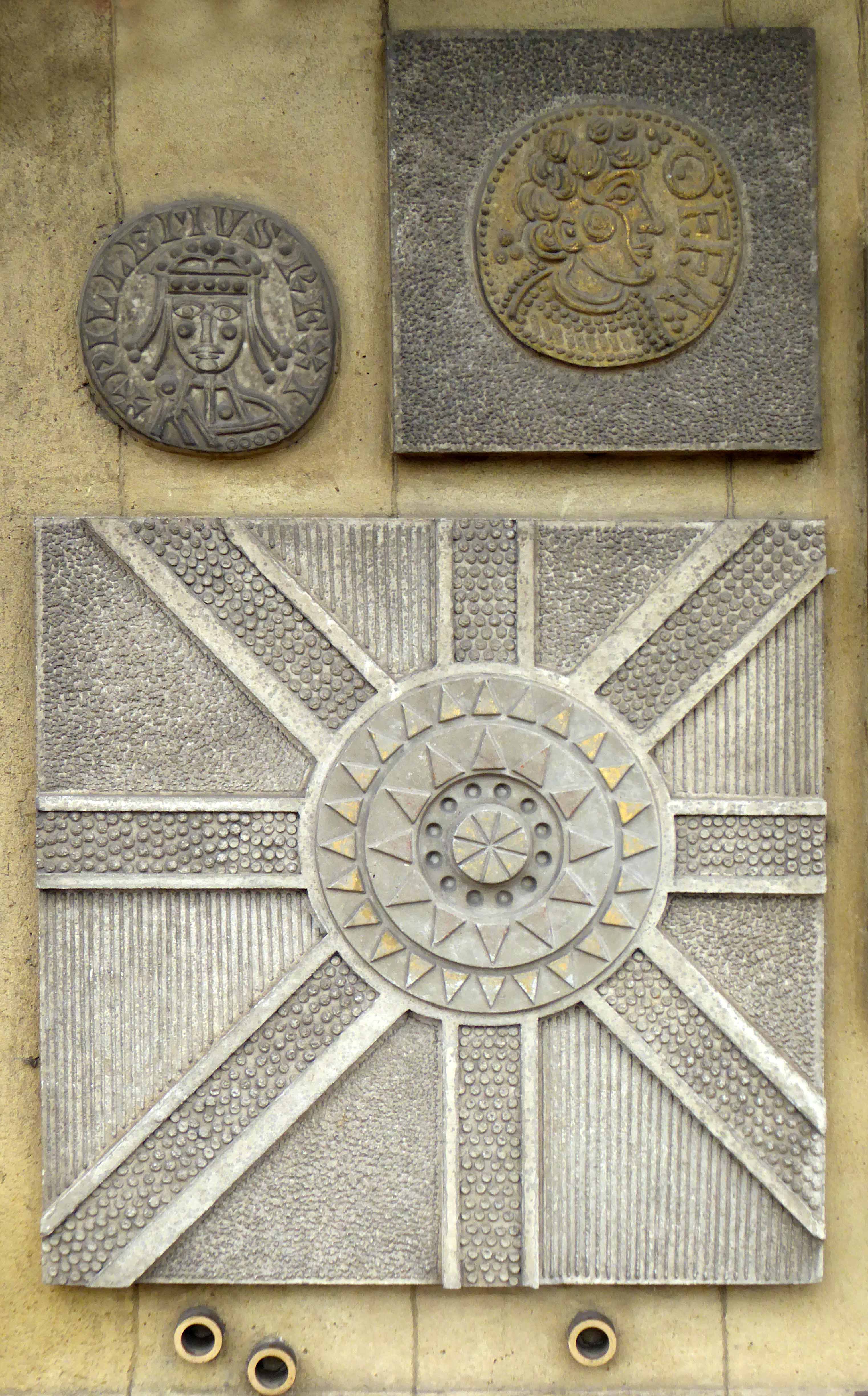
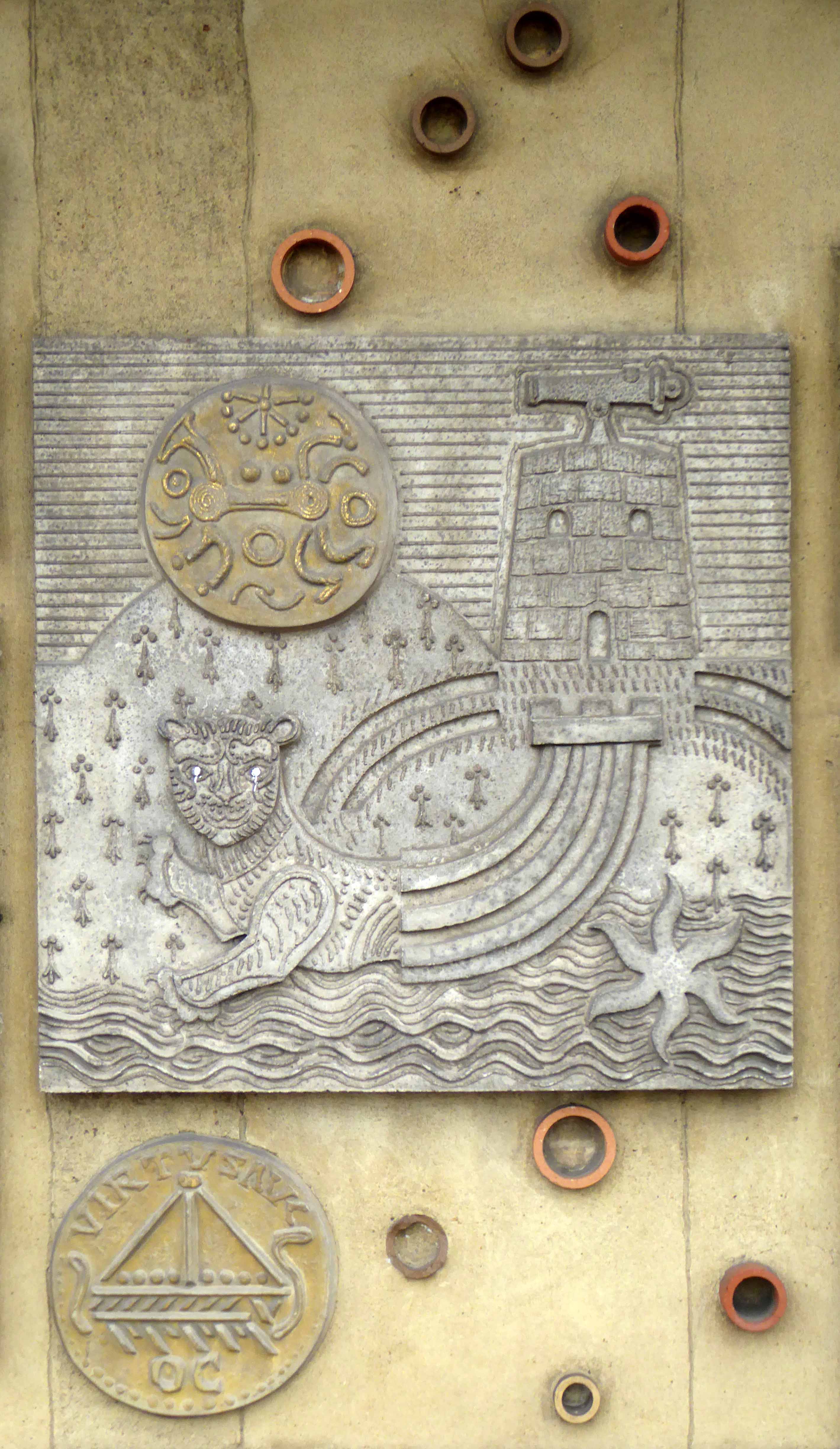
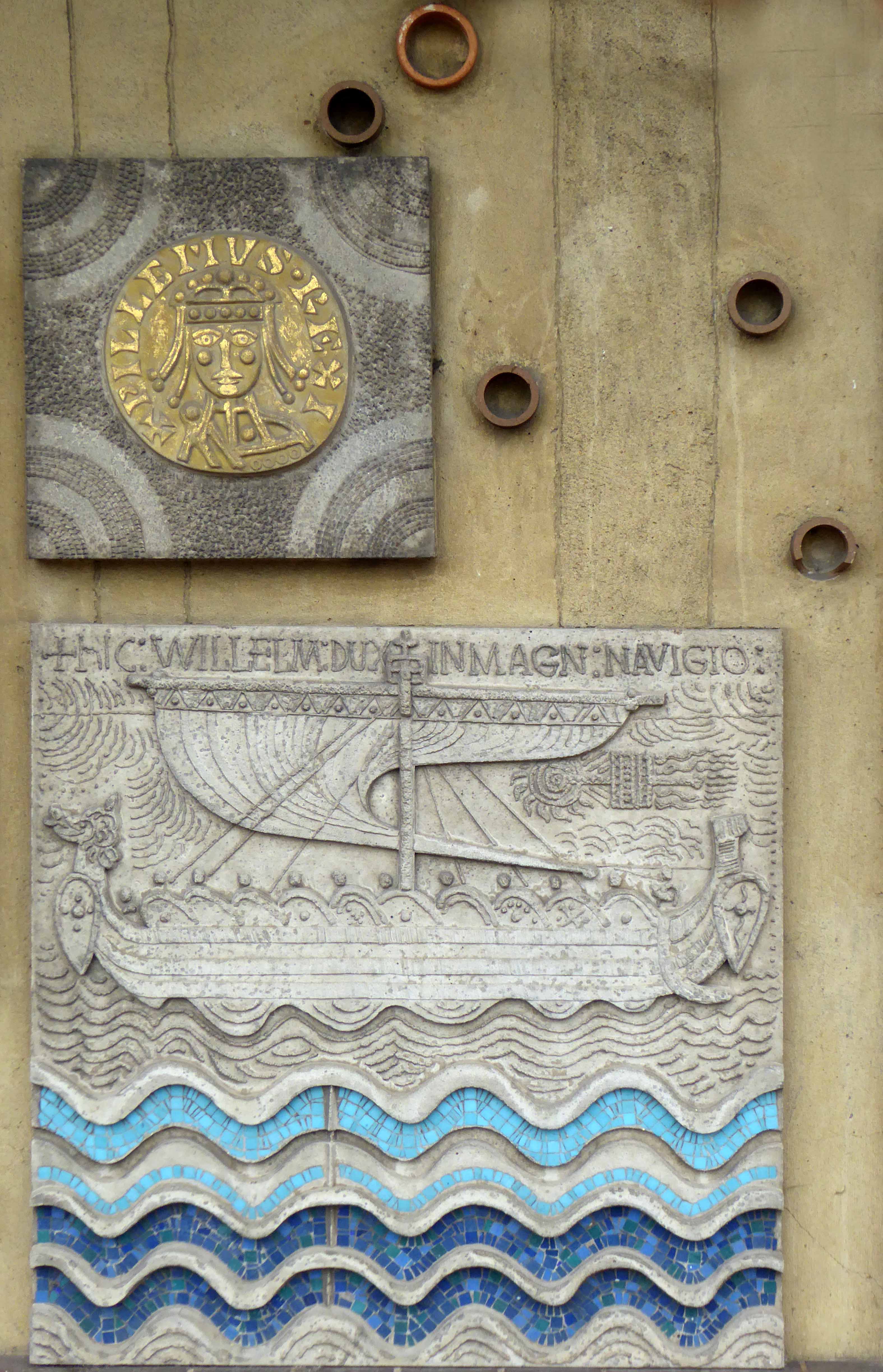
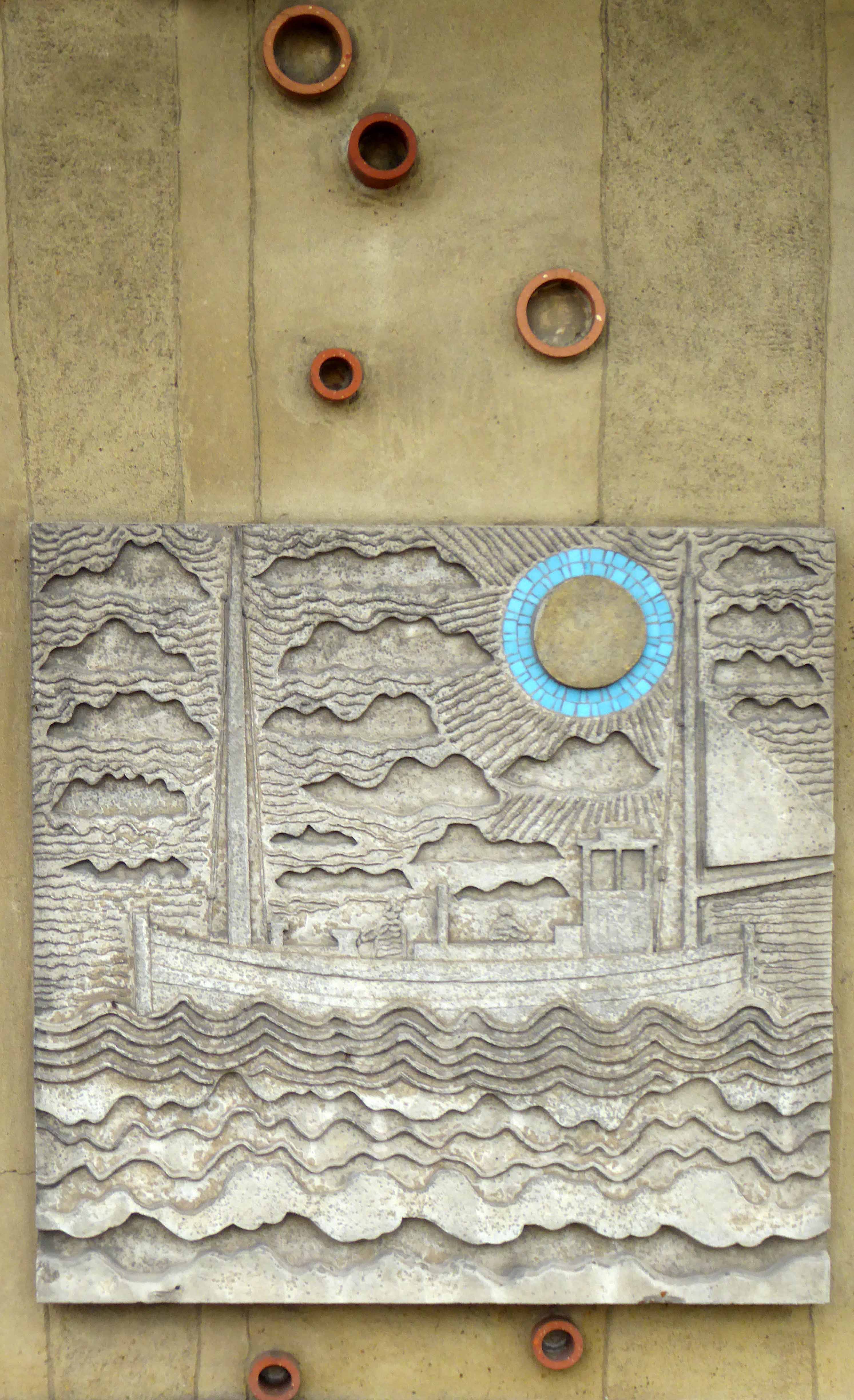
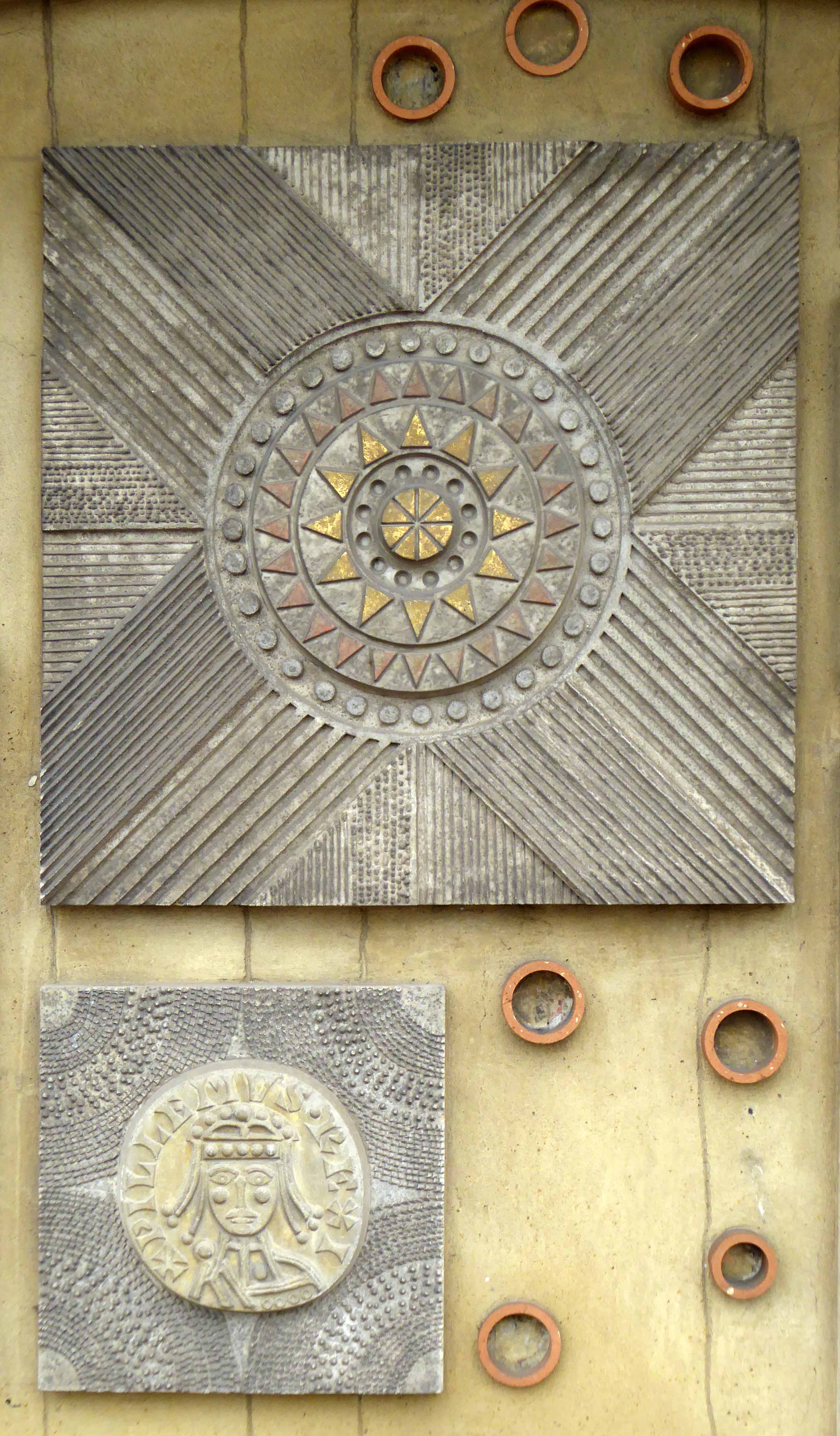
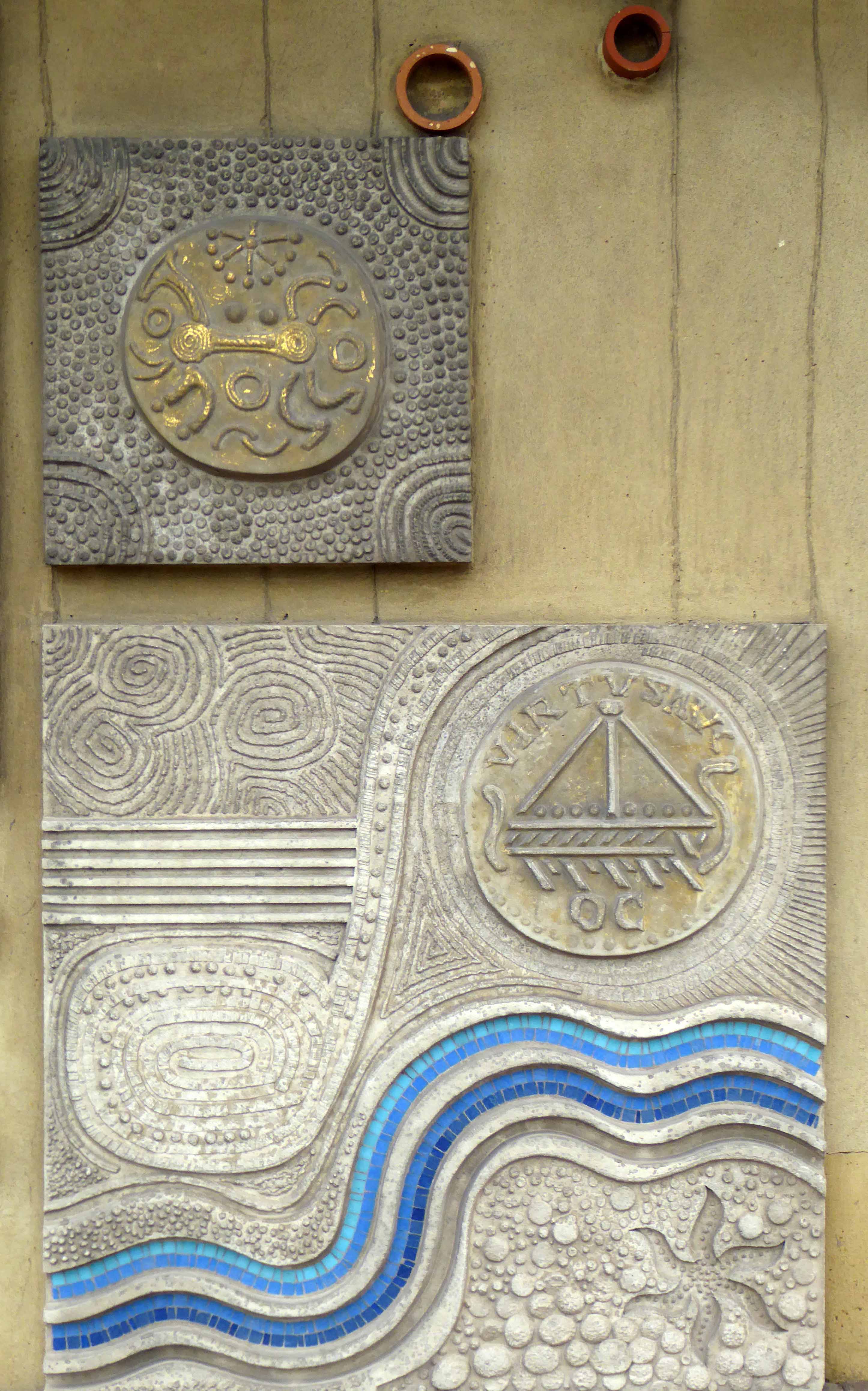
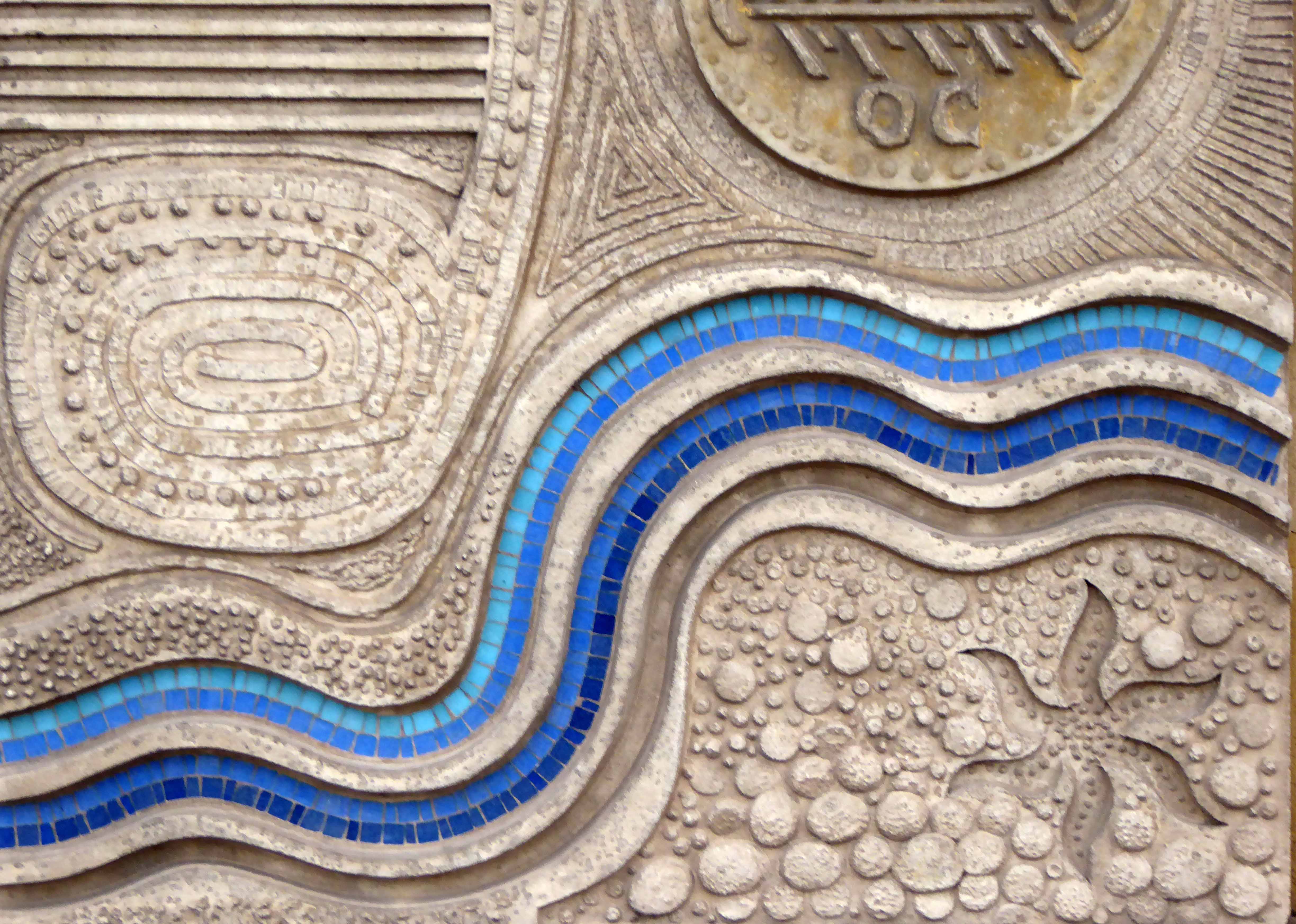
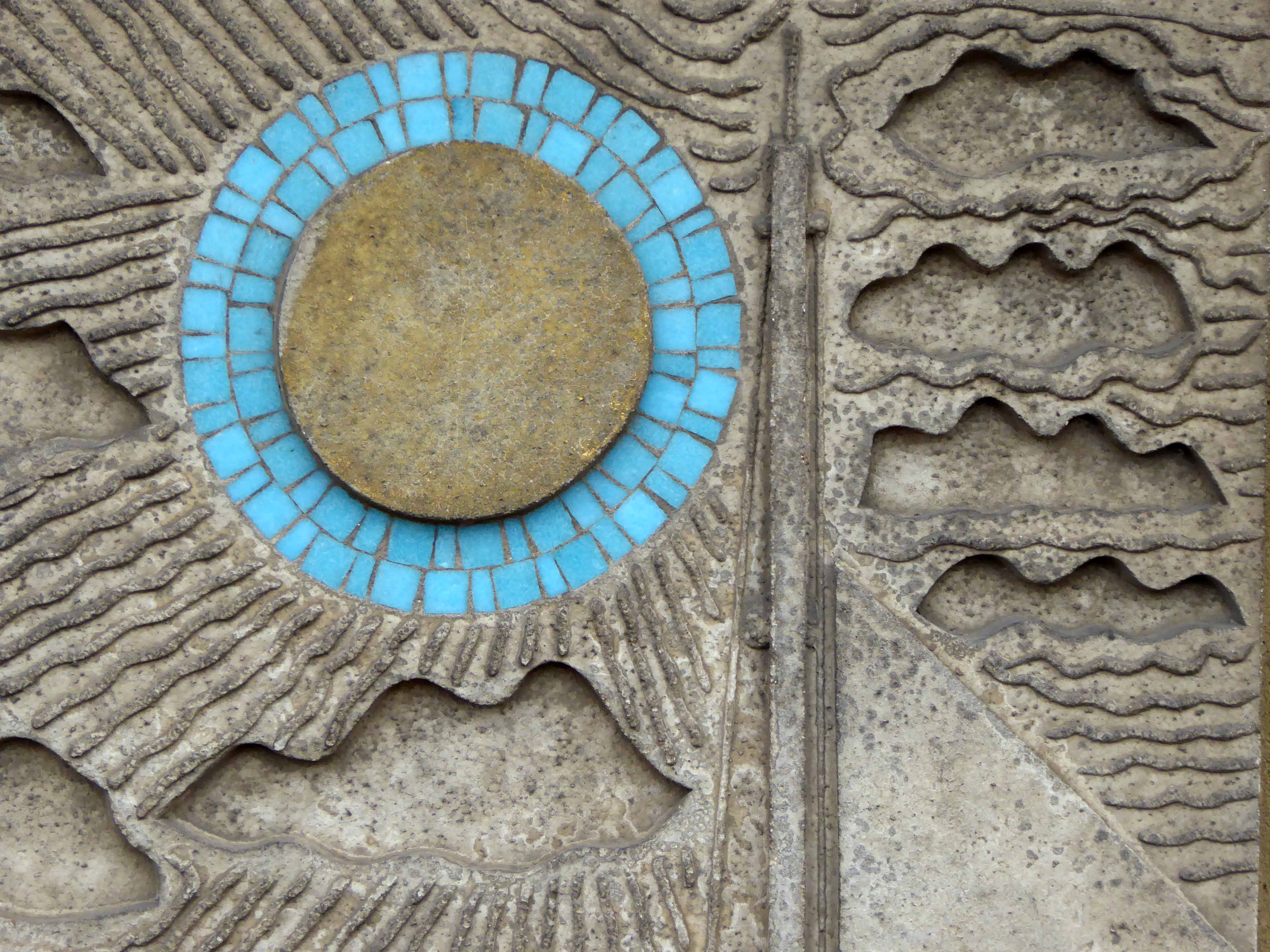
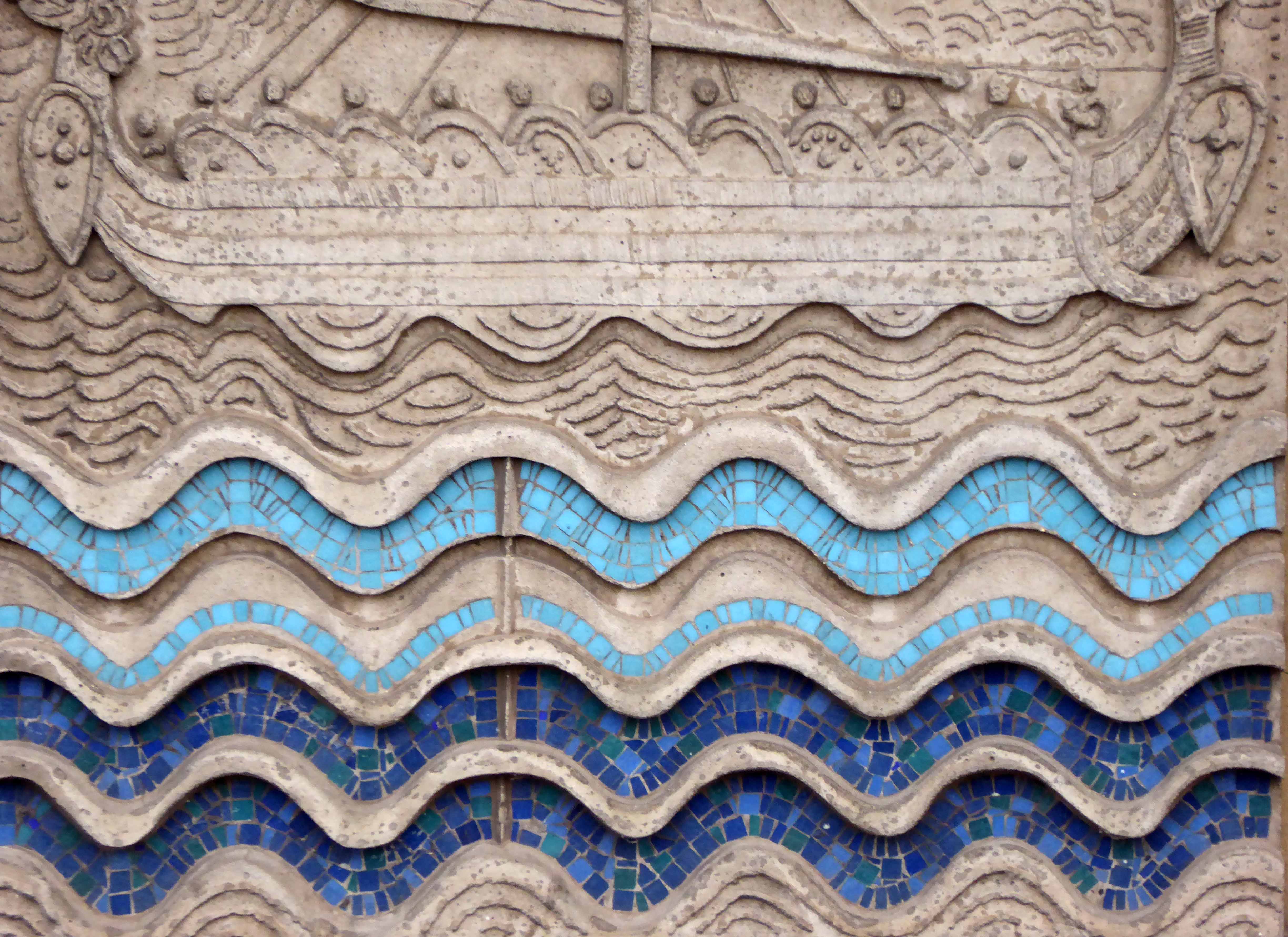
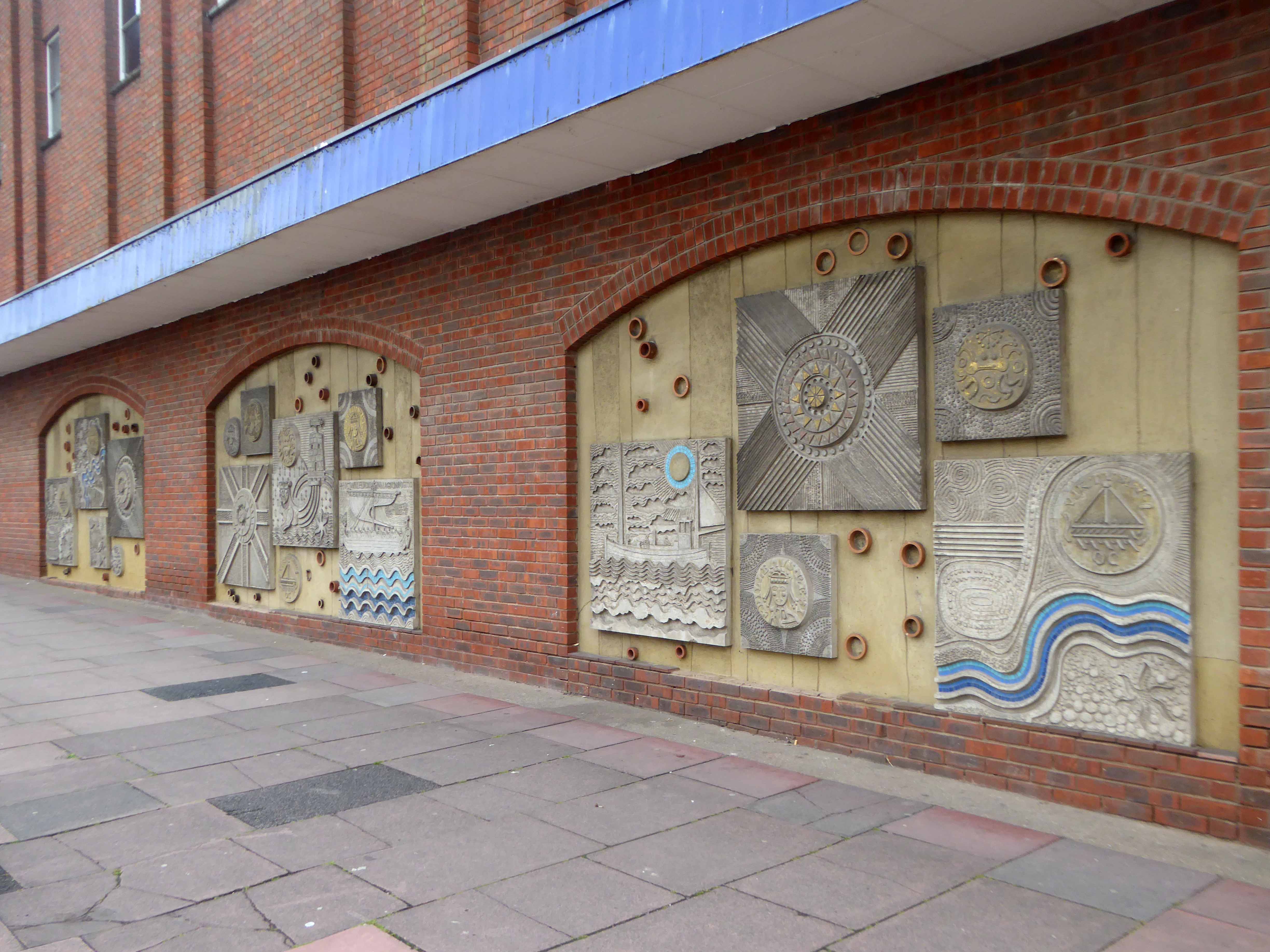
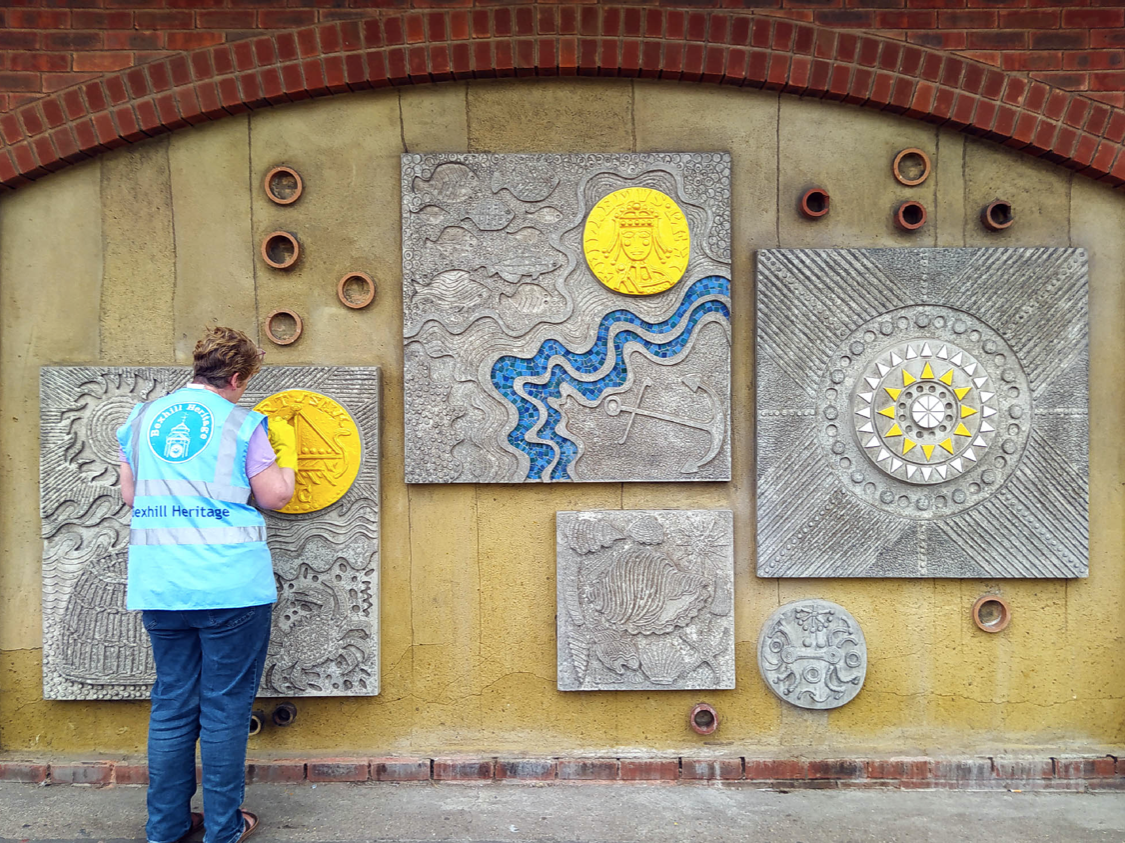
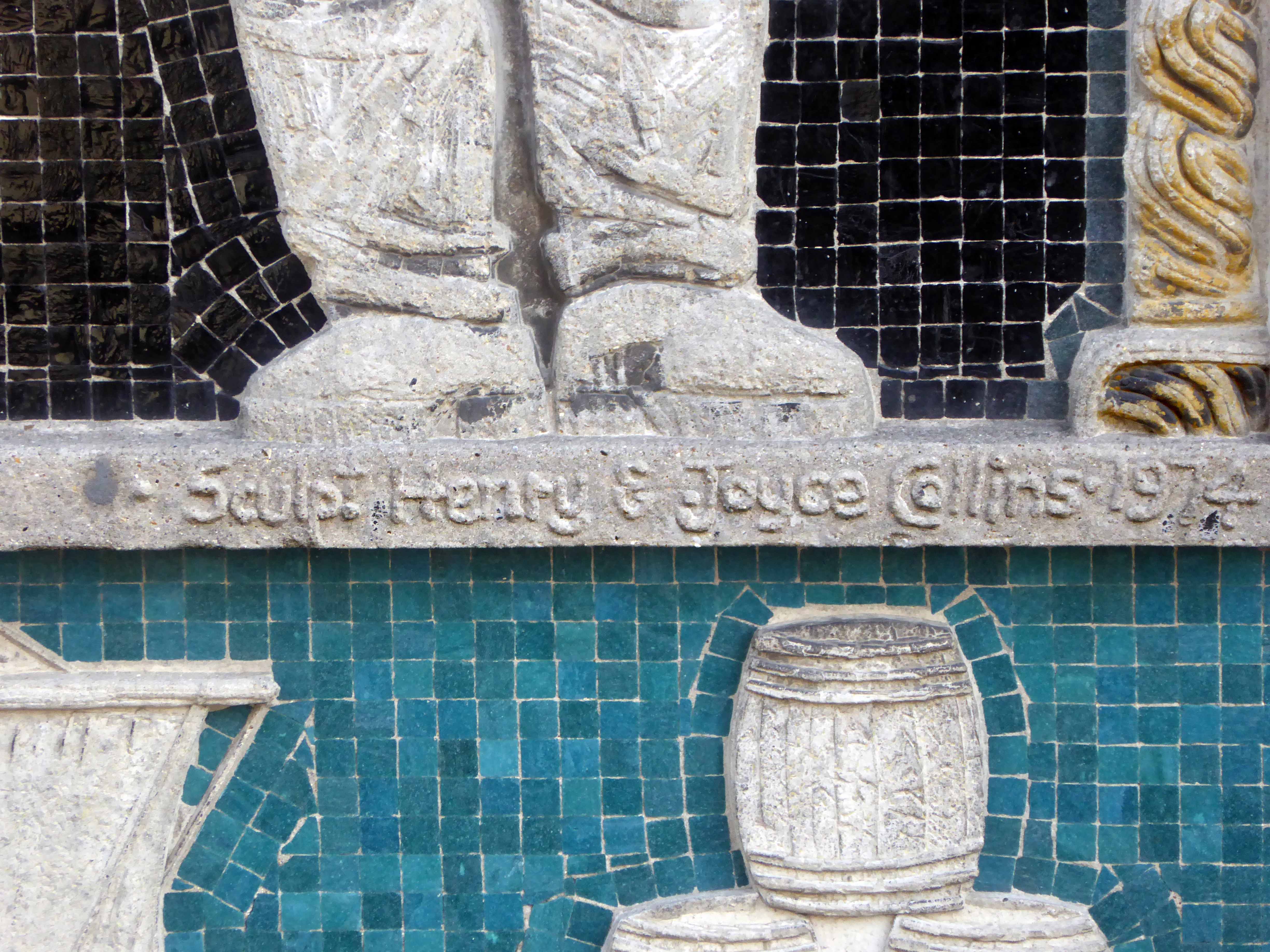
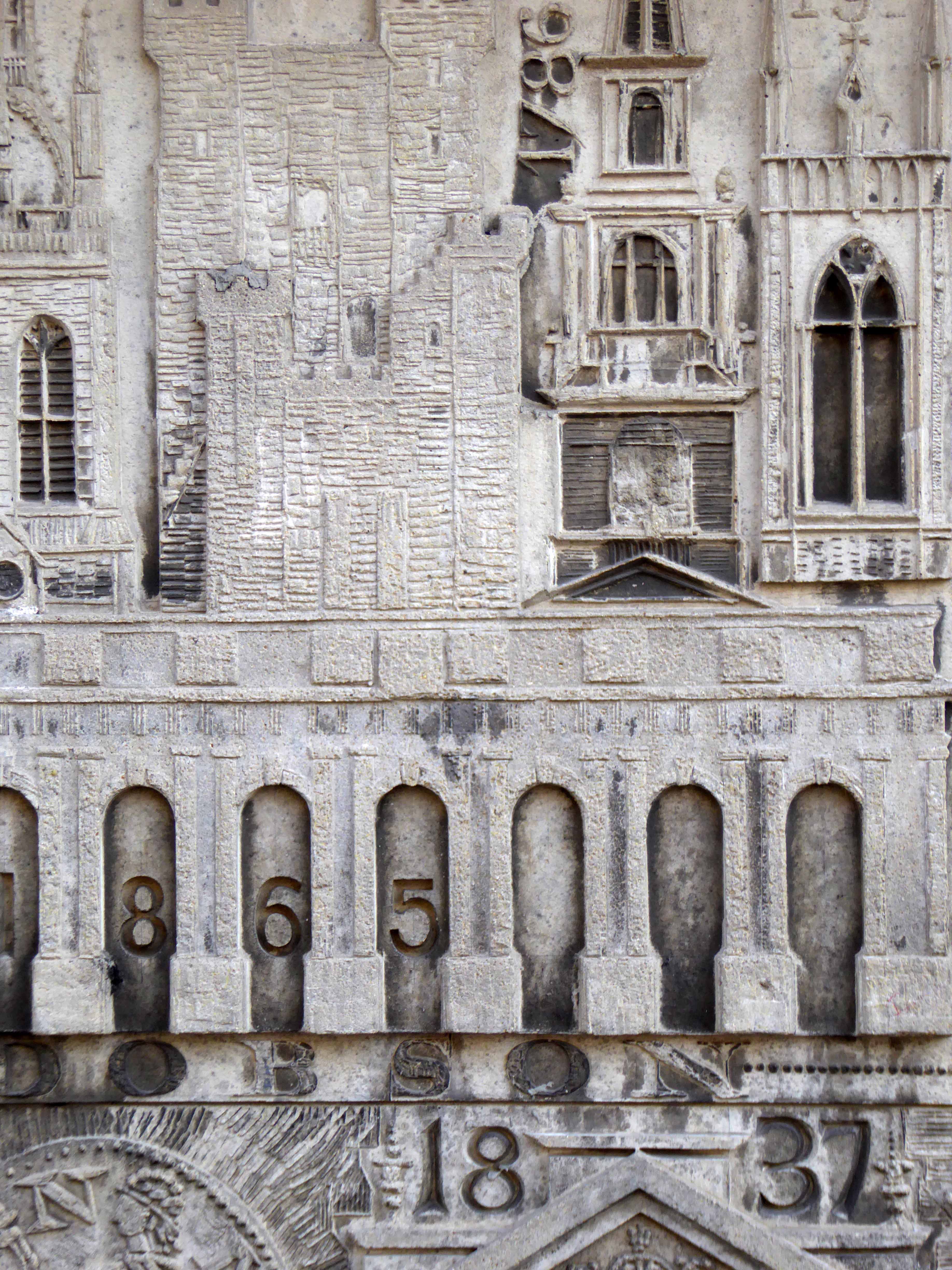
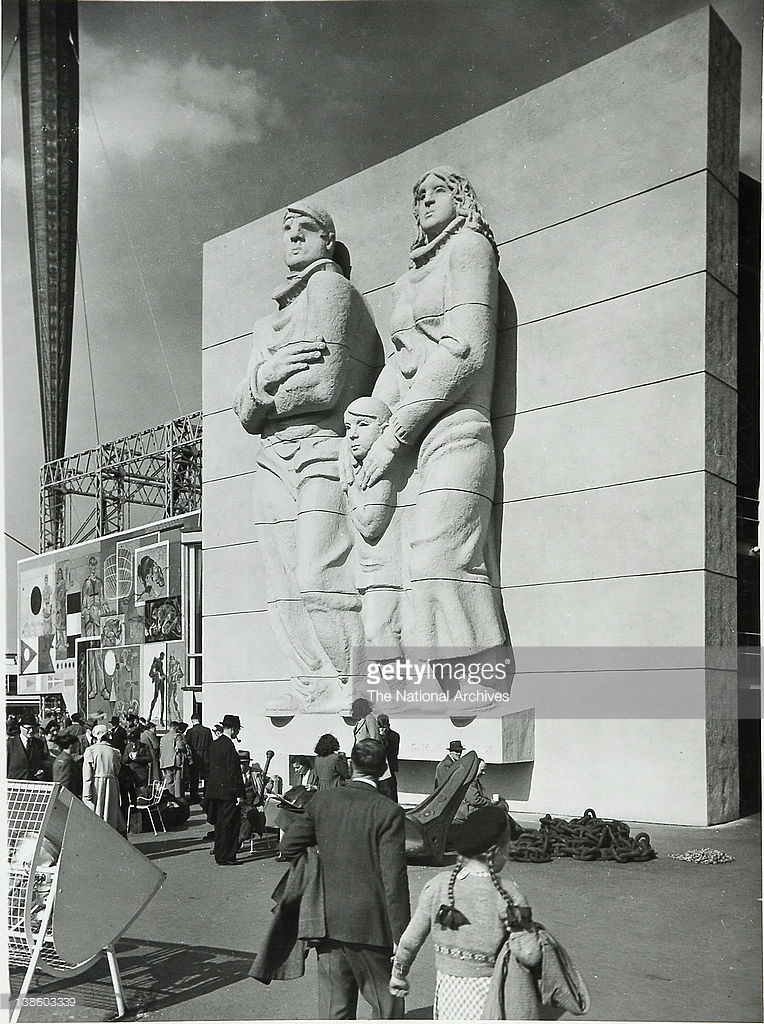
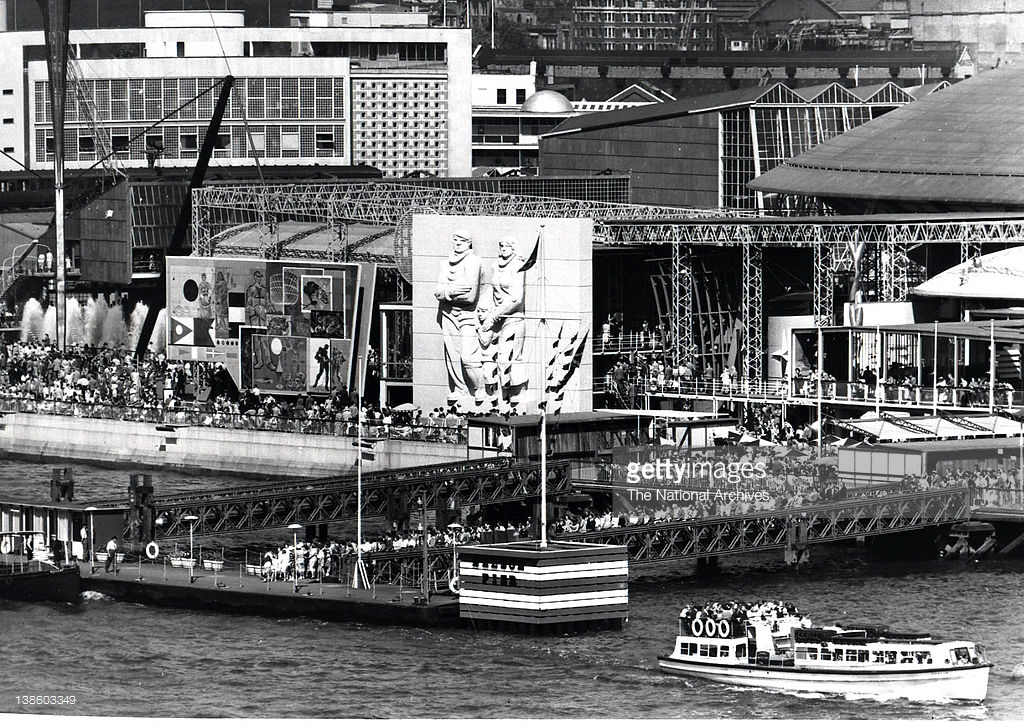
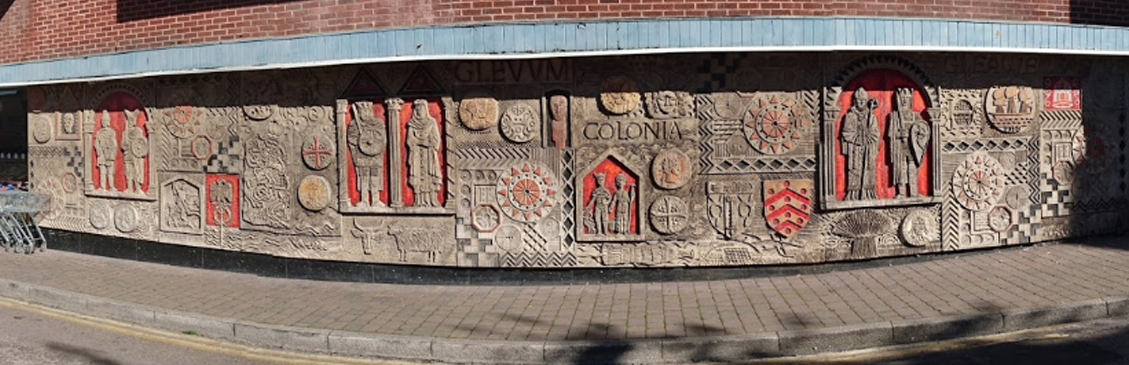
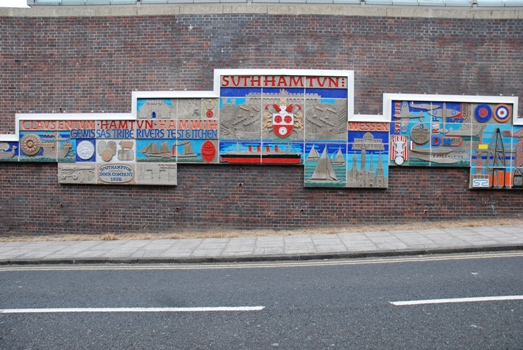
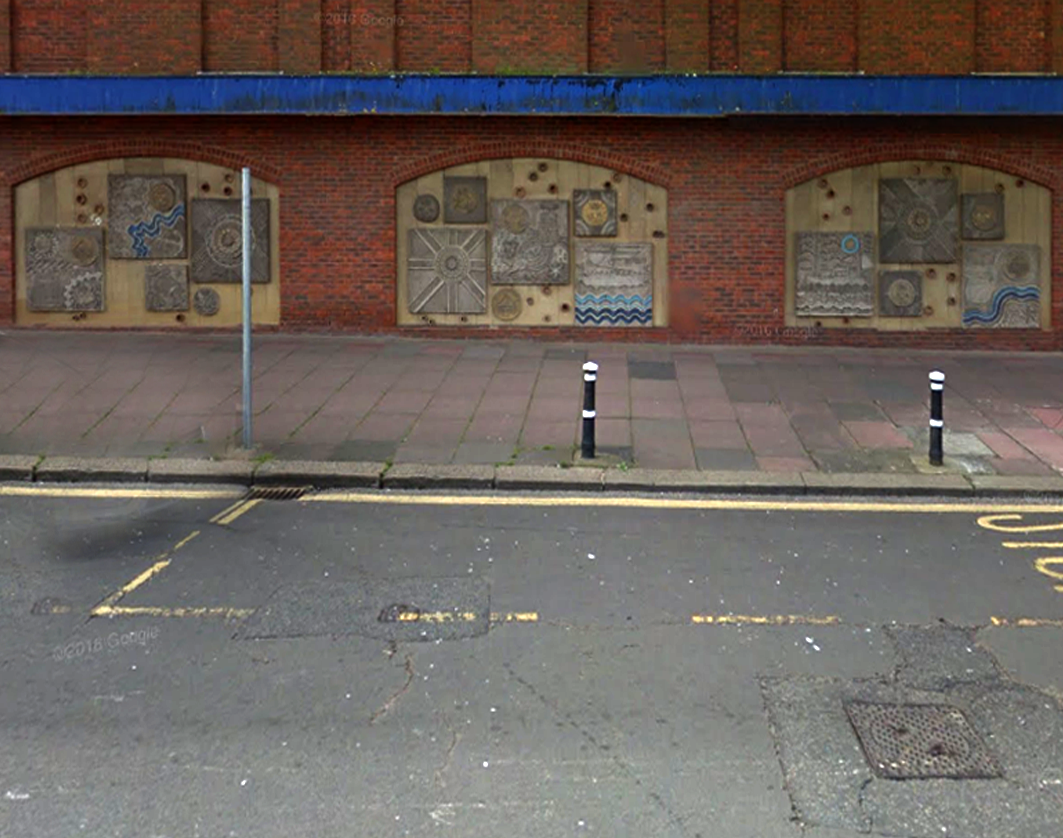
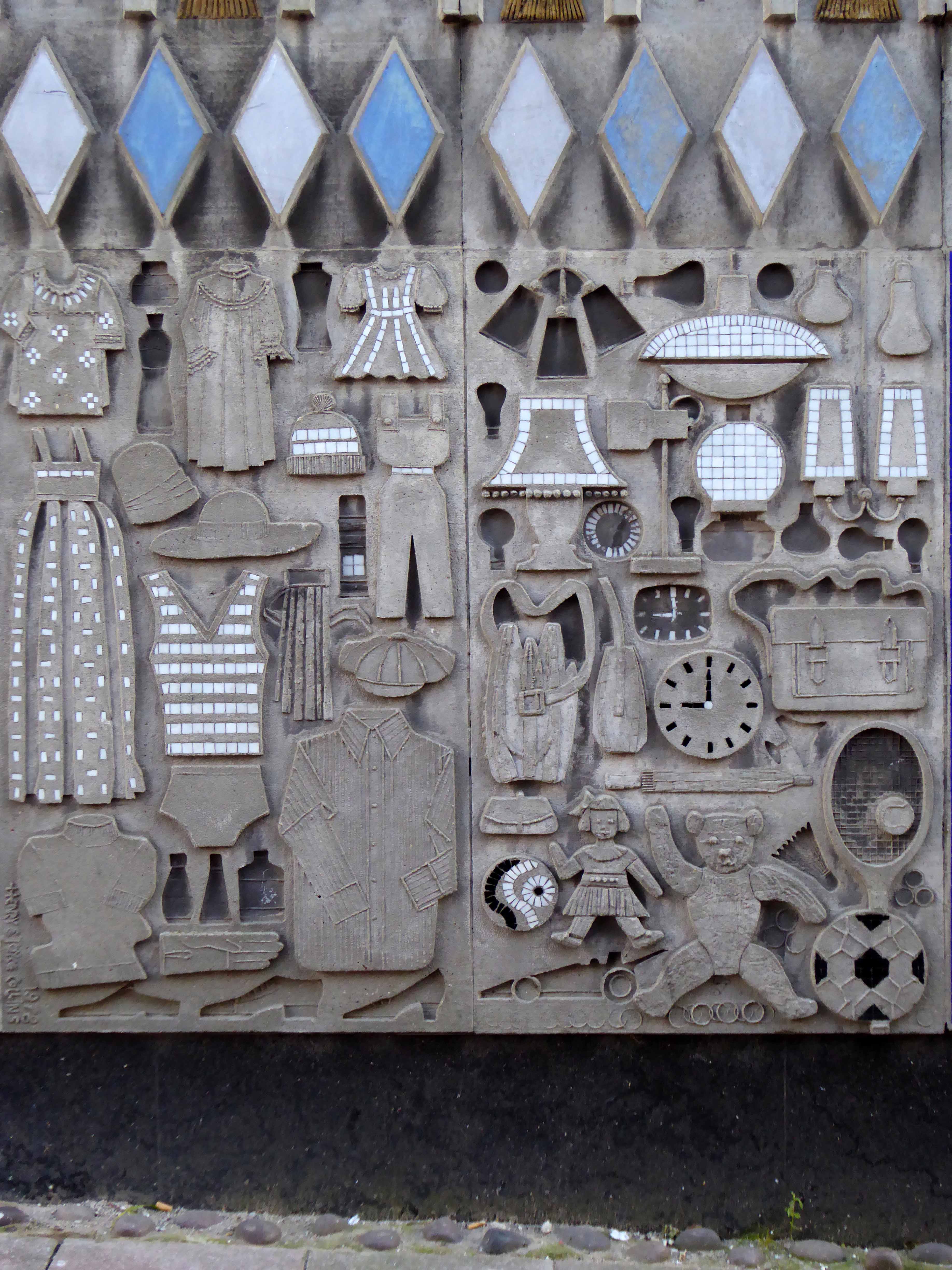
Henry William Collins and Joyce Millicent Pallot have a very special place in my heart, their lives’ work together gracing the Festival of Britain, GPO Tower and Expo 70, along with other retail outlets in Southampton, Gloucester, and Colchester. A distinctive style of bas relief in impressed concrete, ceramic terrazzo and simple modern motifs, drawn from local history and imagery.
Take a look around.
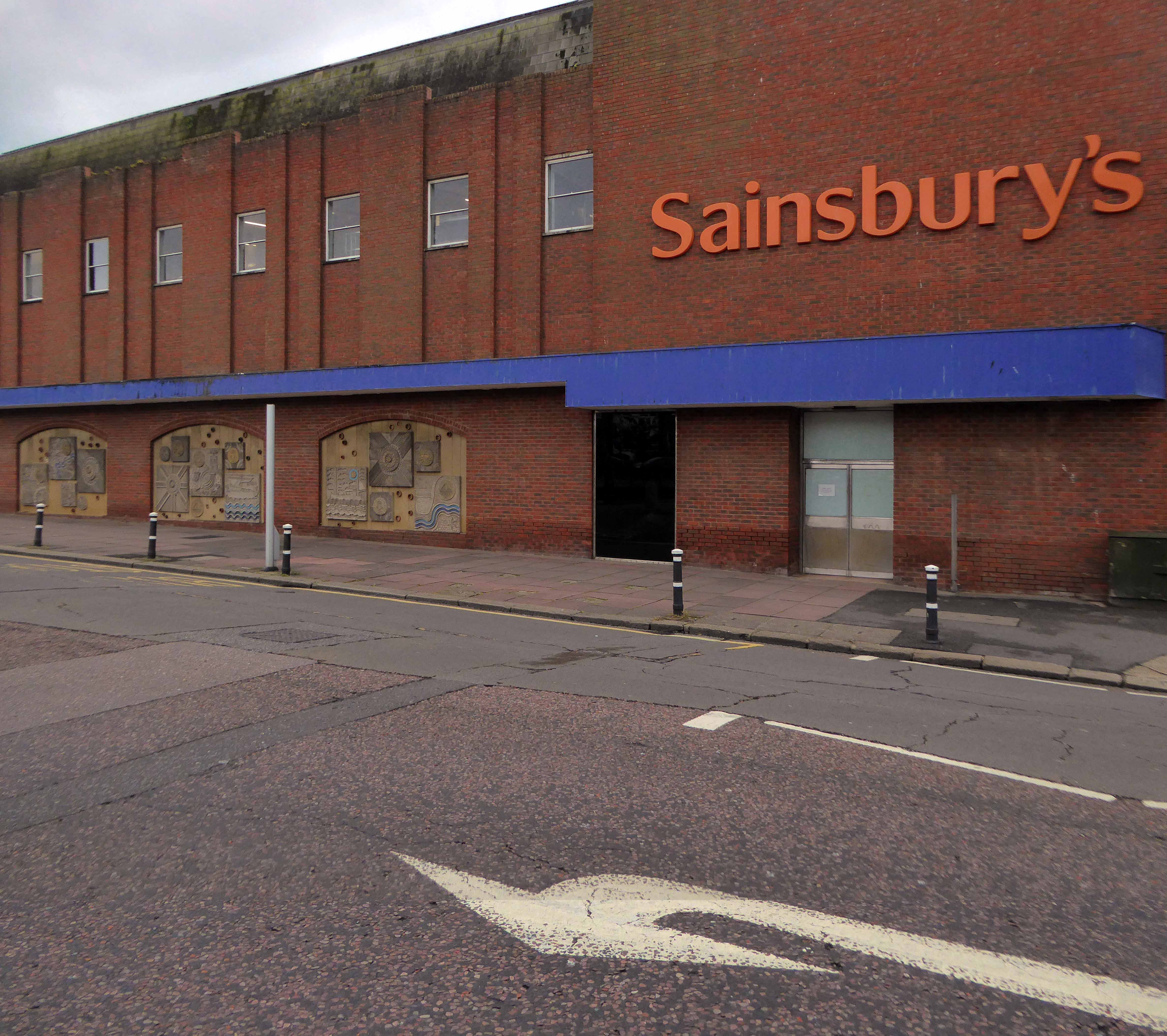
Great to see that the murals have been restored recently by Bexhill Heritage.
We here in Stockport have our own BHS murals, happily so does Newcastle.
The work of acclaimed artists Joyce Pallot and Henry Collins, they worked on a large number of murals and exhibition designs for amongst others, Jamestown Festival, USA; Brussels Exhibition; Expo 70; Japan; Shell Centre; GPO Tower, London; Grosvenor House, London; Ind Coope Ltd; Philips Business Systems; Sainsburys; British Home Stores; Cwmbran Arts Trust; Essex County Council and IBM, London.
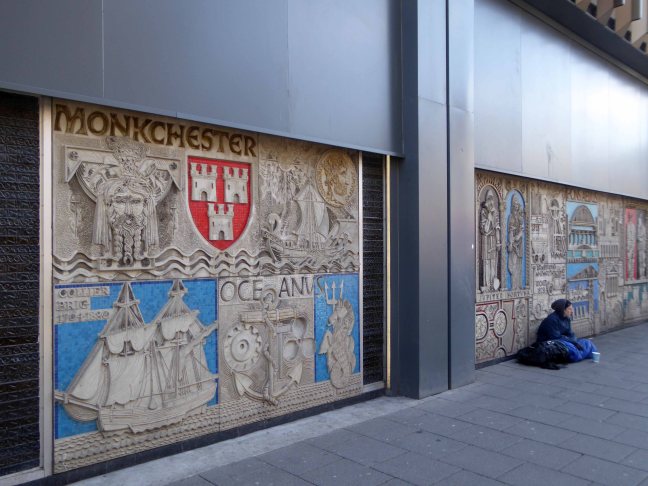
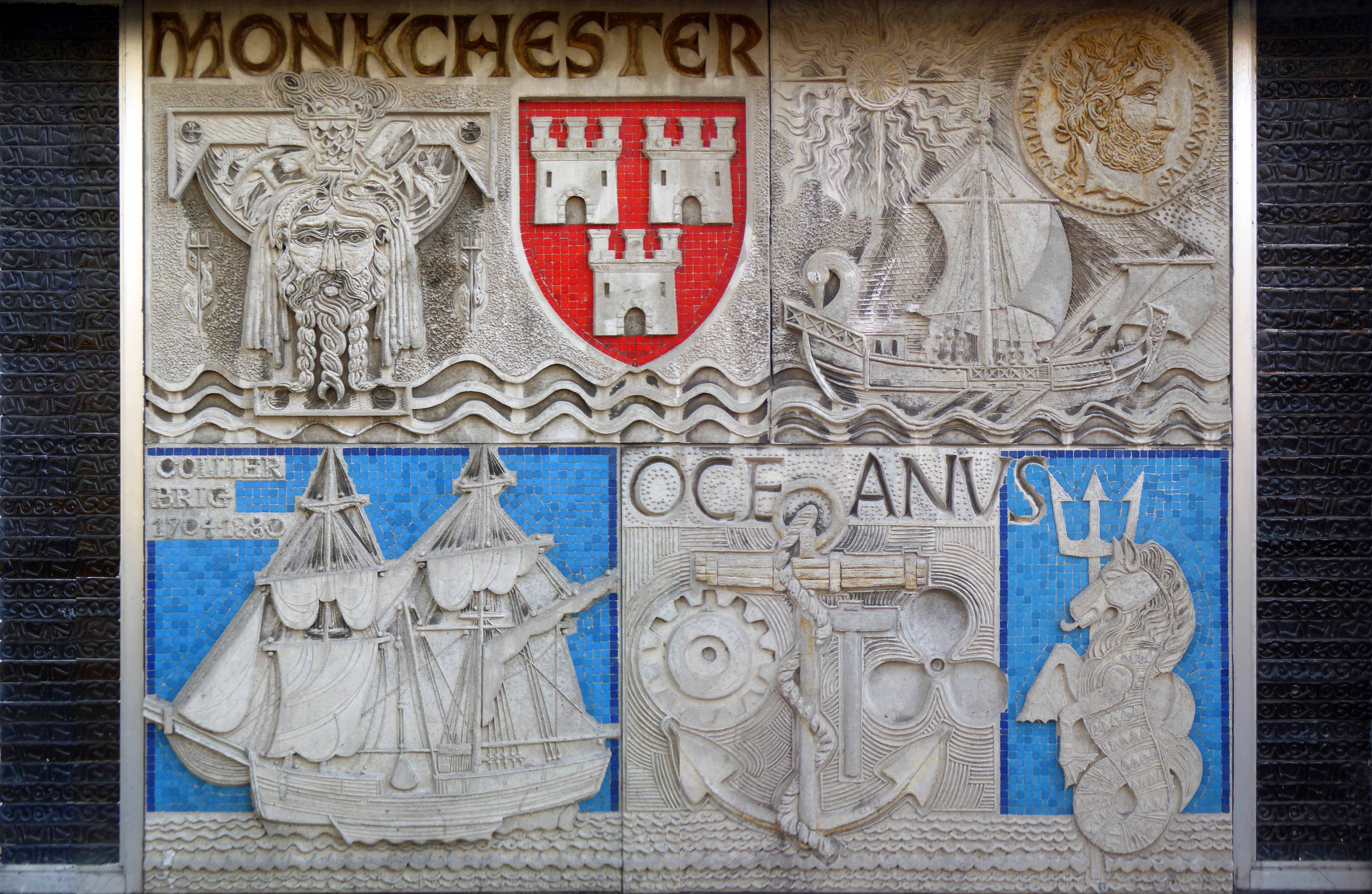
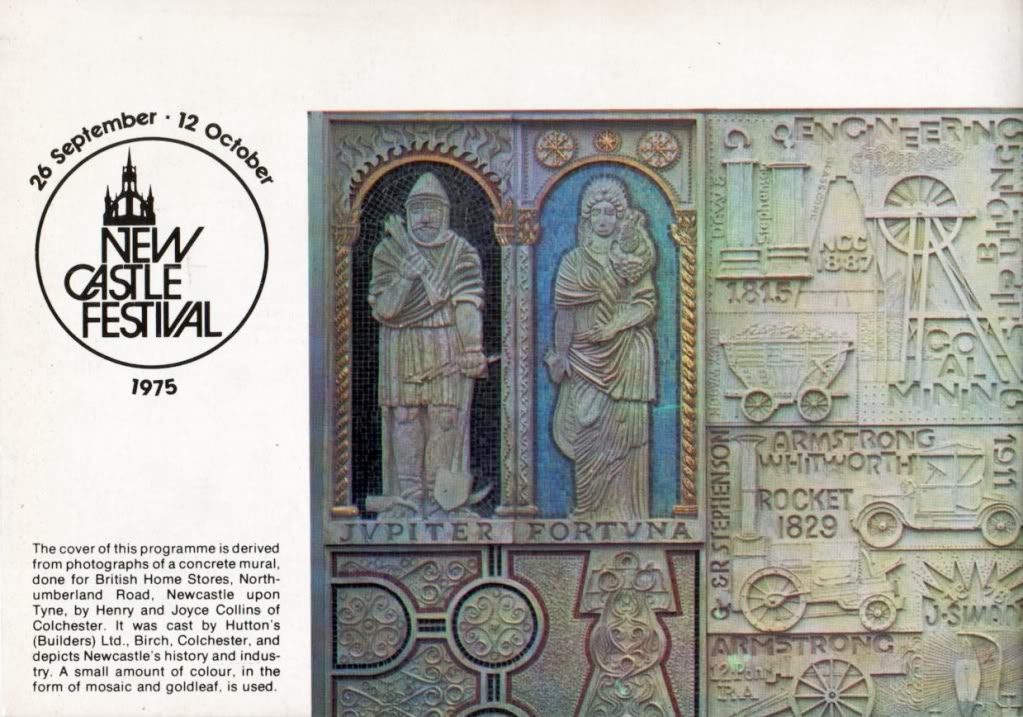
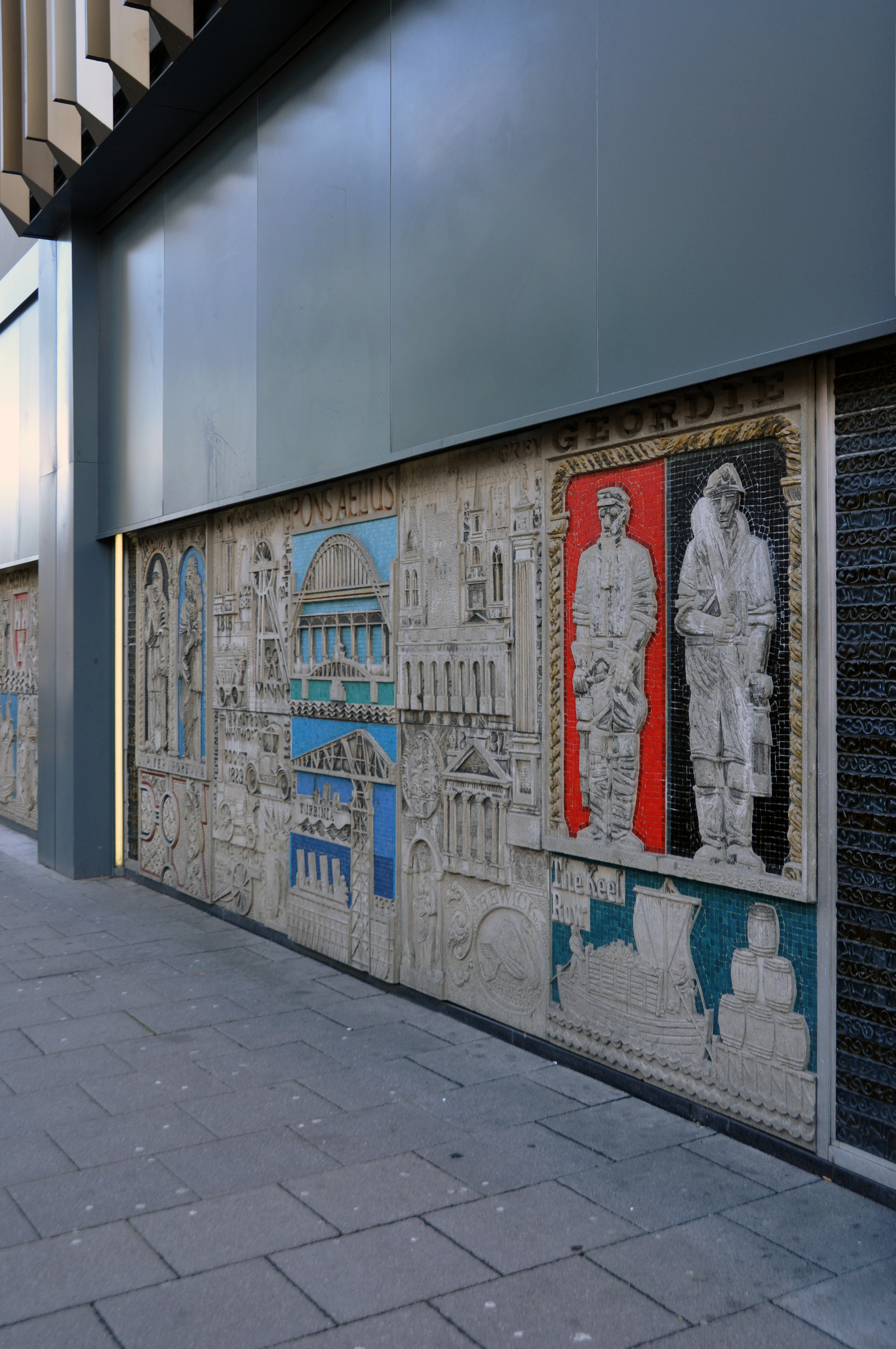
They never worked on the site itself, but used a regular contractor Hutton’s Builders Ltd Colchester, who cast the concrete in panels around four feet square. There are two relief panels, depicting events in the history of Newcastle. Highly stylised, the relief is moulded to a depth of 5cm and features some charming Geordie characters.
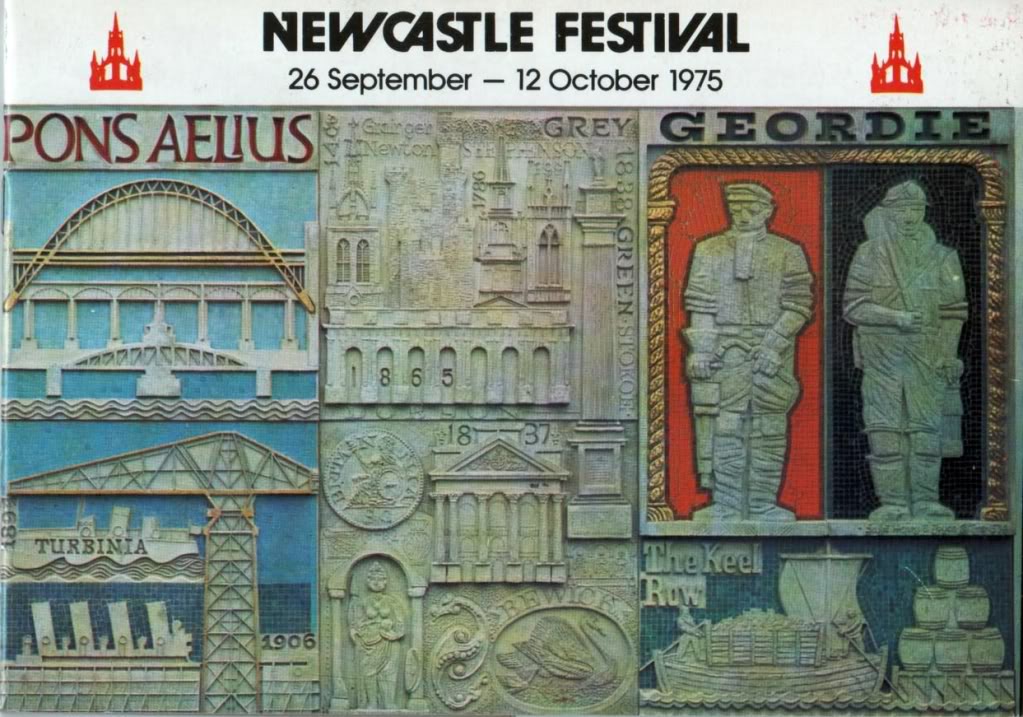
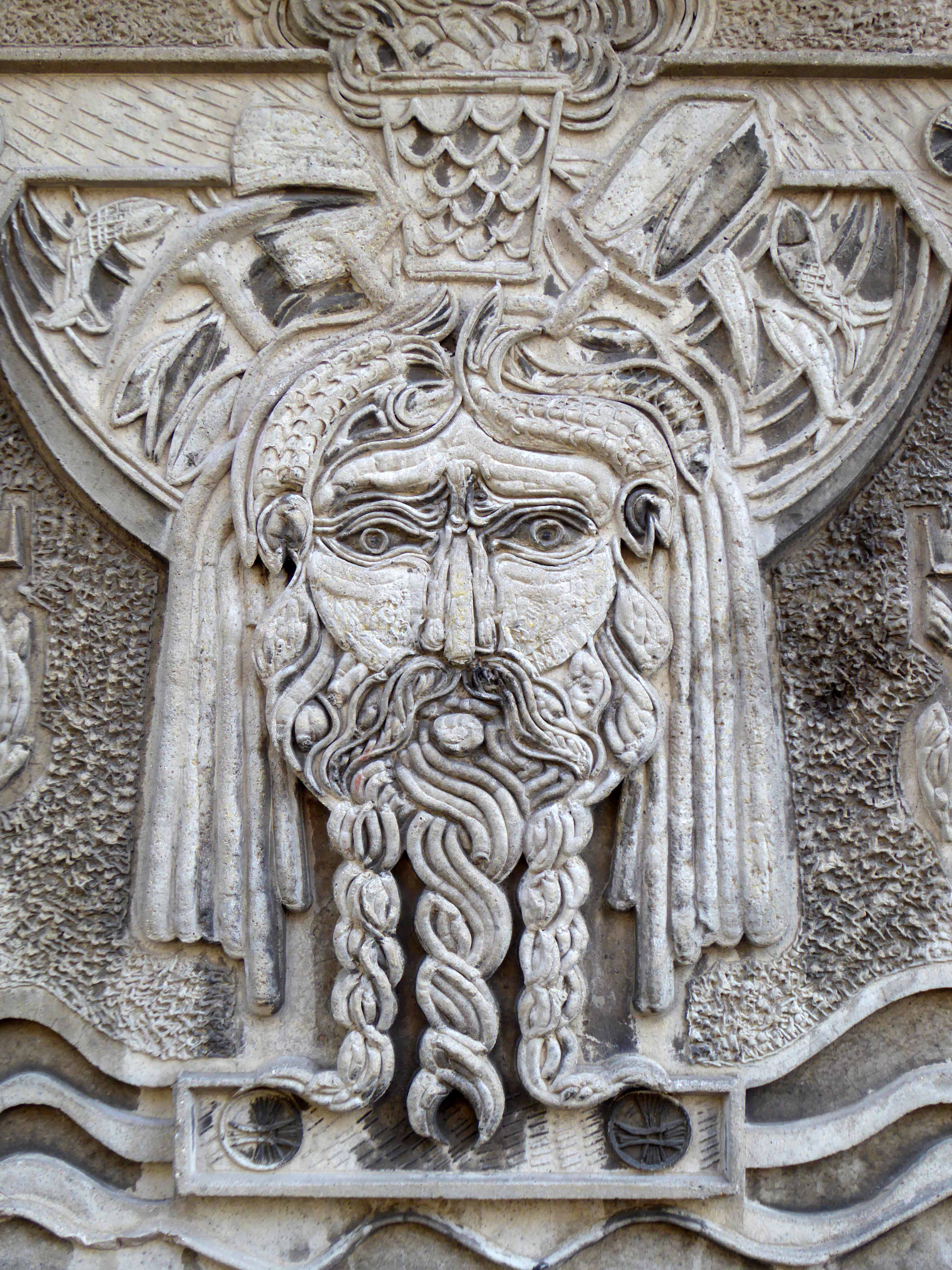
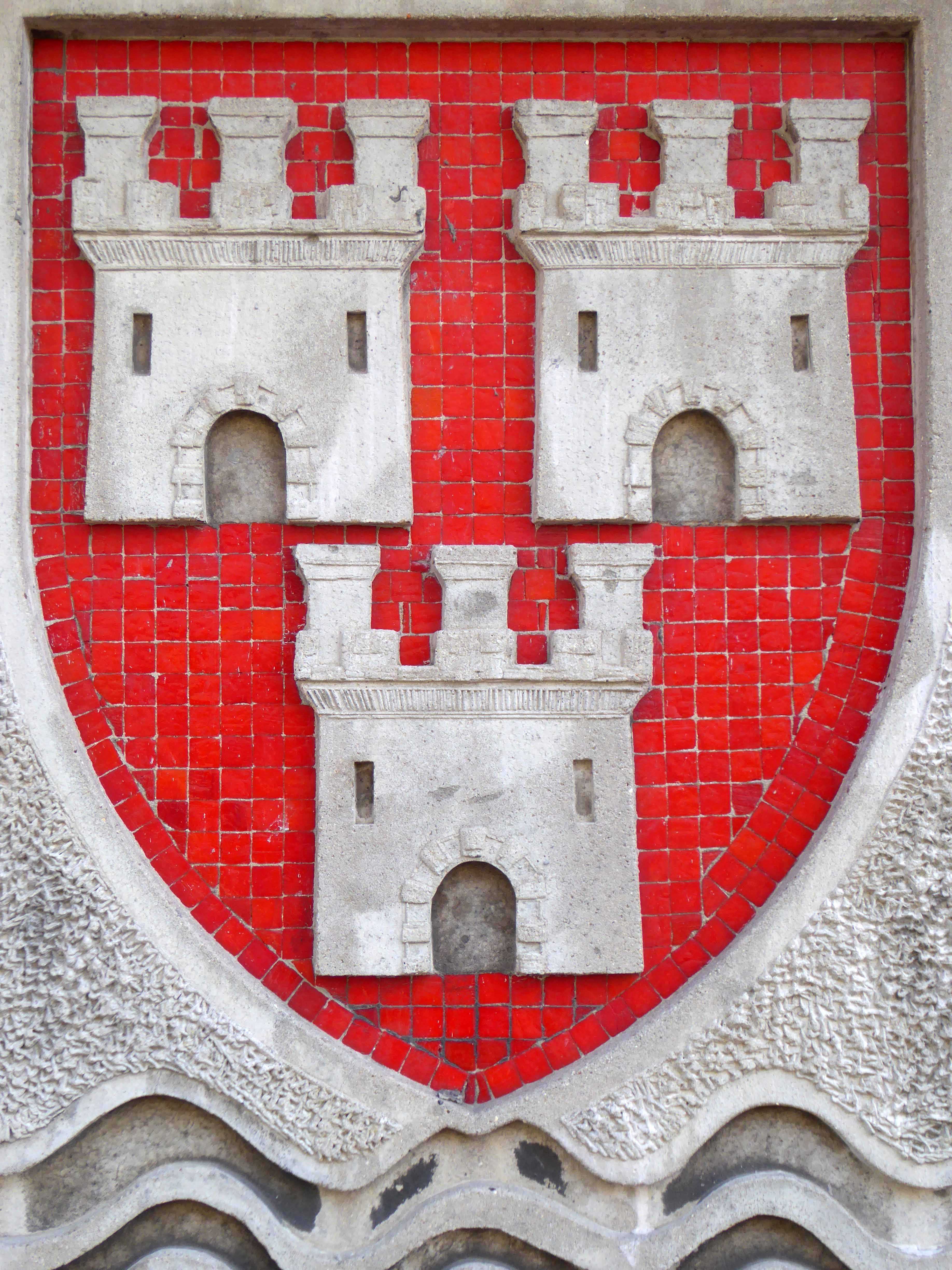
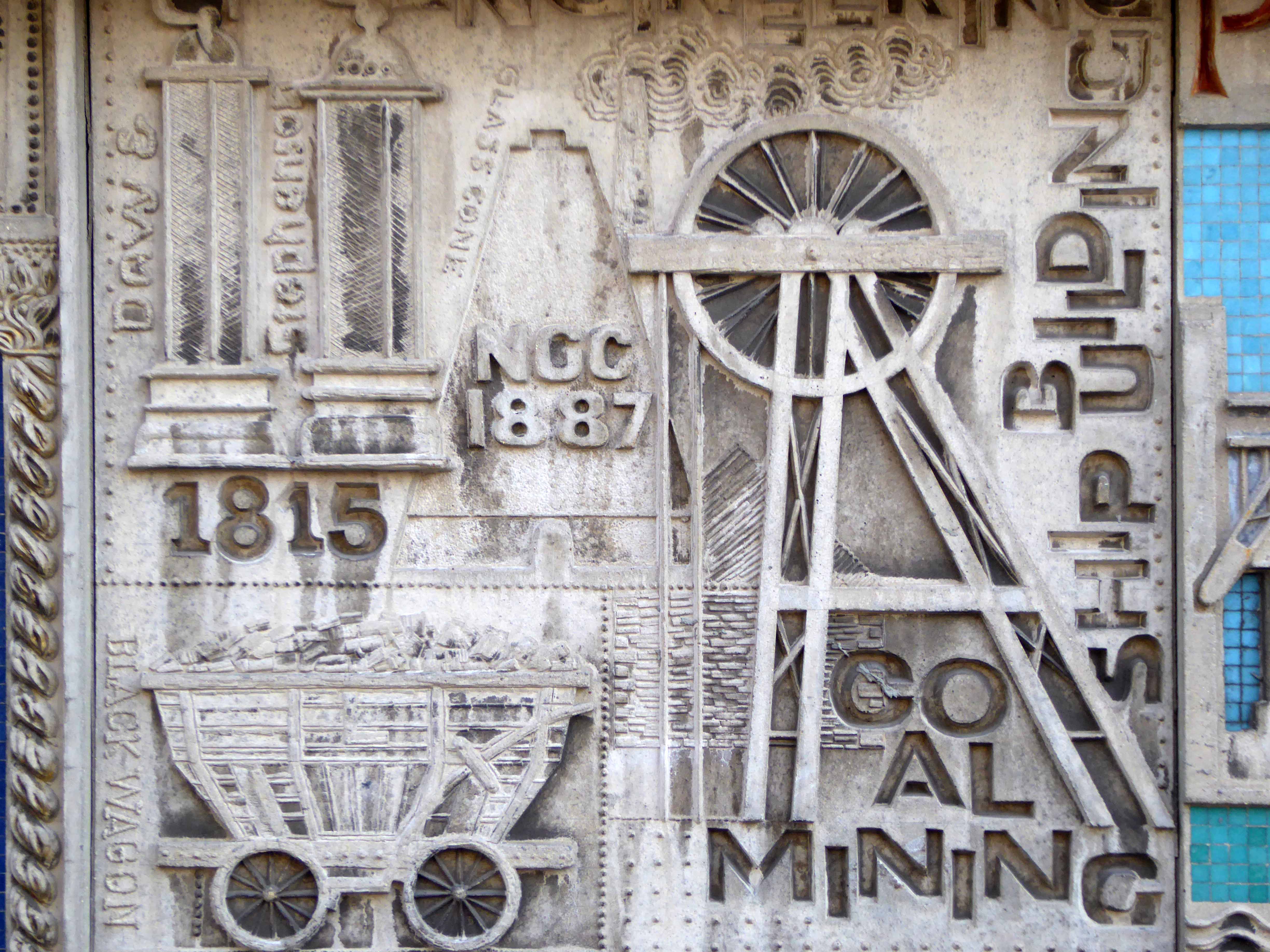
The left panel contains the following inscriptions and images Monkchester with Roman head and Newcastle coat of arms. Roman ship and golden coin. Collier Brig 1704-1880 with ship. Oceanus with anchor and seahorse with trident. The right panel contains the following inscriptions and images: Jupiter Fortuna with two figures. Engineering; Davy and Stephenson; coal mining ship building with images of same. G & R Stephenson; Armstrong Whitworth; Rocket 1829 with image of first steam engine. Armstrong 12 Pounder RA with image of gun. 1878 J.Swan Pons Aelius with bridges depicted below. Turbinia and image of ship. Various churches with names carved about including Grainger Dobson 1865; 1838 Green Stokoe; Bewick with a swan; a figure and Brigantia. Final section on far right has Geordie over two figures, then the Keel Row with a loading boat at the bottom.
The building was originally developed by C&A and it is thought that funding for the reliefs might have been provided by the store and/or Northern Arts. It became BHS which subsequently closed last year, the building is now occupied by Primark, C&A estates still own the site.
The mural illustrated the cover of the 1975 Newcastle Festival.
Sadly only one of the neon sculptures, remains illuminated – they may have been listed by Historic England, they have certainly given them a coat of looking at. I myself was approached whilst working away by a crack squad of precinct management, questioning my methods and motives. I reassured them I was a serious student of post-war architecture and they allowed happily to go about my business – assuring me that I was following in the footsteps of HE.
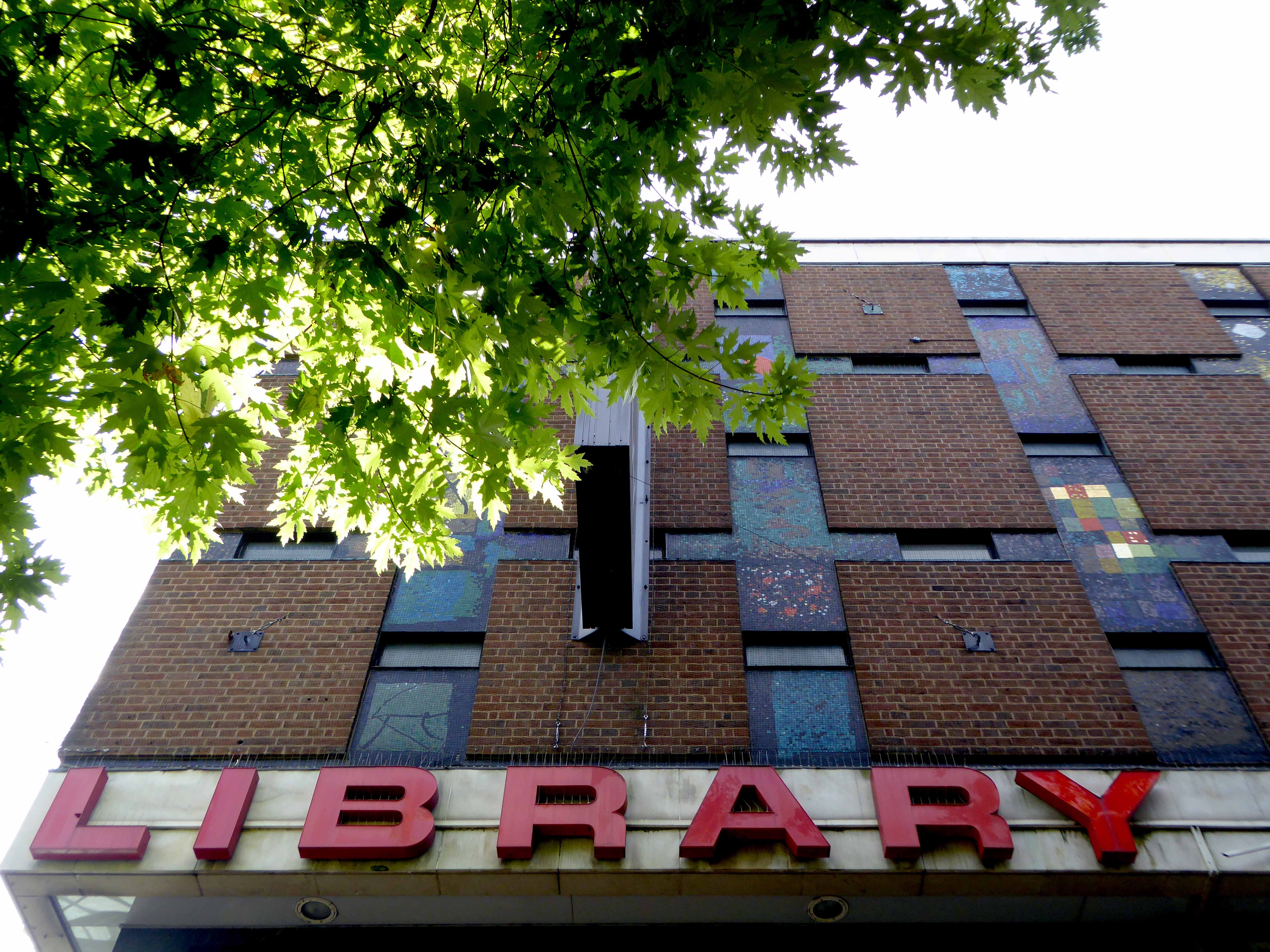
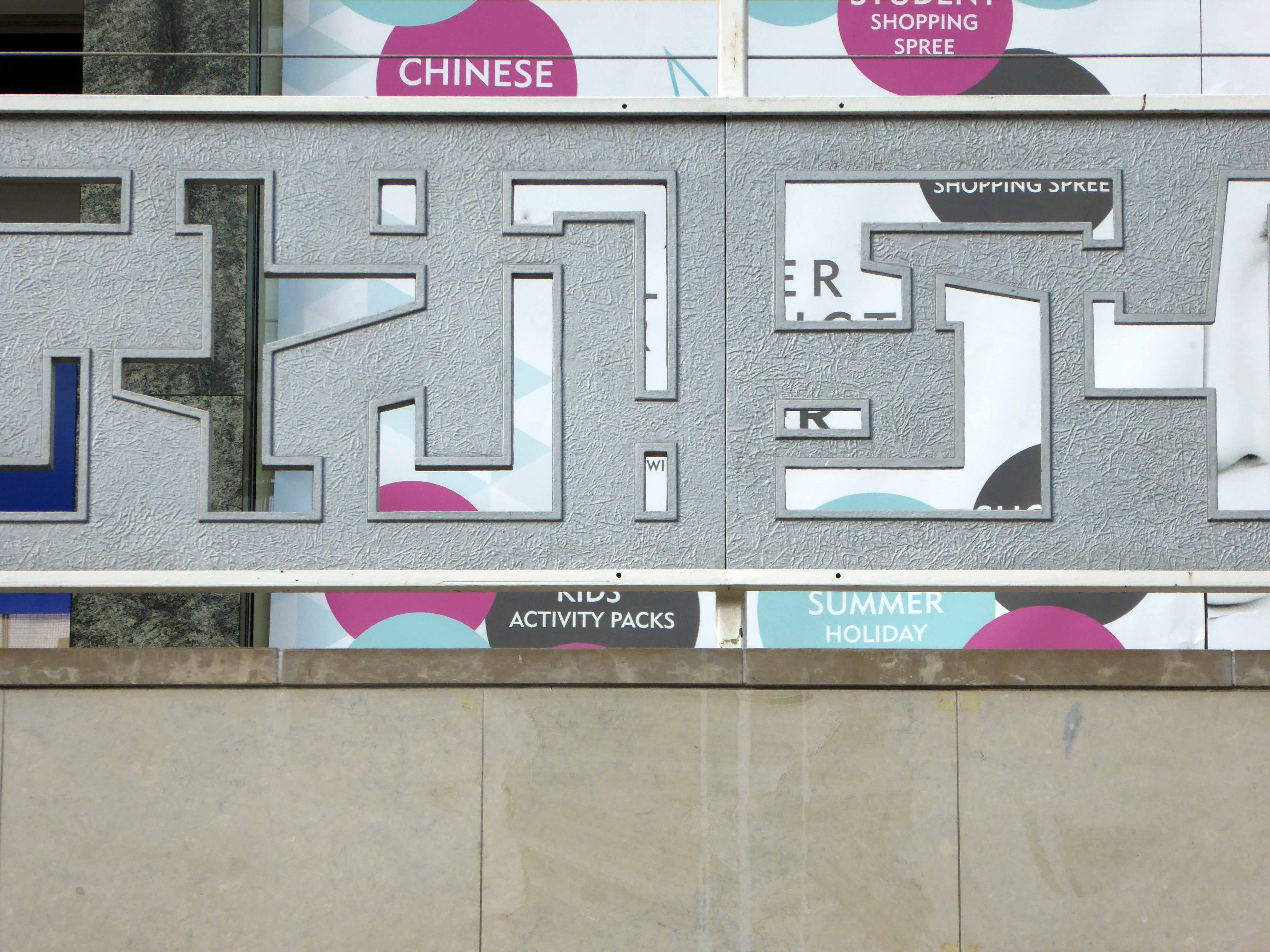
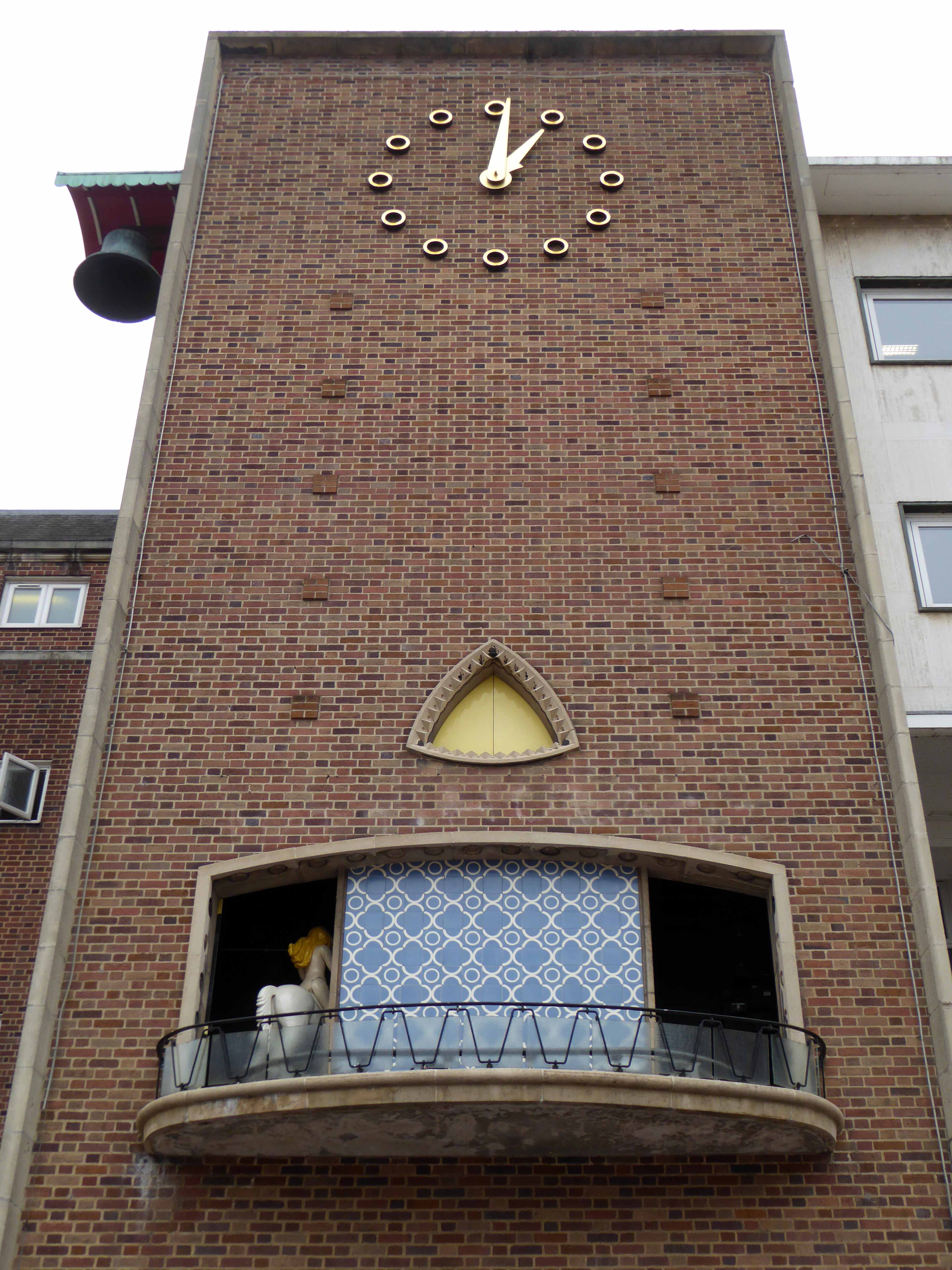
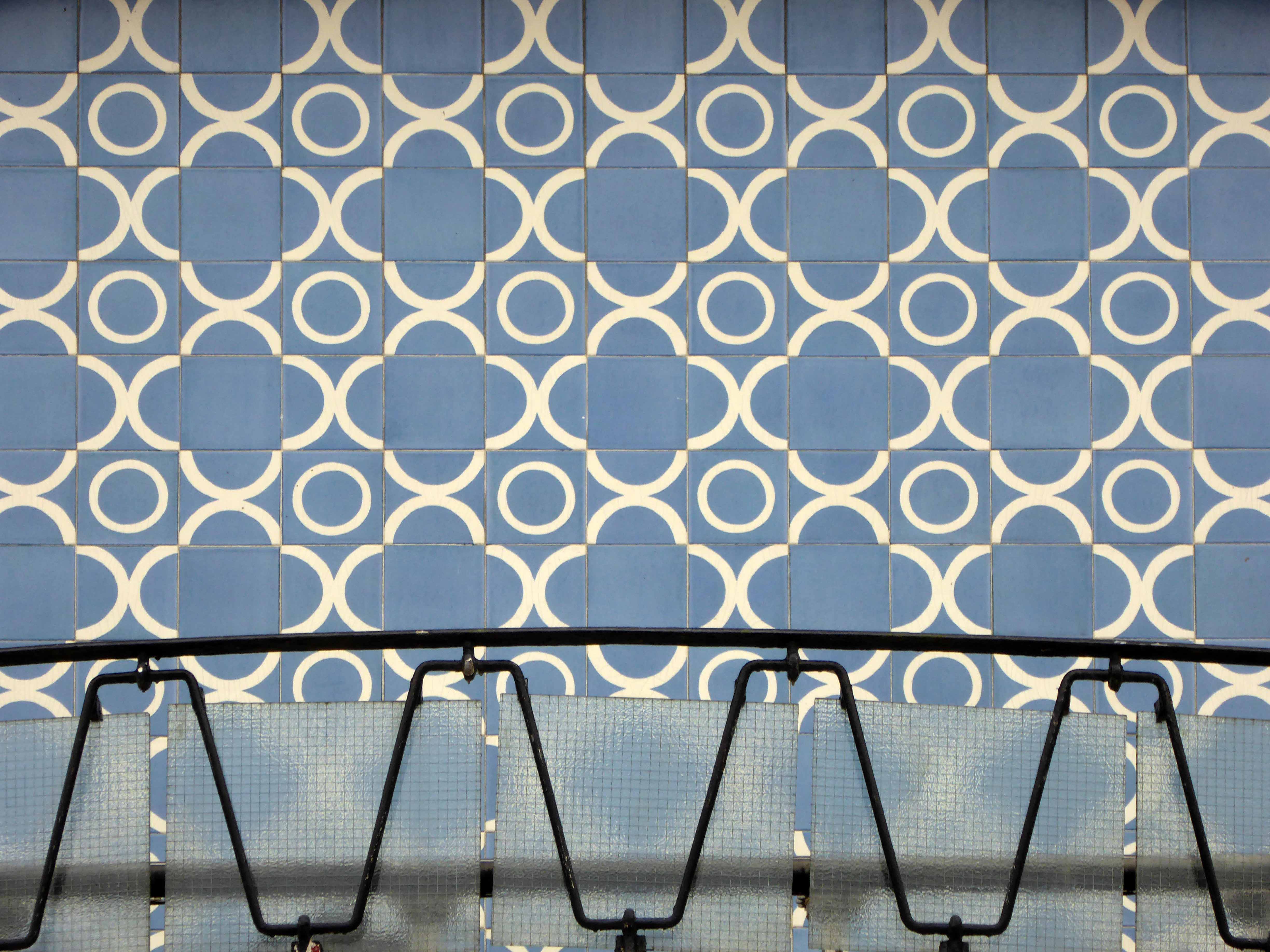
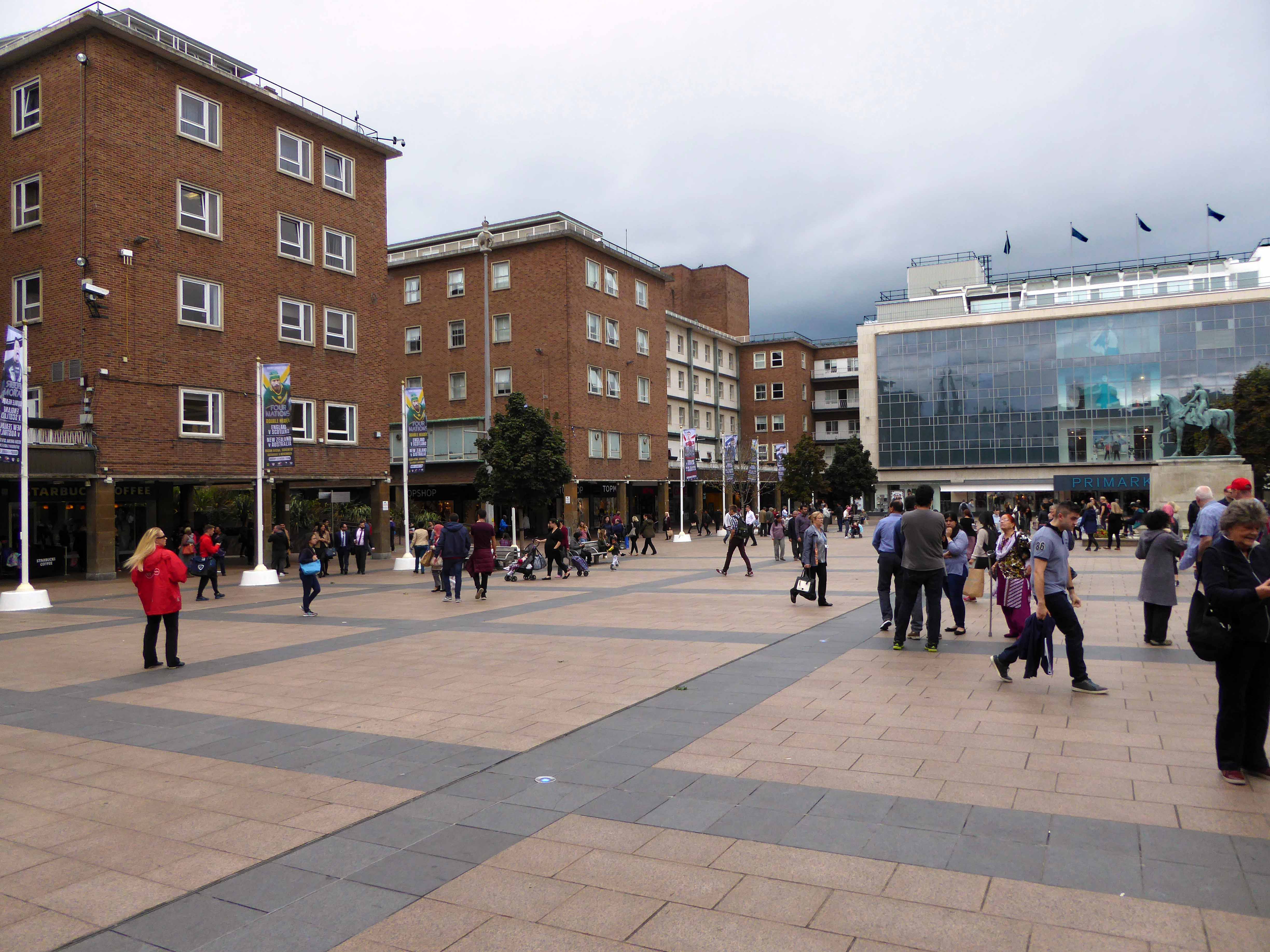
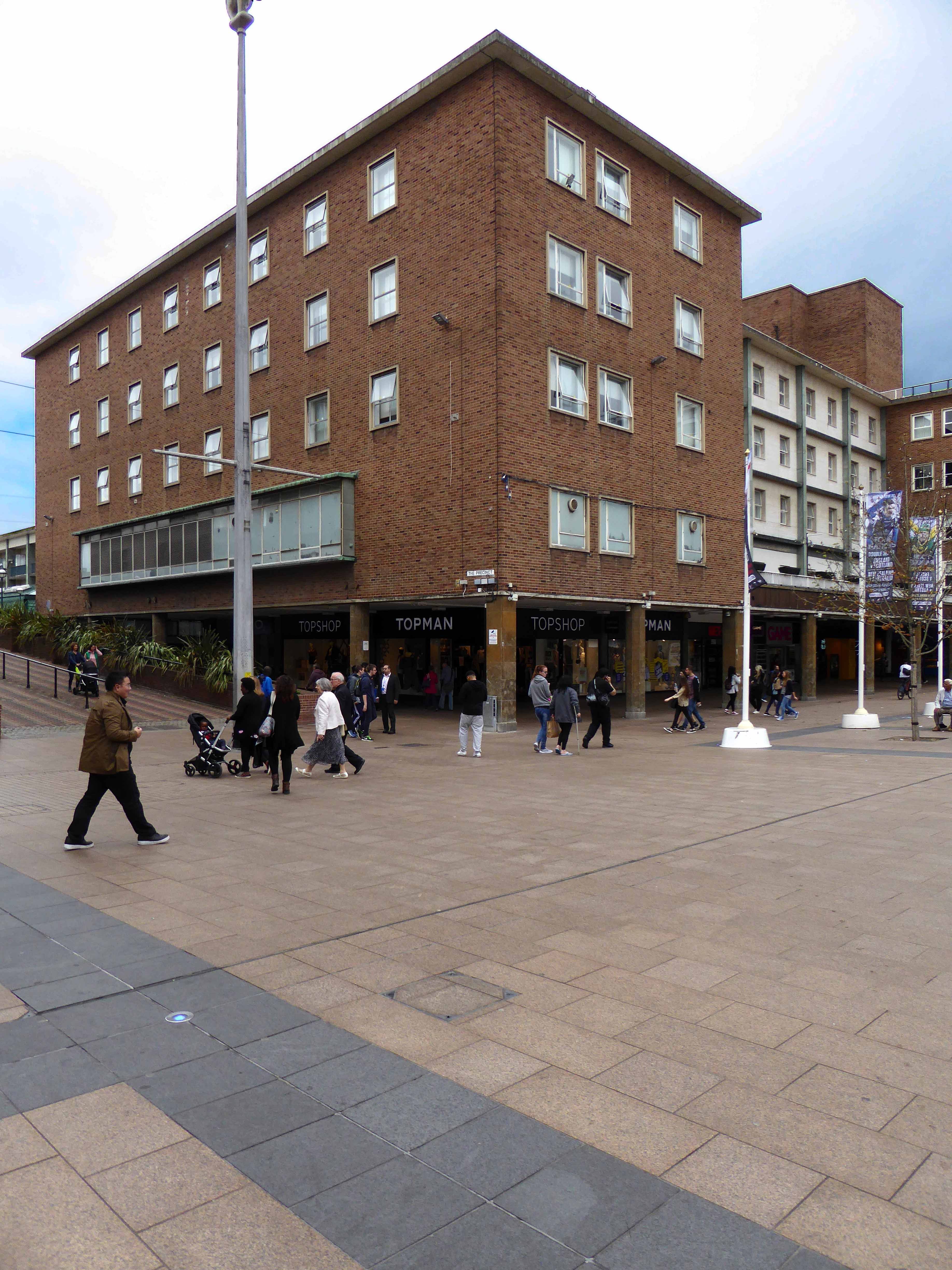
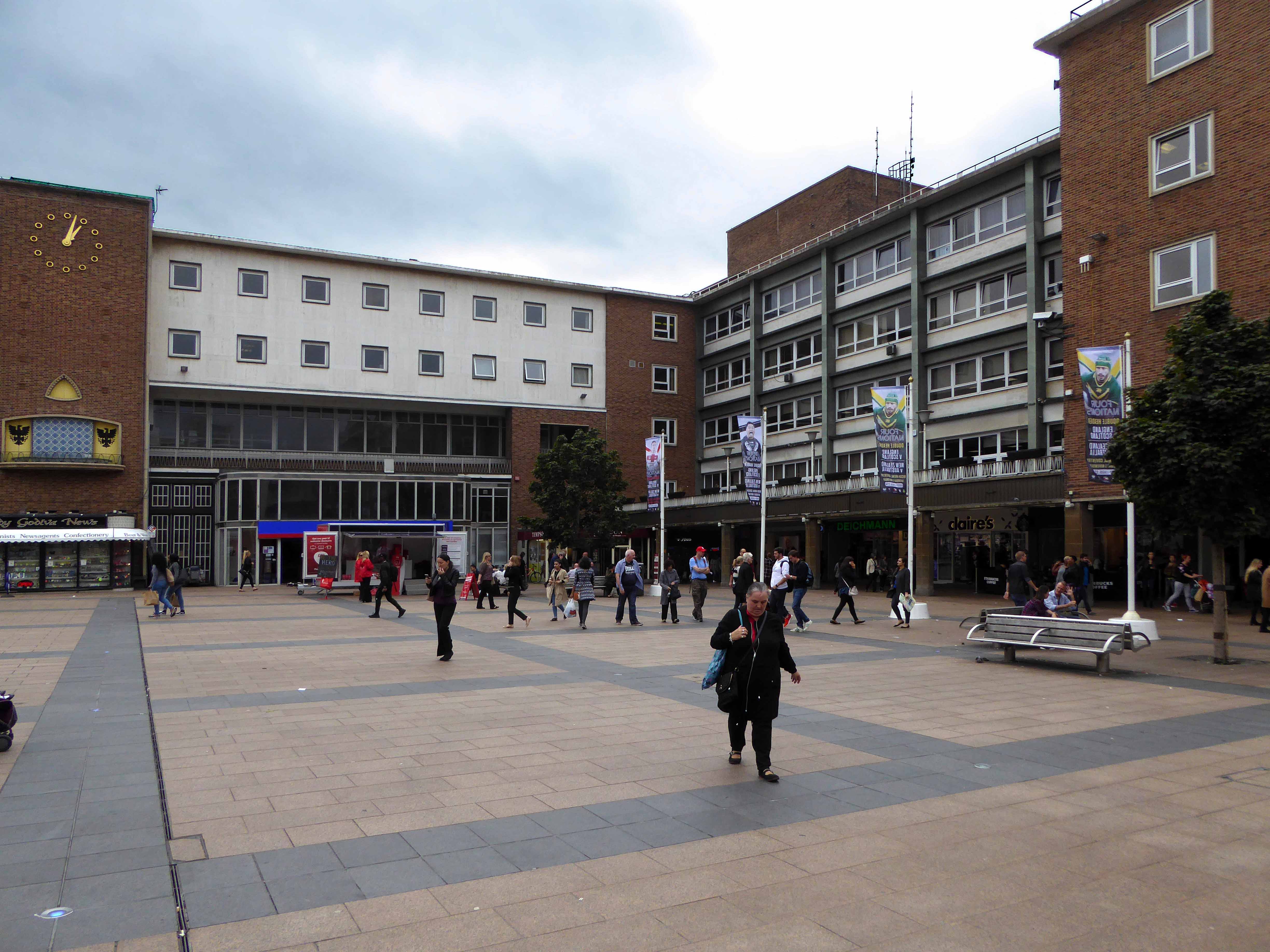
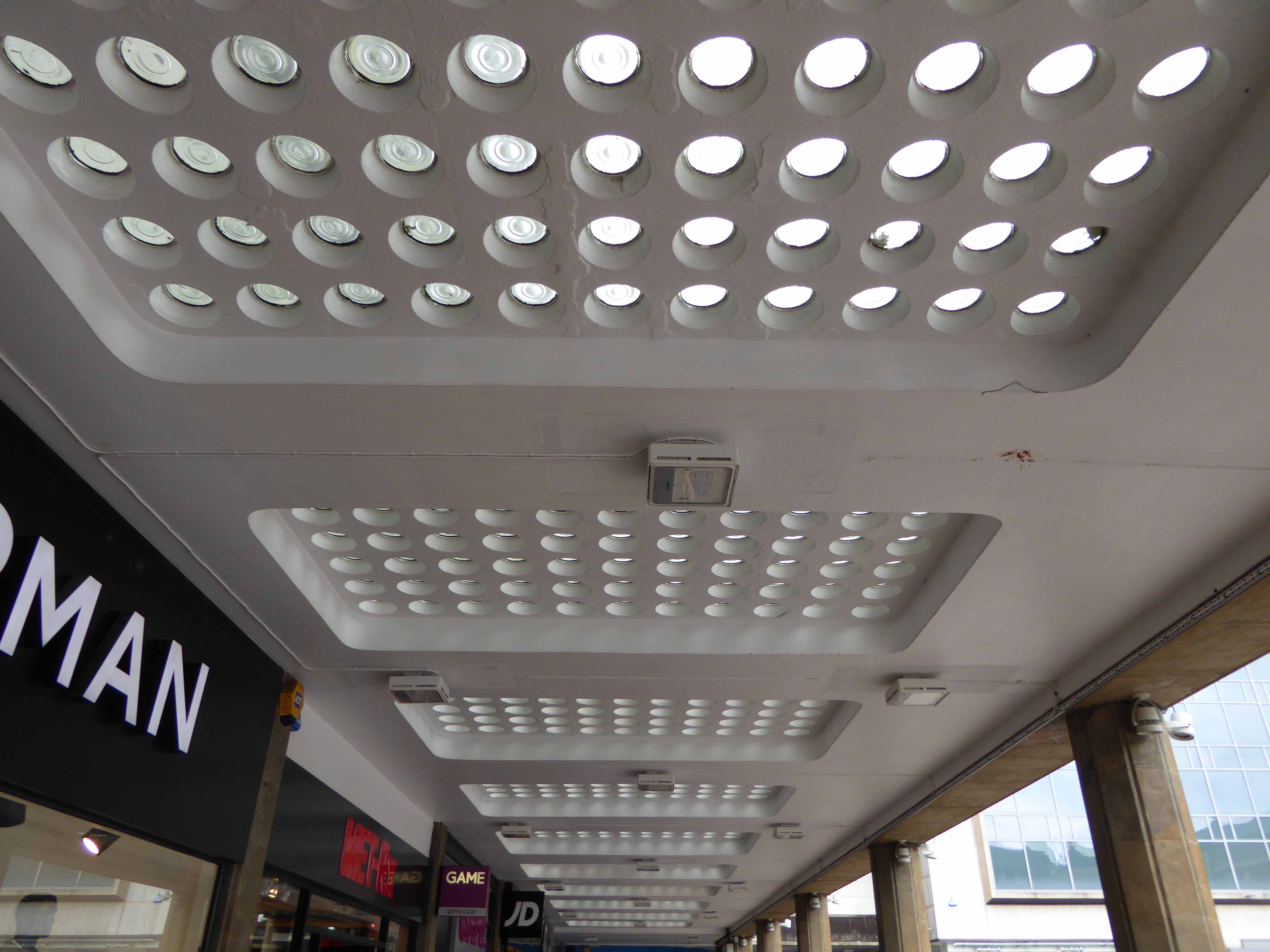
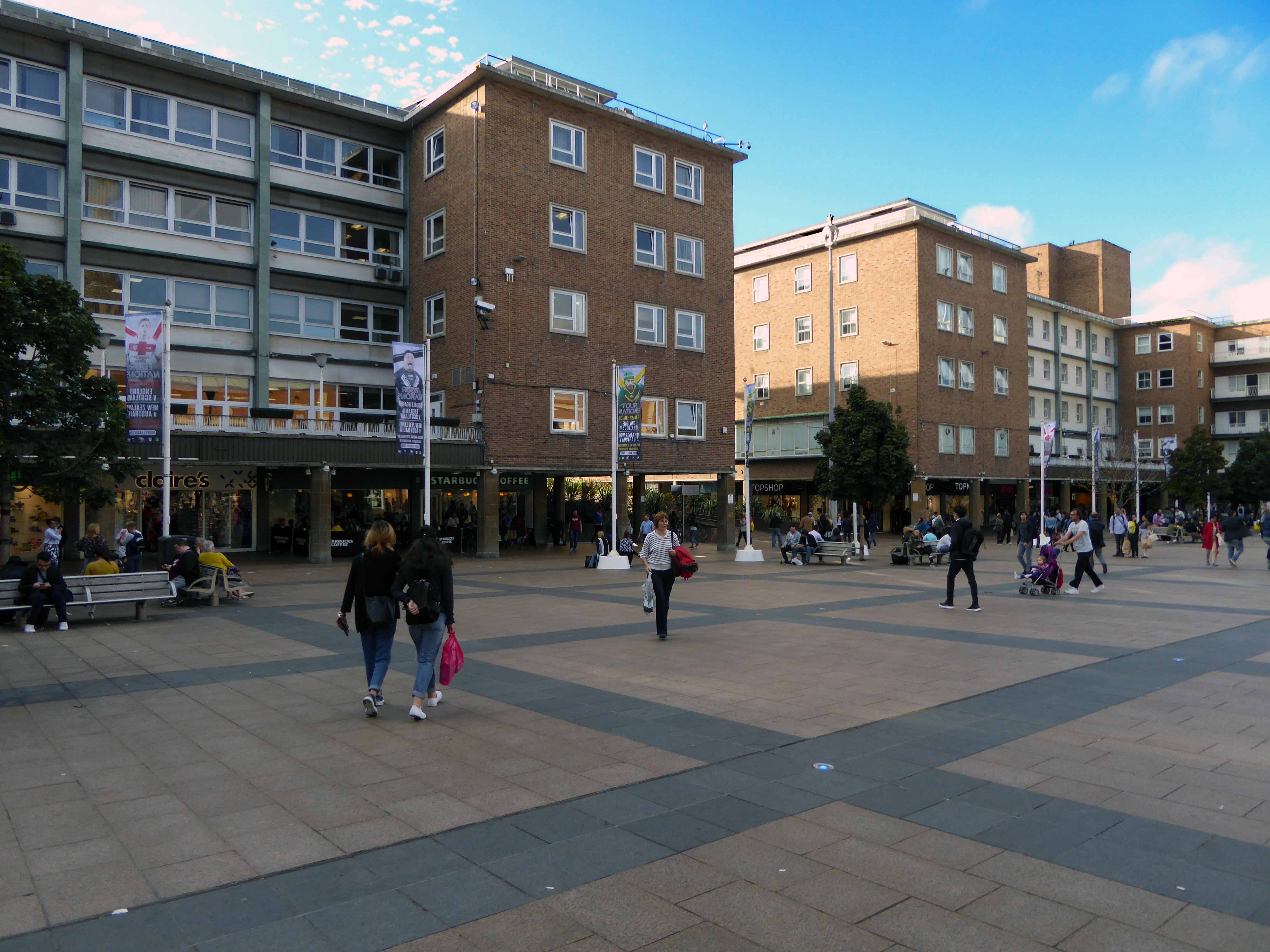
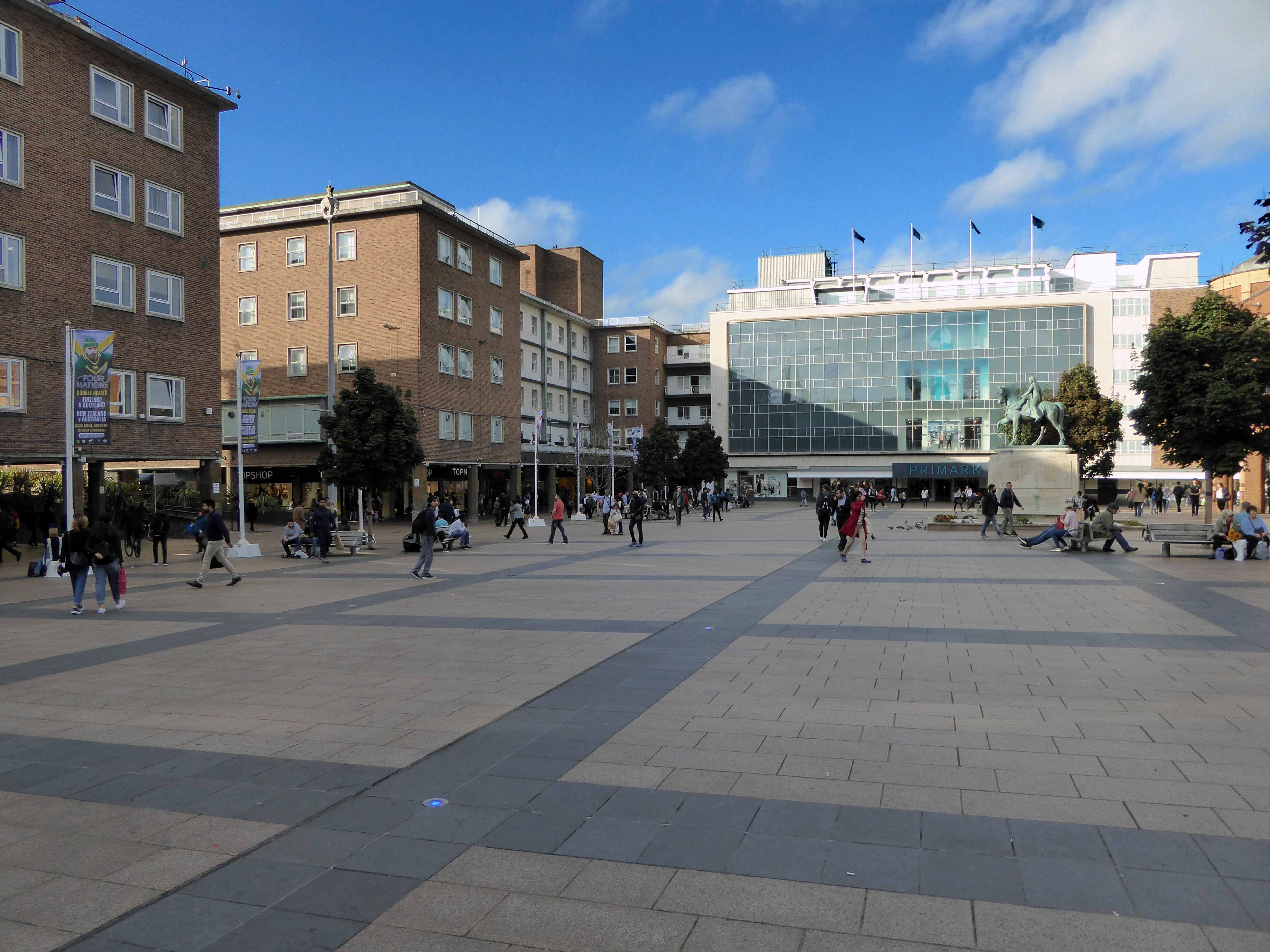
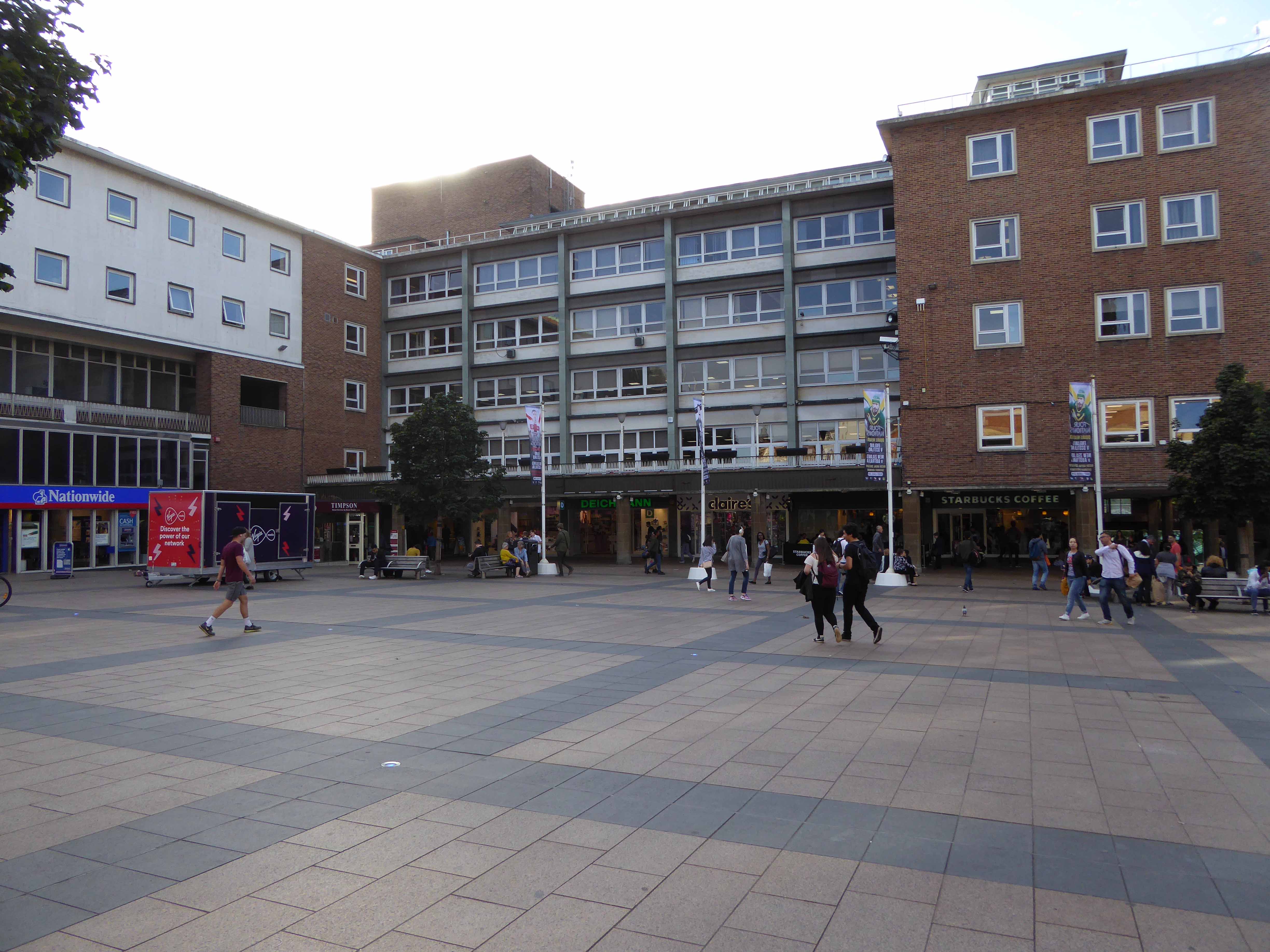
The elevated café, pierced screenwork, mosaics on the former Locarno, now Library and town clock are still every much in situ, Lady Godiva dutifully appearing on the hour, every hour with an ever attendant Peeping Tom for company.
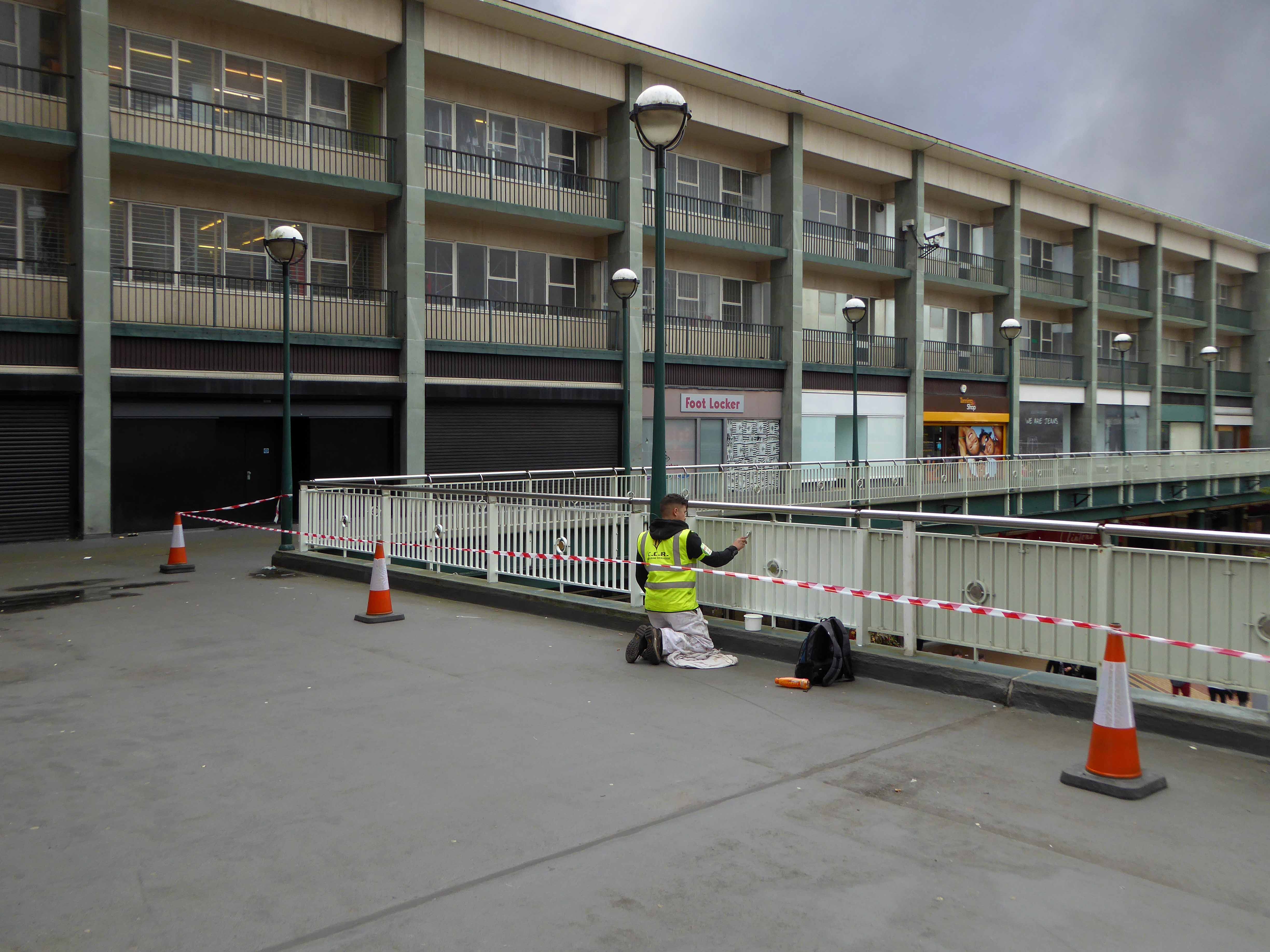
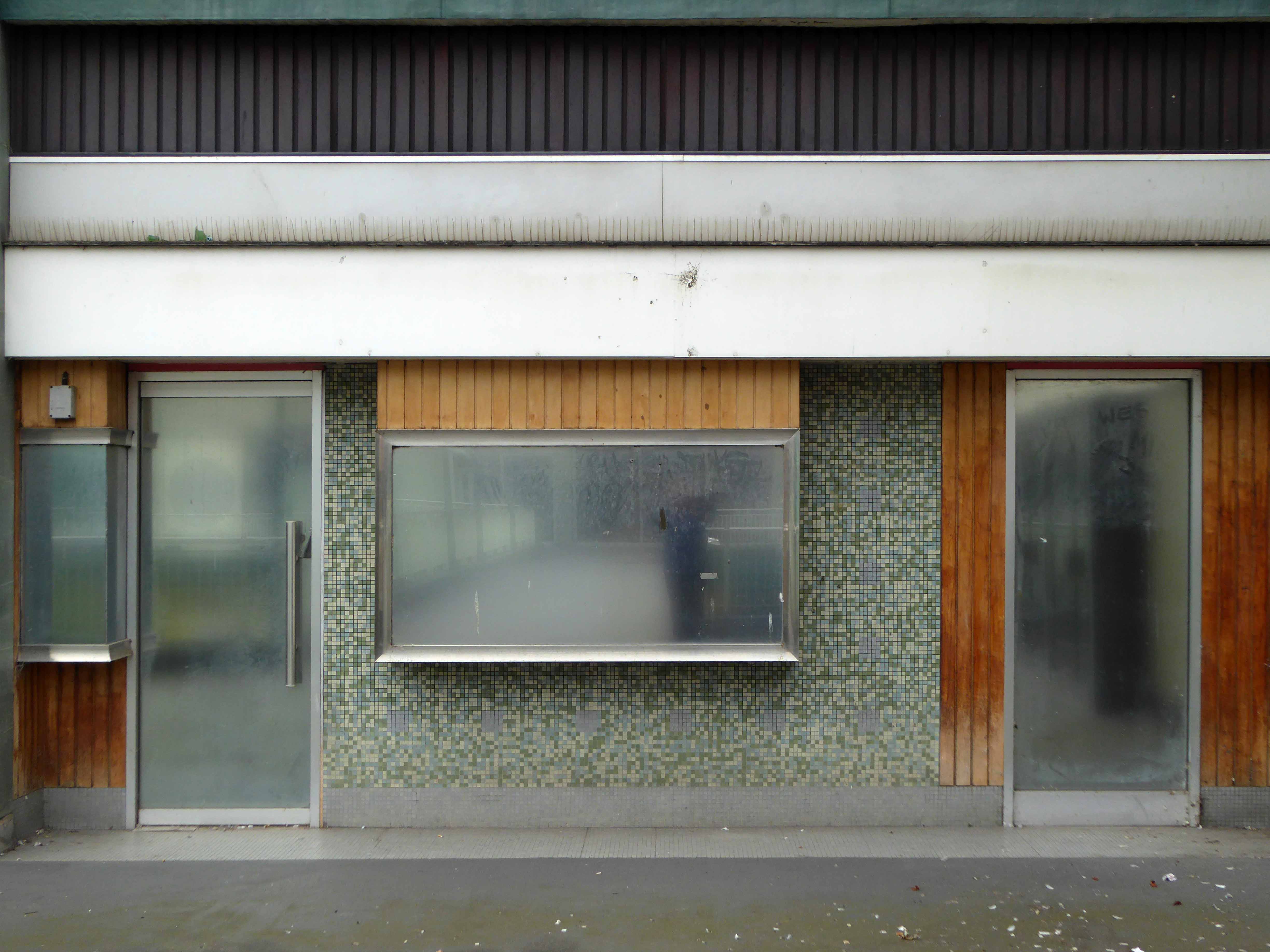
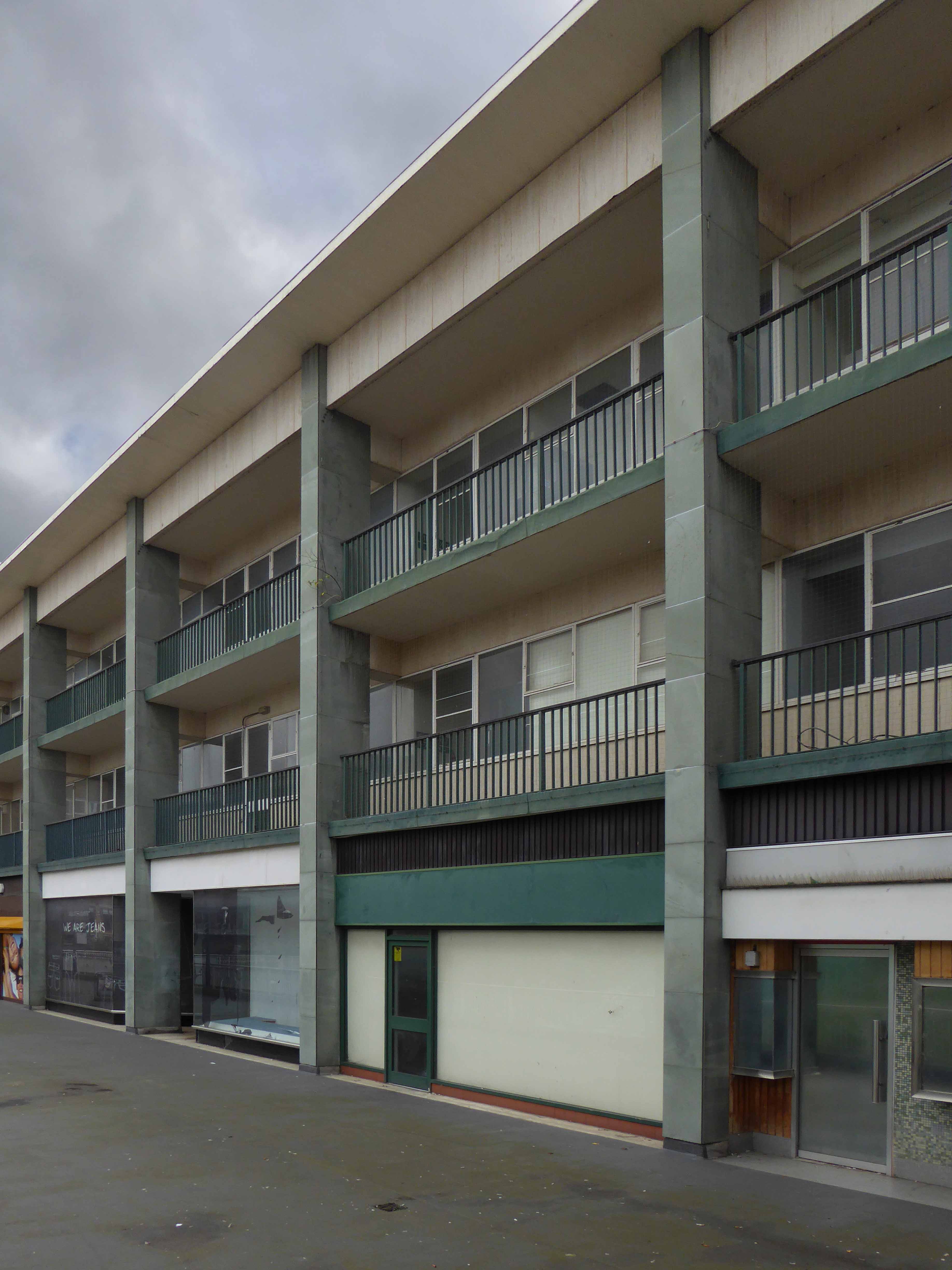
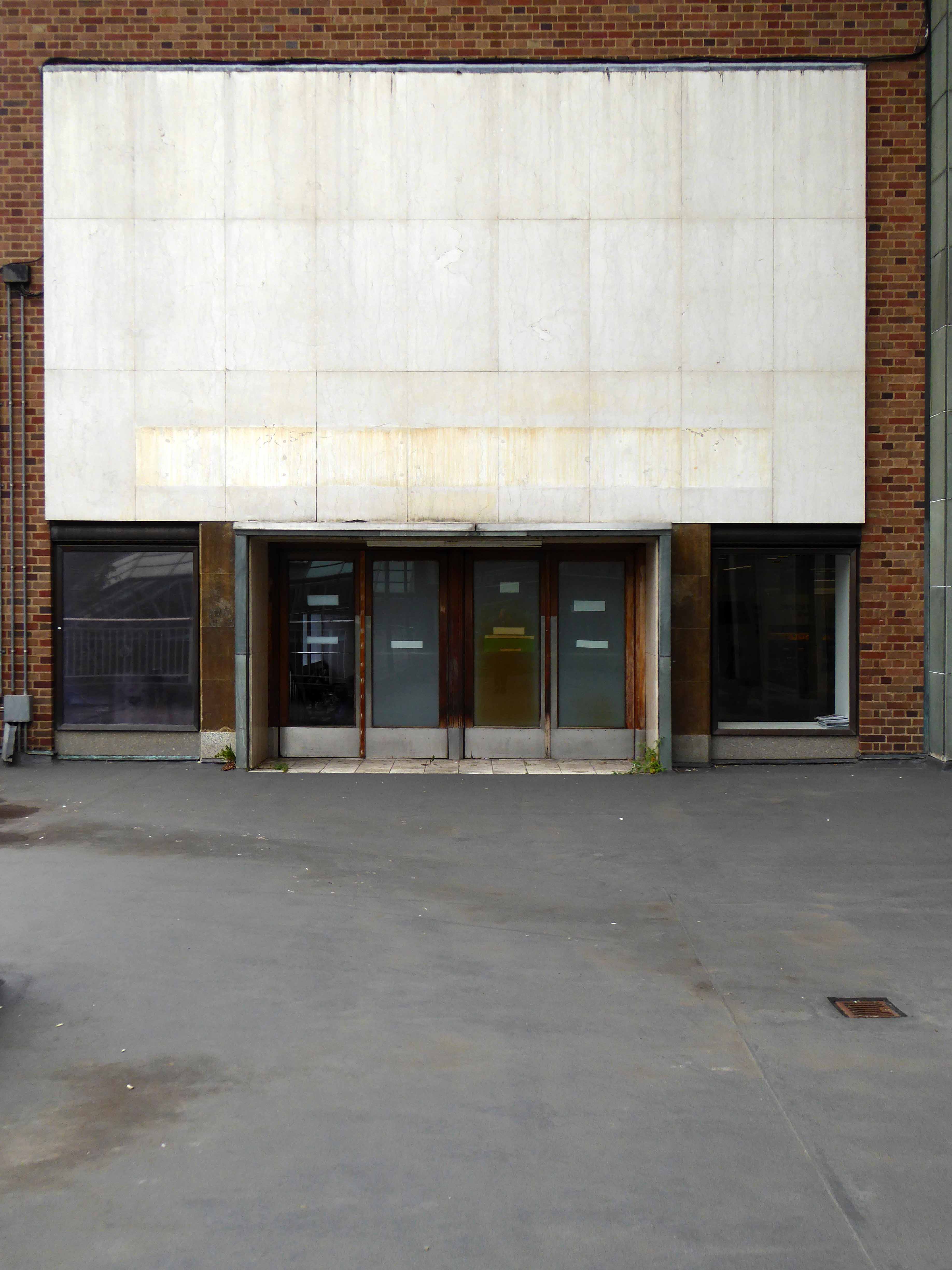
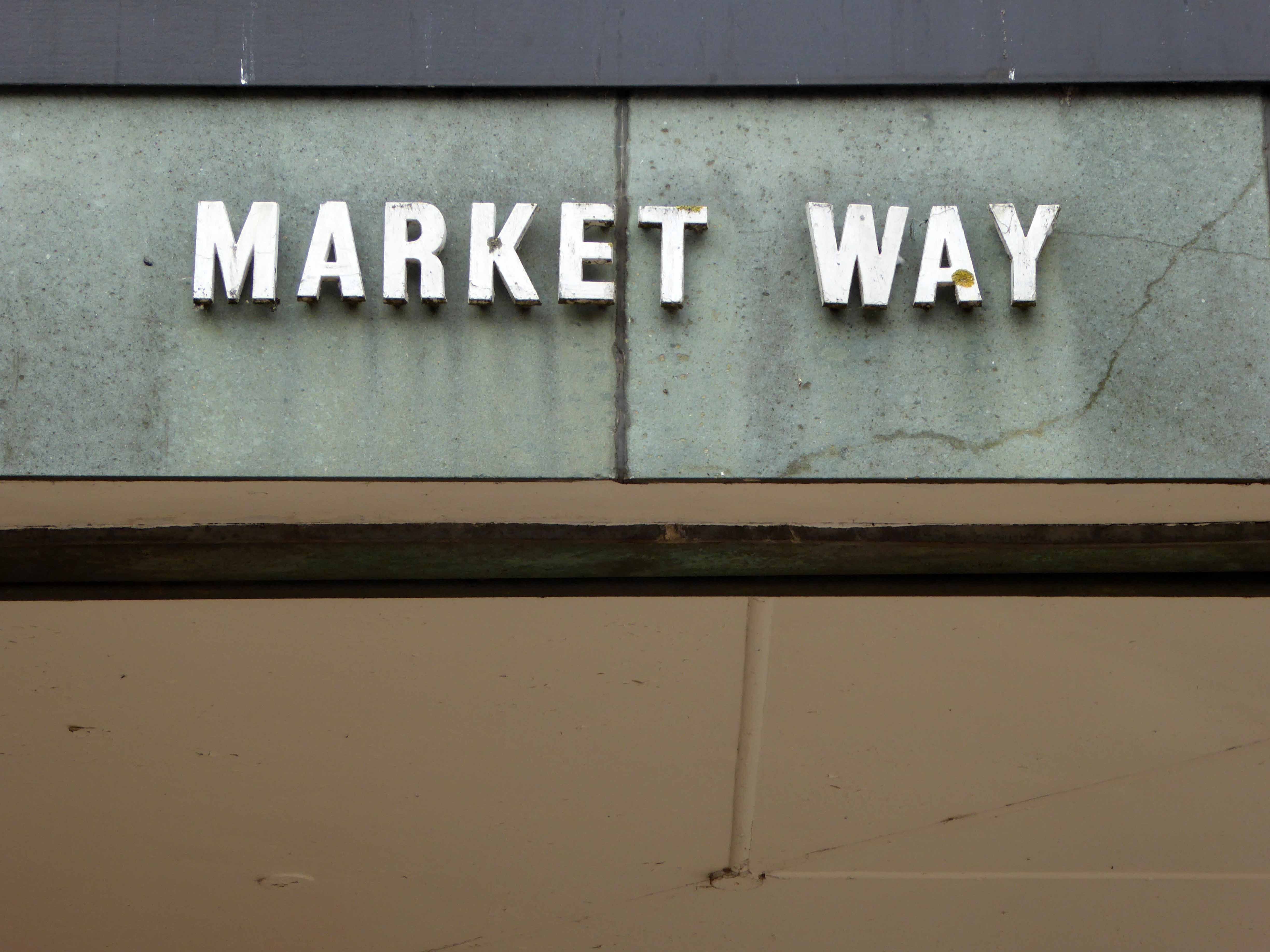
The area is well-used bustling busy, with a smattering of empty units which are sadly typical of most provincial town competing for custom and prosperity on the high street.
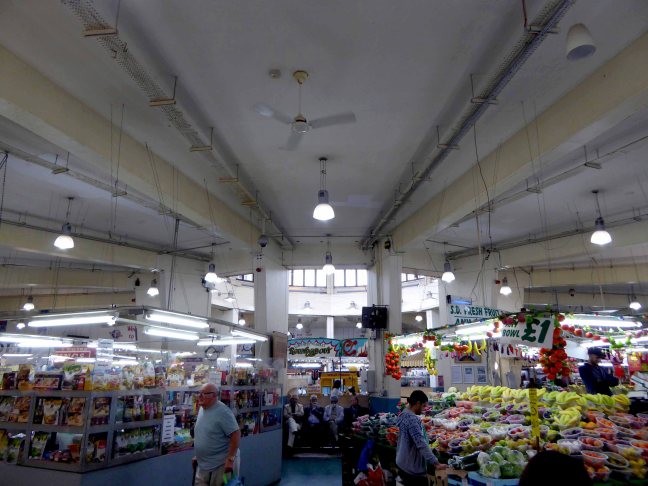
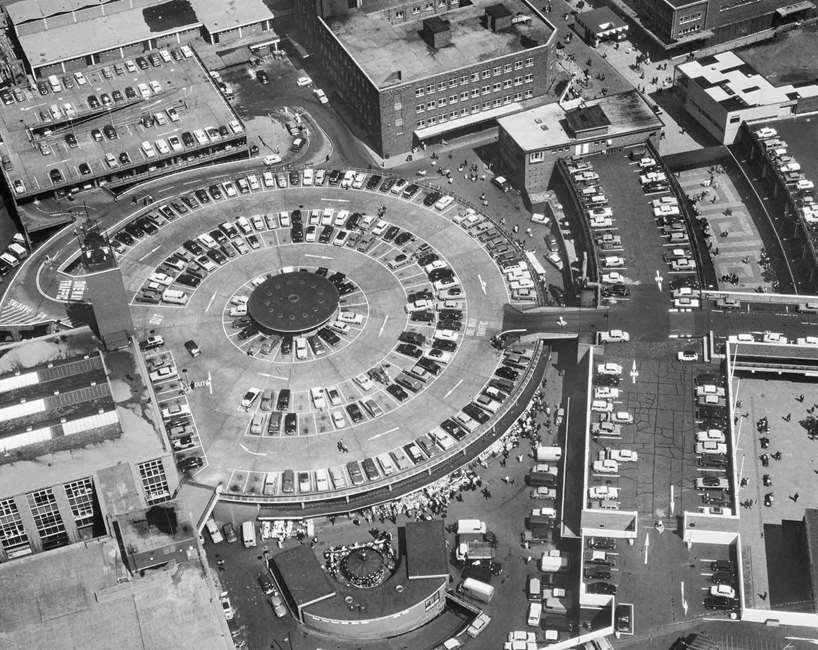
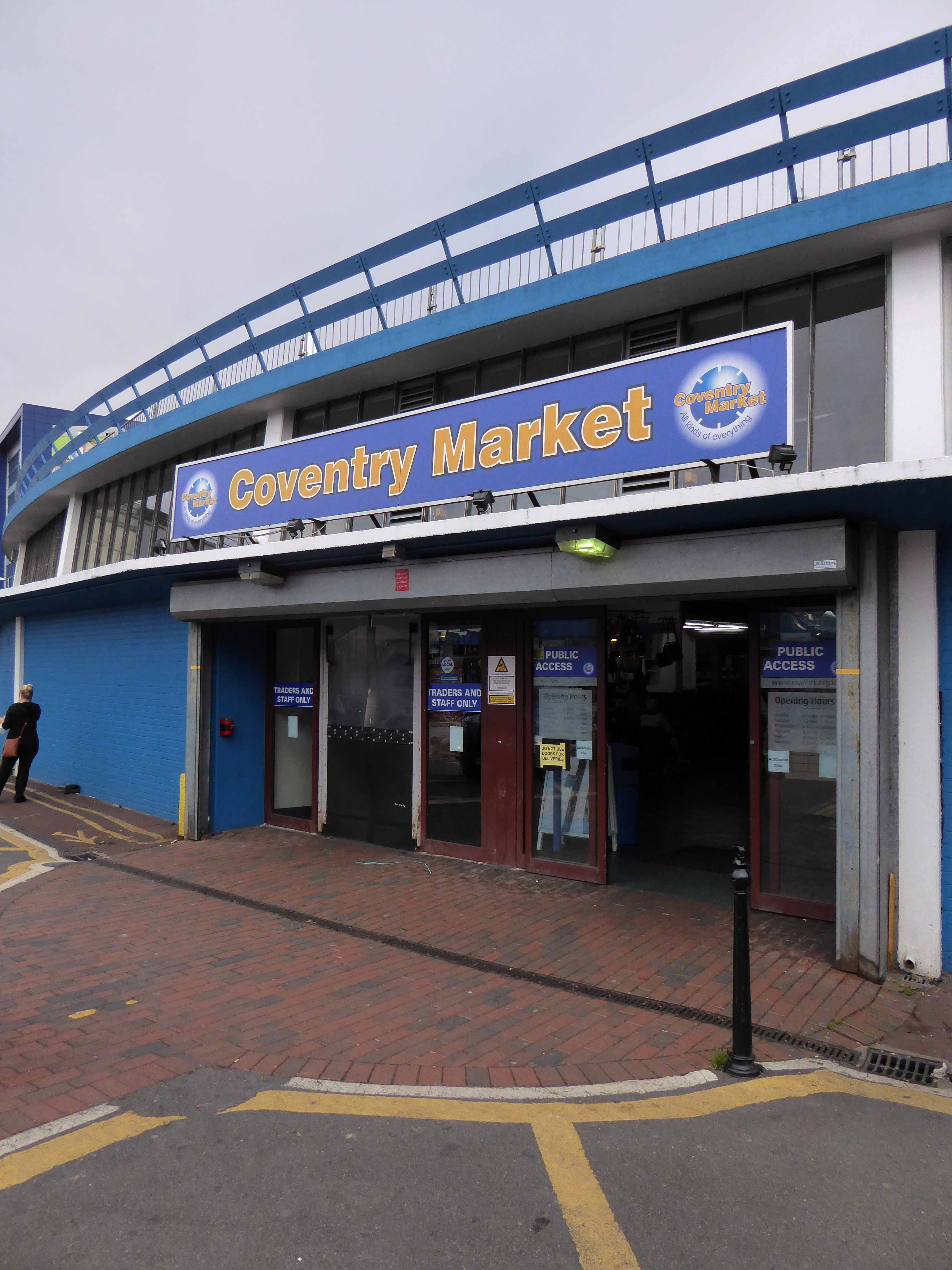
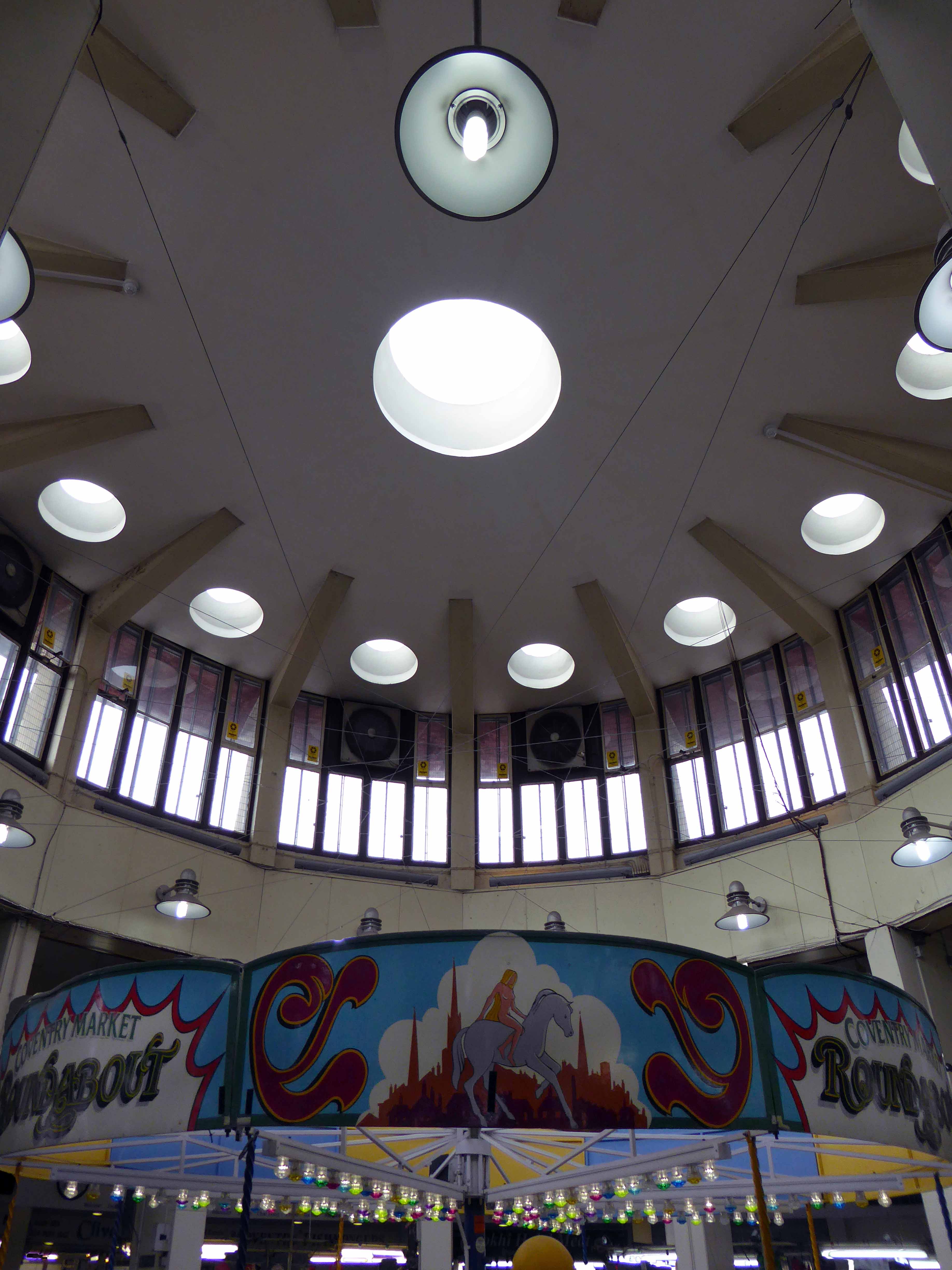
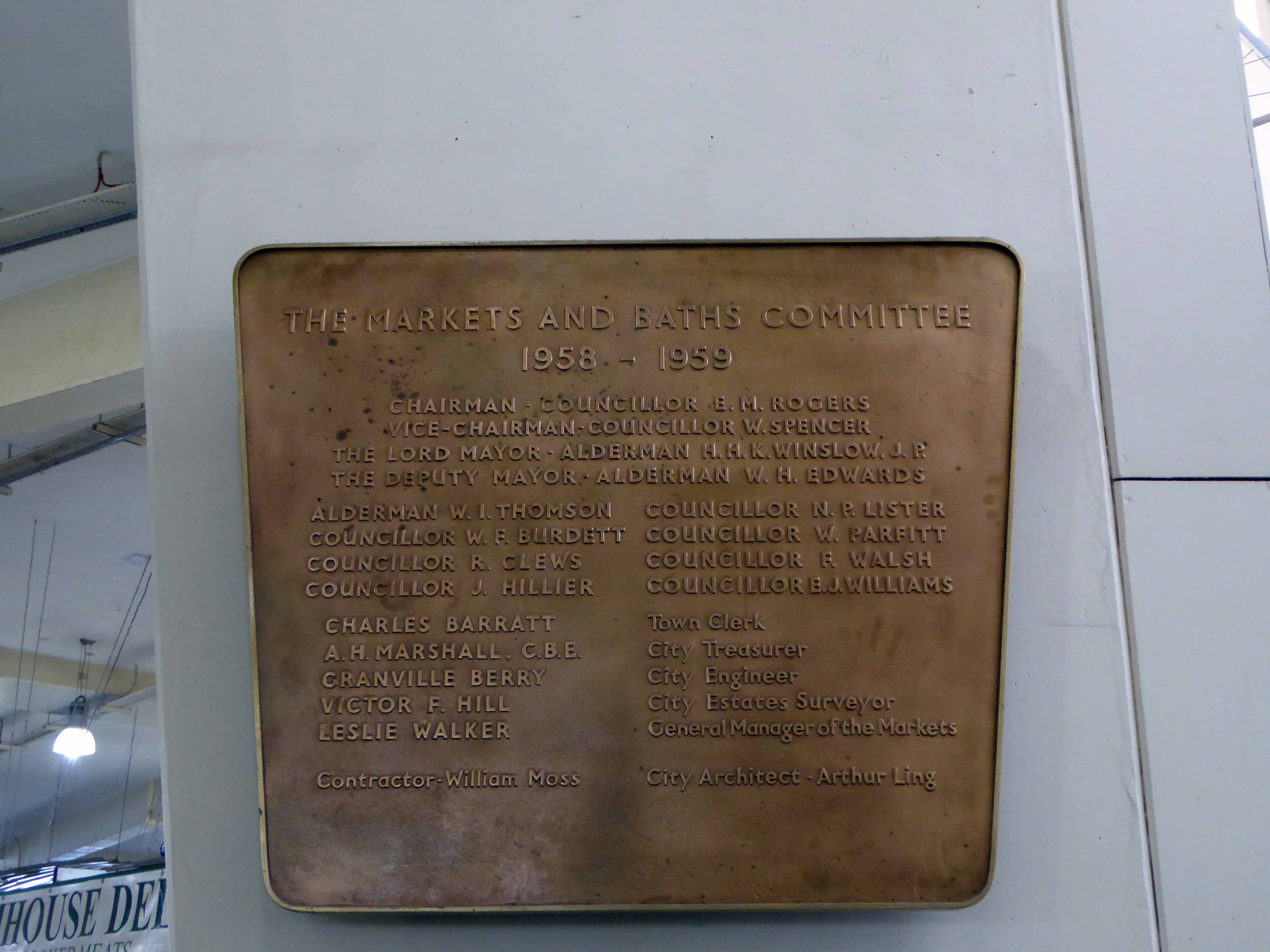
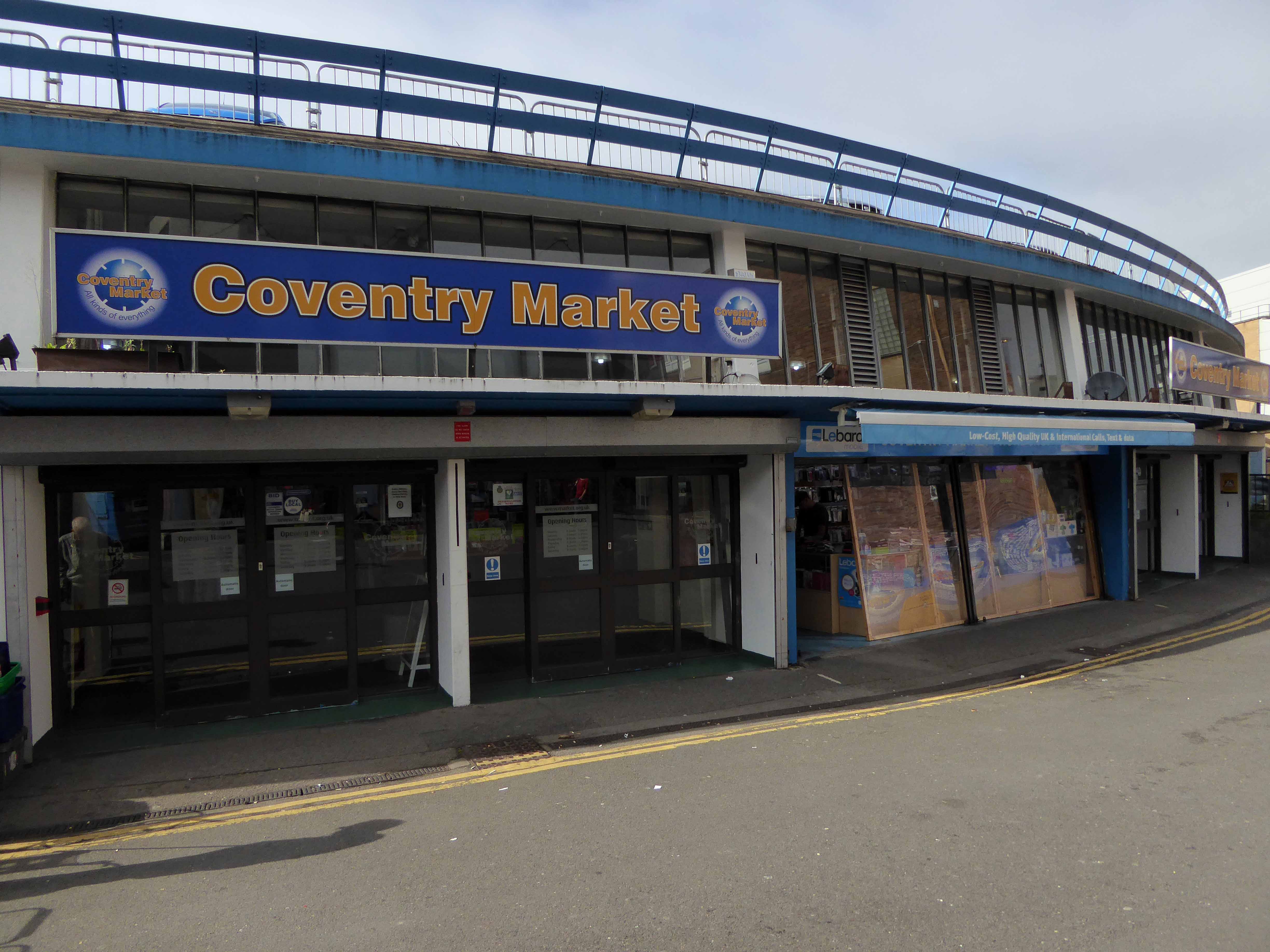
A market hall built in 1957 to designs by Douglas Beaton, Ralph Iredale and Ian Crawford of Coventry City Architect’s Department.
Various designs were considered, but eventually a circular design was chosen to encourage circulation and to offer a number of entrances. It was given a flat roof in order to create a car park (with a heated ramp to prevent icing, now no longer there), and was to become the central focus for a complex scheme of linked roof car parks in Coventry.
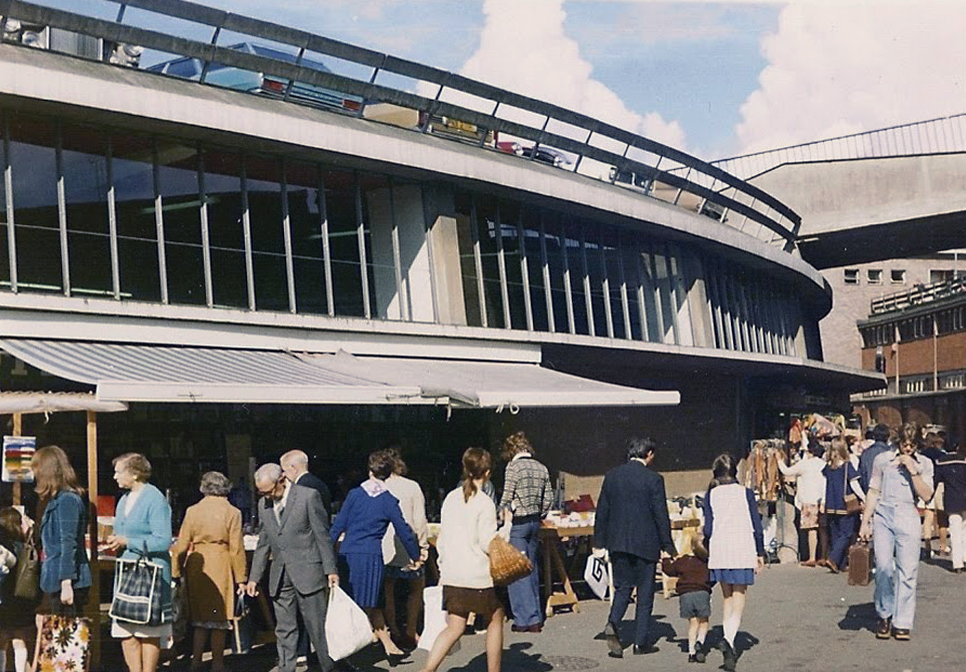
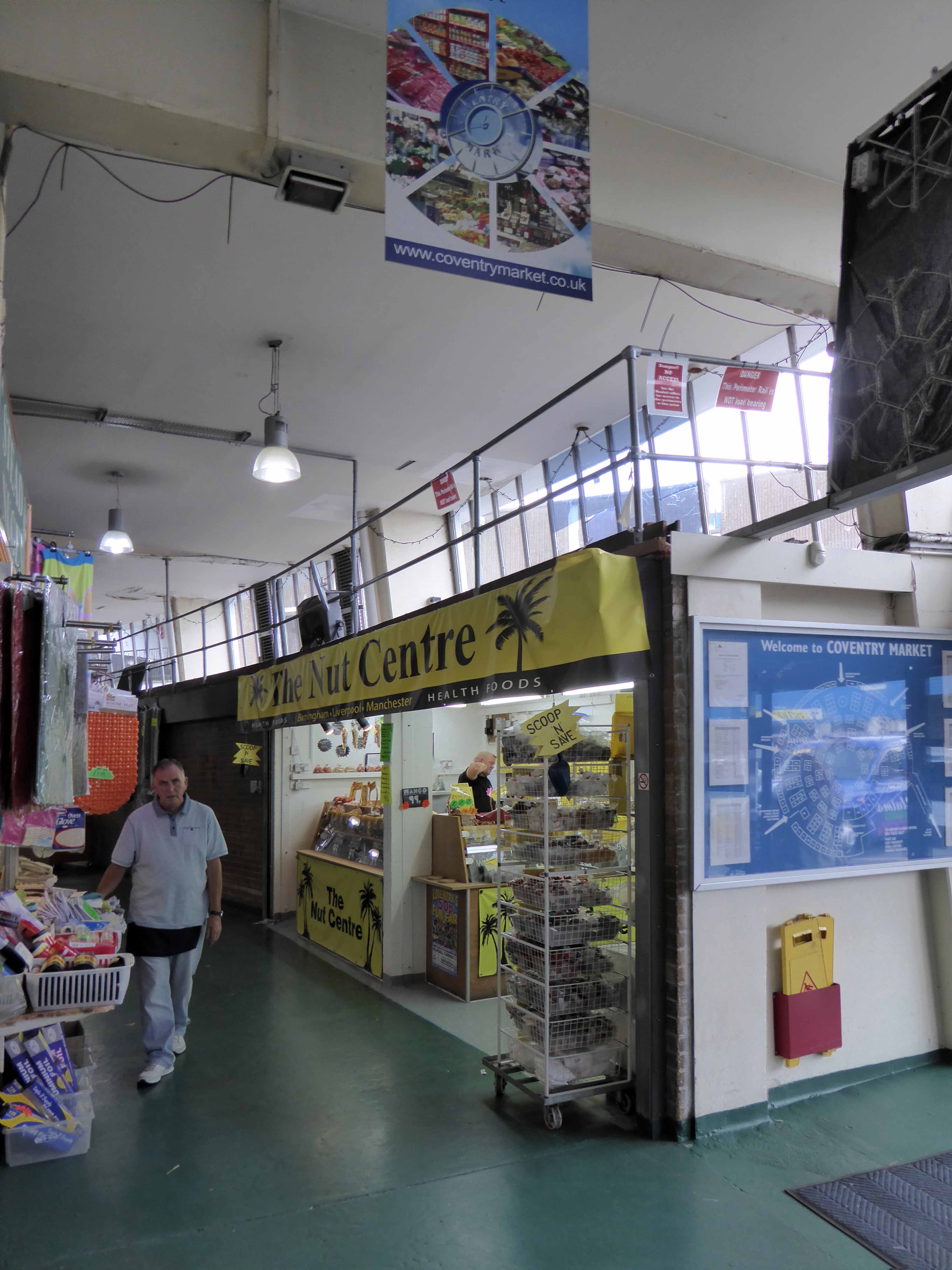
The market consists of a series of concrete arches joined by a ring beam, all left exposed, with brick infilling and a concrete roof, laid out as a car park, with a central circular roof light. It has a circular plan, just over 84m in diameter and 4 ½ m high, is laid out with 160 island stalls, arranged in groups of two or four units in concentric rings, with 40 `shop stalls’ set into the perimeter wall.
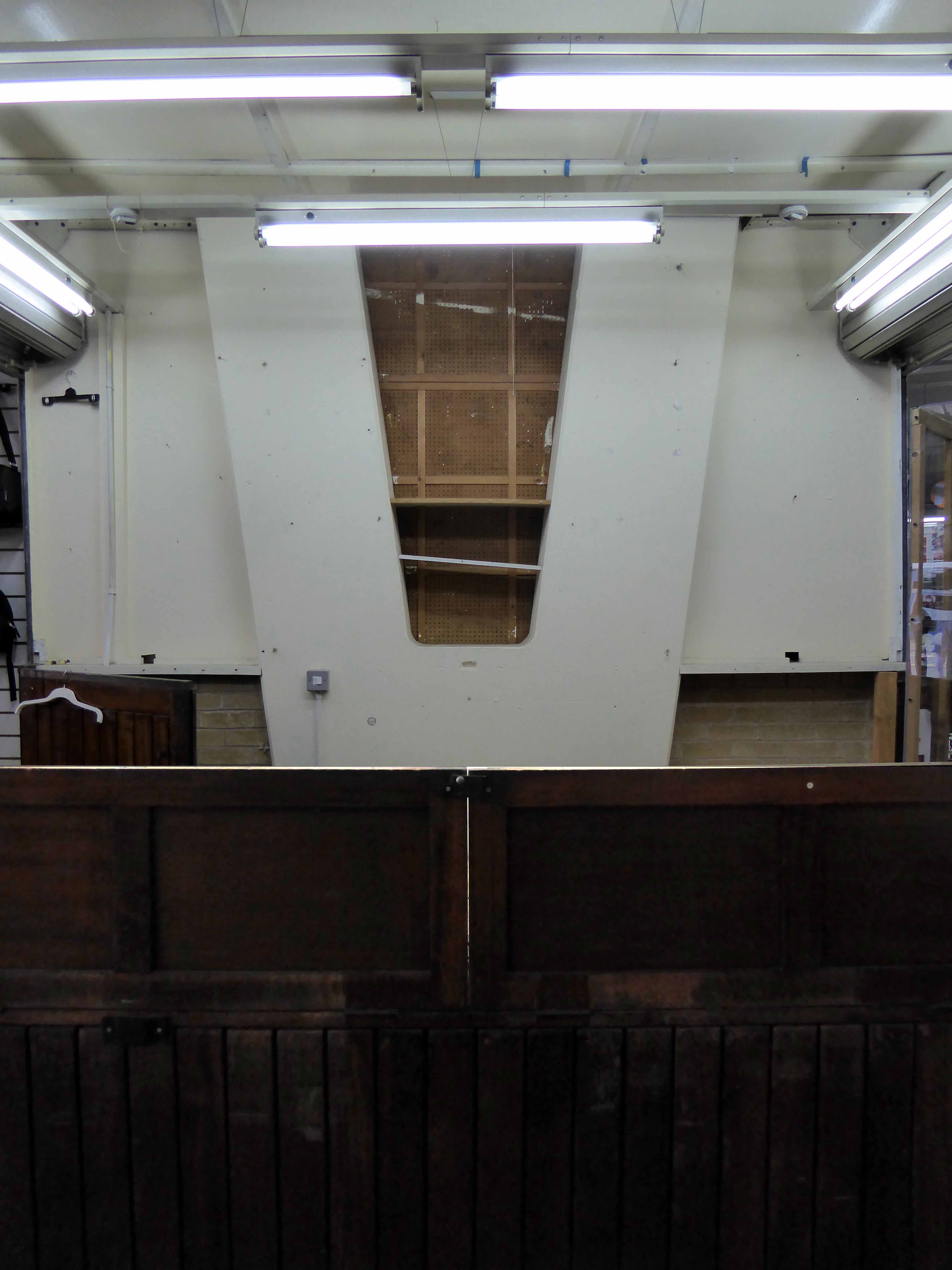
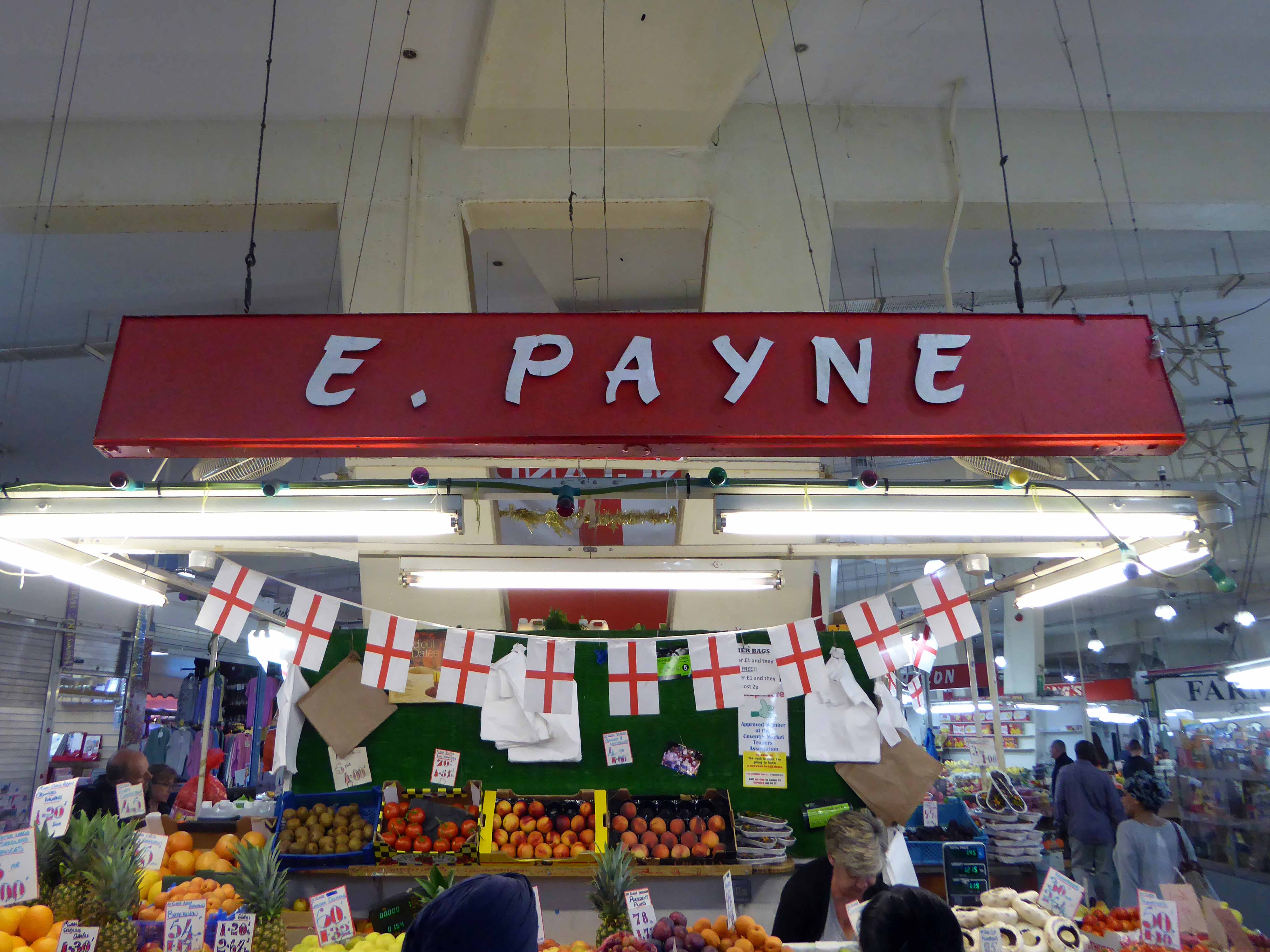
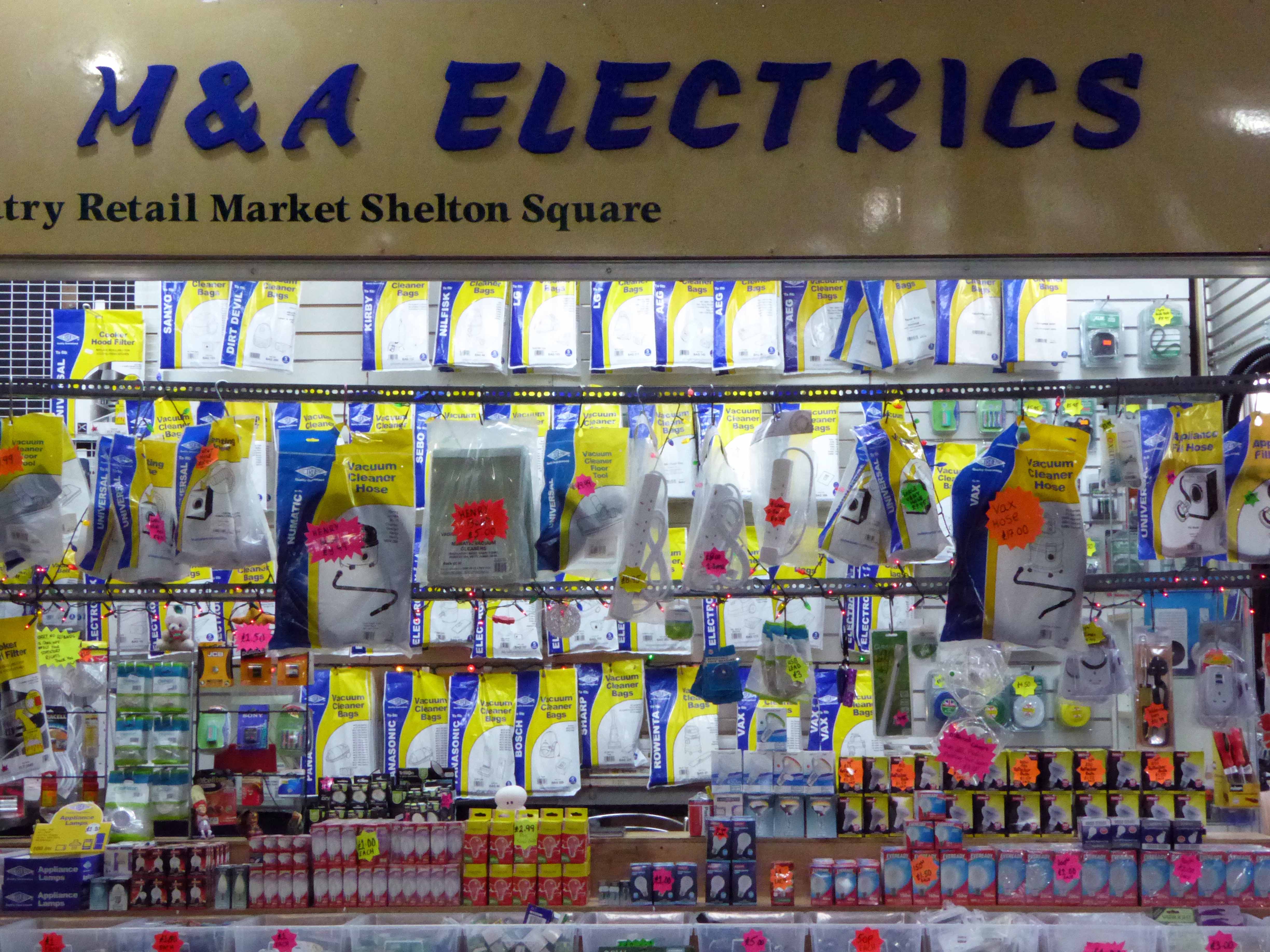
Inside, the circular space is characterised by the tall V-shaped concrete `columns’ that hold the roof. Some of the original shop and stall signs have survived. Natural light enters via the clerestory windows along the top perimeter of the building and through the clerestory lighting and oculi in the central dome. The space under this dome, designed as an area for shoppers to rest, is lined with seats and has a terrazzo mosaic floor designed by David Embling, with a central sun motif, a gift from the Coventry Branch of the Association of Building Technicians.
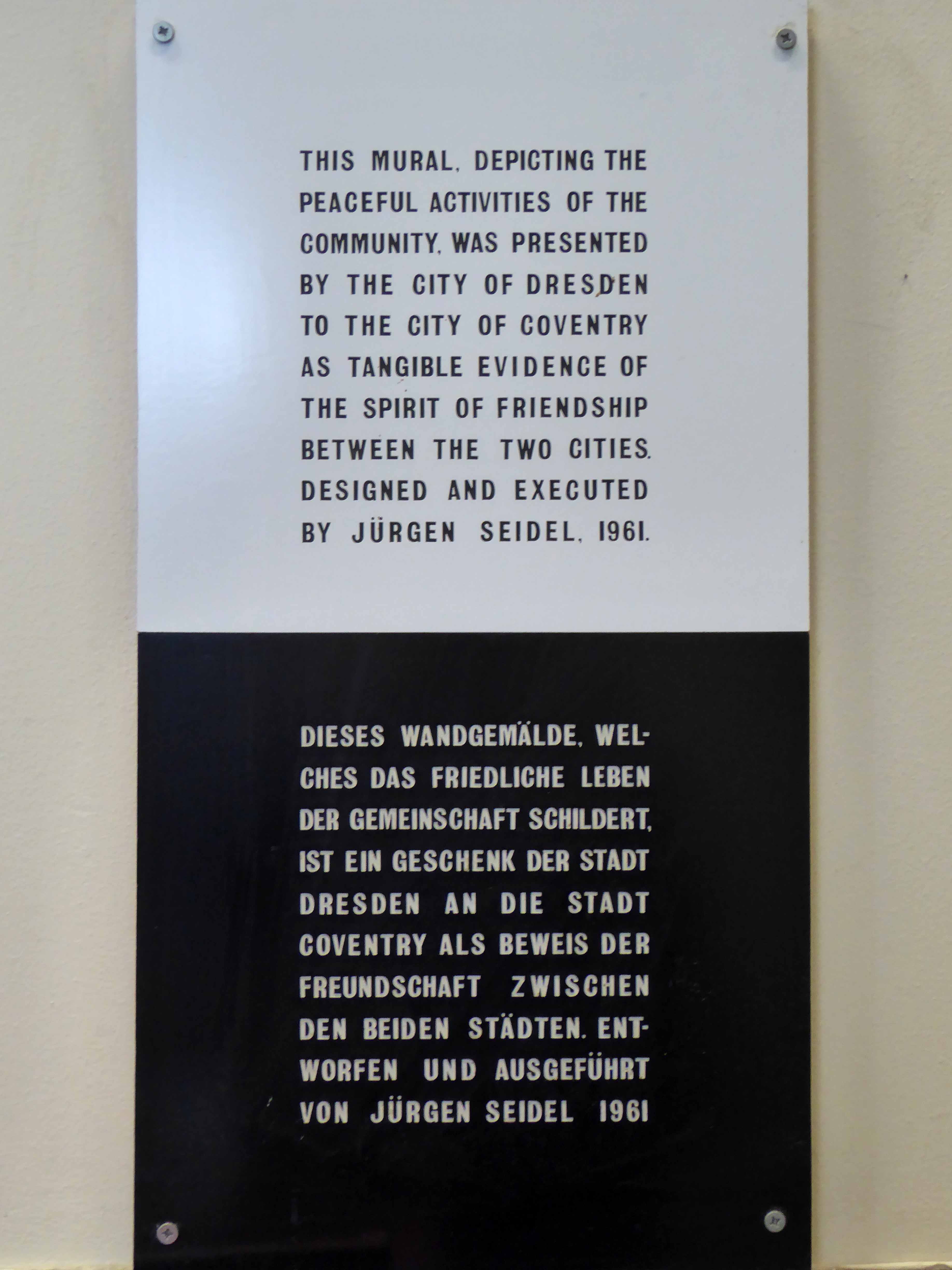
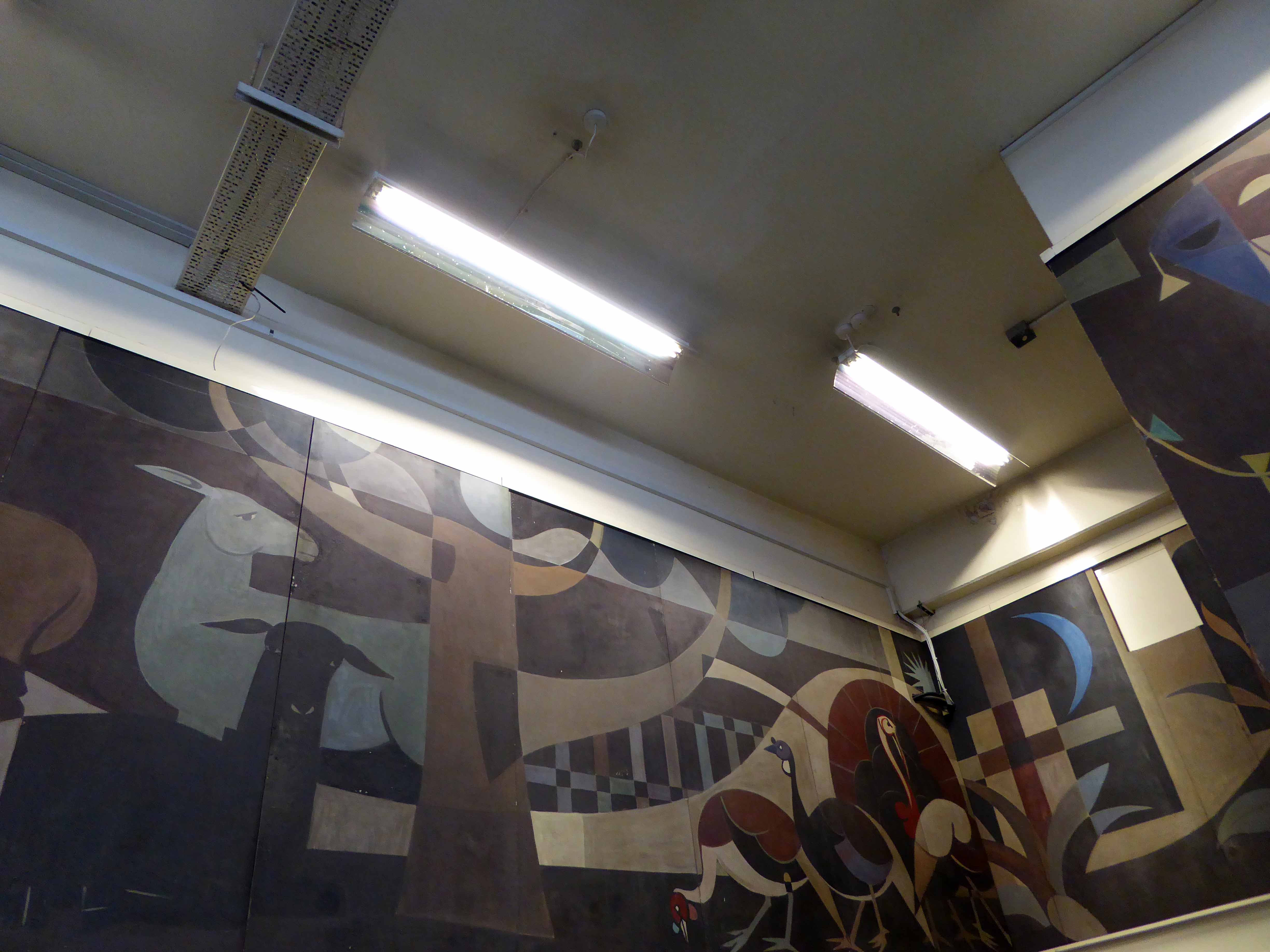
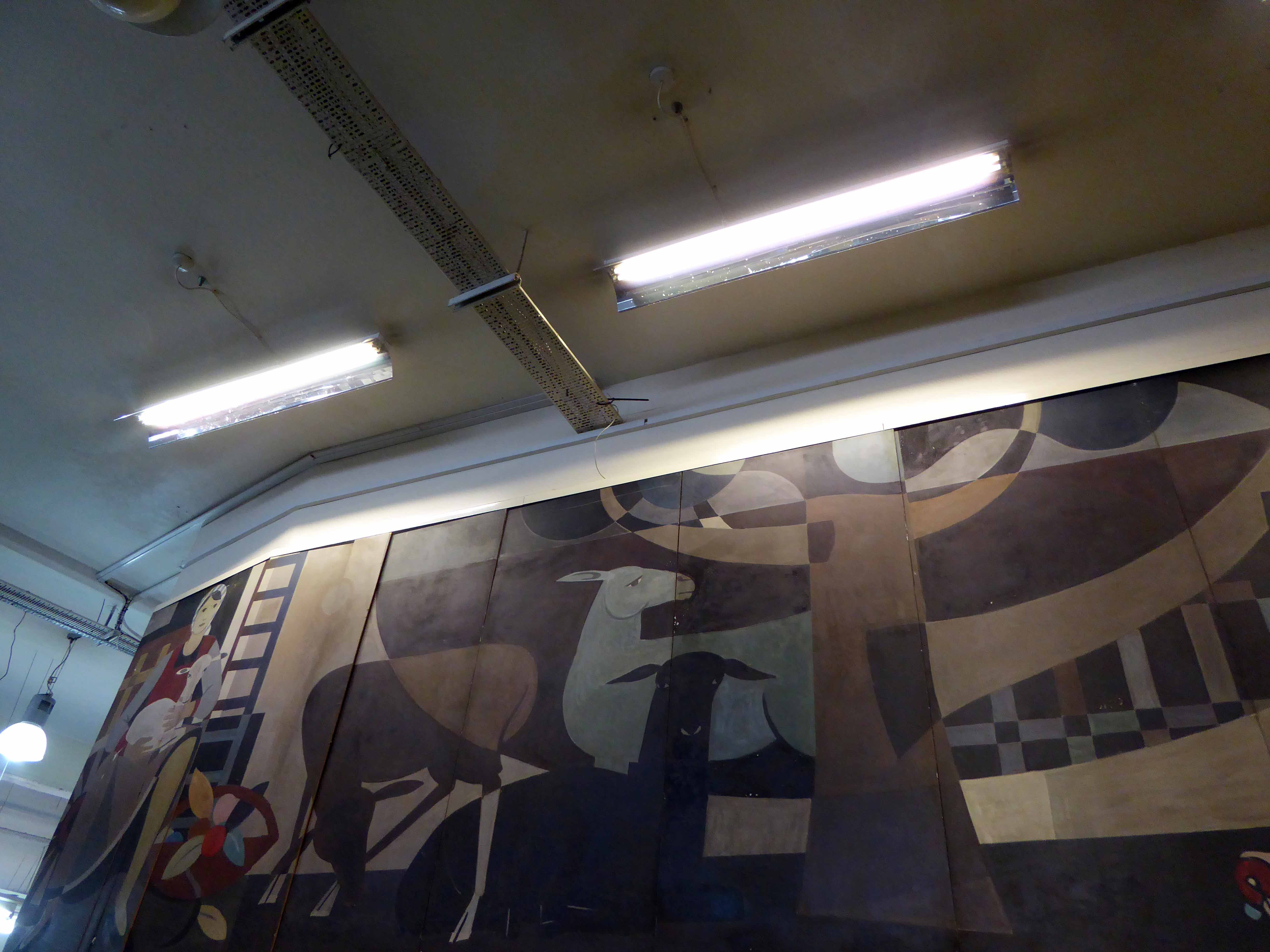
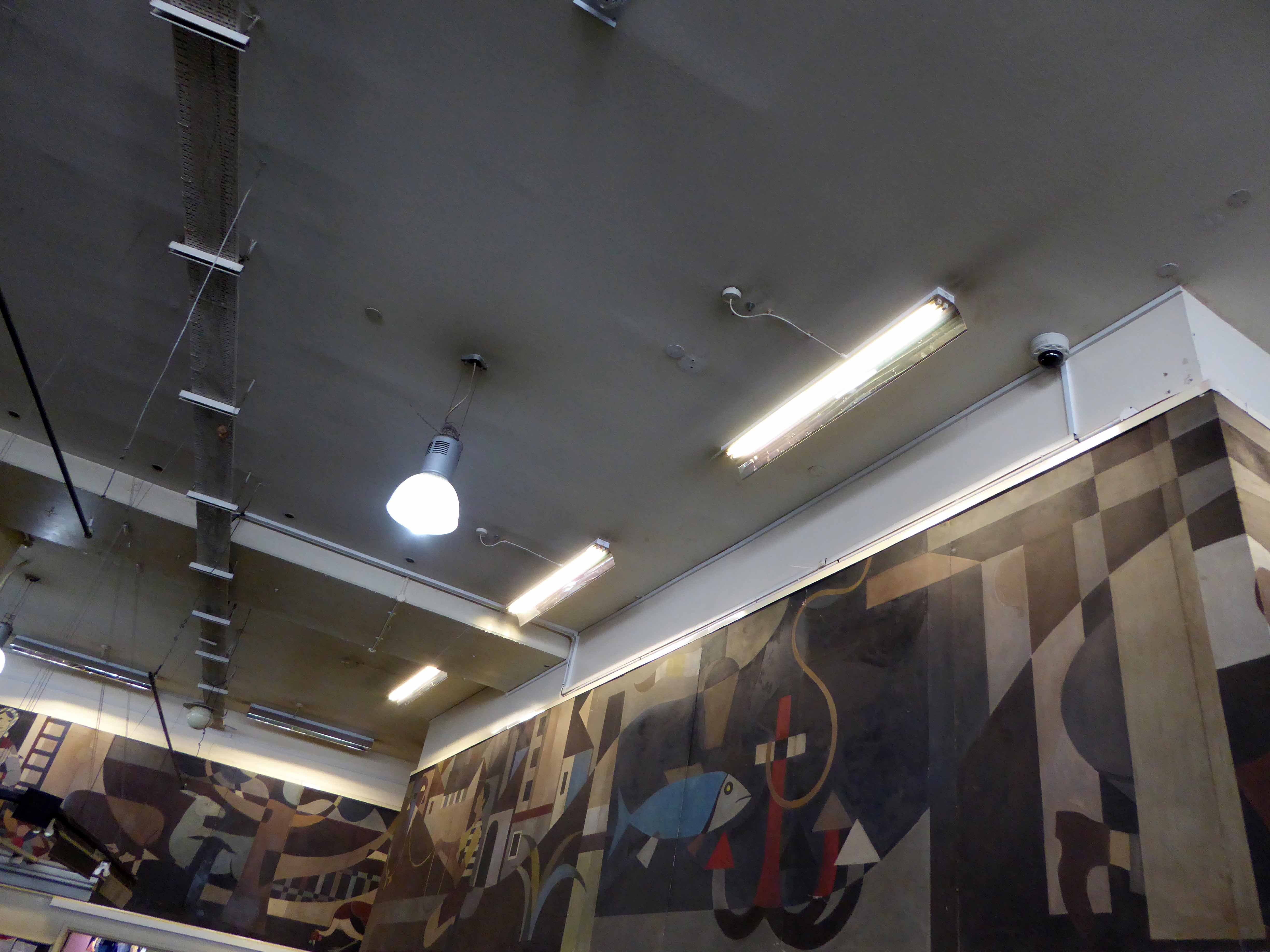
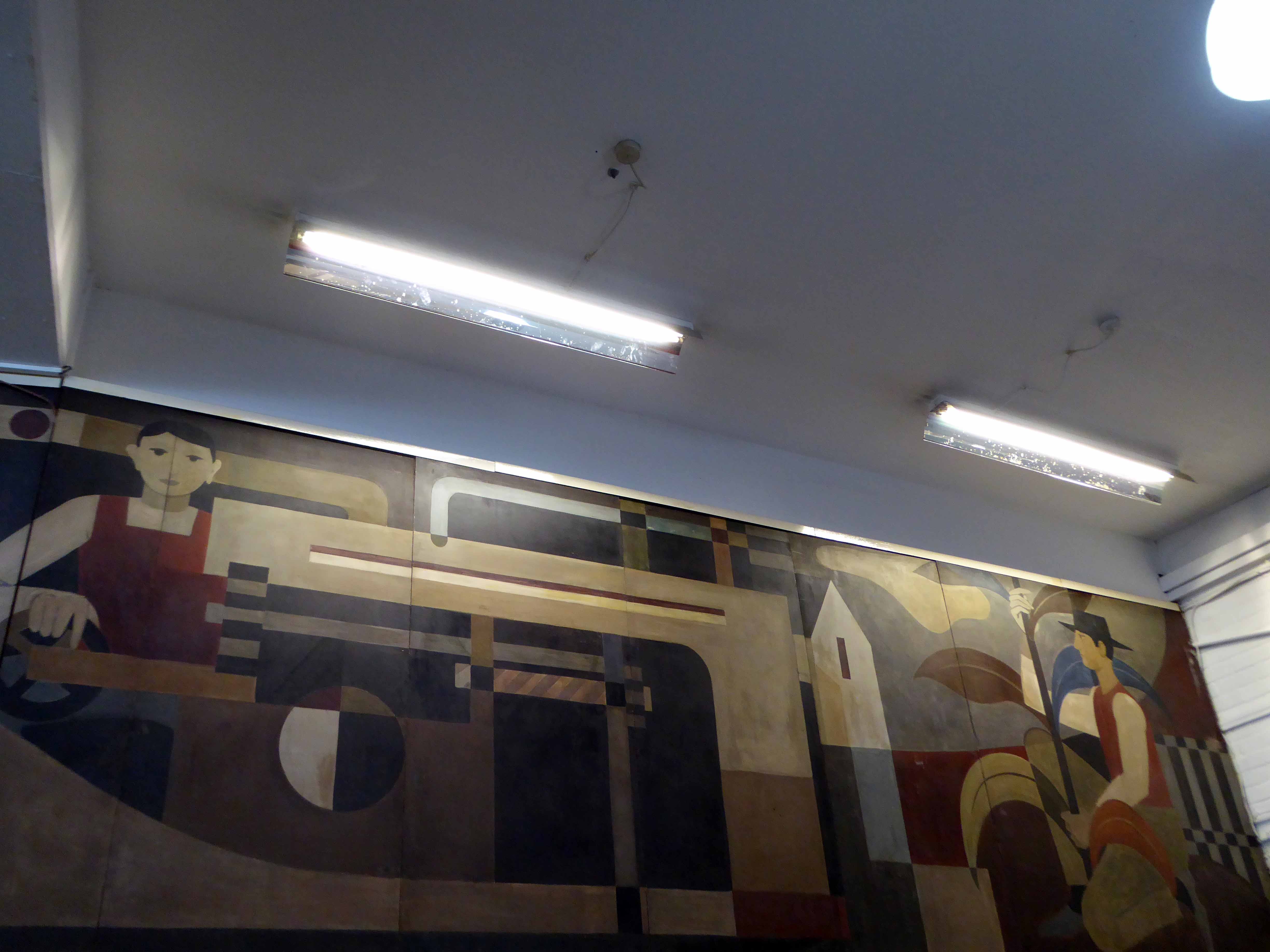
Above the current market office is an impressive painted mural by art students from Dresden commissioned especially for the market in the 1950s in a Socialist Realist manner, depicting farming and industrial scenes.
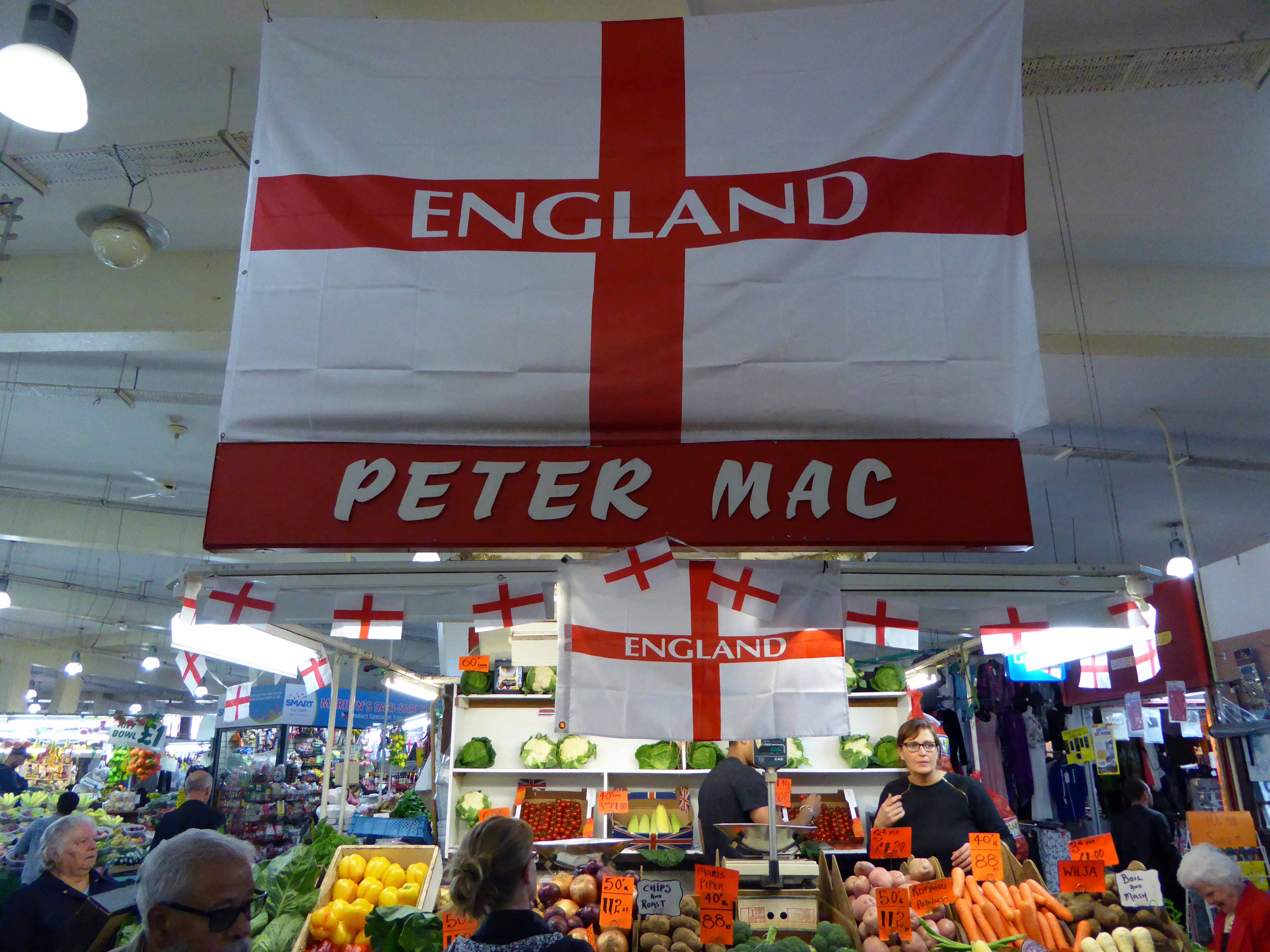
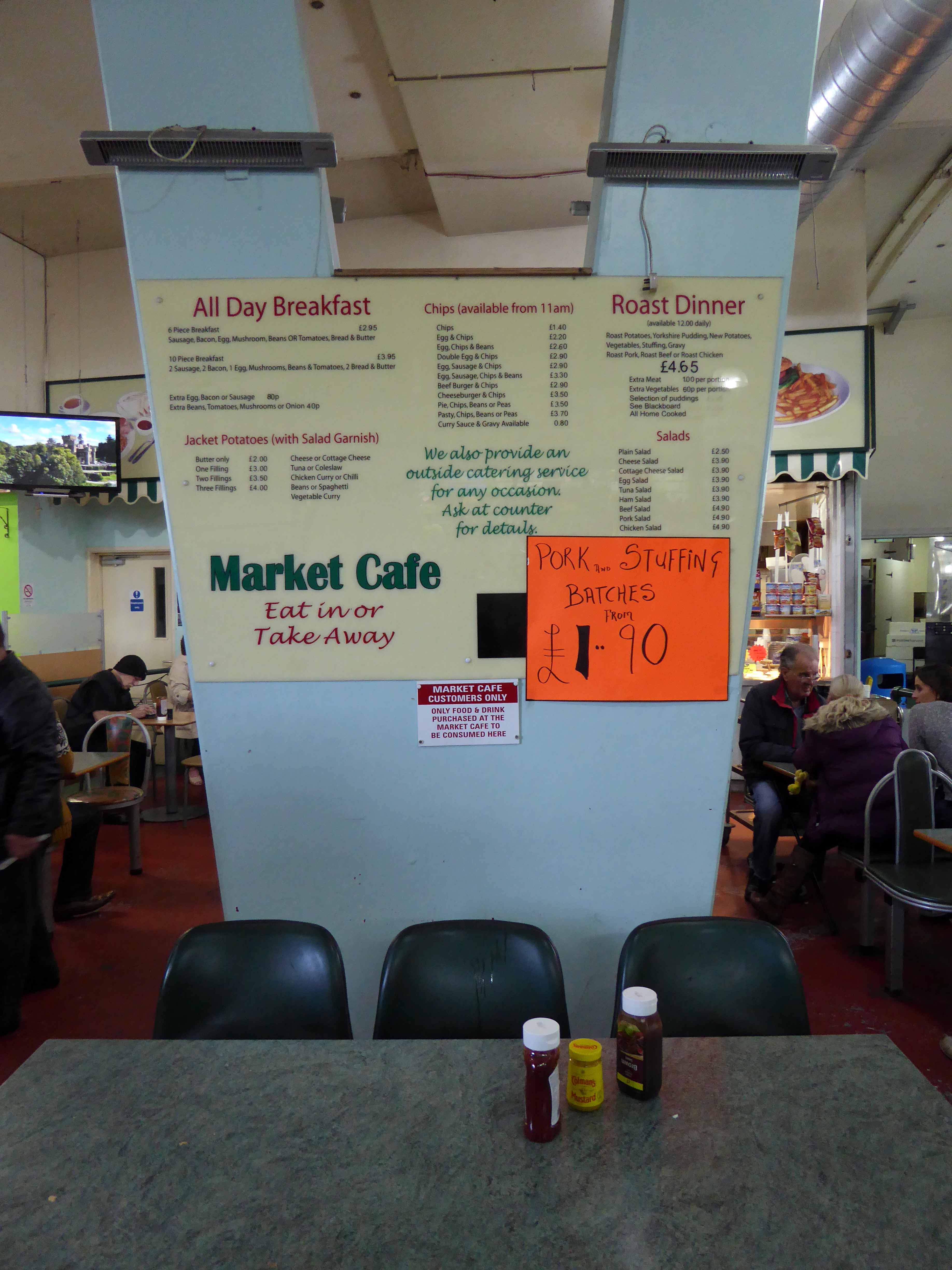
I visited the market on a busy bustling day and was made to feel more than welcome, a wide range of heavily laden stalls was trading briskly. The Market Office kindly gave me a copy of the book Coventry Market in a Roundabout Way.
It’s a splendid structure, now listed, that functions six days a week.
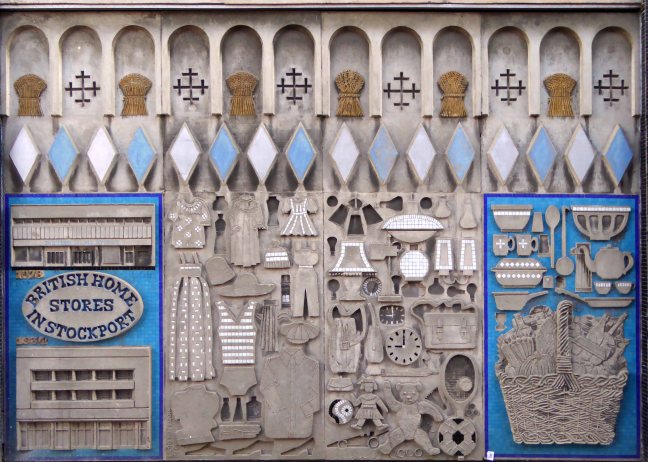
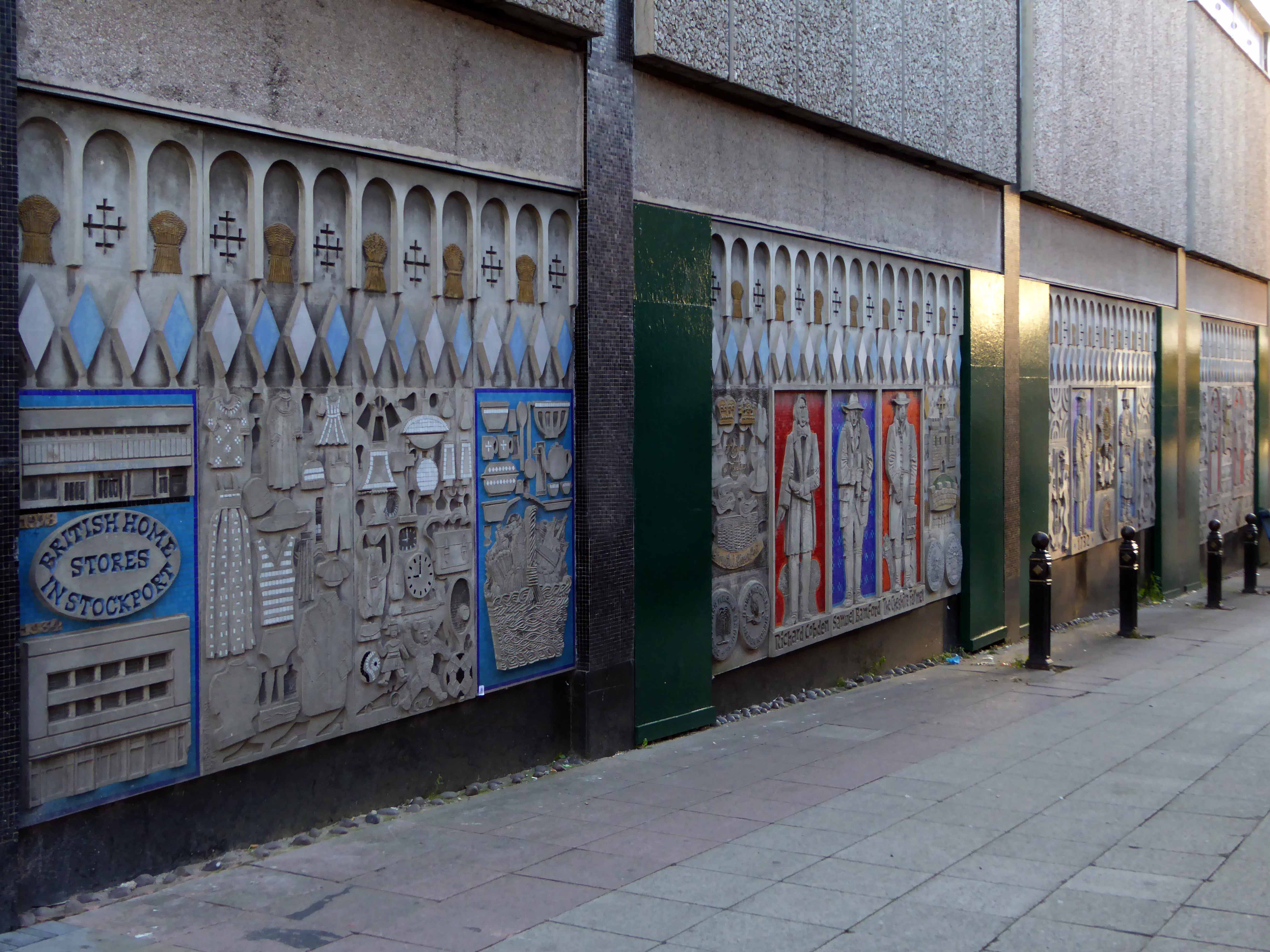
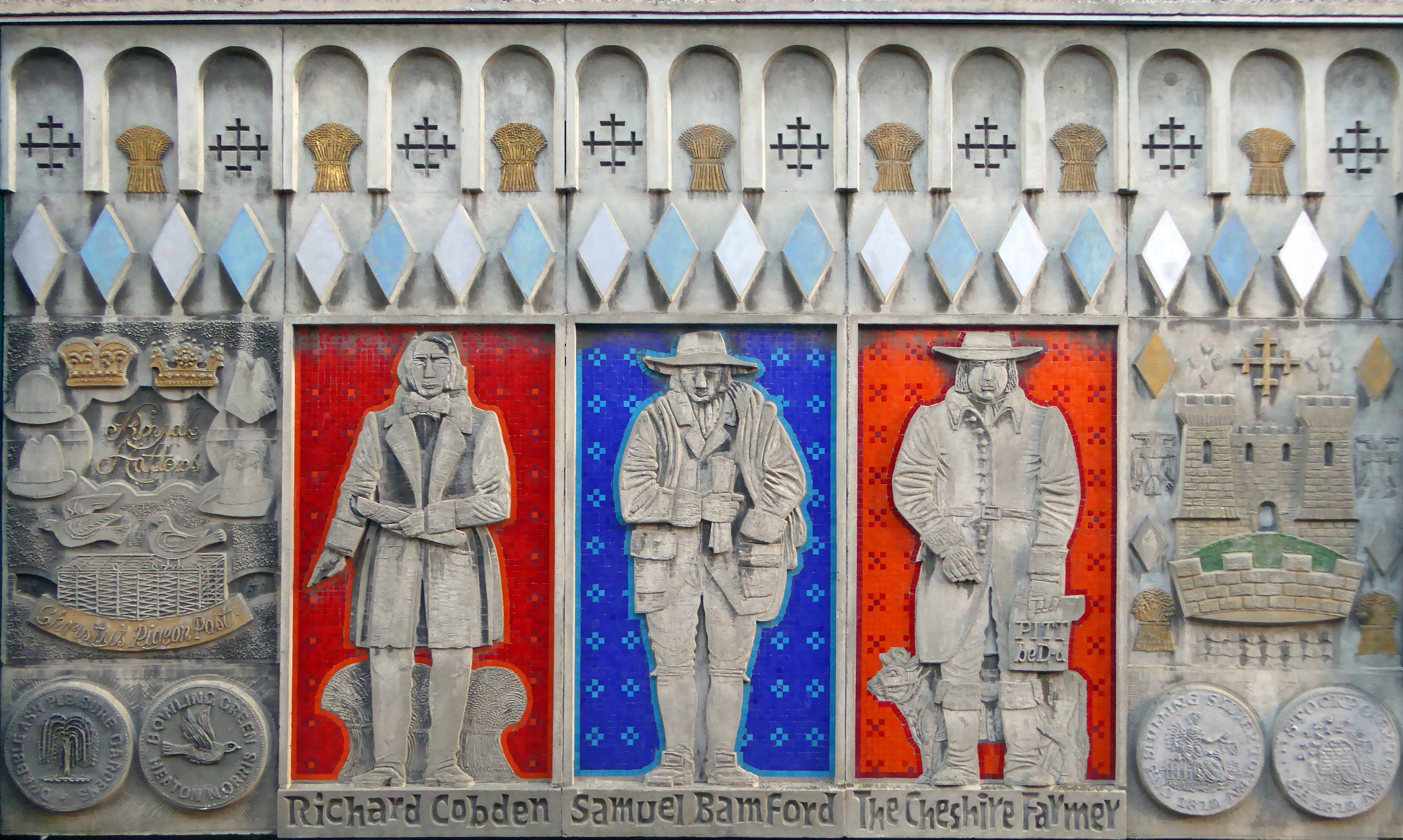
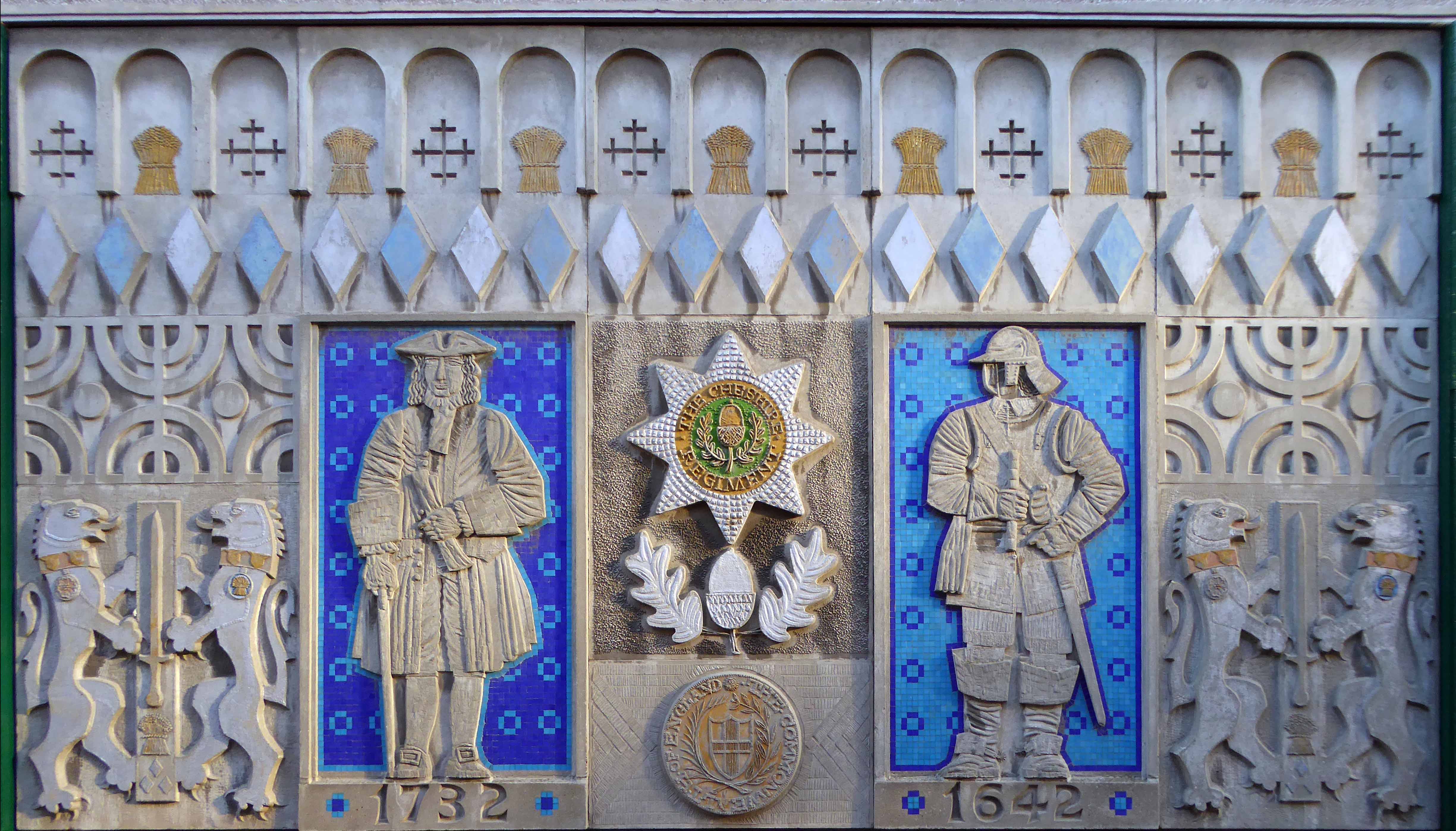
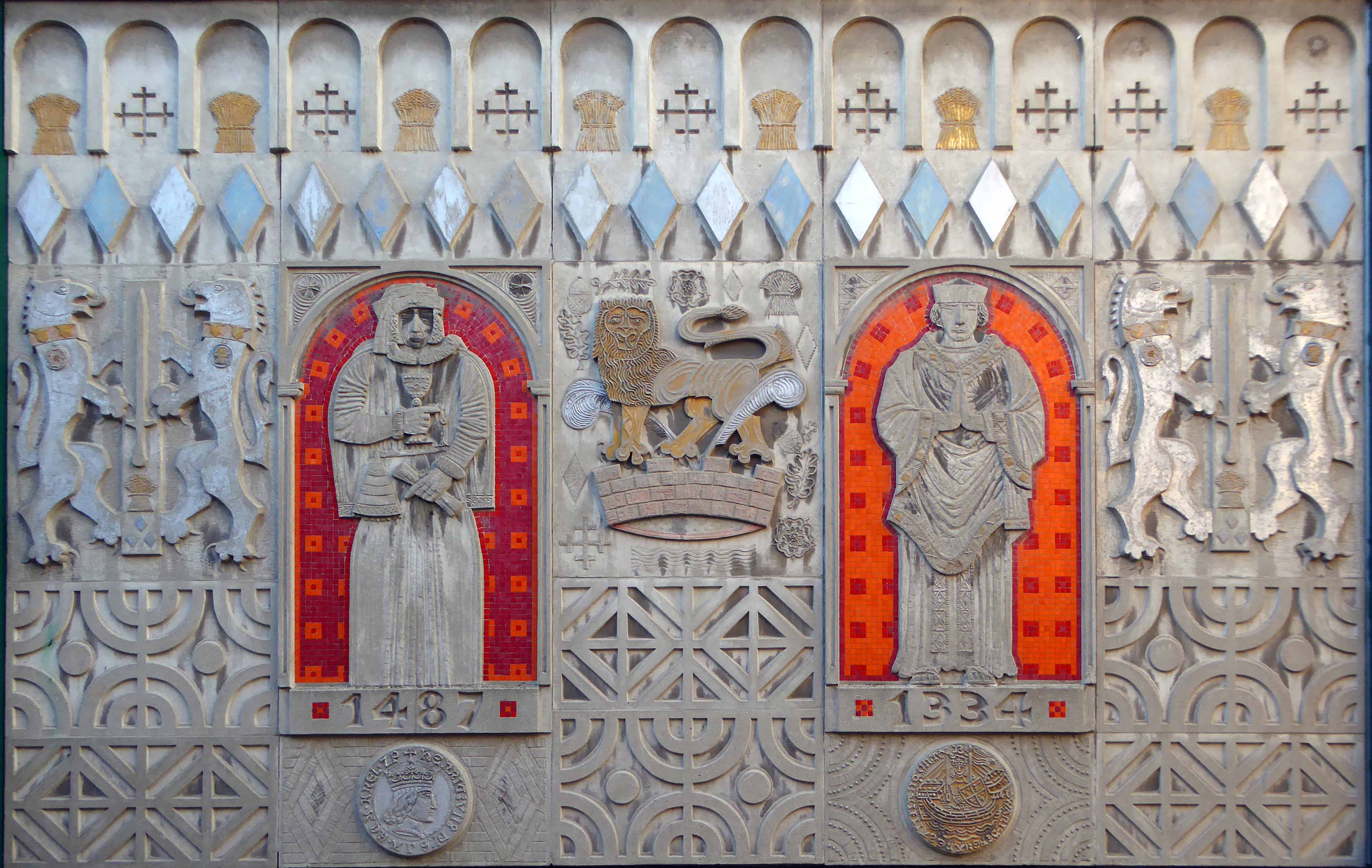
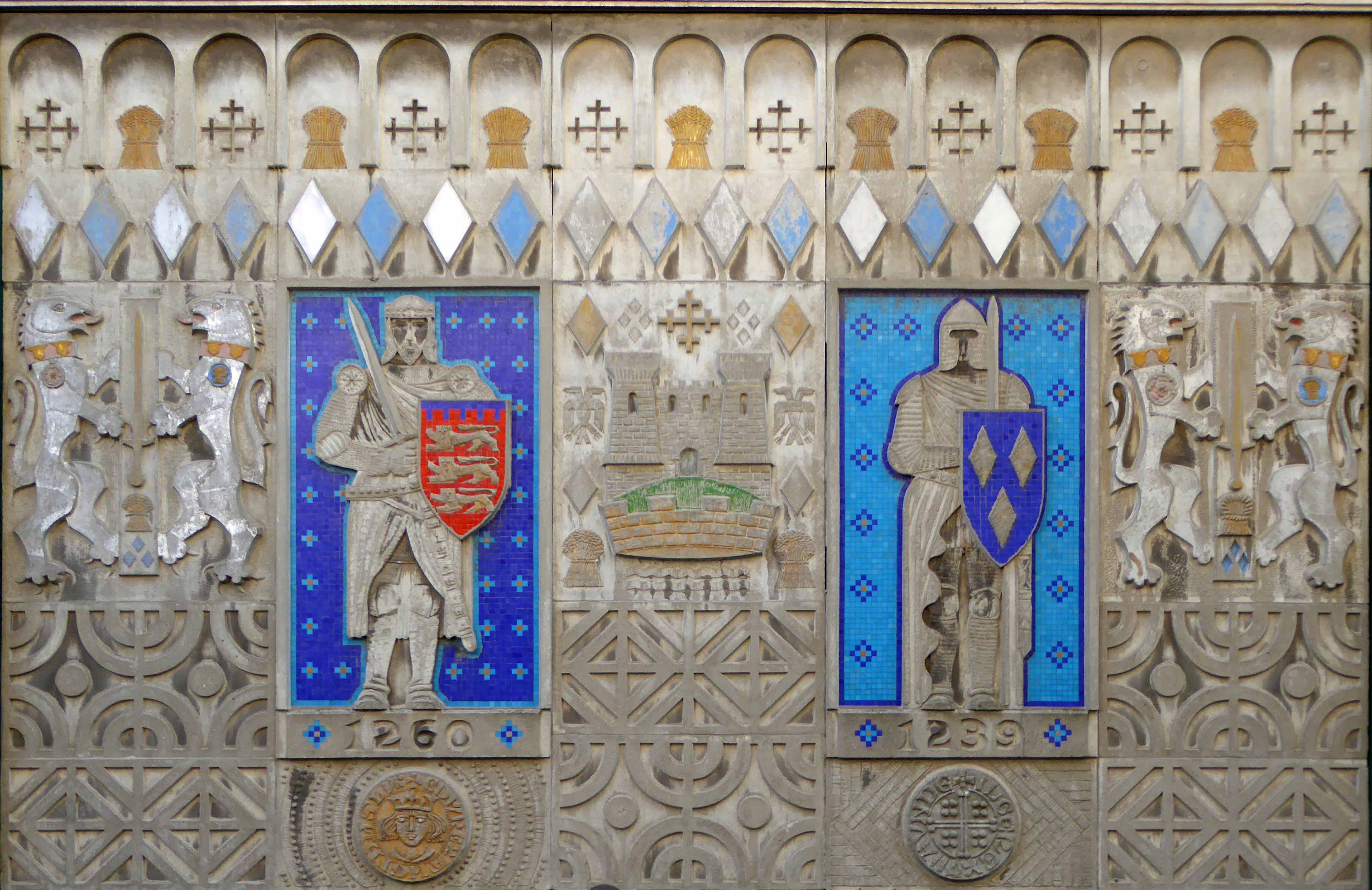
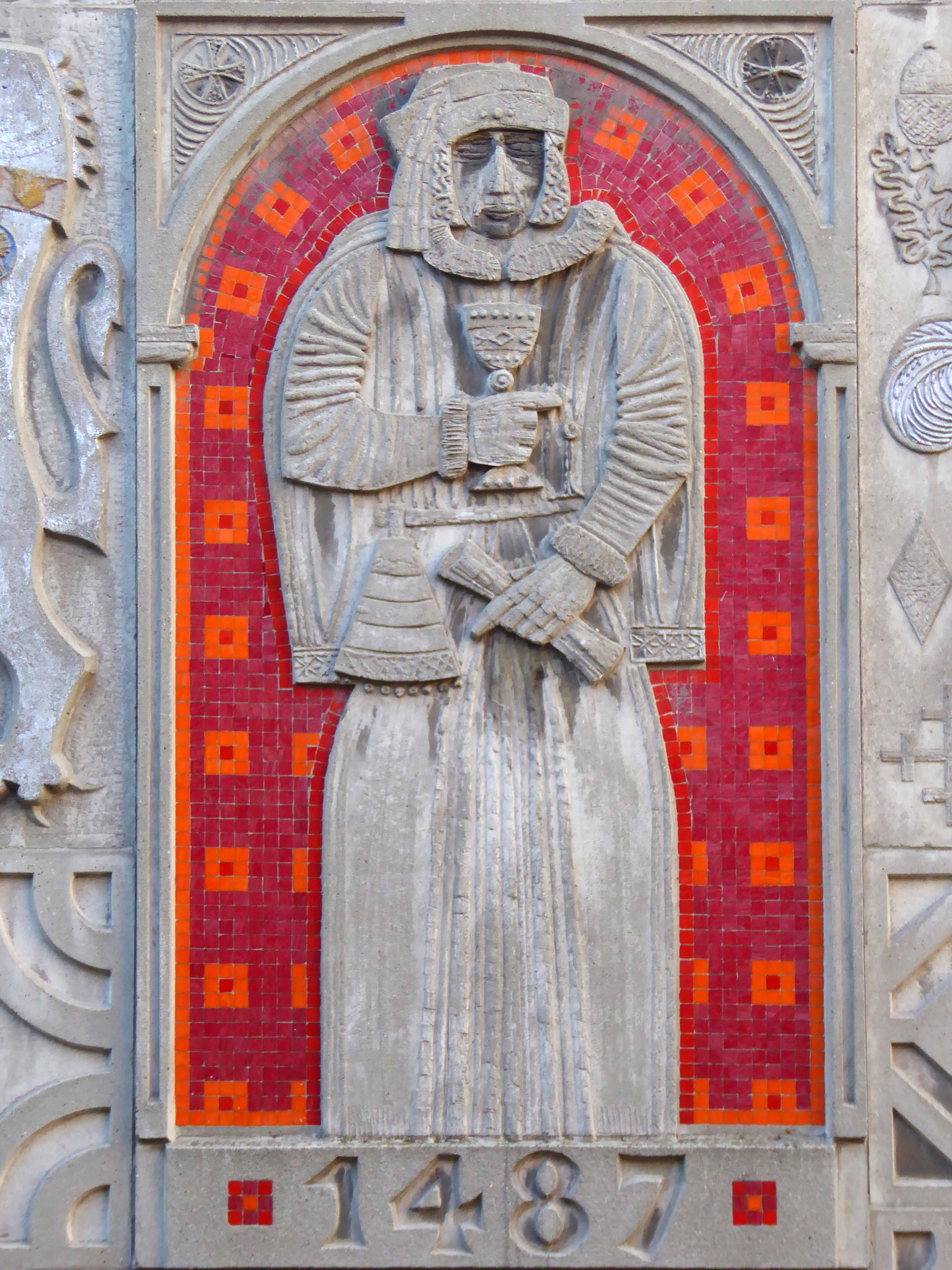
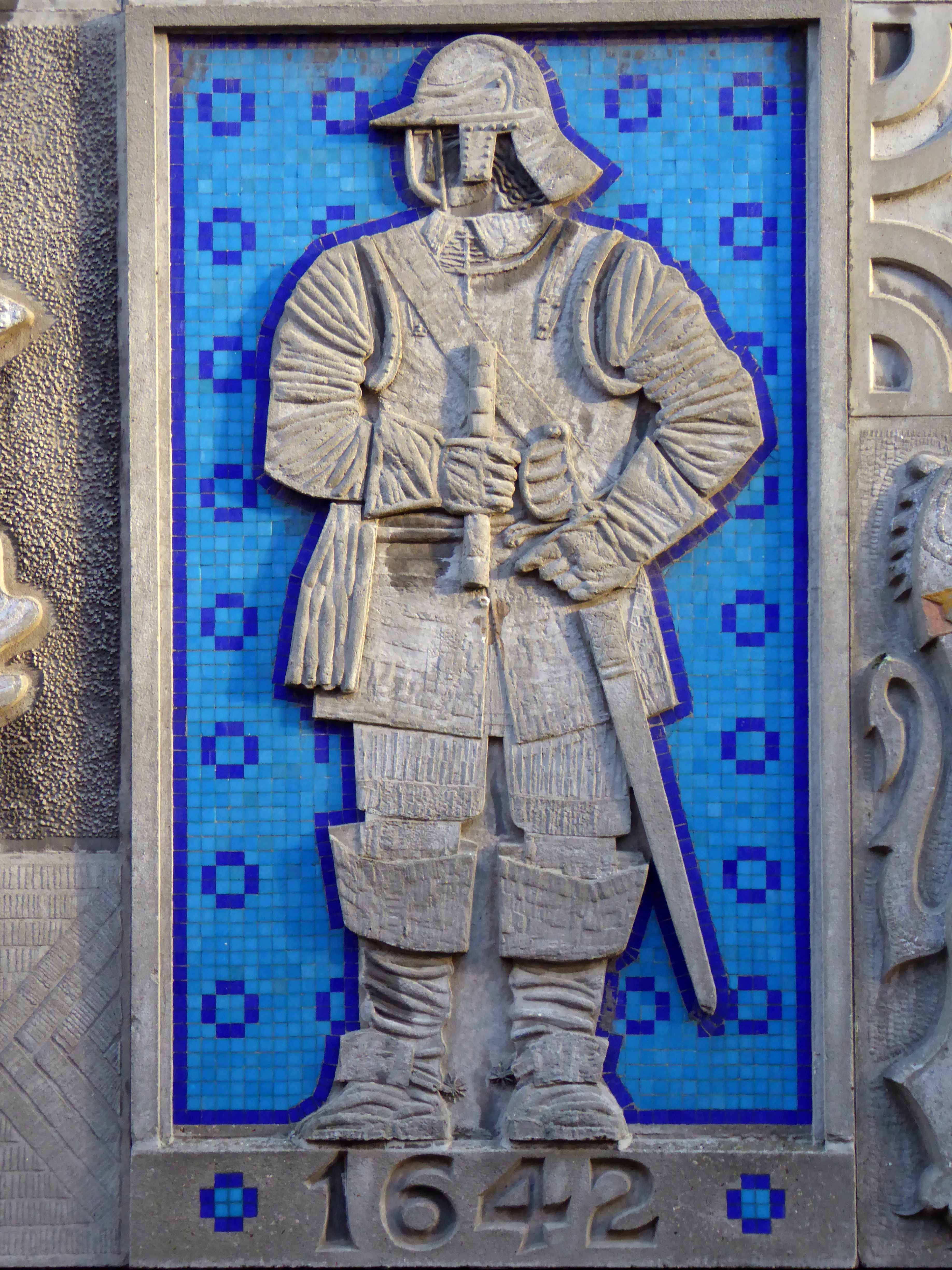
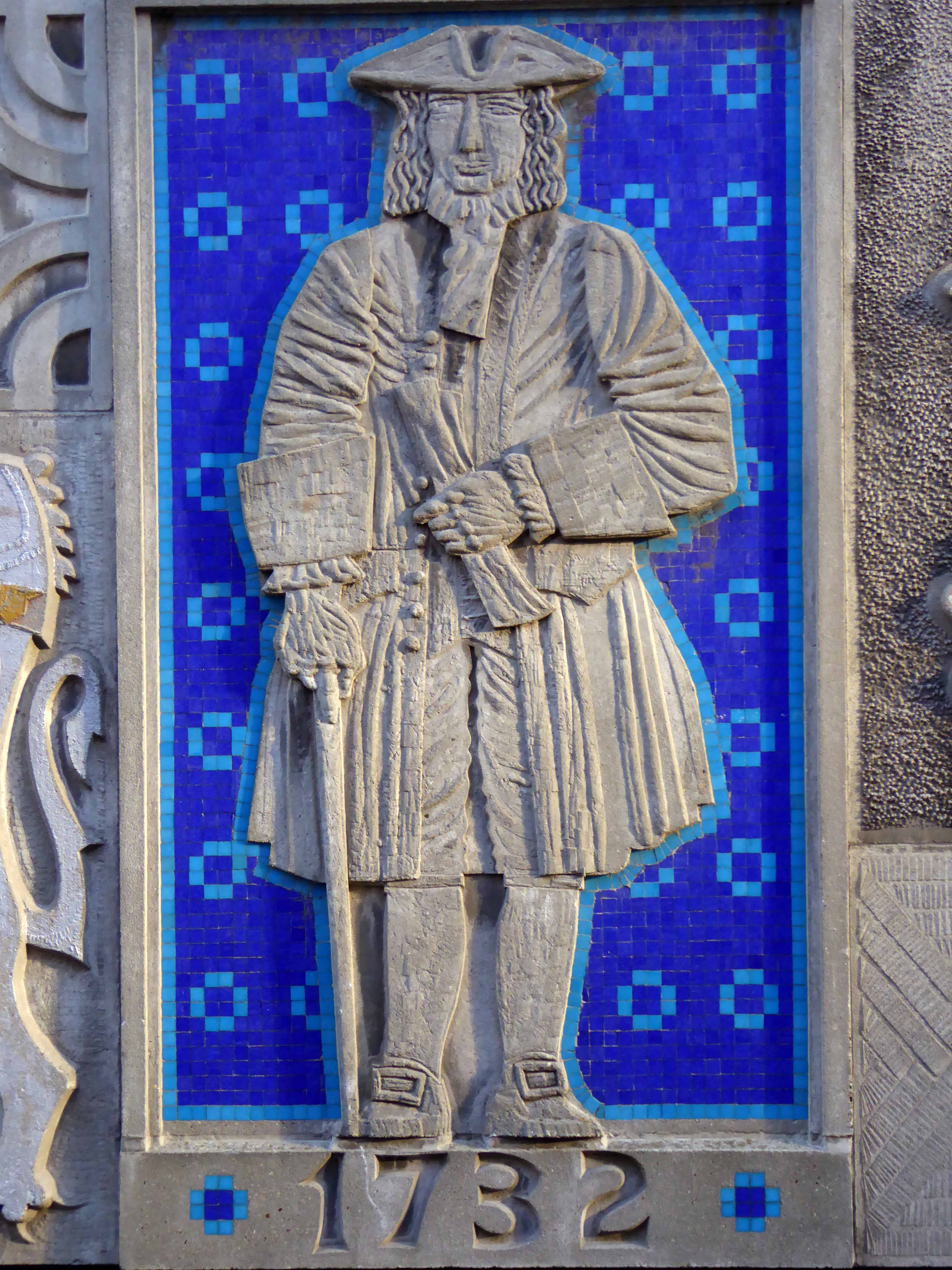
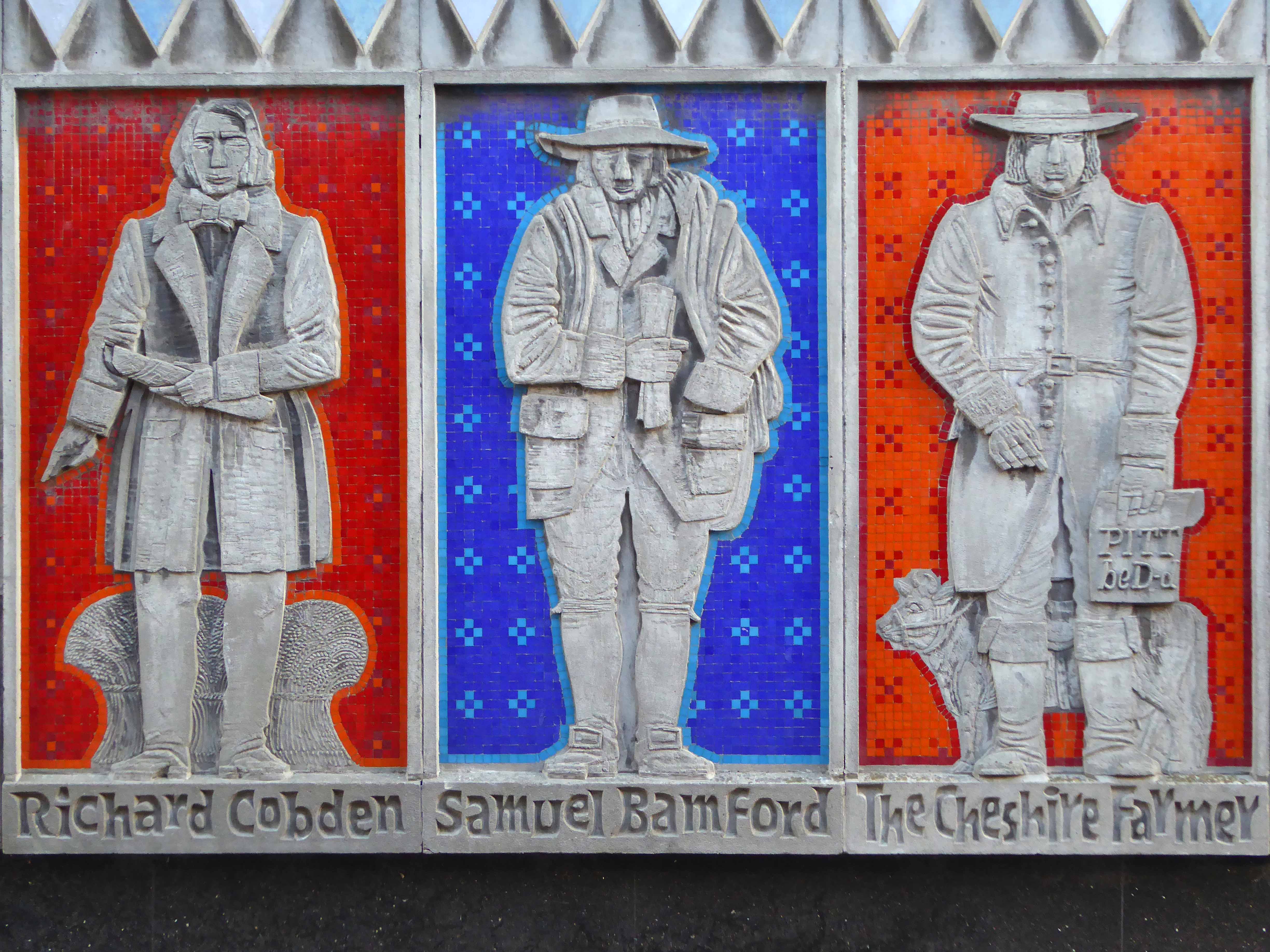
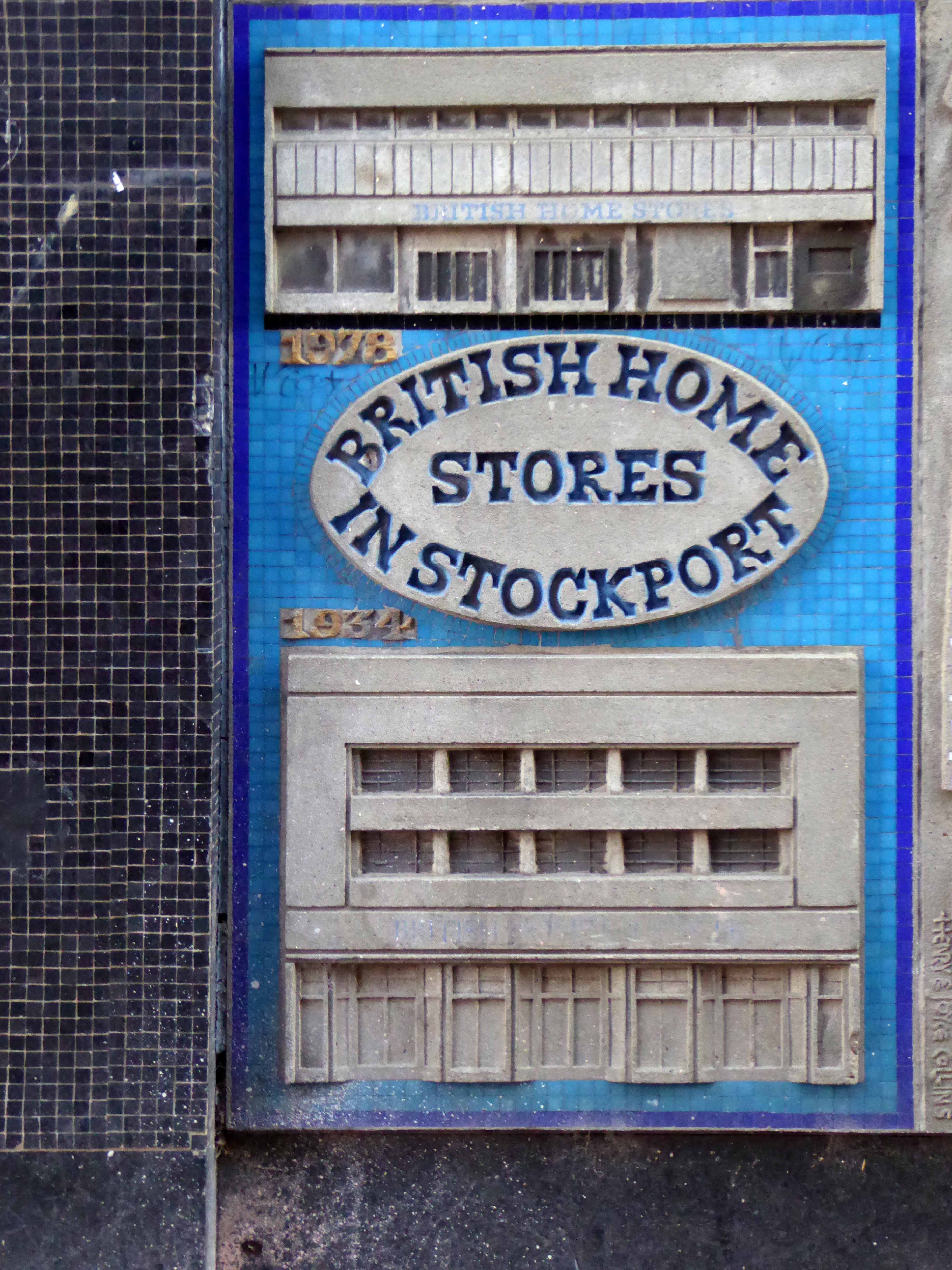
At the side of the BHS store in Merseyway are five concrete panels depicting local people, events and symbols. Commissioned by BHS in 1978 – To fill space on the blank wall at the side of the shop.
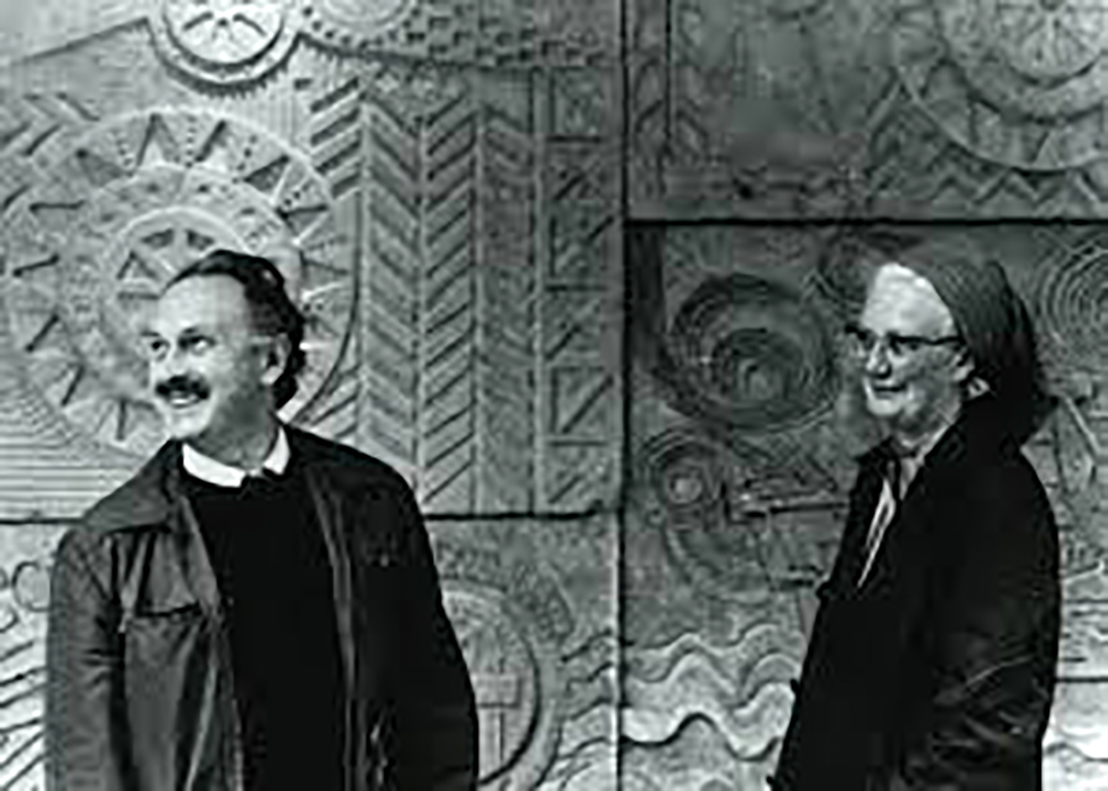
They are the work of Joyce Pallot 1912-2004 and Henry Collins, 1910-1994 – two artist/designers, who along with John Nash, established the Colchester Art Society, during the 1930s.
Their work was featured in the Festival of Britain, GPO Tower and Expo 70, along with other retail outlets in Southampton, Newcastle, Gloucester, Bexhill and Colchester.
Festival of Britain – their mural is to the left of the pavilion
The Murals, BHS Stockport and Merseyway have an uncertain future, SHMBC applied for listing, this was refused. On the other sites illustrated, restoration and preservation has been undertaken.
I do hope that these works of national and international importance are not placed under threat. We have already lost too much post-war public art – we all deserve better.























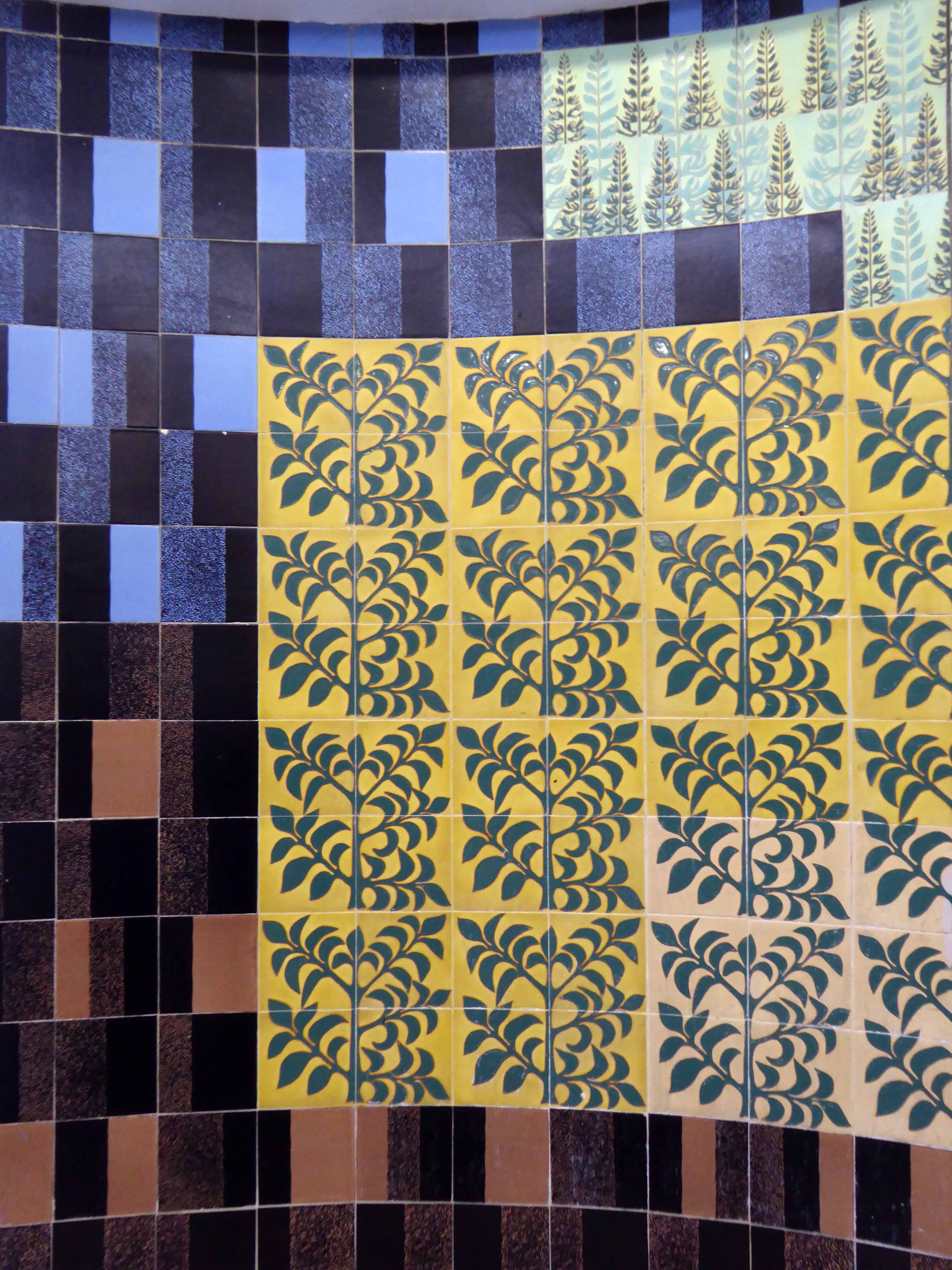
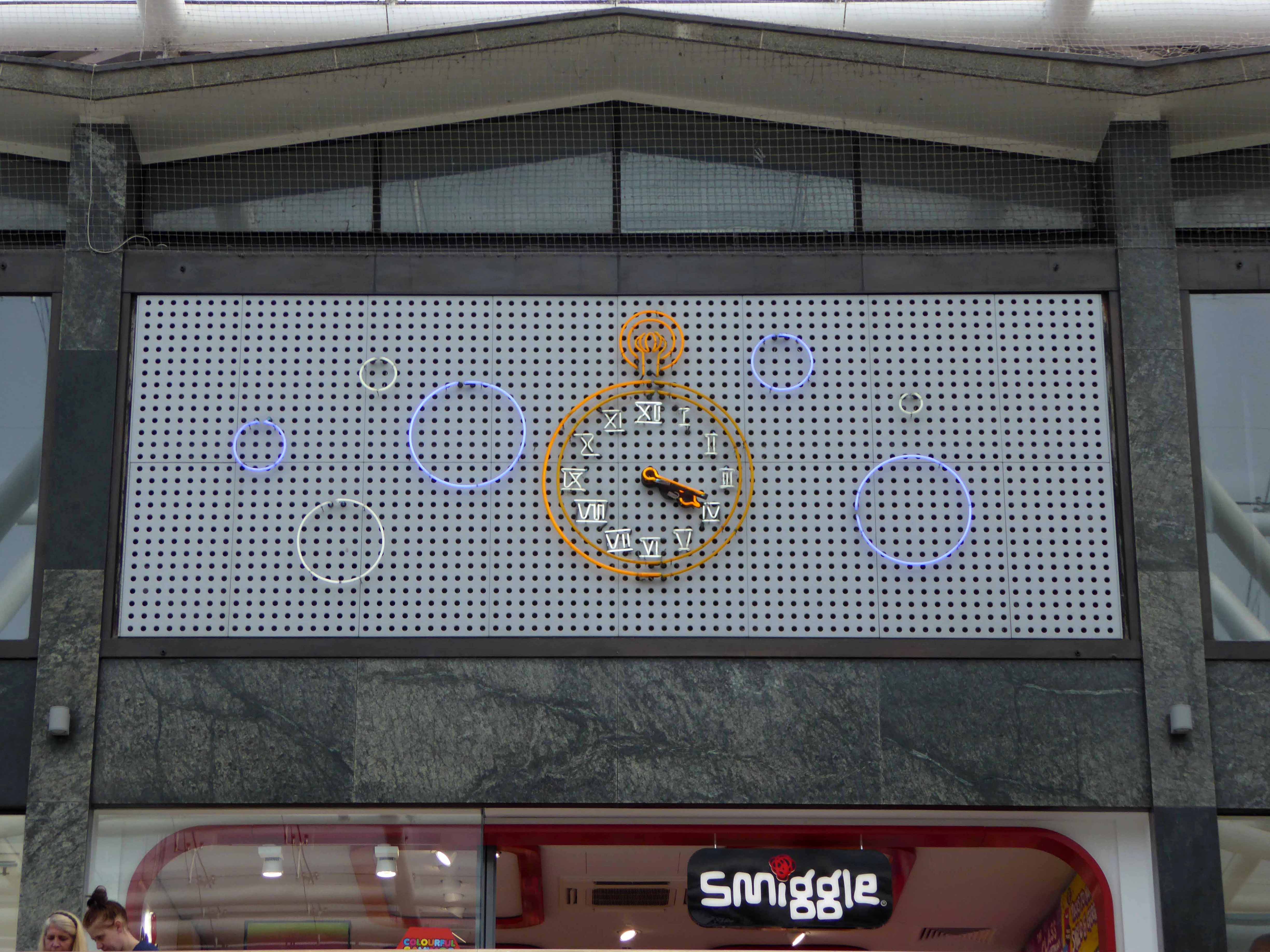
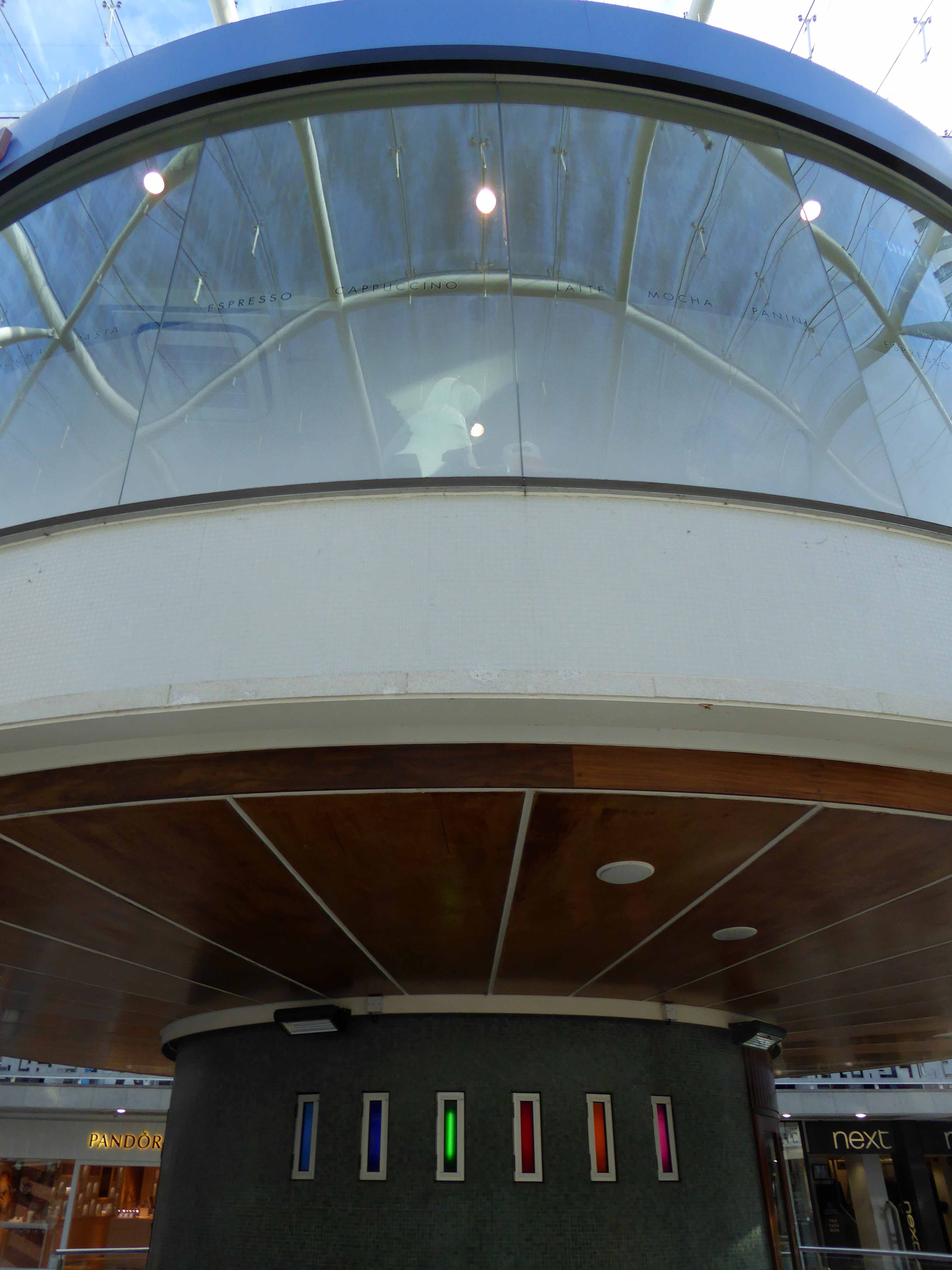
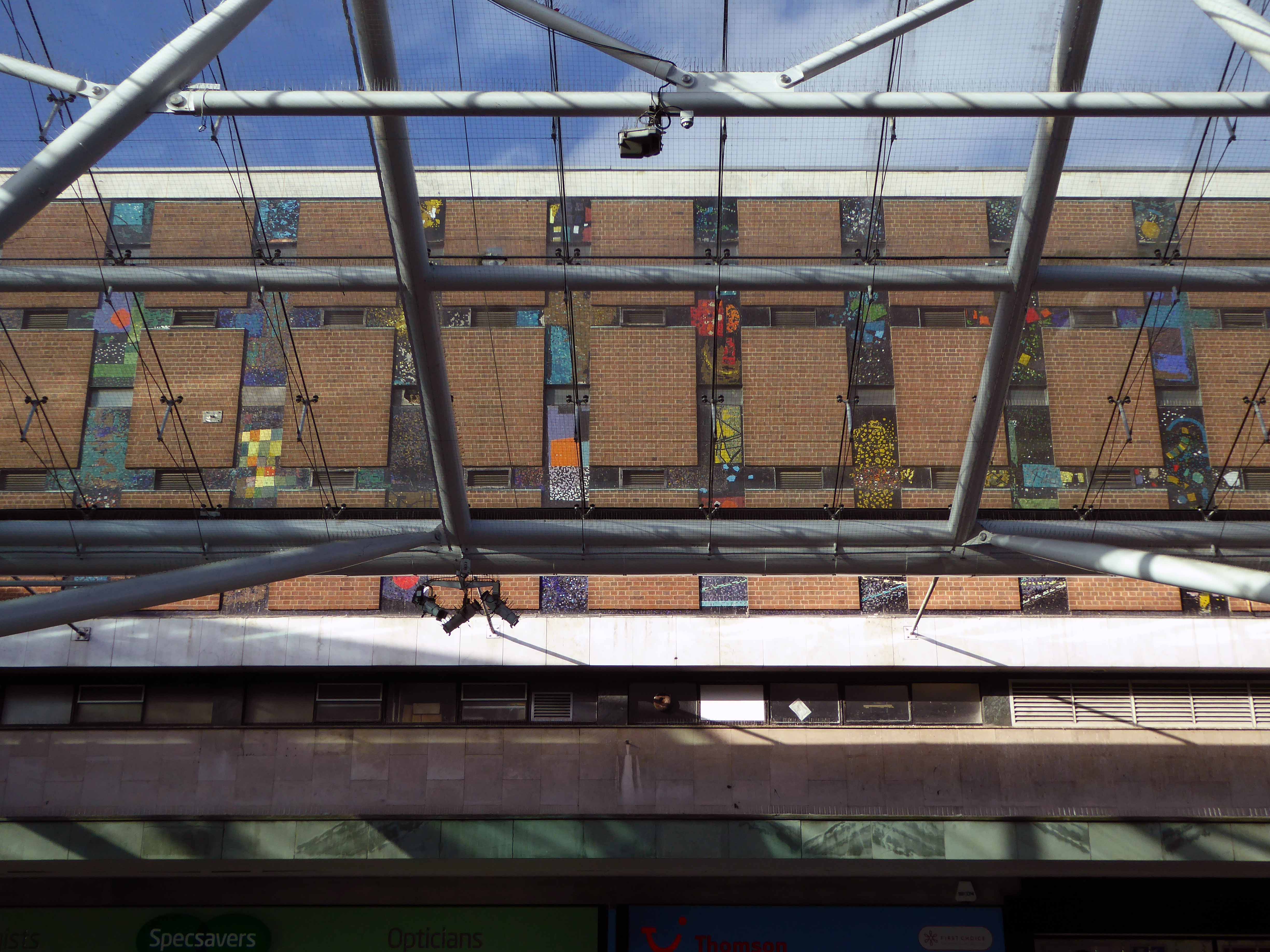

 Modern Mooch