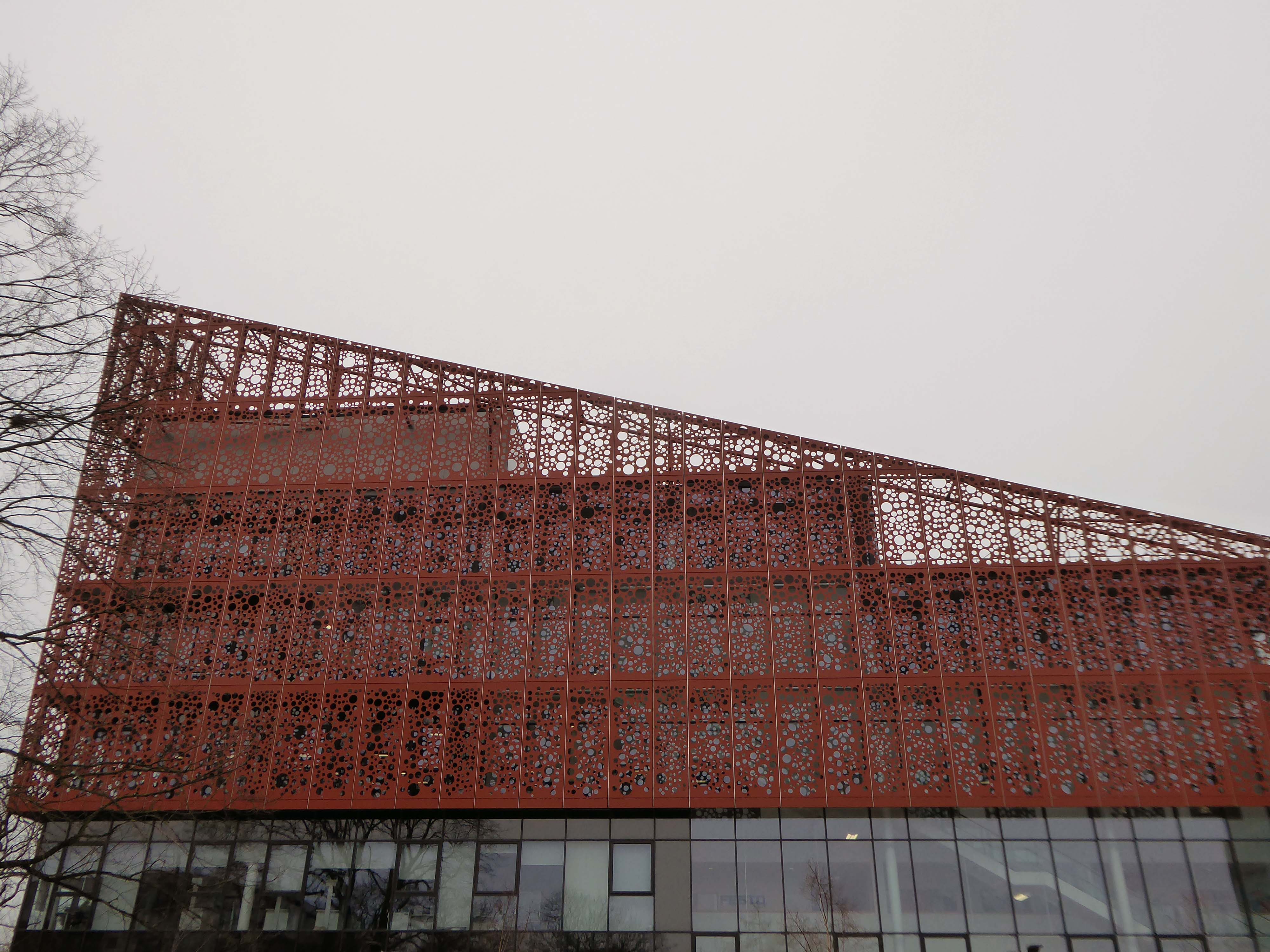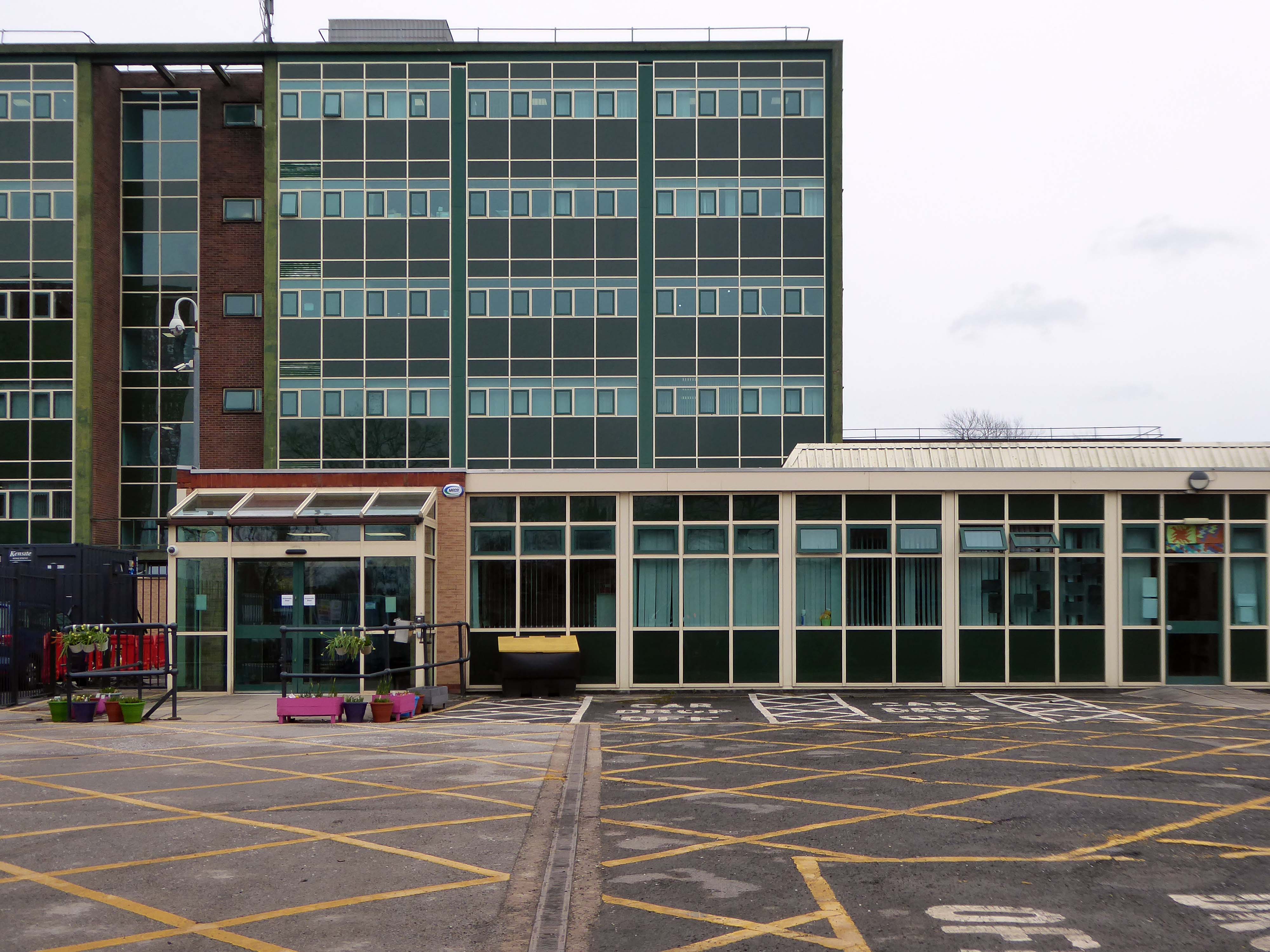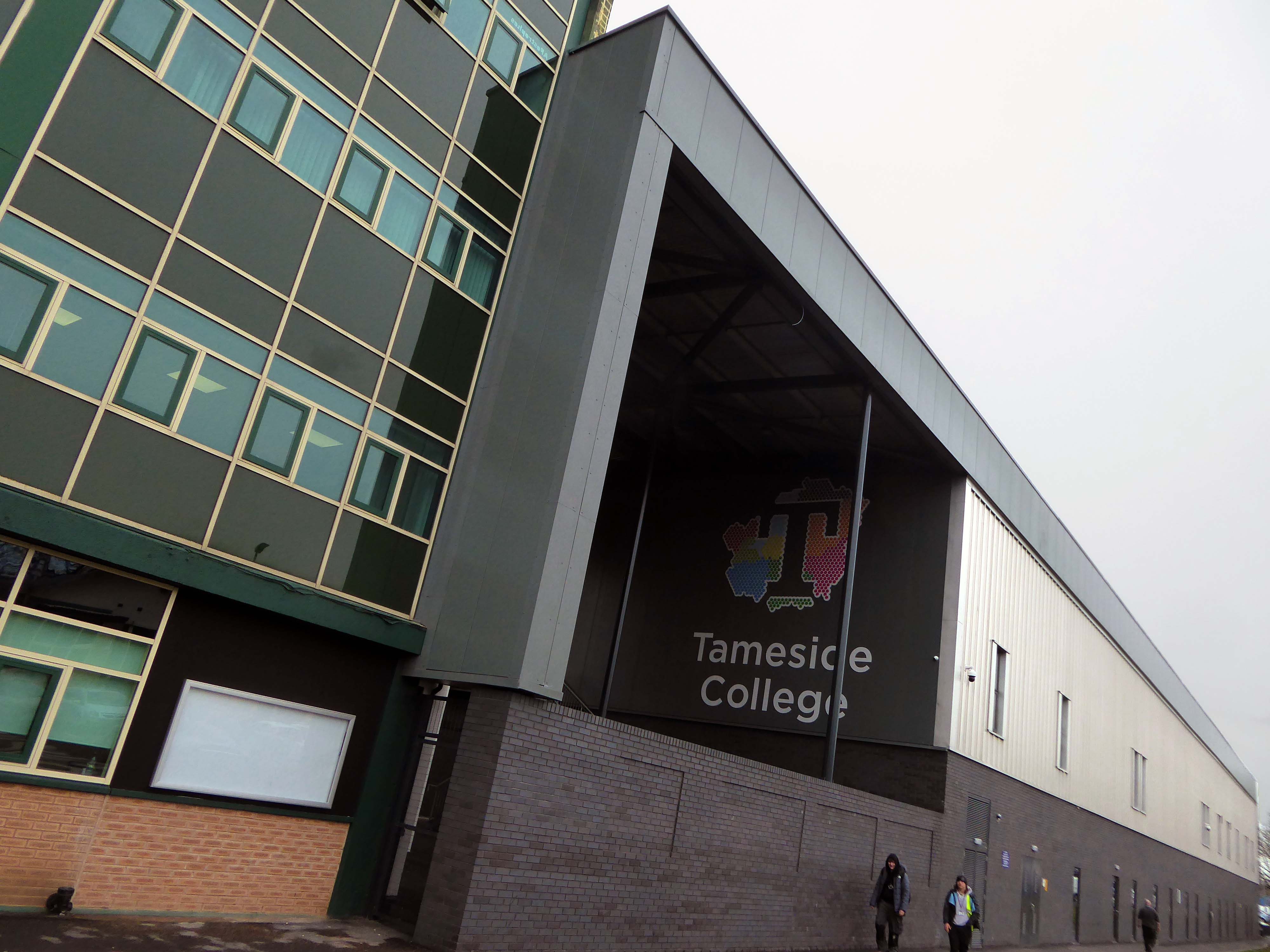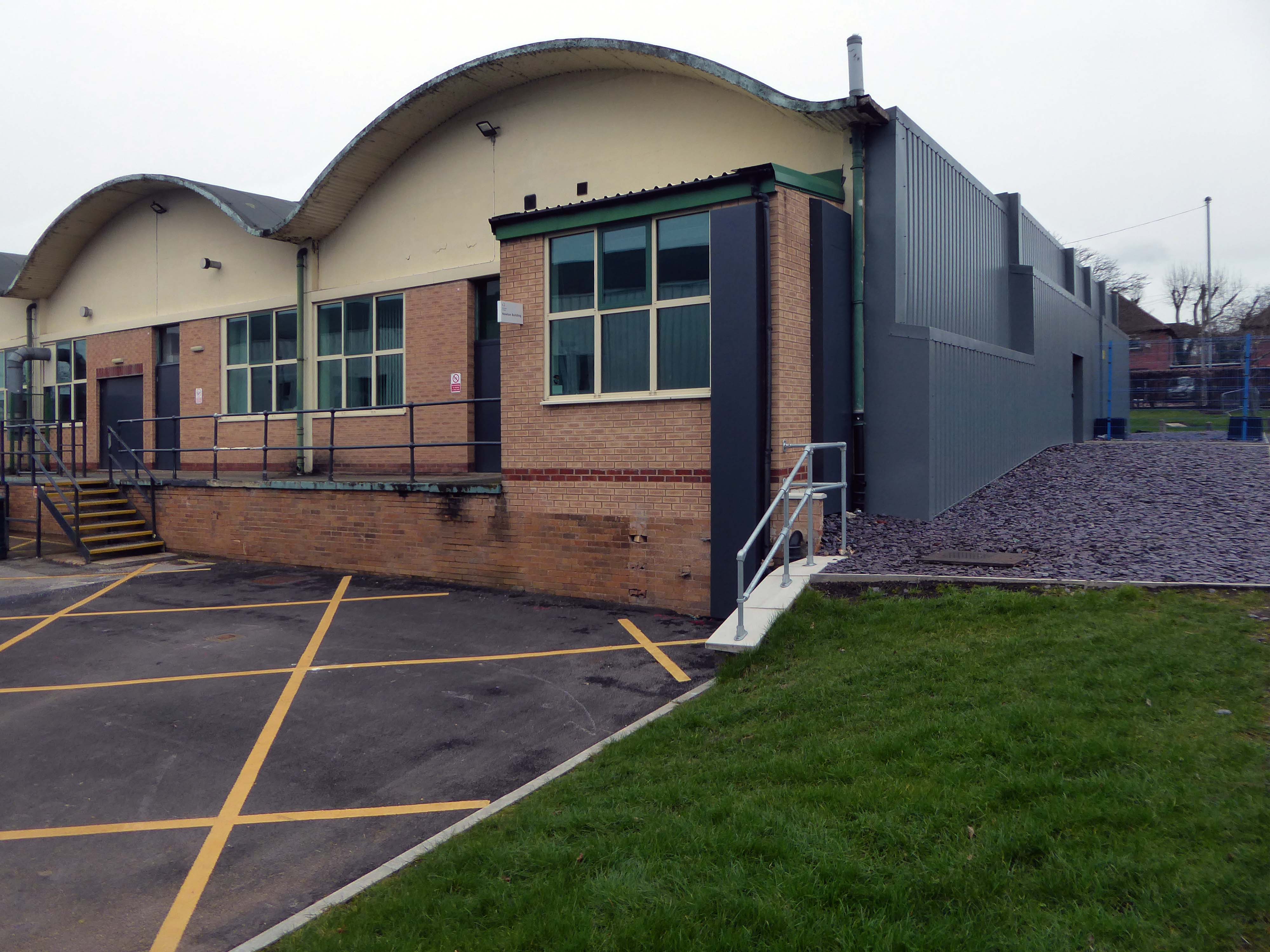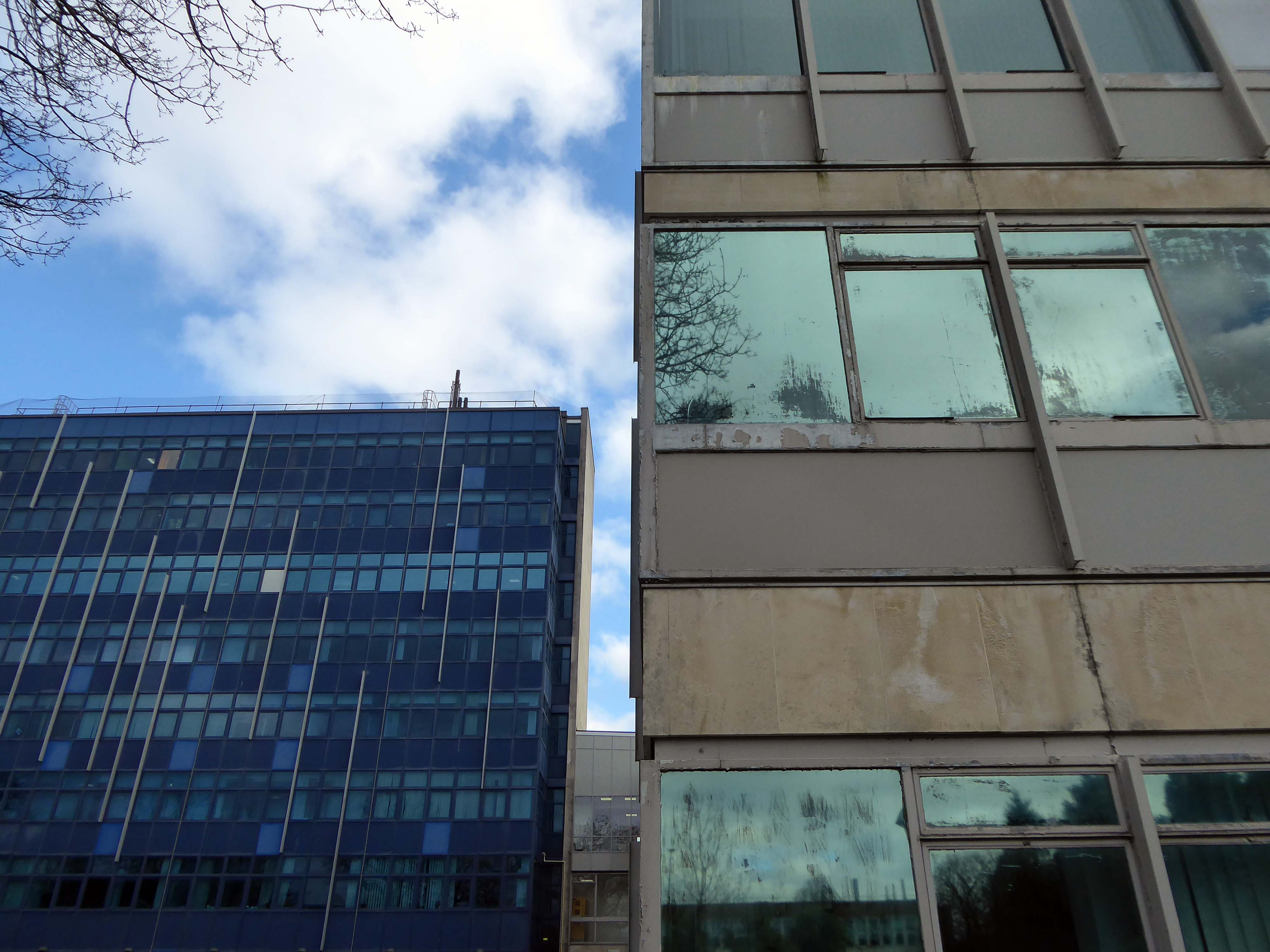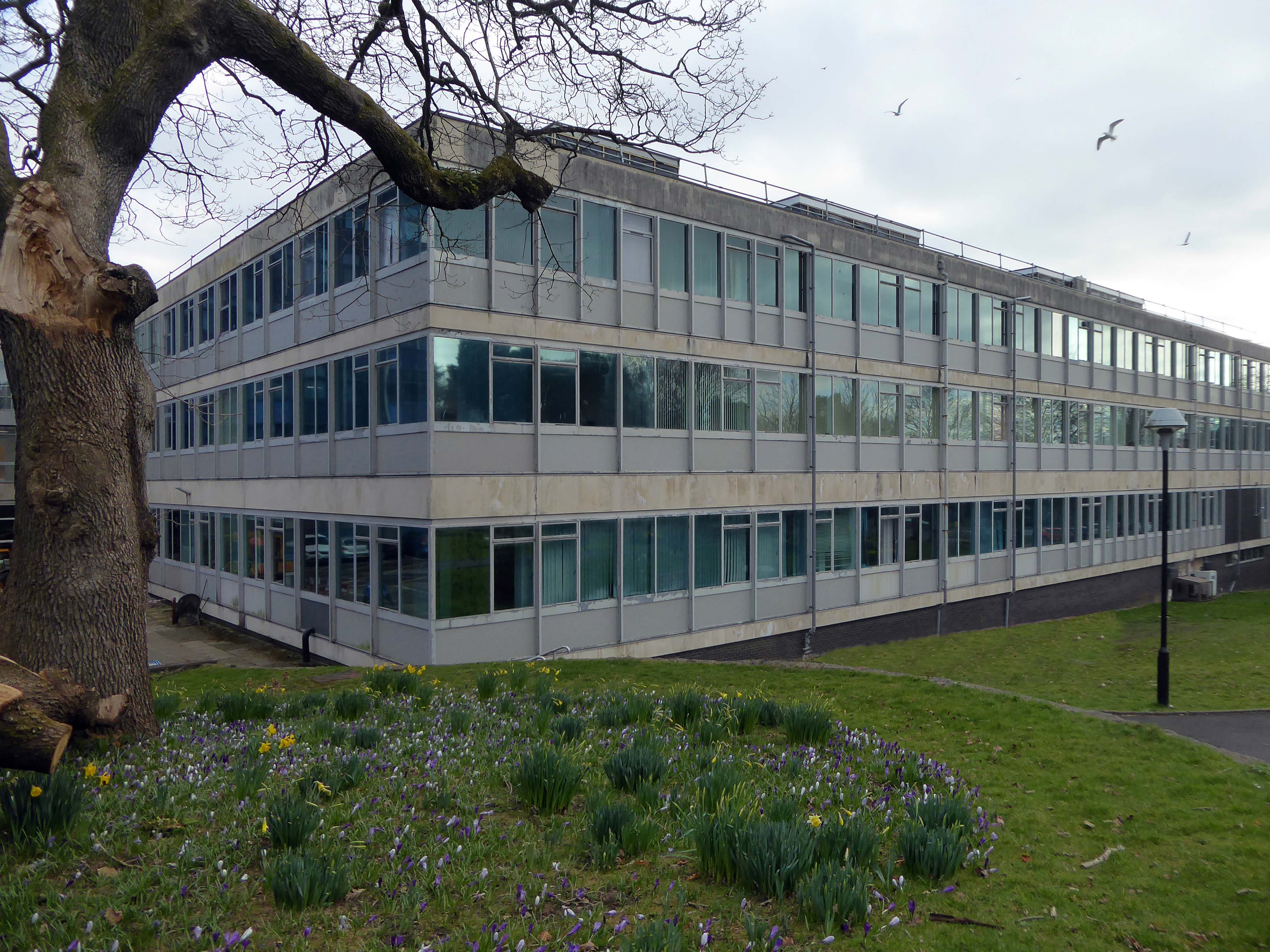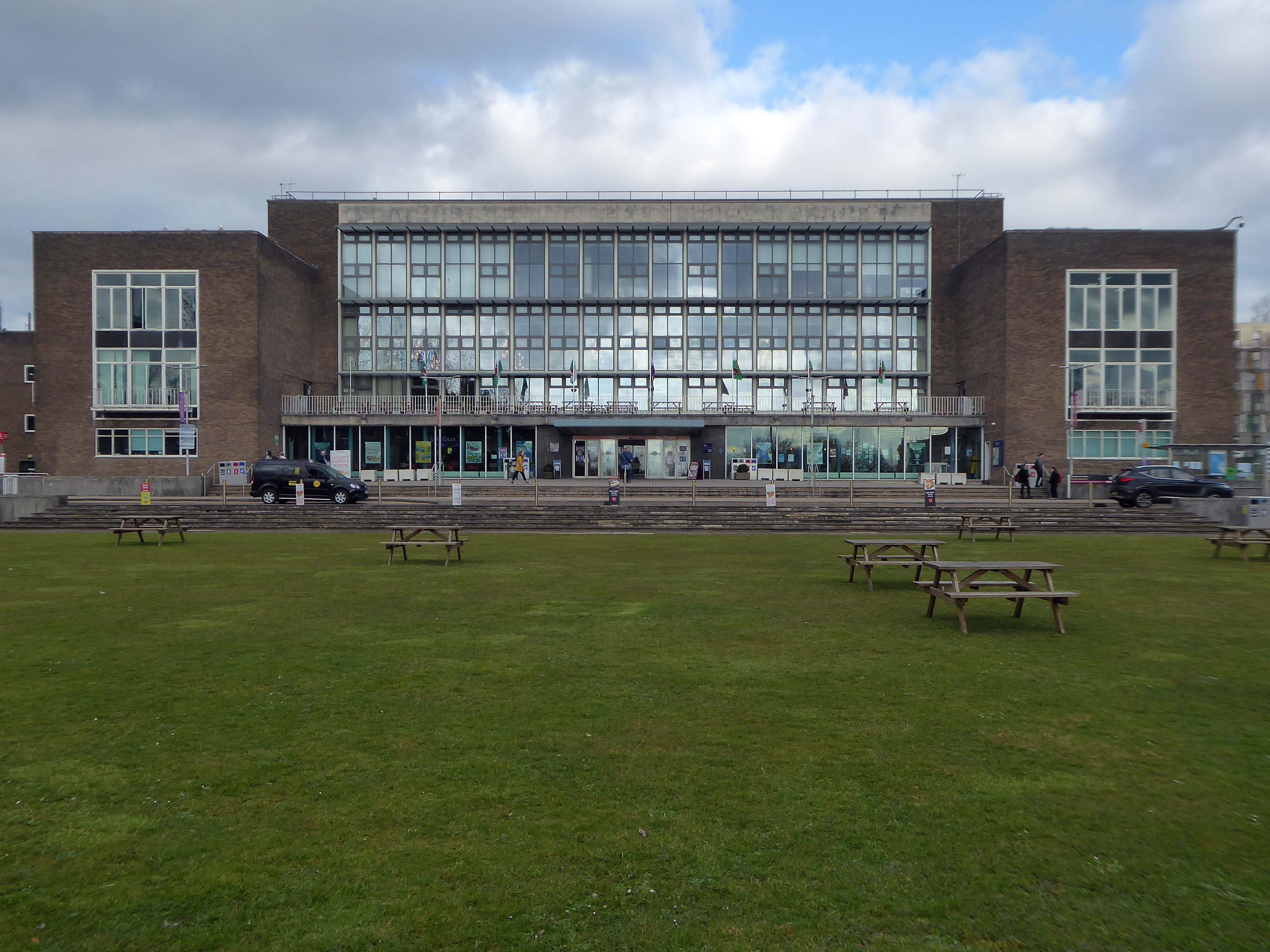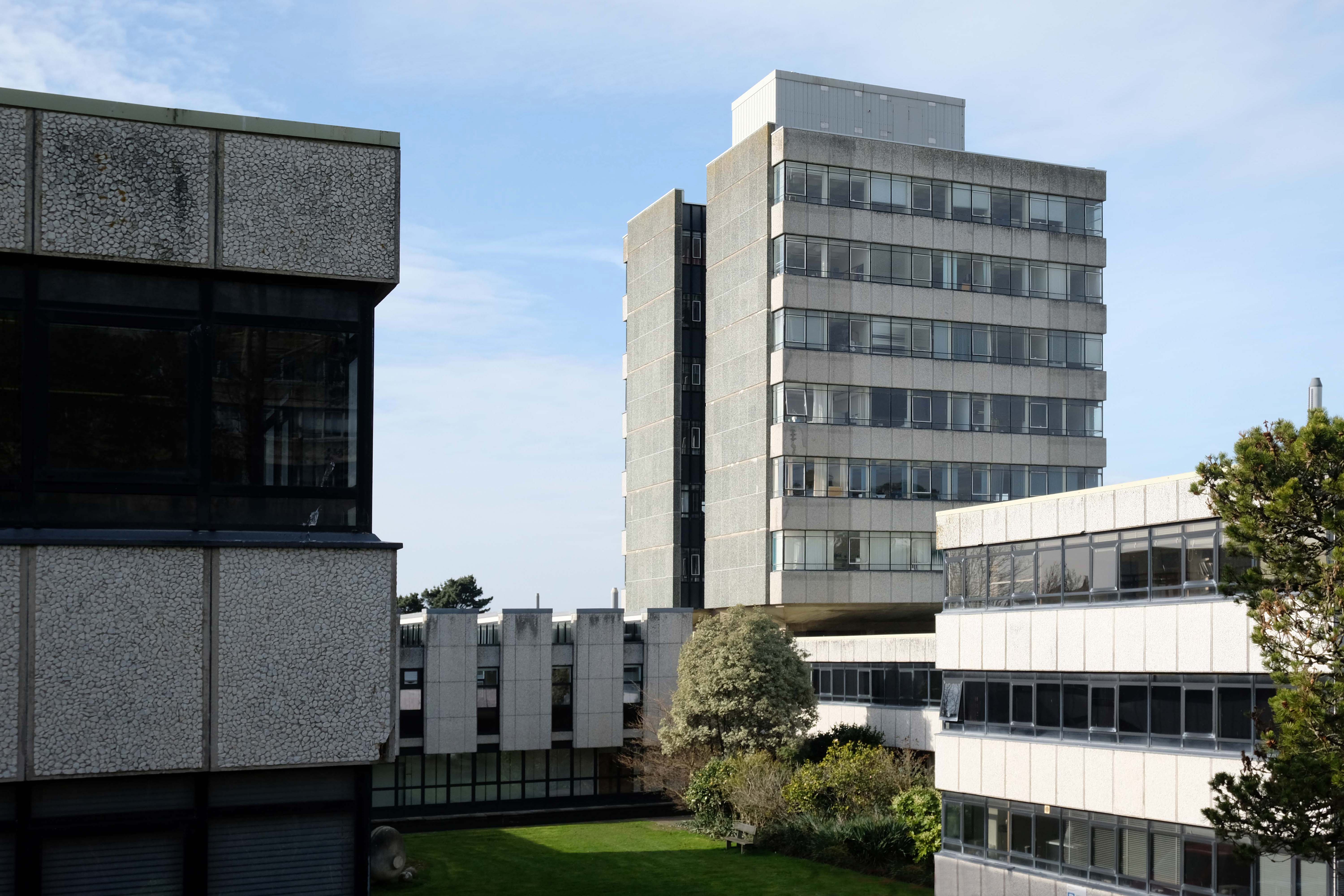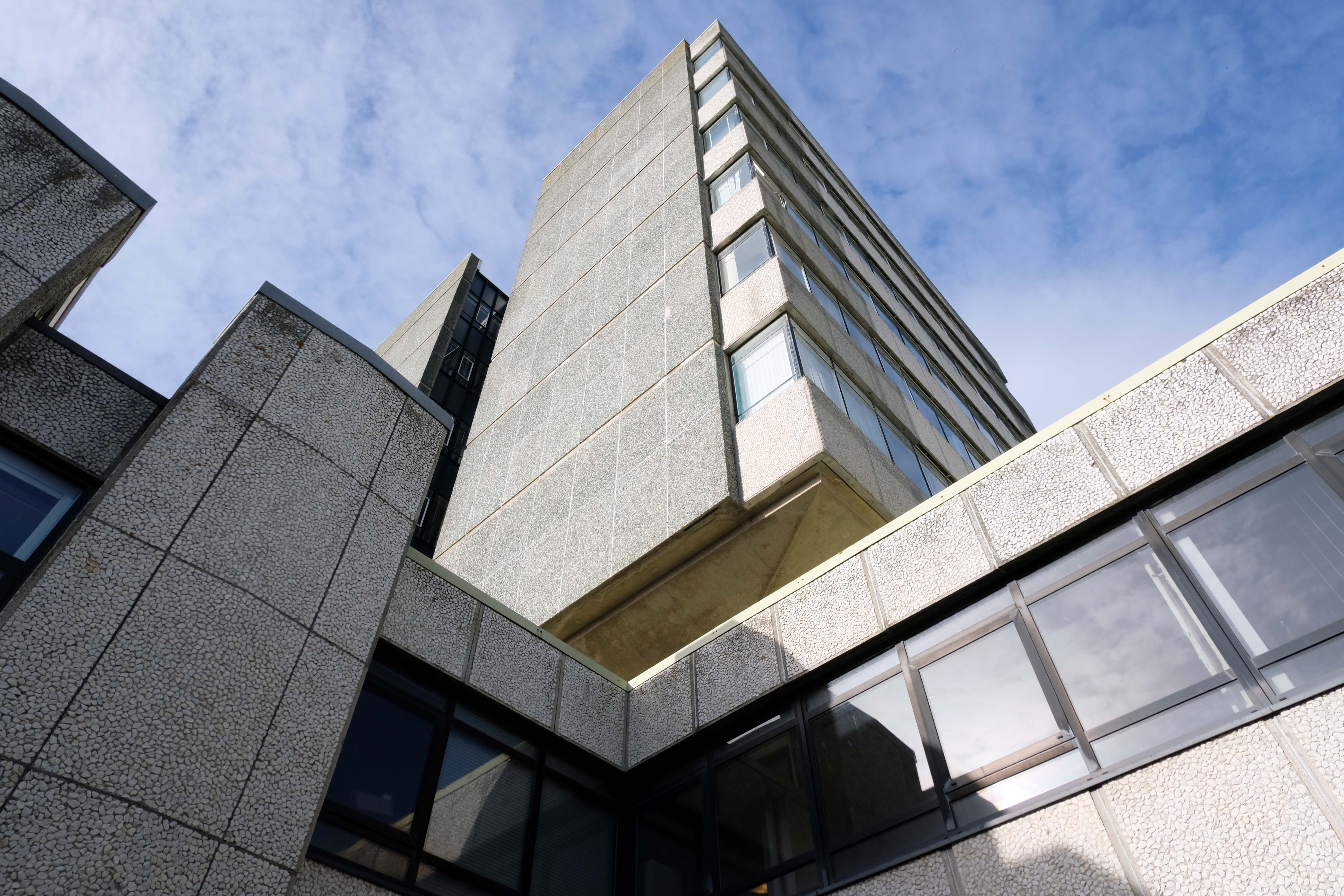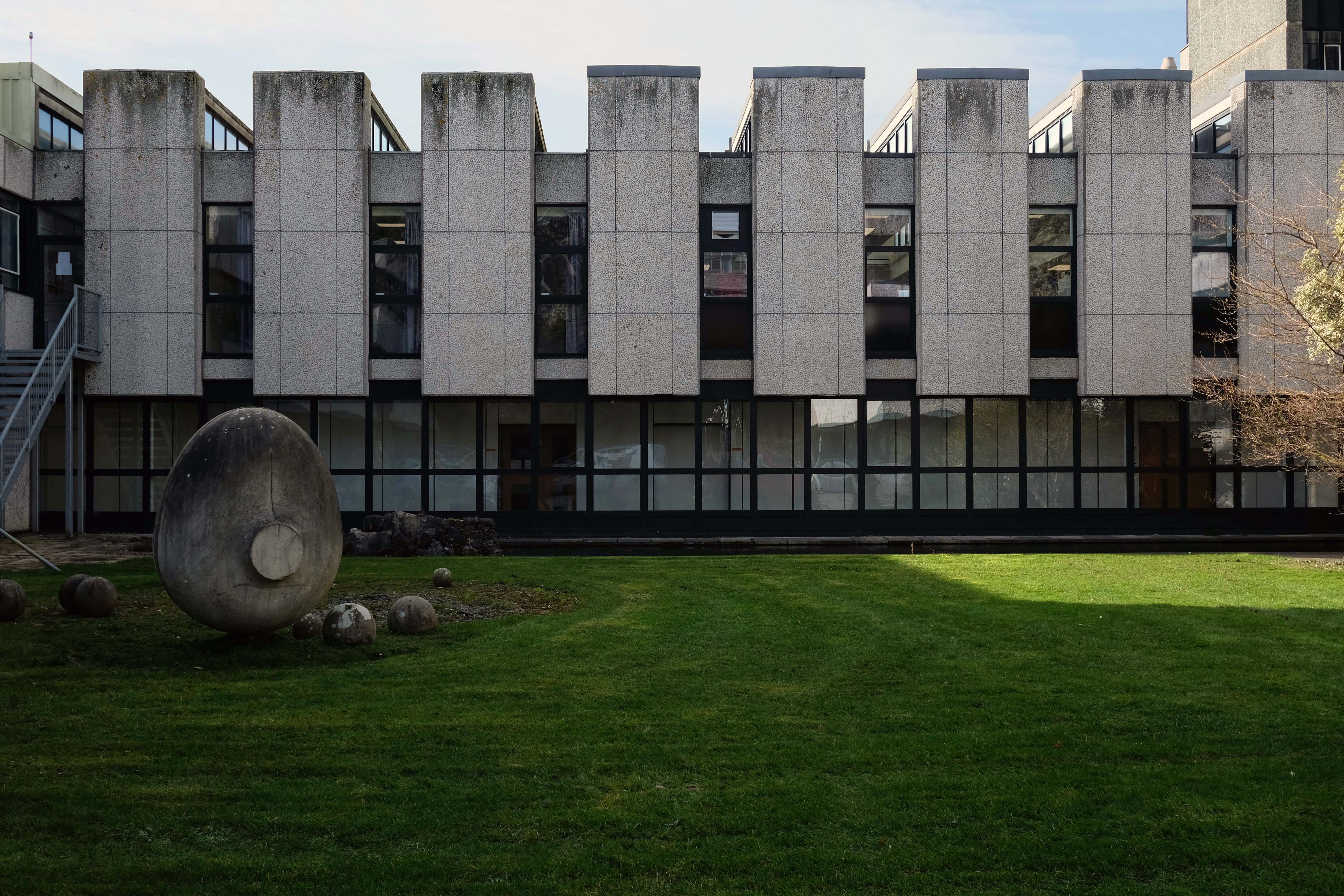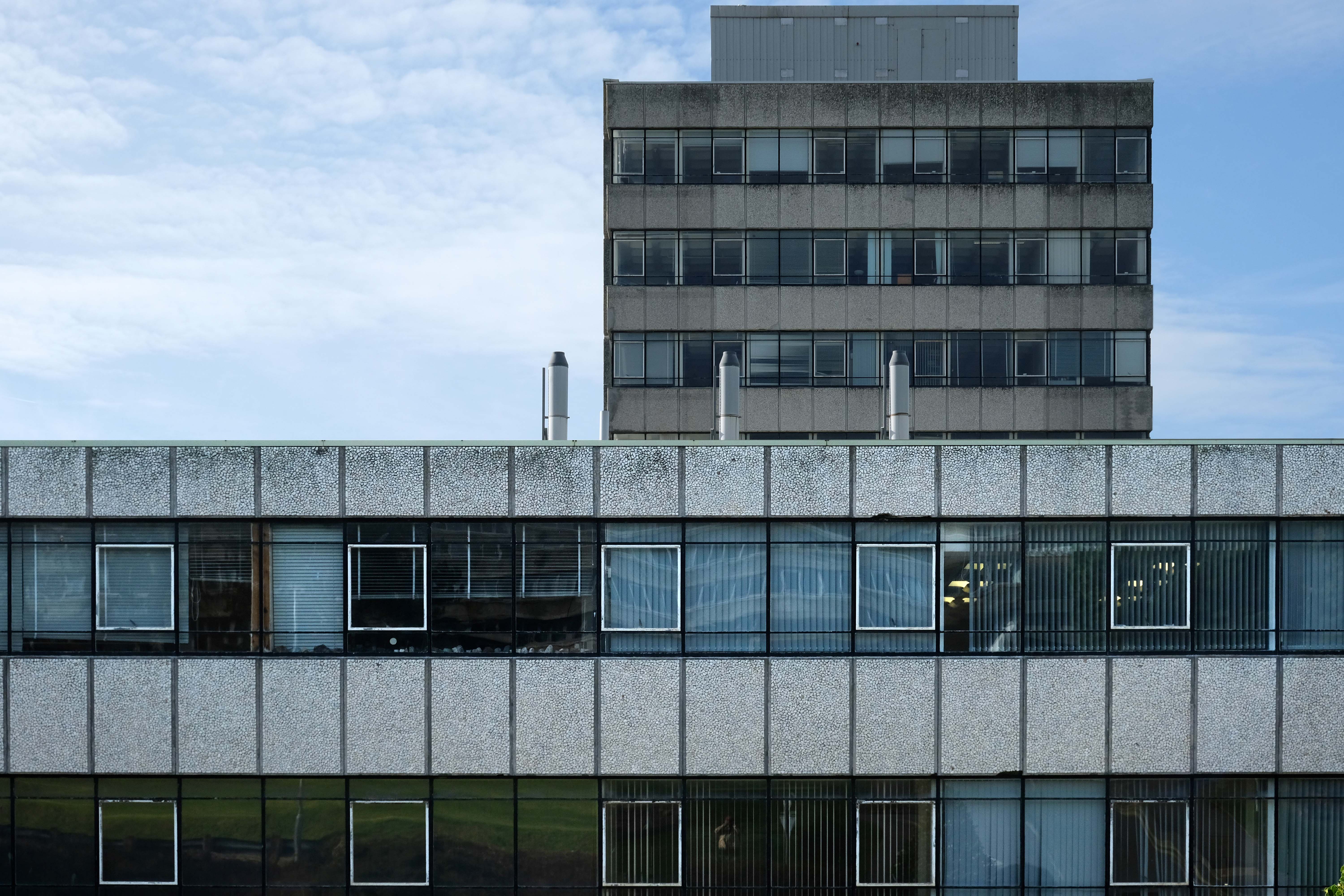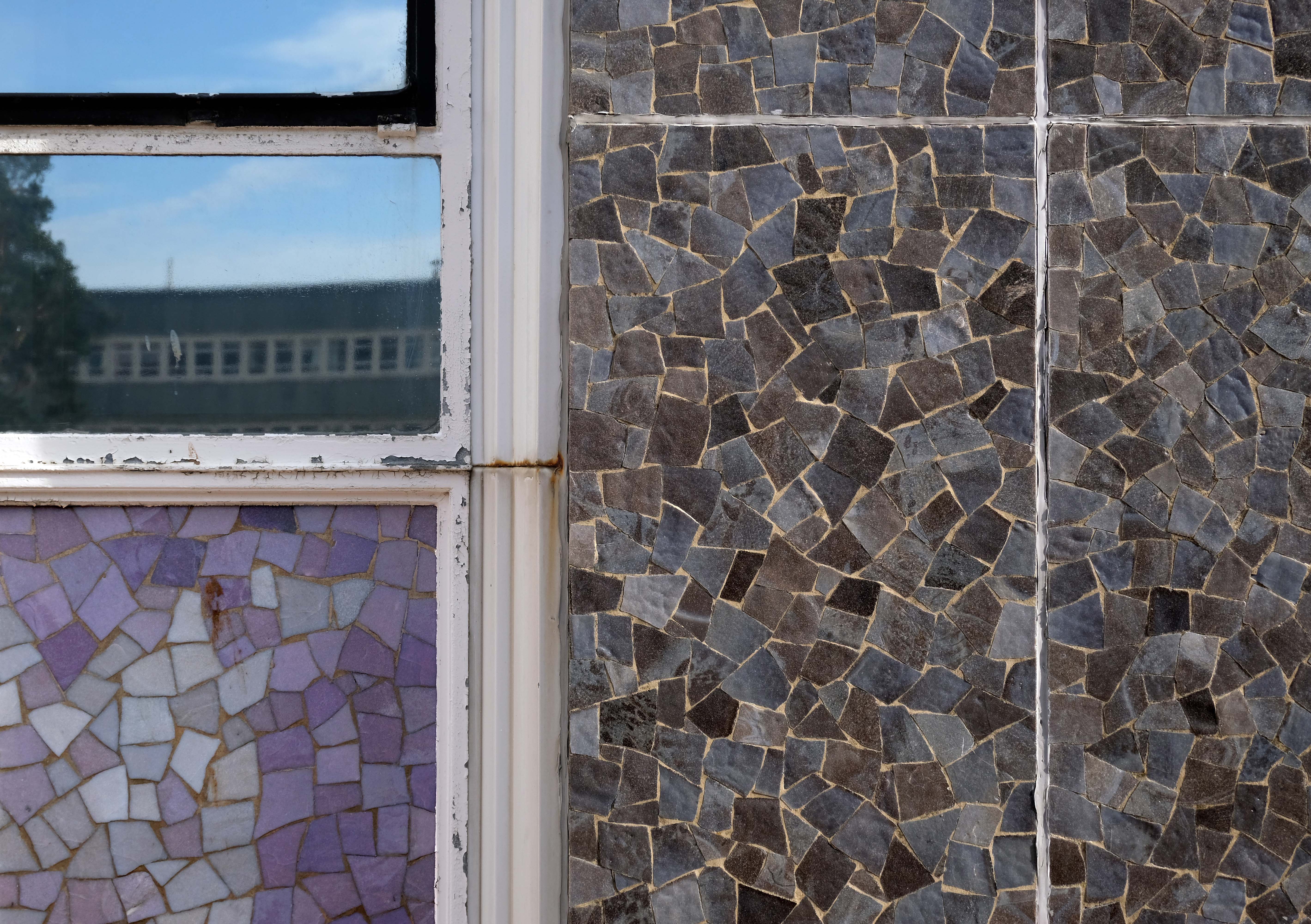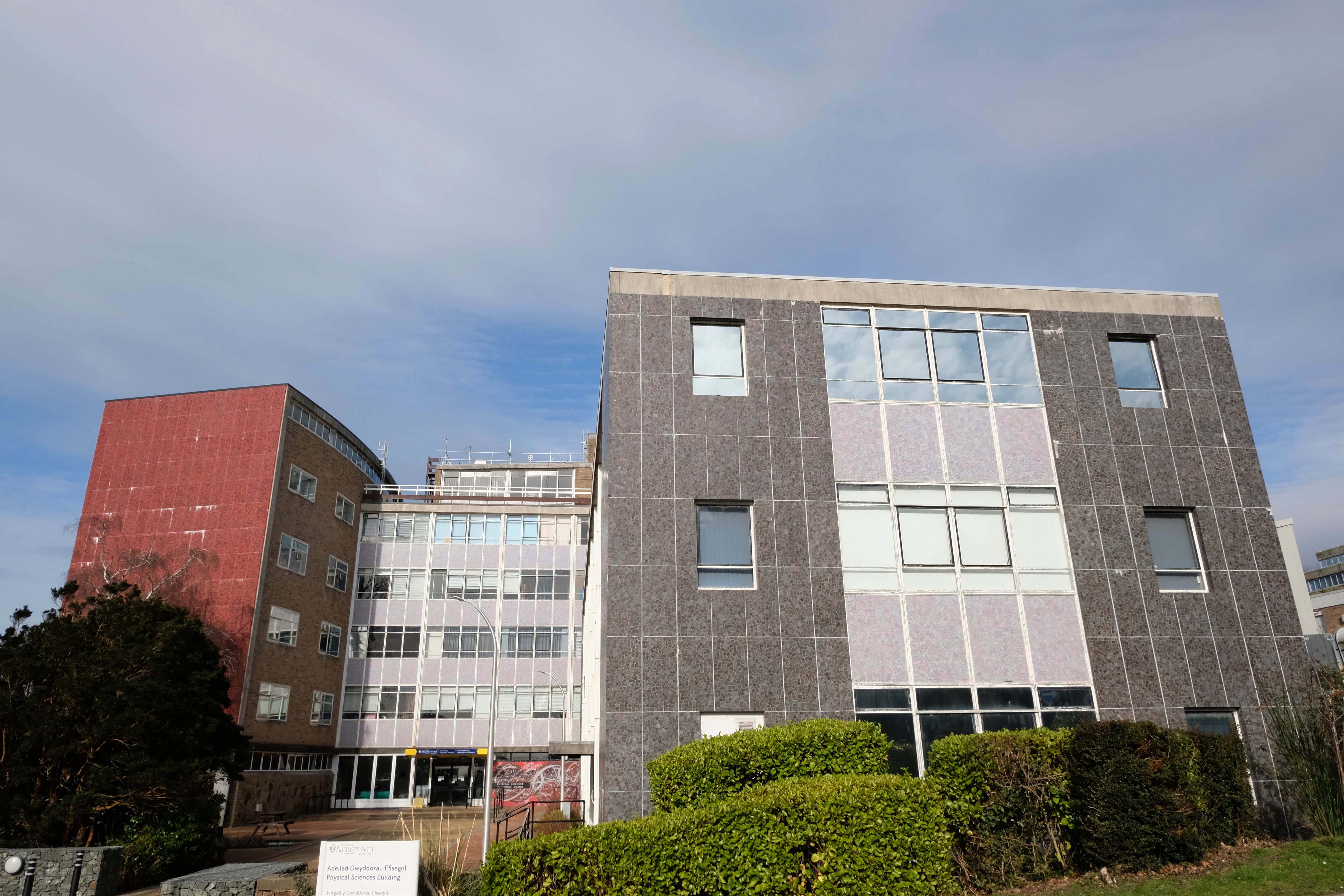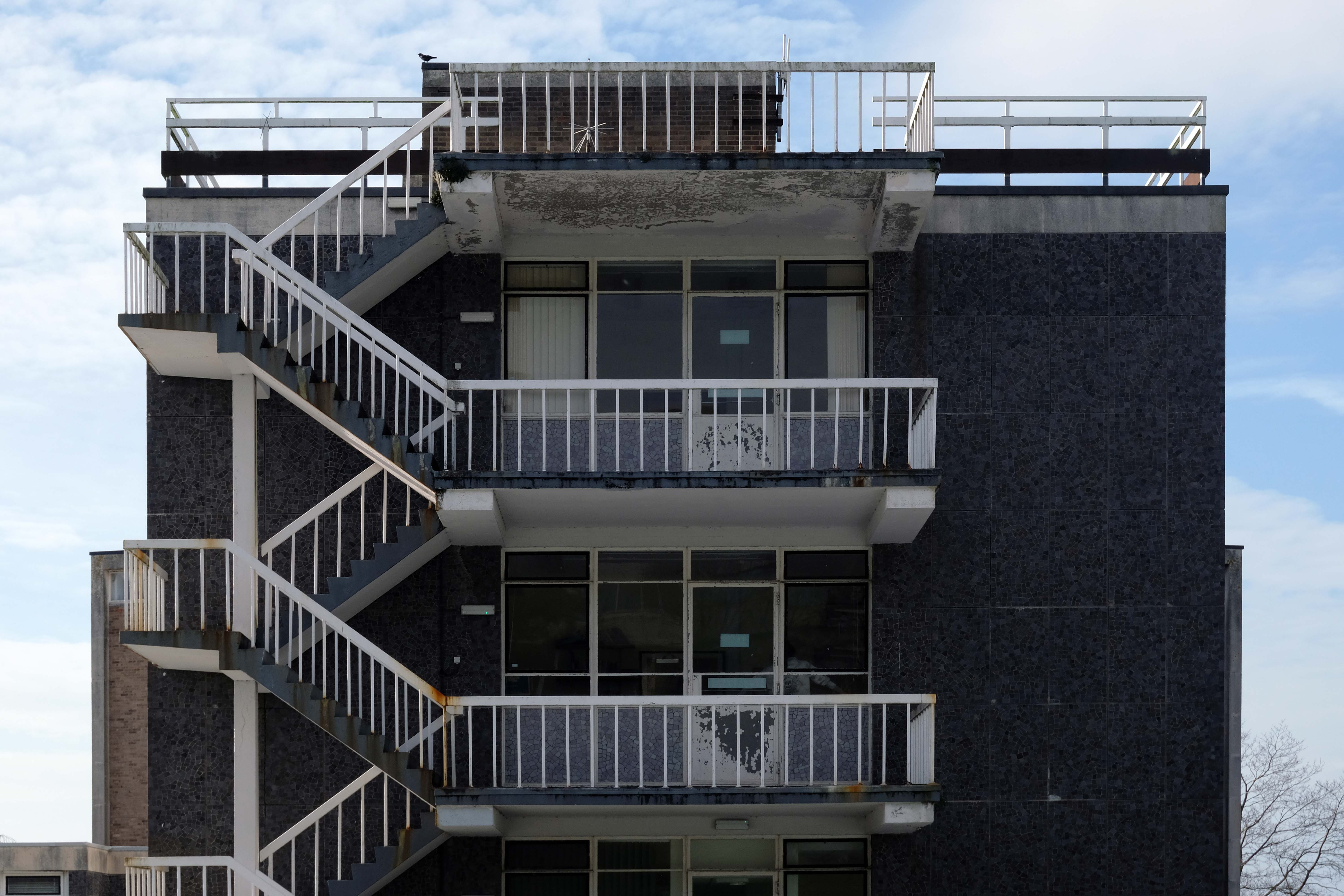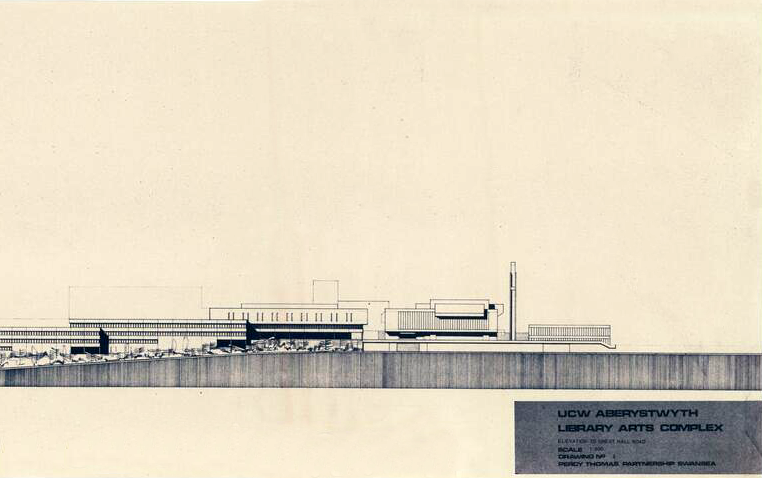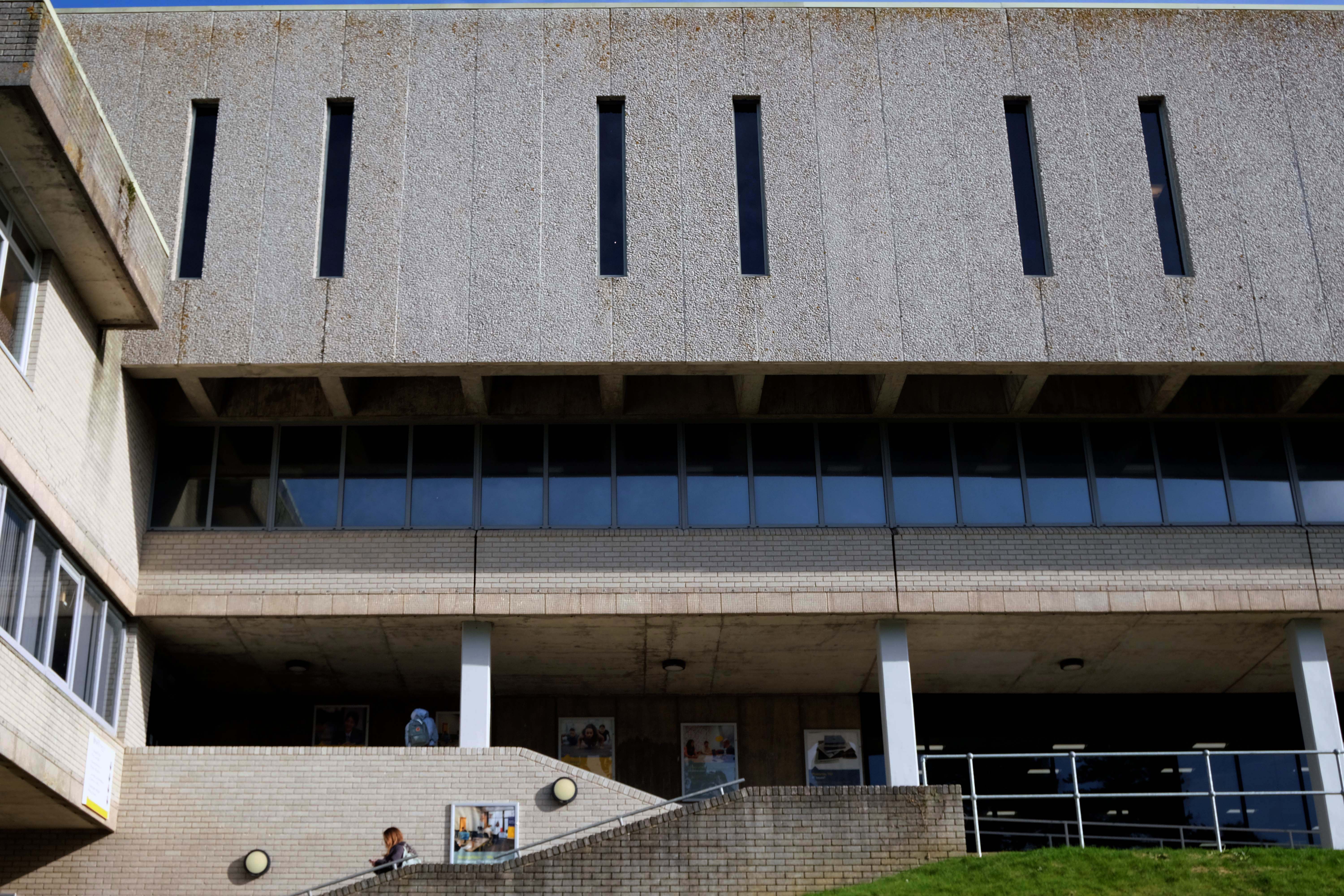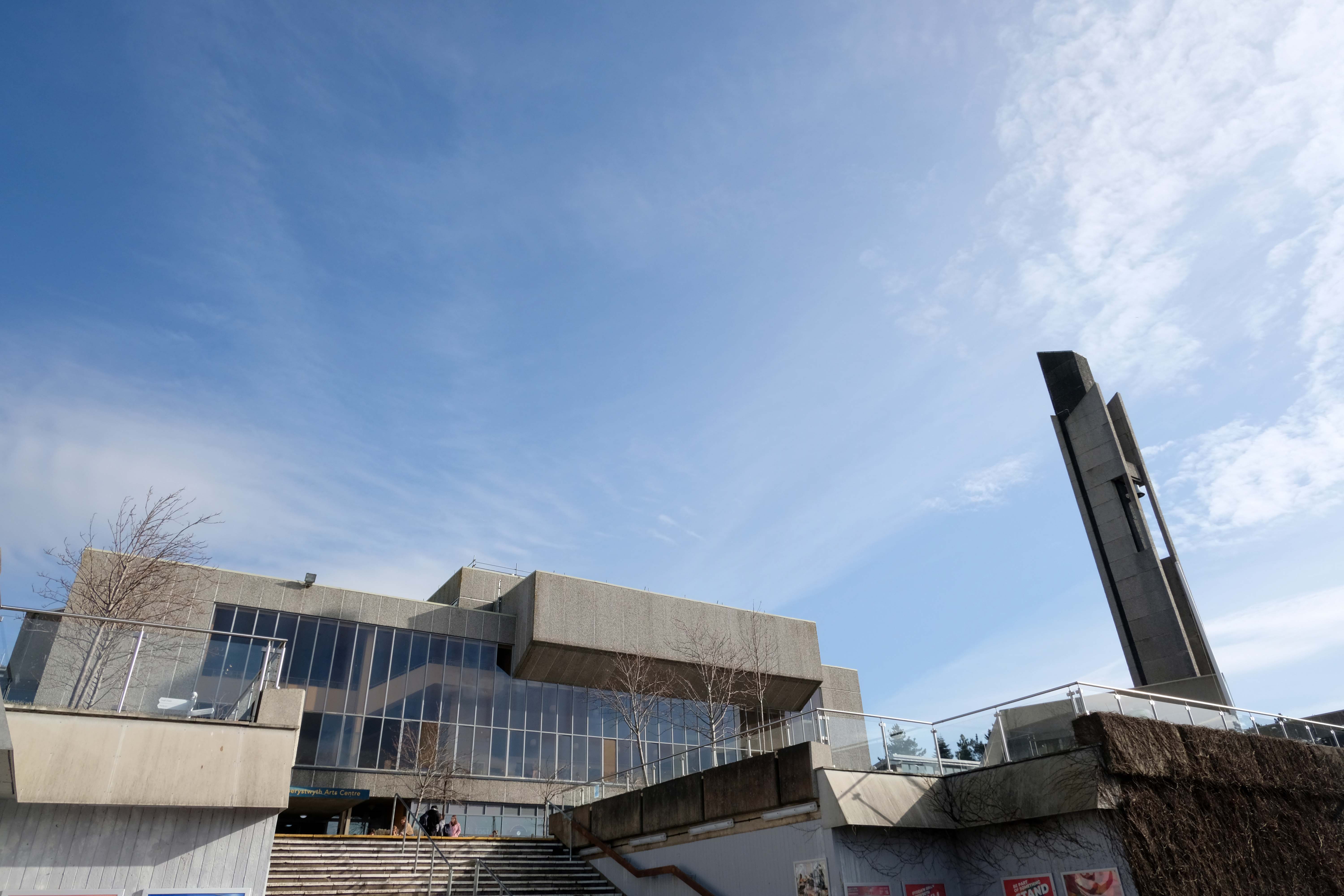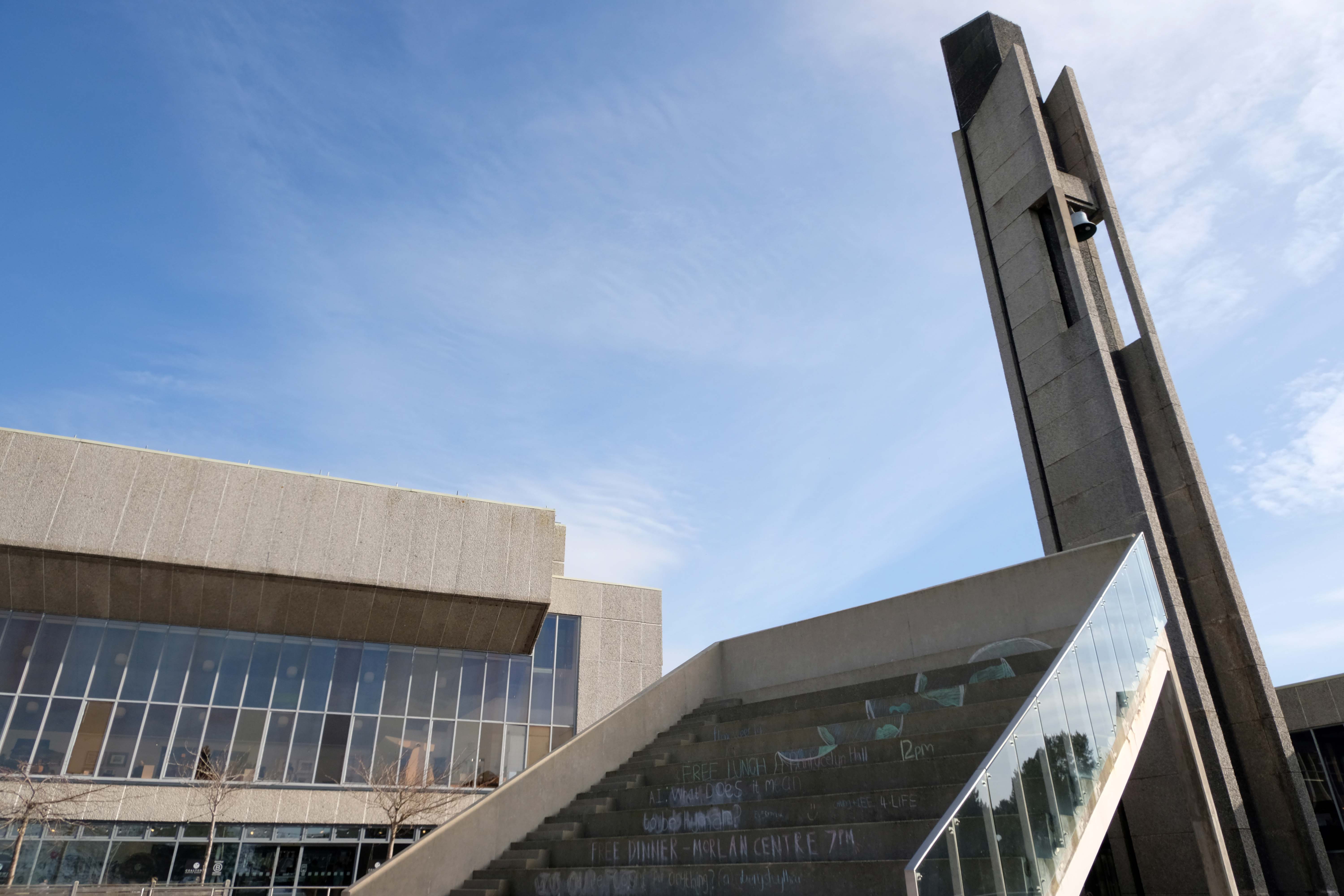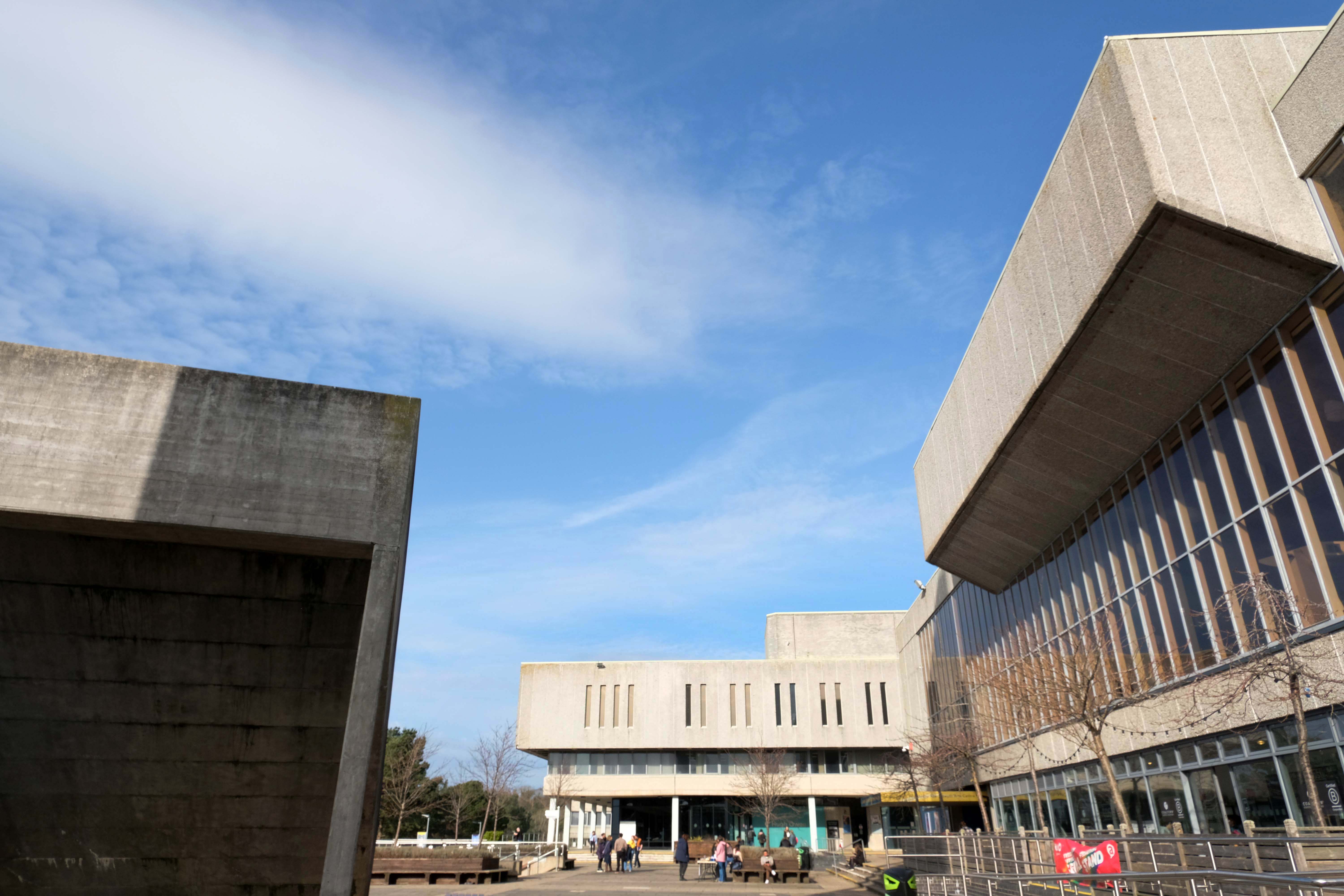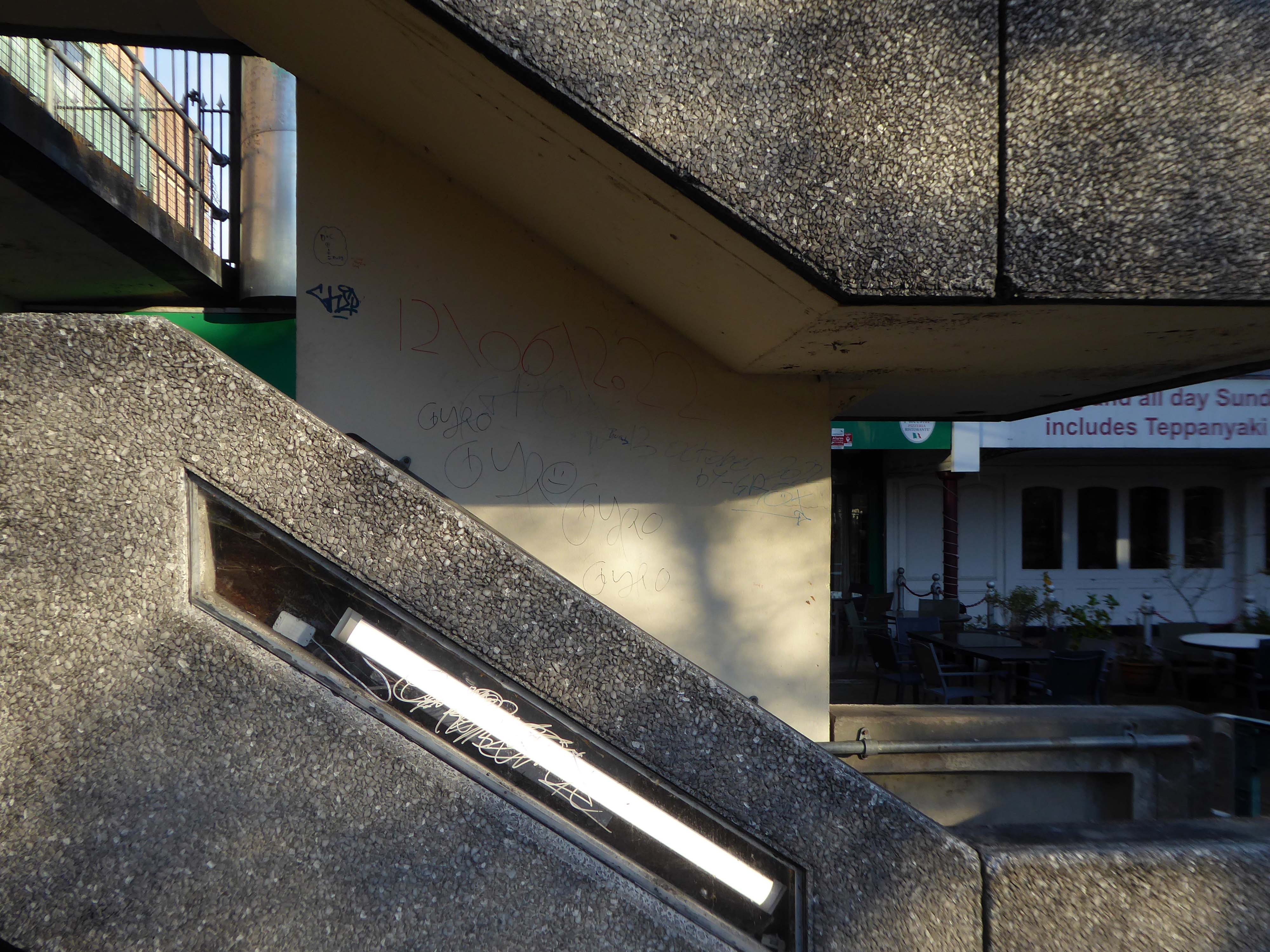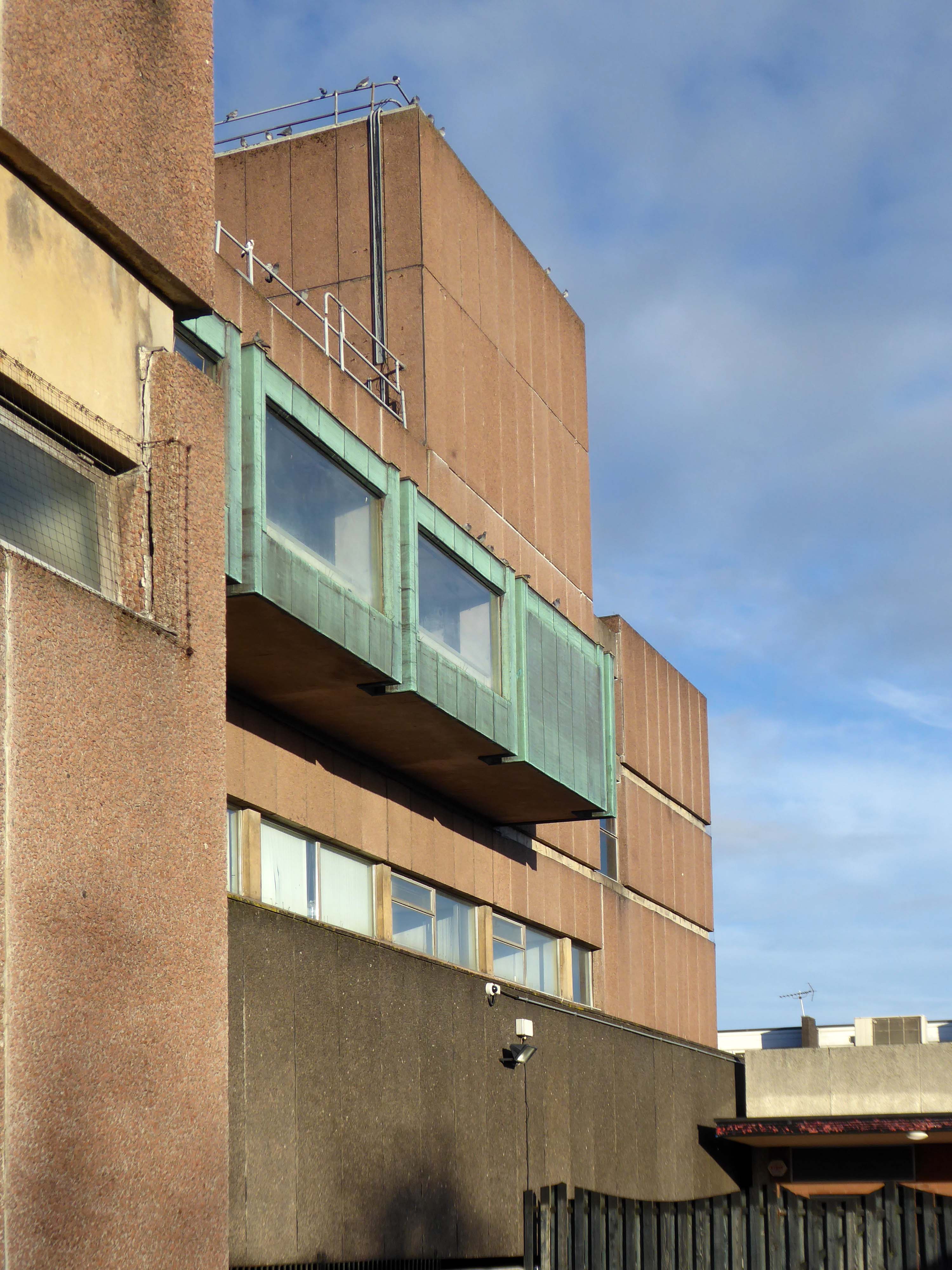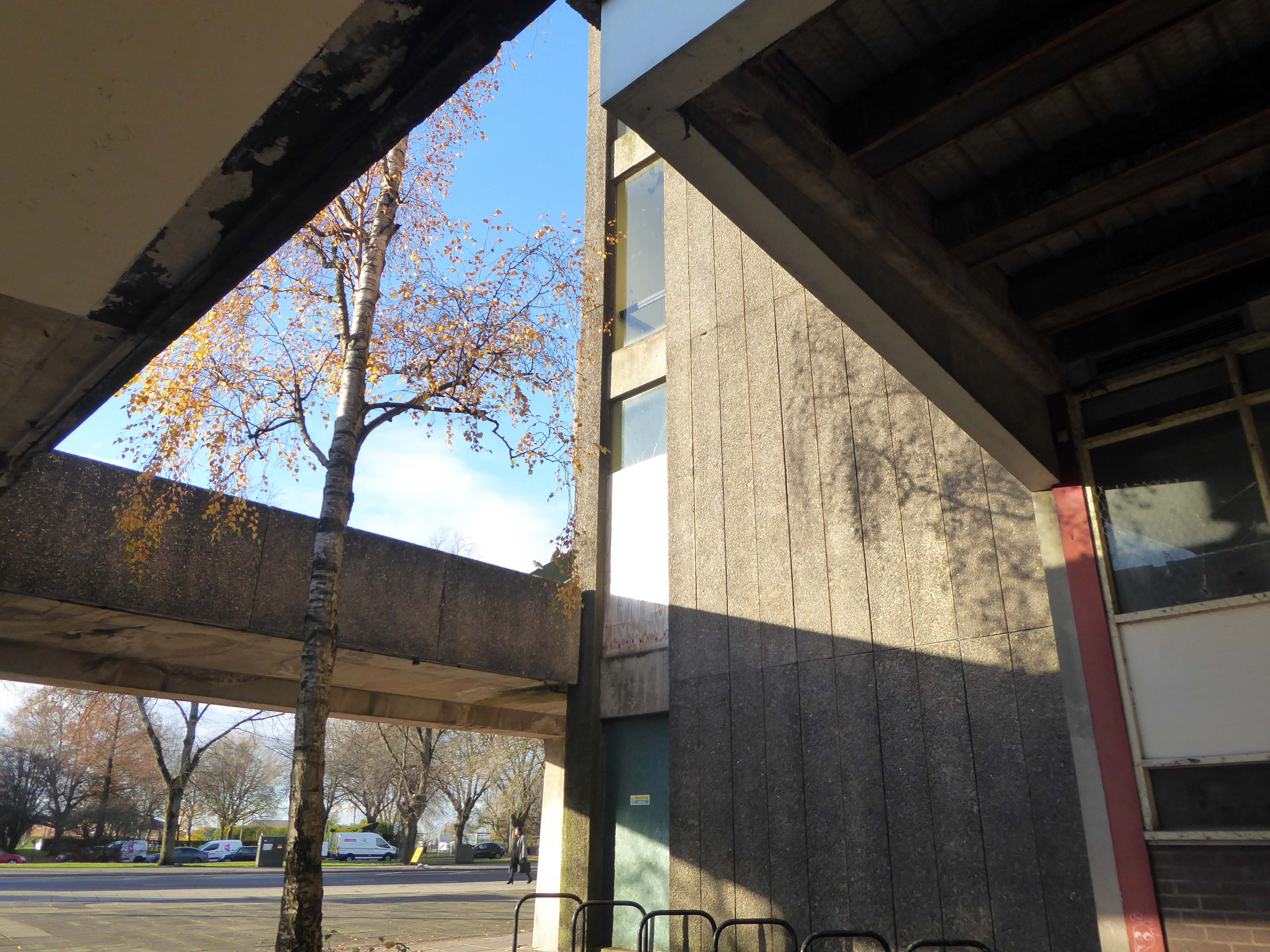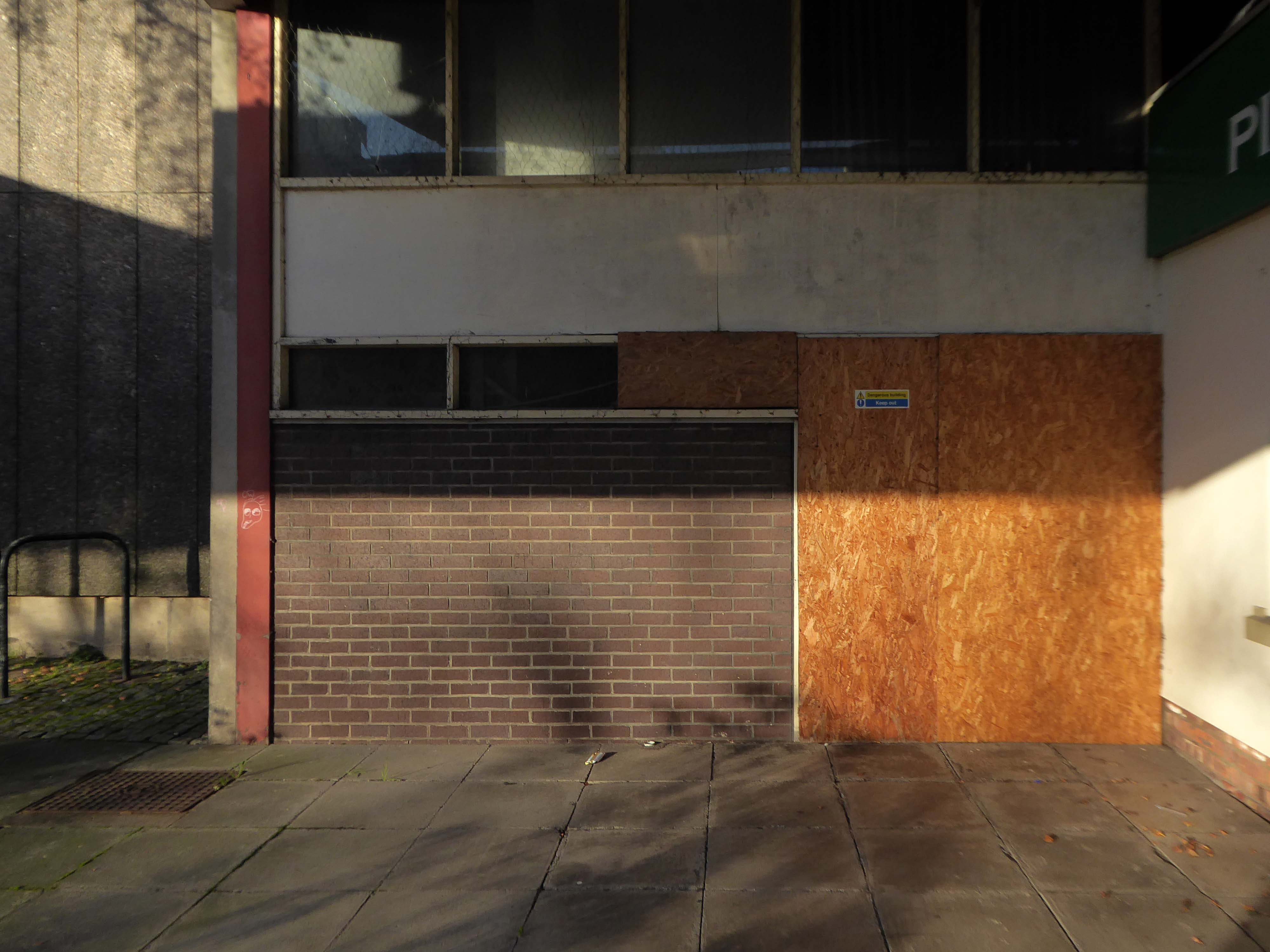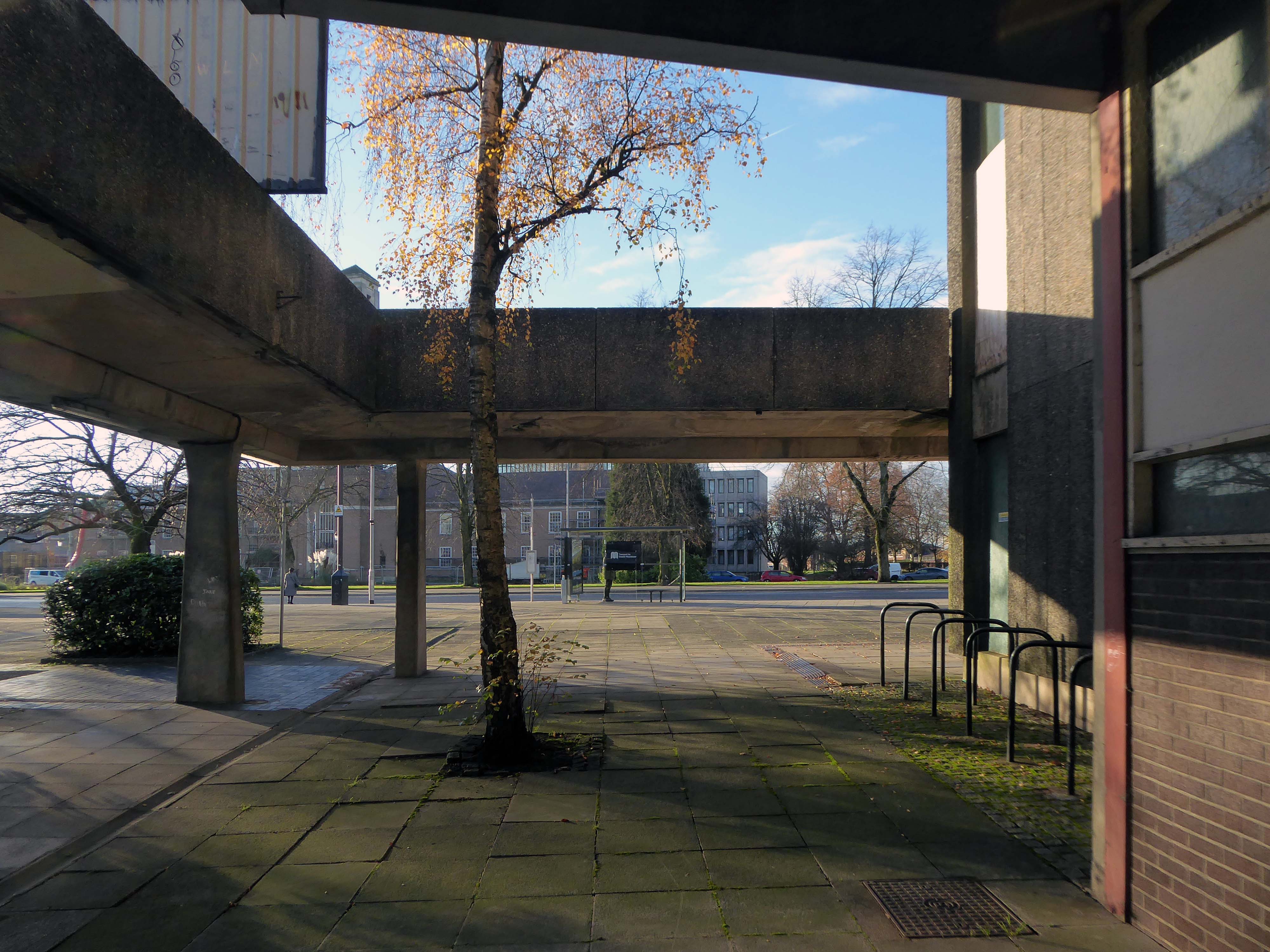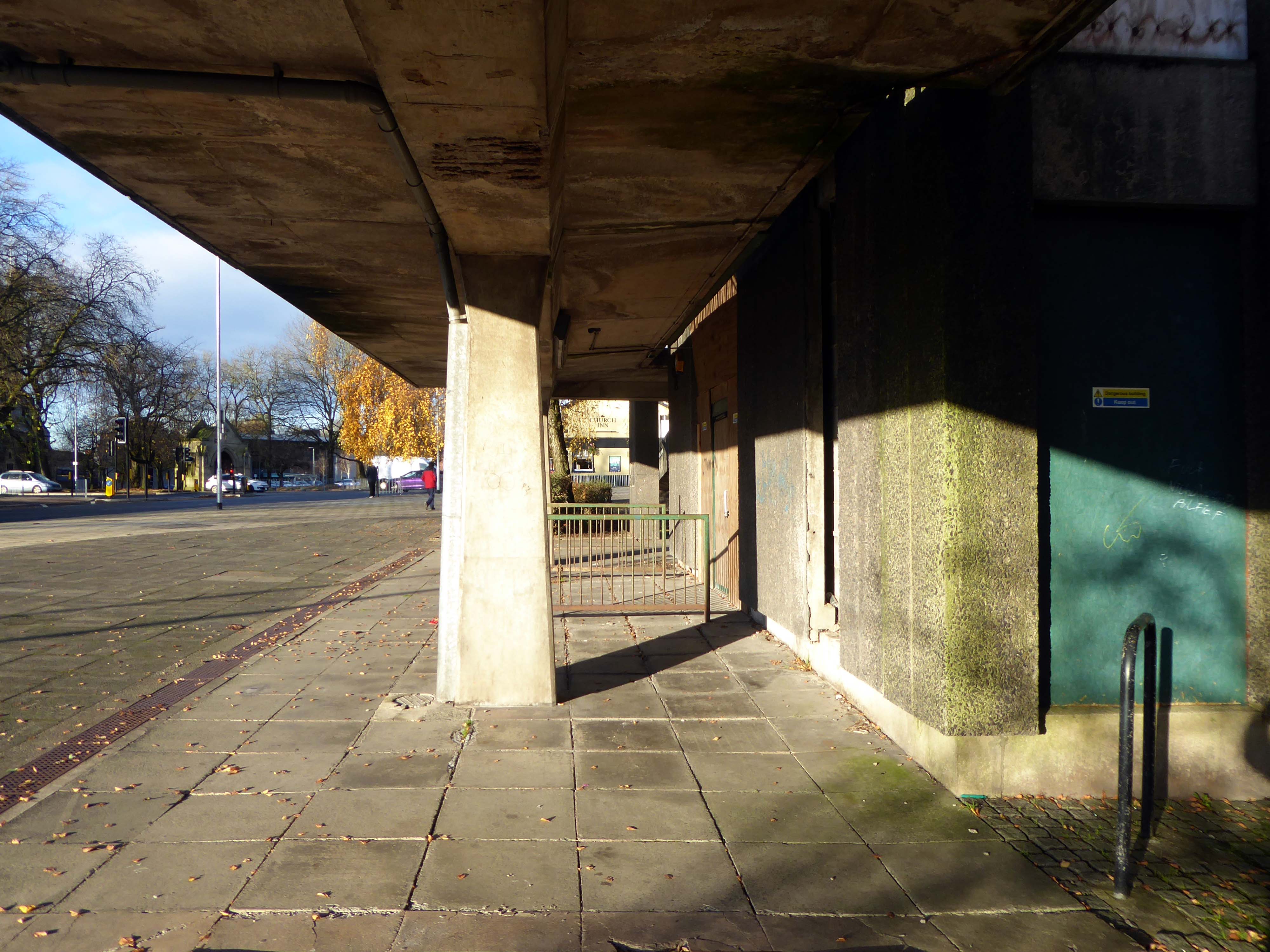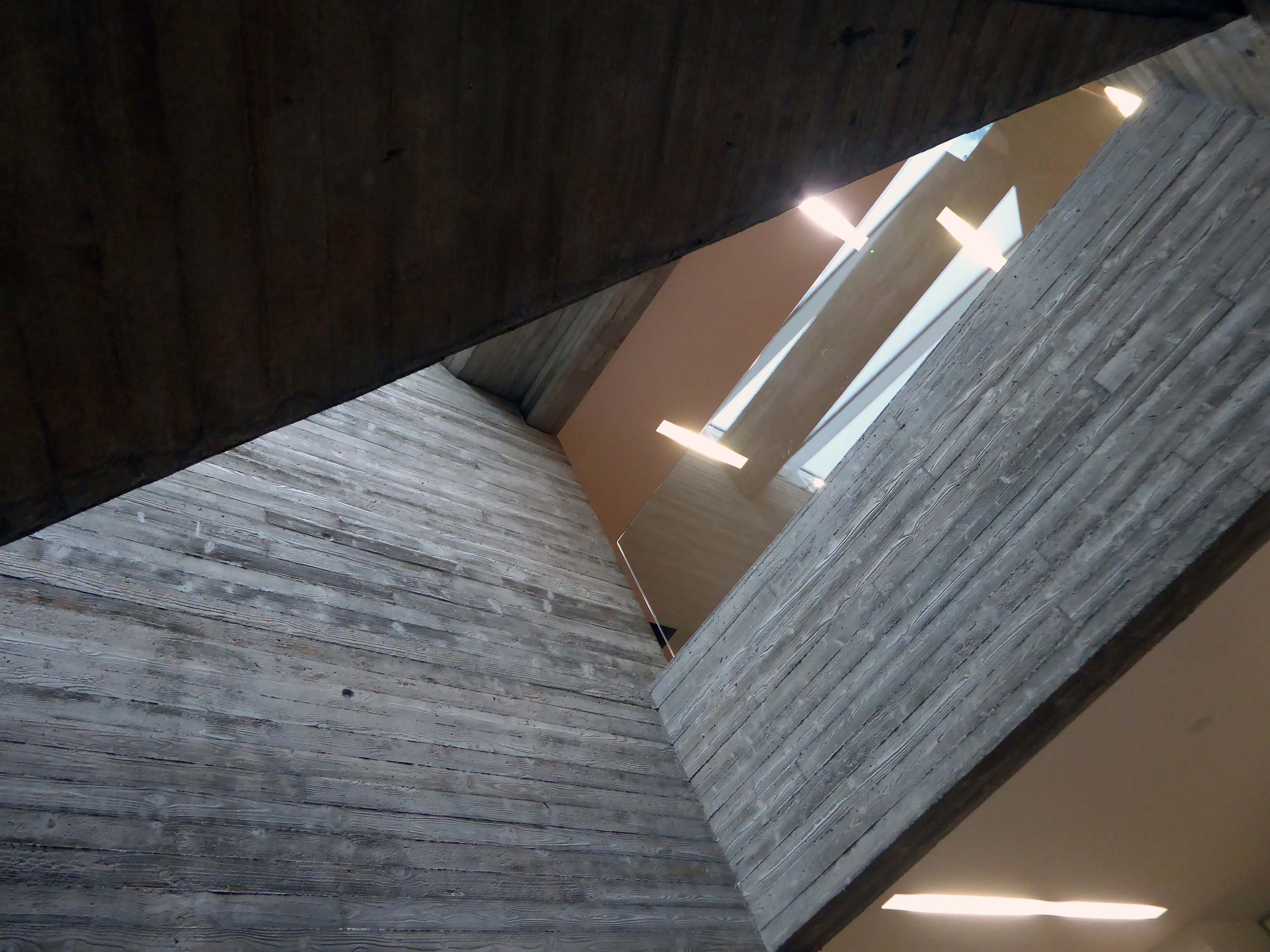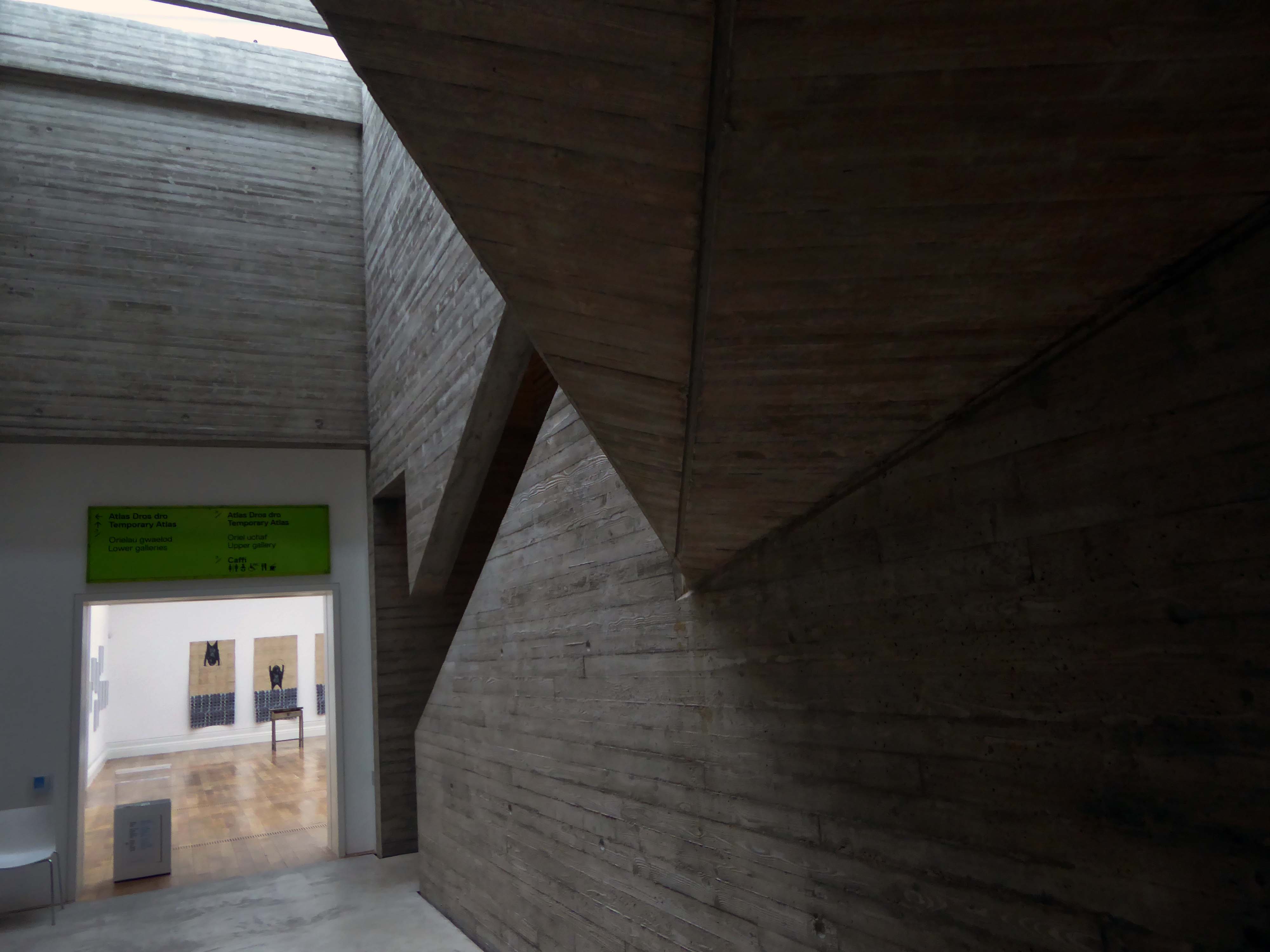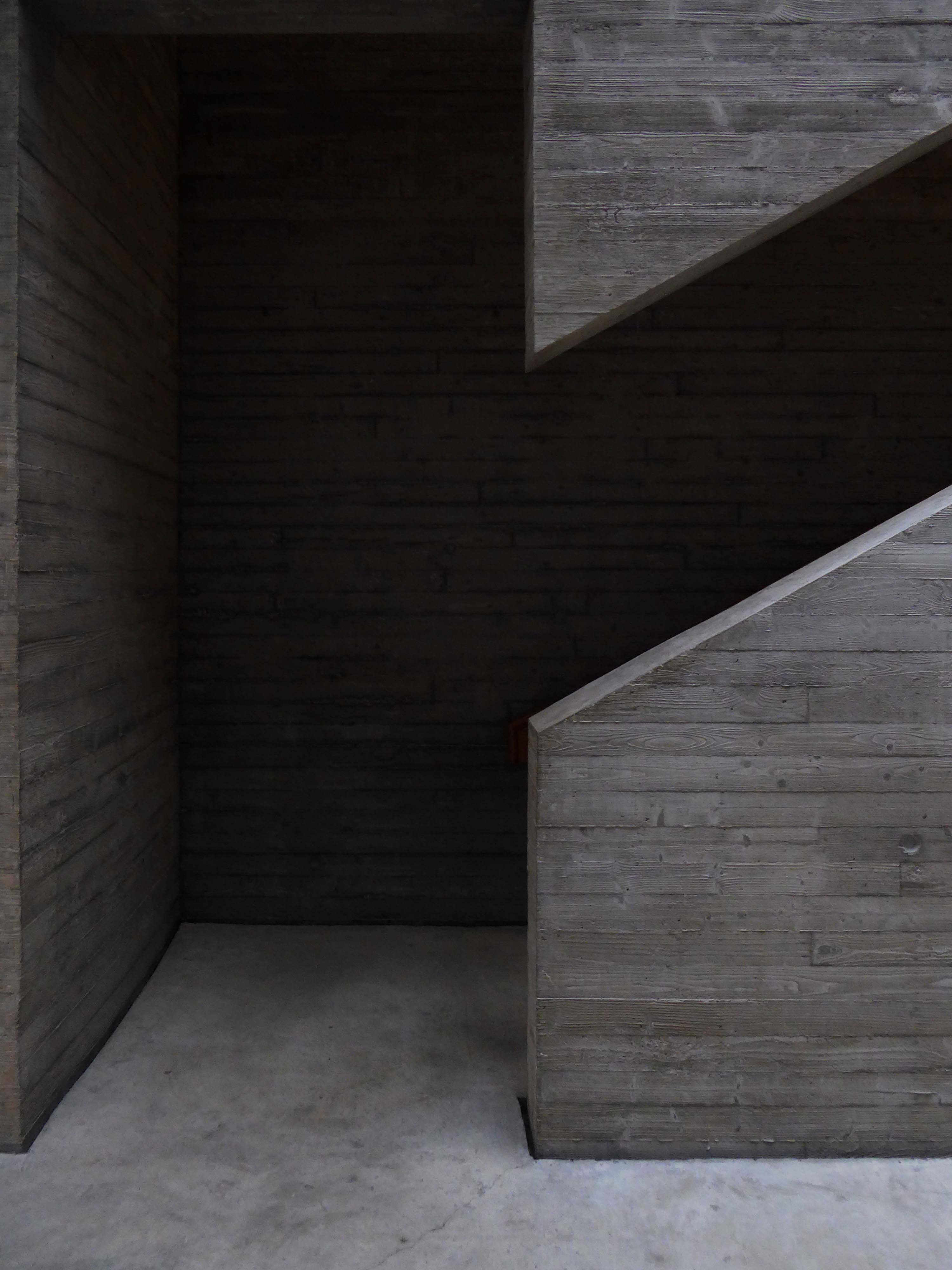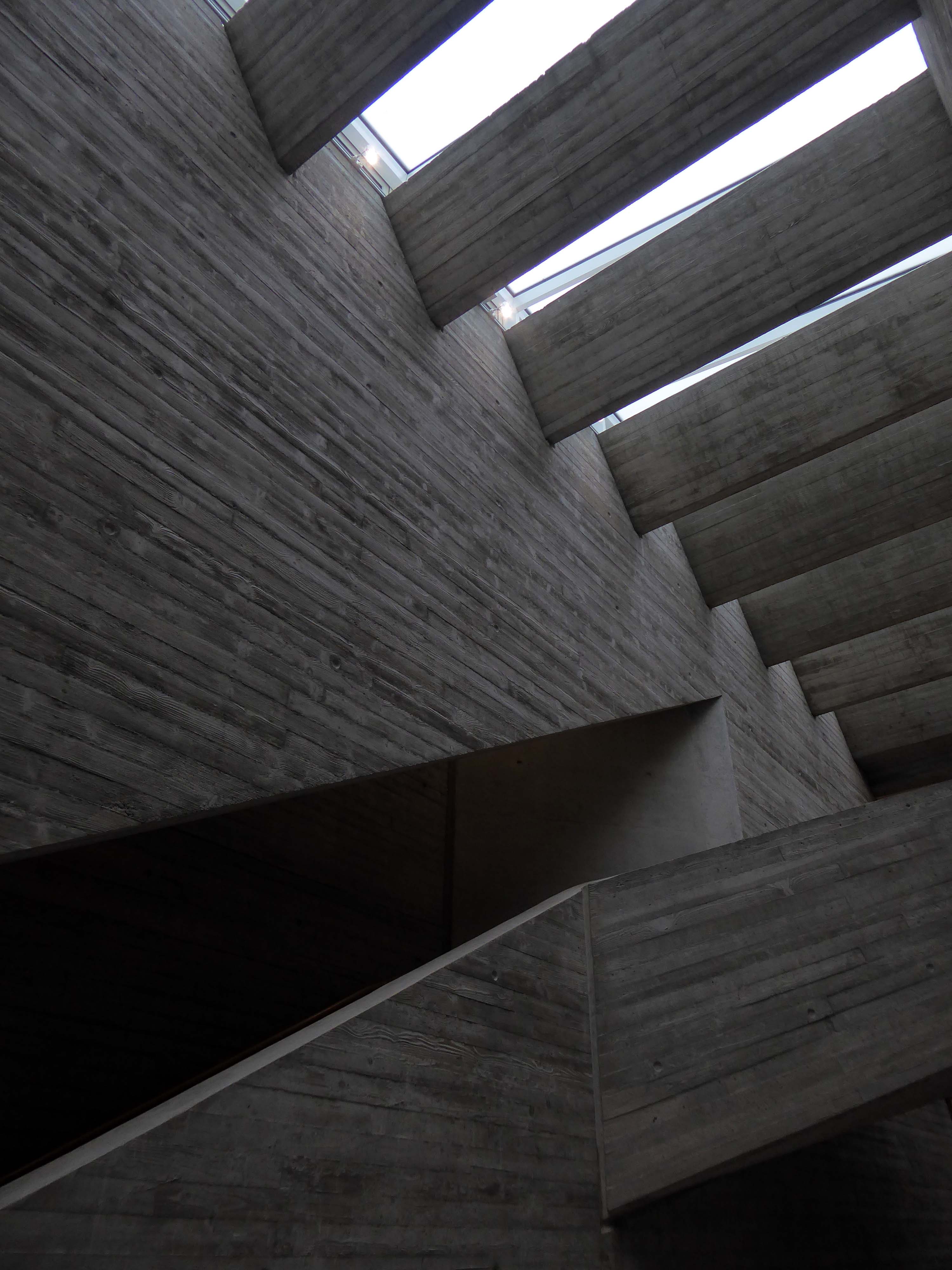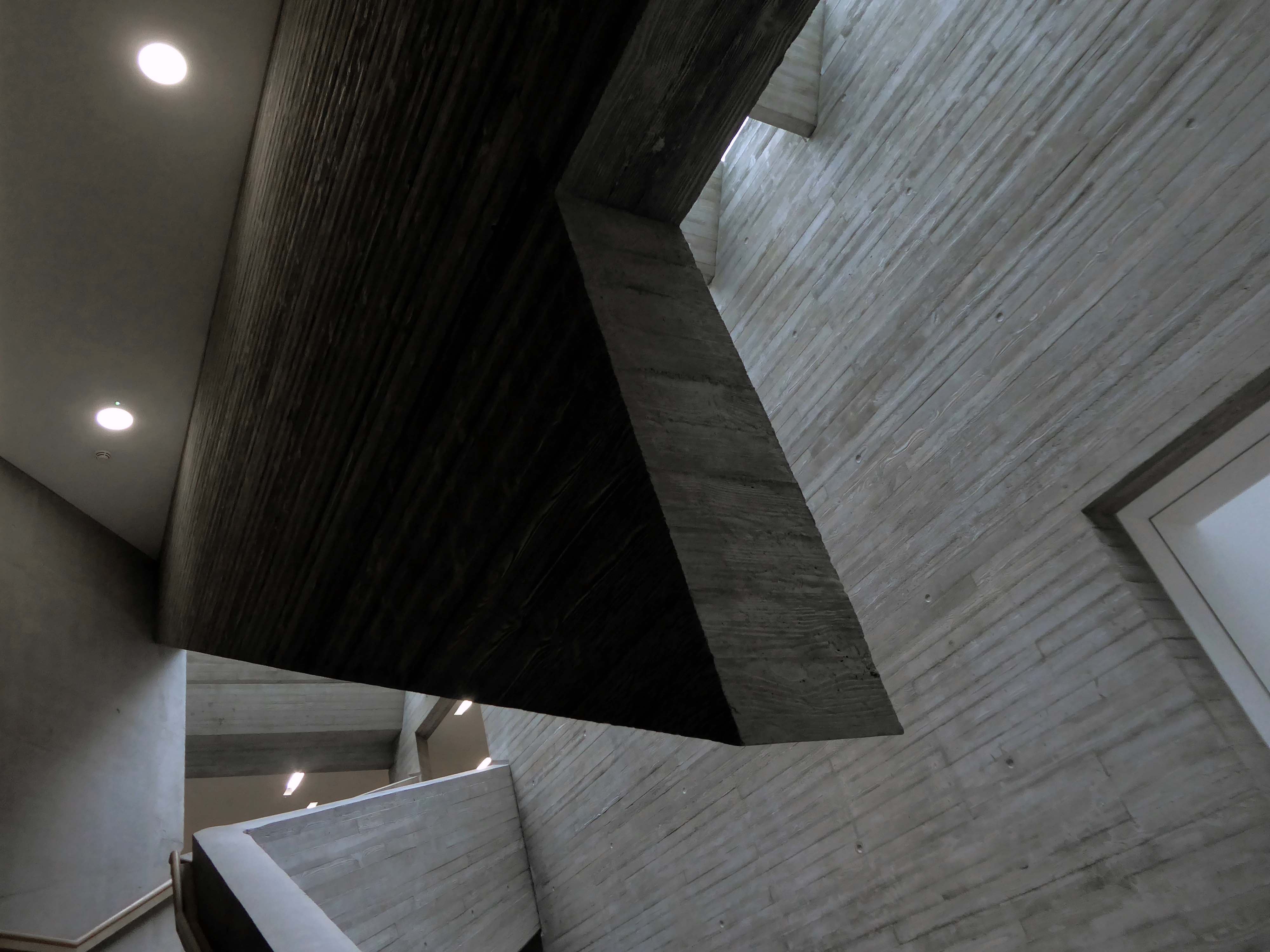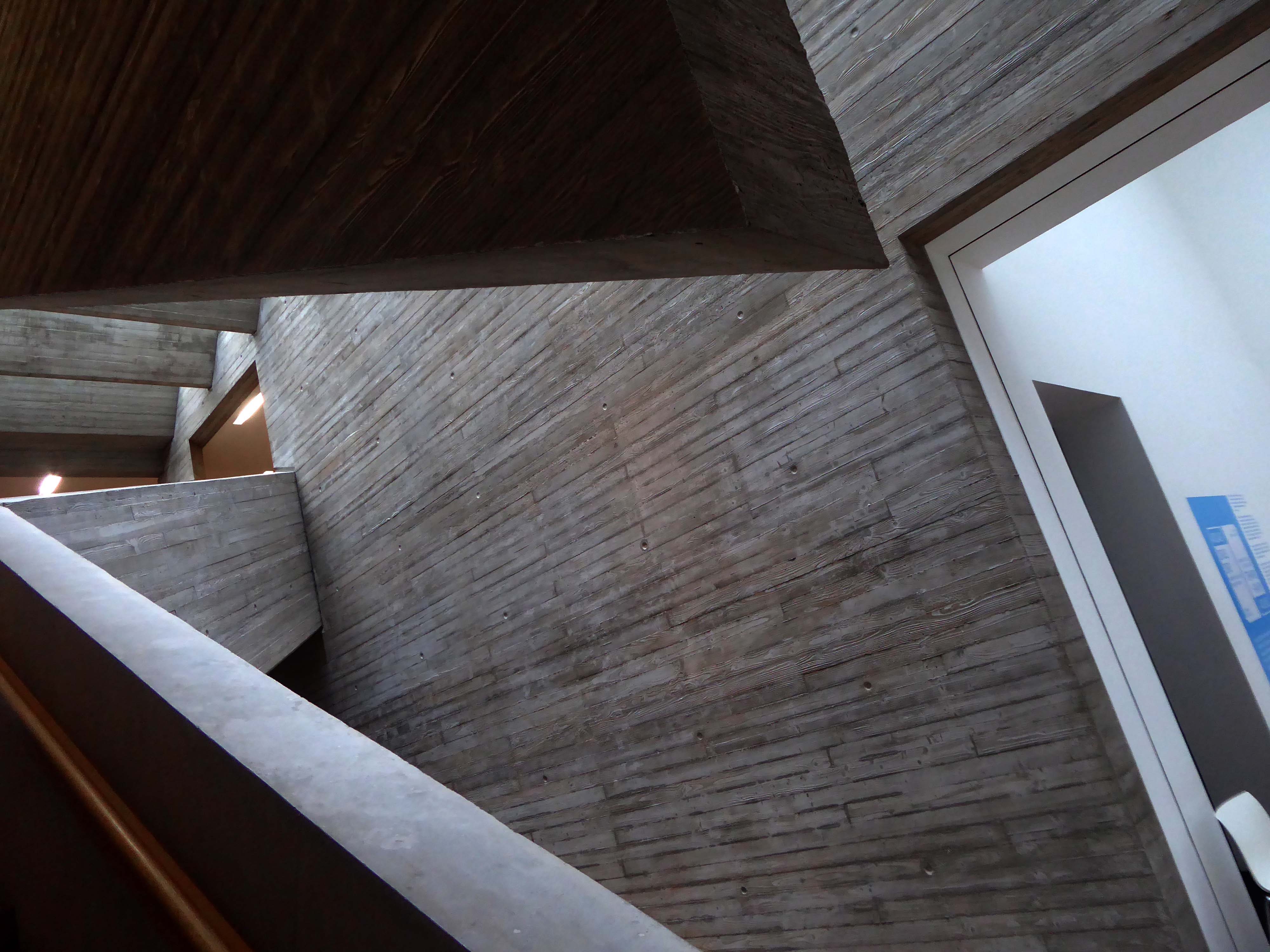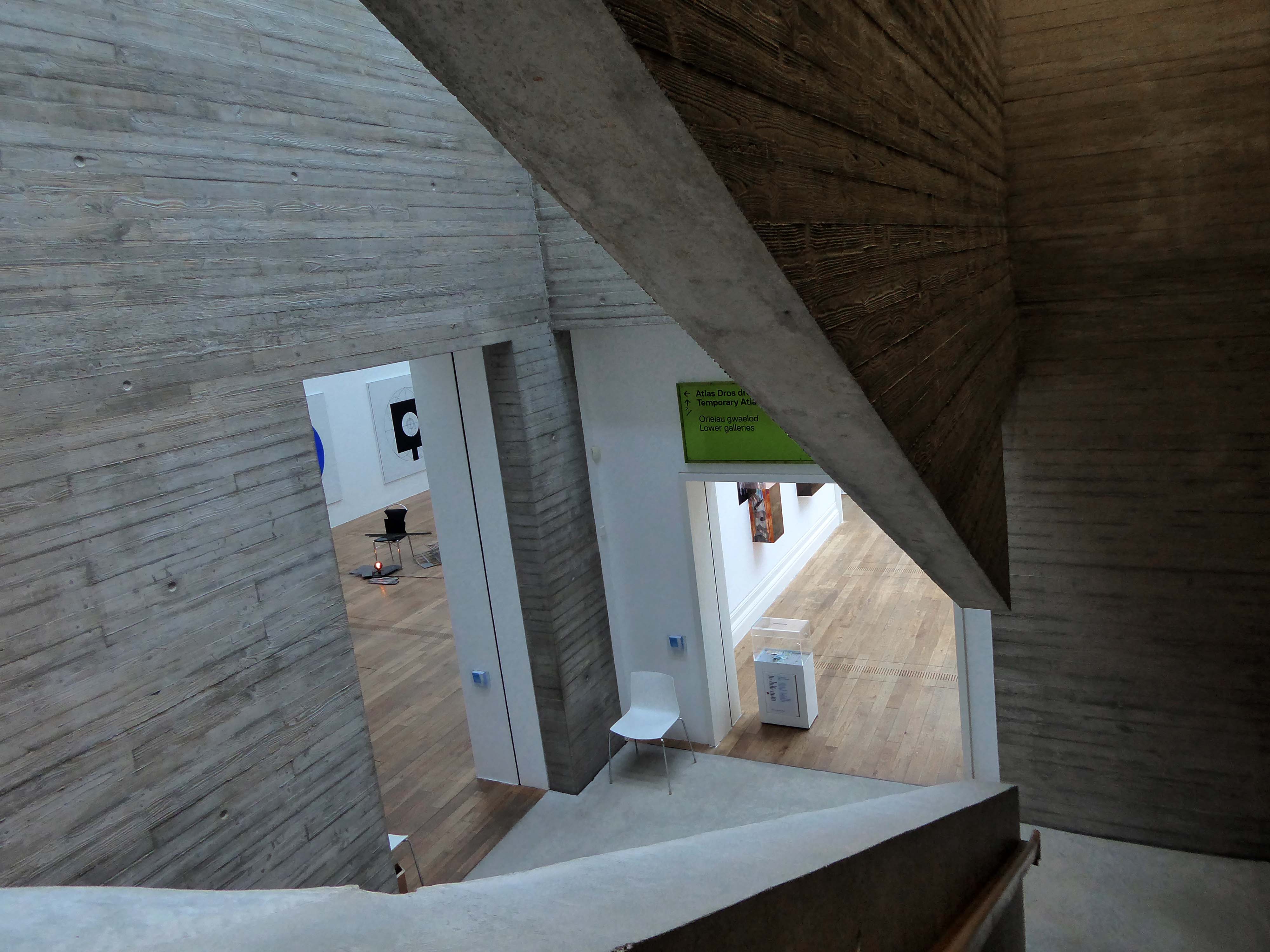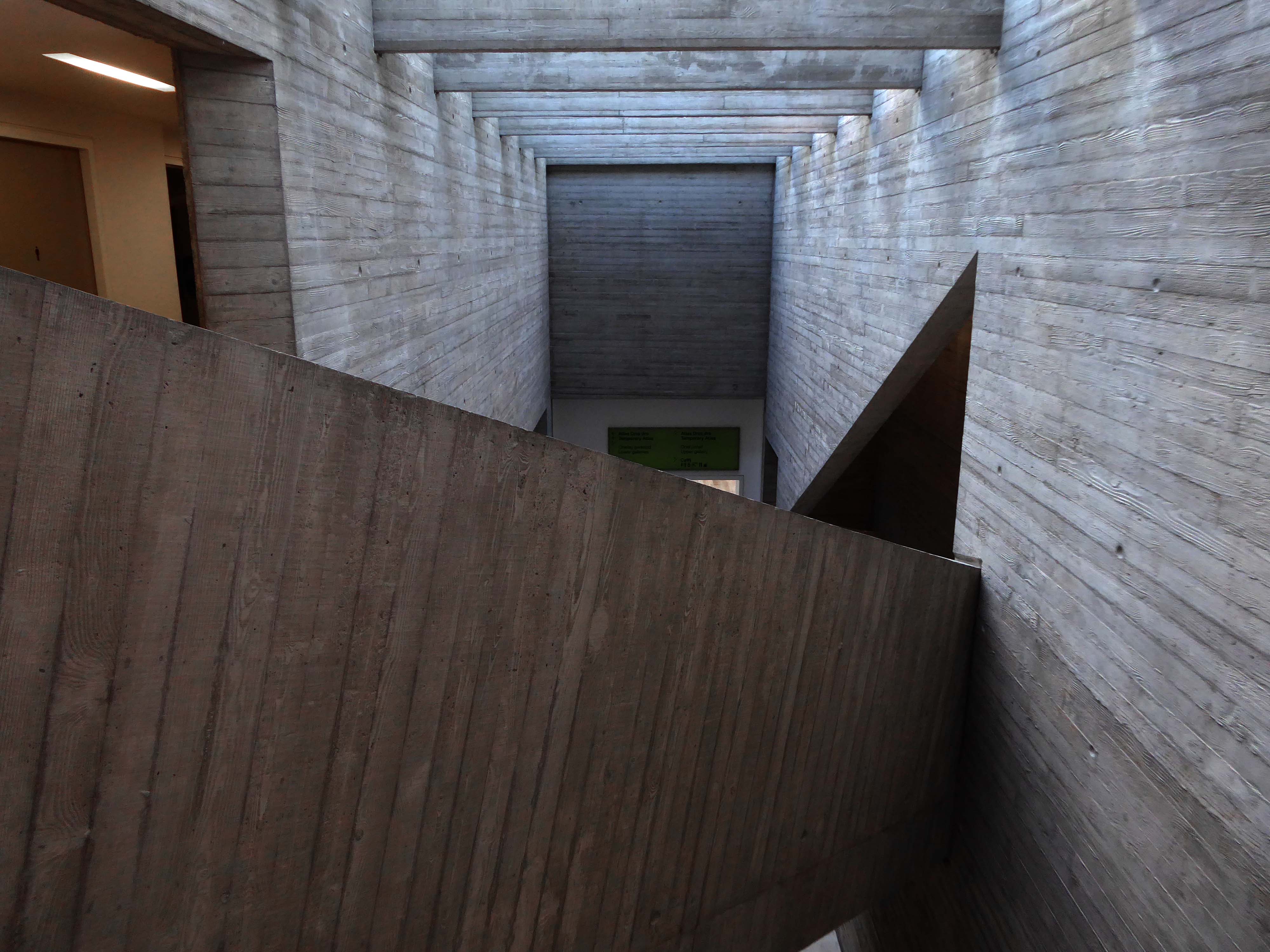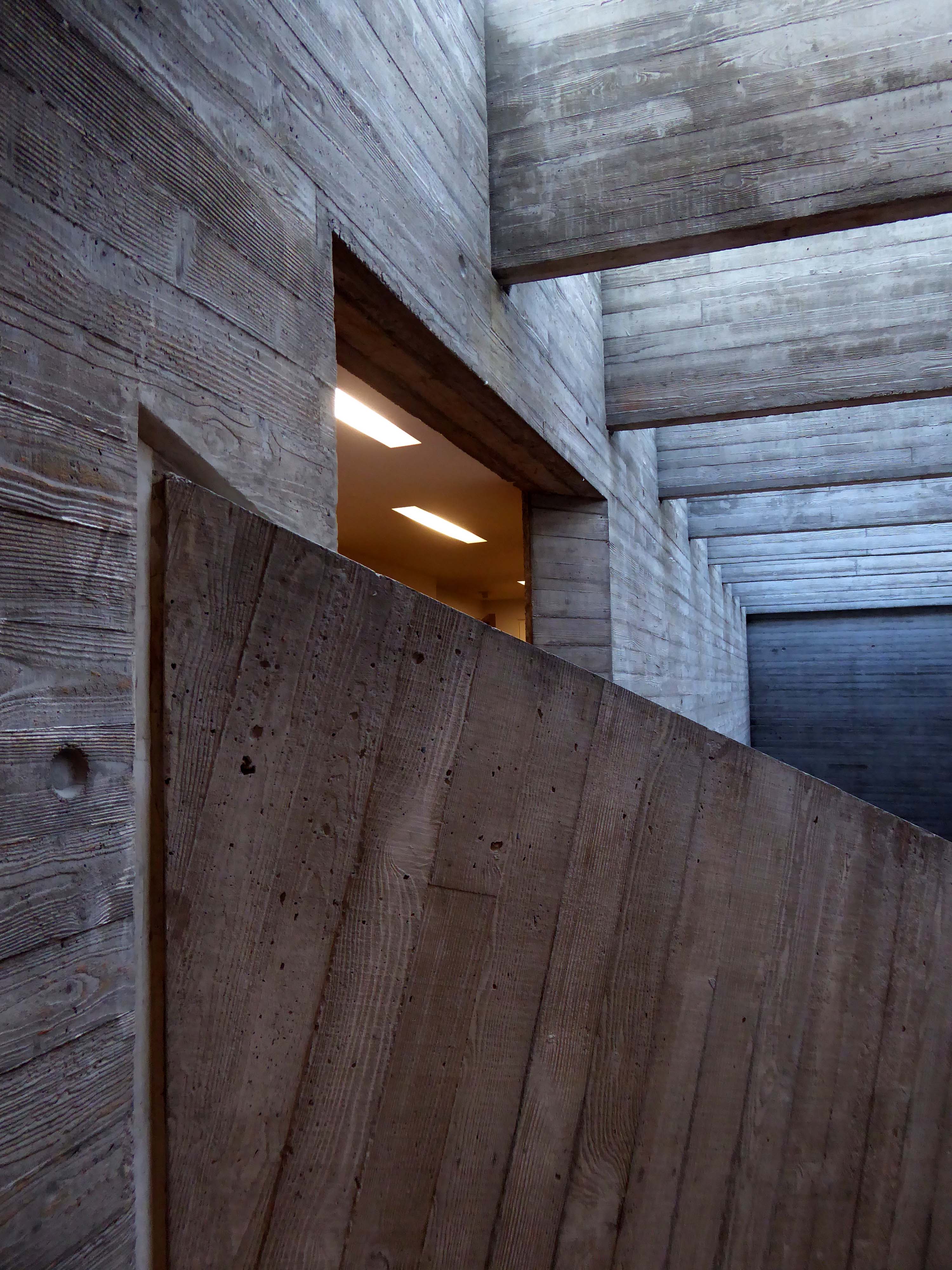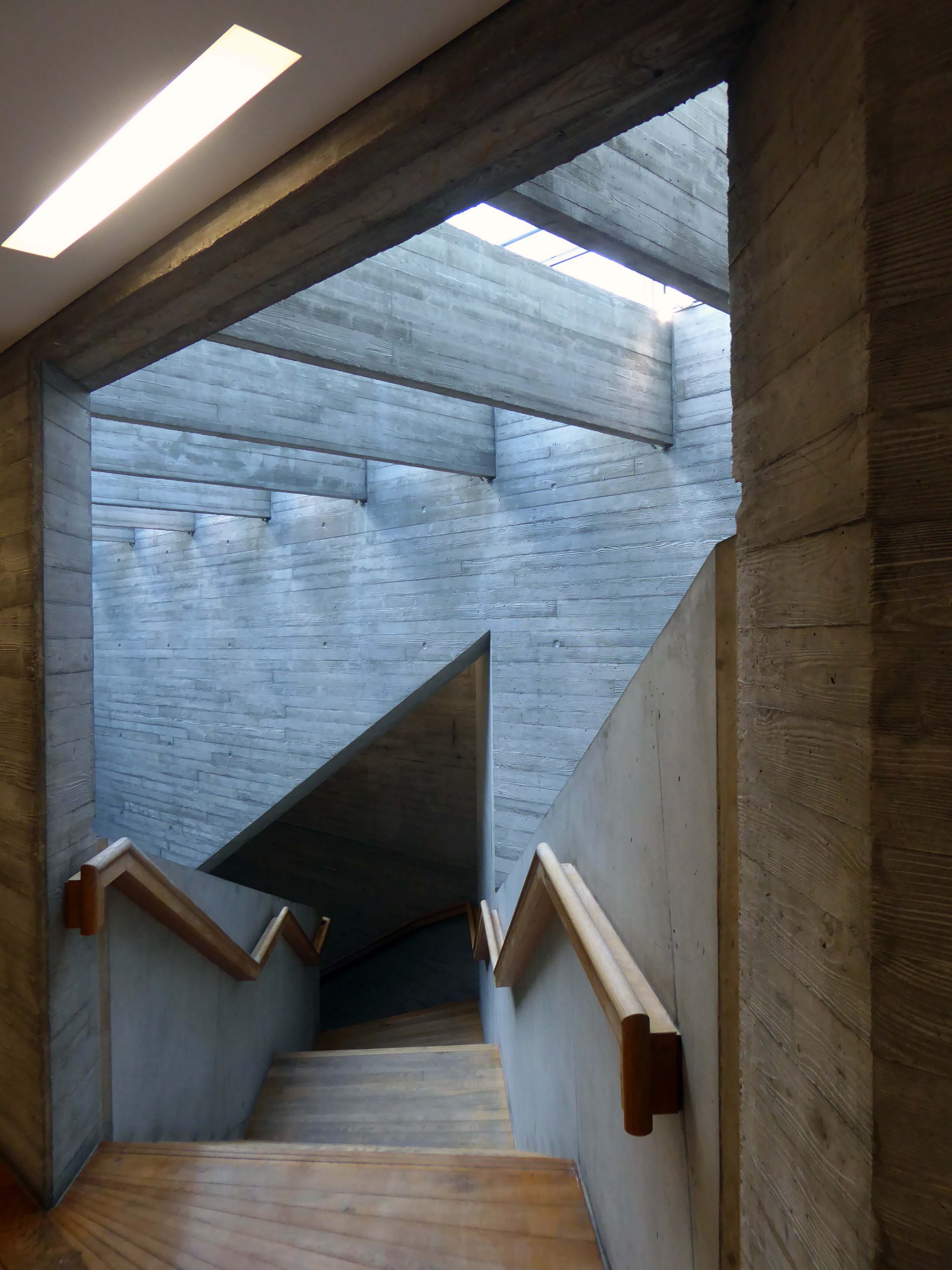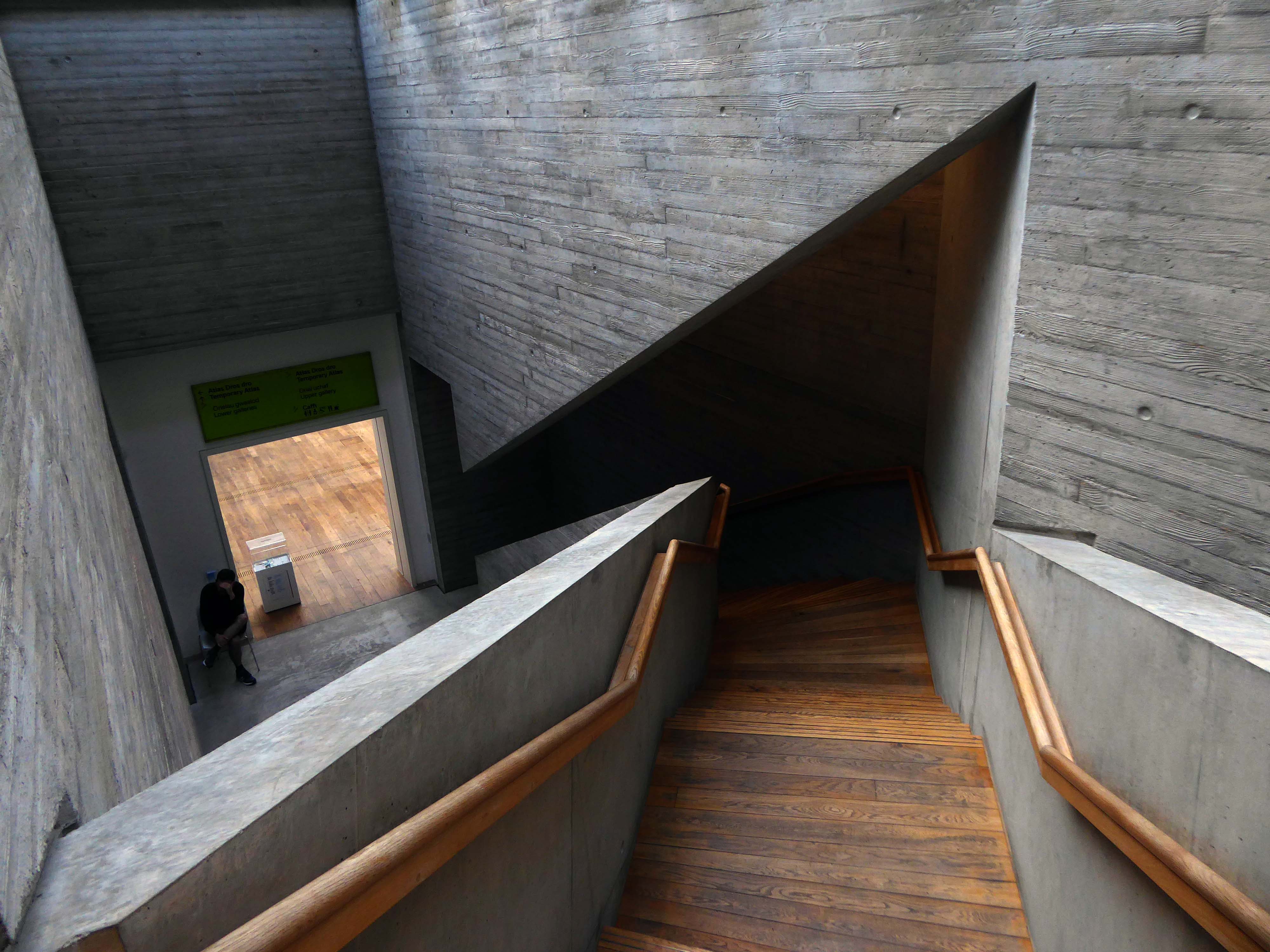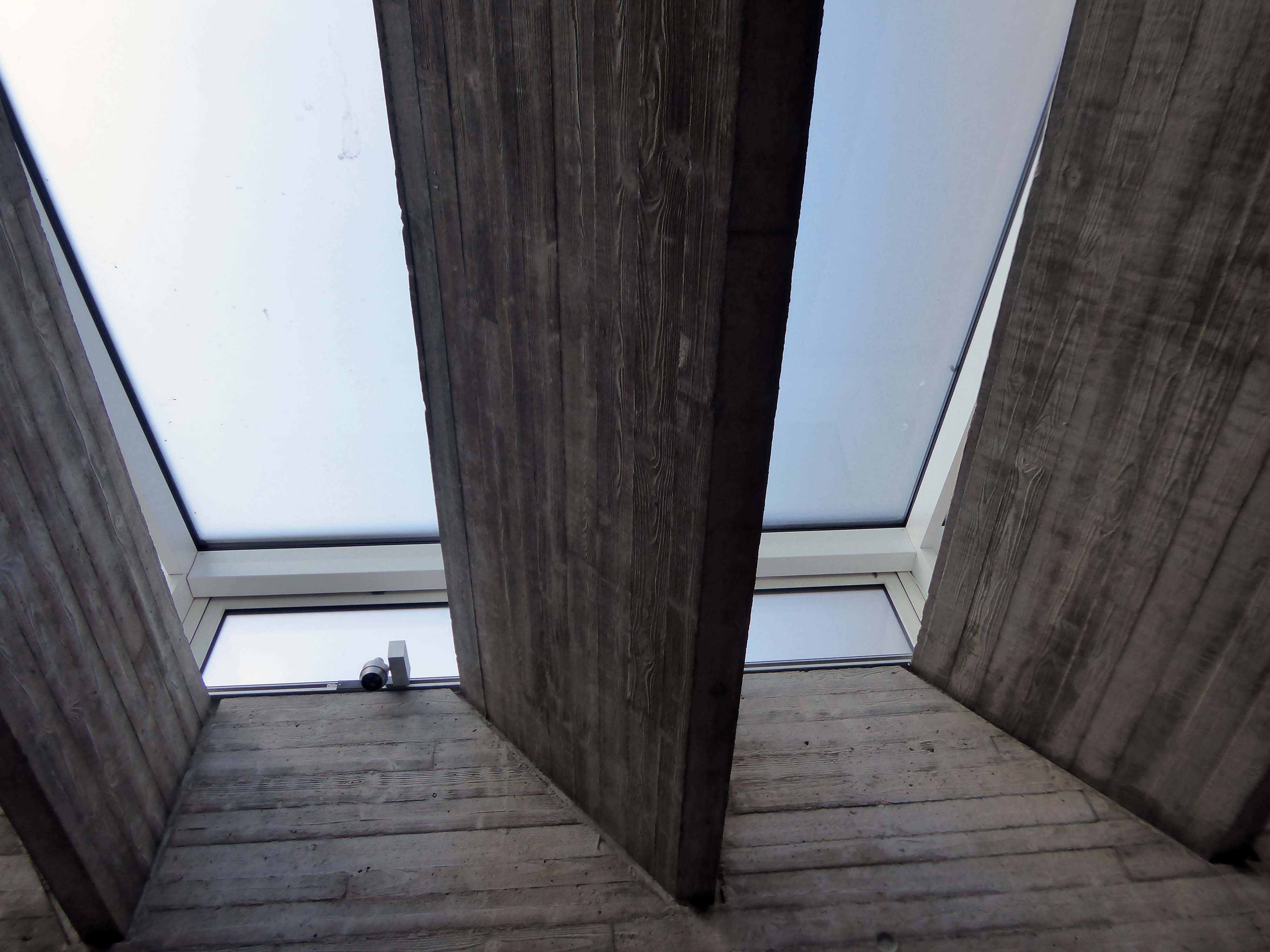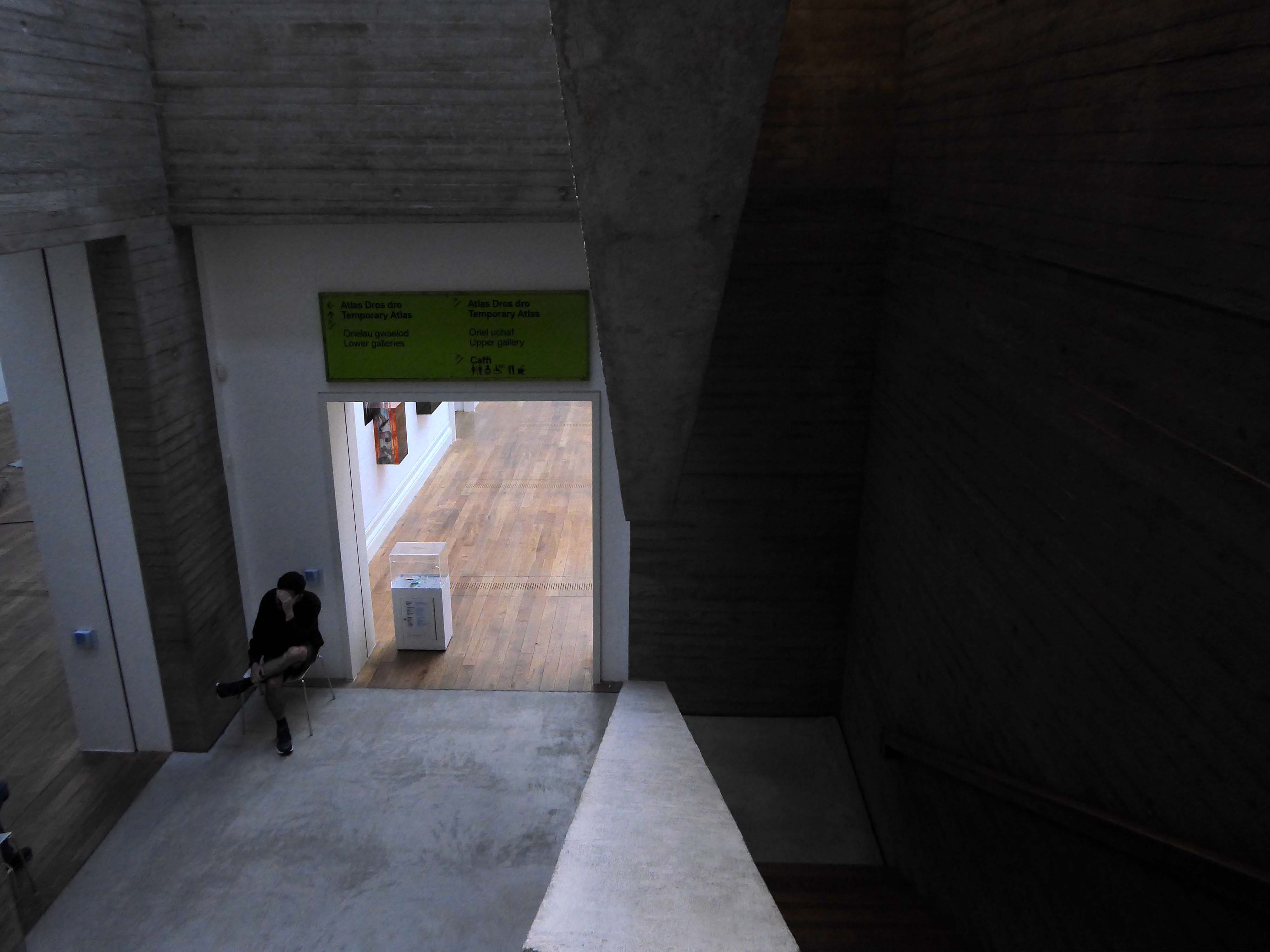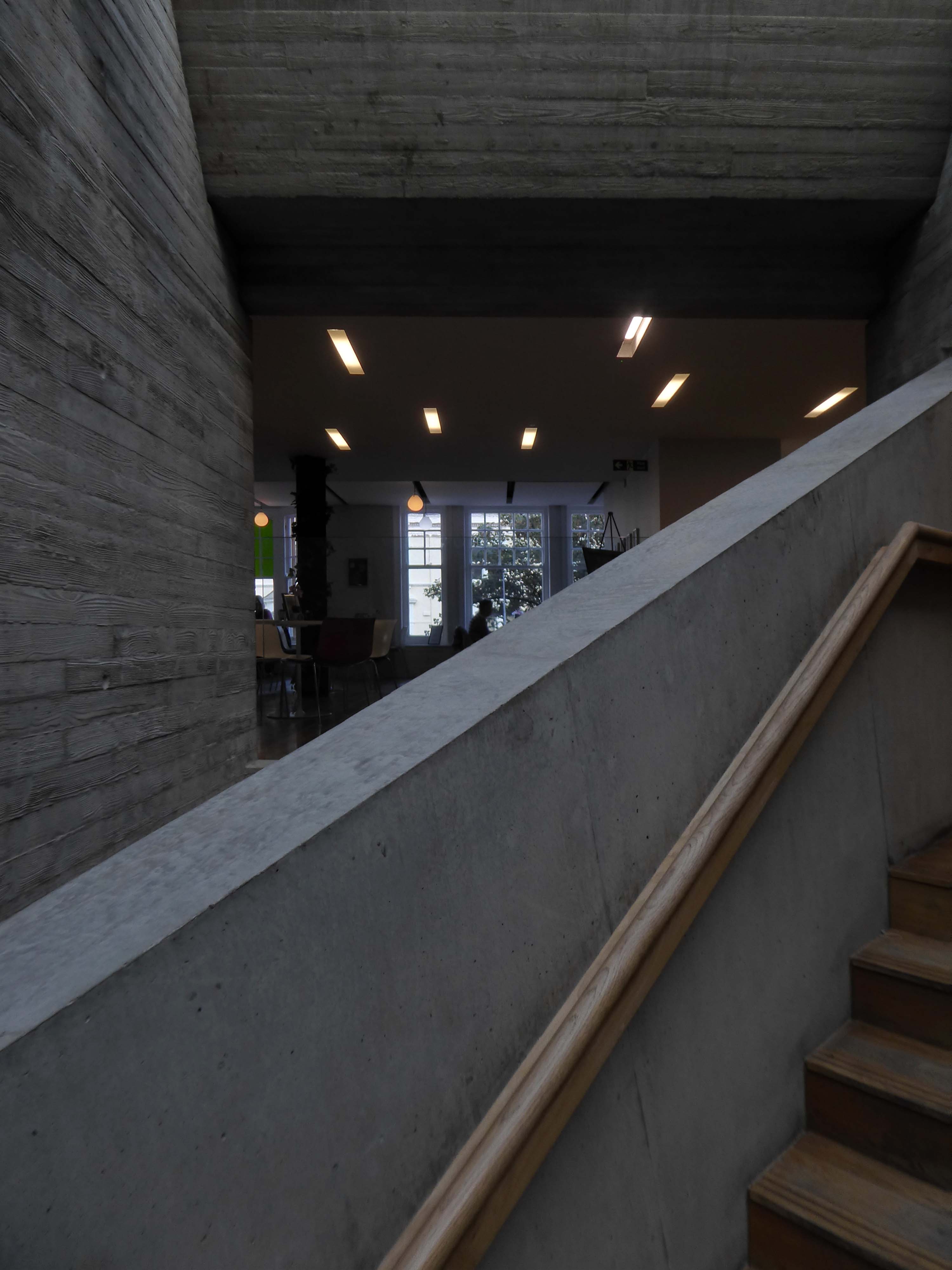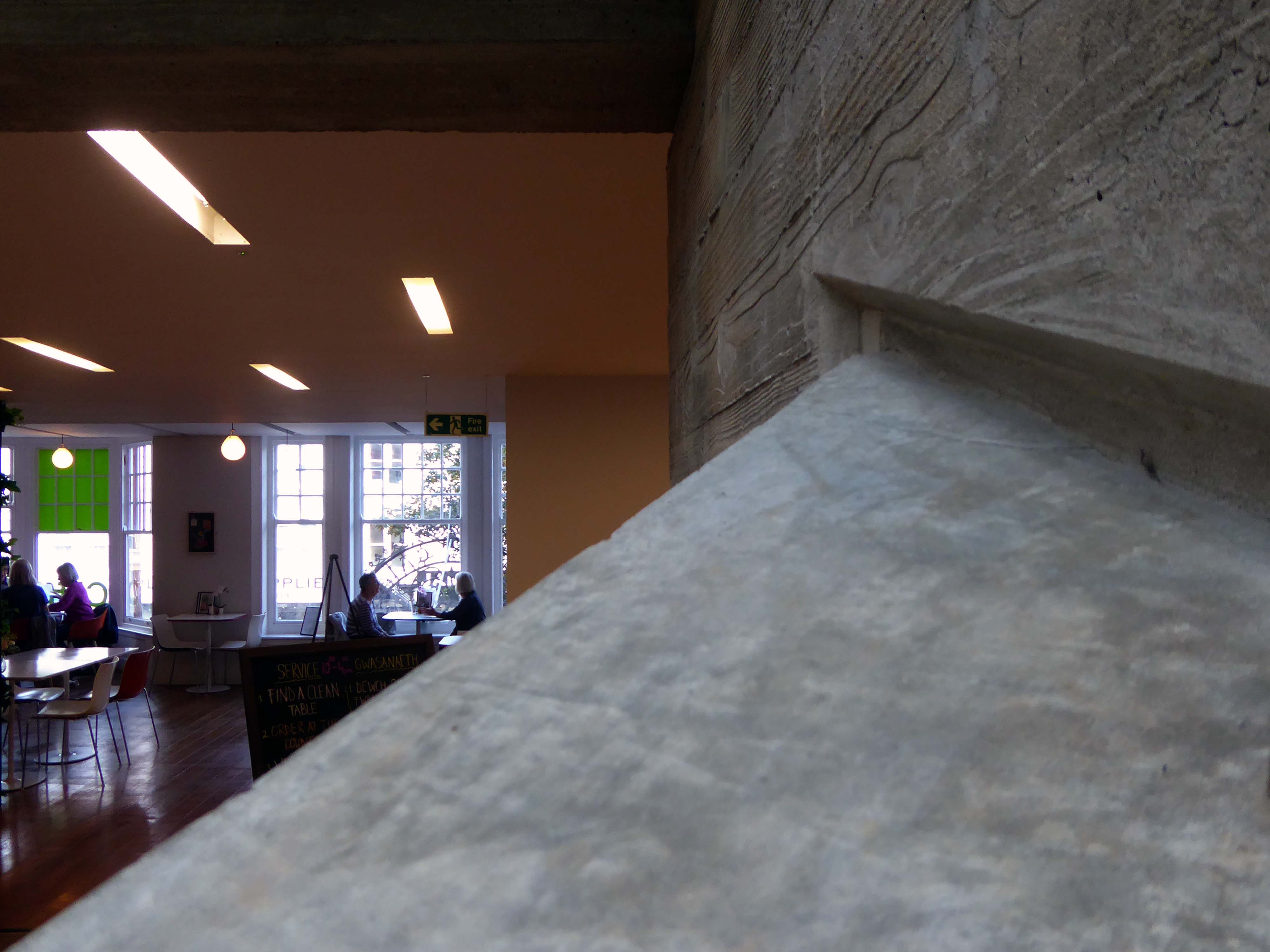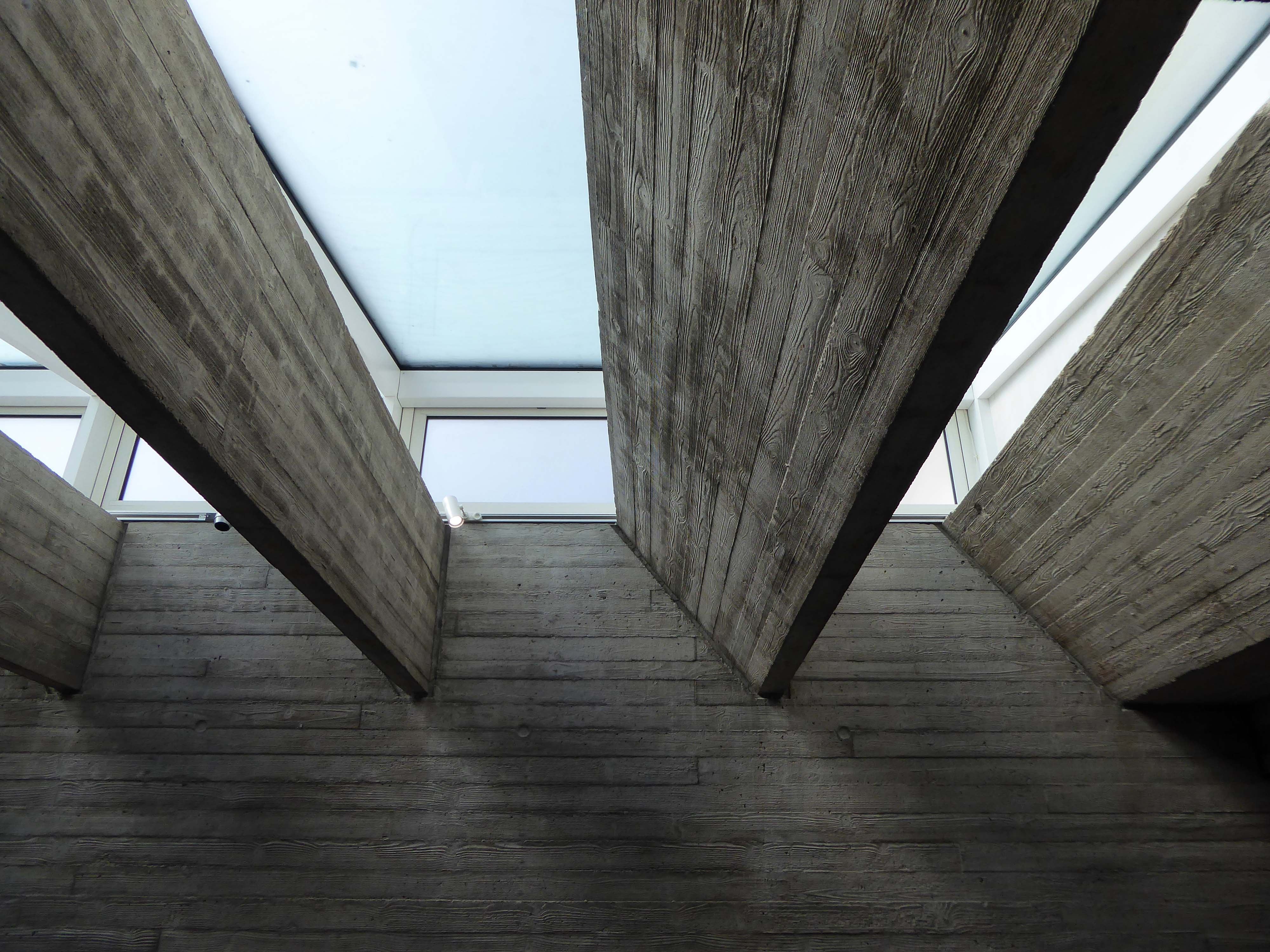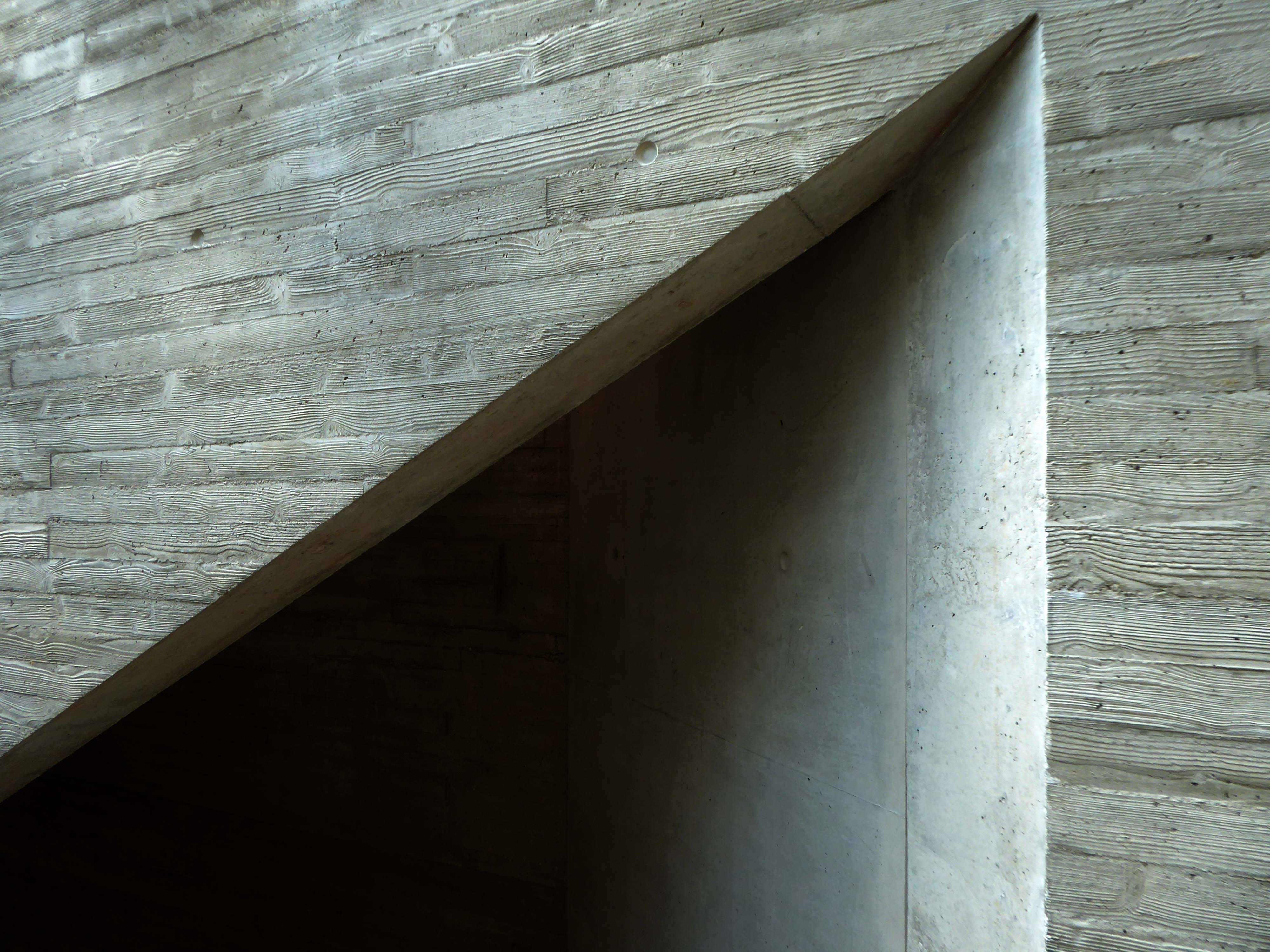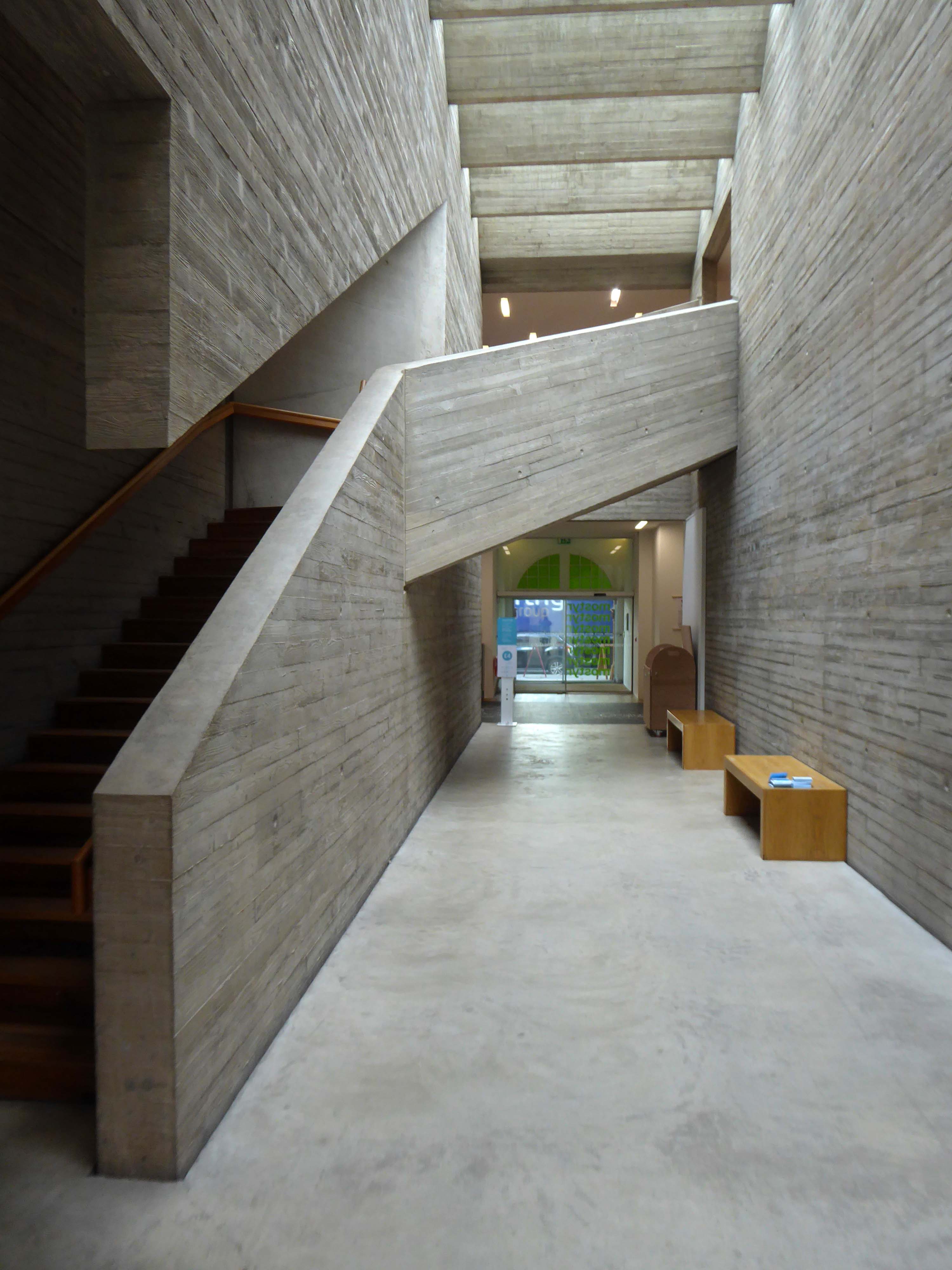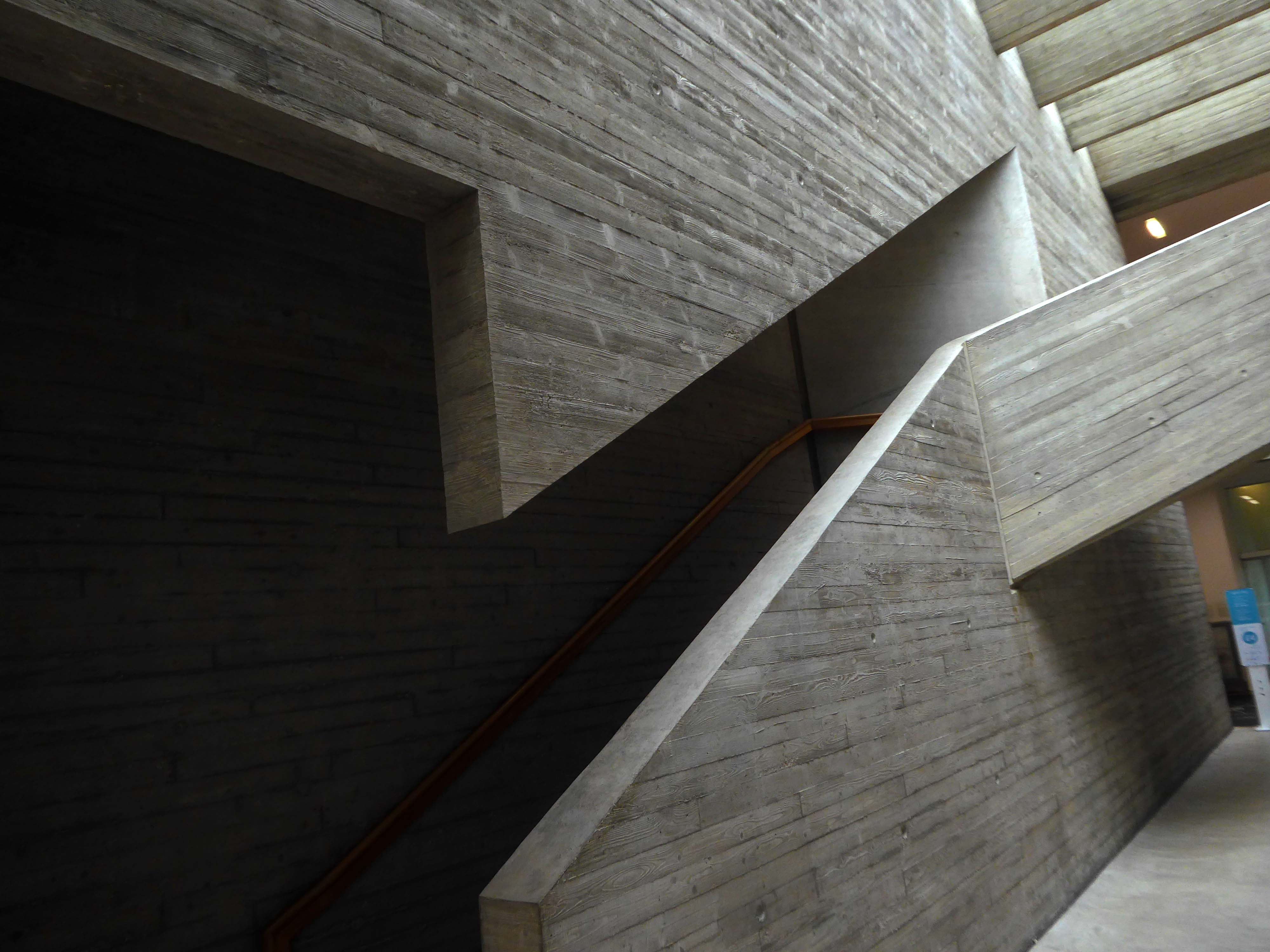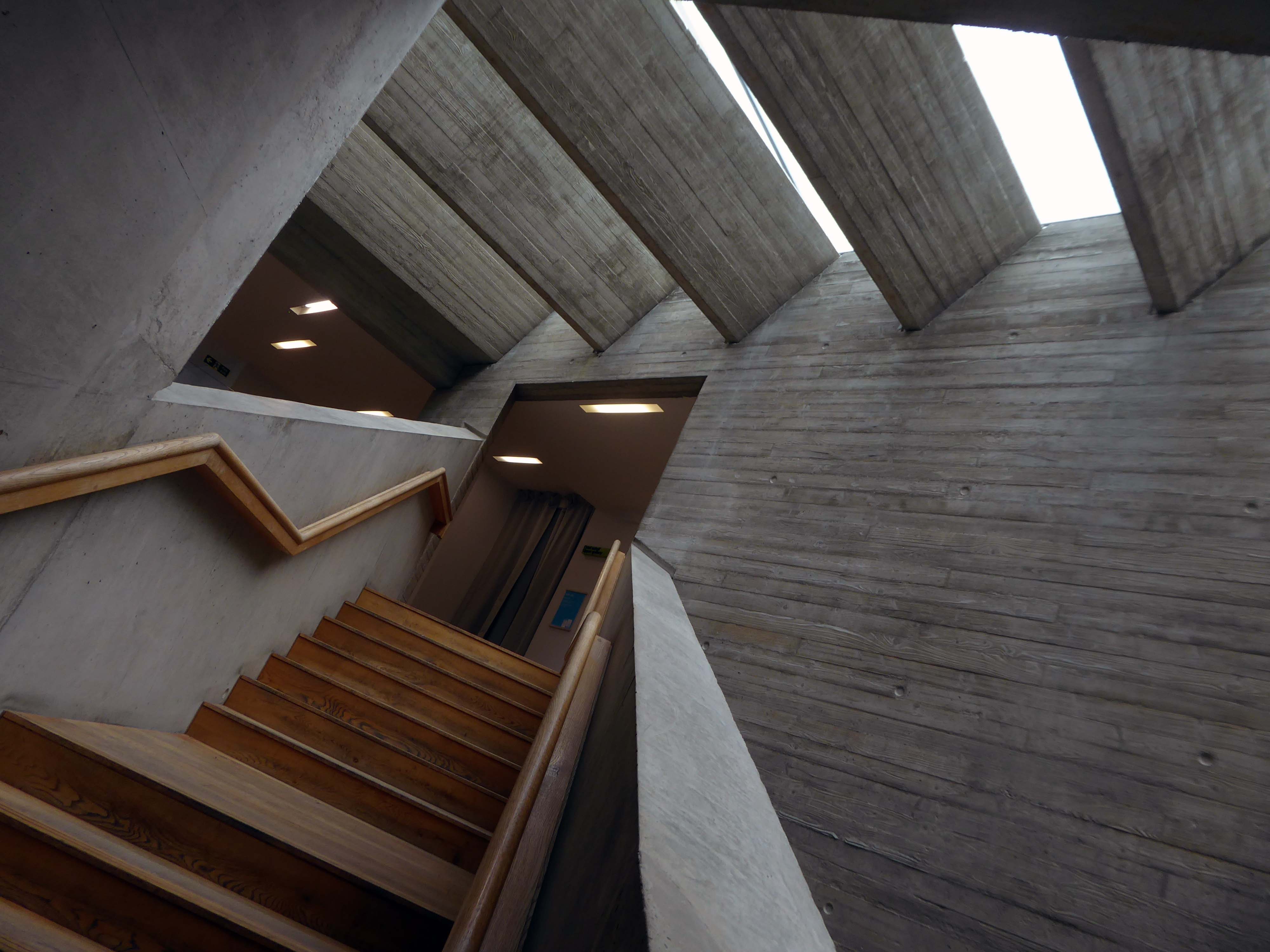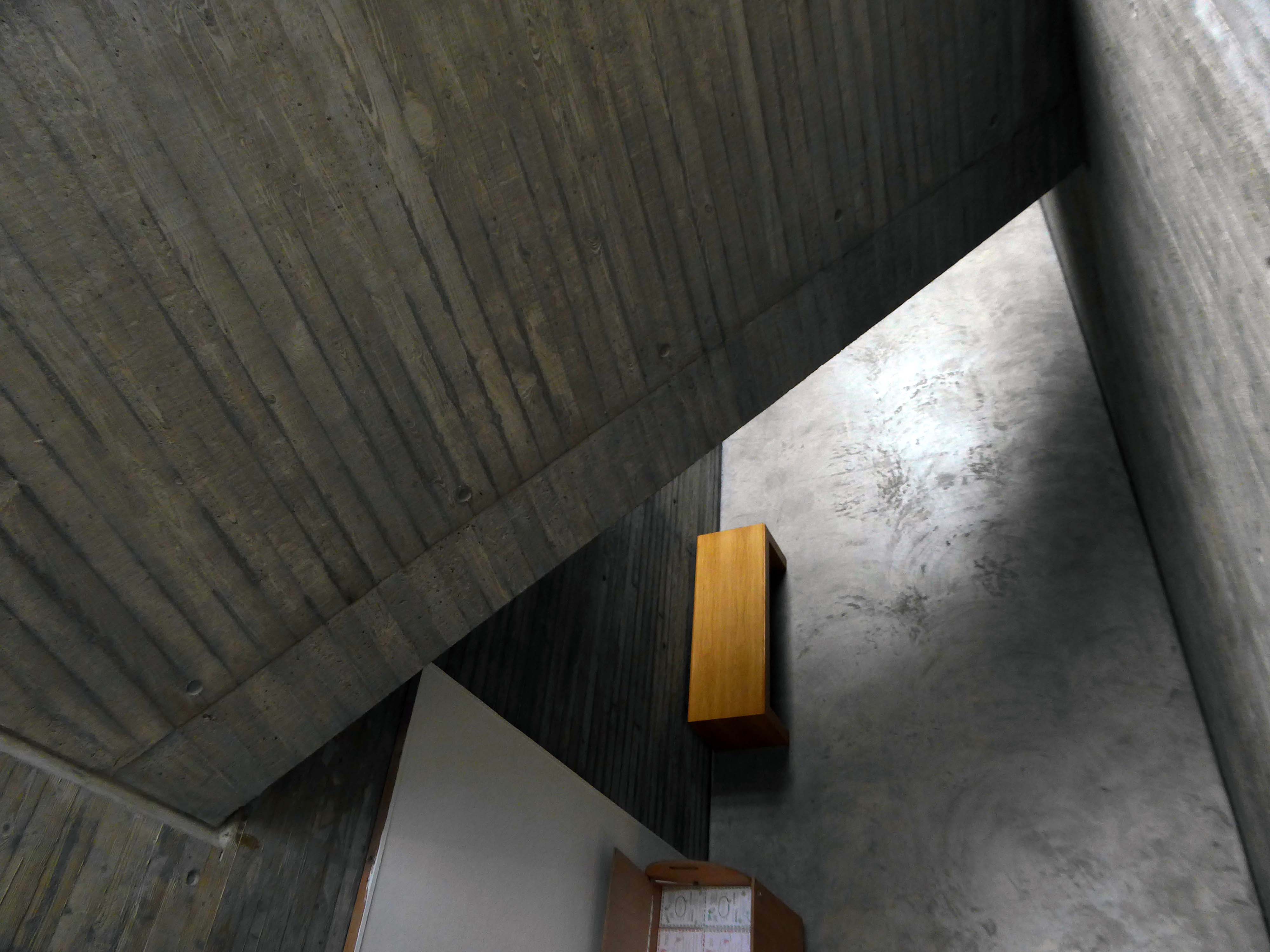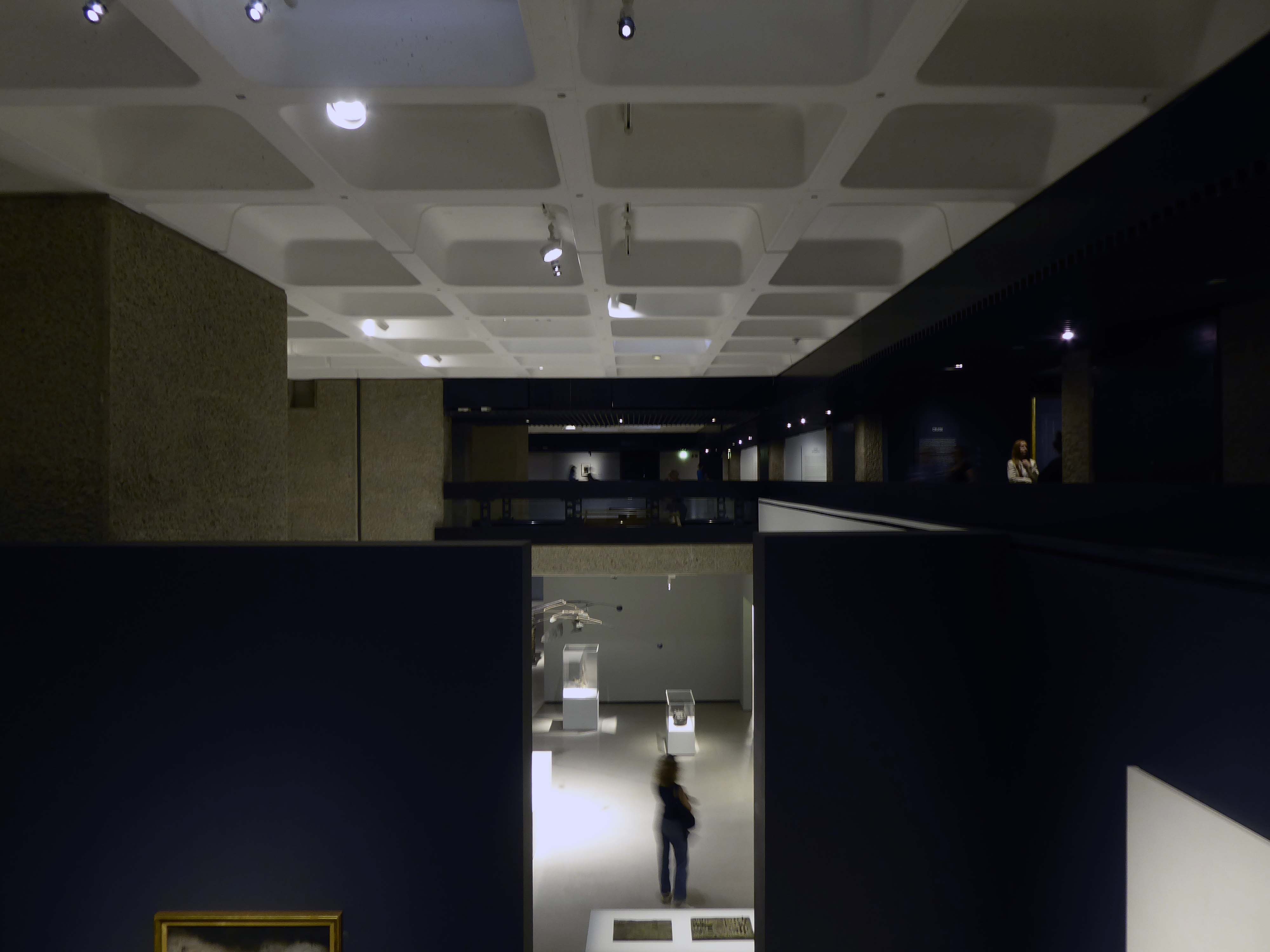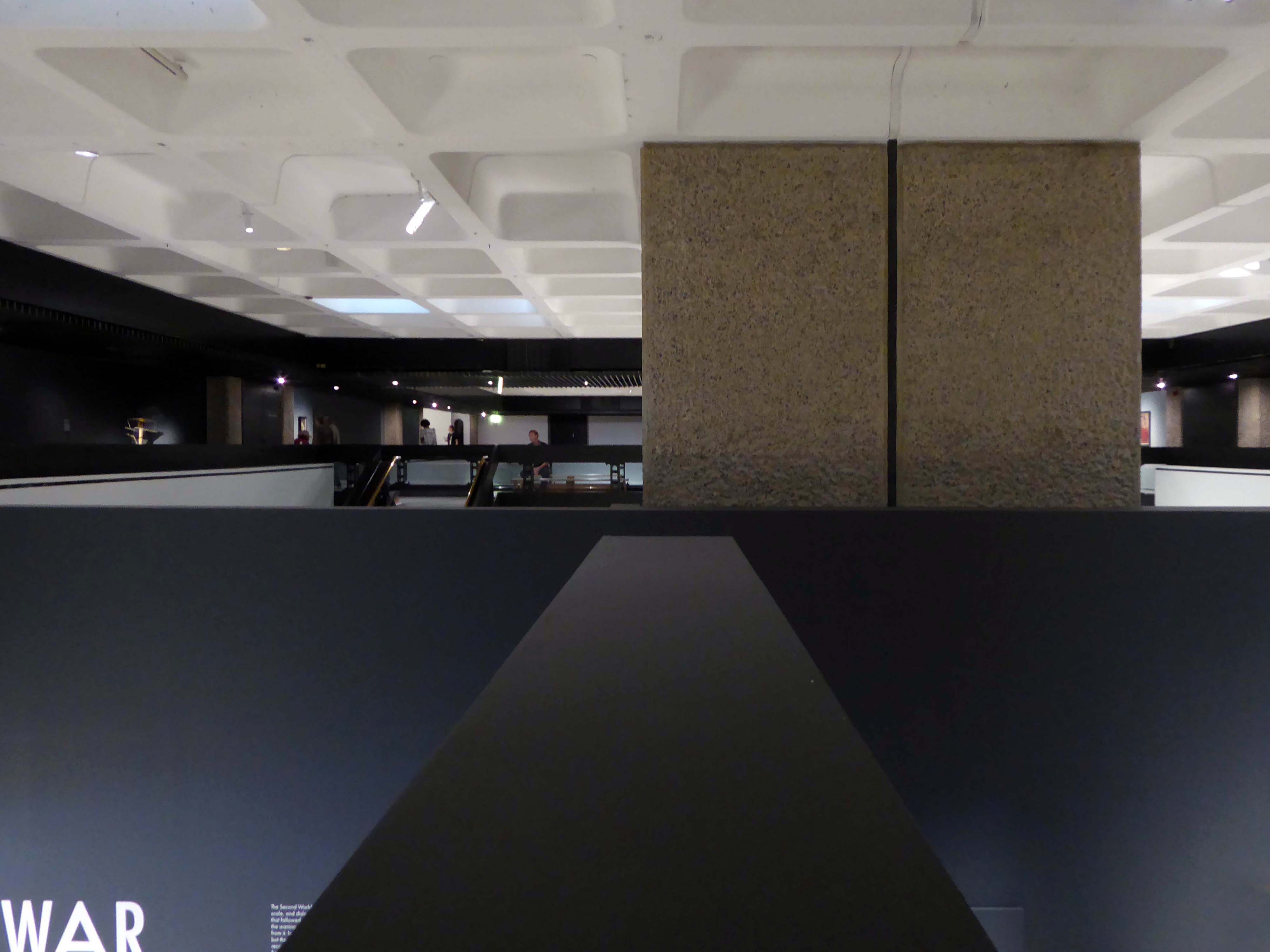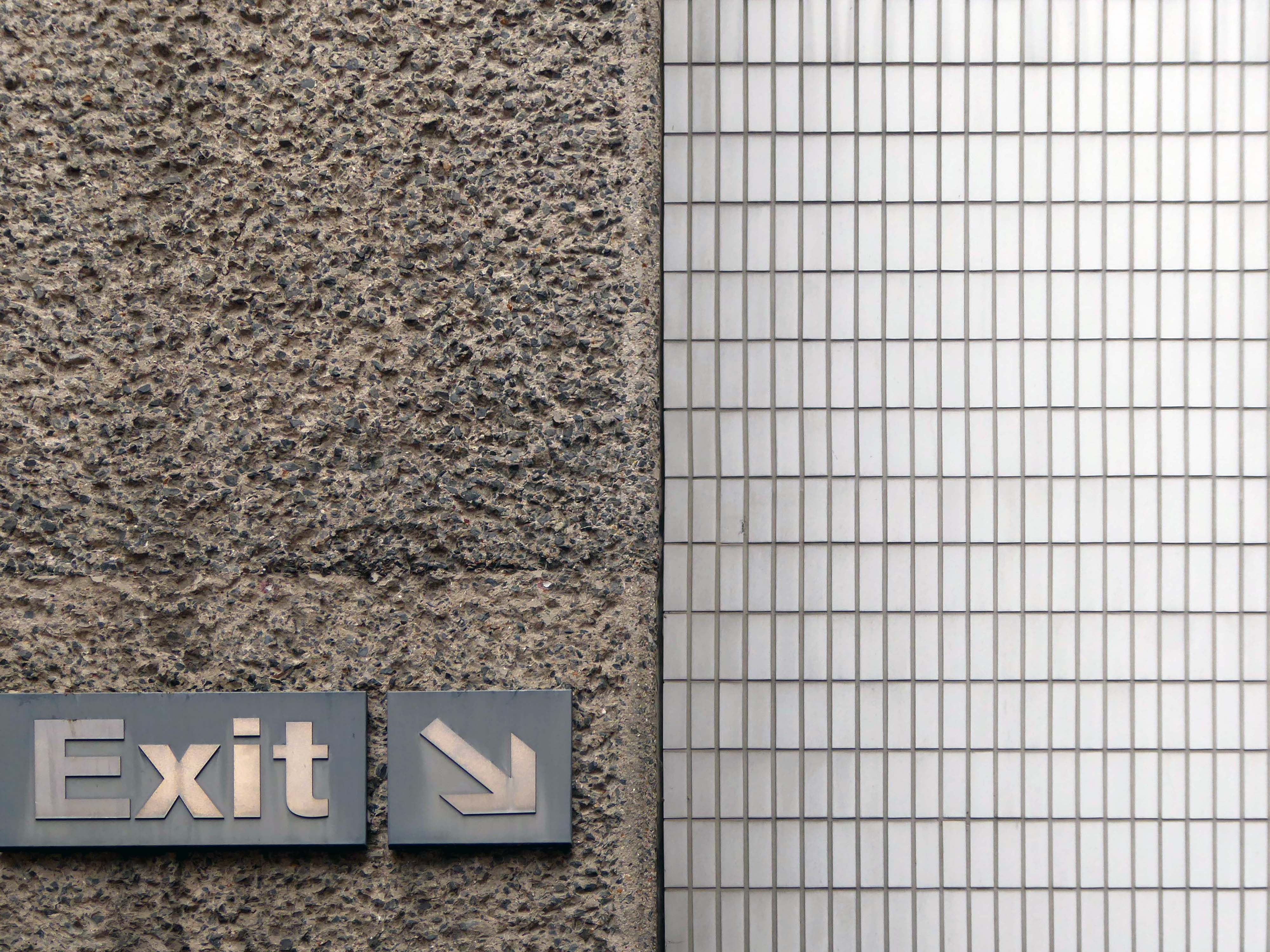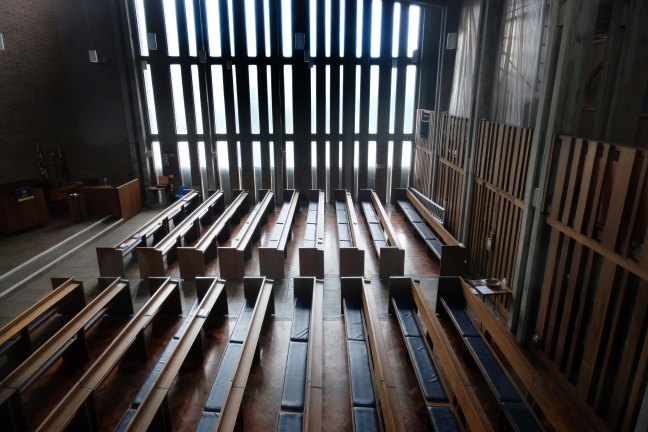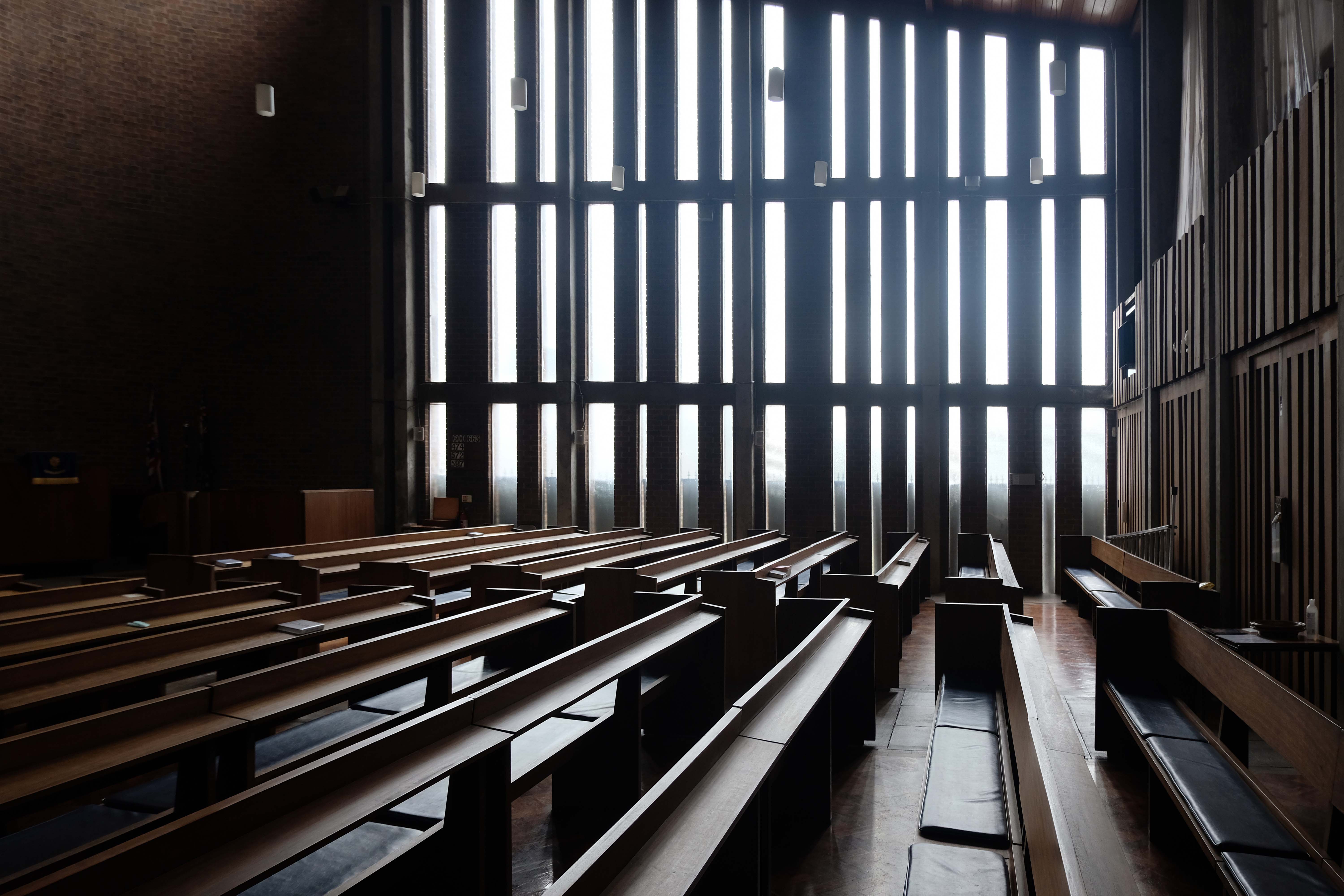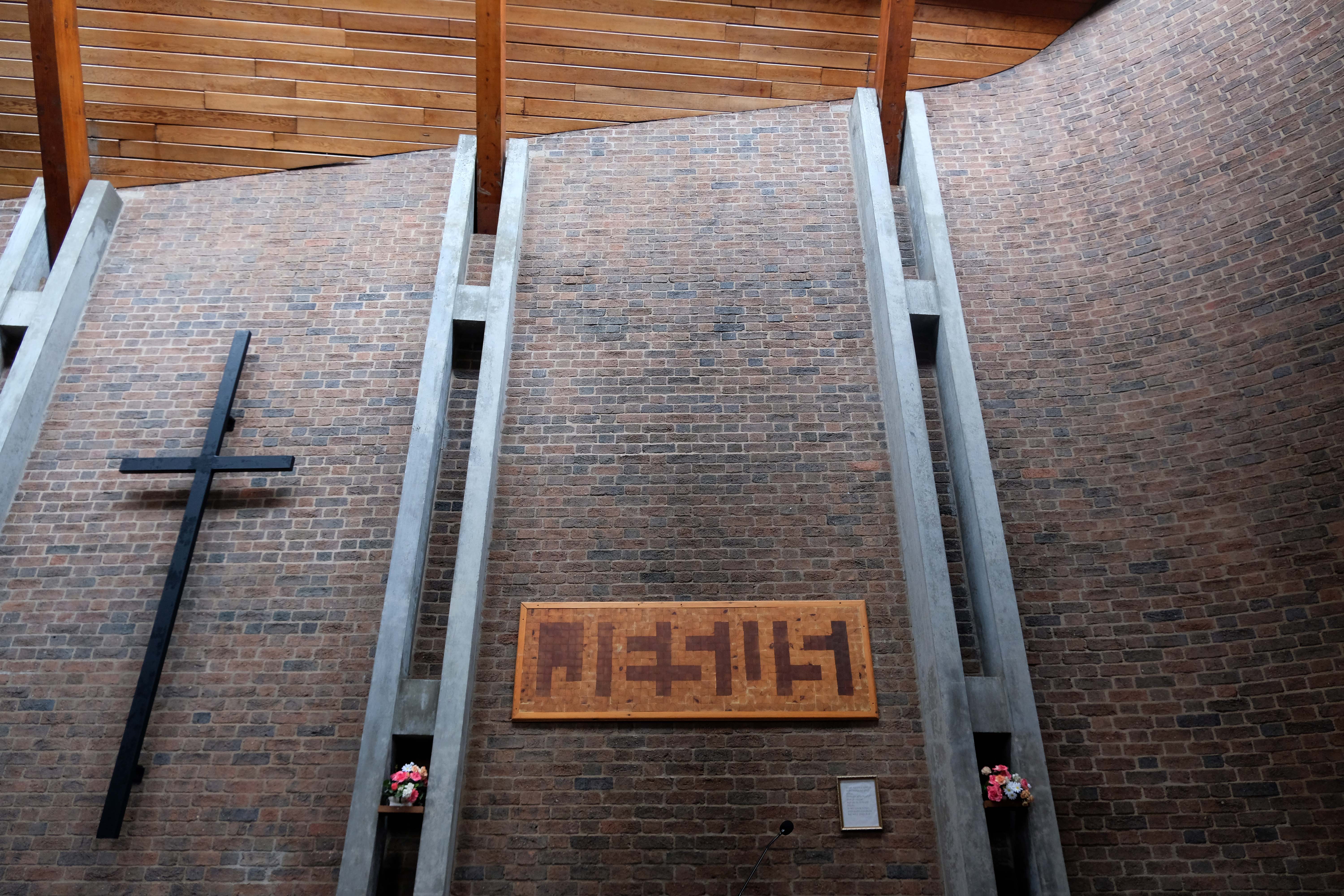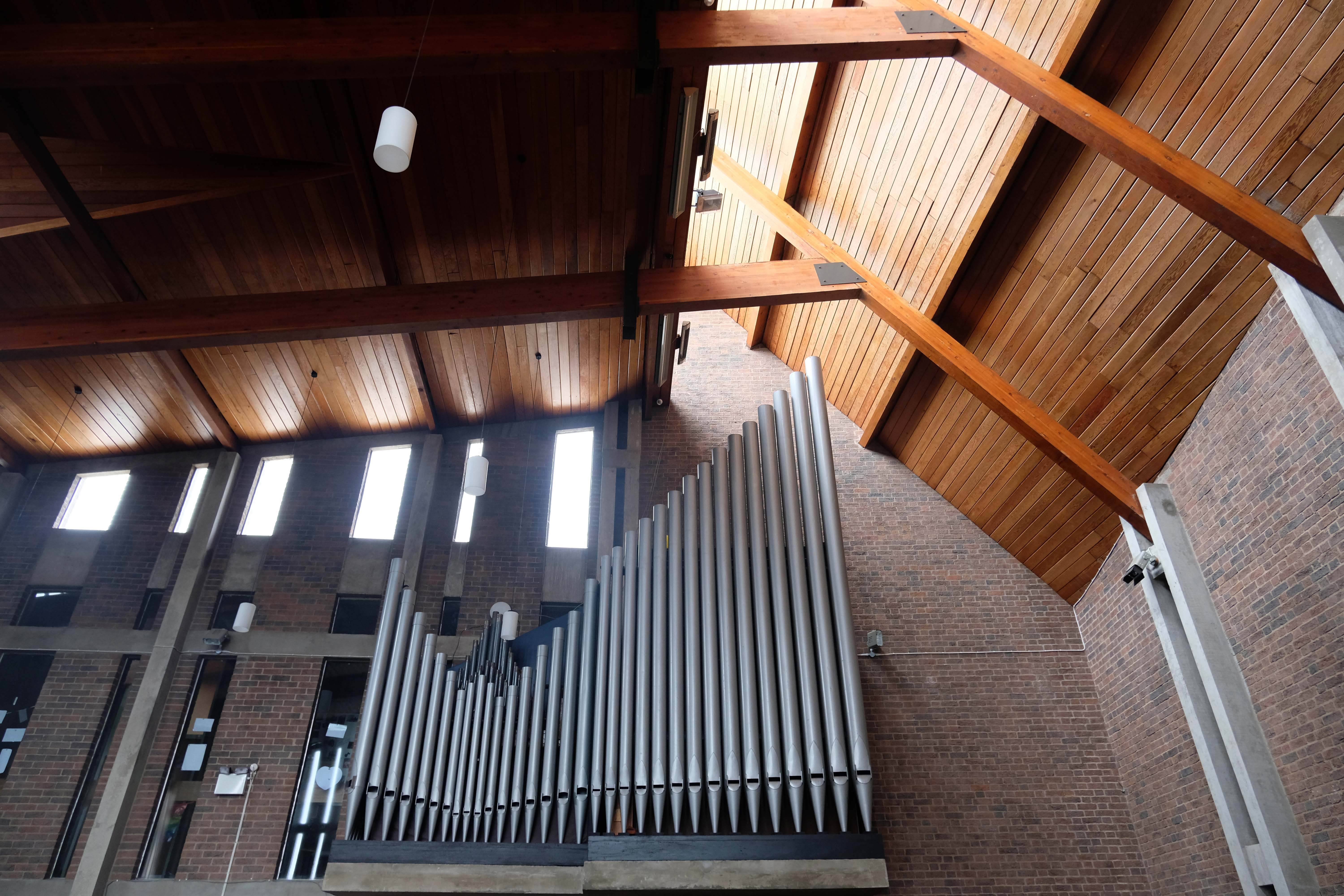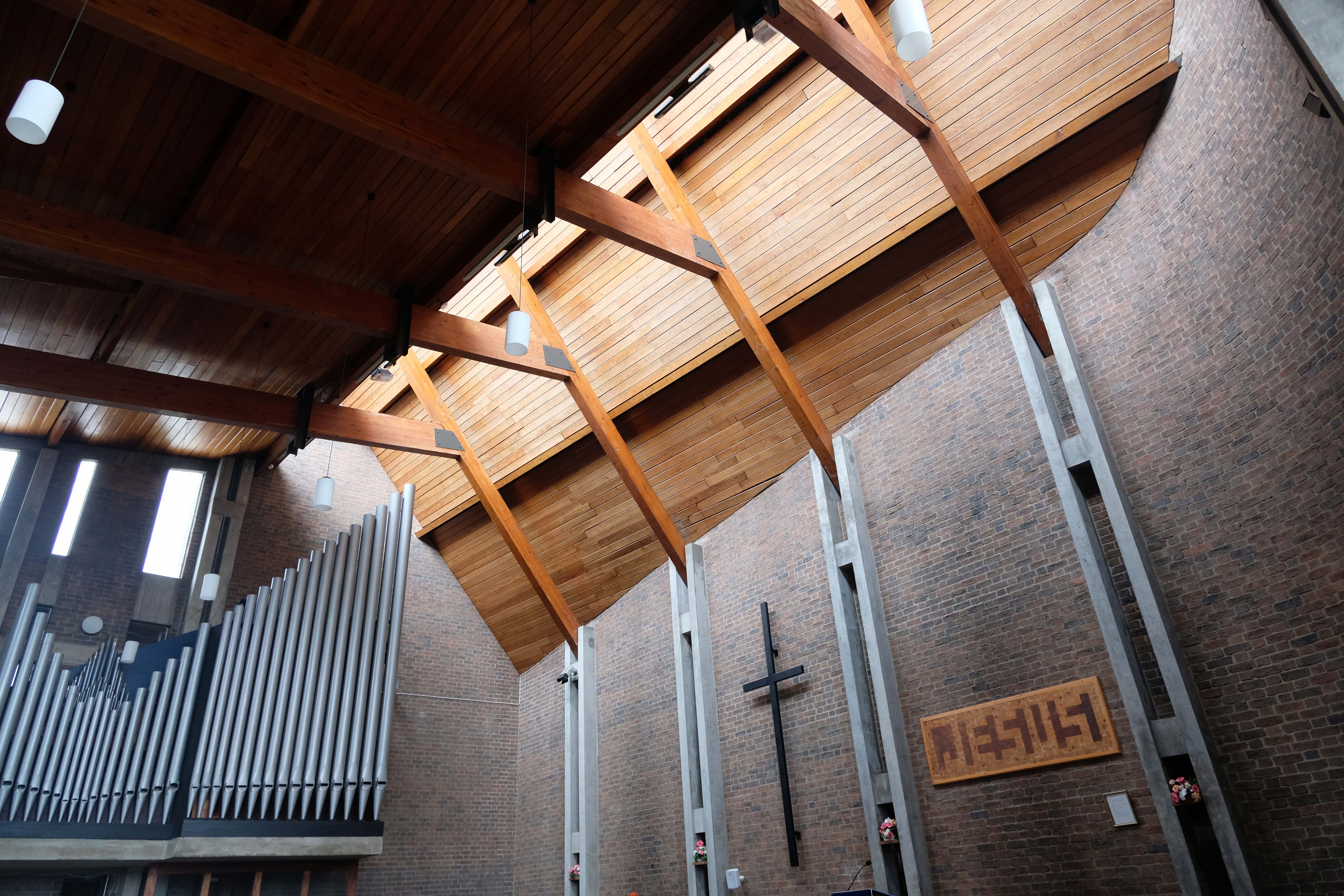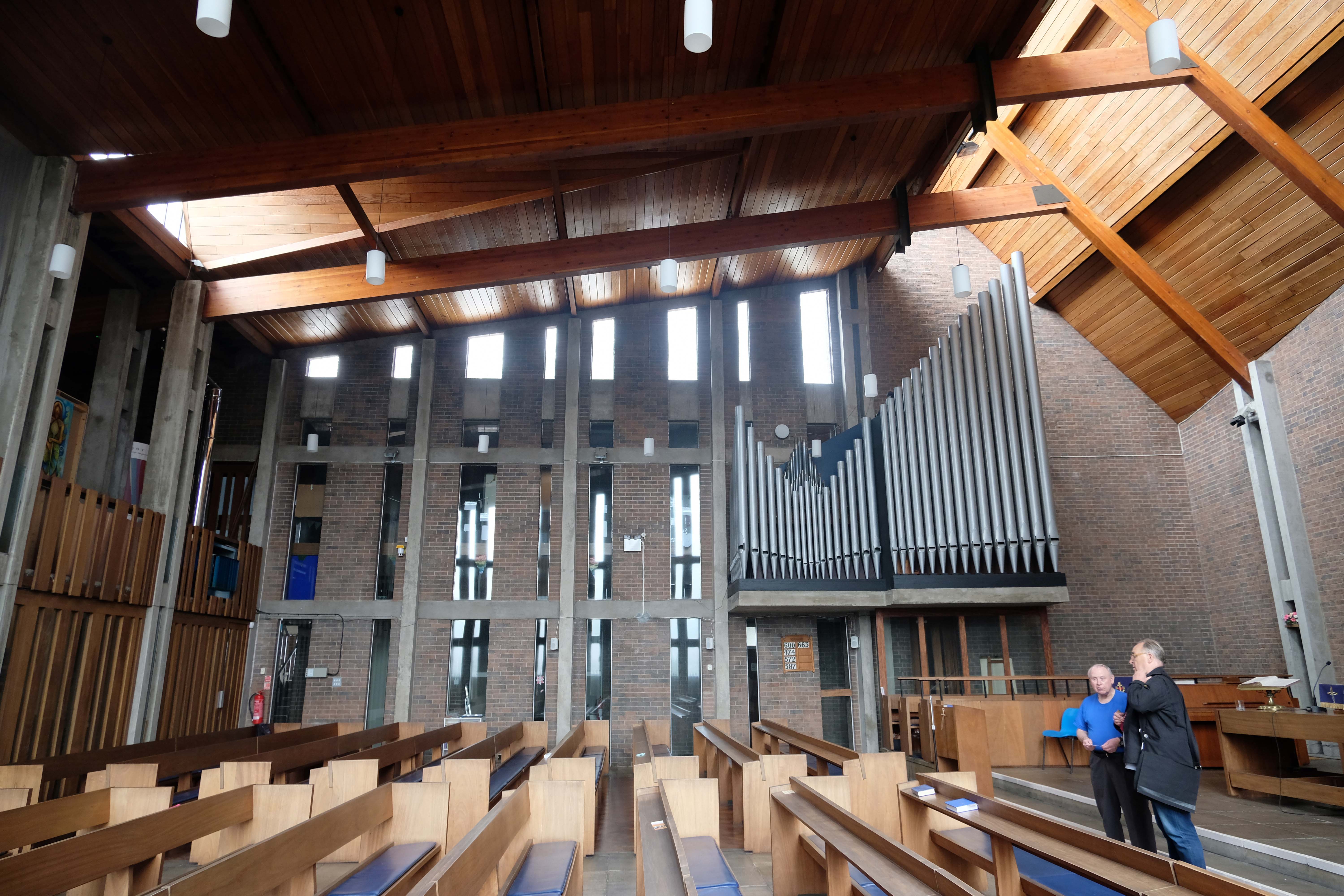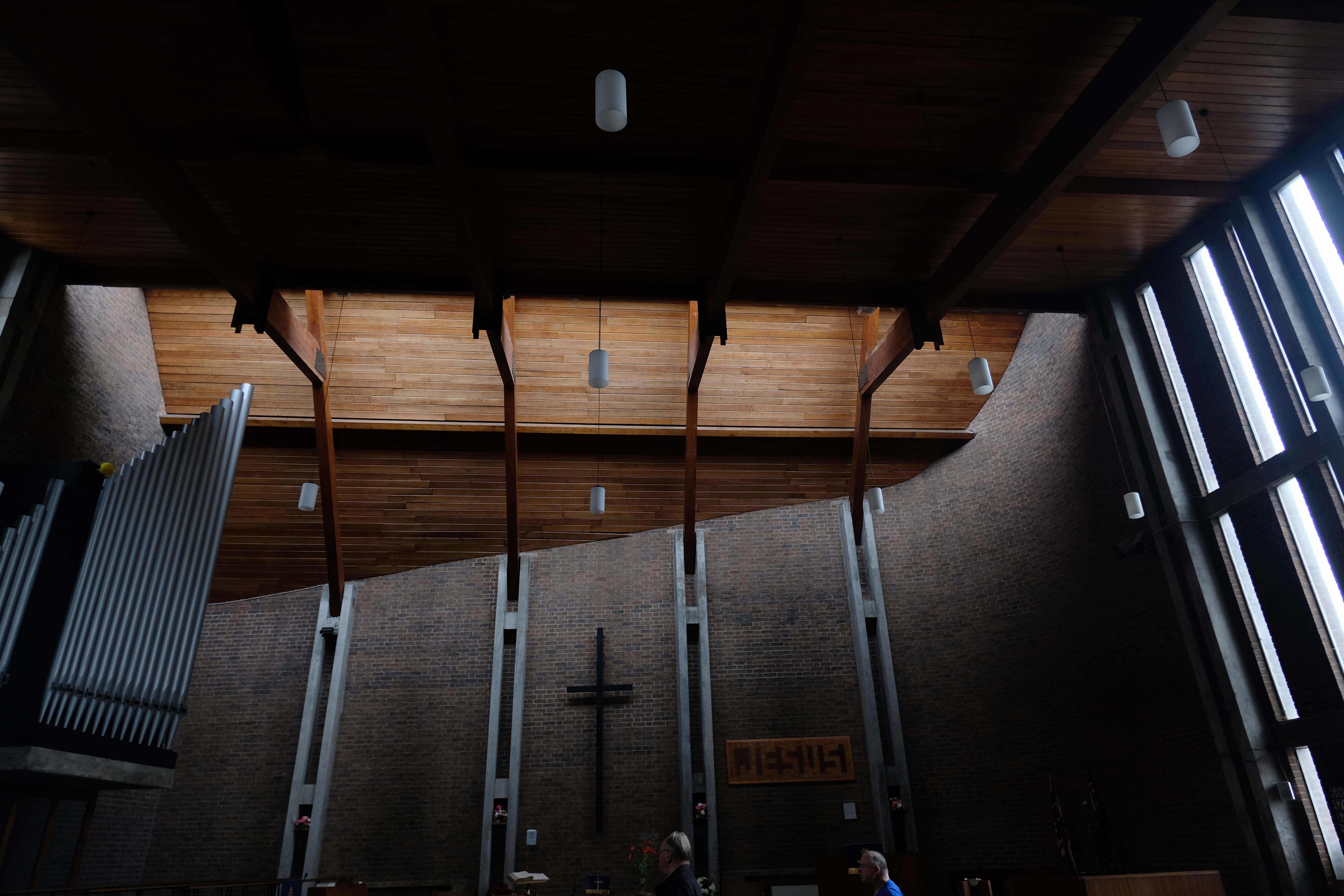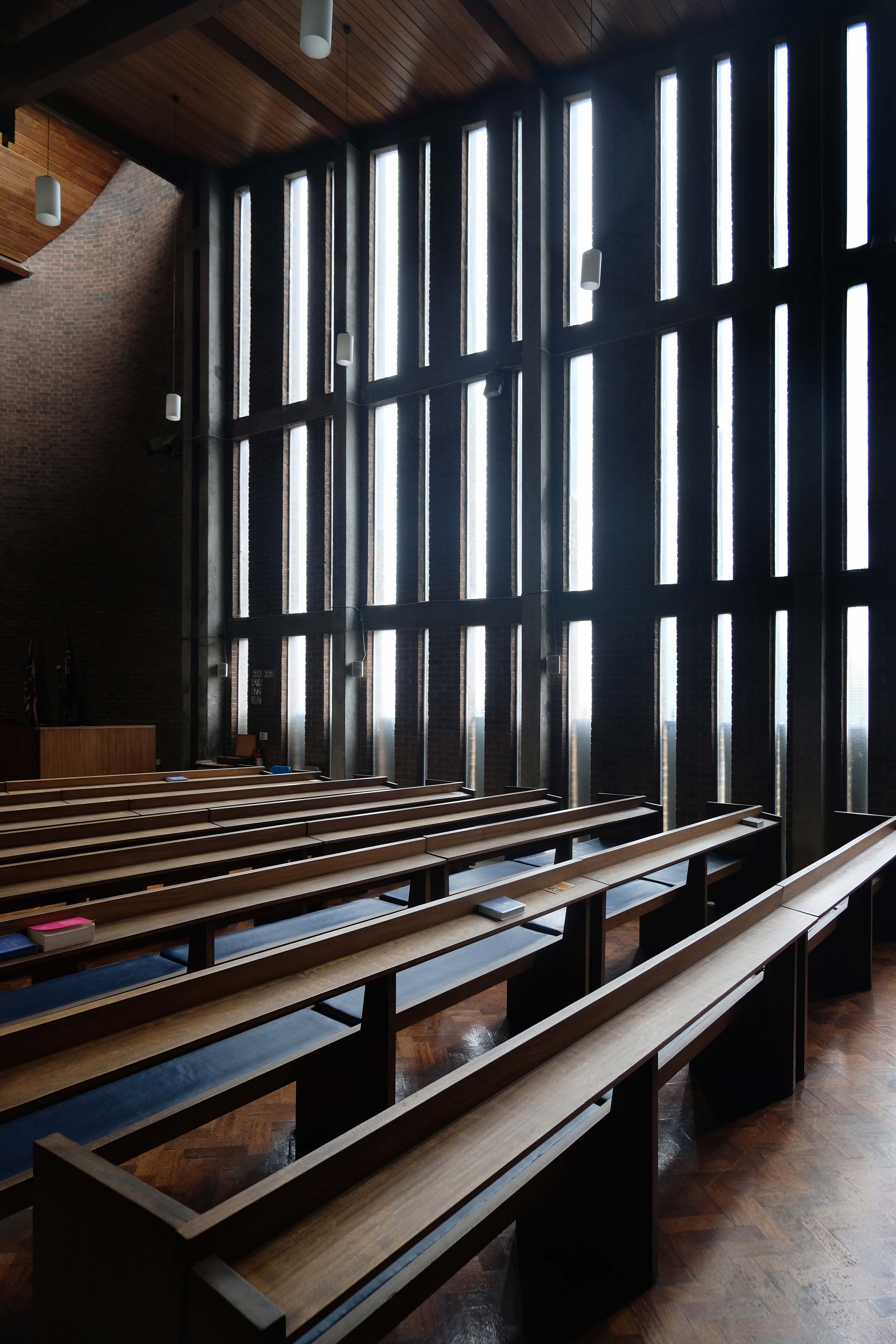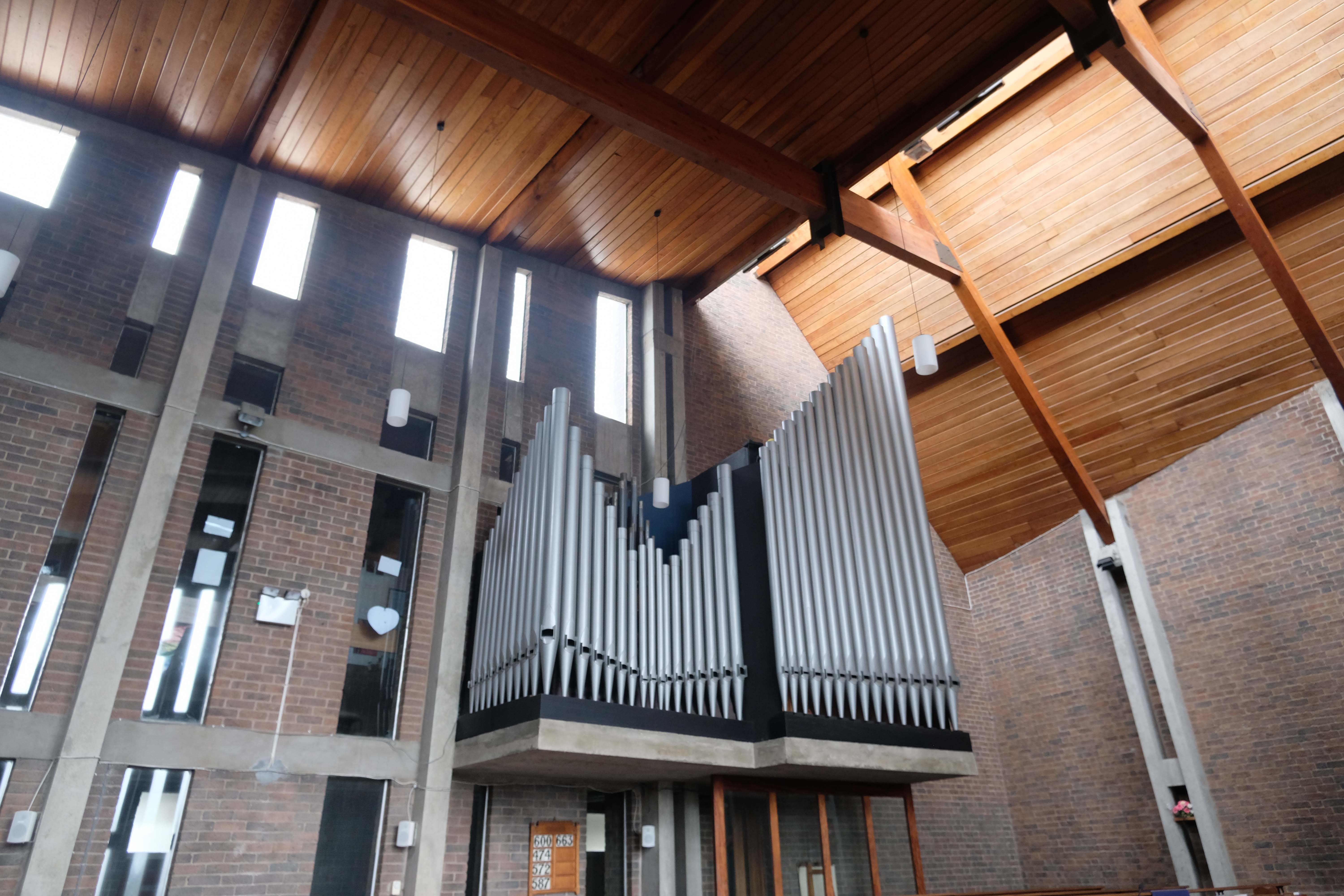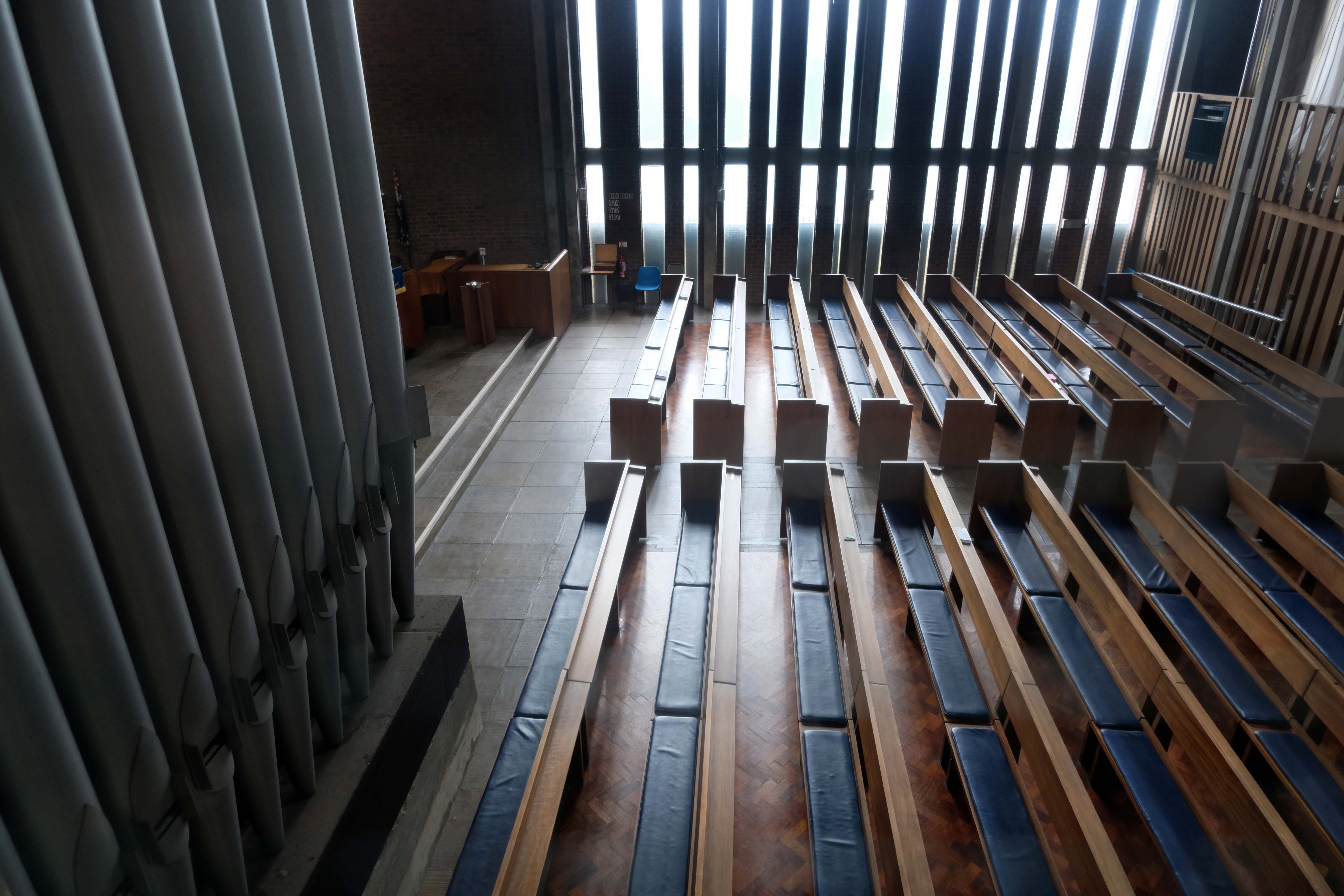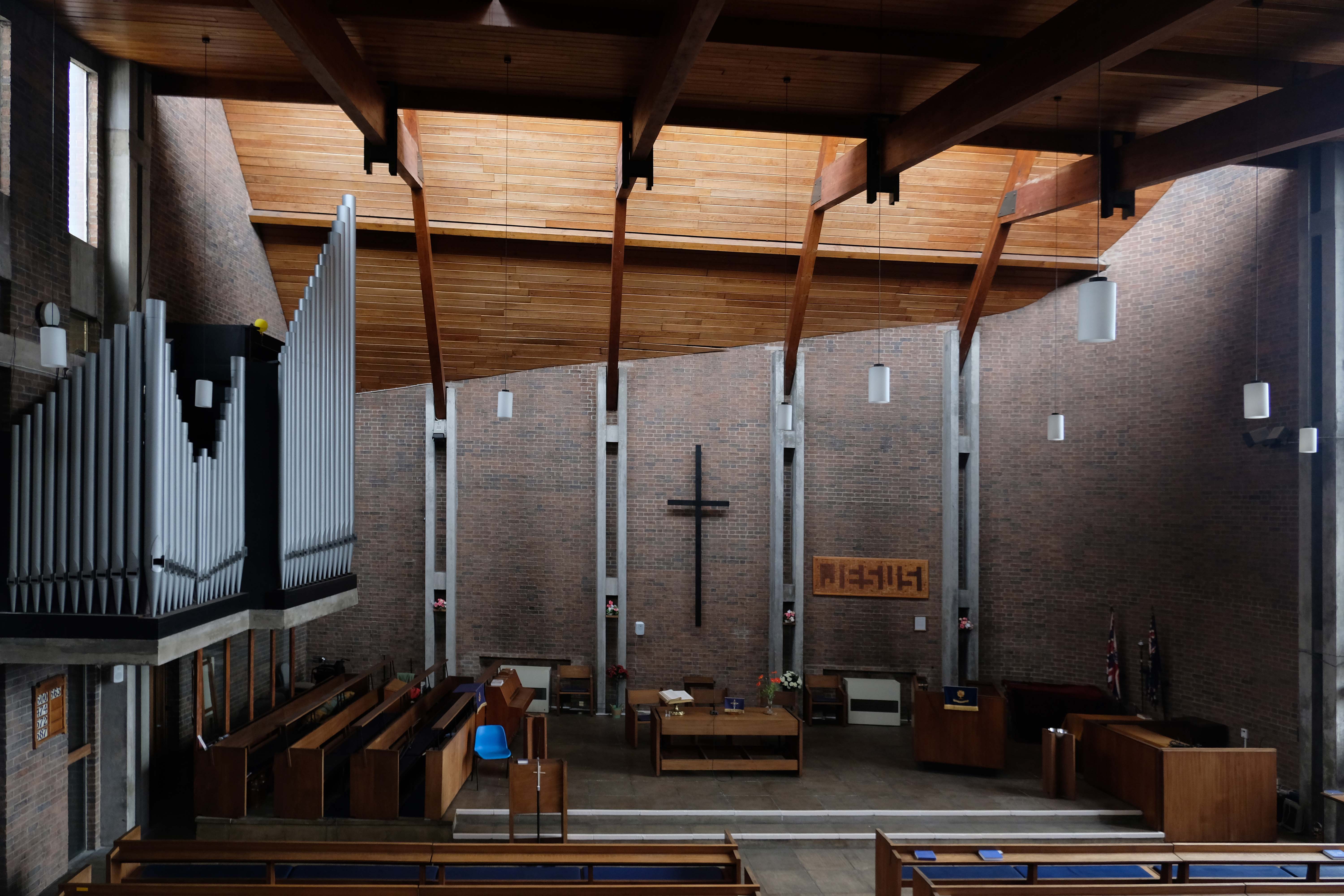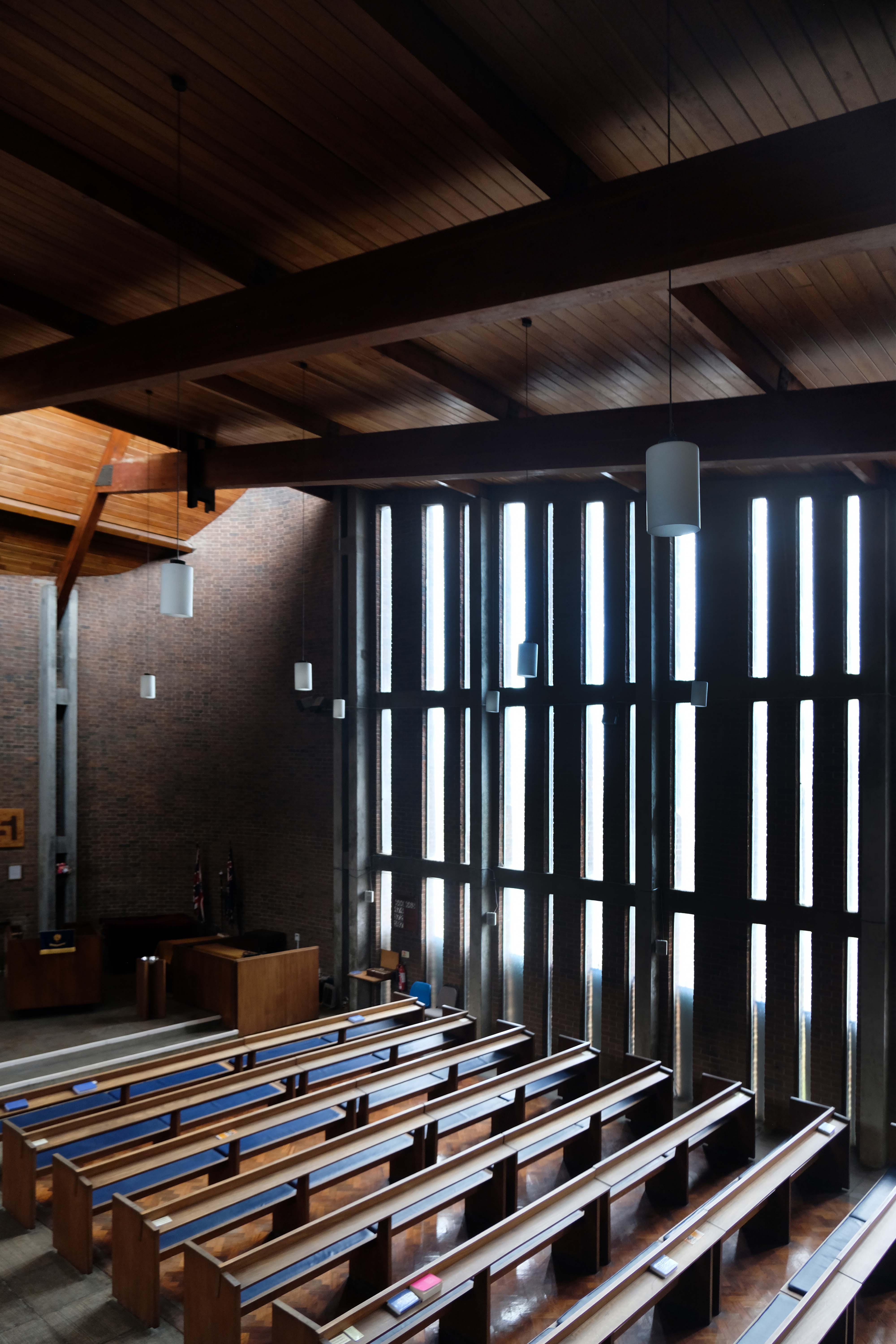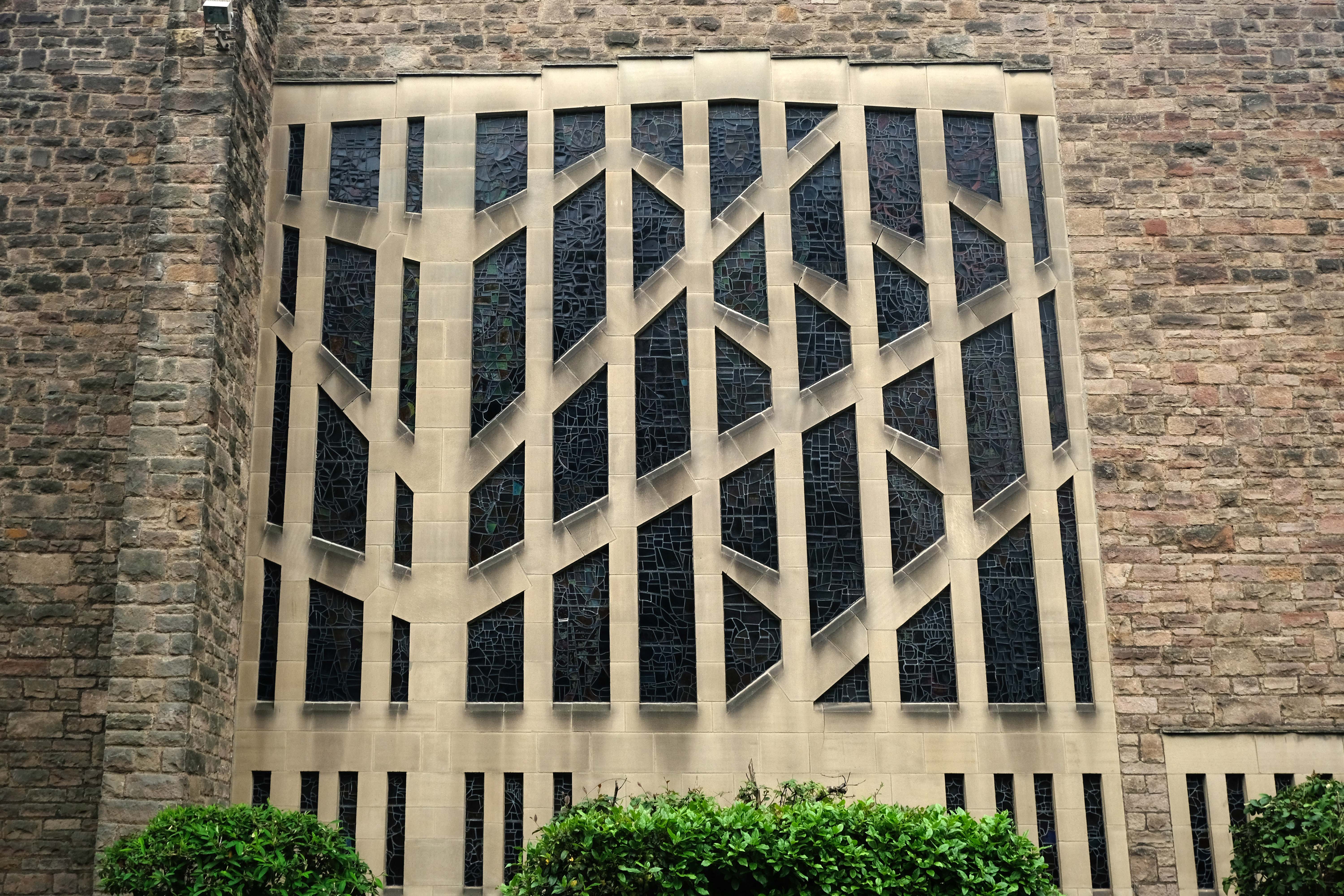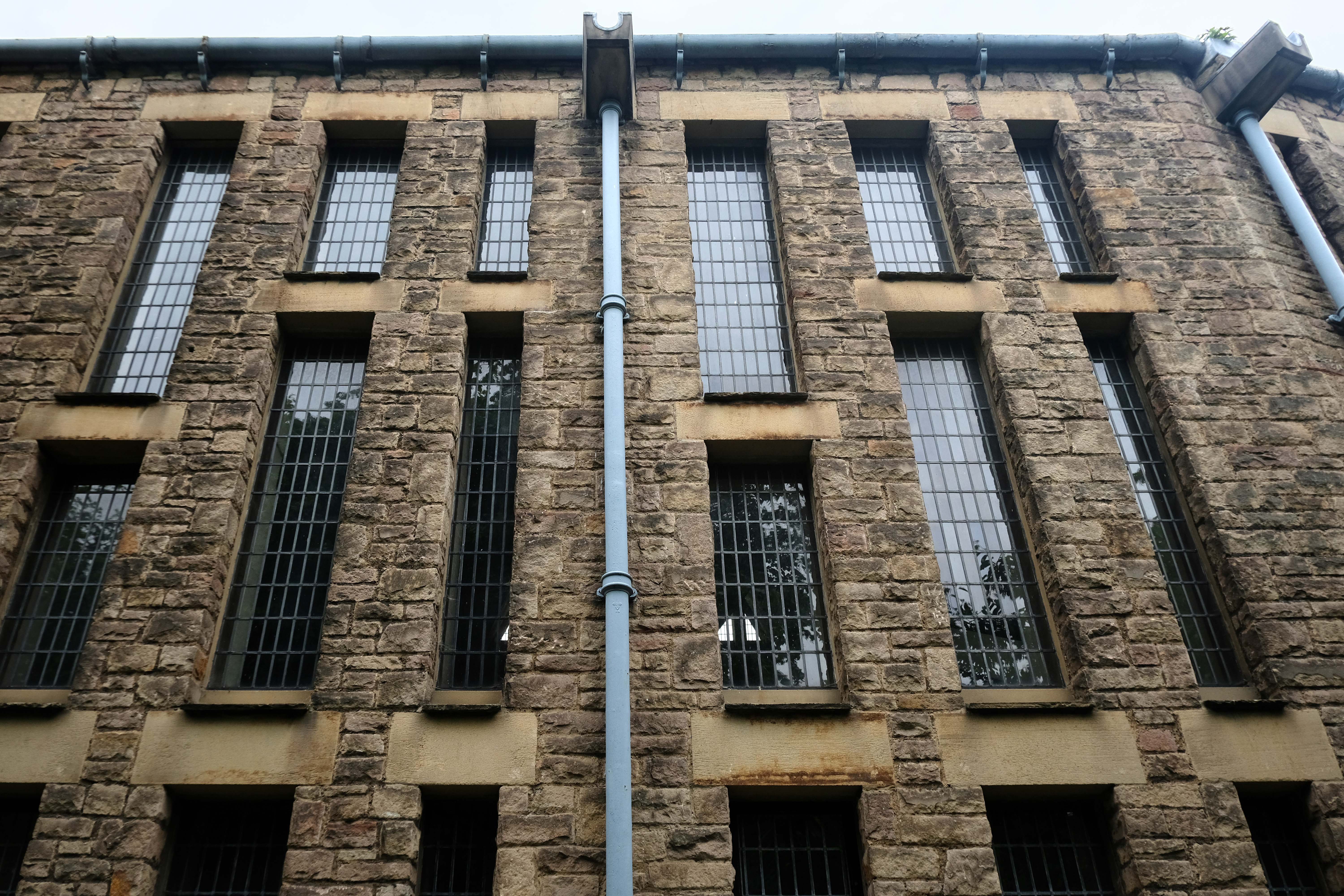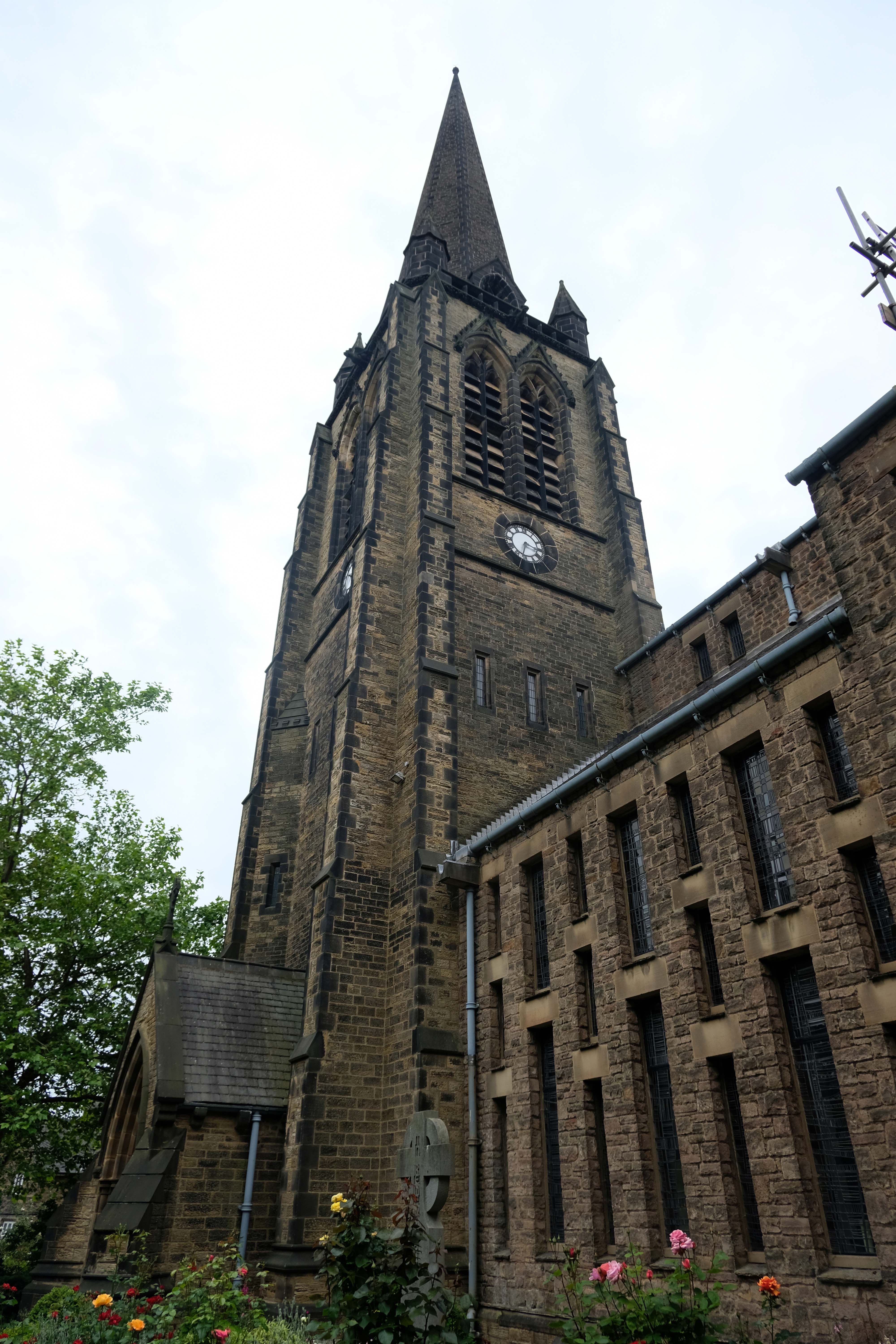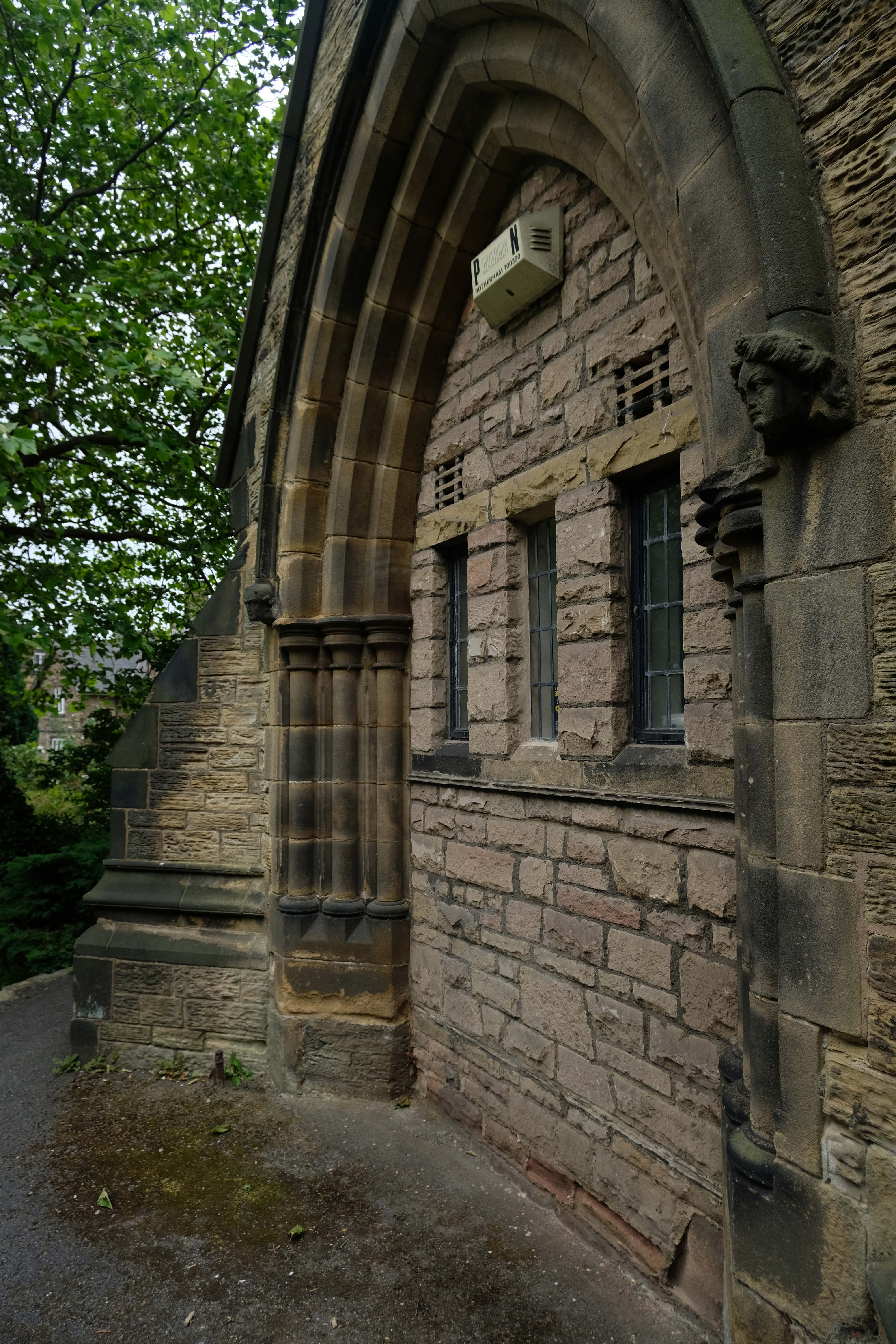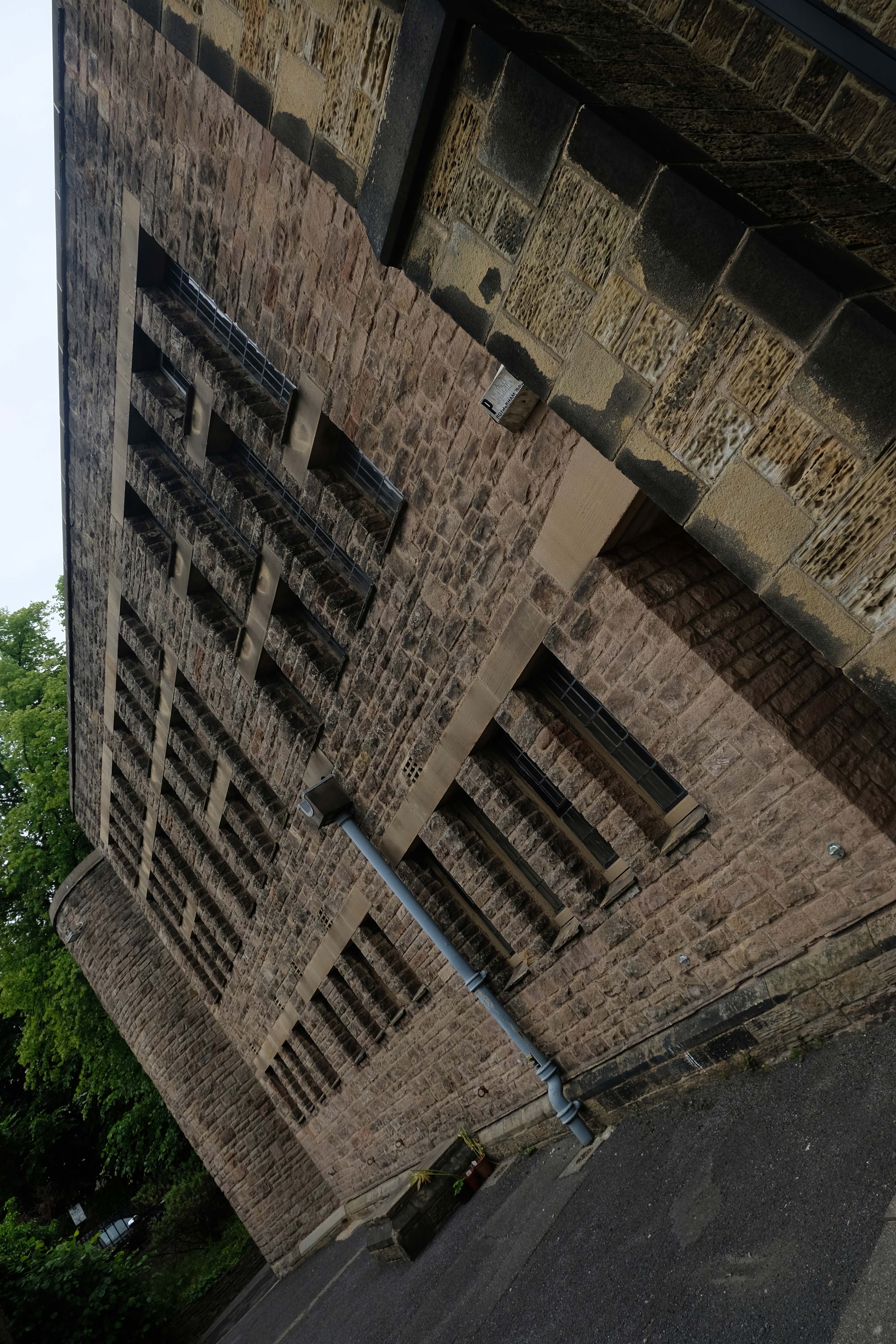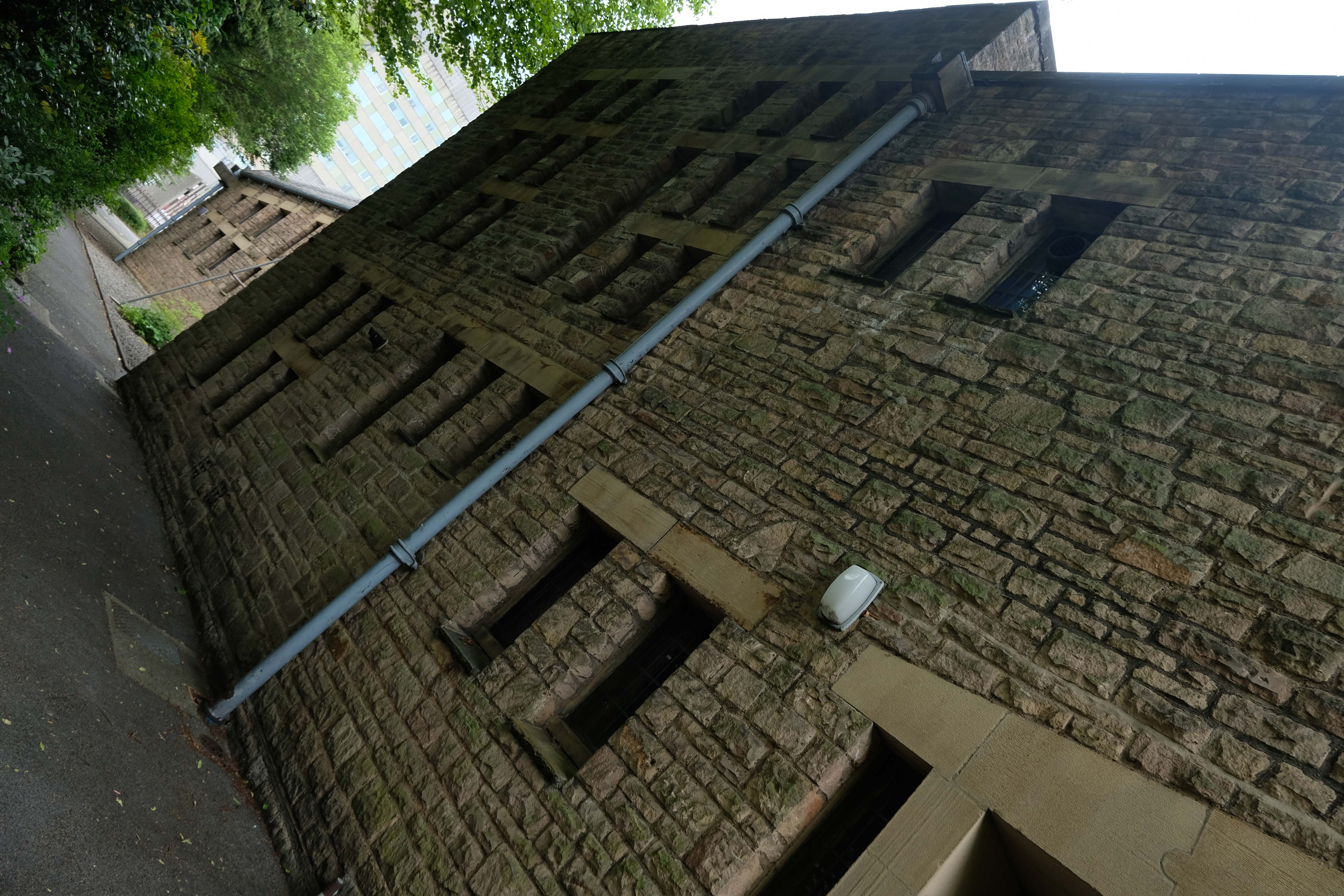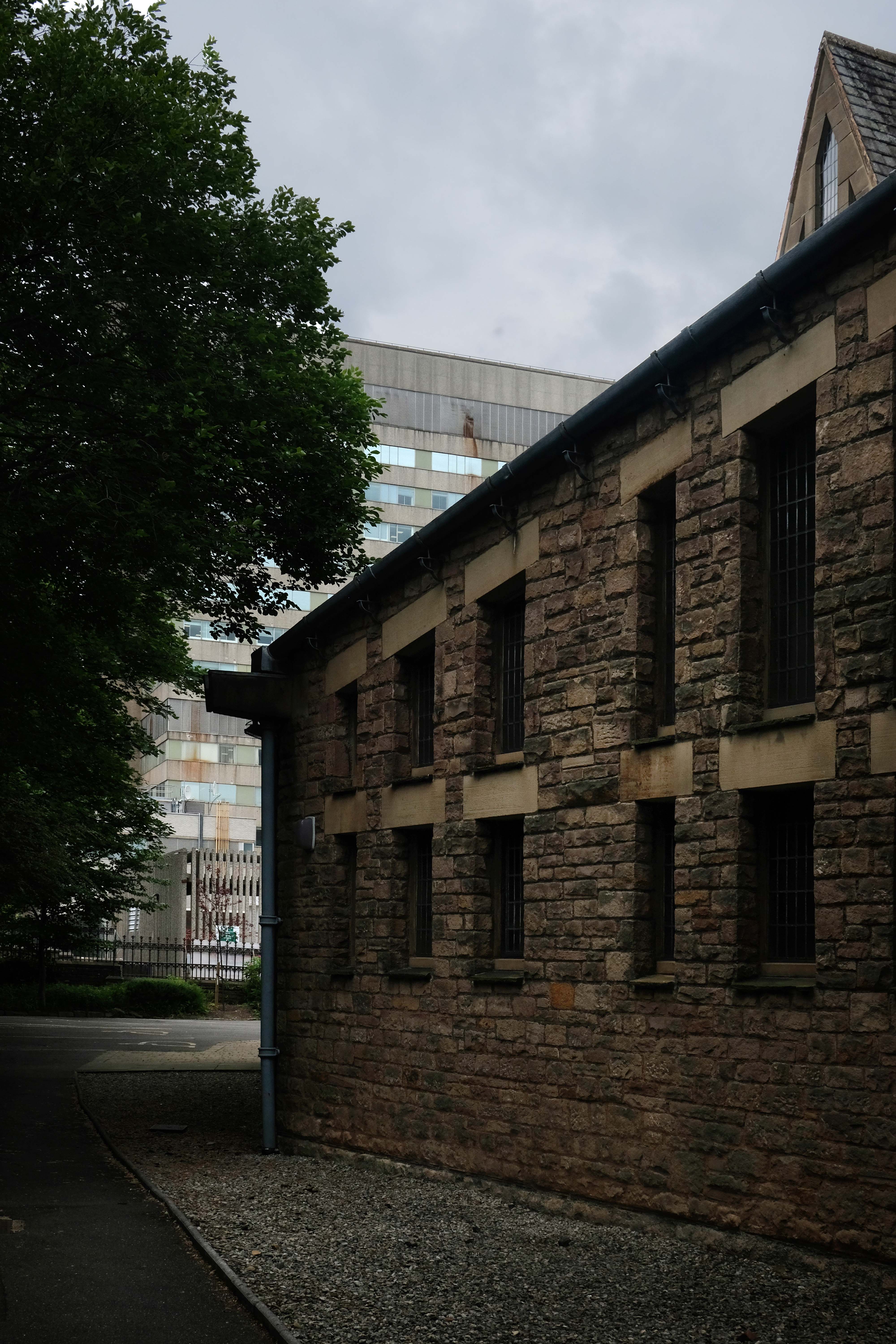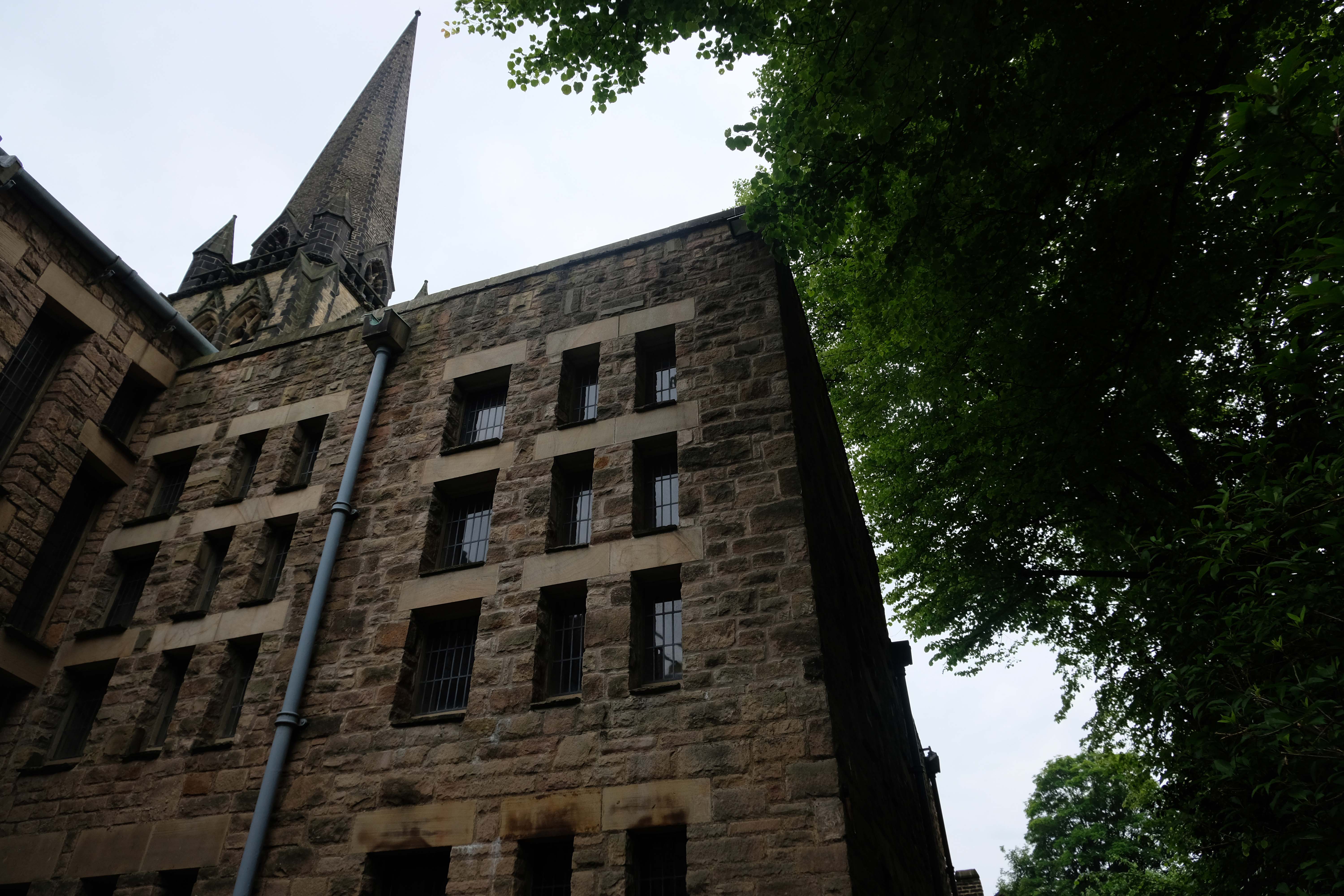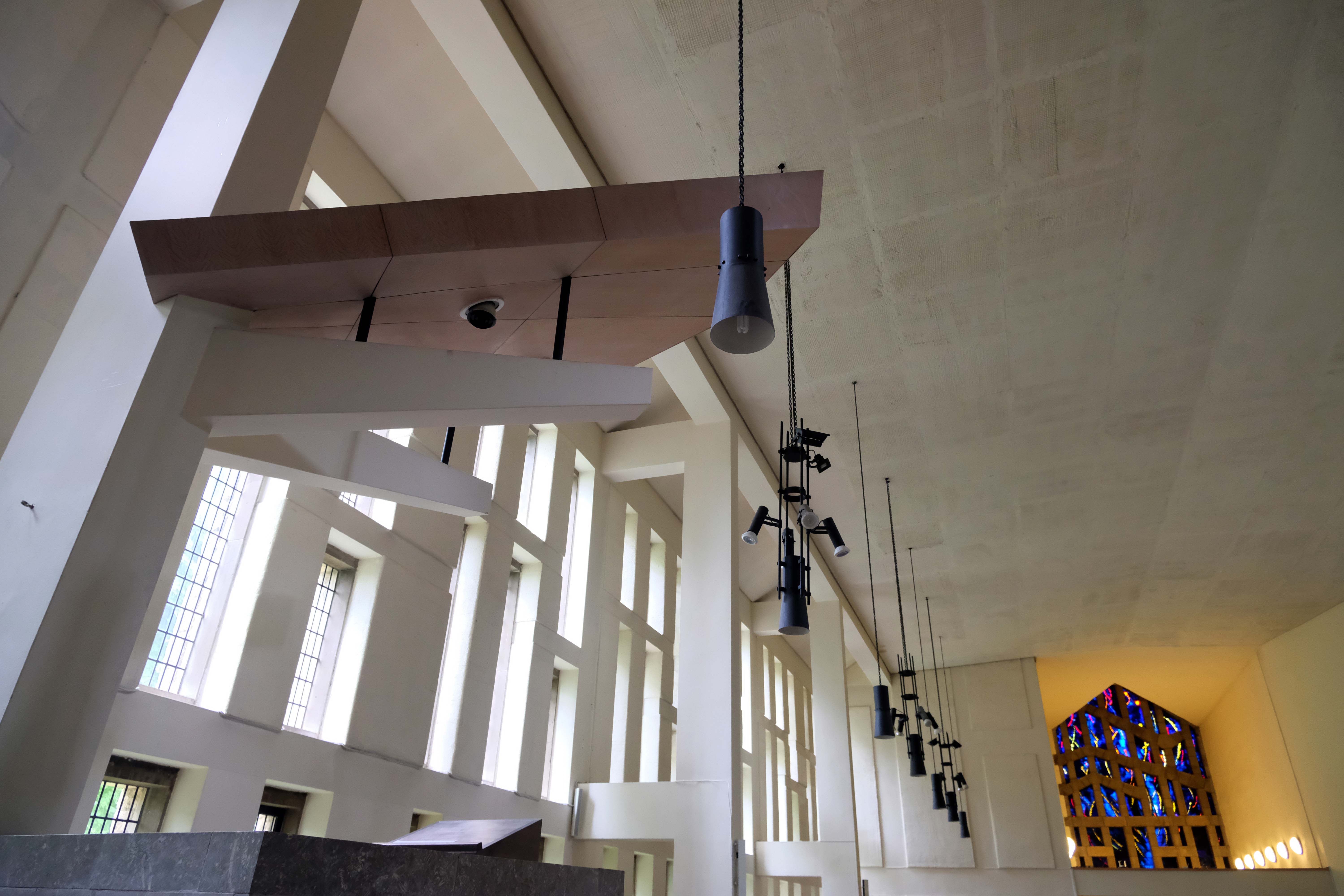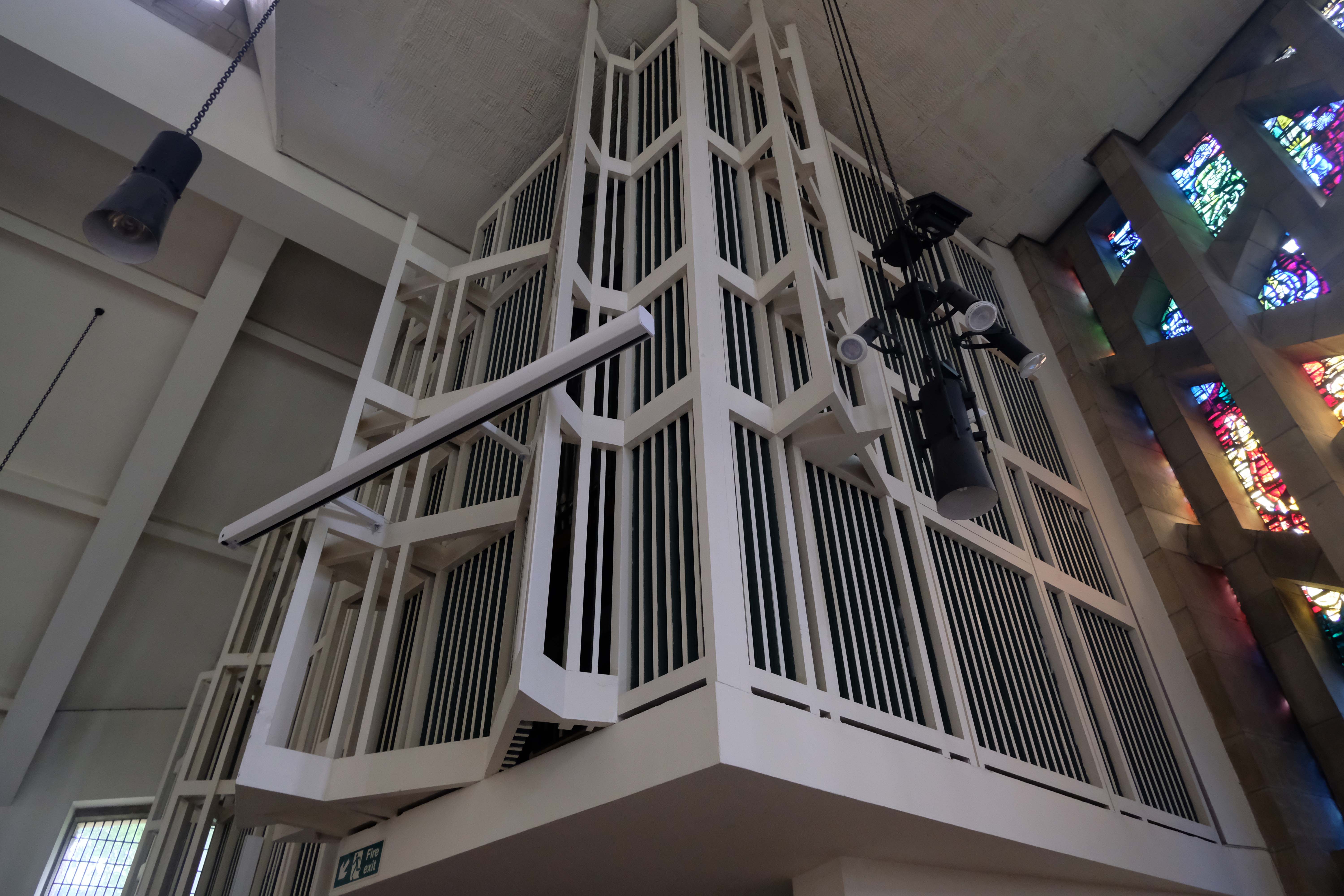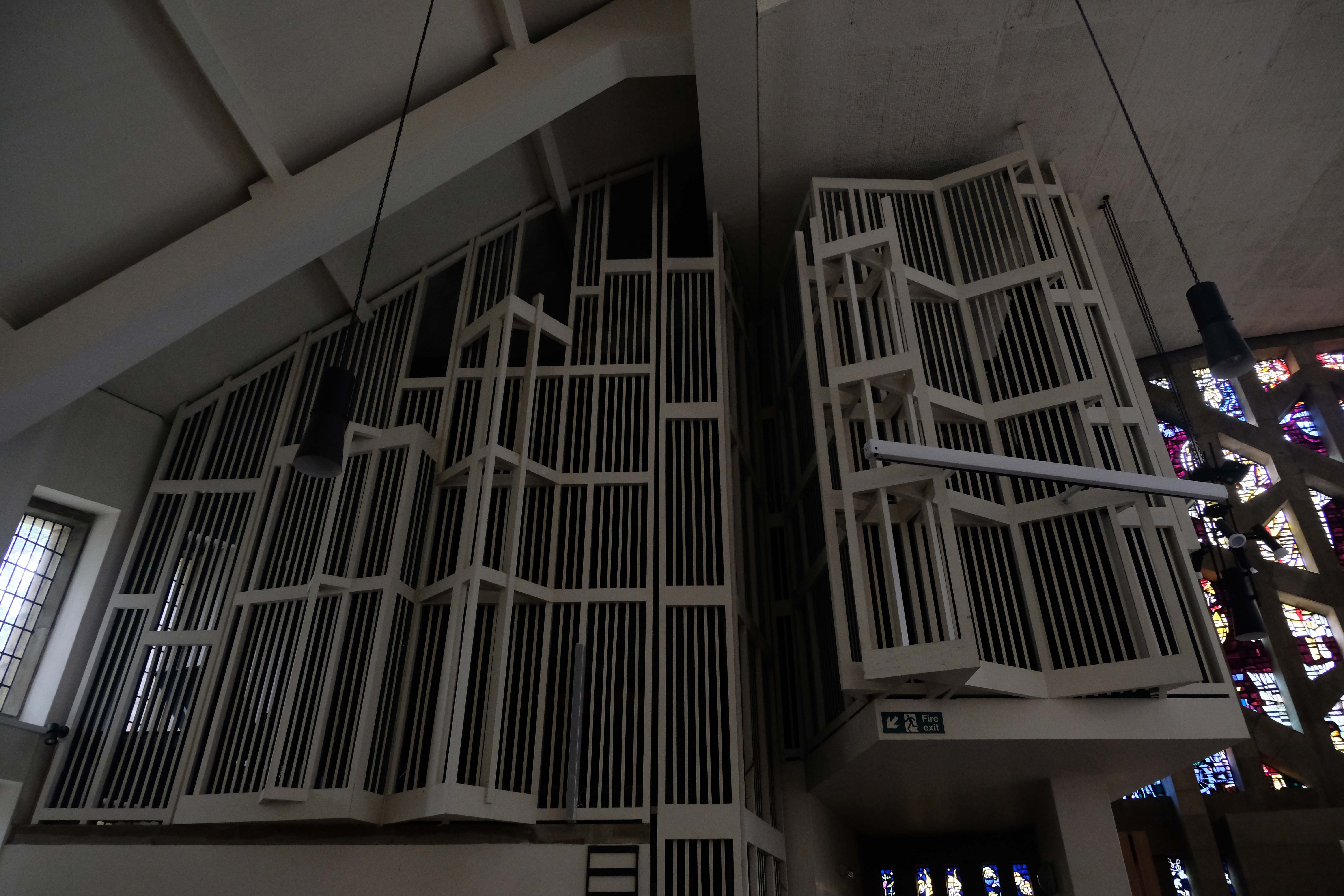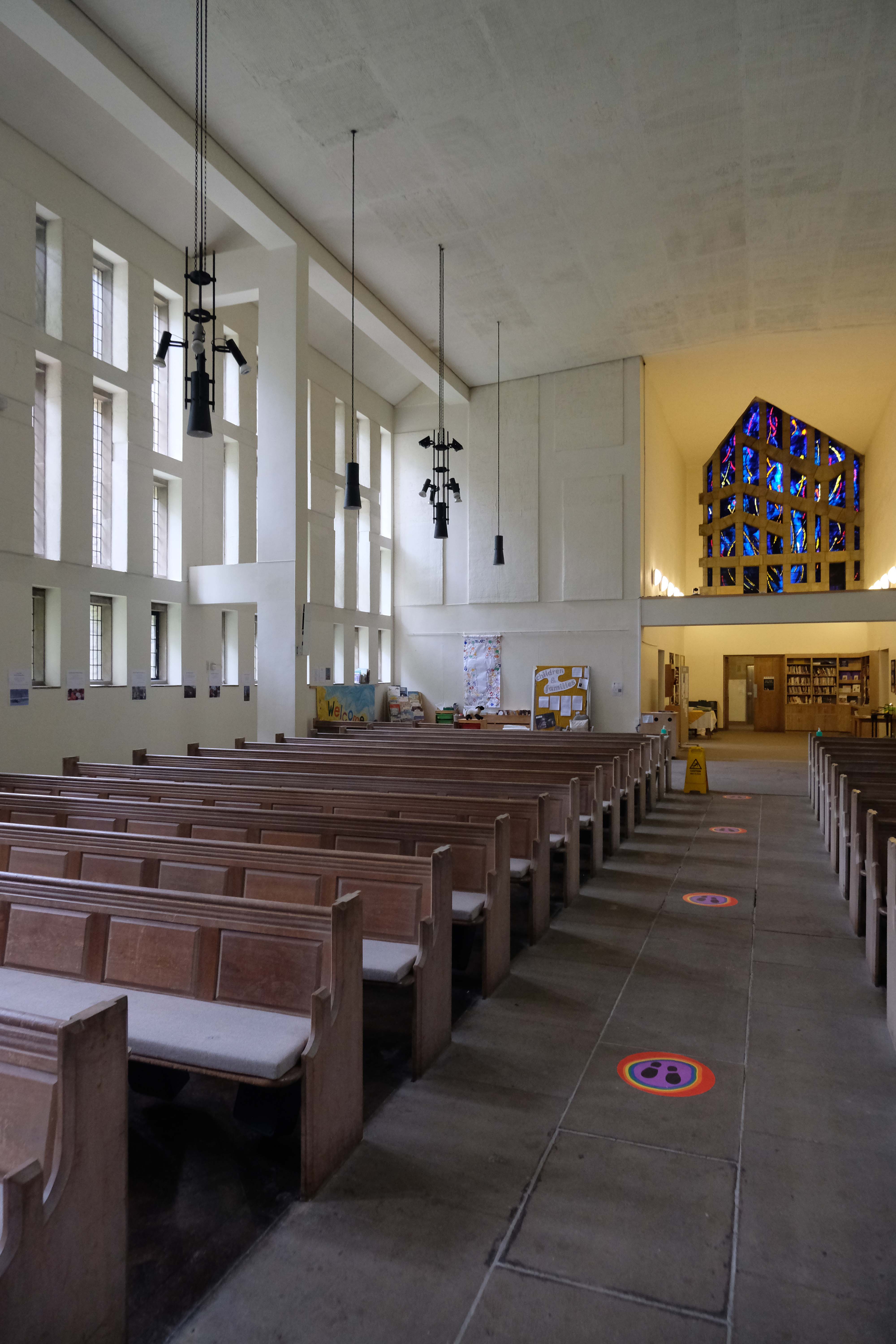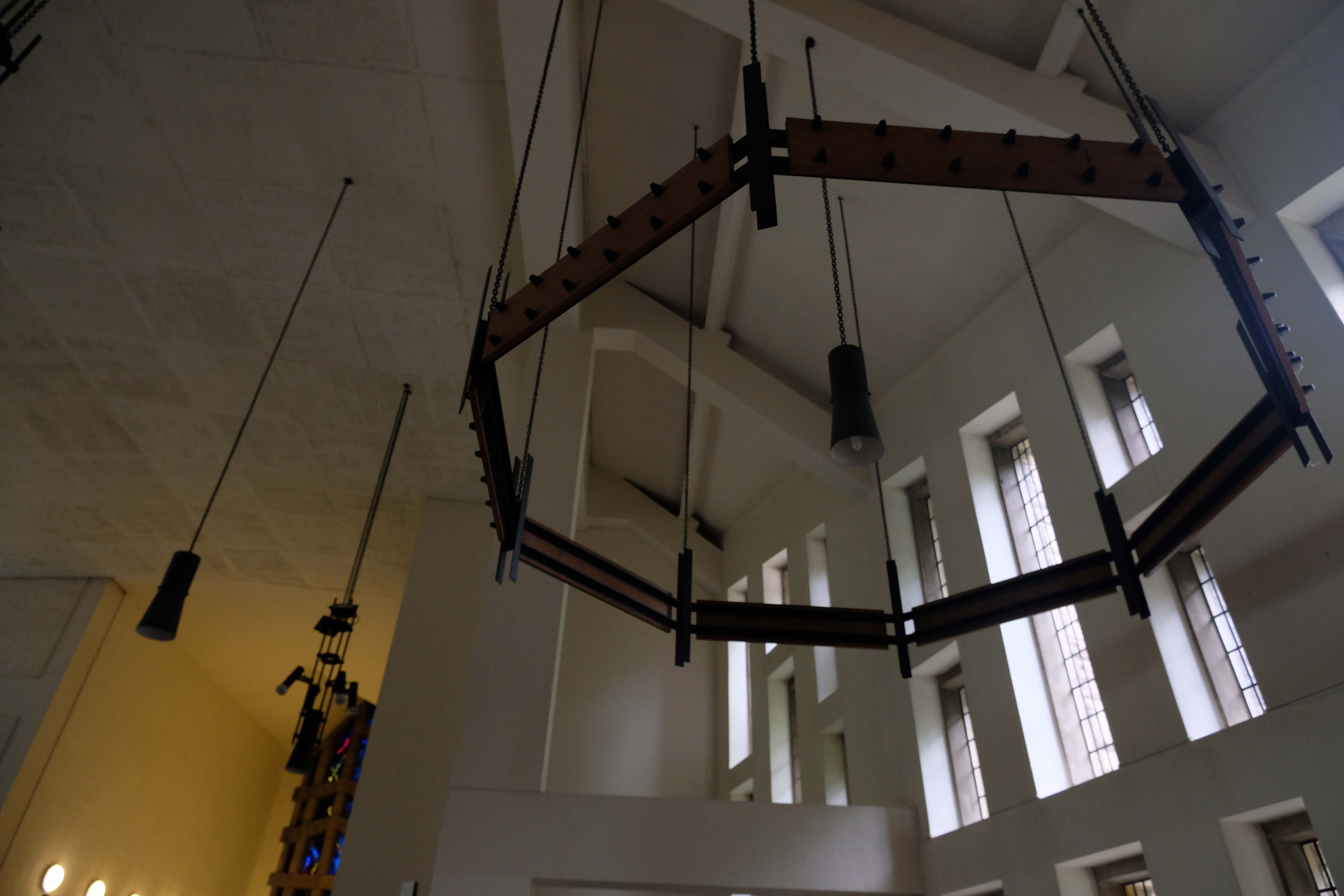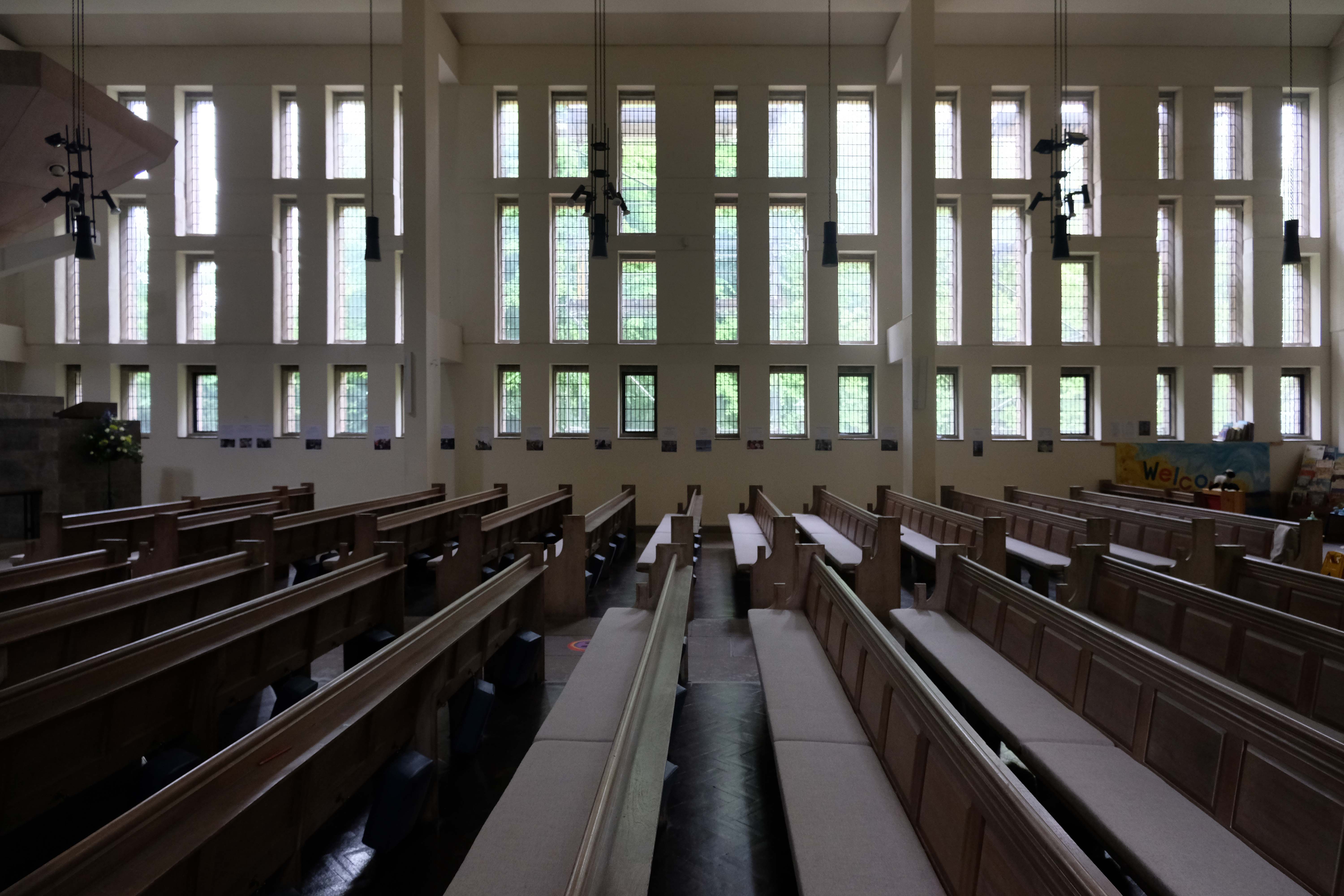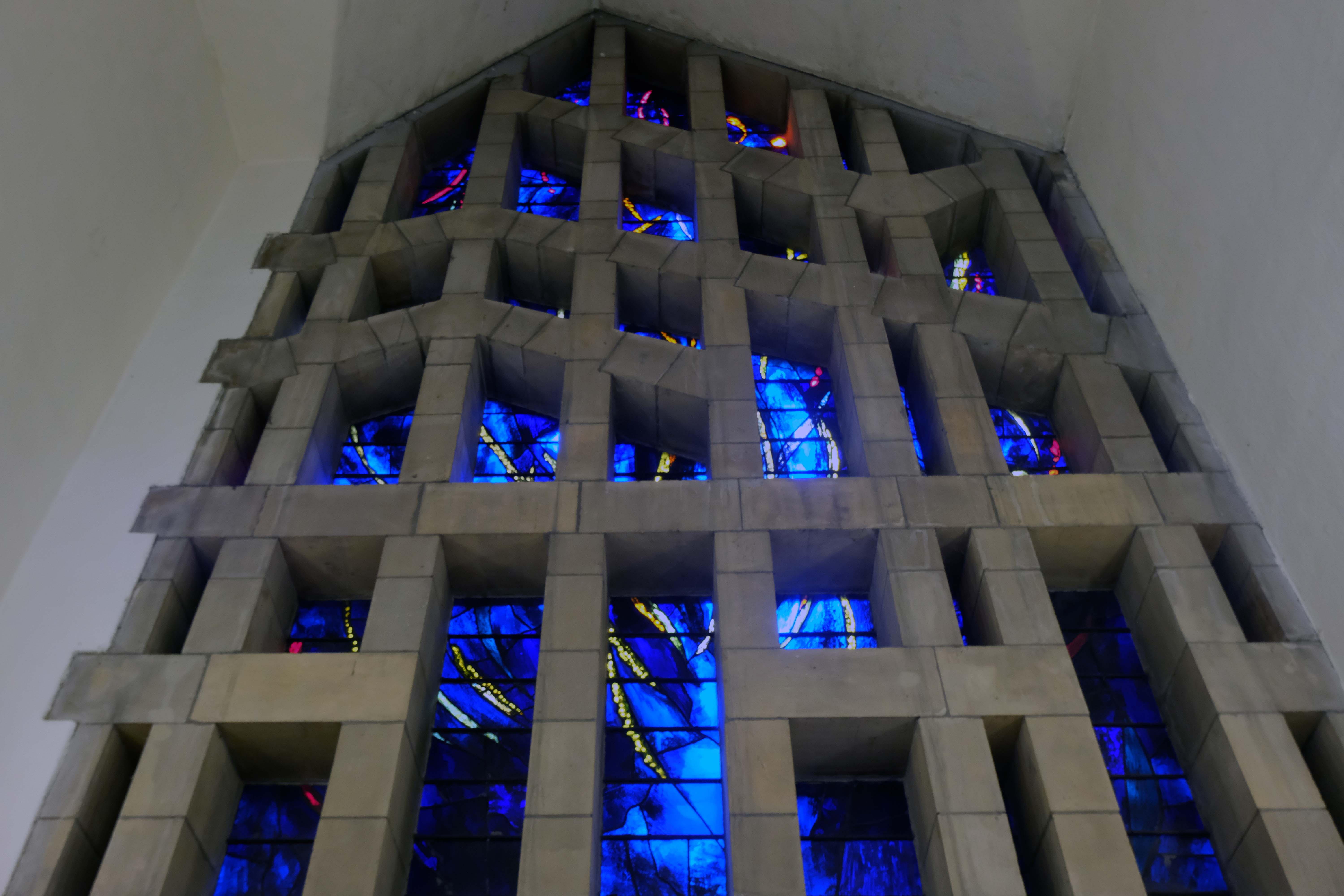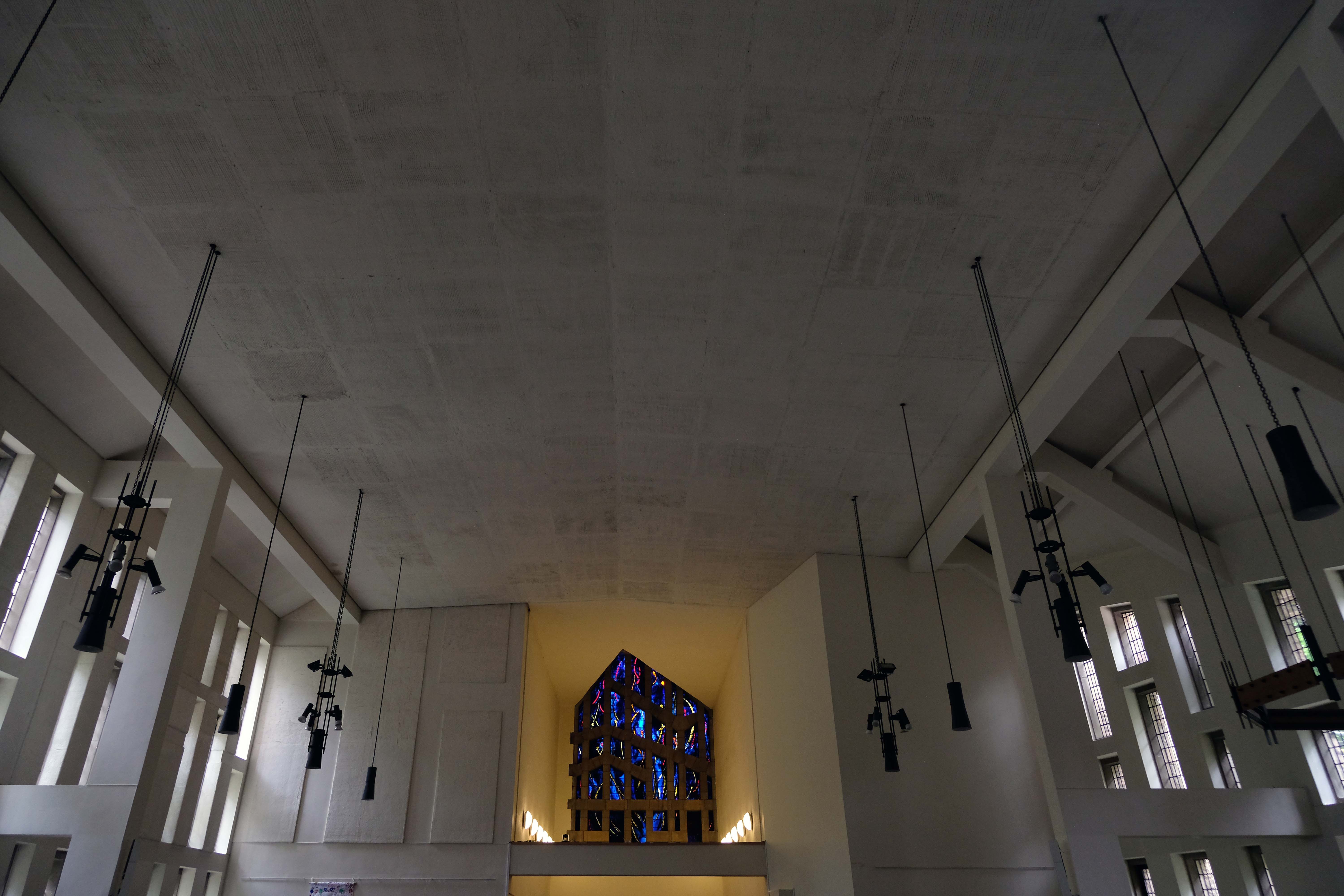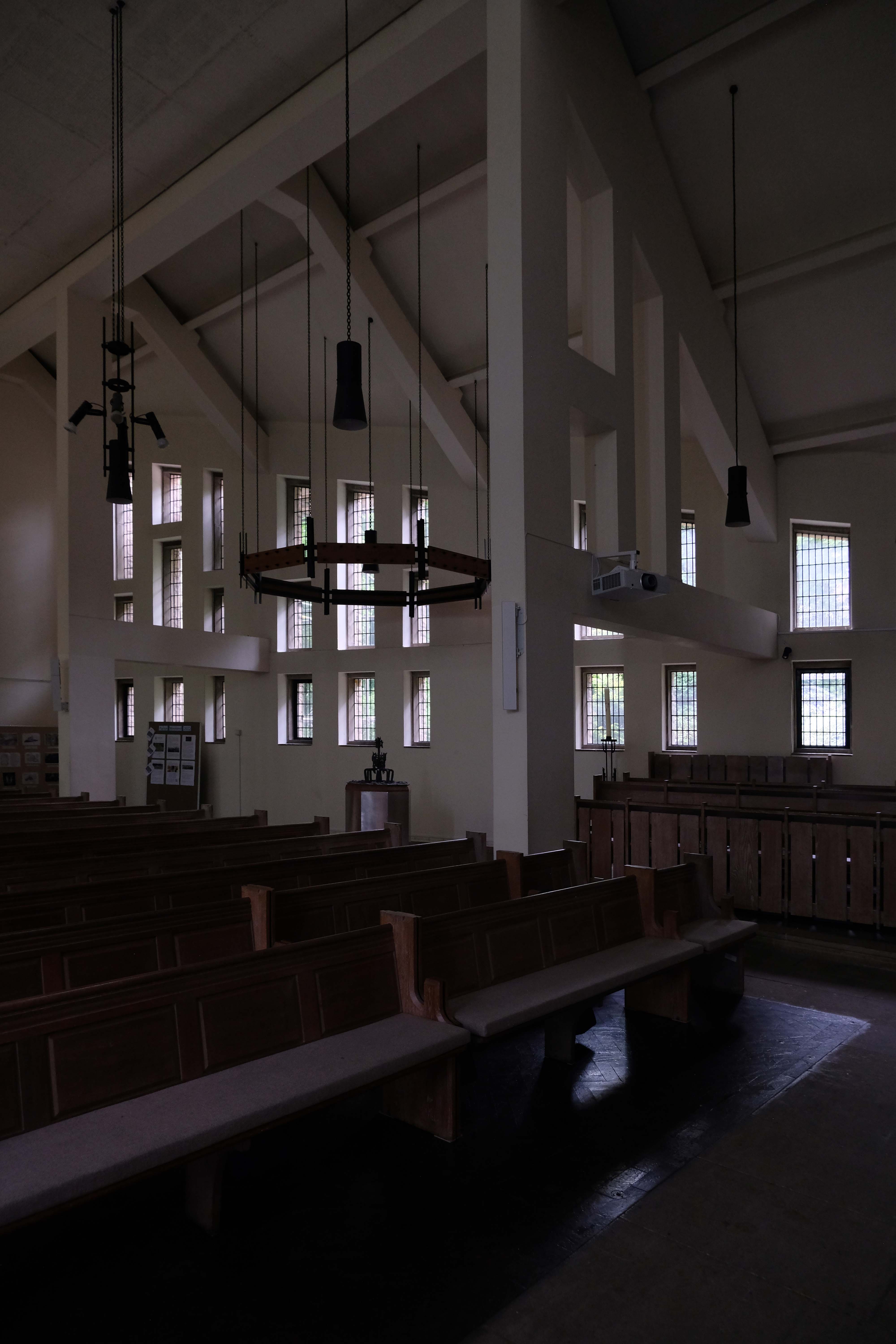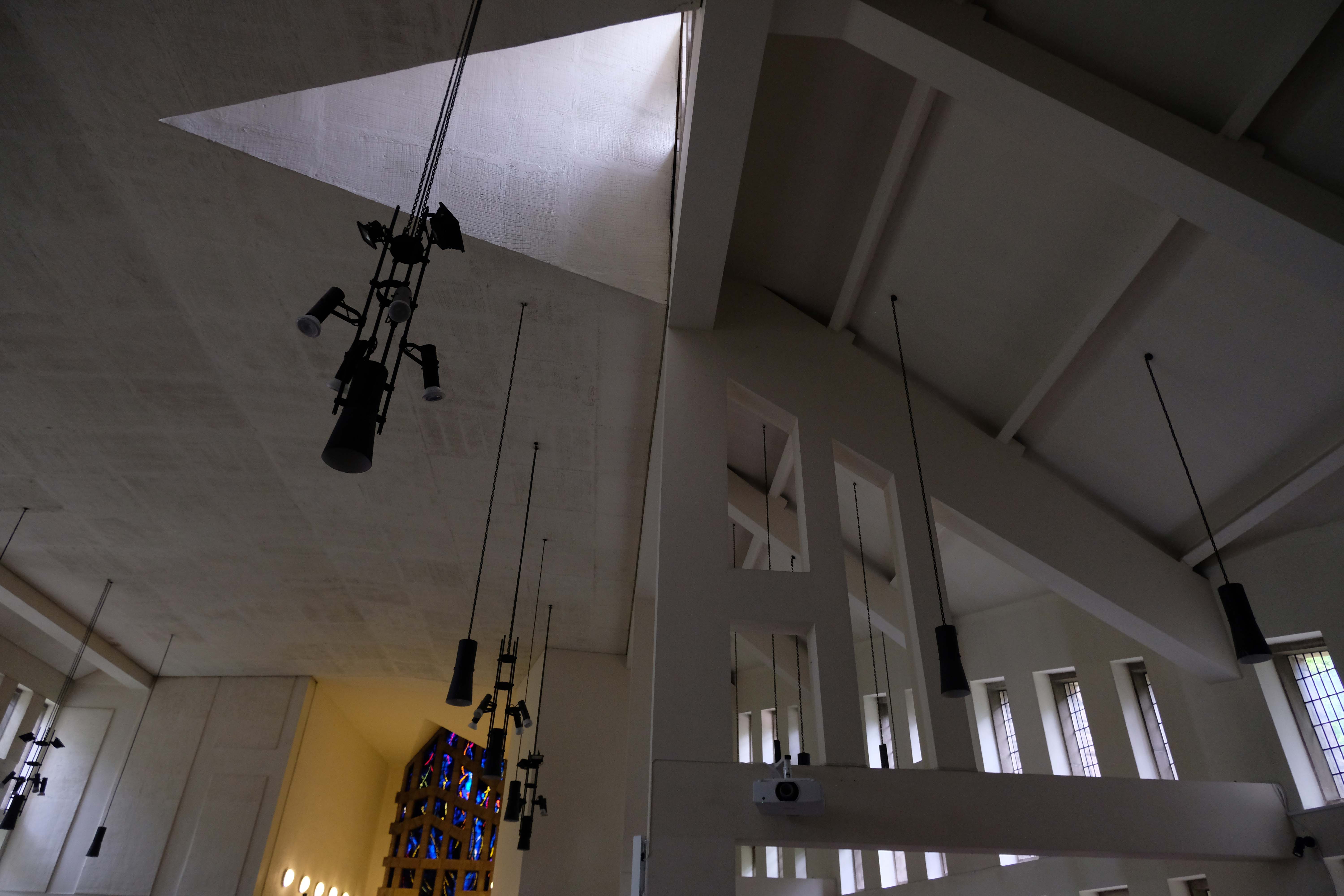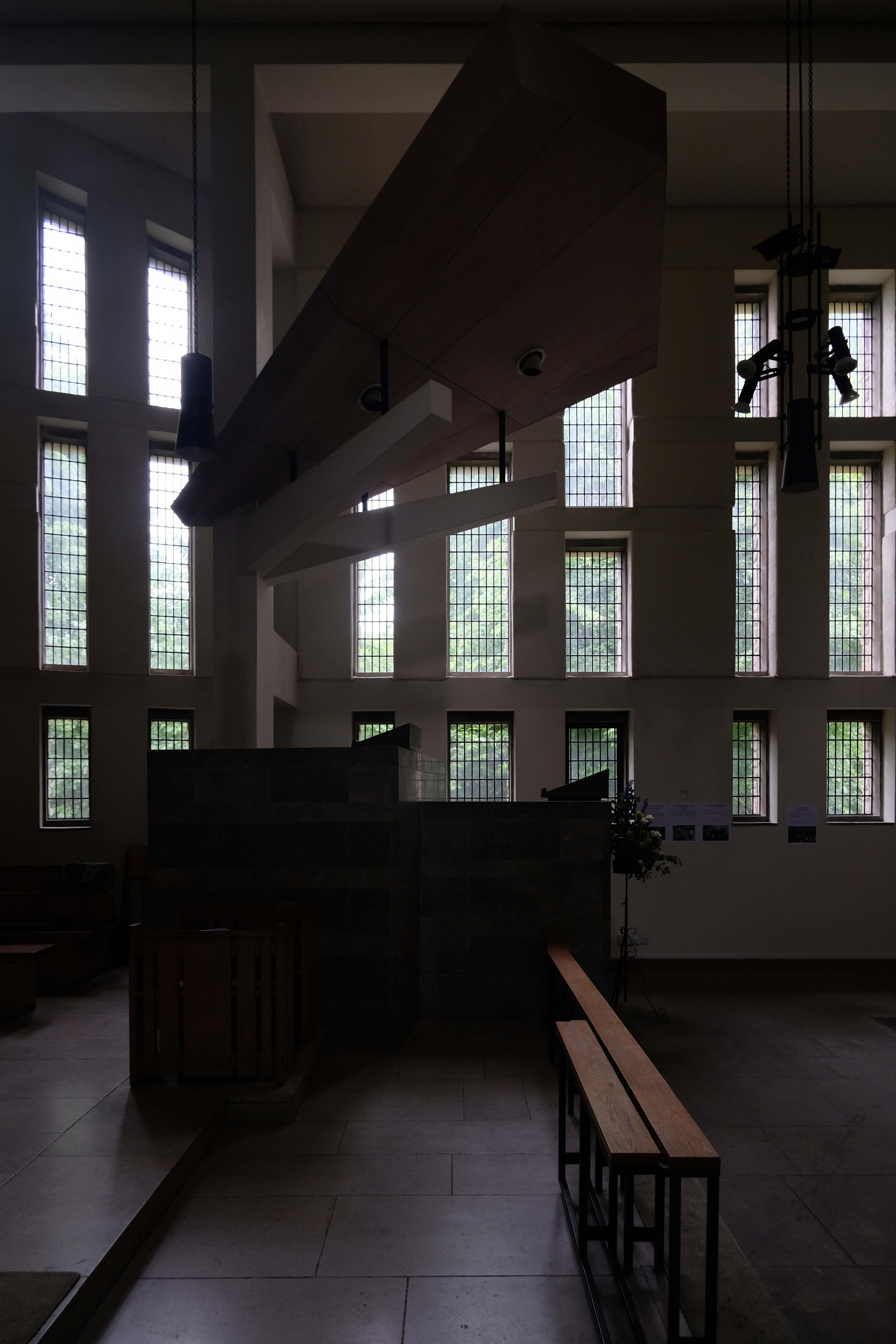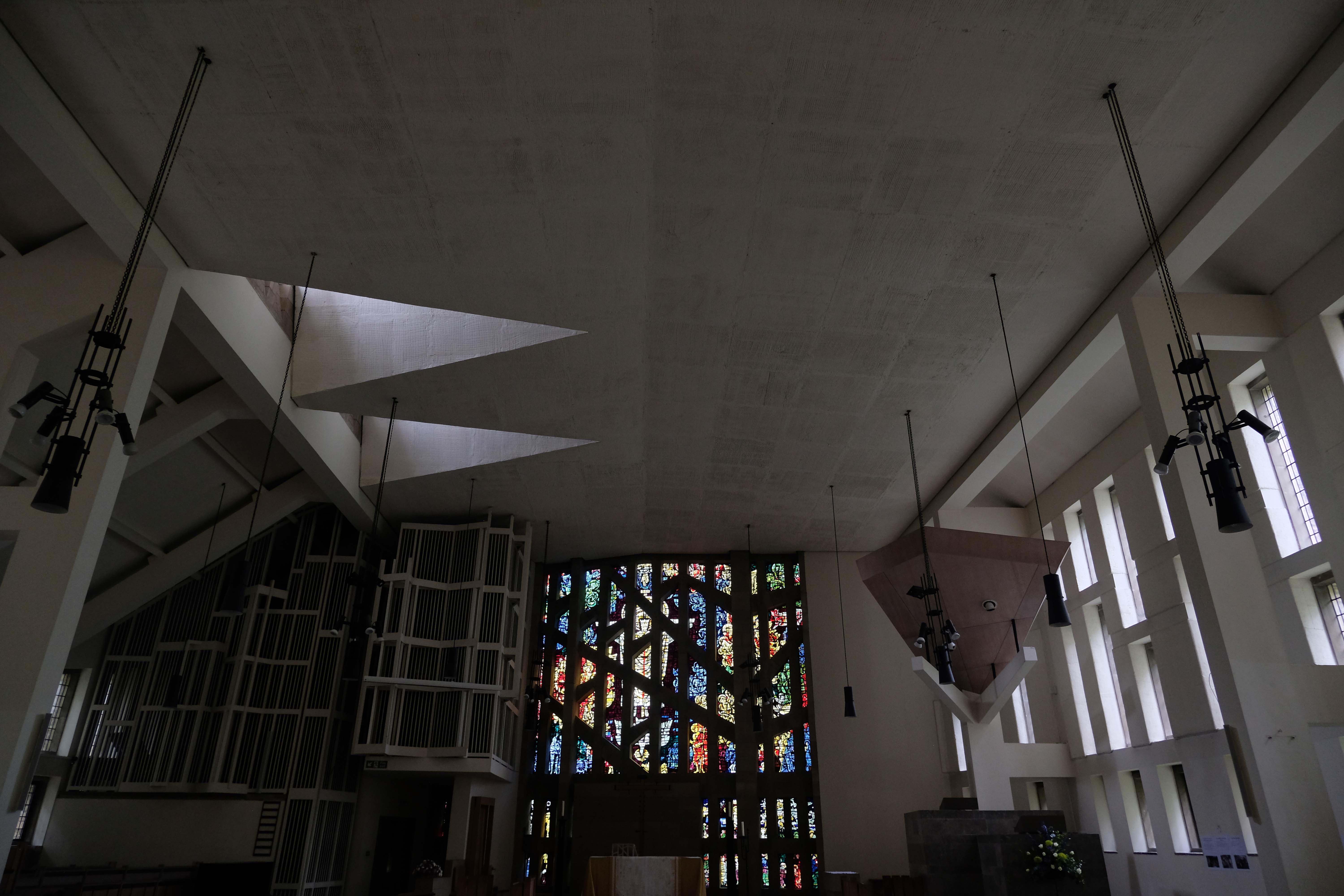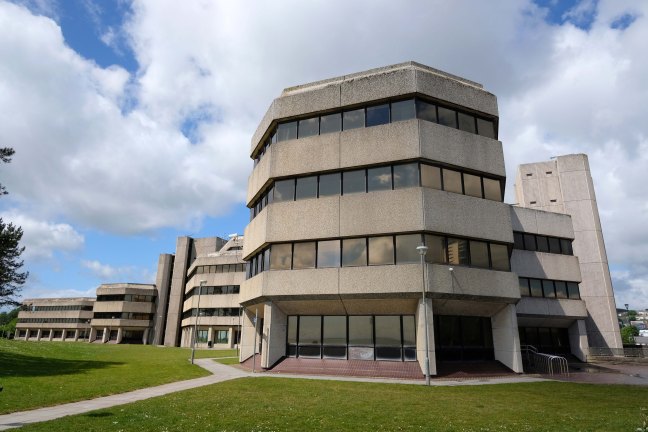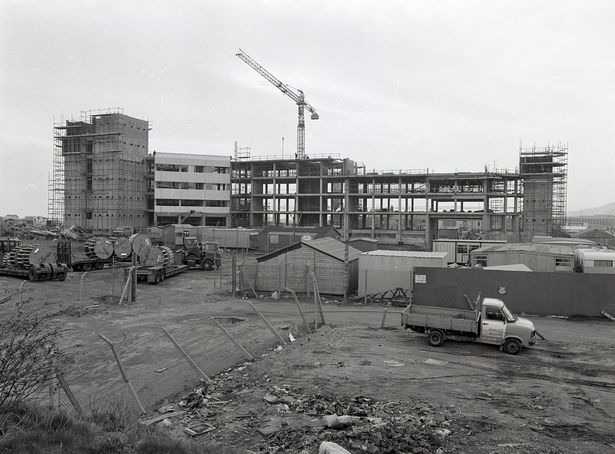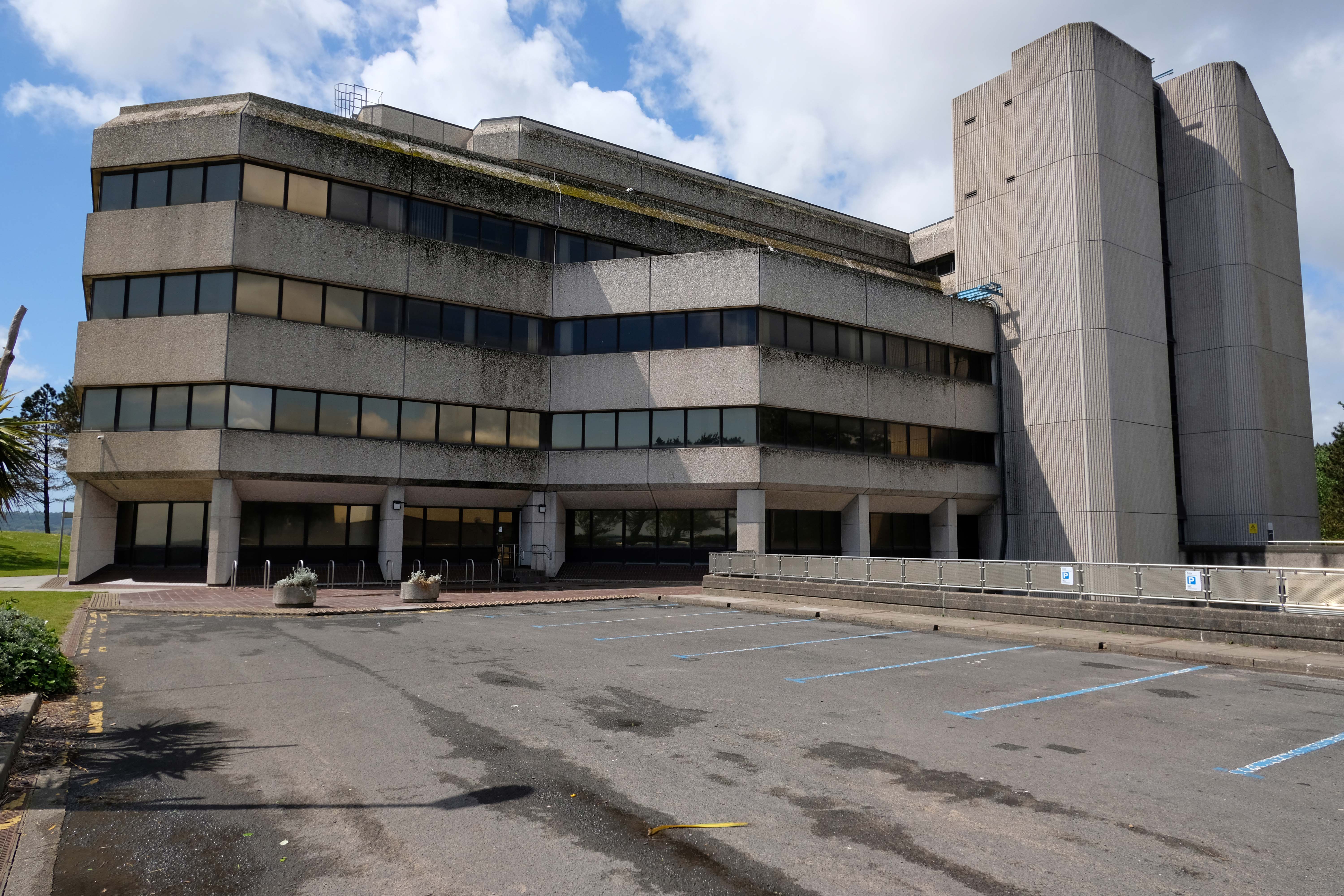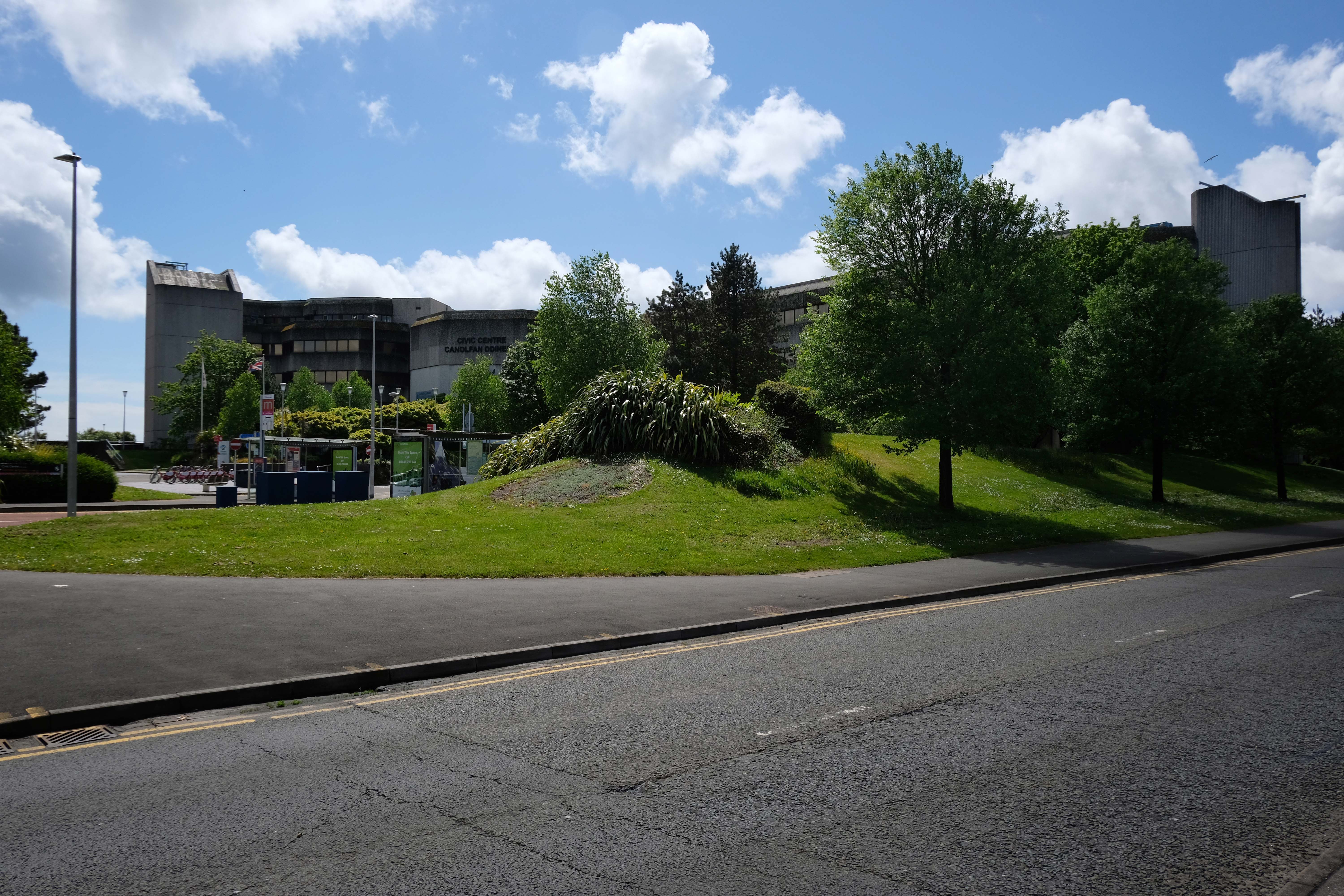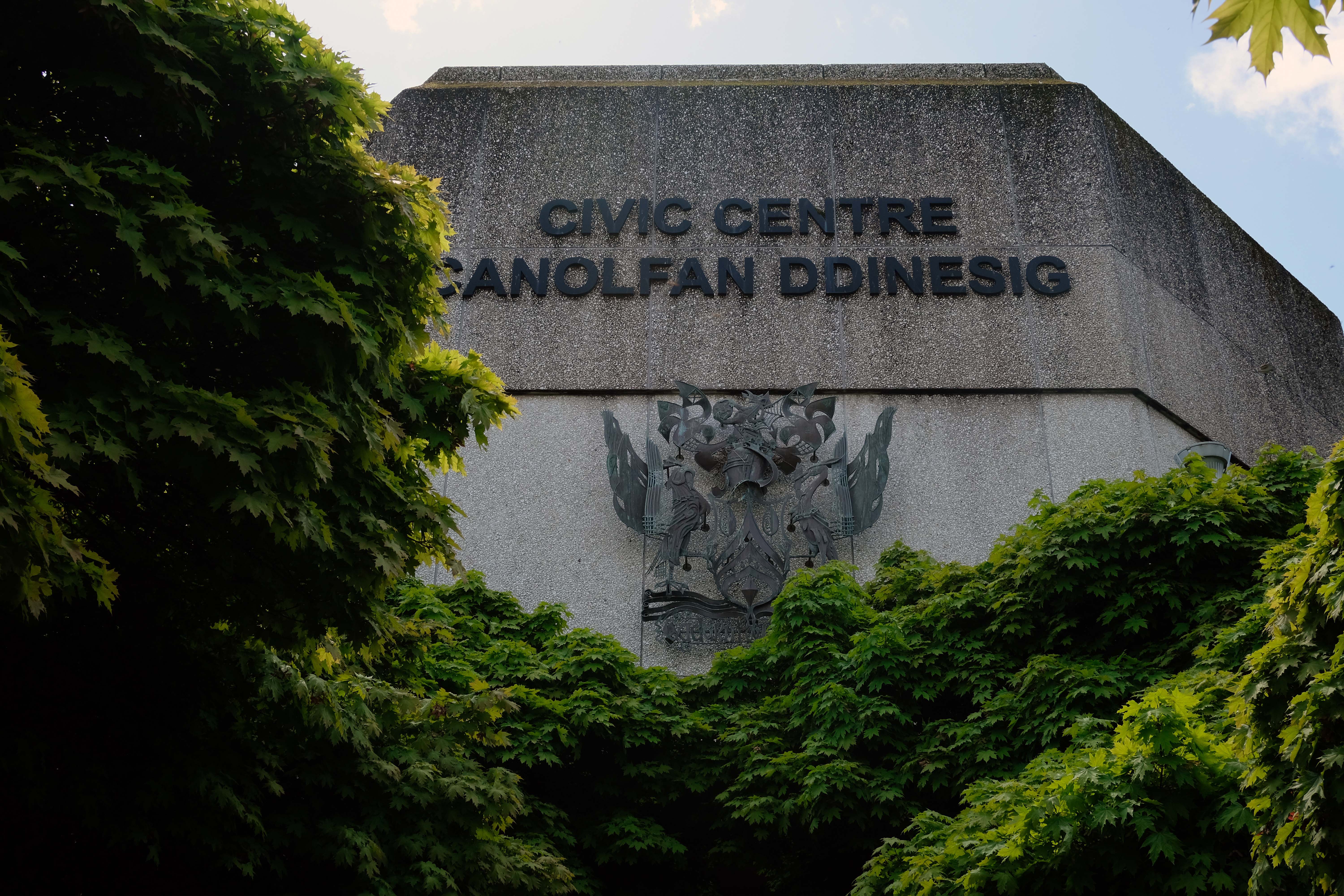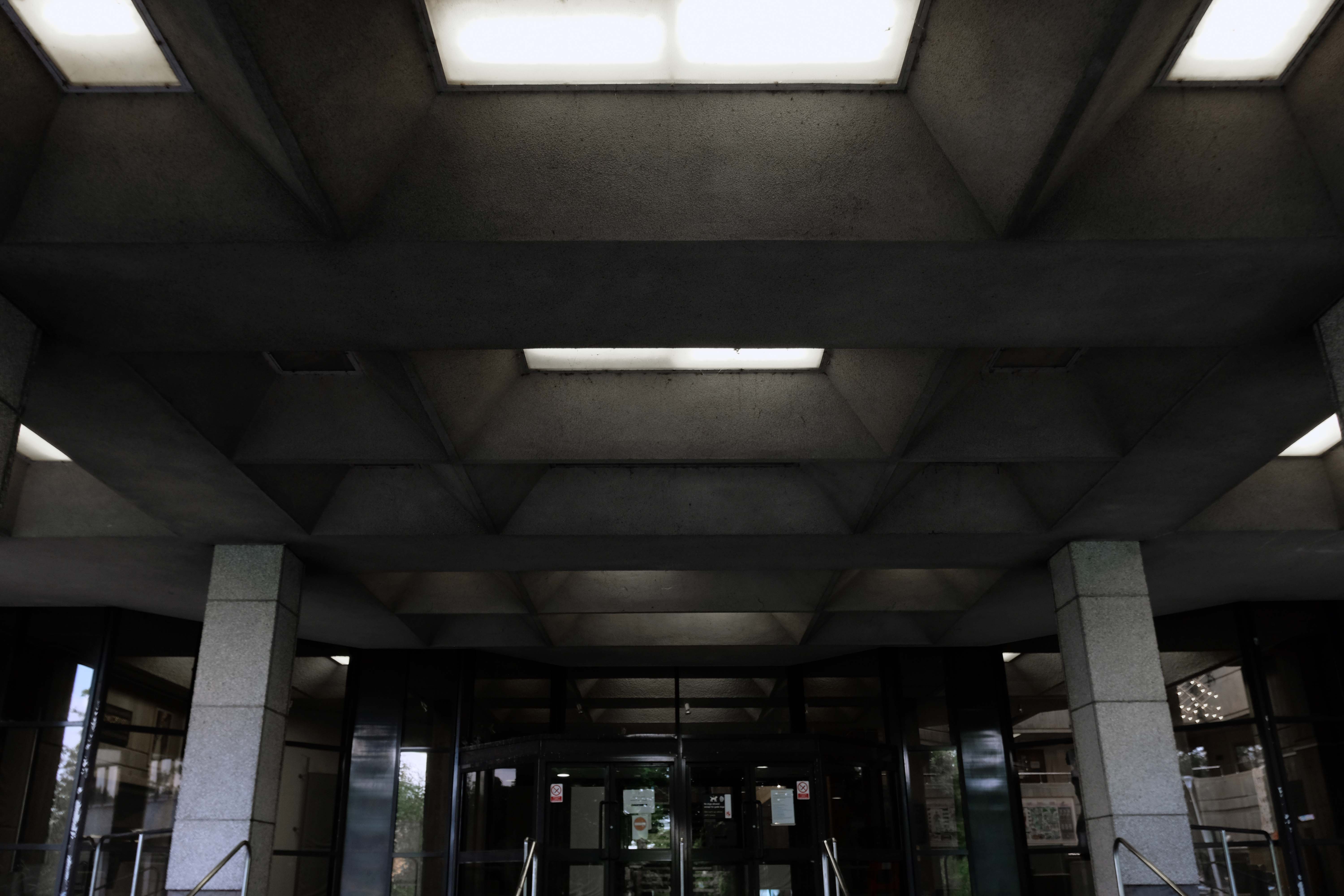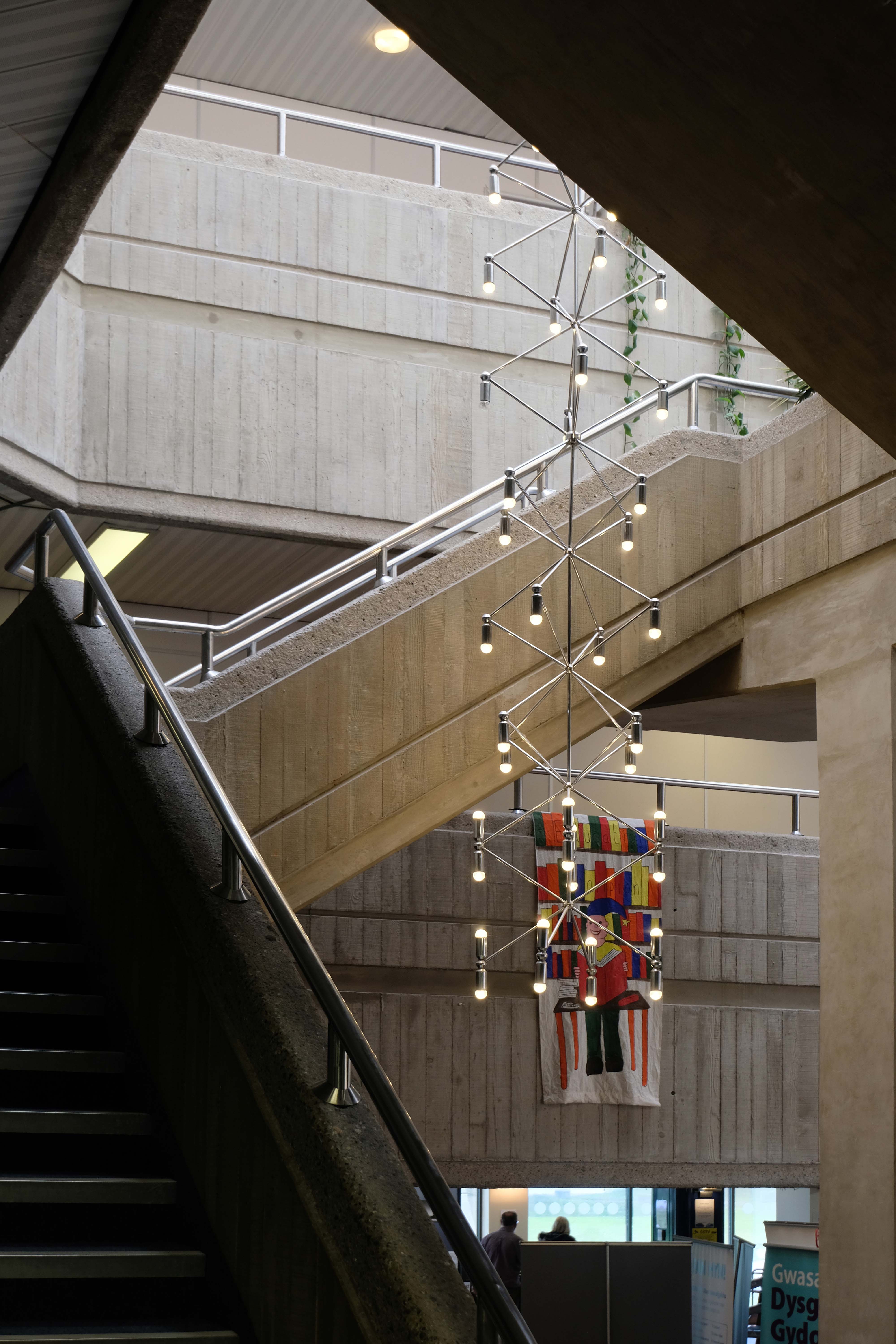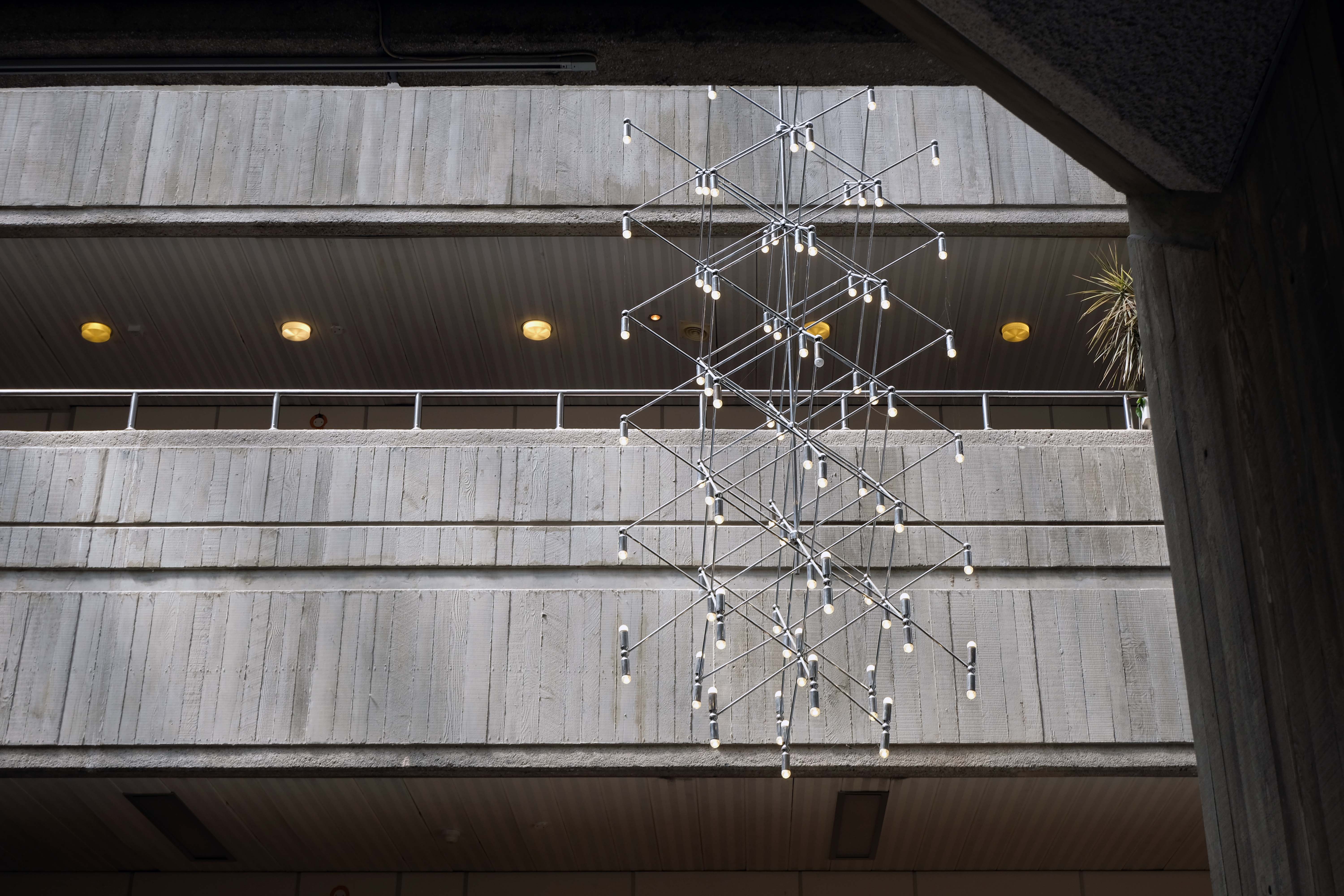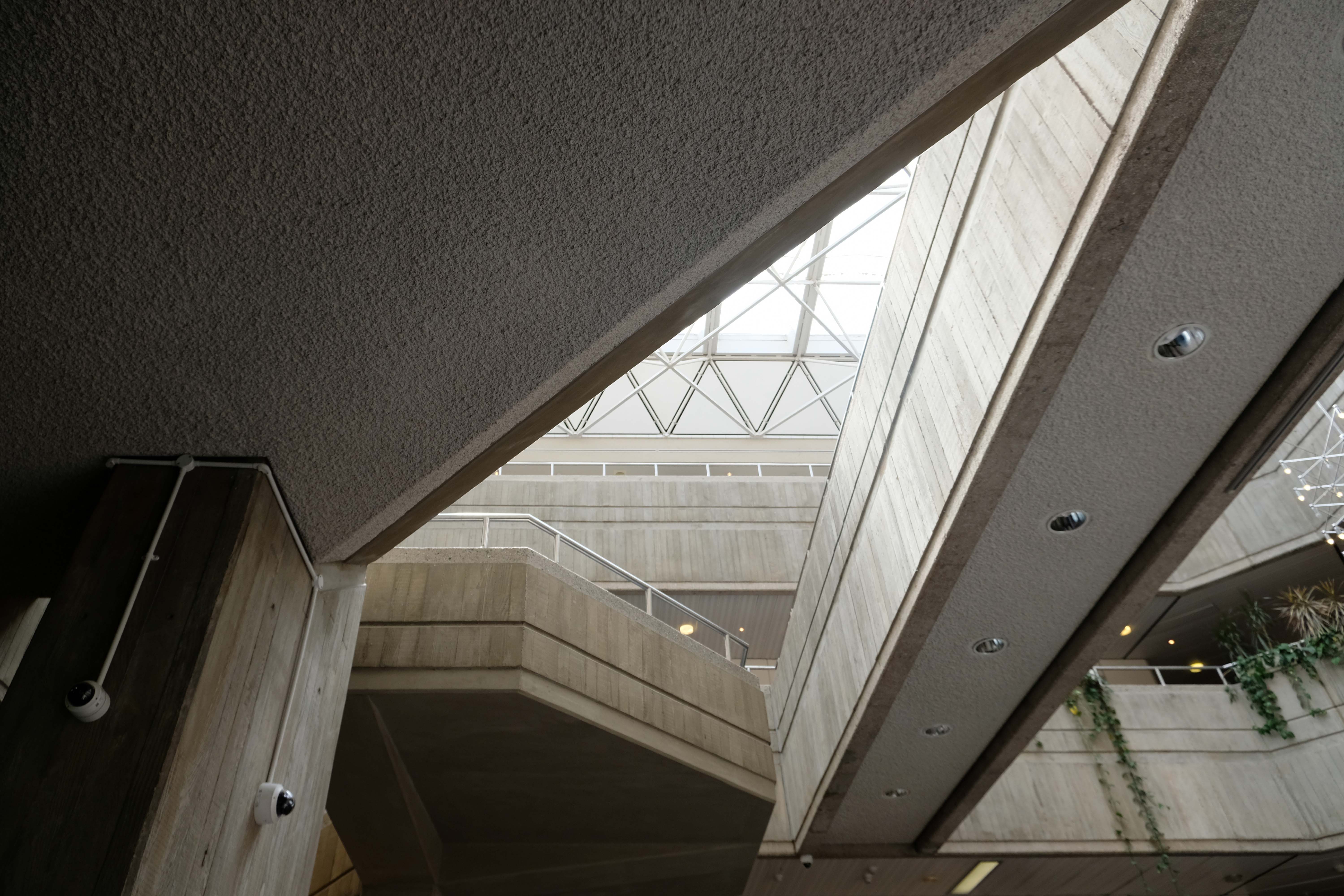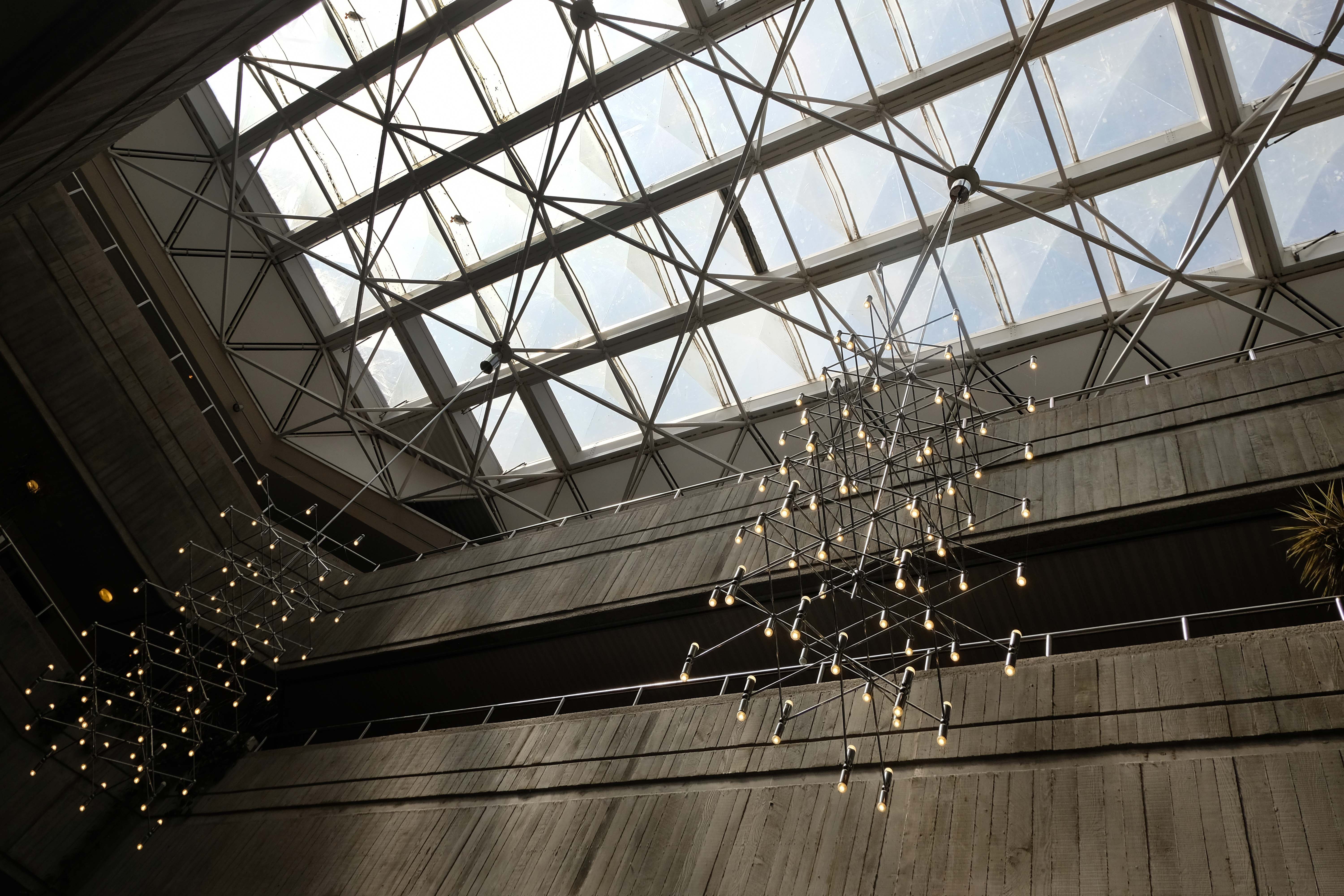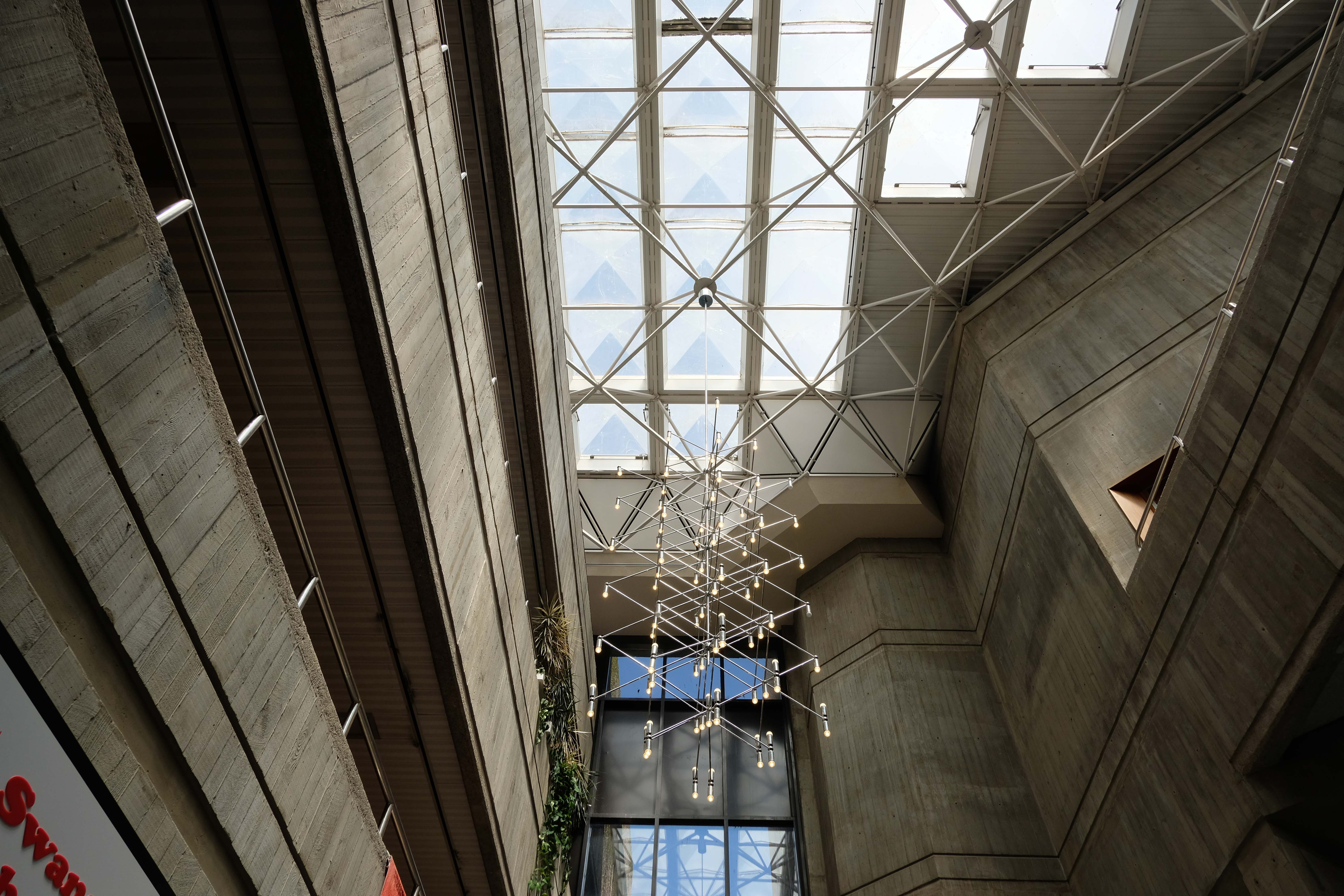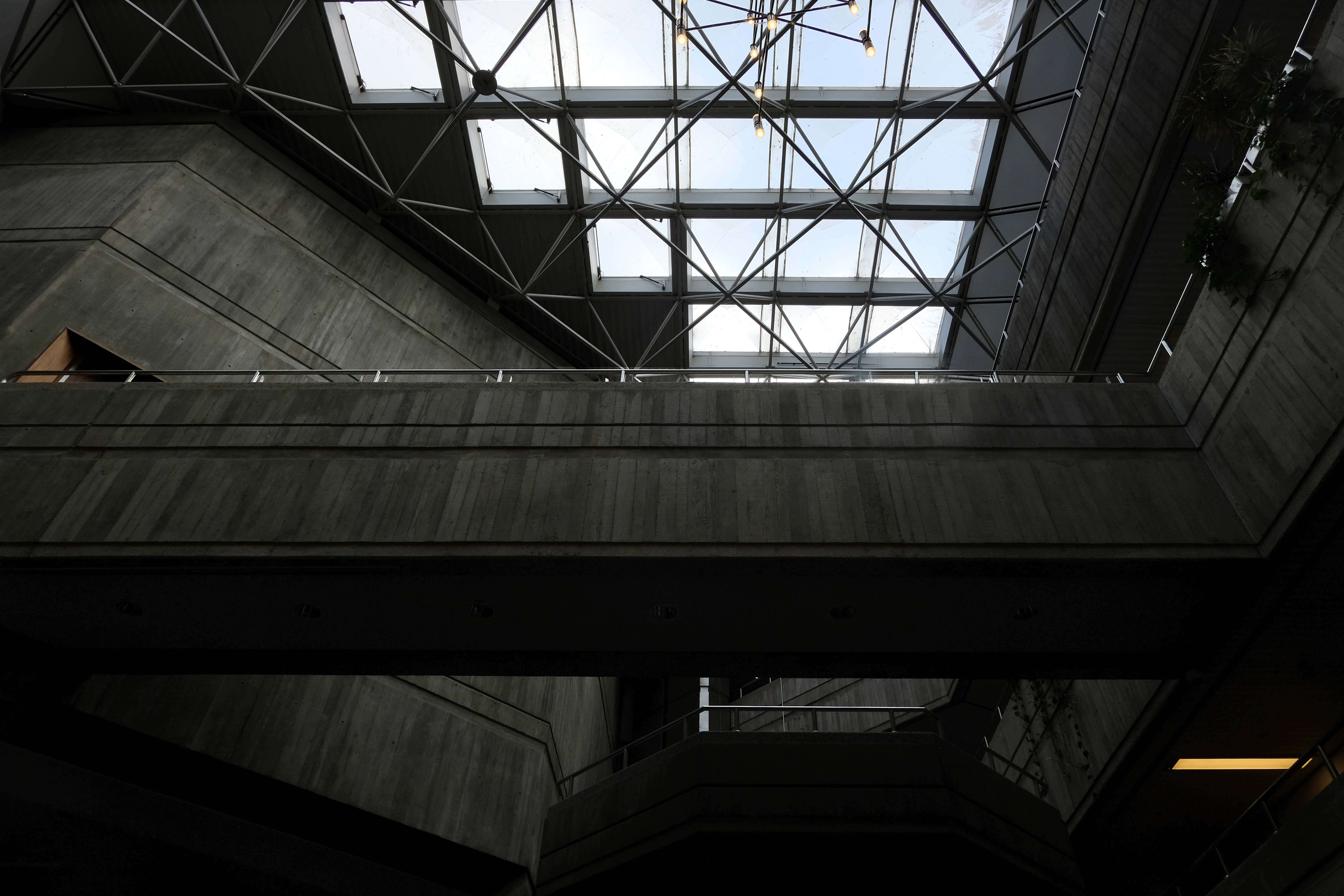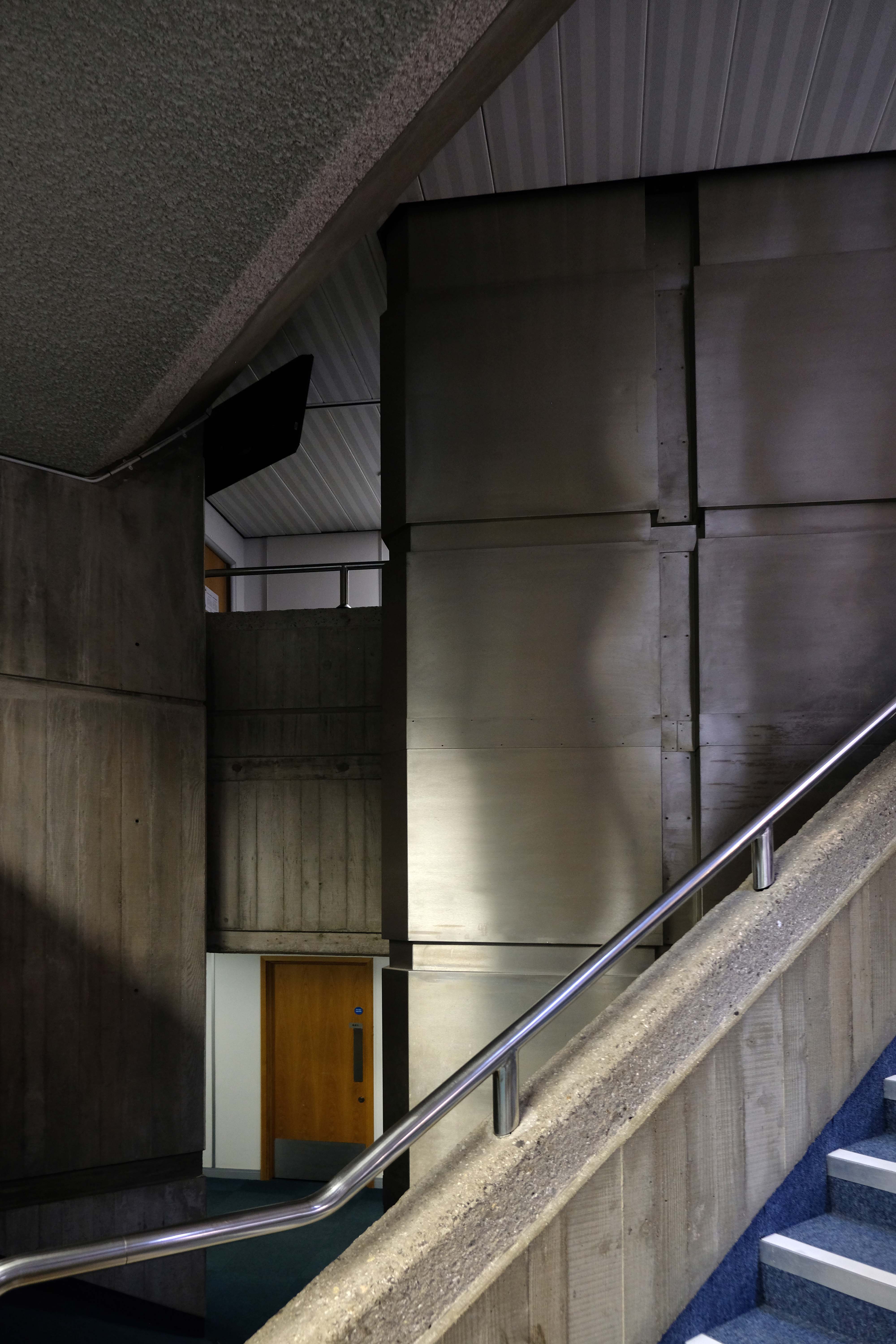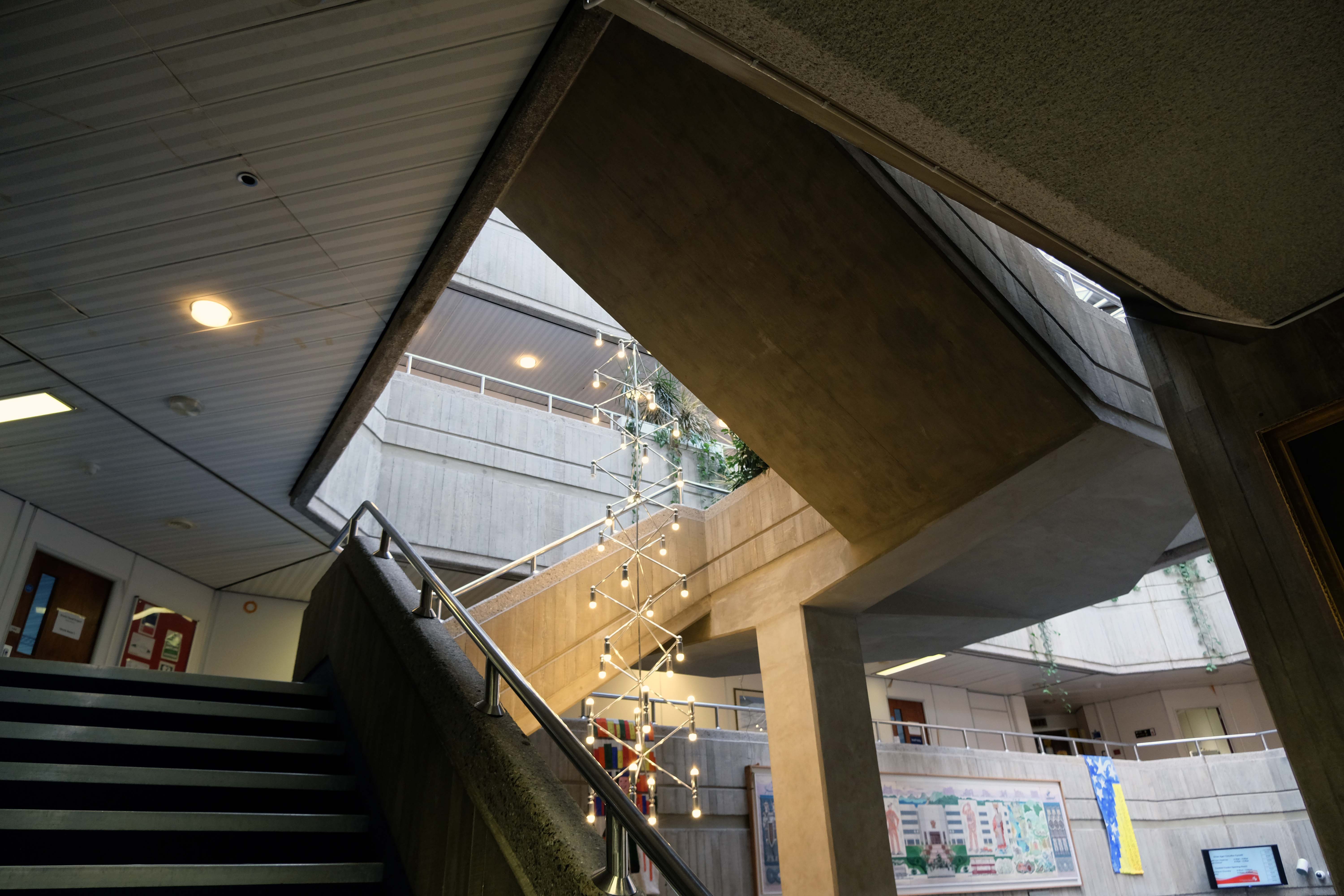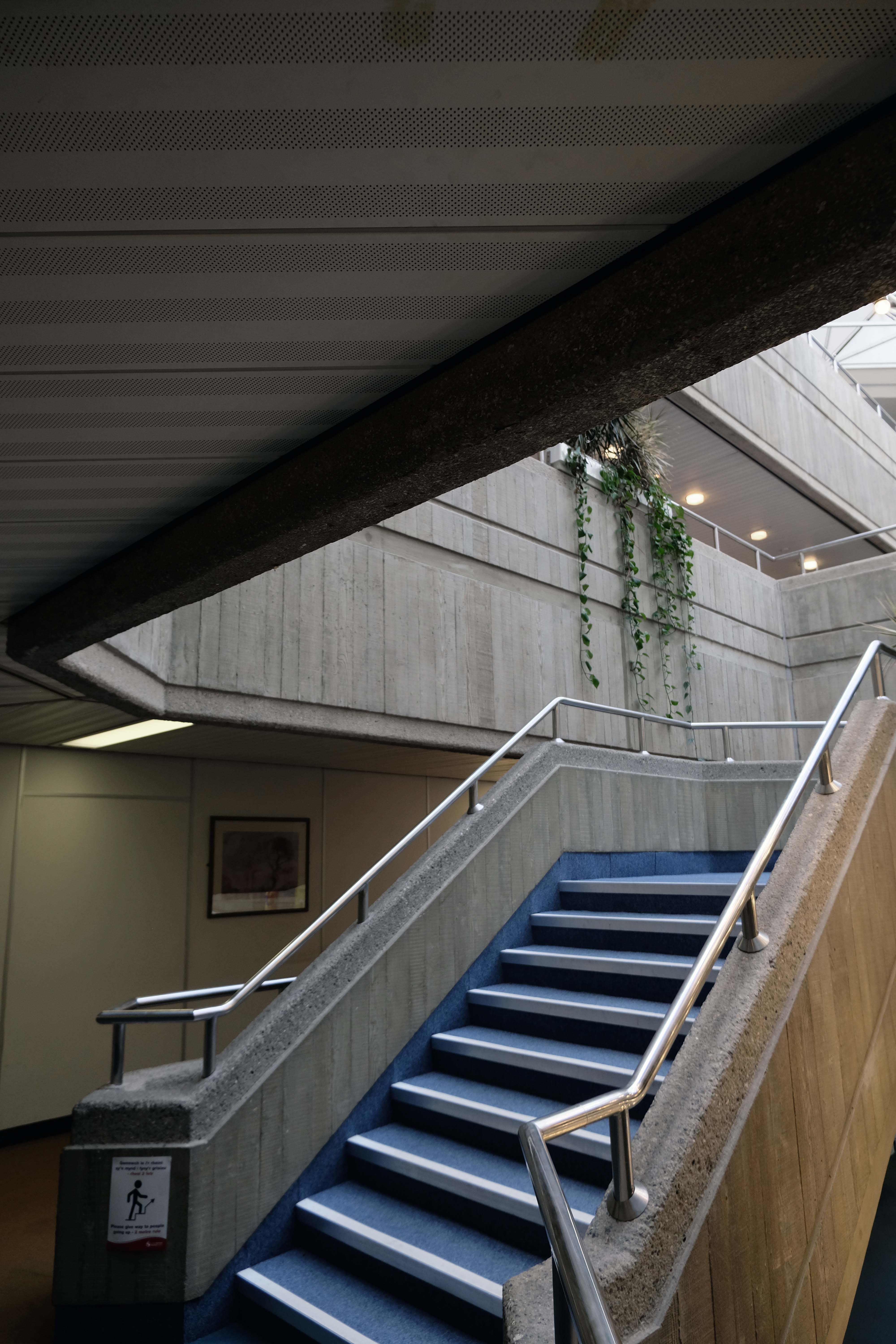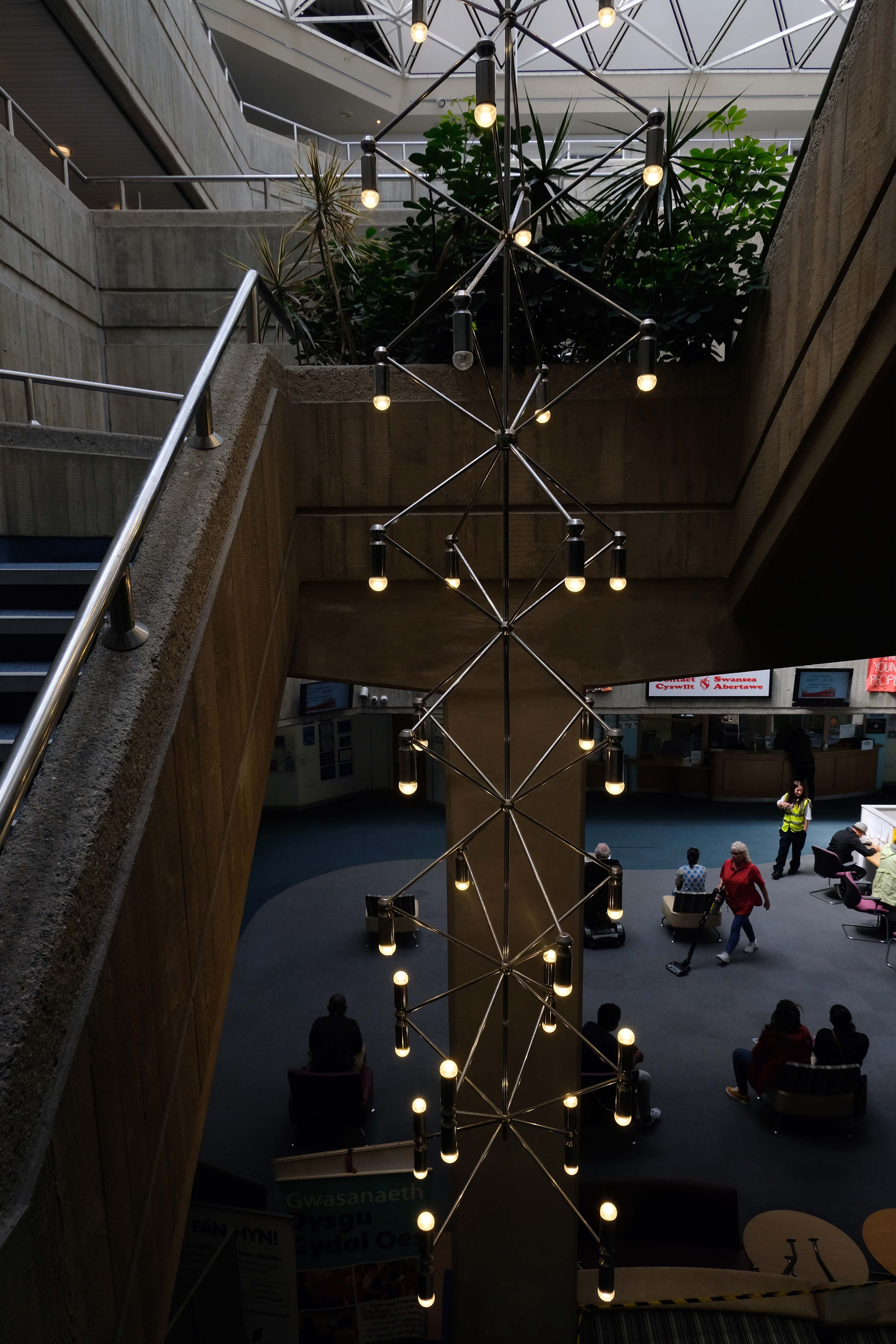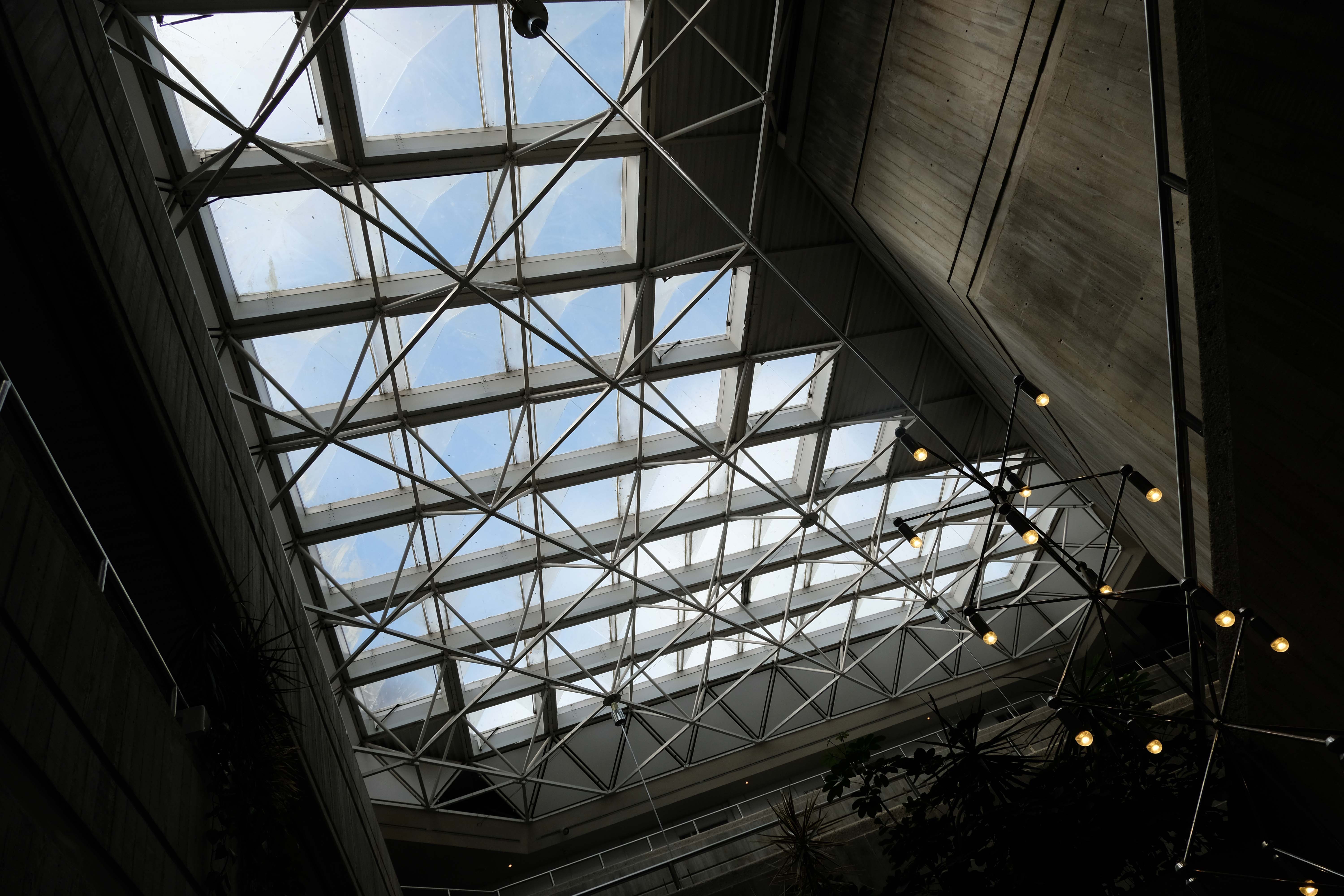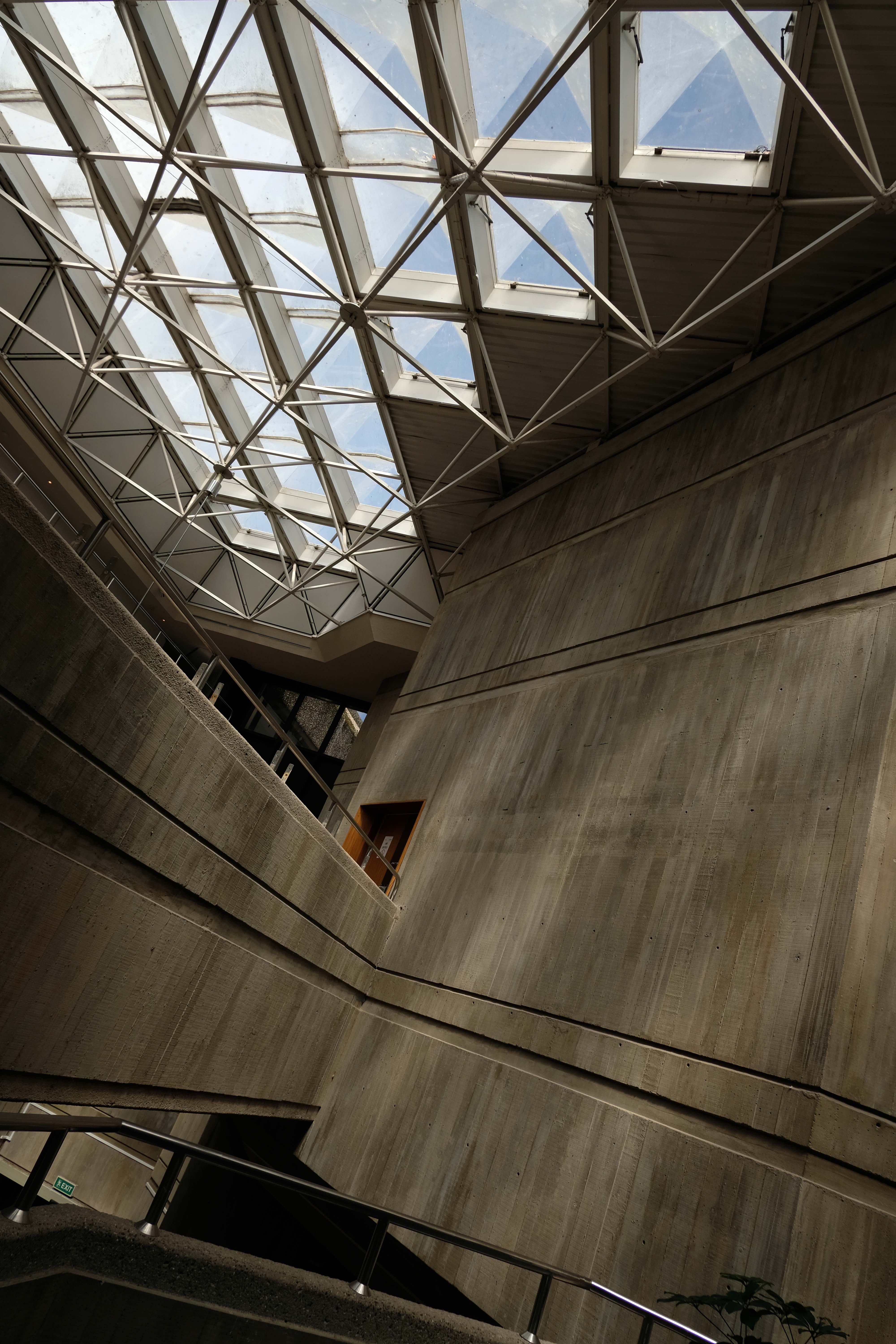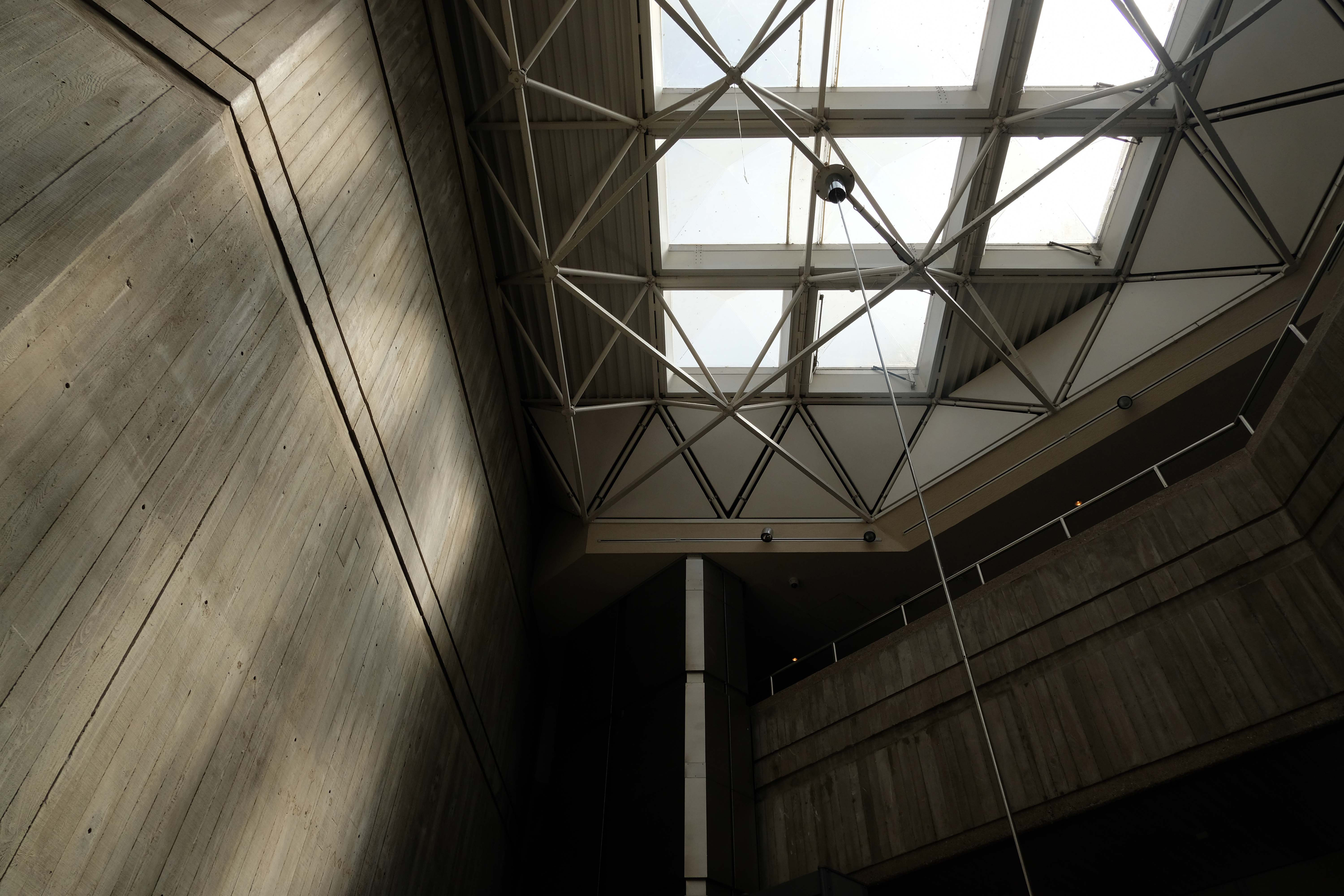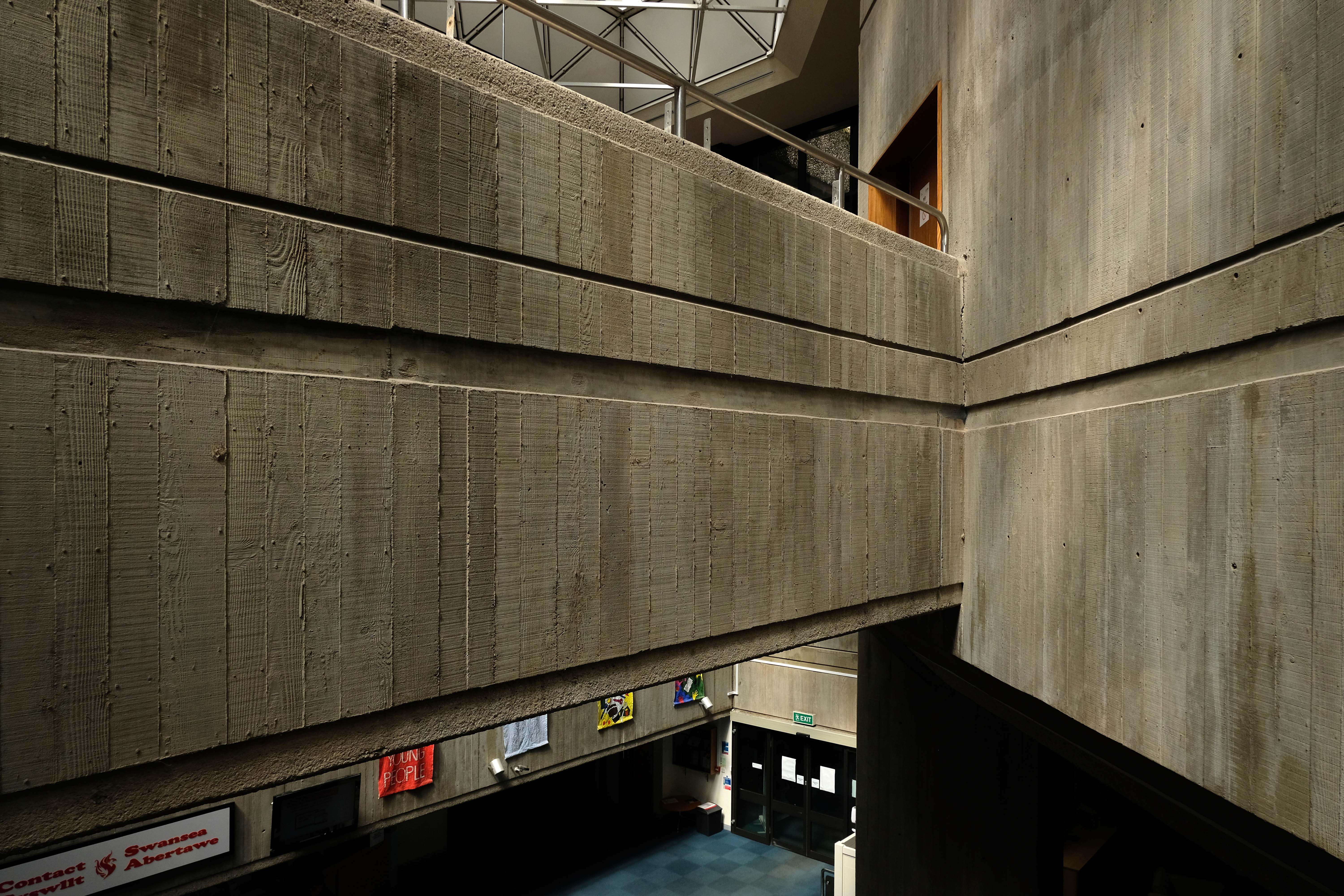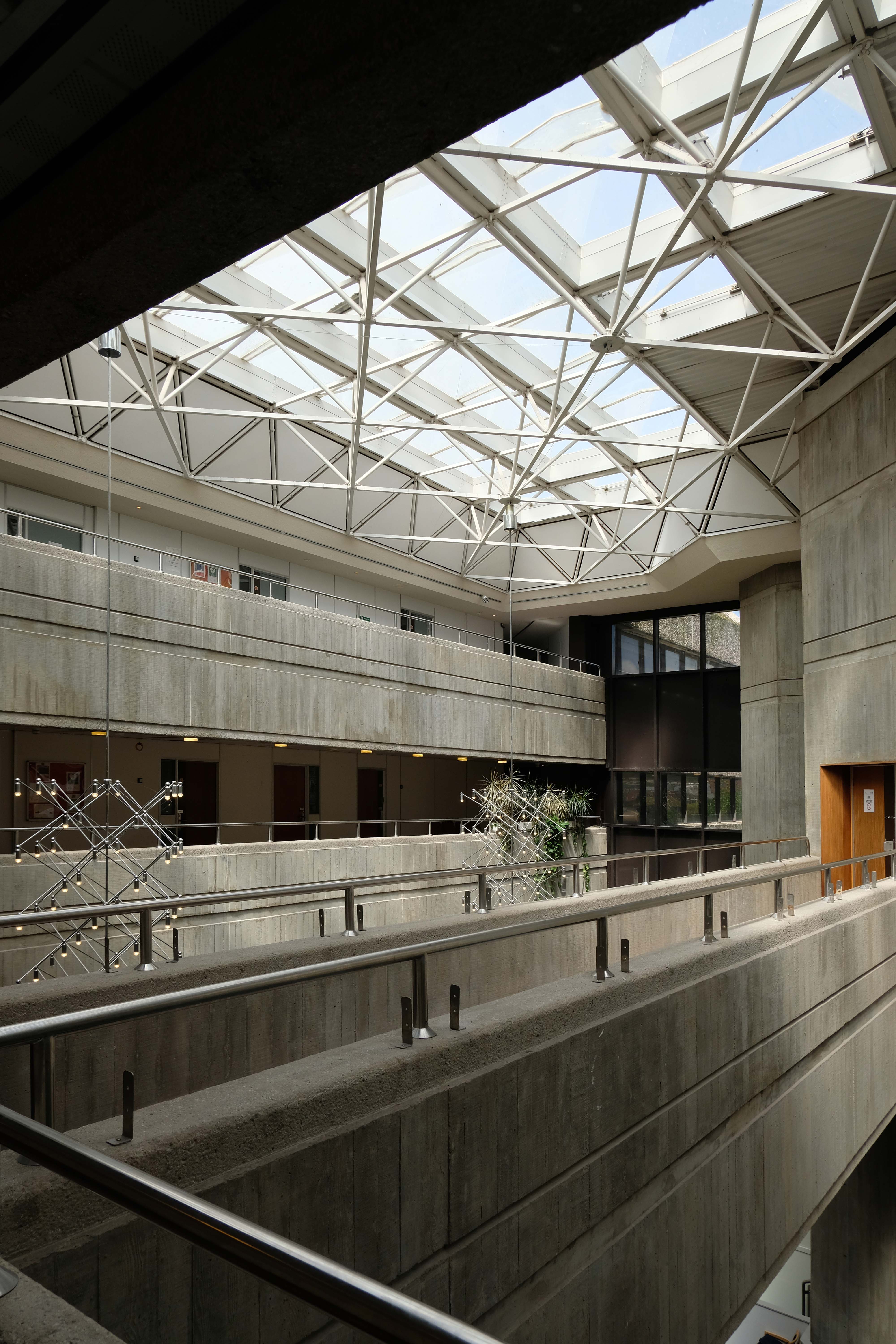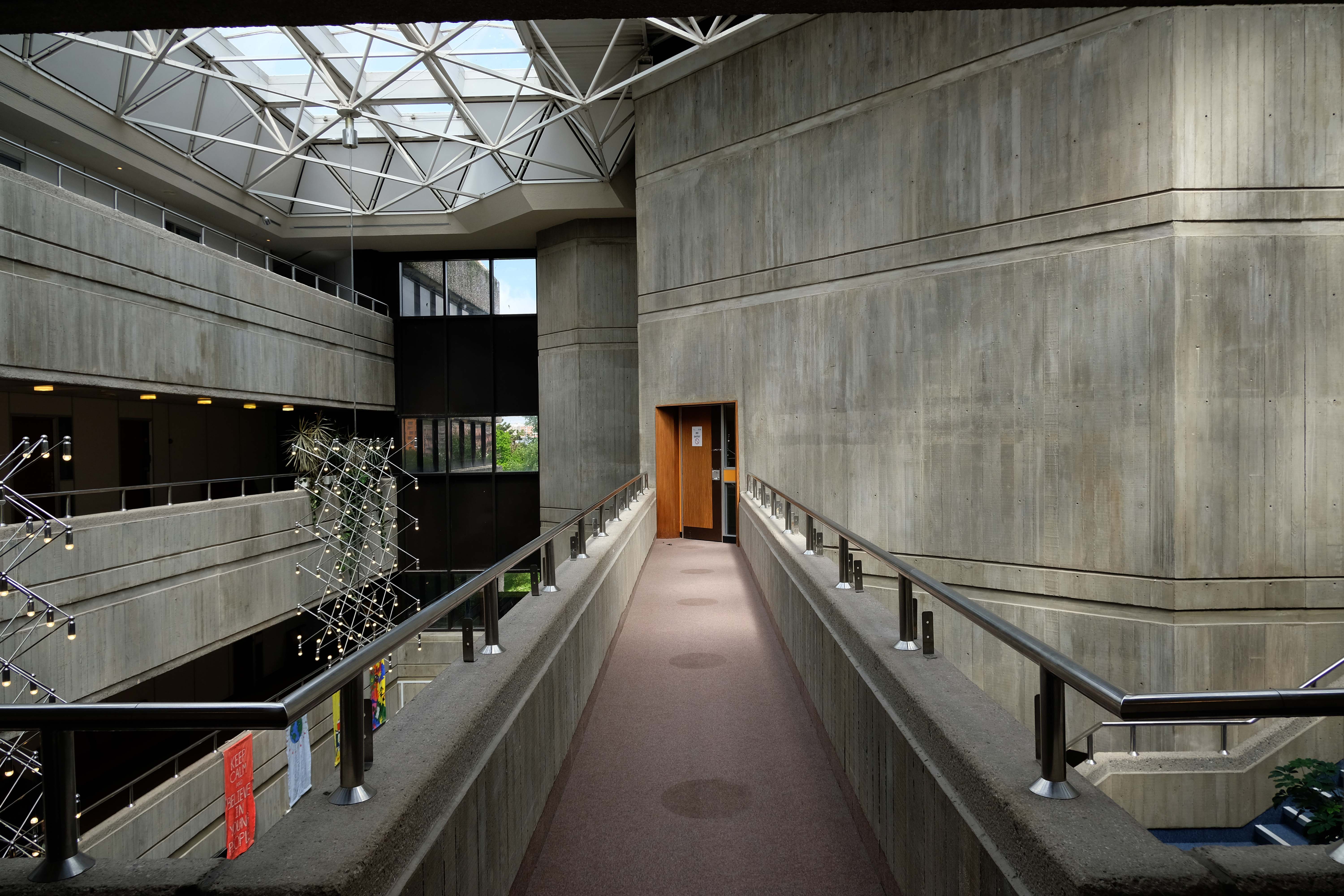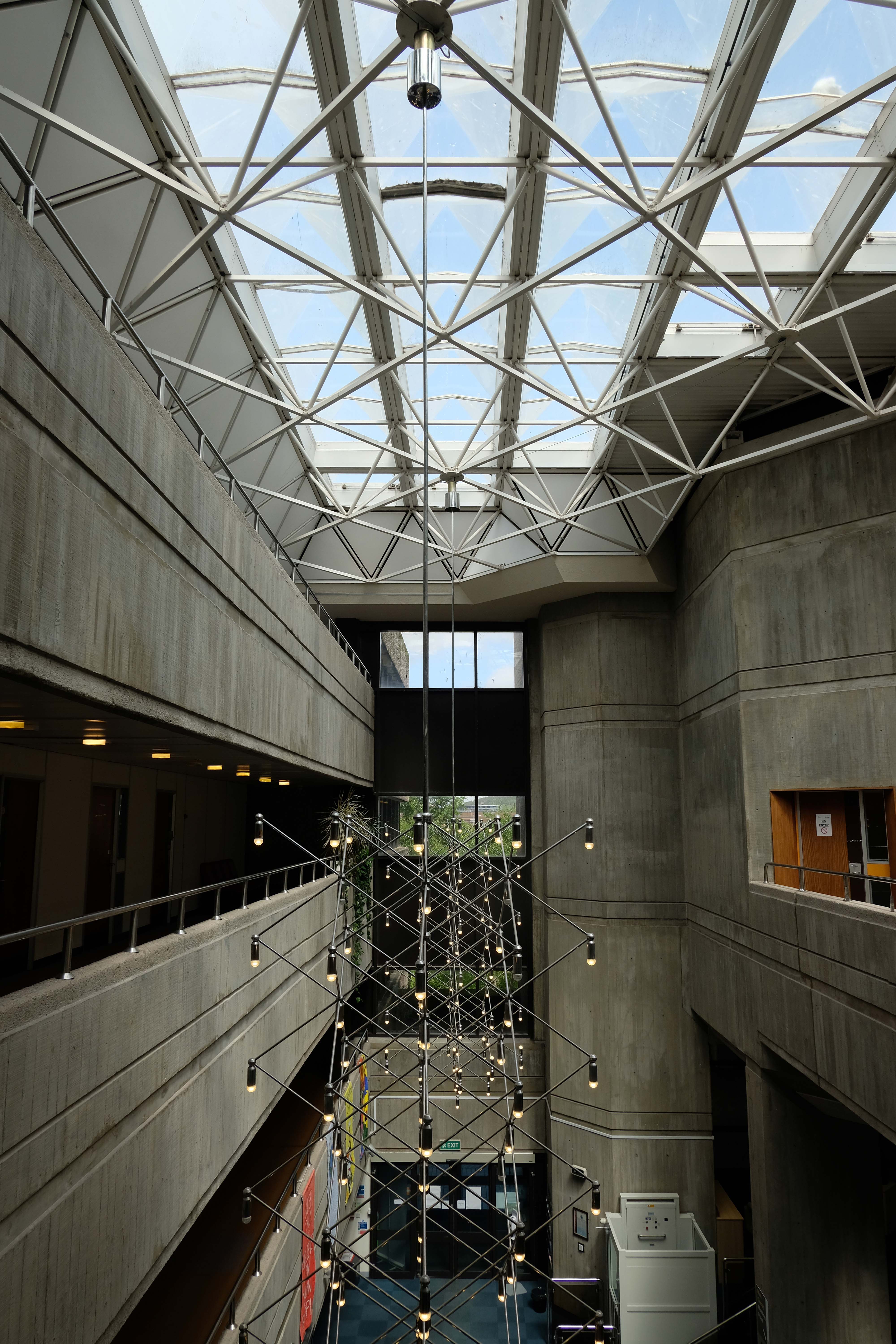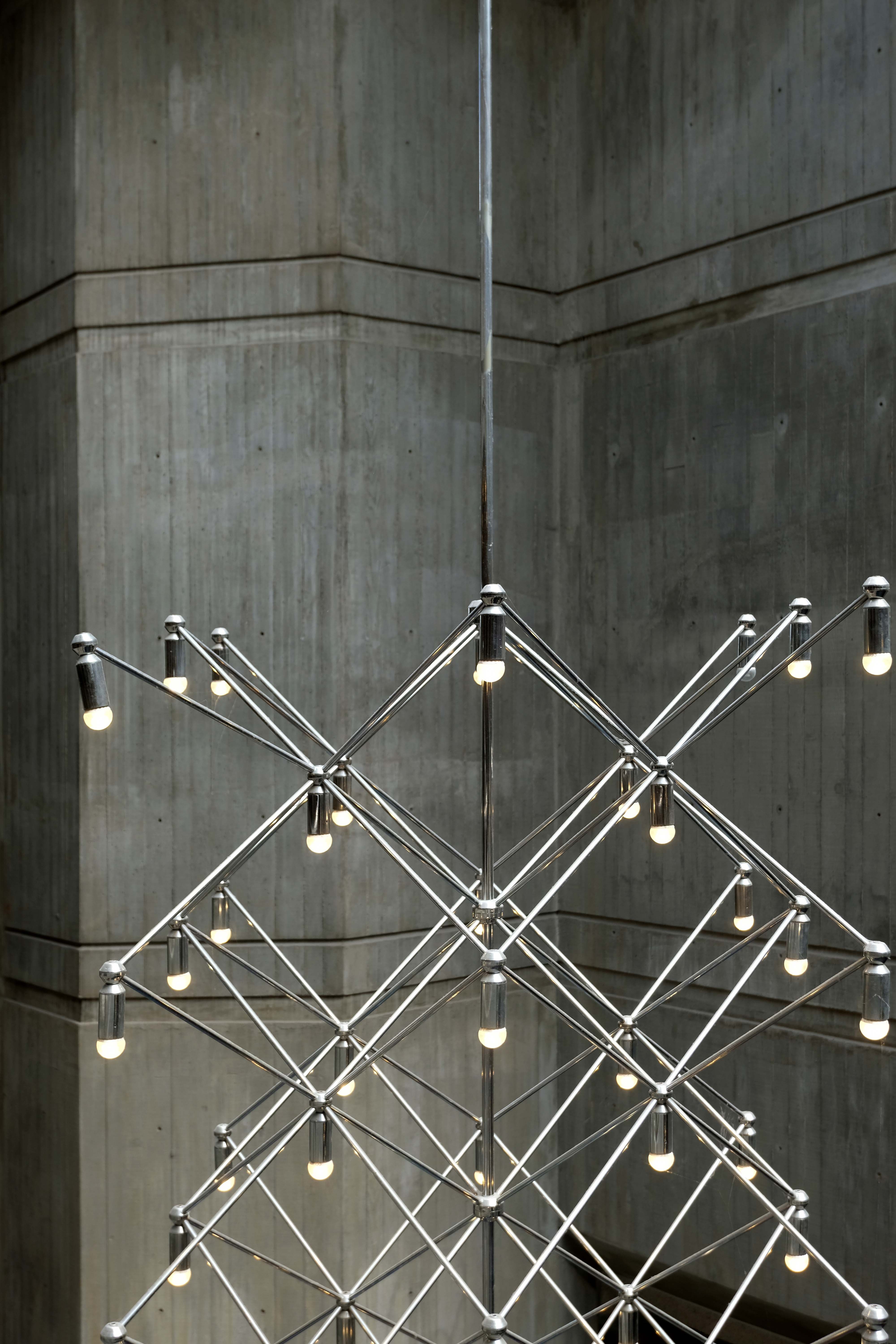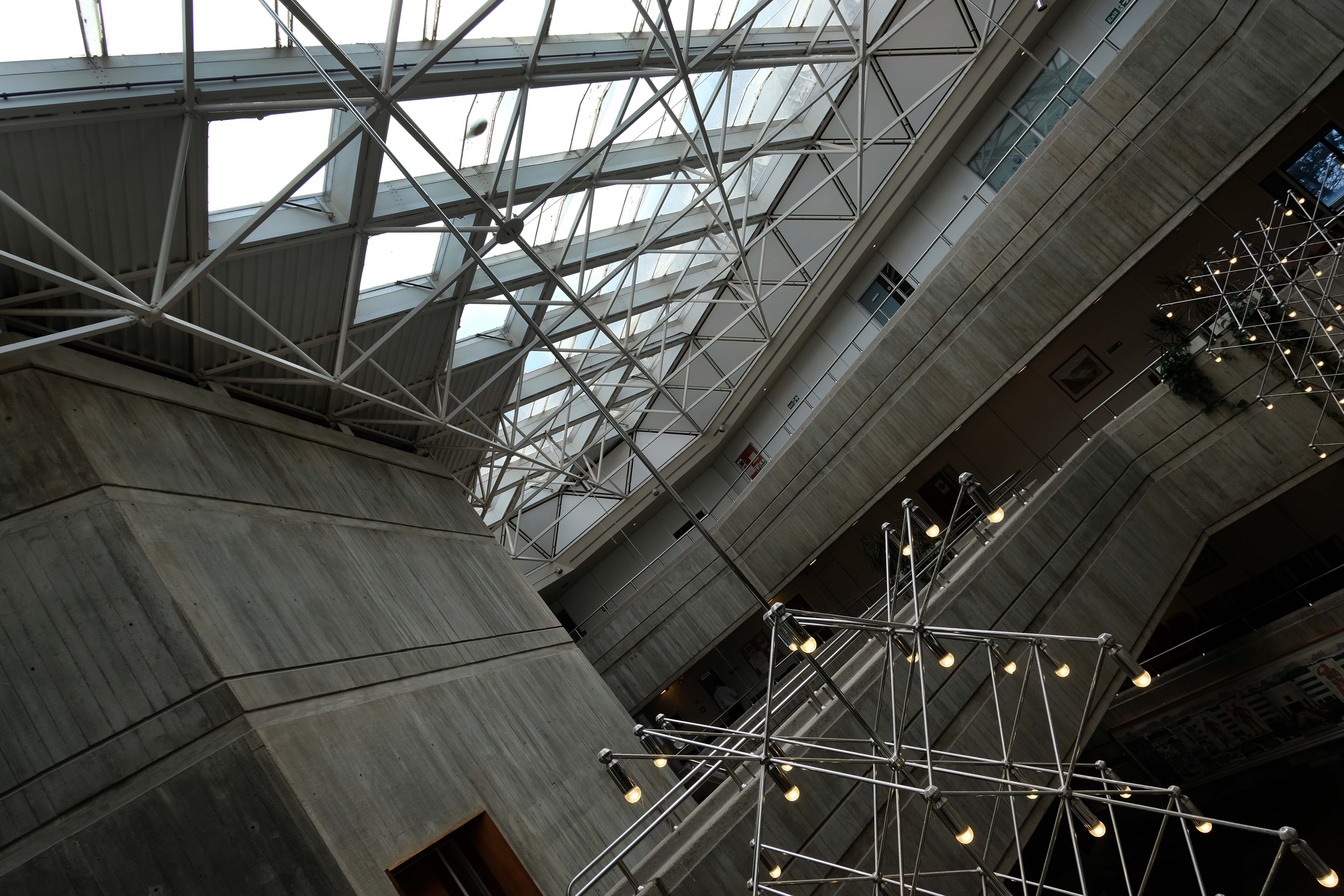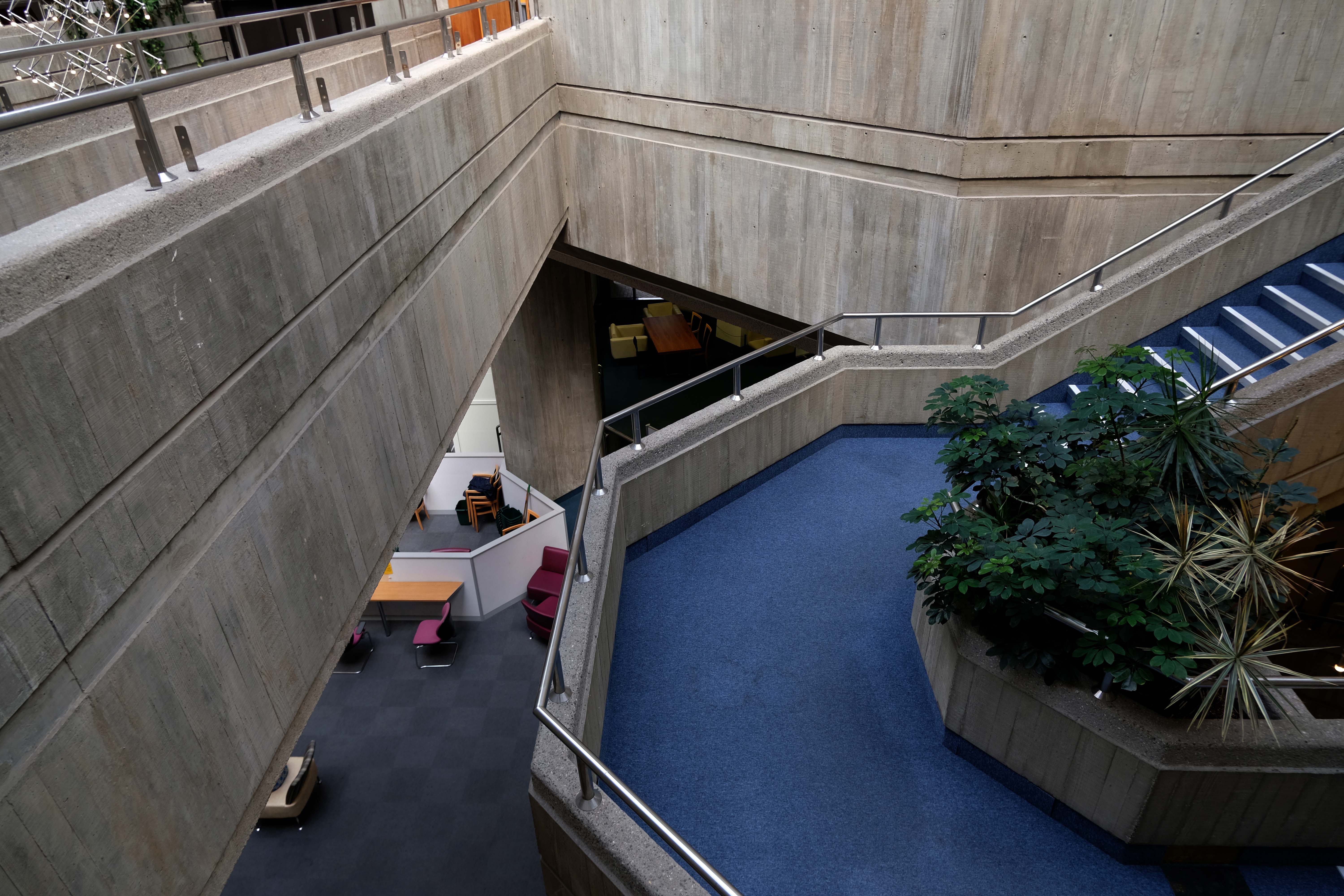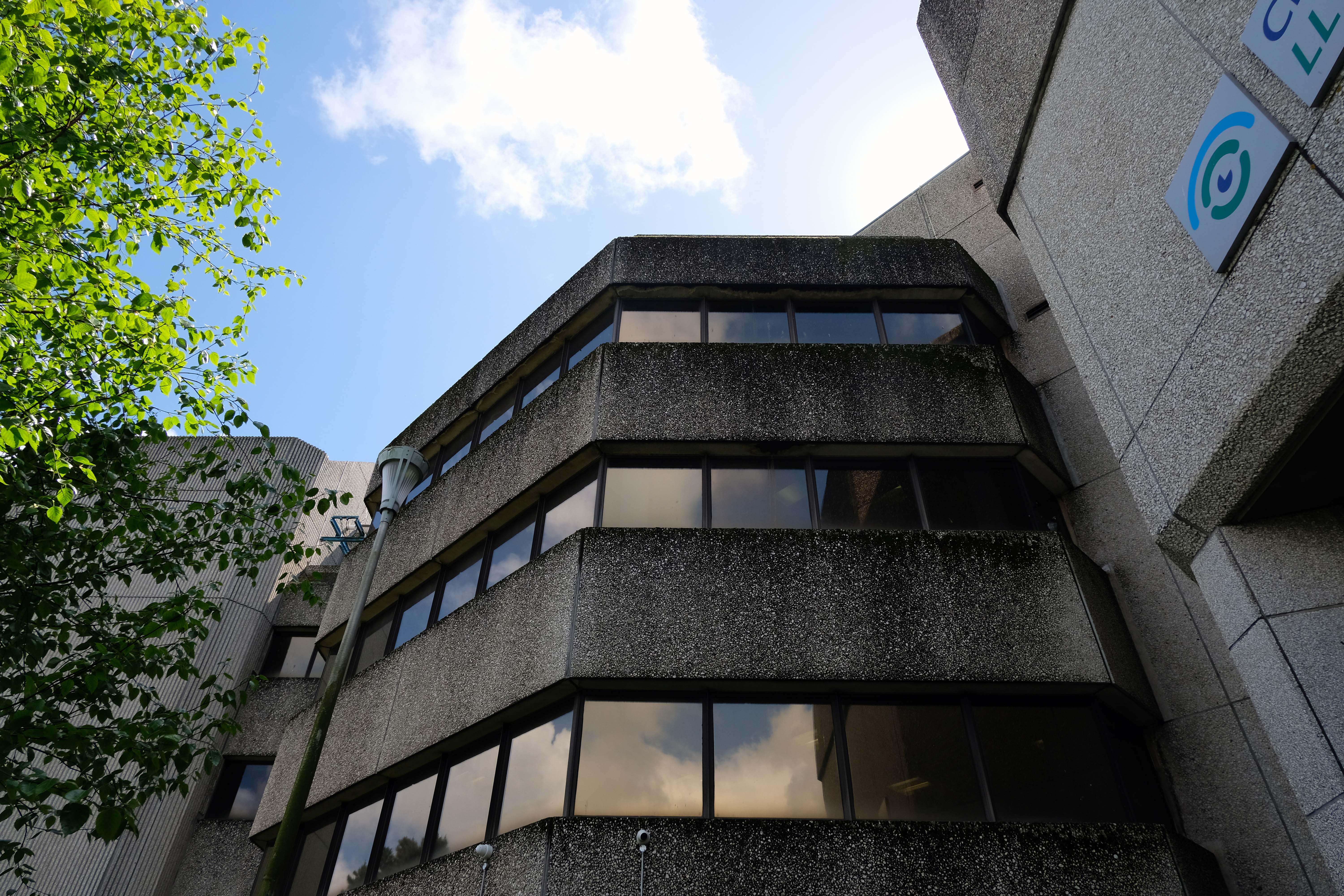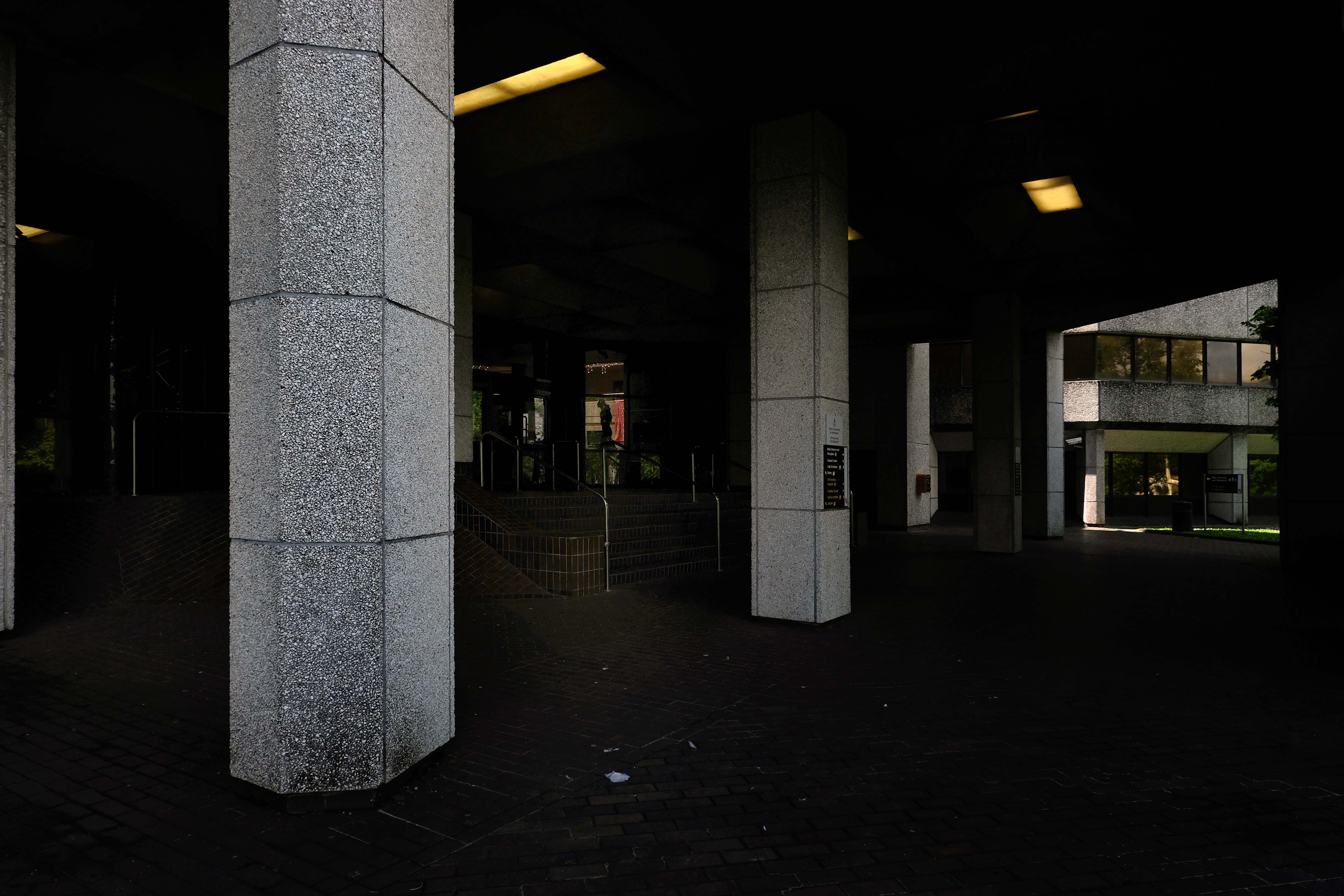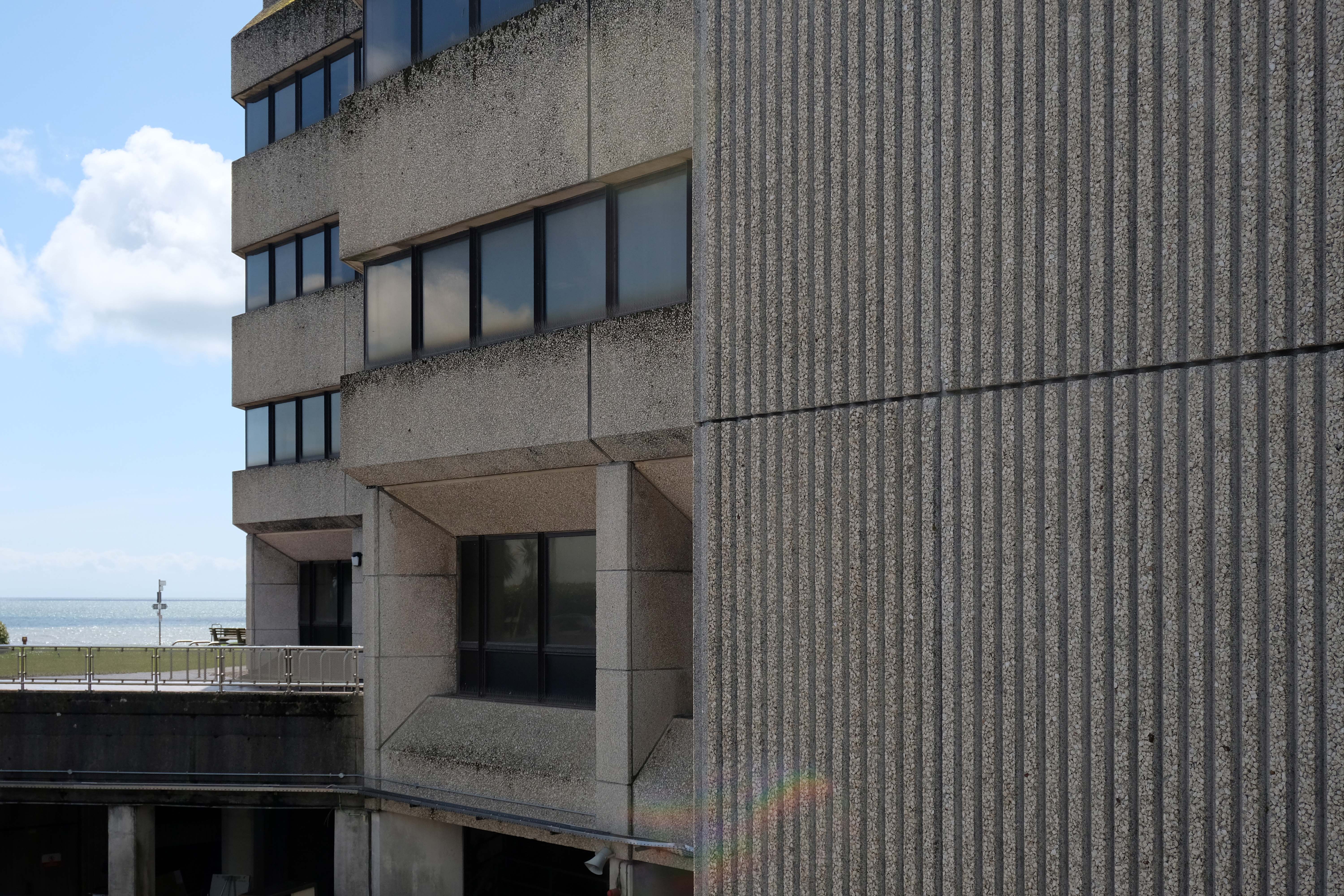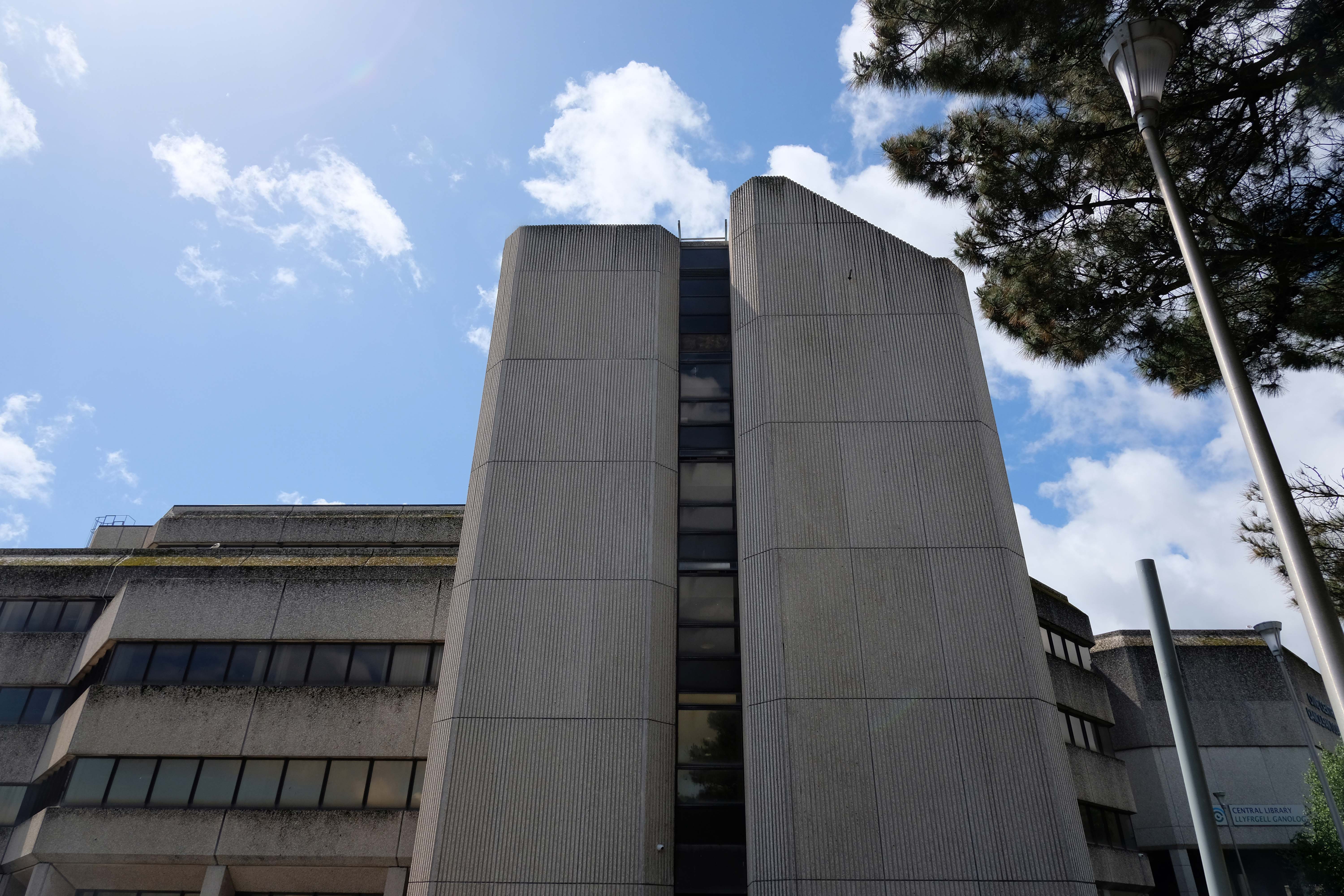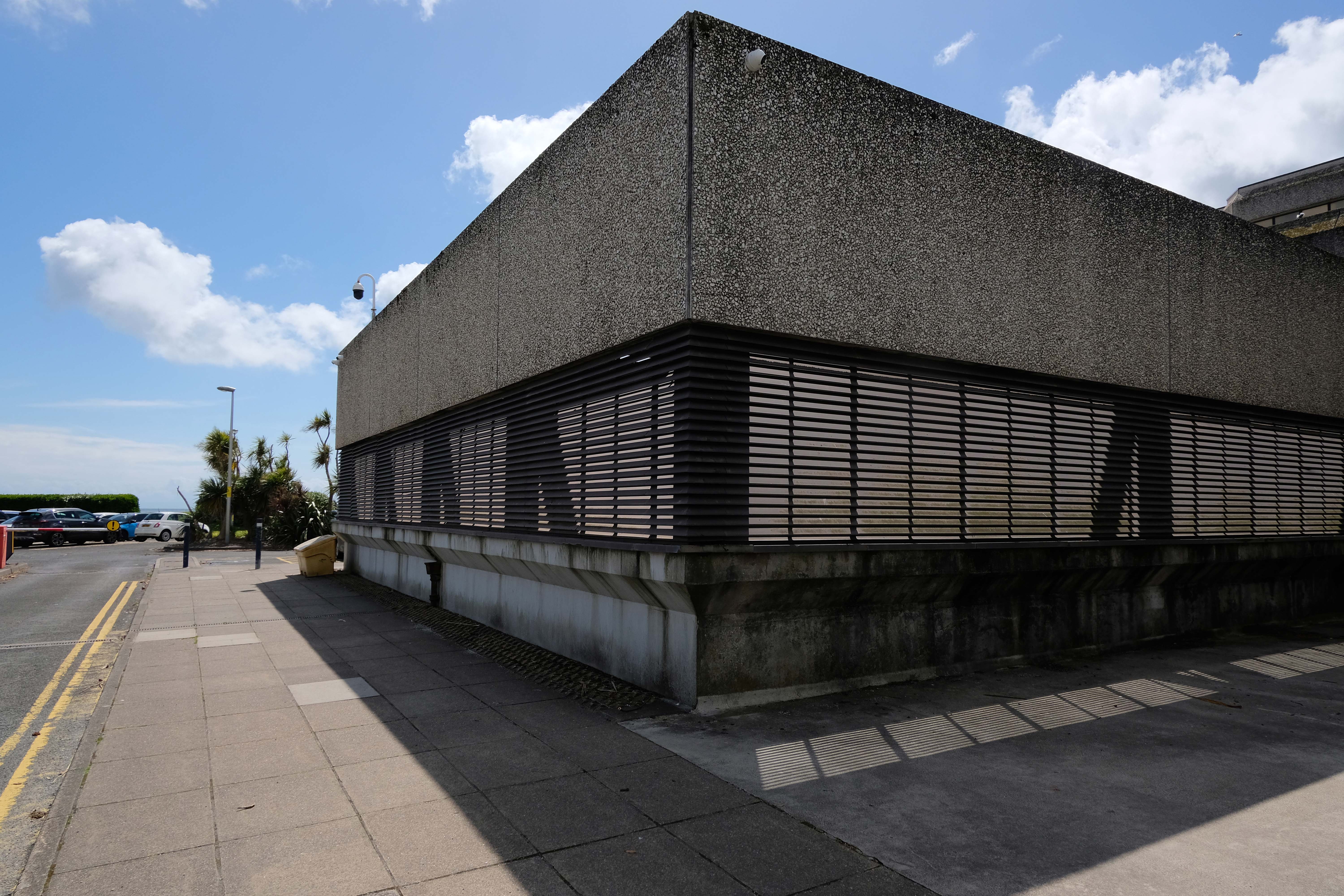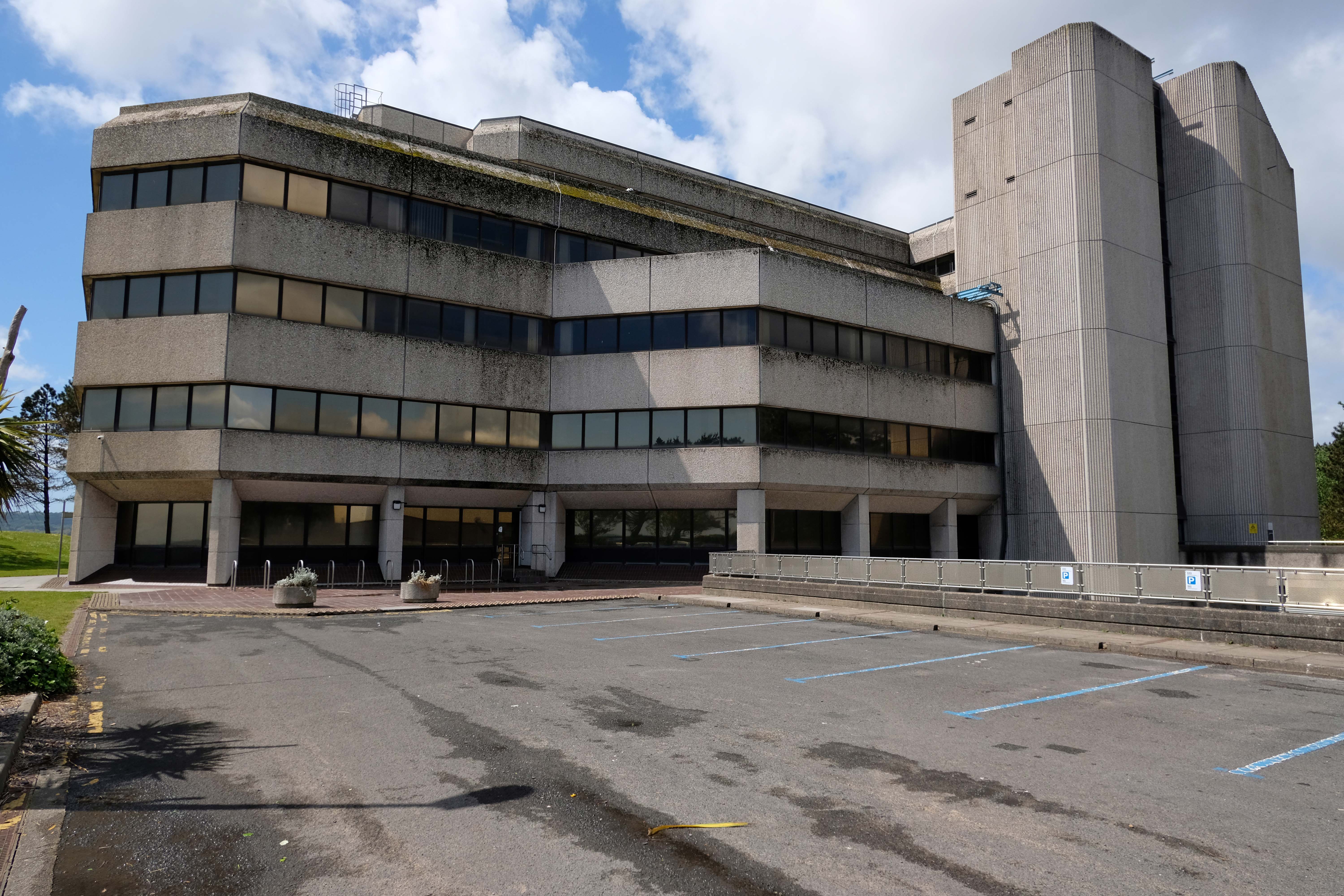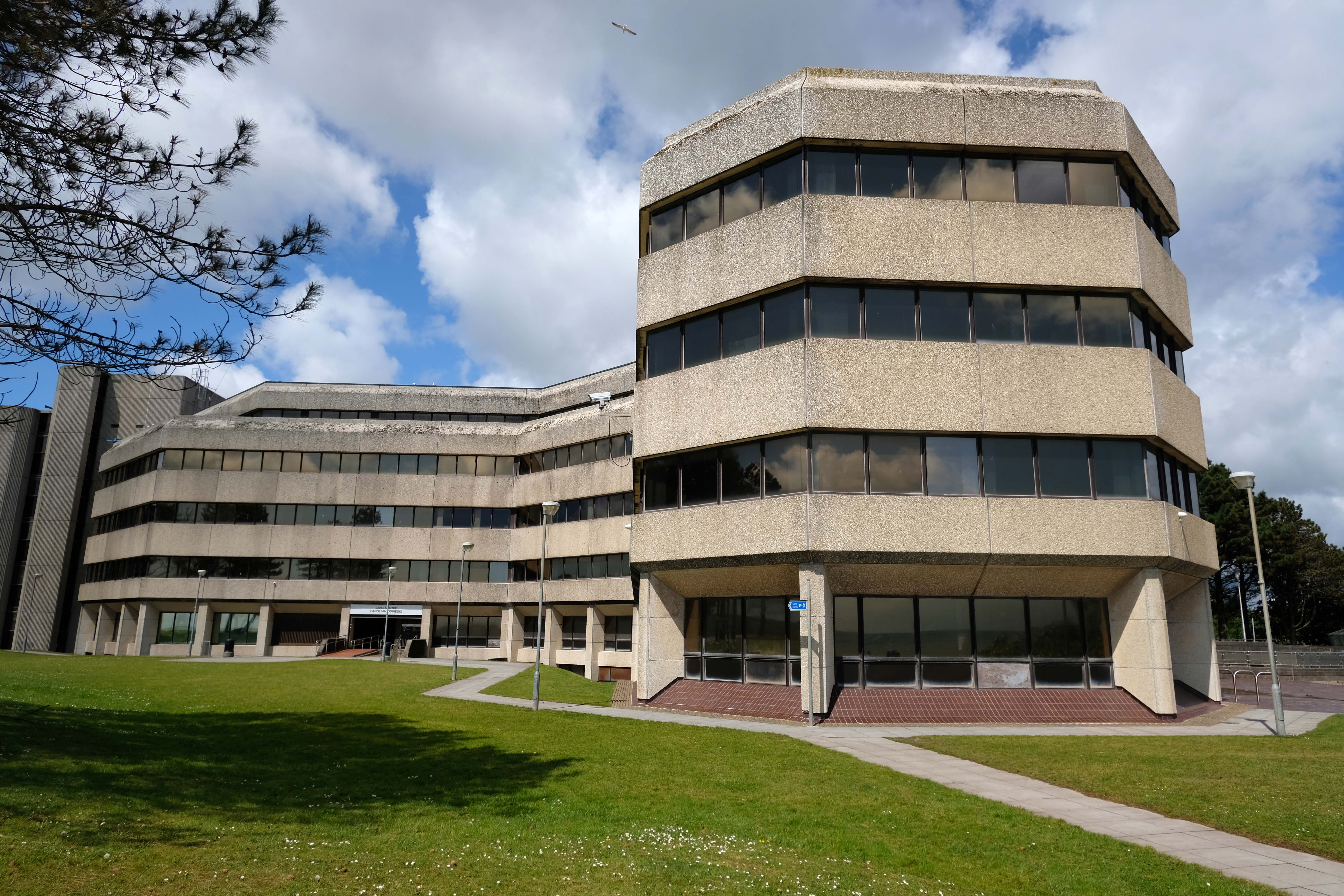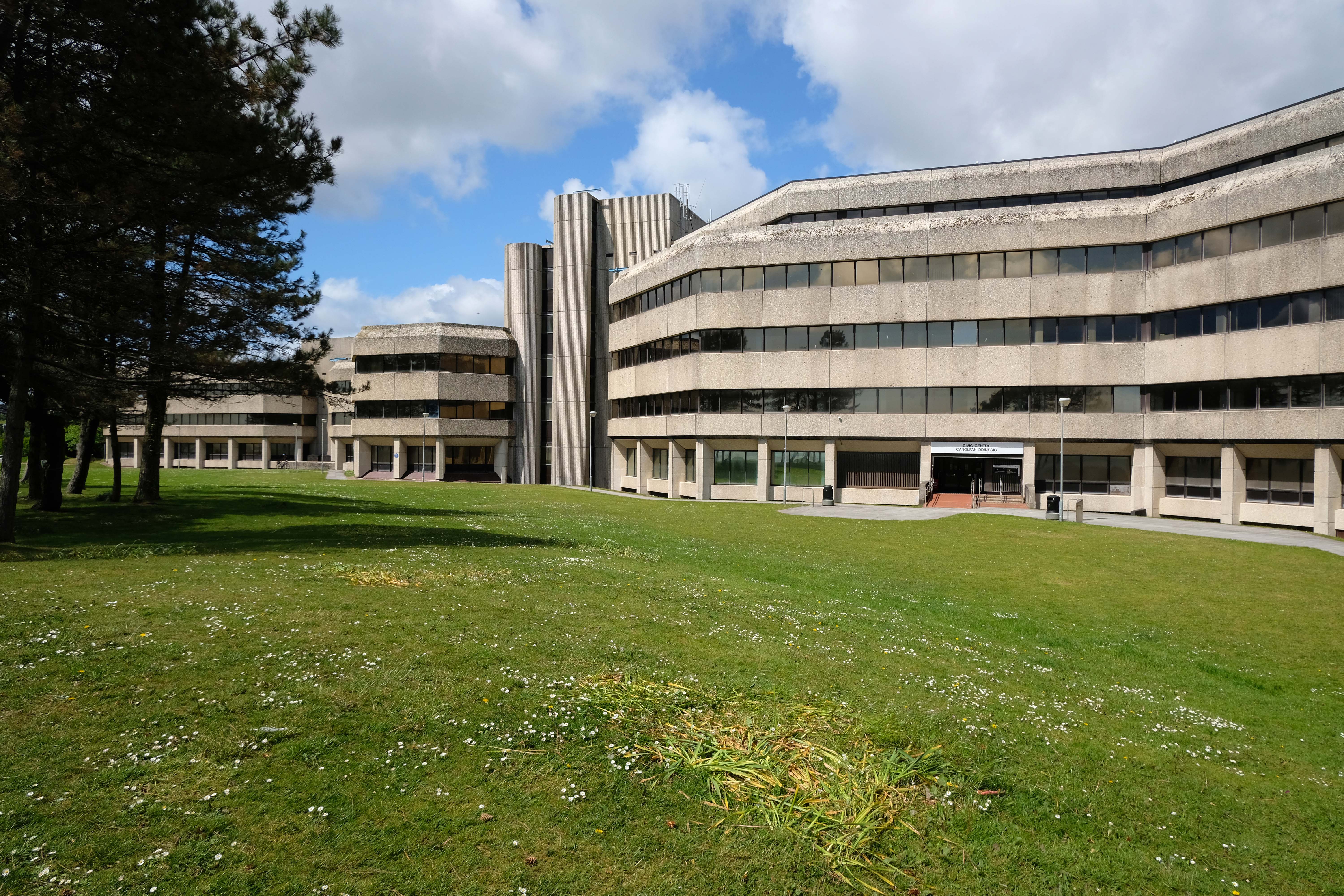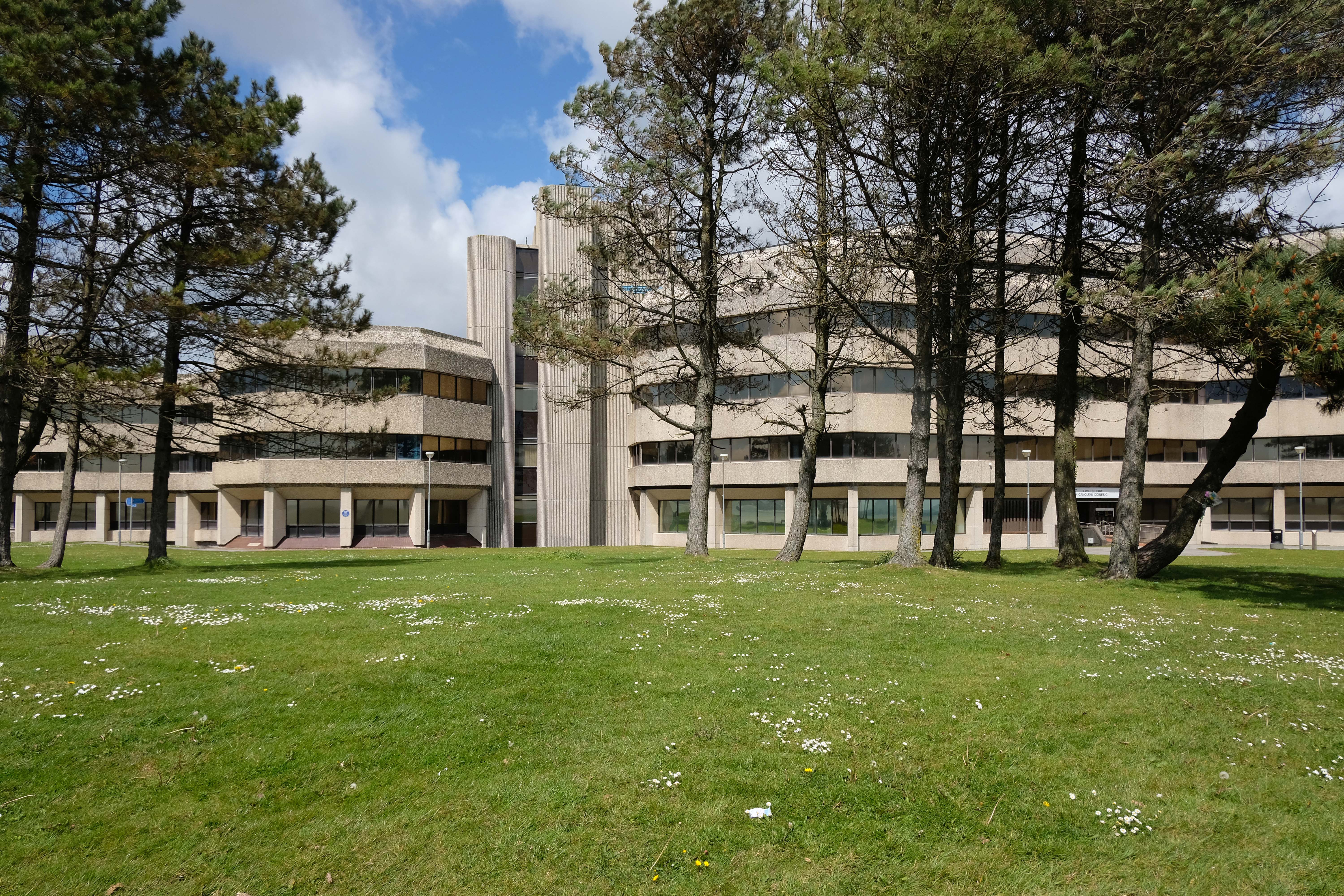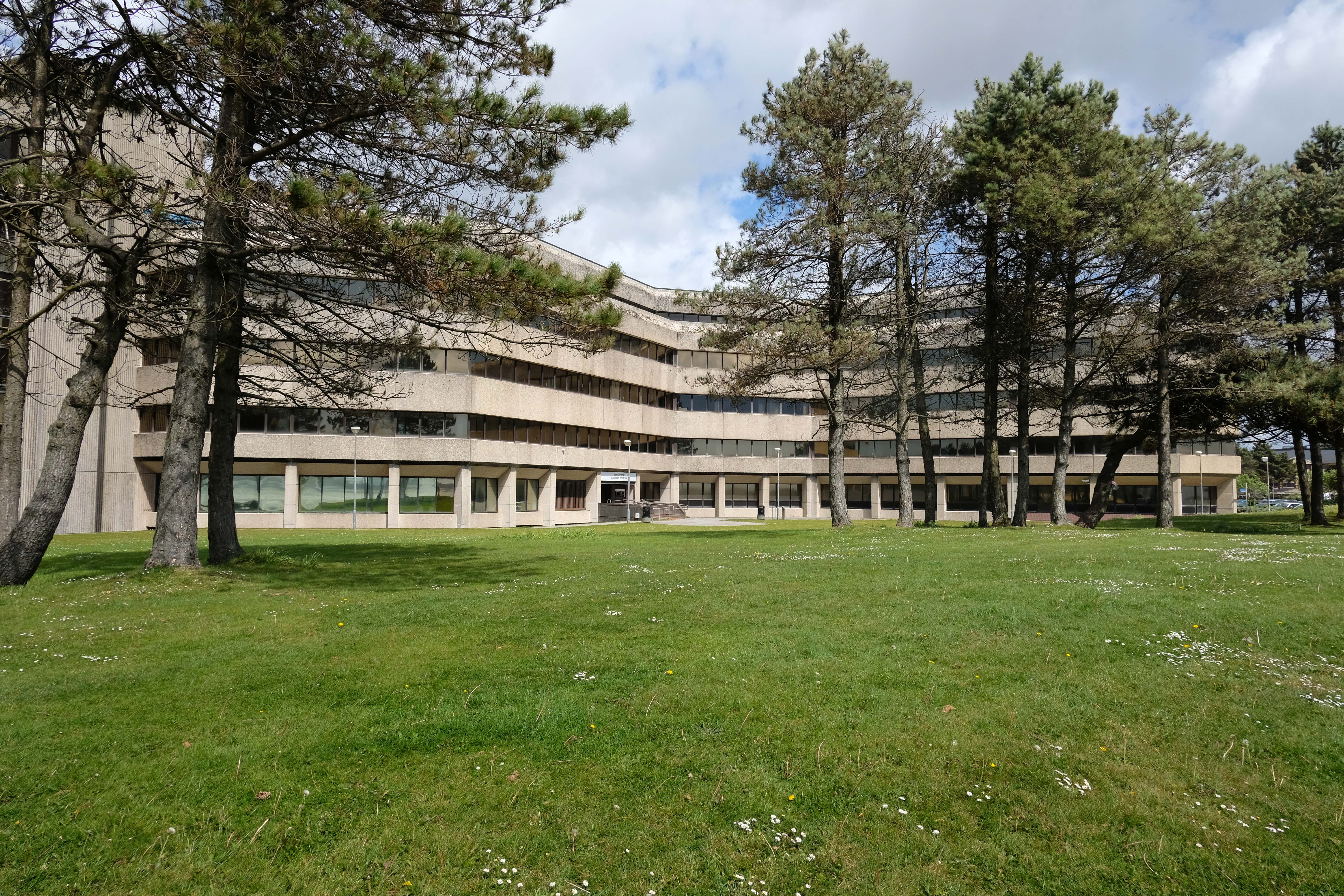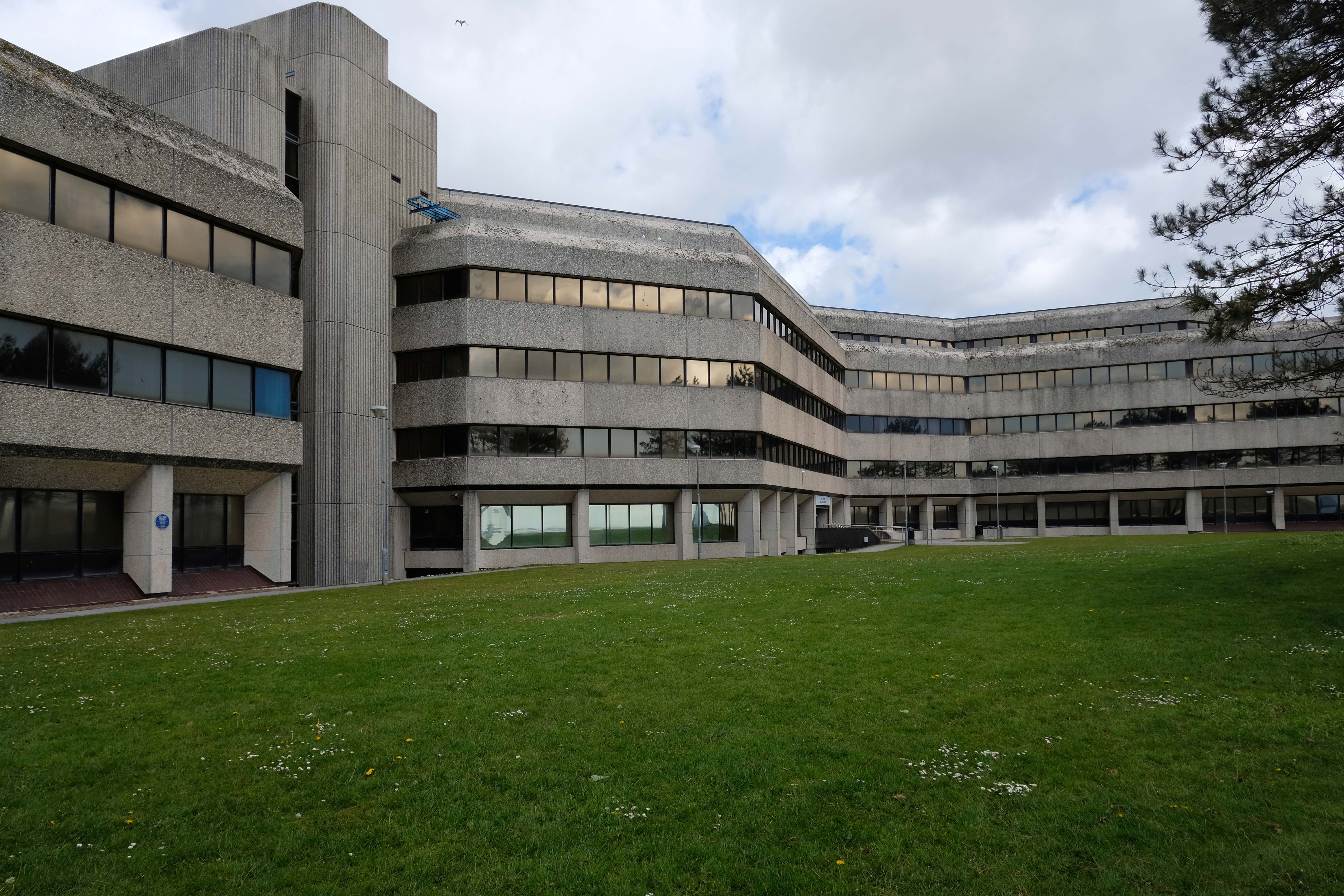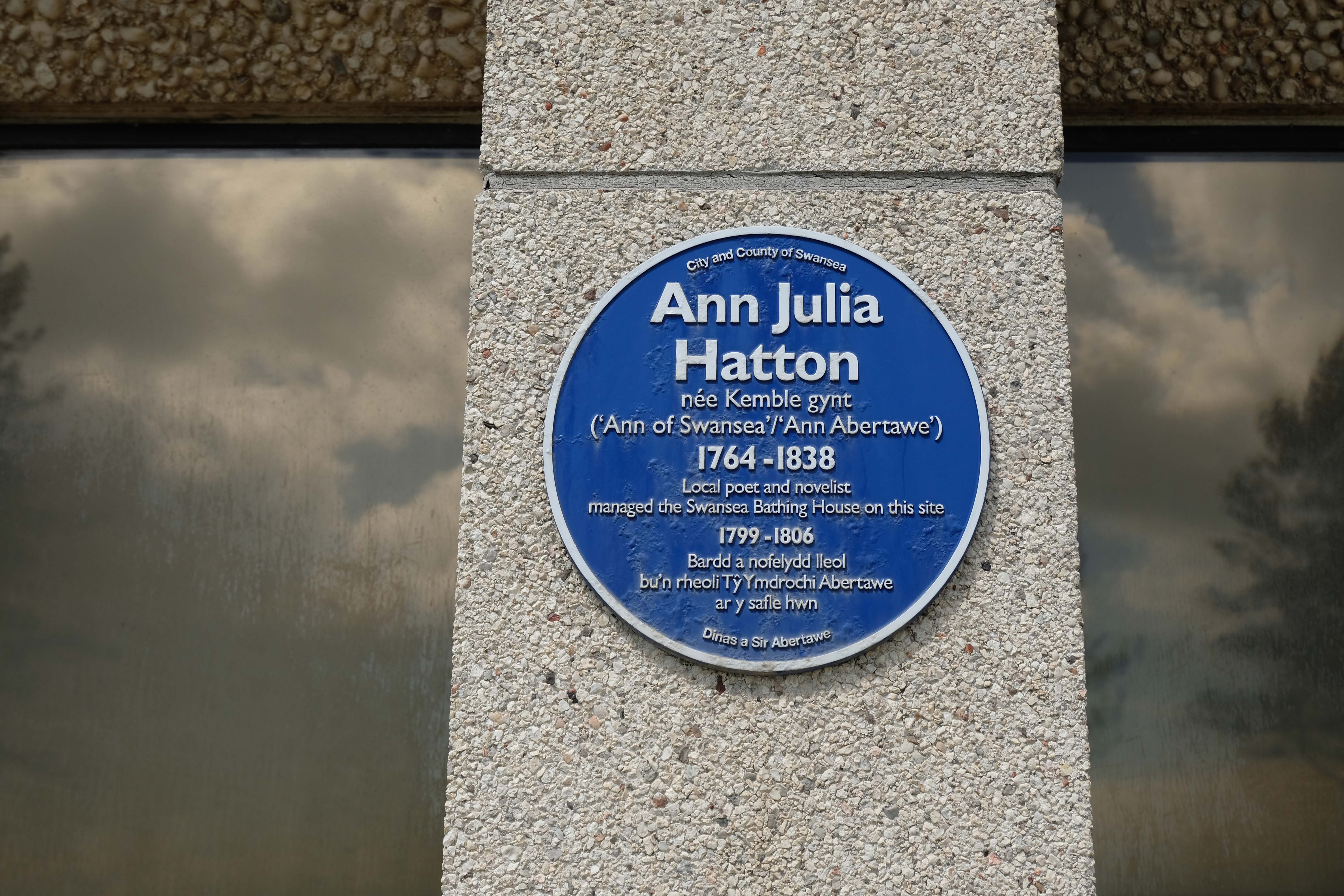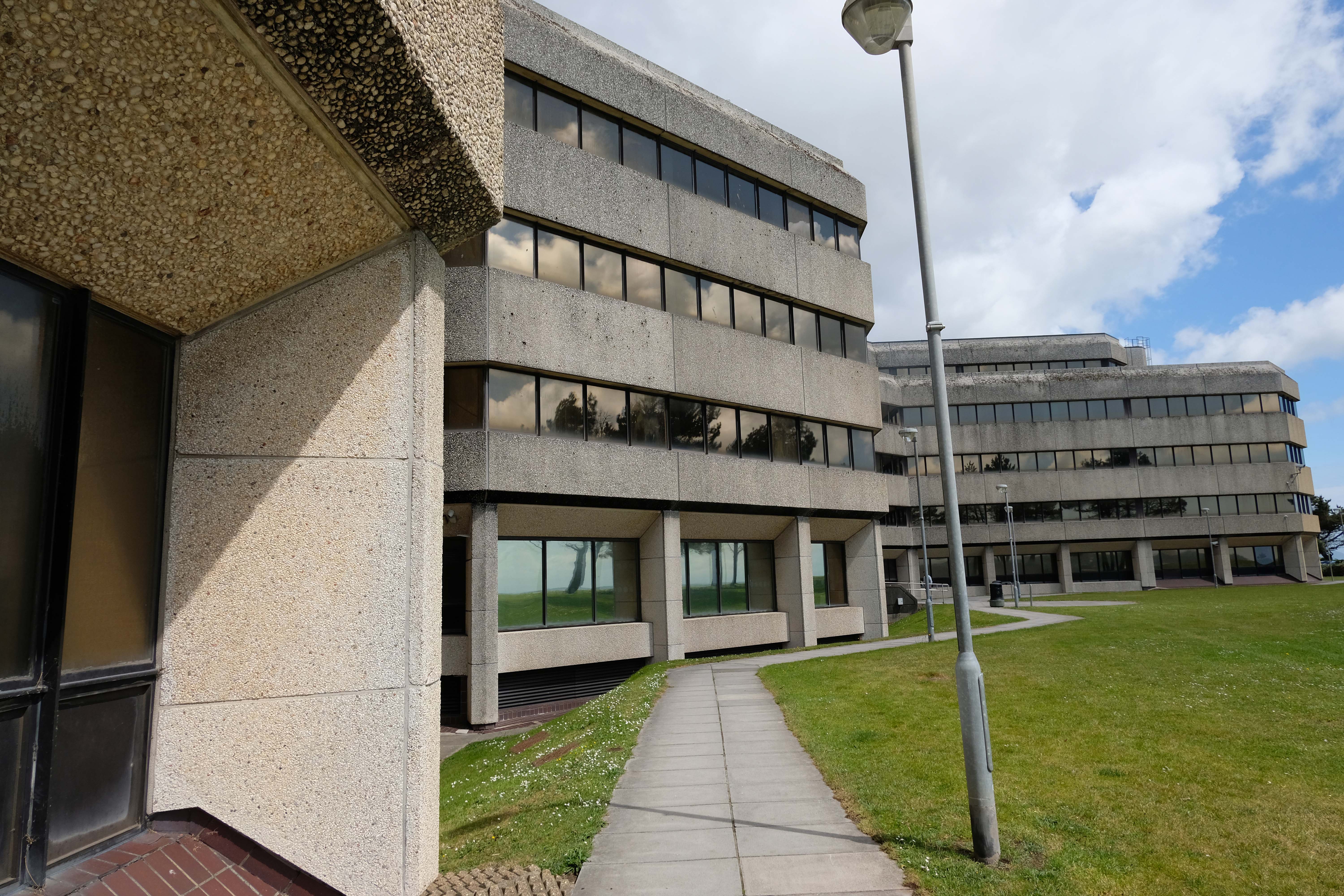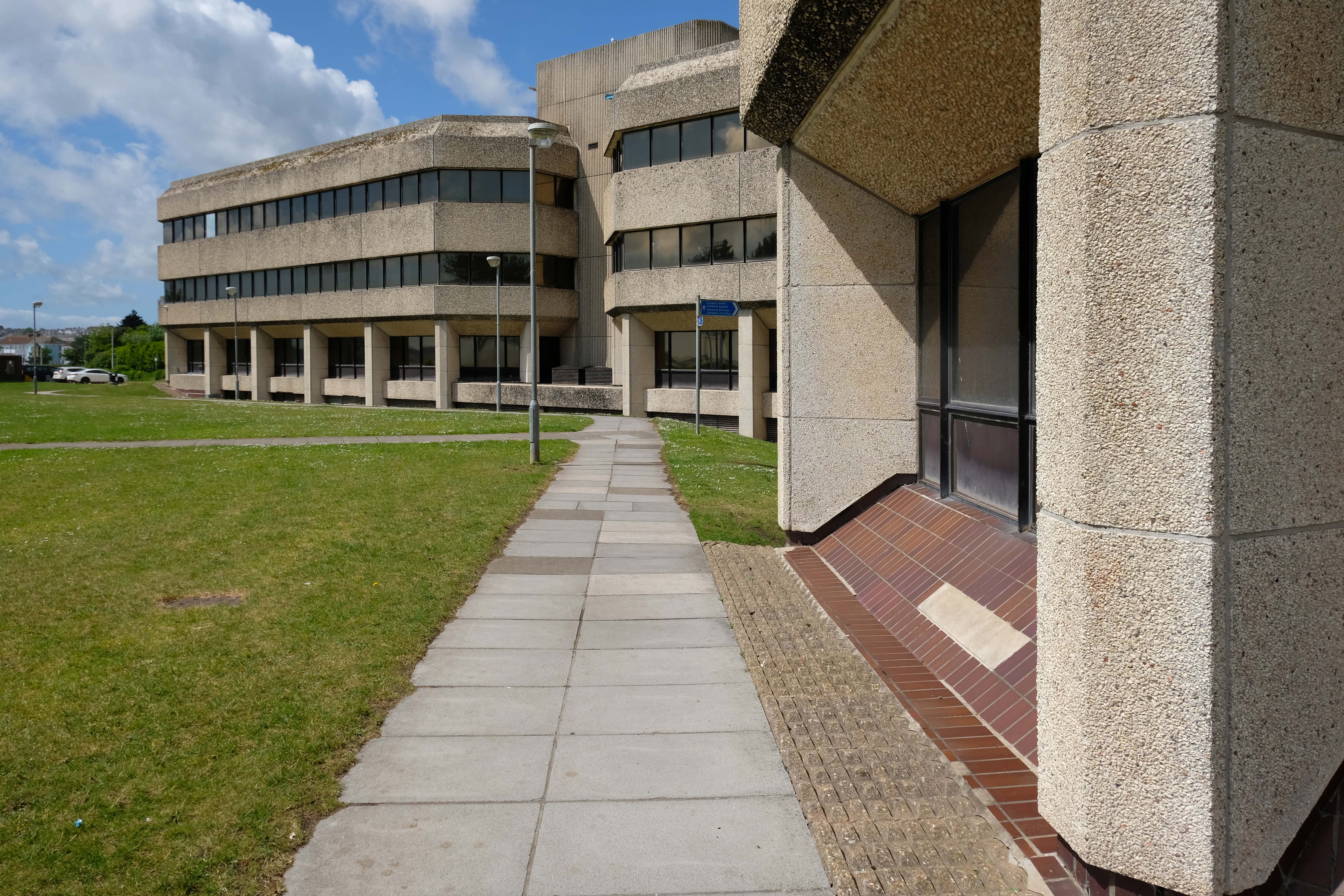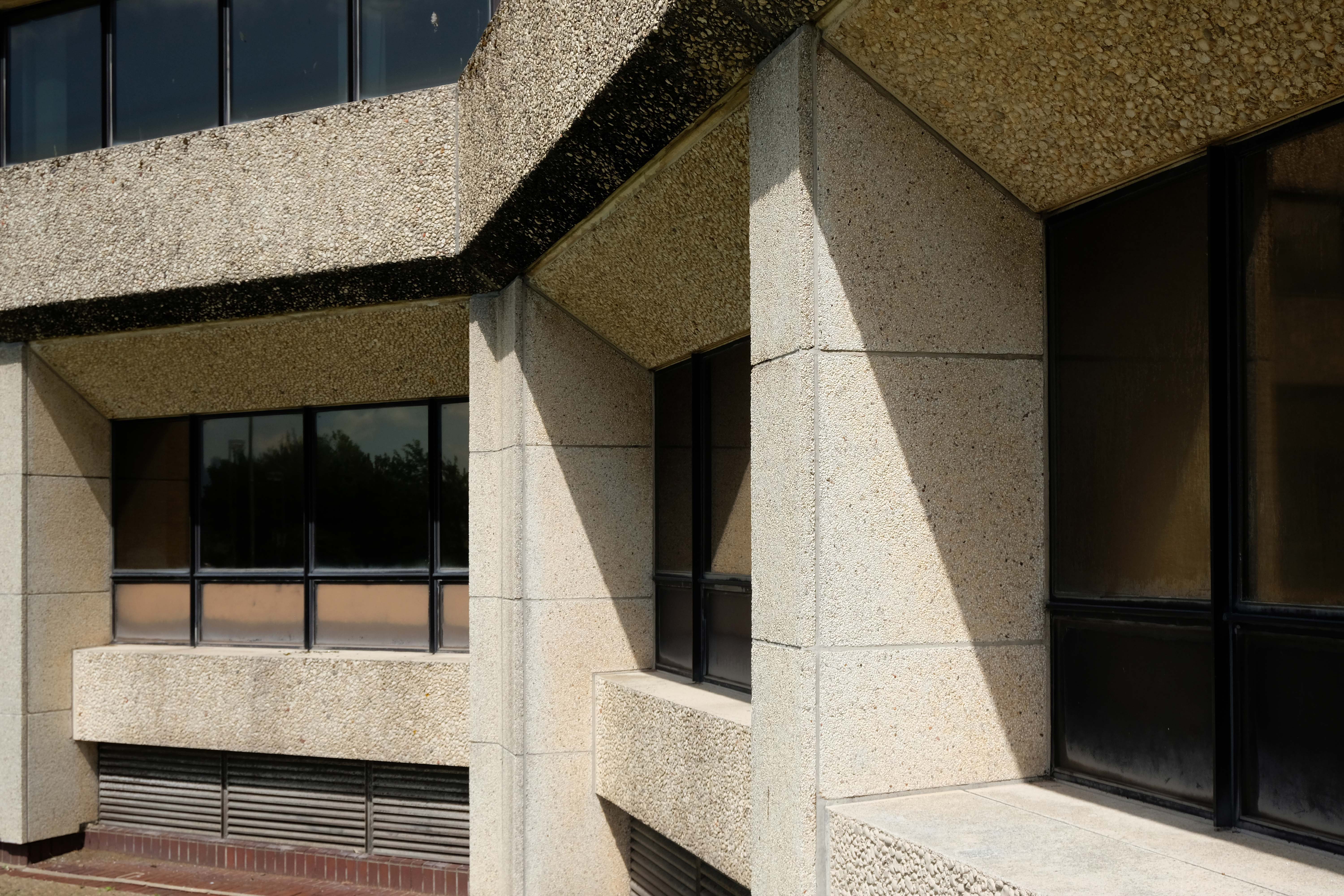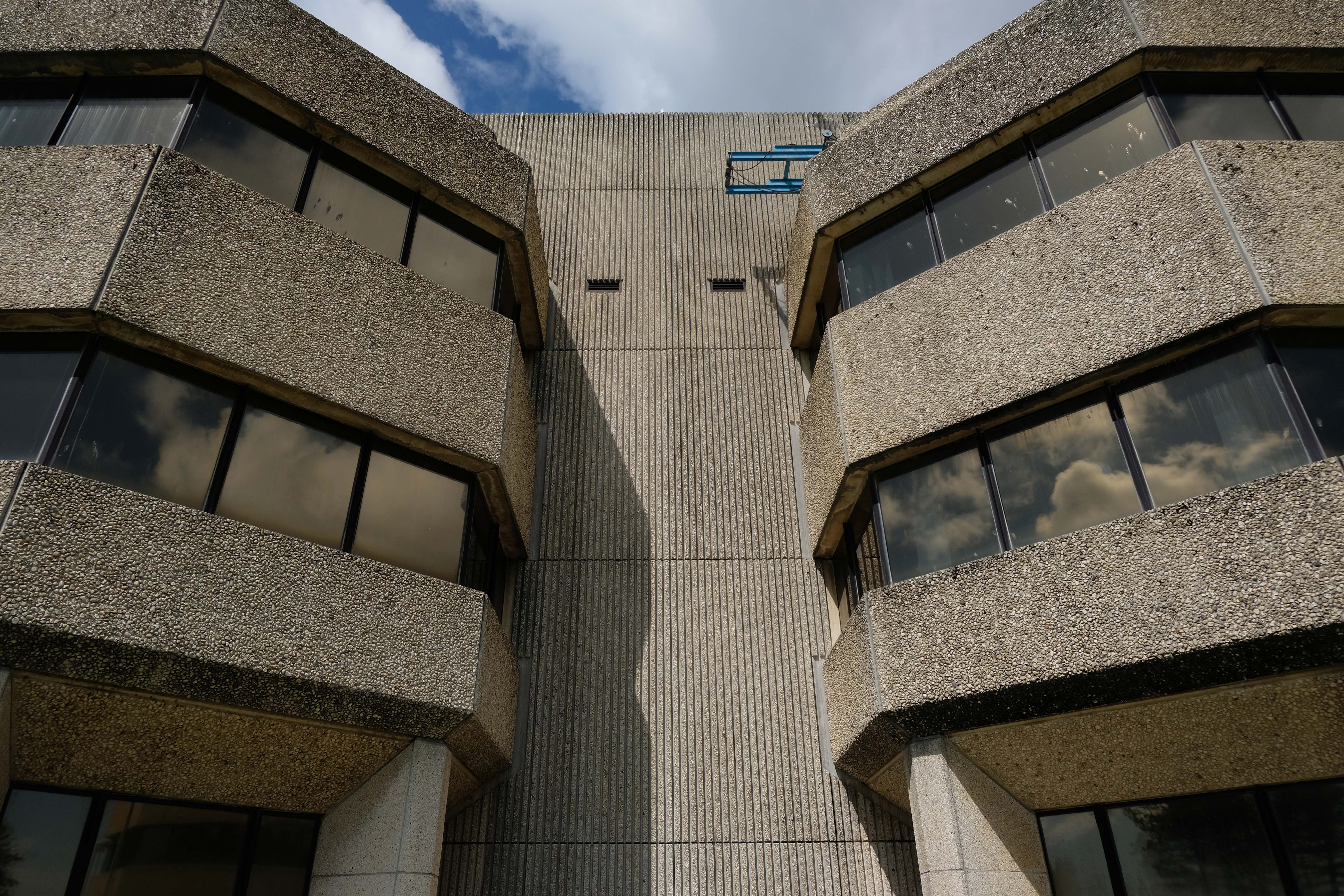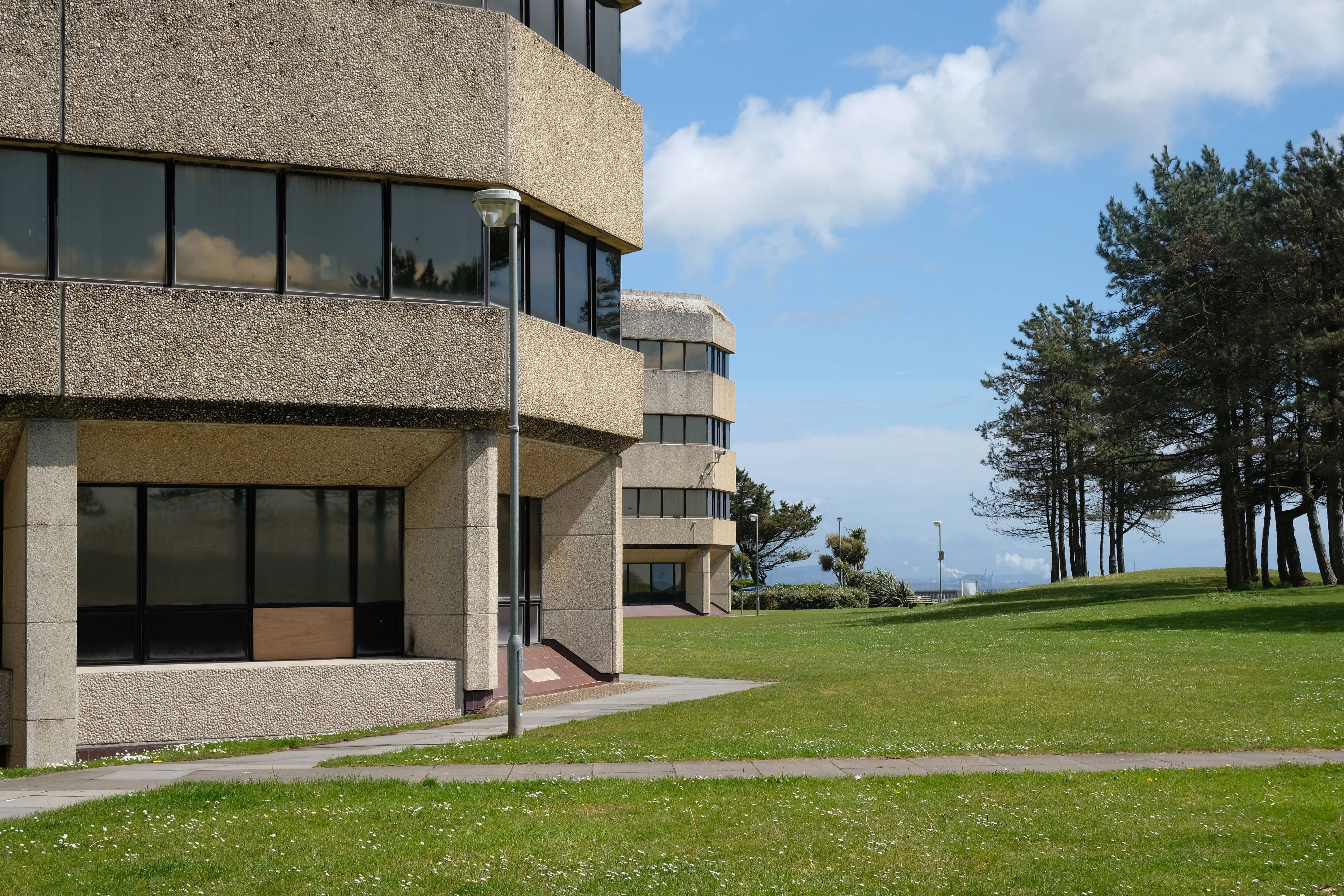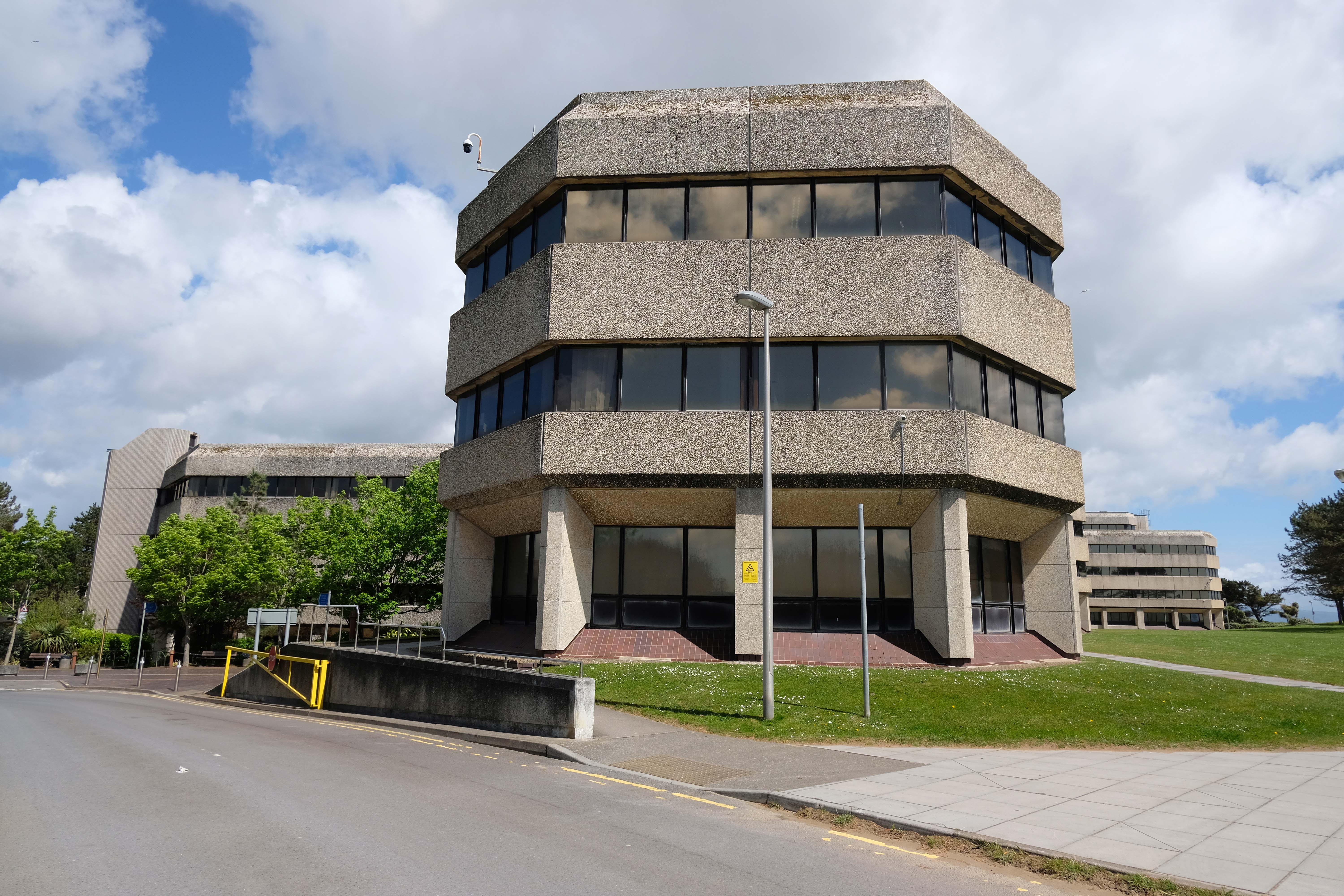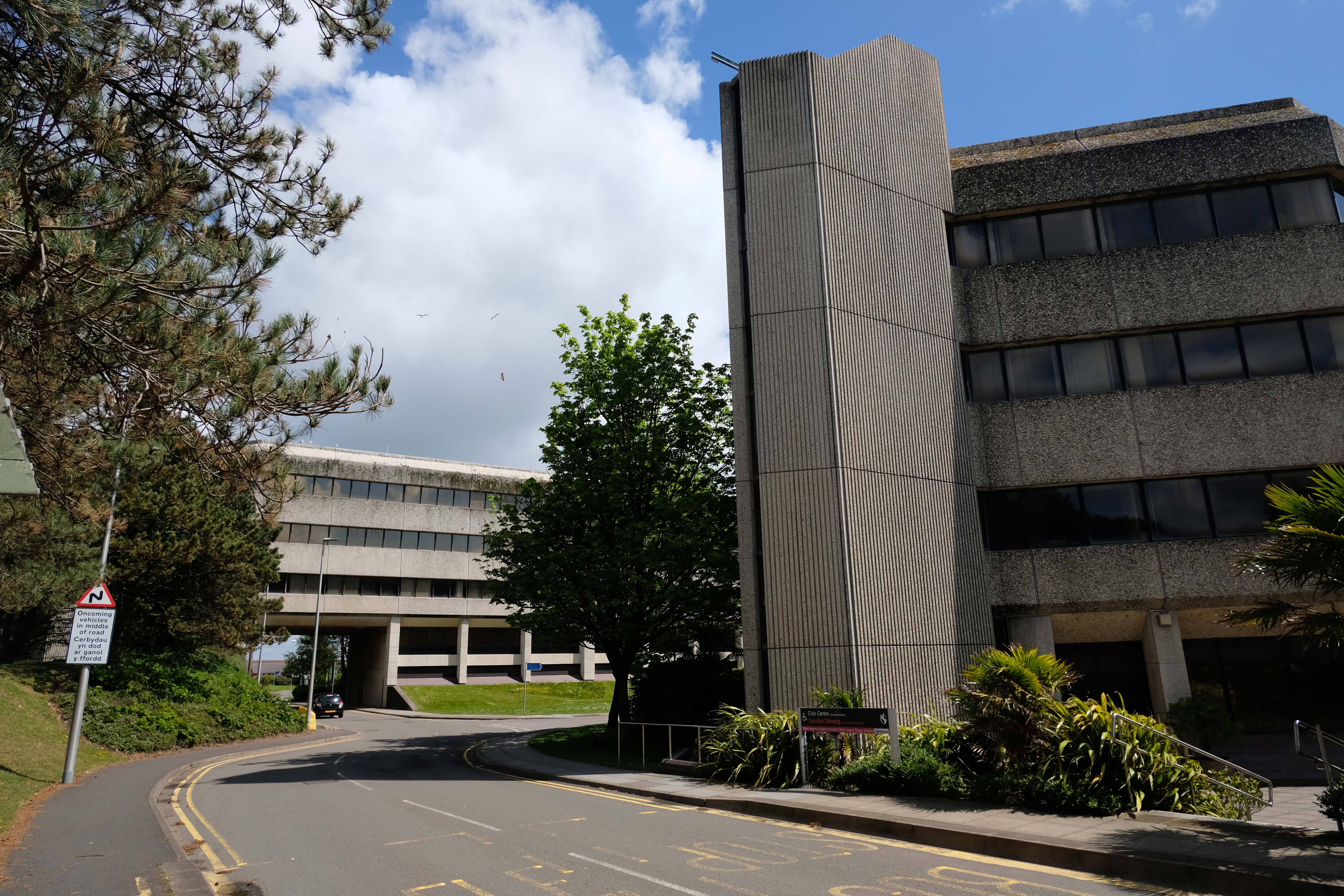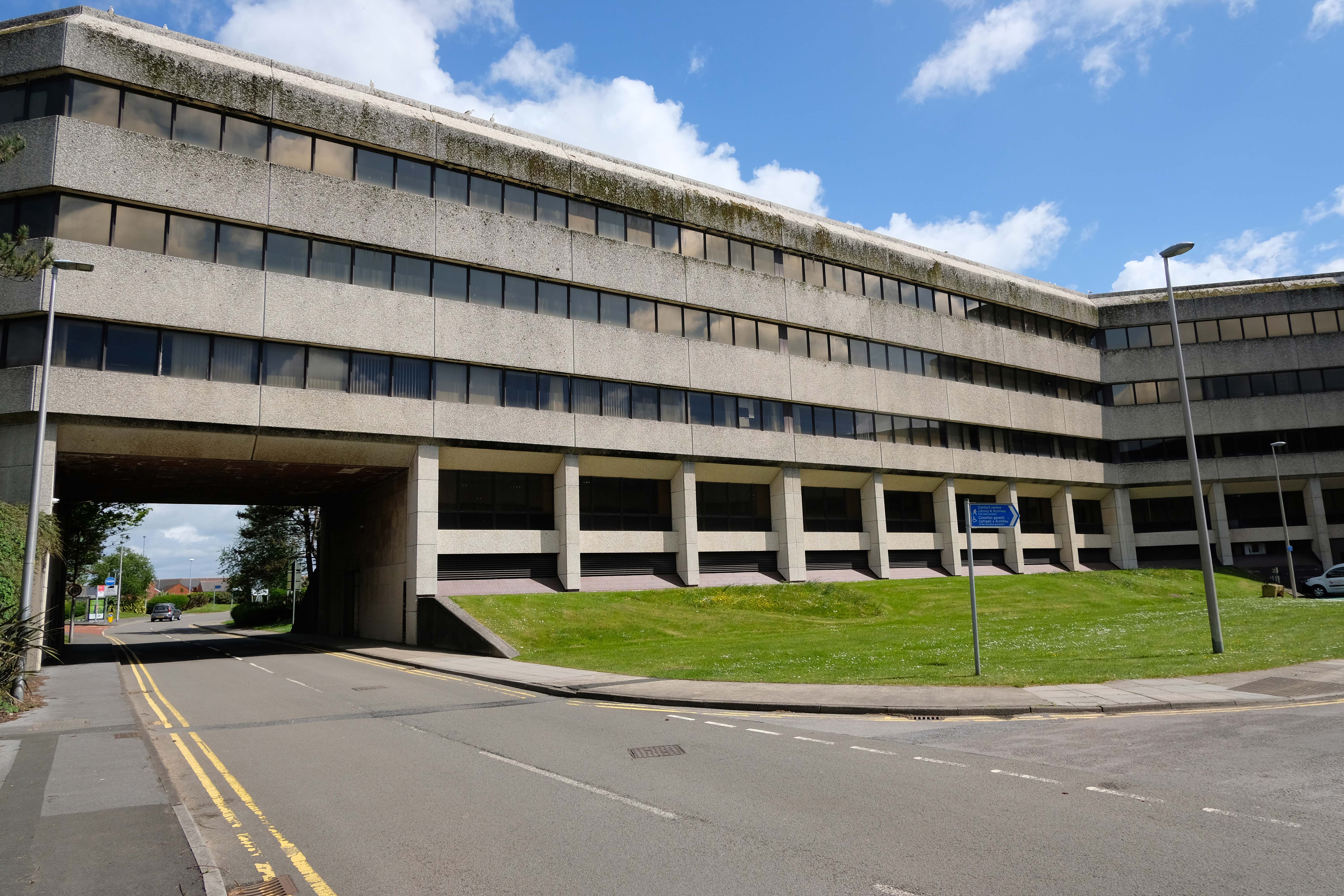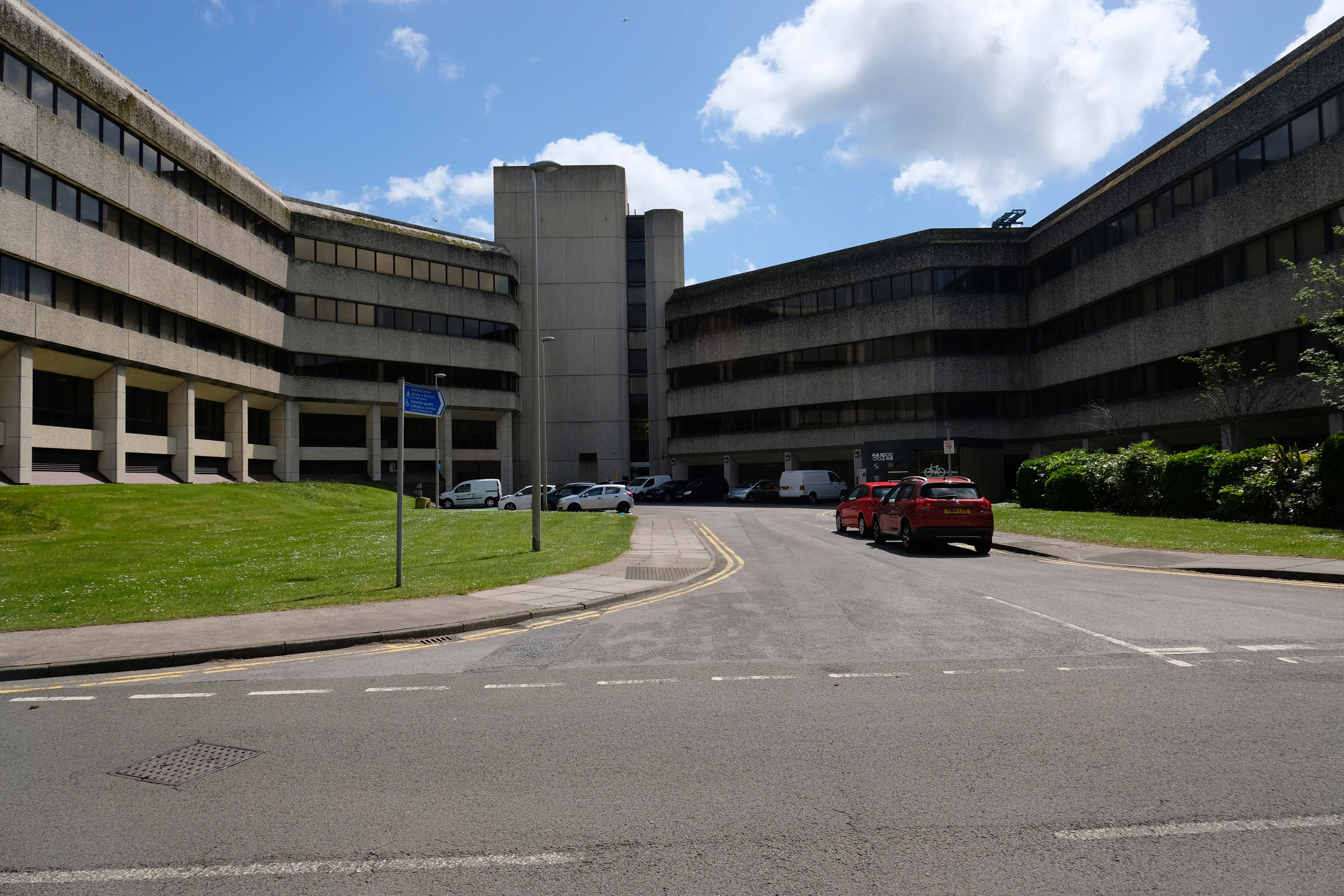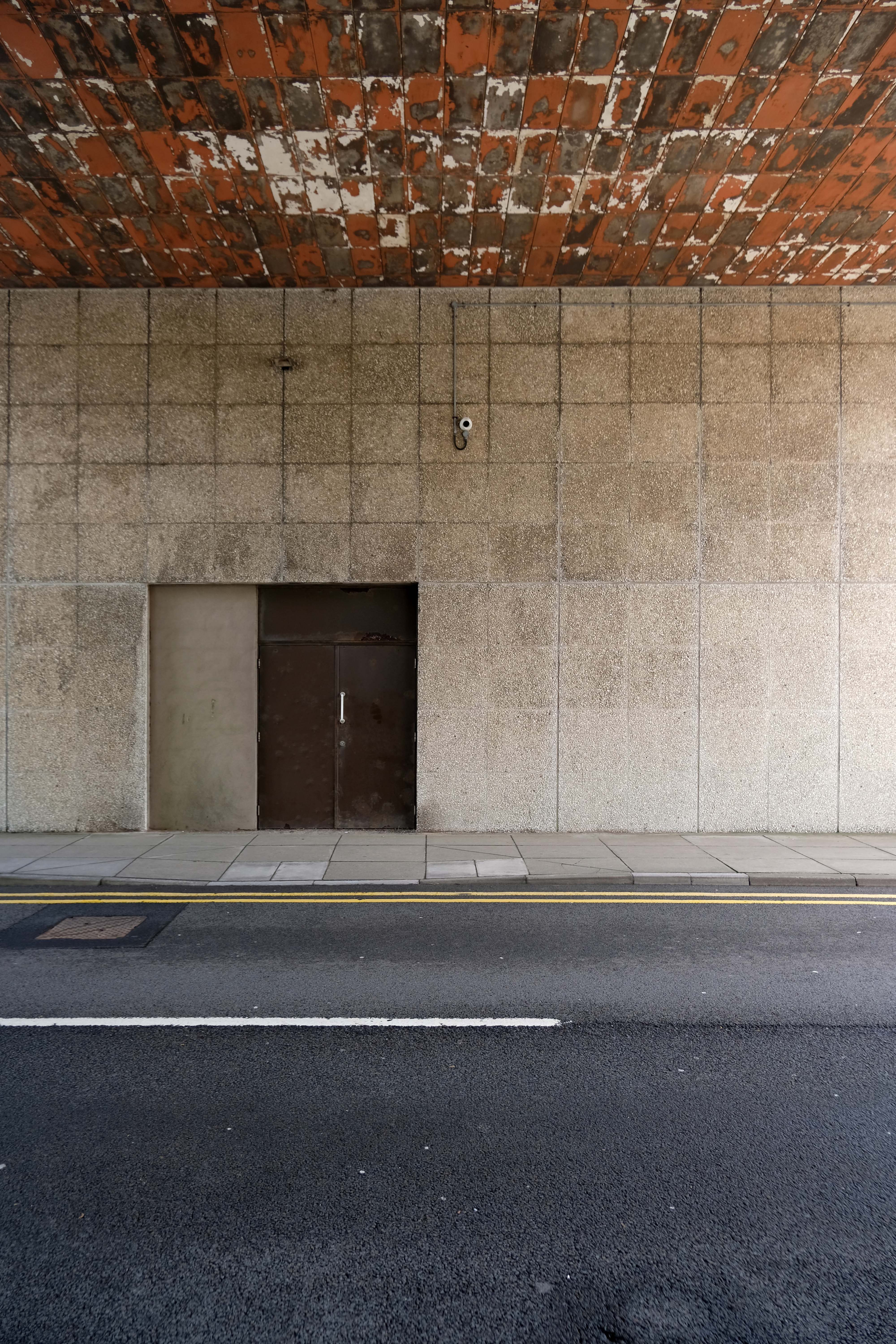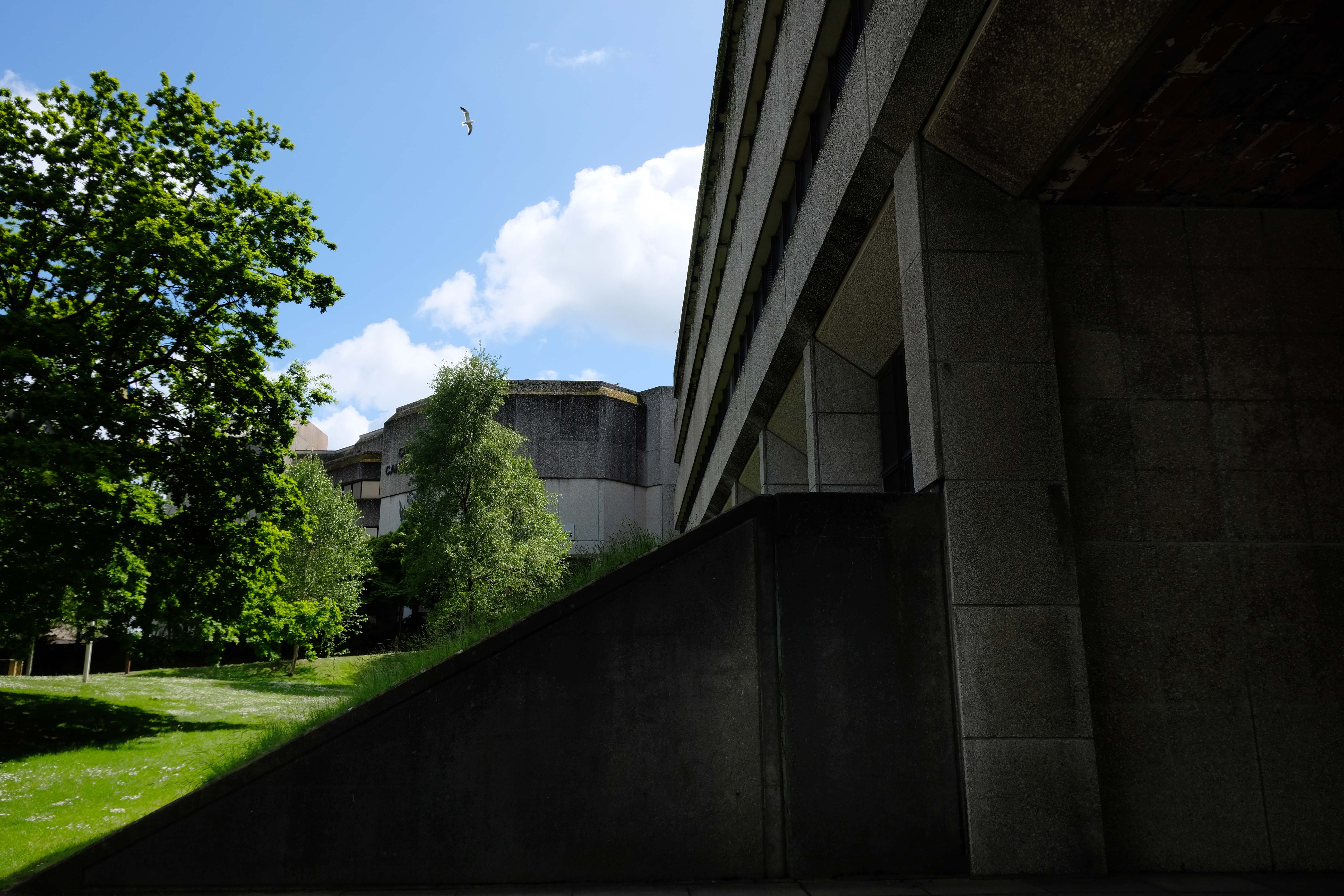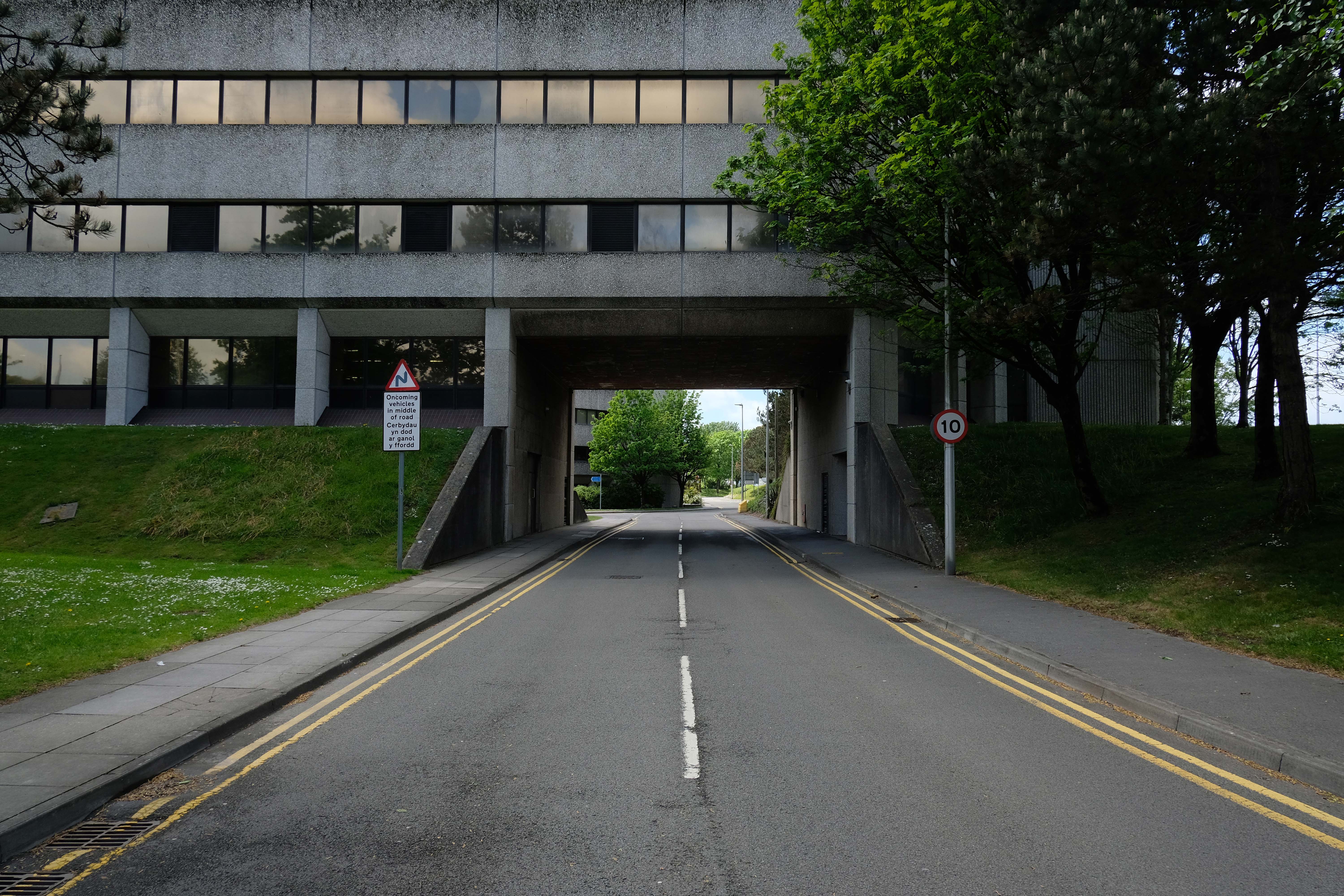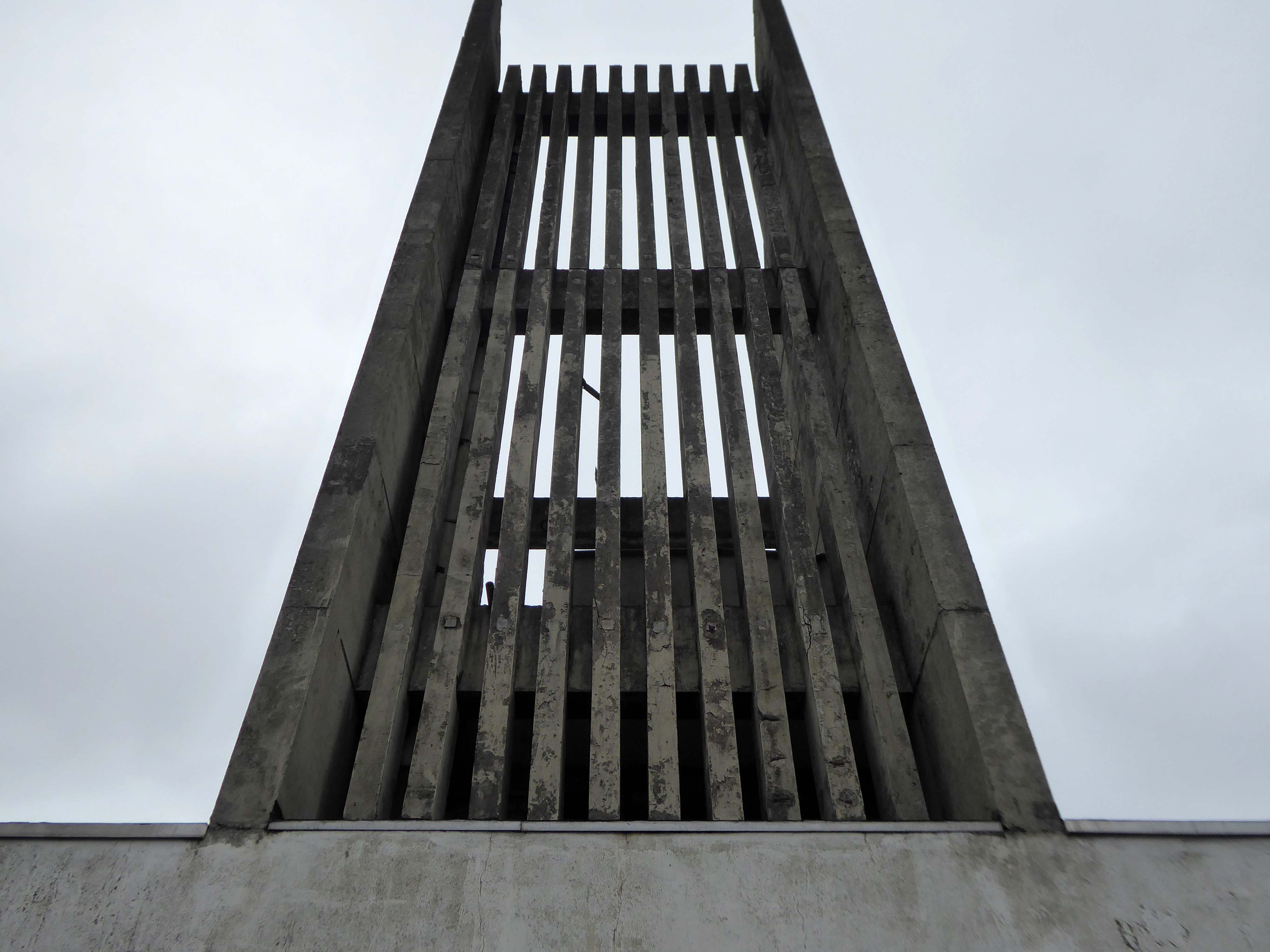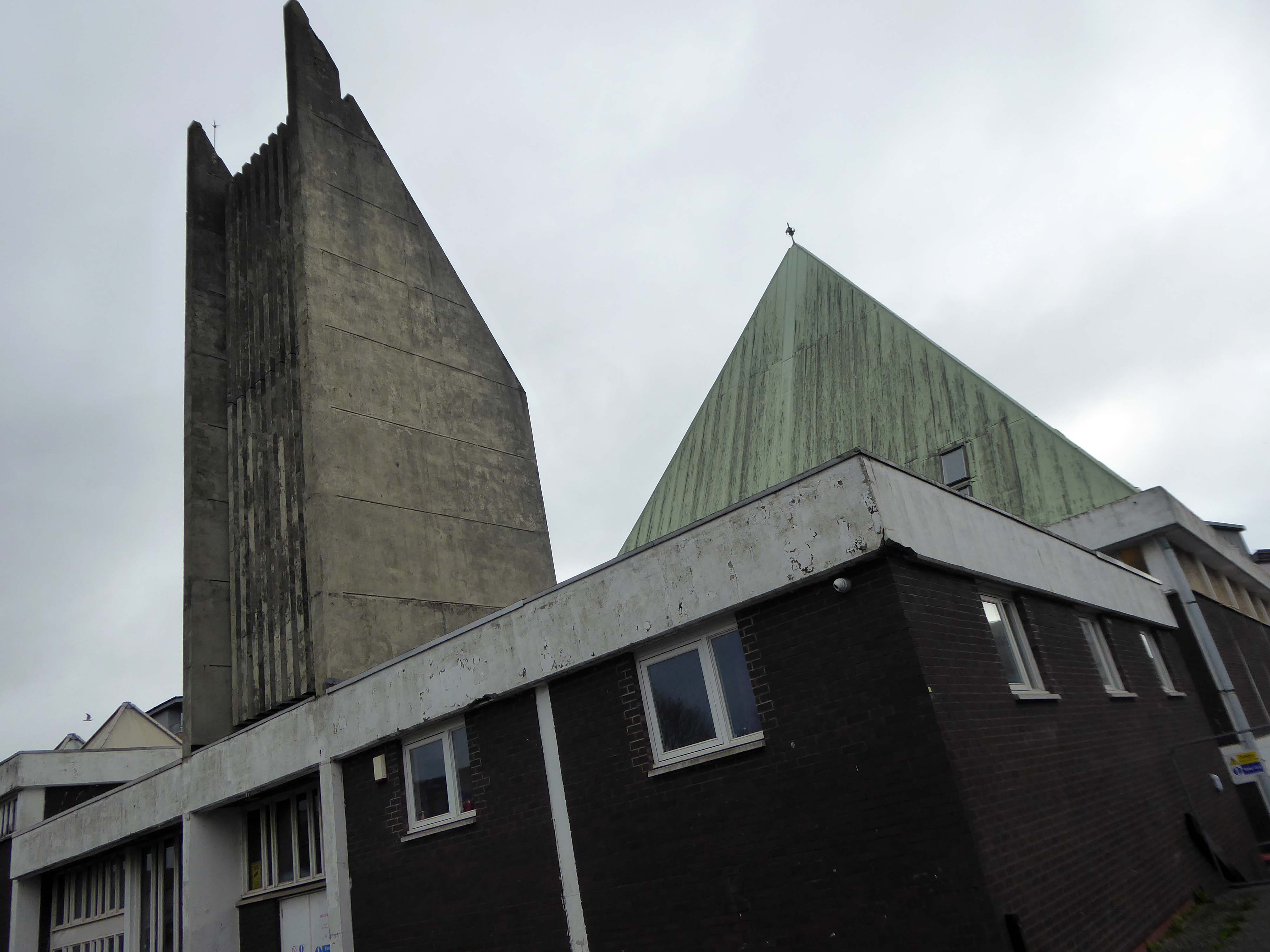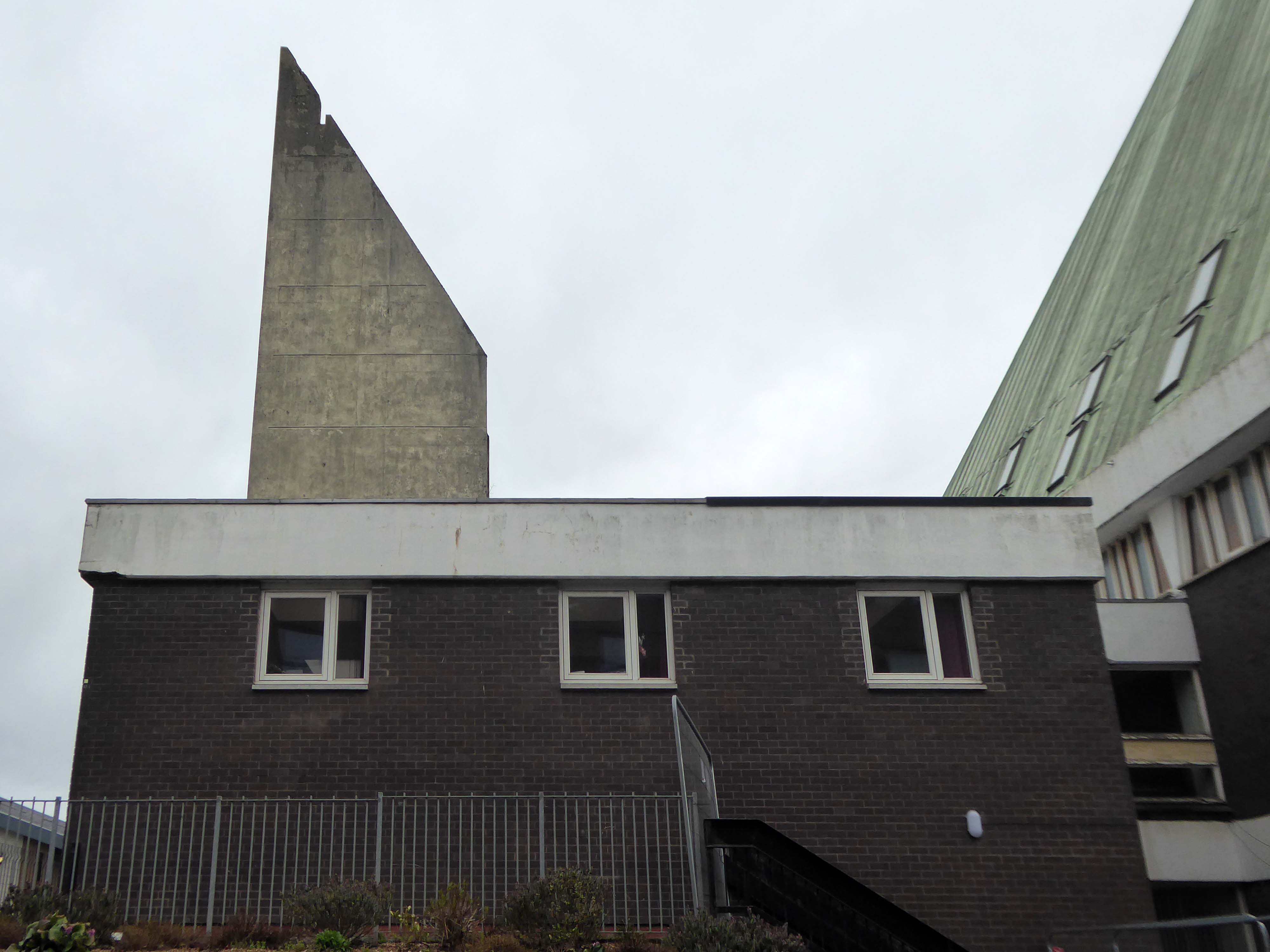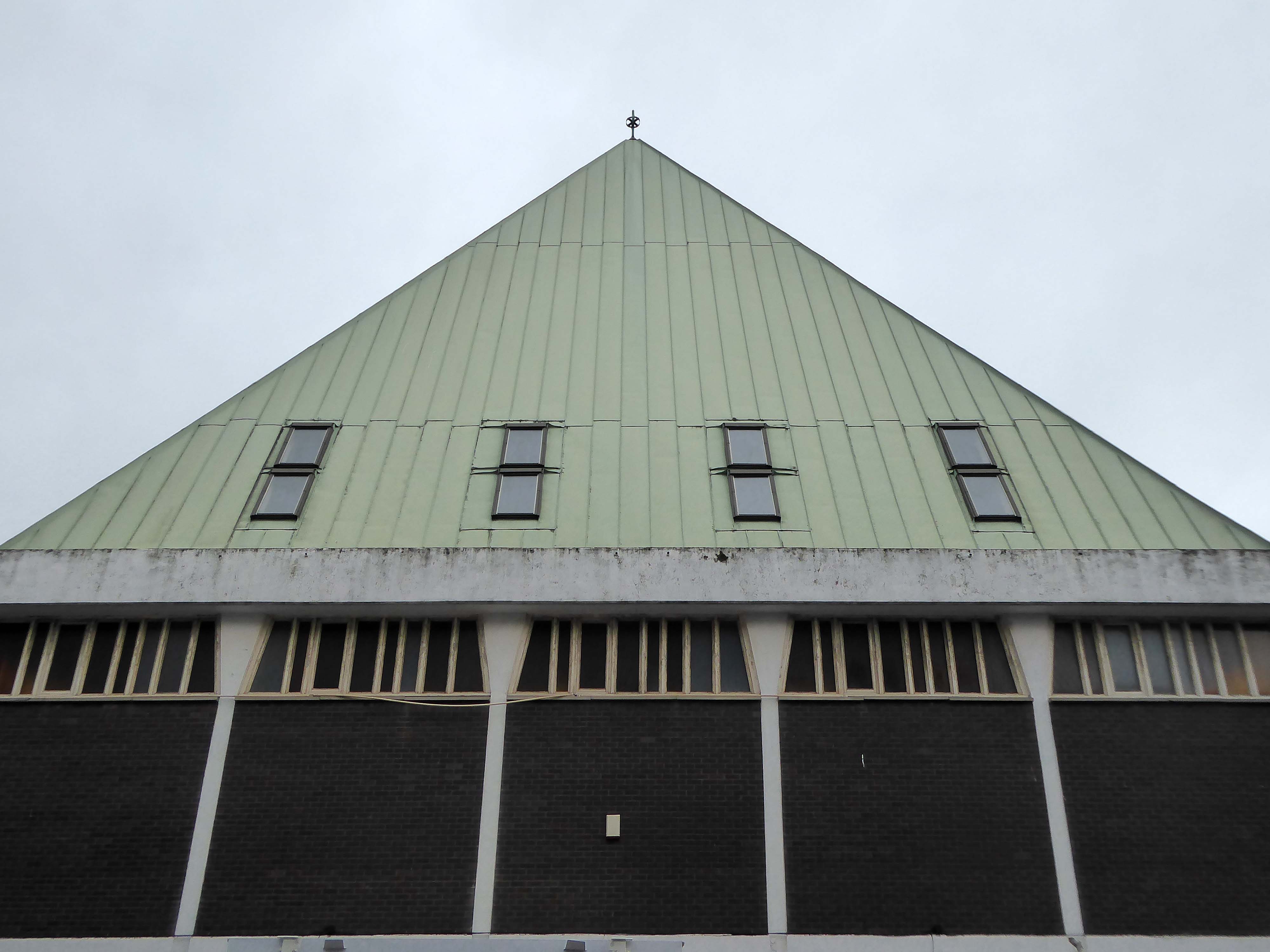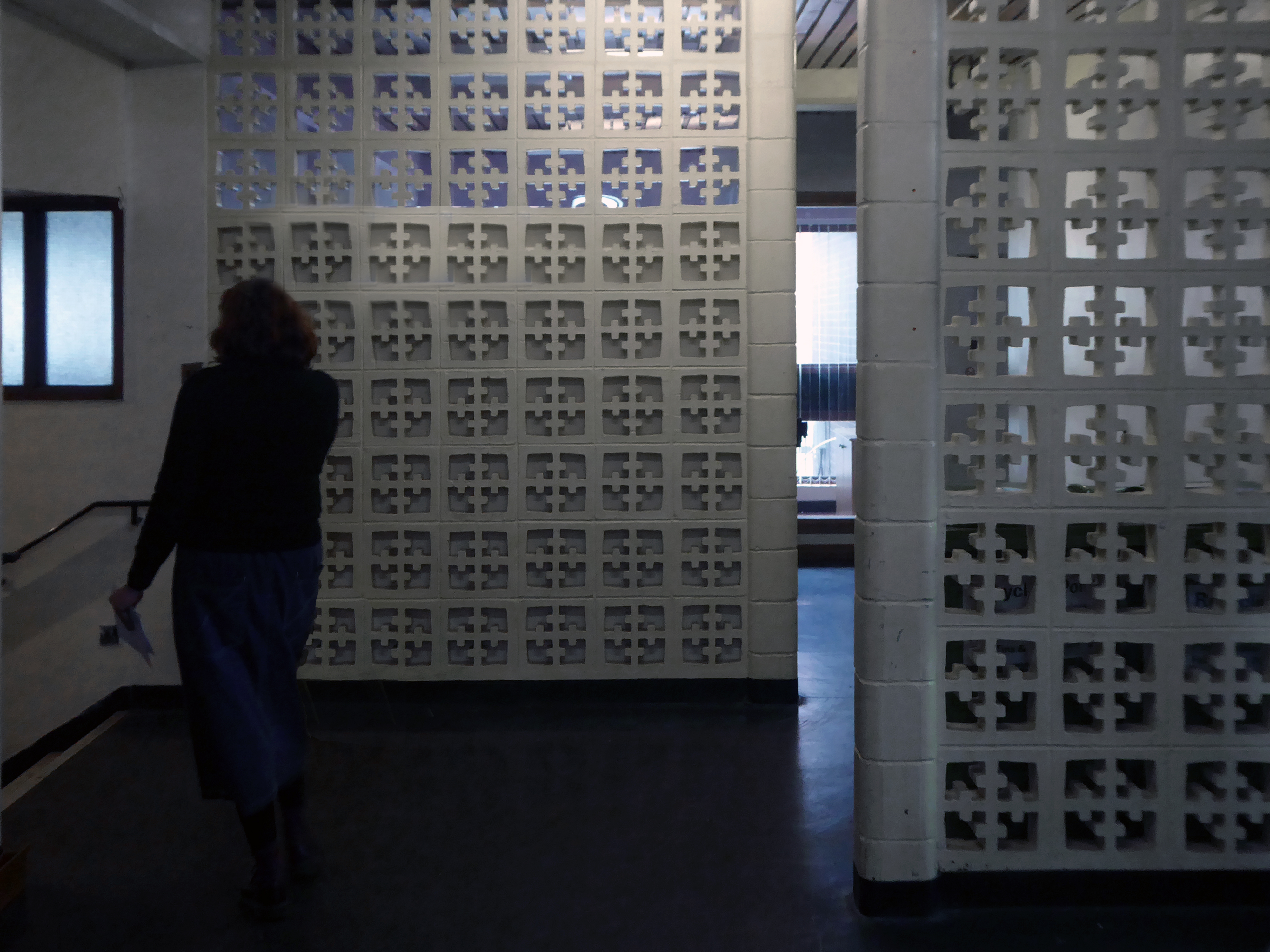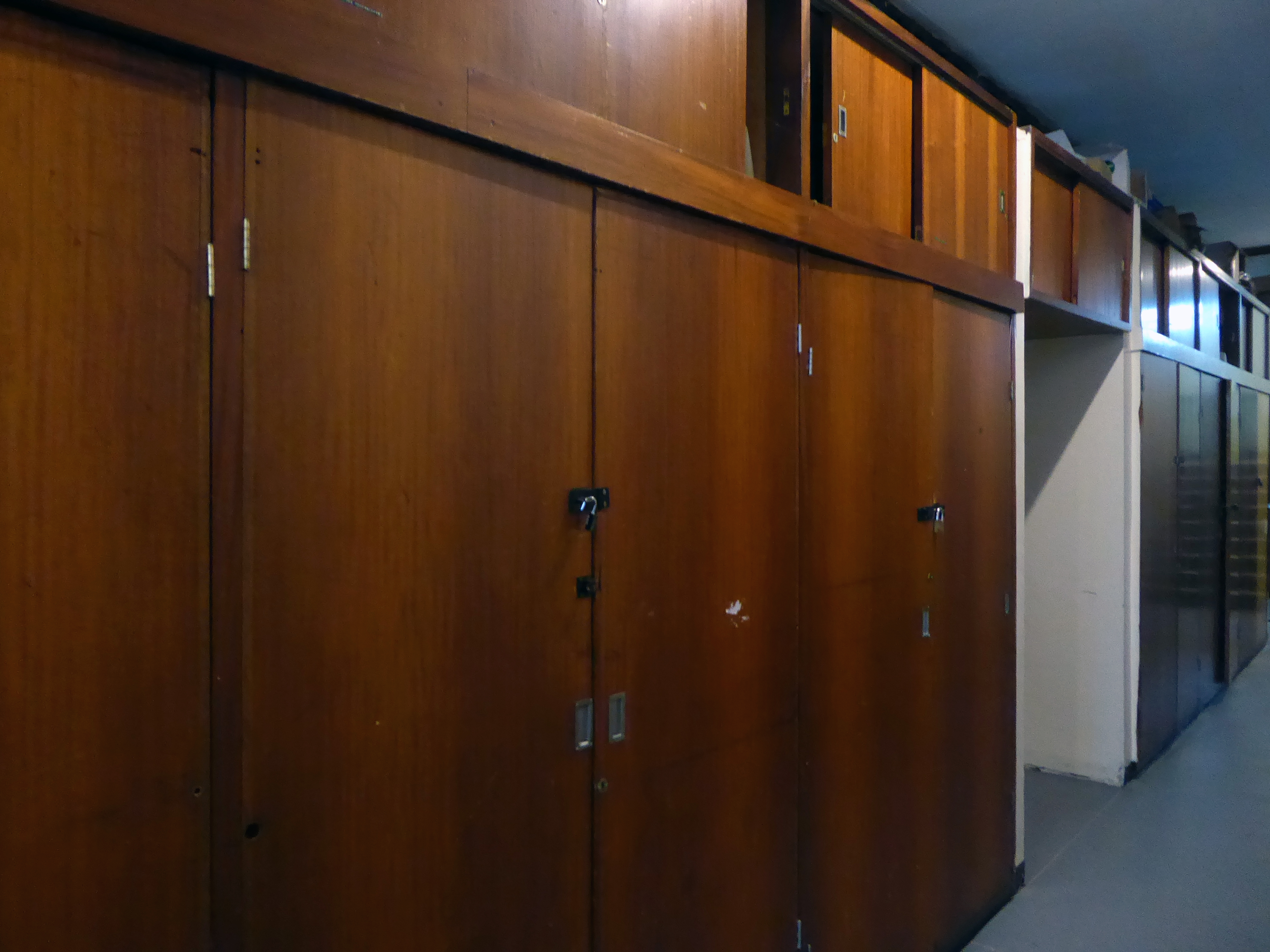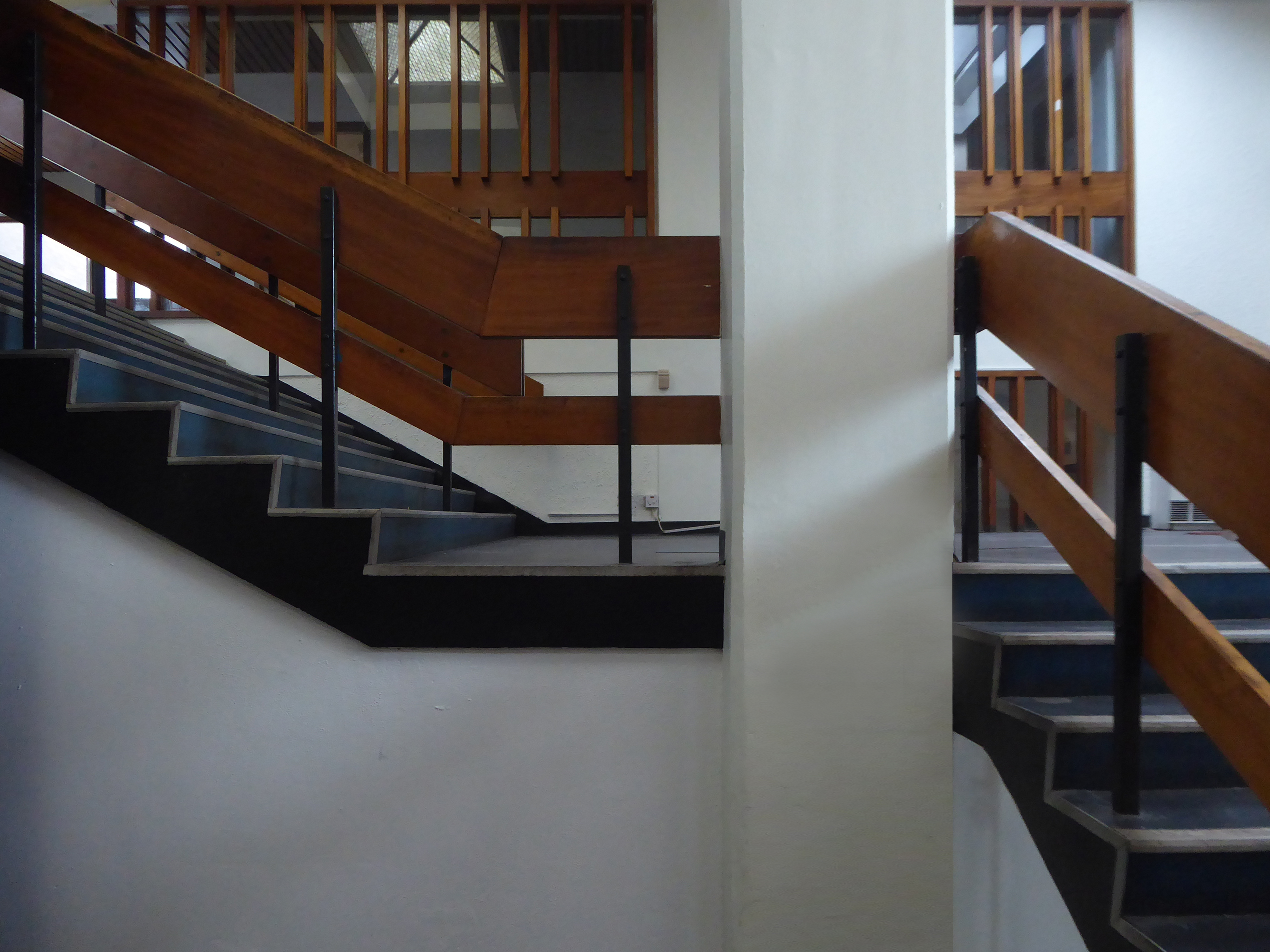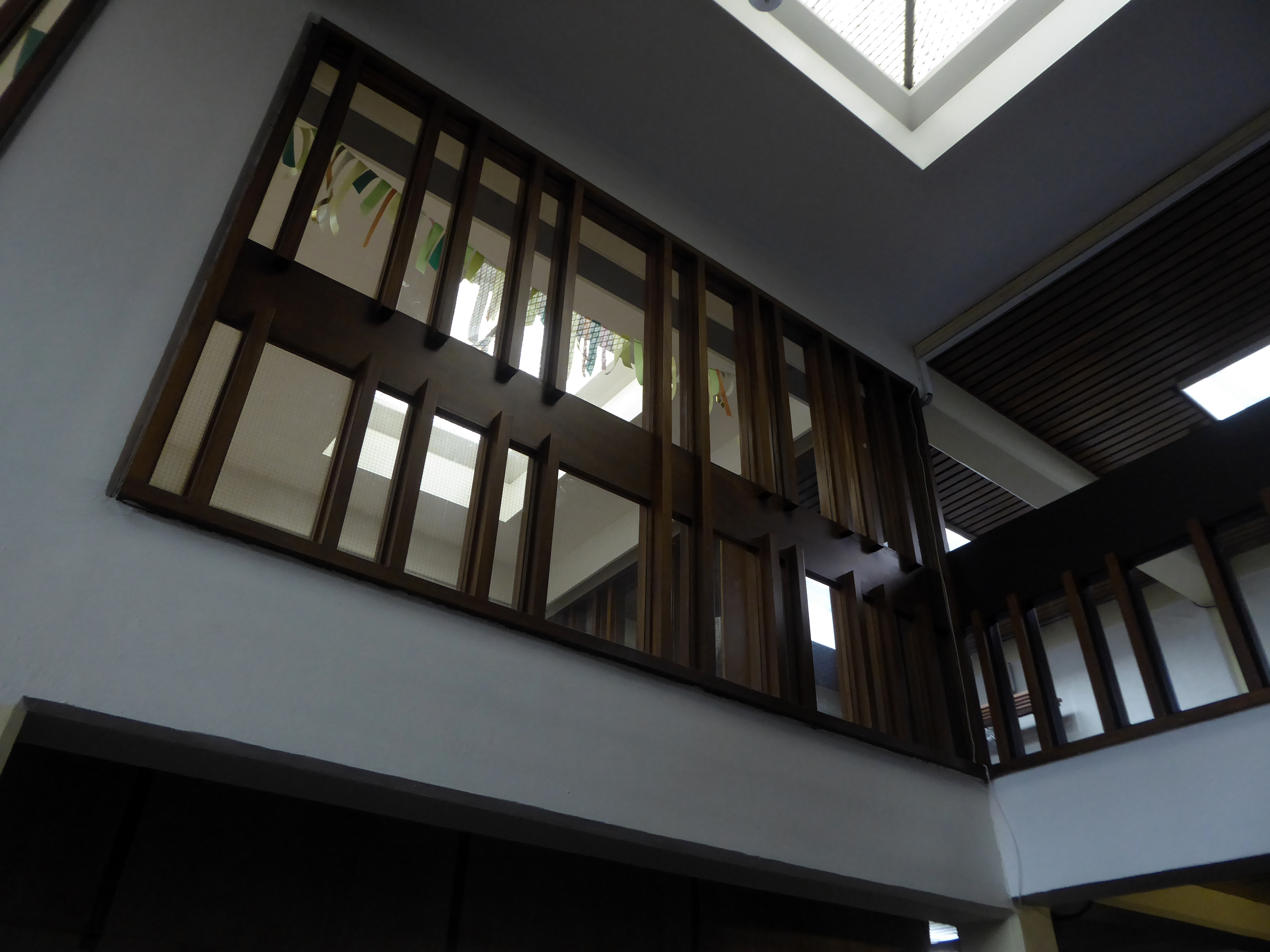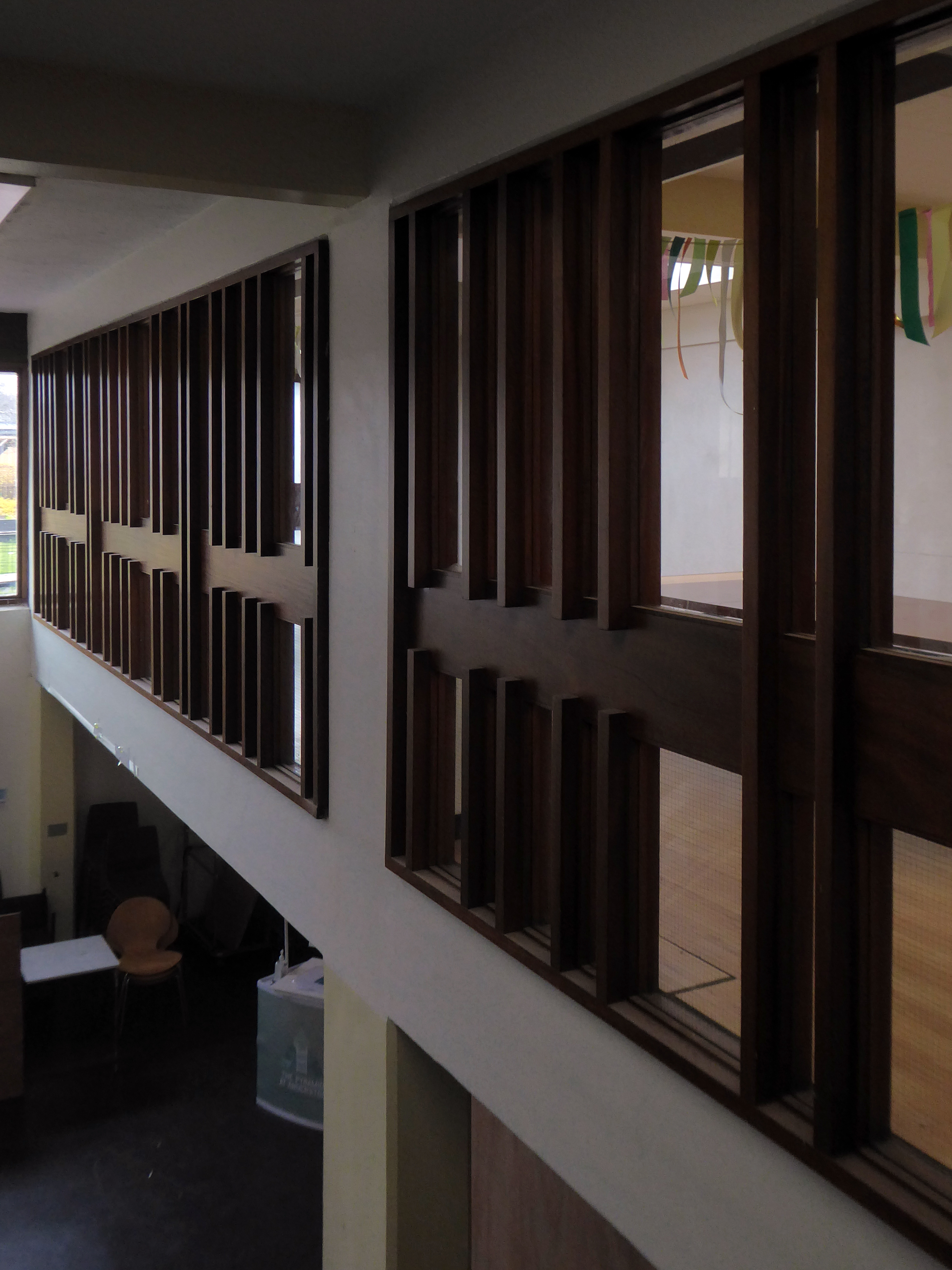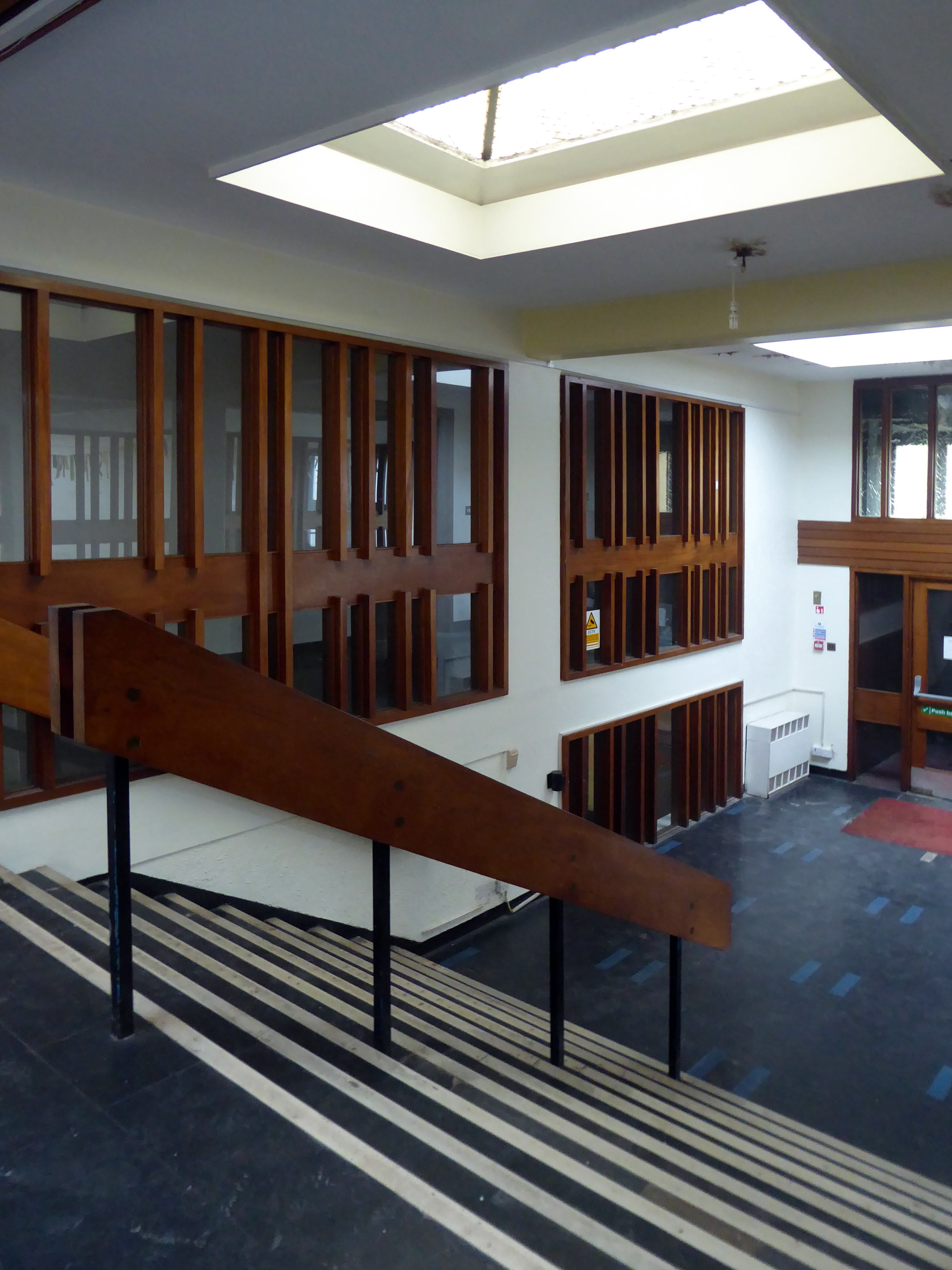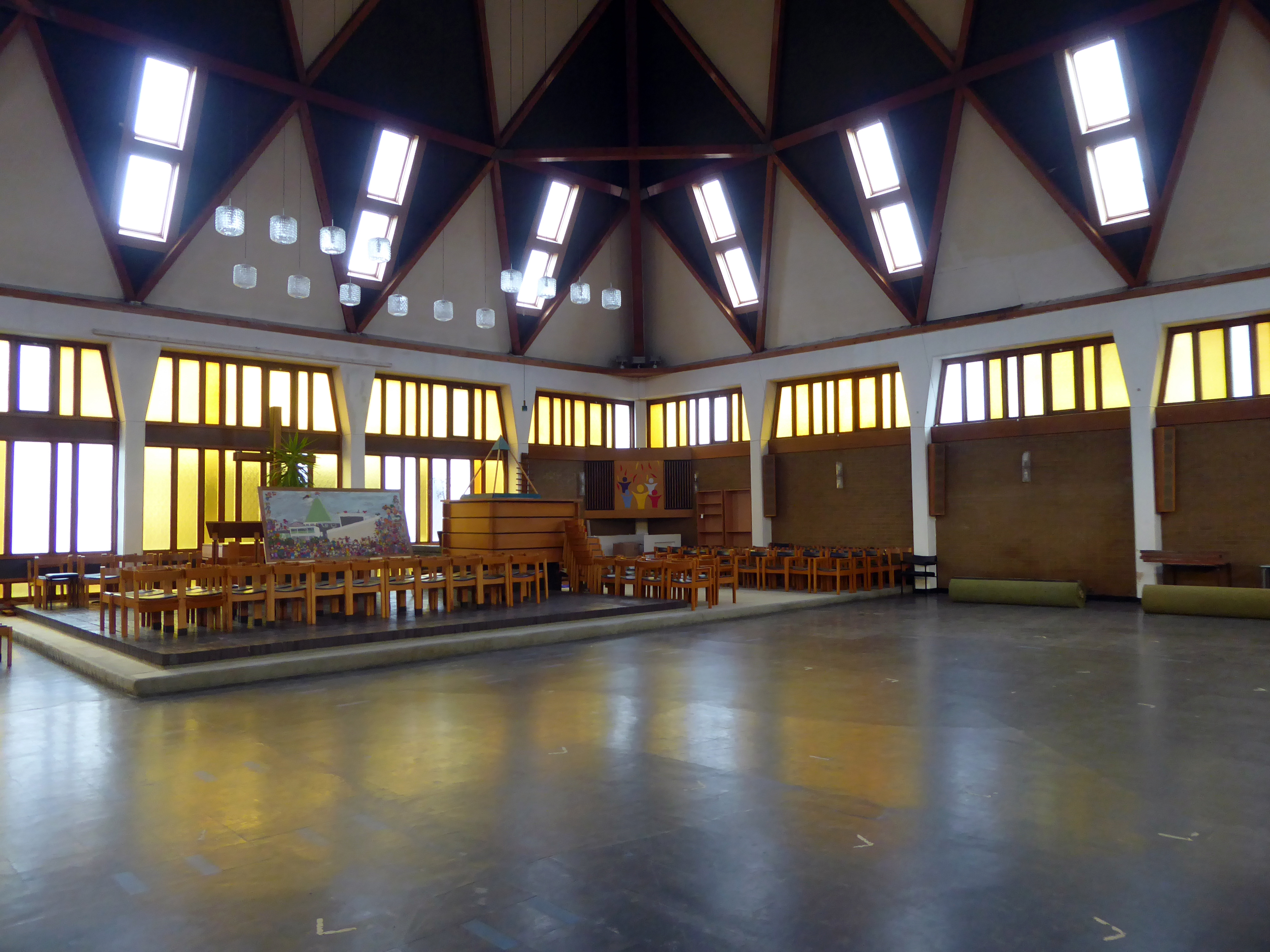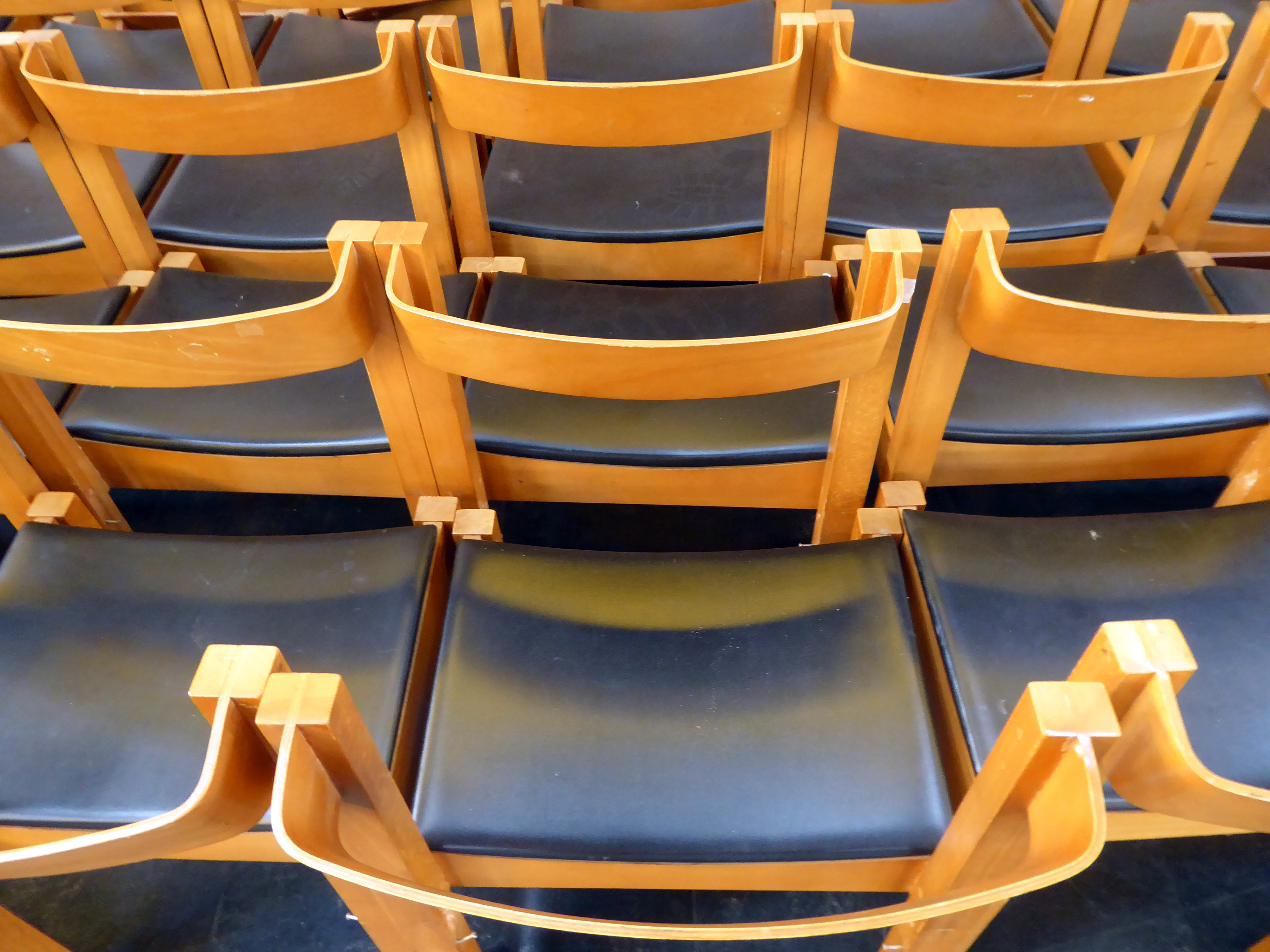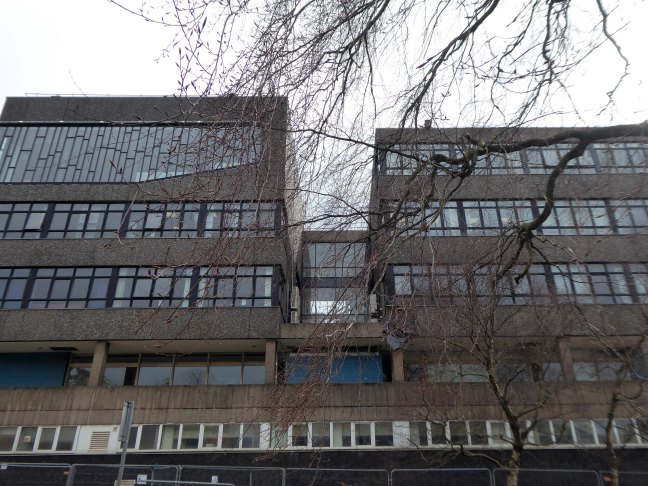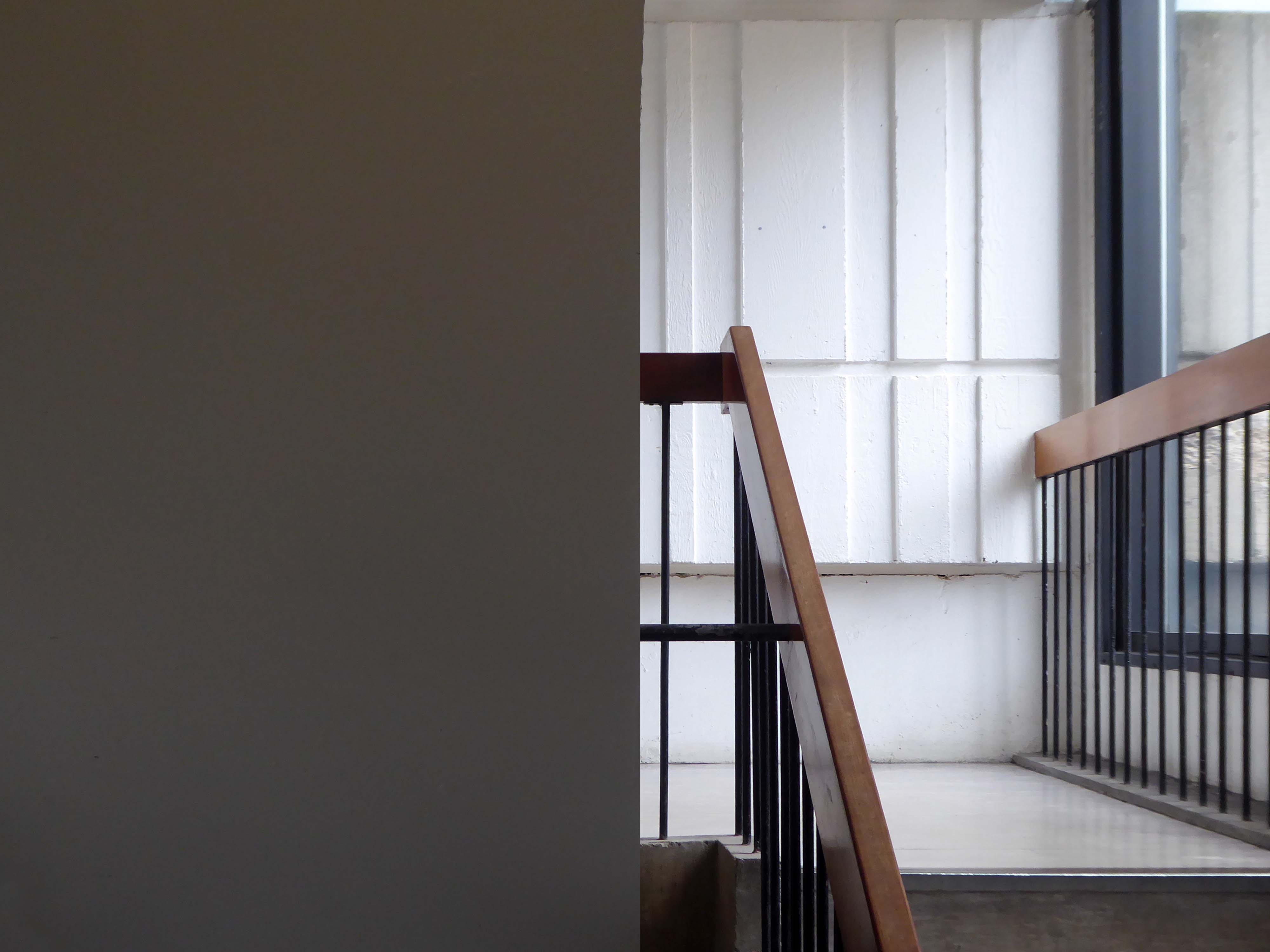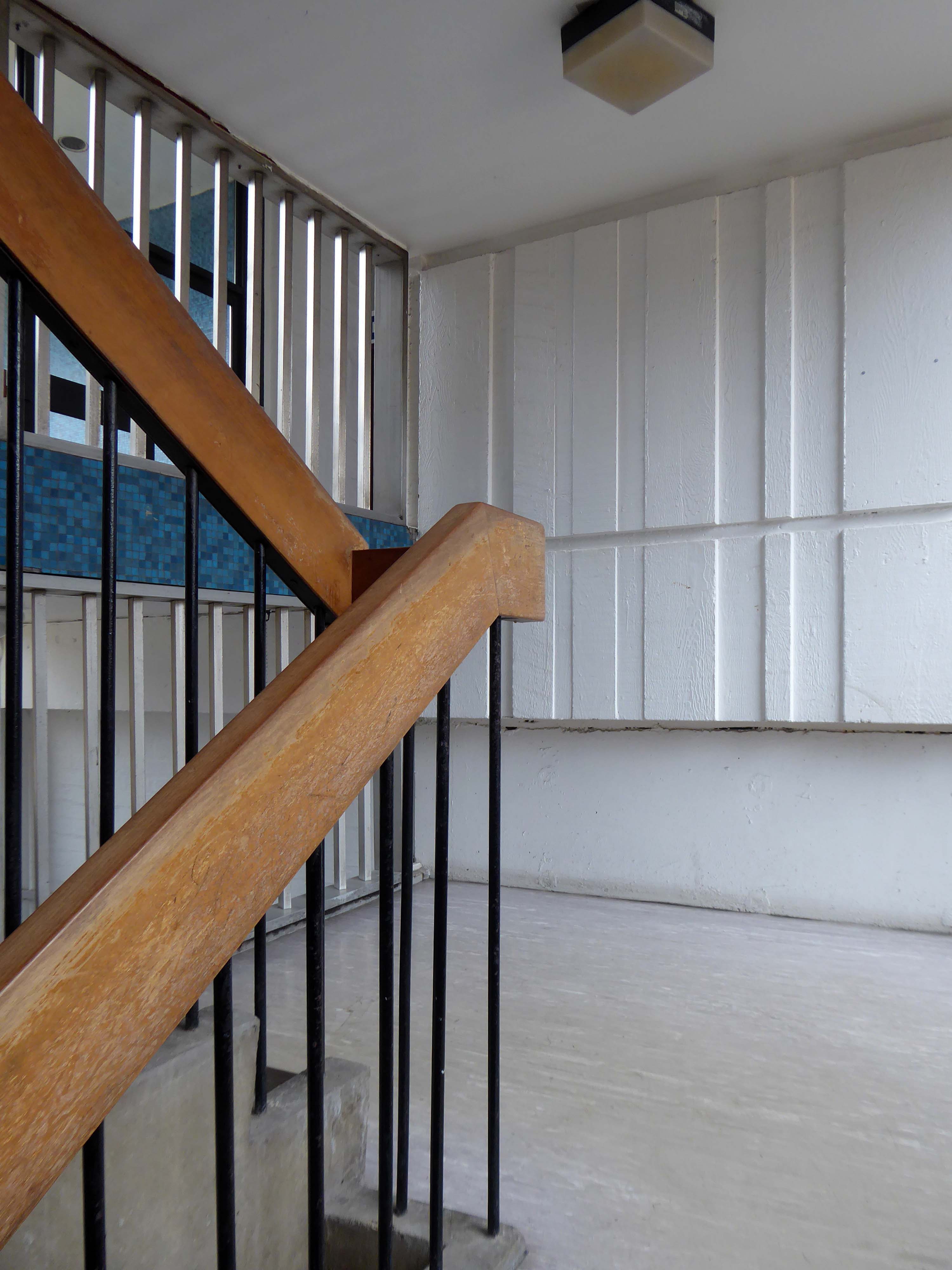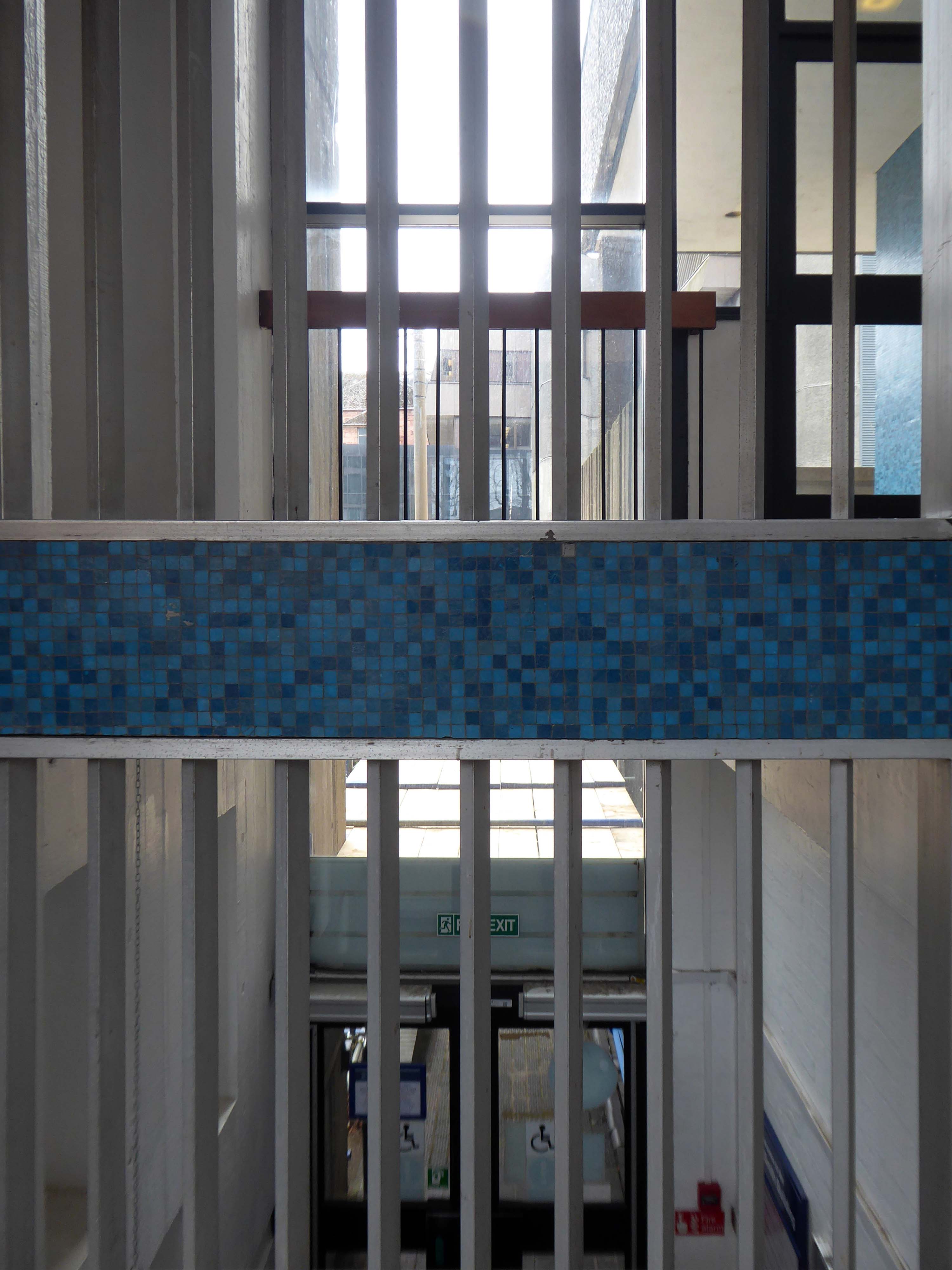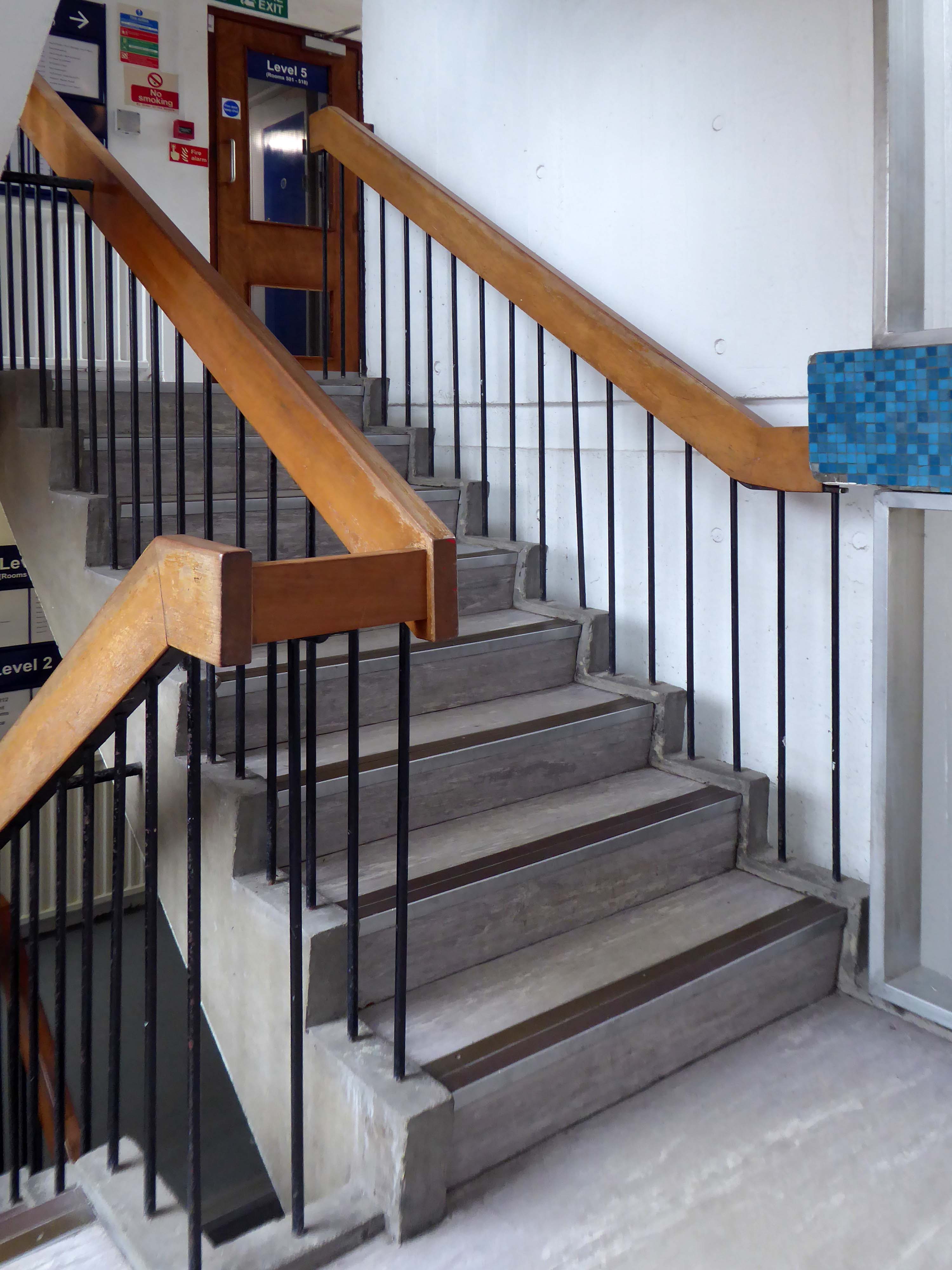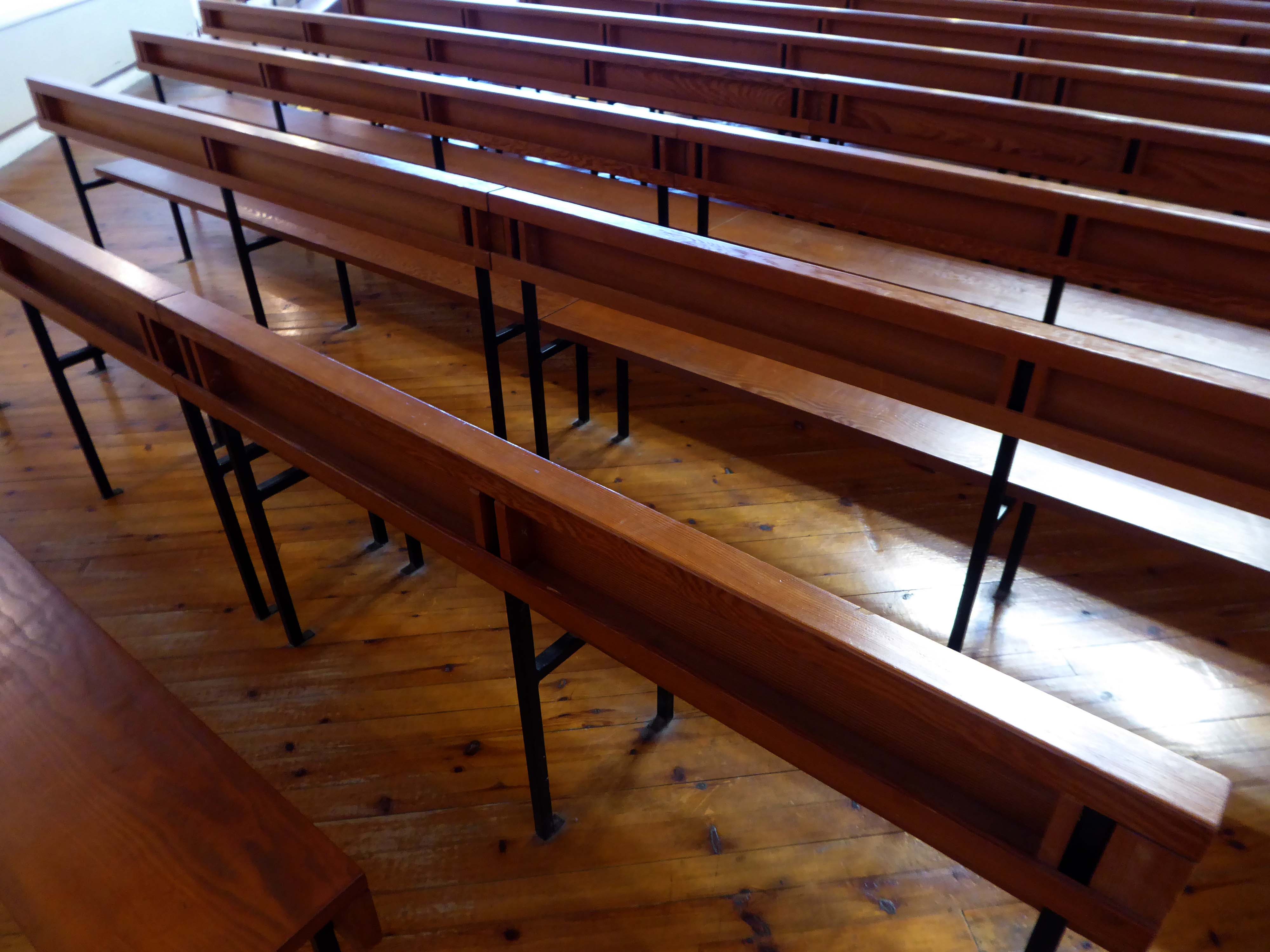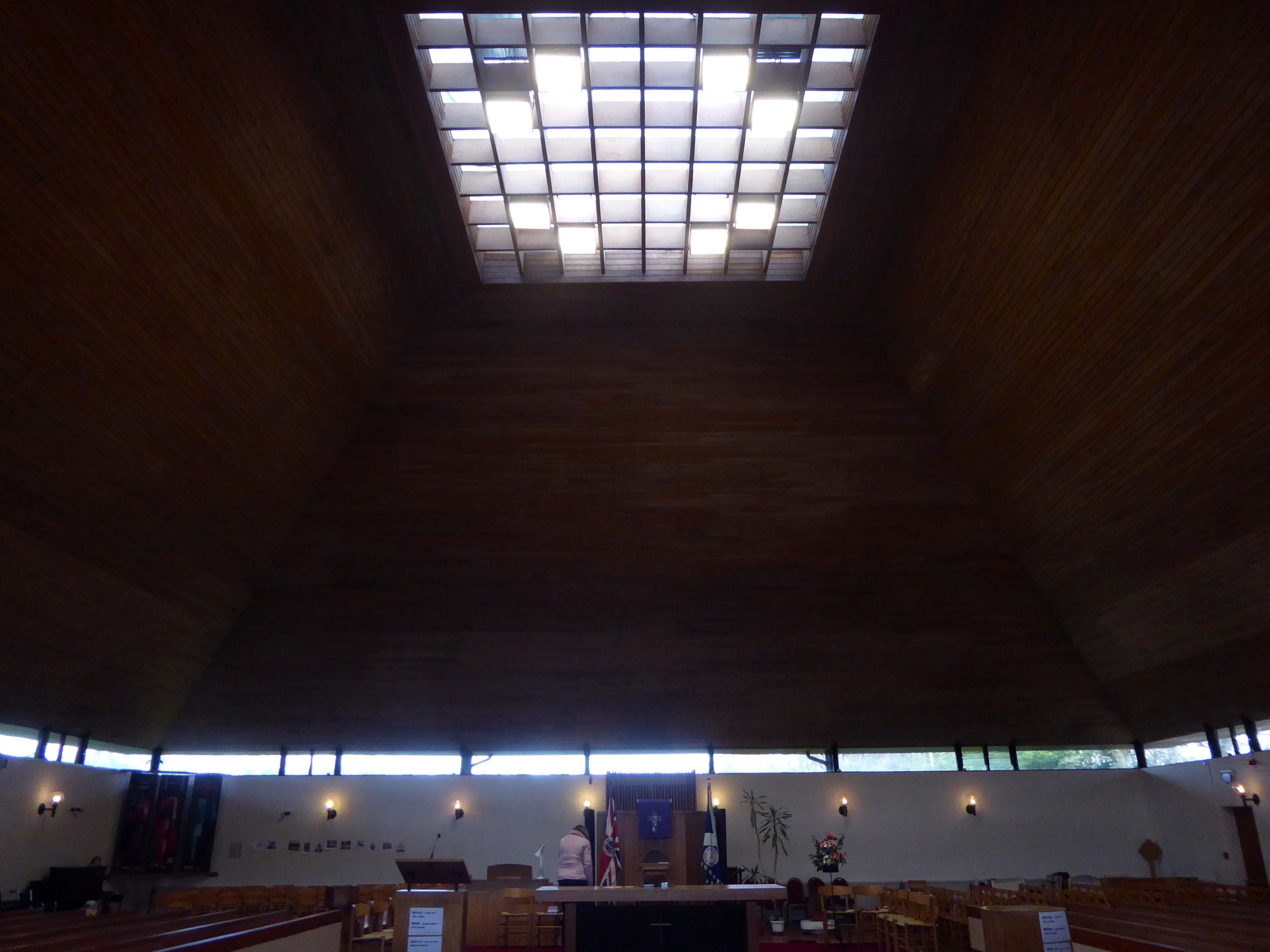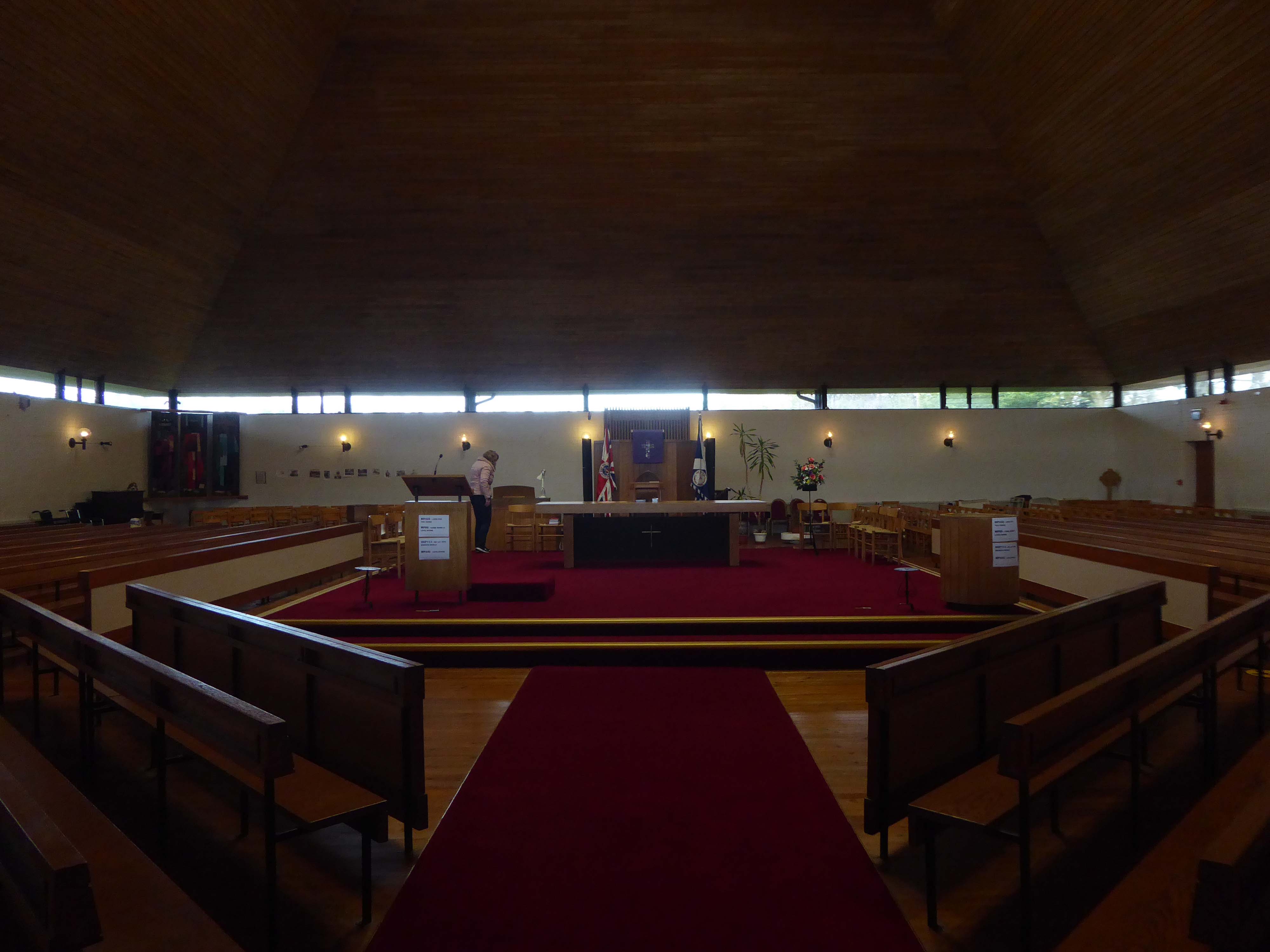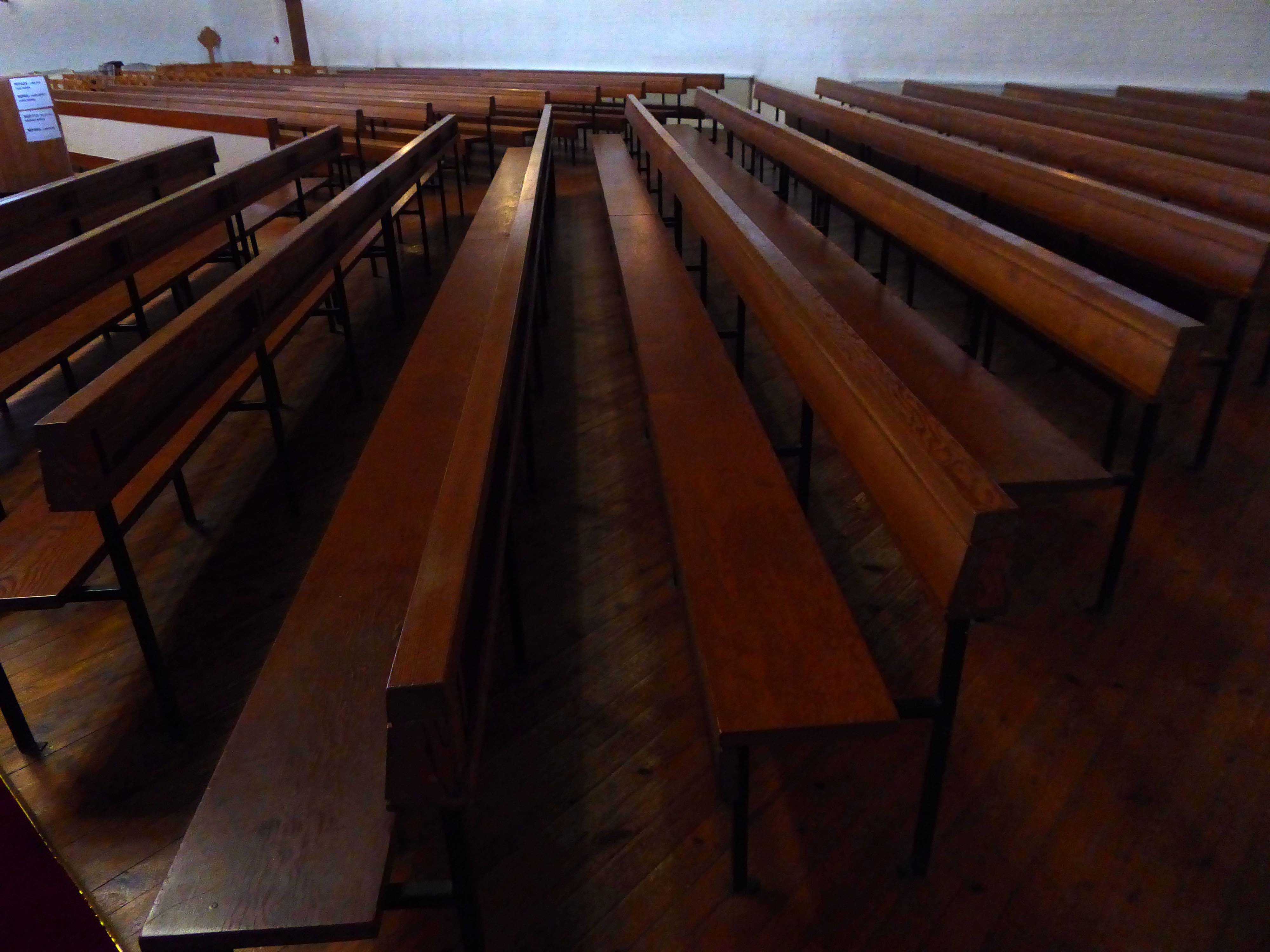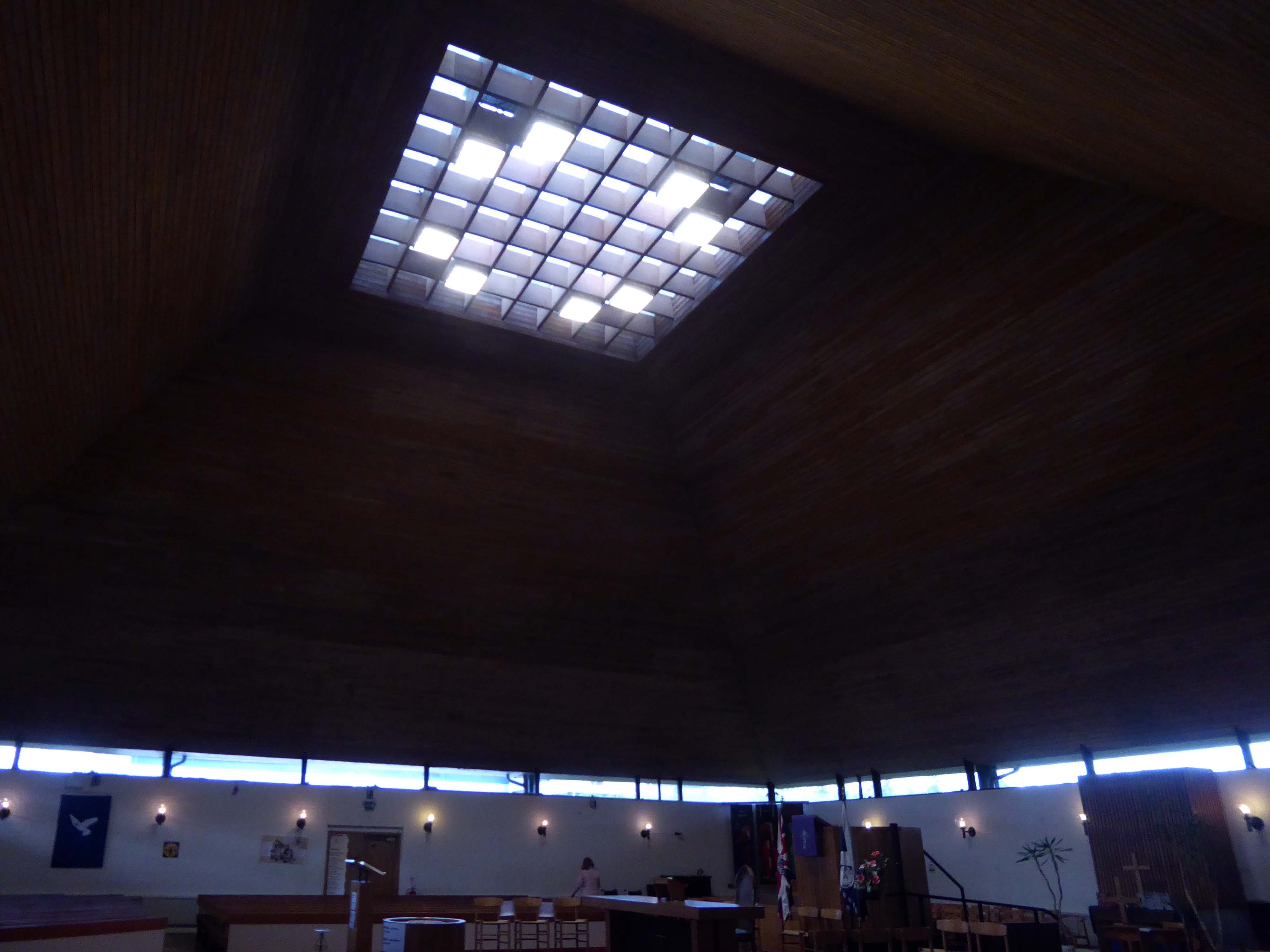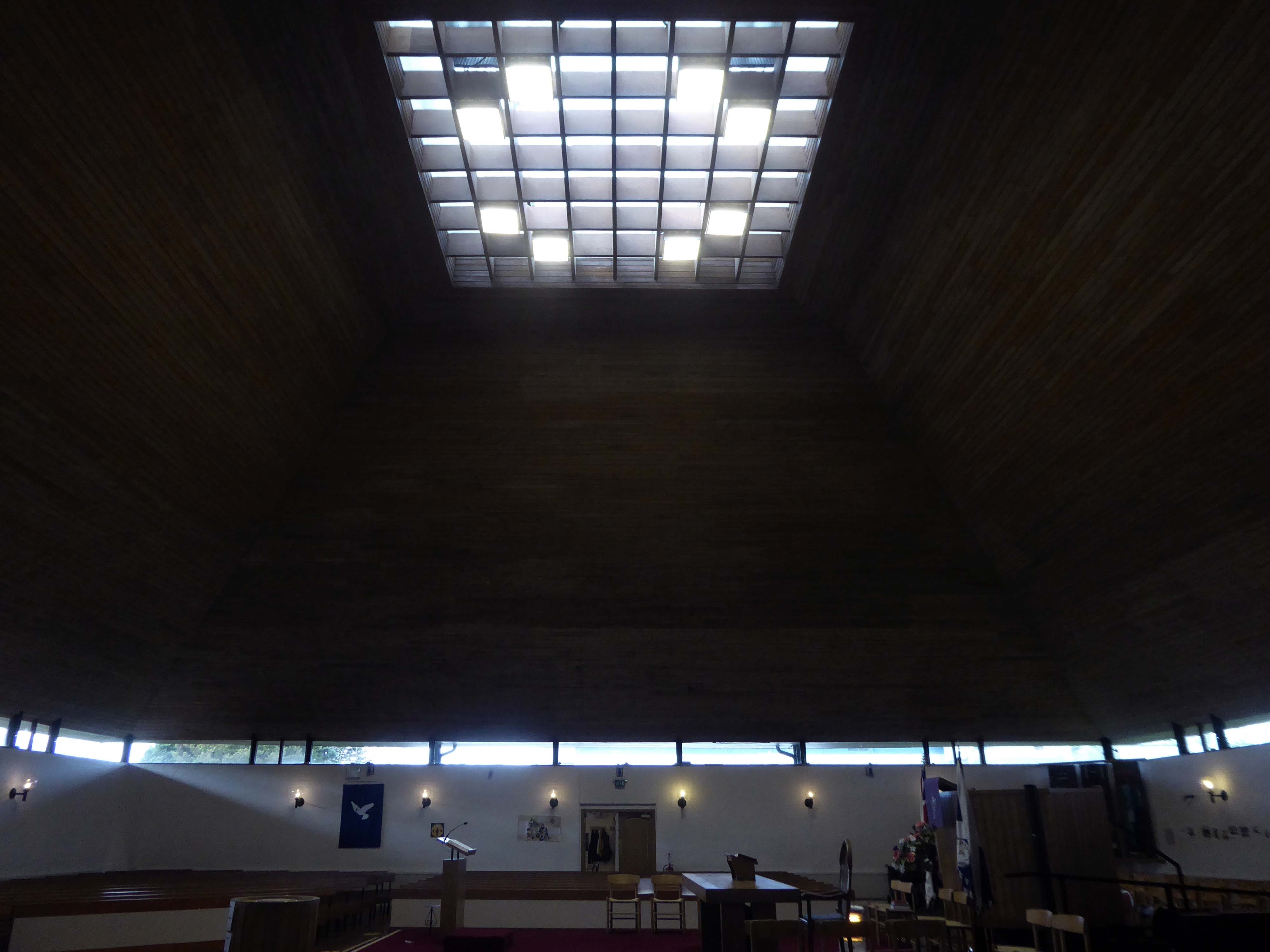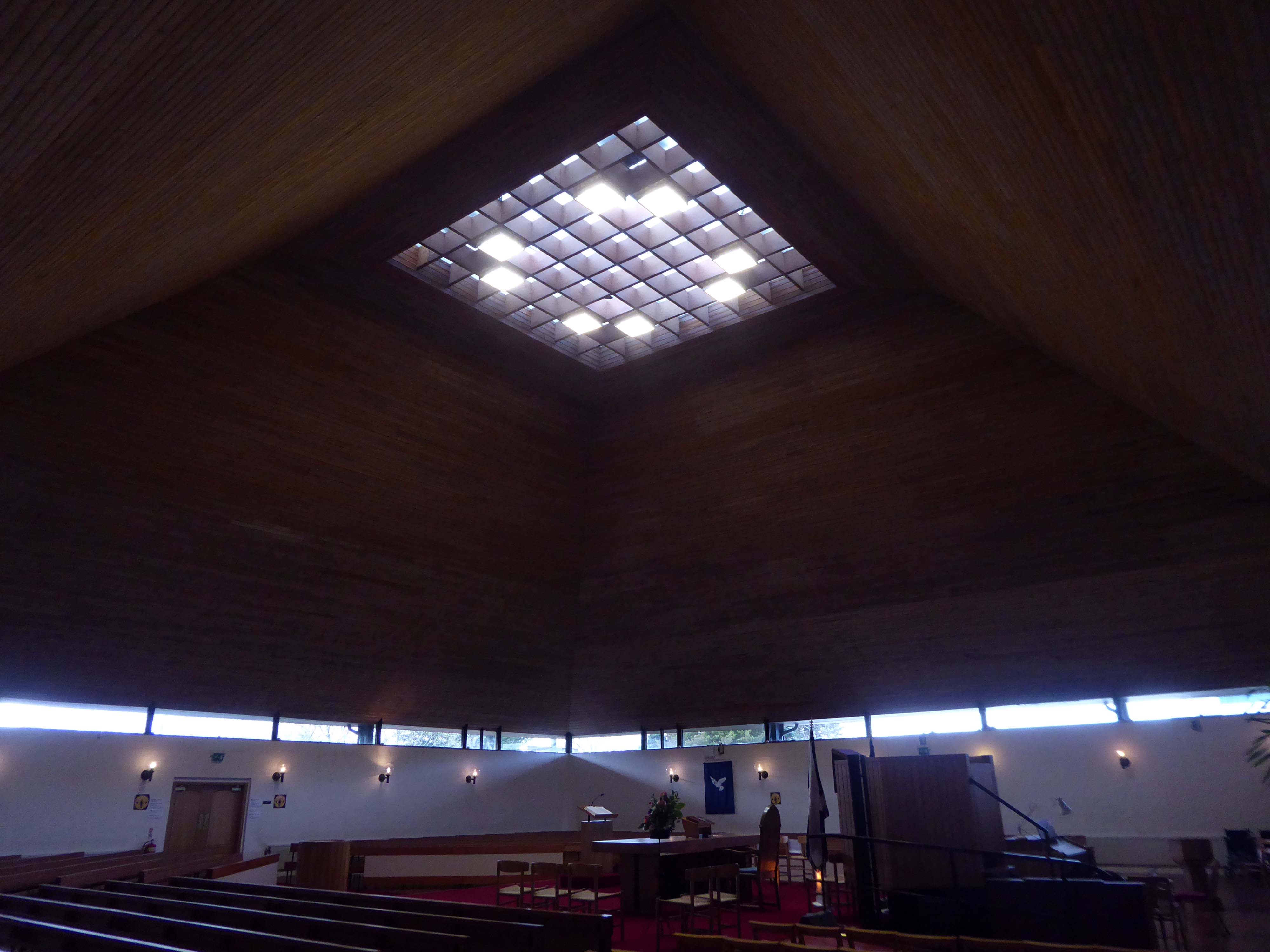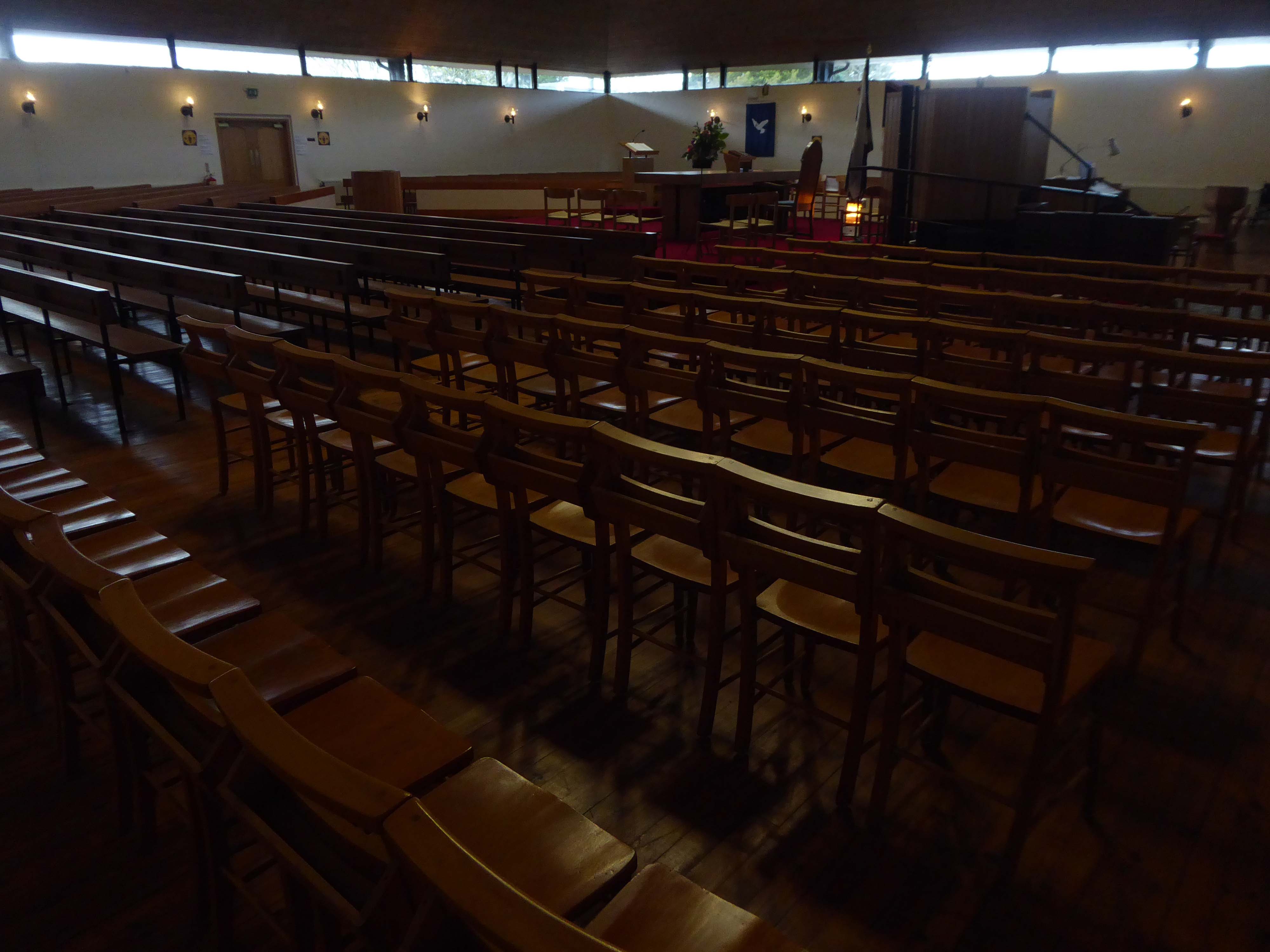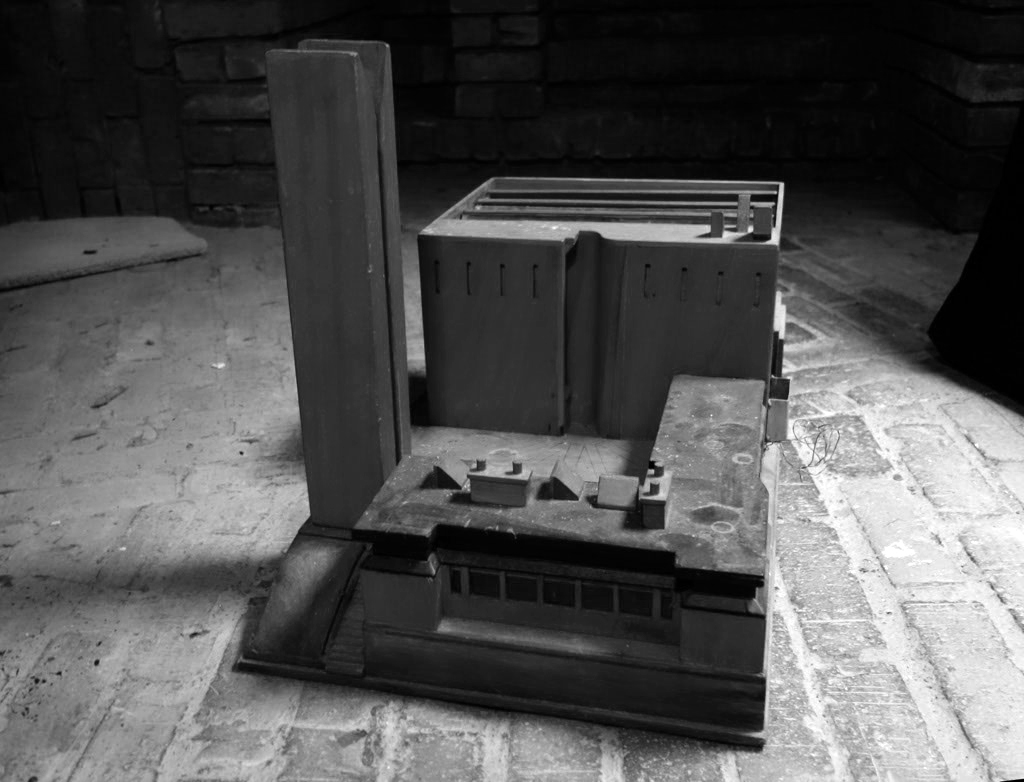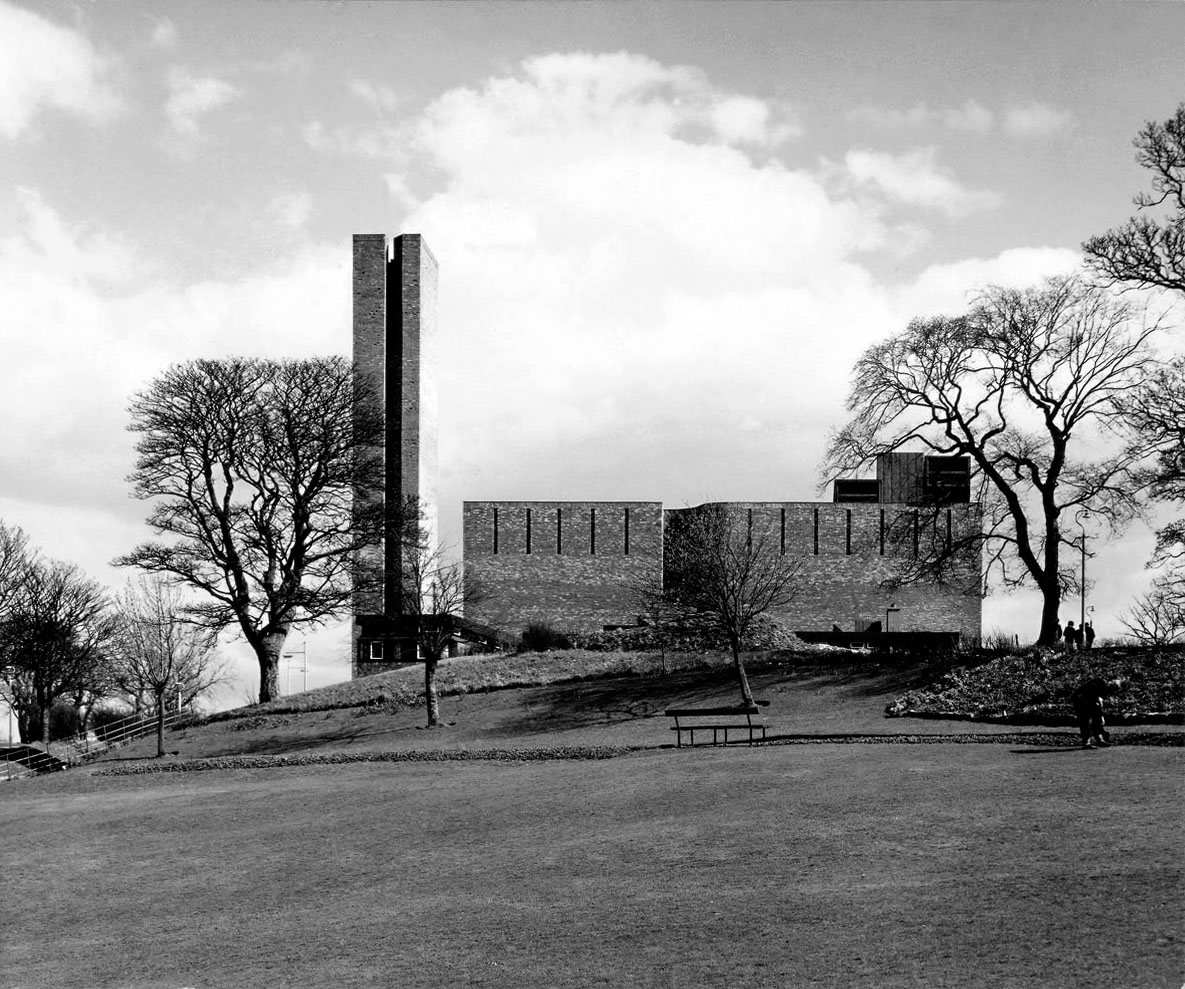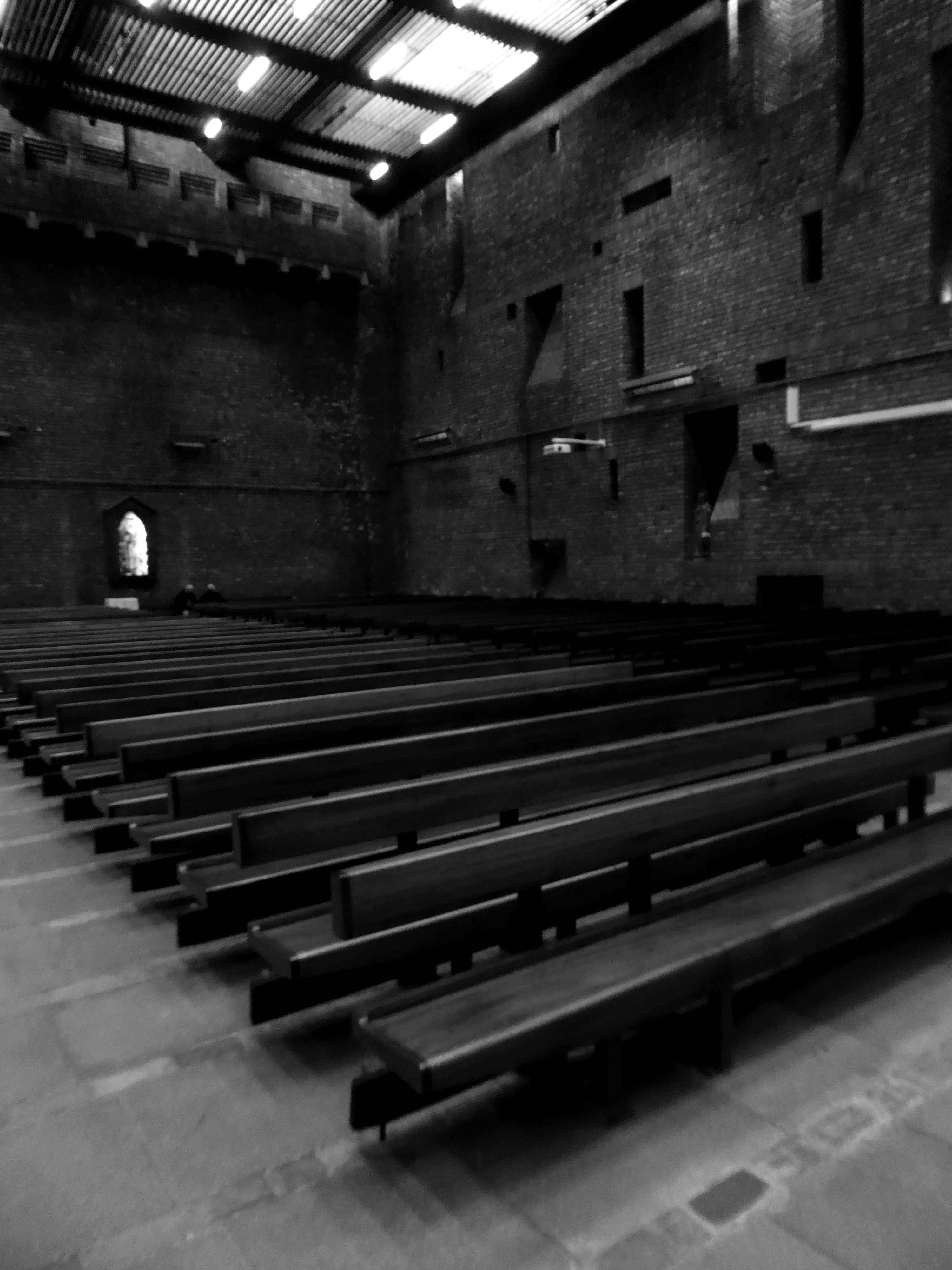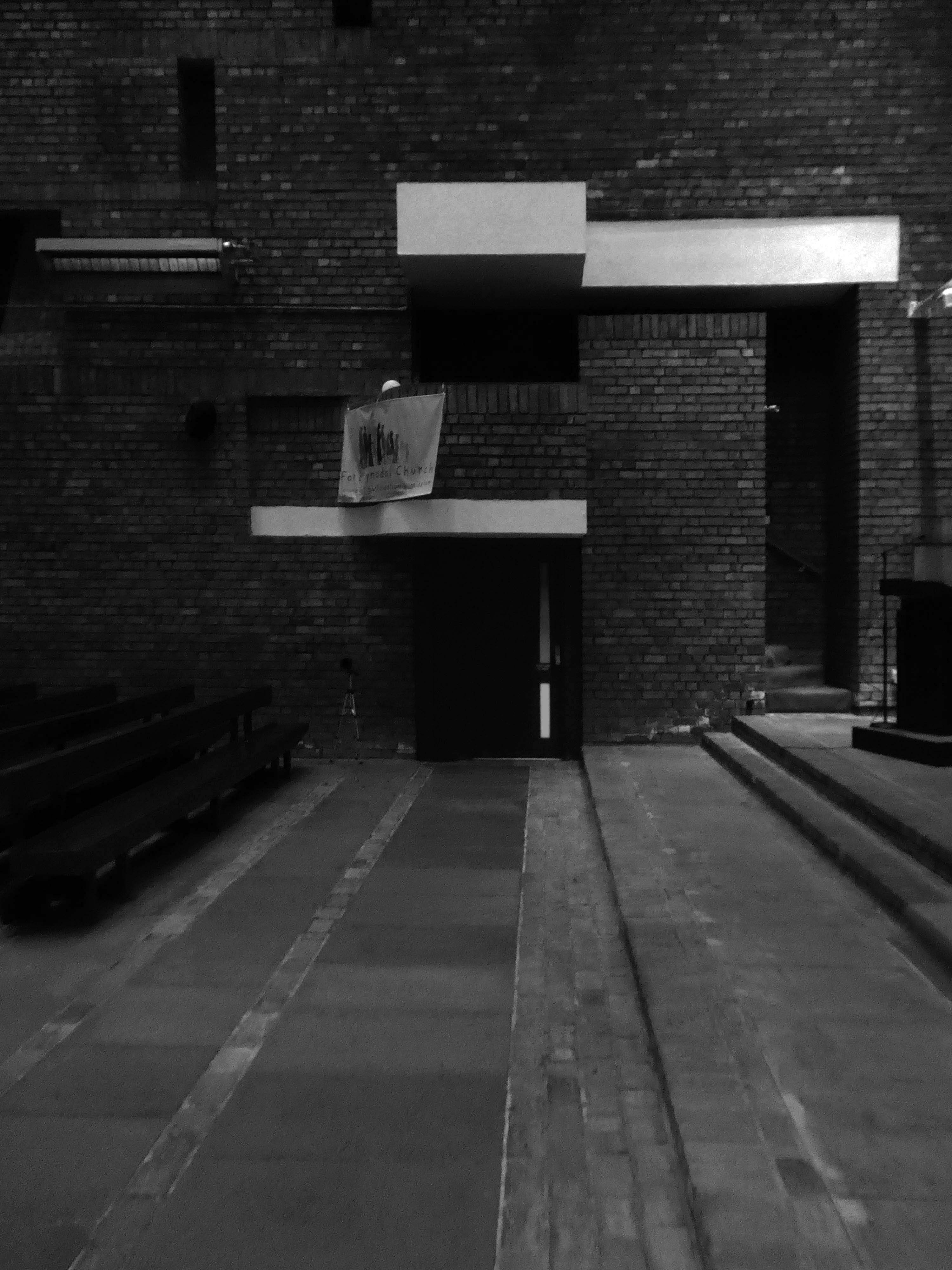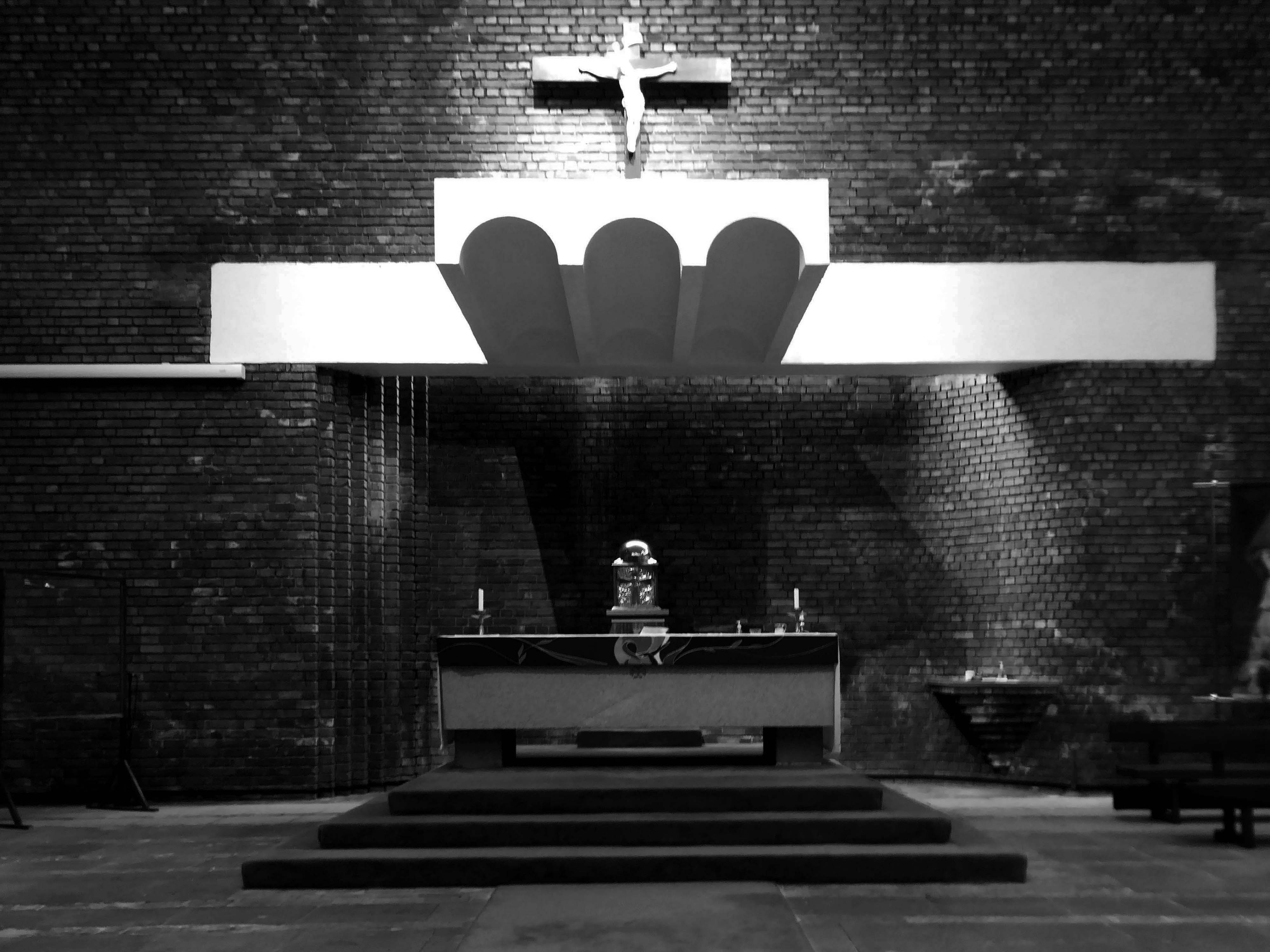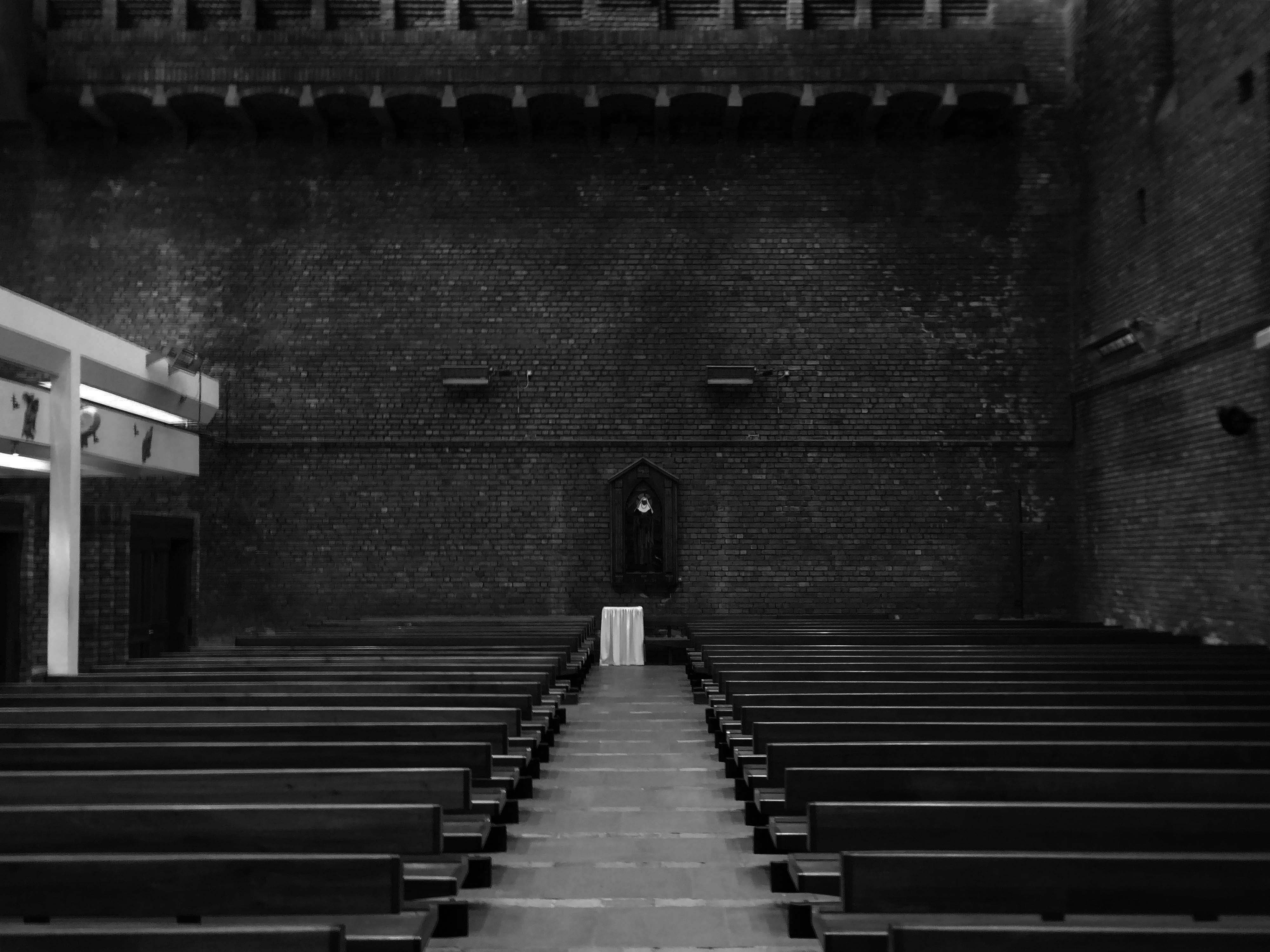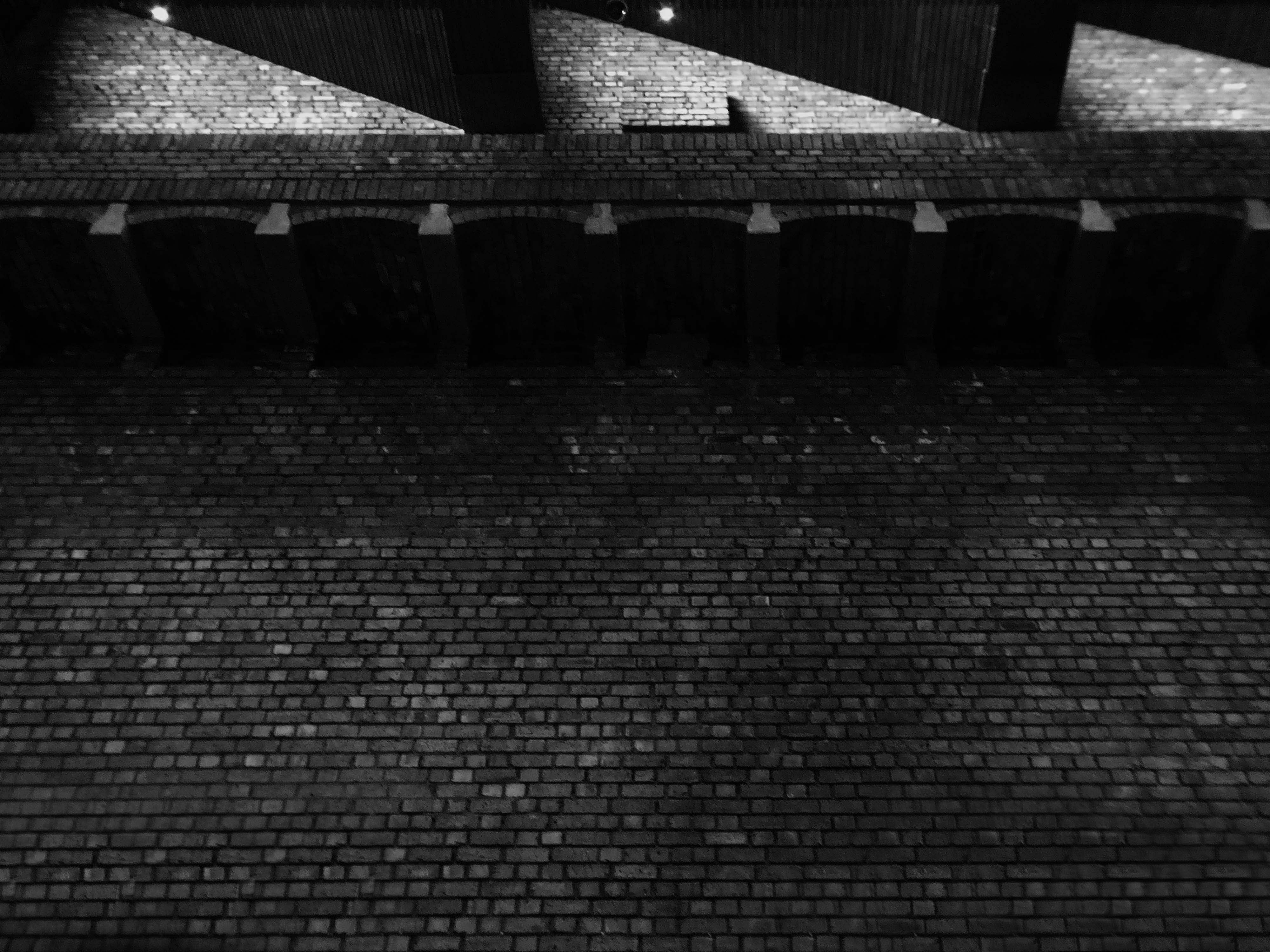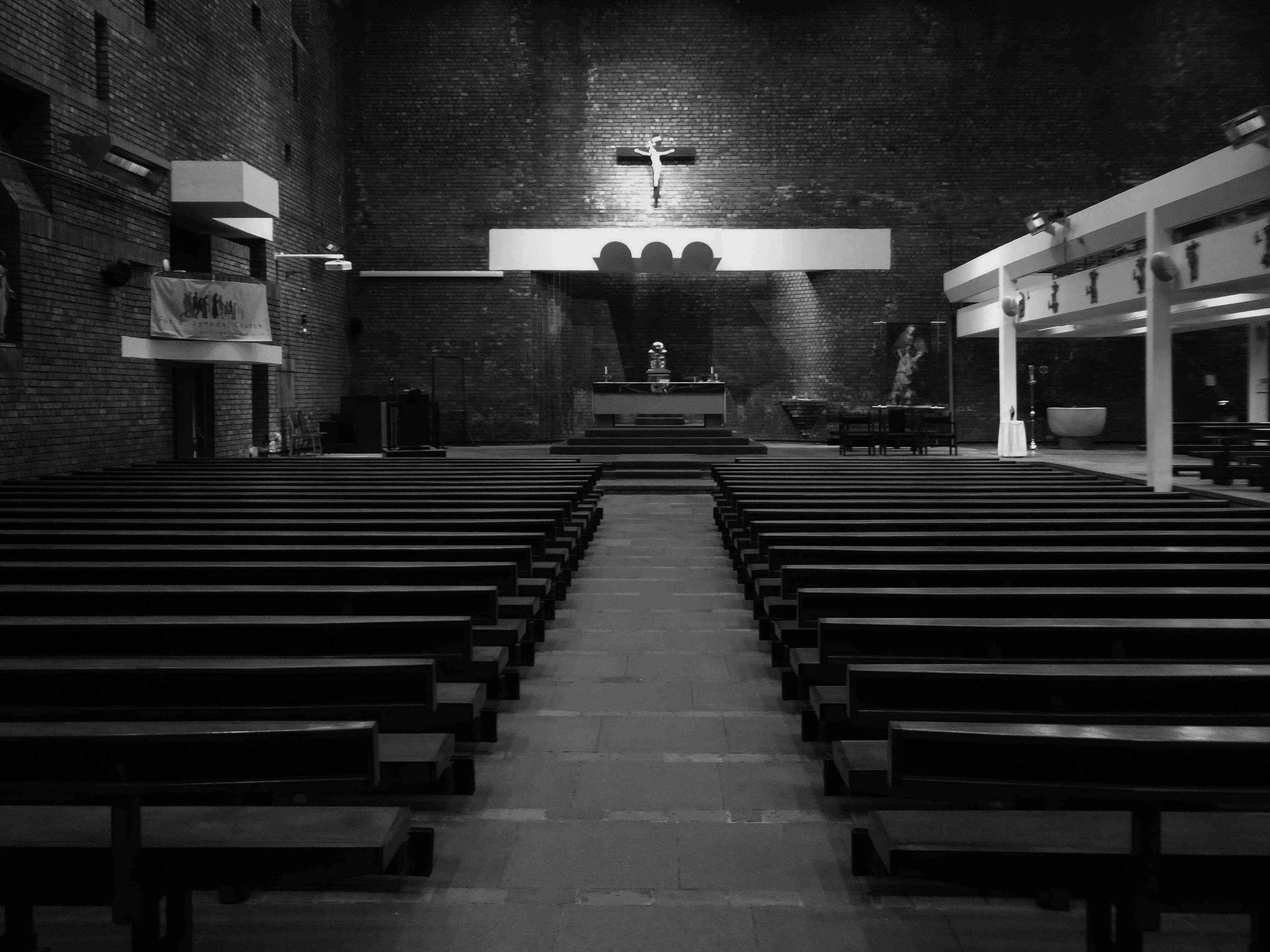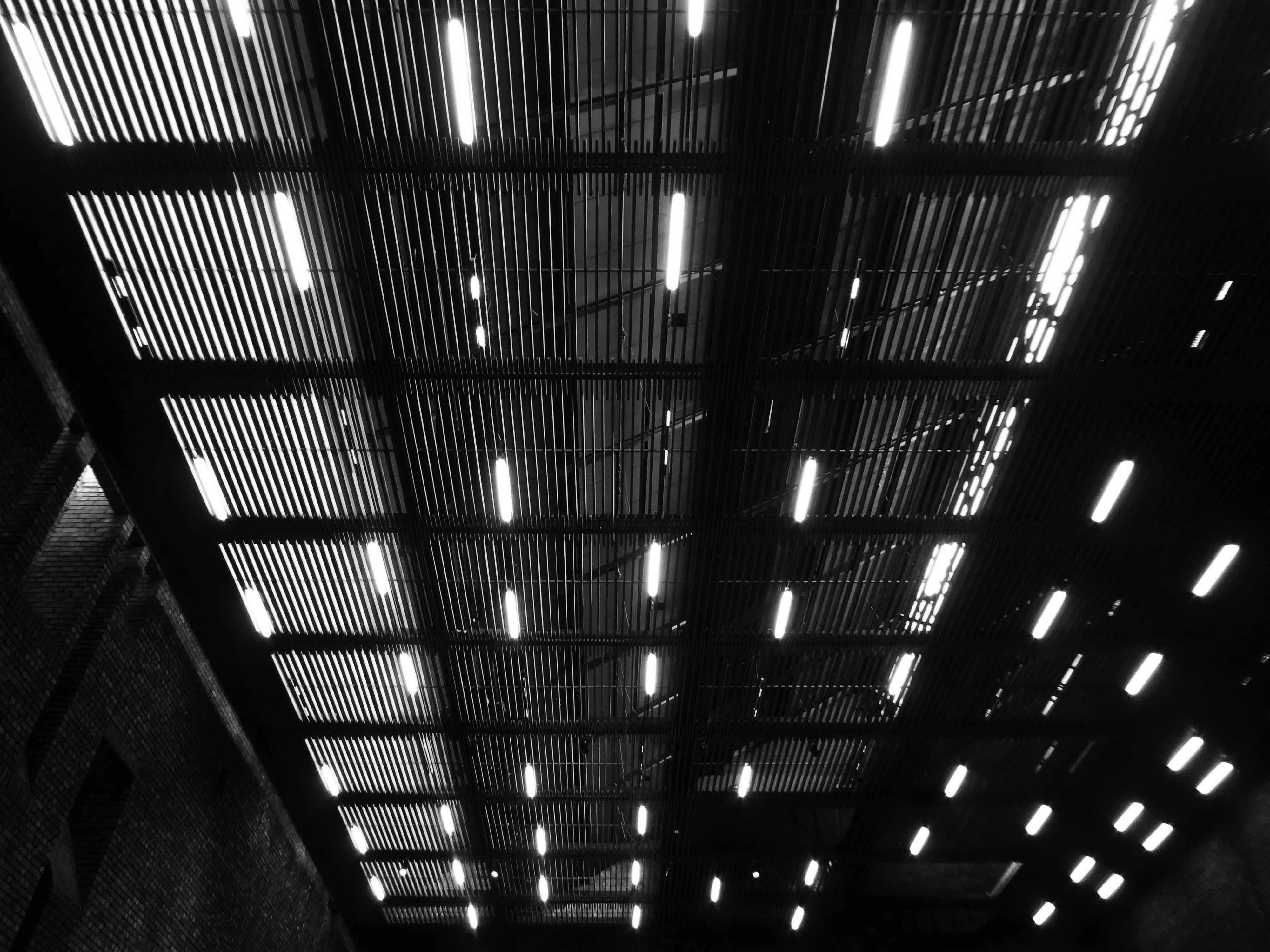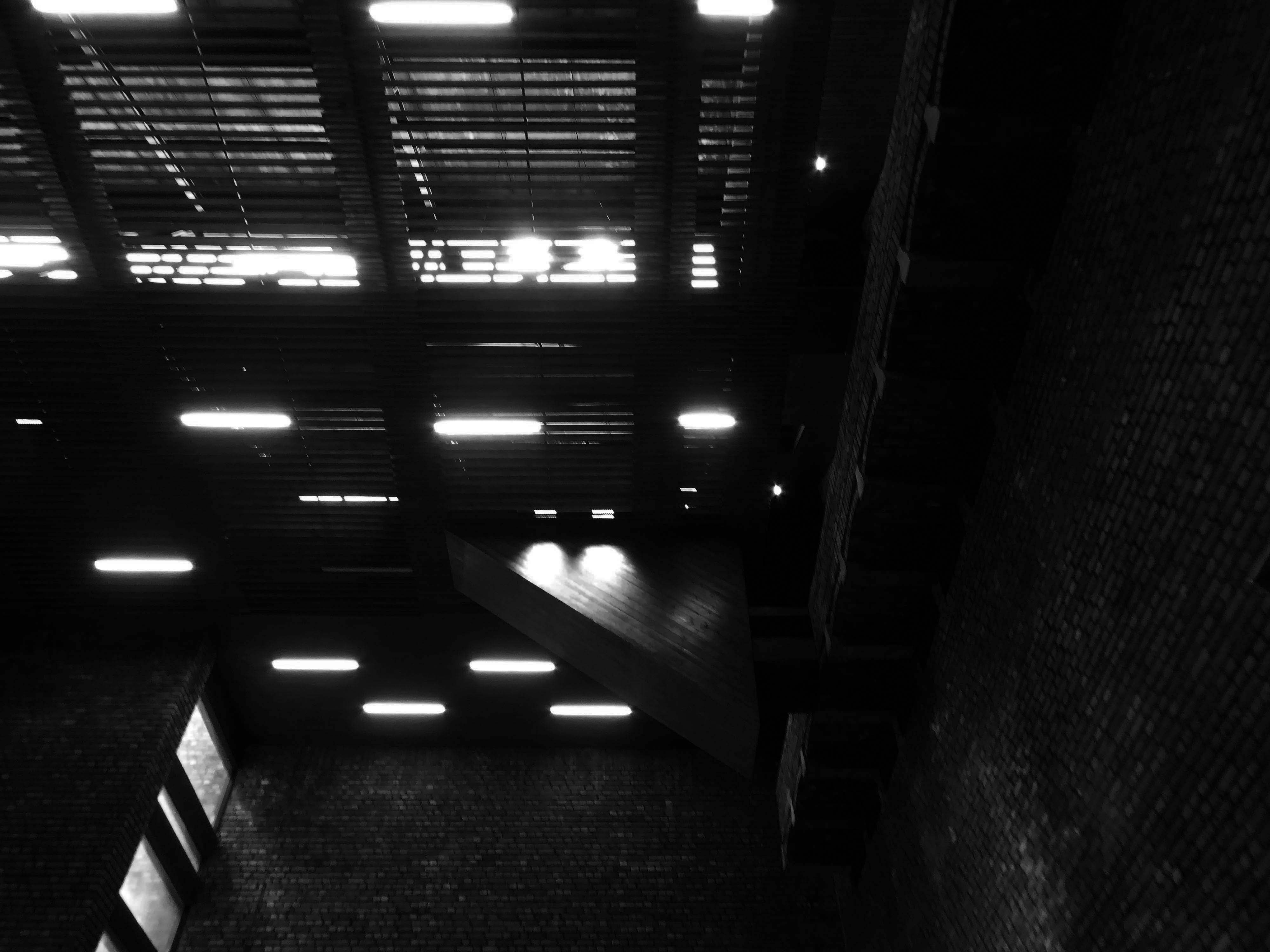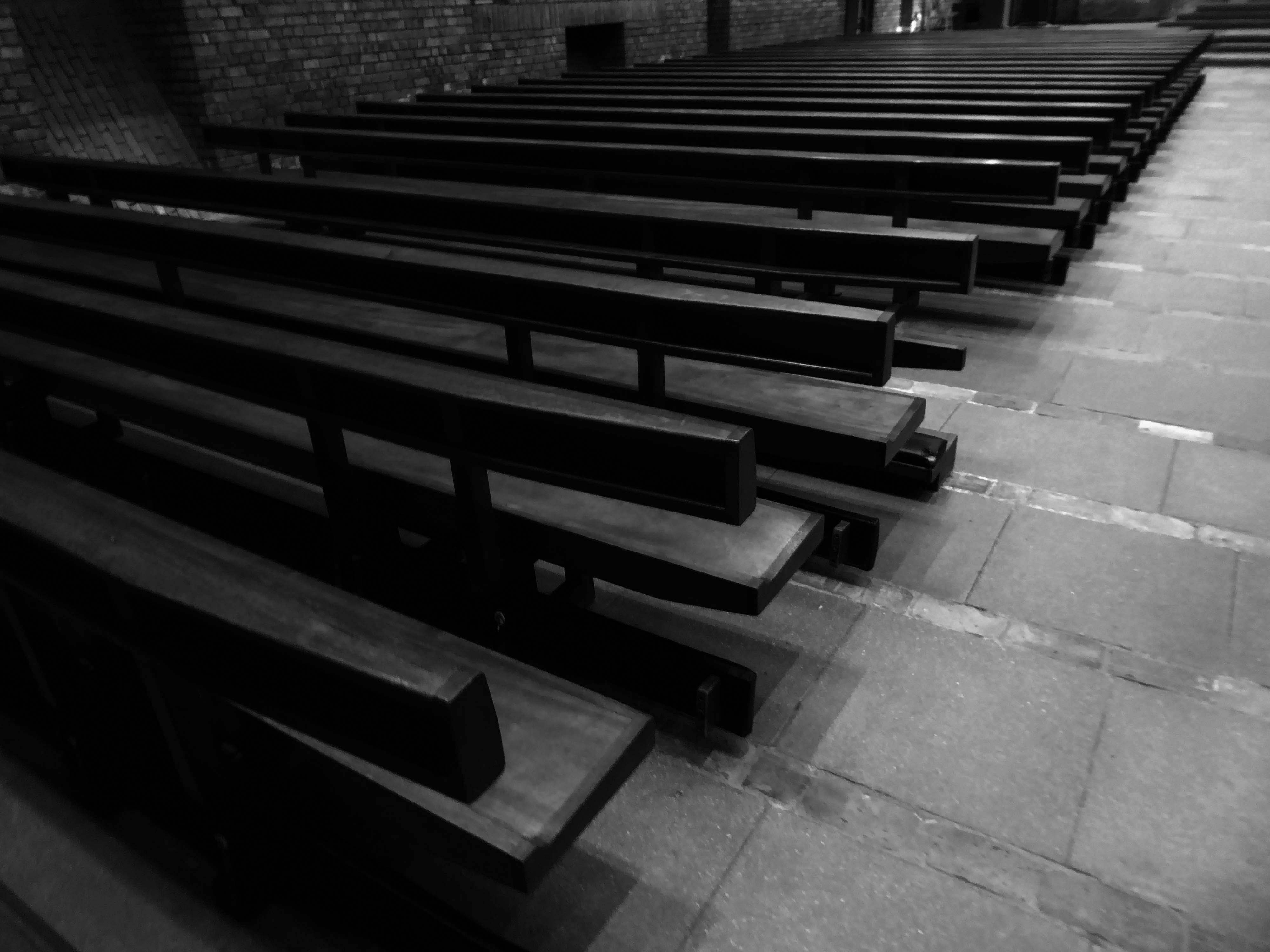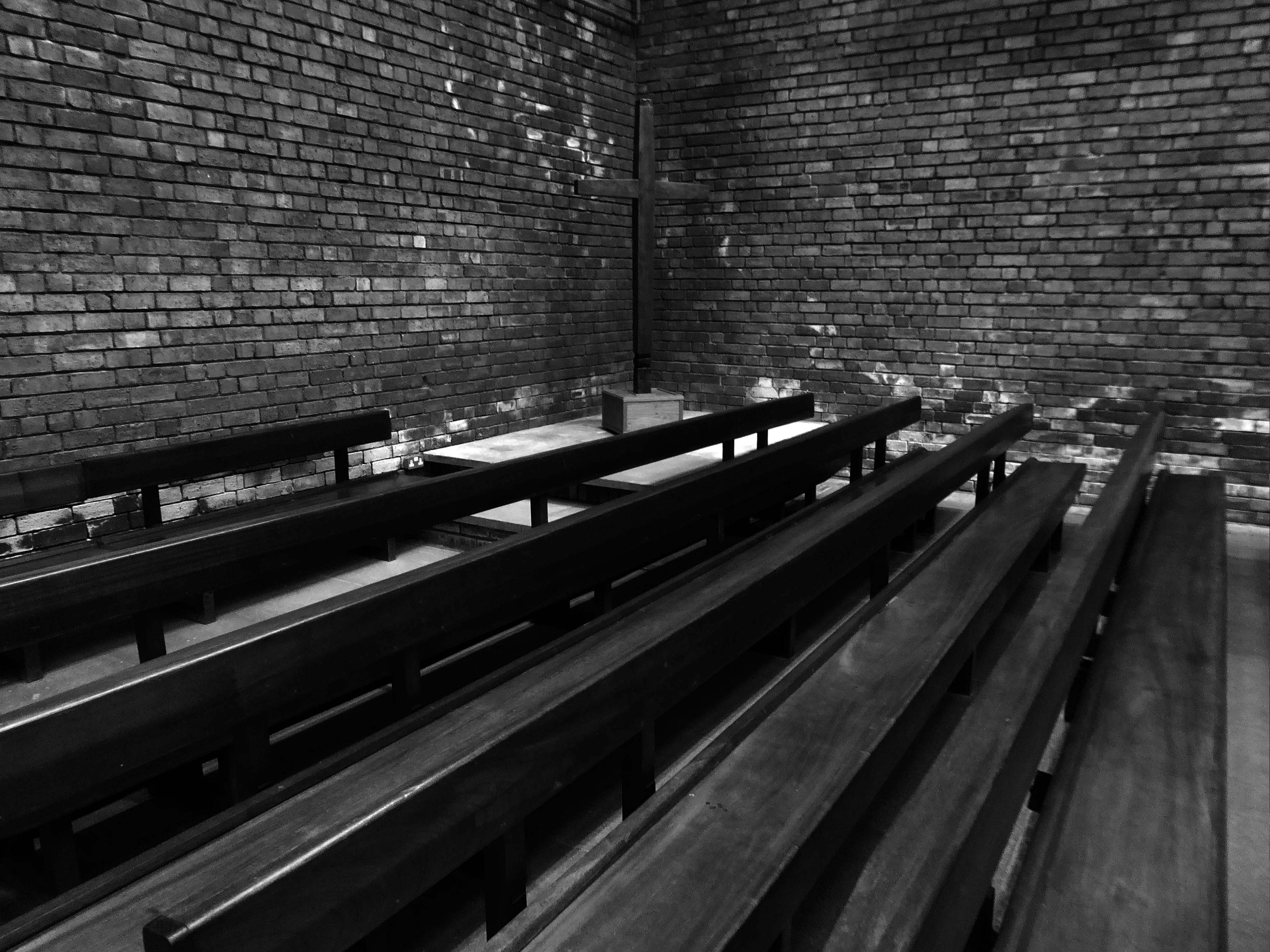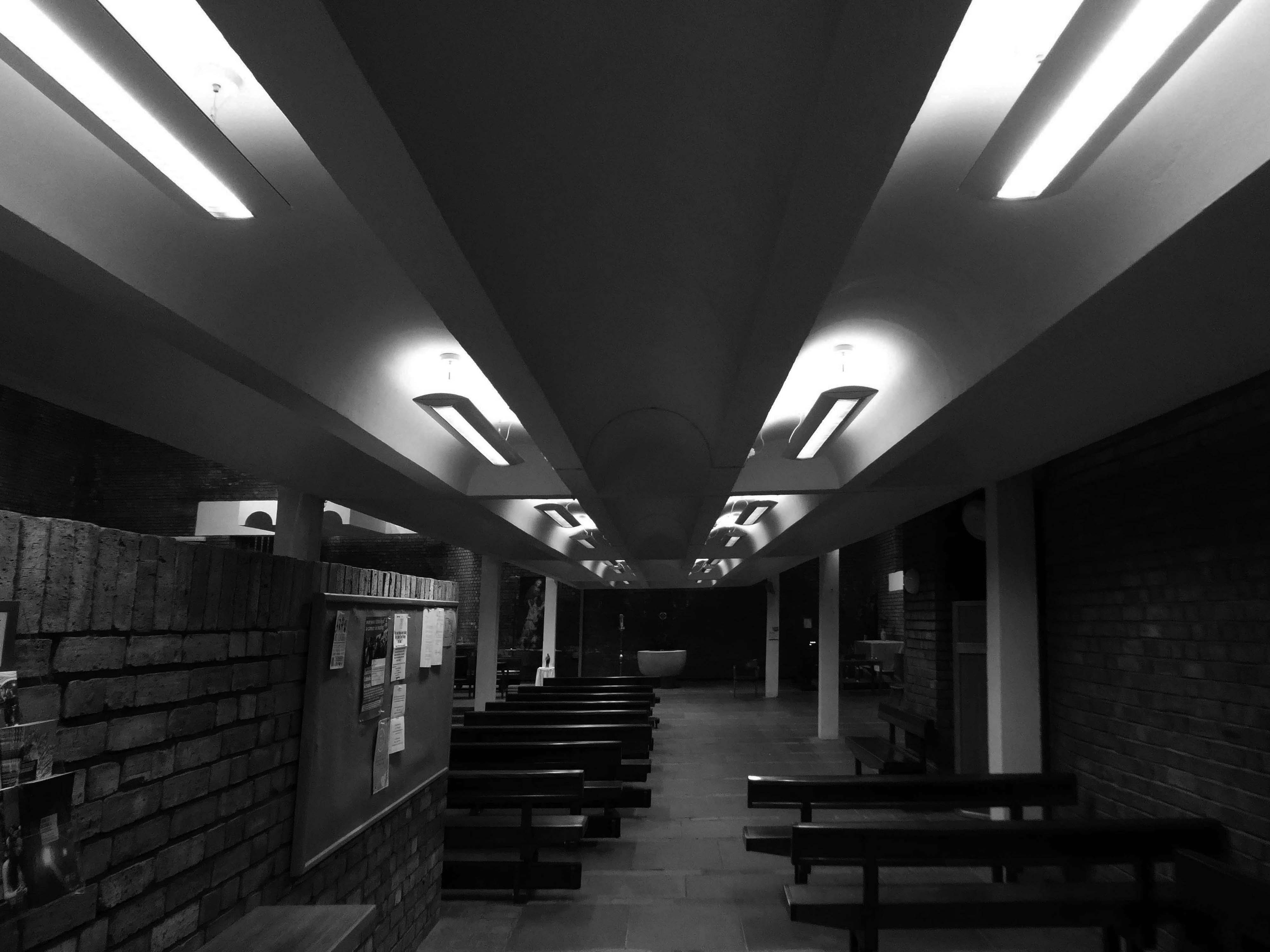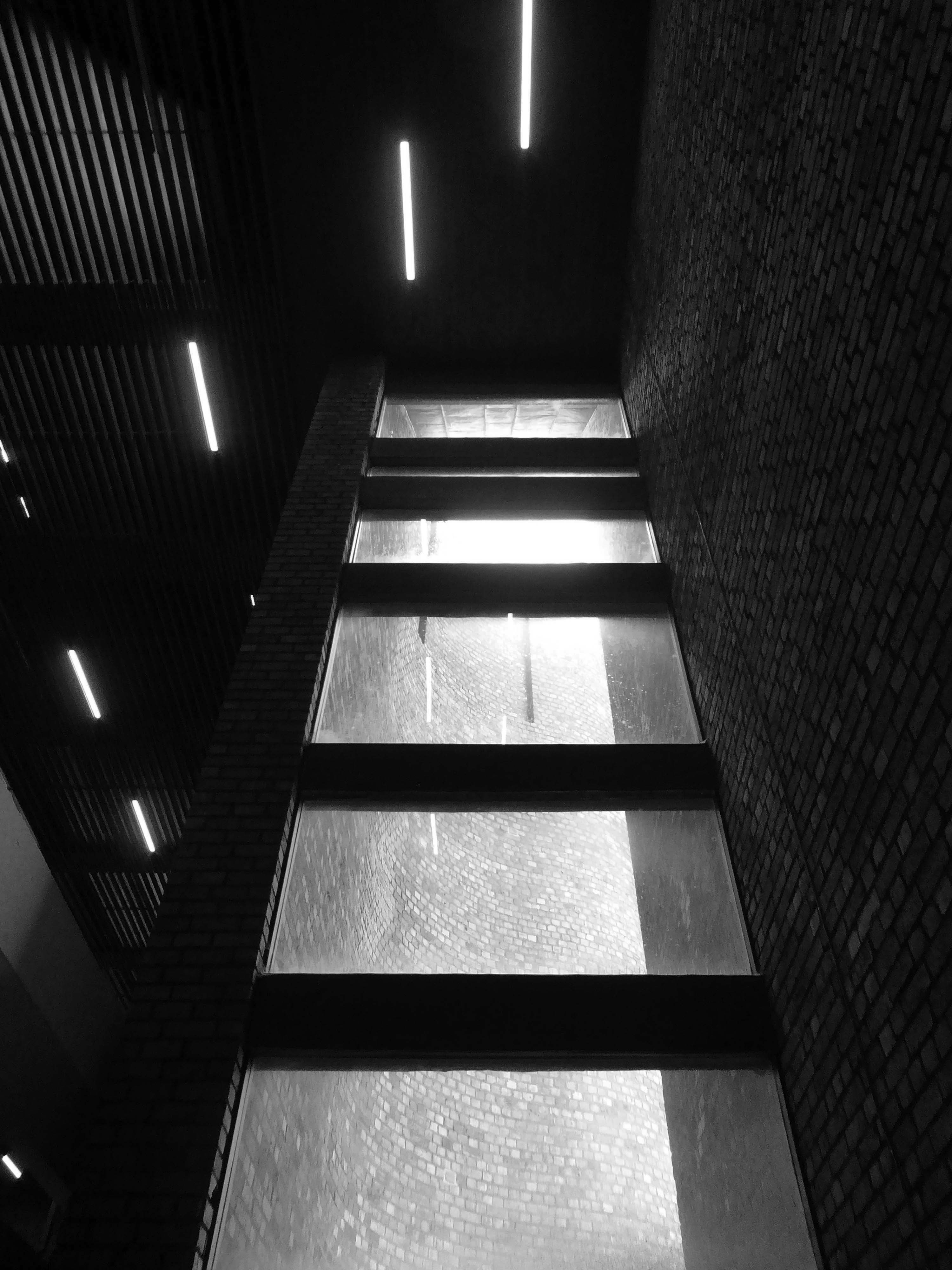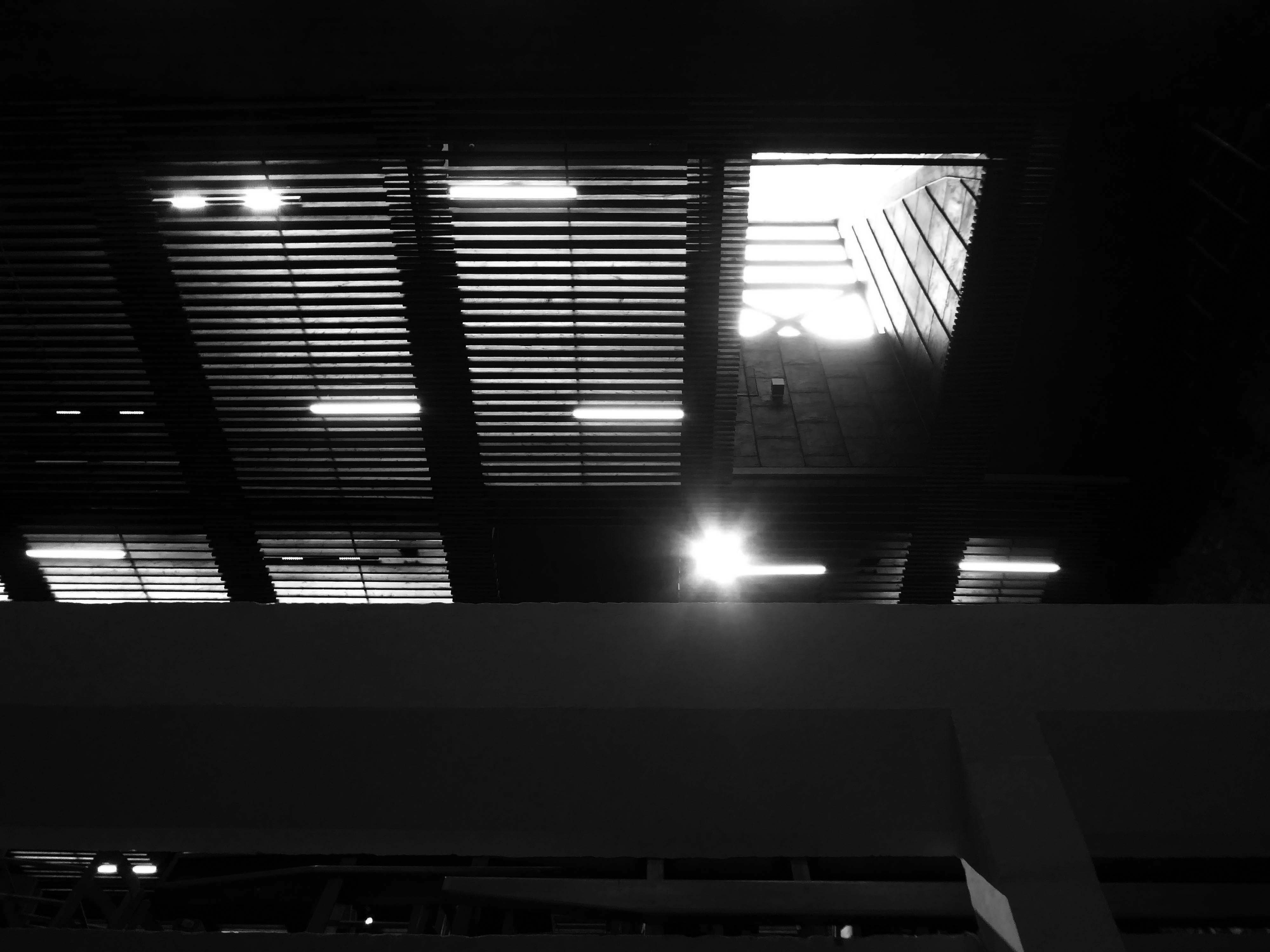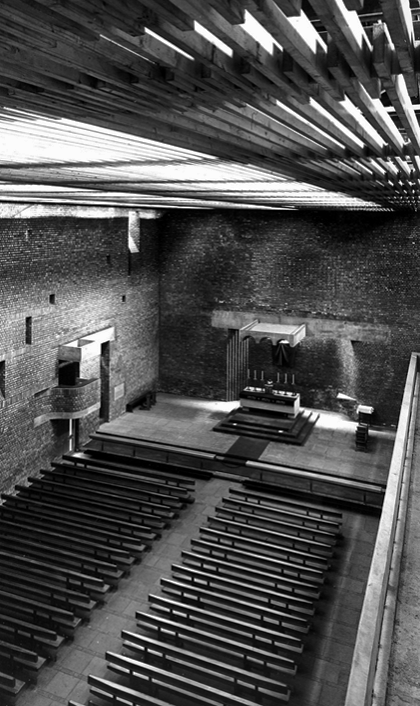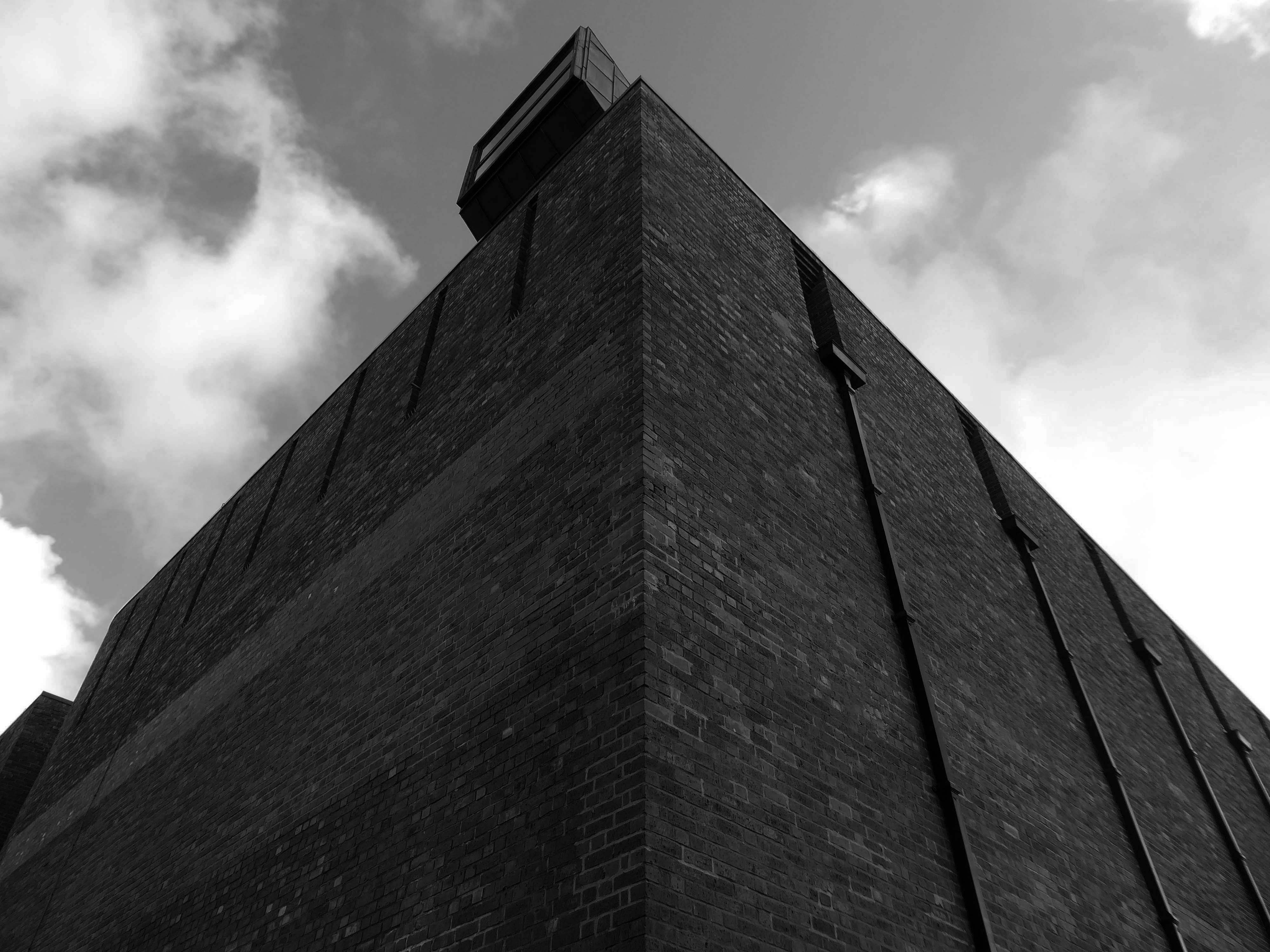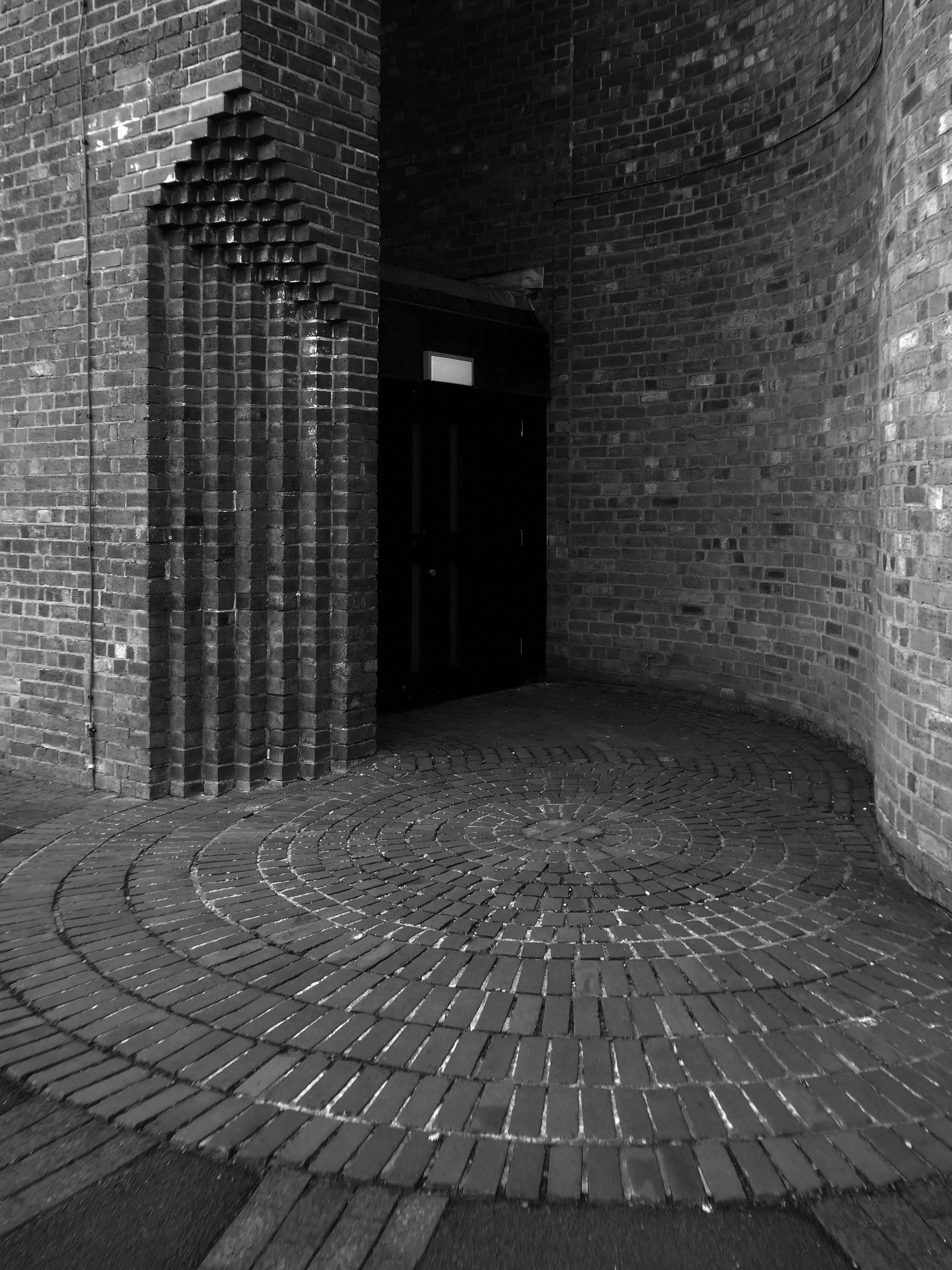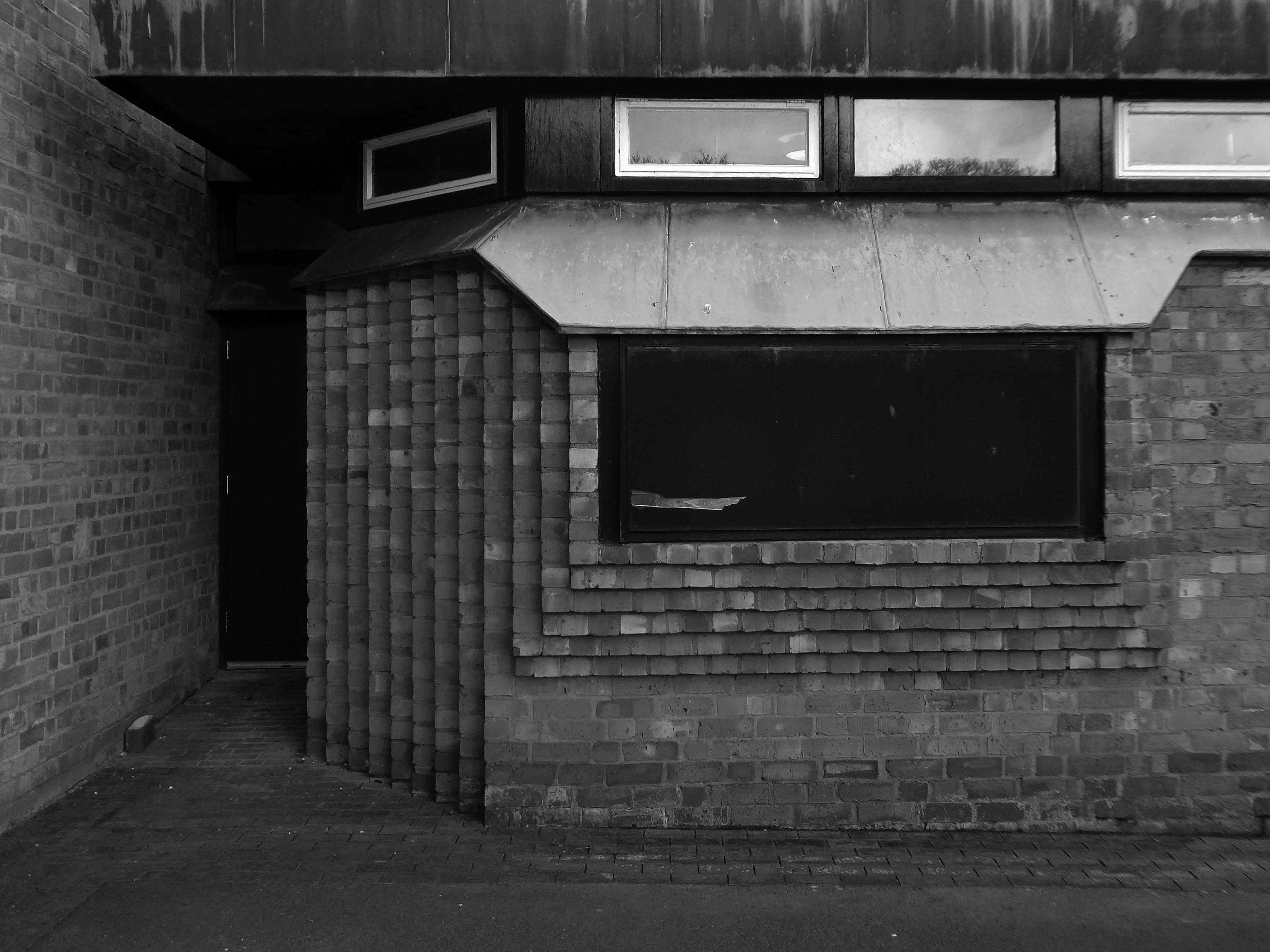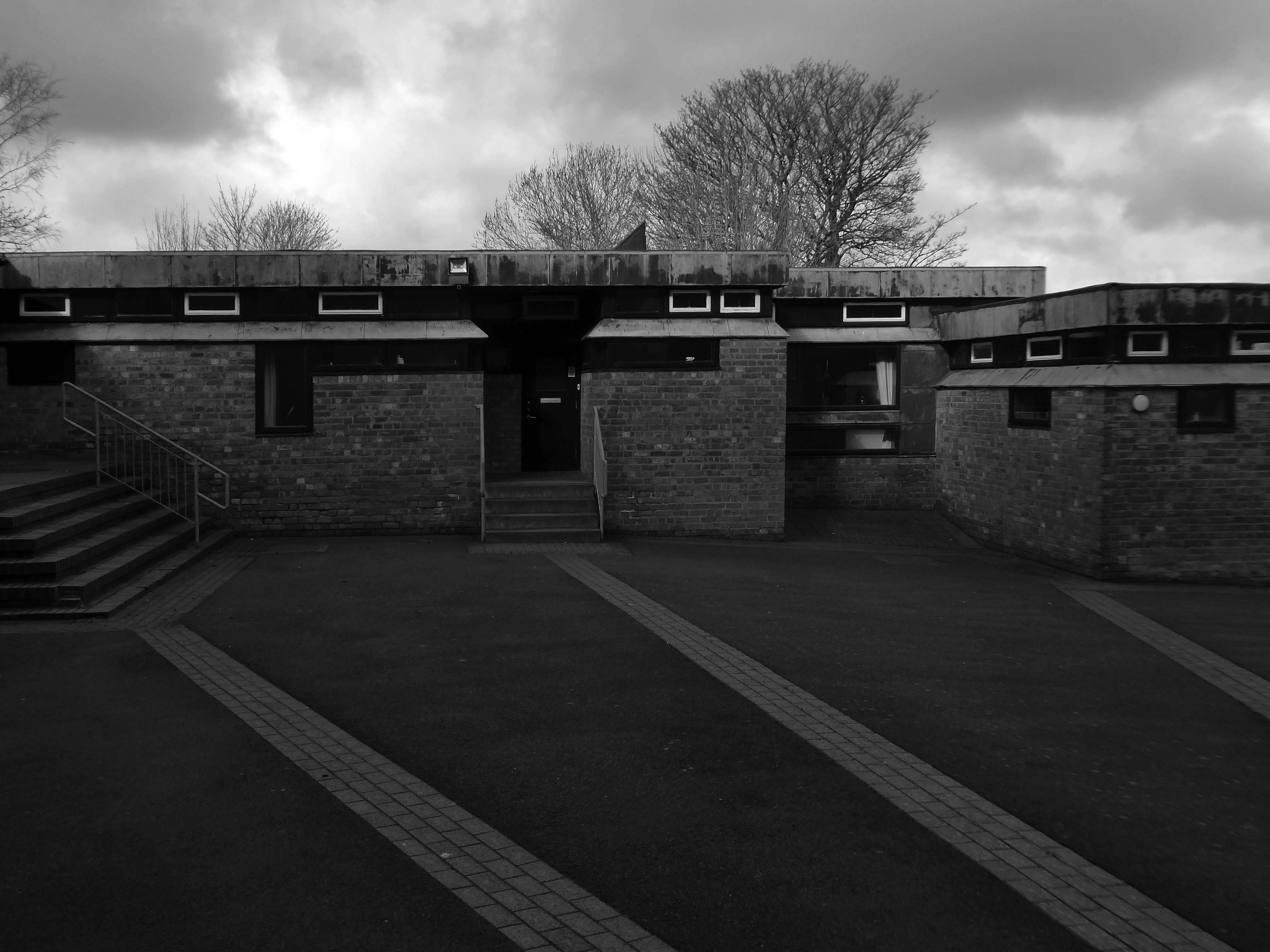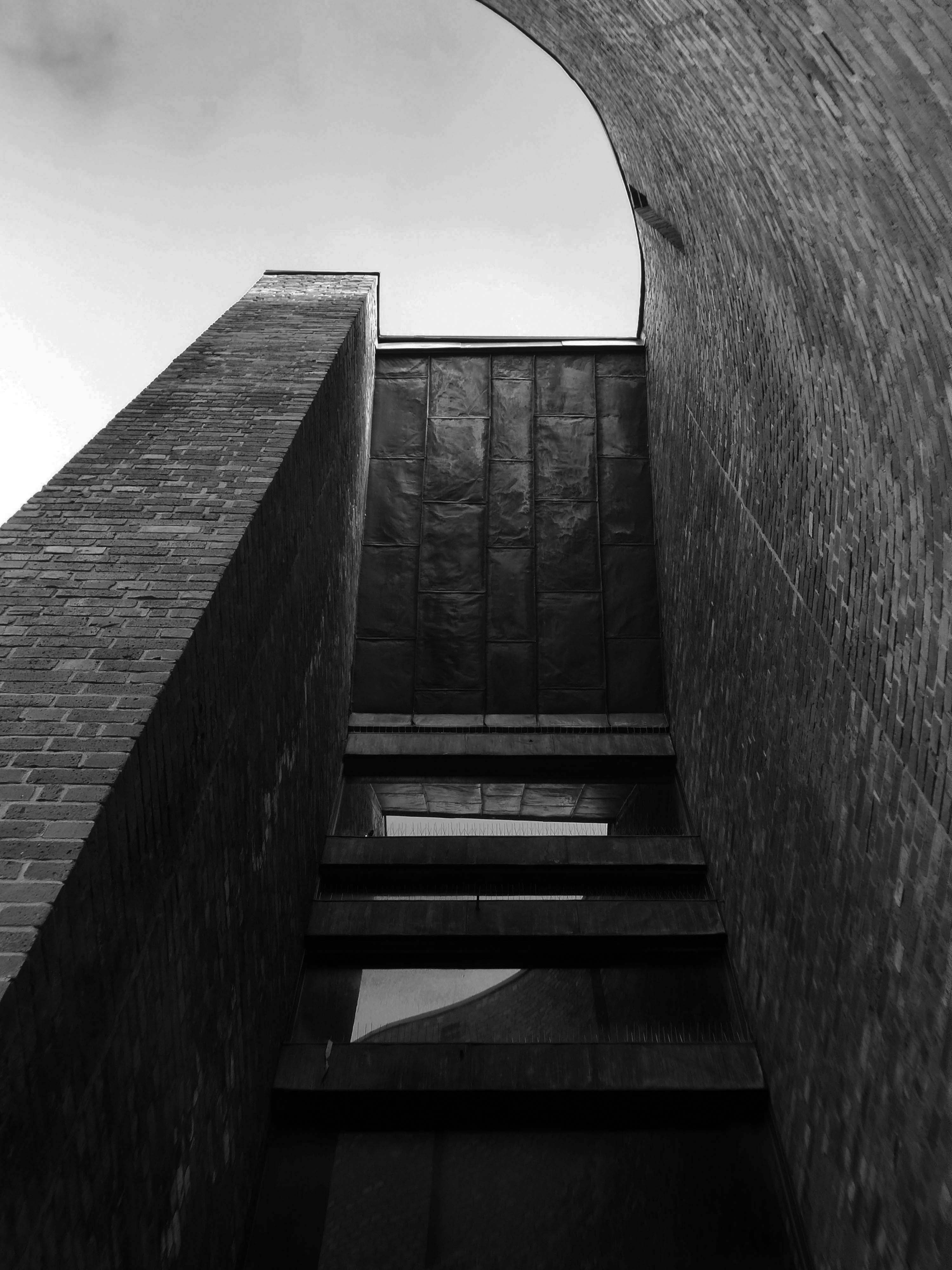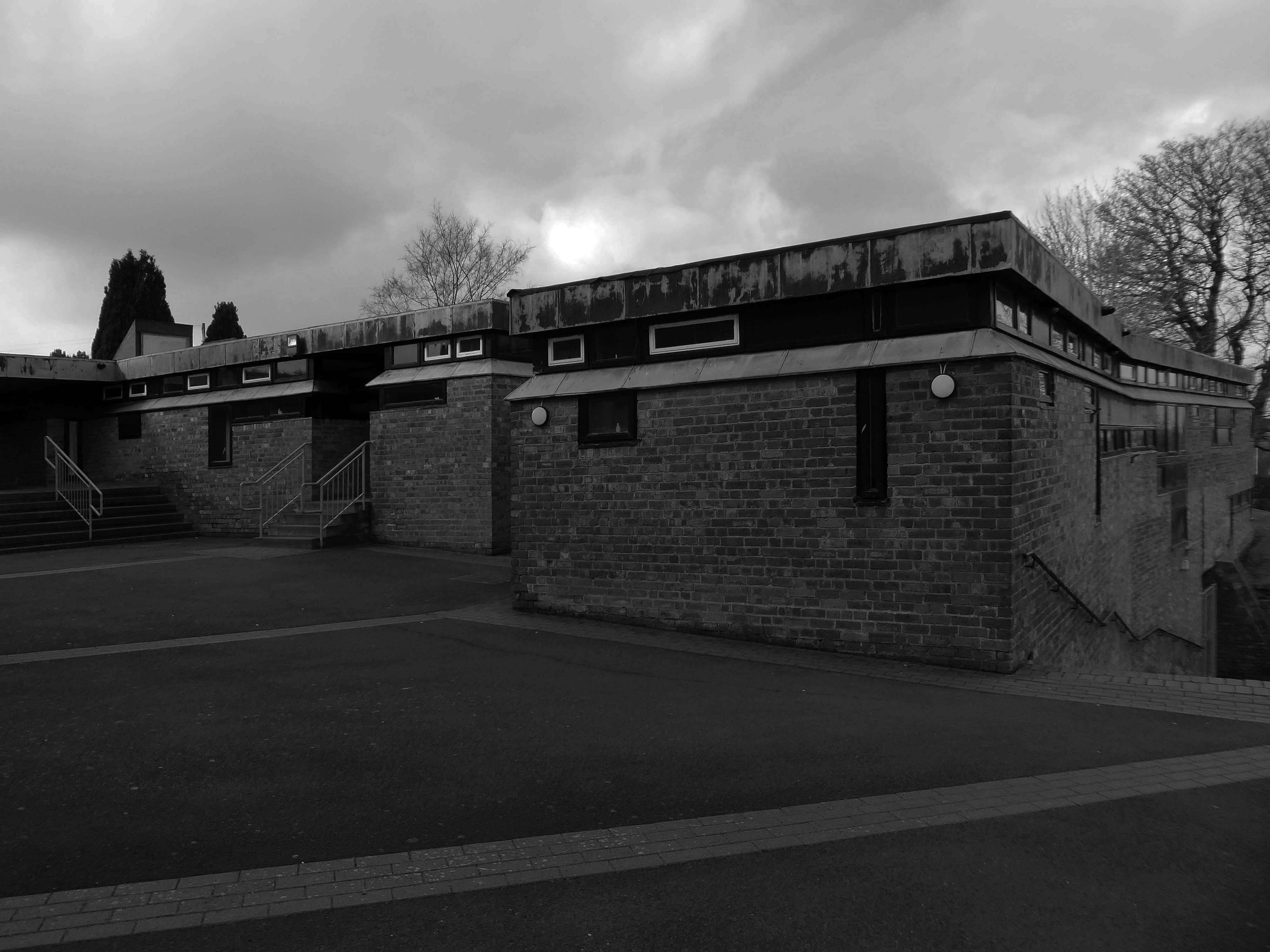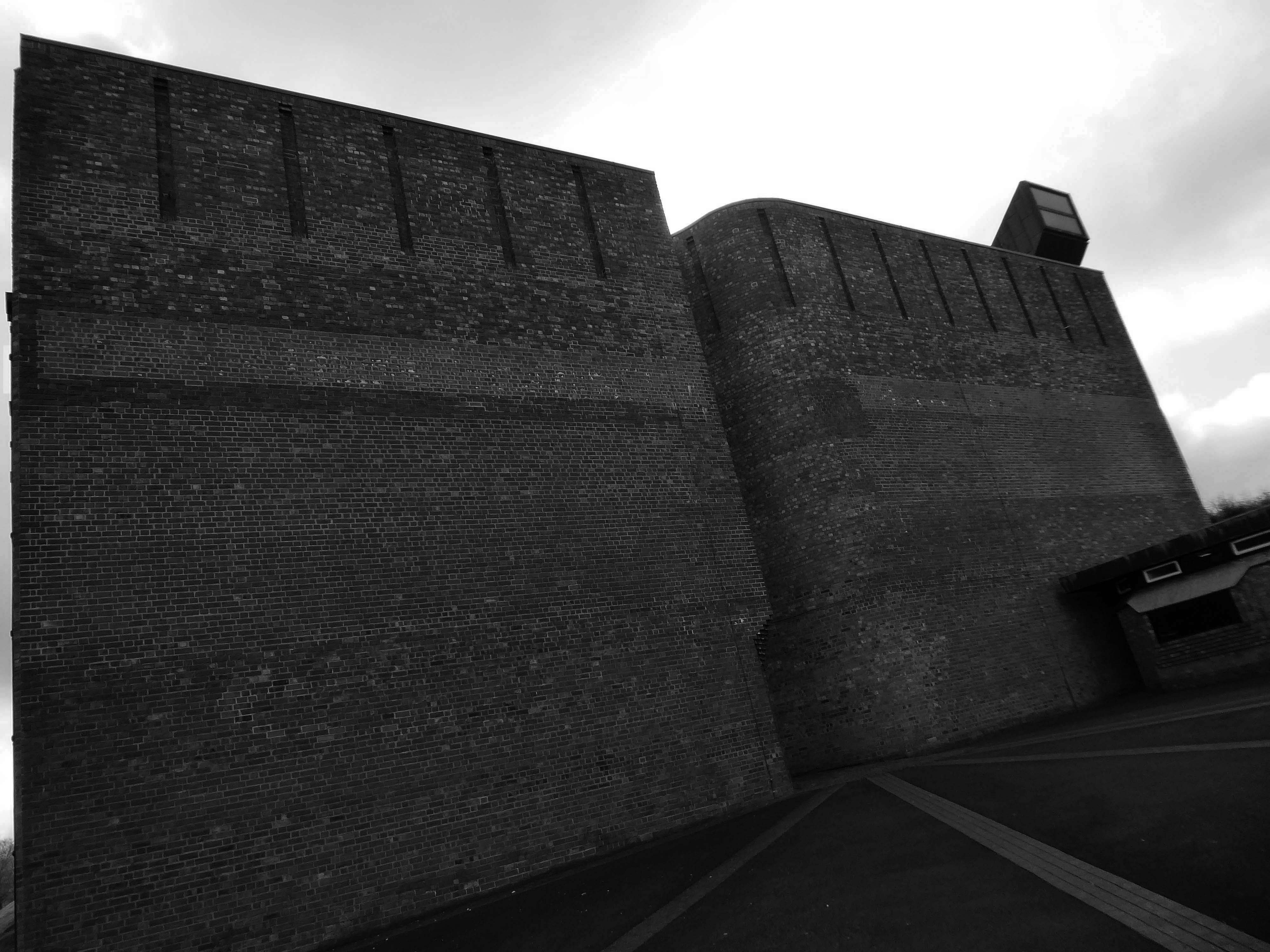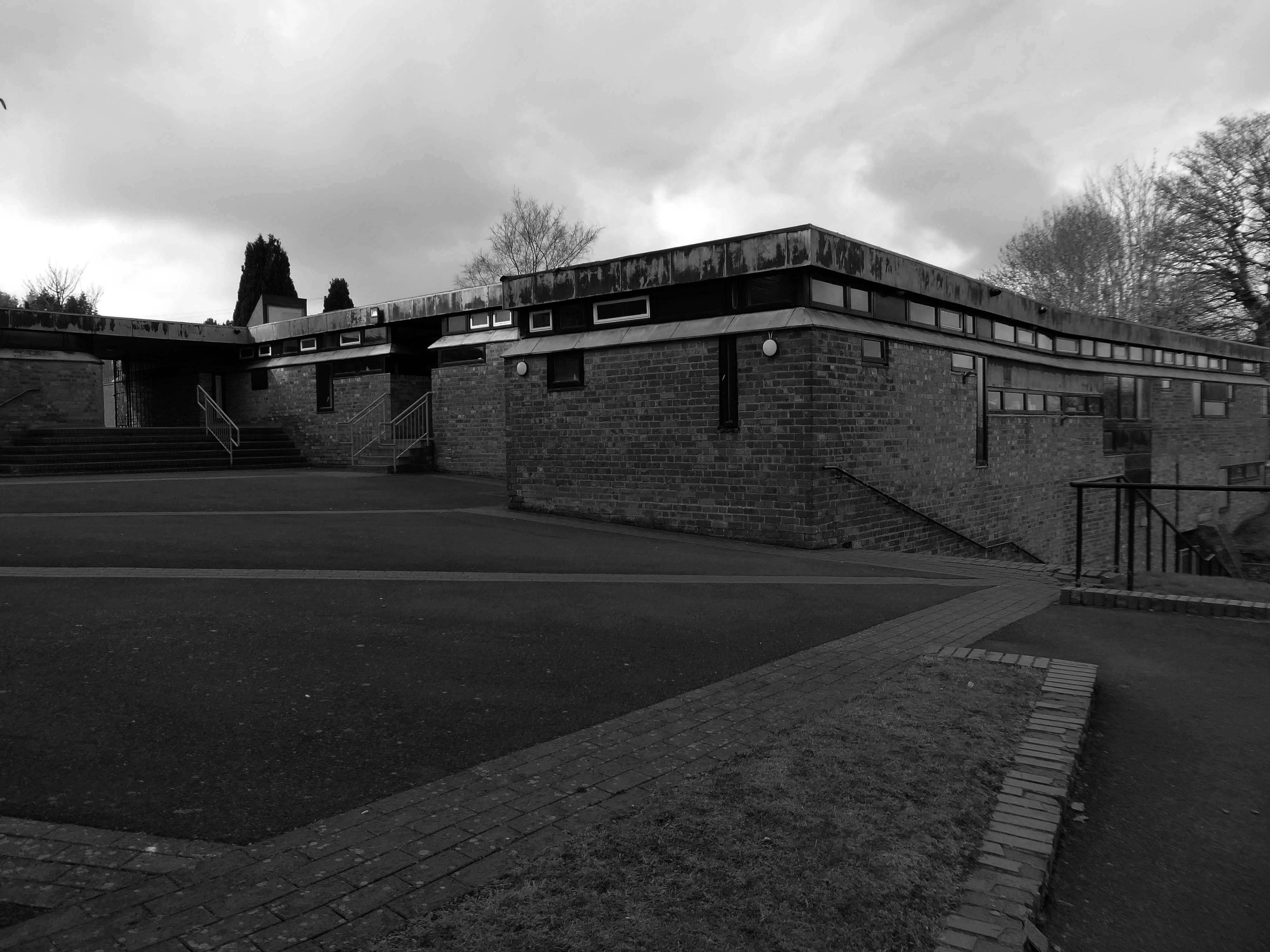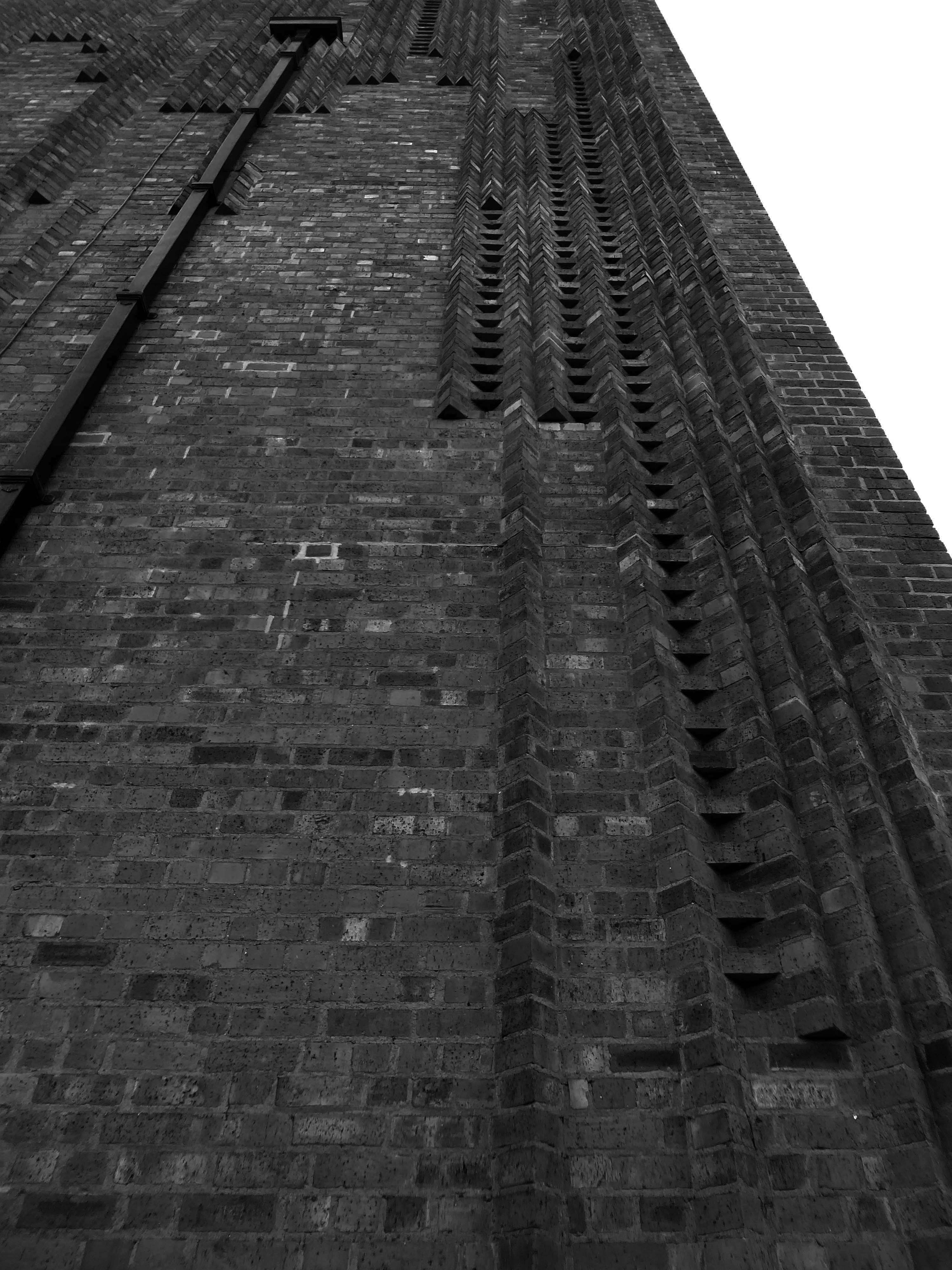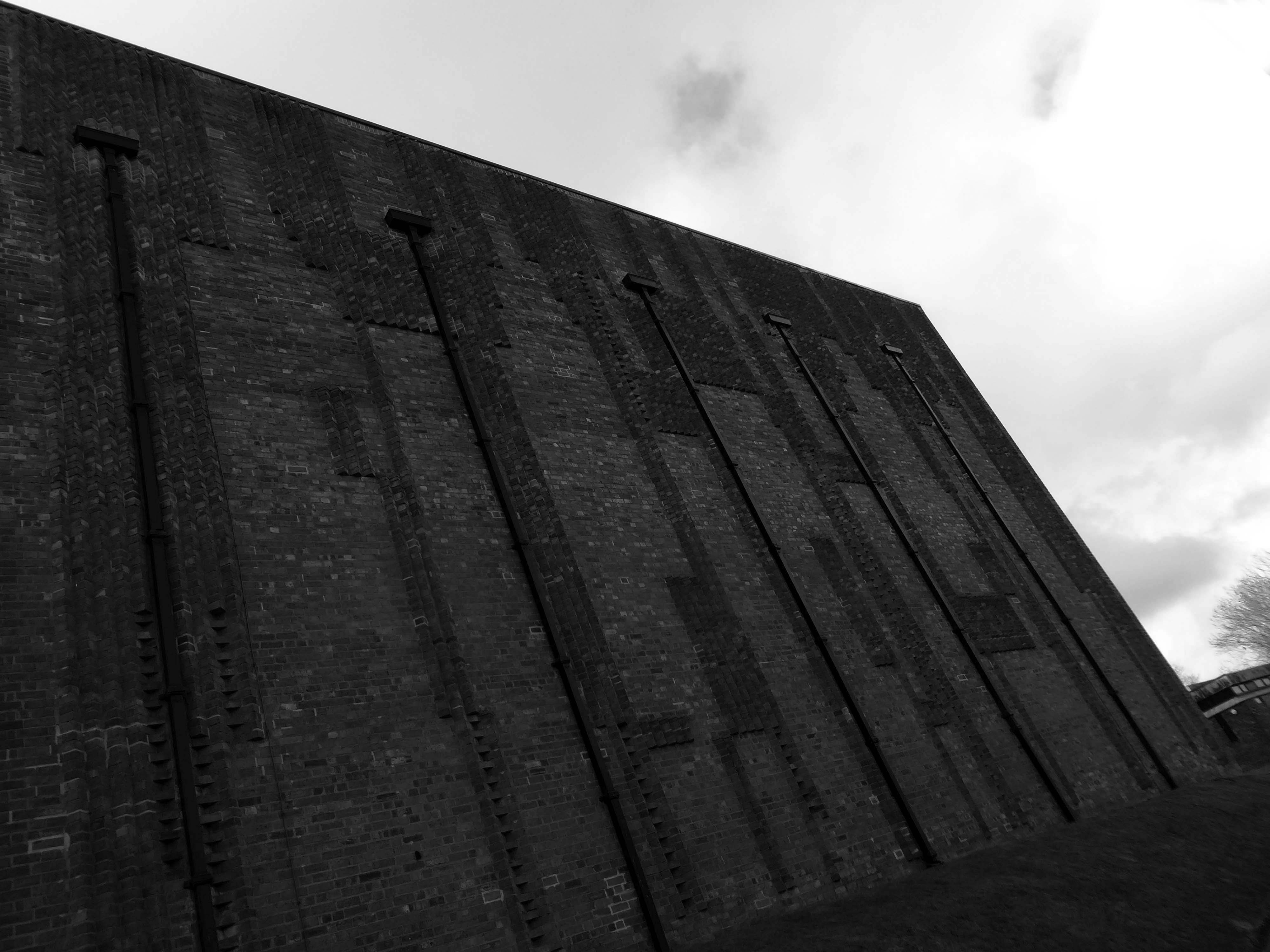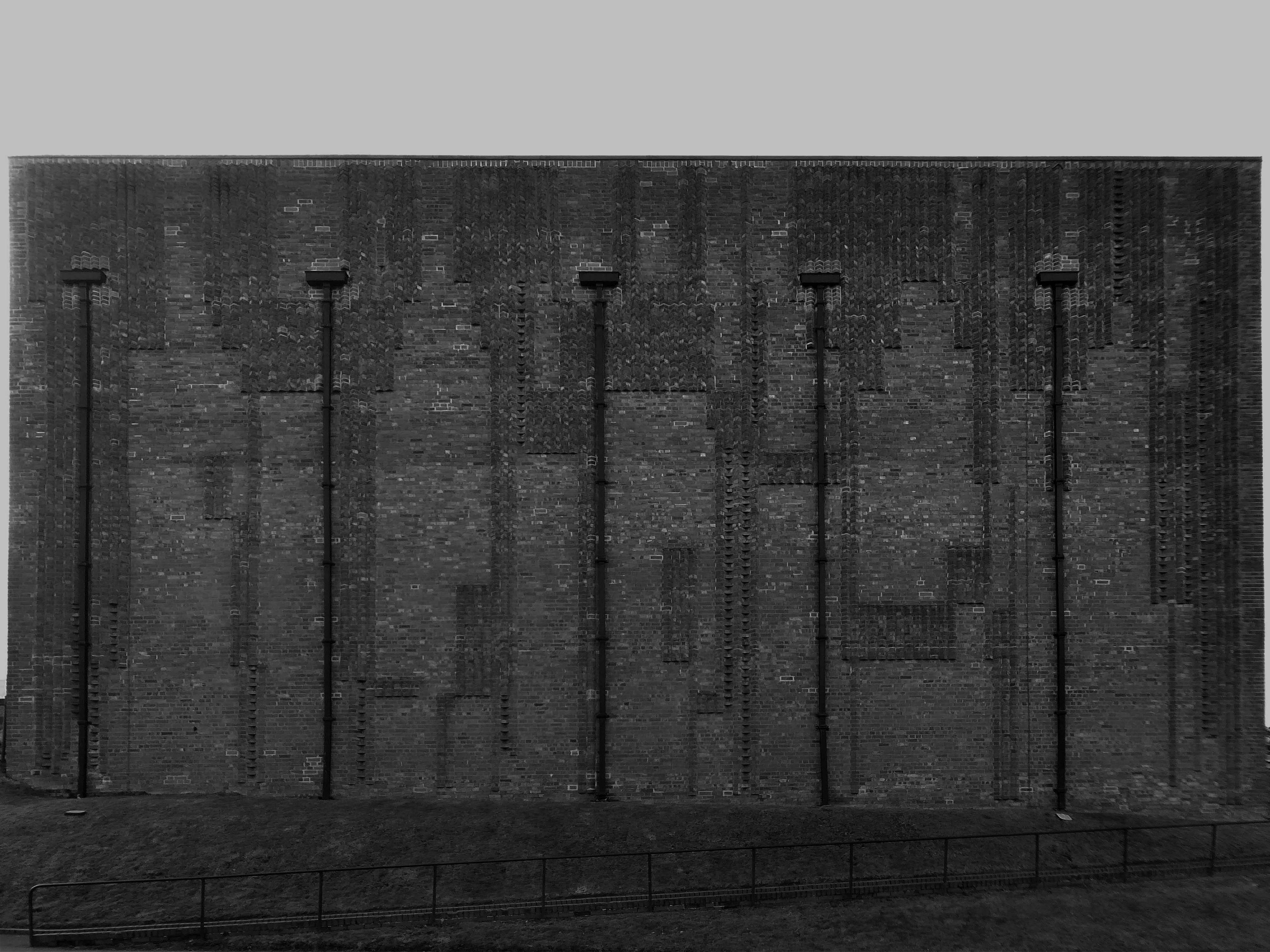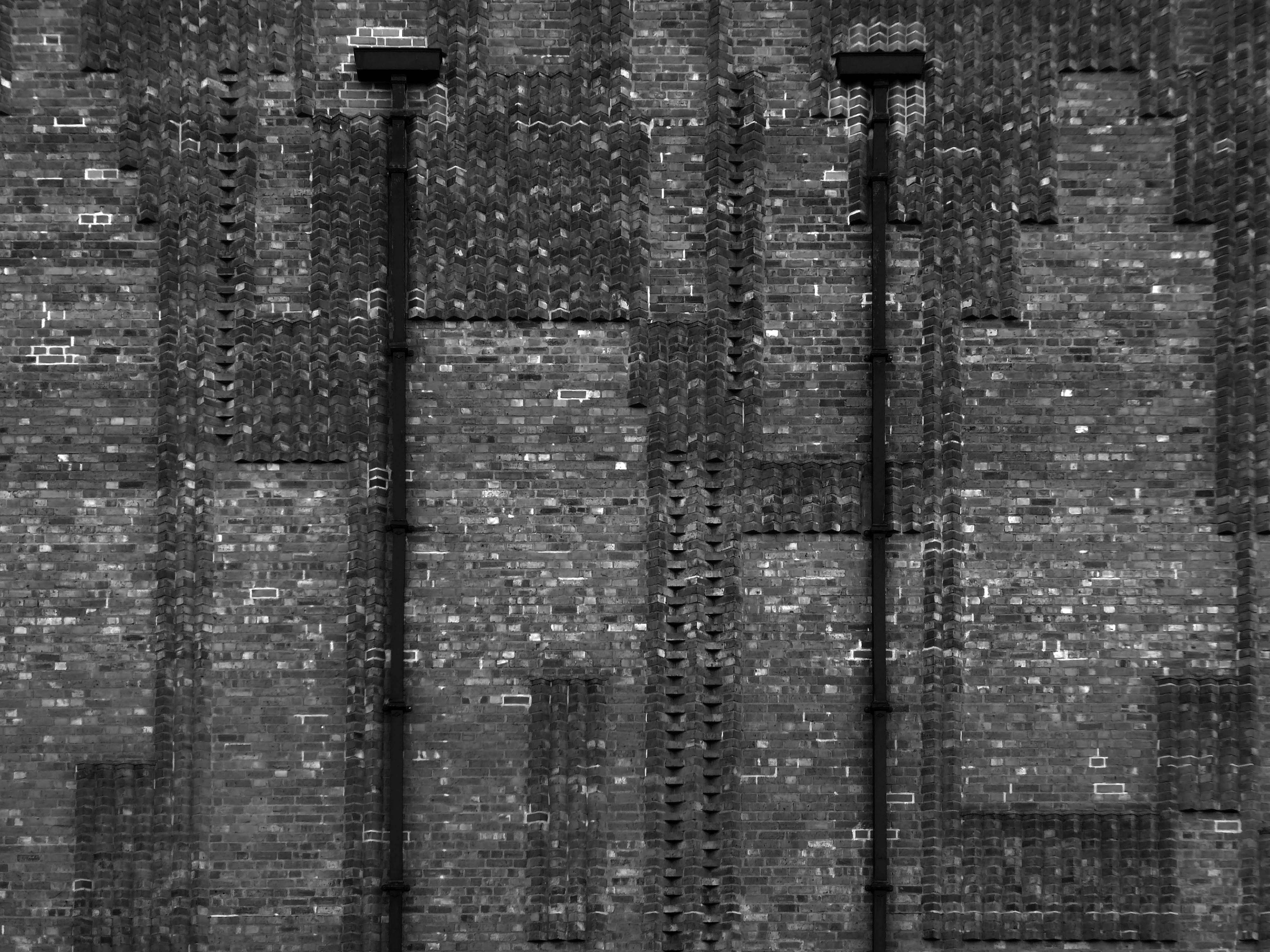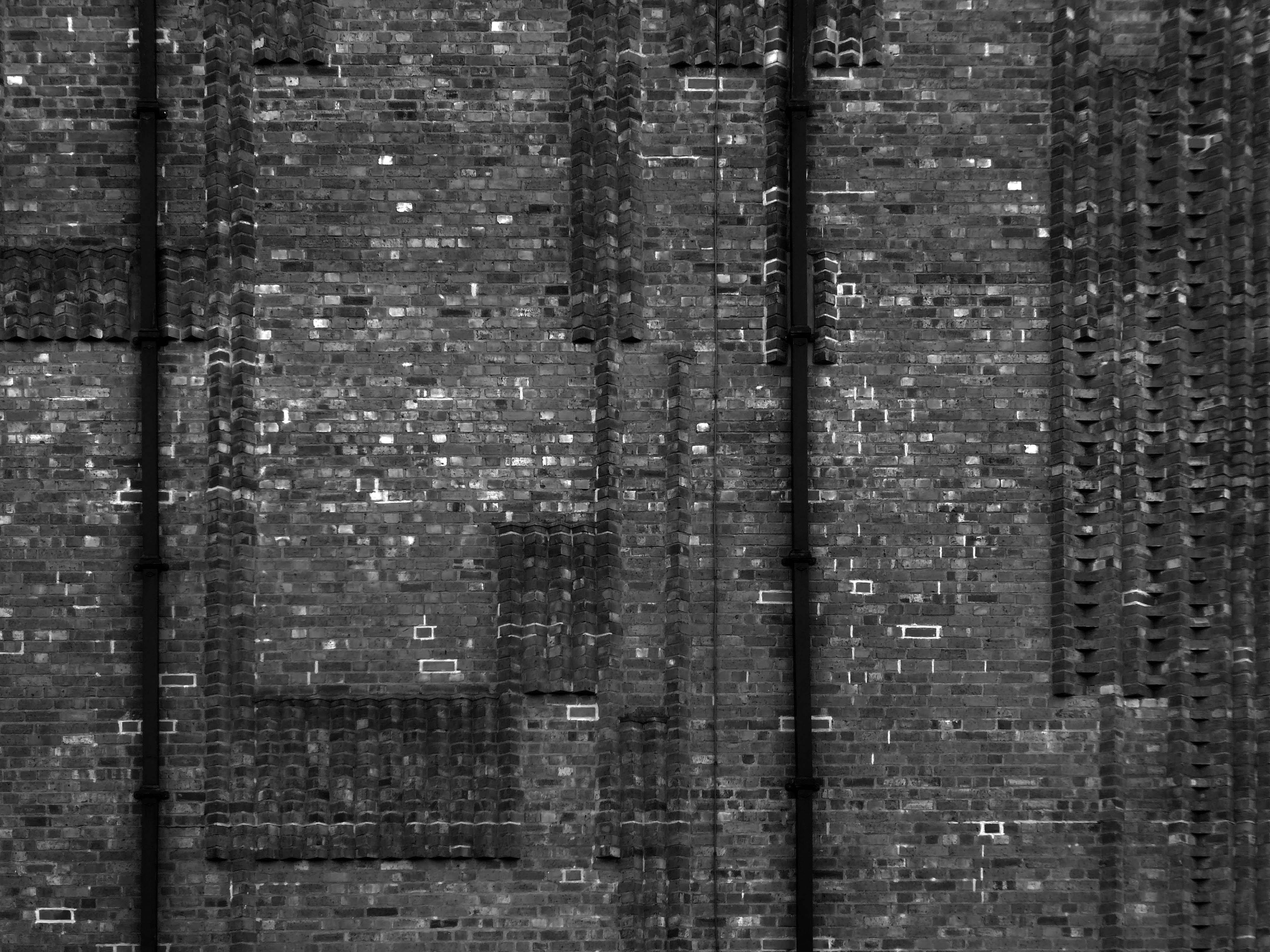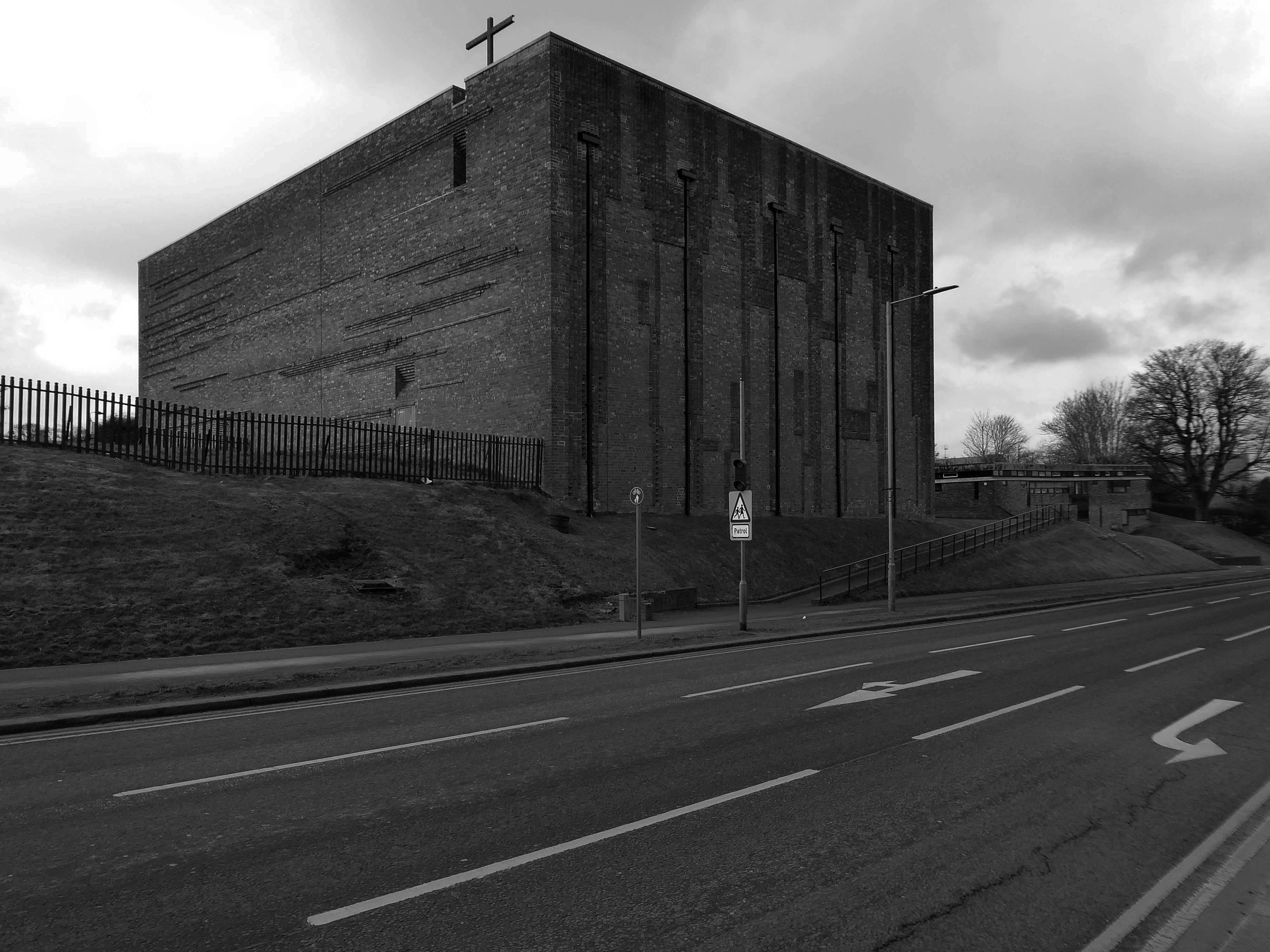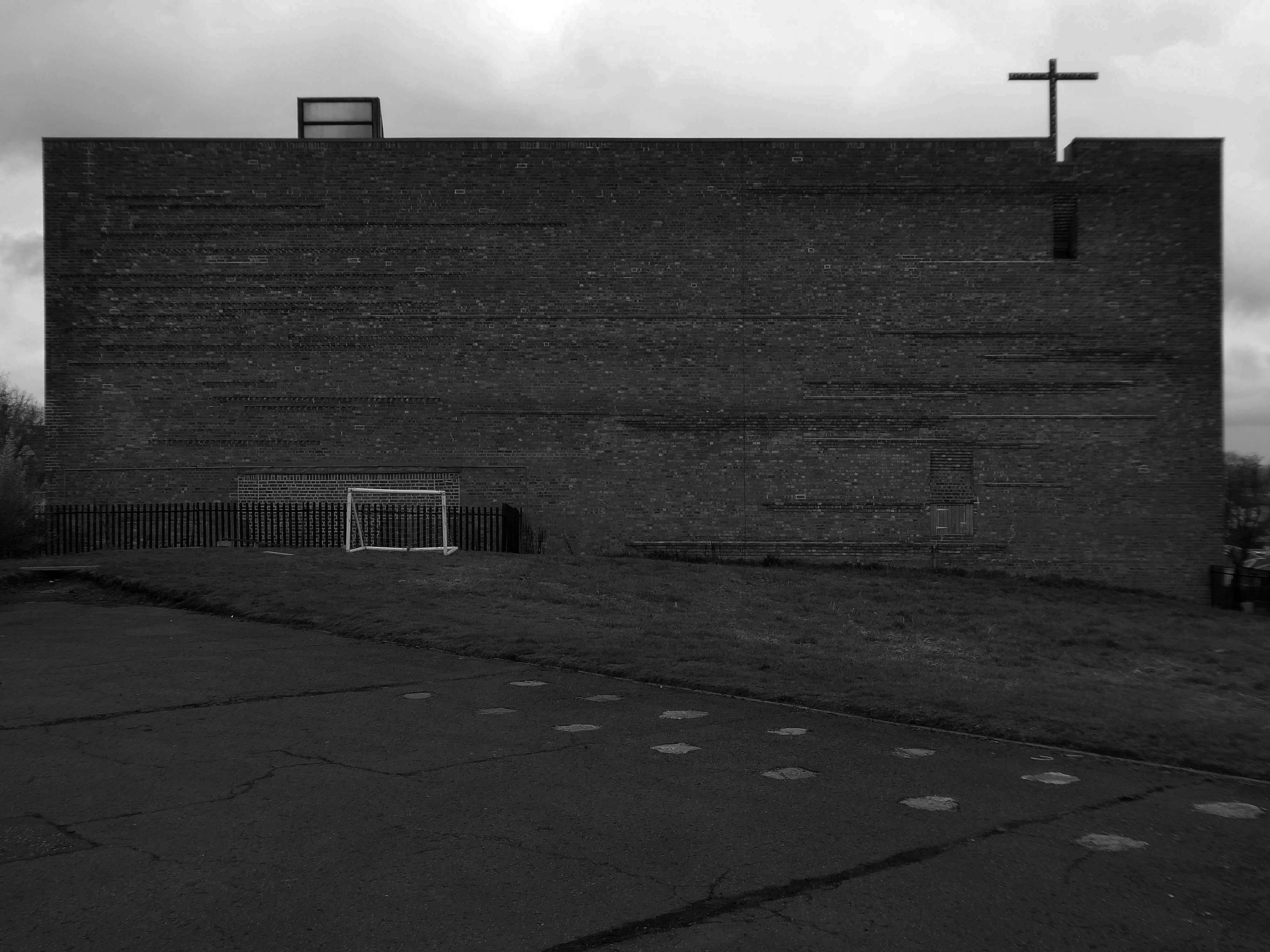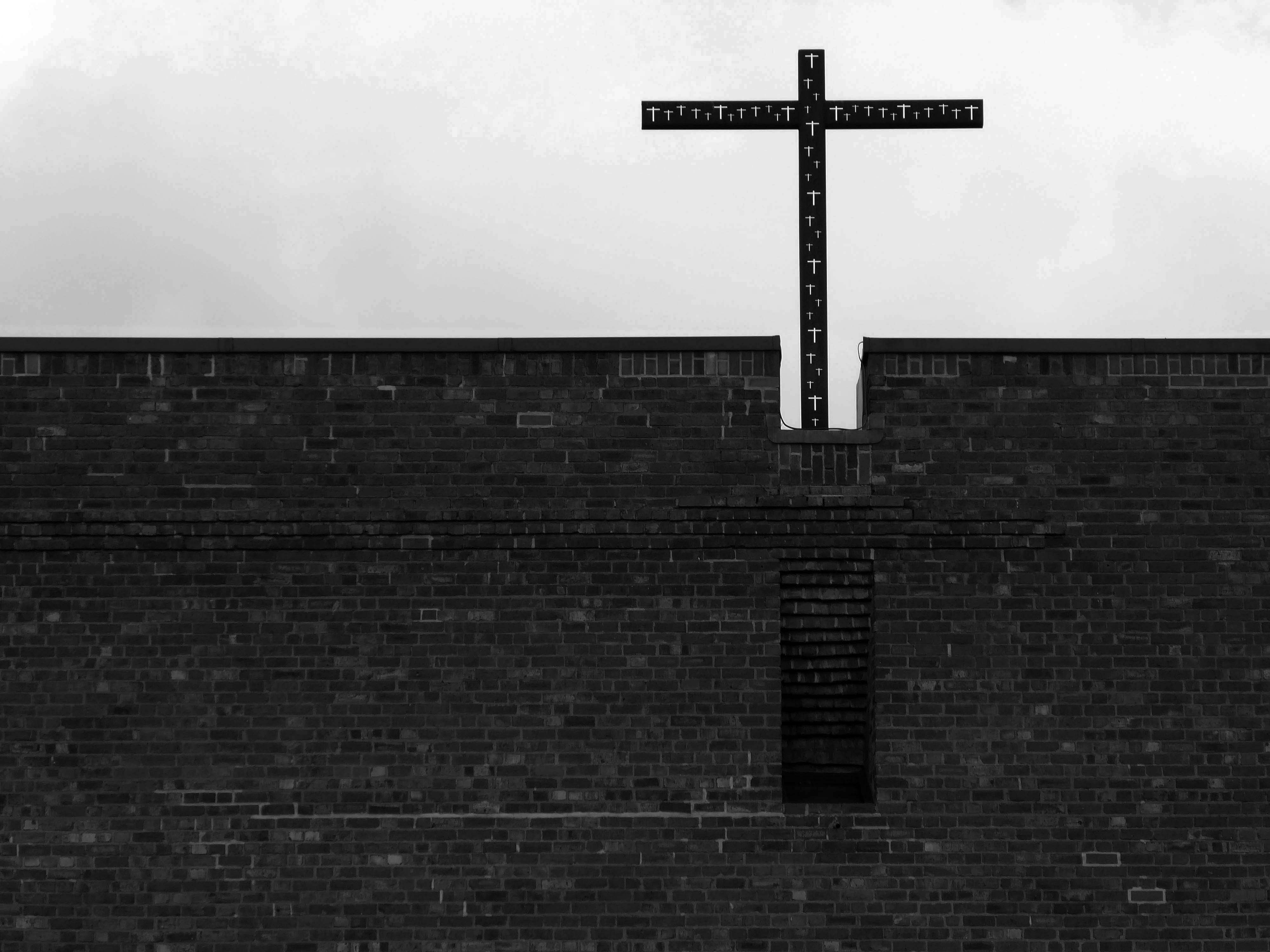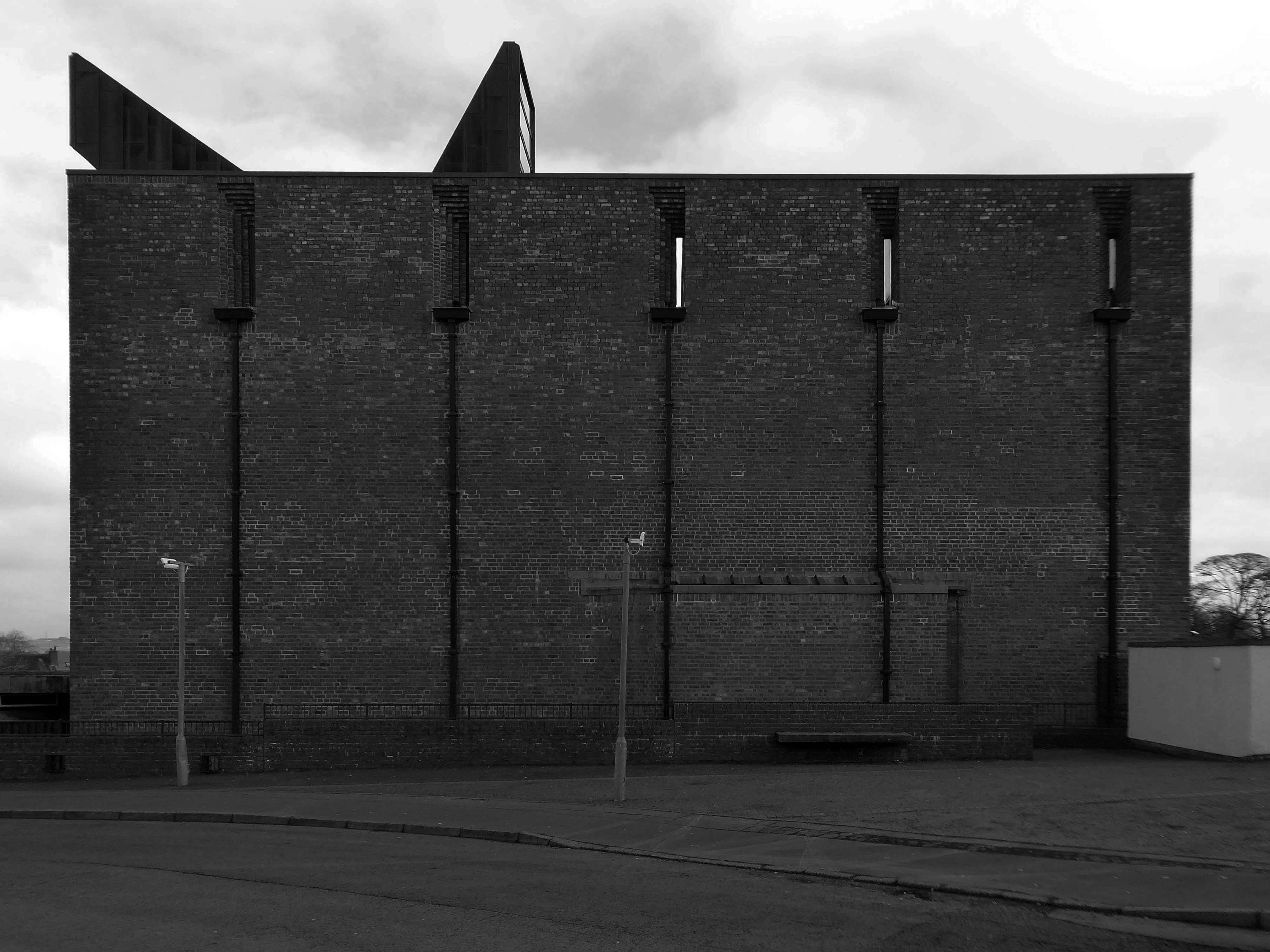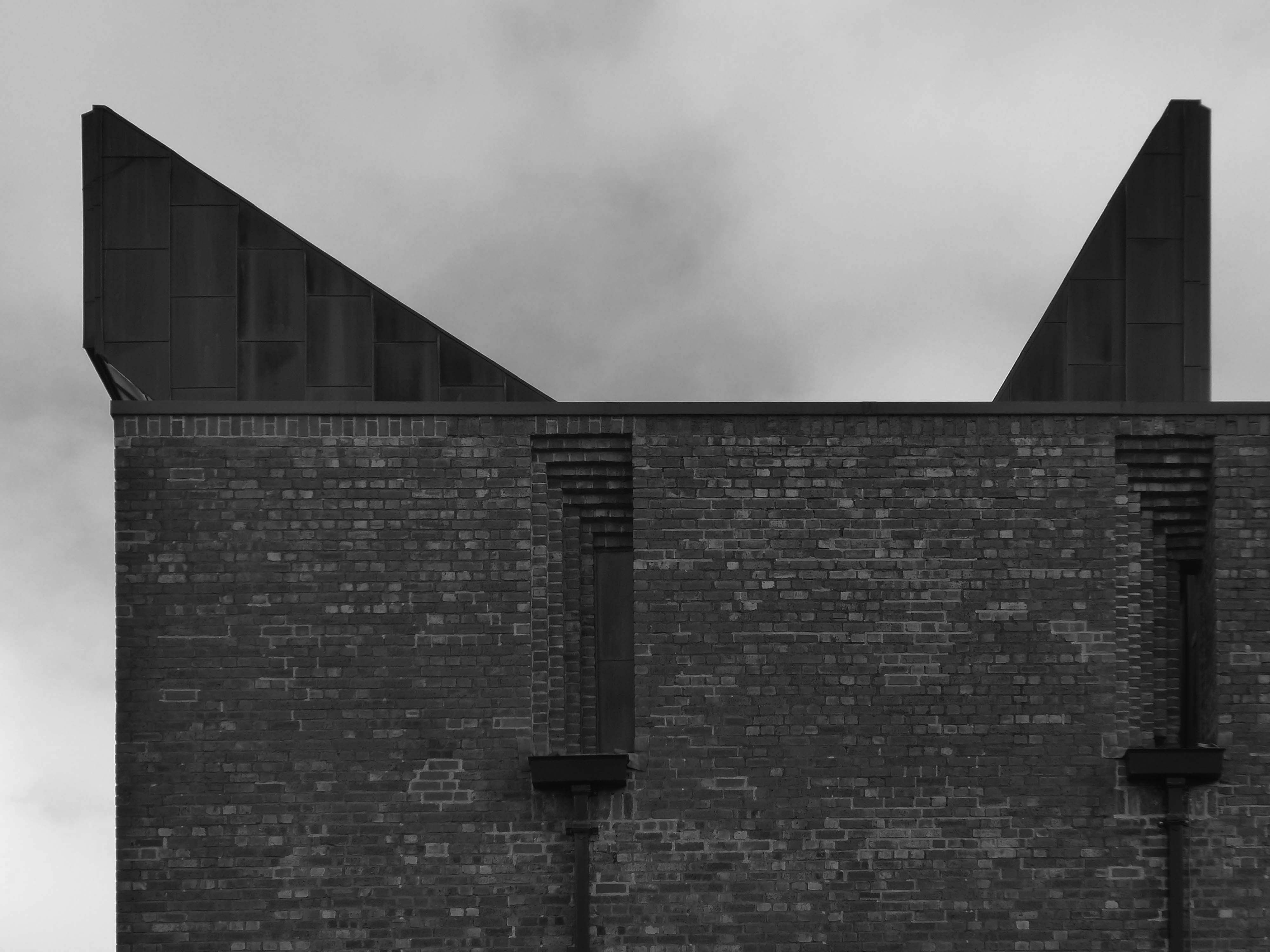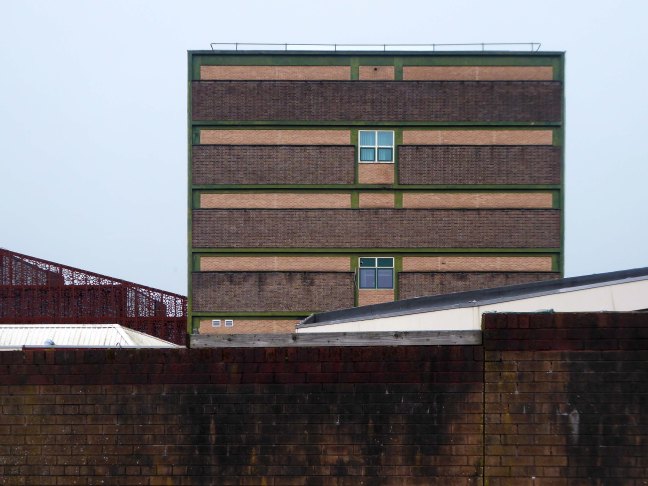
Prifysgol Abertawe – Swansea University

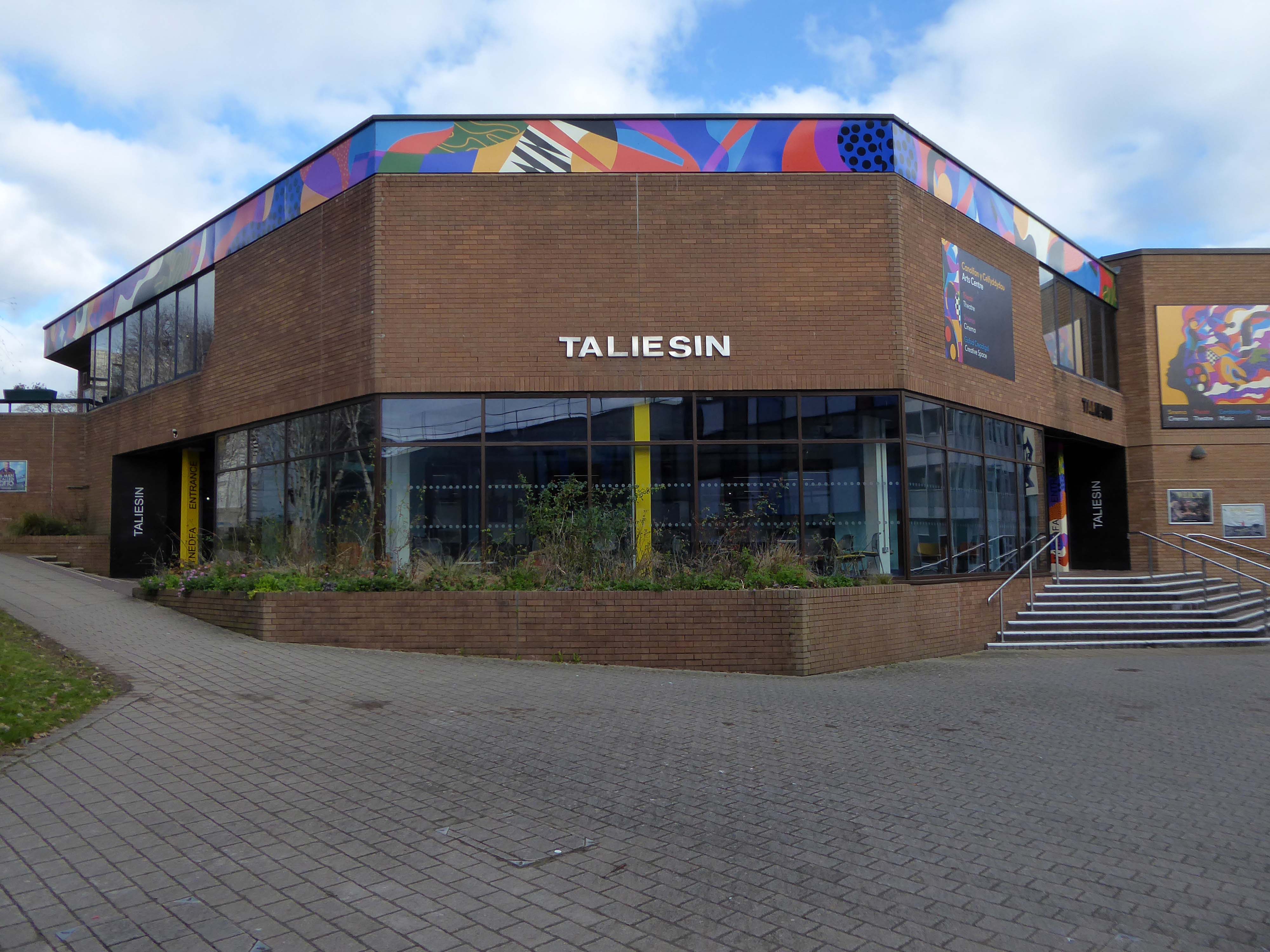
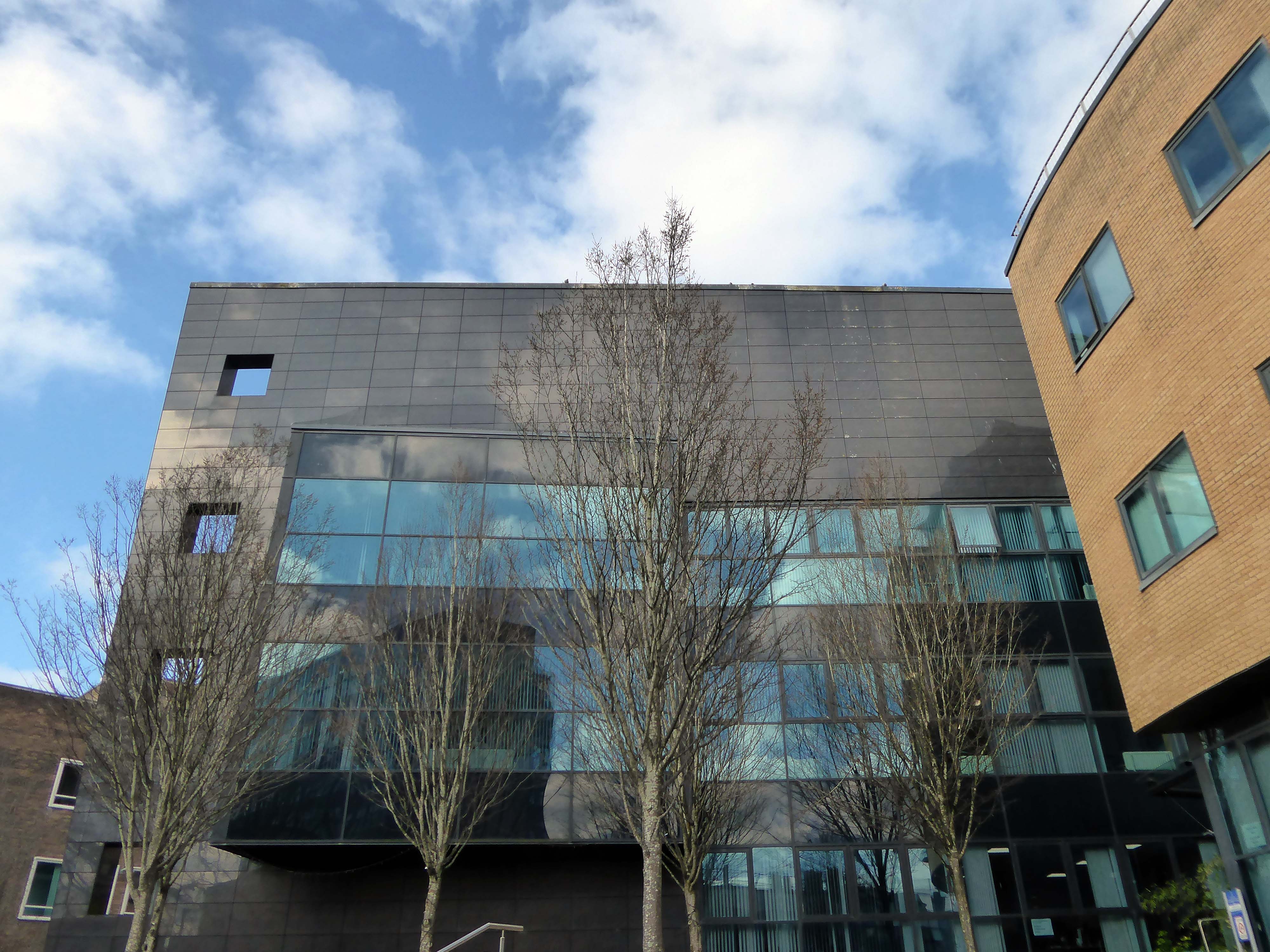
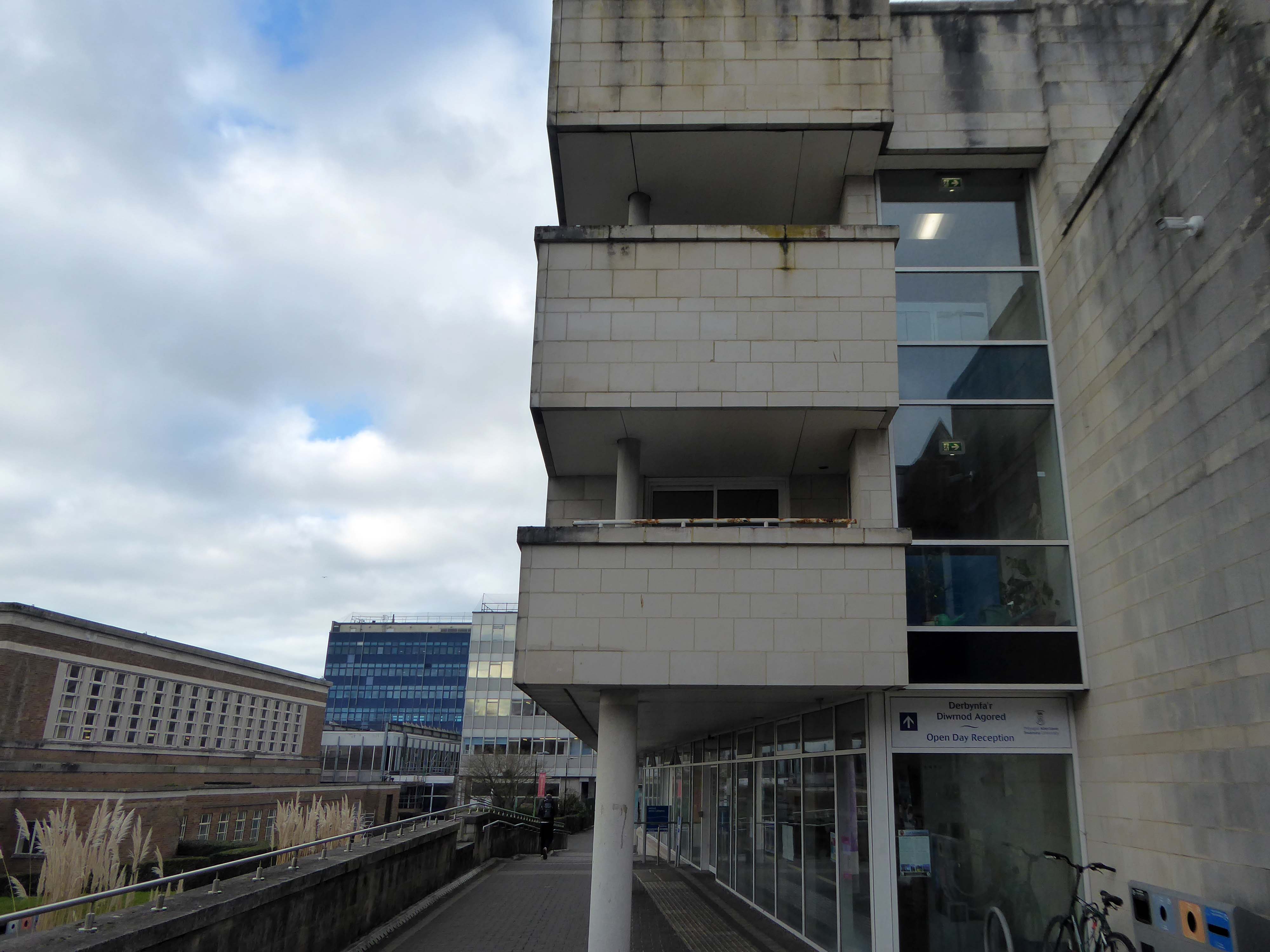
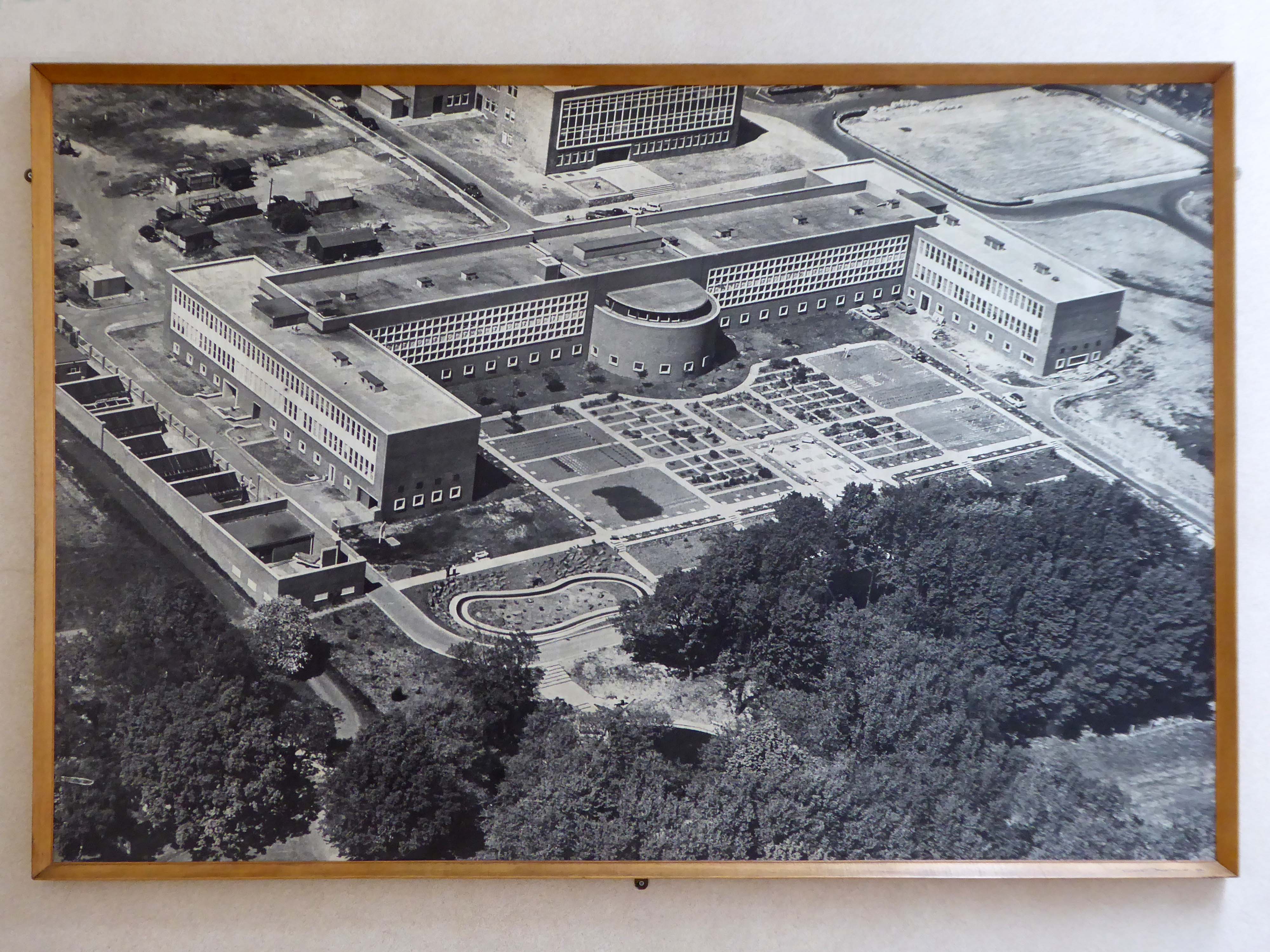
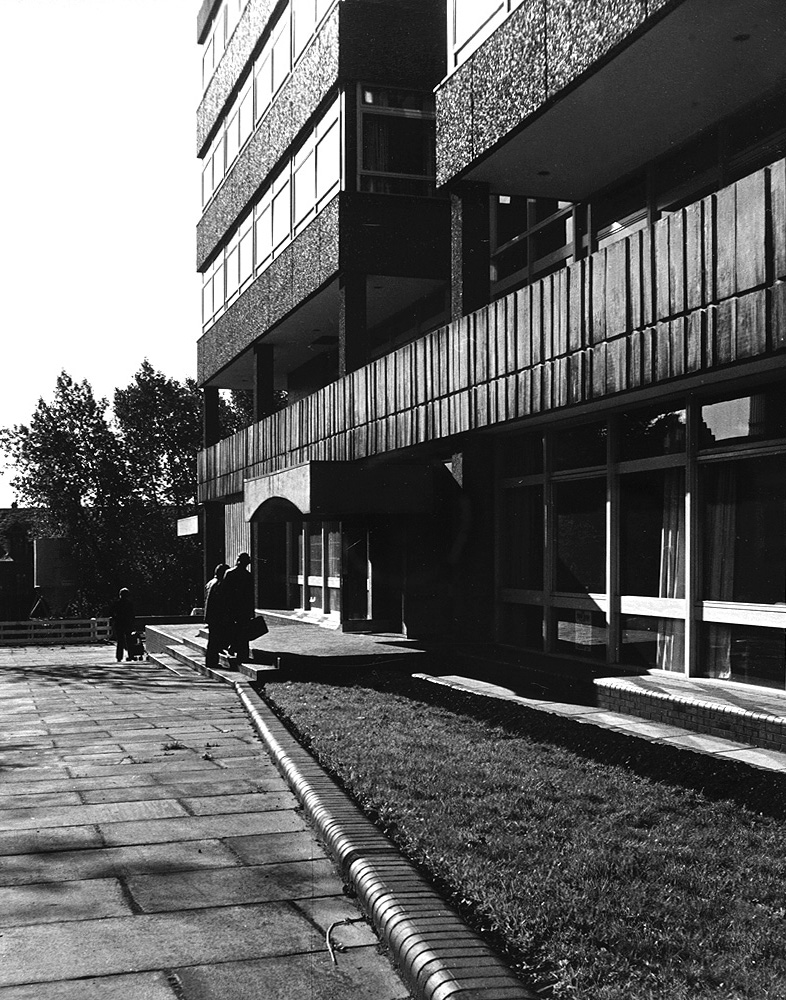
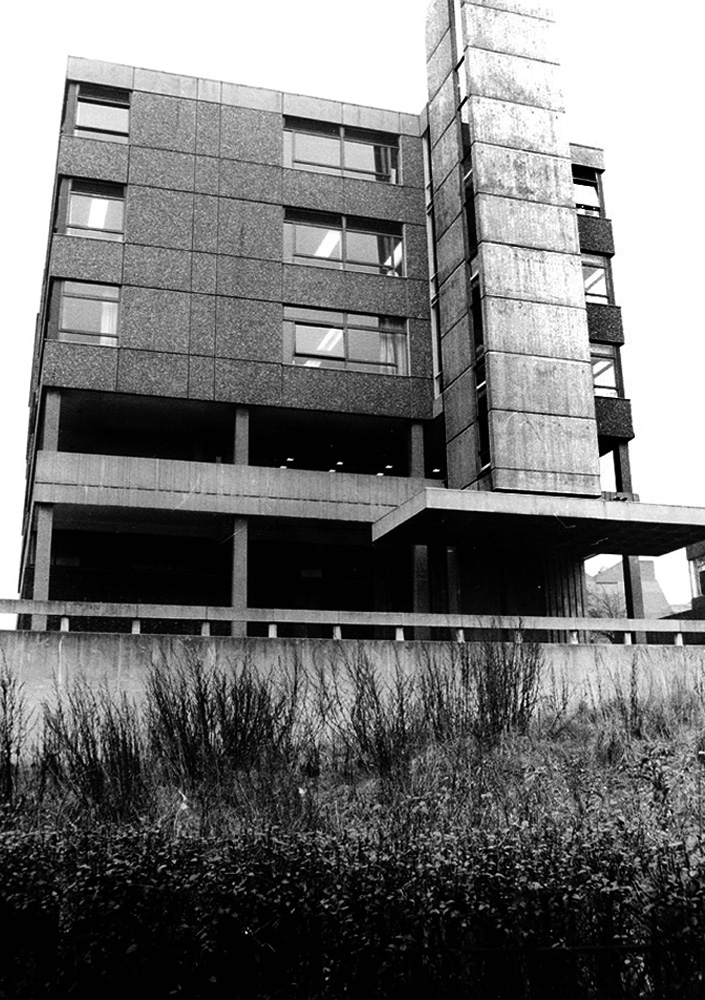
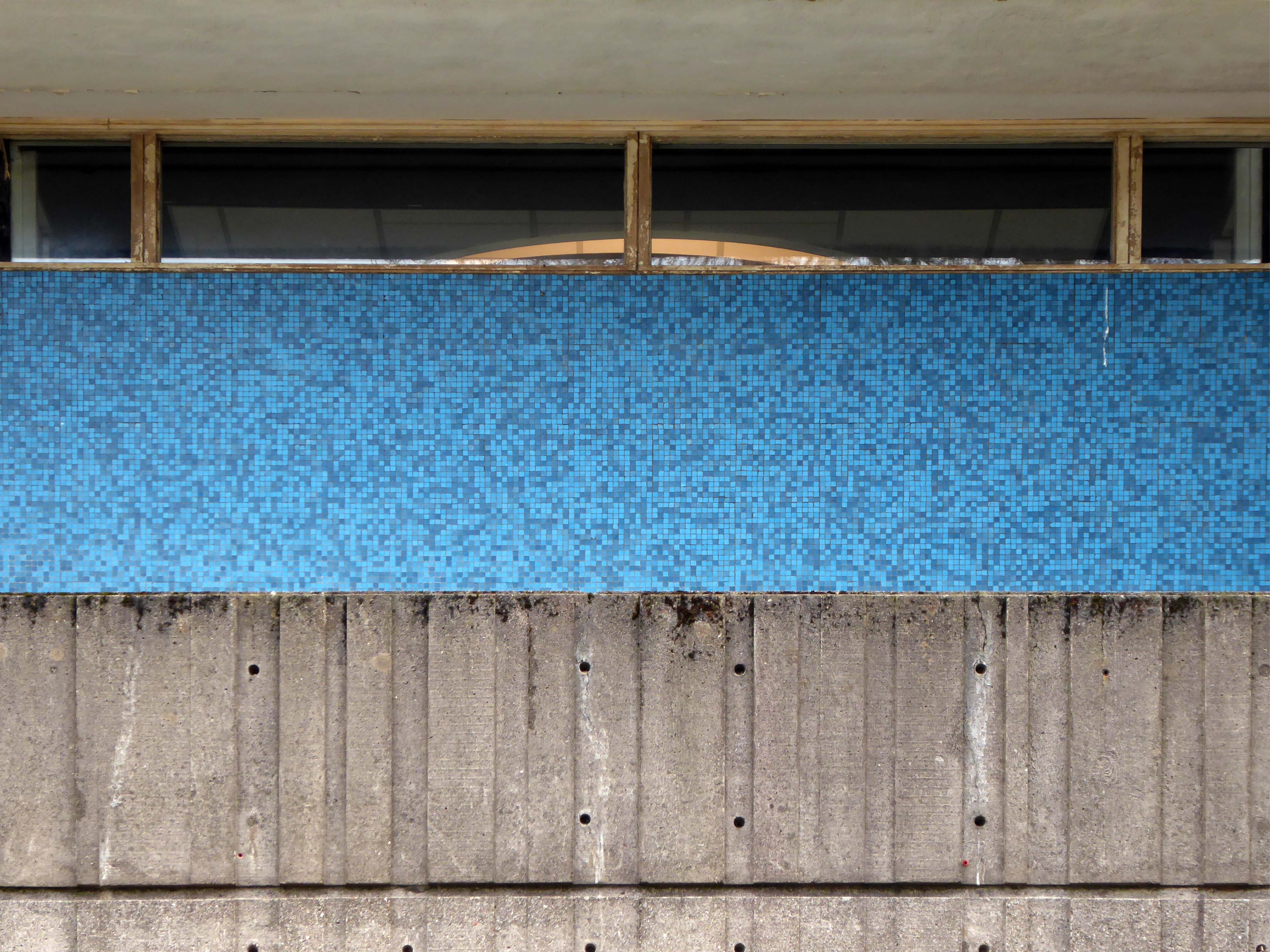
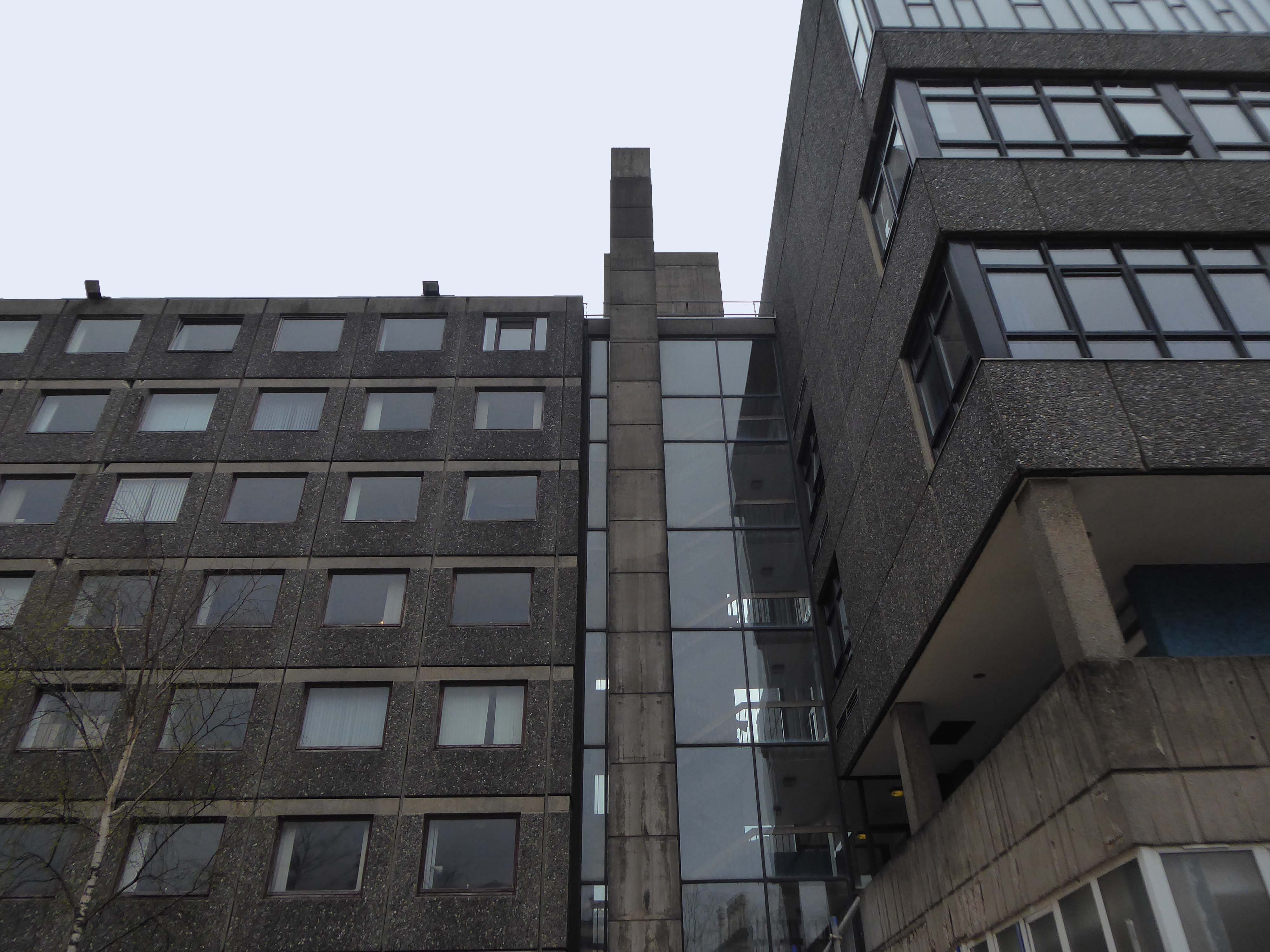
Campws Parc Singleton – Singleton Park campus

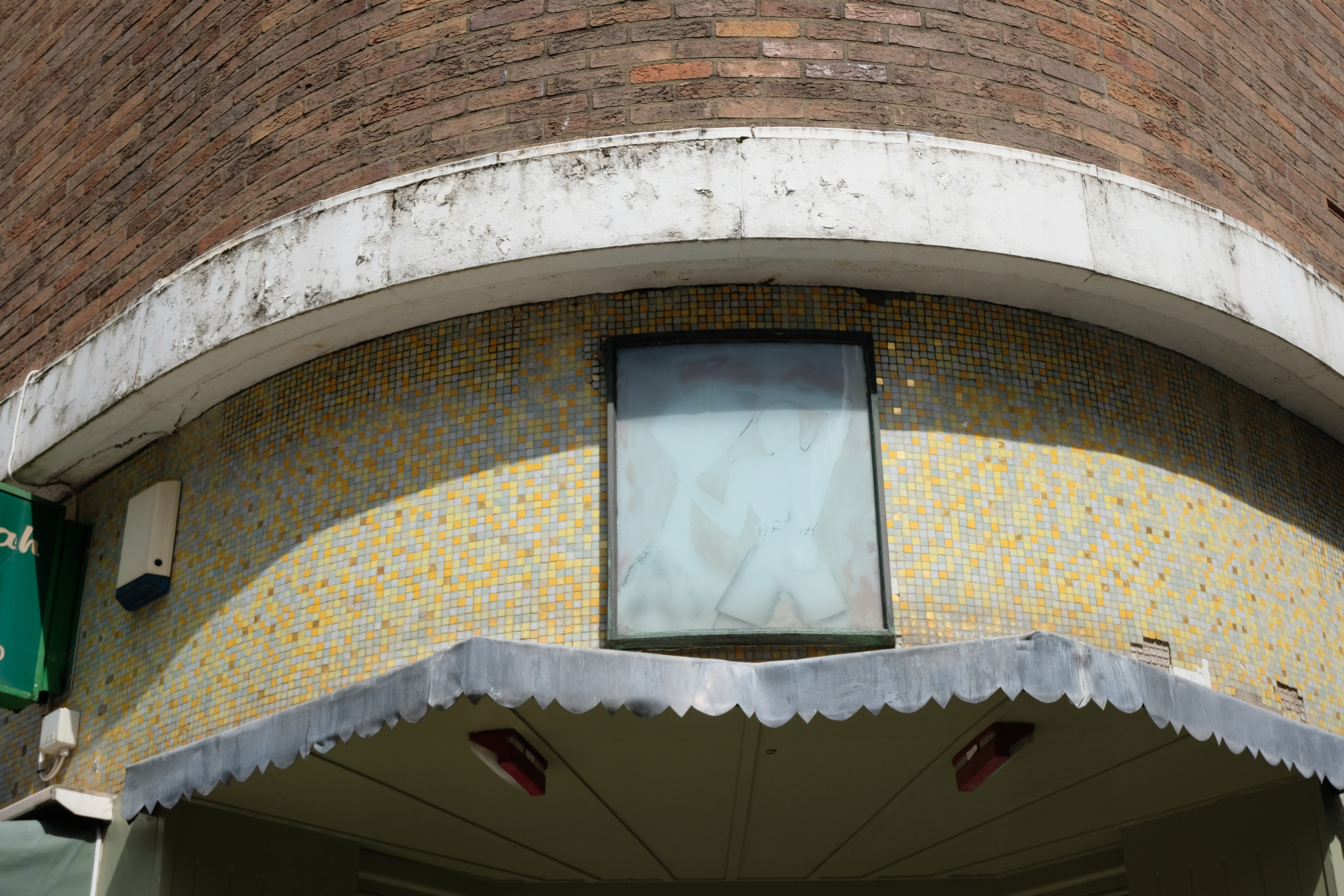
Whilst visiting the city for the launch of the Swansea Modernist’s book Abertawe Fodernaidd – it seemed only fitting to visit some Swansea Modernism.

Two weeks previously I had found myself at Aberystwyth University.

So I walked along the edge of the bay and cut up through the park to the University.

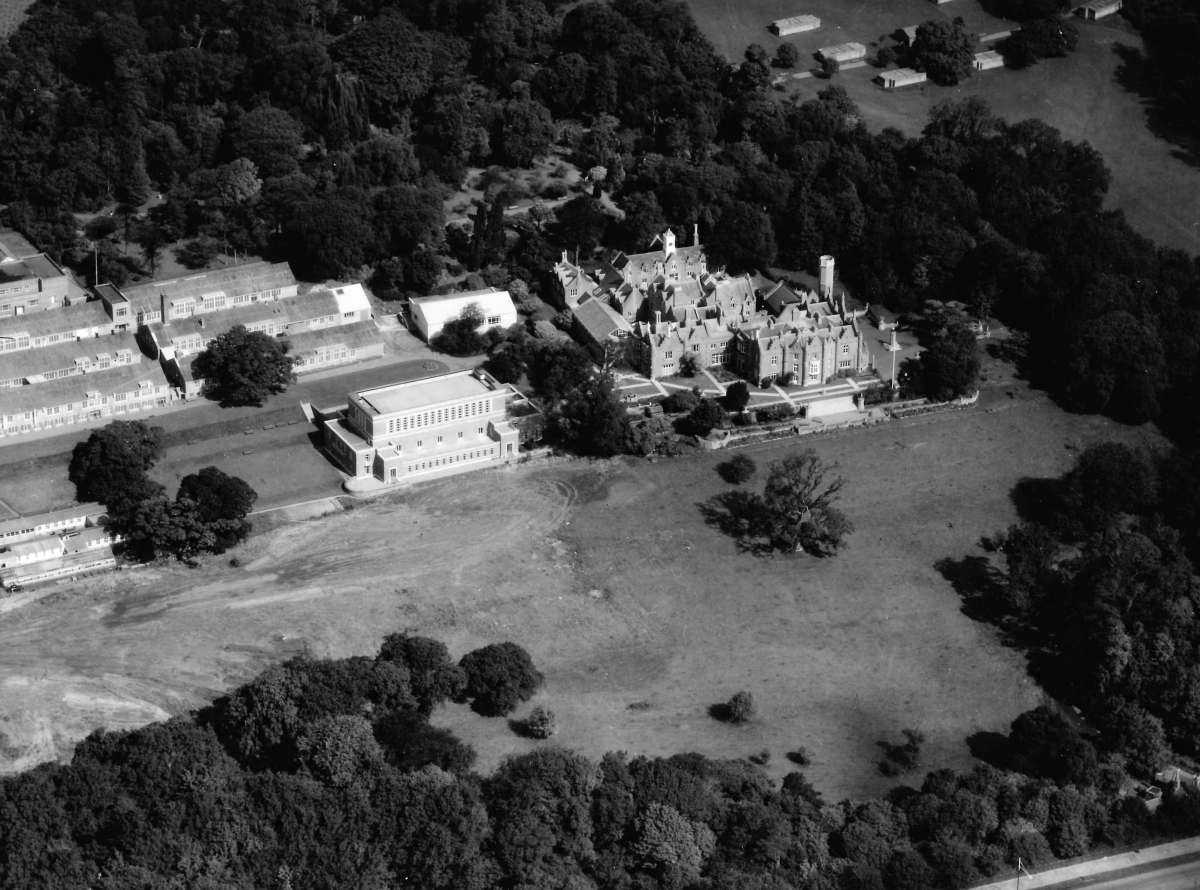
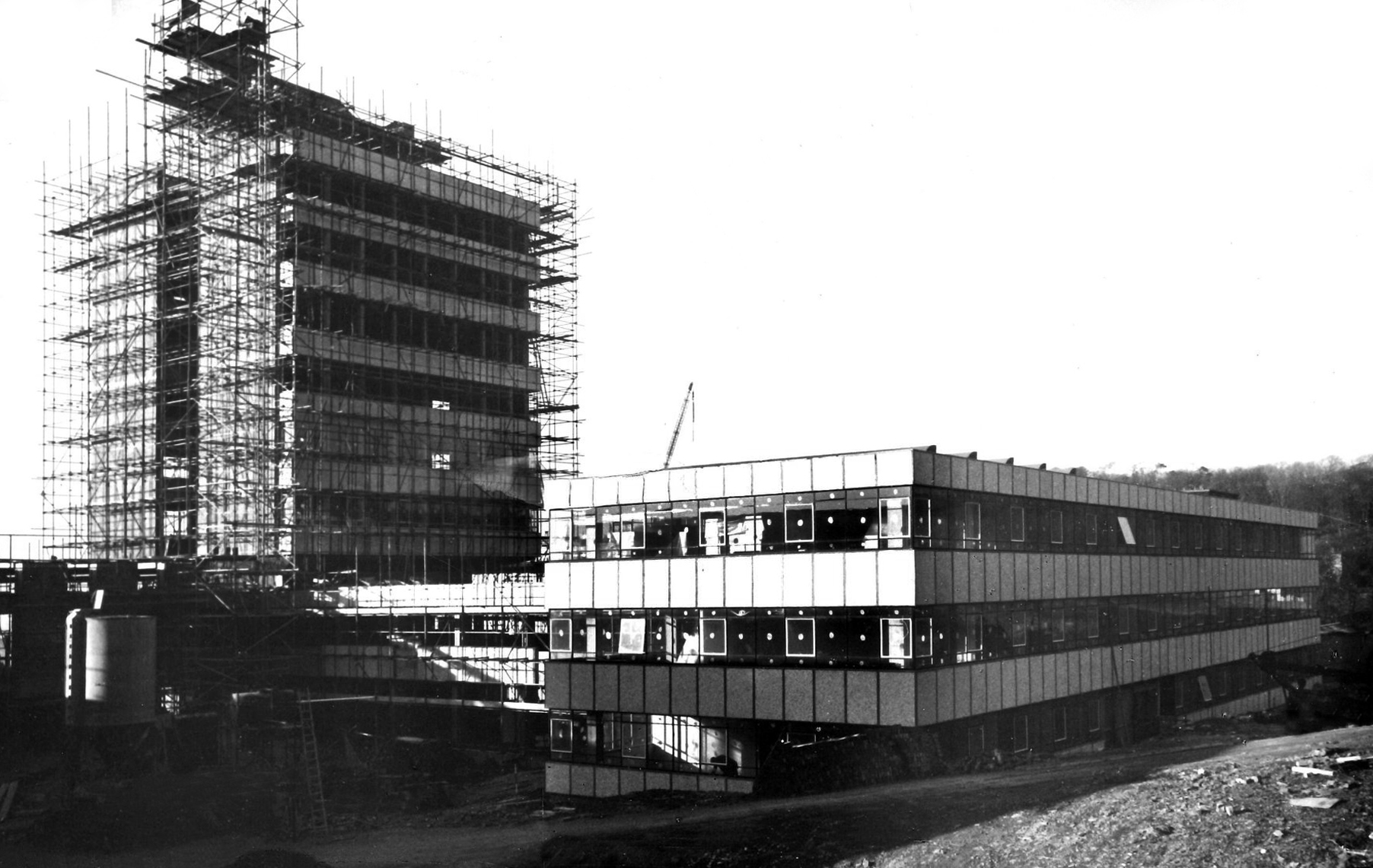
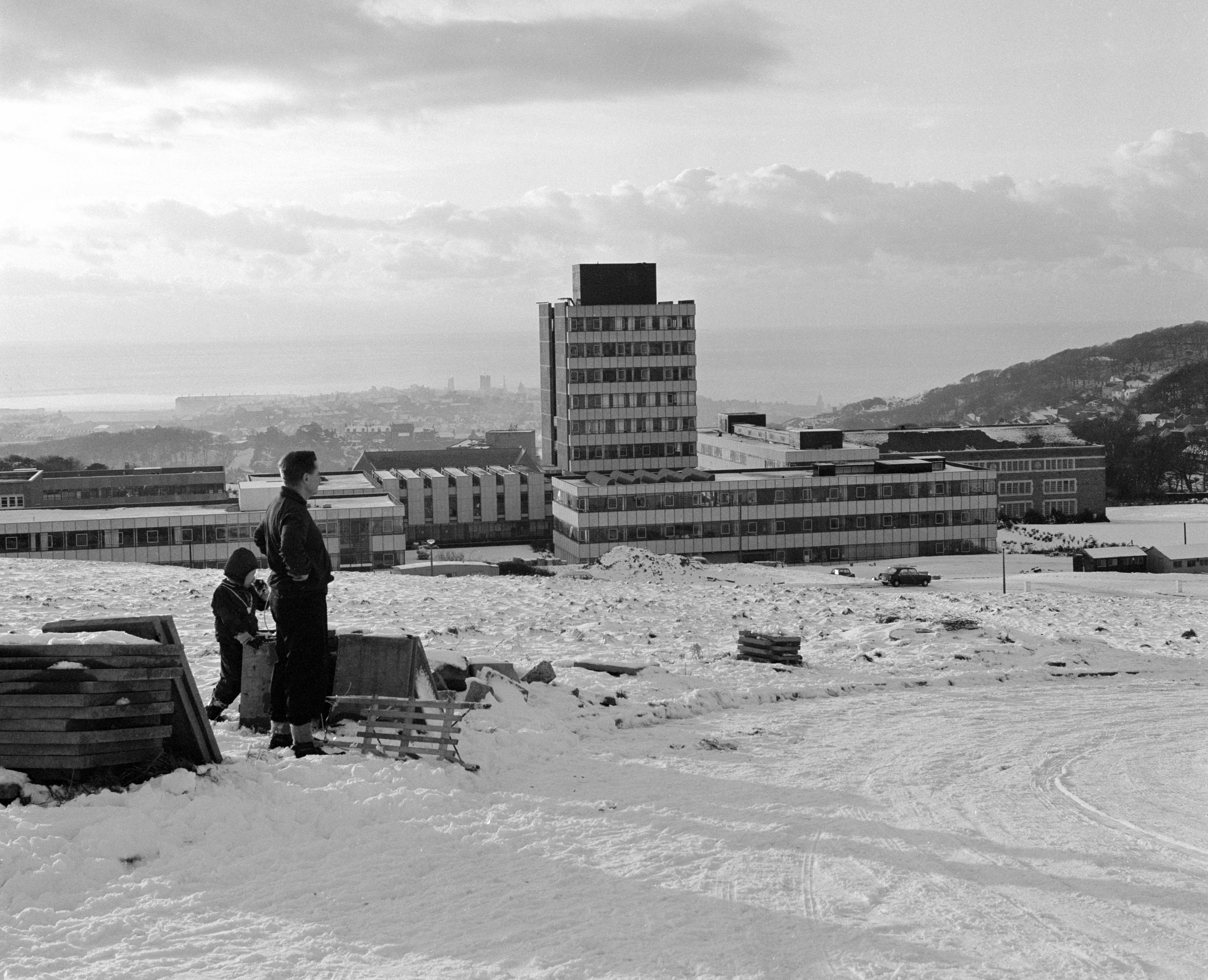
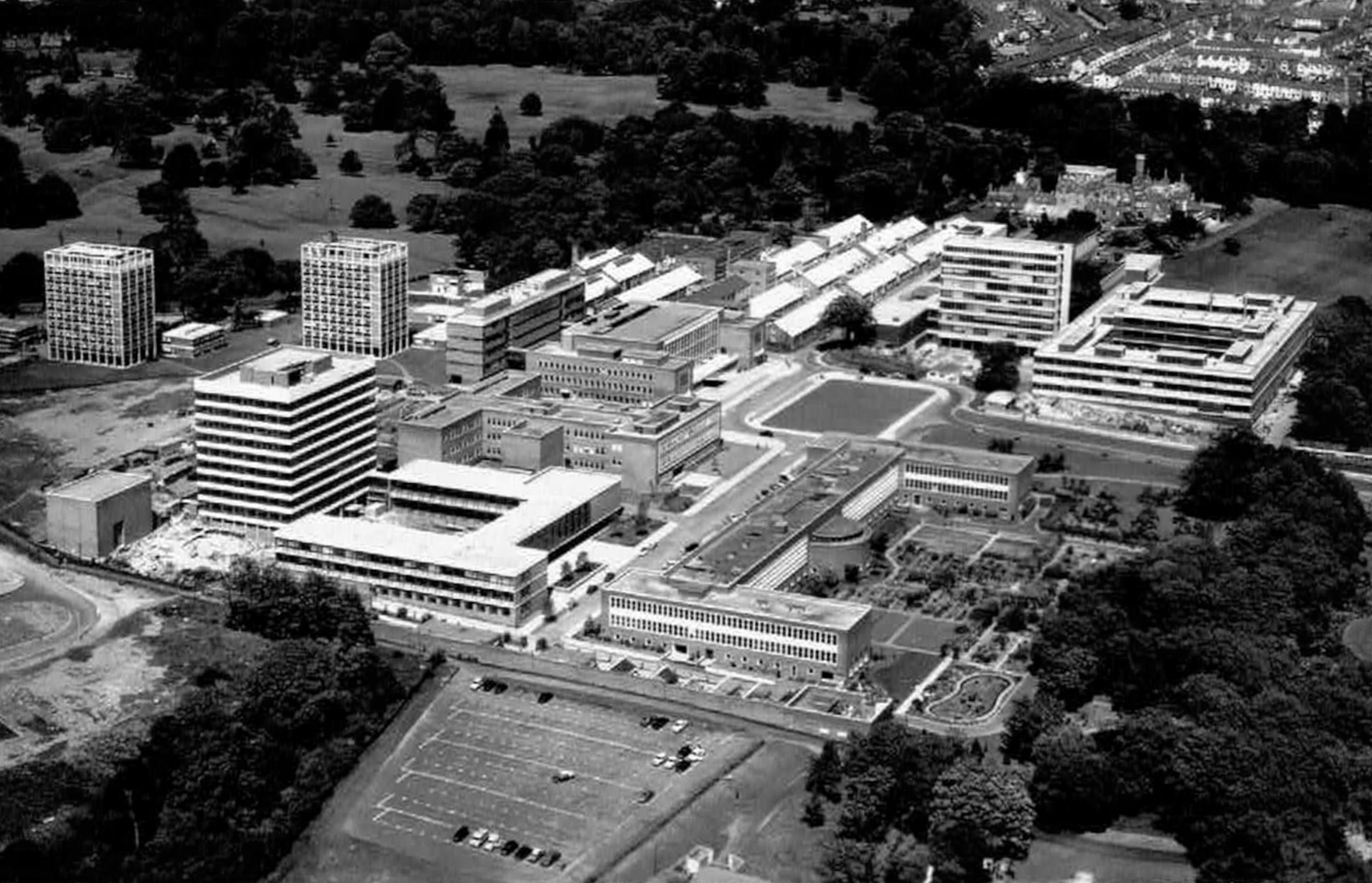
Singleton Park, and the Abbey, in which the university sits, were given to the borough of Swansea by John Henry Vivian, the 19th century Swansea copper magnate. The abbey was given to the university in 1923, but other campus developments, by and large, had to wait until after WW2, when a significant building programme was undertaken

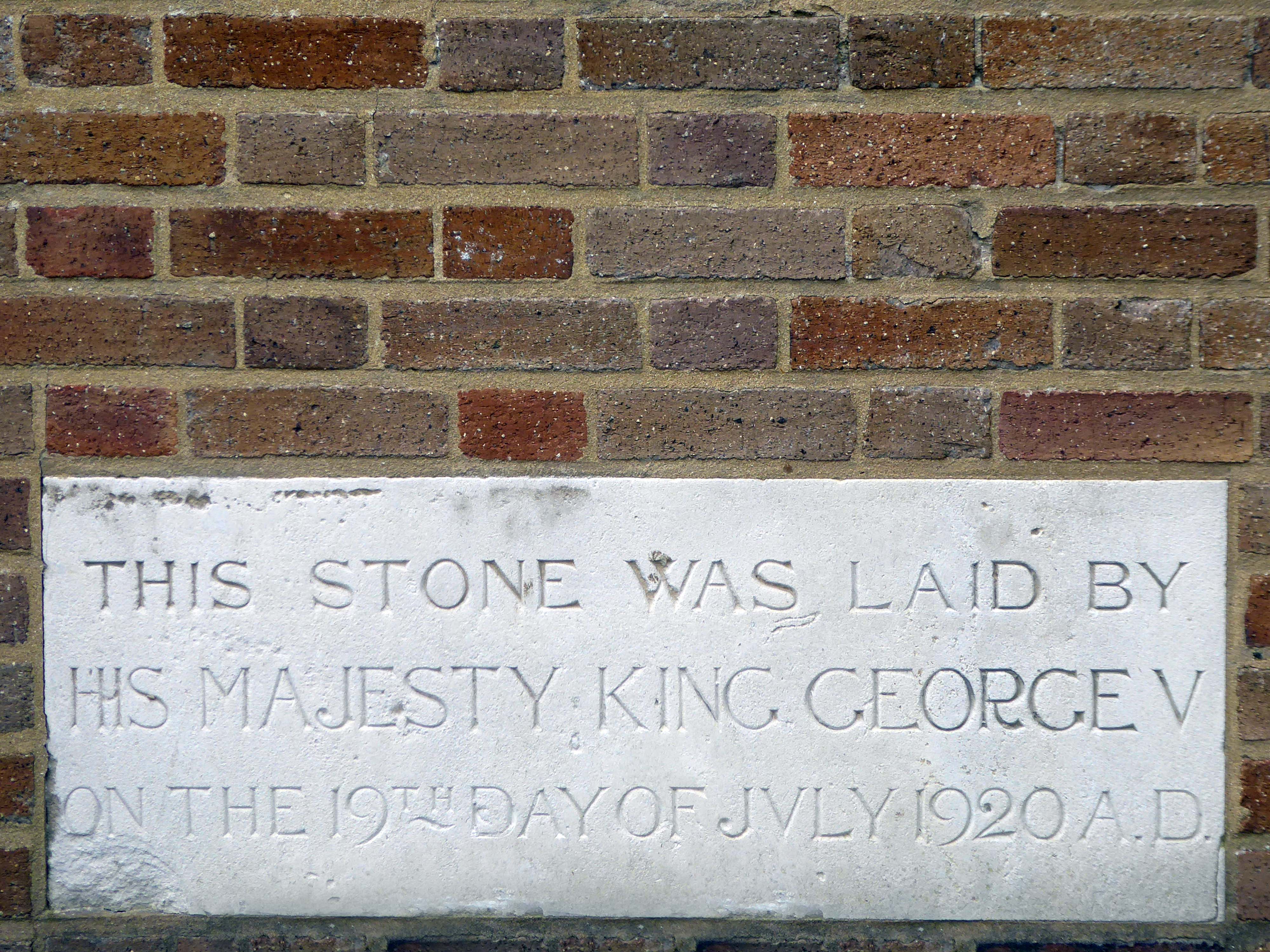
The University’s foundation stone was laid by King George V on 19 July 1920 and 89 students (including eight female students) enrolled that same year. By September 1939, there were 65 staff and 485 students.

In 1947 there were just two permanent buildings on campus: Singleton Abbey and the library. The Principal, J S Fulton, recognised the need to expand the estate and had a vision of a self-contained community, with residential, social and academic facilities on a single site. His vision was to become the first university campus in the UK.

By 1960 a large-scale development programme was underway that would see the construction of new halls of residence, the Maths and Science Tower, and College House – later renamed Fulton House. The 1960s also saw the development of the “finite element method” by Professor Olek Zienkiewicz. His technique revolutionised the design and engineering of manufactured products, and Swansea was starting to stake its claim as an institution that demanded to be taken seriously.

Work began on the student village at Hendrefoelan in 1971, the South Wales Miners’ Library was established in 1973 and the Taliesin Arts Centre opened on campus in 1984. The Regional Schools of Nursing transferred to Swansea in 1992, and the College of Medicine opened in 2001. Technium Digital was completed in 2005 and, barely two years later, the University opened its Institute of Life Science, which commercialises the results of research undertaken in the Swansea University Medical School. Work commenced on a second Institute of Life Science in 2009.

In 2012 we began an ambitious campus expansion and development project, including the opening of our Bay Campus in 2015; which is home to the College of Engineering and the School of Management. In 2018 we opened the doors to two further projects, The College; Swansea University’s joint venture with Navitas (The International College Wales Swansea, ICWS) and the Computational Foundry; the home of the College of Science’s departments of Computer Science and Mathematics. 

Swansea.ac.uk

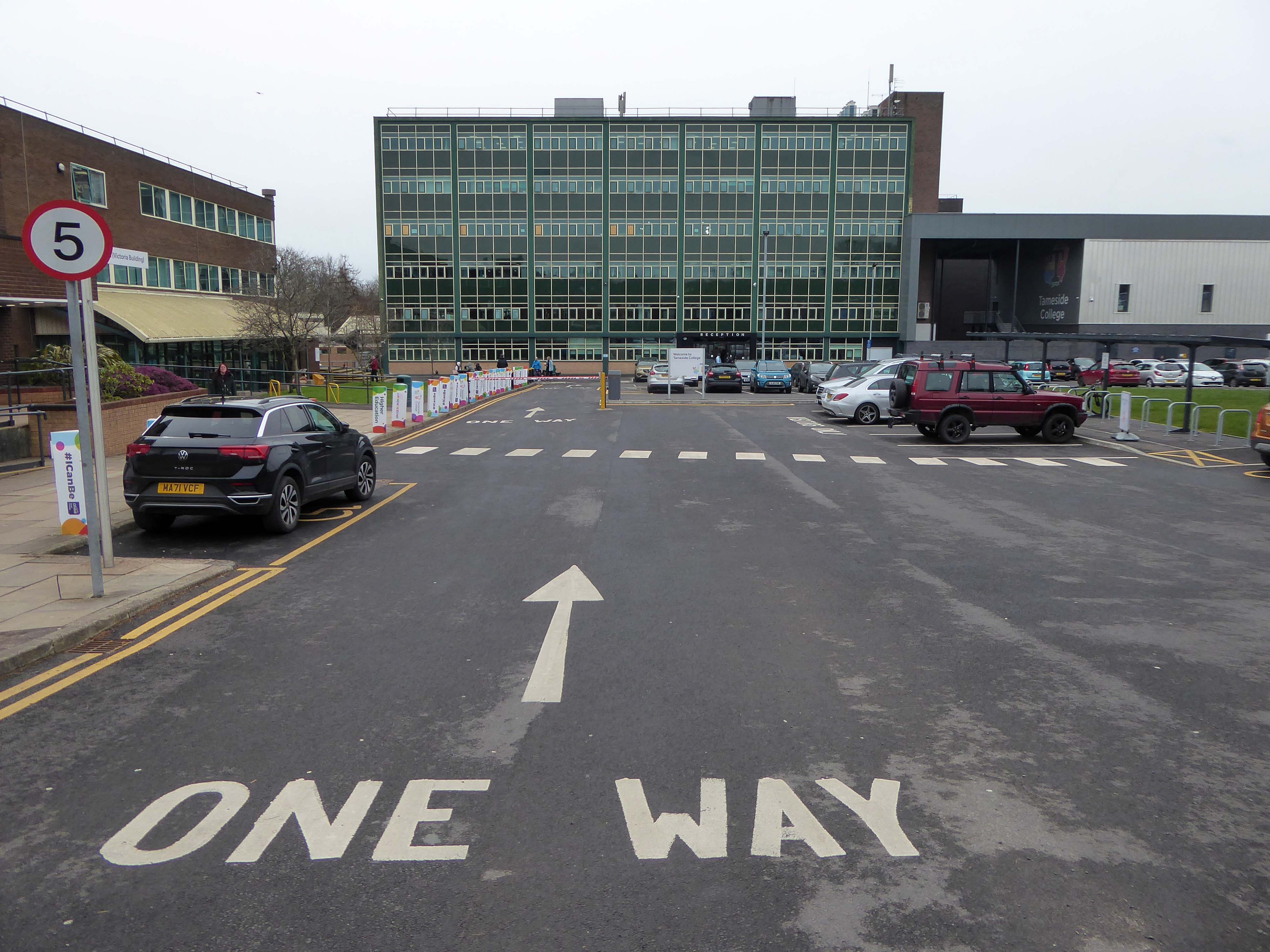
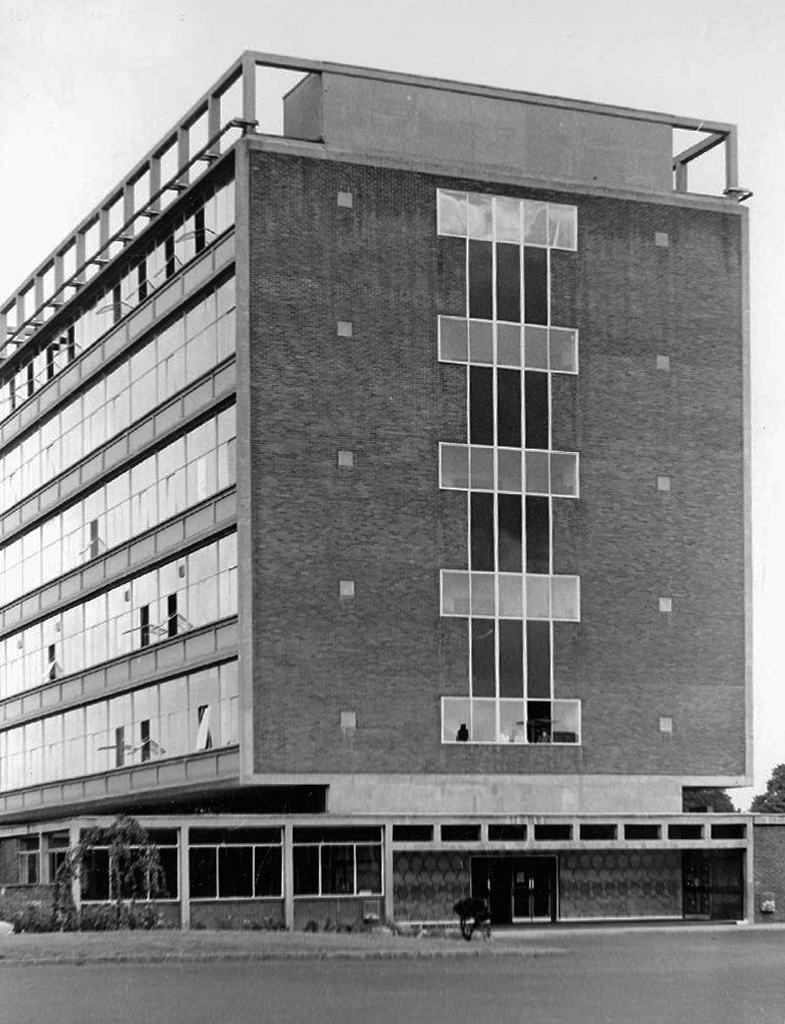
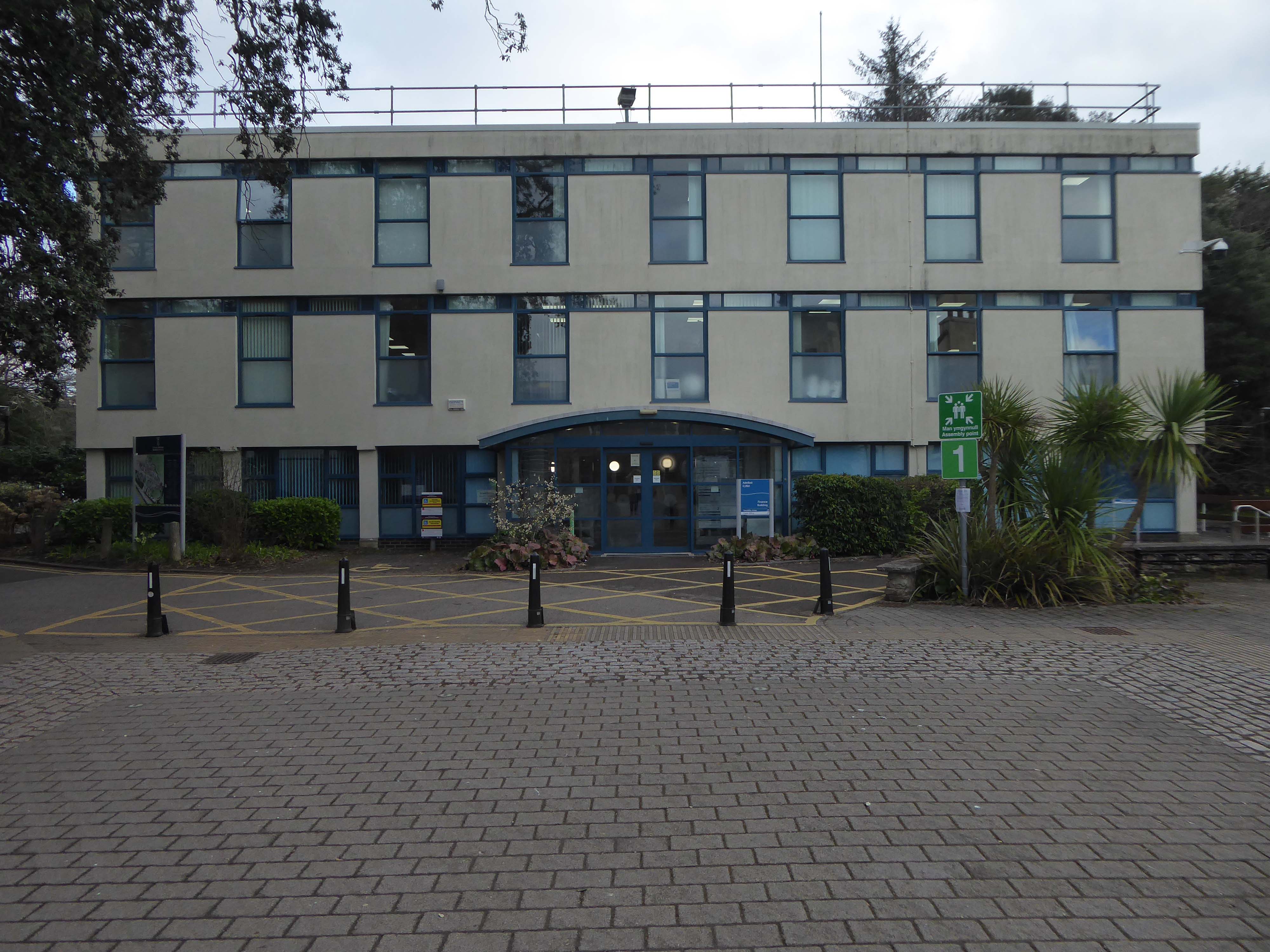
Before we get to the academic buildings here’s the Finance Building.

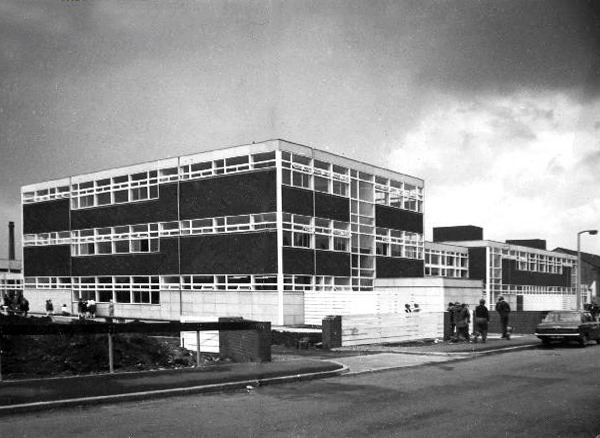
Formerly the School of Social Studies Building – Architects: Percy Thomas & Son 1960

RIBApix

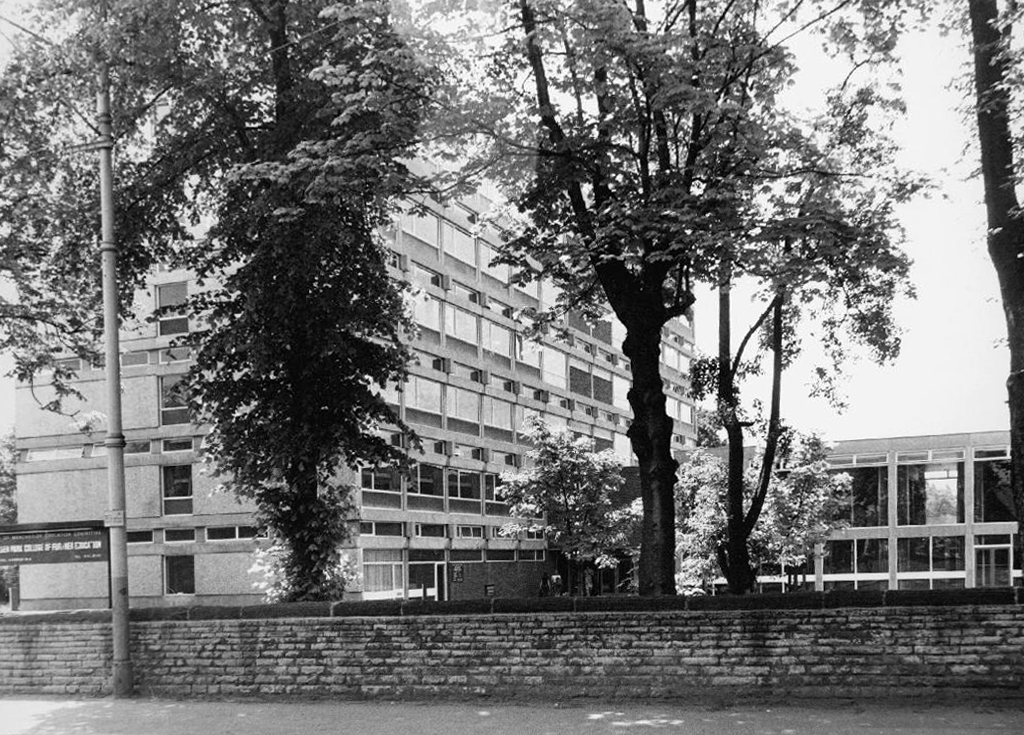
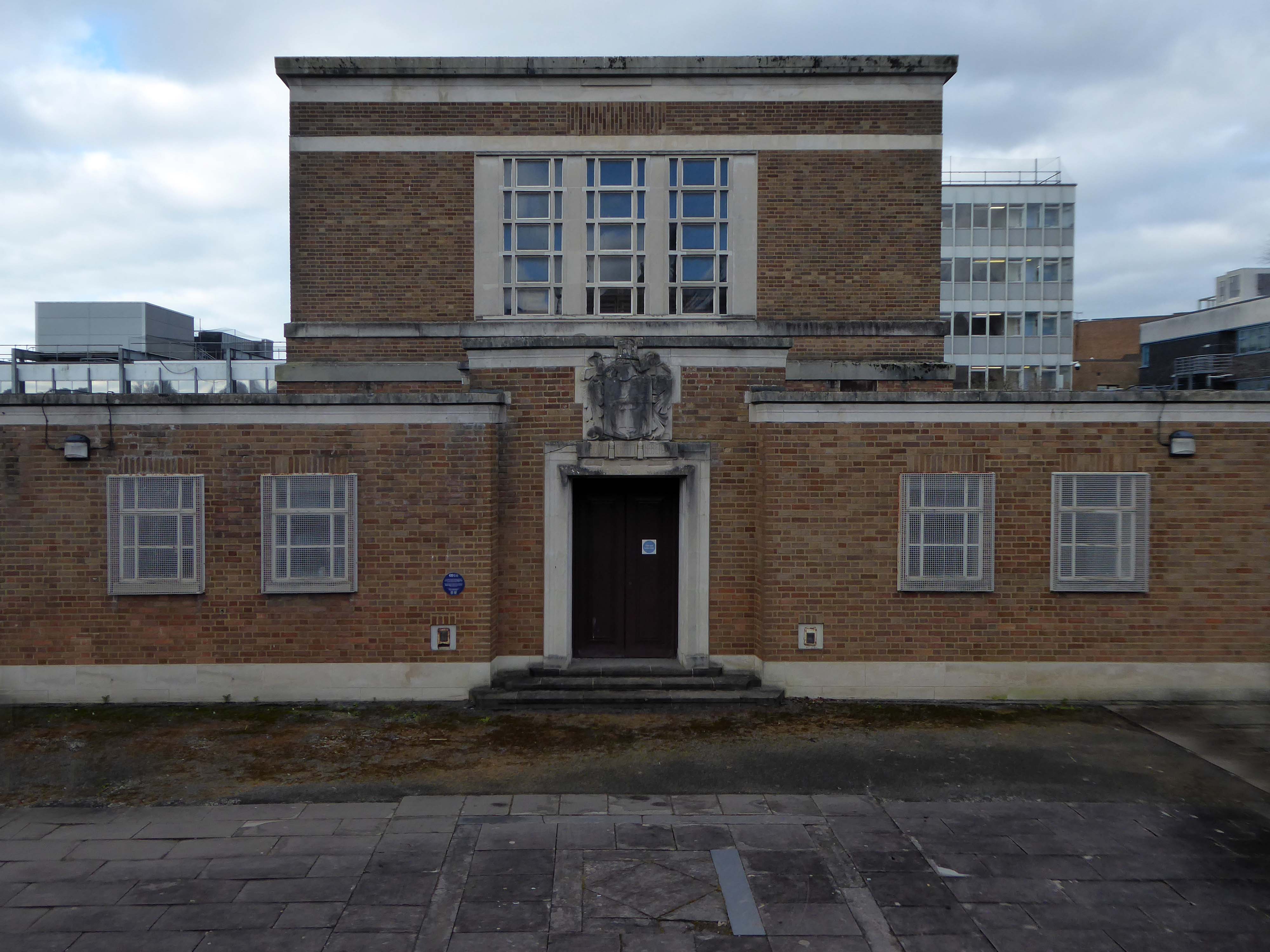
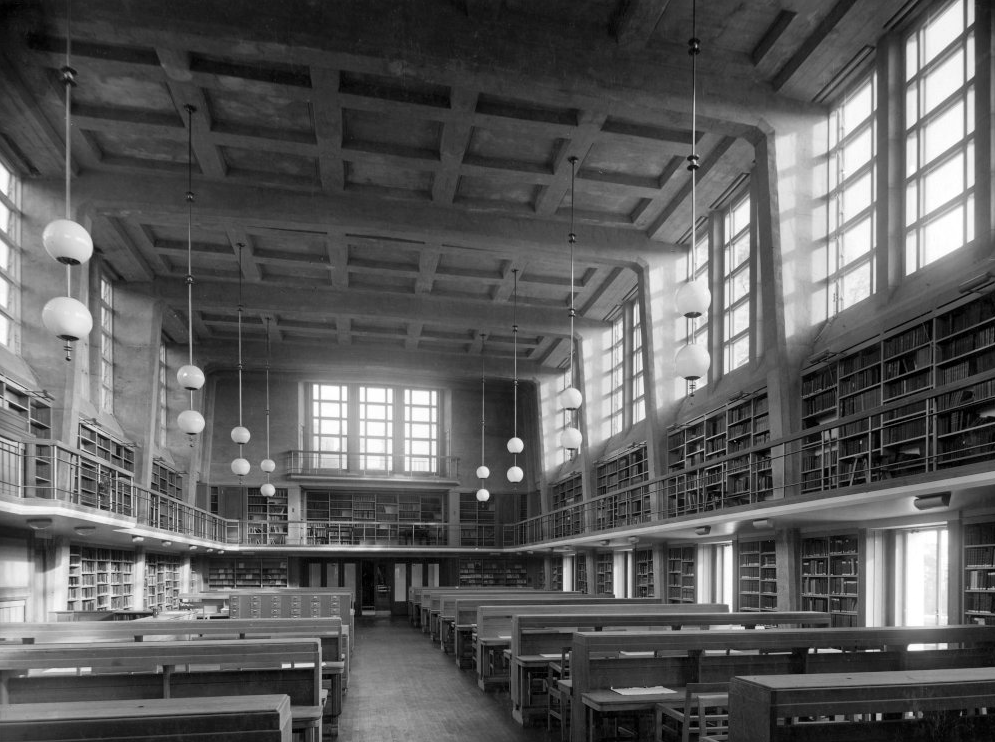
Having been gifted the Singleton Abbey – the 1937 Library was the first new build on the site.

A competition was held in 1934 to find an architect to design a new library building.

The winner was Verner Owen Rees, a London architect with Welsh heritage. The Library opened in the autumn of 1937 and was known as the ‘New Library’, and has later become known as the ‘1937’ or ‘Law’ Library.  Miss Olive Busby, who had been the University’s librarian since 1920, moved to this new building and was famous for patrolling it for the next twenty years, ensuring everyone was being quiet!

Swansea.ac.uk

RIBApix

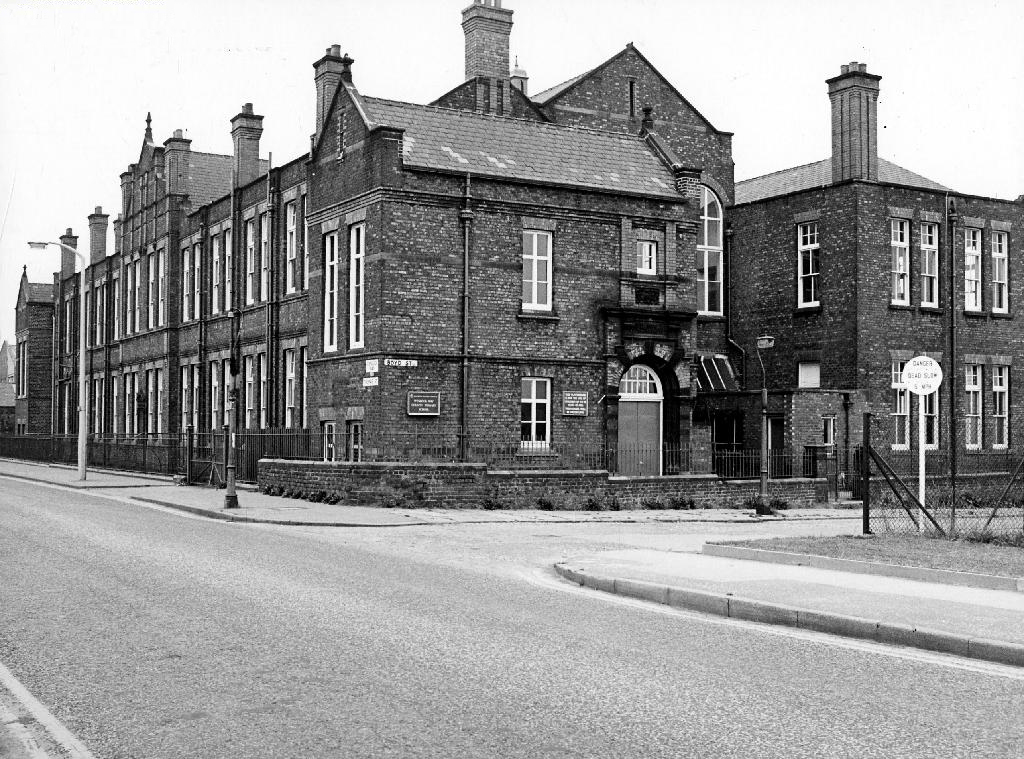
Around the corner is the building is The Mosque.

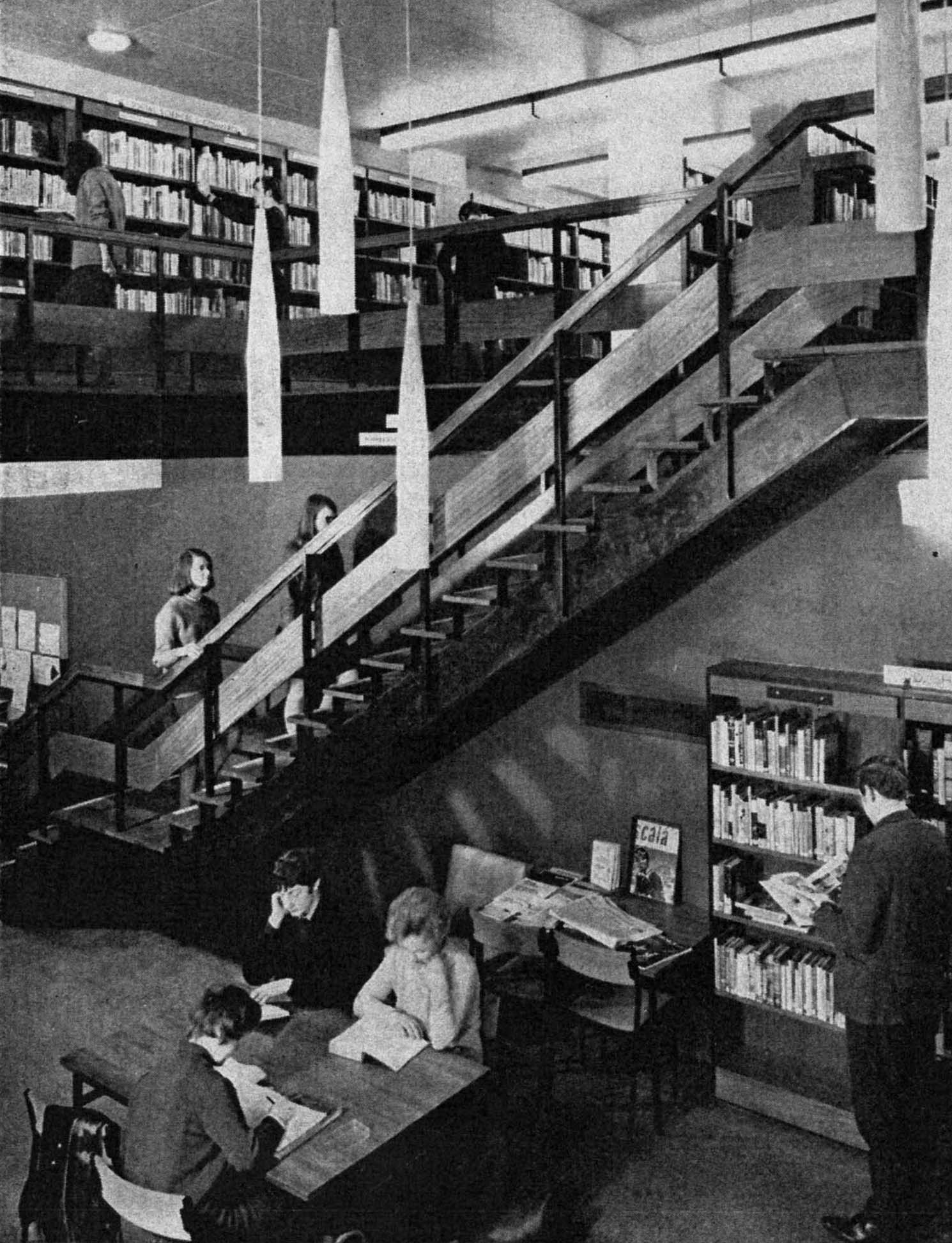
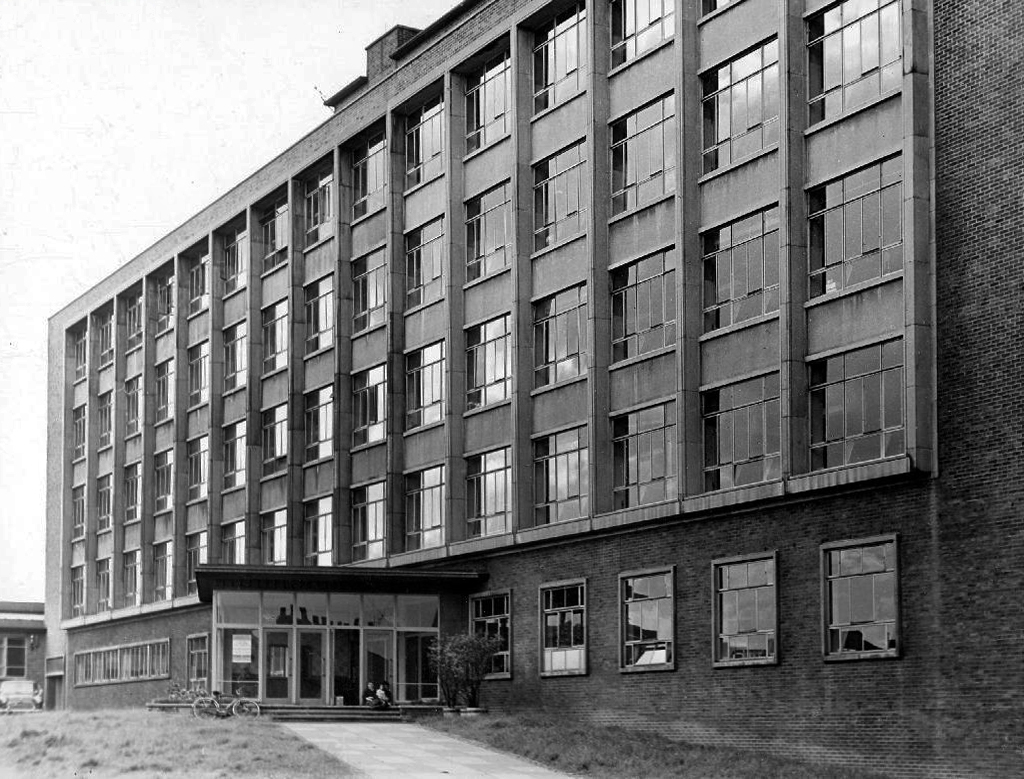
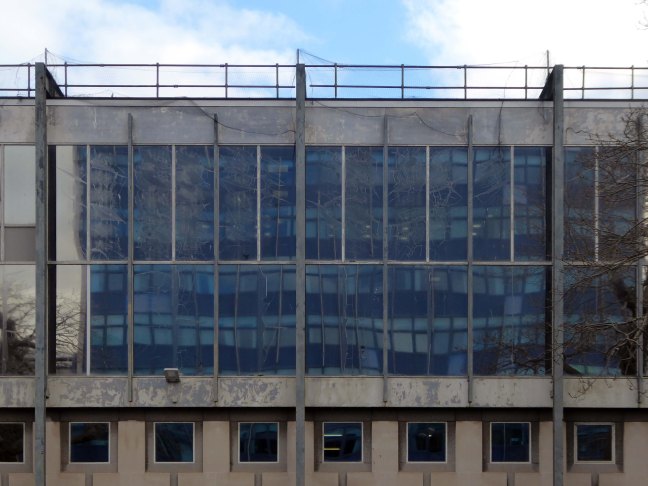
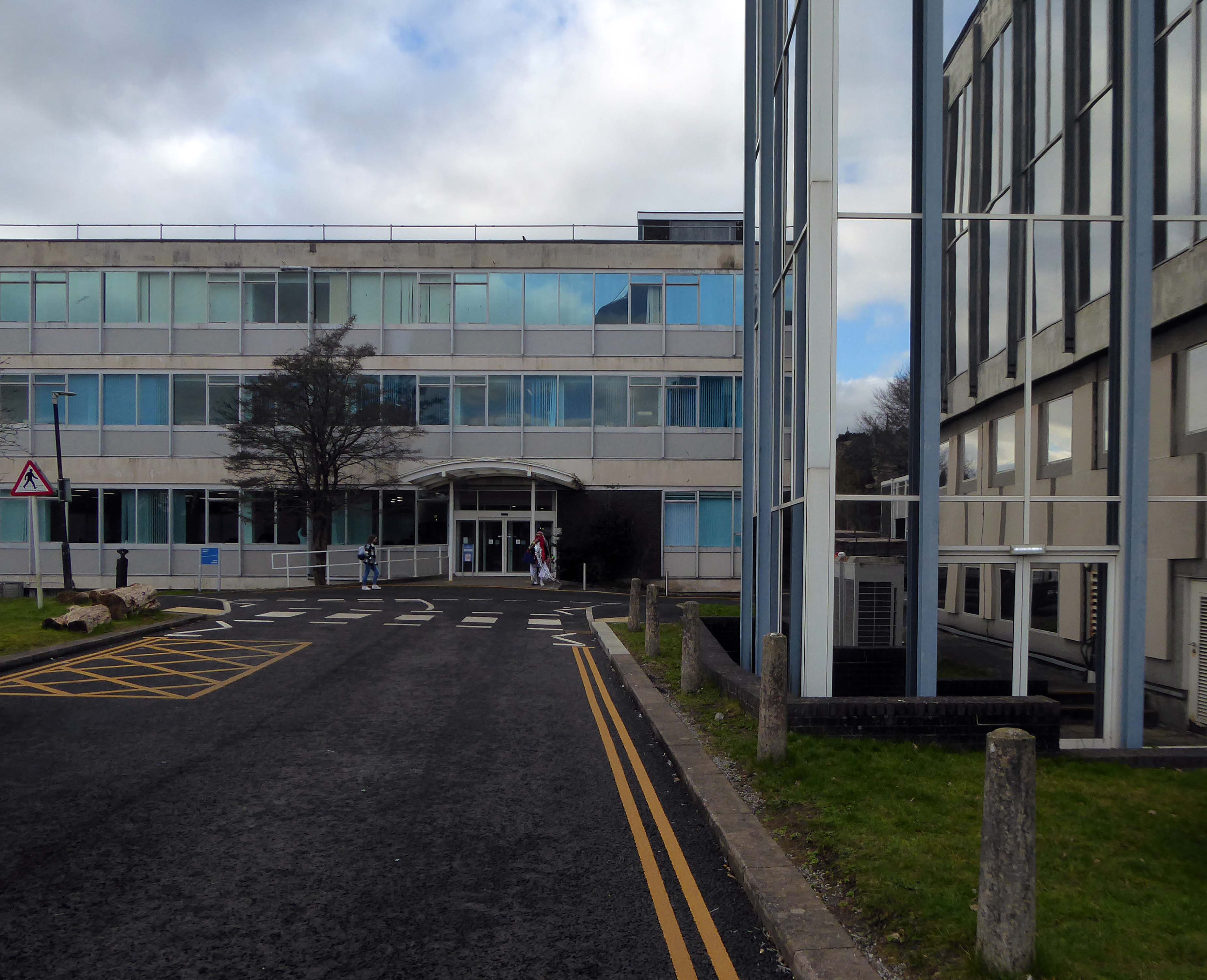
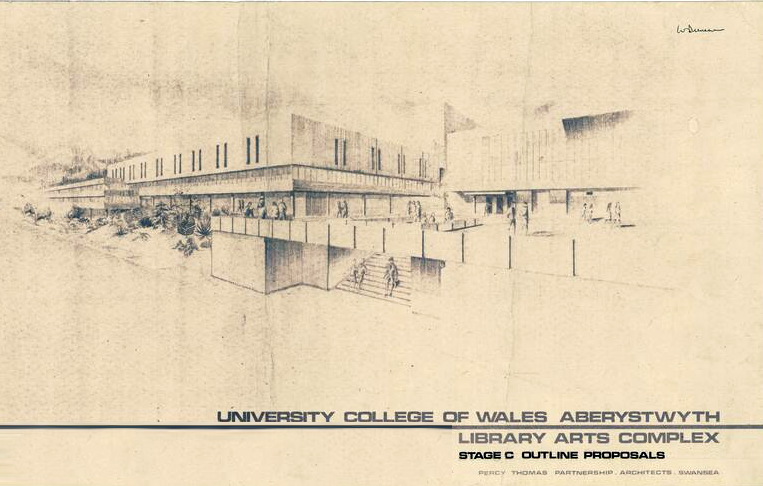
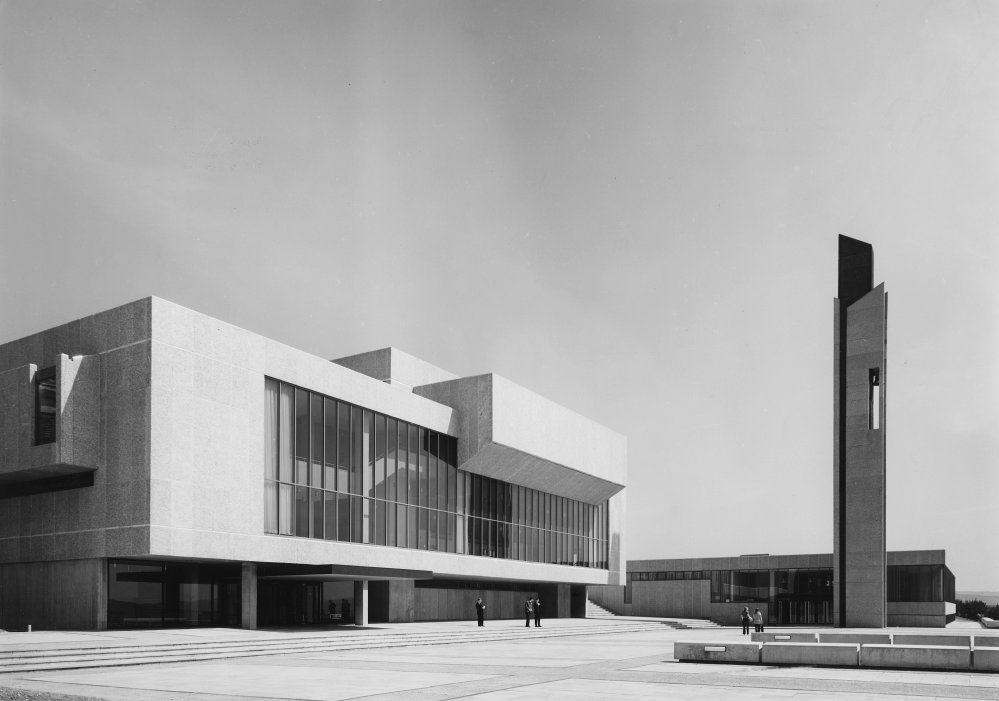
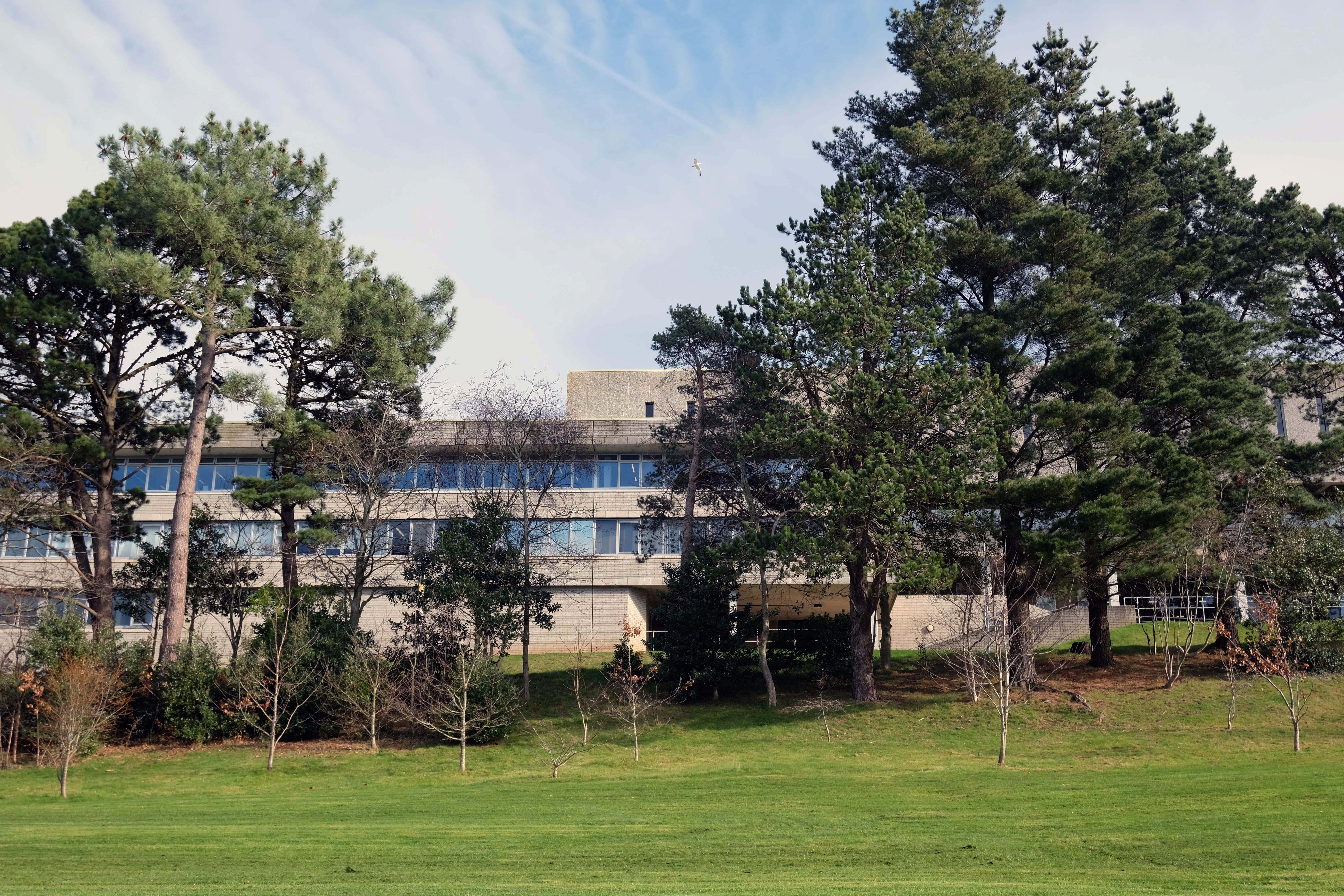
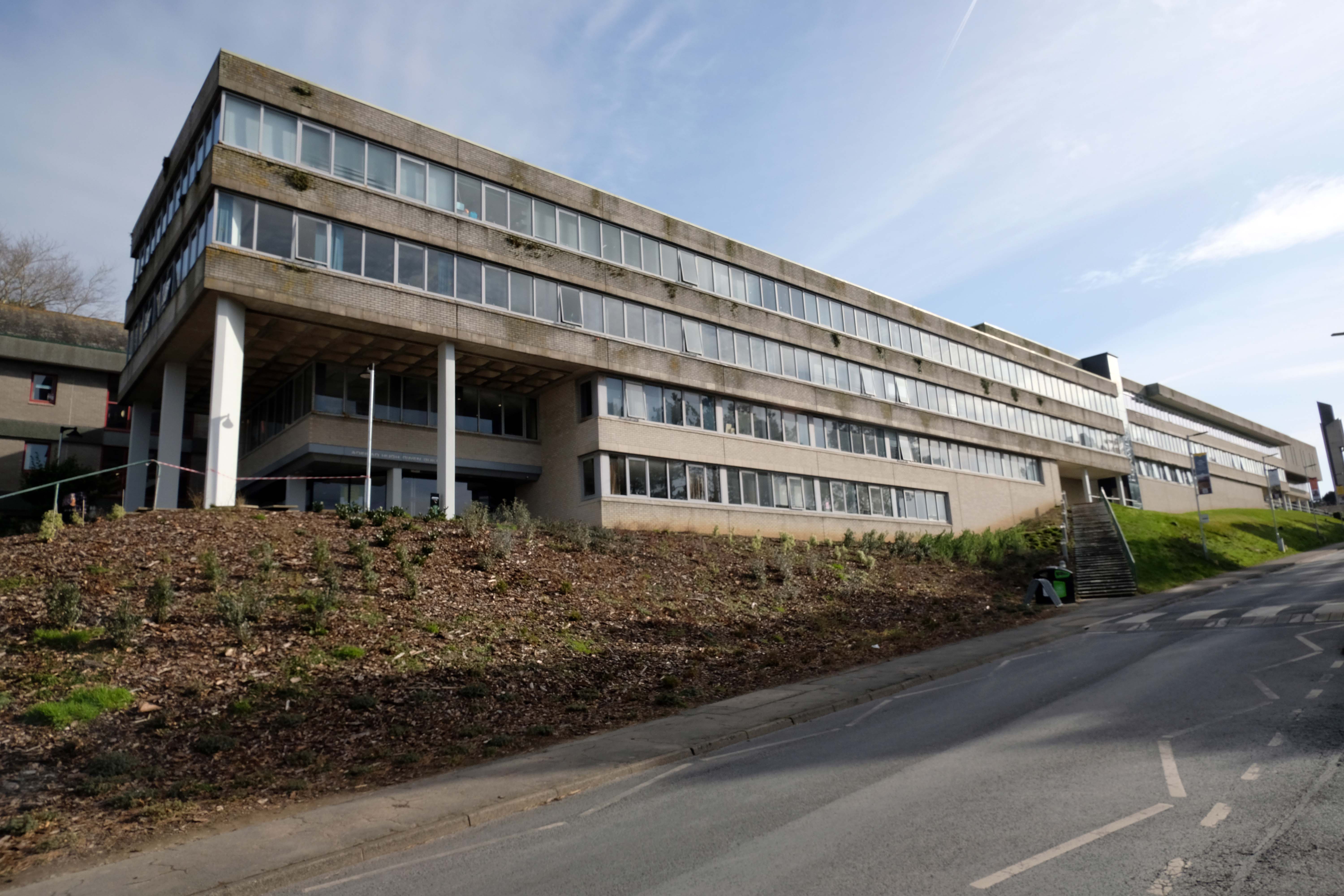
Next we encounter the Library and Information Building – Architects: Sir Percy Thomas & Son 1963

RIBApix

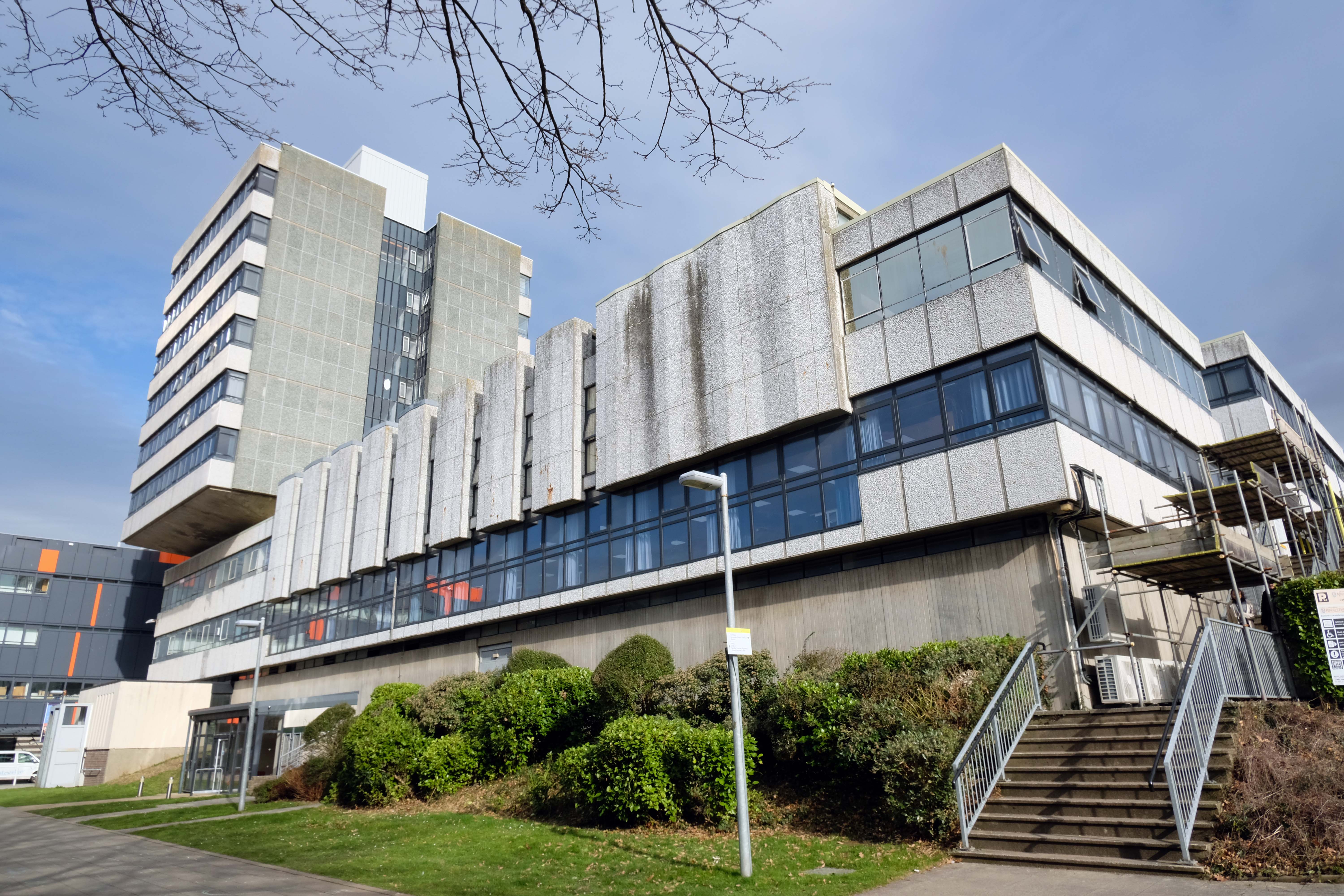
Onward to the Talbot Building

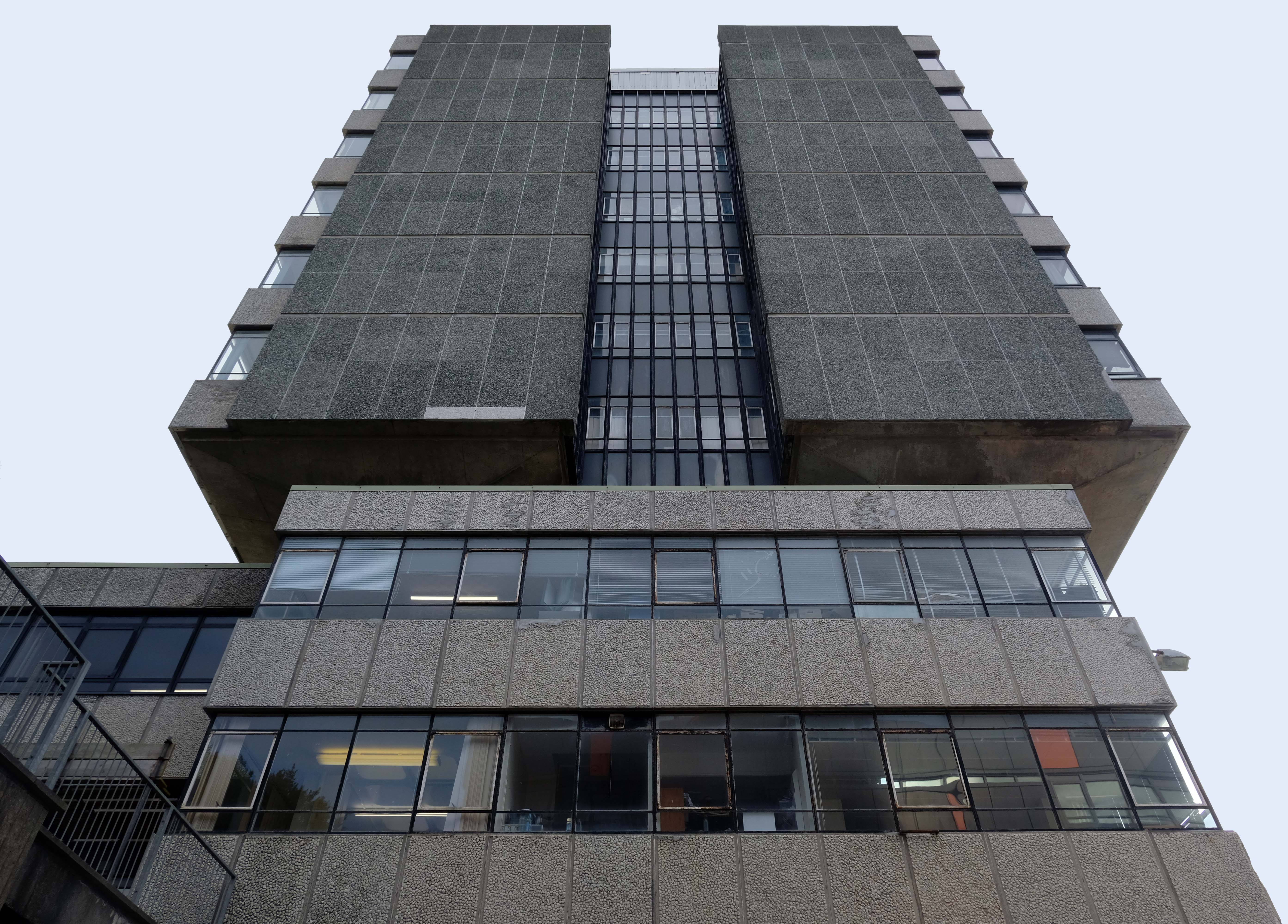
Then a swift right into the lea of the Faraday Building.

Walking beneath the Faraday Tower and looking back.

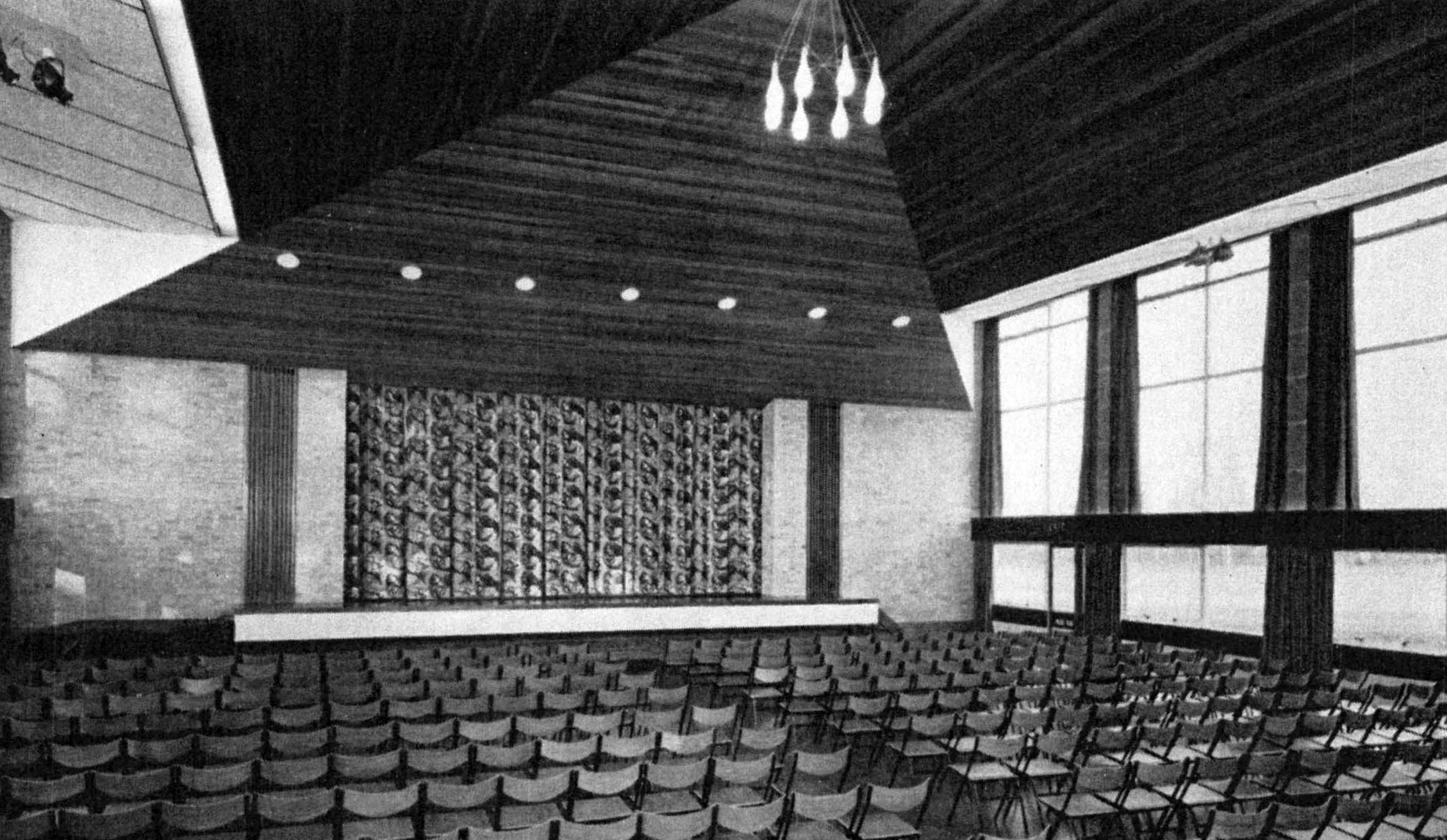
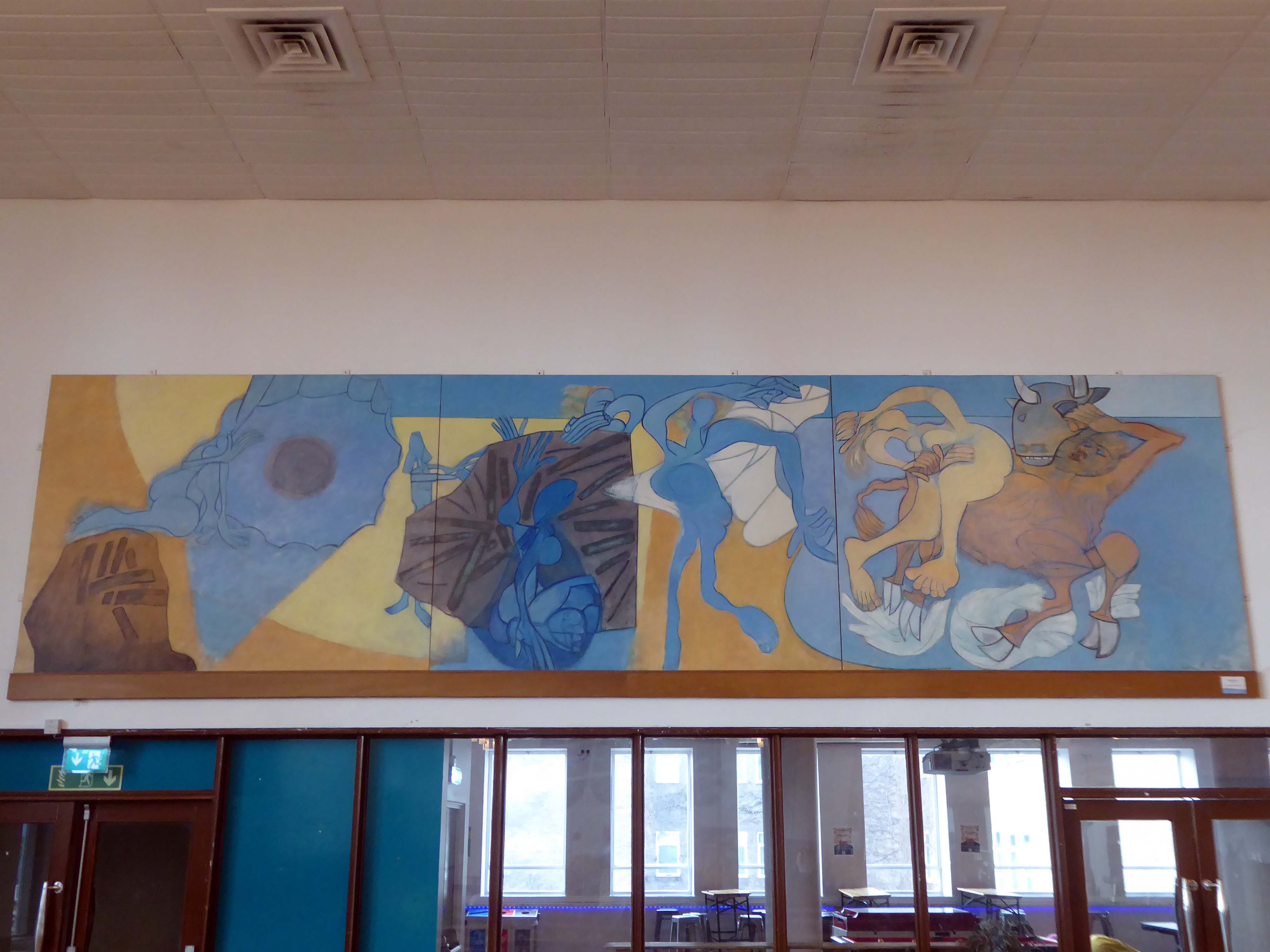
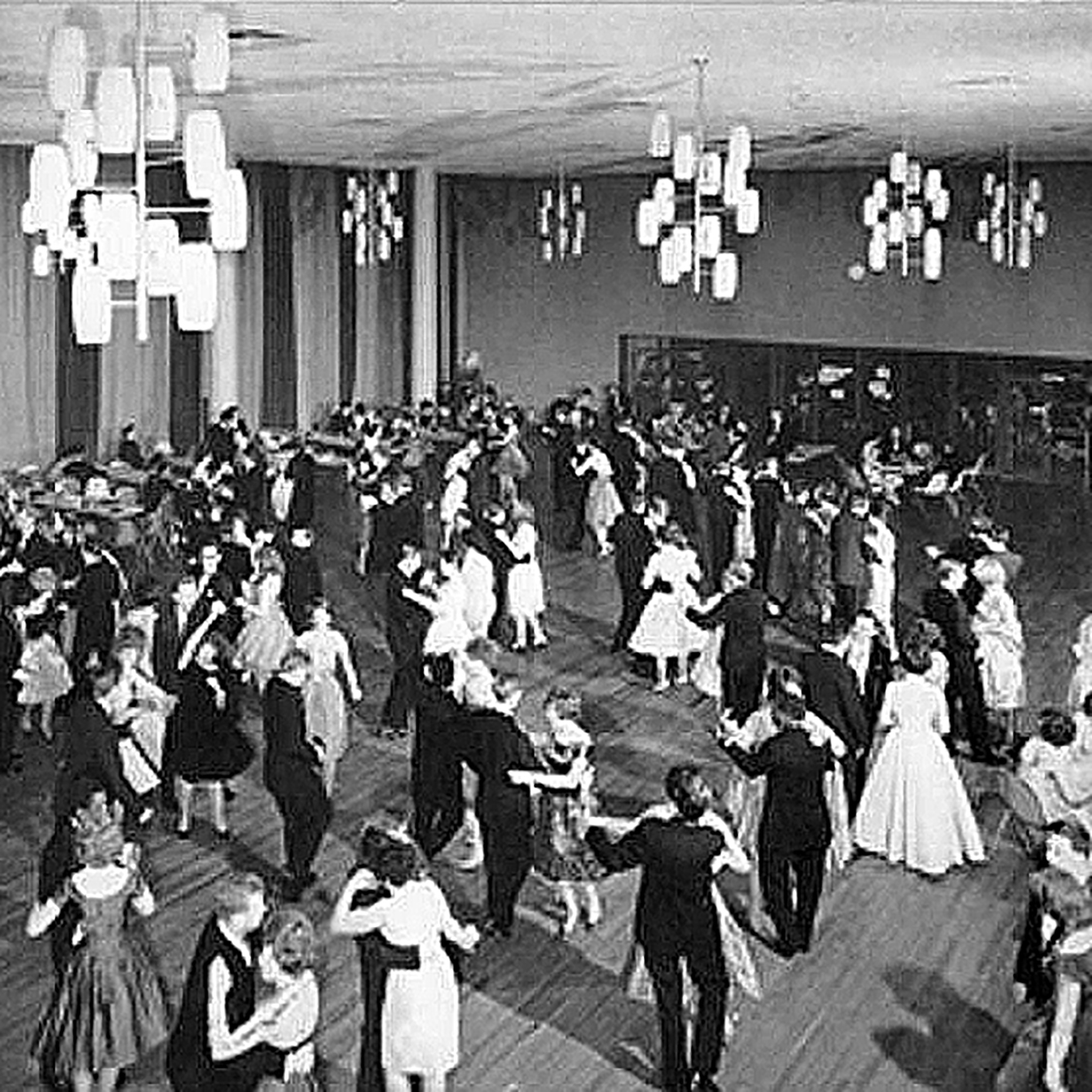
To our right Fulton House – This was built 1958-62 by Sir Percy Thomas & Son – design partner Norman Thomas. The decorative scheme in the main hall is by Misha Black; the panels of The Rape of Europa by Ceri Richards are an addition of 1970.

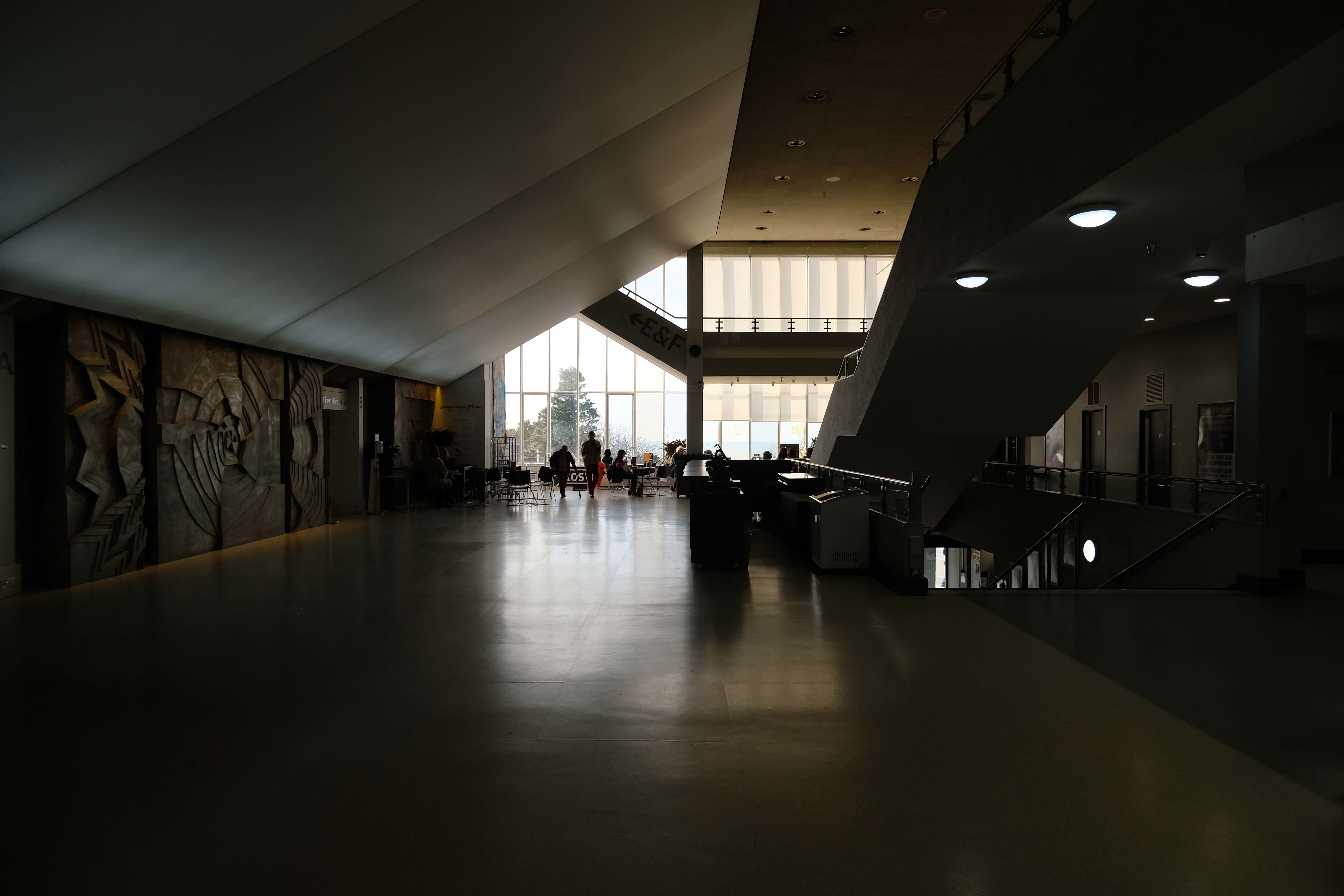
Fulton House, which was called College House from when it first opened in 1961 until 1986, is one of the most historically significant buildings on the Singleton Campus. Throughout the early 1950s, extensive plans were put in place to expand the Singleton site. At the core of this vision was a large building that could act as a meeting place, and a social and academic hub. This is what it became after 1961. The building contained common rooms, a music room, a coffee lounge, an extra library, a book shop and a barber’s shop.

Swansea.ac.uk

Photo: John Maltby

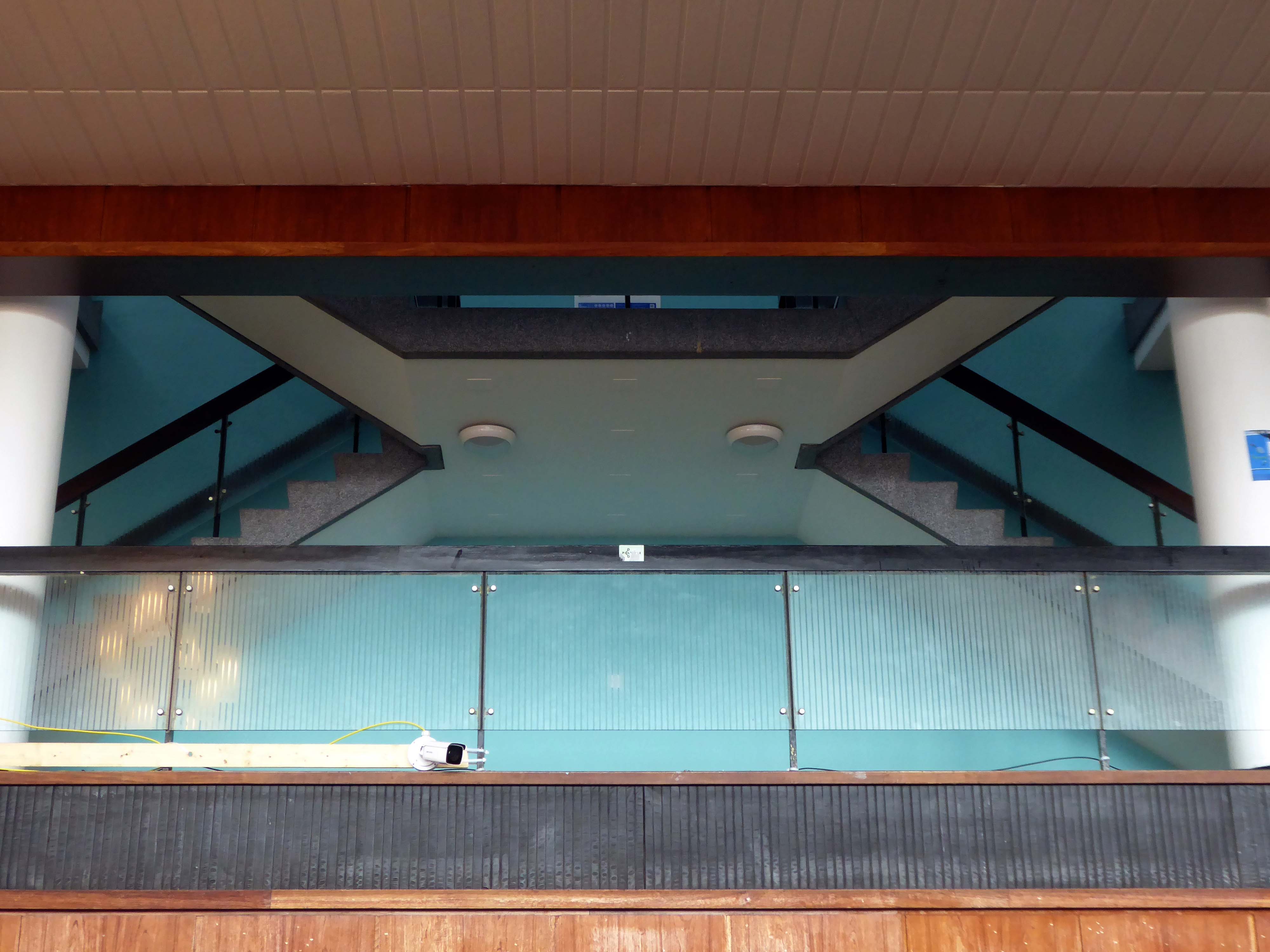
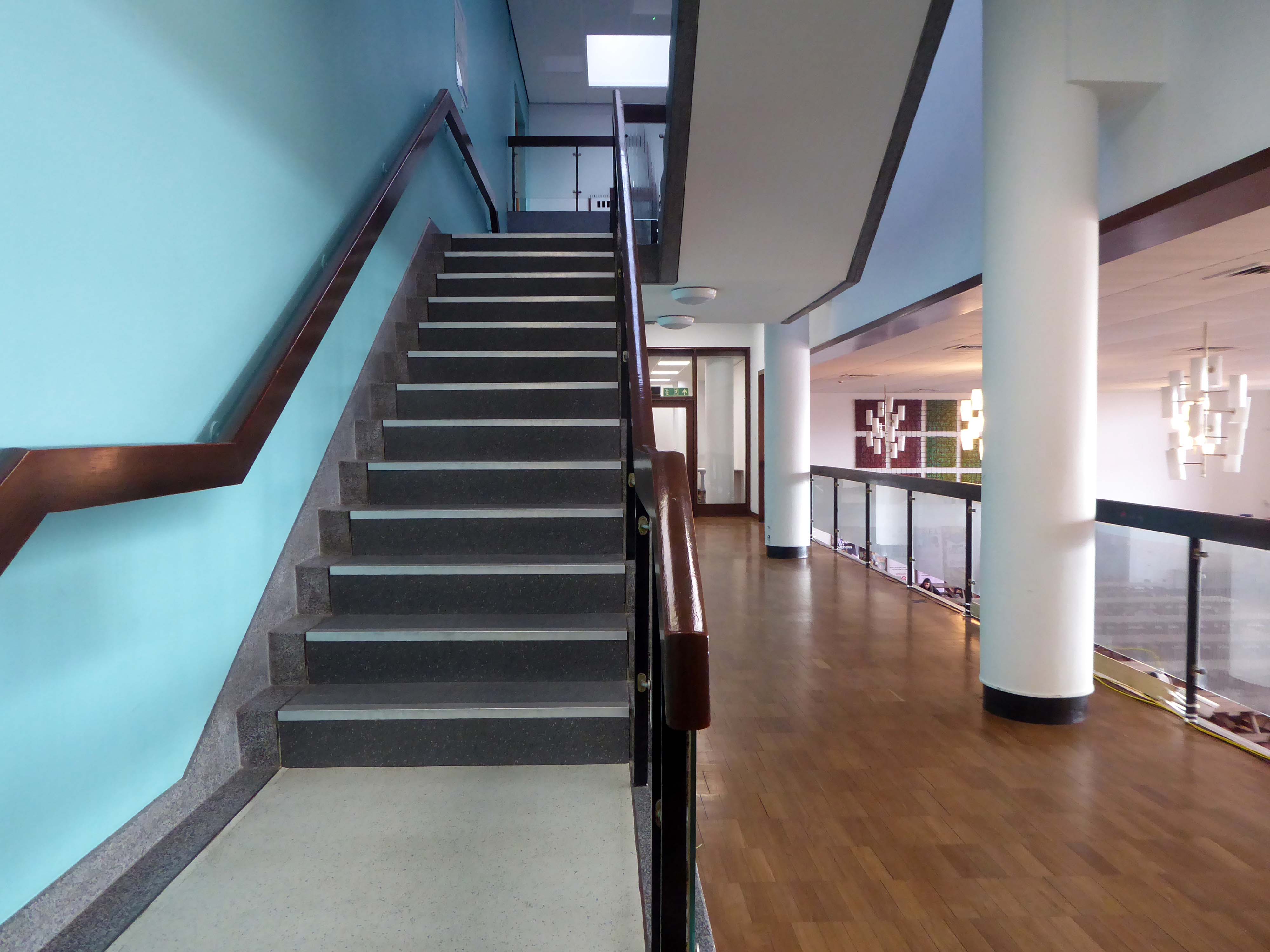
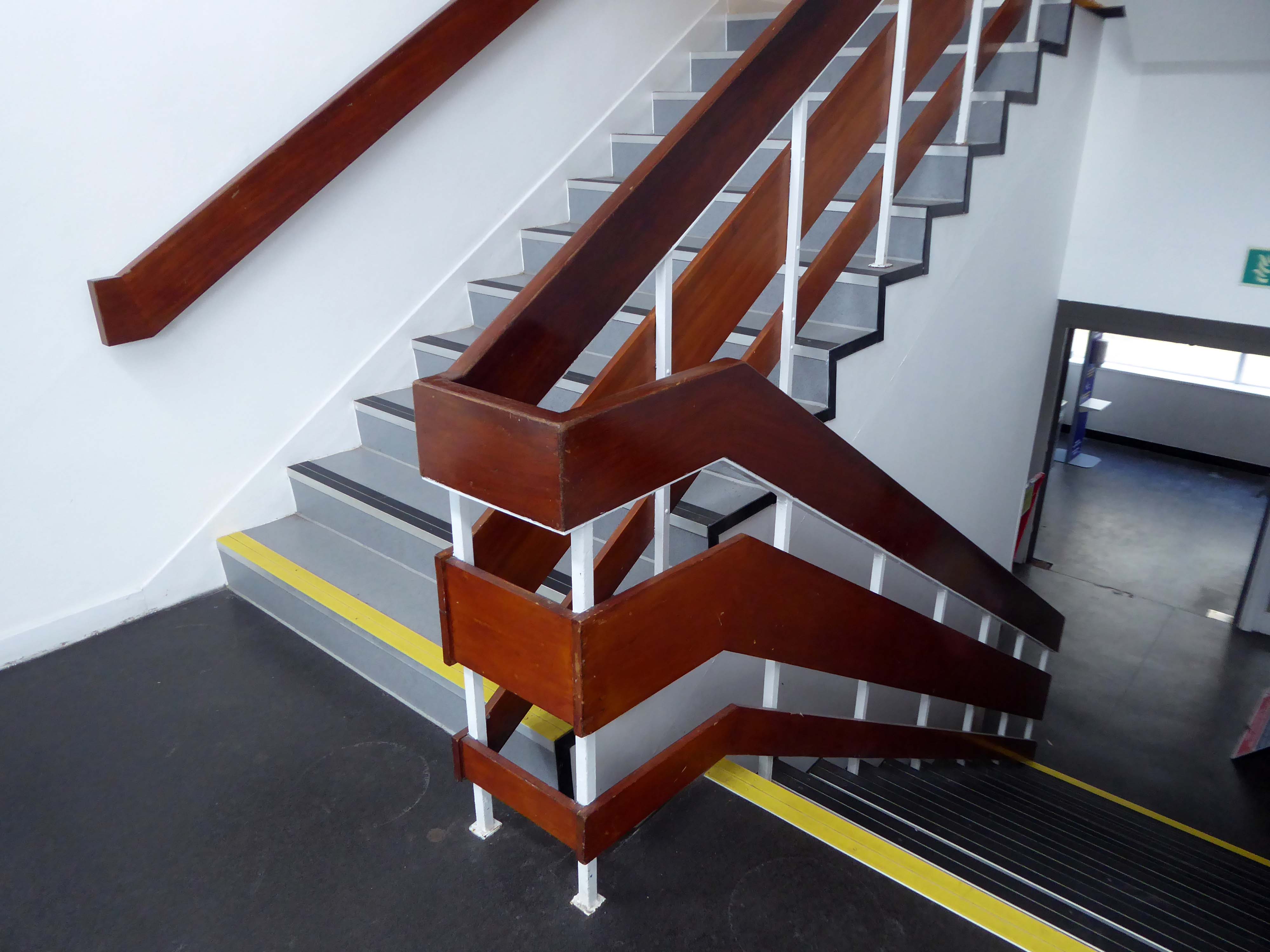
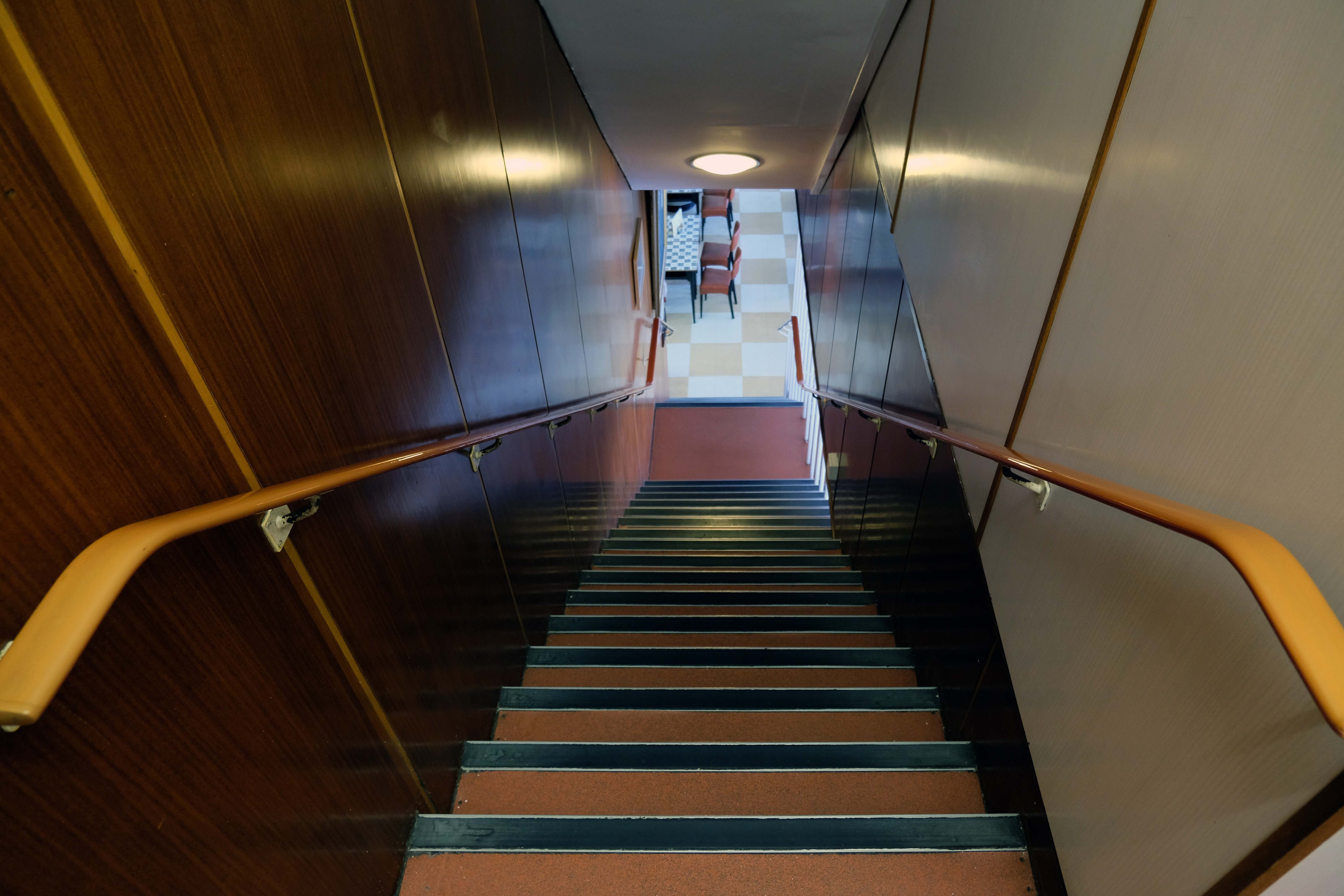
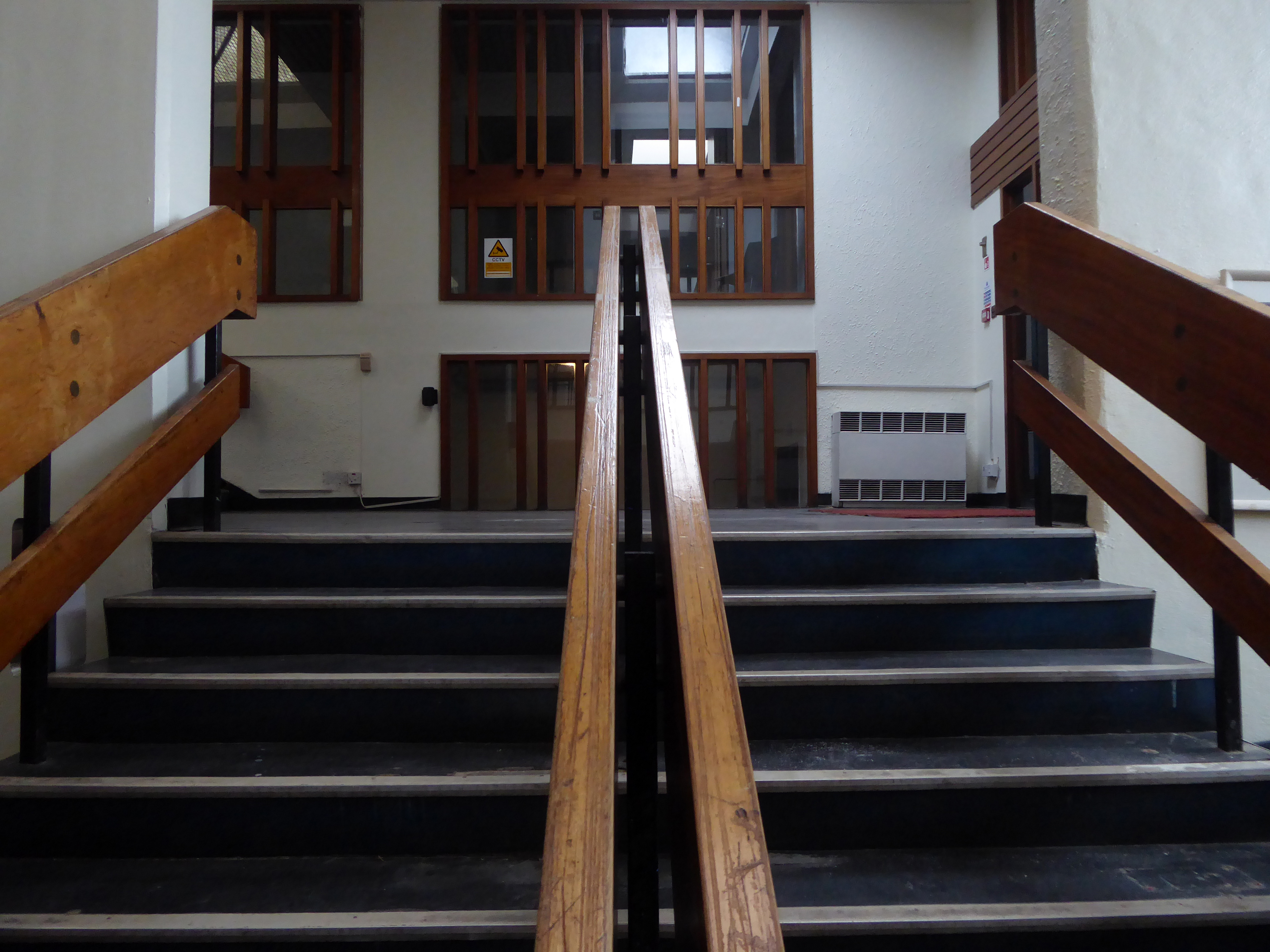
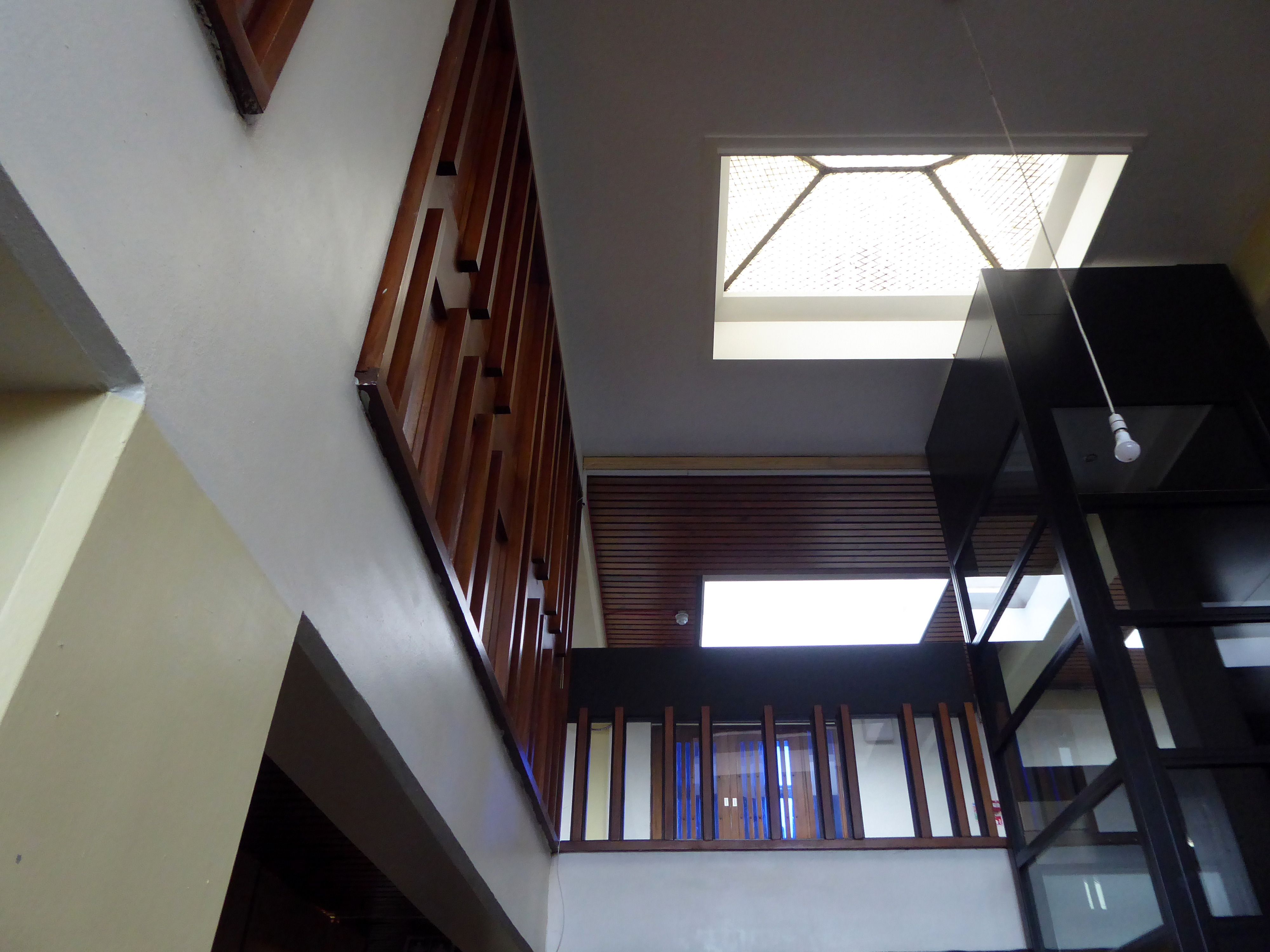
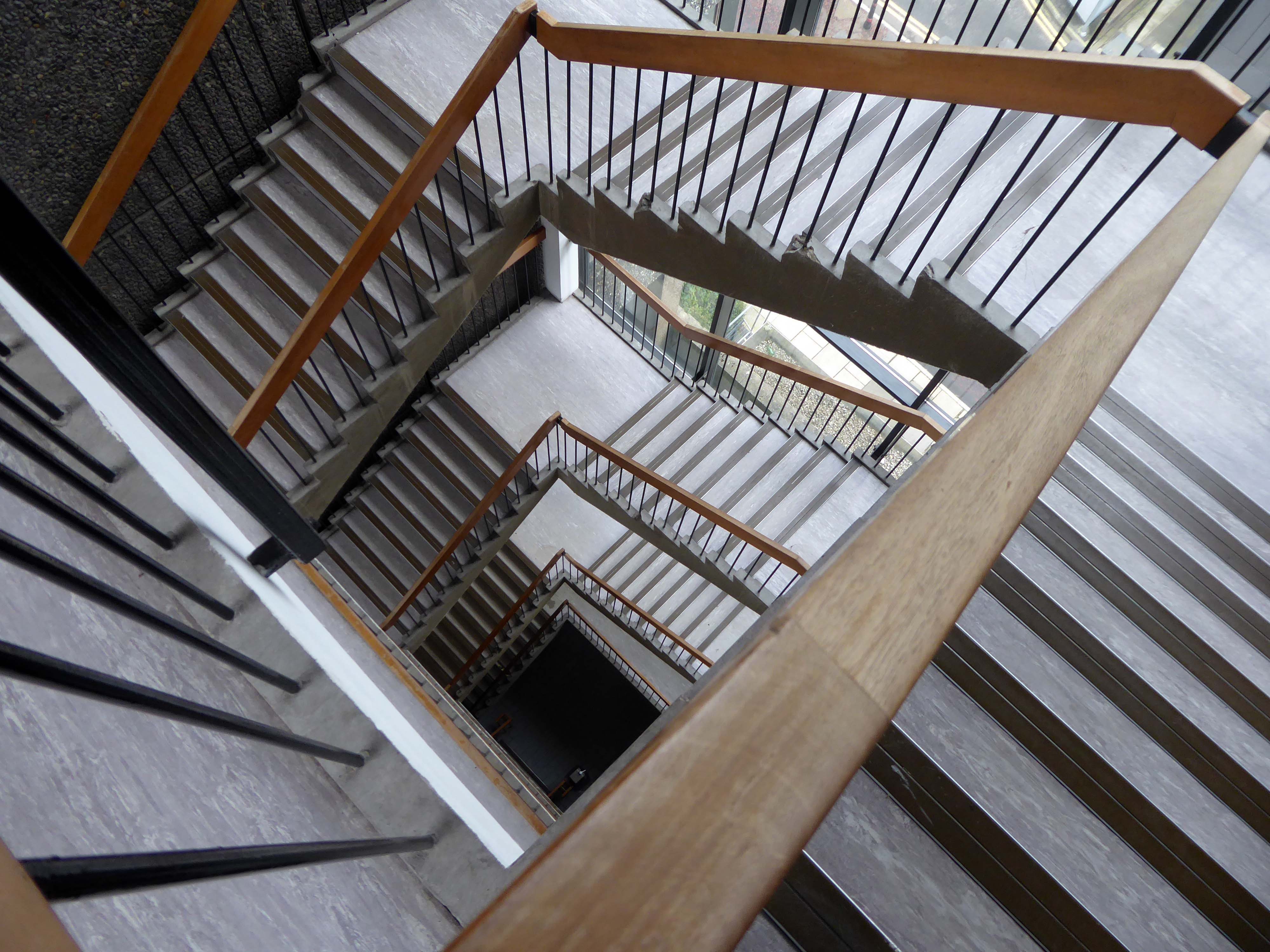
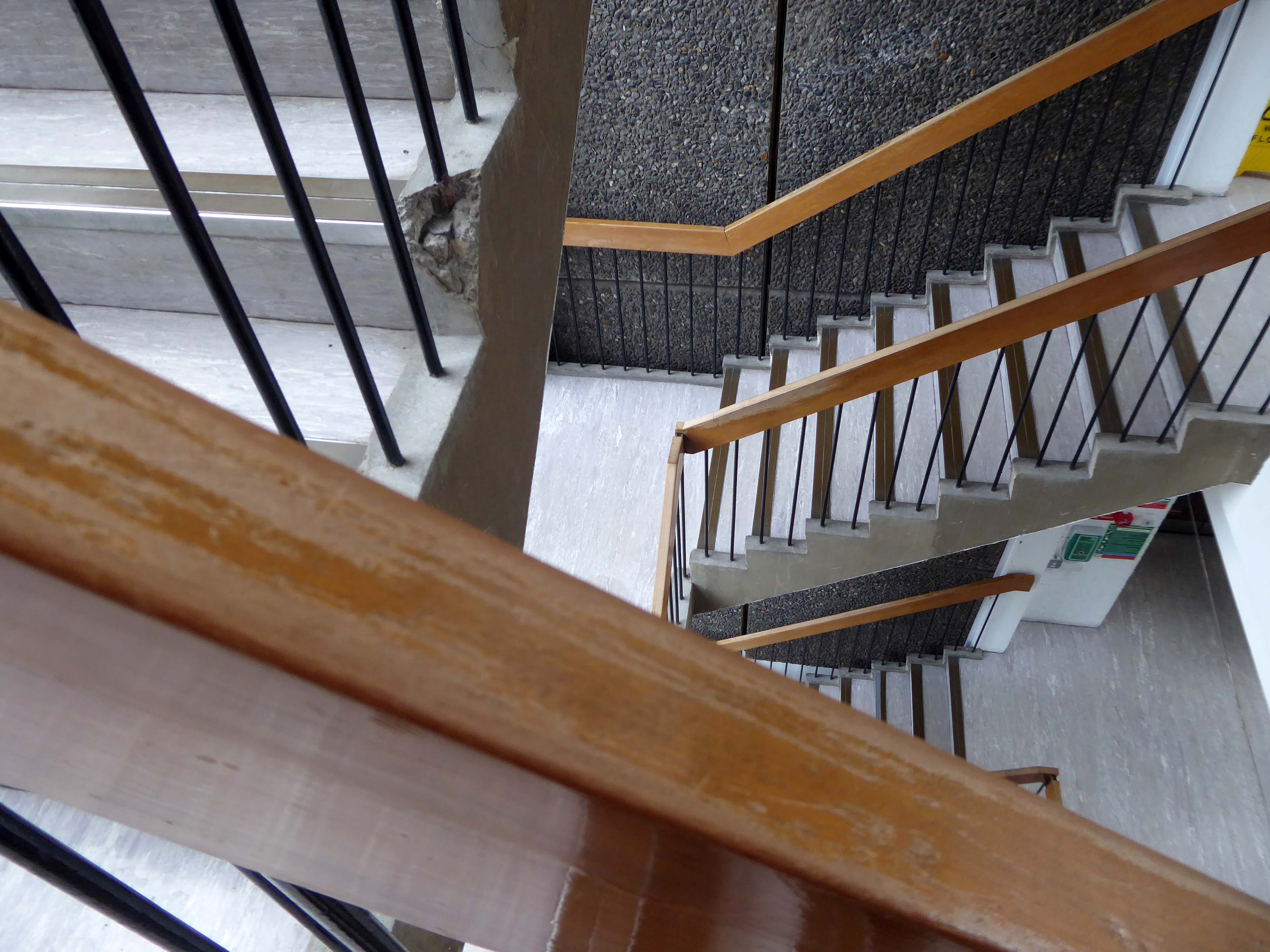
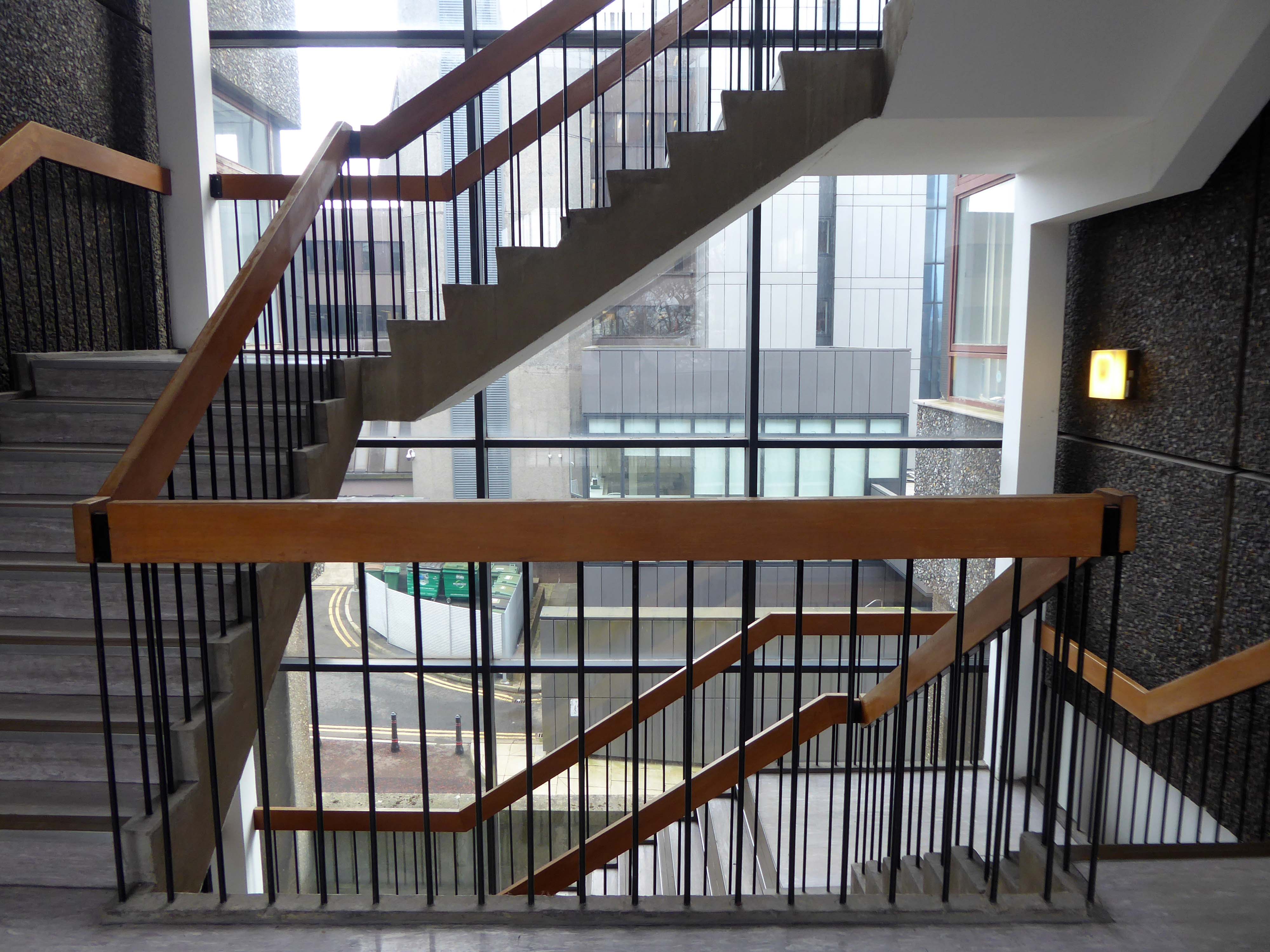
The building has a fine array of stairways.

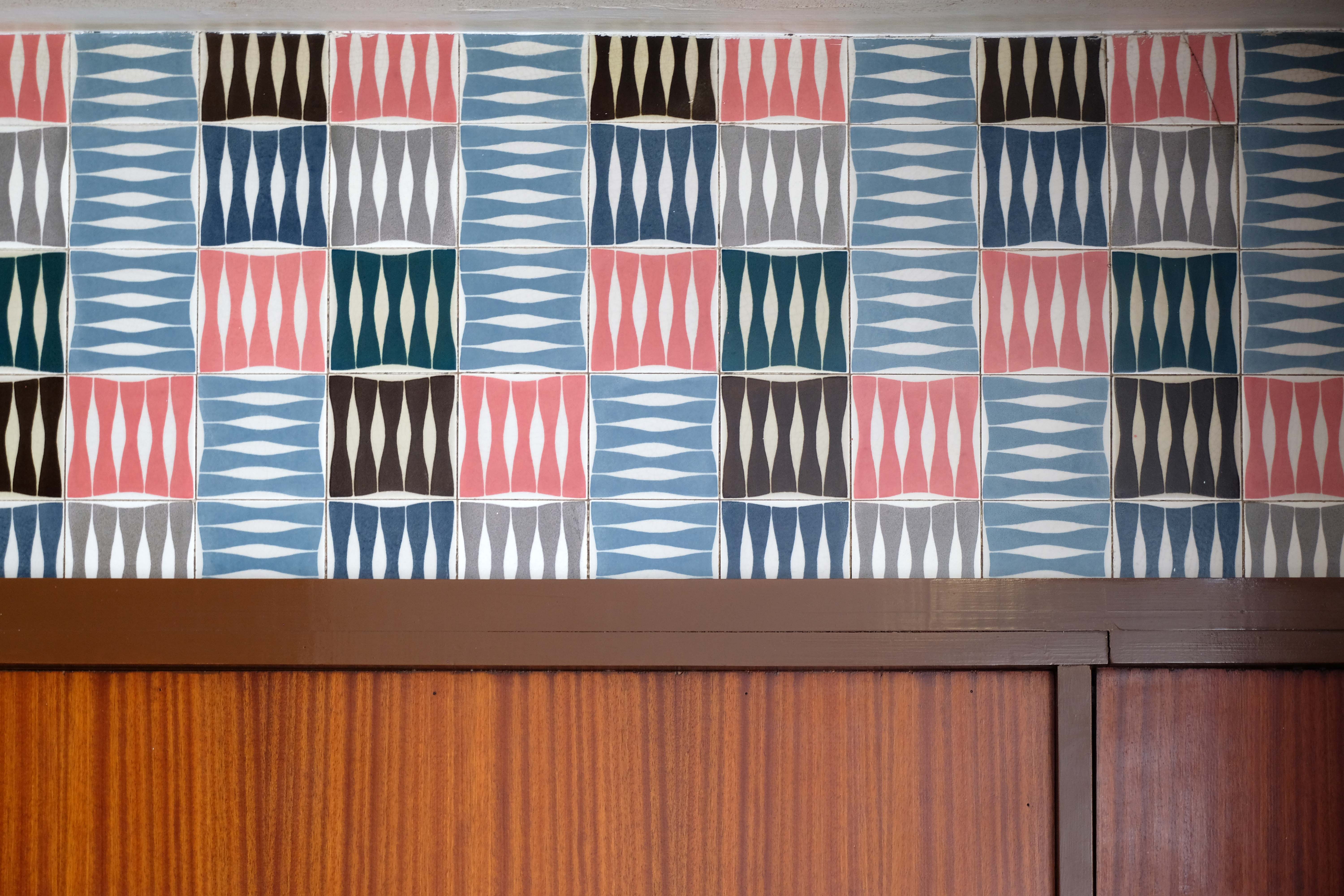
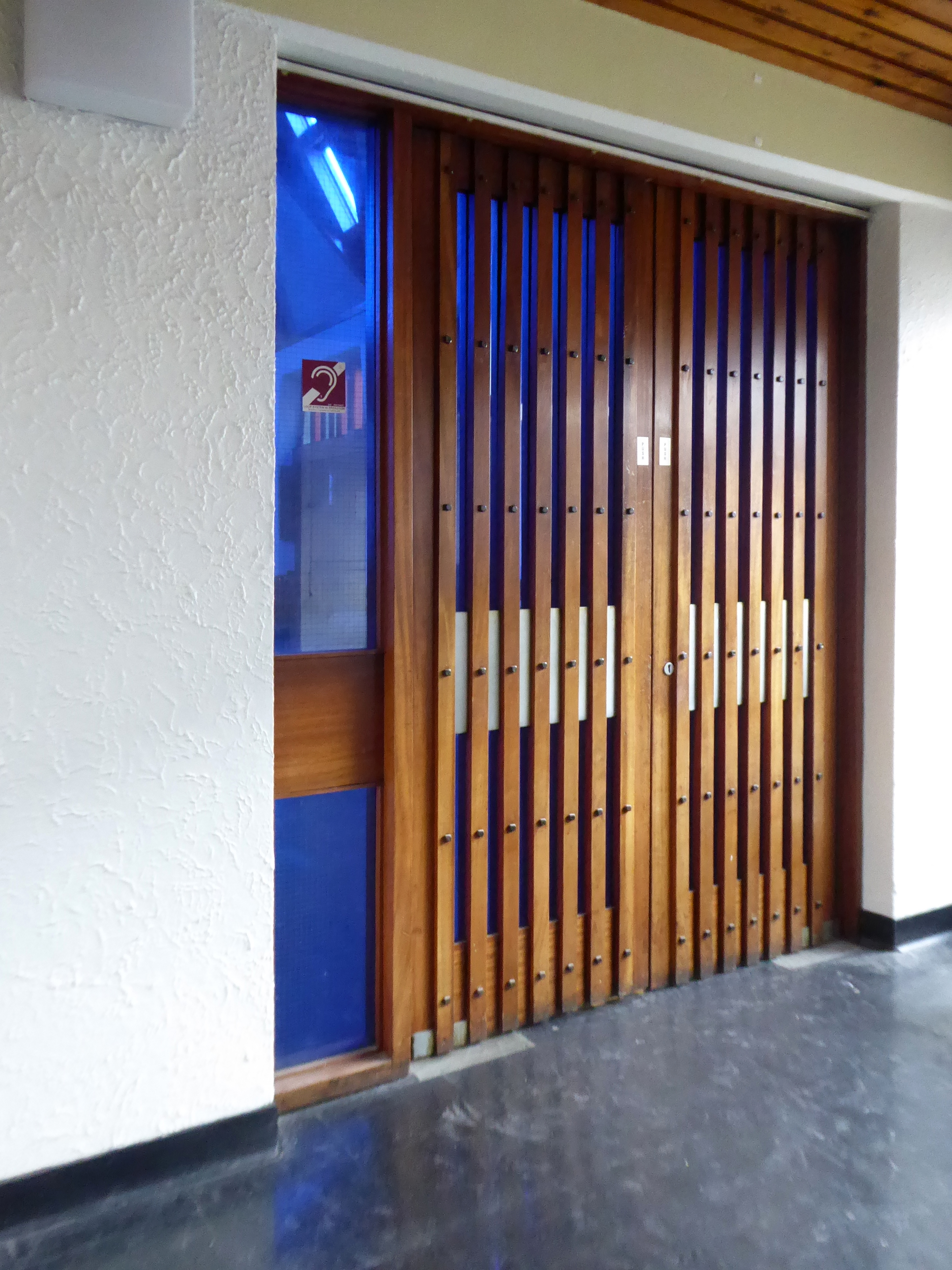
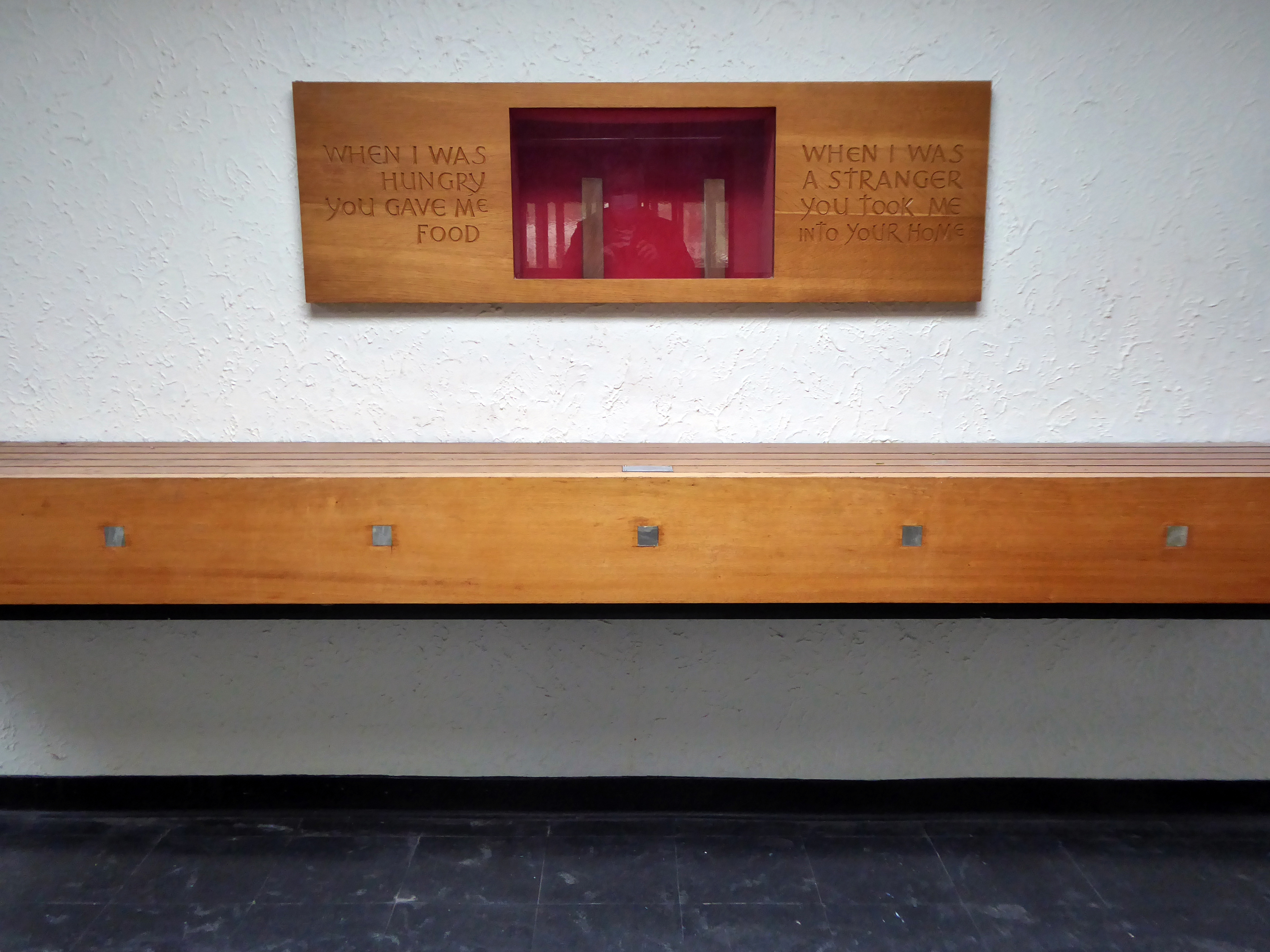
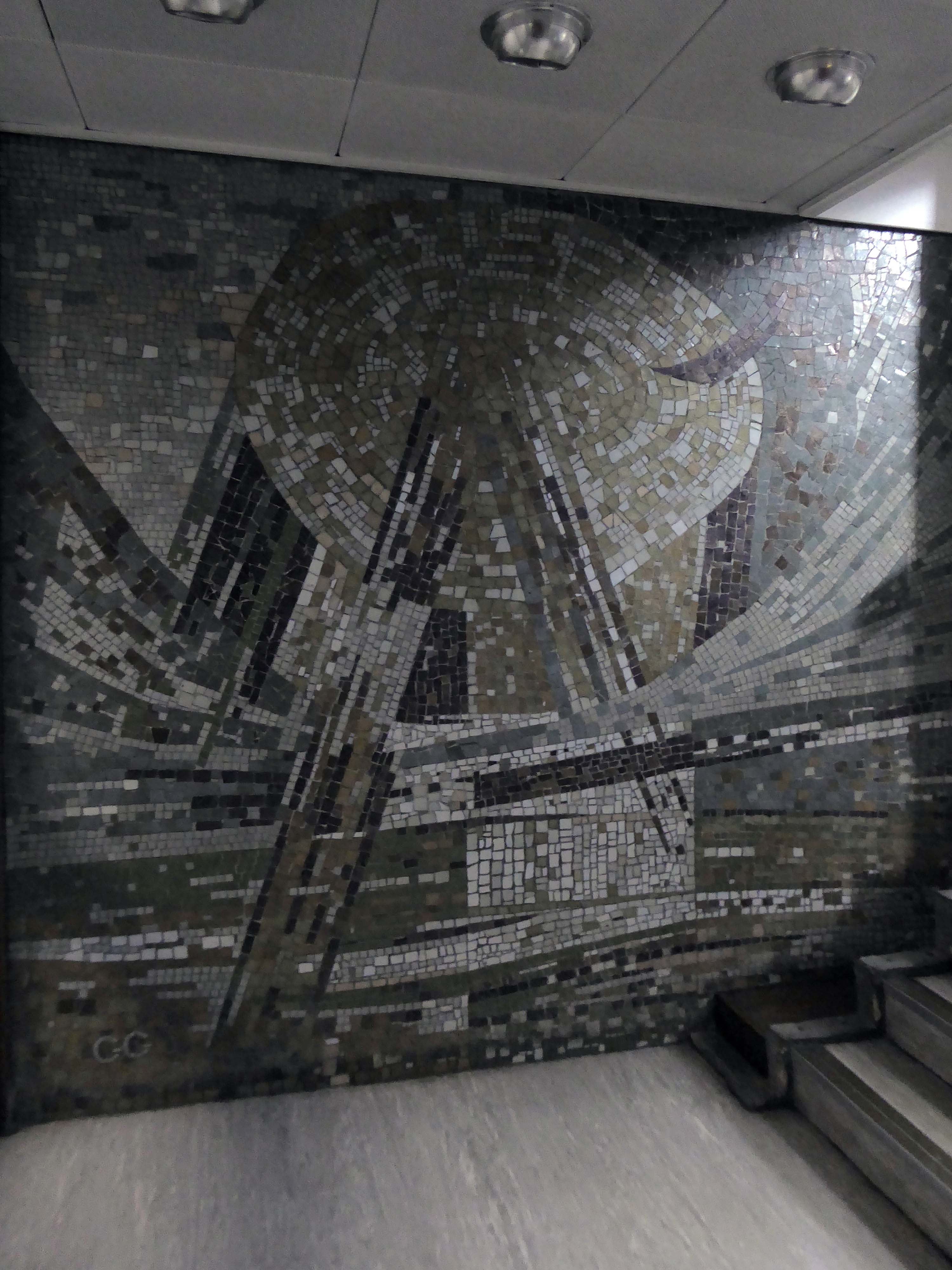
And decorative details.

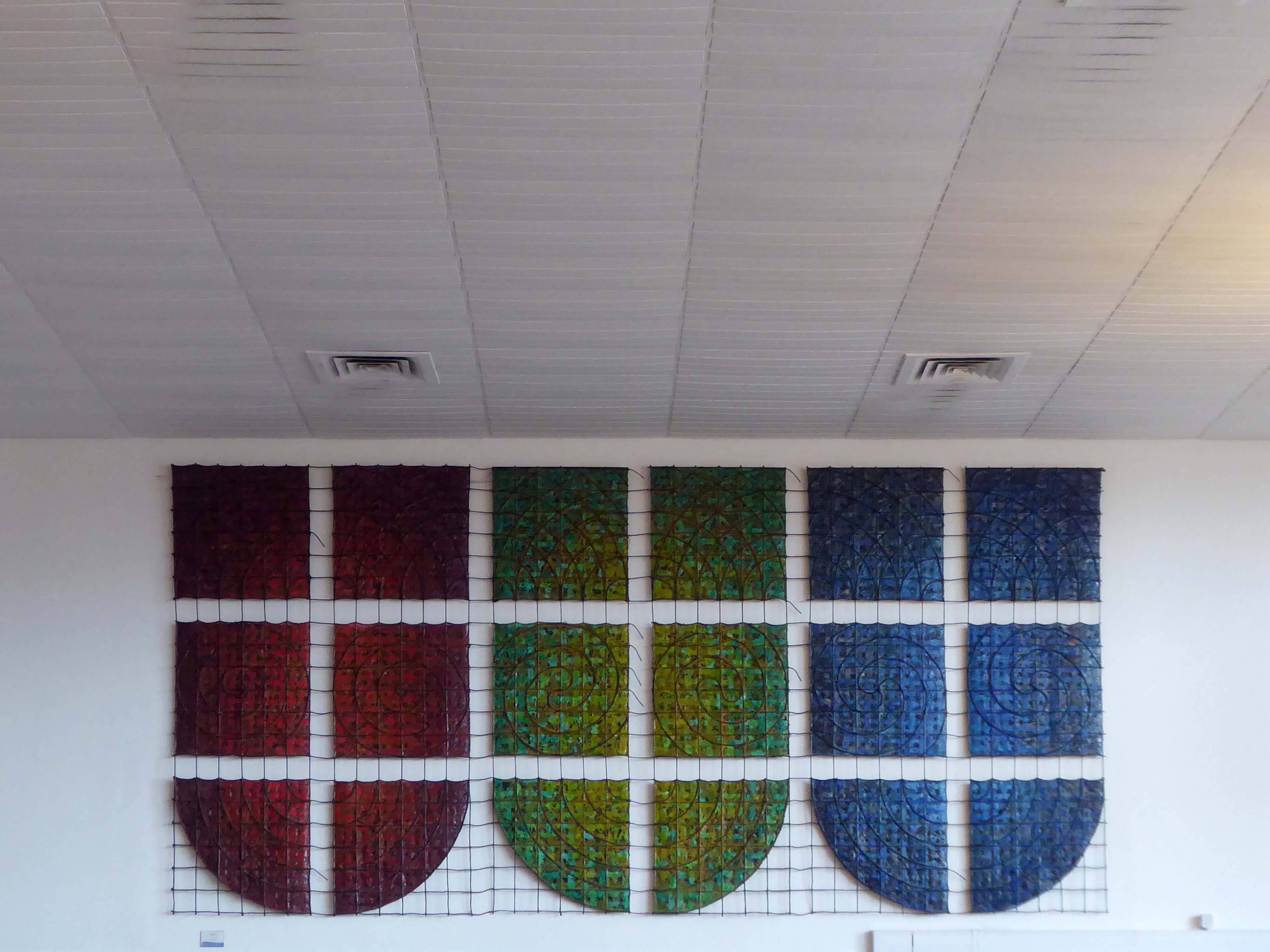
A recent addition Lifelines by Glyn Jones 1979.

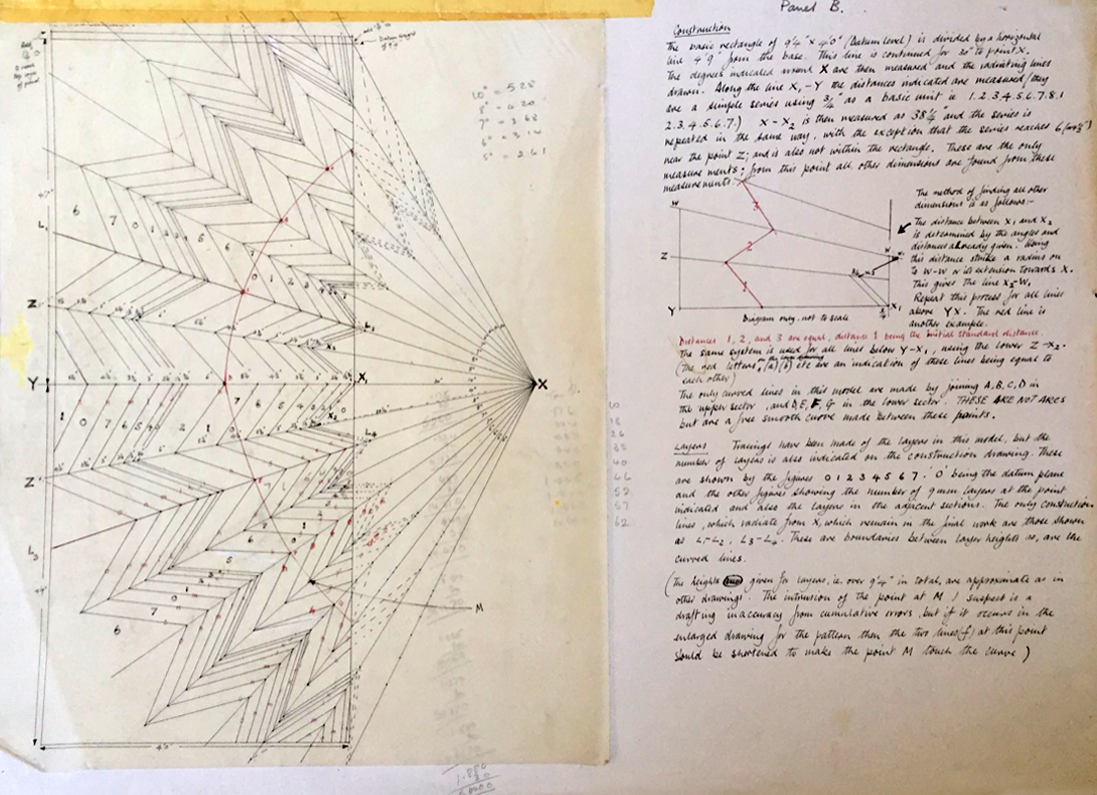
This large wall hanging measuring H305cm x W620cm hangs on the wall opposite the Ceri Richards paintings. The hangings were very dusty and the nails holding the piece up were rusty. We were able to interview the artist to find out more about how the hanging was made. Glyn Jones used a blow torch to apply pitch and PVA medium to canvas and skrim fabric that he then attached to a geometric rope structure. Gouache paint was used and a solvent fixative spray allowed the colours to become imbibed into the PVA film. The hanging was made in six panels and then the horizontal rope ends glued together on site. These glued attachments had failed several times in the past and Jones had fixed them. With his permission we decided to come up with a new approach to these fixings. After cleaning the panels, we adhered magnets into the ends of the ropes so that they would click together easily. We reinforced the vertical ropes between the sections with nylon thread. Strong polyester was attached to the back of the top edge allowing a new hanging system where the strips were screwed into the wooden fixing battens. The hanging now looks much brighter and more colourful and detaching rope problem has been permanently resolved.

International Fine Art Conservation Studios

This generously spaced mural in the form of three splendid green, red, and blue shields in glazed plastic material and black cording is a creation in which the artist, Mr Glyn Jones symbolically portrays the Holy Trinity 

The centre shield, in green, represents God the Father as creator and sustainer.

On the right of the centre shield, that is on the right hand of God the Father, is the red shield which represents our Lord and Saviour.

On the left of the centre shield, that is, on the left hand of God the Father, is the blue shield which represents the Holy Spirit.

In other ways the mural is modern in its abstract technique. Its basic symbolism is simple: a shield is for protection and green fertility sustains all life. Mr Glyn Jones is to be congratulated on a study which appealingly and joyfully presents the Holy Trinity as a protective and creative life-force that is yet associated with the Cross. His is a new and attractive achievement in the artistic tradition of Celtic Christianity.

Steve Williams

Cutting back to the Digital Technium

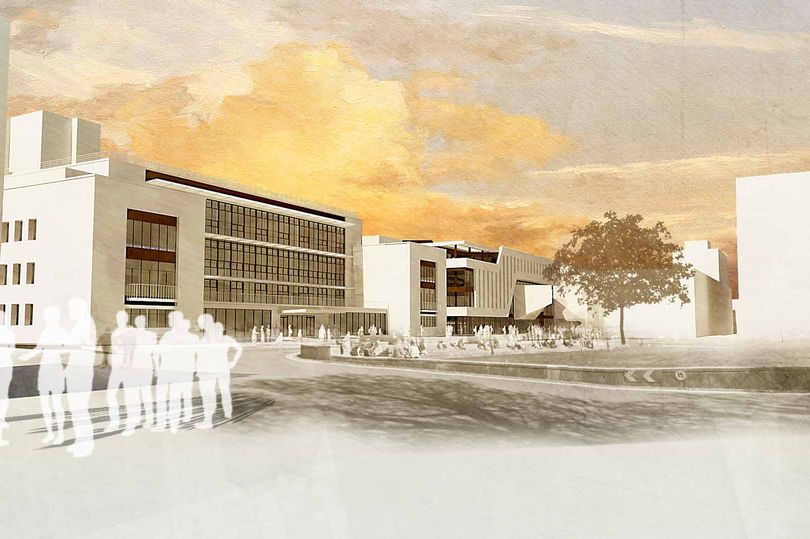
Controversially plans for a £30 million Student Activity Centre at Swansea University’s Singleton campus have been revealed.

Bosses say the centre will form part of a new Student Precinct and, subject to planning permission, will replace the former Digital Technium building which was built in 2003 at a cost of £9.5million.

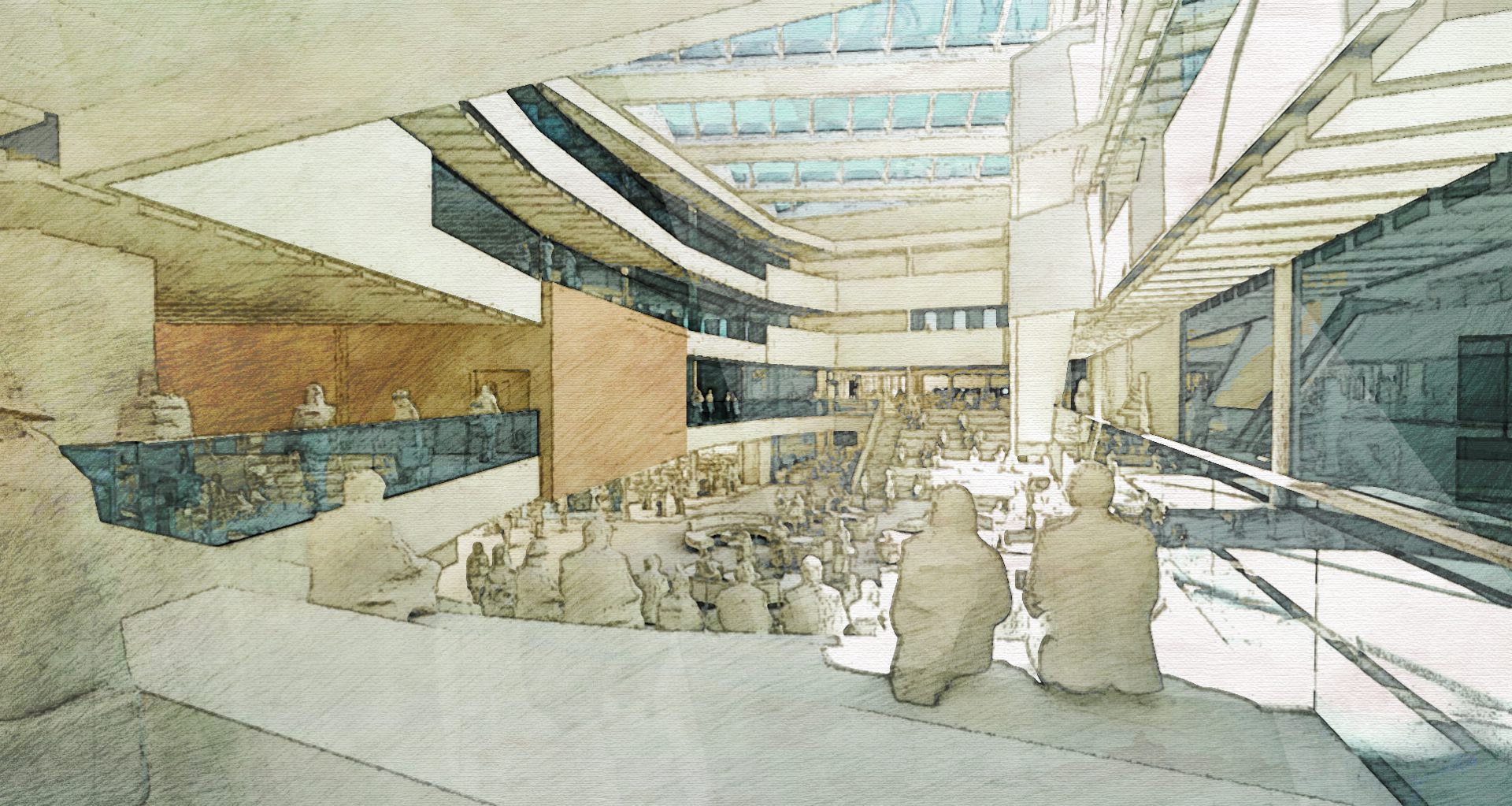
The scheme will replace the existing Digital Technium building and will be linked to the adjacent Grade II listed Fulton House, which will also be refurbished. Together, they will form the core of the new Student Precinct. Designs to resolve the surrounding streetscape and provide new access routes across the campus are also included.

Stridetreglown

Next to the Taliesin Arts Centre Architects: The Peter Moro Partnership 1984

Peter Moro is the forgotten co-designer of the Royal Festival Hall. A German émigré who had worked with Berthold Lubetkin’s famed practice, Tecton, in the 1930s, Moro was drafted in to help realise the Festival Hall in just two short years, in time for the Festival of Britain in 1951. With a team of his former students, he created many of the interiors we see today. For Moro, the Festival Hall was a stepping-stone to a career designing many of Britain’s finest post-war theatres, particularly Nottingham Playhouse, Plymouth Theatre Royal, and the renovated Bristol Old Vic. He and his colleagues also designed some exceptional one-off houses, as well as exhibitions, university buildings, schools, and council housing, collaborating with leading talents such as the designer Robin Day.

docomomo

Also notably the Gulbenkian Theatre at the University of Hull

Set in the heart of Swansea University’s Singleton campus we exist to enrich the cultural lives of individuals and communities across the region,  presenting arts experiences for audiences in our spaces and on the streets of Swansea.

Recently reshaped internally by Rio Architects.

Carl Cozier aka Holy Moly has added decorative details to the site.

Next door the Keir Hardie Building and its Neighbour the James Callaghan Building.

Heading back on ourselves toward the Wallace Building.

Percy Thomas was commissioned to design new buildings for science and engineering, but these plans were thwarted by cost constraints. However, following the appointment of John Fulton as principal in 1947, Thomas was re-engaged to prepare a new development plan.

British Listed Buildings

Of particular note are the cast panels forming a horizontal band along the elevation.

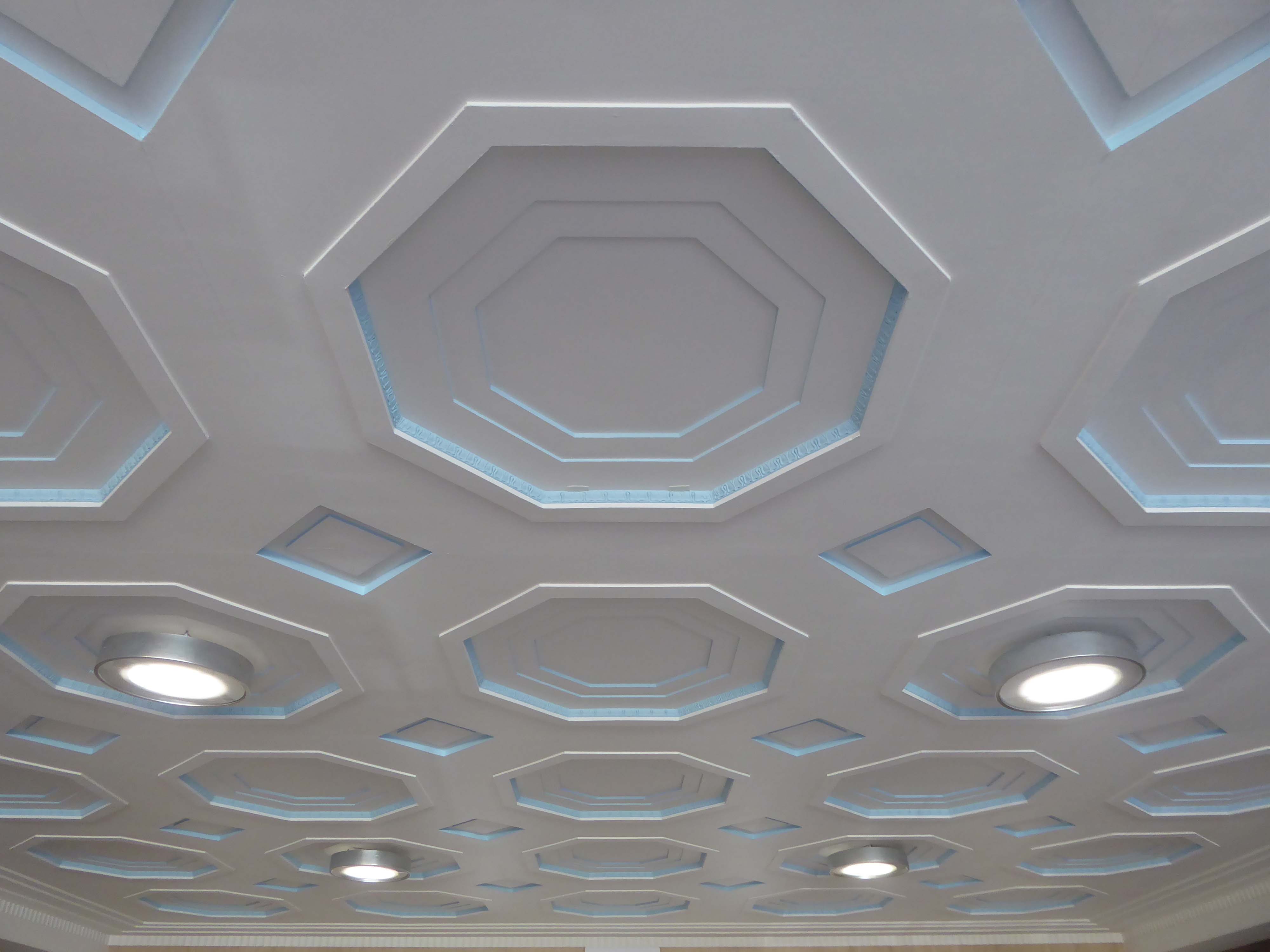
The entrance porch has a fine ceiling.

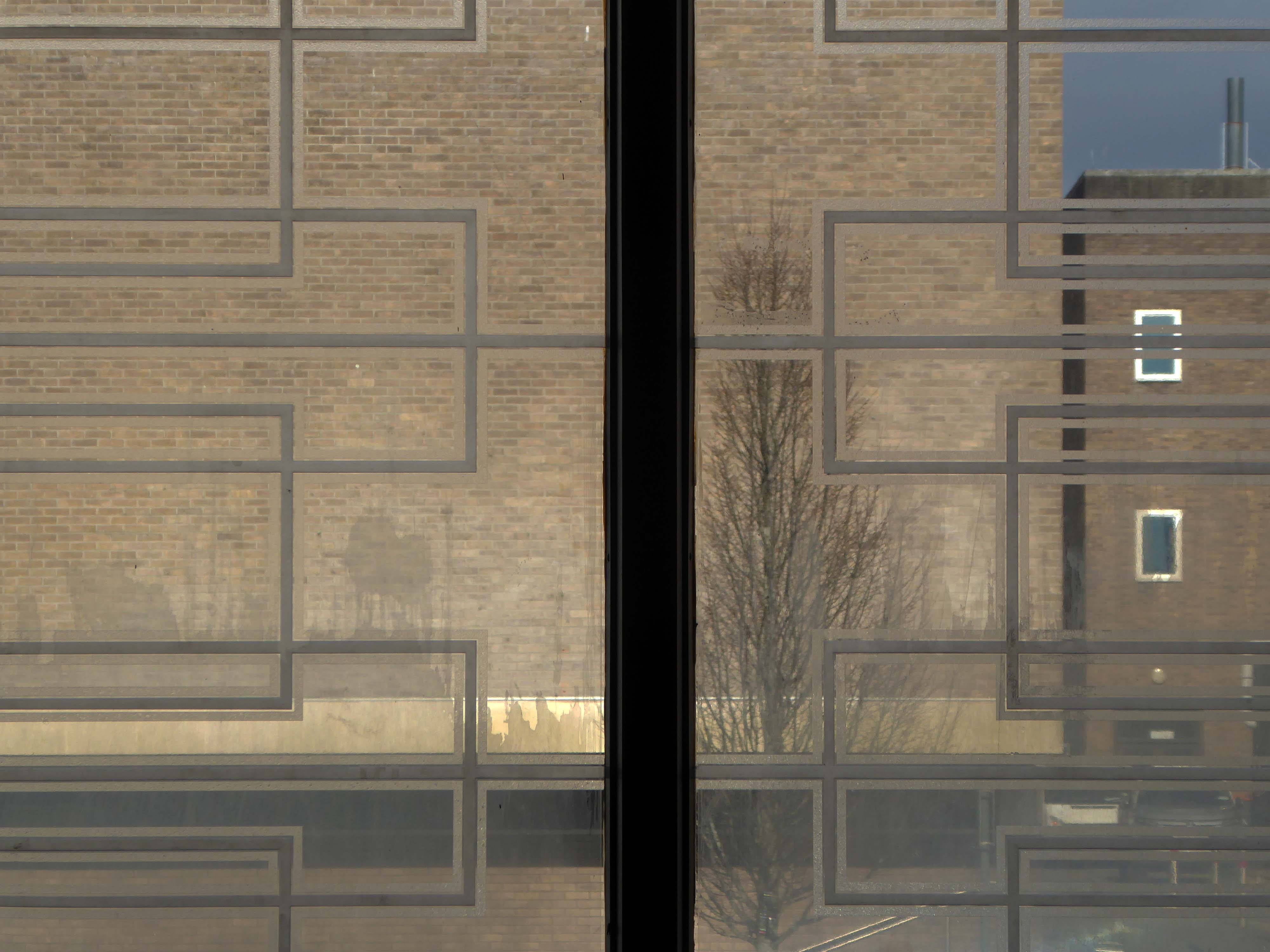
Along with etched glass window detailing.

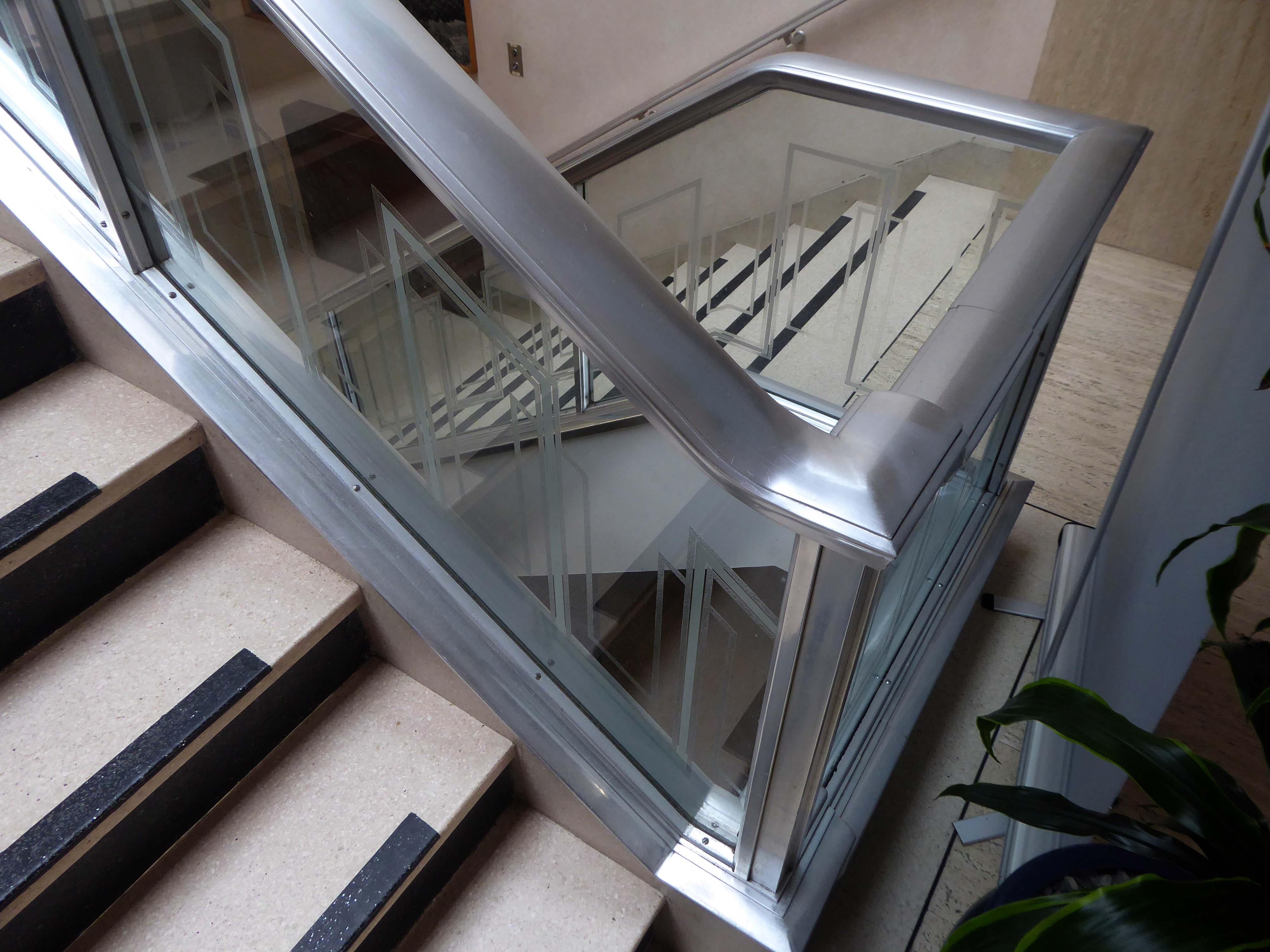
Echoed in the stairway’s glass infill.

Opposite we find the Grove Building.

Alongside the Glyndŵr Building.

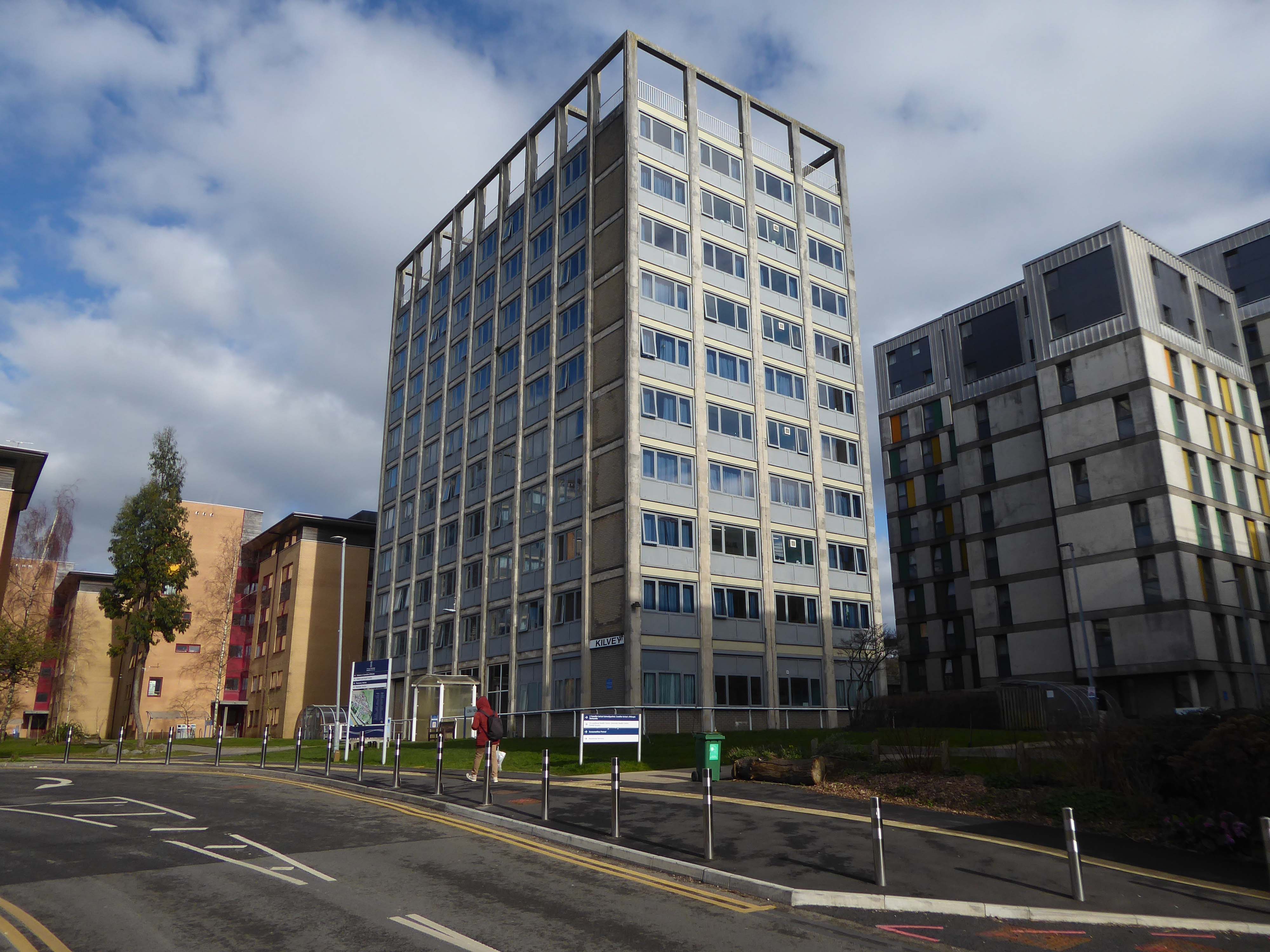
Heading now to the student residences the rear of Fulton House to the right

Swansea University Alumni Network

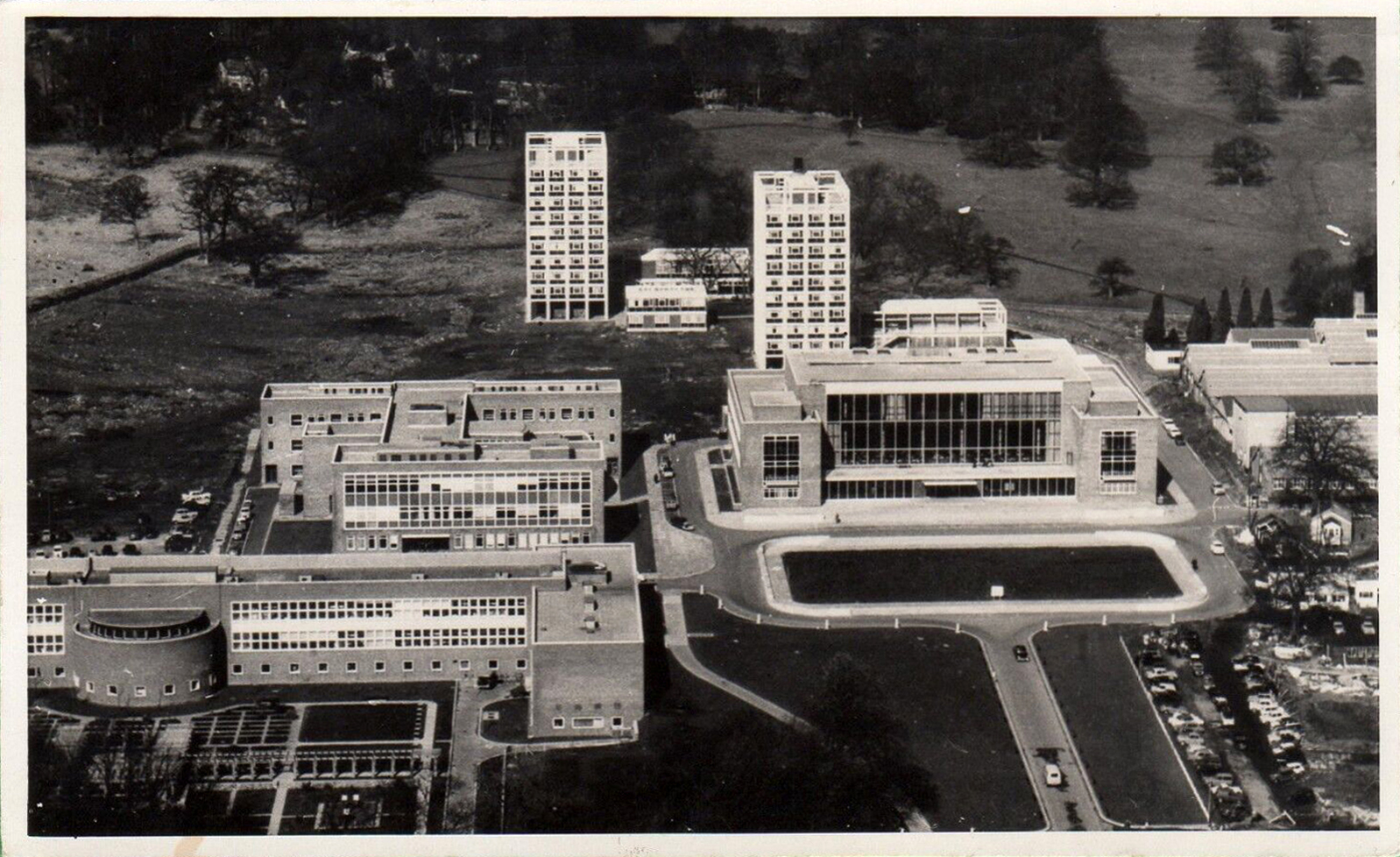
The earliest halls can be seen at the centre of this postcard.

Also to the left of this later postcard.

This card shows the Singleton campus of Swansea University. Top right, the abbey which was the university’s original building; beyond that the houses around St Helens – the sports ground where in August 1968 Sir Gary Sobers scored six sixes in an over for Nottinghamshire against Glamorgan.

wonkhe

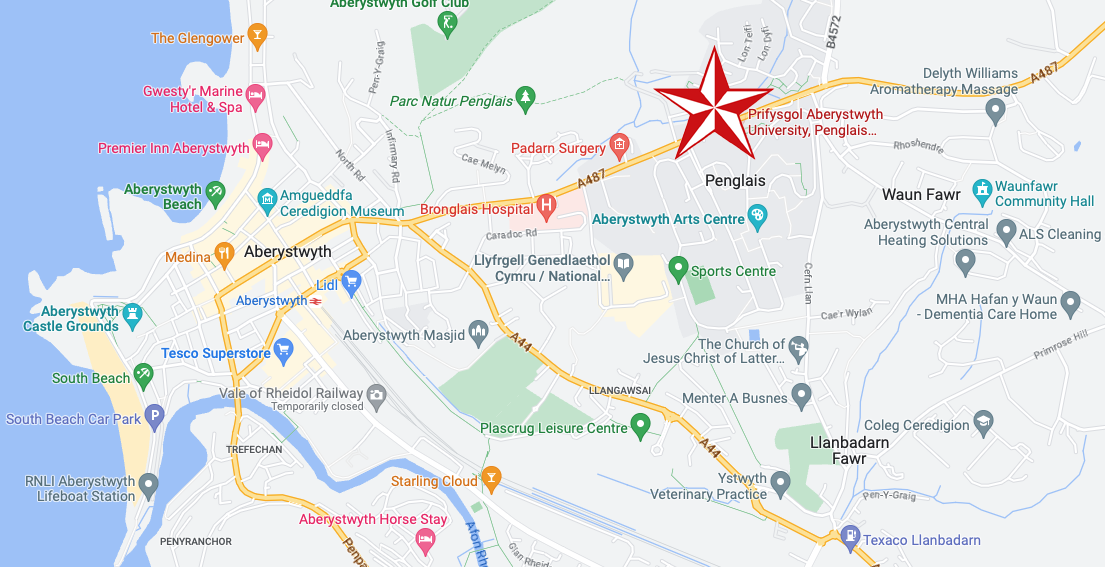
Prifysgol Aberystwyth University

Prifysgol Aberystwyth University – Penglais Campus SY23 3AH

Led by London Welshman Hugh Owen, a small group of patriots sought from the 1850s onwards to raise enough money by public and private subscription to establish a college of university status in Wales. A project of enormous ambition, the University opened its doors in 1872 initially with a handful of teachers and just twenty five students in what was then a half-finished hotel building – the Old College on the seafront. 

The first decade presented many challenges for the University’s survival. The generosity of a few individual benefactors and organised appeals for support from the ordinary people of Wales kept the University in being, and, perhaps more importantly, deeply rooted it in the minds and the affection of the Welsh people. A matter of considerable pride is that the University has made a significant contribution to the education of women, being one of the first institutions to admit female students. 

Since those early days, Aberystwyth University has gone from strength to strength and now has more than 6,000 students and 2,000 staff. As the institution grew, its main campus moved from Old College on the seafront to Penglais Hill. This finely landscaped site enjoys spectacular views over the historic market town of Aberystwyth and the Cardigan Bay coastline. New buildings, including major arts and science developments, halls of residence, a magnificent Arts Centre and sports facilities are located here.

aber.ac

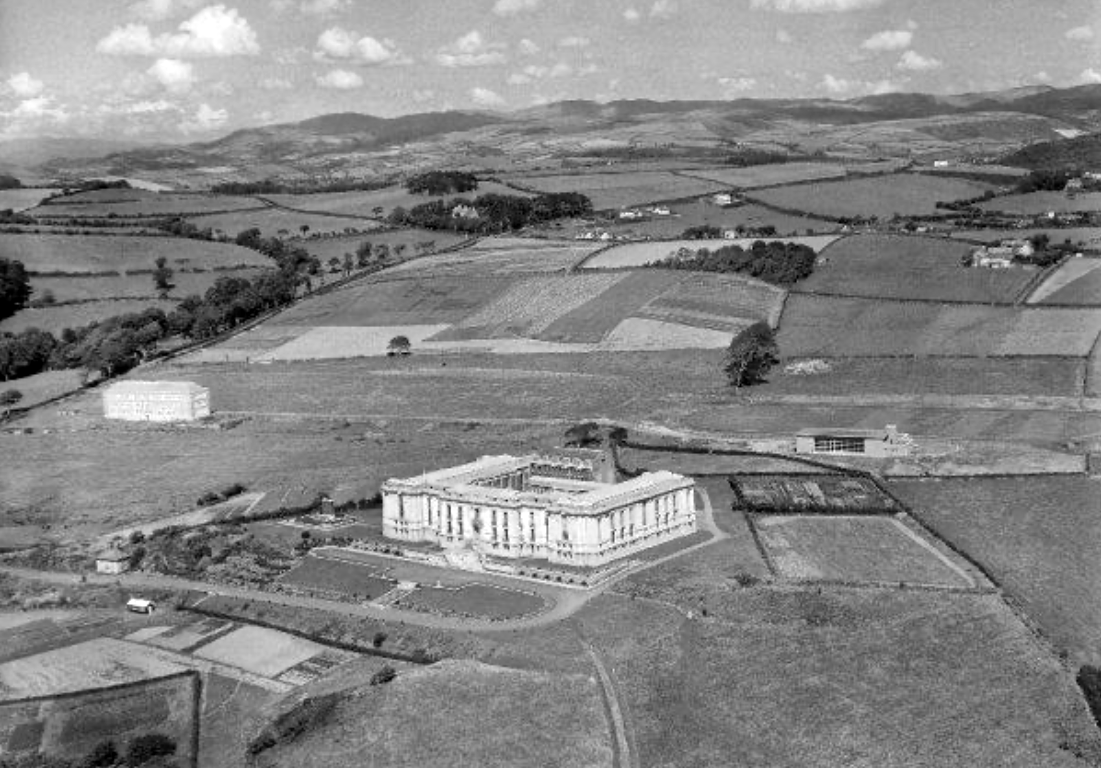
1947 and the site is developing behind the National Library of Wales.

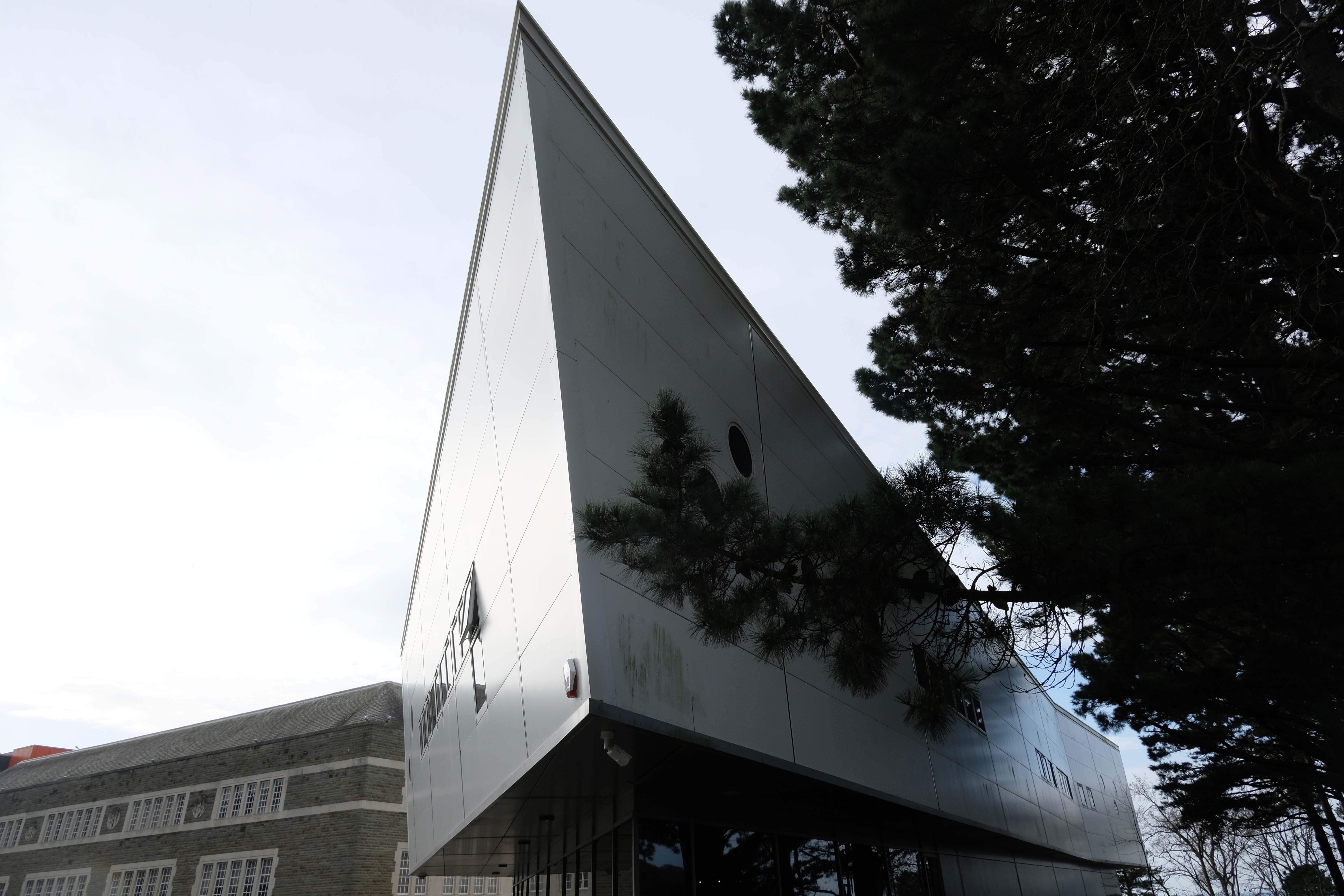
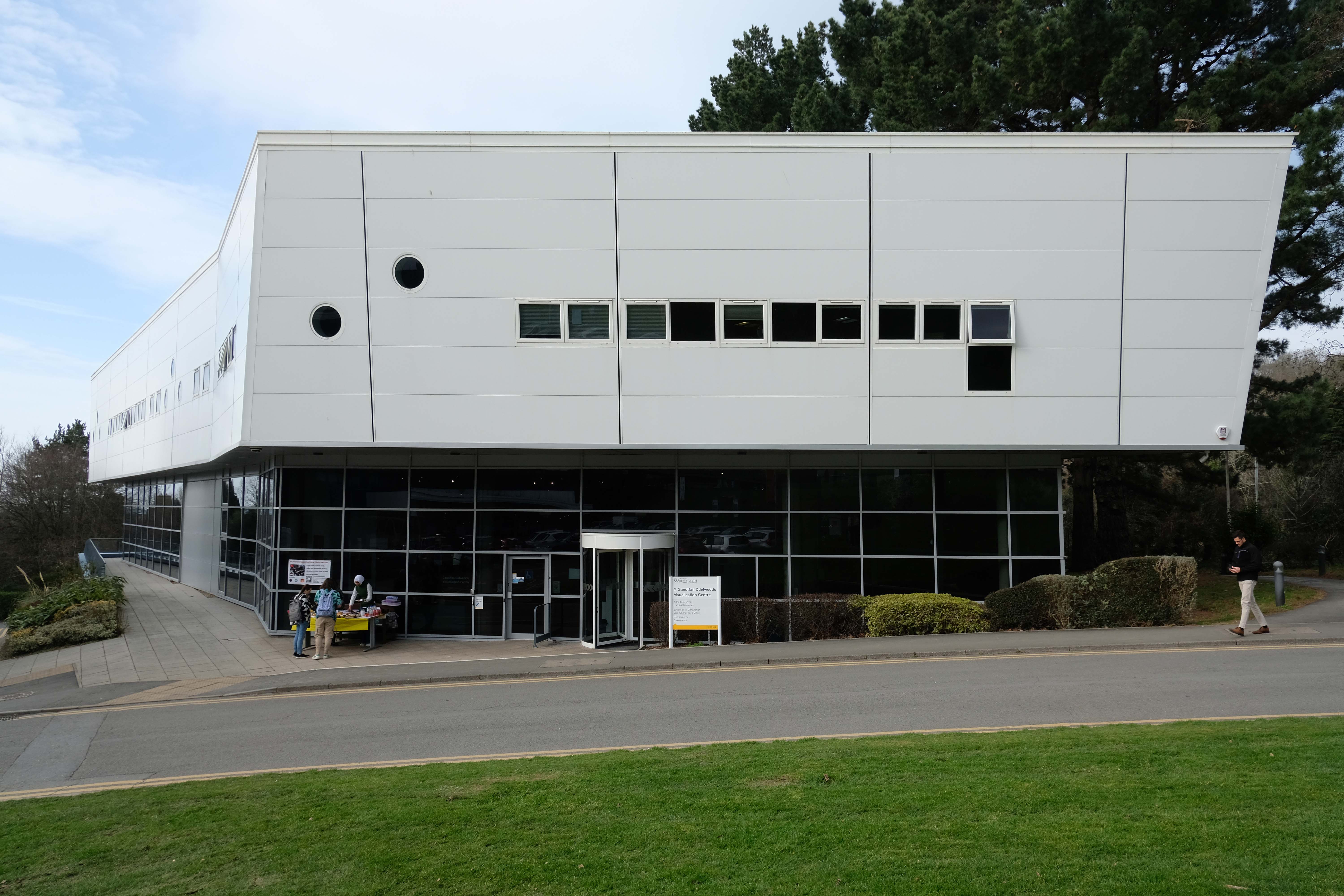
In 2023 we closely encounter – the Visualisation Centre Mathematics and Physics Department

Opened in 2007 – designed by Boyes Rees Architects.

Sadly a Welsh architecture practice which has ceased trading under the burden of late payments, leading to the loss of forty jobs.

BBC

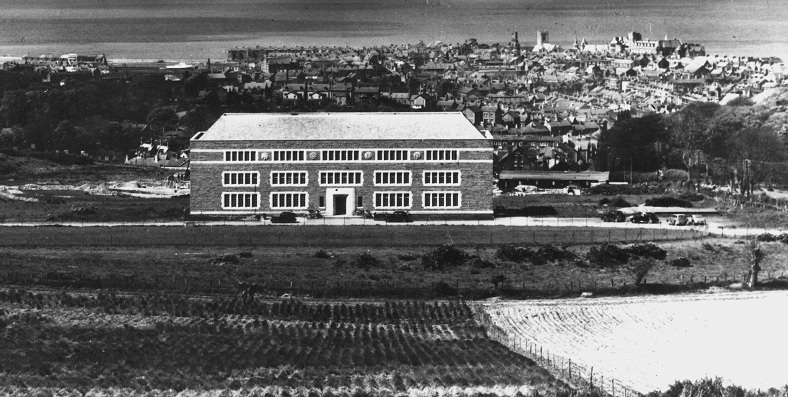
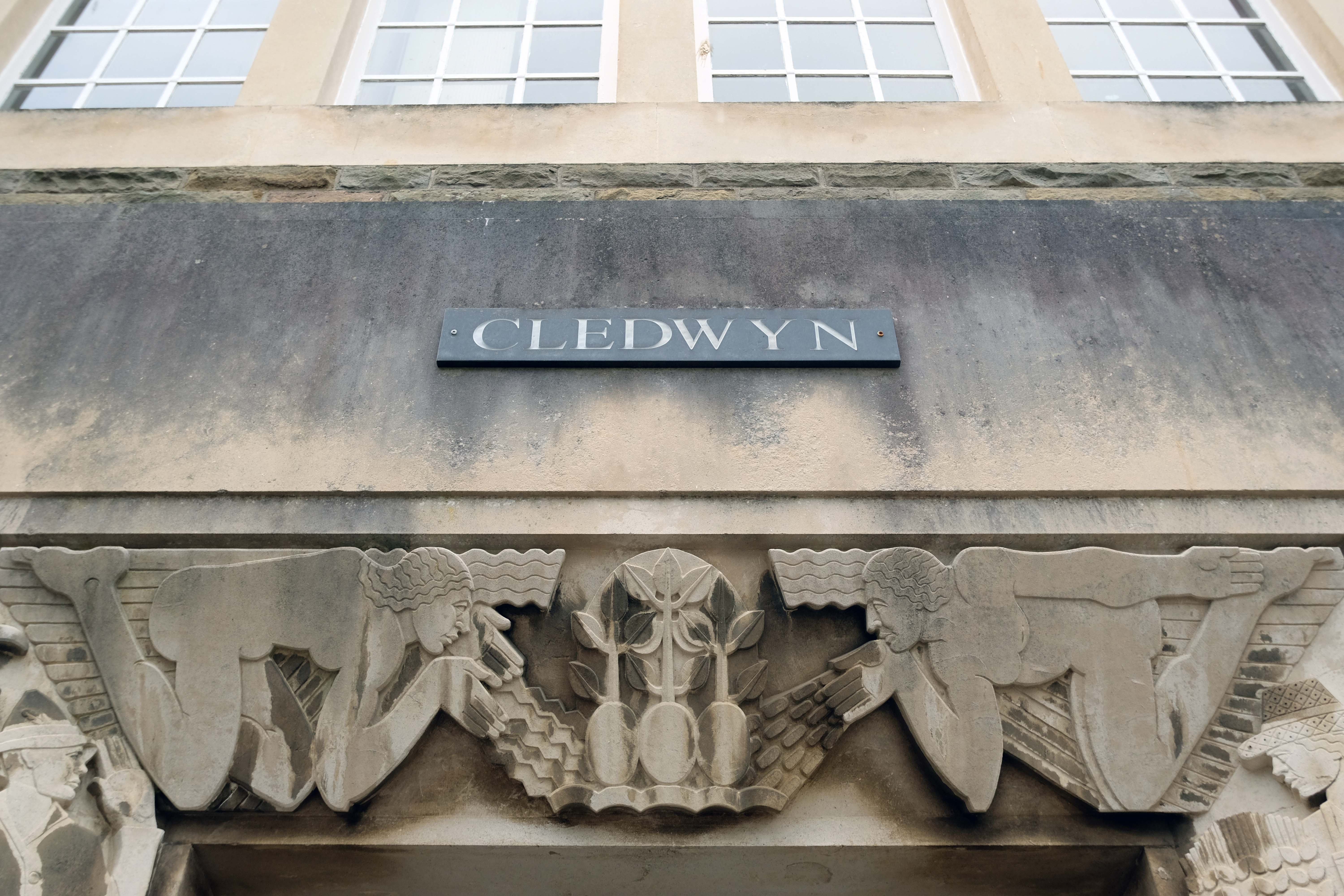
Its near neighbour is the Cledwyn Building – Architect: Sir Percy Thomas 1883-1969.

It has recently been Grade II listed.

In 1935 Percy Thomas prepared a plan for the layout of a new campus, and was appointed as architect for the first three buildings to be constructed – Cledwyn, Pantycelyn and the swimming bath.  This marked the beginning of the move away from the college by the sea to the college on the hill. 

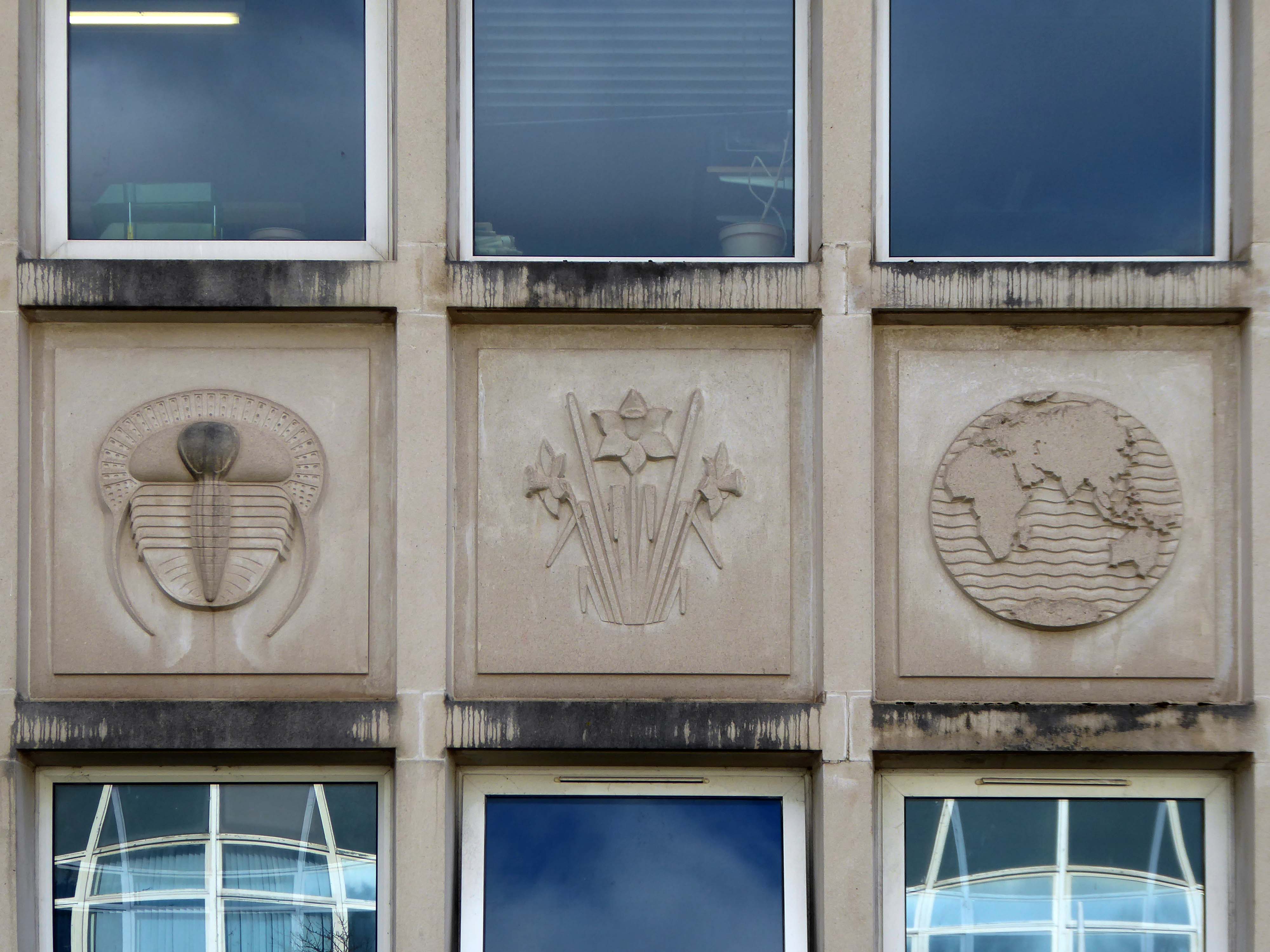
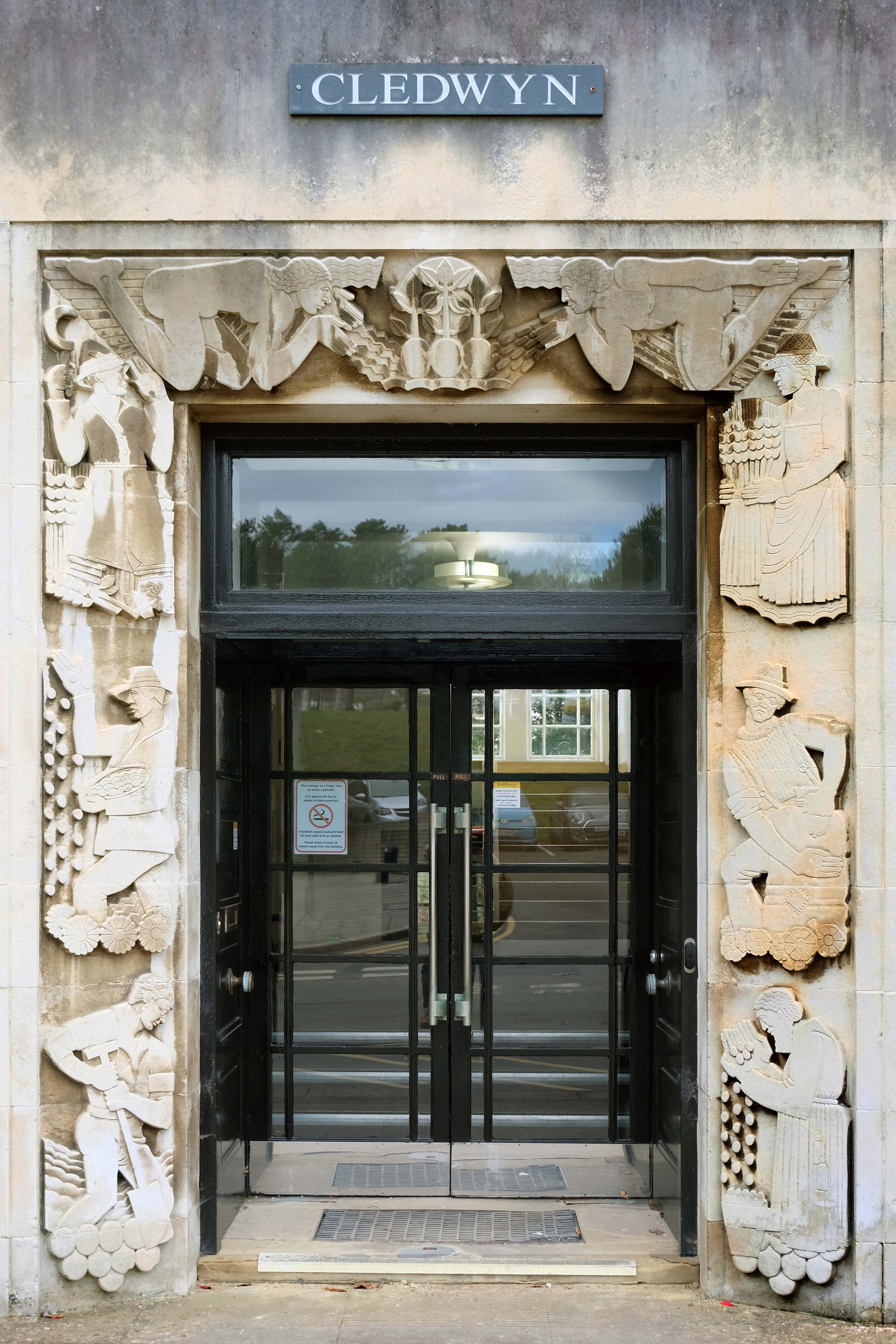
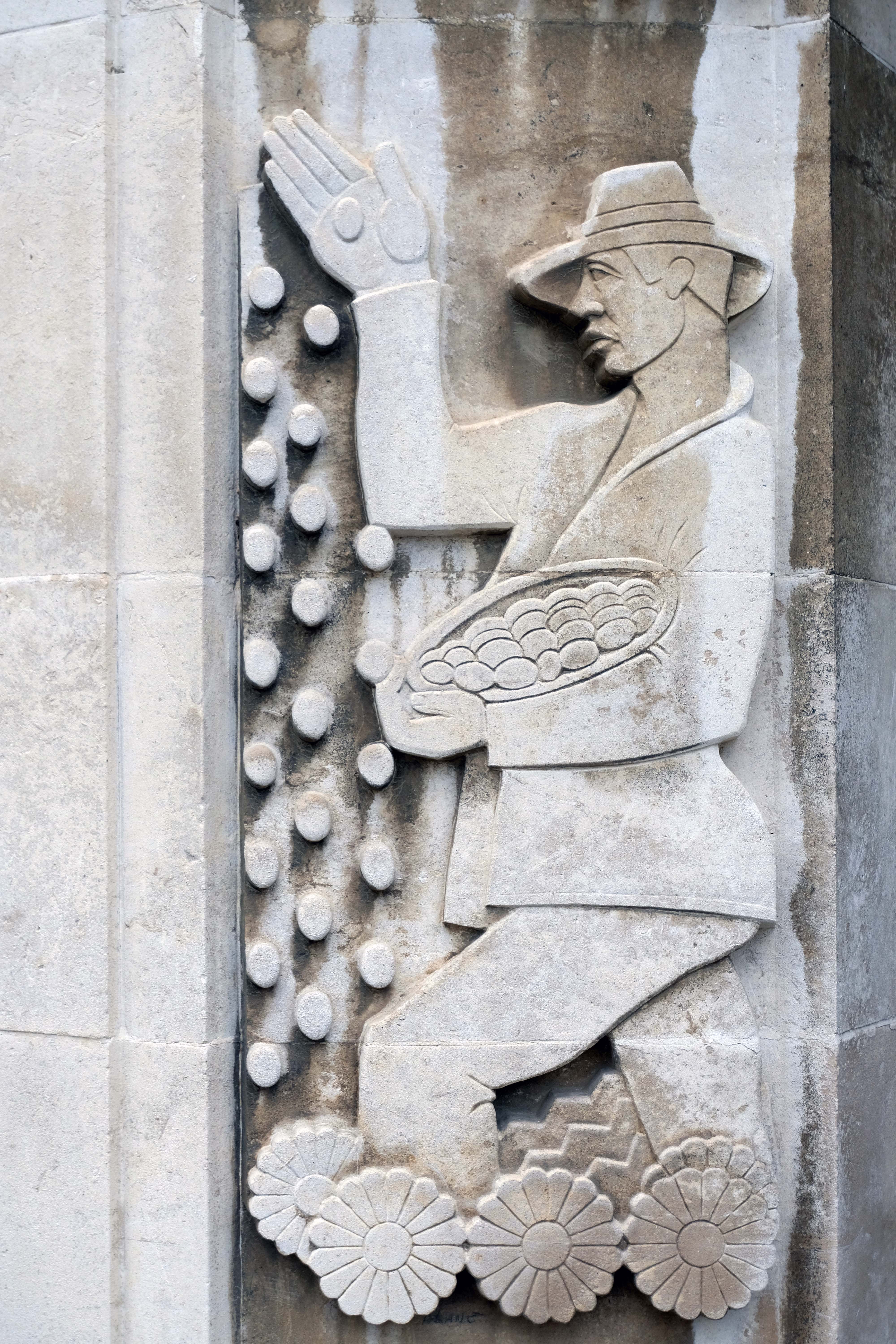
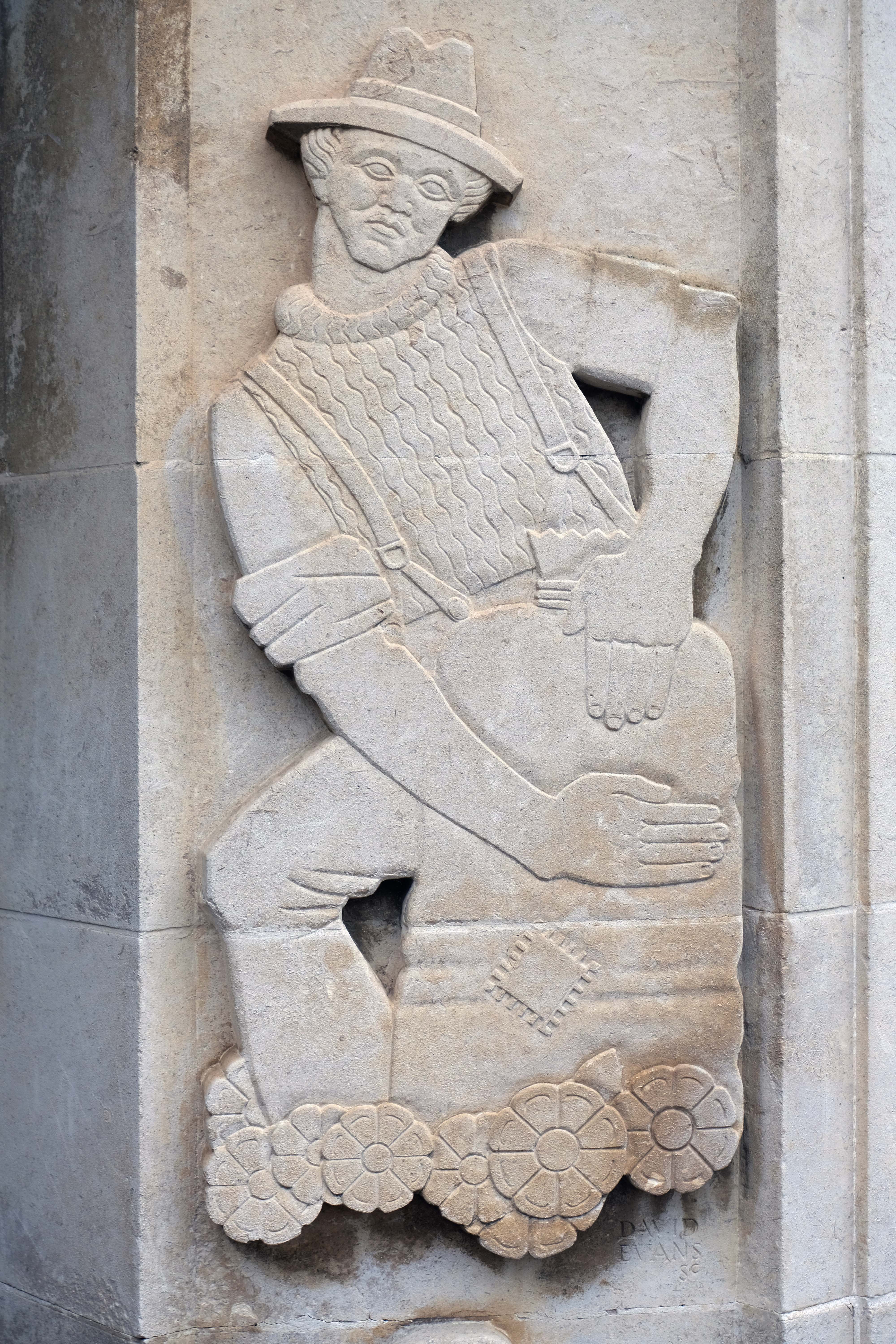
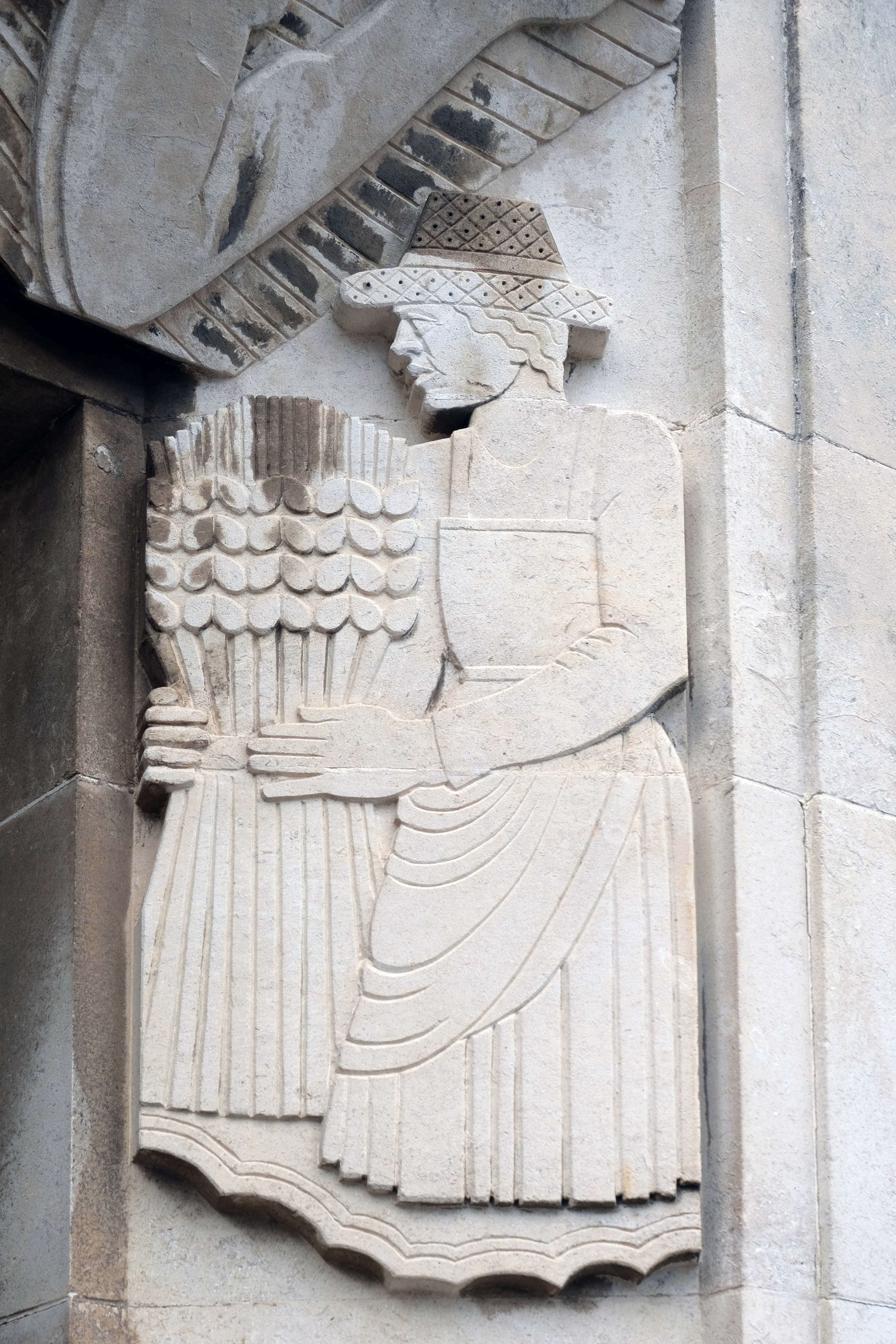
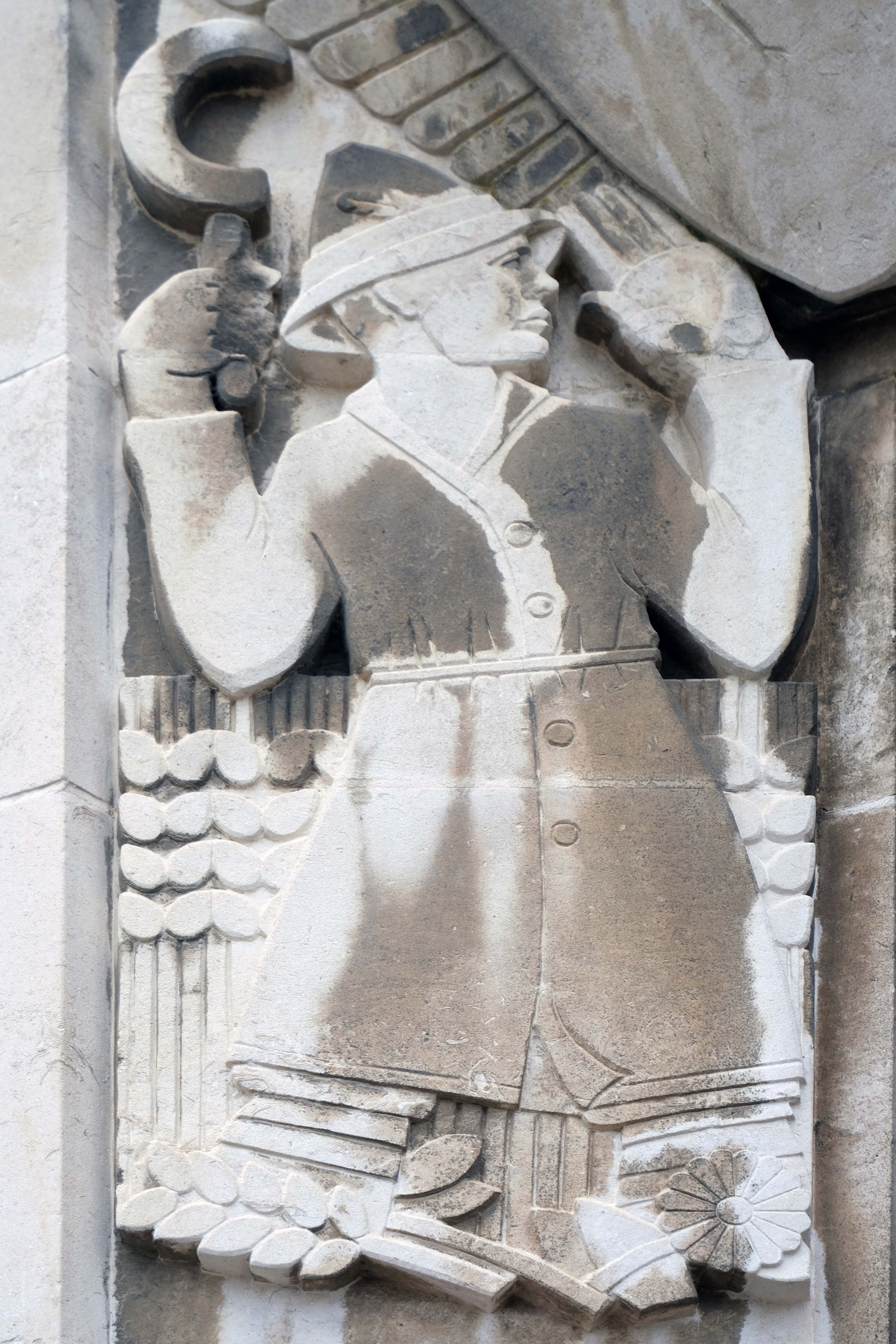
Built in a simple Georgian modern style, faced with Forest of Dean stonework, the building’s main entrance features a broad architrave adorned with low reliefs of agricultural scenes, and there are decorative circular stonework emblems in between the windows of the upper floor.

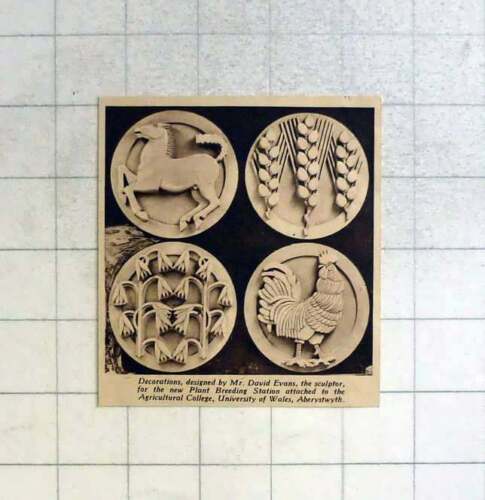
The carved stone work is by David Evans.

A Manchester-born sculptor who attended the Manchester School of Art, and won a scholarship to the Royal College of Art. After active service in the World War I, he resumed his studies at the Royal Academy, where he was instructed by Francis Derwent Wood. In 1922, he won the Landseer Prize and later went to work in the British School at Rome. He had been exhibiting at the Royal Academy since 1921. His works from the 1920’s are mainly highly stylised religious and mythological themes. 

During his stay in the United States, he executed some significant work for public buildings in New York. The locations there included Rockefeller Center, Radio City, Brooklyn Post Office, a bank on Wall Street, St Thomas’s Church on Fifth Avenue.

Here are the four decorative panels placed higher on the building.

Liss Llewellyn

Next to the Llandinam Building

Seen here under construction in 1963

On completion in deep winter.

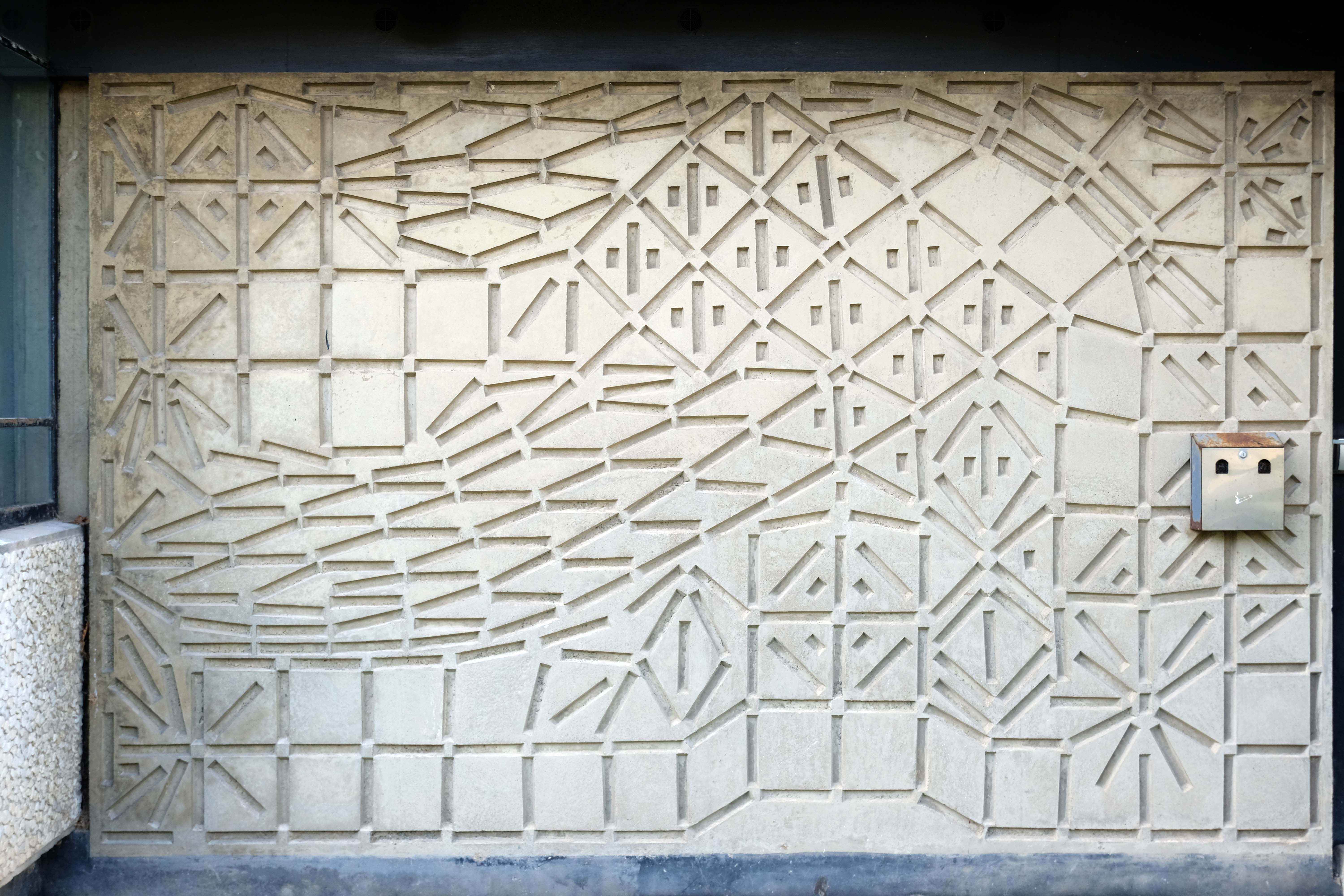
Tucked away at the back is this decorative concrete relief lacking attribution but gaining an ashtray.

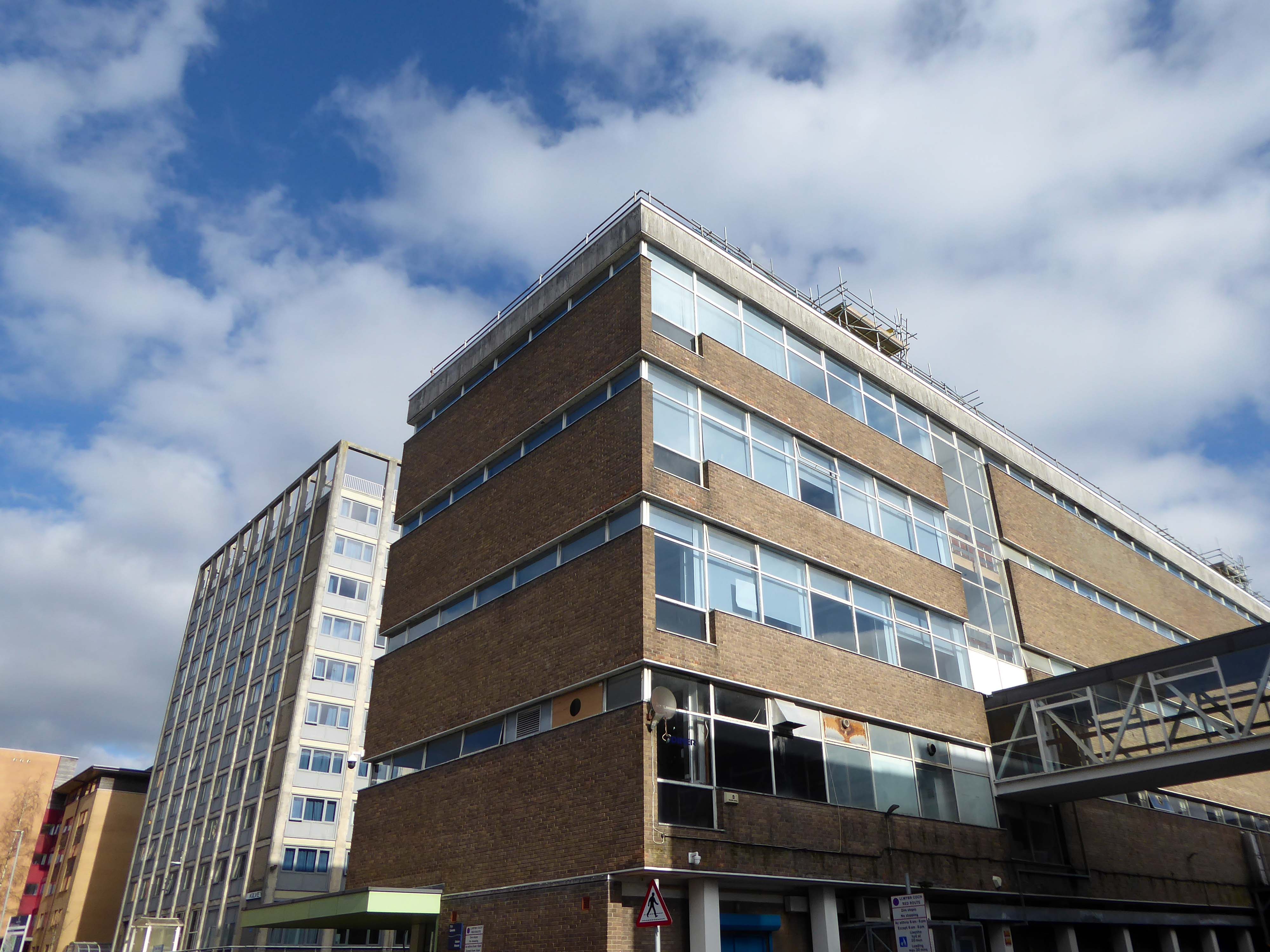
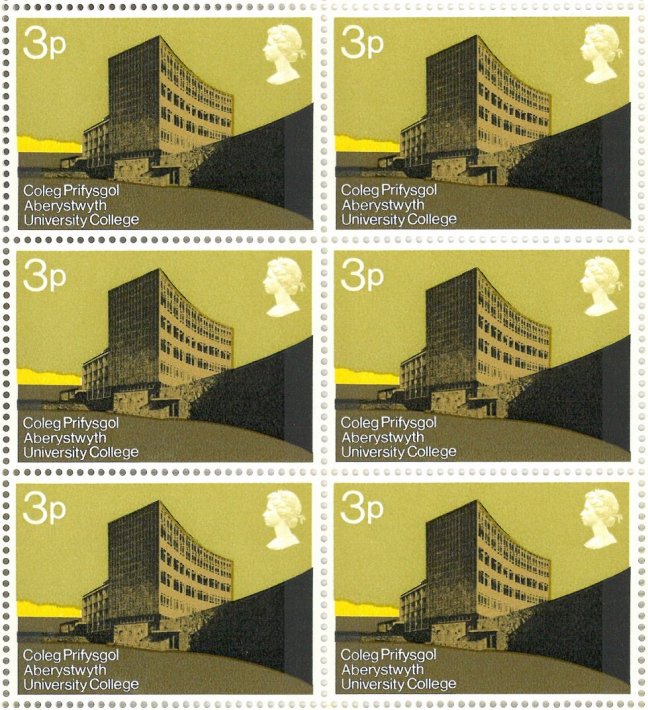
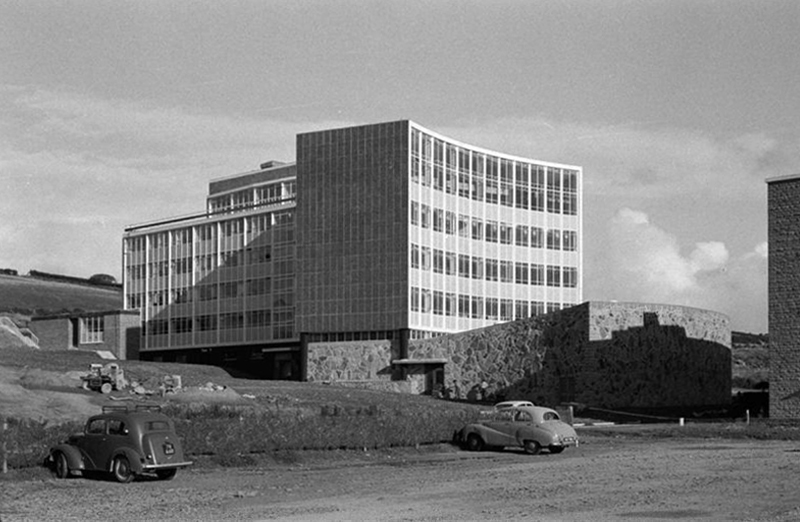
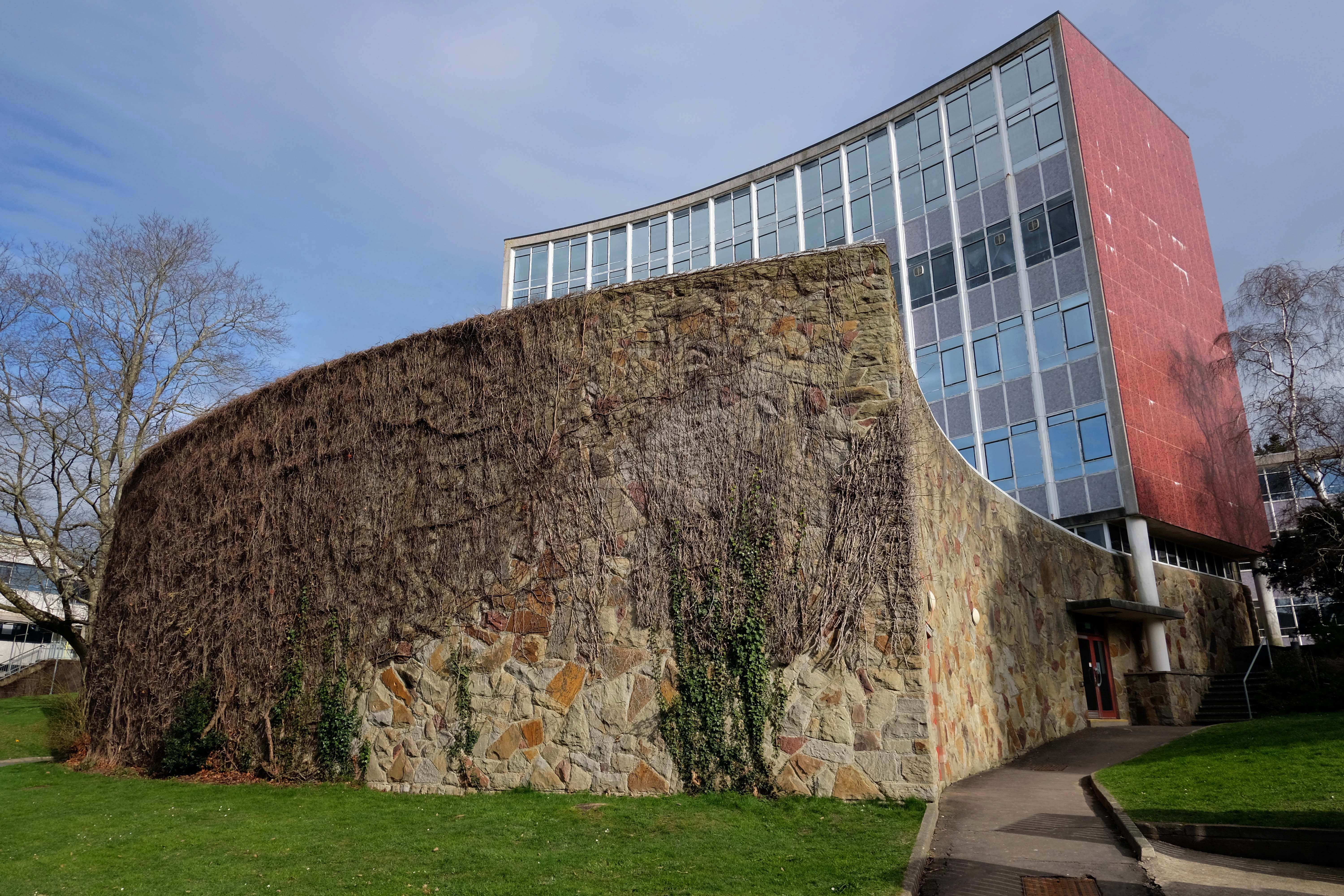
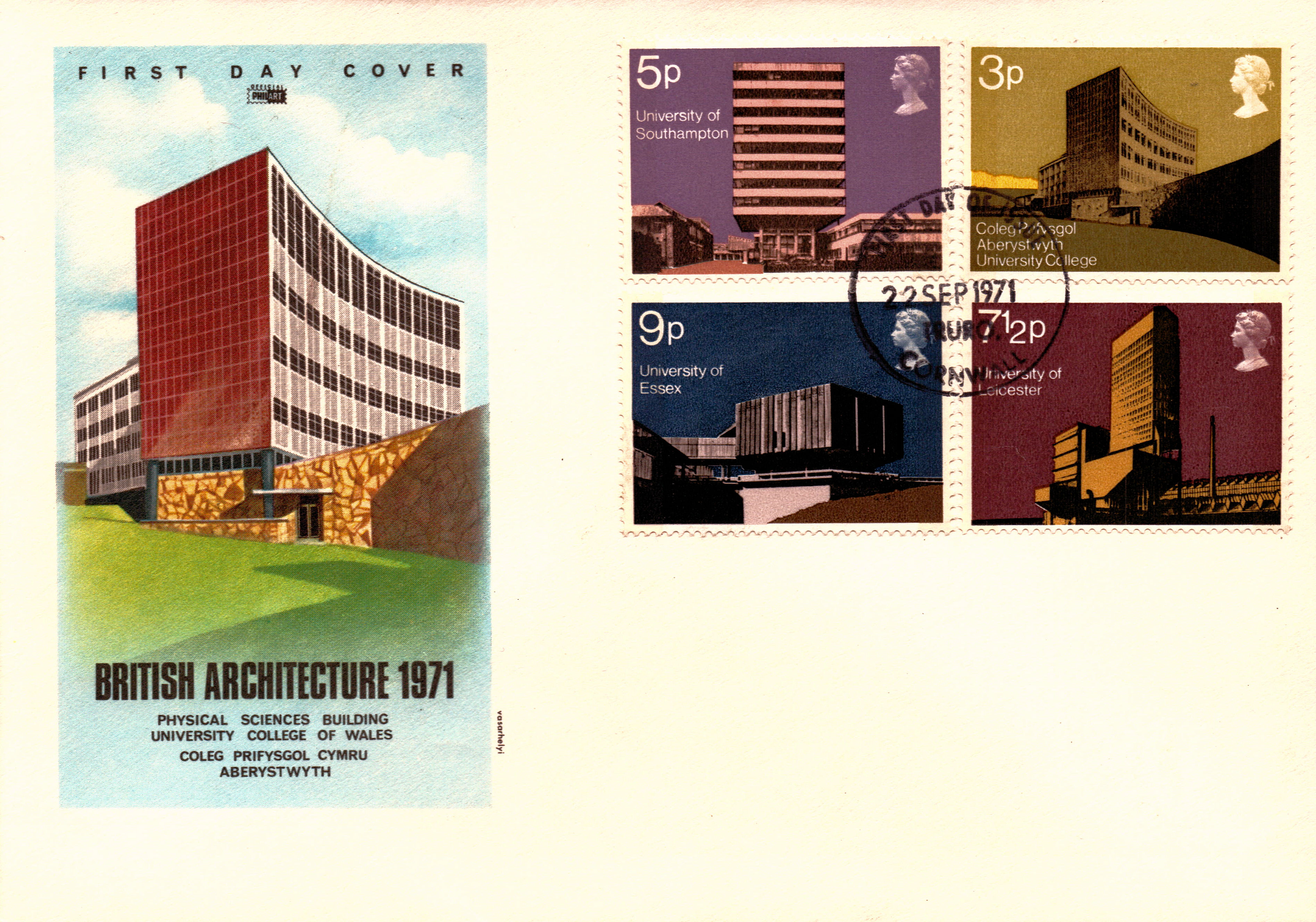
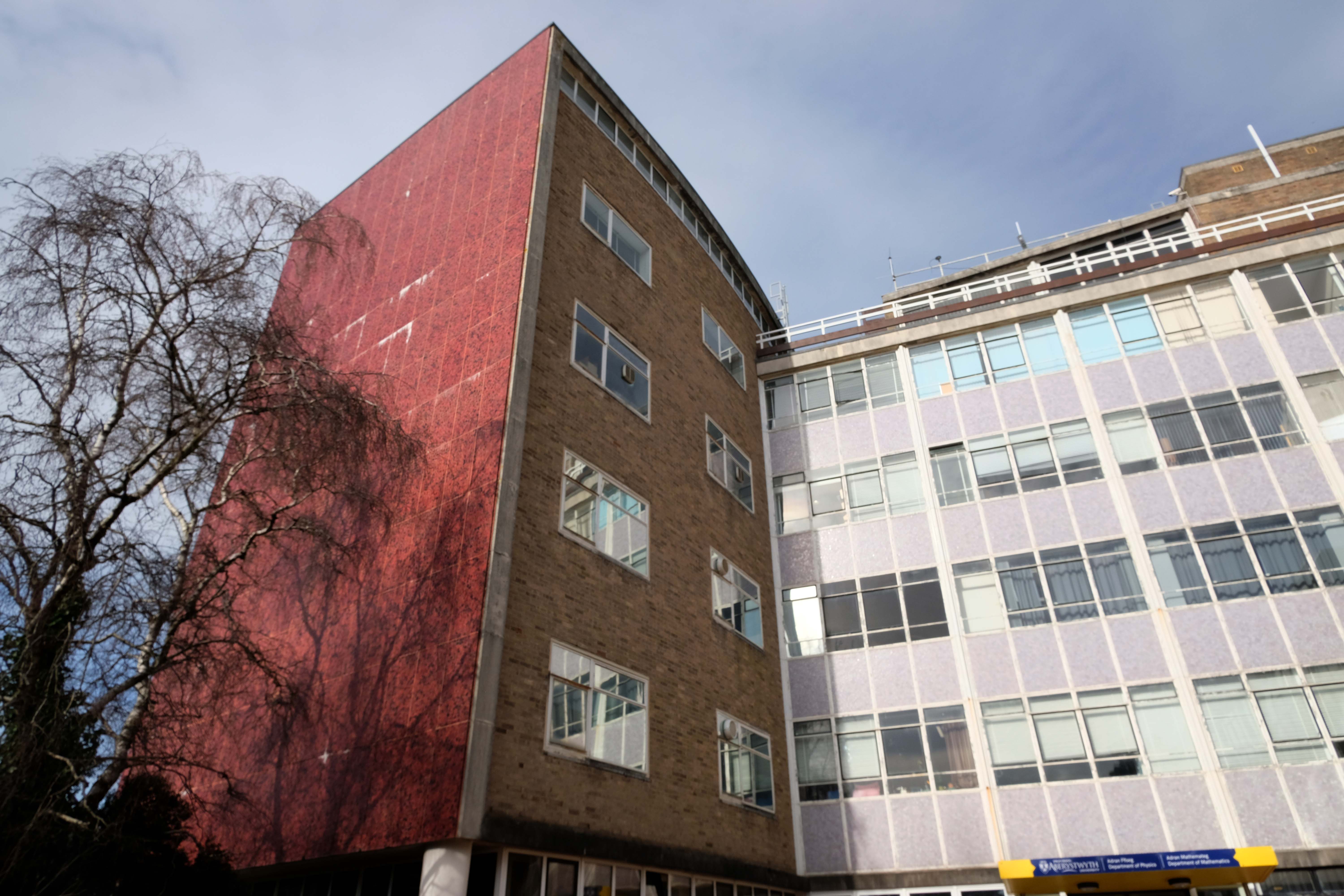
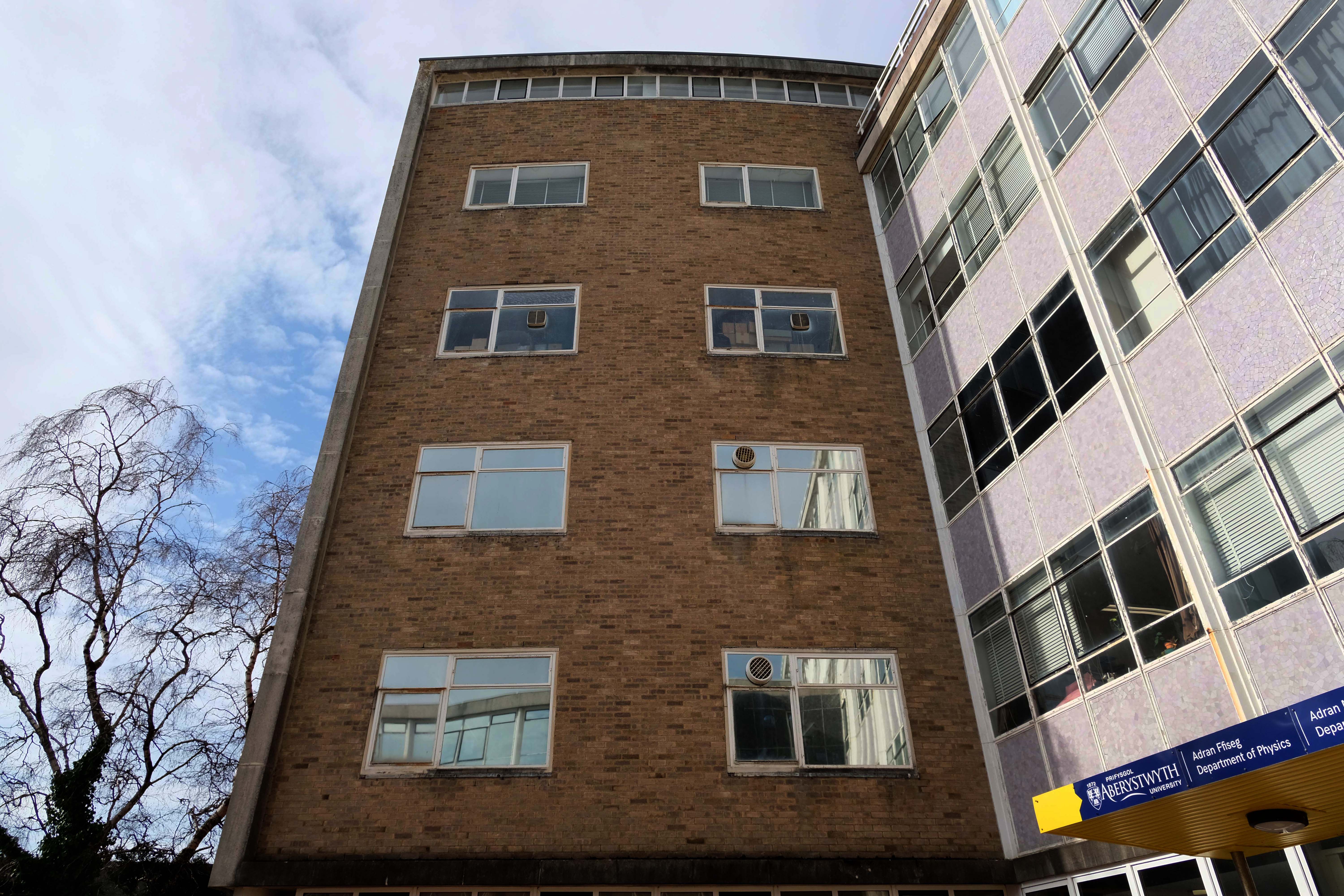
Backtracking now to the Physical Sciences Building completed in 1962 and opened in 1963 – Sir Percy Thomas Partnership

August 1st 1962: Arthur Chater

Immortalised in this elegant educational stamp set – designed by Mr Nicholas Jenkins of the Royal College of Art 

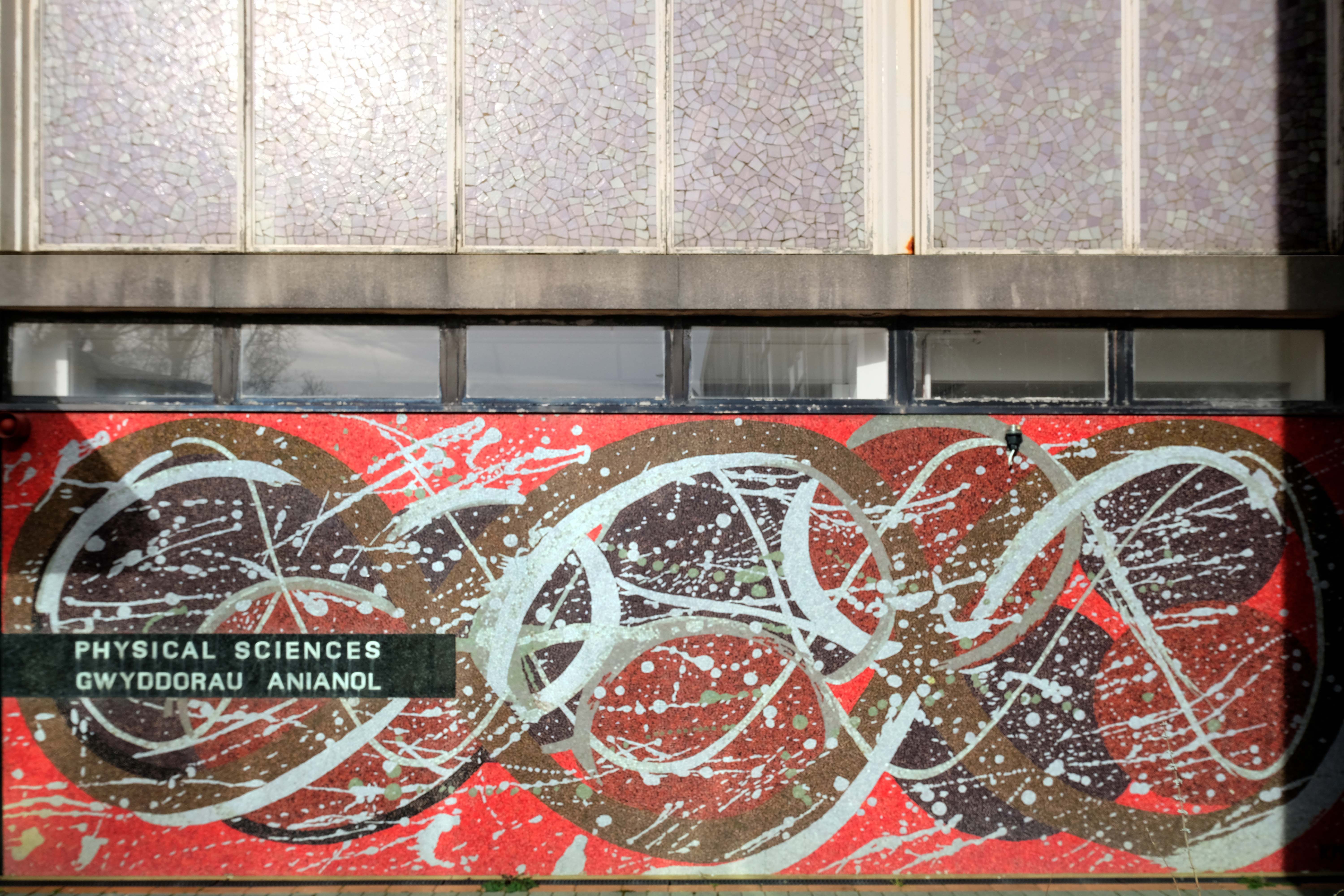
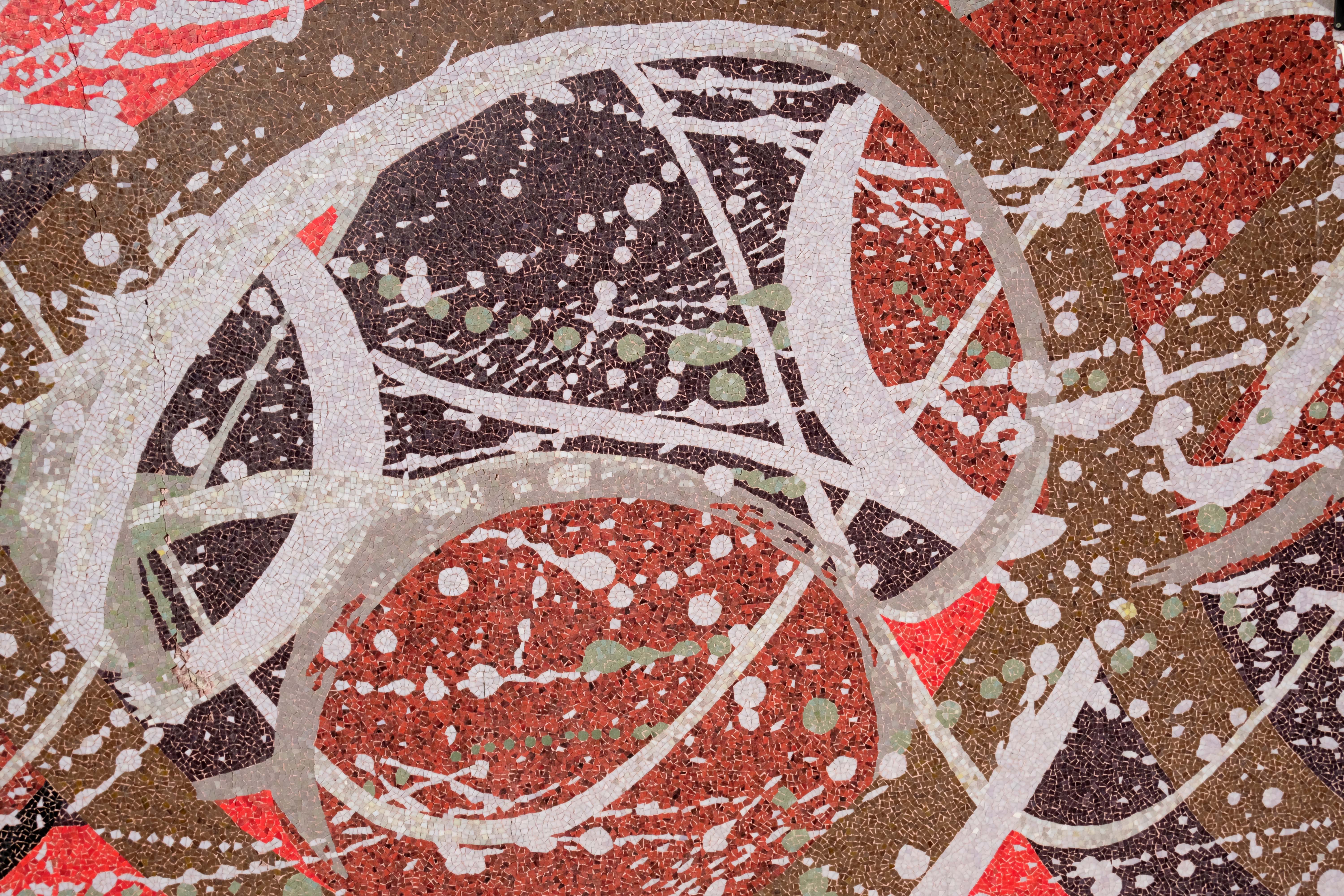
To the right of the entrance this striking mosaic – action is ossified in the manner of a semi-permanent Pollock.

Aberystwyth Arts Centre is one of a number of campus buildings designed by Dale Owen of Percy Thomas Partnership, and completed in 1970-1972.

Built to a strongly horizontal design using grey granite aggregrate, the facade is essentially an overhanging rectangle framing of glass with an off-centre overhang. The position of the building providing unobstructed panoramic views over the main piazza style concourse and the sea beyond.

Coflein

Ribapix: Stewart Bale 1970

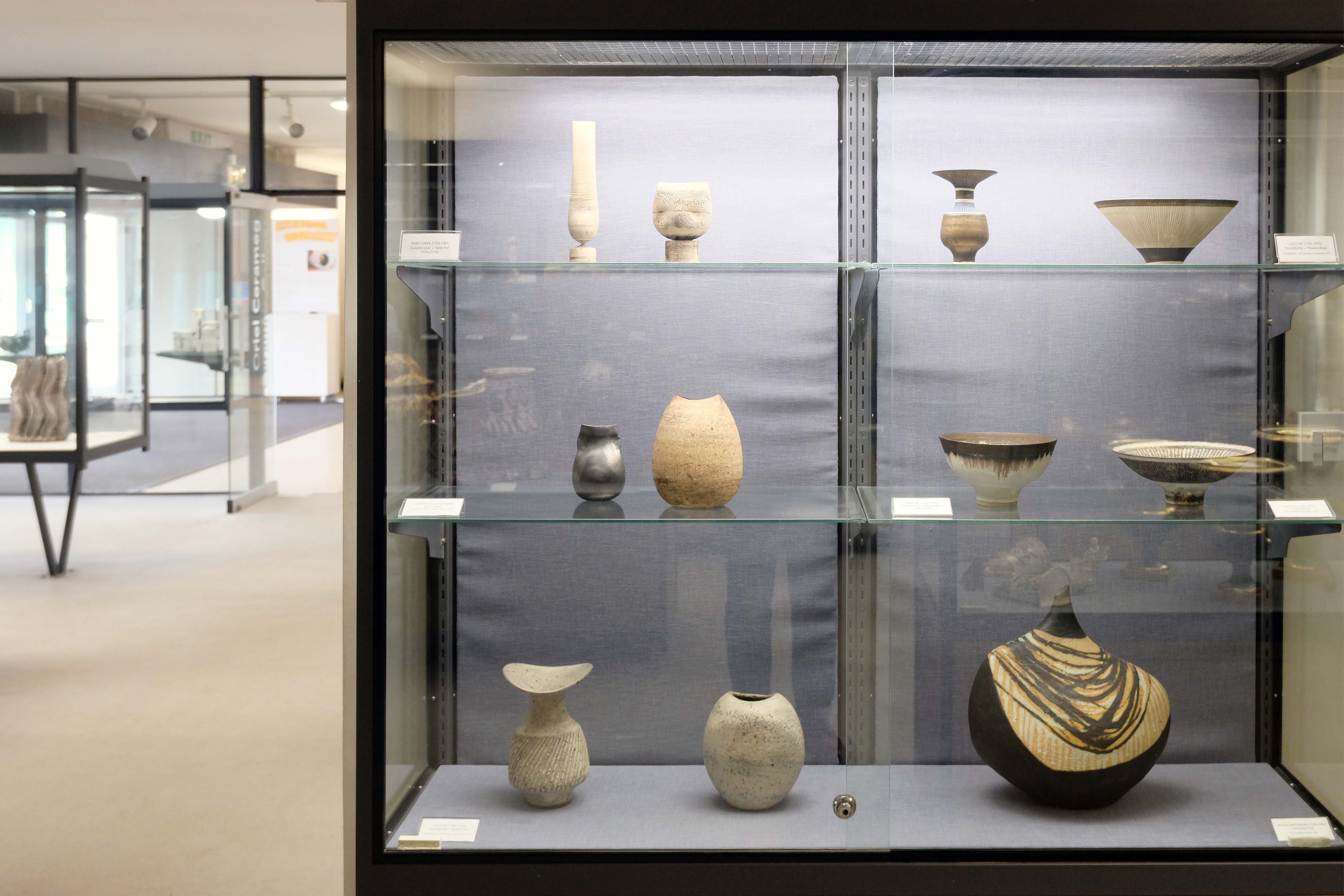
Let’s take a look inside the Arts Centre – to the right an exceptional collection of ceramics.

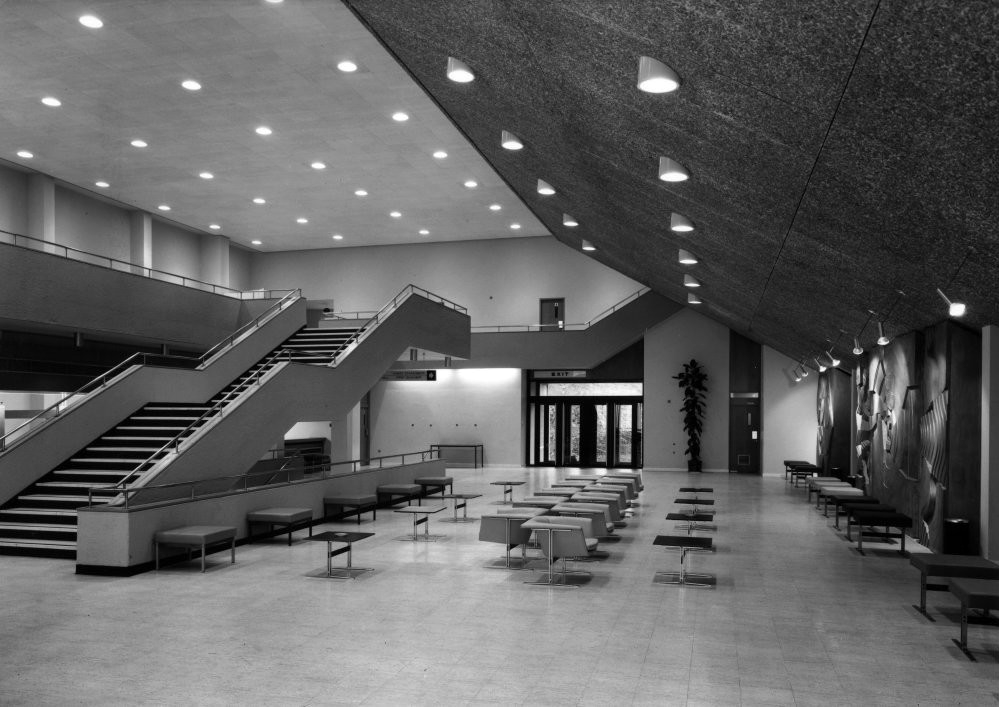
At its inception the reception area – an exemplary example of integrated interior design and architecture.

Ribapix: John Maltby 1970

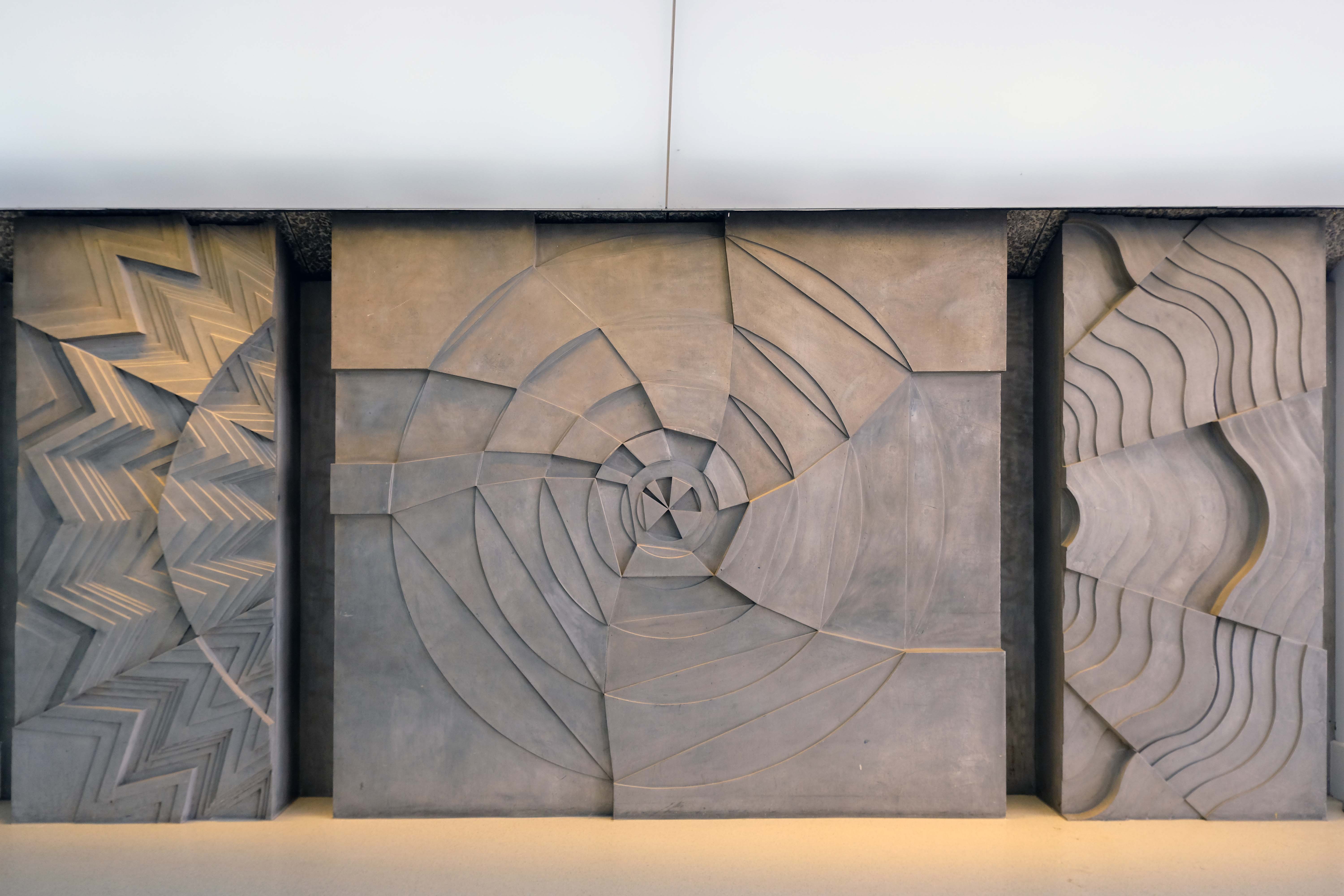
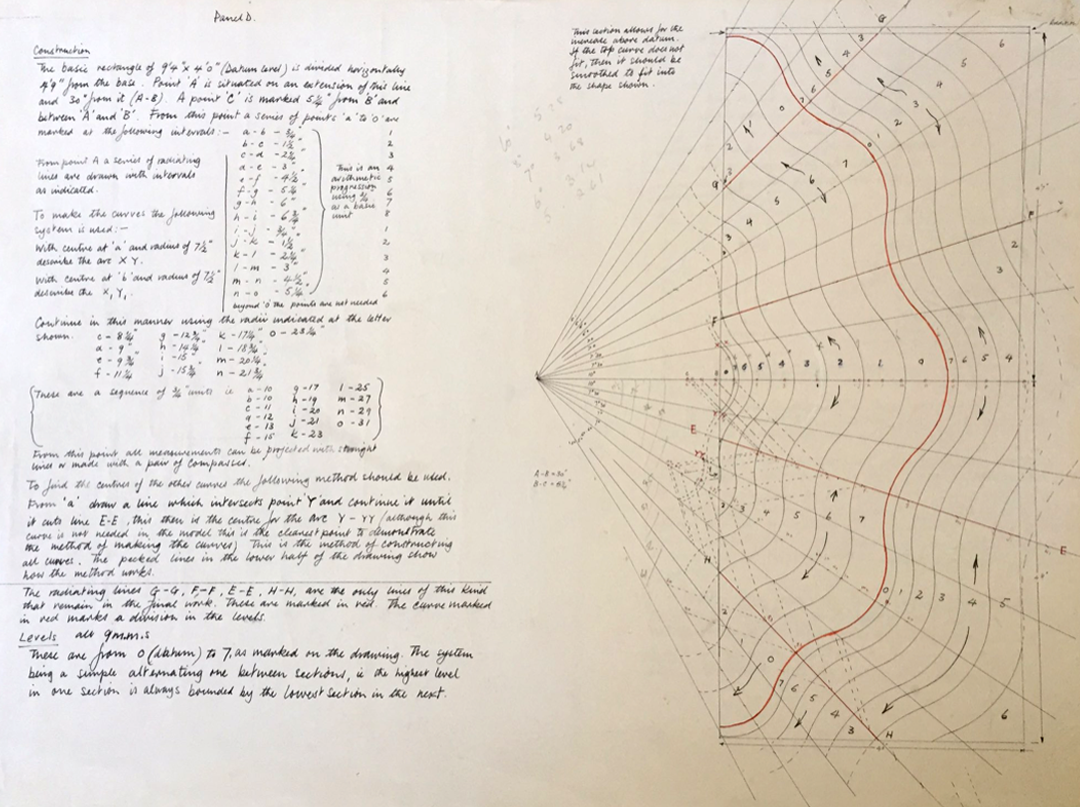
David Tinker’s striking cast aluminium relief.

David began lecturing at Cardiff College of Art, later teaching and holding administrative posts at University College of Wales in Aberystwyth, retiring in 1988 as director of the department of visual art.

ARTUK

David Tinker was prominent in so many aspects of the visual arts in Wales throughout the second half of the 20th Century as a painter, sculptor, teacher, and stage designer. 

Tinker is perhaps best known as one of three originators of the 56 Group with Eric Malthouse and Michael Edmonds, the new generation of young artists in Wales who were interested in modernism and keen to ally themselves to the international art world. 

The 56 Group had no manifesto and for the most part they acted as an exhibiting co-operative; not all were abstract painters and their work was stylistically very different from one another, but all shared radical ideals. Their orderly revolt against the establishment was unique in the history of art in Wales. 

They championed abstraction and allied themselves to European and American modernism, at a time when painters in Wales were being commended for recording the urban, rural and industrial face of Wales and its inhabitants. 

As might be expected, the art establishment more readily accepted 56 Group avant garde works, and those artists who had been achieving some success as painters of the contemporary scene suddenly found themselves side-stepped, and labelled parochial. 
The period 1966-1974 saw in his paintings a move toward hard-edged abstraction in which Tinker employed geometry-based structures, simple arithmetical problems, colour mixed from a restricted palette, and gentle tonal gradation. 

Free Library

Bonny Street Police Station – Blackpool 2022

I have been outside several times in 2016 again in 2020 – never inside.

Let’s take a look:

Photos – Blackpool Gazette

So whilst in town for a stroll I strolled by once again, the main block now tagged and tinned up.

Whilst the Courts are still in use, until they make their move in 2025, stasis seems to be the order of the day.

There are no signs as yet of the proposed redevelopment of the site.

Some day maybe

Councillors have approved a compulsory purchase order to complete the land assembly for the £300m Blackpool Central project but still hope to negotiate terms with property owners.

Blackpool Council’s executive unanimously agreed the recommendation towards enabling the Central Car Park to be transformed into a leisure destination boasting a flying theatre, virtual reality rides, a thrill and gaming zone, multi-media exhibition space and themed dining areas.

Lancs Live

Let’s veer off the promenade and assess the situation.

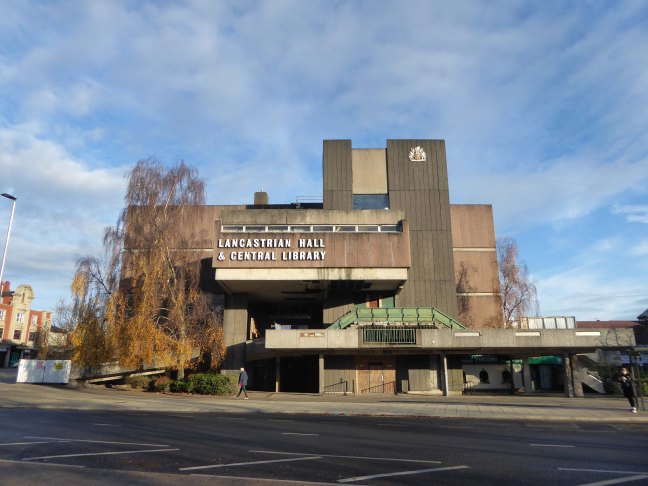
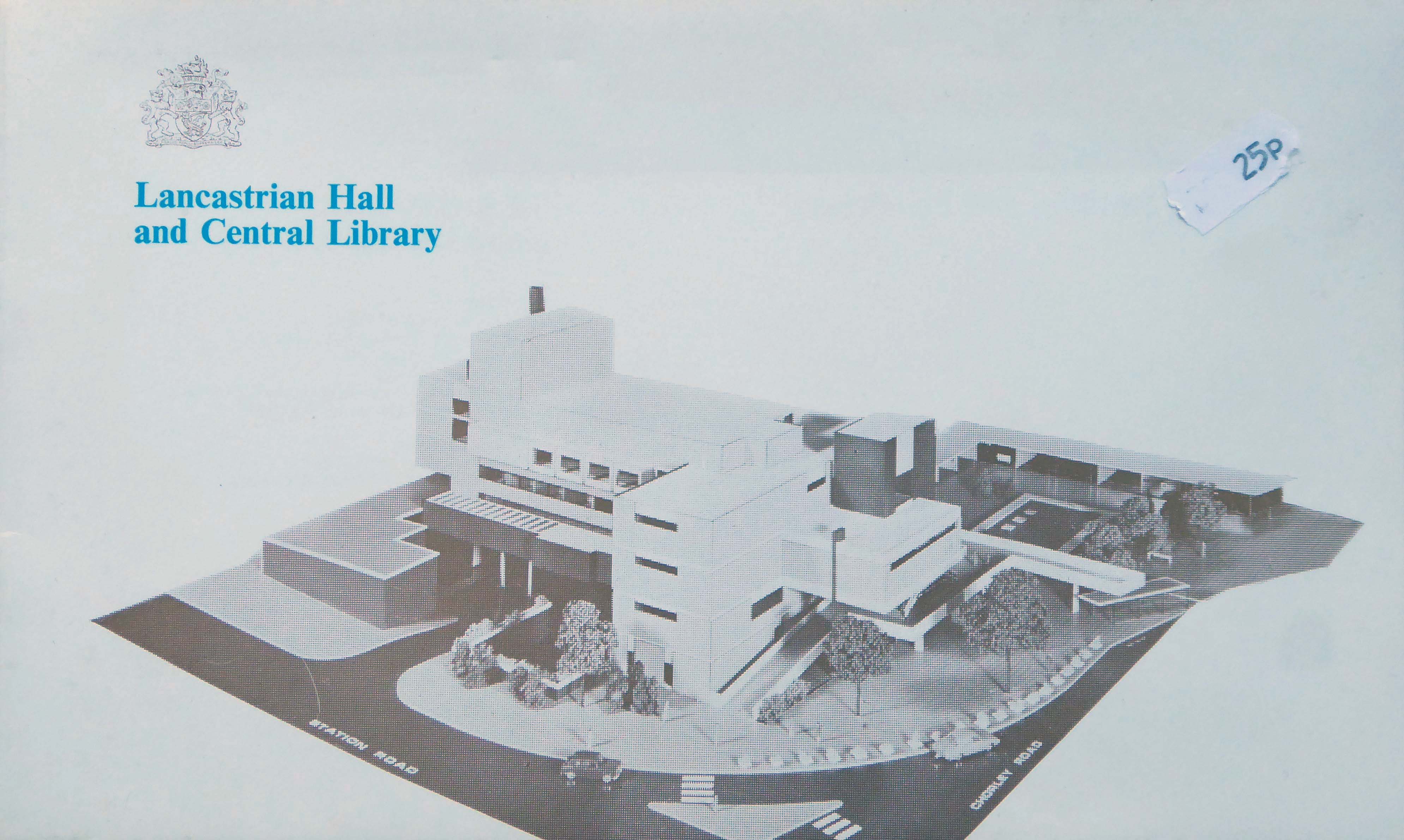
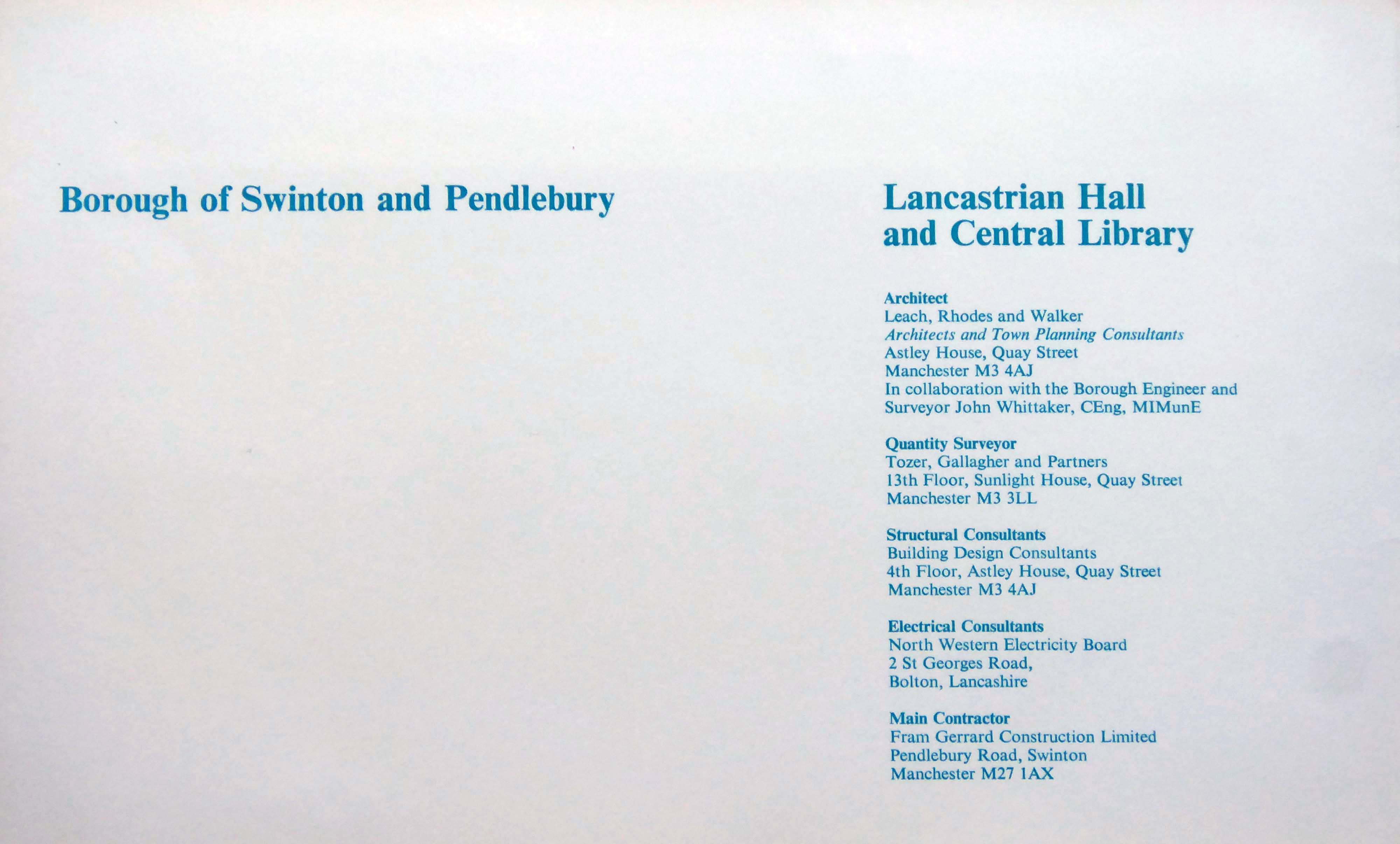
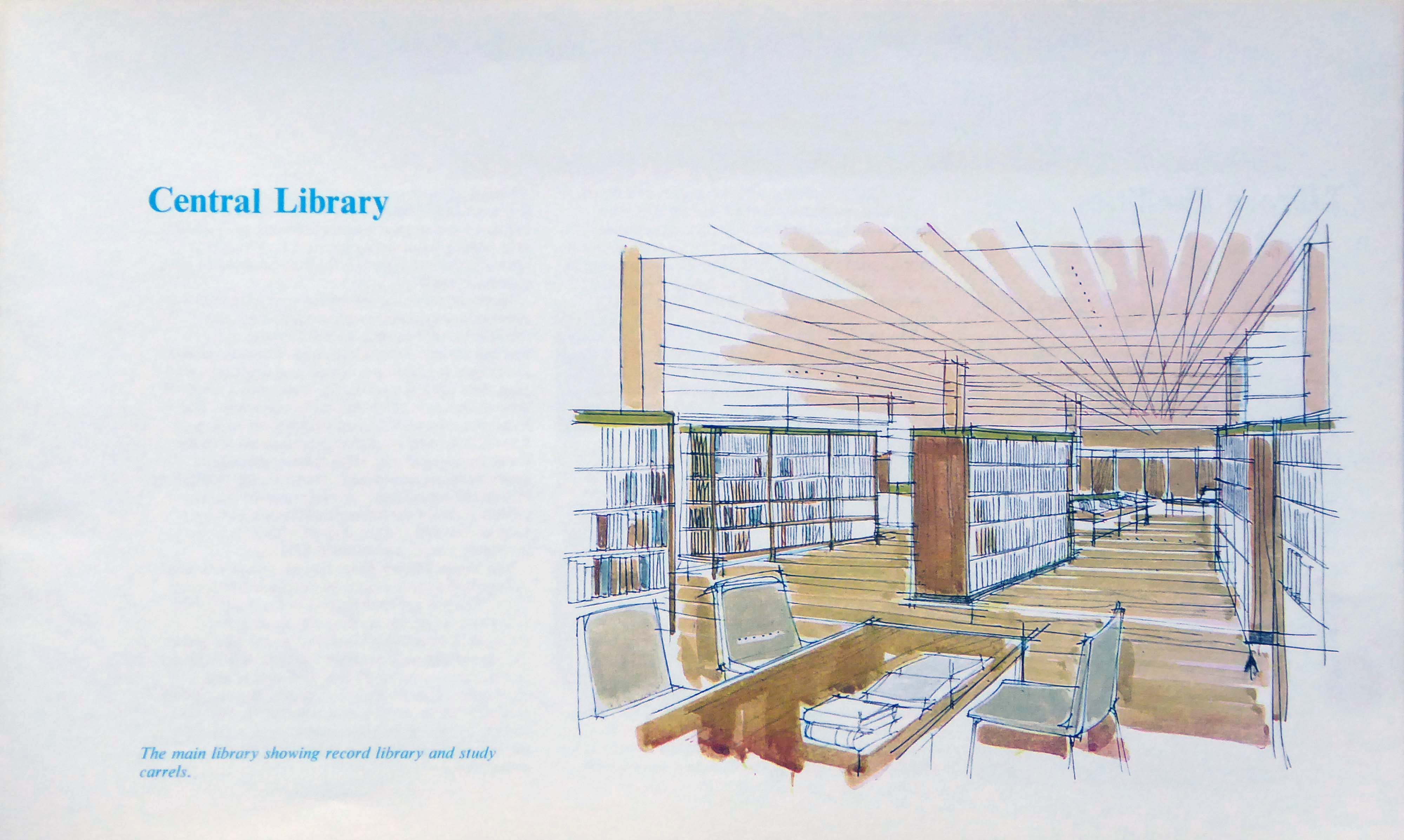
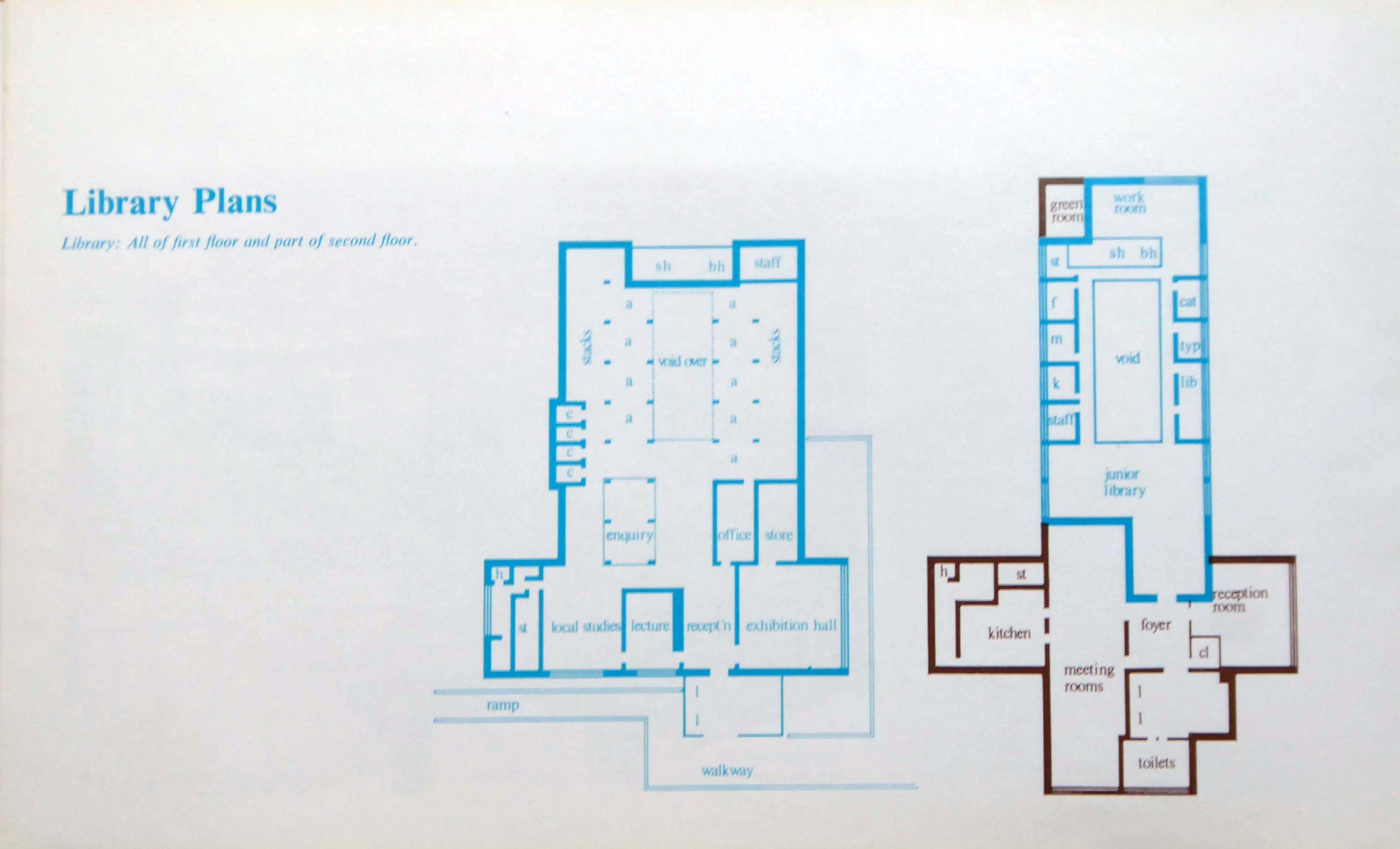
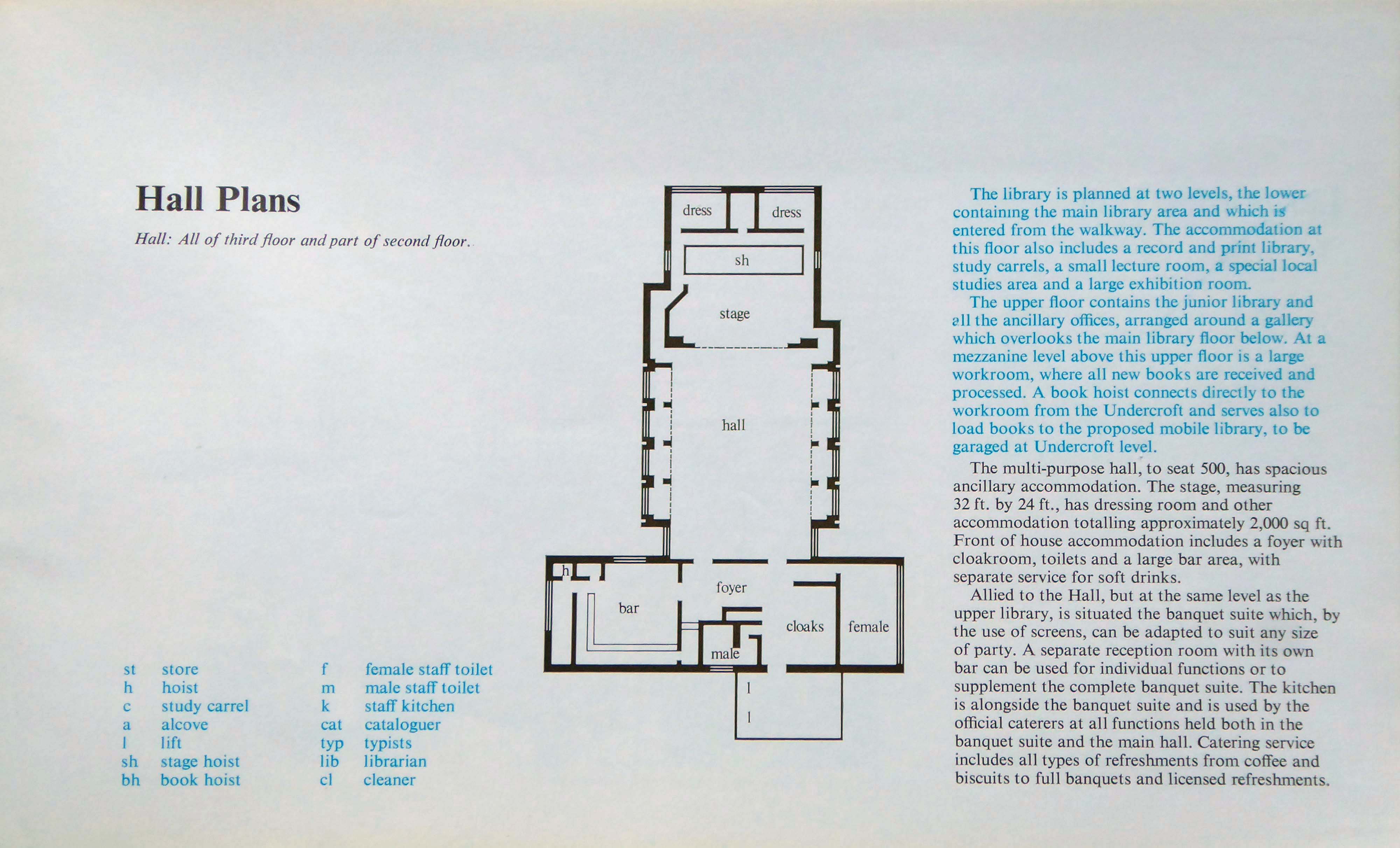
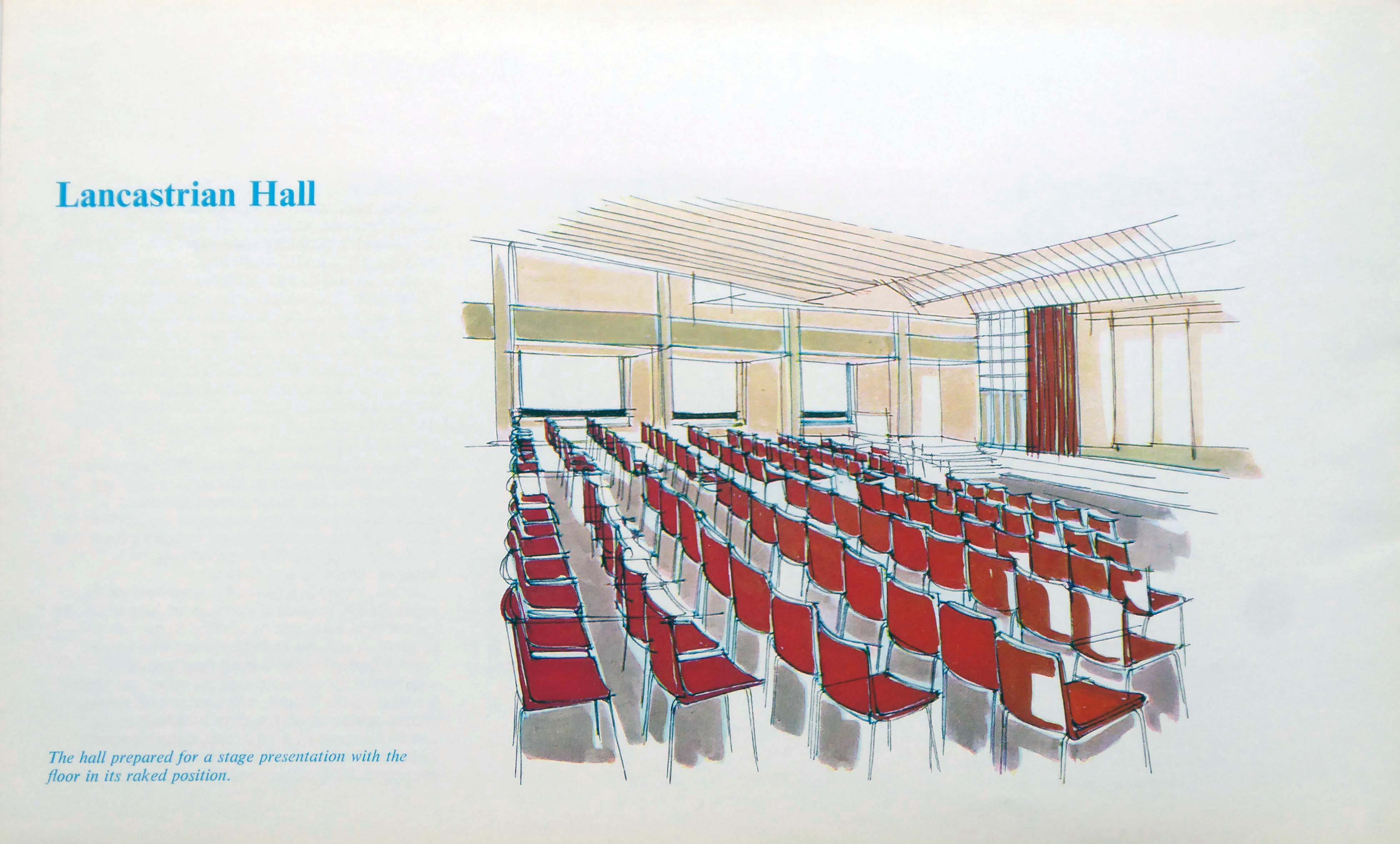
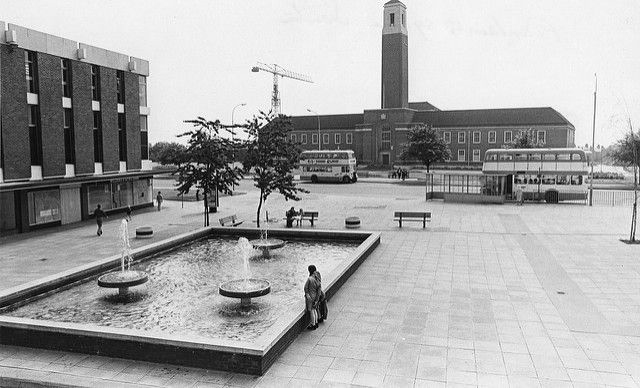
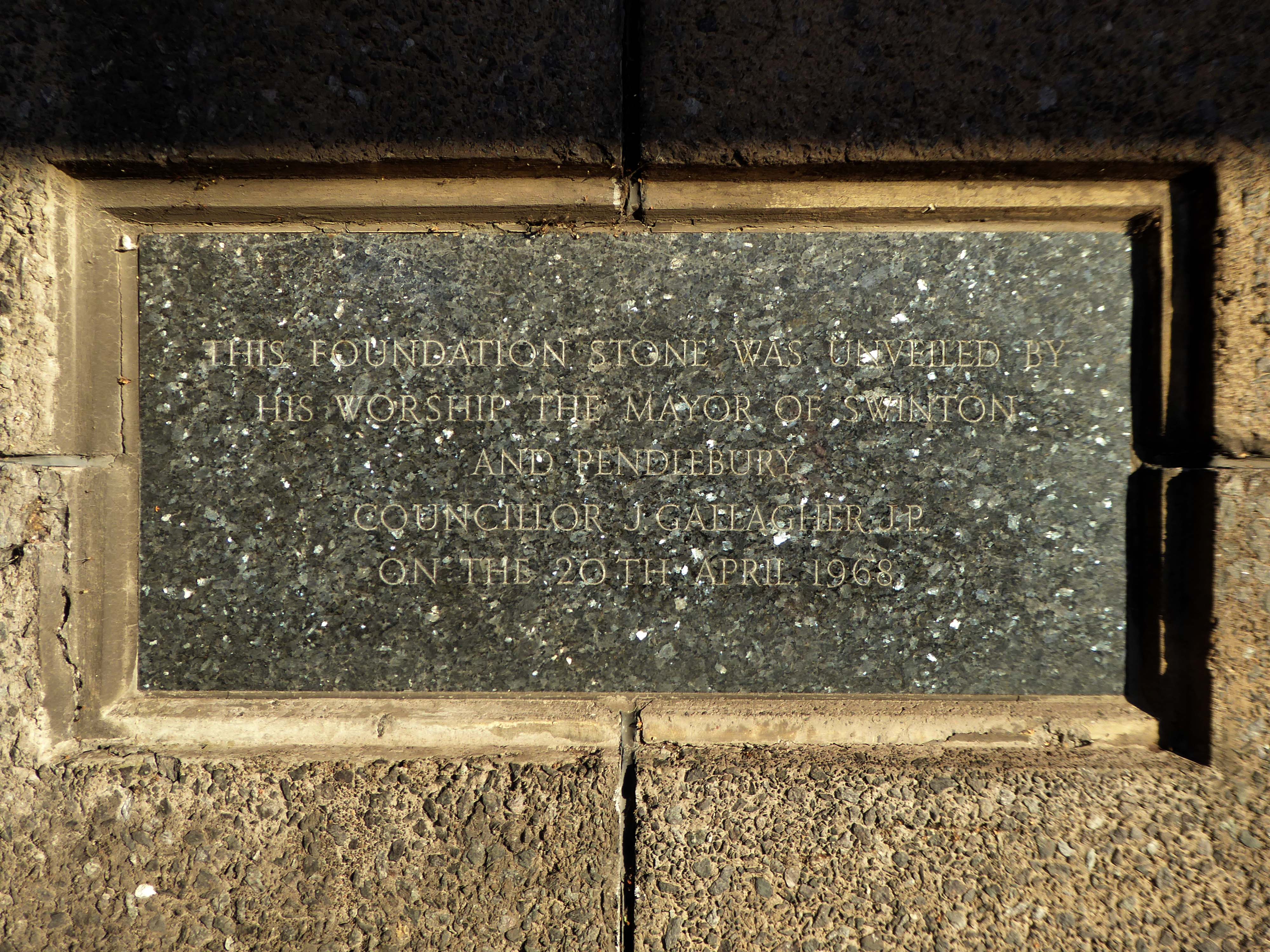
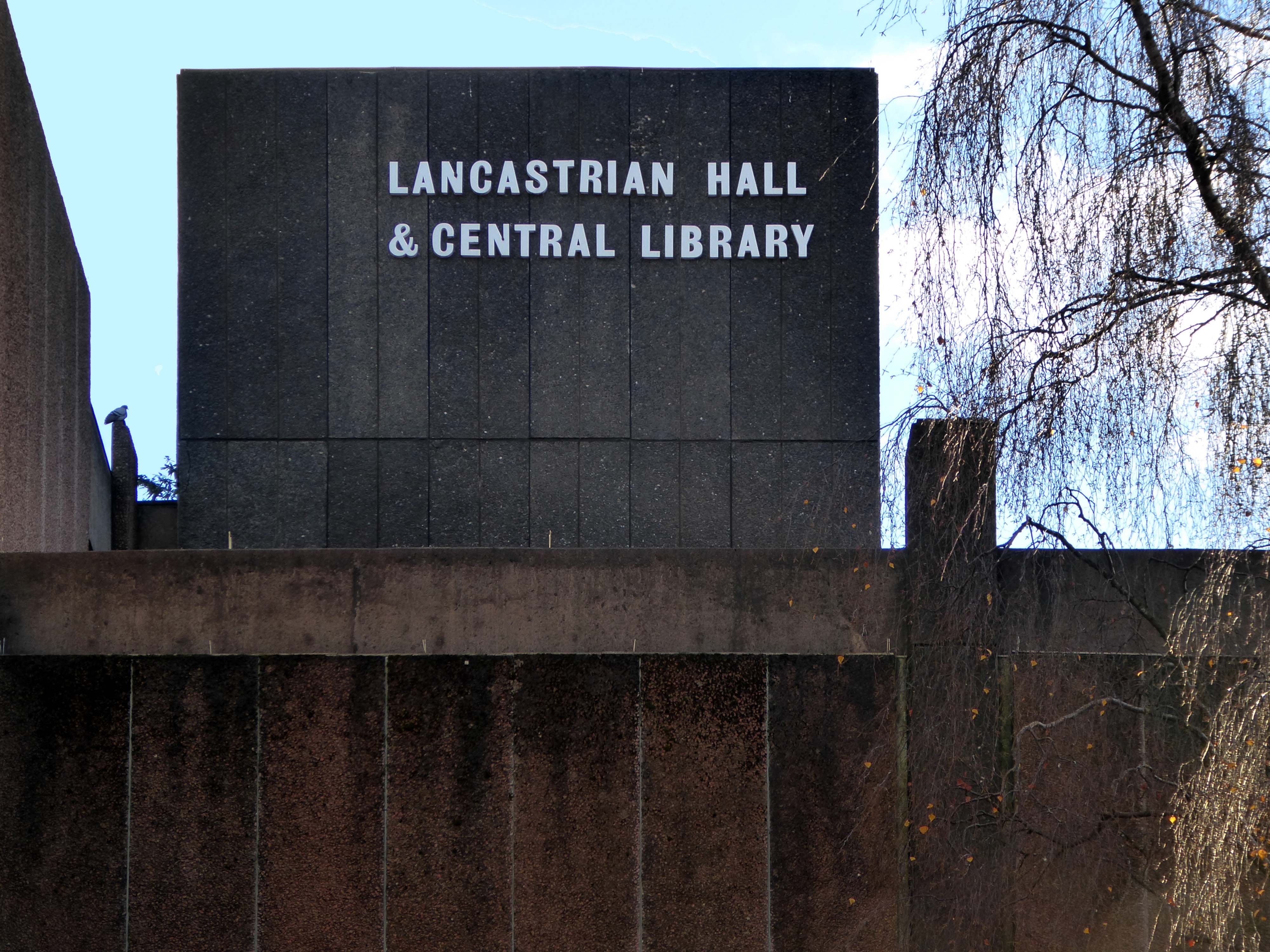
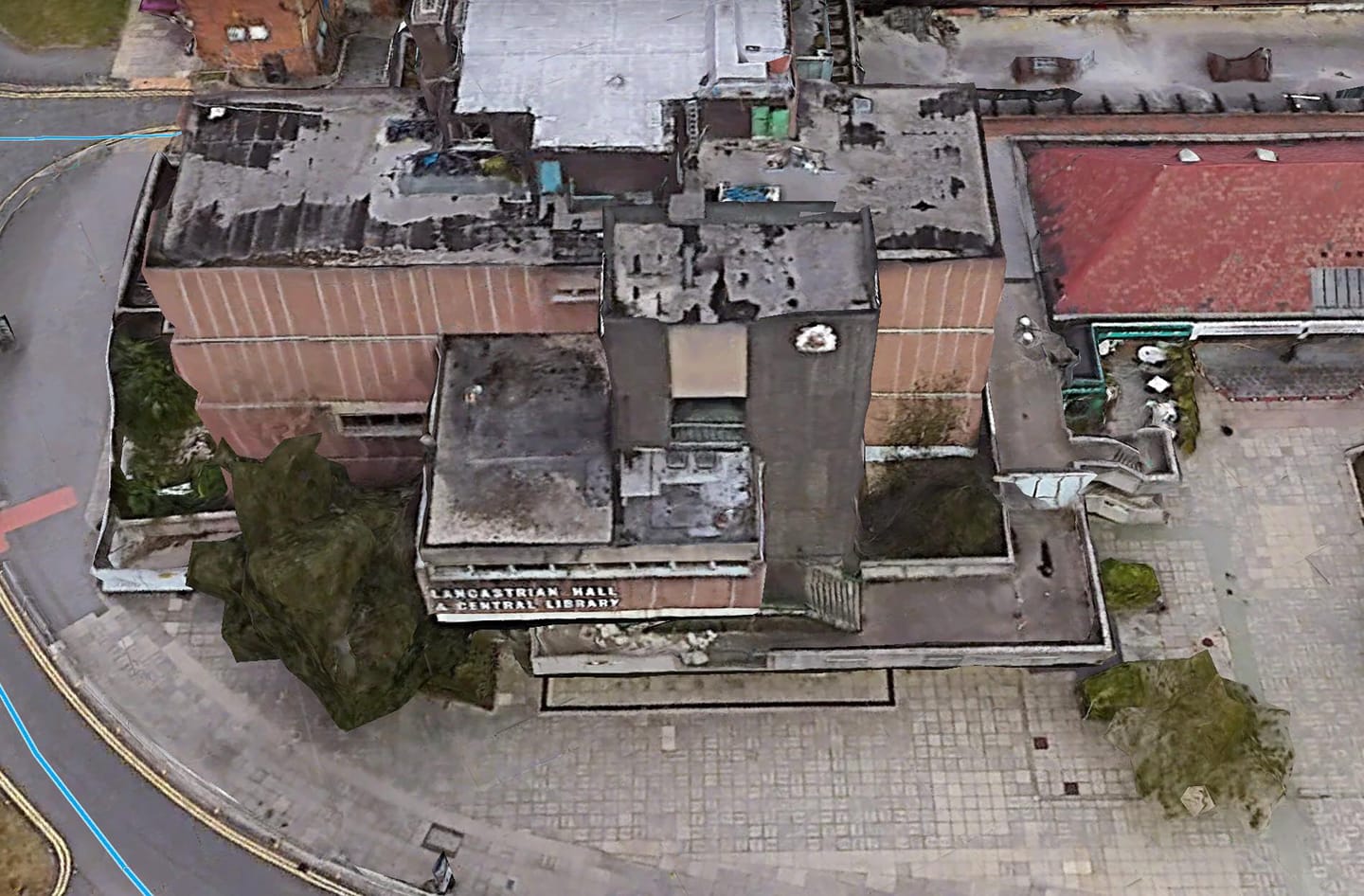
Lancastrian Hall & Central Library – Swinton

Completed in 1969 to designs by Leach Rhodes and Walker in collaboration with the Borough Engineer John Whittaker

Constructed at the tail end of the Sixties – the last gasp of Municipal Modernism in the Borough, providing education, edification and entertainment for the local population.

The fountain is gone, the building is closed – the party’s over.

The Fast Cars are history – well they were history, until I was told that they are still speeding along!

A council has spent £348,000 on a masterplan for a town centre that the public has never seen.

Consultants have been used to come up with ideas to regenerate Swinton in Salford.

The town centre is dominated by the imposing Lancastrian Hall, opened in 1969, with an adjoining shopping mall.

The hall housed a council library and was used for civic and community meetings, wedding receptions and election counts.

But it has been closed since 2015 after the library moved to the new Gateway Building on the other side of Chorley Road.

Manchester Evening News

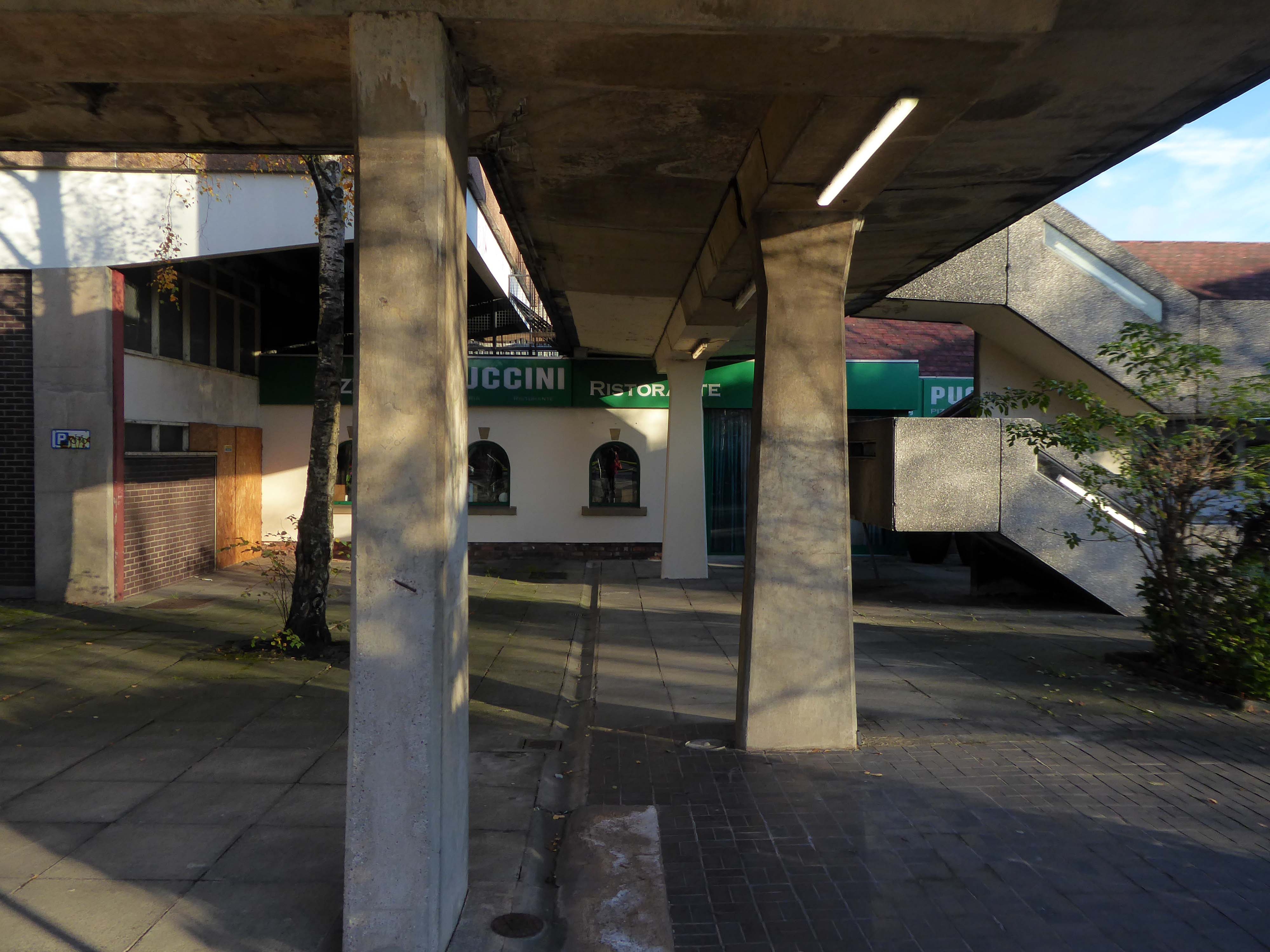
So this magical structure of stairways, undercrofts, elevated walks and majestic concrete clad volumes is under threat.

Swinton and the Lancastrian Hall deserve much better.

Over 550 people took part in the recent visioning work, and we are grateful for their time and valuable contributions.

An overwhelming majority of those who shared their views saw Swinton as a good place to live and bring up a family – somewhere friendly, with a strong sense of community.

People valued their local green spaces, but strongly felt that there needed to be more investment in the town centre, and a plan to tackle empty buildings and shops.

Overall, people felt that Swinton needed to be a more vibrant place, with more going on – and more reasons for people to visit and spend their leisure time there.

The Swinton Vision

This is an opportunity to create tomorrow’s local centre, but that does rely on removing the Lancastrian Hall, rethinking the shopping centre, and repurposing the Civic Centre and the spaces around it. 

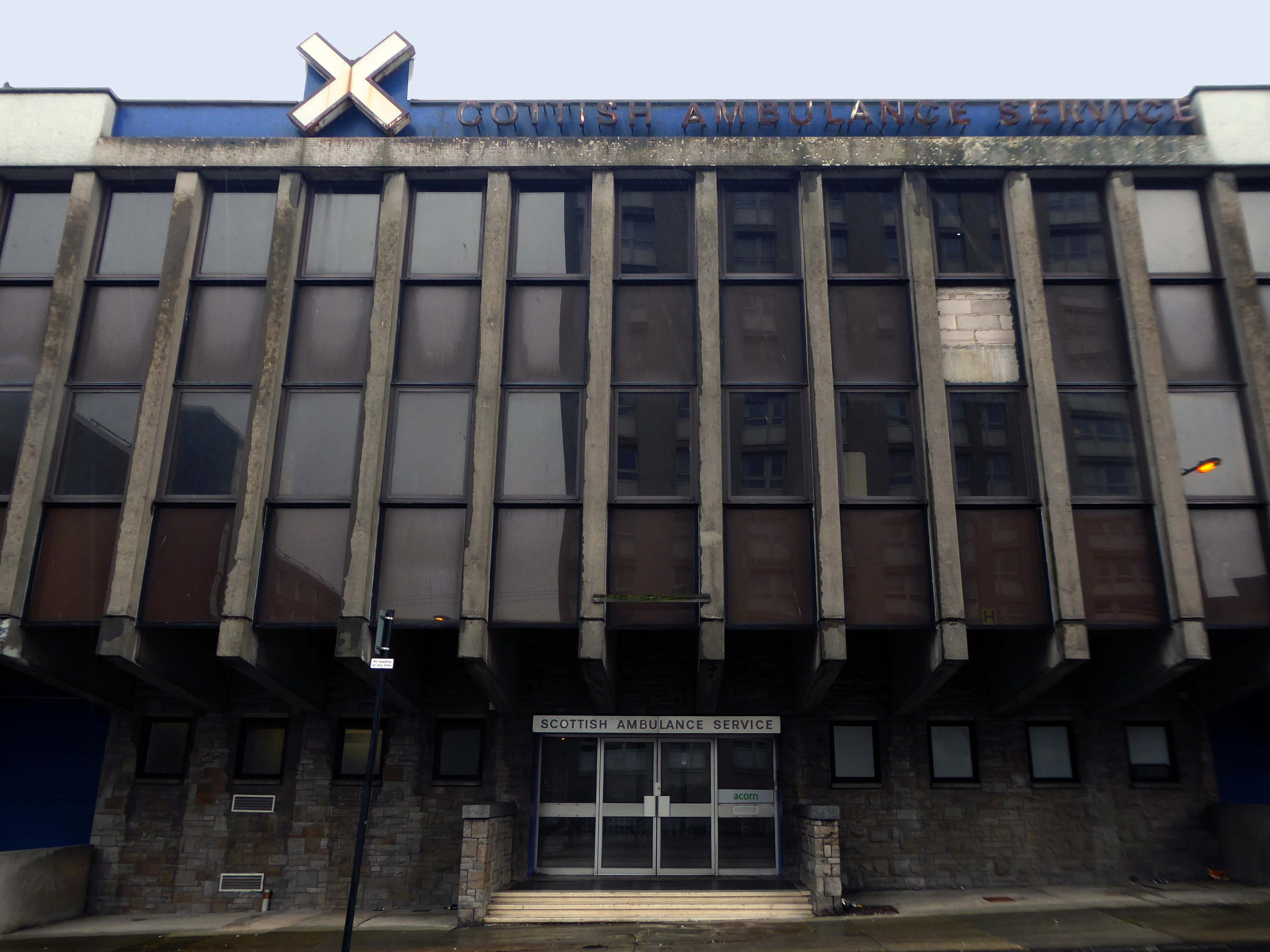
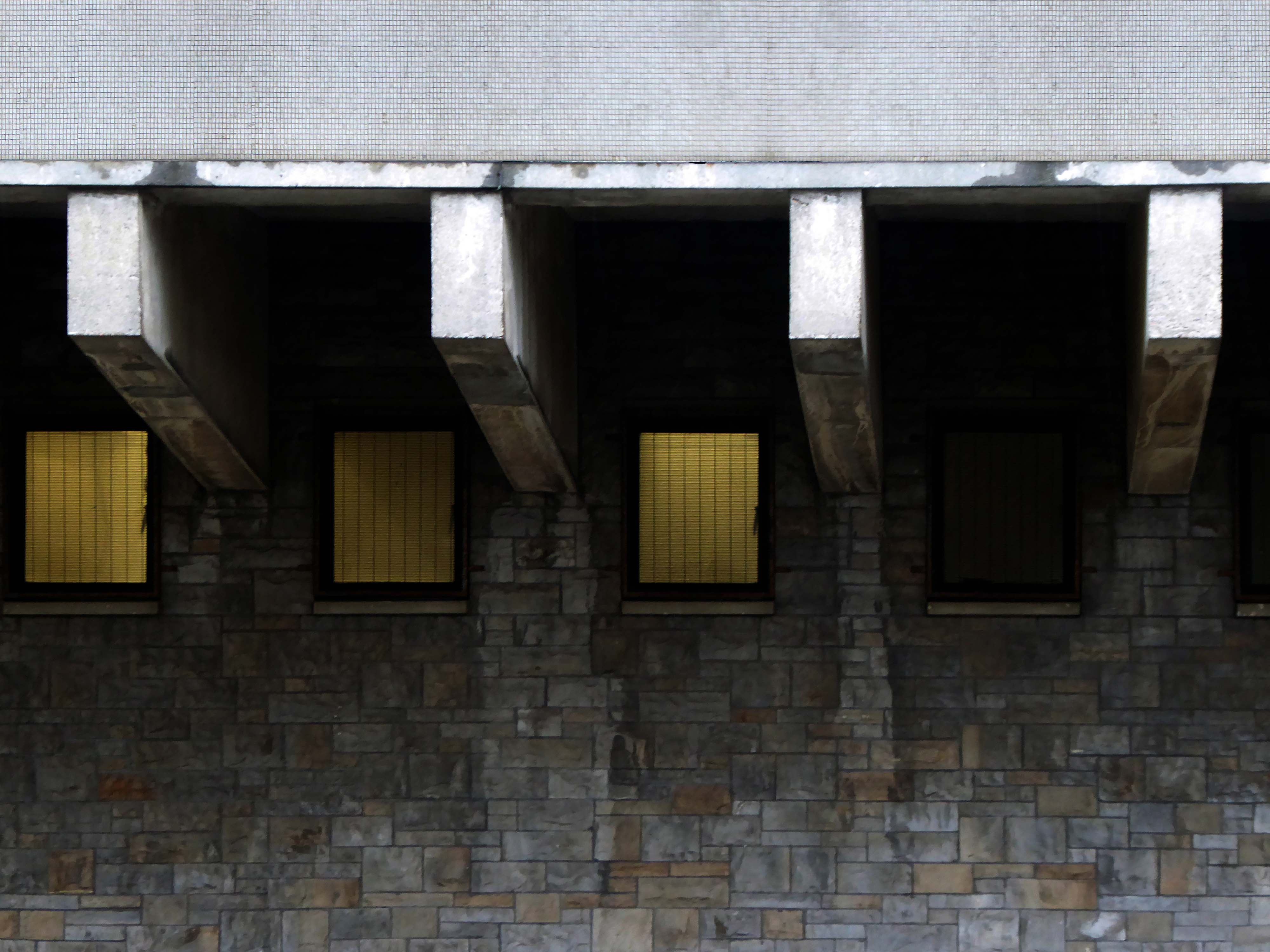
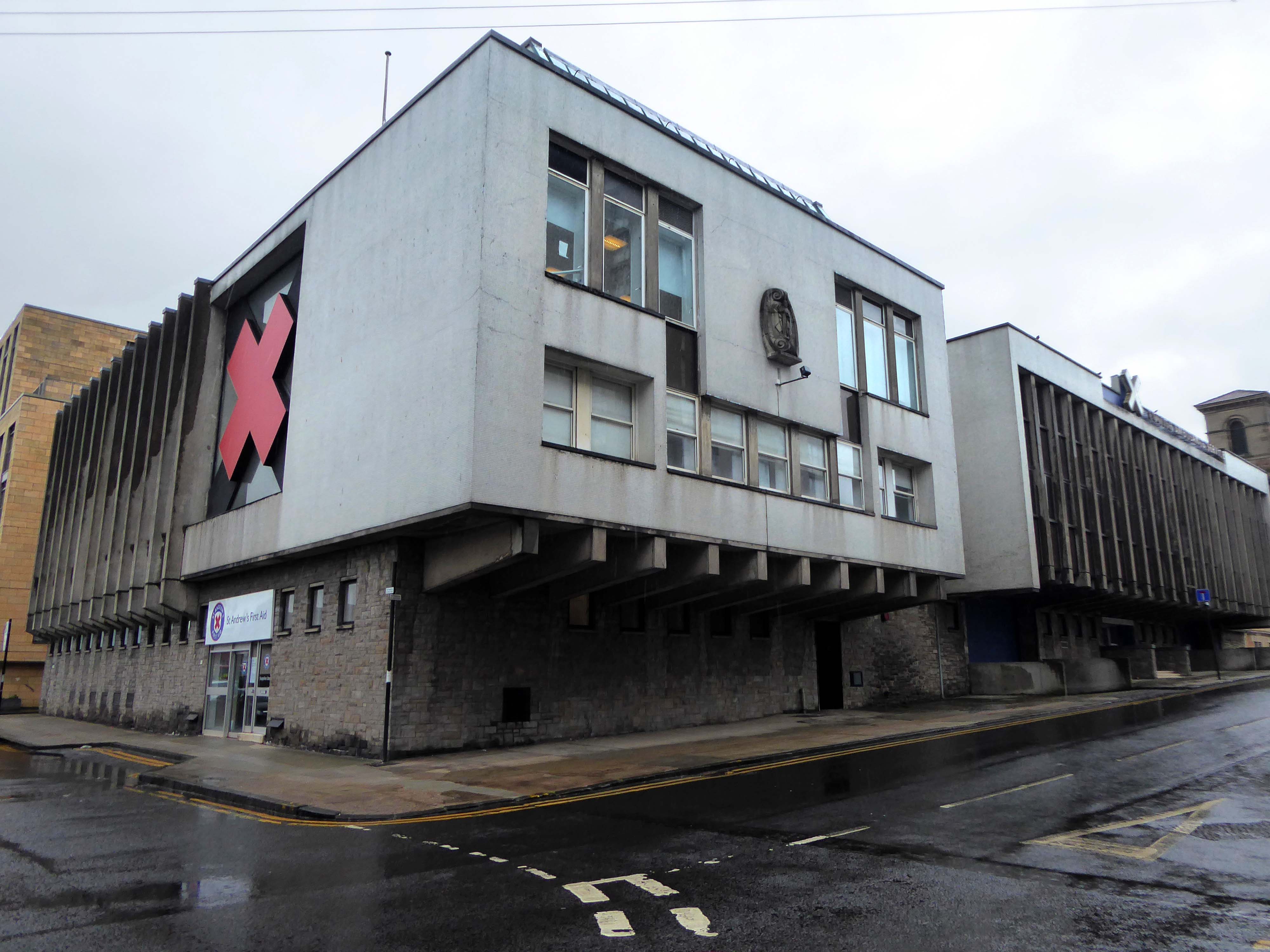
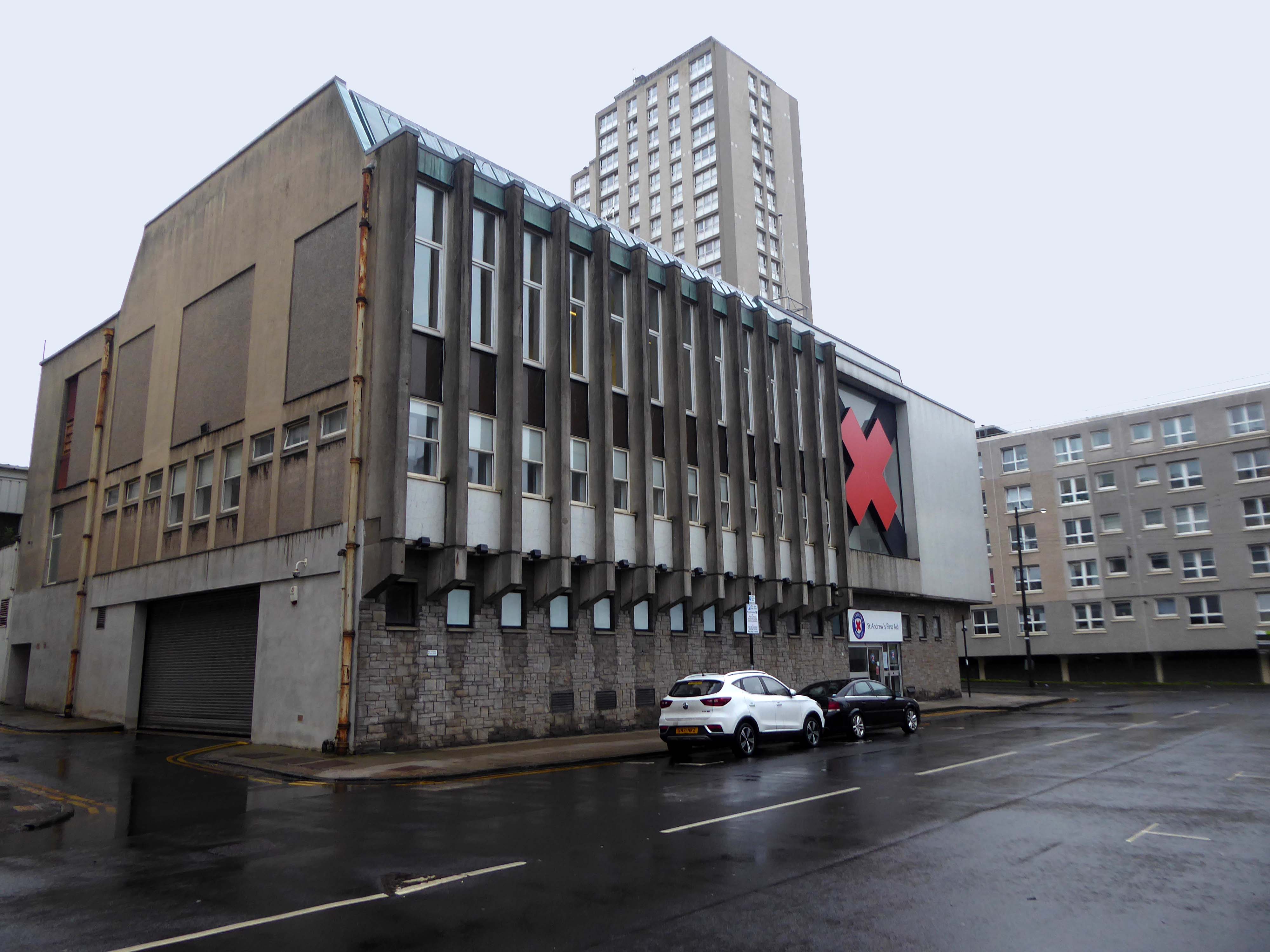
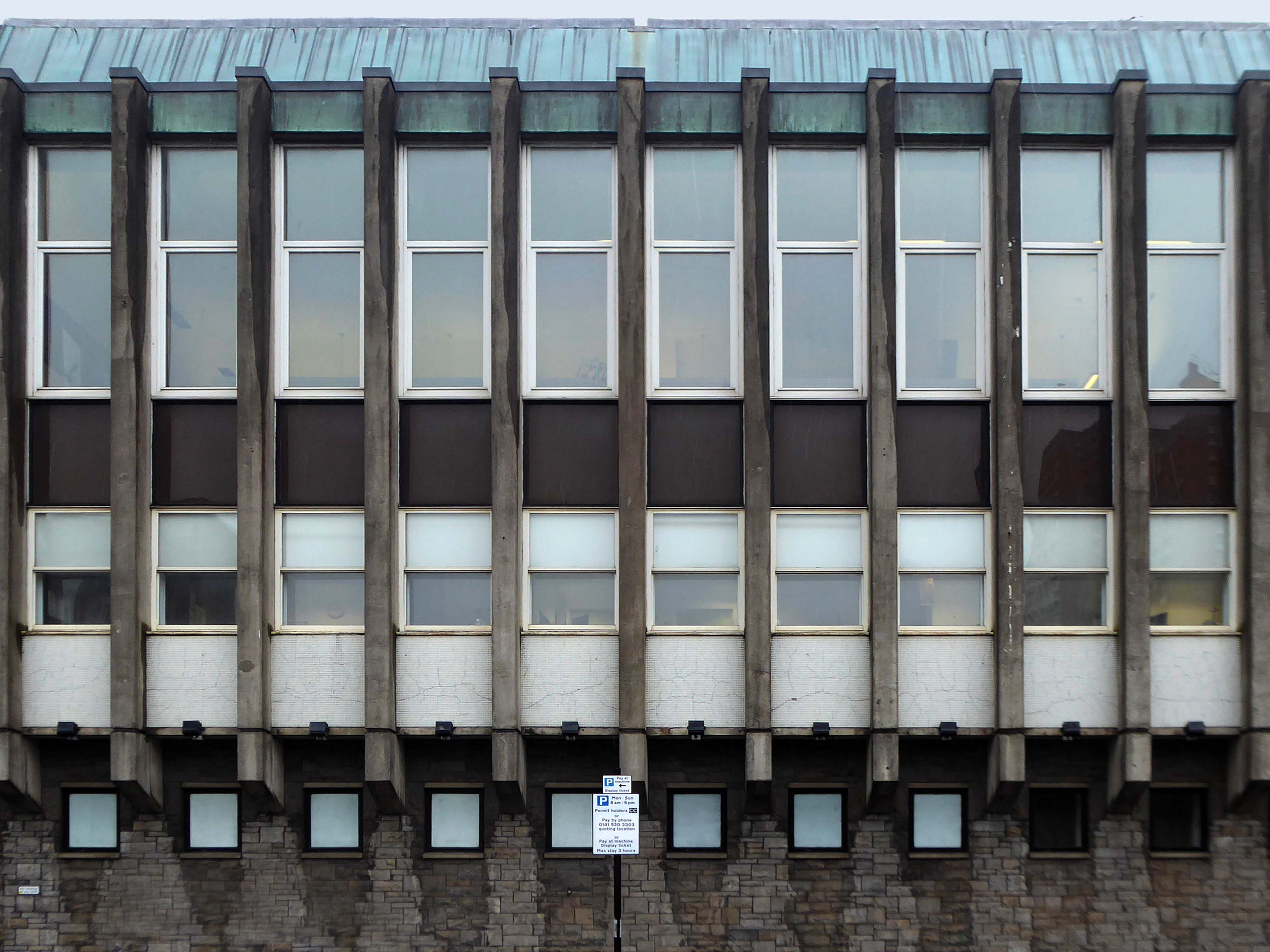
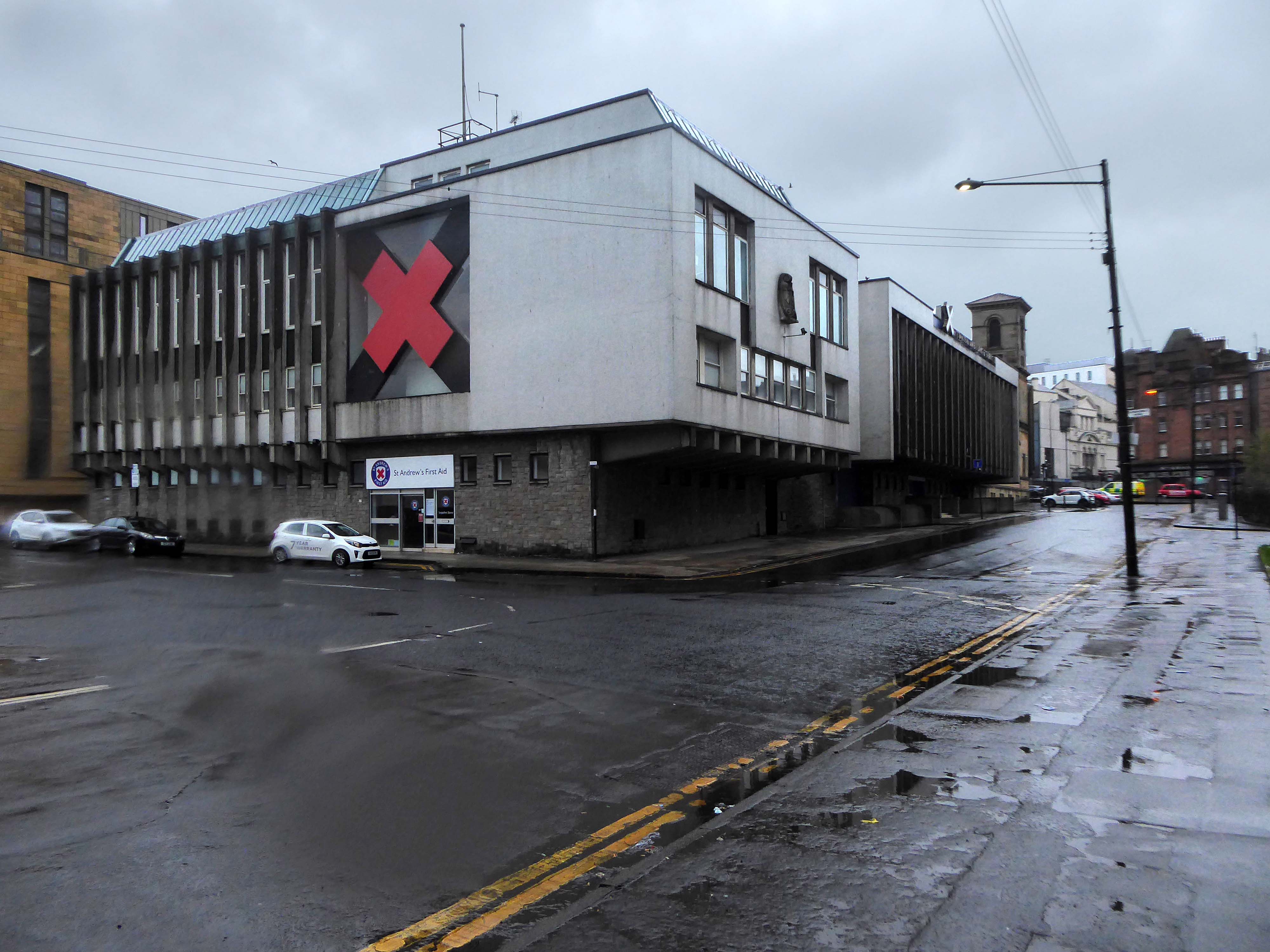
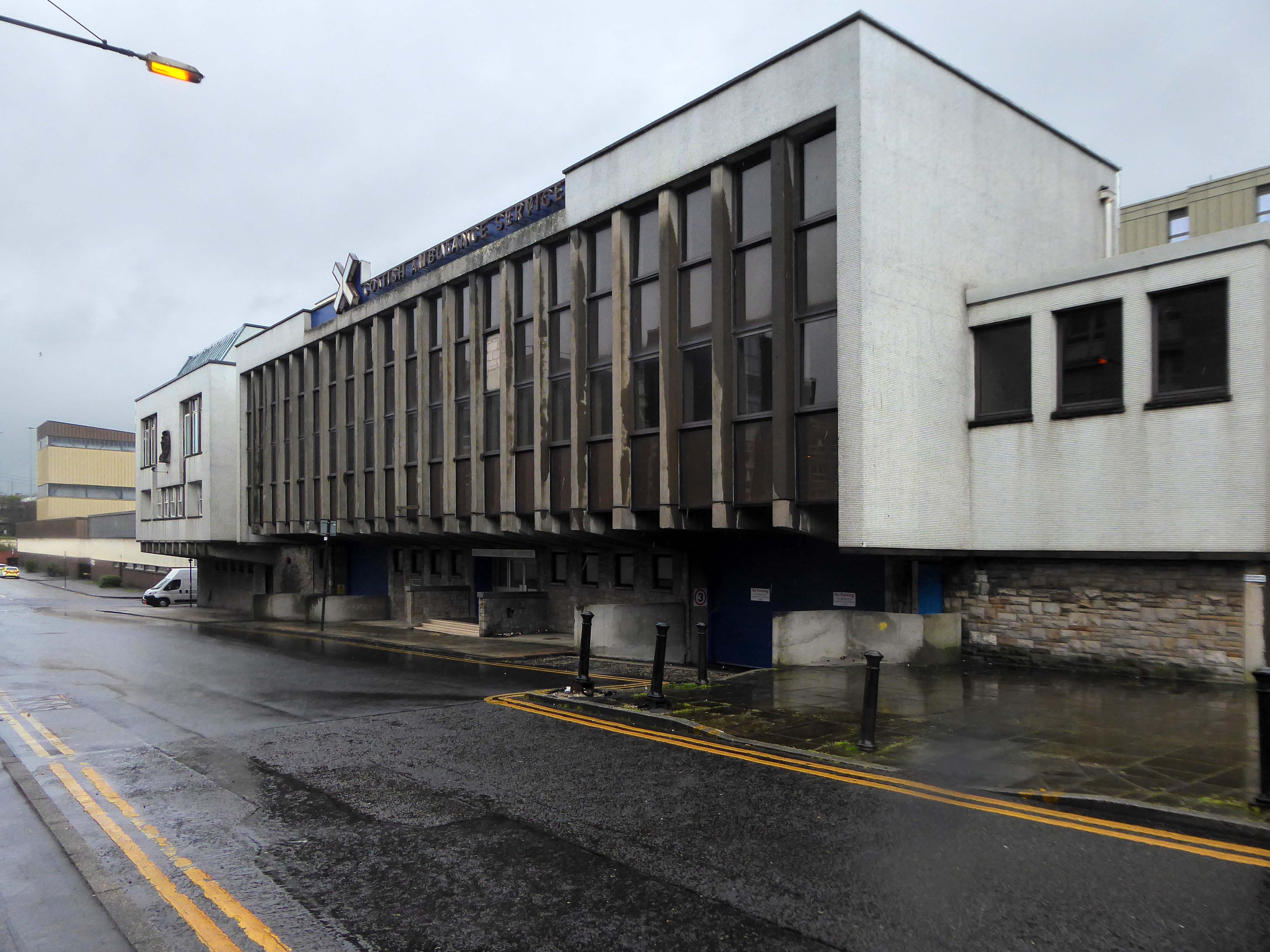
Ambulance HQ – Glasgow

48 Milton Street and Maitland Street Glasgow G4 0LR

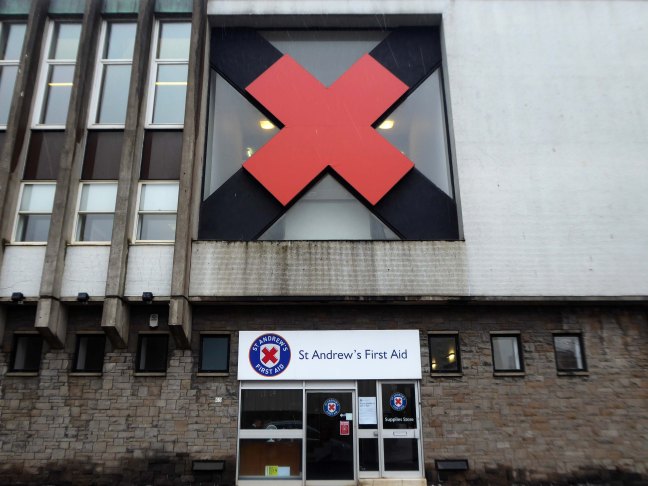
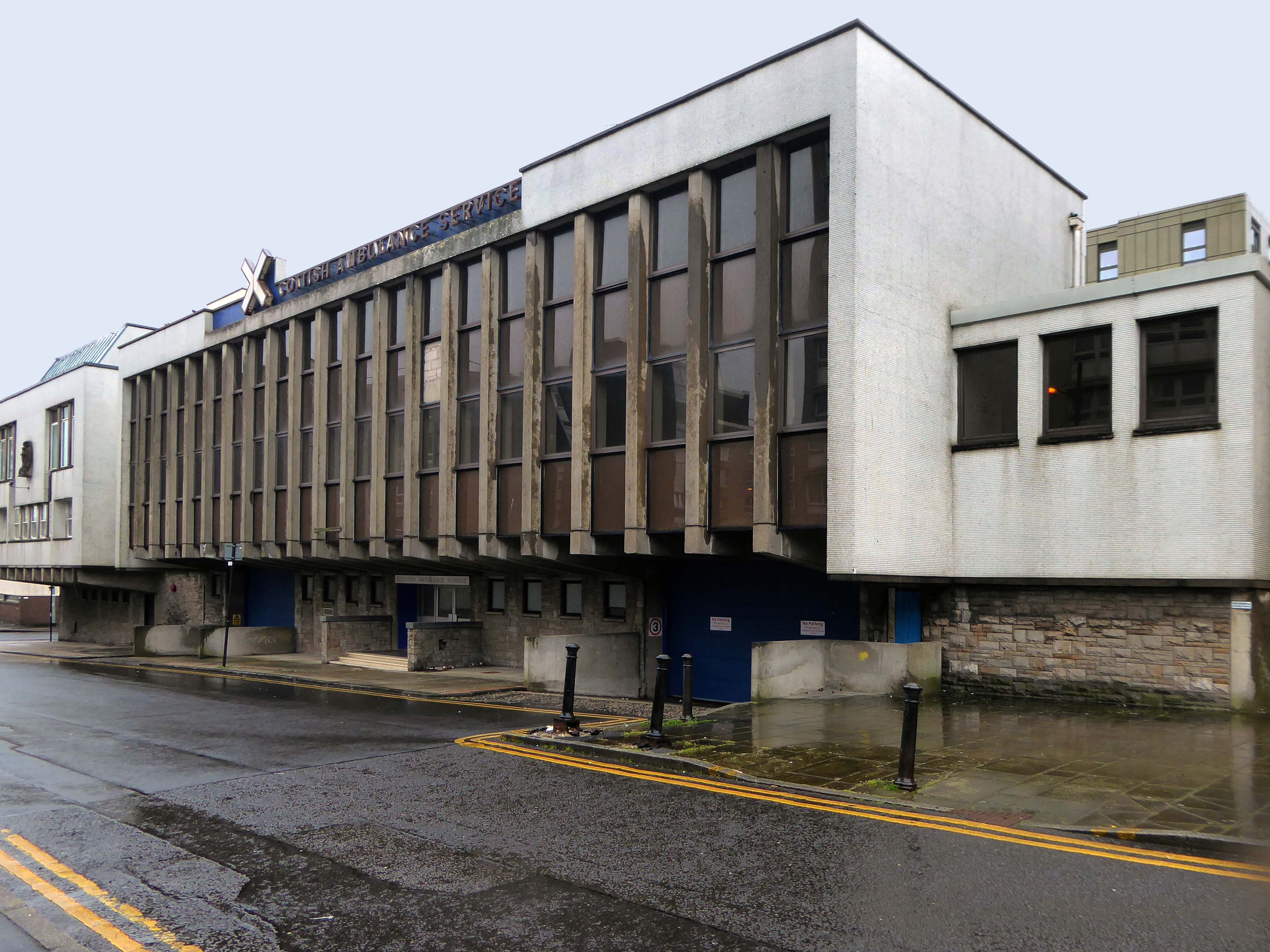
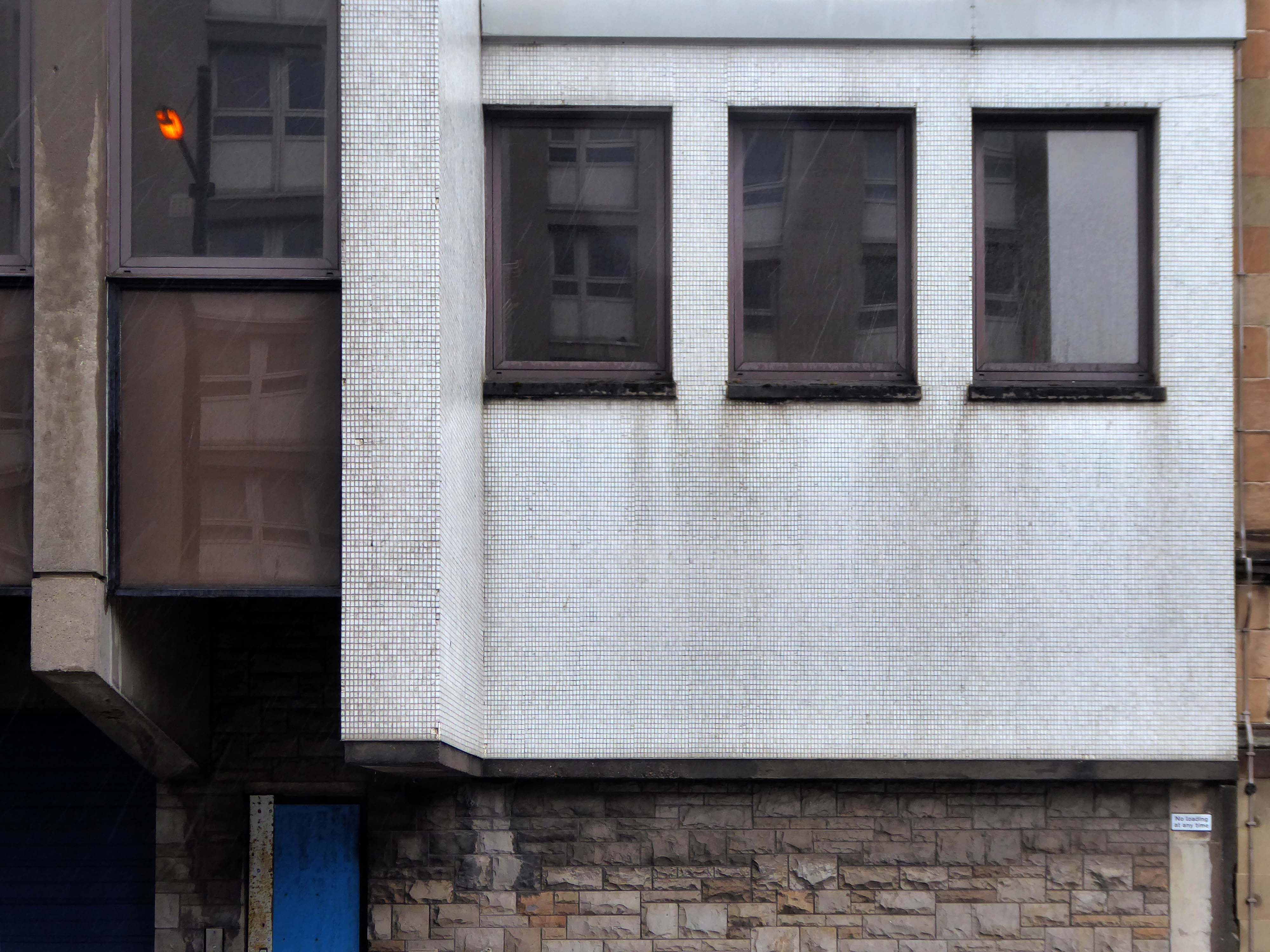
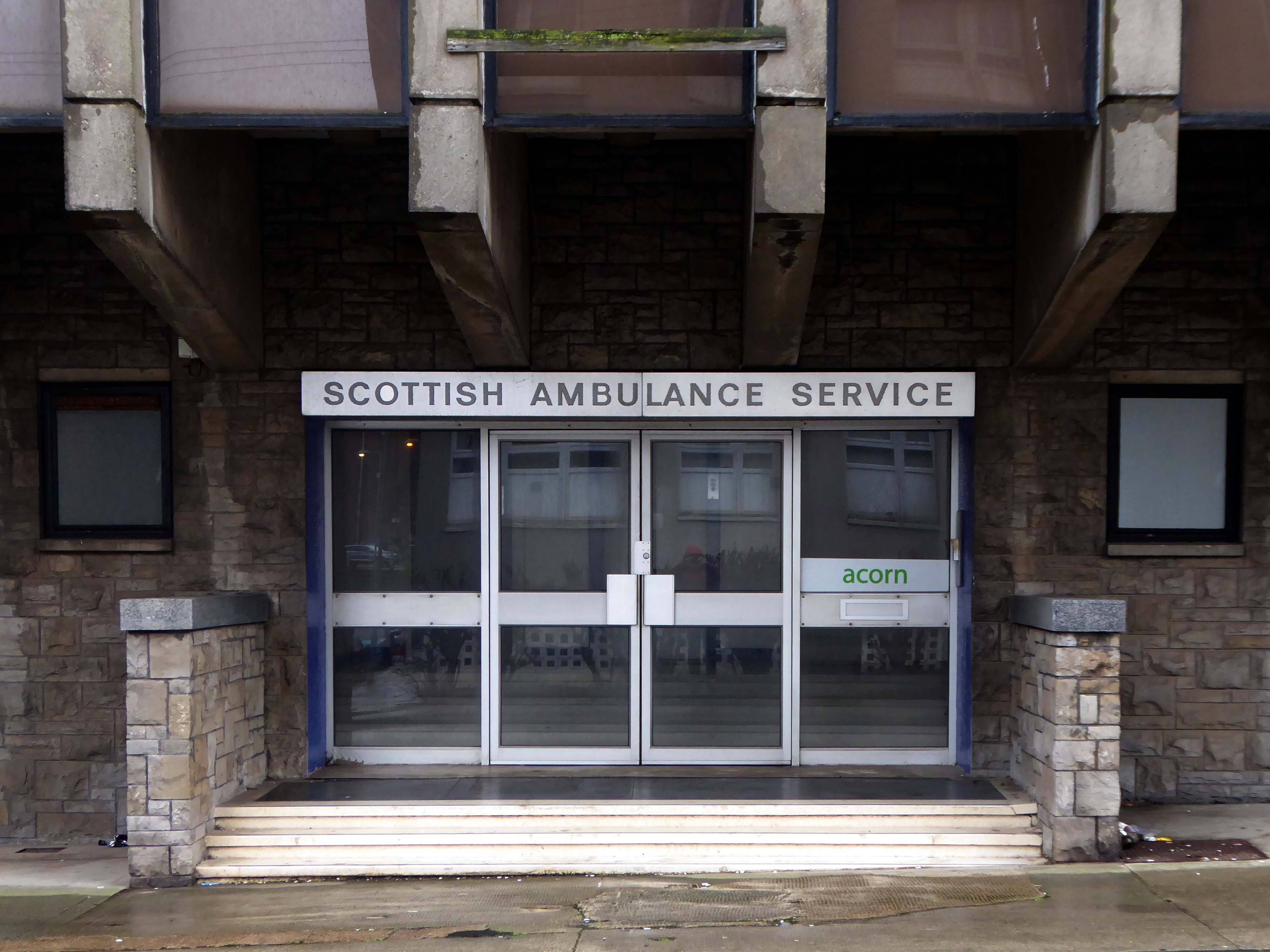
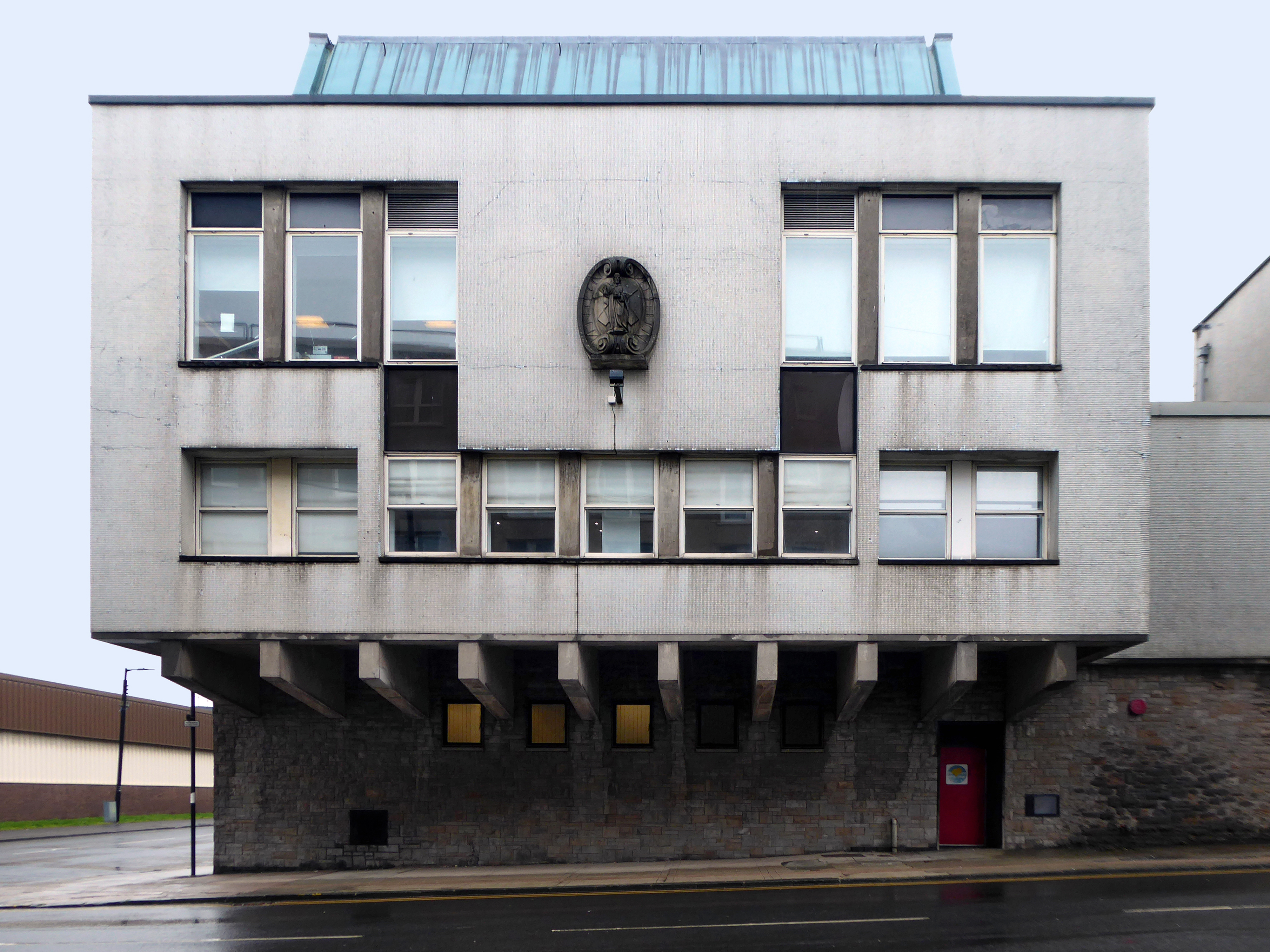
Scottish Ambulance Headquarters on Maitland Street and the adjoining St Andrew’s House with it’s entrance on 48 Milton Street. Designed by Skinner, Bailey & Lubetkin in the late 1960s. Originally two linked buildings, they now act independently with St Andrew’s House occupied by St Andrew’s first aid and the Headquarters next door currently lying vacant April 2011.

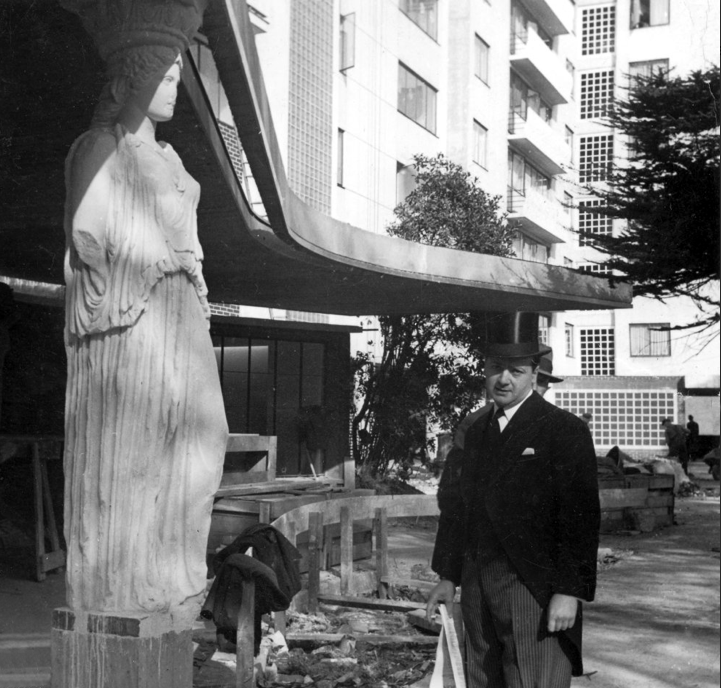
Berthold Lubetkin in top hat beside caryatid at the entrance to Highpoint Two – North Hill Highgate London.

ribapix

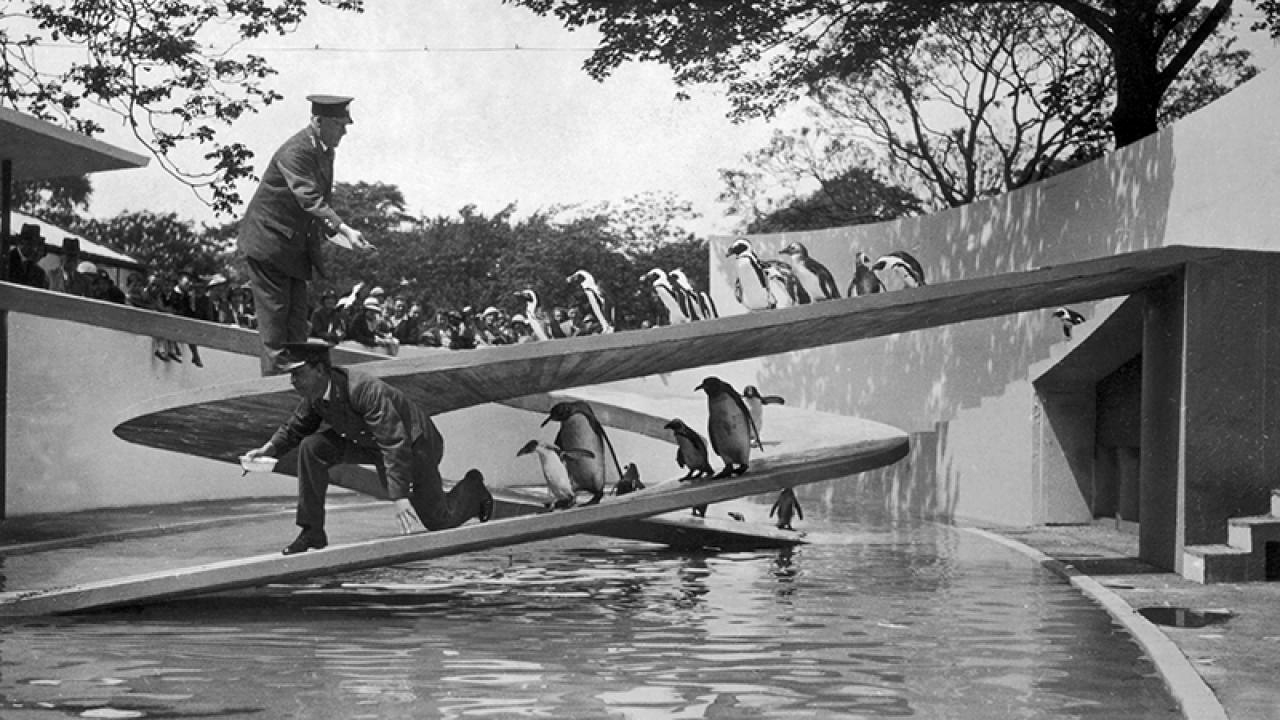
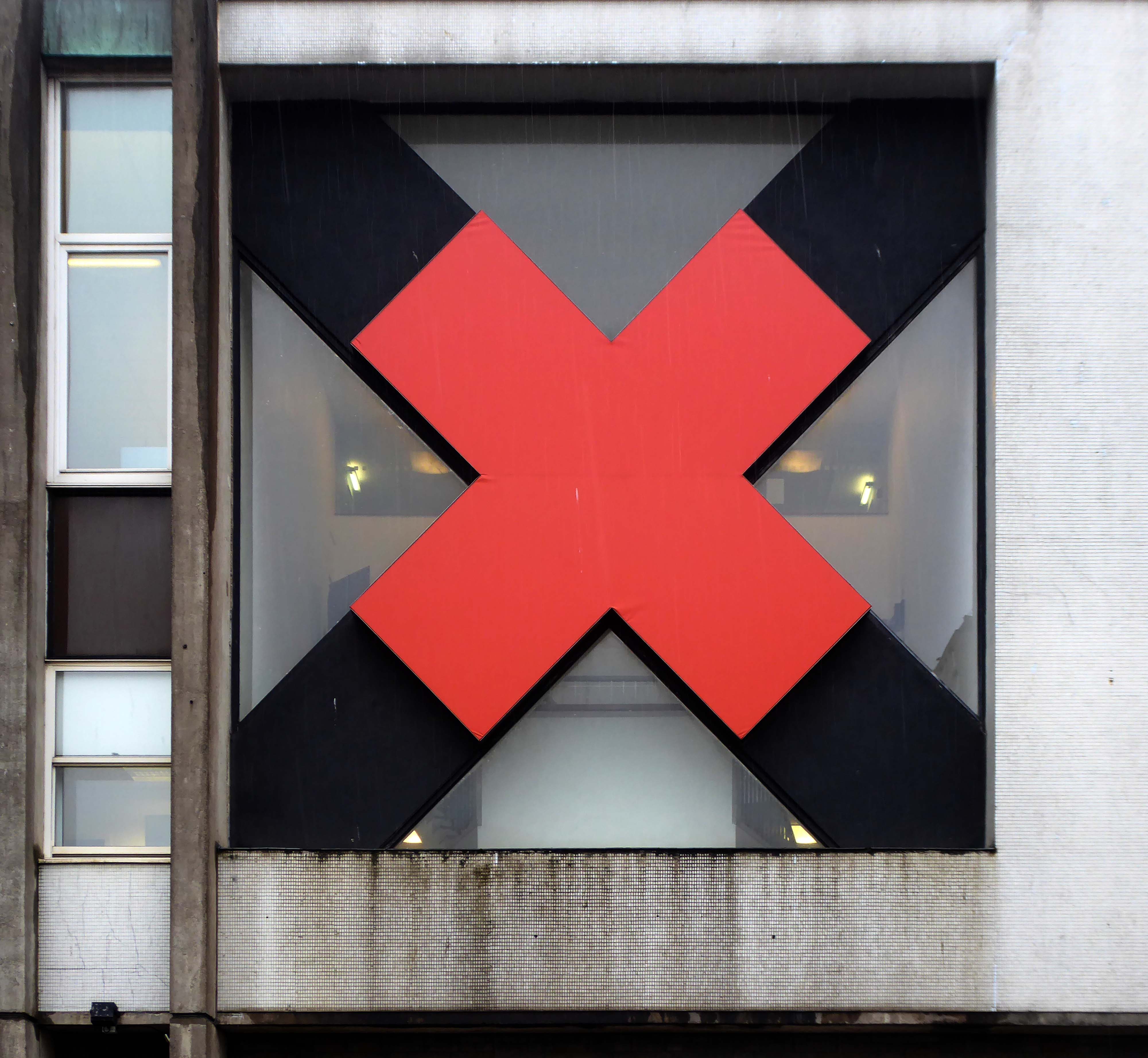
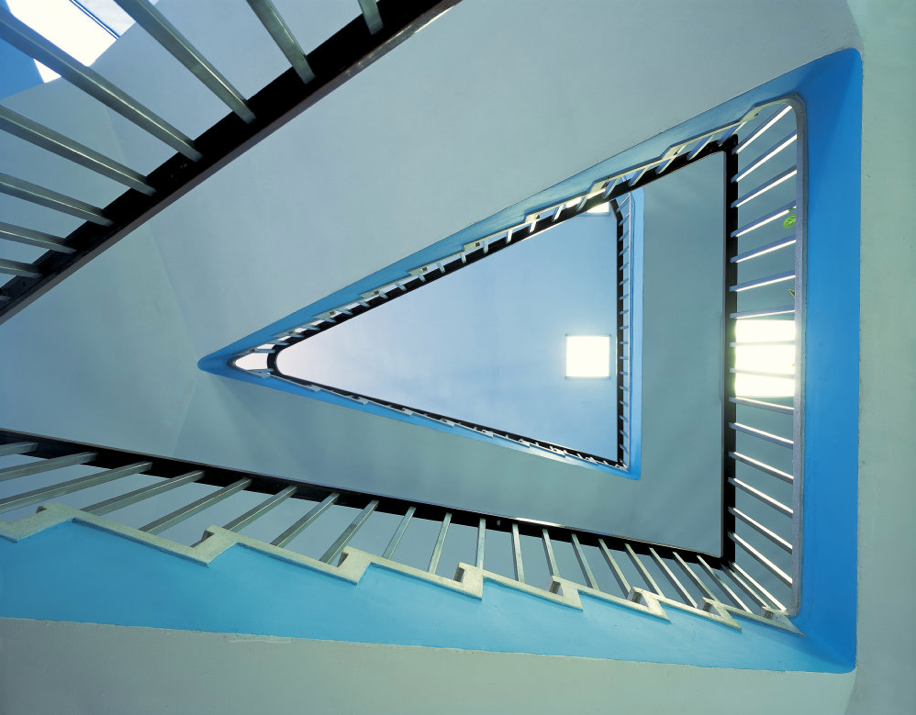
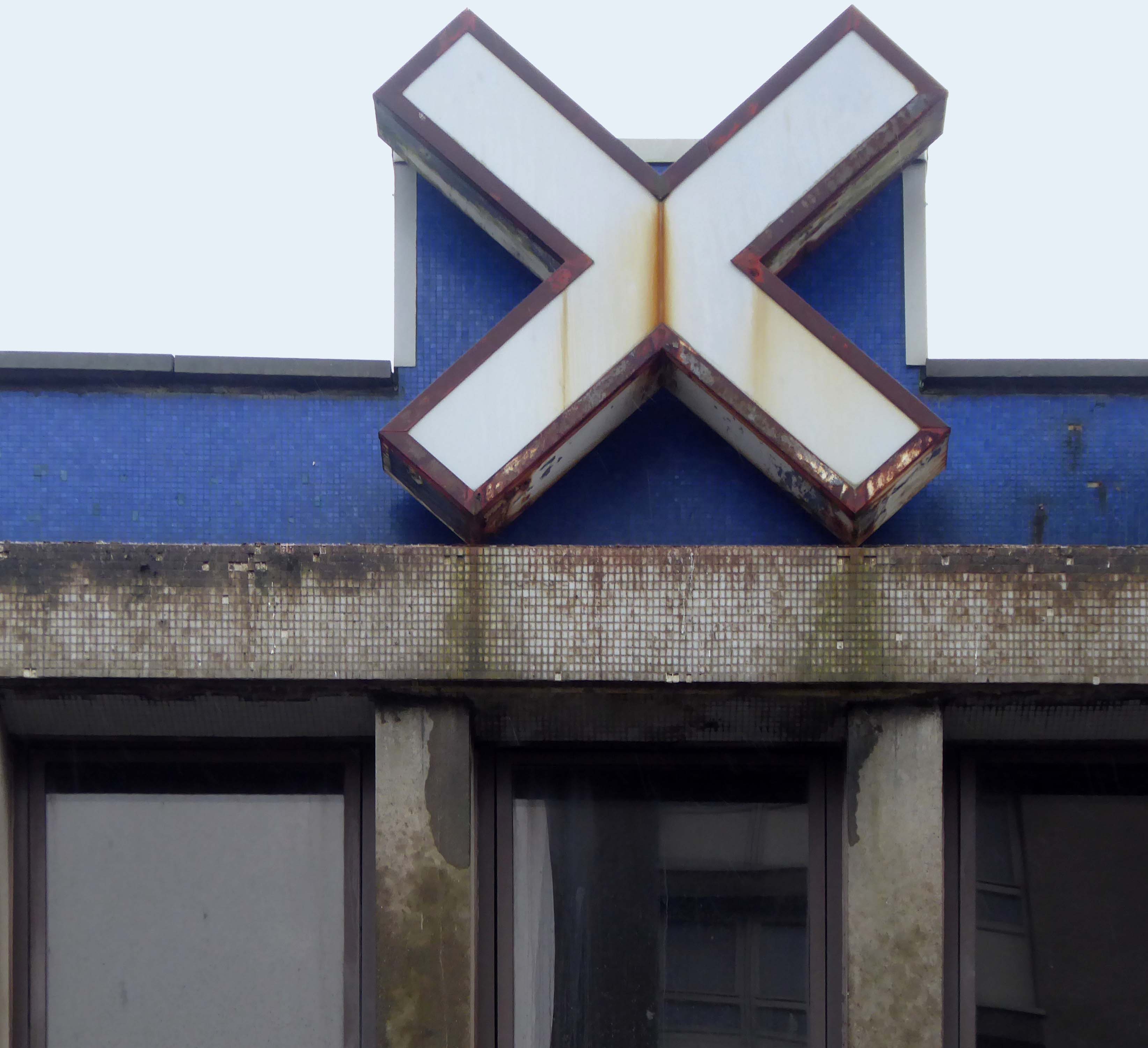
One of the only two buildings in Scotland designed by this architectural practice with Lubetkin acting as a consultant. Lubetkin is one of the outstanding figures of pre-war British architecture – penguin pool, London zoo & Highpoint Flats, London. Lubetkin designed the main cross of the north elevation and the main staircase, Bailey was the lead architect on this project. Both buildings are A listed.

Architecture Glasgow

By the mid 1960s, Lubetkin was based at his farm in Gloucestershire, Skinner in London and Bailey in Glasgow. Bailey asked Lubetkin to work out the design of the main staircase and parts of the principal elevation, notably the large cross. Lubetkin’s staircases are particularly spectacular and the St Andrew’s one is no exception. Allan notes that the Lubetkin leitmotif was the controlled collision of straight and curved geometry and this would appear to be exemplified here in the triangular plan geometric staircase which ends in a gentle curve at the ground floor. It is possible that Lubetkin may have influenced the vertical timber panelling in the boardroom. While that in the main hall is smooth and varnished, the boardroom has been sandblasted to present a weathered appearance. At Highpoint Two Lubetkin designed the interior and furniture for the penthouse flat with walls of vertical roughened sand-blasted pine panelling.

Historic Environment Scotland

ribapix

Acorn Property Group has applied to Glasgow City Council for permission to convert the Maitland Street property.

The developers want to repair and refurbish the building, at Cowcaddens, before offering managed workspaces.

Glasgow World

This is a walk around the street view of the building during my first visit to Glasgow in April 2022 – there was no evidence of any redevelopment work taking place.

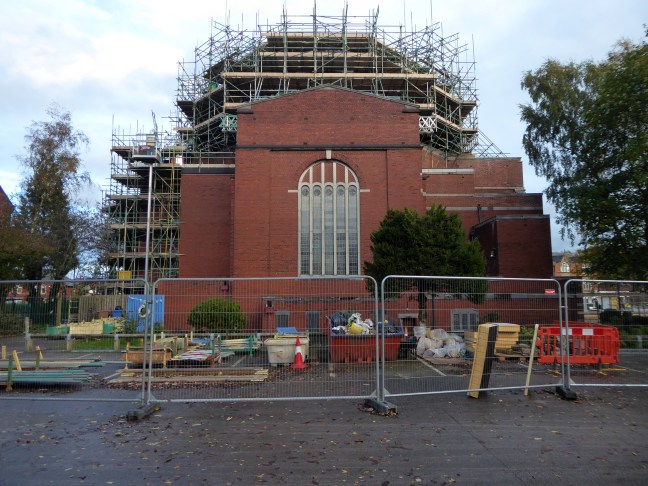
St John The Baptist RC – Rochdale 2022

I was last here in 2020 – made ever so welcome in this Byzantine cathedral like church.

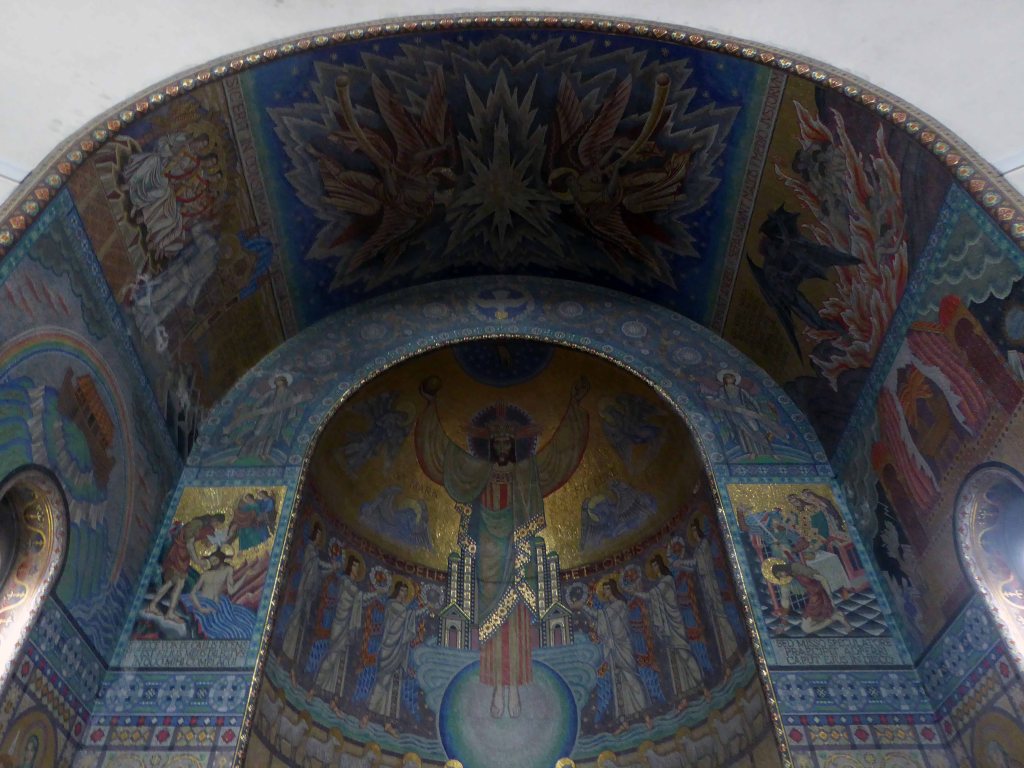
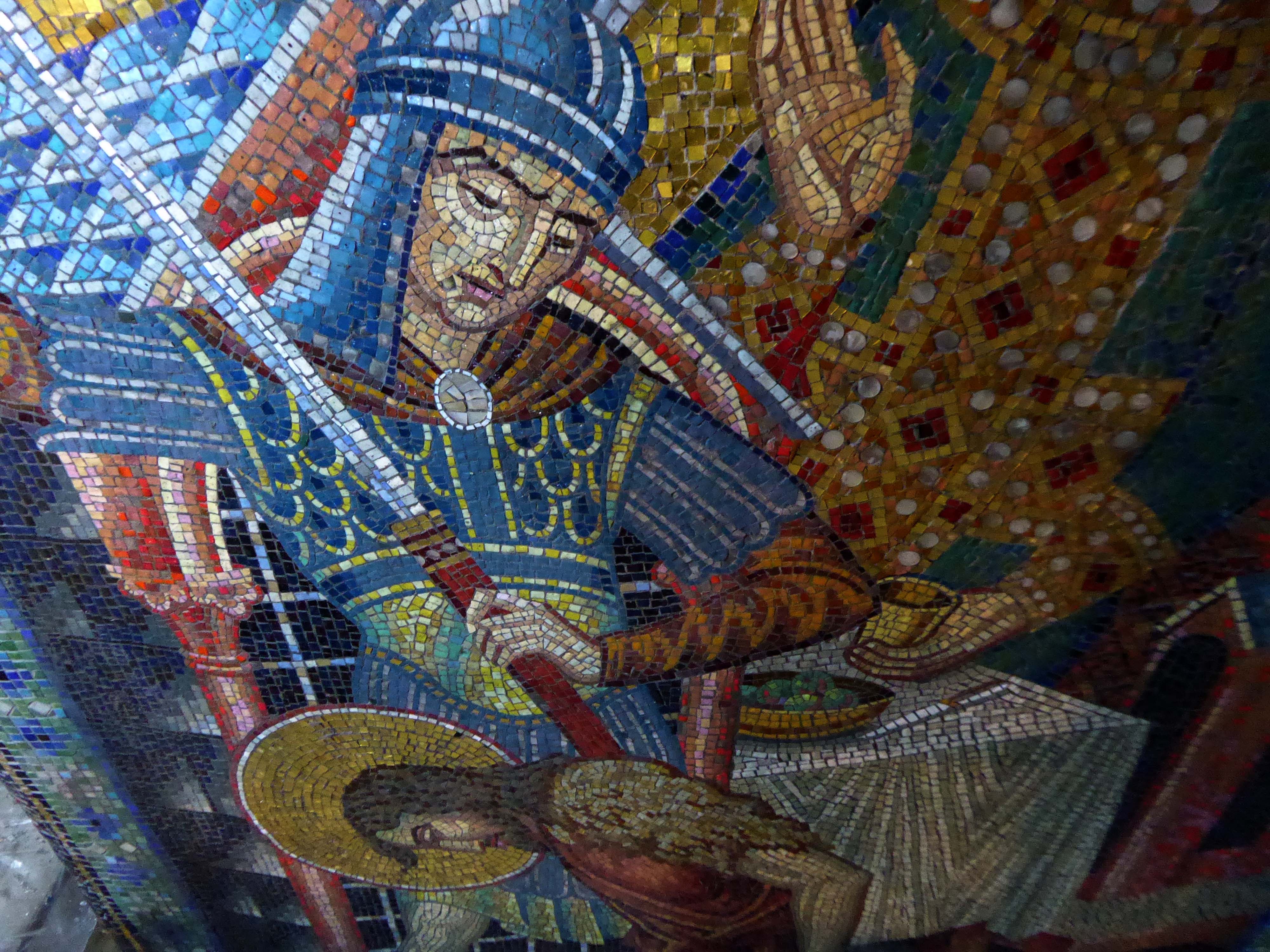
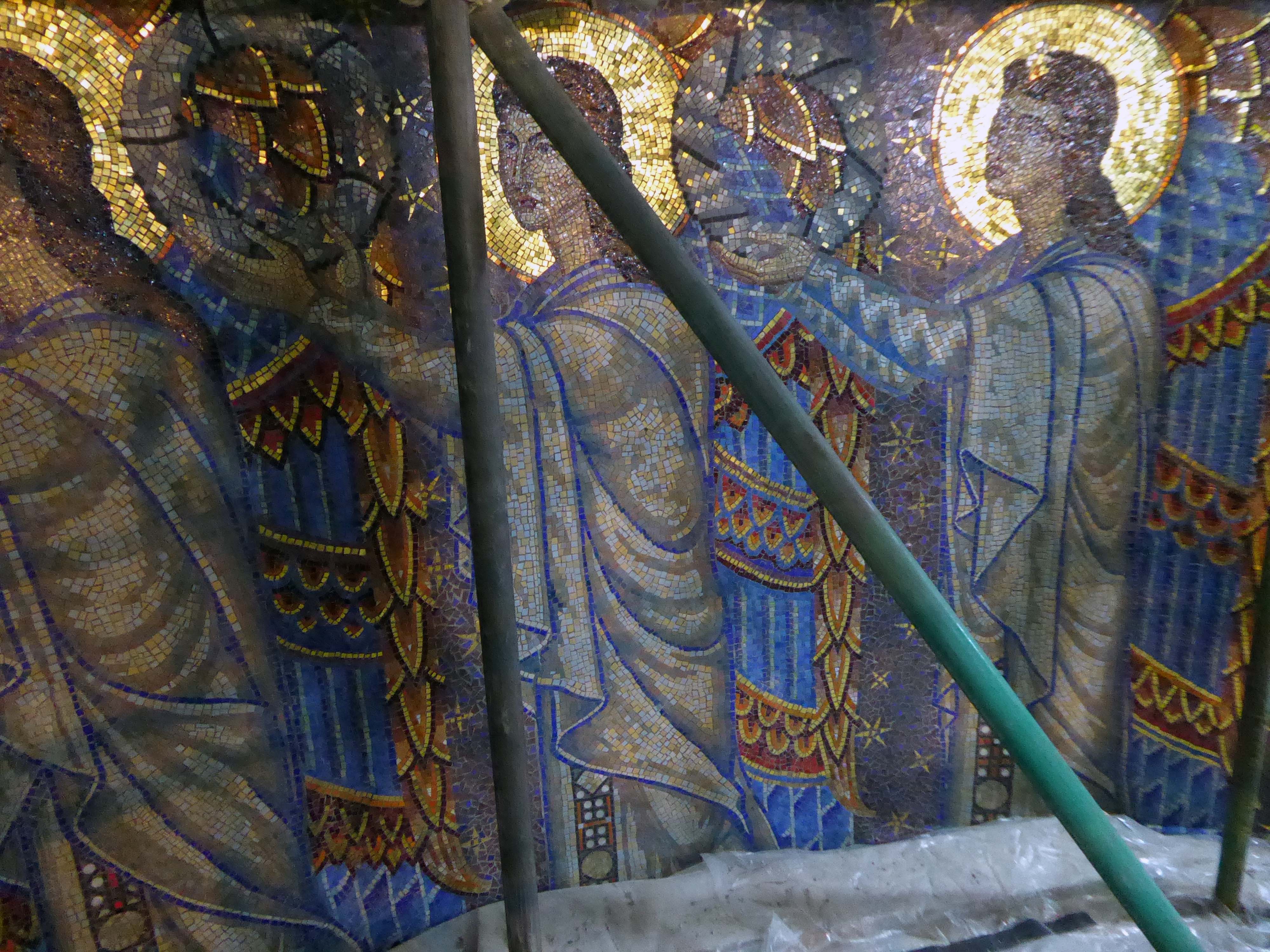
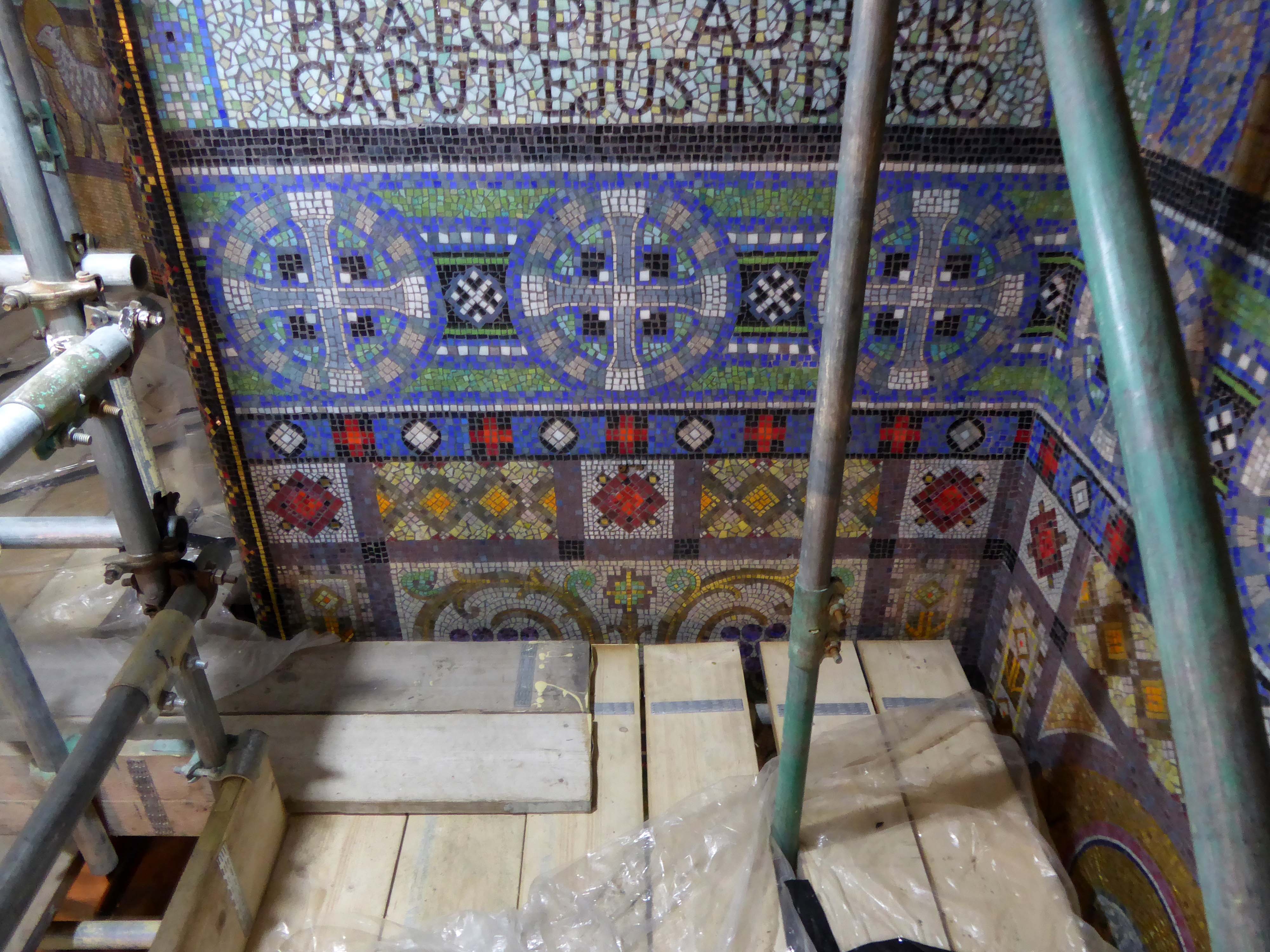
The apsed sanctuary is completely covered in a mosaic scheme with the theme Eternal Life designed by Eric Newton. Newton was born Eric Oppenheimer, later changing his surname by deed poll to his mother’s maiden name. He was the grandson of Ludwig Oppenheimer, a German Jew who was sent to Manchester to improve his English and then married a Scottish girl and converted to Christianity. In 1865 he set up a mosaic workshop, (Ludwig Oppenheimer Ltd, Blackburn St, Old Trafford, Manchester) after spending a year studying the mosaic process in Venice. Newton had joined the family company as a mosaic craftsman in 1914 and he is known to have studied early Byzantine mosaics in Venice, Ravenna and Rome. He later also became art critic for the Manchester Guardian and a broadcaster on ‘The Critics’. Newton started the scheme in 1932 and took over a year to complete it at a cost of £4,000. It had previously been thought that he used Italian craftsmen, but historic photographs from the 1930s published in the Daily Herald show Oppenheimer mosaics being cut and assembled by a Manchester workforce of men and women. It is likely, therefore, that the craftsmen working on St John the Baptist were British.

Historic England

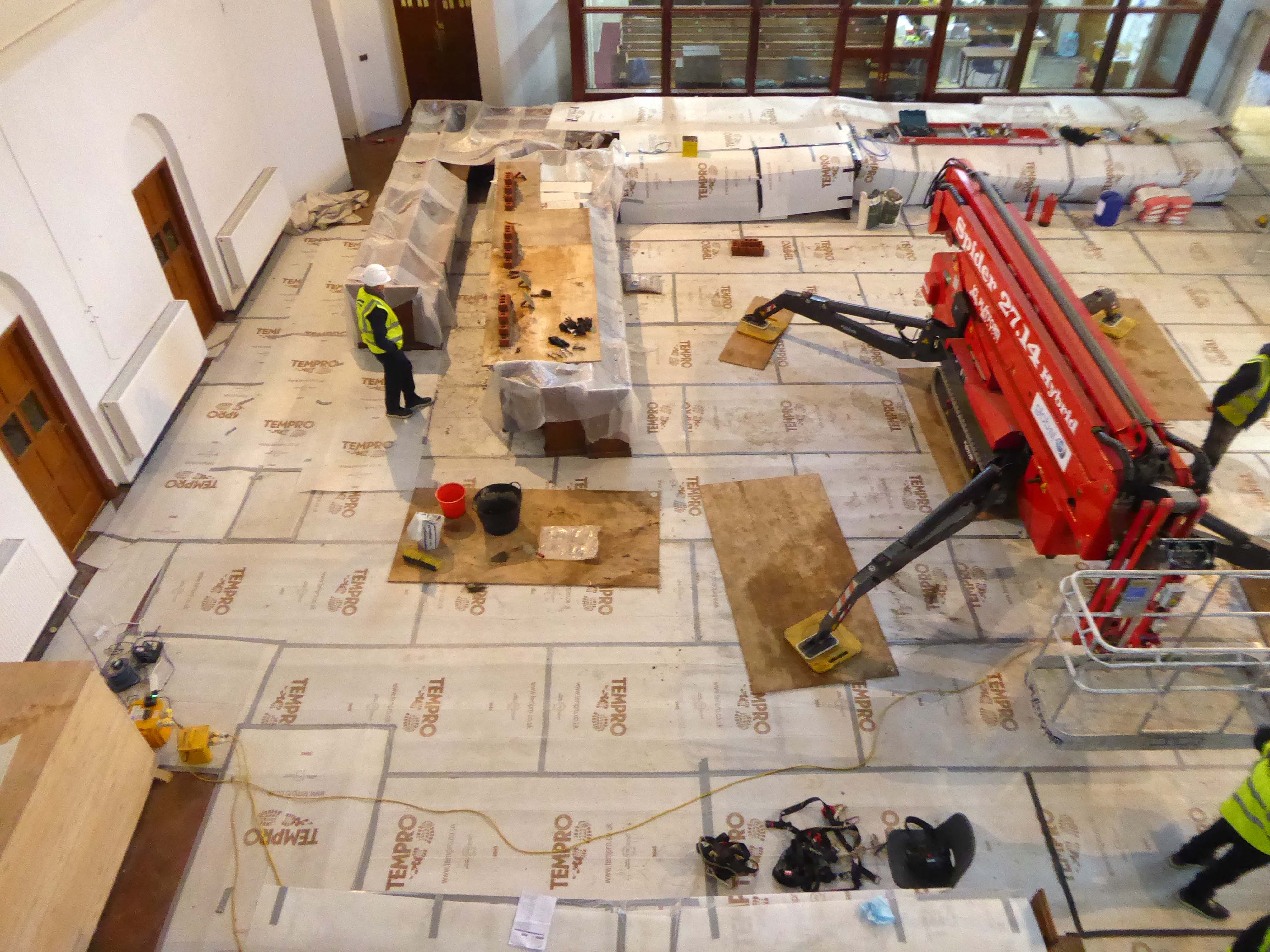
There had, as ever, been issues with the structure, water ingress and such, given several flat roofs and a temperamental ferro-concrete dome.

Happily, a successful Lottery Heritage Fund grant has covered the cost of two phases of repair to the physical fabric.

Thanks to the Parish Team, for once again making us all feel so welcome, and thanks also for their efforts in securing the finances which have made the restoration possible.

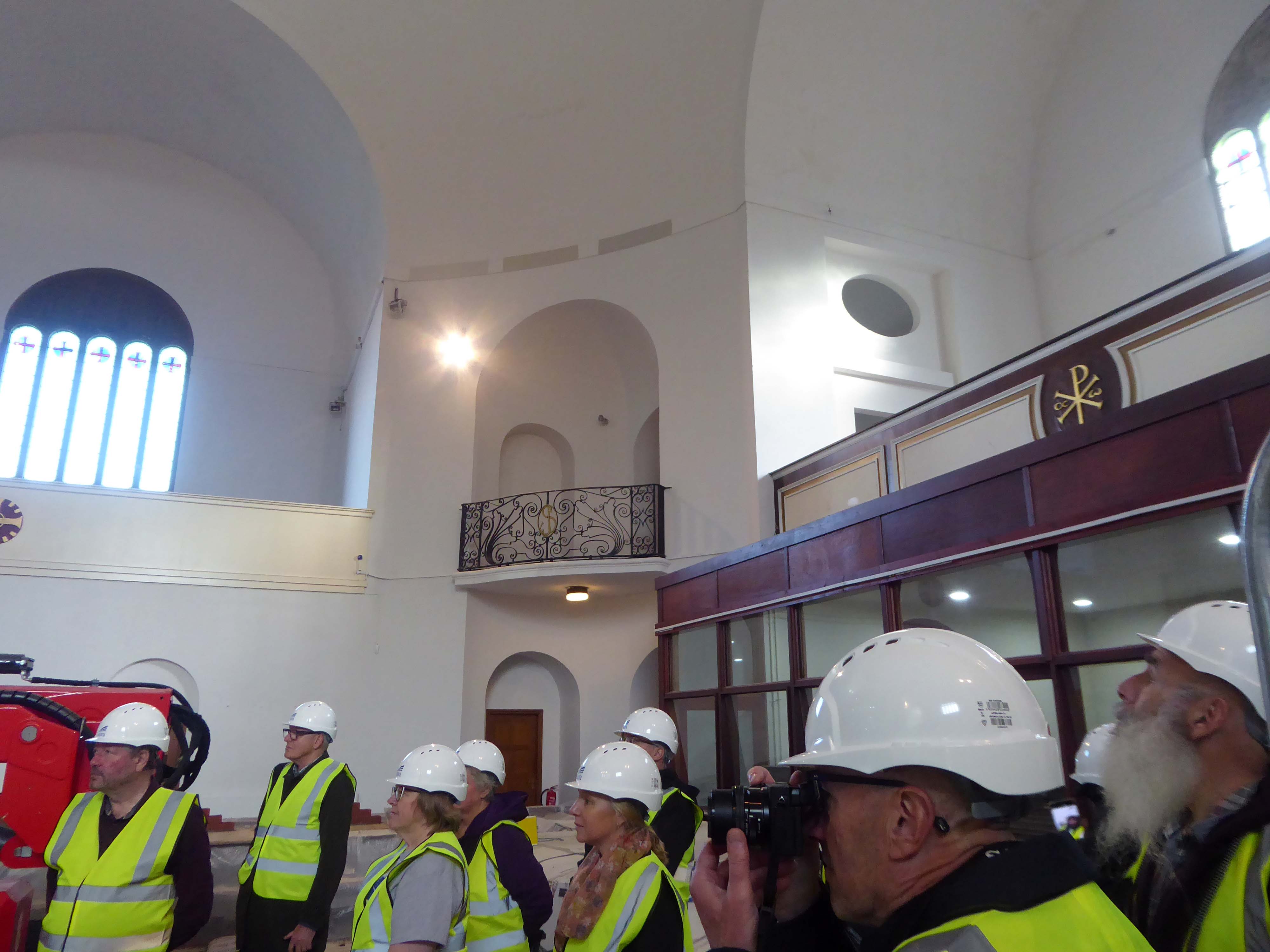
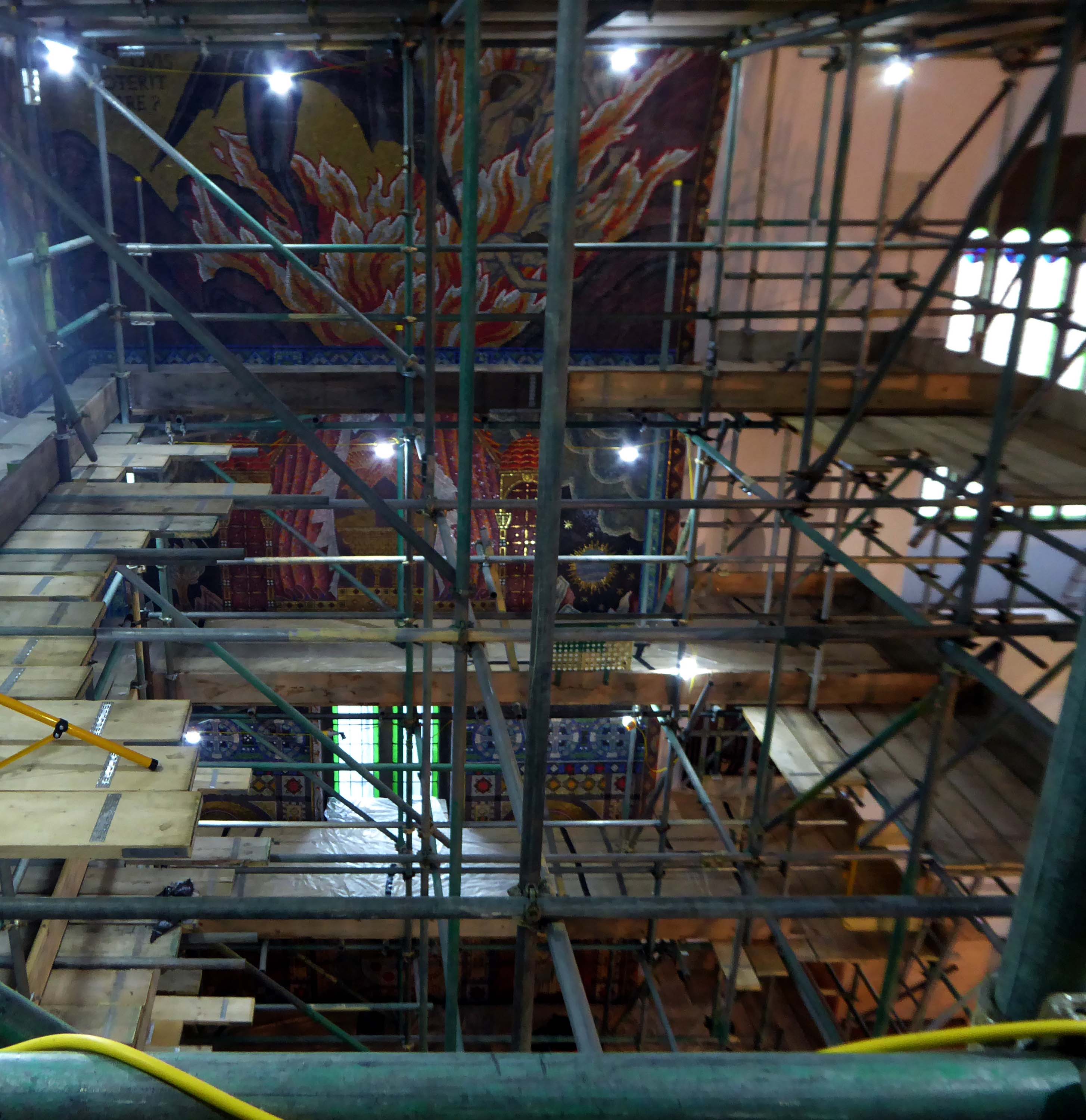
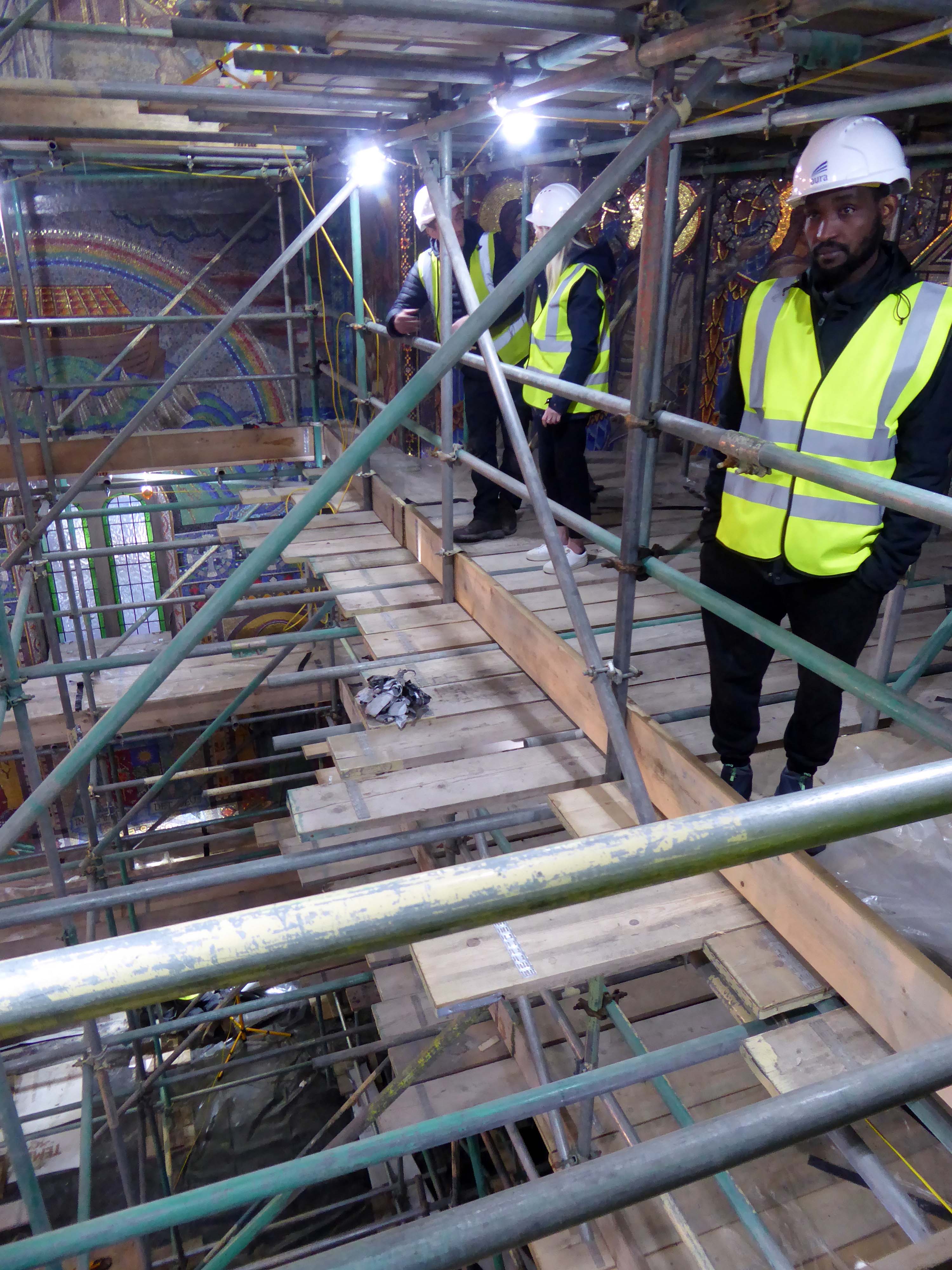
We were all issued with our hard hats and hi-vis at the comprehensive and informative introductory talks.

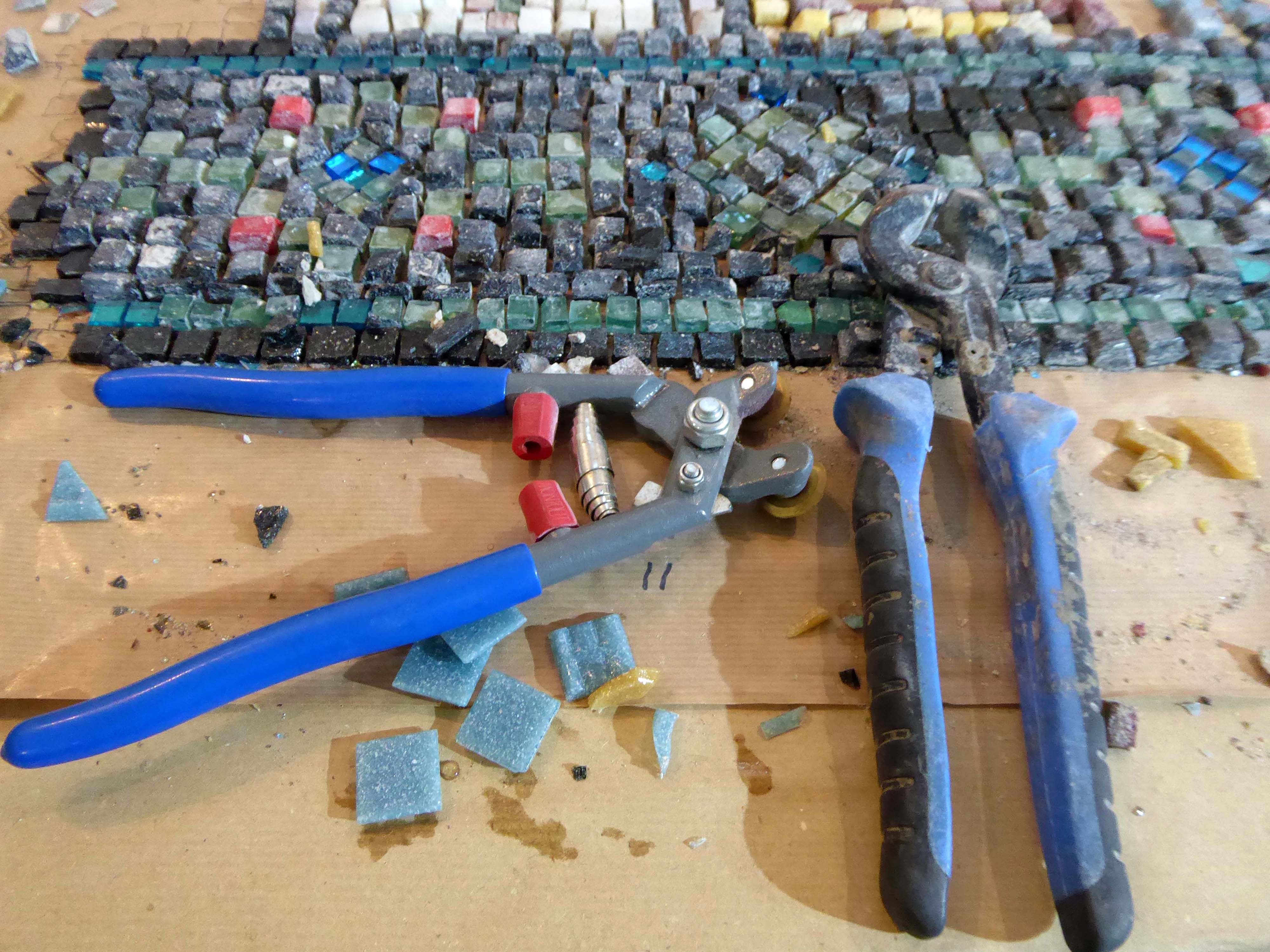
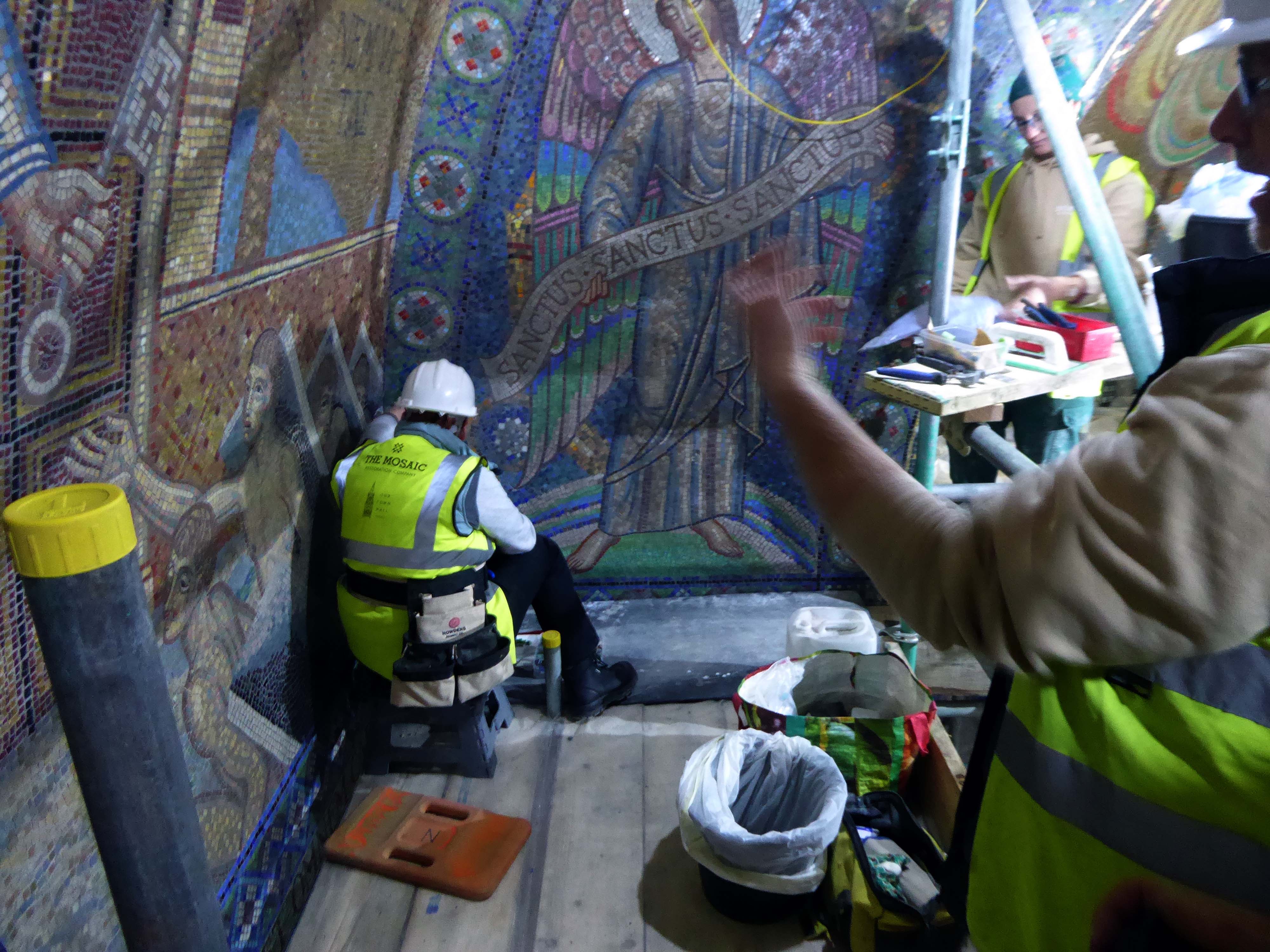
Followed by a detailed explanation of the mosaic work being undertaken by Gary and his team from the Mosaic Restoration Company.

This involves skilfully cleaning the whole work, whilst repairing and replacing any damaged areas.

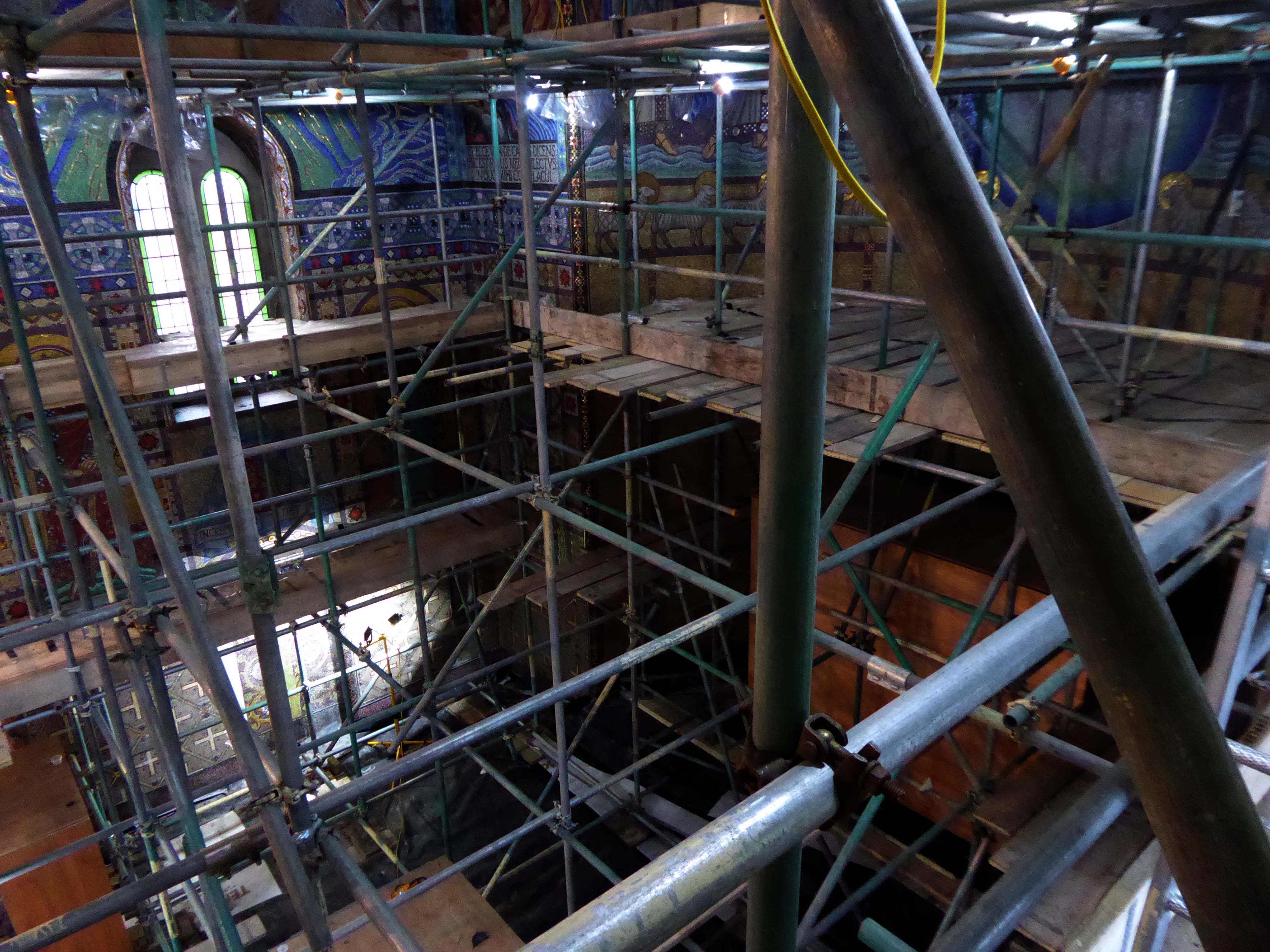
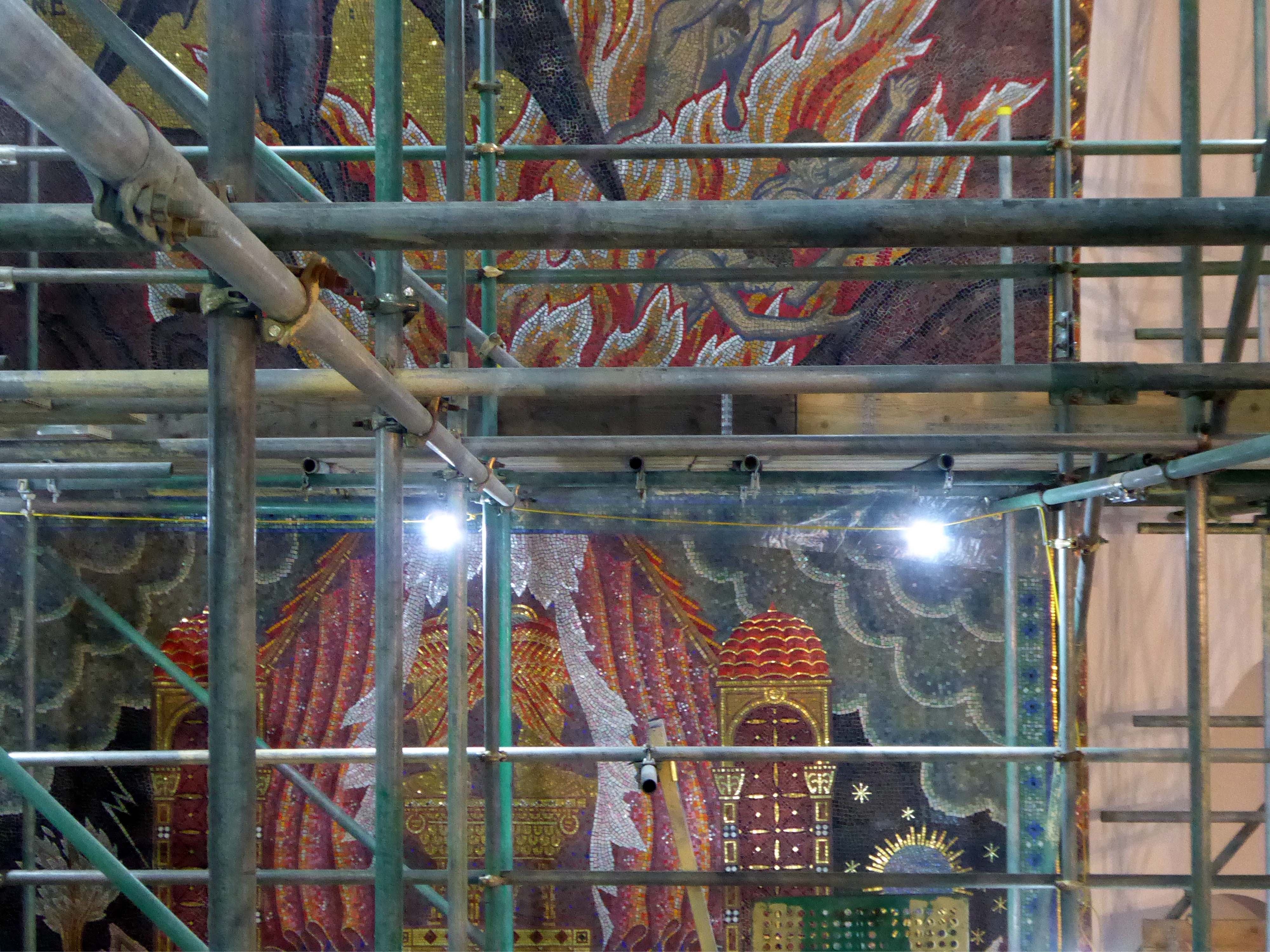
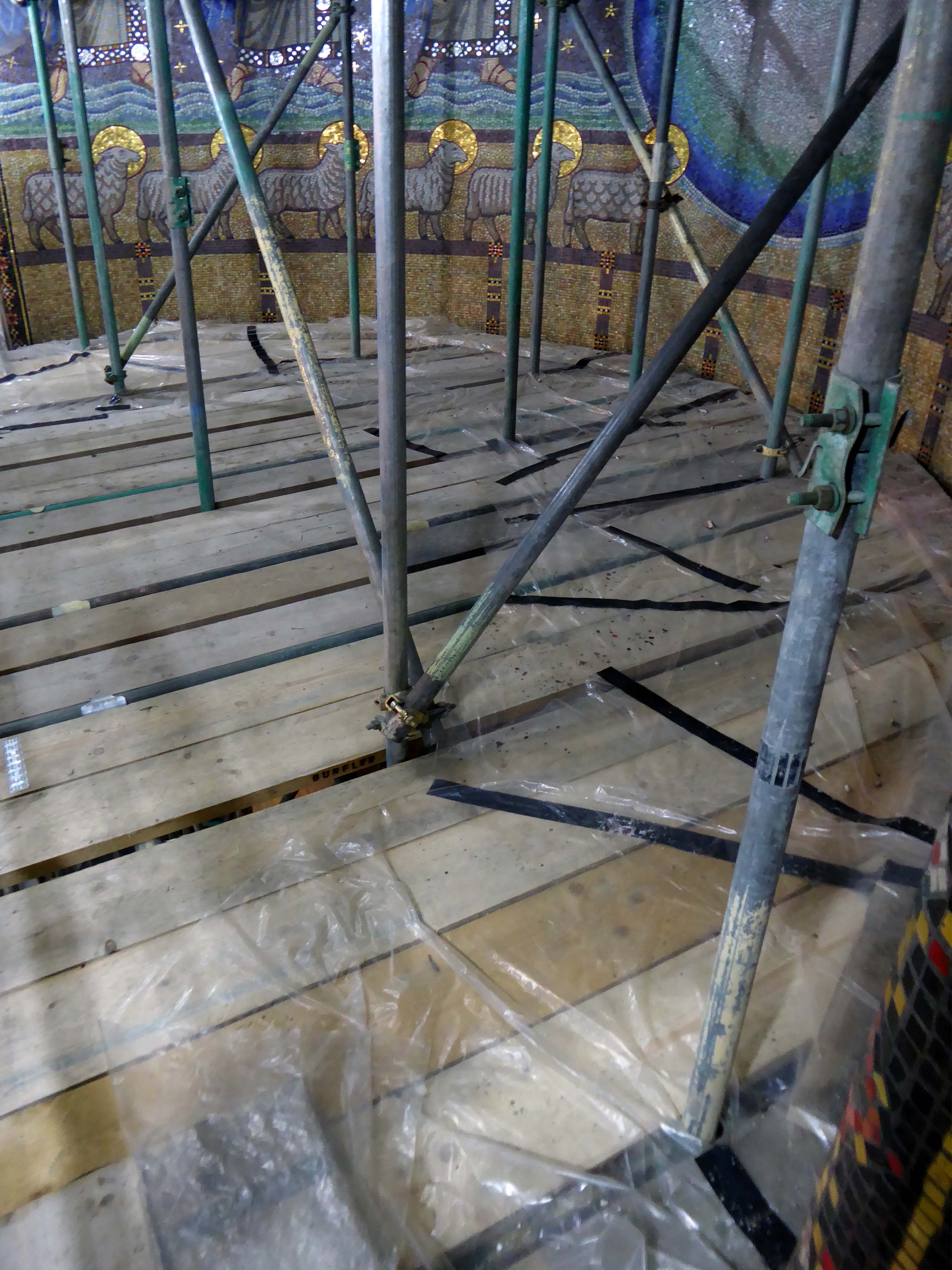
We were then privileged to ascend the vast scaffold, the better to inspect the work up close and personal.
And this is what we saw.

Many thanks again to our hosts, the contractors and all those involved with this spectacular undertaking.

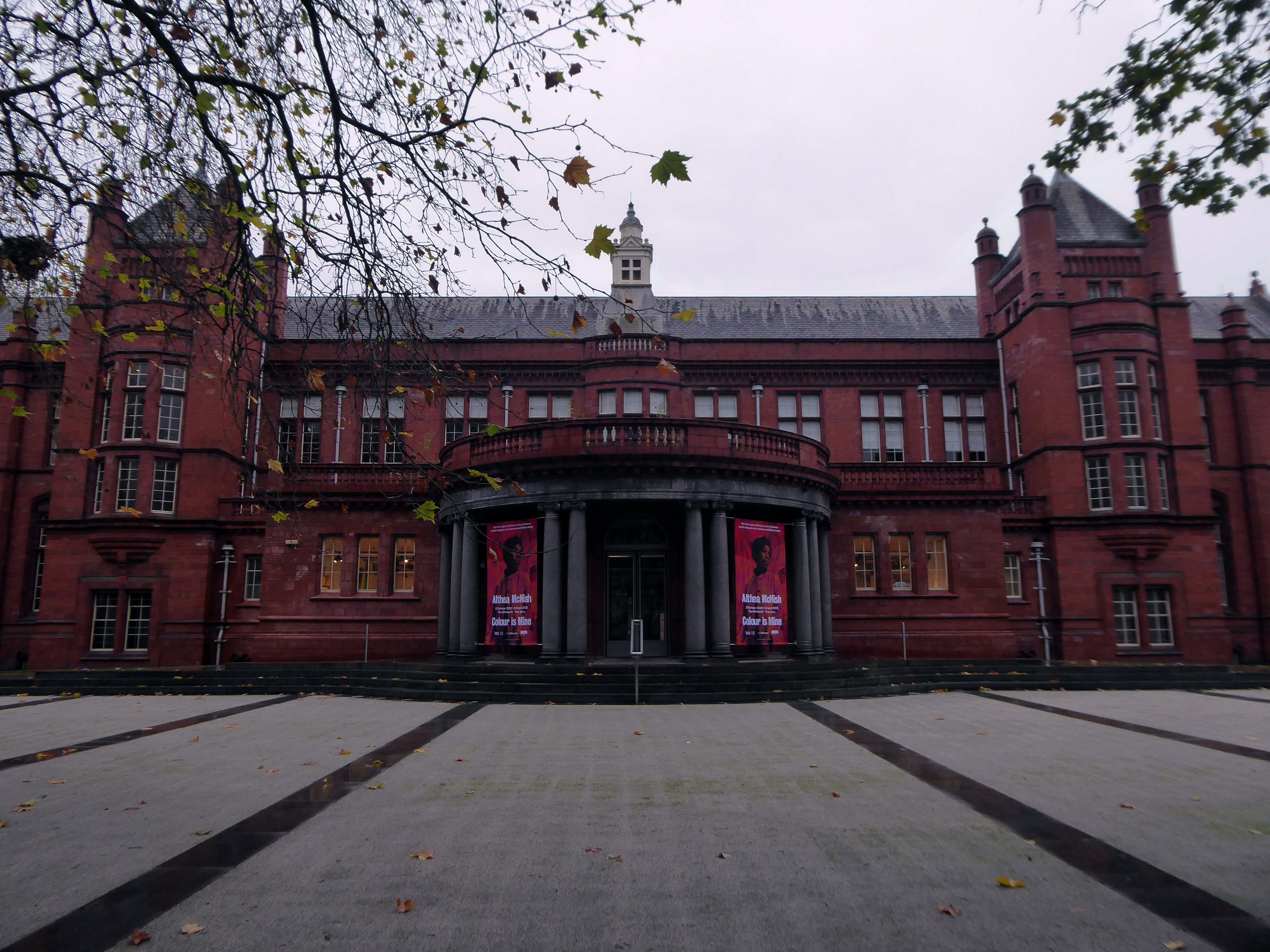
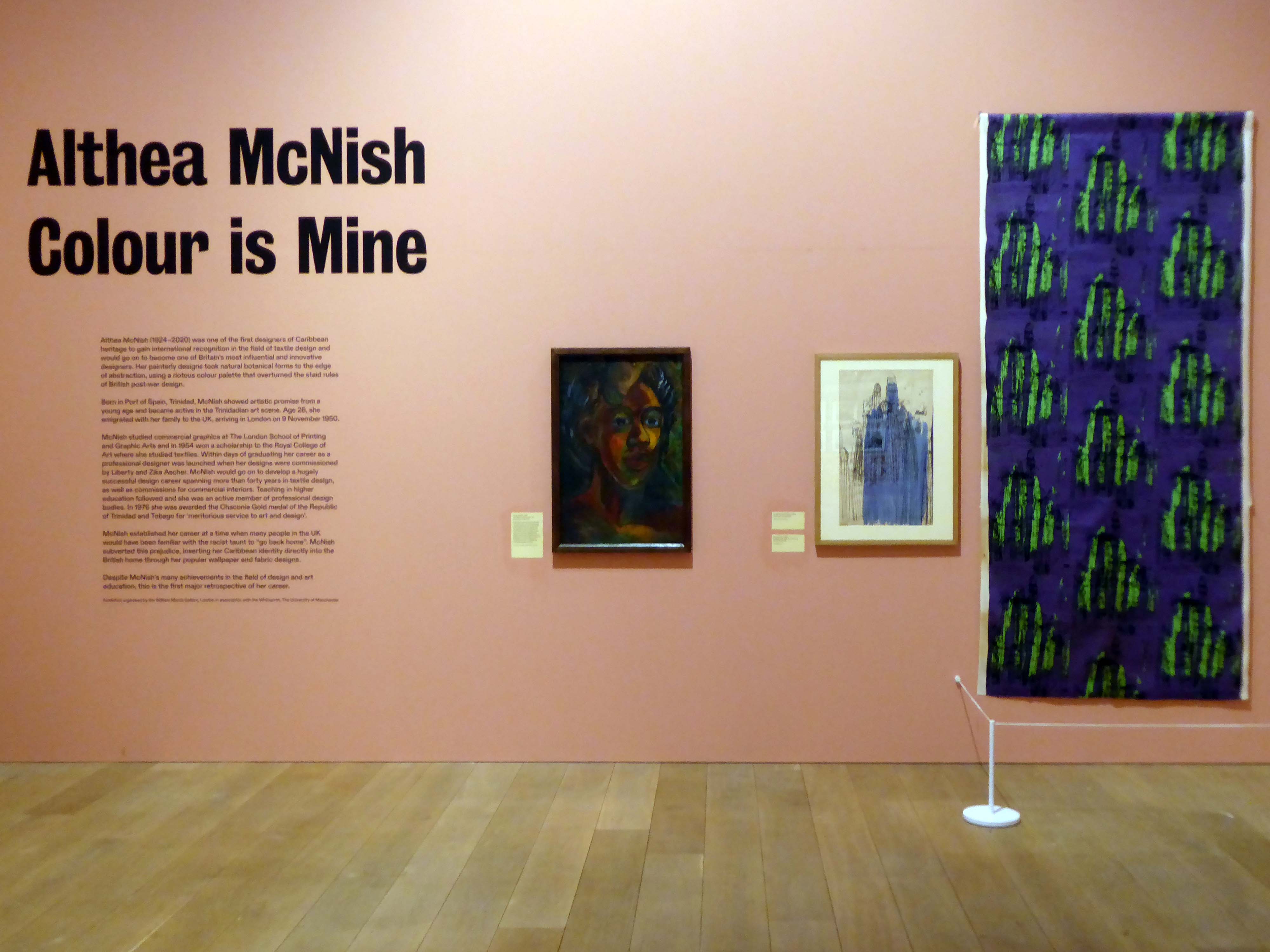
Althea McNish – Whitworth

Oxford Rd Manchester M15 6ER

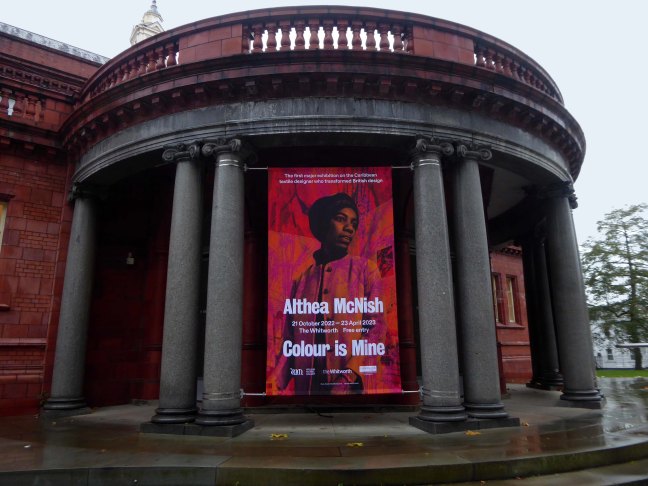
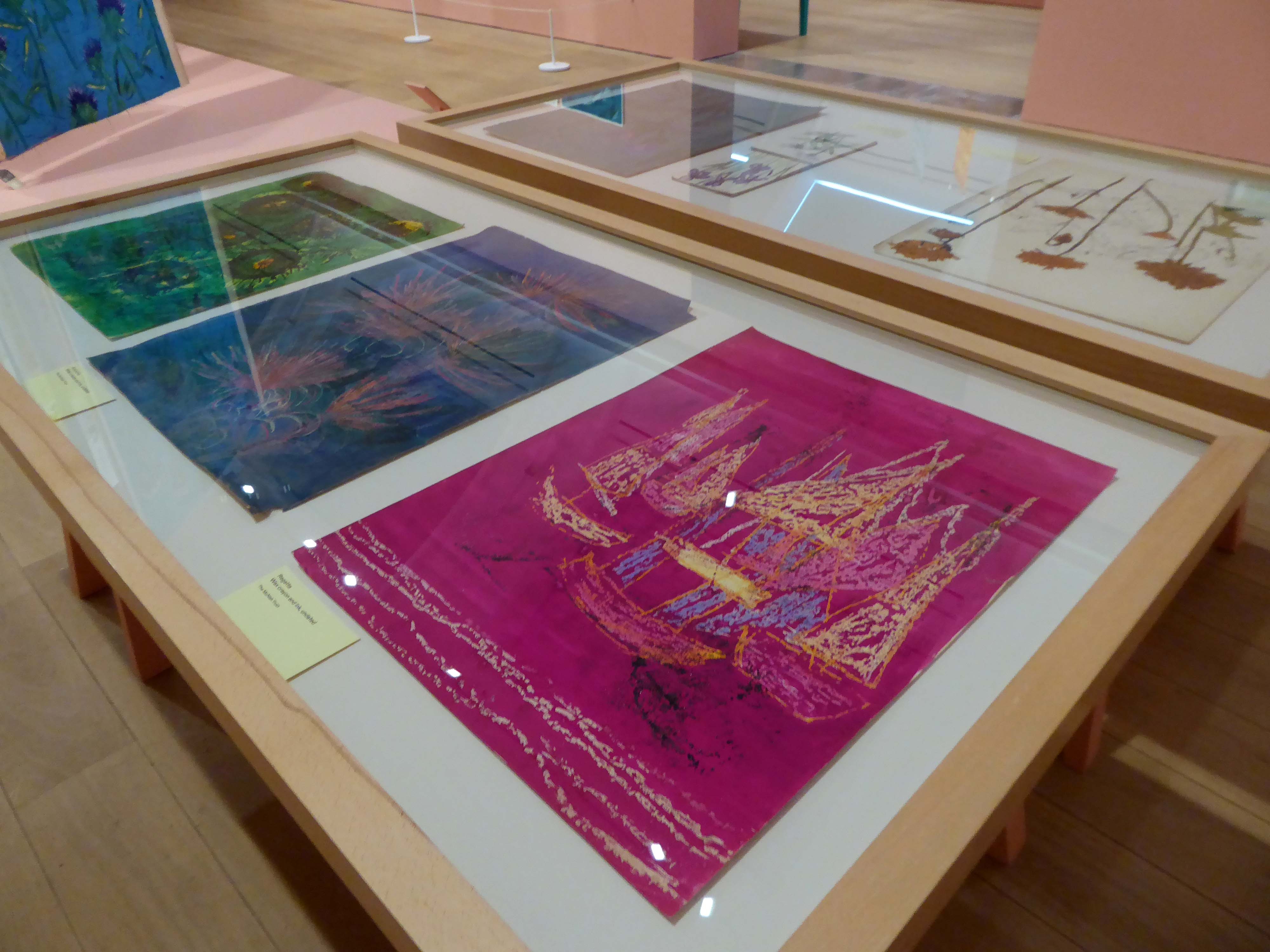
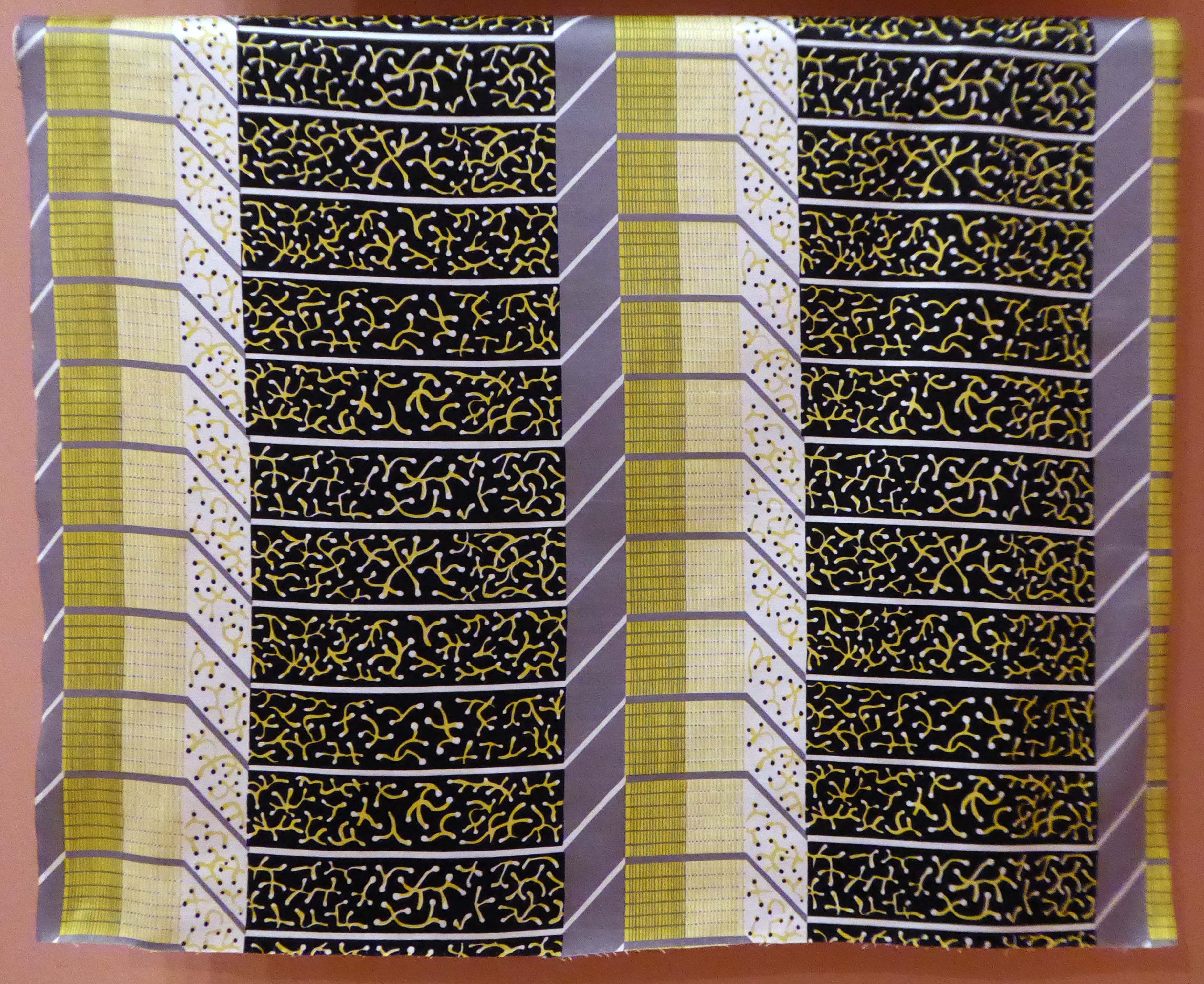
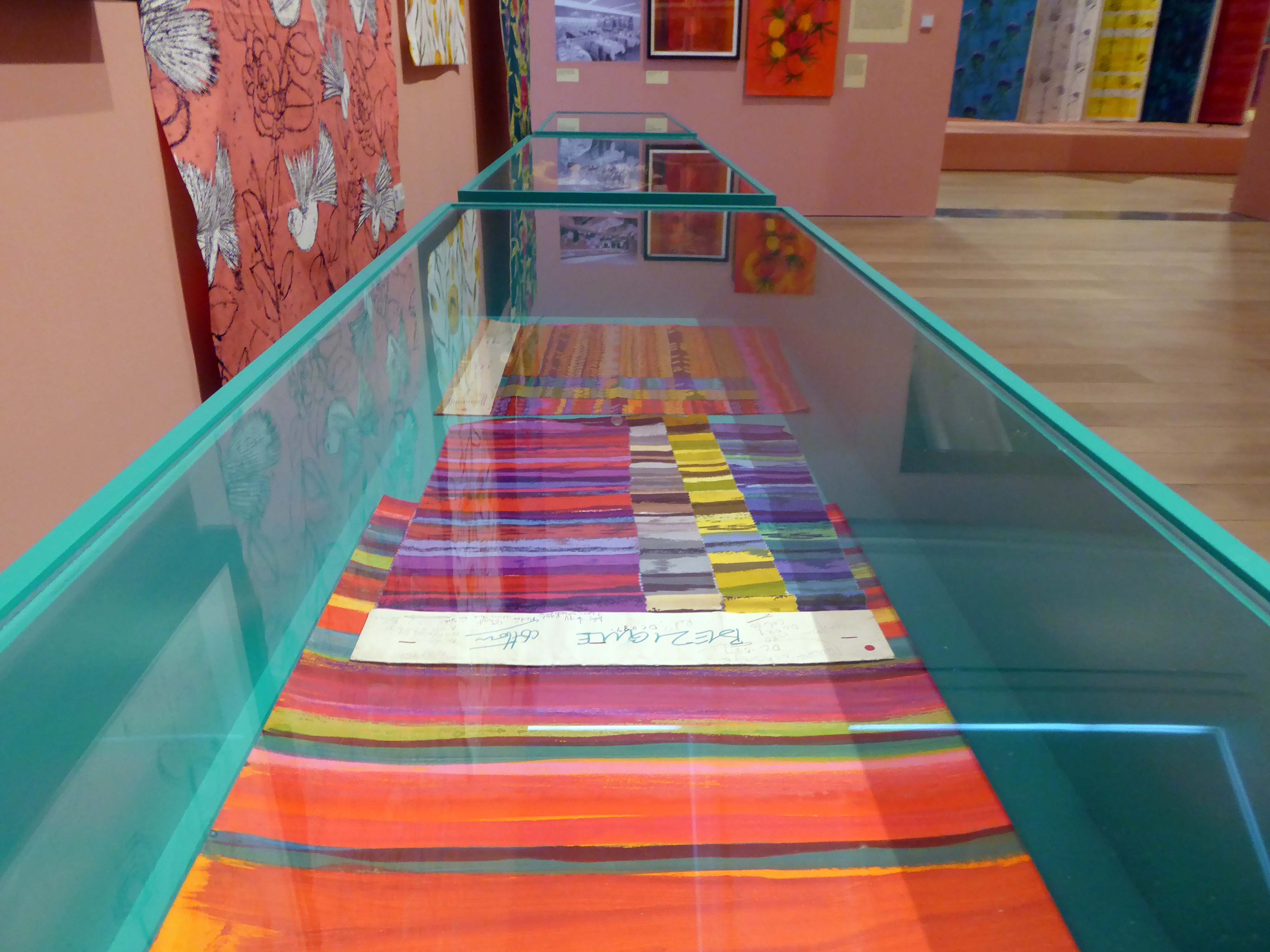
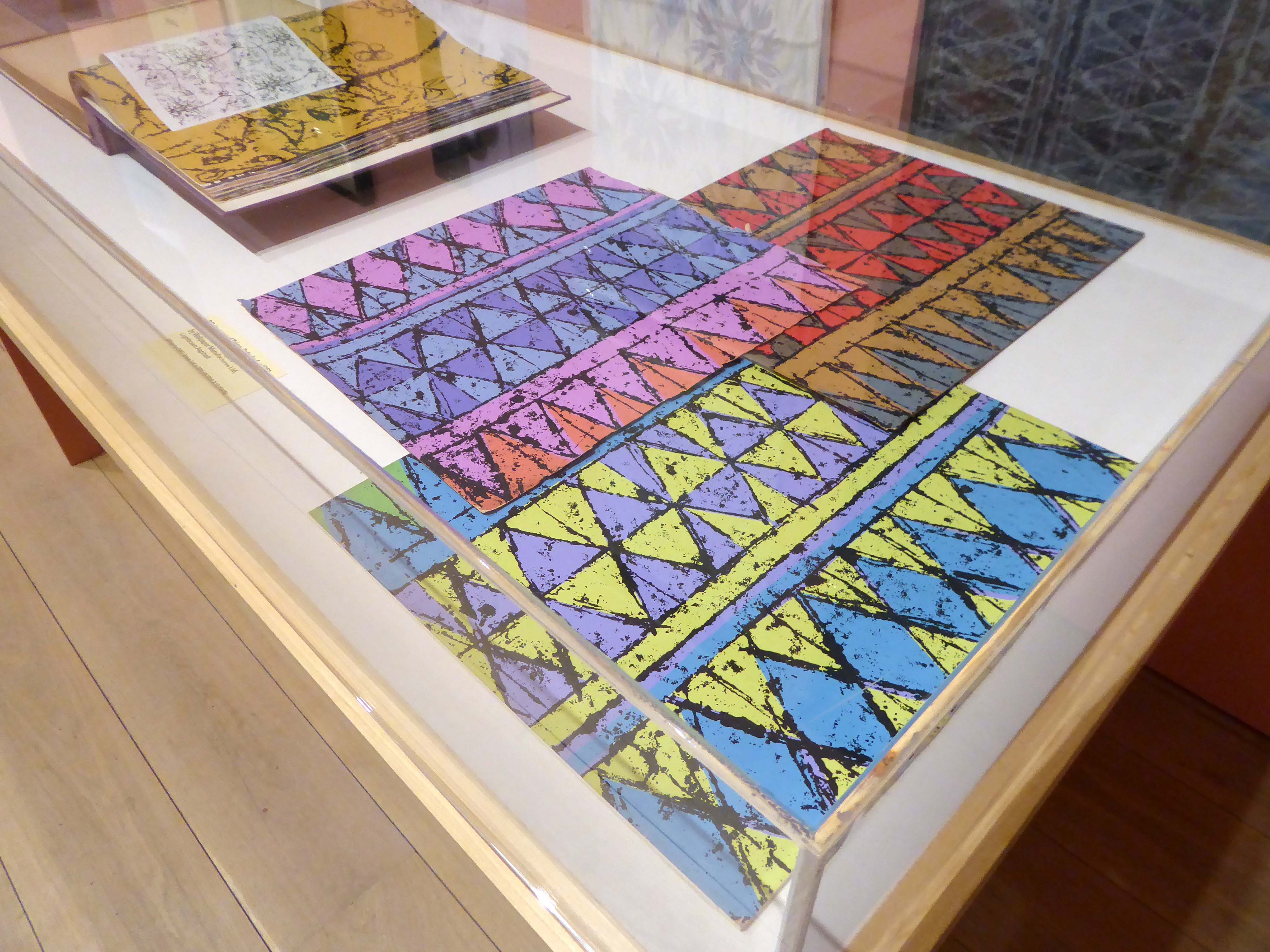
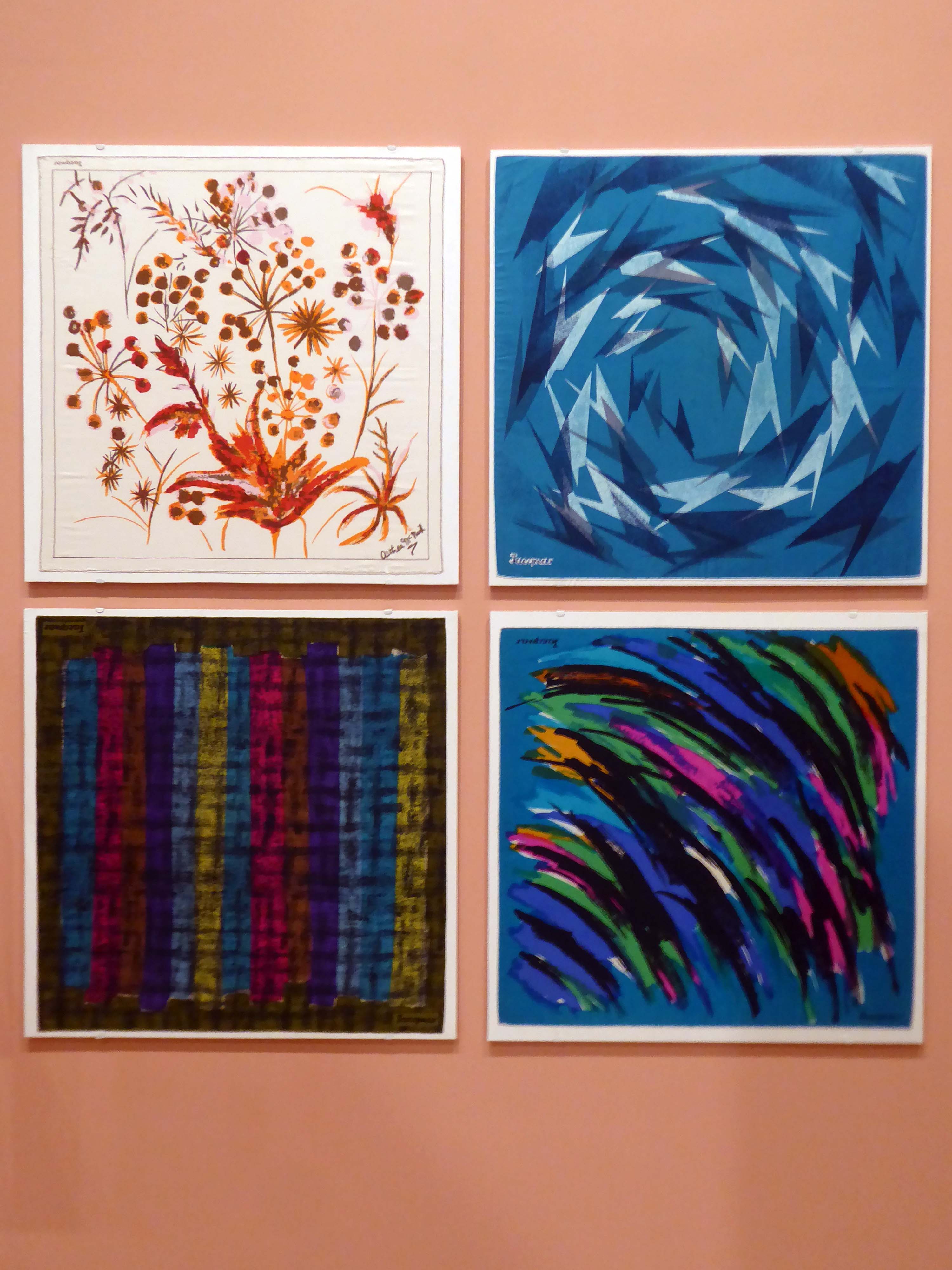
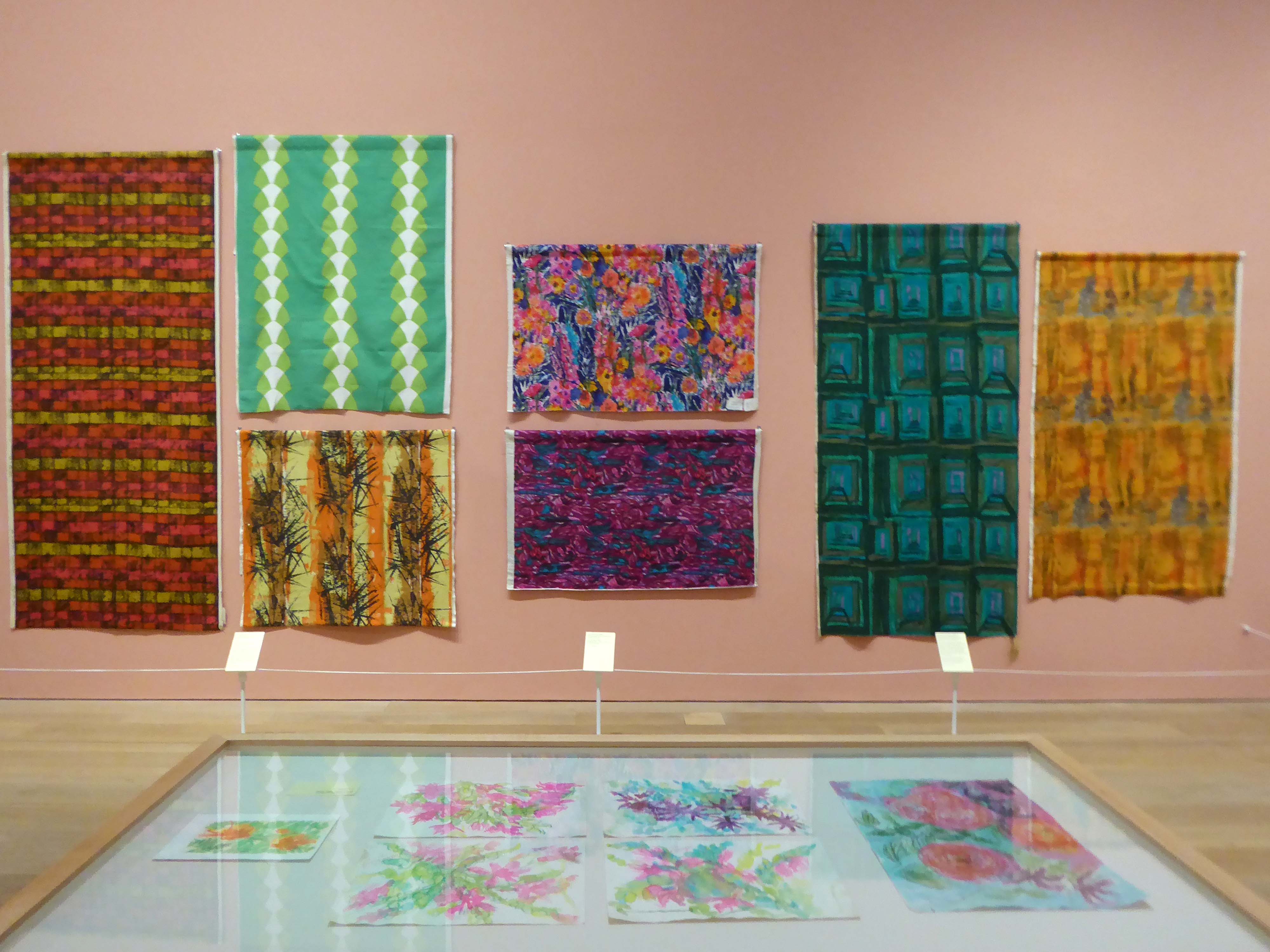
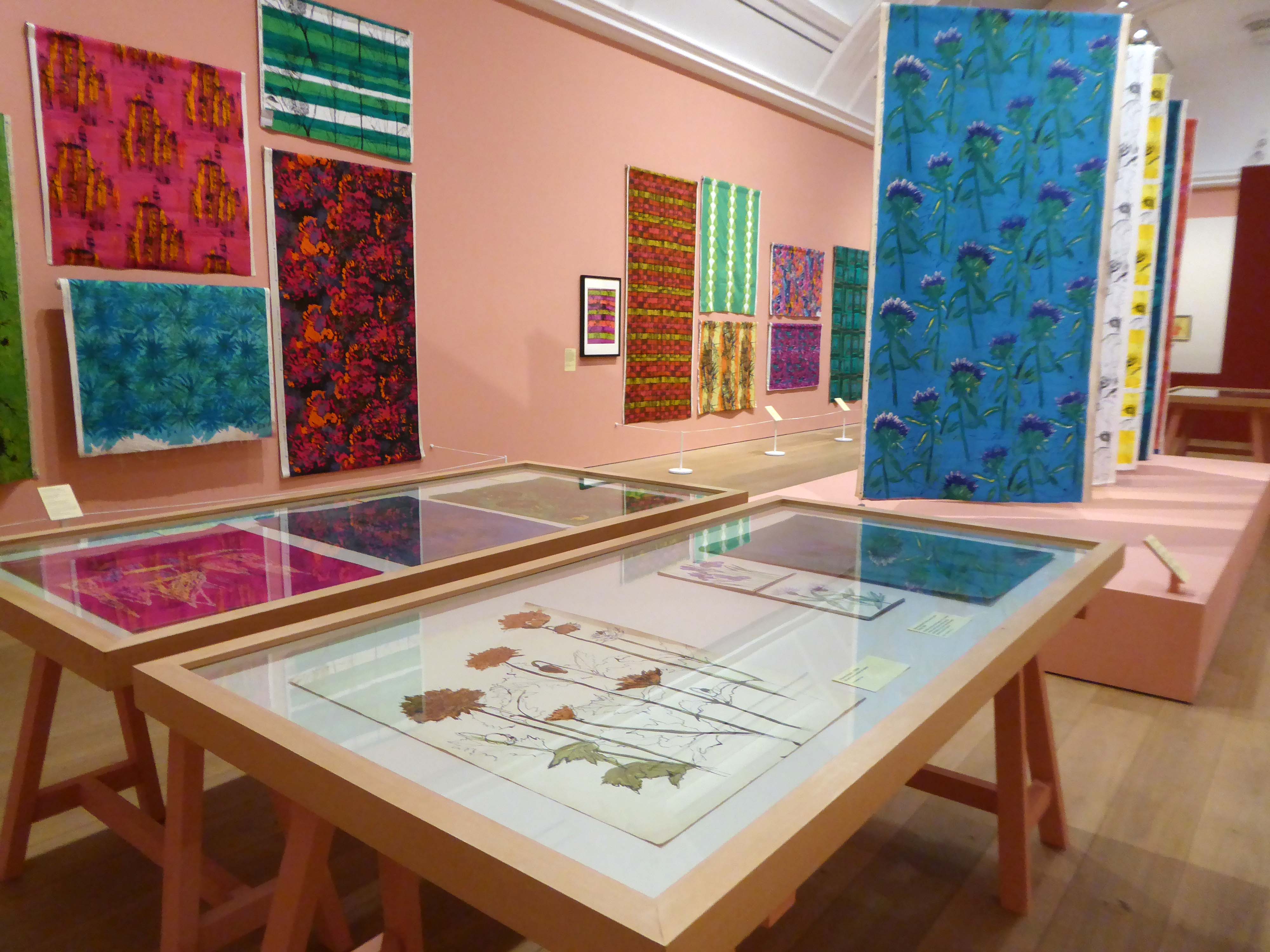
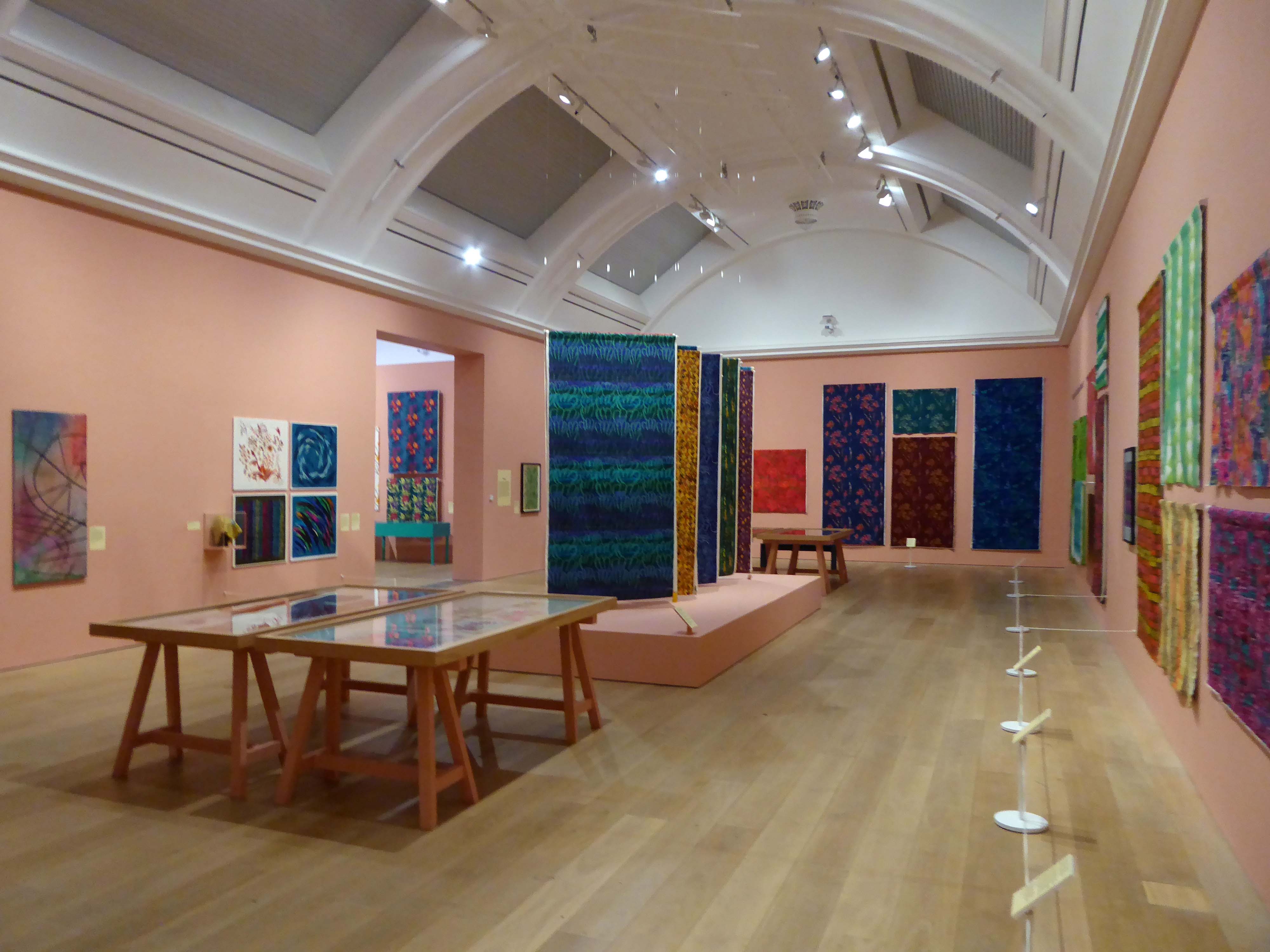
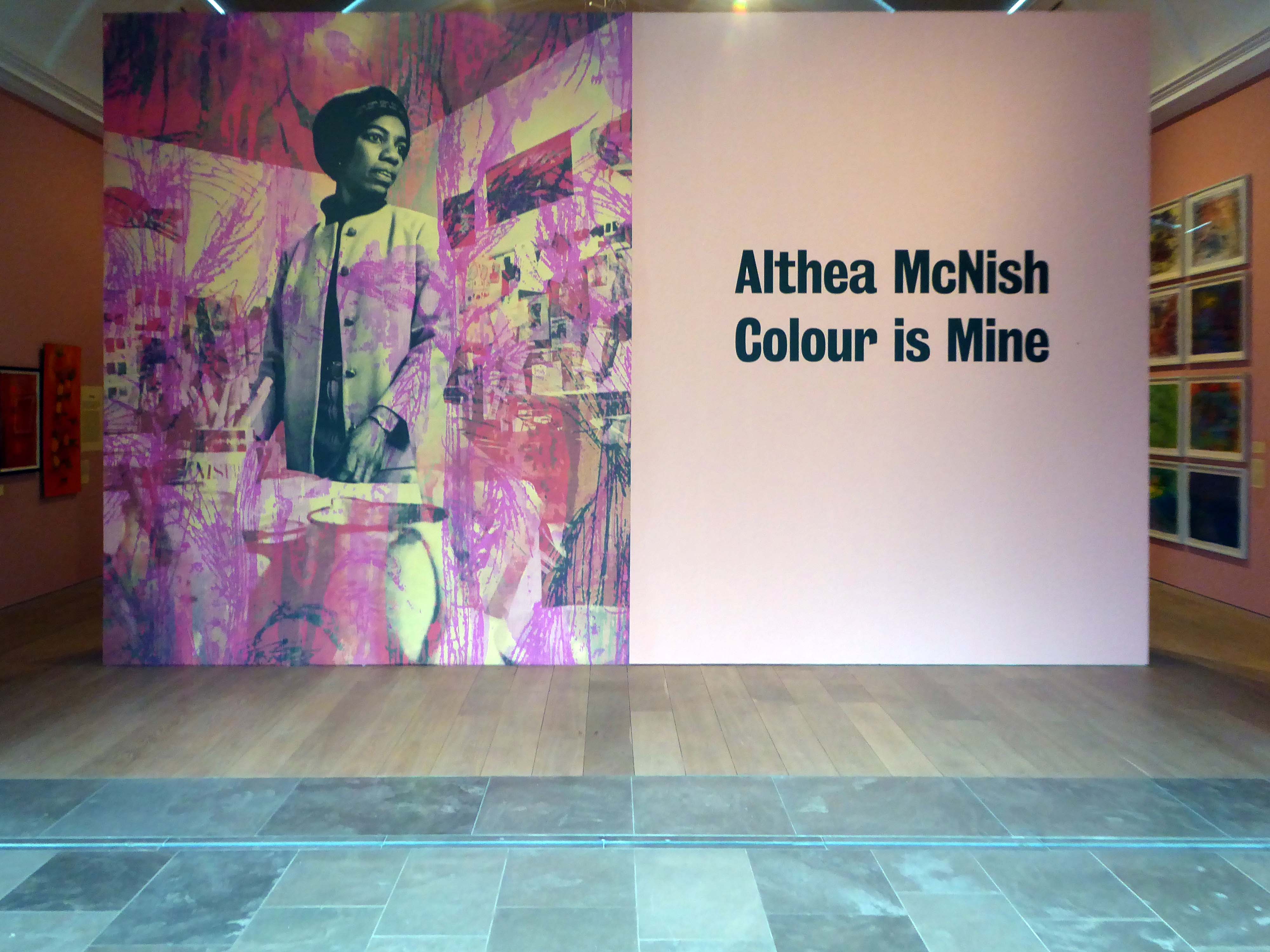
Recently opened and on for a while, I was here first thing Saturday morning – here are the details of Colour is Mine.

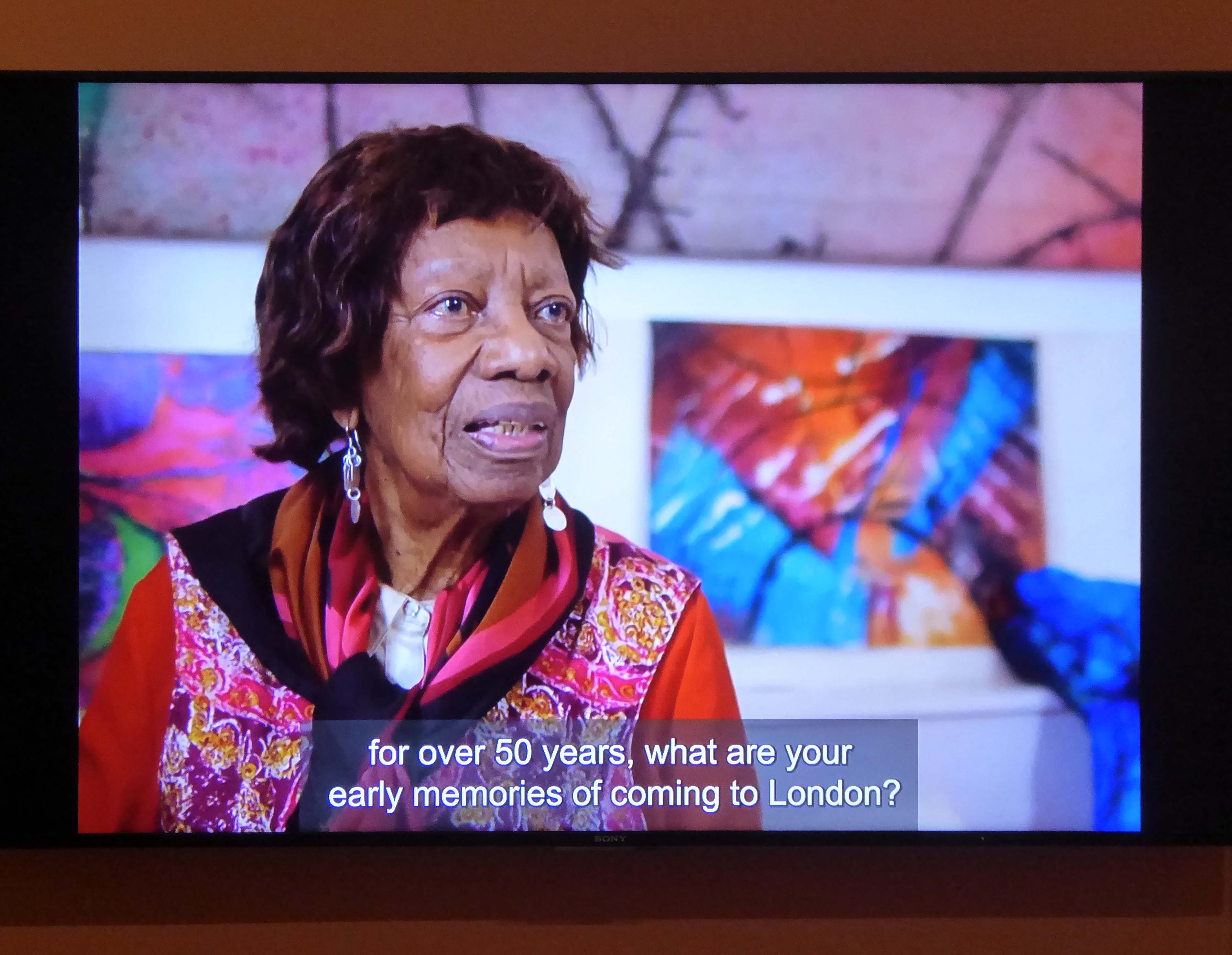
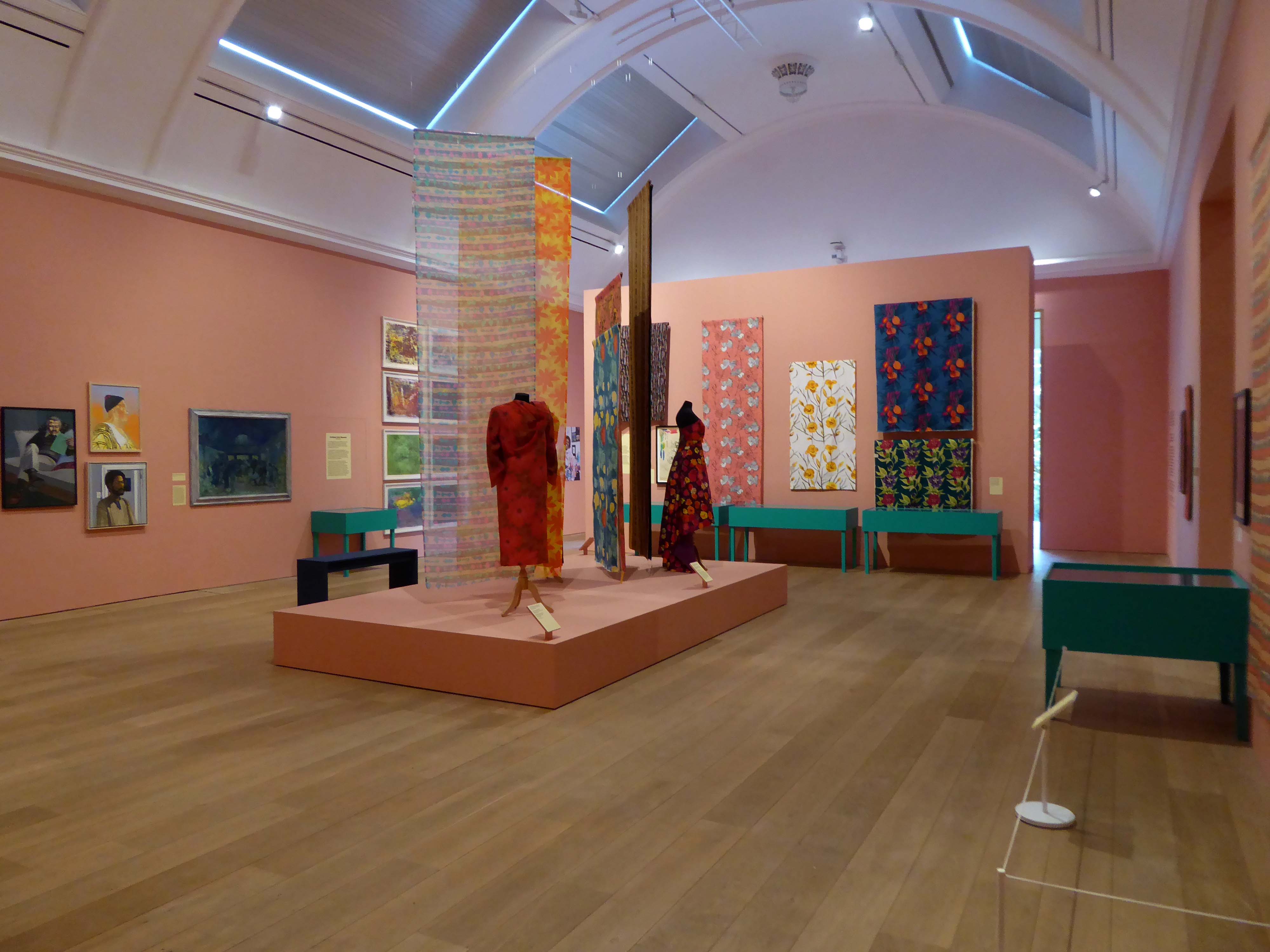
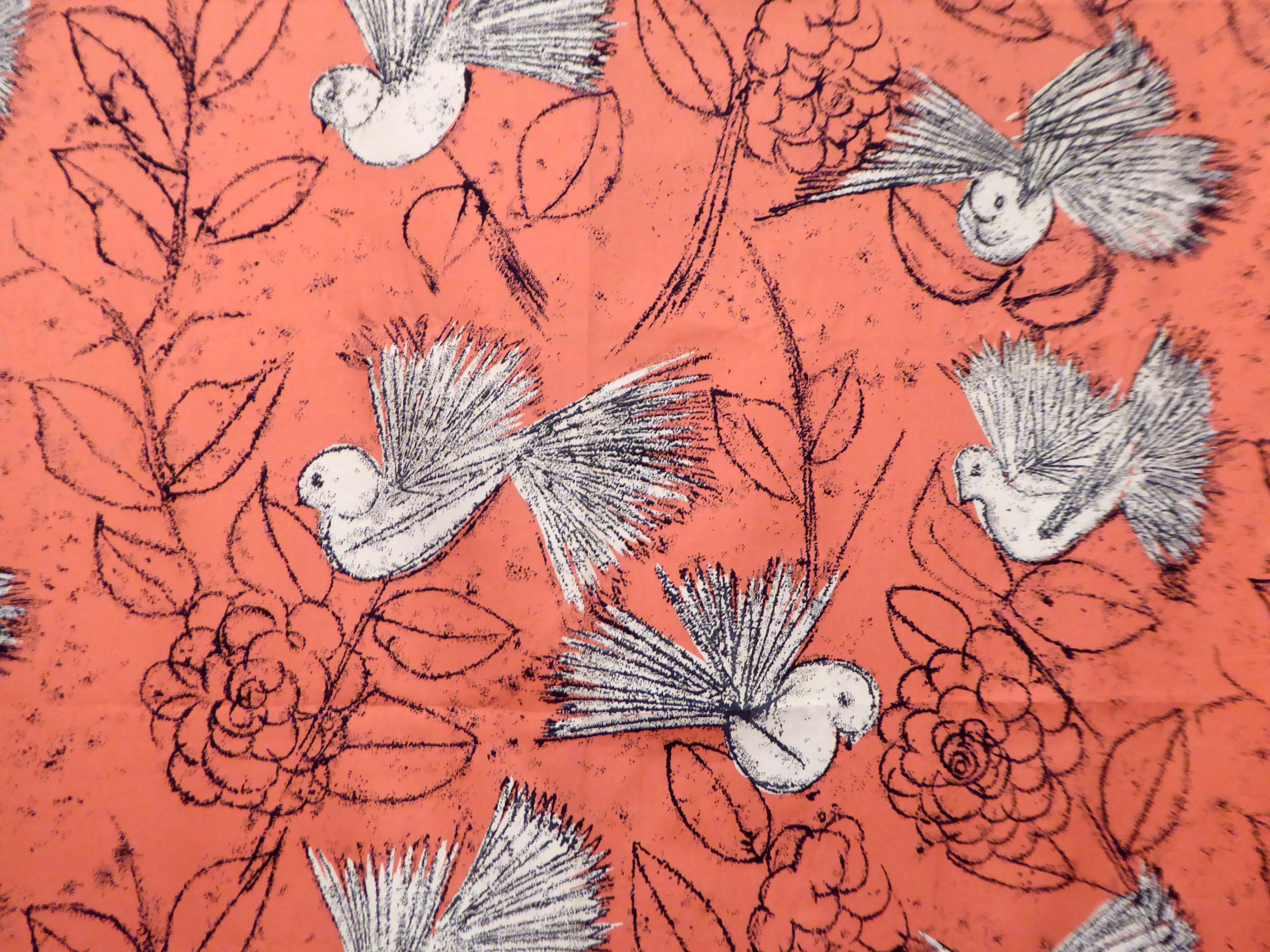
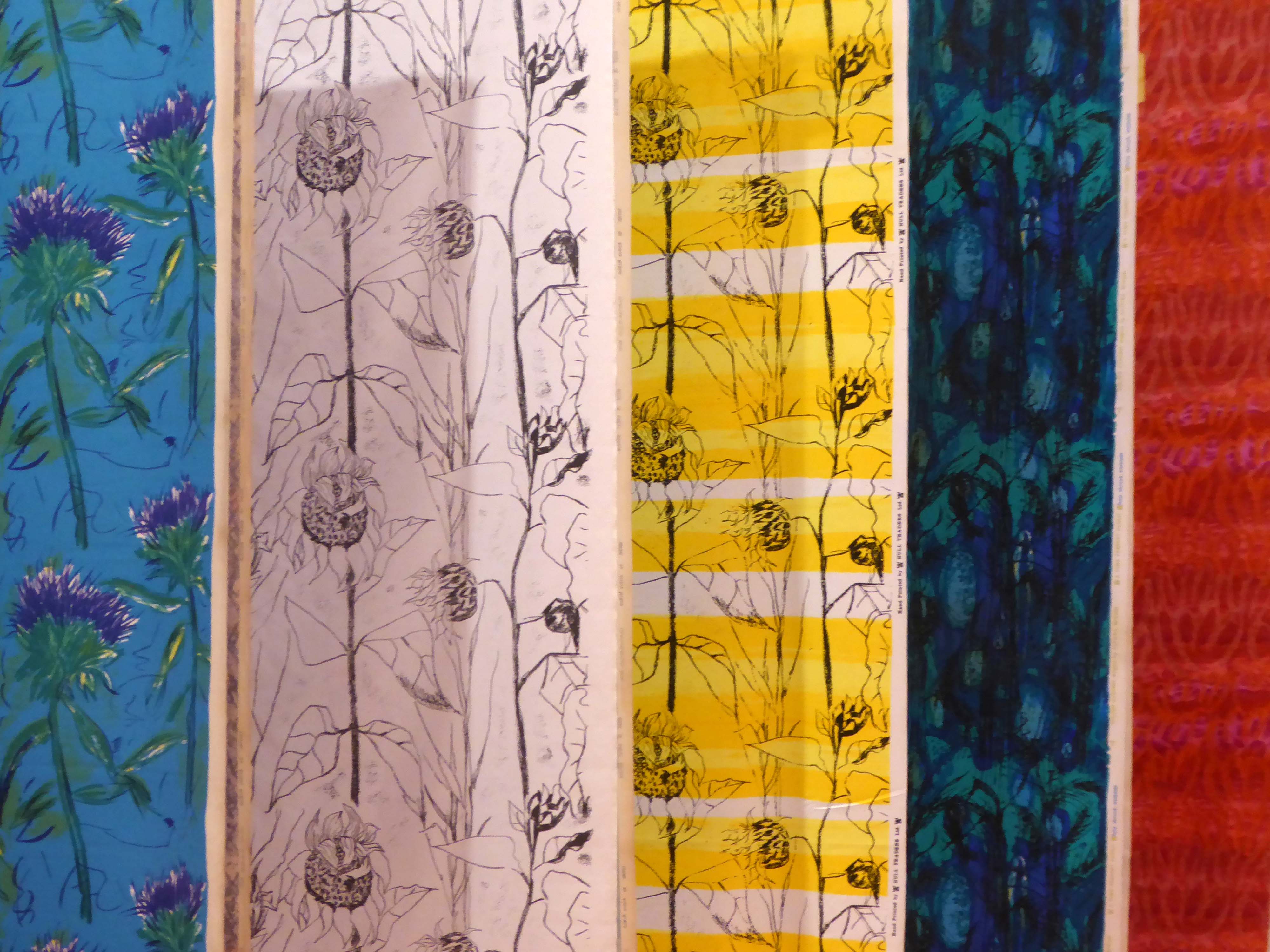
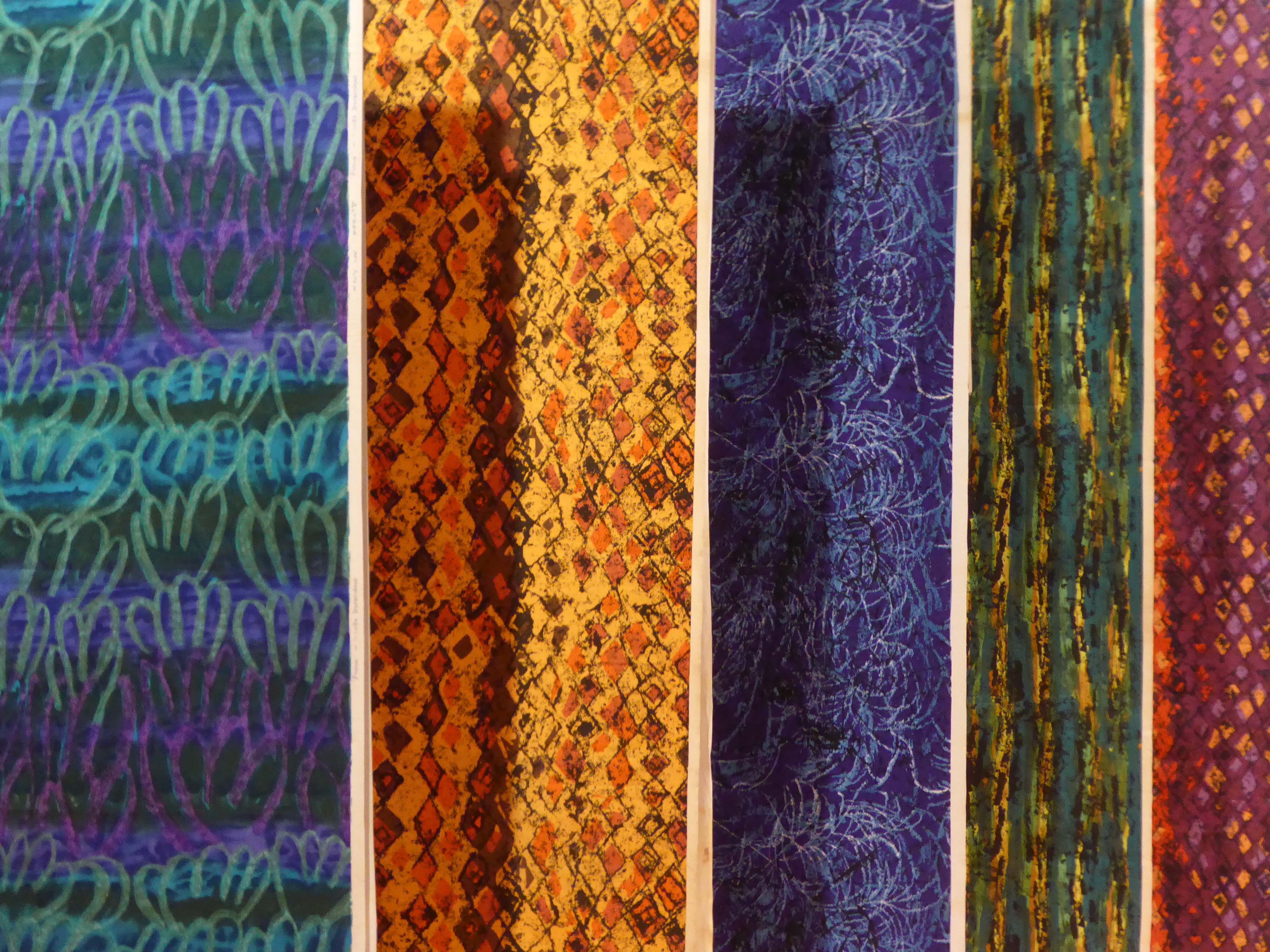
Althea McNish was the first Caribbean designer to achieve international recognition and one of the most influential and innovative textile designers in the UK. Drawing on extensive new research, this exhibition explores McNish’s extraordinary career and her transformative impact on mid-century design, along with her enduring influence today. Highlights include items from McNish’s recently uncovered personal archive – much of which has never been seen before. Also on display will be examples of McNish’s original designs alongside her most celebrated textile and wallpapers.

Althea McNish: Colour is Mine is a touring exhibition from the William Morris Gallery, London, and has been curated by Rowan Bain, Principal Curator at the William Morris Gallery and Rose Sinclair, Lecturer in Design Education at Goldsmiths, University of London. Althea McNish: Colour Is Mine is part of a three-year research, exhibition and archiving project generously supported by the Society of Antiquaries through its Janet Arnold Award.

An extensive biography can be found here.

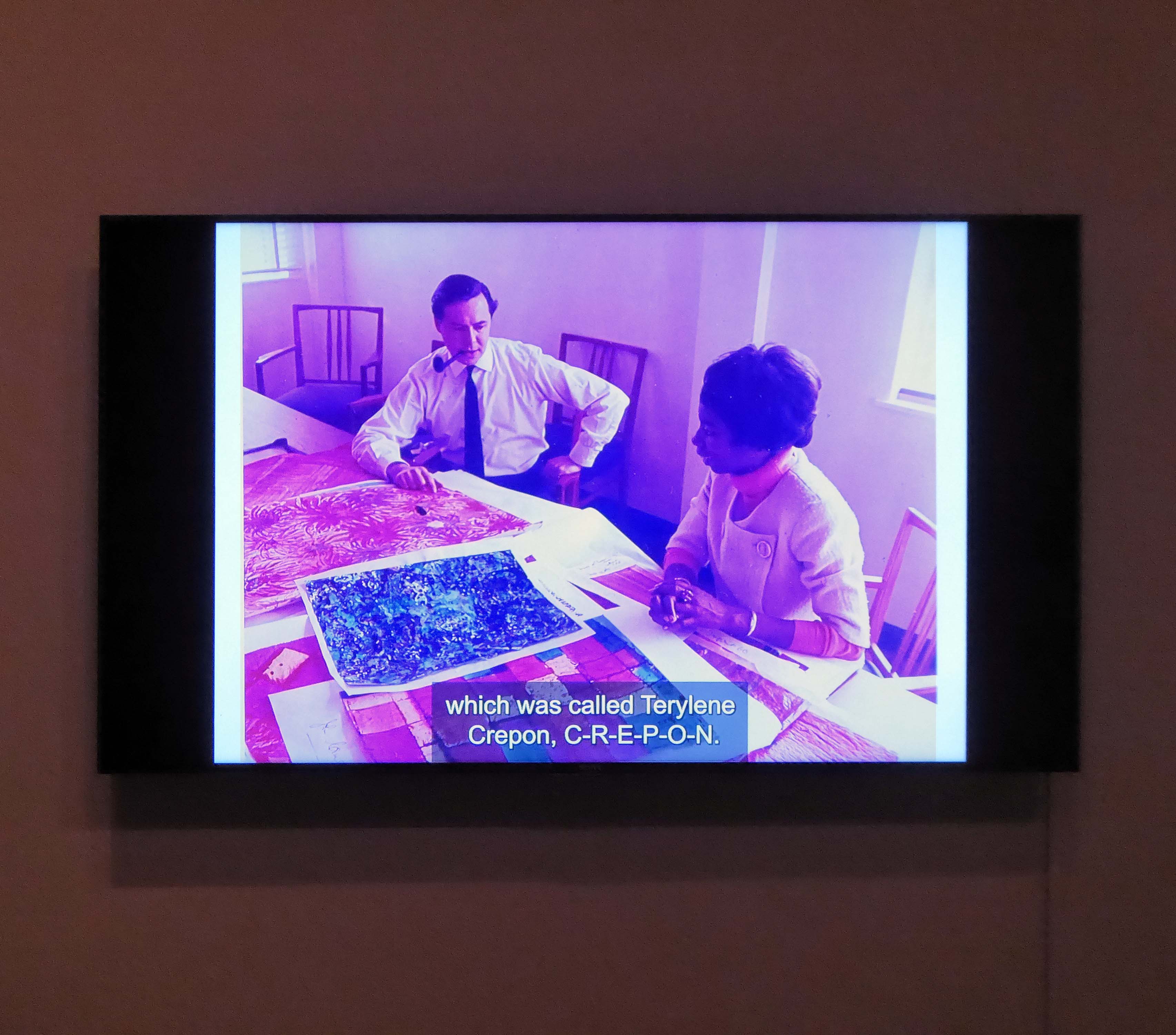
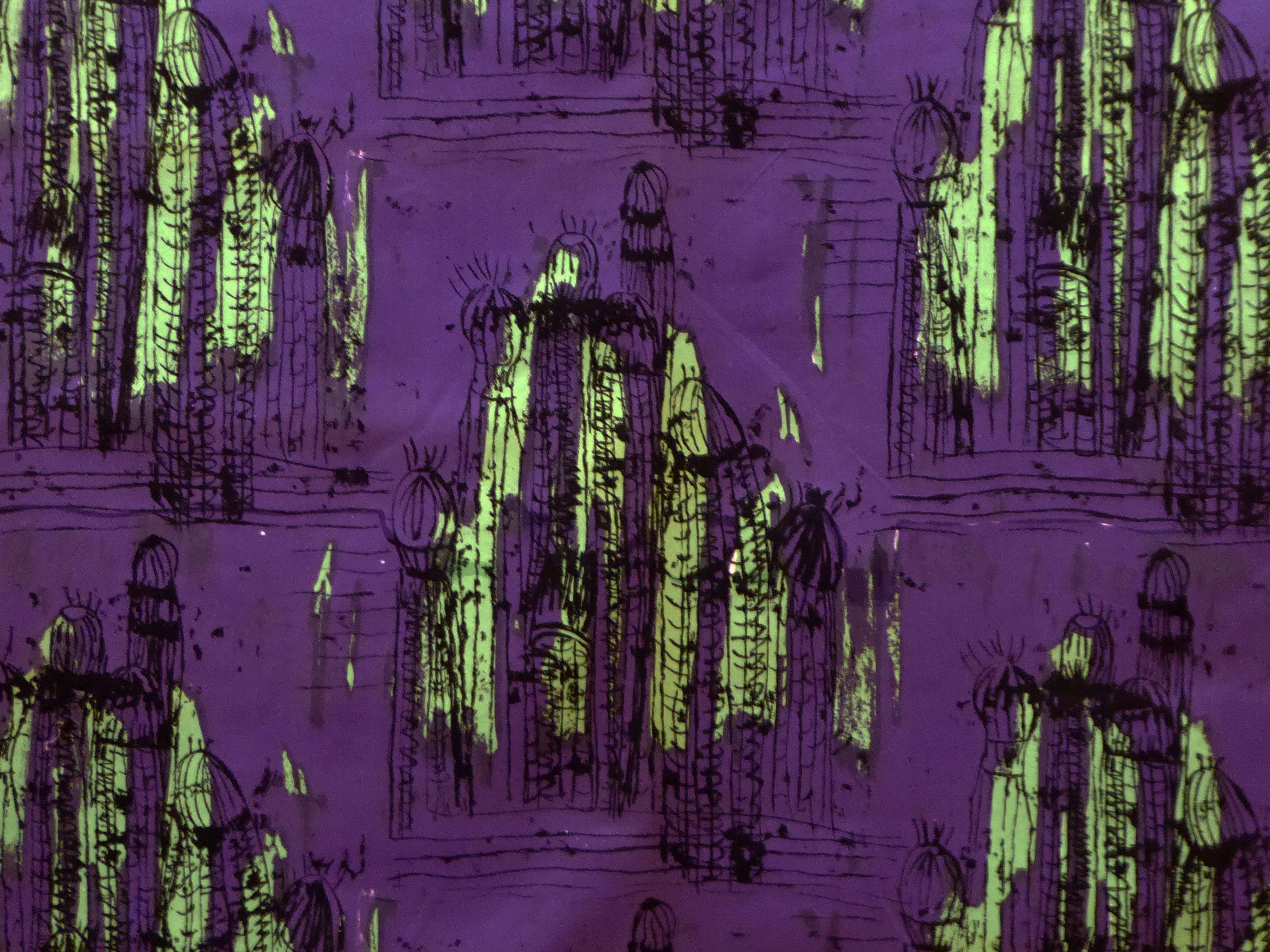
Her work collided with new technologies in printing and fabrics, along with developments in design which were very much of their time: a freer more expressive approach to drawing and colour – using observational drawing from natural forms and geometric pattern

Typically employing the techniques of wax resist and a wandering Indian ink line.

Her work for the leading manufacturing and retail companies extended across fabric and dress design, wallpaper and accessories.

I urge you to go and see it – several times, the show is so wide ranging and joyous, a fitting testament to a creative life well-lived.

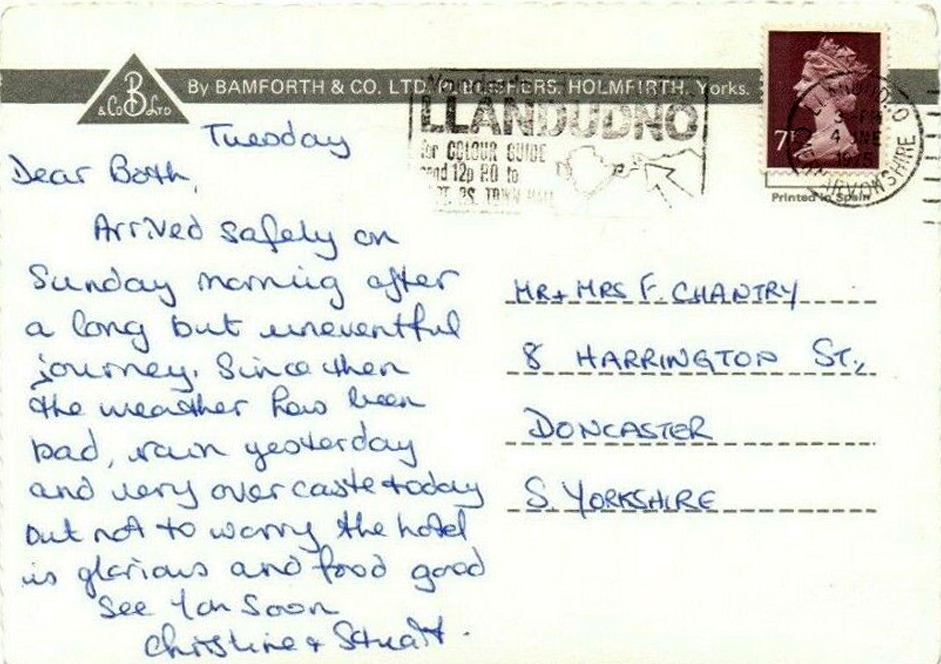
Oriel Mostyn – Llandudno

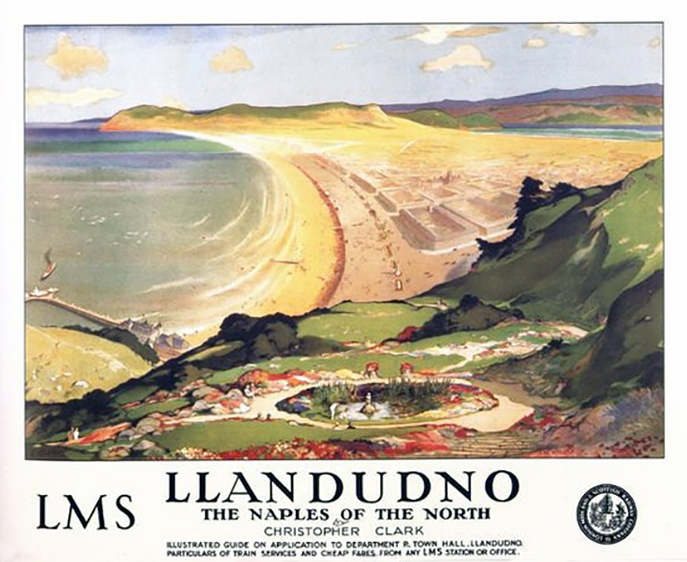
I have posted here previously regarding the Naples of the North.

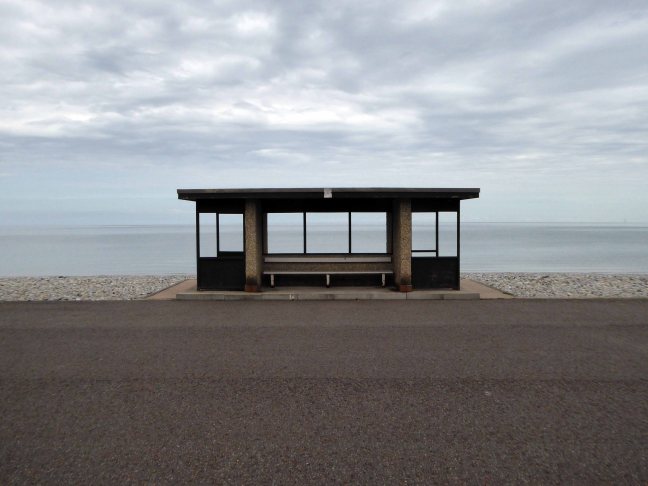
With particular reference to its seaside shelters.

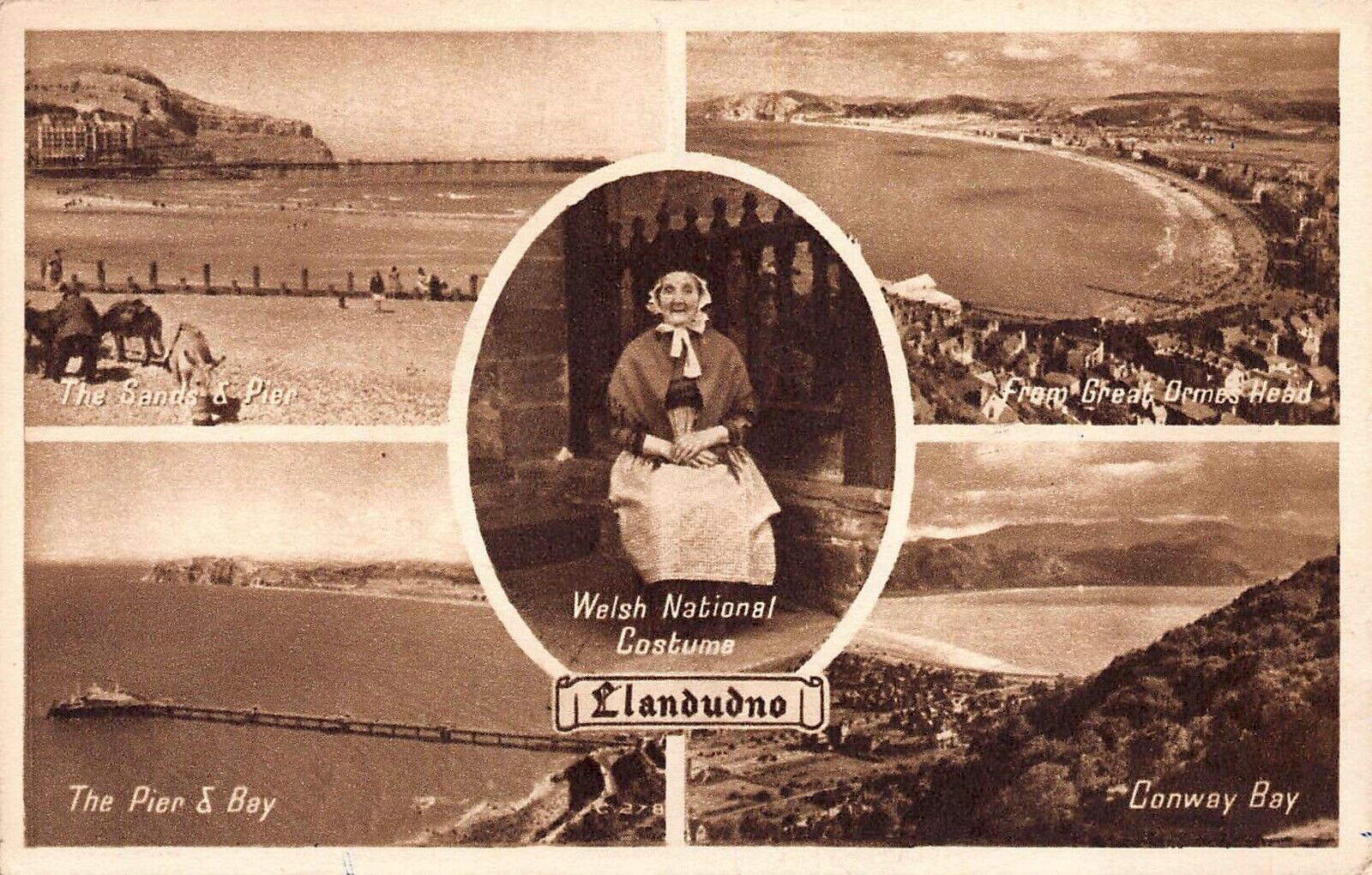
This is a town with a visual culture defined by carefully created picture postcards – conjuring images from land, sea, sand and sky.

New technology arrives, dragging Llandudno from the sepia soaked past into the CMYK age!

So it’s only right and proper that the town should have an art gallery.

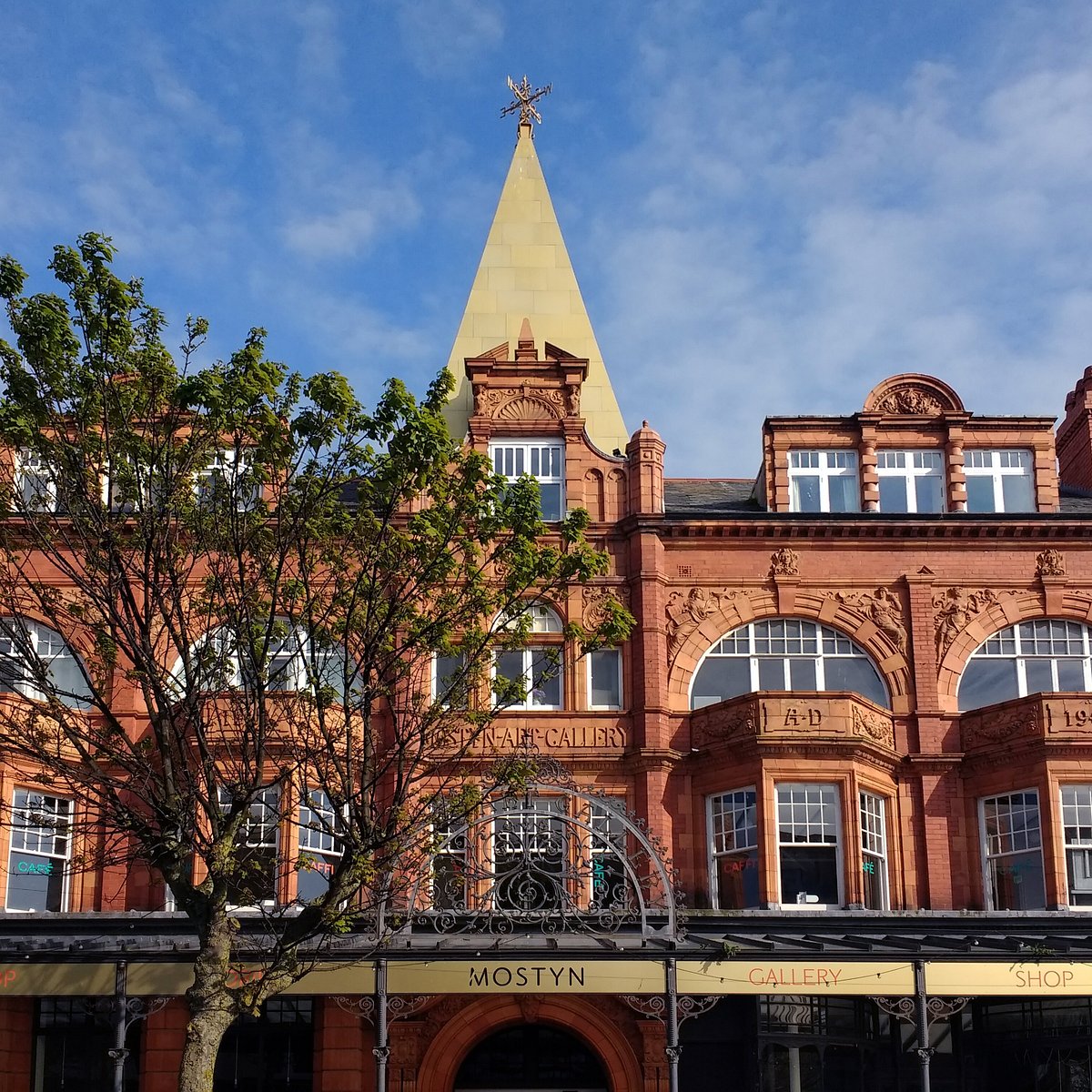
Oriel Mostyn Gallery was commissioned by Lady Augusta Mostyn after the Gwynedd Ladies’ Art Society asked her for better premises than their existing home, in a former cockpit in Conwy. The ladies’ gender prevented them from joining the Royal Cambrian Academy, also based in Conwy.

Designed by architect GA Humphreys, the new gallery opened in 1901. From 1901 to 1903, the gallery housed works by members of the GLAS. As a patron of the arts and president of the society, Lady Augusta was aware that the ladies needed more space to display their work and gave them the opportunity to rent a room in the new building.

Lady Augusta was keen for the gallery to be used by local people, so the society was asked to leave and a School of Art, Science and Technical Classes was set up. Alongside the many classes, there were art exhibitions, lectures. social events, and even a gallery choir and shooting range!

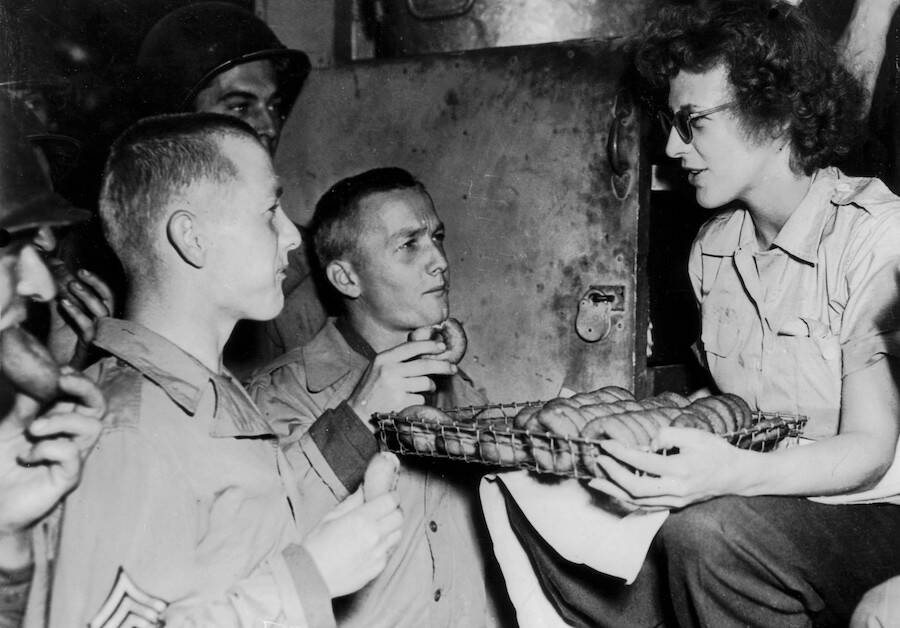
The current shop area was the location for a ‘Donut Dugout’ – a rest and recreation area for the many American servicemen in the town. Coffee and doughnuts were served and the men could read magazines from home.

After the war, Wagstaff’s Piano and Music Galleries occupied the building. In 1976 the artist Kyffin Williams, and others, suggested the building should become the proposed new public art gallery for North Wales. Architects Colwyn Foulkes supervised its restoration and it reopened, as Oriel Mostyn, in 11 August 1979.

History Points

Once the Post Office had vacated the adjacent building, expansion and development took place – Ellis Williams Architects were responsible for the design.

RL Davies undertook the construction work.

Acknowledged to be ‘one of the most beautiful galleries in Britain’, Mostyn in North Wales was an existing listed Victorian museum with two lantern galleries tucked behind a listed facade. We were appointed by Mostyn after winning the Architectural competition with a design combining a gallery space refurbishment with a gallery expansion and a new dramatic infill section linking new and old. The project has won a number of awards and increased footfall by over 60%.

Why not let your feet fall there soon – Oriel Mostyn is open.

The very first time I visited the town as a child back in the early 1960s, it rained almost every day.

Subsequent visits have almost always been bathed in warm sunshine.

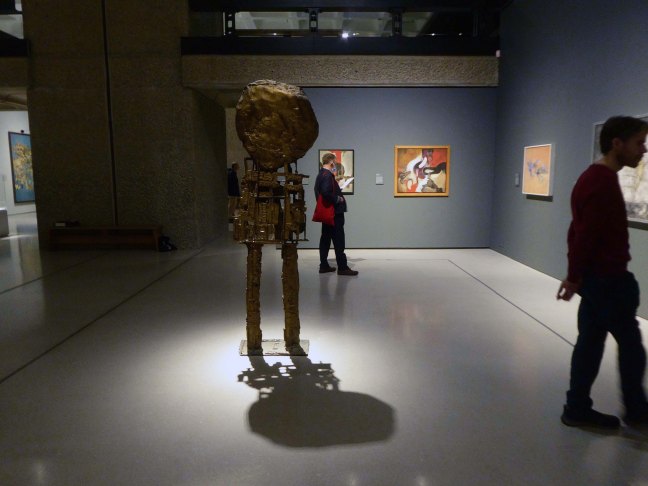
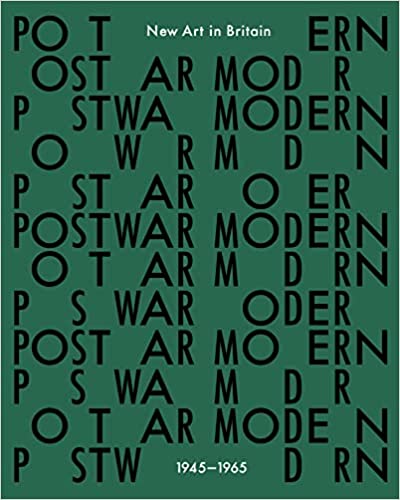
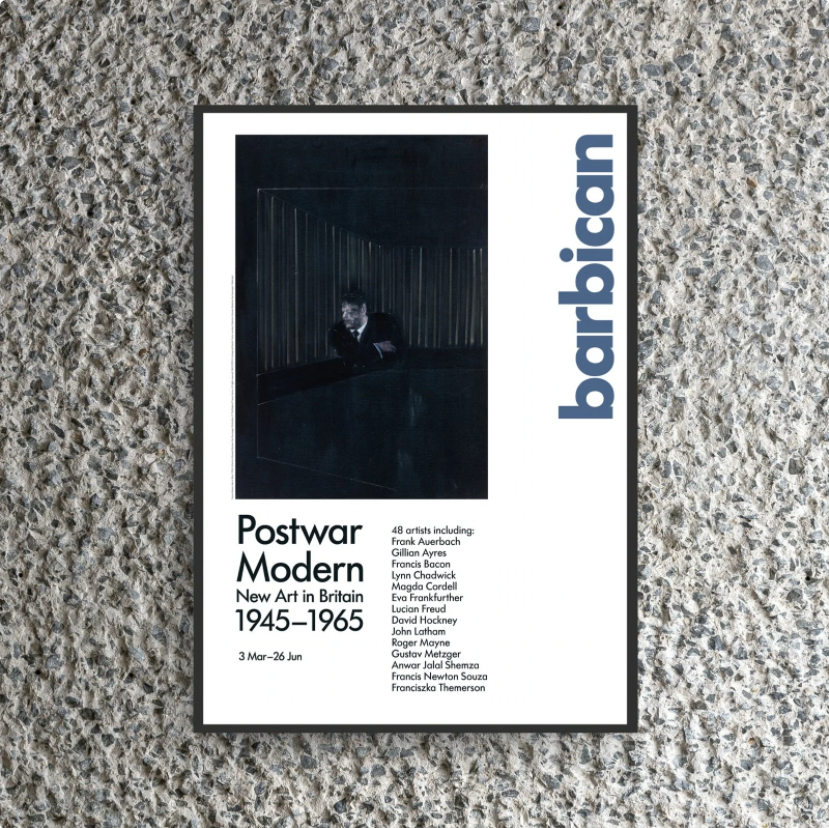
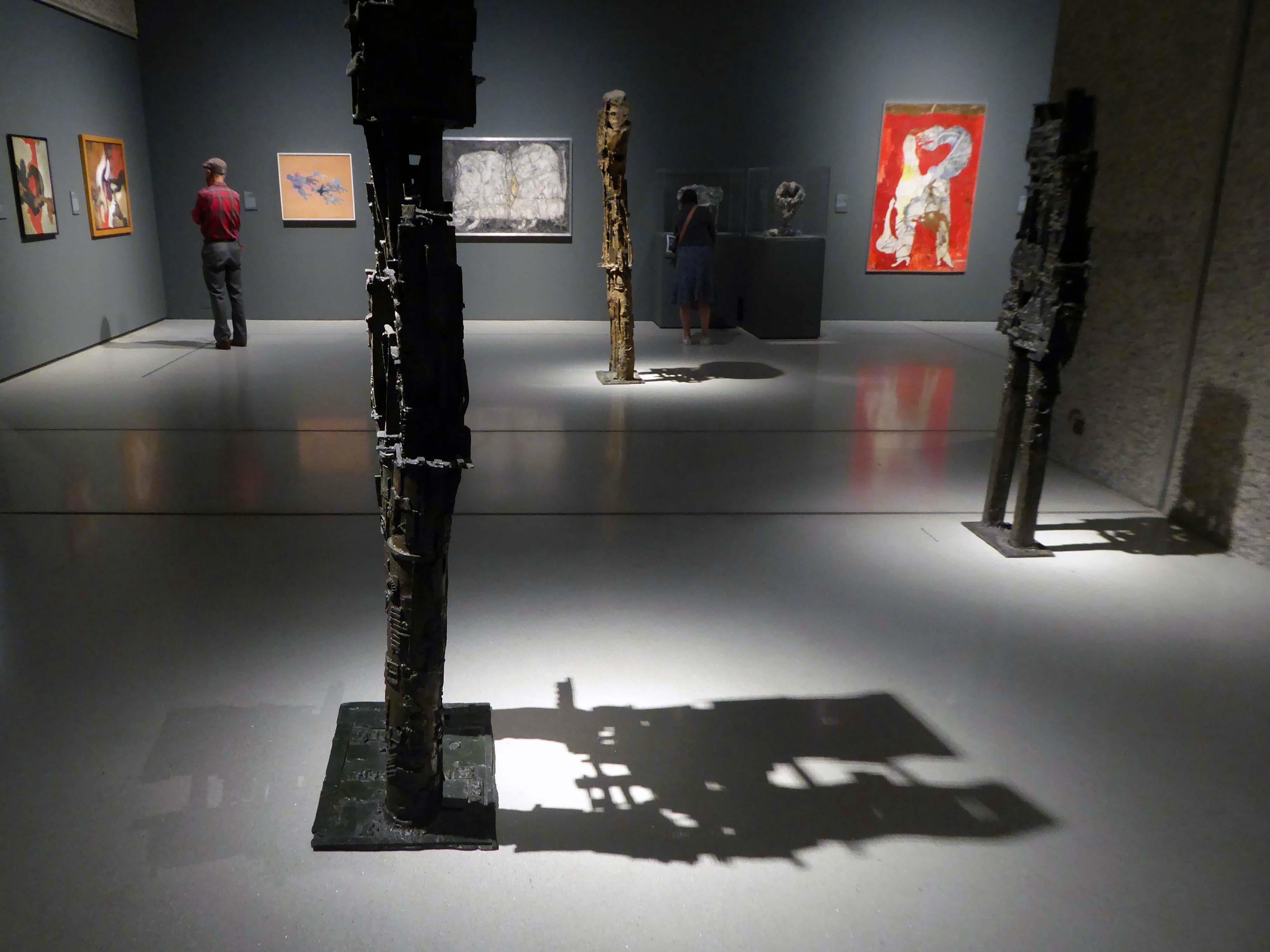
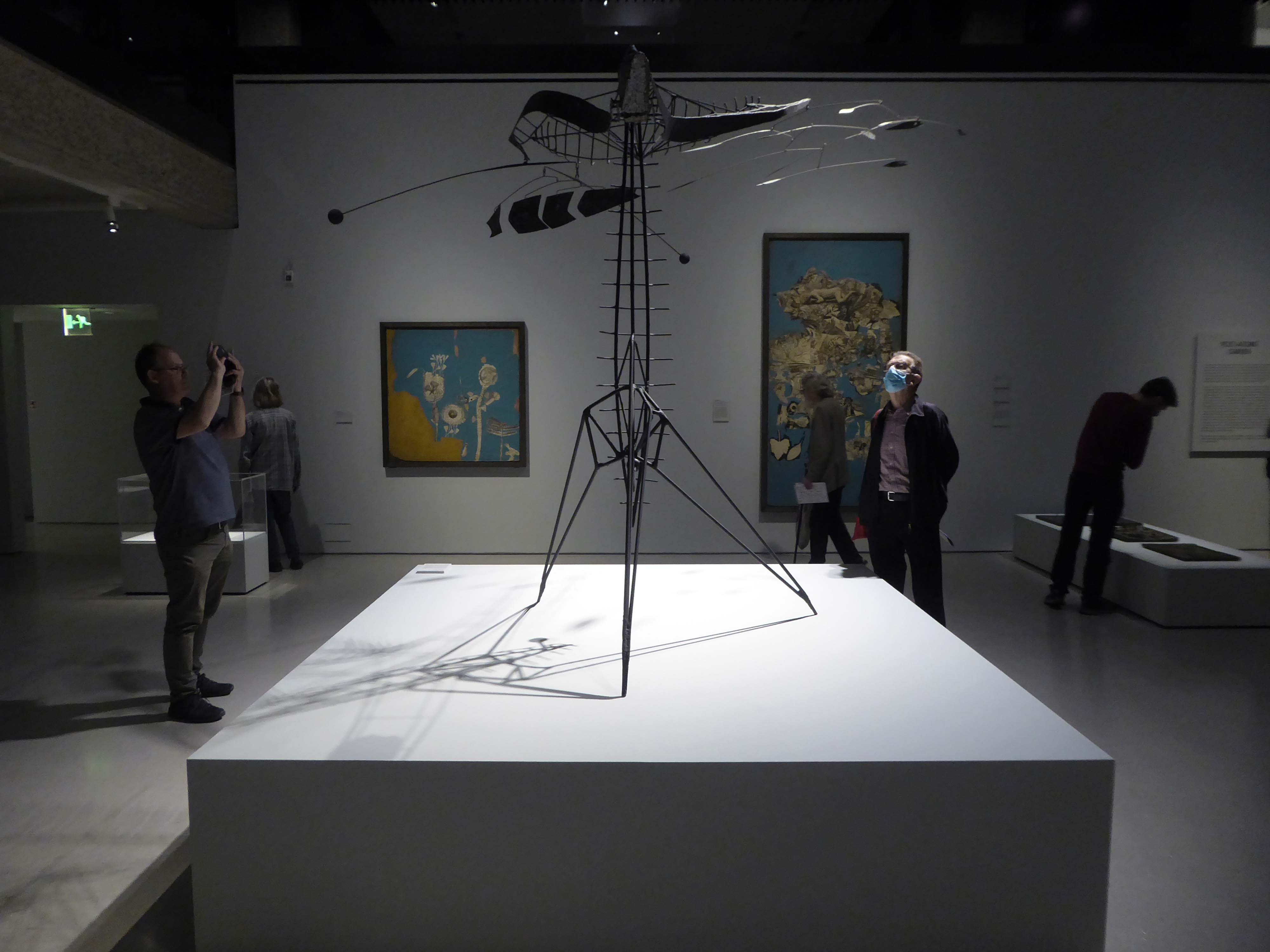
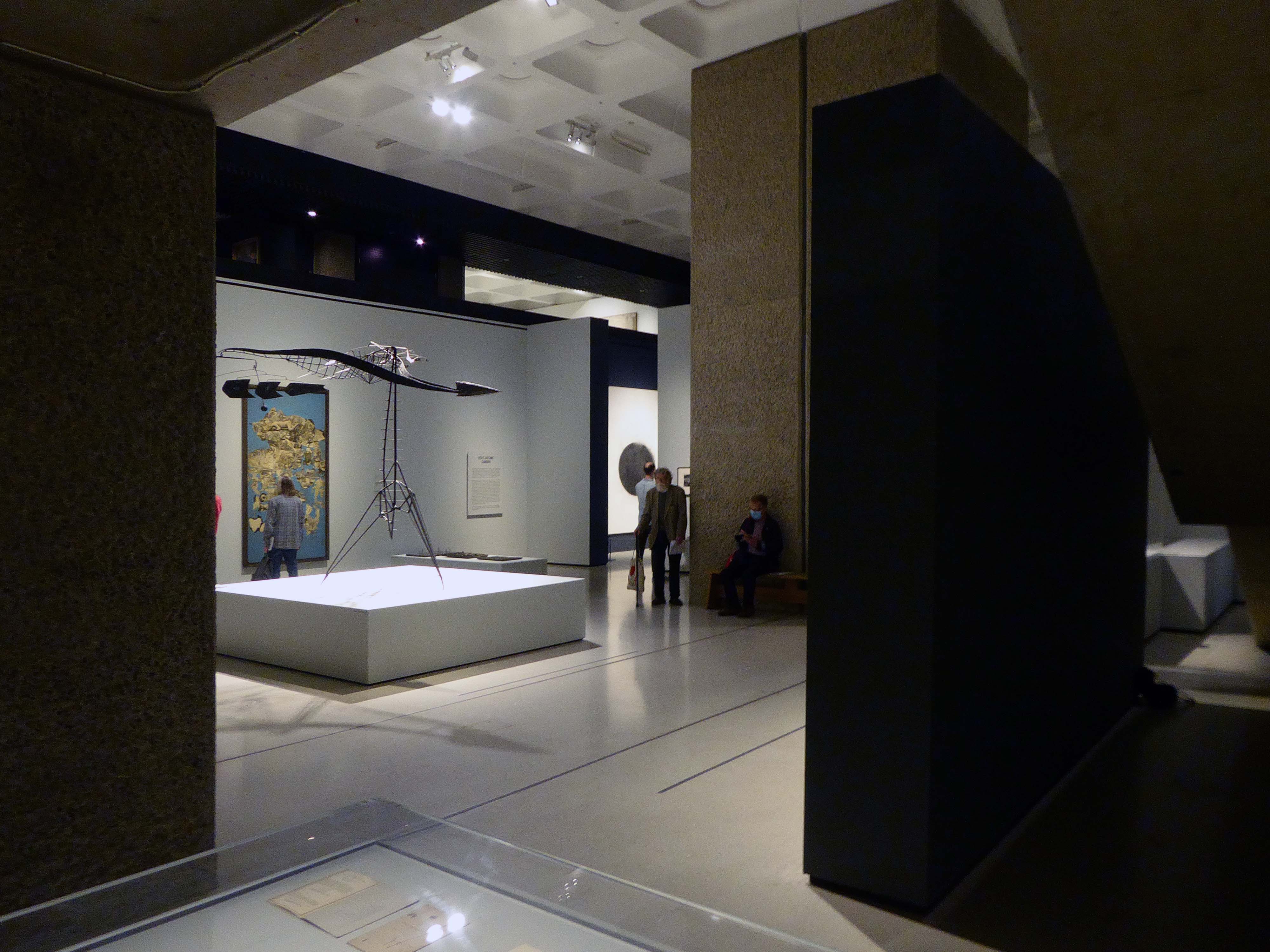
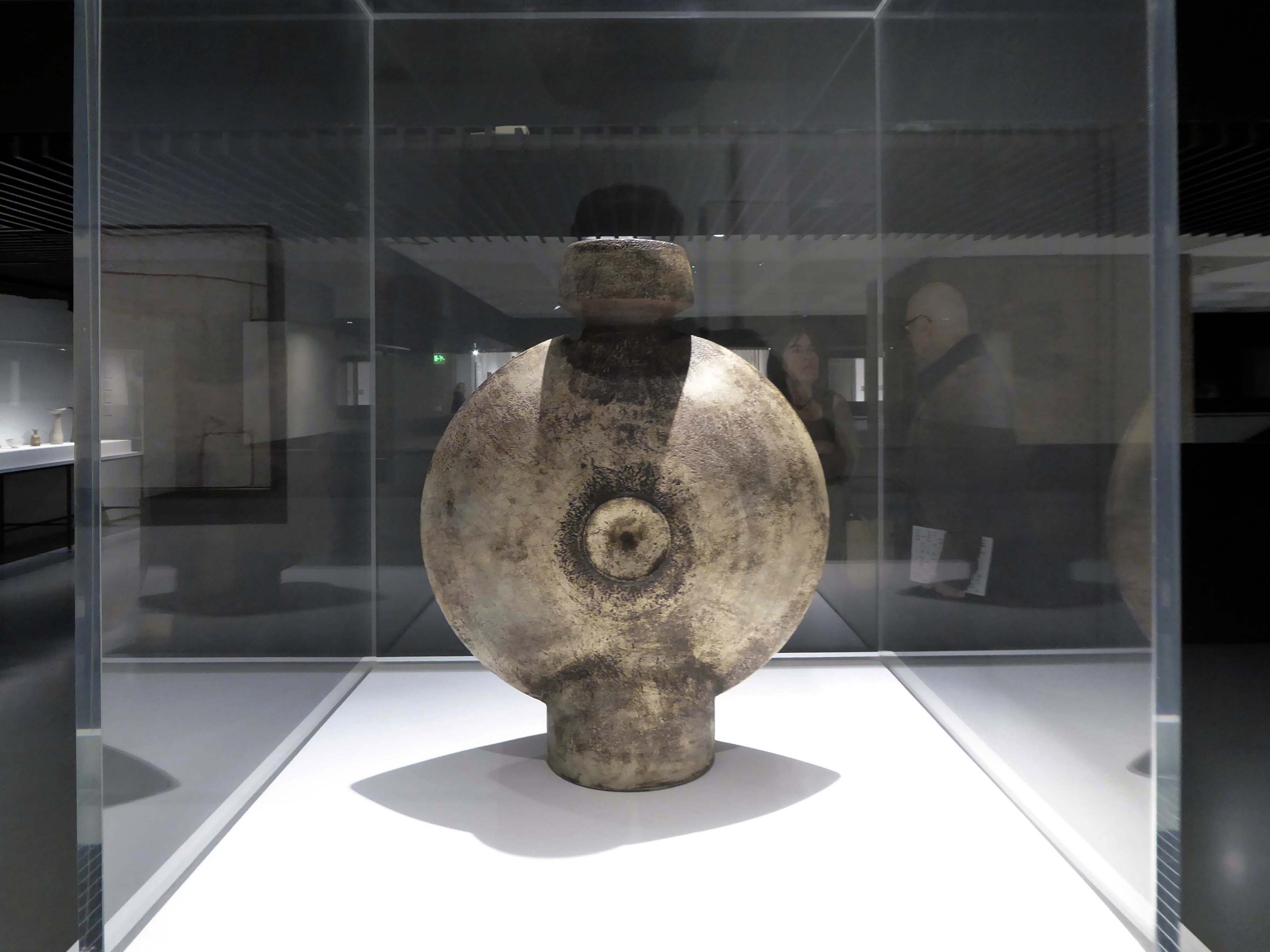
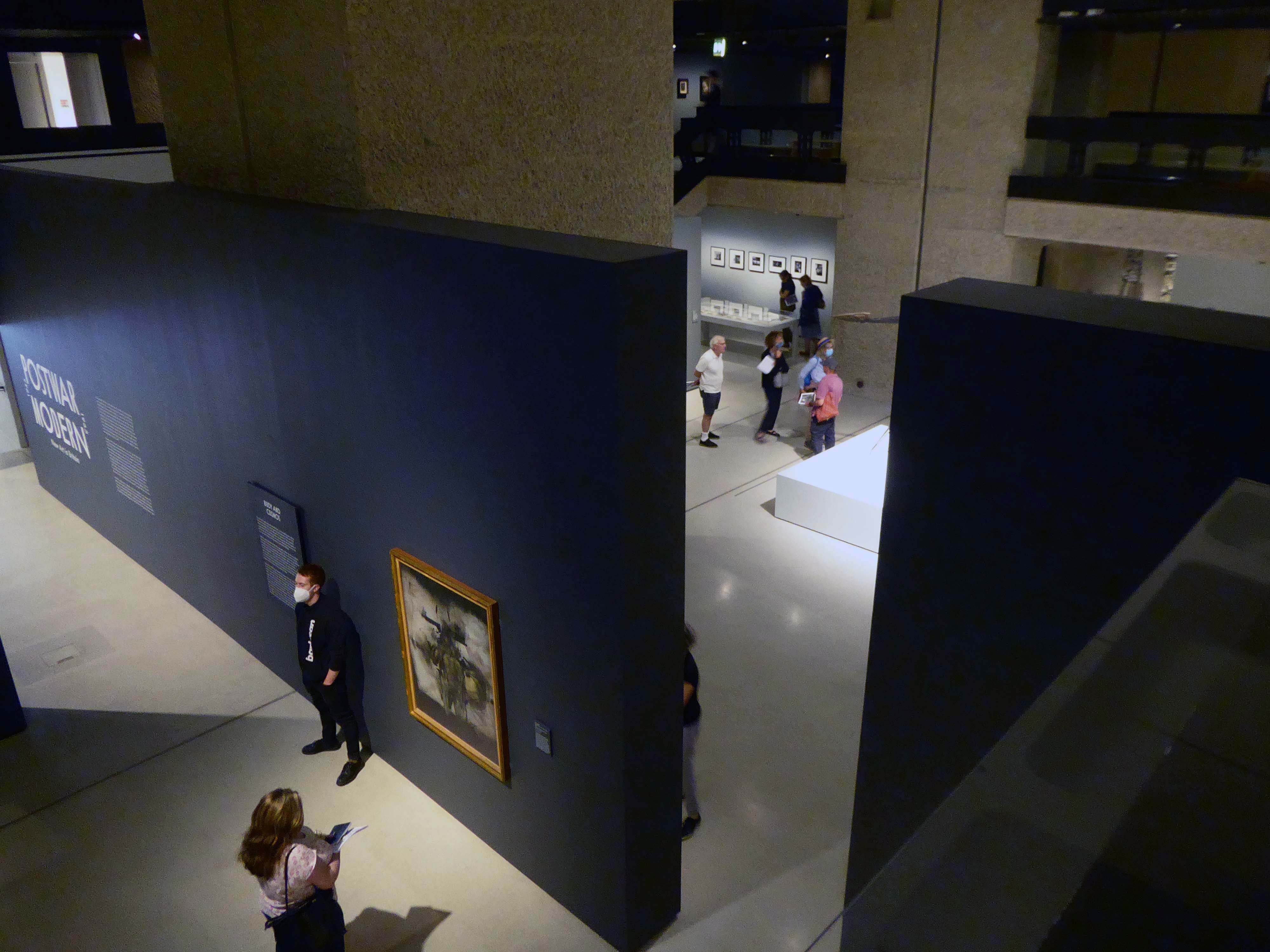
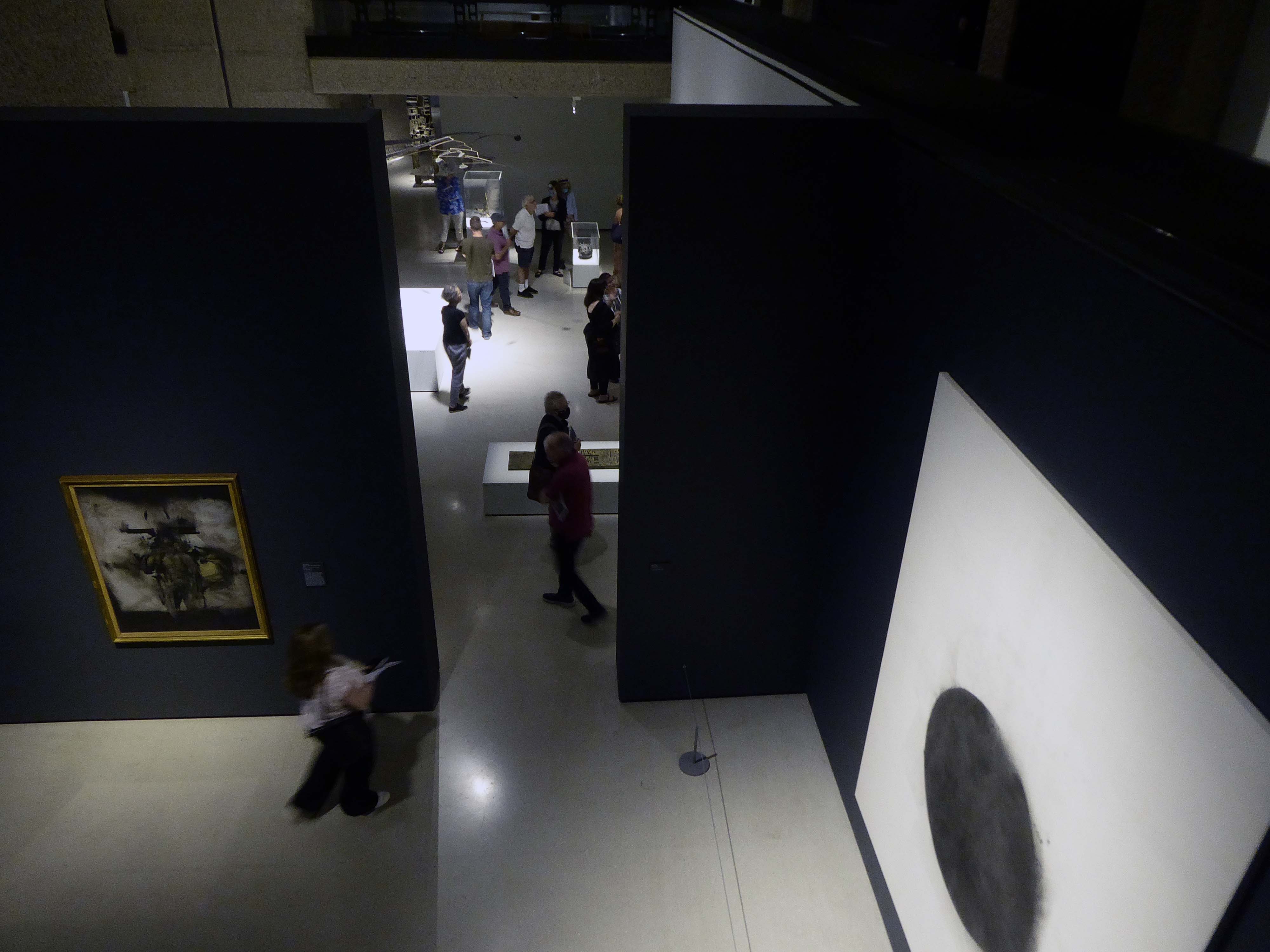
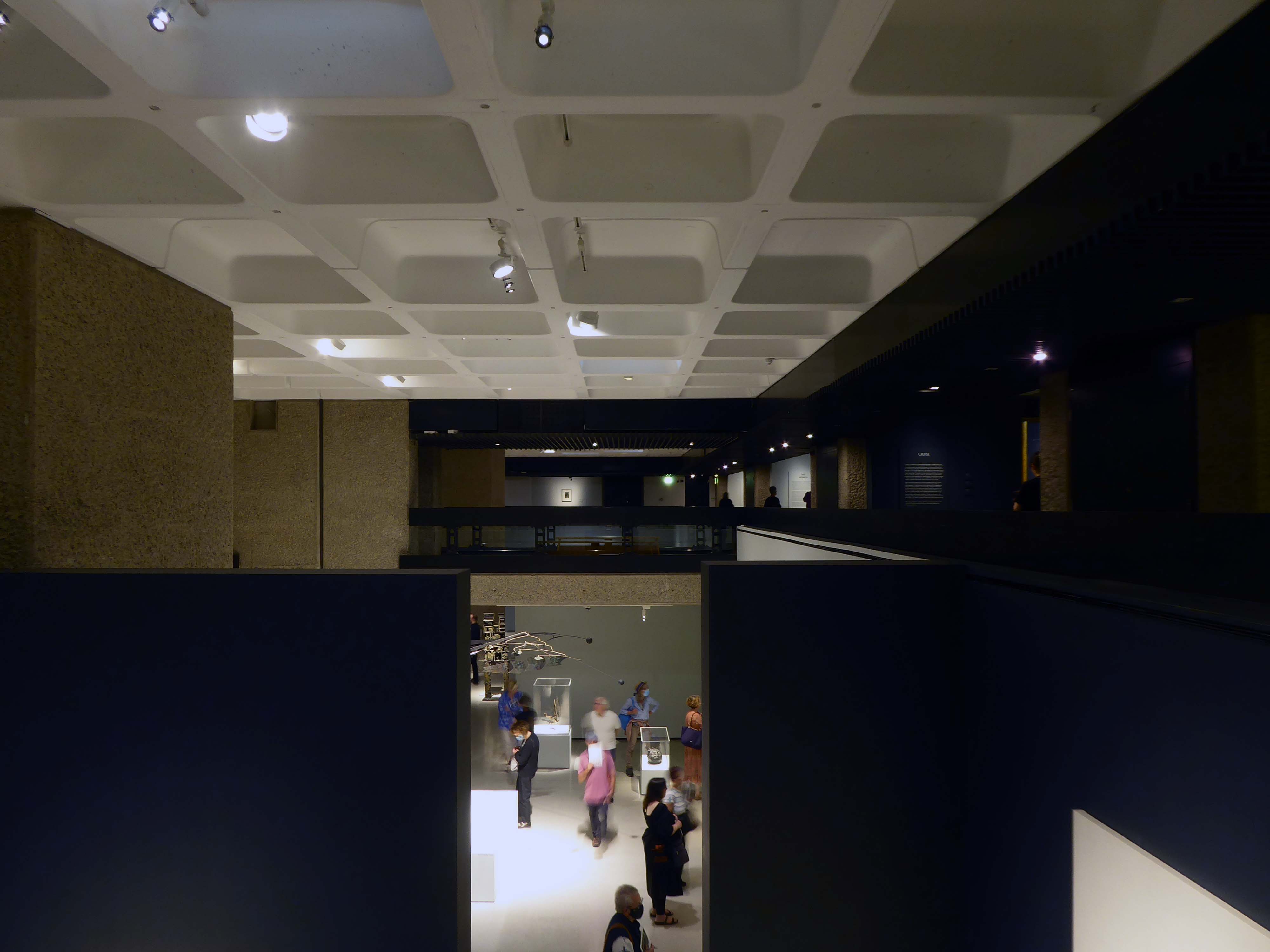
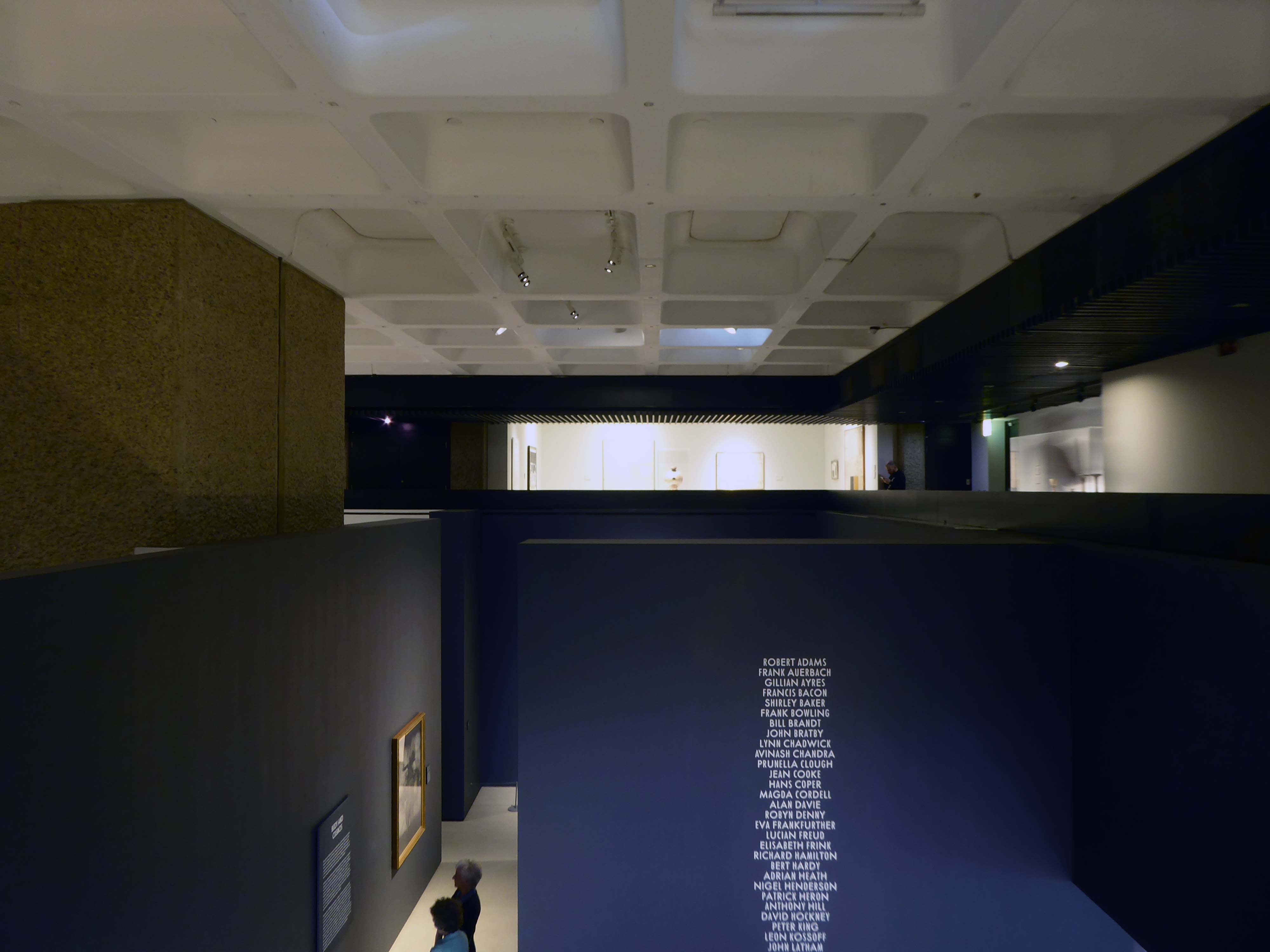
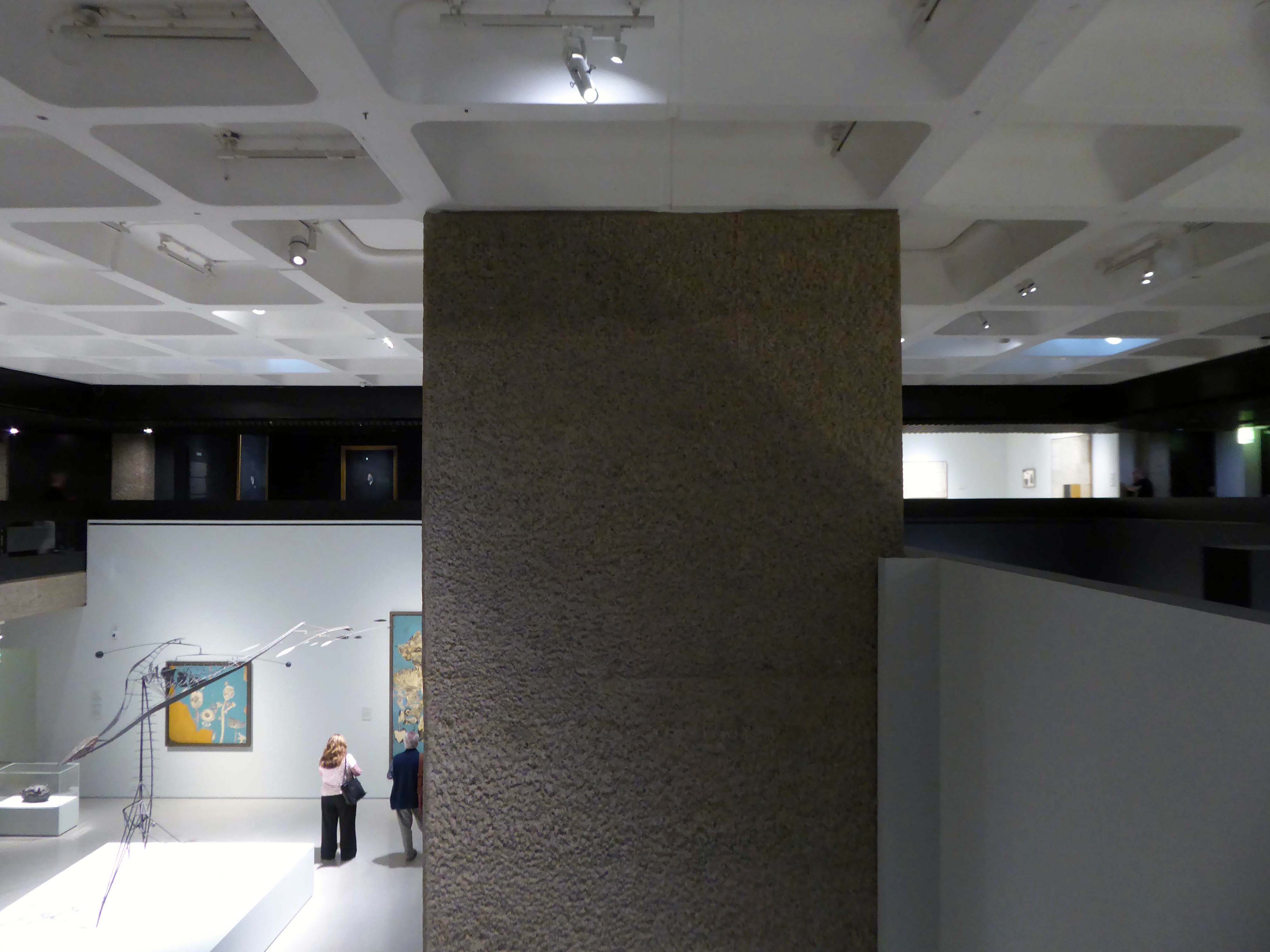
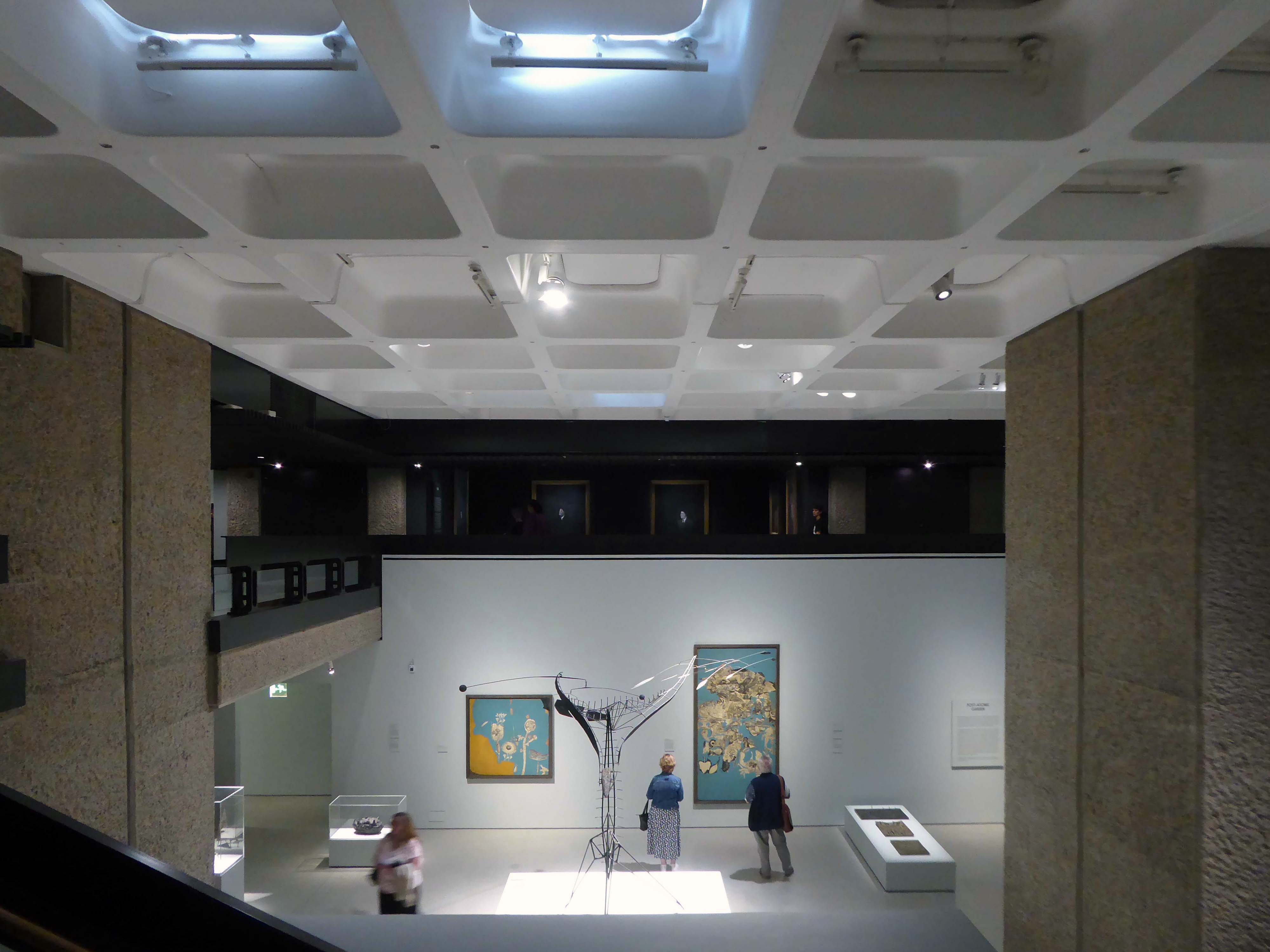
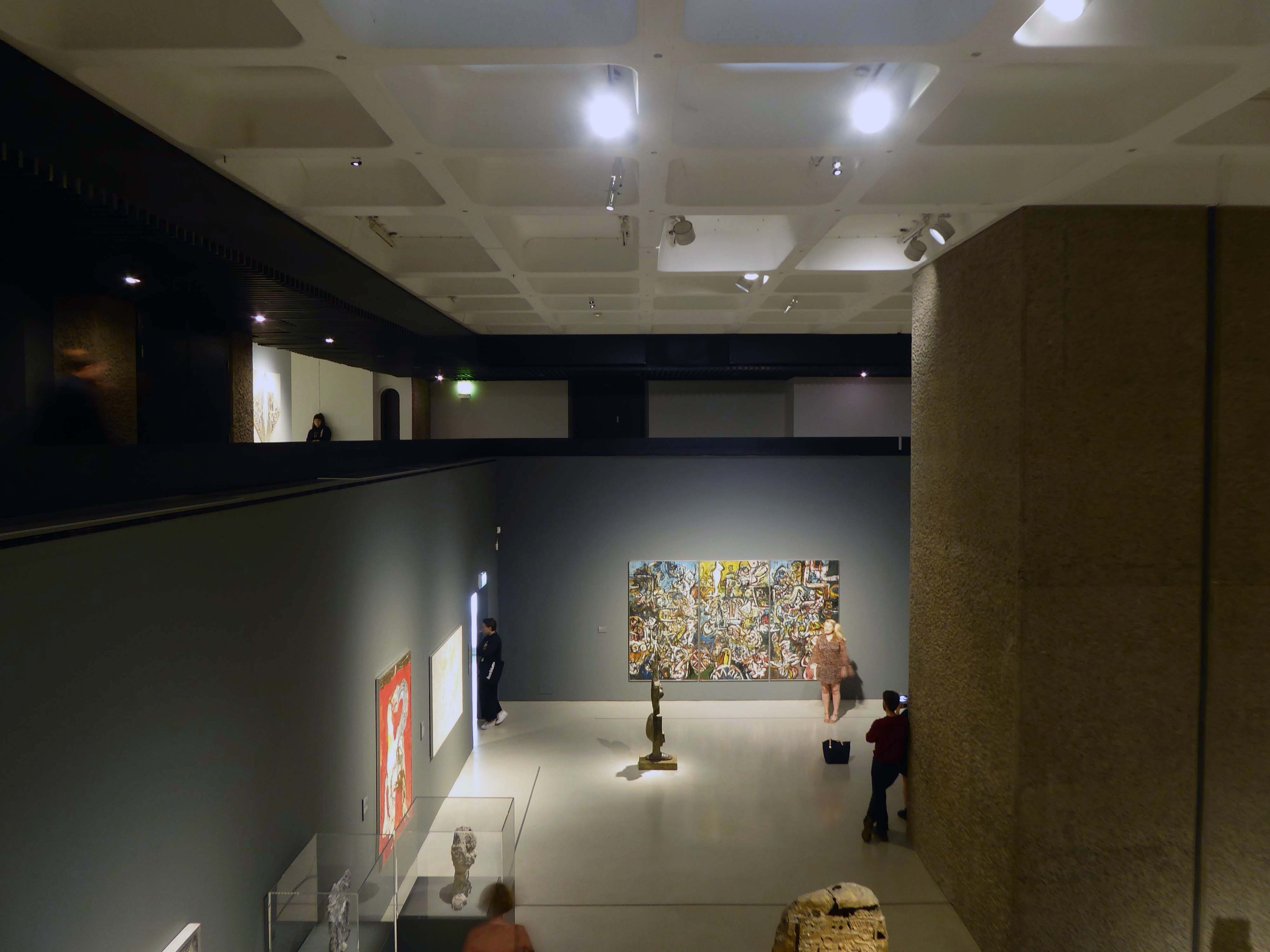
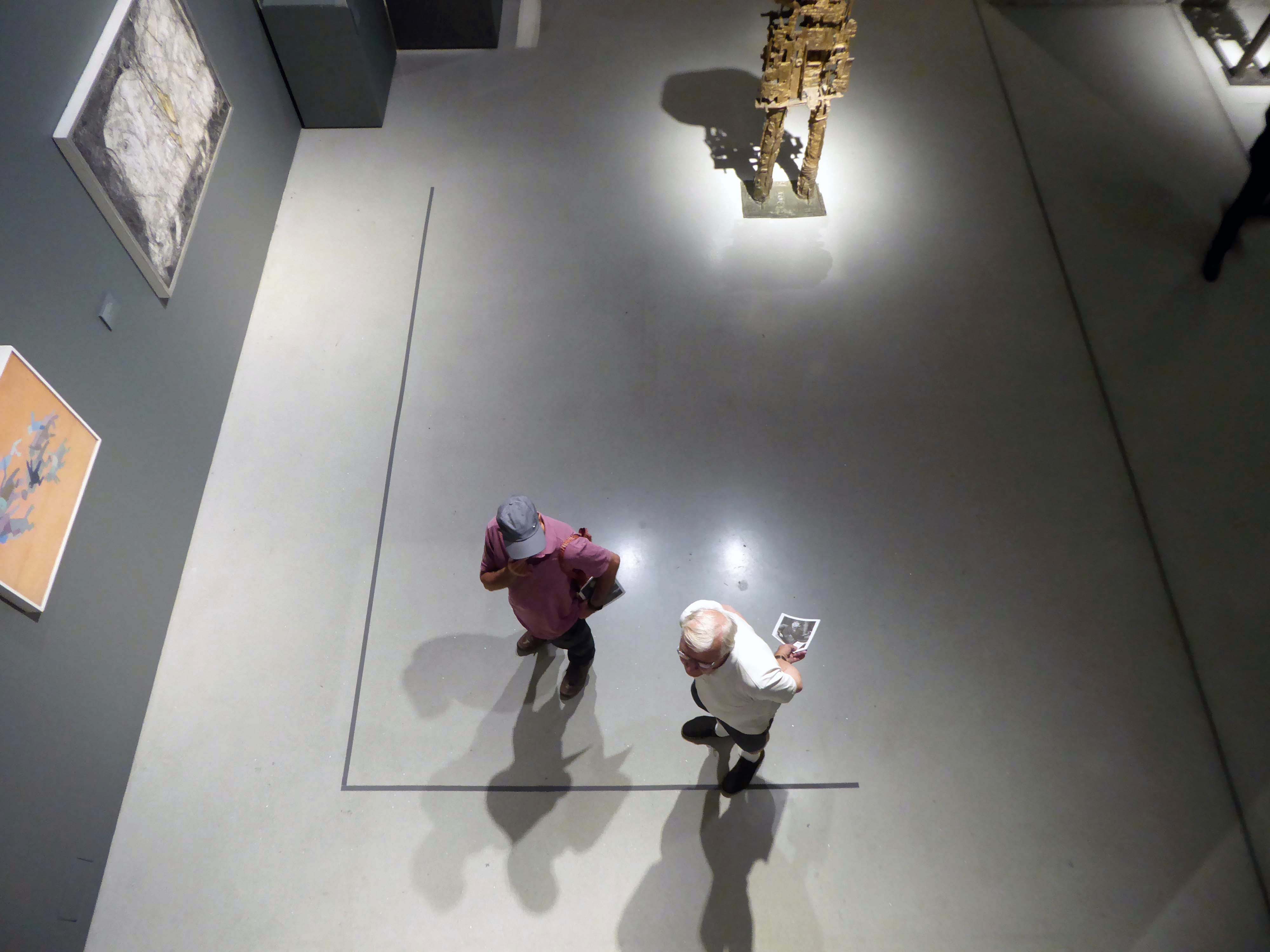
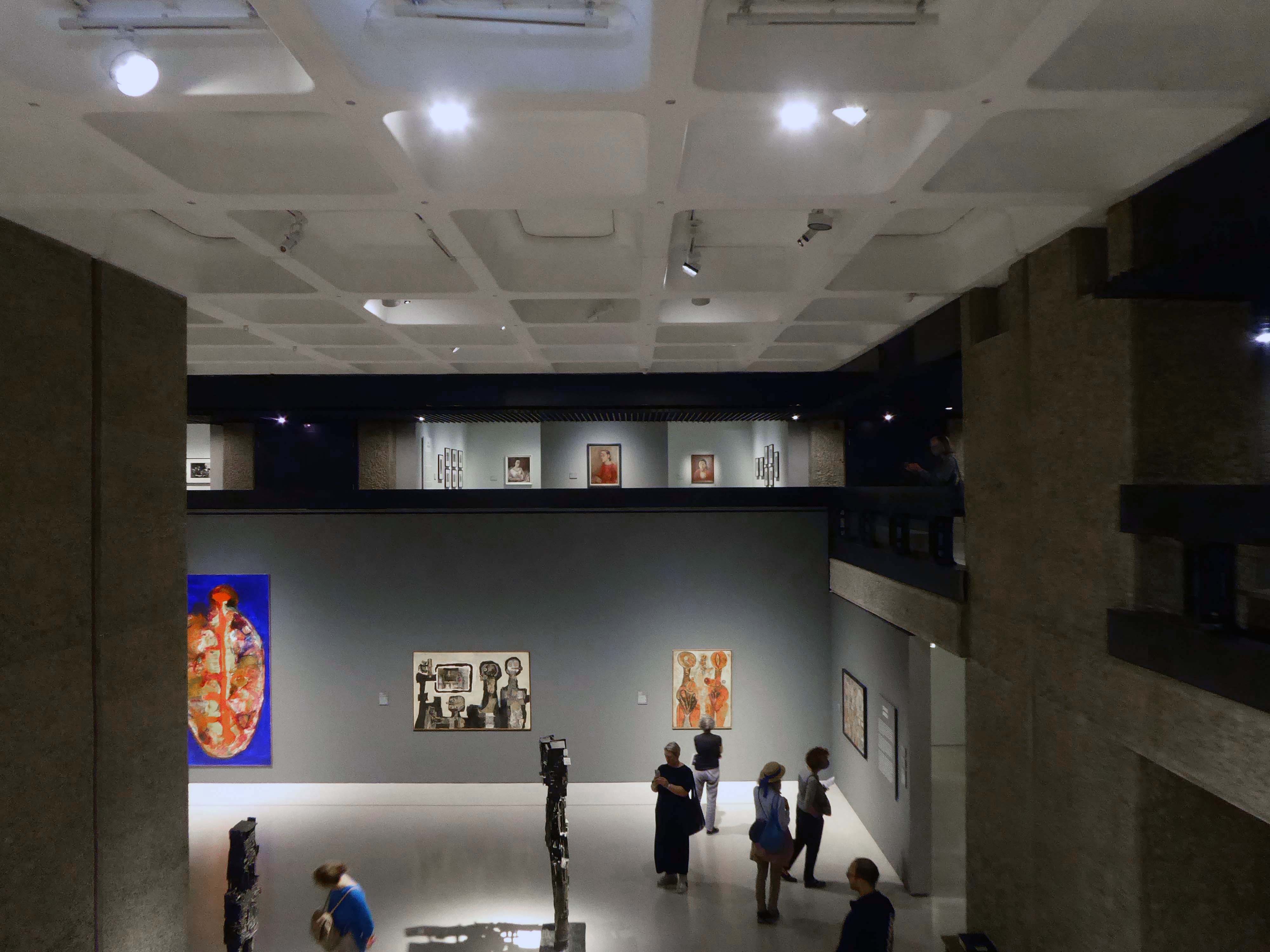
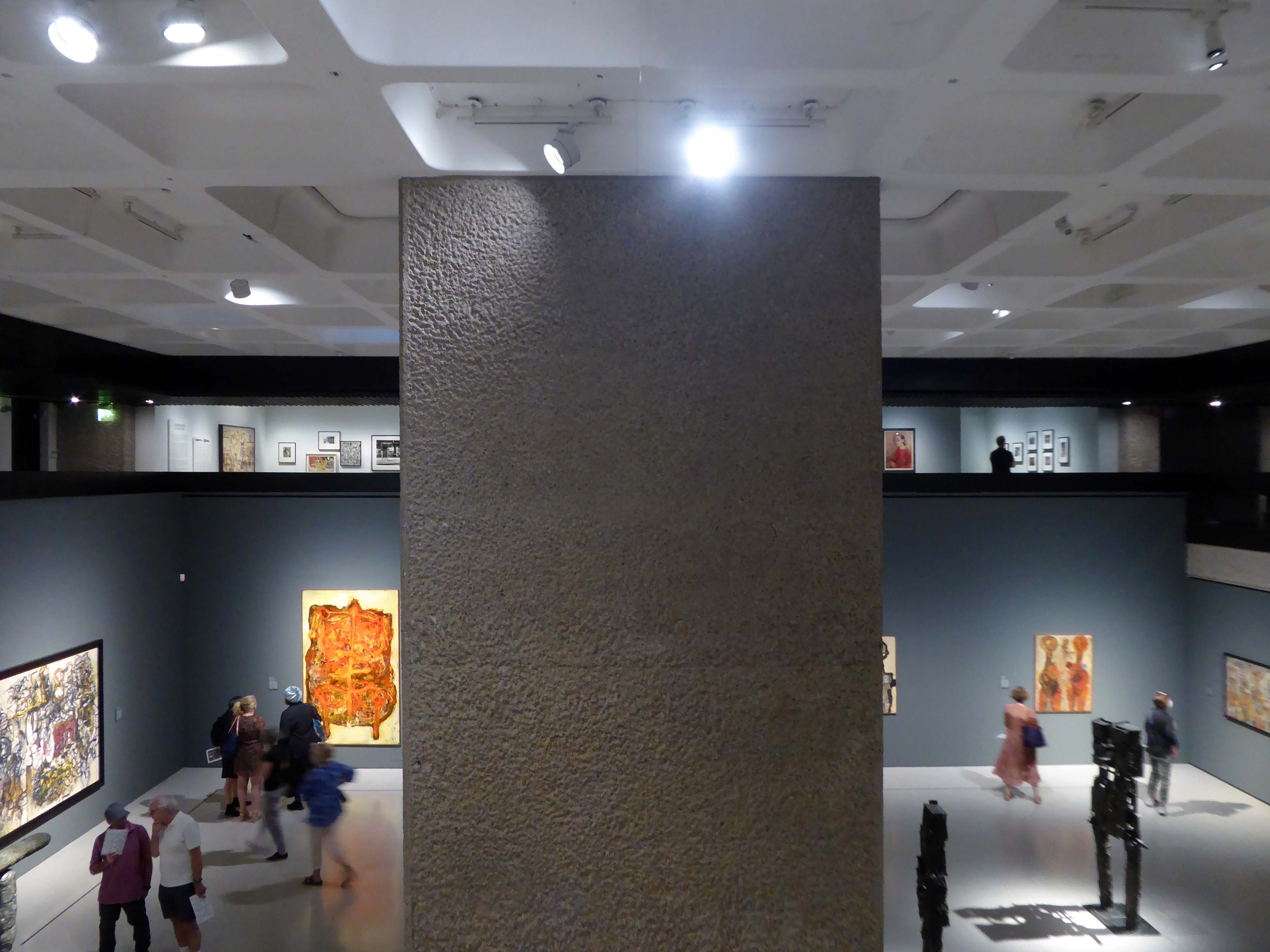
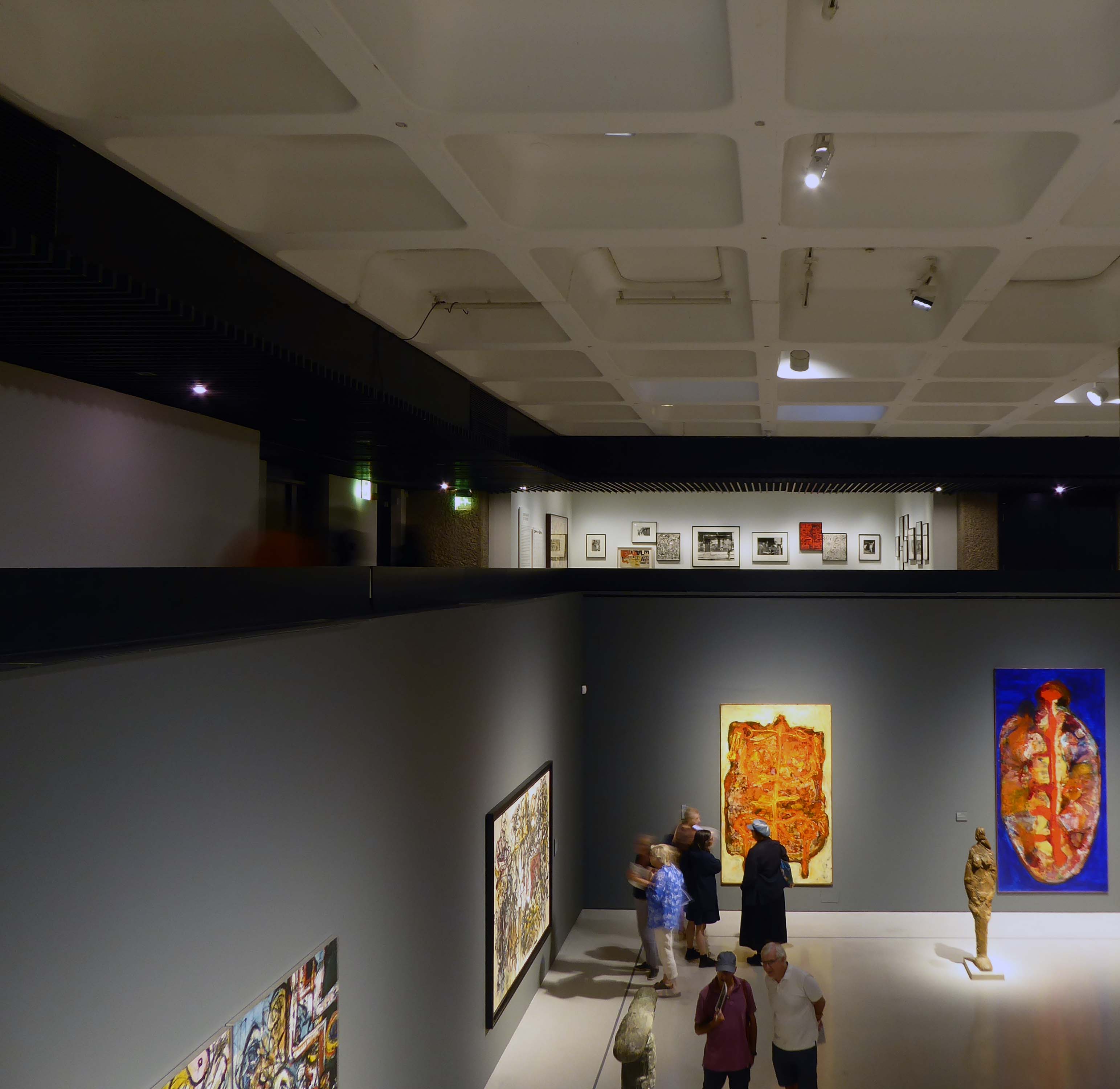
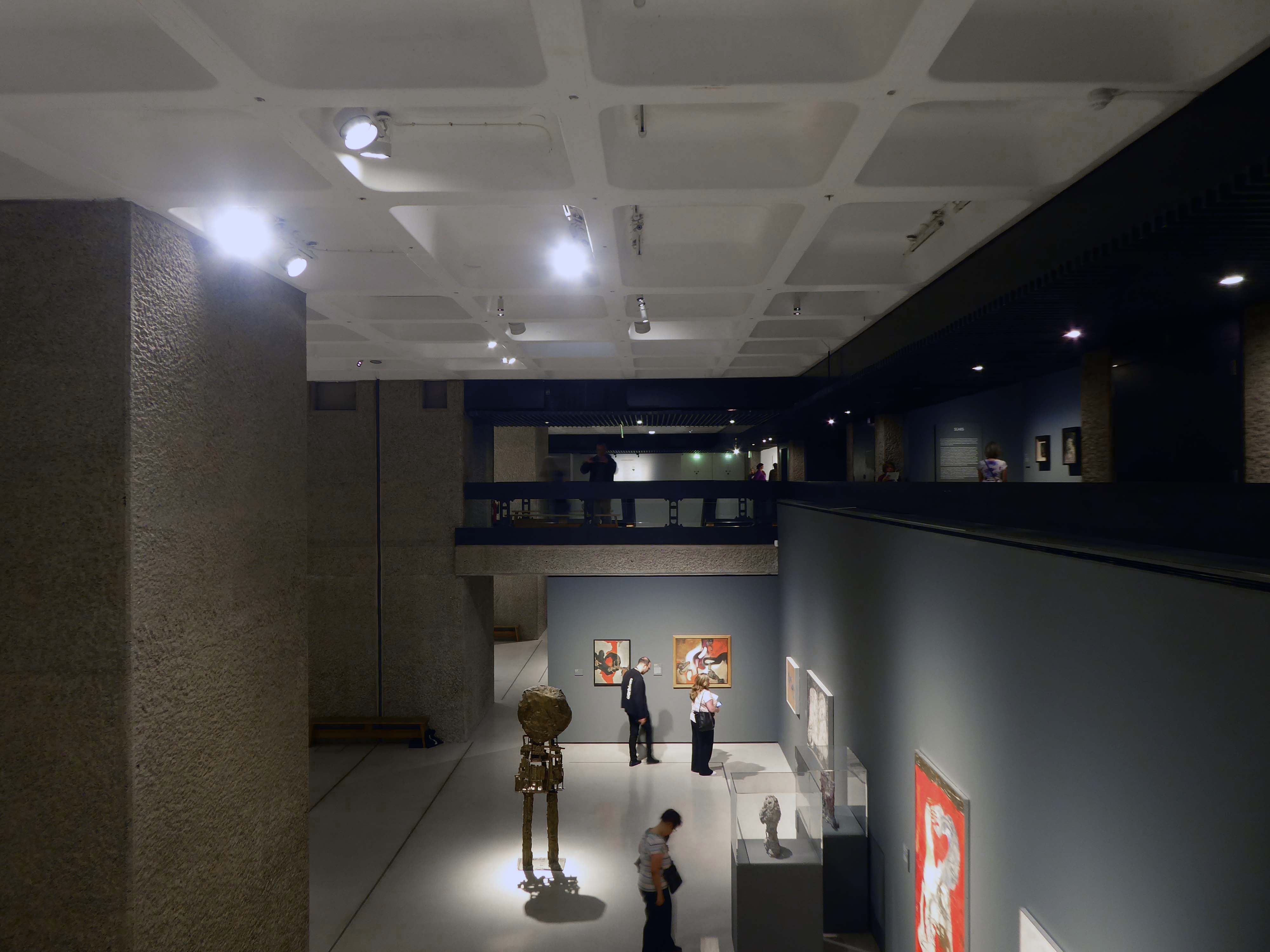
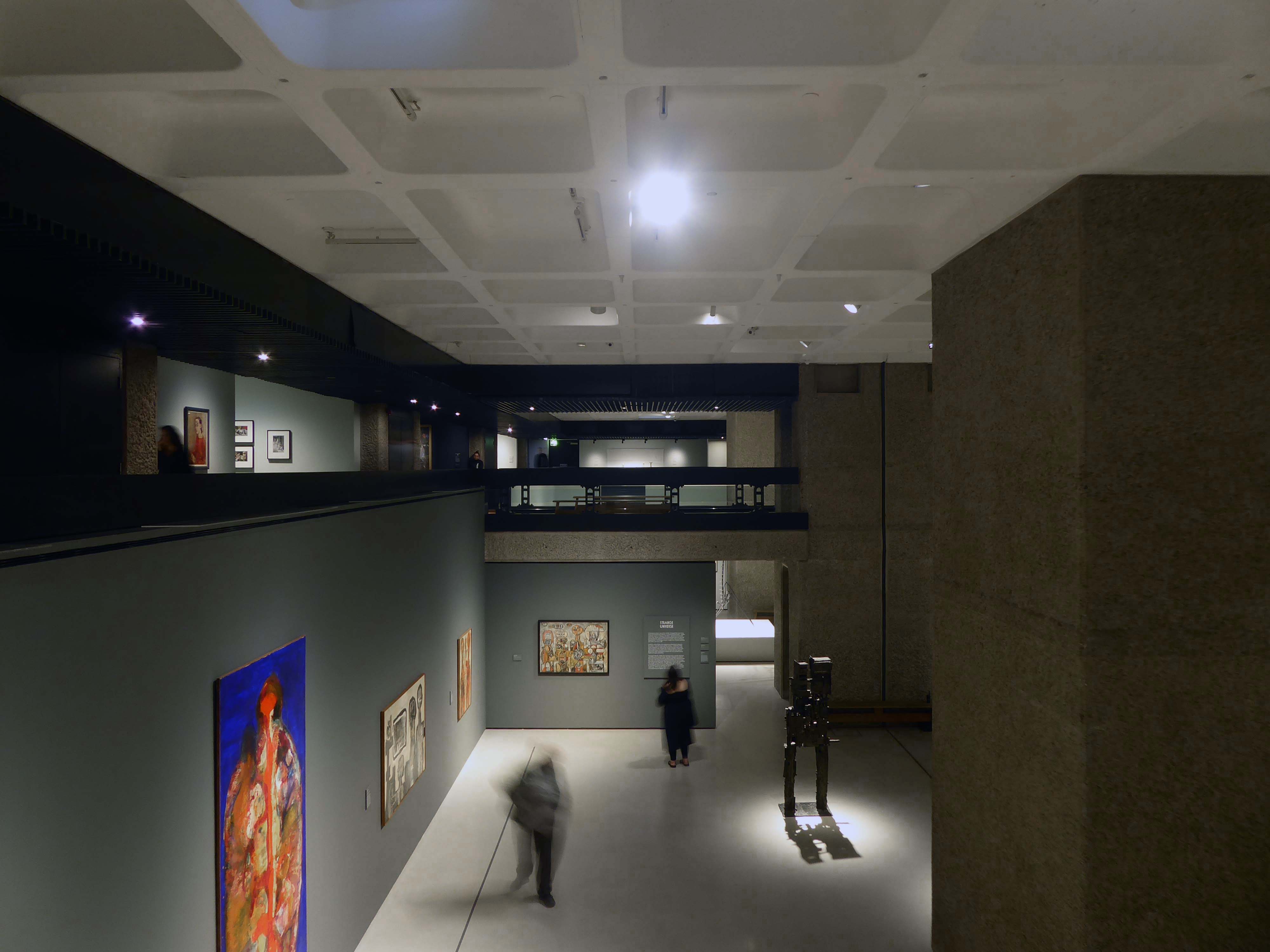
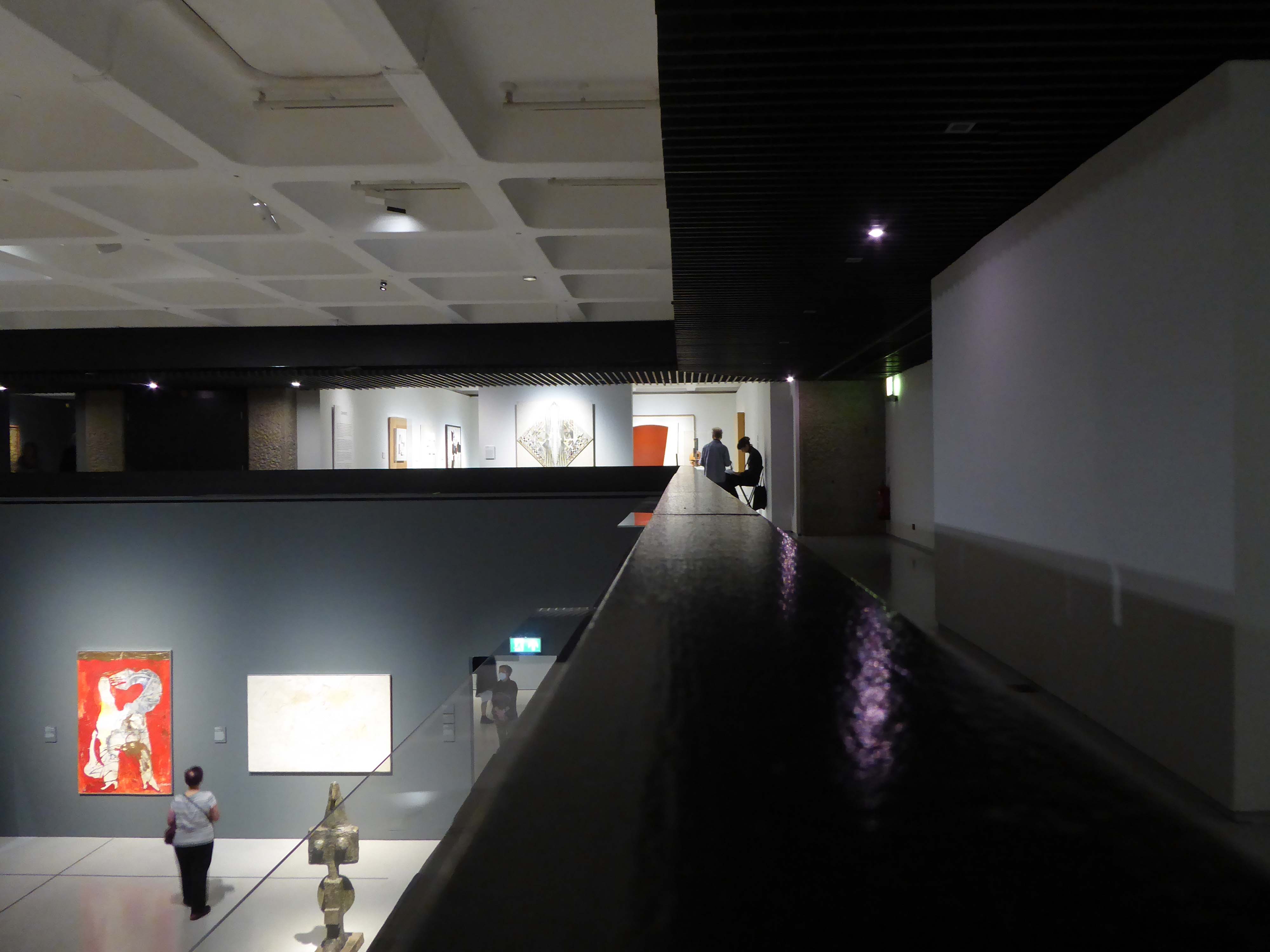
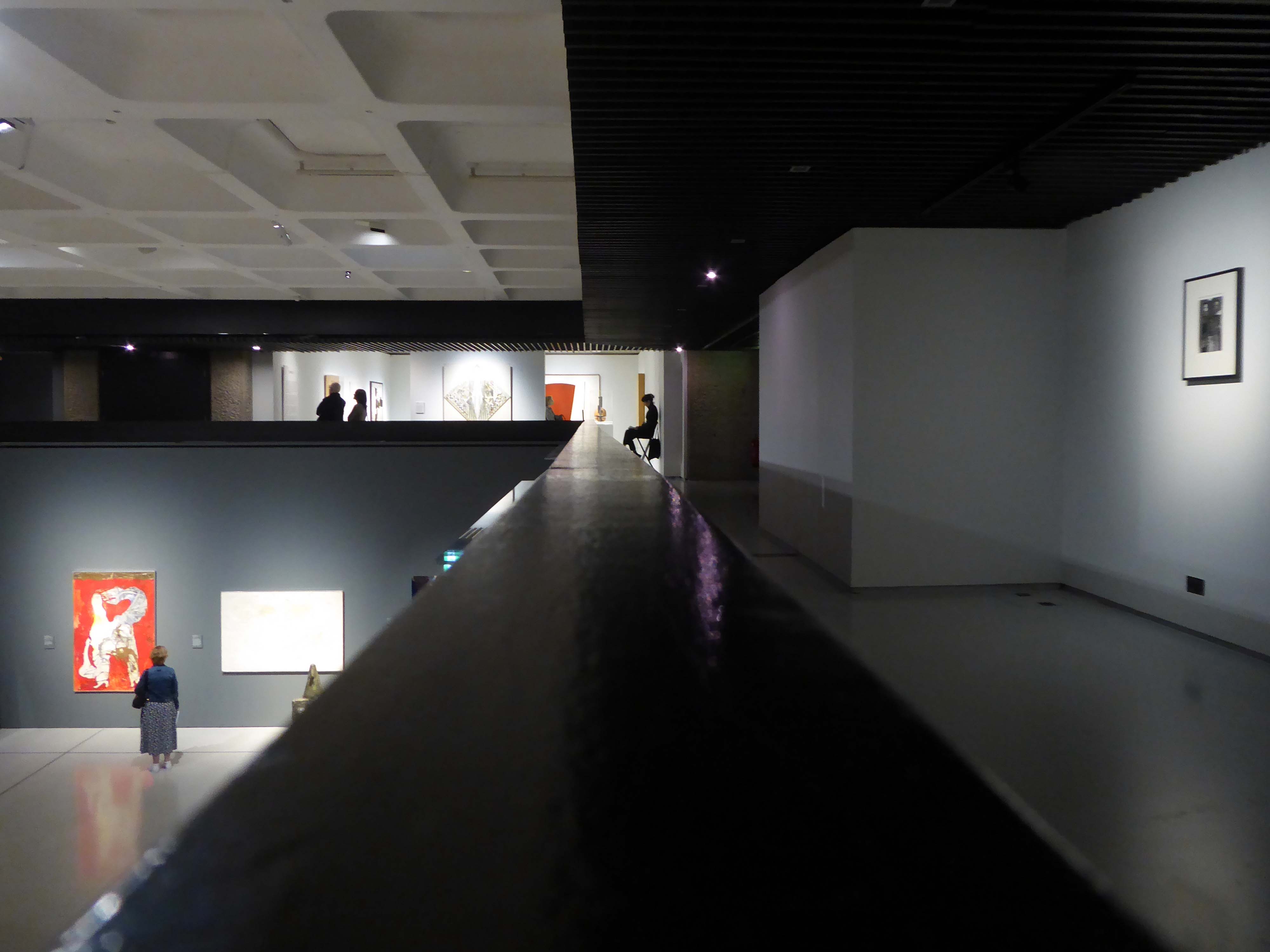
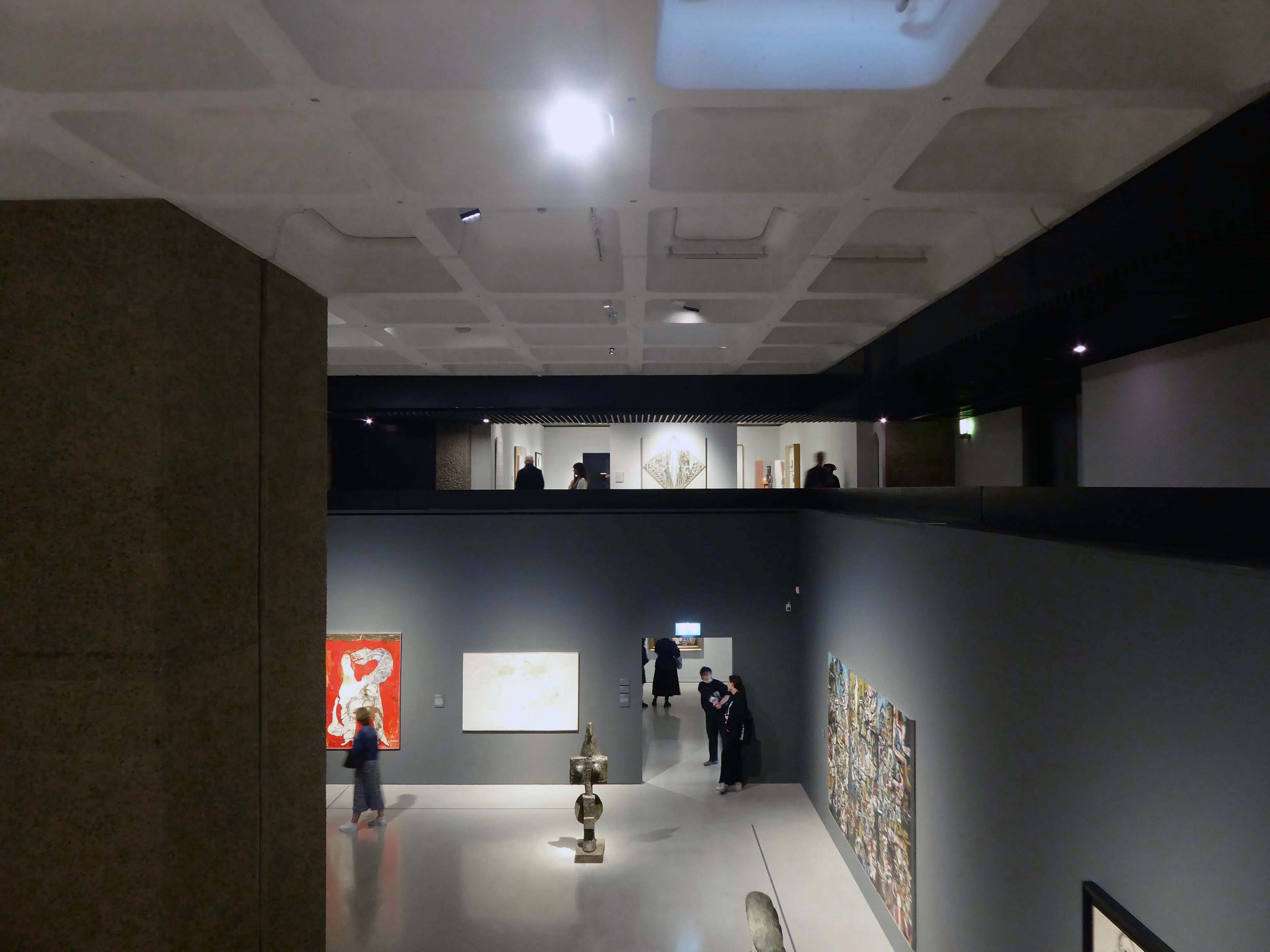
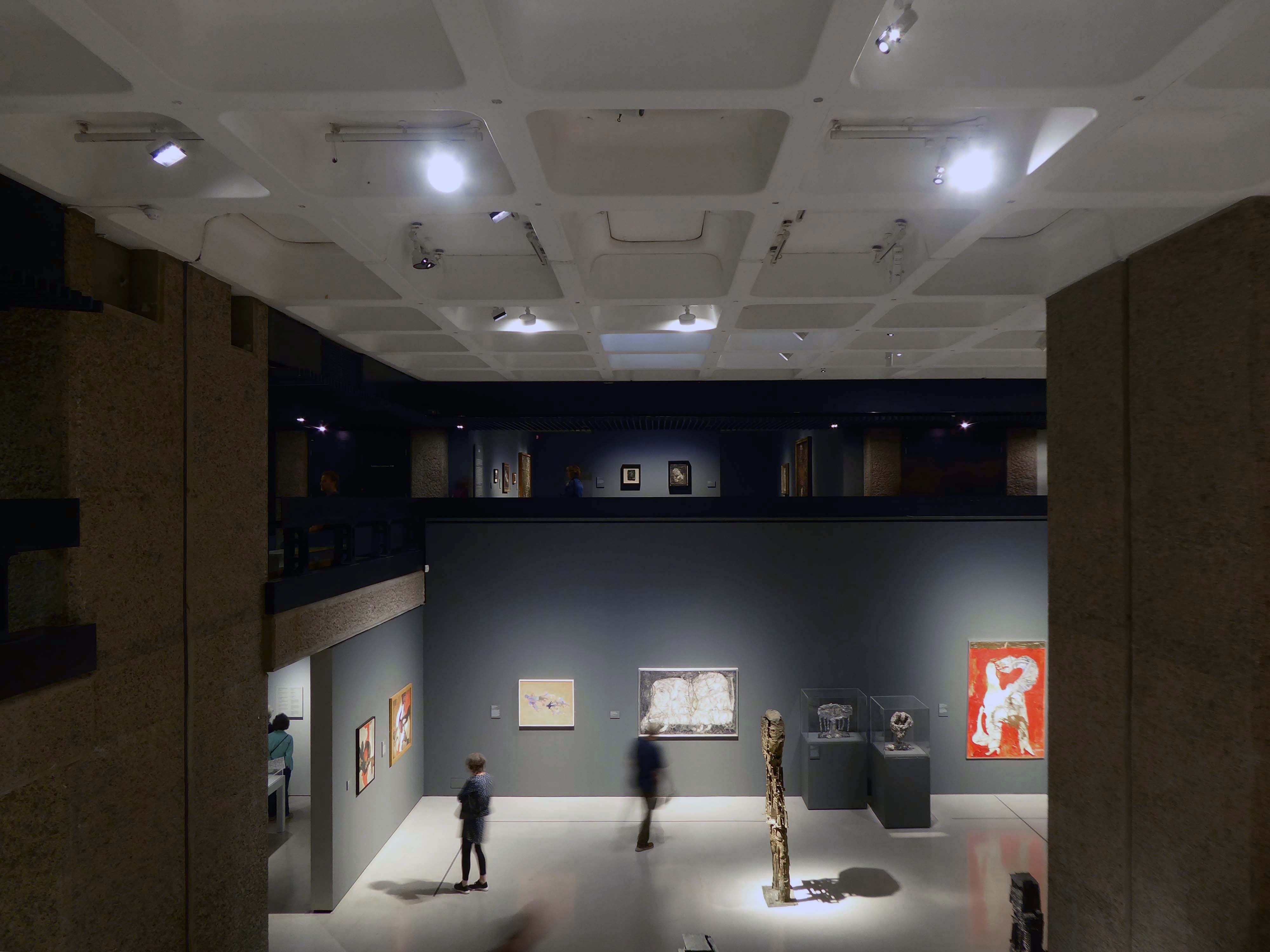
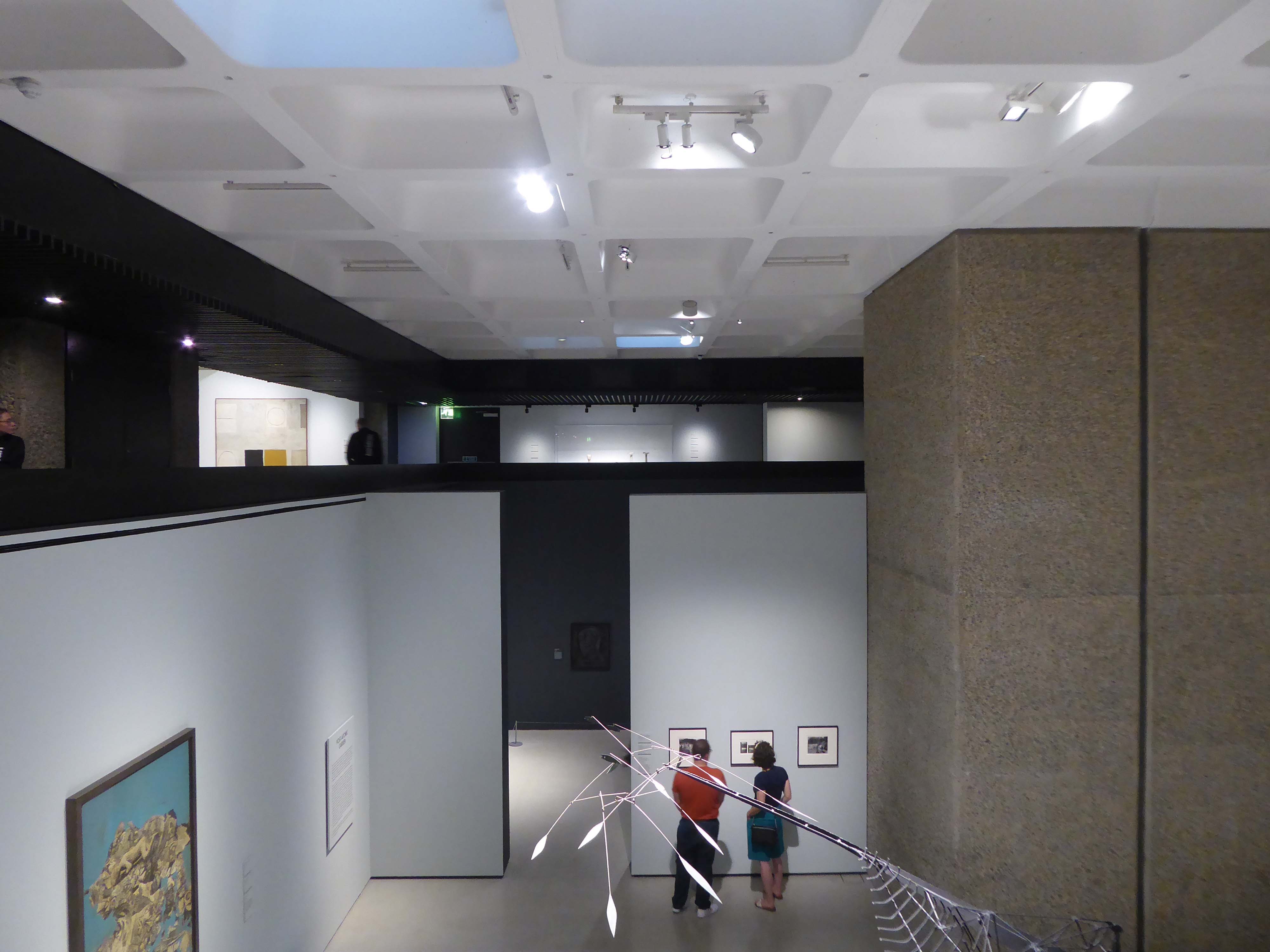
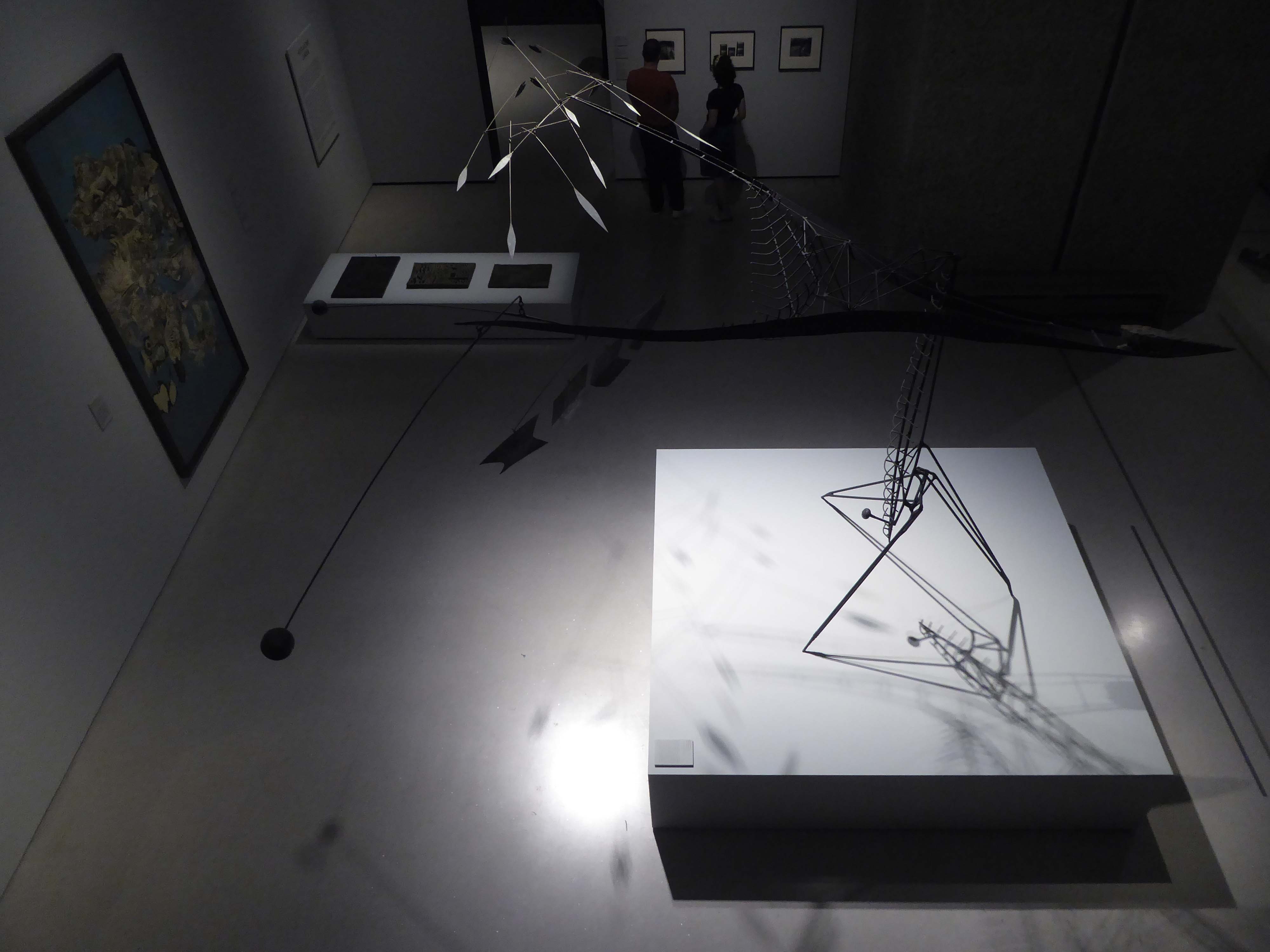
Postwar Modern – The Barbican 2022

Is it a book is it a show?

It’s both – well it was a show and it’s still a book.

I went along and looked at the art and looked at the people looking at the art.

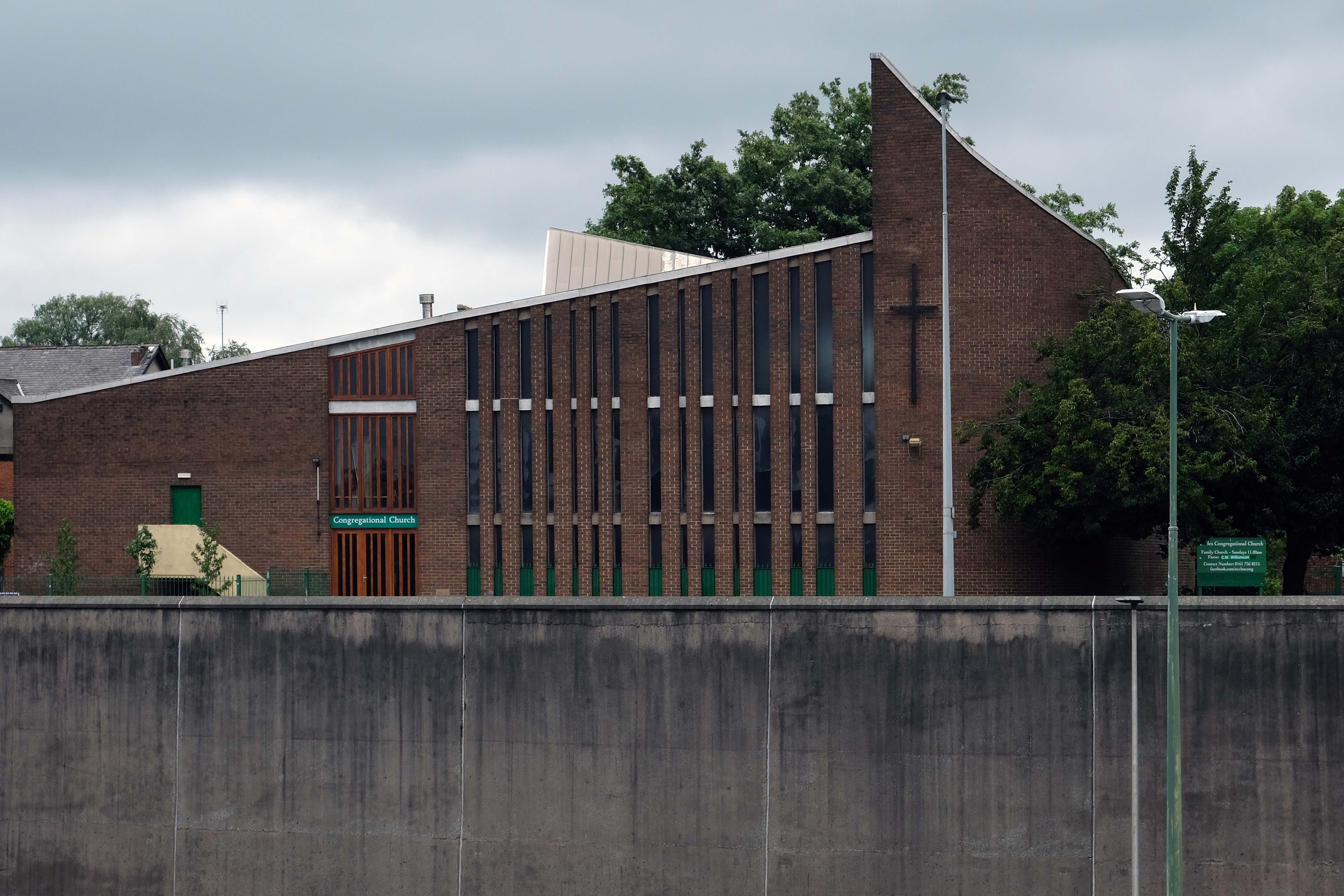
Eccles Congregational Church

Wellington Road Eccles M30 9AL

Architect: TD Howcroft 1969

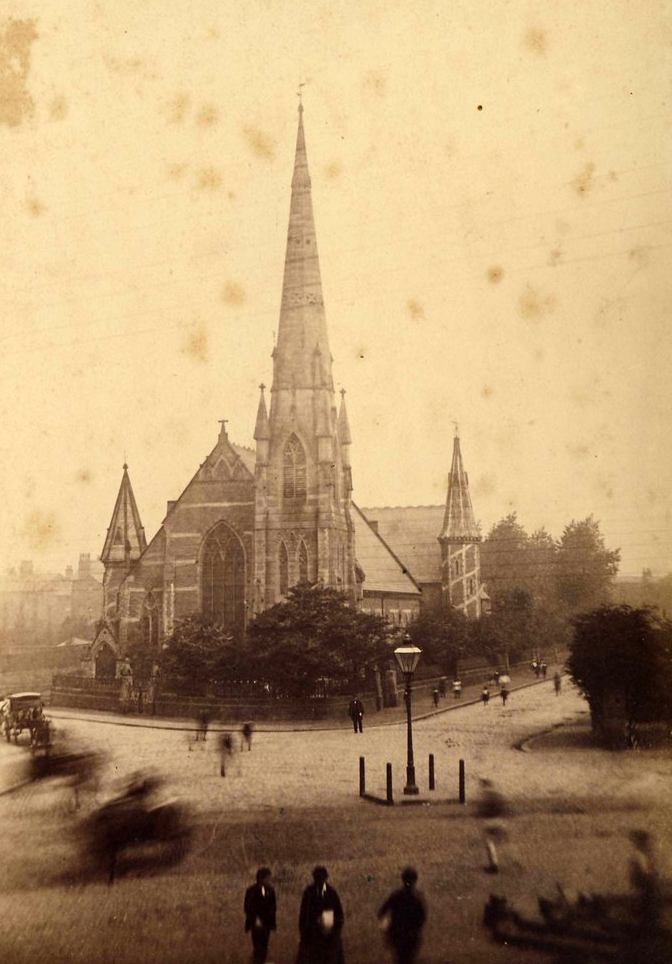
Once upon a time there was a Gothic church.

The Cornerstone of the building was laid in front of a crowd of 2,000 on Good Friday 1859 and the church was opened for public worship on Good Friday 6th April 1860. In the press of the day, the church was described as – a Cathedral looking church.

Photo: Flickr cabinet photograph by Enos Eastham of Eccles.

In 1965 it was announced that a new Eccles motorway would be built through the church land.

Work began to demolish the Church and replace it with a new smaller church, but the old church did not go down without a fight as workers could not pull down the steeple. After eleven days of battering and buffeting by eighteen pounds of gelignite and two eight ton bulldozers, the steeple finally surrendered.

Then there wasn’t – then there was this:

On Friday 11th July 1969, the new church officially opened with a splendid ceremony. A minor hitch occurred when the organ blew a fuse during the second verse but the Congregation sang through it while organist Mr Kenyon frantically fumbled about and rectified the matter.

Eccles Congregational Church

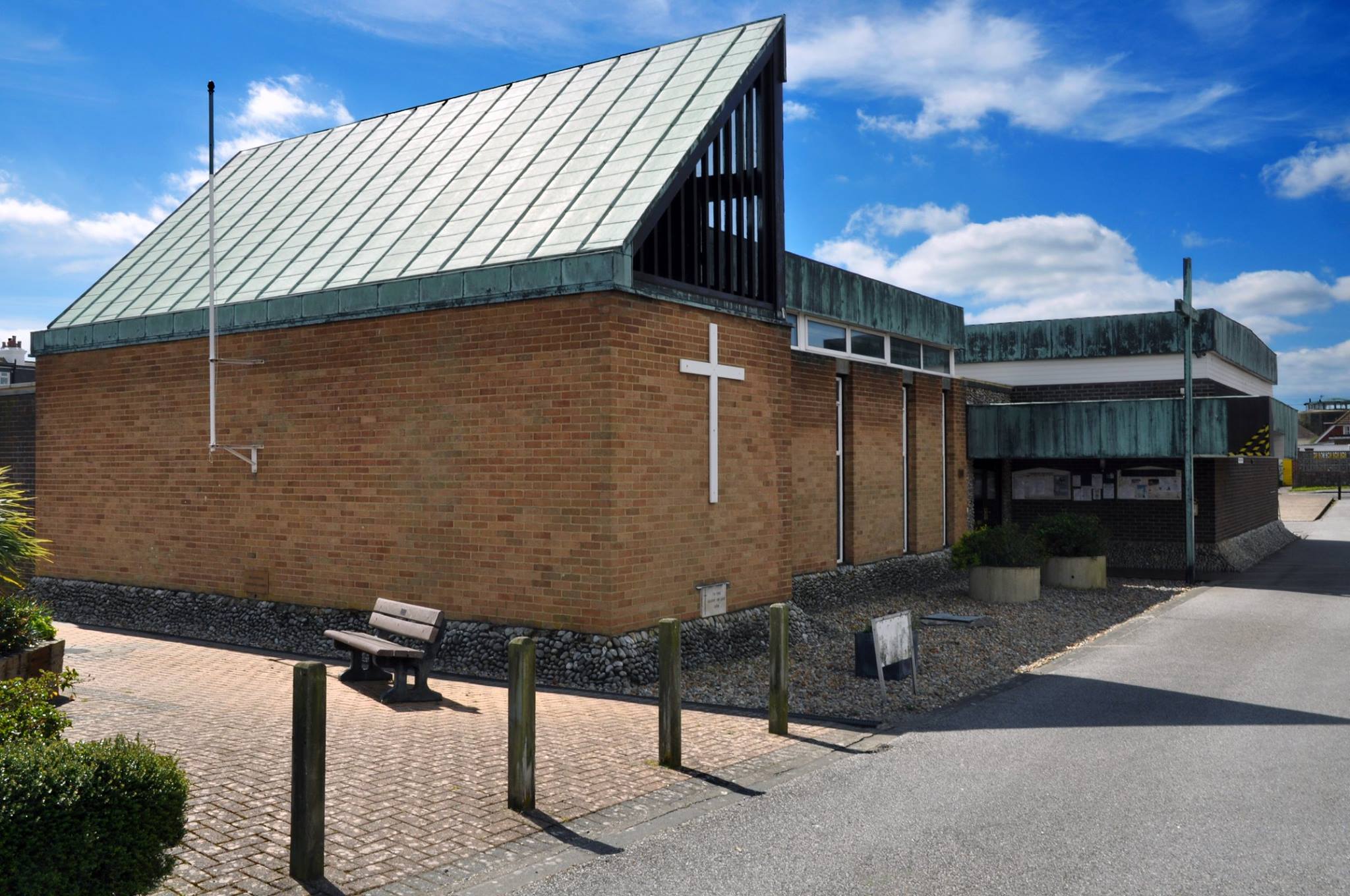
TD Howcroft was also responsible for St Wilfrid’s in Pevensey Bay – I happened to cycle by in 2015.

My thanks to Mr Tony Flynn – the acting Lord Mayor of Eccles, for arranging our visit through church member Mr George Cross.

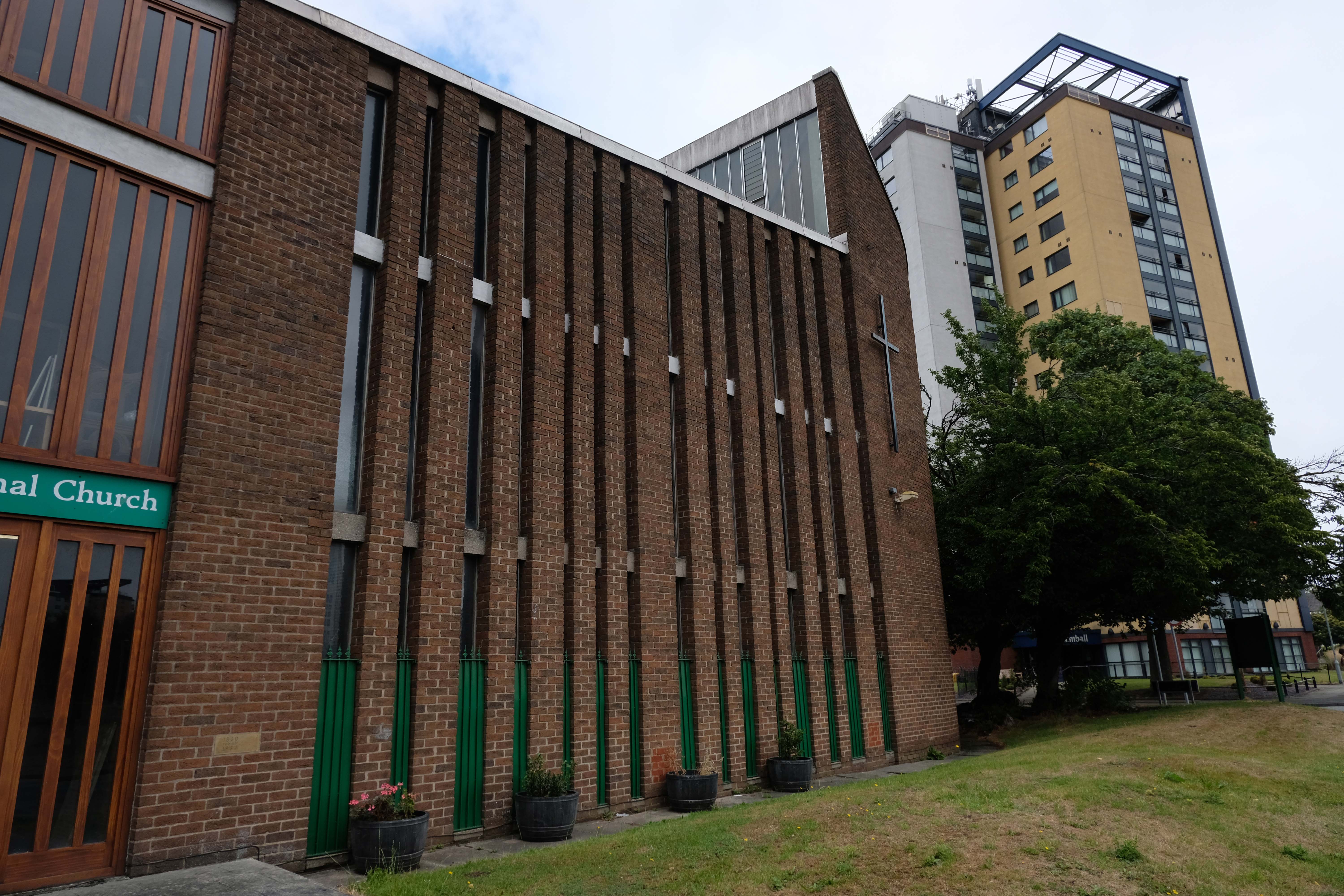
To the rear the exterior is, as Mr Pevsner would say – unprepossessing.

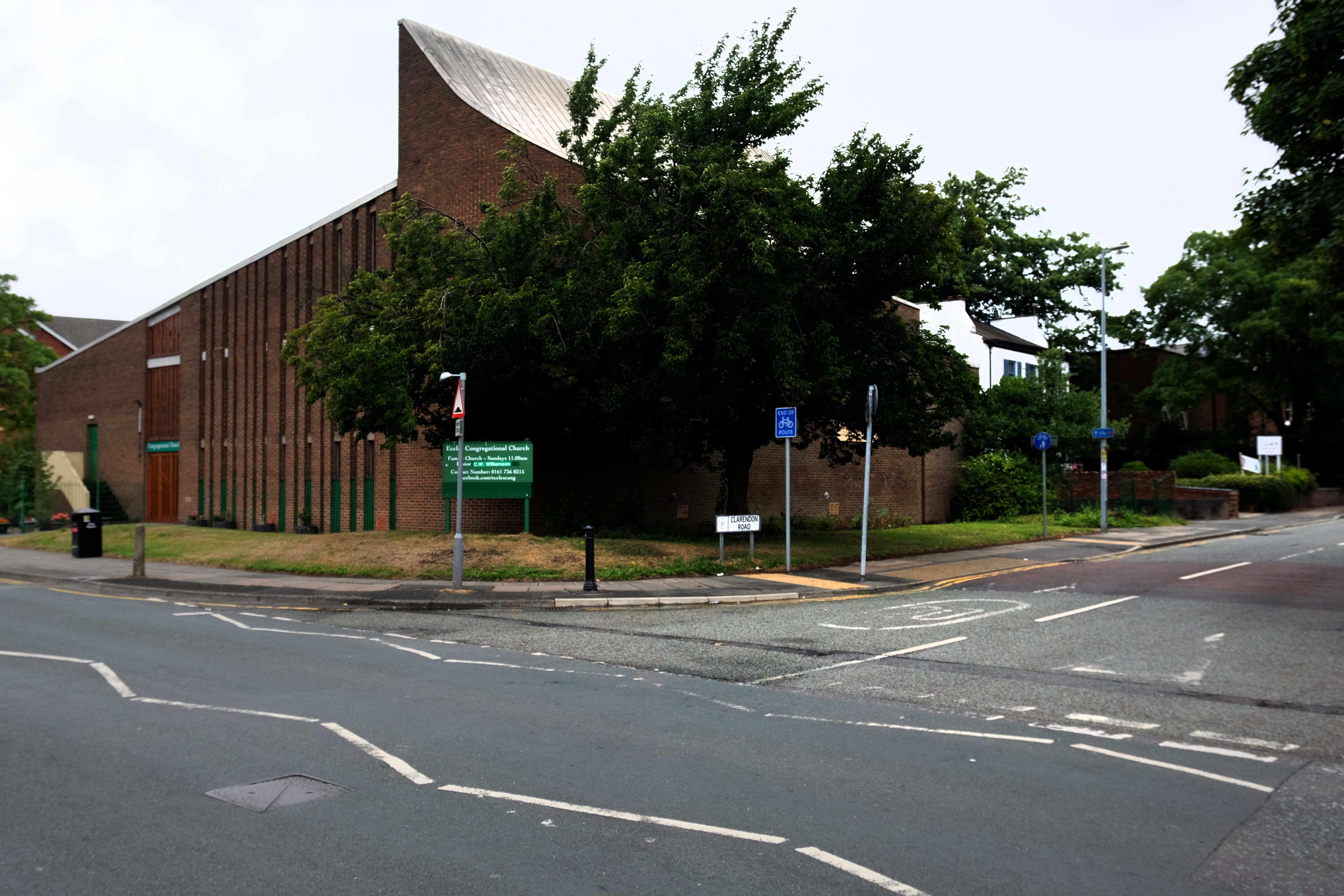
The elevation facing the main road more than somewhat less unprepossessing.

A curved apse along with a raised and canted roof – a window up above illuminating the altar.

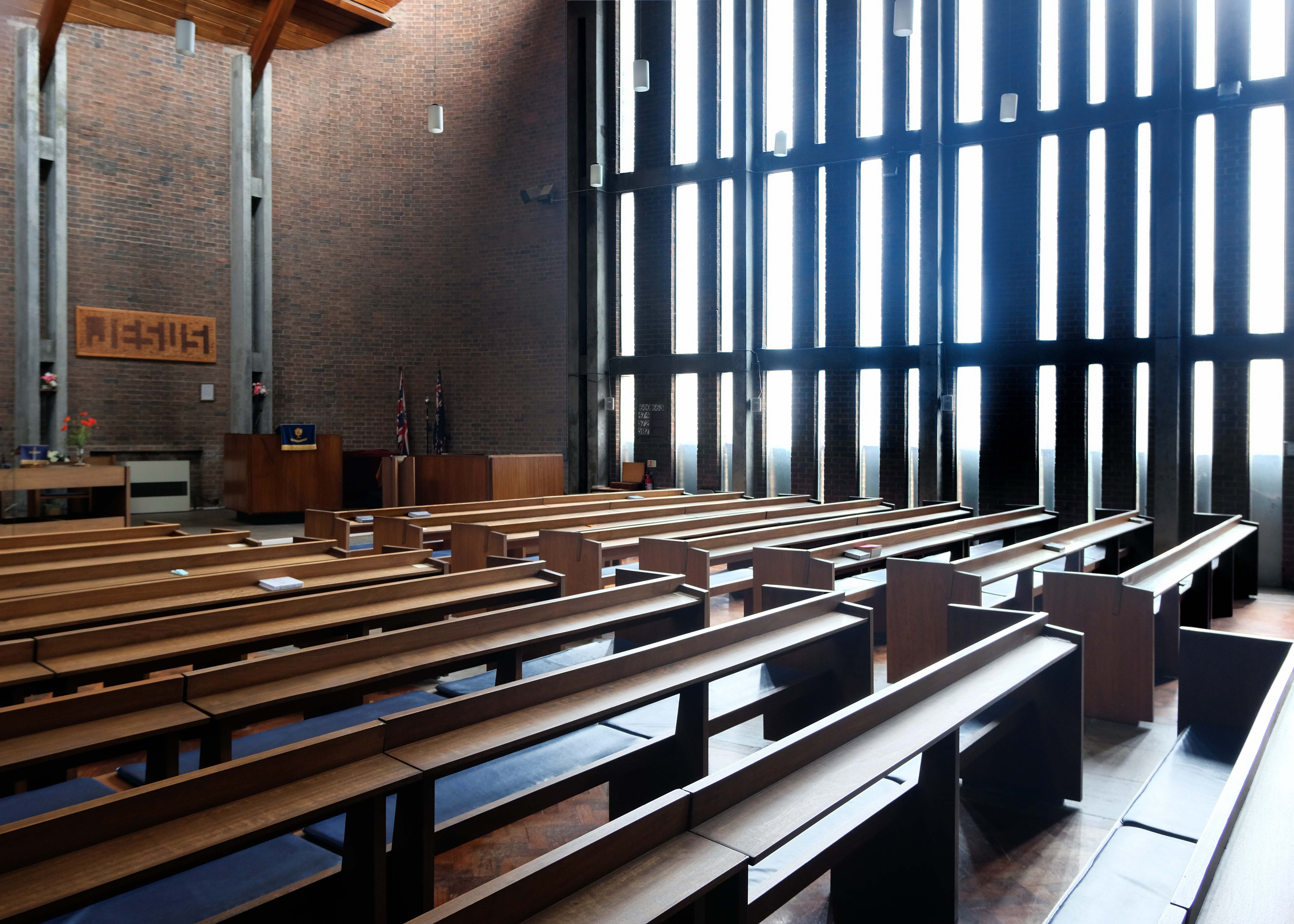
The main body of the church is bold and voluminous – strong verticals to the rear and right.

The pews, organ pipes and other furnishings appear to be of a piece.

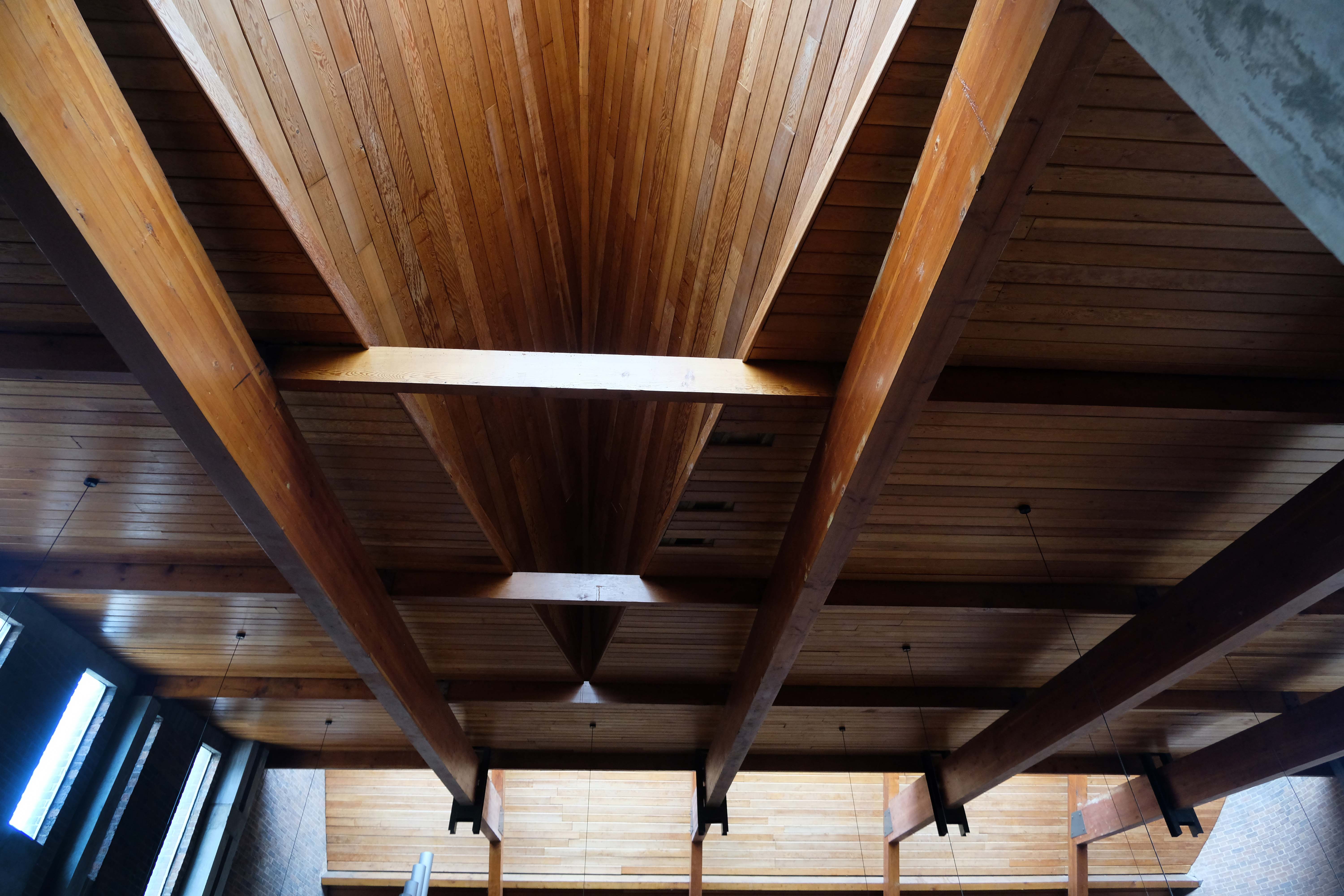
There is a dynamic timber roof with supporting beams.

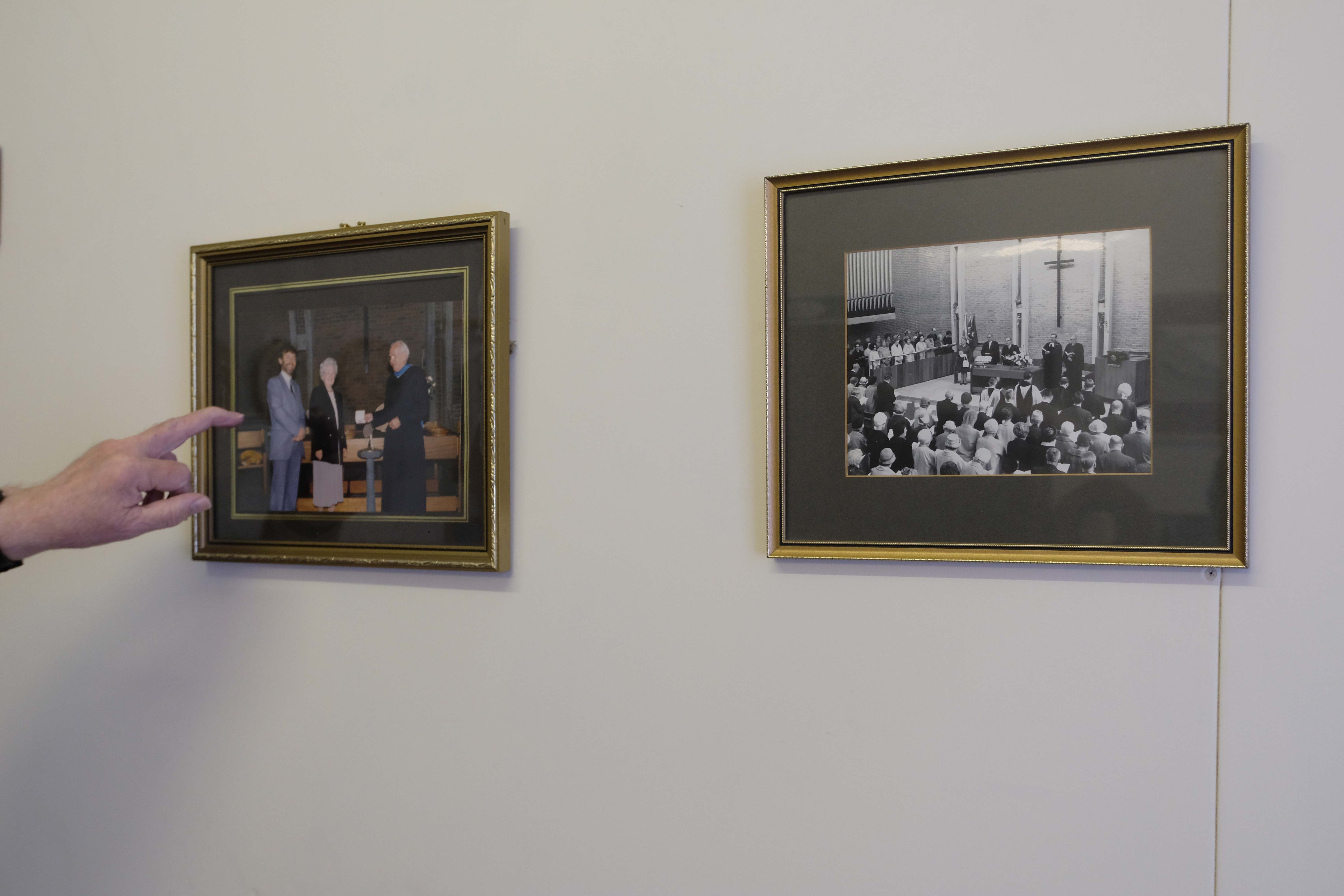
Previous Pastors.

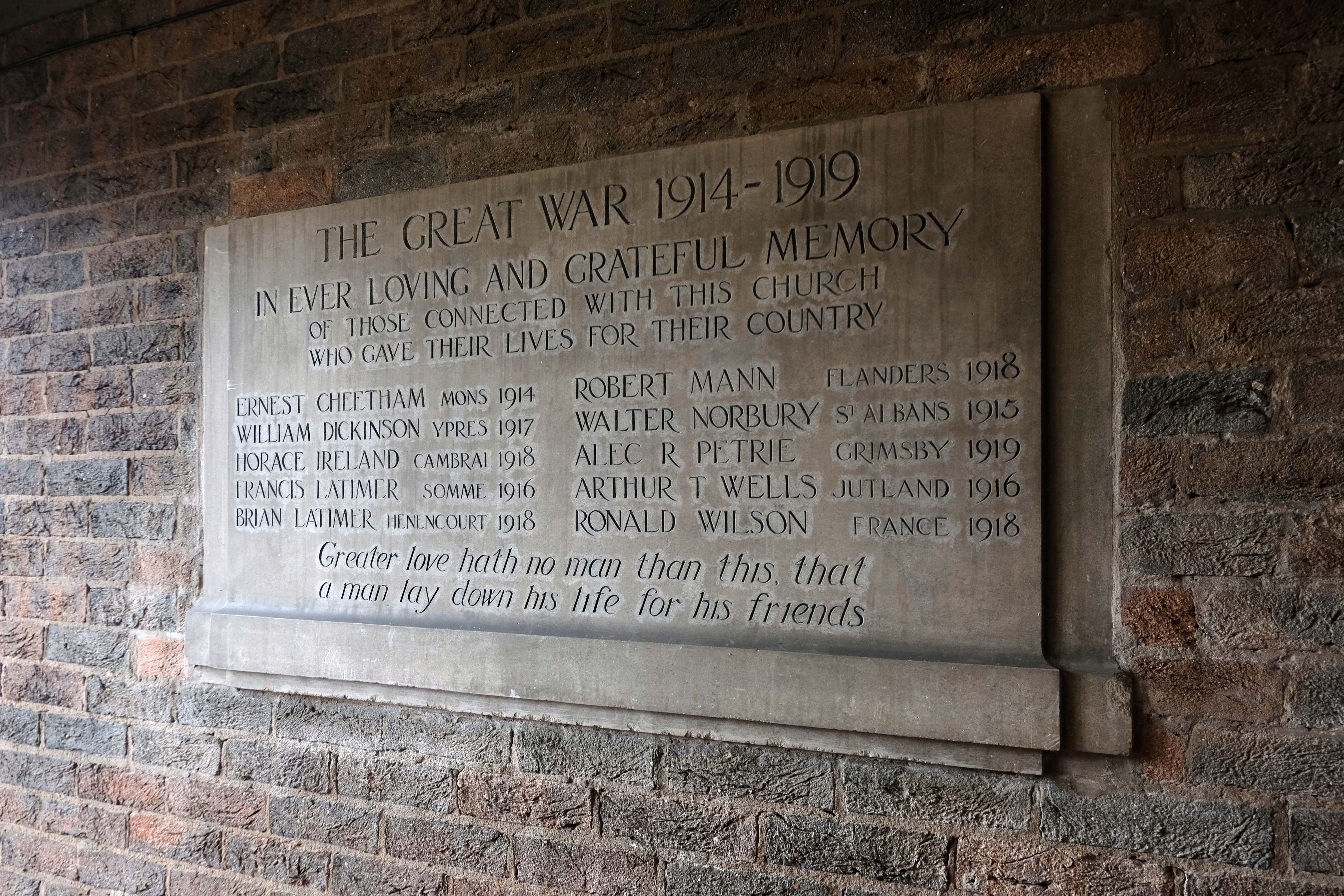
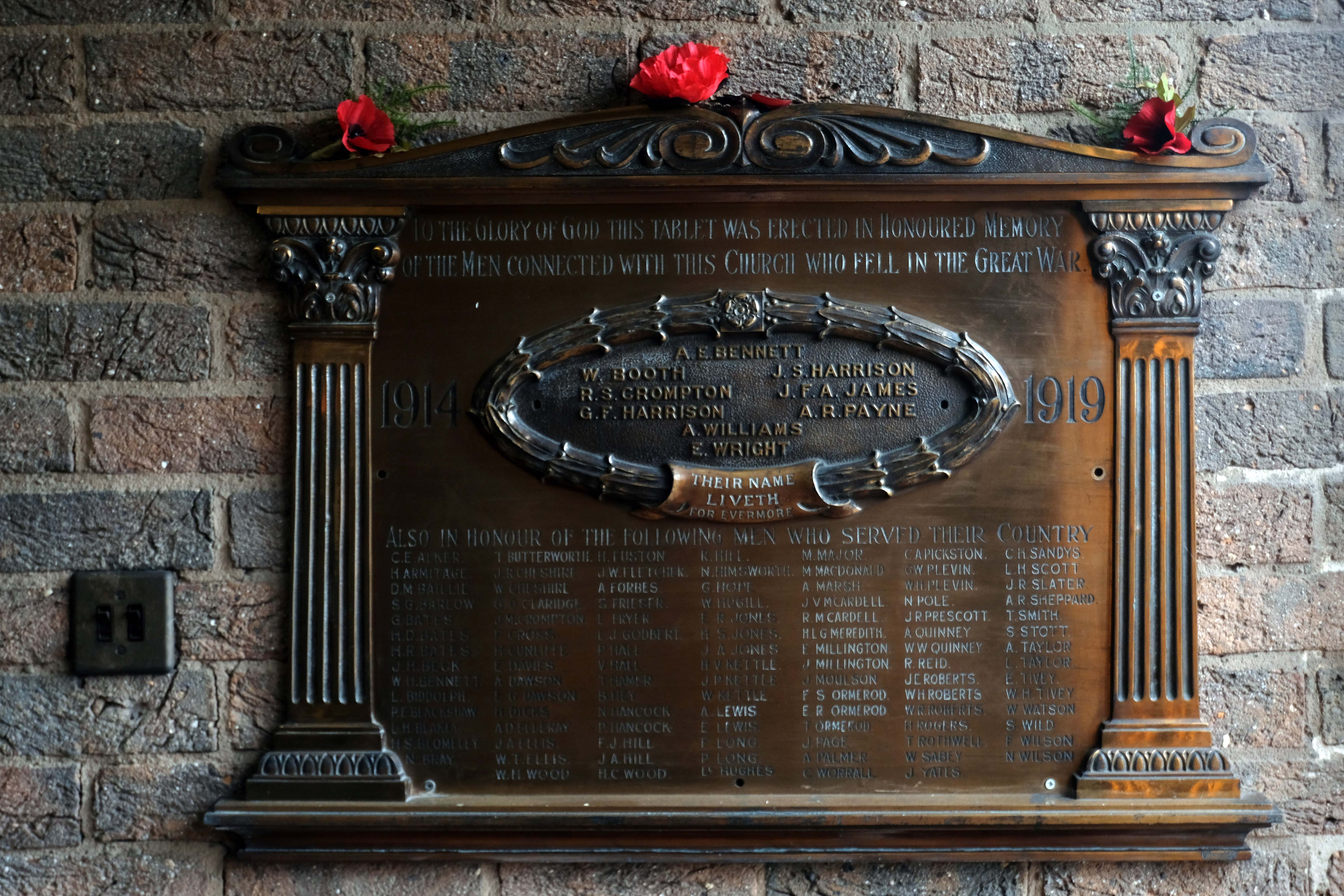
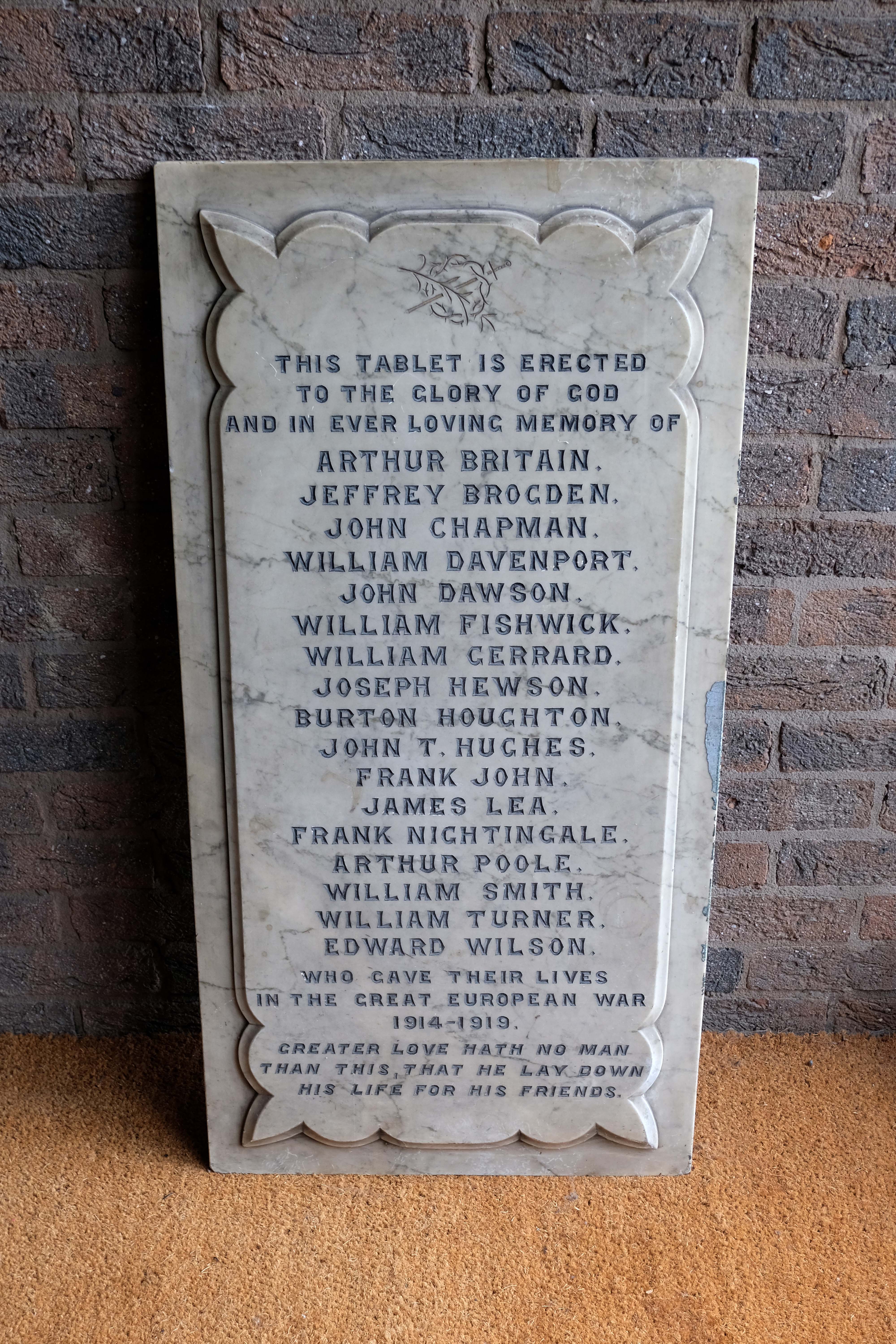
Relocated War Memorials.

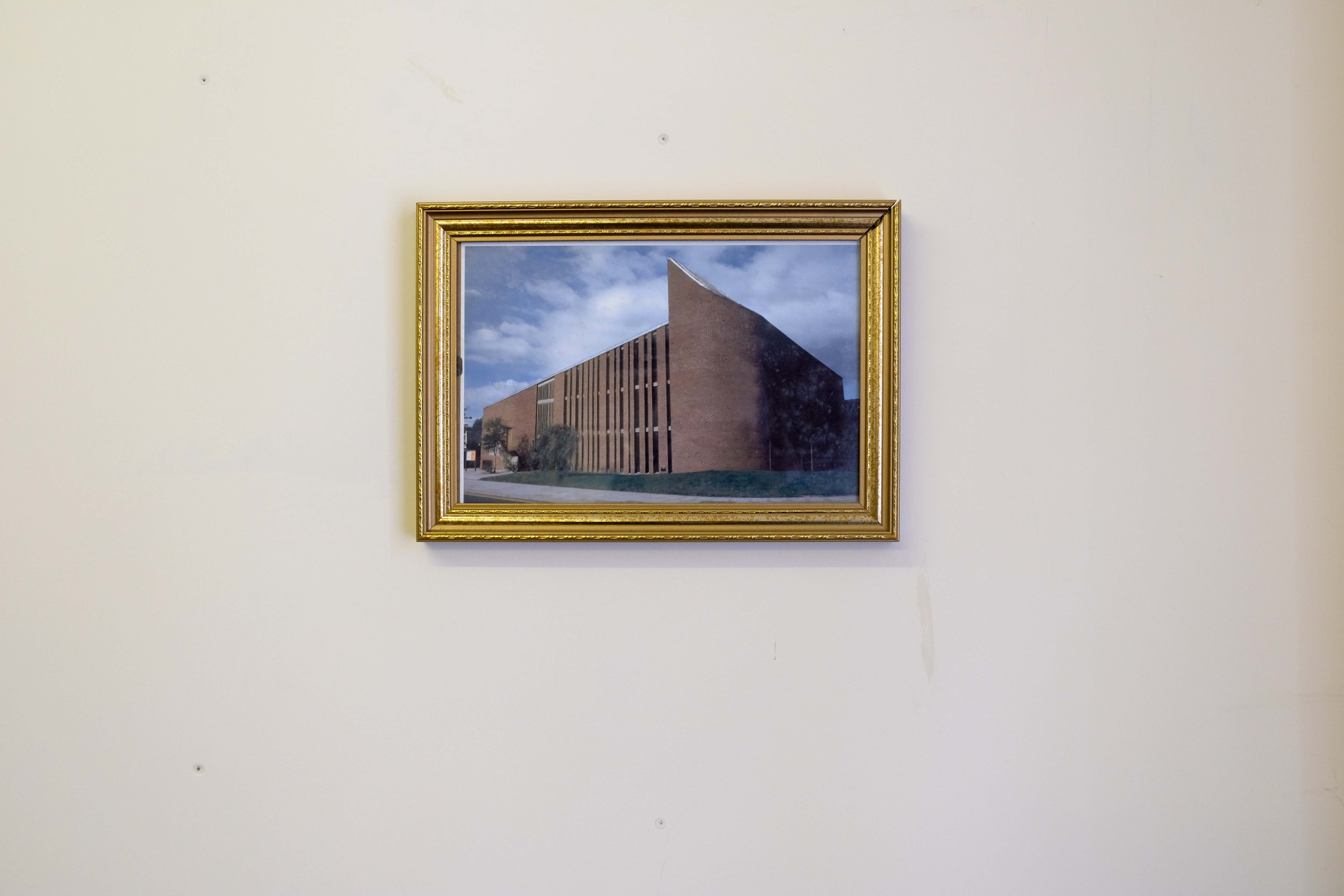
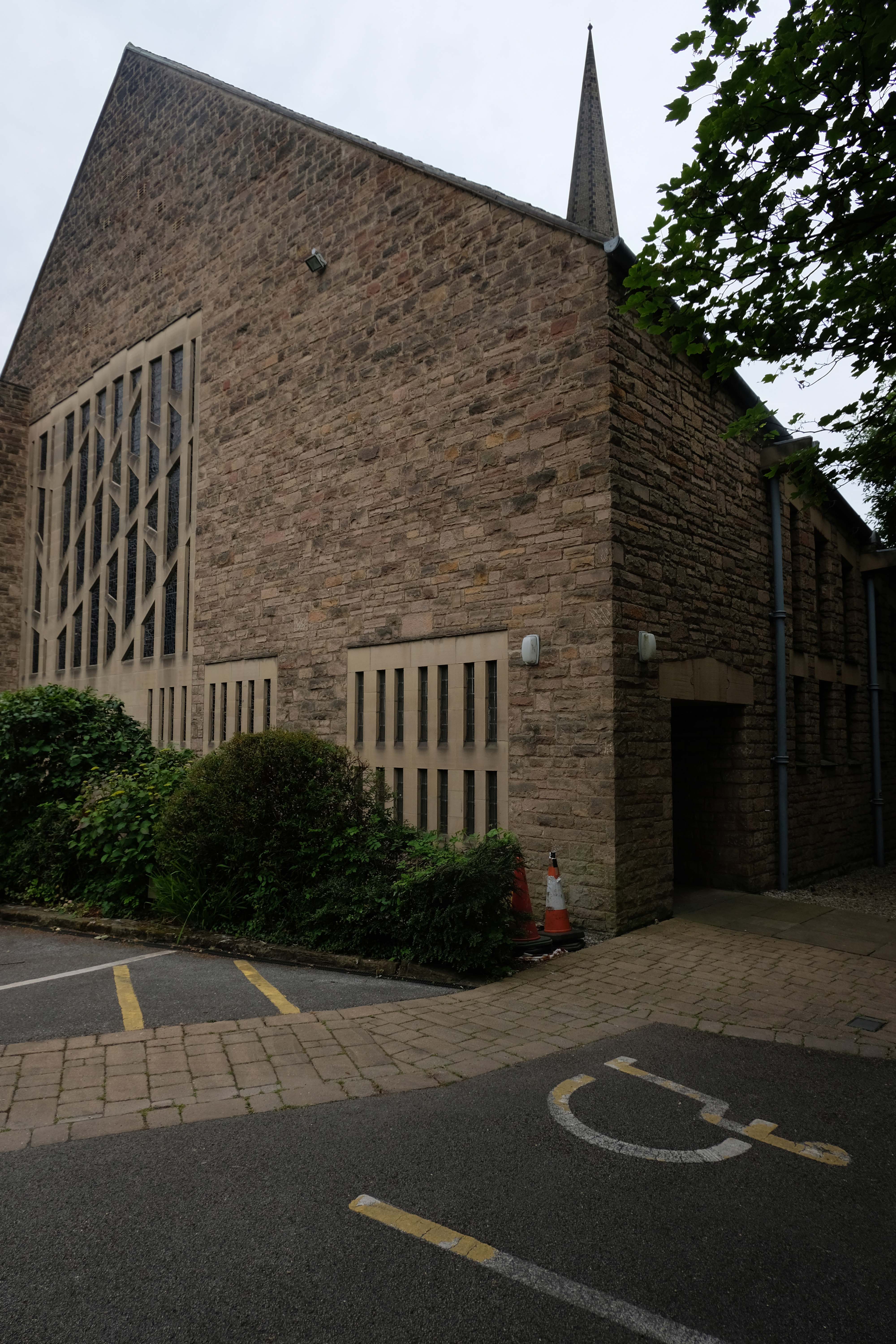
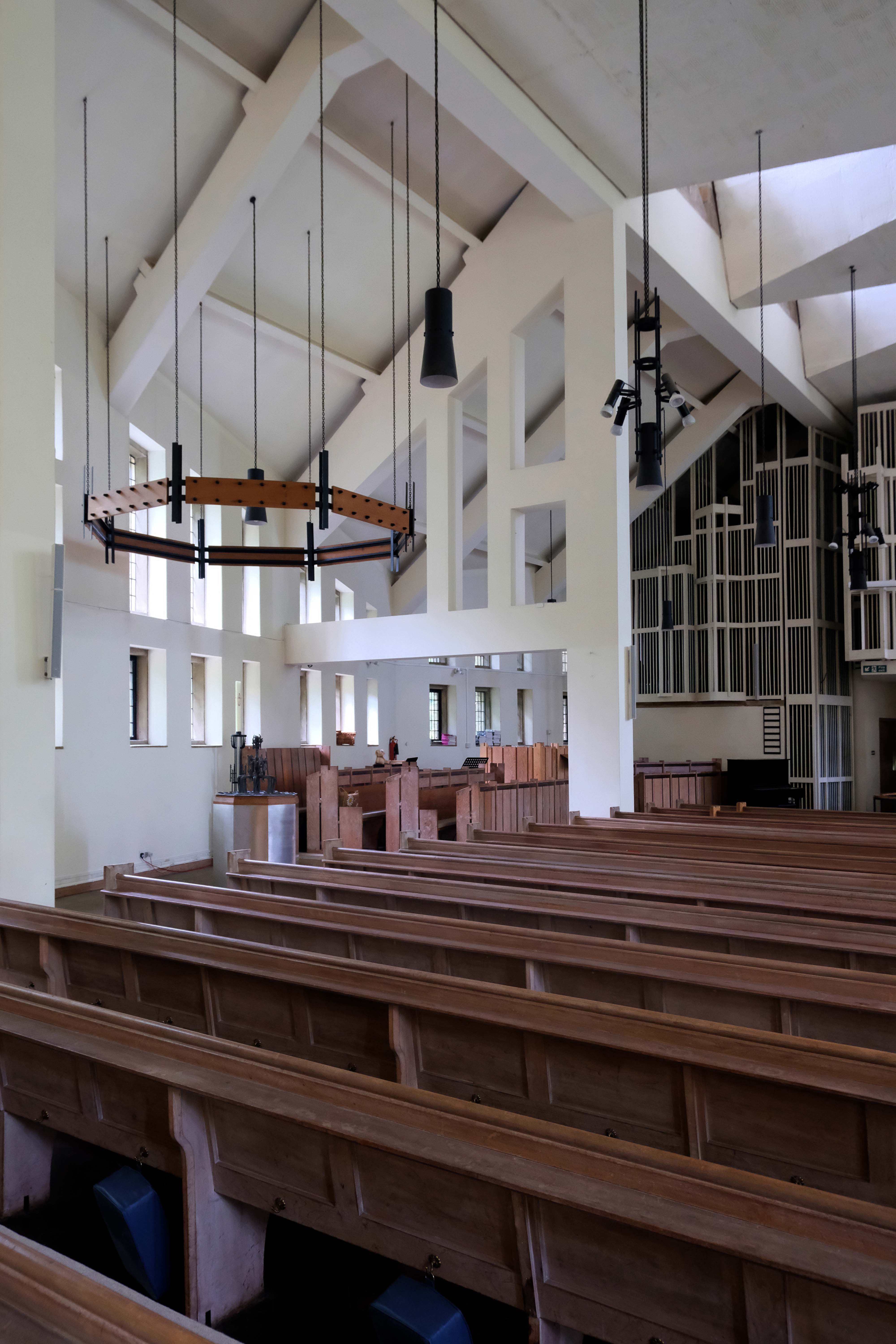
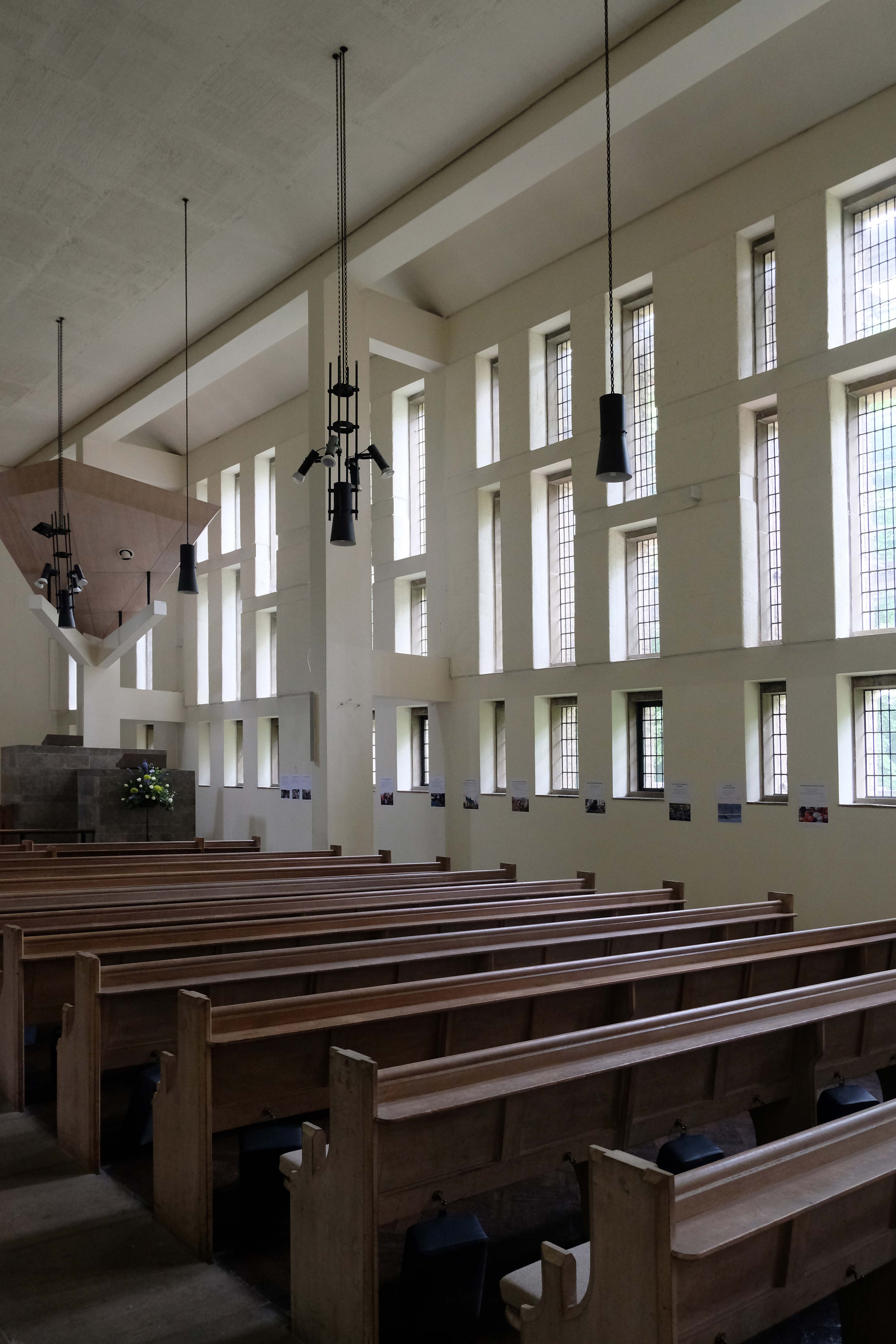
St Mark’s Broomhill – Return

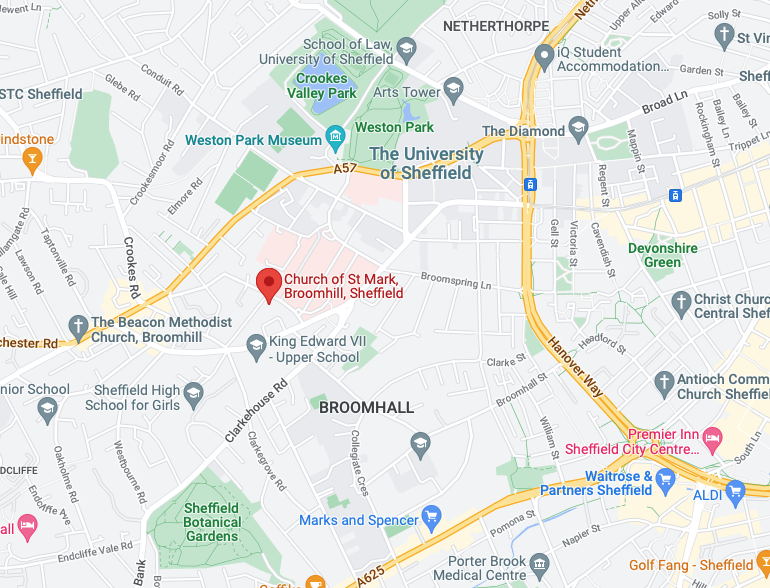
Broomfield Rd Sheffield S10 2SE

Having been here before – I returned.

There is something within the work of George Pace which speaks directly to my eyes and heart – and feet. His Modernism is tempered by the Mediaeval – along with Arts and Crafts references and a nod to Le Corbusier’s Notre Dame du Haut, Ronchamp

I have also visited Bradford, Chadderton, Doncaster, Keele and Wythenshawe.

Here in Sheffield is a church built in 1868 – 1871 to a standard neo-Gothic design by William Henry Crossland. Bombed in the Blitz restored, redesigned and built by Pace 1958 – 1963, accommodating the original spire and porch.

Here is the Historic England listing.

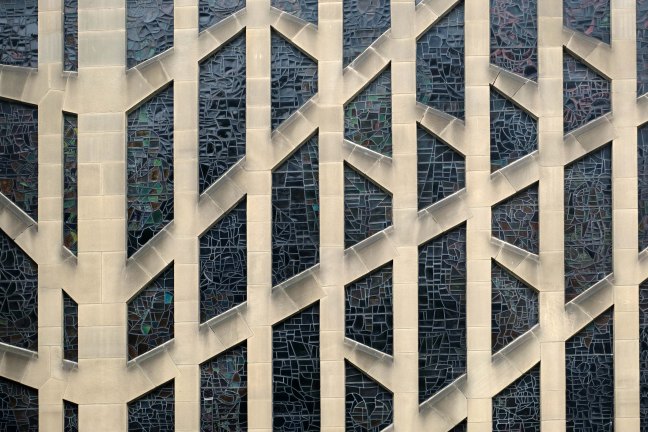
There is stained glass to the east, Harry Stammers illustrating the Te Deum and to the west an abstract design by John Piper made by Patrick Reyntiens.

The laddered design glass in the side chapel, is by Gillian Rees-Thomas.

Let’s take a walk around the exterior.

Time to go inside – happily the St Mark’s is open weekdays, in addition to Sunday services.

Swansea Civic Centre

Architects: J Webb as County Architect and CW Quick as the job architect of the West Glamorgan County Architects Department 1982

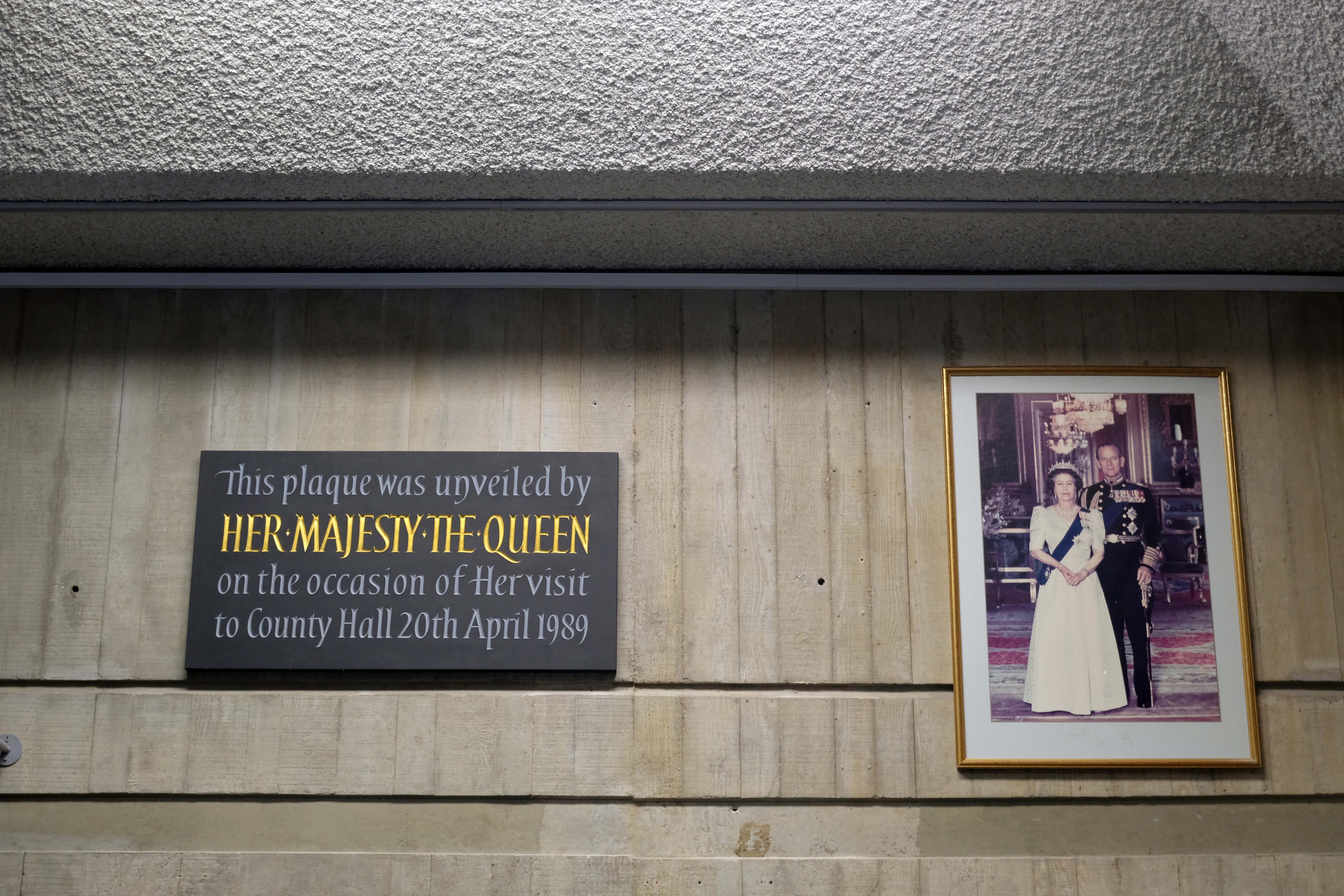
Canolfan Ddinesig Abertawe formerly known as County Hall.
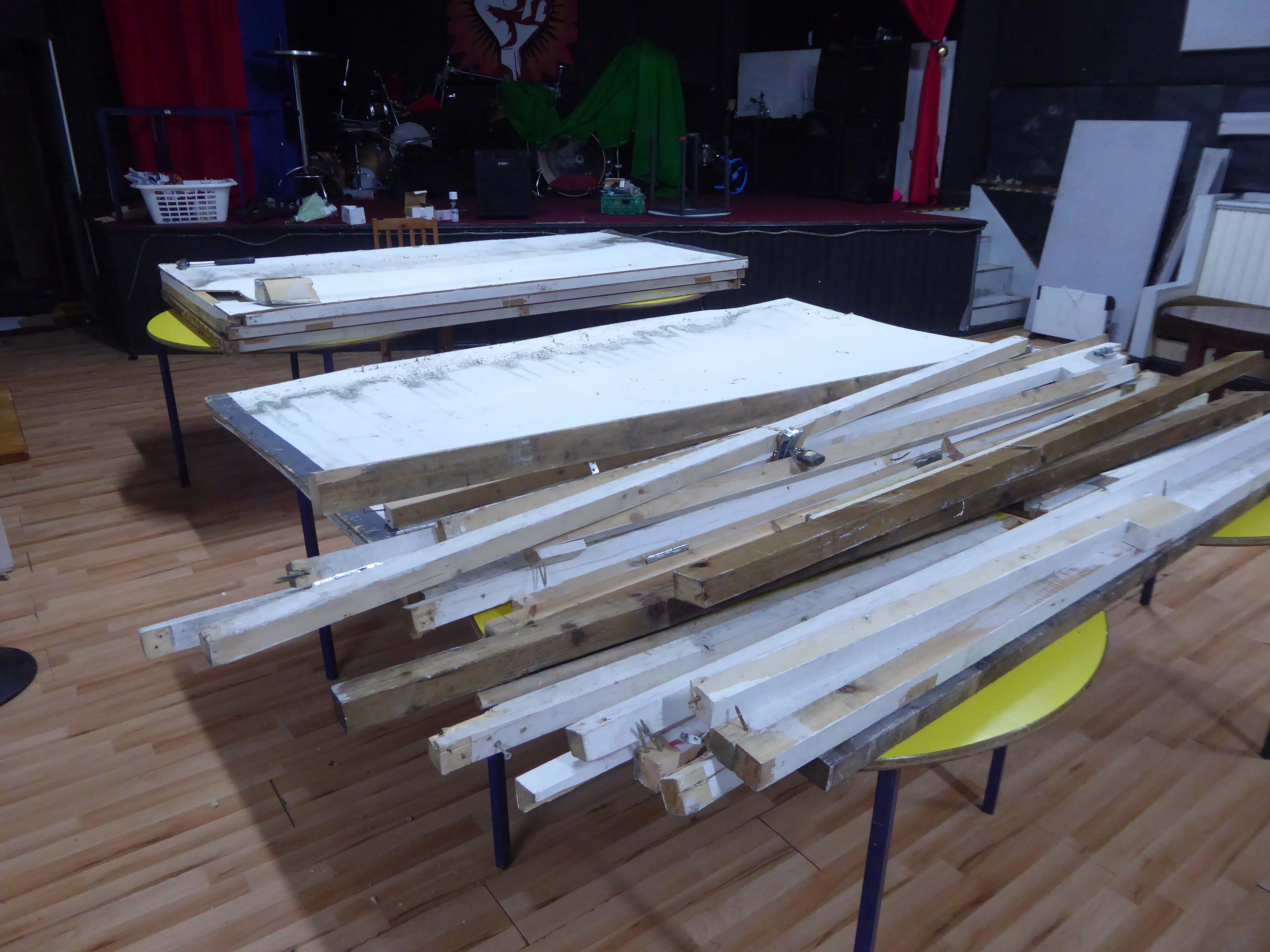
Confused?

Don’t be, it’s all quite simple really.
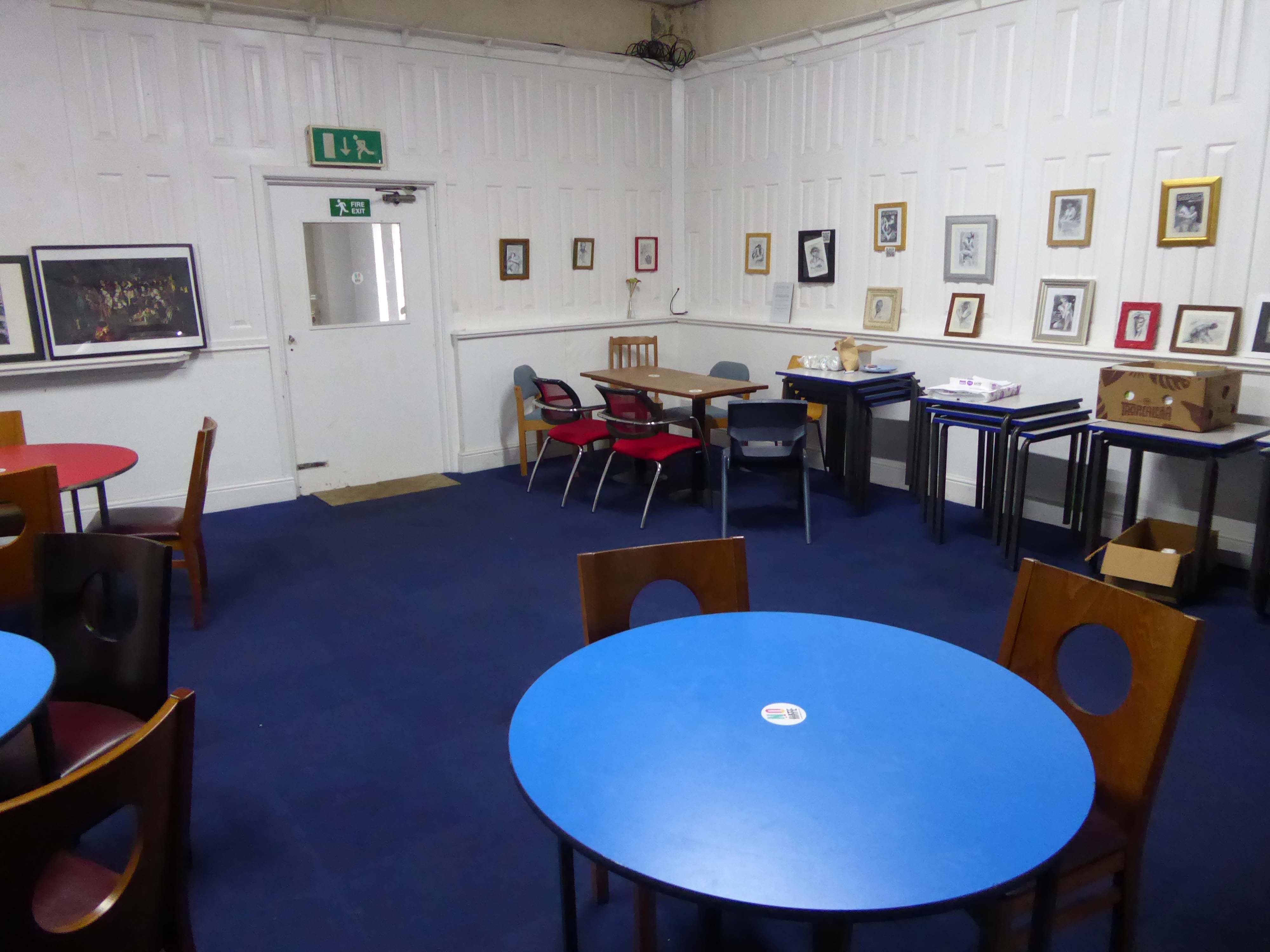
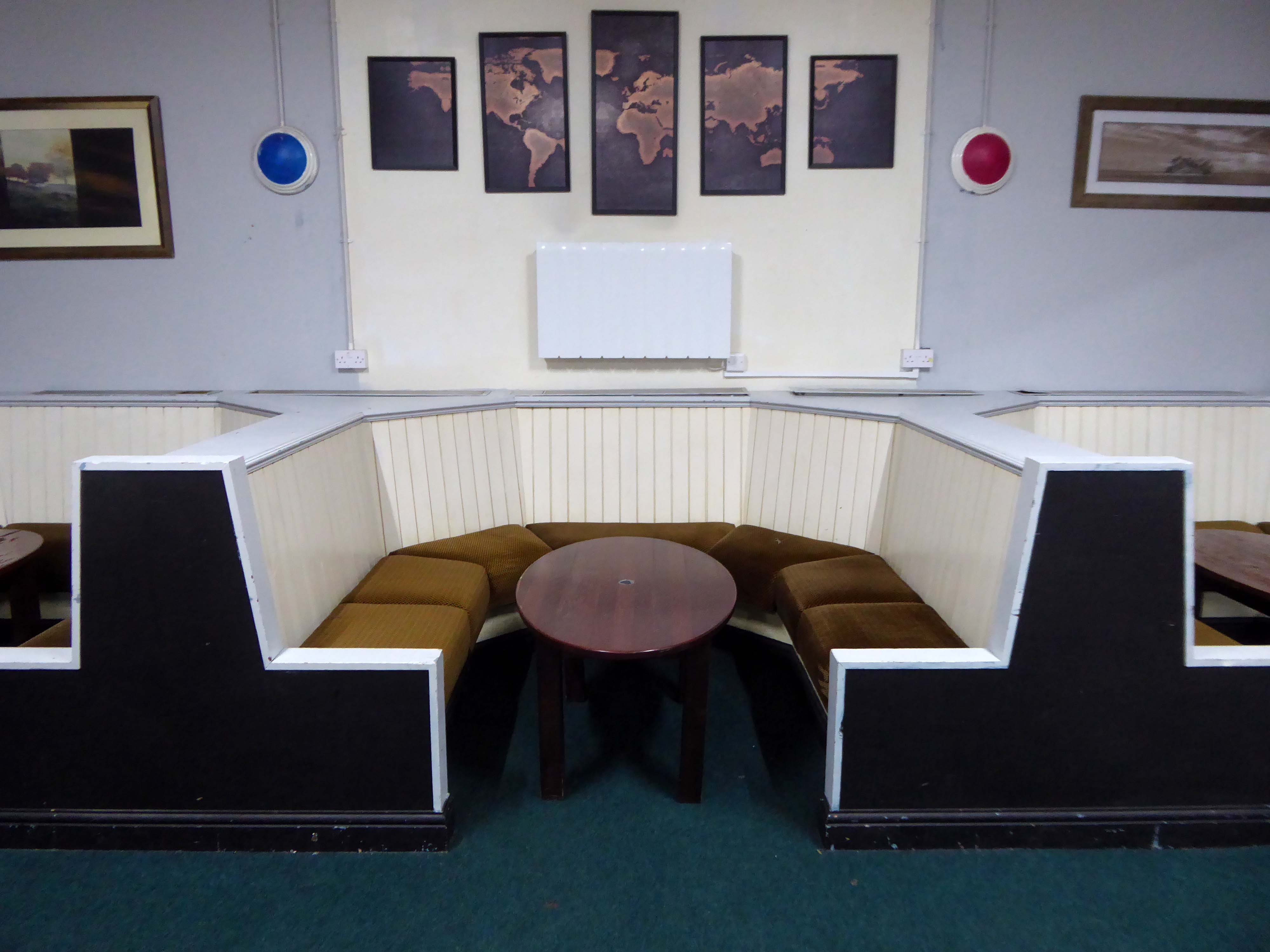
Following the implementation of the Local Government Act 1972, which broke up Glamorgan County Council and established West Glamorgan County Council, the new county council initially met at Swansea Guildhall. Finding that this arrangement, which involved sharing facilities with Swansea Council, to be inadequate, county leaders procured a dedicated building, selecting a site formerly occupied by an old railway goods yard associated with the Mumbles Railway.
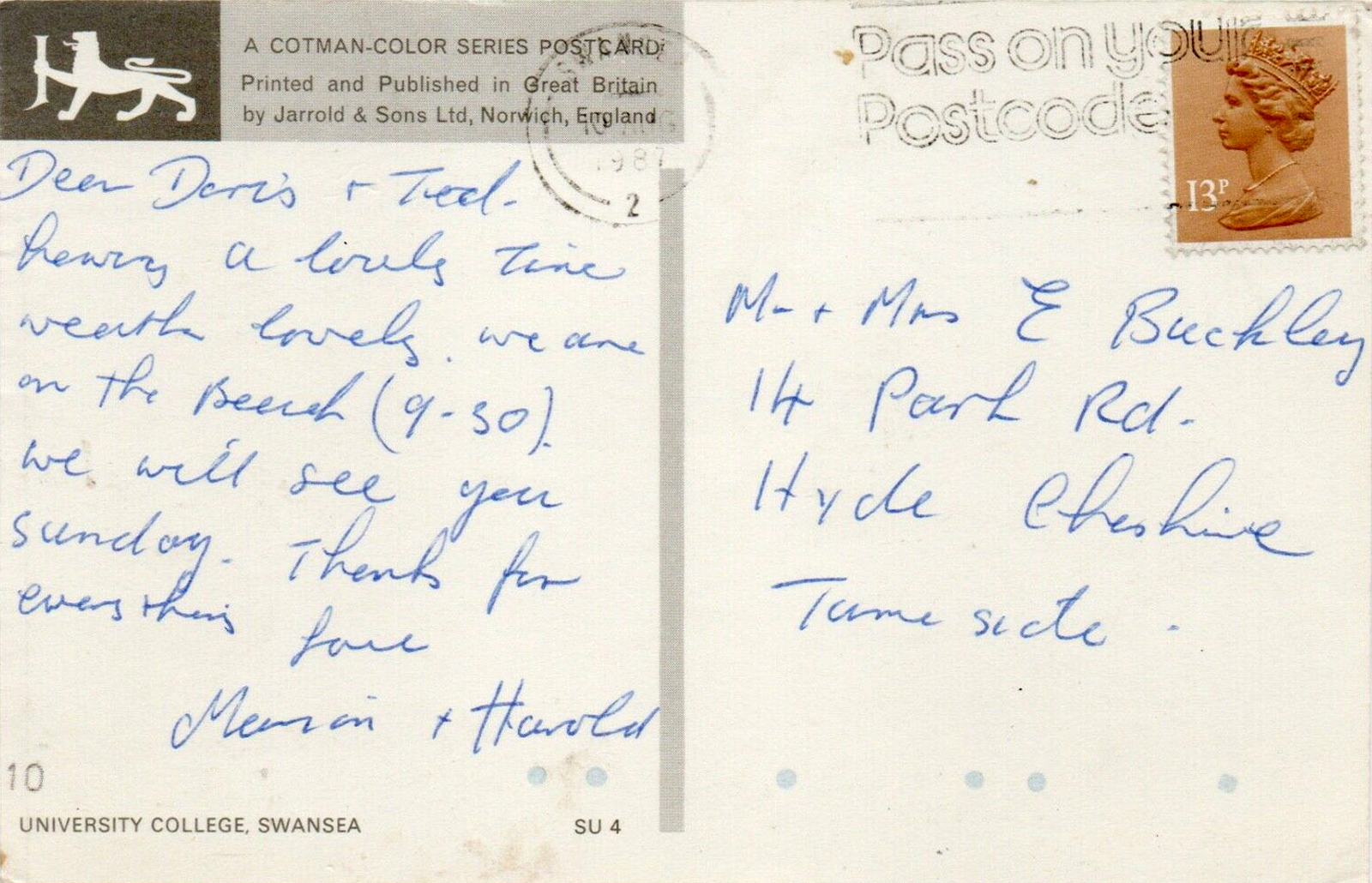
The design features continuous bands of glazing with deep washed calcined flint panels above and below.

Queen Elizabeth II, accompanied by the Duke of Edinburgh, visited on 20 April 1989.

After local government re-organisation in 1996, which abolished West Glamorgan County Council, ownership of the building was transferred to Swansea Council. It was renamed Swansea Civic Centre on 19 March 2008, and Swansea Central Library moved into the complex as part of a redevelopment scheme.

See, simple!

Wikipedia

However.

In 2019 it was reported that Swansea Council leader Rob Stewart said:

As part of our city centre’s multi-million pound transformation, it remains our aim to vacate and demolish the civic centre.

We want to reinvigorate that area and we continue to make progress on a master plan for it.

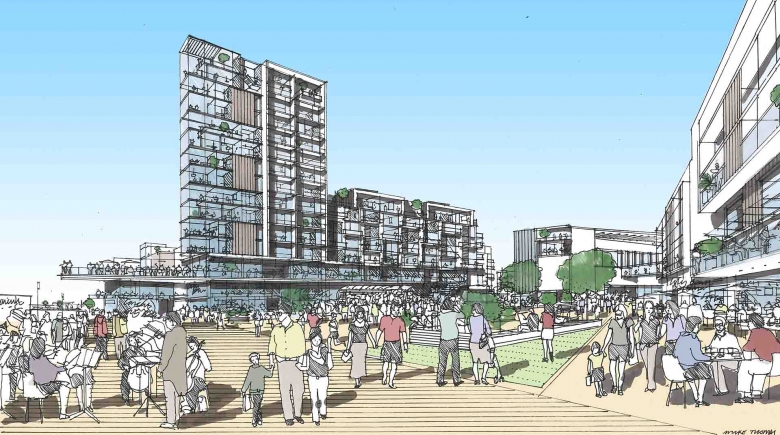
Powell and Dobson think that this seems like a swell idea

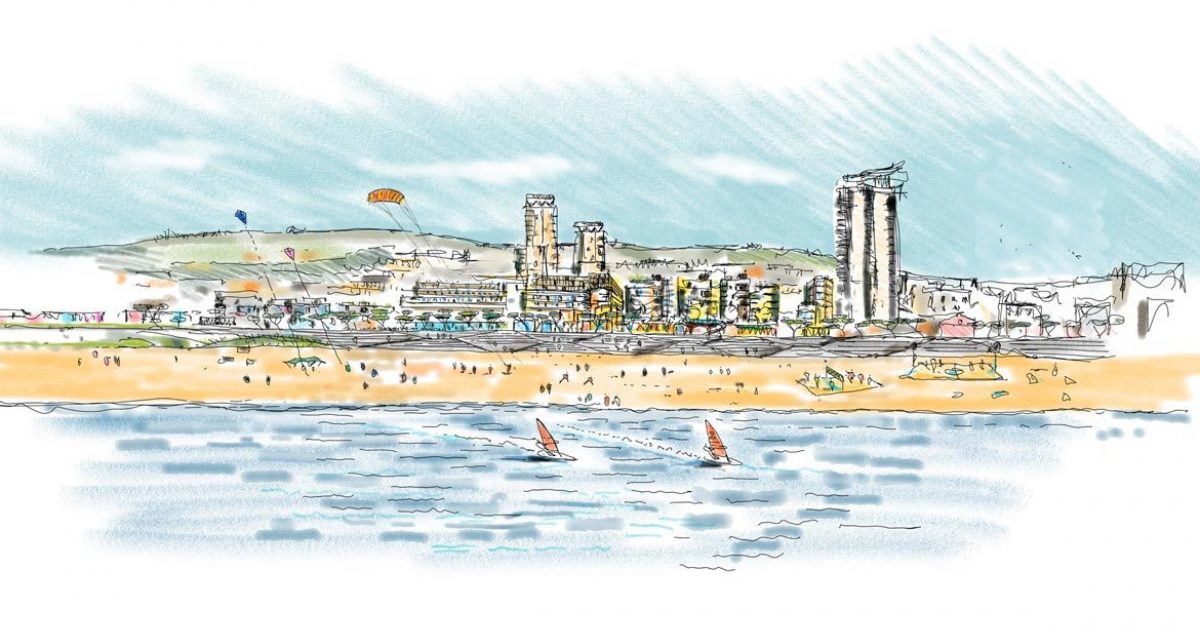
Urban Splash seem to have a slightly vaguer vision.

In March 2021, plans to find a new use for the location continued to still be a commitment of Swansea council, with the announcement of the transfer of the central library and other public services to the former BHS and now What! store on Oxford Street.

Swansea Civic Centre is at risk the Twentieth Century Society says so – they are strongly opposed to demolition of the iconic building and have submitted an application to have the building listed as Grade II.

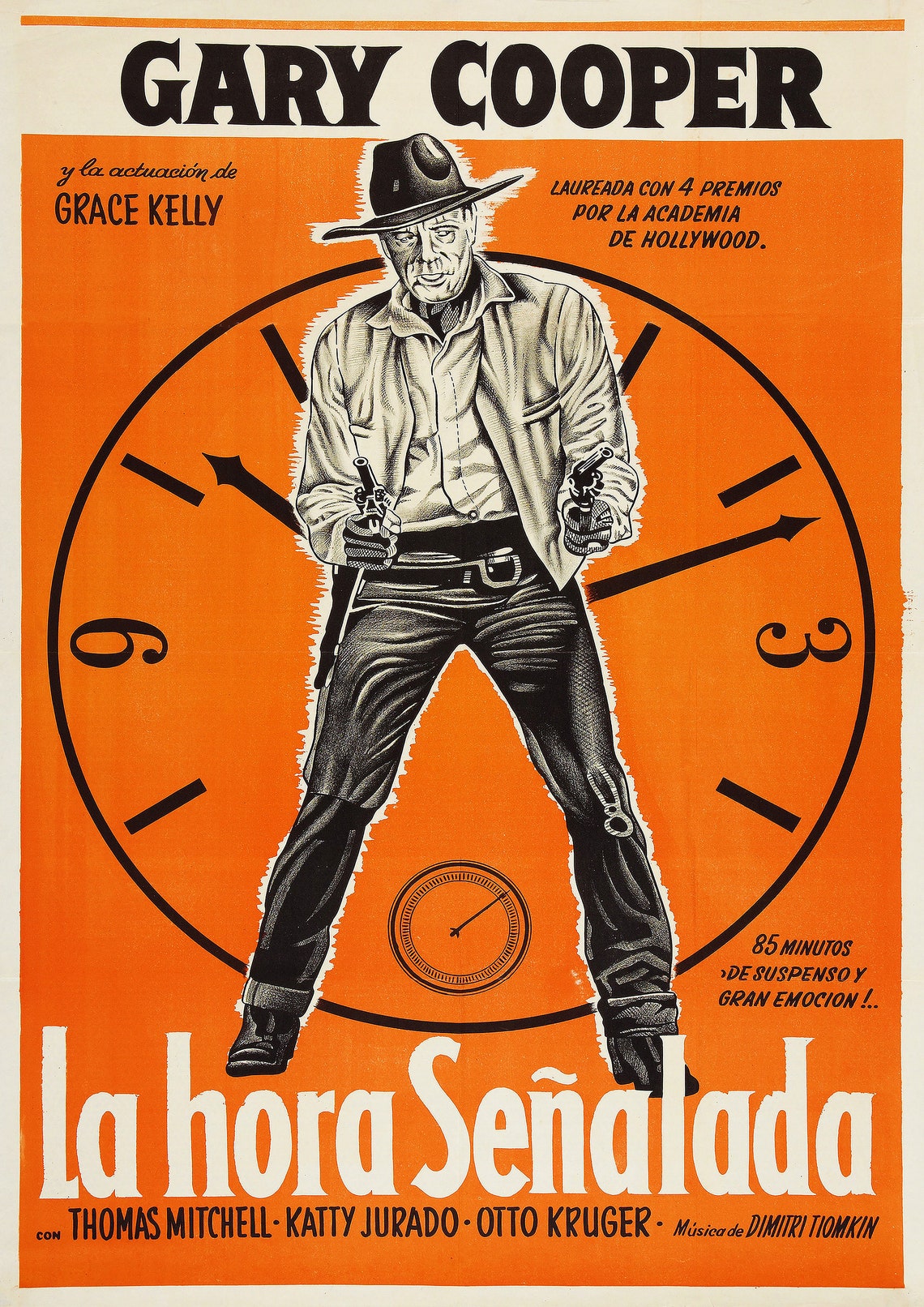
I do not know what fate awaits it, I only know it must be brave – to paraphrase Dimitri Zinovievich Tiomkin, Ned Washington, Gary Cooper and Frankie Laine – it’s High Noon and counting.

Any road up as of the 11th of May it looked just like this:

Diolch yn fawr once again to Catrin Saran James for acting as my spirit guide.

Kardomah Café – Swansea

Morris Buildings 11 Portland St Swansea SA1 3DH

Welcome, at the Kardomah Cafe we have a long history of excellent service, great food and wonderful coffee. We are an independent, established, family run business of nearly 50 years. Traditional values are important to us and have helped us create a warm and friendly atmosphere, which is seen by many of our customers as an important part of their lives, a place to meet their friends, whilst enjoying quality food and drink.

The company that created the Kardomah brand began in Pudsey Street, Liverpool in 1844 as the Vey Brothers teadealers and grocers. In 1868 the business was acquired by the newly created Liverpool China and India Tea Company, and a series of brand names was created beginning with Mikado. The Kardomah brand of tea was first served at the Liverpool colonial exhibition of 1887, and the brand was later applied to a range of teas, coffees and coffee houses. The parent company was renamed Kardomah Limited in 1938. The brand was acquired by the Forte Group in 1962, sold to Cadbury Schweppes Typhoo in 1971, and became part of Premier Brands some time between 1980 and 1997. The brand still exists, selling items such as instant coffee and coffee whitener.

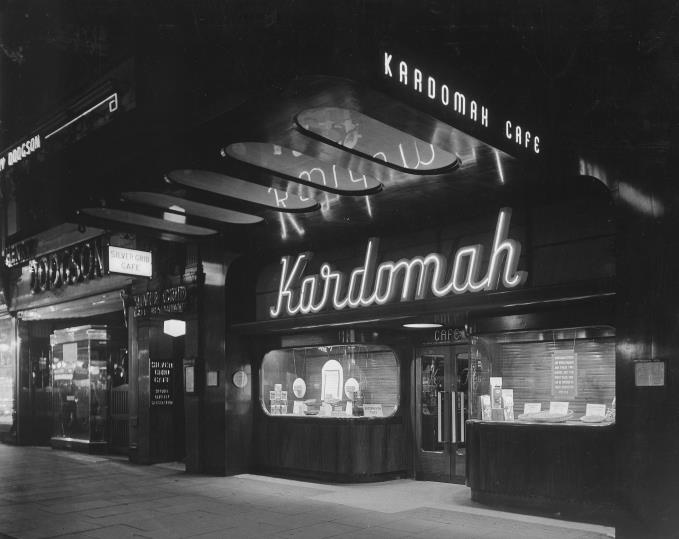
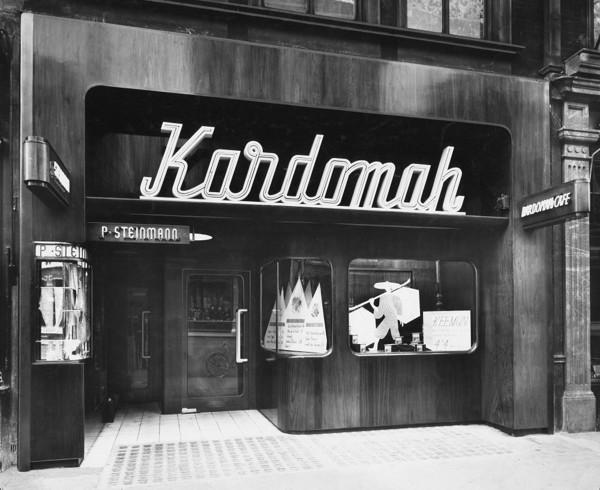
The Kardomah Cafés in London and Manchester were designed by Sir Misha Black between 1936 and 1950.

Manchester
LondonRibapix

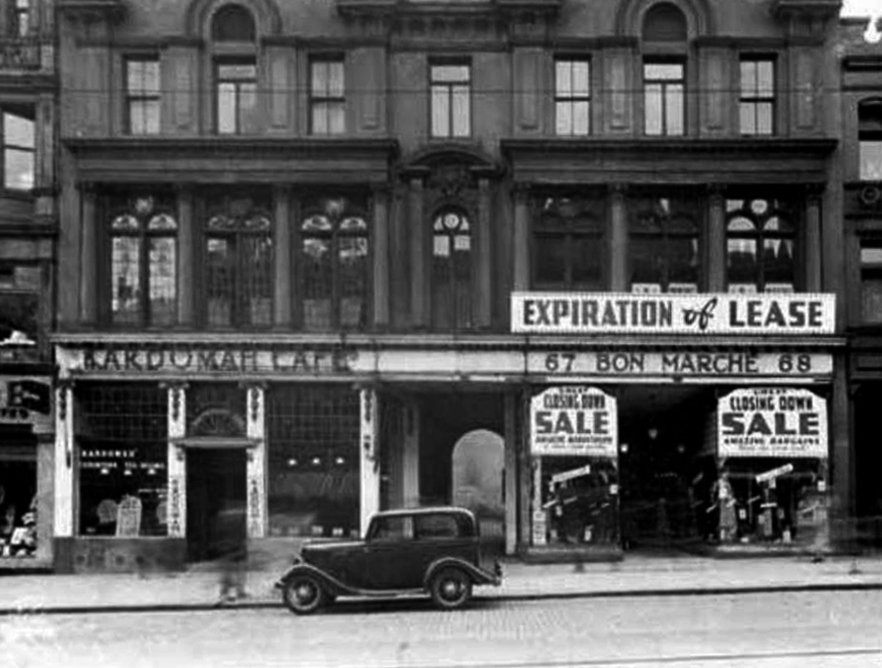
The original Swansea branch was at 232 High St, and known as ‘The Kardomah Exhibition Cafe & Tea Rooms’, moving to the Castle Street in 1908.

Castle Street

The Castle Street cafe was the meeting place of The Kardomah Gang, which included Dylan Thomas, and was built on the site of the former Congregational Chapel where Thomas’s parents were married in 1903. The cafe was bombed during WW2 and was later replaced by the present Kardomah Coffee Shop Restaurant in Portland Street.

Wikipedia

An in-depth history is available here.

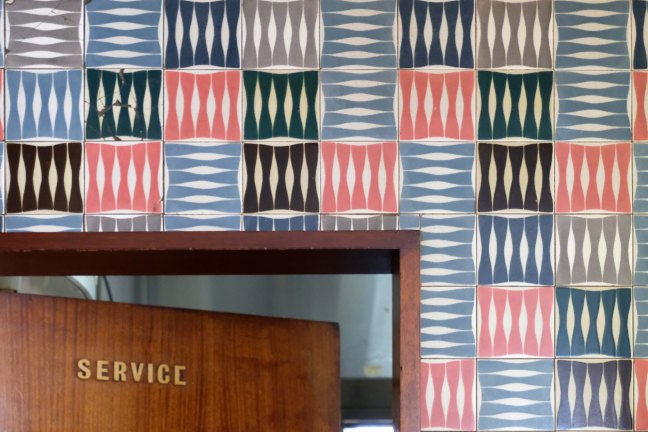
I’d never had the pleasure of visiting a Kardomah before, imagine my delight when I was directed there by local artist, activist and archivist Catrin Saran James, during our delightful Swansea Moderne tour!

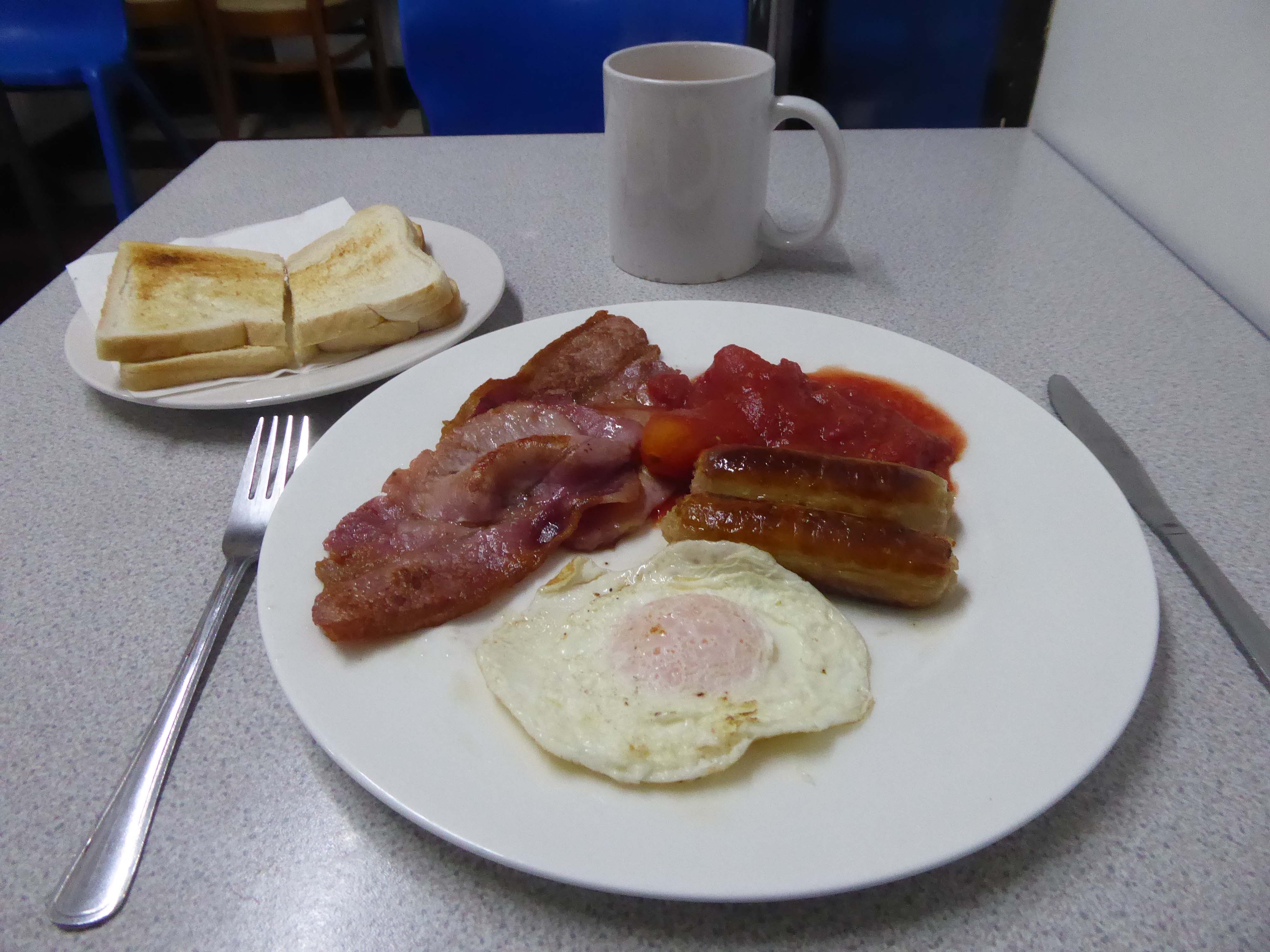
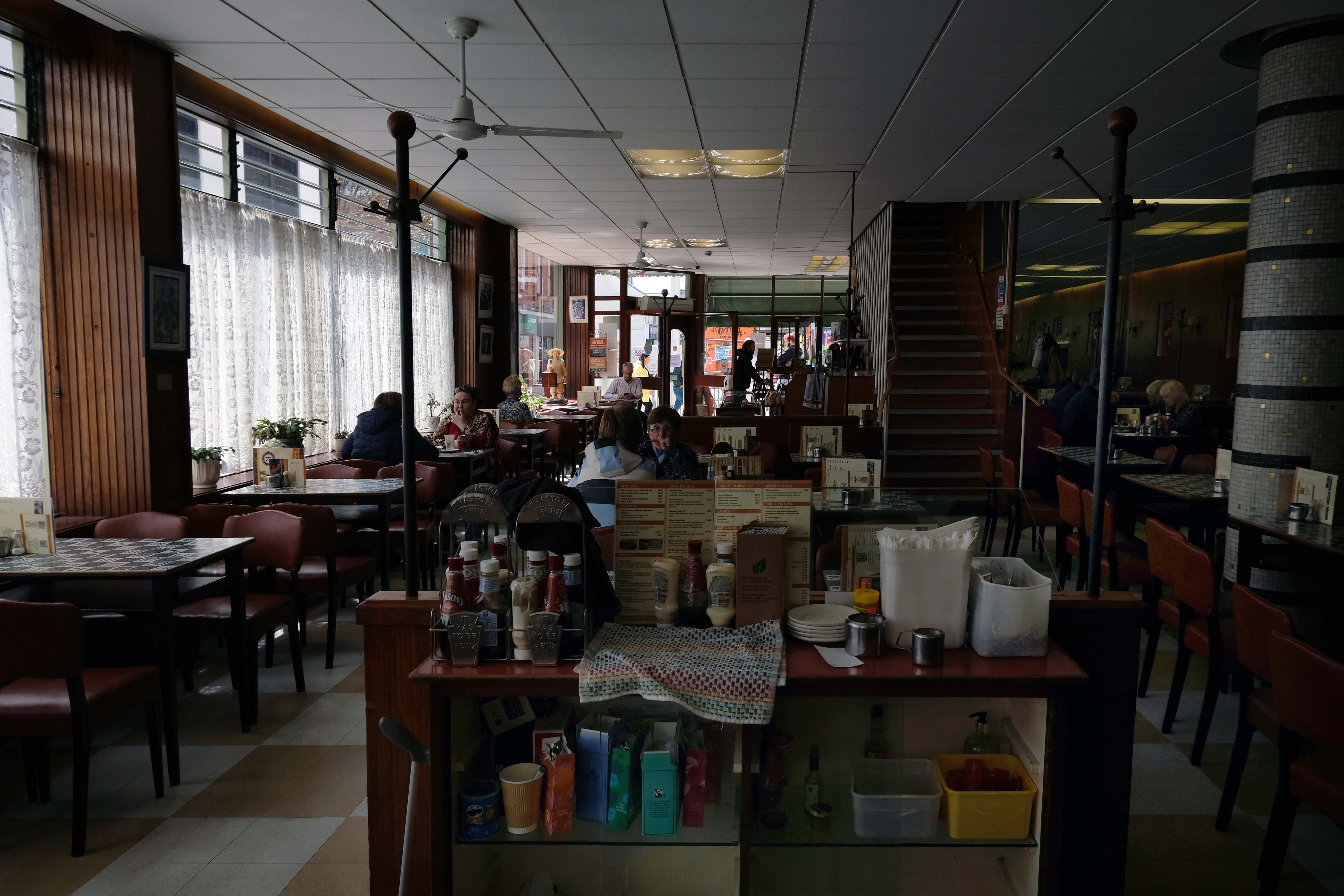
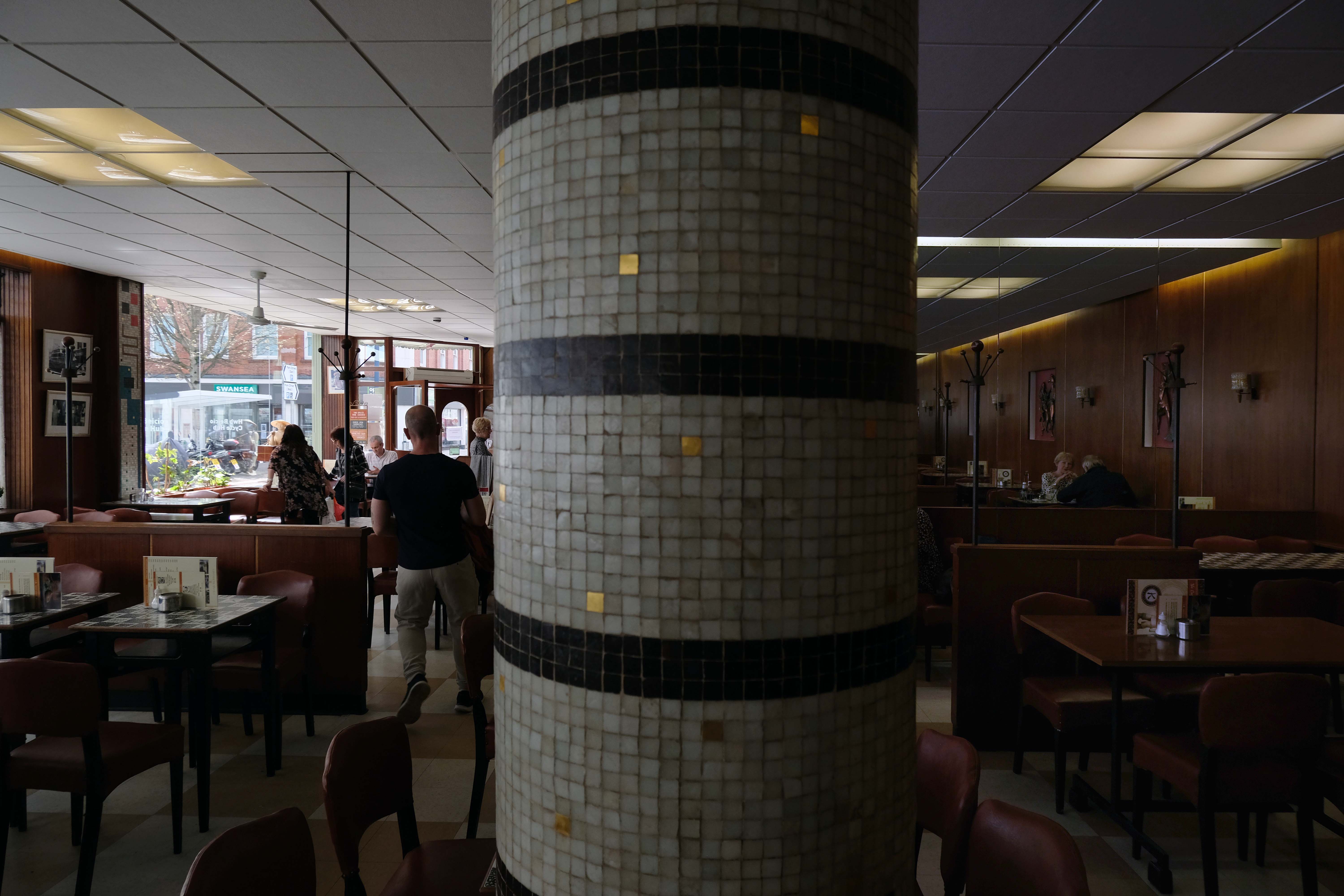
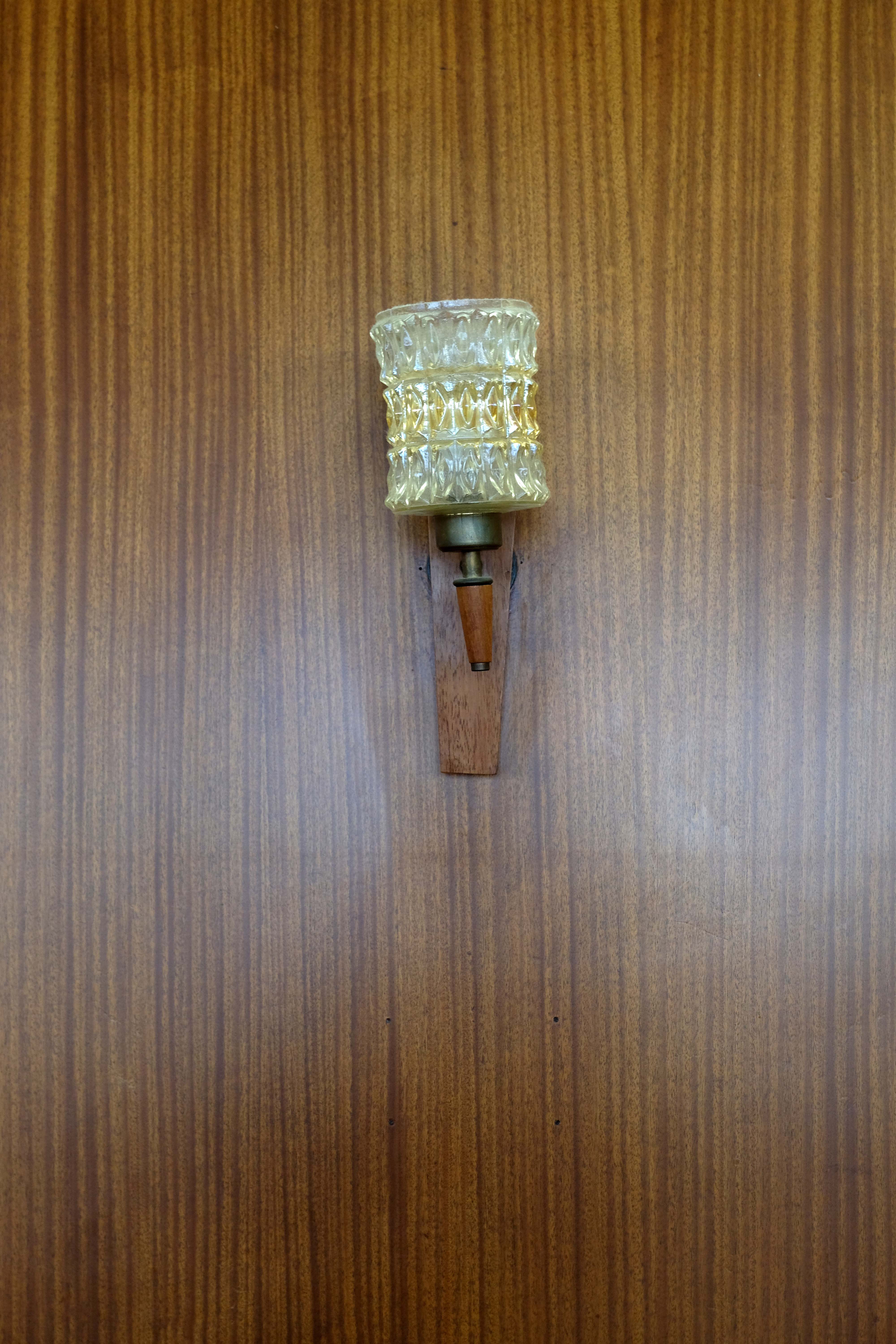
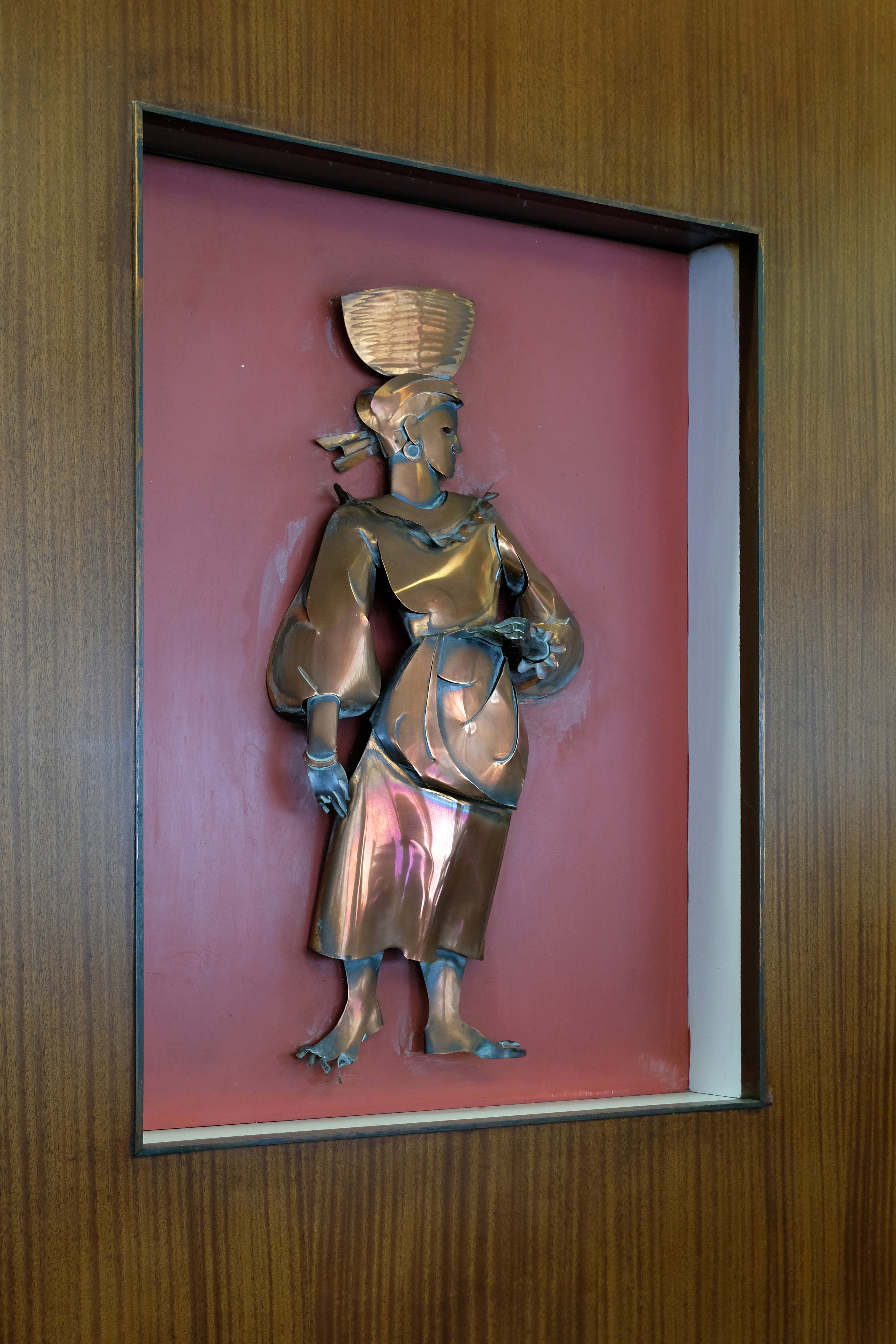
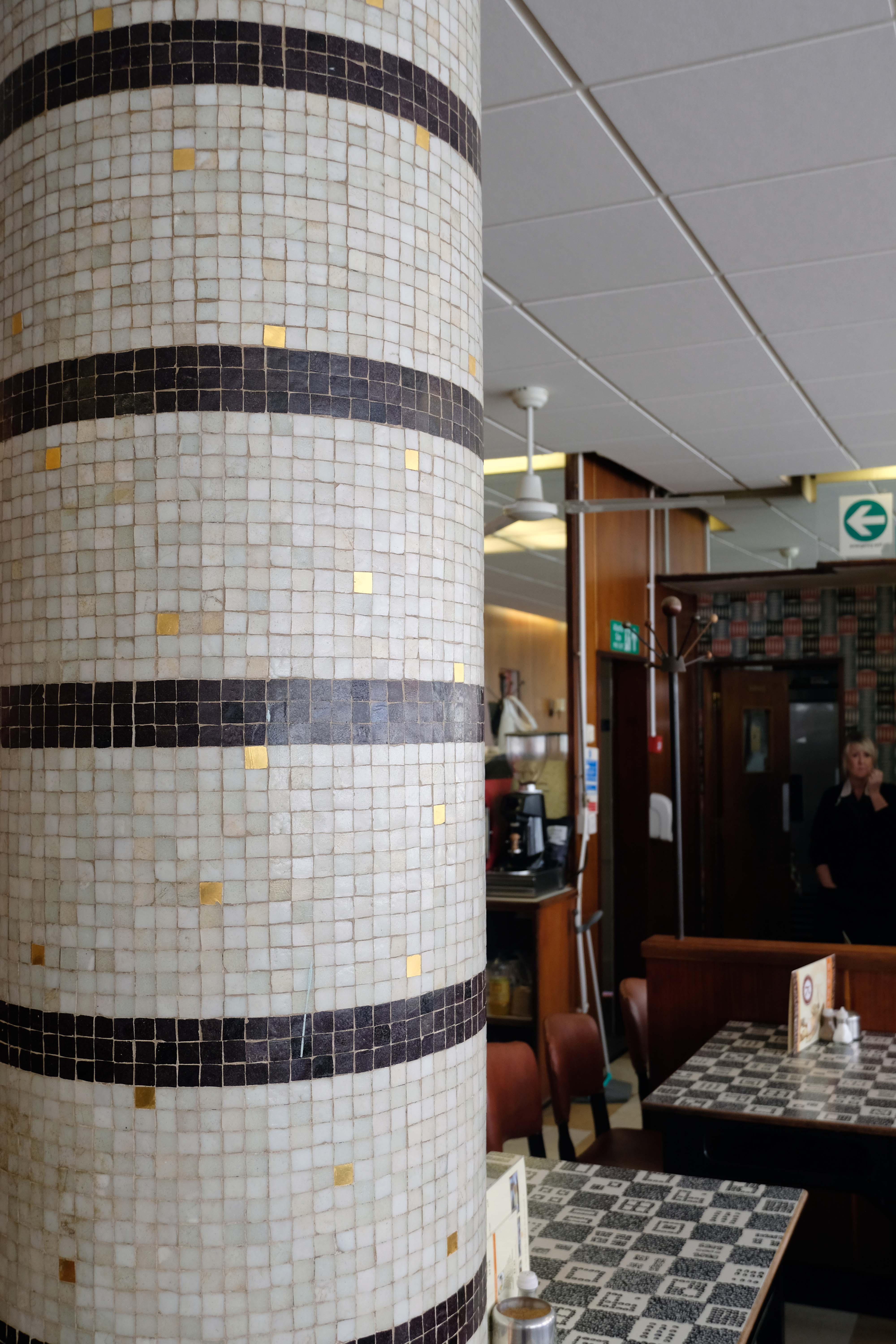
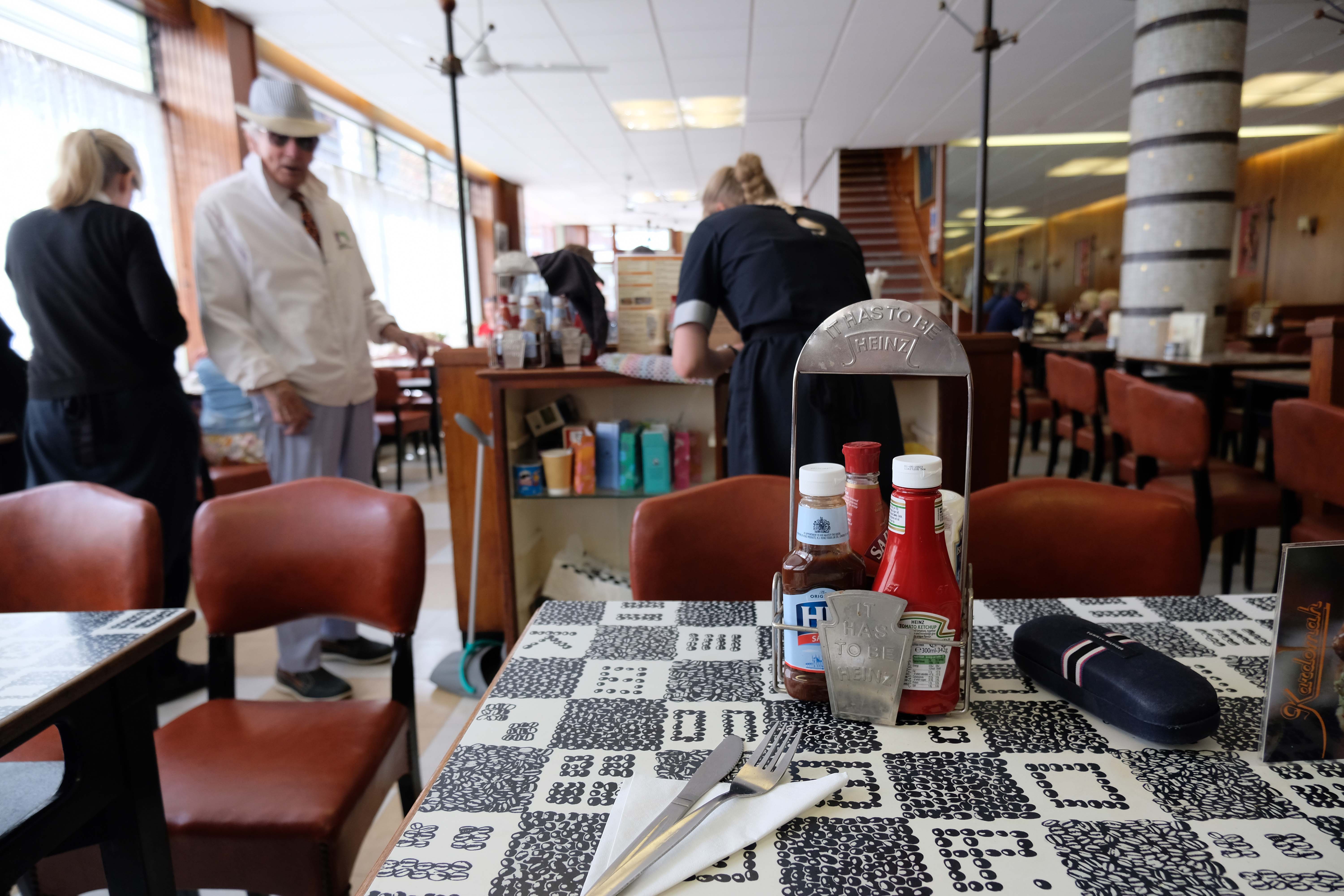
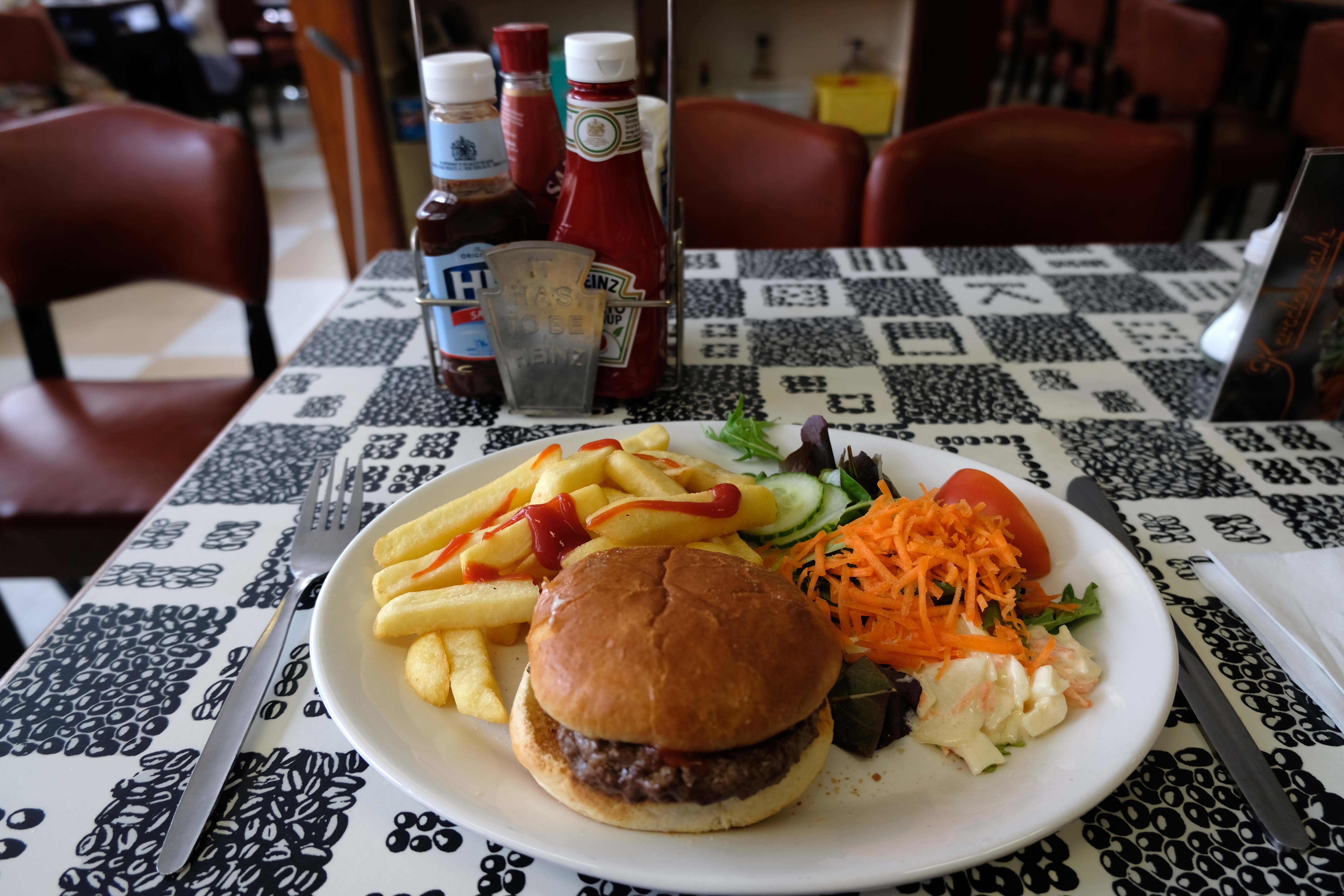
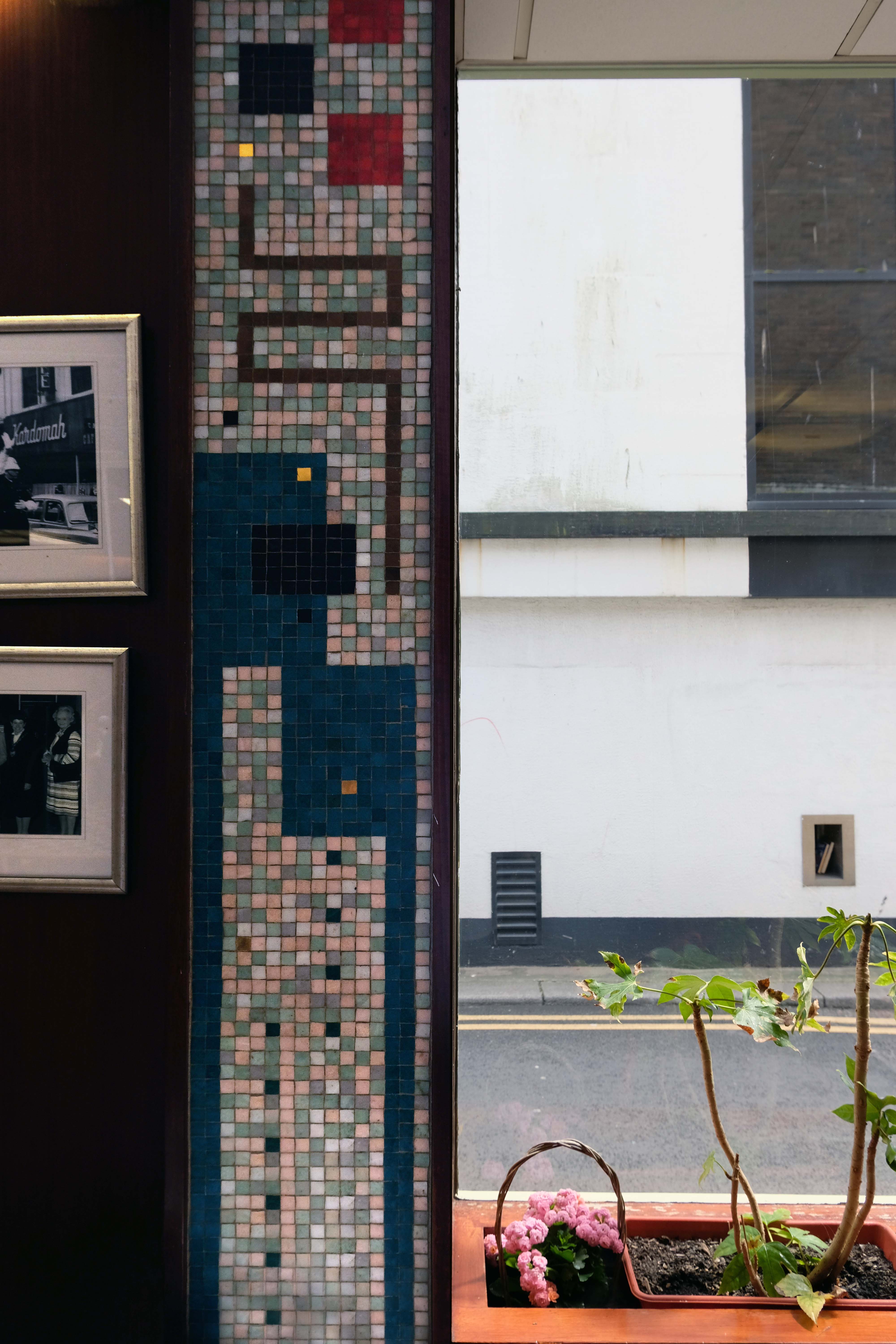
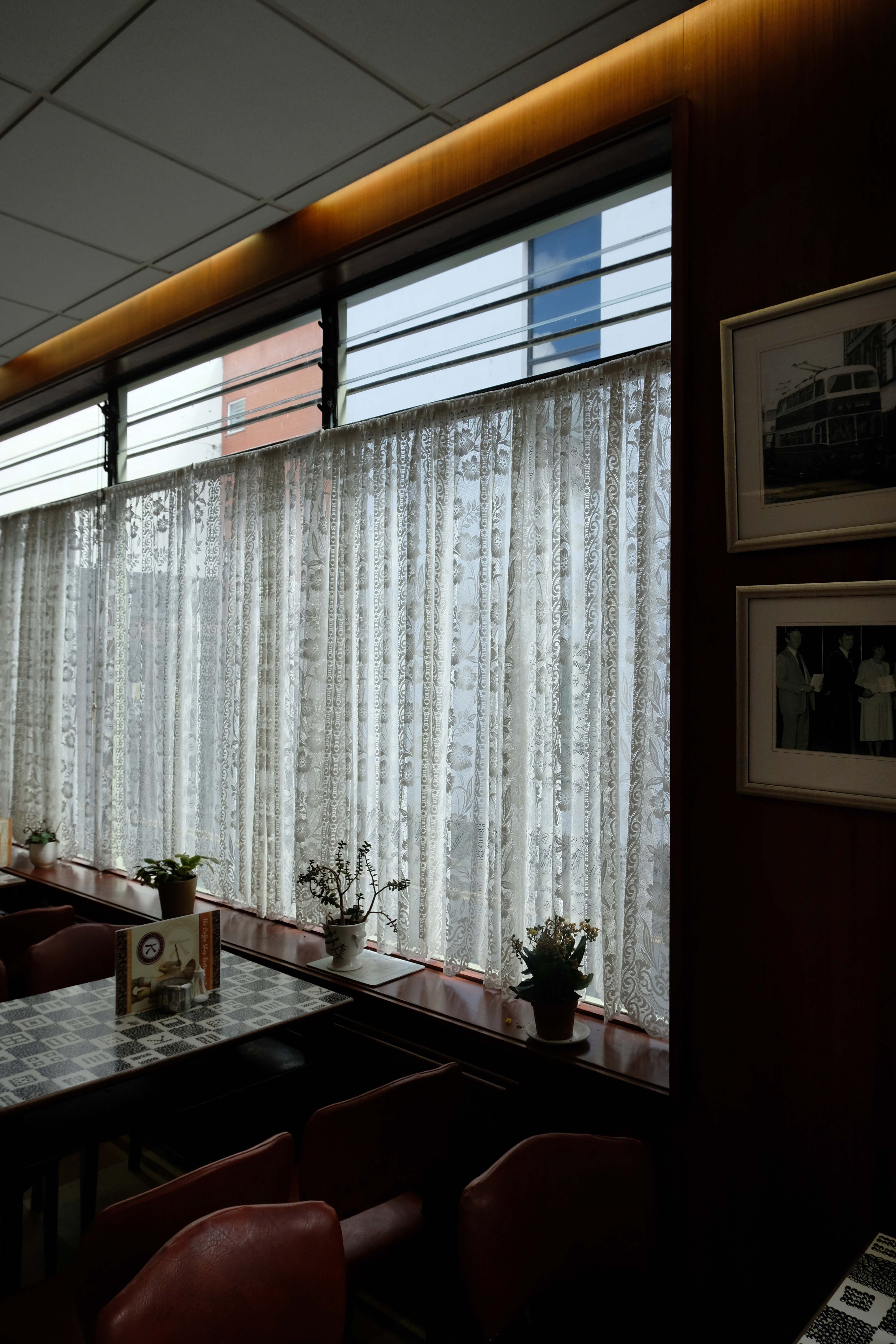
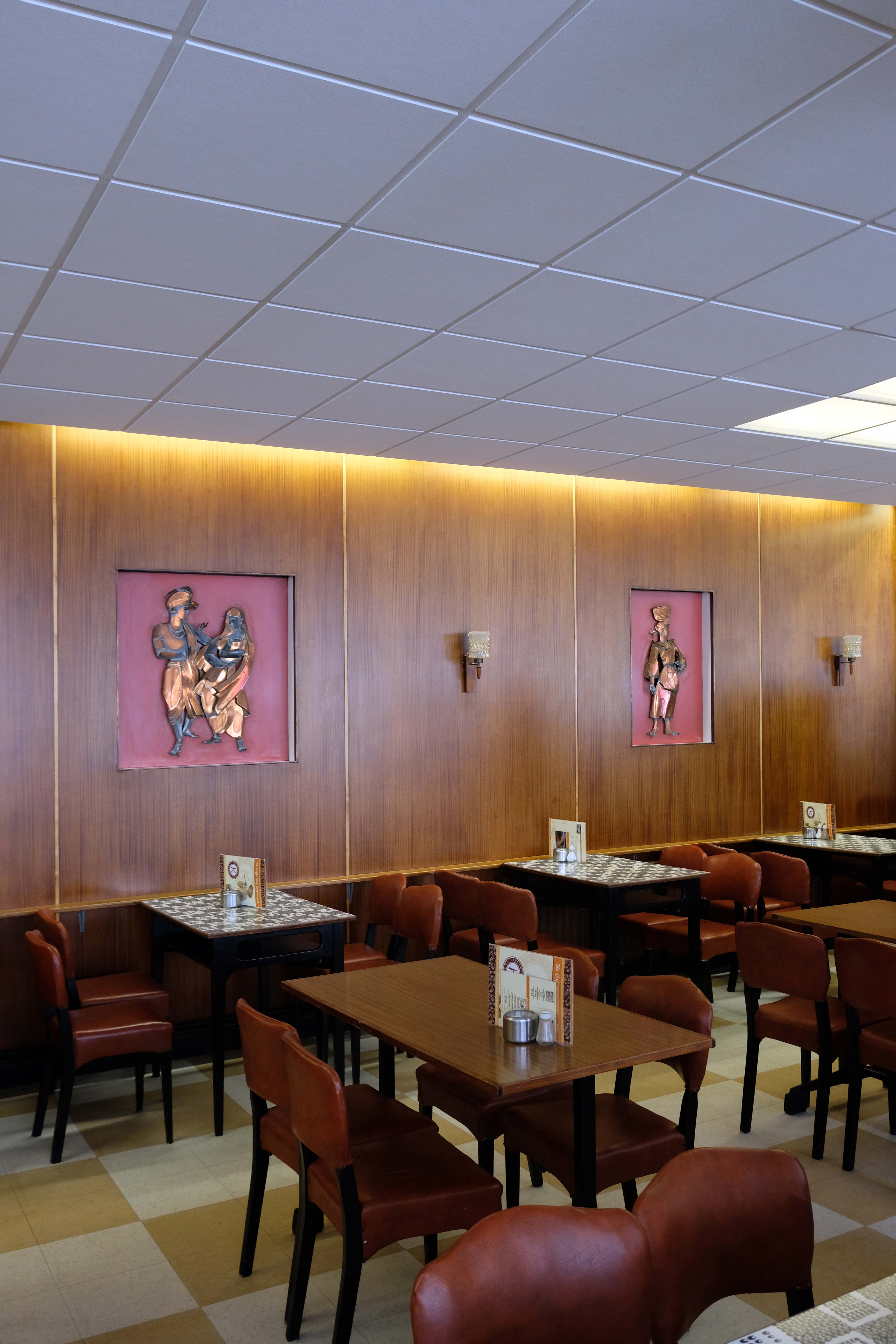
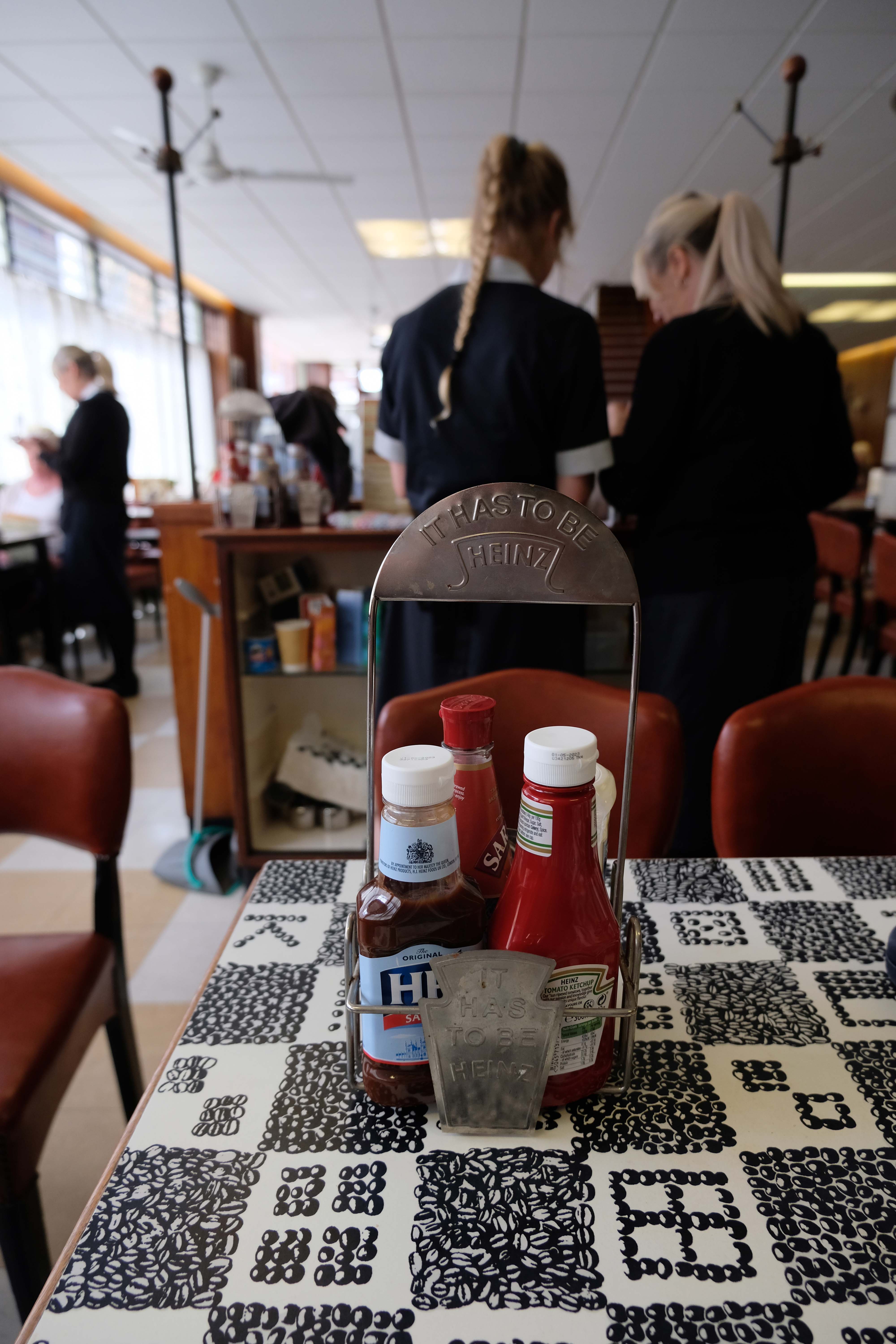
Following an extensive walk from one end of town to the other, I returned there for a late midday bite to eat and a sit down – it looked a little like this:

Many thanks to the staff and customers for putting up with me wandering around for a while with my camera, whilst they worked and ate.

Diolch yn fawr.

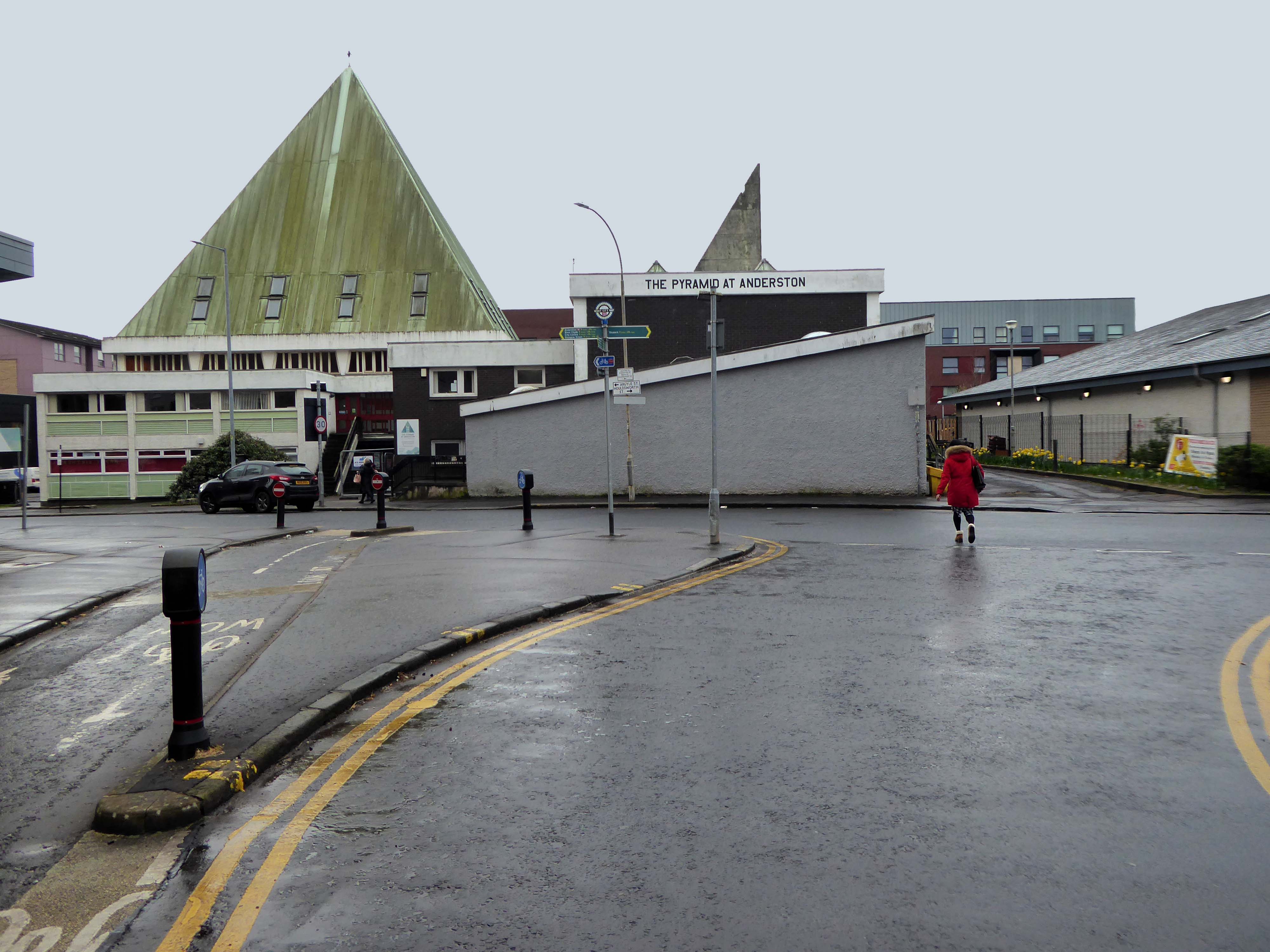
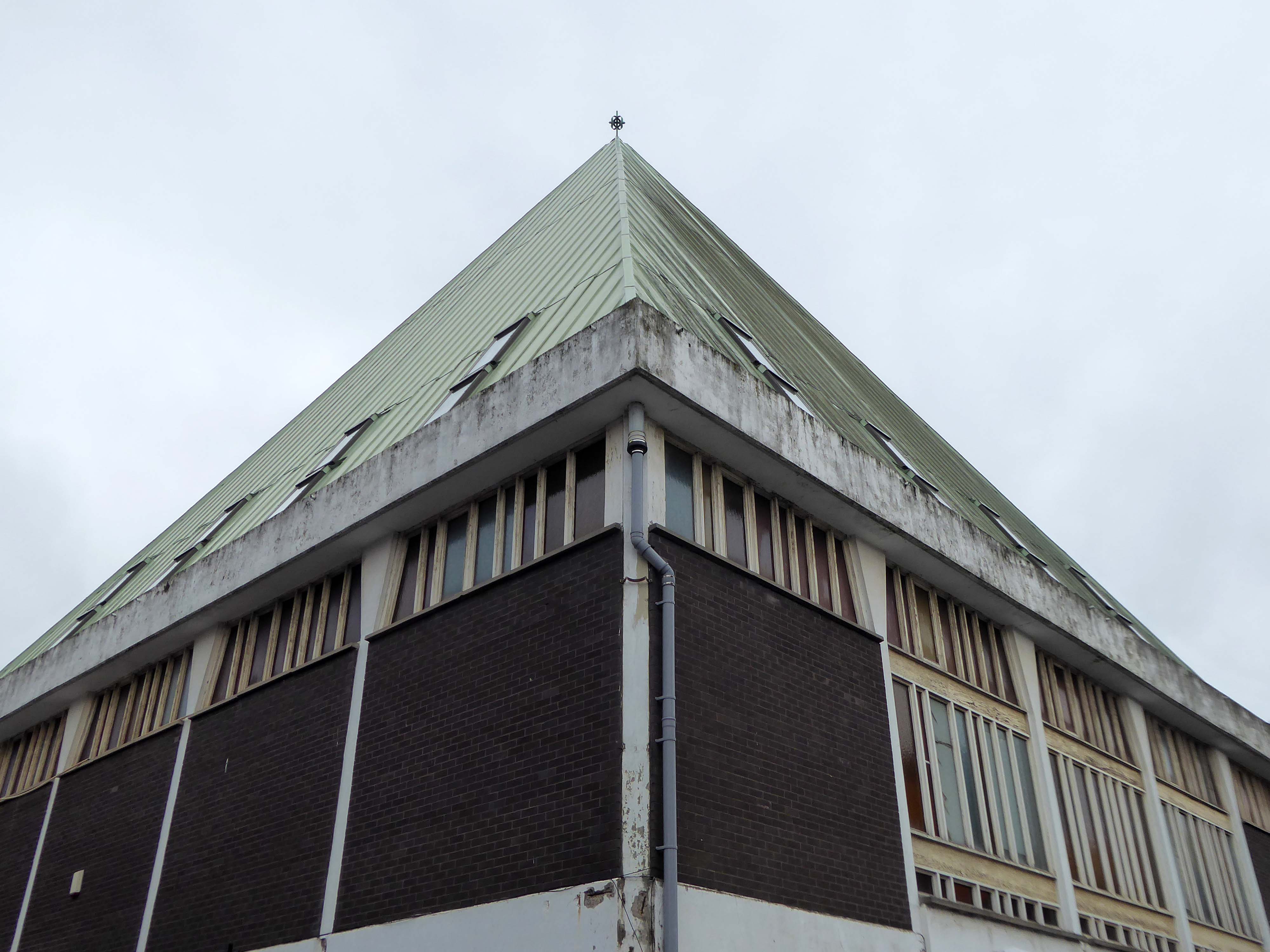
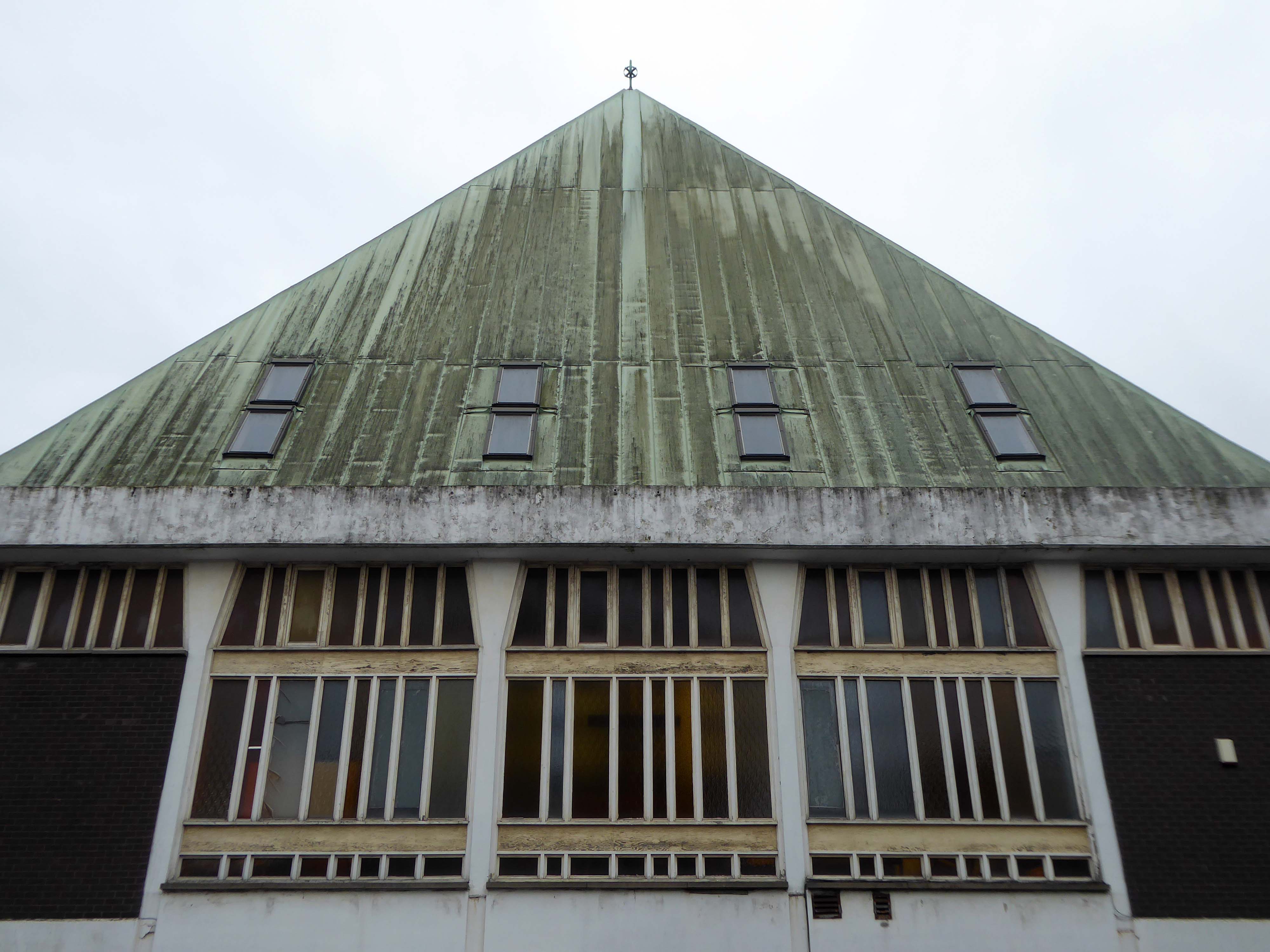
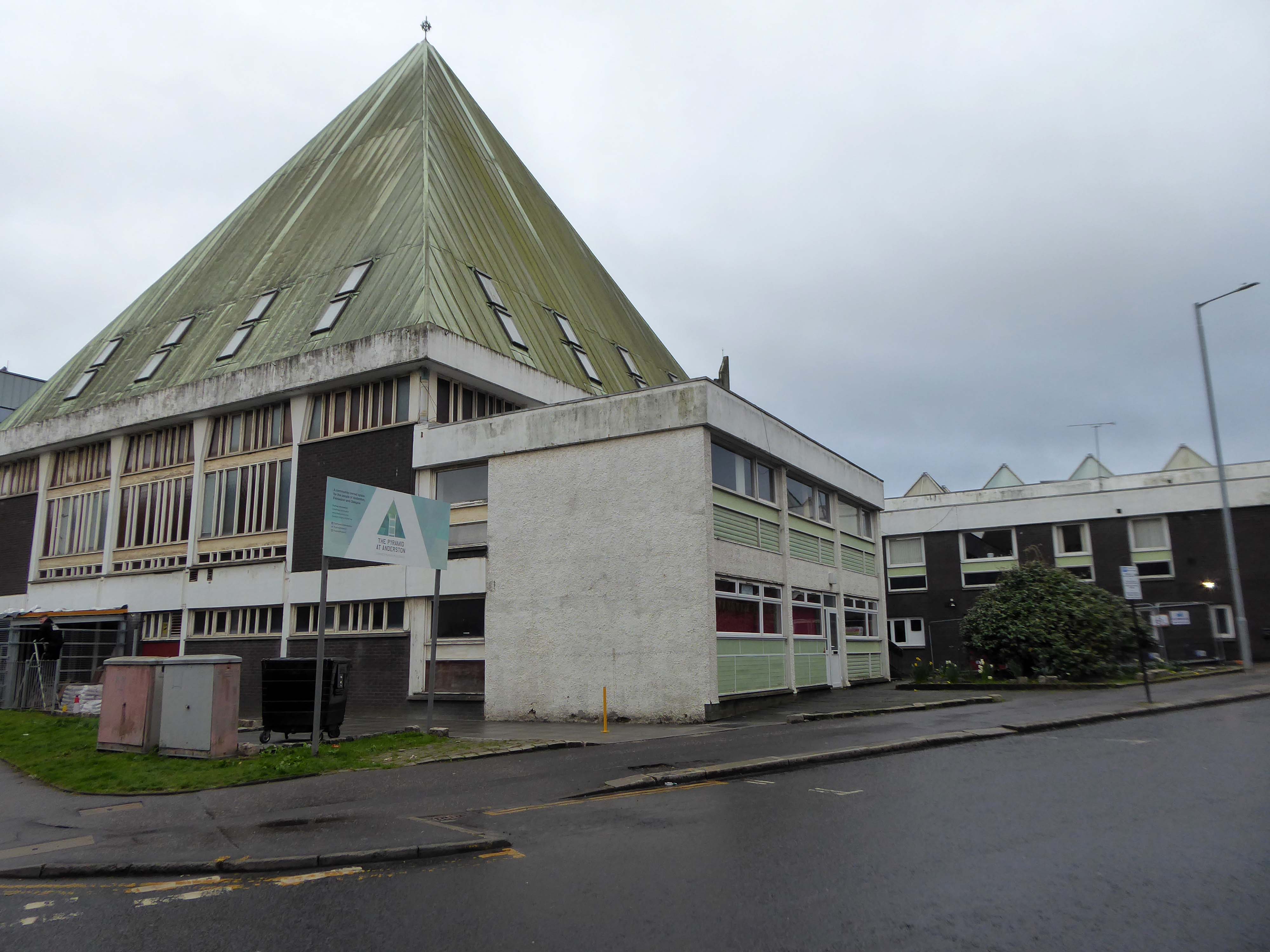
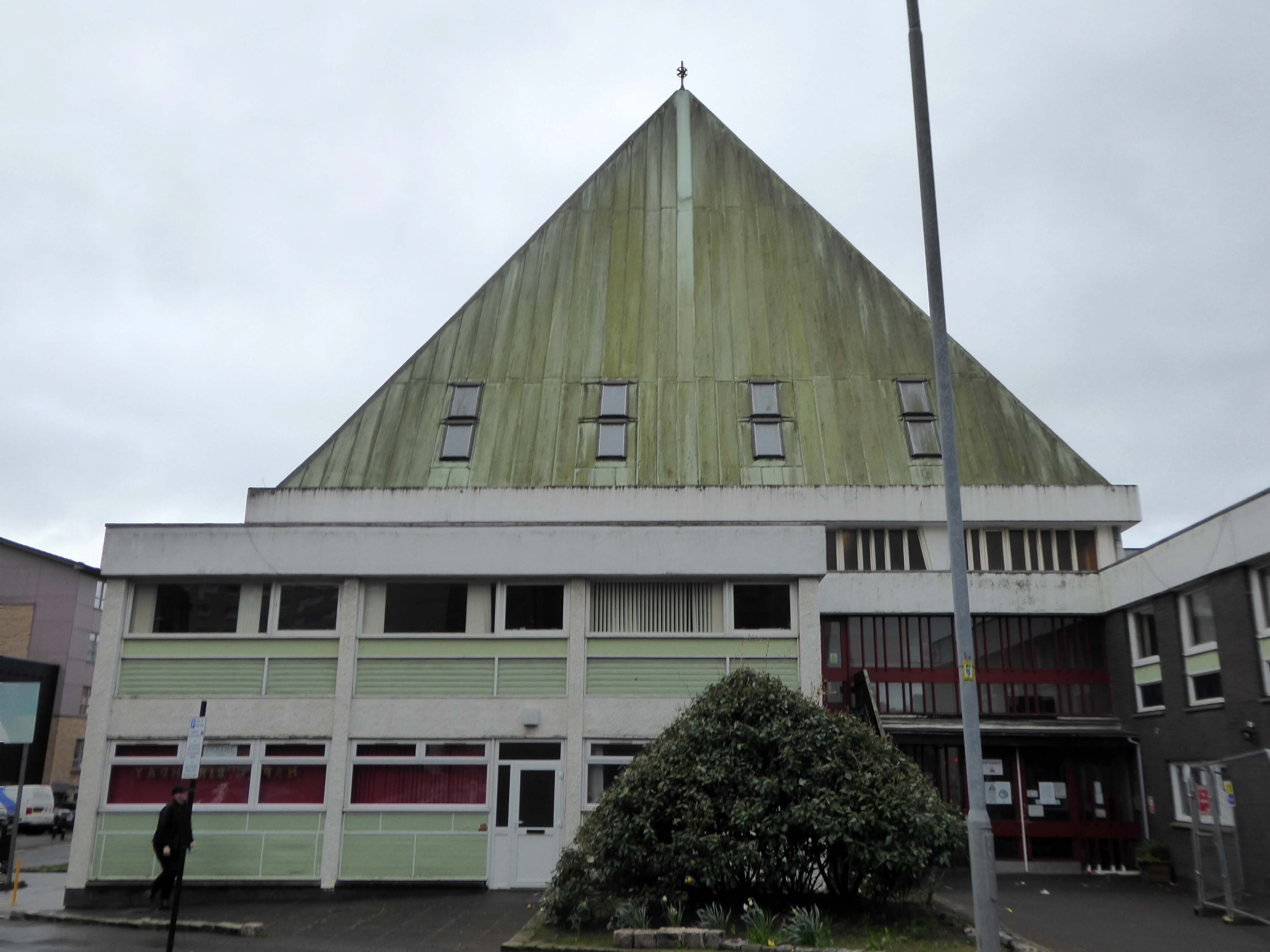
The Pyramid at Anderston – Glasgow

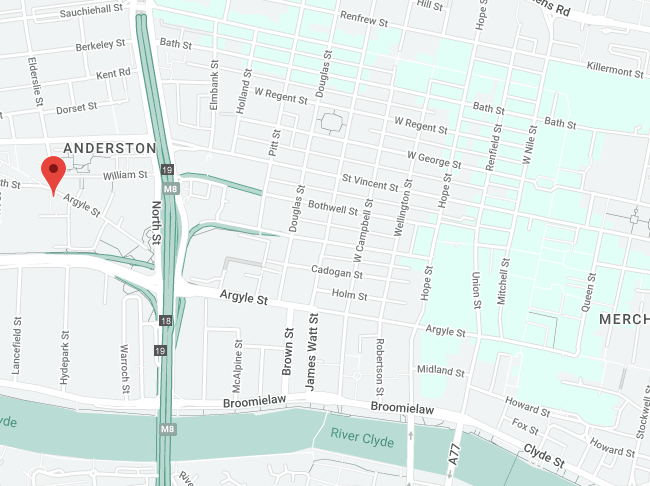
759 Argyle Street Glasgow G3 8DS

Architects: Honeyman, Jack & Robertson

I was walking along St Vincent Street one rainy day.

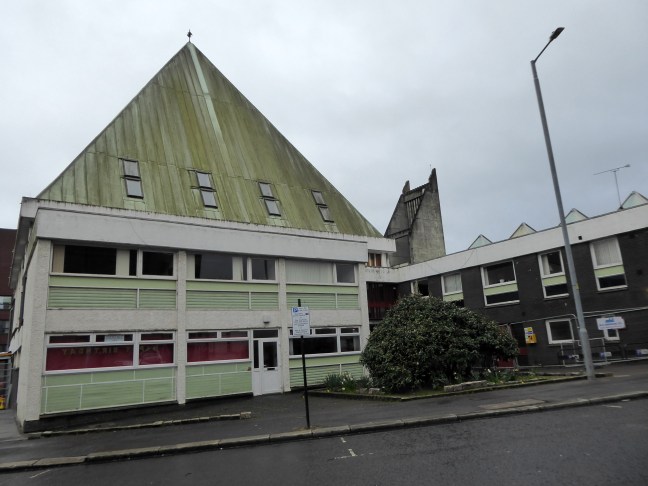
From the corner of my left eye, I espied a pyramid.

Curious, I took a turn, neither funny nor for the worse, the better to take a closer look.

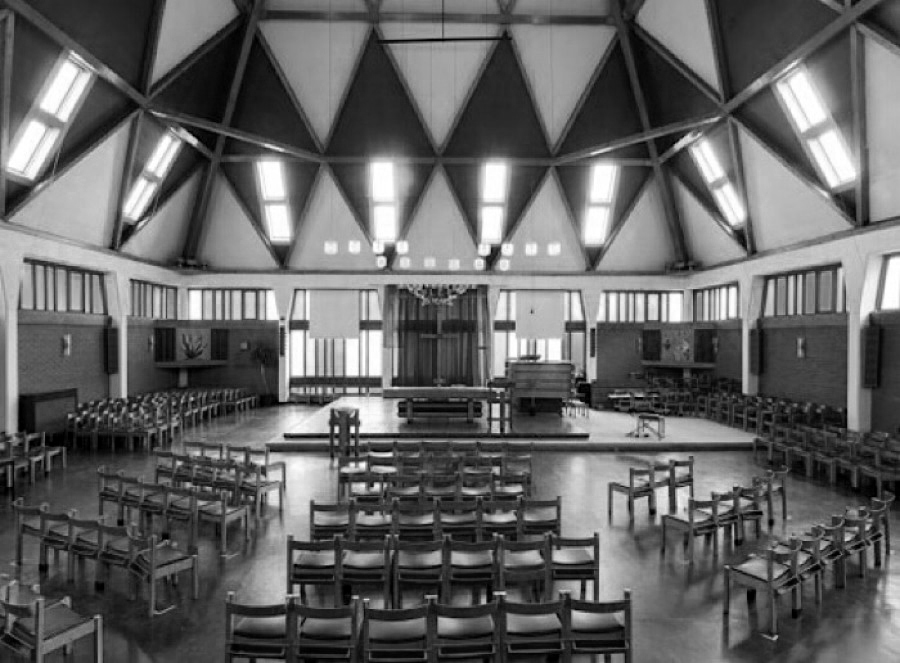
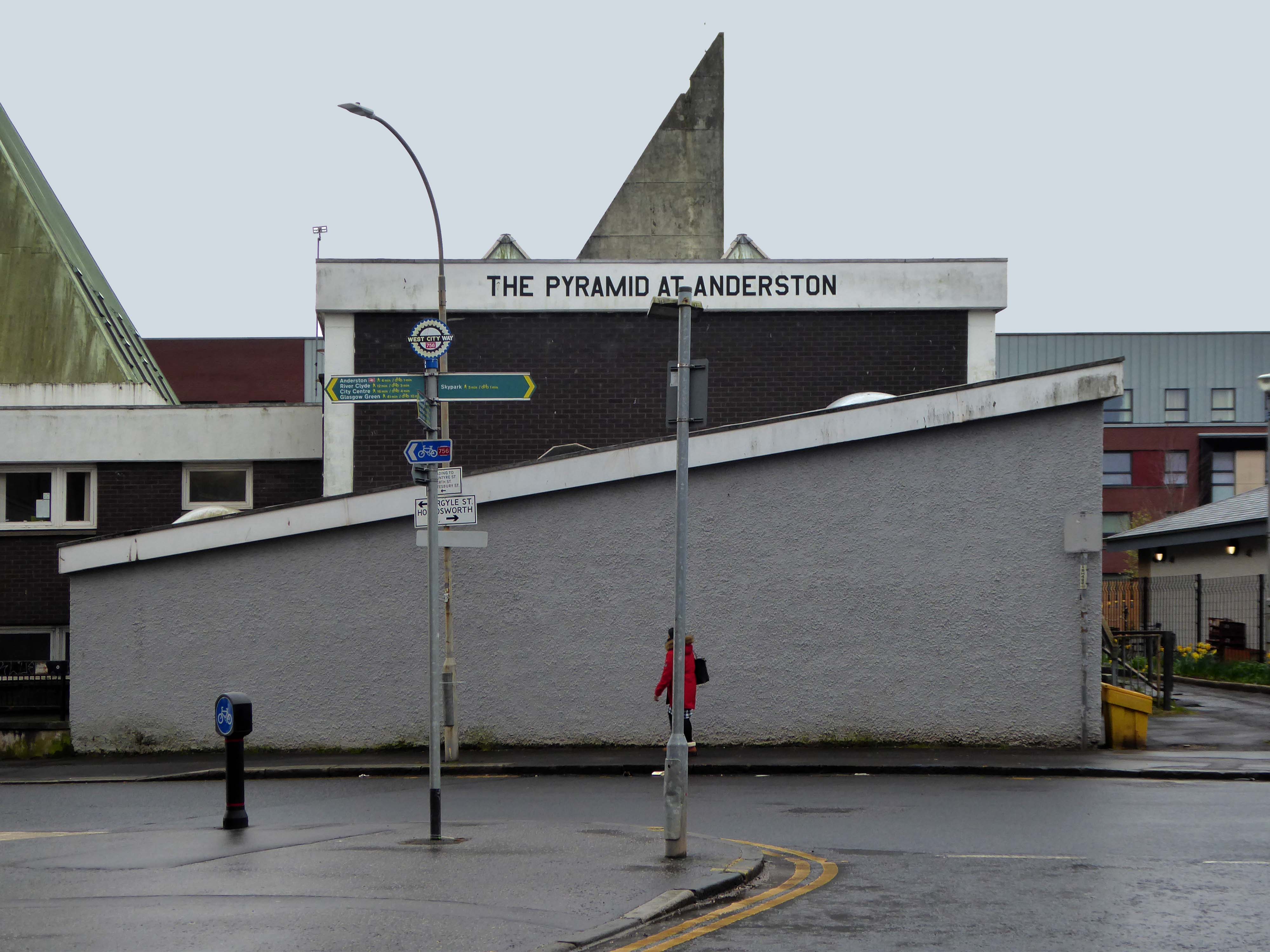
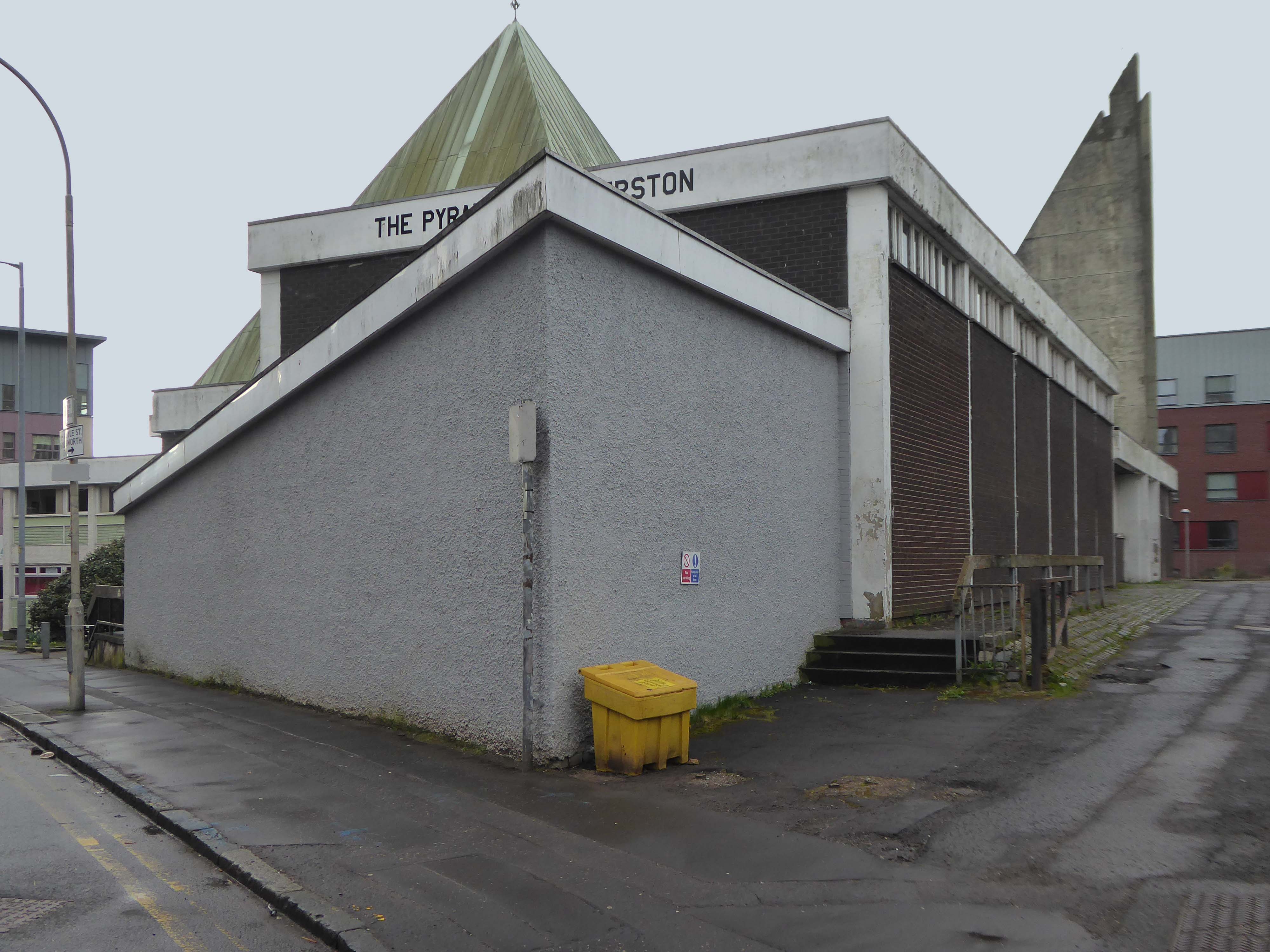
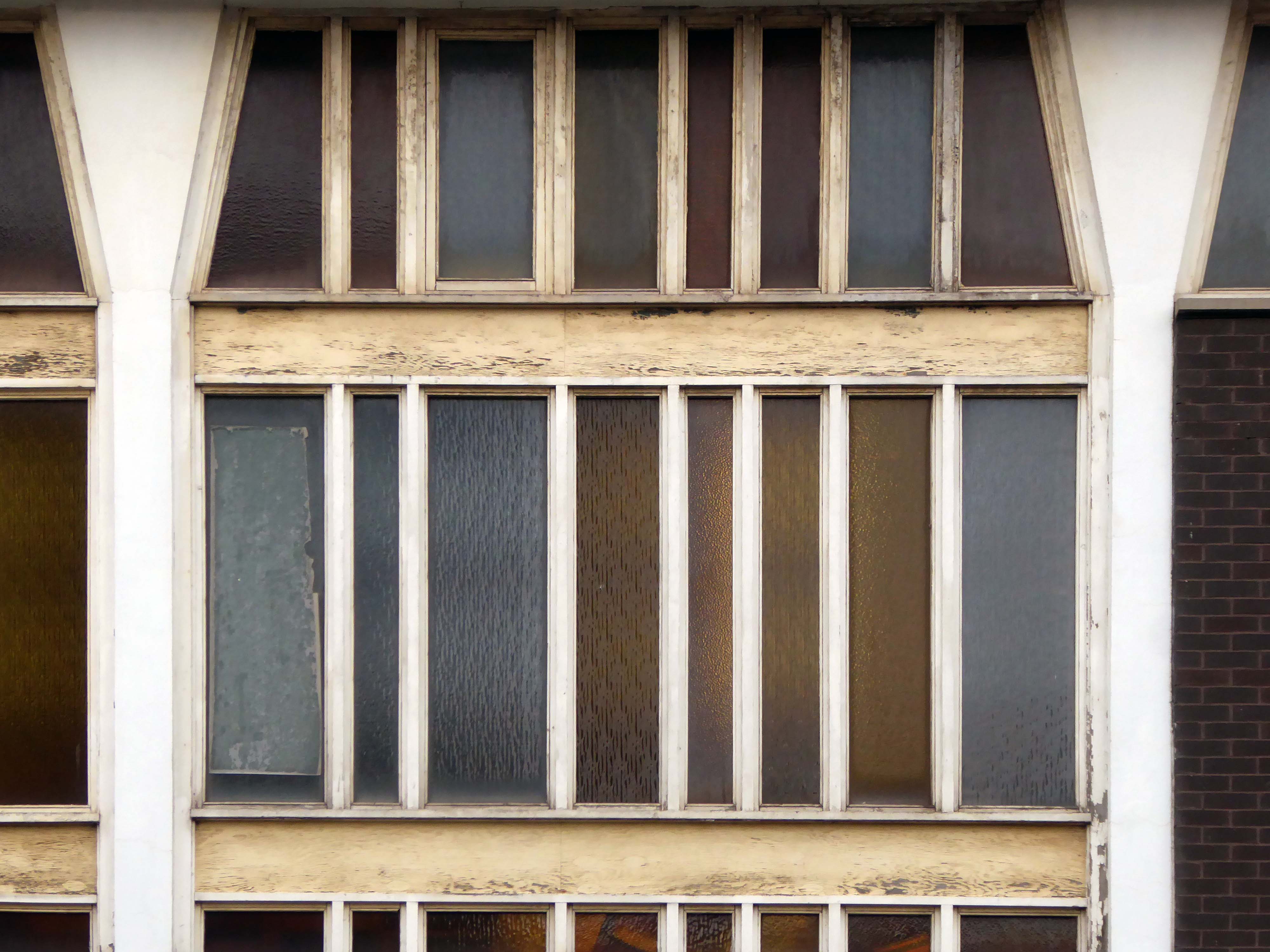
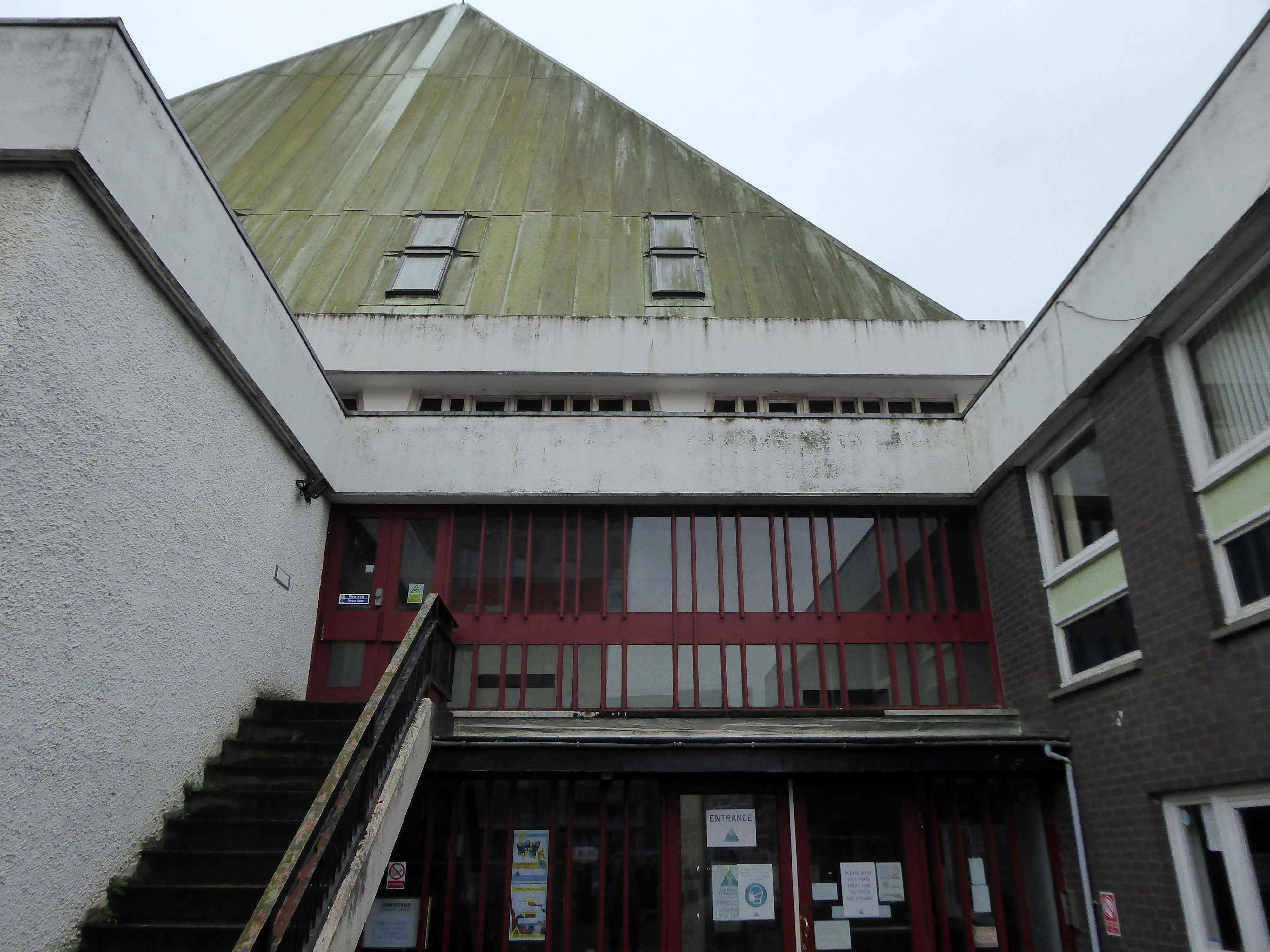
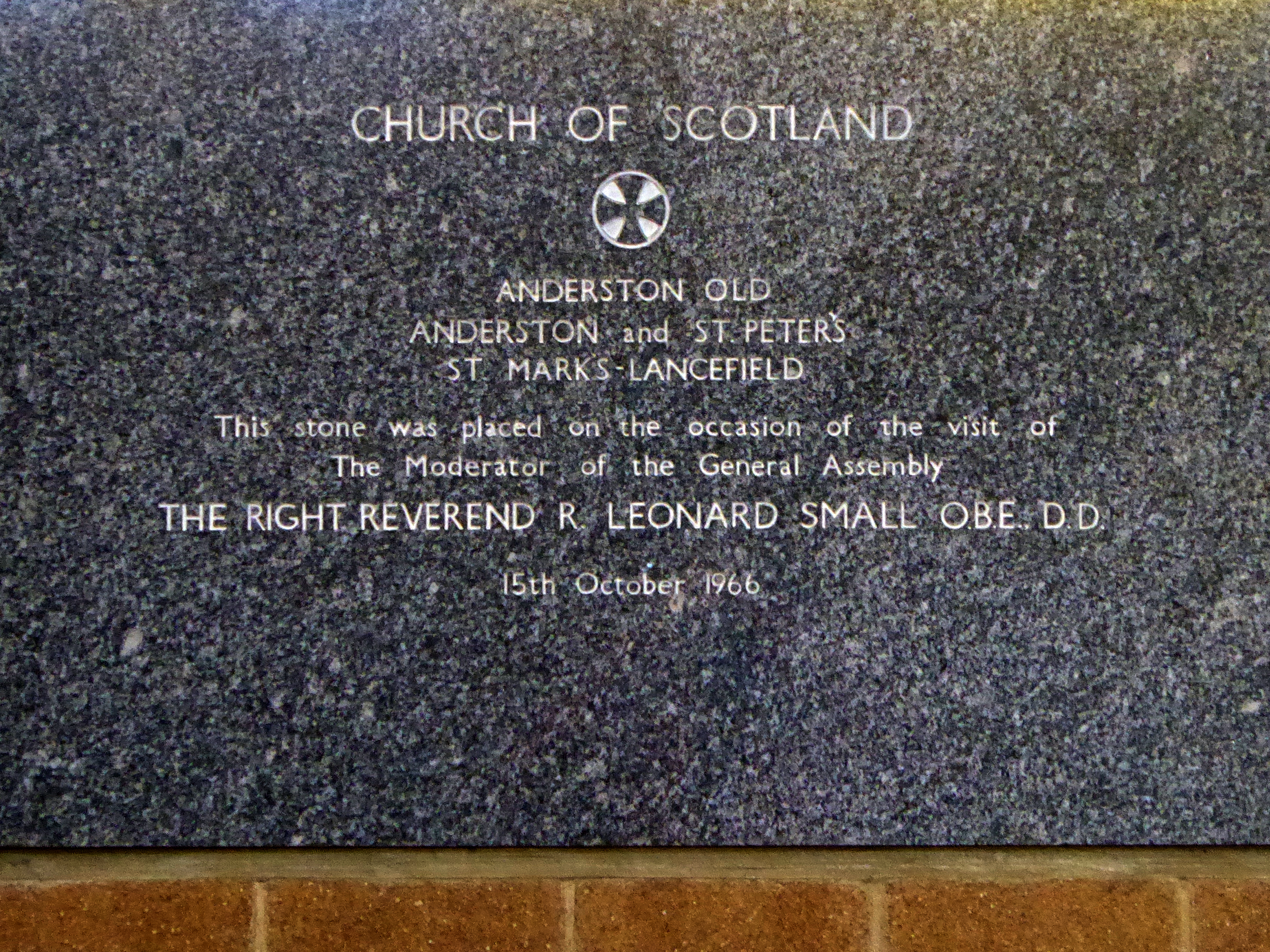
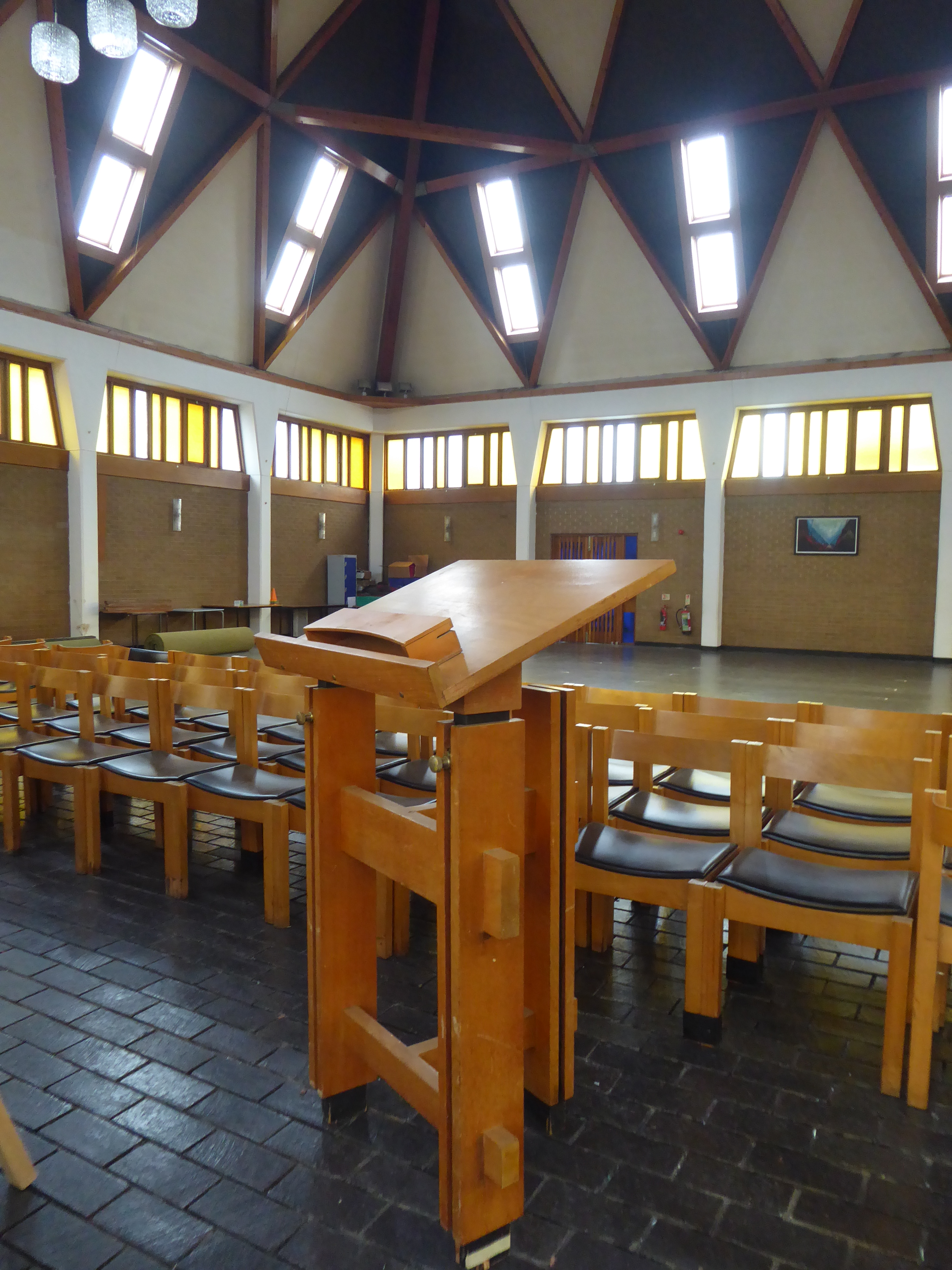
Following a promotion within the Church of Scotland to construct less hierarchical church buildings in the 1950s, an open-plan Modern design with Brutalist traits, was adapted for the new Anderson Parish Church. The building consists of a 2-storey square-plan church with prominent pyramidal roof, with over 20 rooms. The foundation stone was laid in 1966, with a service of commemoration in the now demolished St Mark’s-Lancefield Church. The building was completed in 1968.

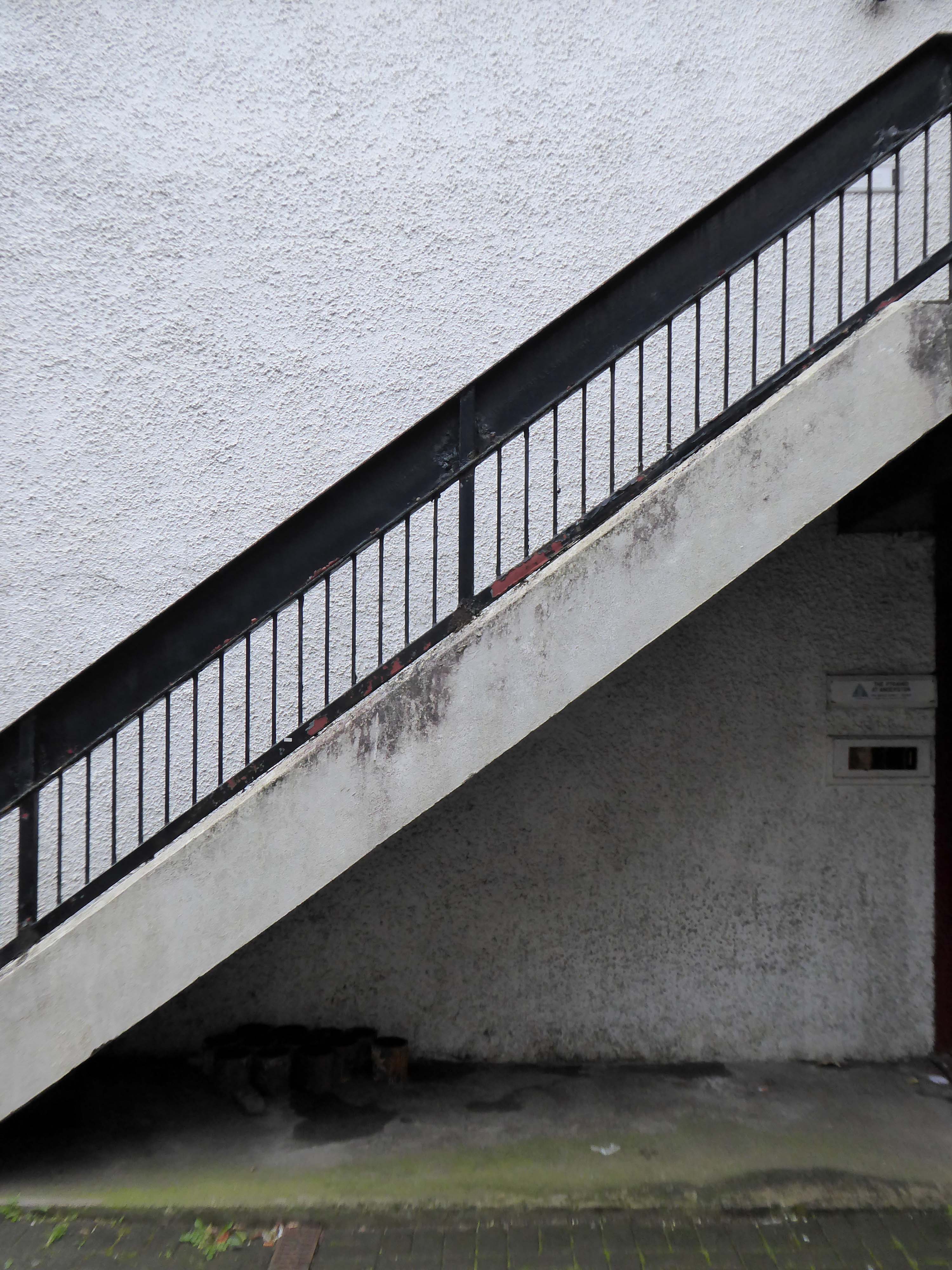
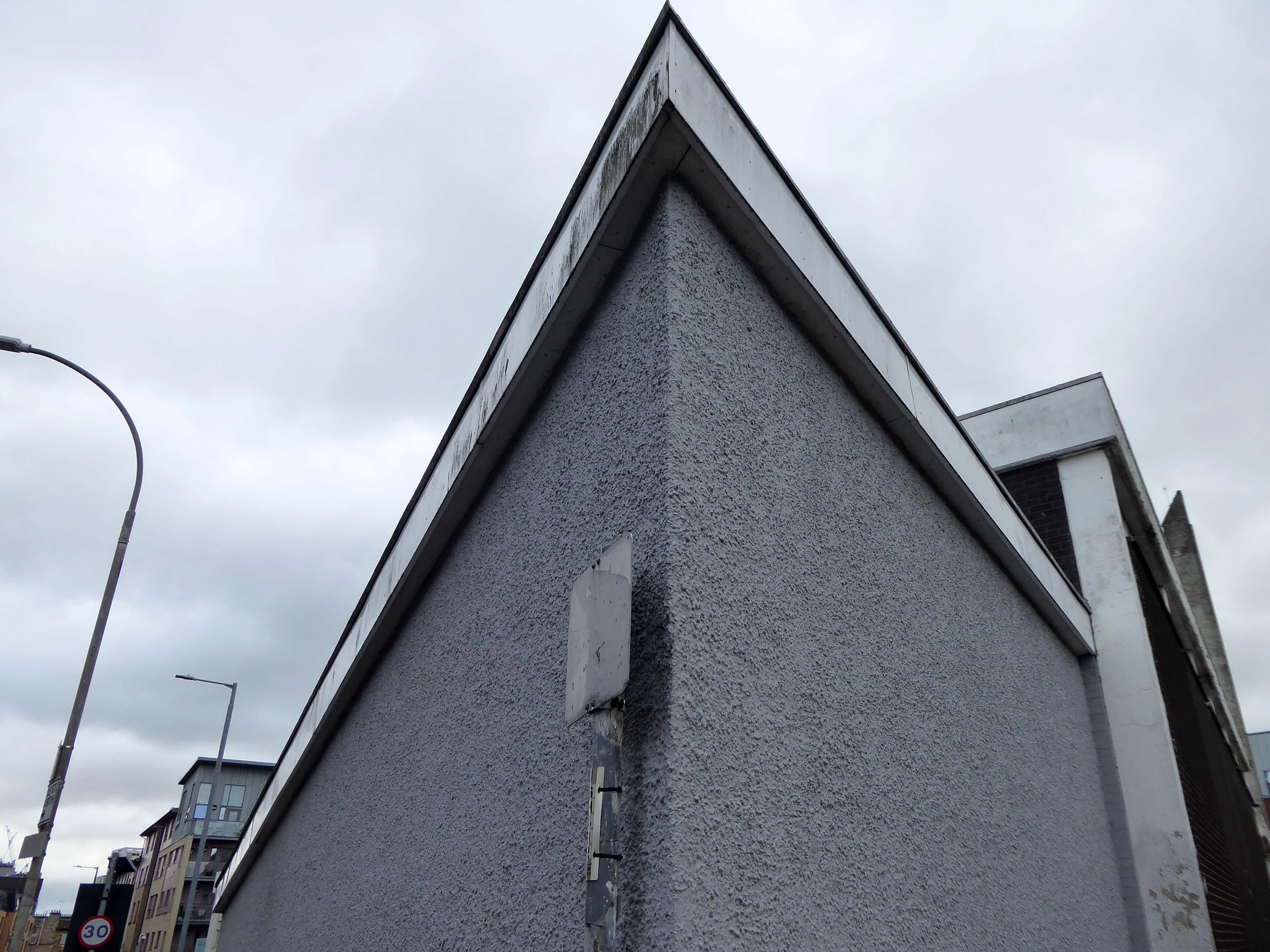
Let’s take a look around outside.

Later that same day, I got a message from my friend Kate to visit her at the centre.

She is charged with co-ordinating a variety of activities at The Pyramid.

In 2019 the Church of Scotland sold the building and it became a community centre for people to:

Connect, create and celebrate.

It also serves as an inspirational space for music, performances, conferences and events.

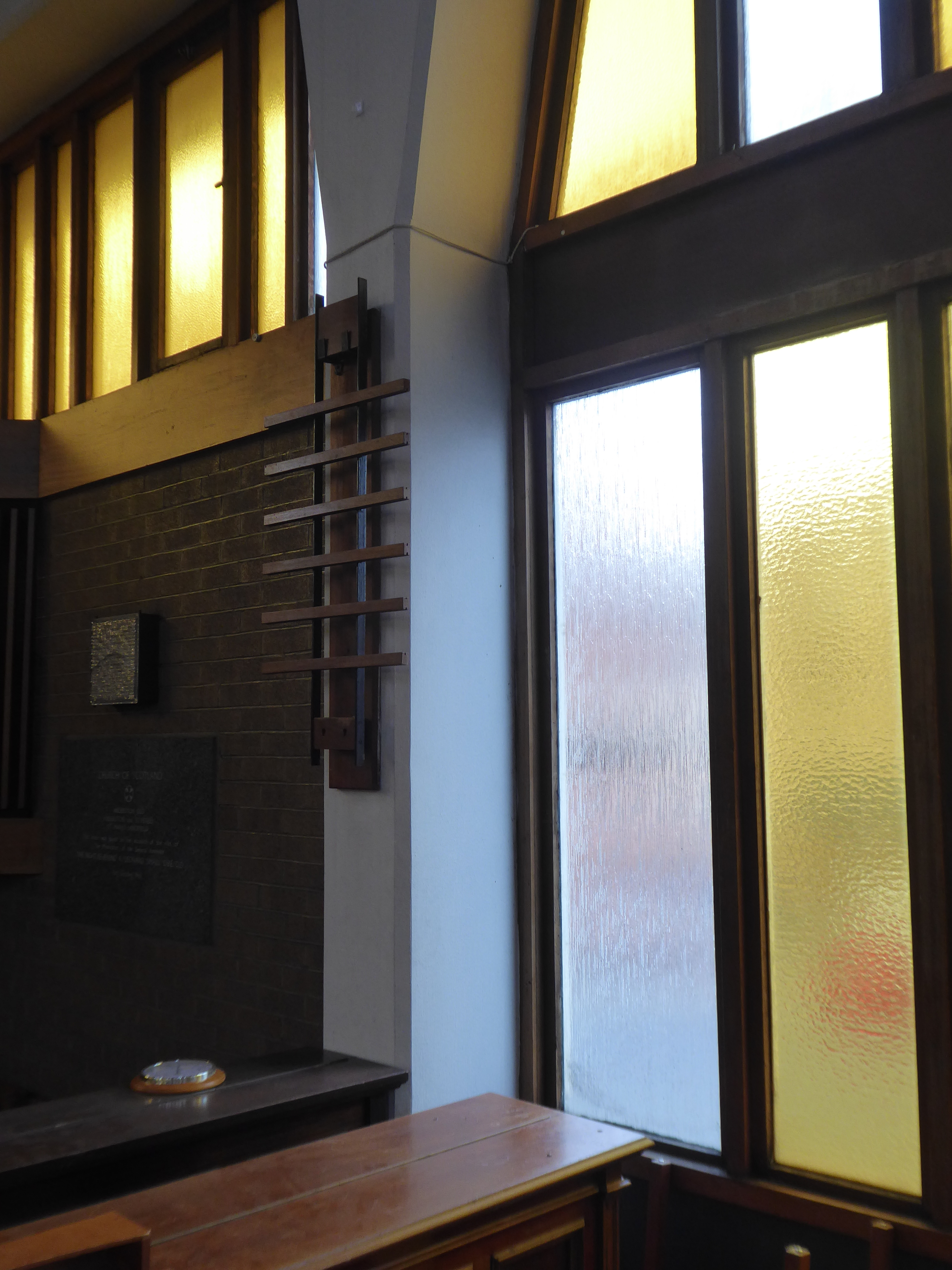
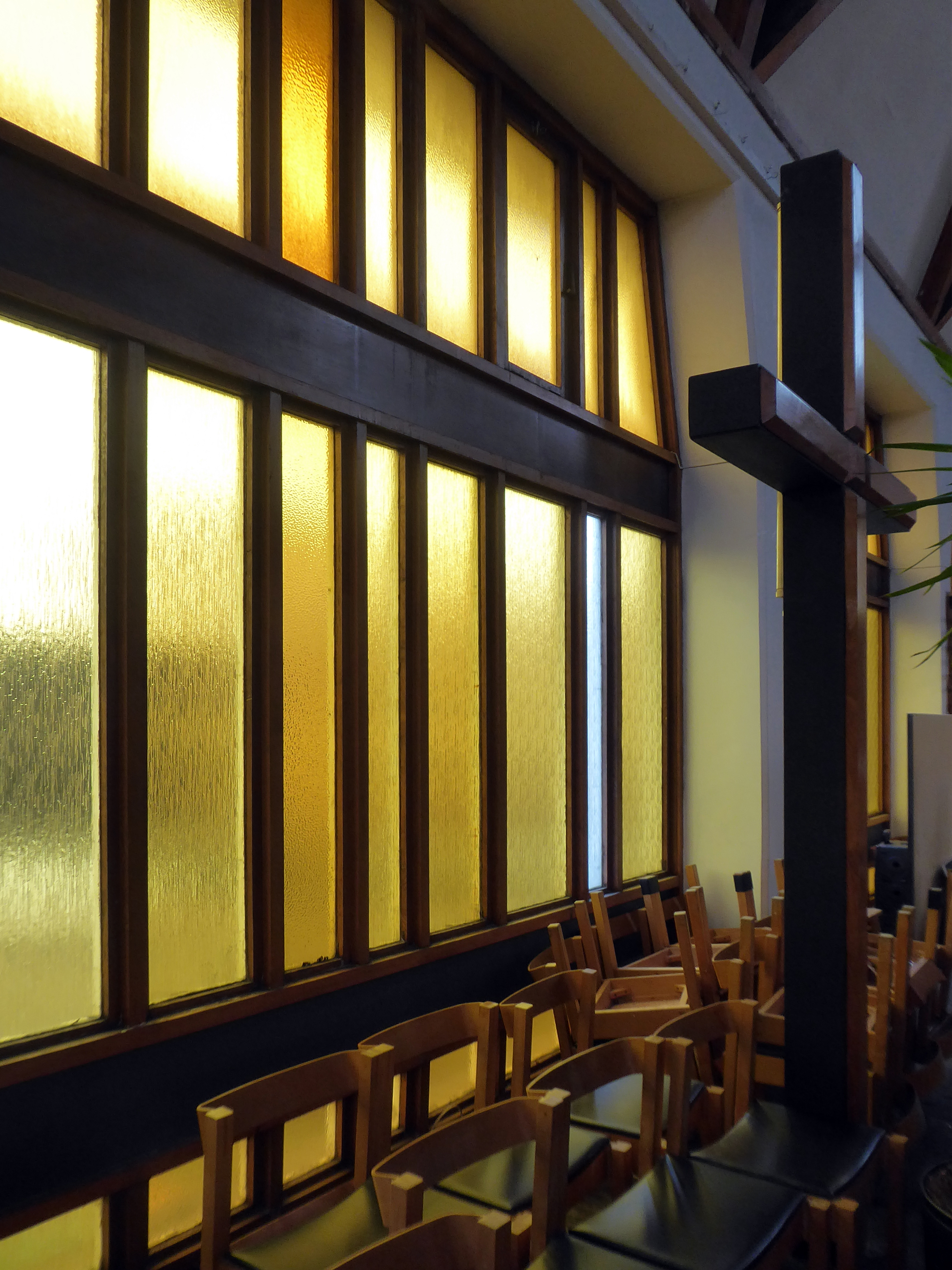
Let’s take a look around inside.

As a footnote the recent STV Studios produced series SCREW was filmed here!

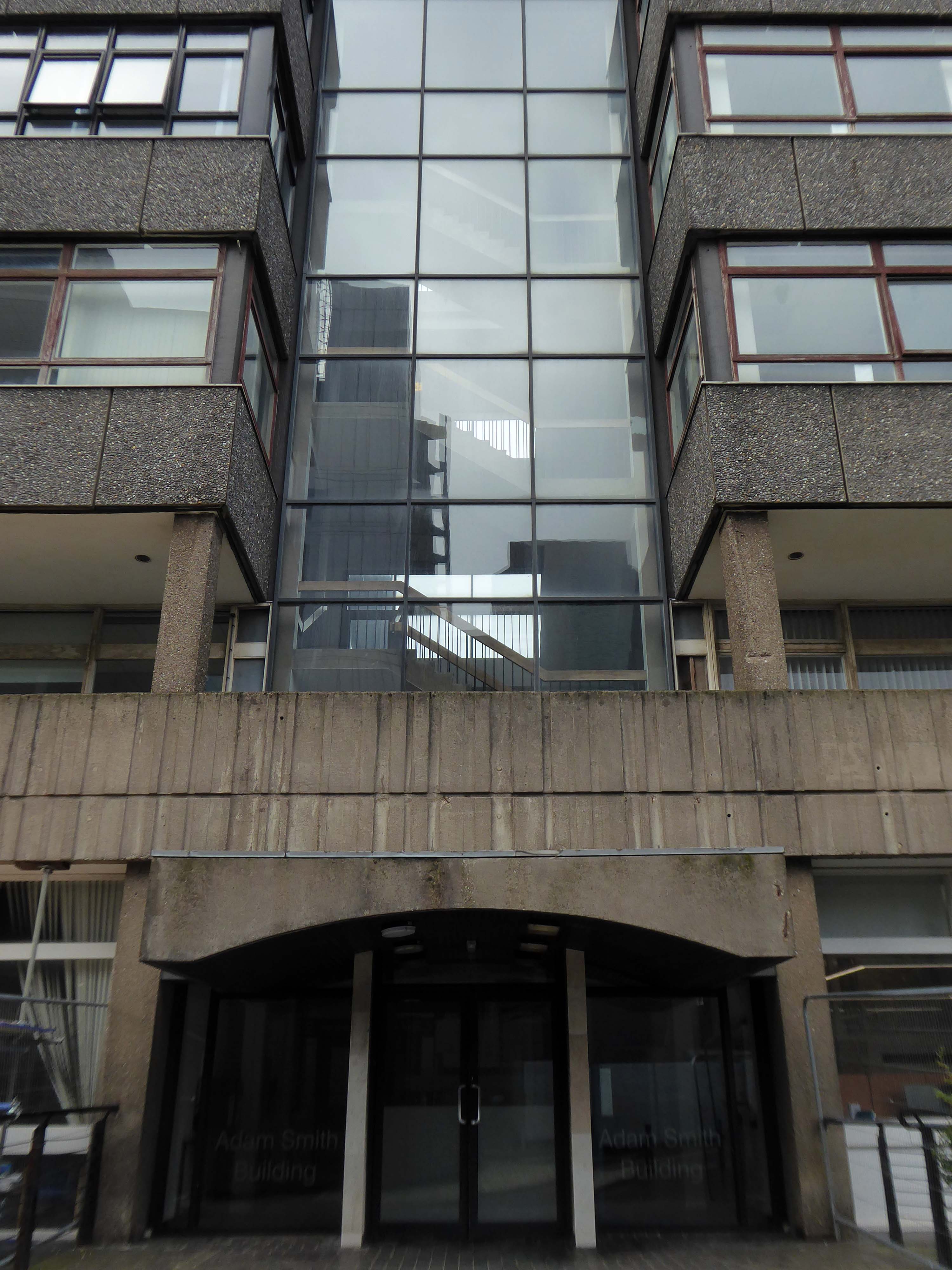
Adam Smith Building – Glasgow

Architects: David Harvey, Alex Scott & Associates – 1967

The Adam Smith Building, named in honour of the moral philosopher and political economist, Adam Smith, was formally opened on 2 November 1967 by Sydney George Checkland, Professor of Economic History from 1957 to 1982. The building was the first of the University’s multipurpose blocks housing a large number of departments, and a library for Political Economy, Social and Economic Research, Economic History, Political and Social Theory and Institutions, Management Studies, Psychology, Social Psychology, Accountancy, Citizenship, Anthropology, Criminology, Industrial Relations, and the School of Social Study. A records store was provided beneath the Library for the Economic History department to house their rapidly growing collection of business records from the vanishing Clyde shipyards and heavy engineering workshops, which now form part of the Scottish Business Archive held at University of Glasgow Archive Services.

Archives Hub

Eastern Elevation 1973
Southern Elevation 1978

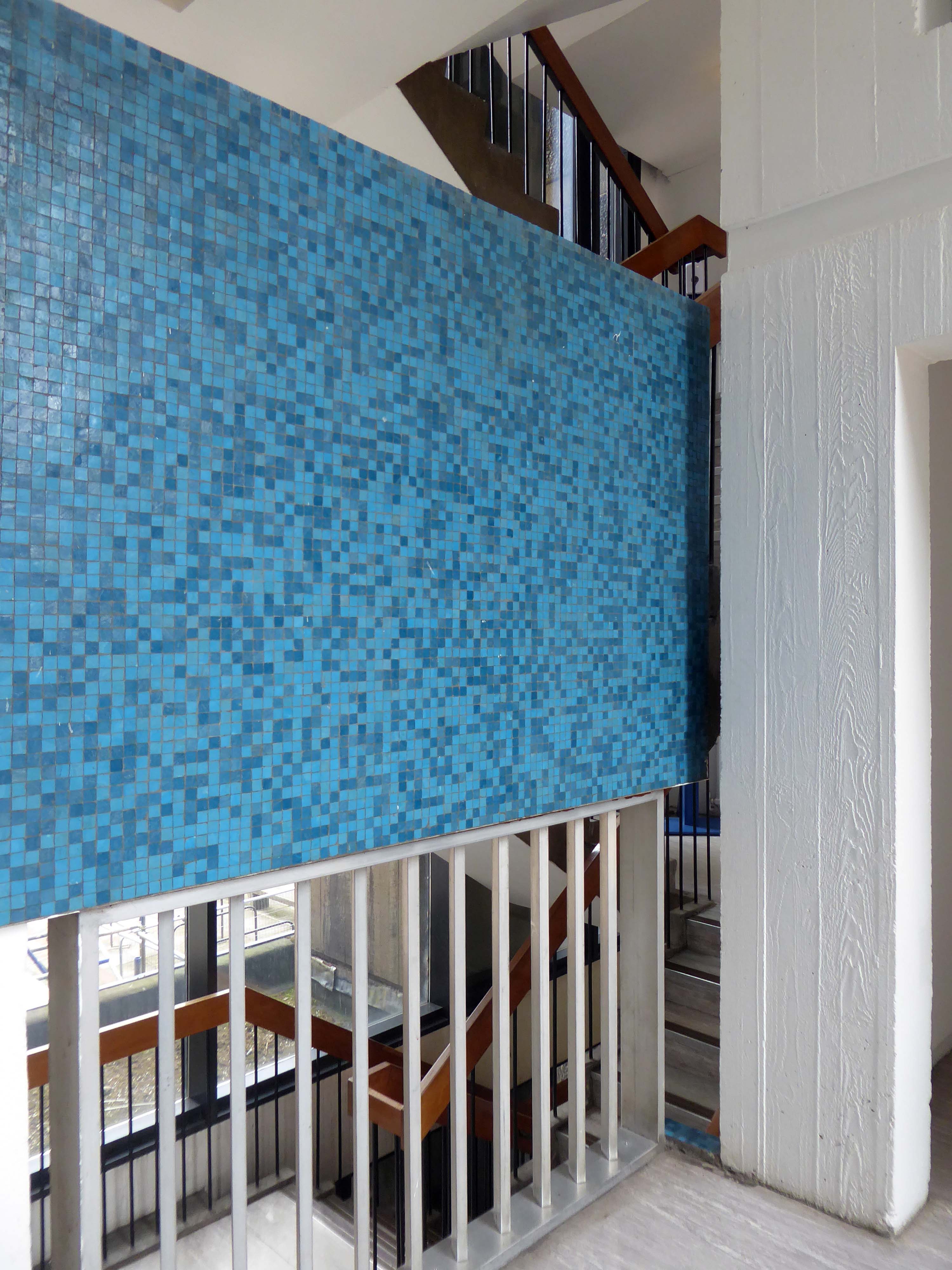
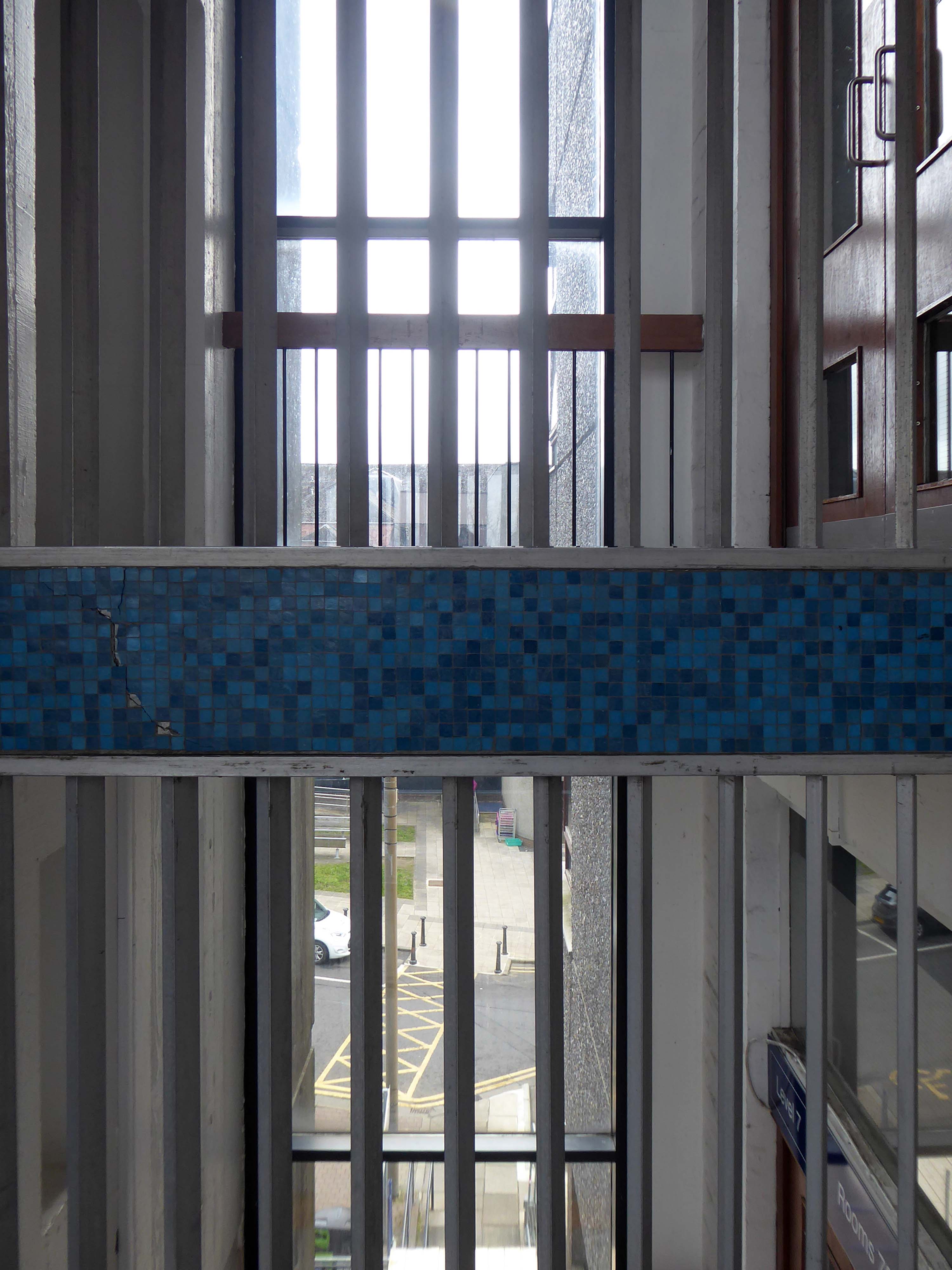
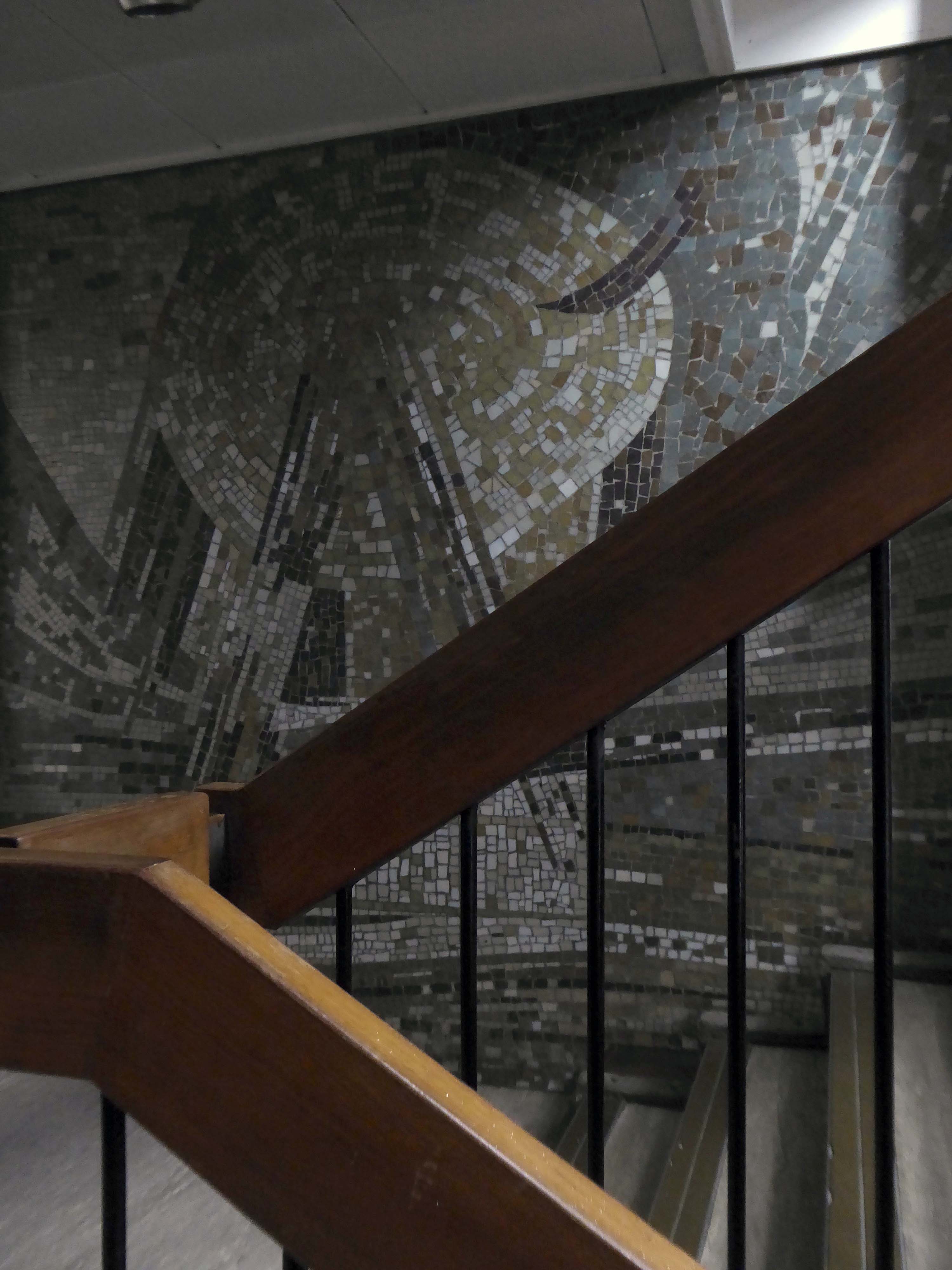
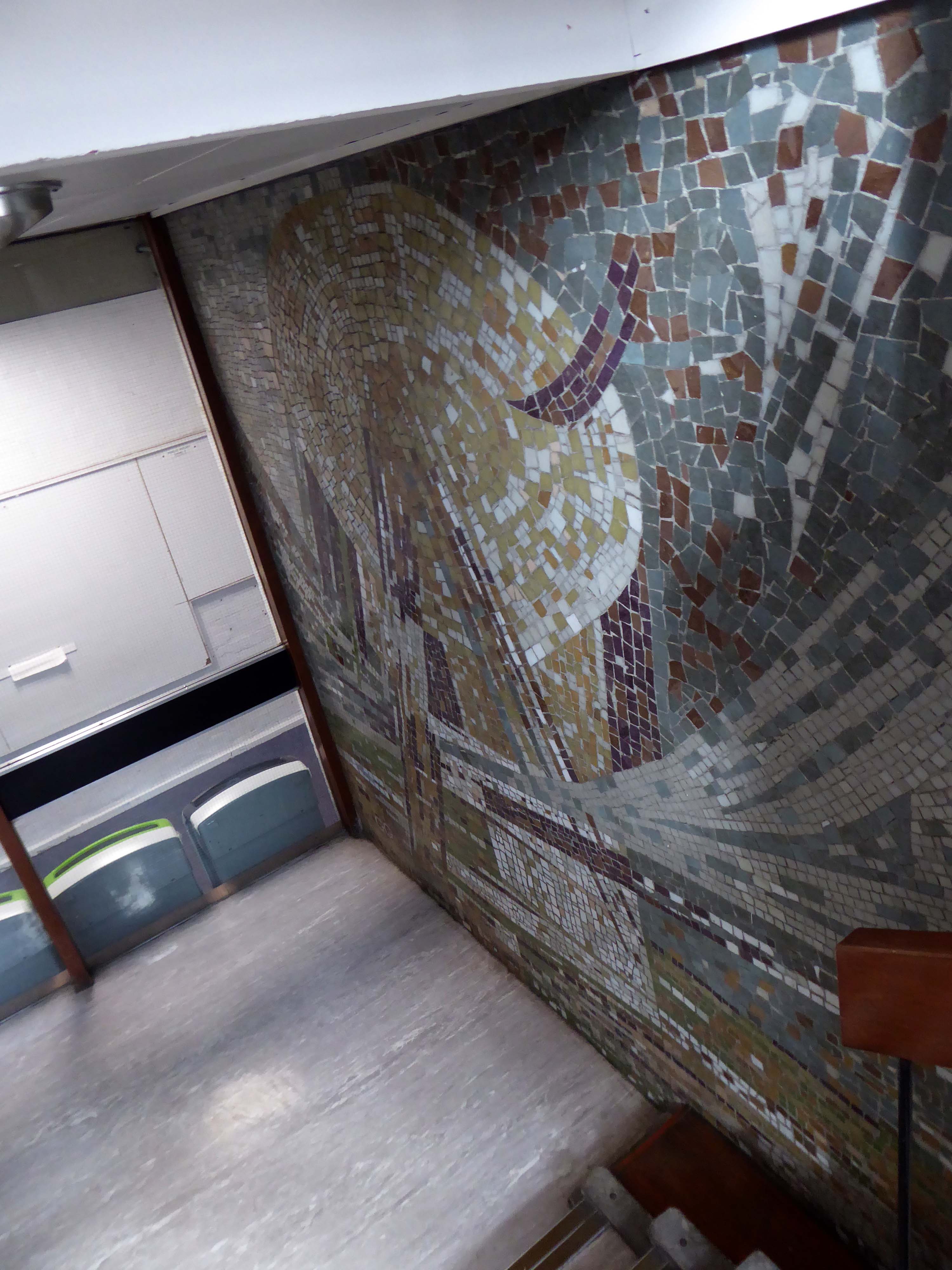
Wandering almost aimlessly around the campus, when the blue mosaic caught my eye.

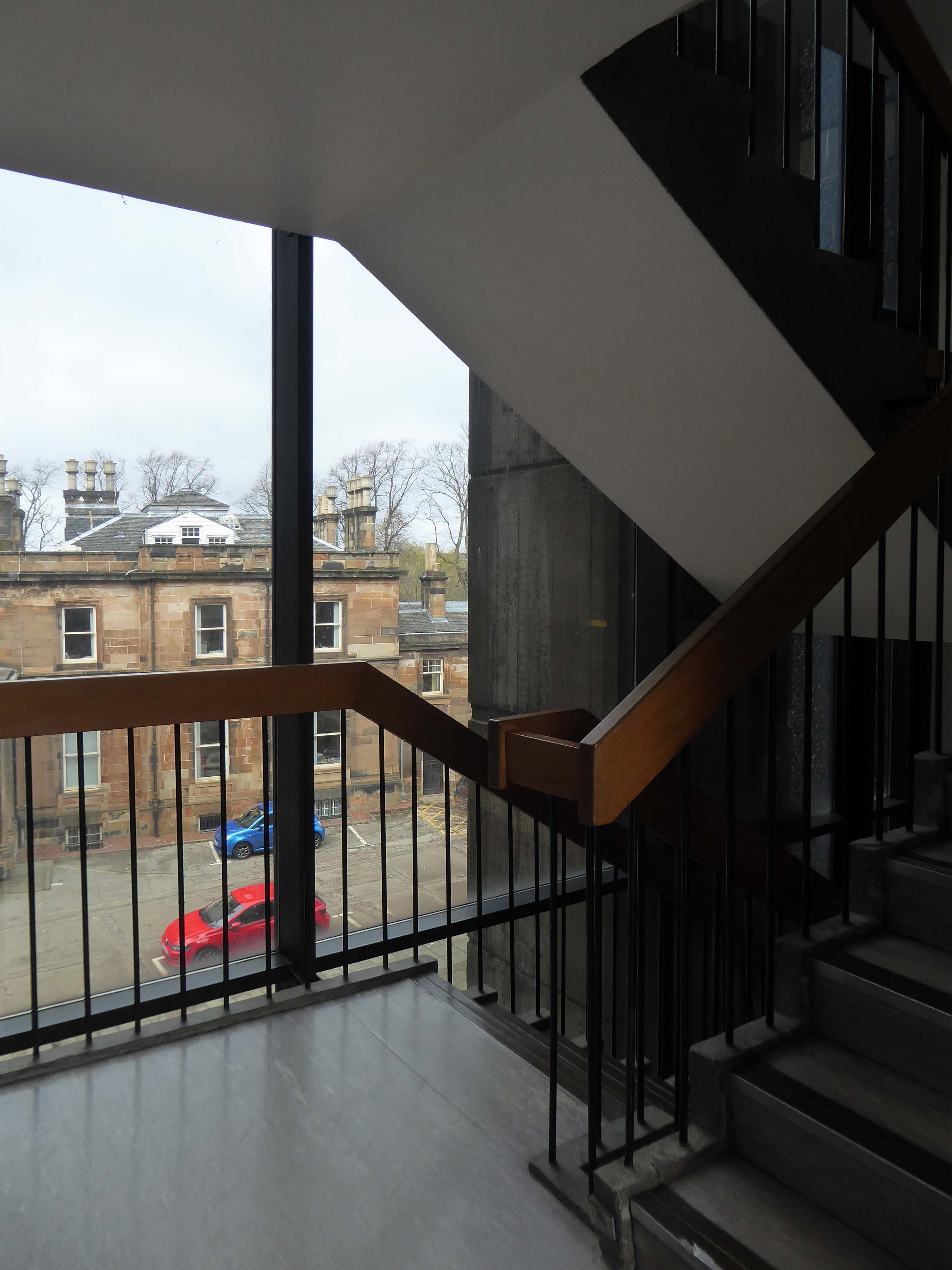
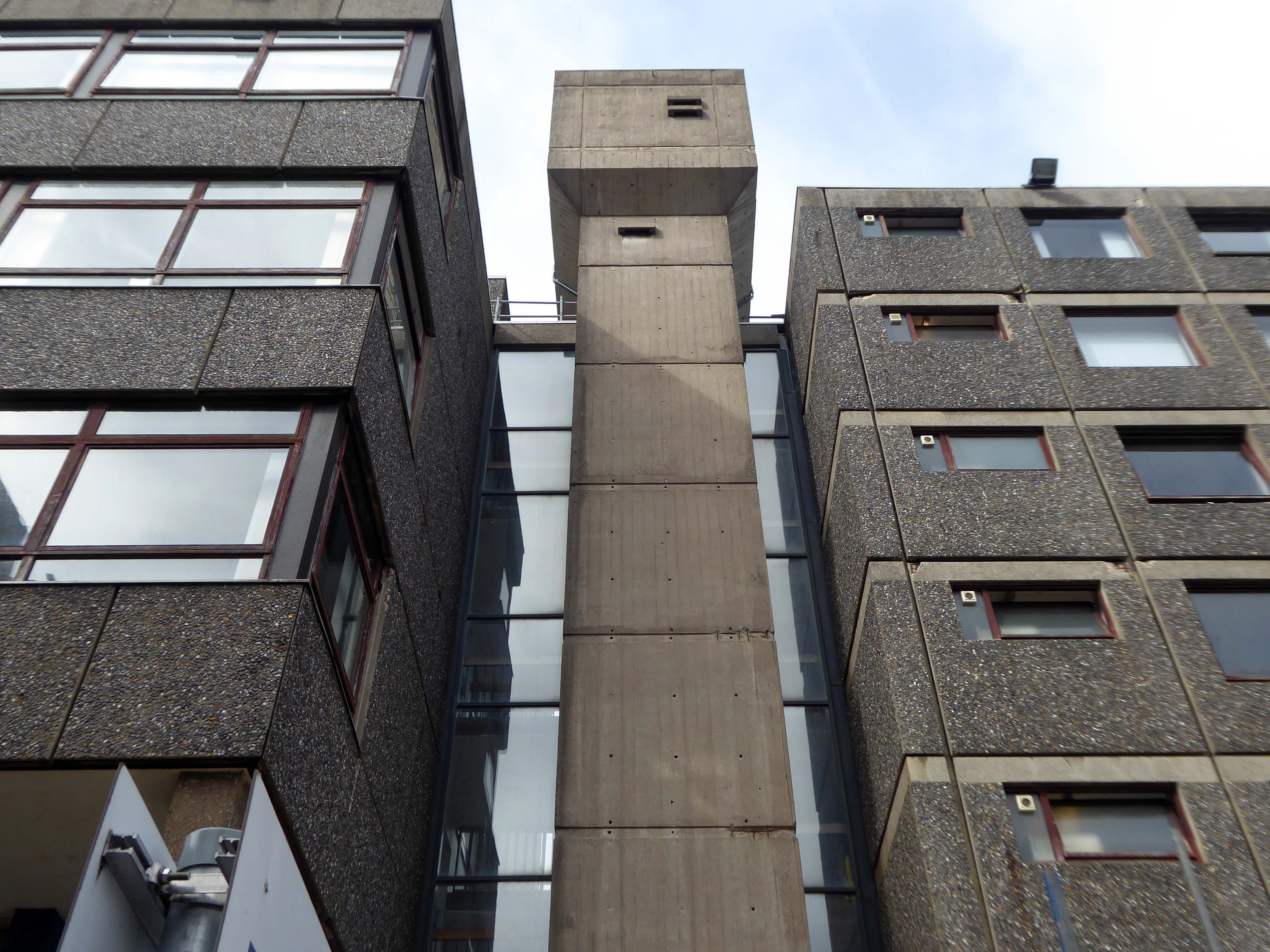
The glass stairwell drew me in further.

Entering the building I explained myself to the passing janitor:

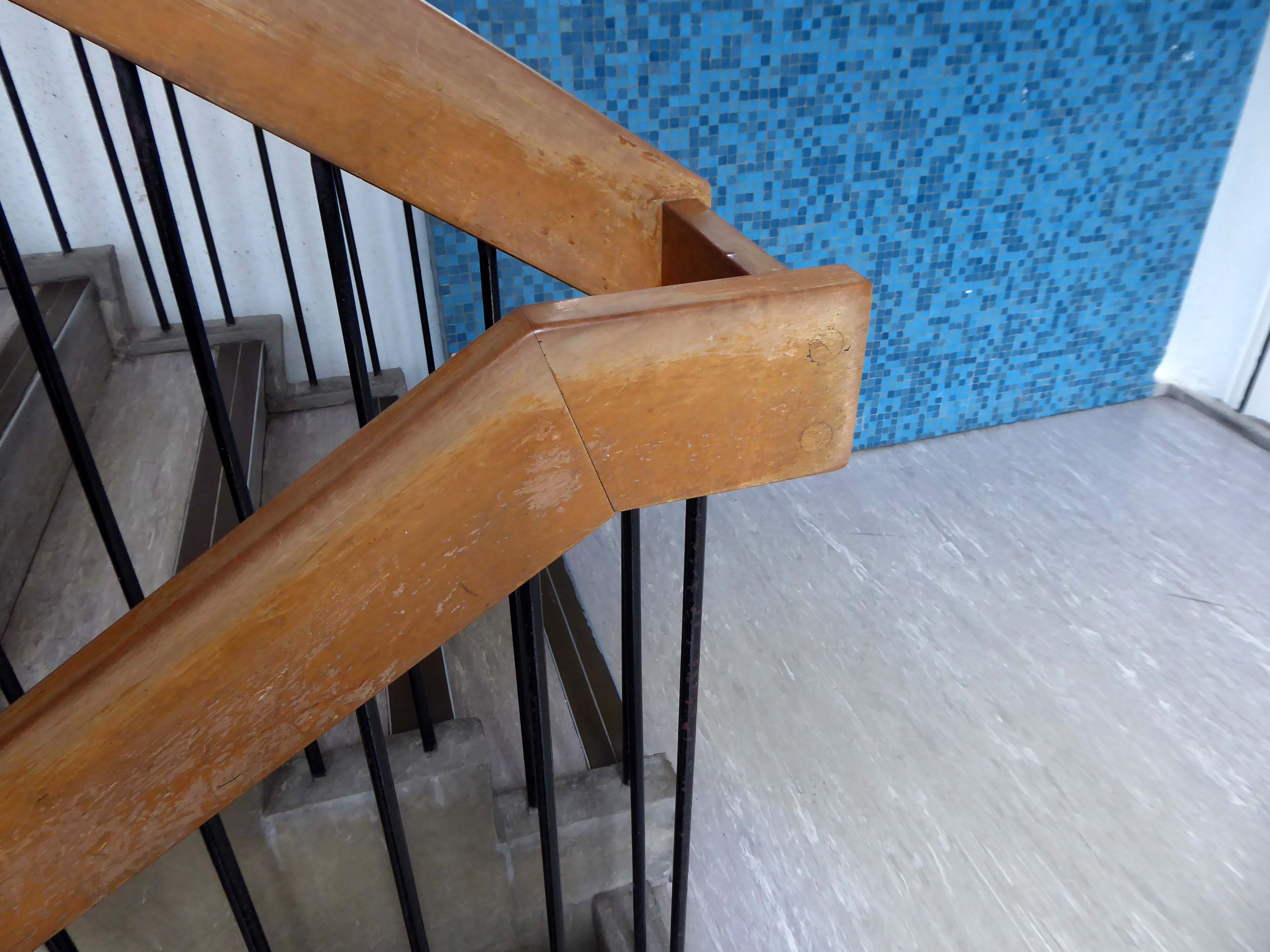
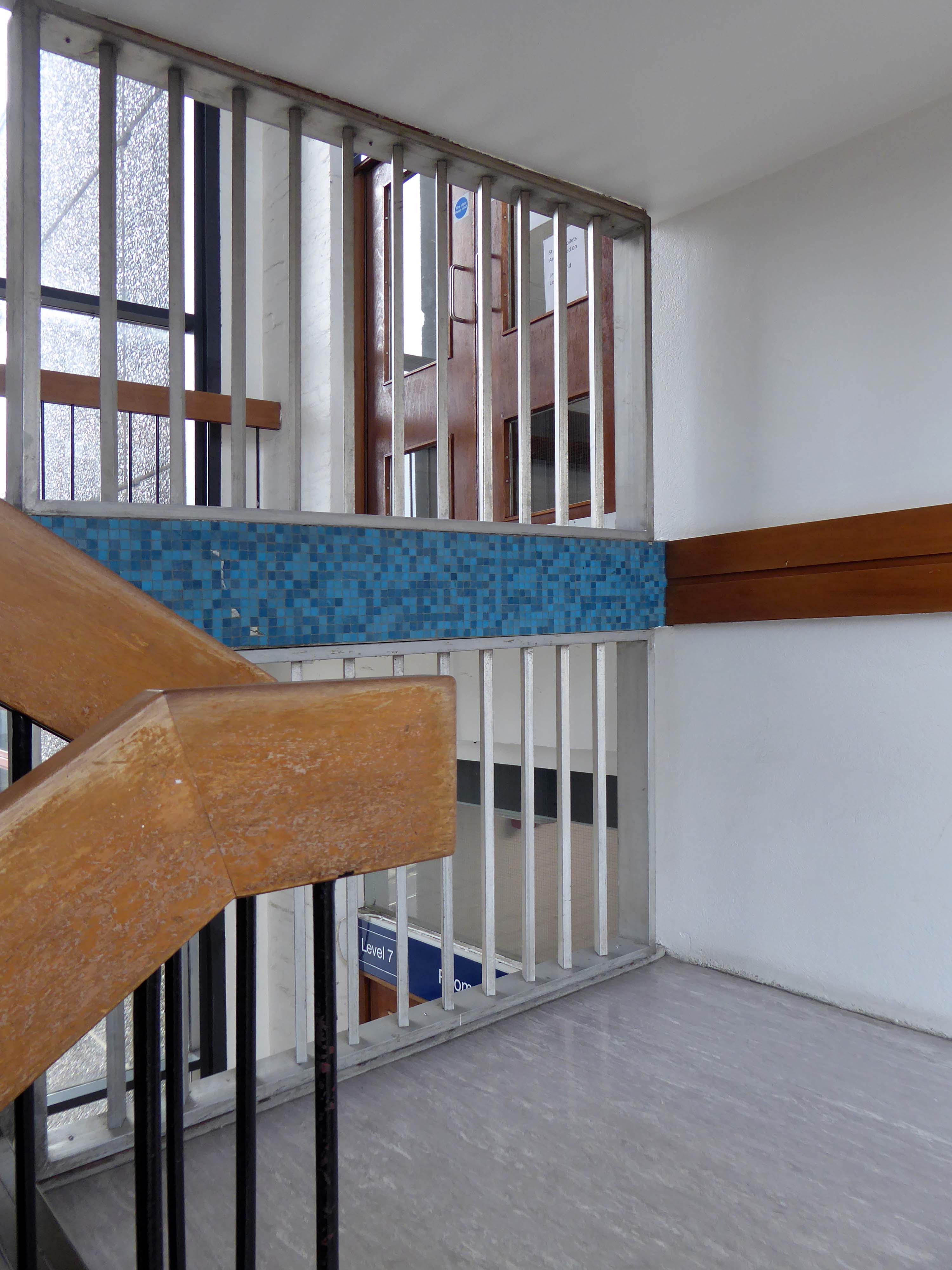
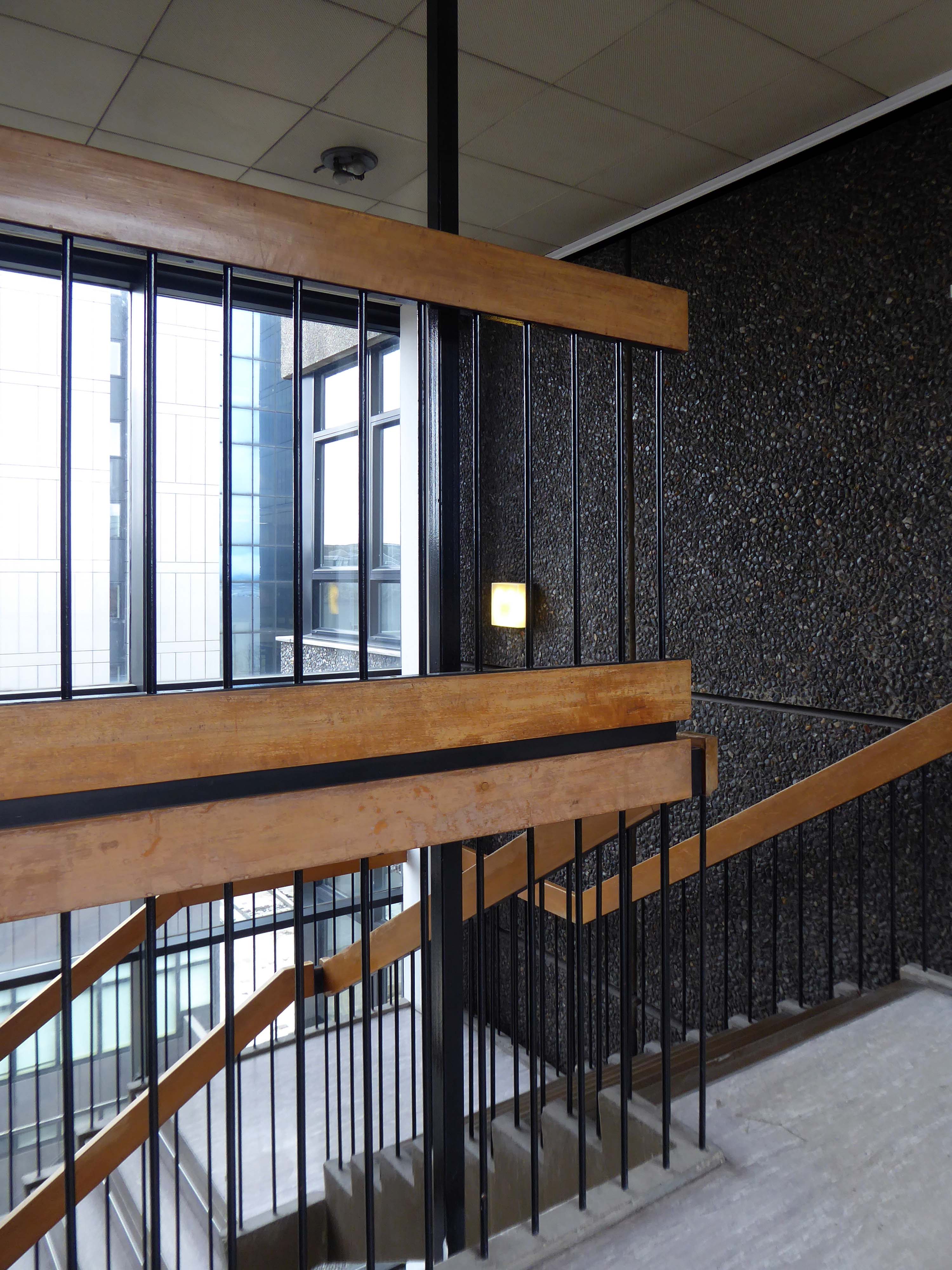
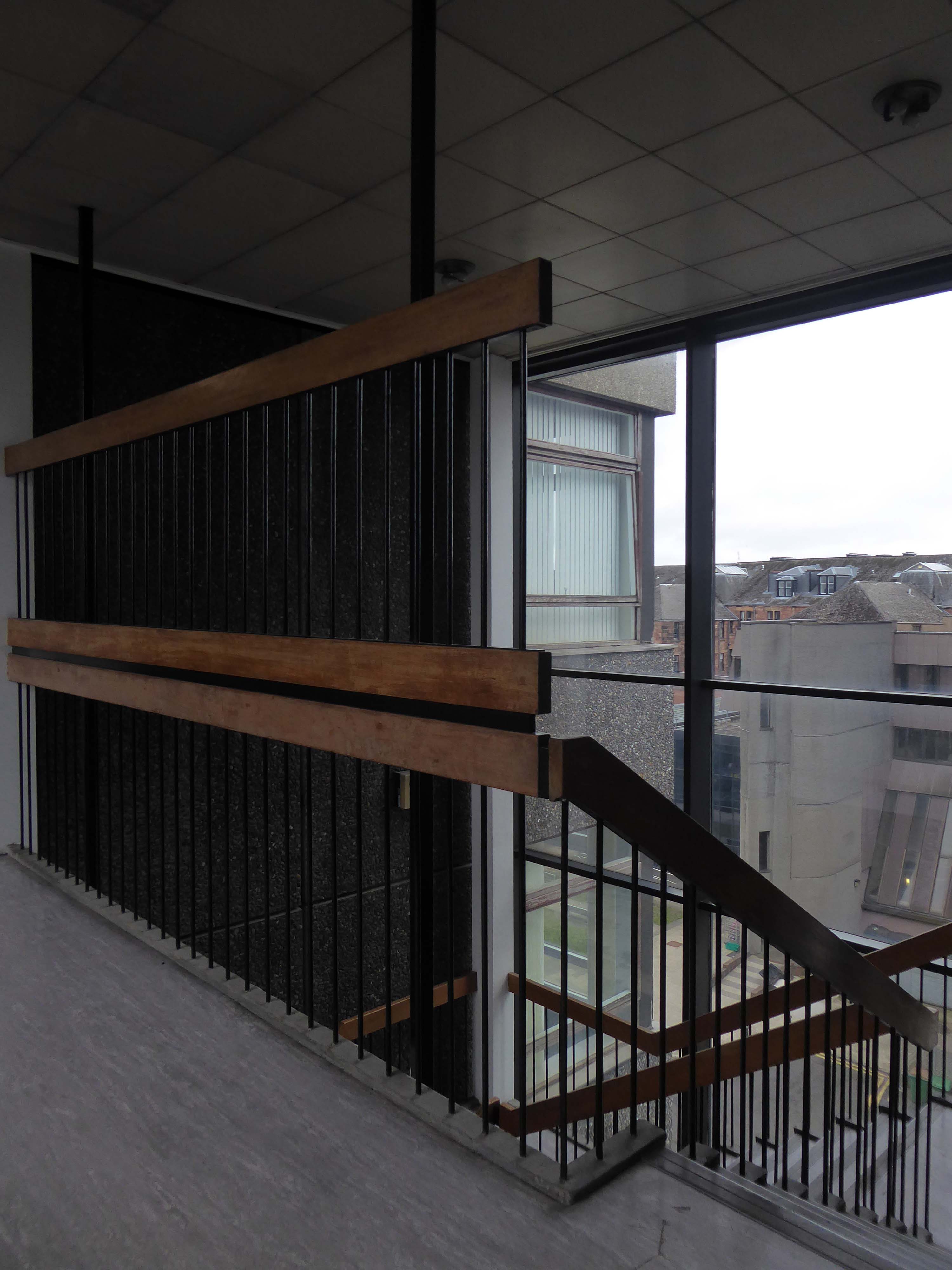
I’m intrigued by the stairways of 1960s civic buildings.

There are two – he helpfully replied.

Further intrigued I took a good look around – first up one.

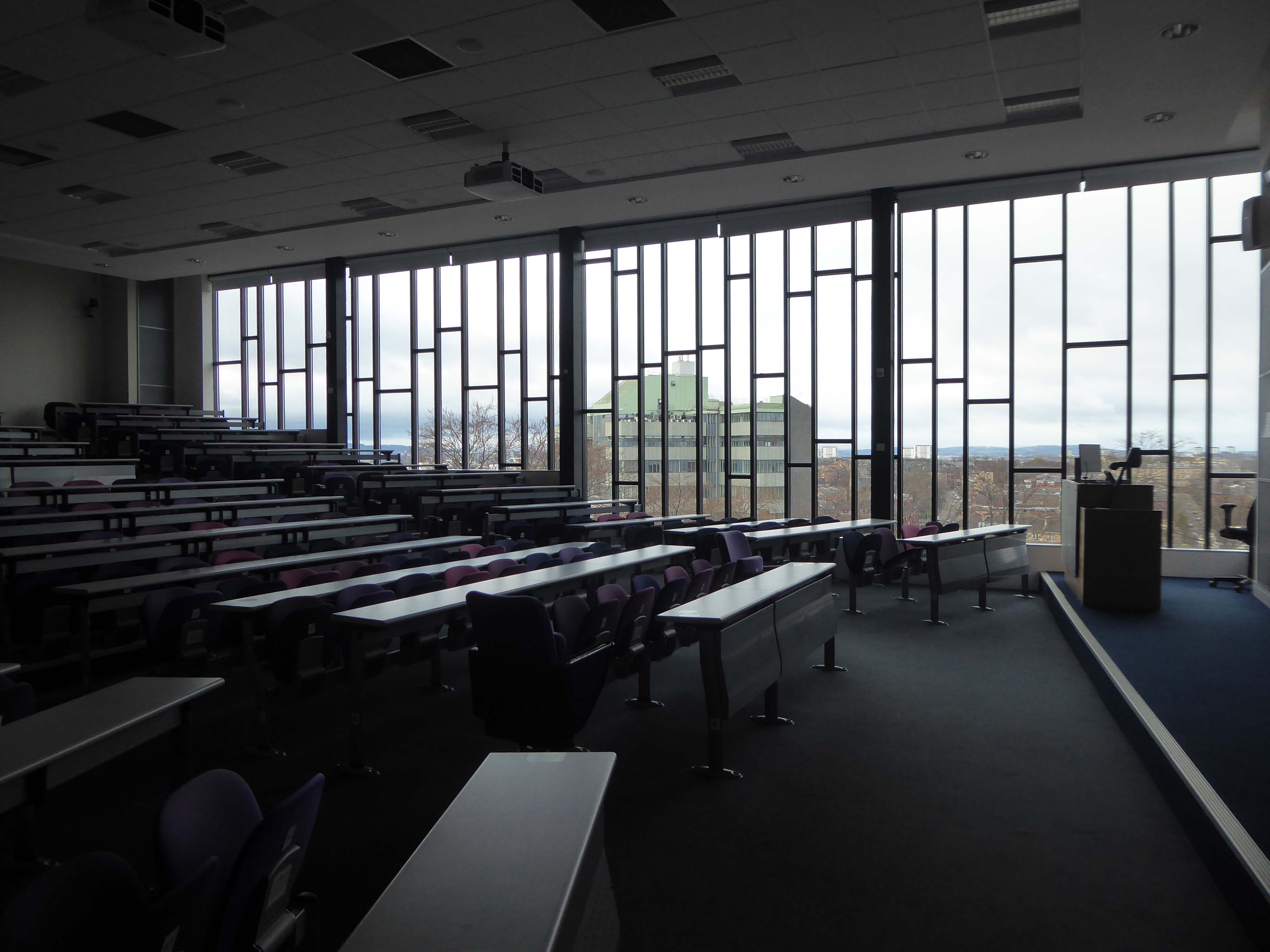
Reaching the top and discovering the Lecture Theatre.

Then down the other.

The mosaic mural at the foot of the main staircase was the work of George Garson, the head of the Mural Design and Stained Glass department at the Glasgow School of Art.

A quick look around the outside and then on my way.

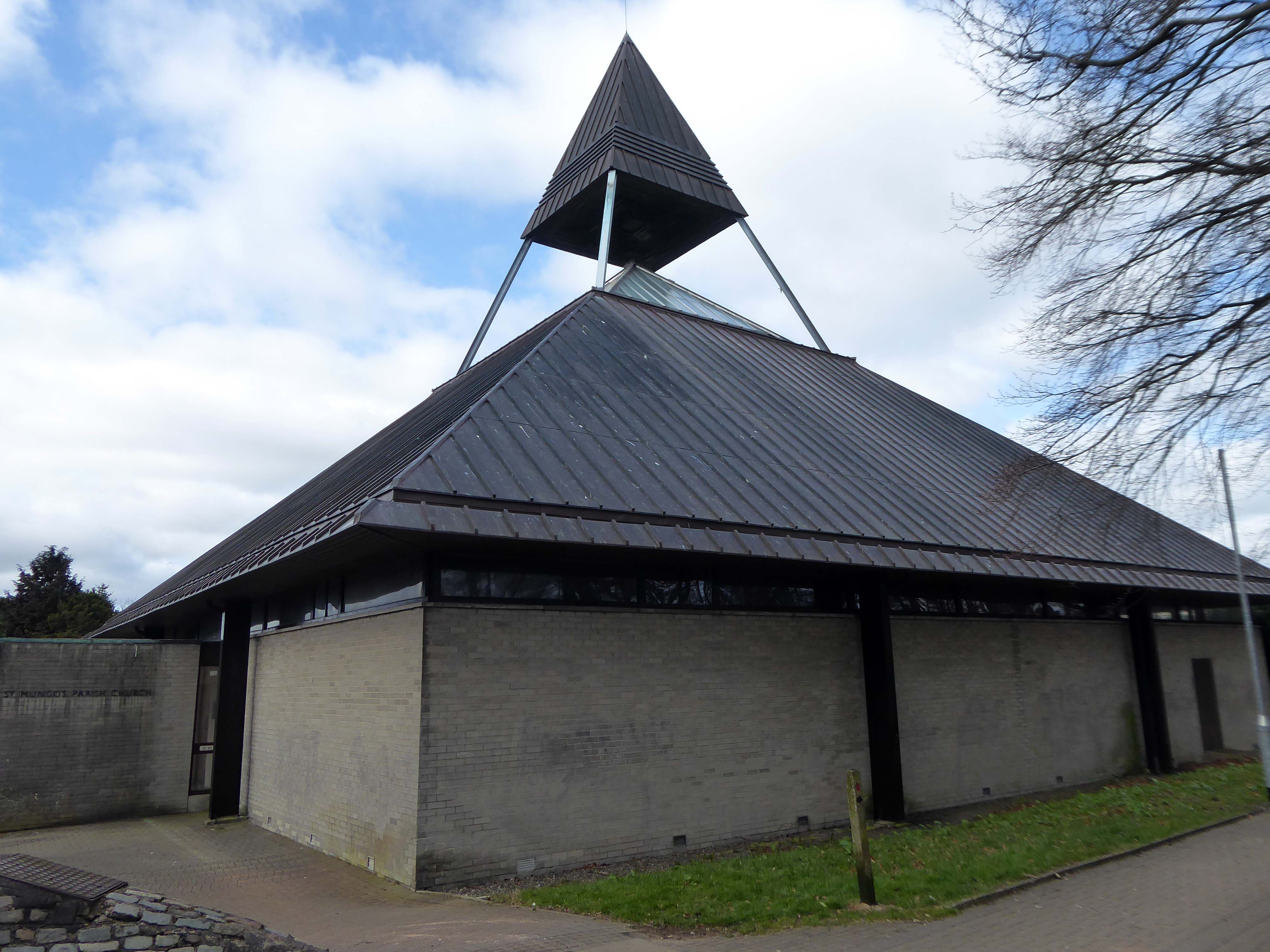
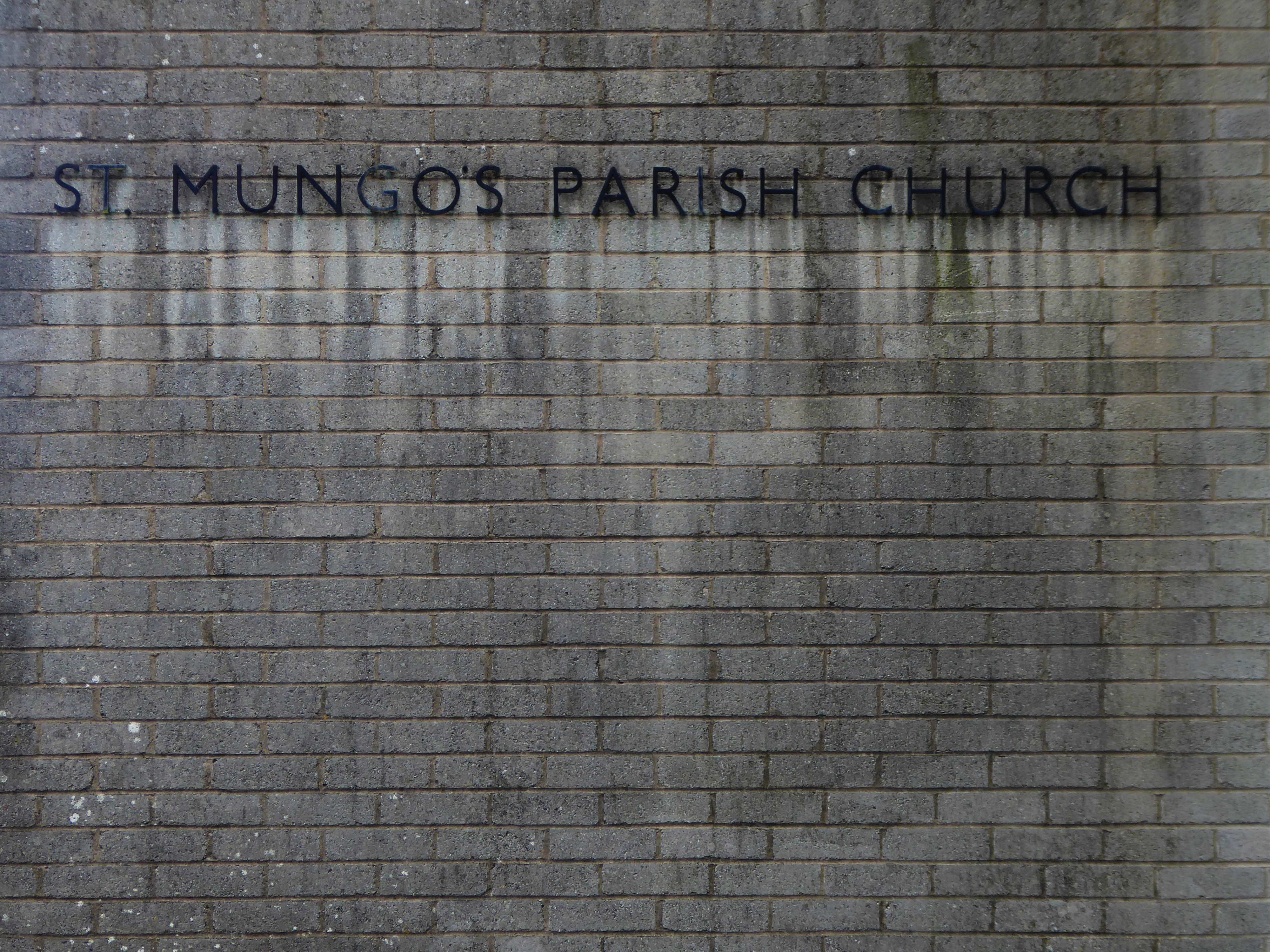
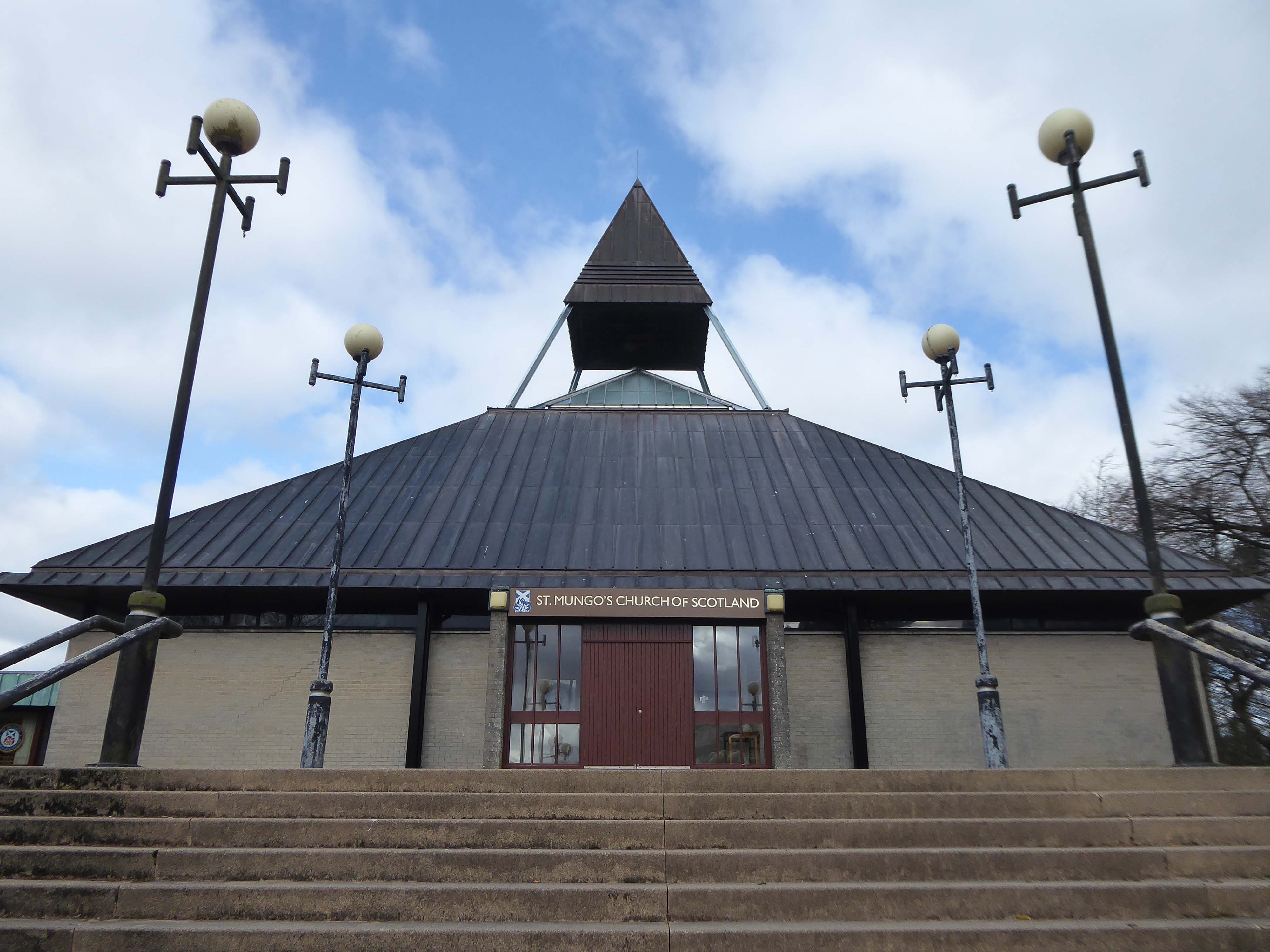
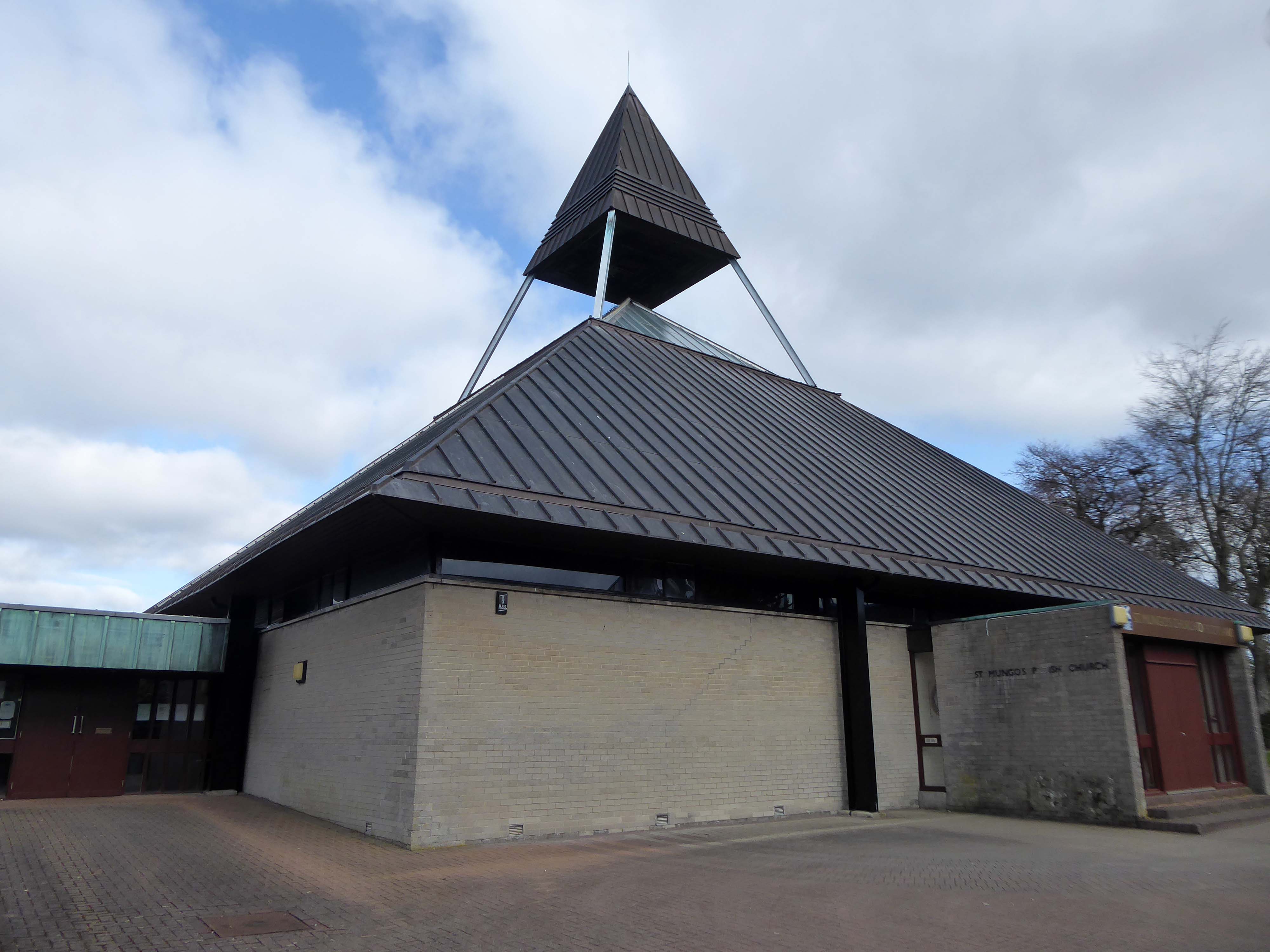
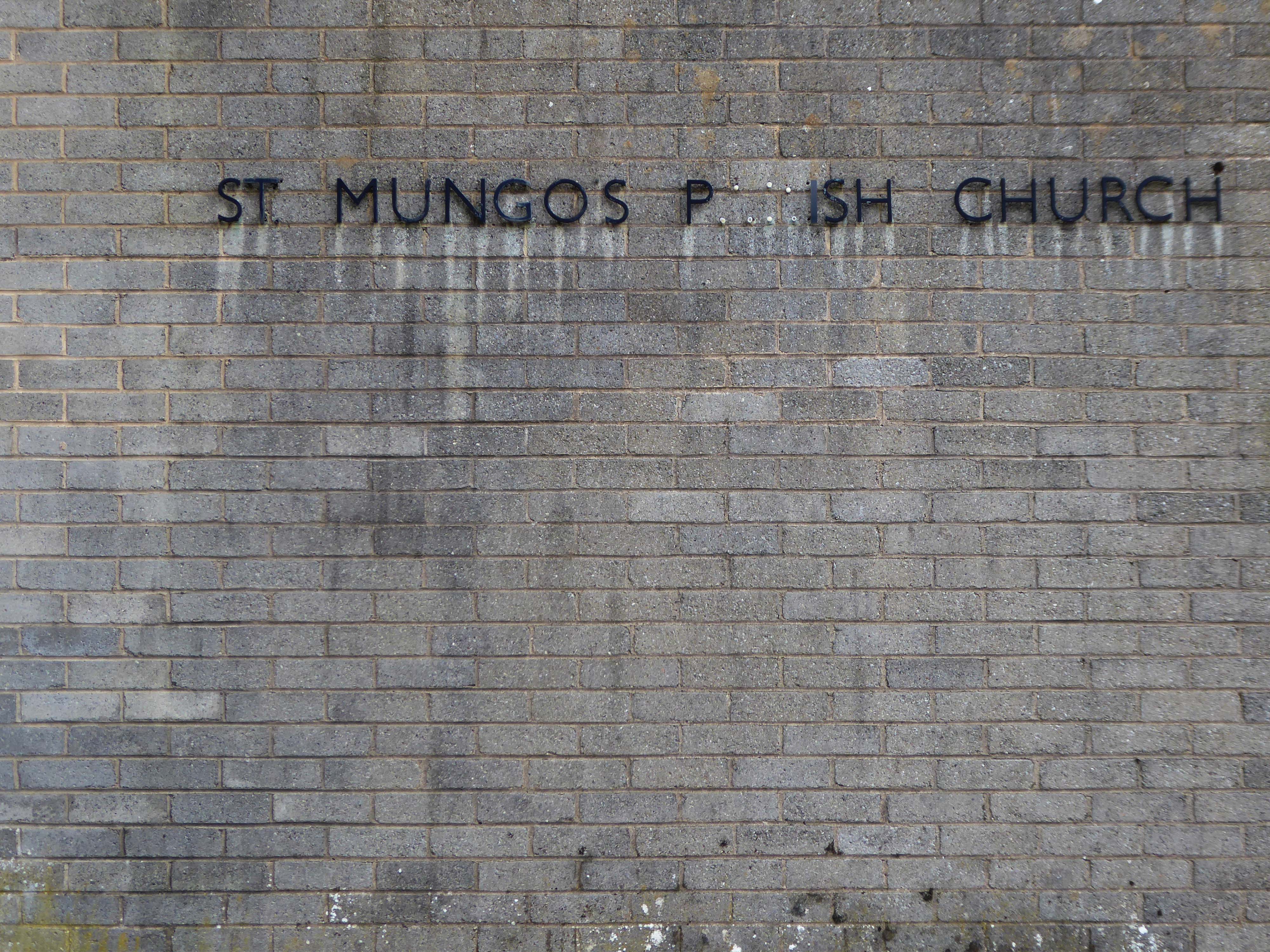
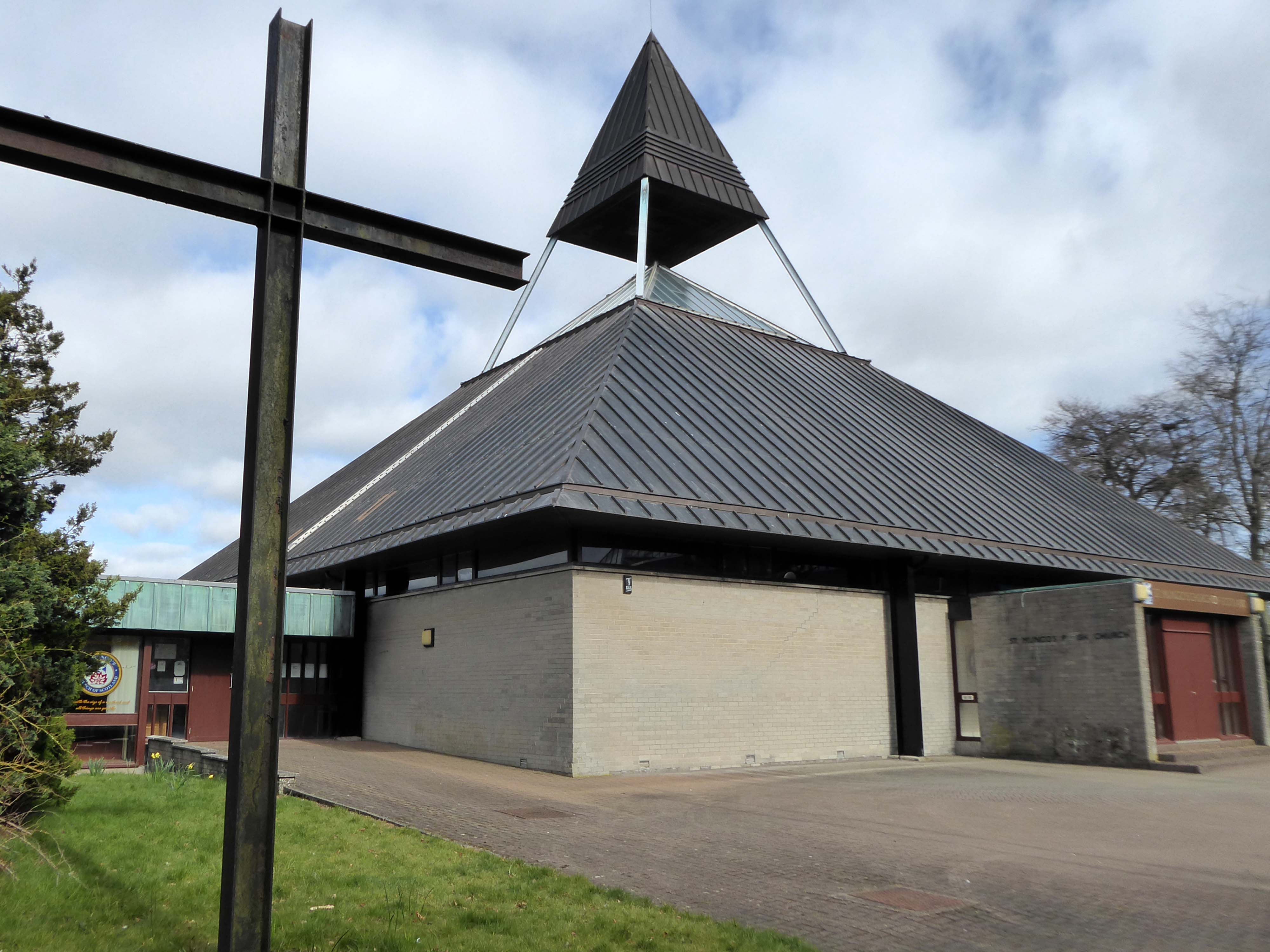
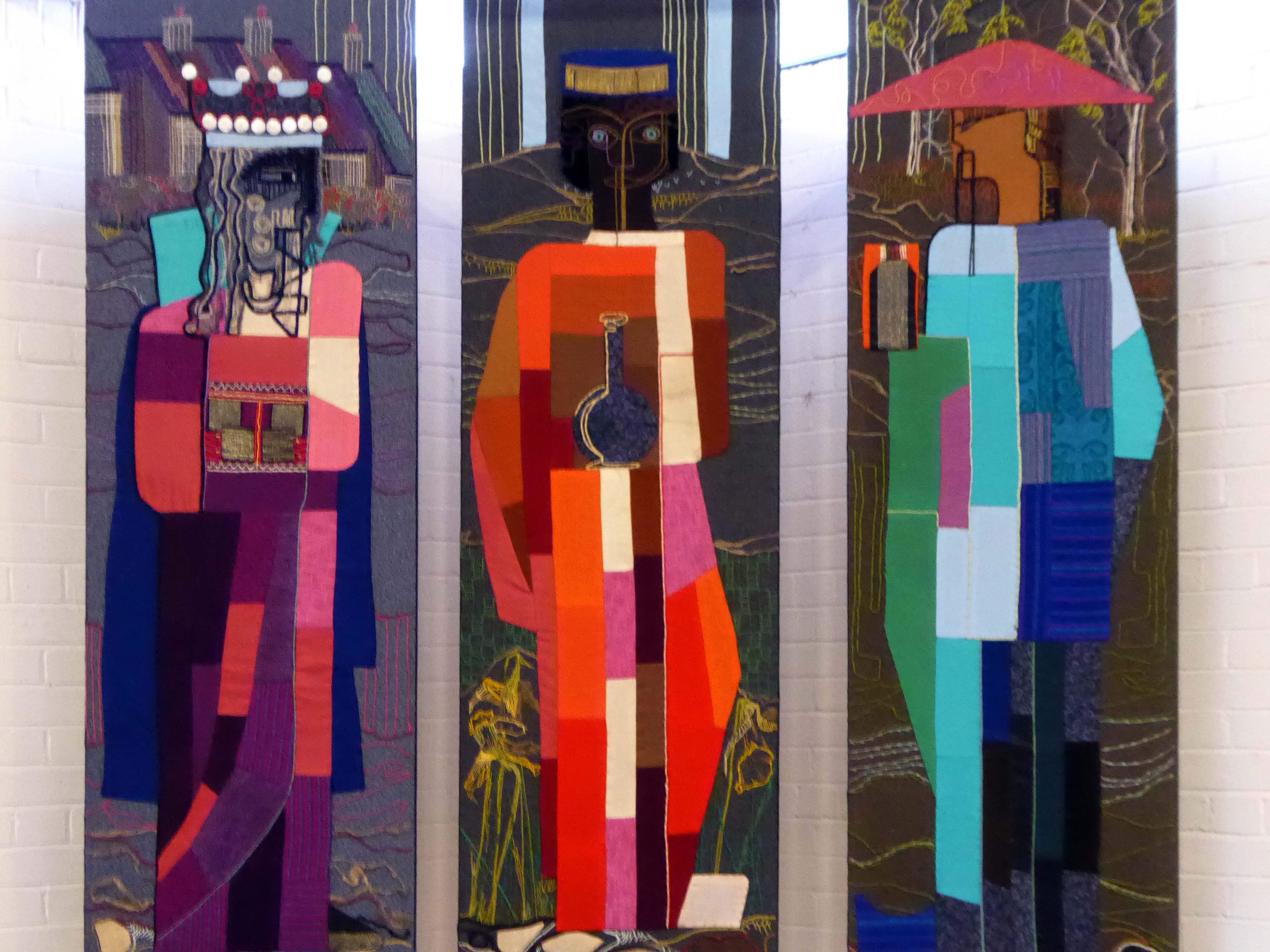
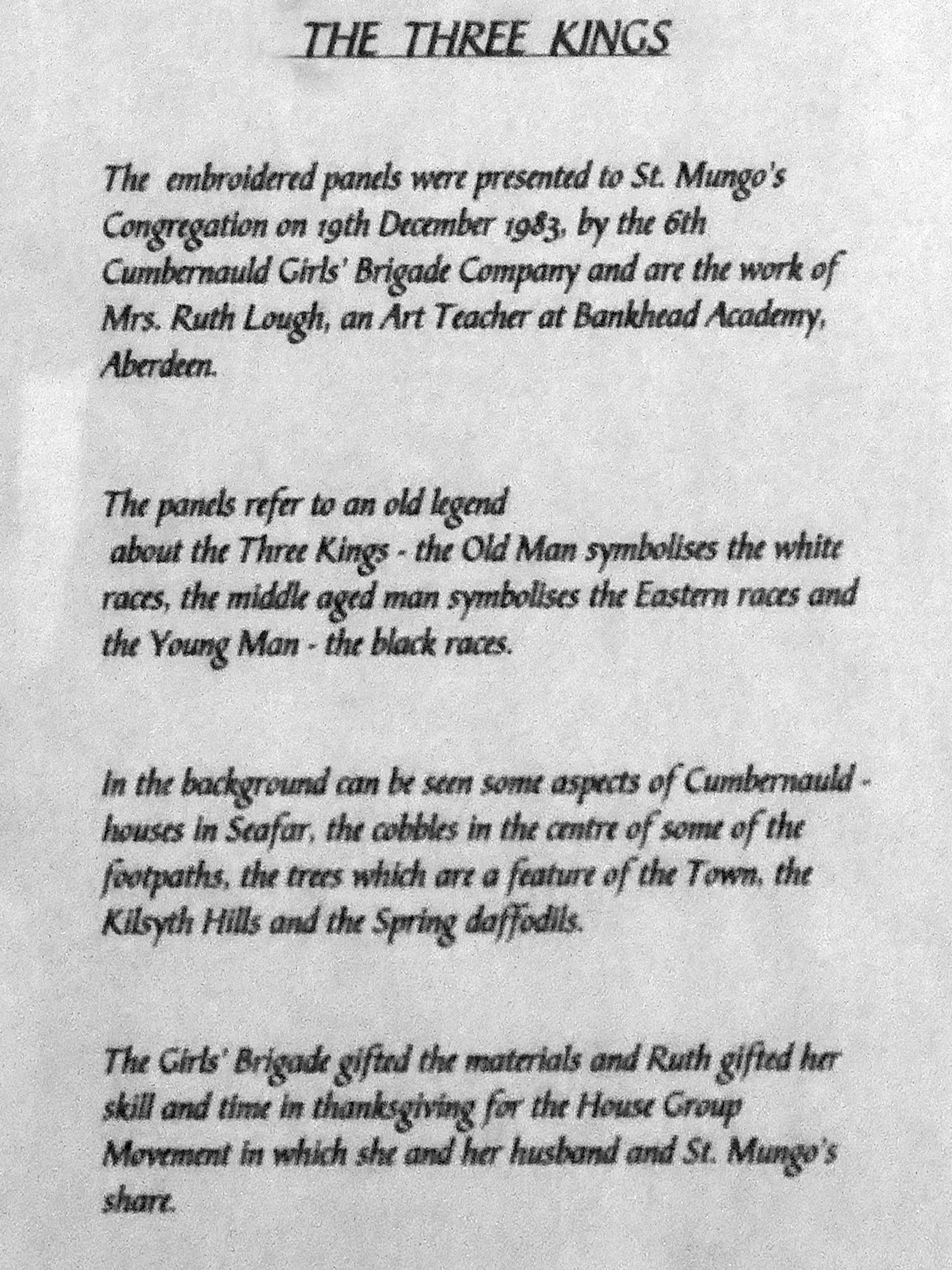
St Mungo’s Church – Cumbernauld

4 St Mungo’s Rd Cumbernauld Glasgow G67 1QP

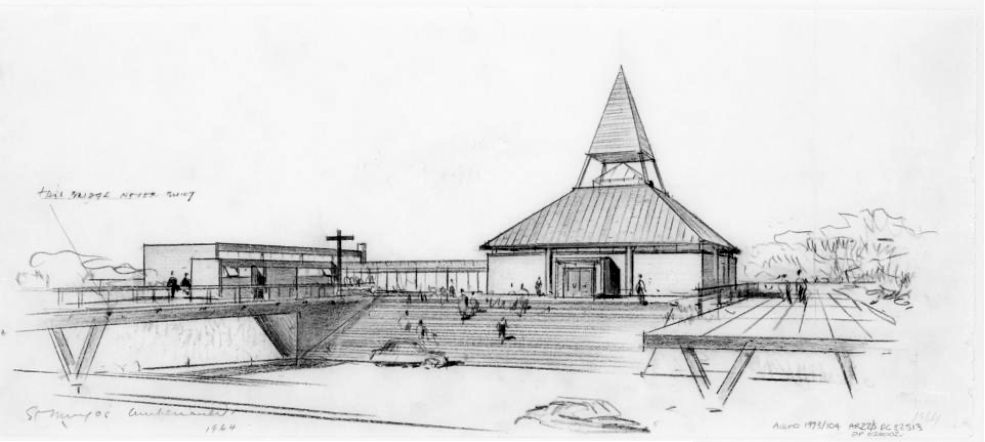
Architect: Alan Reiach 1963-1964.

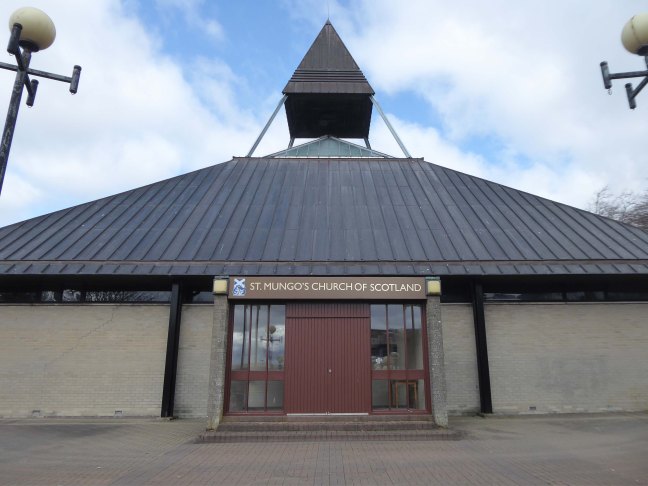
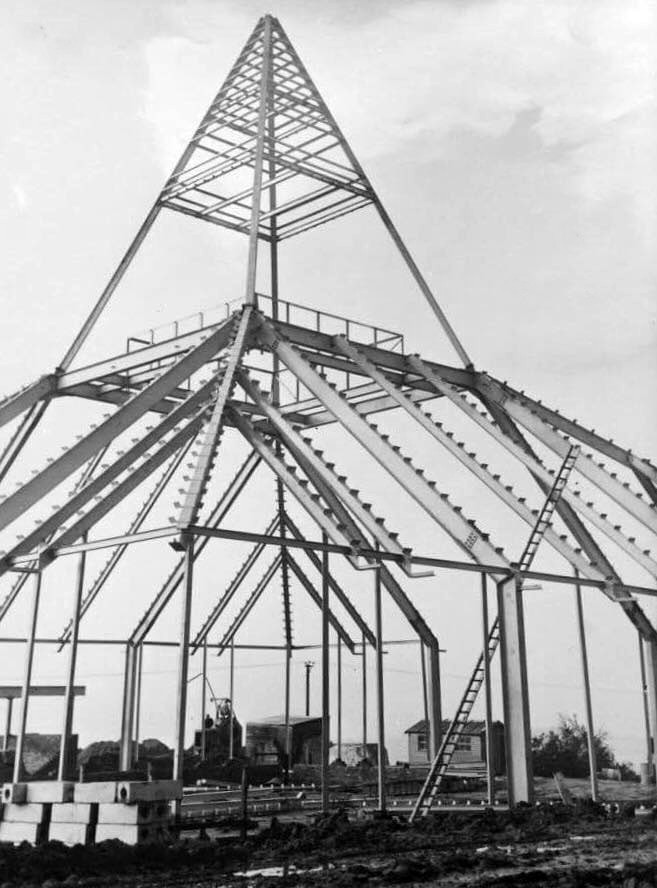
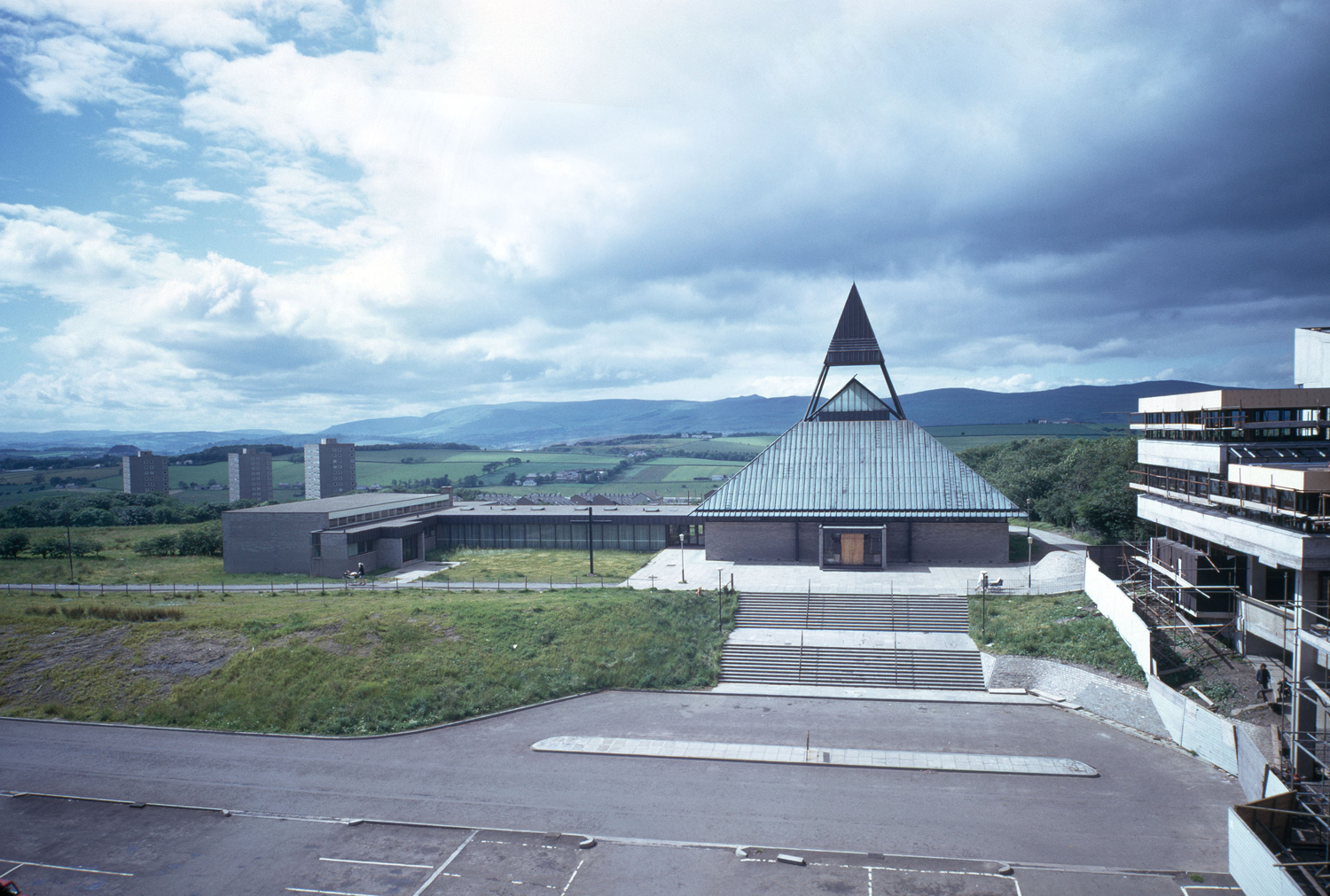
Single storey, square-plan pyramidal church with halls adjoining to SW.

Category B Listed

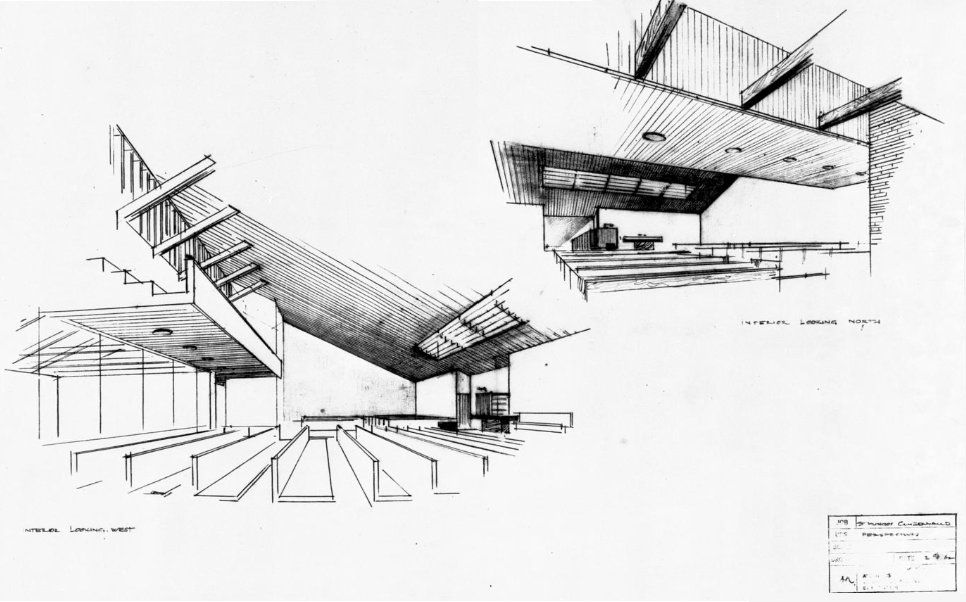
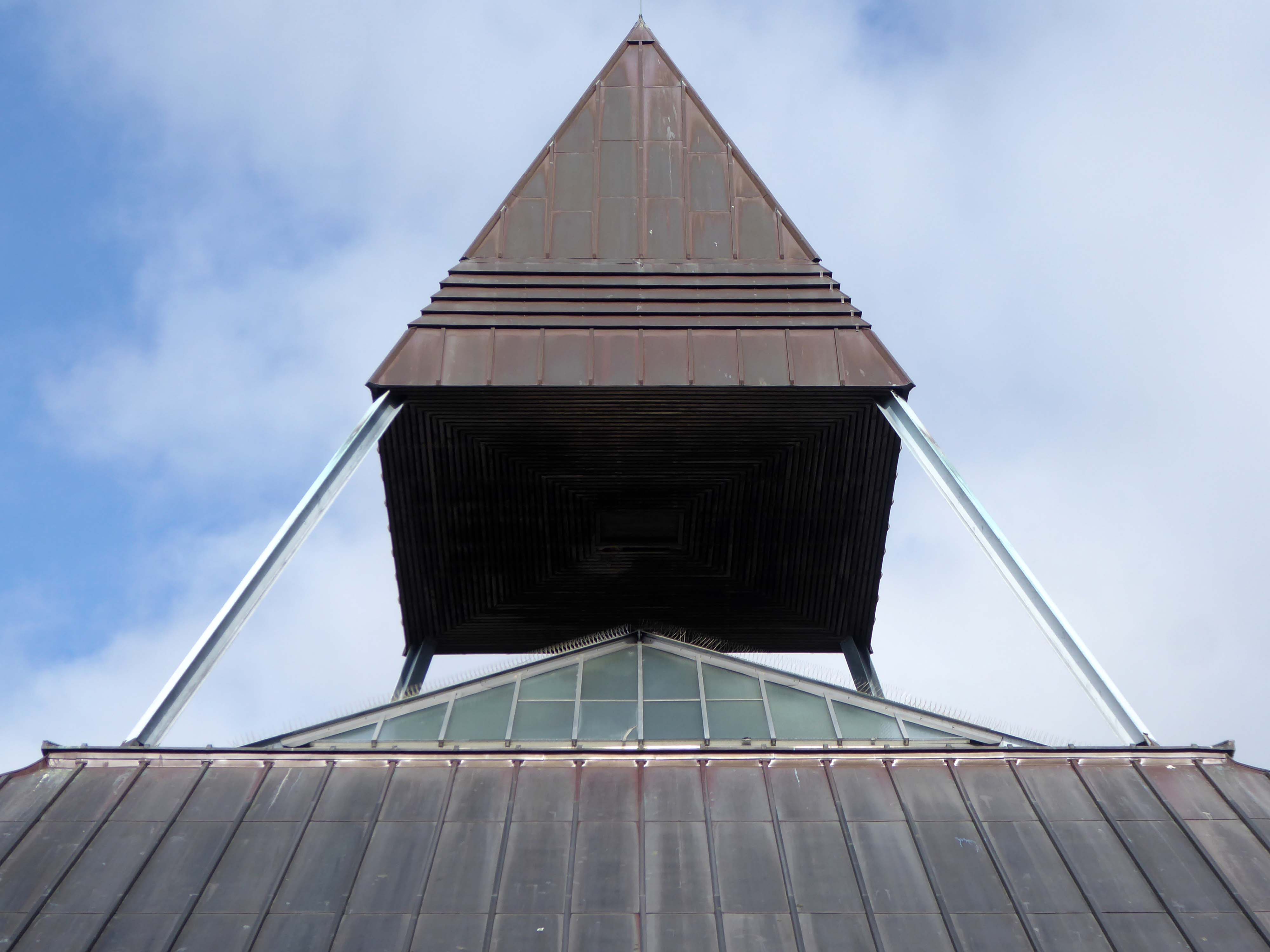
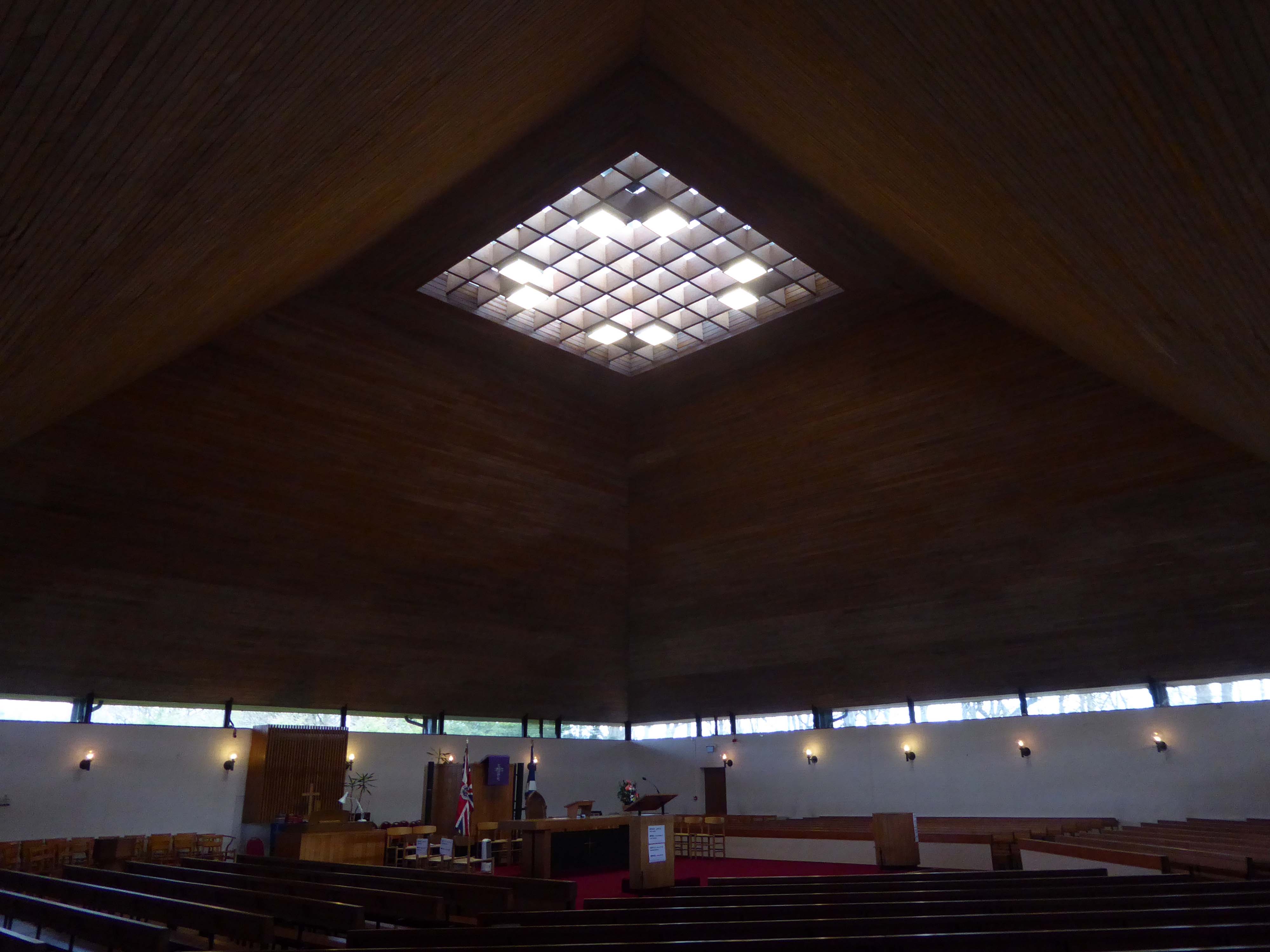
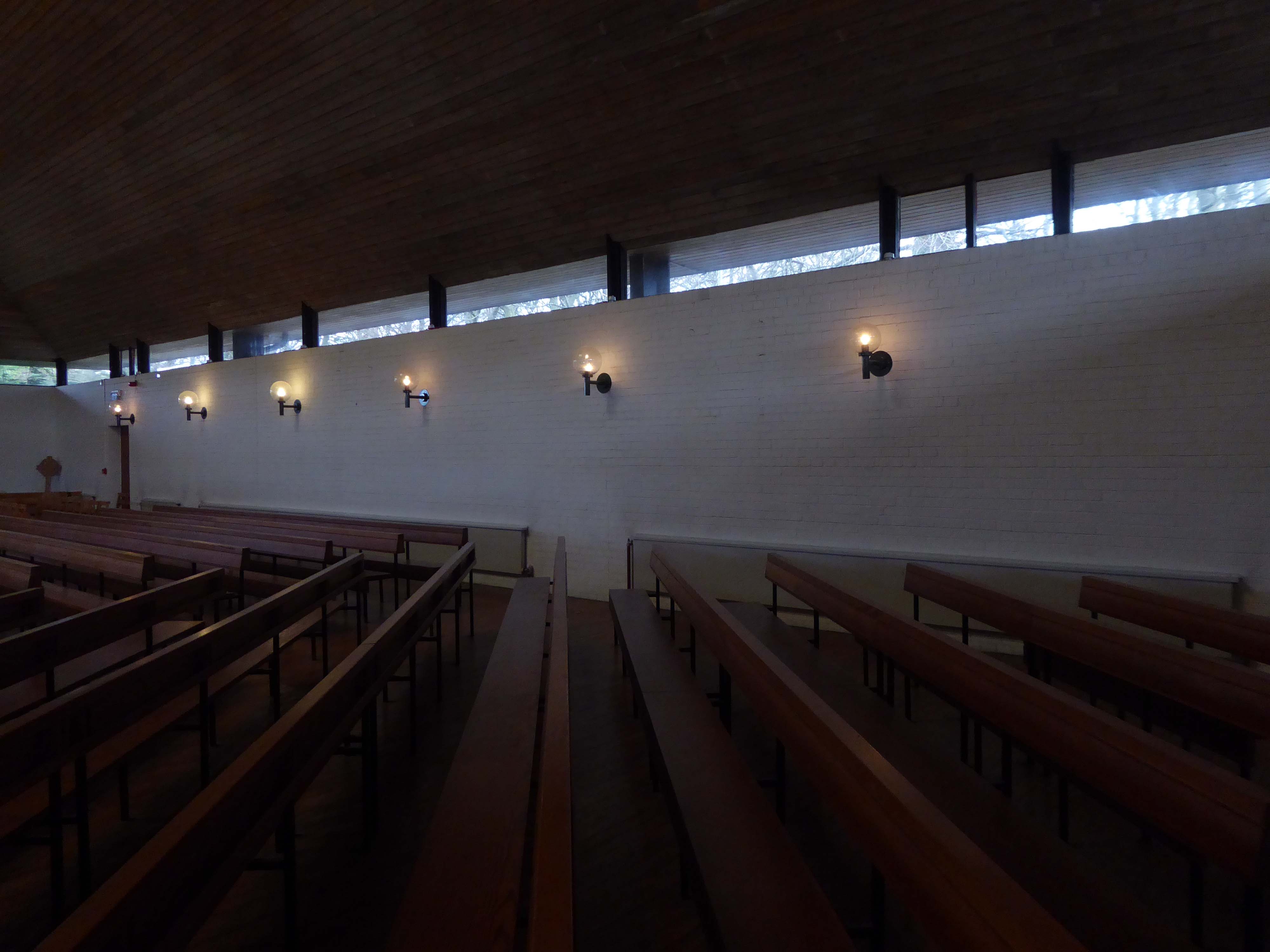
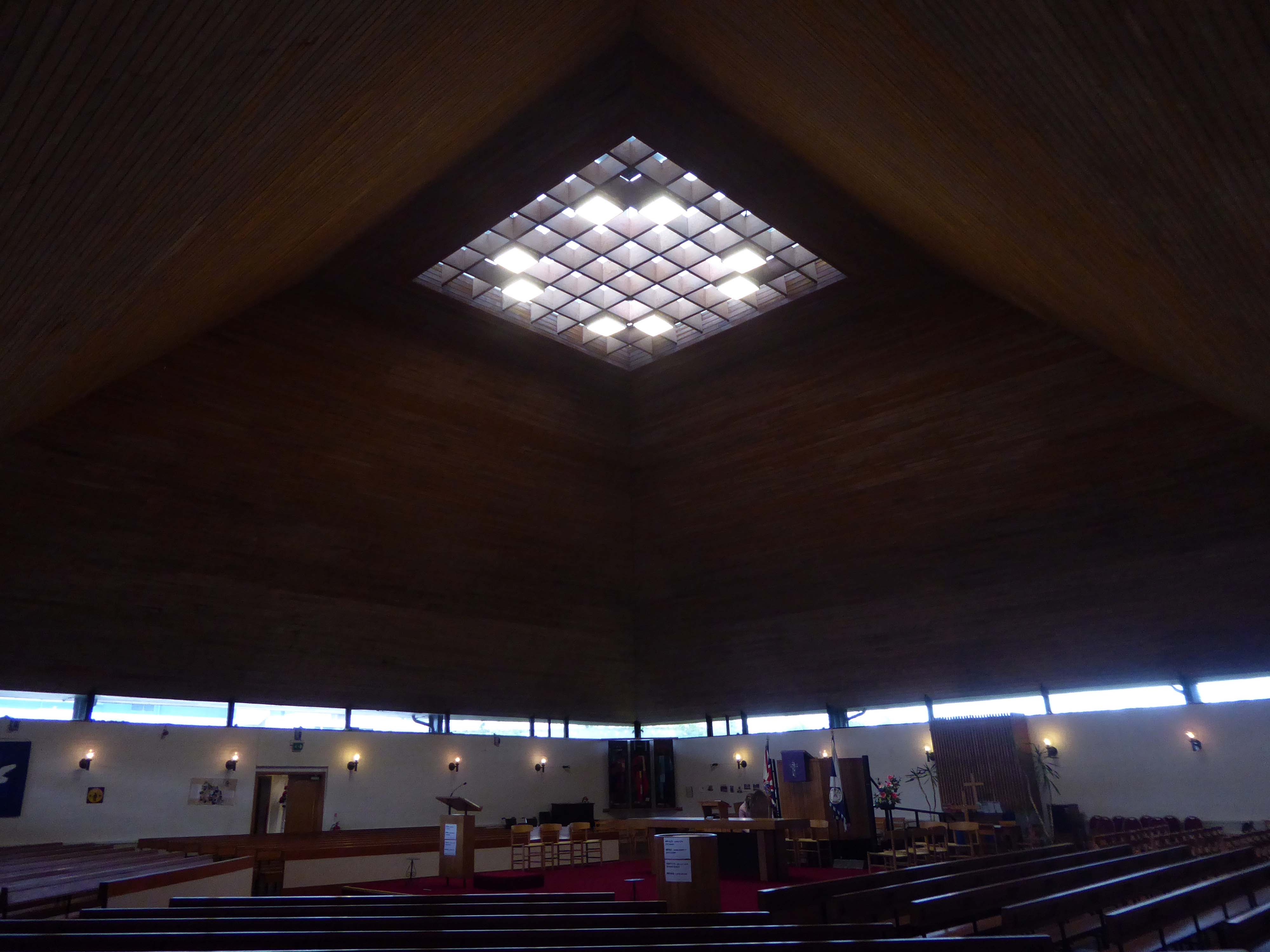
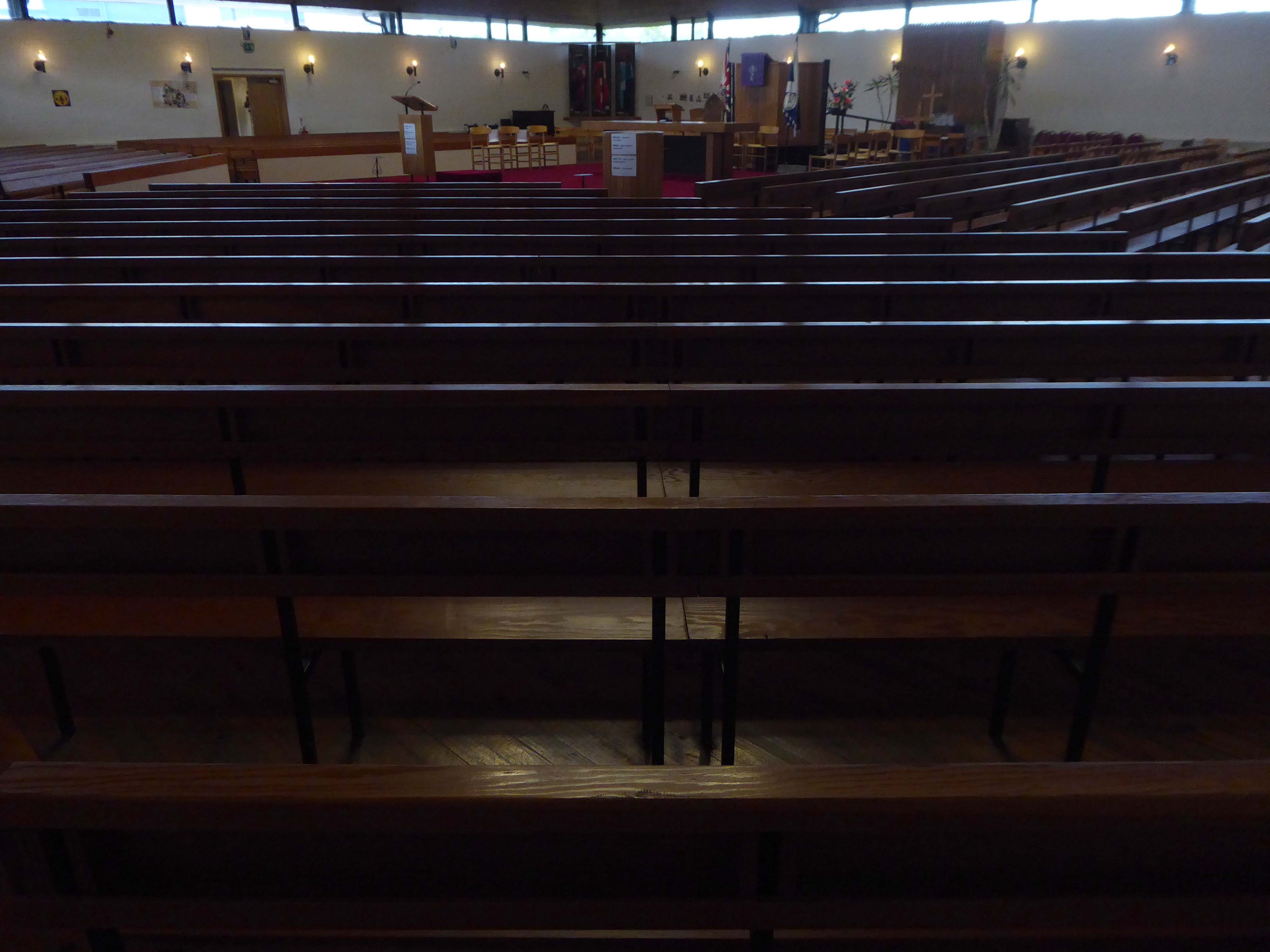
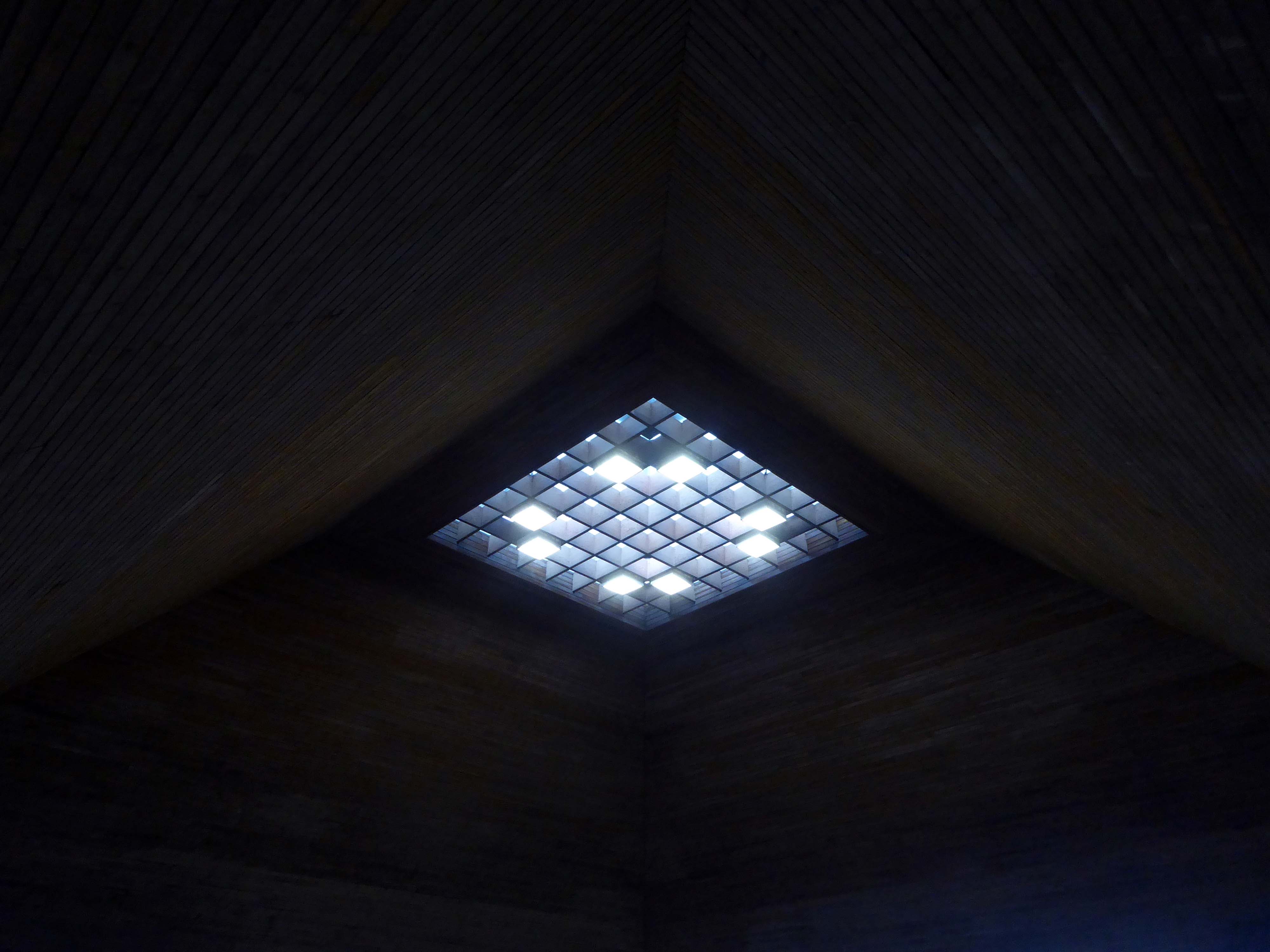
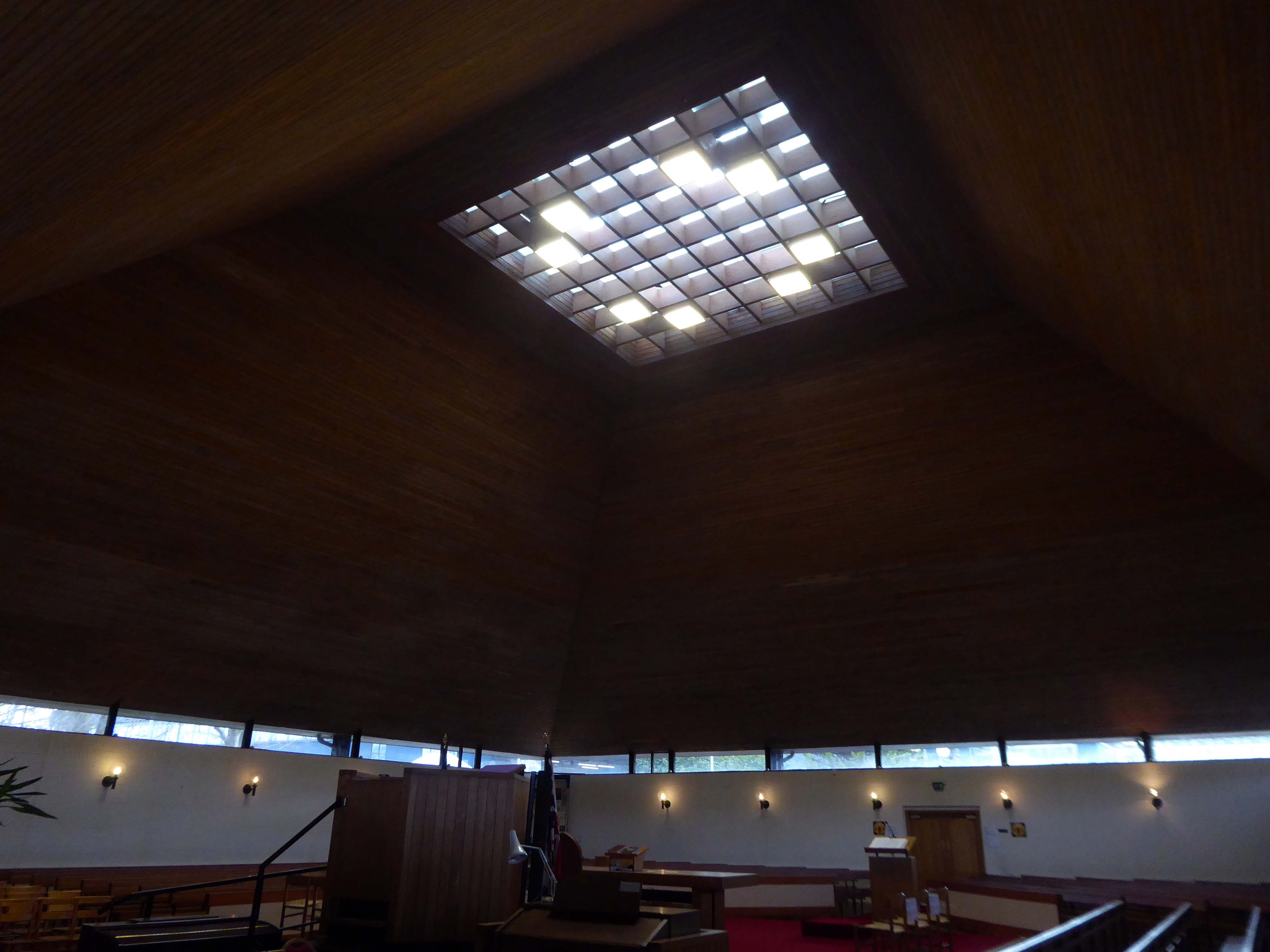
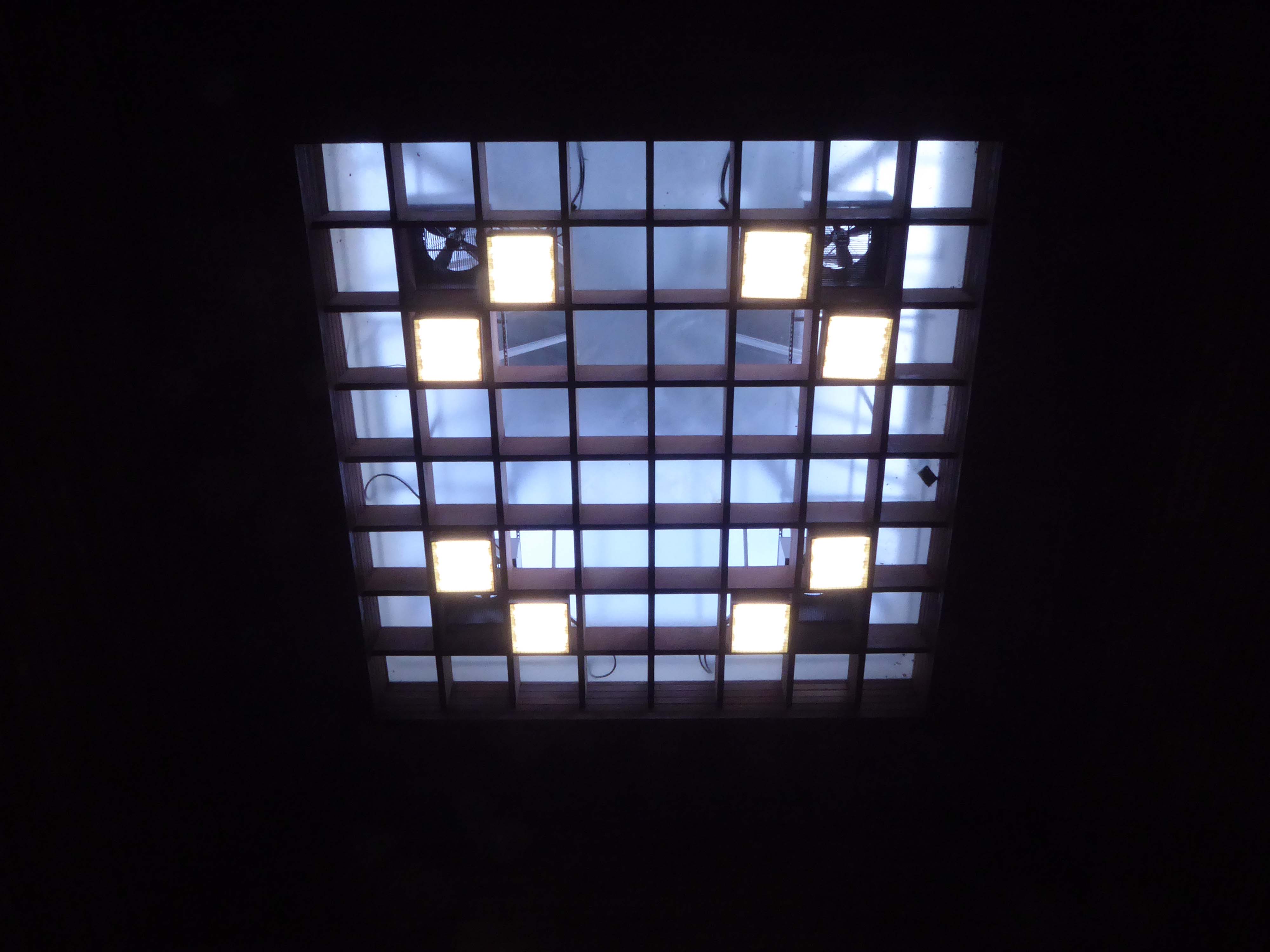
St Mungo’s Parish Church is a striking landmark in the centre of Cumbernauld. Prominently sited on the top of a small hill, the bold copper pyramidal roof is an important landmark. Alan Reiach designed two churches in Cumbernauld, both of which can accommodate 800, Kildrum Church – the earlier of the two. Alan Reiach 1910-1992, who was apprenticed to Sir Robert Lorimer 1864-1929, was primarily involved in the design of public buildings, including churches, schools, universities and hospitals. Noteworthy features of St Mungo’s Parish Church include the bold pyramidal roof, with apex of which forms a roof light lighting the nave of the church, and above this is a pyramidal belfry. The impressive Baltic redwood-lined interior gains natural light from the large central rooflight and clerestory windows.

Historic Environment Scotland

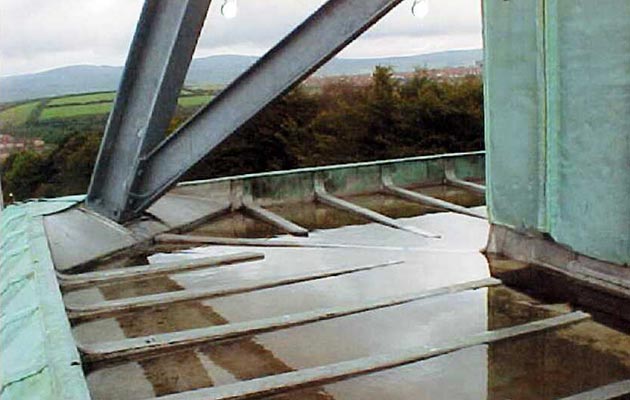
Sadly it no longer has a copper roof following work undertaken by LBG Waterston.

Thank you ever so much to to the members of the church who kindly allowed me to photograph the interior, prior to their Sunday service.

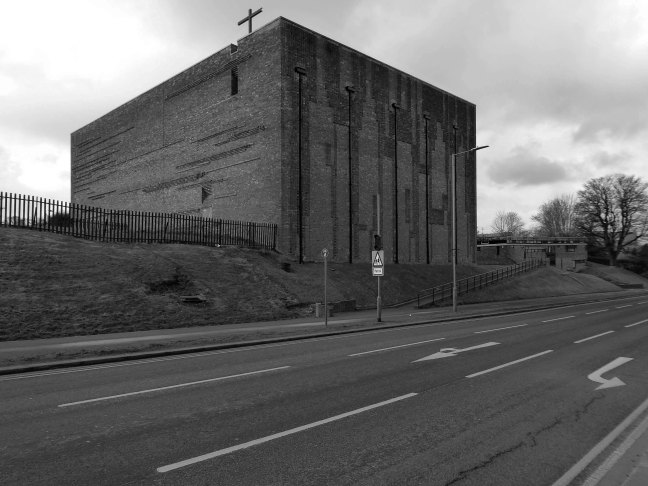
St Bride’s RC Church – East Kilbride

Whitemoss Ave East Kilbride Glasgow G74 1NN

Architects: Gillespie Kidd & Coia 1957-1964

Designed by Professors Andy MacMillan and Isi Metzstein.

Grade A listed 1994 RIBA Bronze Medal

Should you so wish – jump the train from Glasgow Central, unless you’re already here/there.

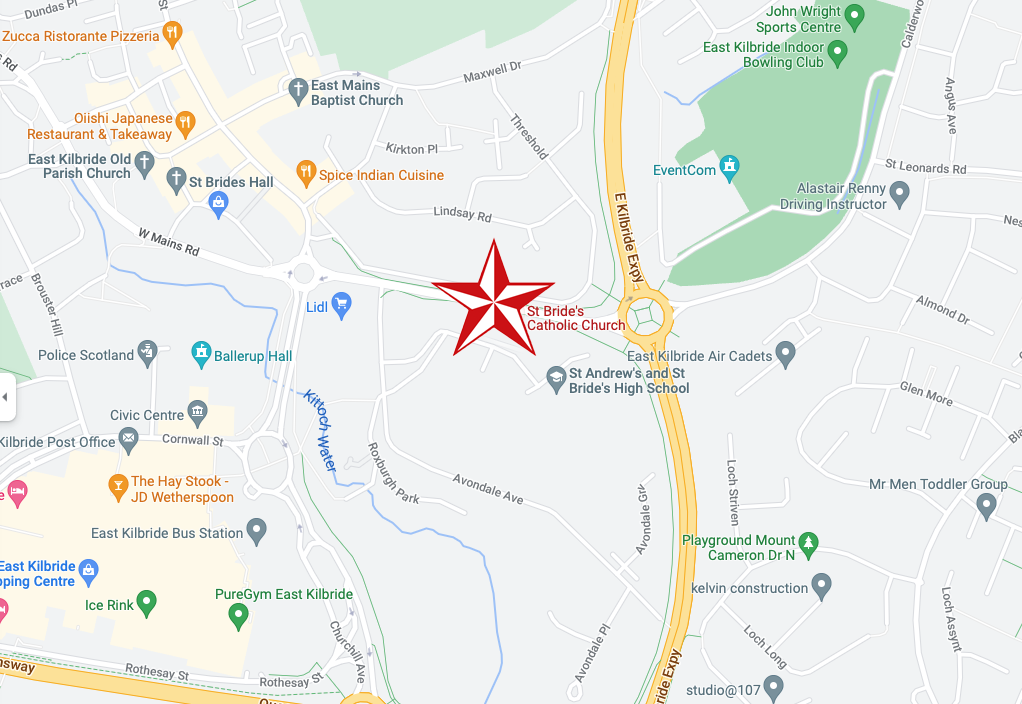
Walk up West Mains Road, alone on a hill standing perfectly still sits St Bride’s, you can’t miss it.

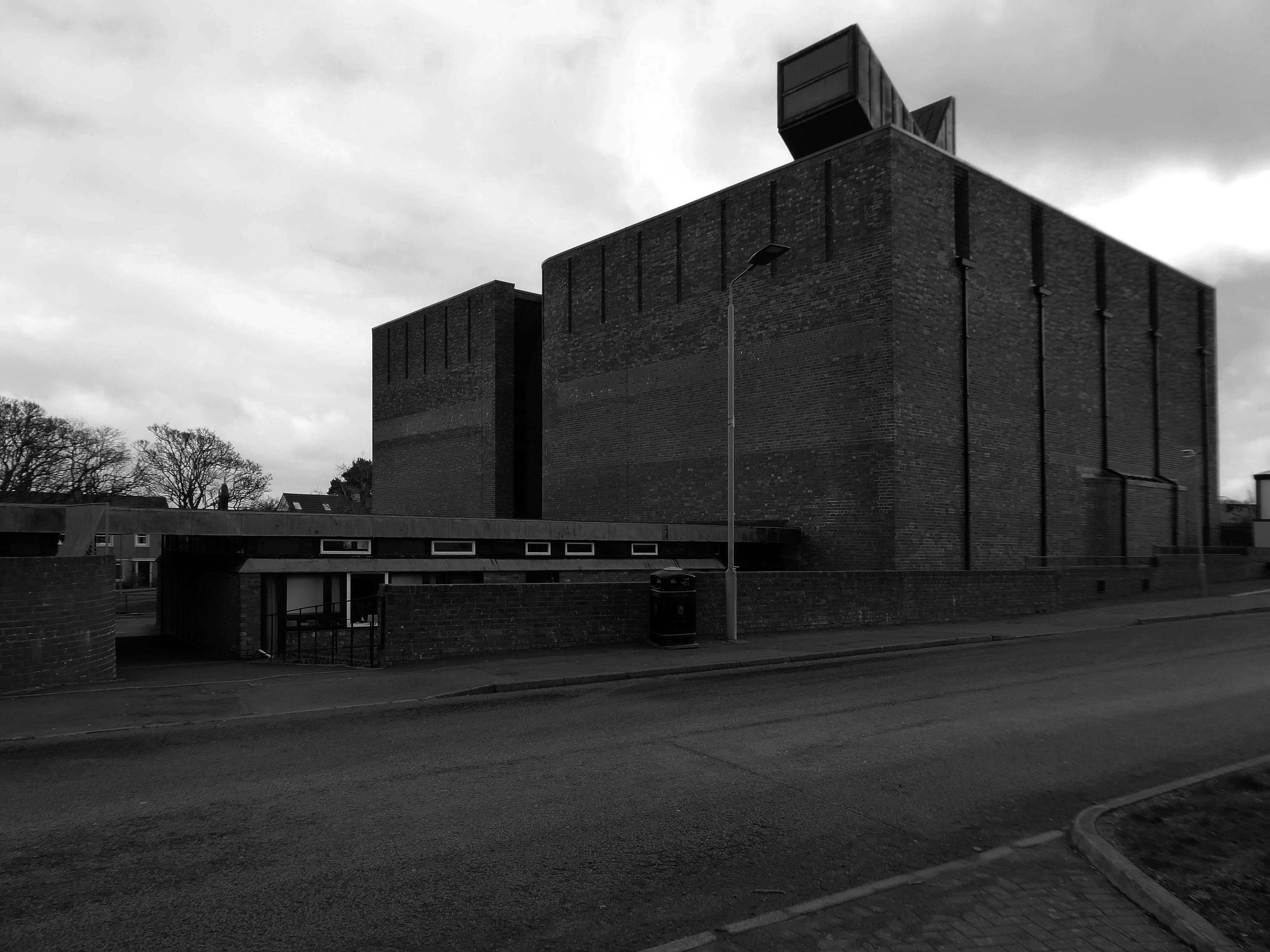
The biggest extant example of Bricktalism, the most Bricktalist building in the world, possibly.

Stallan-Brand design director Paul Stallan commented:

St Bride’s for me is the most important modernist buildings of the period. The church made from Victorian sewer bricks and concrete is both simple and complex. The architecture continues to be a key reference for students of architecture from across the world interested in modernism and the contemporary vernacular in context. Andy and Isi’s work is as important to Scotland as Alvar Aalto’s work is to the Finnish.

Urban Realm

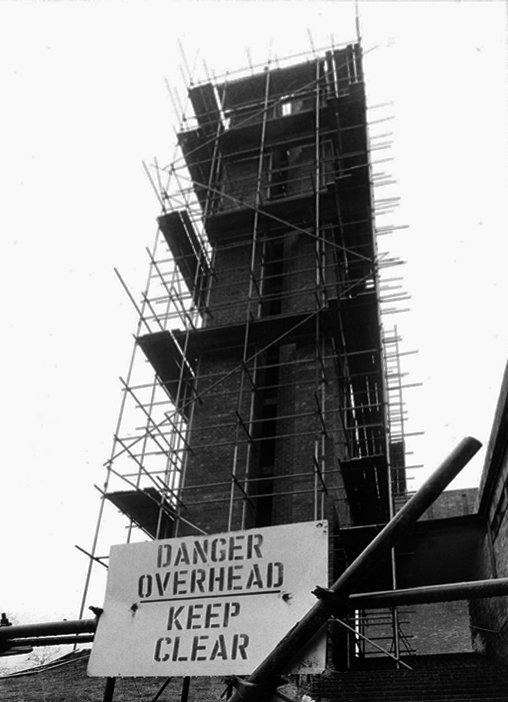
The bell tower was removed in 1983 due to extensive damage to the brickwork.

Image: Postwar Concrete

Image: Gillespie Kidd & Coia Archive at the The Glasgow School of Art.

It’s a traditional Scottish stone detail I saw for myself as a boy growing up in the Highlands, on every castle and fortified house, and on the flanks of the tower at Muckrach, ancient seat of the Grants of Rothiemurchus, built in 1598. This was my local castle just a mile from home.

The entrance to St Bride’s, I like to imagine, comes from a friendship that included travel in the Scottish Highlands, admiring the Scottish vernacular close-up, of a fevered conversation about a simple concept – the massive blind box, and how the application of simple, semi-traditional material detailing can make it all the richer.

St Bride’s is simply one of the finest buildings in Scotland.

Chris Boyce design director at CJCT Studios

Get your skates on it’s almost ten o’clock, Saturday Mass is about to start, take a seat.

Many thanks to Fr. Rafal Sobieszuk and the congregation for their warm welcome.

Sadly I was unable to reach these dizzy heights.

Happily the exterior is open and easily accessible, though care should be taken when zig zagging carelessly across West Mains Road.

Historically this is my very first Scot’s post, more to follow, I’m away to the Civic Centre.

Macklin Street Launderette – Derby

27 Macklin St Derby DE1 1LE

I had wandered along the road in search of a hotel that wasn’t there and found a launderette that was.

The Pennine was almost gone.

The launderette was empty and offered an oasis of oddity in an otherwise predictable day.

There is always a mild sense of trepidation, entering a space devoid of folk, slowly placing footsteps tentatively, over those of the lost souls, that have trodden the worn floor coverings in times past.

Just look over your shoulder – I’ll be there.

Once inside the daylight fades, replaced by tremulous fluorescent tubes, illuminating the discoloured coloured surfaces.

Blown vinyl, damp carpet, dulled stainless steel, tired laminate and pine panels.

A fine mix of dystopia and cheerless optimism.

Everything is almost always out of order.

Wigan Walk

Arriving at Wigan Wallgate turn left and left and right.

Tucked away along Clarence Yard is the former Princes Cinema.

Photo: Ian Grundy

Where once upon a time the flat capped and hatted audience queued at length, for a glimpse of Dracula and Frankenstein.

Opened in 1934 and closed on 10th January 1970 with a screening of The Mad Room.

Cinema Treasures

It has subsequently been in use as a nightclub.

Back out onto Dorning Street in search of telephone exchanges, three telephone exchanges.

Inter-war

Sixties.

Seventies.

Just around the corner is an expansive GPO Sorting Office of 1959.

Across the way is the Technical College.

The foundations of Wigan & Leigh College date back to 1857, and the current institution was formed in April 1992 through the merger of Wigan College of Technology and Leigh College.

Partly formed from the Thomas Linacre Technical School.

Architects: Howard V Lobb G Grenfell Bains & Hargreaves 1954

School Hall – RIBA Pix

Curious decorative brick motif – a floor plan of the building.

My thanks to Mark Watson for his erudition and insight.

Across the road the former Grammar School now an NHS Centre.

Wigan Grammar School was founded in 1597 and closed in 1972 as part of the comprehensive education movement. it became Mesnes High School until 1989, and then the Mesnes Building of Wigan College.

It was designated a Grade II listed building in 1997.

Architect: A E Munby

Since 2003, it has been known as the Thomas Linacre Centre and is an out-patient department for the Wrightington Wigan and Leigh NHS Trust.

Let’s head back into town and along Standishgate.

Former Burton Tailors – possibly.

Turn left into Millgate to see the boarded up Civic Centre.

Formerly not boarded up Civic Centre.

Across the way the new Library and Life Centre by Astudio and LCE Architects

Down the road to where the International Swimming Pool was – opened 1968.

Demolished 2010

Scholes Comprehensive Development 1964 – five thirteen storey blocks.

Moving down the street to the former Police Station now Premier Inn on Harrogate Street.

Lancashire County Architect: Roger Booth

Flickr

Next door the Post Modern brick monolith of the Wigan and Leigh Courthouse 1990.

Then back up along King Street to visit the Job Centre.

Take a look up at the Royal Court Theatre – 1886 Richard T Johnson

Then back up toward the centre to the County Playhouse.

Construction began on the County Playhouse in 1916. However, due to a shortage of materials and labour during World War I, it was not completed until 1919.

Finally opened on 22nd December 1919 with The Peril Within – starring Dorothy Gish.

Onwards to the Wallgate News.

Finally to The George public house.

All ages, all different, all characters all like a bevvy.

The George is all you need.

William Temple Church – Wythenshawe

The Anglican Church of William Temple was opened in 1965 on the corner of Robinswood Road and Simonsway as the church of the Civic Centre.

We have been here before, here’s the background info and snaps.

Hopefully we will all be here again and again.

It’s one of my all time favourite churches and one of George Pace’s most distinctive.

Here he is in Keele, Doncaster, Bradford, Sheffield and Chadderton.

An exterior which betrays only a little, of that which lies inside.

And here is what lies within a range of fittings and fixtures which sympathetically mix and match materials and form.

Perfect.

Many thanks to Brenda and the Wythenshawe team for making us feel so welcome.