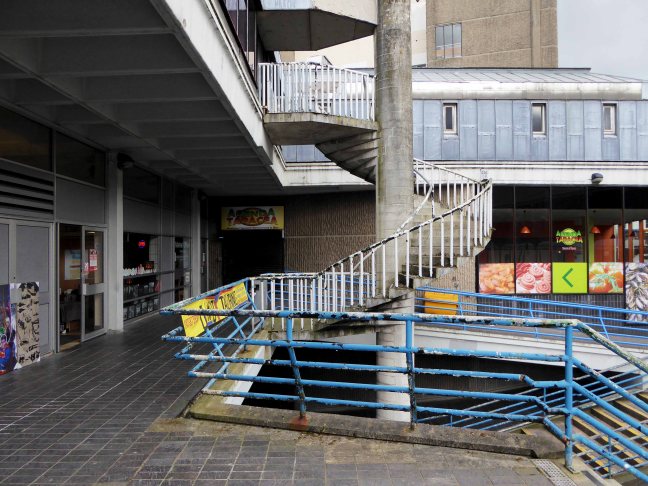
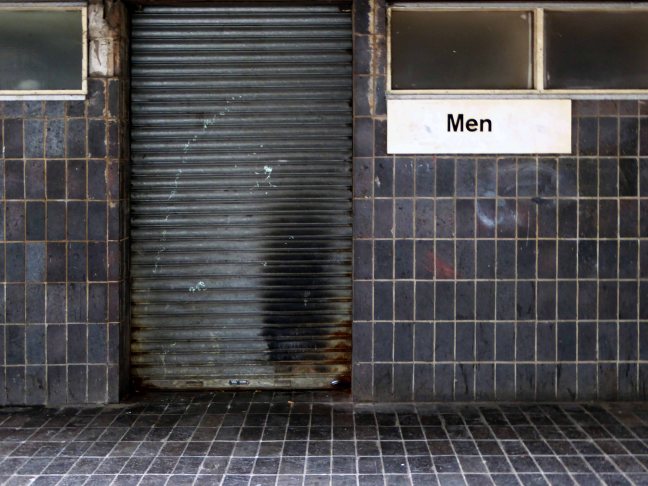
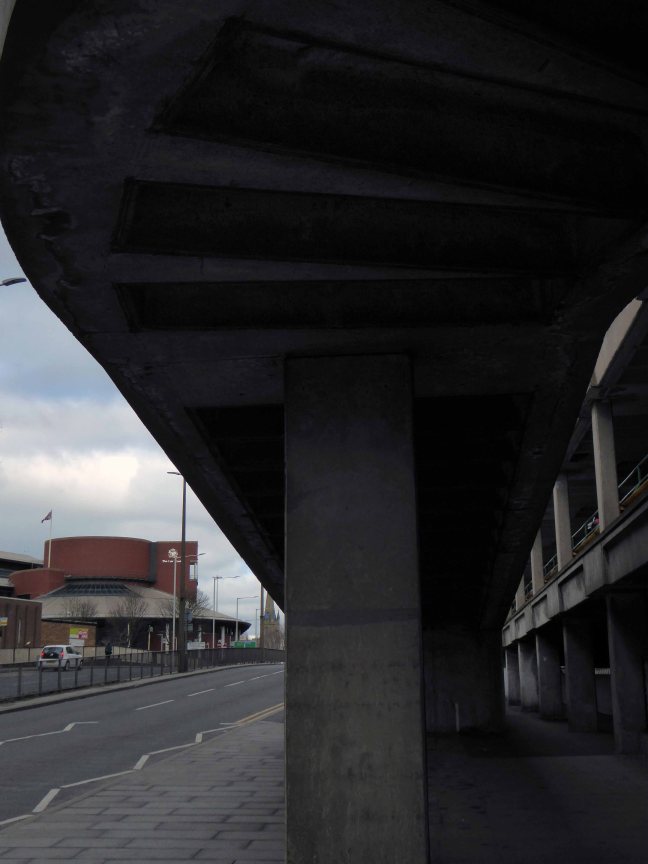
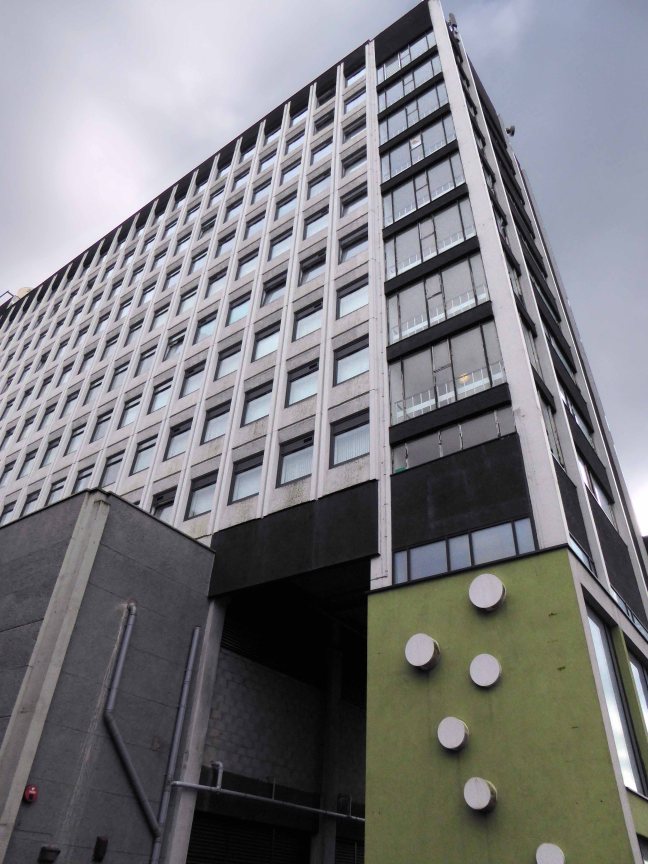
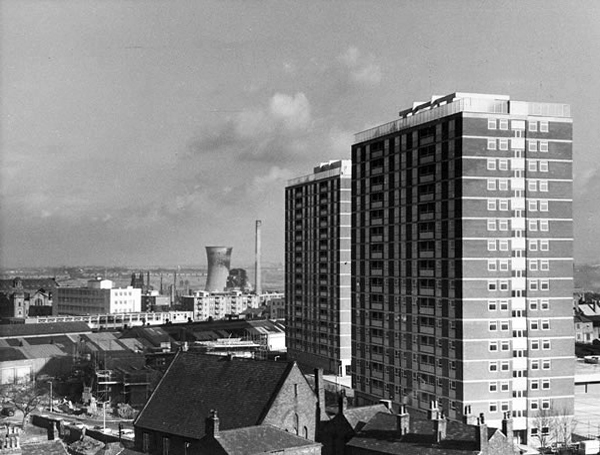
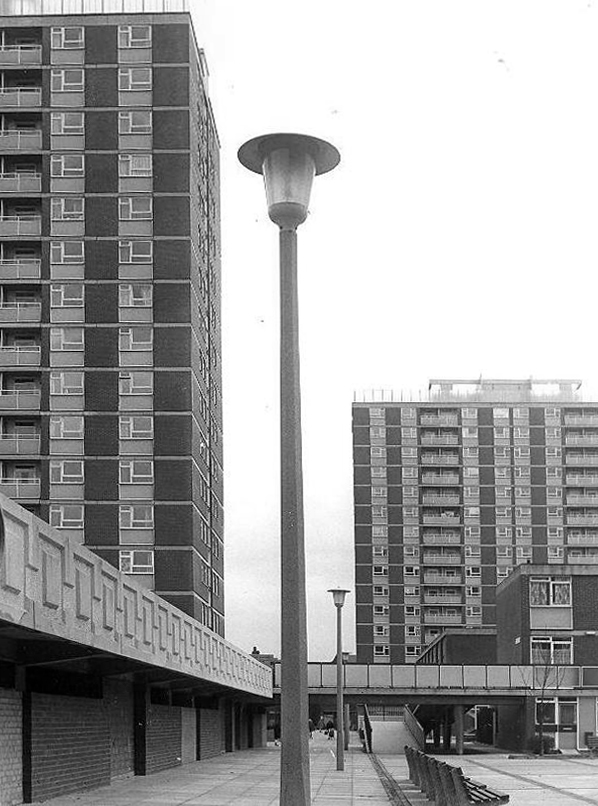
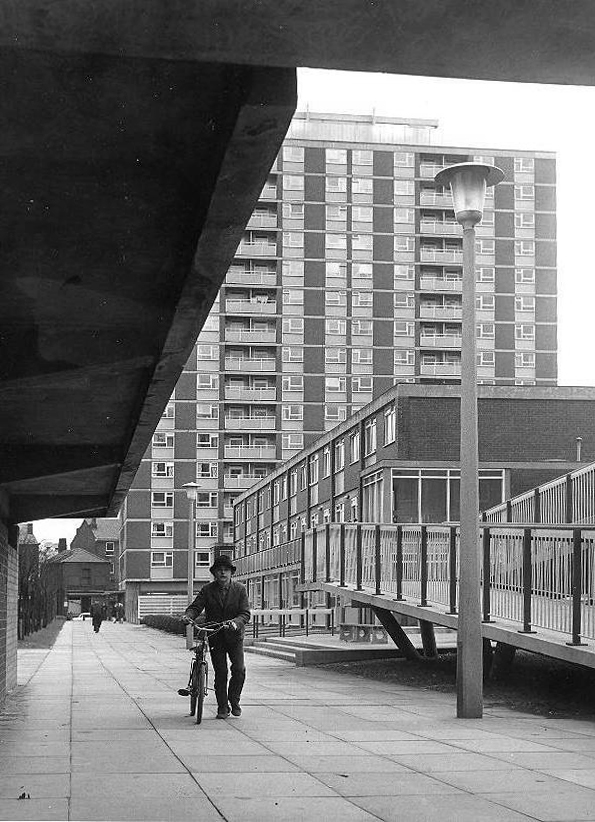
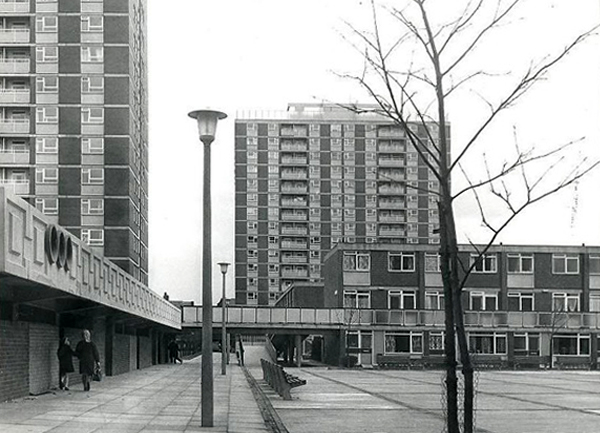
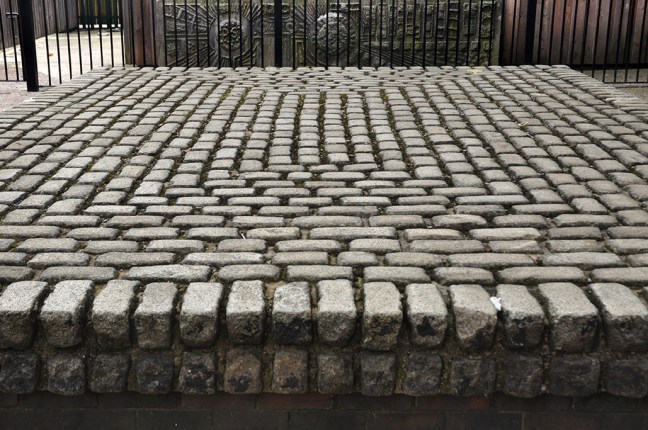
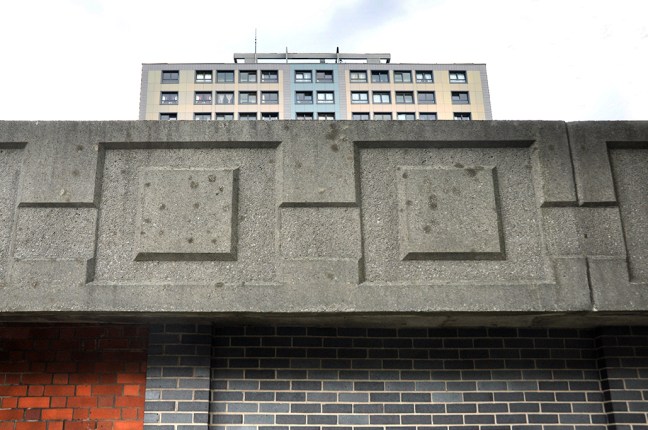
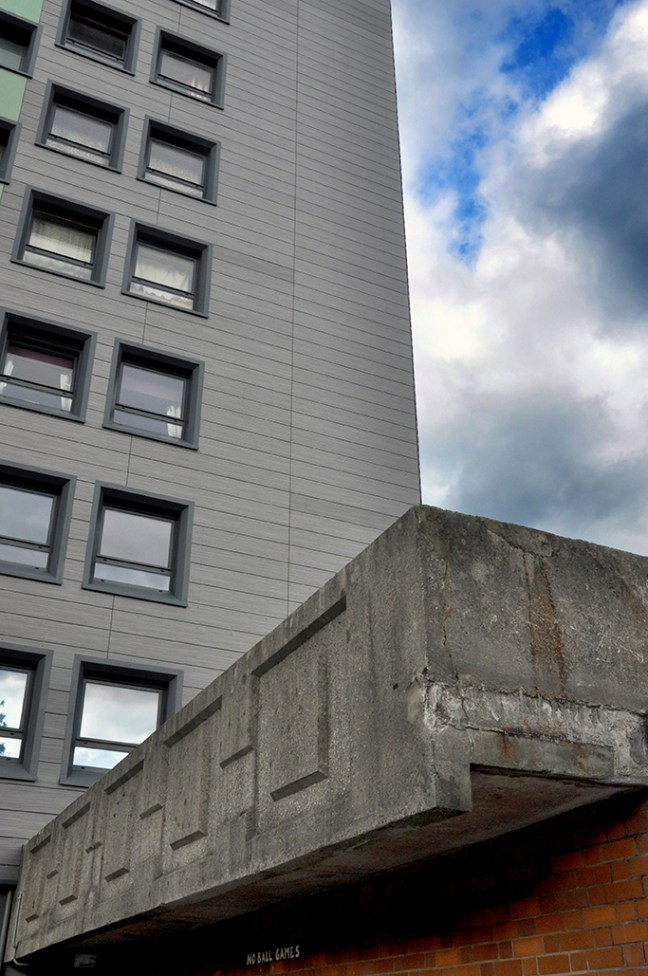
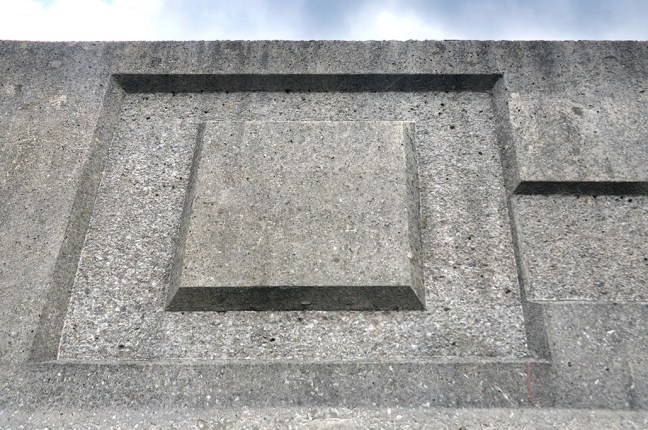
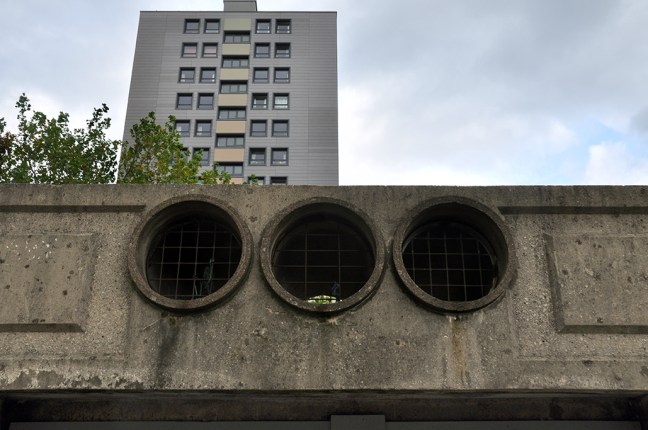
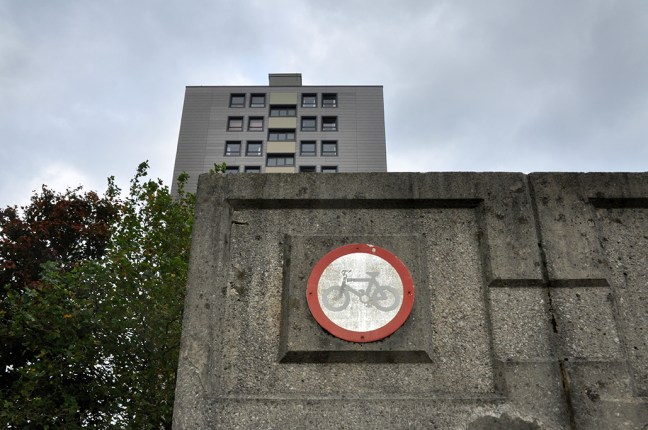
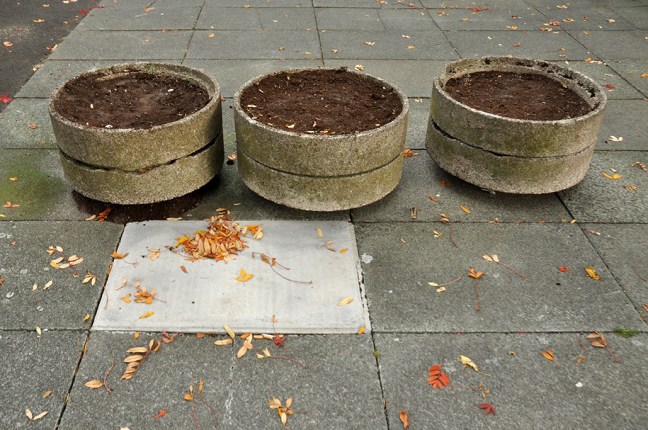
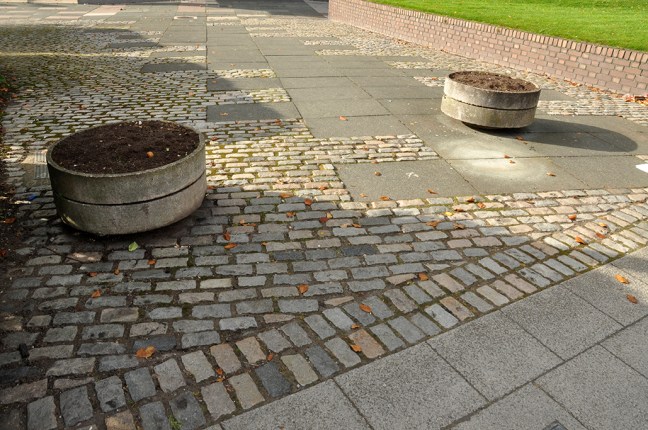
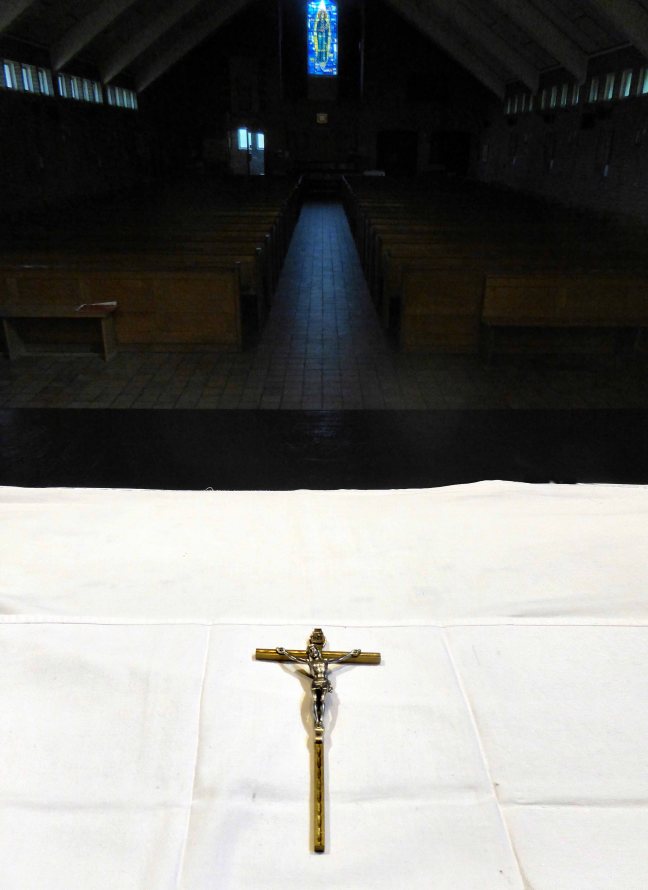
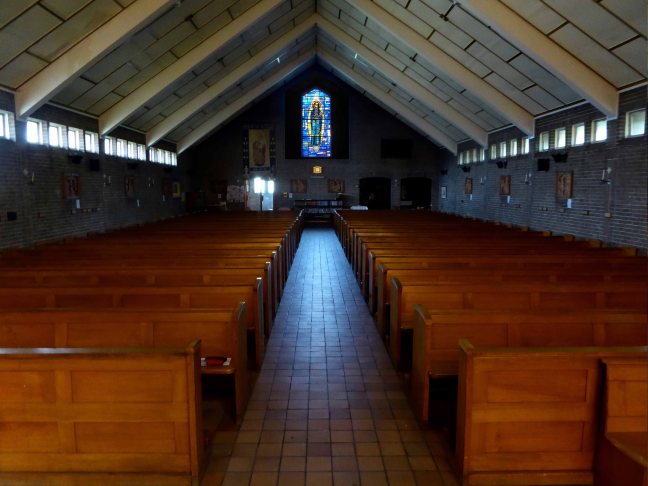
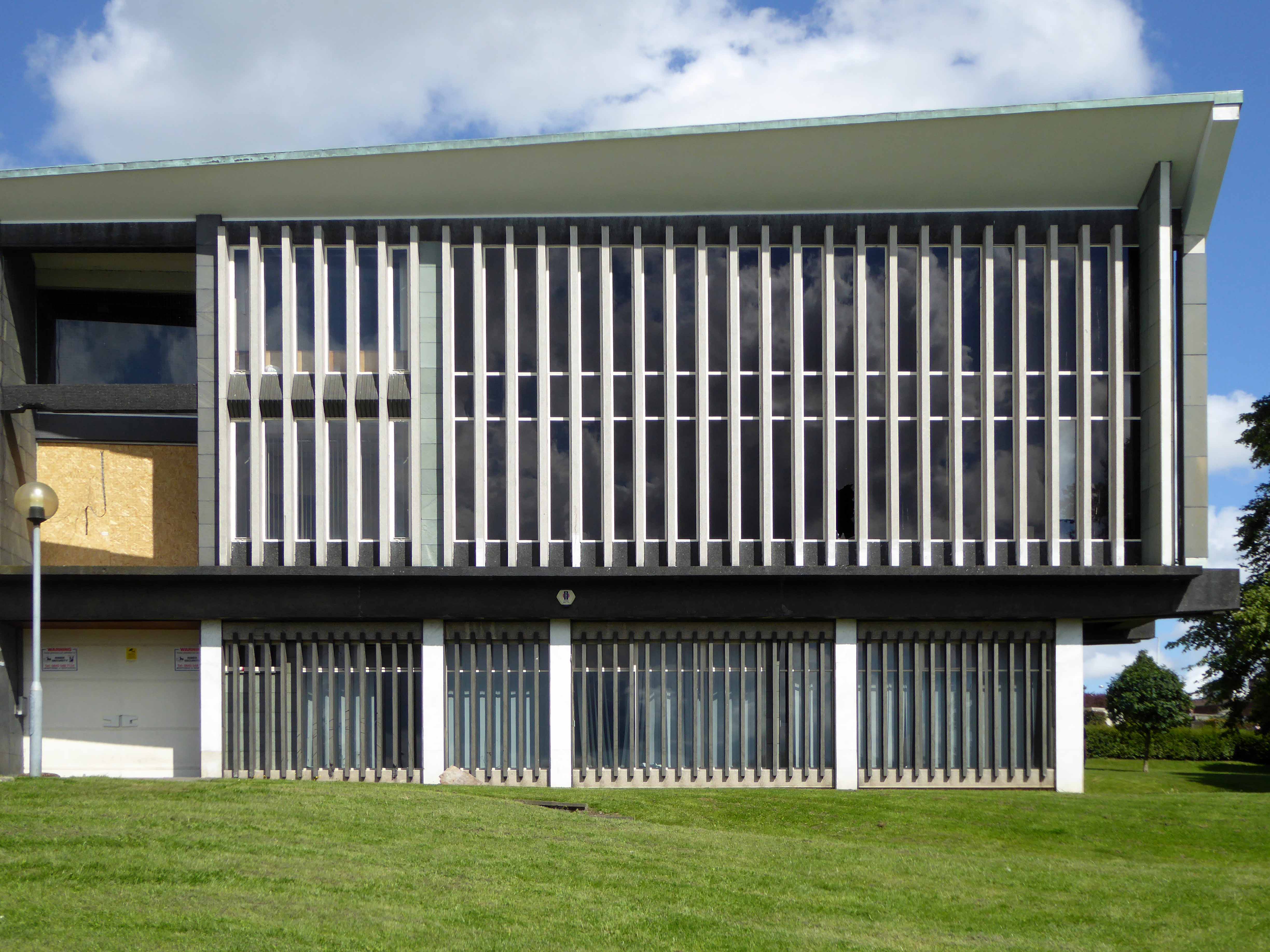
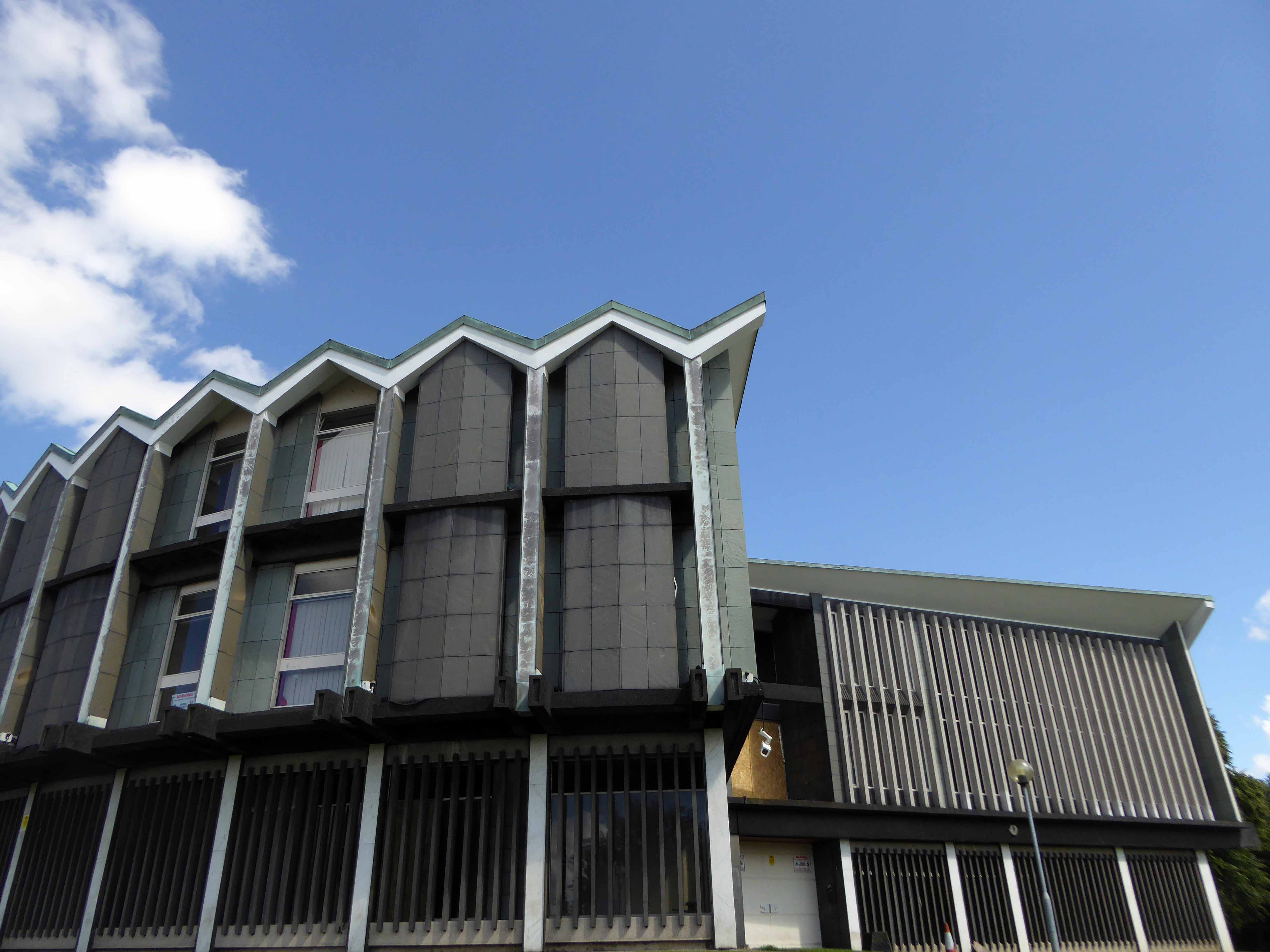
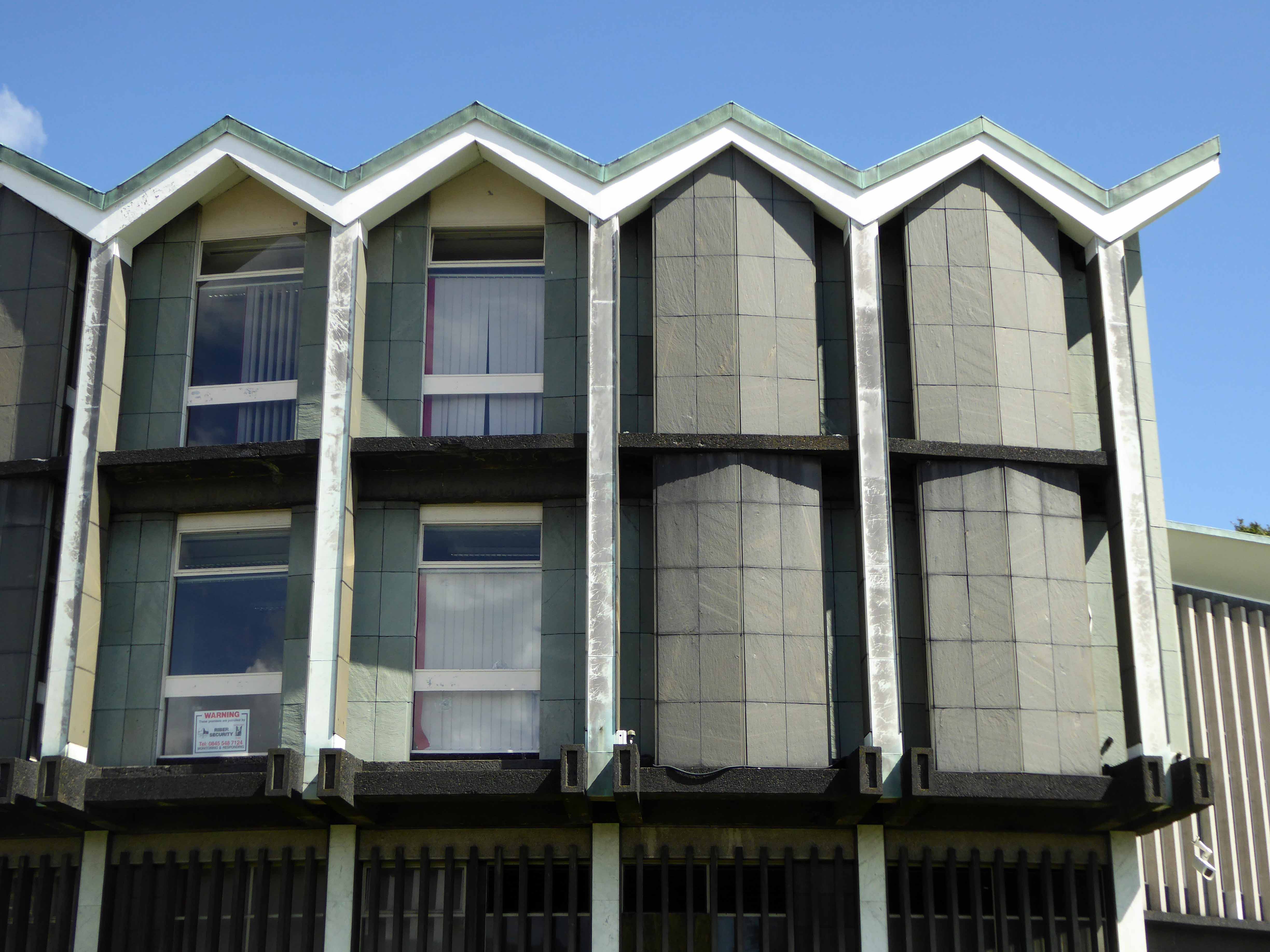
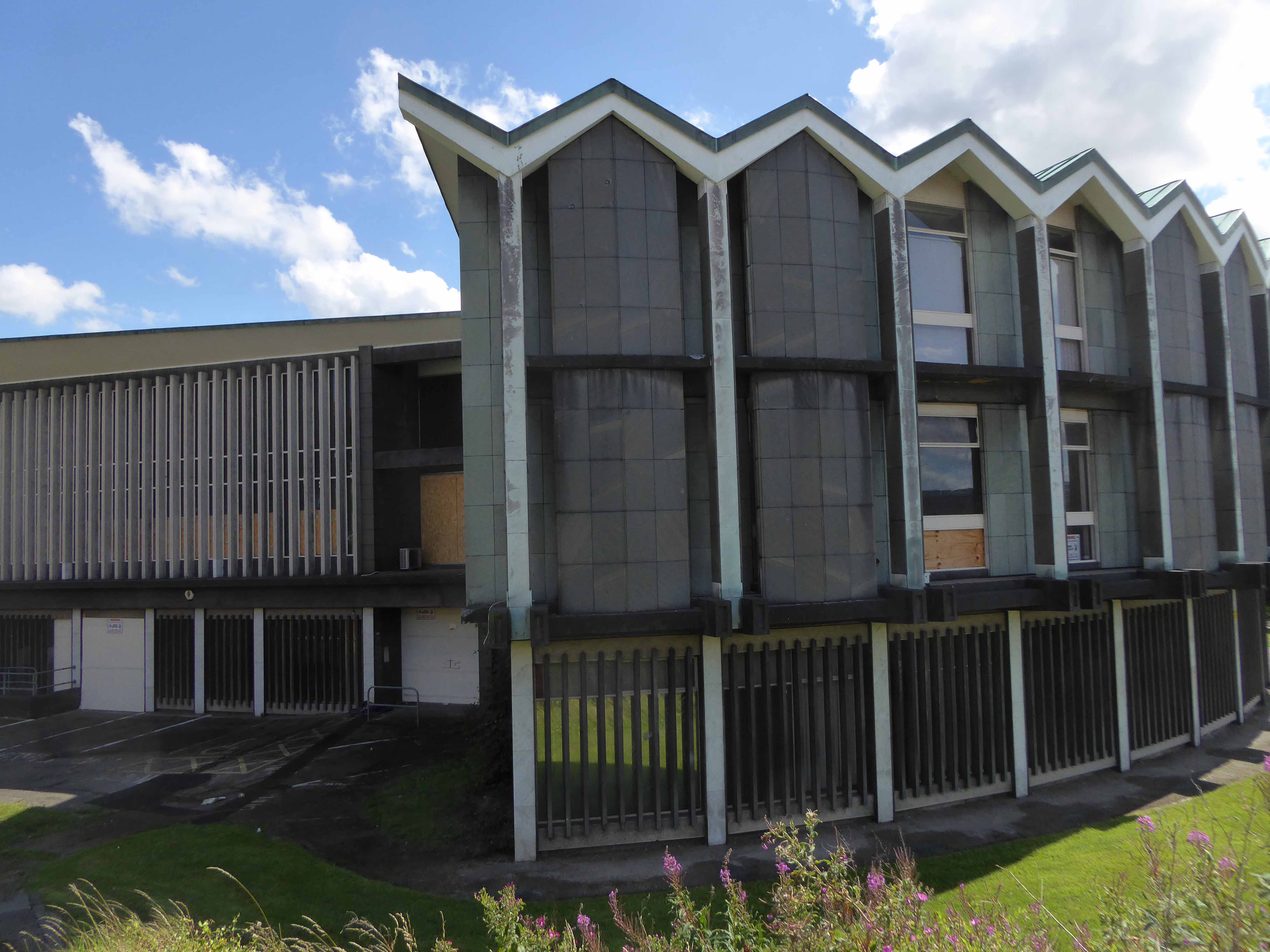
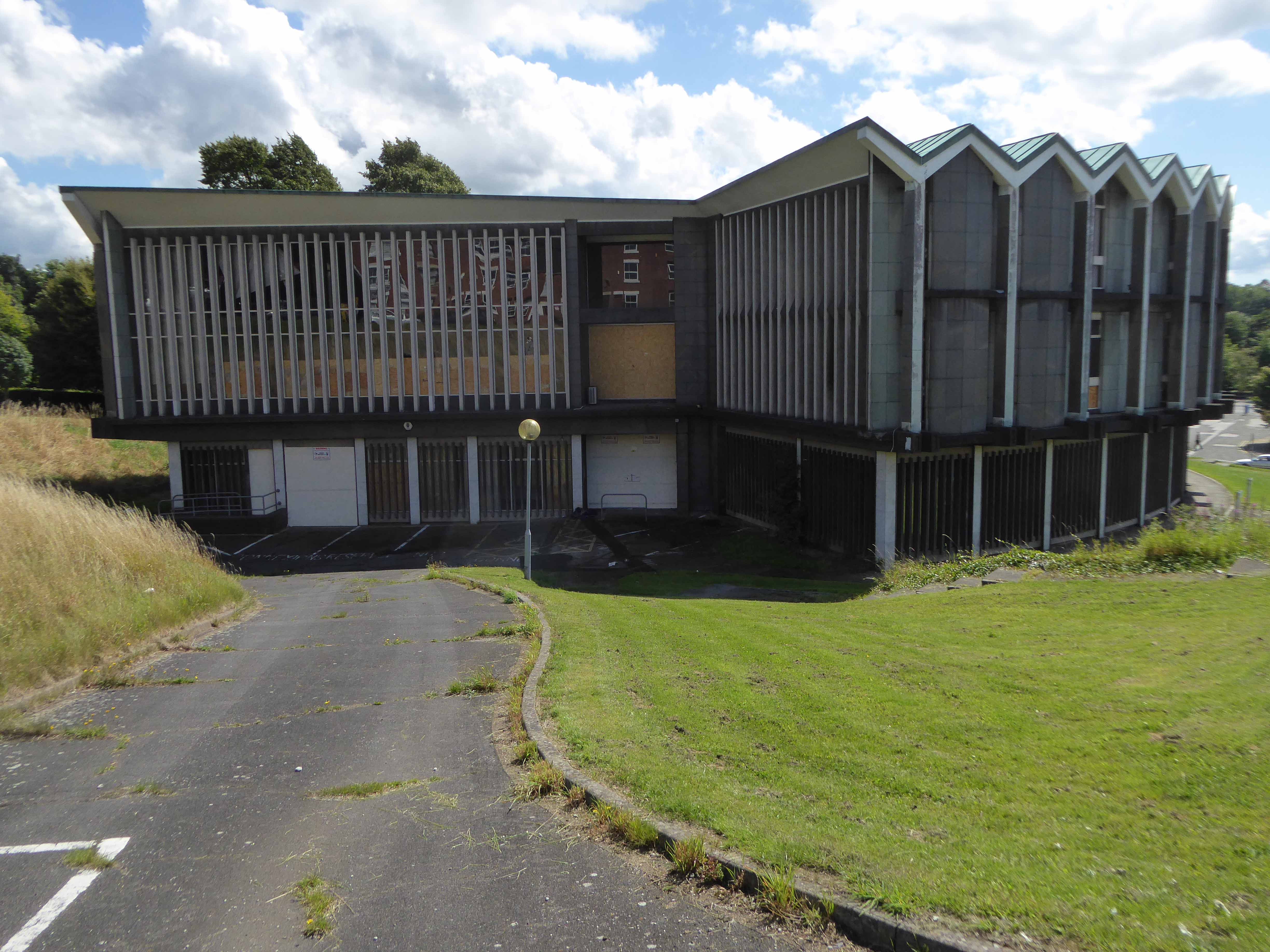
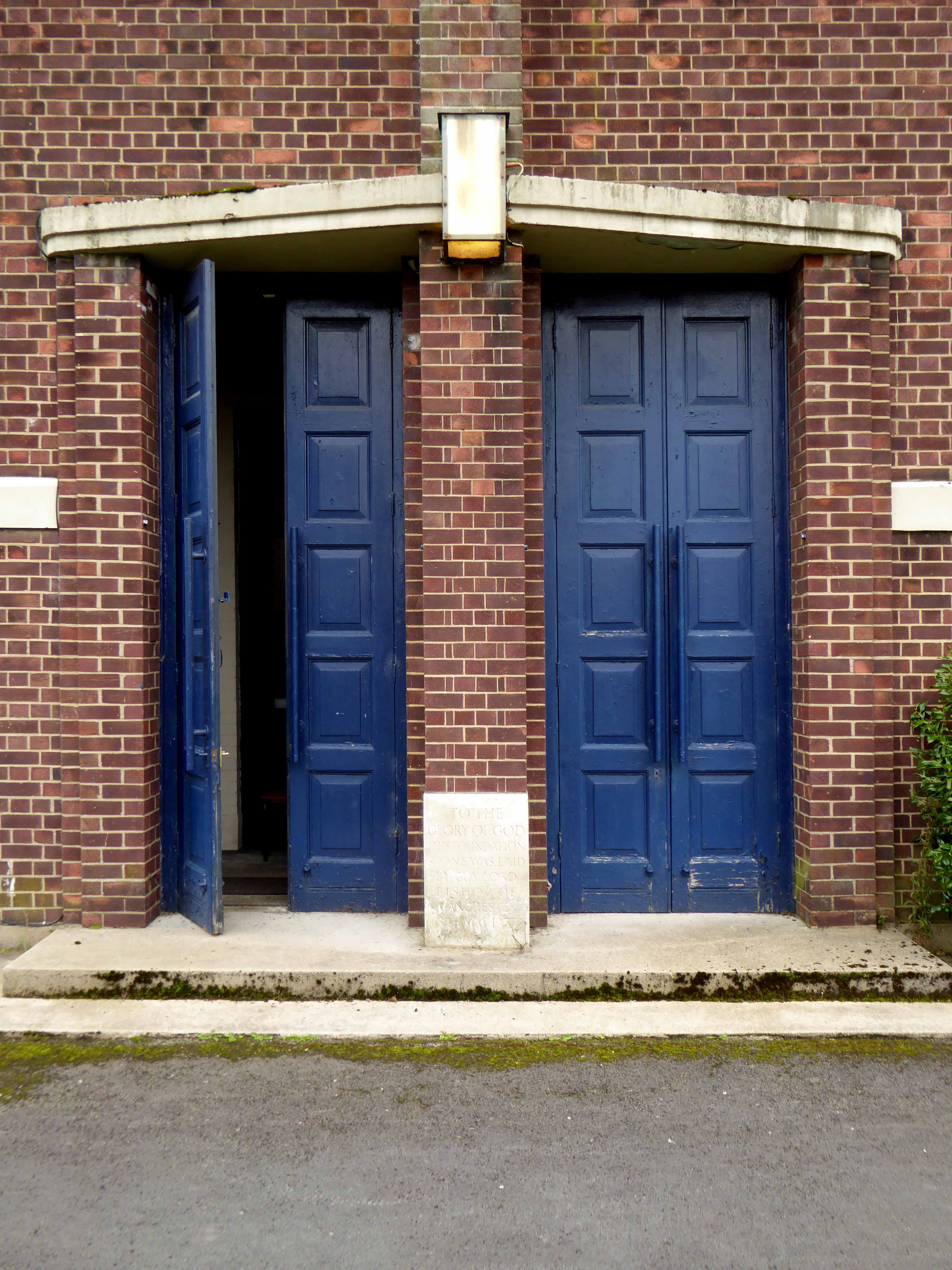
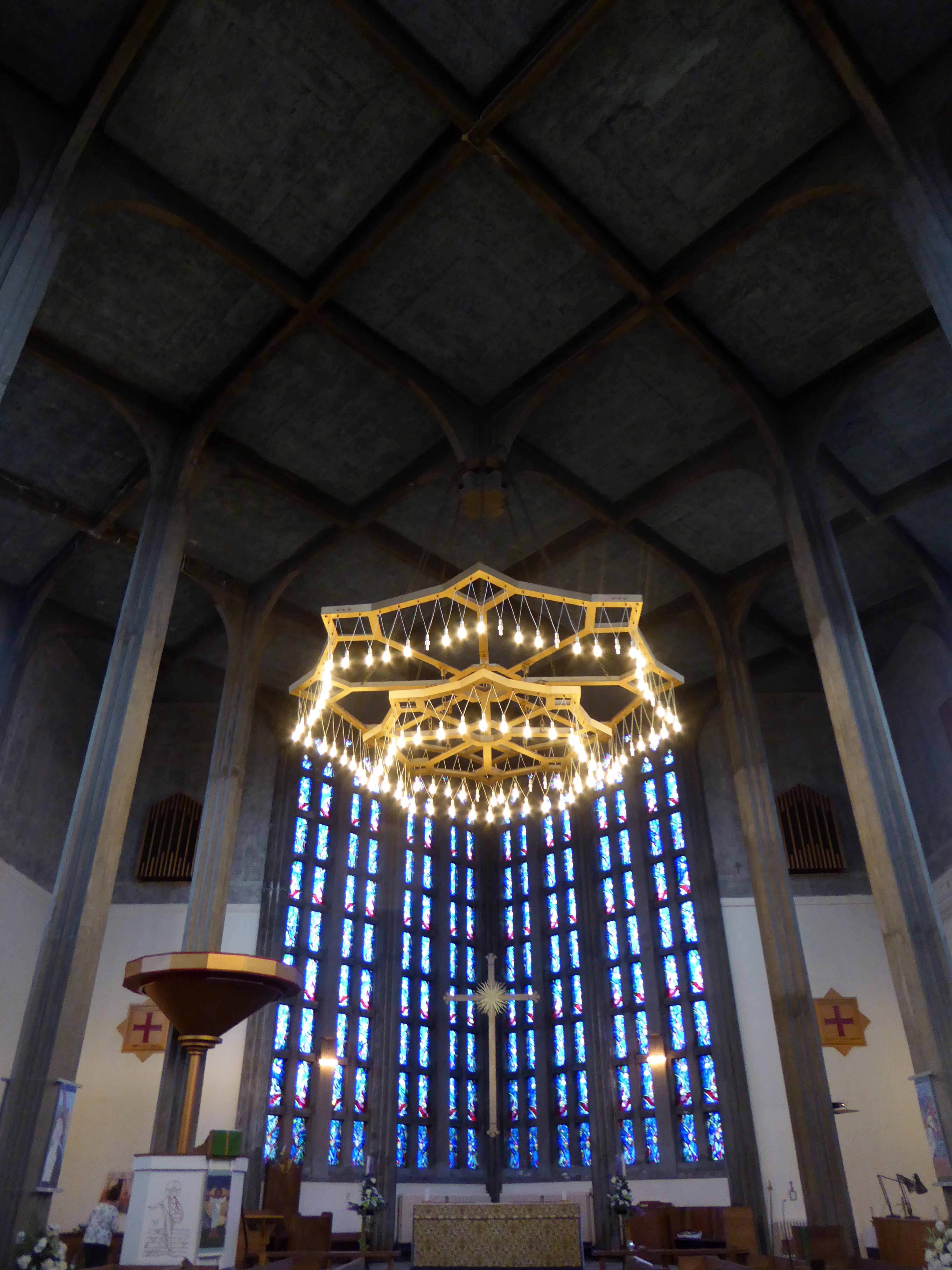
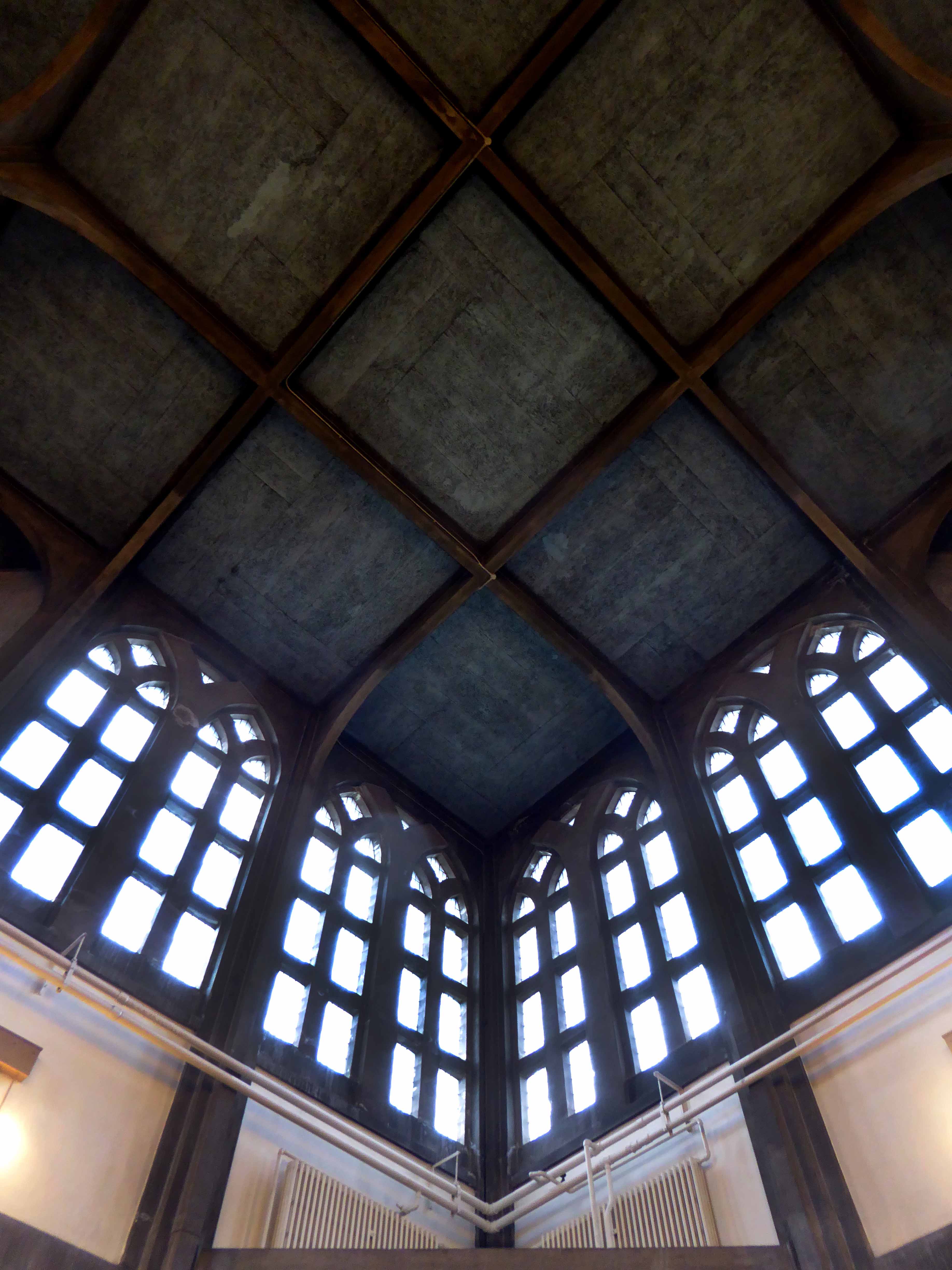
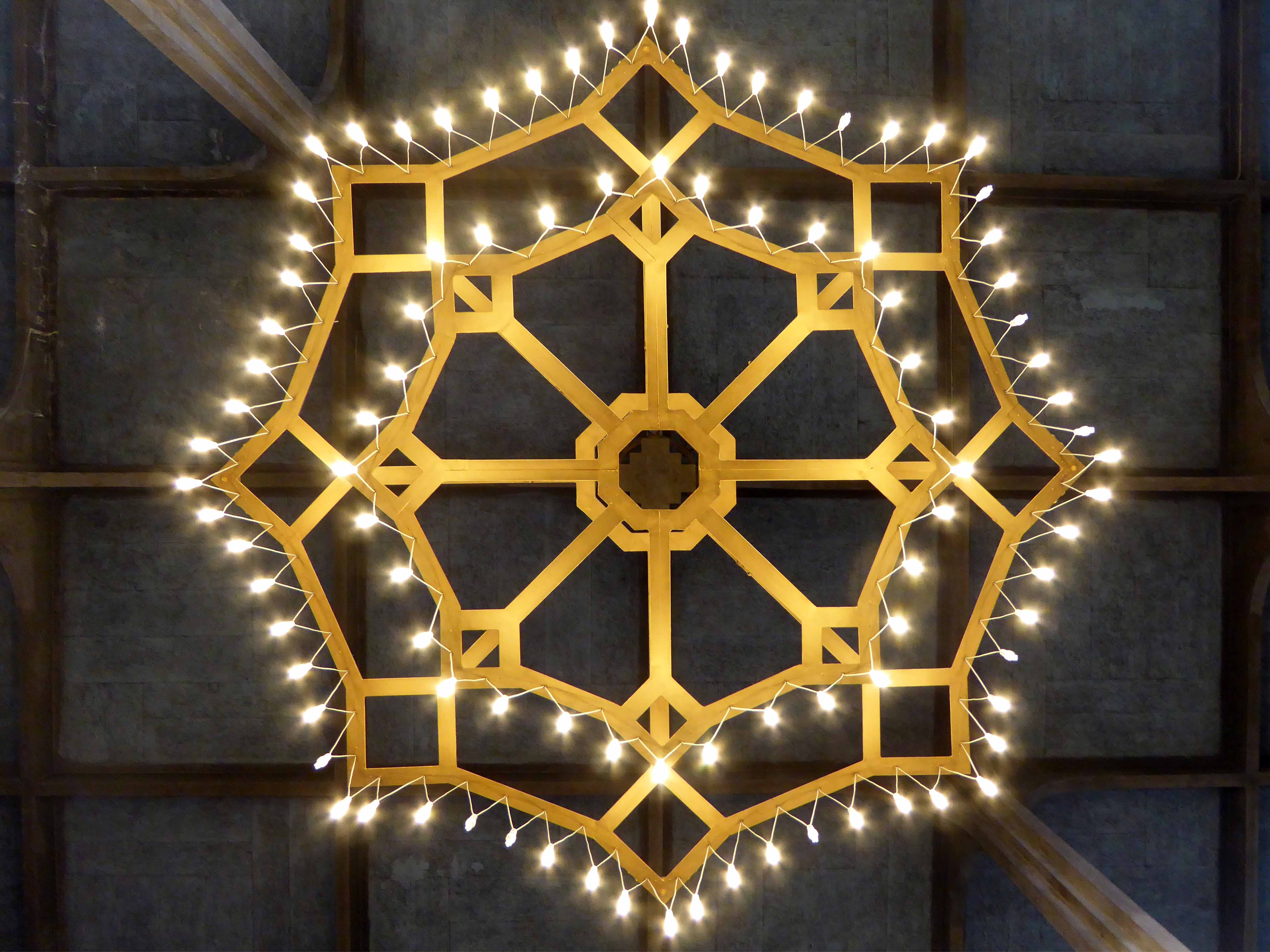
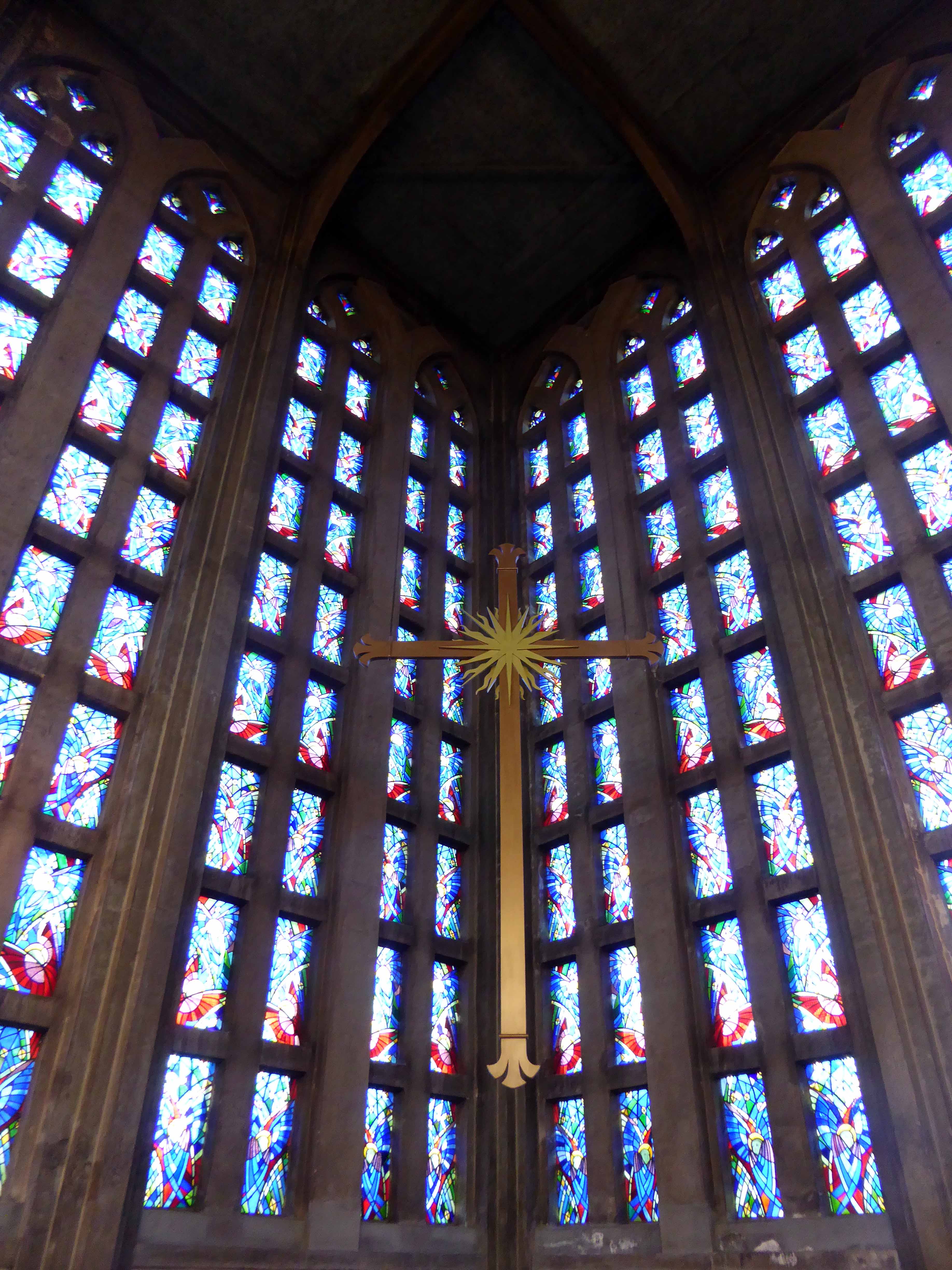
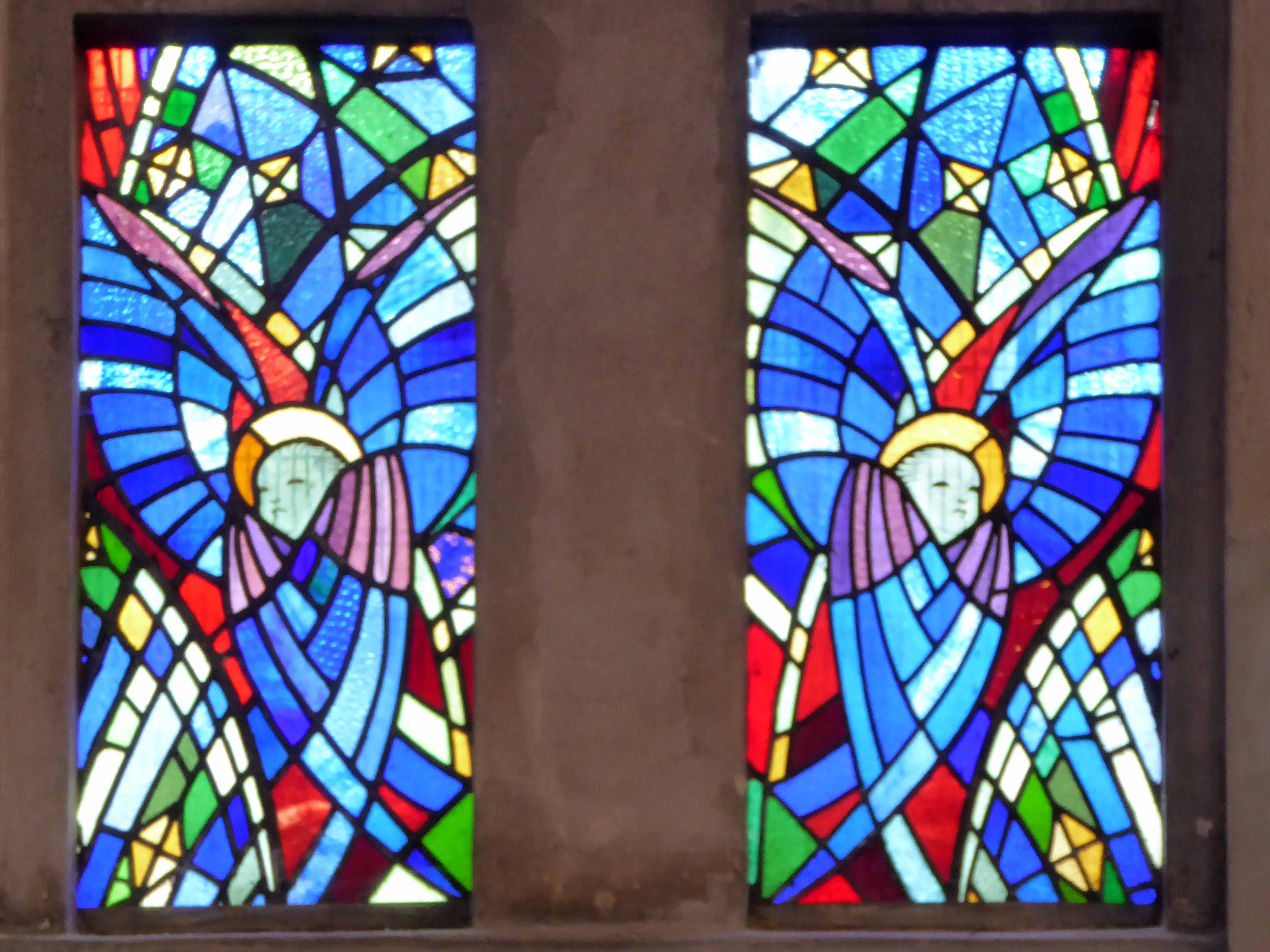
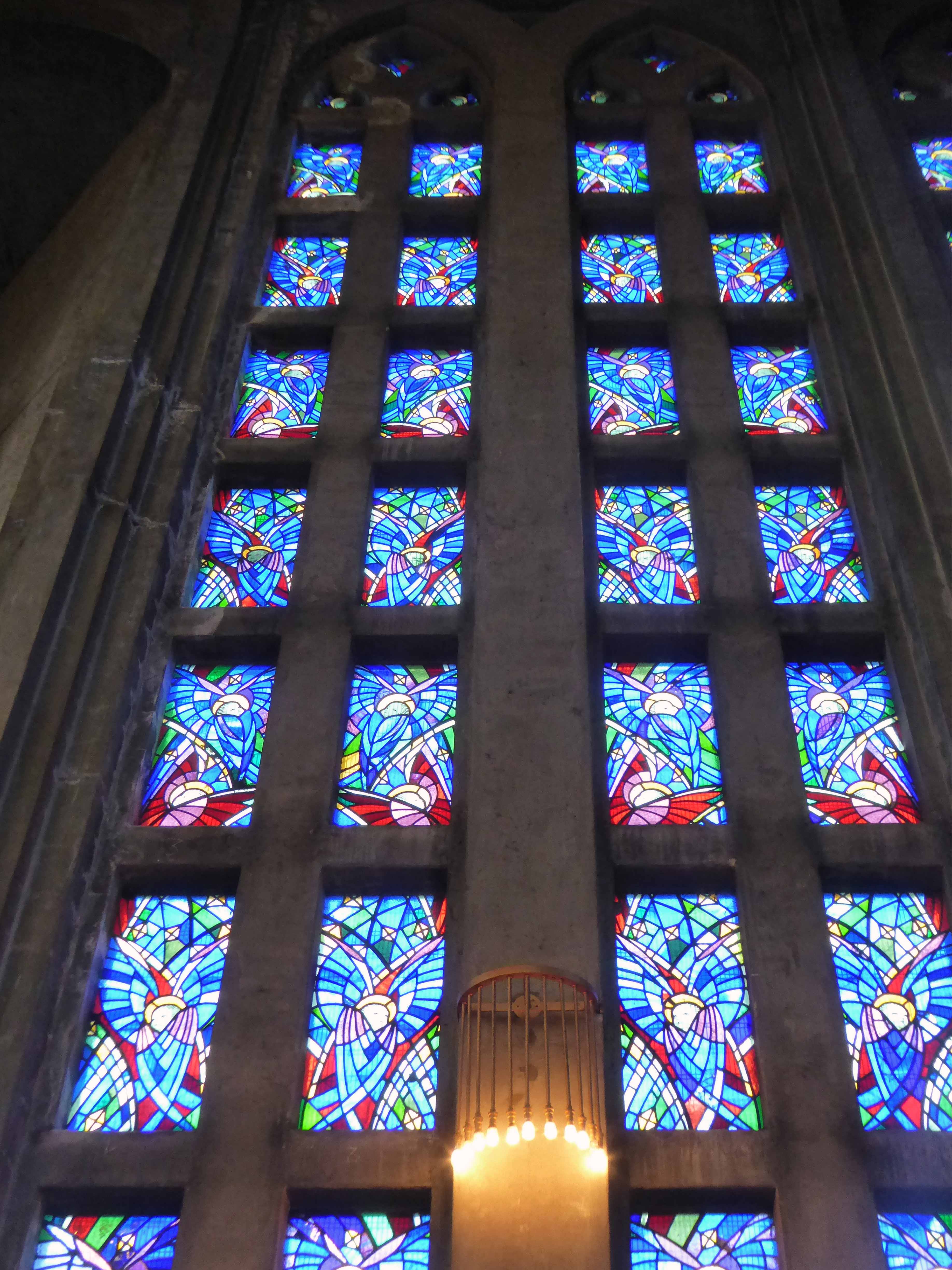
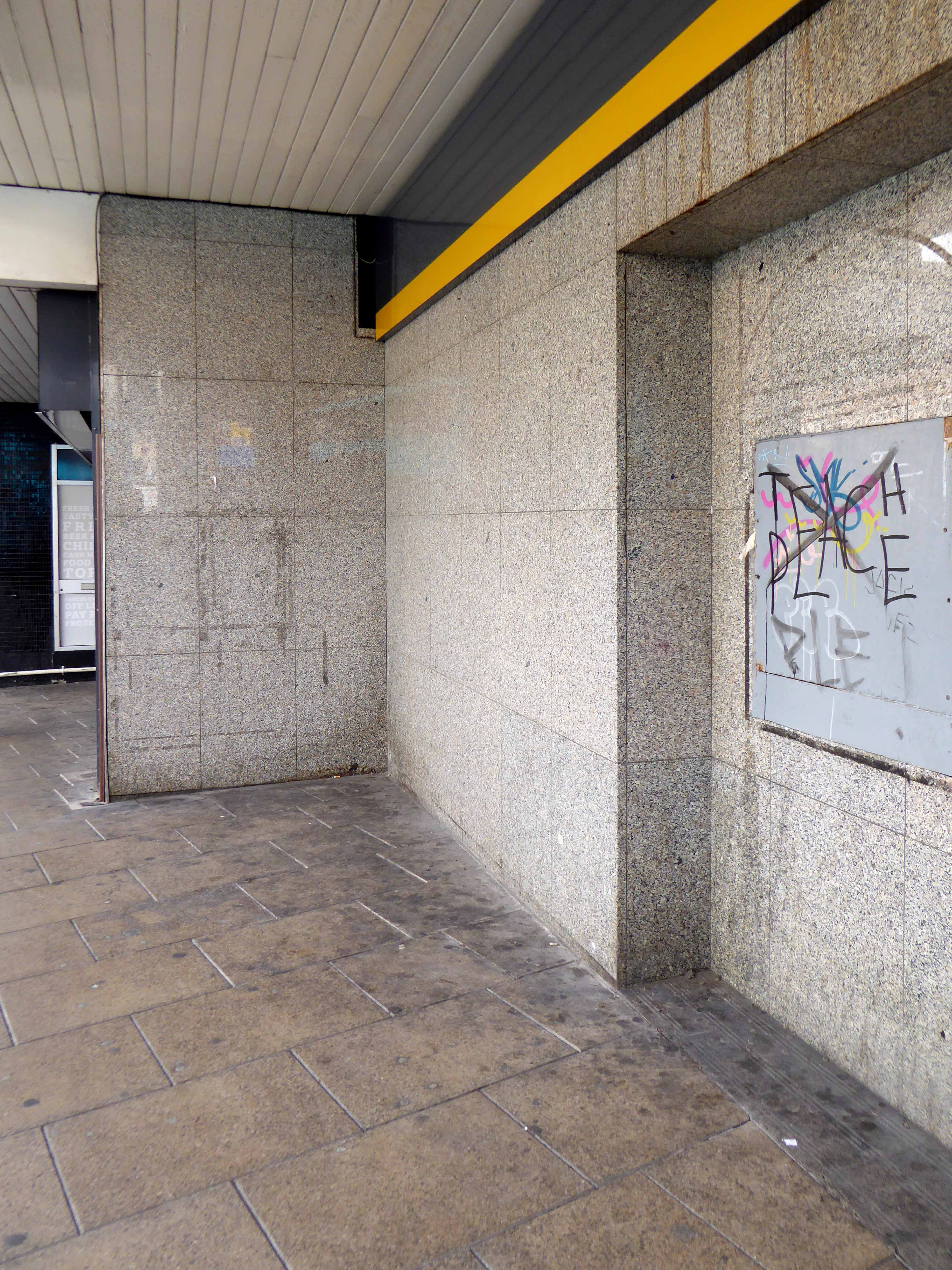
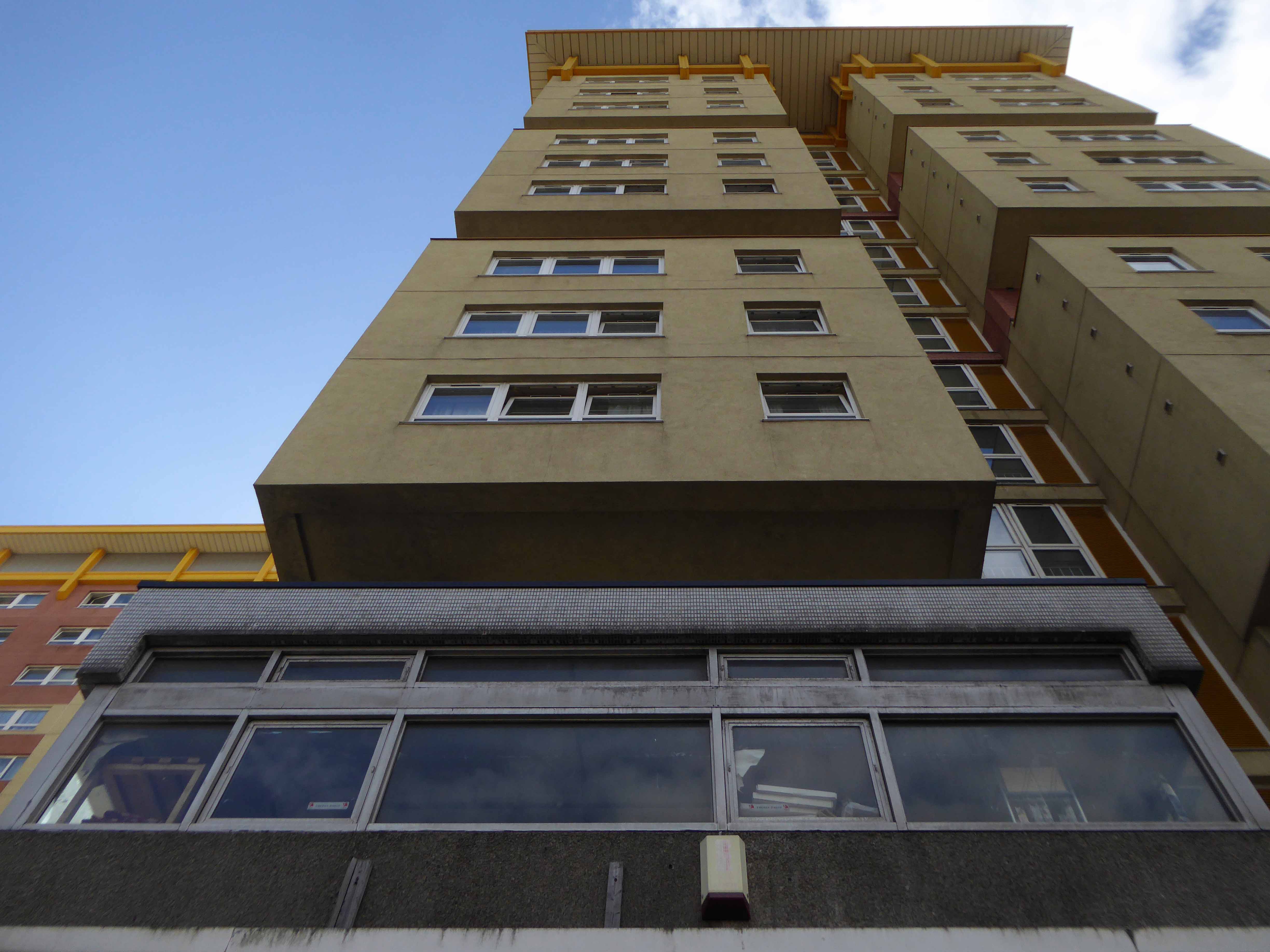
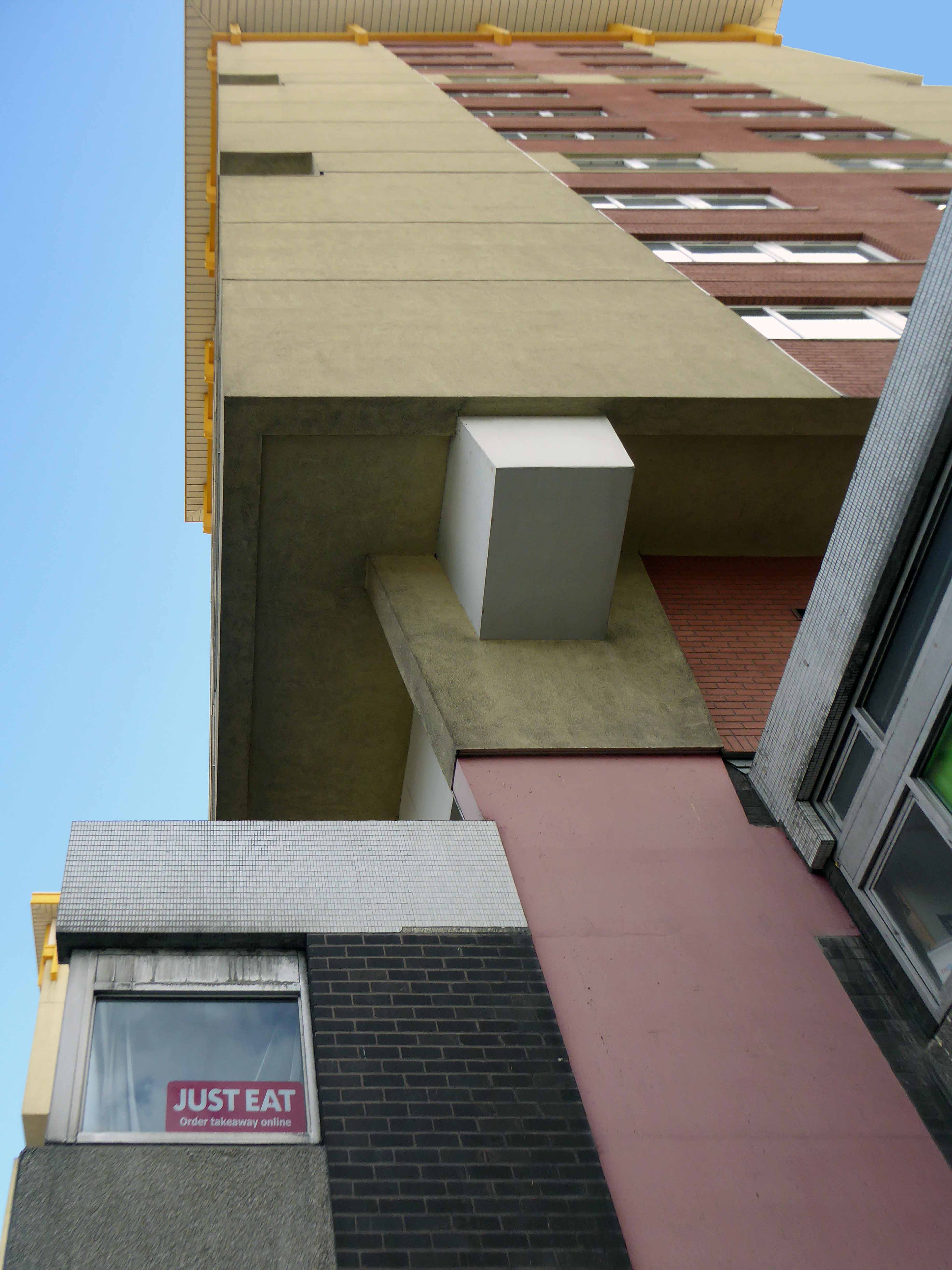
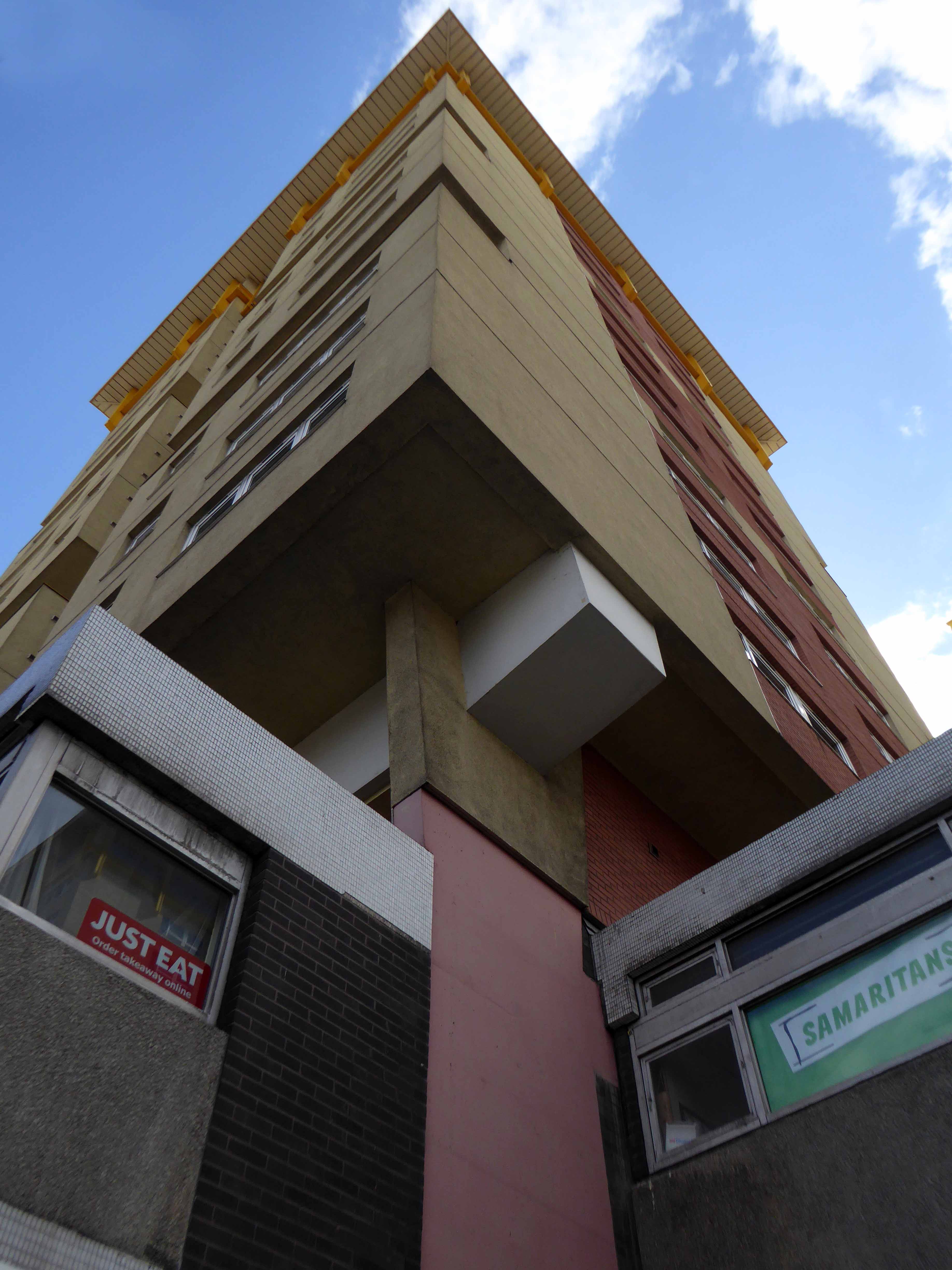
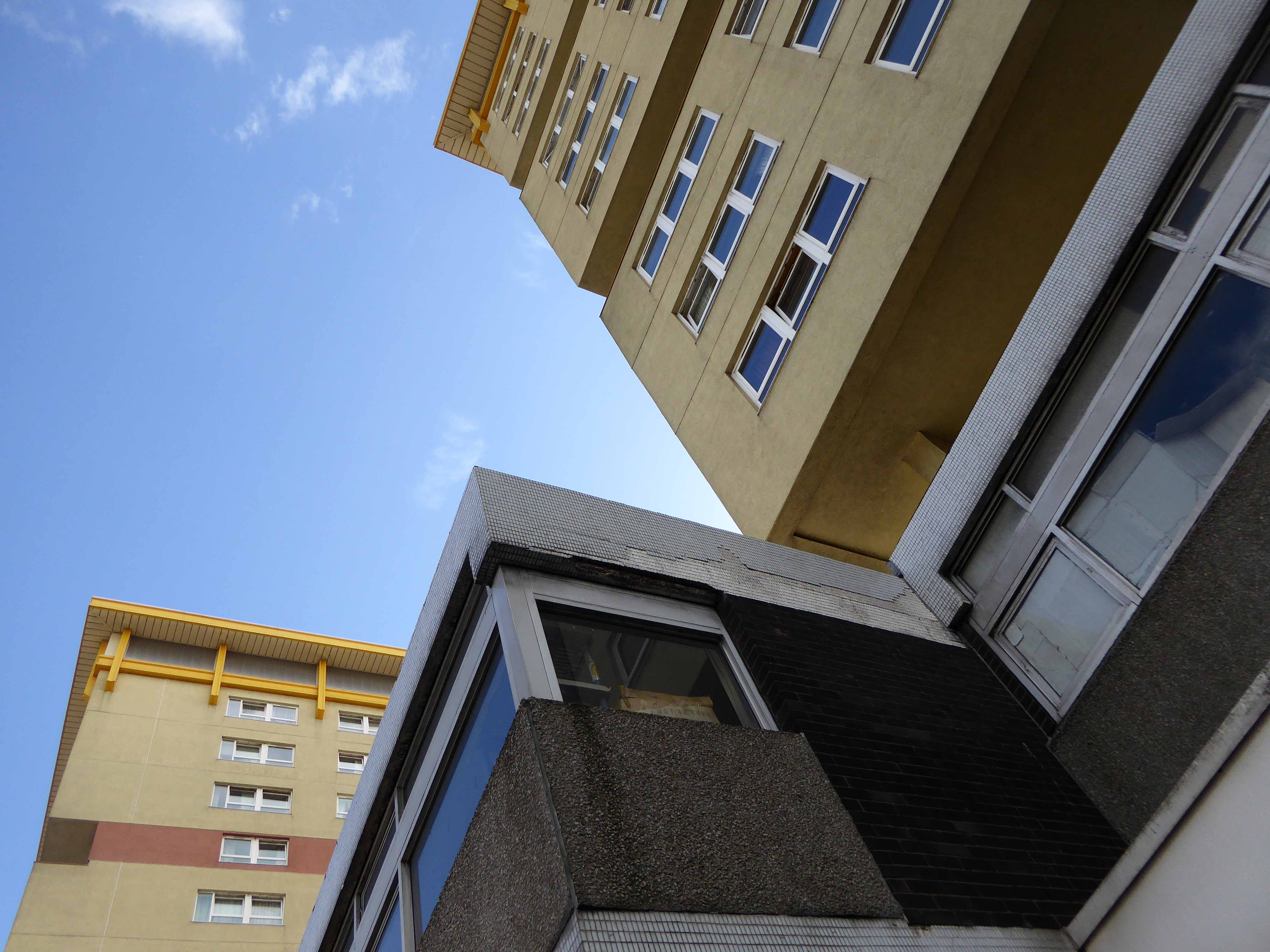
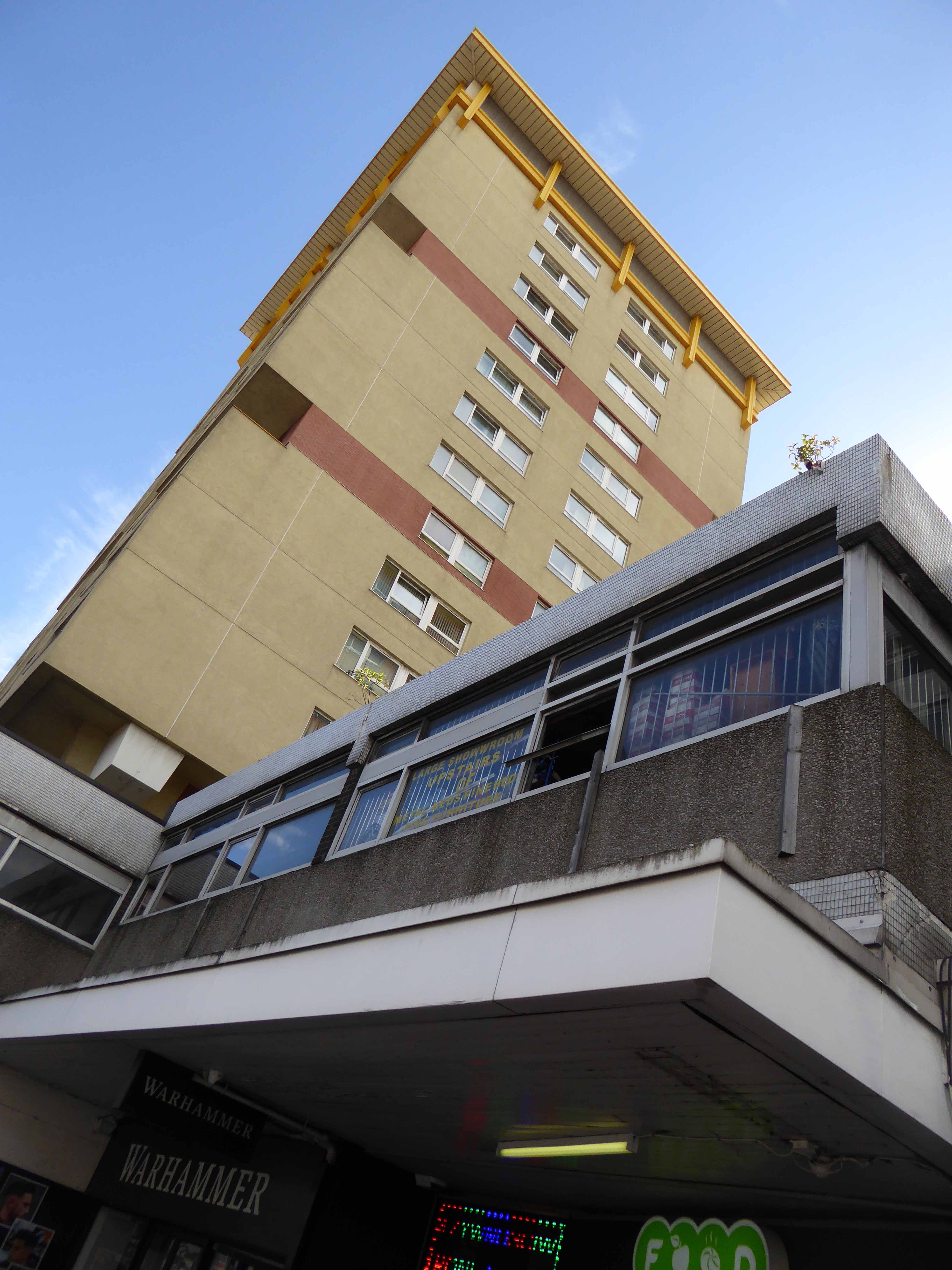
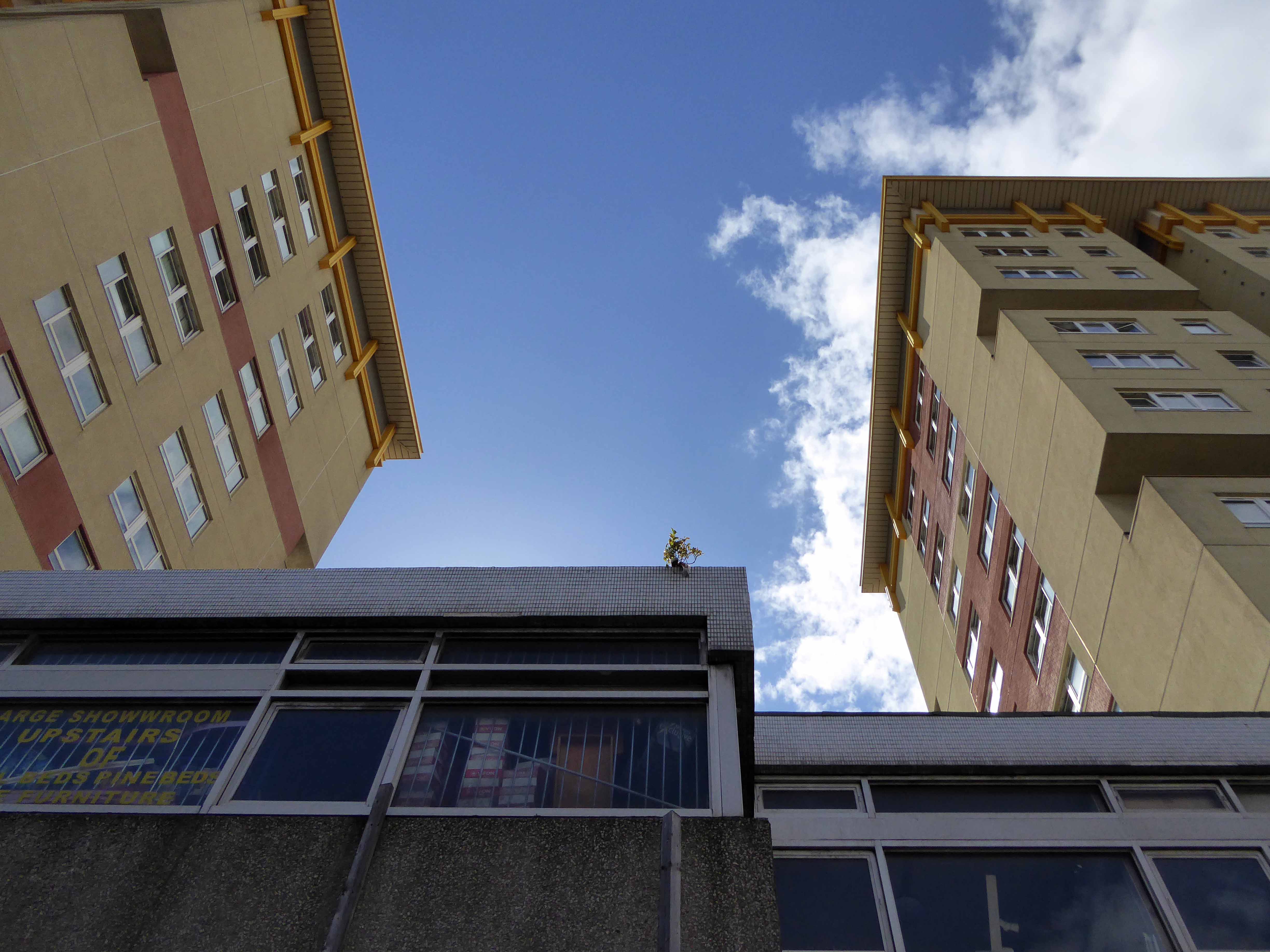
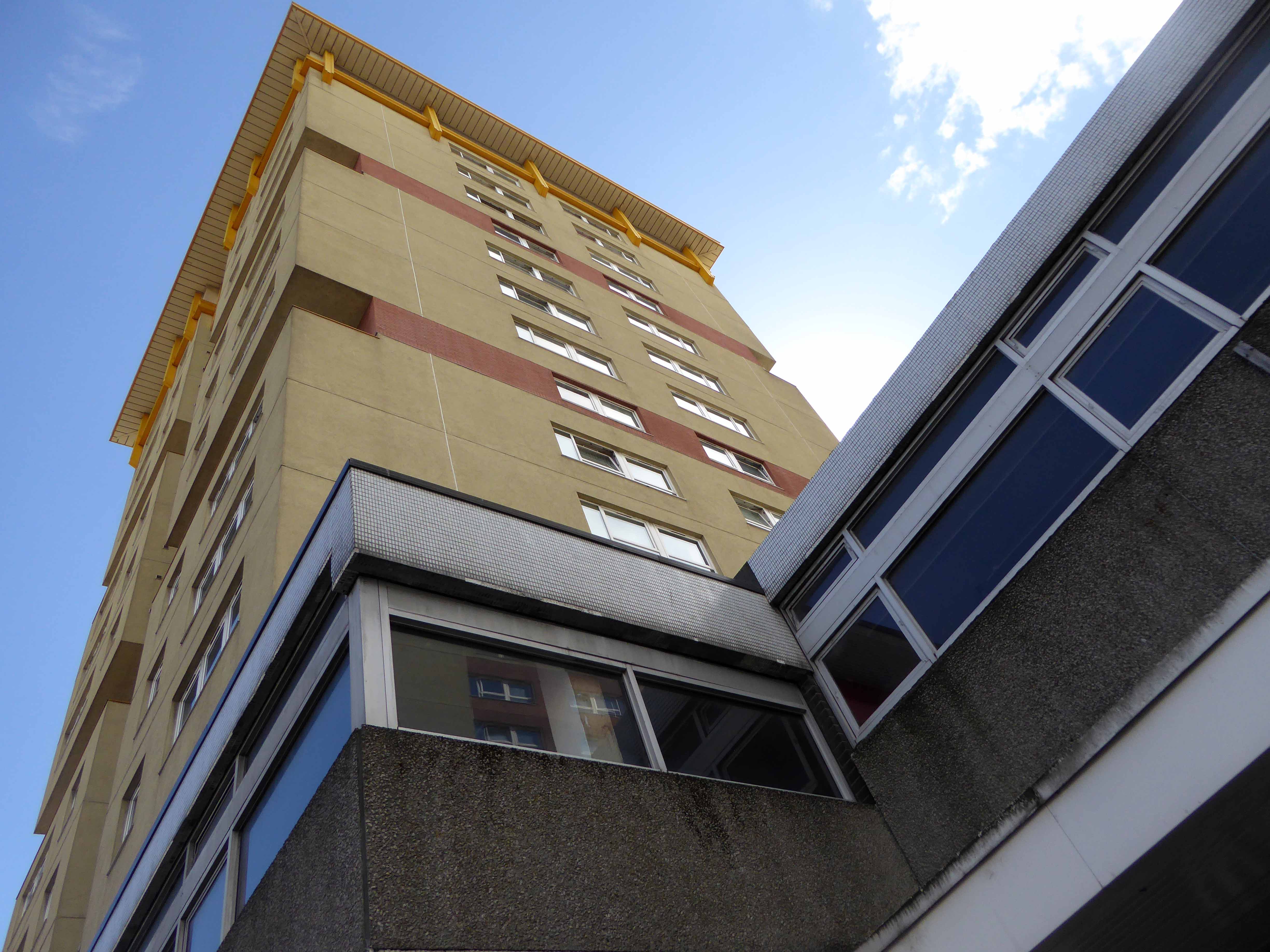
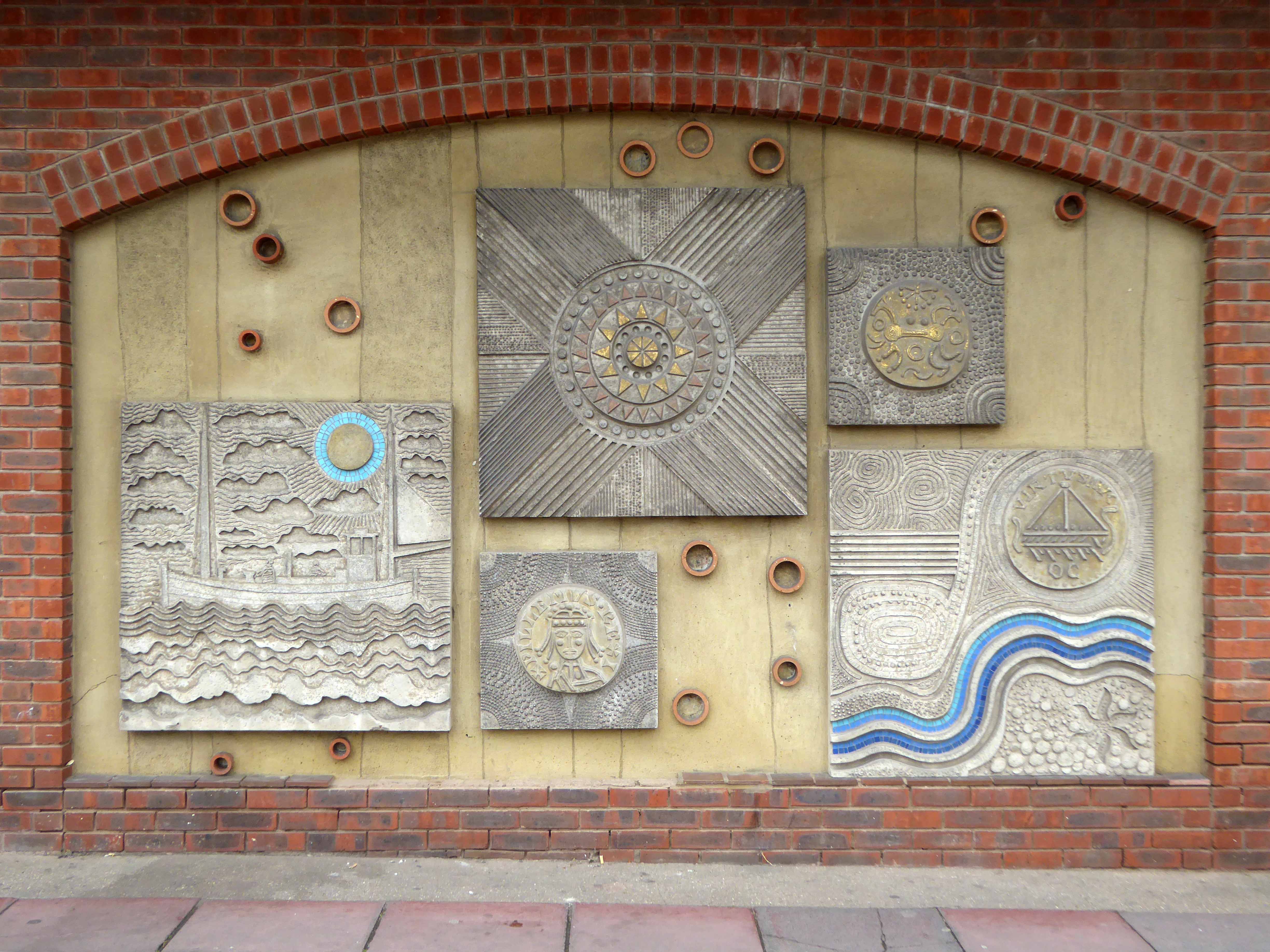
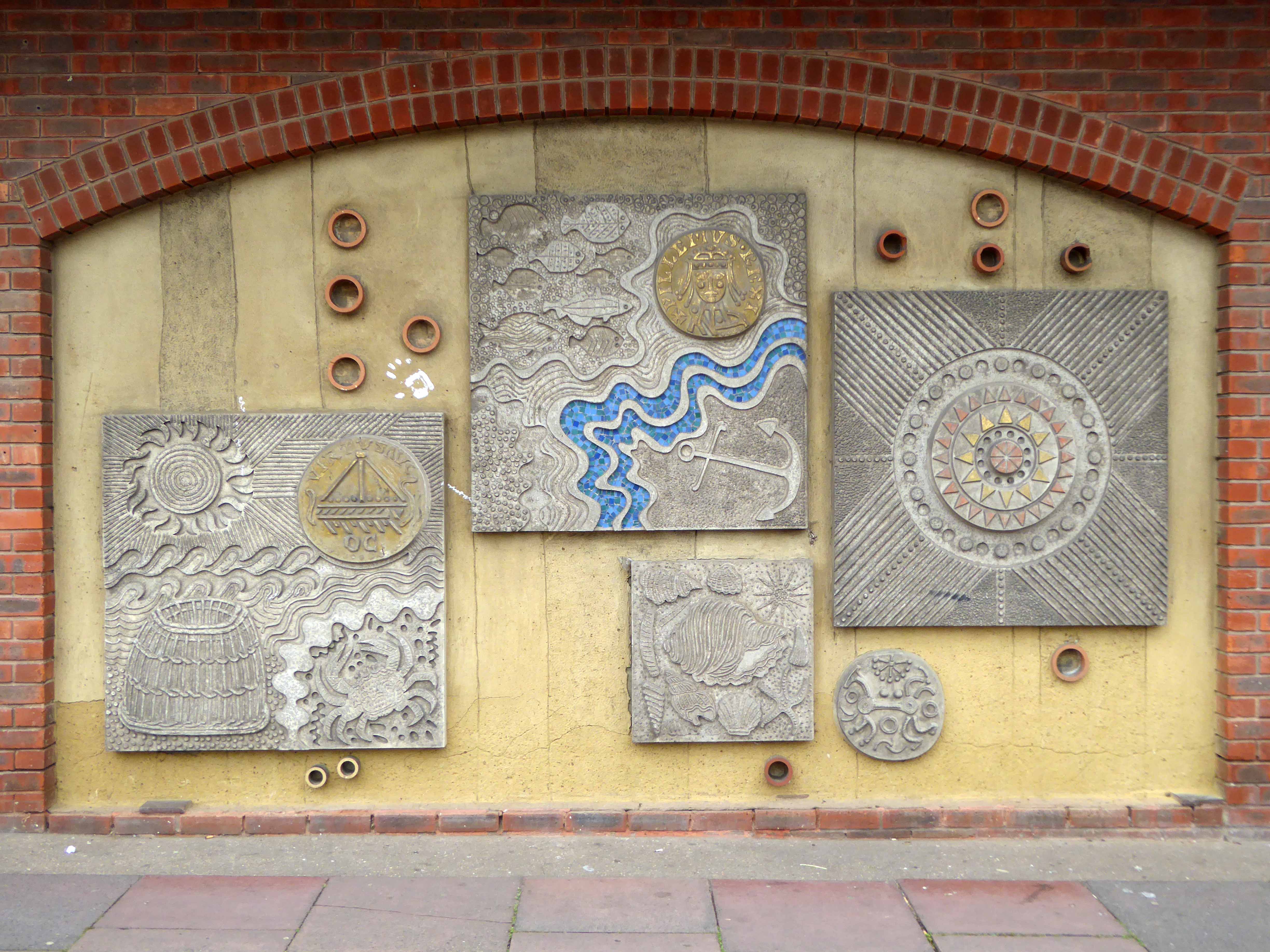
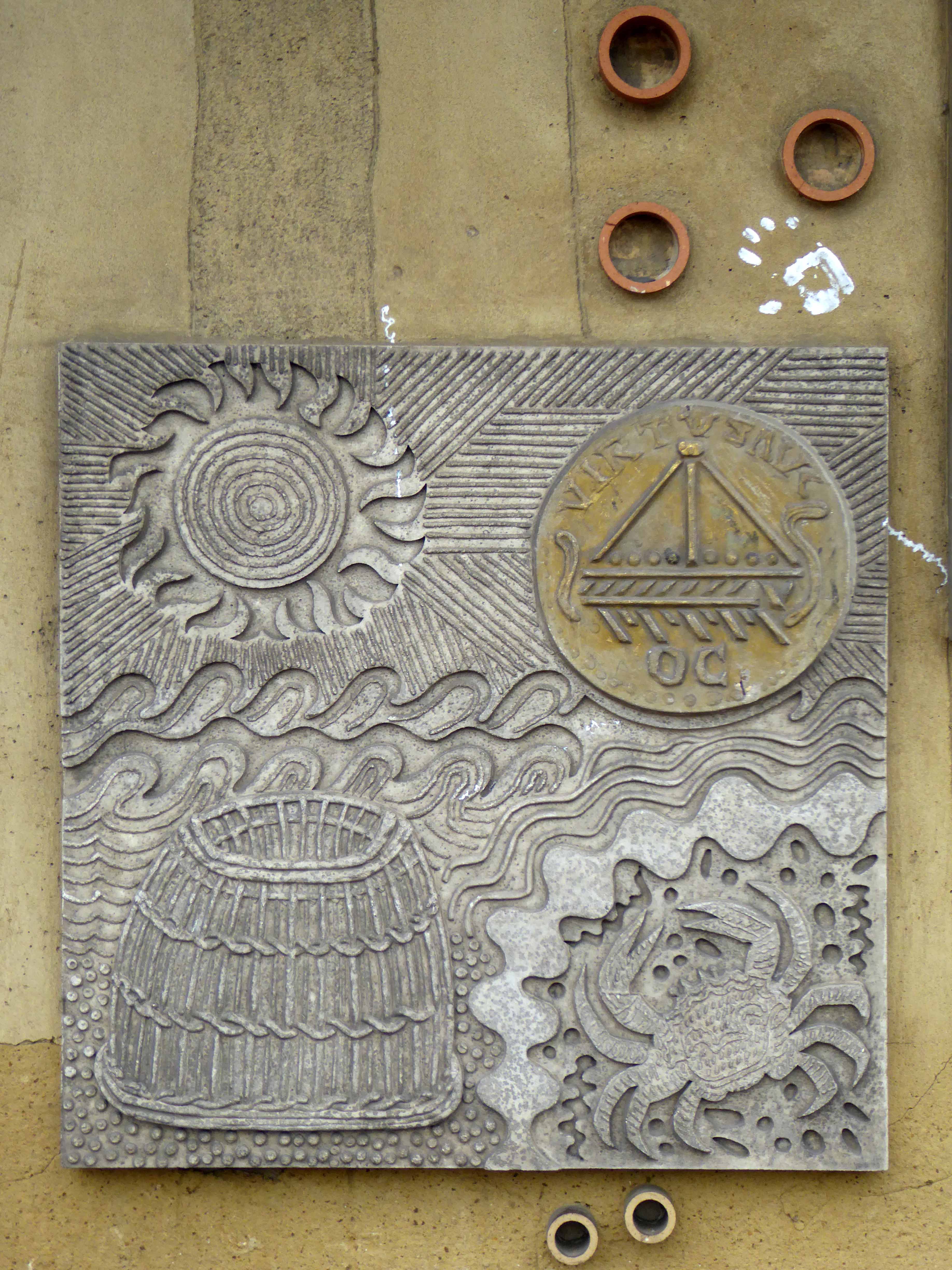
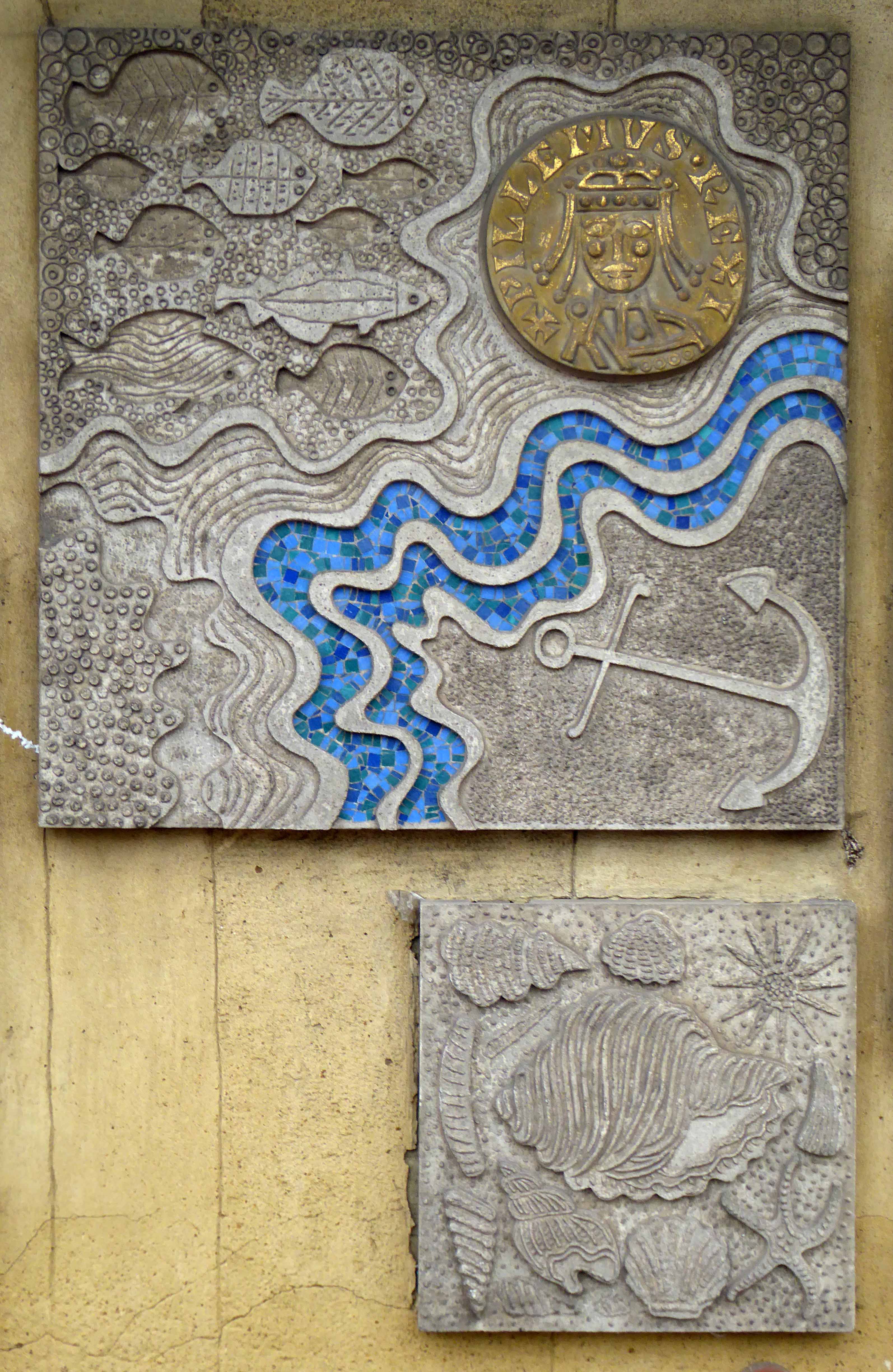
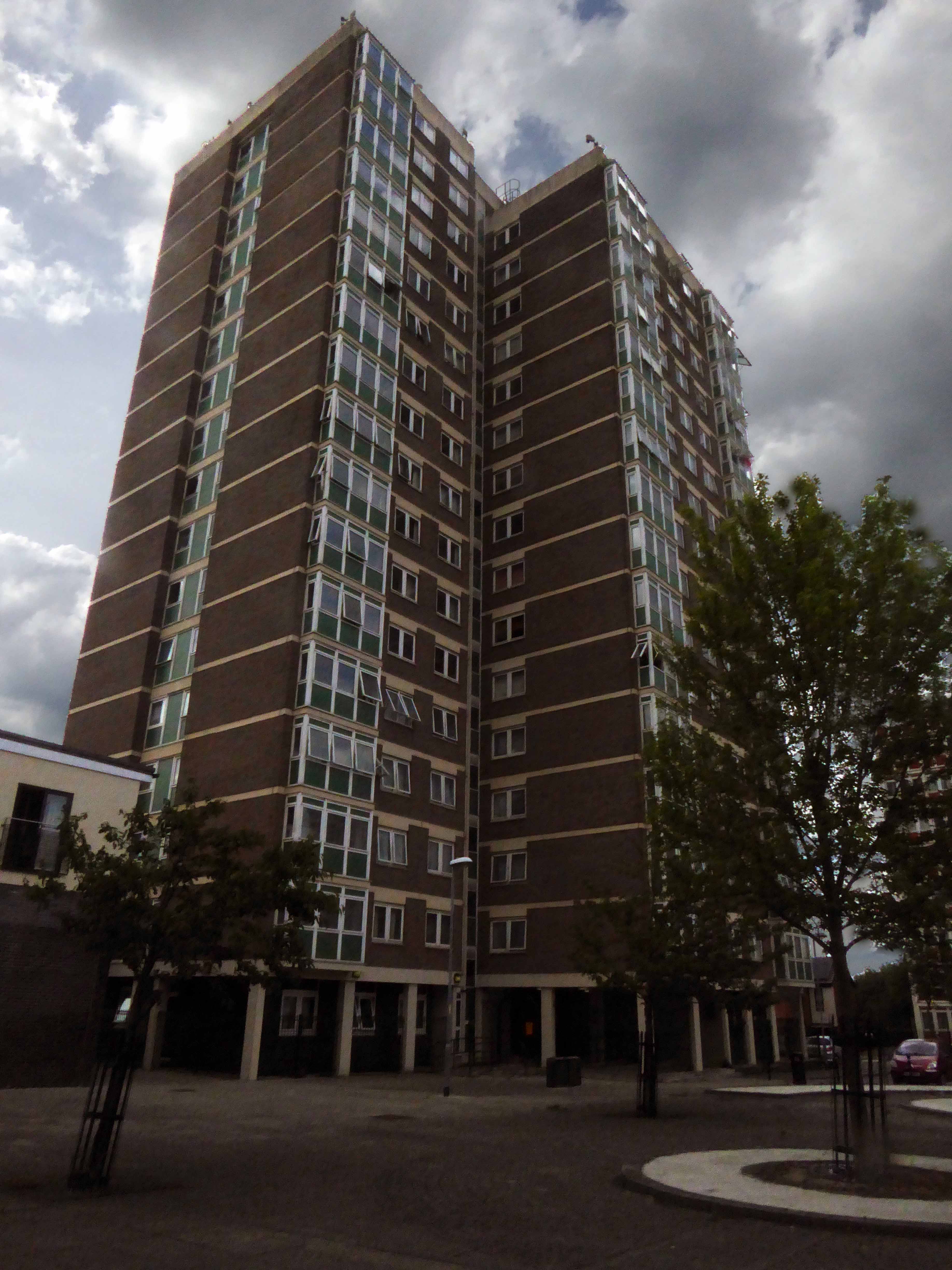
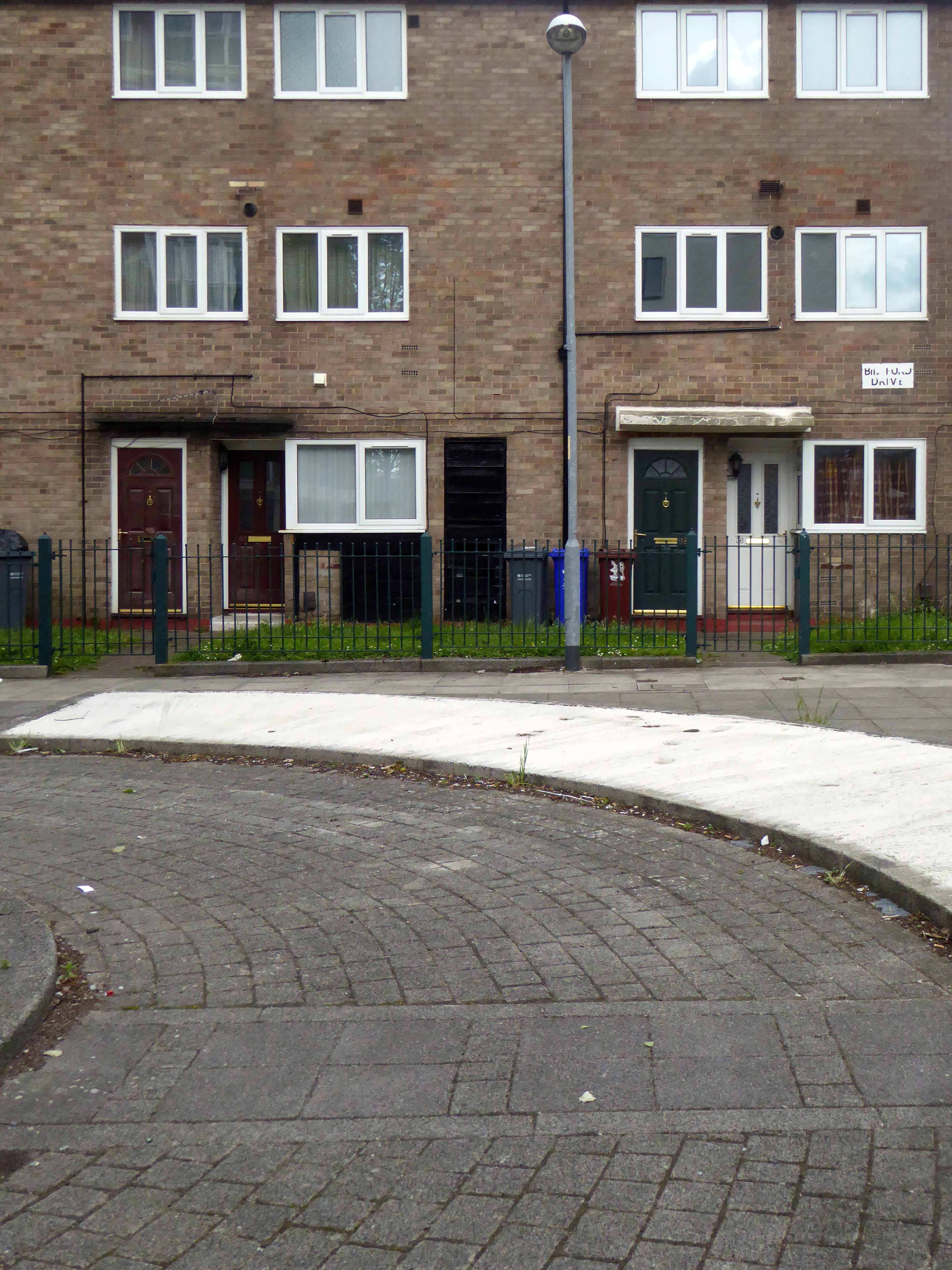
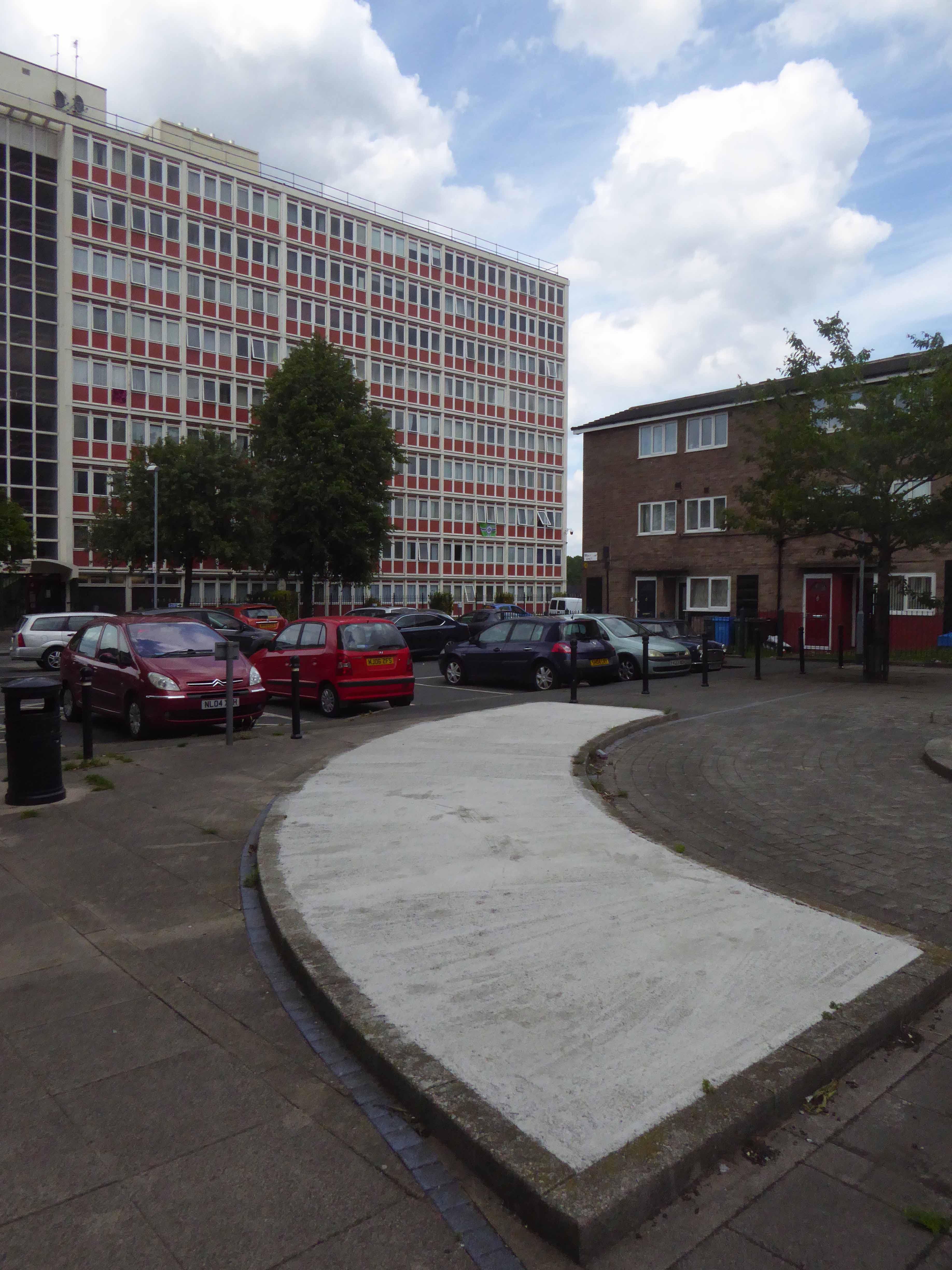
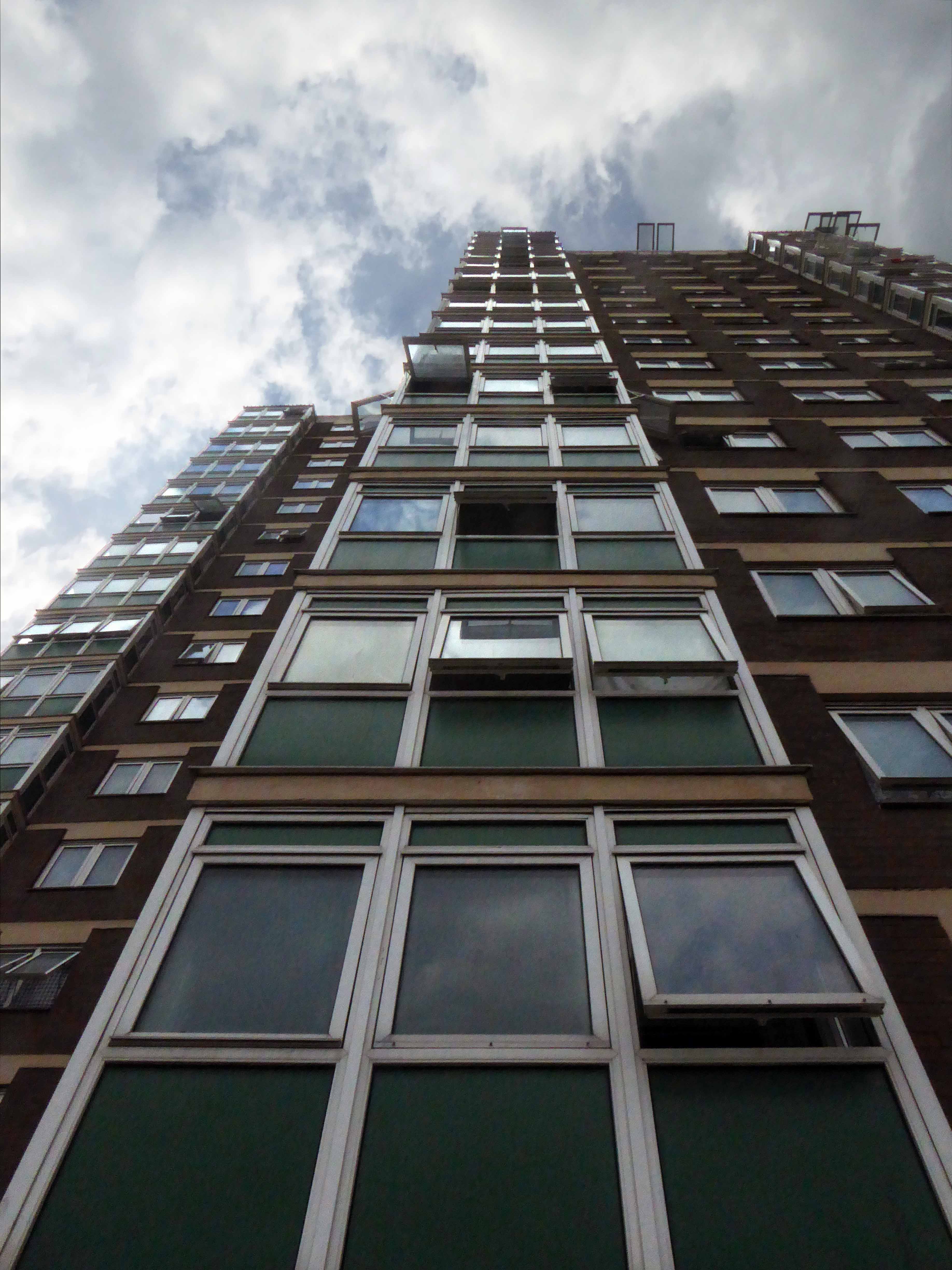
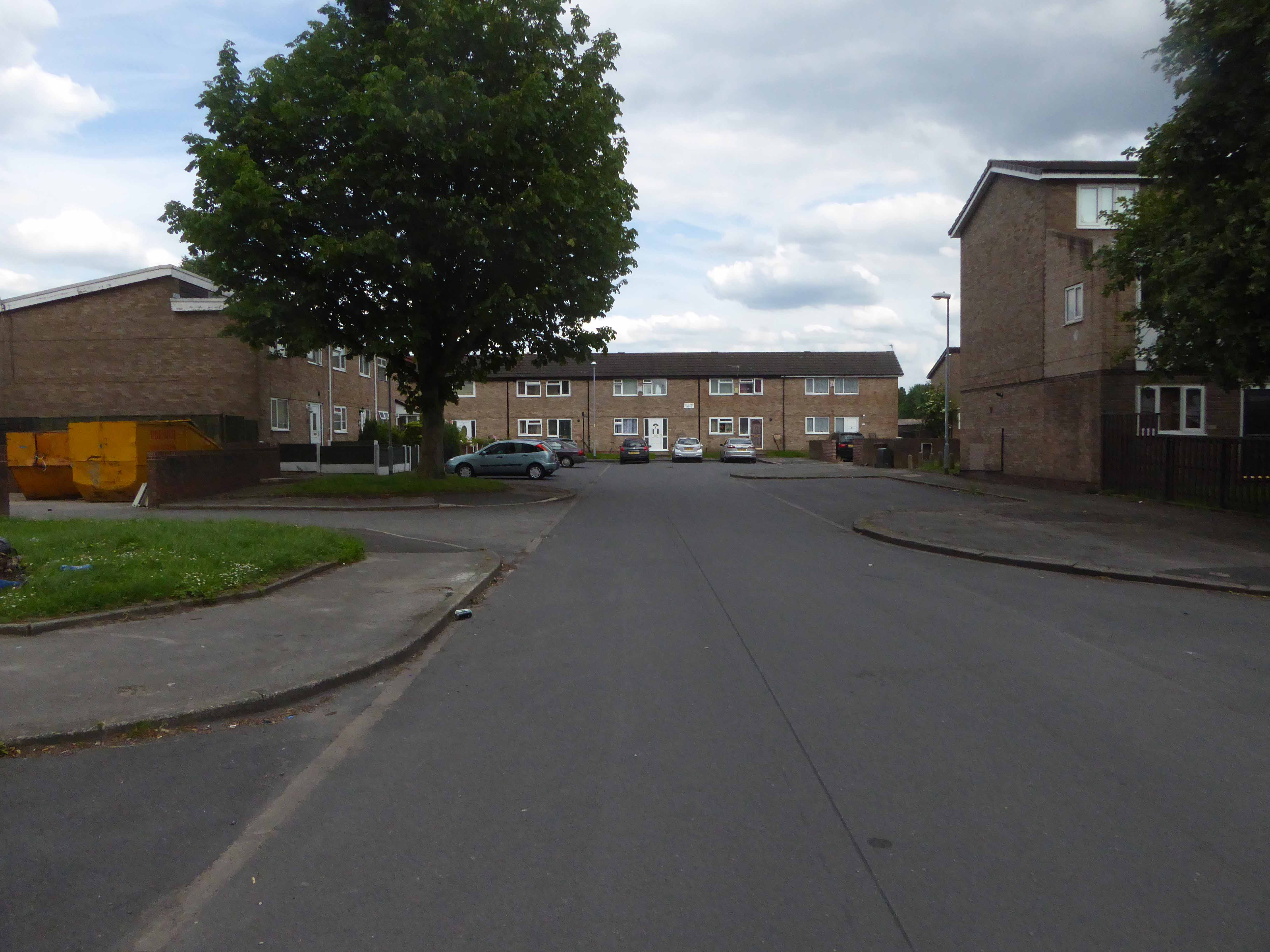
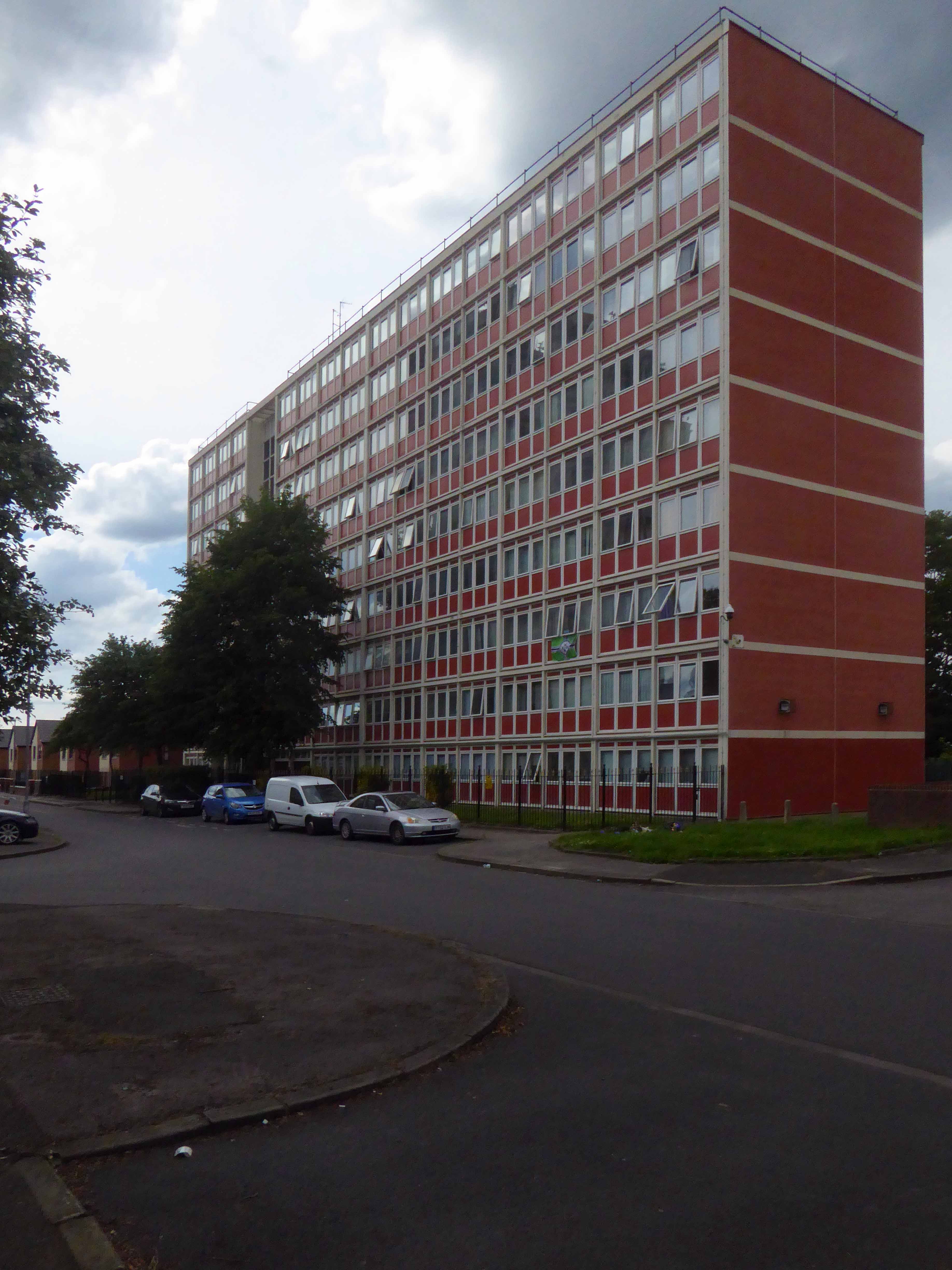
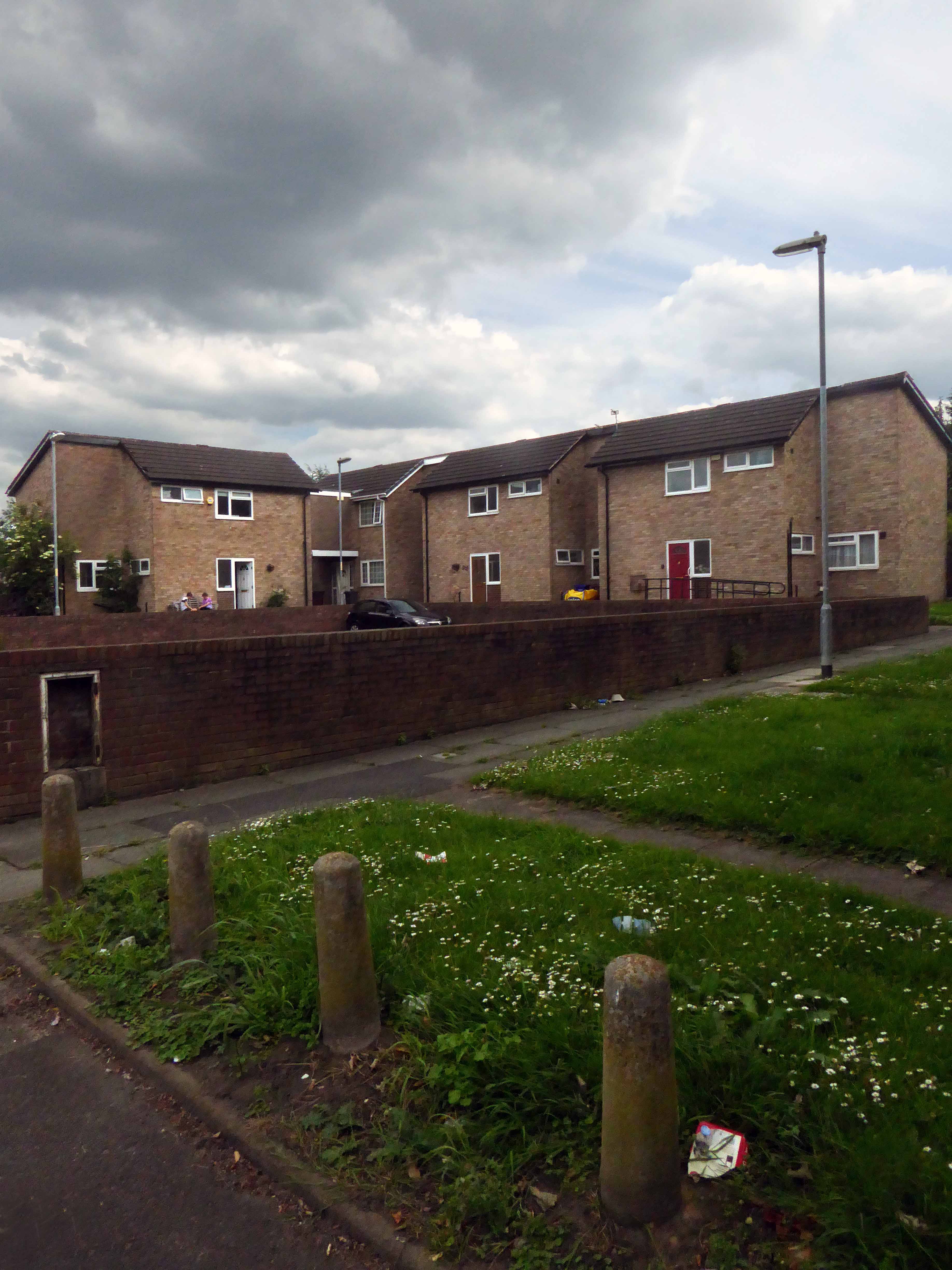
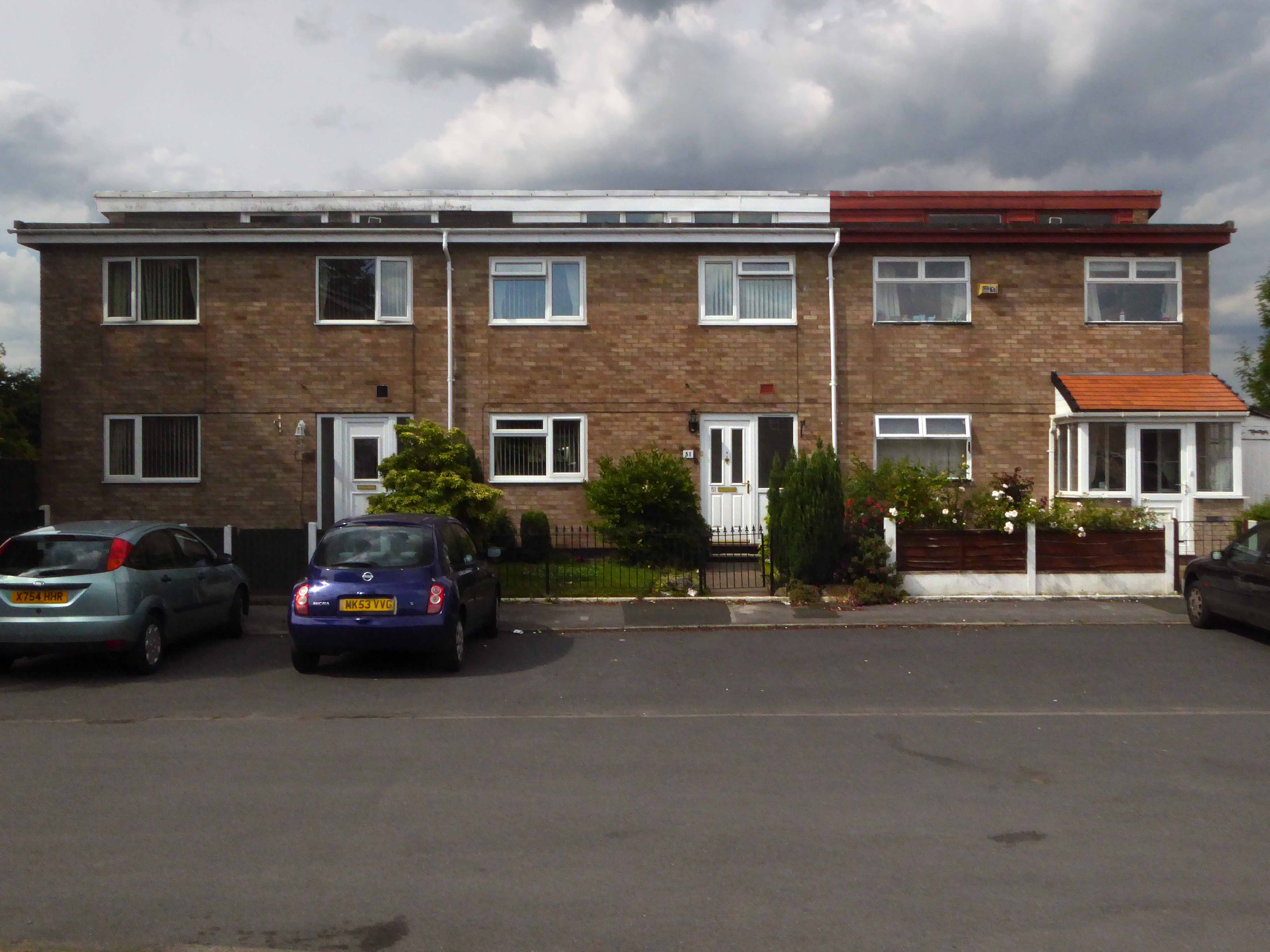
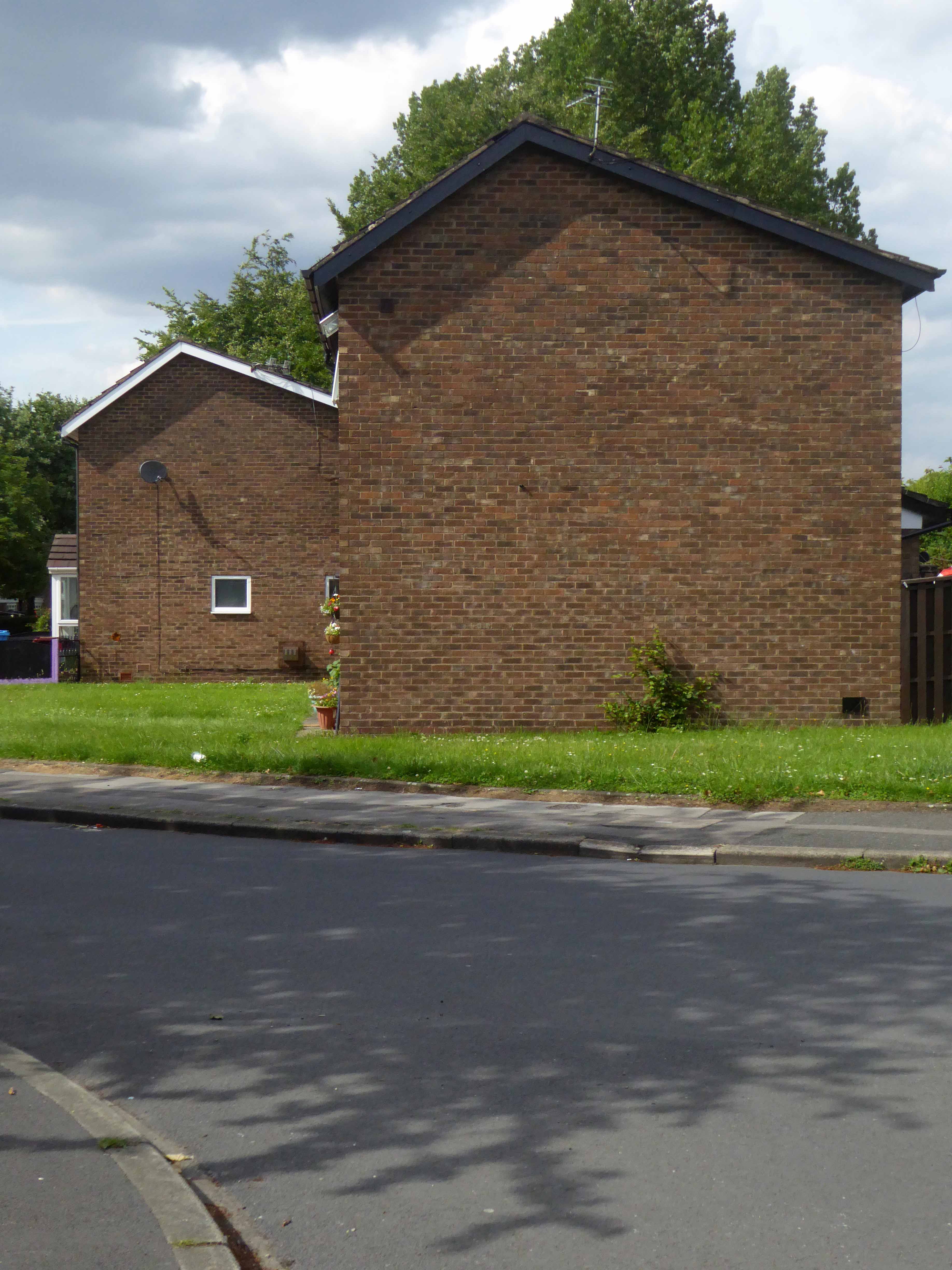
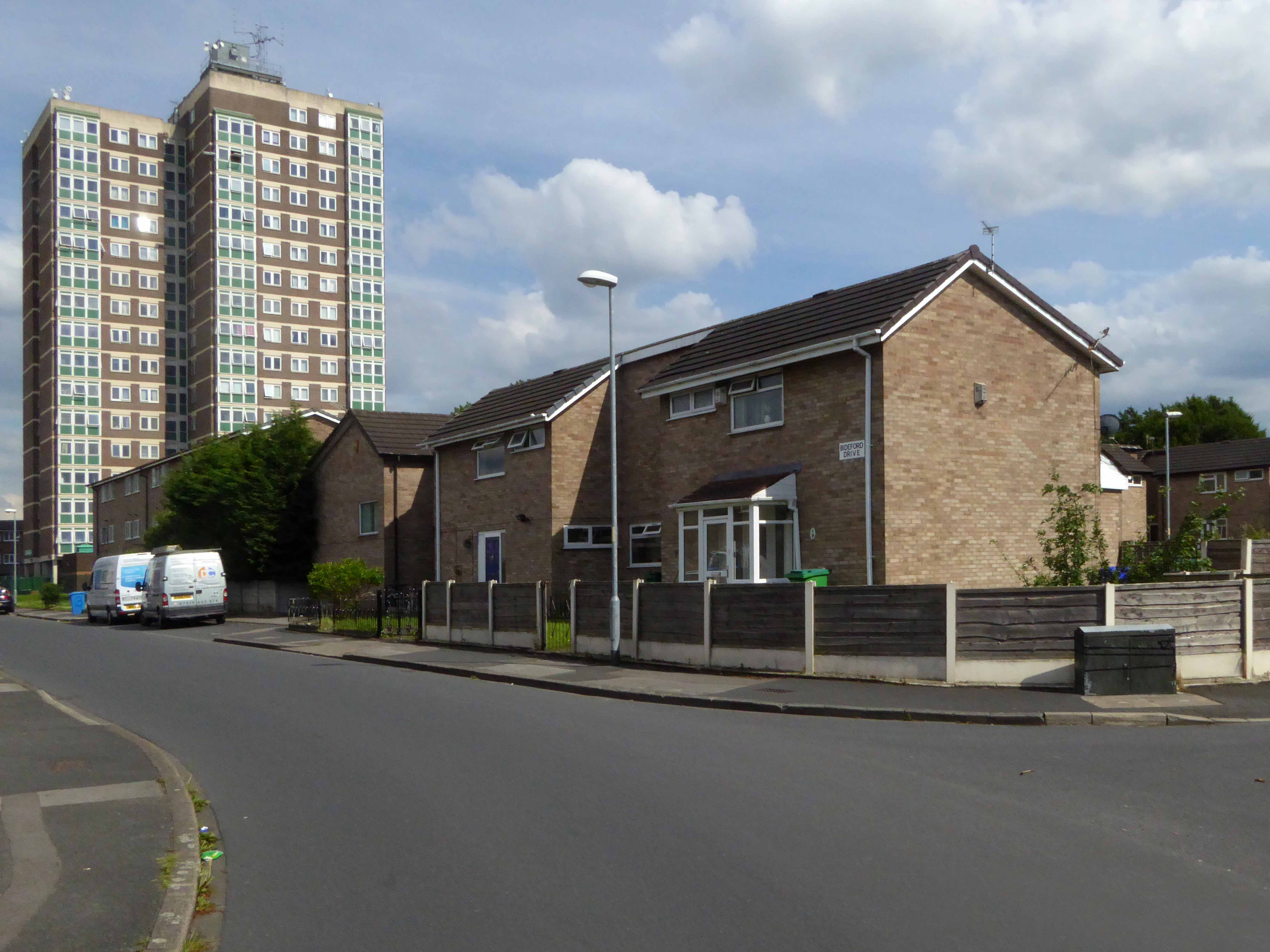
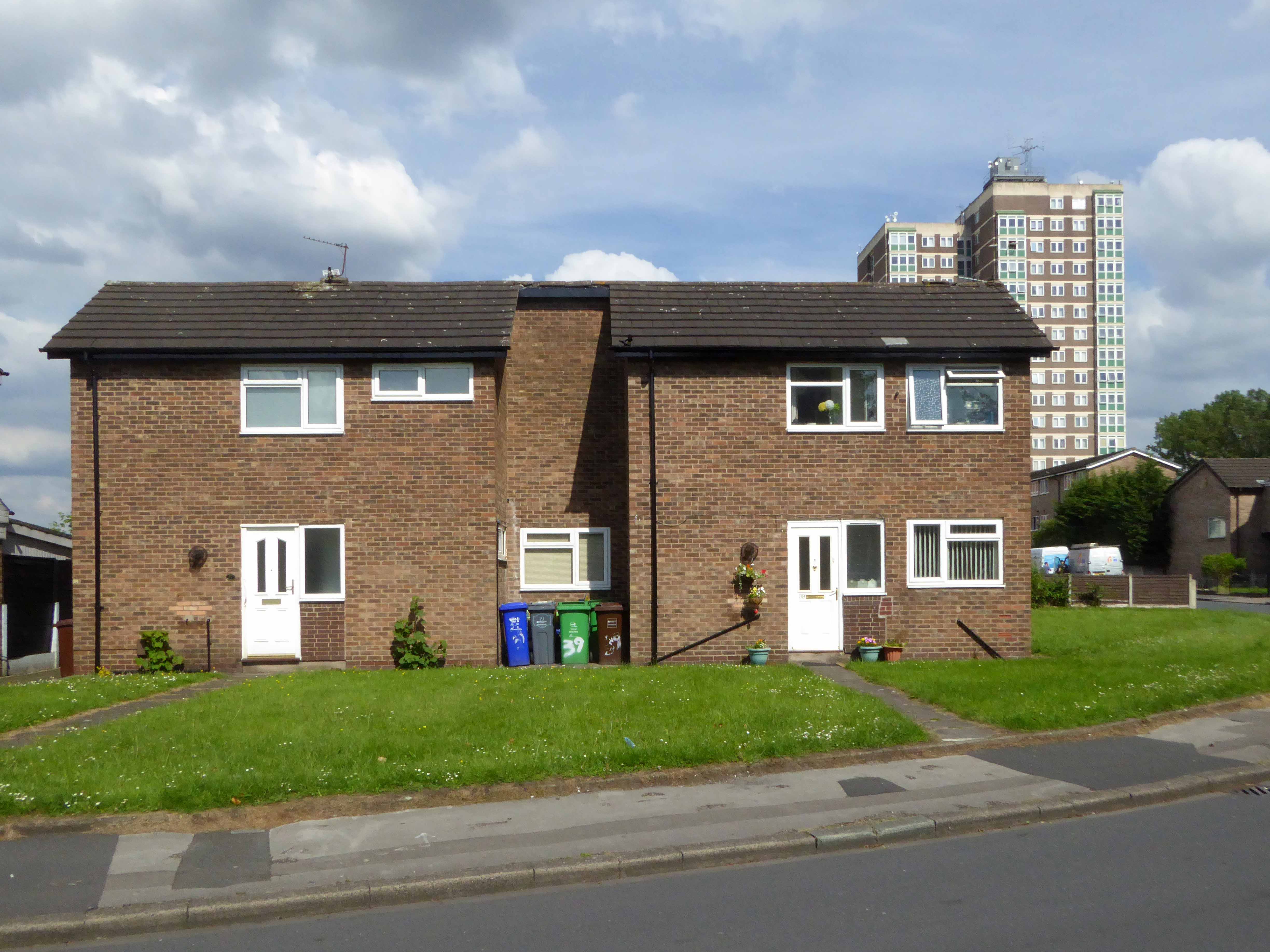
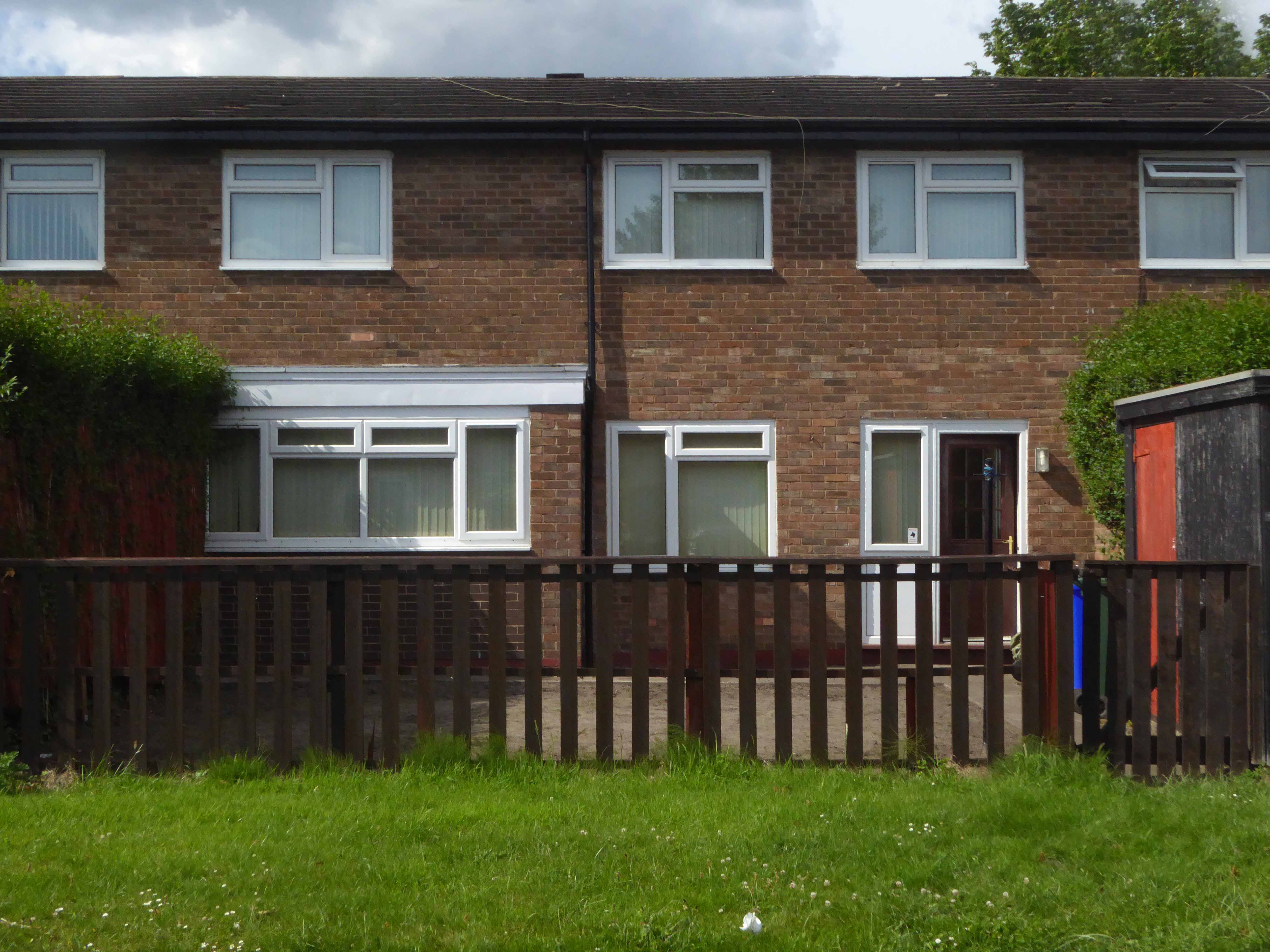
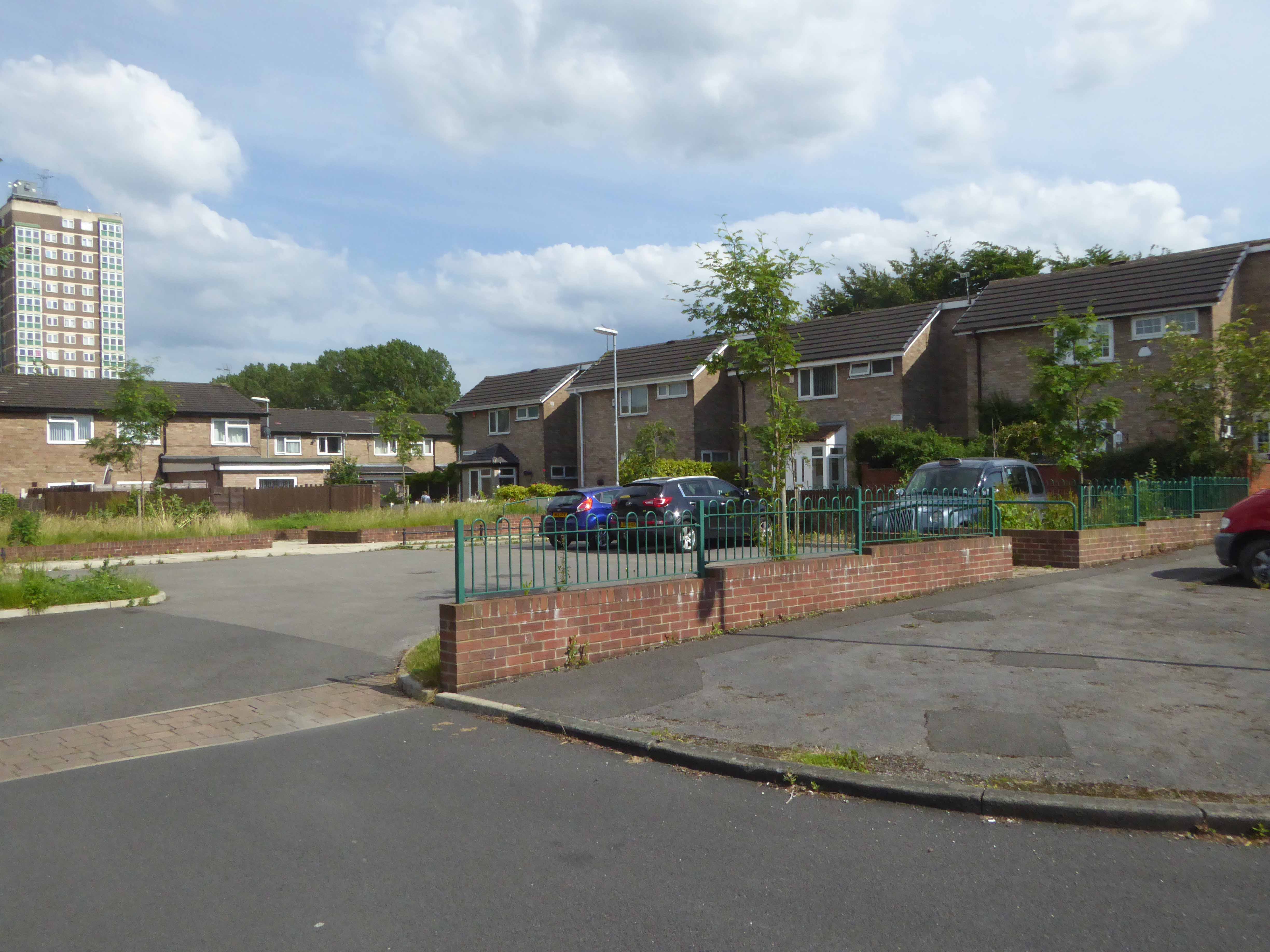
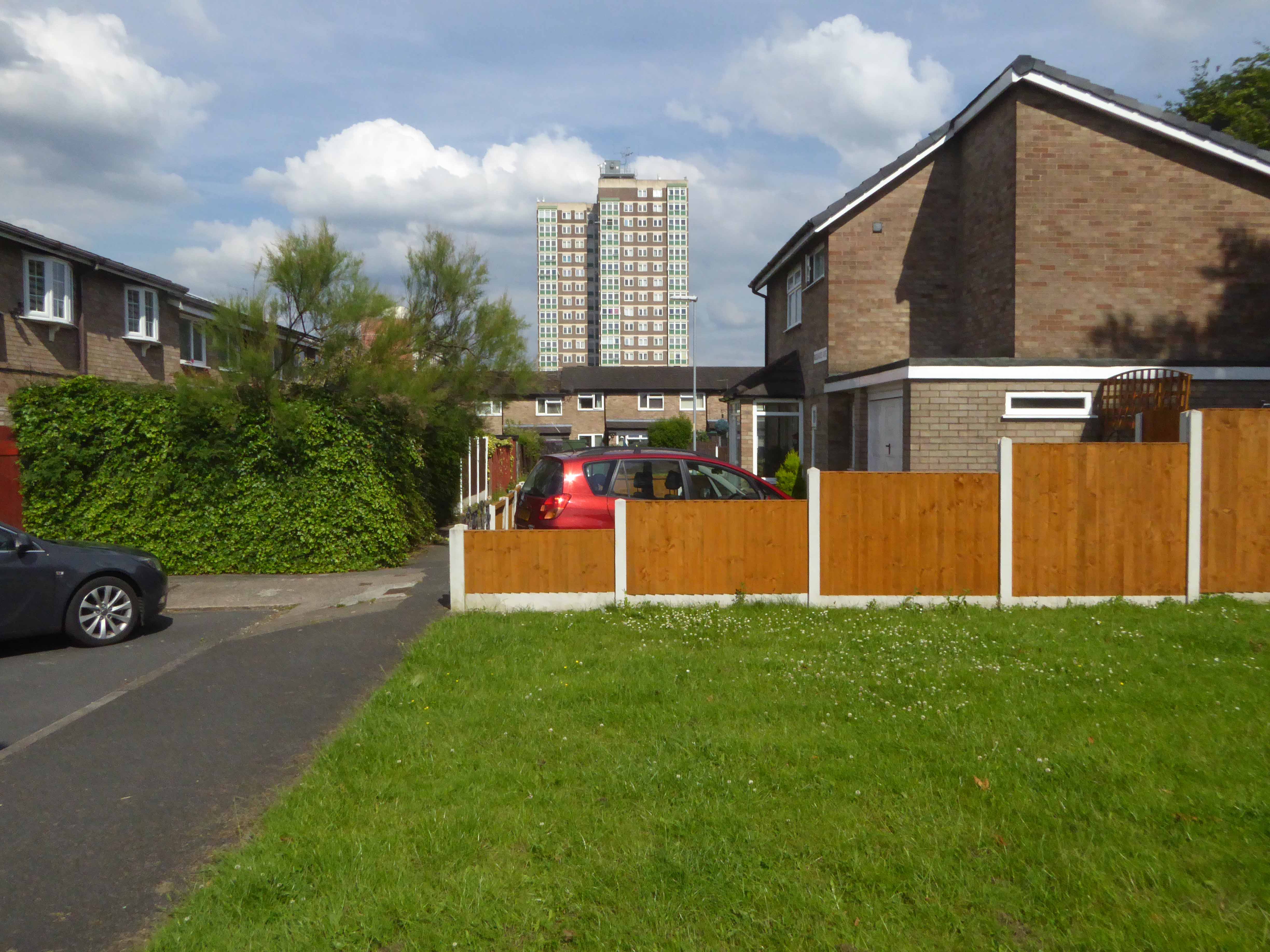
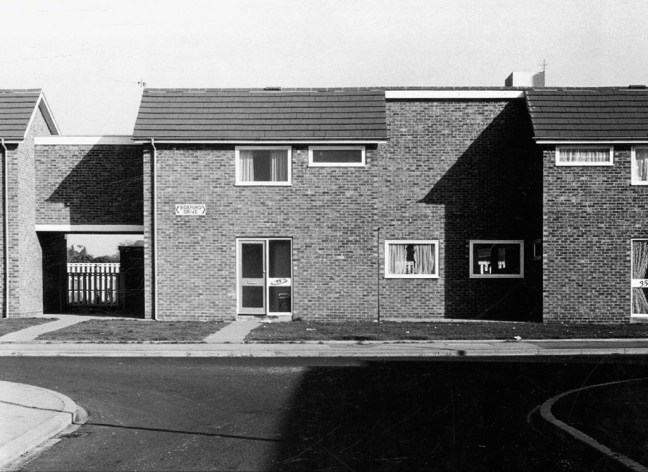
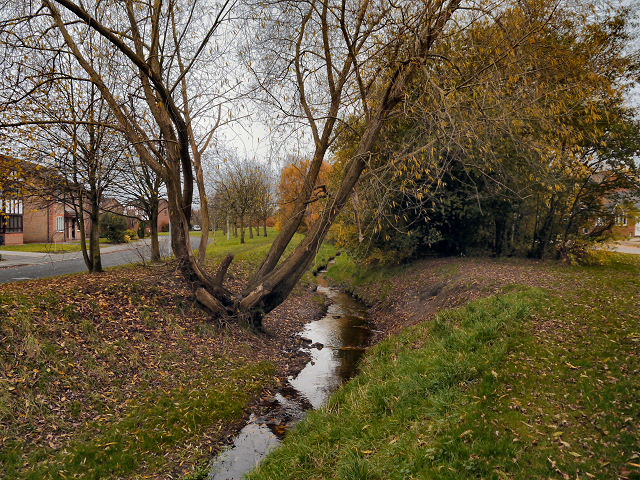
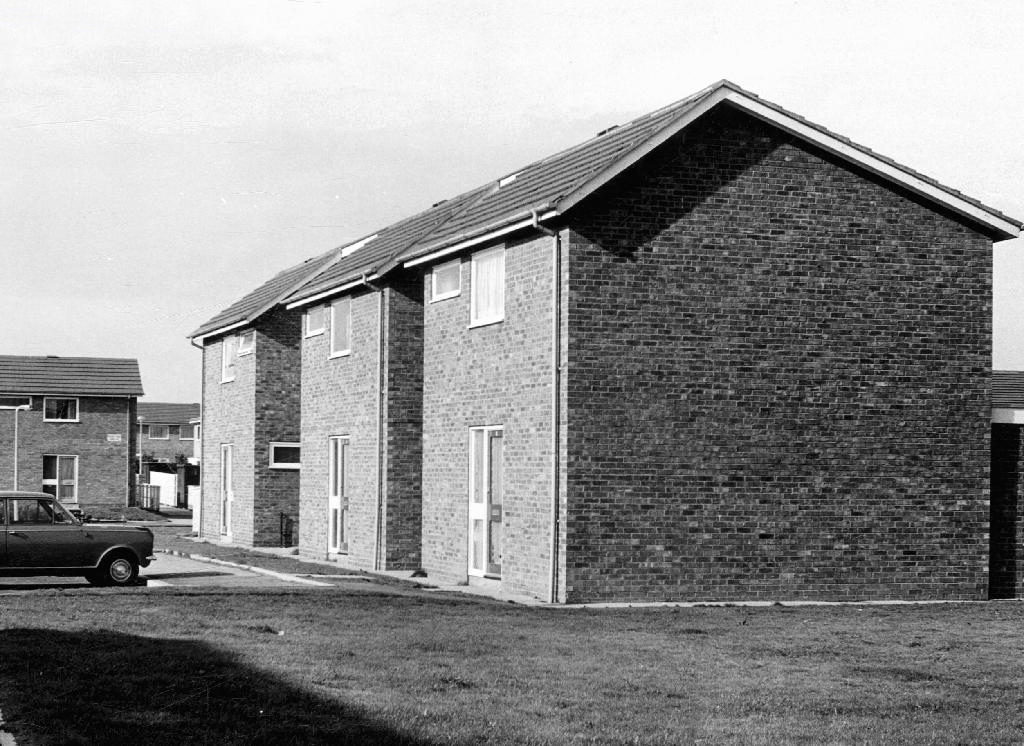
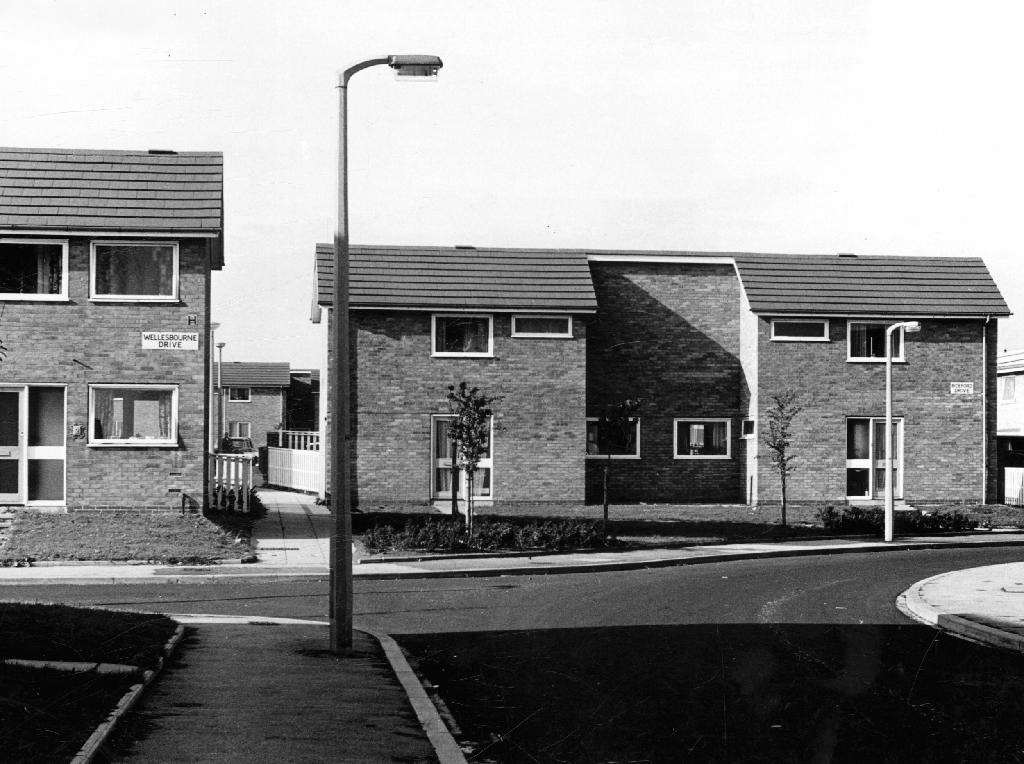
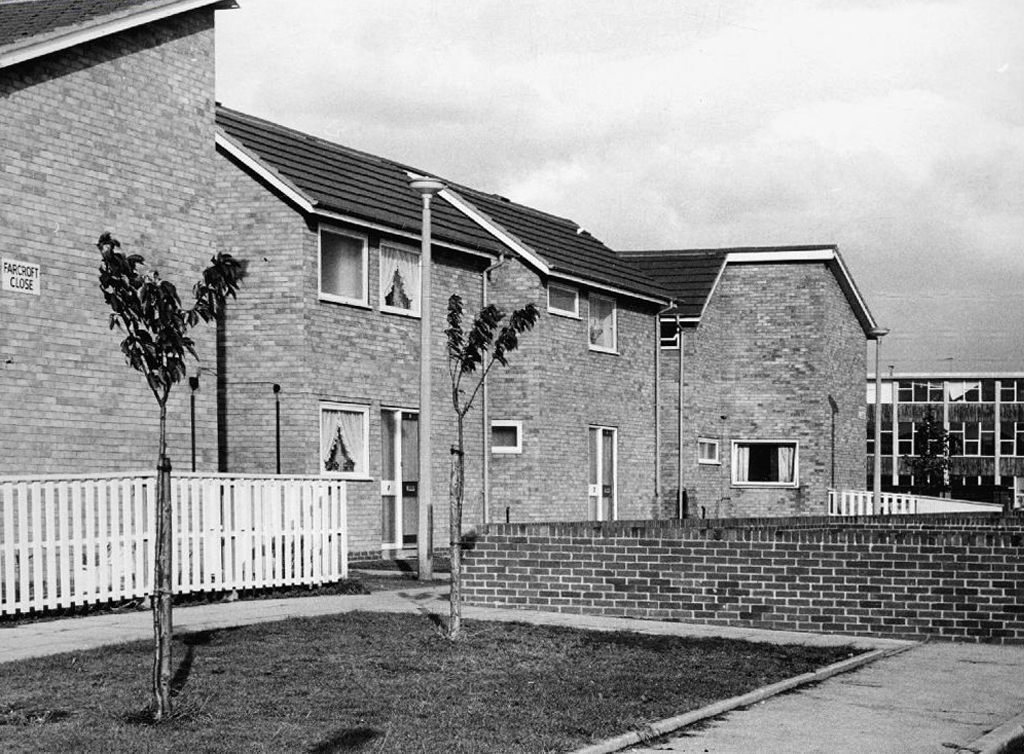
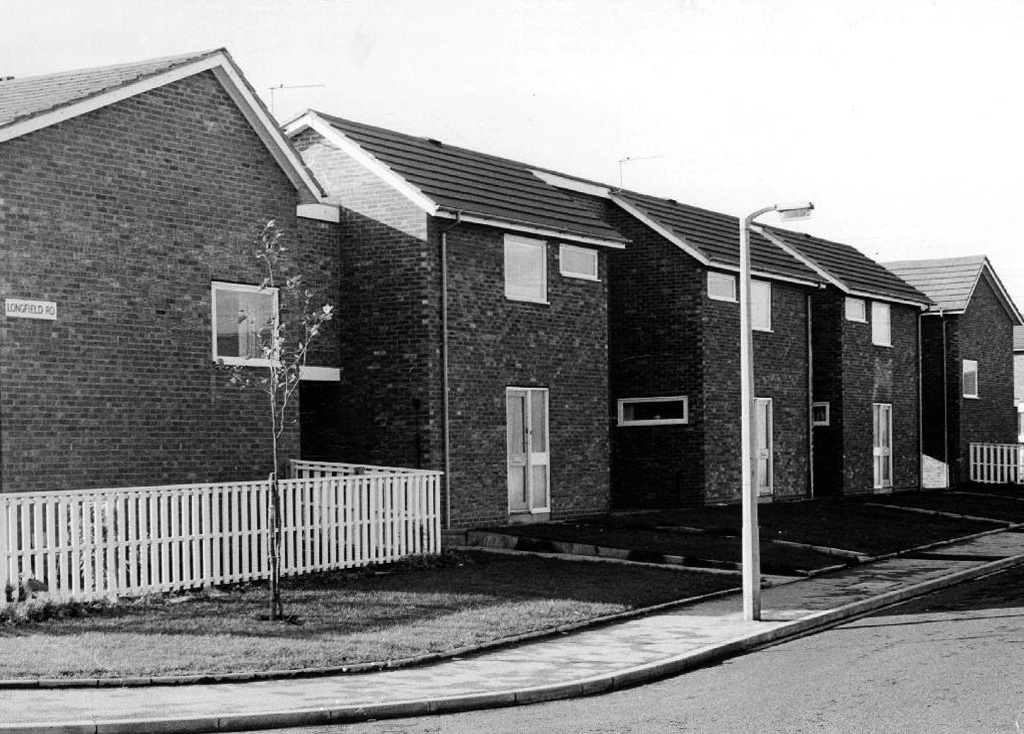
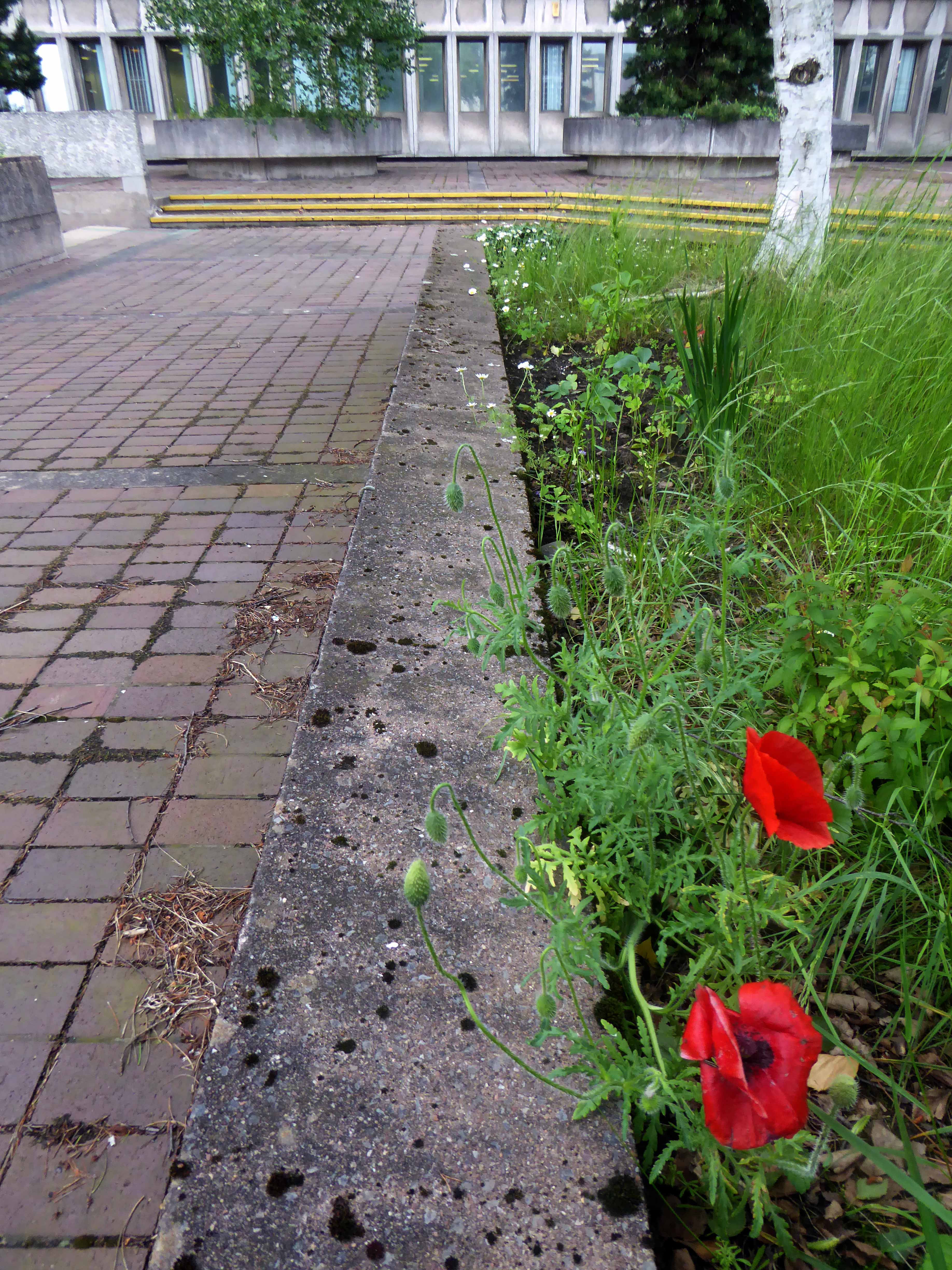
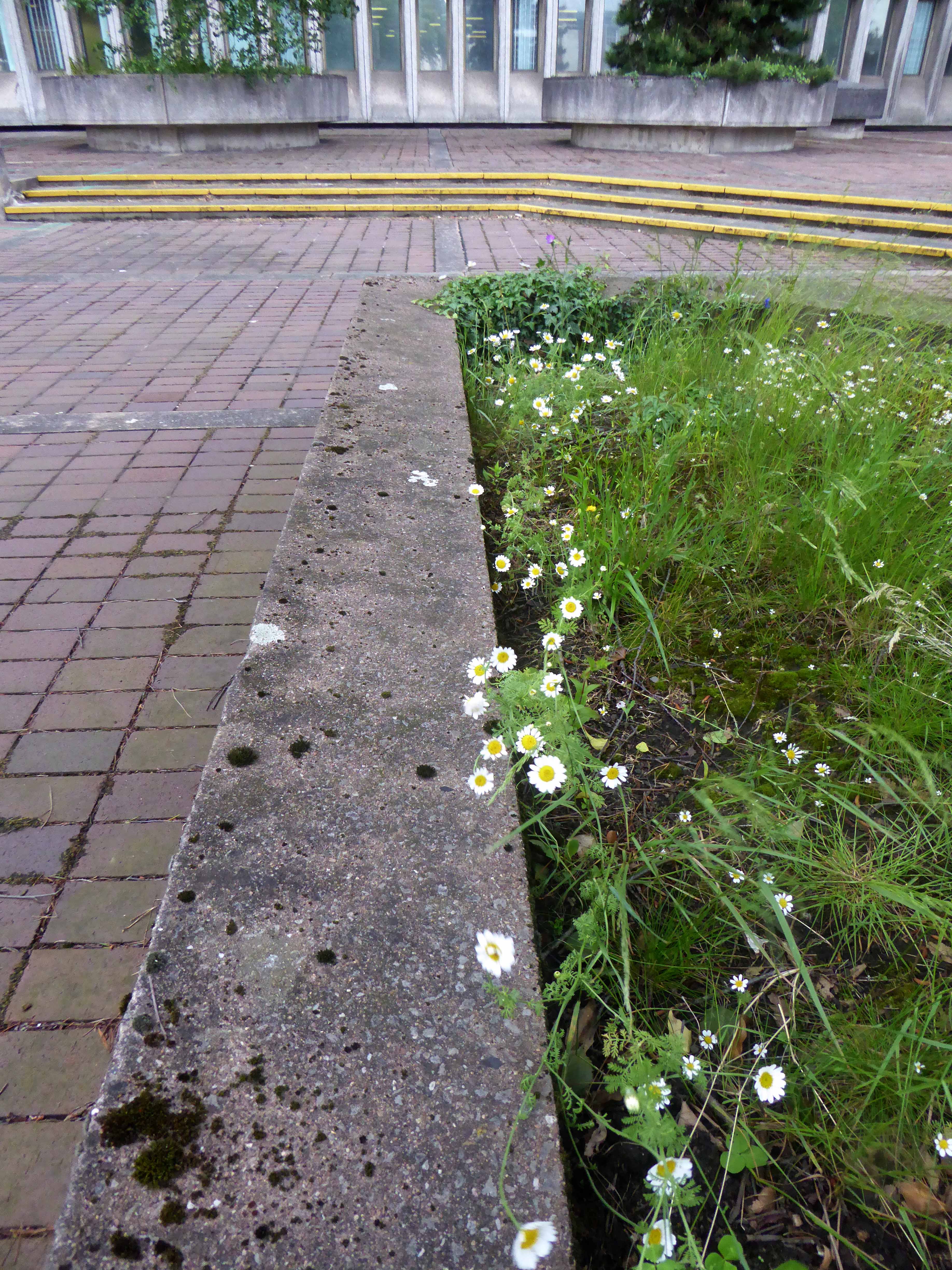
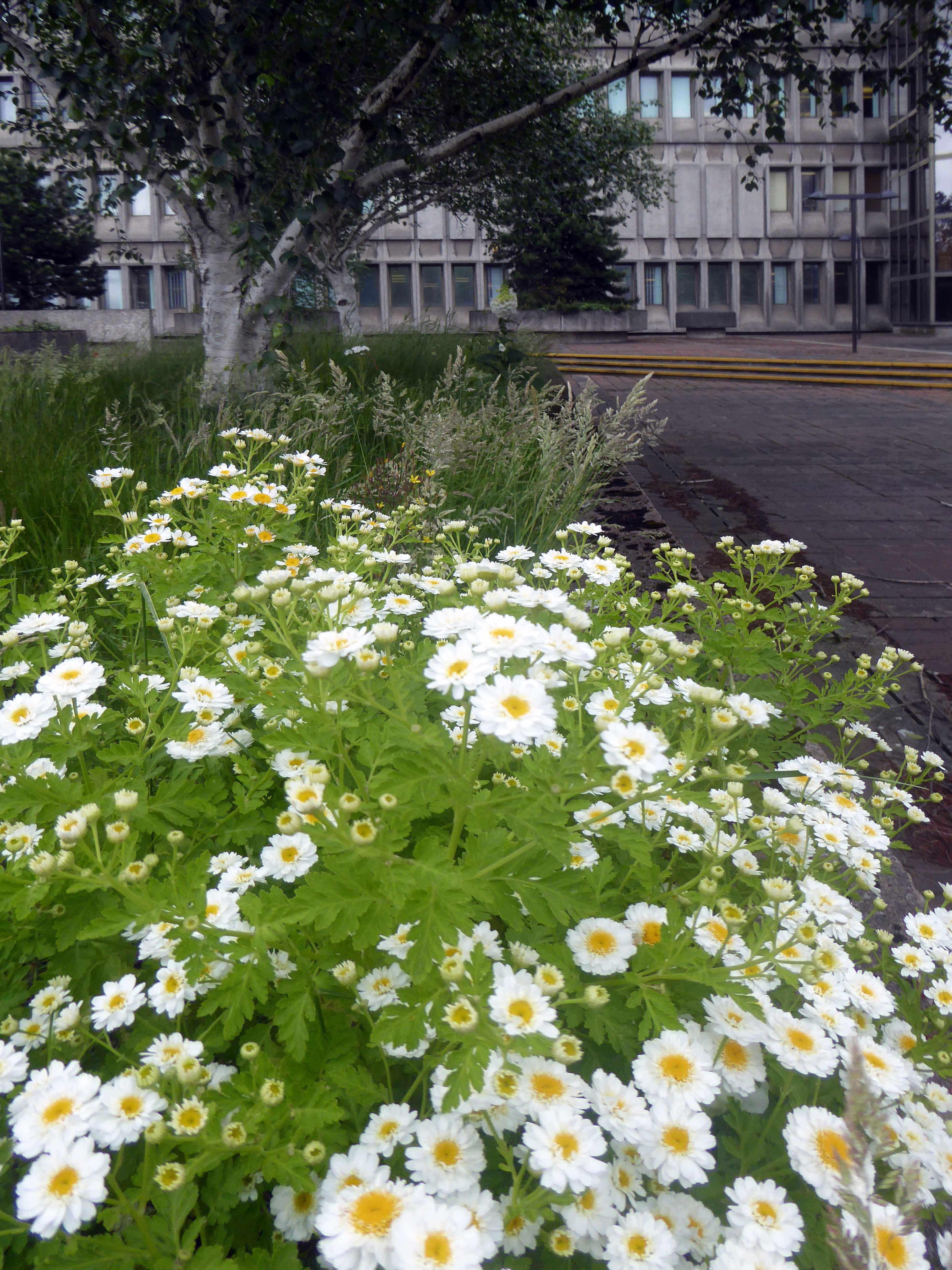
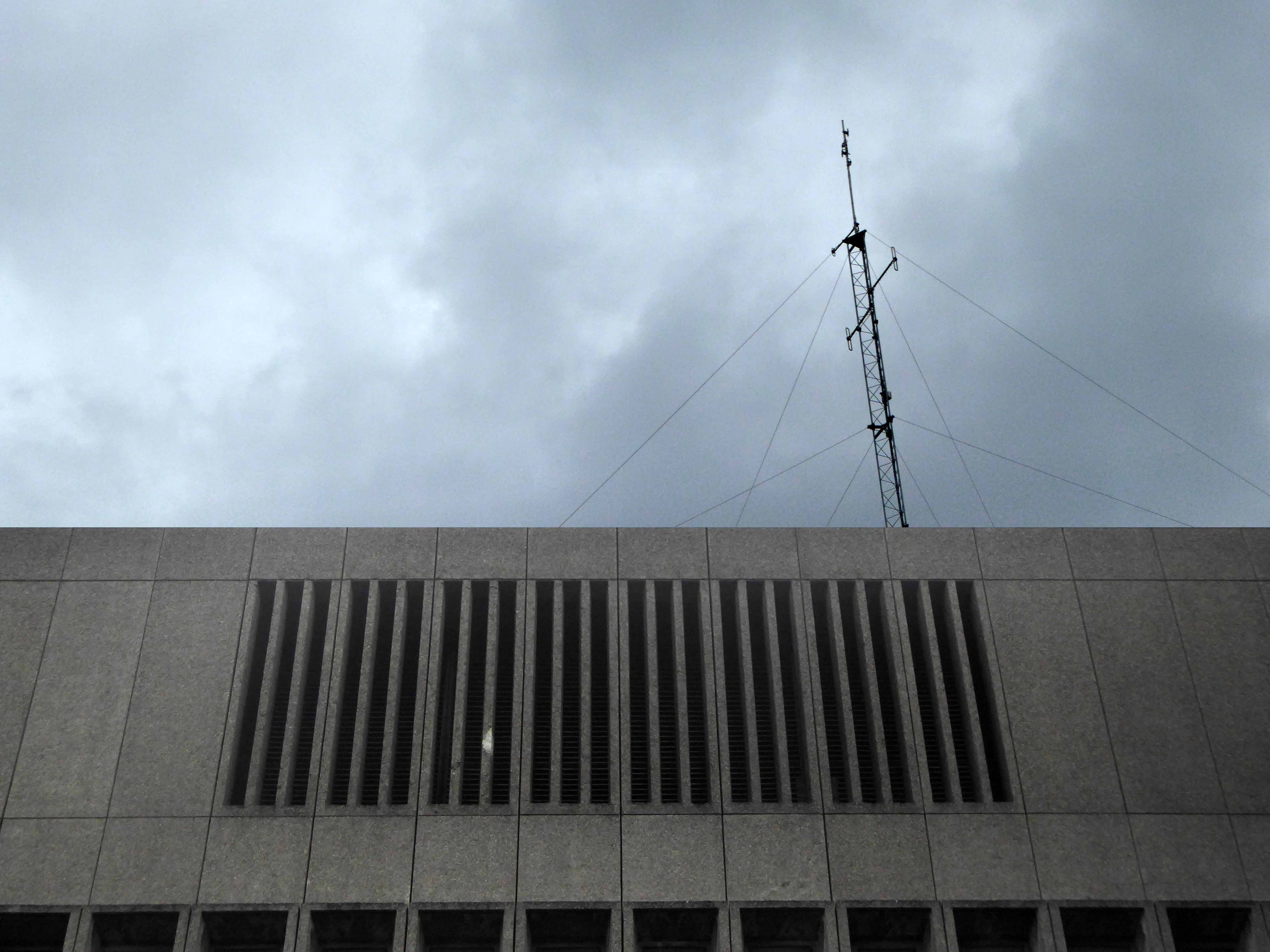
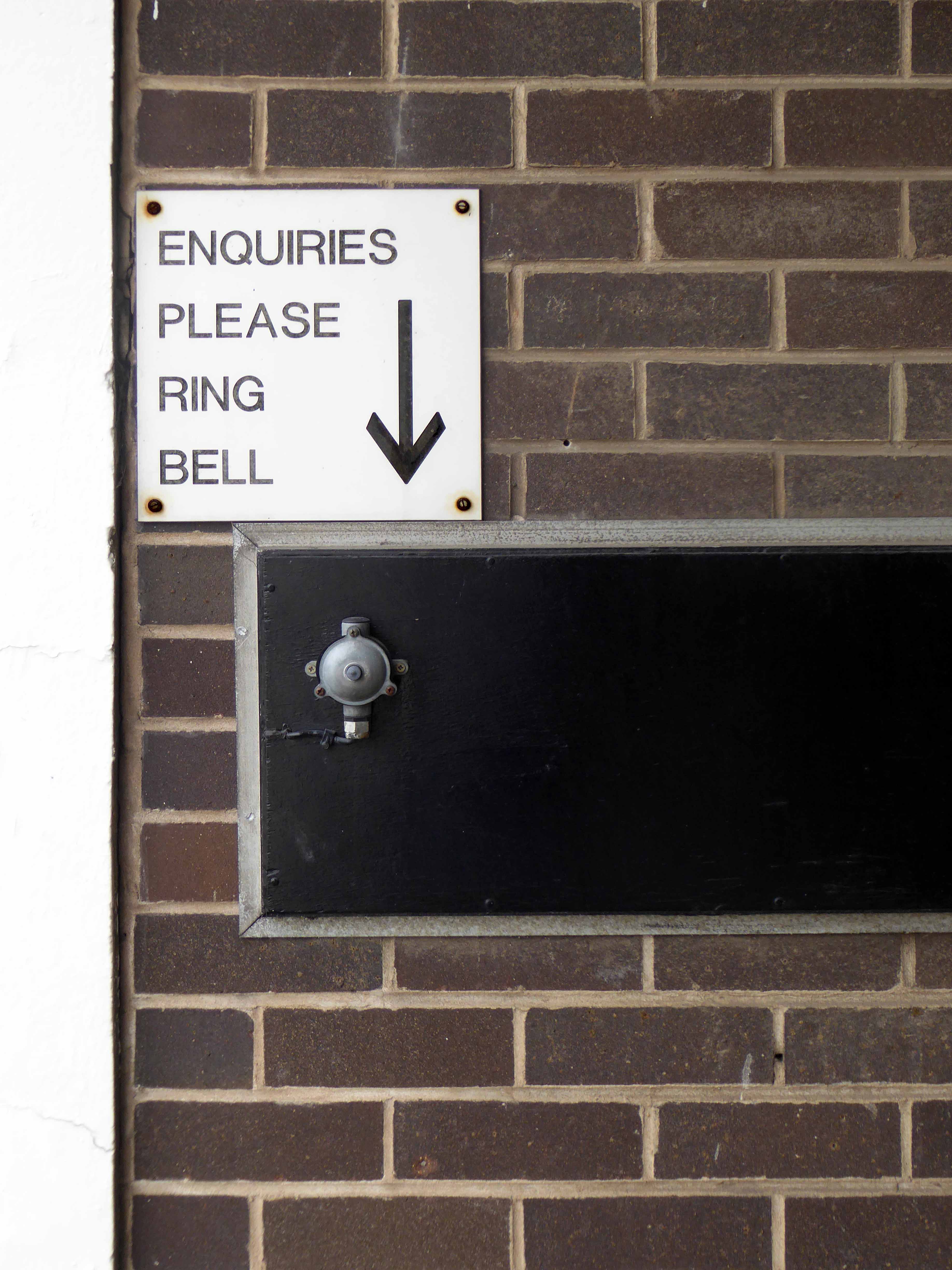
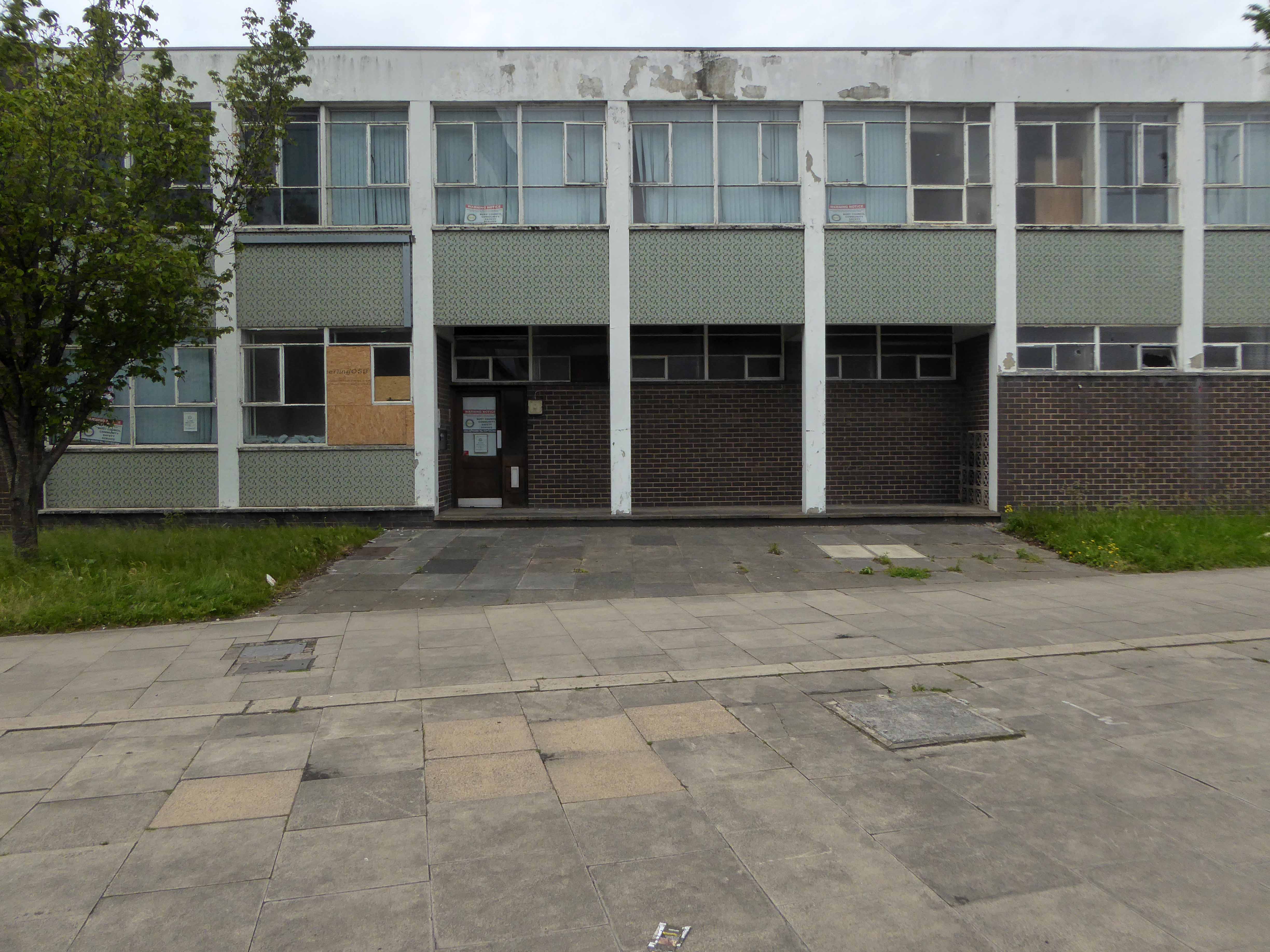
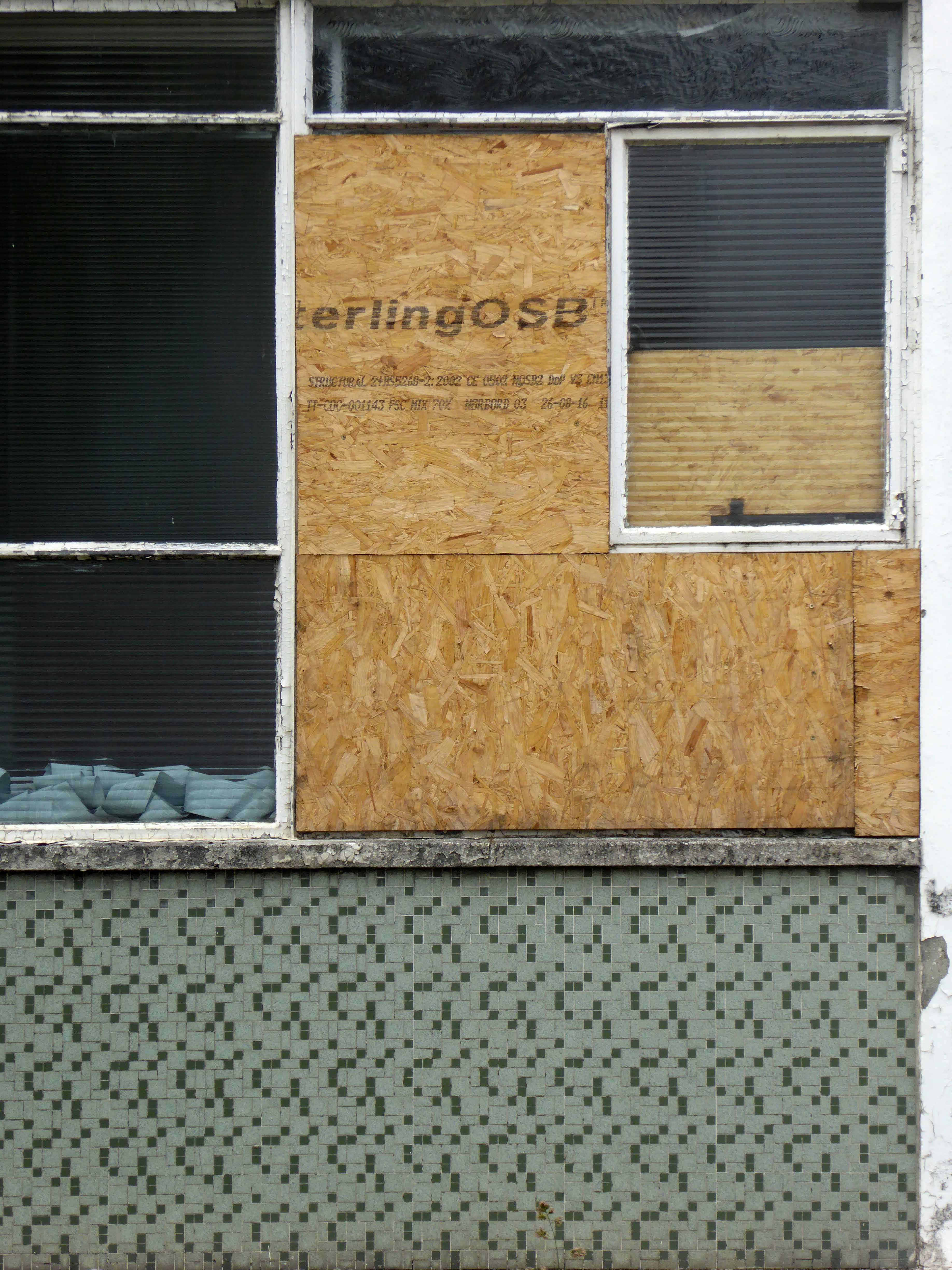
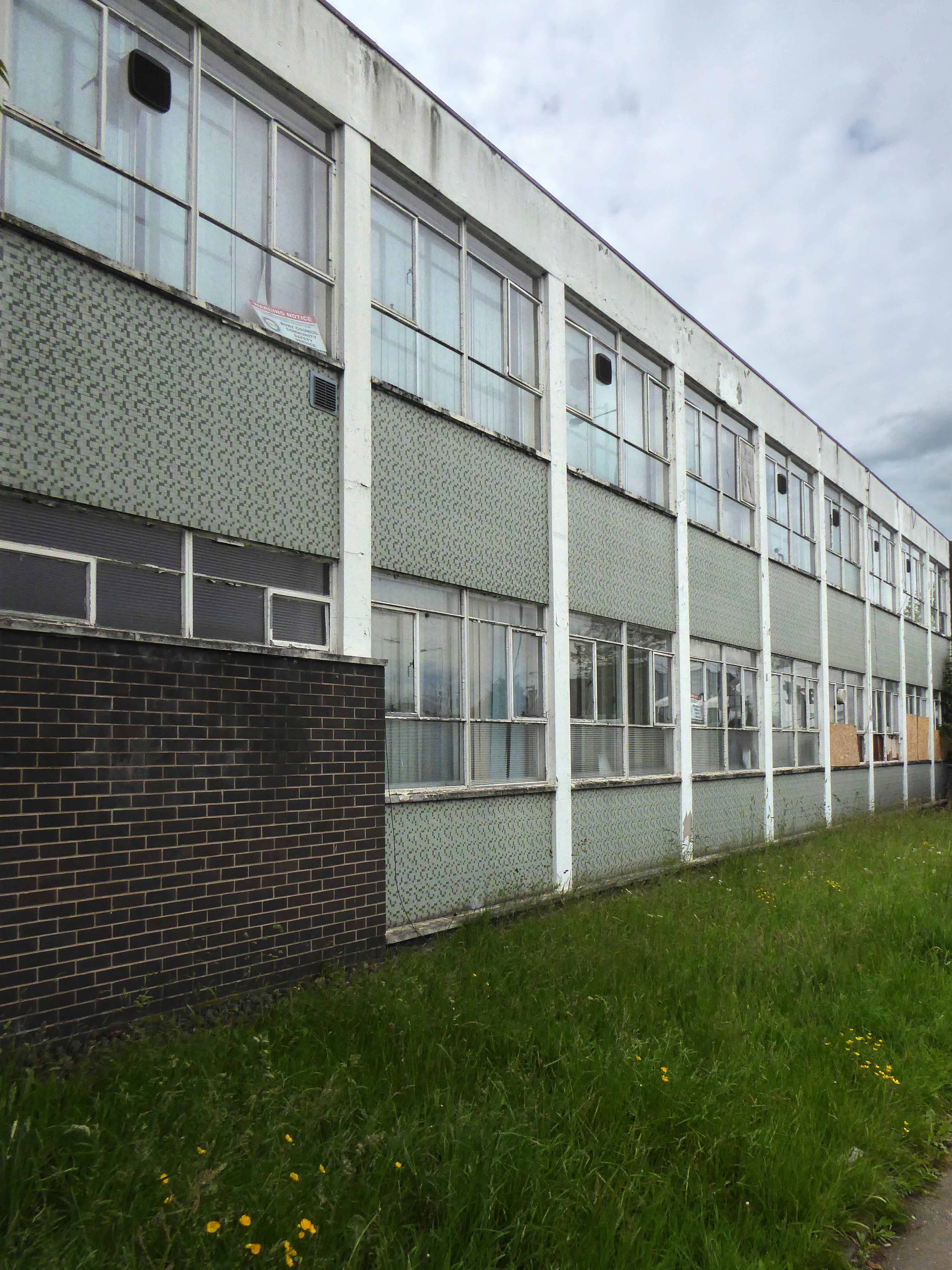
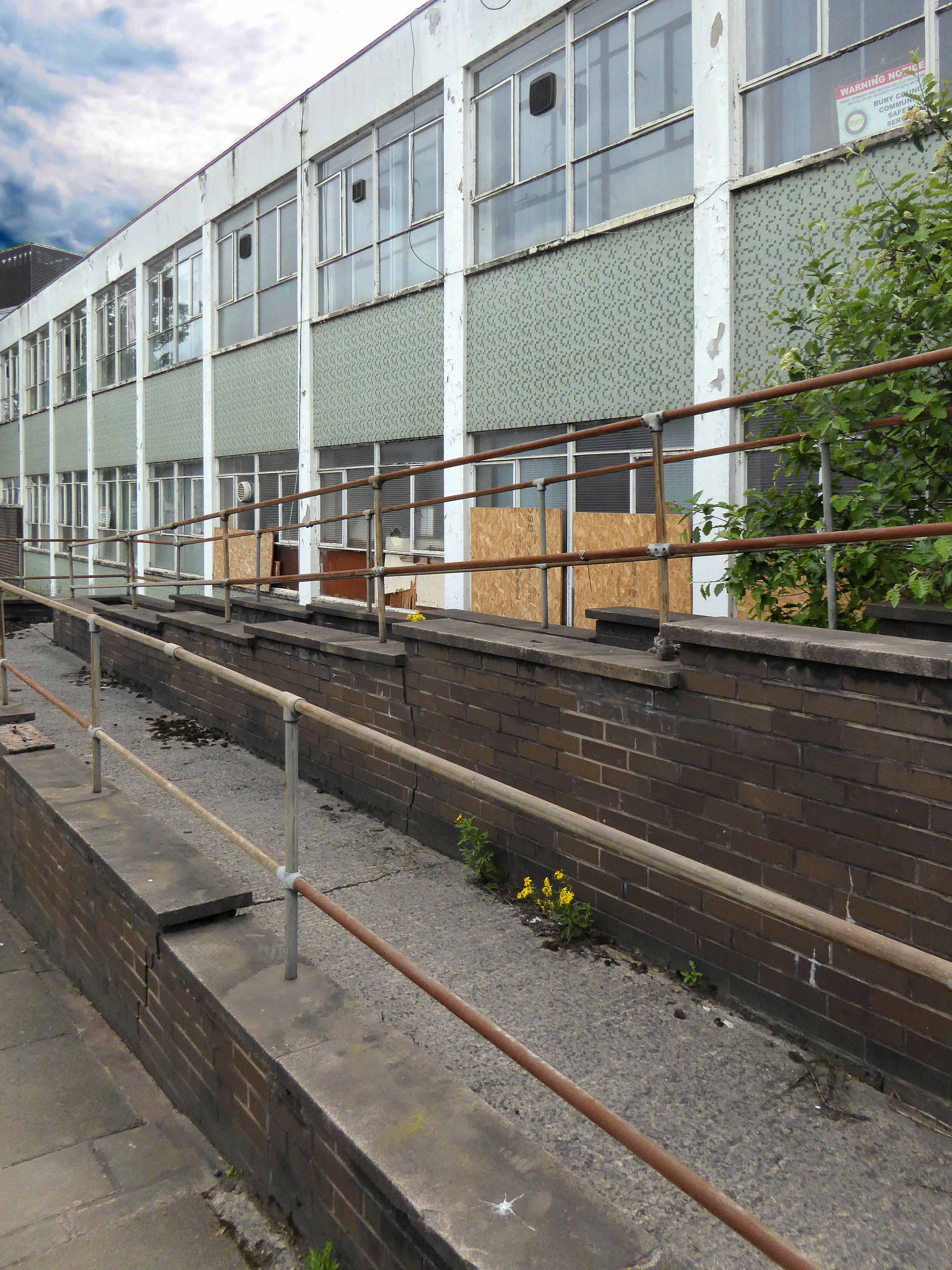
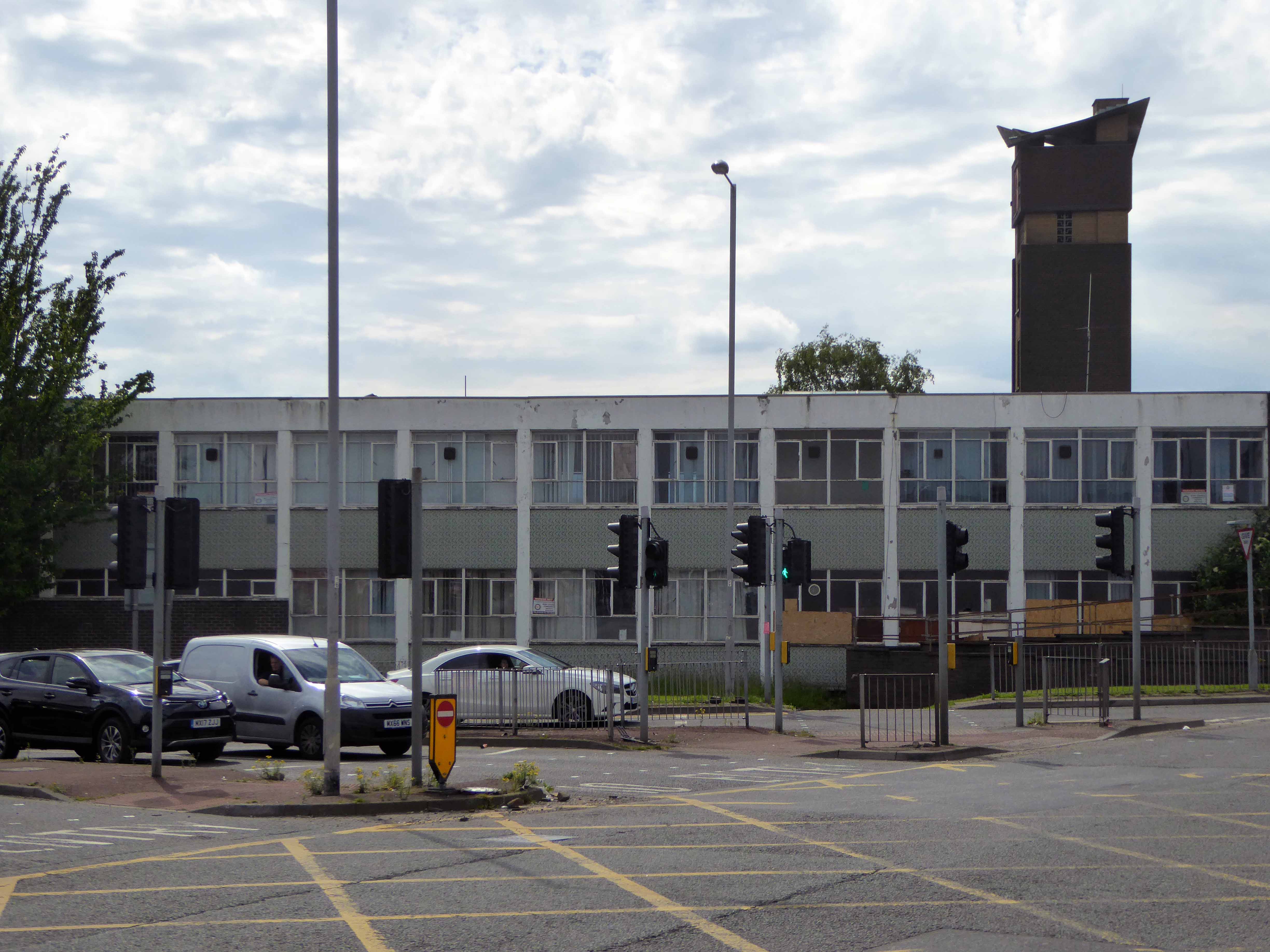
Strangeways Manchester #1

Strangeways?

– How strange.

The Strangeways family themselves are certainly recorded in antiquity at the site, although the name appears differently over time; Strongways in 1306, Strangewayes in 1349 and Strangwishe in 1473. In the late 1500s in records at Manchester Cathedral the surname is spelt Strangwaies.

My thanks to Thomas McGrath for his – Long Lost Histories: Strangeways Hall, Manchester

Before panopticon prisons entered the public imagination, and incarceration was the order of the day for the disorderly, it was all fields around here – with the odd house or baronial hall.
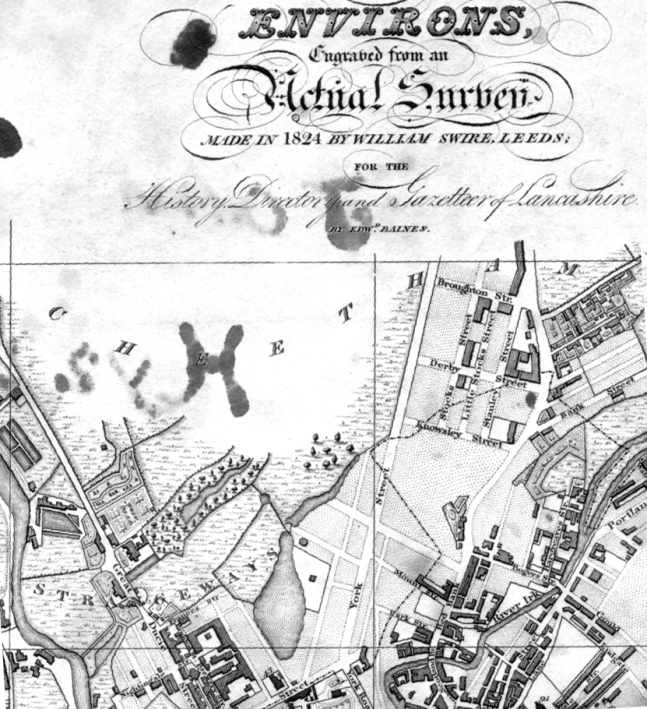
Screen Shot 2018-02-04 at 15.08.30

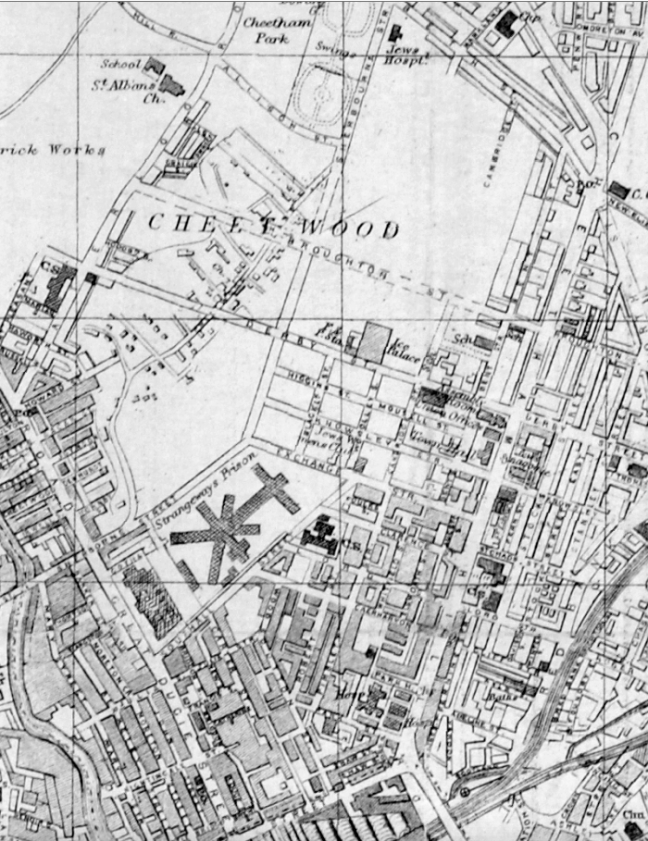
Swire’s map of 1824

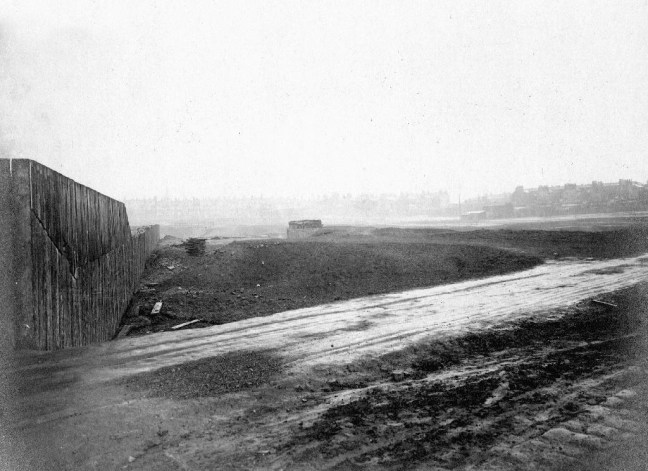
Strange days, over time the prison is built, the assizes appears and disappears and tight groups of tired houses cluster around the incipient industry. The fiefdom’s of old become tie and tithe to successions of industrial plutocrats.
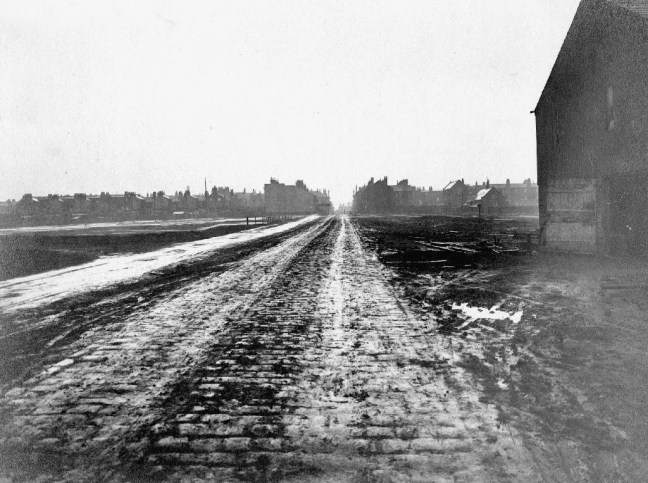
webmedia.php copy

webmedia.php

Broughton Street 1910Photograph J Jackson

Screen Shot 2018-02-04 at 15.10.54

Kelly’s map of 1920

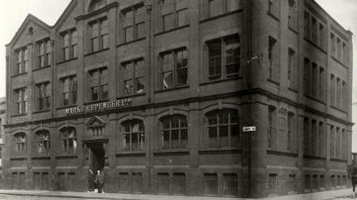
The area becomes the centre of the city’s rag trade, a large Jewish Community, the largest outside of London, grows up around Strangeways, Cheetwood and Cheetham Hill – houses, mills, wholesale, retail, warehouse, ice palace, beer-house, brewery. The area is home to several of Joe Sunlight’s inter-war industrial developments – his Jewish family were named Schimschlavitch, his father a cotton merchant. The family emigrated to England in 1890 and settled in Manchester.

So much for Joe Soap – the area was also the location for local lads, Karl Marx, and Marks & Spencer.
v0_medium

Derby Street 1901 – 1924

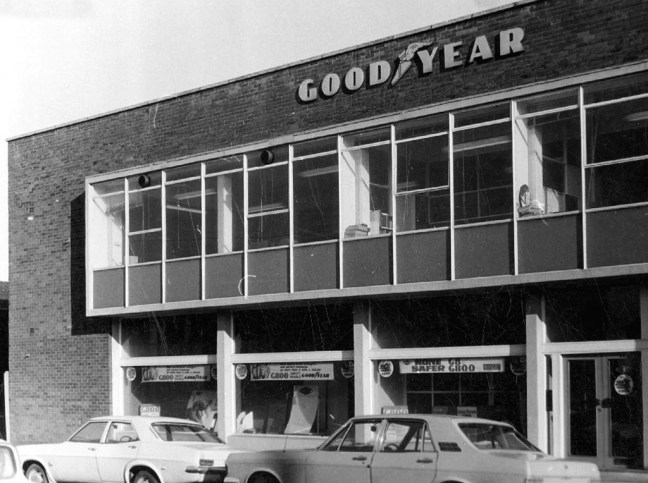
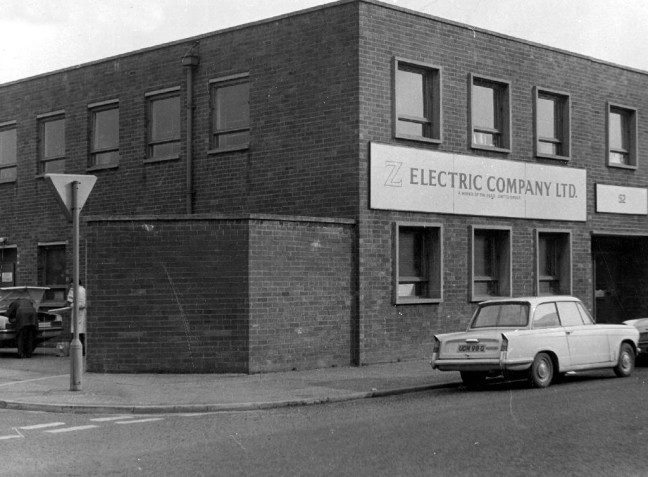
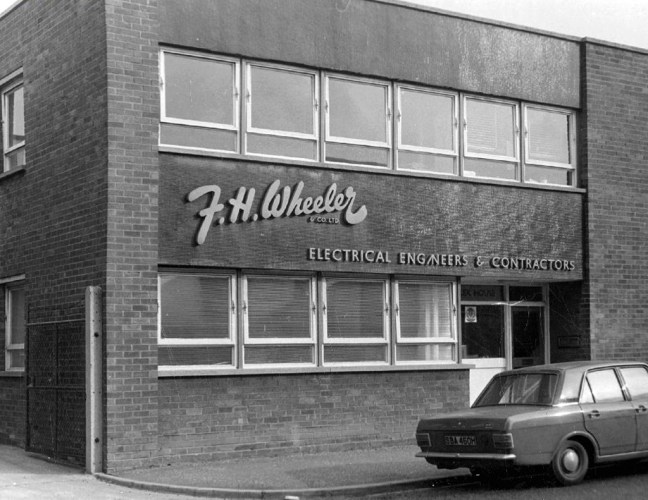
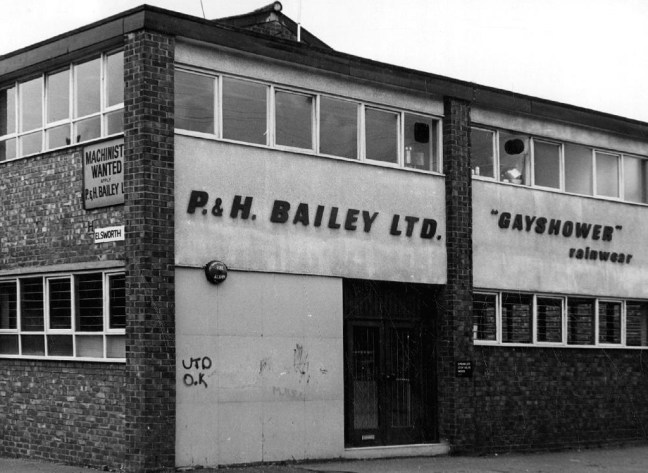
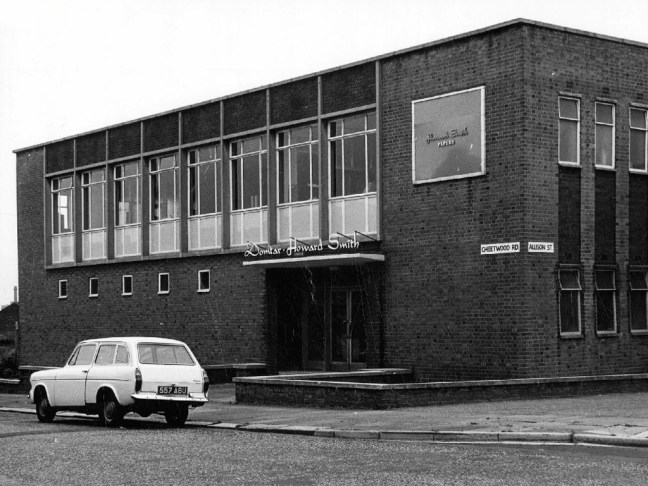
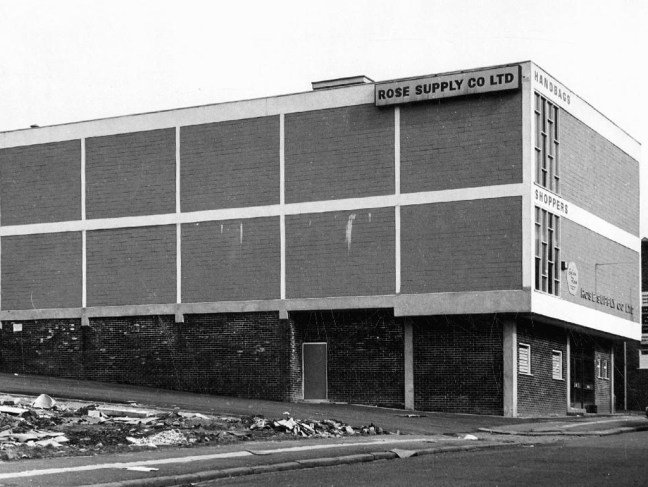
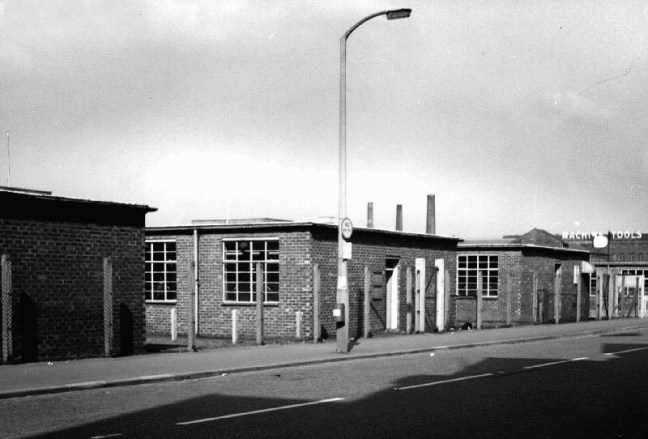
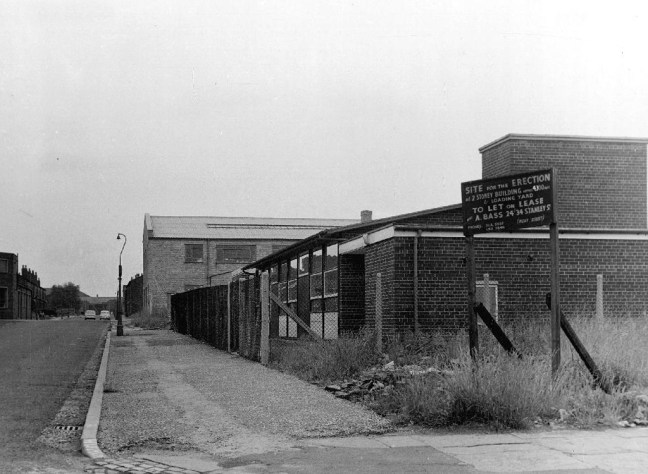
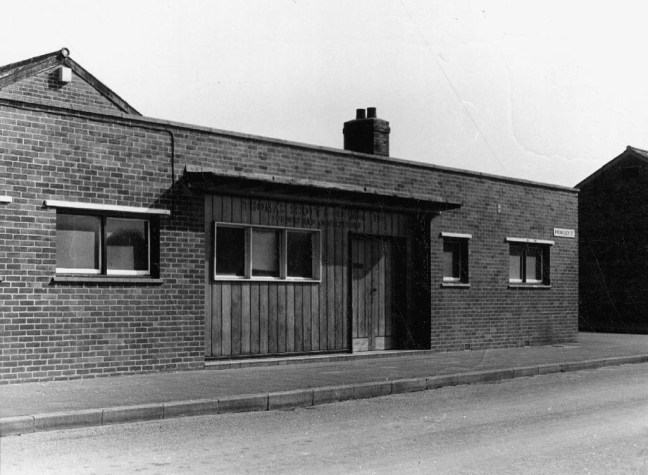
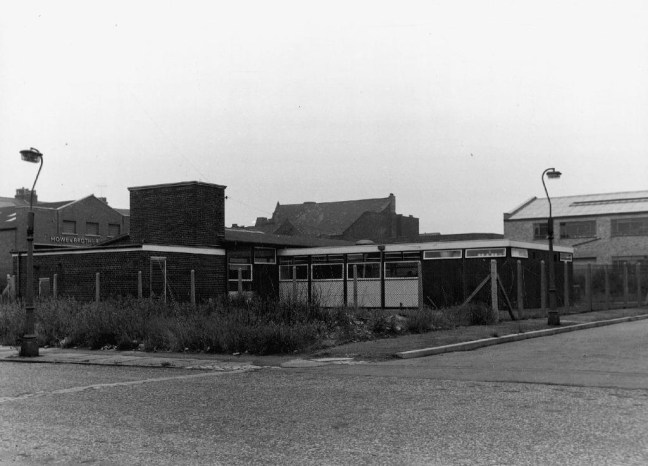
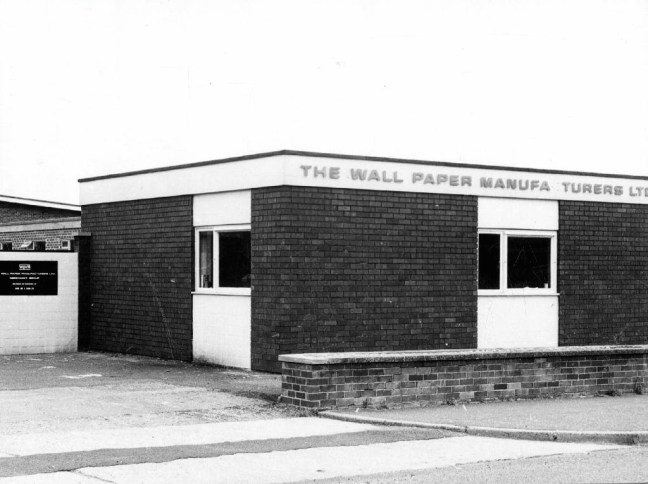
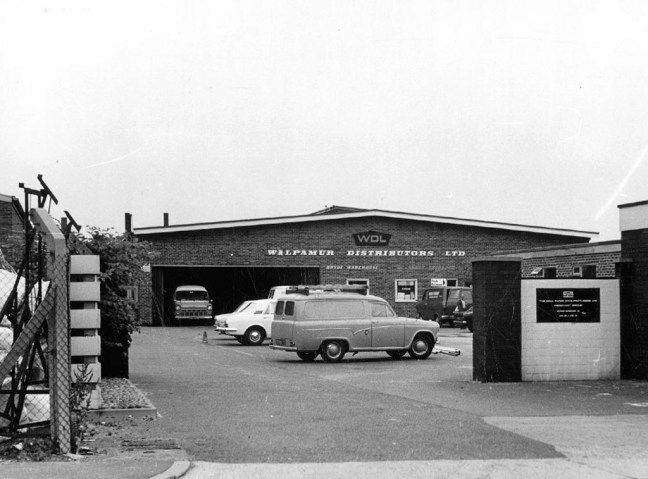
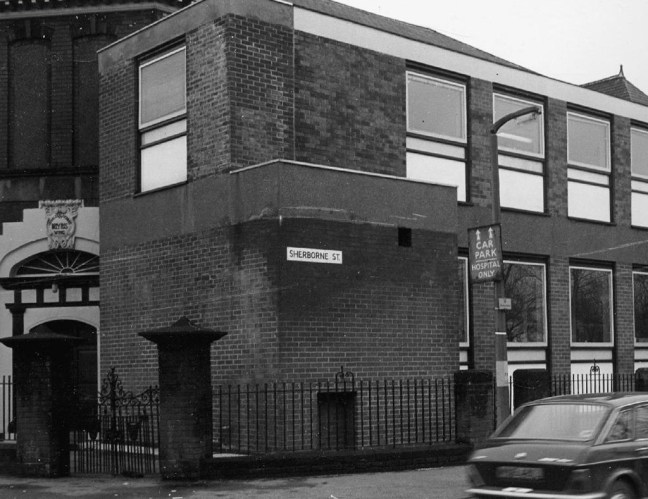
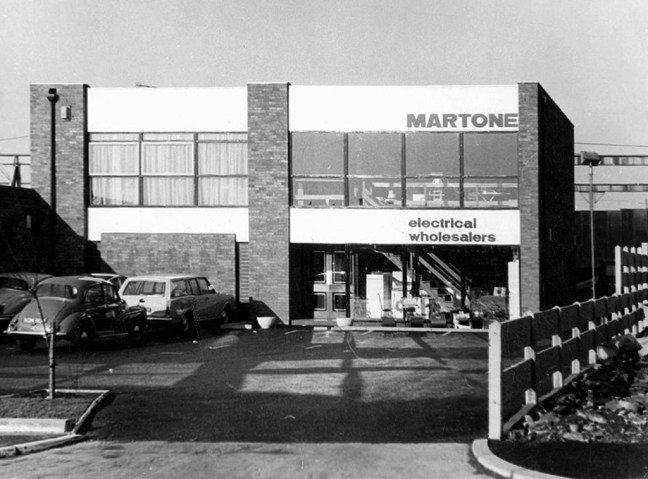
Further developments took place with the building of the Cheetwood Industrial Estate – a postwar group of flat-rooved, blocky brick and concrete utilitarian units.

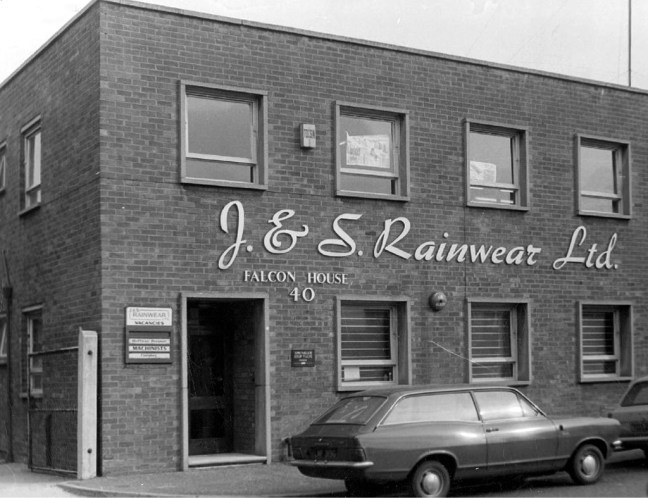
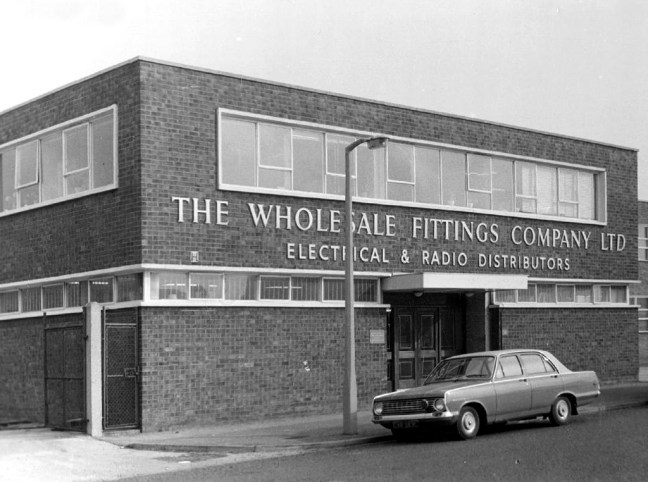
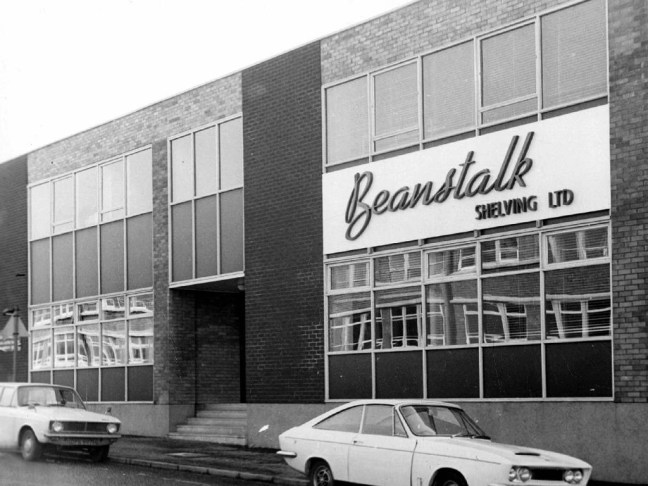
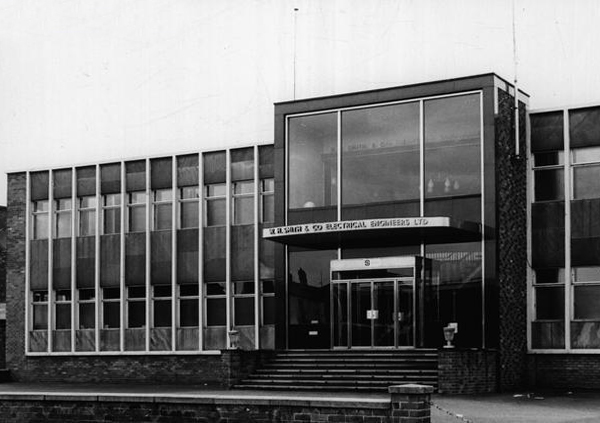
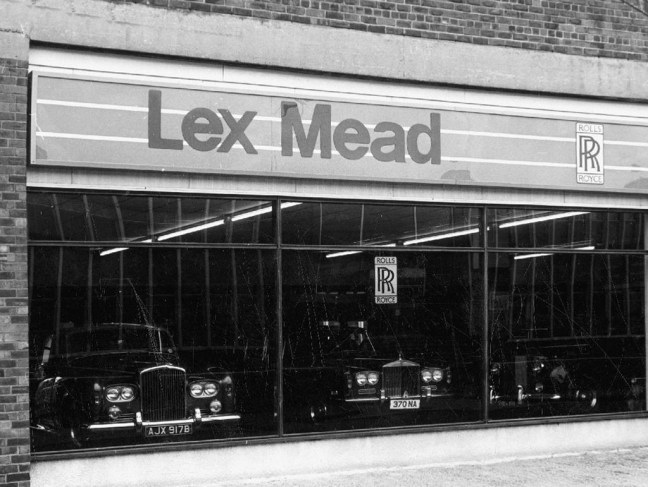
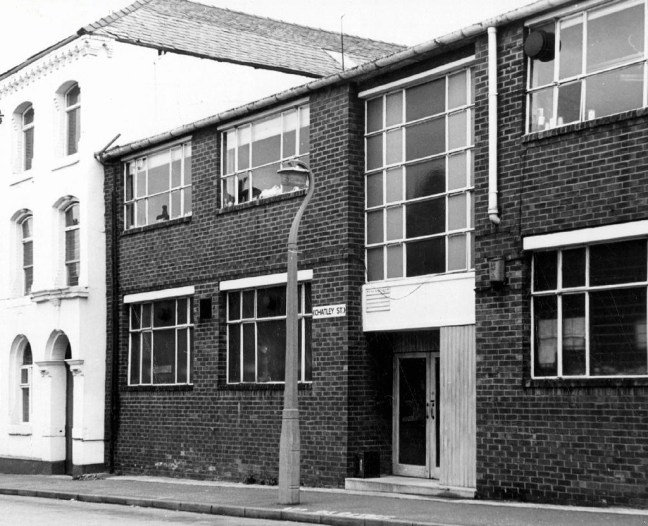
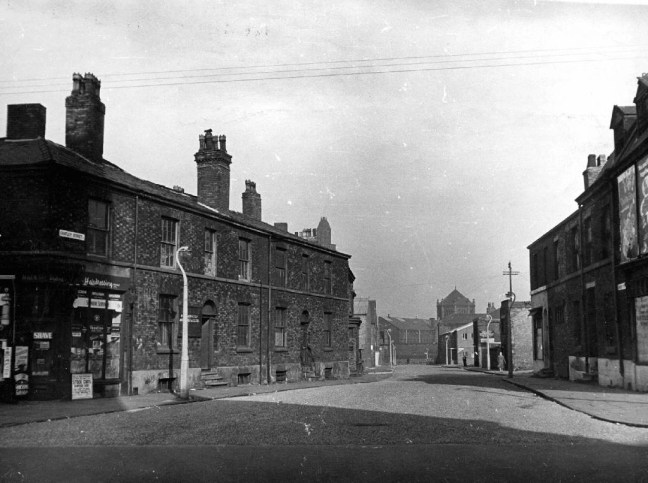
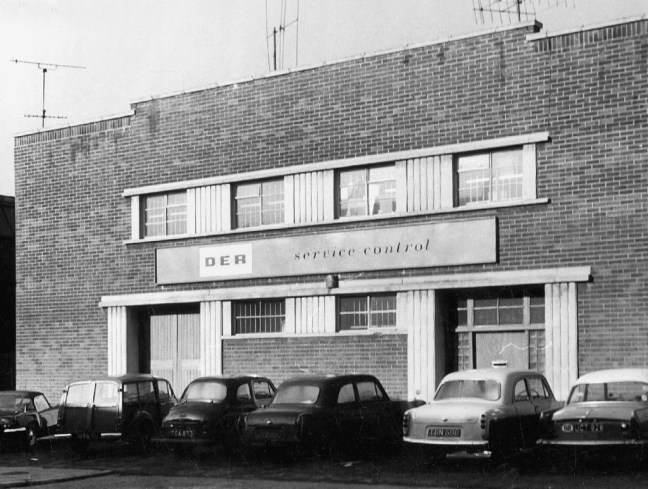
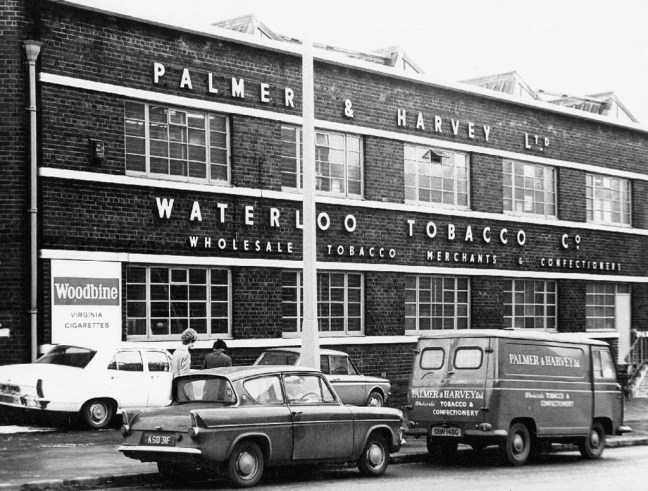
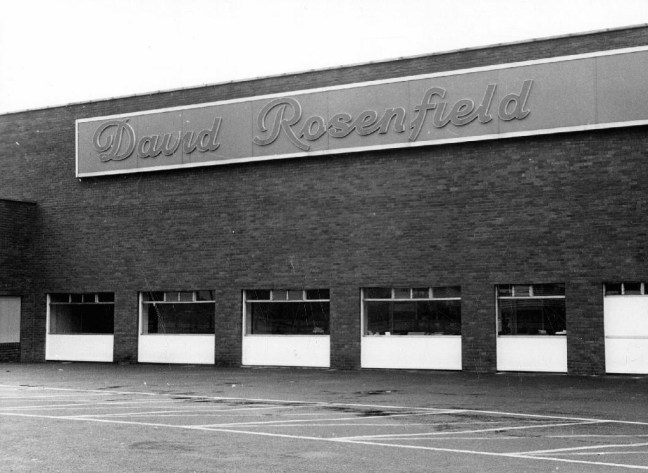
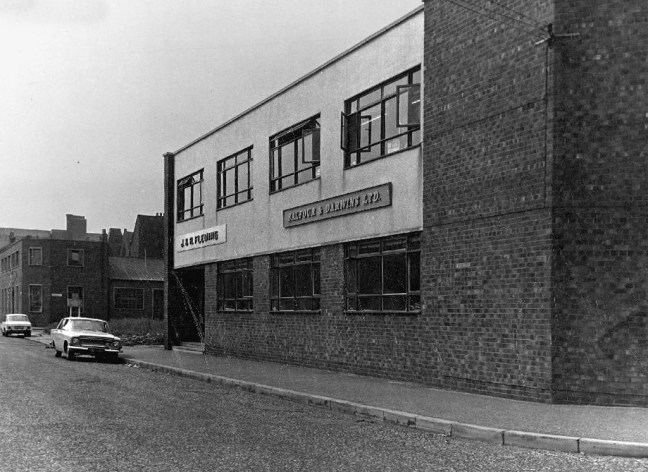
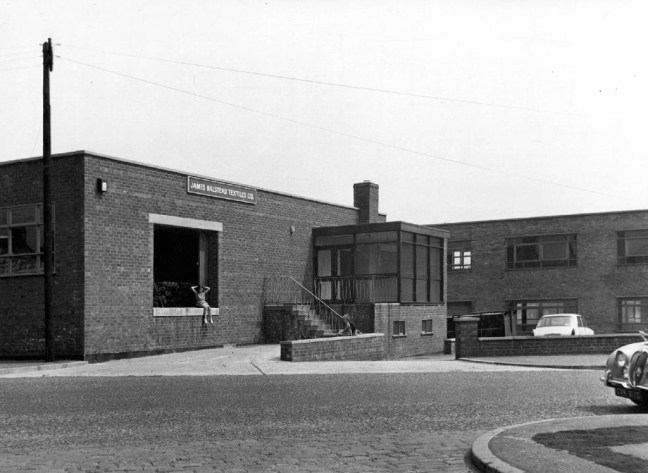
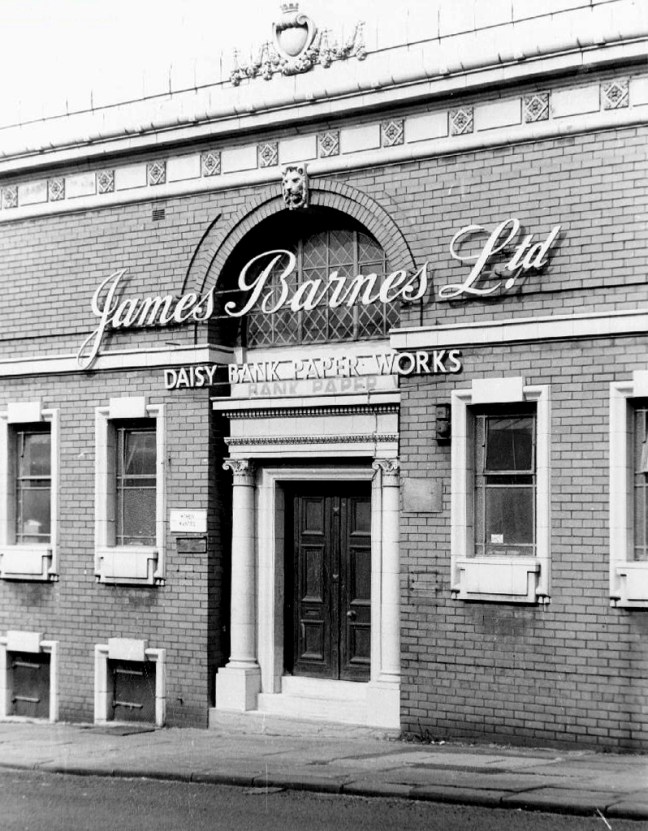
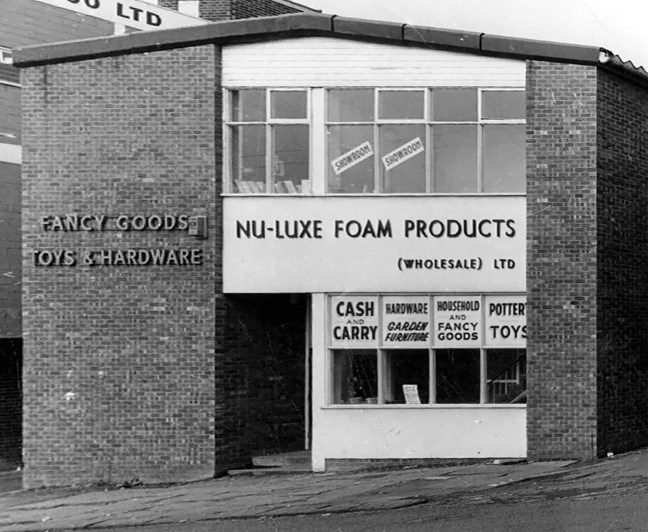
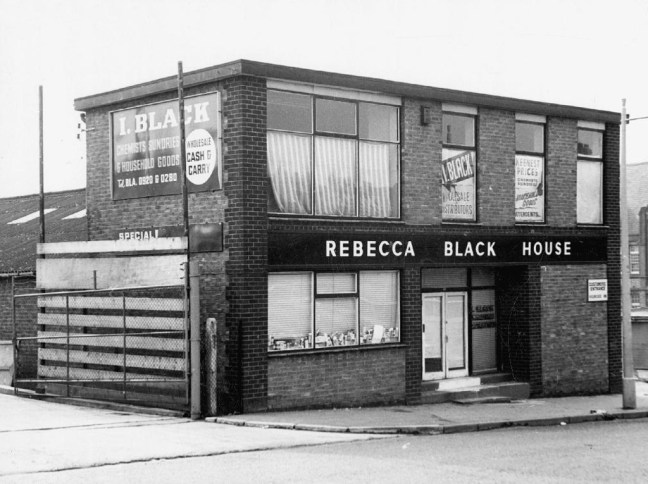
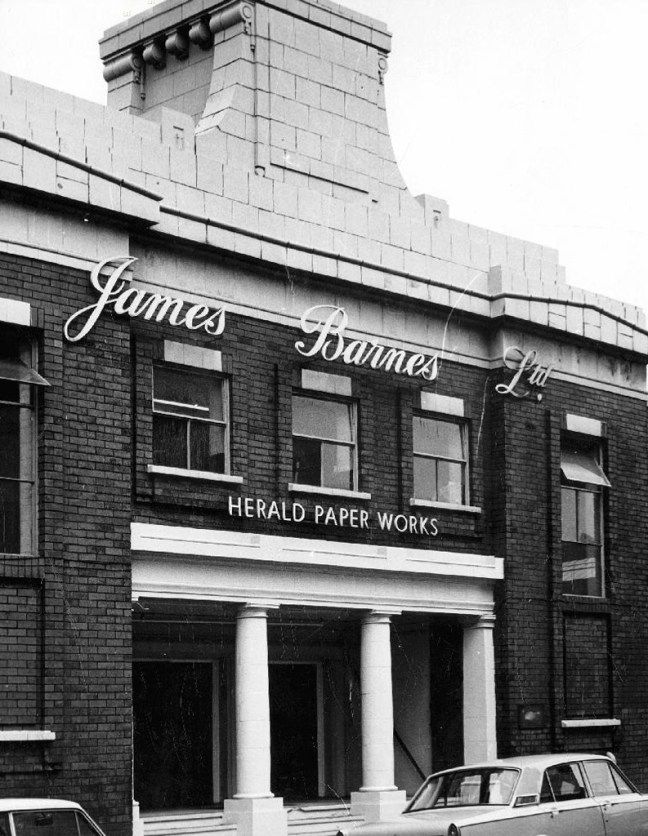
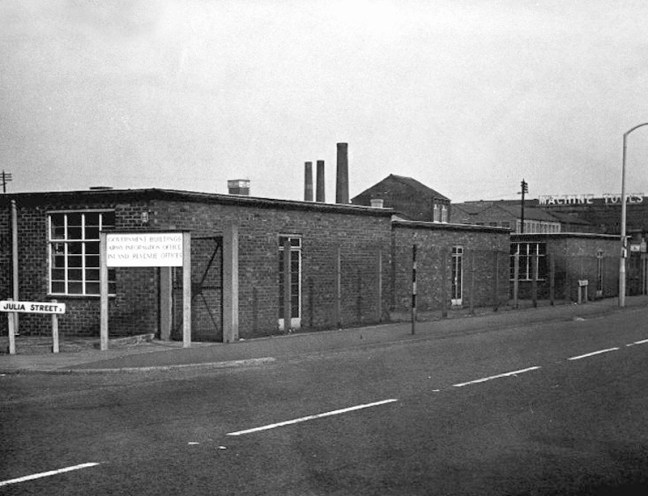
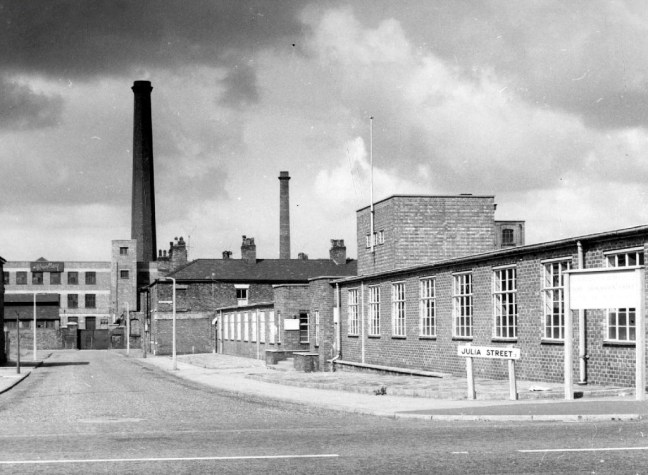
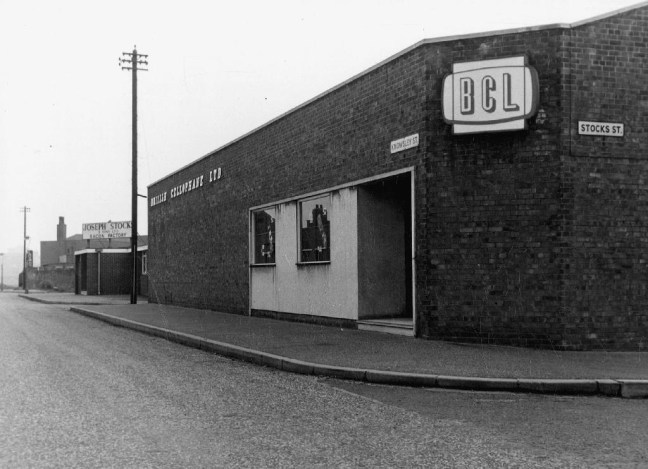
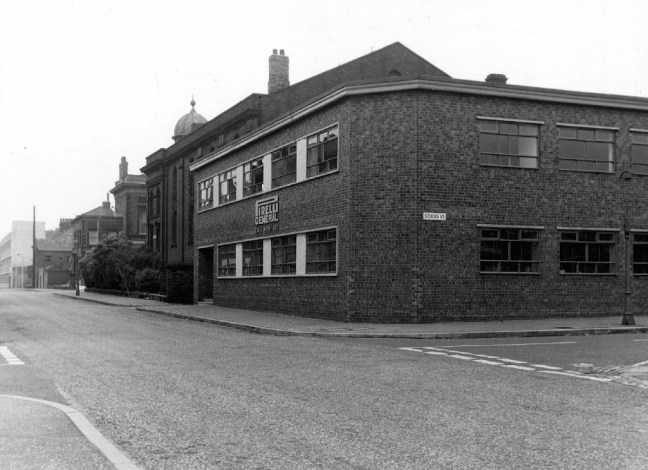
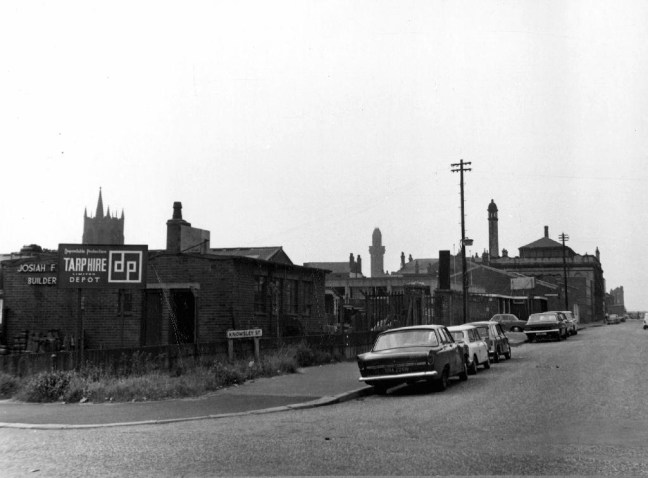
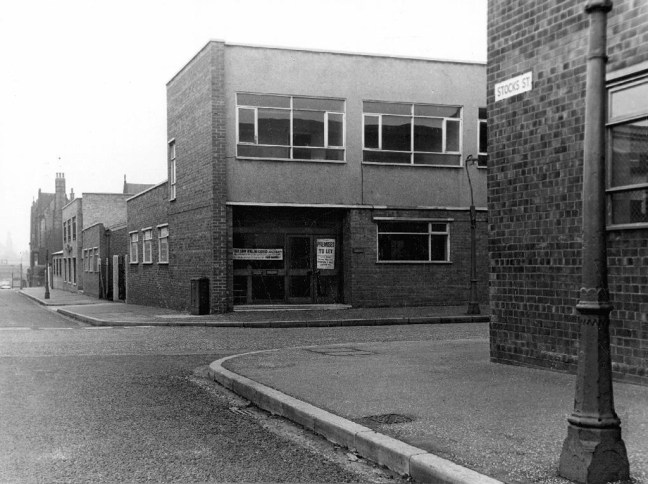
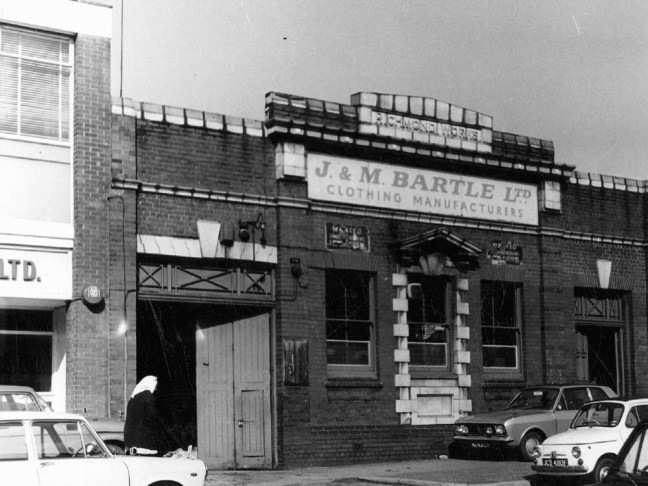
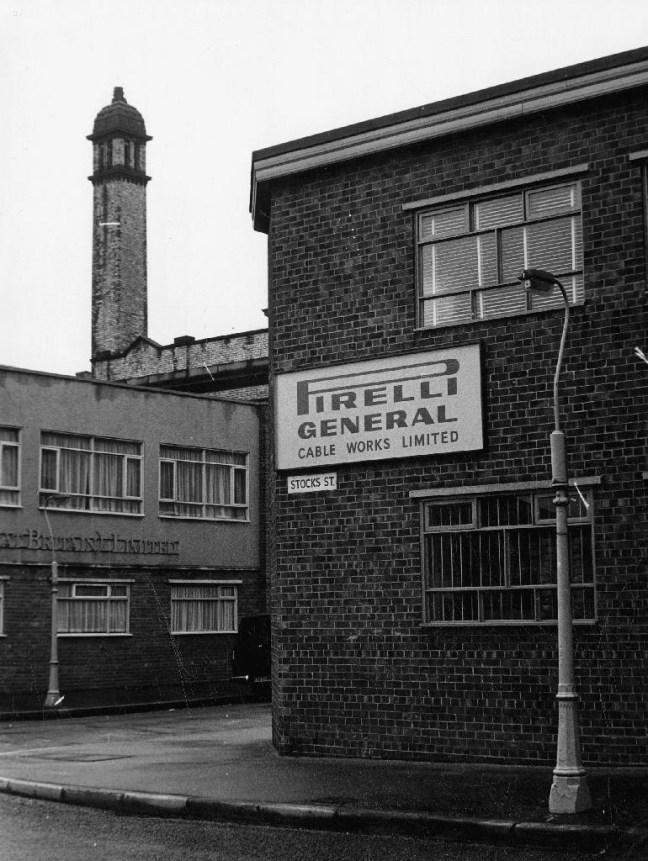
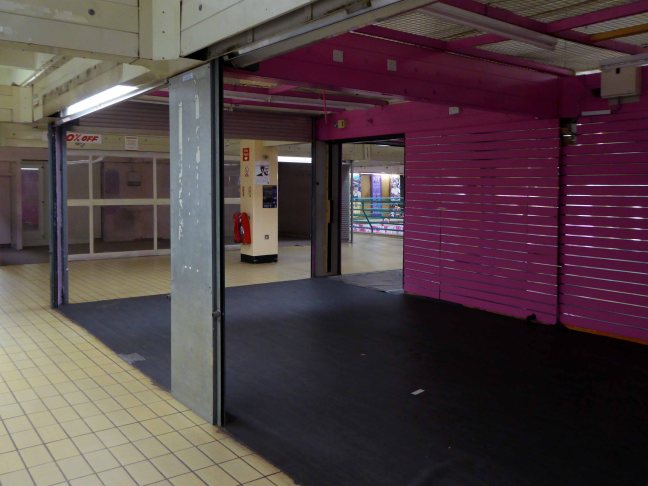
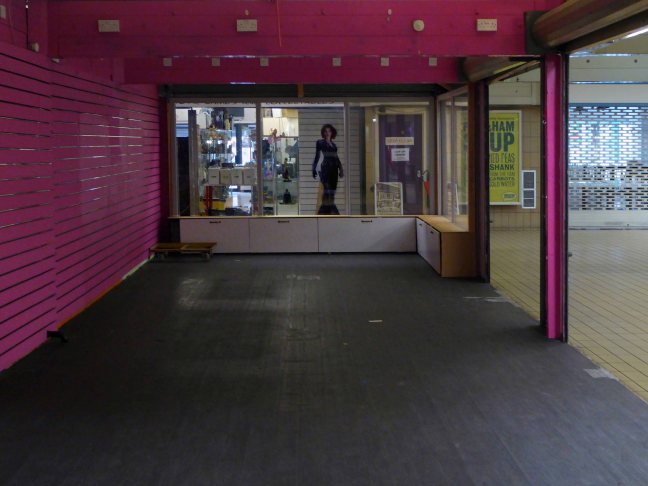
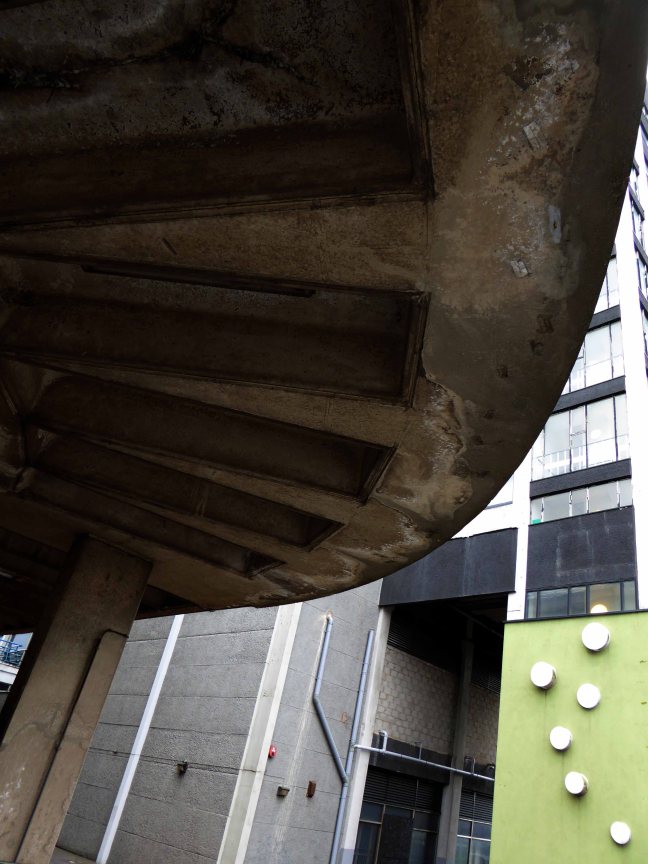
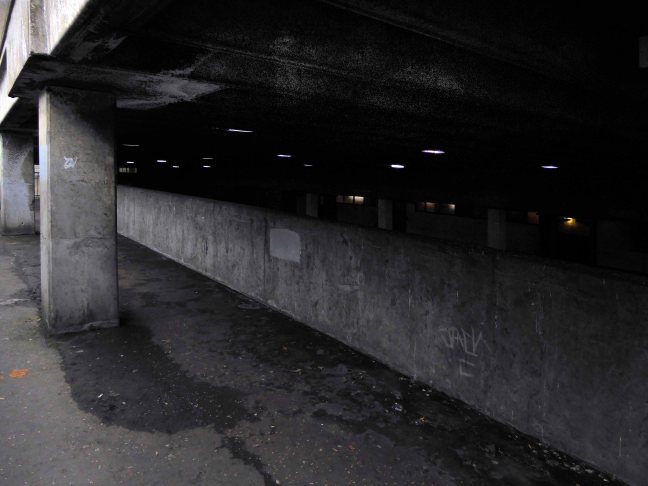
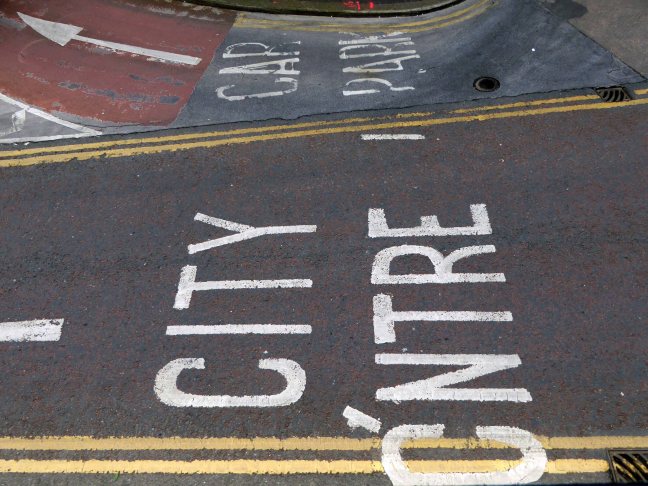
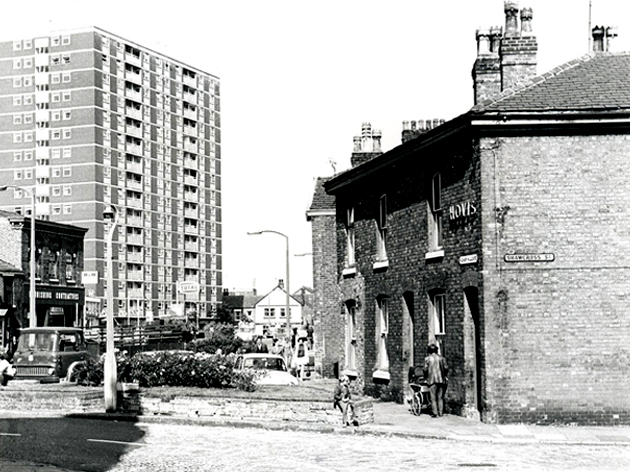
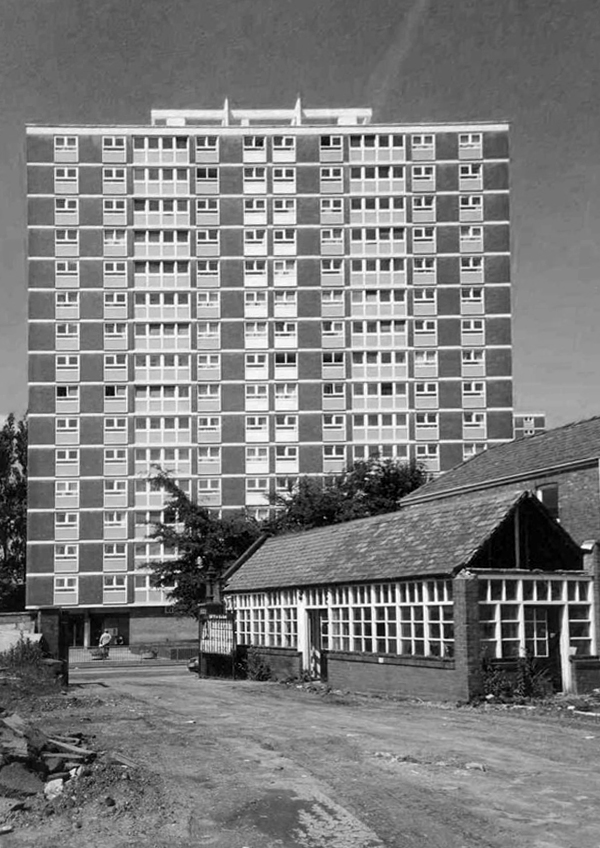
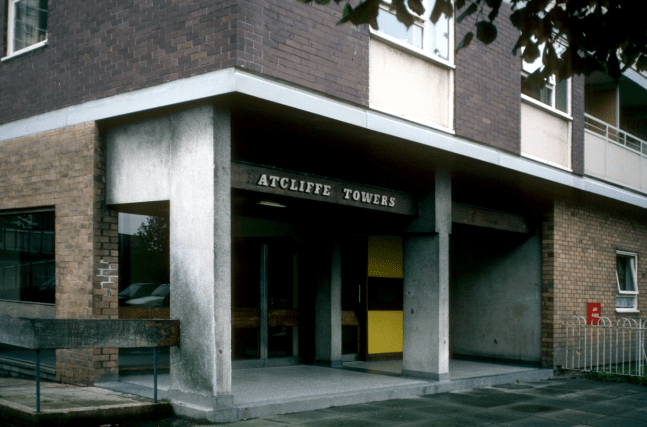
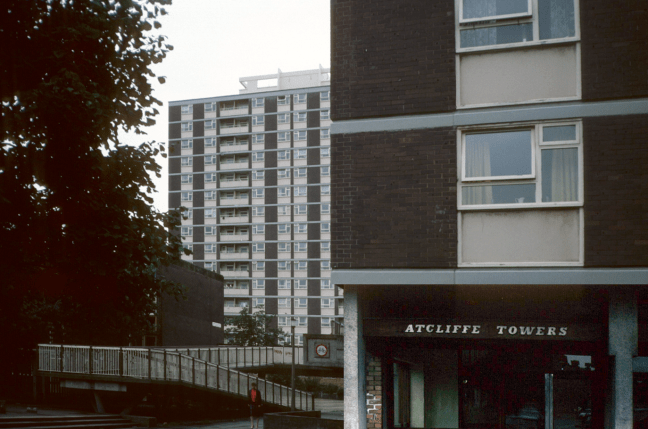
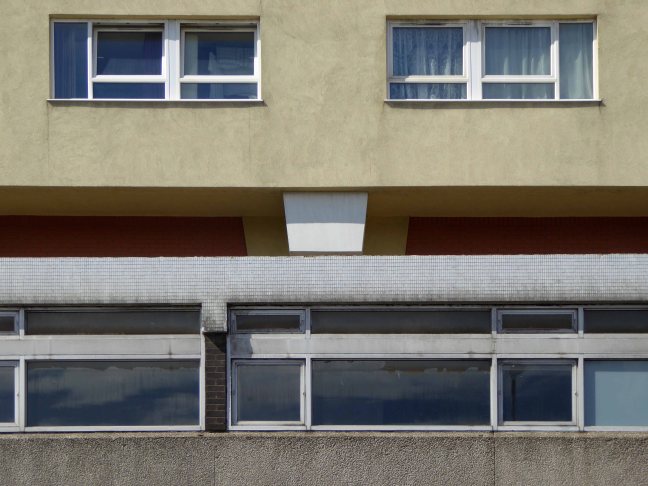
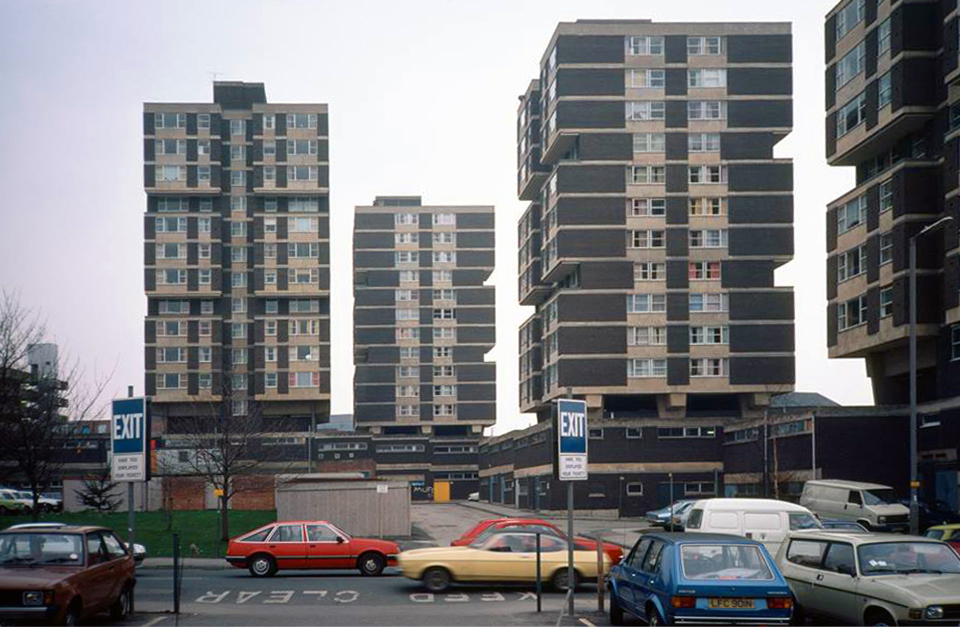
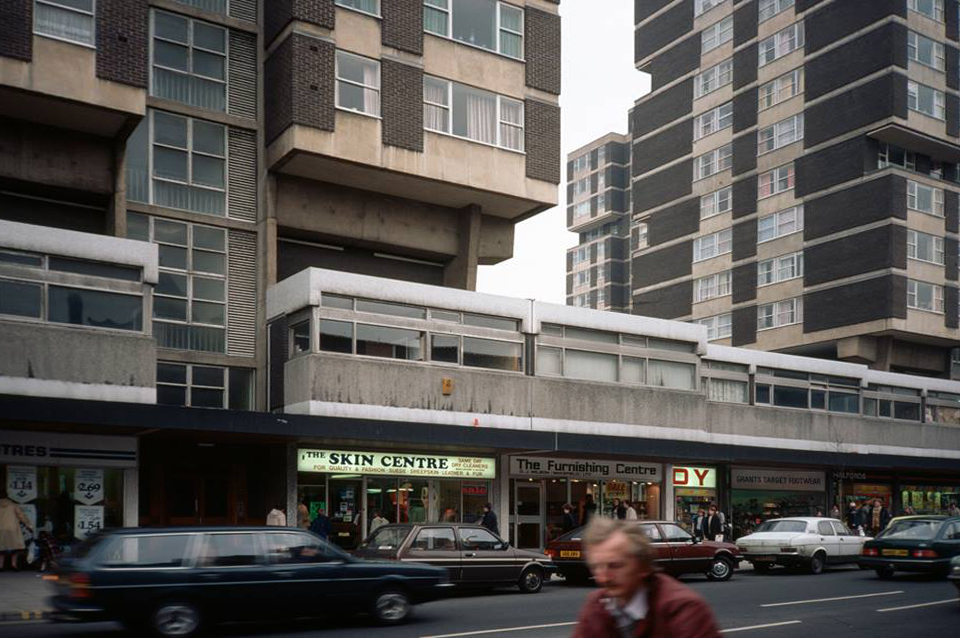
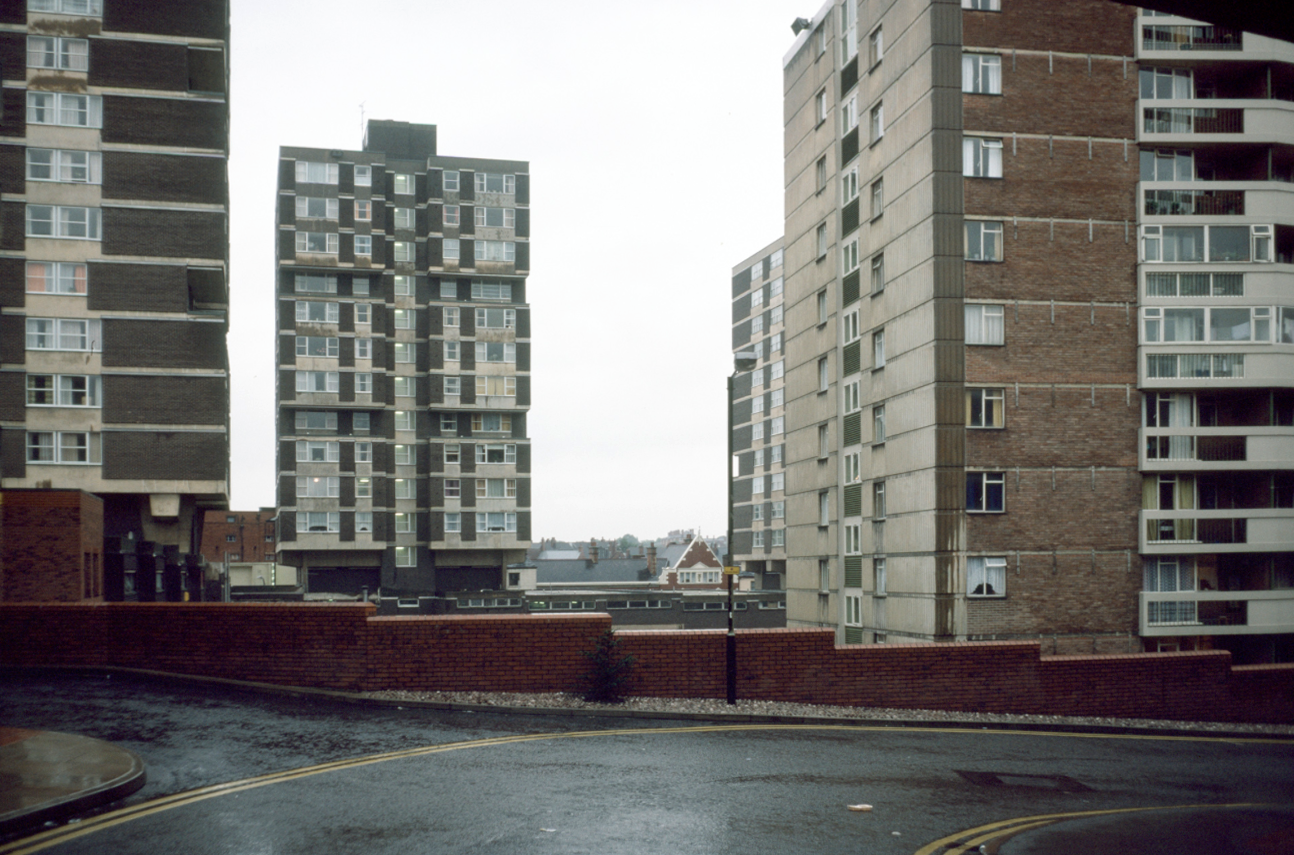
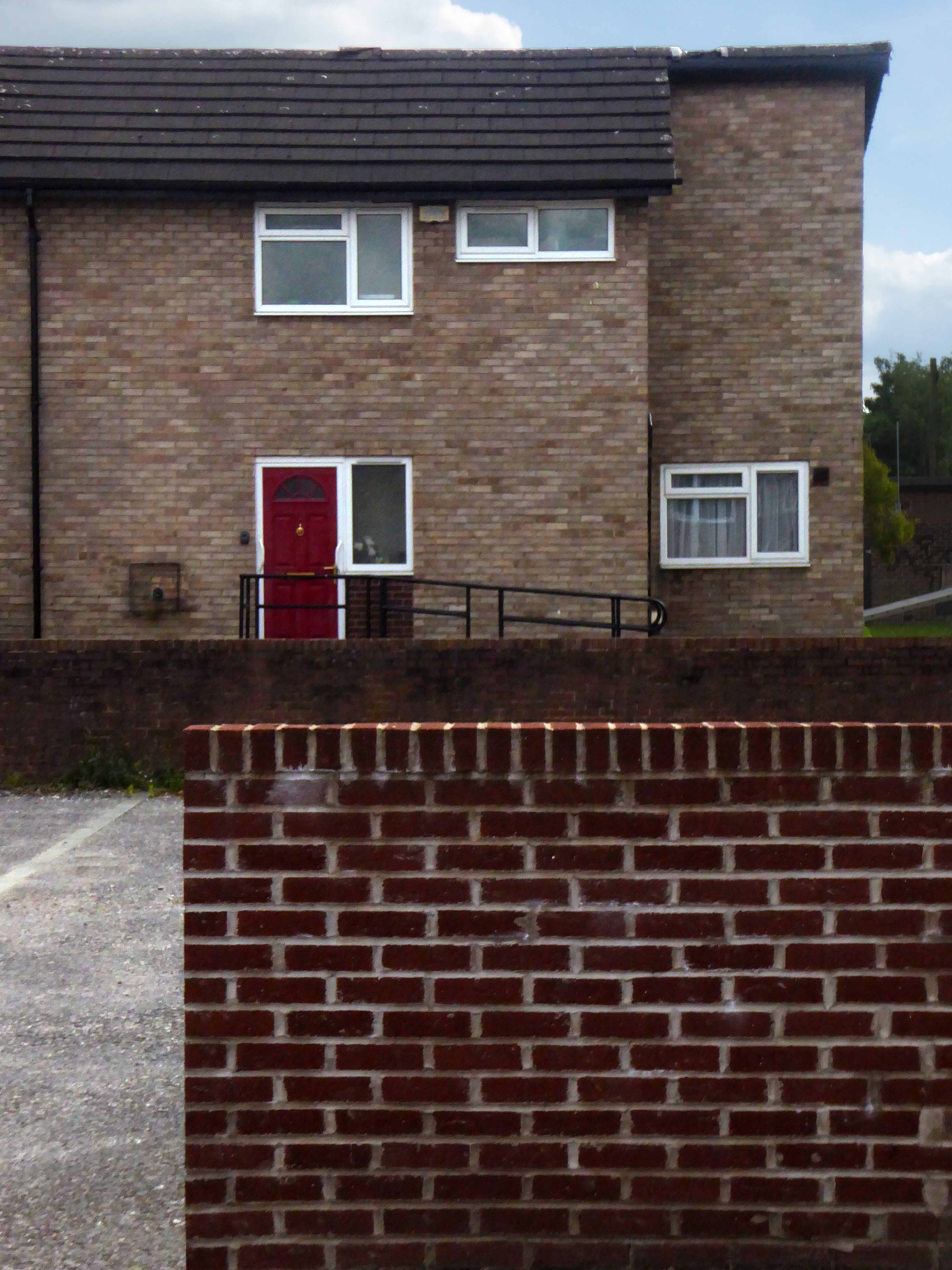
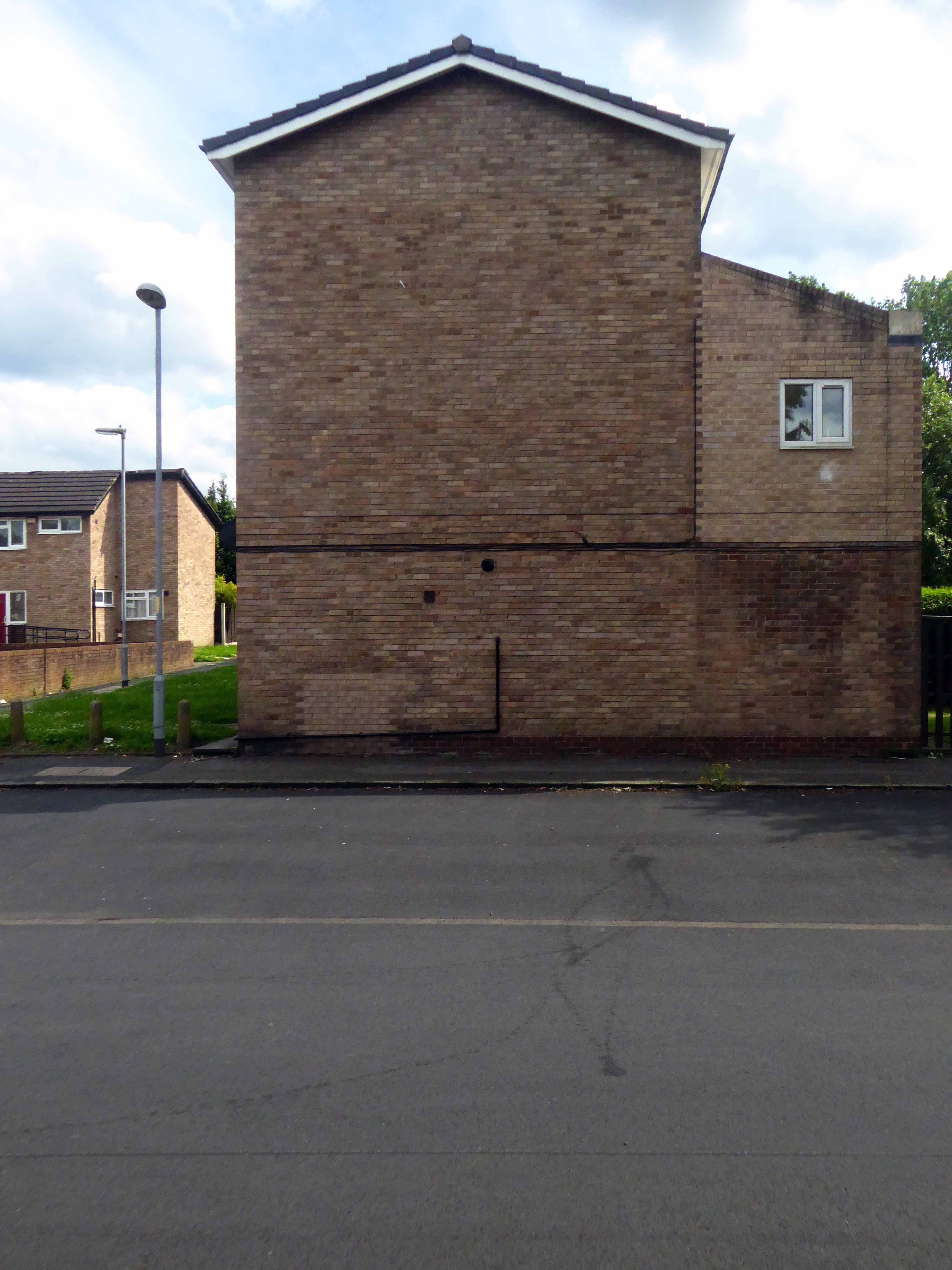
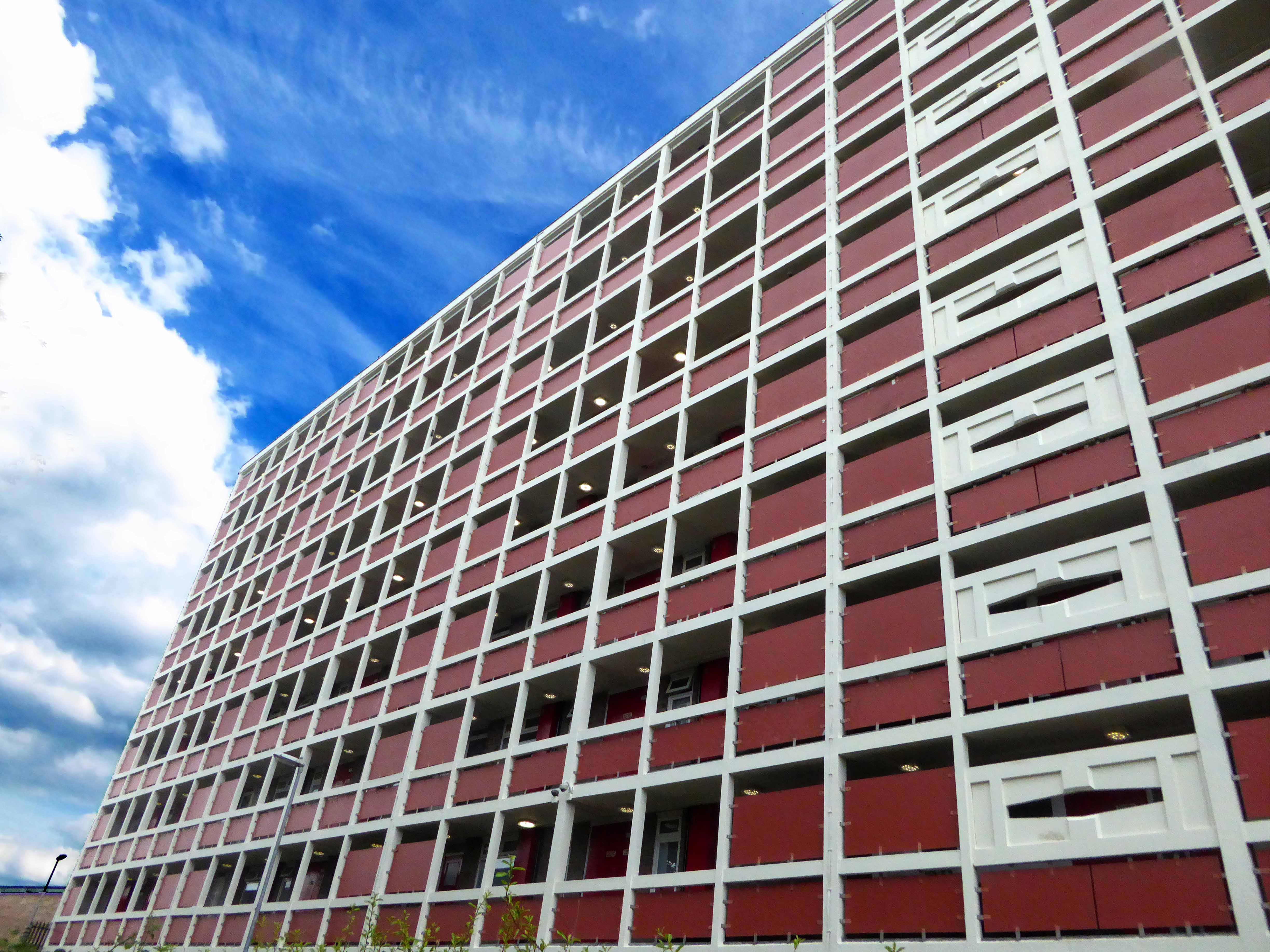
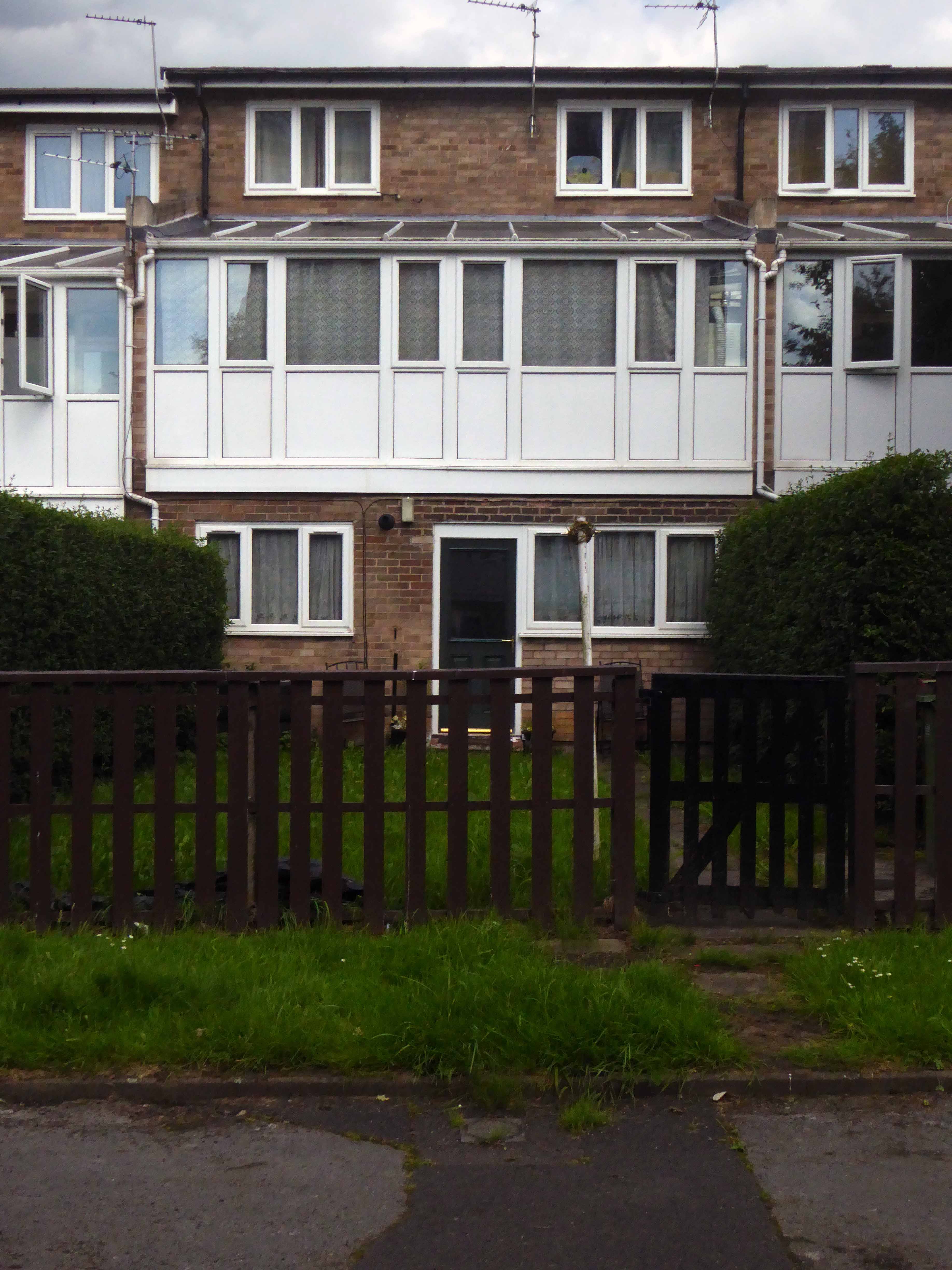
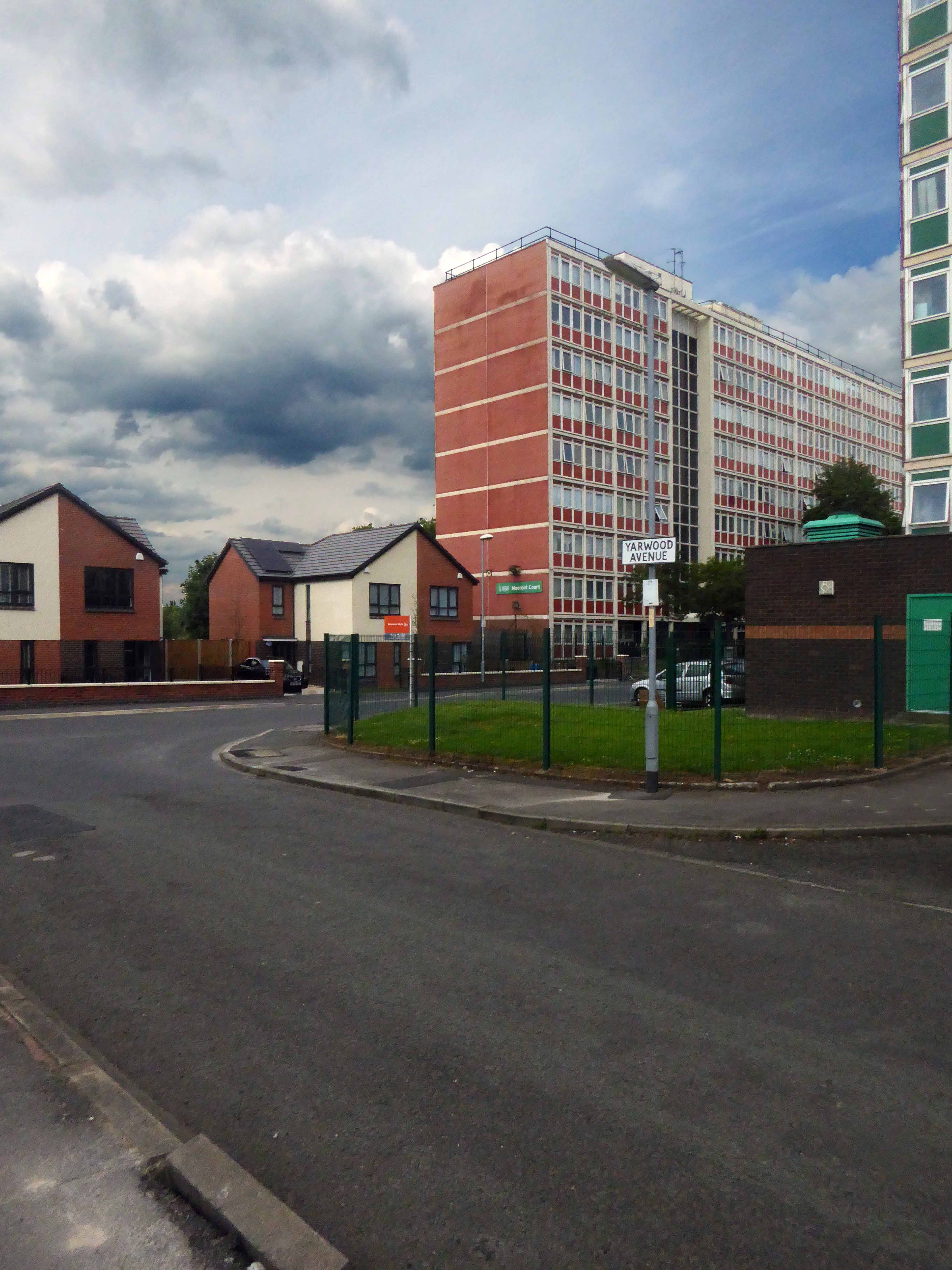
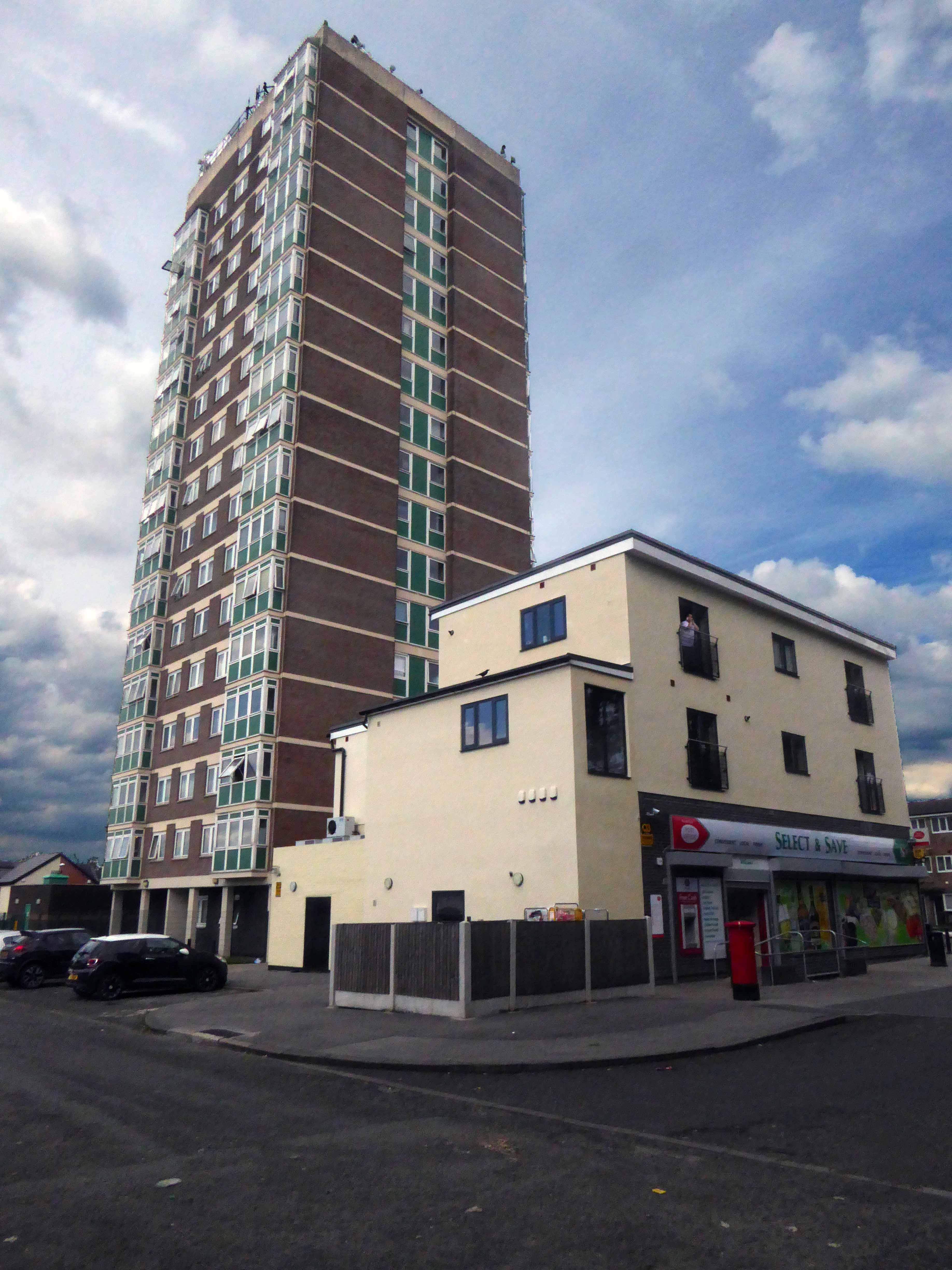
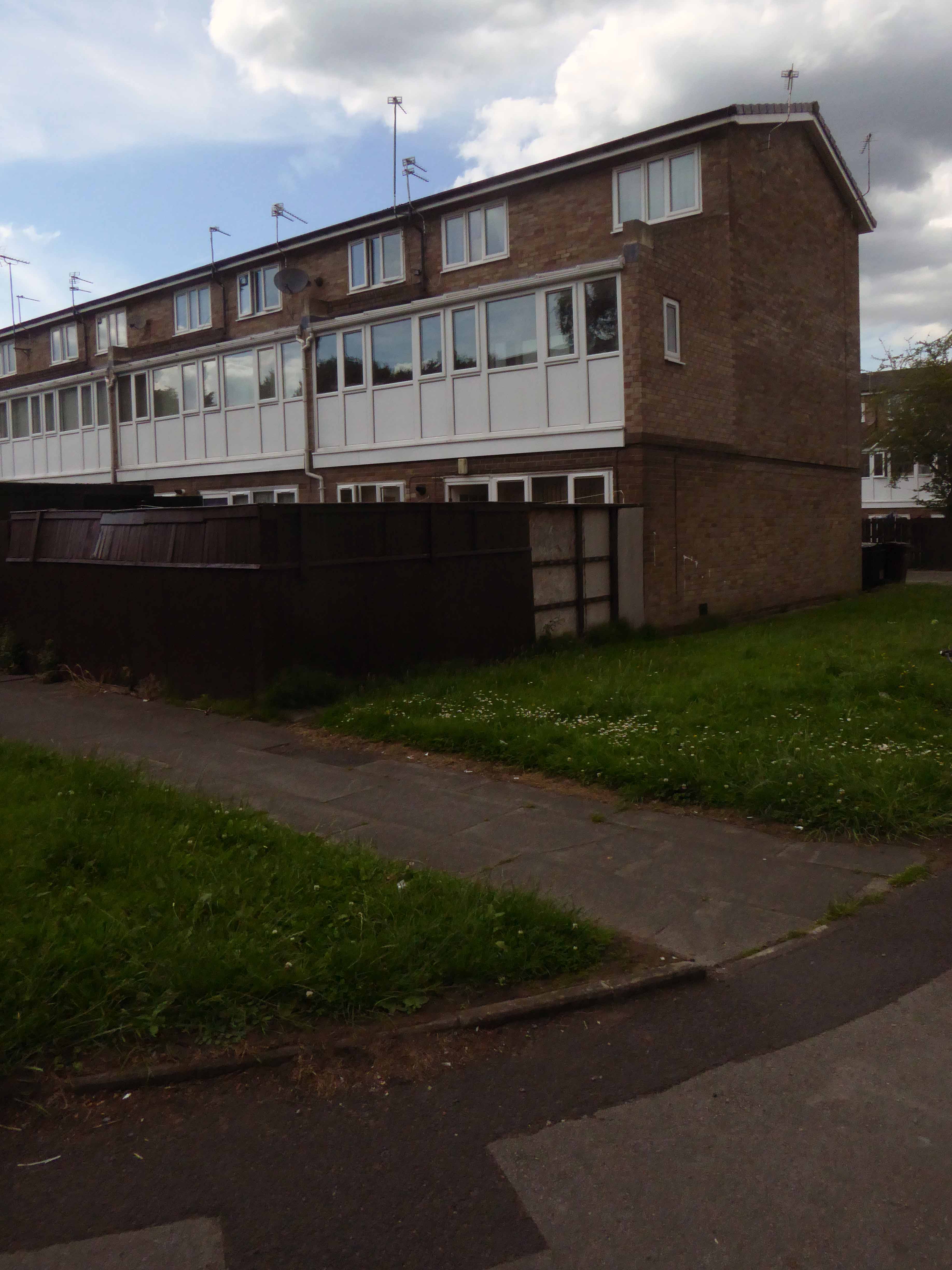
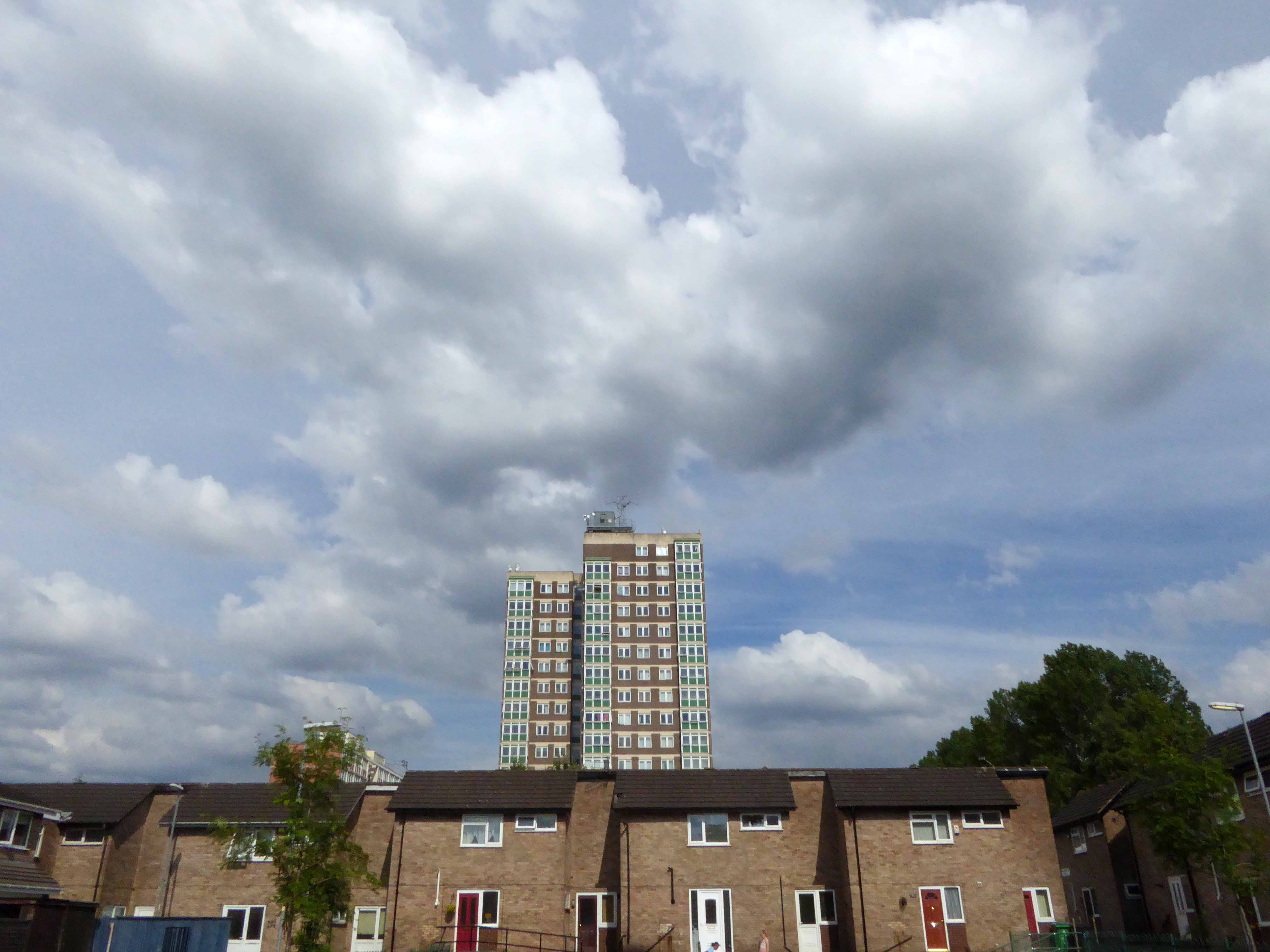
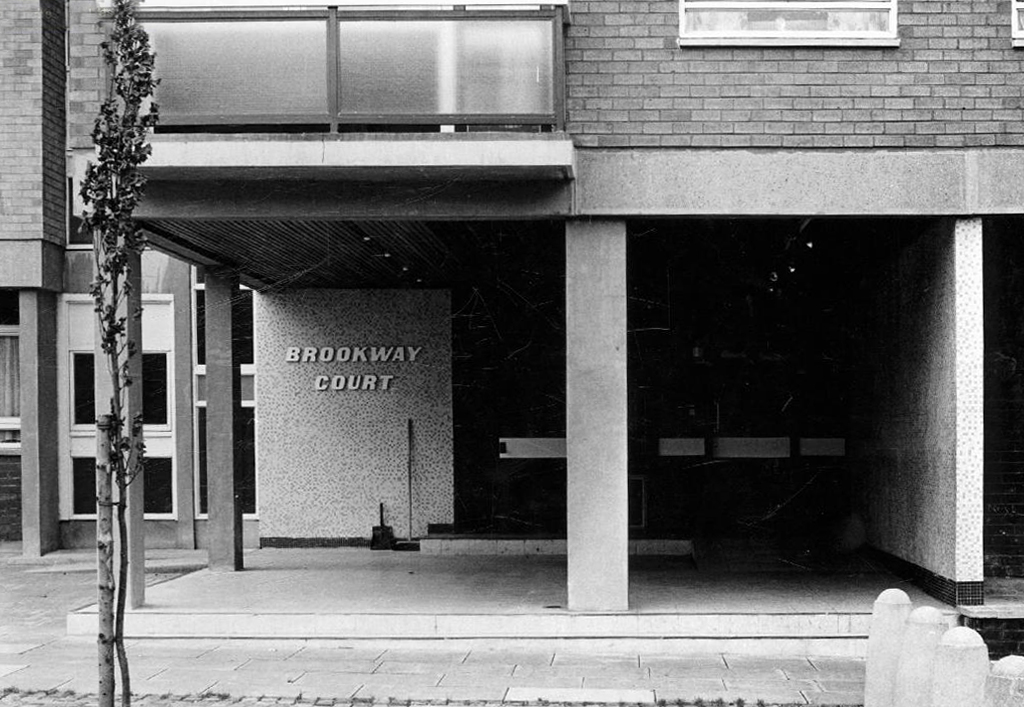
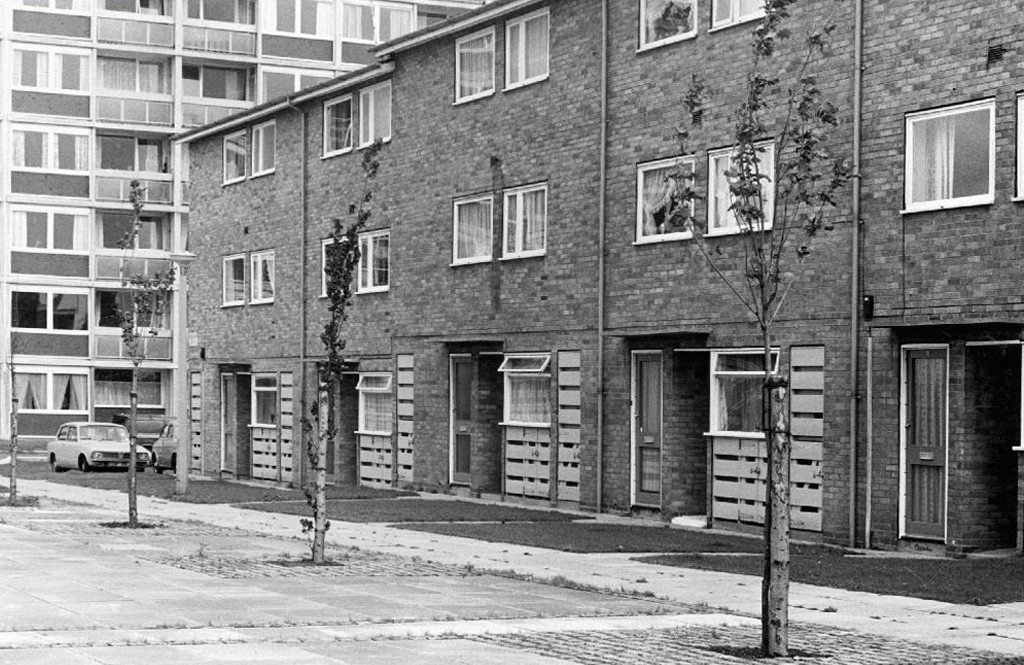
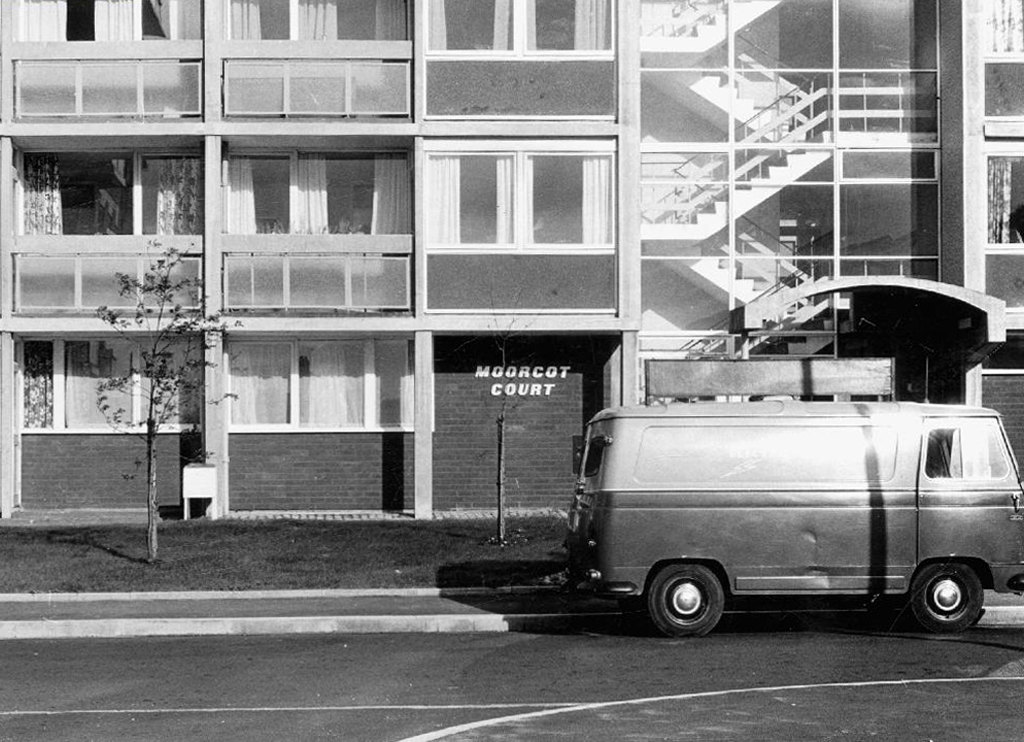
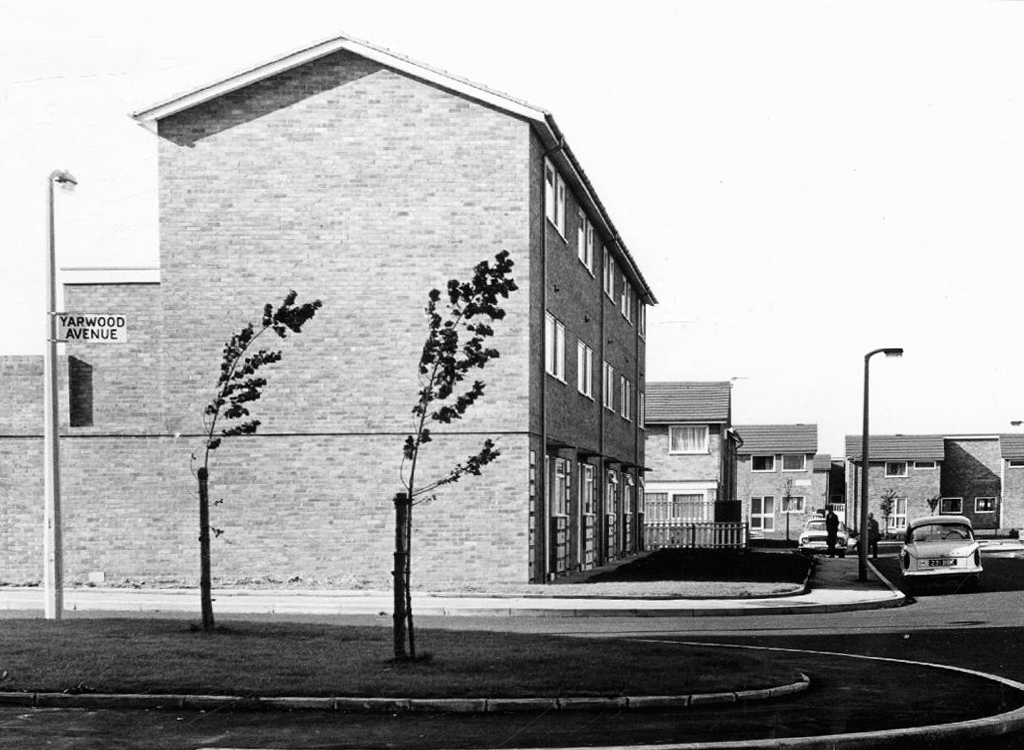
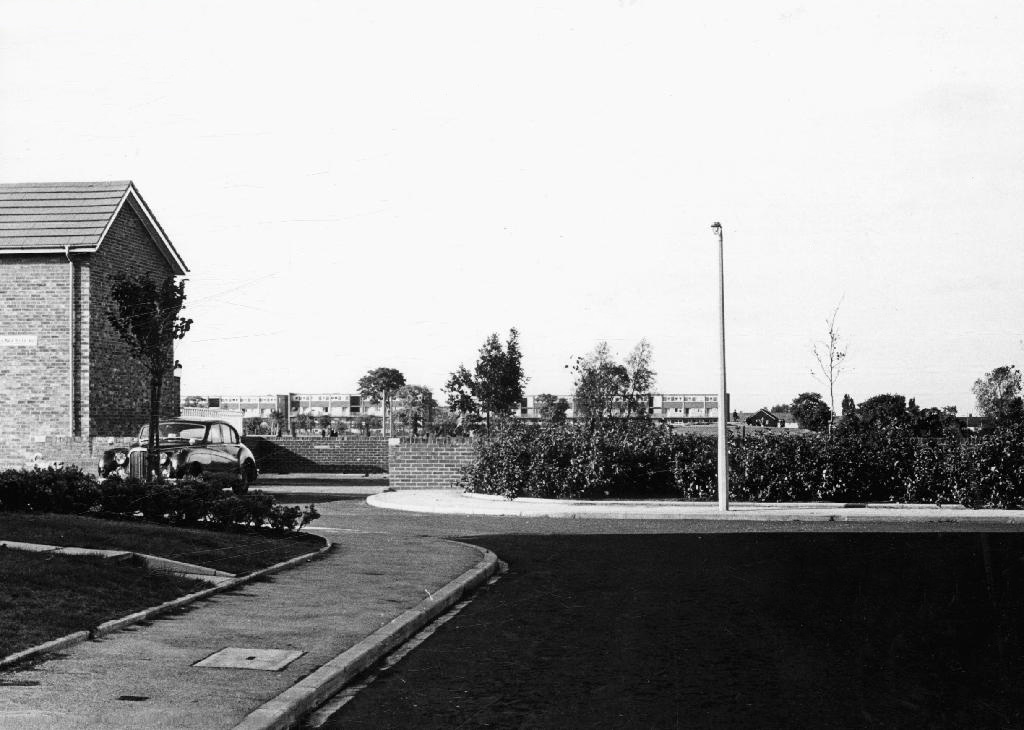
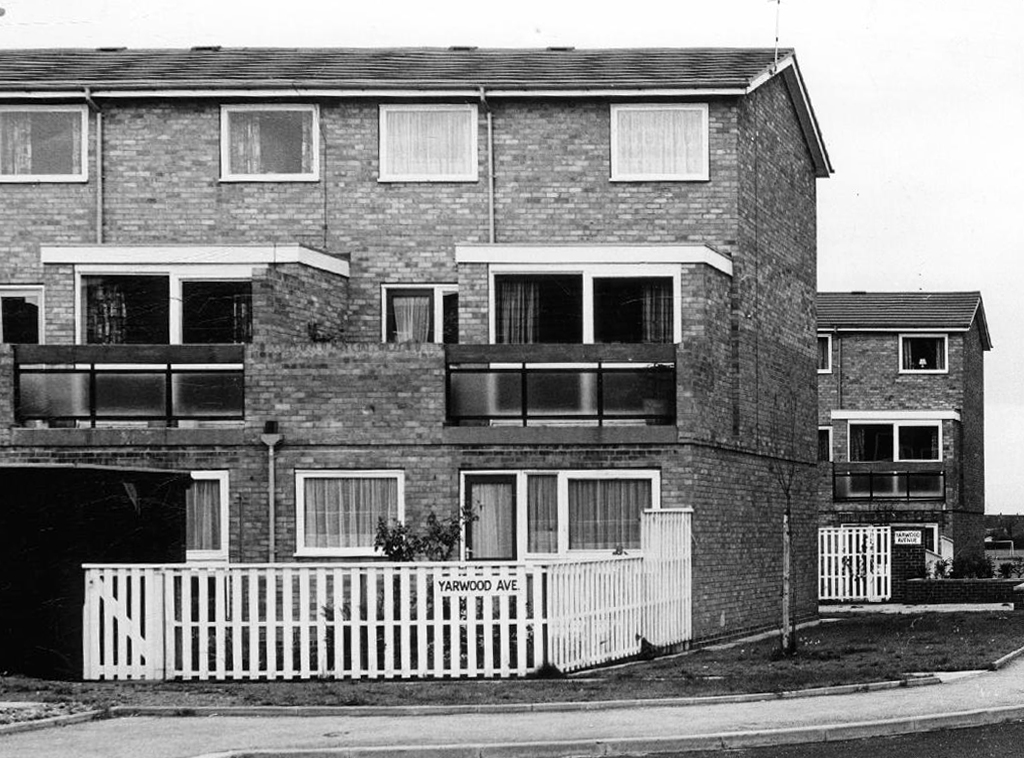
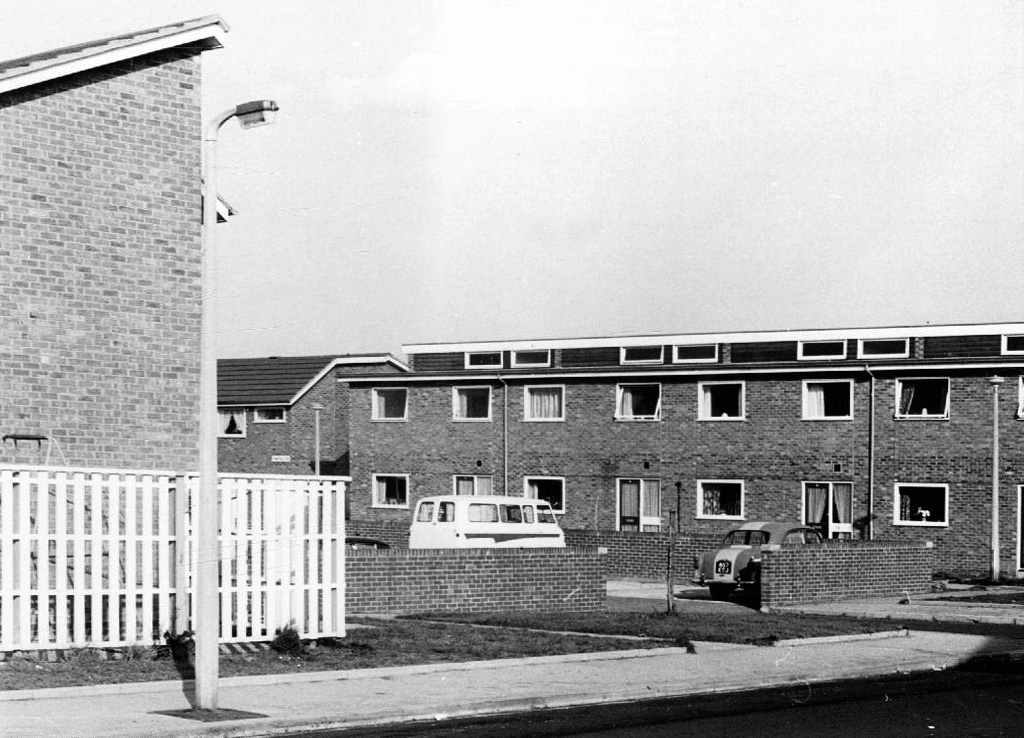
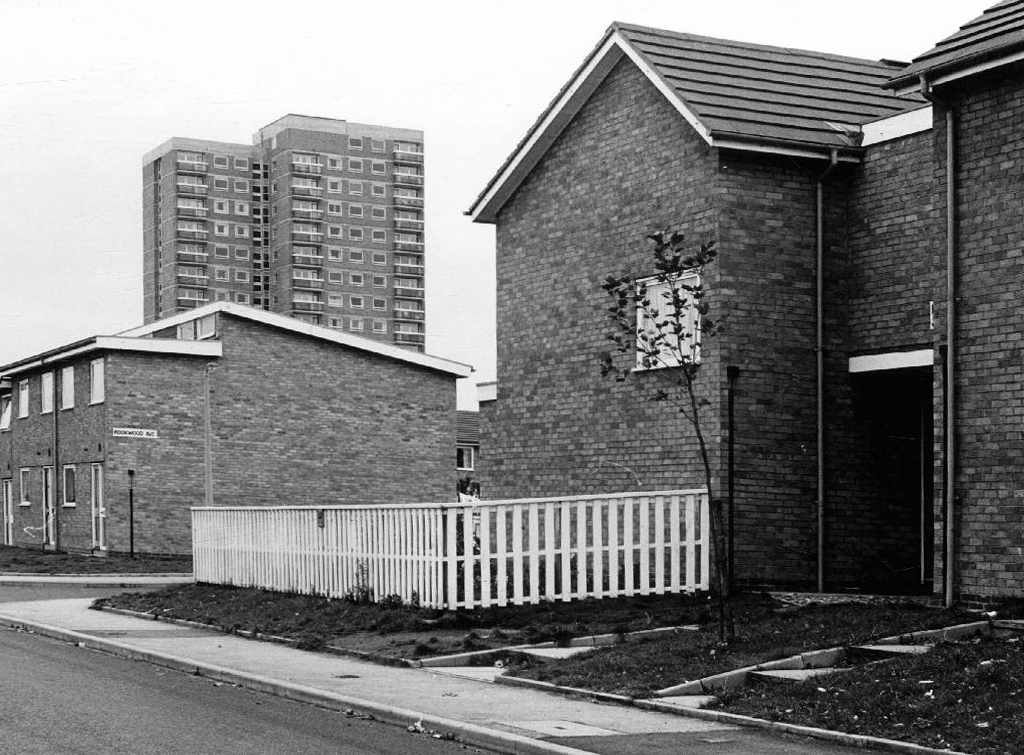
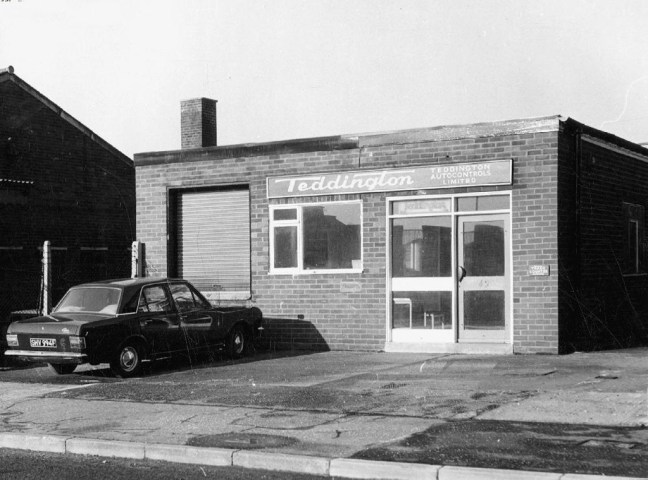
So let’s take a look at the ever so strange streets of Strangeways, in that period of change during the latter part of the Twentieth Century, when manufacturing, retail, repair and distribution were almost, just about to disappear in a puff of globalisation, economic depression and Thatcherism. Where Jack and Jill the lads and lasses, traded, ducked, dived, wheeler dealed from Cortinas, Transits and low milage, one owner, luxuriously leather-seated and walnut-dashed Jags. A vanishing or vanished world, where however briefly – Manchester went architecturally mod.
webmedia-1.php

webmedia-7.php

webmedia.php

Bent Street

webmedia-4.php

webmedia-6.php

webmedia-7.php

webmedia-9.php

webmedia-13.php

Broughton Street

webmedia-1.php

webmedia.php

Carnarvon Street

webmedia-1.php

webmedia-2.php

webmedia.php

Chatley Street

webmedia-5.php

webmedia-9.php

webmedia-10.php

webmedia-4.php

Cheetwood Street

webmedia-3.php

webmedia-5.php

webmedia-8.php

webmedia-9.php copy

webmedia-11.php

webmedia-12.php

webmedia-18.php

Derby Street

webmedia-1.php

webmedia-2.php

webmedia.php

Julia Street

webmedia-1.php

webmedia-2.php

webmedia-3.php

webmedia-5.php

webmedia-6.php

webmedia-8.php

webmedia.php

Knowsely Street

webmedia.php

webmedia-8.php

webmedia-5.php

webmedia-3.php

Sherbourne Street

webmedia.php

Stocks Street

All archival photographs from the Manchester Local Images Collection
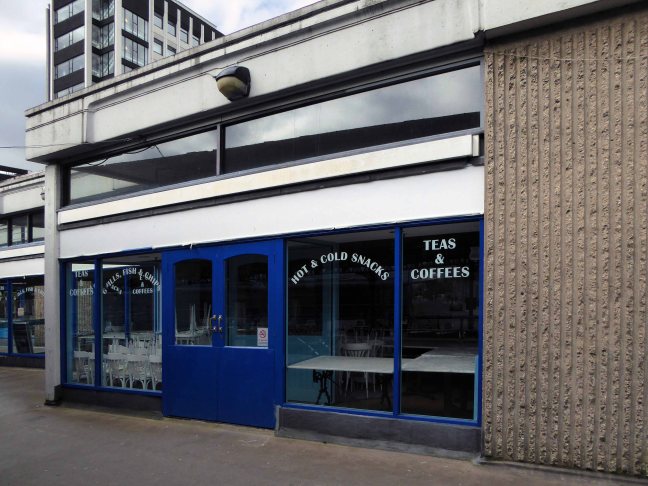


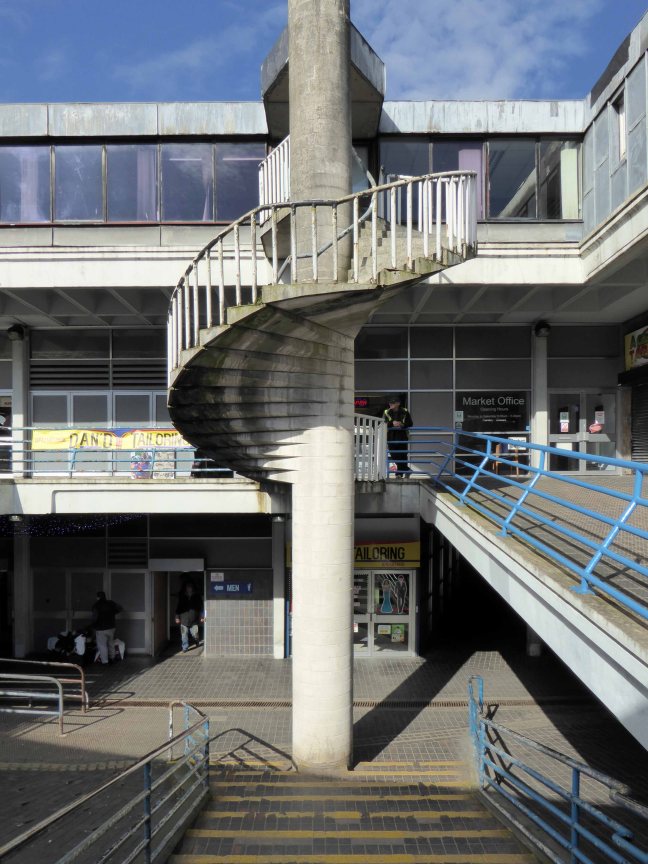
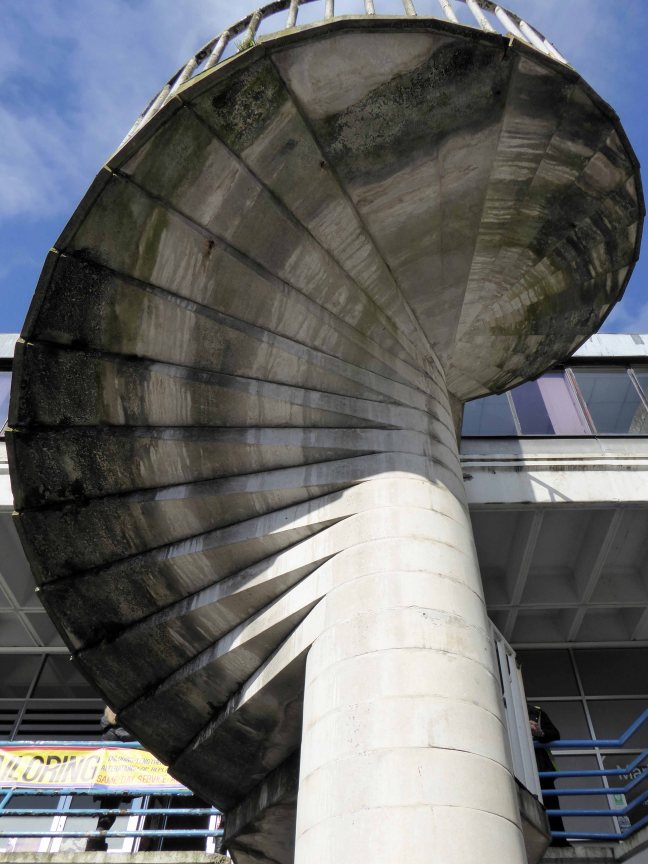
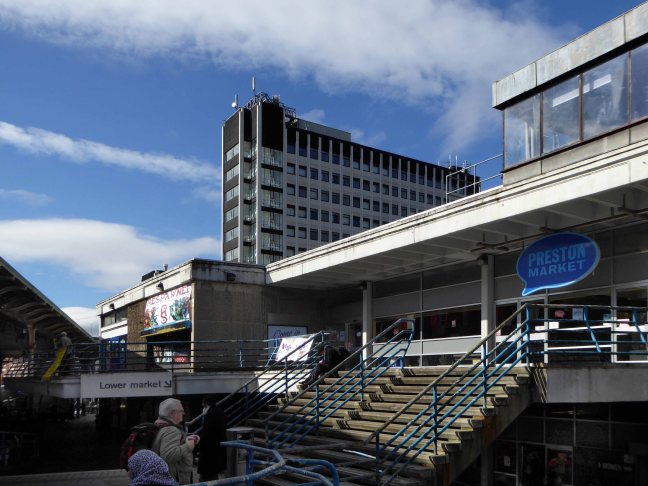
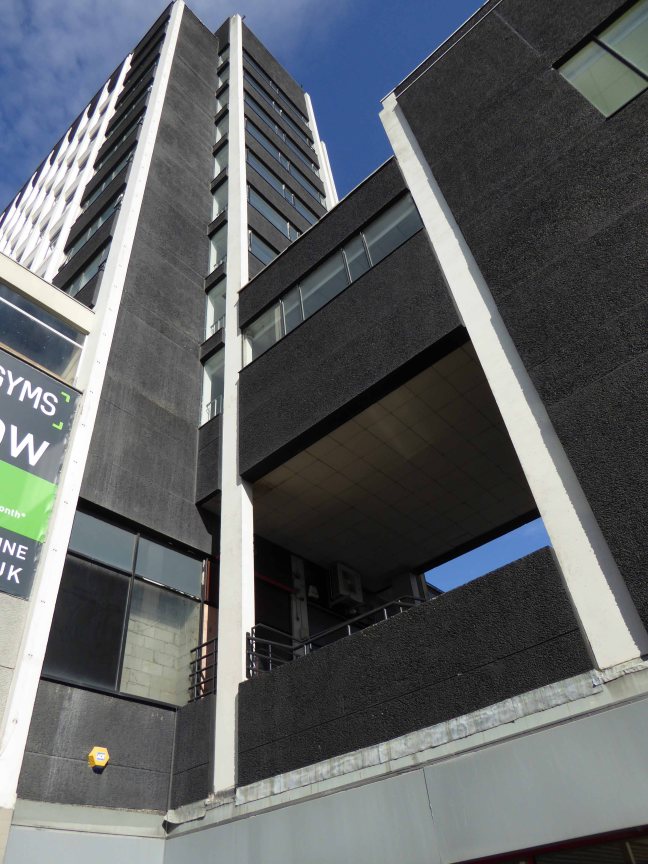
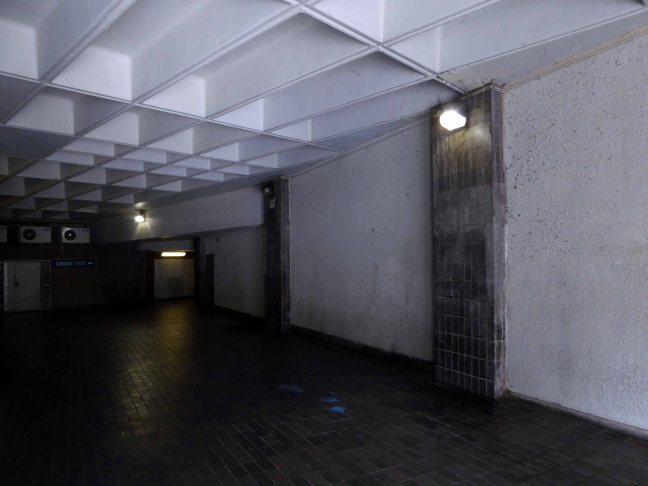
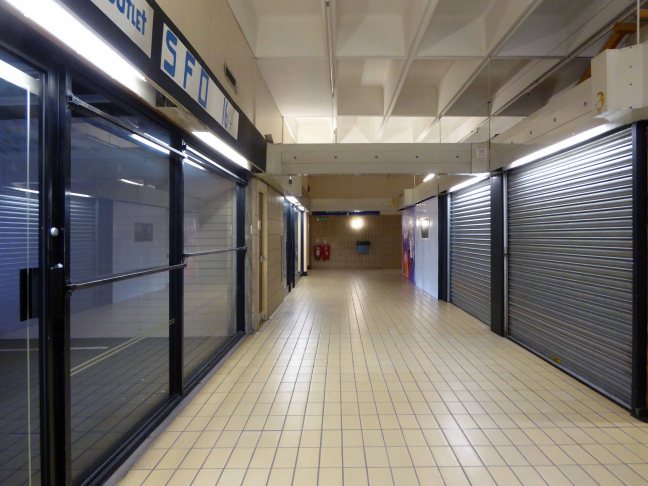
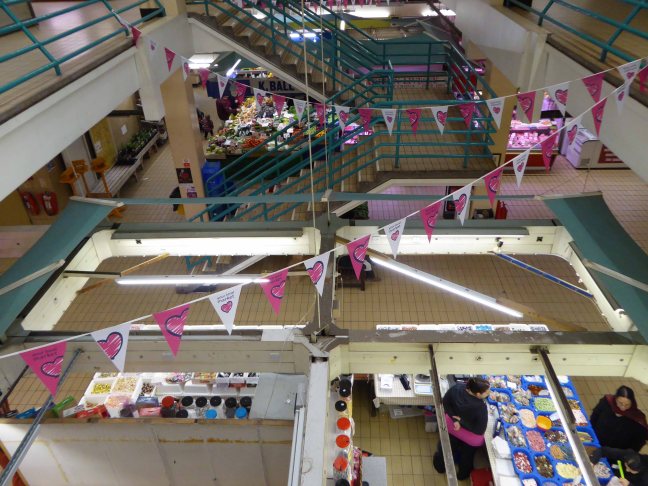
Preston Indoor Market

Built in 1973 scheduled to be closed and demolished in ten days time.

The future is not so red rosey for yet another traditional local market.

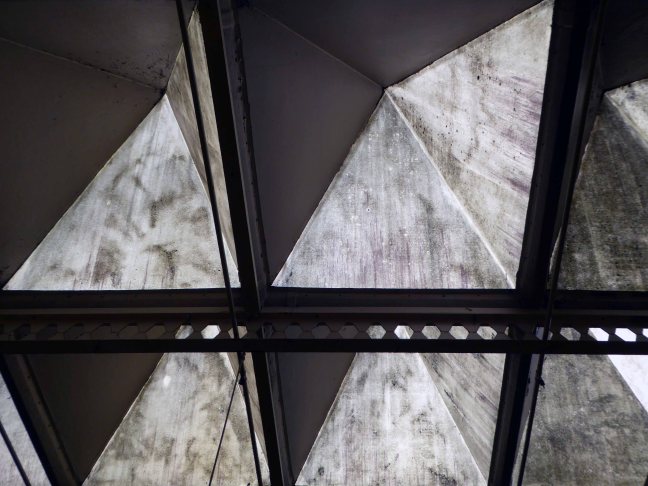
A typically boxy arrangement of steel, concrete, asbestos glass and brick, the complex of trading units, stalls and parking is not without charm. Though as with many other developments of its type, it seems to be without friends, then inevitably without customers and traders.

Following a template originated at London’s Borough Market, developers and councils seem to favour the modern artisan over the proletarian . This concept when meshed with the multi-plex and chain restaurant/bar amalgam, provides a shiny new future, for the shiny new shape of all our retail and leisure needs.

Preston-Market-Quarter-Nov-2017

So ta-ta to another world of hats and socks, fruit and veg, workwear for workers.

You’ve just about time to pop in for a brew.

Two sugars, stirred not shaken.

P1020430 copy

P1020431 copy

P1020432 copy

P1020435 copy

P1020437 copy

P1020434 copy

P1020477 copy

P1020479 copy

P1020480 copy

P1020481 copy

P1020482 copy

P1020484 copy

P1020485 copy

P1020486 copy

P1020487 copy


P1020490 copy

P1020491 copy

P1020492 copy


P1020494 copy

P1020495 copy

P1020496 copy


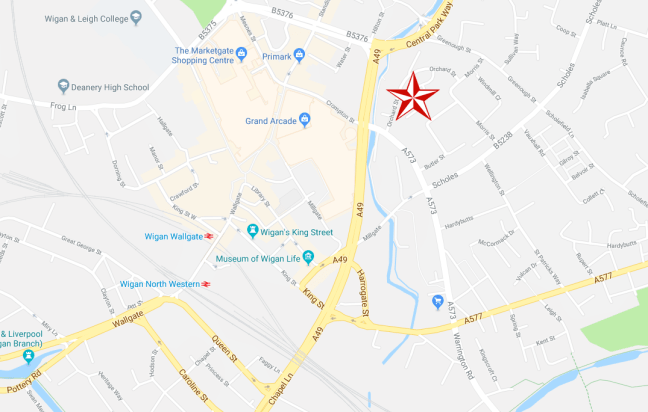
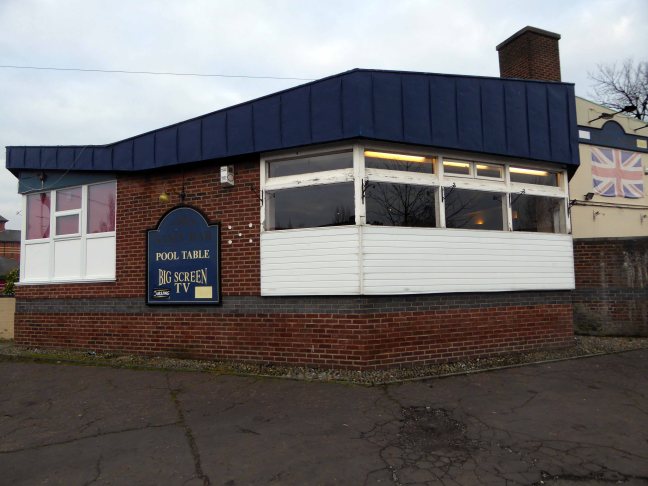
Sam’s Bar – Wigan

Screen Shot 2018-01-15 at 14.12.16

Sam’s Bar – Orchard St, Wigan WN1 3SW.

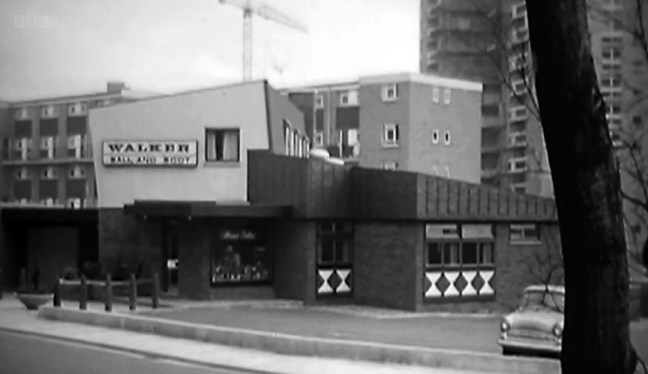
Once there was The Ball and Boot – oval or round, no dubbin required.

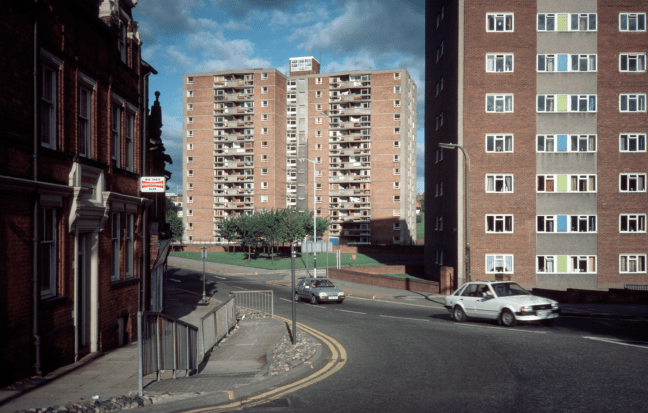
A Tetley Walker pub on the edge of the then new Scholes Estate – seen here in 1987.

Screen Shot 2018-01-15 at 14.18.18

Photograph Tower Block

This is the one and only photograph of its former black and white self.

zv7qdp2s

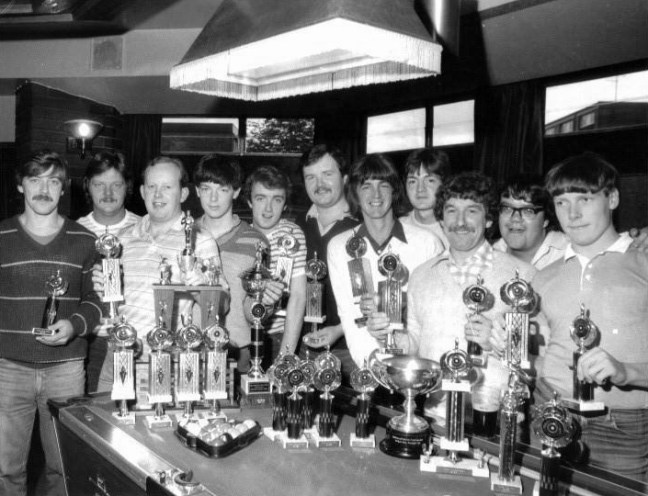
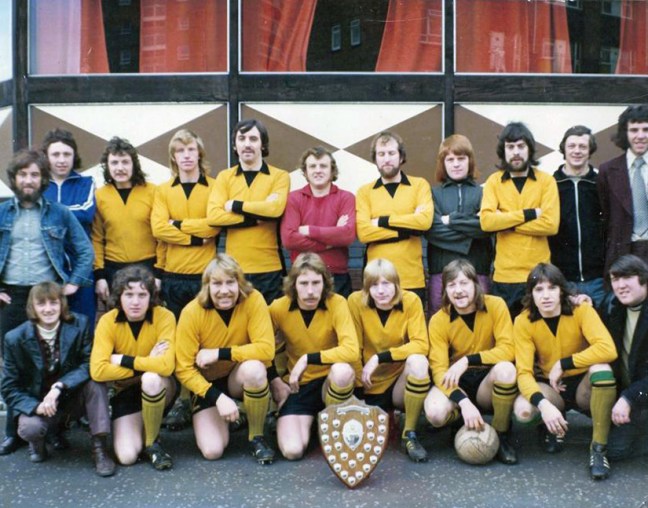
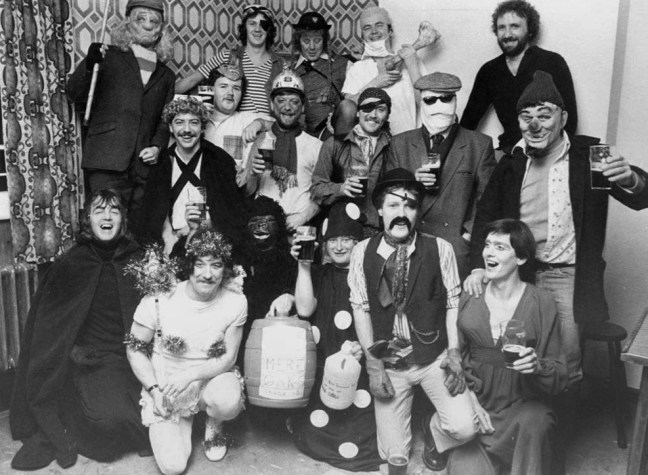
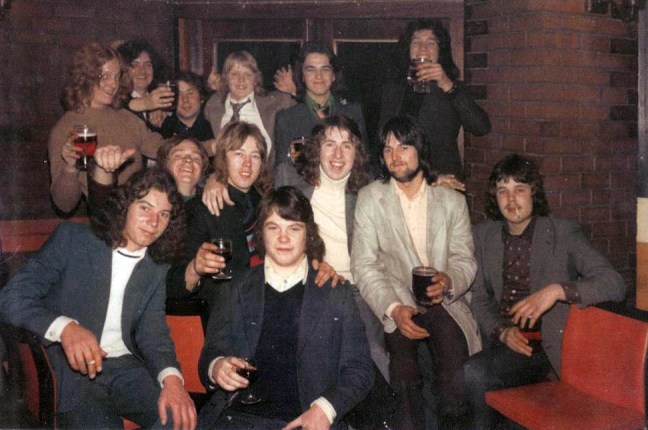
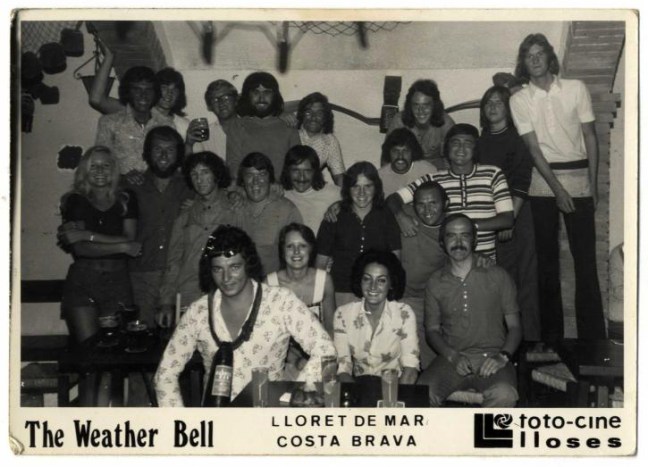
Though an internet search revealed a rich heritage of pool, football, fancy dress and trips to Lloret De Mar, for the lads and lasses of Lower Scholes.

o1e83y61

obiabruu

g7z7ihyd

umvkgs1y

awqzc8a8

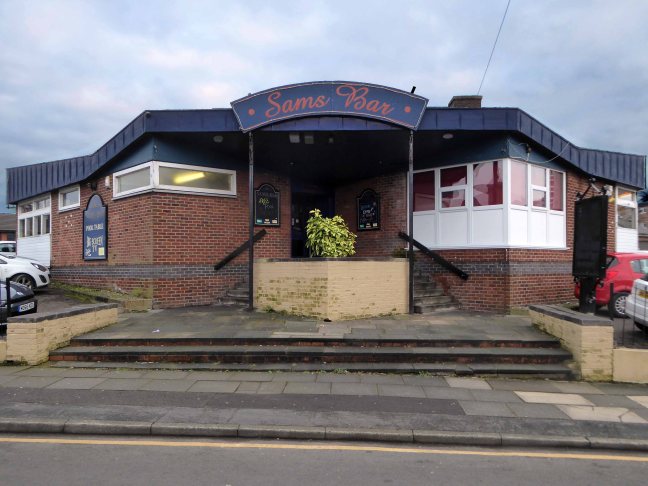
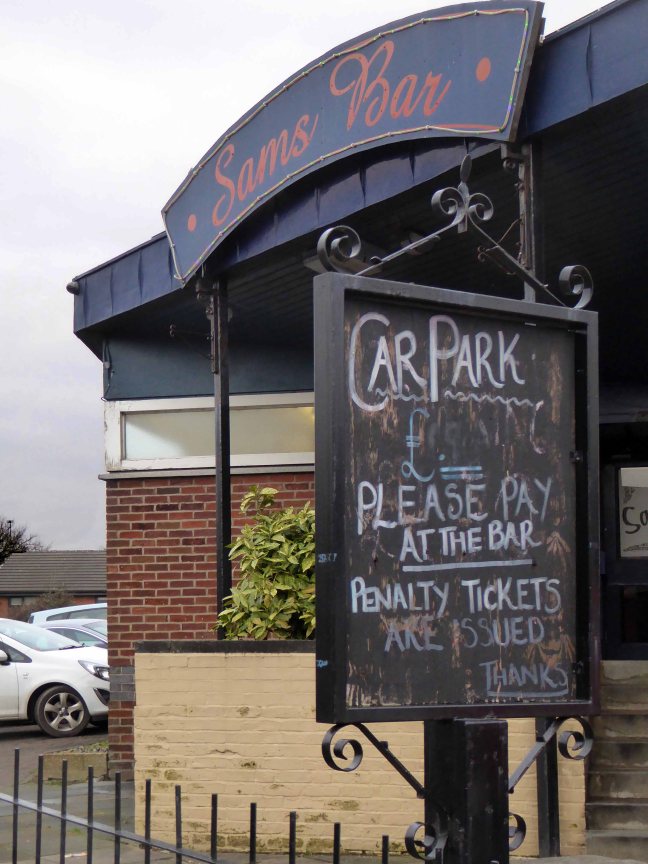
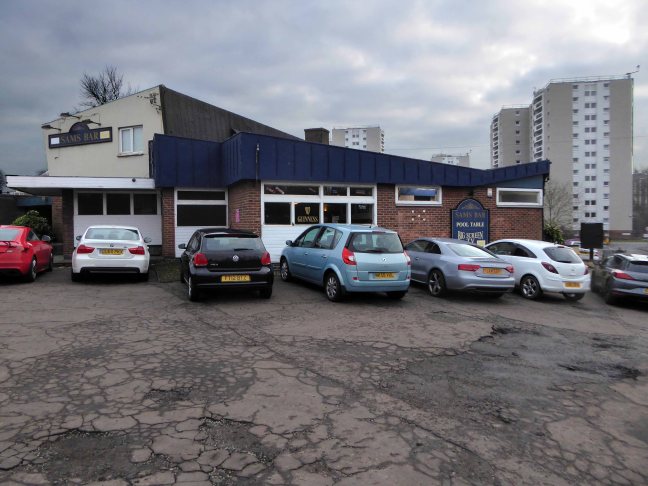
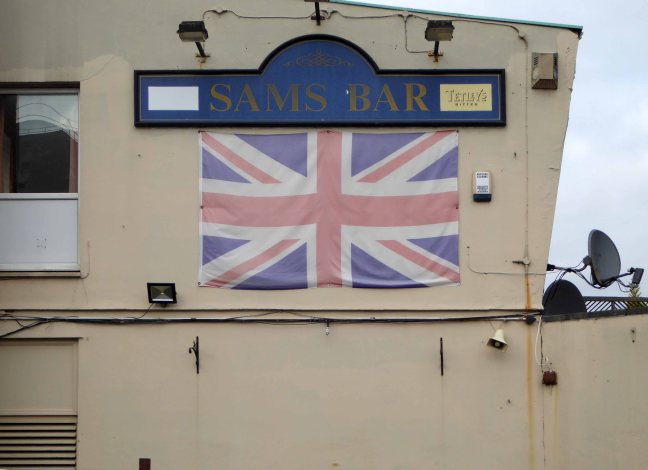
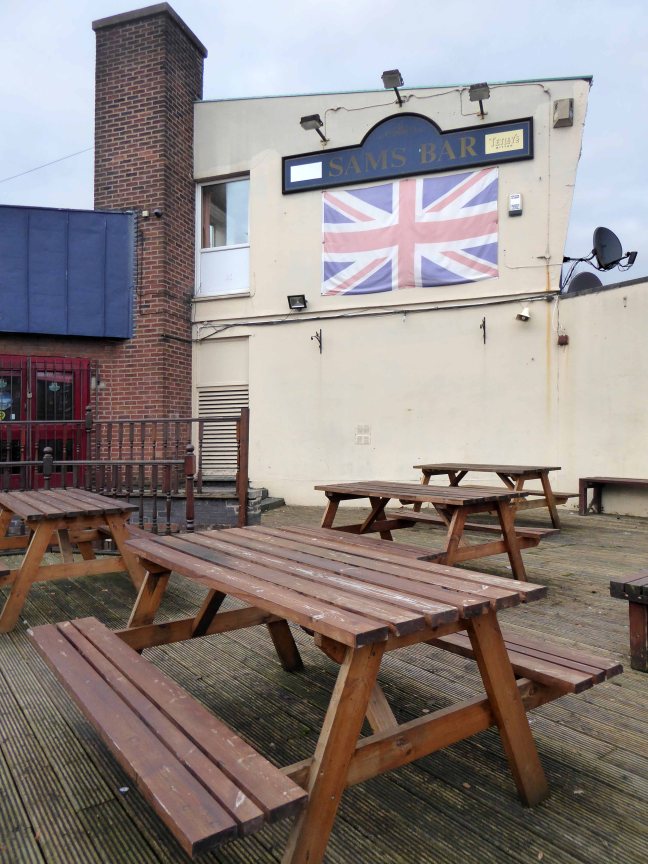
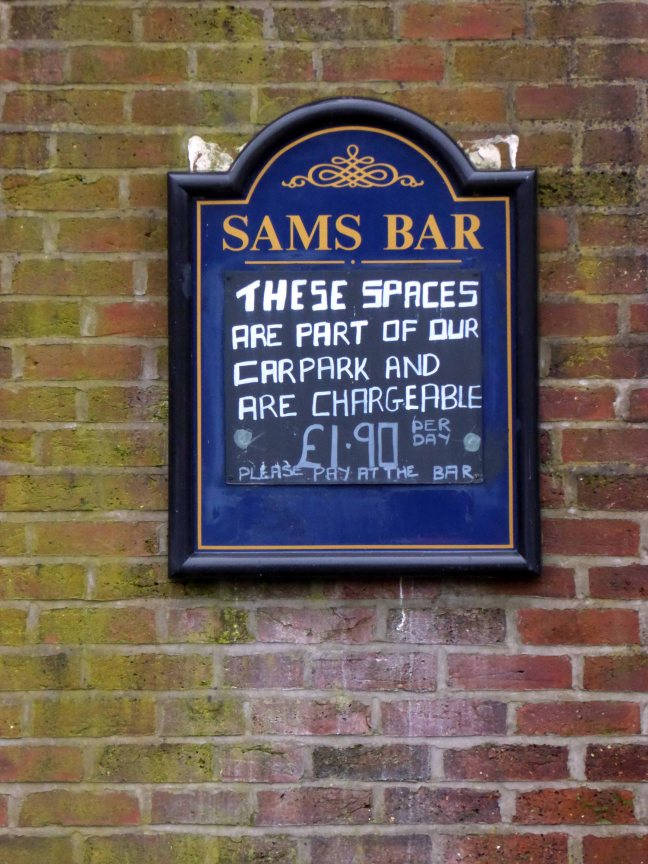
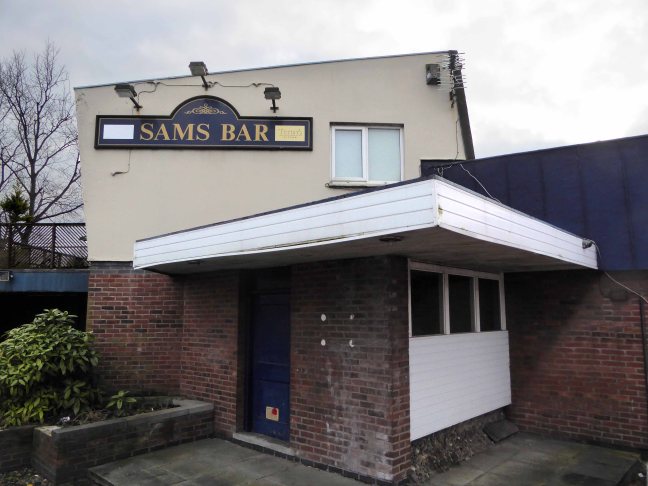
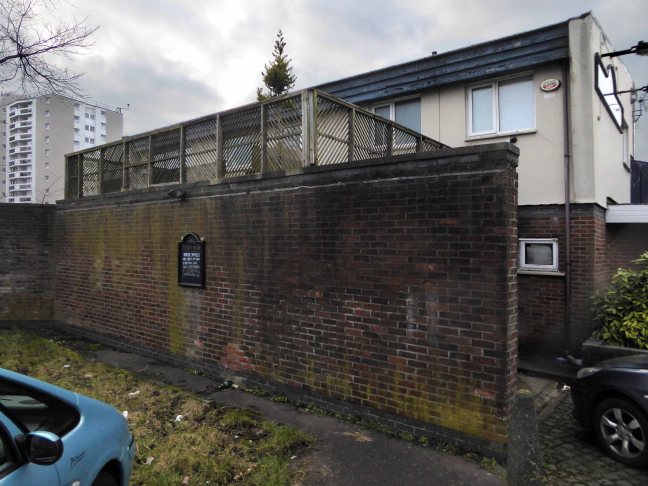
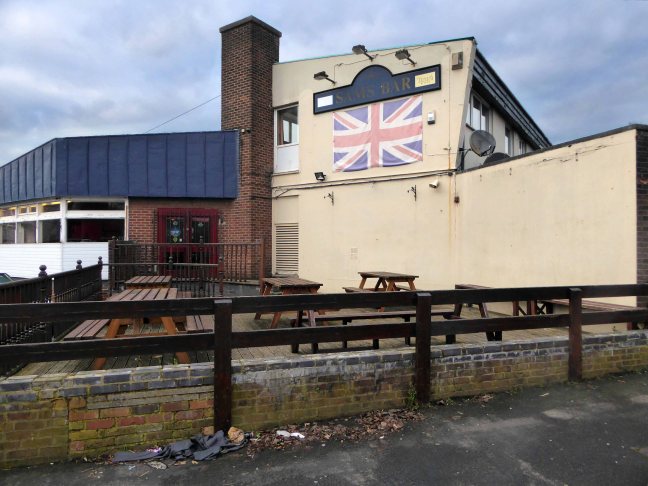
The pub now named Sam’s Bar, has retained its jolly jumble of modernist volumes and angles – though having lost the harlequin panels and off licence. Mid-morning the lights were on and the pub was surrounded by cars taking advantage of the £1.90 a day parking.

P1220736

The online reviews seem to divide opinion as to the quality of the current provision.

This pub is not a nice place to visit. If your not a regular you get leered at all night, the people and staff are absolutly terrible. You will wait at the bar all night waiting to get served, whilst all the regulars get their drinks. Then and only then will you get yours. You will see a fight at least once a night. Karaoke is only for those of us who are blessed with the ability to sing – they wont let you up again if not. This pub needs knocking down it’s a menace to society, out of 10 a big fat 0.

Solid, dependable and well-run. Friendly bar staff and regulars, local and national newspapers, rugby league memorabilia, jukebox, pool table, and very fair prices. Has been my local for years, ever since I got tired of the landlord turnover at the Cherries. I’ve never seen anyone refused a go at karaoke, including me, and I can’t sing, and rarely pick a song anyone likes. So you carry on spouting tripe, and I’ll carry on drinking at Sam’s Bar Scholes.

Beer in the evening.

You’ll have to swing by and judge for y’self – my own karaoke tune of choice as ever:

In The Ghetto.


P1220729

P1220731

P1220733

P1220735

P1220738

P1220740

P1220741

P1220742

P1220744

Poco a Poco – Stockport

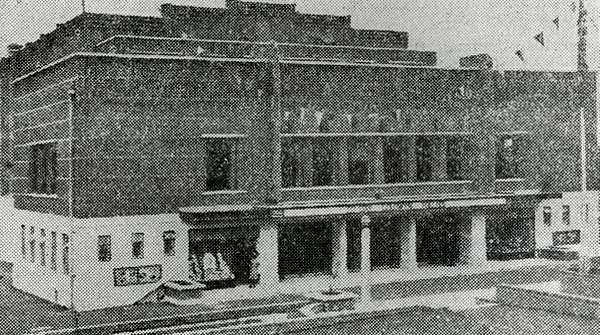
There was a field – Ash Farm, farmhouse and field, at the junction of Manchester Road and Denby Lane, owned by one Harry Hitchen.

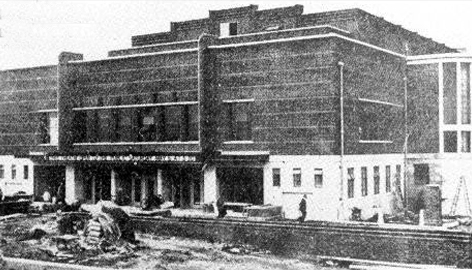
Harry Hitchen’s ambitious grandson reckoned that it was time that Heaton Chapel had a picture house, so on 6th May 1939 – where once there was a fertile farmer’s field, the seven hundred seat Empress Cinema opened.

22805

poco1

Opening with a screening of Alexander Korda’s The Scarlet Pimpernel.

Poster-Scarlet-Pimpernel-The-1934_04

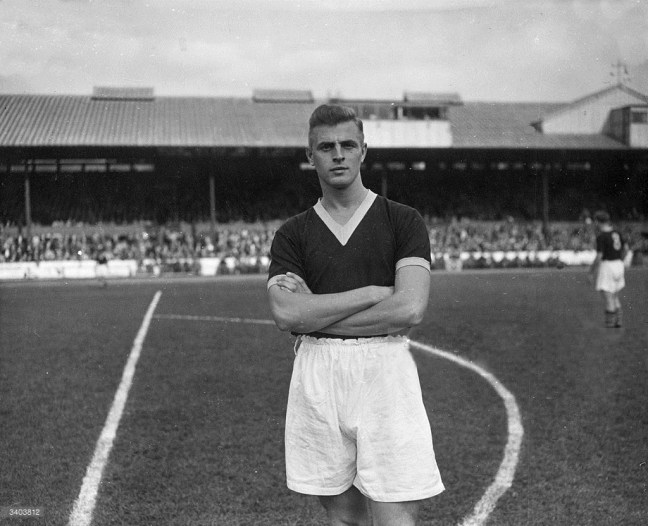
It continued to trade as a cinema until 18th April 1959, whereafter it transformed at the end of that year, into a dance house opening as the Empress Club on the 9th December, run by Manchester City footballer, Keith Marsden.

Other parts of building were used for Flamingo Coffee Jive Club, from 1961 Empress Bingo club used the none-cabaret portion of the building.

30728

Empress Ballroom

3403812

Keith Marsden

In many northern towns and cities at this time a thriving beat scene emerged, literally hundreds of local bands, playing a circuit of clubs large and small.

Further details can be found here at Manchester Beat and Lanky Beat.

One such band played at the Empress on 14th November 1964, formerly The Matadors, then becoming The Swinging Hangmen, later known as The Hangmen. With a now sound, slick suits, a business card and a swinging, dead, novelty teddy bear mascot, they had everything going for them.

The Hangmen [1024x768]

The Hangmen card 4

Screen Shot 2017-10-23 at 17.58.02

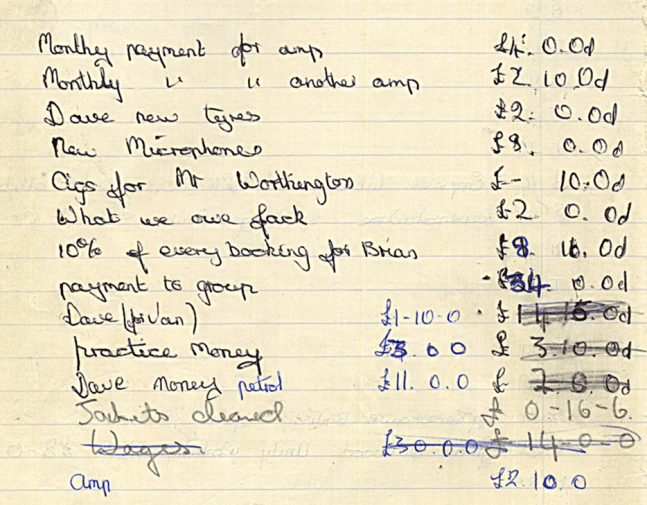
I too played in such bands during the late 60’s and early 70’s, piling in and out of assorted vans, cars and buses to arrive at a packed venue, sandwiched between the bingo and a top flight comedian.

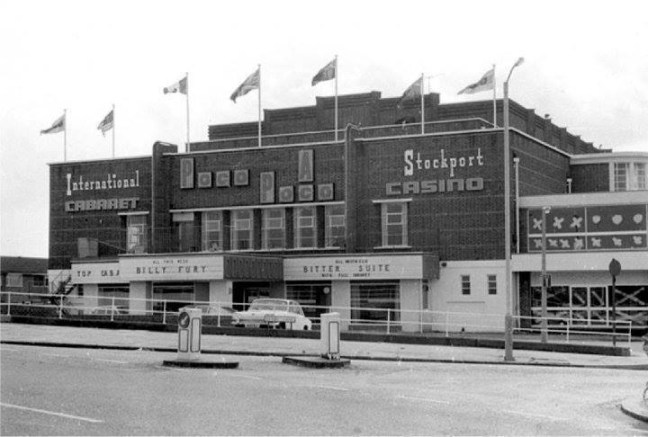
December 1968, in a flurry of flags, the Poco a Poco Club and Casino is born, international cabaret and entertainment abounds from here on in, beginning a fashion for the American style supper club, boil in the bag dining, for the discerning chicken in a basket cases.

17362764_10212578410804991_8101248843354062103_n

As beat becomes mod, psych, prog and glam a new generation of bands adapt and mutate to suit the ever changing moods and modes of modern music.

One such were Toby Twirl.

They hailed from Newcastle upon Tyne in the North East of England. Formed in the 60’s and originally called ‘The Shades of Blue’. After being signed to Decca Records by Wayne Bickerton, a name change was called for, as there was a US group of the same name. The group released three singles on Decca – Back In Time, Toffee Apple Sunday and Movin In. Although critically acclaimed in later years, none of the singles charted due to lack of major radio play. The group concentrated on live work during the late 60’s and early 70’s and were a top draw around the North of England. The line up was Dave ‘Holly’ Holland vocals, Barrie Sewell keyboards, Stuart Somerville bass, Nick Thorburn guitar and John Reed drums. Stuart was replaced by Dave Robson after he was tragically drowned in Tynemouth and Holly was replaced by Steve Pickering.

Interest in 60’s psych has seen the recent release of a Toby Twirl LP, a long overdue compilation of their admirable singles – including Romeo and Juliet 1968.

Other Poco regulars included Wishful Thinking:

Prior to 1969, they were recording with ex-Shadows drummer and record producer TonyMeehan. Between 1965 and 1969 the group released 9 singles and a live album. There were some changes in personnel and some successes, most notably Step by Step, Count To ten, Cherry Cherry, It’s So Easy and Peanuts, the latter remaining in the Danish charts for 3 months and also reaching No 8 in Japan.

My personal choice would be their version of Clear White Light.

Famously  Mr David Laughing Gnome Bowie played there on the 27th April 1970, just a few days before receiving his Ivor Novello award at The Talk Of The Town in London, for Space Oddity, which had been voted the best original song of 1969.

The club traded on through the 70’s and 80’s, continuing to ride the trends in popular music, the emergence of the discotheque and the almost superstar local DJ. As interest in the live cabaret music scene waned, the club began hosting boxing matches in the 80’s. Changing its name to Chester’s in 1983 and finally closing in May 1987.

It had lasted almost 50 years as a rich source of entertainments for thousands of Stopfordians, from a flickering film to a flaming beat, sadly it all ended in demolition.

11807110_536021009884734_6696872117870440677_o

The beat goes on.

Many thanks to Stephen for the essential facts and copyright images from his website.

Mottram Street Flats – Stockport

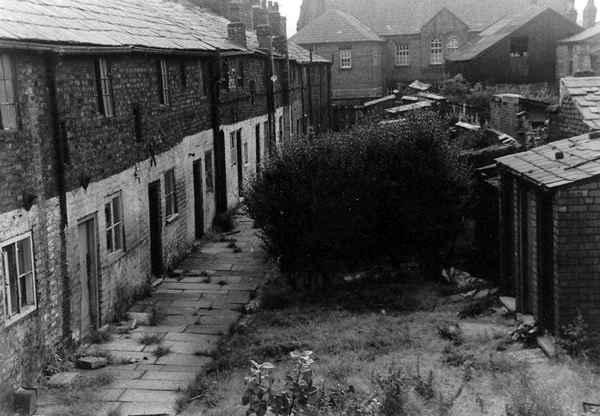
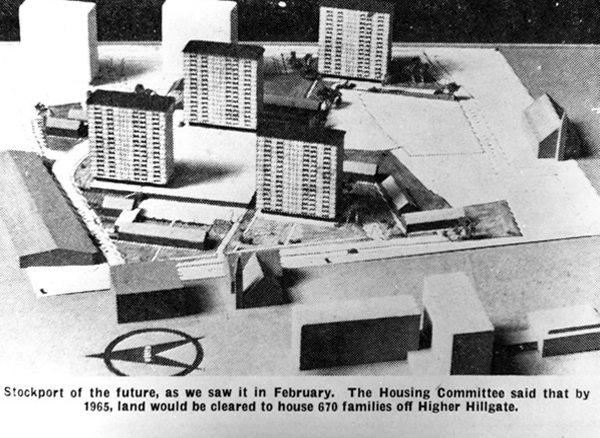
A post-war northern town, facing the problems of bomb damage, poor quality housing, and the pressing need for new homes.

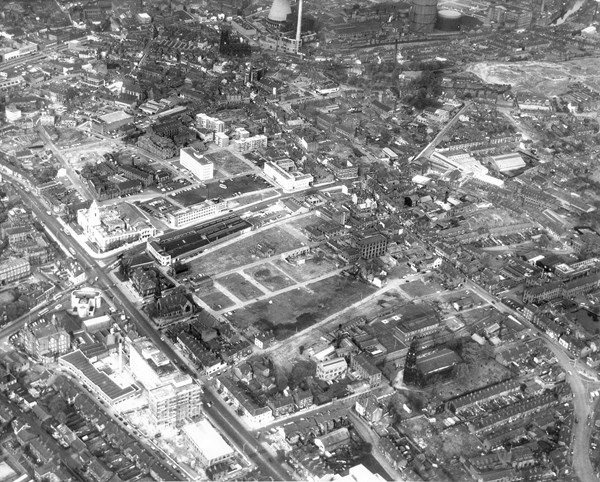
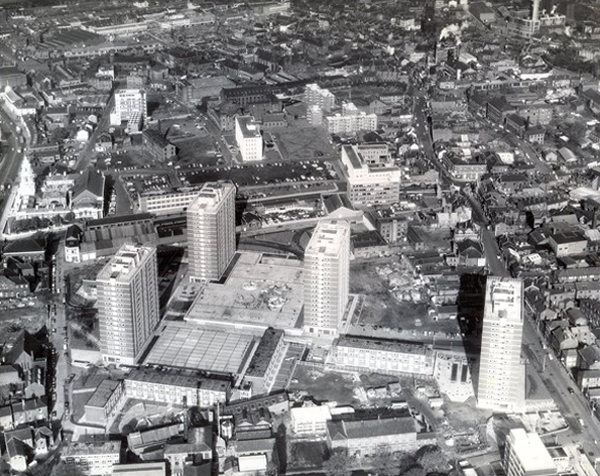
In 1963 there seemed to be space and the will to build, the site at the centre of the image flanked by ageing Victorian terraces and industry.

5060

1960a

Soon to become the Mottram Street Development.

31117

5061

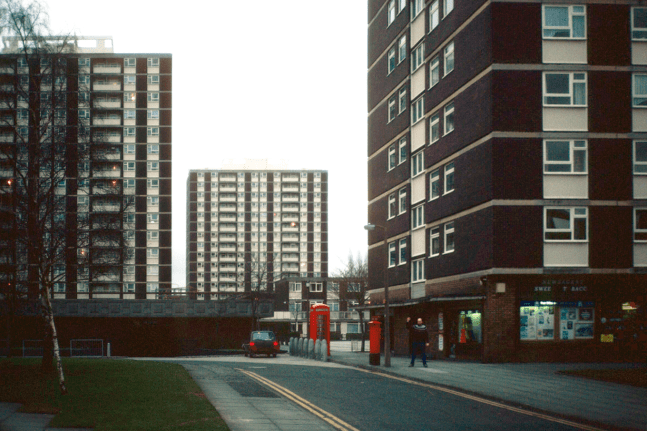
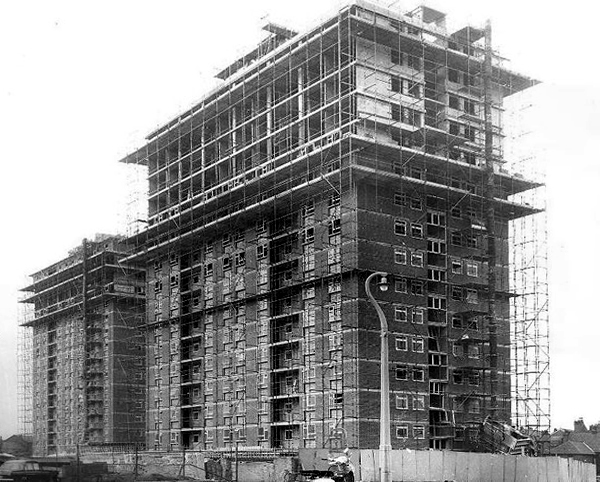
Back in 1965 these were the highest housing tower blocks in Greater Manchester.

The work of borough architects John Rank and Clifford Fernley.

1348

123

1351

1352

1353

34249

47177

1960’s Photographs from the Stockport Image Archive

Screen Shot 2017-10-22 at 14.01.33

Screen Shot 2017-10-22 at 14.02.34

1980’s photographs from The Tower Block

Typically they incorporated concrete street furniture, sculptural and decorative detail, in keeping with the age.

Like many other developments of the period they have subsequently been clad, fenced, painted and secured beyond recognition.

There was a raised concrete play area, of which nothing has survived.

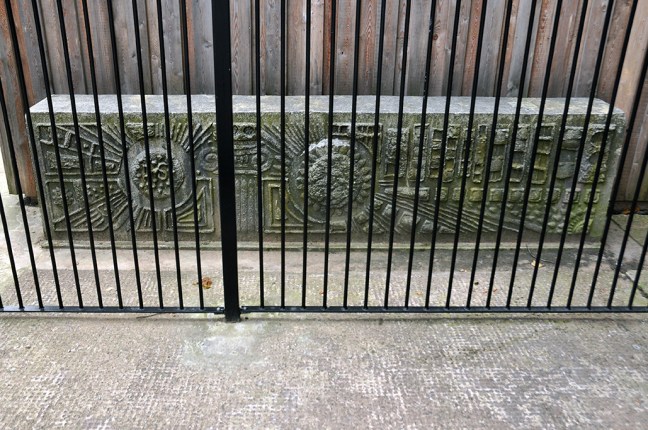
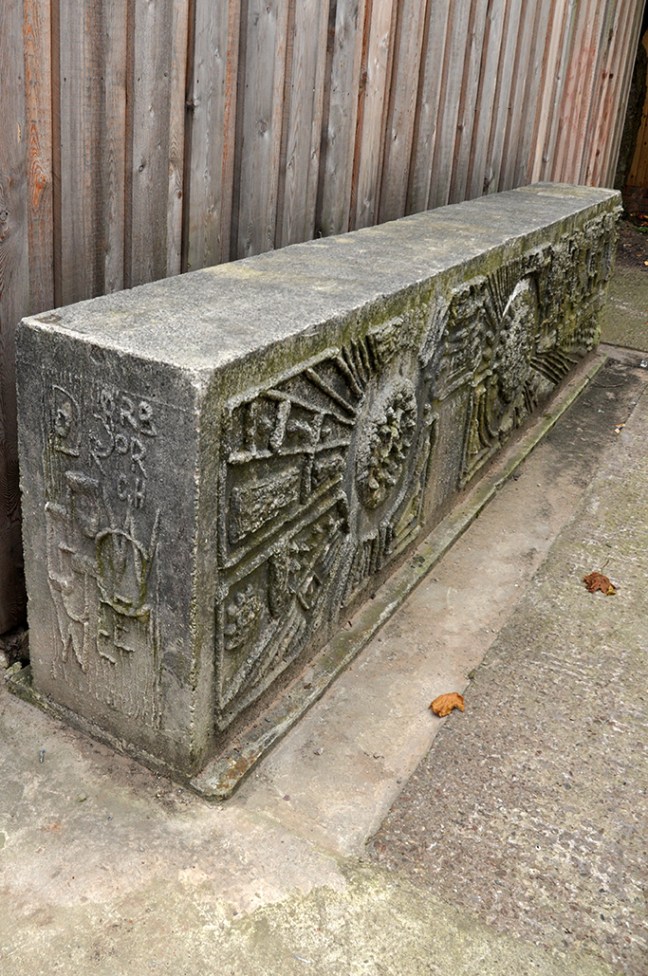
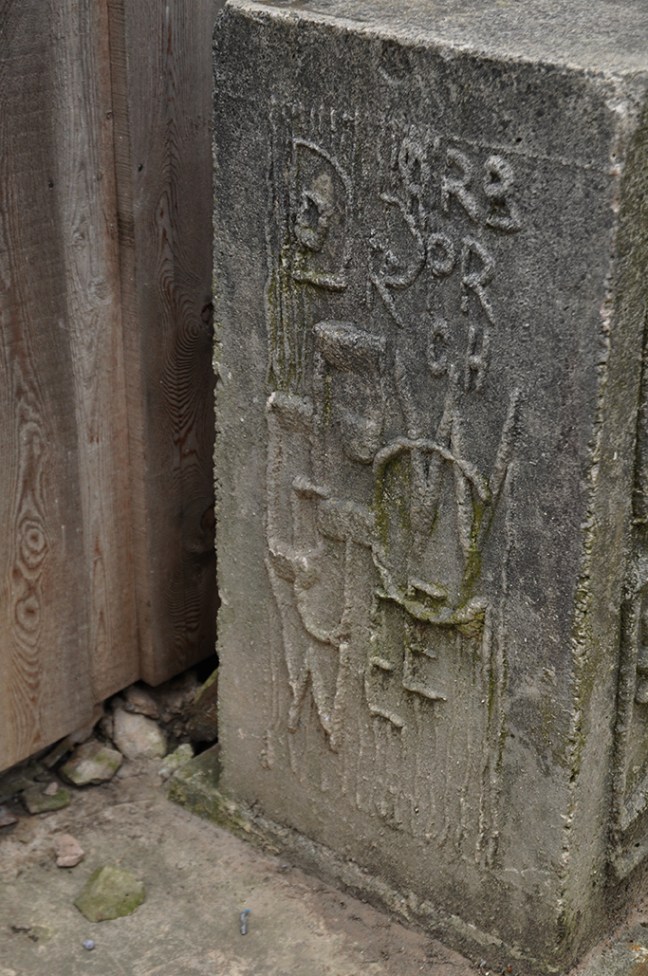
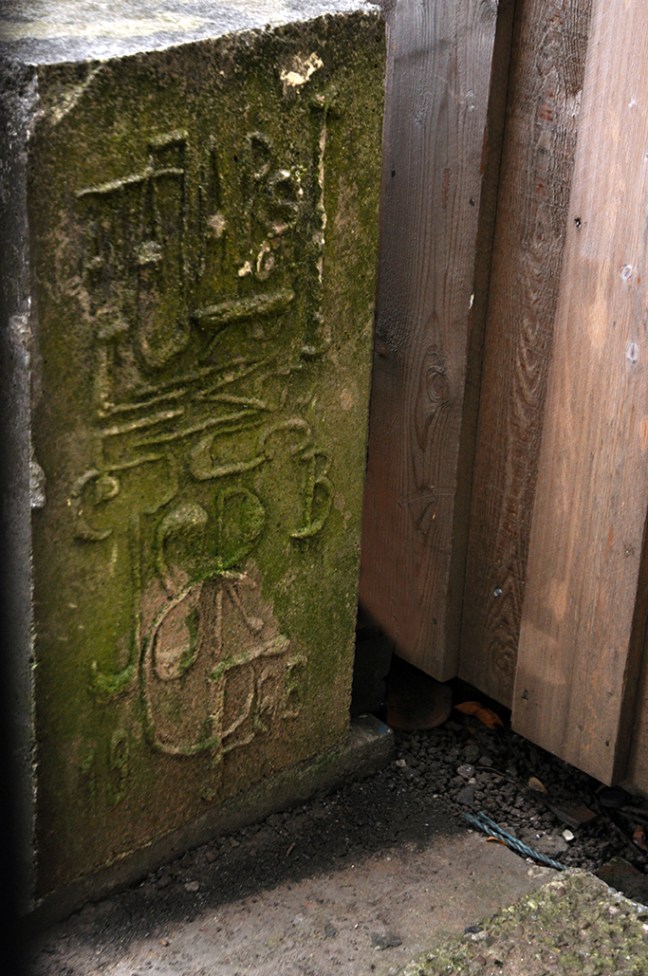
A little of their original character however has prevailed – a William Mitchellesque fallen obelisk, along with some panelling and planters.

The monolith was designed by Peter Shuttleworth, a newly qualified architect at Stockport Council

Curious to see public art behind bars

– would that they were removed.

DSC_0038 copy

a new relief copy

DSC_0032 copy

DSC_0033 copy

DSC_0037 copy

DSC_0039 copy

DSC_0046 copy

DSC_0047 copy

DSC_0048 copy

DSC_0049 copy

DSC_0050 copy

DSC_0051 copy

DSC_0030 copy

Queen Elizabeth II Law Courts – Liverpool

And so castles made of sand, 
Fall in the sea, eventually.

Once there was a battle here, several actually, and battles mean castles, possibly.

13

Erected in the between 1232 and 1235, inevitably through the passage of time, blows were exchanged, the Banastre Rebellion of 1315, and later in 1689 Prince Rupert was battered by King Billy, and so on until it was eventually demolished in 1726. A series of churches ensued, finally to be supplanted by the arrival of an amusingly statuesque Queen Victoria, replete with plaque.

1200px-Victoria_Monument,_Liverpool_Plaque_2

In 1976 excavation of the south side of Castle Street was conducted before the construction of the Crown Courts building, which was built in the style of a castle.

What goes around comes around, ending up largely square in Derby Square.

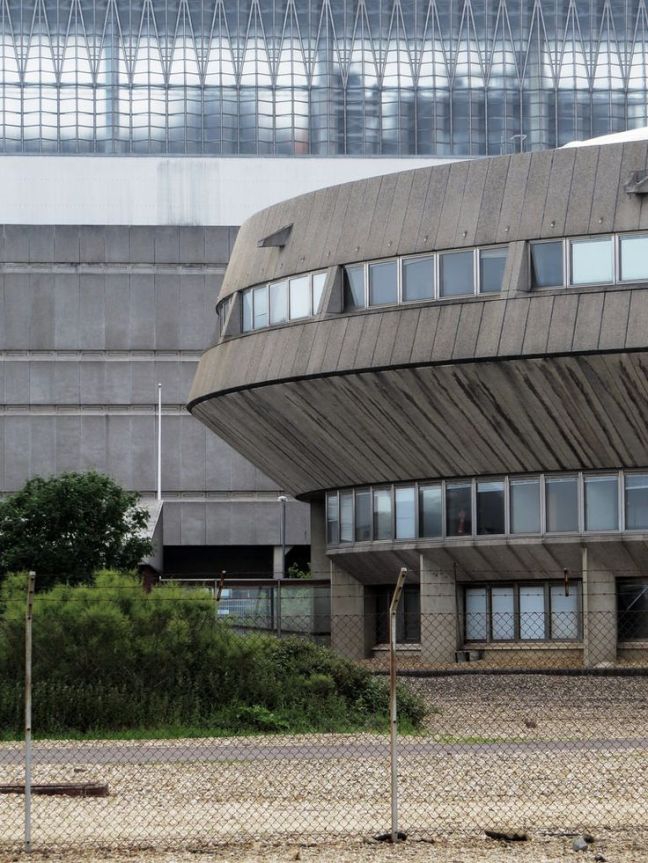
And lo and so it came to pass, new law courts were erected upon the site begun in 1973, opened in 1984. Architects were Farmer and Dark, who were also responsible for the Fawley Power Station.

fawley

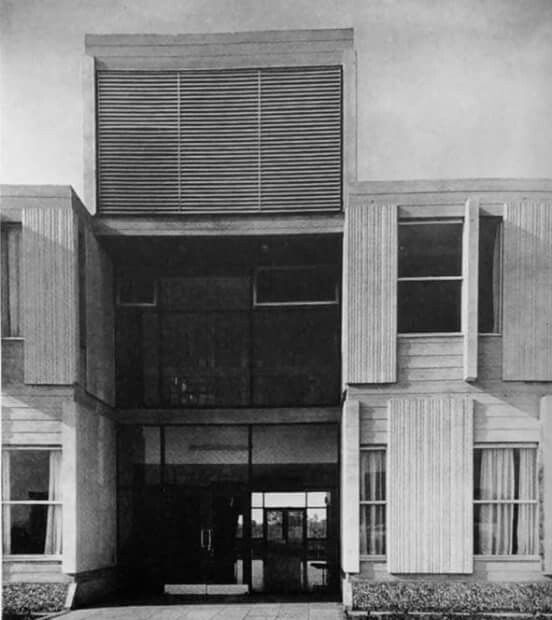
And the Cornwallis Building at the University of Kent.

Cornwallis uok 68

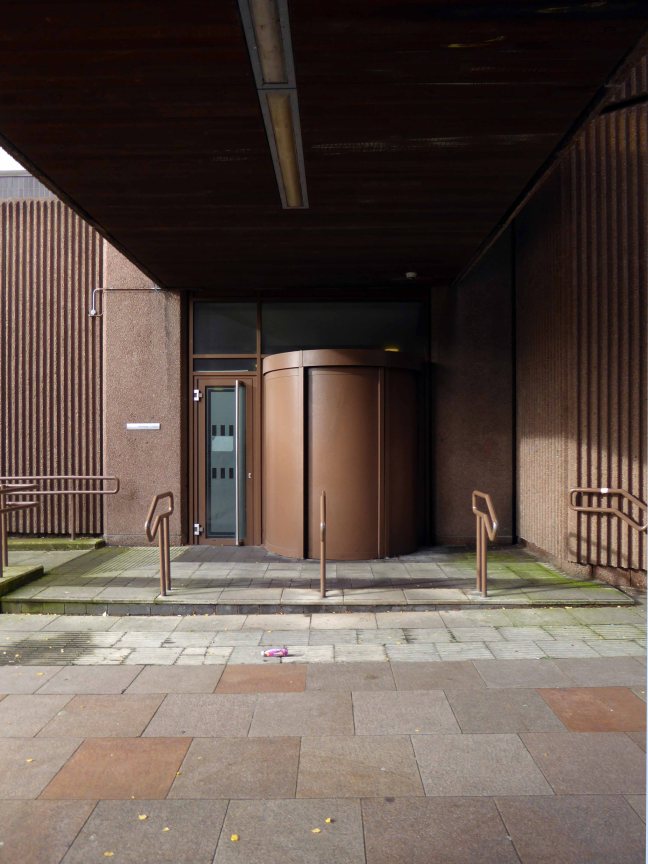
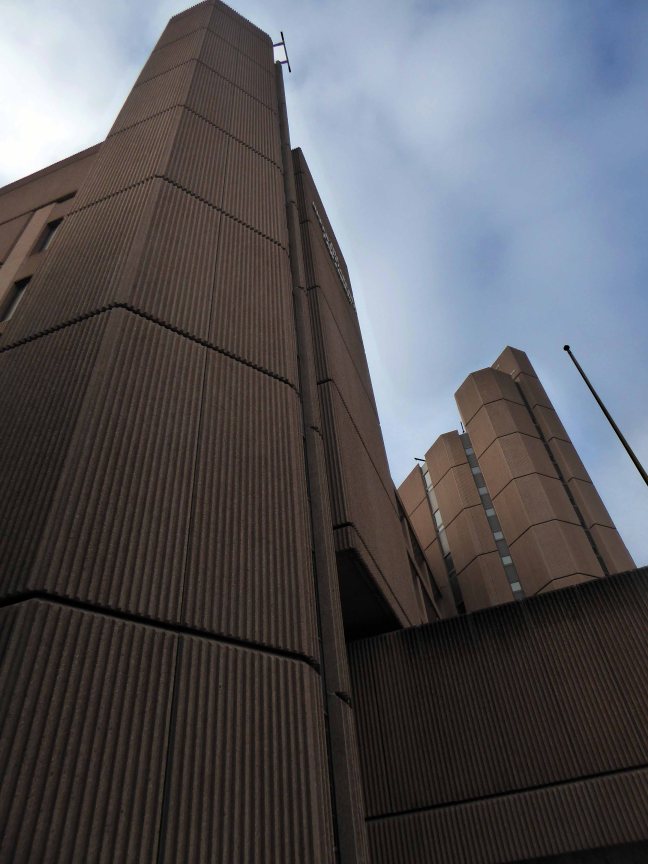
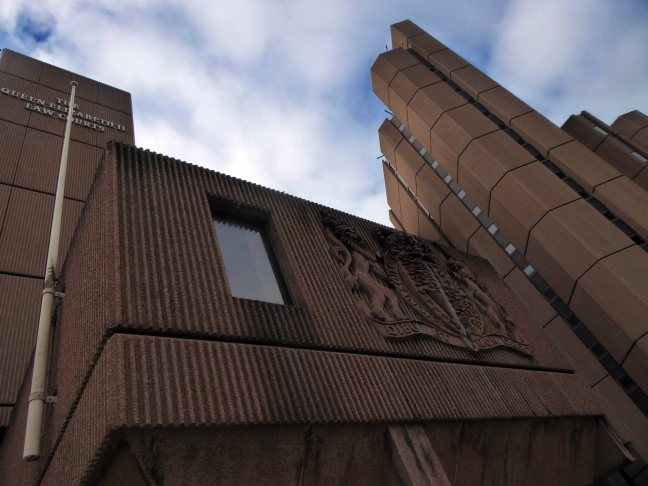
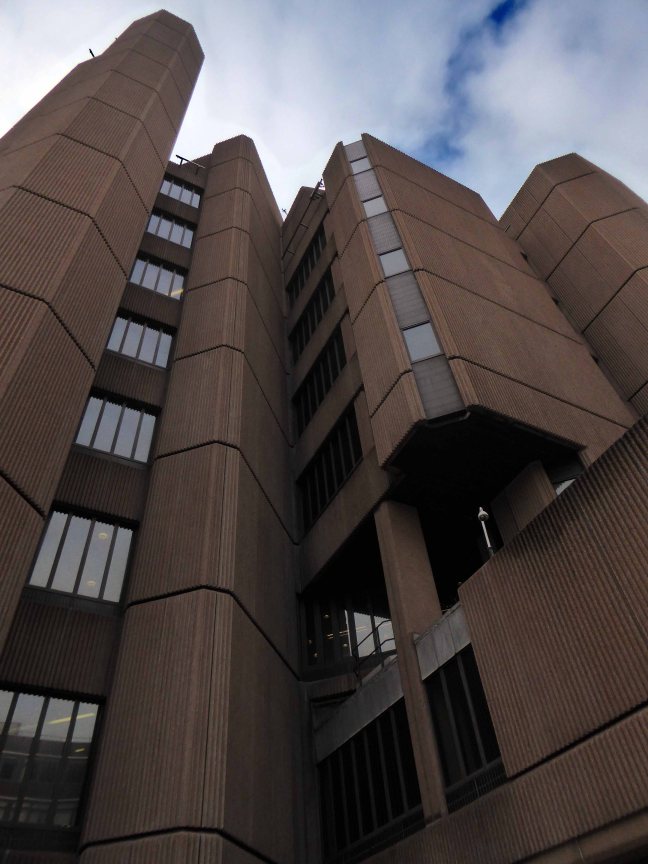
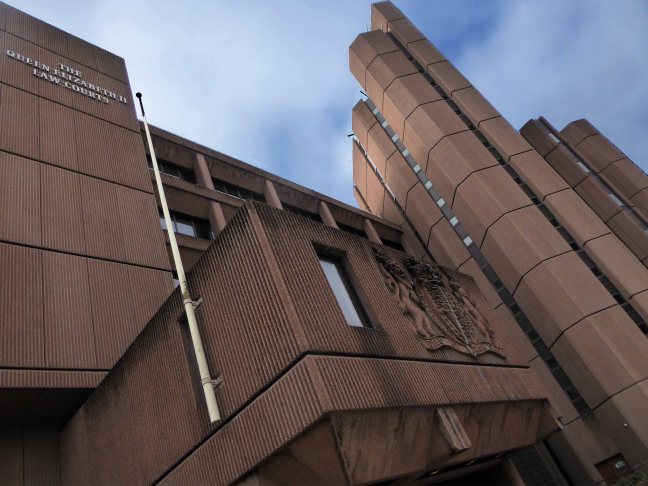
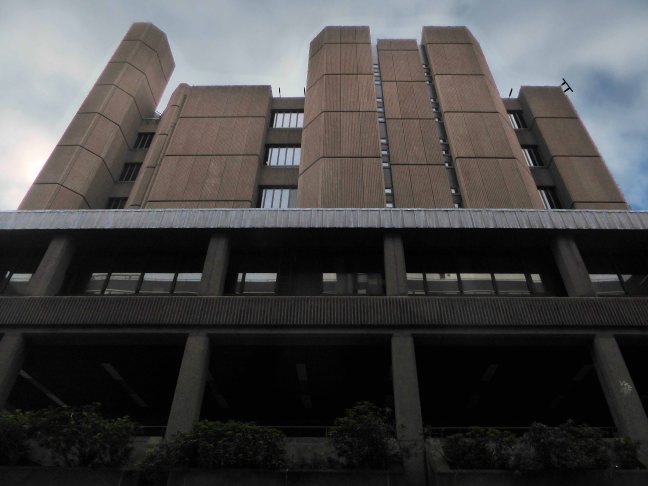
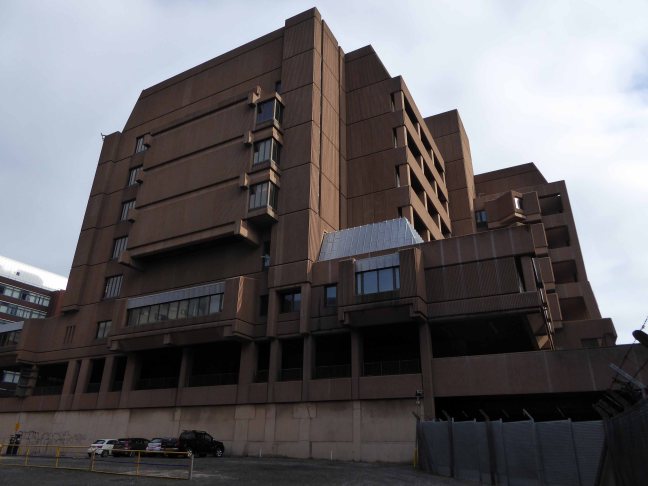
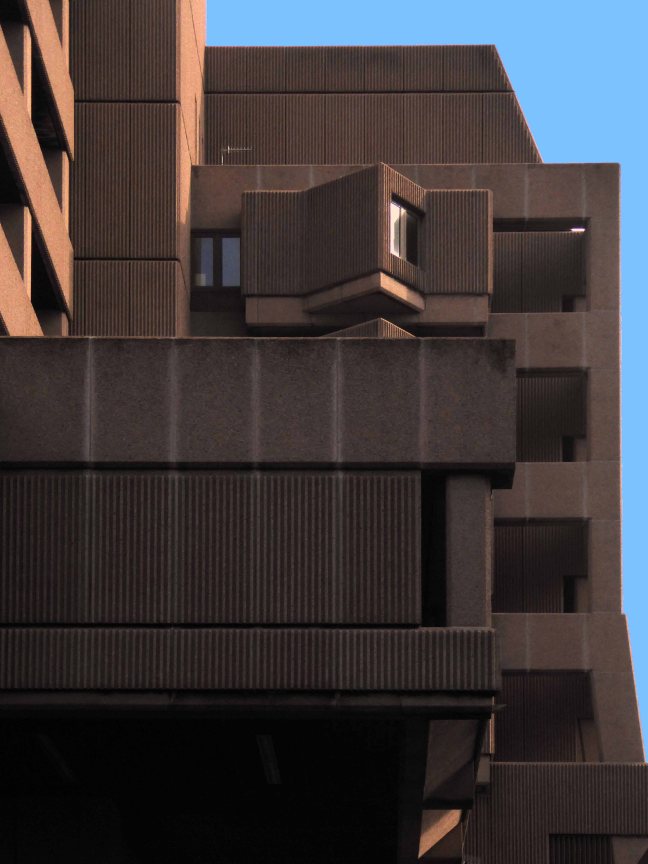
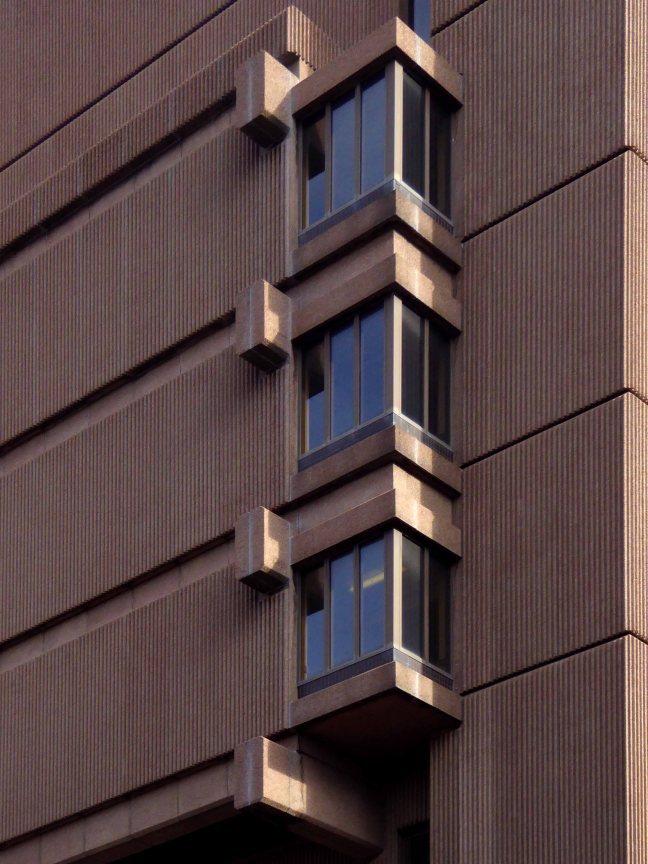
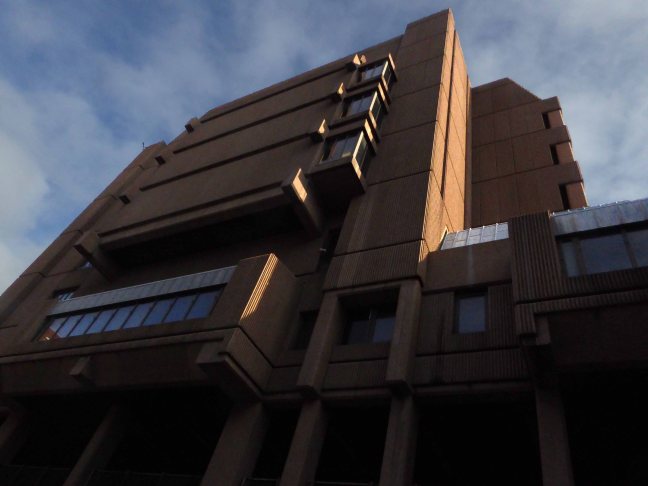
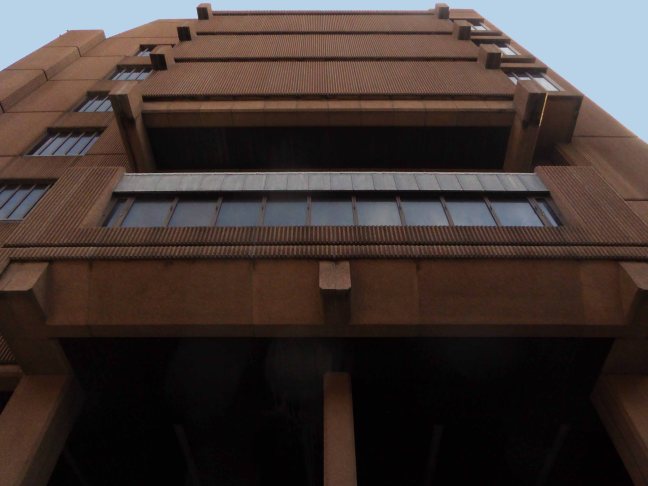
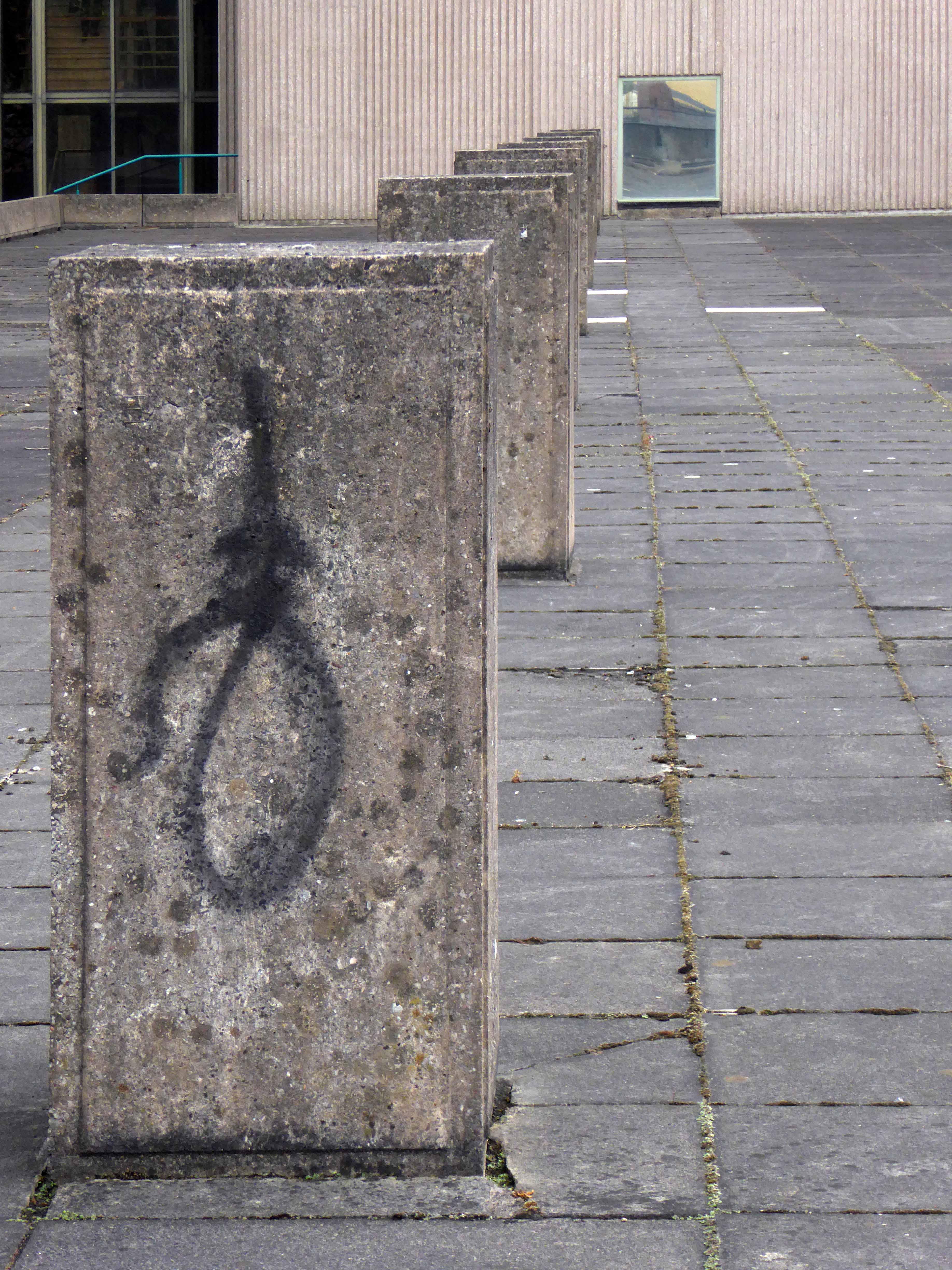
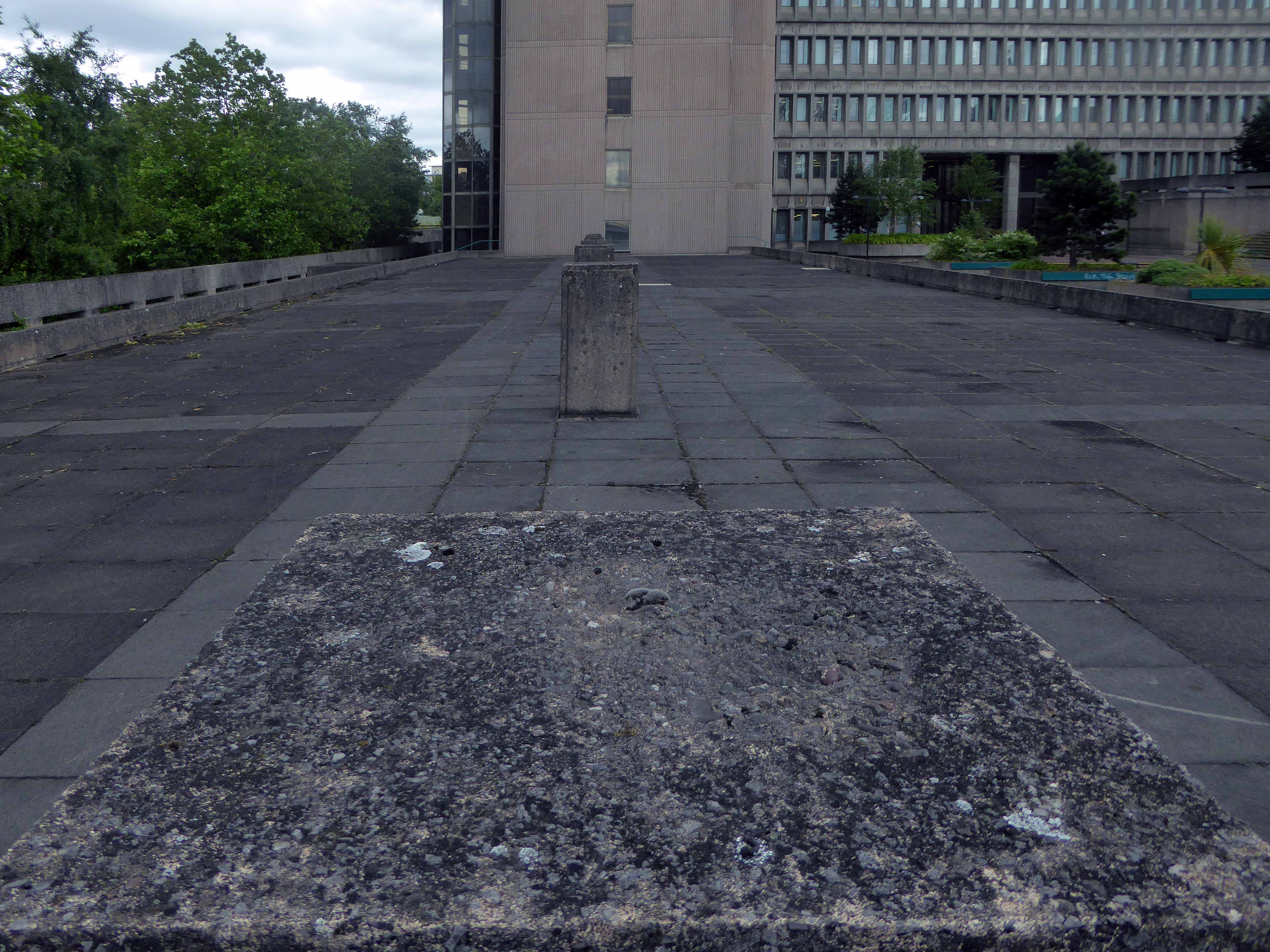
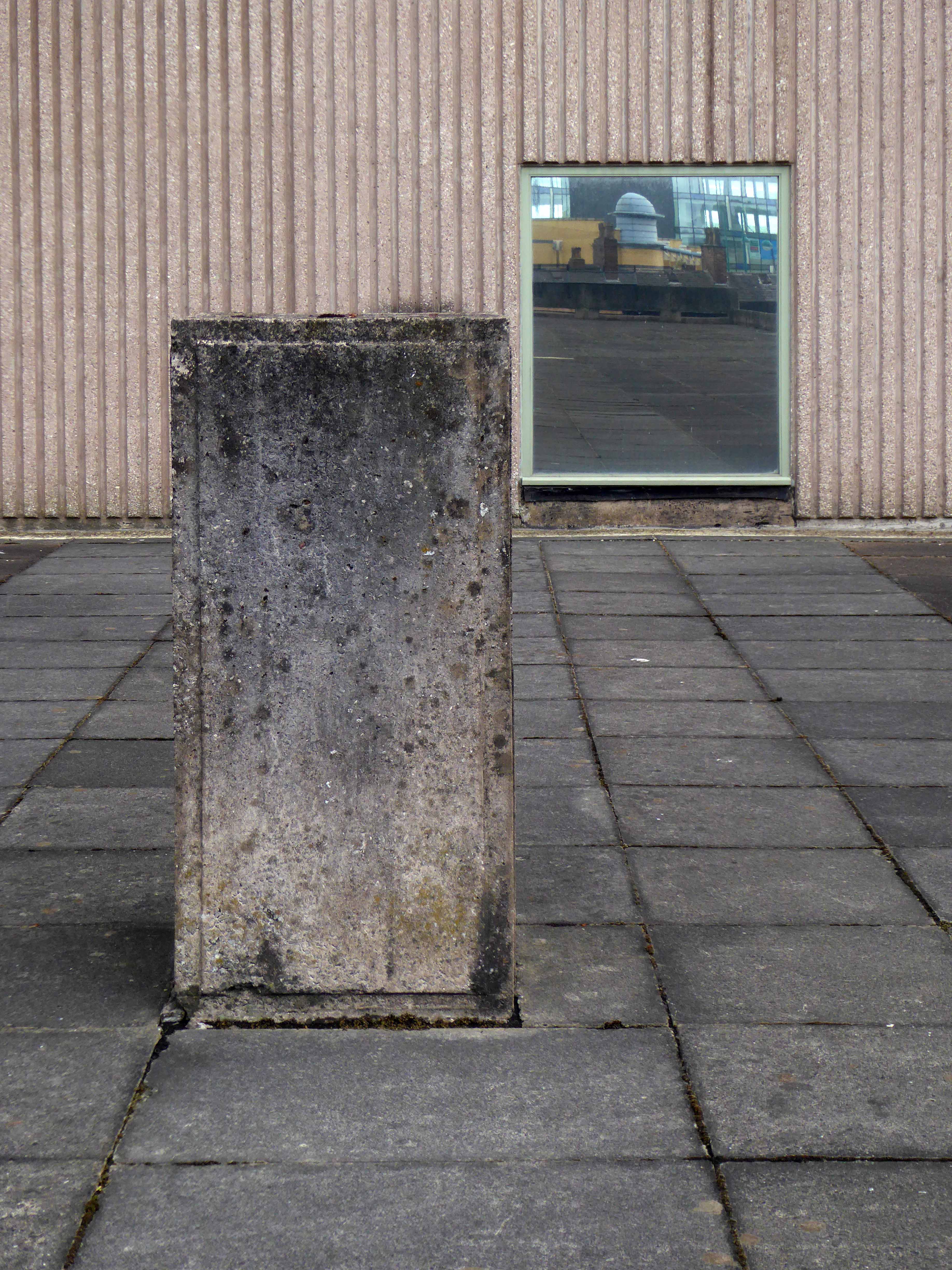
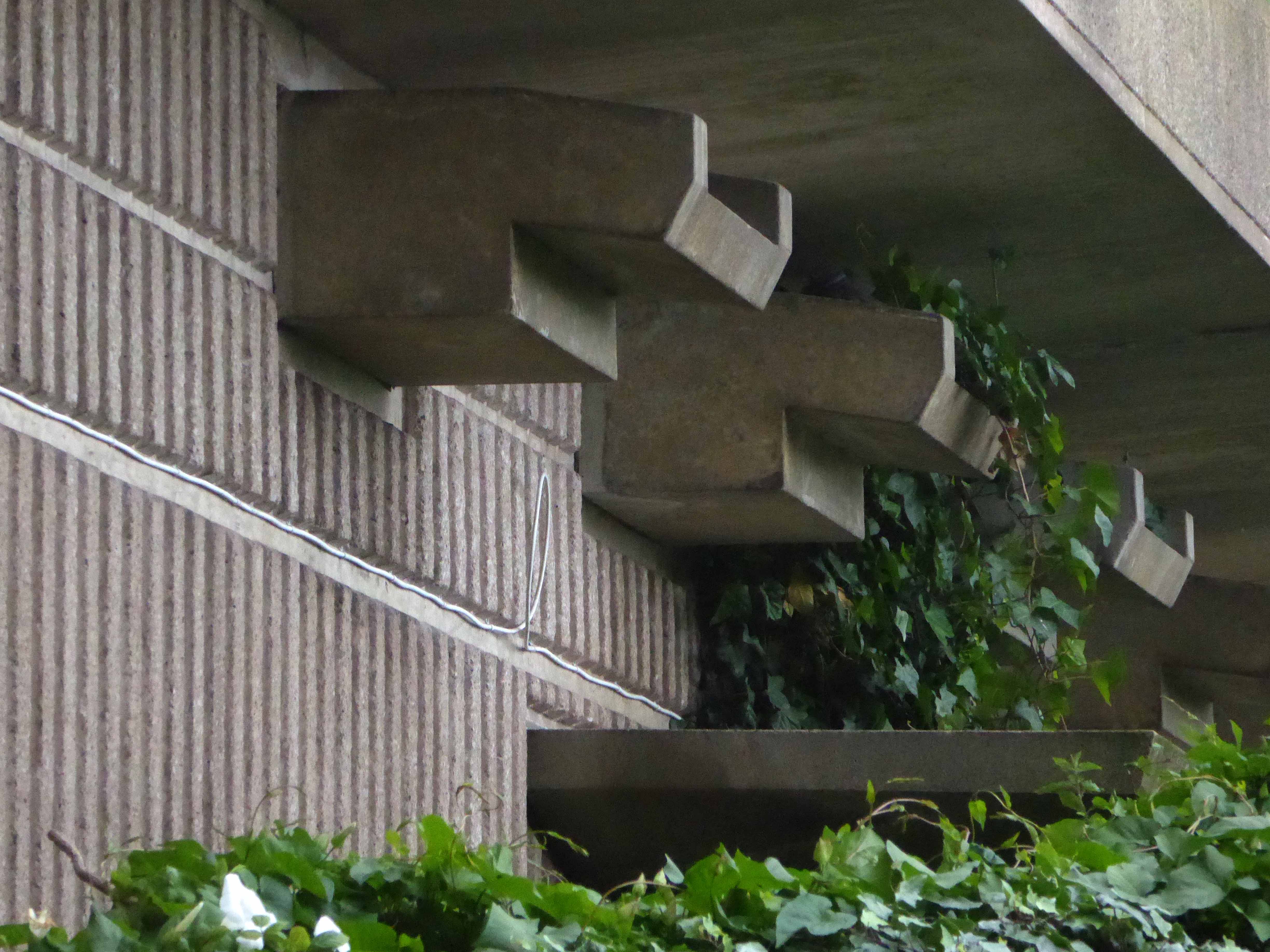
I passed by there yet again last Saturday, still maintaining a restrained ambivalence regarding this monolithic concrete and sand pseudo-castle. Less than, and larger than the sum of its parts. The quirky detailing and awkward geometry, producing a somewhat confused, yet imposing scheme, an ossified pinkish ribbed construct from another age.

Mass – possibly without redemption.

P1200504

P1200505

P1200506

P1200507

P1200508

P1200509

P1200510

Coat of arms by Richard Kindersley

P1200513

P1200515

P1200518

P1200519

P1200521

P1200523

P1200524

P1200525

P1200527

P1200529

P1200530

P1200532

P1200534

P1200537

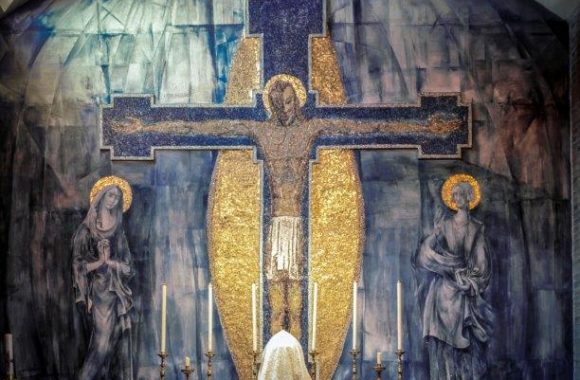
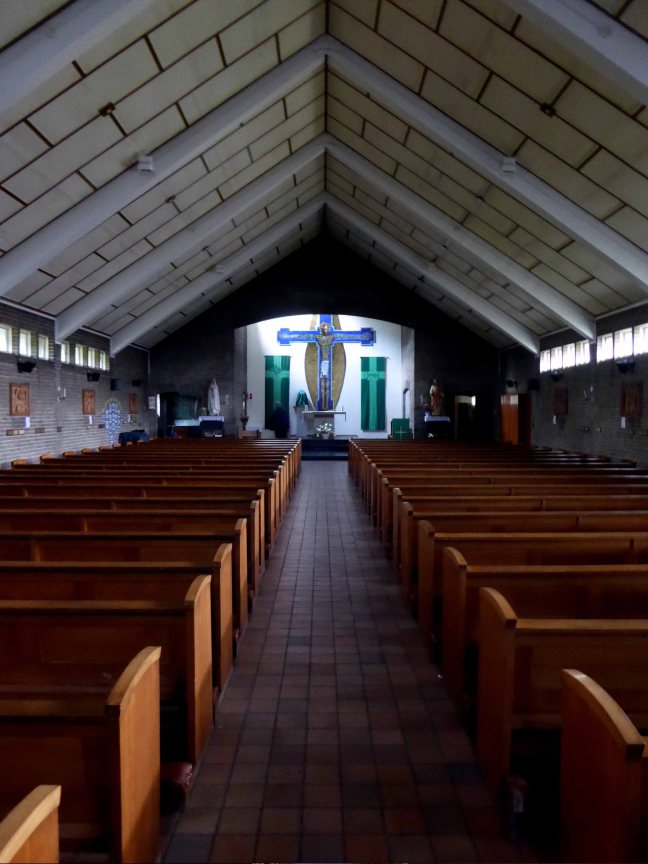
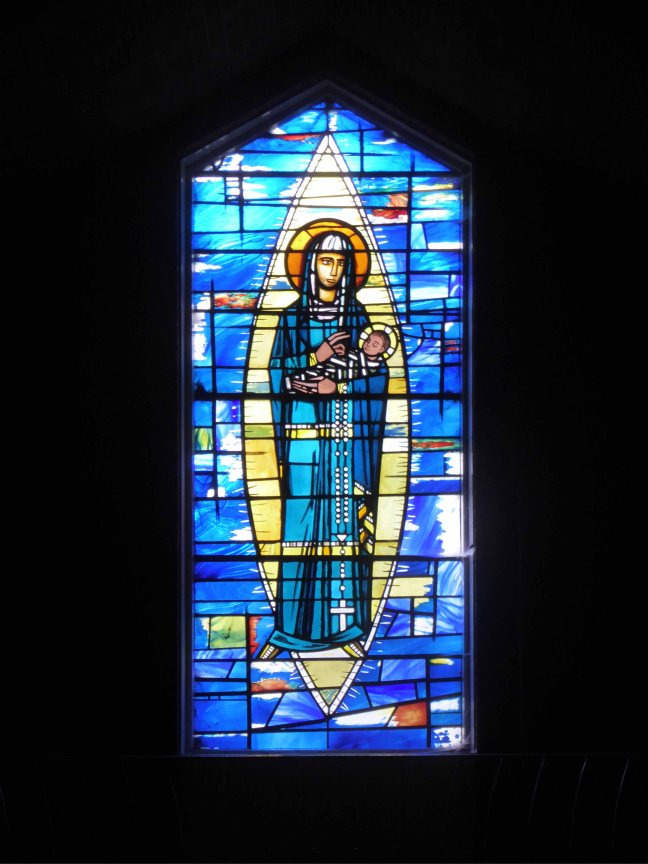
Holy Rosary – Fitton Hill

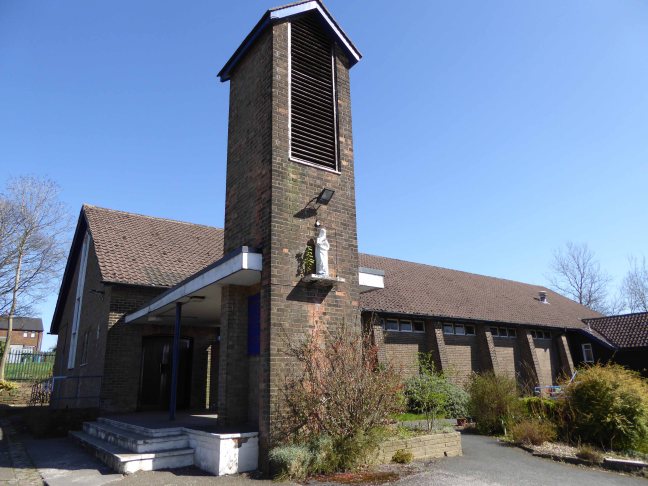
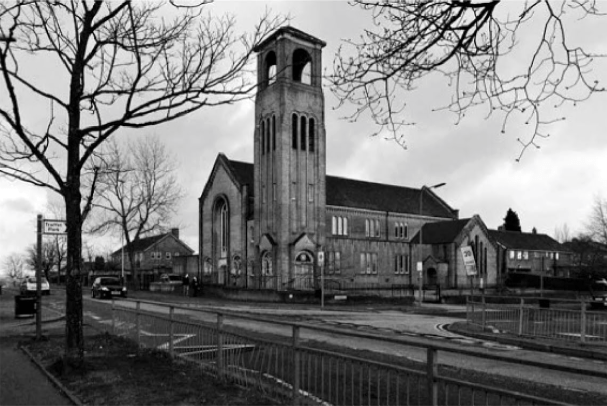
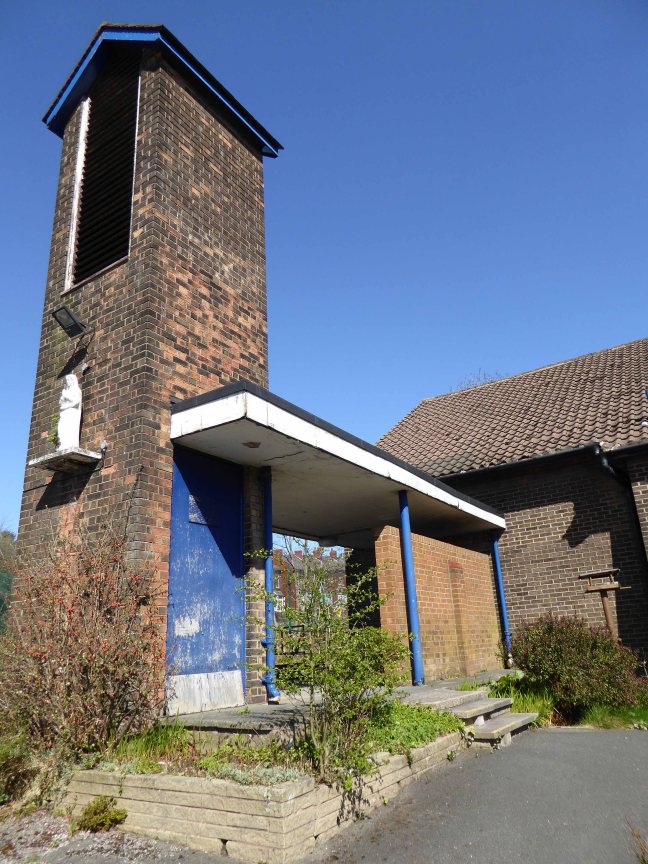
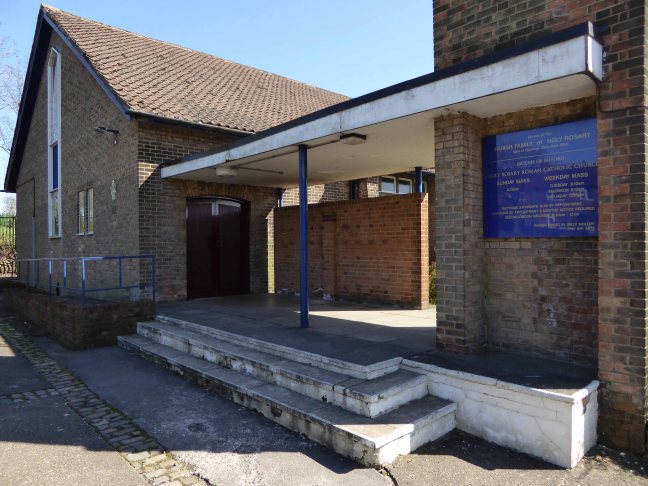
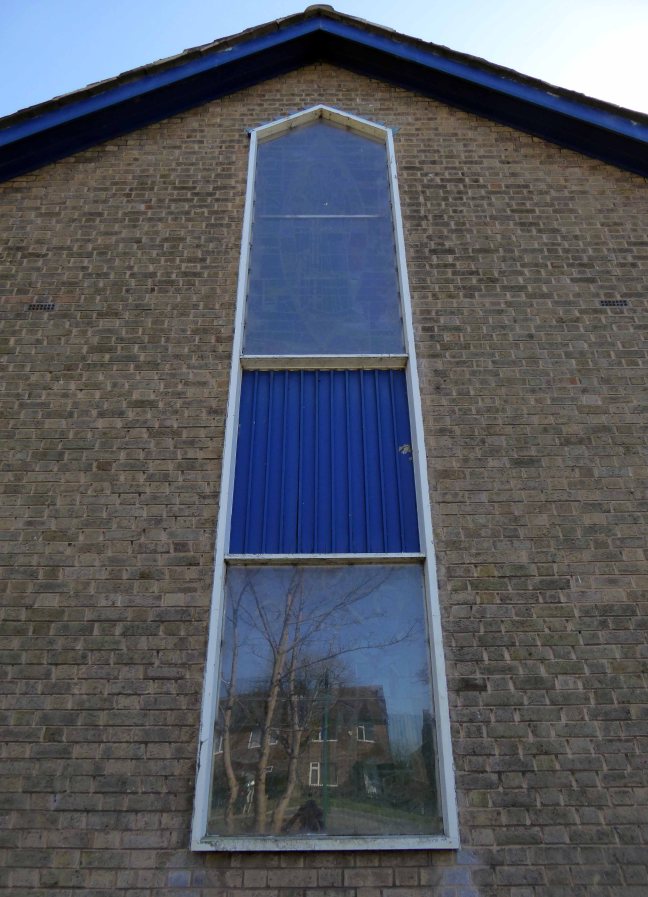
The first mission in the Fitton Hill, a post-war housing estate, was due to the work of Fr Buckley, an assistant priest at St Patrick’s Oldham. He arranged for the purchase of land in the Fitton Hill area in 1940, before the new housing was built. Once the estate had begun to be developed, Fr Buckley said Mass in an upper room in Maple Mill. The foundation stone of Holy Rosary was laid by Bishop Marshall on 2 October 1954 and the church was officially opened by Mgr Cunningham in July 1955.  The presbytery was built in about 1970. The first campanile blew down and had to be rebuilt.  In 2009, the parishes of Holy Family and Holy Rosary were merged.

Taking Stock told me so and will tell you even more.

Architect: W and JB Ellis who were also responsible for Our Lady of The Assumption in Langley.

Screen Shot 2017-09-13 at 11.11.41

I first passed by one sunny day in April 2016 – happily snapping the exterior of this ever so pleasingly prosaic Italianate brick building.

P1030961 copy

P1030962 copy

P1030965 copy

Following a cue from pal Tim Rushton, I was alerted to the significant decorative work within.

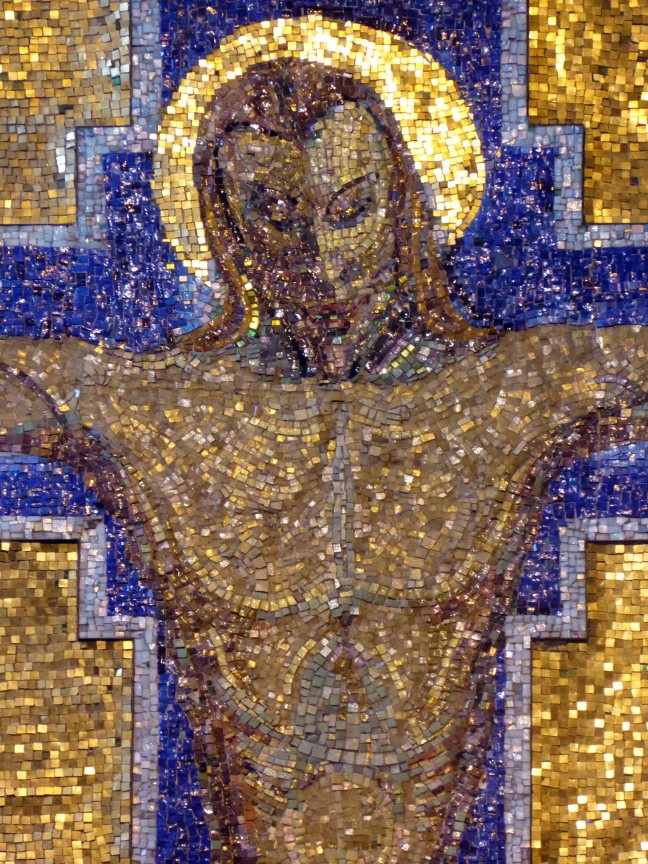
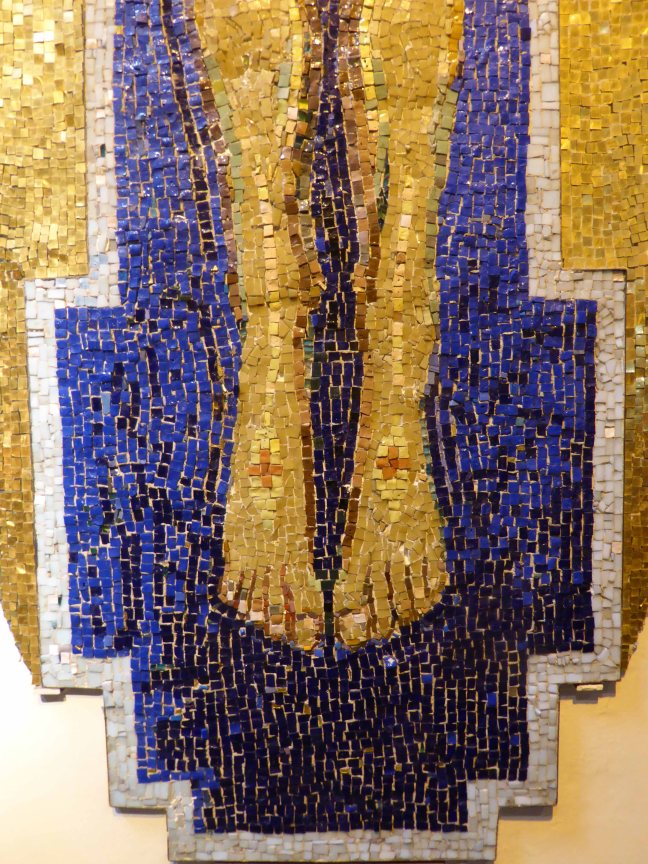
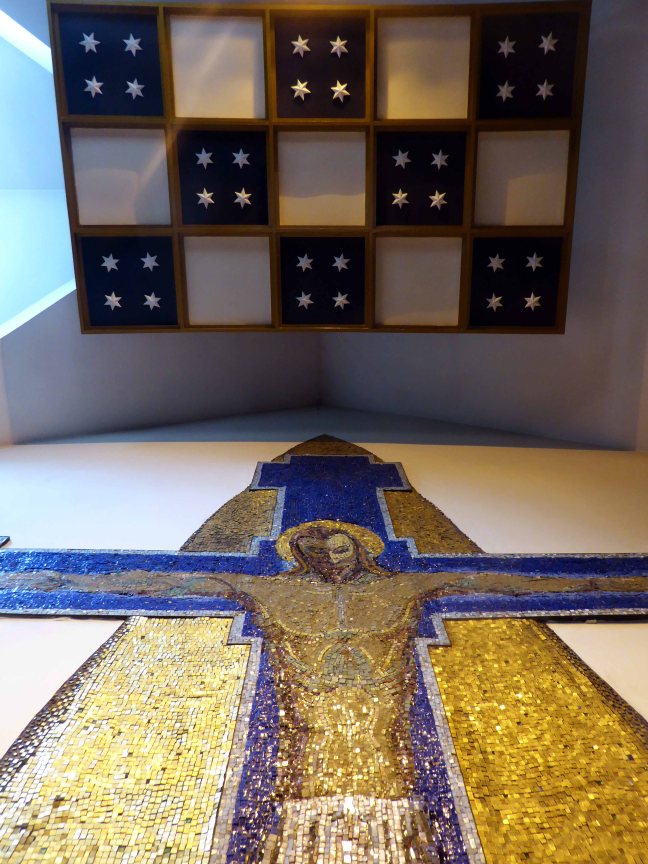
The mosaic and fresco work of Georg Mayer-Marton – born in Hungary 1897, died in Liverpool 1960 was one of Britain’s very few experts in the art of face or facetted mosaic.

GMMMosaic_compressed-580x380-1

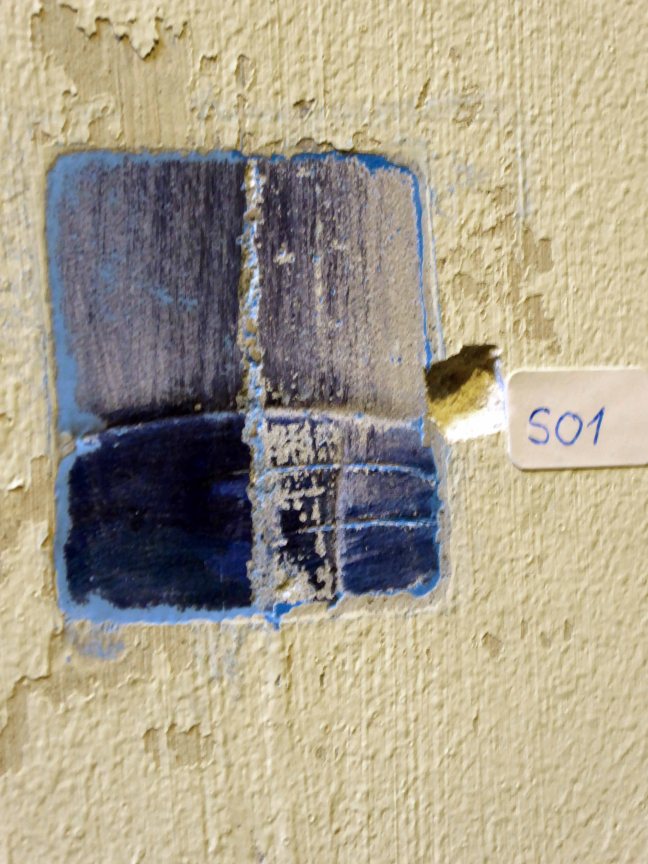
Sadly the fresco is no longer visible – painted over with emulsion when thought to be too tatty – a tiny fragment has been revealed by conservators.

P1200312

There is currently a campaign to restore and preserve these important works.

The church is now closed, but we were ever so fortunate to have Bernard Madden on hand to open up and show us around, a warm welcoming space once full to overflowing.

Now sadly silent.

We all deserve better.

P1200300

P1200301

P1200303

P1200304

P1200306

P1200309

P1200310

P1200313

P1200314

P1200320

P1200321


St Marks Broomhill – Sheffield

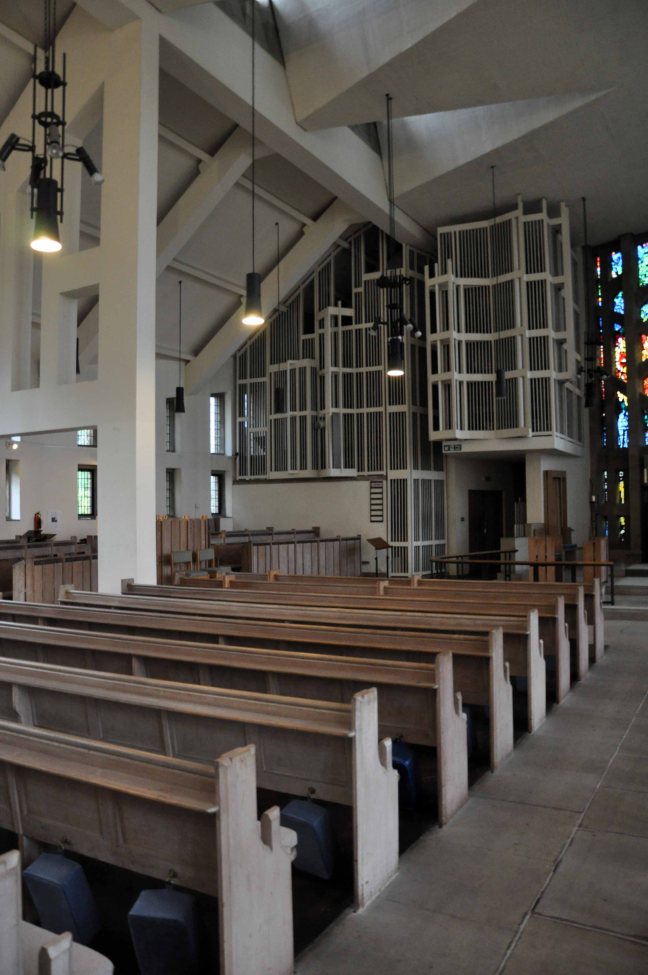
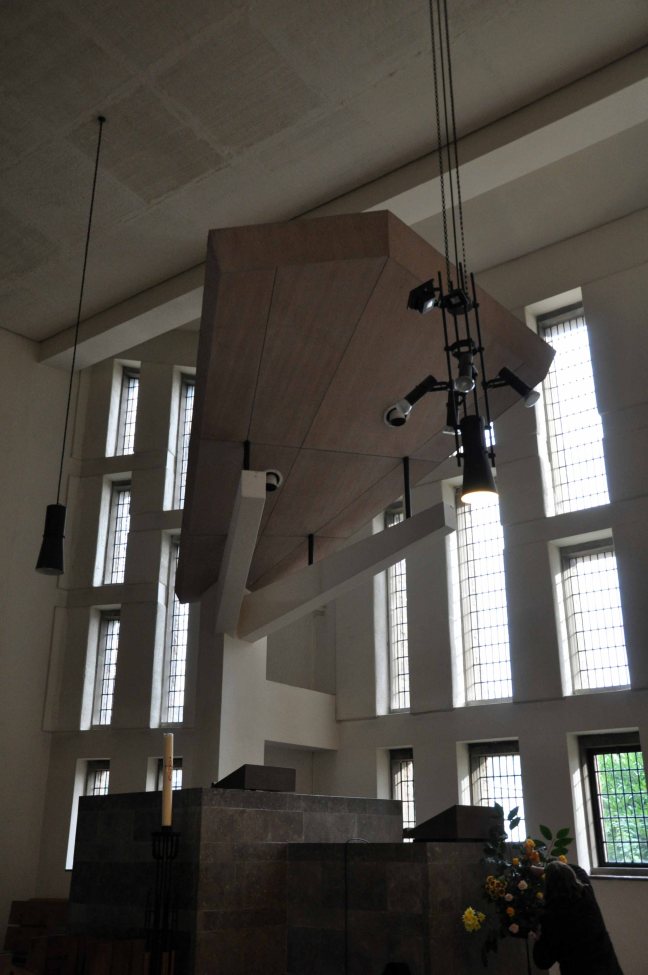
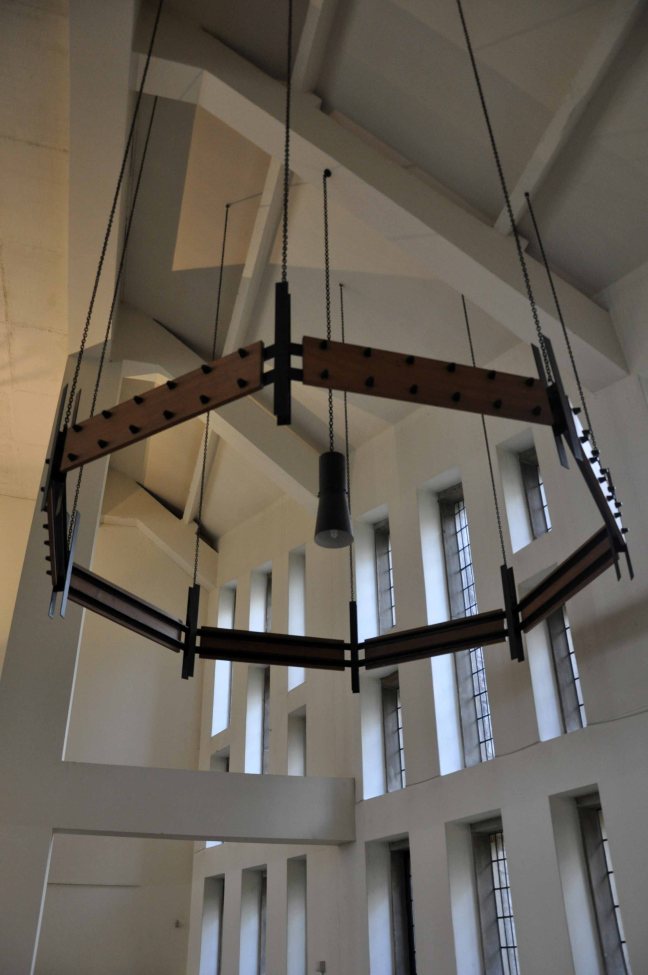
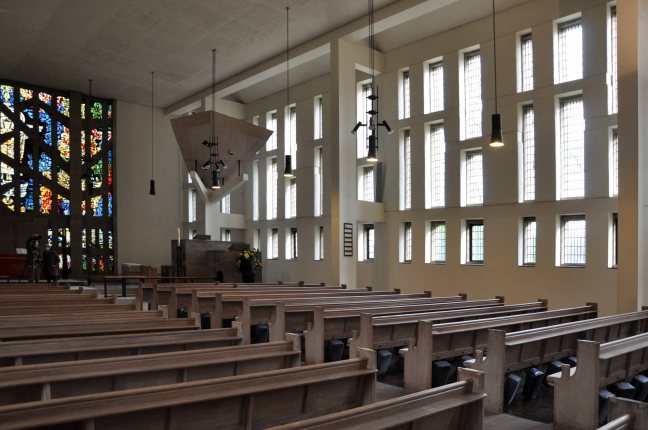
The church was originally built in 1868–1871 to a standard neo-Gothic design by William Henry Crossland. This building was destroyed by an incendiary bomb during the “Sheffield Blitz” of 12 December 1940, only the spire and a porch survived (they are now Grade II listed structures). The remnants of the bombed church were used as the basis for a new church designed by George Pace and constructed 1958–1963. This new building is of a Modernist design but is also sympathetic to the Gothic spire and porch. It is a rubble-faced concrete building with striking slit windows of varying numbers and locations around the building. There are also two notable stained glass windows: the Te Deum window by Harry Stammers and the west window by John Piper and Patrick Reyntiens.

Wikipedia told me so.

he laddered design glass in the side chapel, is by Gillian Rees-Thomas.

Welcome to St Mark’s – an open, welcoming church for people from all walks of life who wish to learn more about Jesus and Christian faith and seek the freedom to ask the big questions. We have strong engagement with Christian communities and other faith traditions. People come from all over the country to participate in our Centre for Radical Christianity, where a lively climate of debate and learning can be found.
blank
Their website told me so.
 blank
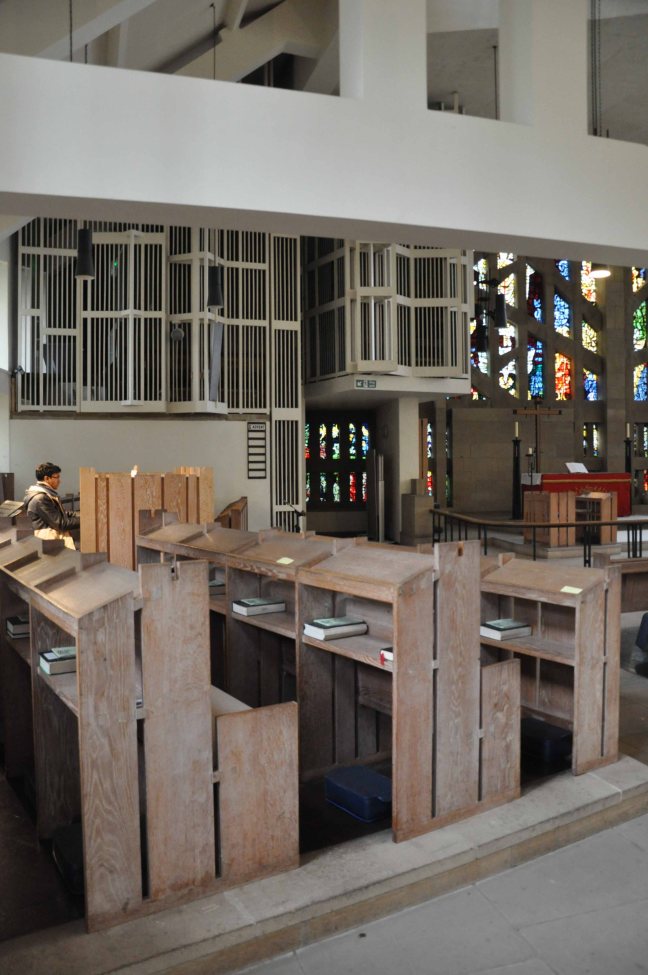
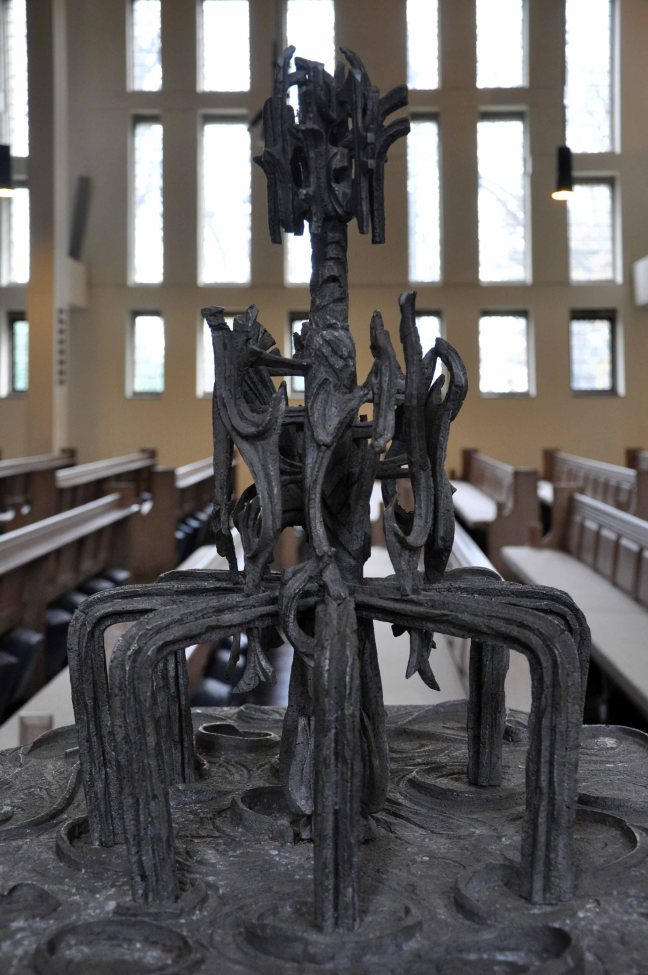
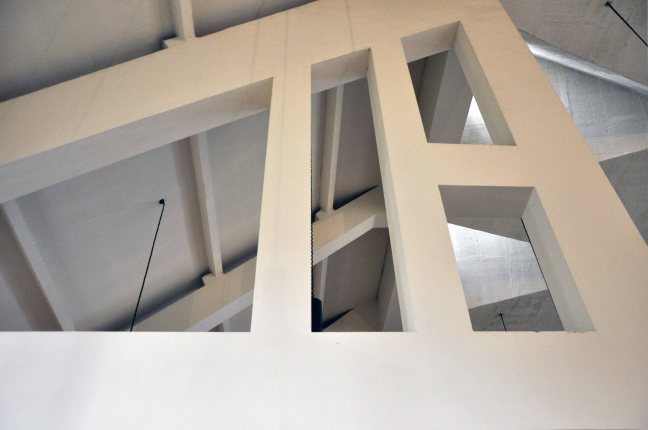
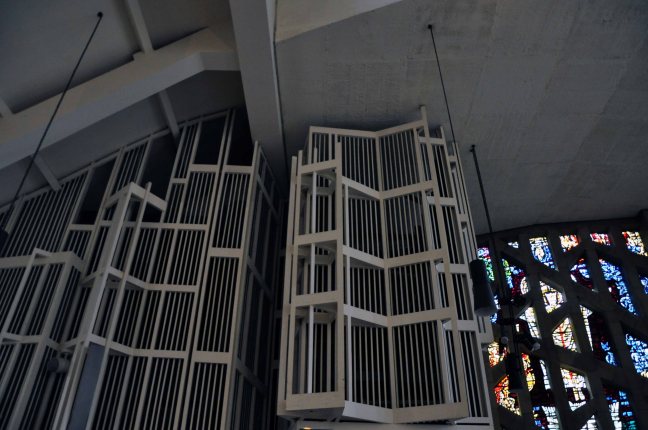
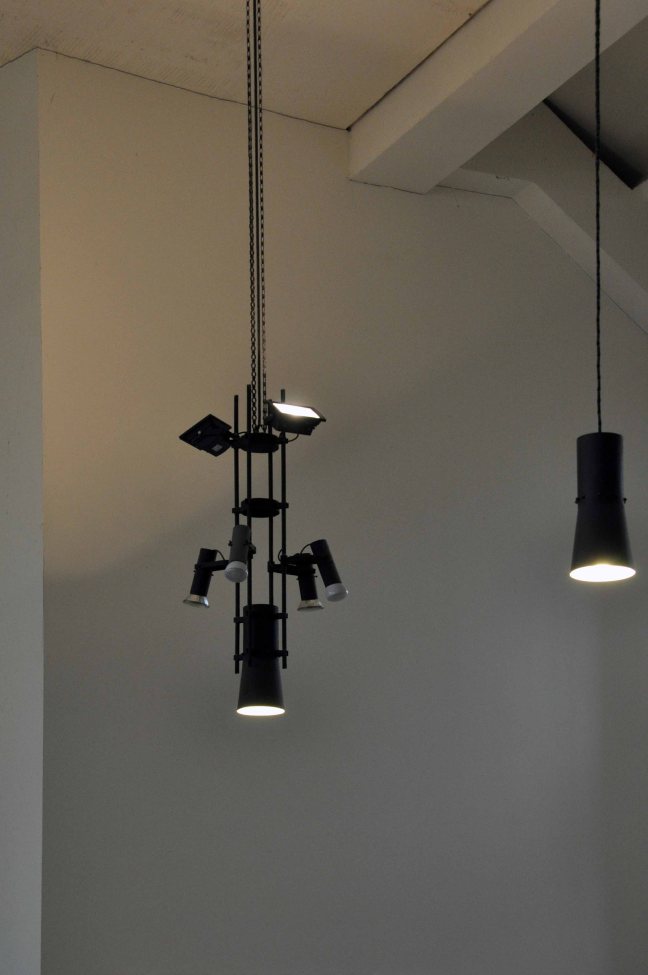
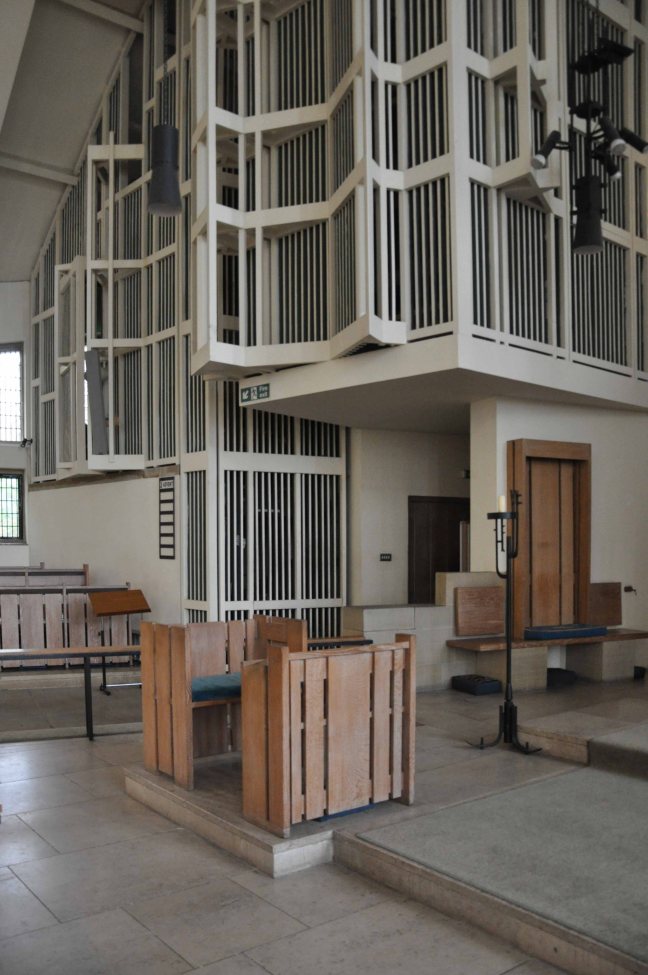
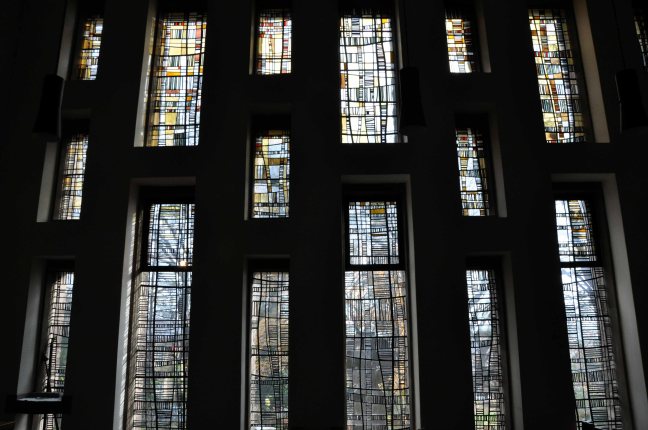
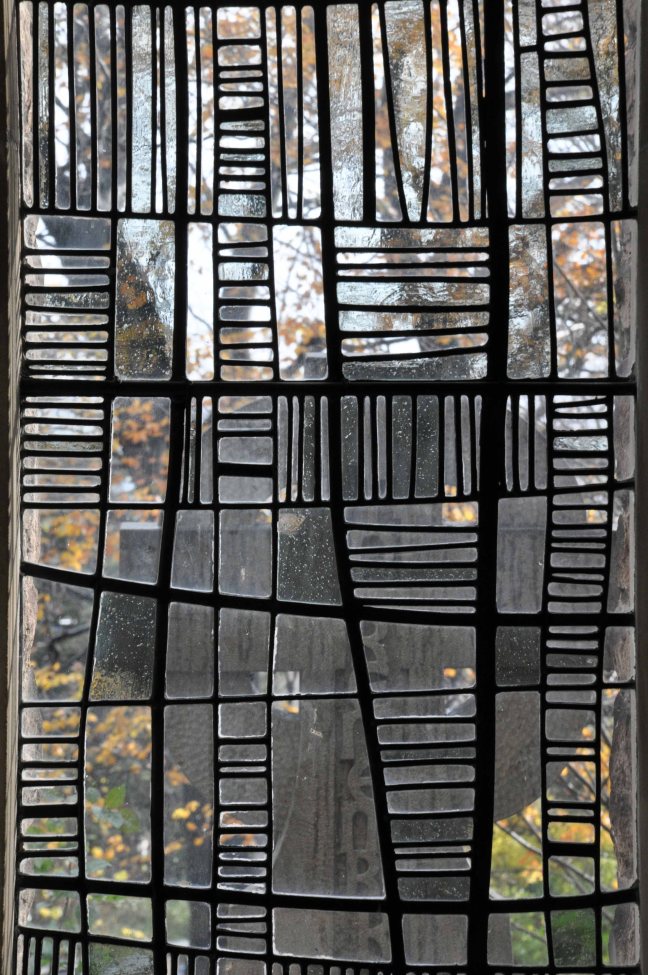
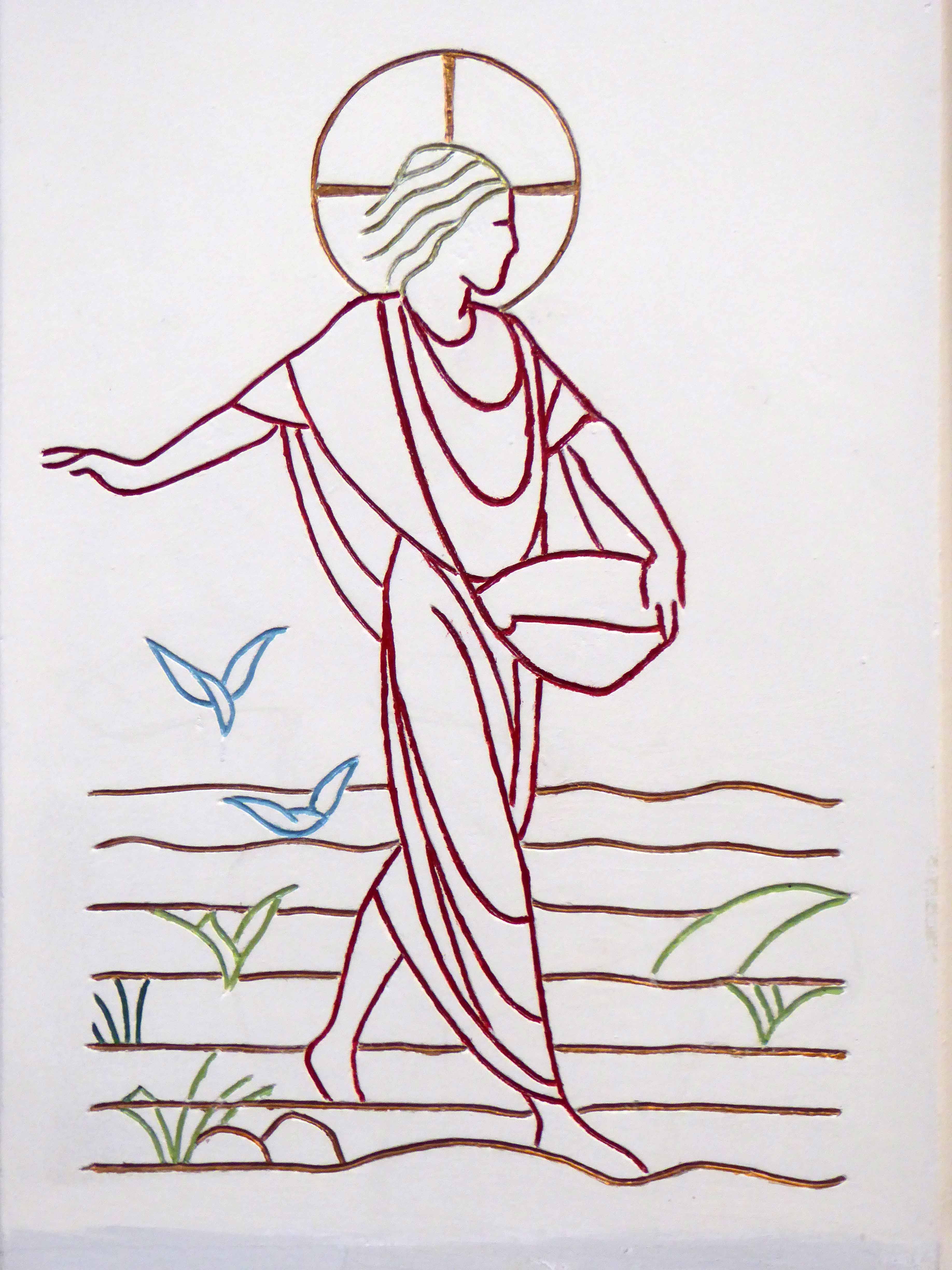
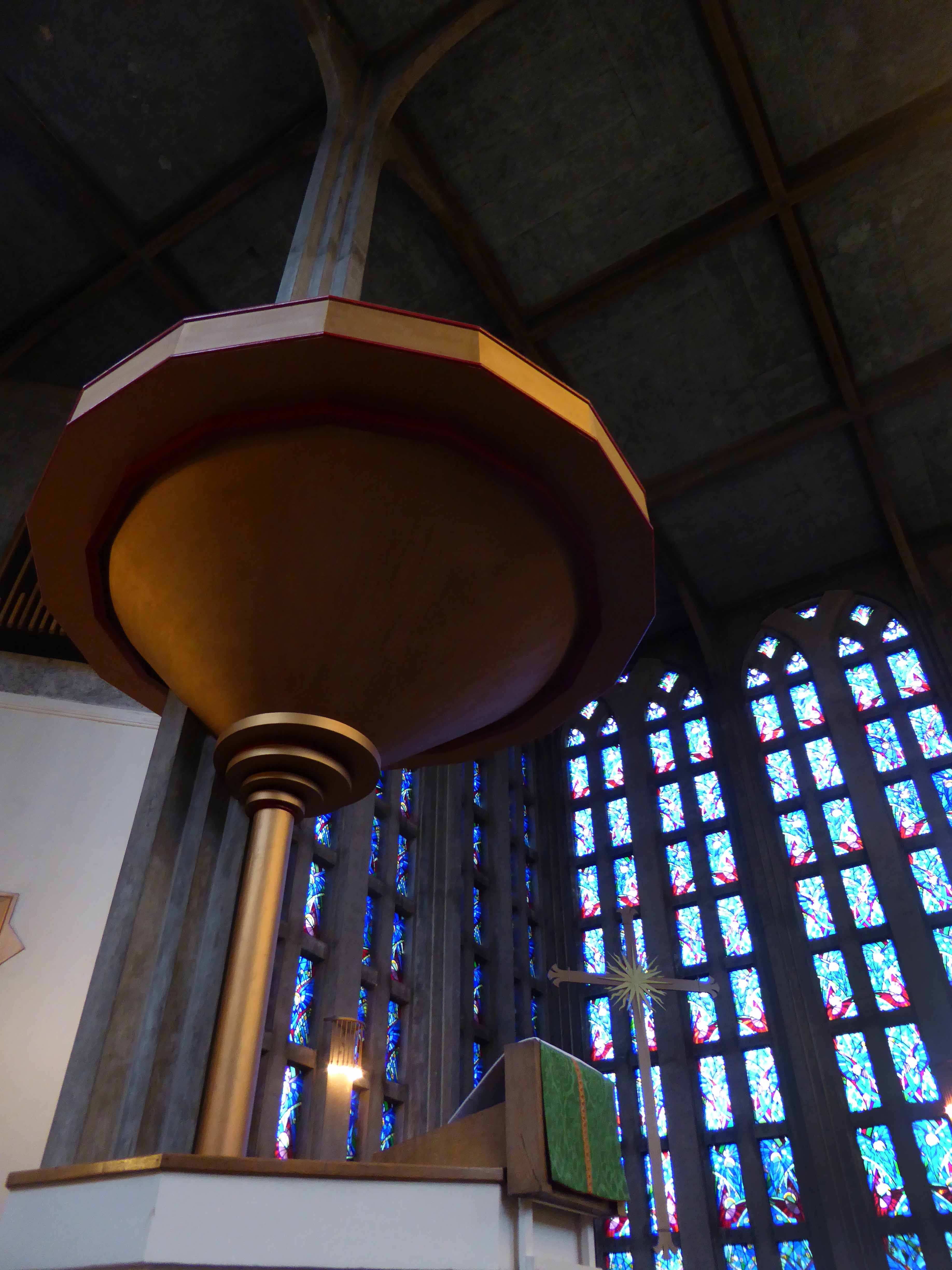
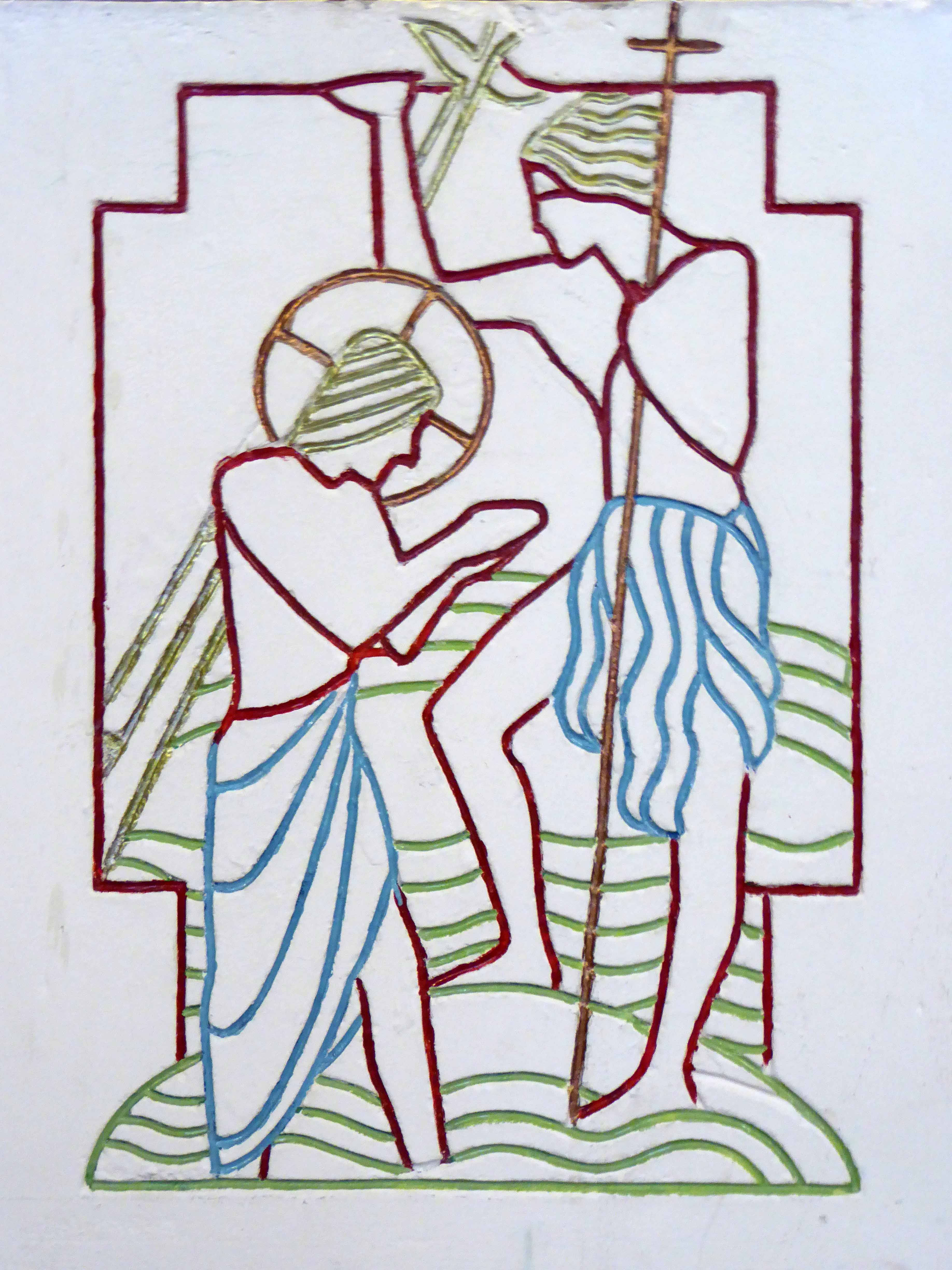
This a remarkable building staffed by remarkably welcoming people, it’s exterior betraying little of the wonders within. Divine stained glass, brut concrete structures, pale limed wood, sculptural forms – full of light and warmth.
 blank
DSC_0065
 DSC_0066
 DSC_0067
 DSC_0068
 DSC_0069
 DSC_0070
 DSC_0071
 DSC_0073
 DSC_0074
 DSC_0075
 DSC_0076
 DSC_0085
 DSC_0083
 DSC_0089
 DSC_0090
 DSC_0092
 DSC_0093

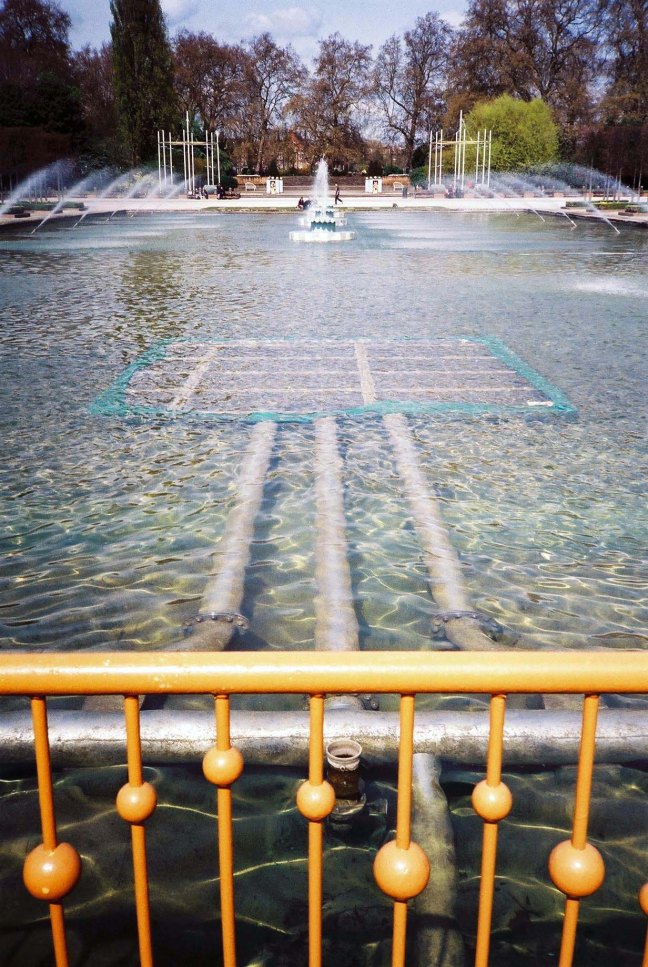
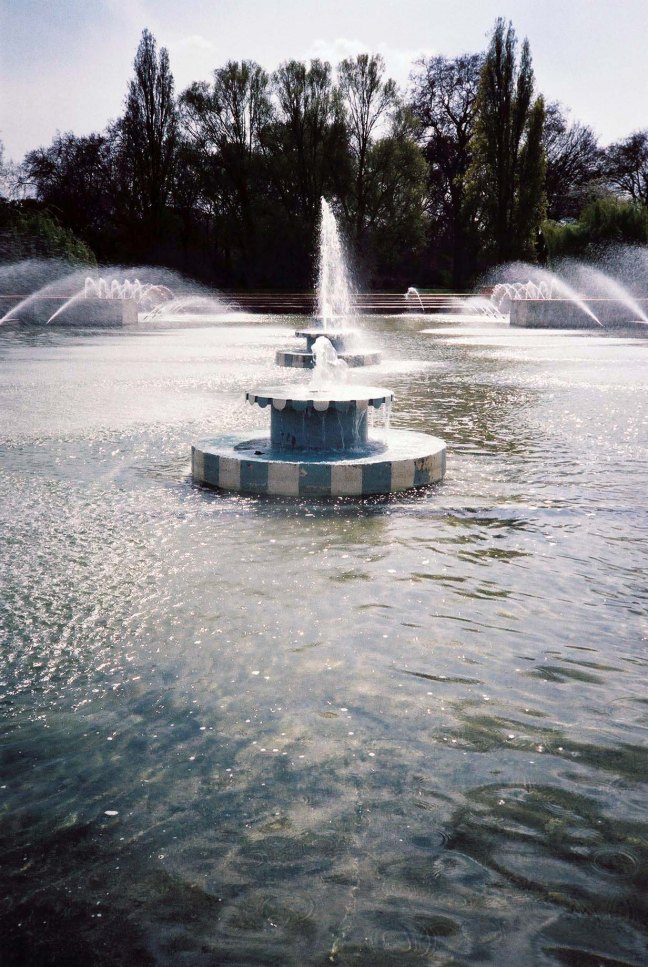
Pleasure Gardens – Battersea

So suddenly the war ended and all of a sudden the fun began, followed with indecent haste by a wholesale national lack of fun, no fun anywhere no how.

Well why not have a festival, a Festival of Britain!

The south bank of the Thames had once been home to the Vauxhall Pleasure Gardens.

Why not put it there or thereabouts.

‘This was always a raucous place, but a temple of the muses too. Under the management of its gifted, quixotic master of ceremonies, Jonathan Tyers, it was perhaps the first public art gallery, hung with paintings by Hogarth and Hayman. The buildings – first Palladian then Gothic and exotic – were splendid and the music inspired. The Vauxhall season was unmissable. Royalty came regularly. Canaletto painted it, Casanova loitered under the trees, Leopold Mozart was astonished by the dazzling lights. The poor could manage an occasional treat. For everyone it was a fantasyland of wonder and pride.’

It was decided there and then, the government would enforce state funded fun!

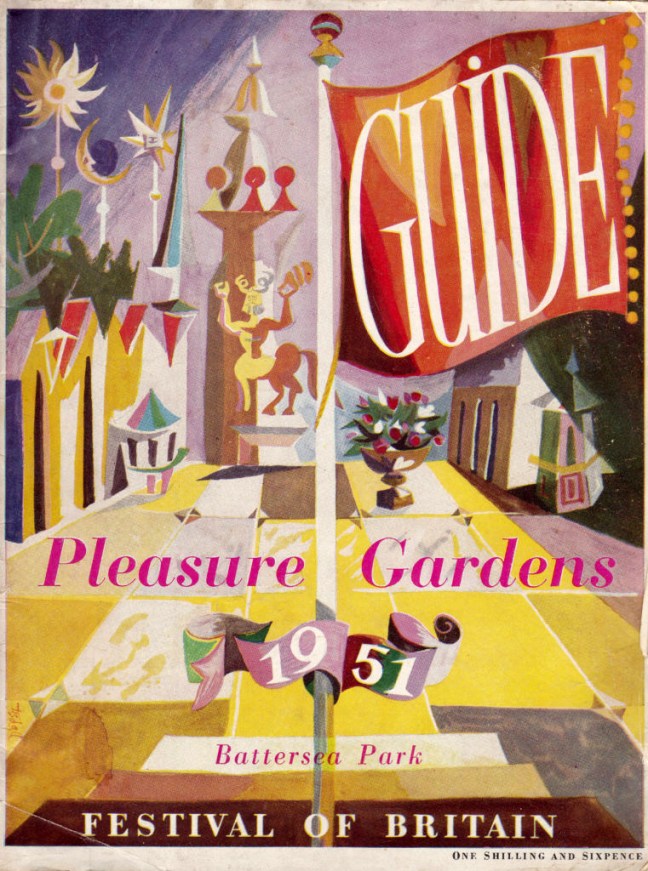
Programmes were printed and works undertaken.

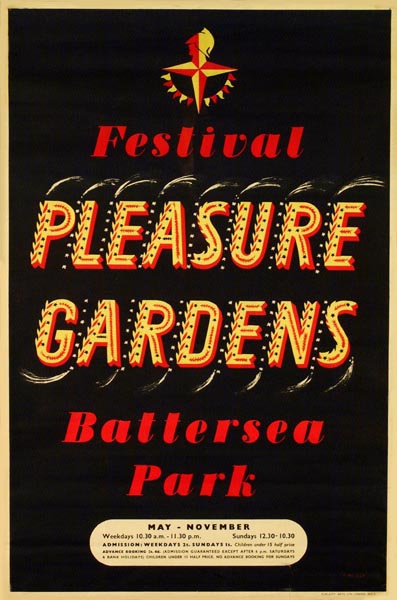
Festival-Pleasure-Gardens-17-761x1024

Posters were pasted, let the fun begin in Battersea – and all the rest is history.

16 Poster for the Festival Pleasure Gardens in Battersea Park

Then just as suddenly the fun was all but blown away, by the chill wind of the incoming Tory Government.

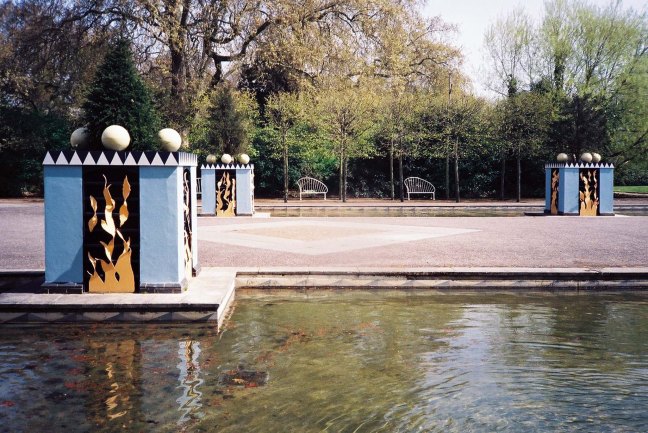
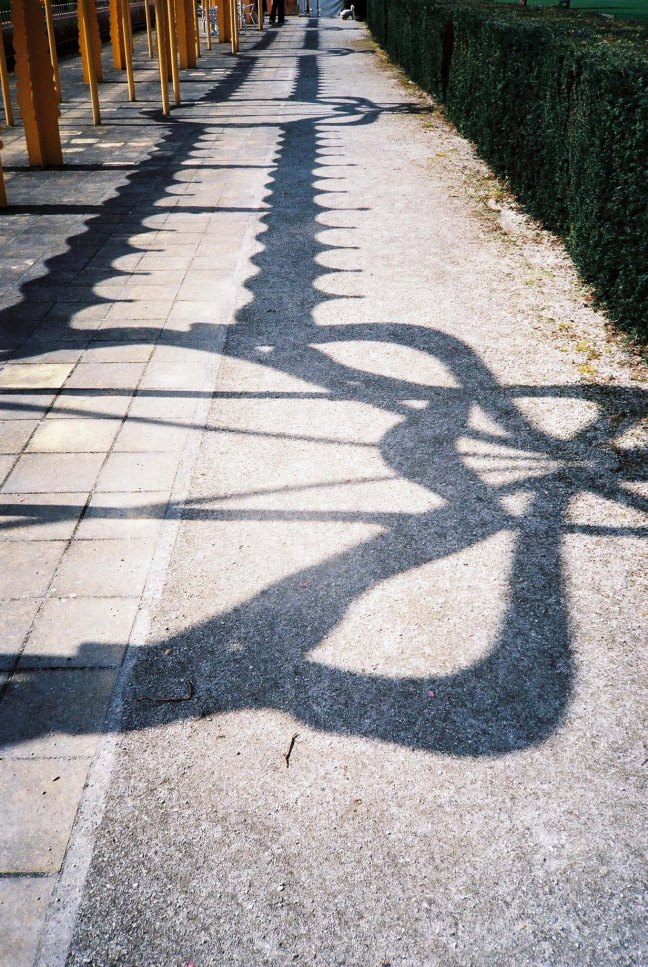
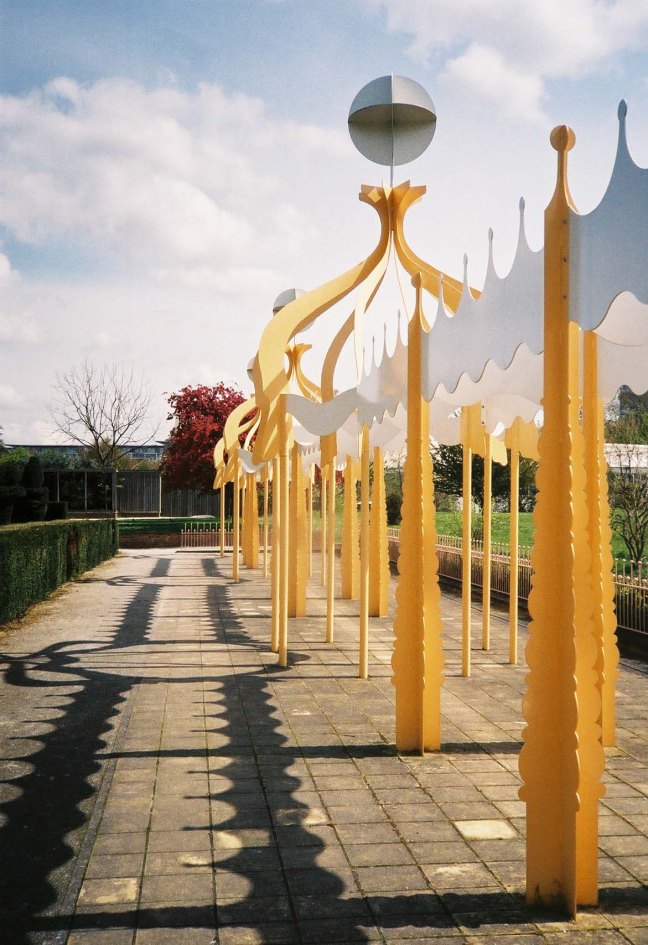
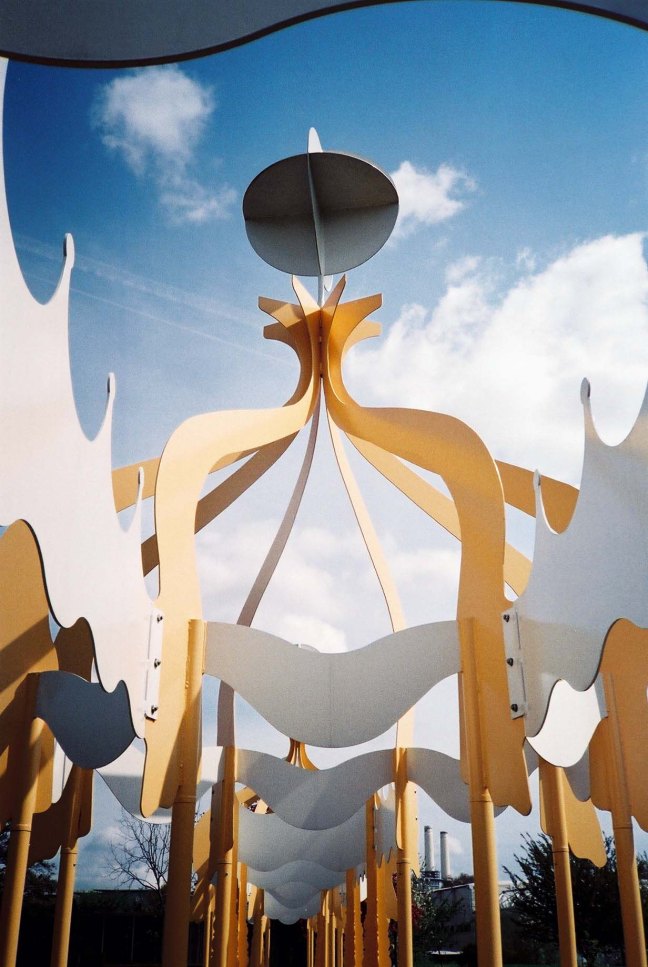
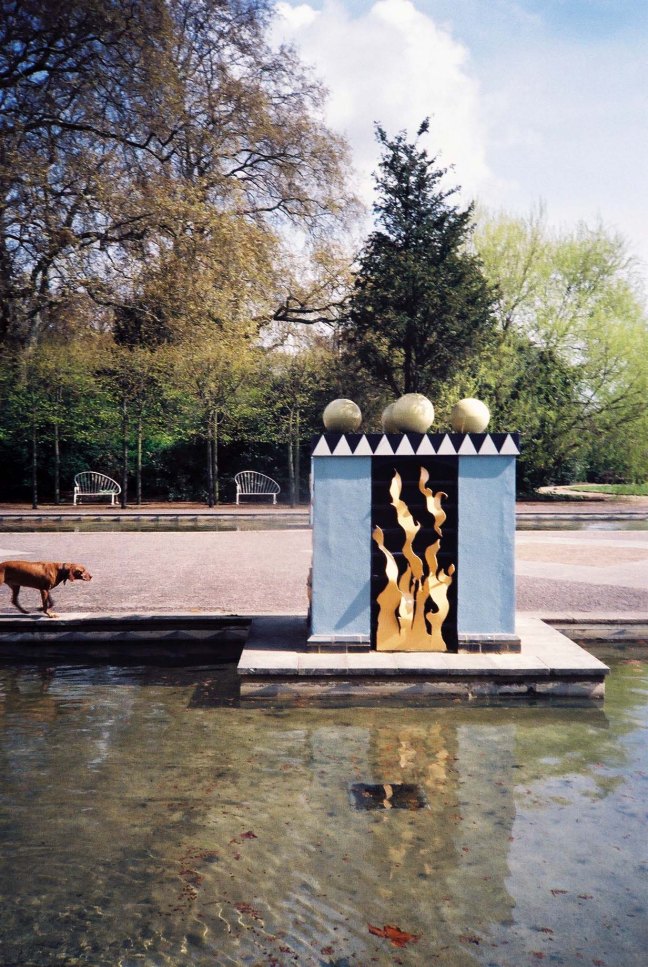
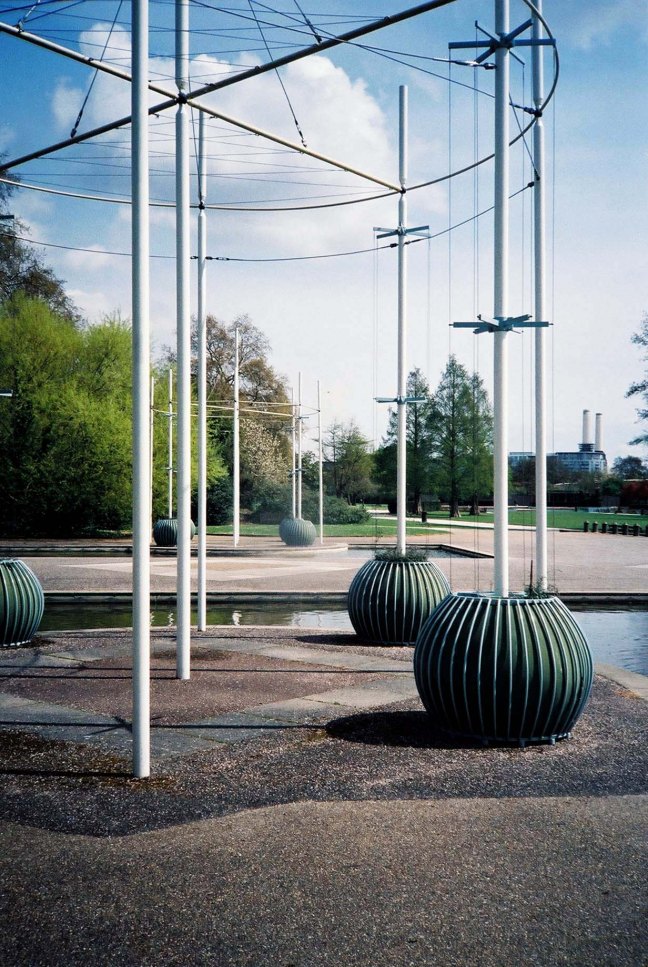
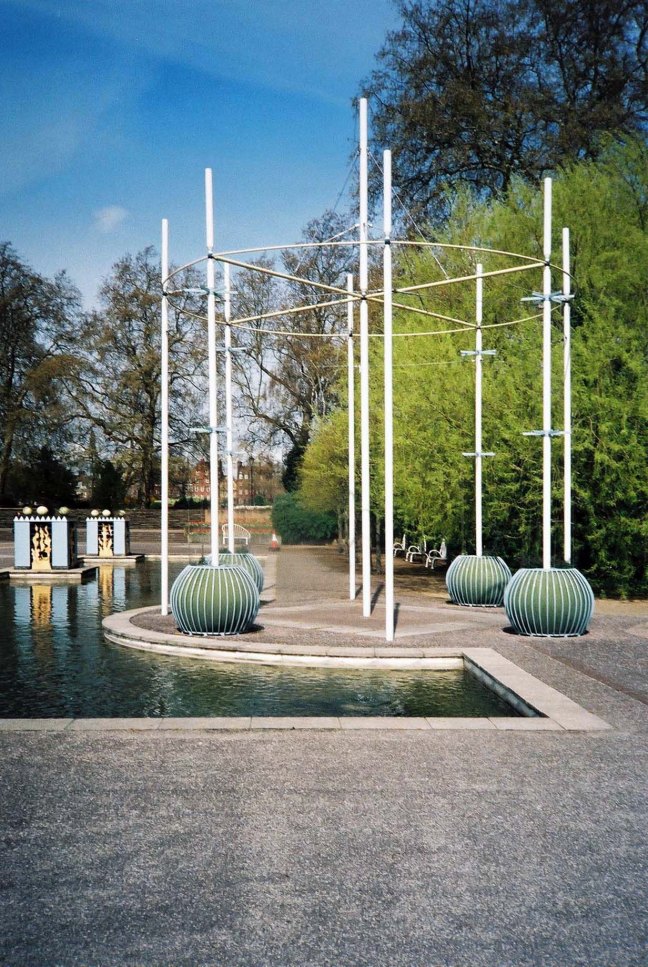
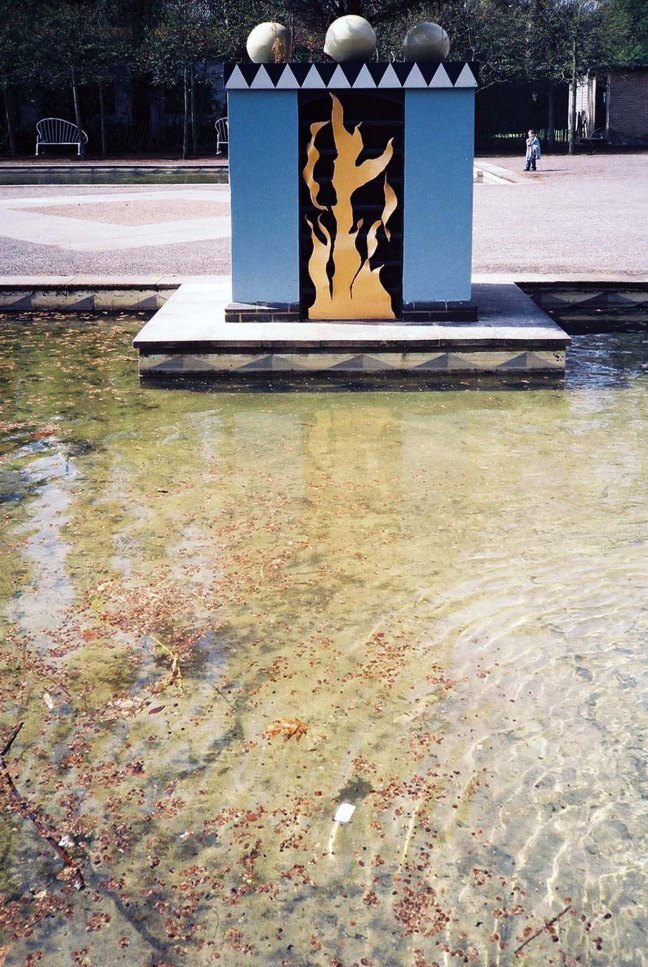
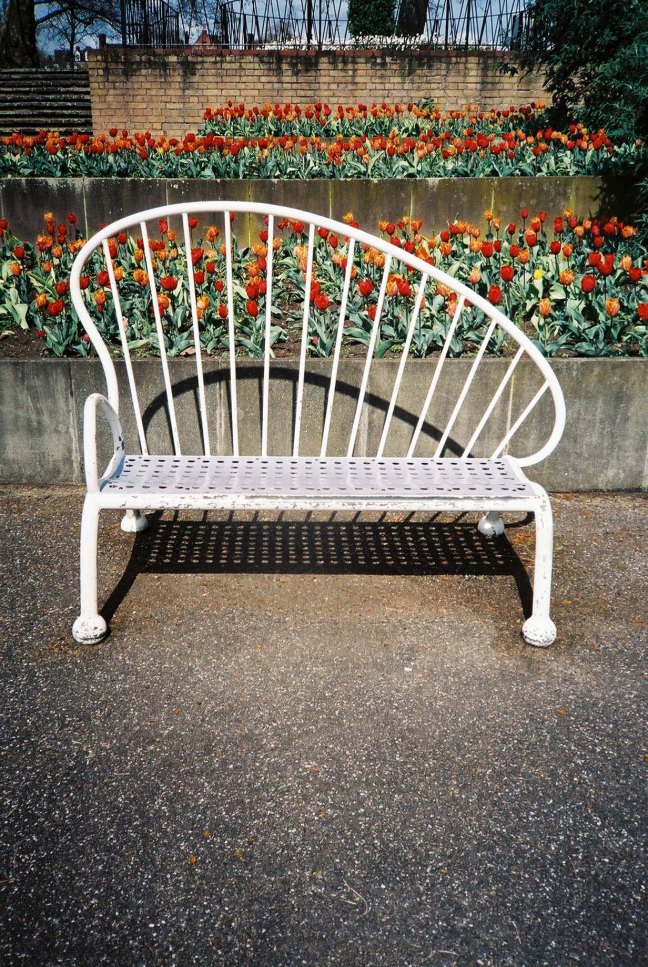
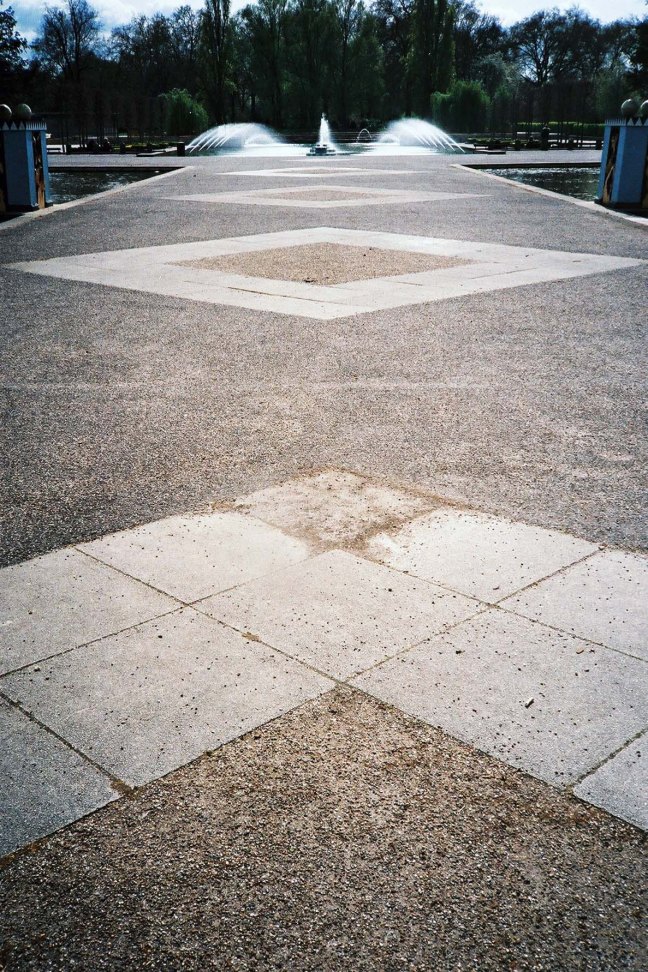
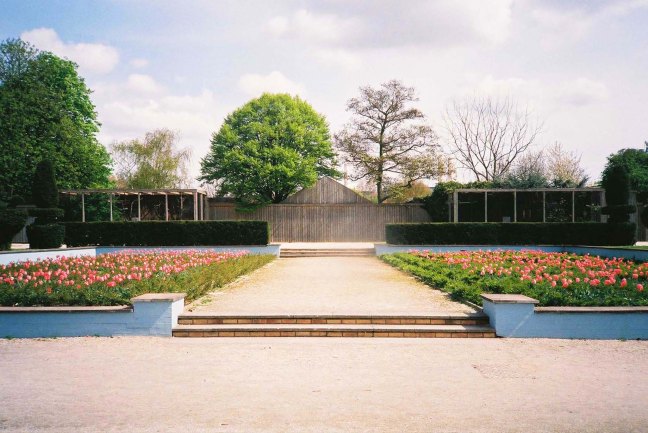
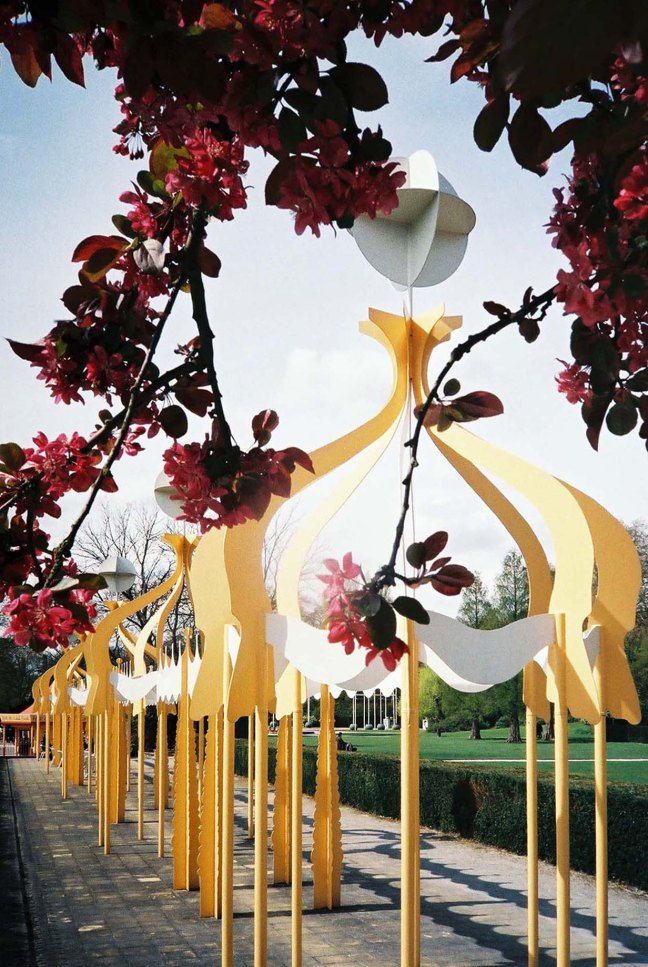
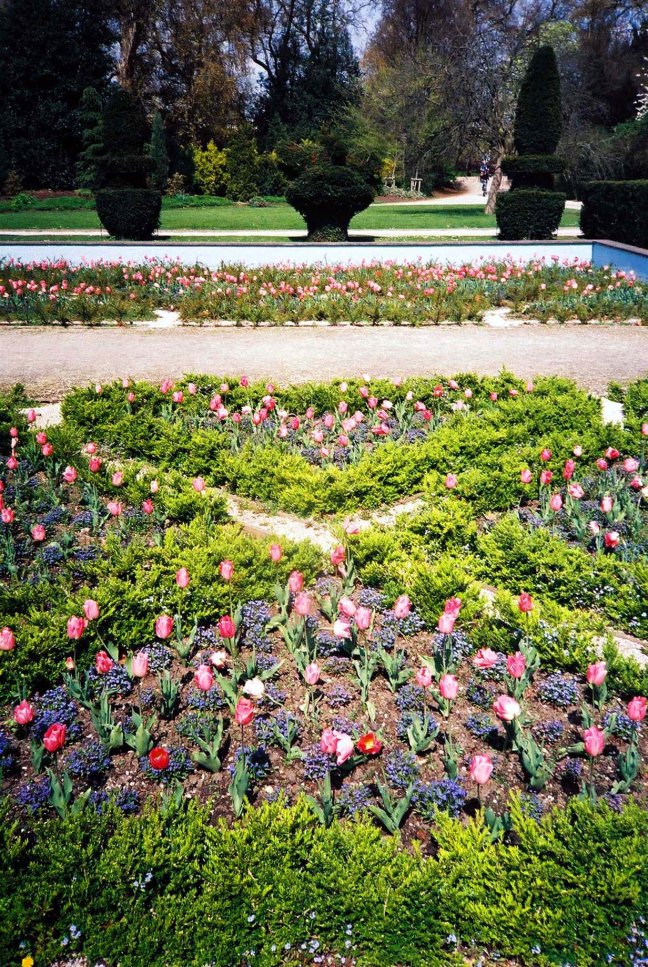
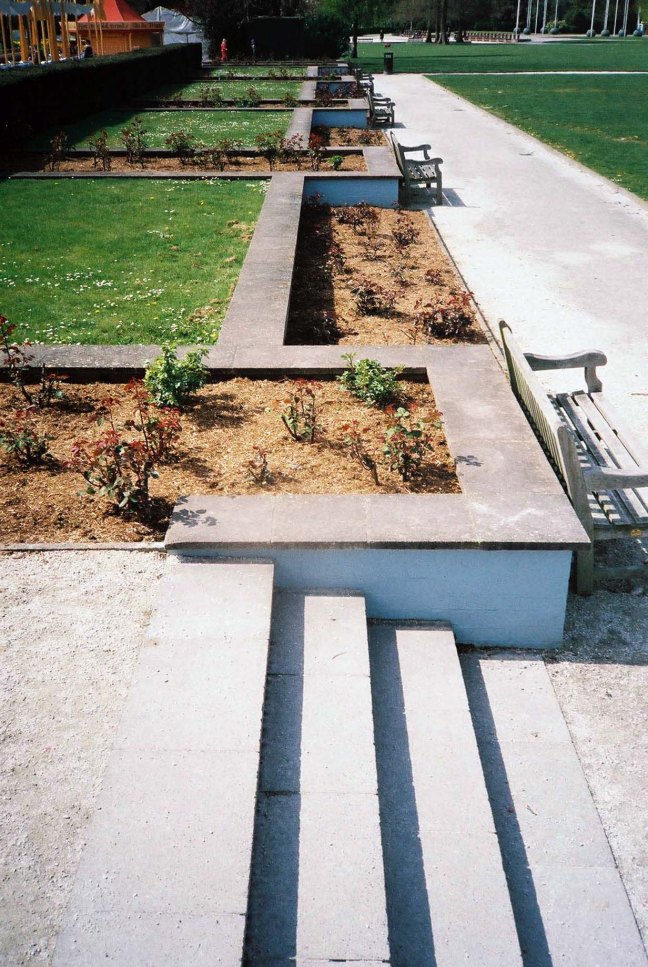
Much to my surprise there are still remnants and  reminders to be found on the site, planting, fountains furniture and sculptural structures abound, restored in 2011 by Wandsworth Council – a timely reminder of a time when we were encouraged to have fun on the rates.

CNV00042

CNV00056

CNV00054

CNV00058

CNV00063

CNV00066

CNV00067

CNV00070

CNV00072

CNV00075

CNV00078

CNV00186

CNV00187

CNV00192

CNV00195

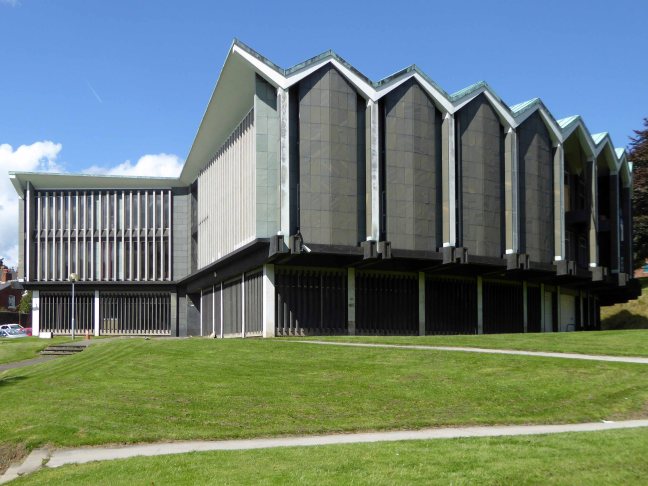
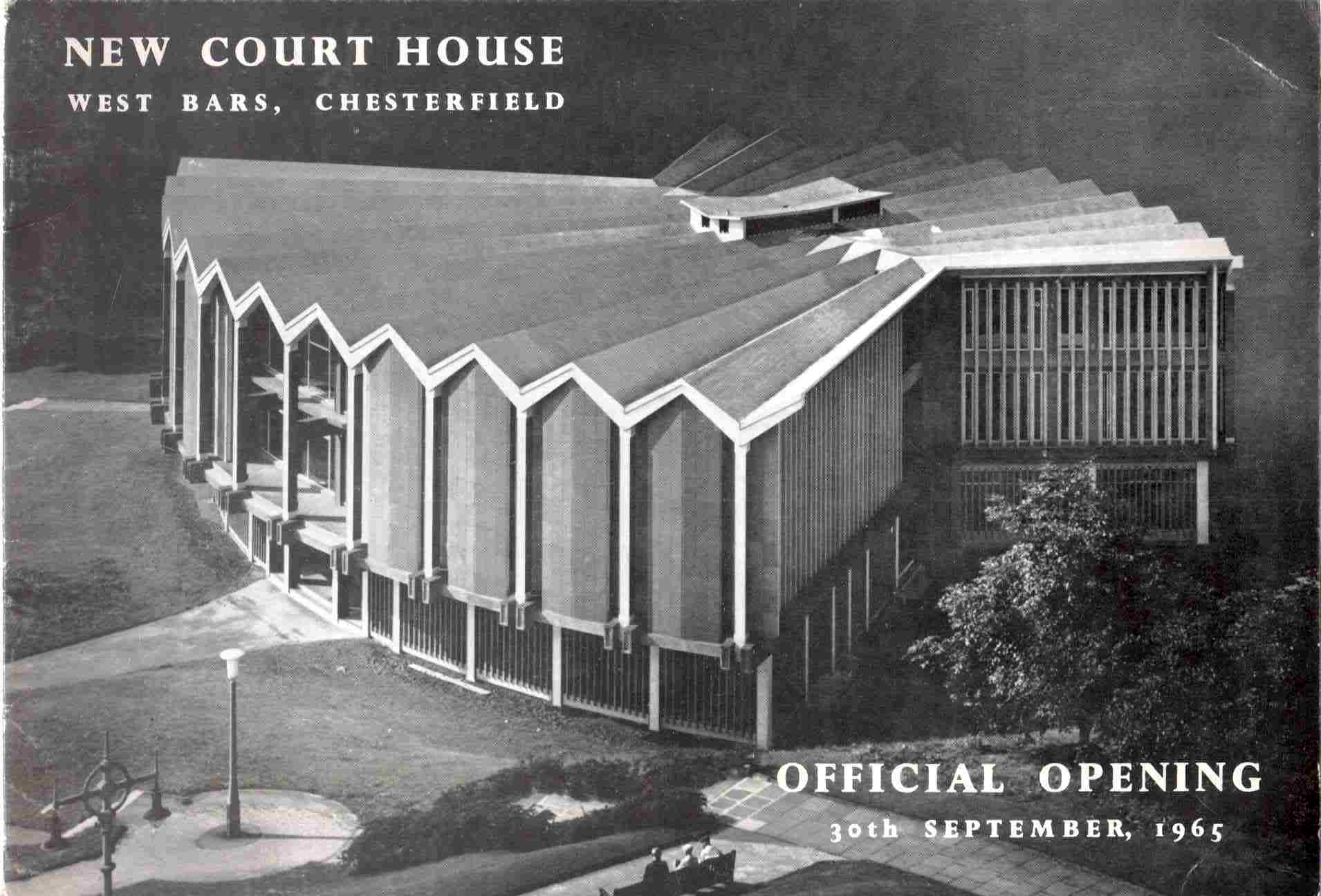
Chesterfield – Magistrates Courts

Mysteriously lacking much evidence of its past, save for this Historic England listing.

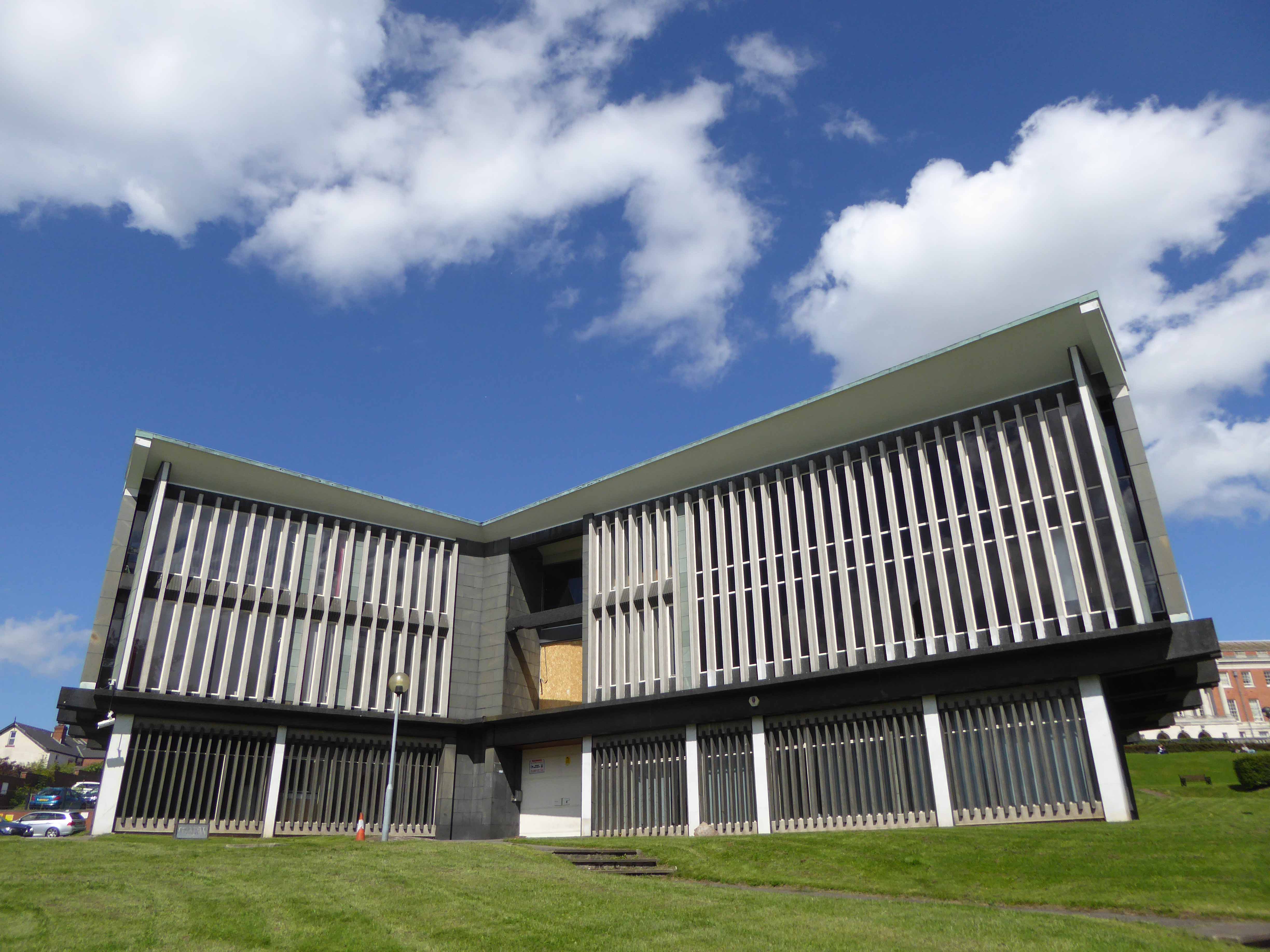
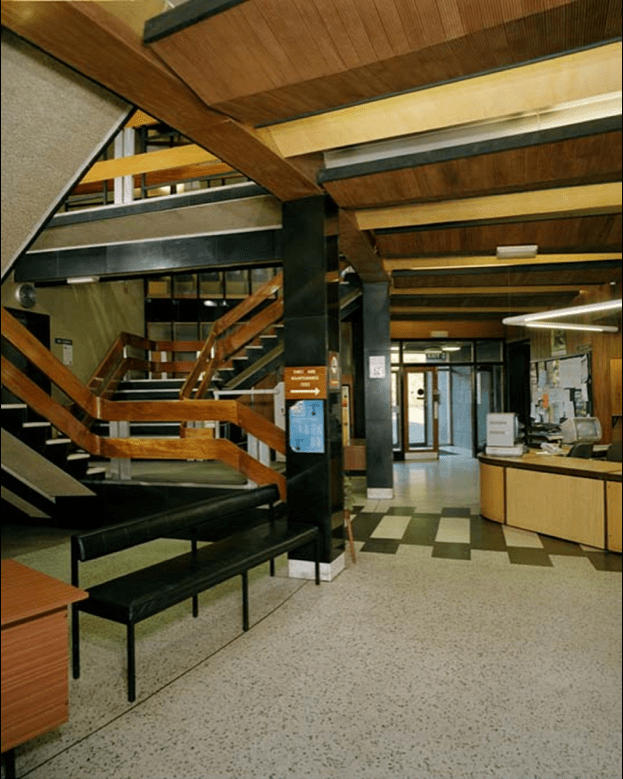
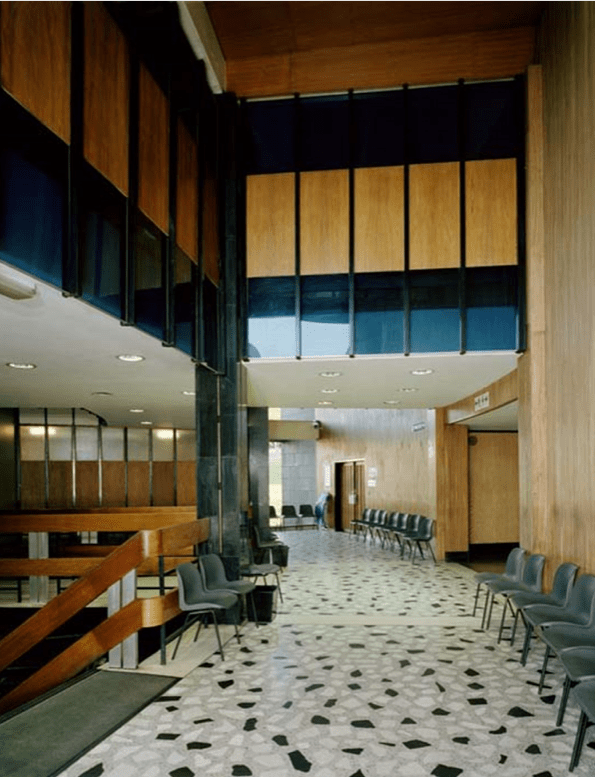
Chesterfield Courthouse – II Magistrates Court house. 1963-65. Designed by Prof S Allen and Robert Keenlyside for Chesterfield Borough Council, altered in 1975. Reinforced concrete, with decorative stone cladding, and timber roofs clad with copper sheeting. Double fan shaped plan, three storeys. Original east entrance front has recessed ground floor with central double glazed doors now blocked with glazed side lights. Either side four windows with concrete louvres to the offices. Above eleven bays topped with gables, the three central bays have recessed windows to both floors. Either side the two storey courts have grey slate panels with side lights and set back grey! green slate cladding. West front has recessed ground floor with eleven windows each with concrete louvres. Above eleven gabled bays, the central three and outer tow with grey slate cladding and side lights with set back grey green slate cladding. The four remaining bays on either side have recessed windows. The north and south sides have recessed angled facades with slightly recessed ground floor with glazed entrance at centre of east section with large glazed windows above. Flanking wings have concrete louvres set in grey slate cladding. Interior has original Y-shaped entrance hall way which rises up through all three floors. East entrance now blocked and converted to offices. Entrances from north and south into hallway with marled floor and marble clad columns with wooden ceilings and recessed lights. Central imperial type staircase marble clad with metal and wood balustrade. Upper floors have wooden clad walls and movable glazed screen for dividing access from juvenile court when in session. Two storey courts on upper floor retain original wooden cladding, ceilings and courtroom fittings, including magistrates bench, dock, seating for lawyers and the public. 

P1190488

And self evidently facing a very uncertain future:

2015 – The Grade II listed building, which is located between Rose Hill and West Bars, has received planning consent allowing it to be used for a range of purposes including office, retail and leisure facilities. Stuart Waite, associate director at Innes England in Derby, who is handling lettings on behalf of a private client, said: “We have been in serious discussions with a number of occupiers regarding this building for a variety of uses. “Occupier confidence is growing and with the economic forecast for 2015 looking positive we are confident that will see early interest converted into deals. “We are working closely with Chesterfield Borough Council which has identified the Rose Hill and West Bars area of the town as a key strategic location for growth.”

It has stood empty for the last few years and been a hotspot for vandalism.

Last July, arsonists set a wheelie bin on fire and pushed it up against the building, causing the flames to spread.

mqgh90gr0b3fnfoy2jkq

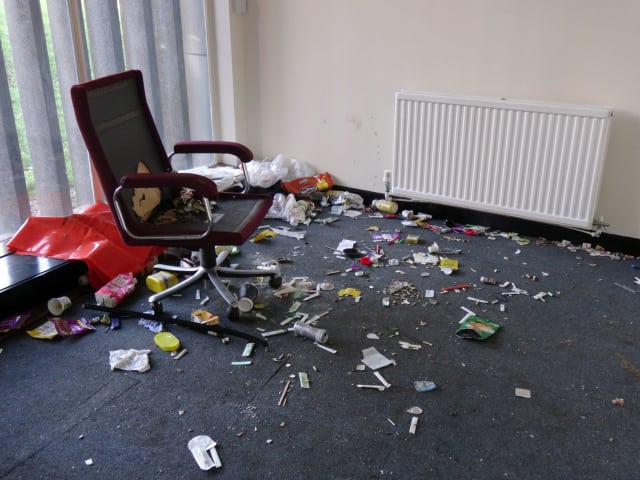
2017 – Chesterfield’s former magistrates’ court is being used as a drugs den, shock pictures reveal – and a council chief has warned that the building poses a danger to public health. Extremely concerning images obtained by the Derbyshire Times today show hypodermic needles and what appears to be heroin inside the historic property – as well as extensive damage in rooms and excrement smeared up walls.

Derbyshire Times.

It’s seen better days.

It remains on the market for £450,000 a steal if you ask me.

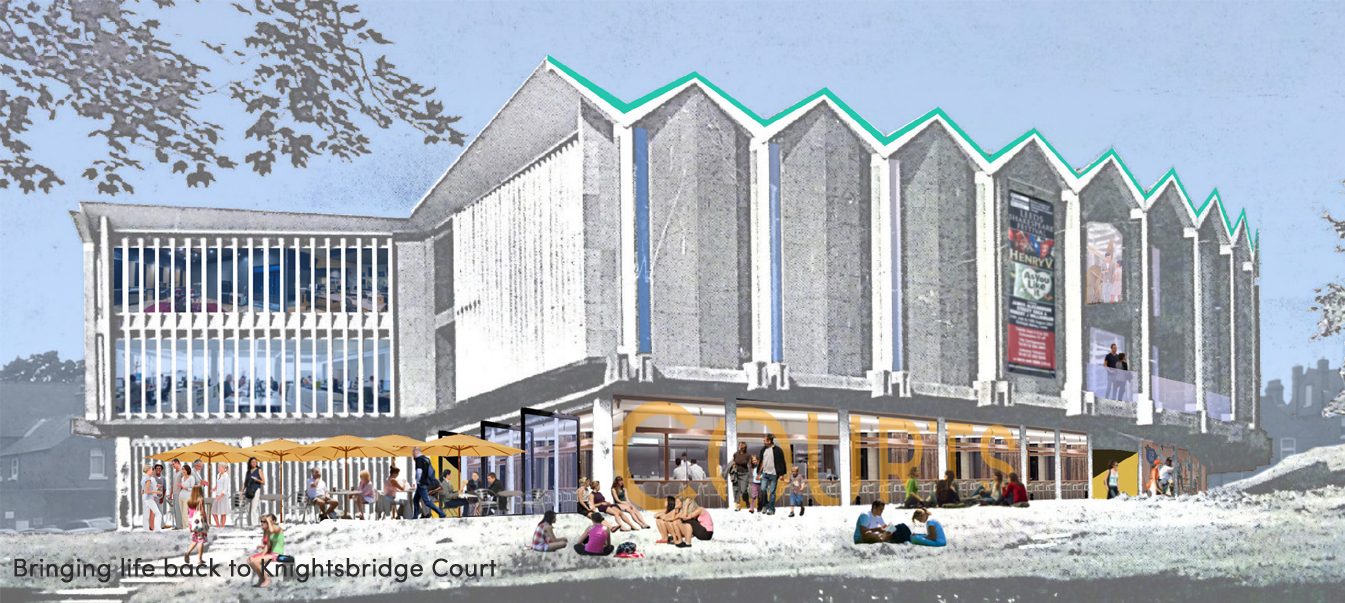
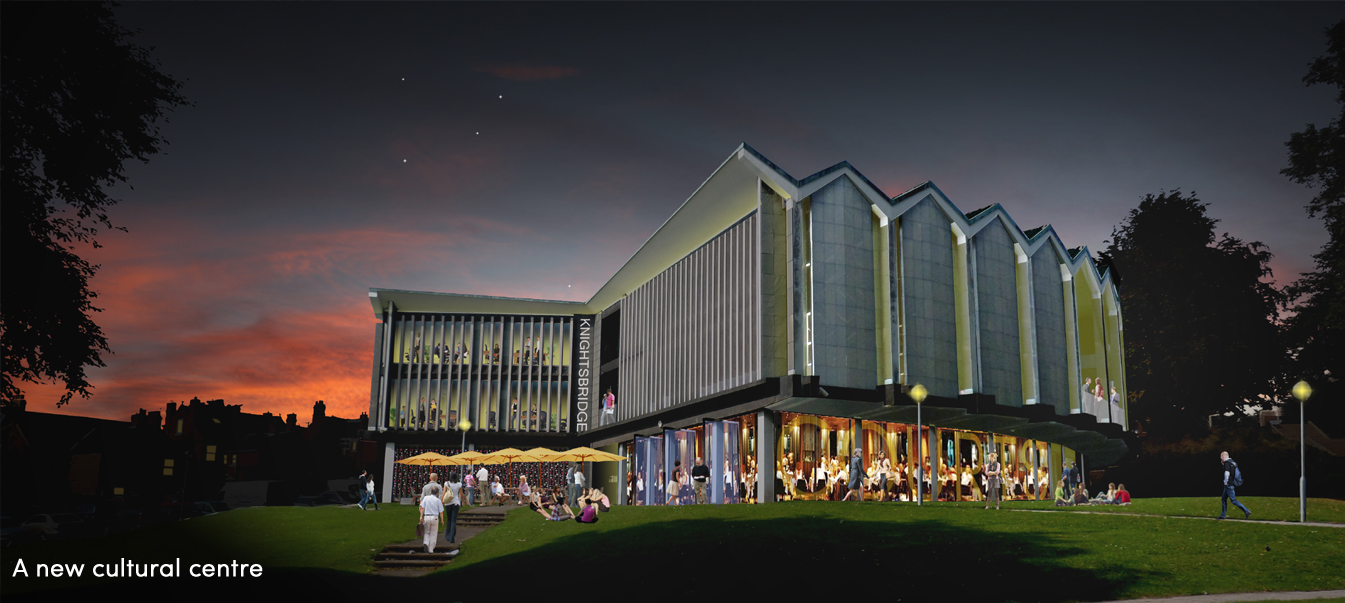
Thread Architects have proposed redevelopment as an Arts Centre

dna p1.psd
dna p1.psd

On the day of my visit there was little evidence of arts activity, save for a short performance piece by a heavily intoxicated mini-mosher and her partner – funding sources having proved to be at best illusory and subject to market forces.

Talk is cheap.

Take a walk on the wild green sward side of town, it remains a marvel, open and accessible, just requires a tender touch, of cash.

P1190489
P1190490
P1190491
P1190492
P1190493
P1190494
P1190495
P1190496
P1190497
P1190499
P1190501
P1190502
P1190503
P1190508
P1190509
P1190510
P1190511

St Michael and All Angels – Manchester

I’ve passed this way before, 2012 at the behest of Richard Hector Jones in the company of Owen Hatherley and others – recreating the legendary White Bus Tour.

DSC_0031

Screen Shot 2017-08-21 at 11.23.38

So have Historic England:

GV II*

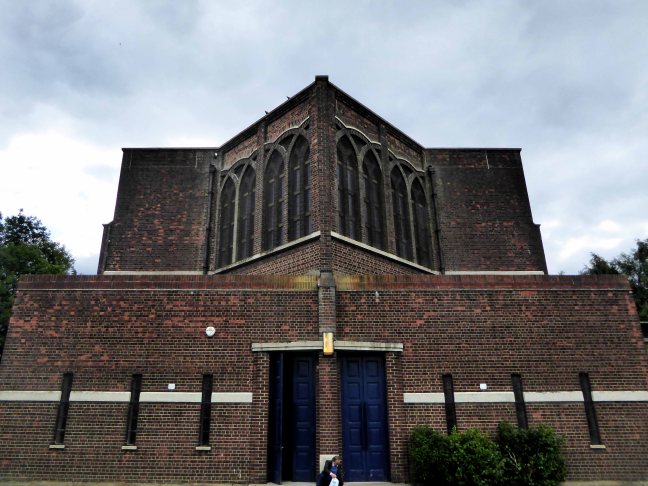
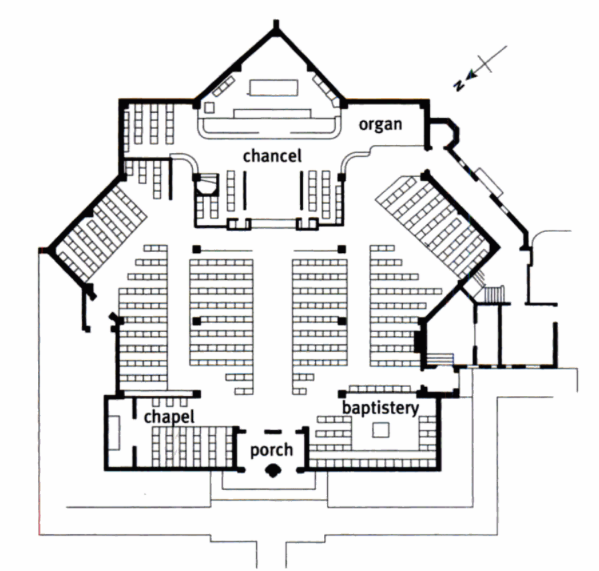
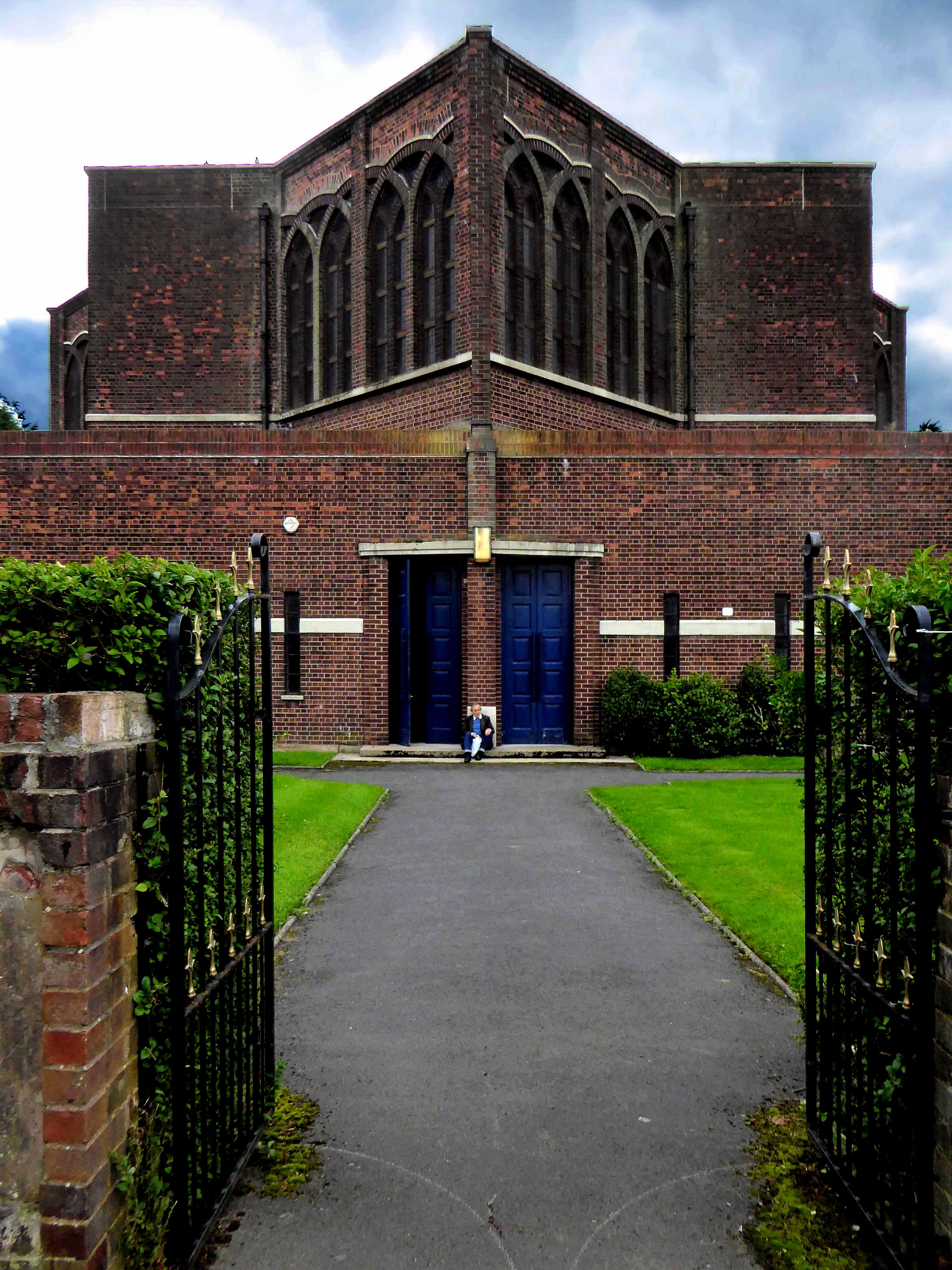
Church. 1937, by N.F.Cachemaille-Day. Red brick in English bond with some stone dressings (roof concealed). Star-shaped plan formed by the diagonal intersection of two unequal squares, plus a wide rectangular narthex enclosing the west end. The main vessel is a lofty structure with plain walls, sill-band carried round, and plain parapet, except for the upper part of each side of the cardinal projections, which have windows in tall intersecting Romanesque arcading with Y-tracery, all in brick, with a central pilaster strip rising to a moulded cornice. Large plain cross rising from roof. The single-storey flat-roofed narthex has coupled plain rectangular doorways in the centre and 3 narrow rectangular lancets to each side. Interior (as reported 16.01.81): ingenious plan with lofty columns supporting flat ribbed roof. Forms group with Rectory attached to south side.

Screen Shot 2017-08-21 at 10.09.15

So have Revolvy:

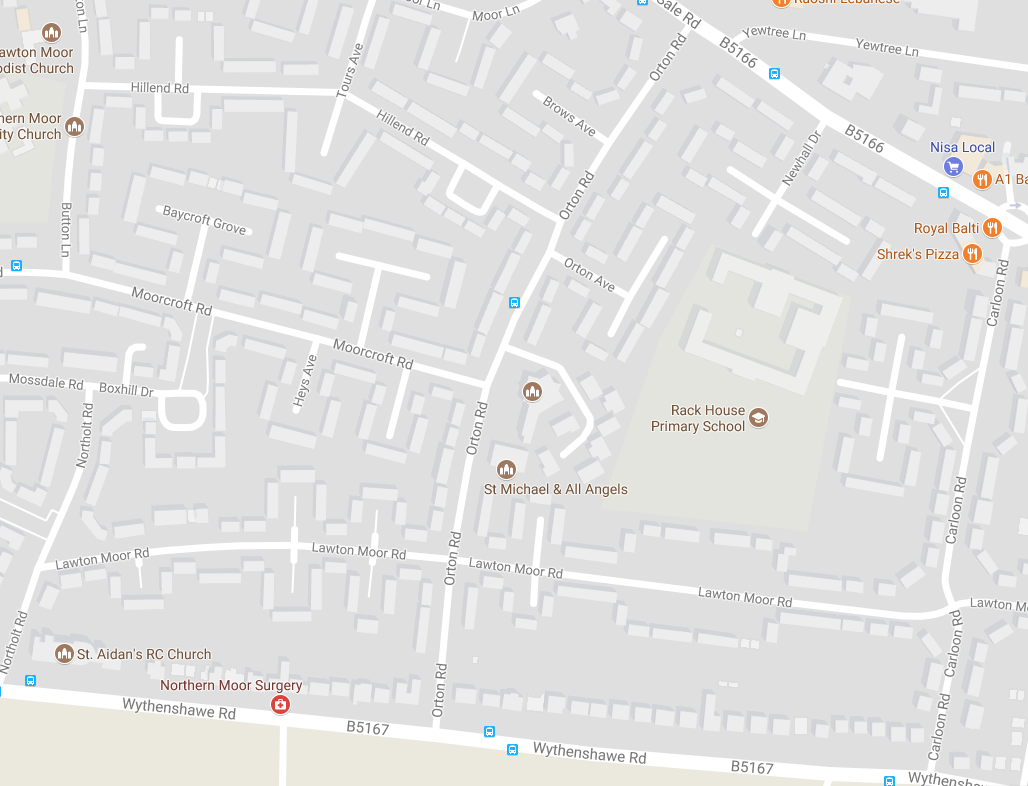
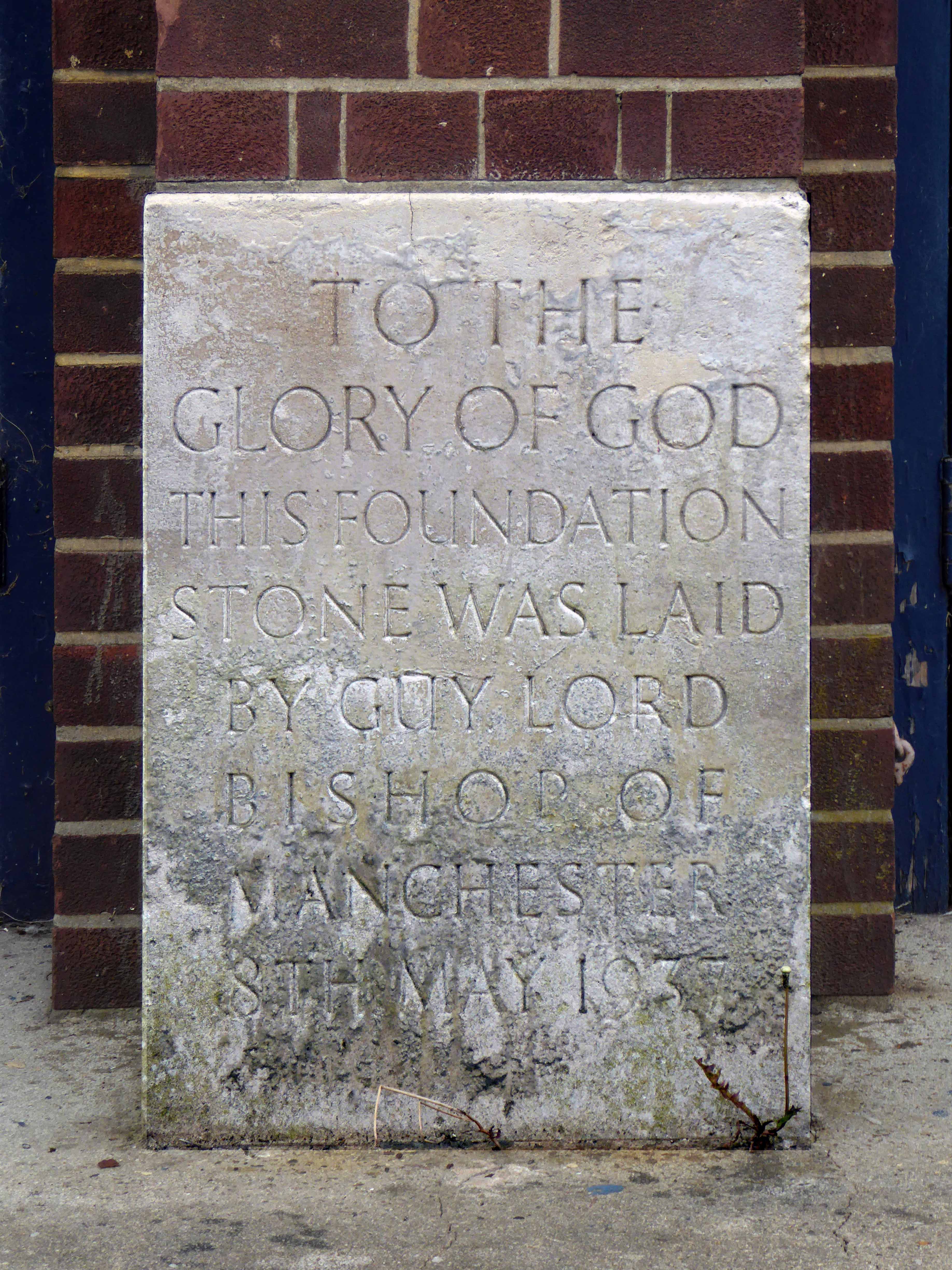
The Corporation of Manchester acquired the Wythenshawe Estate in 1926 and began laying out the garden suburb in 1930. It was eventually to have 25,000 houses and a population of 100,000. The garden suburb was designated part of the parish of Church of St Wilfrid, Northenden, but that small parish church proved insufficient to accommodate the rising congregation. A mission church was therefore opened in 1934, and in 1935 the diocese approved plans for the construction of a new parish church at Orton Road. The budget was £10,000. Nugent Francis Cachemaille-Day was appointed as architect for both the church and the adjoining parsonage. The foundation stone for the church was laid on 8 May 1937, by the Bishop of Manchester. The builder was J. Clayton and Sons of Denton.

So has the redoubtable Nikolaus Pevsner:

A sensational church for its country and its day. The material is brick, bare in four of the corners, with large brick windows in the other four. The intersecting arches of the windows are the only period allusion.The interior has very thin exposed concrete piers and a flat ceiling. The church make sit clear that the architect had studied Continental experiments, the parsonage points to Germany and Mendelssohn. Stained glass by Geoffrey Webb.

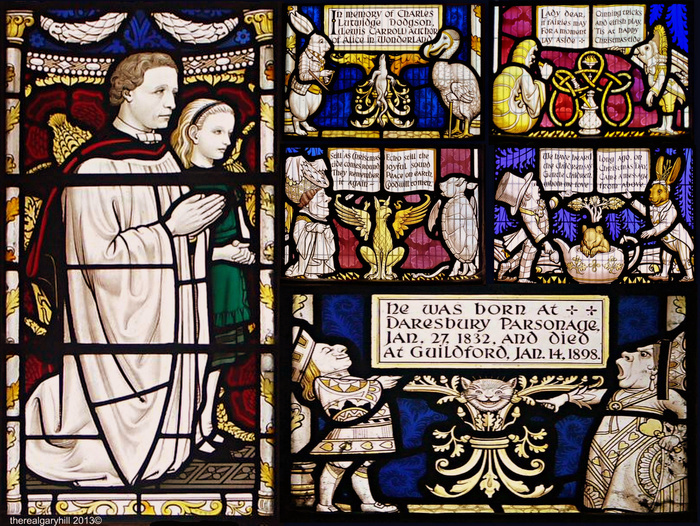
Geoffrey Webb lived and worked in the centre of East Grinstead at the height of his career and is noted among enthusiasts of fine glass for his use of brilliant blues. In his early career he worked with Charles Eamer Kempe, the most prolific and best-known stained glass artist of his generation. Webb’s work can also be found in many other places around the UK including Manchester Cathedral and Tewkesbury Abbey, and in Daresbury parish church in Cheshire where he designed a memorial window in honour of Lewis Carroll.

scaled_full_20e9abadb45184ac7126

So I cycled by one almost sunny Sunday morning, engaged in the porch by an elderly joke telling gent, awaiting his more devout partner.

I love the bible, they all rode on motor bikes – “the roar of Moses’ Triumph is heard in the hills, Joshua’s Triumph was heard throughout the land.”

The Apostles were in one Accord. – Acts 5:12

We waited out the end of the morning service, exchanging gags, eventually I entered. Met by cheery parishioners and priest, welcomed with open arms, happy to chat and allow me to go about the business of snapping this enchanting building. Take yourself down there and bathe in the stained glass light from the sun drenched east windows, feel the warmth of the open elevating space, everything’s looking up:

A sensational church for its country and its day – today.

P1190671

P1190673

P1190675

P1190684

P1190685

P1190686

P1190689

P1190691

P1190692

P1190693

P1190695

P1190696

P1190697

P1190698

P1190699

P1190700

P1190702

P1190703

P1190704


Post Box – Chesterfield

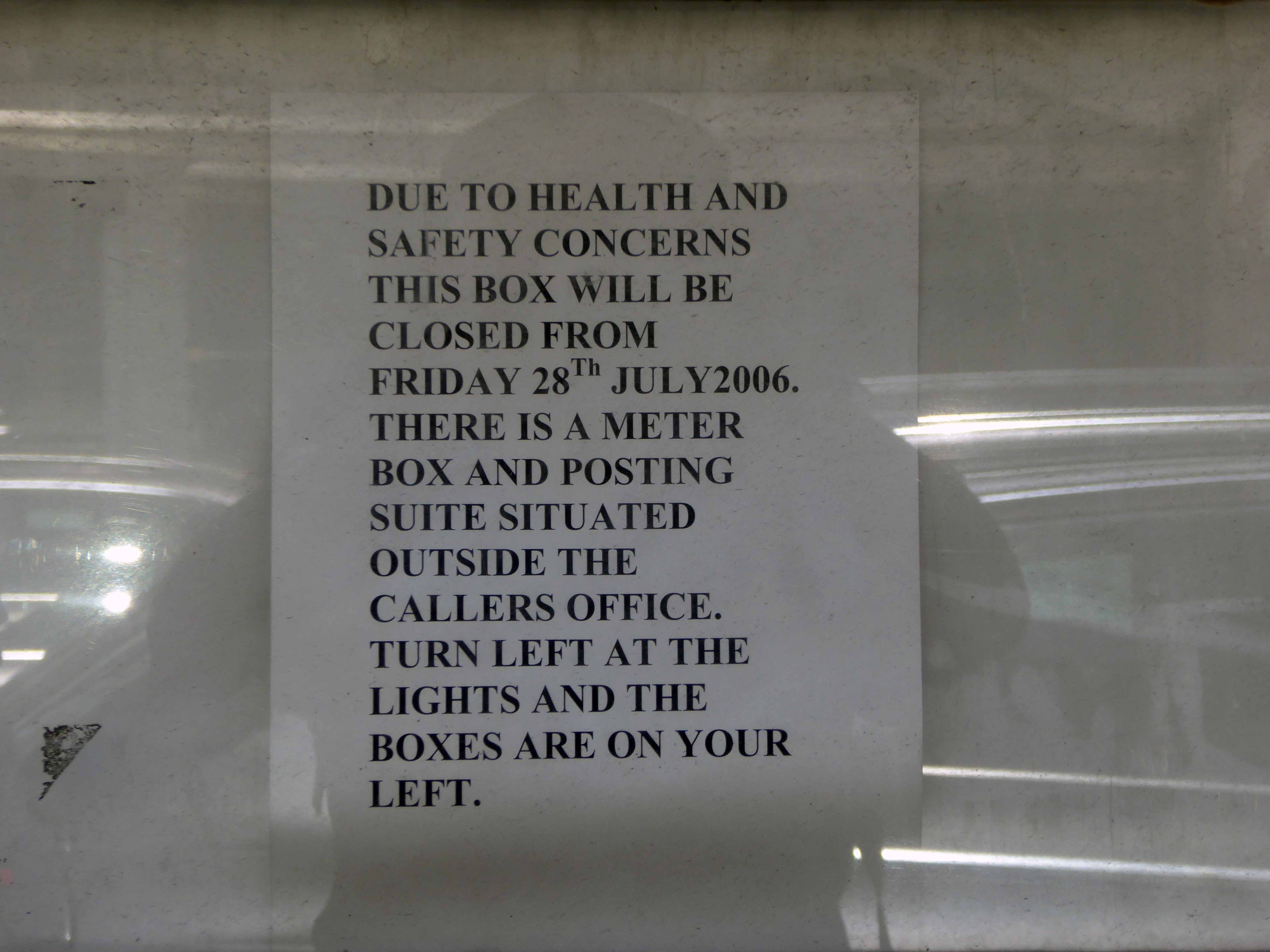
Time’s definitely running out:

But the post office has been stolen and the mailbox is locked.

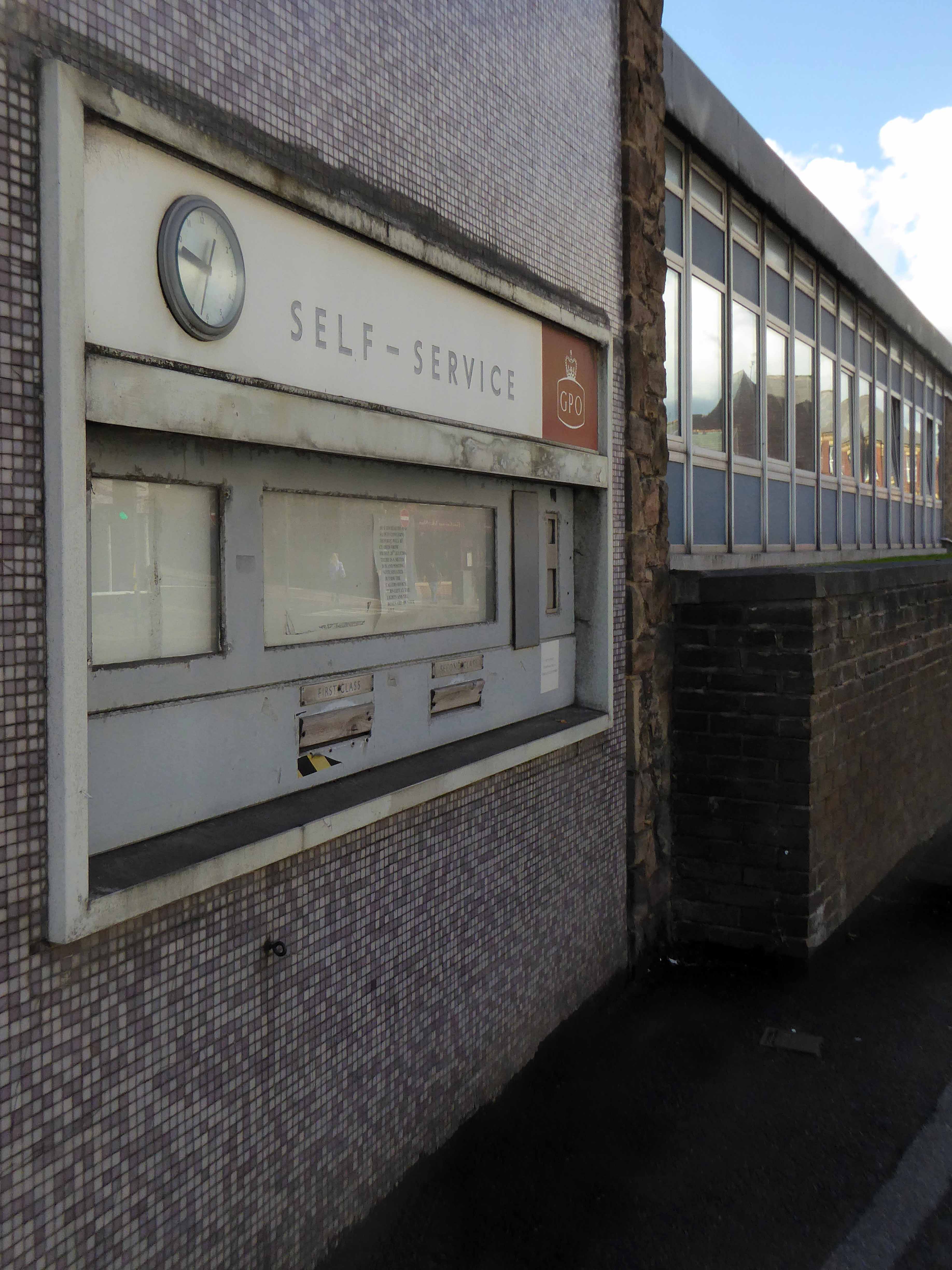
The age of elegant modernist street furniture, has been and almost gone, the previous centuries are under threat.

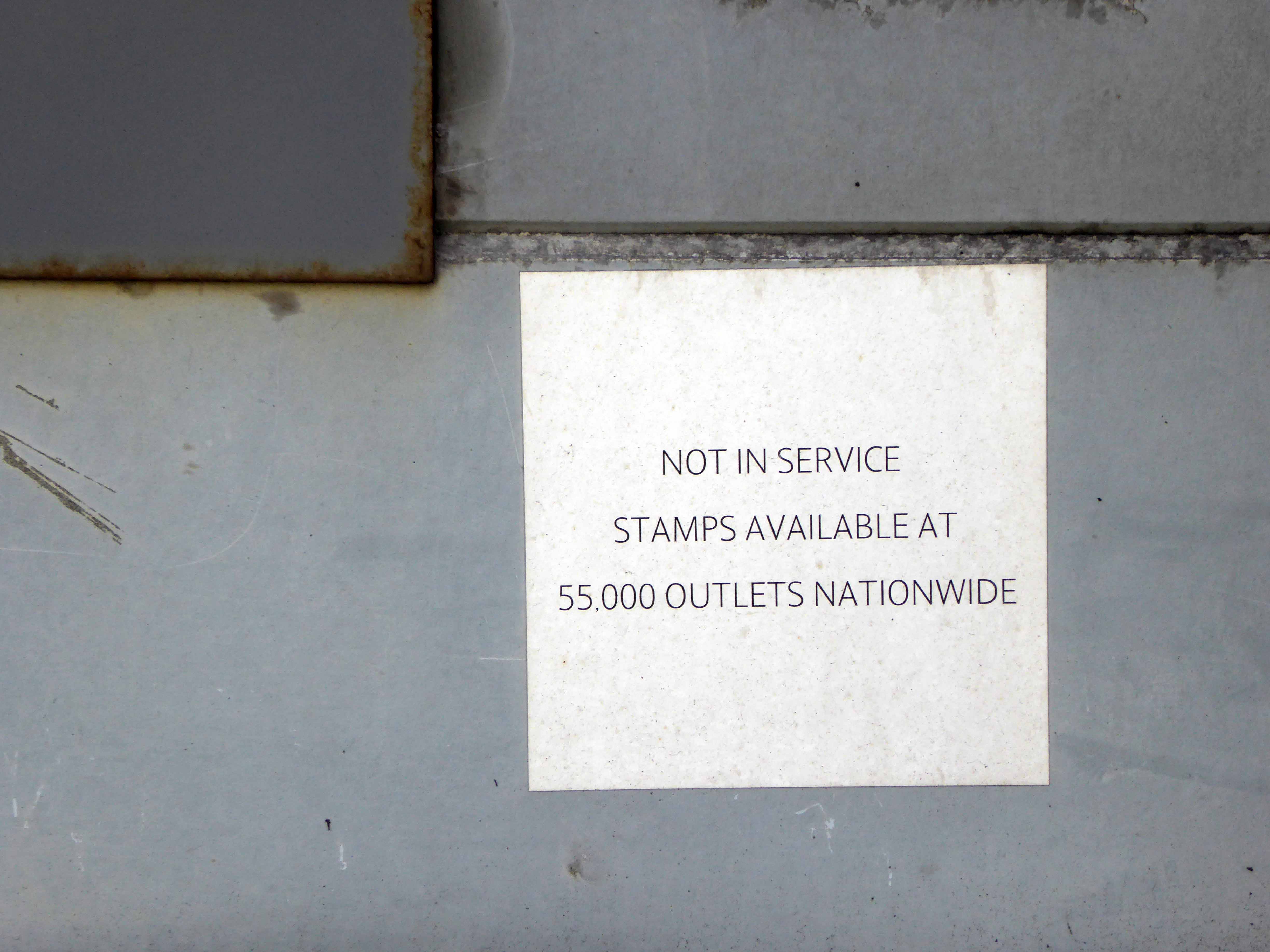
But does anyone want this neglected postal self-service technology?

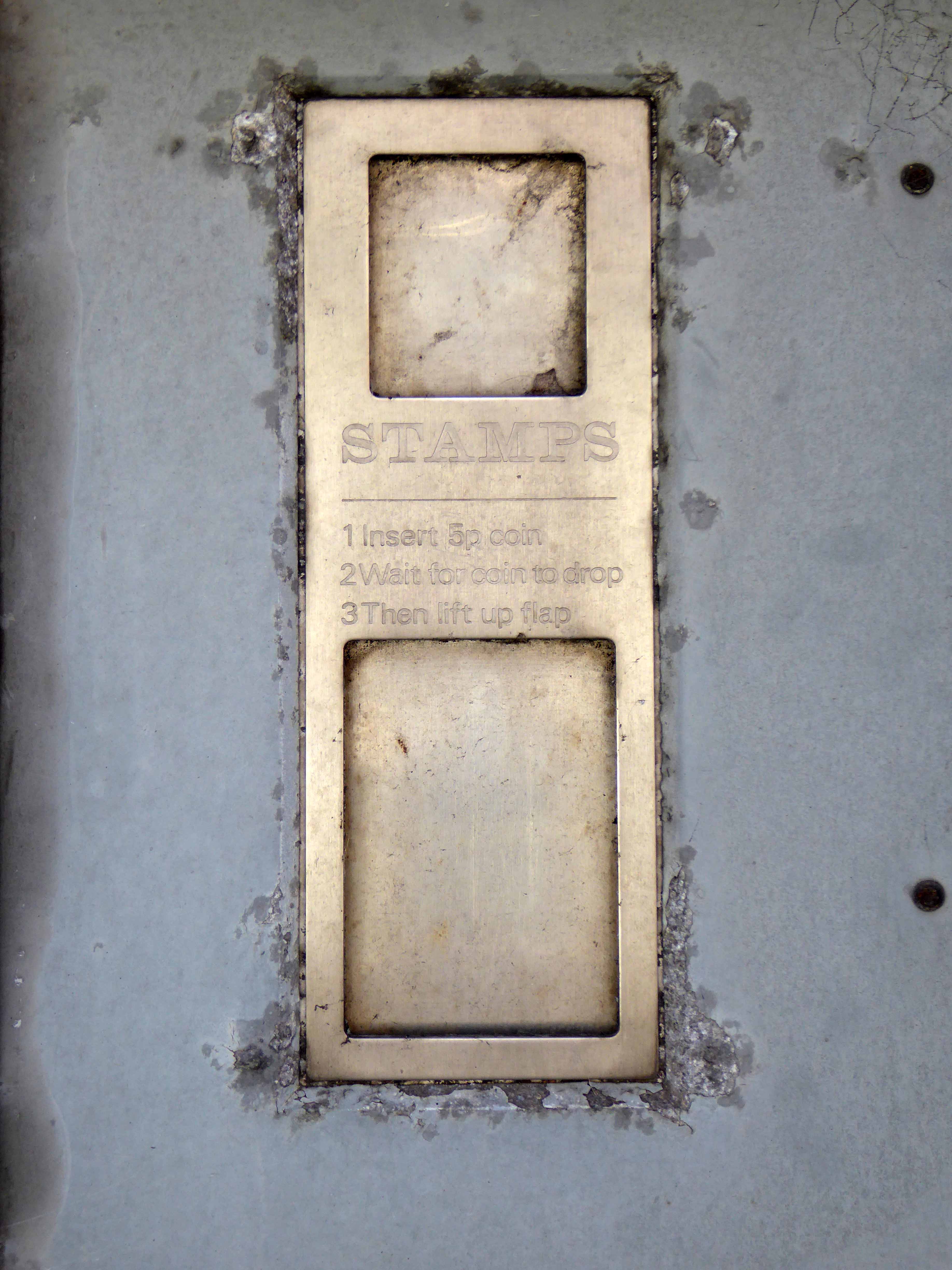
Stamp dispensing is being dispensed with, insert 5p and wait forever.

P1190516

P1190517

We have our own disabused facility in Stockport, I pass it almost every day.

P1190657 copy

And have posted two previous postal posts – here and there.

This new discovery, with thanks to Sean Madner, is situated on the wall of the sorting office in Chesterfield. A faded Festival of Britain charm along with a delightful terrazzo surround, has done little to arrest its slow decline into redundancy and subsequent neglect.

Still in situ, take a walk, take a look – wait for the coin to drop.

P1190514

P1190518

P1190519

P1190520

P1190521

P1190522

P1190523

P1190524

Tudor House – Wakefield

You wouldn’t ever want a bad case of the cladding, the triumph of the expedient over the purist aesthetic. We all may wish to be warm, dry and free from unwanted ingress, whilst exercising a degree of discernment and restraint, regarding the manner in which we are clad.

In Wakefield and in local authorities throughout this fair land there seems to have been a distinct lack of discernment and restraint, regarding the manner in which modern tower blocks are clad.

Cloaking concrete in coloured surfaces better suited to Toytown than our town.

Four twelve-storey H-plan tower blocks built as public housing as part of the central area development of lower Kirkgate. The blocks rise out of other low-rise development. Each block contains 44 one and two-bedroom flats, providing 176 dwellings in total. The consulting architects for the development were Richard Seifert & Partners. Construction is of concrete frame with brick infill panels. The blocks were approved by committee in 1964.

Tudor House aka Lower Kirkgate Comprehensive Development area as was:

13669171_10154435787311600_6732873241408697456_n

13873008_10154435787336600_5185297045755258748_n

Screen Shot 2017-08-01 at 13.37.59

Photographs Tower Block

Ain’t it funny how time and integrity slips away?

wakefield_flats2l

wakefield_flats3l

Photographs Alan White Design

Gone the bold flat roofed, cuboid contrasting concrete and brick towers, whilst confusingly the ground floor retail development remains untouched.

P1180757

P1180759

P1180760

P1180761

P1180762

P1180763

P1180765

P1180766

P1180767

P1180768

P1180769

P1180770

Sea Front Shelter – Hastings

I have been here before, adoring the full range of Hasting’s sea front shelters.

They form an integral part of the general scheme designed and overseen by The Concrete King Sidney Little.

On my most recent visit the most distant shelter was receiving a wash and brush up, a brand new coat of paint or two, restored to bright red and white shipshape order, this land locked delight looked ready to set sail across the adjacent Channel to who knows where.

Offering a somewhat occluded view of blue skies and faraway shores, the bus stops here and goes on forever and forever.

P1170950

P1170955

P1170956


P1170961

P1170963


P1170965

P1170966

P1170967

P1170968

P1170969

P1170970

P1170971

P1170972

P1170973

P1170974

P1170976

P1170977

P1170978

P1170979

P1170980

P1170982

Pallot and Collins Murals – Bexhill on Sea

Could there be a more moderne town?

Bexhill on Sea, blessed with the delightful De La Warr Pavillion.

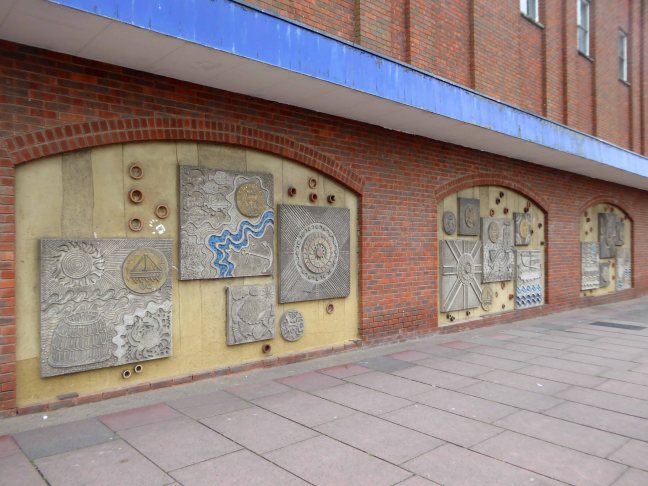
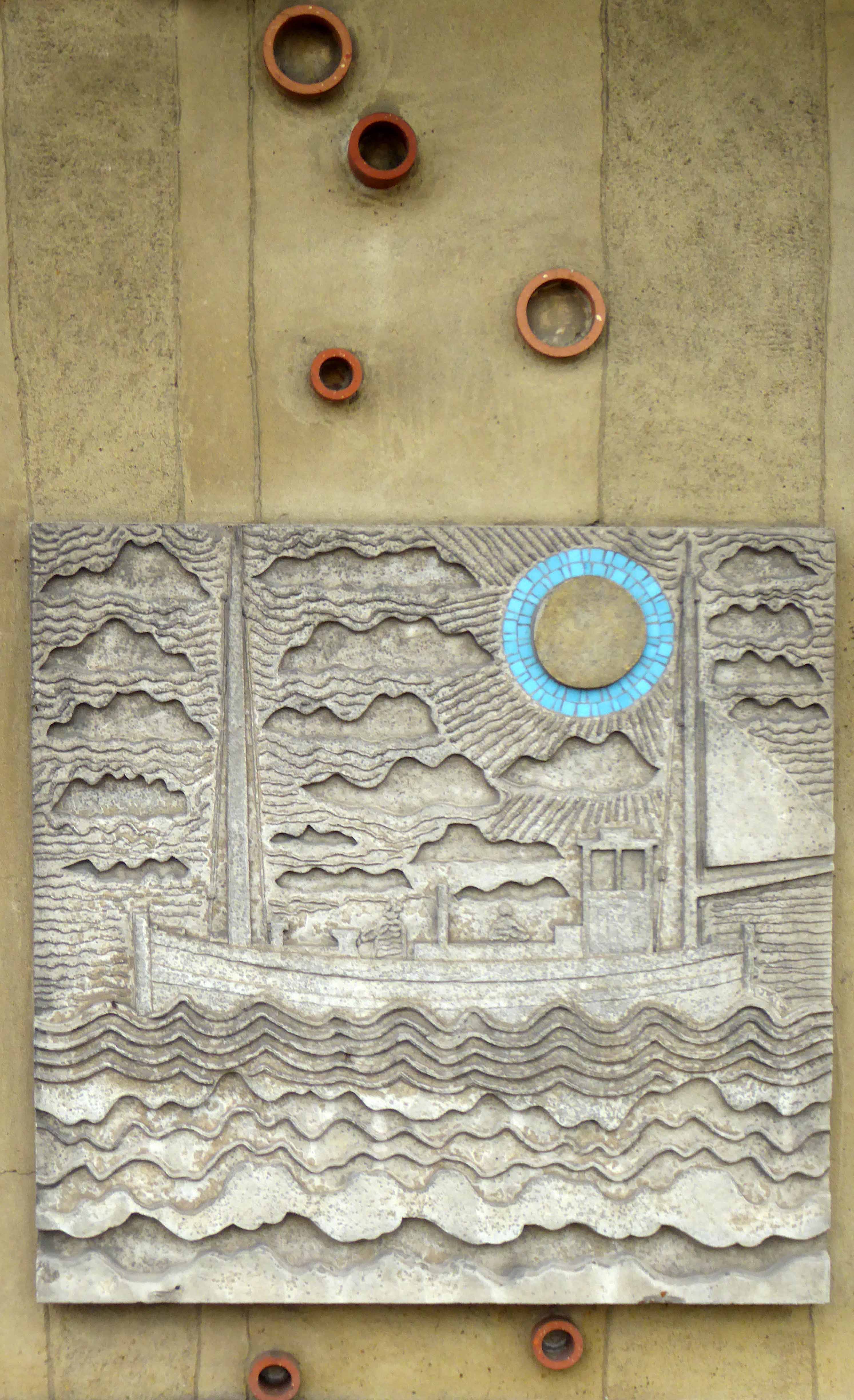
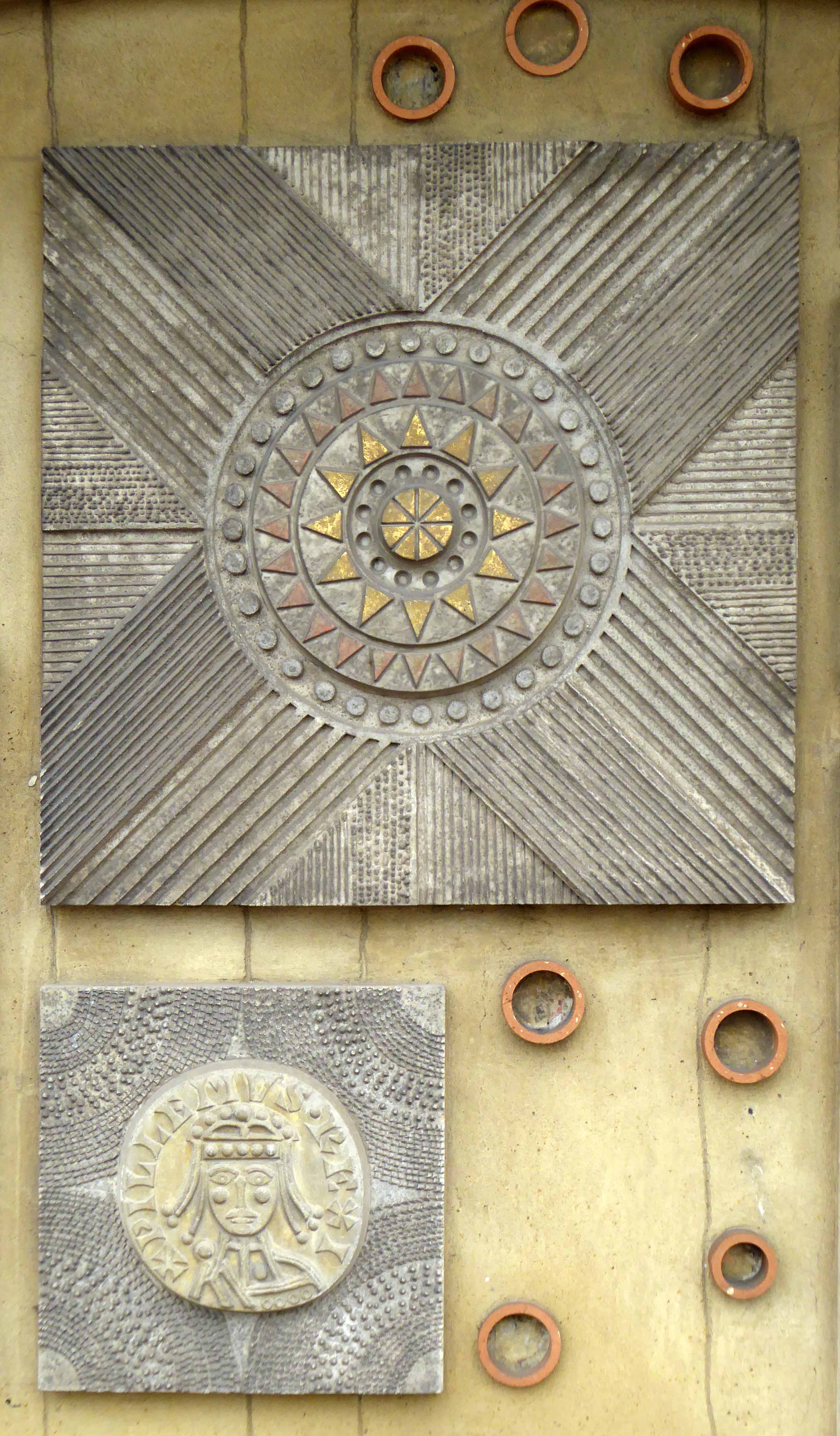
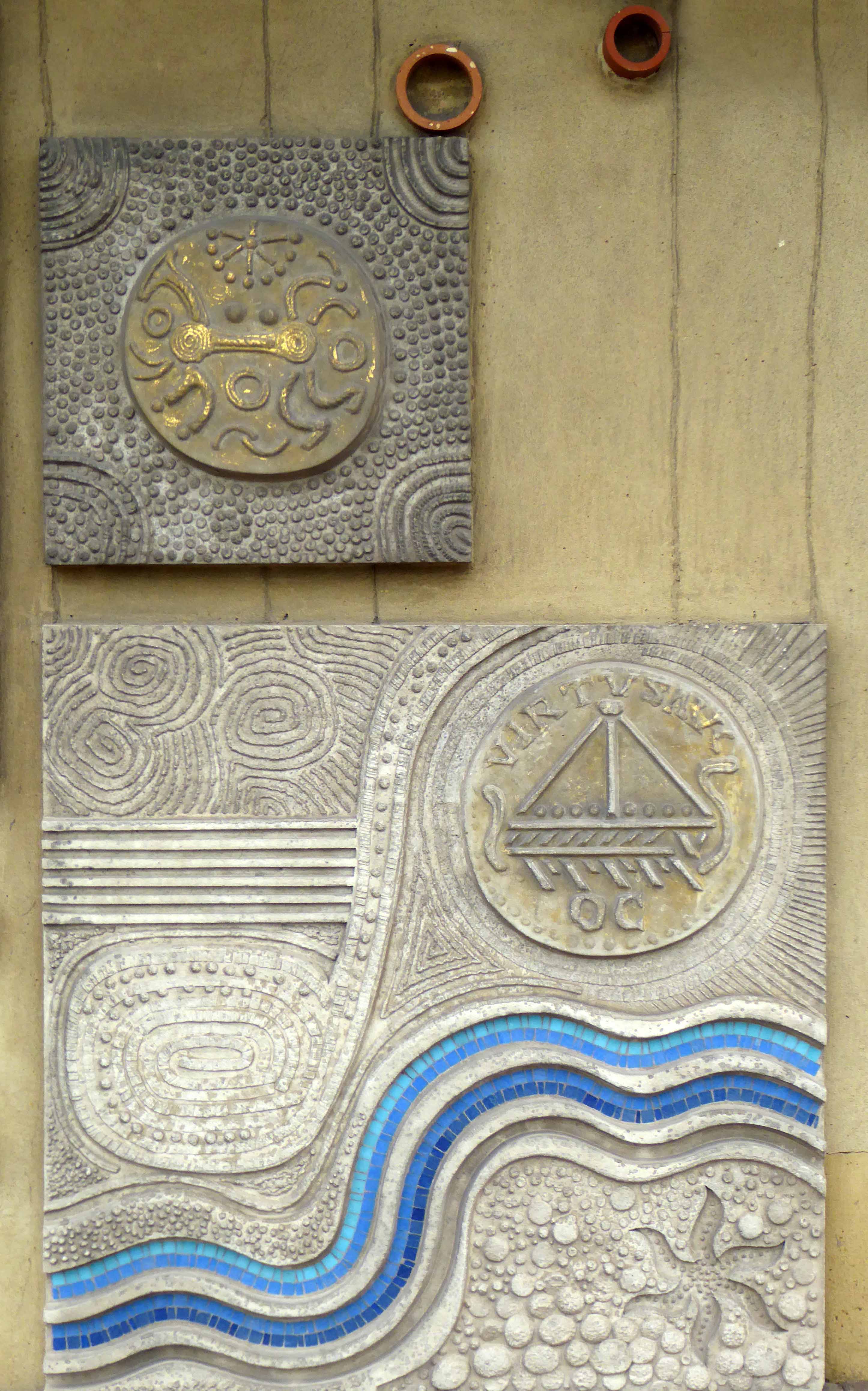
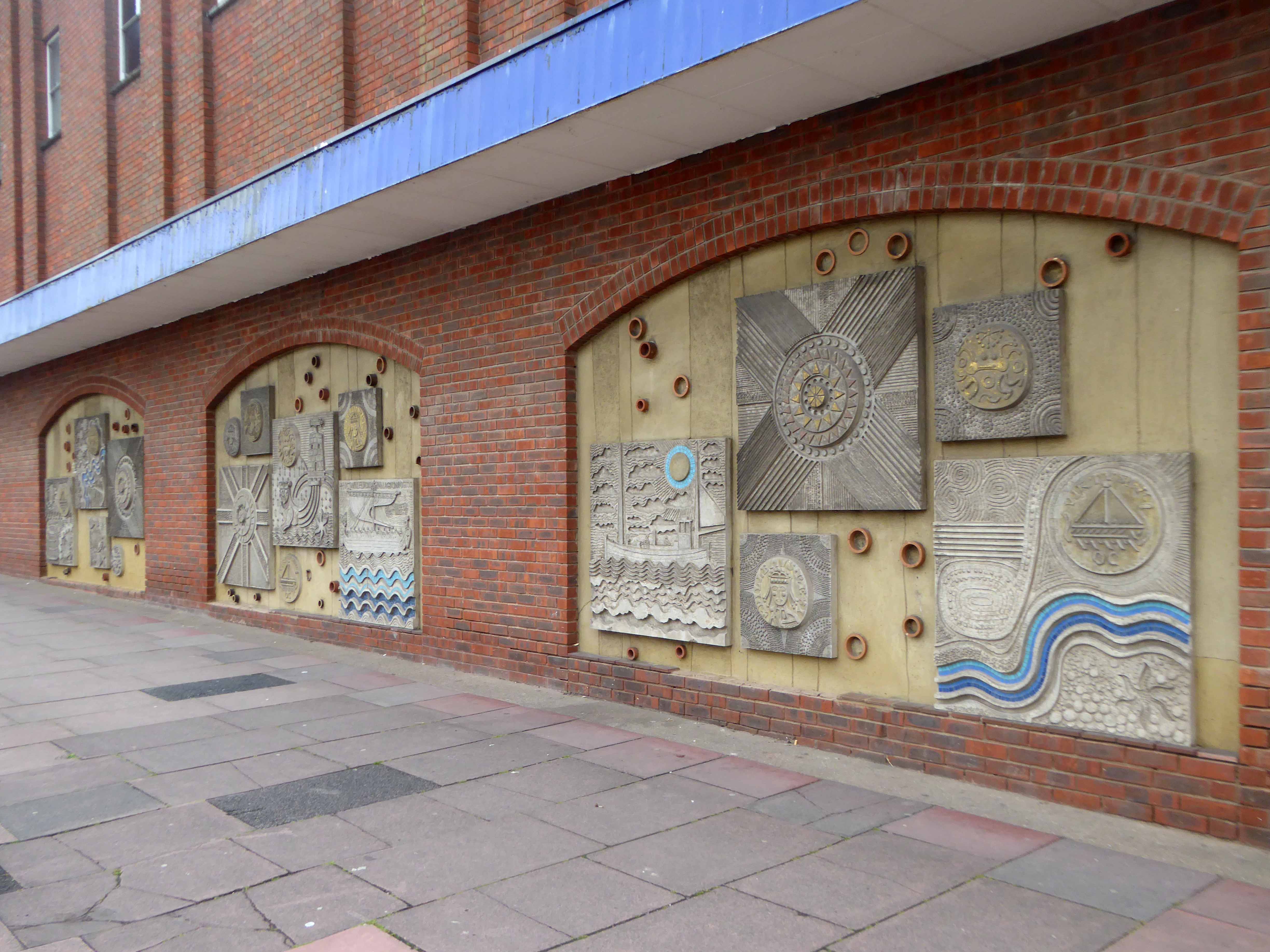
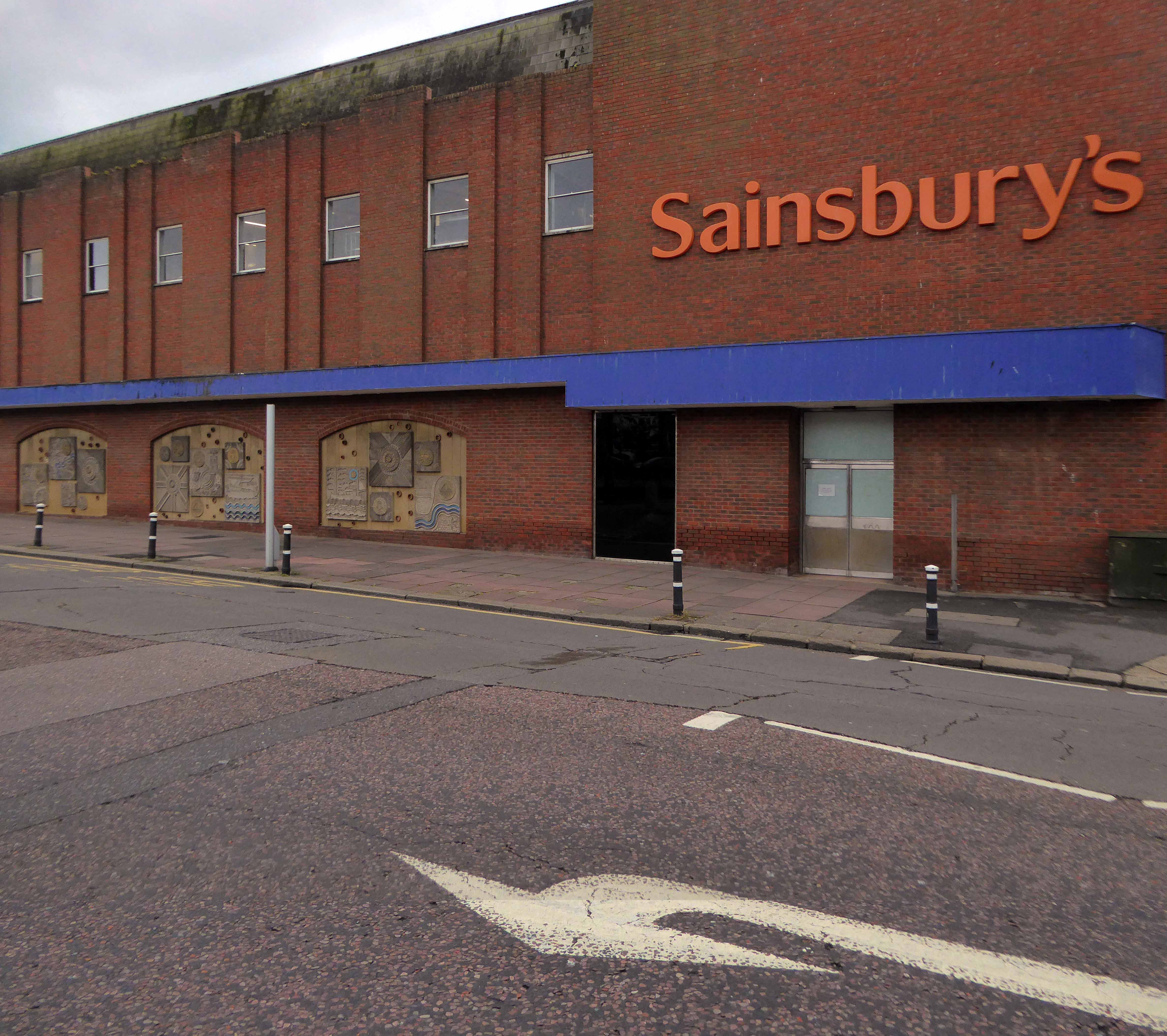
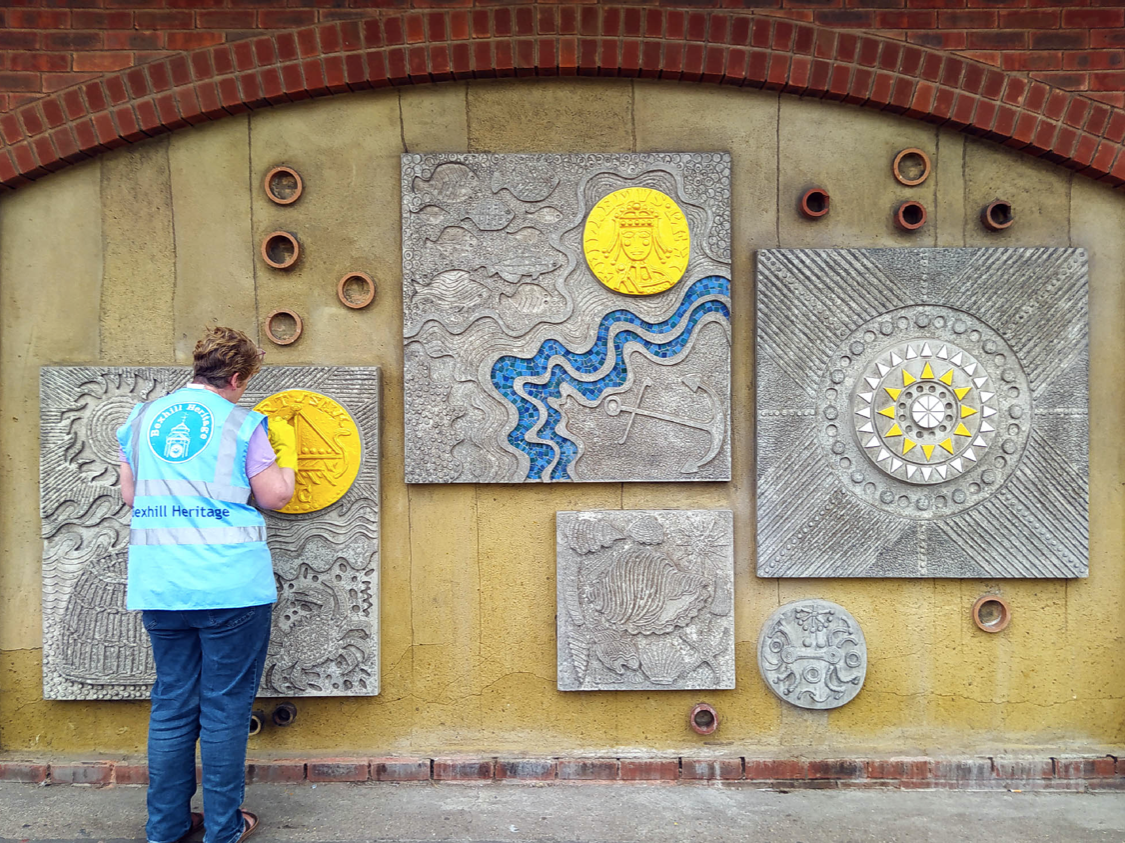
Plus the Pallot and Collins murals inset into the wall of their local branch of Sainsbury’s.

The third such public sculpture I have had the pleasure to visit following trips to Newcastle and the now defunct BHS in my hometown of Stockport.

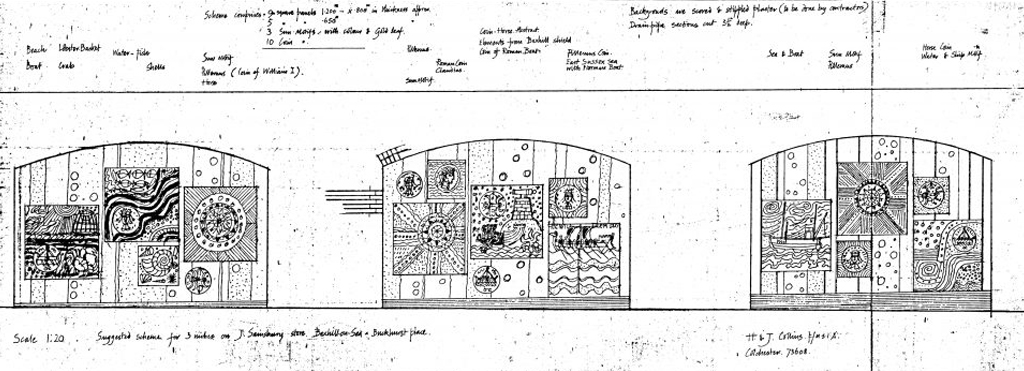
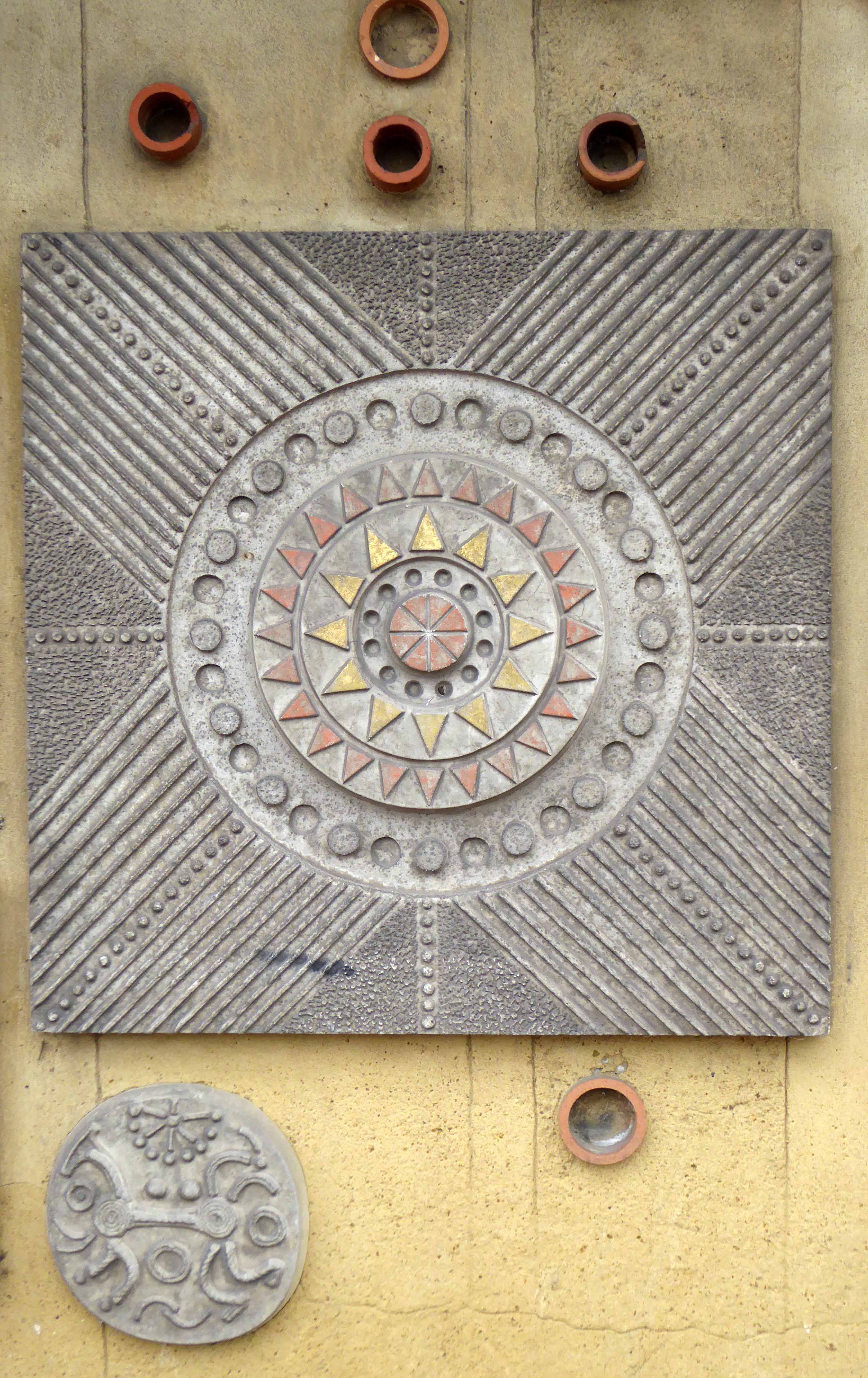
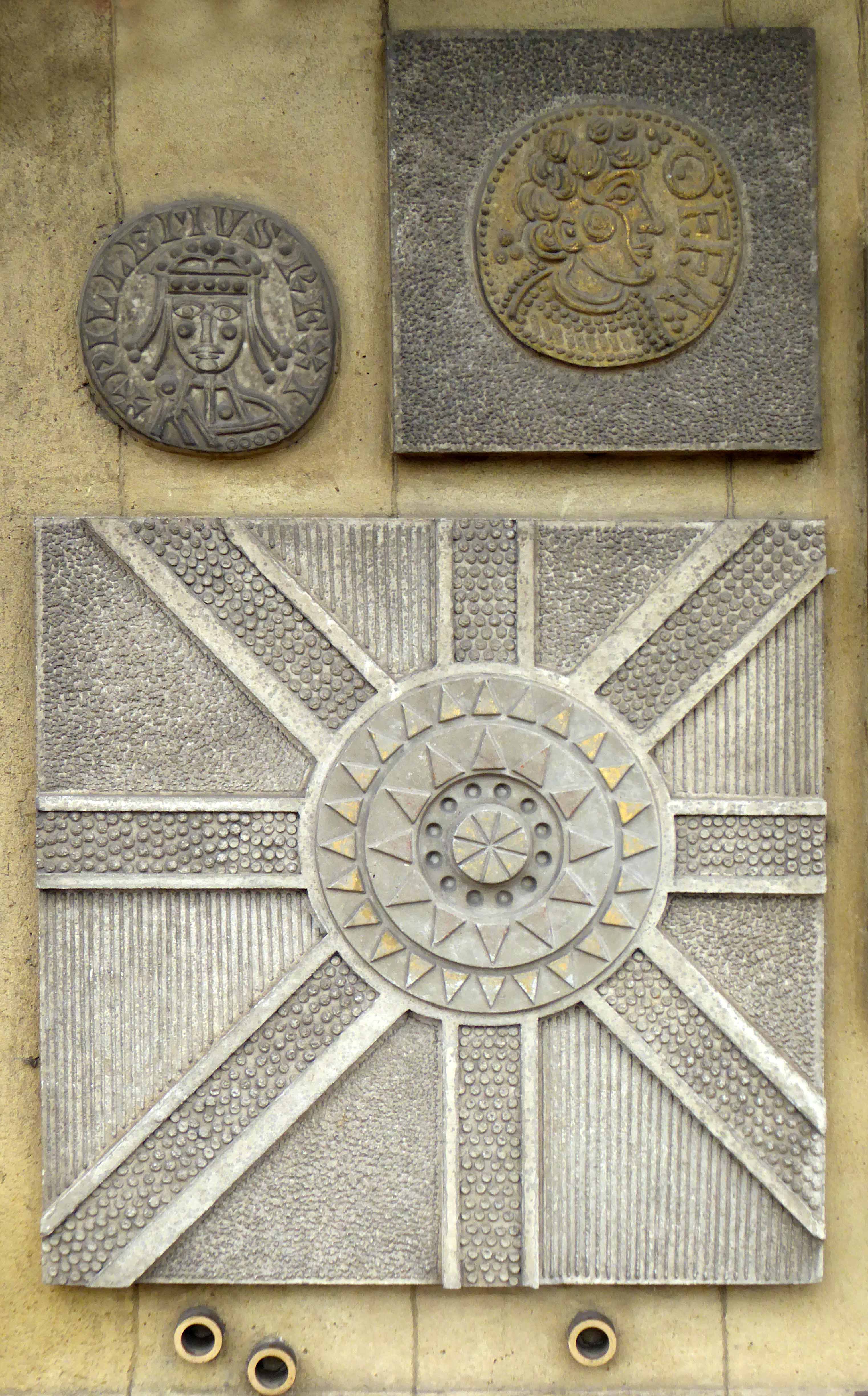
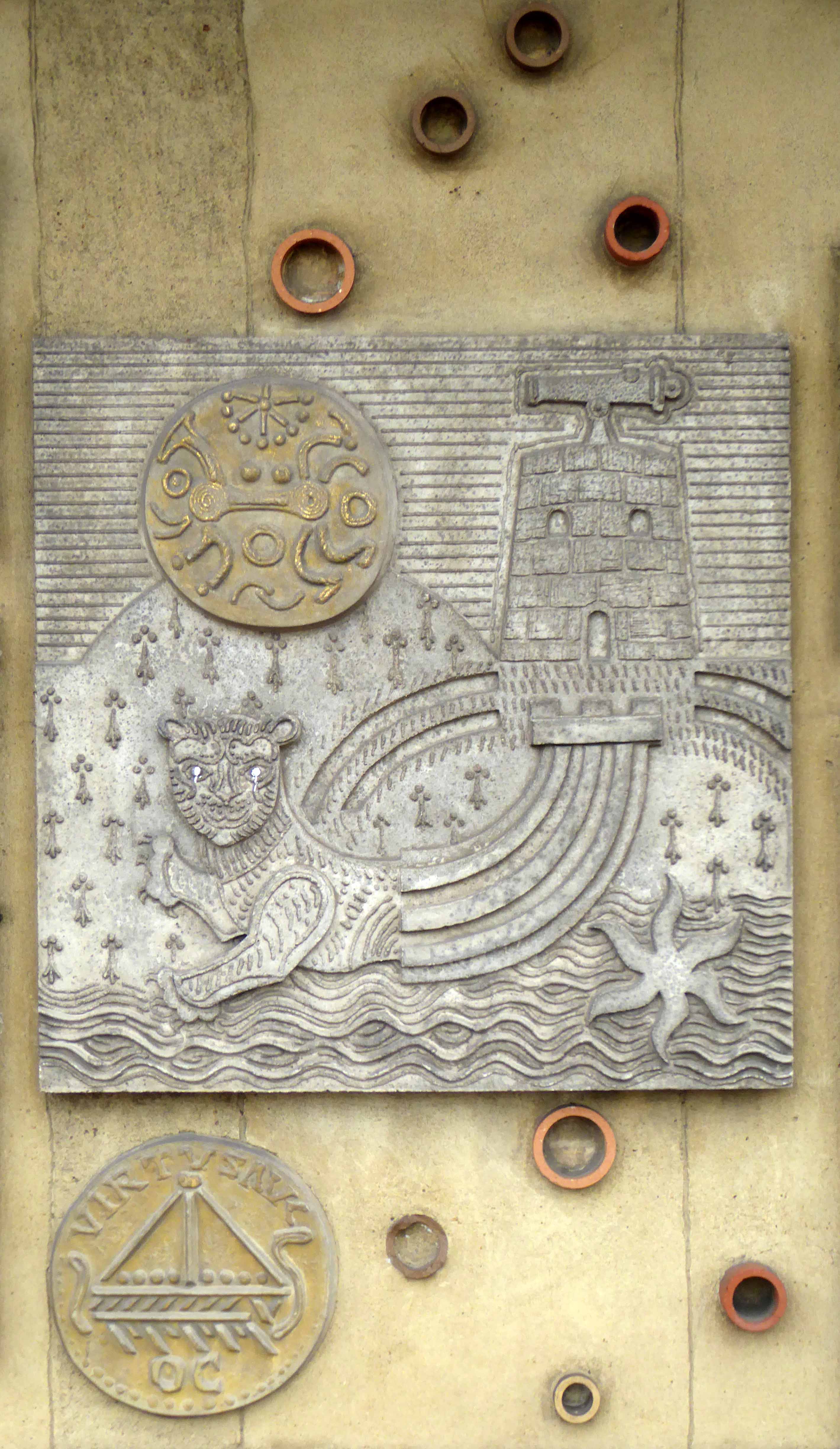
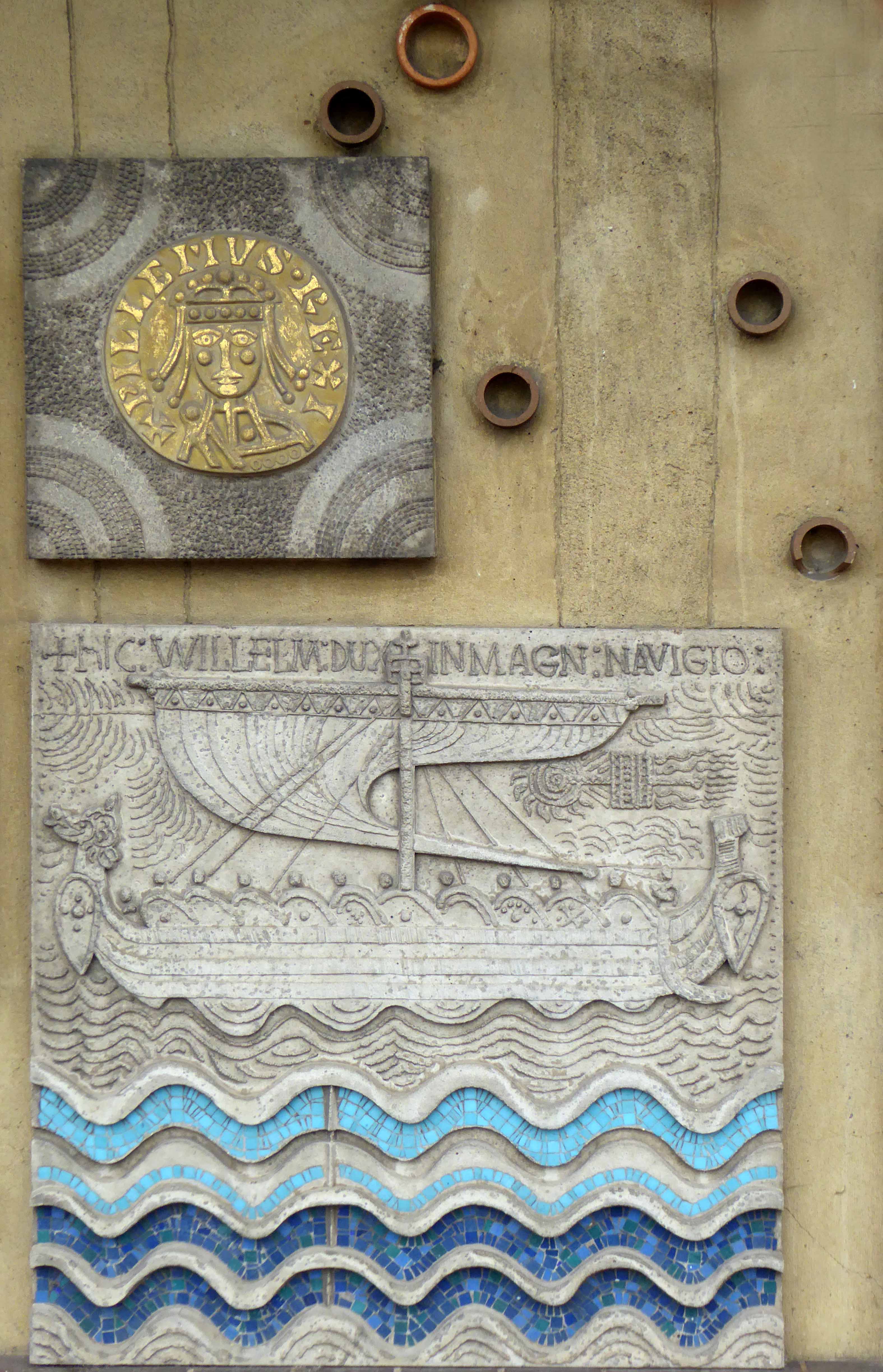
Henry William Collins and Joyce Millicent Pallot have a very special place in my heart, their lives’ work together gracing the Festival of Britain, GPO Tower and Expo 70, along with other retail outlets in Southampton, Gloucester, and Colchester. A distinctive style of bas relief in impressed concrete, ceramic terrazzo and simple modern motifs, drawn from local history and imagery.

Take a look around.

OriginalPlan1-1024x371

P1170853

P1170854

P1170855

P1170857

P1170858

P1170859

P1170860

P1170861

P1170862

P1170863

P1170864

P1170865

P1170867

P1170868

P1170869

P1170870

P1170872

P1170878

Great to see that the murals have been restored recently by Bexhill Heritage.

Screenshot 2024-10-22 at 10.53.56

Back to Bideford Drive – Baguley

Screen Shot 2017-06-16 at 11.05.28

Here we are again – having previously travelled back to the inception of the estate in the 1970s.

Structurally little has changed, politically and economically things have shifted.

Tectonically:

The Conservative Party had committed itself to introducing a Right to Buy before Margaret Thatcher became Party leader. After the election of May 1979 a new Conservative government drafted legislation to provide a Right to Buy but, because this would not become law until October 1980, also revised the general consent to enable sales with higher discounts matching those proposed in the new legislation. The numbers of sales completed under this general consent exceeded previous levels. Between 1952 and 1980 over 370,000 public sector dwellings were sold in England and Wales. Almost a third of these were in 1979 and 1980 and it is evident that higher discounts generated and would have continued to generate higher sales without the Right to Buy being in place. 200,000 council houses were sold to their tenants in 1982, and by 1987, more than 1,000,000 council houses in Britain had been sold to their tenants.
The Right to Buy: History and Prospect

The post war policy of building and renting local authority housing was swamped by the phrase property owning democracy, on which the popular conservatism of the 20th century rested, and with it a vision of the good society, was coined by the Scottish Unionist Noel Skelton in a quartet of articles for the Spectator entitled Constructive Conservatism, written in the spring of 1923. The appeal of Popular Capitalism proved compelling, however the periods of de-industrialisation, and the subsequent lull in the building of new affordable homes, has created a myriad of obstacles for those simply seeking somewhere to live and work.
The estate illustrates this historic shift, replete with homeowners decorative amendments and addenda, managing agents and trusts and an end to the architectural integrity of the development.

One could become all Ian Nairn about this, swathed in Outrage.

I myself feel that despite the cosmetic surgery, this remains a homely enclave, residents going about their business in a relatively orderly and happy manner.

Take a look:

P1170298

P1170299


P1170303


P1170306

P1170307

P1170309

P1170312

P1170313

P1170315

P1170318

P1170319


P1170325

P1170327

P1170329

P1170331

P1170335

P1170337

P1170338

P1170339

P1170343

P1170345

P1170348

P1170349

P1170351

P1170353

P1170354

P1170356

P1170358

P1170359


Bideford Drive – Baguley

Baguley is derived from the Old English words Bagca, badger, and Leah, wood.

Historically in Cheshire, Baguley is mentioned in the Domesday Book of 1086, it was incorporated into Manchester in 1931.

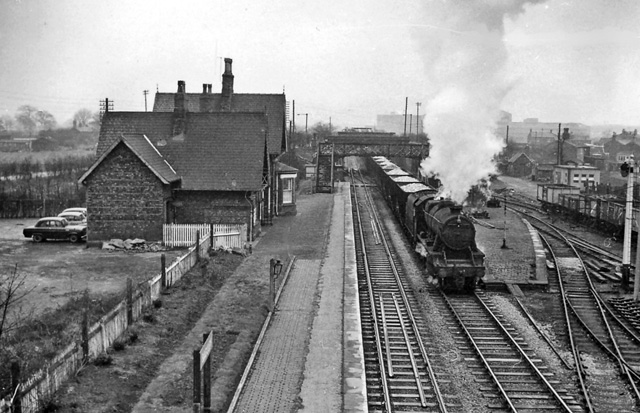
It has a Brook though babble heard I none, it had a Station now long gone.

3223992_1f0fdafd

EPSON scanner image

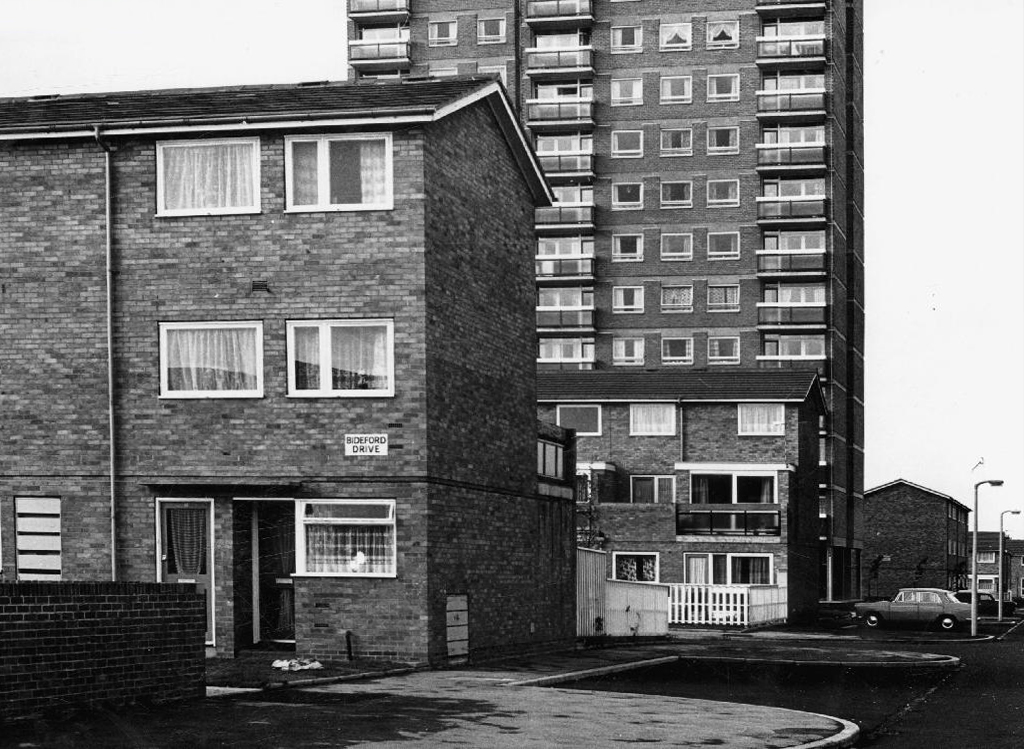
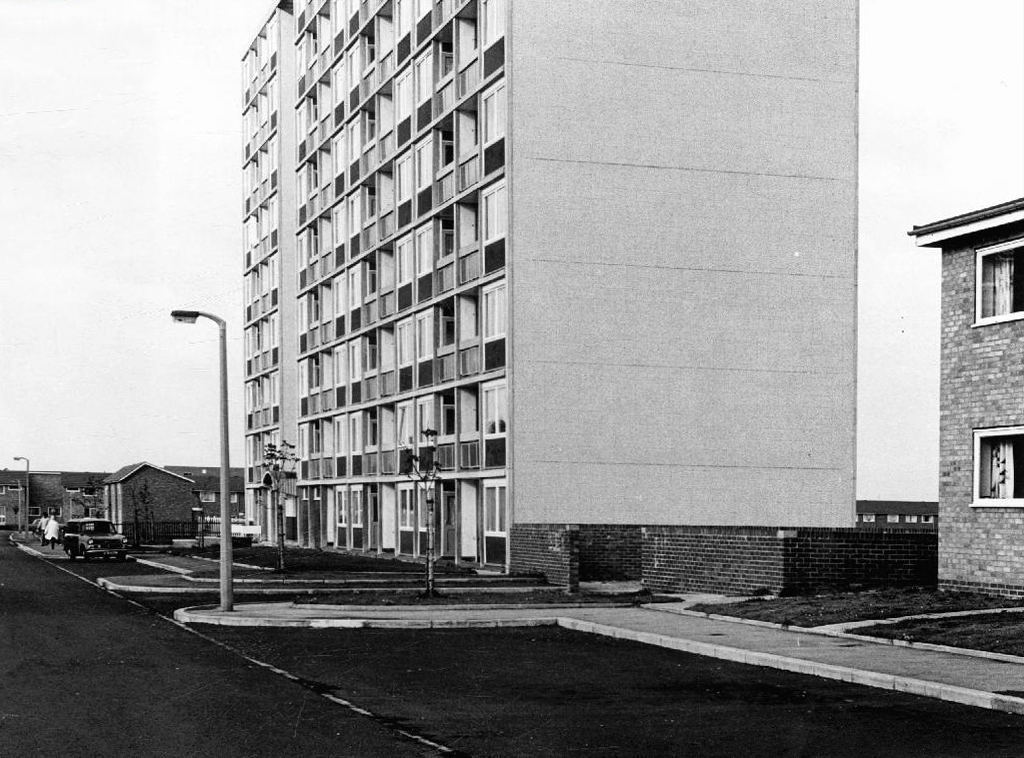
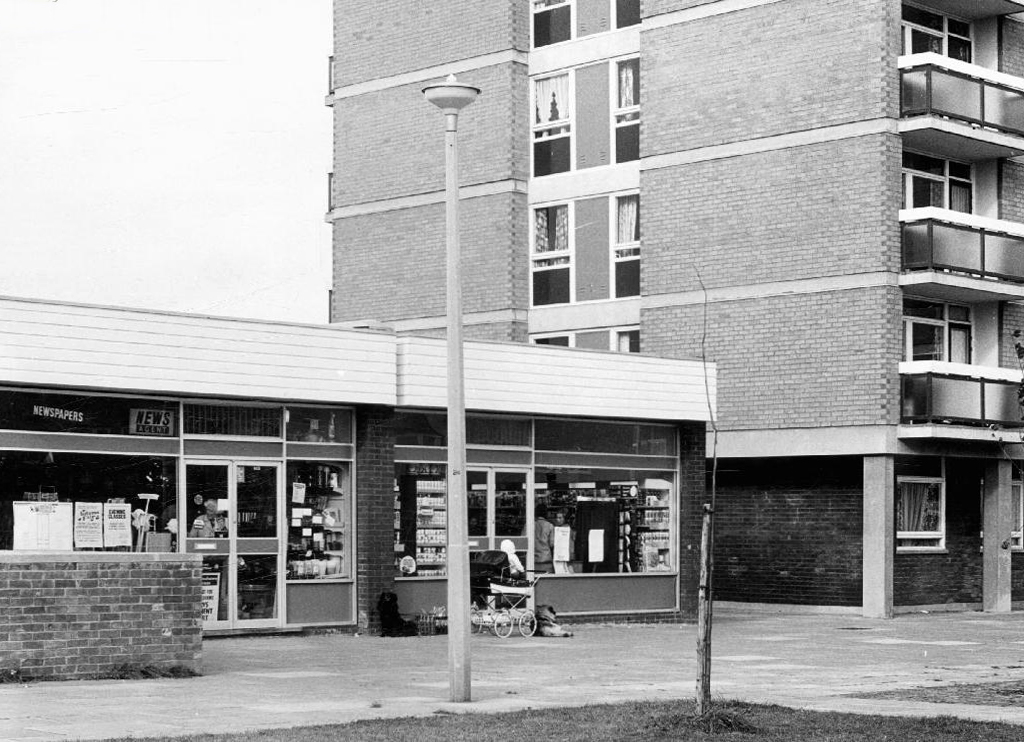
I idled by on my bike to snap the homes around Bideford Drive, which I dutifully did. My curiosity suitably aroused I perused the Manchester Local Image Archive, in search of clues. Planned in 1969 complete in 1971 main contractor Laing architects the City Office.

A rich mix of scale and typology, two differentiated blocks, tower and slab, short rows of compact terraces, open spaces, shops, car parking and limited planting. The interlocking geometries, paths and walkways make it an intriguing and entertaining estate, full of small surprises and ideas – these pictures are of 1971.

There is a sharply attenuated and clean feel in the air, optimism on a largely overcast day, a totality – planned integration – homes and architecture of distinction.


webmedia-2.php

webmedia-3.php

webmedia-4.php

webmedia-5.php

webmedia-6.php

webmedia-7.php

webmedia-8.php

webmedia-9.php

webmedia-10.php

webmedia-11.php

webmedia-12.php

webmedia-13.php

webmedia-14.php

webmedia-15.php

webmedia-16.php


webmedia.php


St Luke The Physician – Manchester

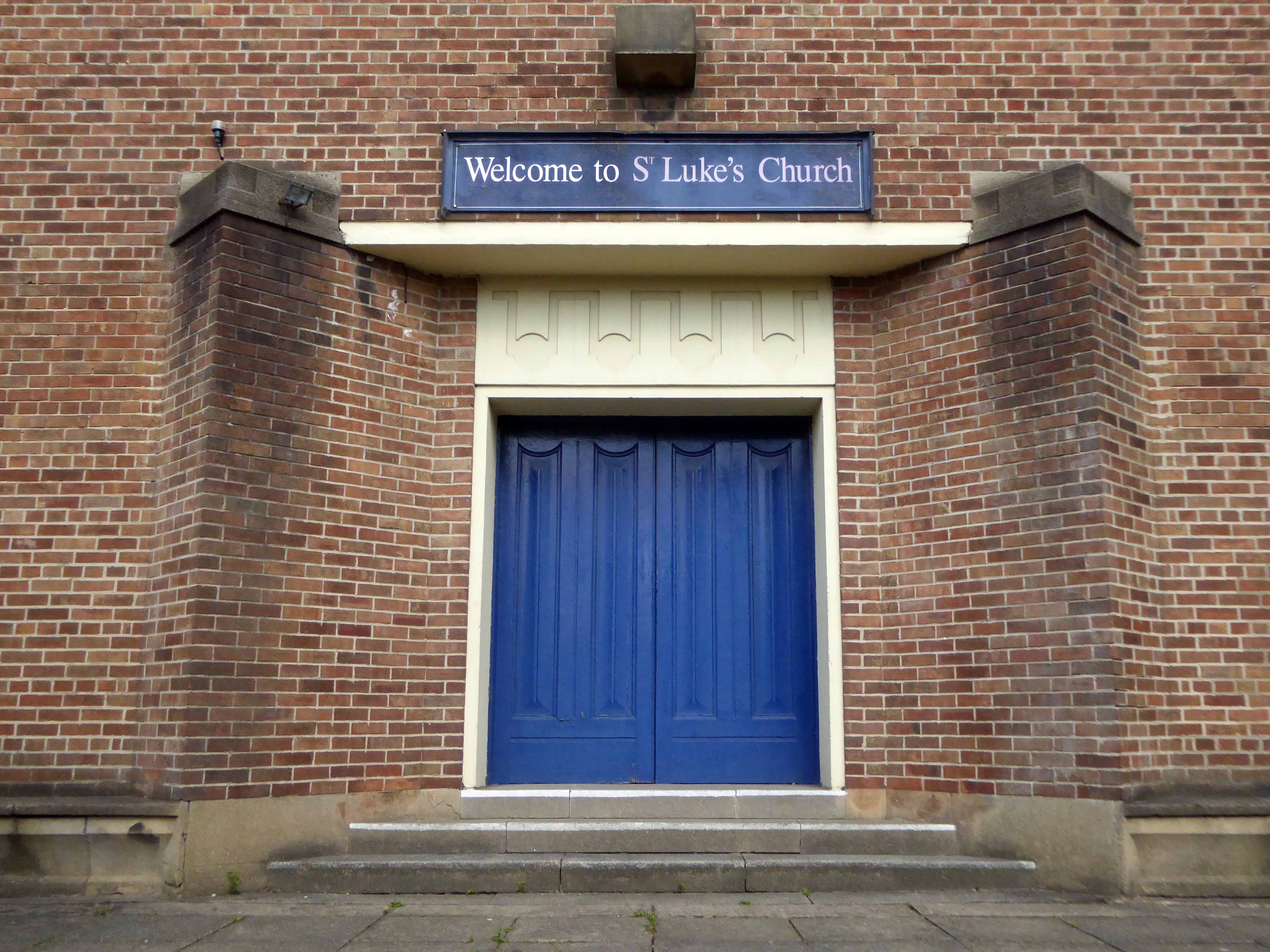
Cycling around Wythenshawe one sunny day yesterday, in search of friends old and new, I found myself beside myself, beside St Luke’s.

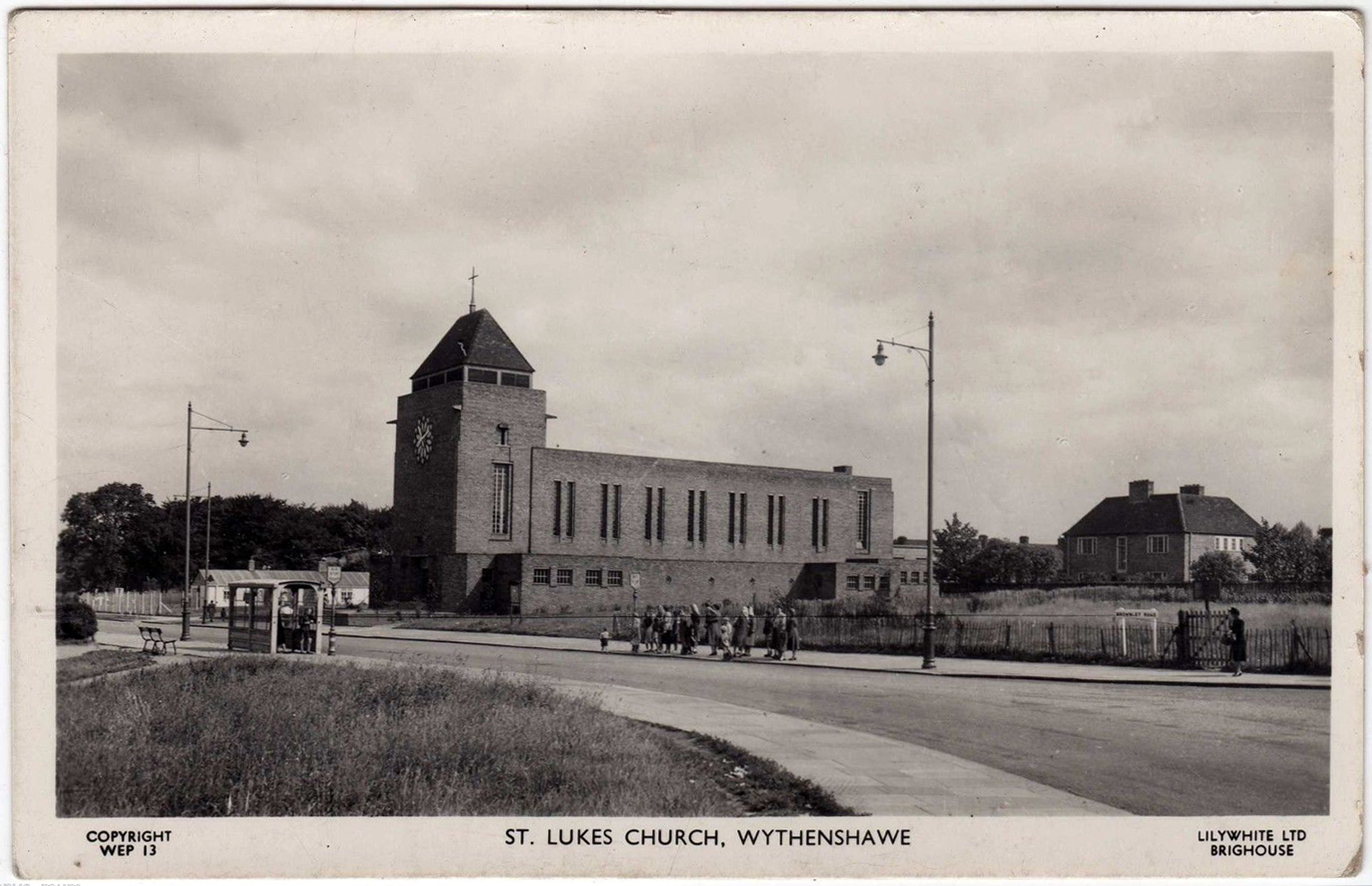
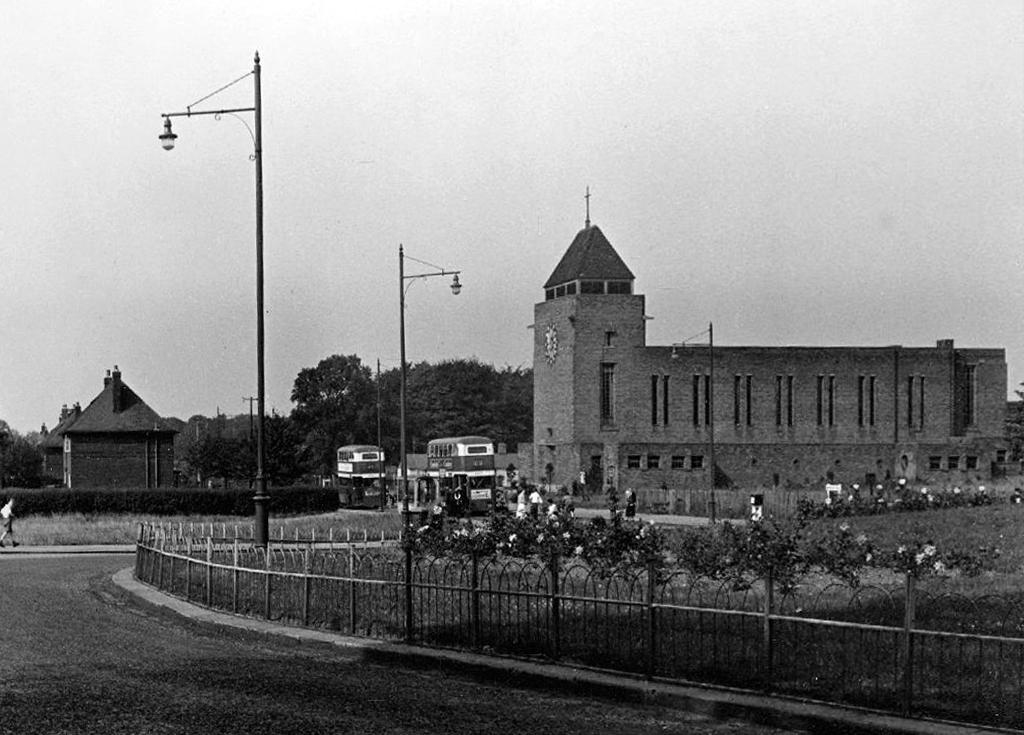
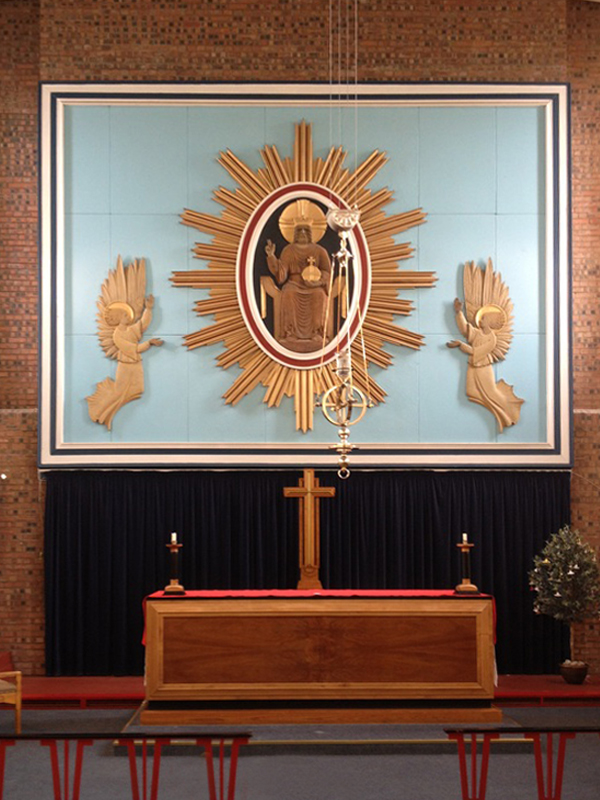
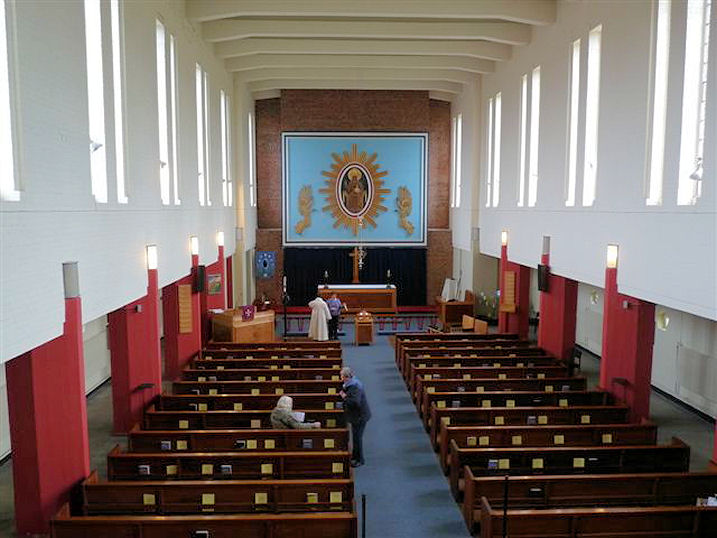
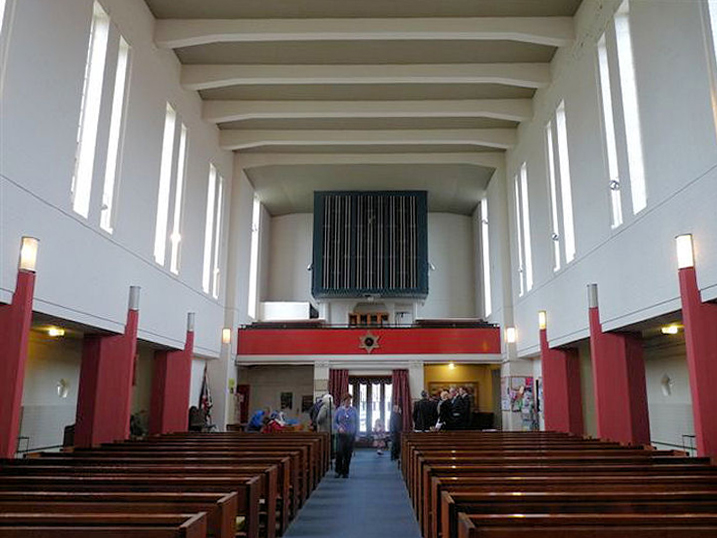
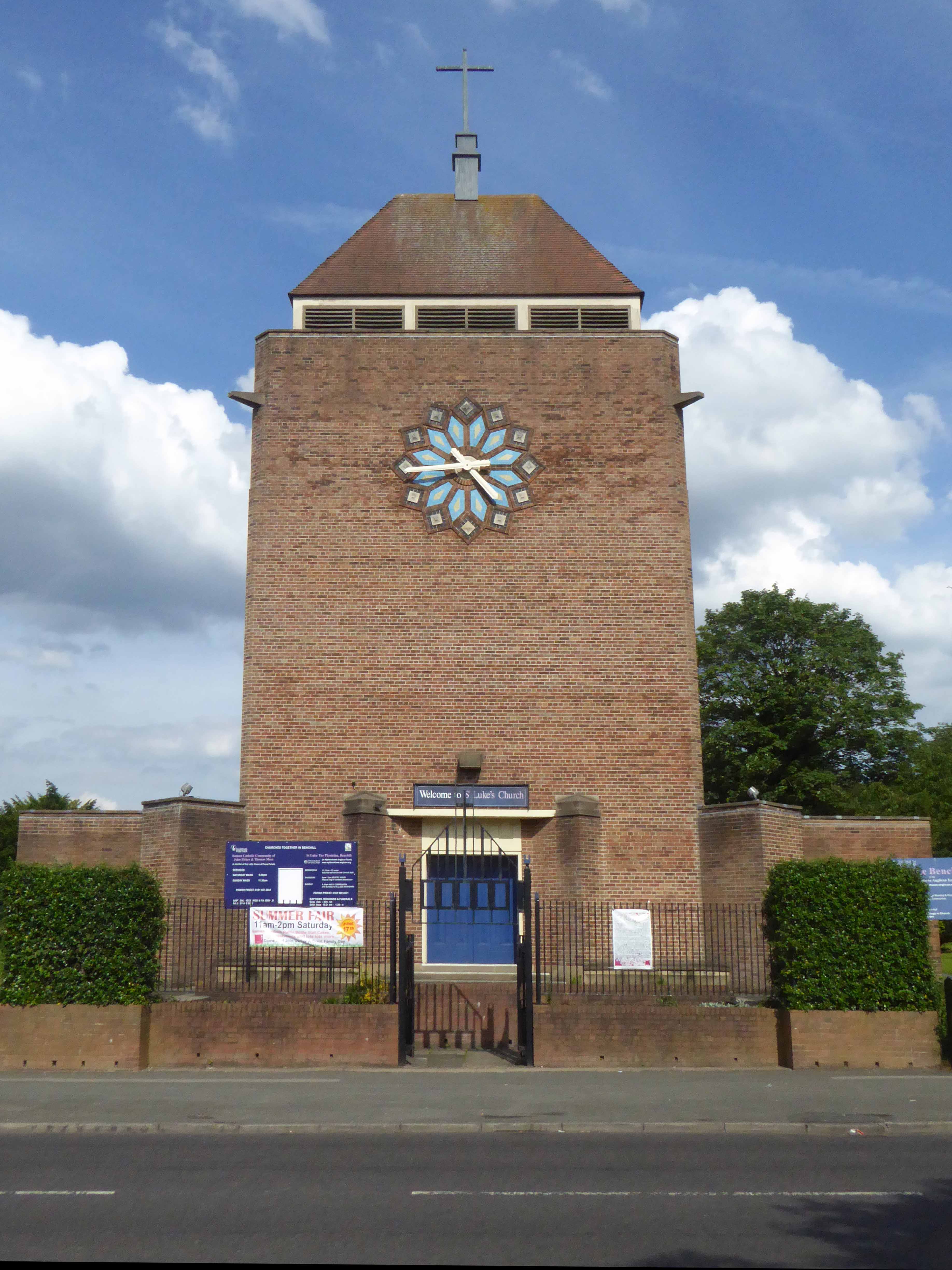
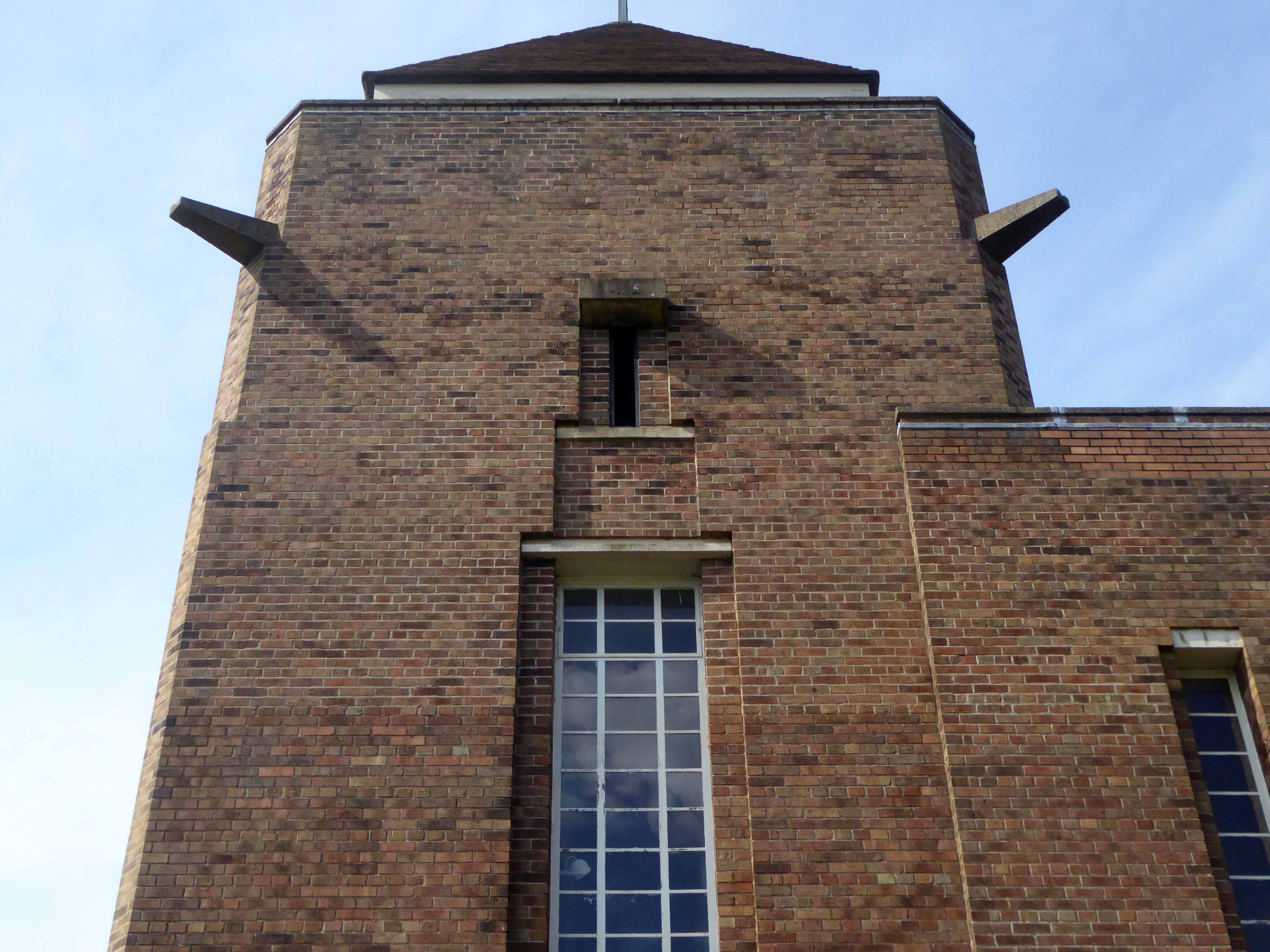
1938-9 by Taylor and Young. Light brown brick in English garden wall bond (roof concealed). Modern functionalist style. Nave with west tower, north and south aisles with porches and side offices, short chancel. Rectangular tower to same width as nave, with short triangular buttresses flanking a square-headed doorway, plain wall except for very large geometrical-floral clock, parapet and very low set-back louvre stage with steeply-pitched hipped roof. Flat-roofed aisles have projected triangular west ends flanking tower, a projected porch at each end of north aisle and corresponding projected offices to south aisle, and very small star-shaped windows with pentagonal surrounds. Nave has 7 pairs of tall square-headed lancets. Short one-bay chancel has concrete cross in place of east window. Interior: basilican character, with low passage-aisles, chamfered piers terminating with lights, flat concrete-beamed ceiling; side-lit chancel with relief figures of angels. 

Grade II listed Historic England

Those are the facts – the fabulous thing is the clock, a playful lesson in geometry, surface and colour, and it keeps time as well.

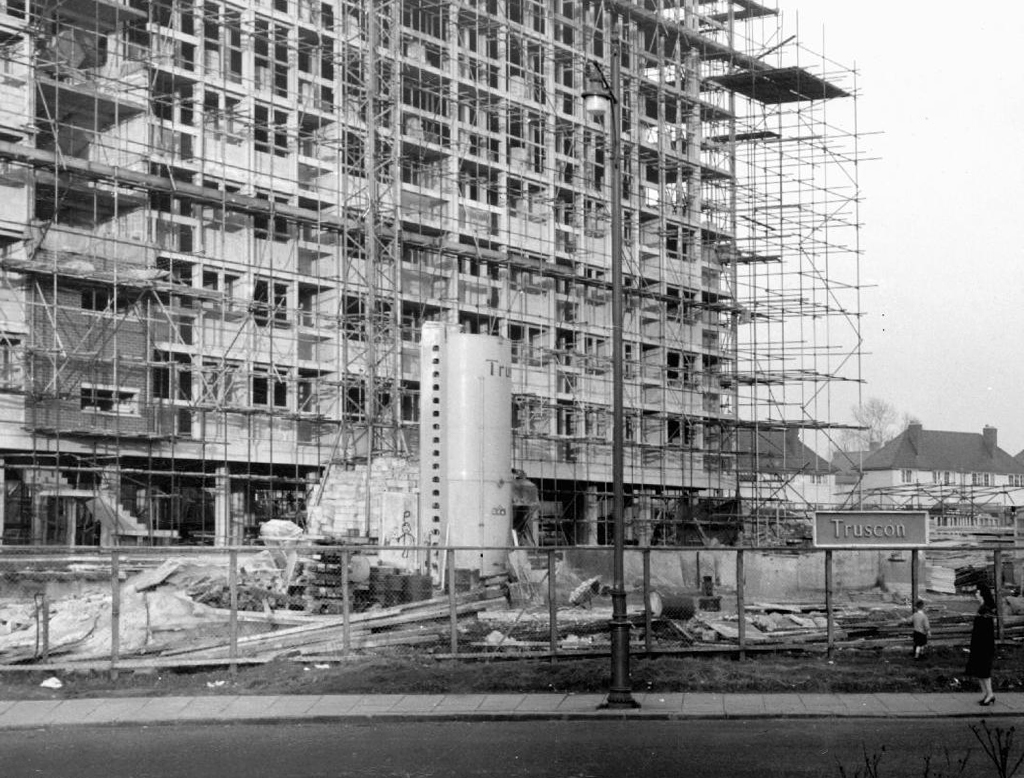
Wythenshawe is awash with modern churches and this pale brick giant is hard to miss dominating the Brownley Road junction, built to serve the then ever expanding housing estate to the south west of Manchester.

webmedia.php

Brownley Road flats

$_57

webmedia-1.php

Manchester Image Archive

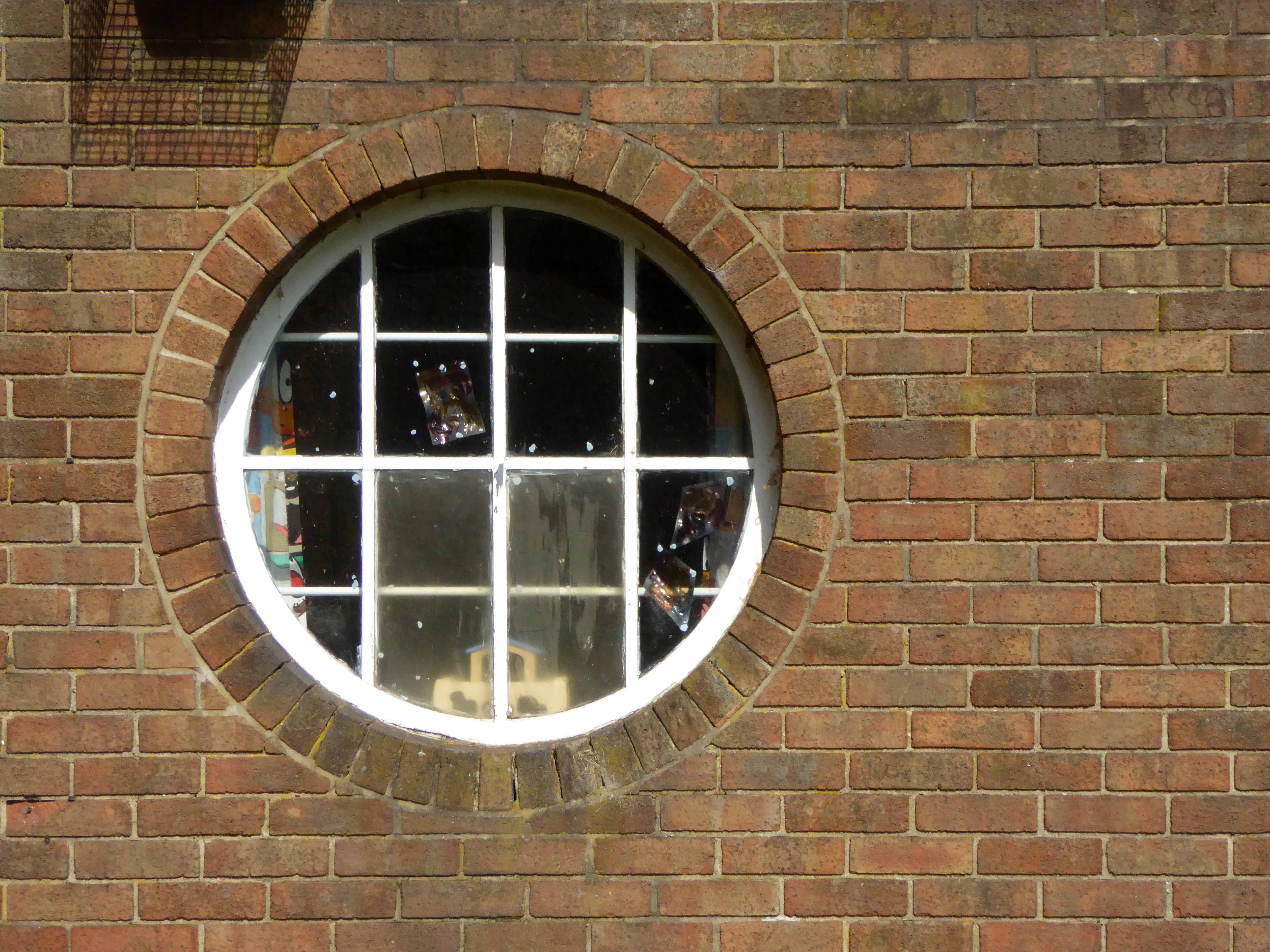
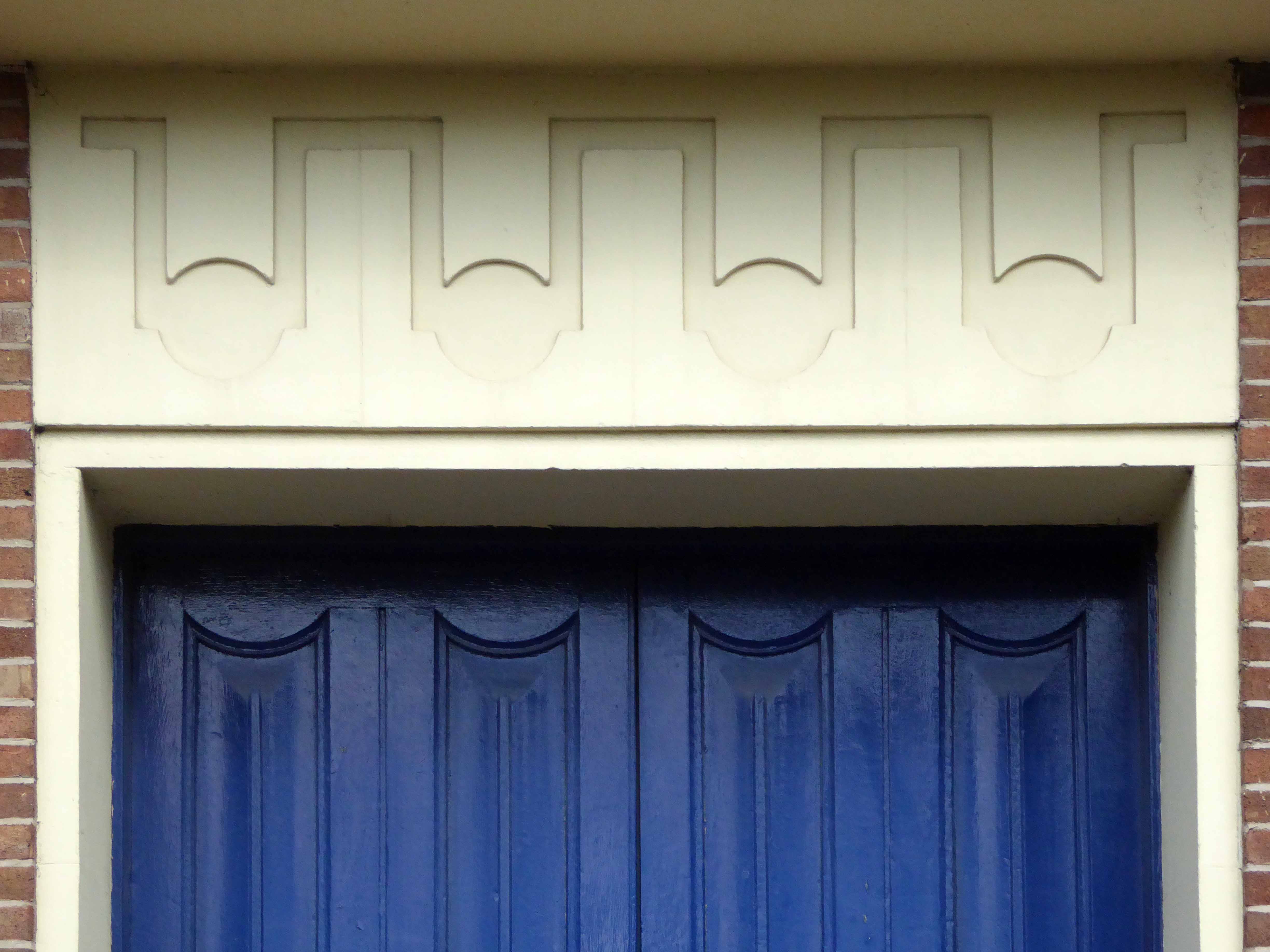
I love the playful touches which offset the monolithic volumes of St Luke’s – go ahead take a look inside:

6176760_orig

luke_int

luke_int1

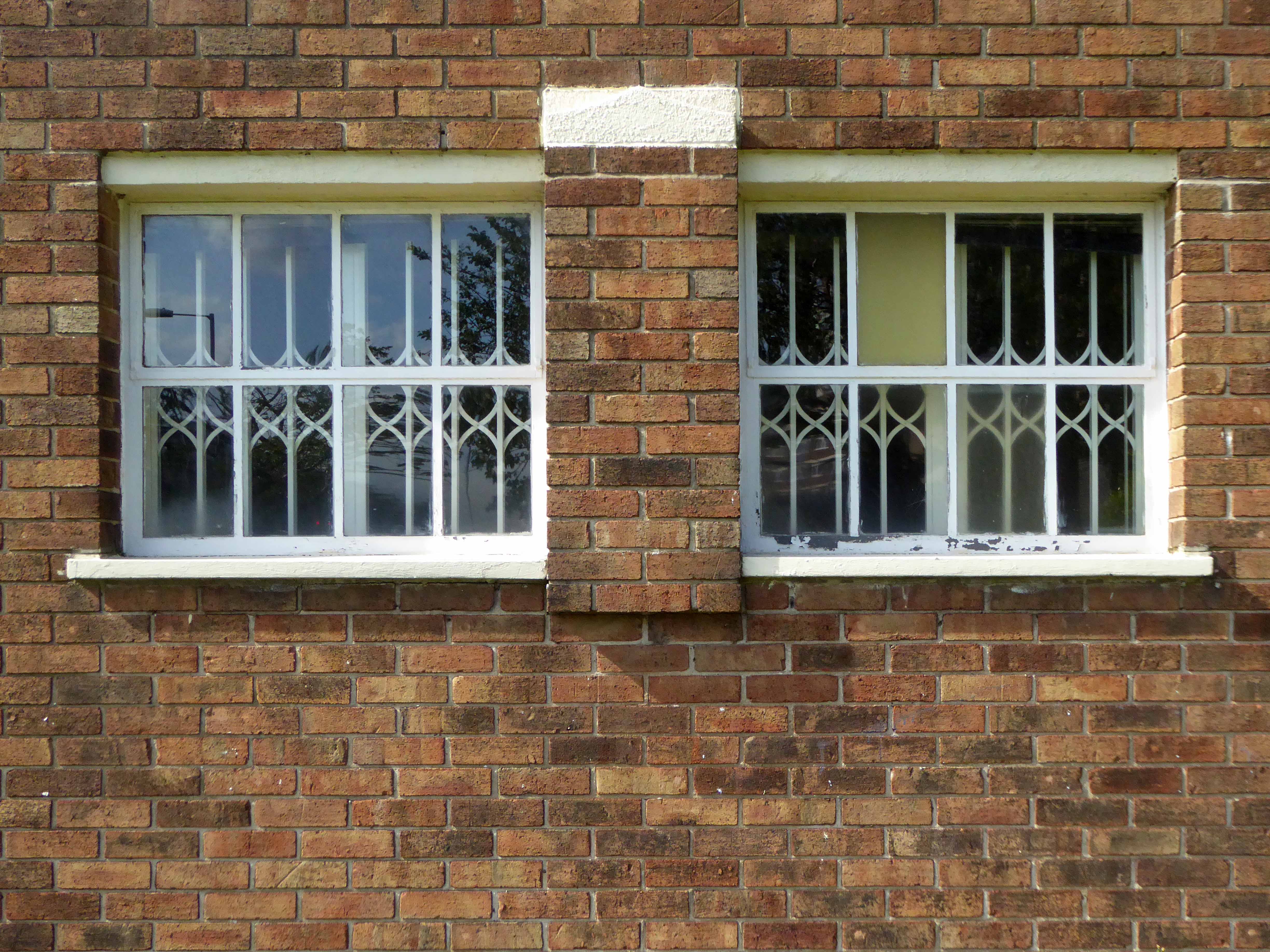
And out:

P1170366

P1170367

P1170368

P1170369

P1170370

P1170371

P1170372

P1170373


P1170380

P1170381

P1170382

As we cycled by on Friday 12th July 2024 – as we were on the Yuri Gagarin ride, we noticed that the church was open.

The parishioners in attendance, were more than happy to allow us to look around this magnificent interior, many thanks for your hospitality.


Stopford House Again – Stockport

Do you come here often?

Well actually I do!

Here’s my account of my previous visits to Stopford House.

The large open public space that has almost everything except the public.

On the many occasions I have walked its concrete piazza, not once have I encountered another purposed soul – save the odd passing civic employee.

Unusually unchallenged by the diffident G4S or like as I snap away.

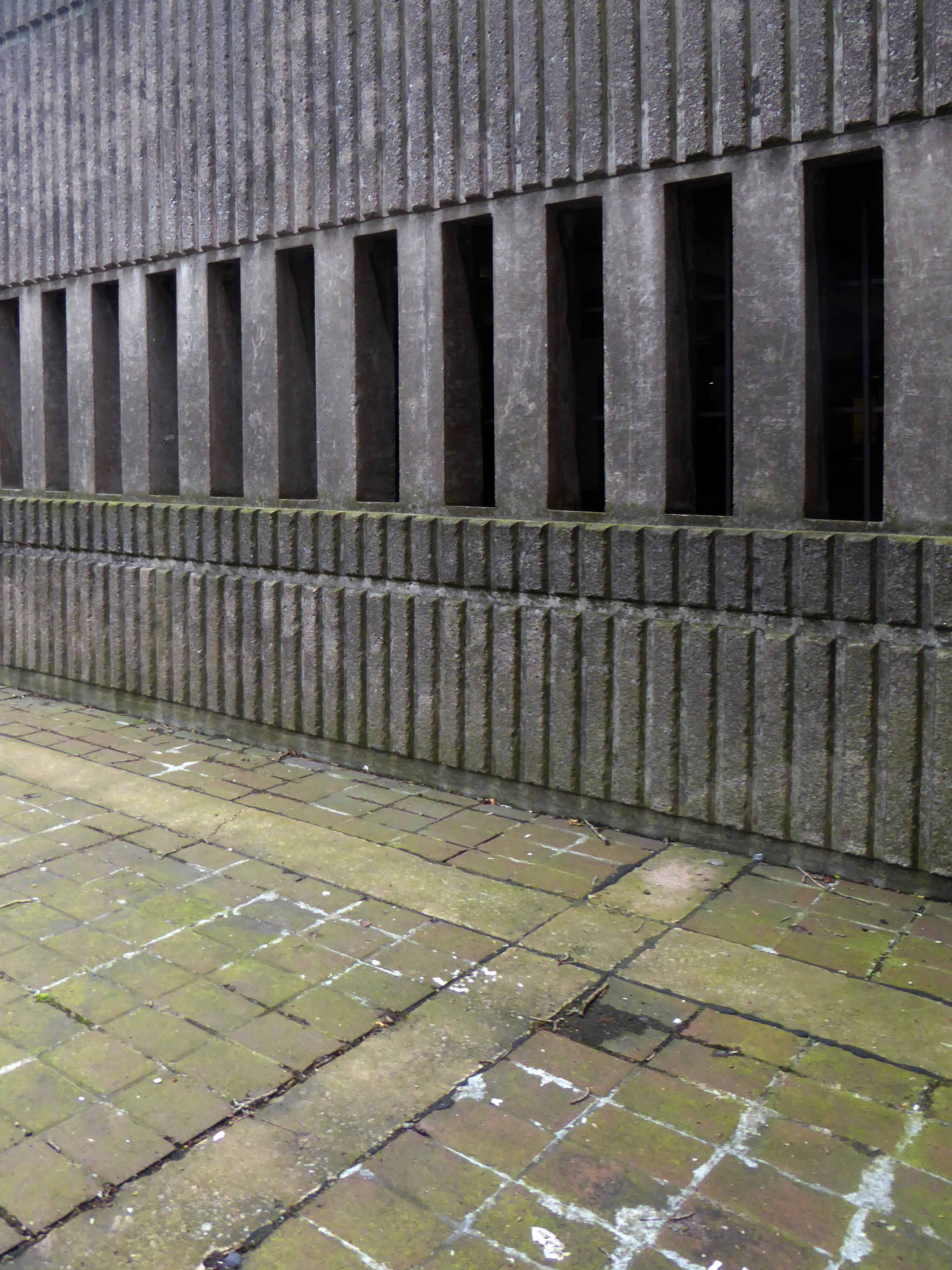
So come/go here, take a look – municipal concrete in the raw, softened by the controlled ingress of flowers and greenery.

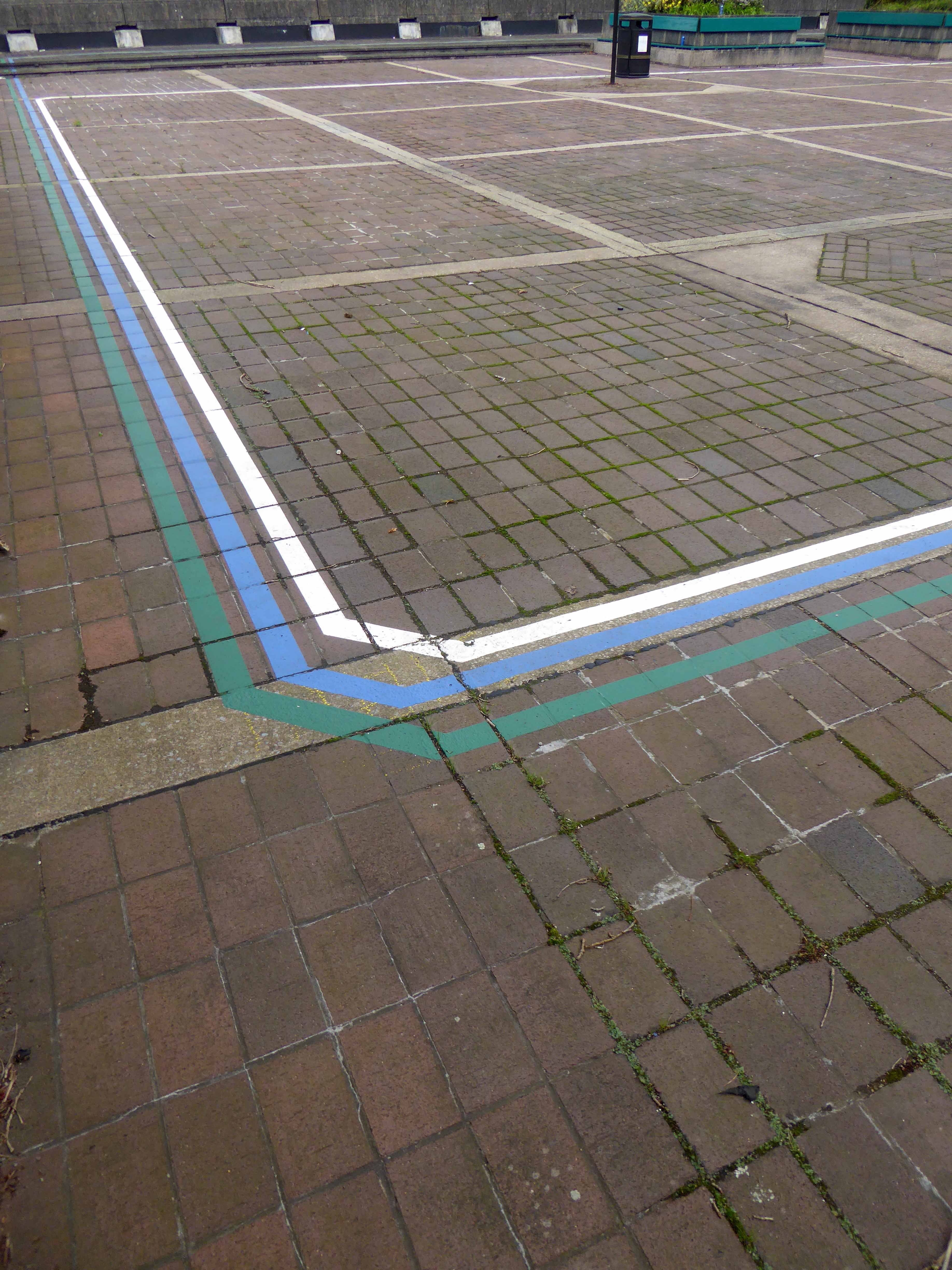
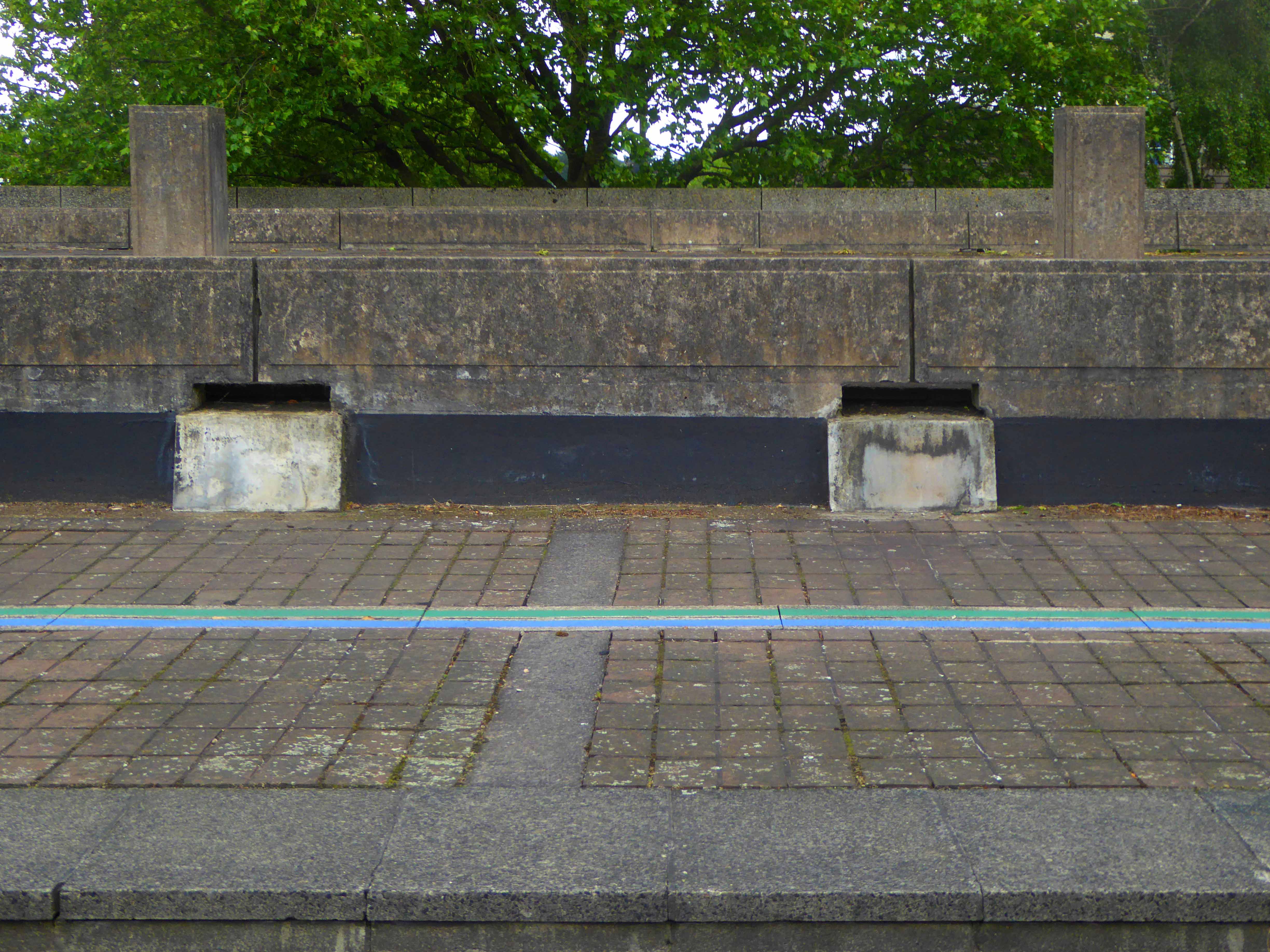
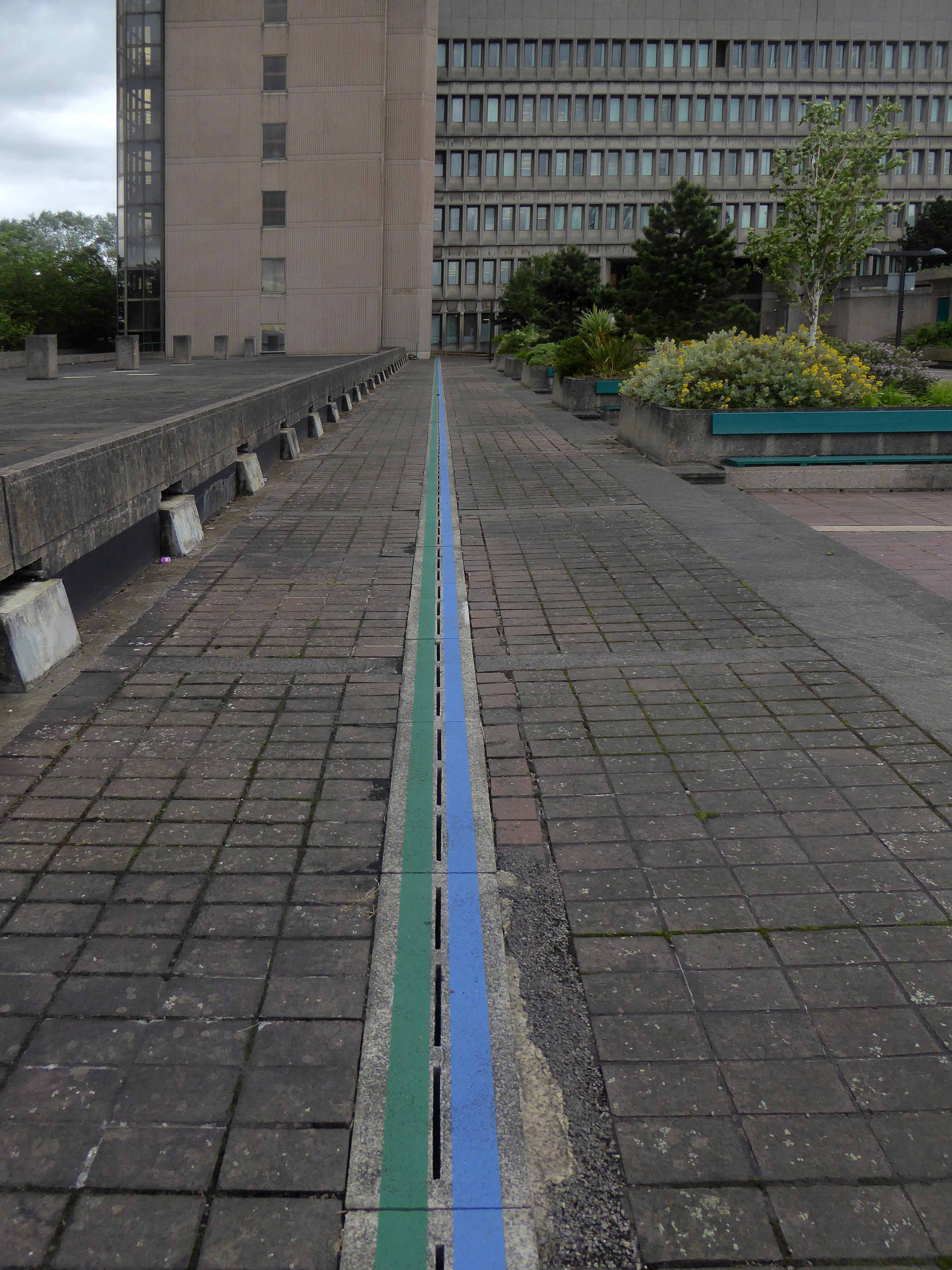
Oh and not forgetting the recent addition of some curious coloured lines.

P1170176

P1170178

P1170180

P1170183

P1170184

P1170185

P1170187

P1170190

P1170194

P1170200

P1170201

P1170202

P1170203

P1170204

P1170206

P1170208

P1170214

P1170205


Fire Station – Bury

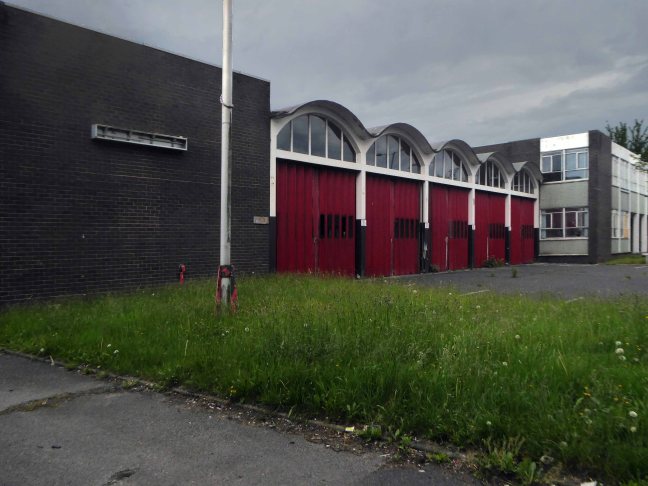
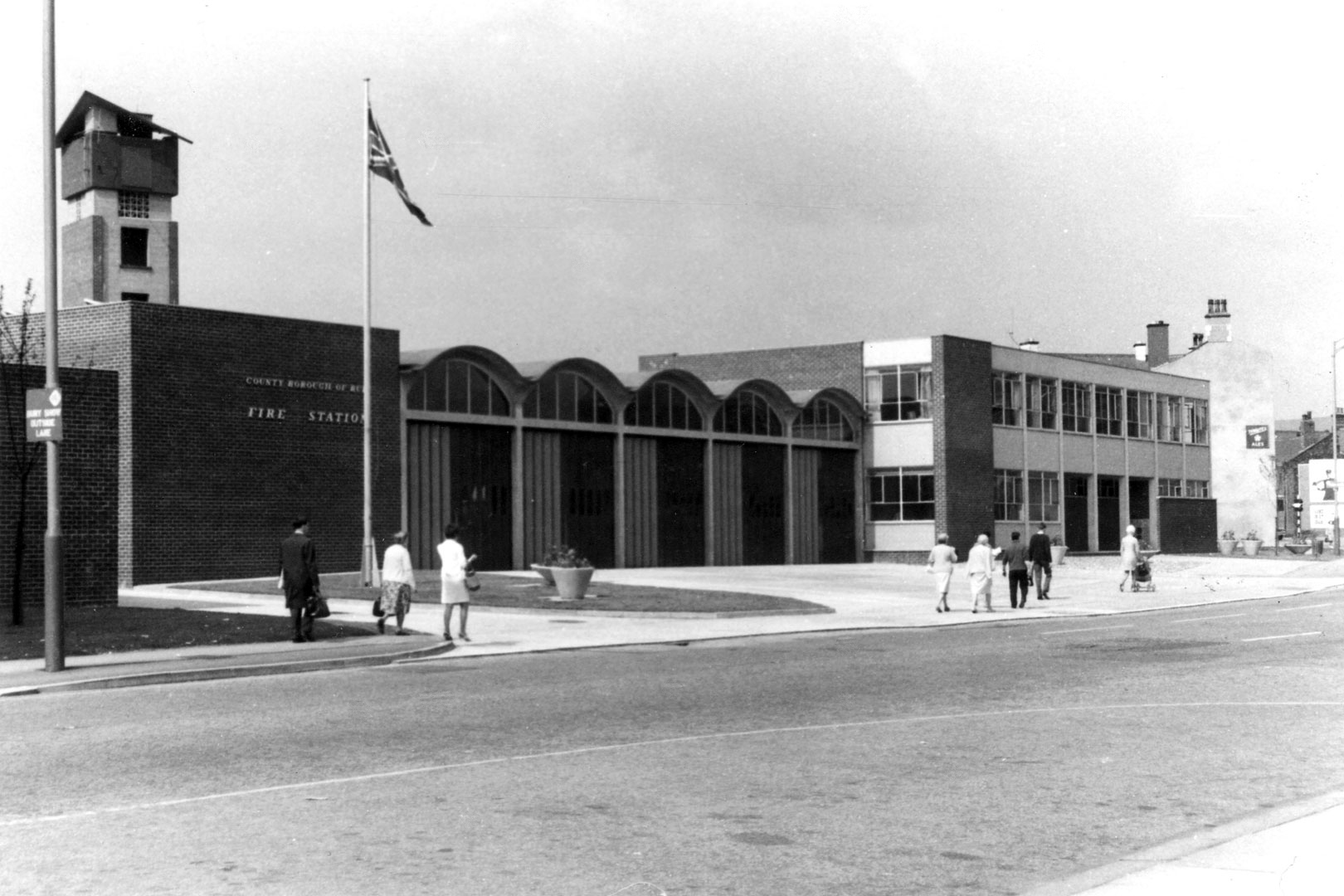
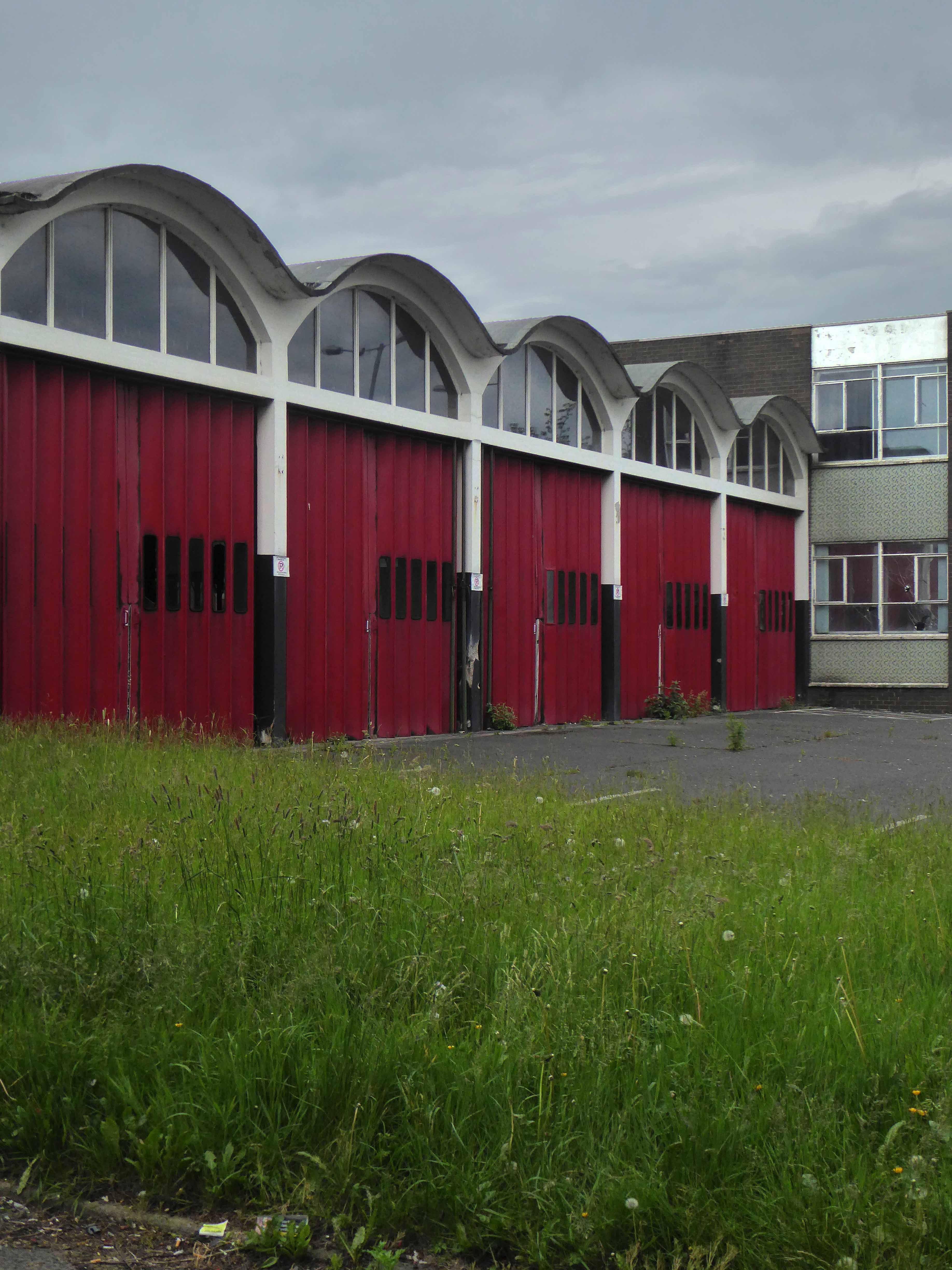
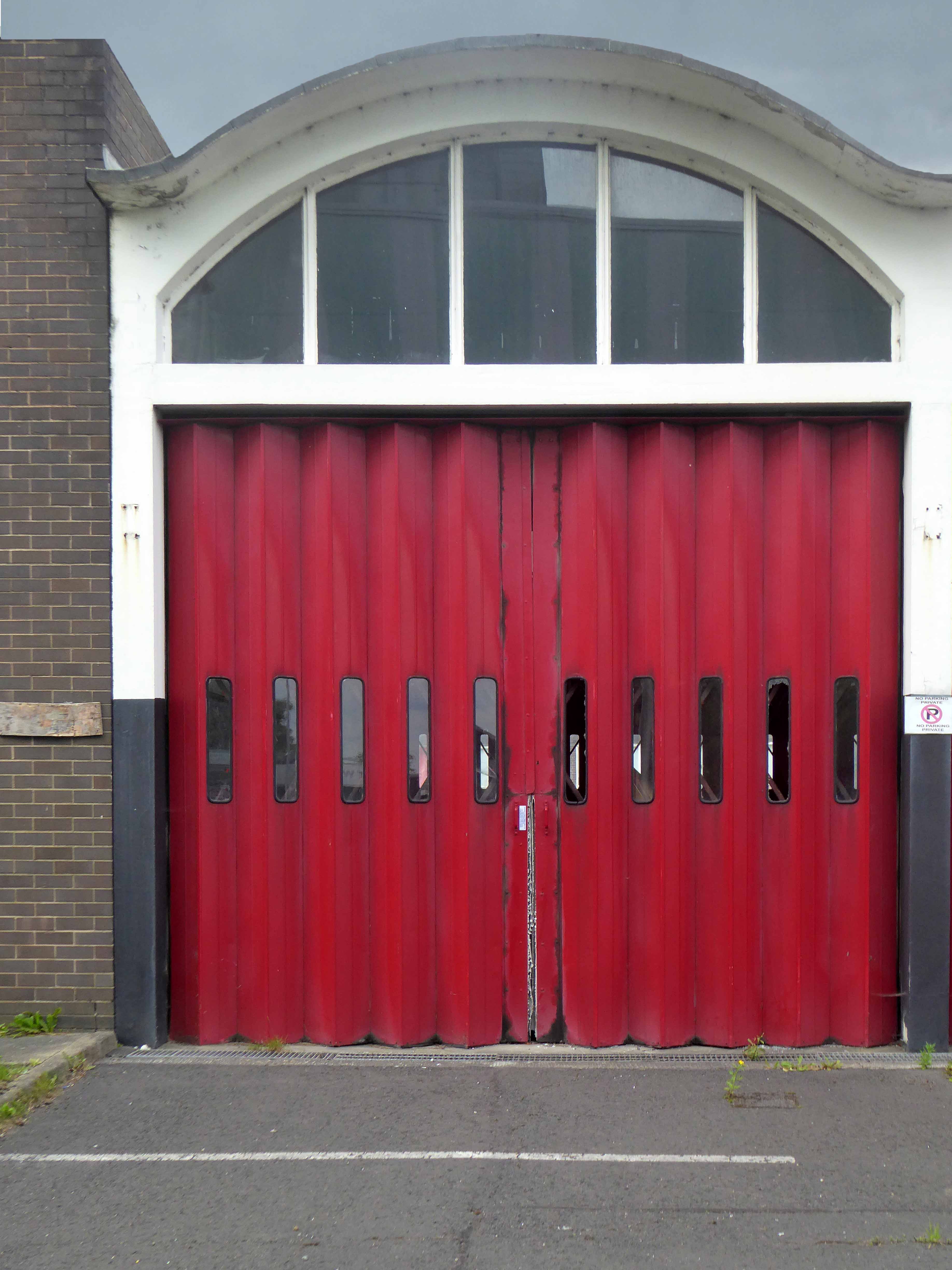
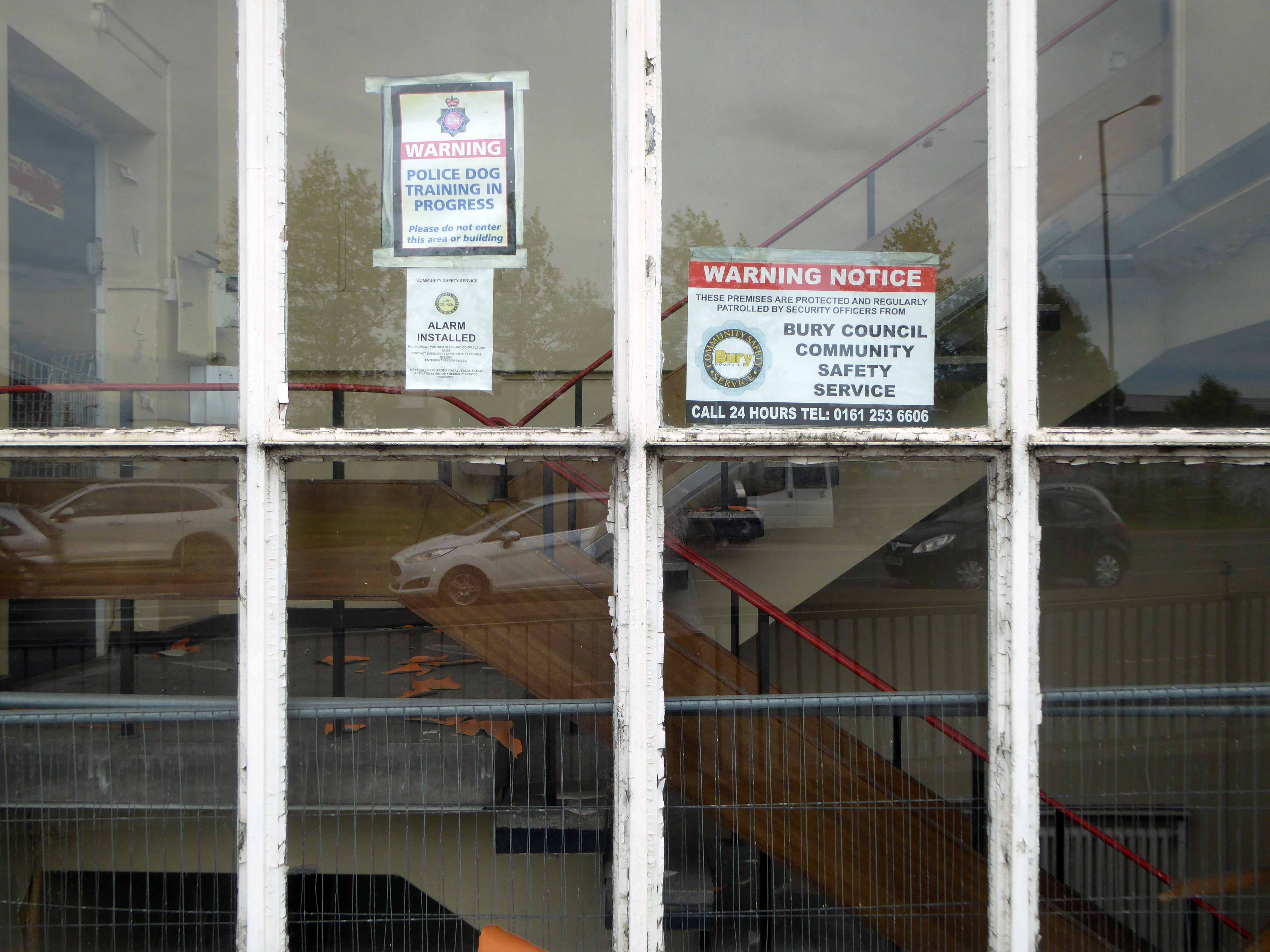
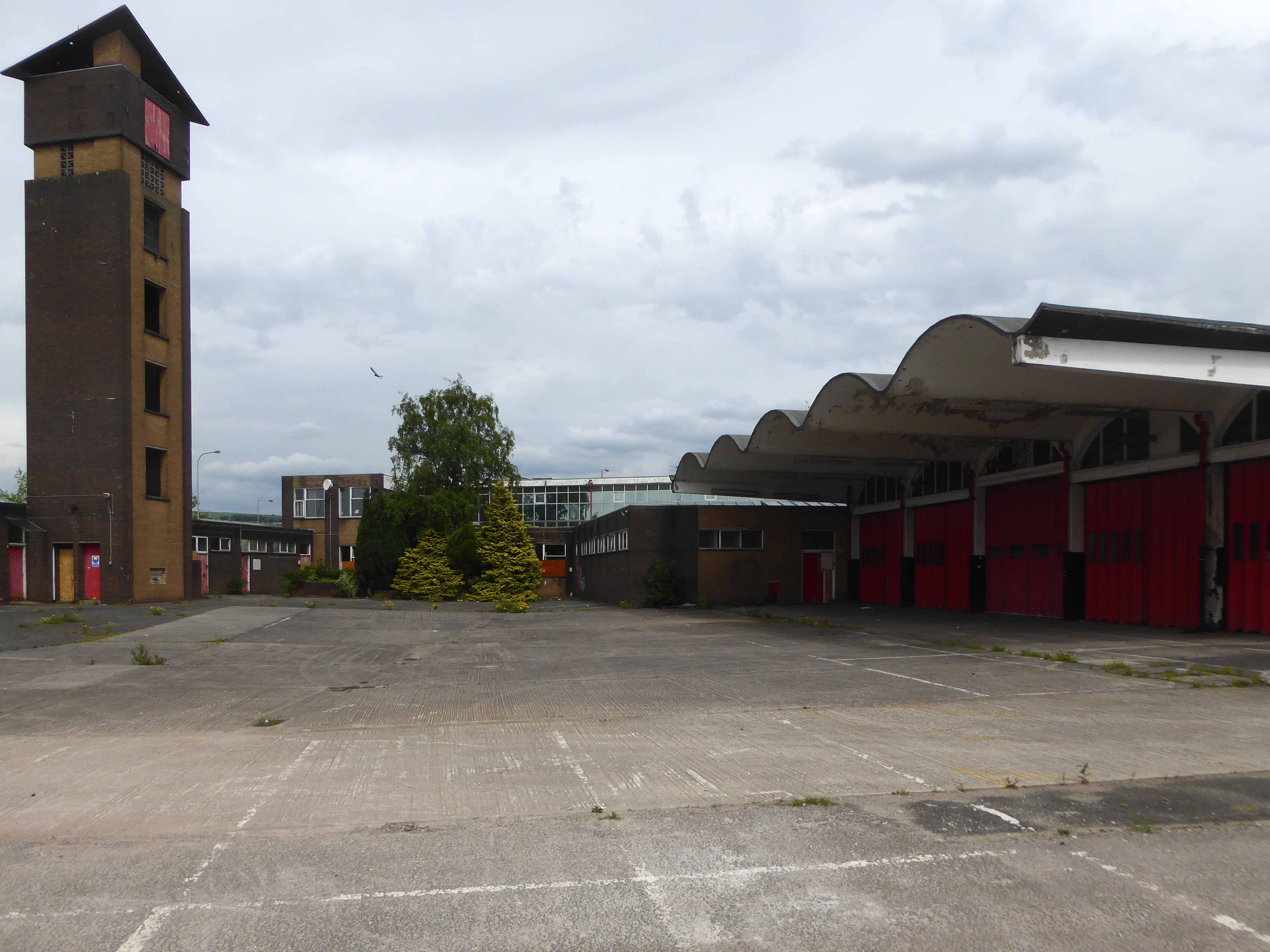
Curvilinear, cantilevered, concrete canopies wave – wave goodbye.

Opened in 1967

fire-station-the-rock-built-1967

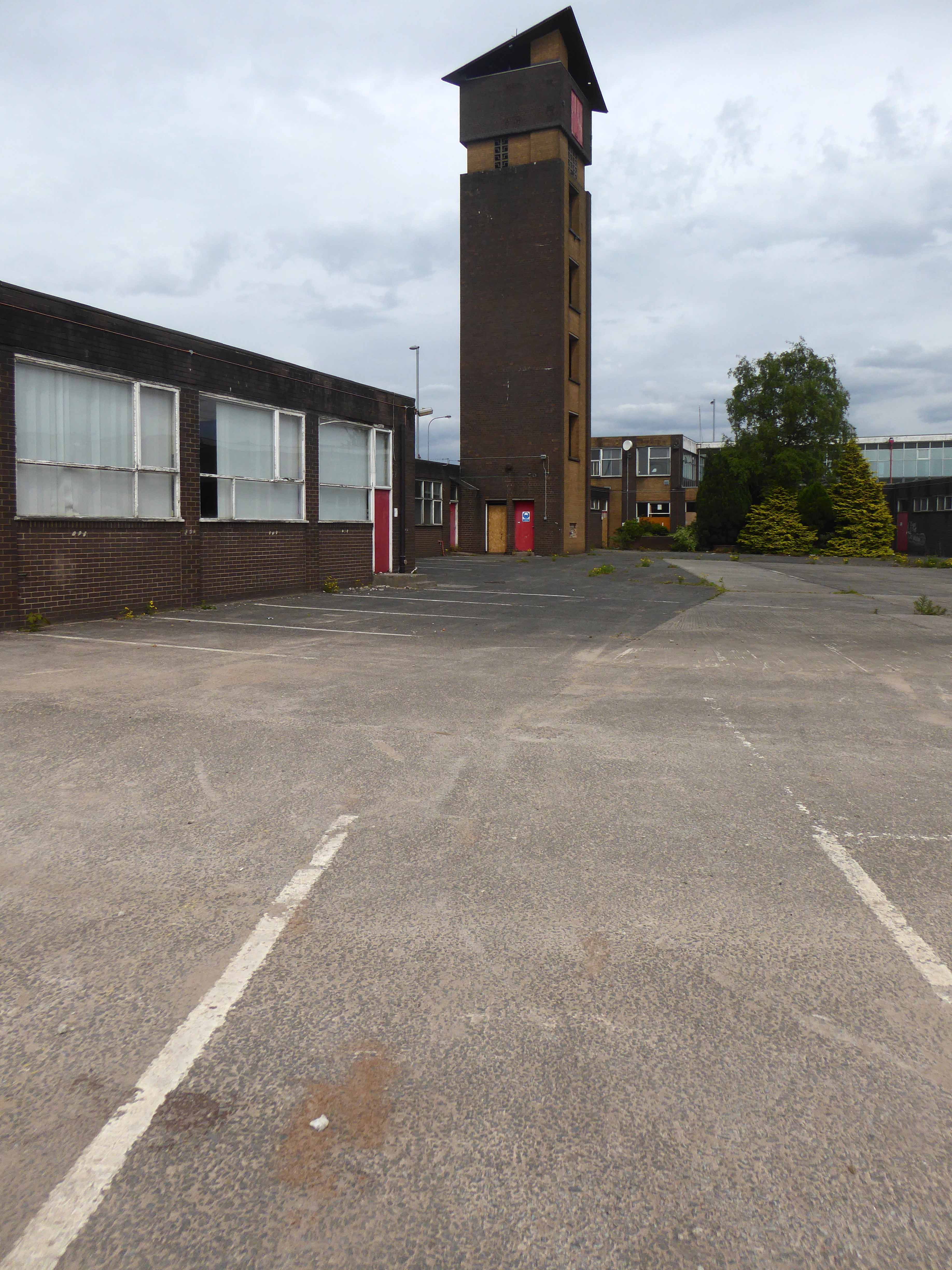
Closed in 2012, it continues to stand idly by, as the Bury Town centre doughnuts the site with shiny new developments.

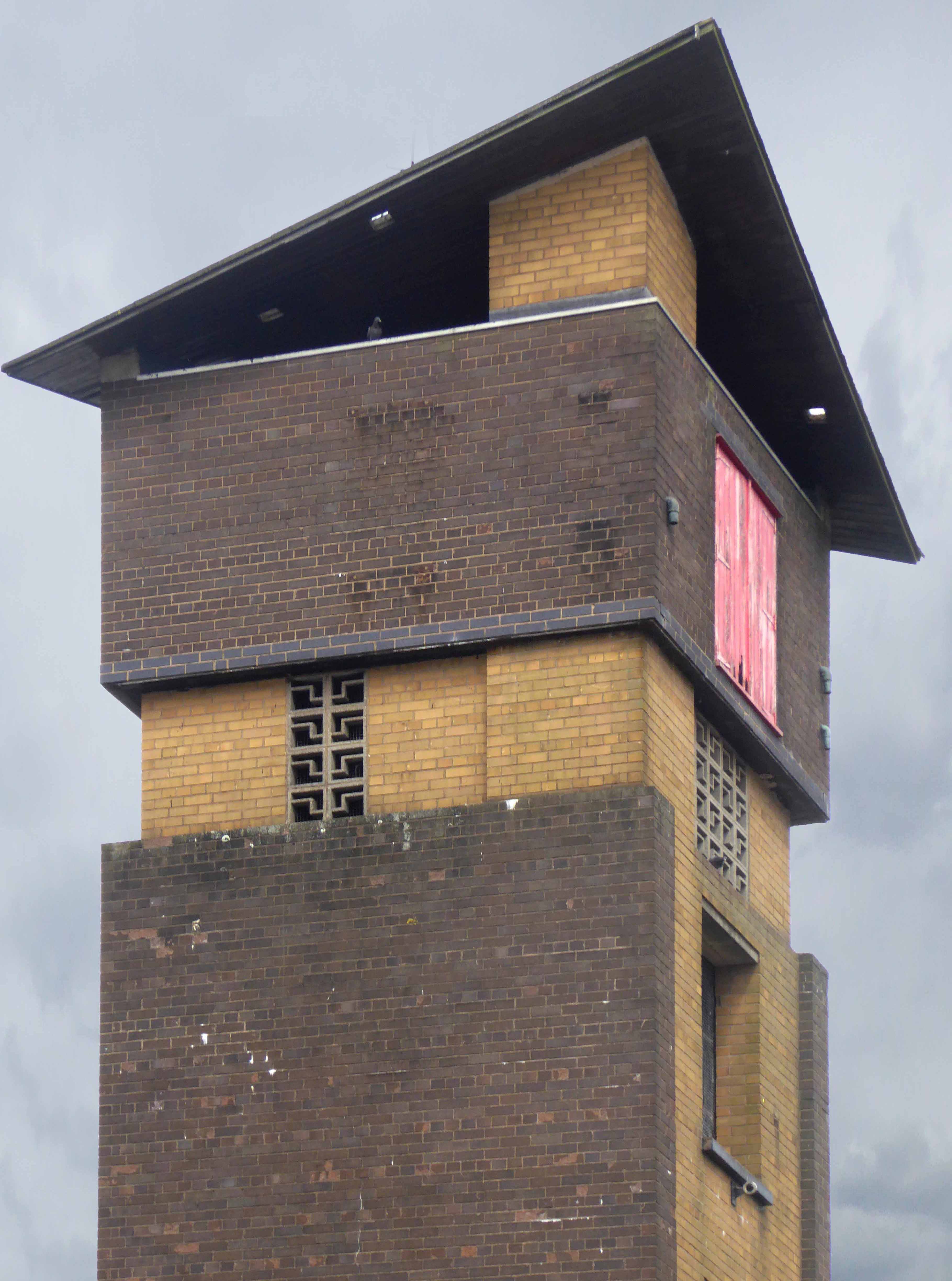
A striking tower topped by a hyper parabolic roof with a cheeky twist, it remains an elegant feature on The Rock.

Facing an uncertain future it can only be a matter of time, as the new build proliferates that the fire station disappears in a puff of smoke.

Who you gonna call?

P1160753

P1160754

P1160755

P1160756

P1160758

P1160759

P1160760

P1160761

P1160762

P1160763

P1160764

P1160765

P1160766

P1160767

P1160768

P1160770

P1160771

P1160772

P1160783

P1160784