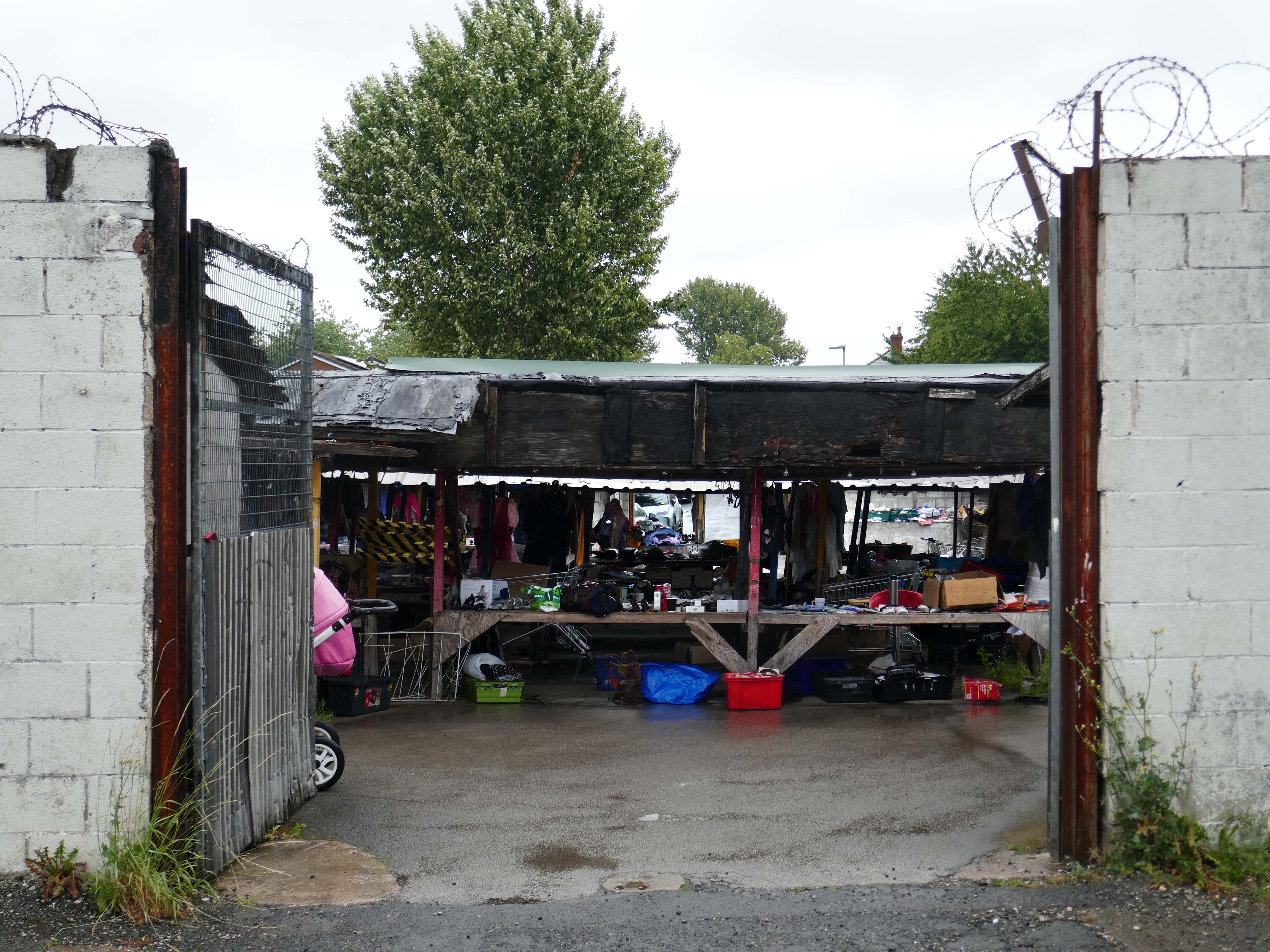
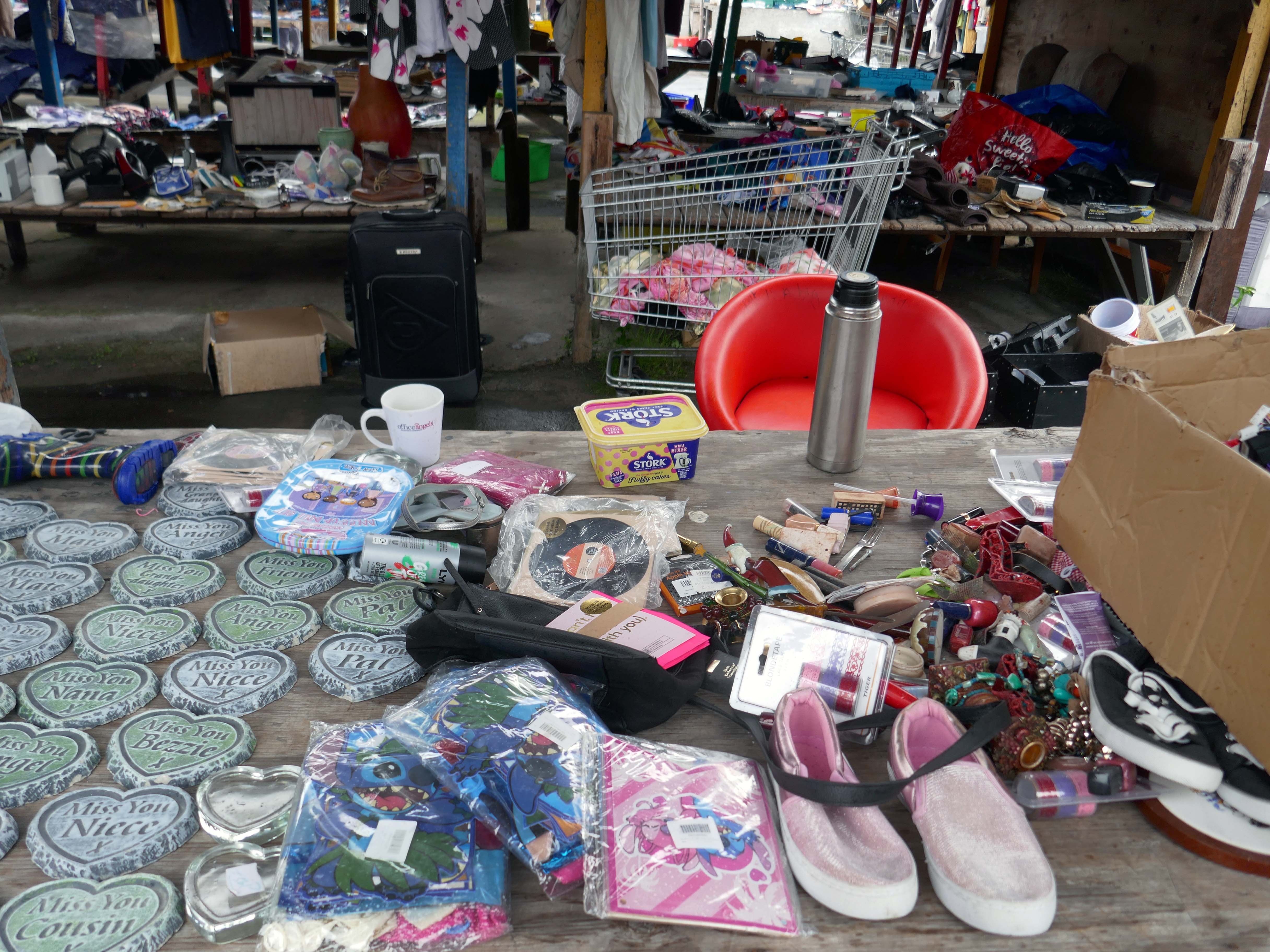
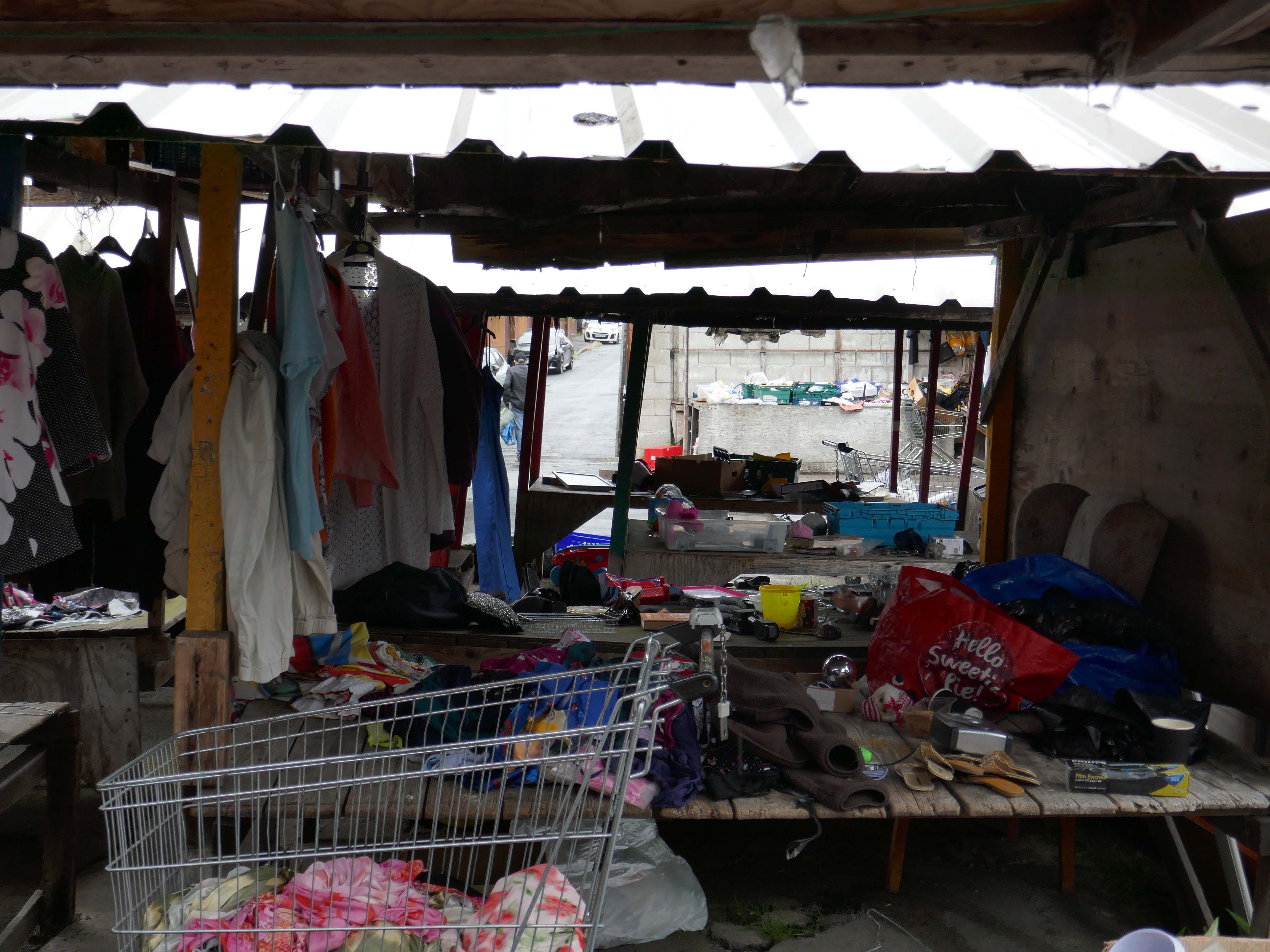
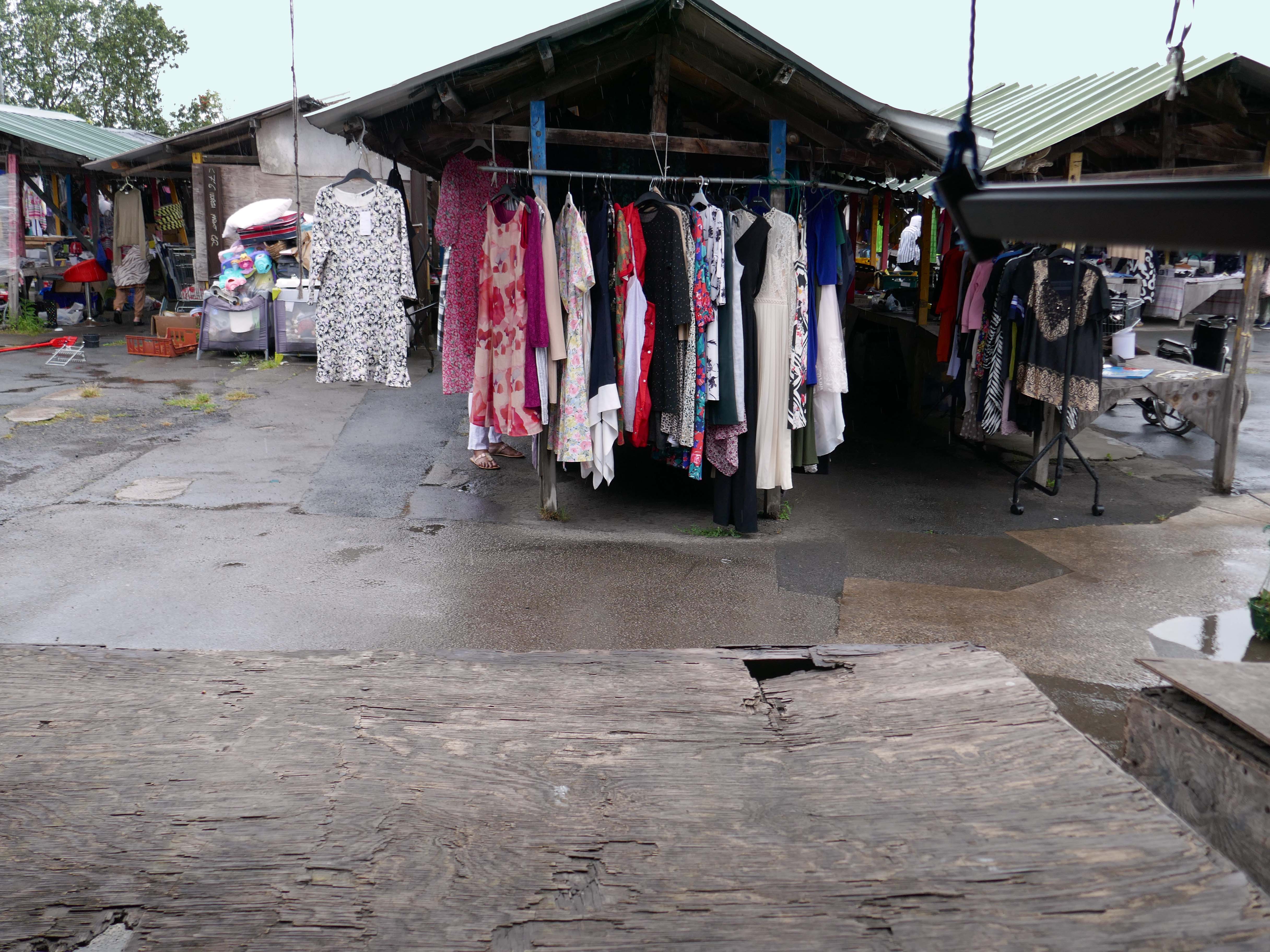
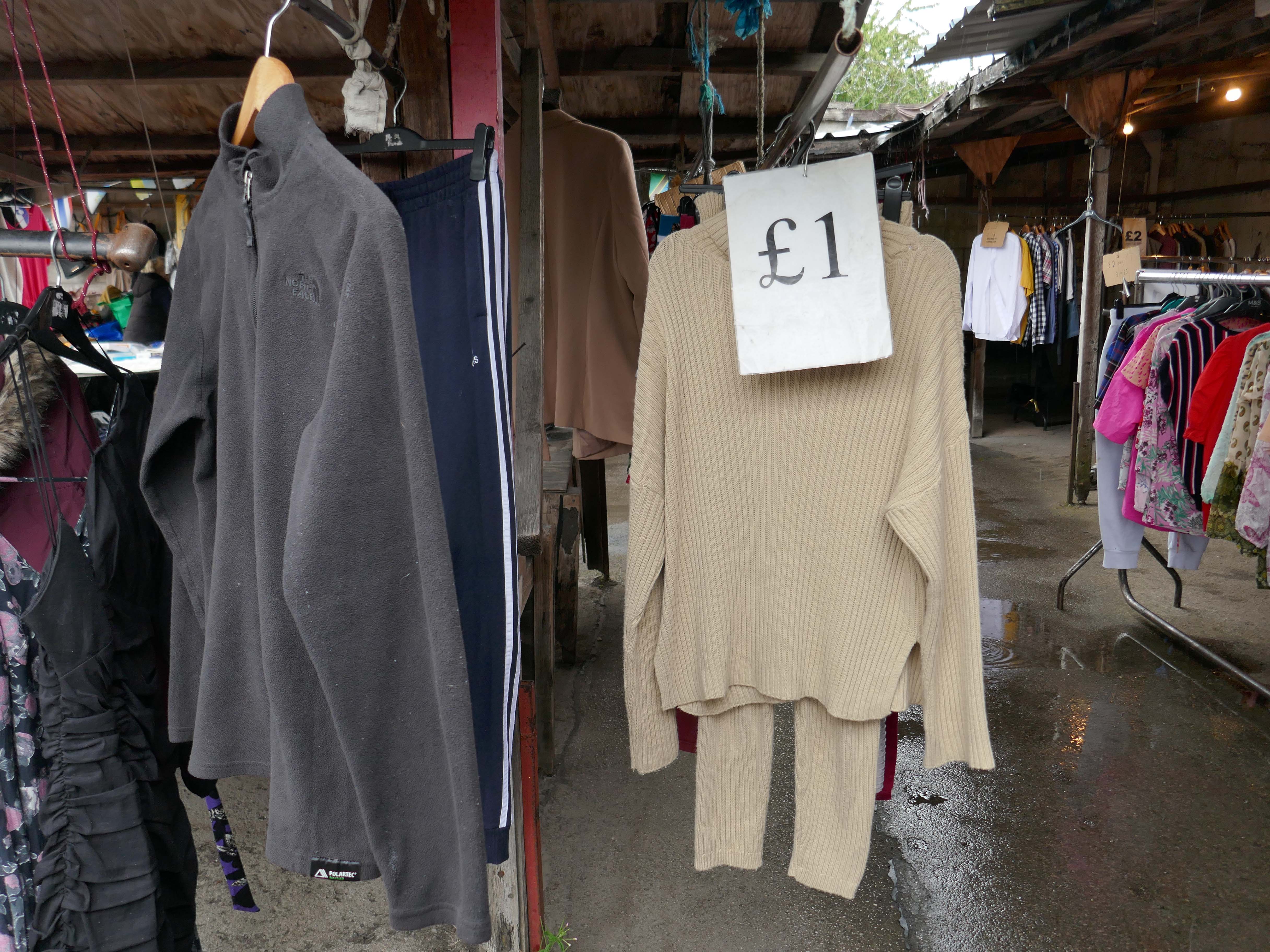
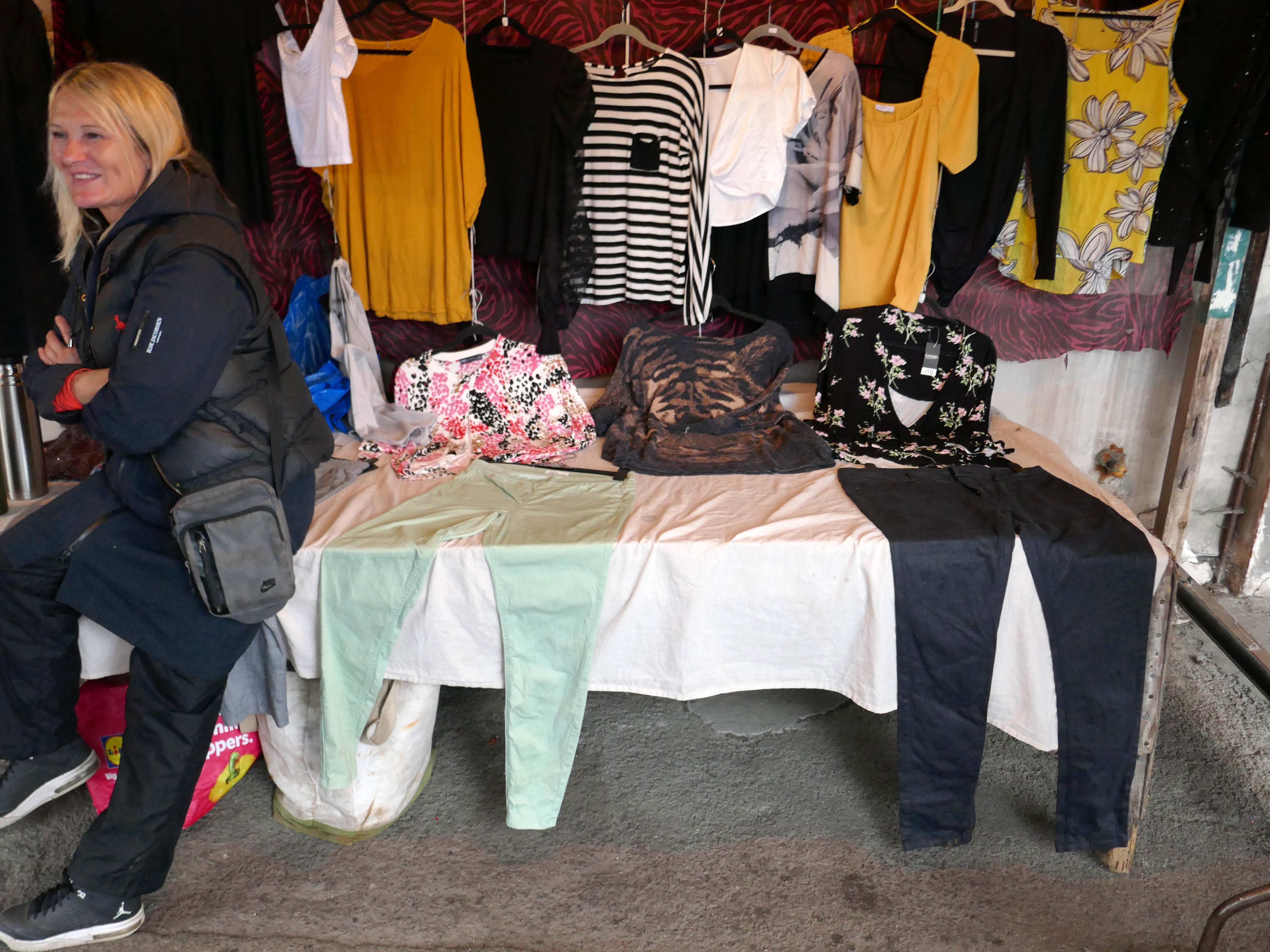
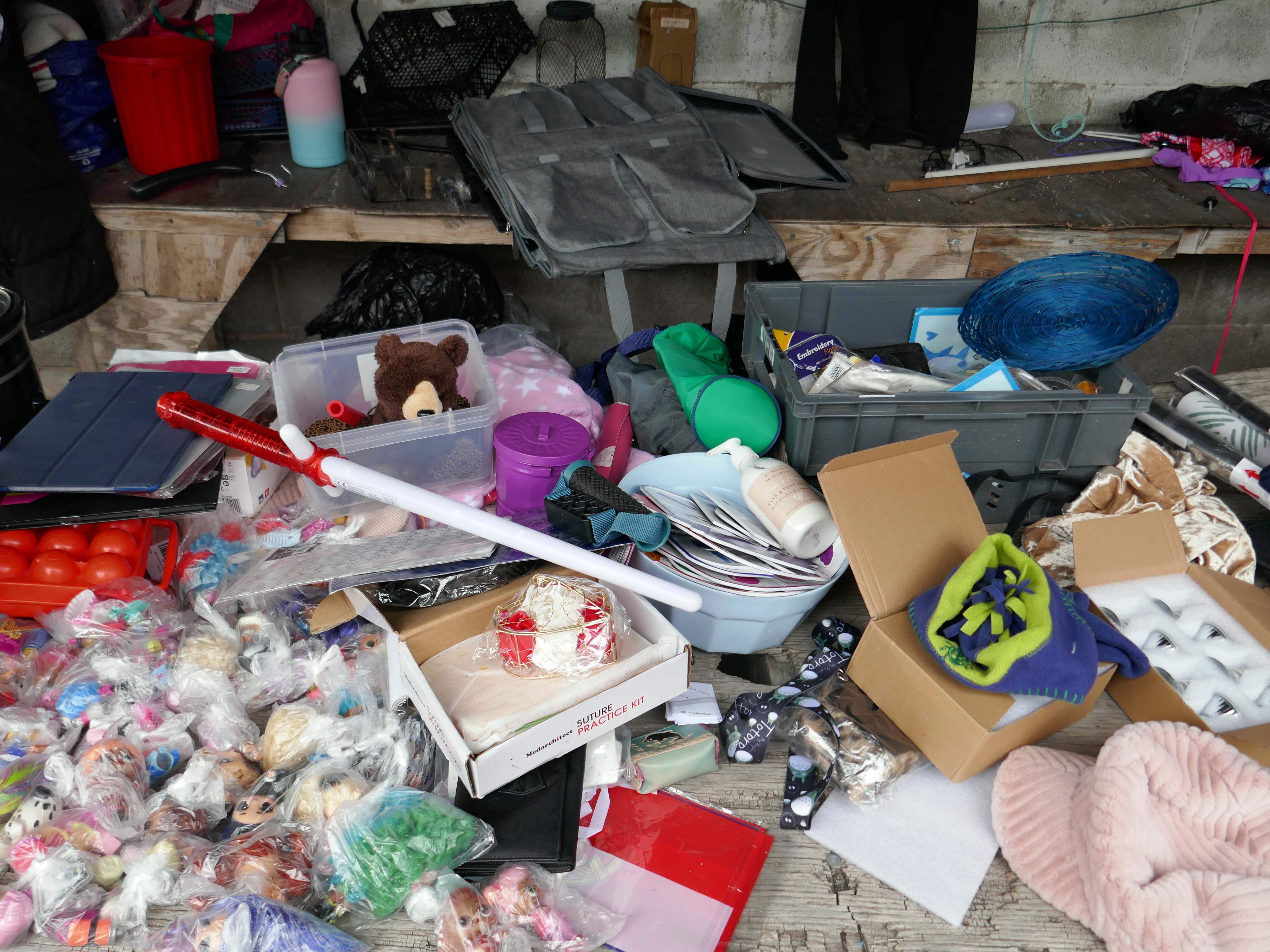
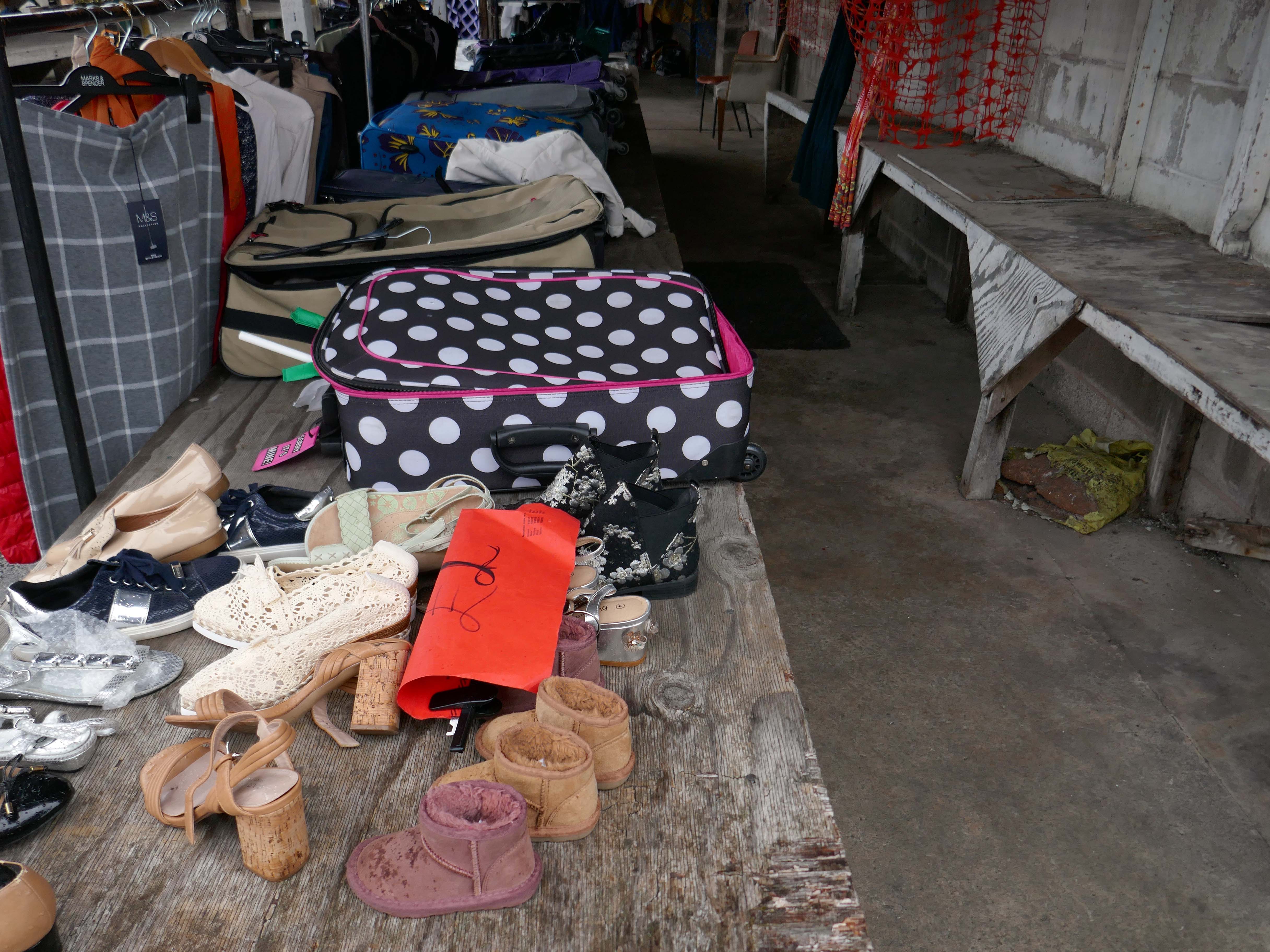
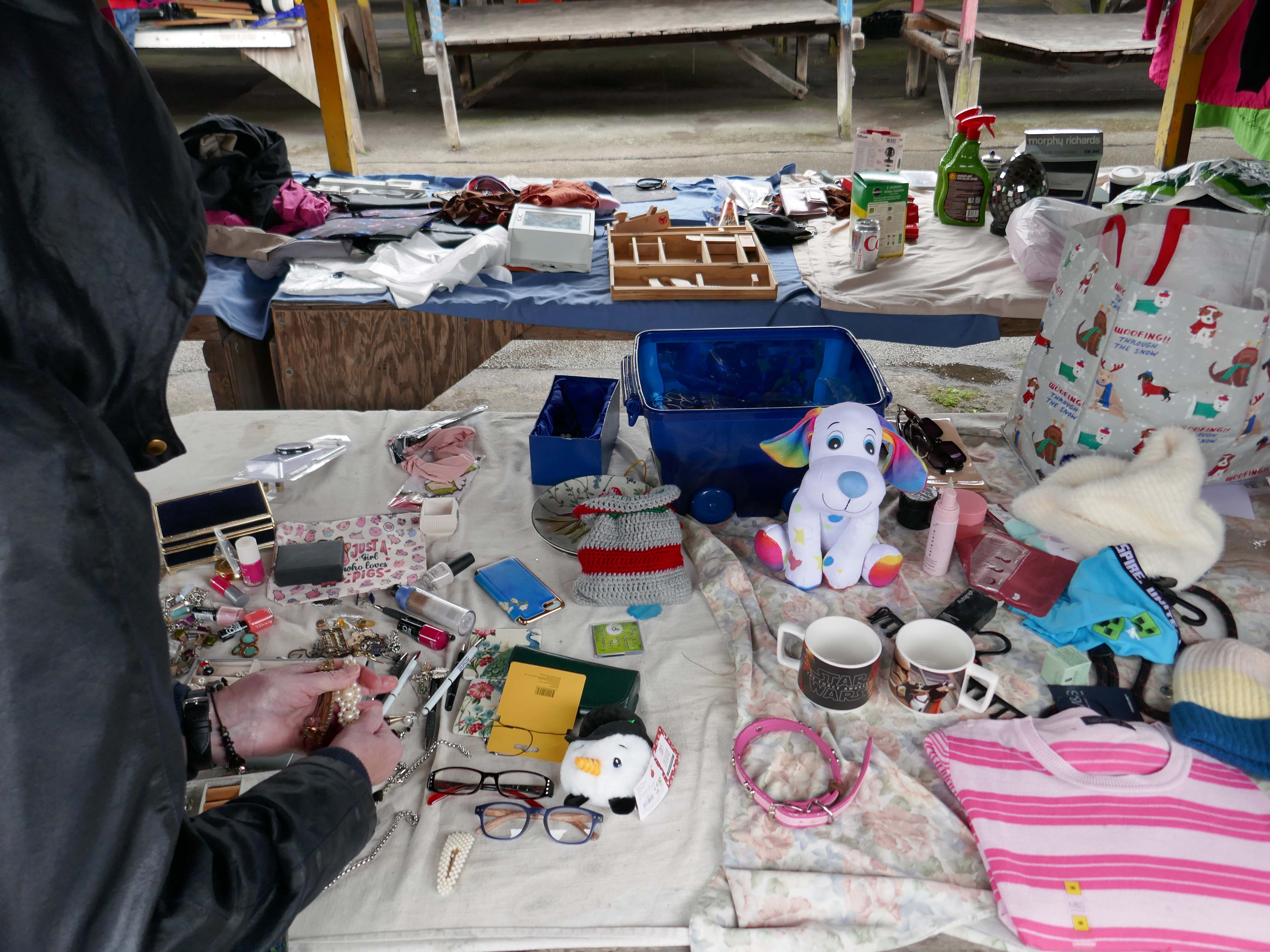
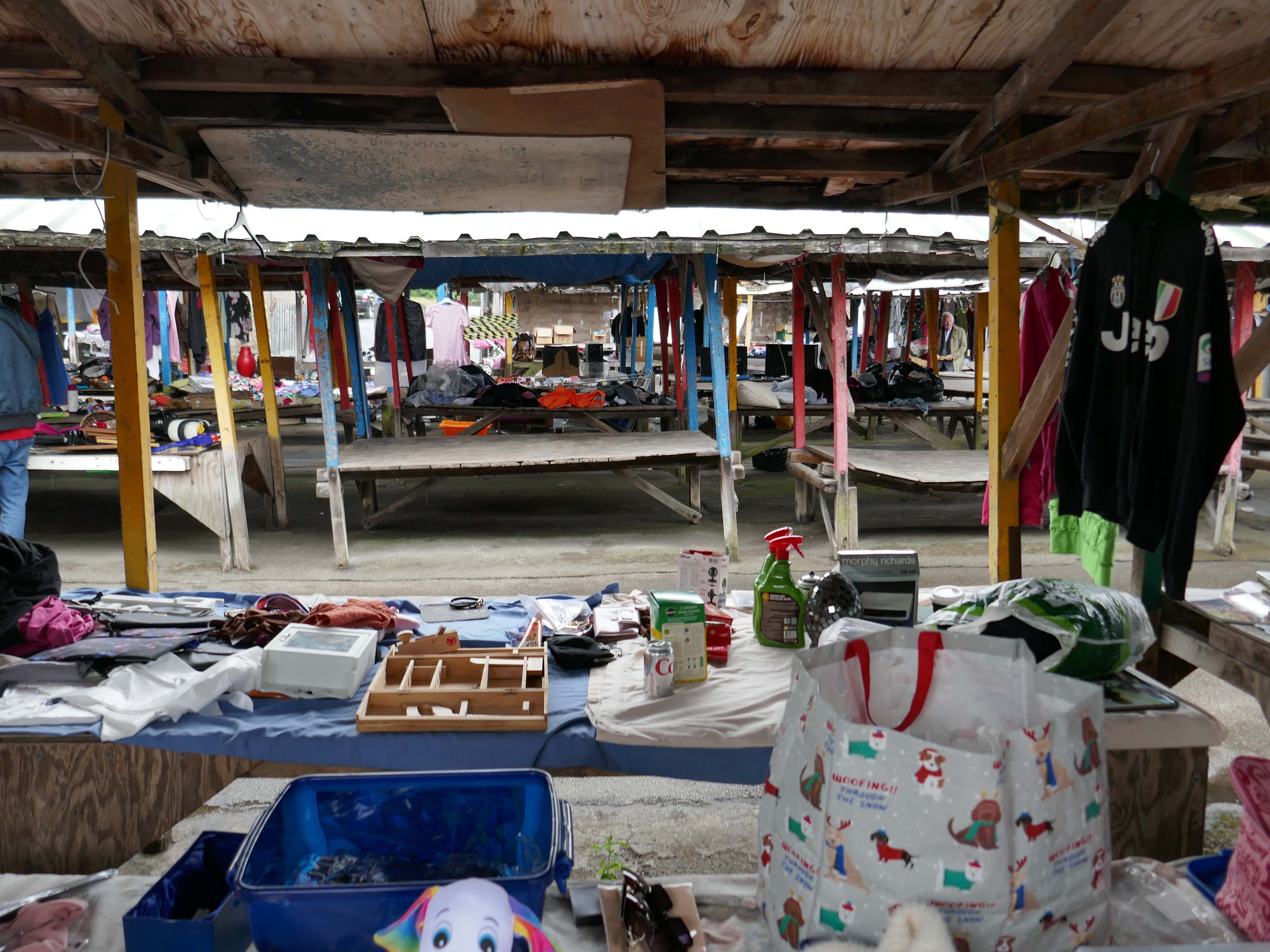
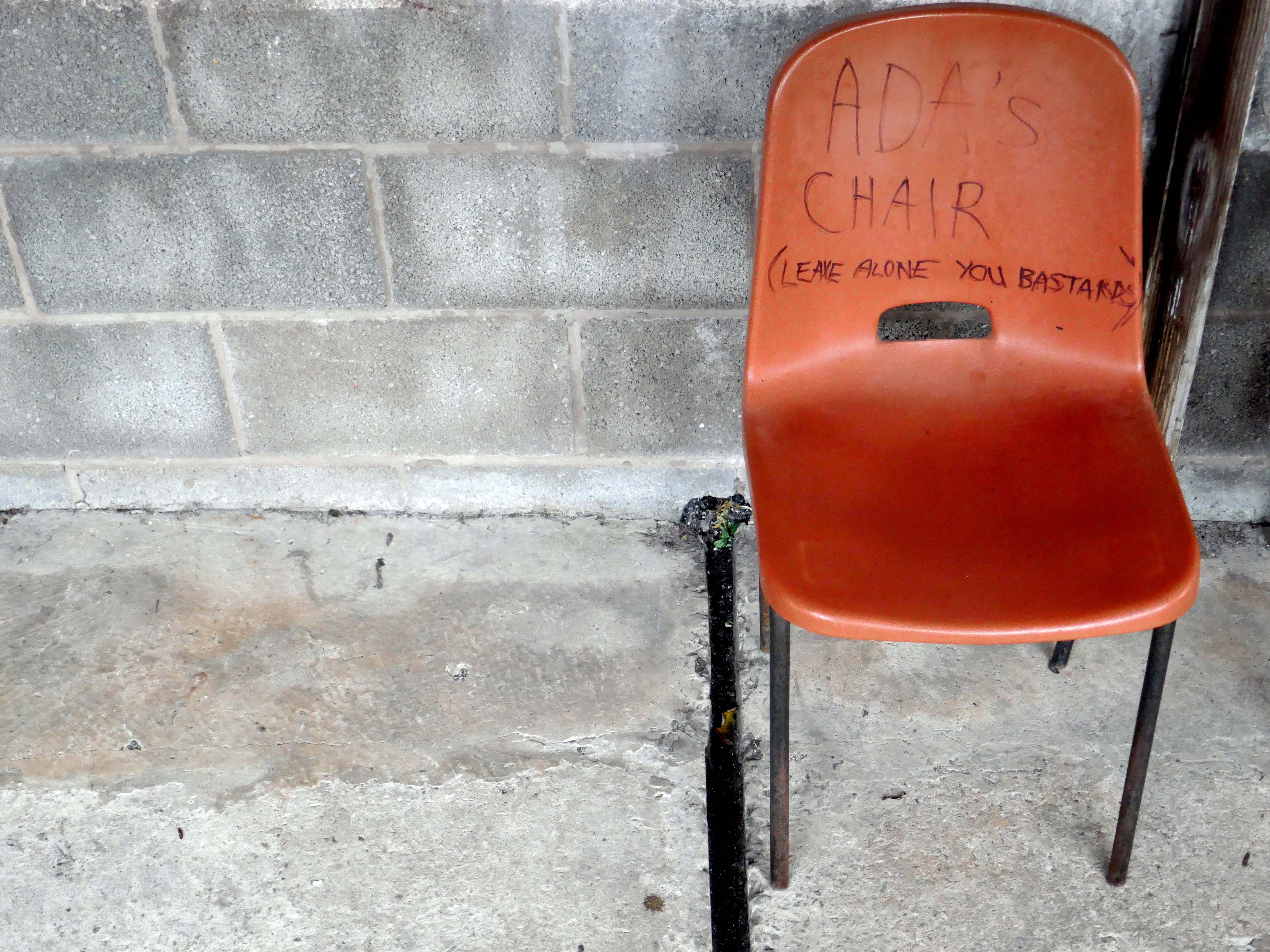
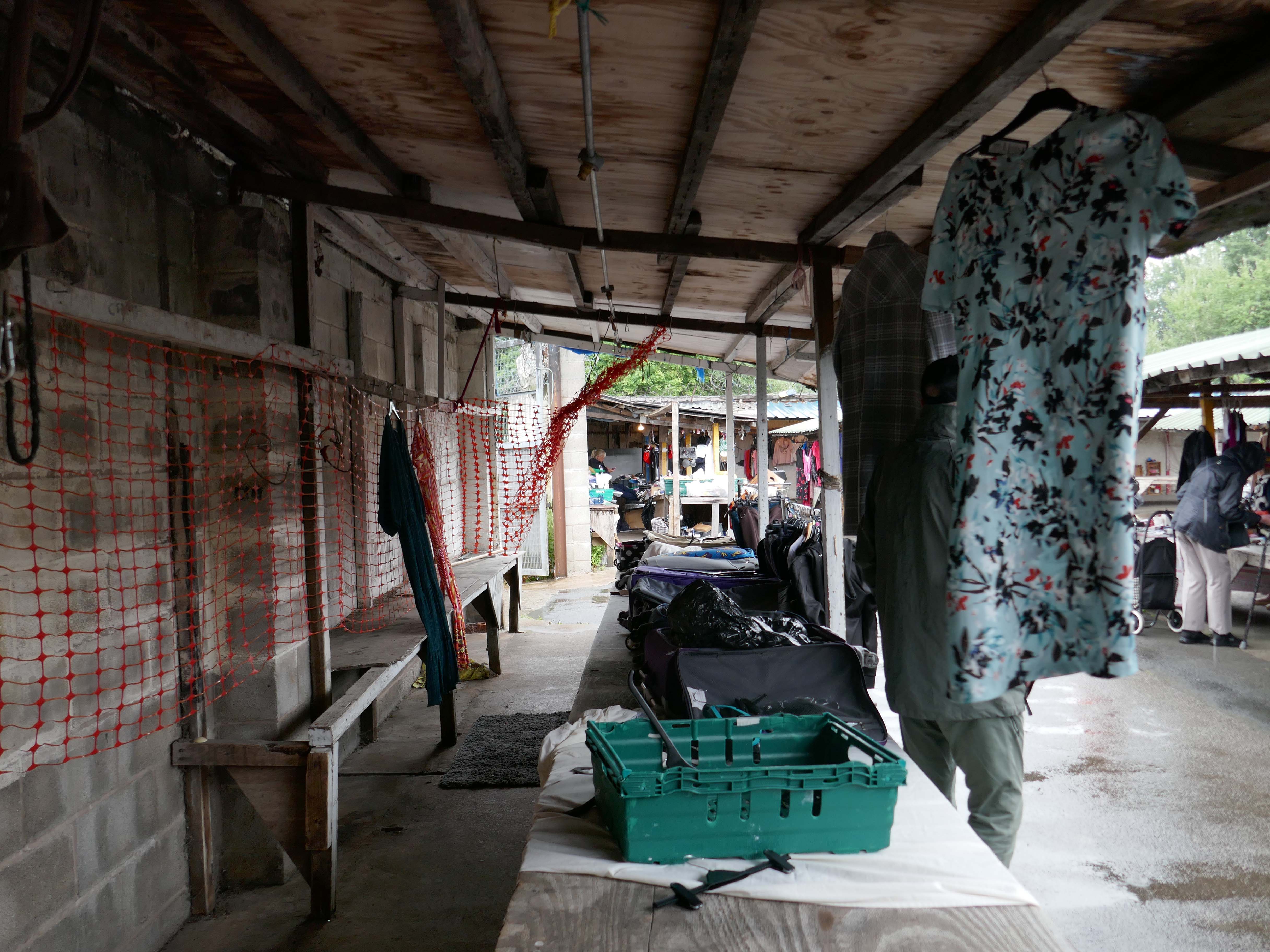
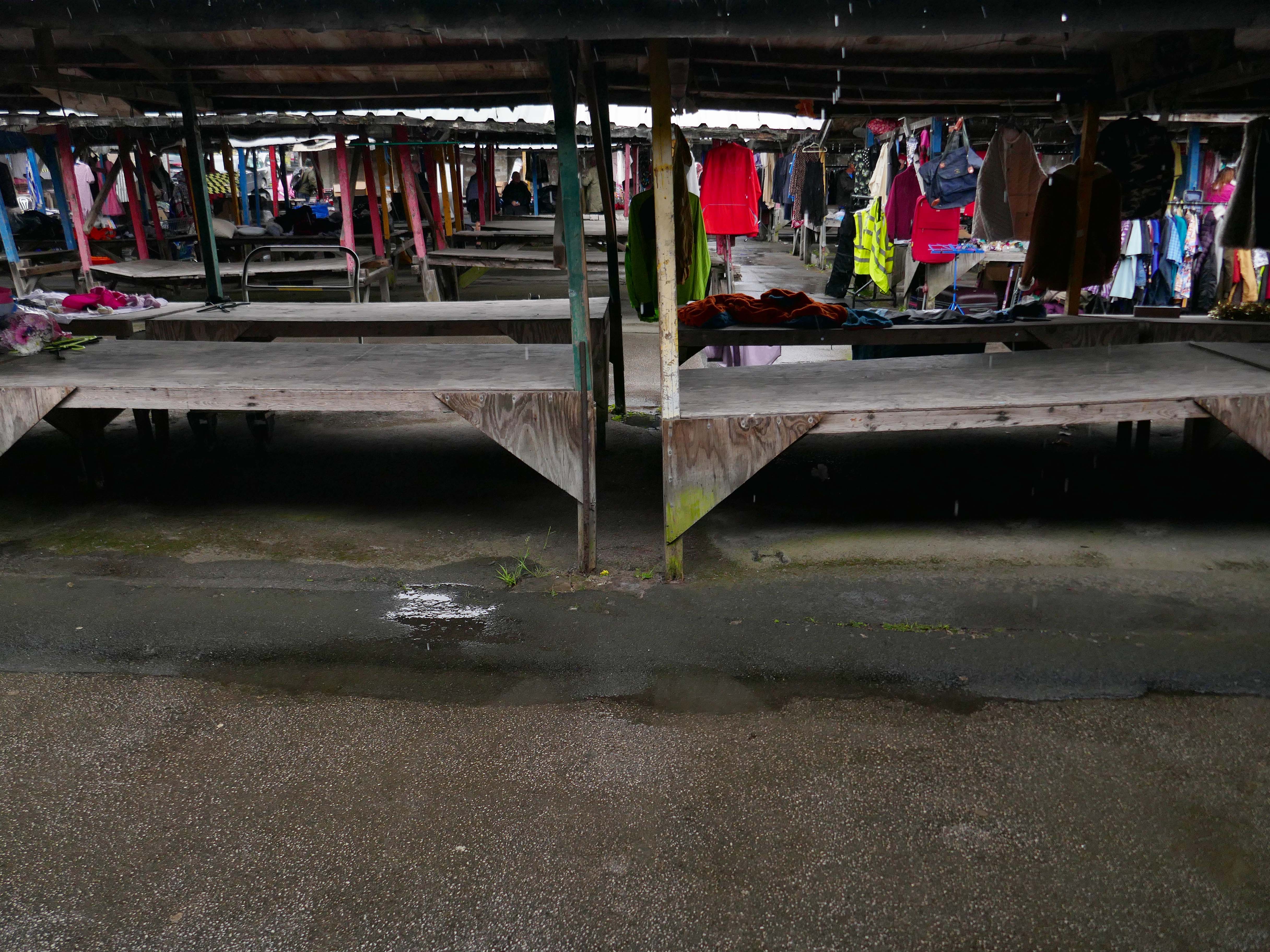
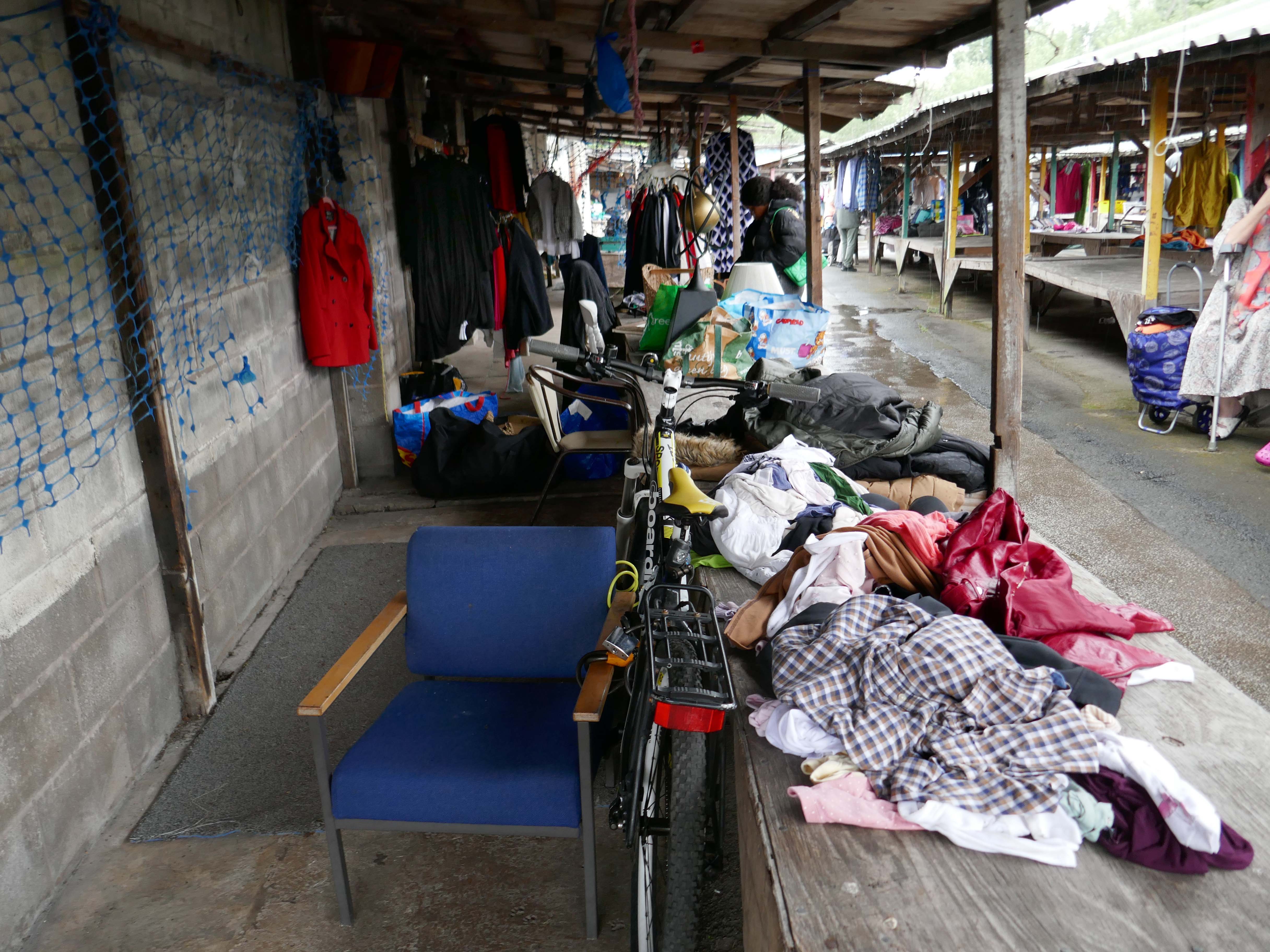
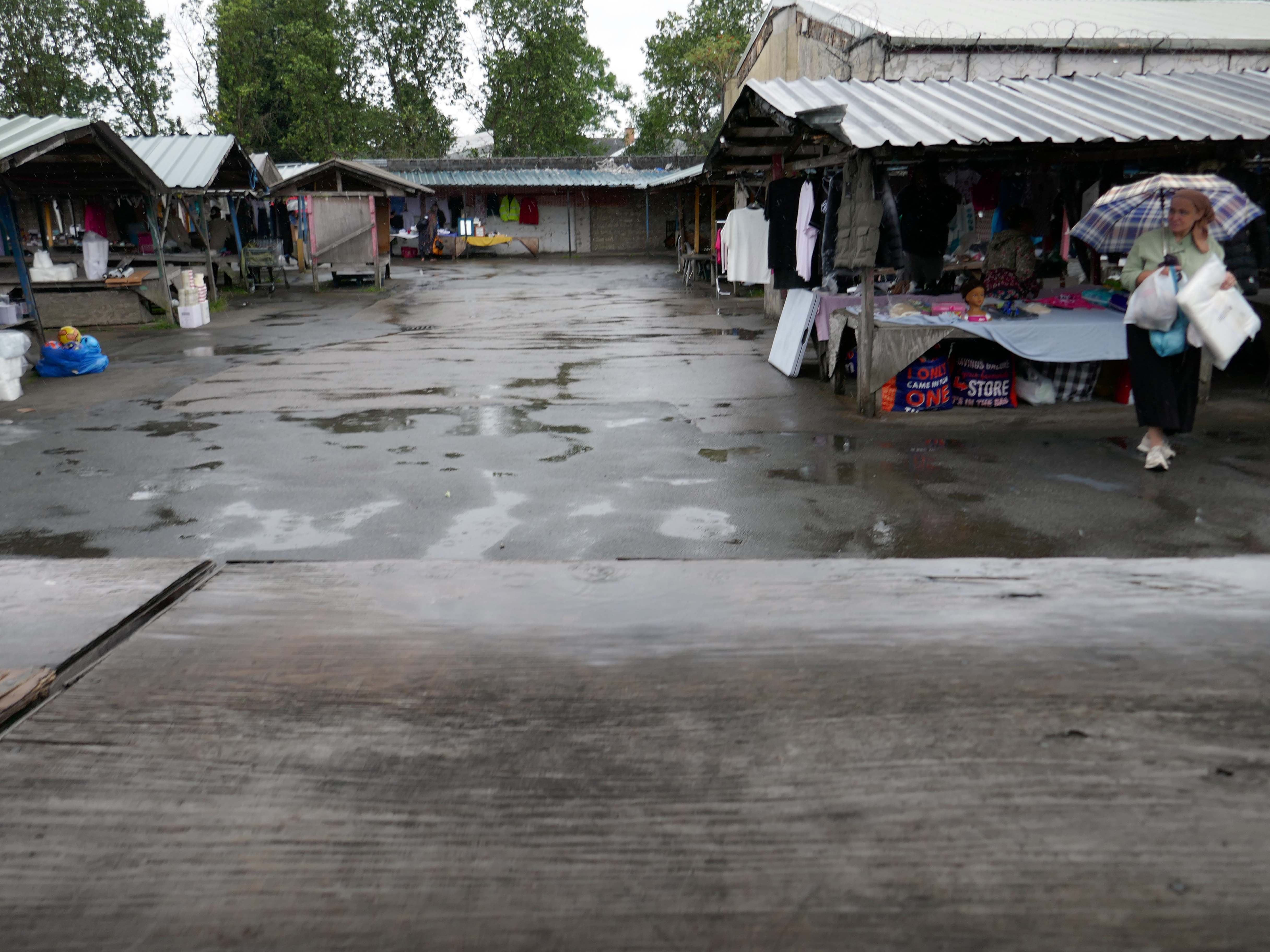
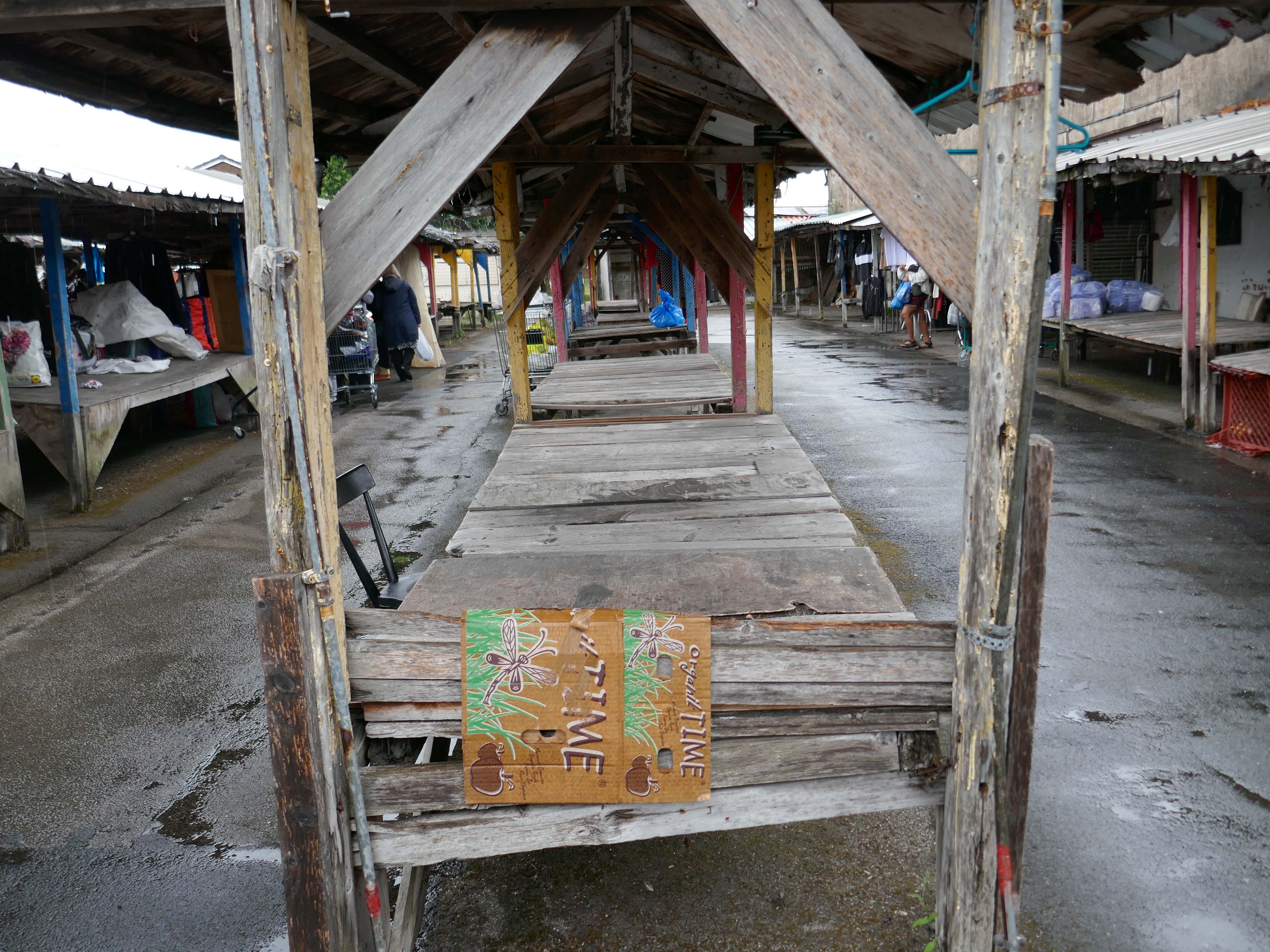
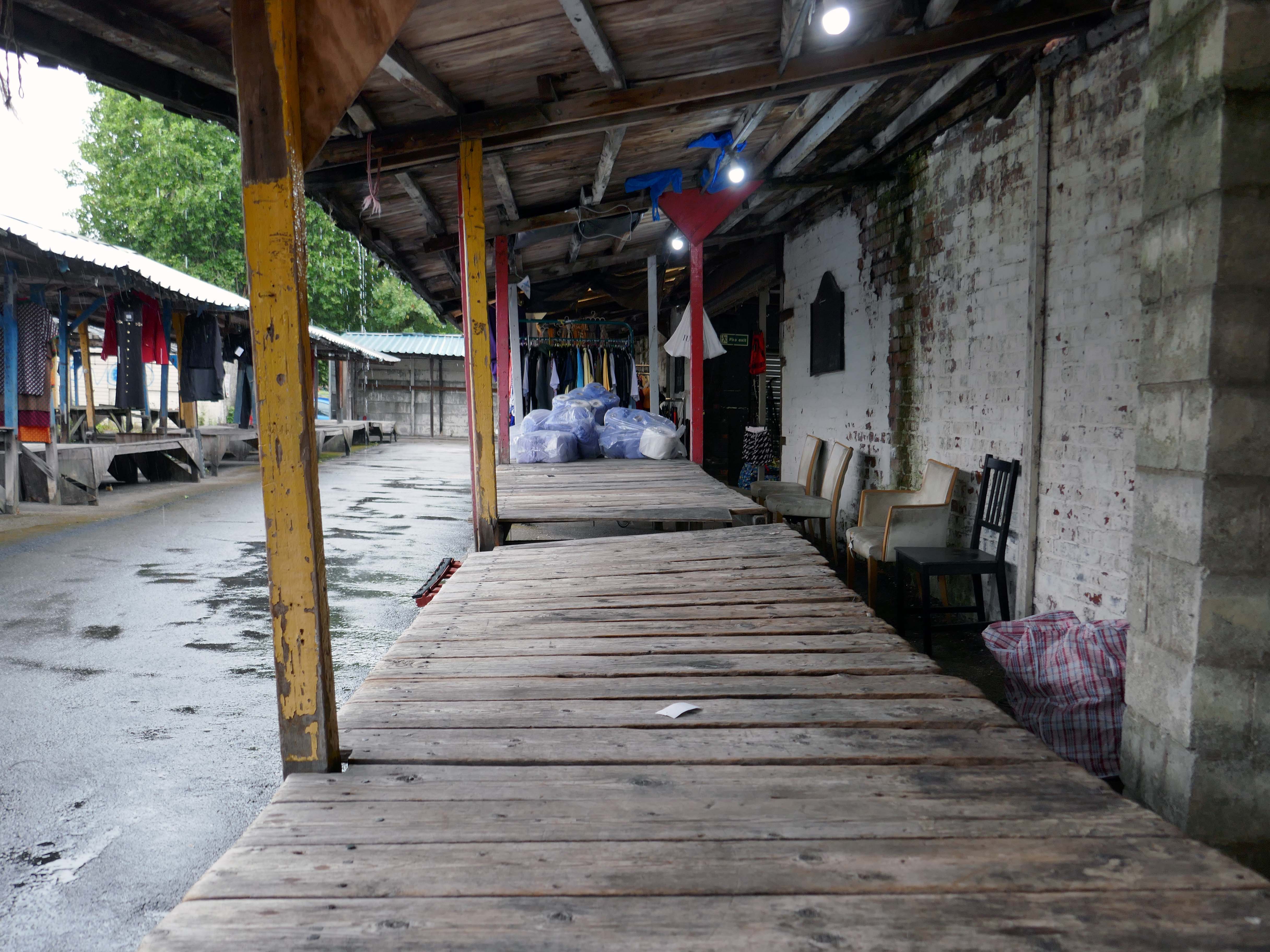
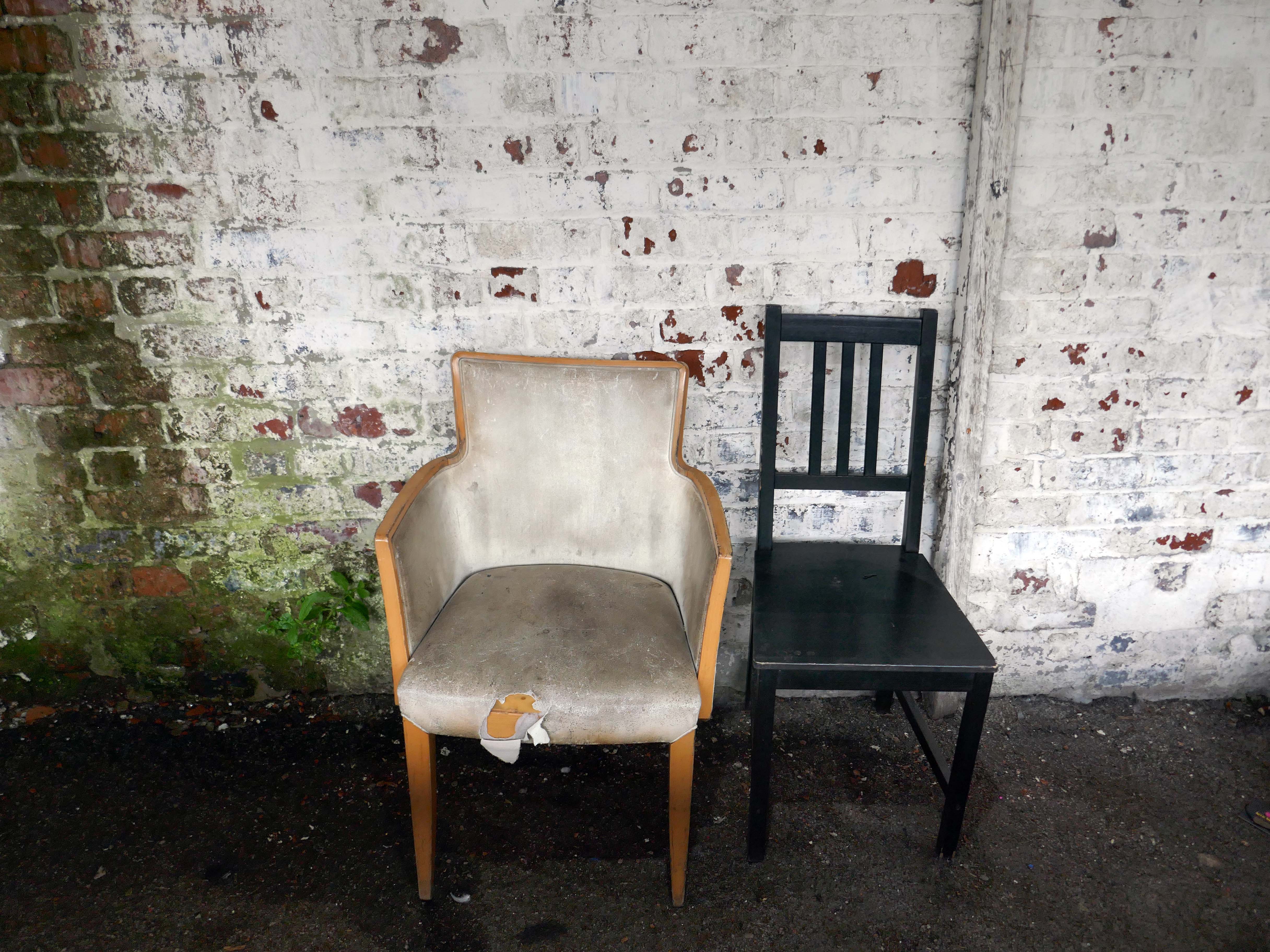
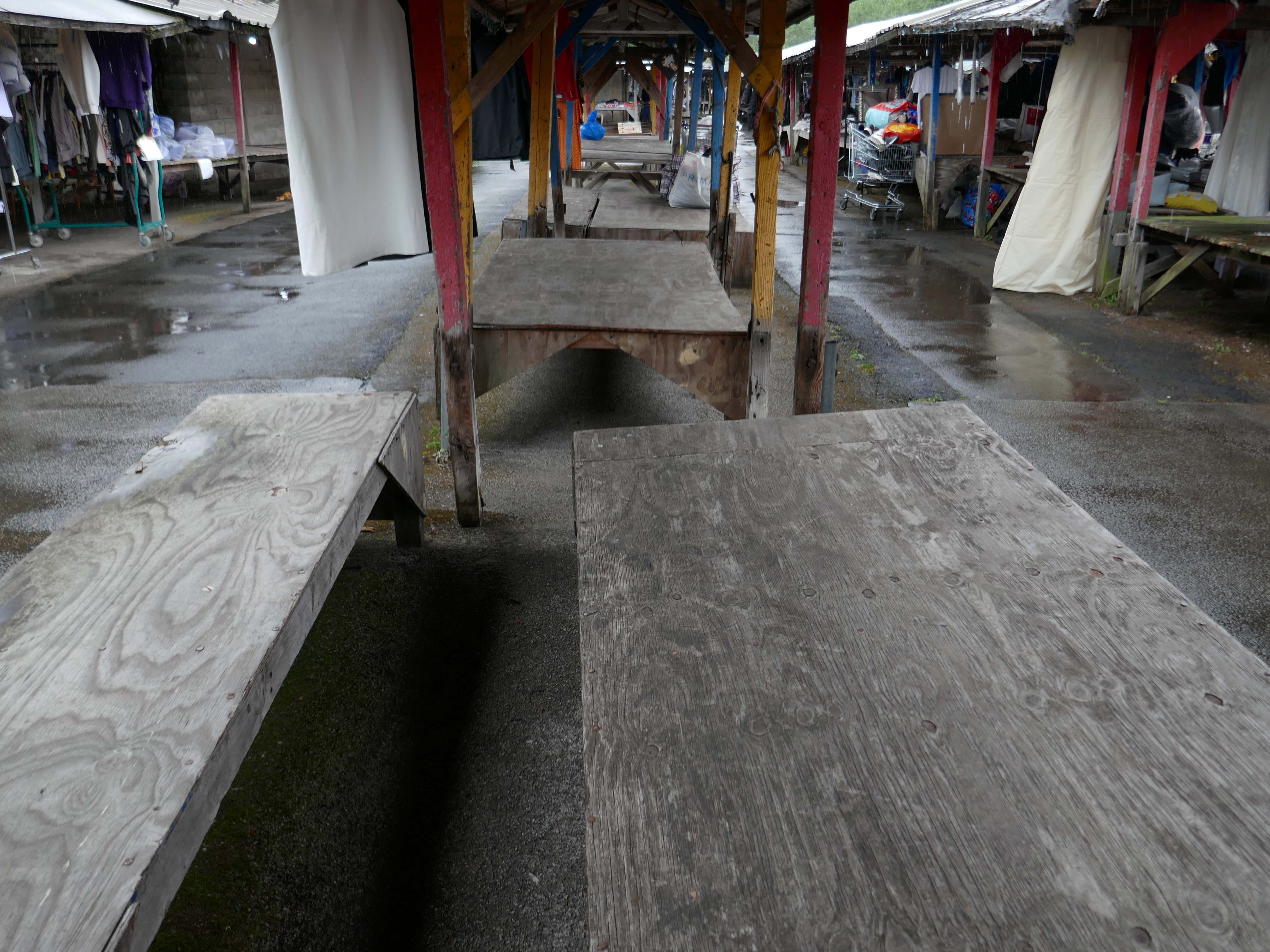
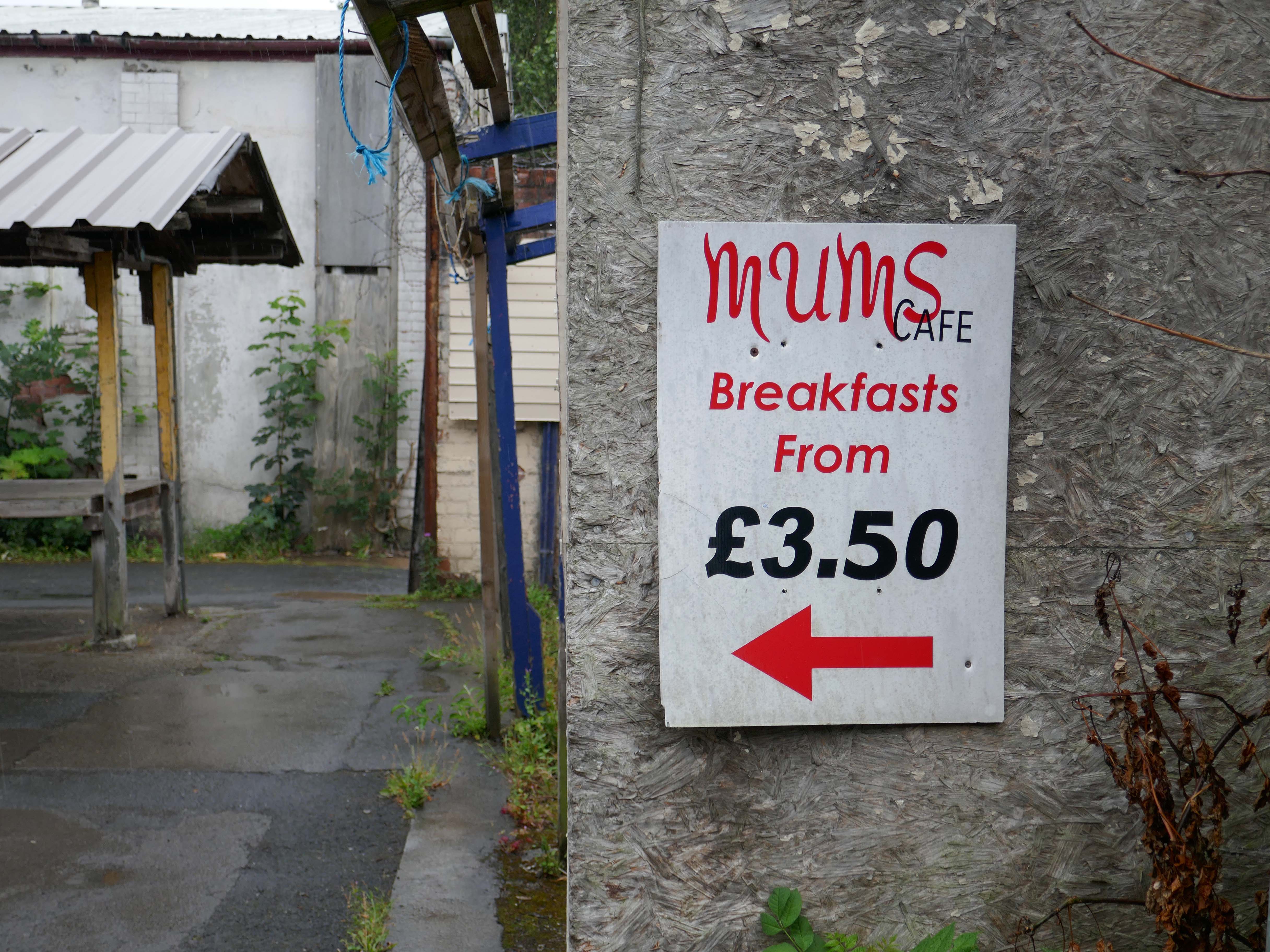
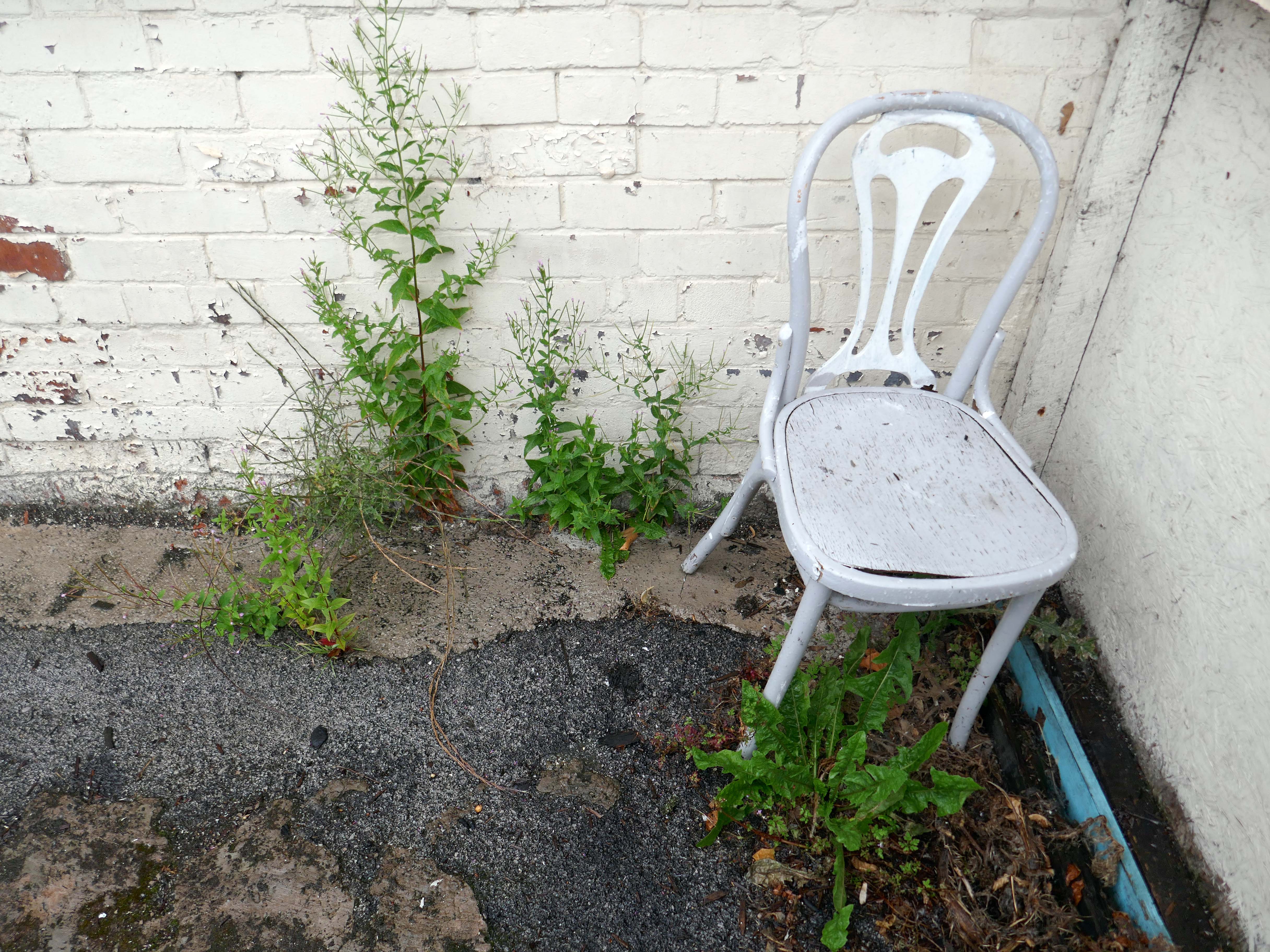
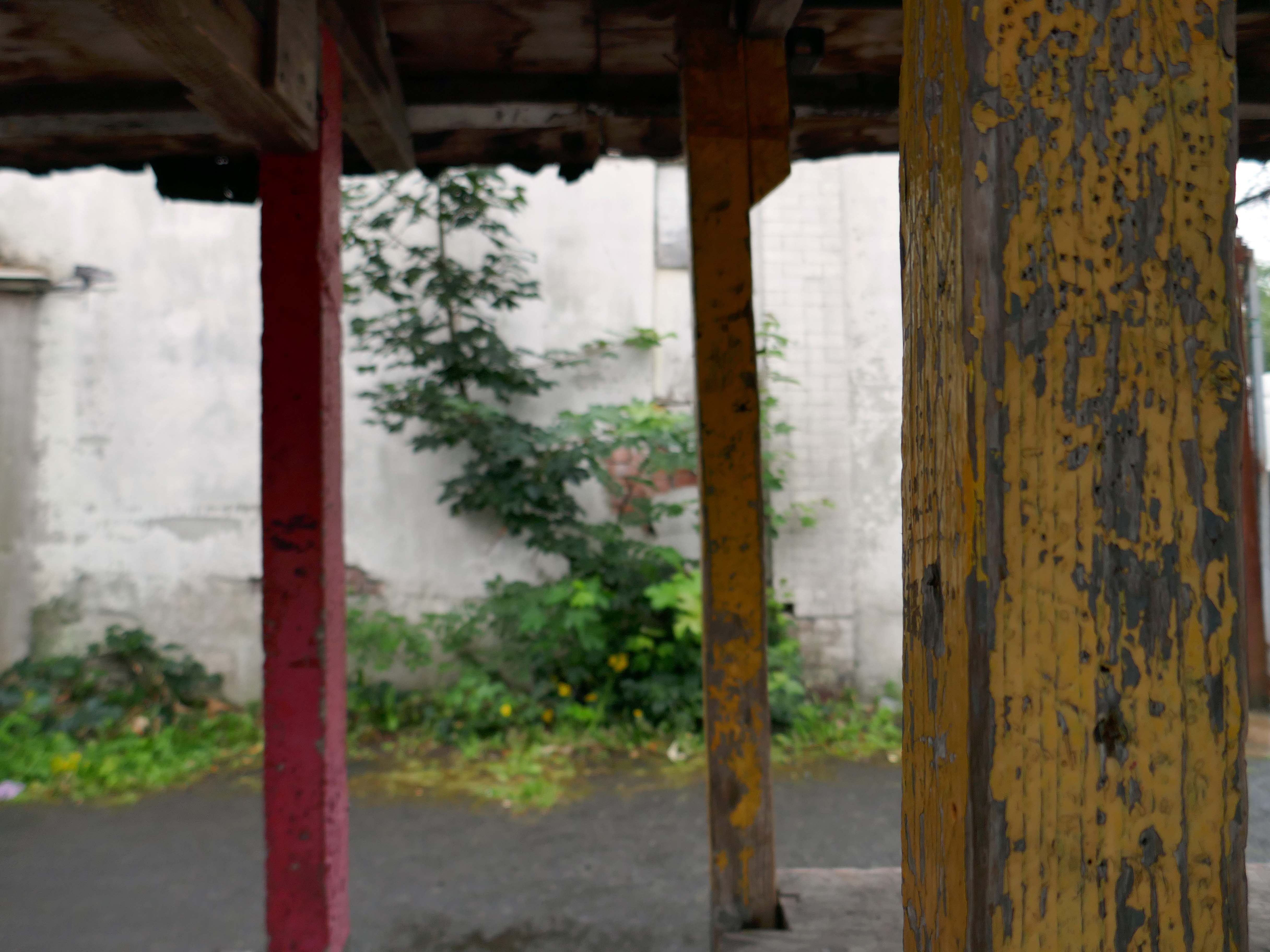
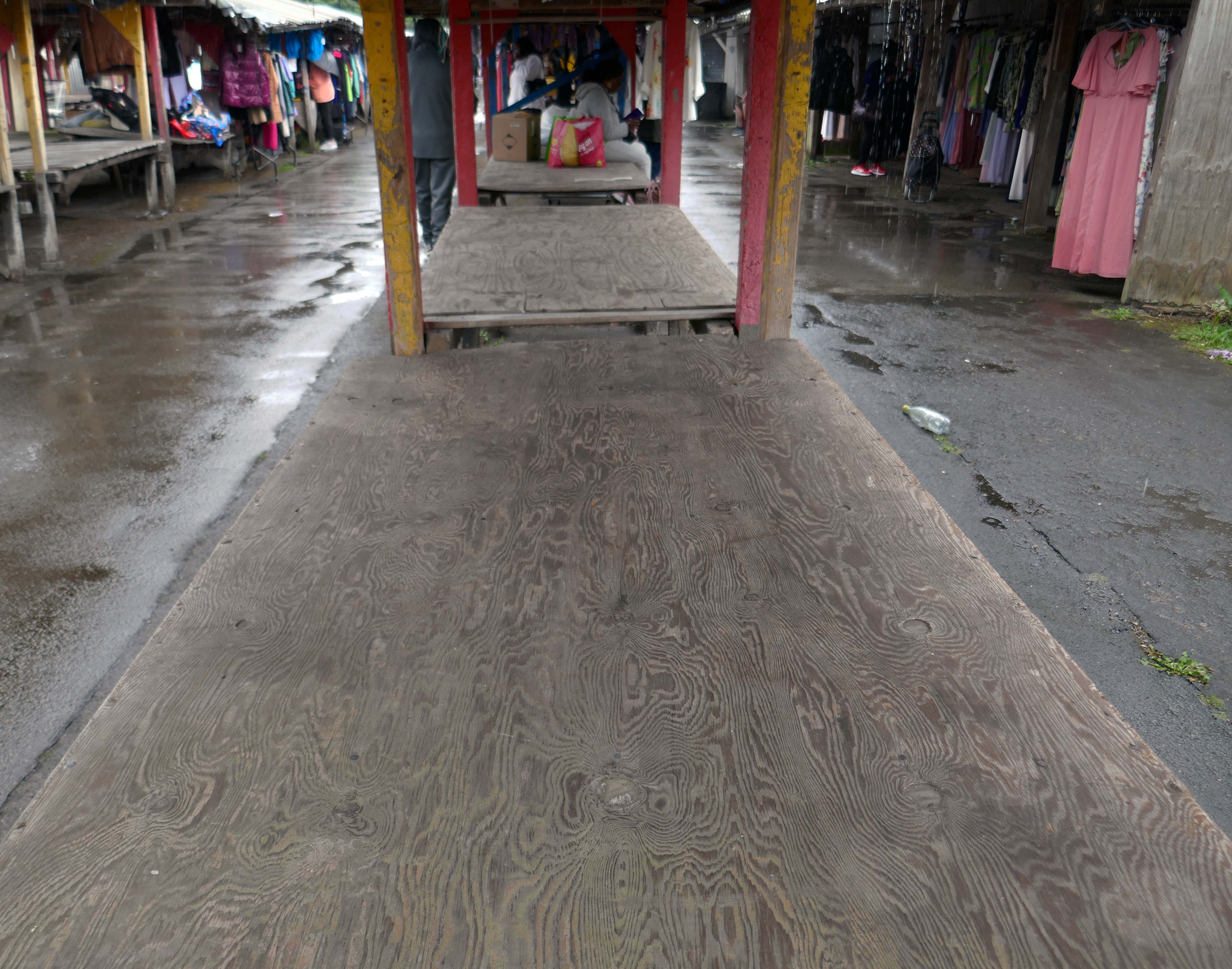
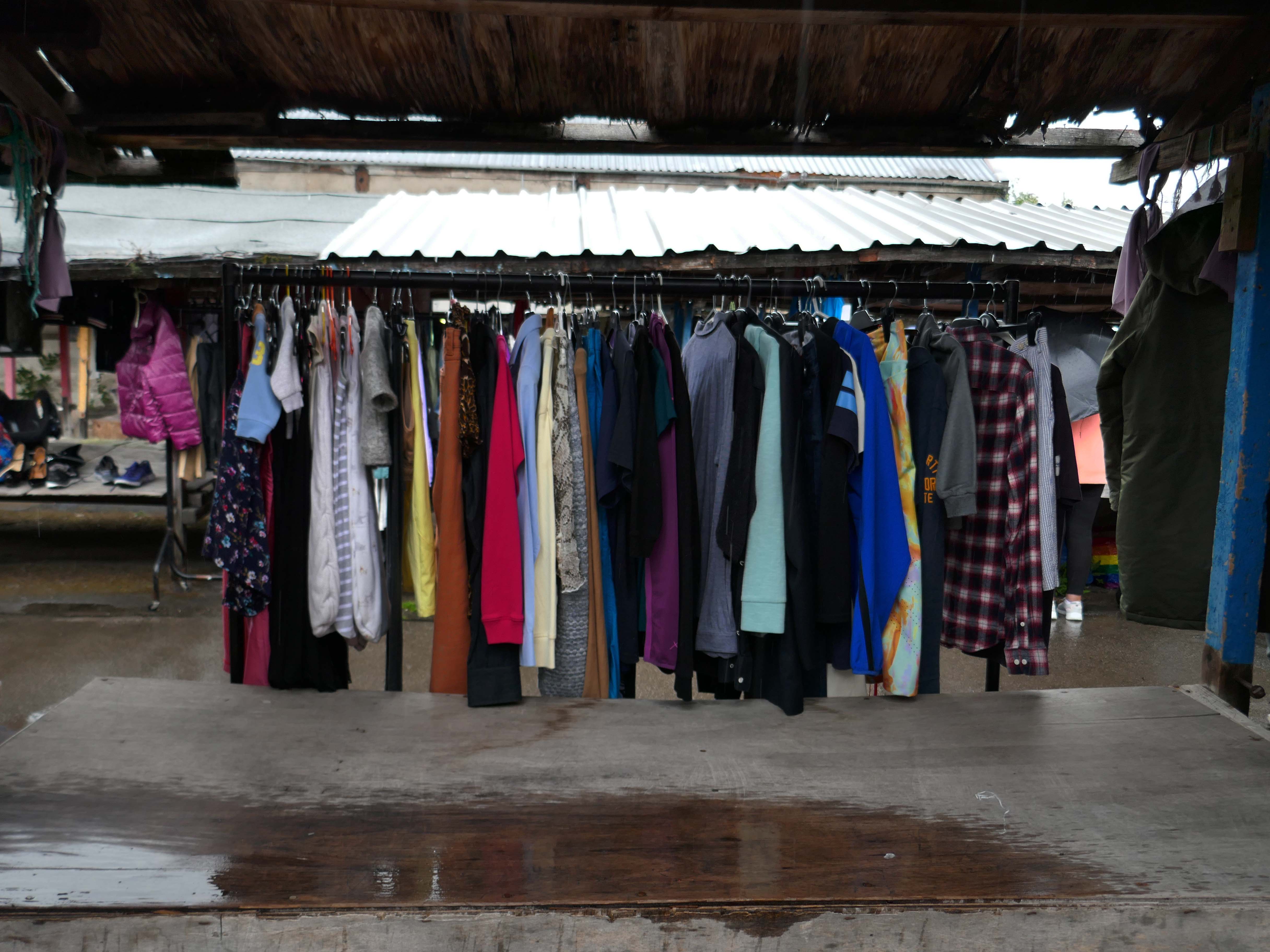
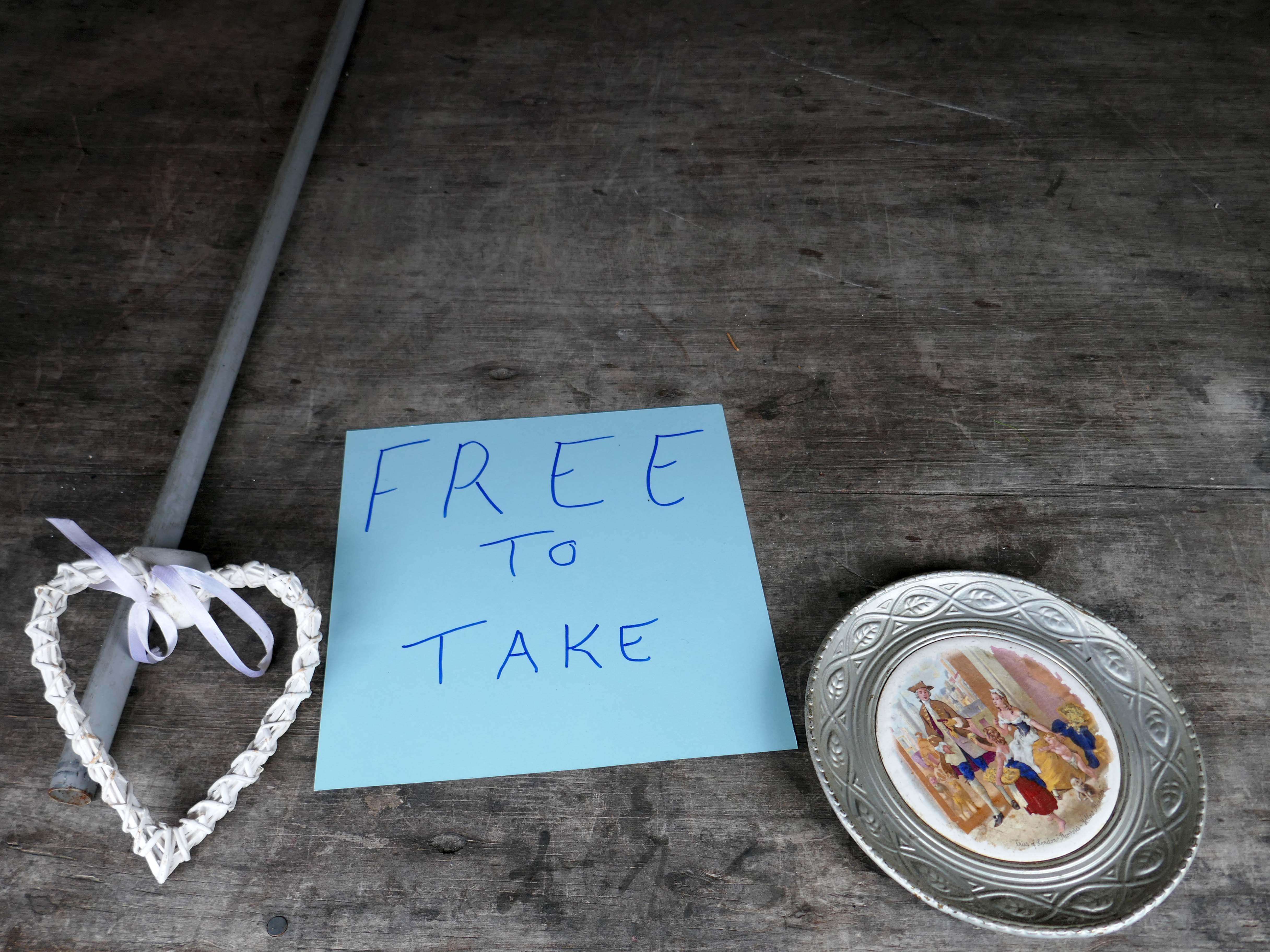
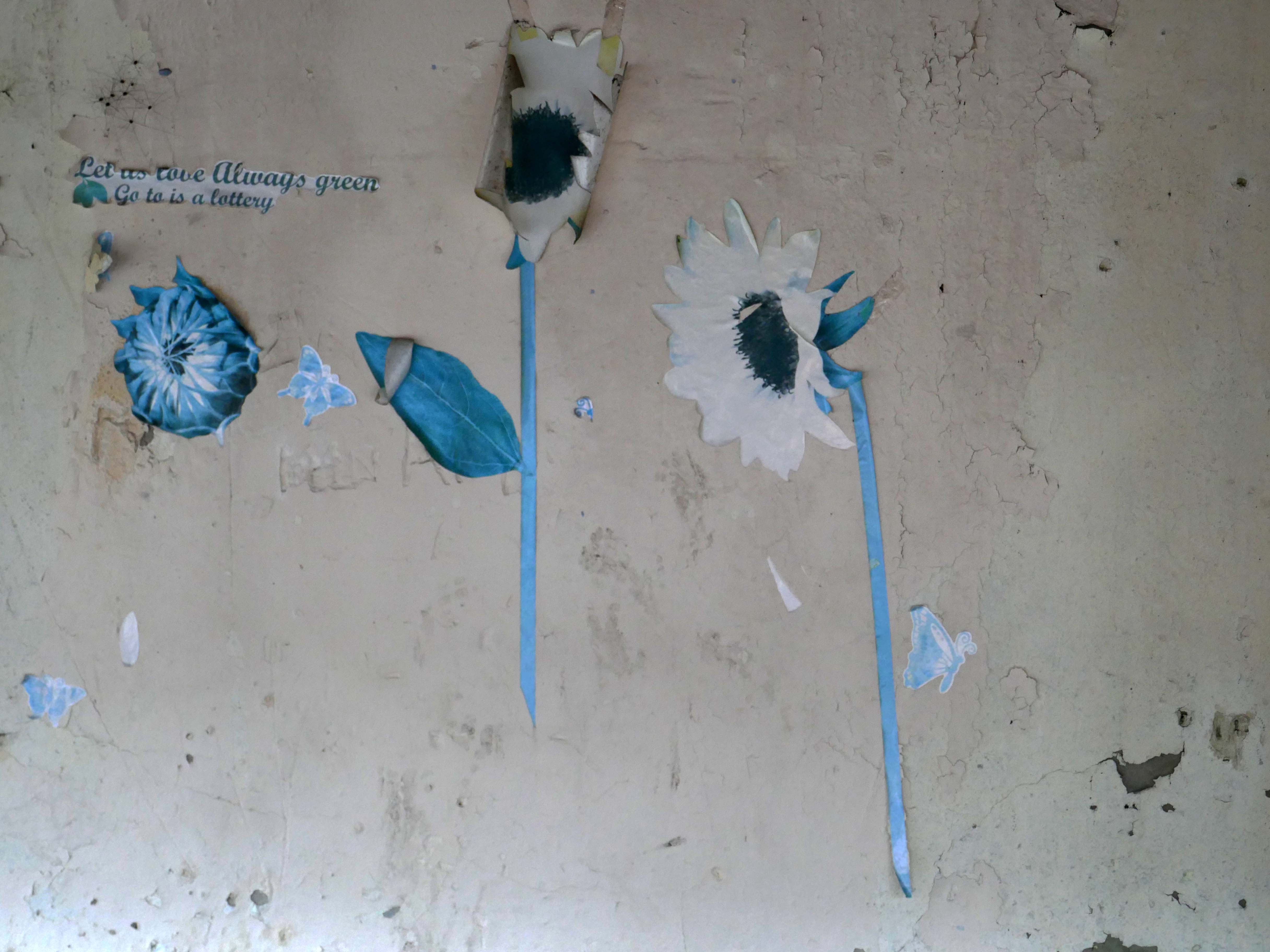
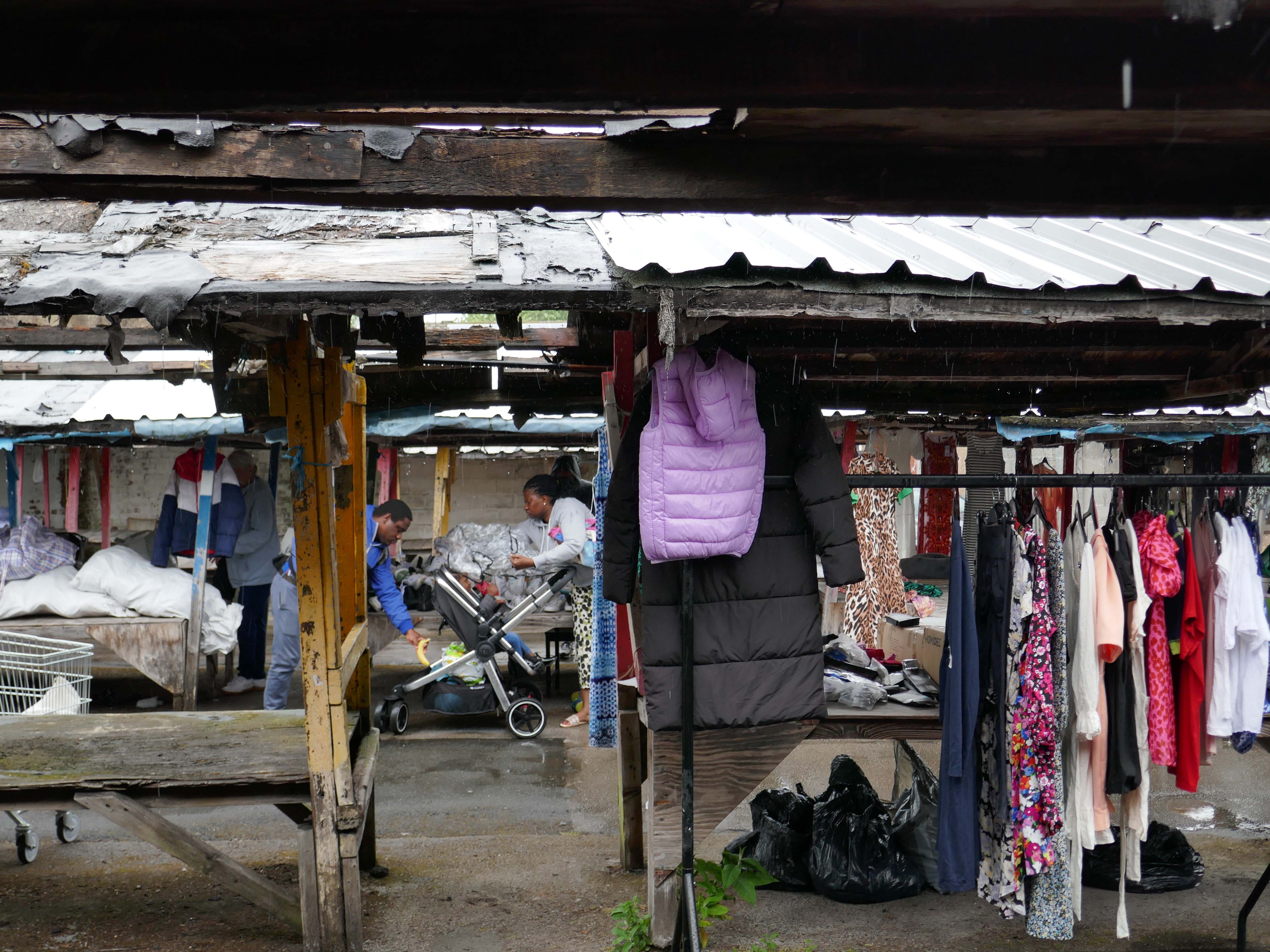
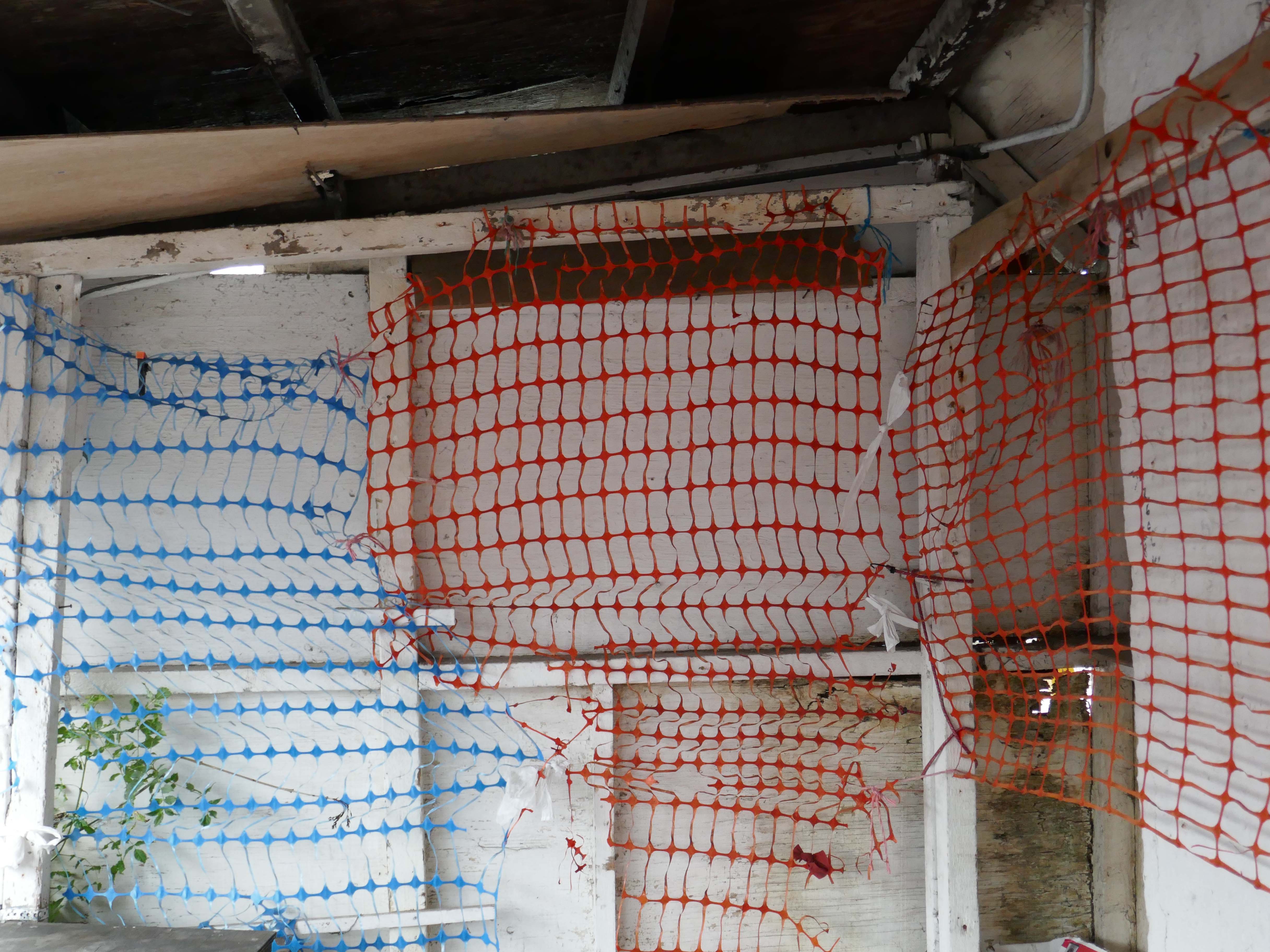
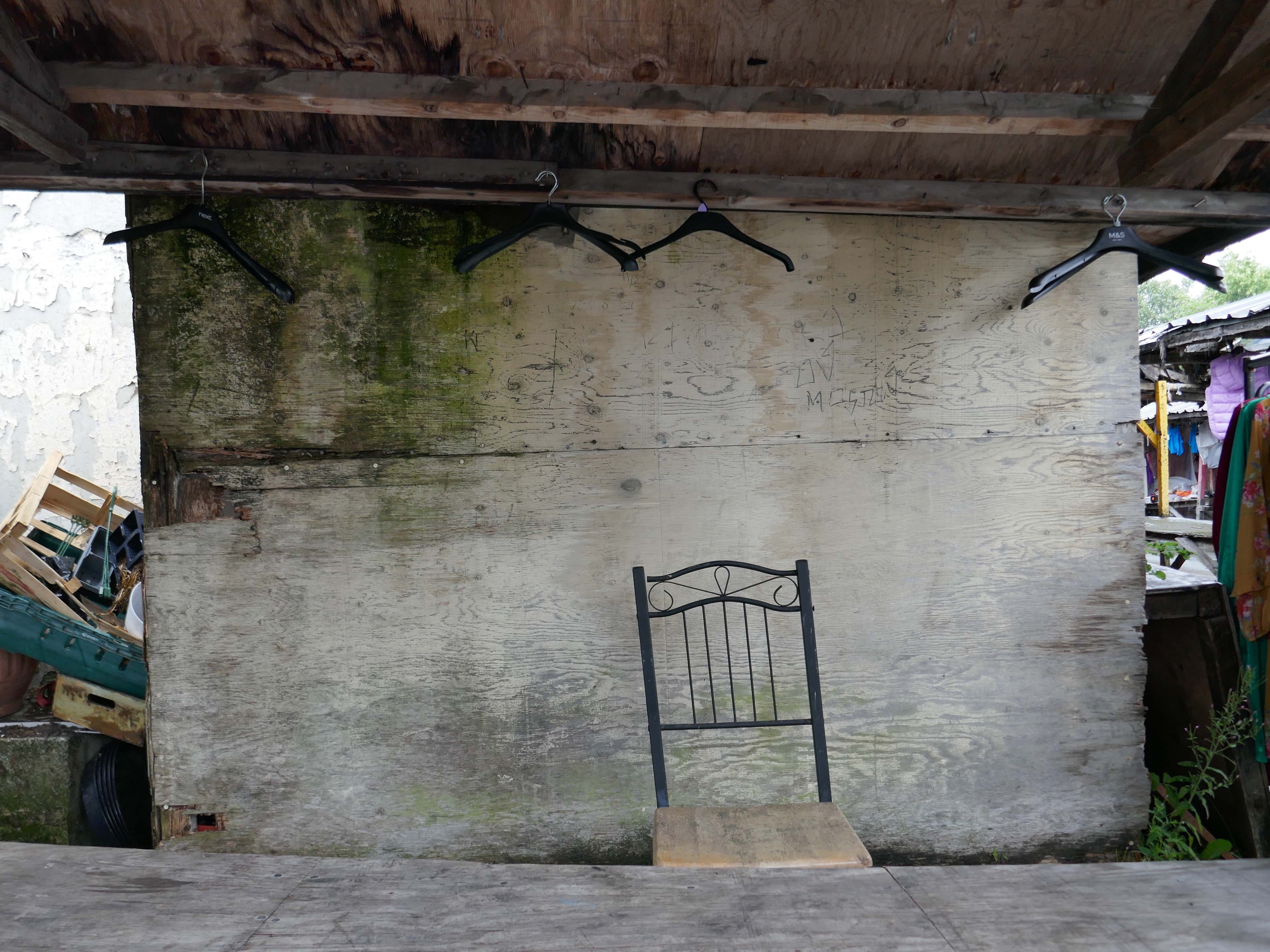
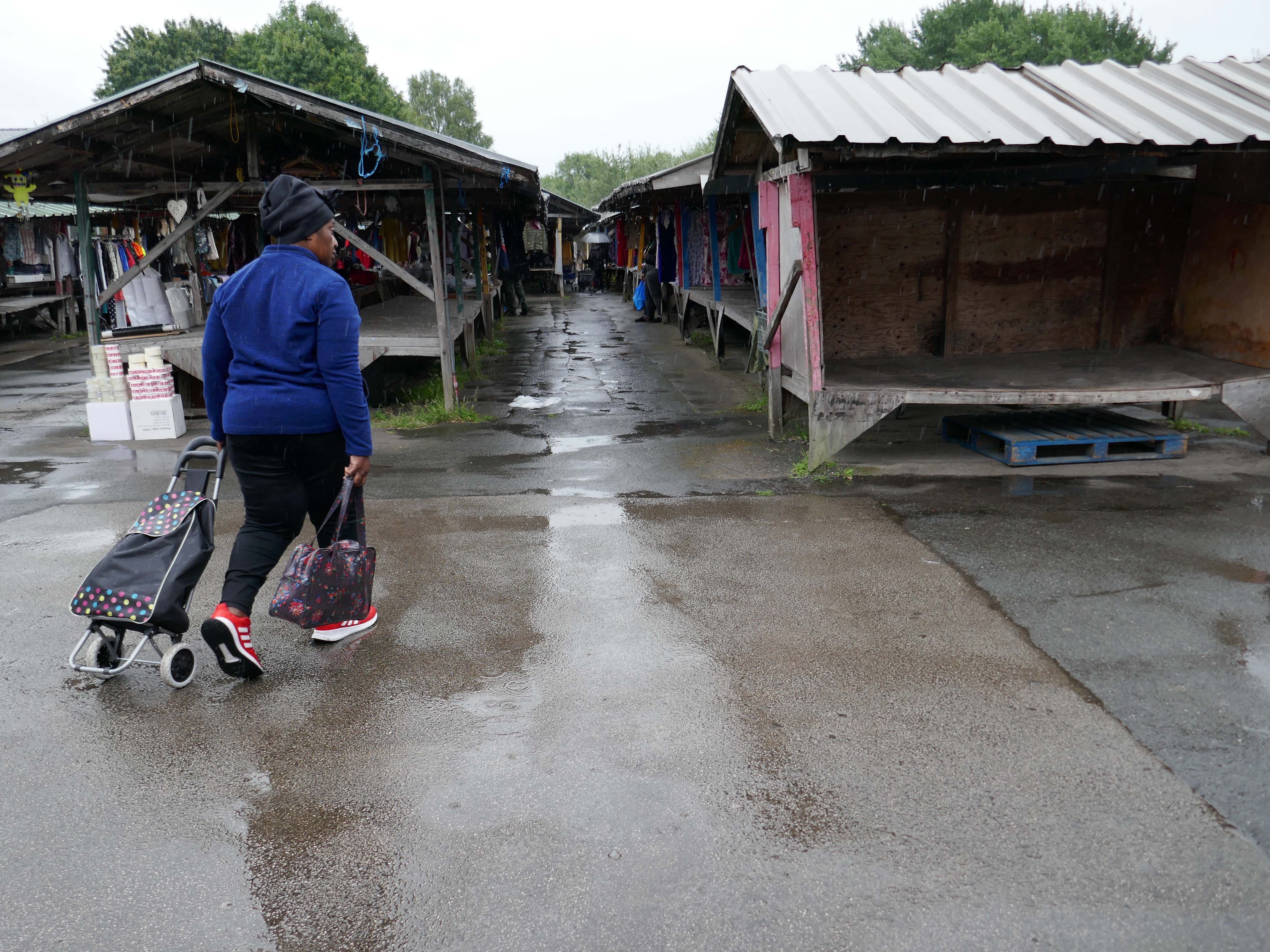
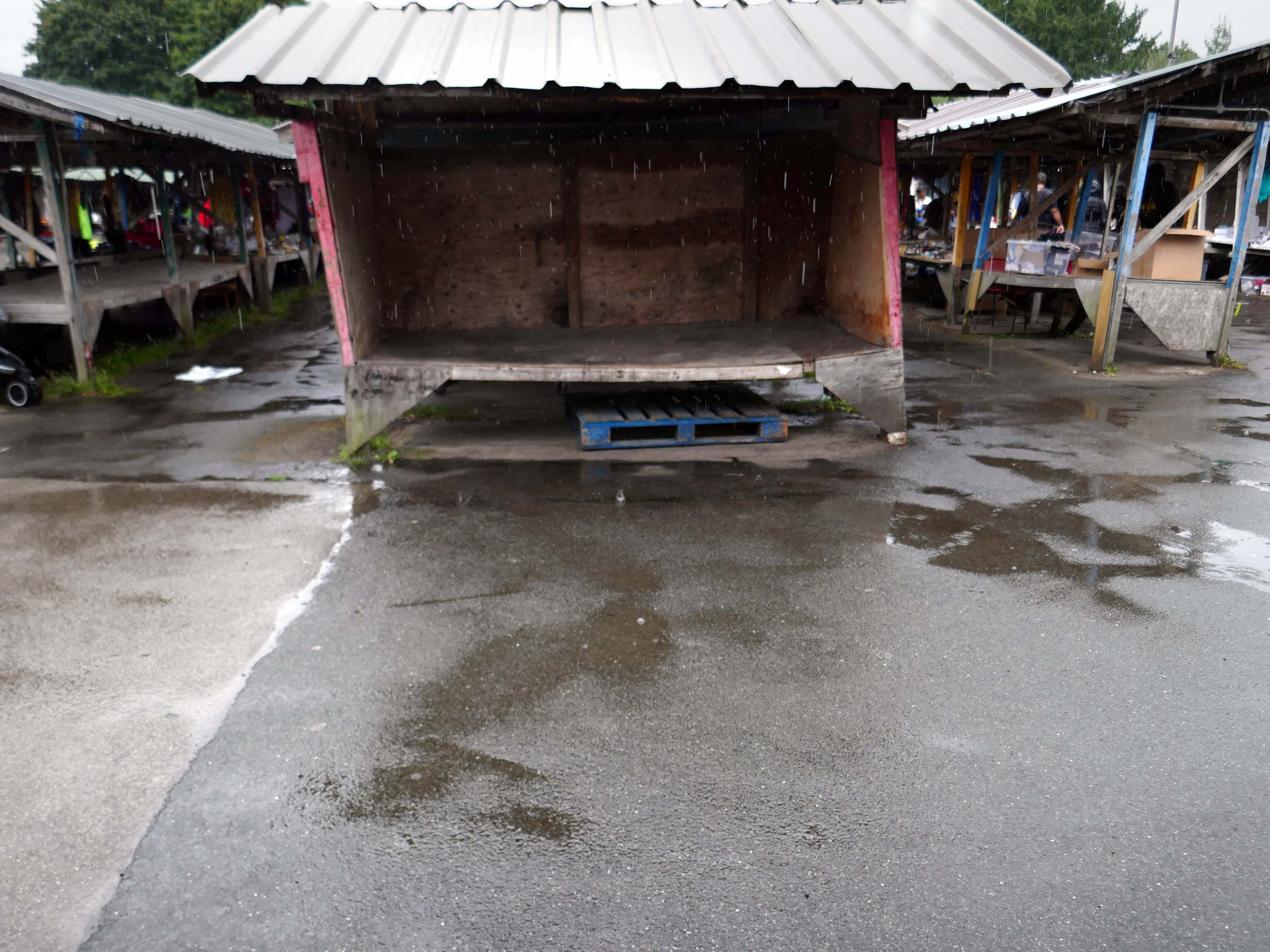
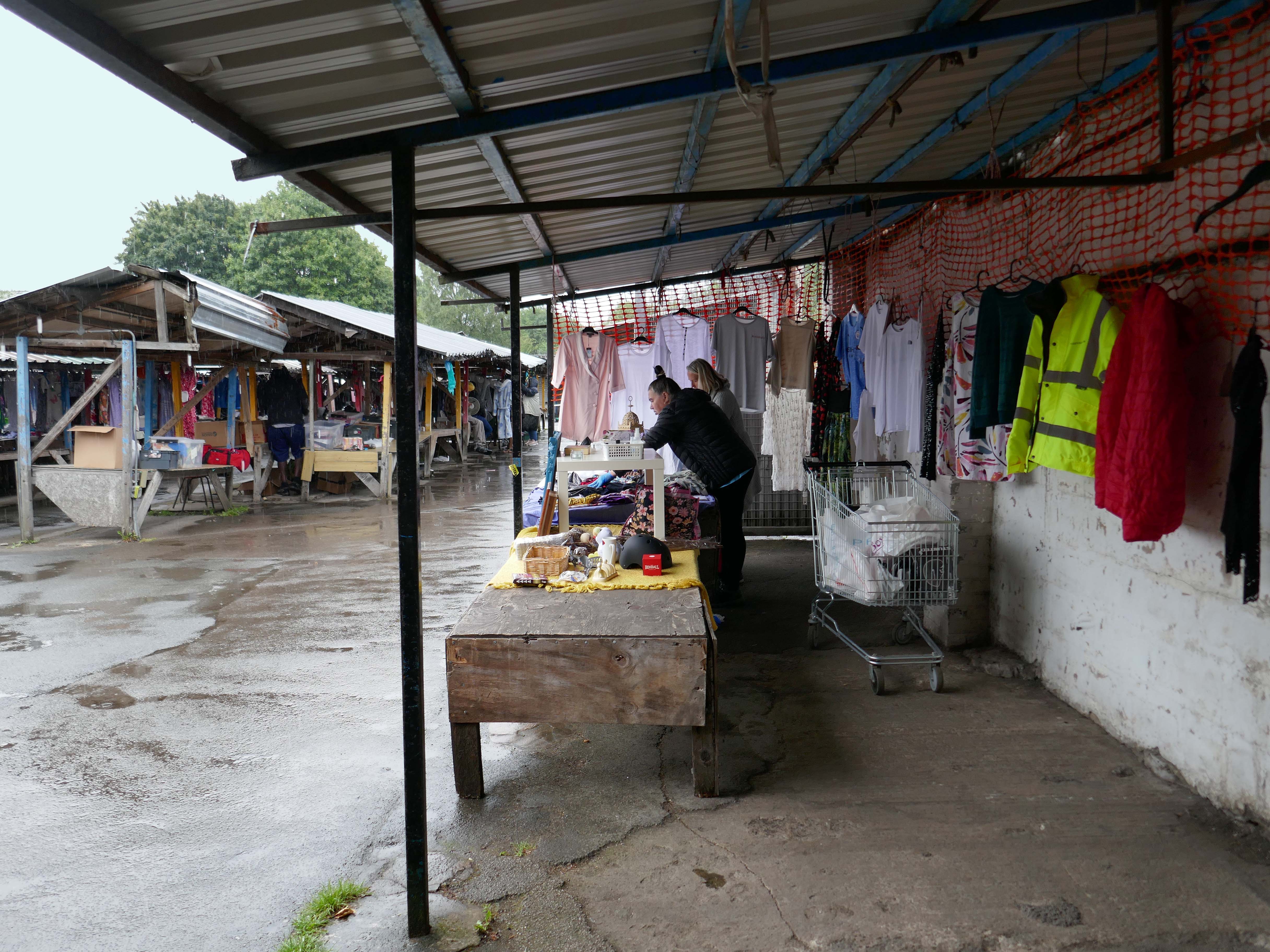
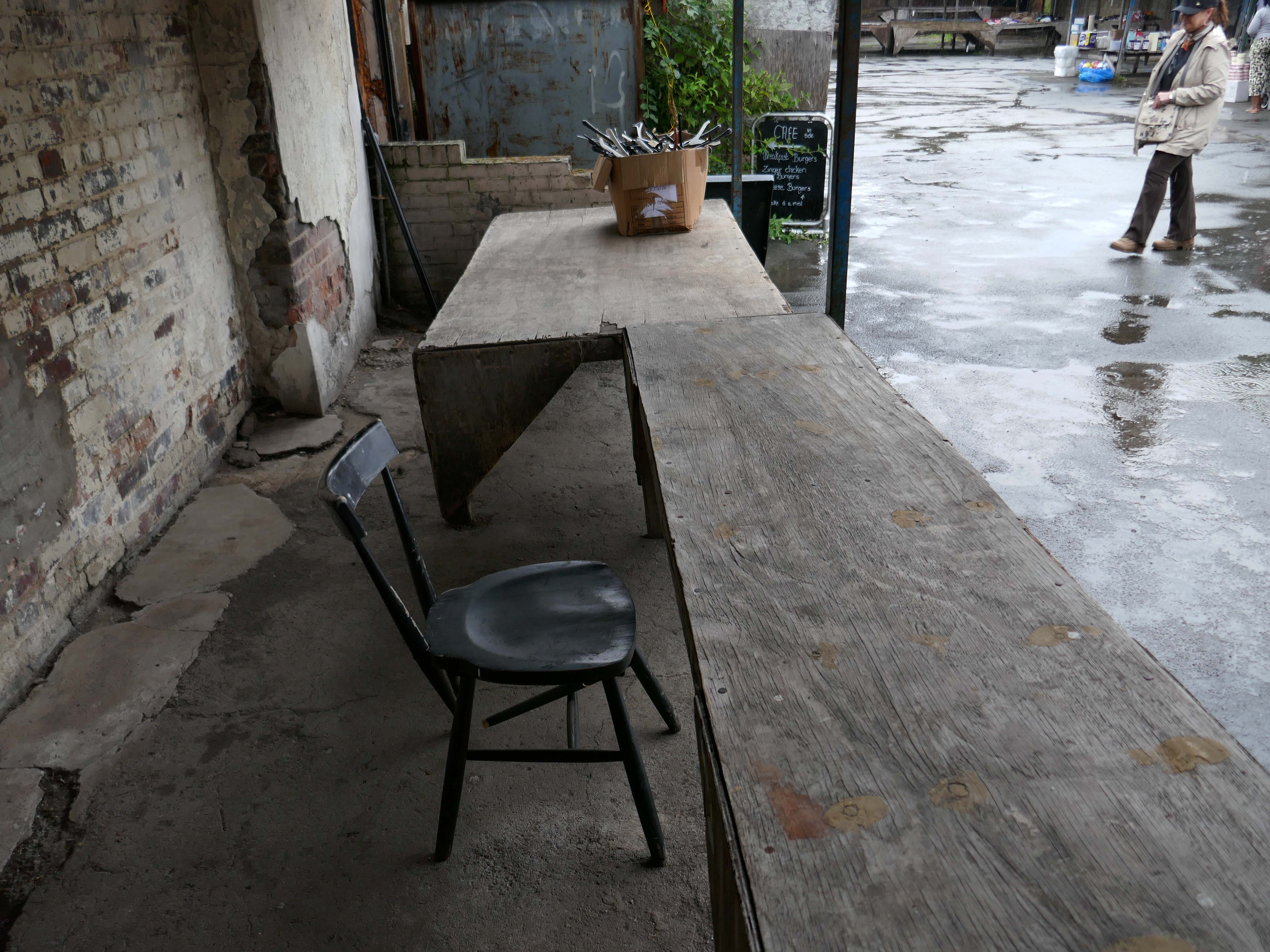
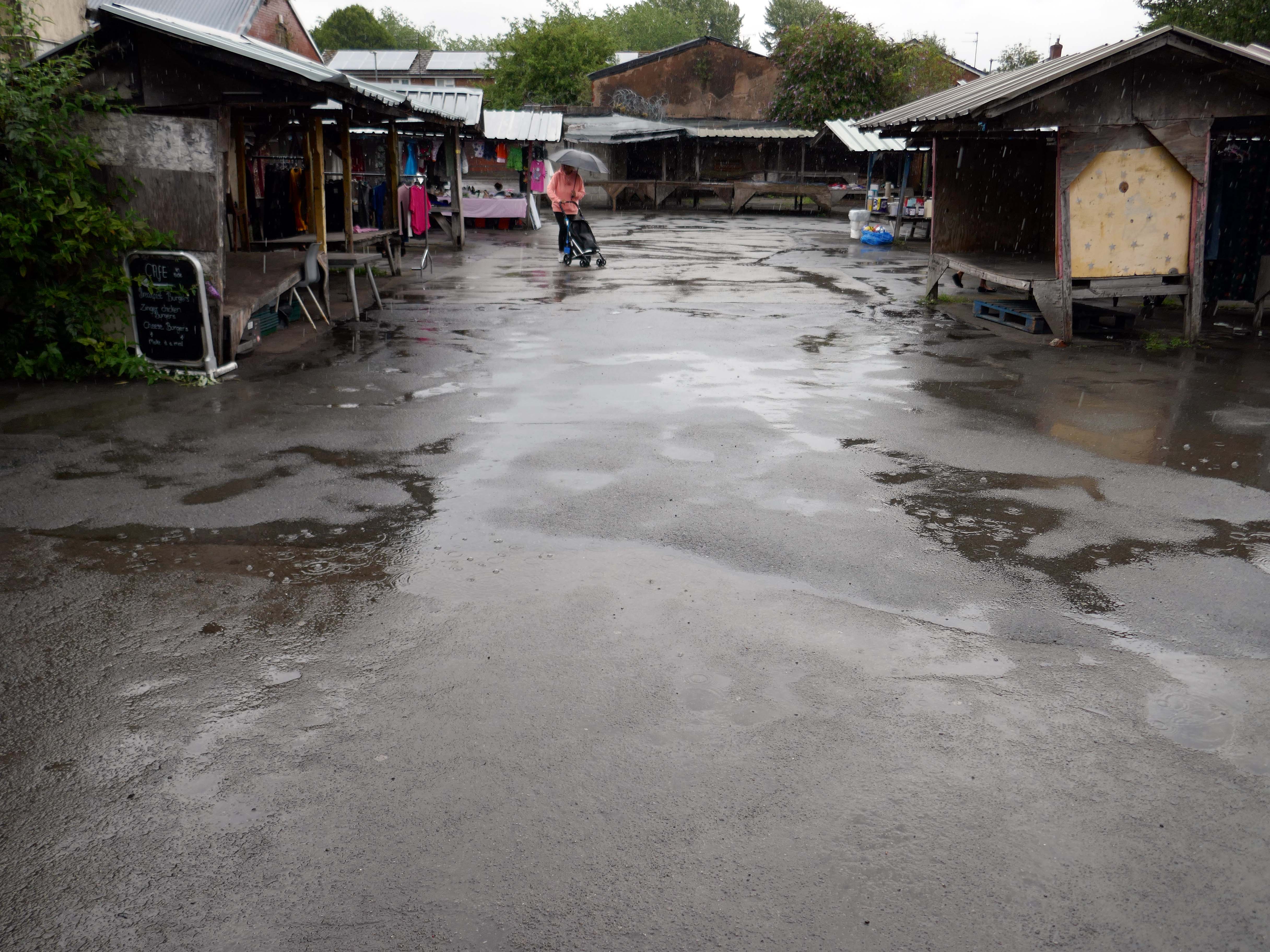
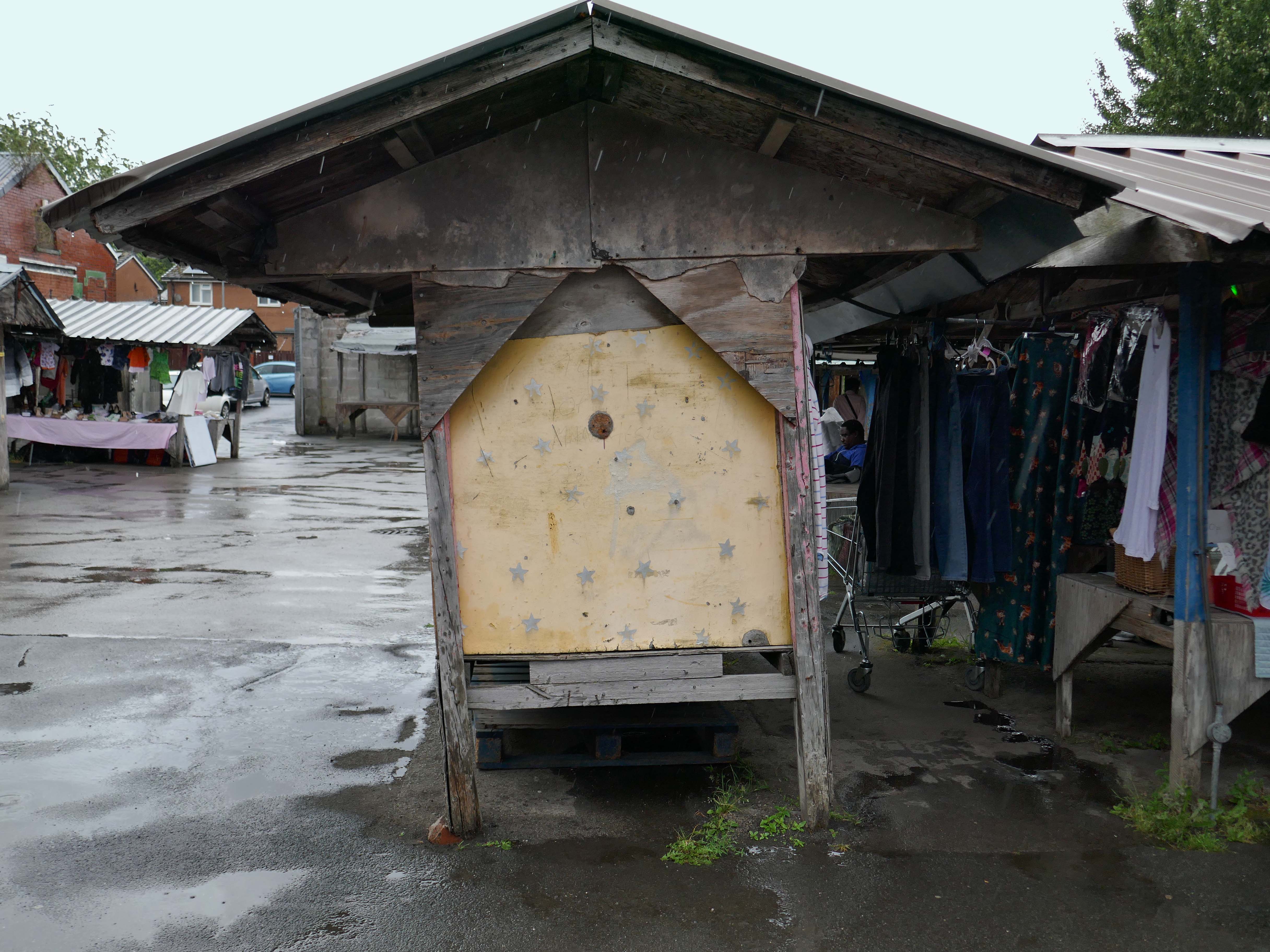
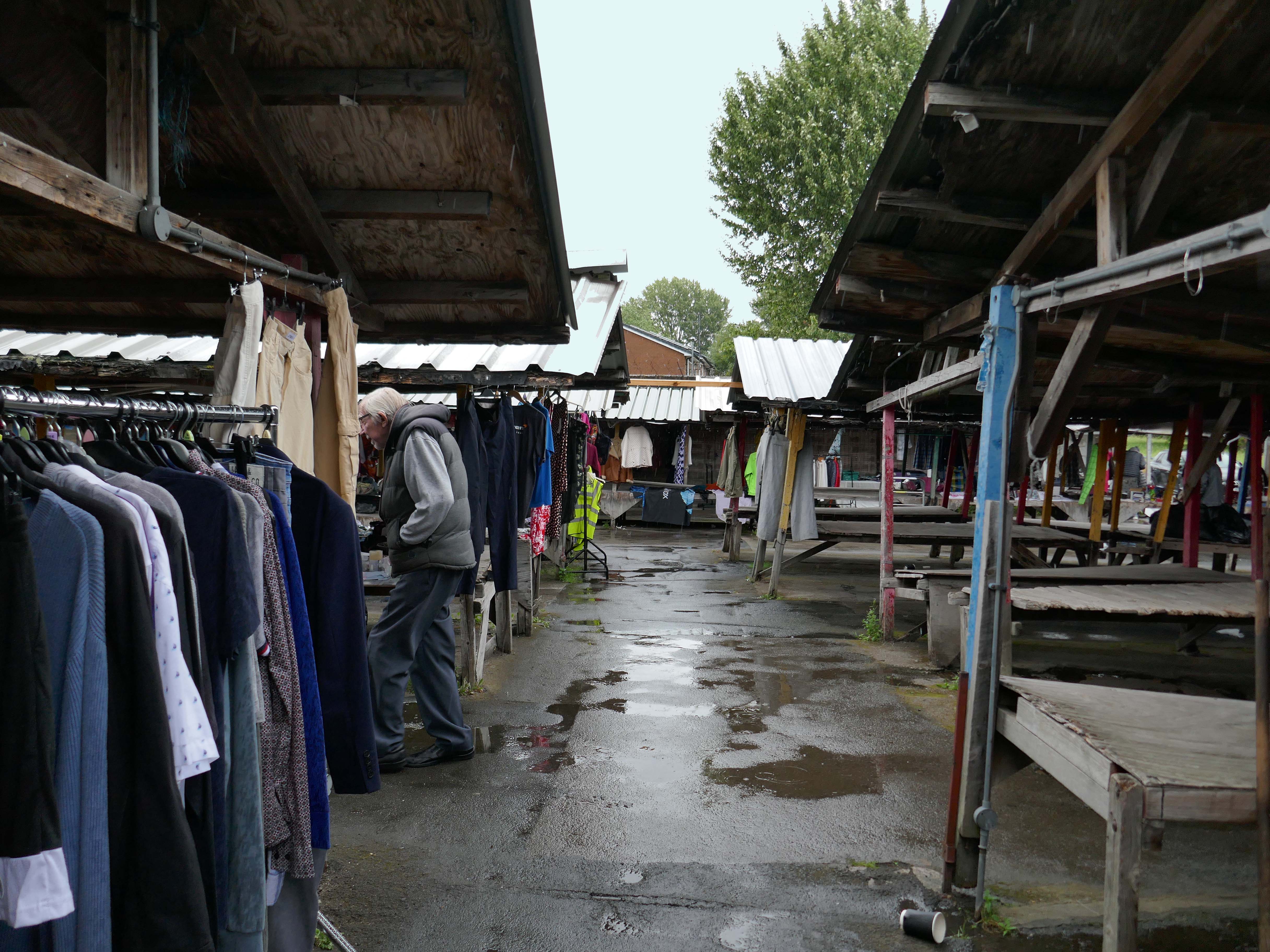
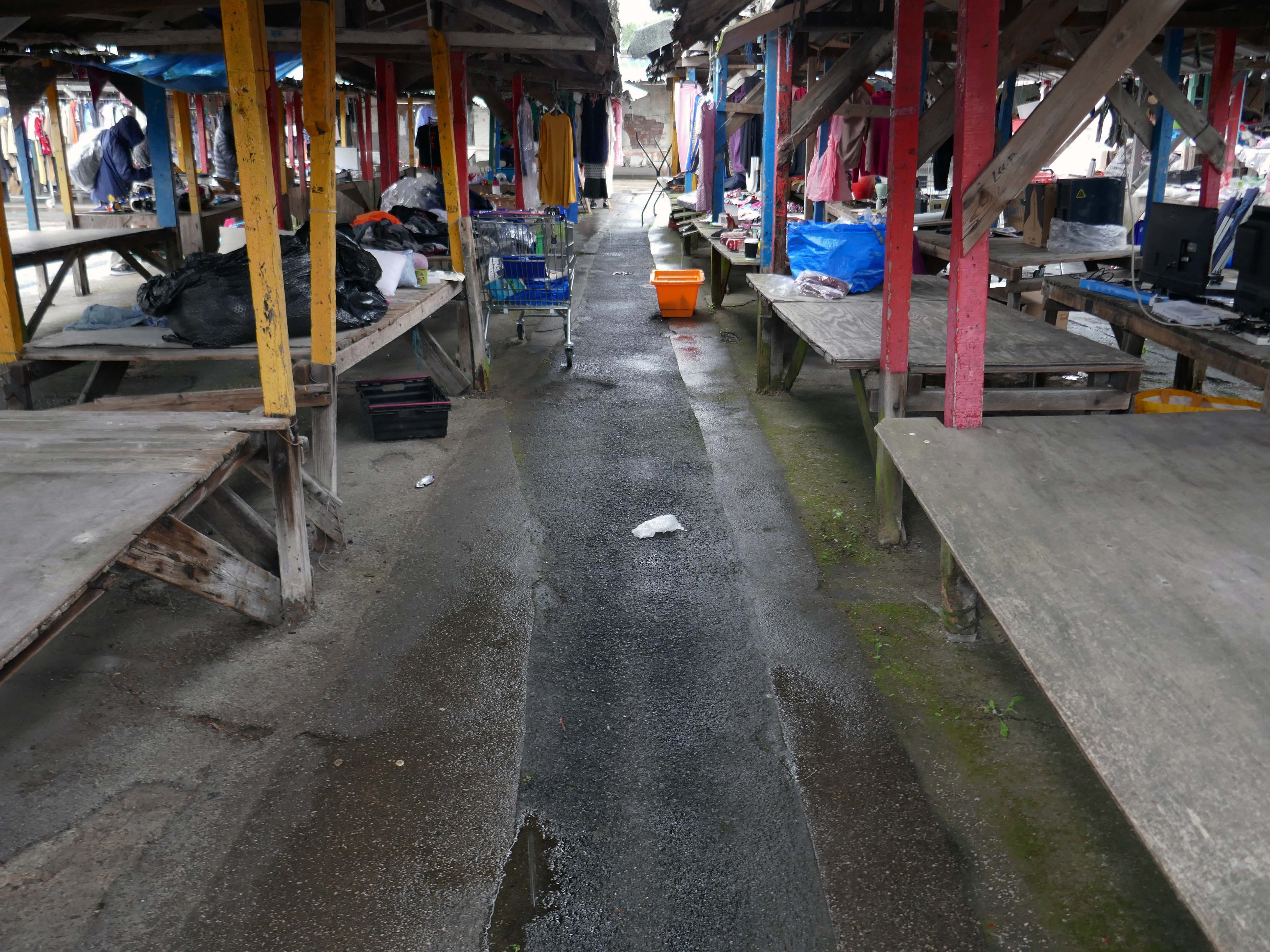
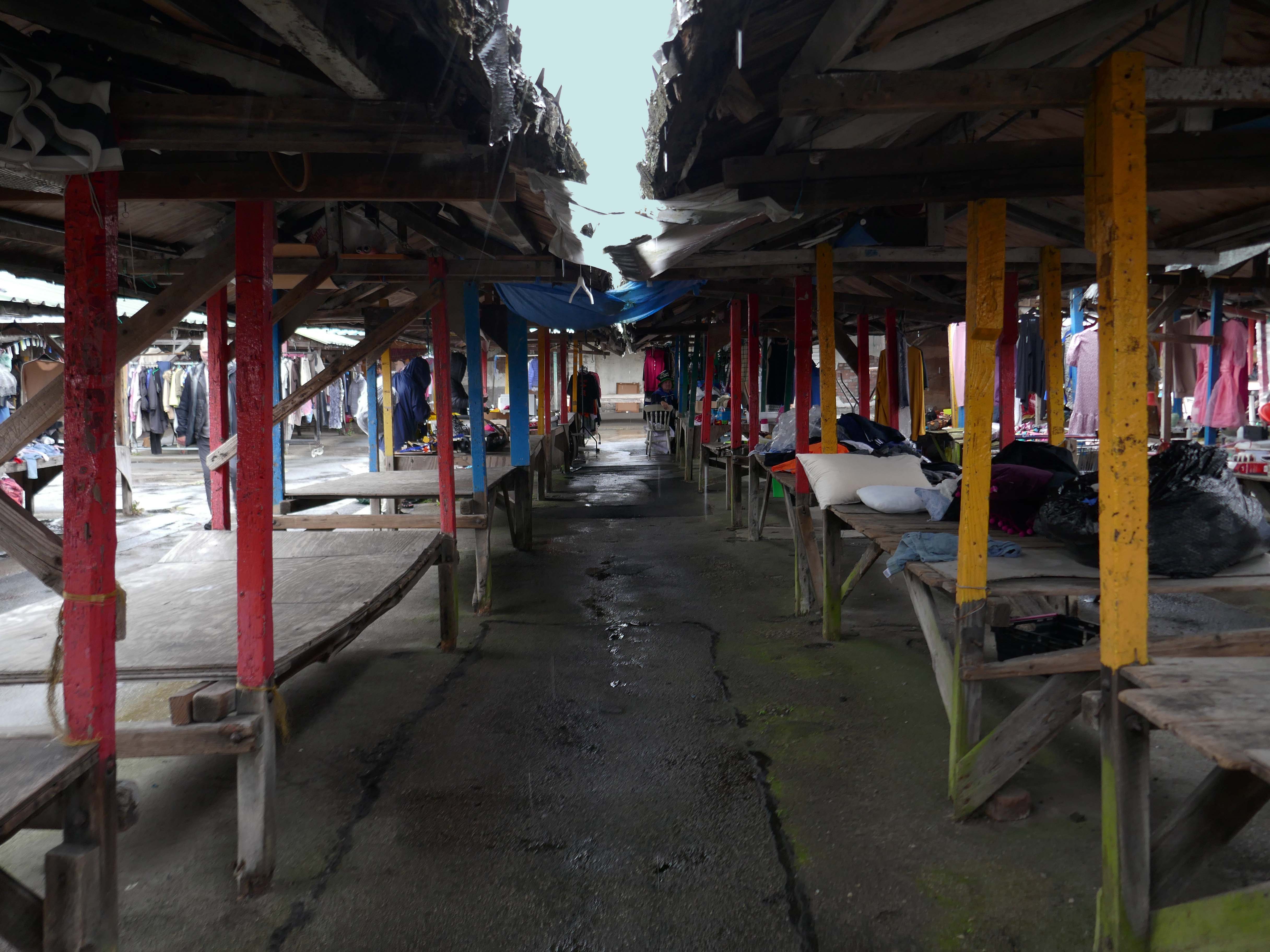
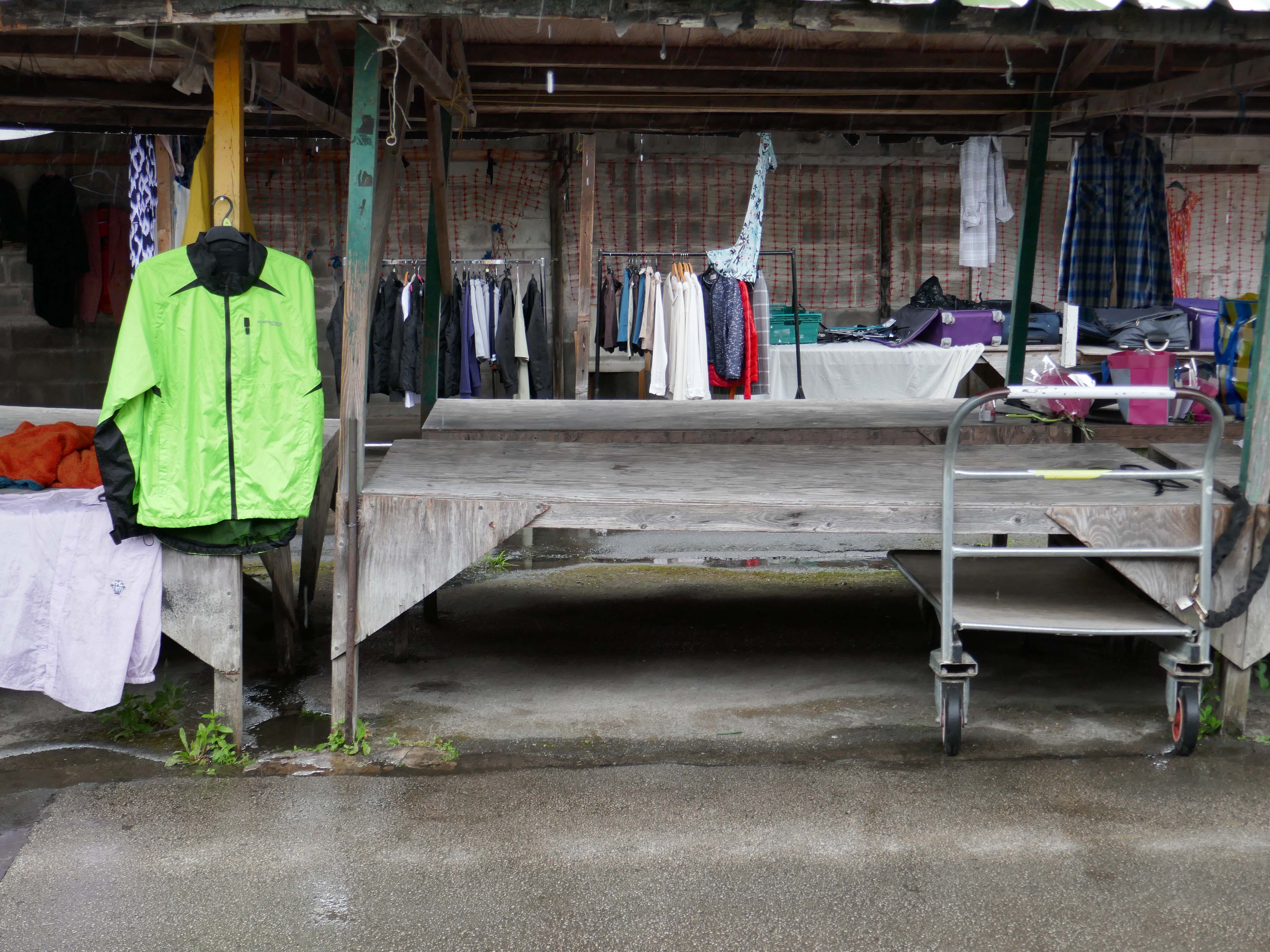
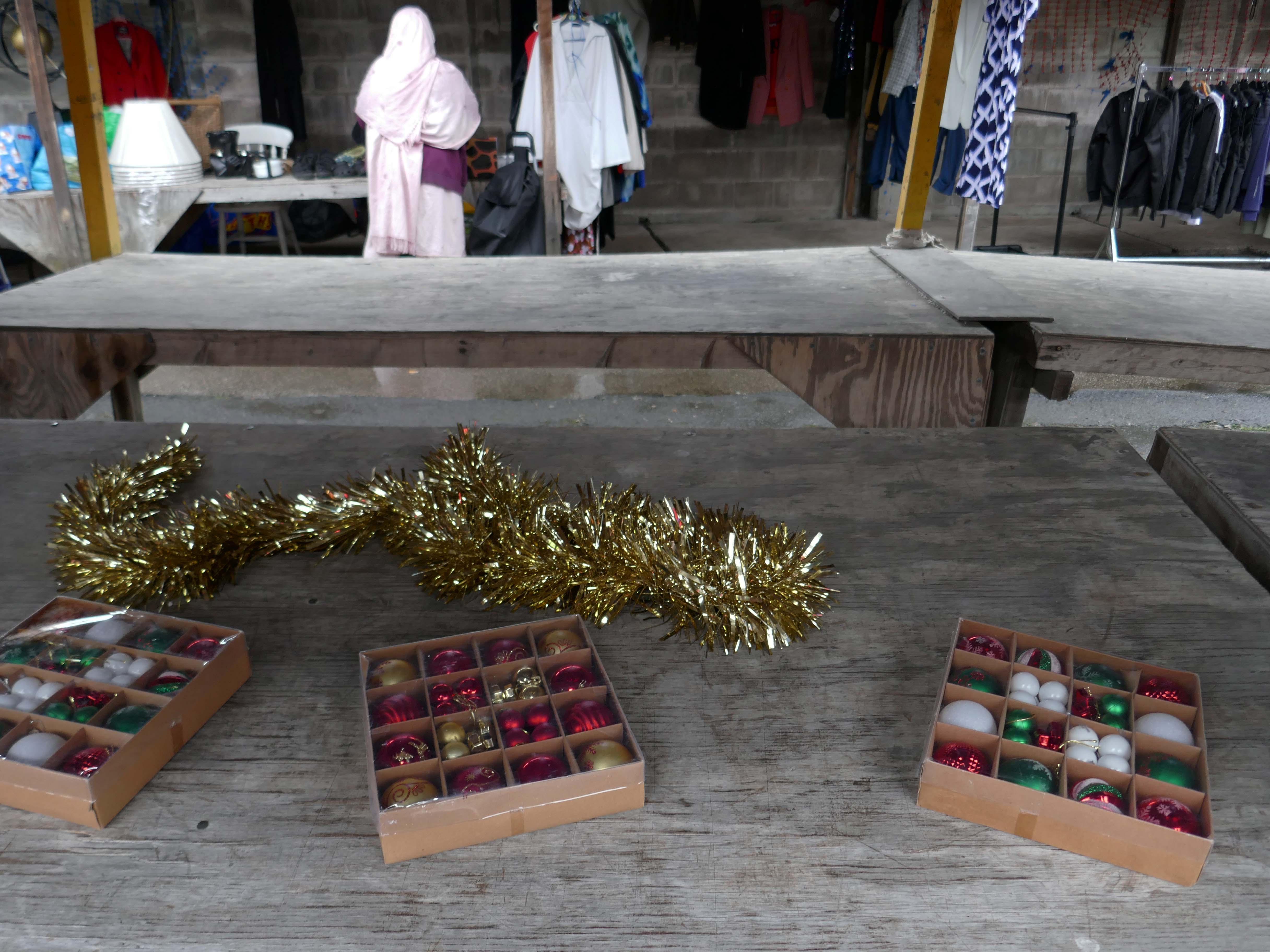
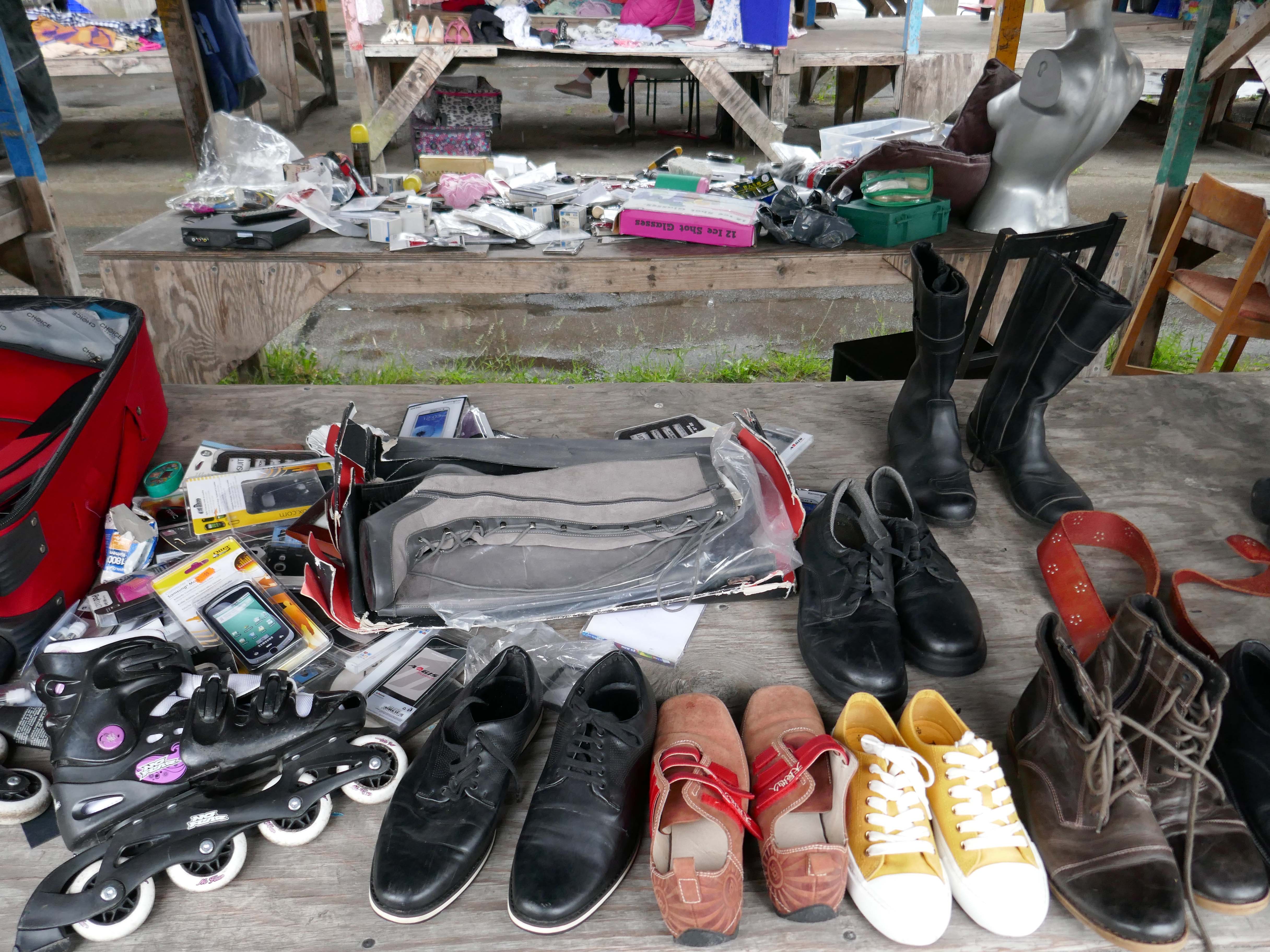
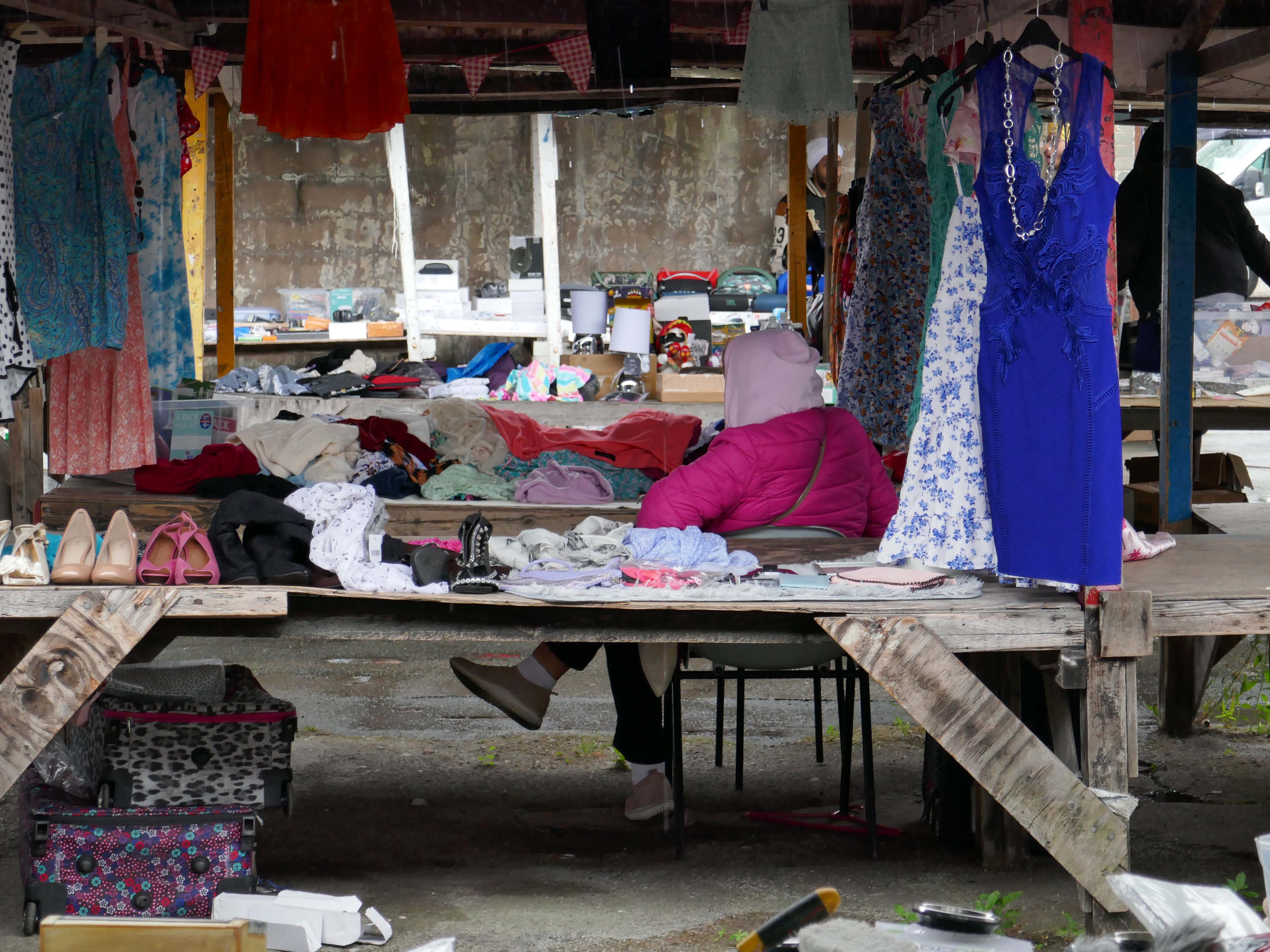
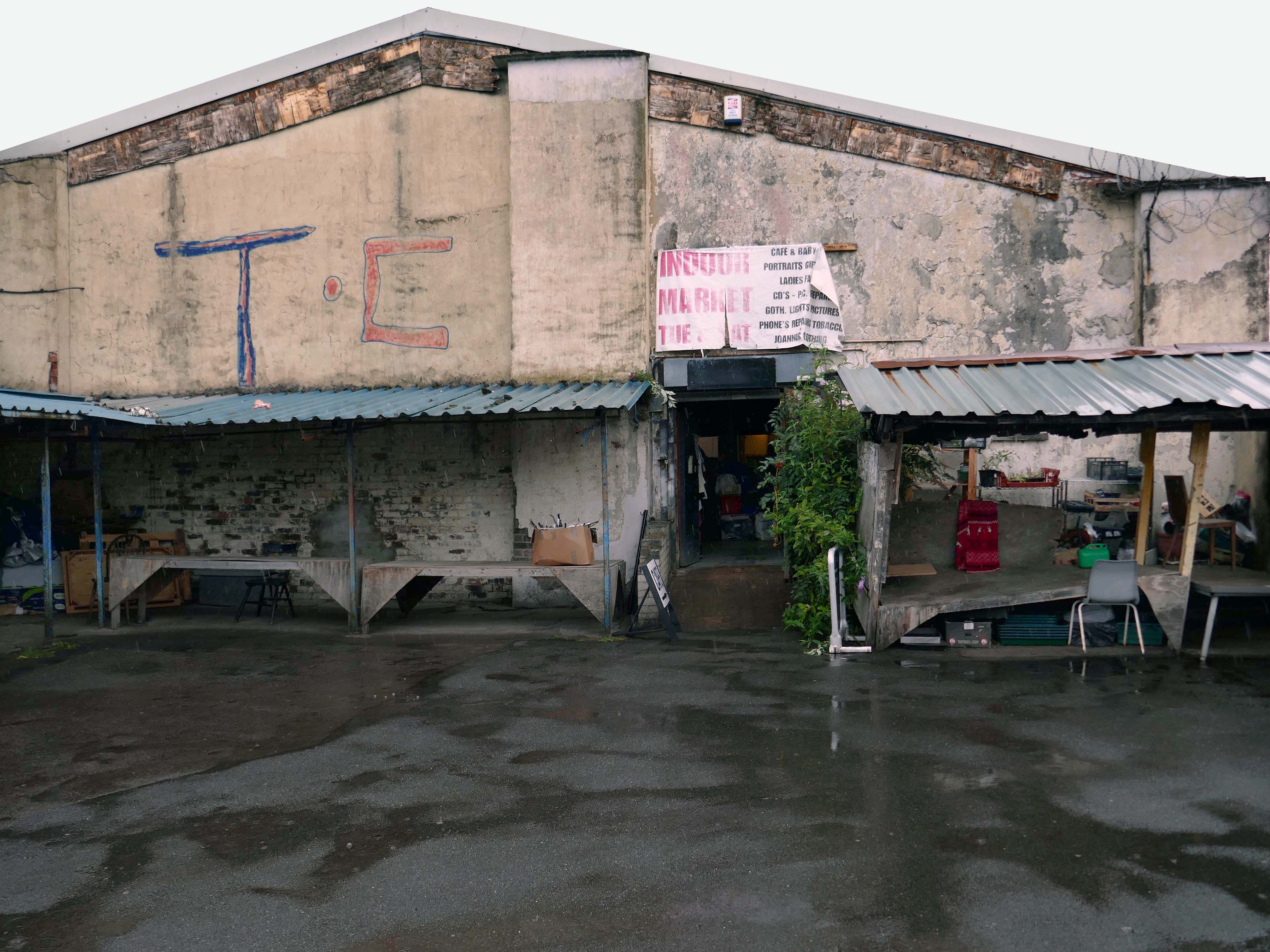
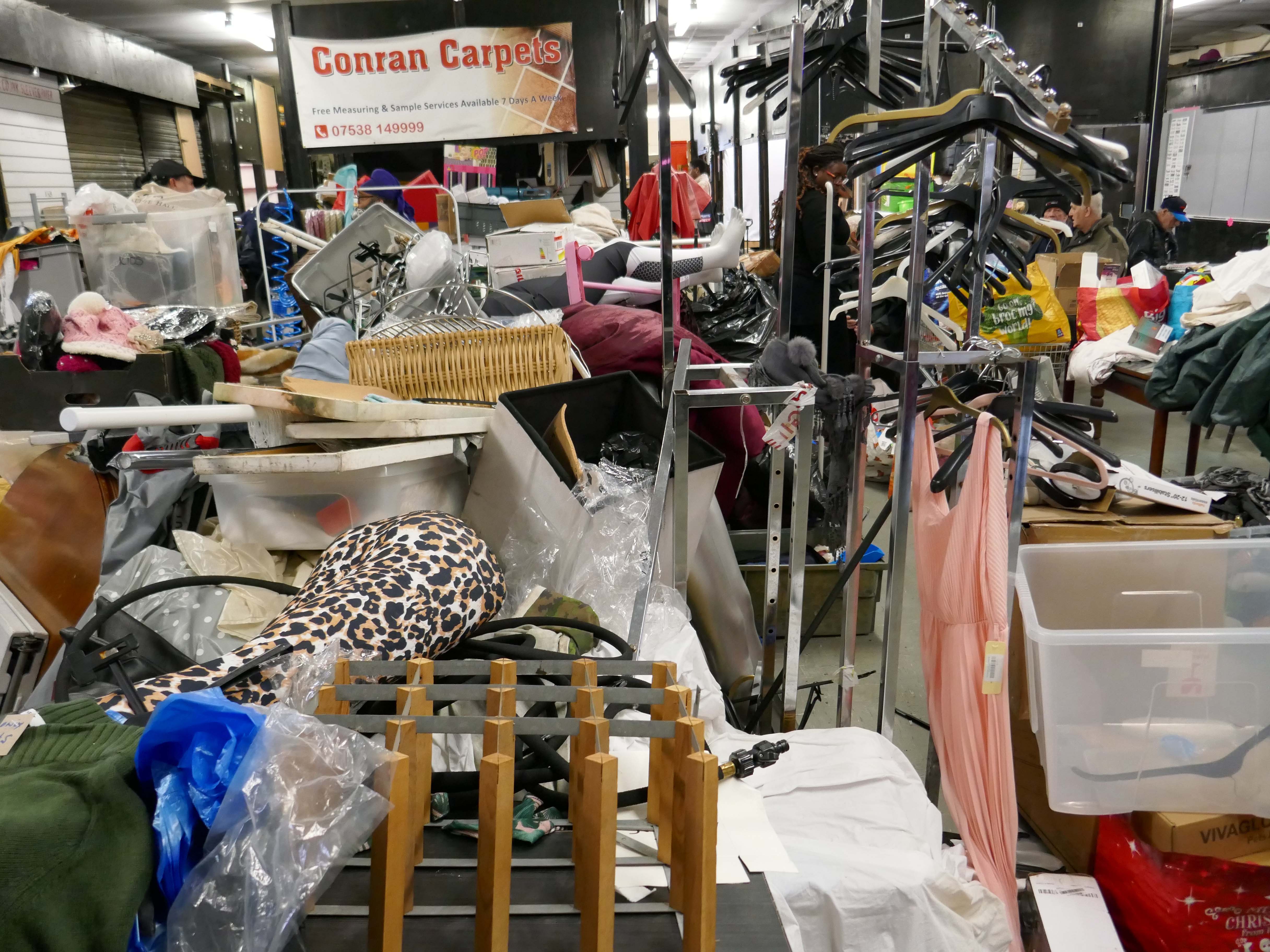
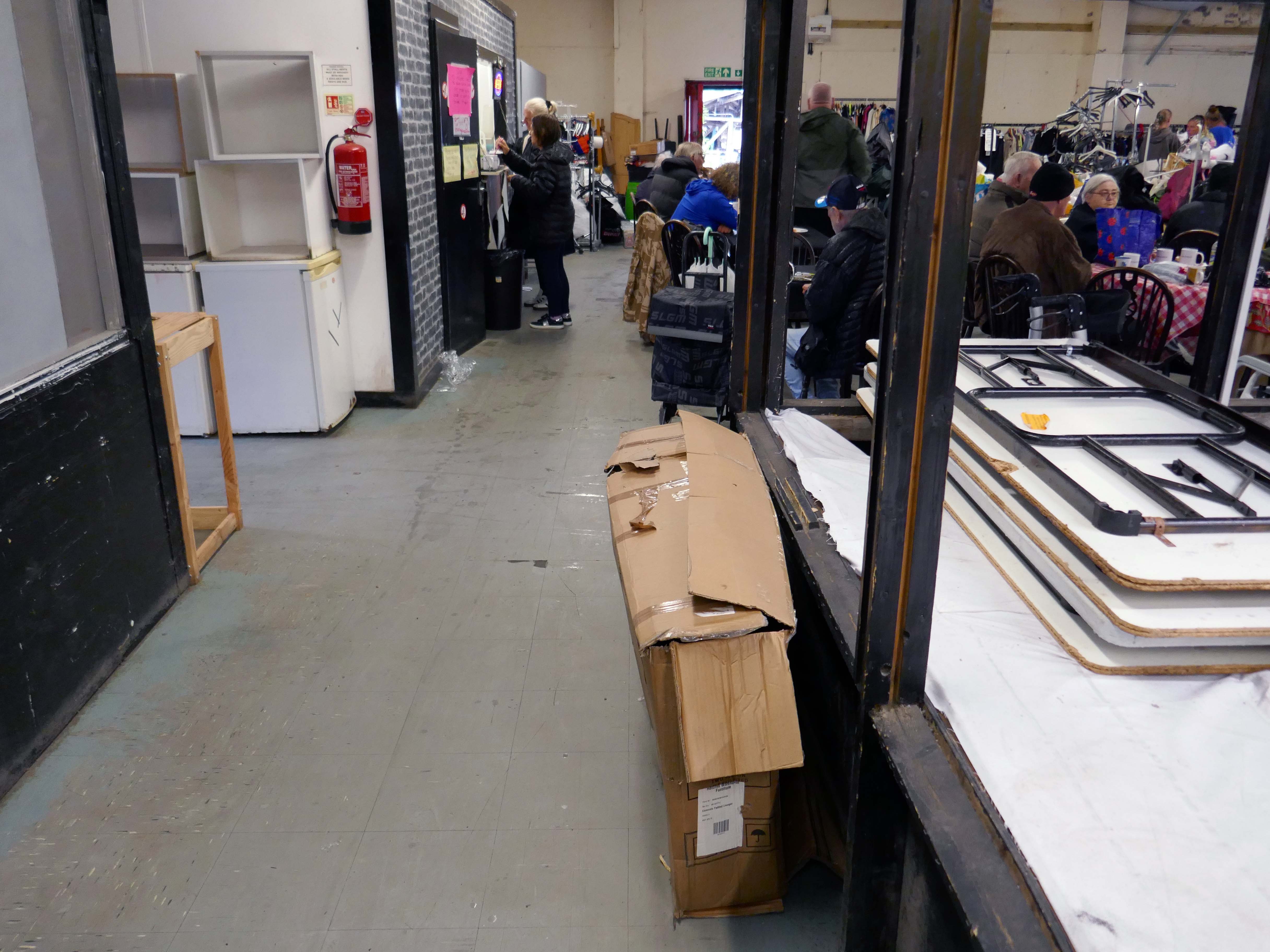
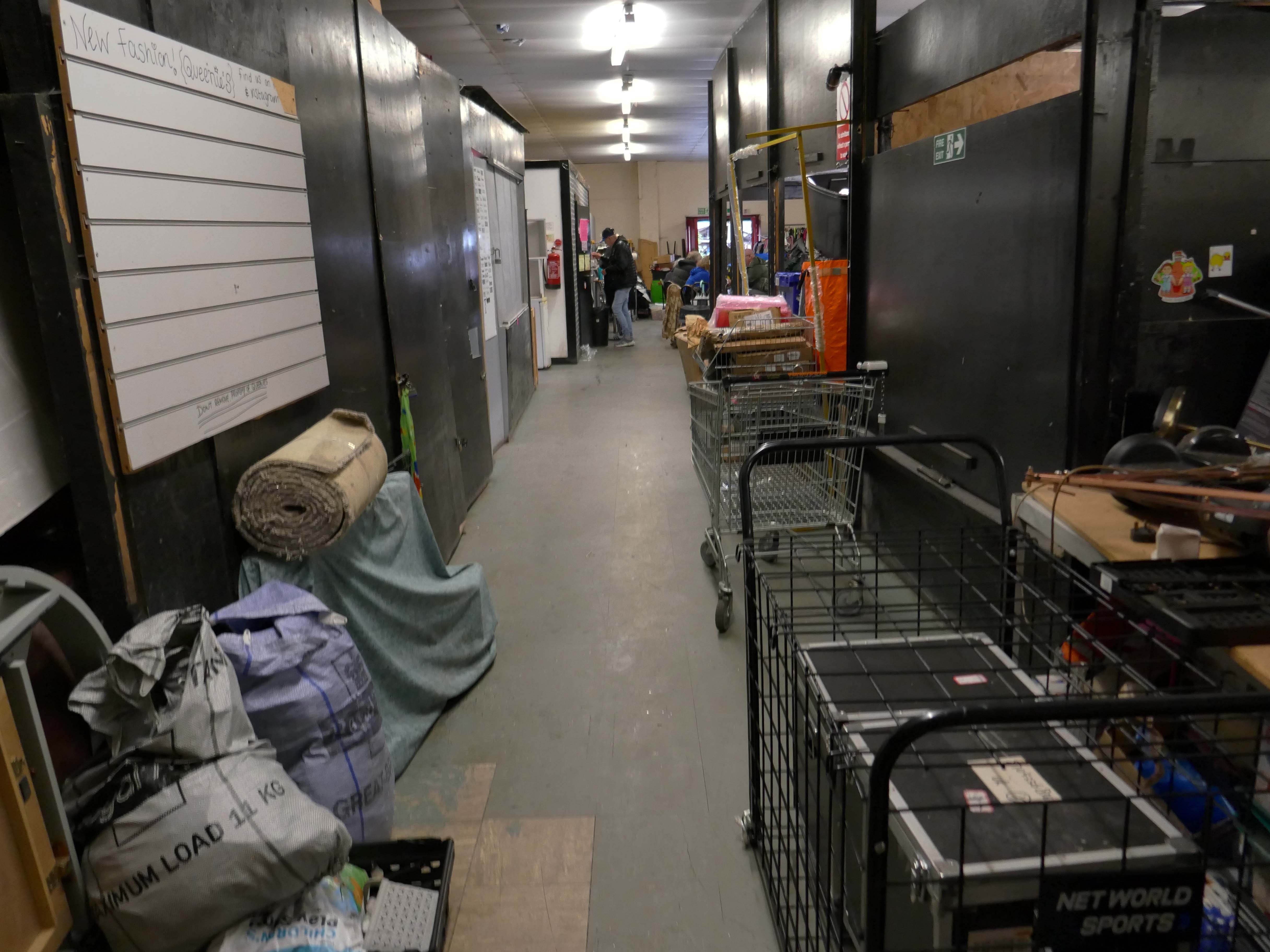
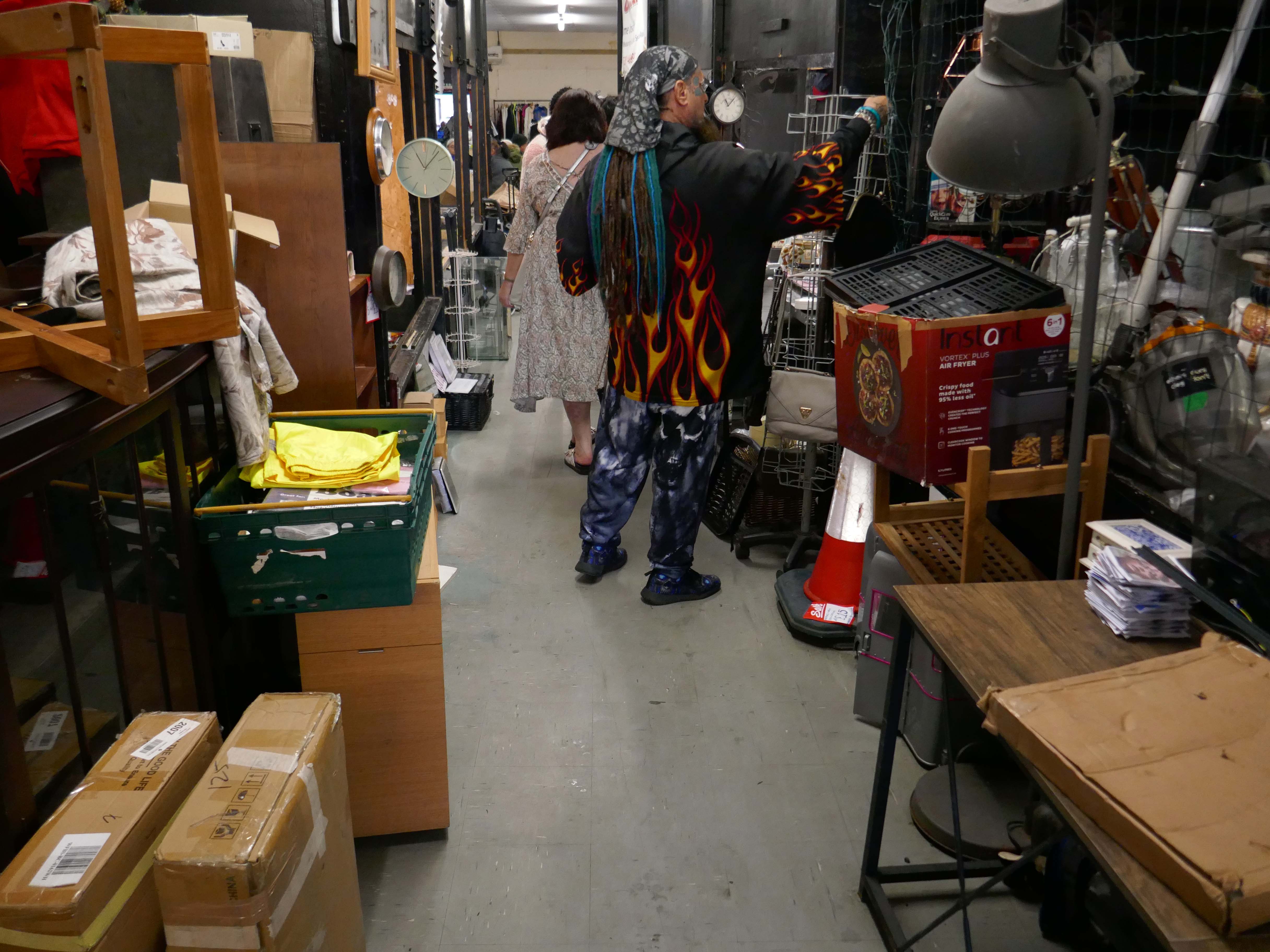
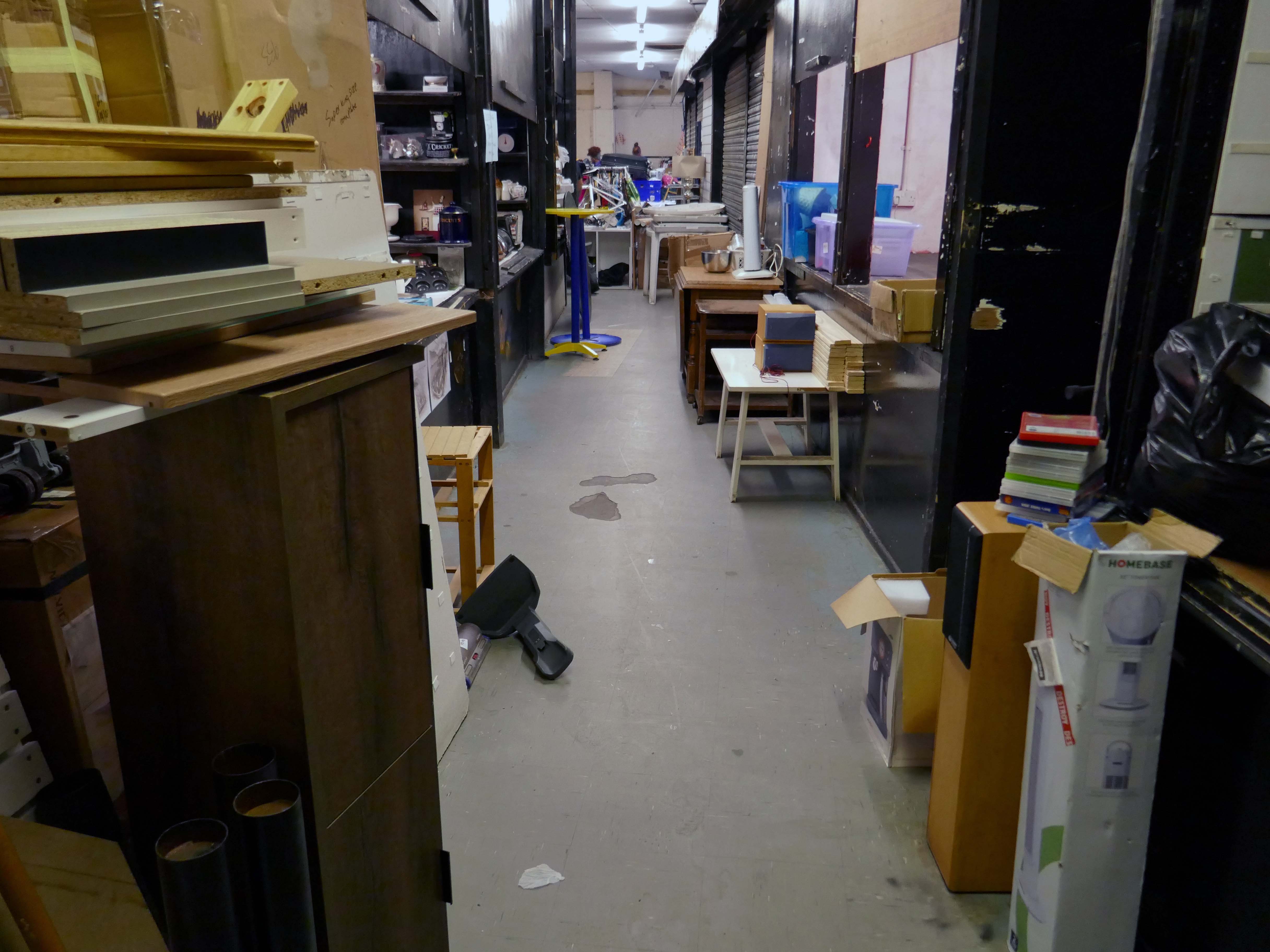
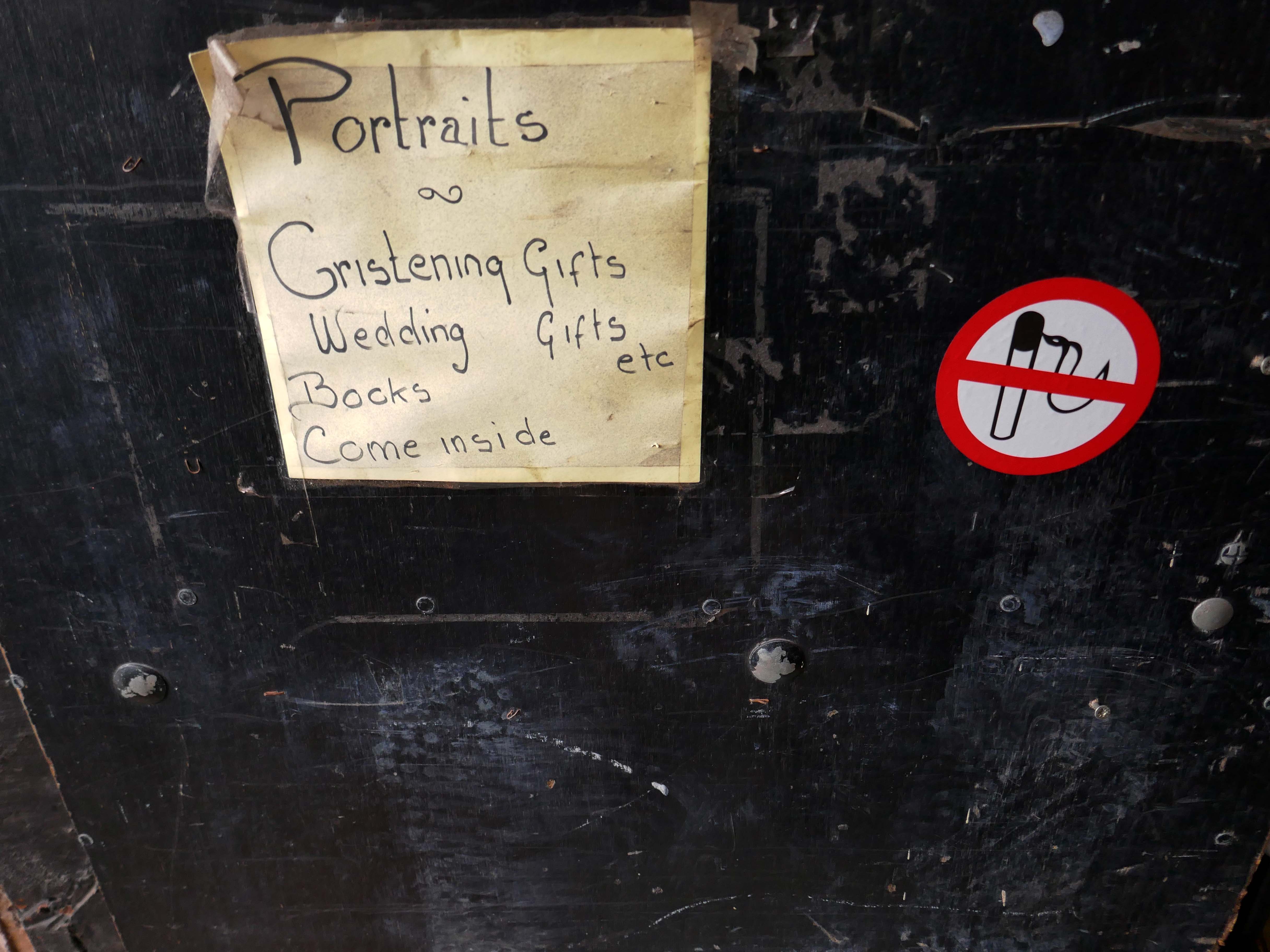
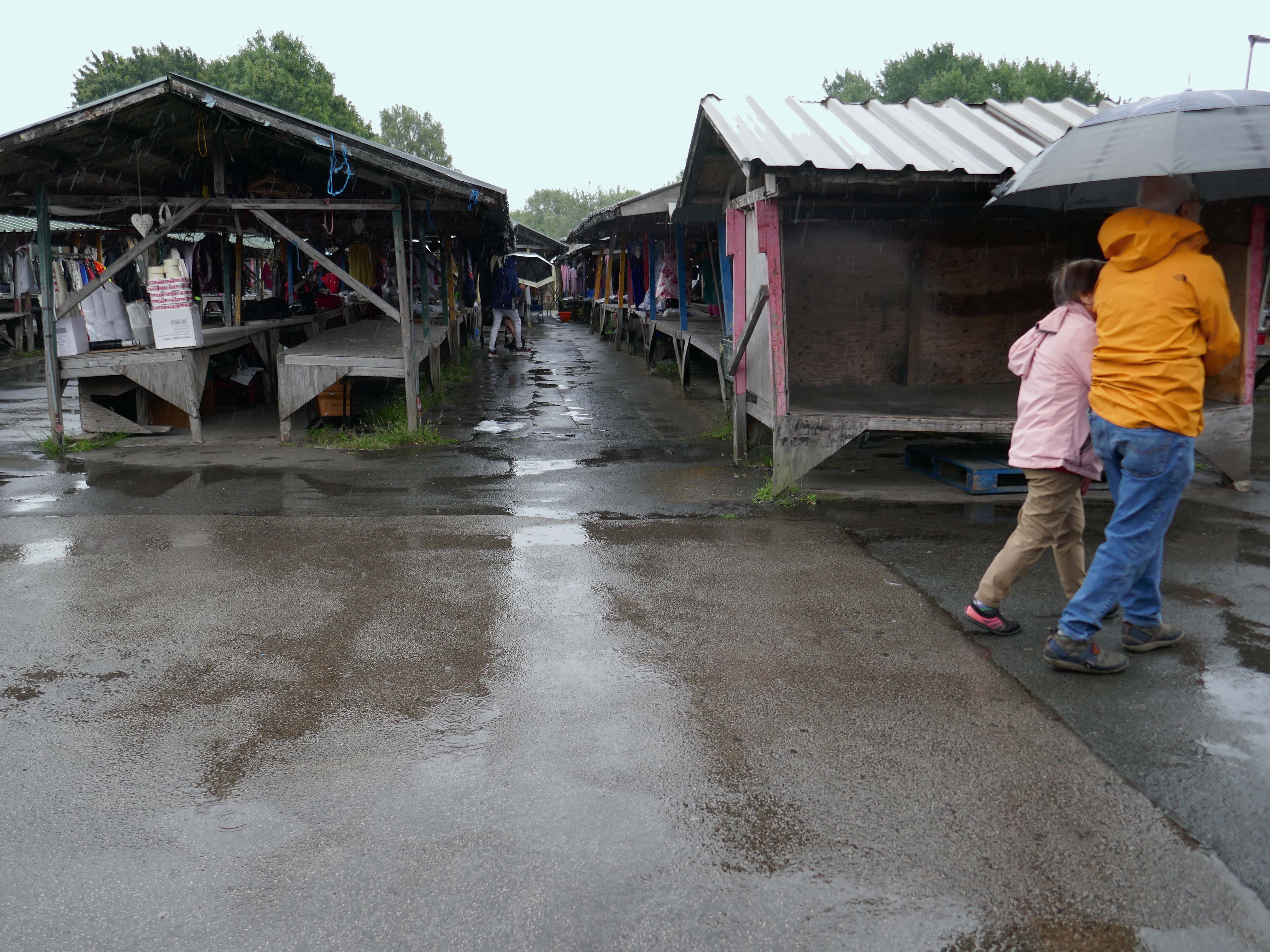
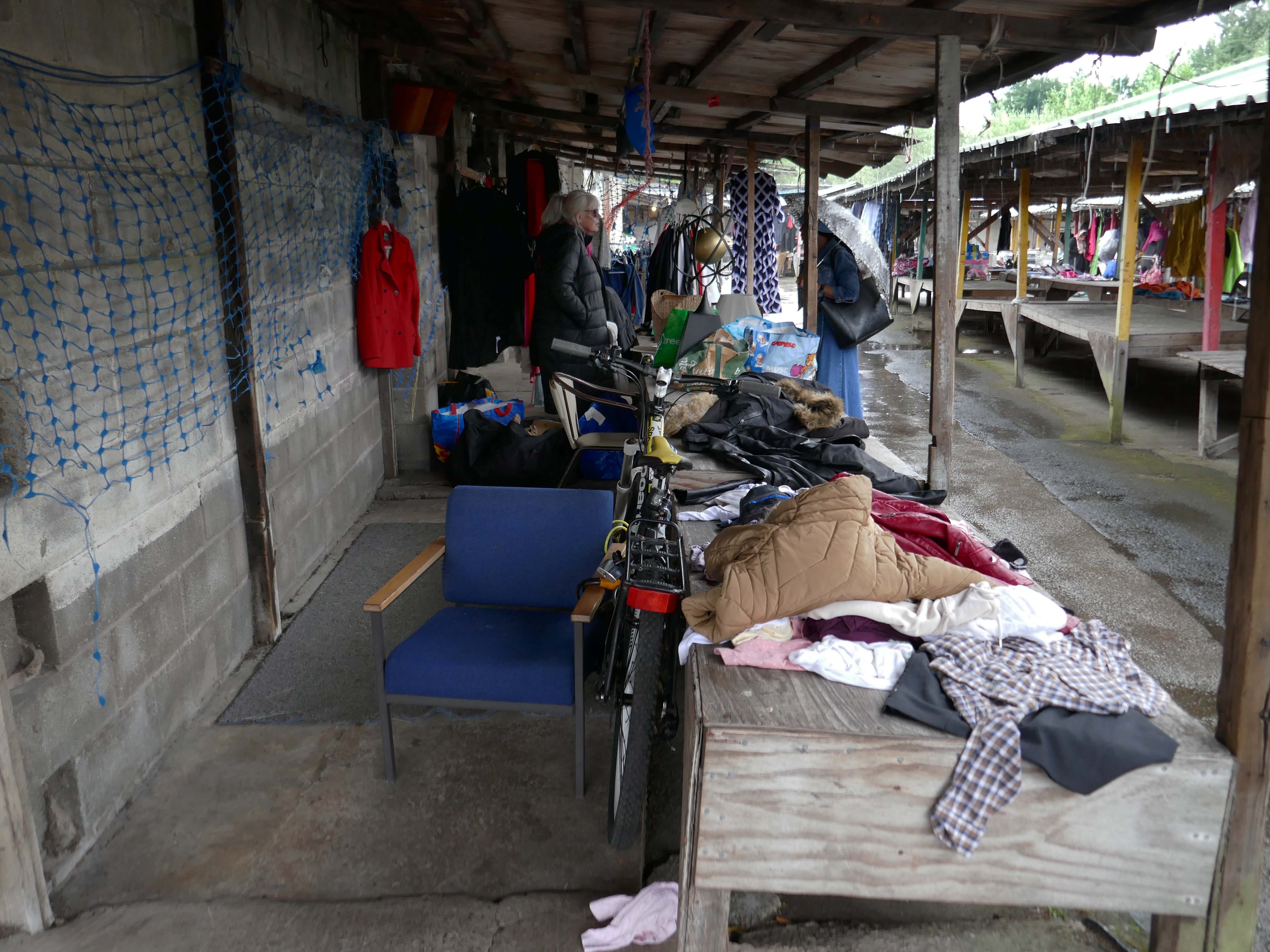
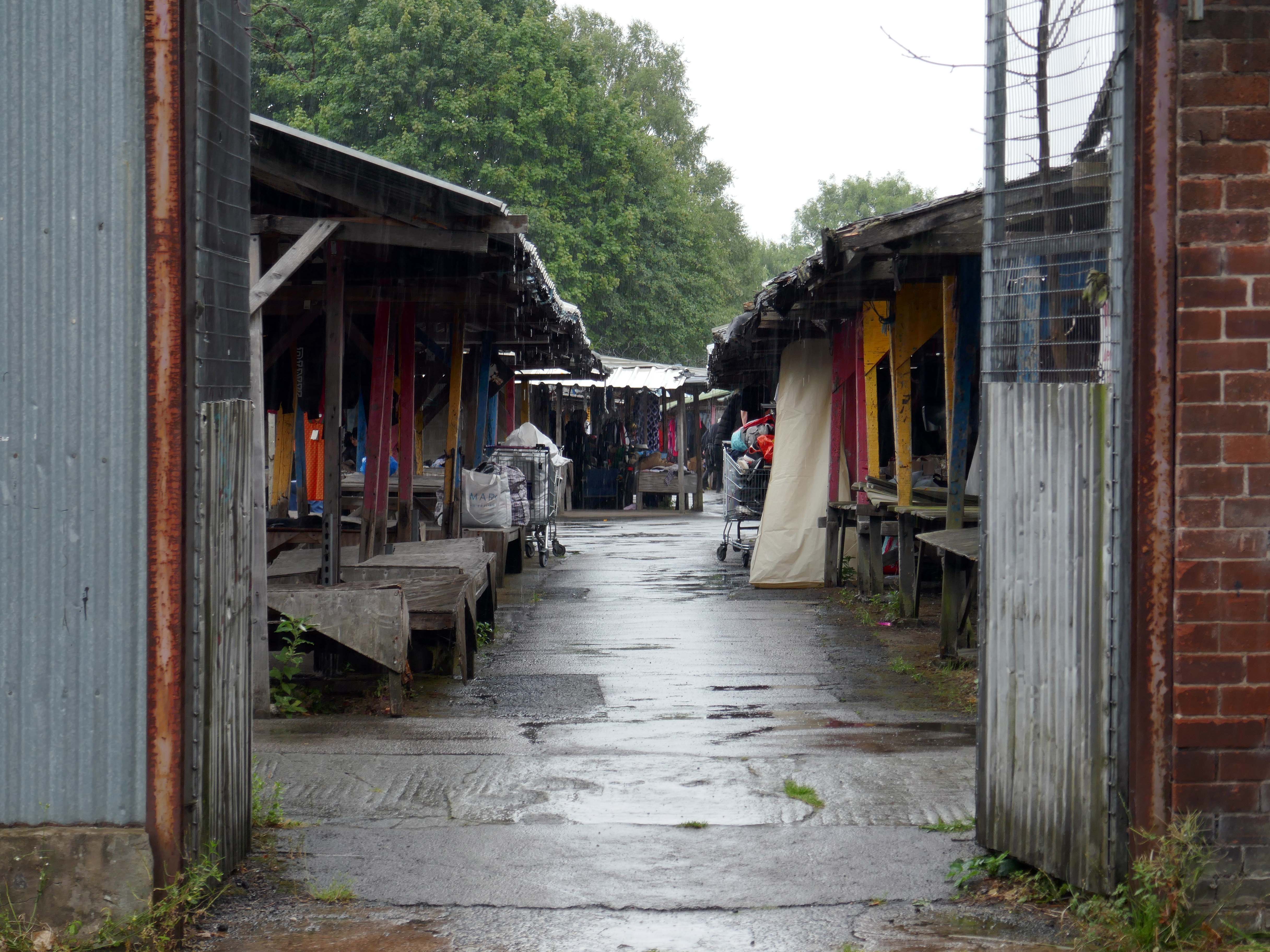
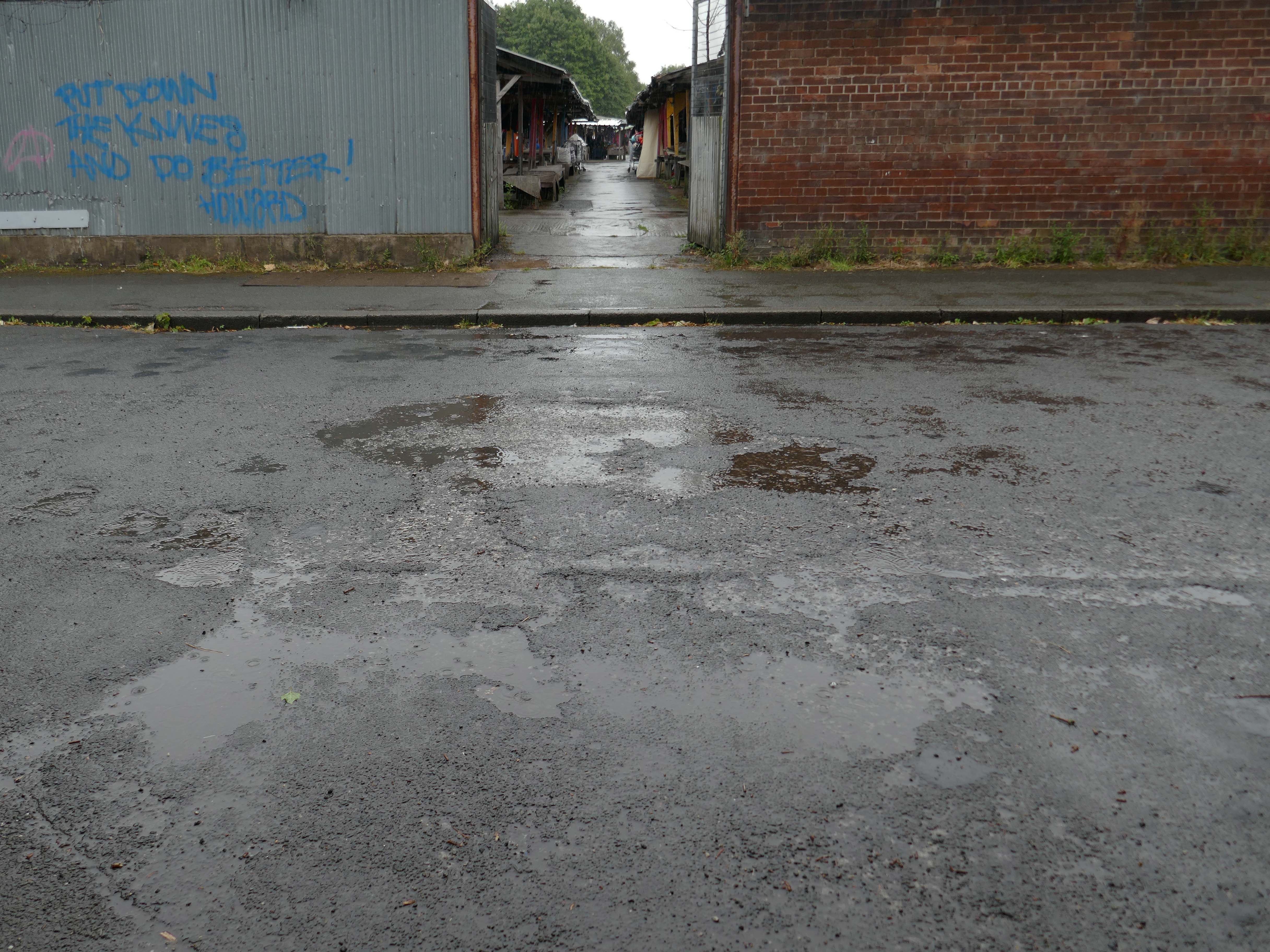
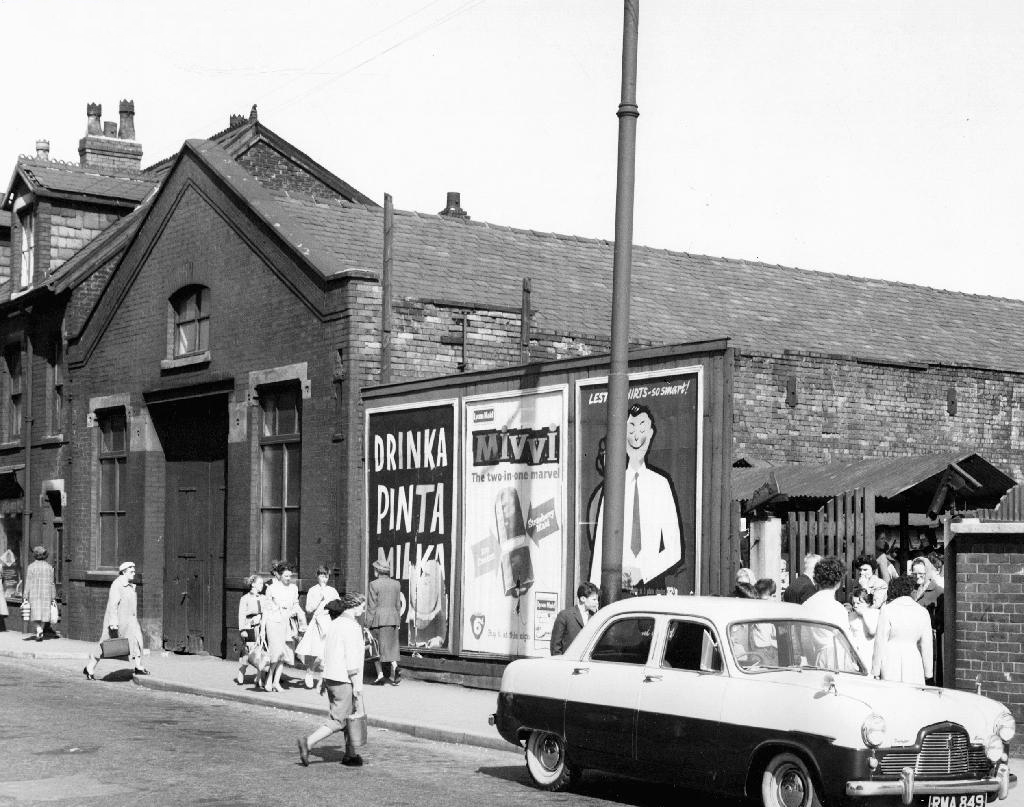
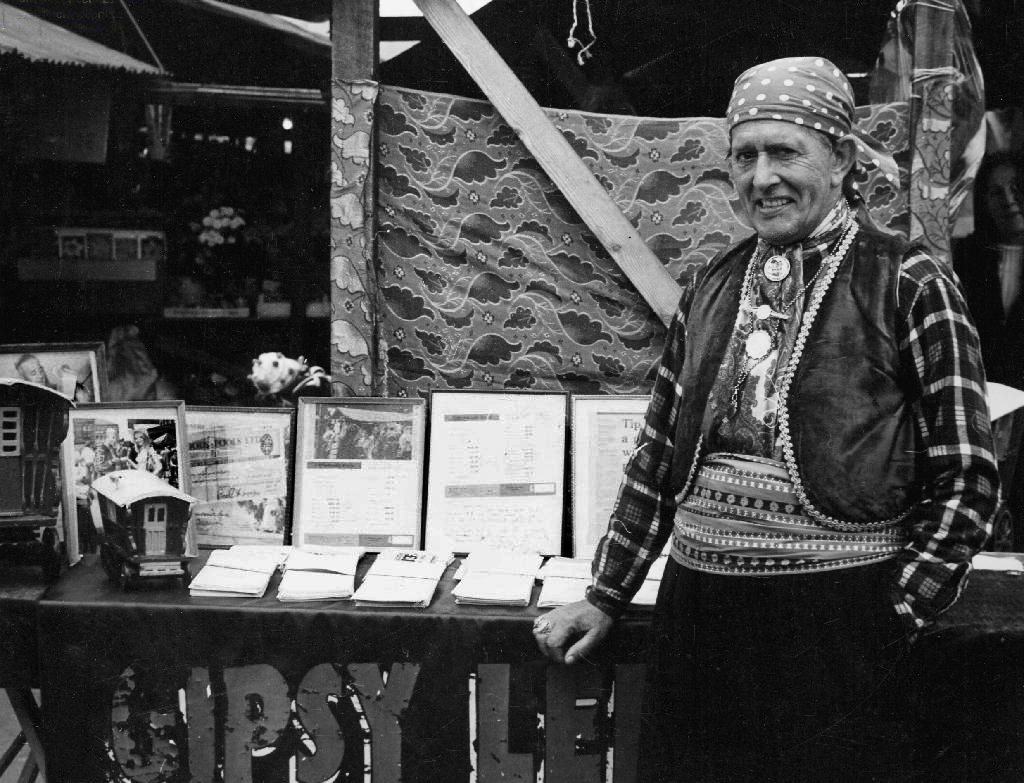
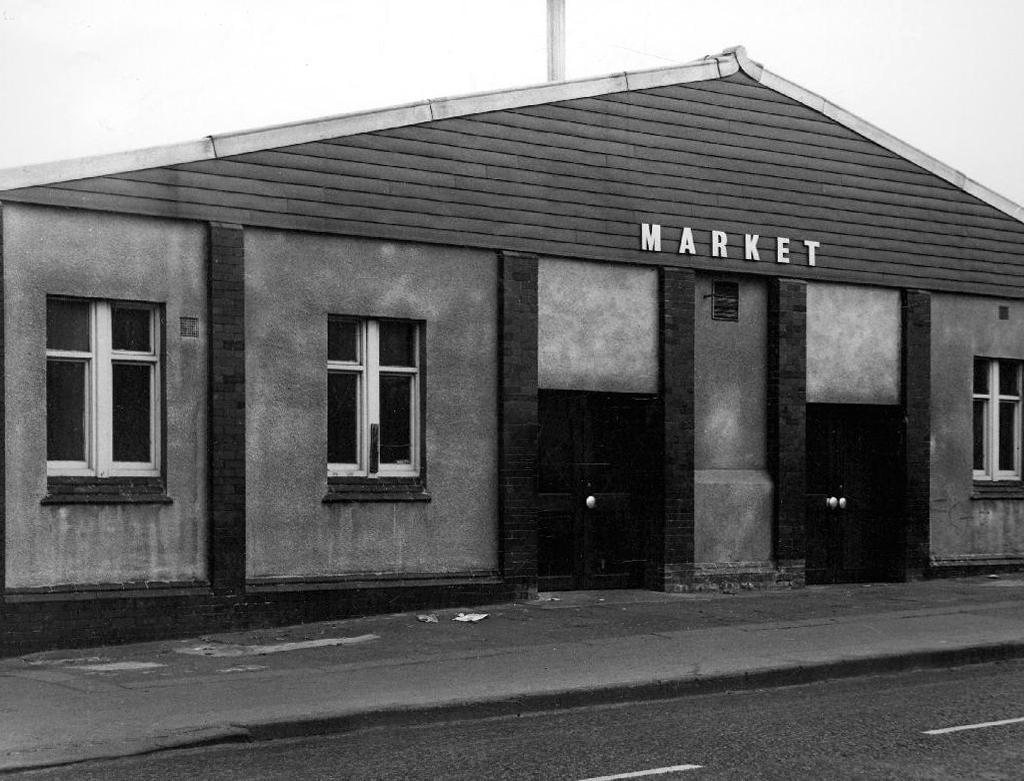
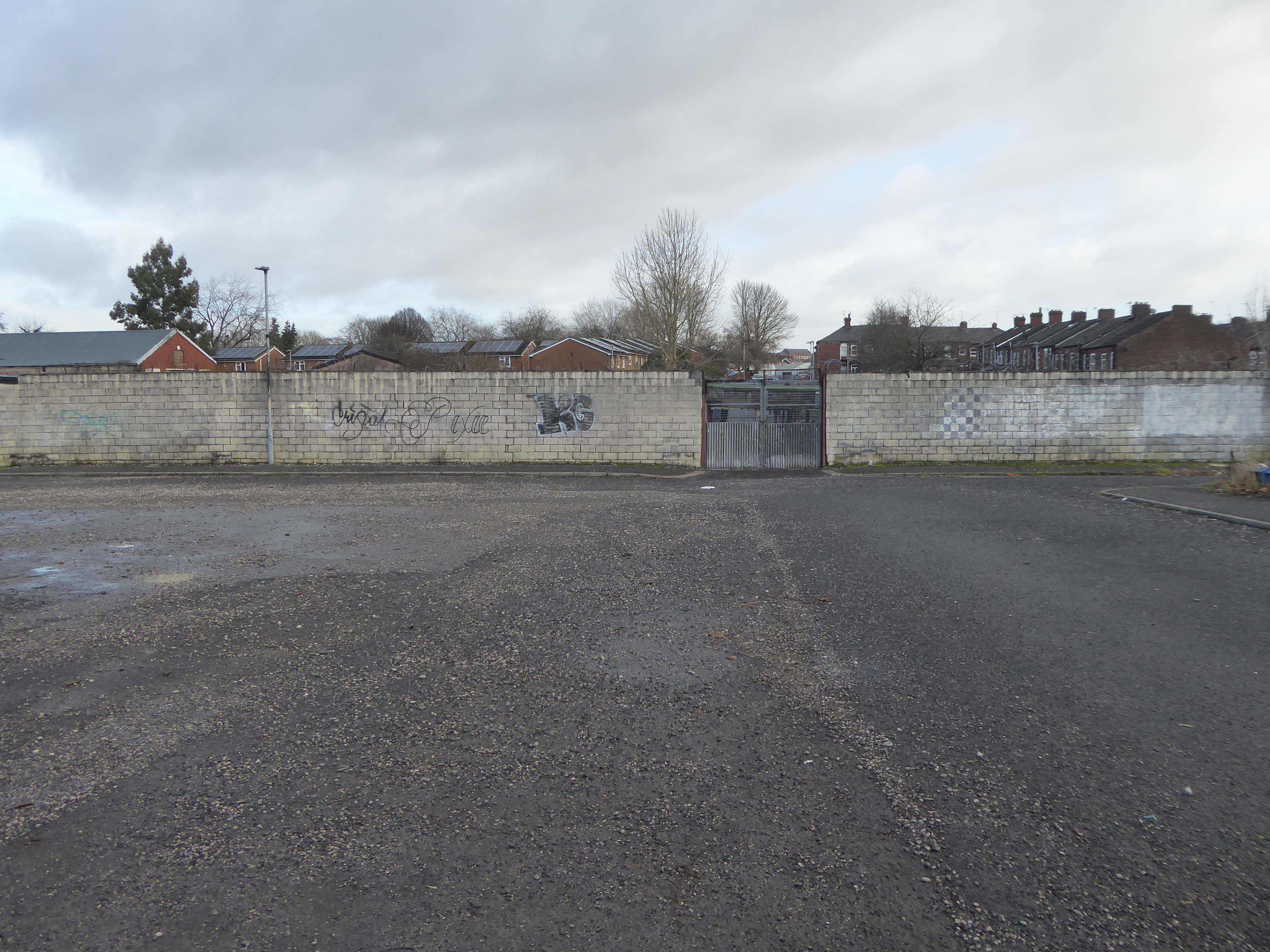
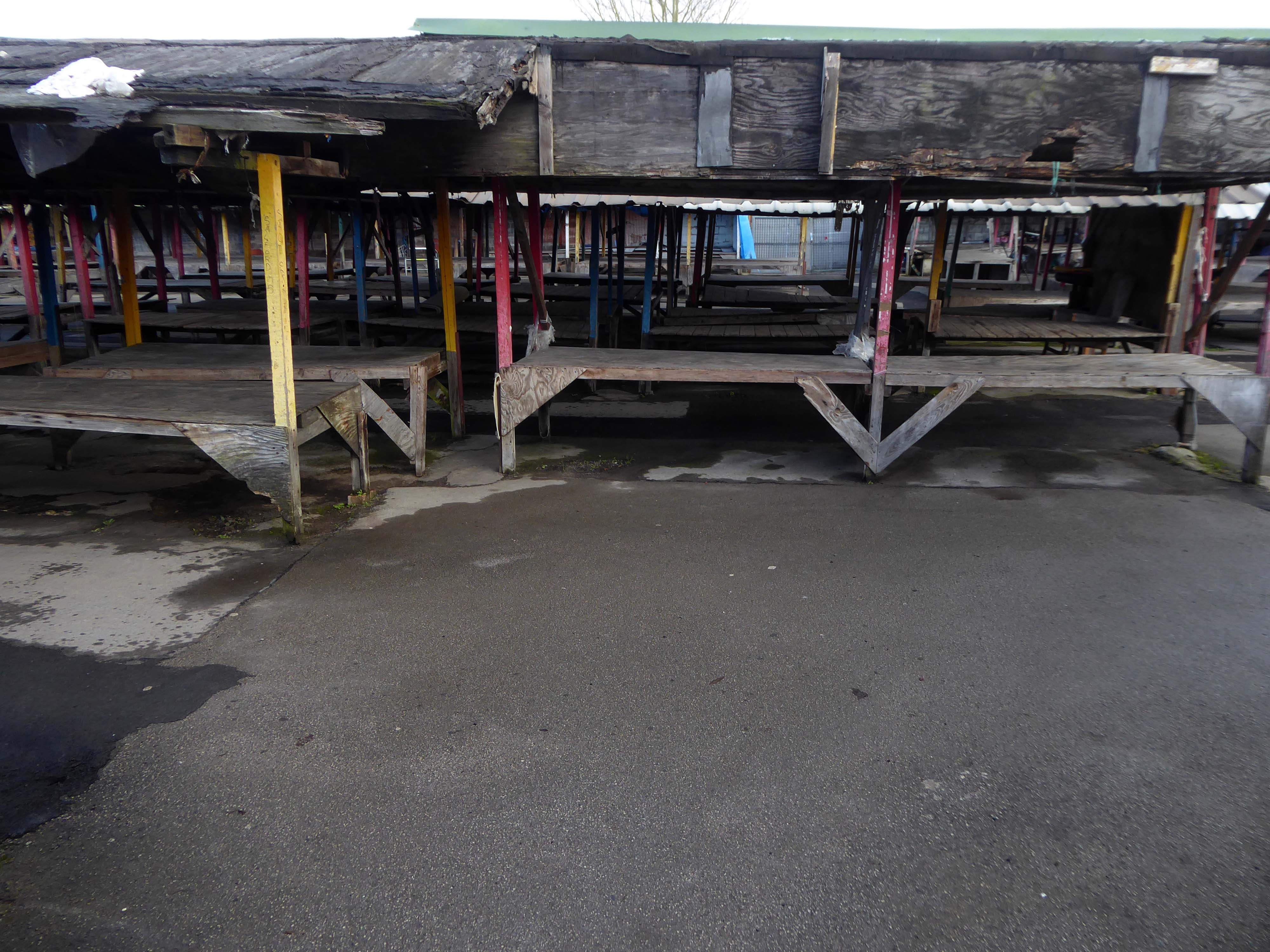
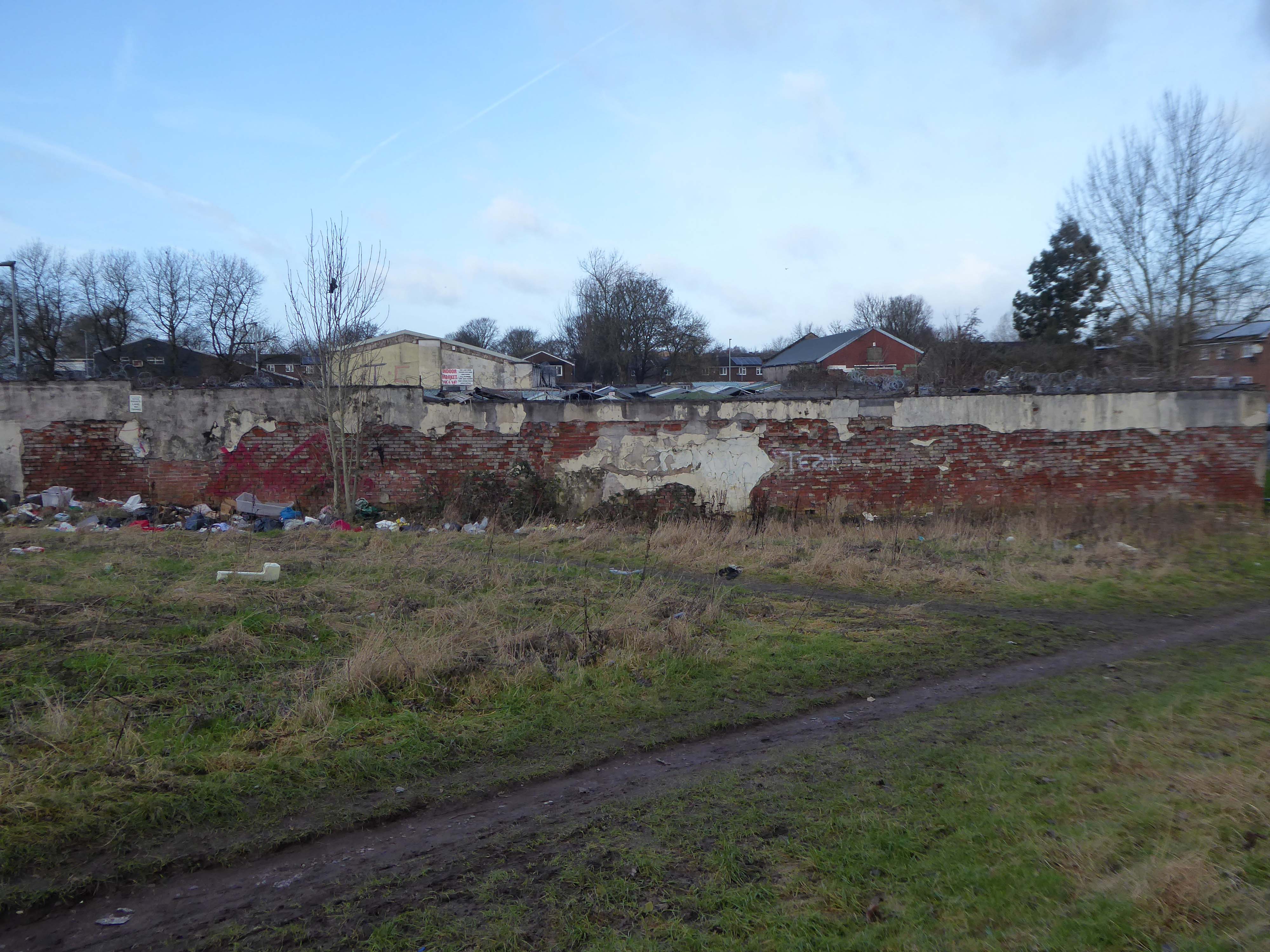
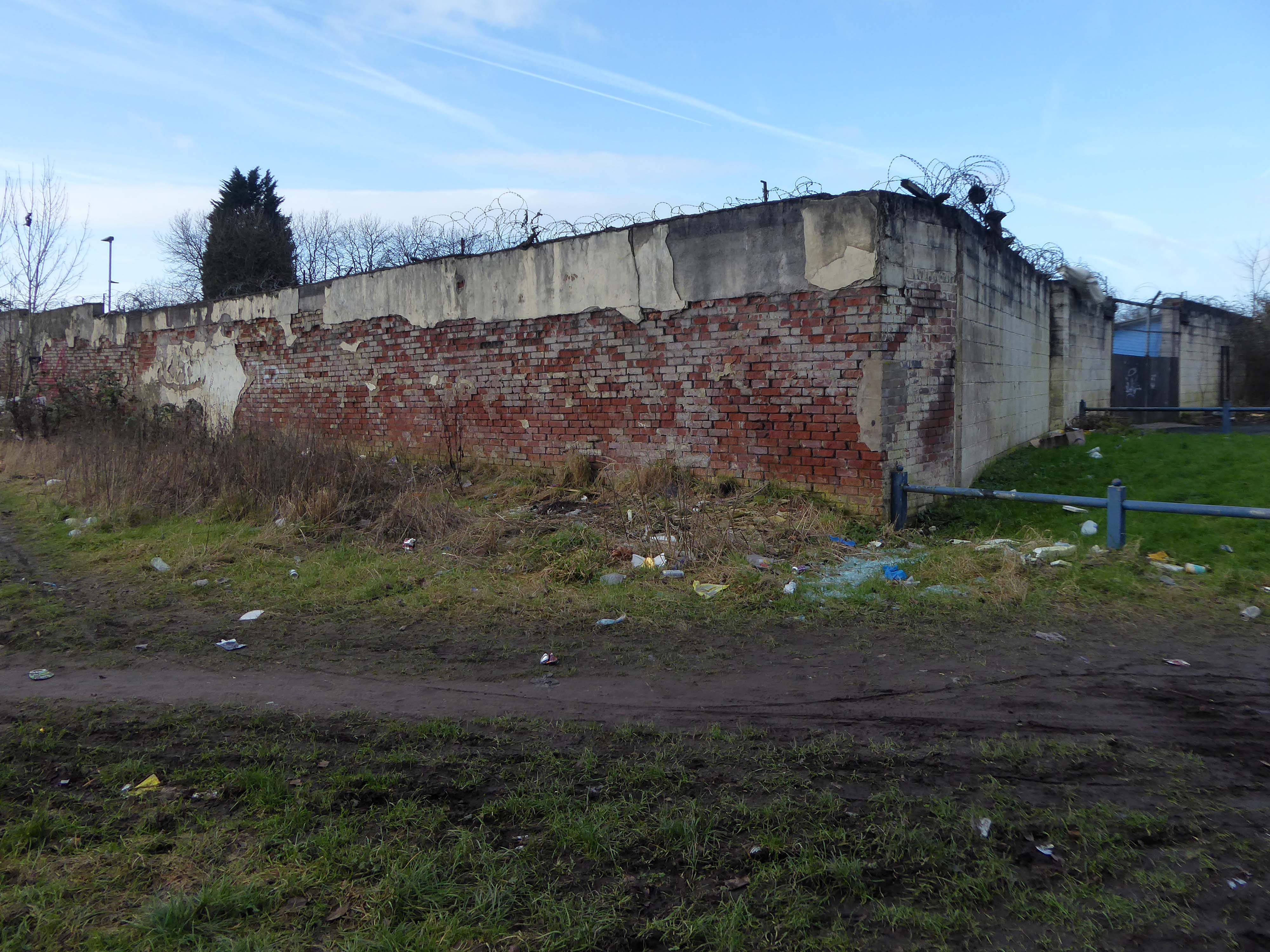
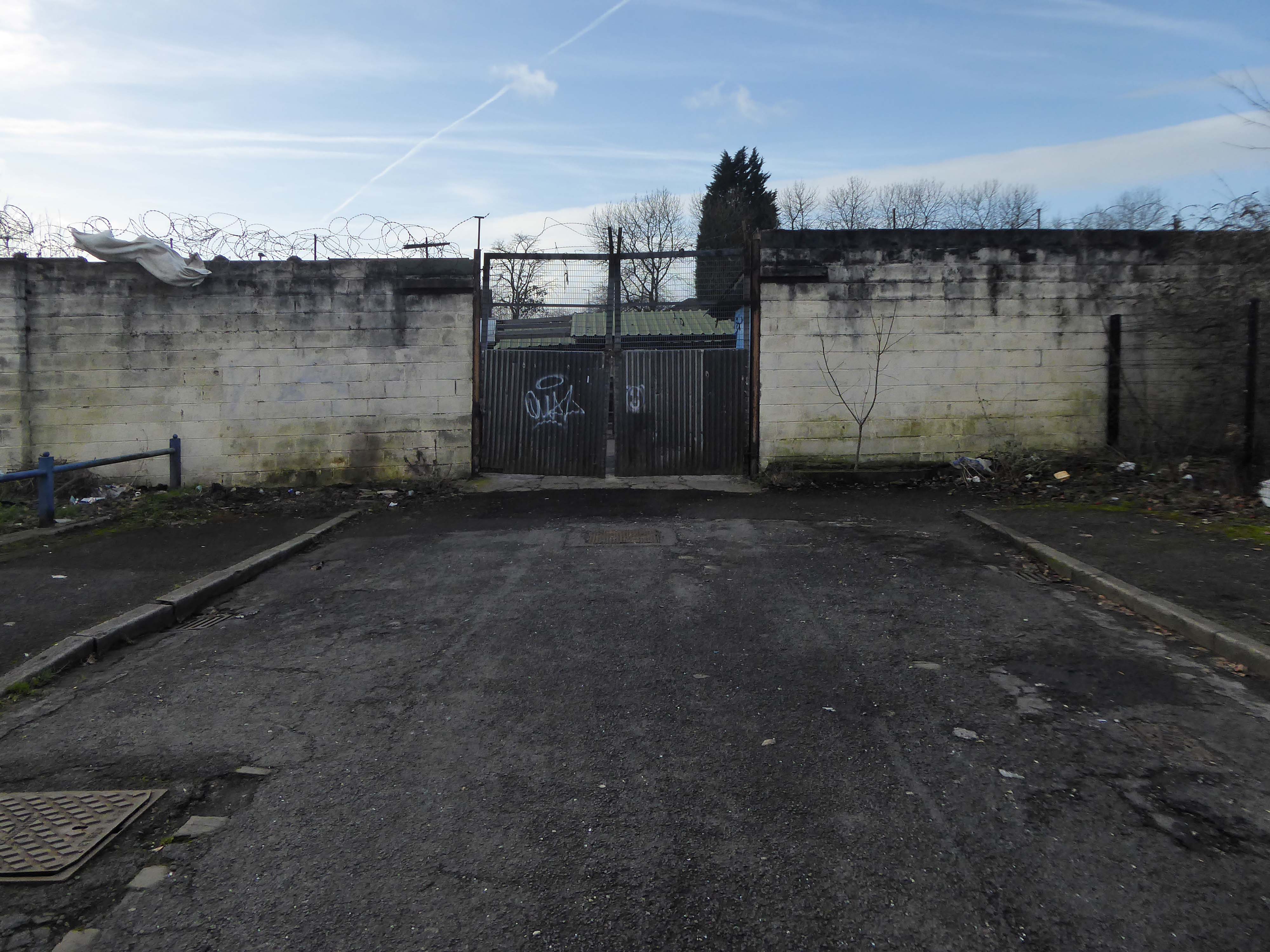
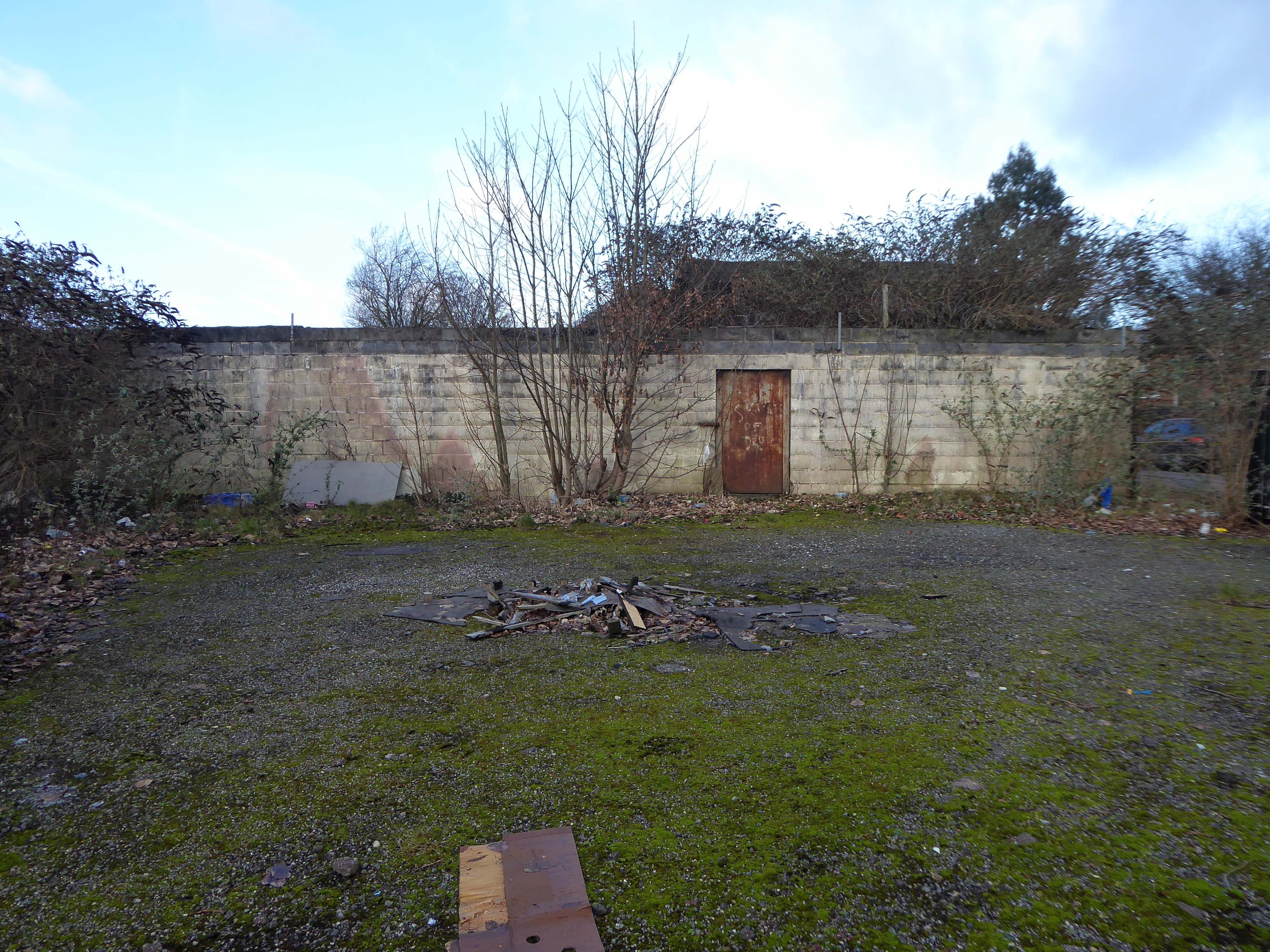
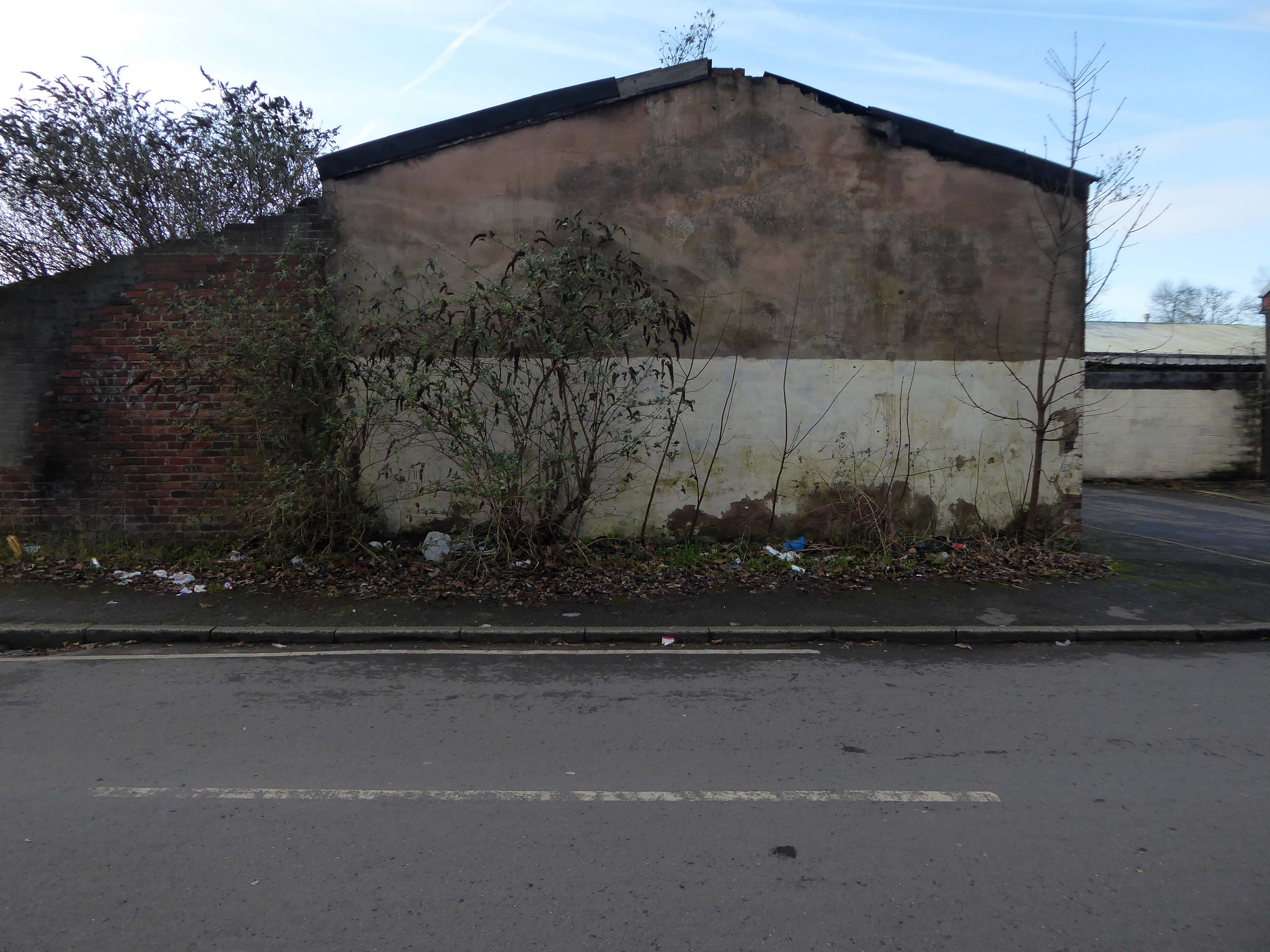
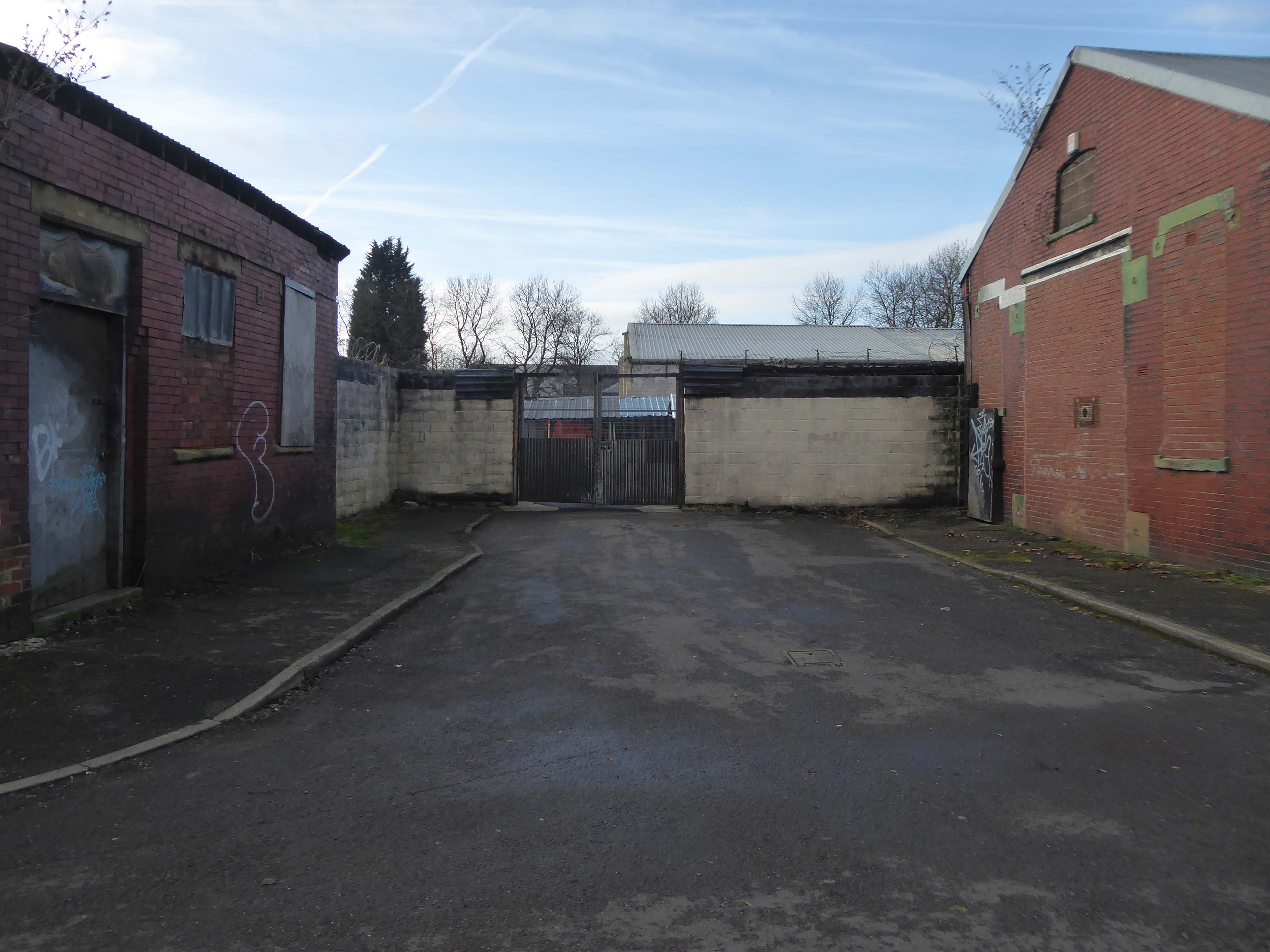
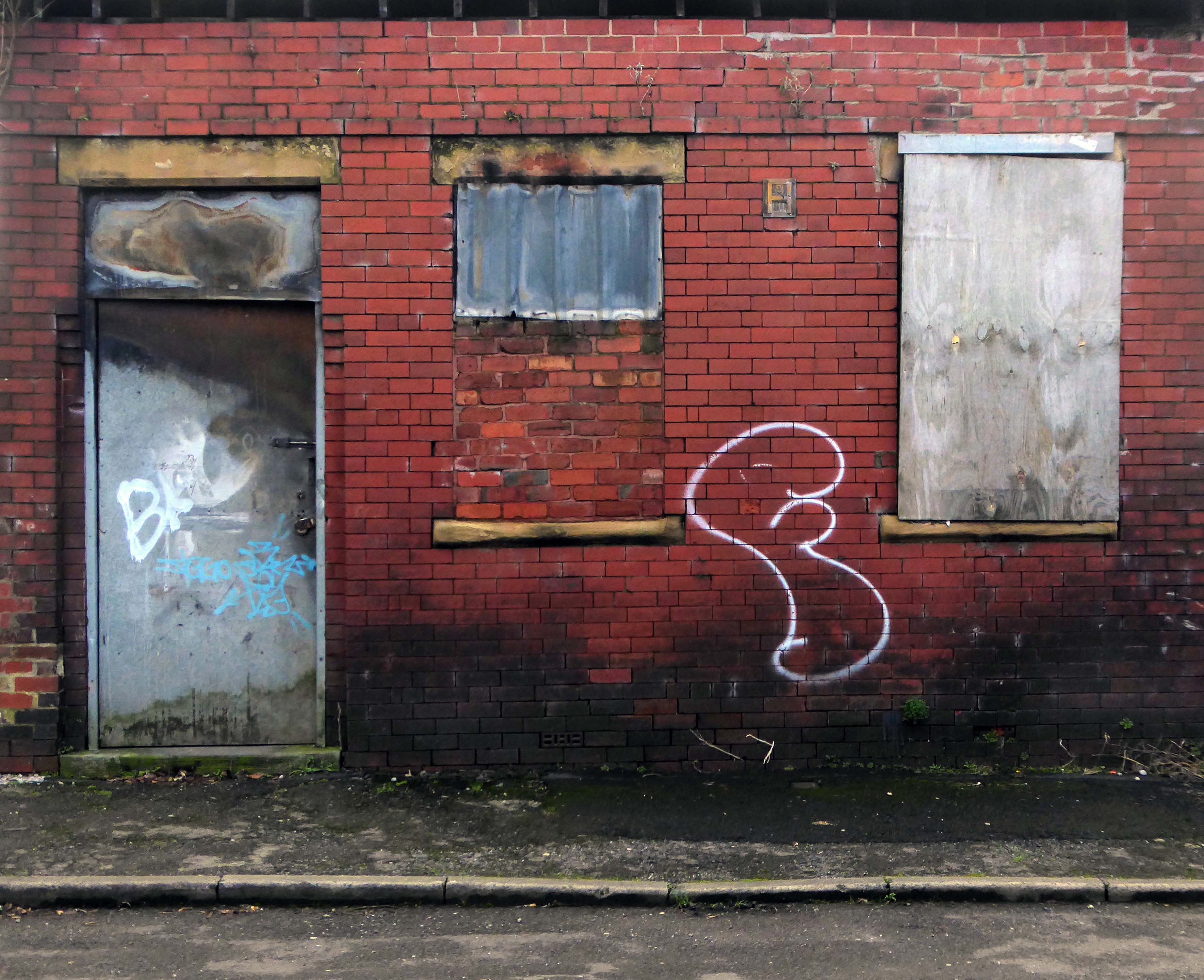
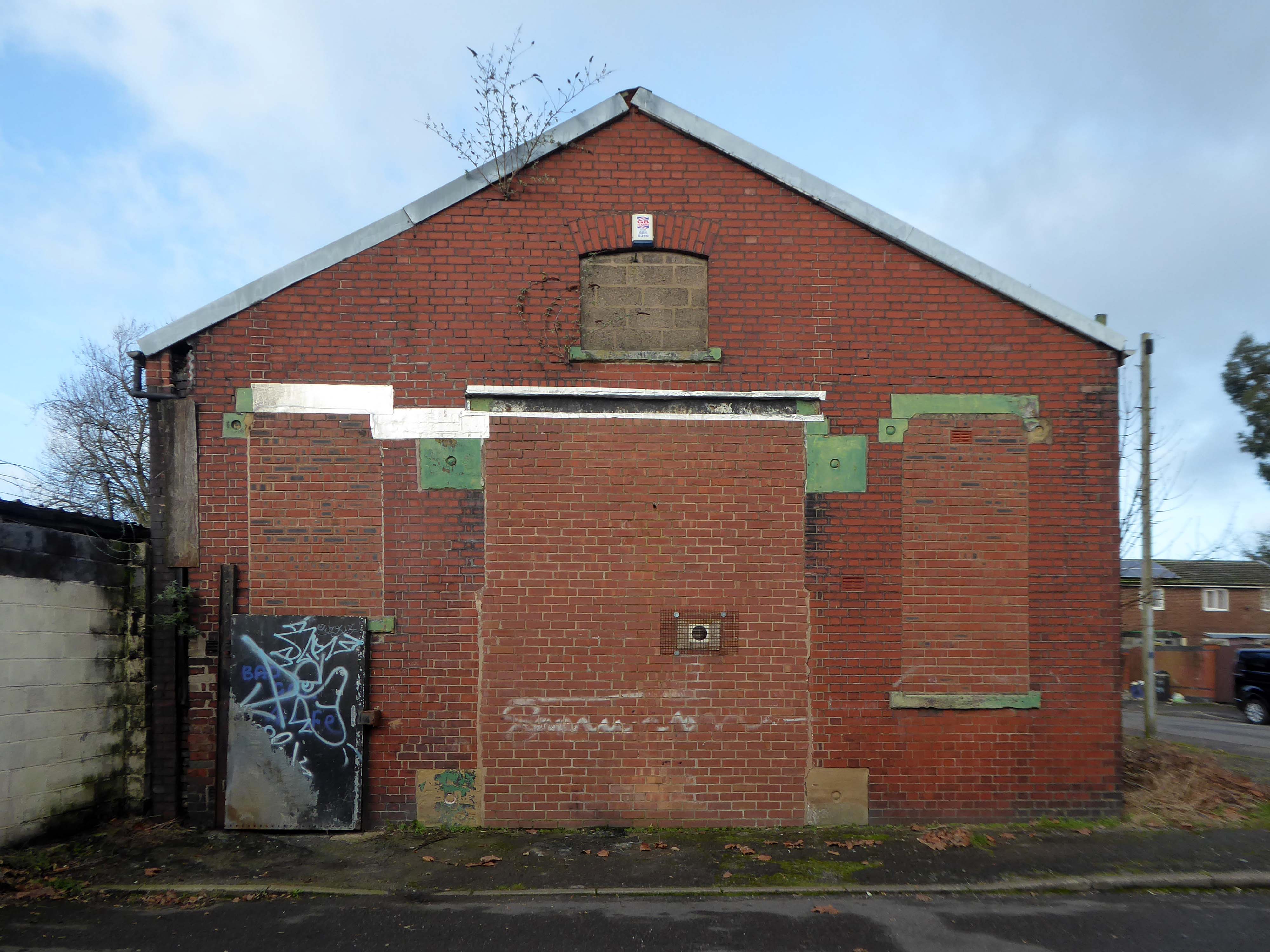
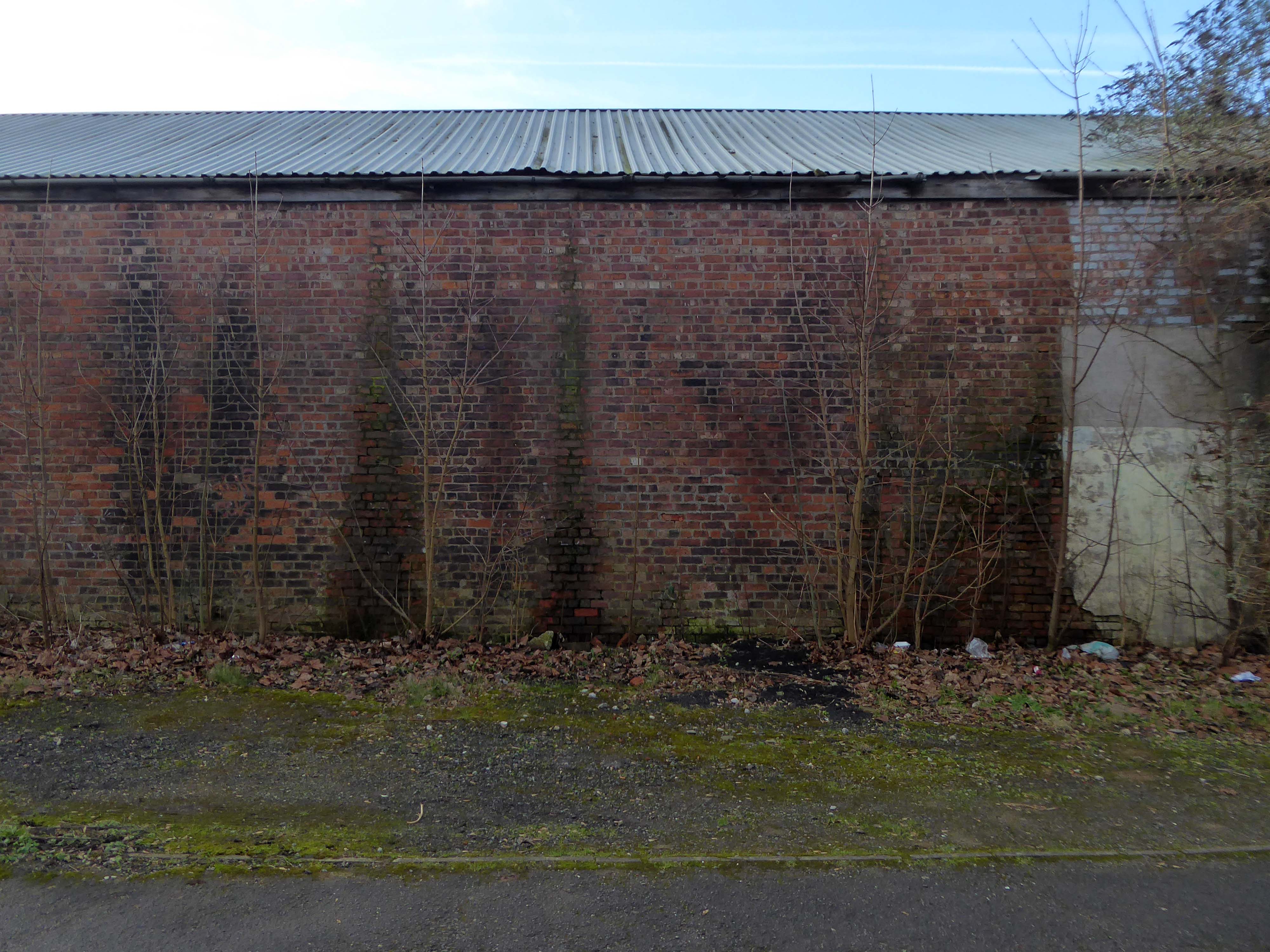
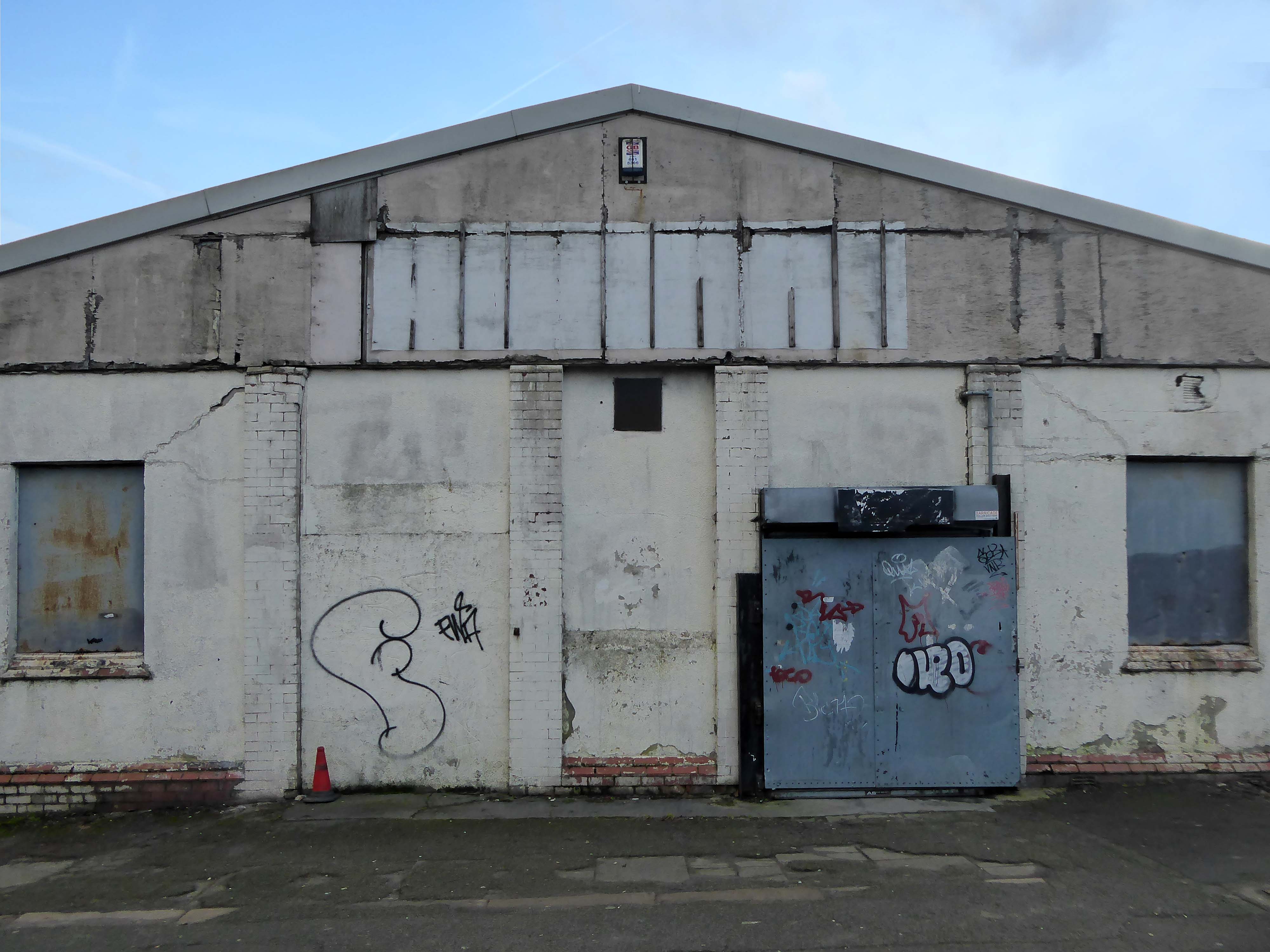
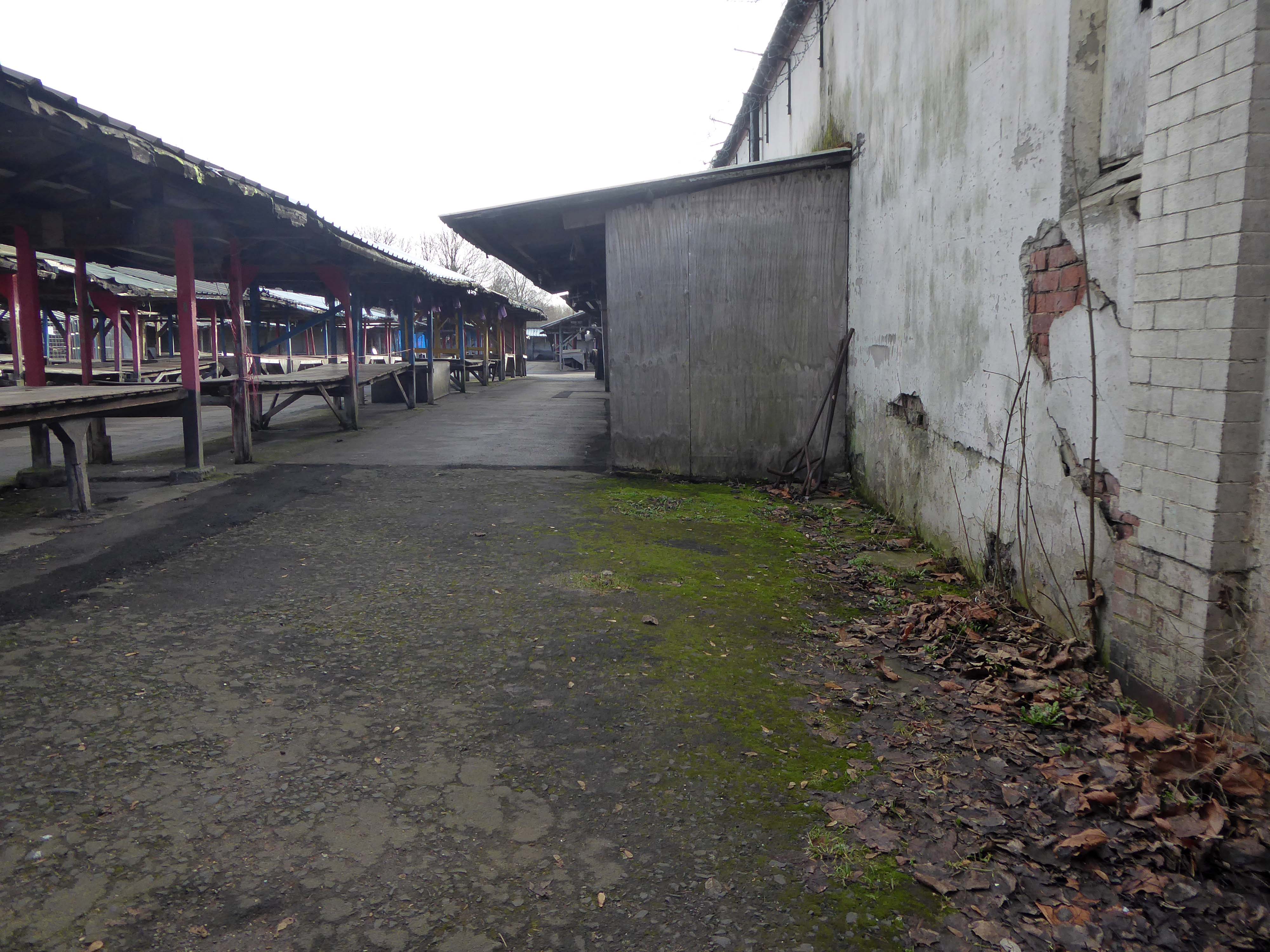
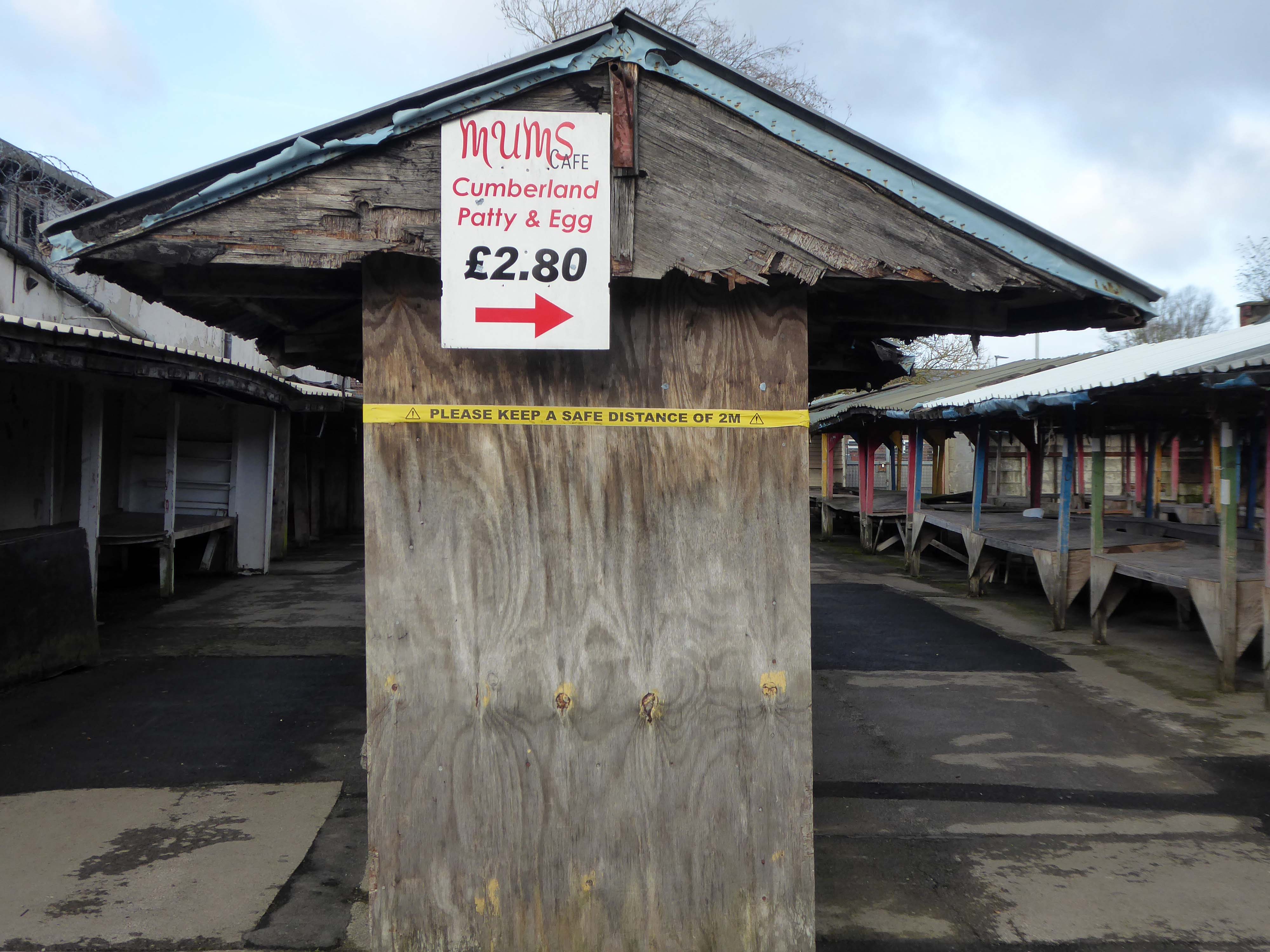
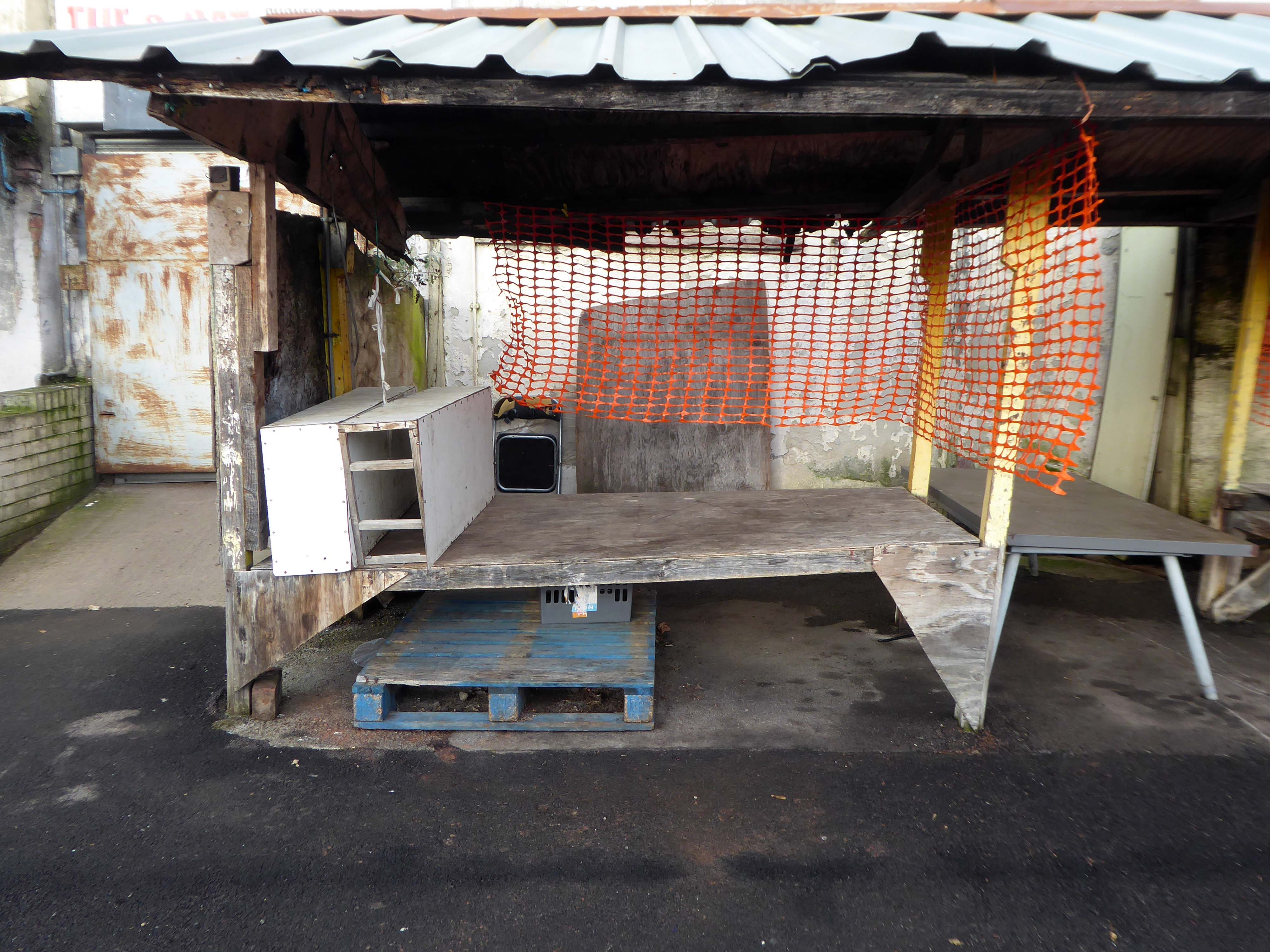
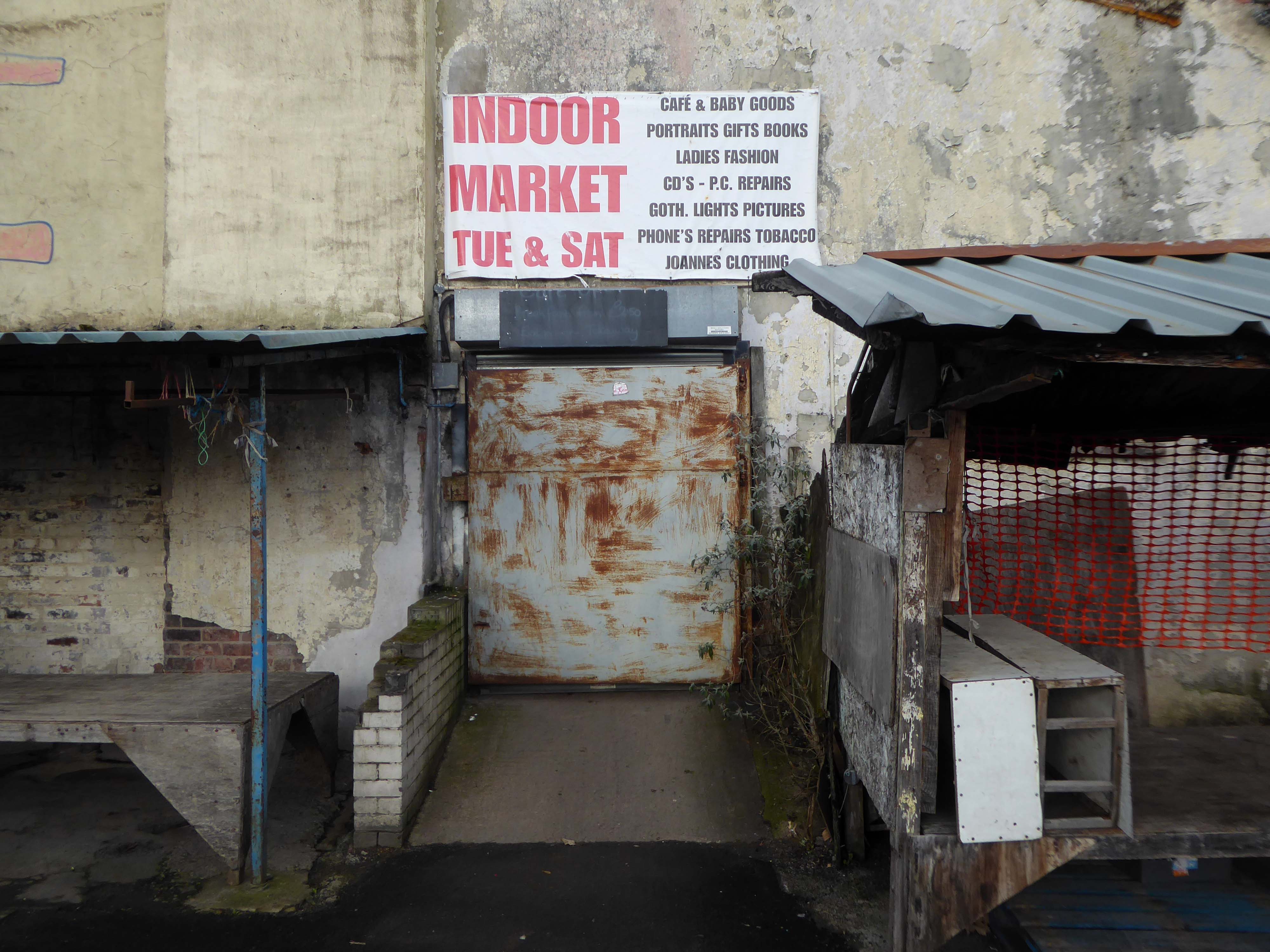
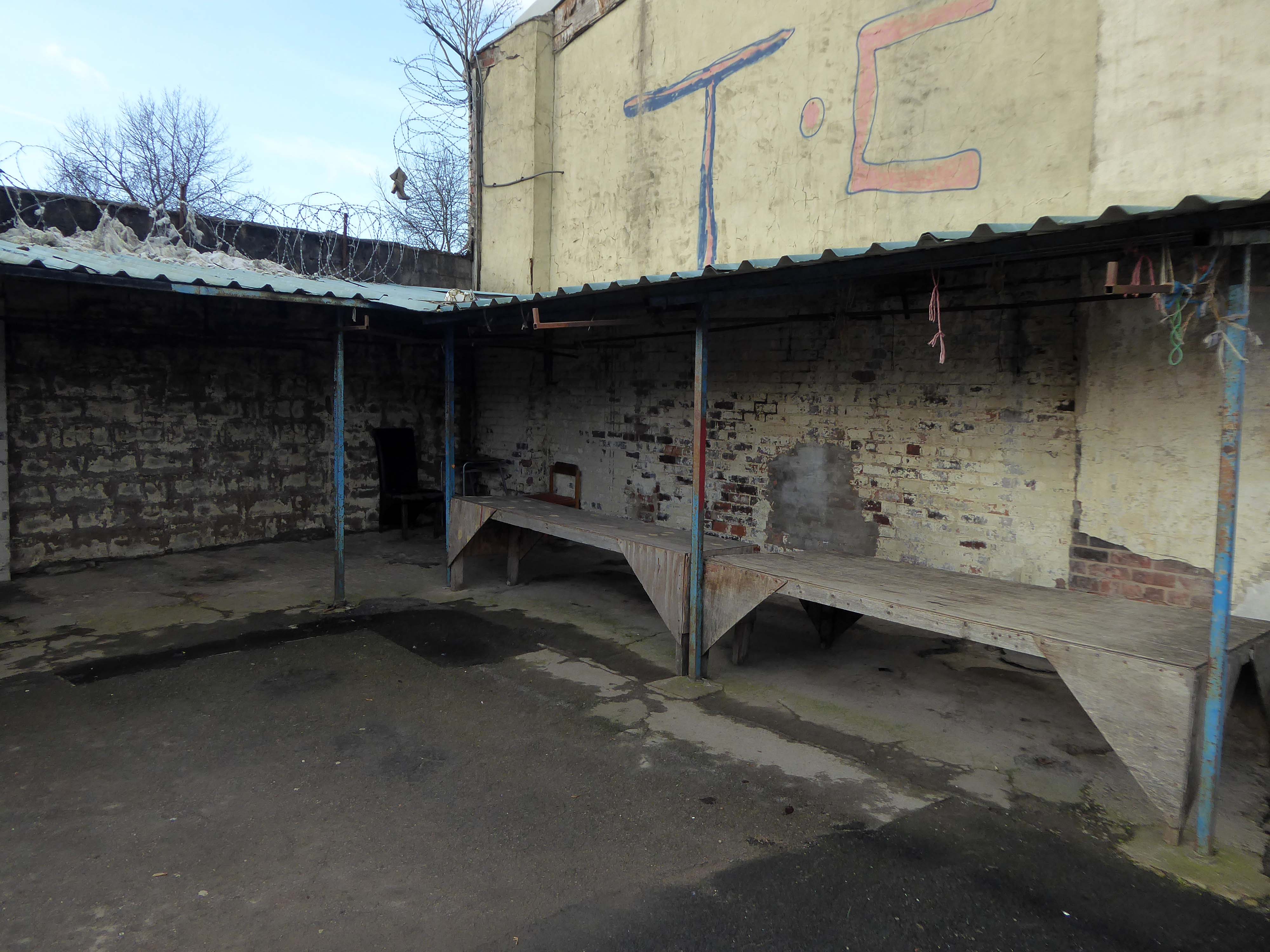
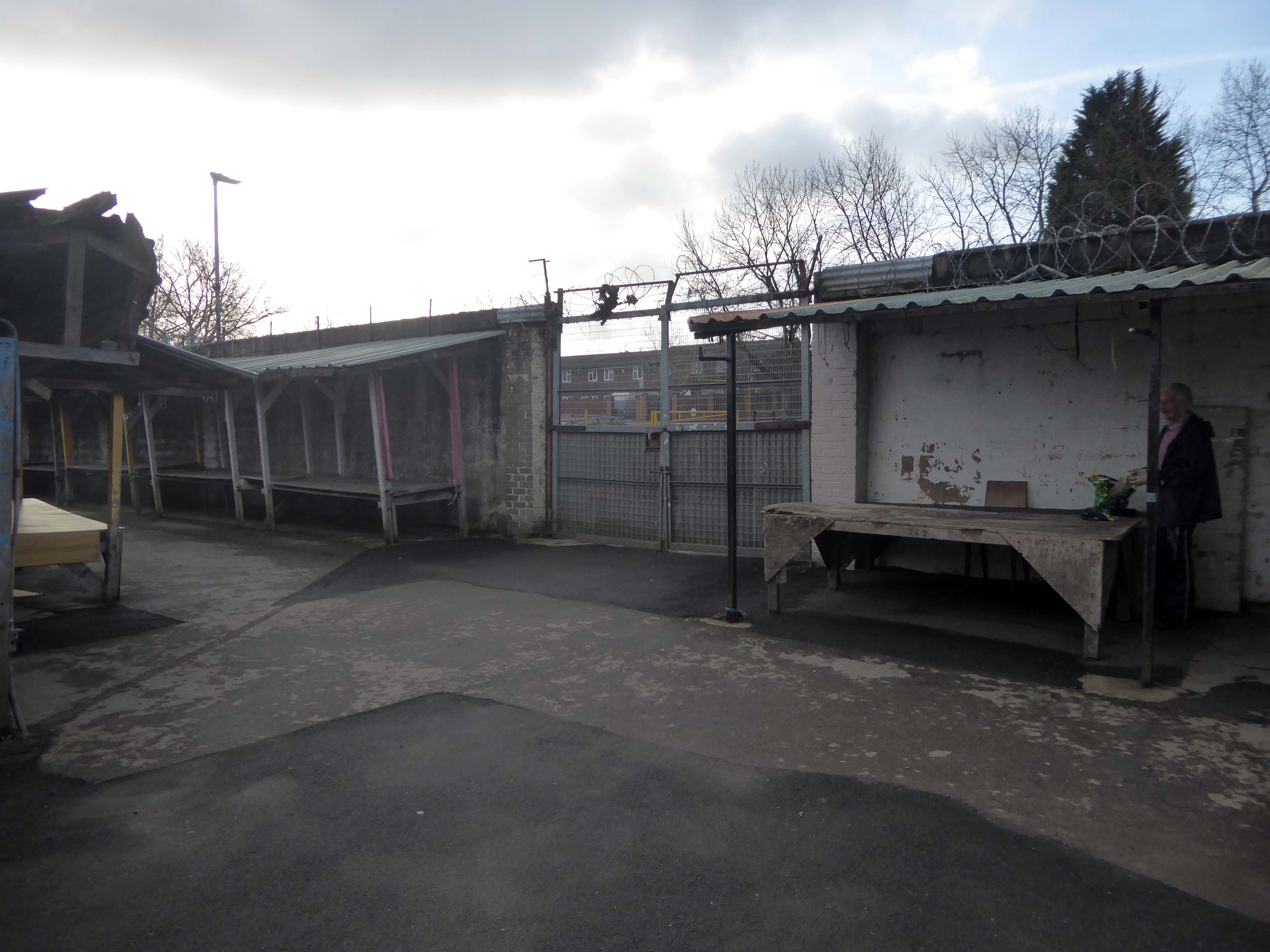
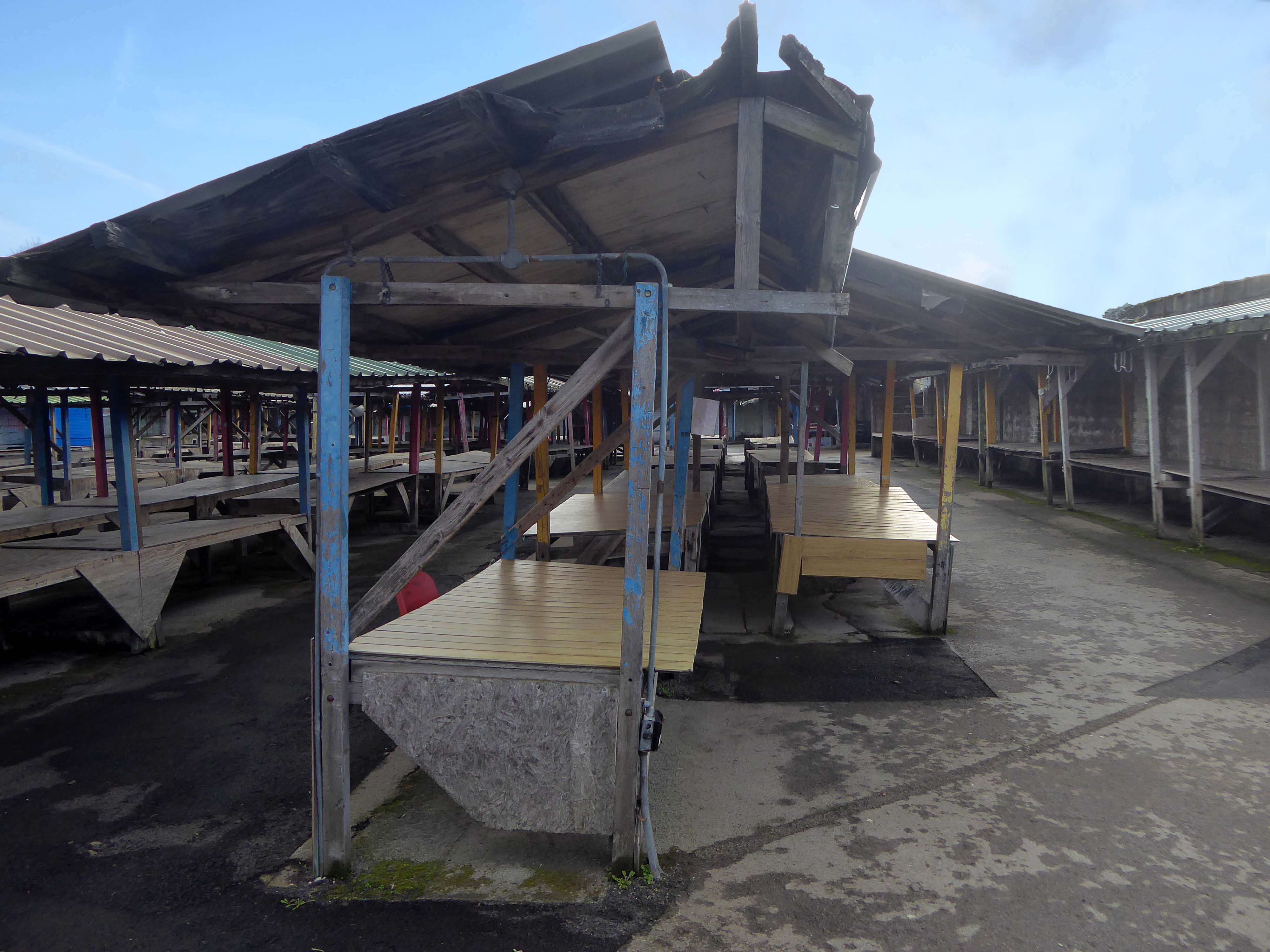
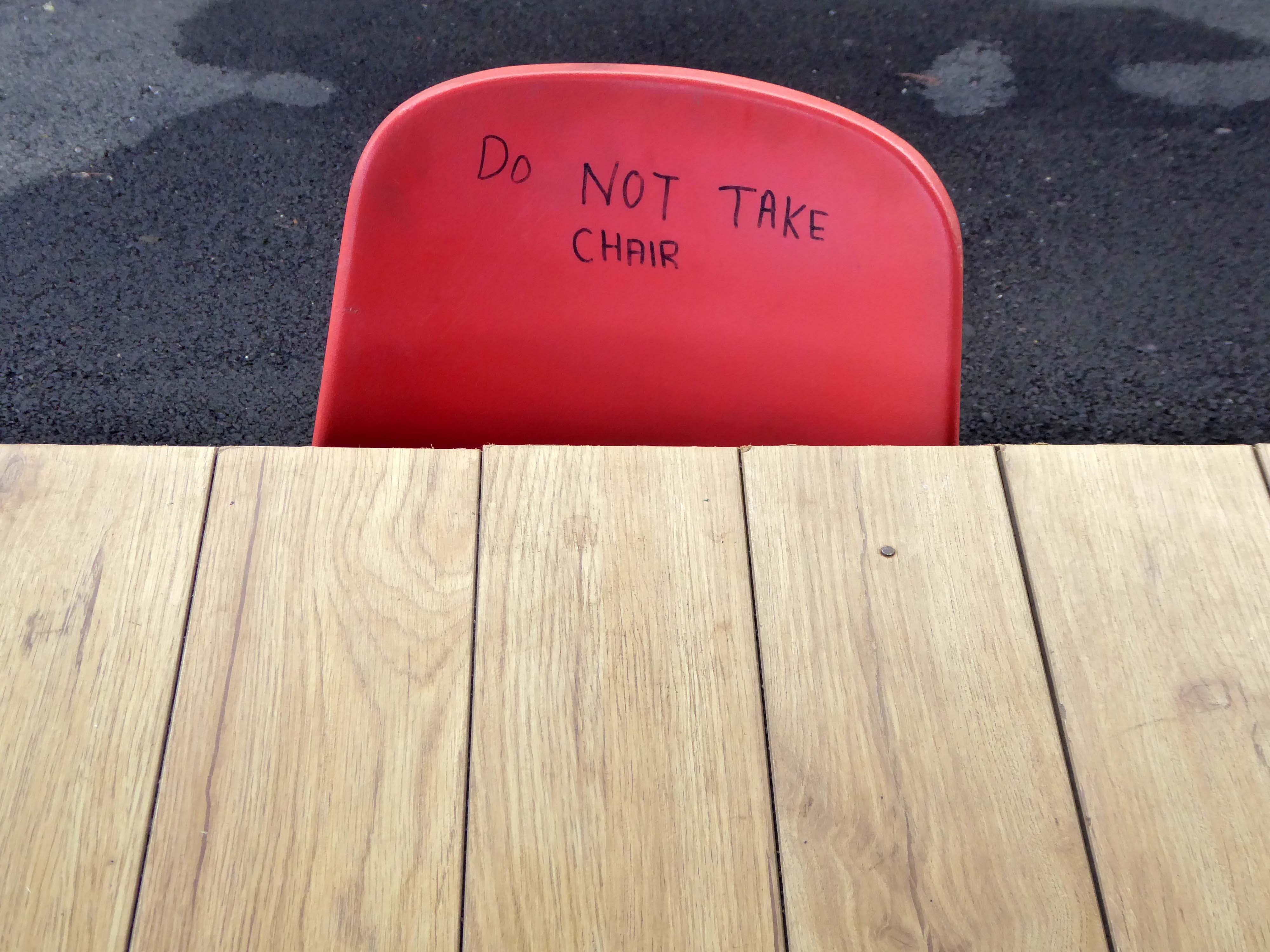
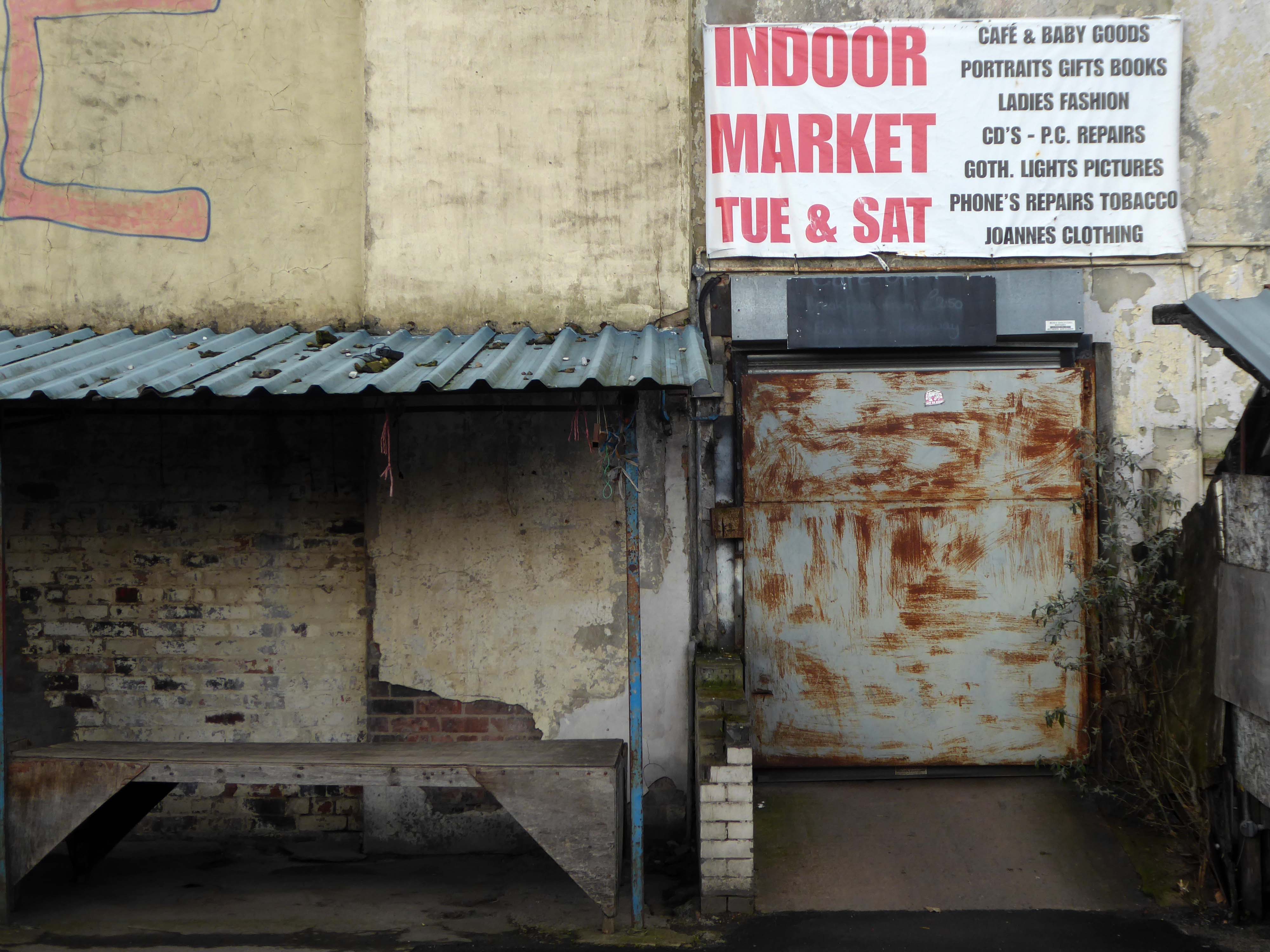
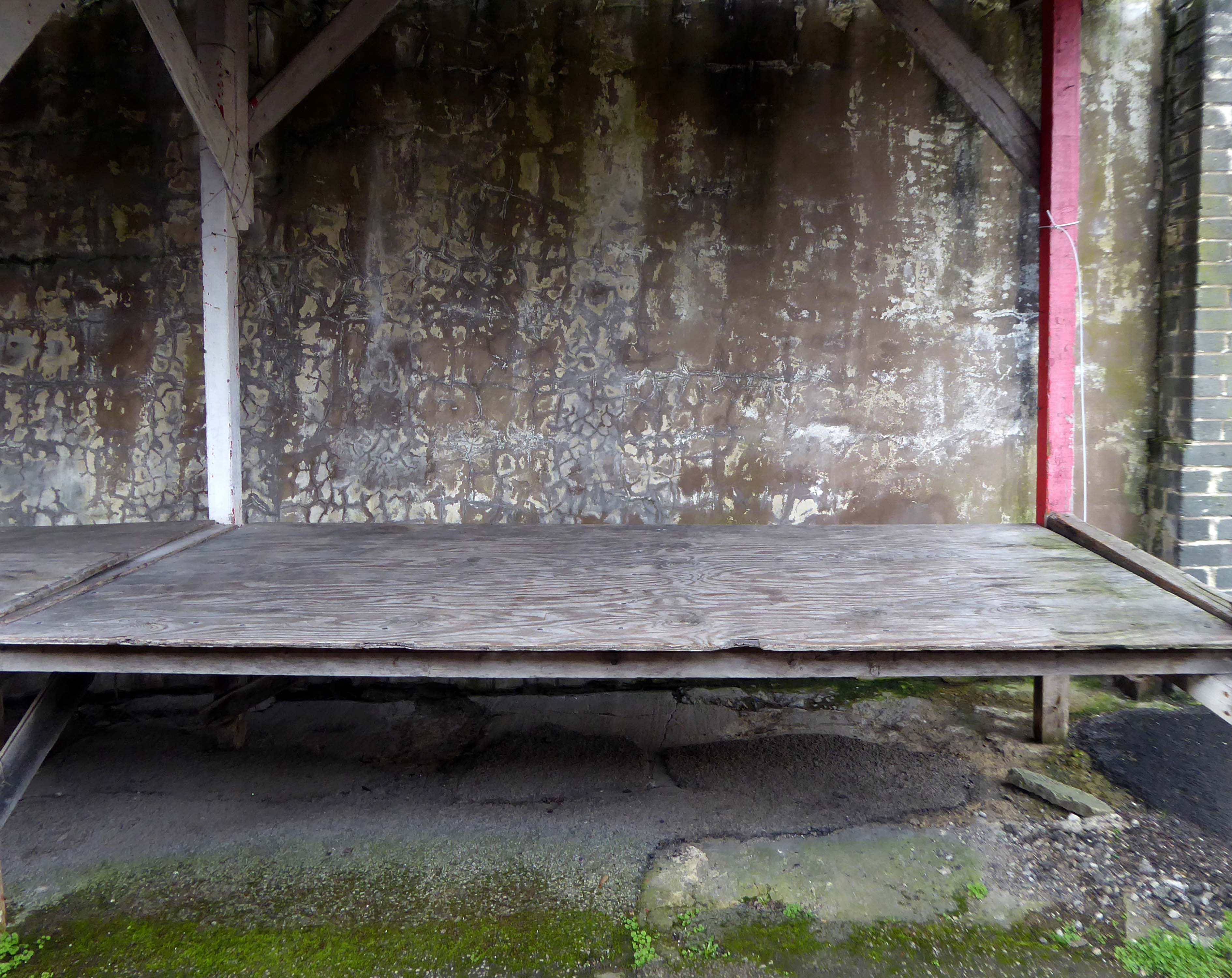
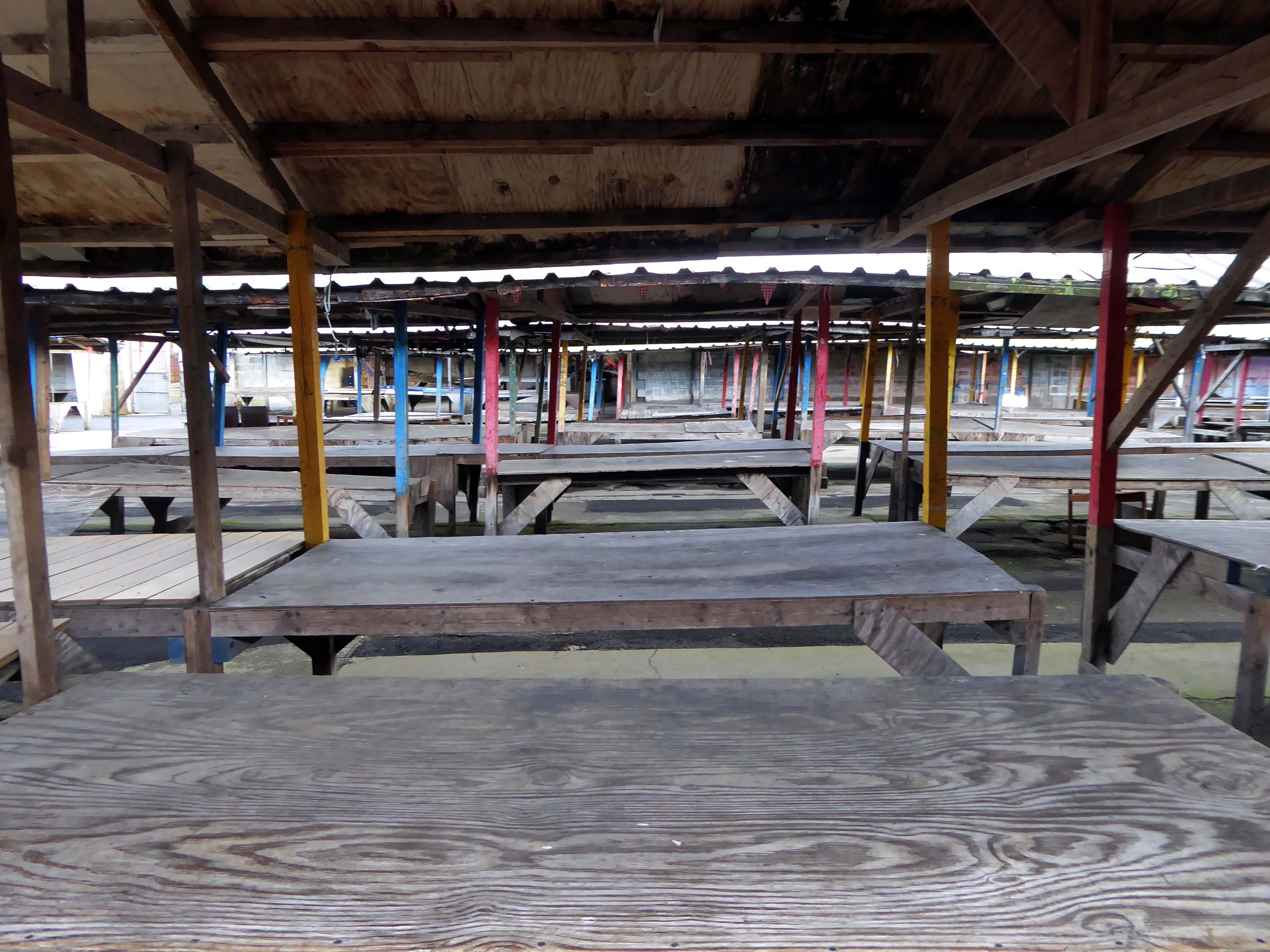
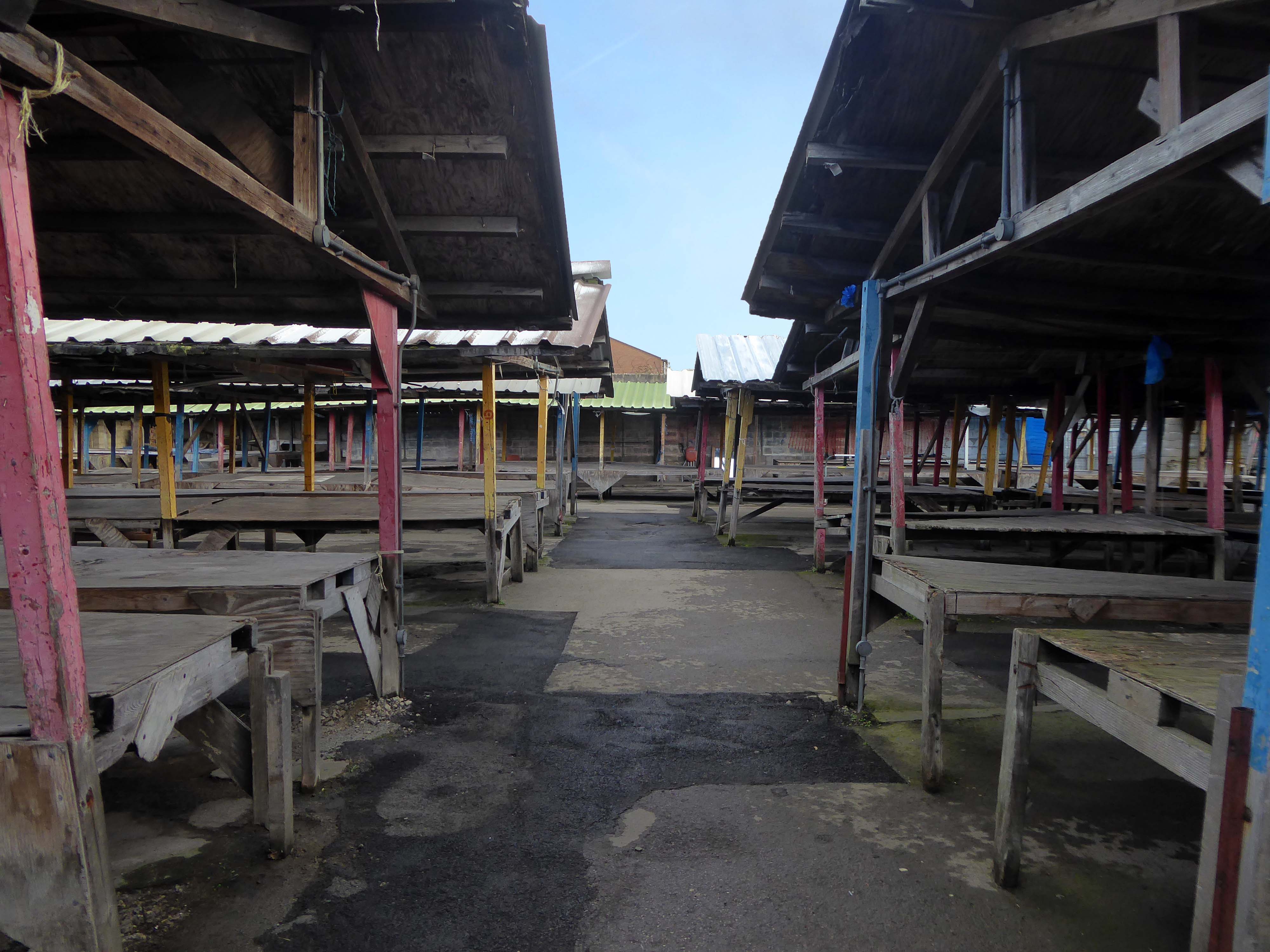
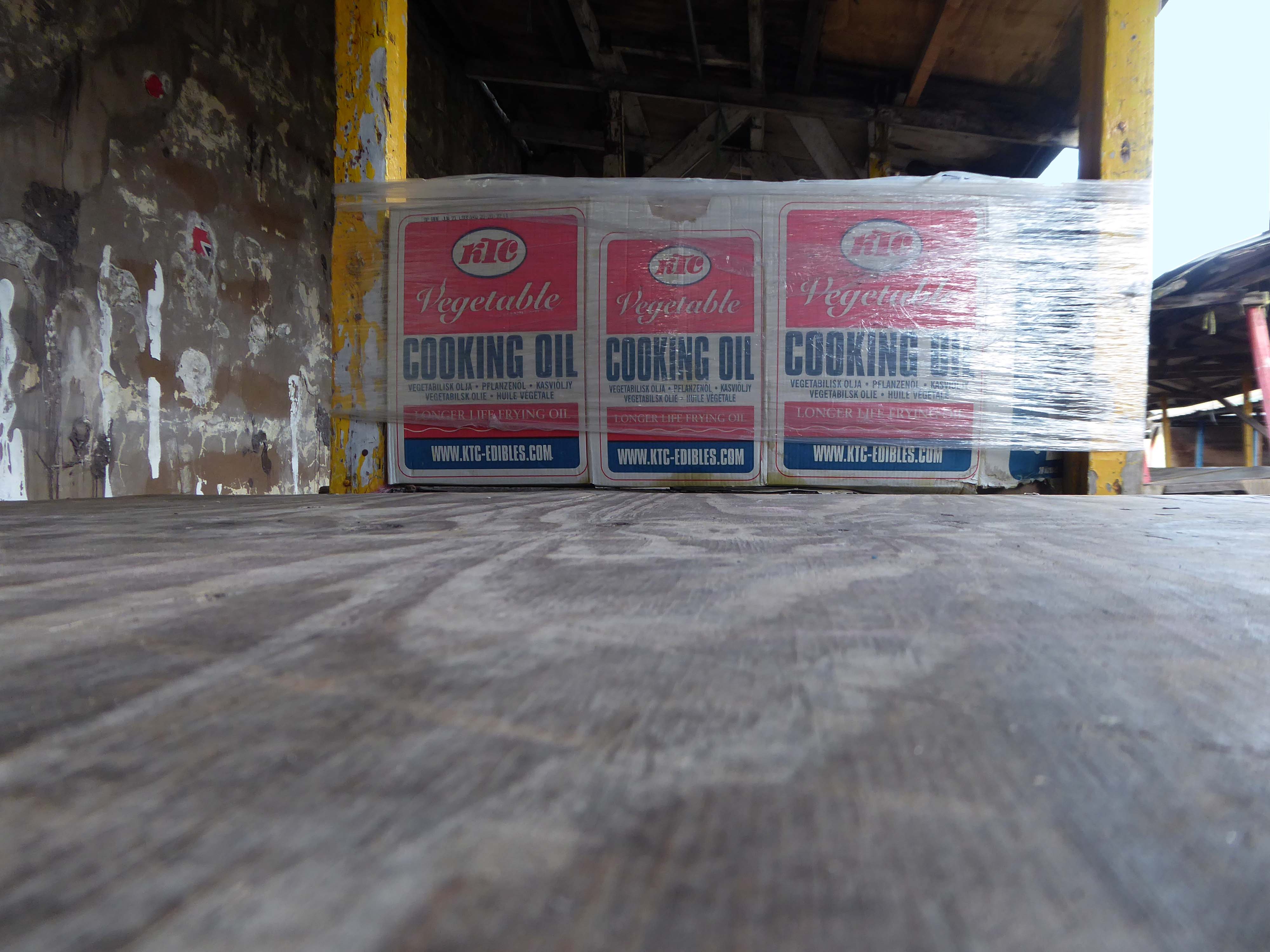
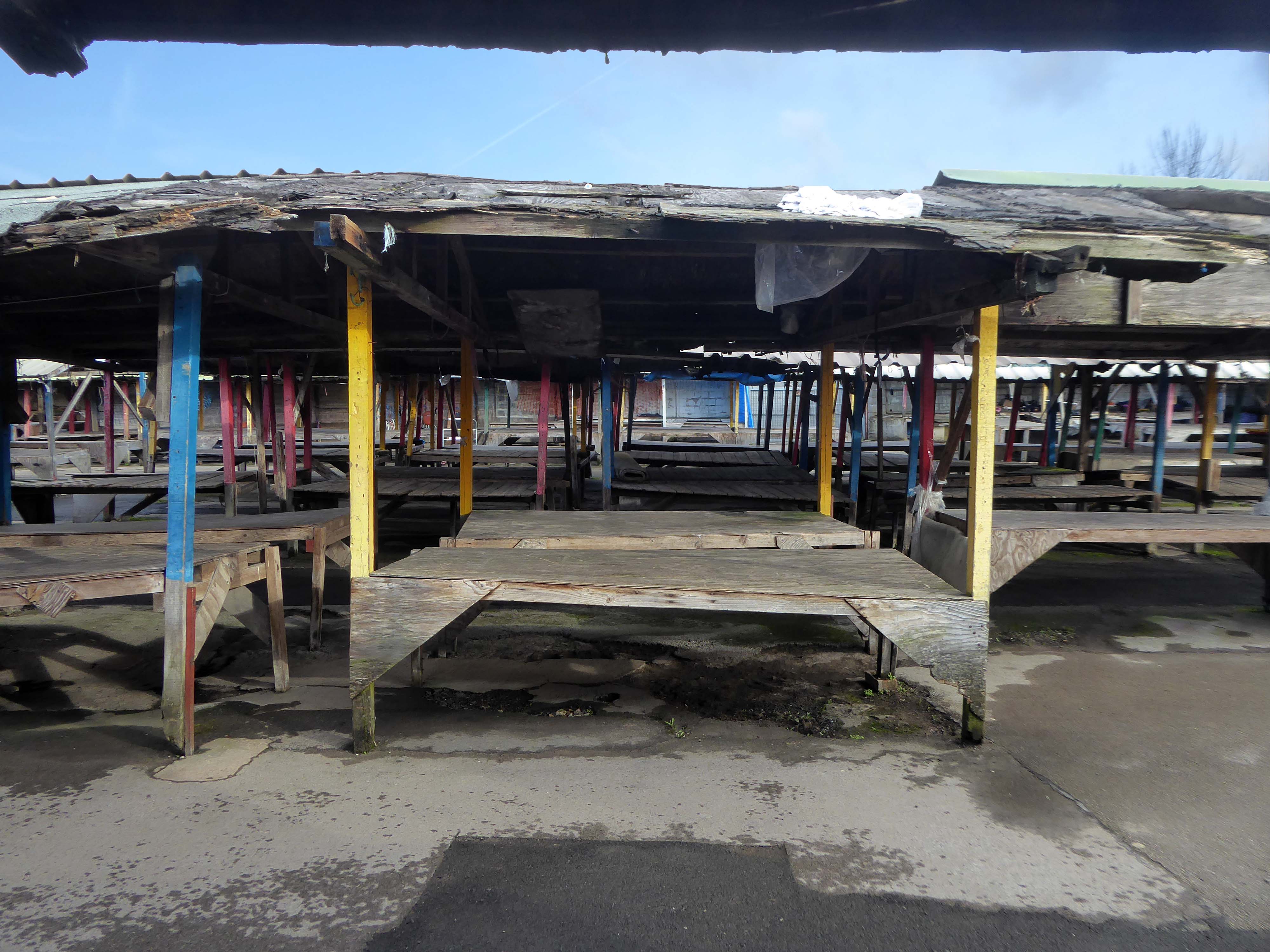
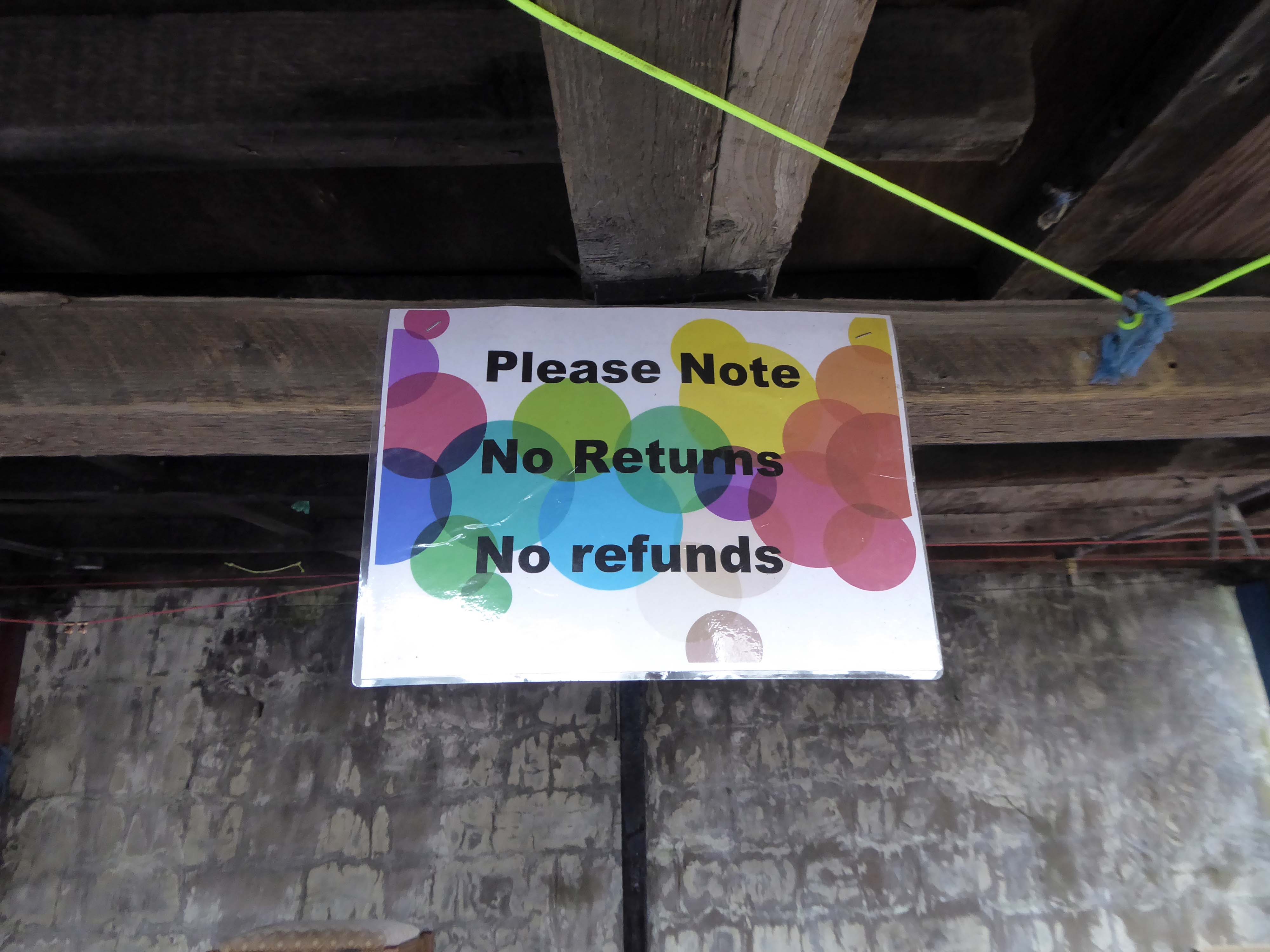
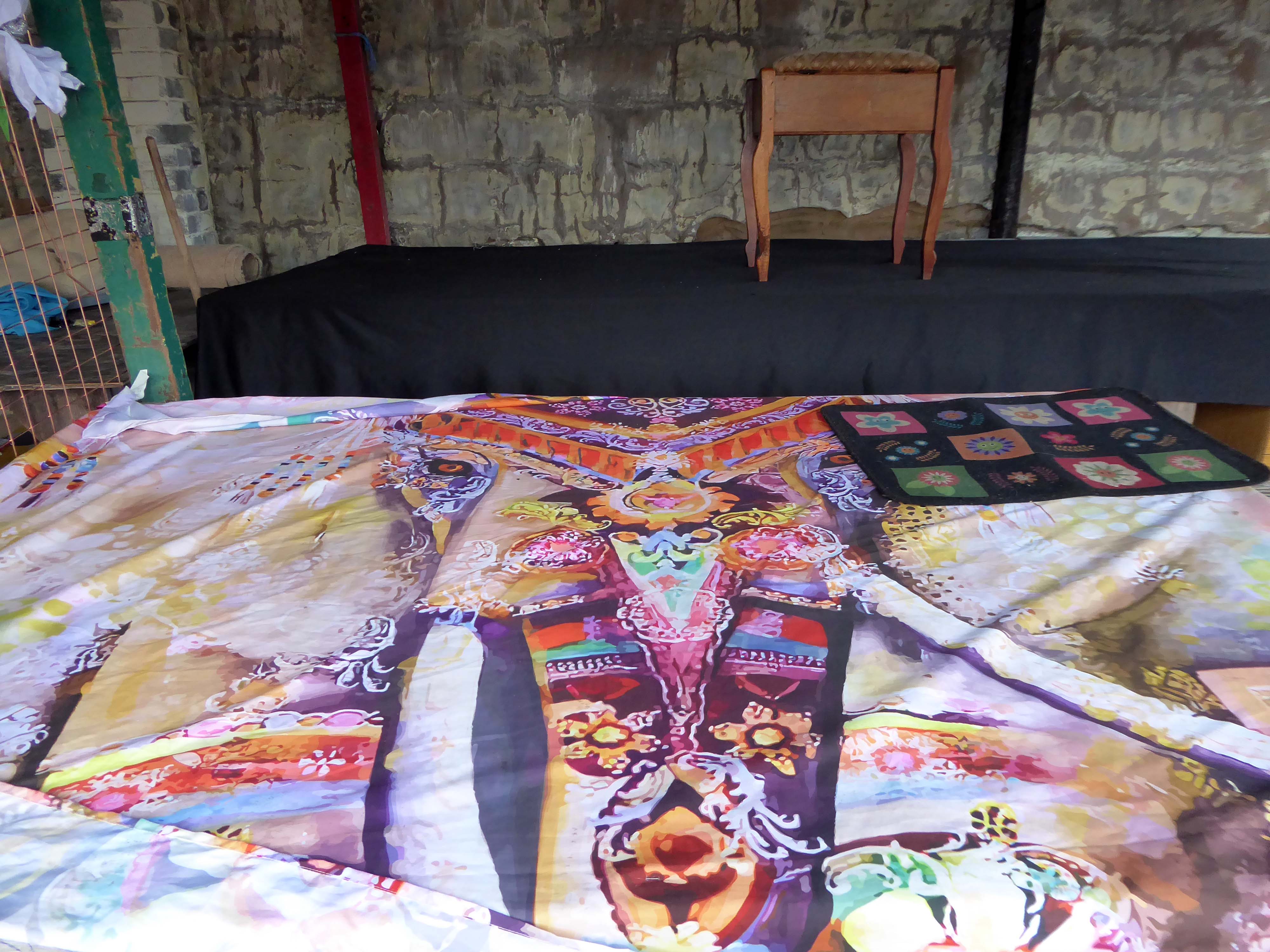
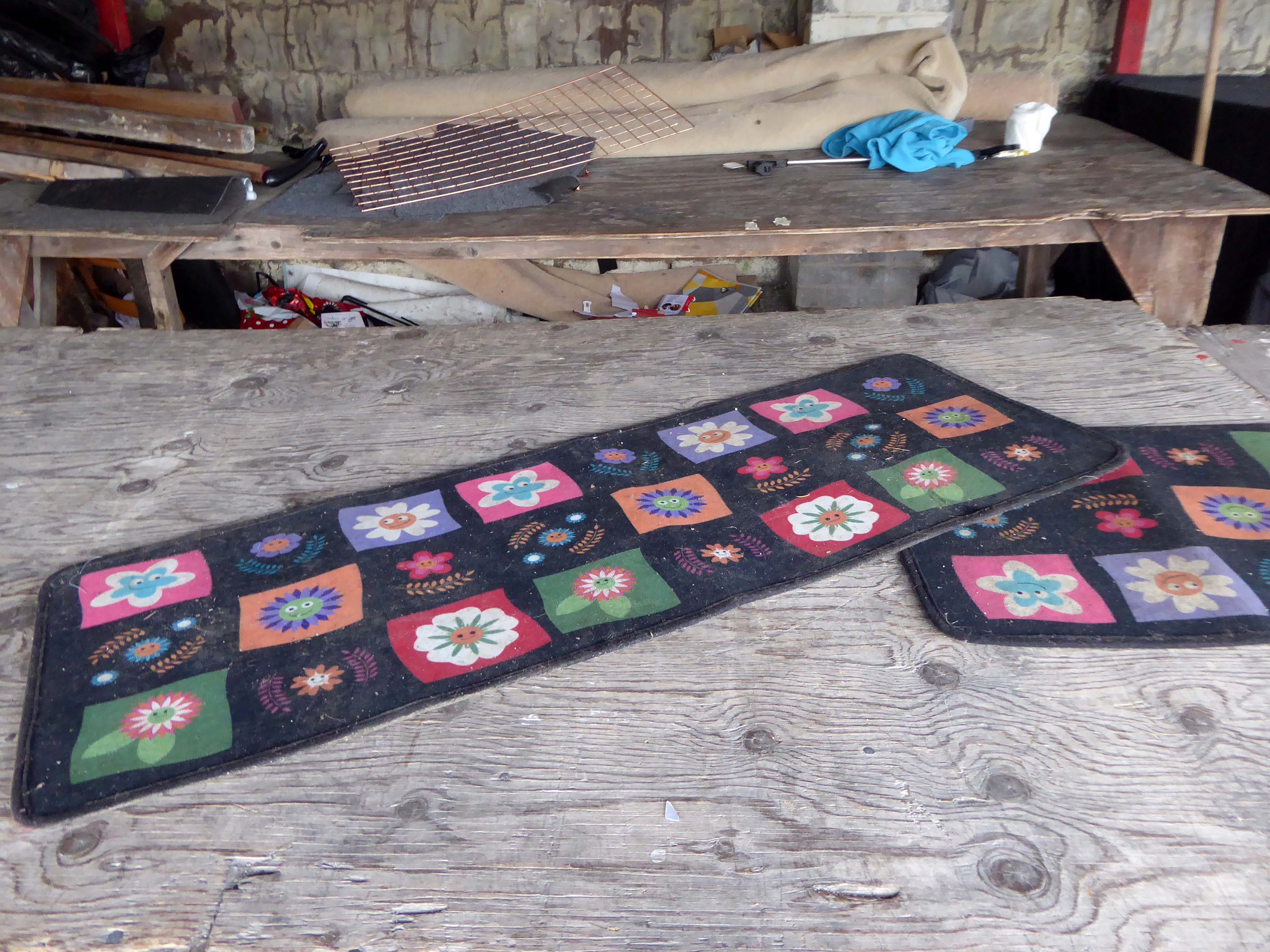
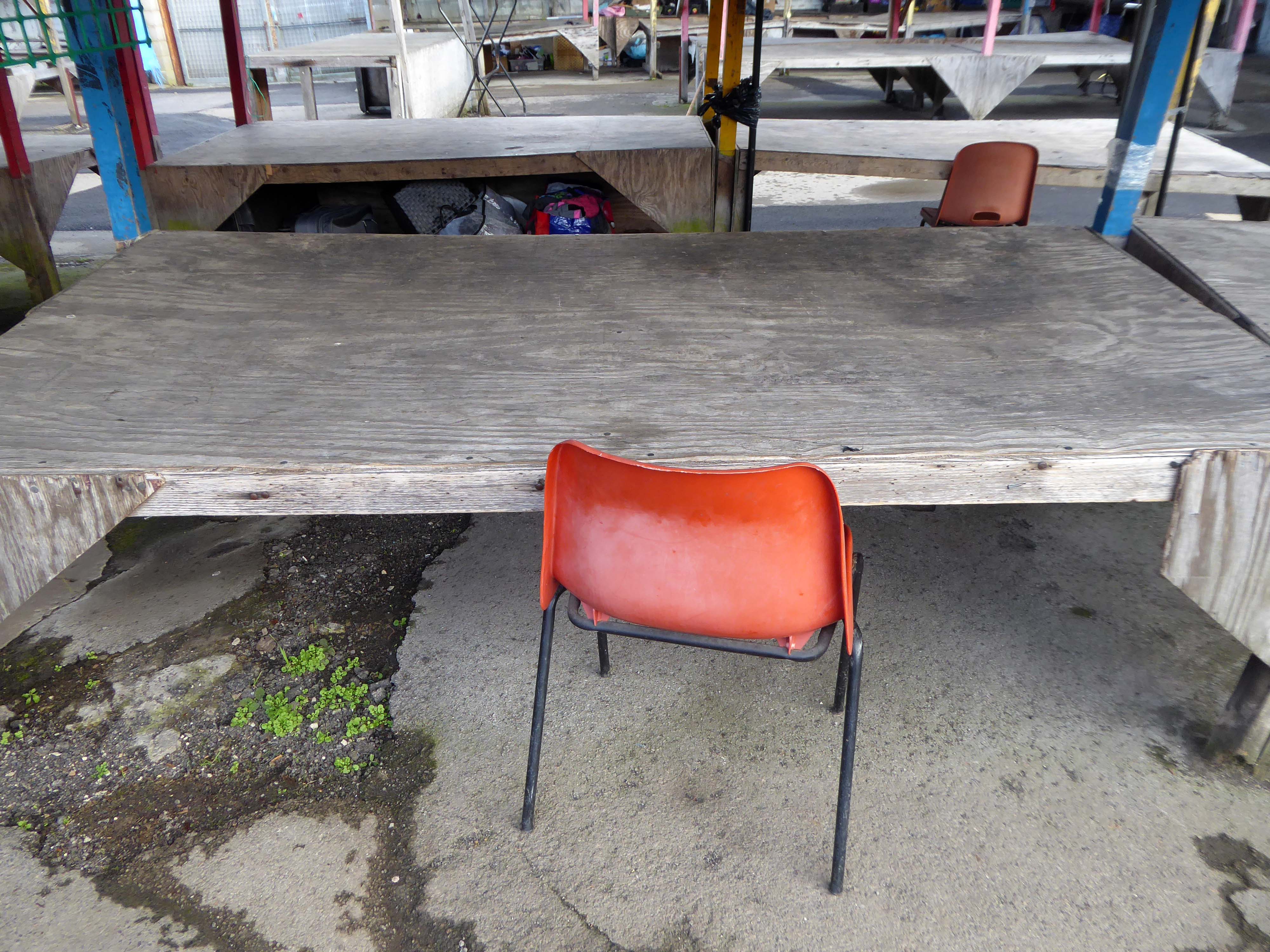
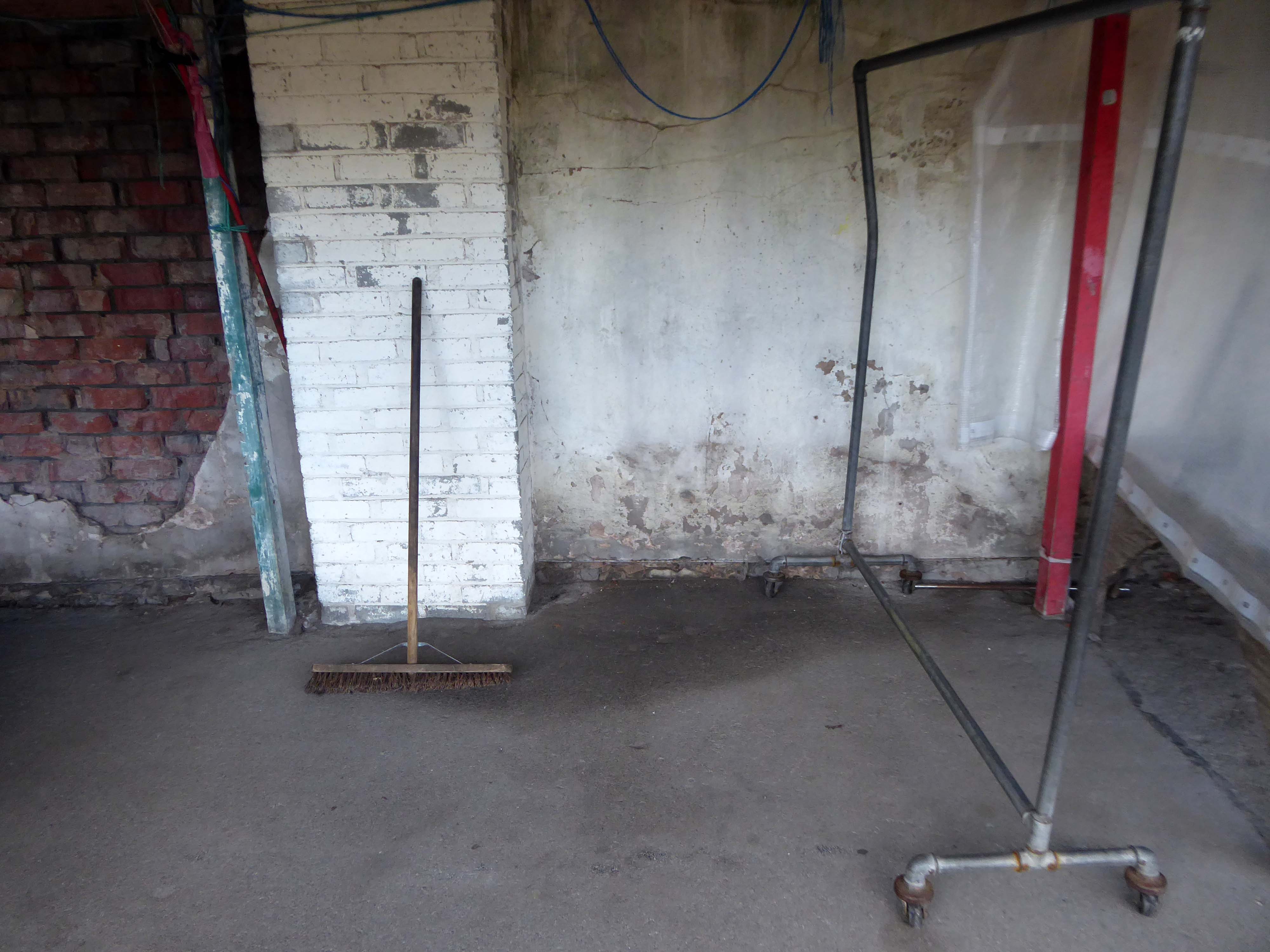
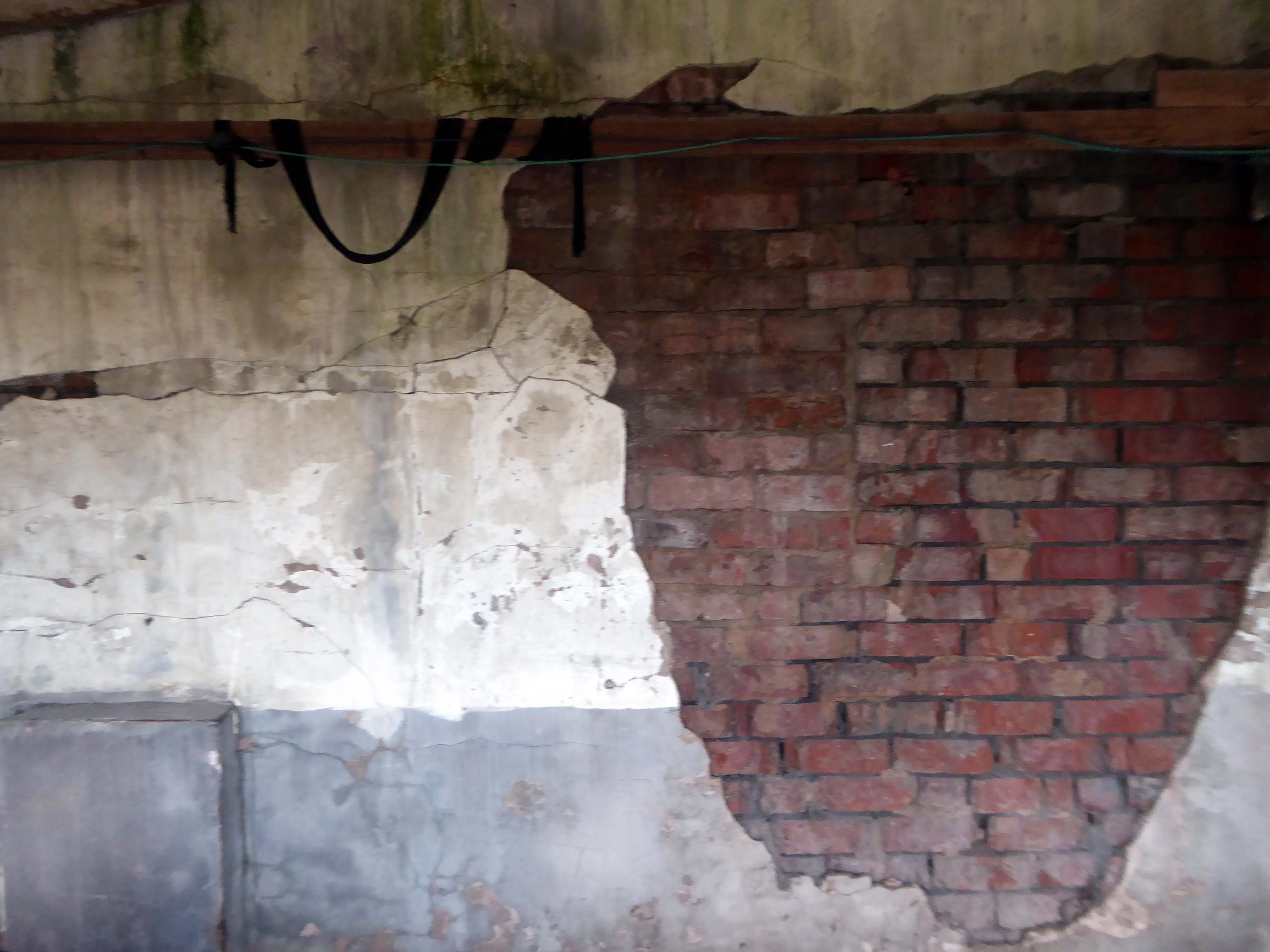
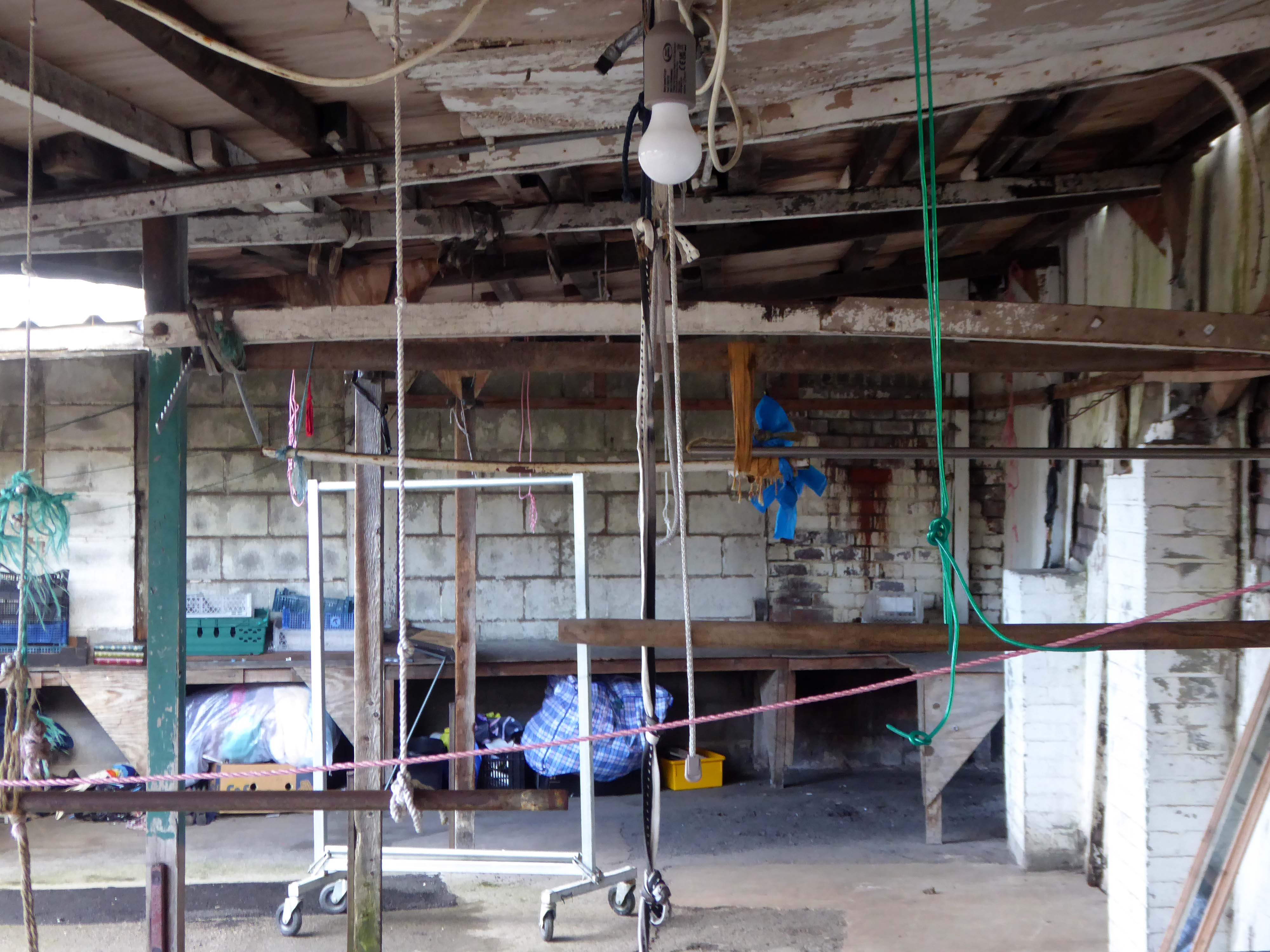
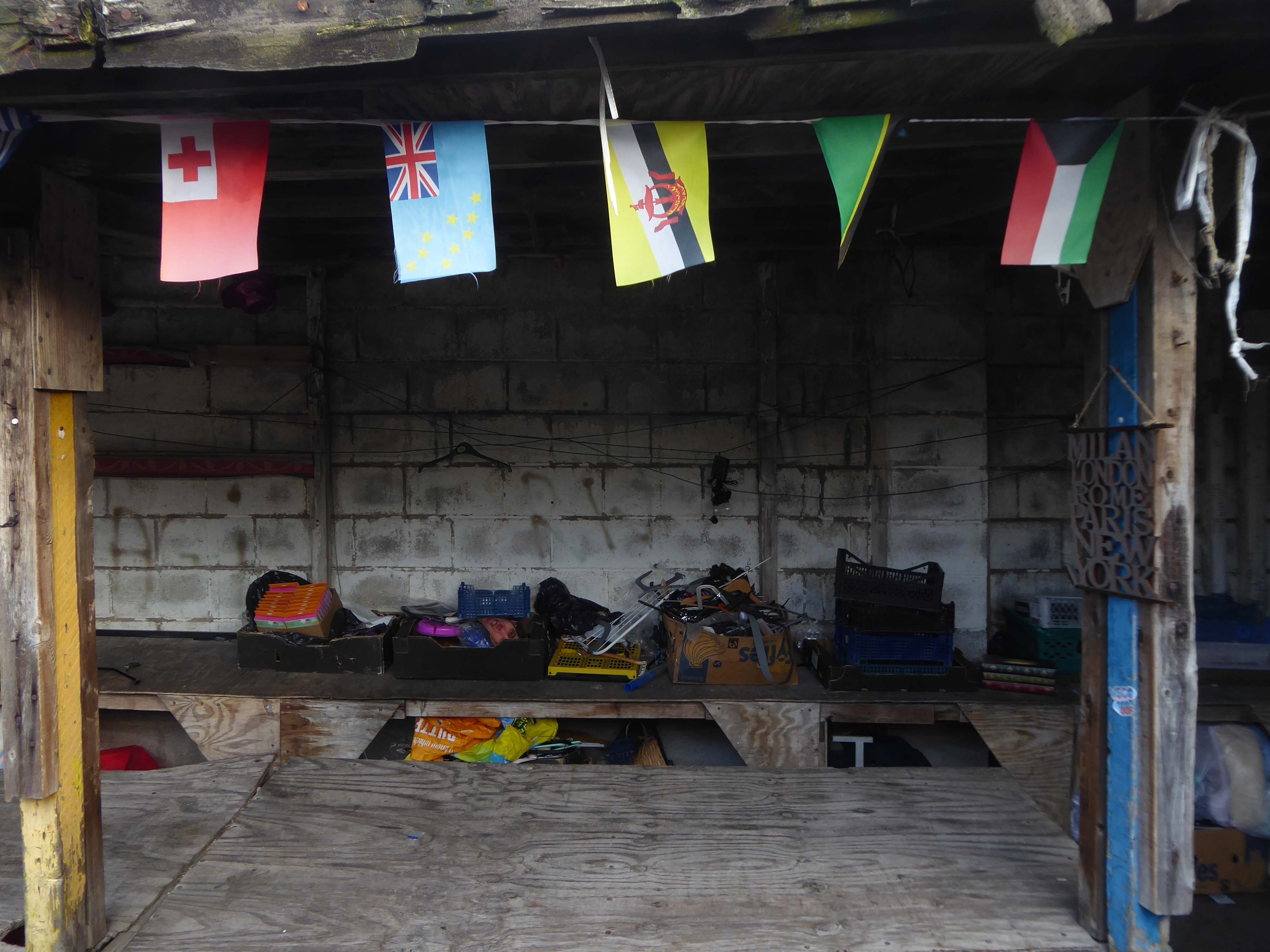
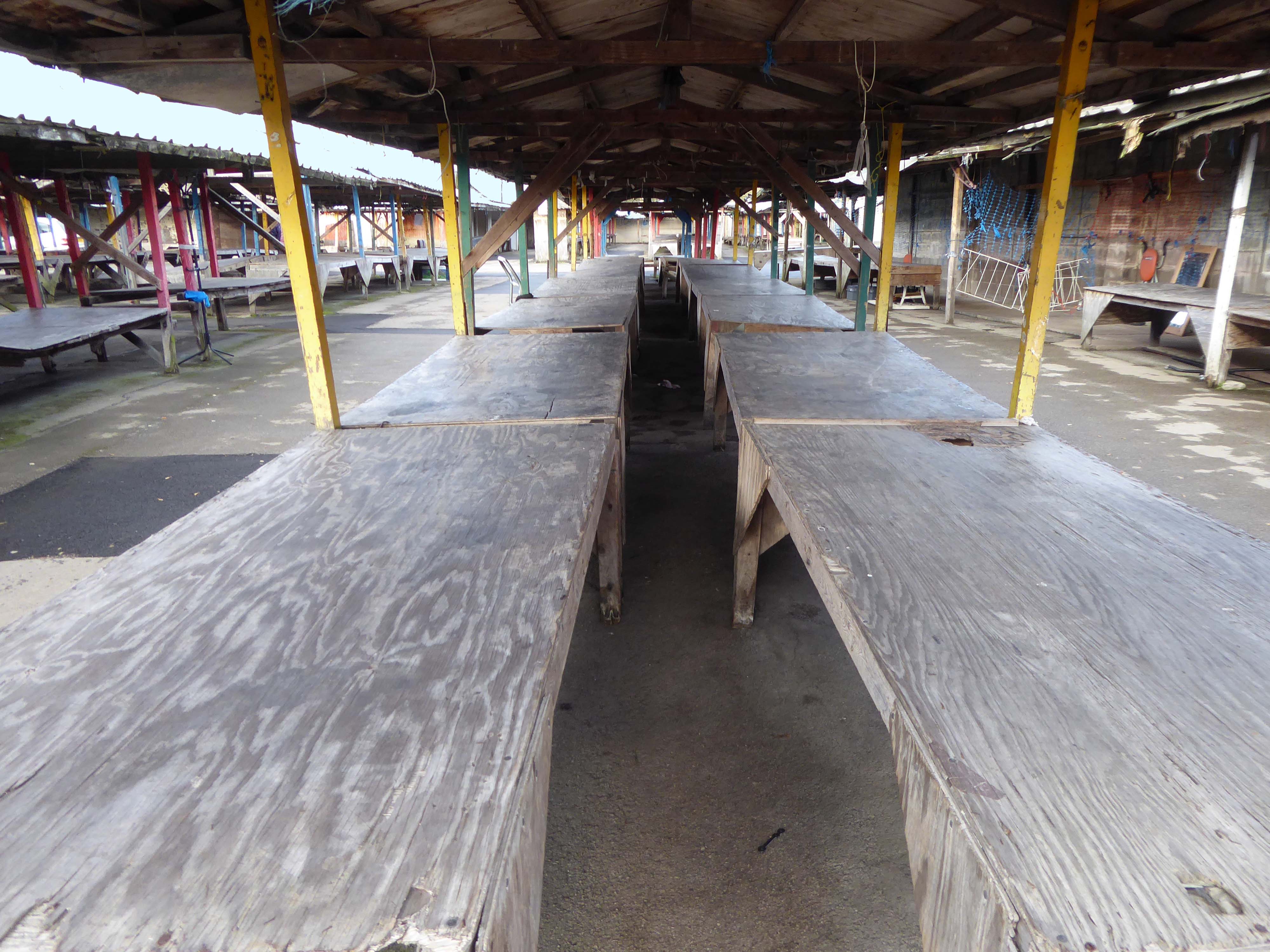
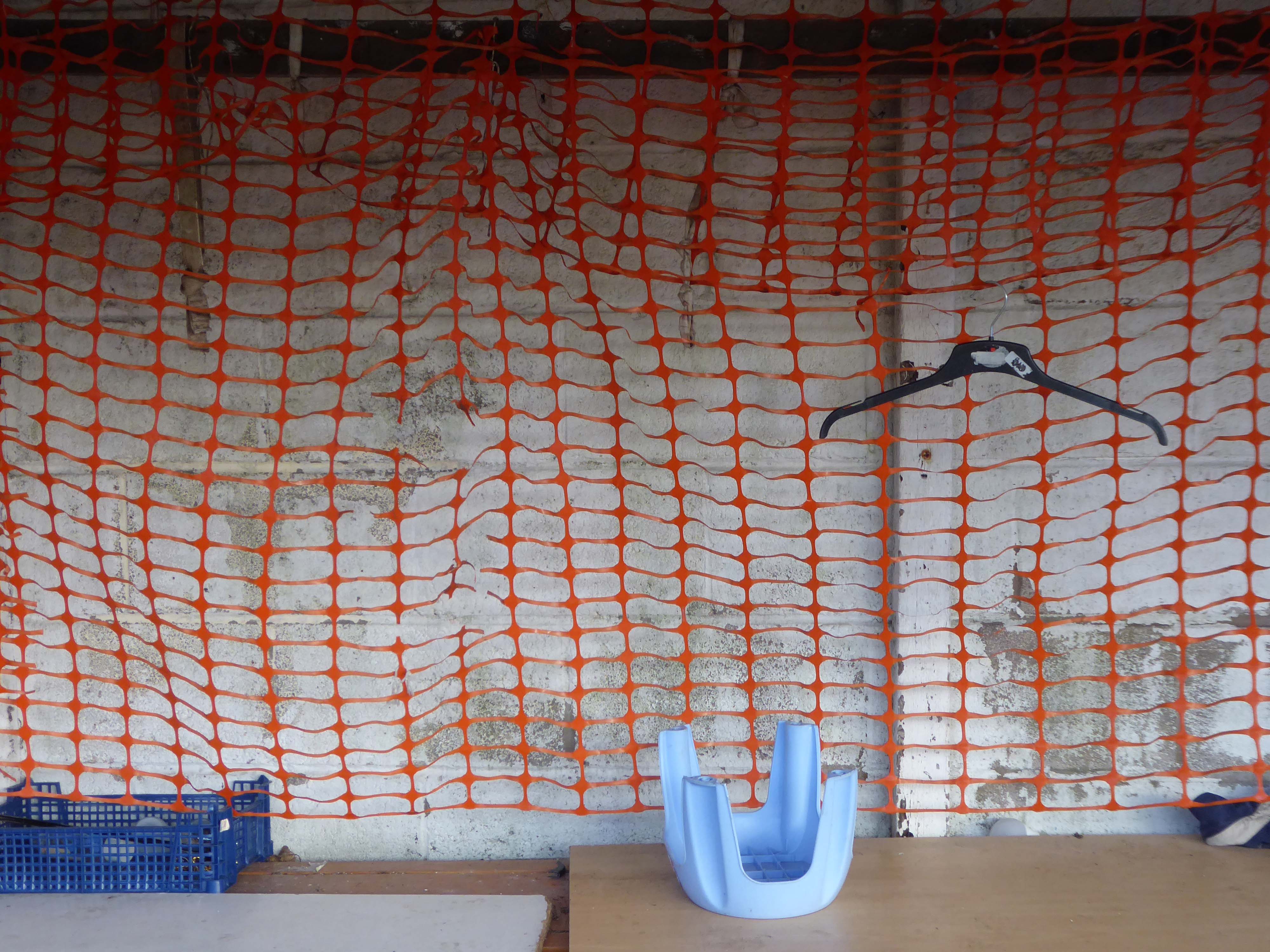
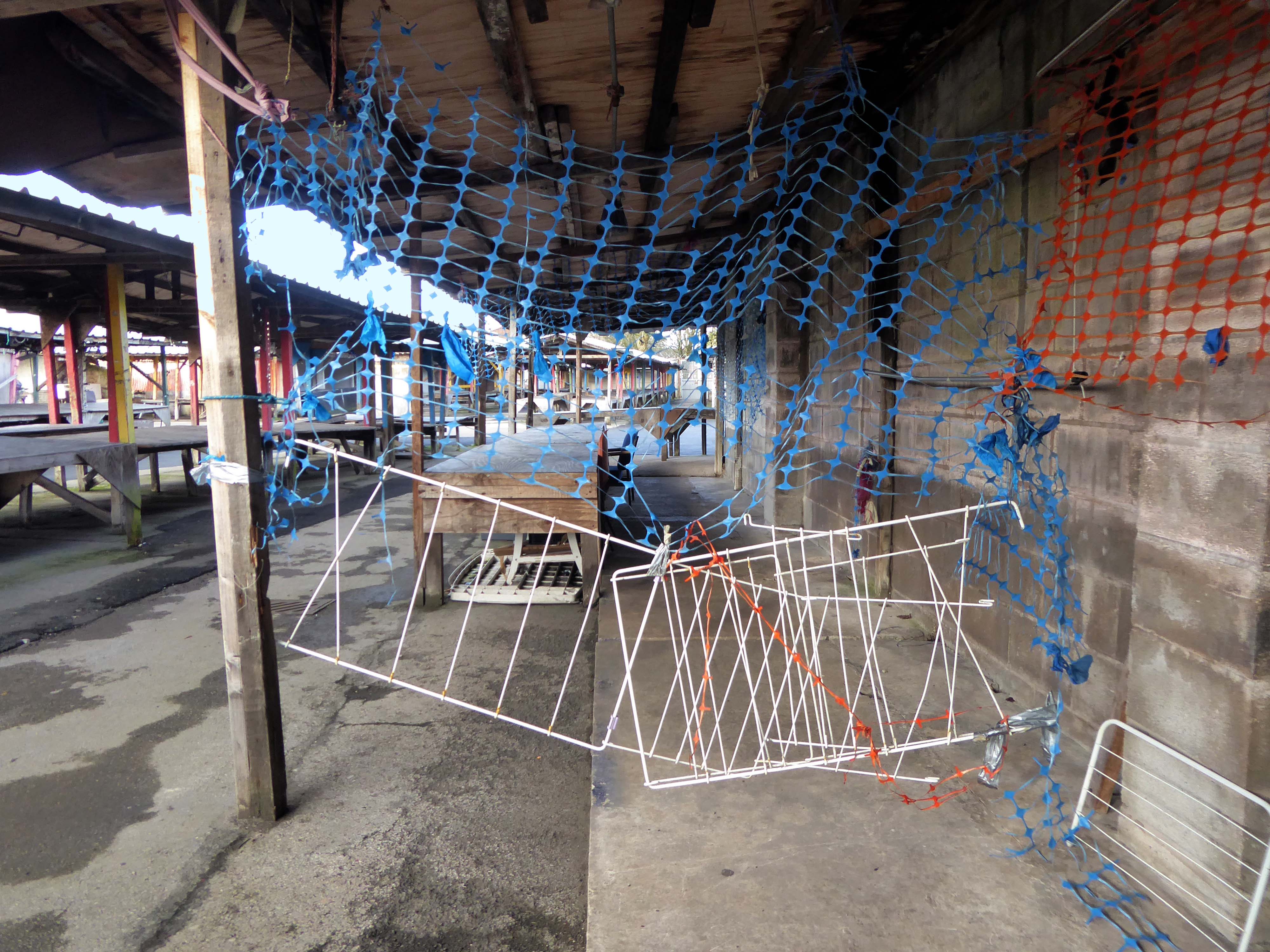
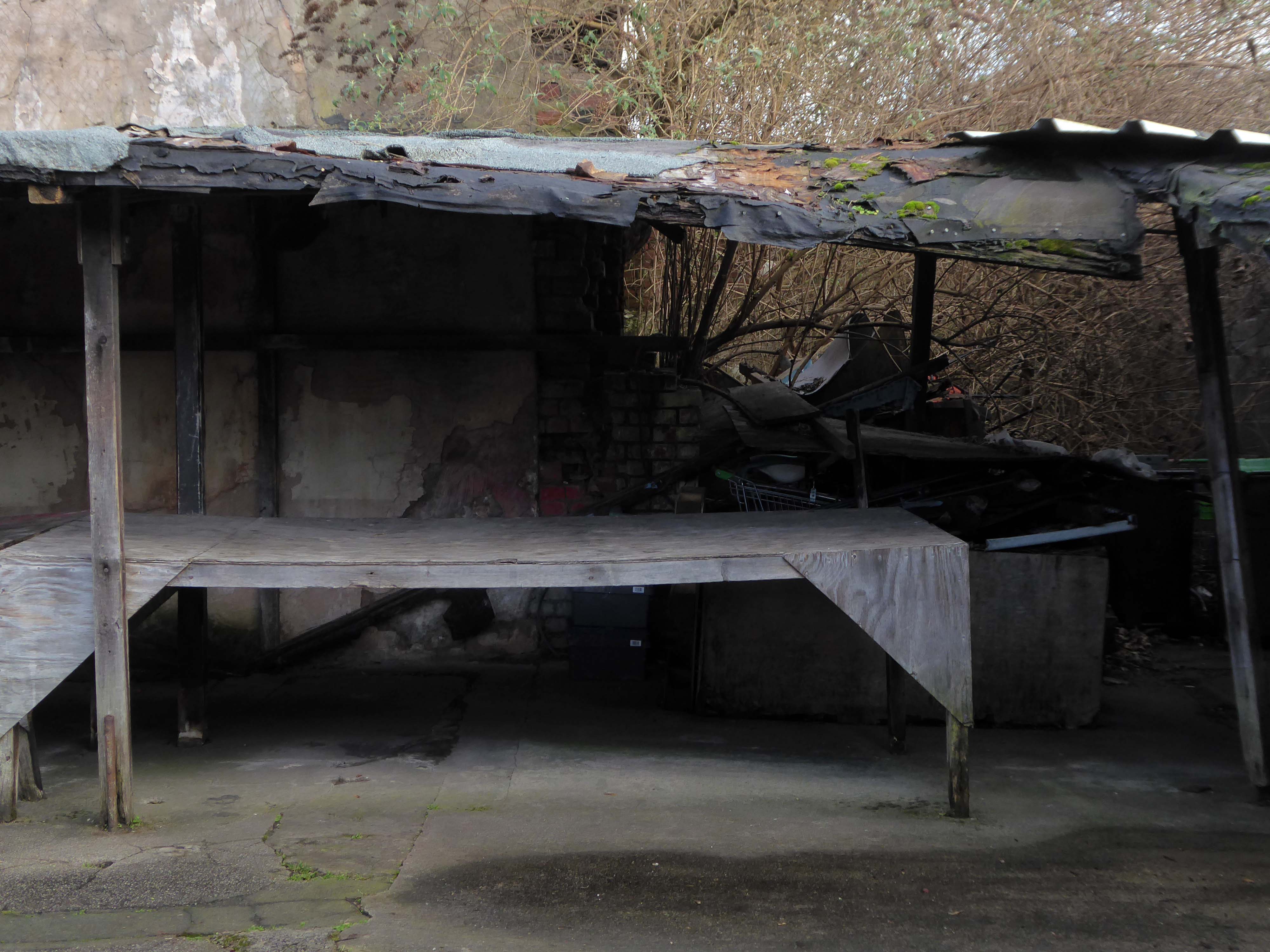
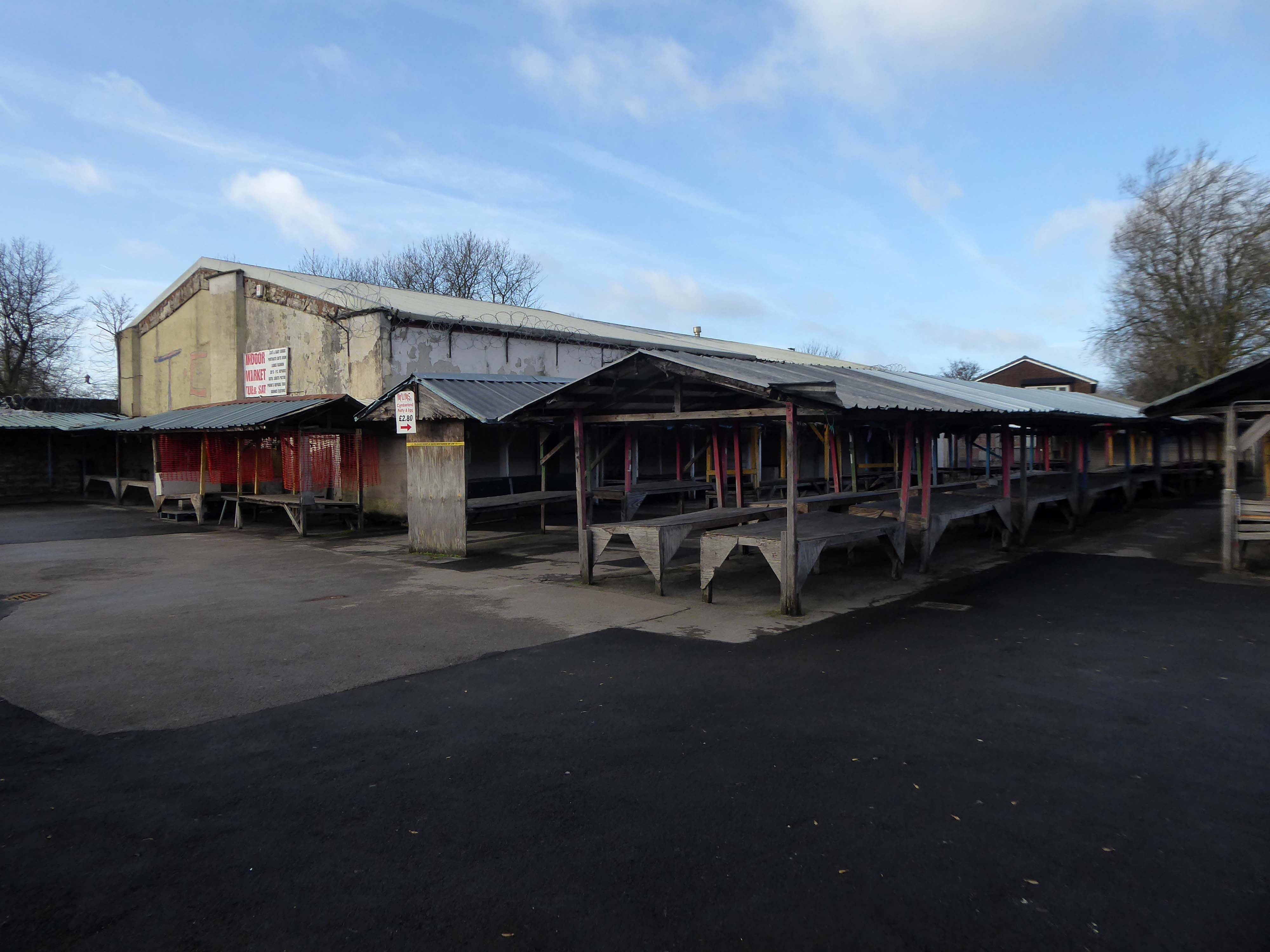
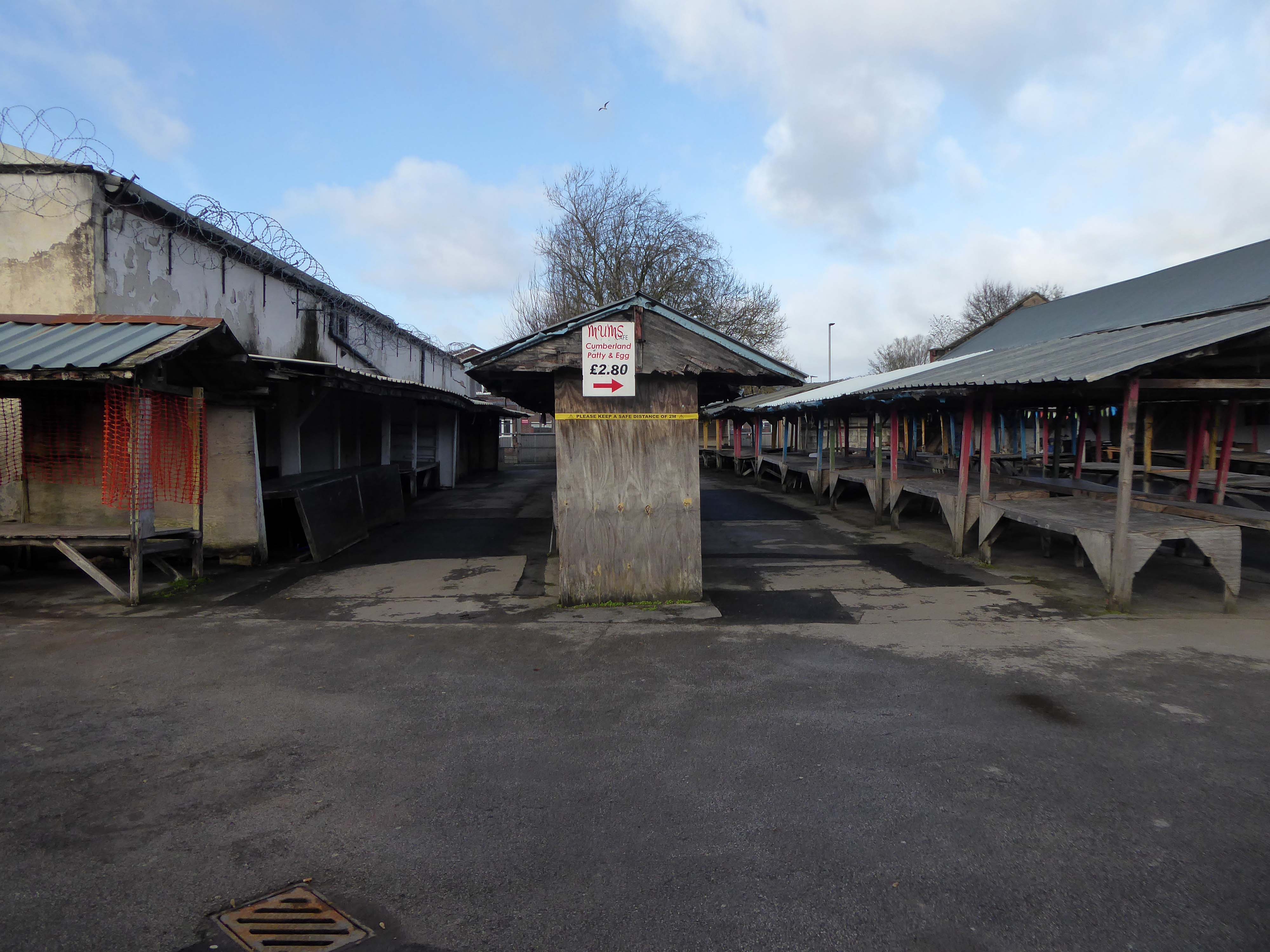
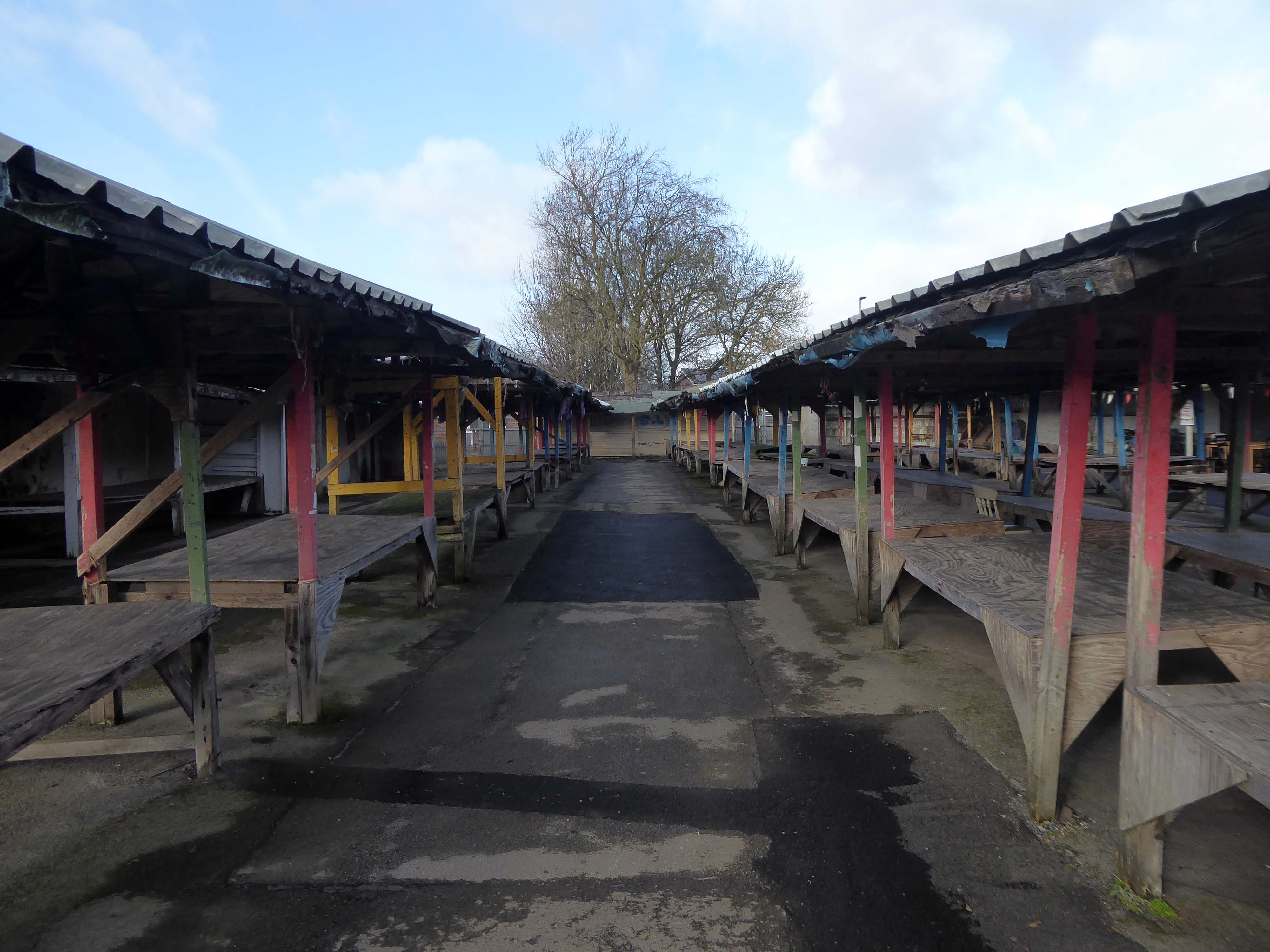
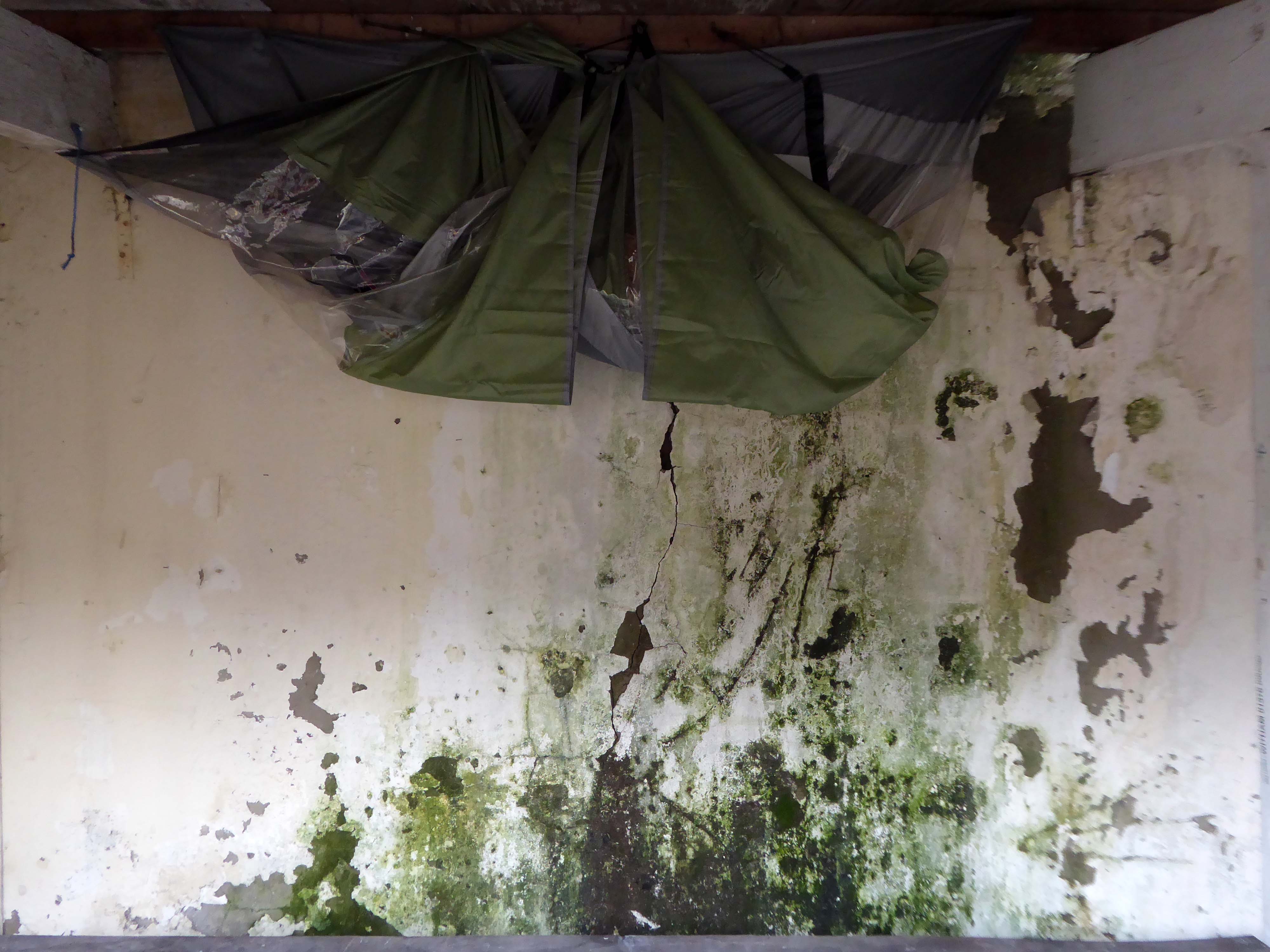
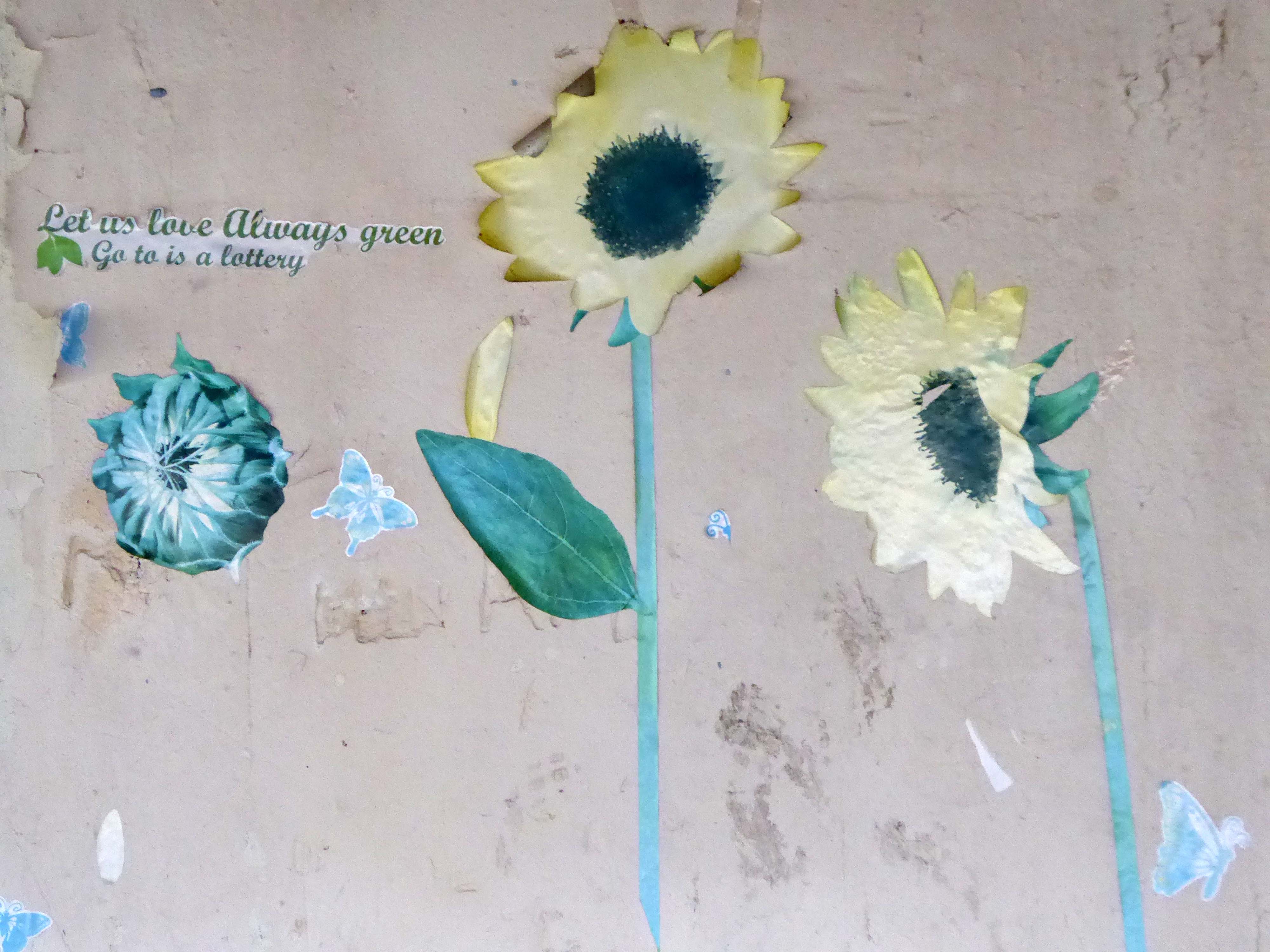
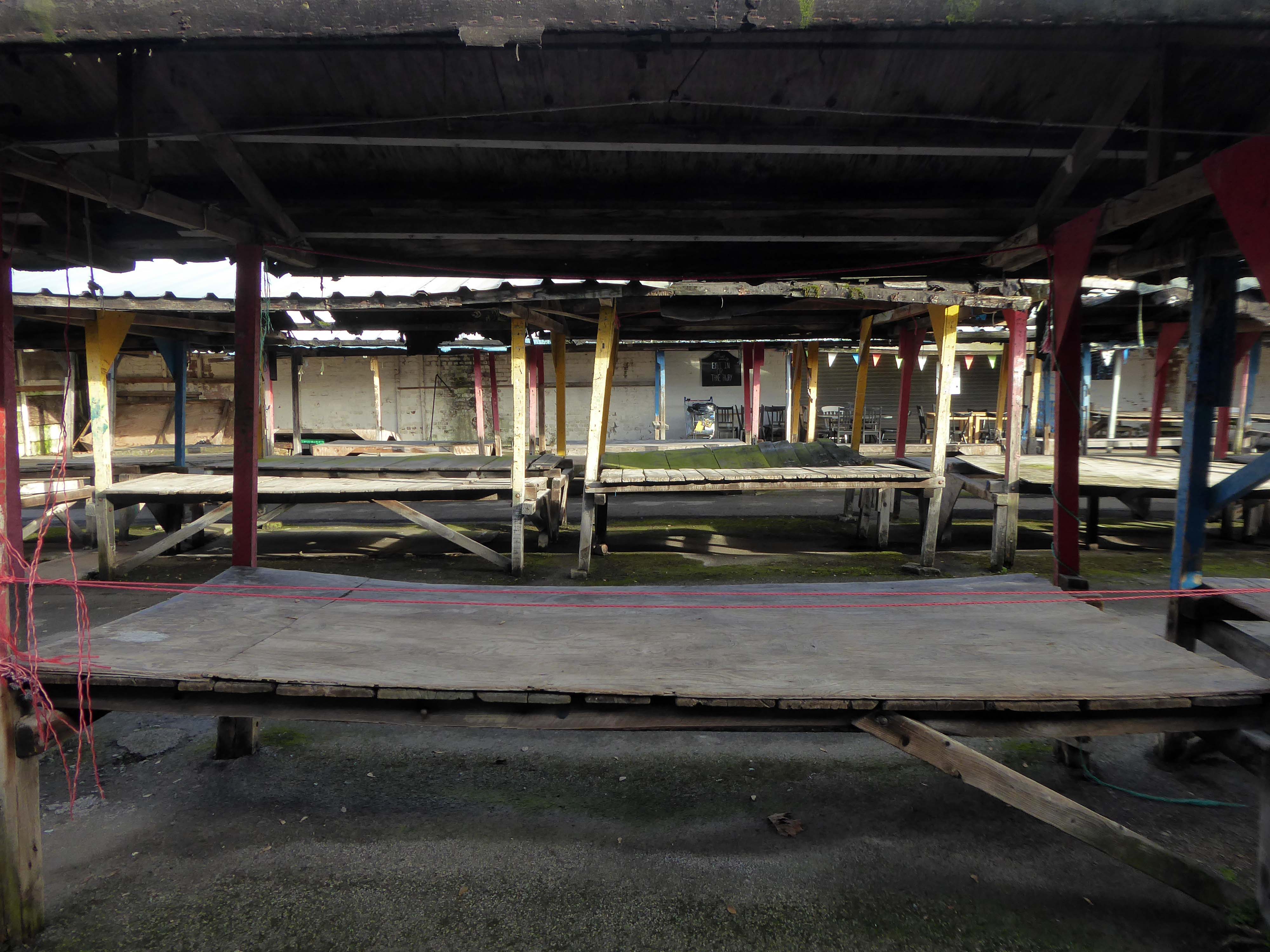
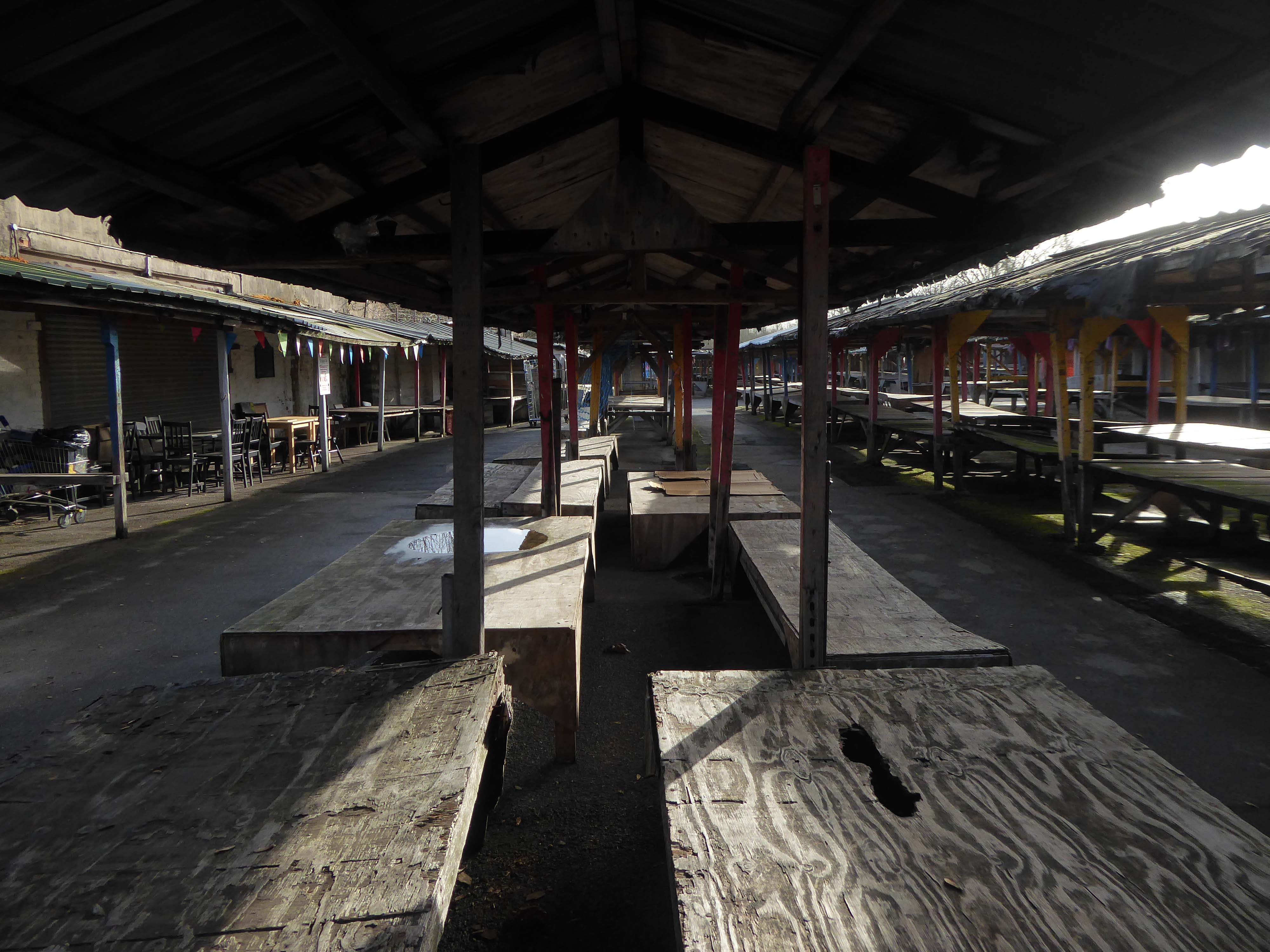
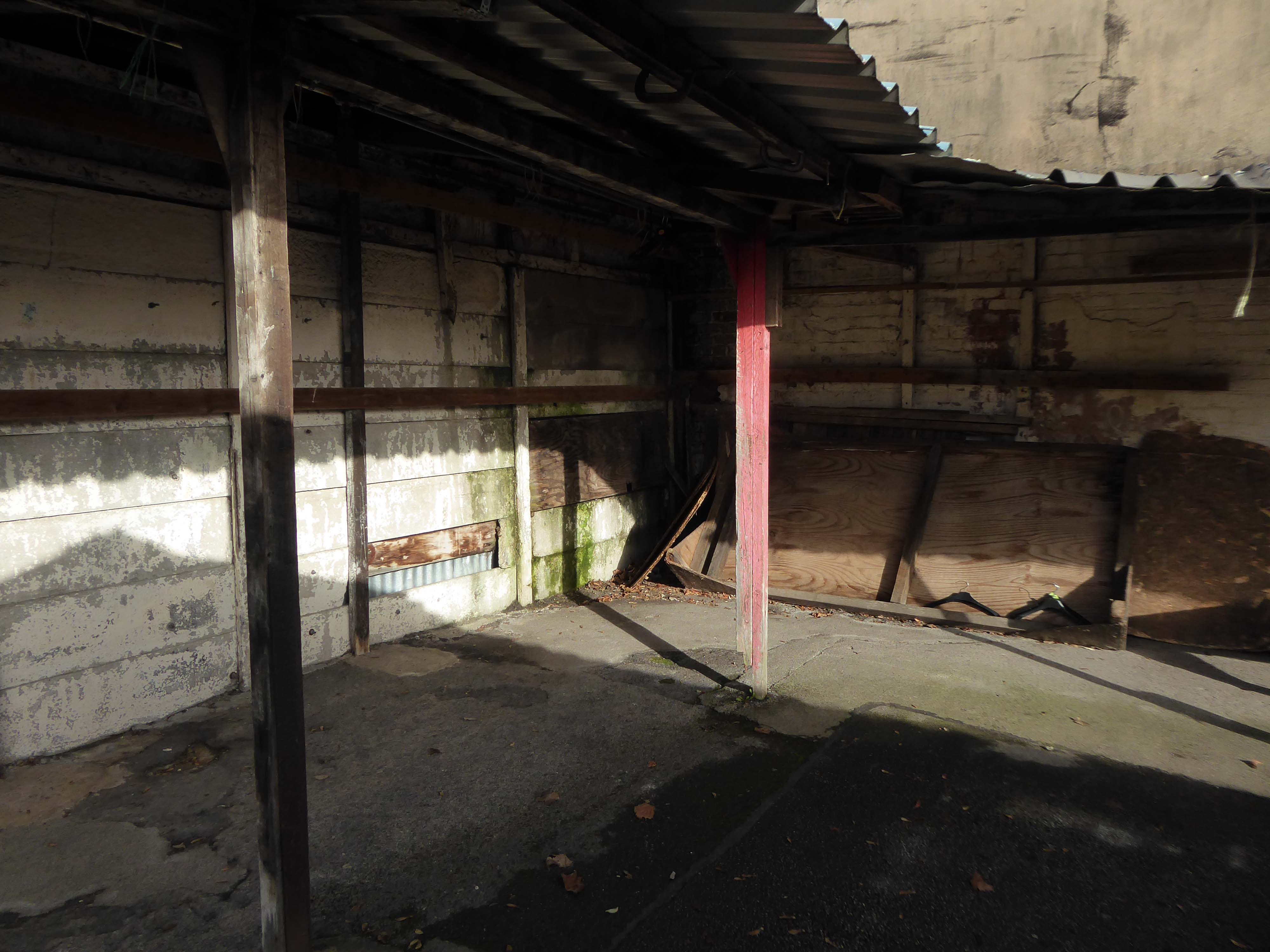
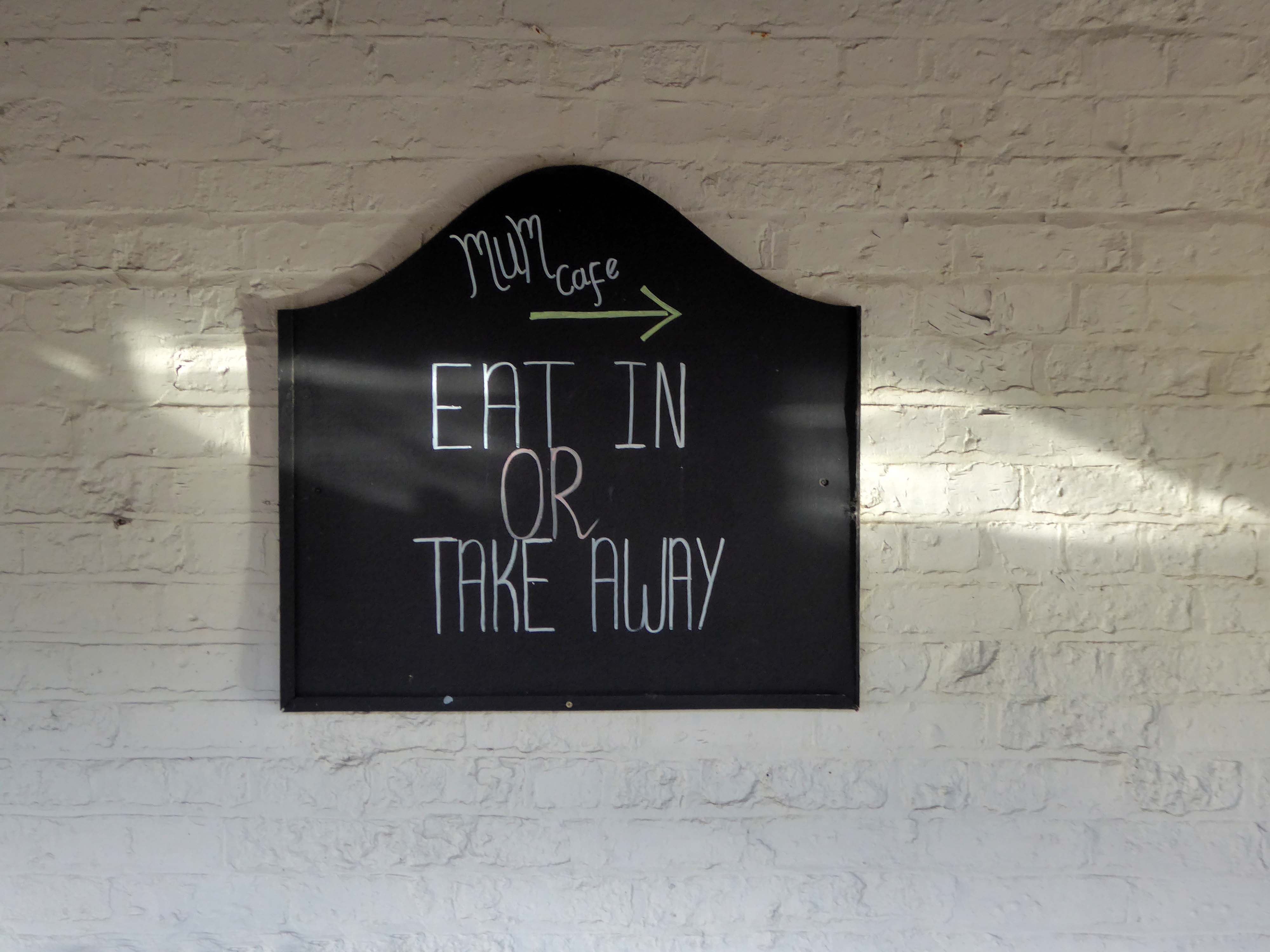
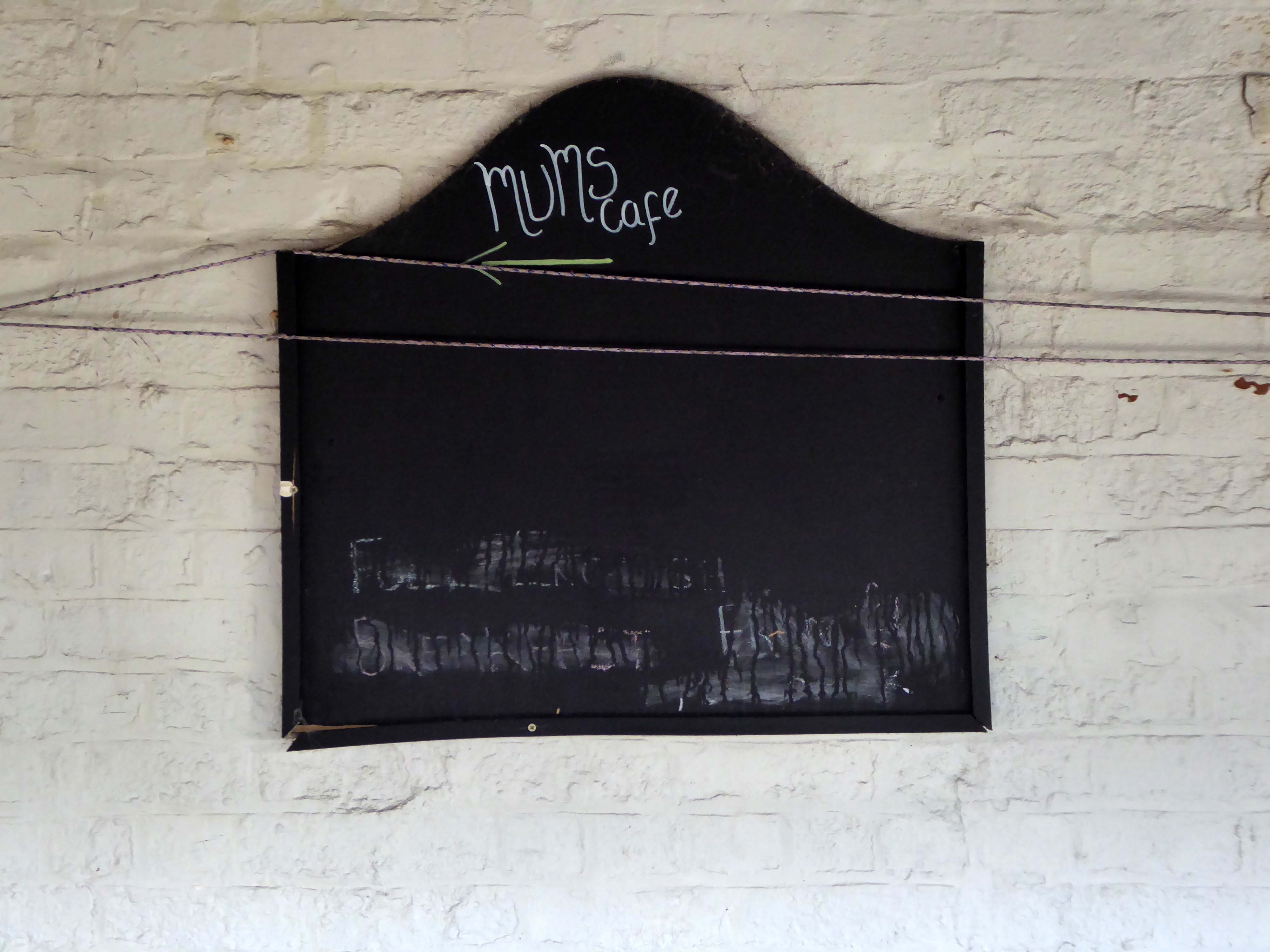
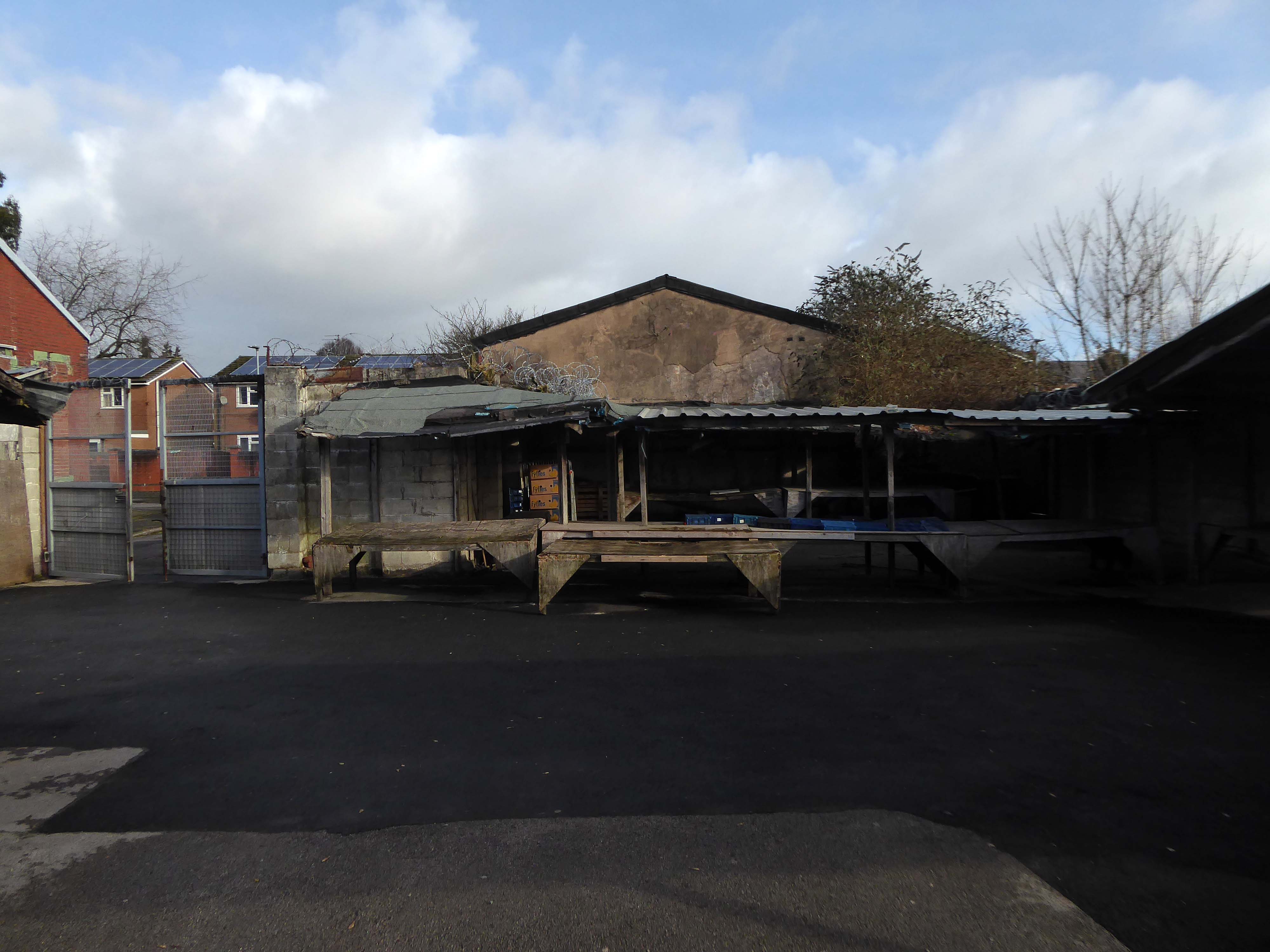
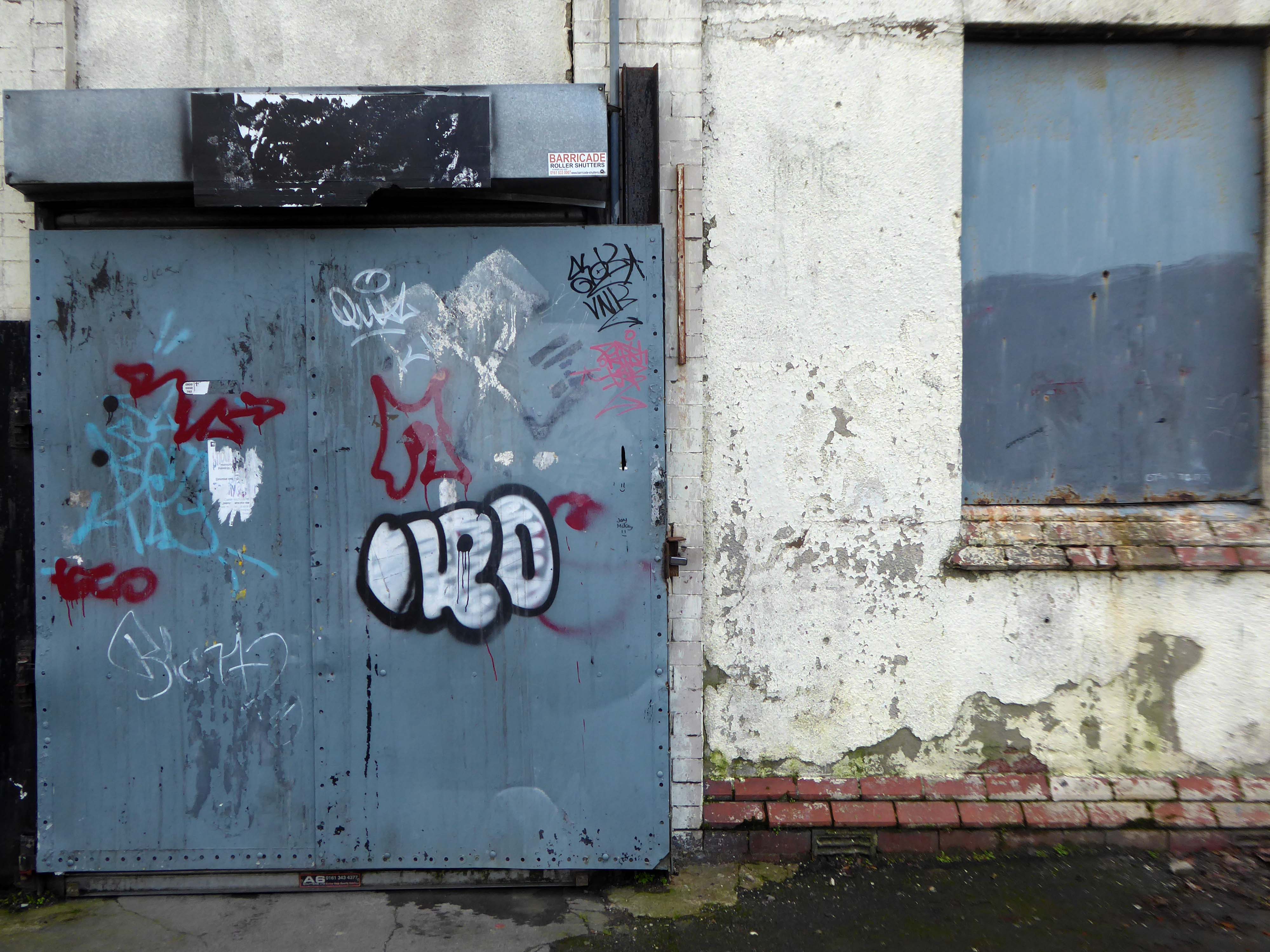
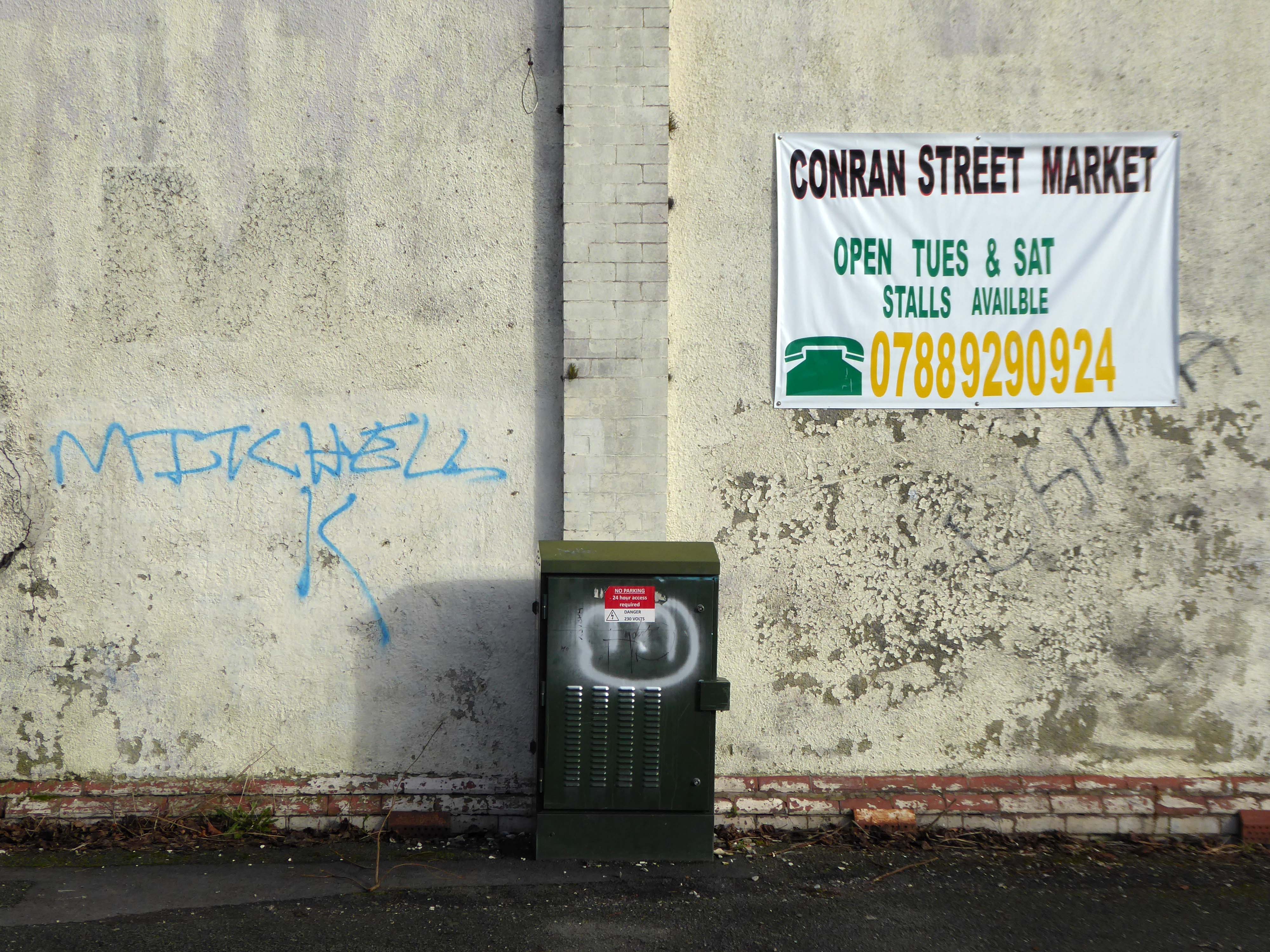
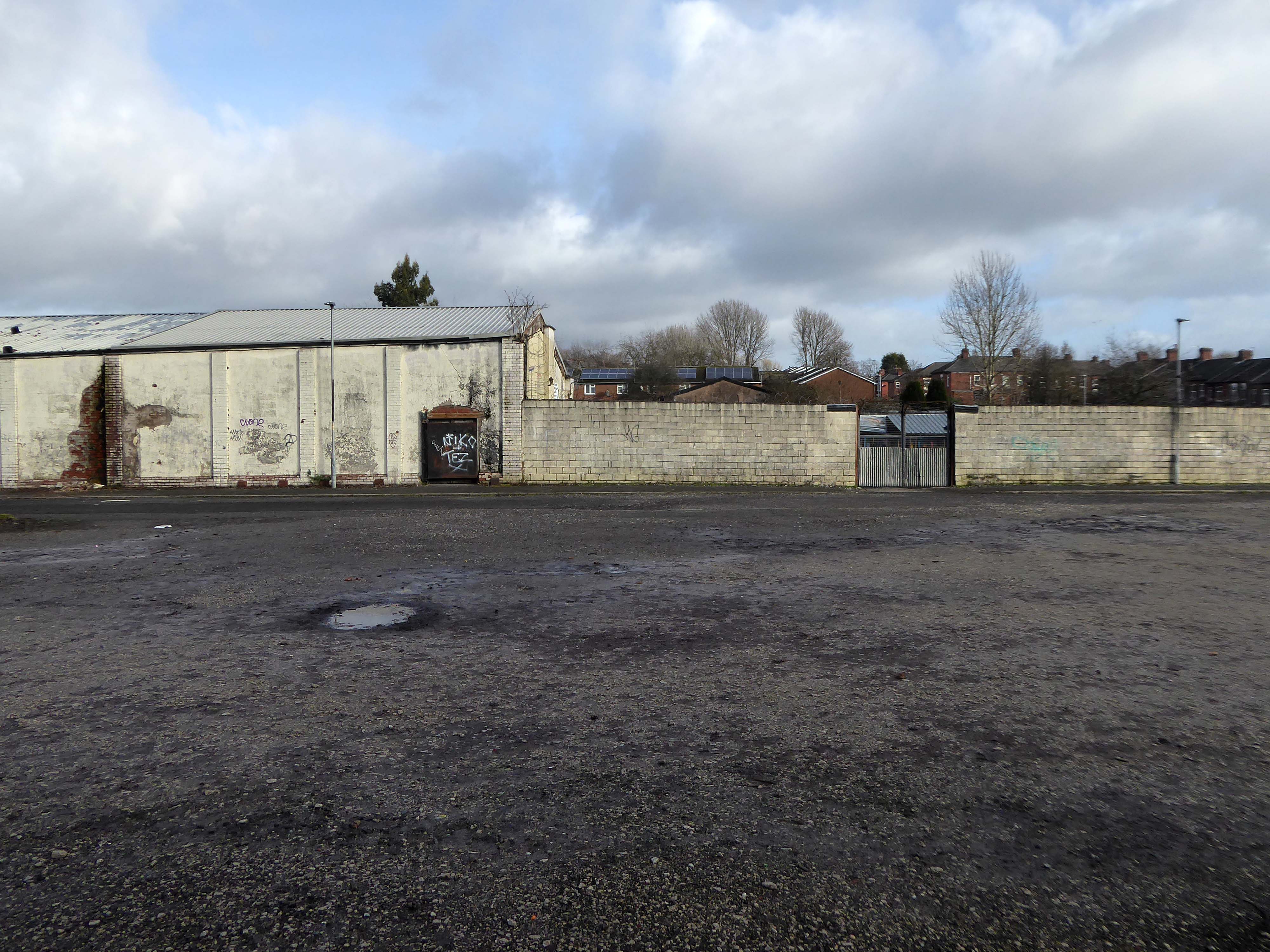
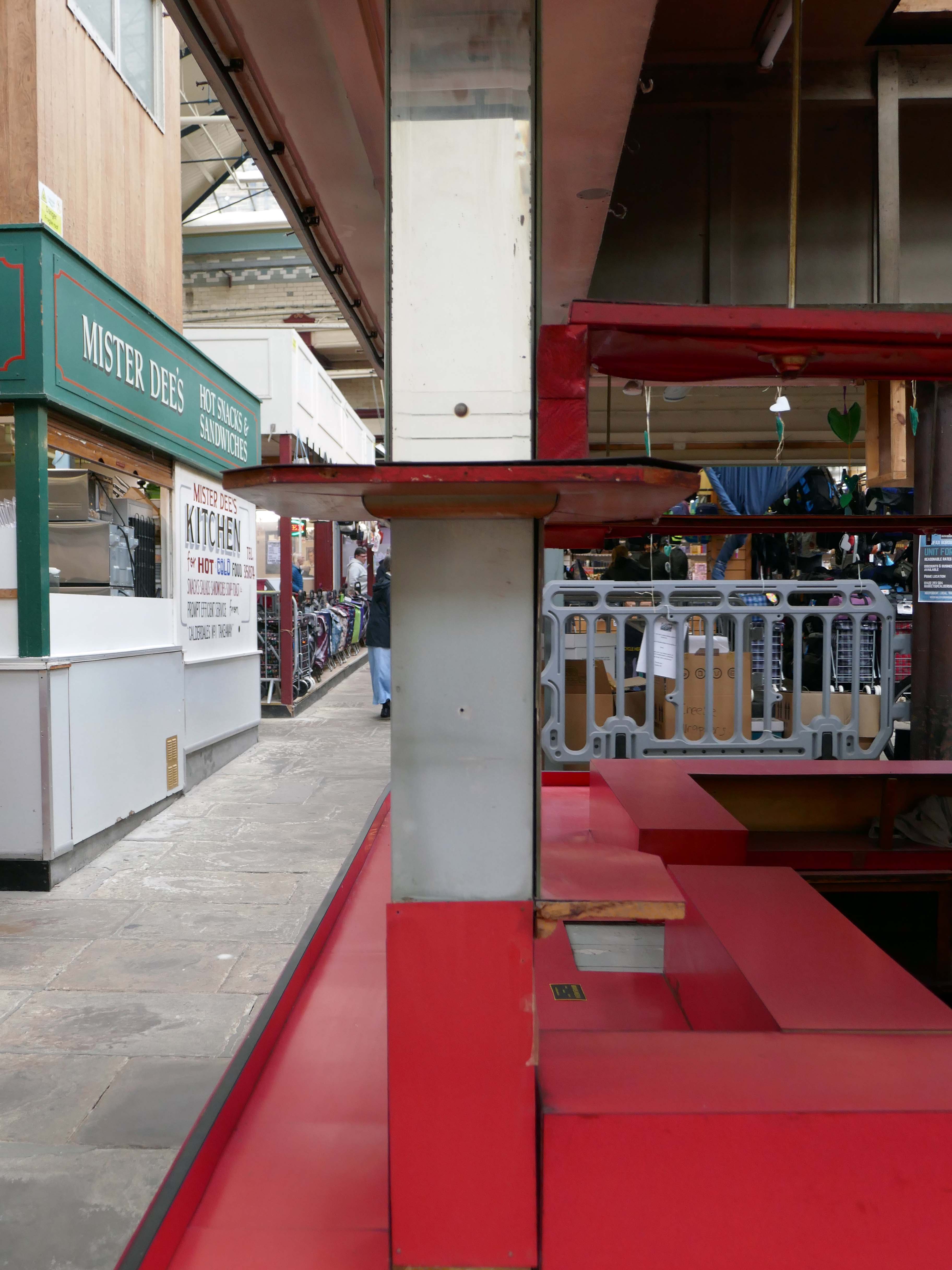
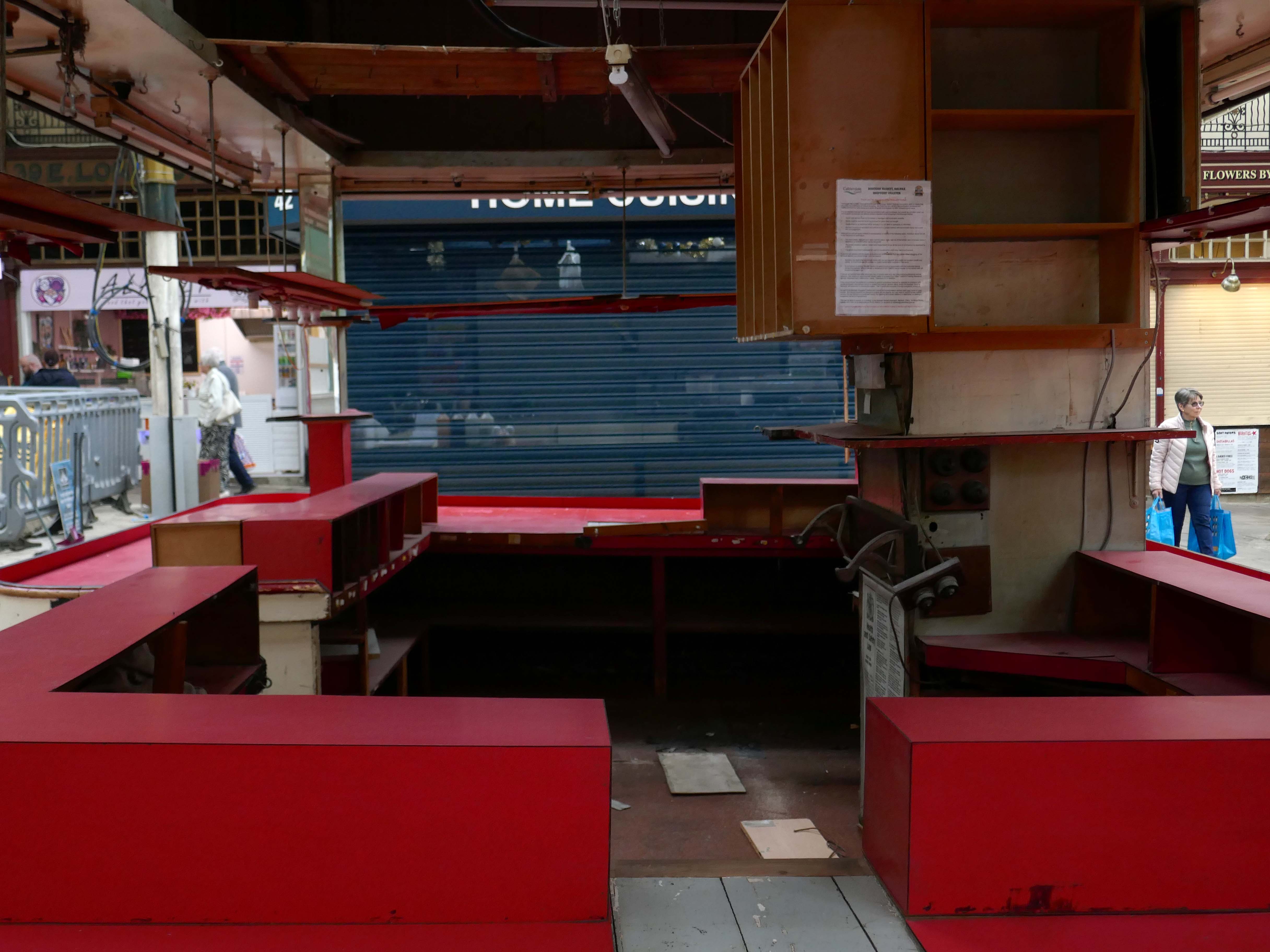
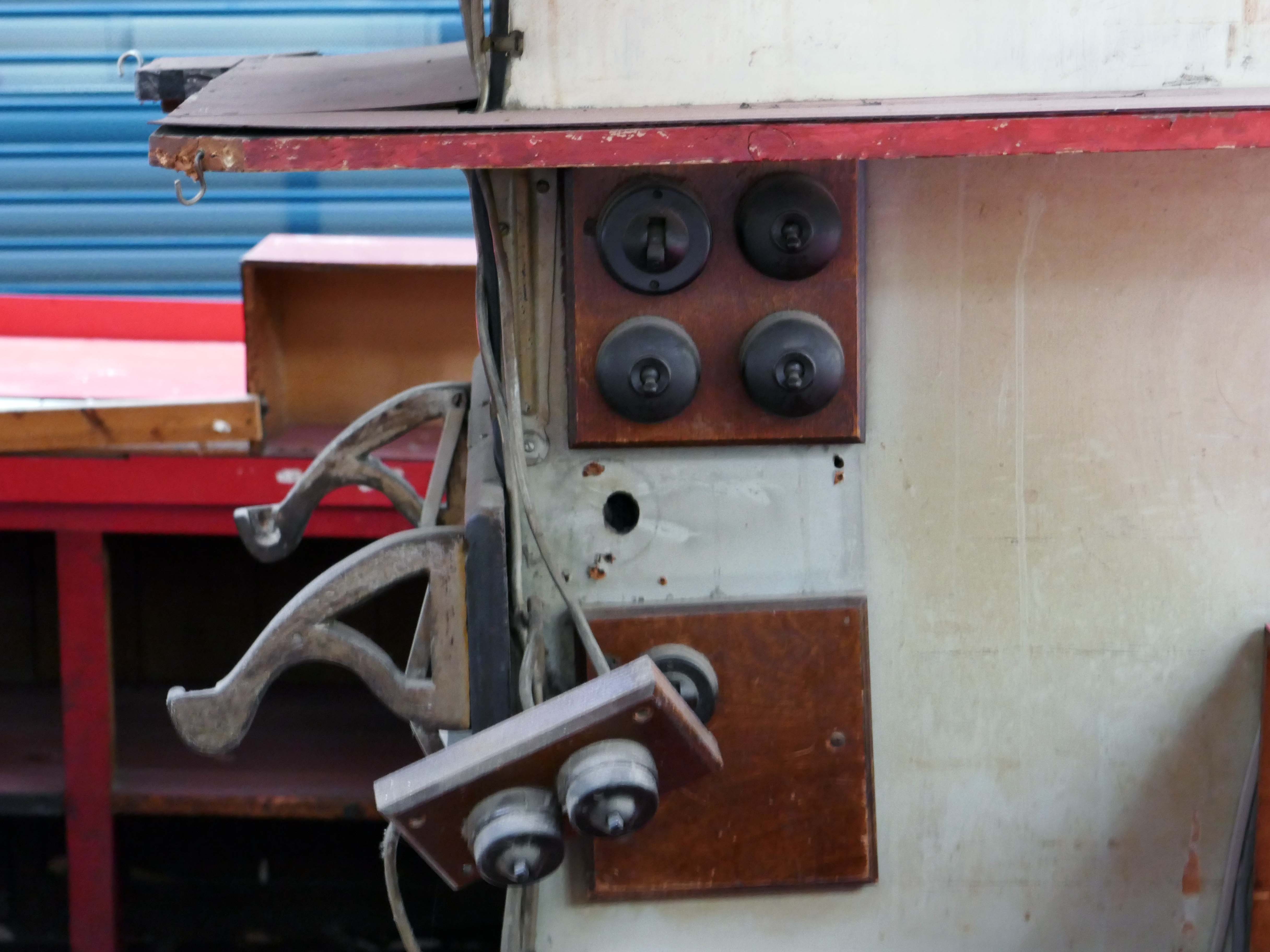
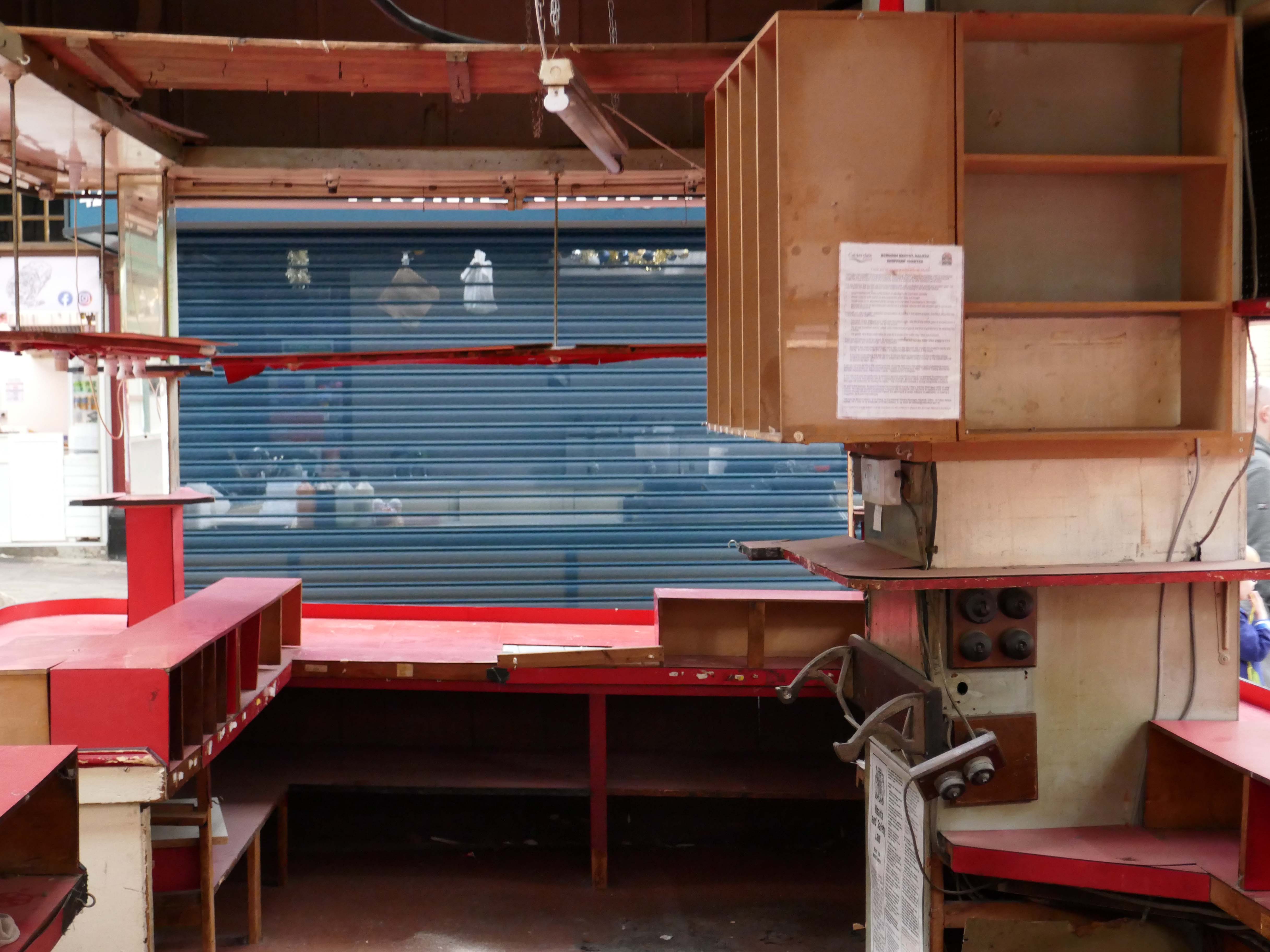
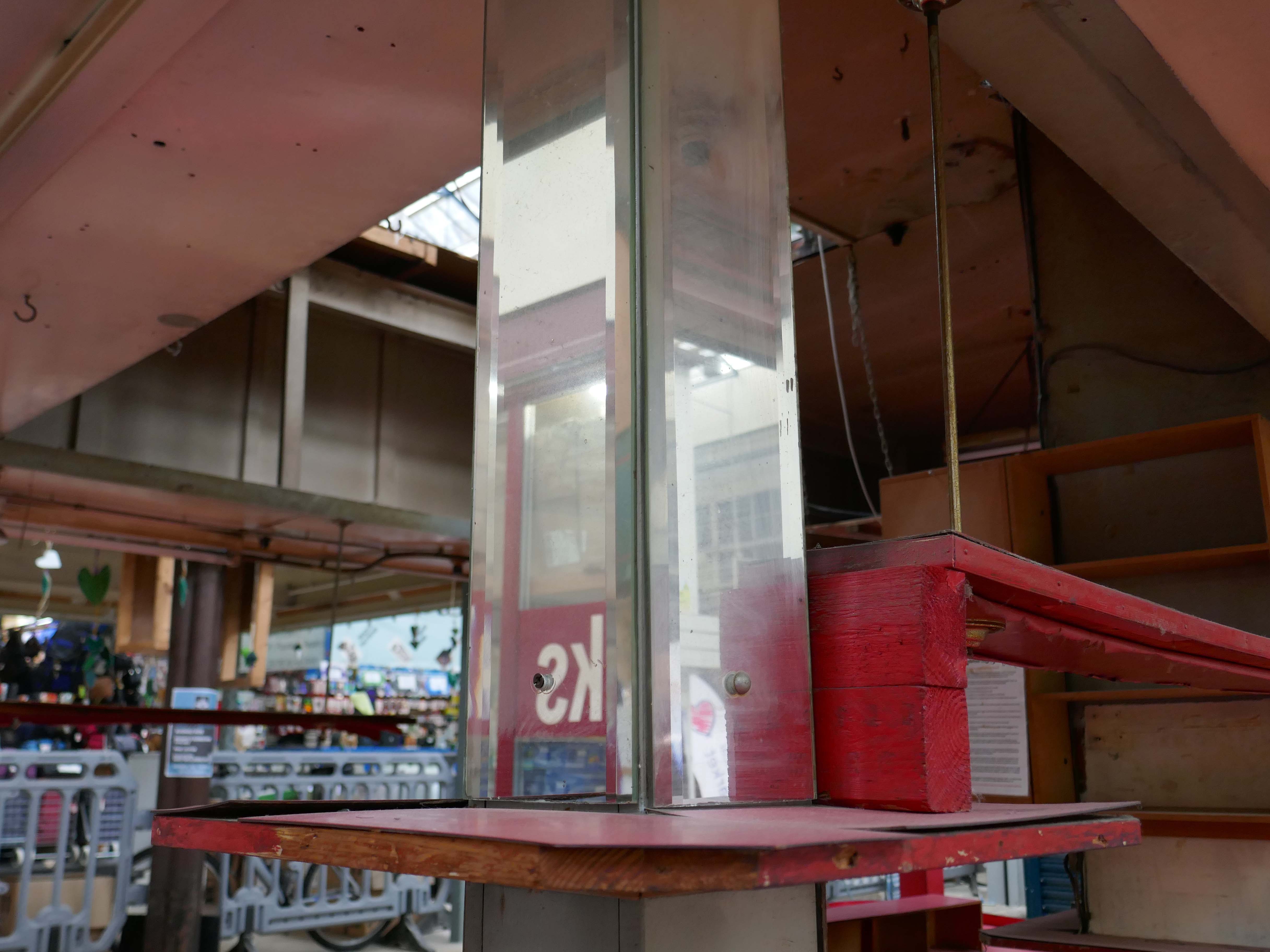
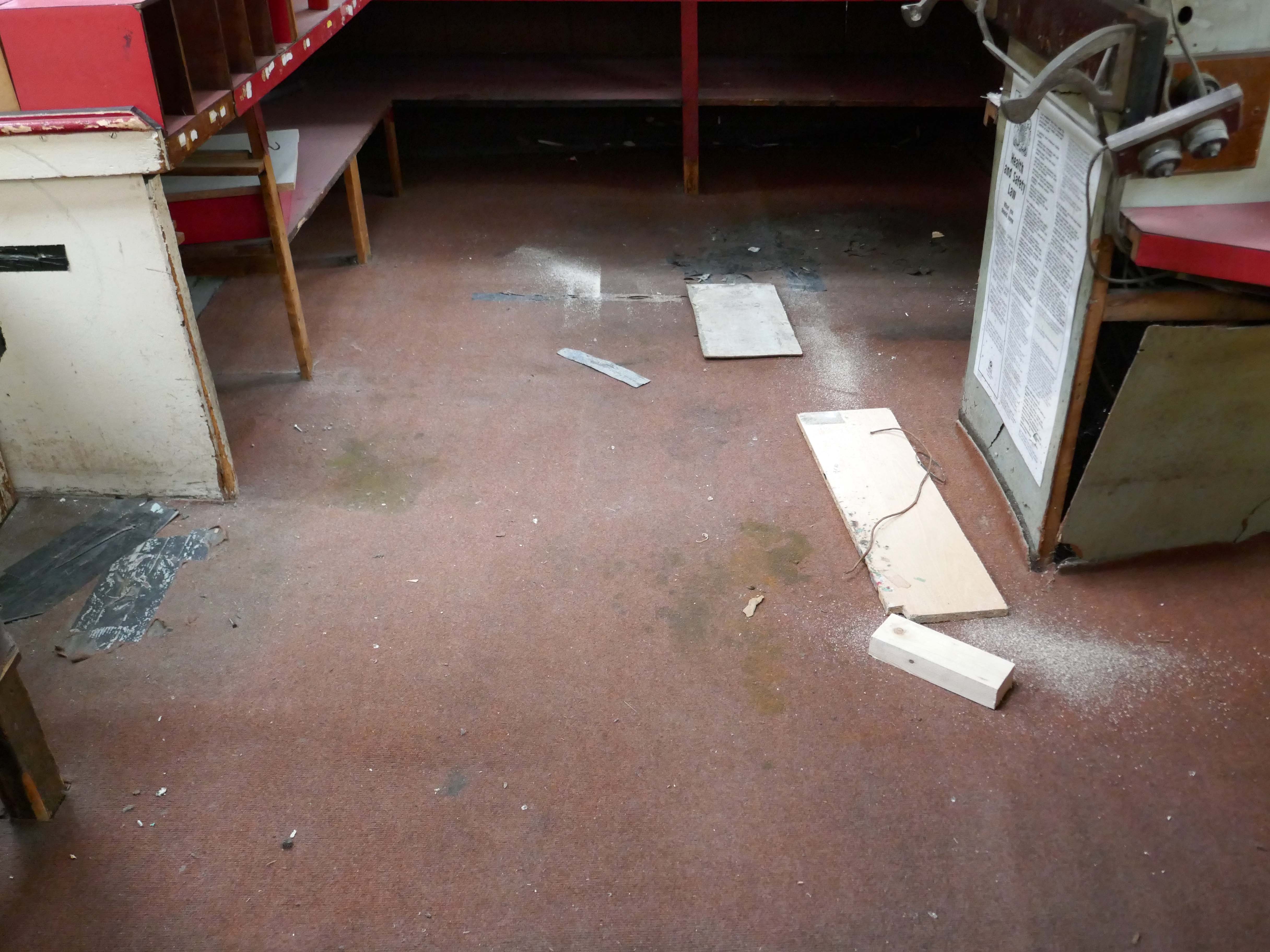
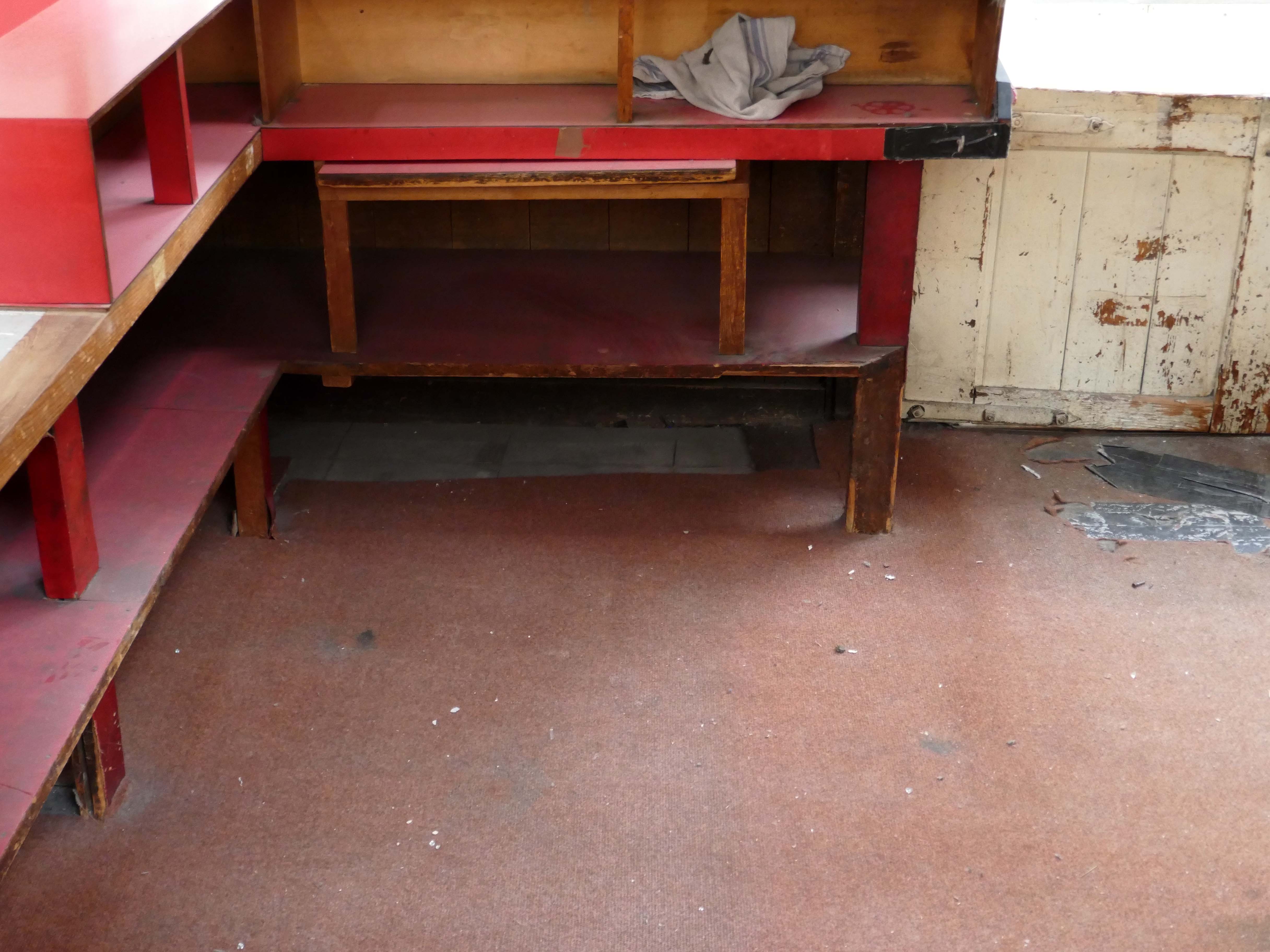
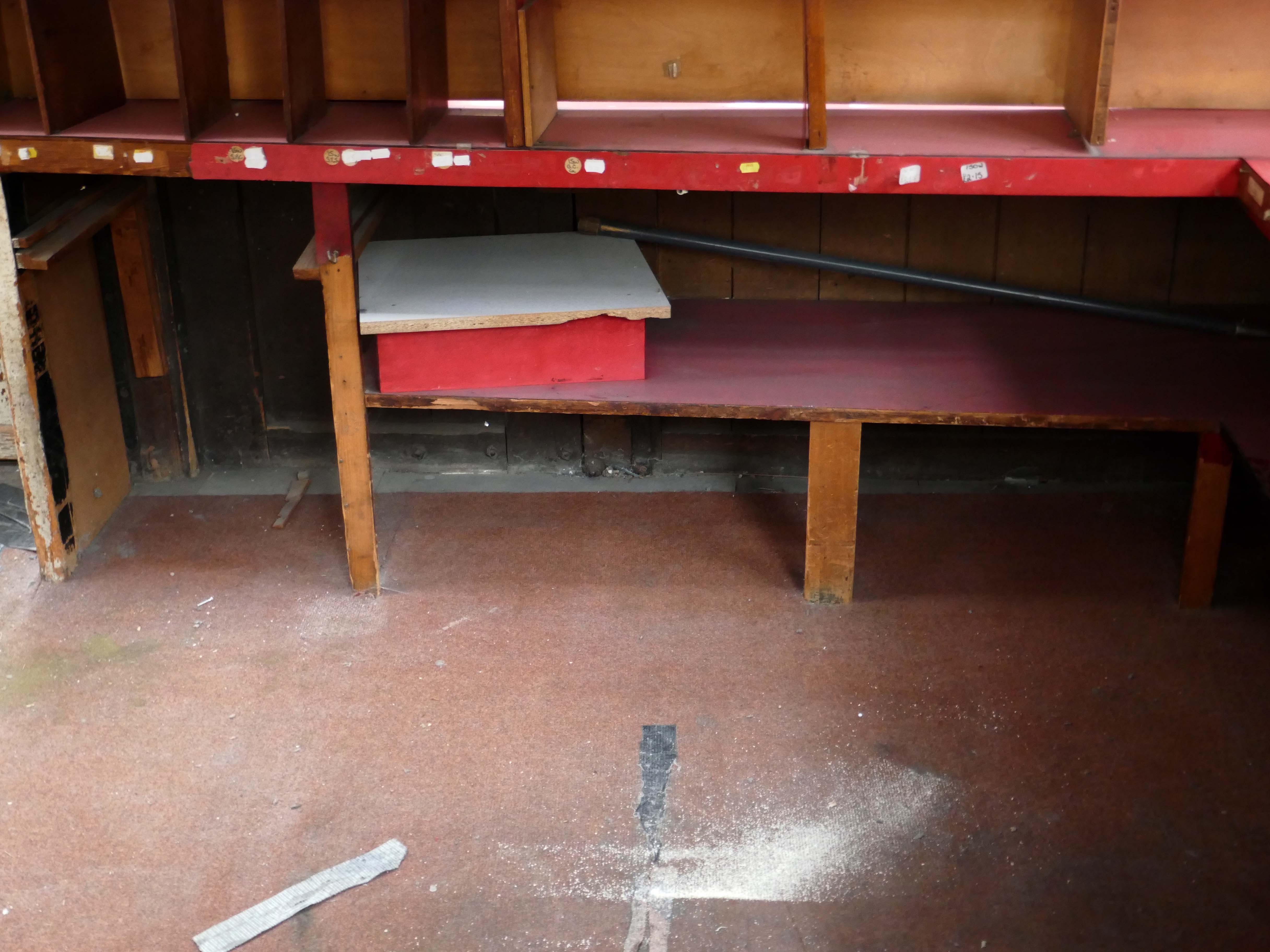
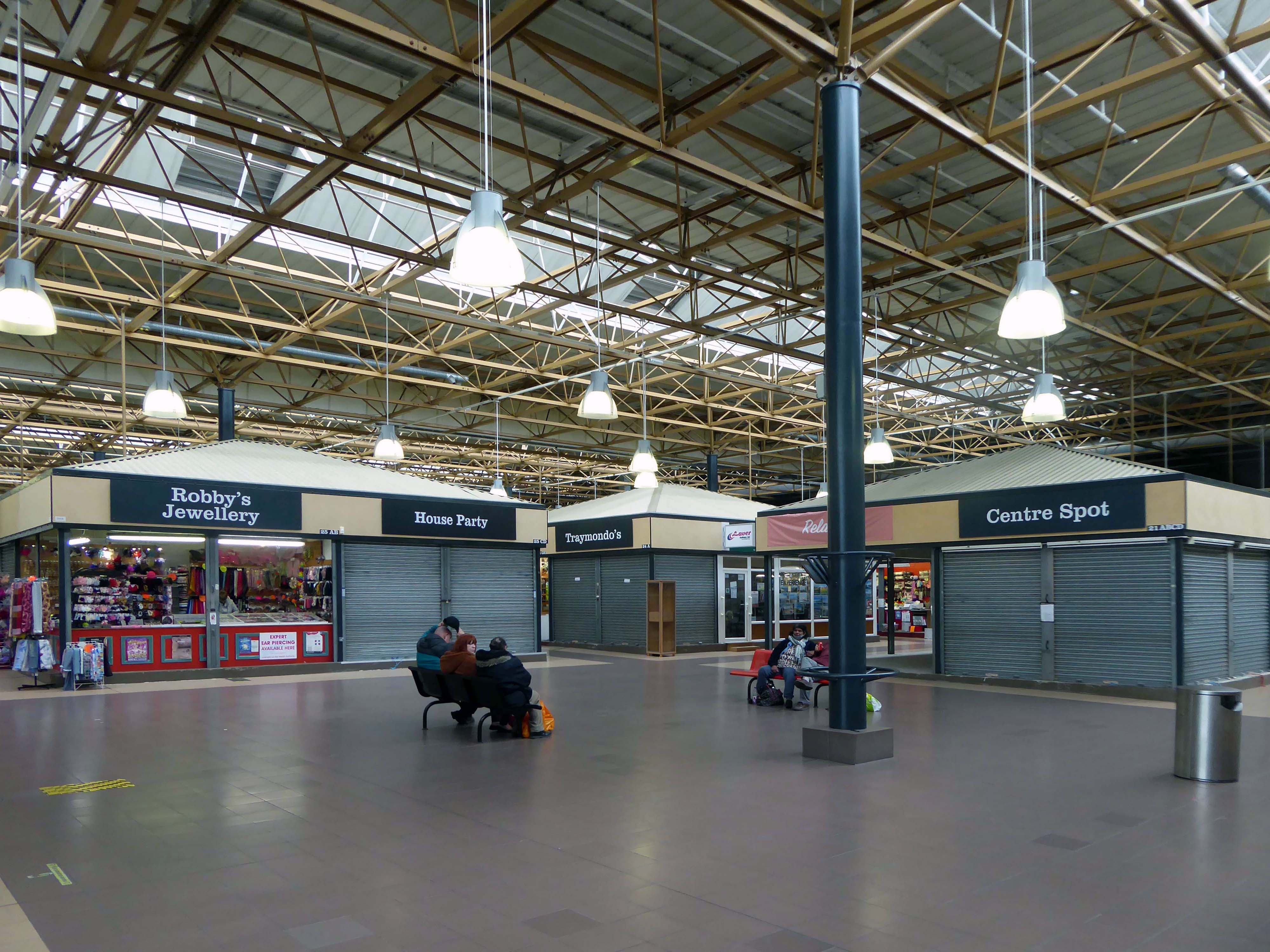
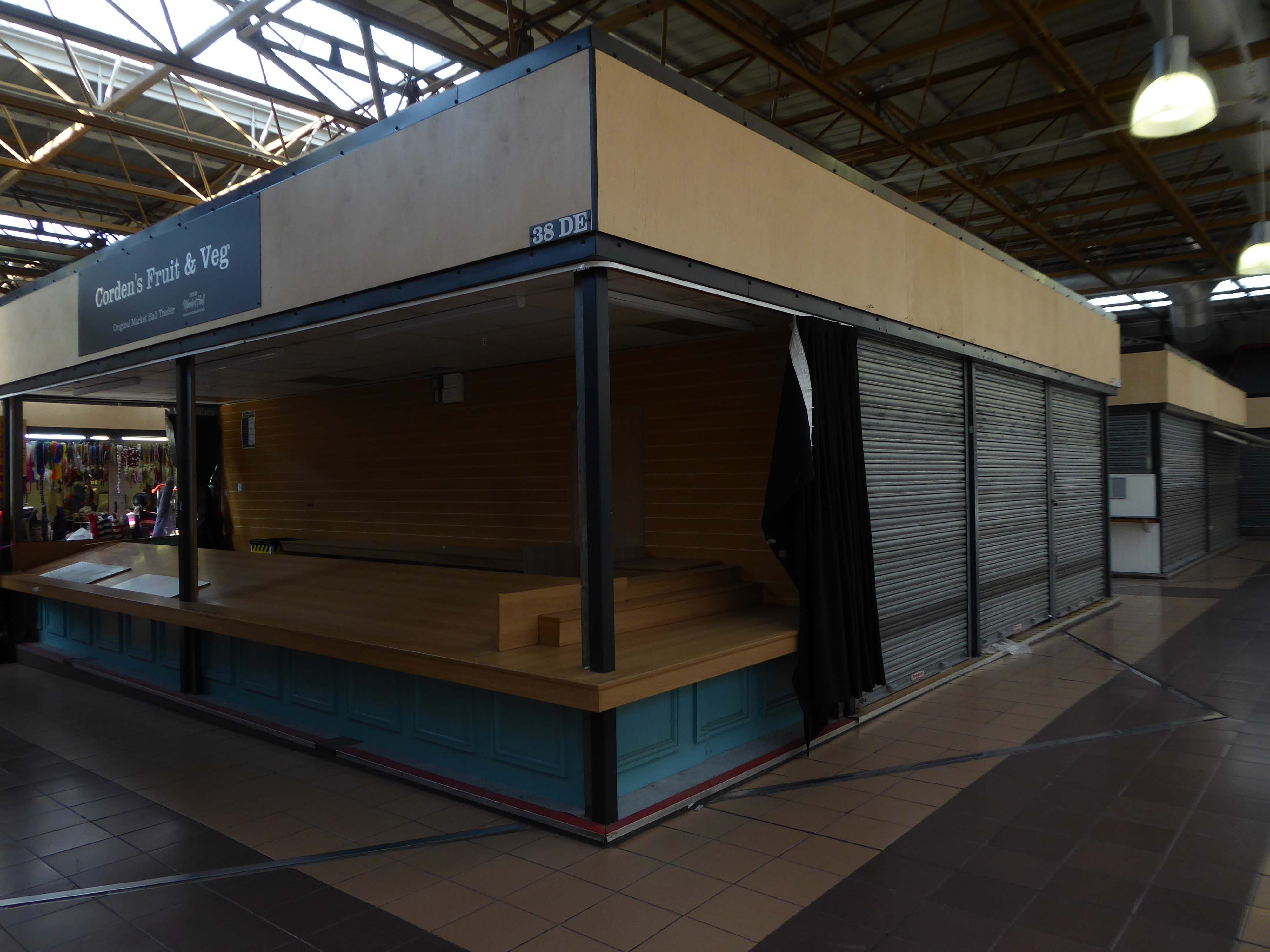
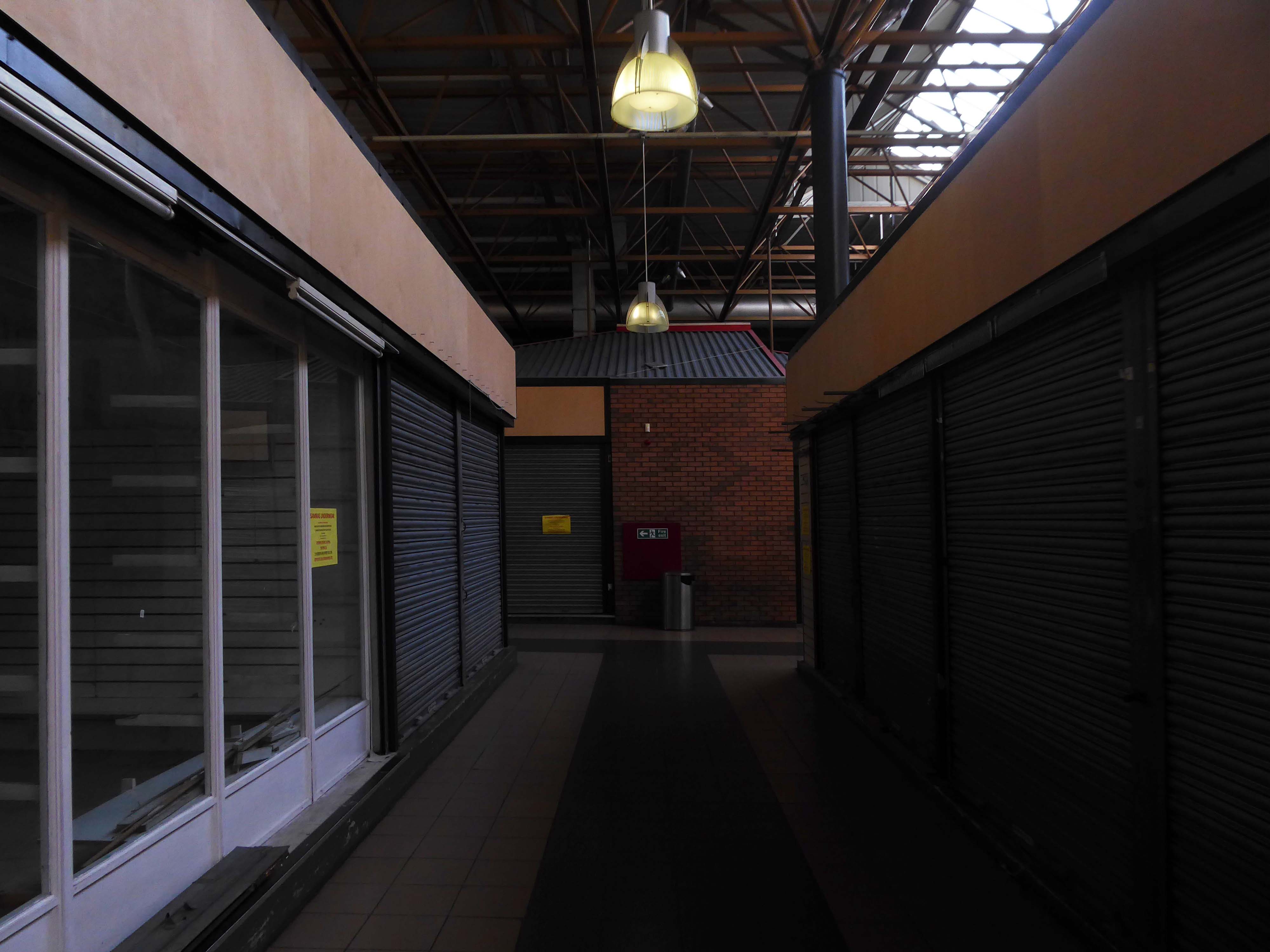
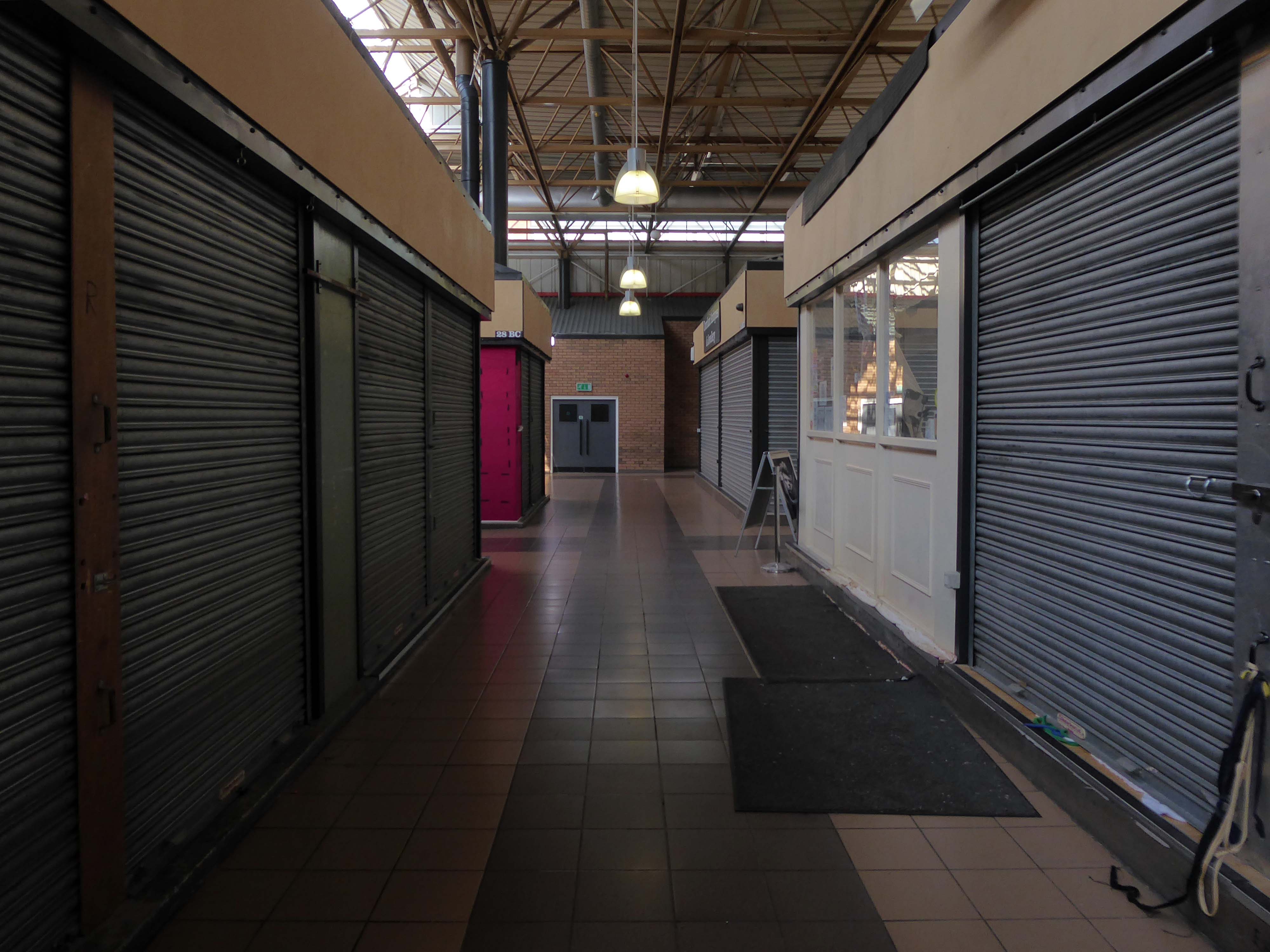
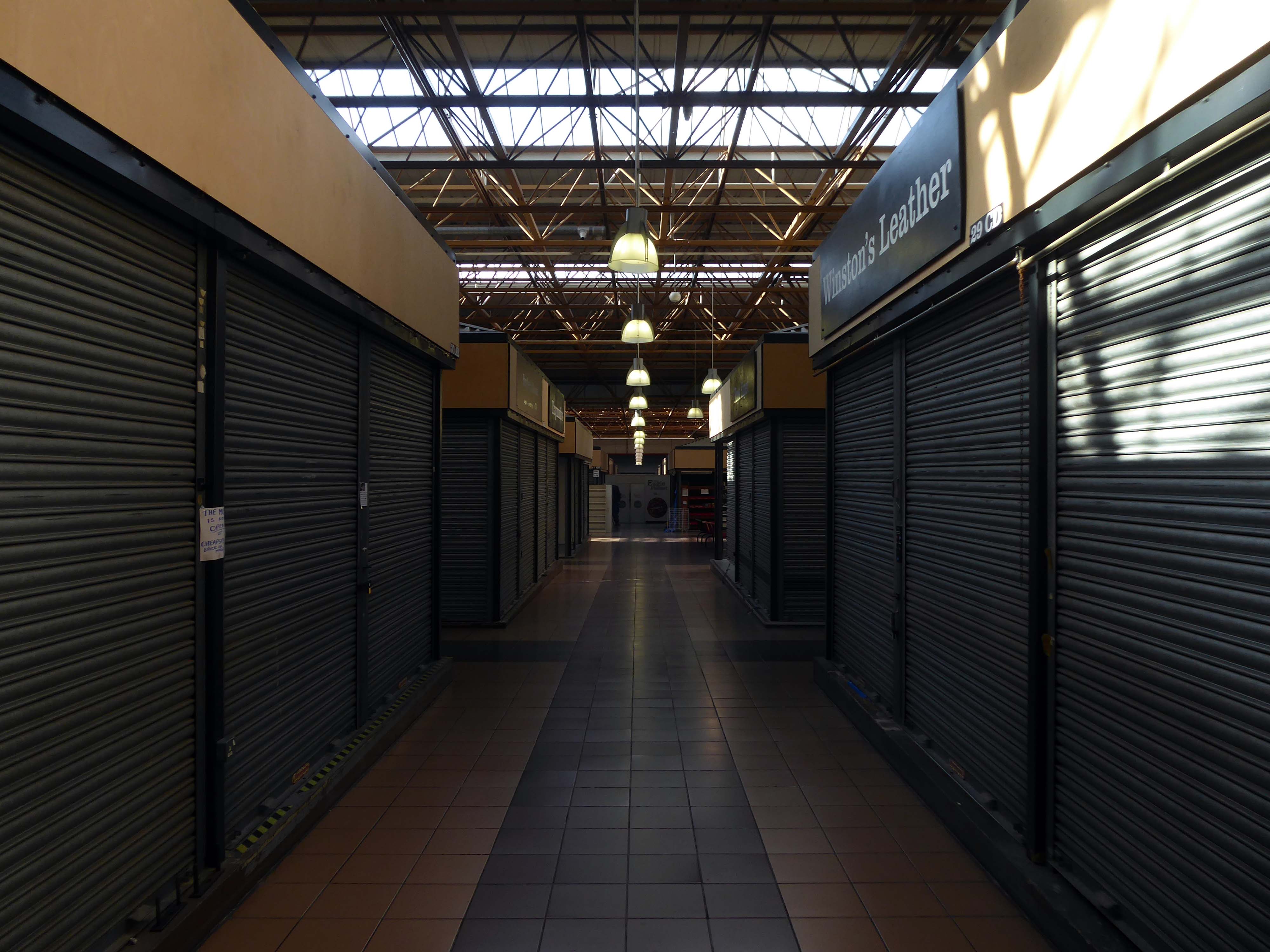
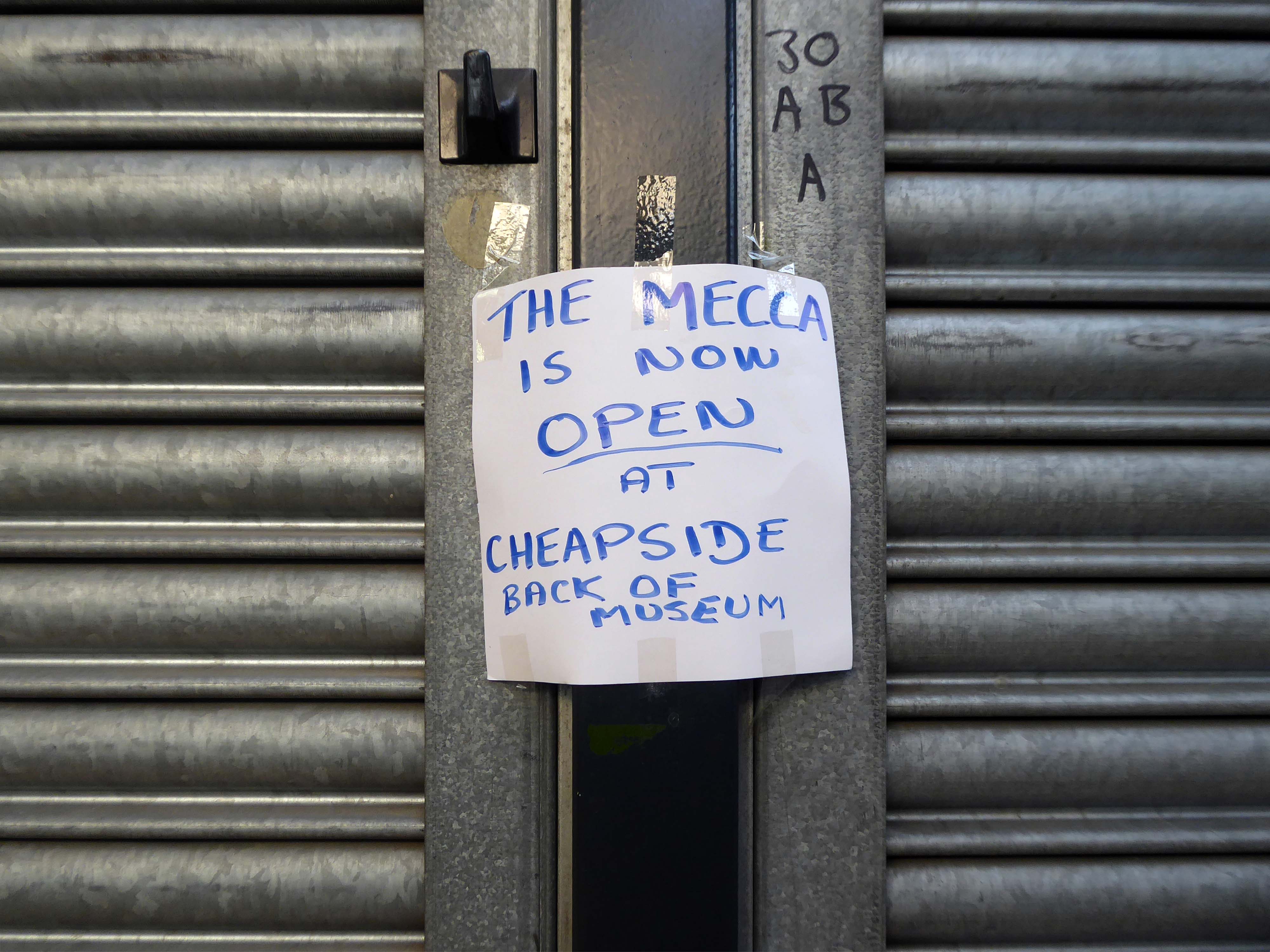
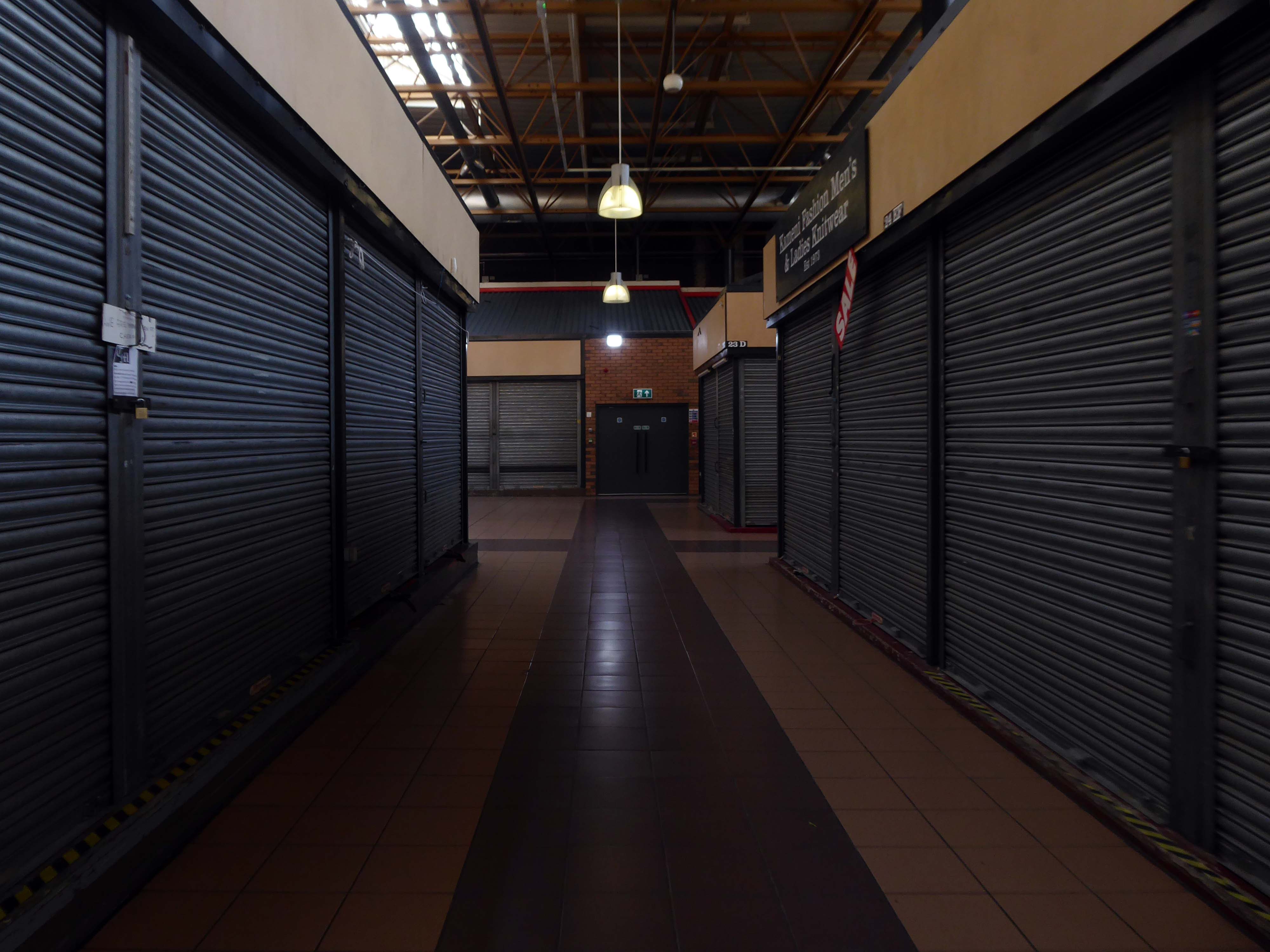
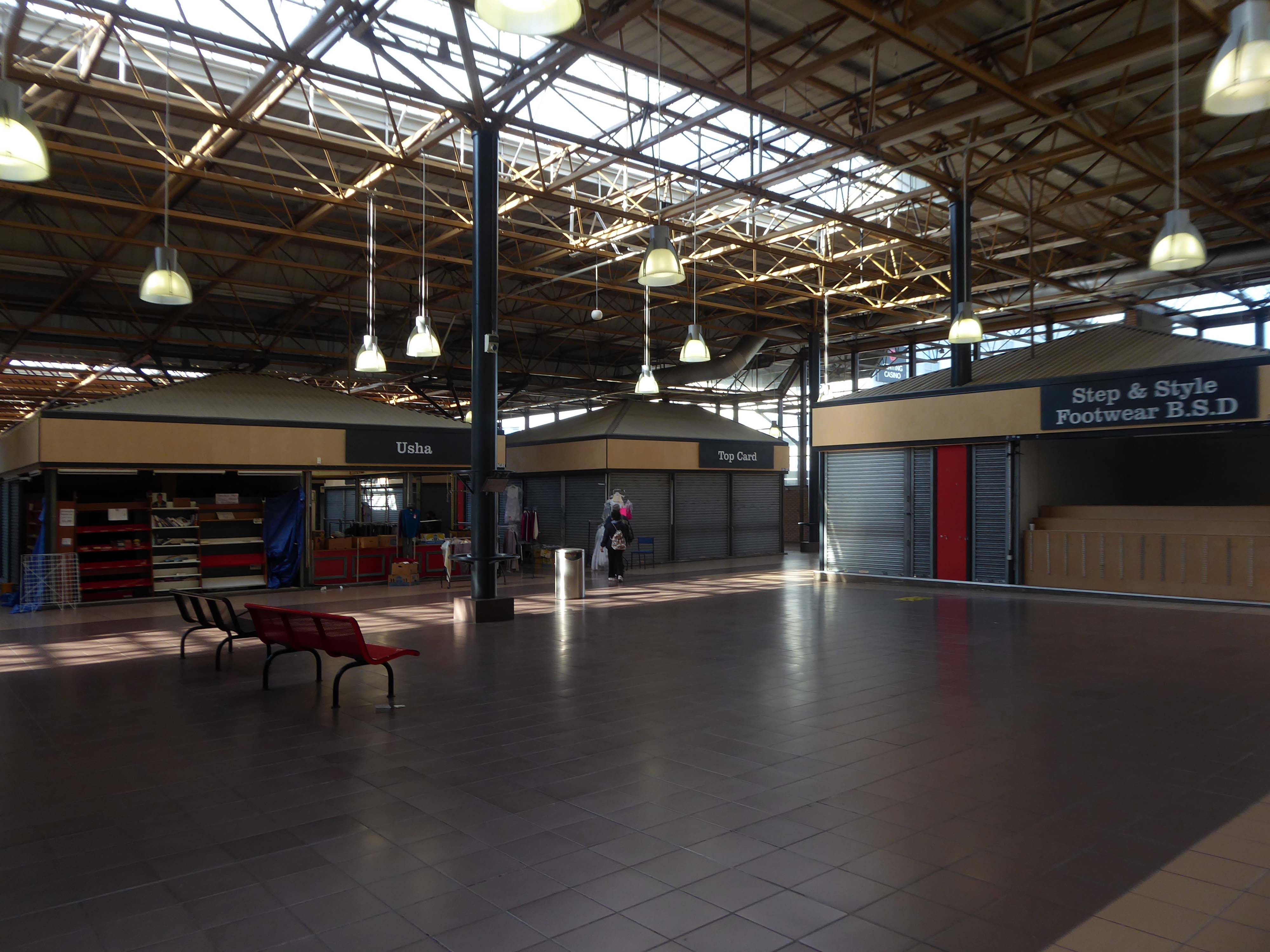
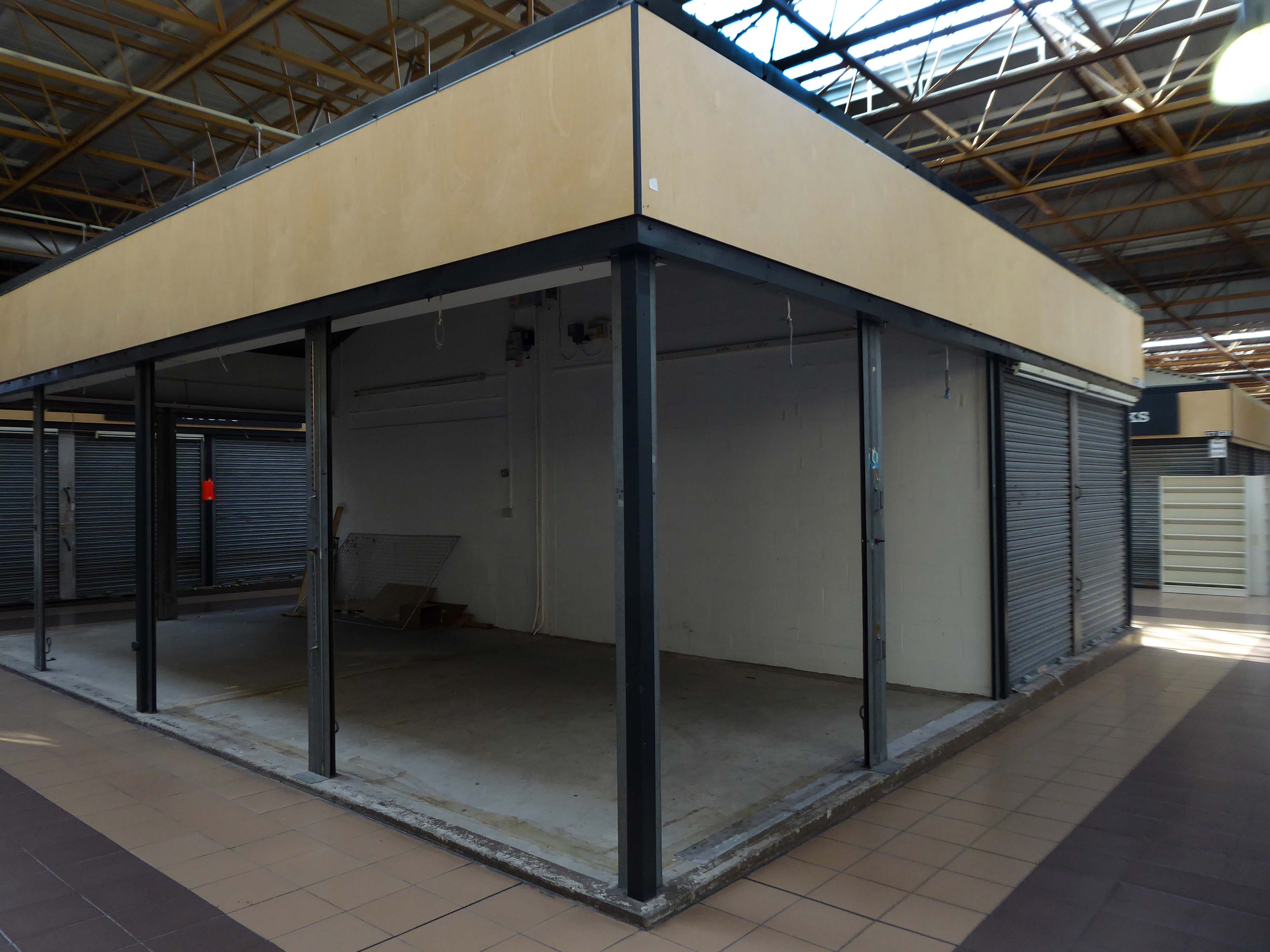
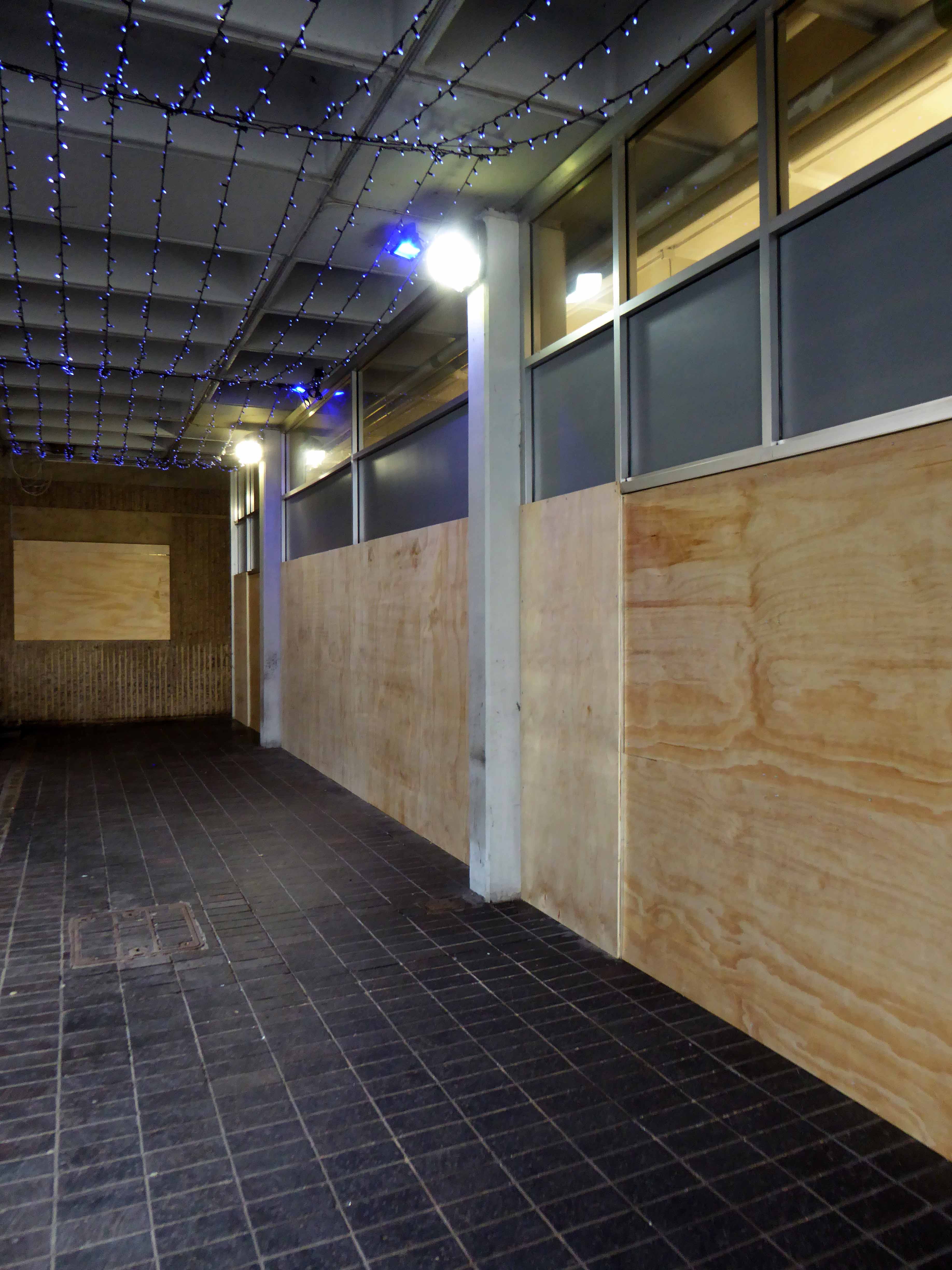
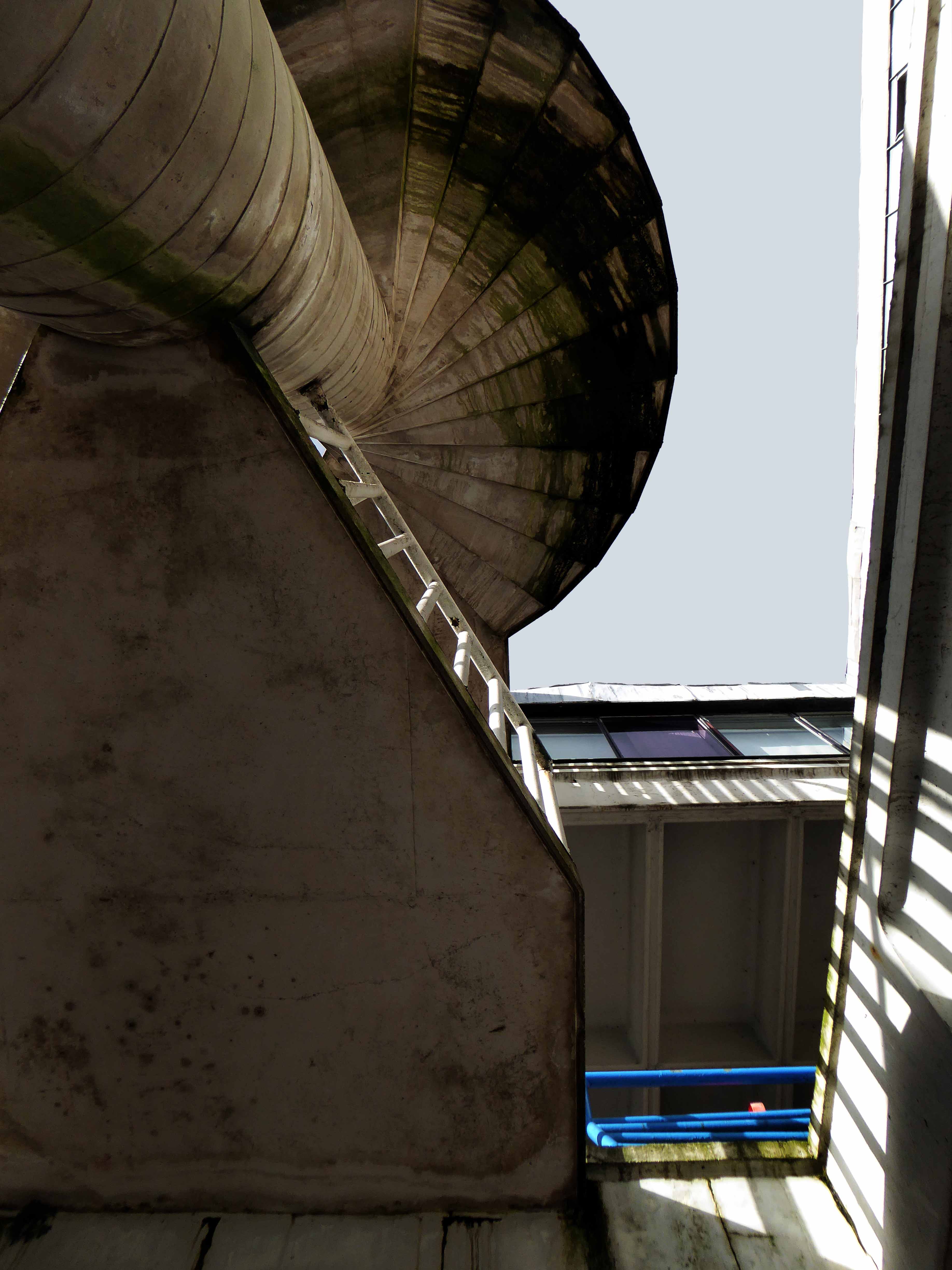
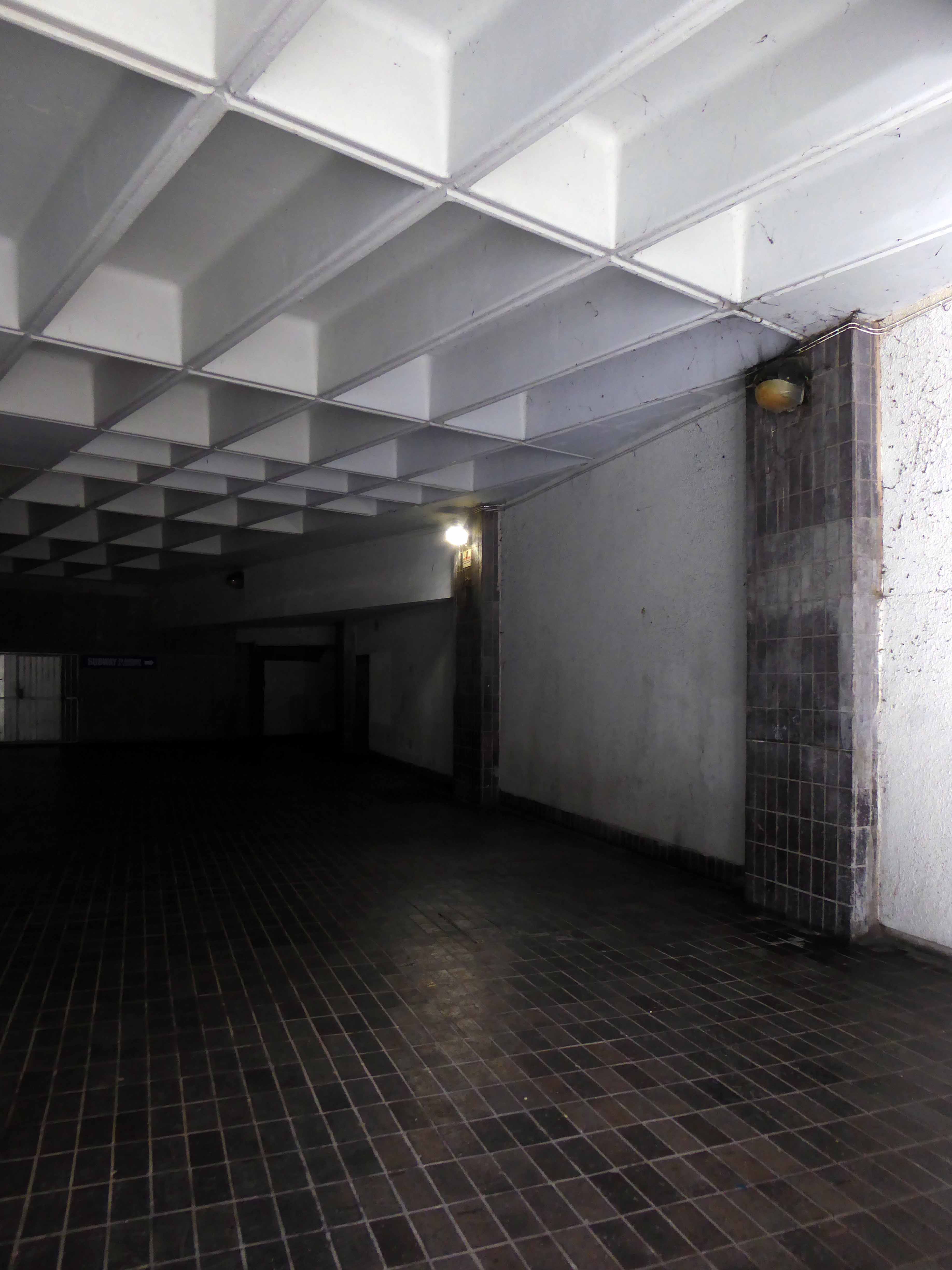
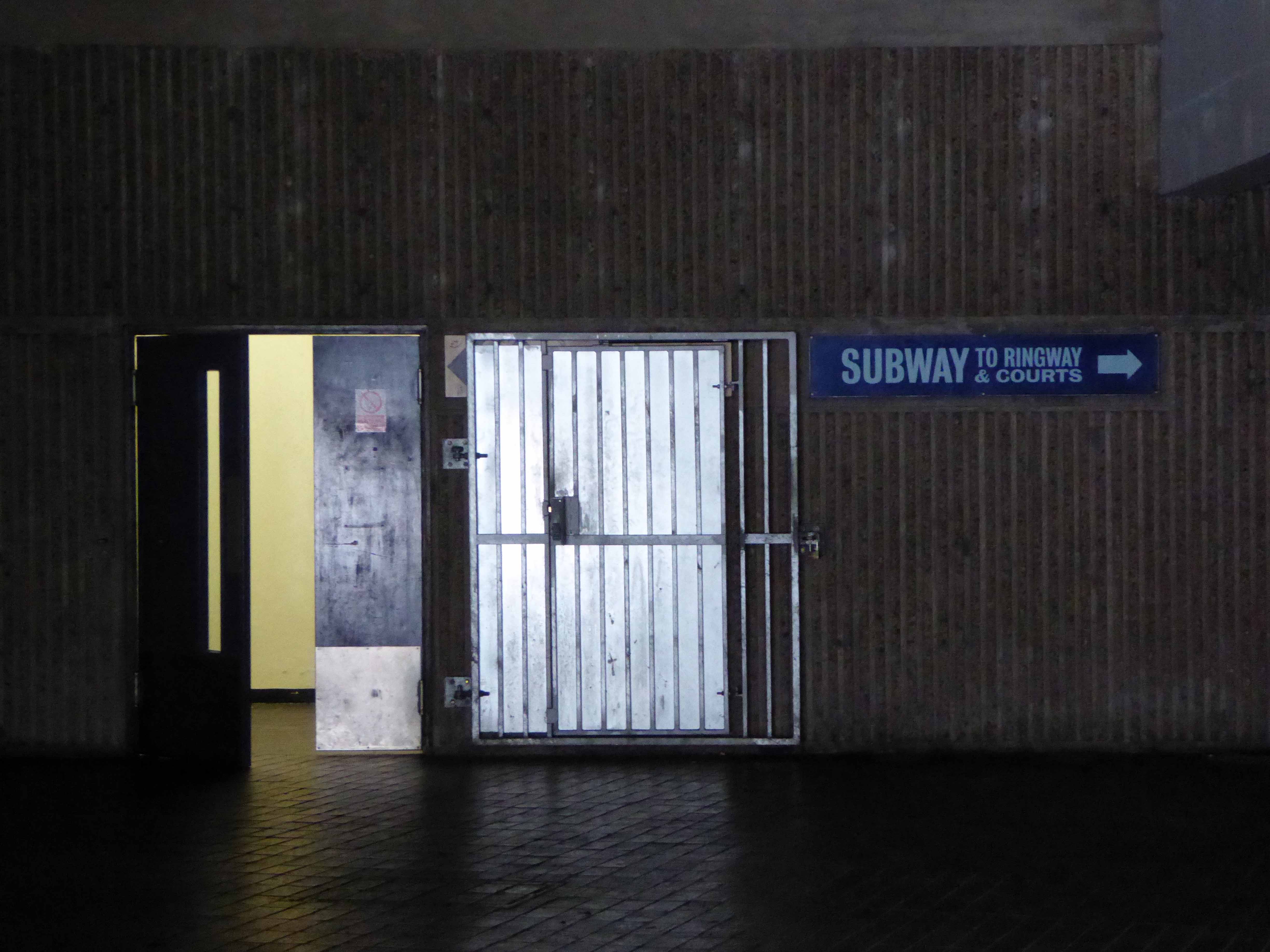
On my previous photographic visit to Conran Street Market the place was deserted, the cleaner had kindly let me in to take some snaps.
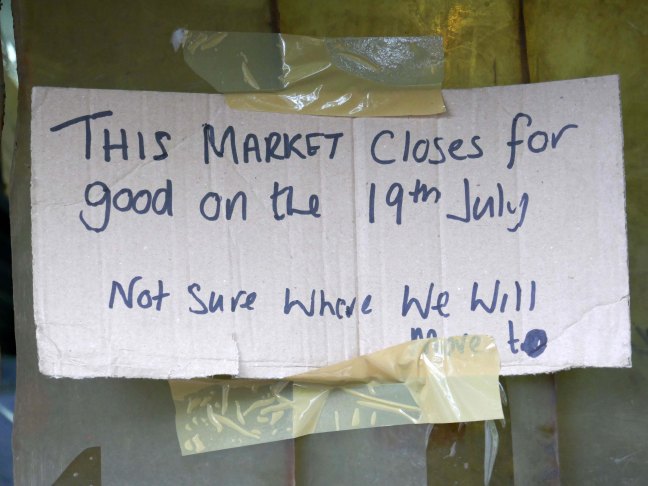
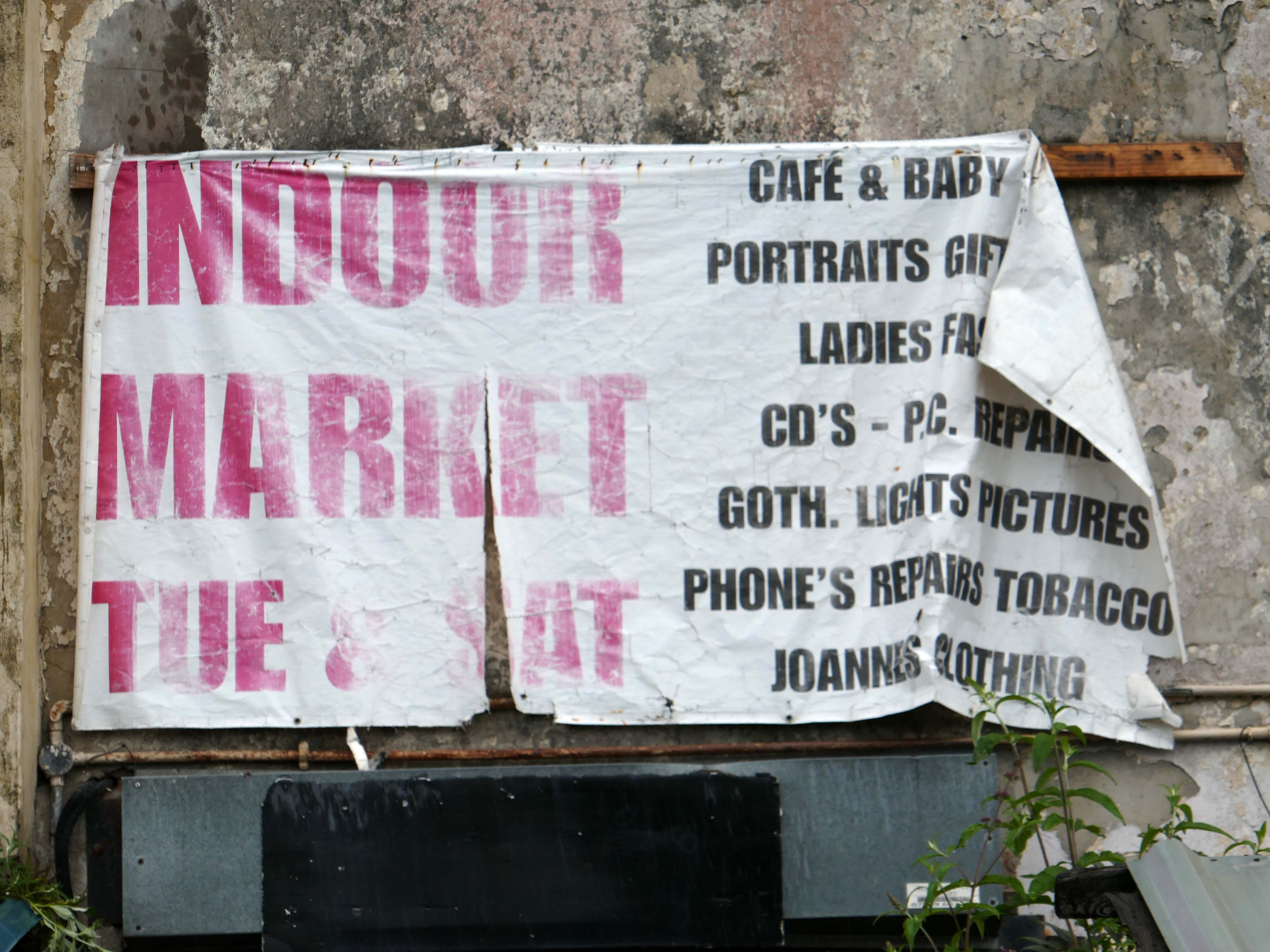
It is due to close this coming Saturday 19th July, after more than a century of trading.
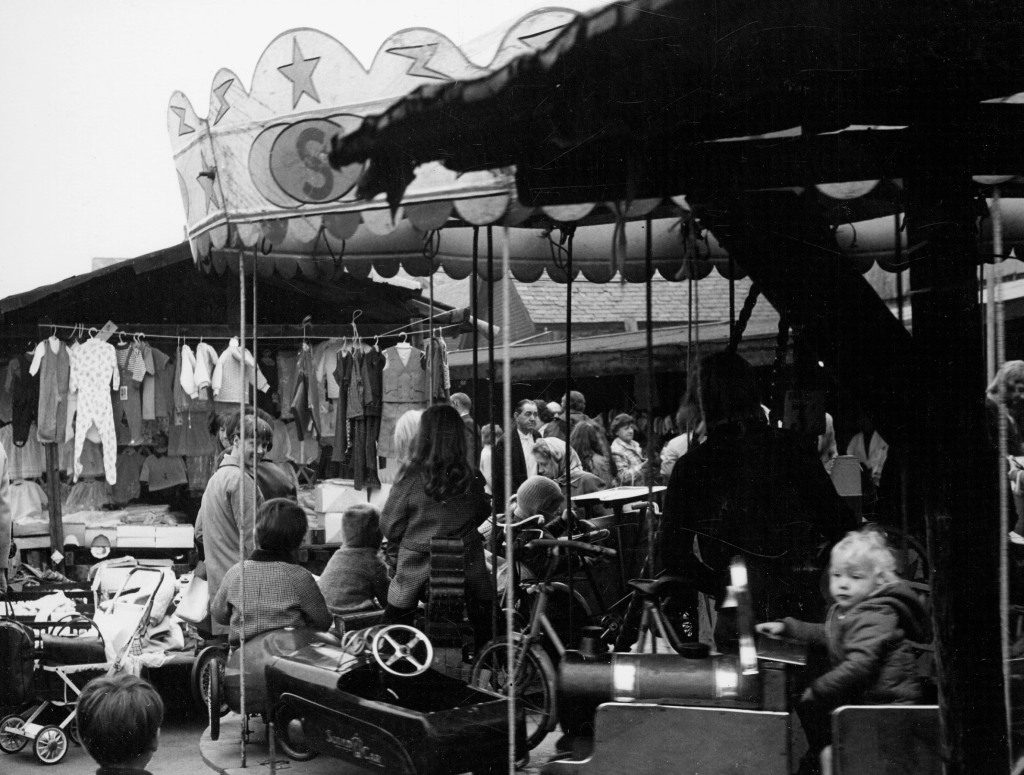
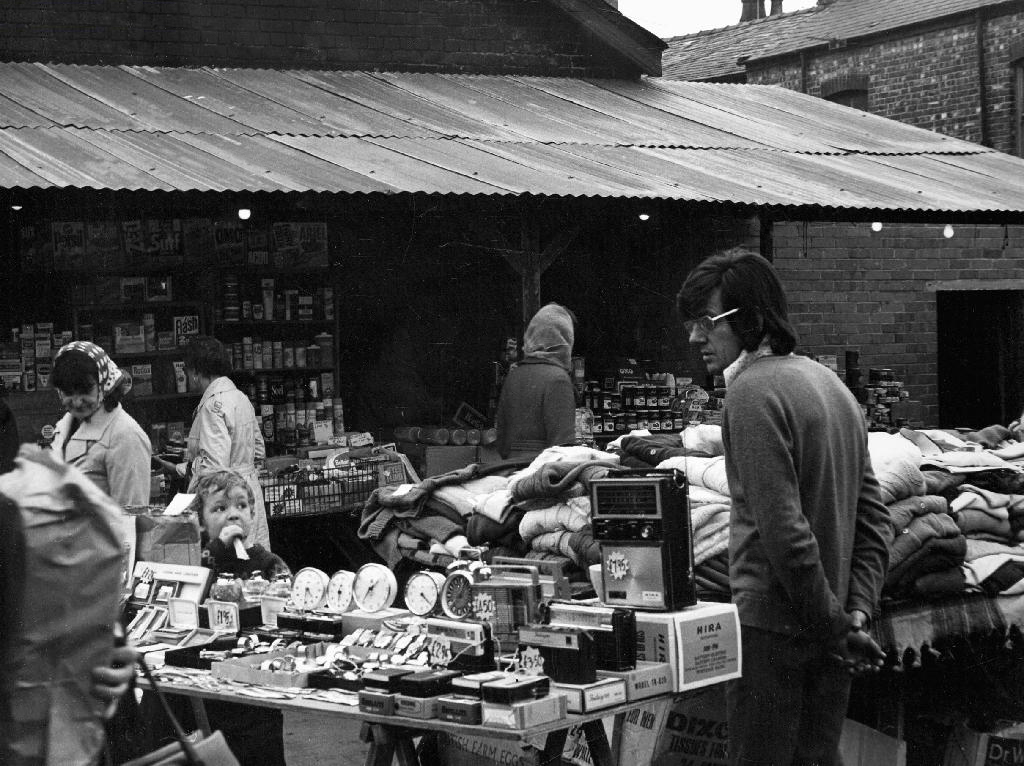
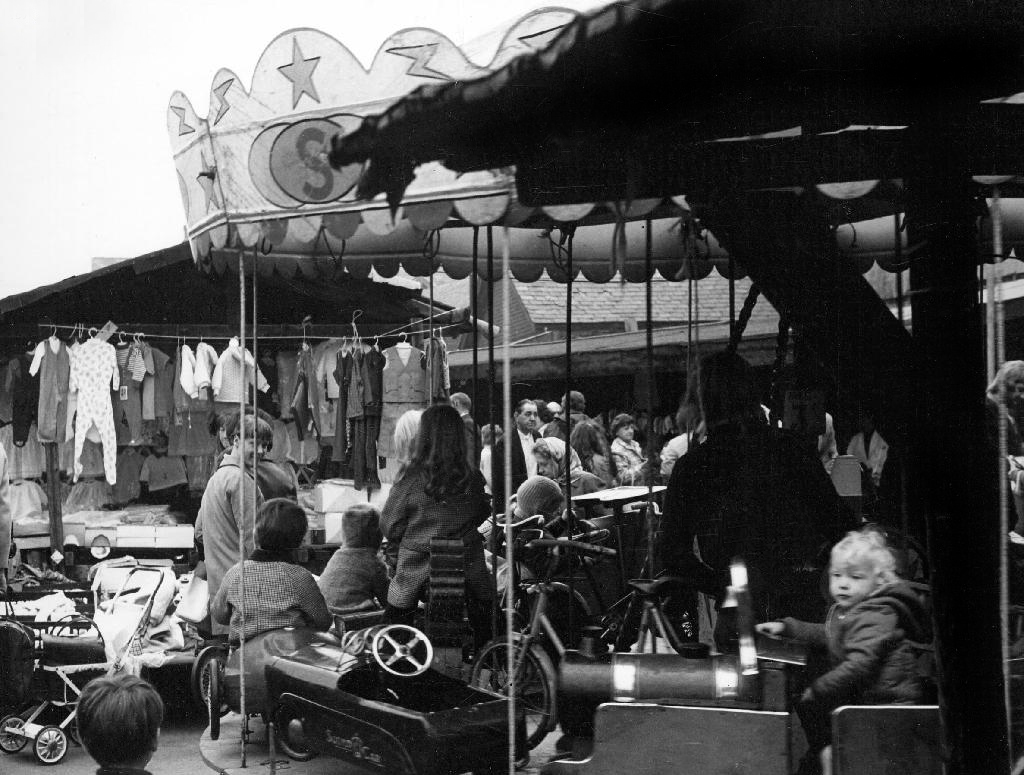
Archives+ 1972
I absolutely love Conran Street Market. I have been going for years, I honestly wished I would have taken a photograph on every visit. It’s my feel good place that brings back so many memories, friendly, funny, a look at life in every visit. What an absolute pleasure to have experienced it as long as I can remember.
Mo A
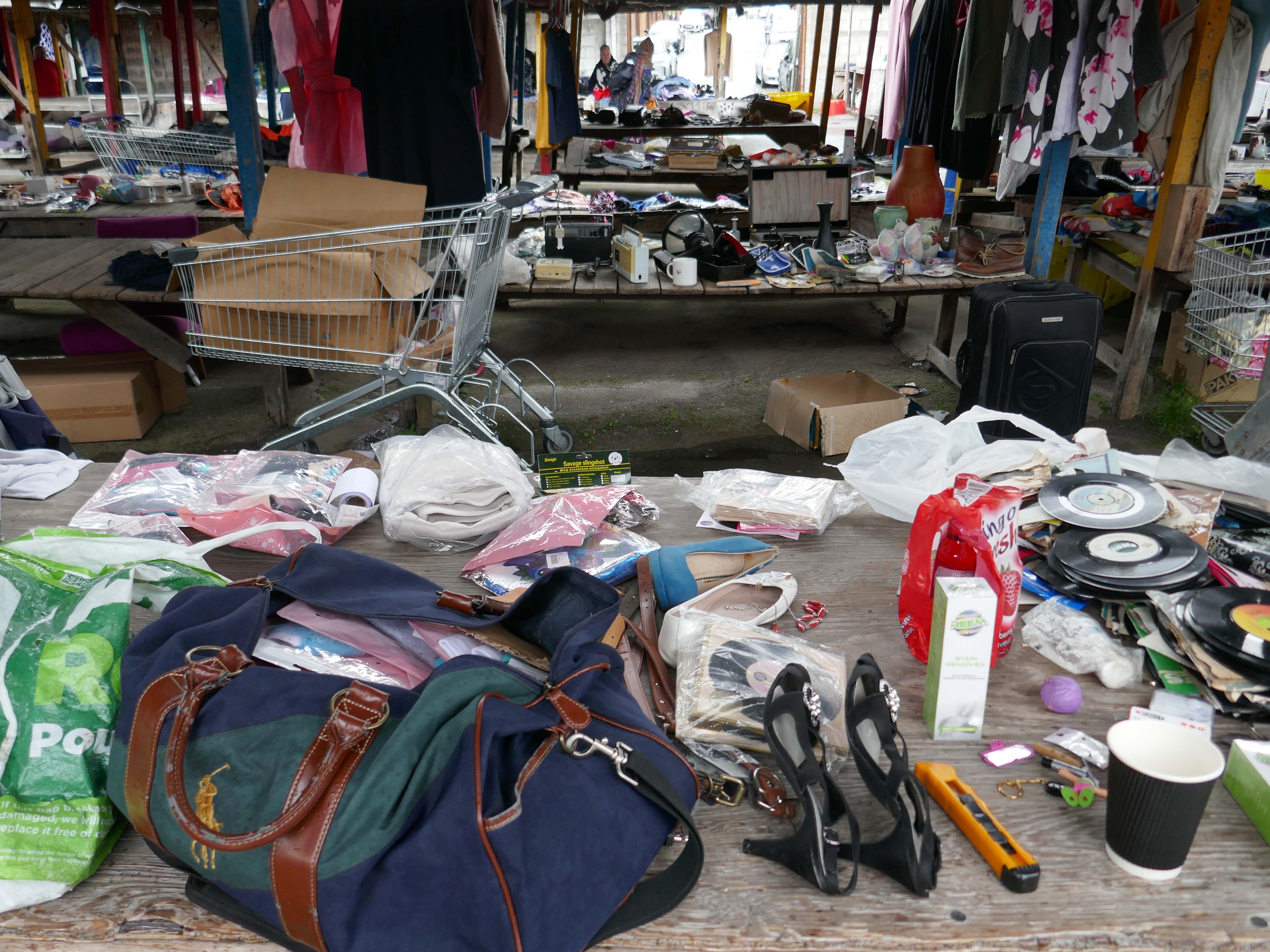
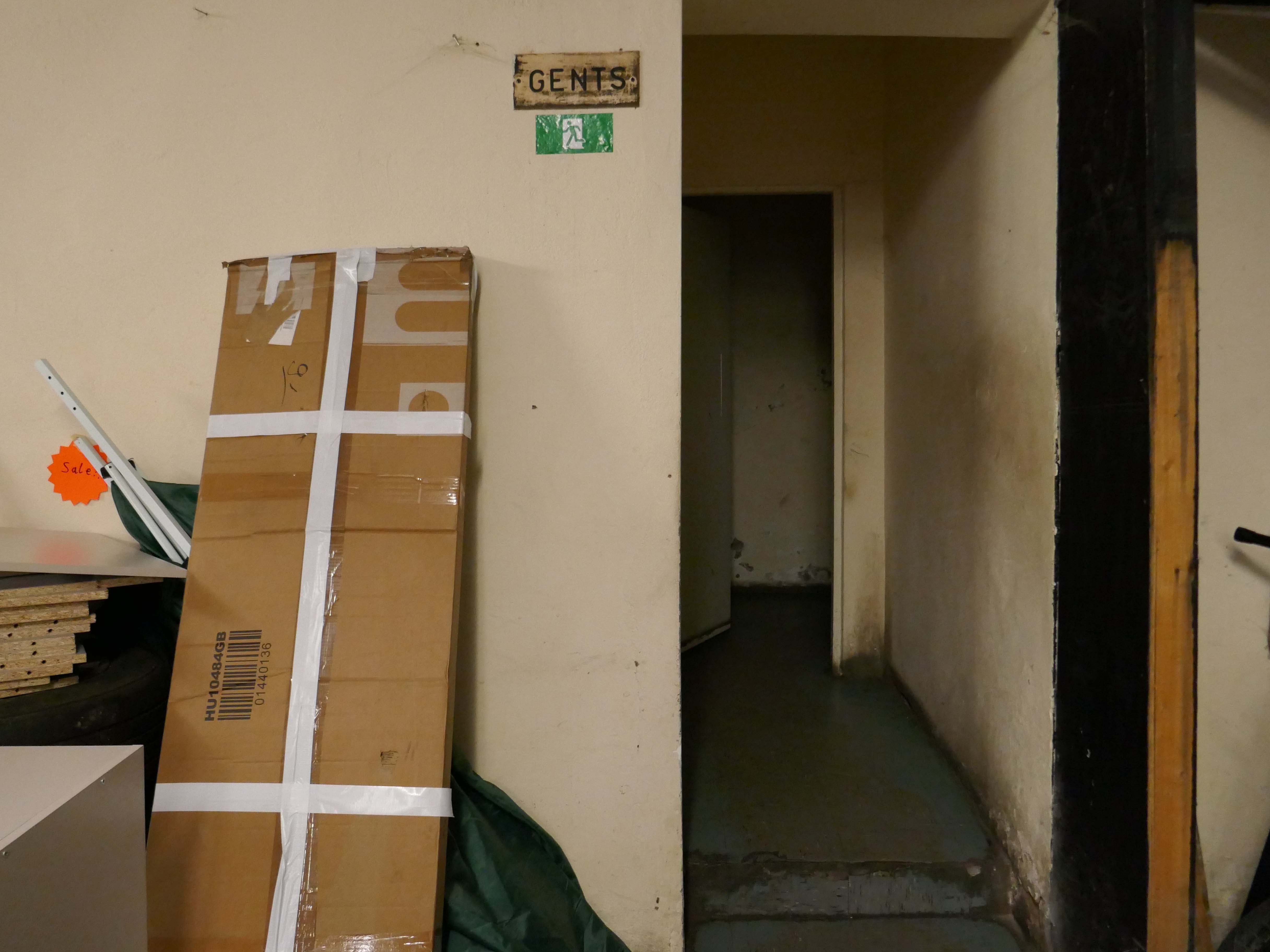
This is a local basic market with few modern amenities and no access considerations. You may find some bargains on a good day but many of the stalls stand empty, and the general disrepair all around is grim. One word about the toilets: don’t.
Judy S
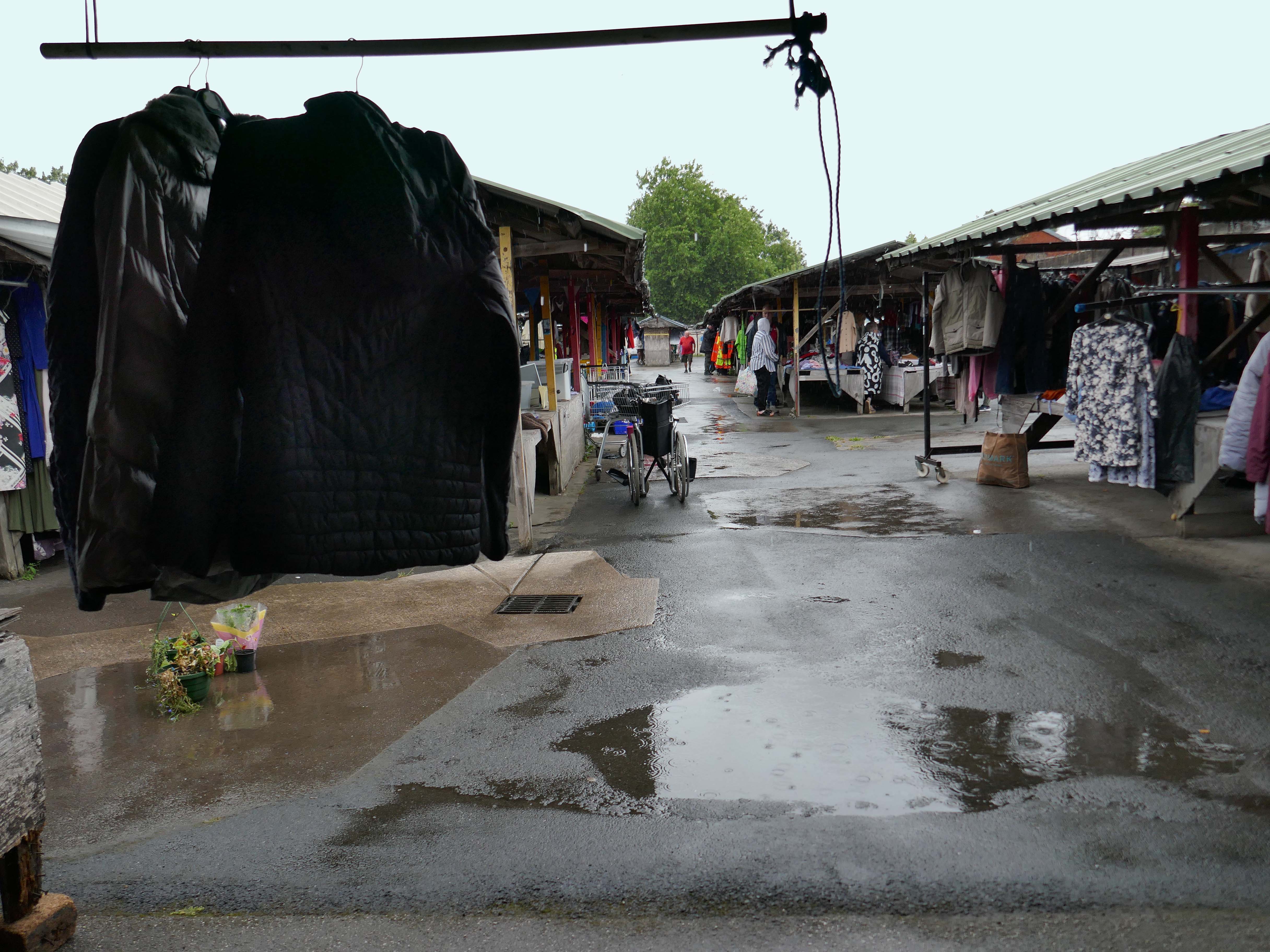
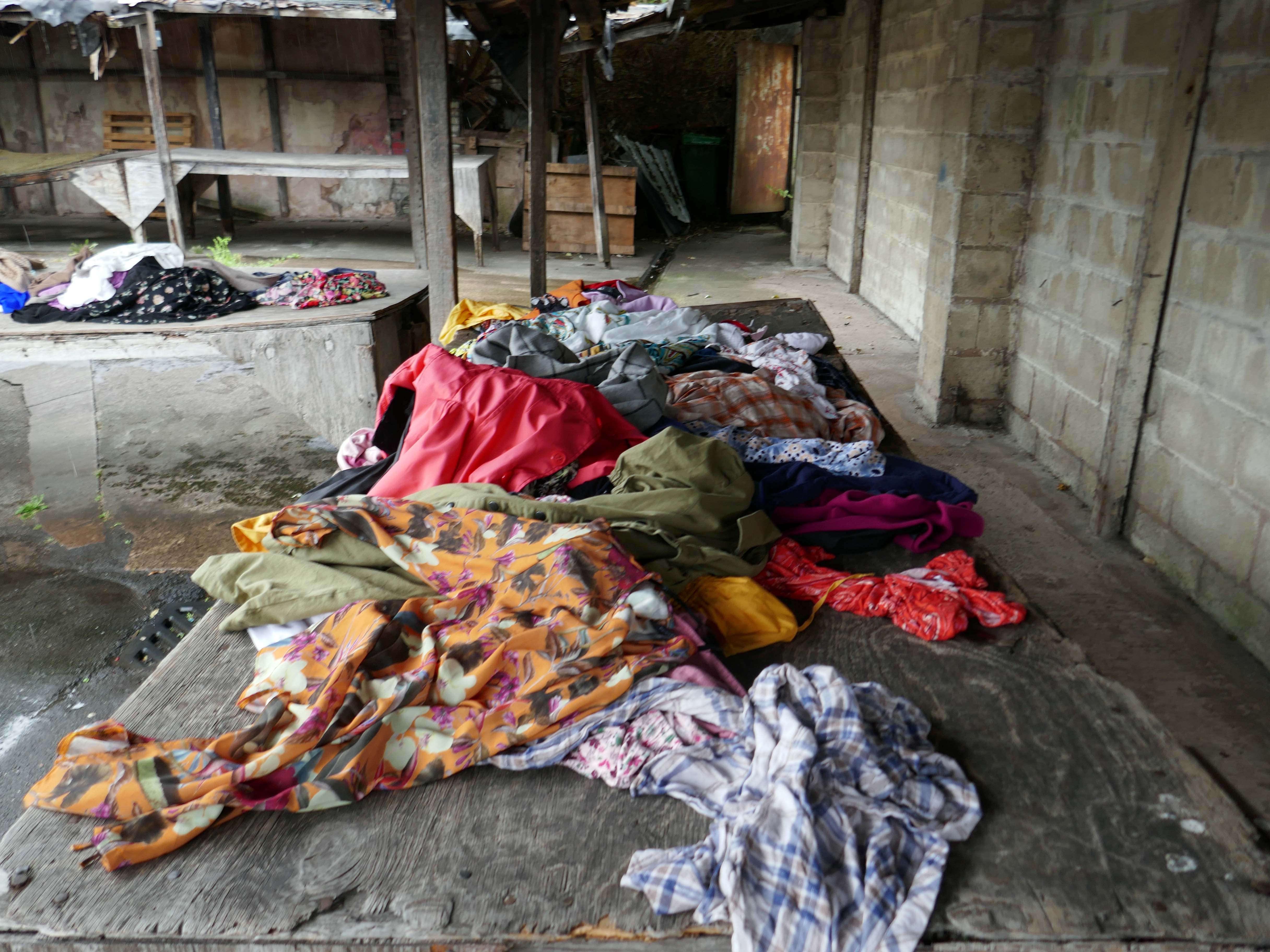
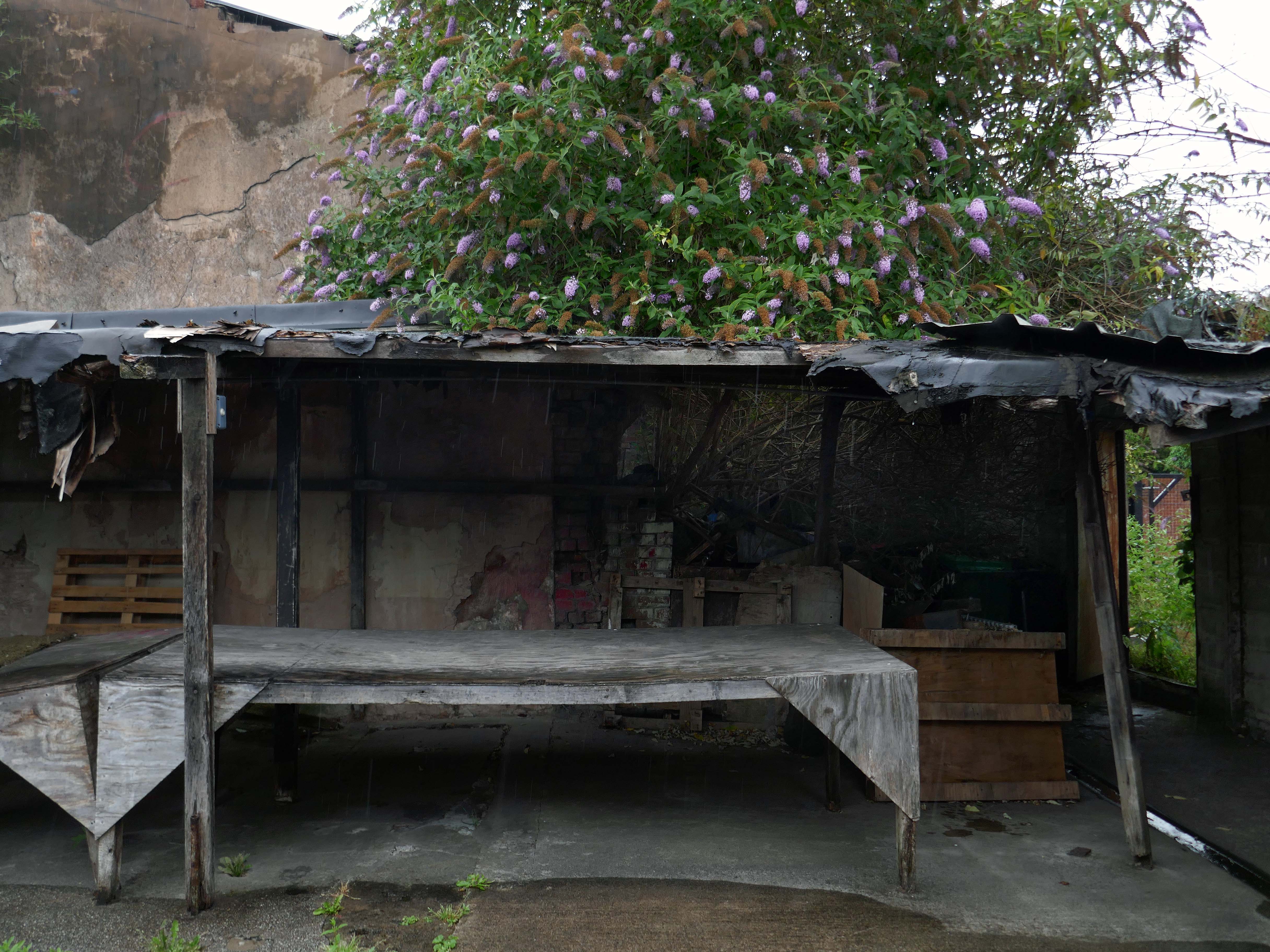
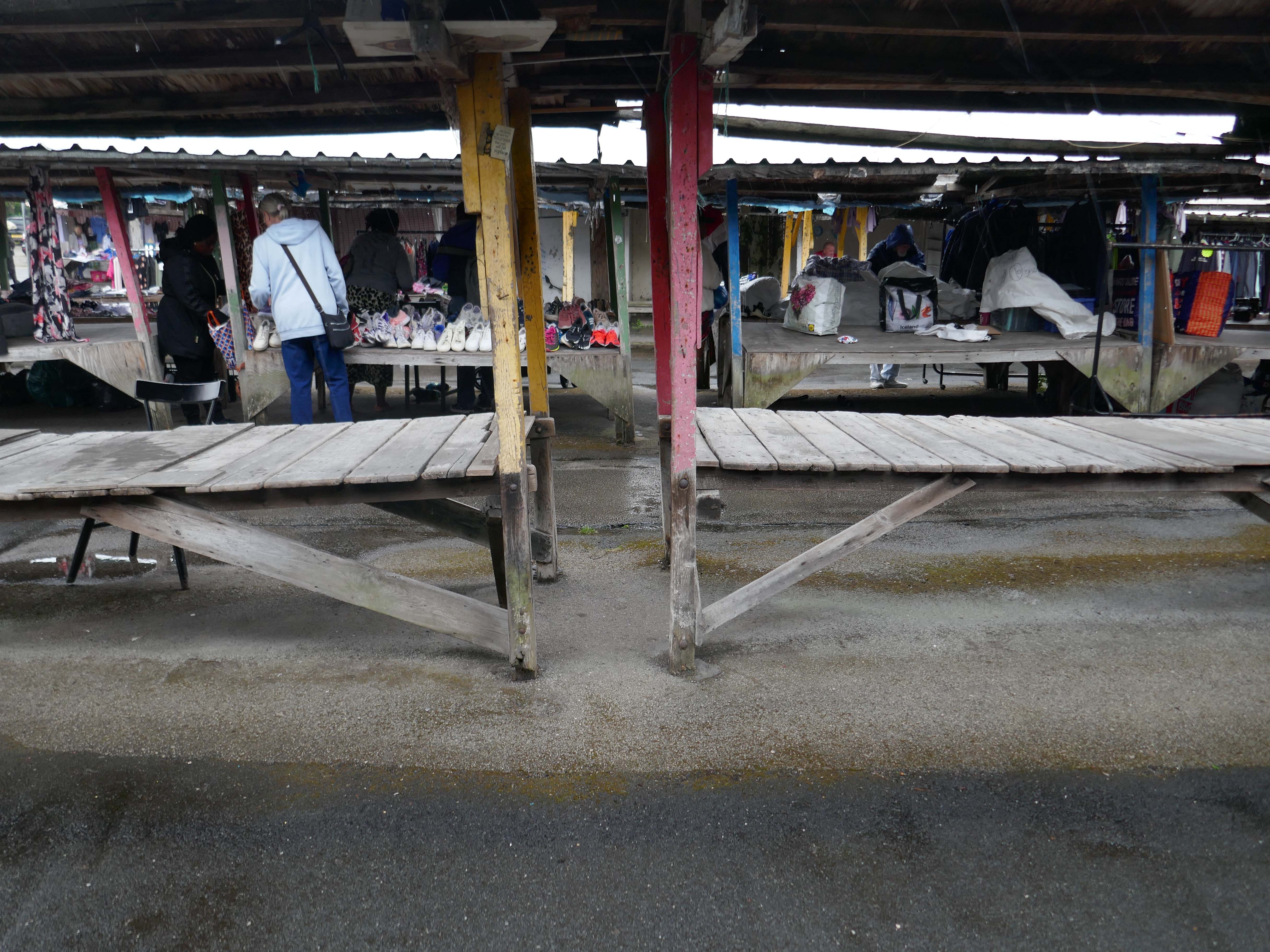
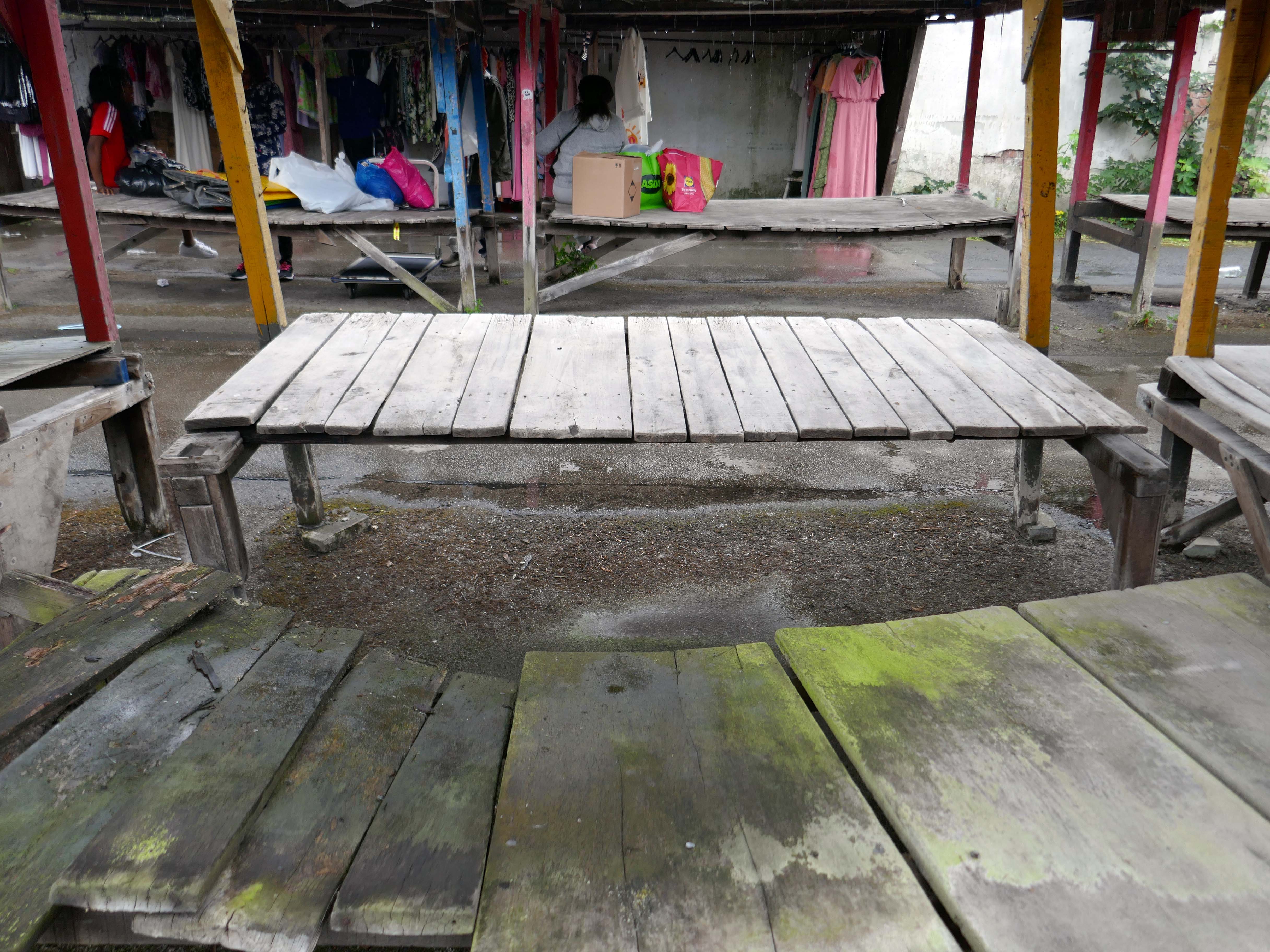
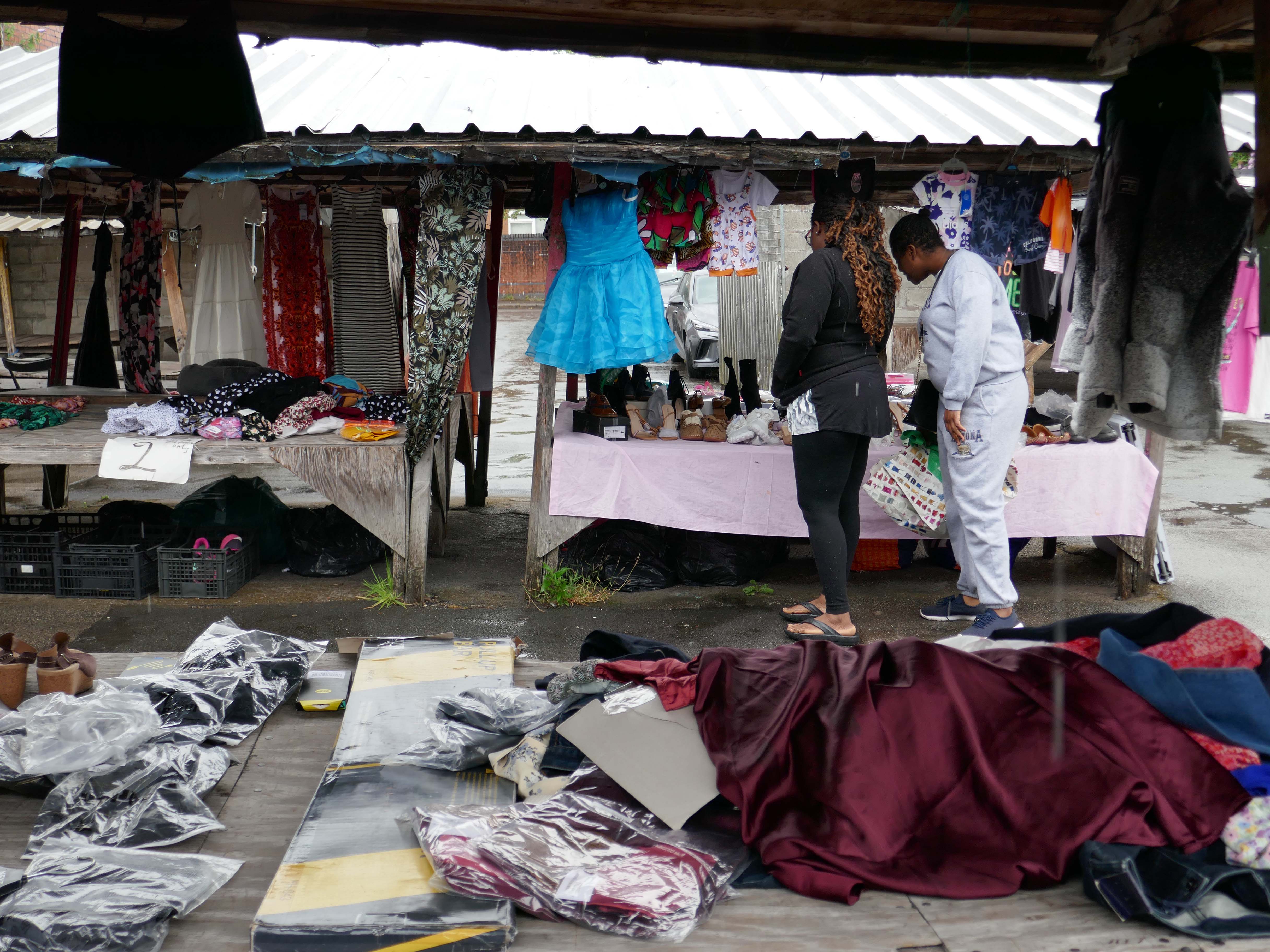
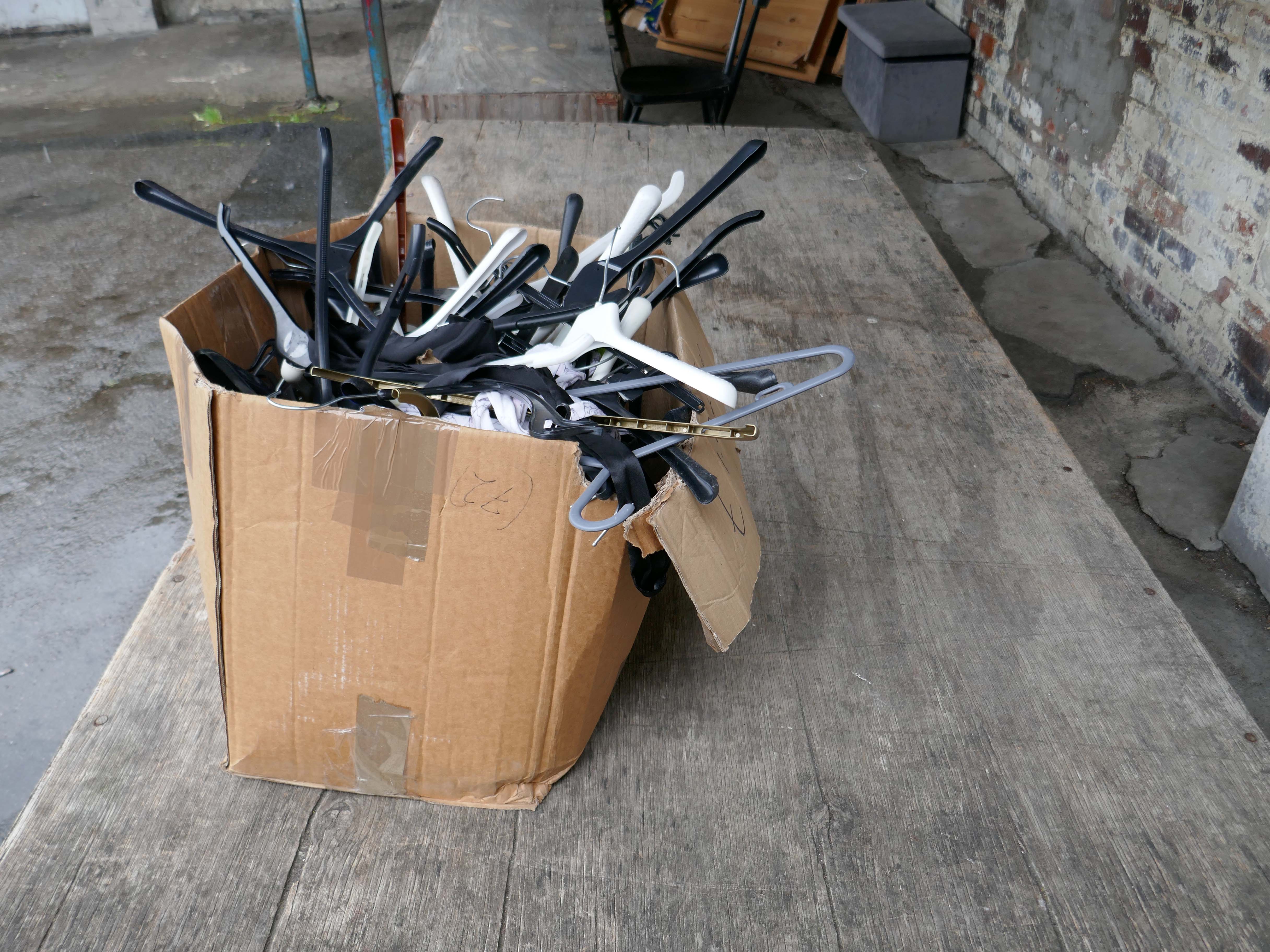
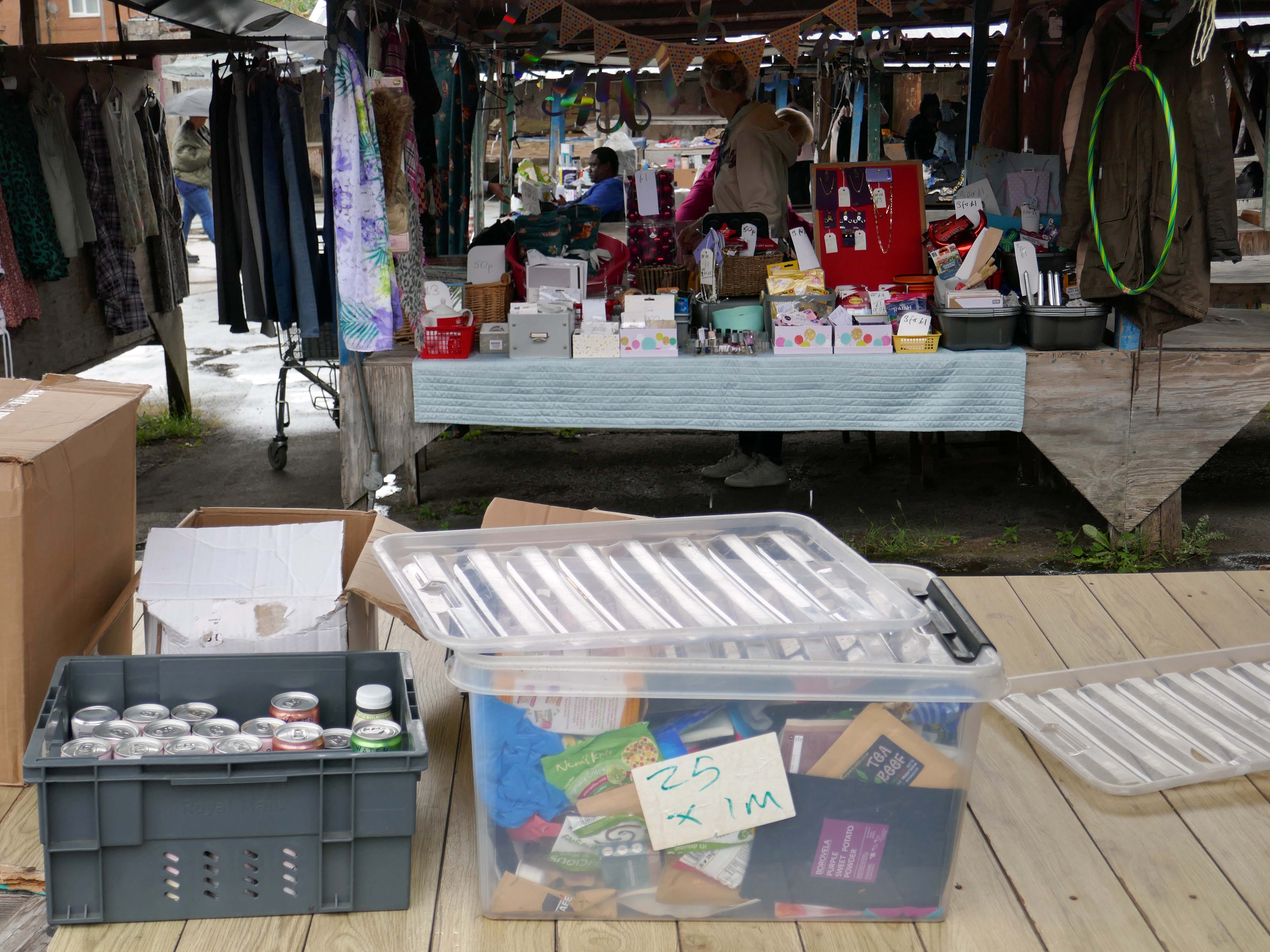
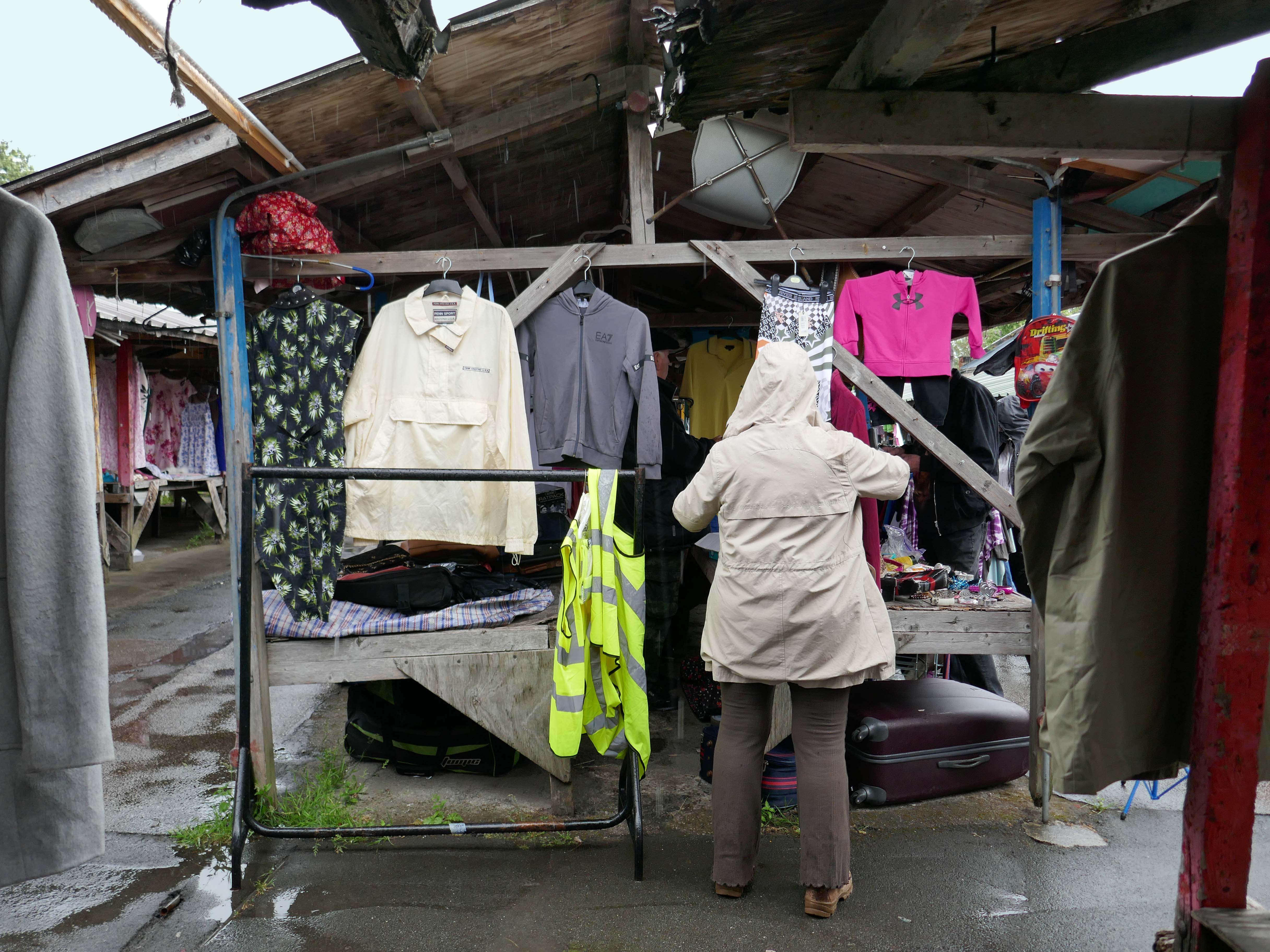
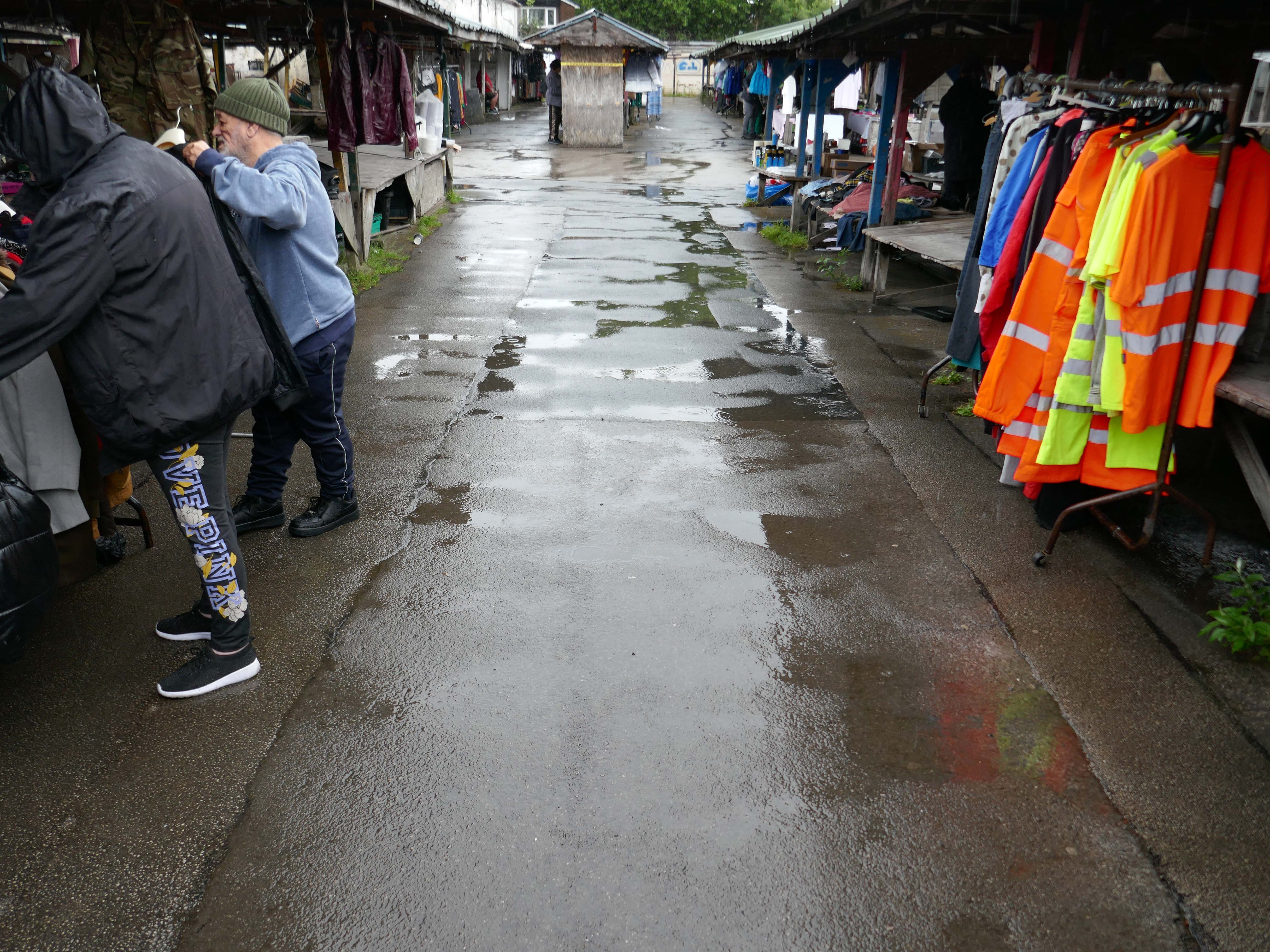
So it goes – a rainy Tuesday, following days of summer sunshine, paddling in puddles, as the drips dripped off the stalls’ sagging roofs, some empty some laden, with this that and the other.
Upright citizens at large in a skewed world, hi vis, low cost goods with nowhere else to go.
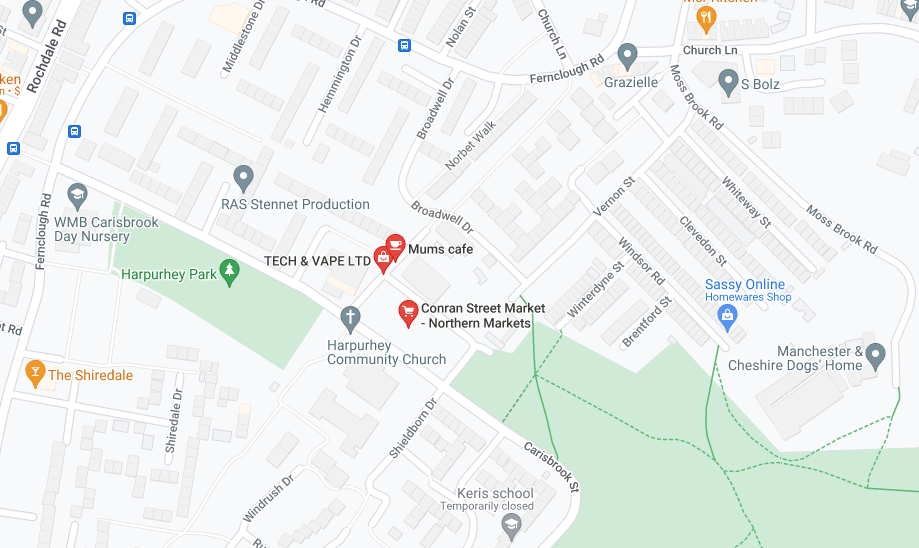
One of the last privately owned markets in the city, is to close on July 19th 2025, after serving the area for over a century.
The family which owns the Harpurhey site has decided to put the acre of land and its existing redbrick buildings up for sale. It will be auctioned off with a guide price of £450,000.
It’s so sad the stall holders, and the community that surrounds the market, have lost their place to go on weekly basis, meeting friends for brew and bacon butty, chats and last minute buys, rummaging around in boxes finding treasures. The previous owner Mike, would have fought tooth and nail to keep this beloved market open, he would be turning in his grave.
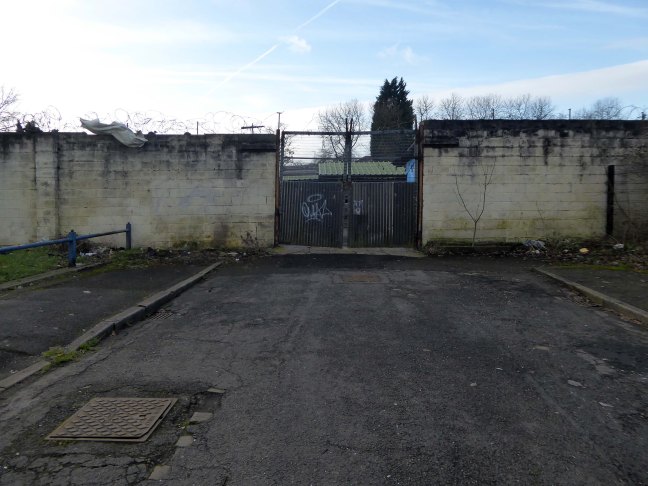
I visited on 30th January 2023 – the gate was open there was nobody home, except the cleaner and me.
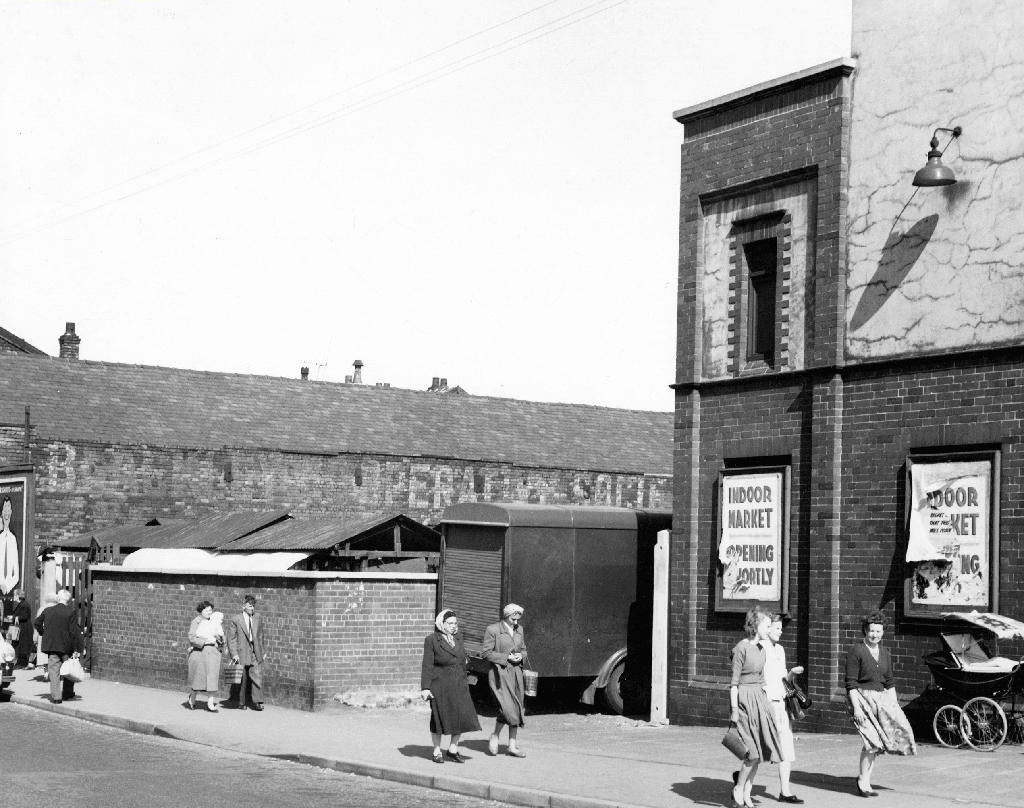
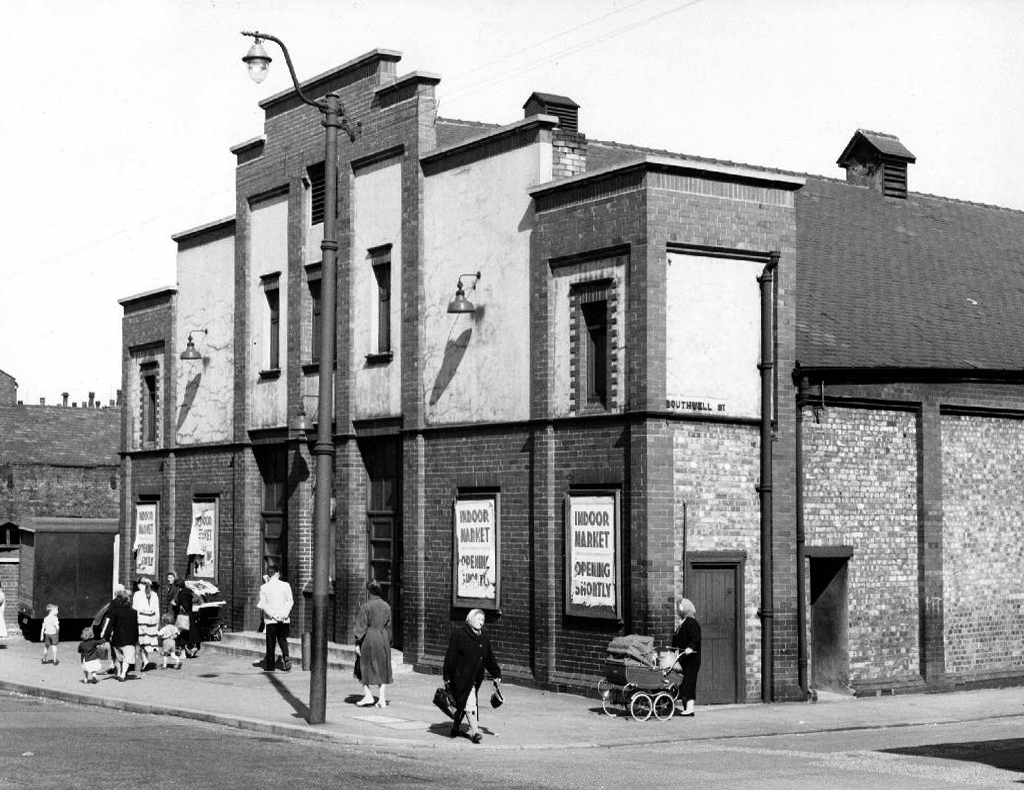
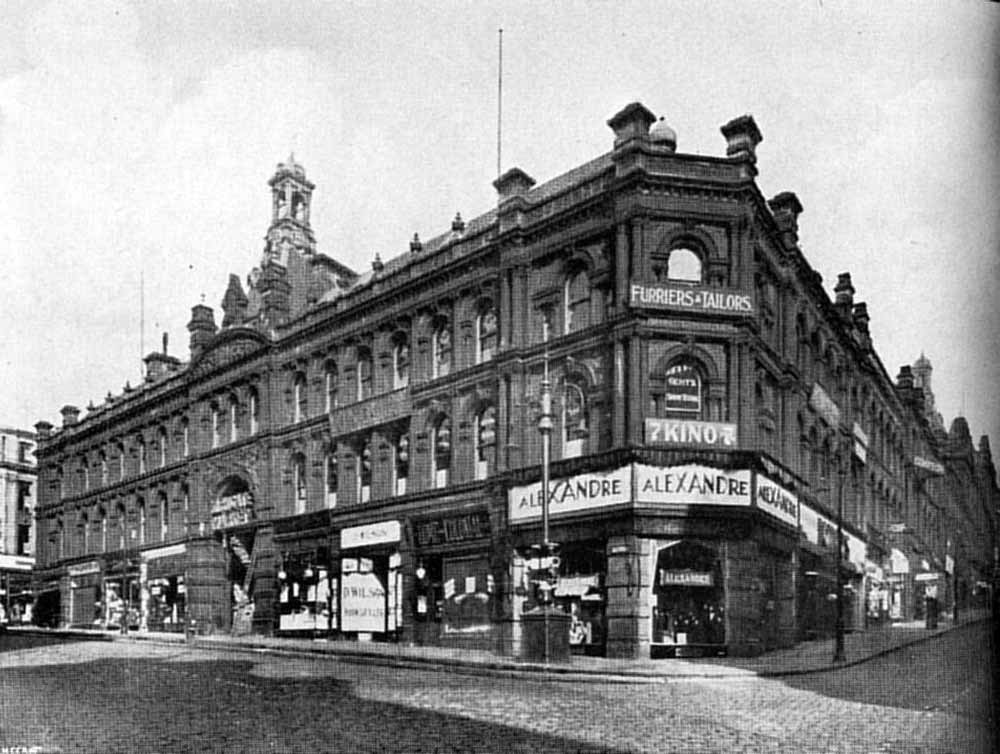
Princess Cinema It is listed in Kinematograph Year Books from 1927 to 1954, but had gone from listings by 1962. It had a Western Electricsound system. The upper part was later removed after a serious fire and the remainder became an indoor market.
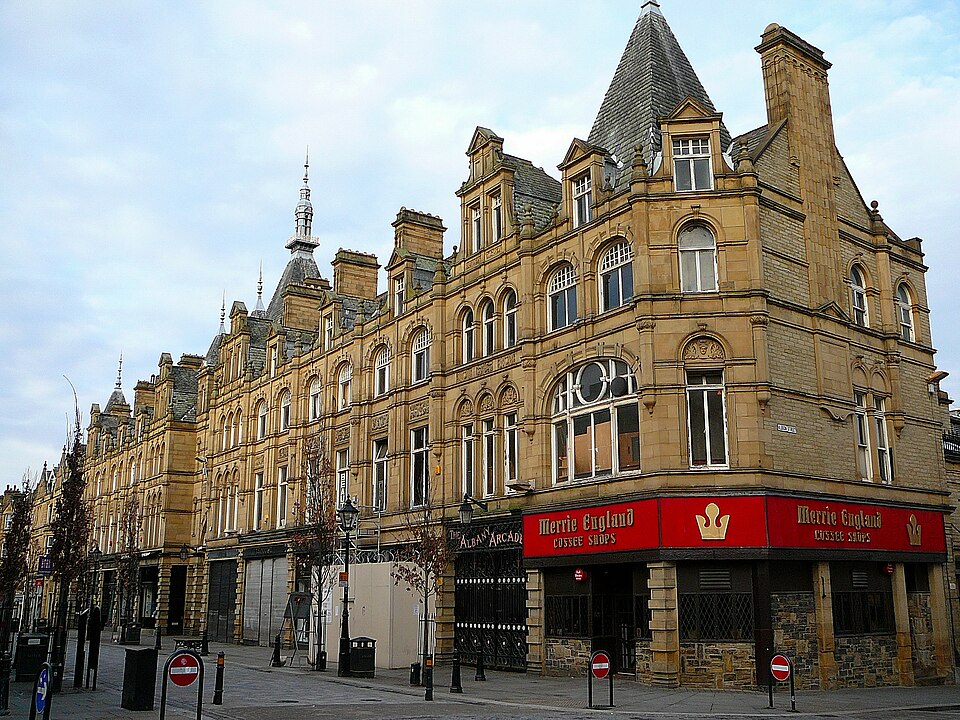
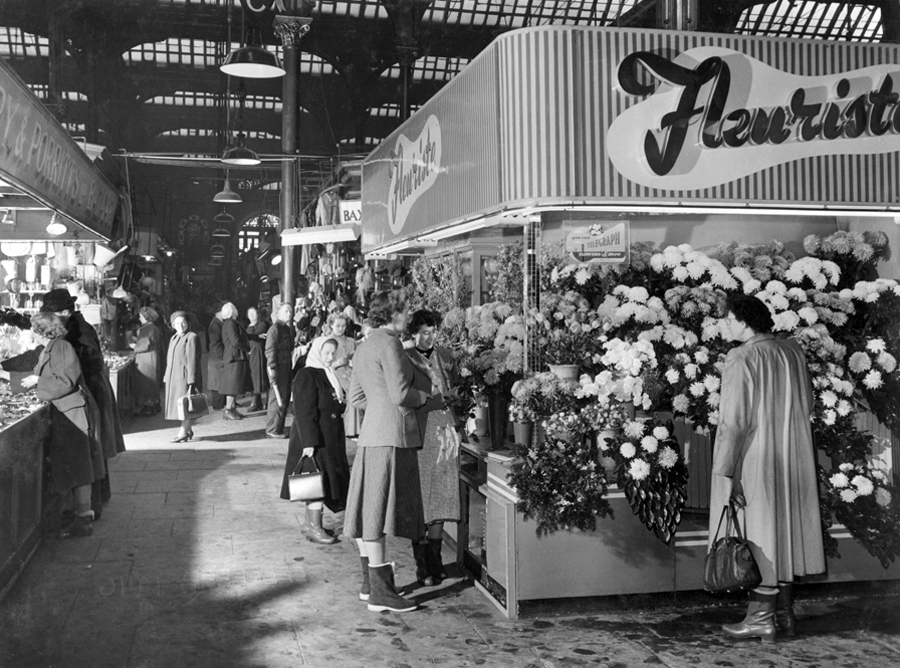
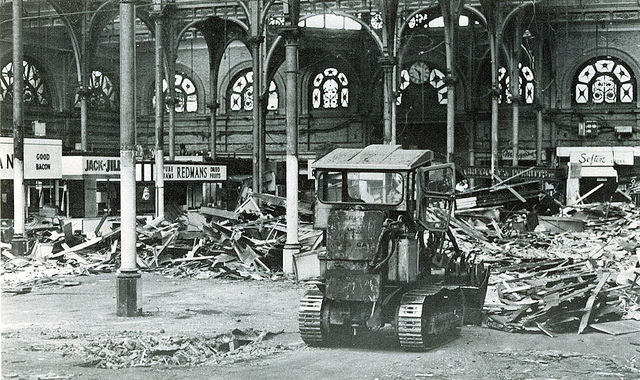
Visiting Halifax Borough Market for the first time feels a bit like taking a step back in time. This award-winning market was first opened in 1896 and has been the beating heart of the town ever since. Its Victorian splendour can be seen throughout – on the ornate clock-tower, in the glass roof and on the intricate carvings. Décor and atmosphere combine to create a shopping experience that just cannot be matched.
Calderdale Gov
The Markets and Fairs Committee decided in 1890 to replace the overflowing market place with a new structure. Local architects Joseph and John Leeming were engaged to draw up plans. A £50,000 loan was obtained by the Corporation the following year, with the final cost rising to £130,000, which was £20,000 over budget. Work began in October 1892 and progressed slowly, until the market was officially opened on 25 July 1896 by the Duke and Duchess of York, who later became King George V and Queen Mary.
The life of the market along with the high street faces an uncertain future, the local authority are doing their best to ensure that both have a future.
Through UK Government funding, we’re updating this iconic Victorian market. We’re creating a warmer and more welcoming place for people to shop, eat, drink and spend time.
I have very fond memories of shopping with my mam on Ashton Market, and use my local market here in Stockport. I love the conviviality and the stimulating visual displays, the overcrowded abundance, a florid cornucopia of goods and services.
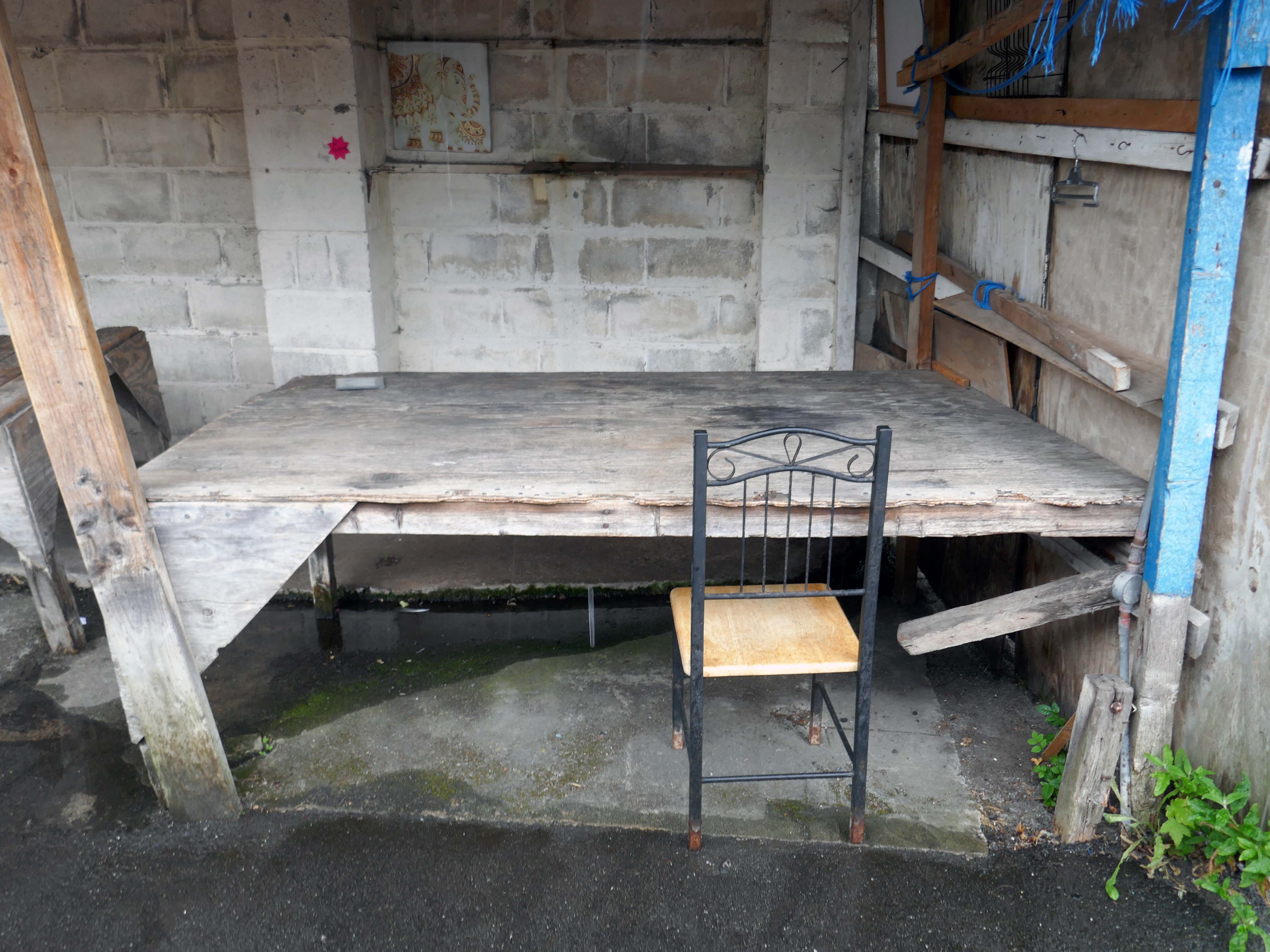
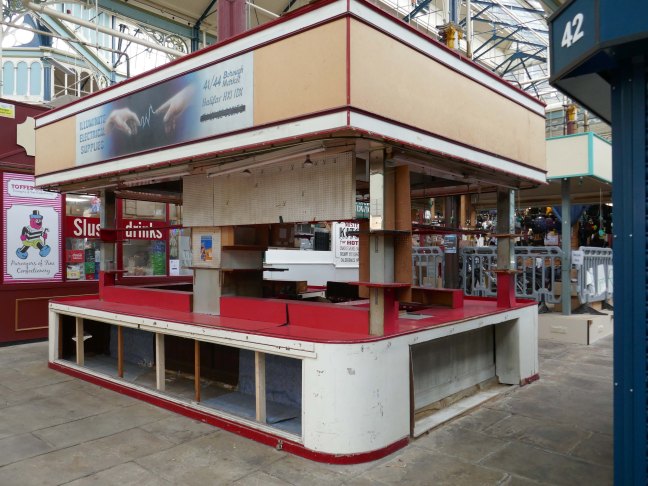
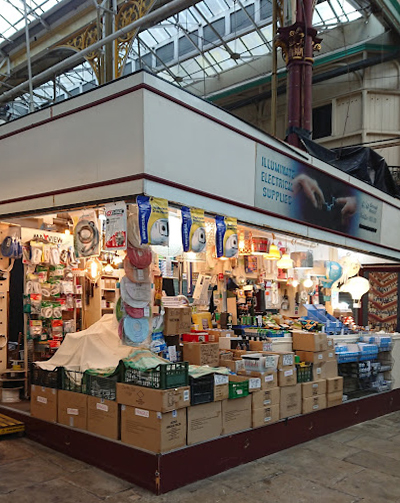
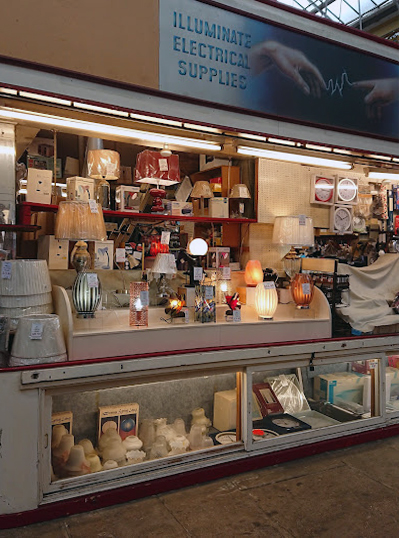
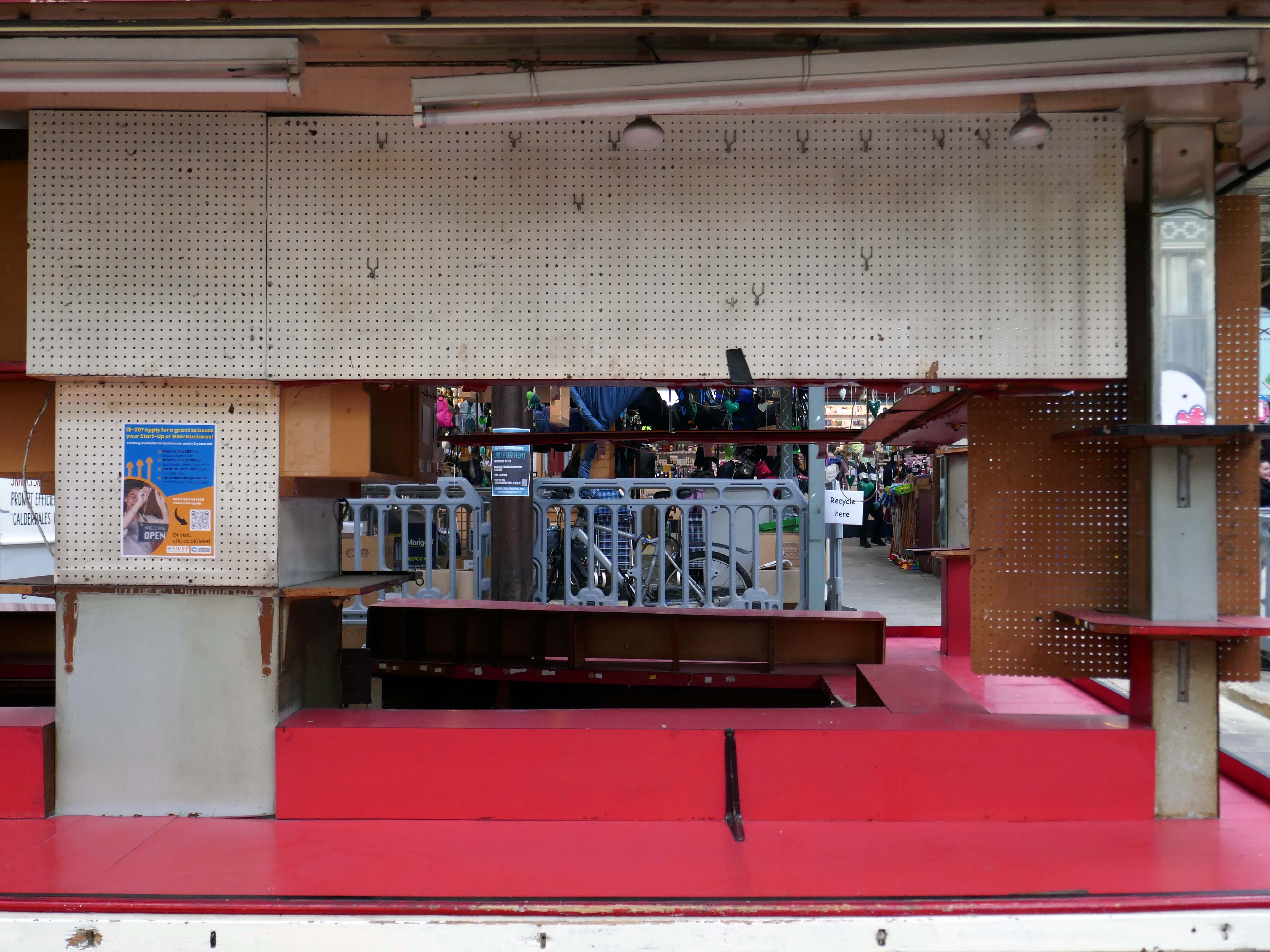
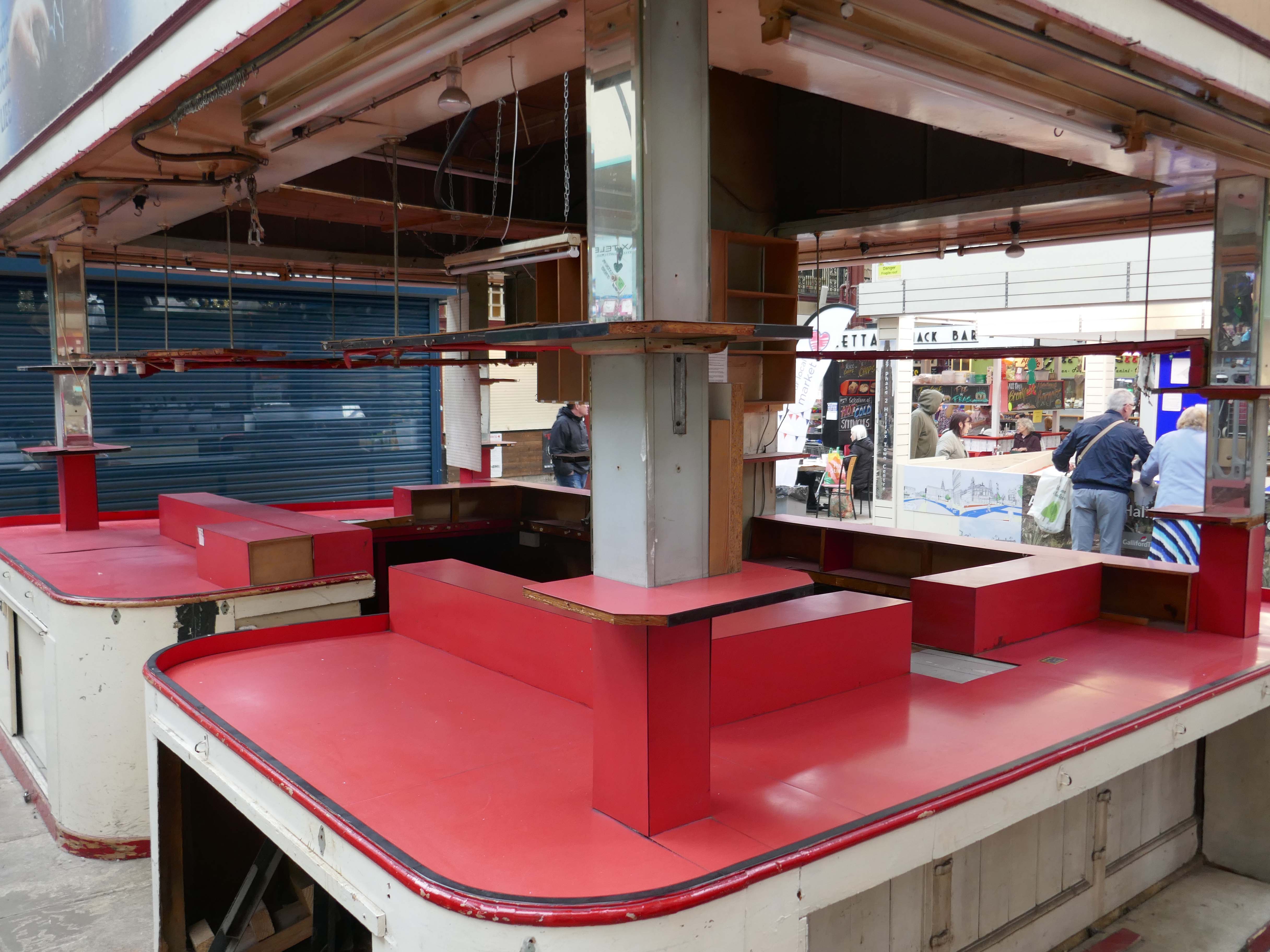
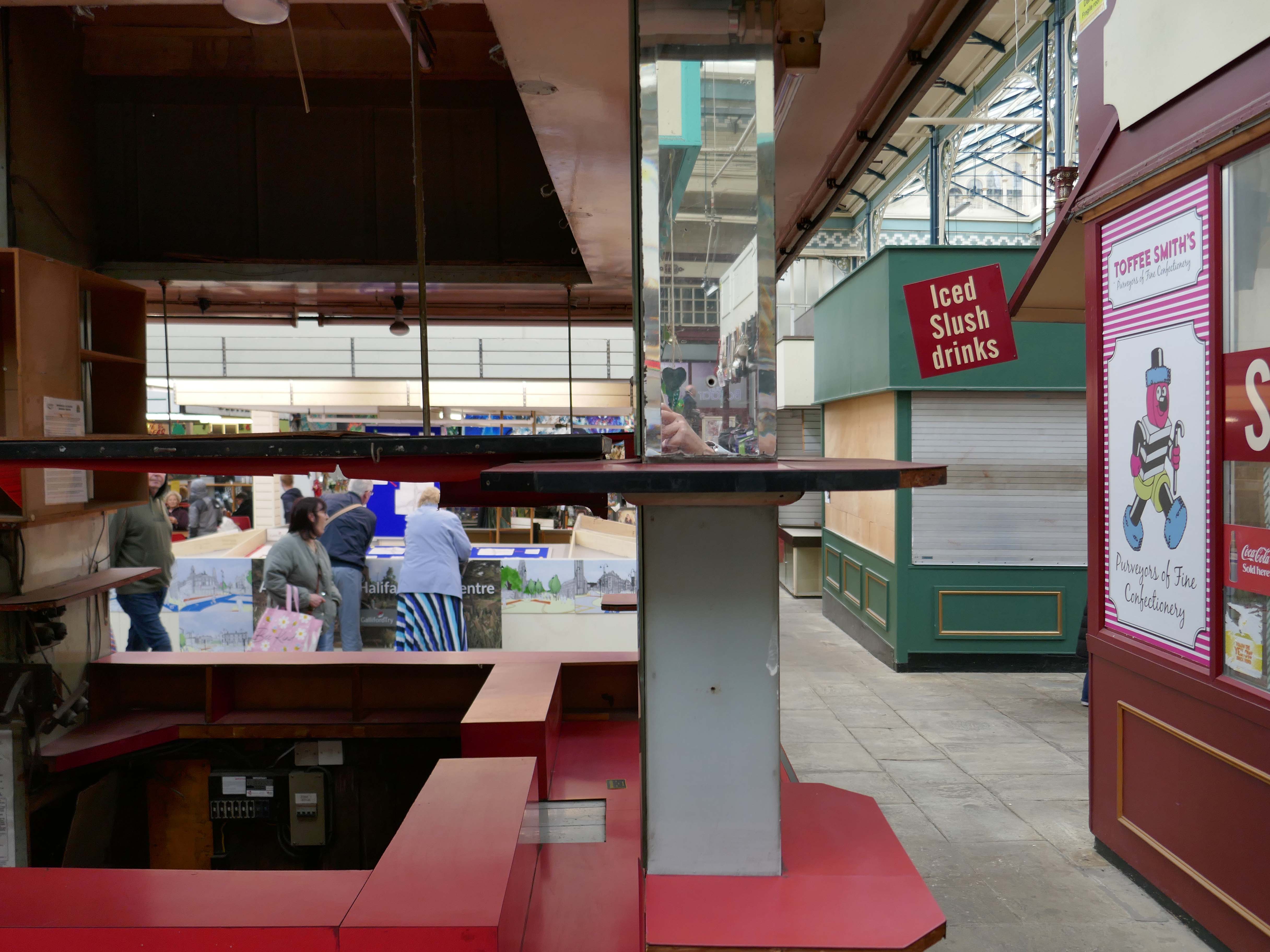
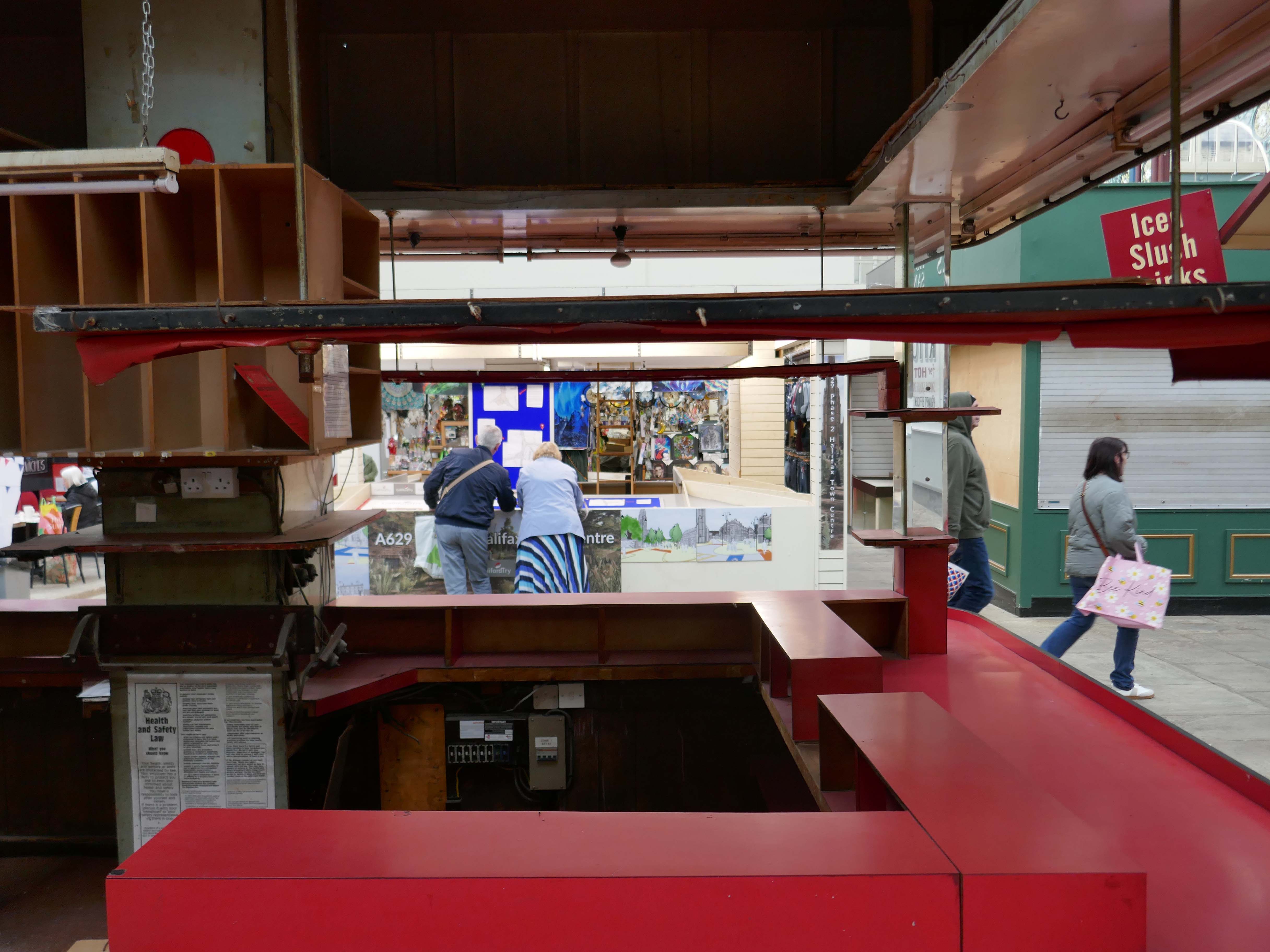
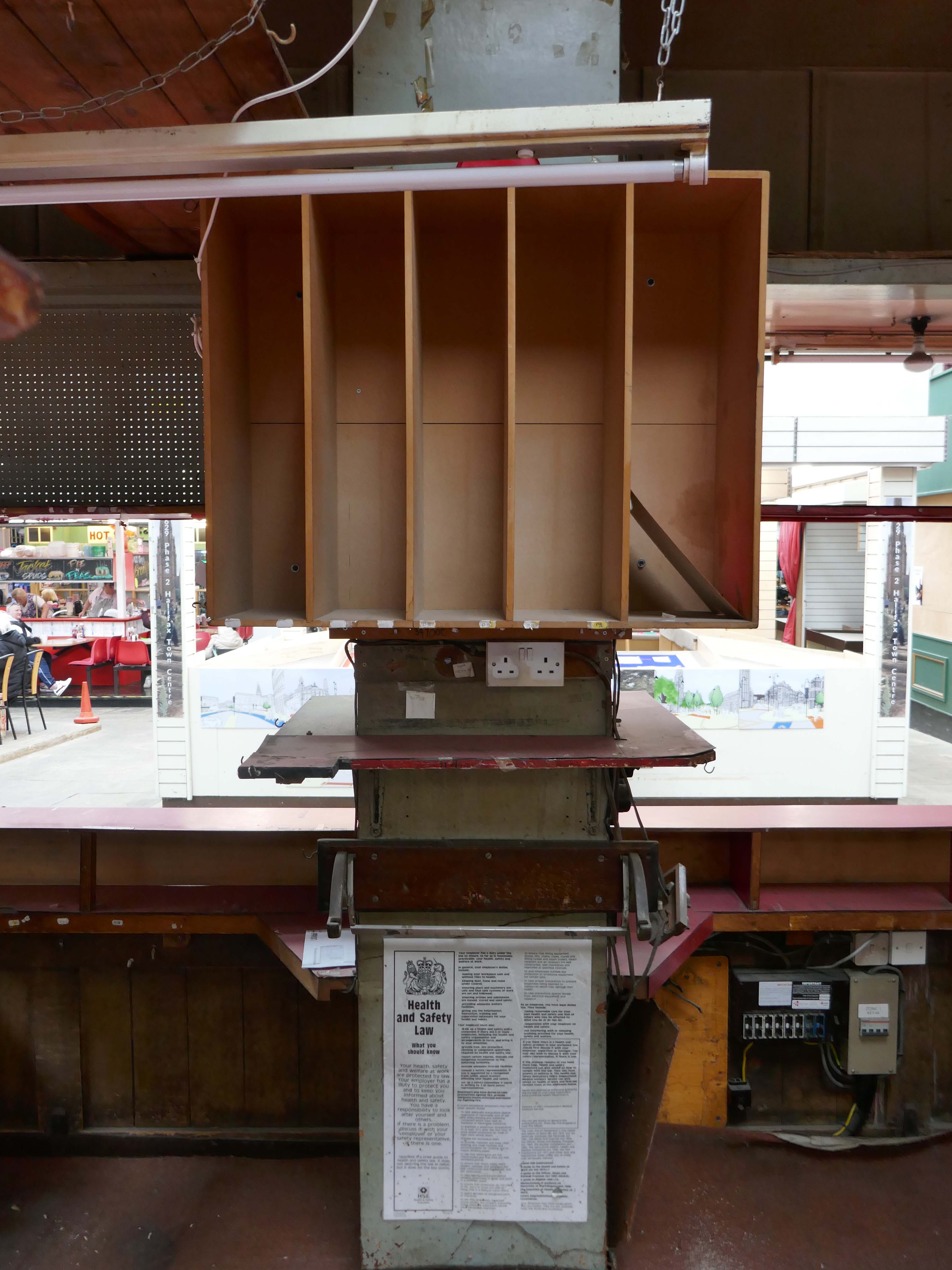
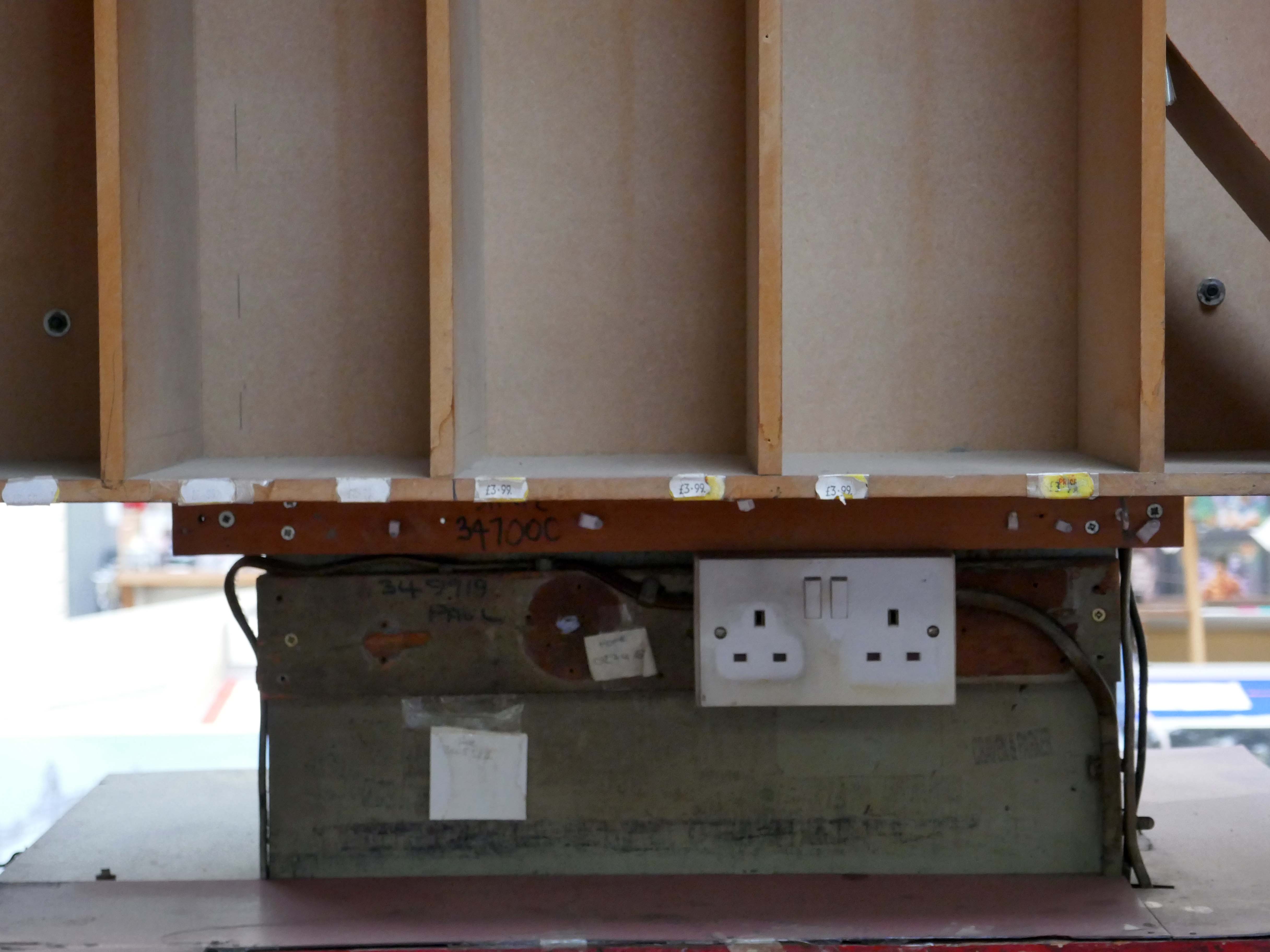
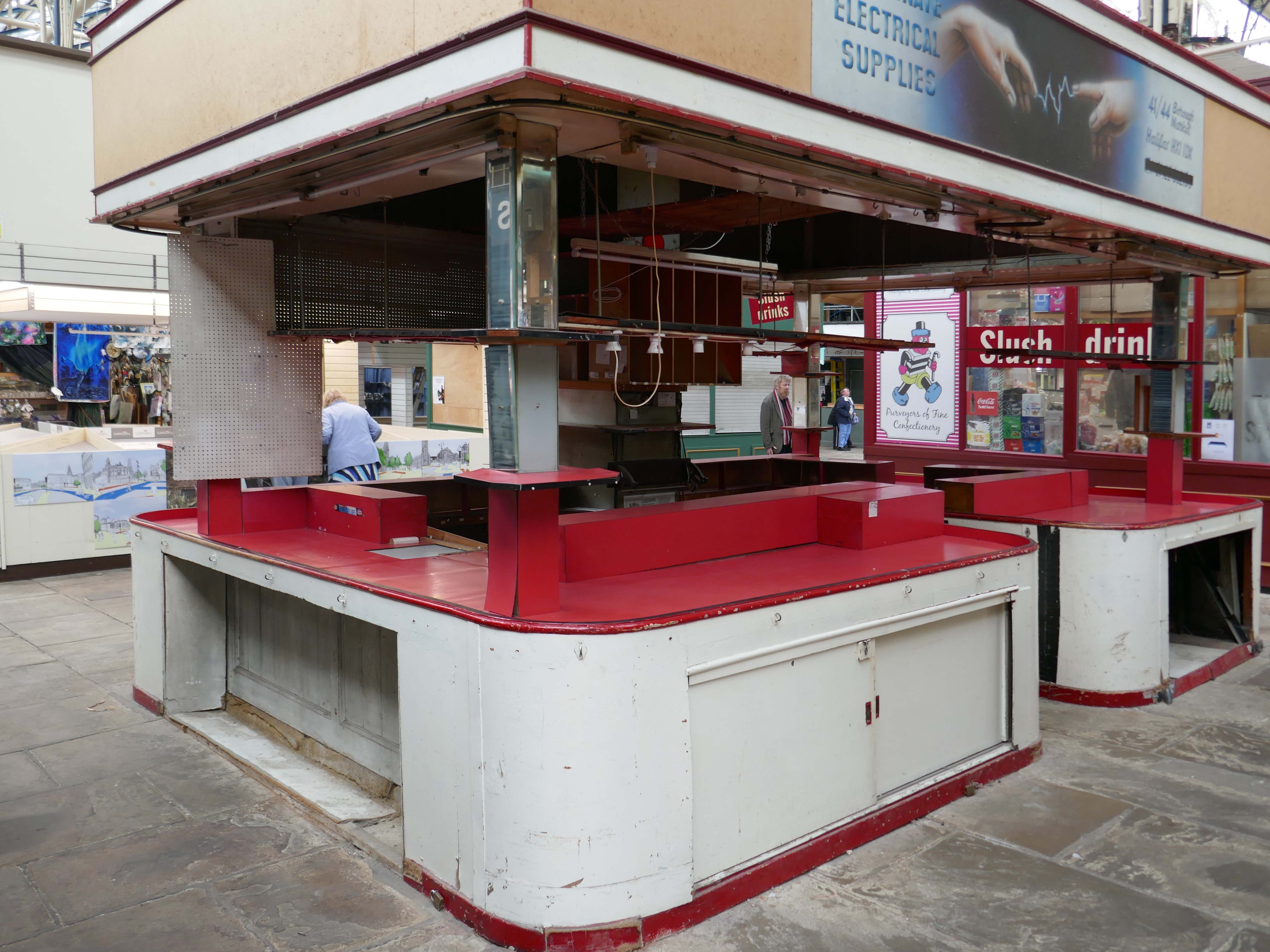
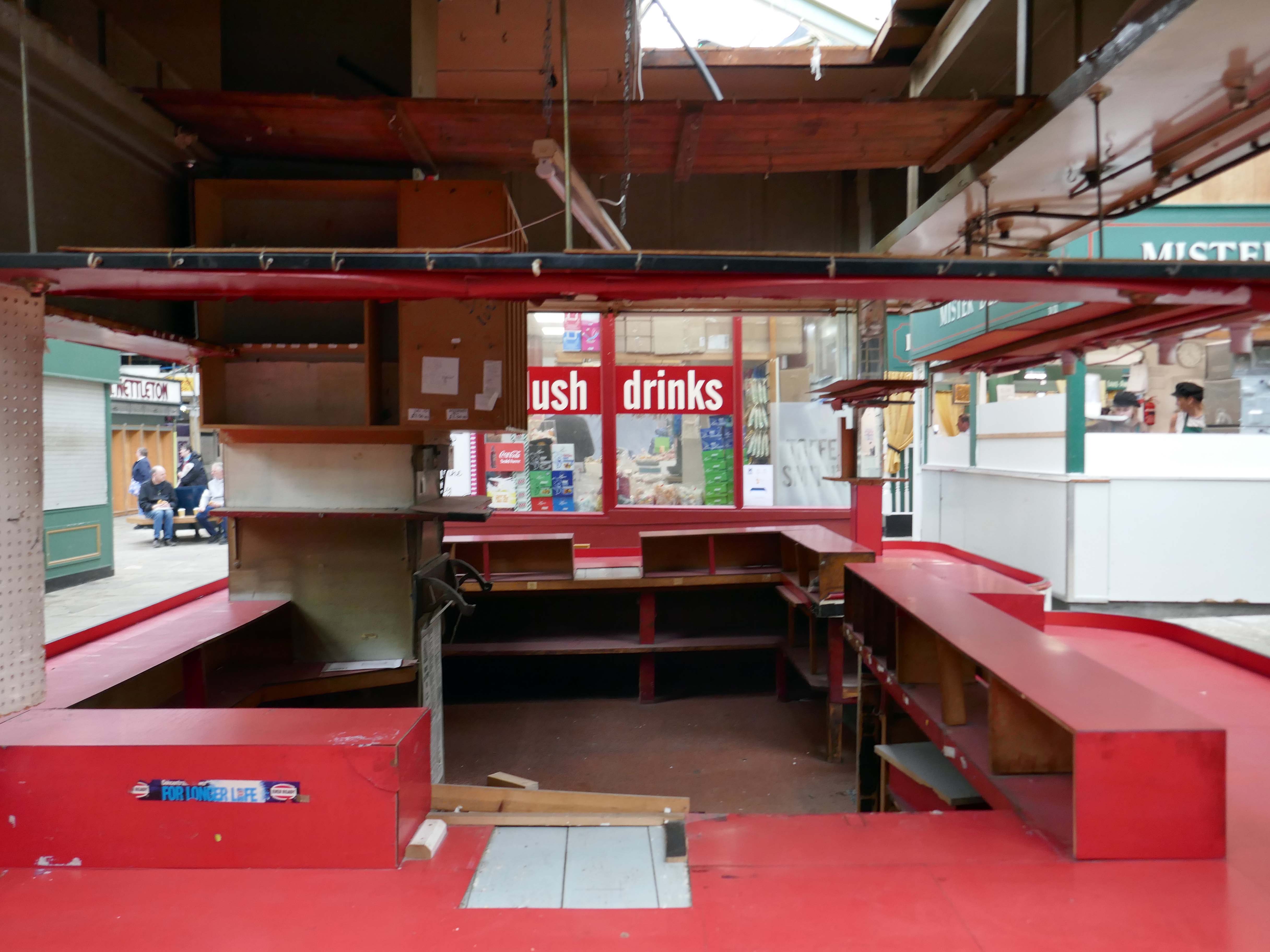
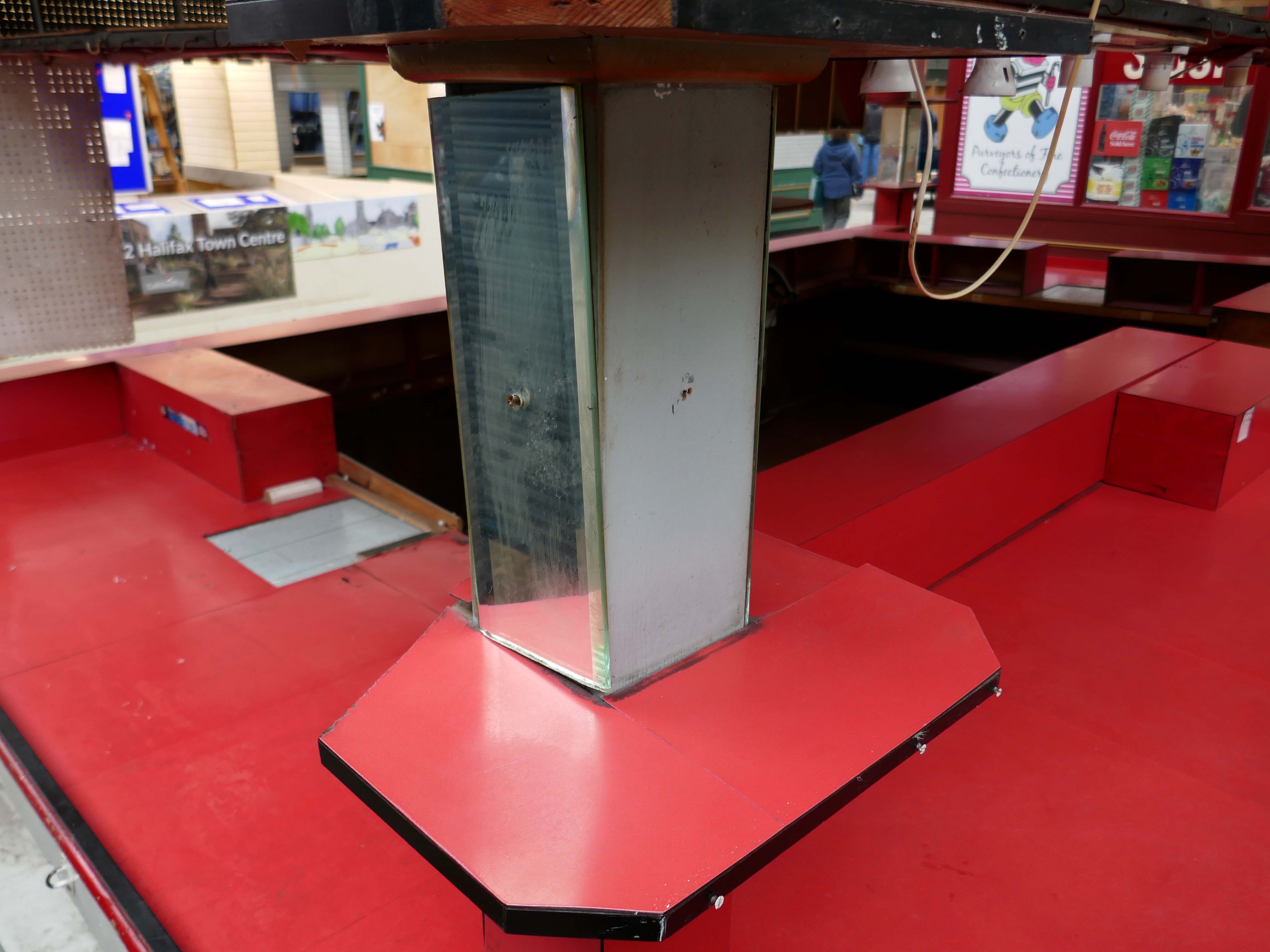
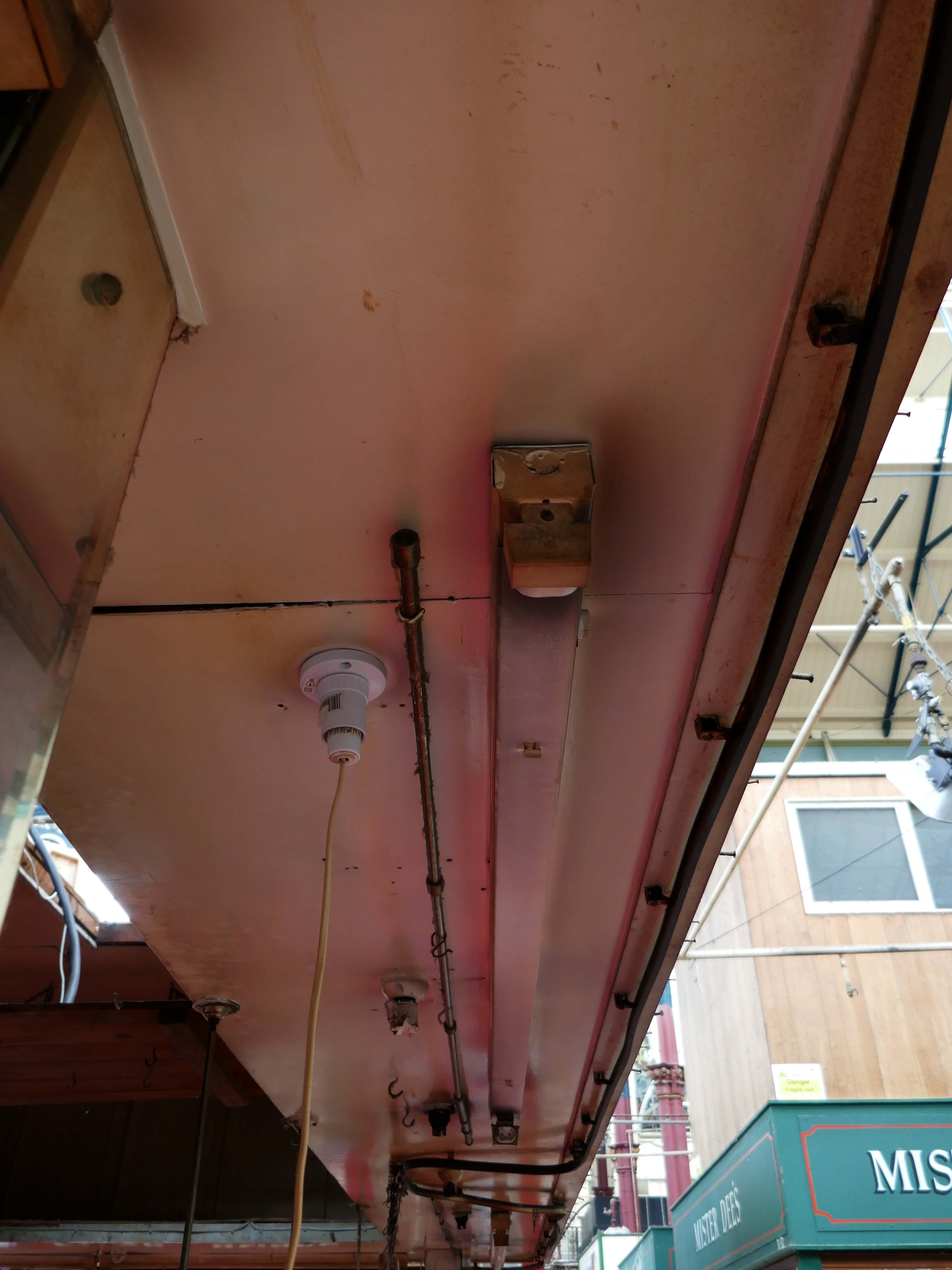
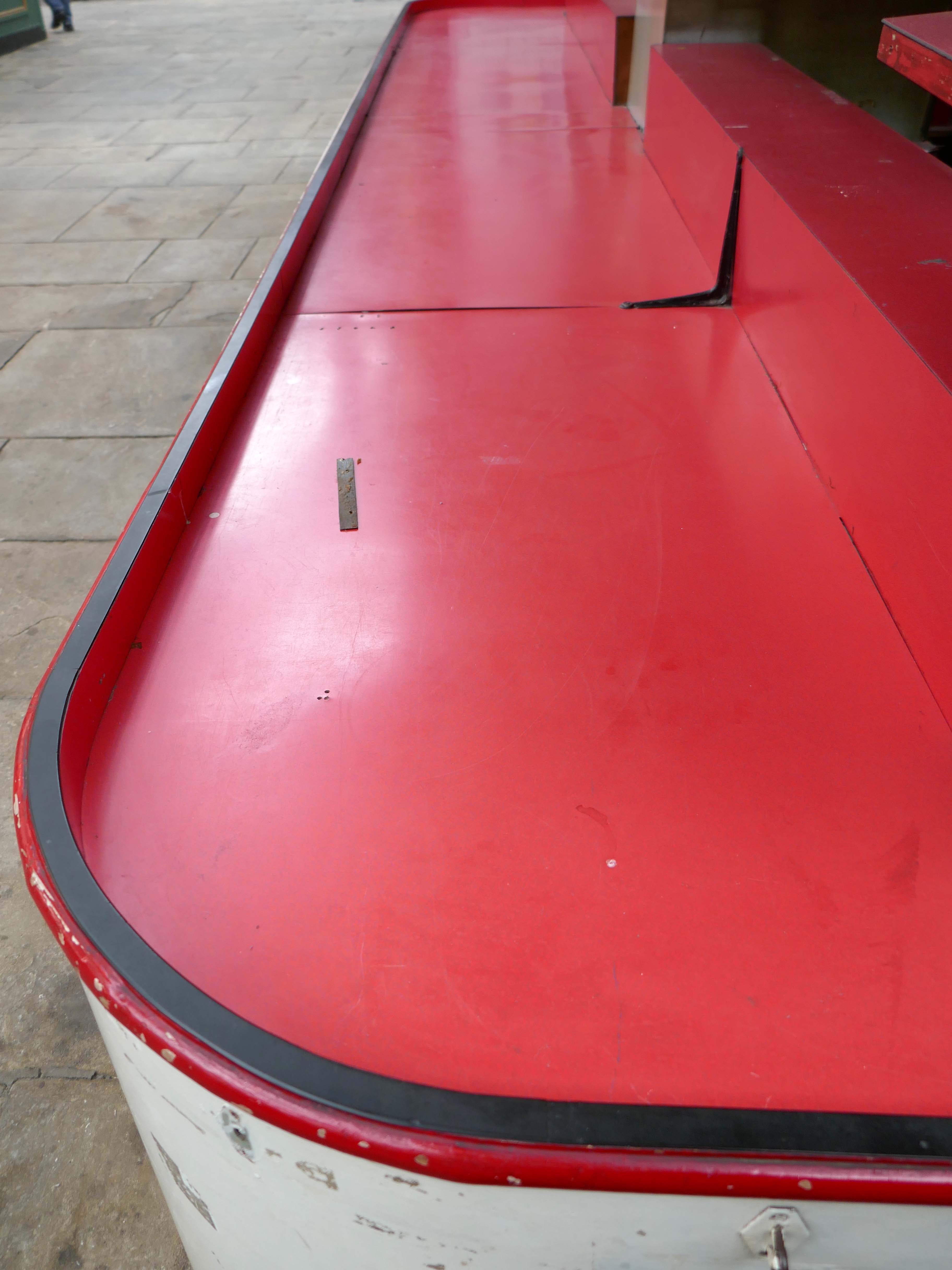
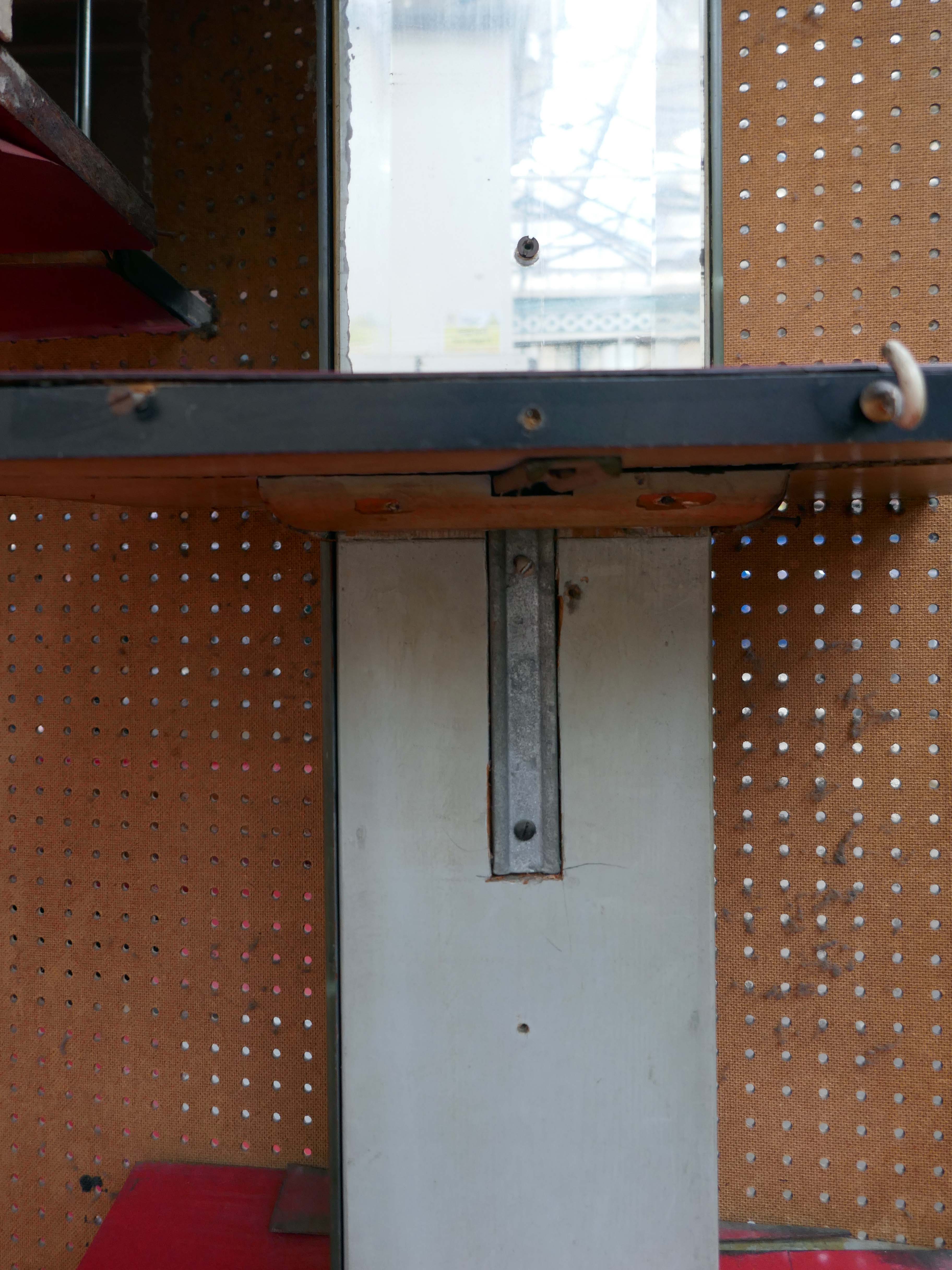
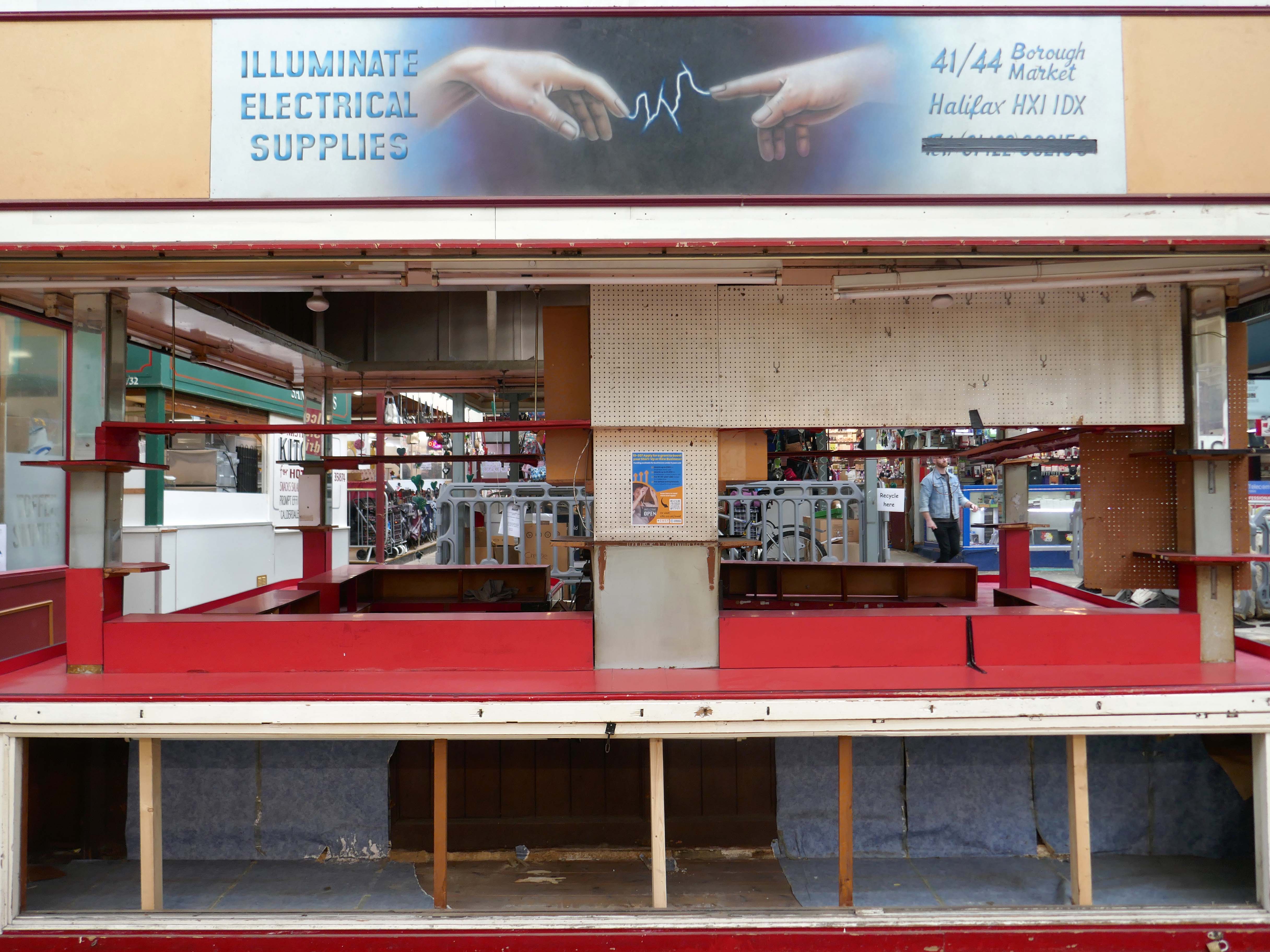
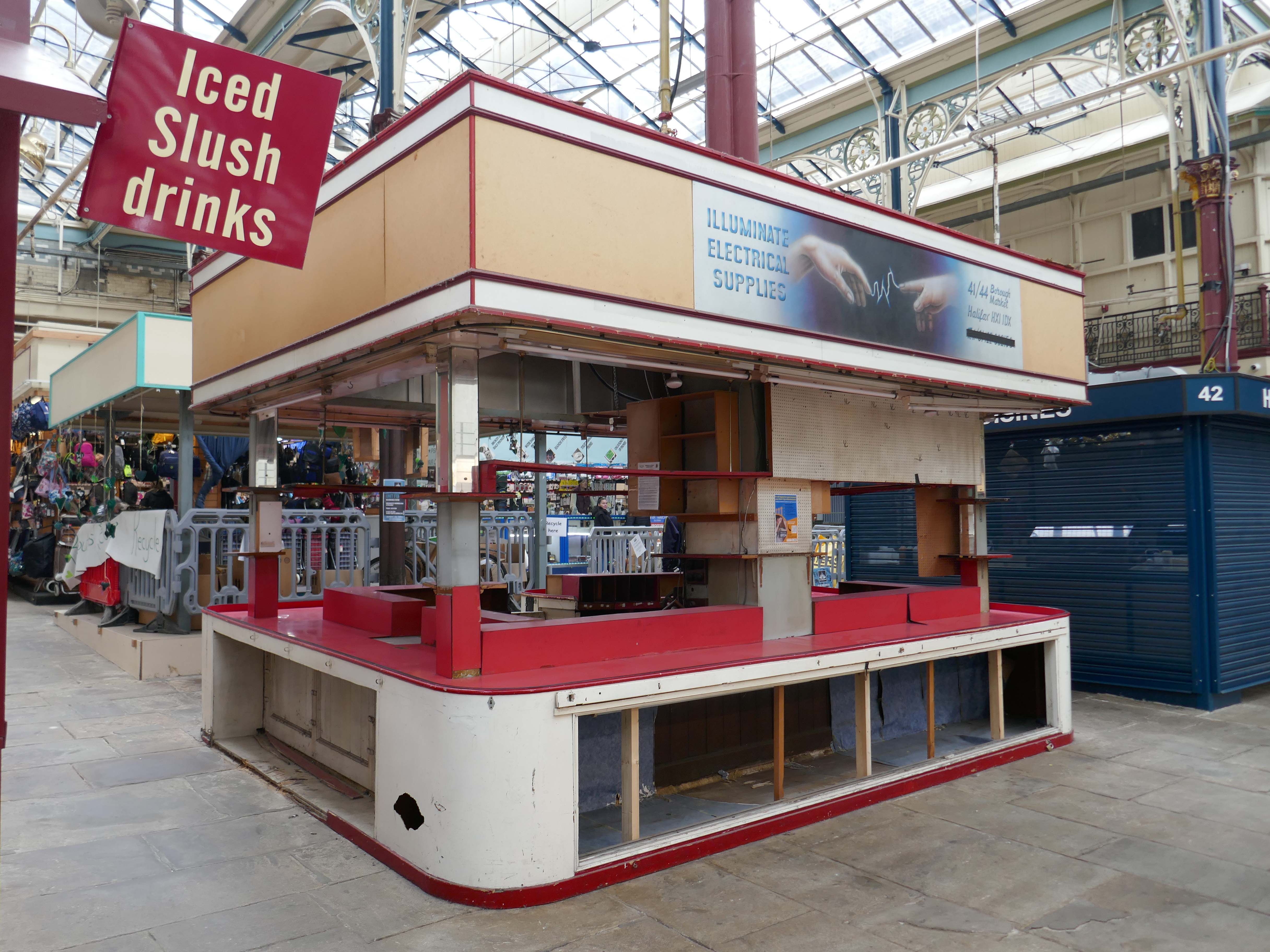
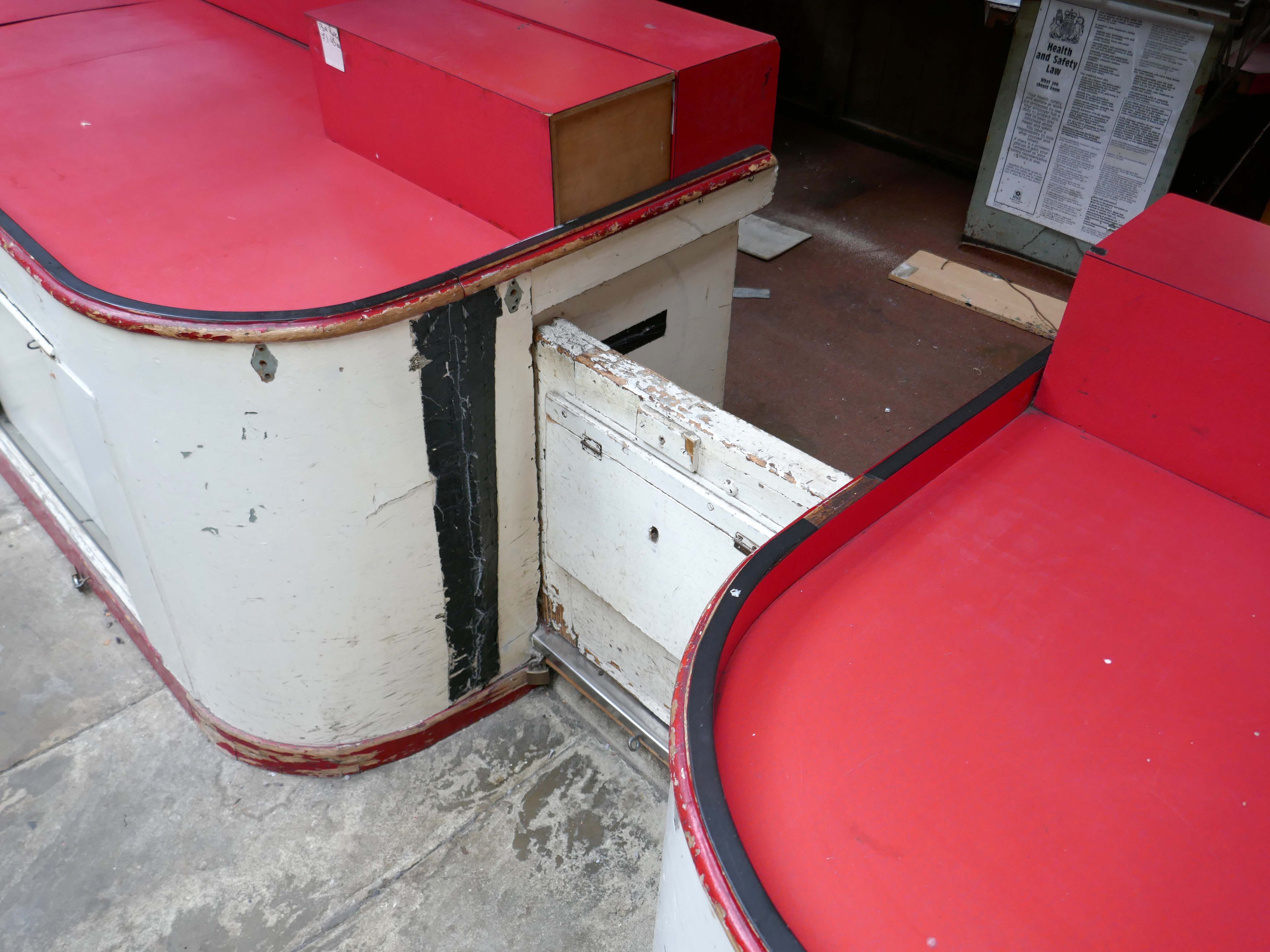
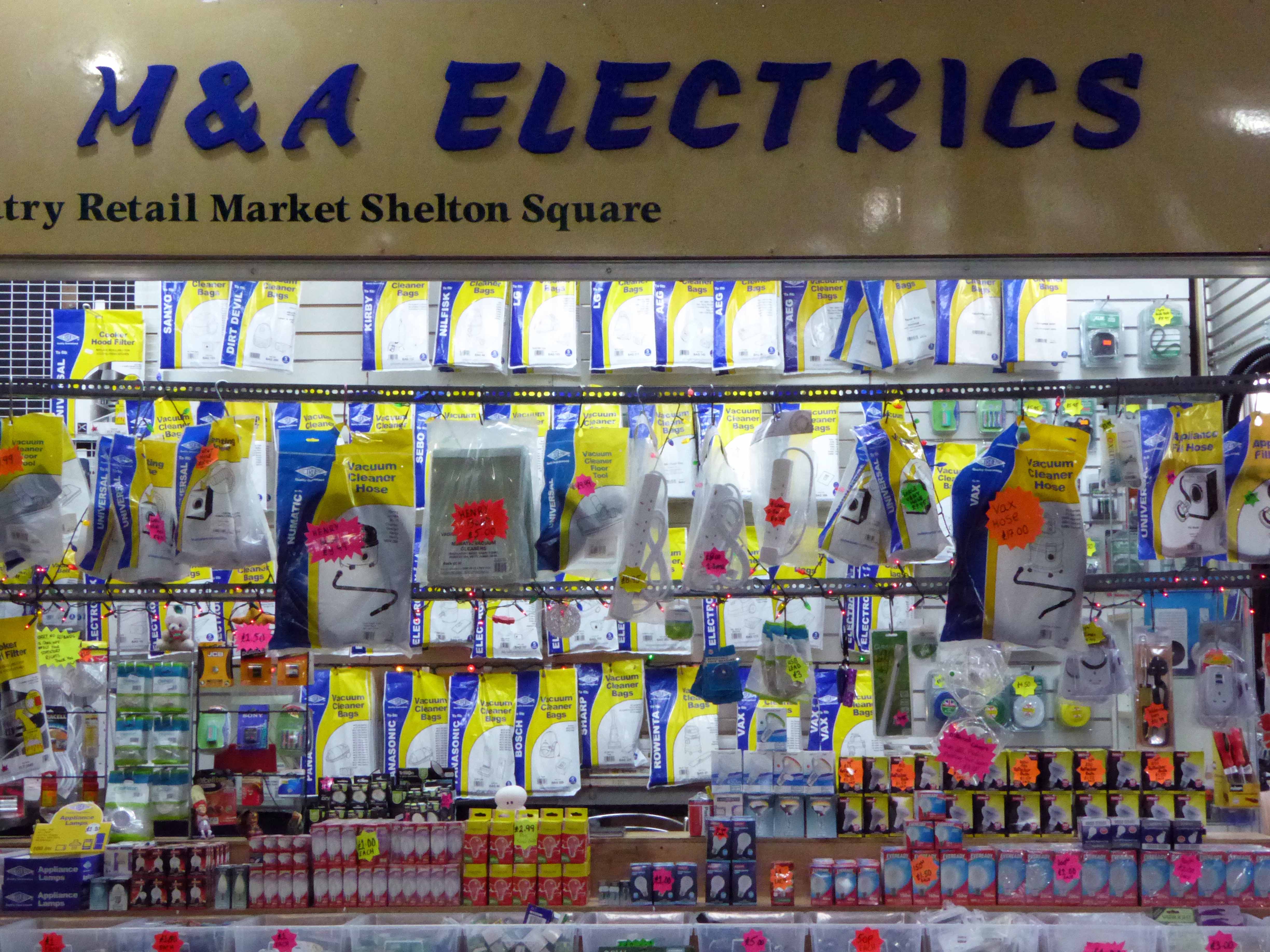
However, in this instance I was beguiled by an empty stall, the former home of Illuminate Electrical Supplies.
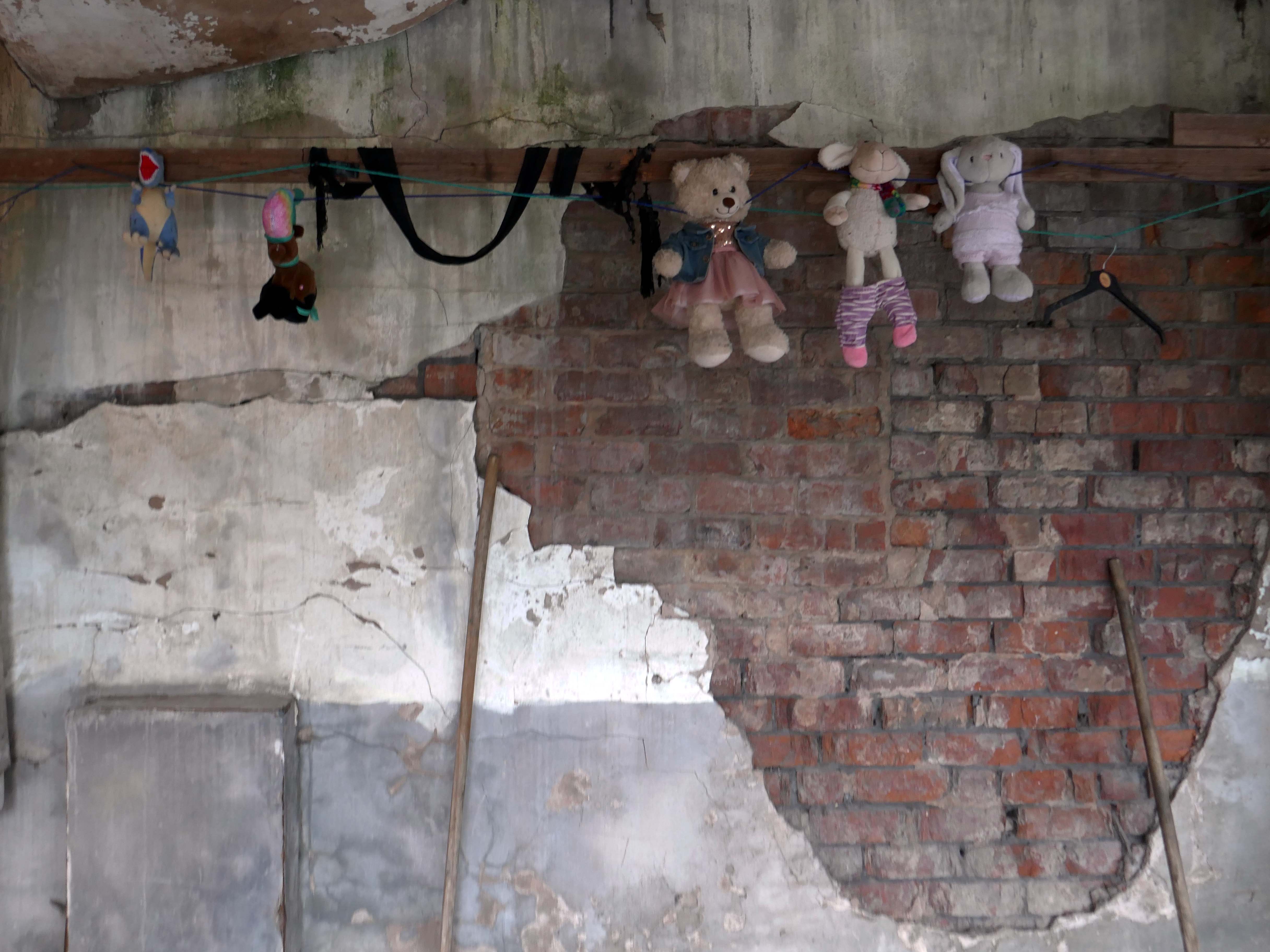
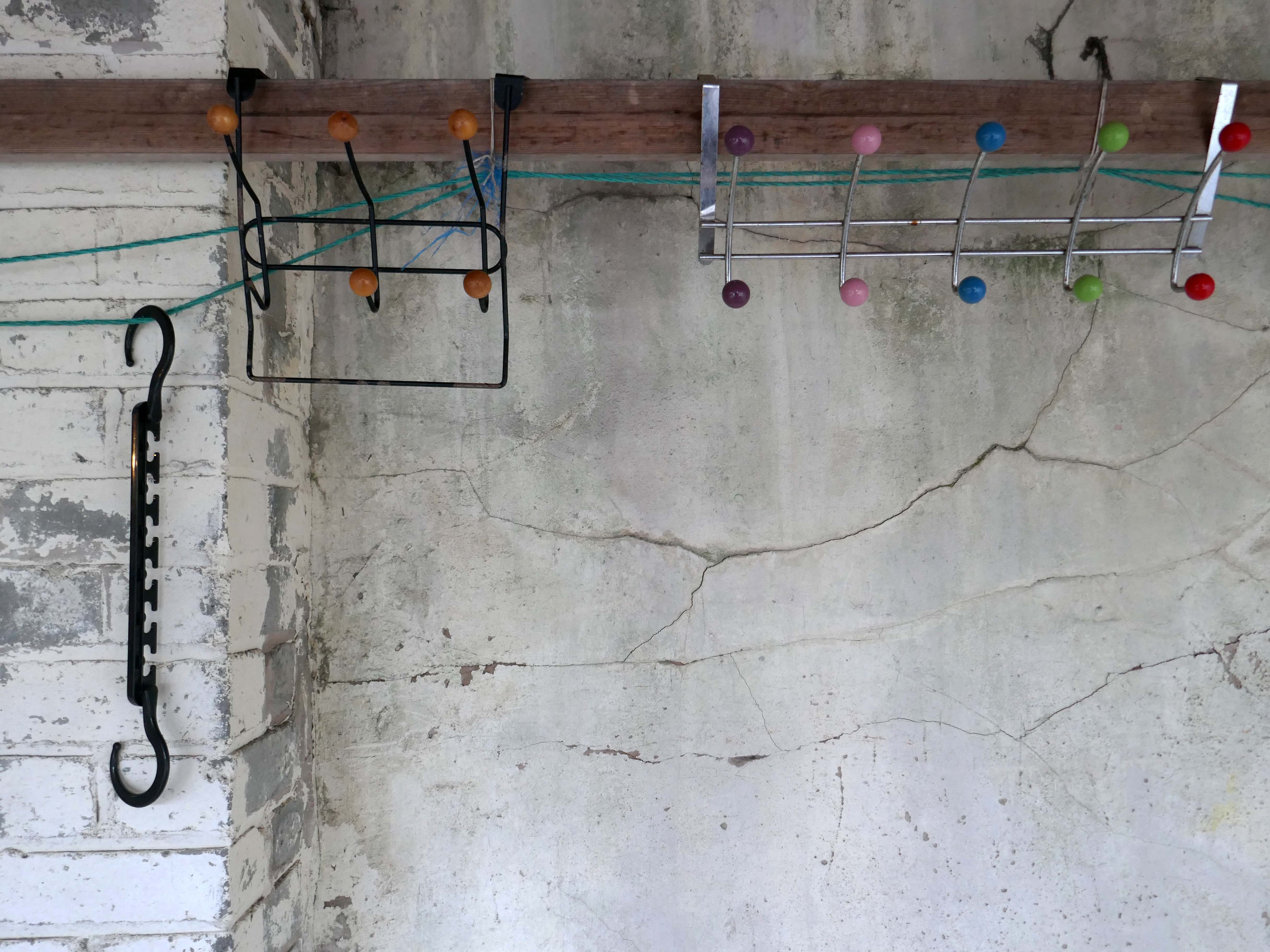
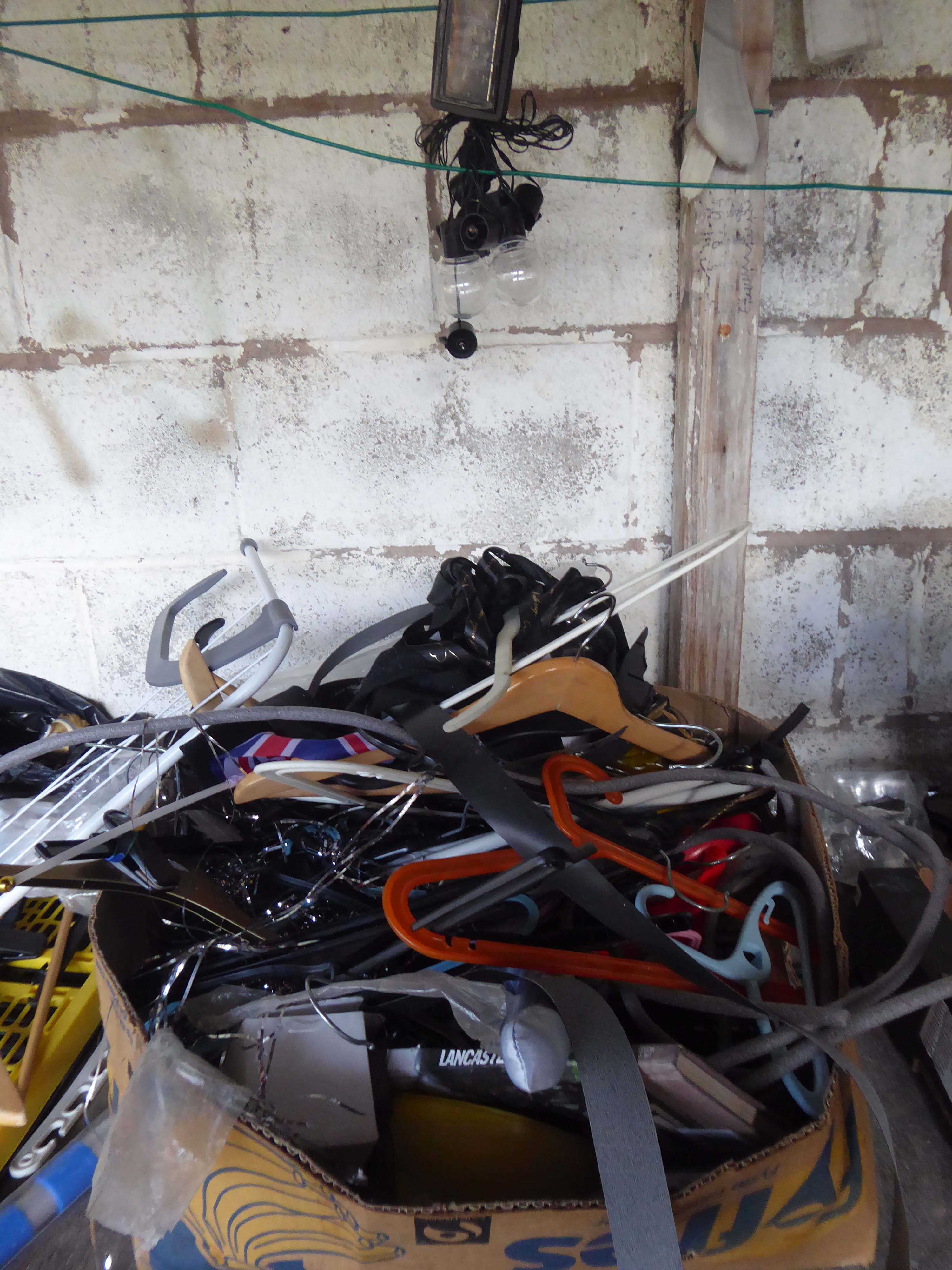
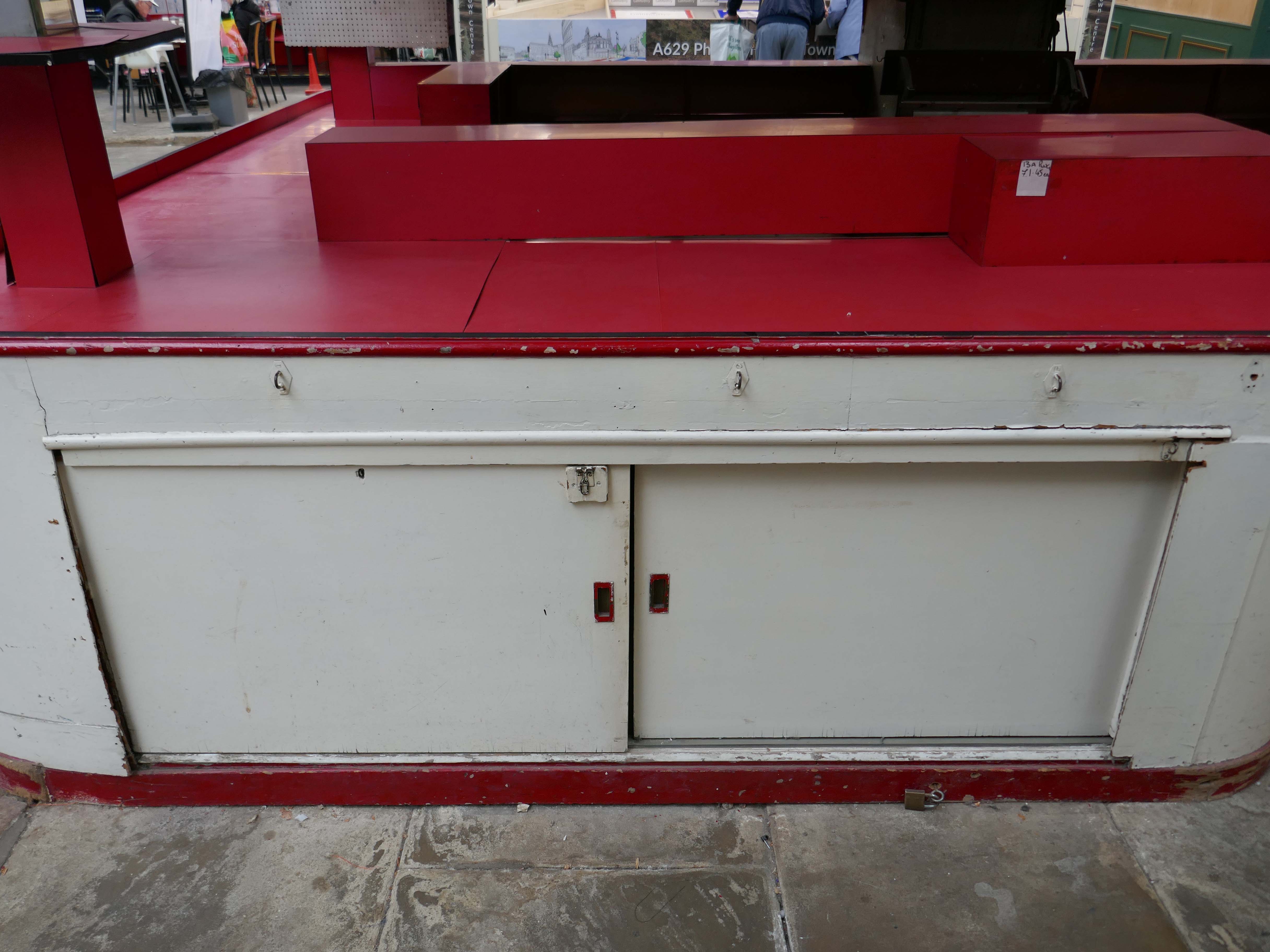
Gone now are the rich variety of shades, plugs, flexes, batteries and lamps, what remains are the bare bones of making do.
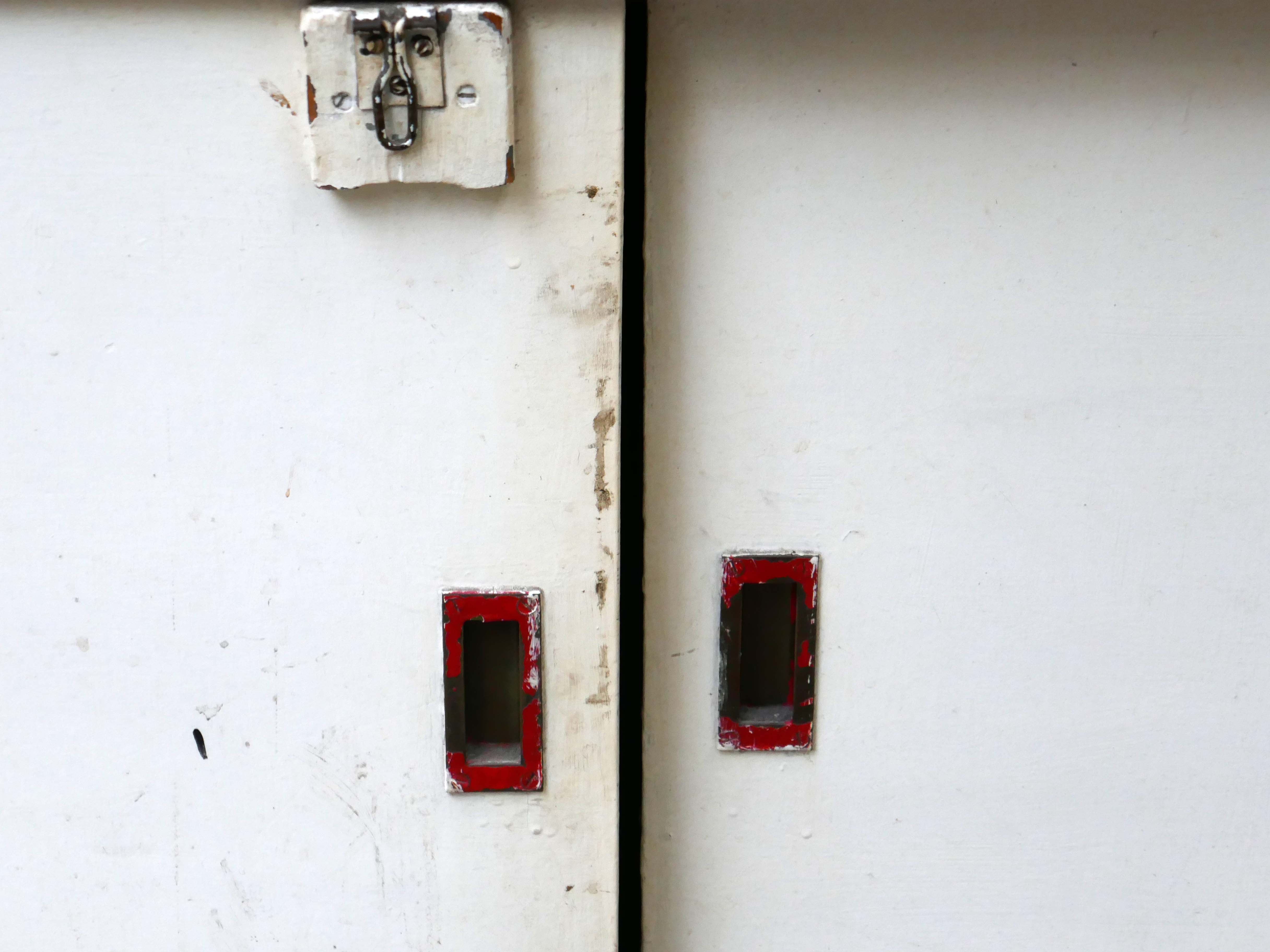
Odds and ends, fixtures and fittings, fitted in as and when.
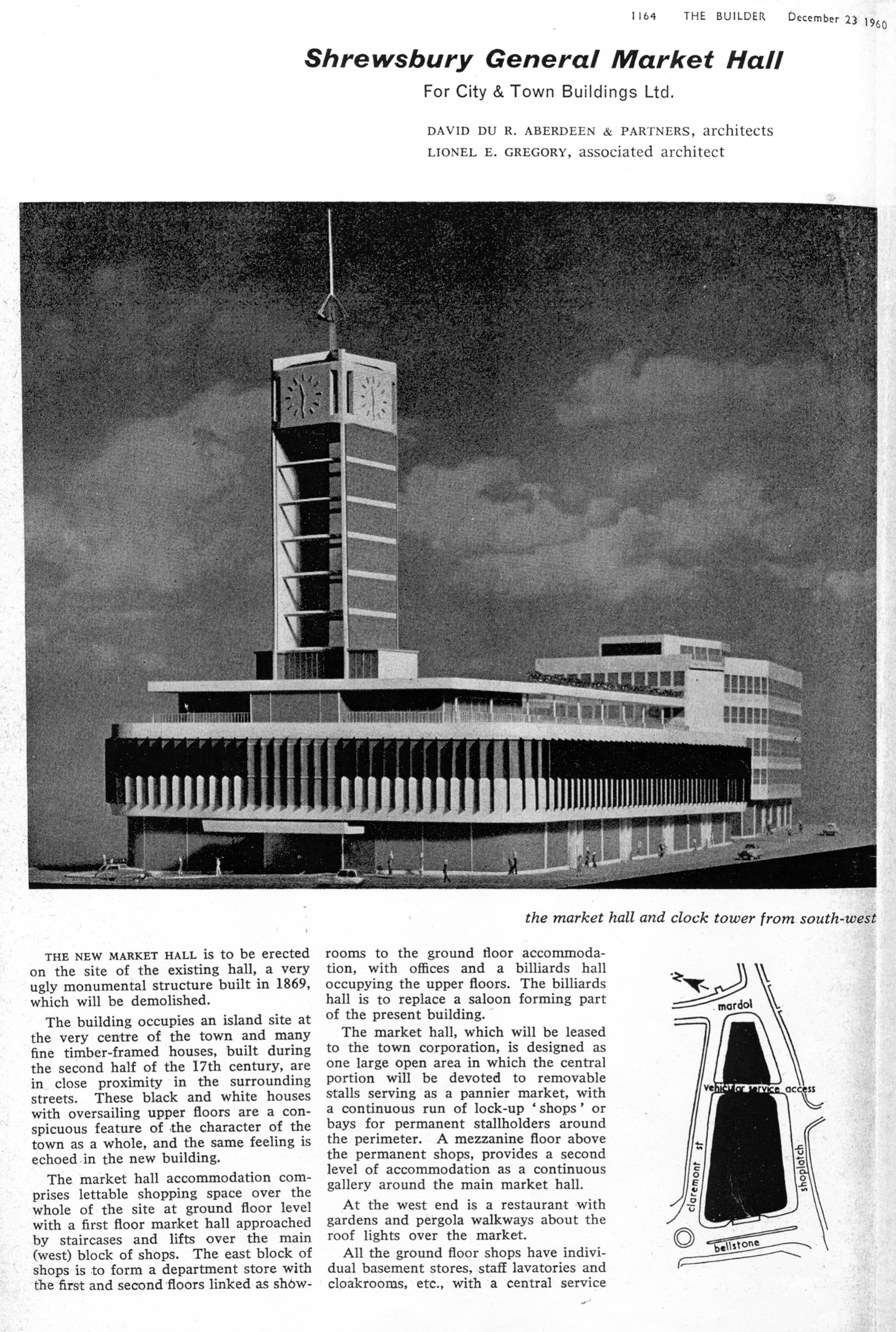
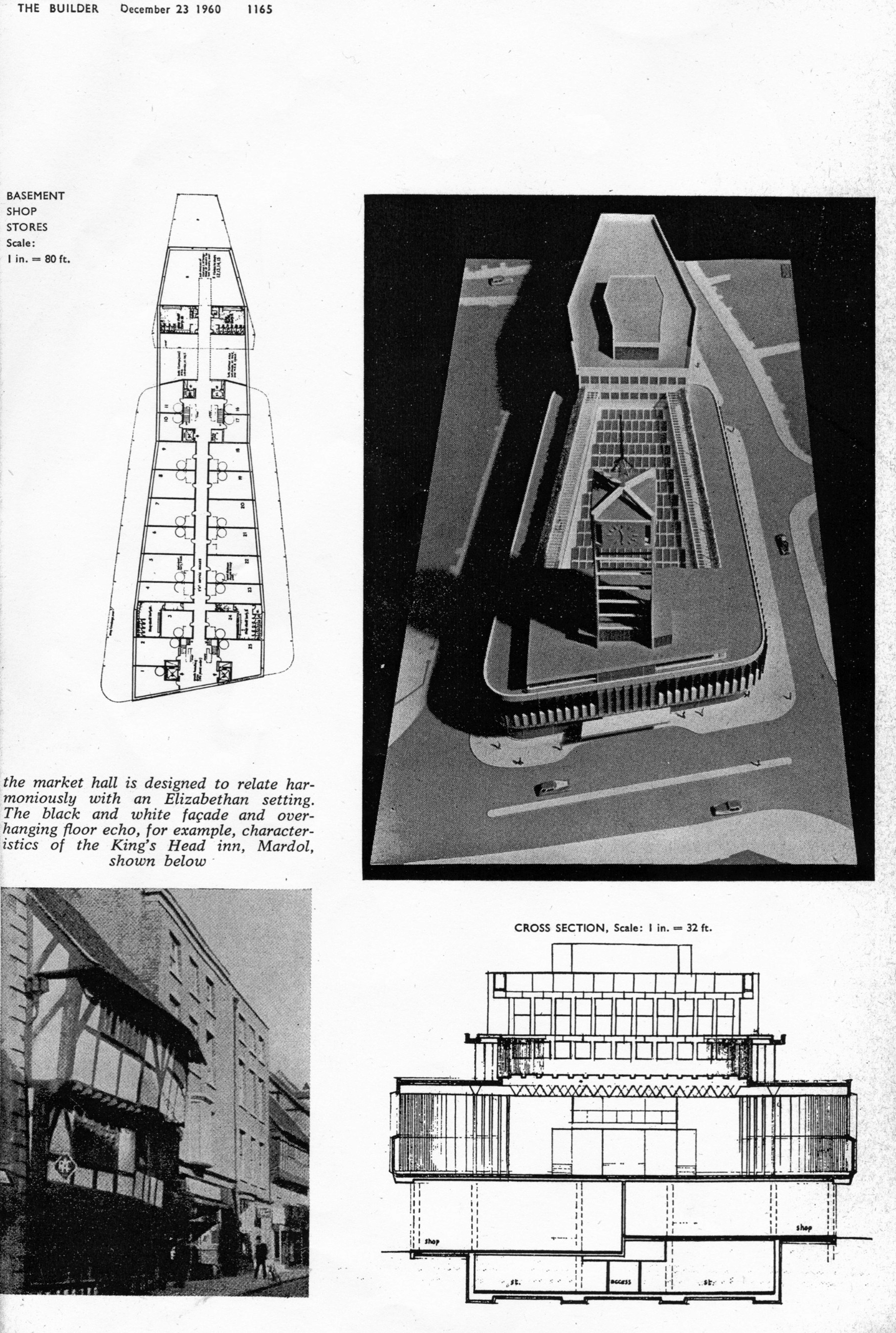
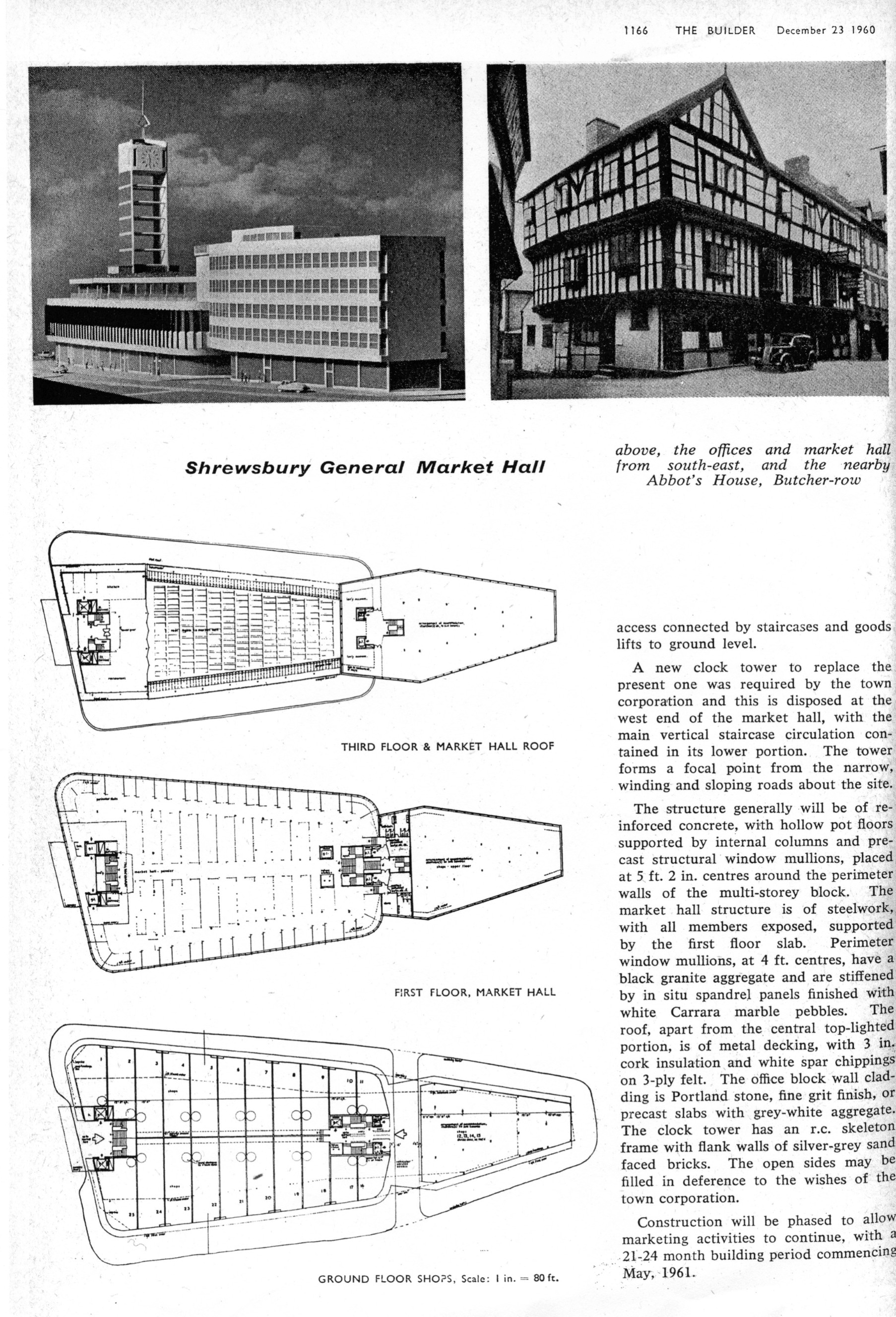
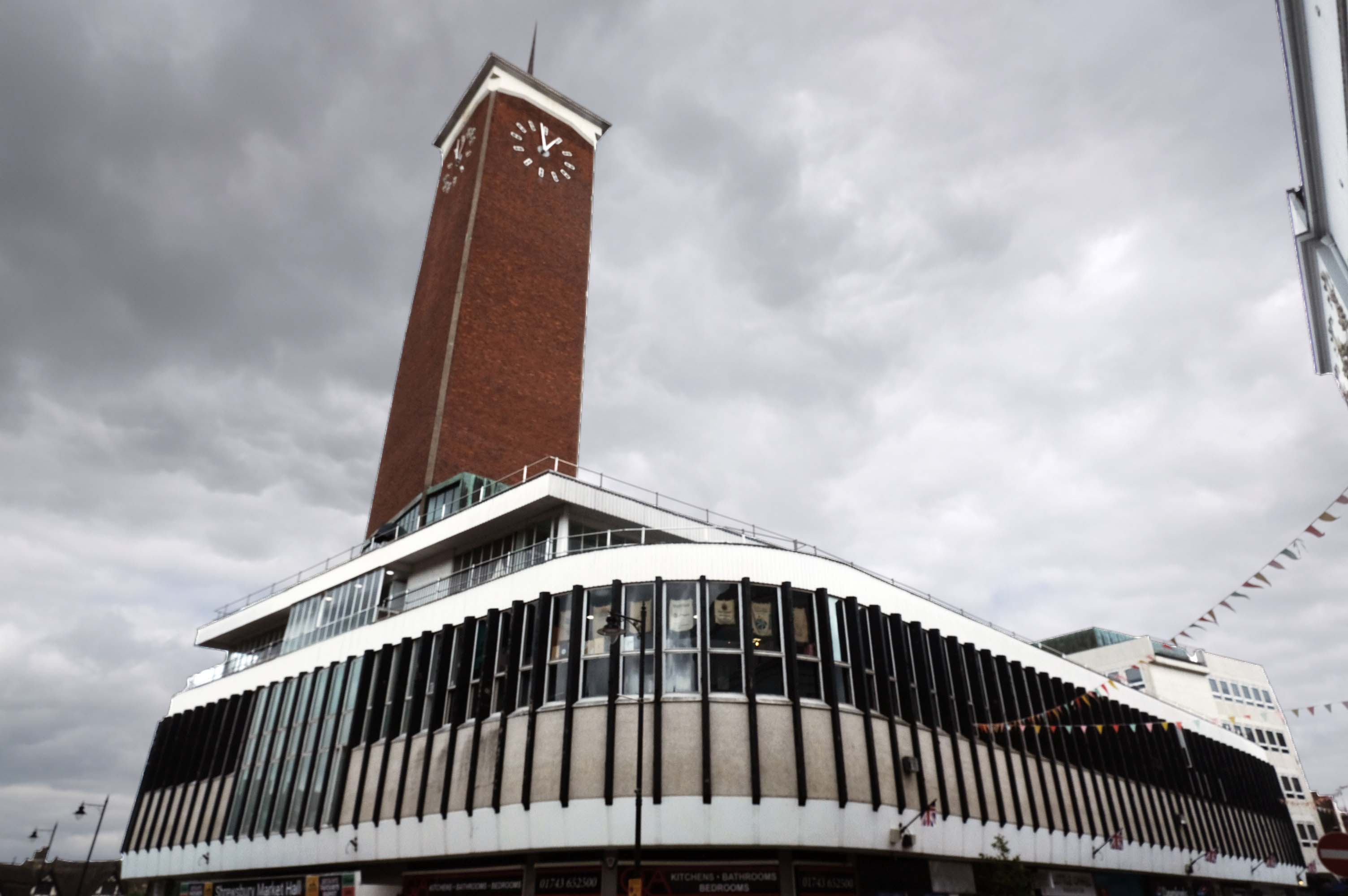
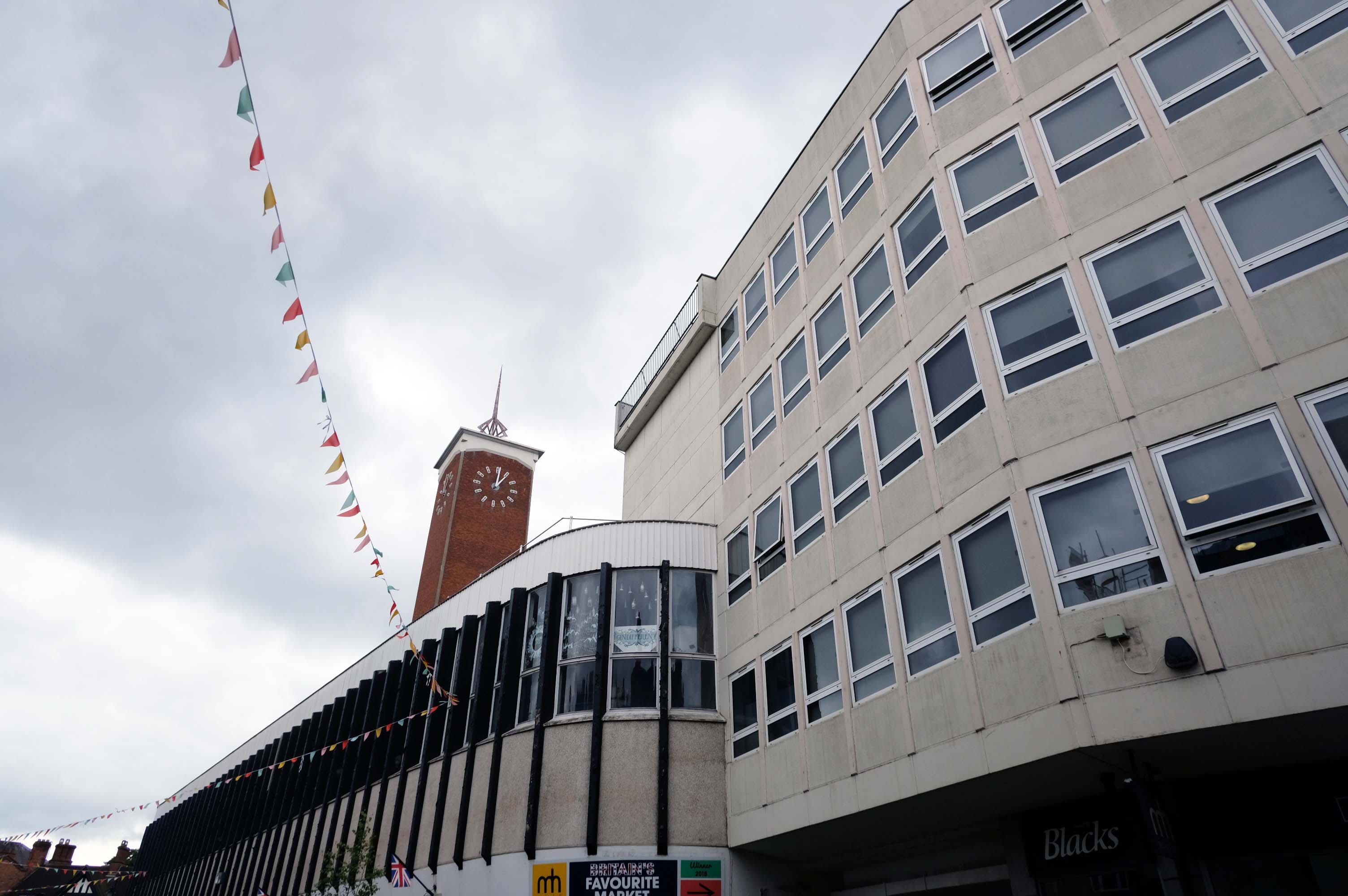
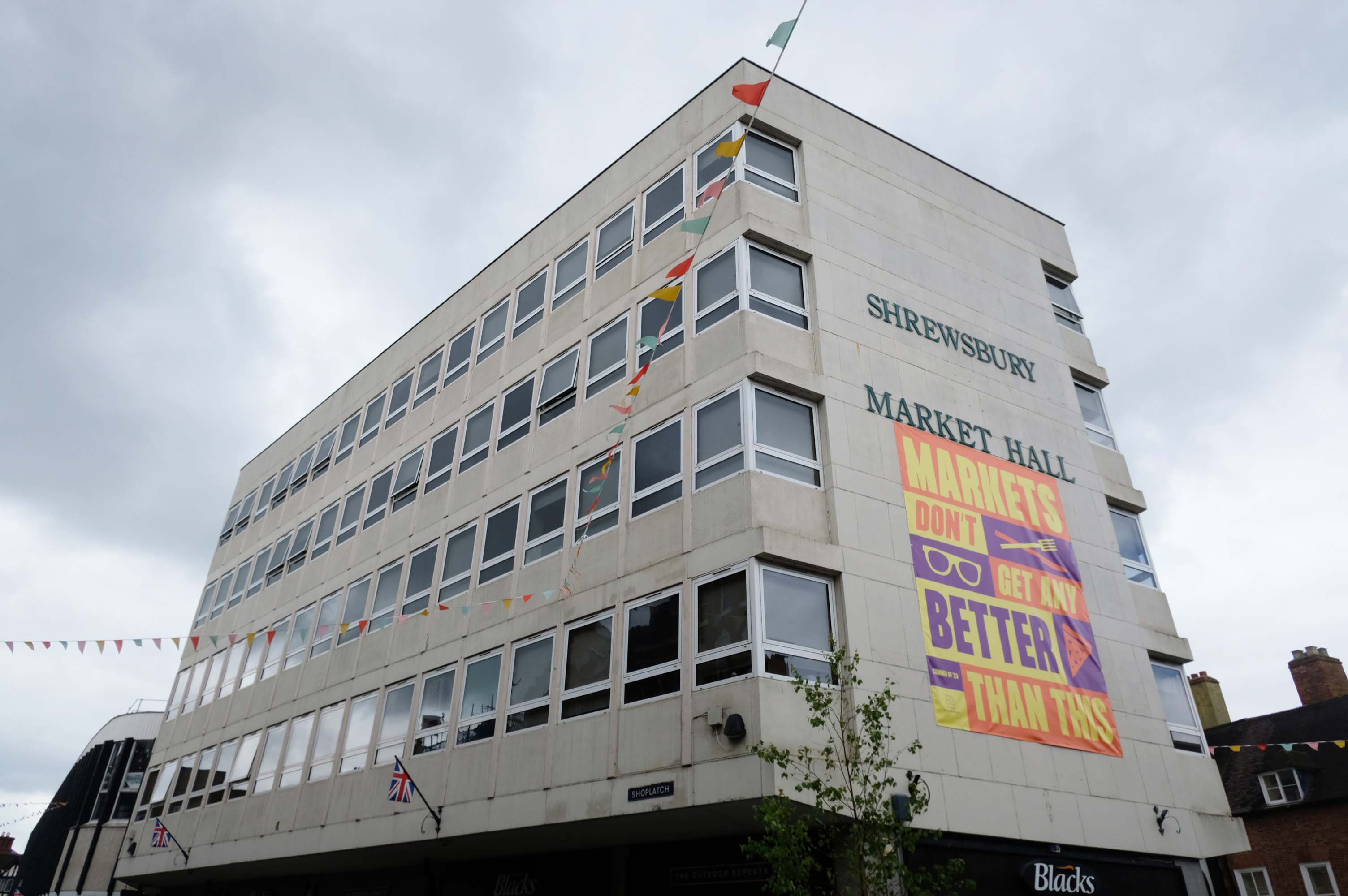
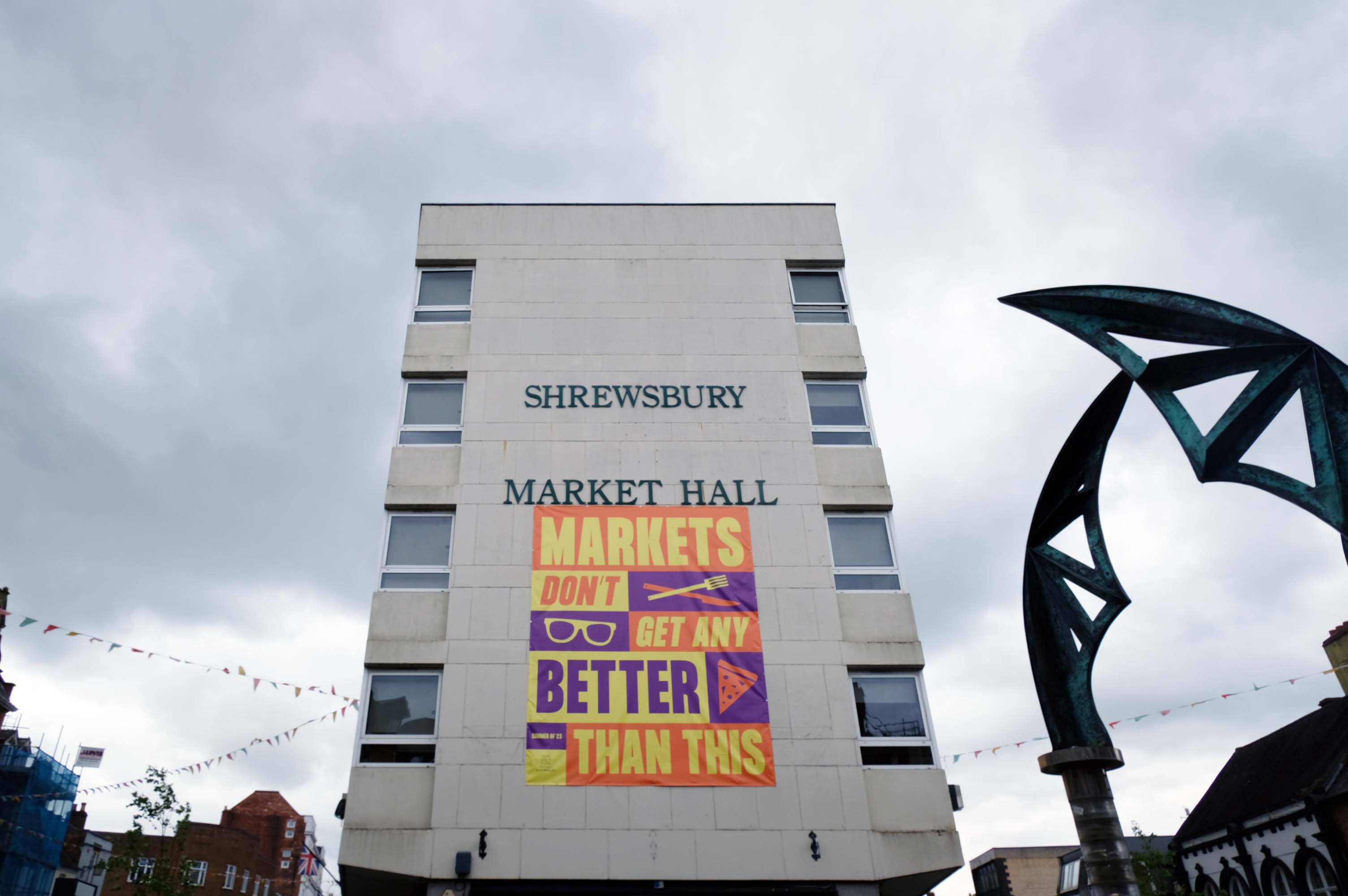
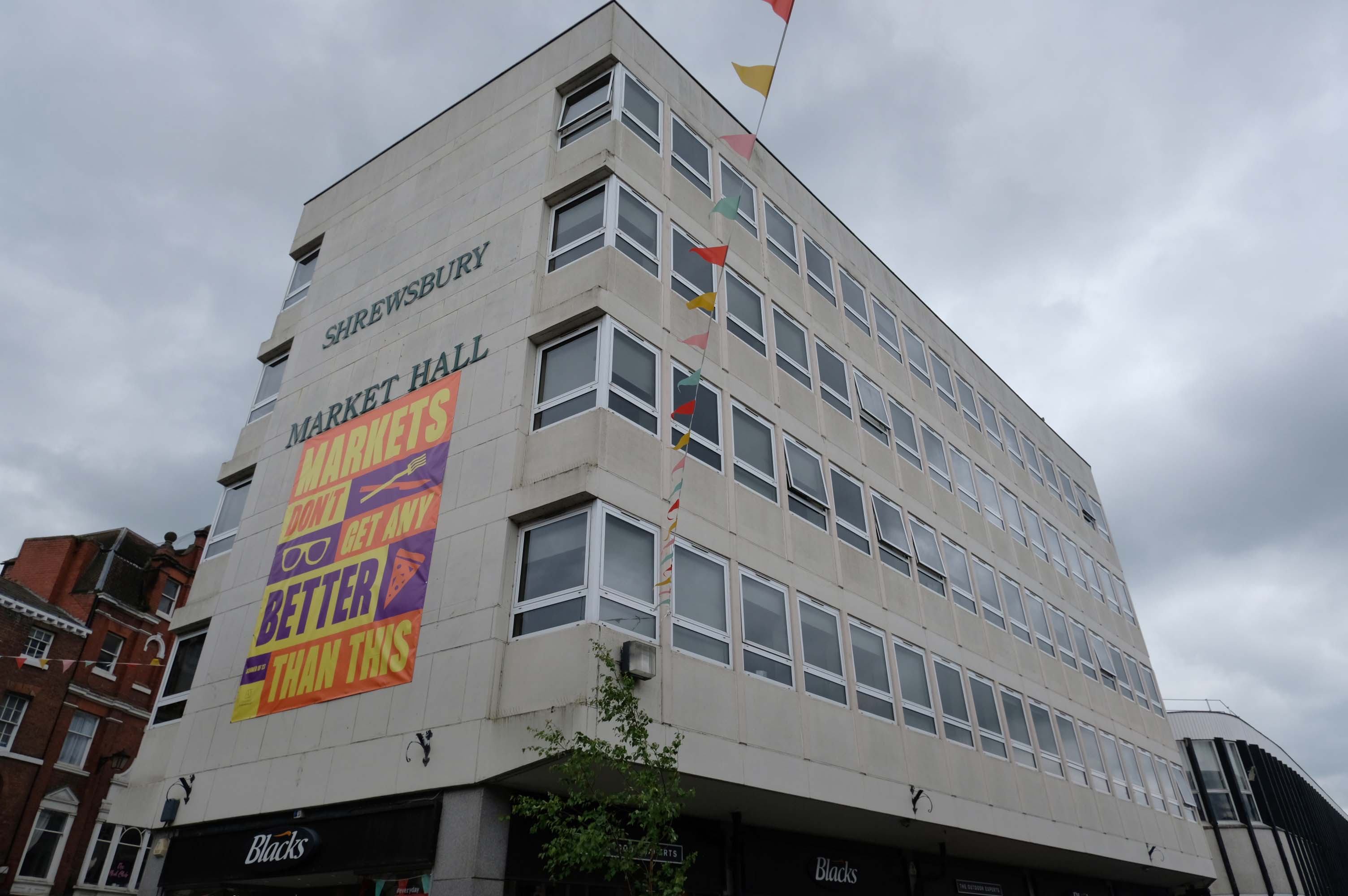
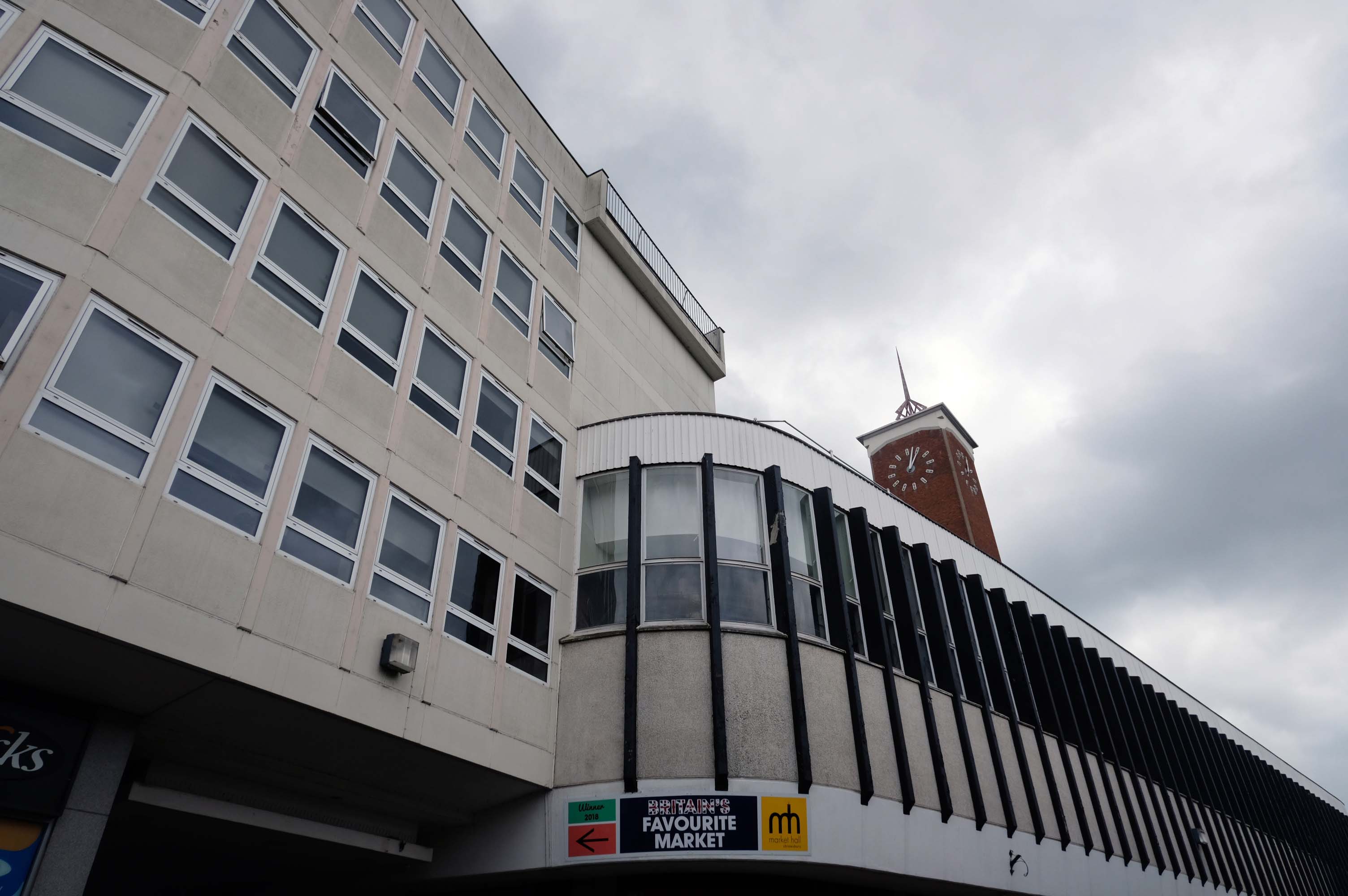
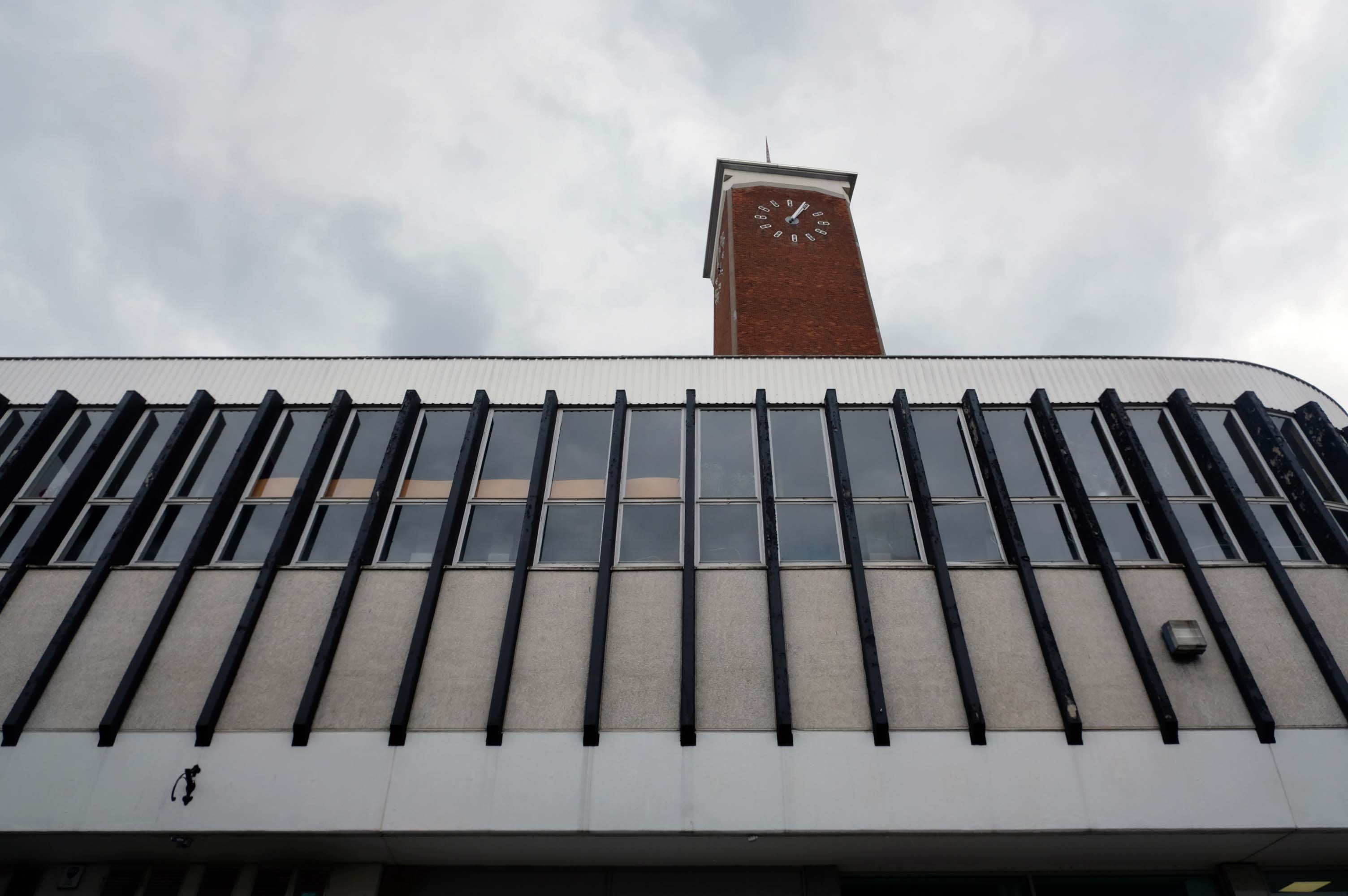
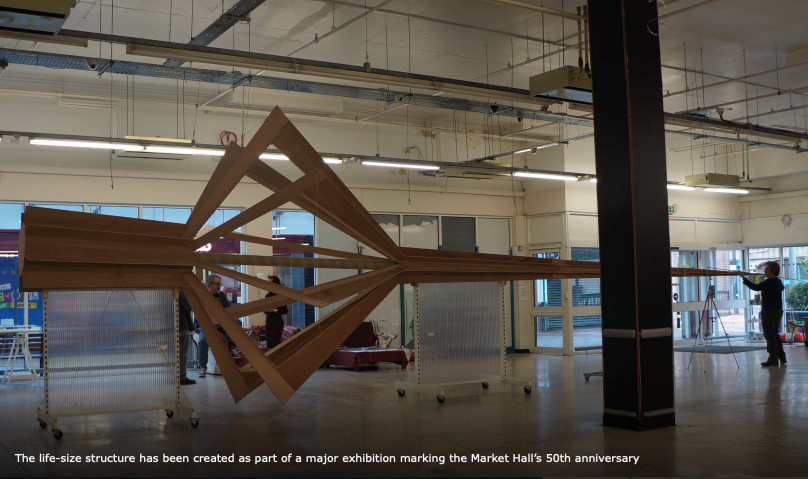
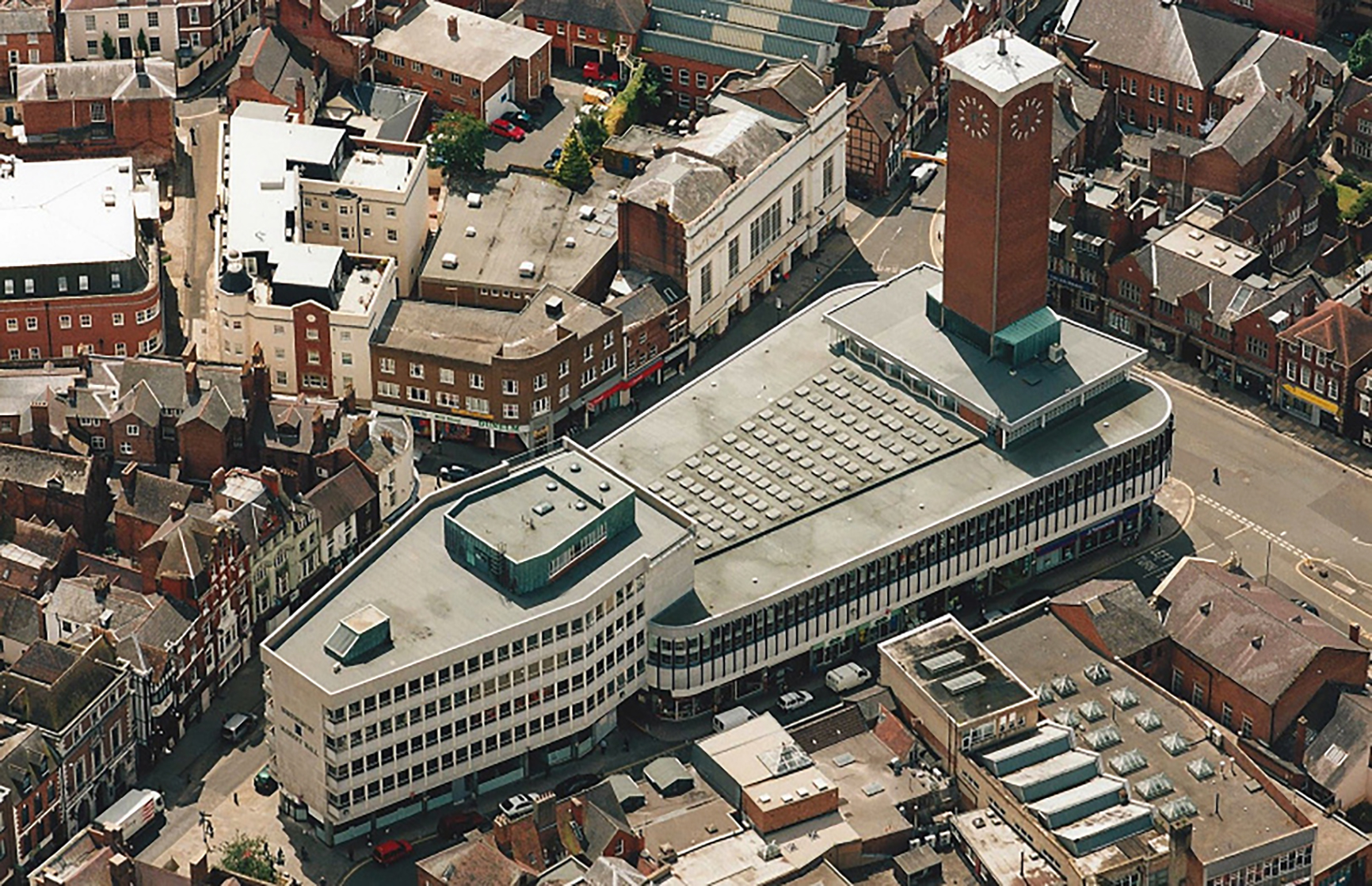
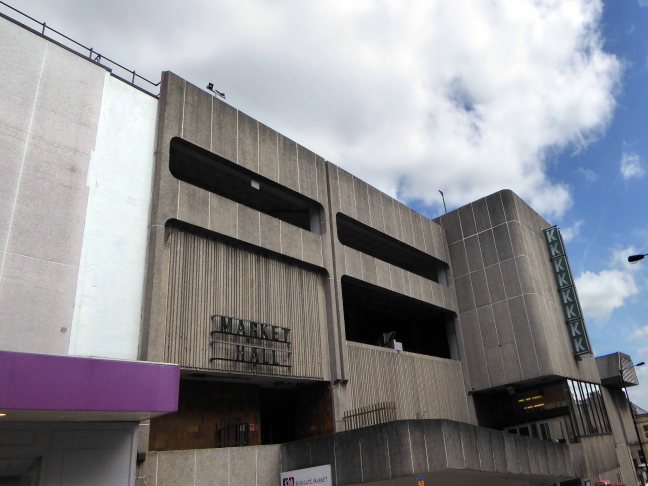
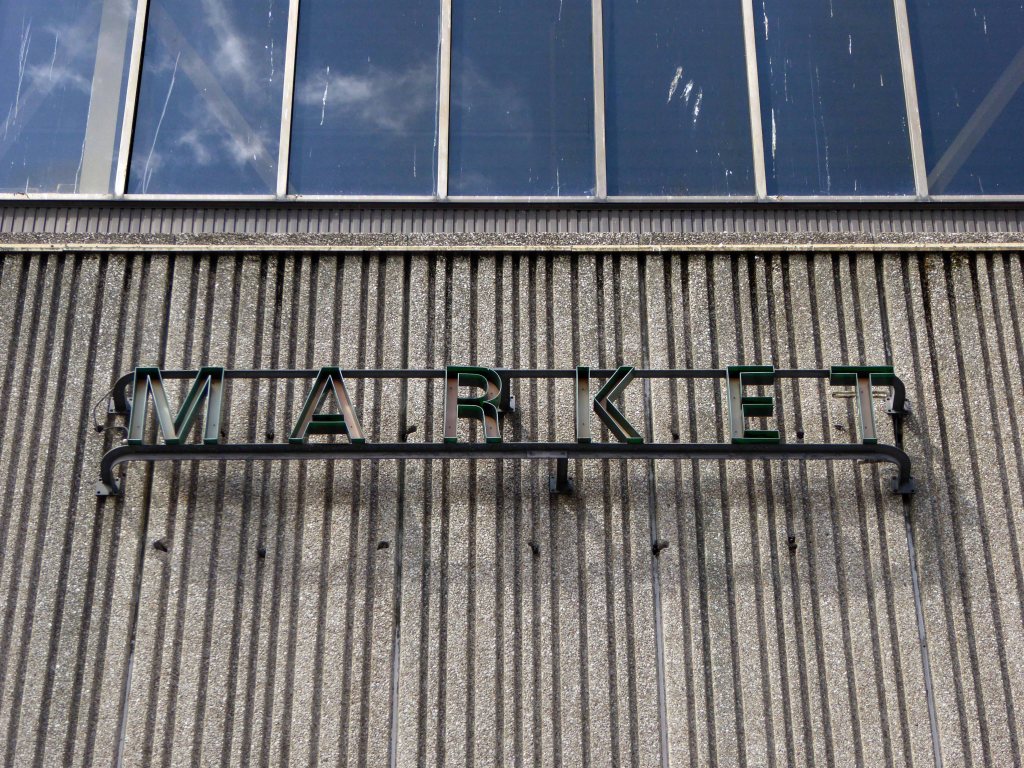
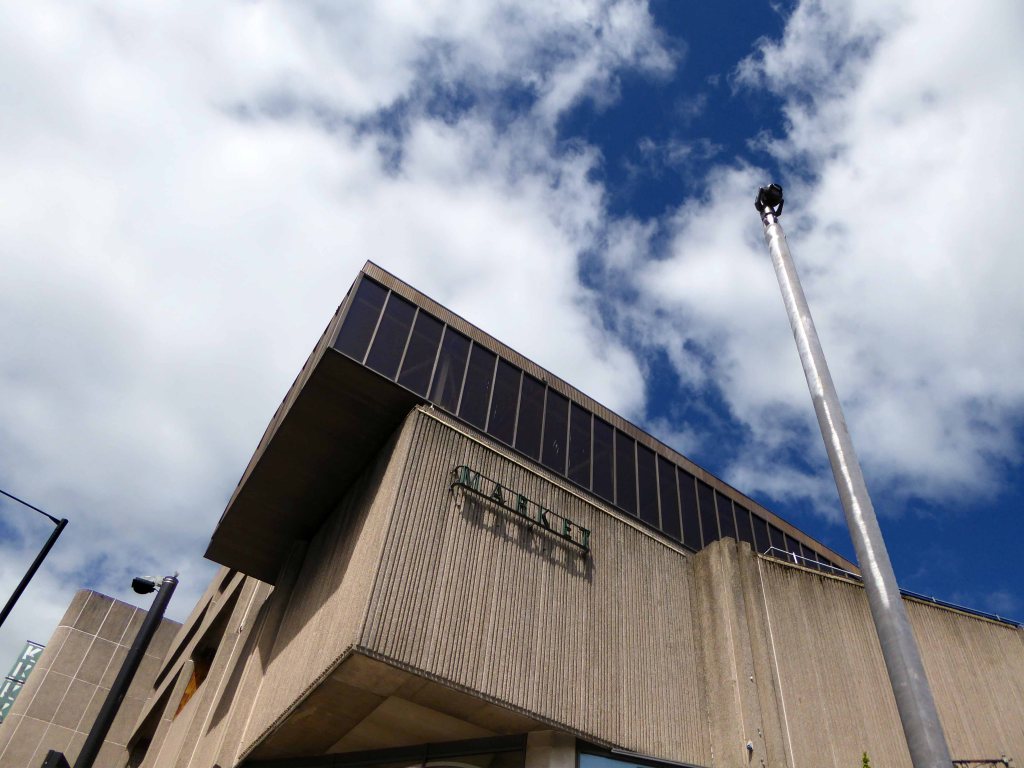
The Market Hall was considered to be a prime example of cutting edge modern architecture when it was officially opened amid a blaze of publicity and civic pageantry on September 16 1965.
It replaced a large Victorian market hall of similar proportions that was in a poor state of repair and was condemned as unhygienic, dingy and “no longer fit for purpose”.
Developed by the Second Covent Garden Property Company, the new Market Hall cost £1 million to build and was designed by a respected architect of his day, David du Rieu Aberdeen. Aberdeen designed major buildings in London and made his name when he won a national competition to design Congress House for the TUC in Bloomsbury. Today Congress House is described as a “modernist masterpiece”.
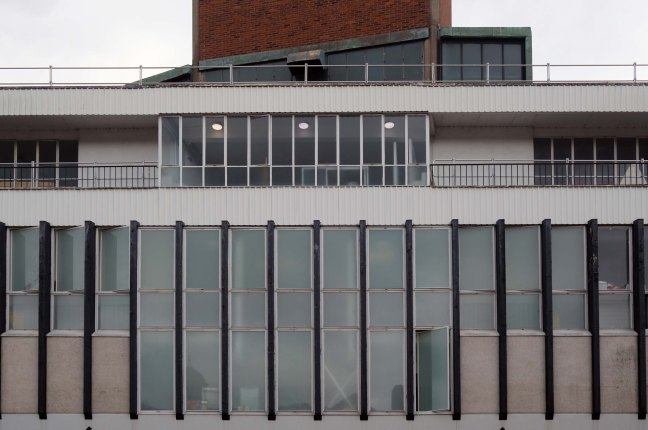
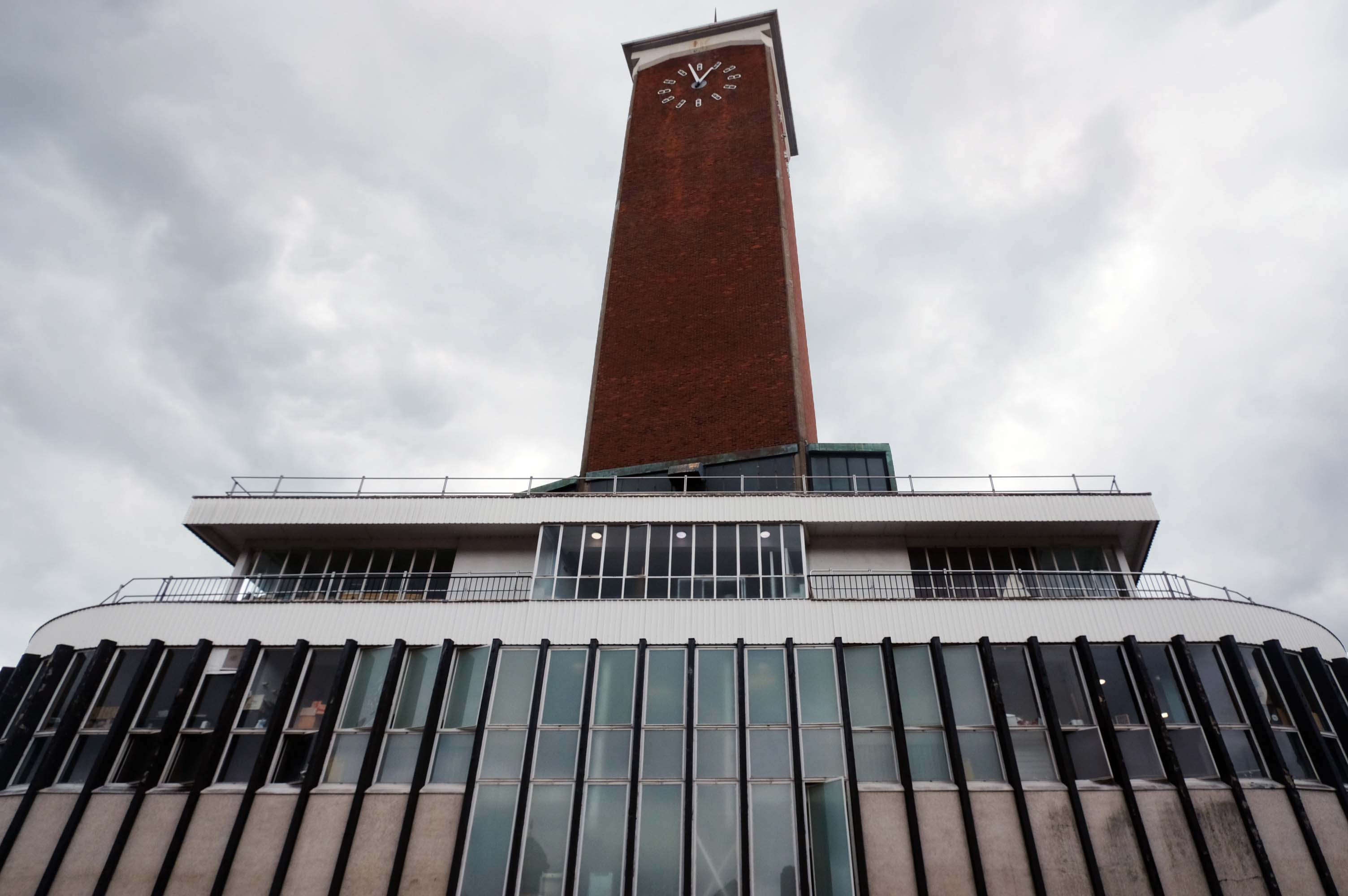
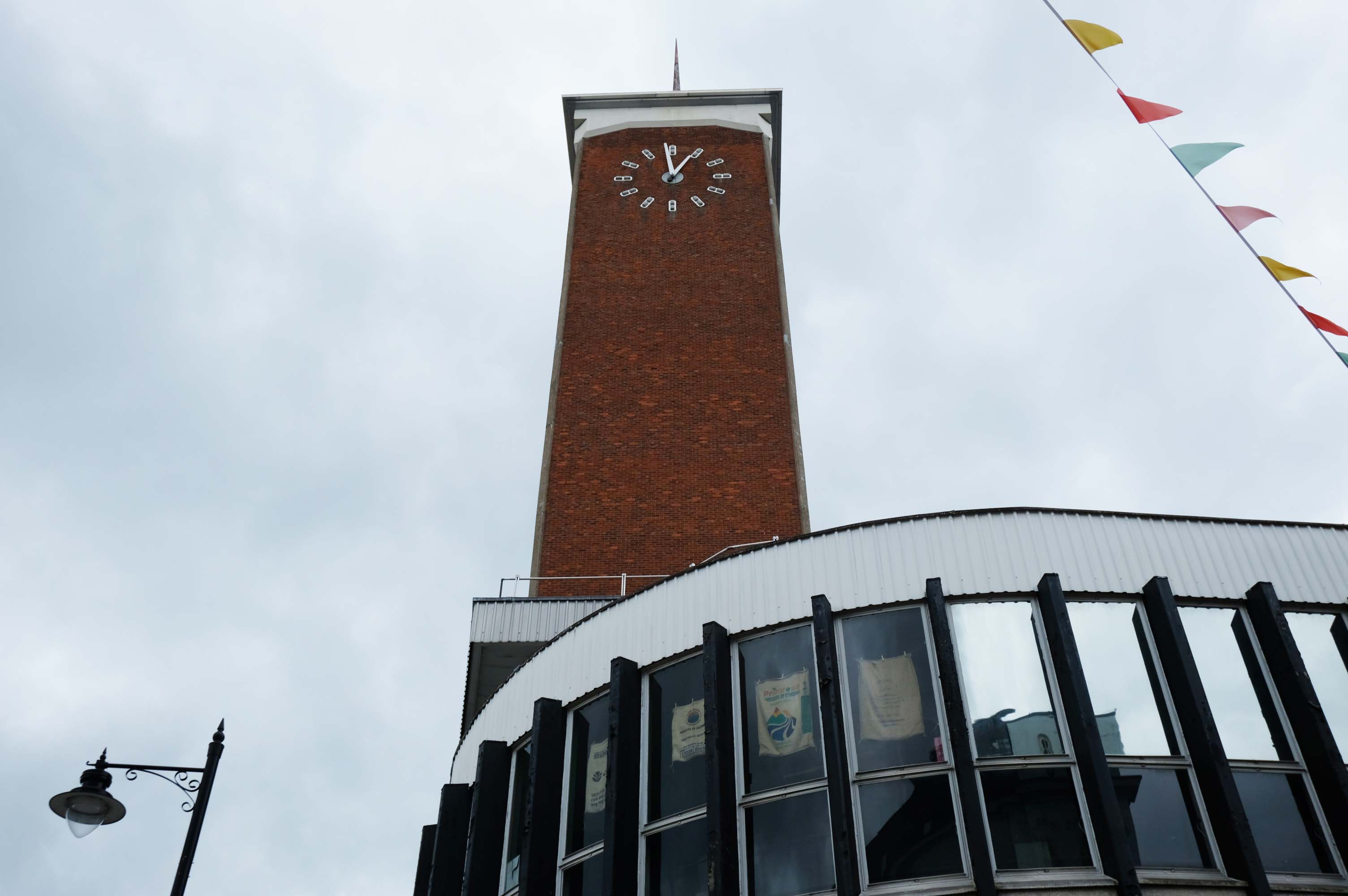
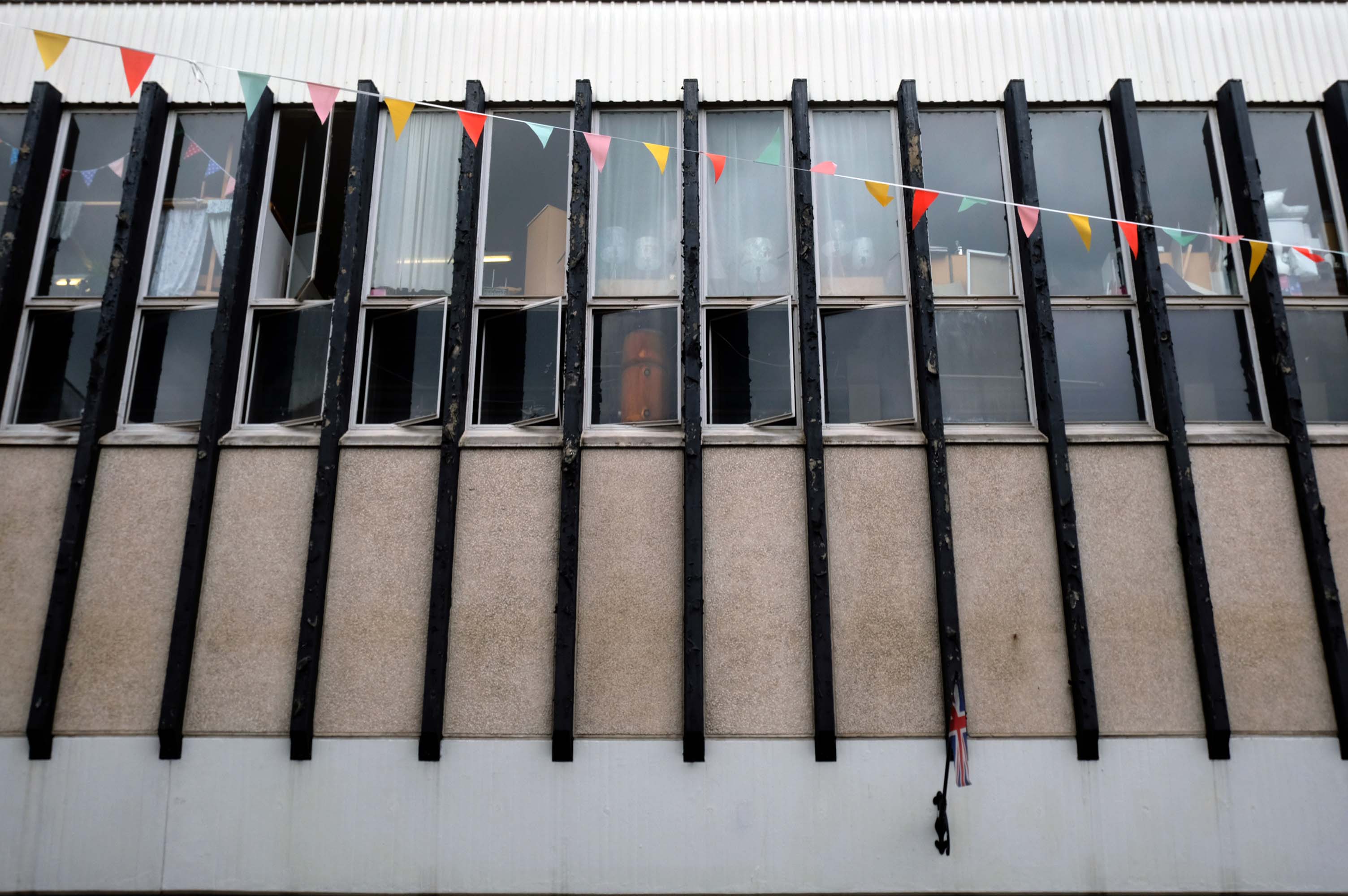
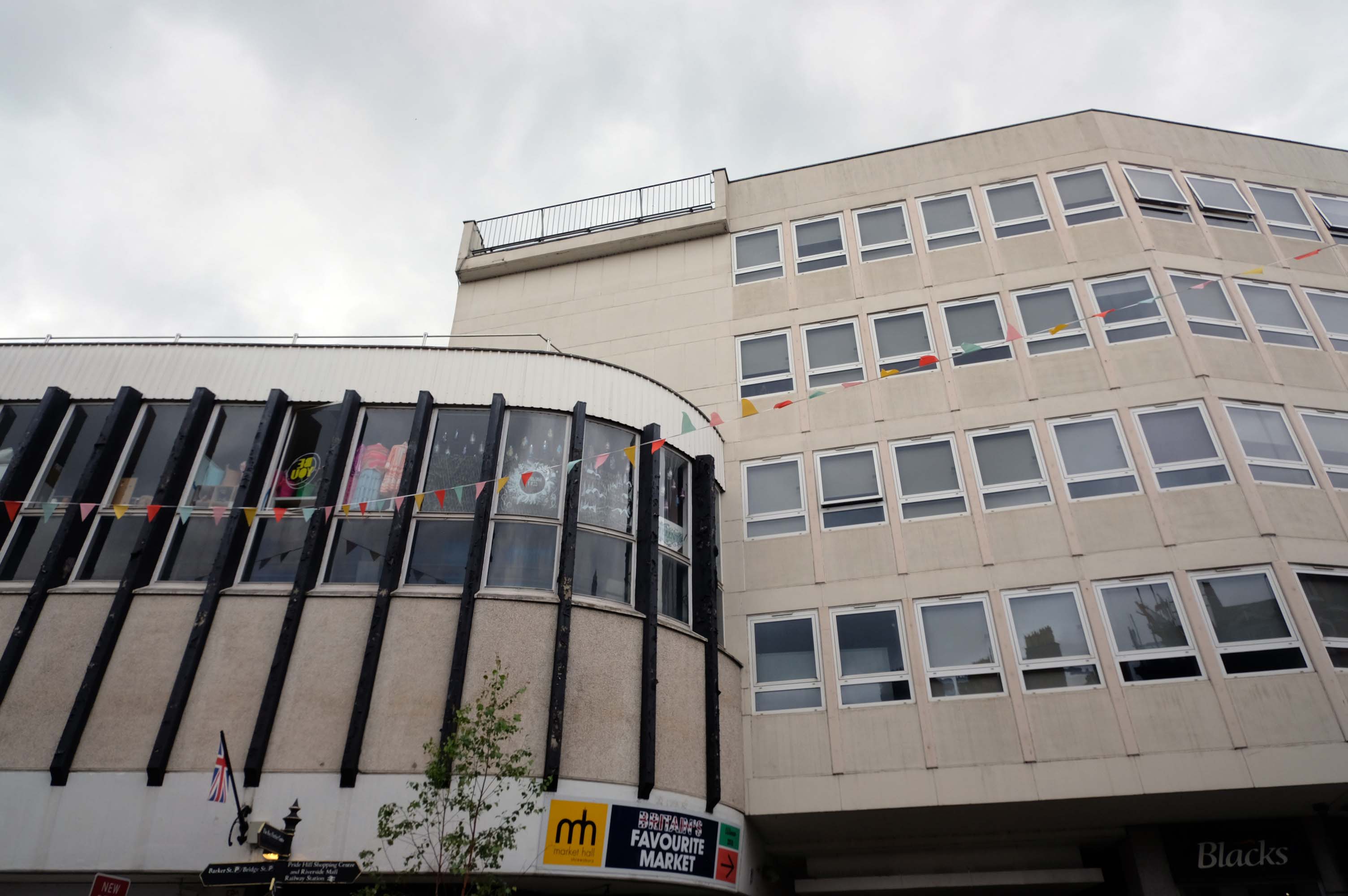
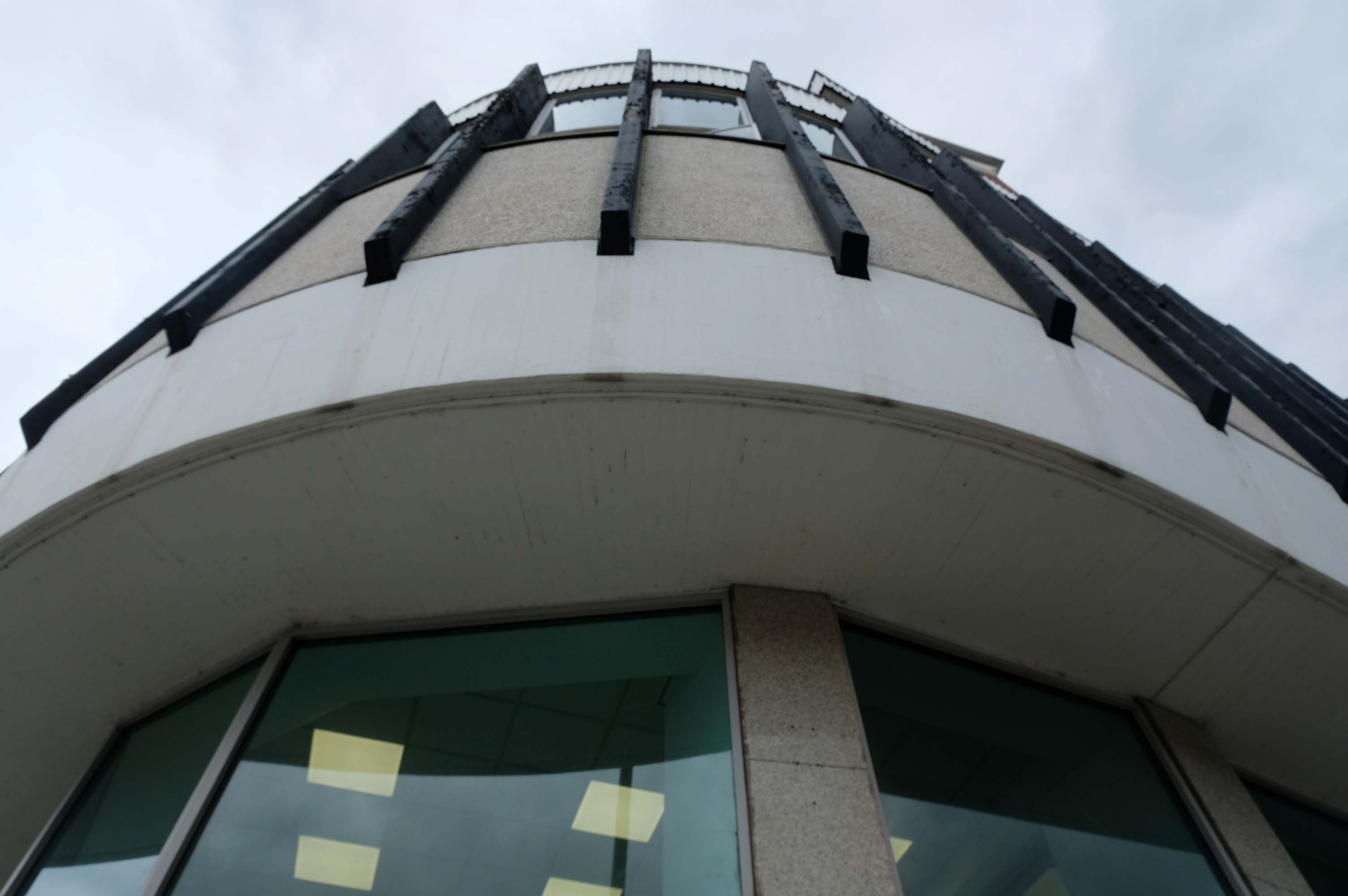
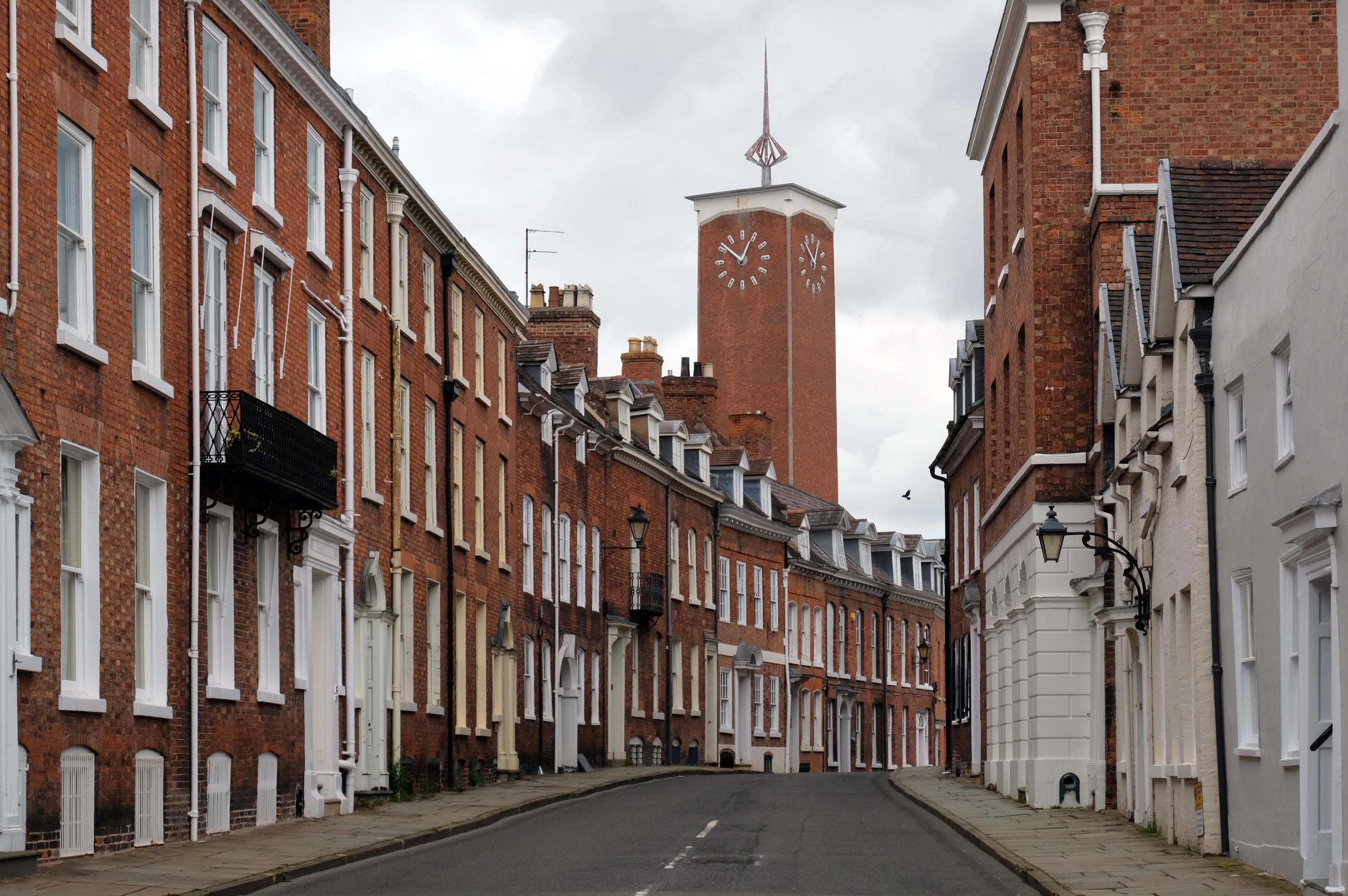
The Pevsner Architectural Guide pronounced the new Market Hall “a good example of modern architecture”, with “its clean lines and simple forms. But the town’s timber-framed tradition is also evoked. The upper storey is jettied out on a reinforced concrete structure and faced with vertical fins in an echo of close studding,” it stated. “The tall slender red brick clock tower mingles effectively in distant views with the town’s medieval steeples.”
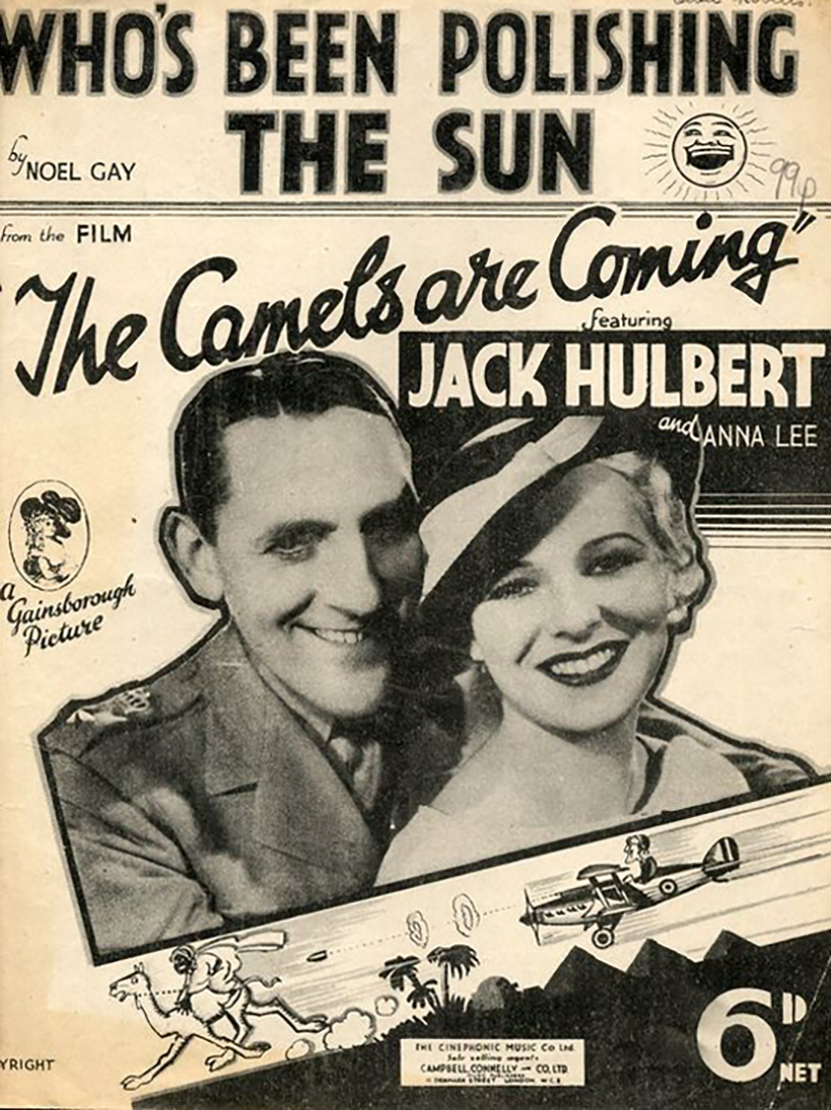
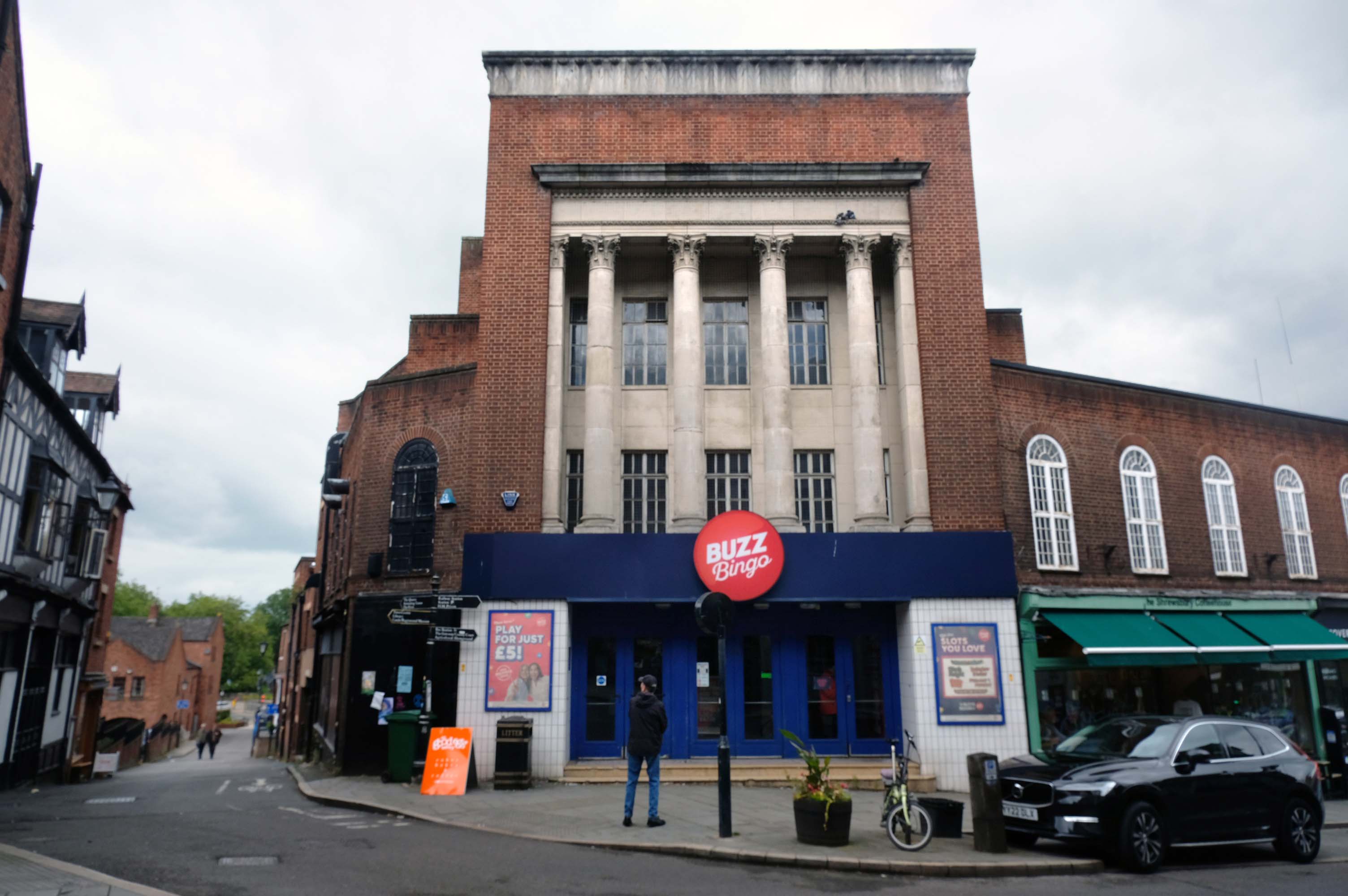
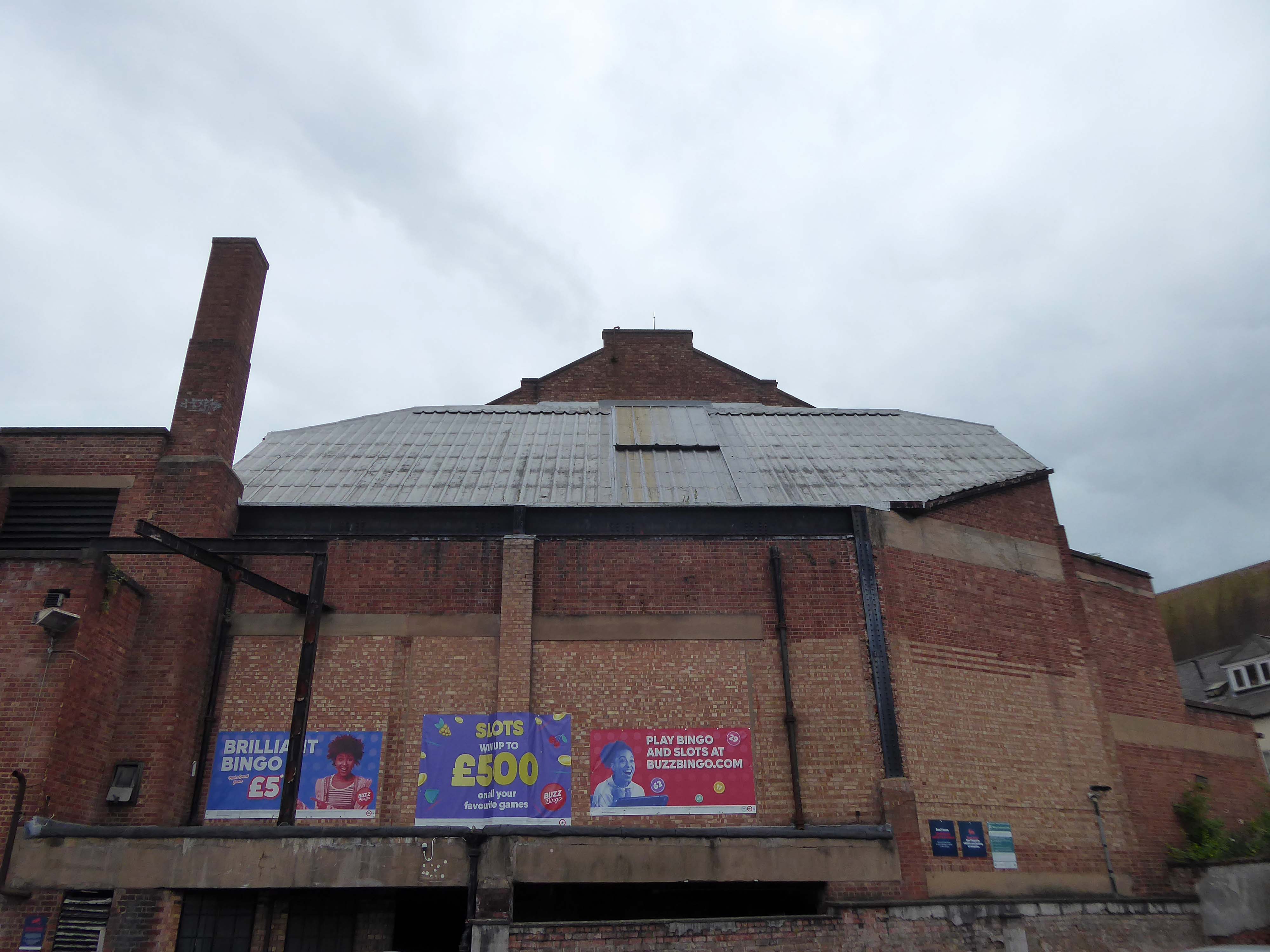
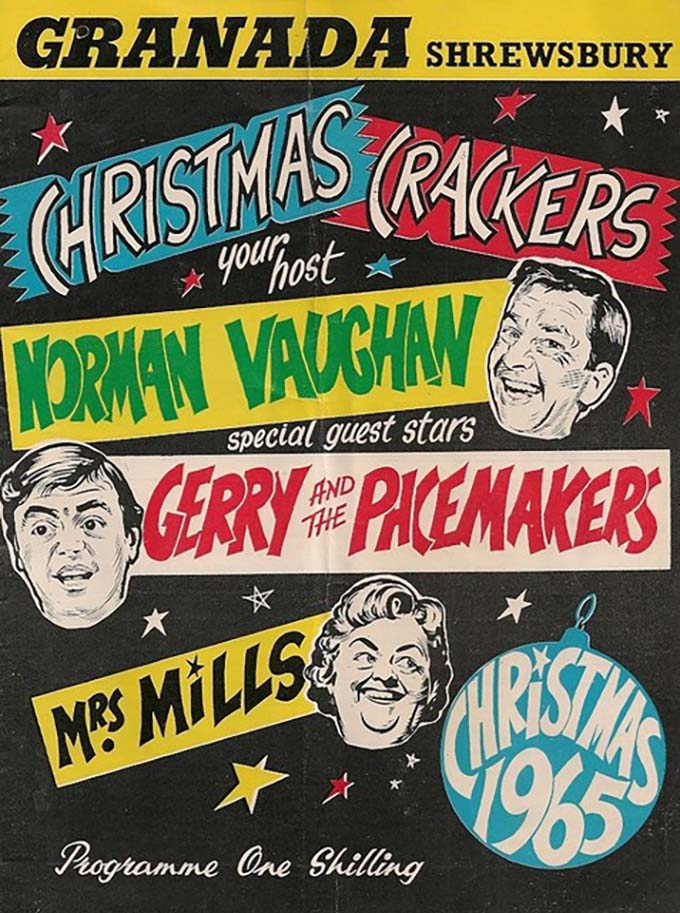
Built and operated by Shrewsbury Empires Ltd, the Granada Theatre opened on 14th November 1934 with Jack Hulbert in The Camels Are Coming.
It closed as a cinema on 31st March 1973 with Charles Bronson in The Valachi Papers and Anatomy of a Pin-Up.
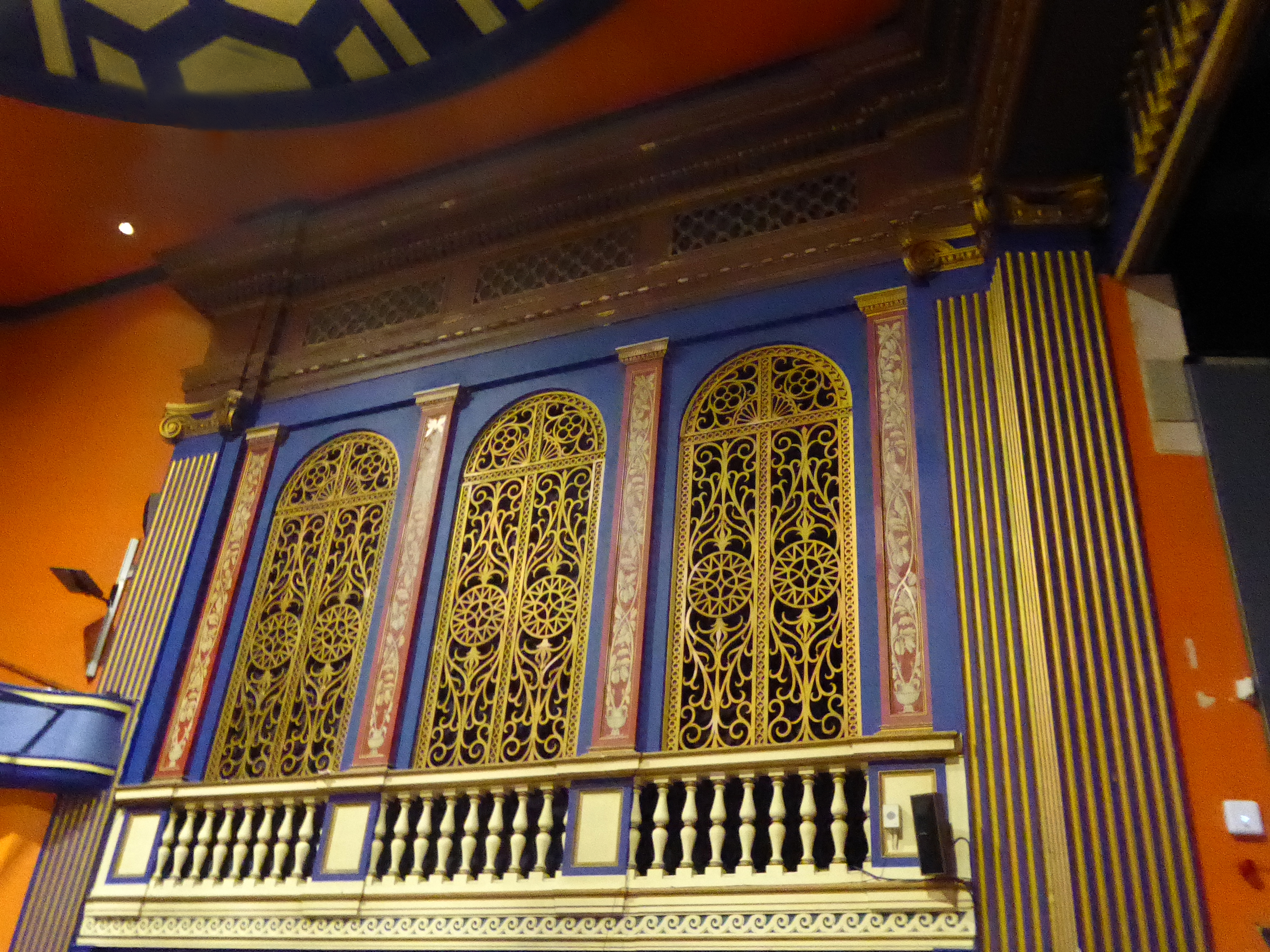
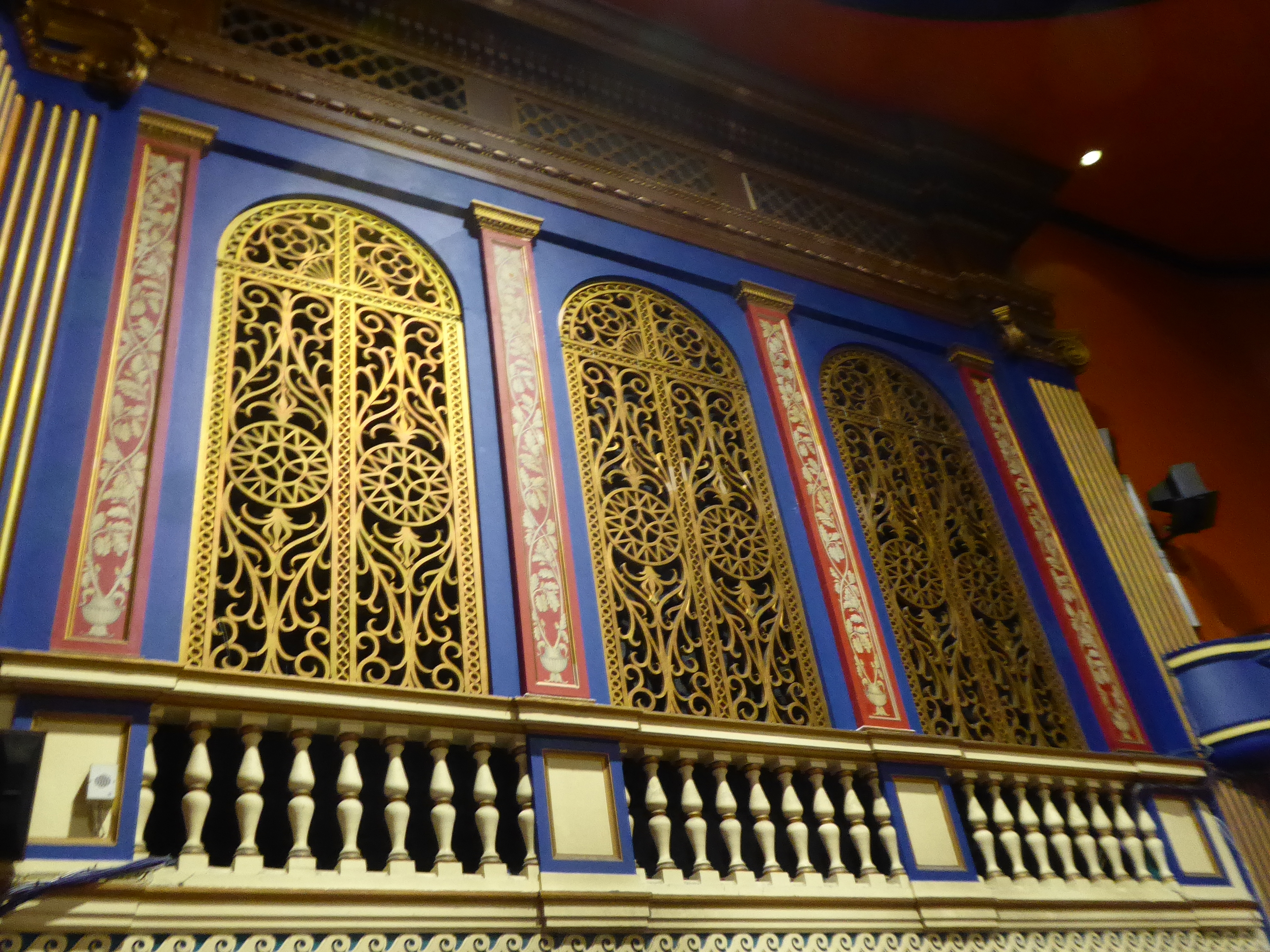
The Granada circuit was famous for its lavishly decorated interiors created by a Russian émigré called Theodore Komisarjevsky, the most famous examples of which are at Woolwich and Tooting – both now operate as bingo halls. The Shrewsbury Granada was by far the best cinema in the area, and in addition to Komisjarevsky, the scheme was designed by Cecil Massey, with some work being carried out by a local architect called Arthur Williams. The architecture of the Shrewsbury hall is often referred to as being a “standard” Granada, and the interior was very similar to the Granadas at Bedford now demolished and Maidstone which wasdestroyed by sub-division. There were less than 20 theatres built for the circuit, of which Shrewsbury was number five, although many existing cinemas were taken over and renamed, making the Granada Theatres an important group, although in numbers they were far behind Odeon and ABC.
On 17th November 1995, the Granada Theatre was designated a Grade II Listed building by English Heritage.
Many thanks to the staff of Buzz Bingo for allowing us access.
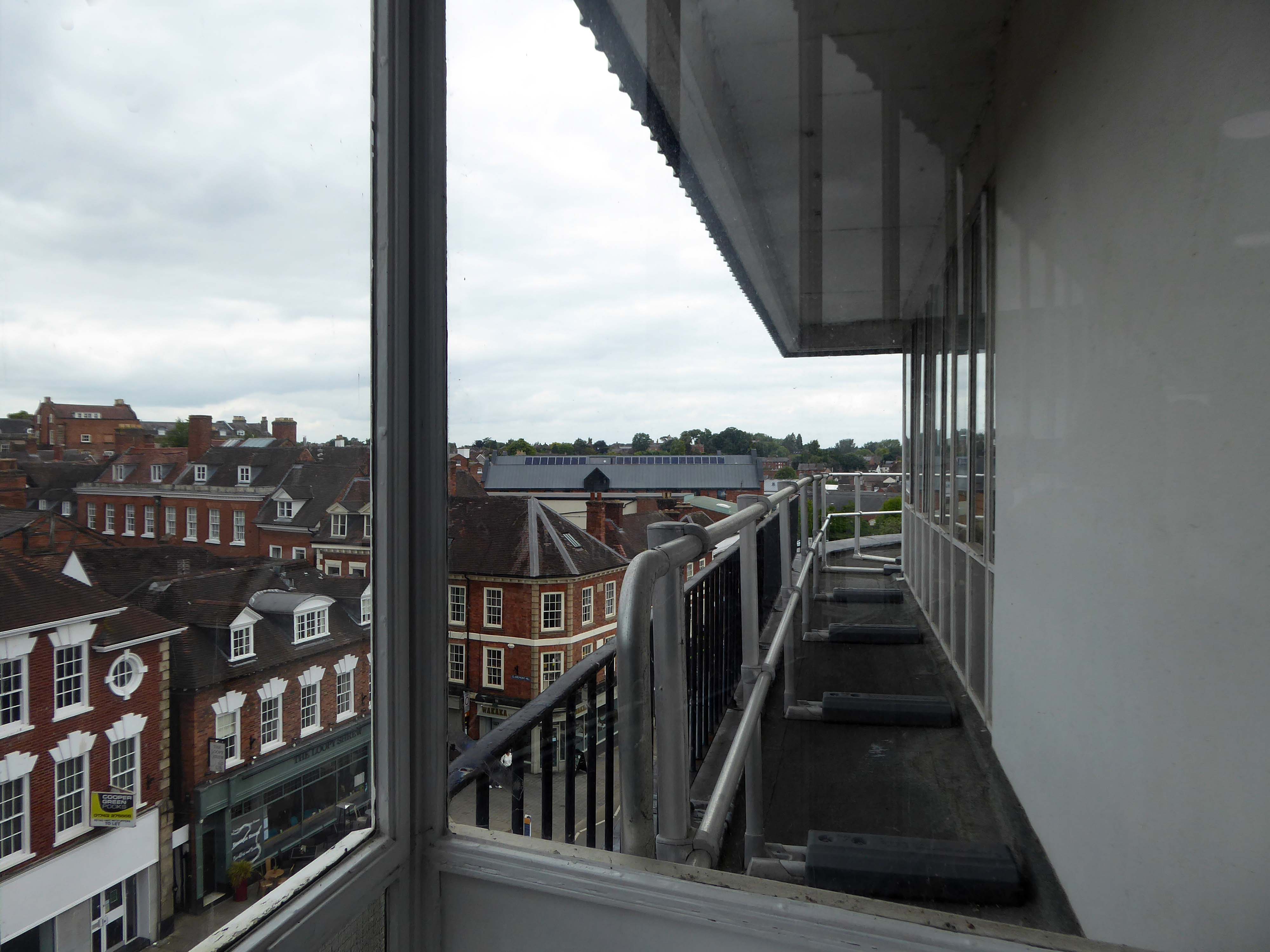
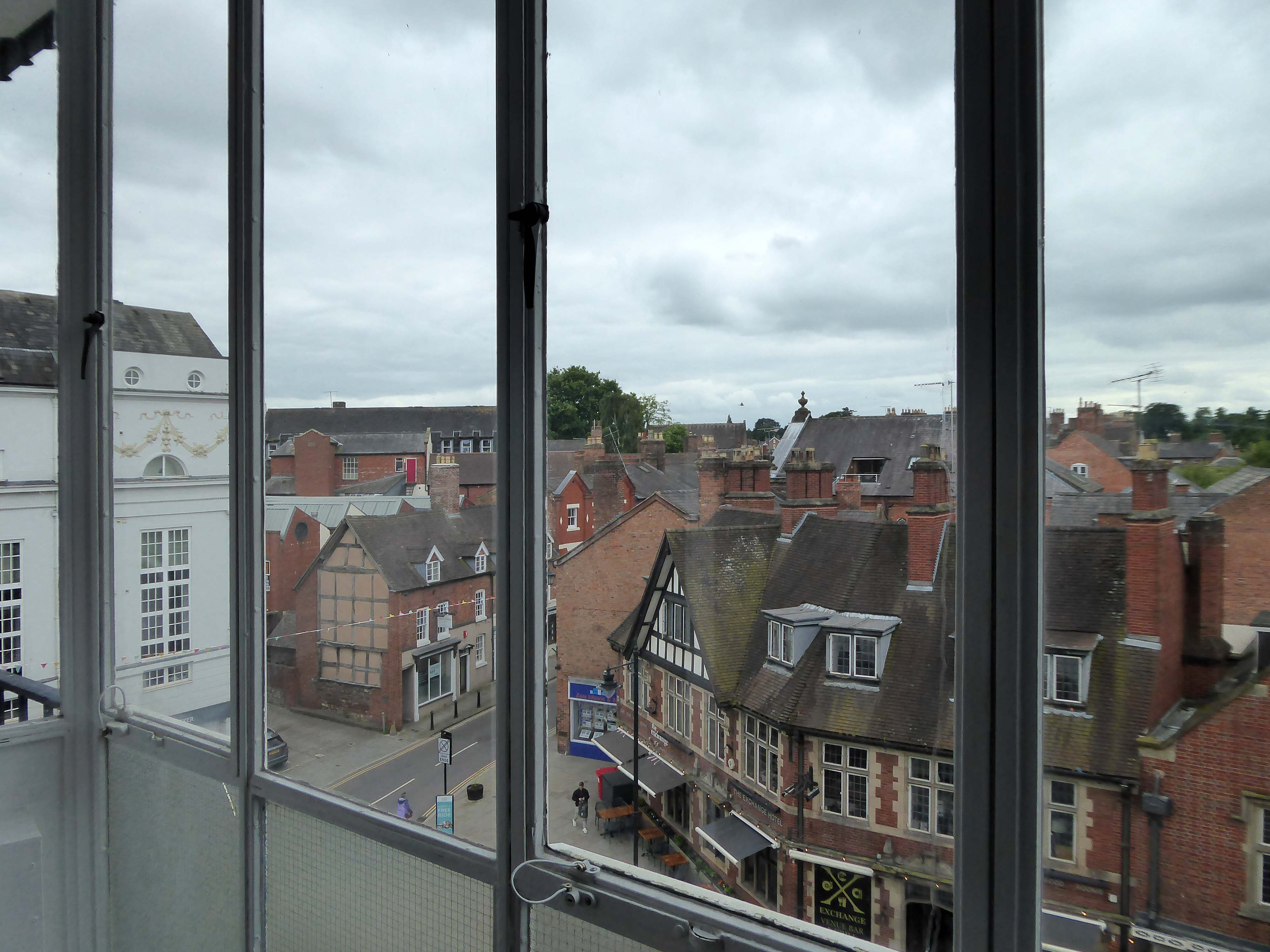
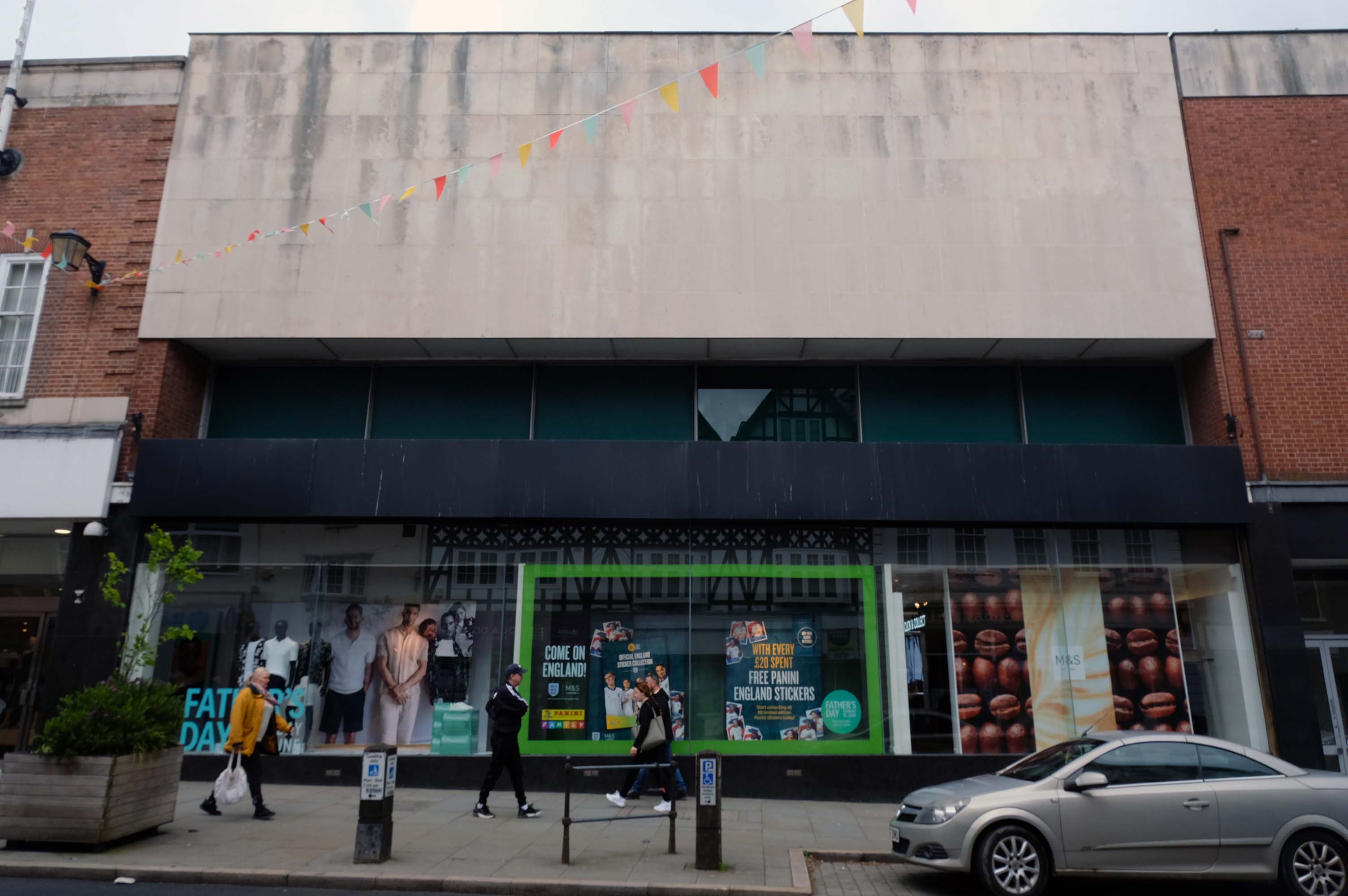
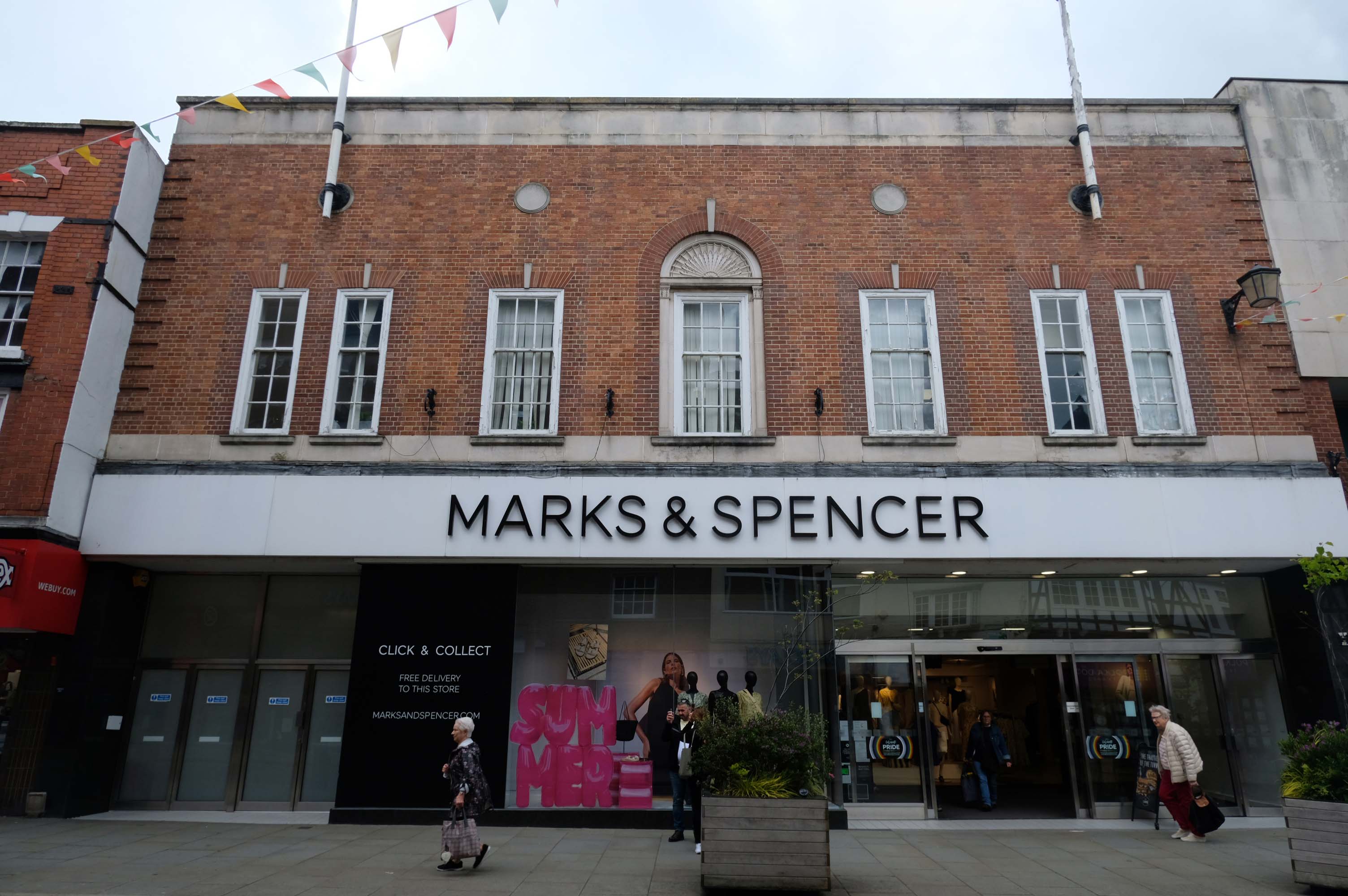
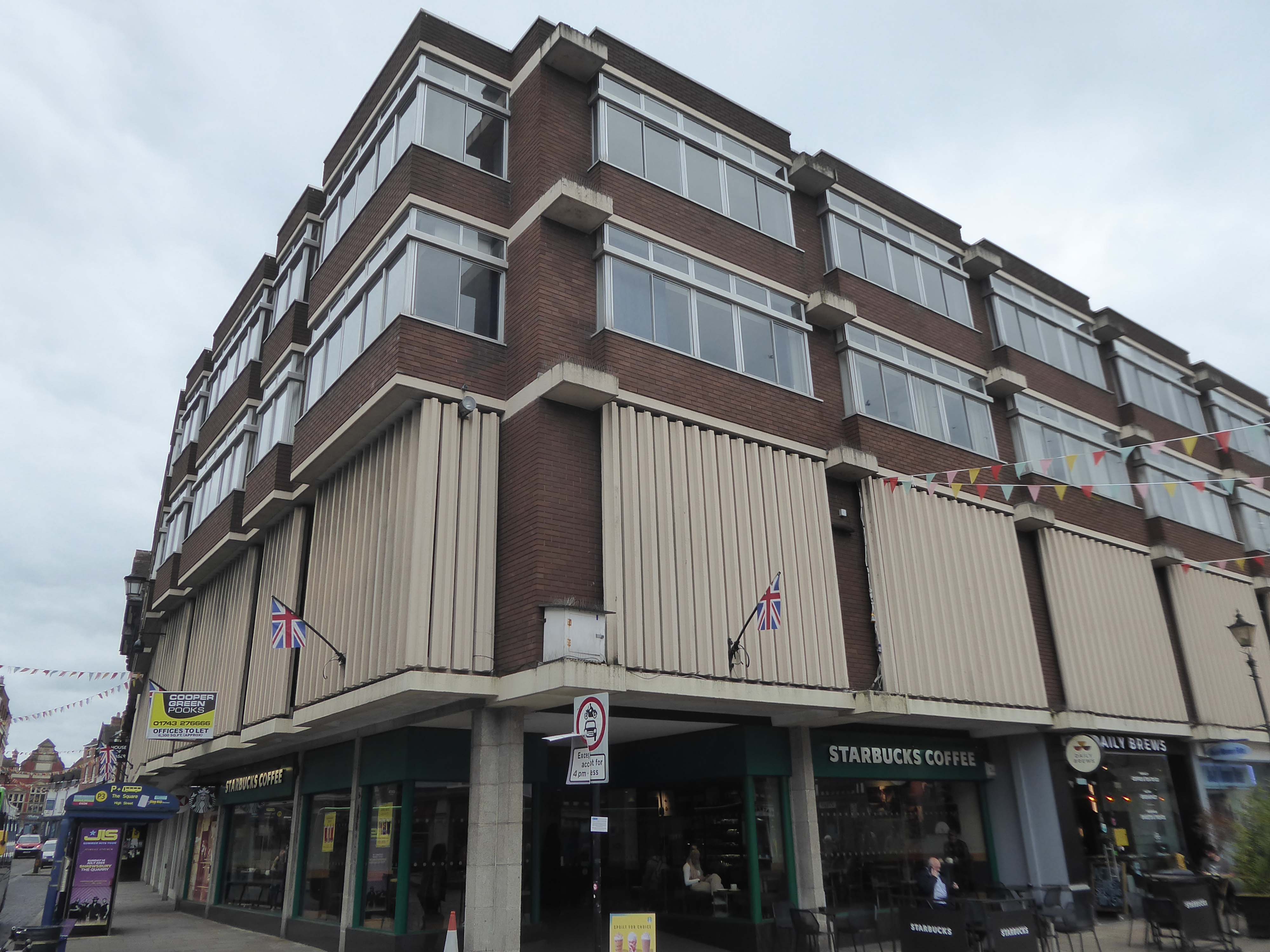
Next up is a Marks & Spencers store very much a shop of two halves – marrying post-war Brutalism with interwar Classicism, unified by a glazed ground floor.
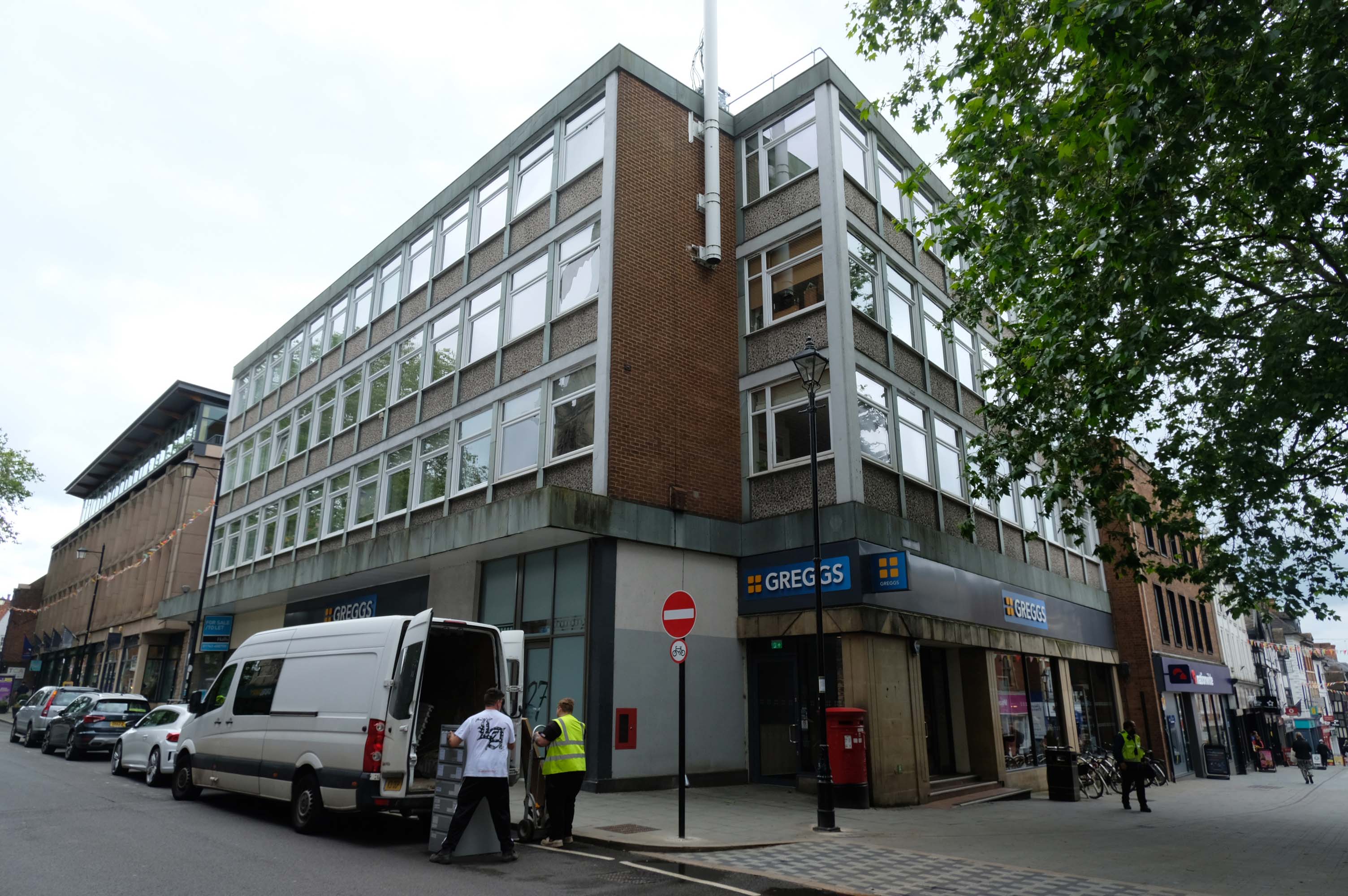
Across the way, a 60s corner site development, with a dual-entry Greggs.
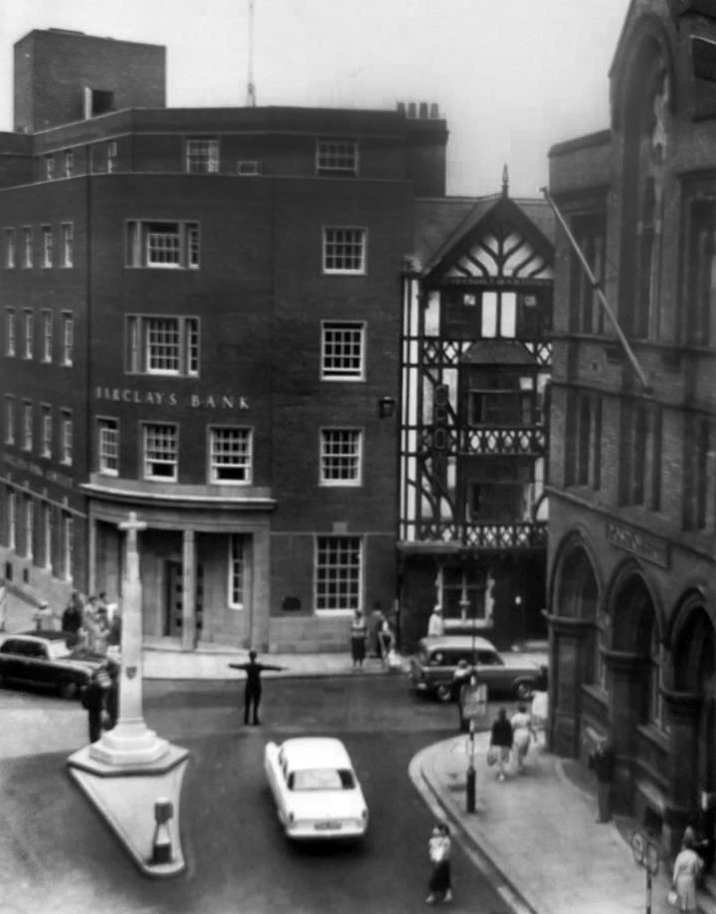
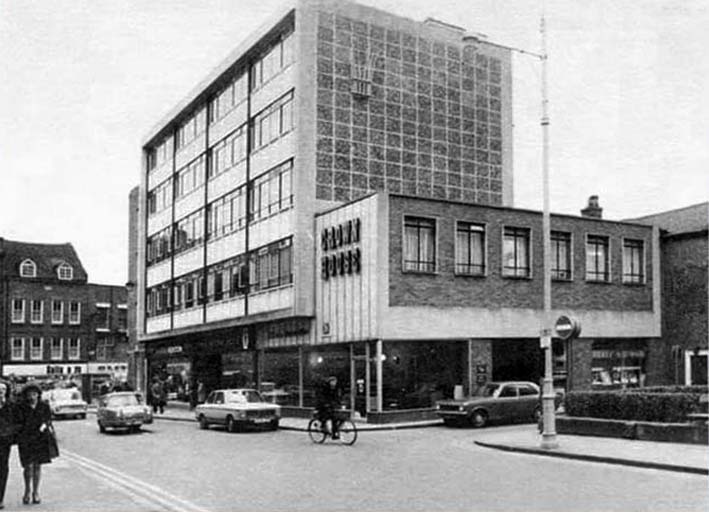
Formerly the site of the Post Office – demolished in 1959, and next to the Barclays bank the long gone Crown Hotel.
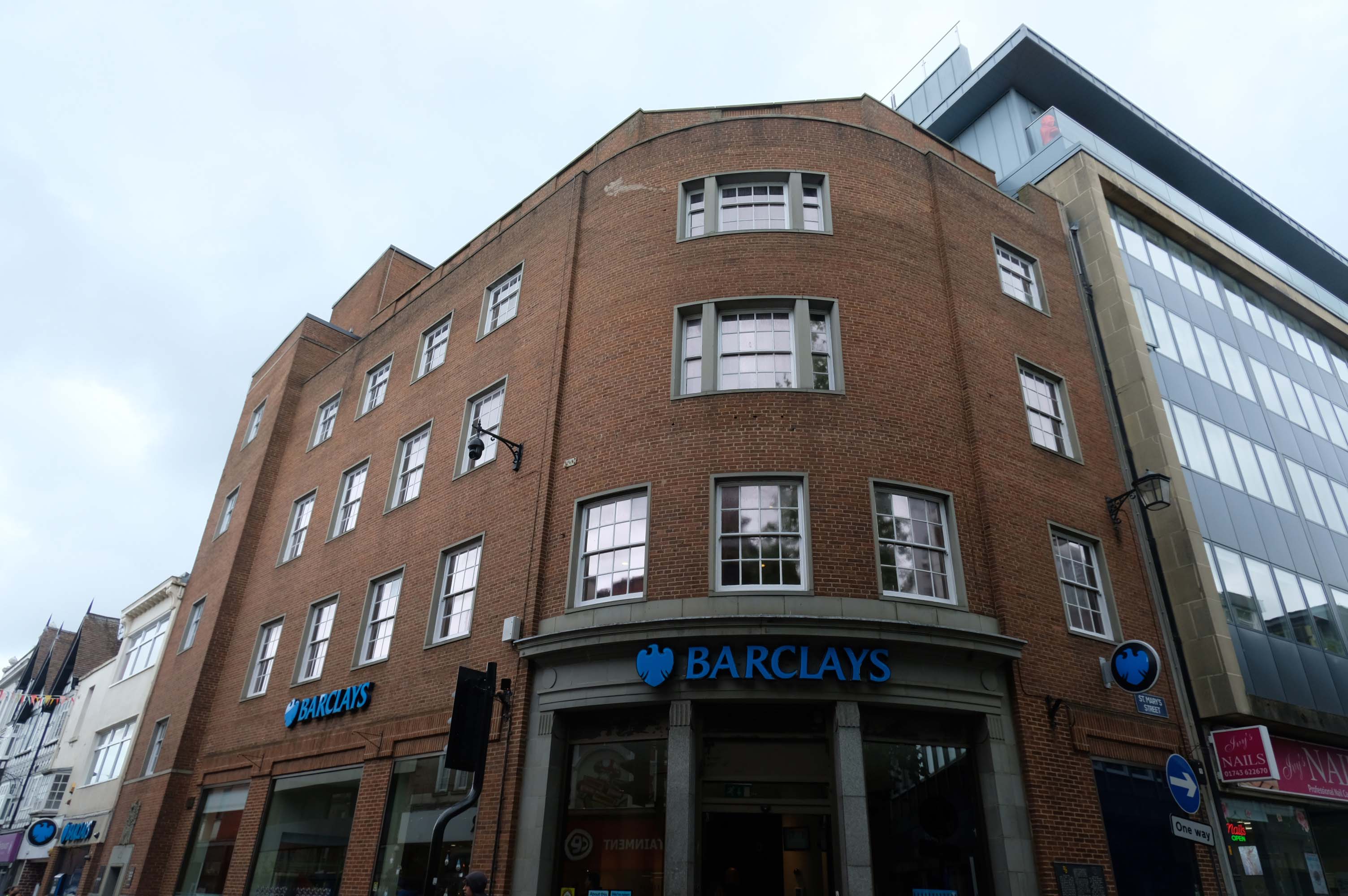
On the adjacent corner a curvaceous Barclays Bank, built in the post war Ministry of Works manner.
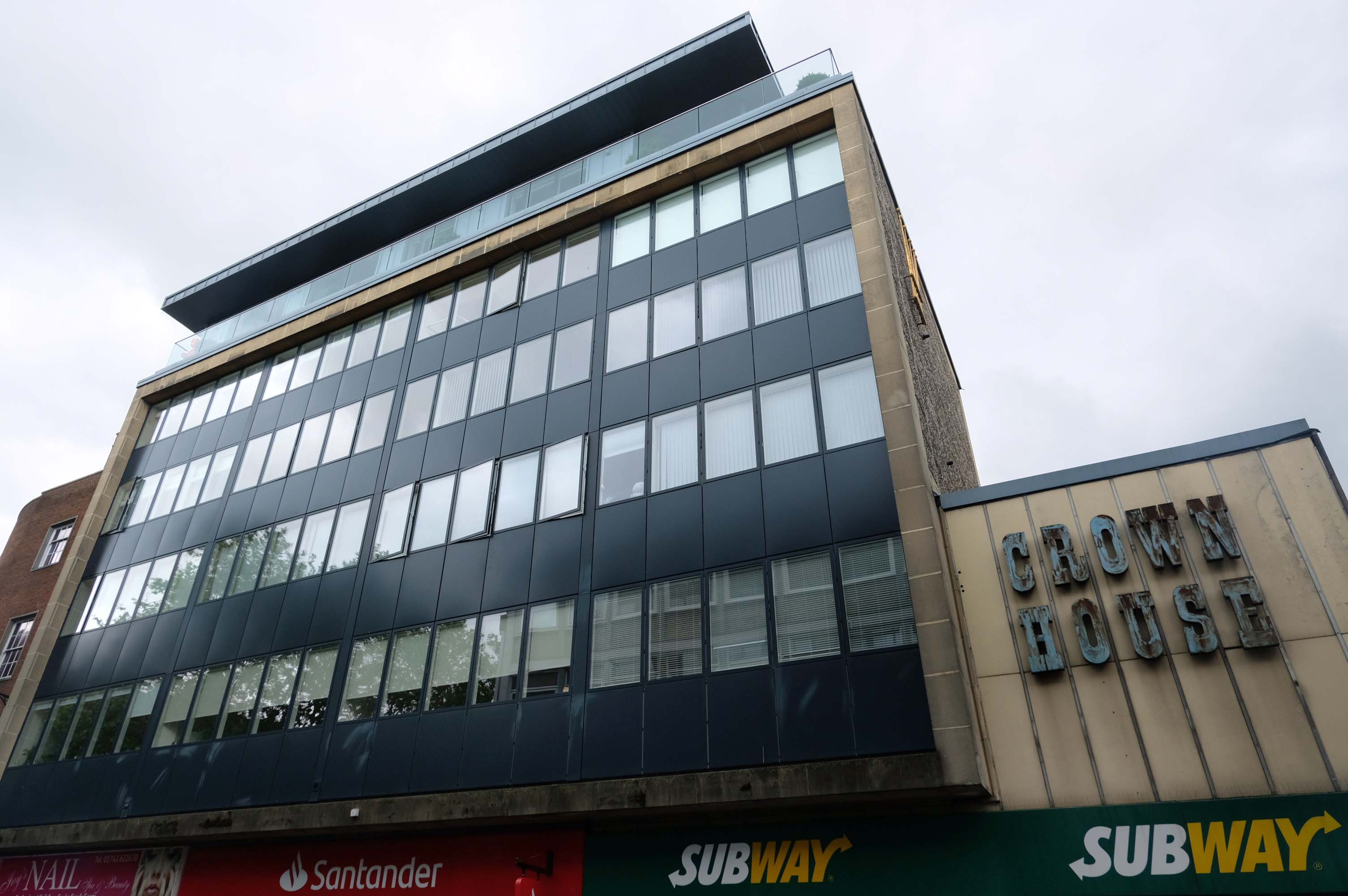
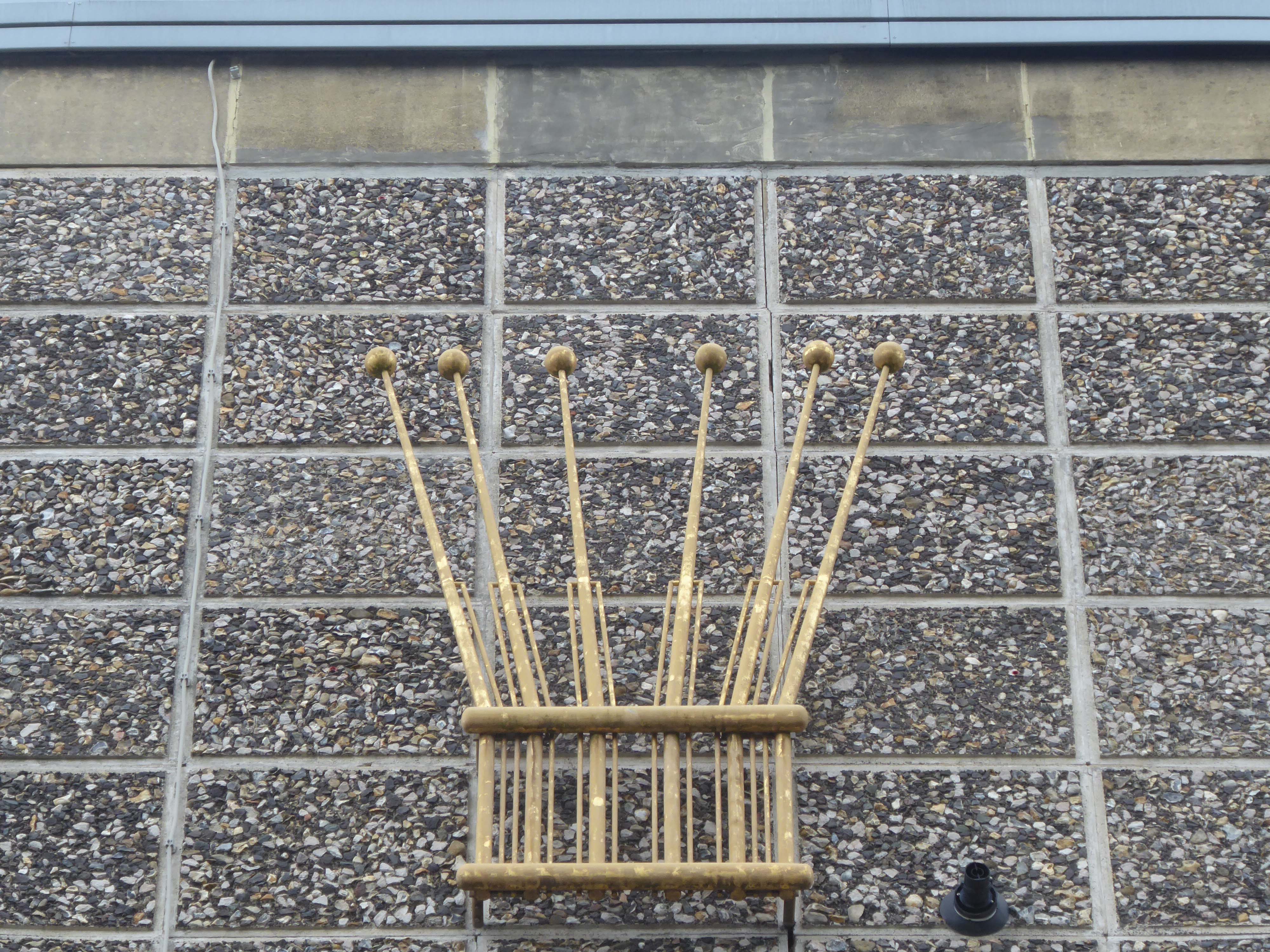
Next door is Crown House – refurbished but with it’s architectural type intact.
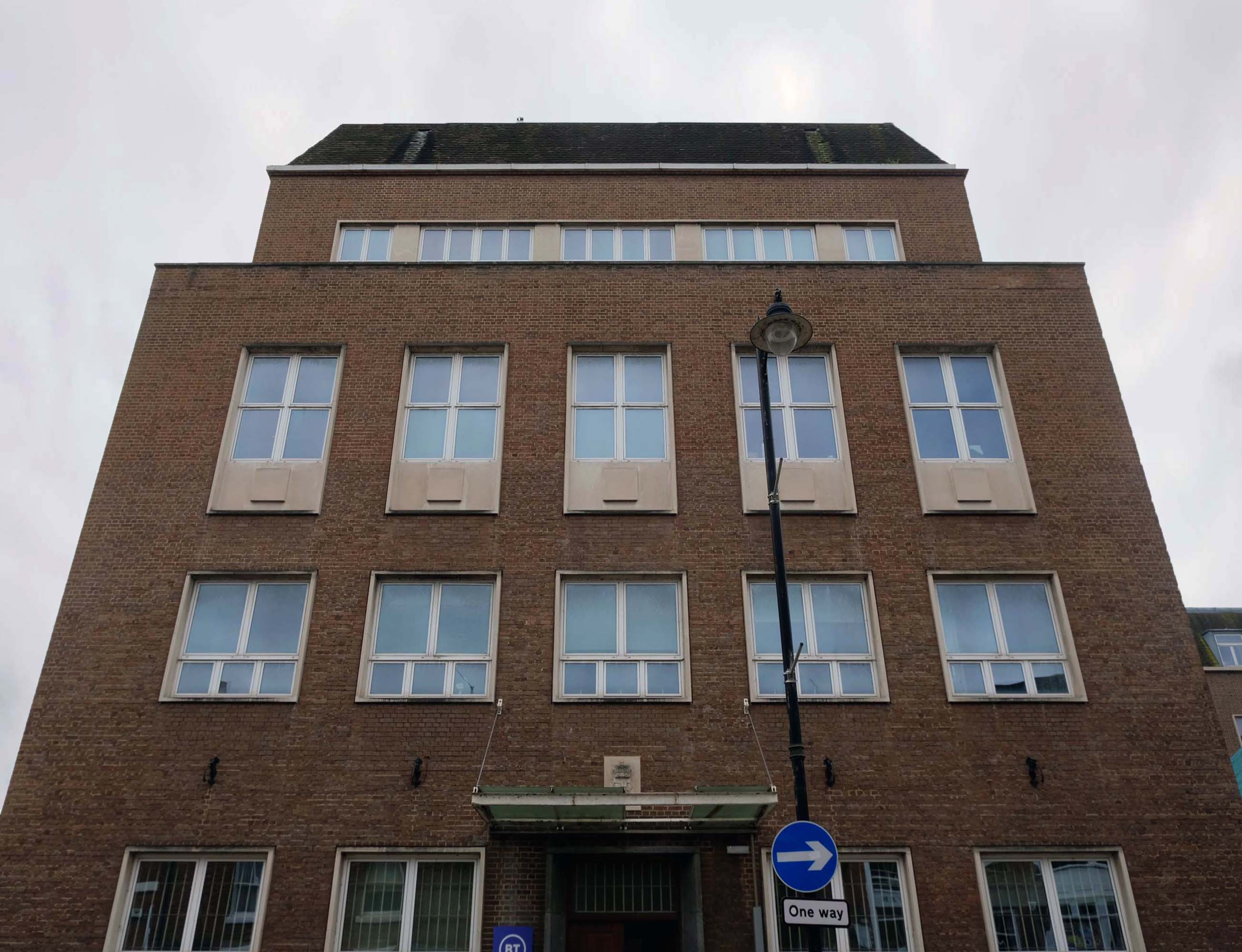
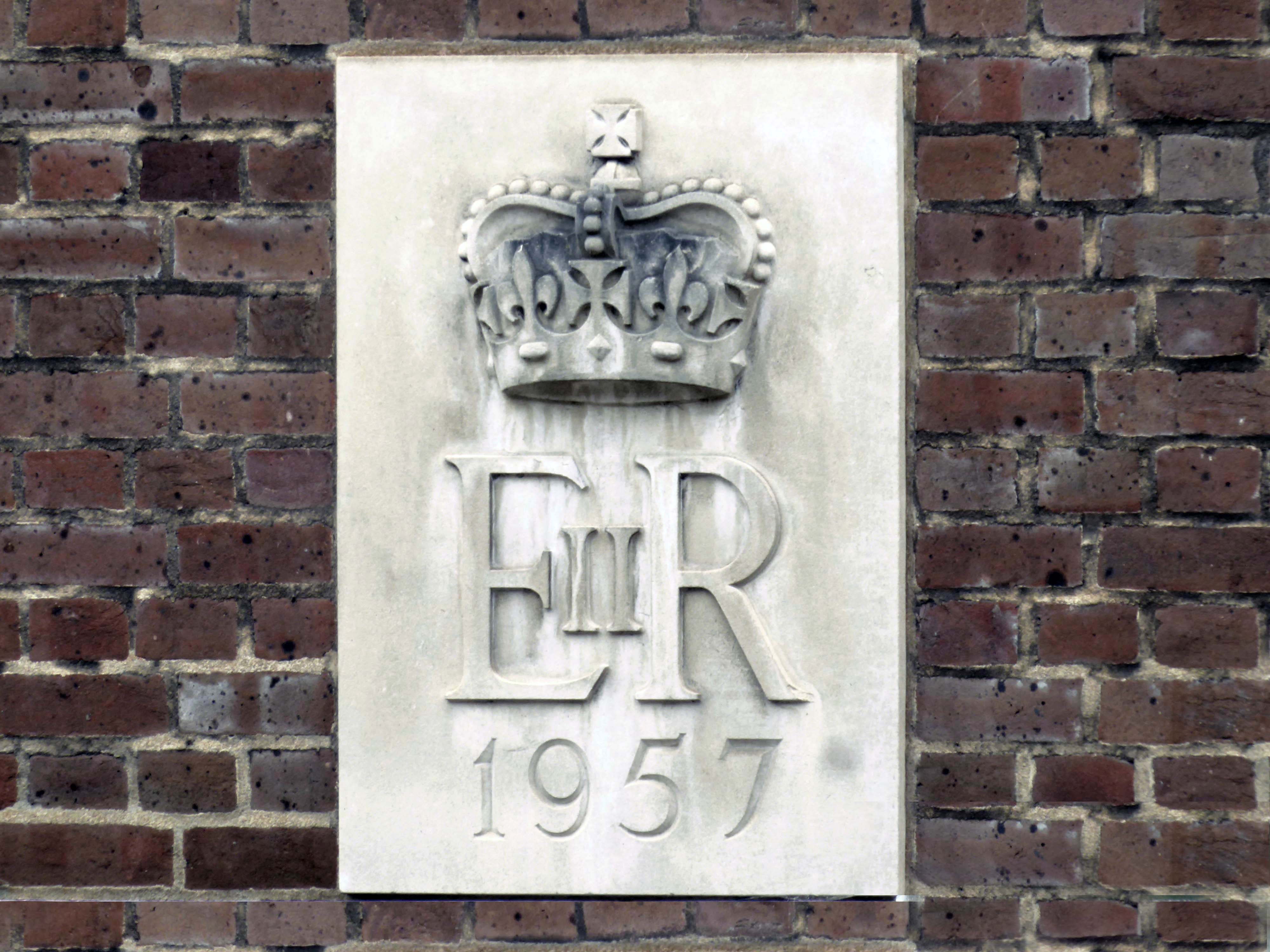
One of Marshall Structures’ biggest projects to date was the conversion of Crown House from a tired office block to a complex featuring 14 luxury apartments, providing a much-needed improvement to the site. The work involved in this project included large amounts of steel work and timber design.
The biggest challenge faced during the completion of this project was trying to fit an additional storey without loading quite an old existing structure. To do this, the new storey was designed out of a lightweight timber frame. By doing this, the client’s brief could be met while also ensuring that the existing 1950s building wasn’t overloaded in the process.
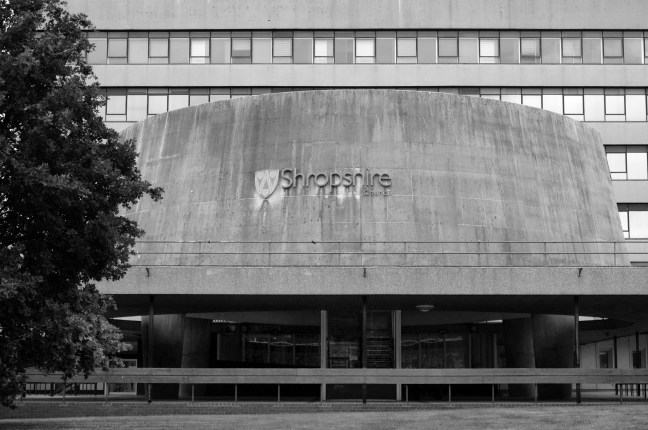
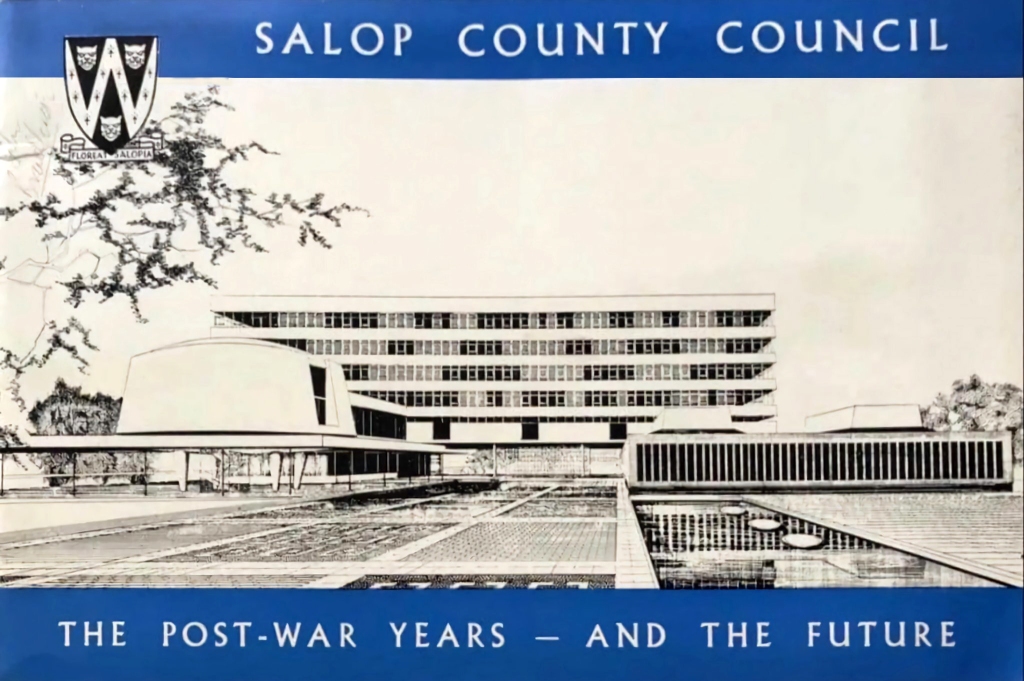
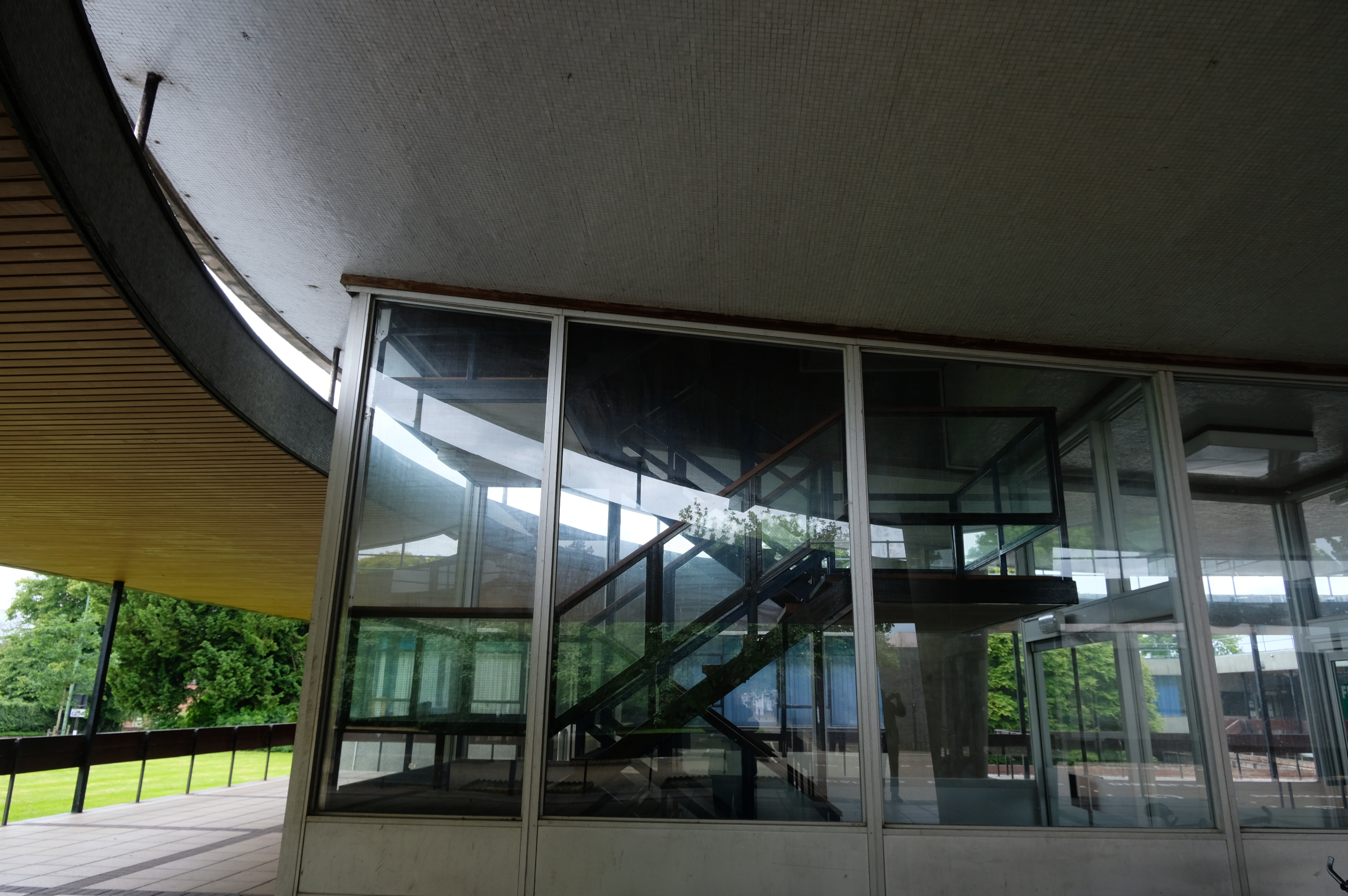
The foundation stone for the new building was laid by Sir Offley Wakeman, a former chairman of the county council, on 25 July 1964. It was designed by Ralph Crowe, the County Architect, in the Modernist style, built at a cost of £1.8 million and was completed in April 1966.
Pevsner described the building as – the major monument to post-war modernism in the county.
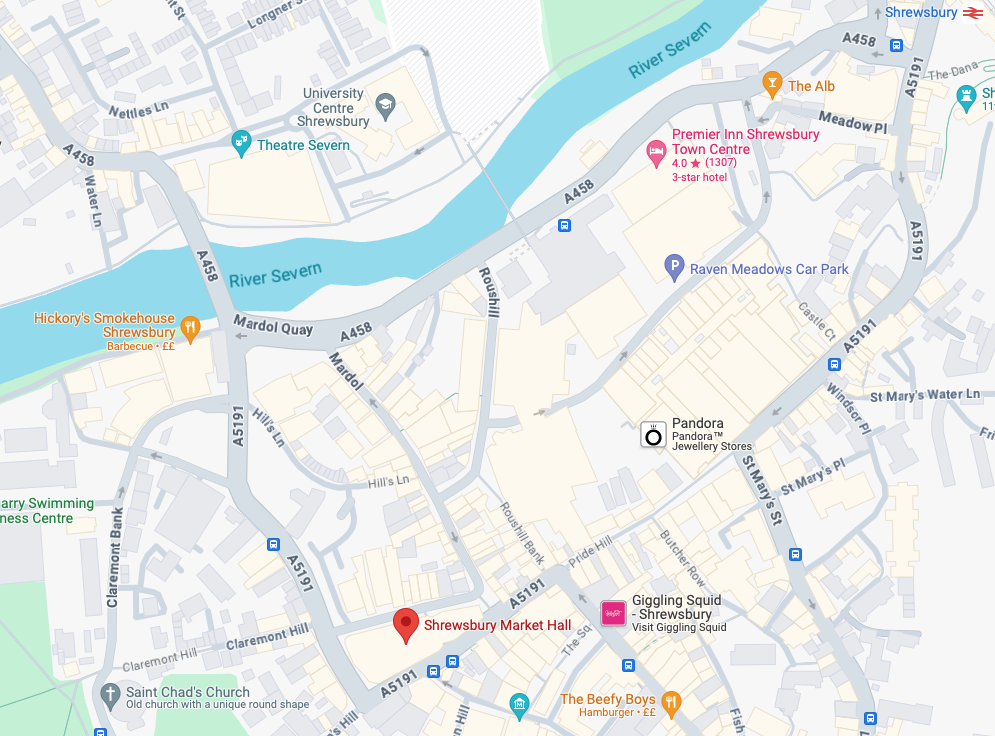
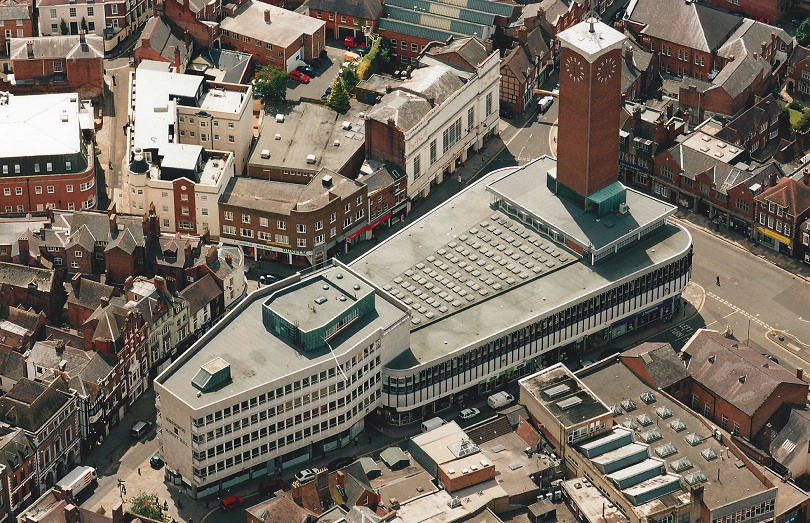
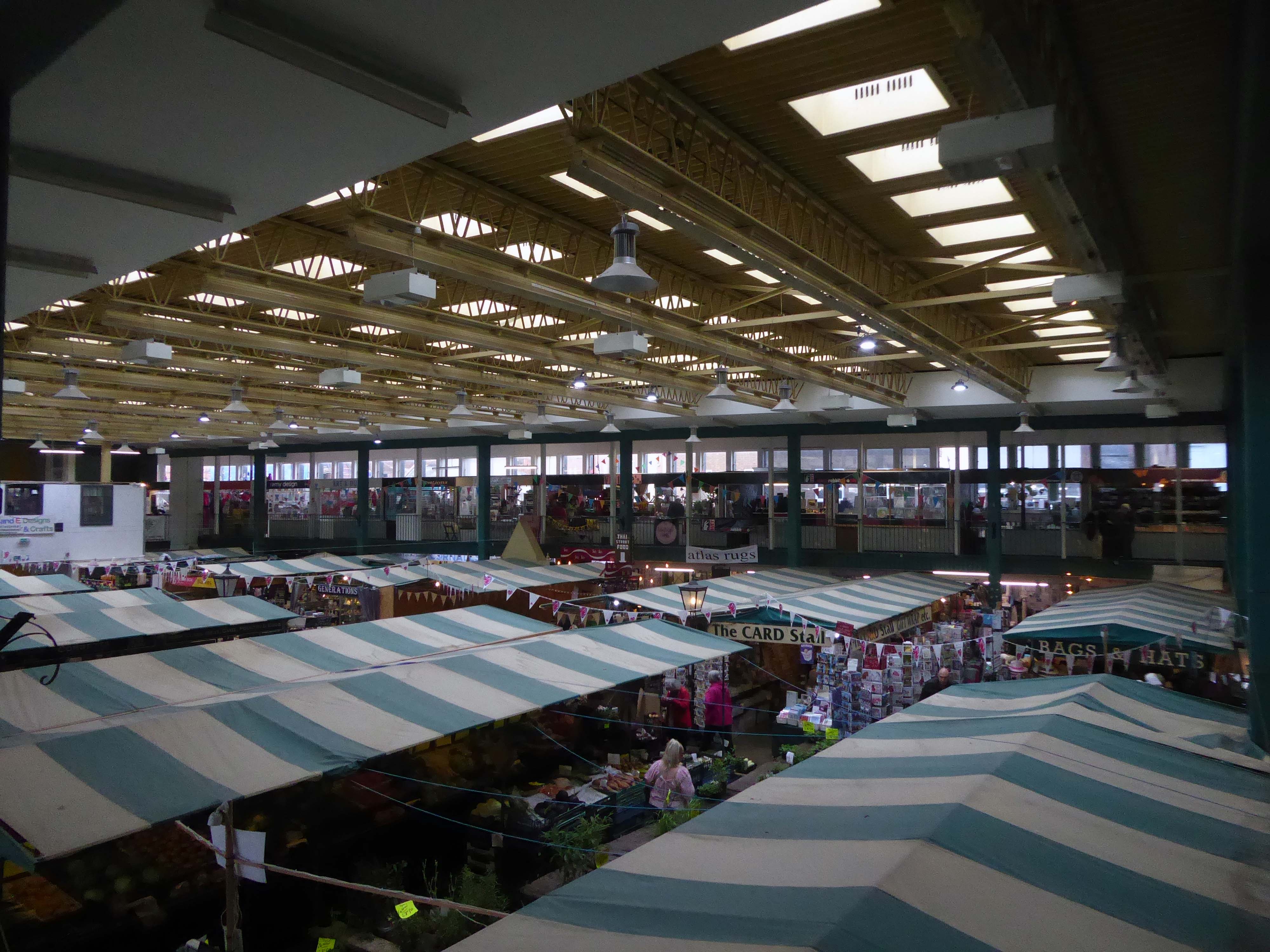
The Market Hall, which includes the town’s 240ft clock tower, an indoor market and a ground-floor shopping centre, was hailed the most modern building in Shropshire when it opened in September 1965.
Developed by the Second Covent Garden Property Company Ltd to replace an ailing Victorian market hall, it cost £1 million to build and was designed by award-winning architect David du Roi Aberdeen who also famously designed the Trade Union Congress headquarters, Congress House, in London, and the Swiss Centre in Leicester Square.
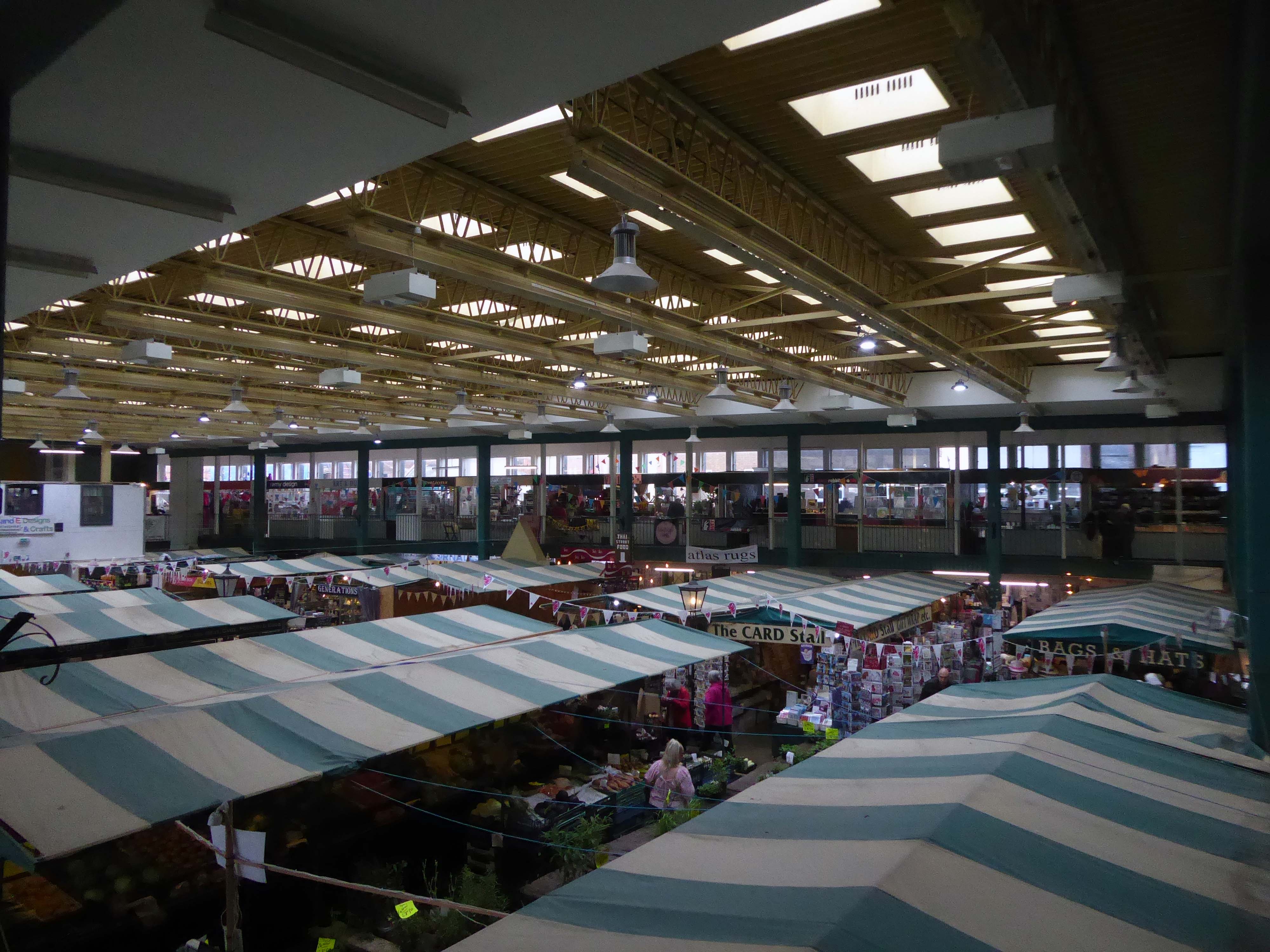
Today the Market Hall’s 1960’s architecture might not be to everyone’s taste, but its indoor market is thriving with over 70 small businesses ranging from popular contemporary cafes and gift retailers to artisan producers and traditional market stalls selling fresh produce.
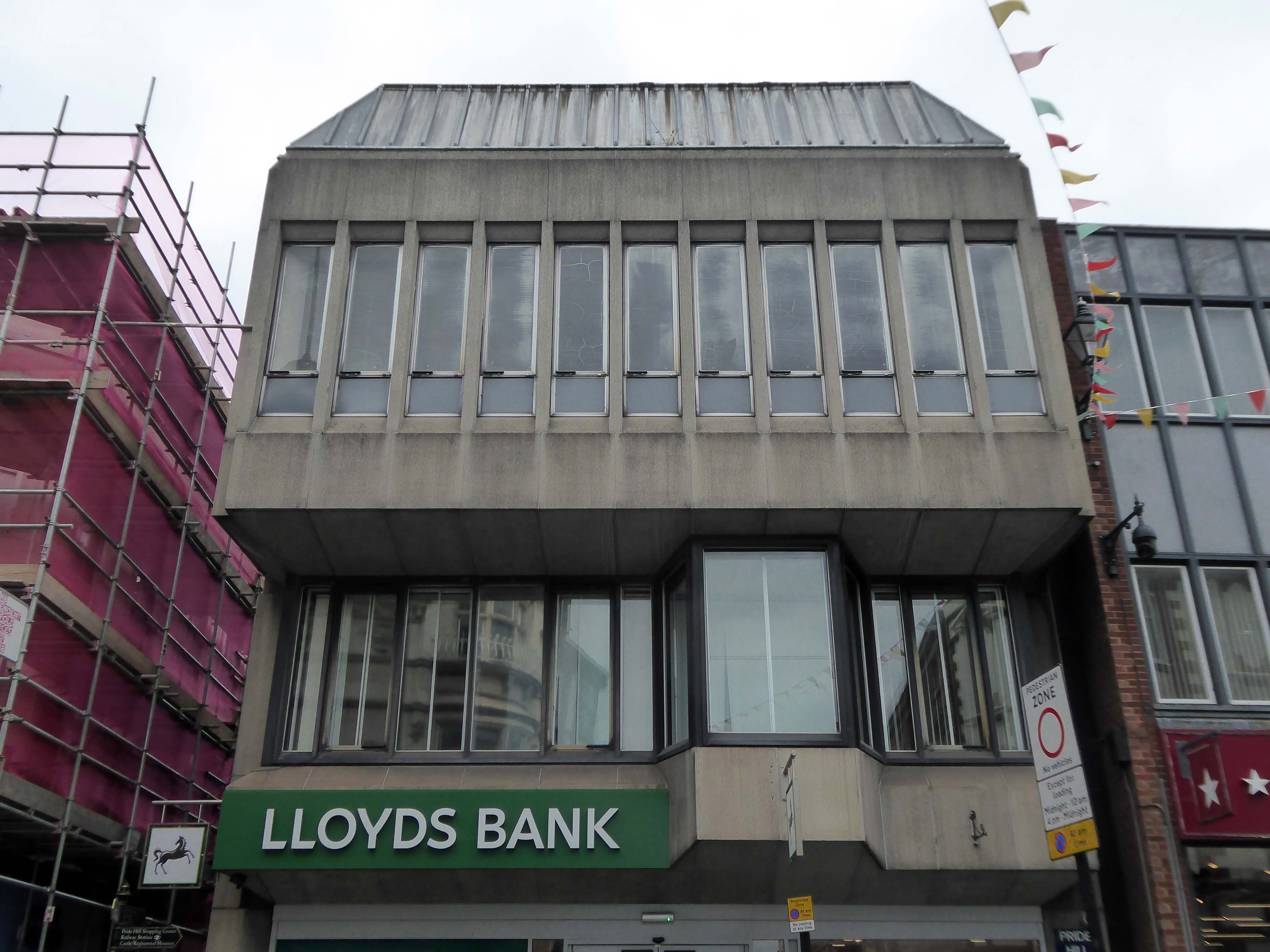
Bobbing toward the centre – a striking Lloyds Bank.
A conscious effort to reflect the nearby Tudor architecture of Ireland’s Mansion and Pride Hill. Lloyds Bank is considered a good example of Brutalist architecture, and proof that bold modern buildings can be successfully slotted into traditional historic streets.
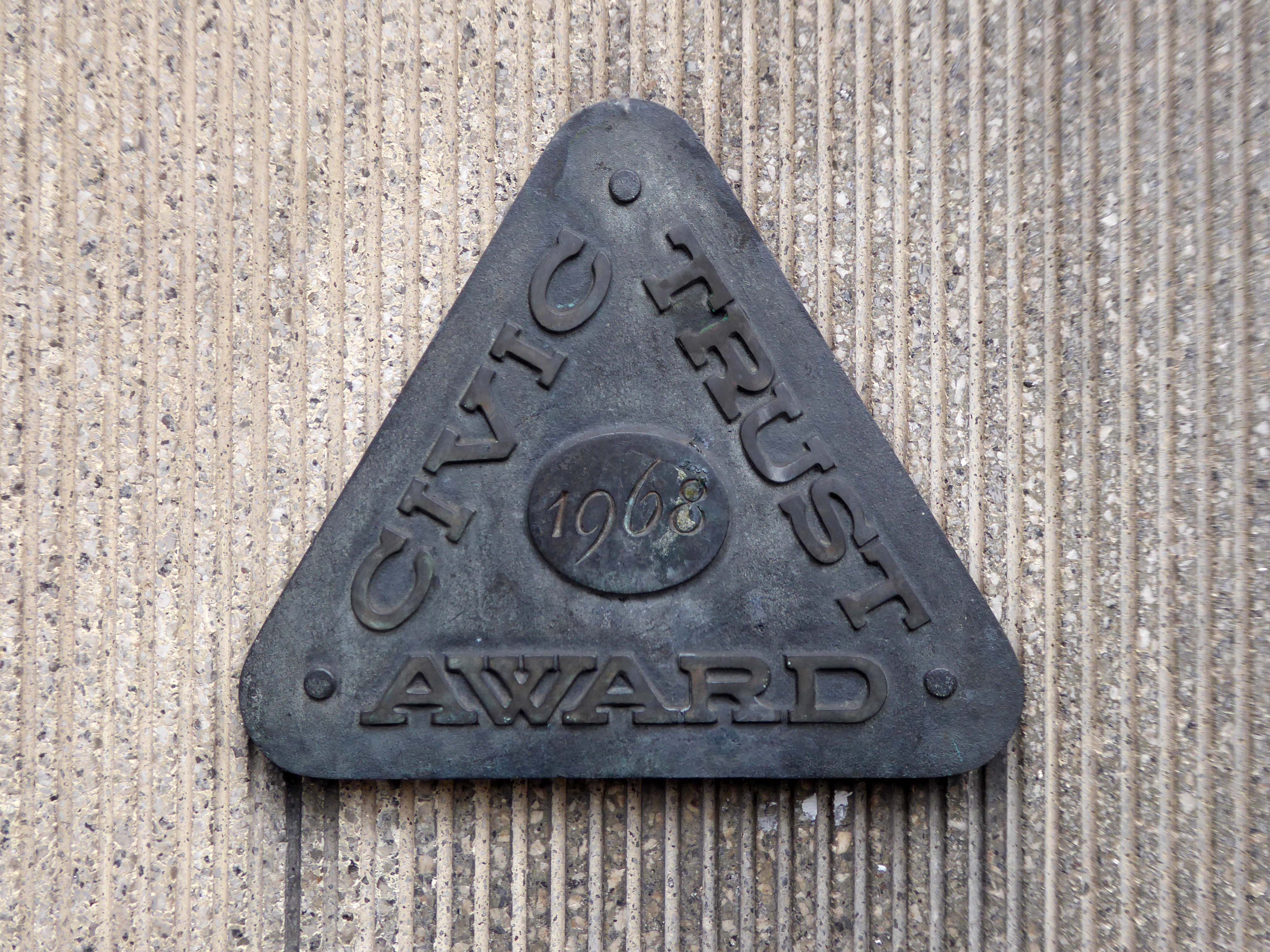
Possibly Shrewsbury’s finest post-war building, but of course it has its detractors. It was well received by critics of the period including the assessors for the Civic Trust who bestowed an award in 1968. They noted the quandary that the architects faced of building in such a historic setting and terminating the vista along one of the town centre’s main streets. In their opinion the architects ‘faced the problem squarely and their building, brave in its conception and immaculate in its detail’ and that it was ‘uncompromisingly of today but beautifully sympathetic to the great buildings it rests with’. Pevsner’s original assessment of it being the ‘boldest modern response to the town’s half-timbering’ was not shared by the authors who revised the Shropshire edition and viewed it as an ‘aggressive display of exposed and textured concrete’.
It was also shortlisted for the European Cement Association awards, one of only two British buildings to make the grade. Opting to draw on the Tudor traditions of the town, partner W Marsden, working with project architect W Allan Clark and assistants Malcolm Lovibond and Keith Maplestone, used cantilevered floors, vertical structural and sub-structural members, oriel windows and a black and white tonal palette deploying anodized aluminium window frames against finely ribbed concrete panels. The standing seam zinc roof adopted the town’s norm of pitched roofs without gables in order to blend with the street scene. Concrete Quarterly referred to it as ‘a skilful bridging of the centuries in a way that would not offend a purist’ . The main contractor was Henry Willcock and Company Limited.
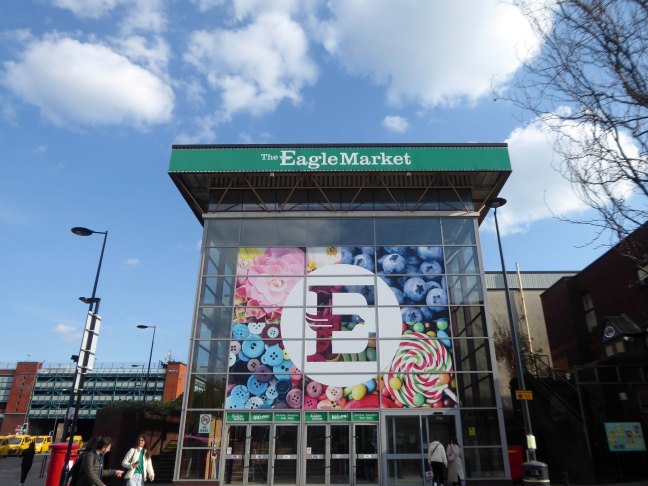
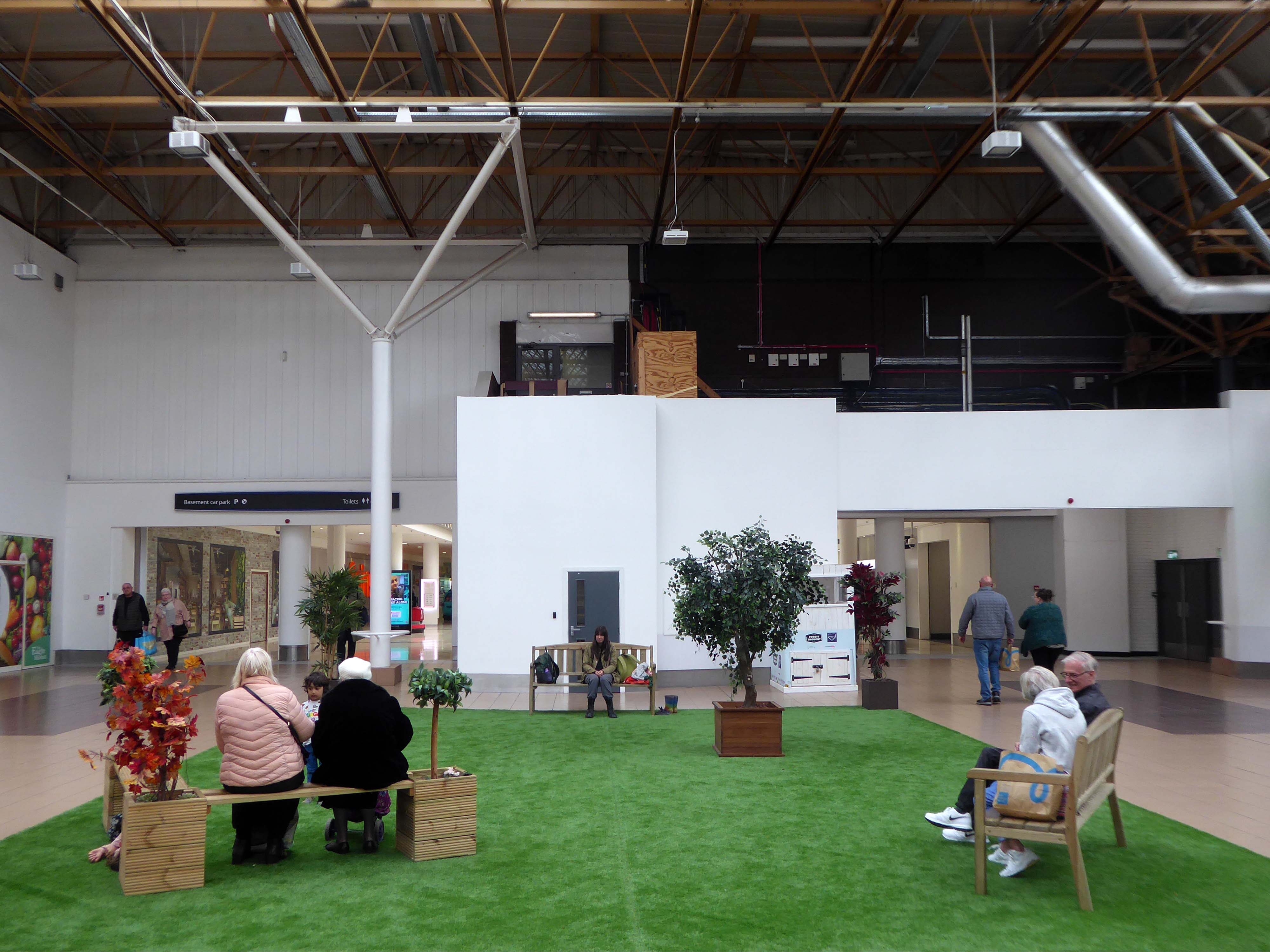
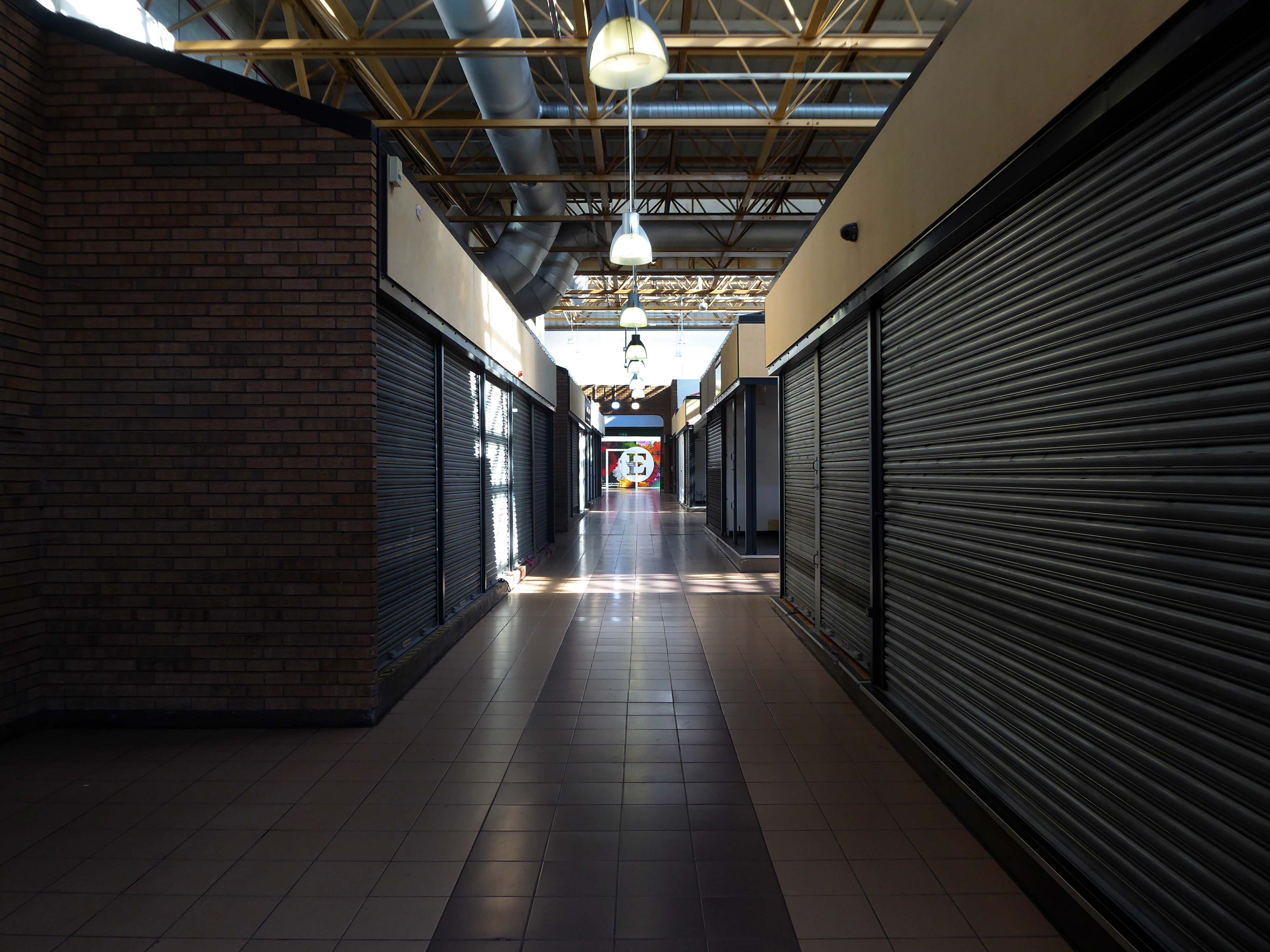
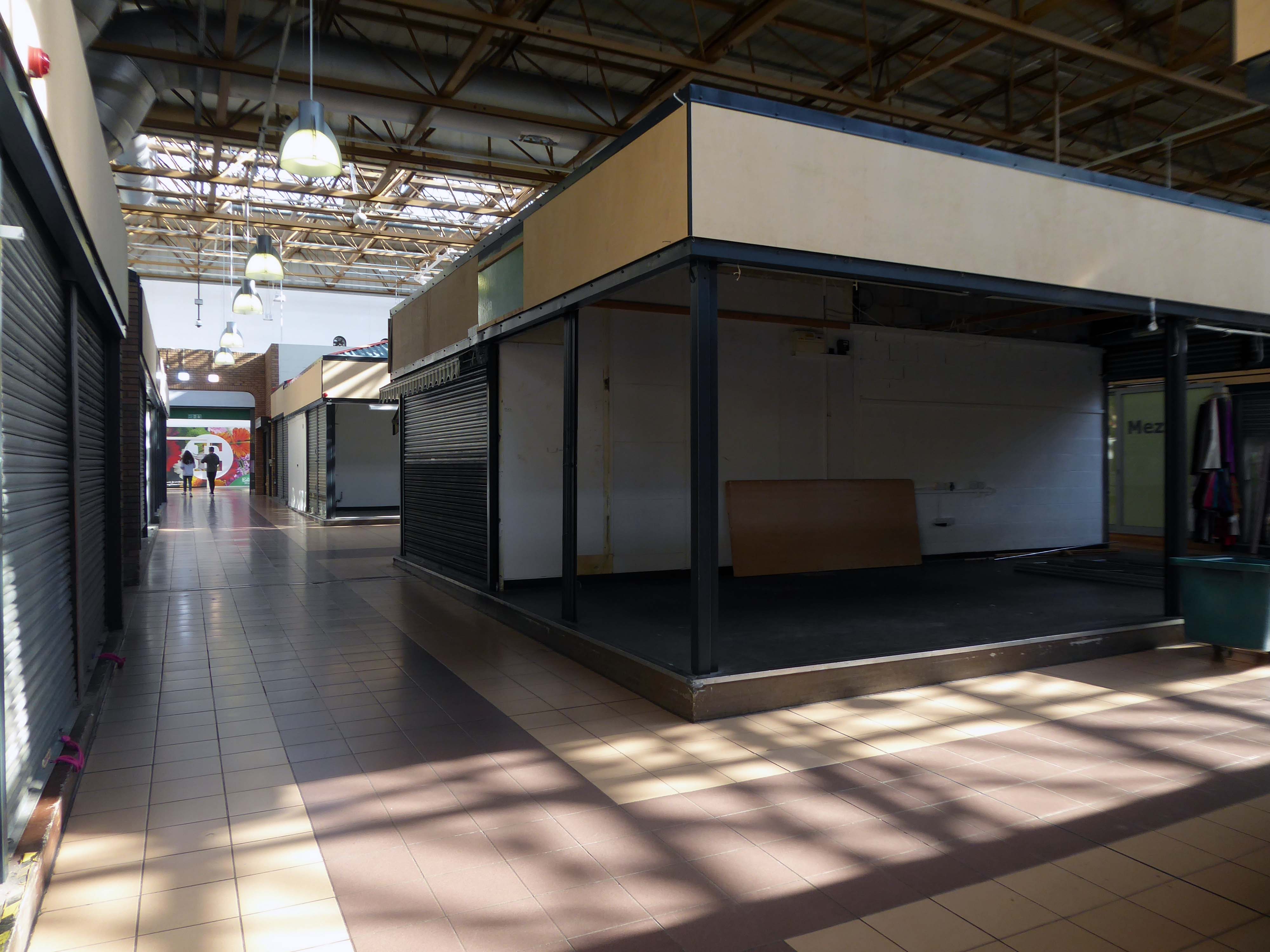
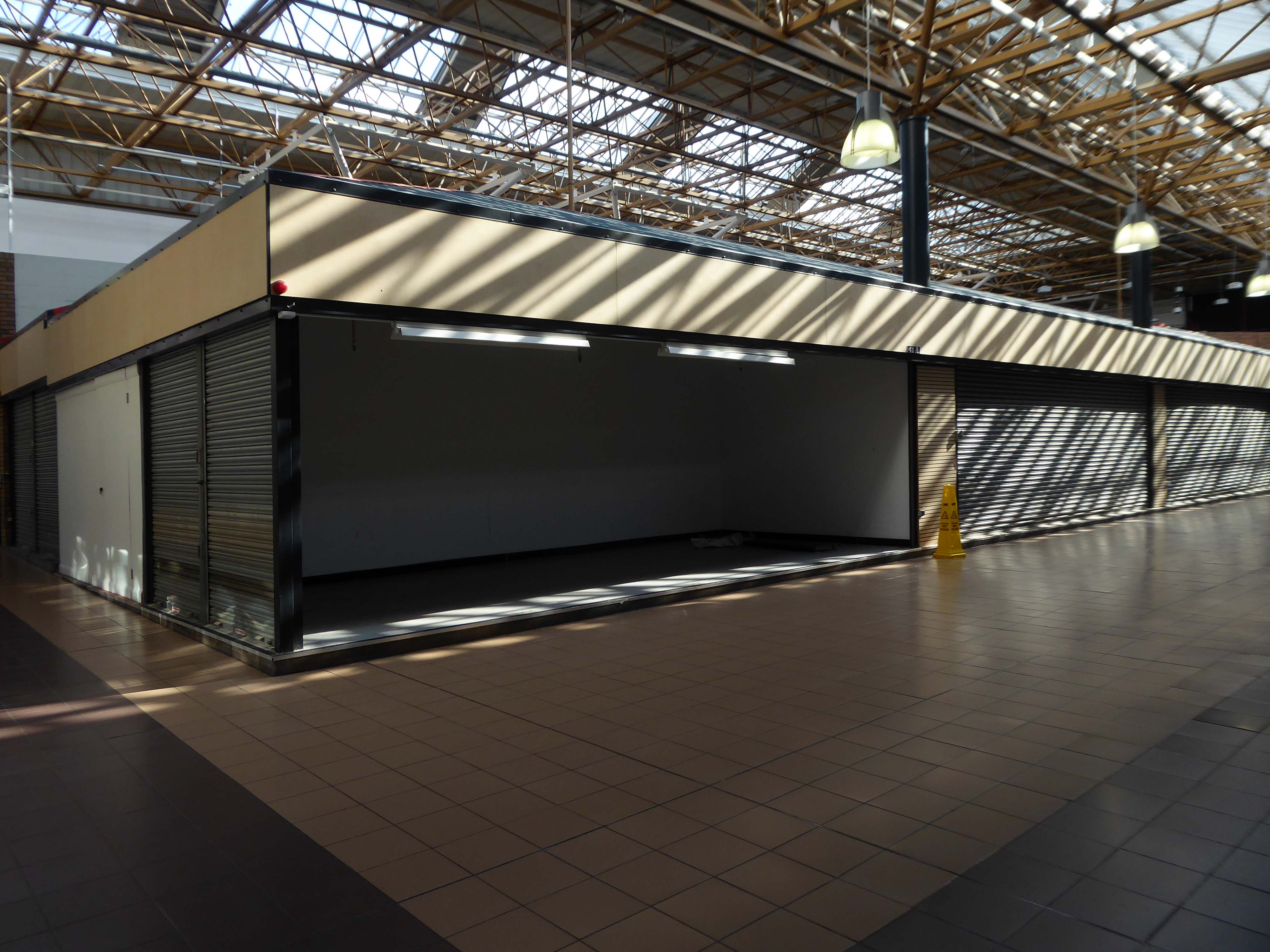
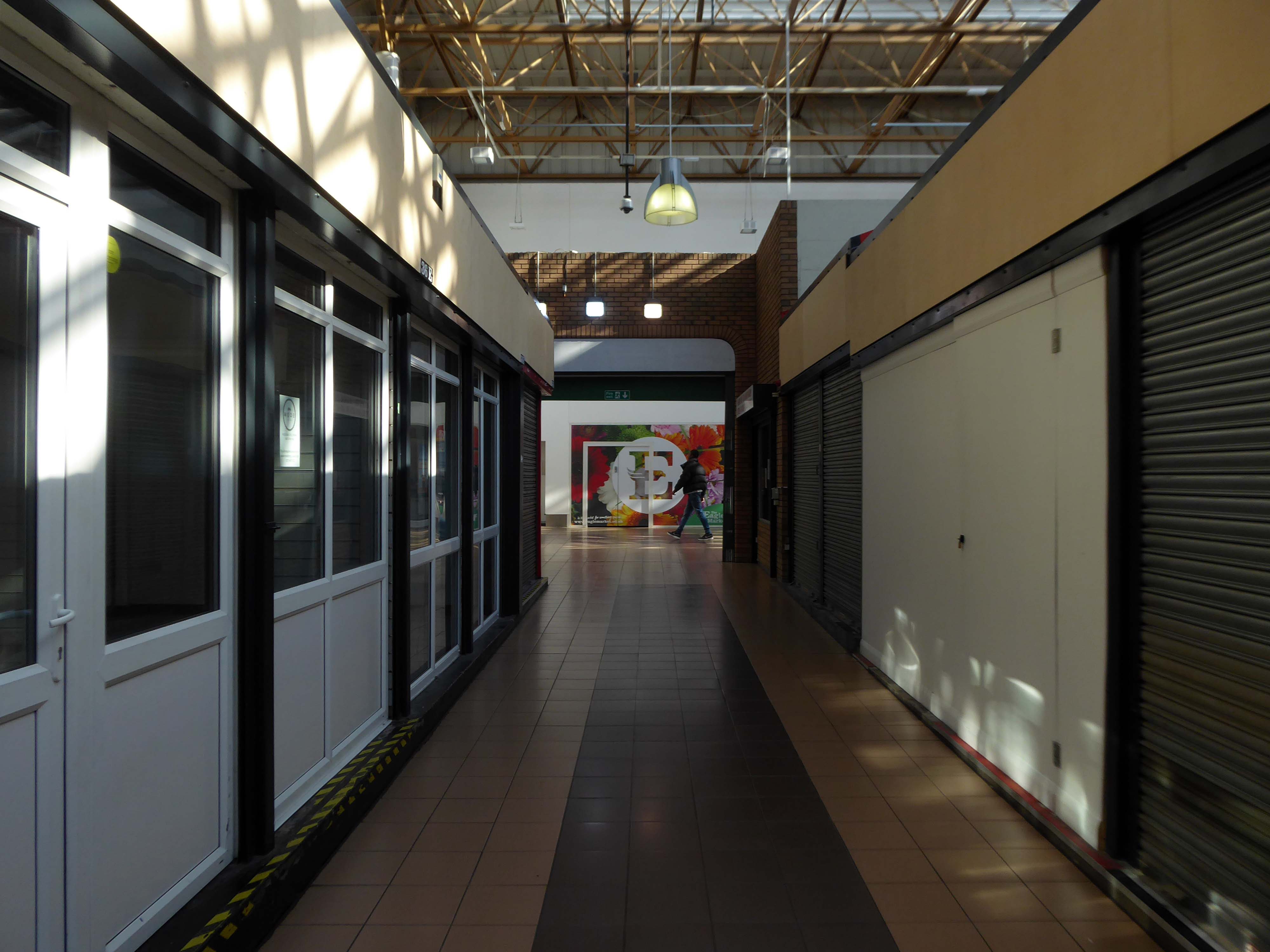
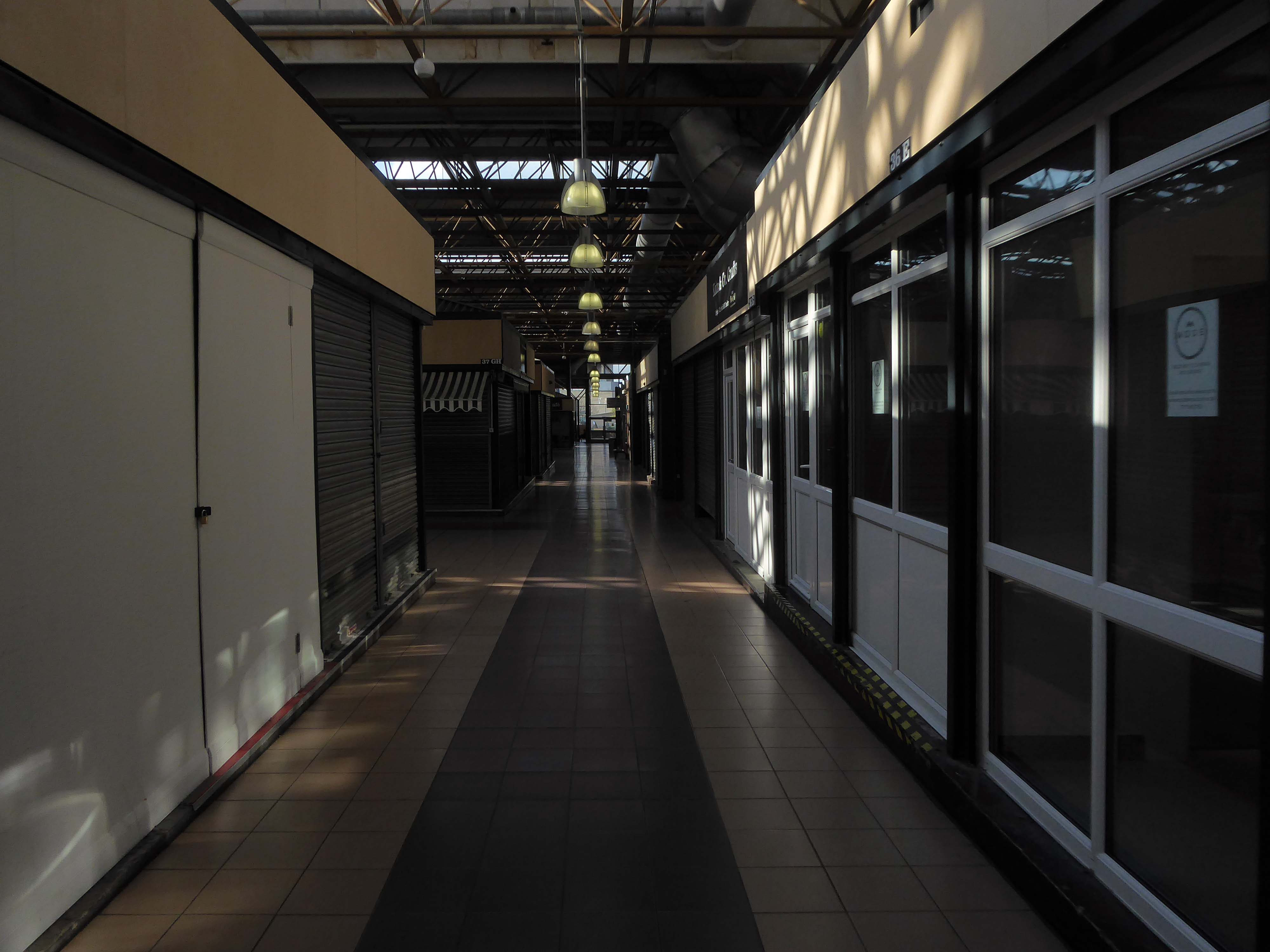
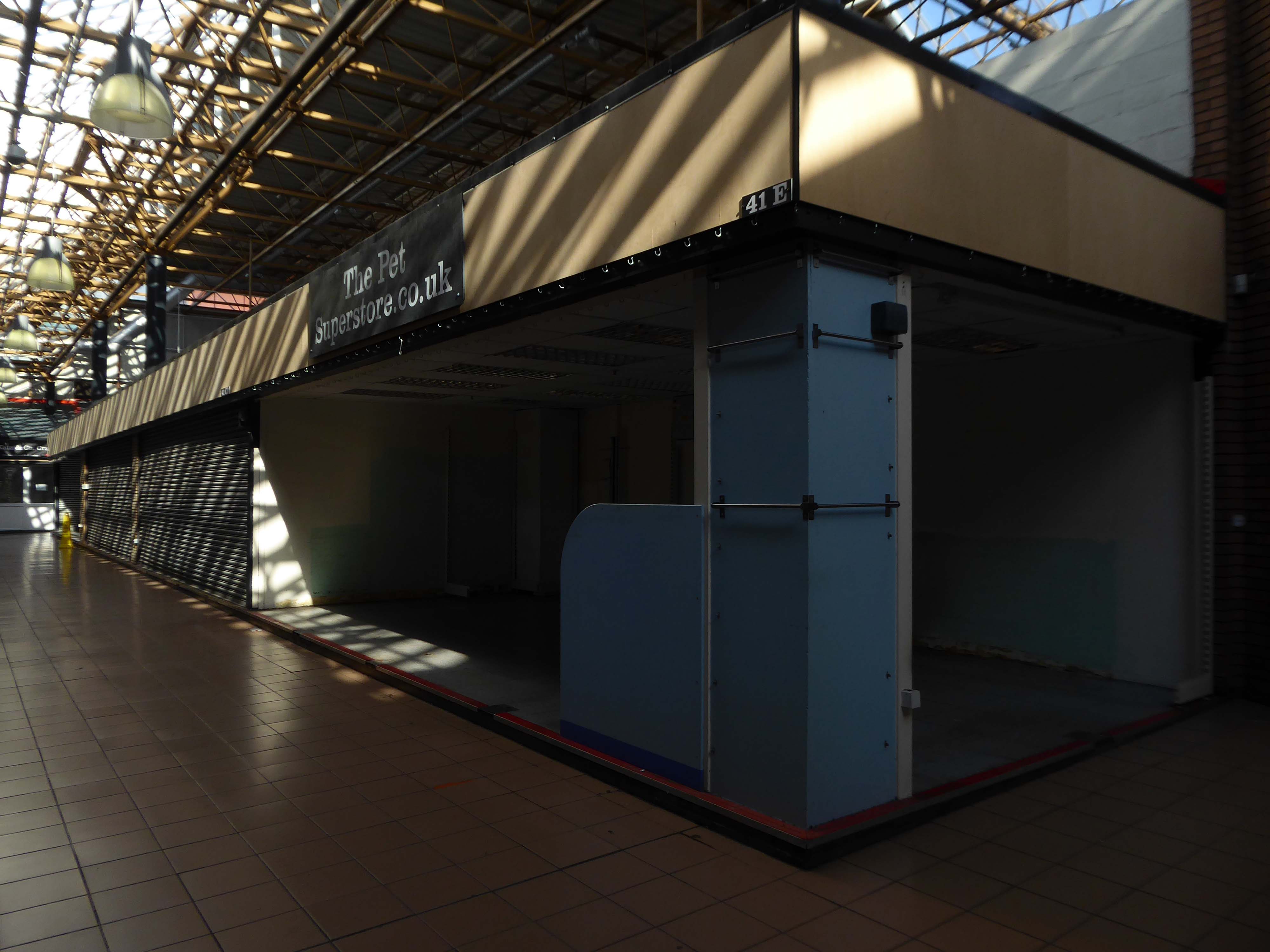
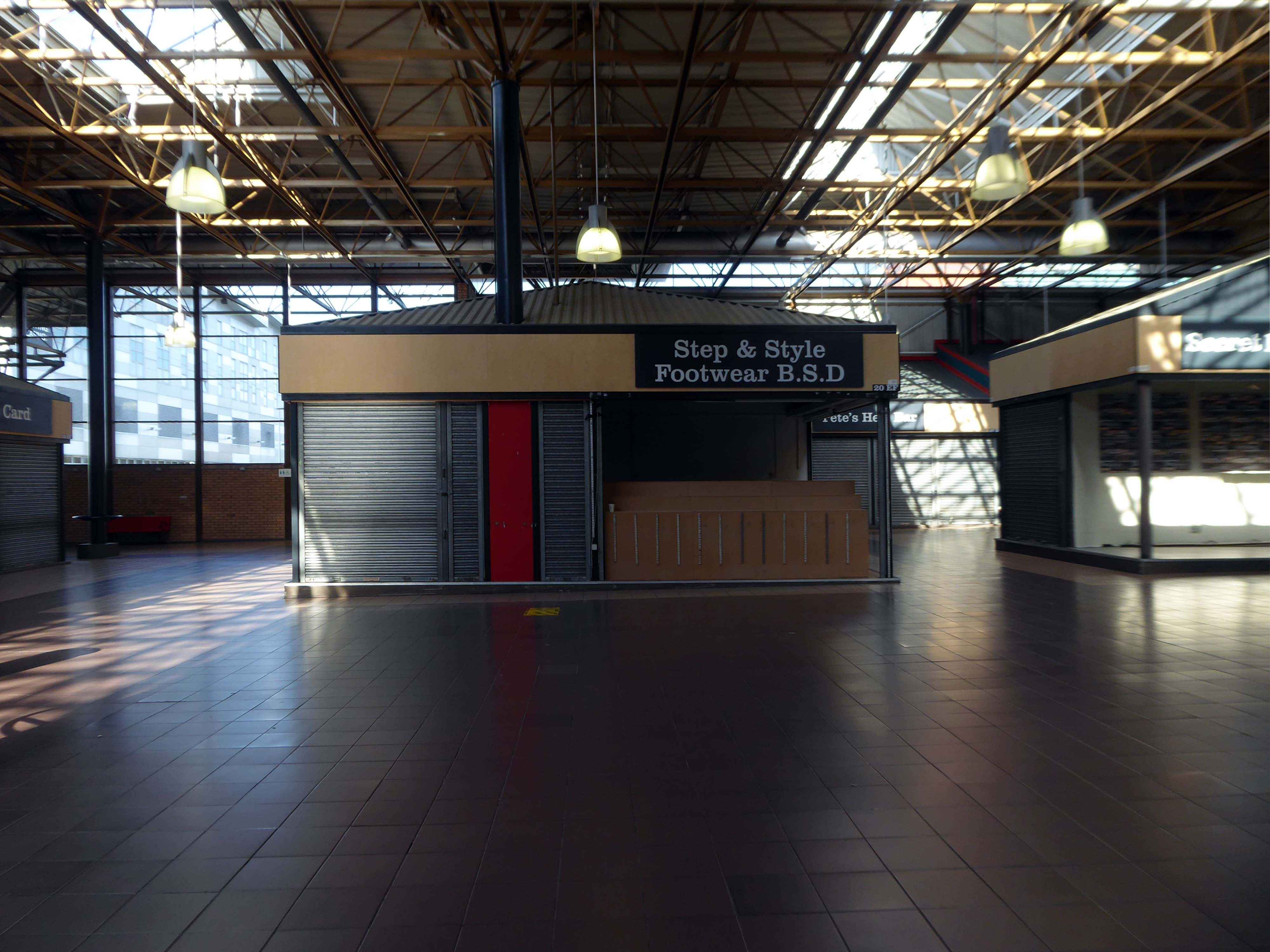
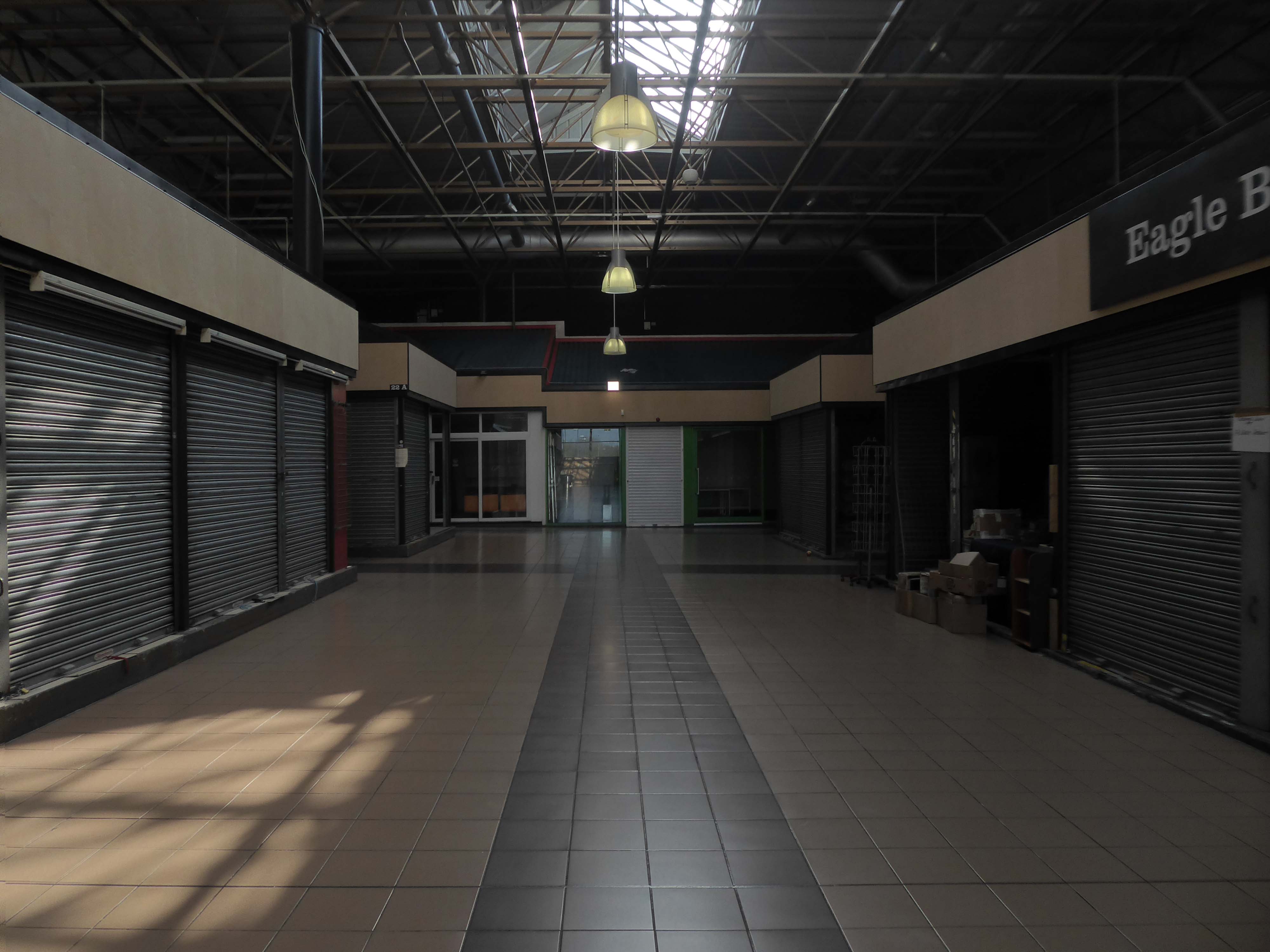
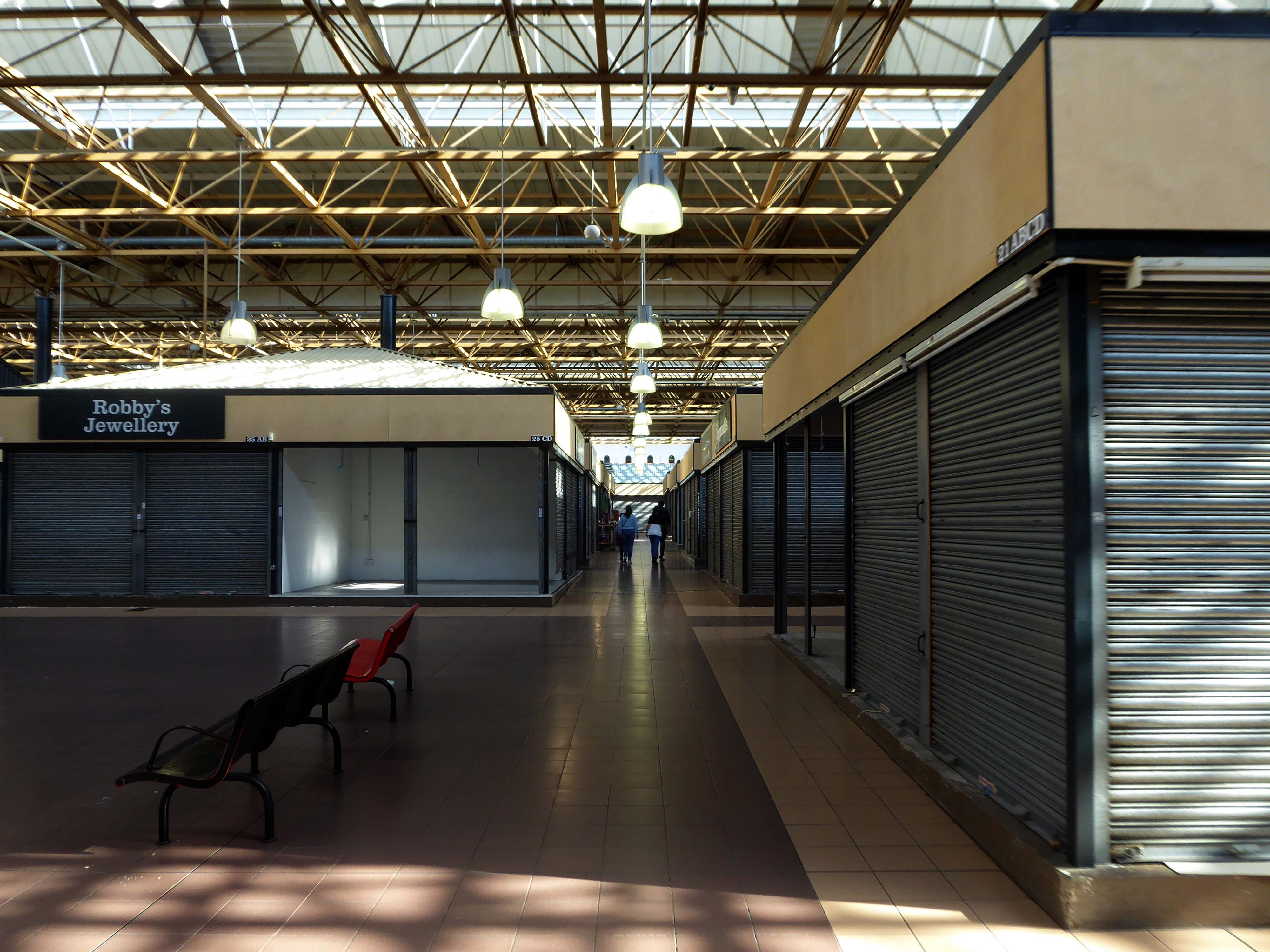
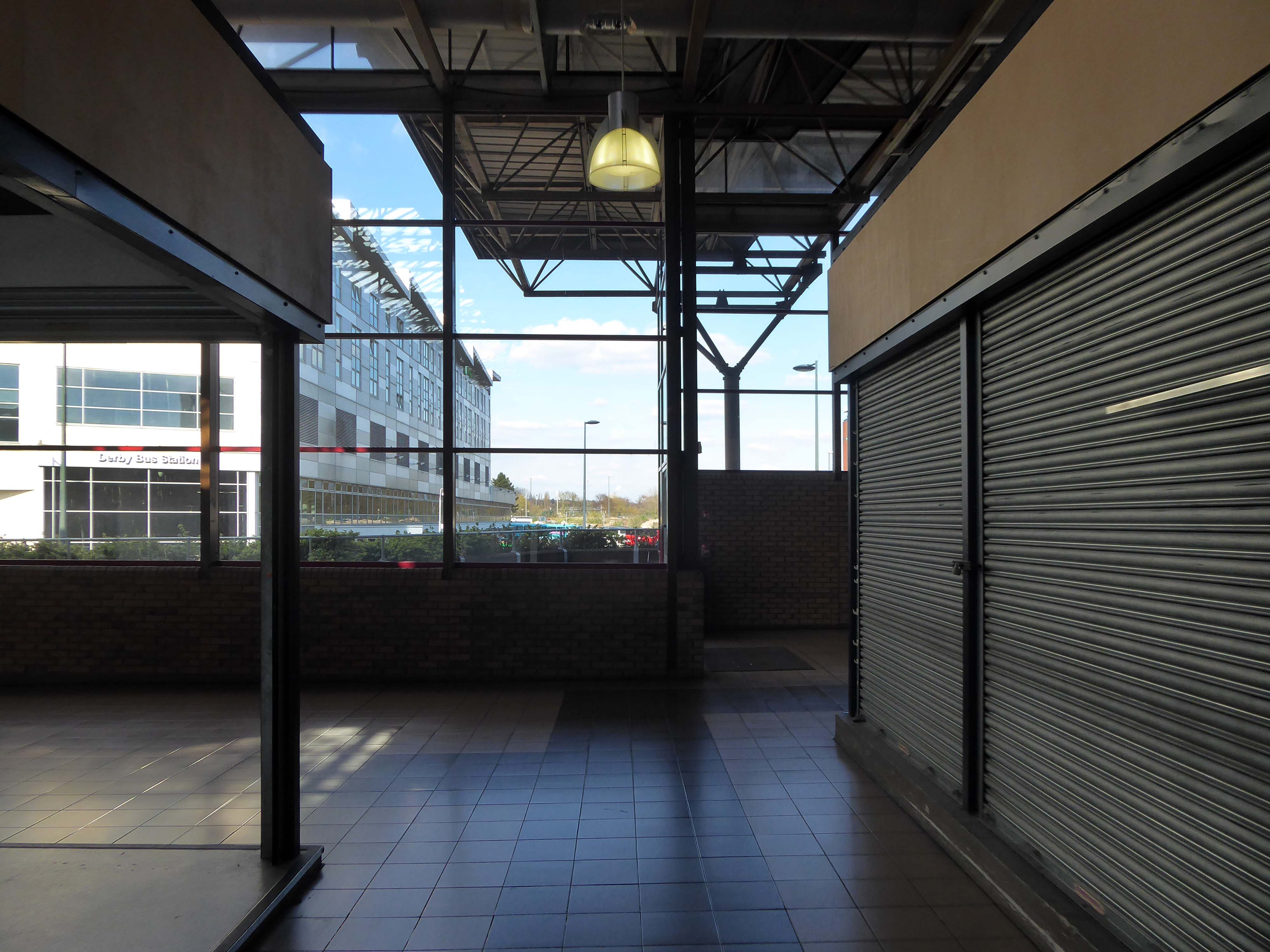
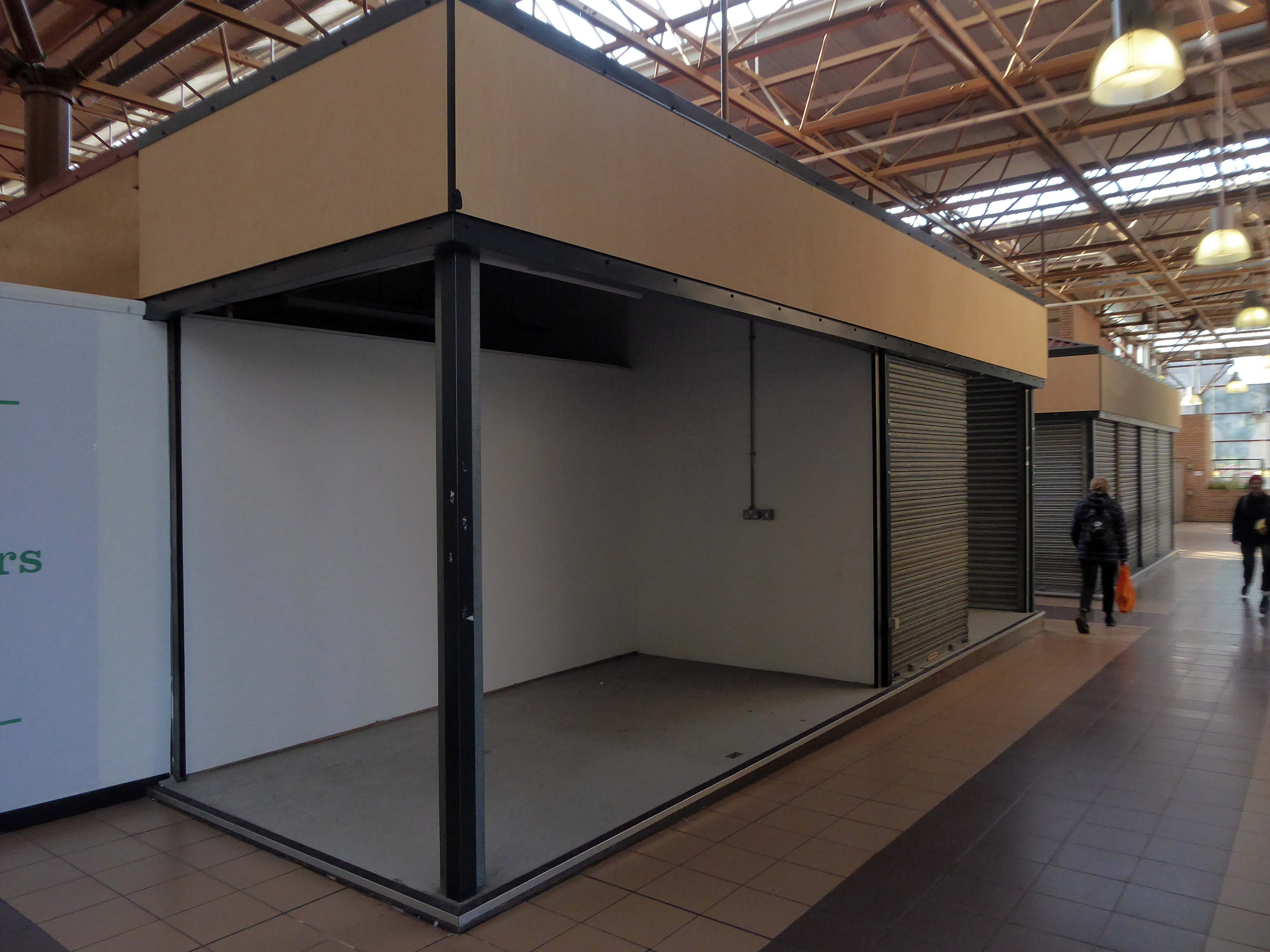
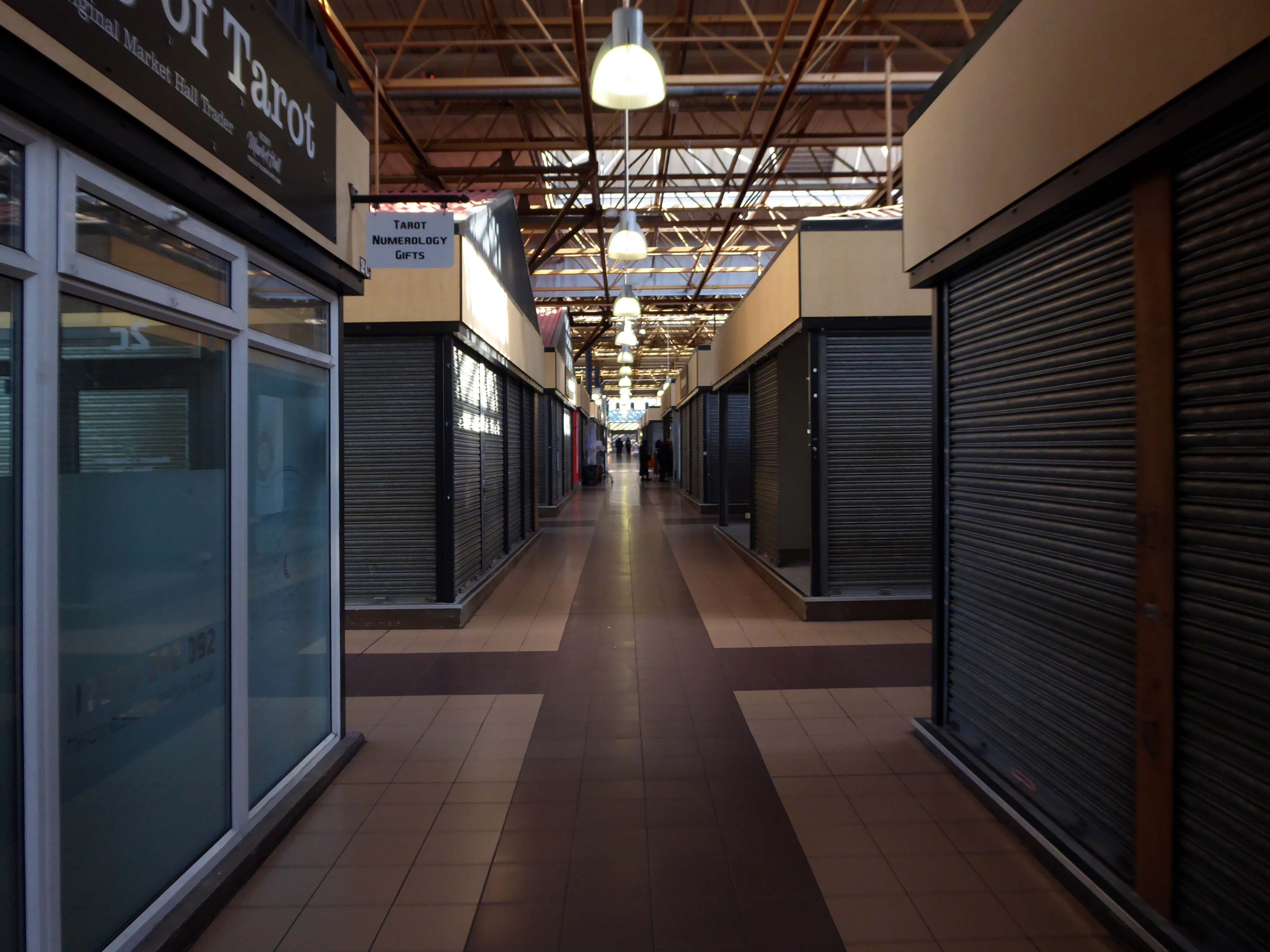
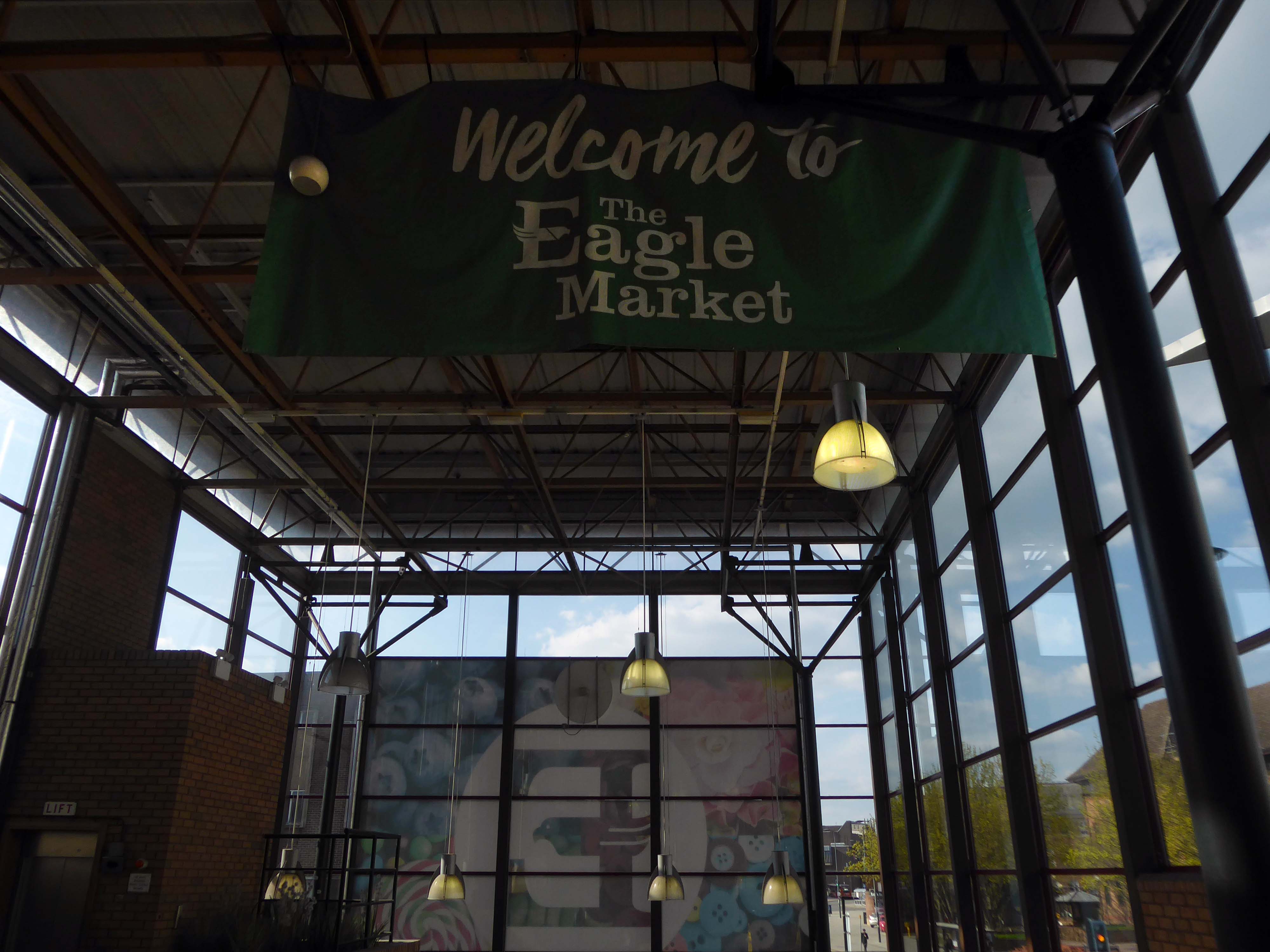
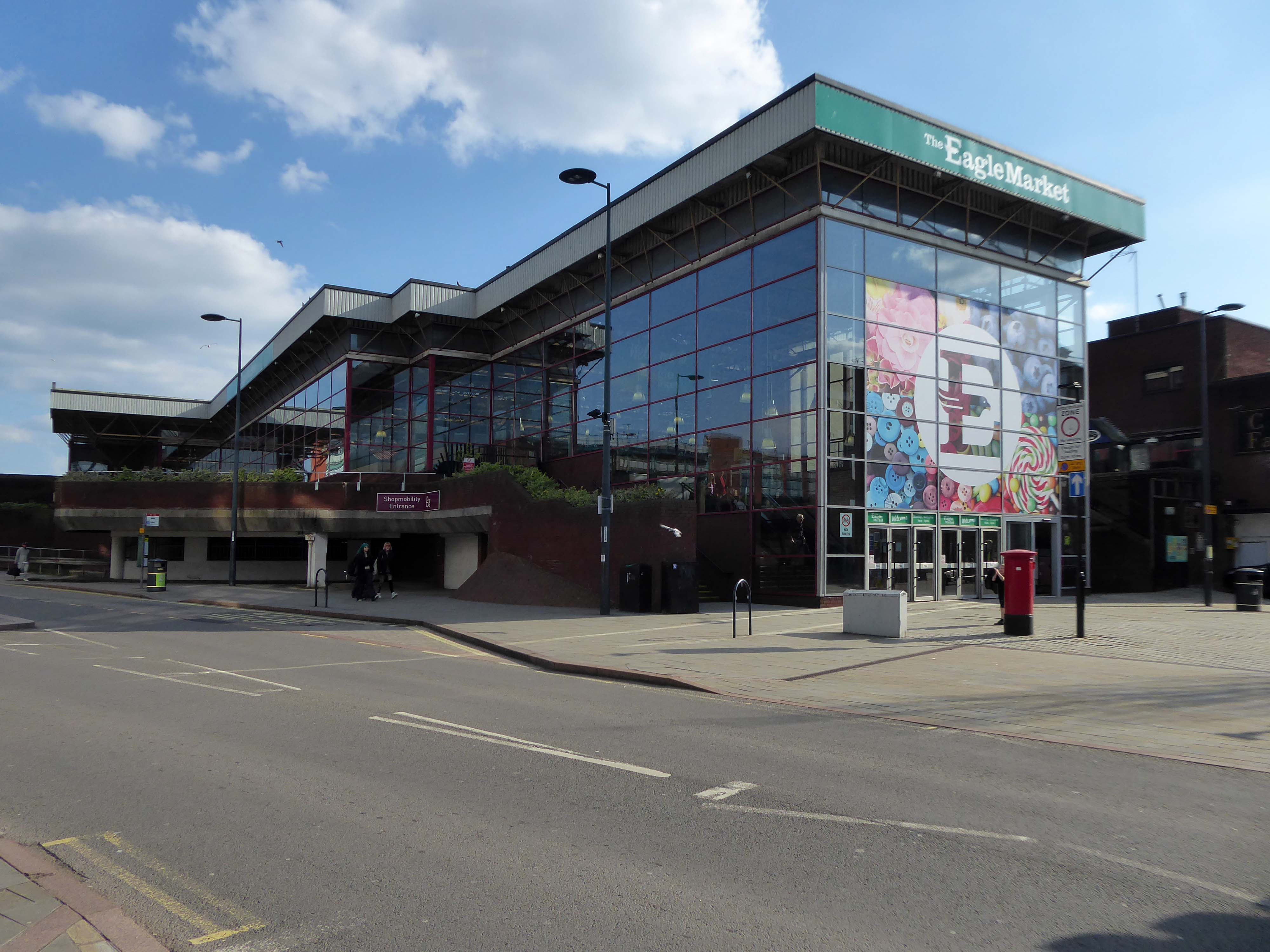
Derby’s Eagle Market, which has been open for nearly 50 years, is set to close for good in around six months from now. The indoor market is expected to shut down in March, traders were told in a memo late last month.
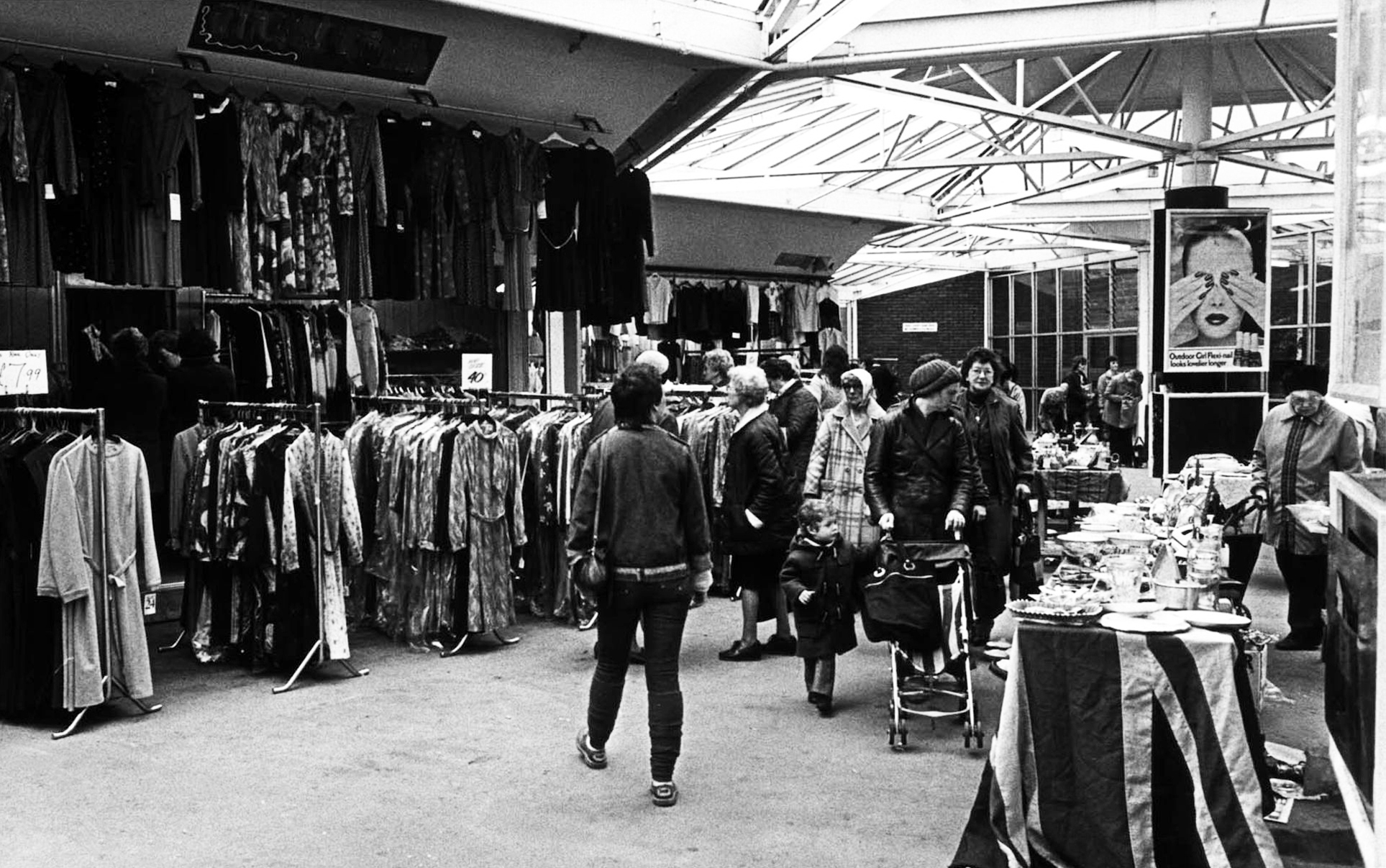
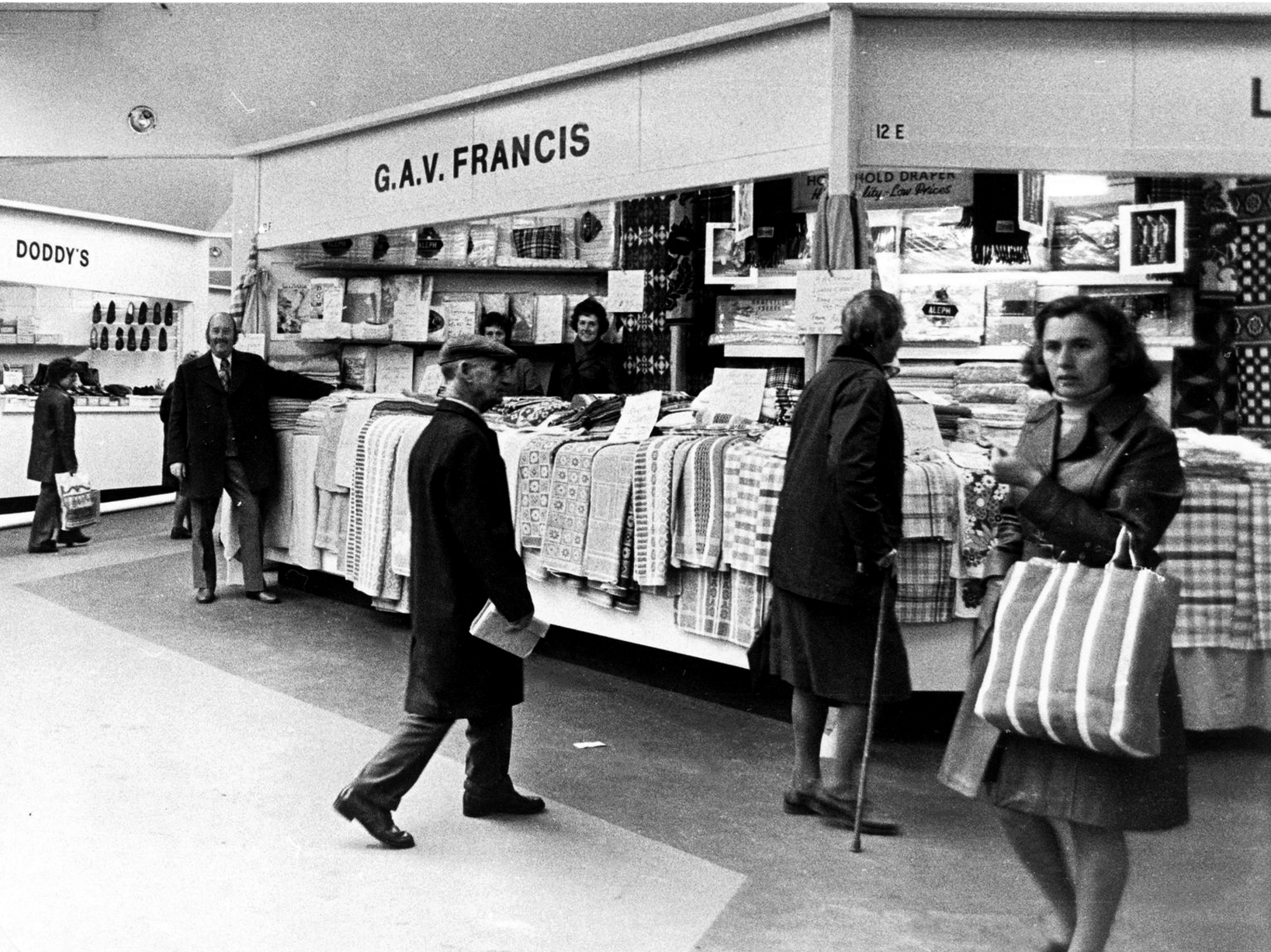
The long-standing city centre market has undergone major changes since opening in 1975. Over the past 46 years, dozens of traders have come and gone, from fruit and veg sellers to fine clothes retailers, pottery makers.
The nut stall that is greatly missed by nut fans.
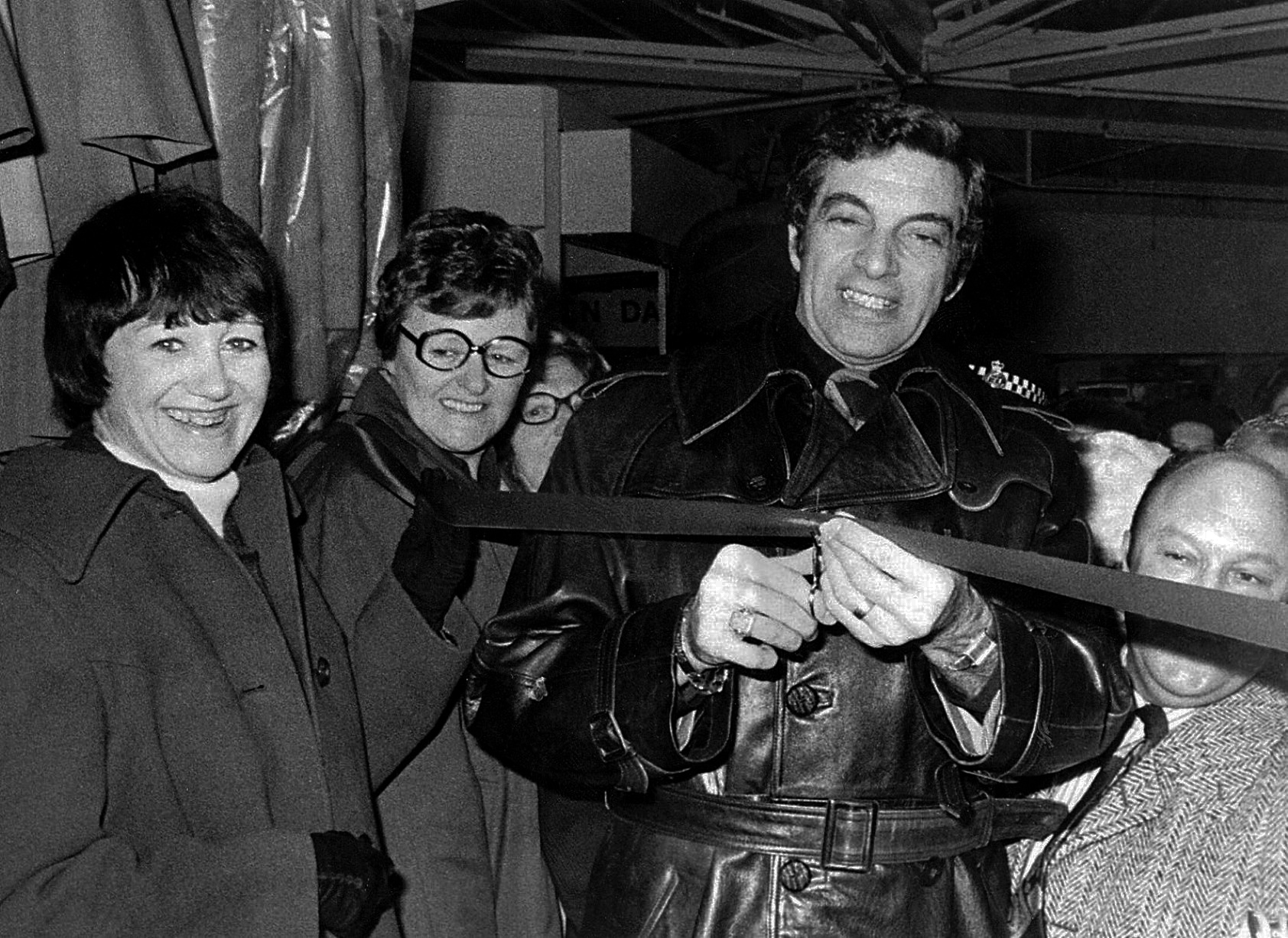
Singer Frankie Vaughan opens Jack’s Rainwear at the market in 1976.
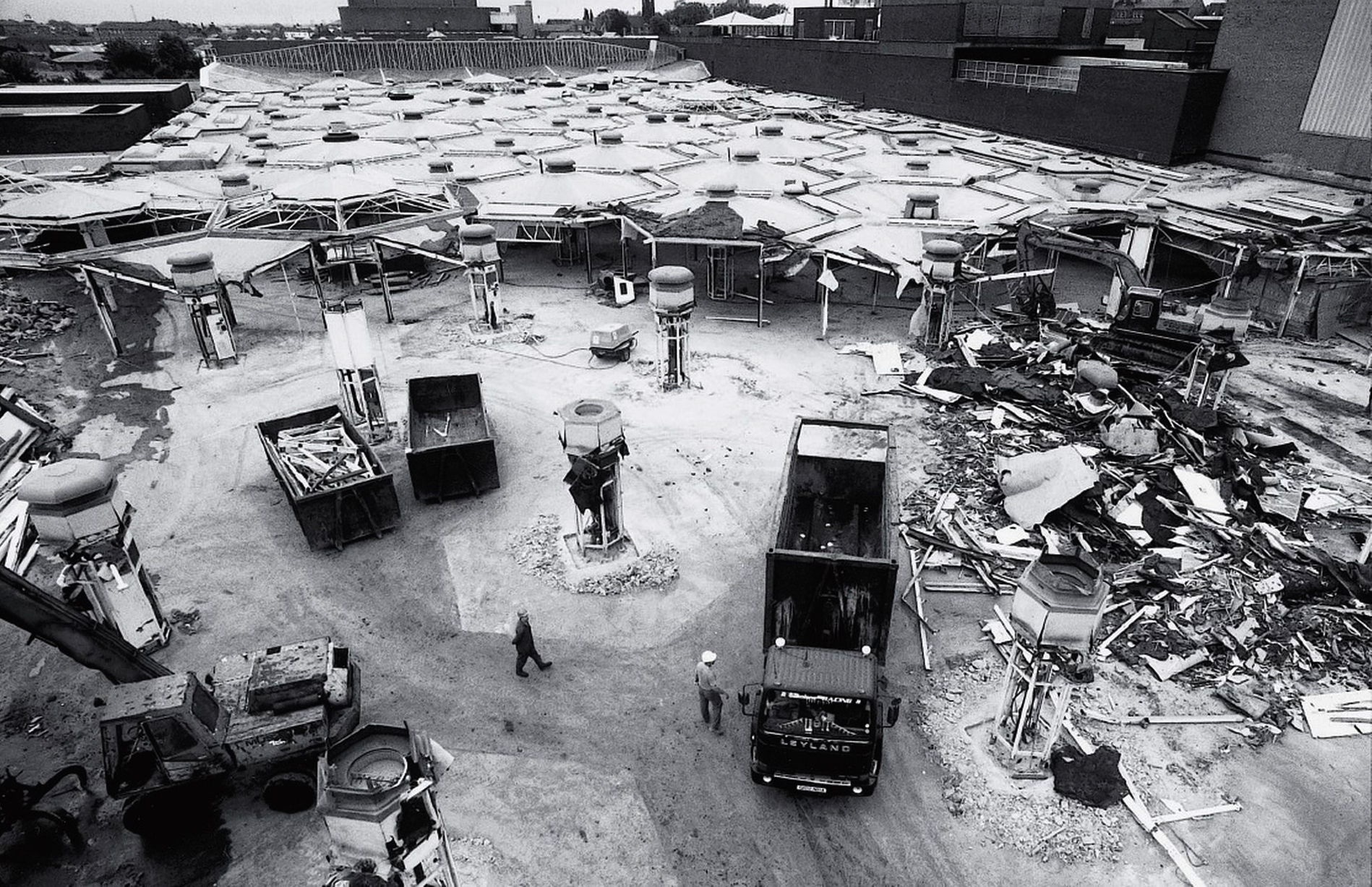
When it first opened, the venue was a maze of hexagonal stalls, which gave it a futuristic look, but it was a confusing layout and it was difficult to navigate and find the stall you wanted. The hexagons came down in 1990 in favour of a more traditional, open layout which made the market easier to escape in the event of a fire.
The Modernist modular structure replaced by a higher High-Tech roofing solution.
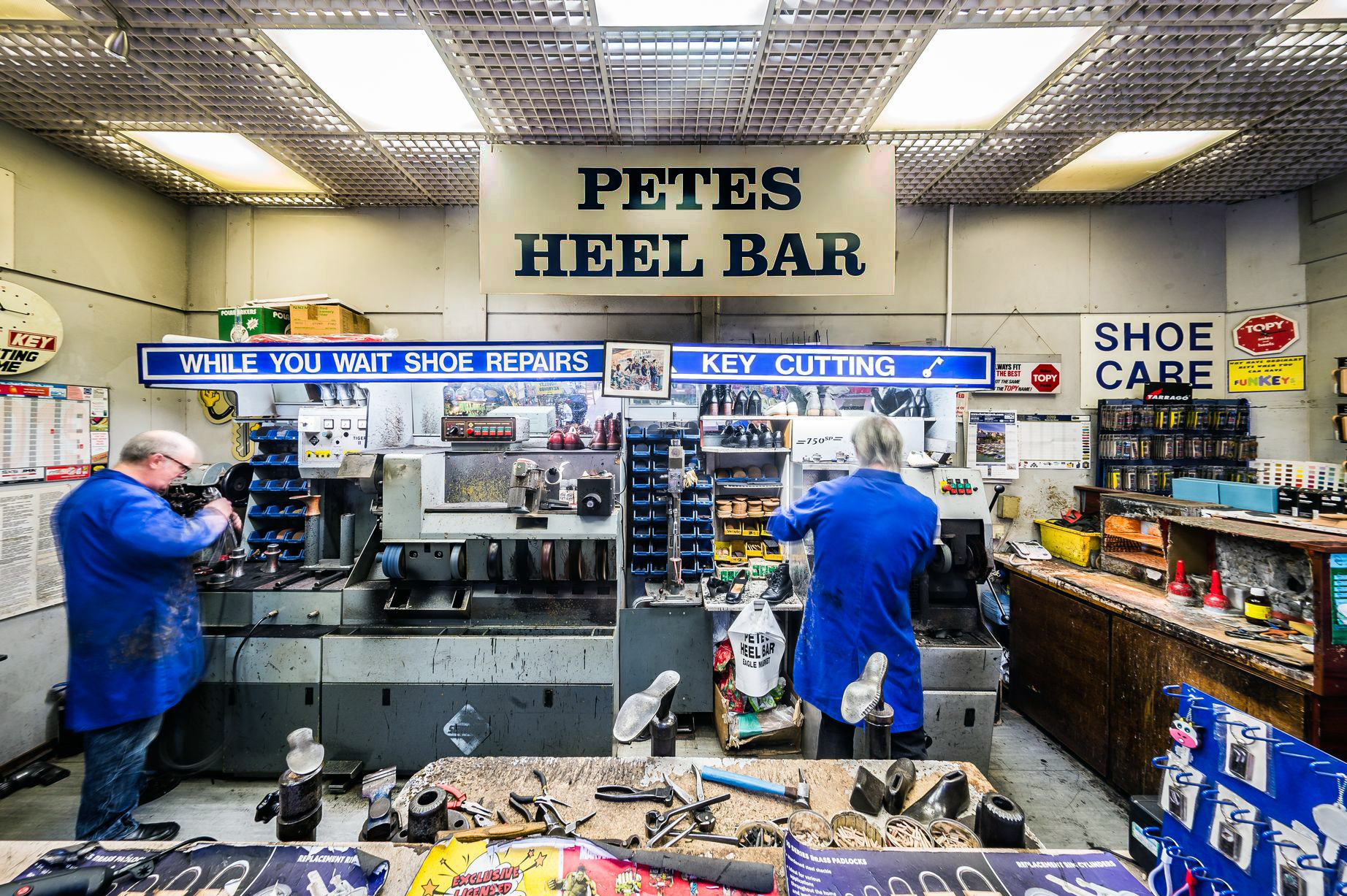
Petes Heel bar will be missed, along with his missing apostrophe.
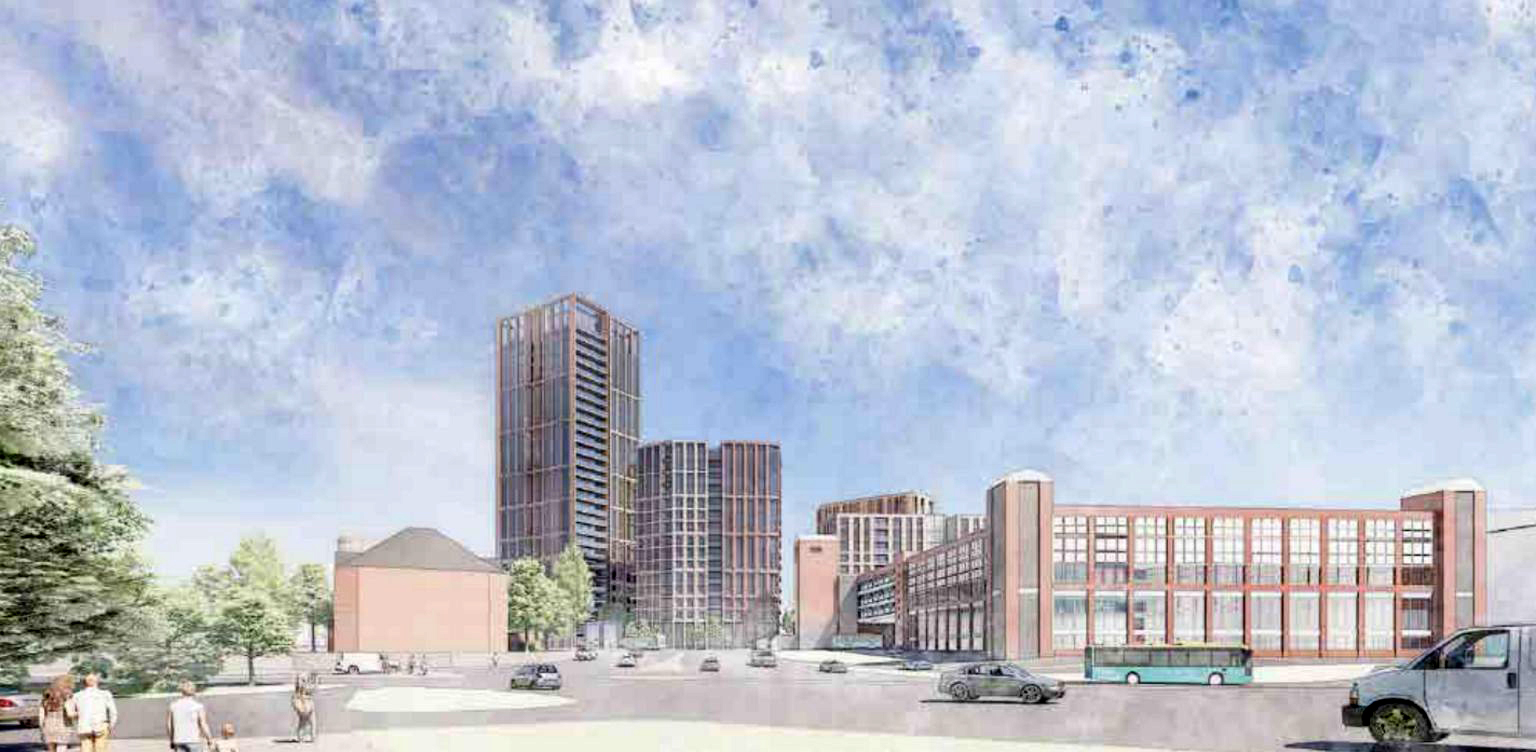
The redevelopment masterplan includes new homes and commercial uses with new public spaces and walkable streets that will integrate the site with the rest of the City Centre and improve new connections to the river. There is scope to introduce some tall buildings to make better use of the site with new food and beverage, leisure and other activity at ground floor level. The proposals will contribute towards the Council’s vision in a way that responds positively to the site context including surrounding character areas.
More than once, though that’s no reason not to do so again – so I did.
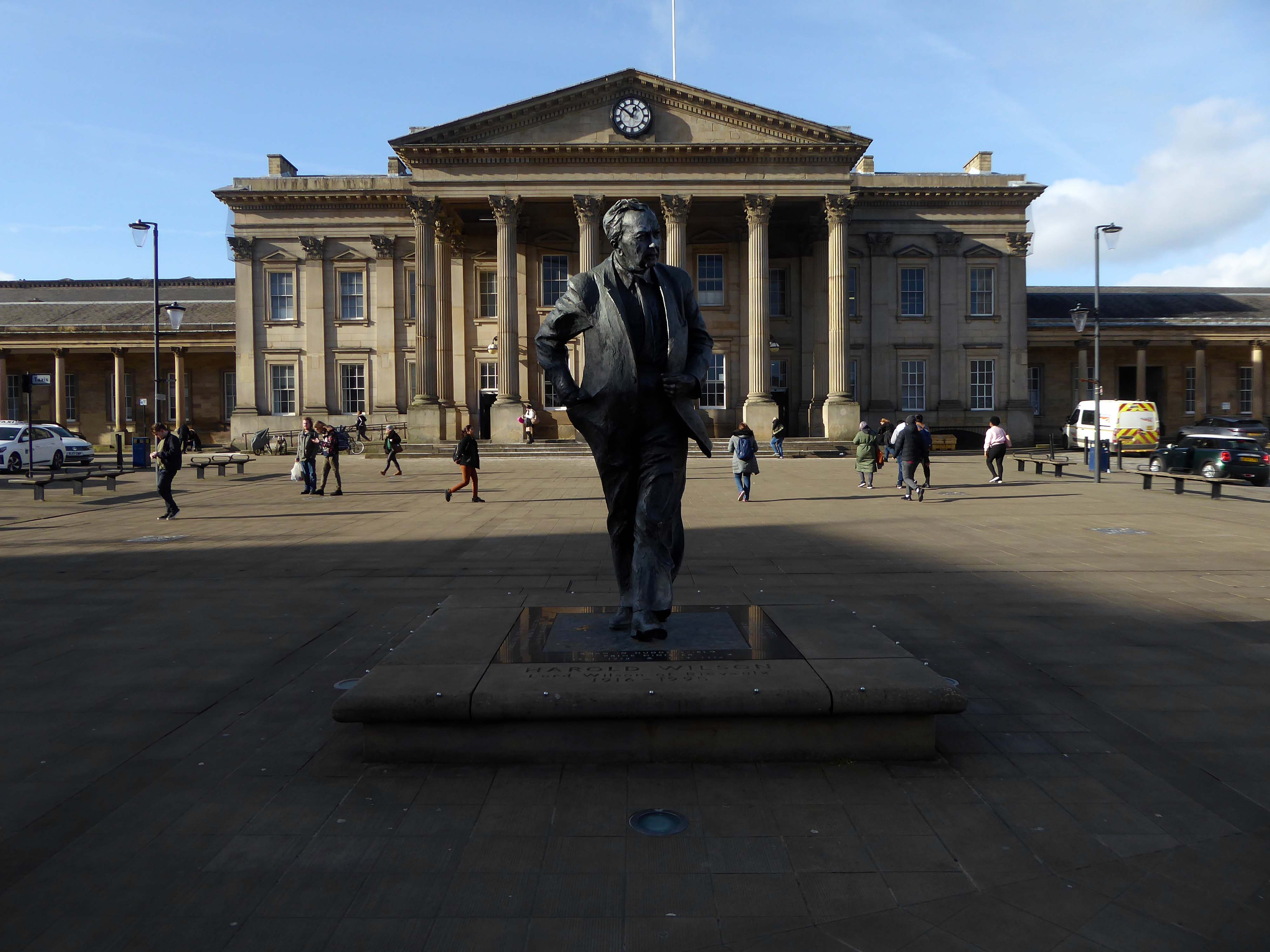
Saying hello to Harold.
Harold saying hello to us:
Nostalgia won’t pay the bills; the world doesn’t owe us a living; and we must harness the scientific revolution to win in the years to come. This scientific revolution is making it physically possible, for the first time in human history, to conquer poverty and disease, to move towards universal literacy, and to achieve for the whole people better living standards than those enjoyed by tiny privileged classes in previous epochs.
He warned change would have to reach every corner of the country; The Britain that is going to be formed in the white heat of this revolution will be no place for the restrictive practices or for outdated methods on either side of industry.
Standing sentinel over one of Nikolaus Pevsner and John Betjeman’s favourite railway station front elevations.
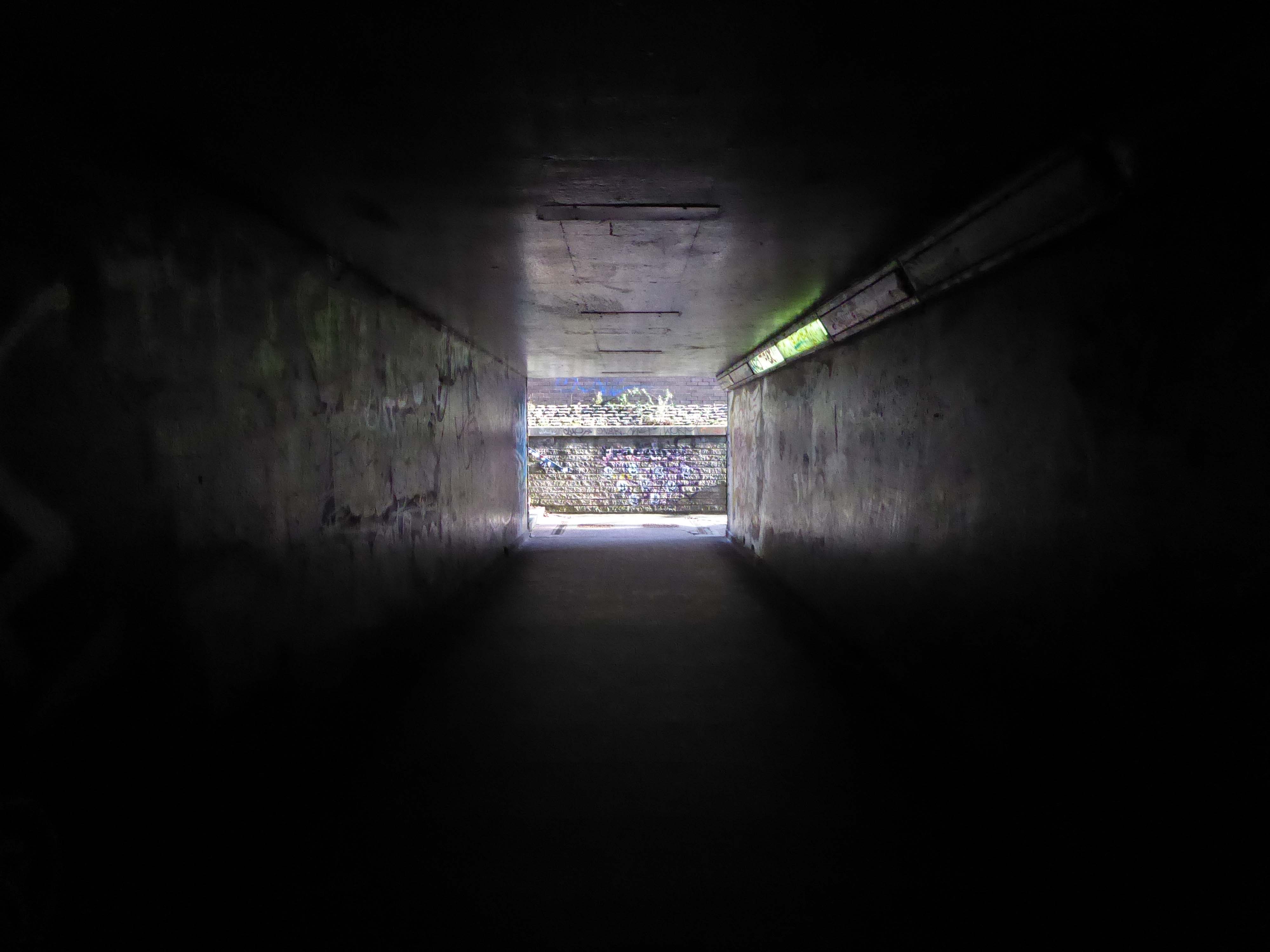
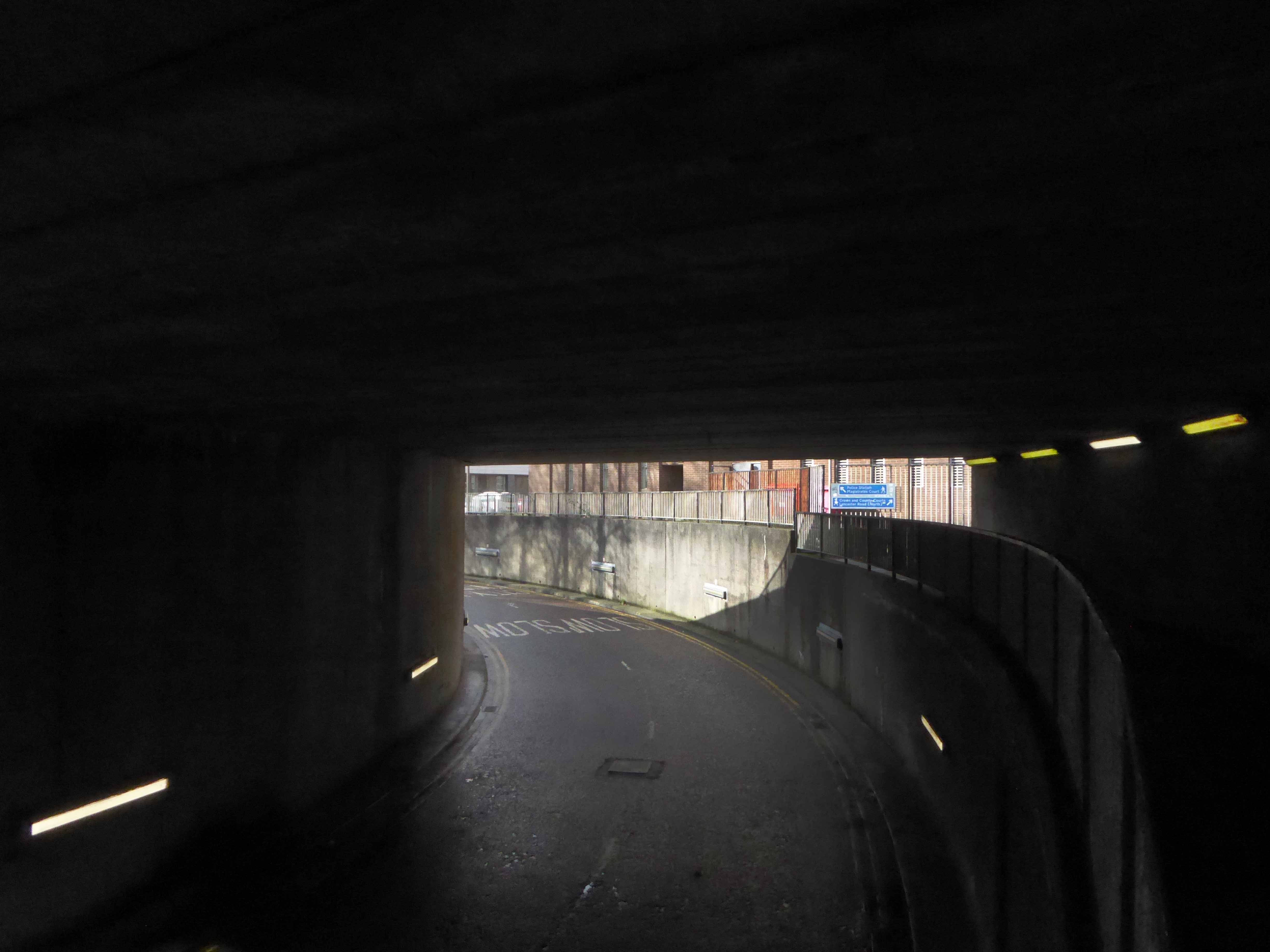
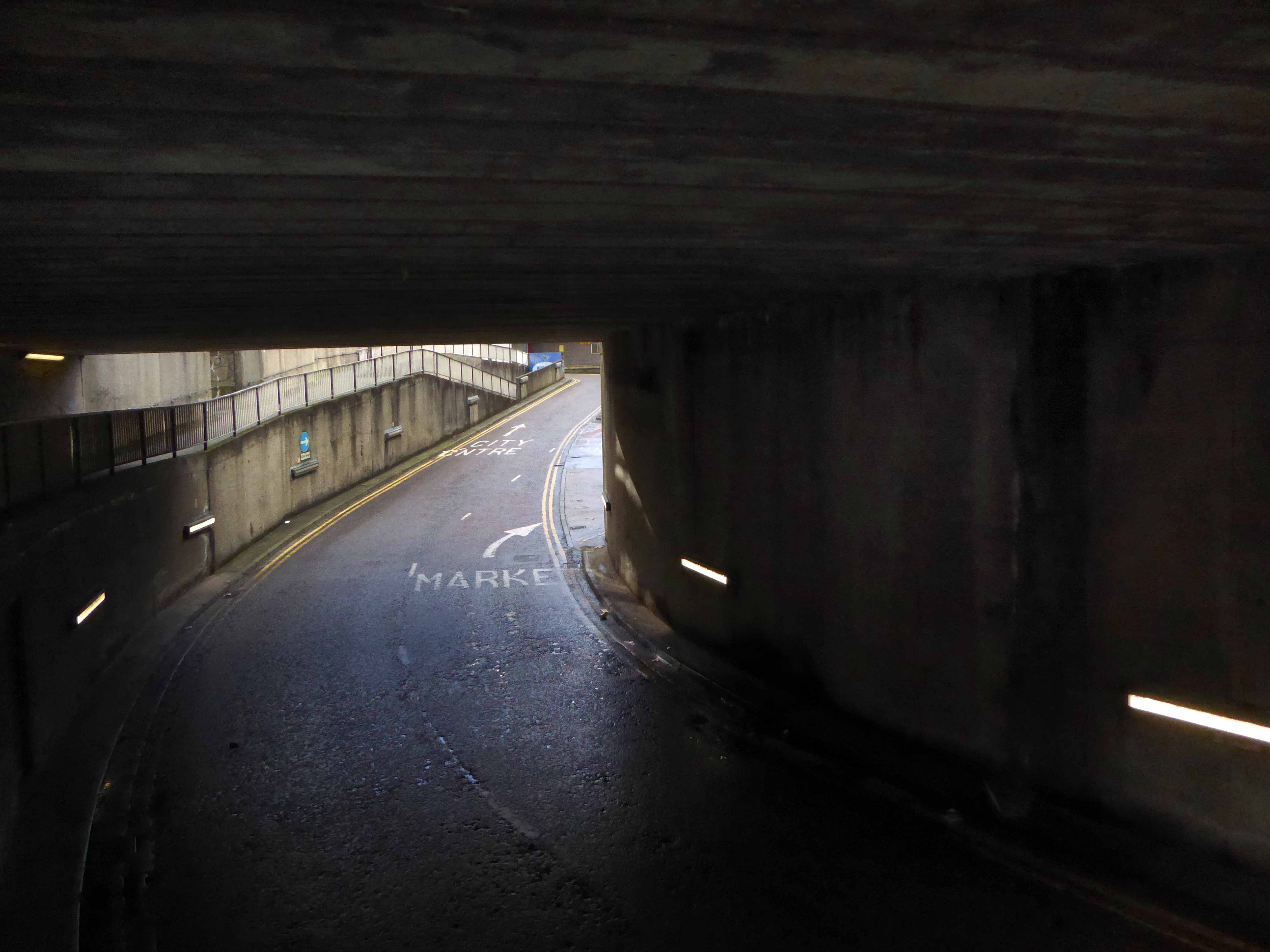
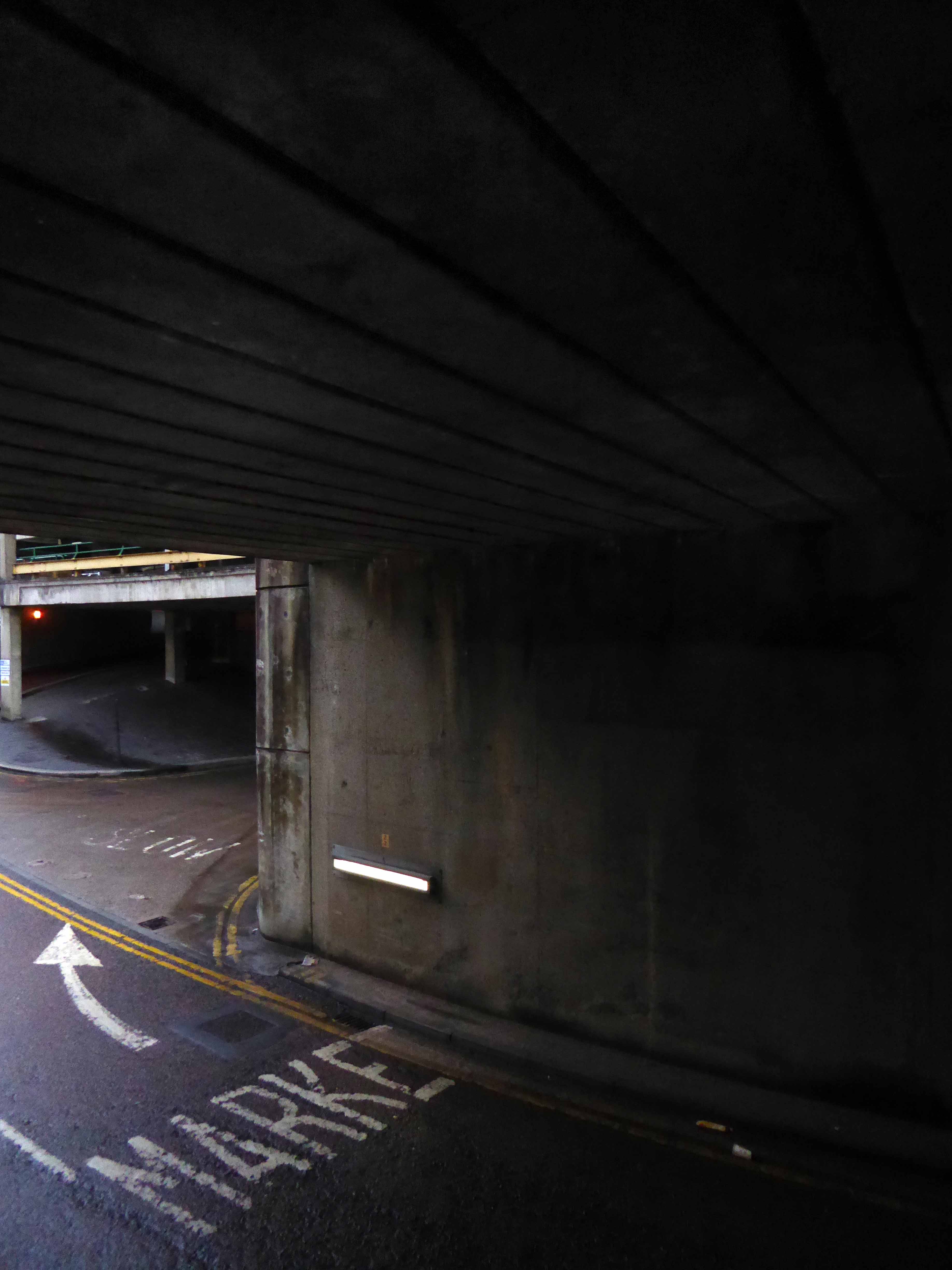
Through a passage darkly.
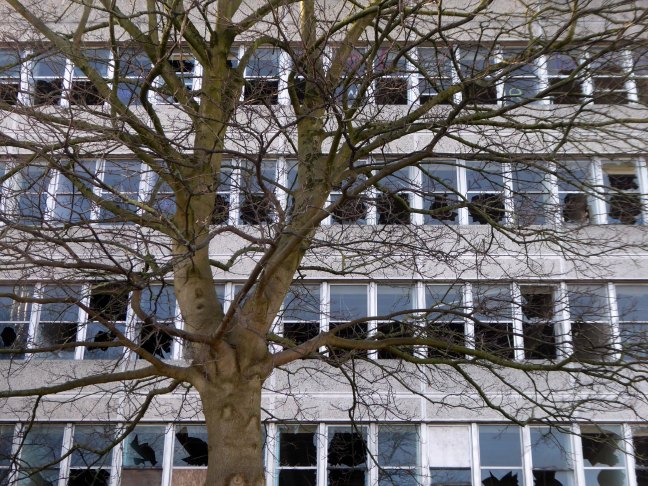
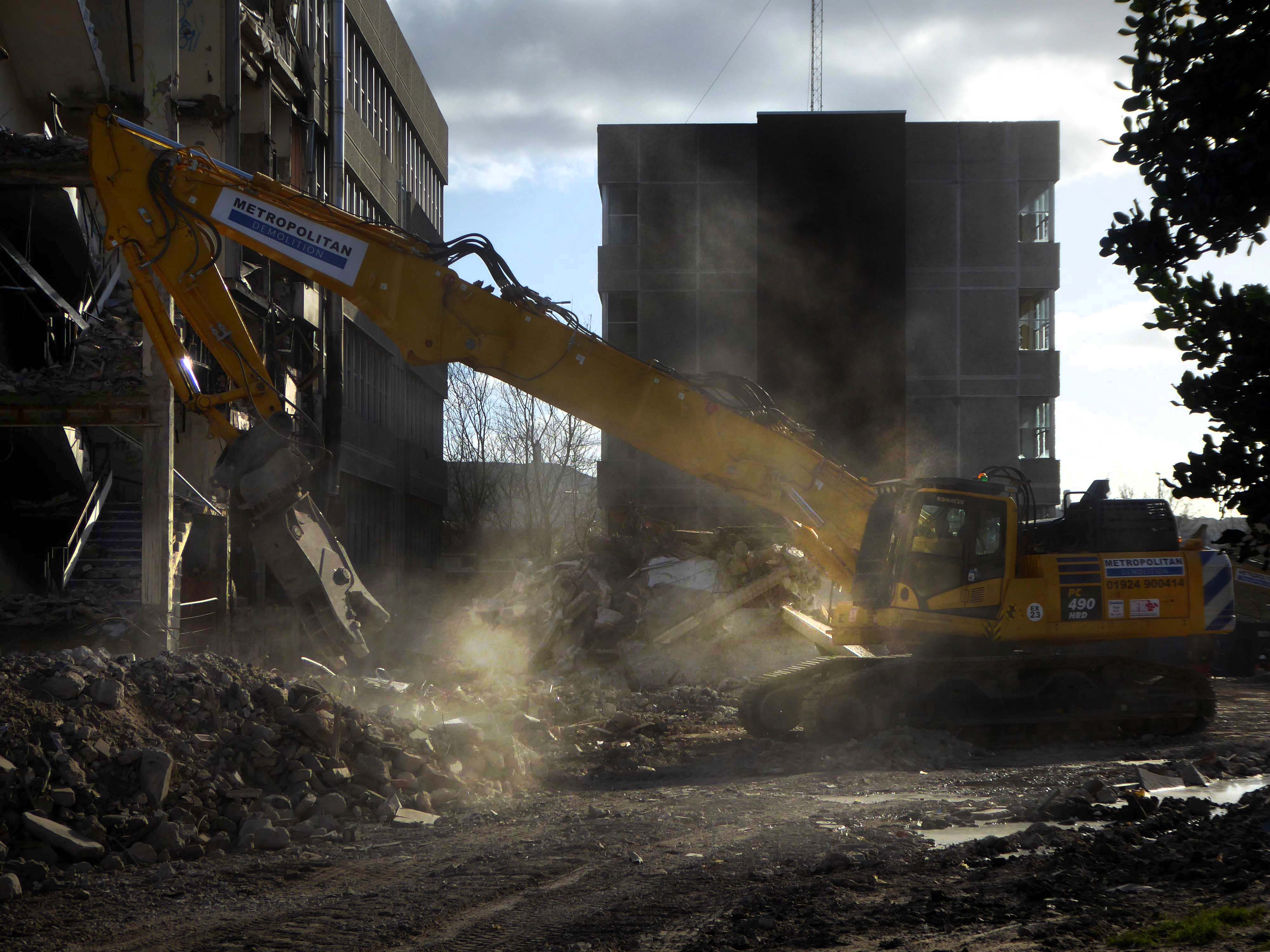
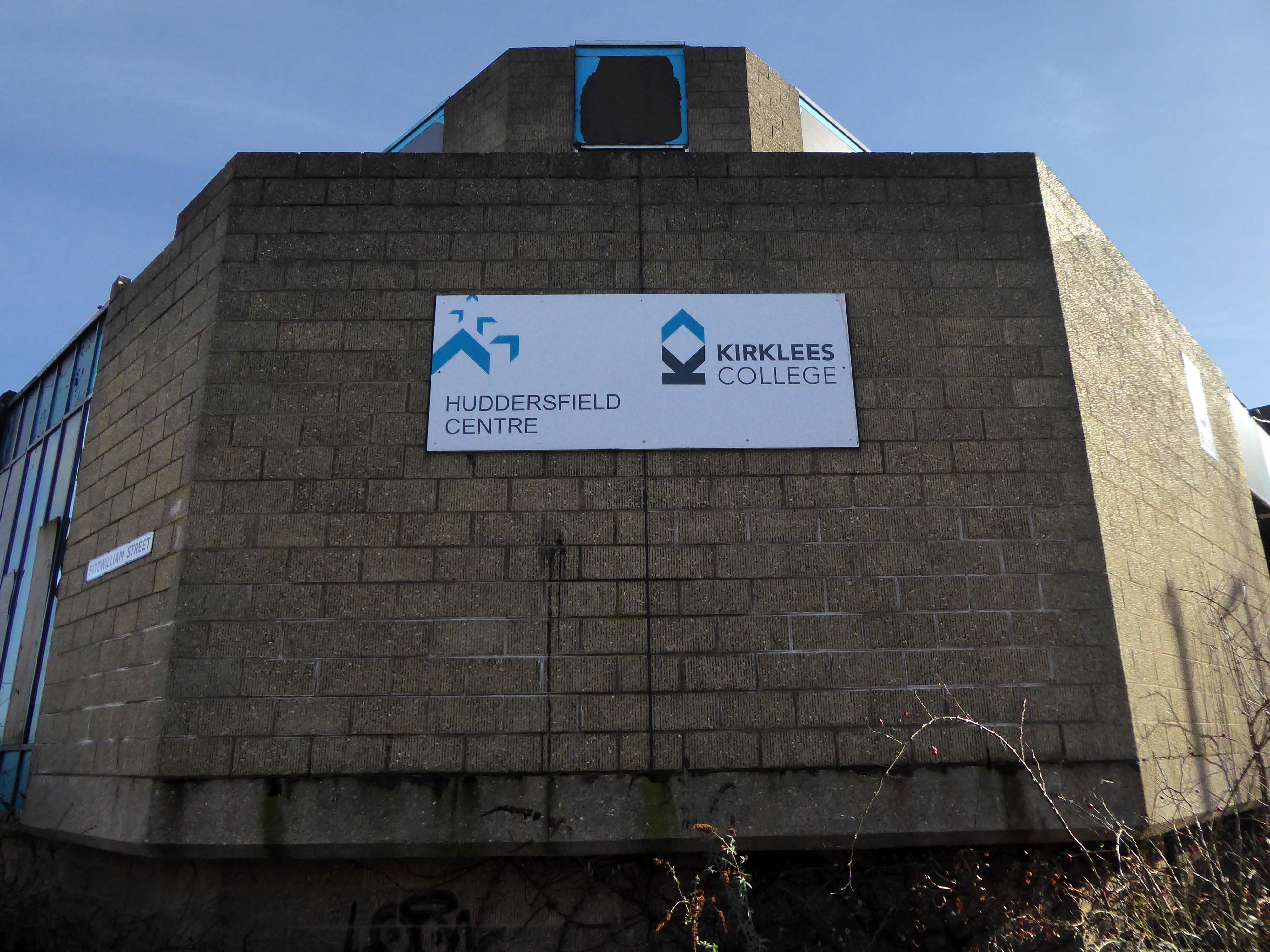
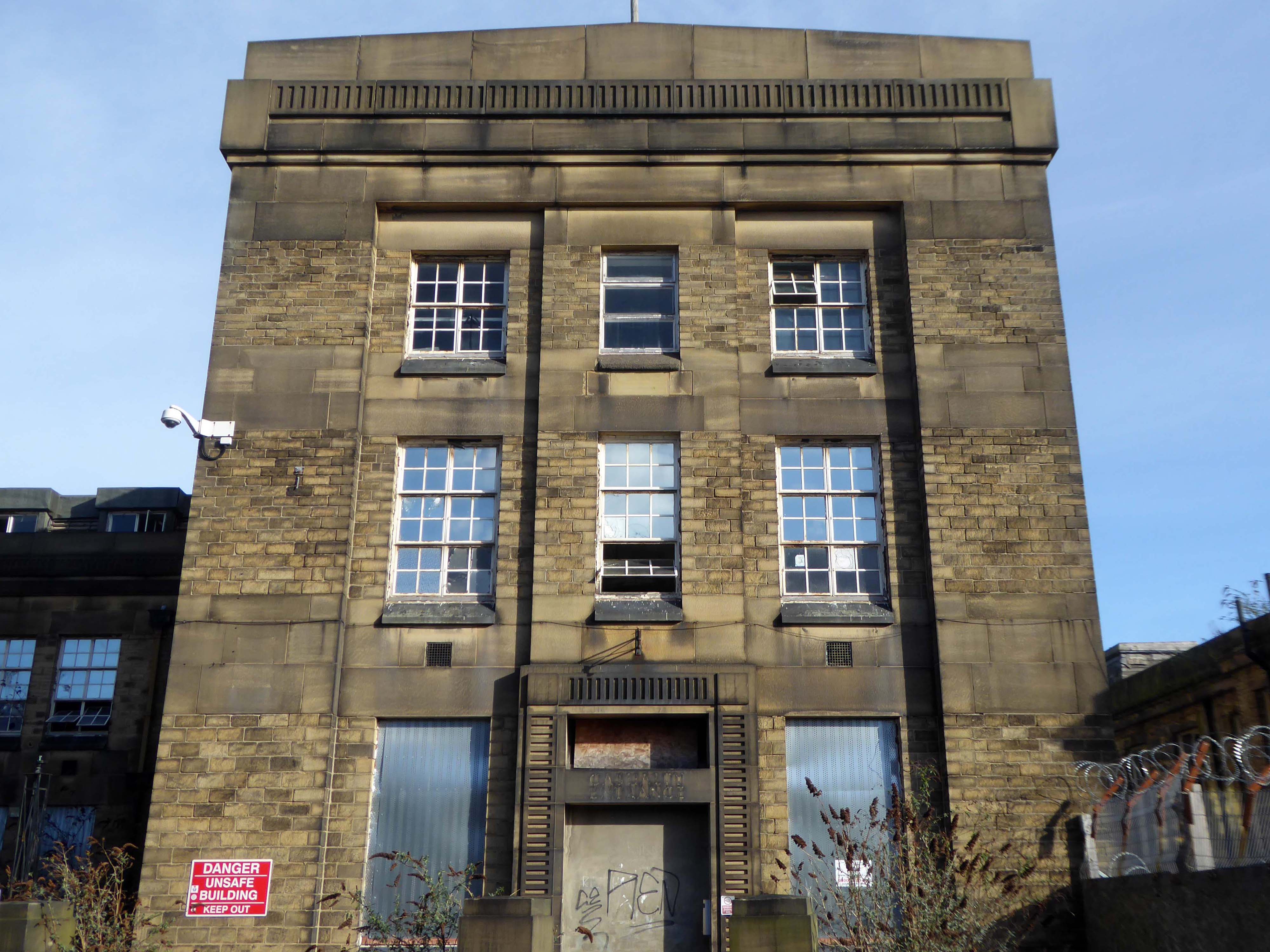
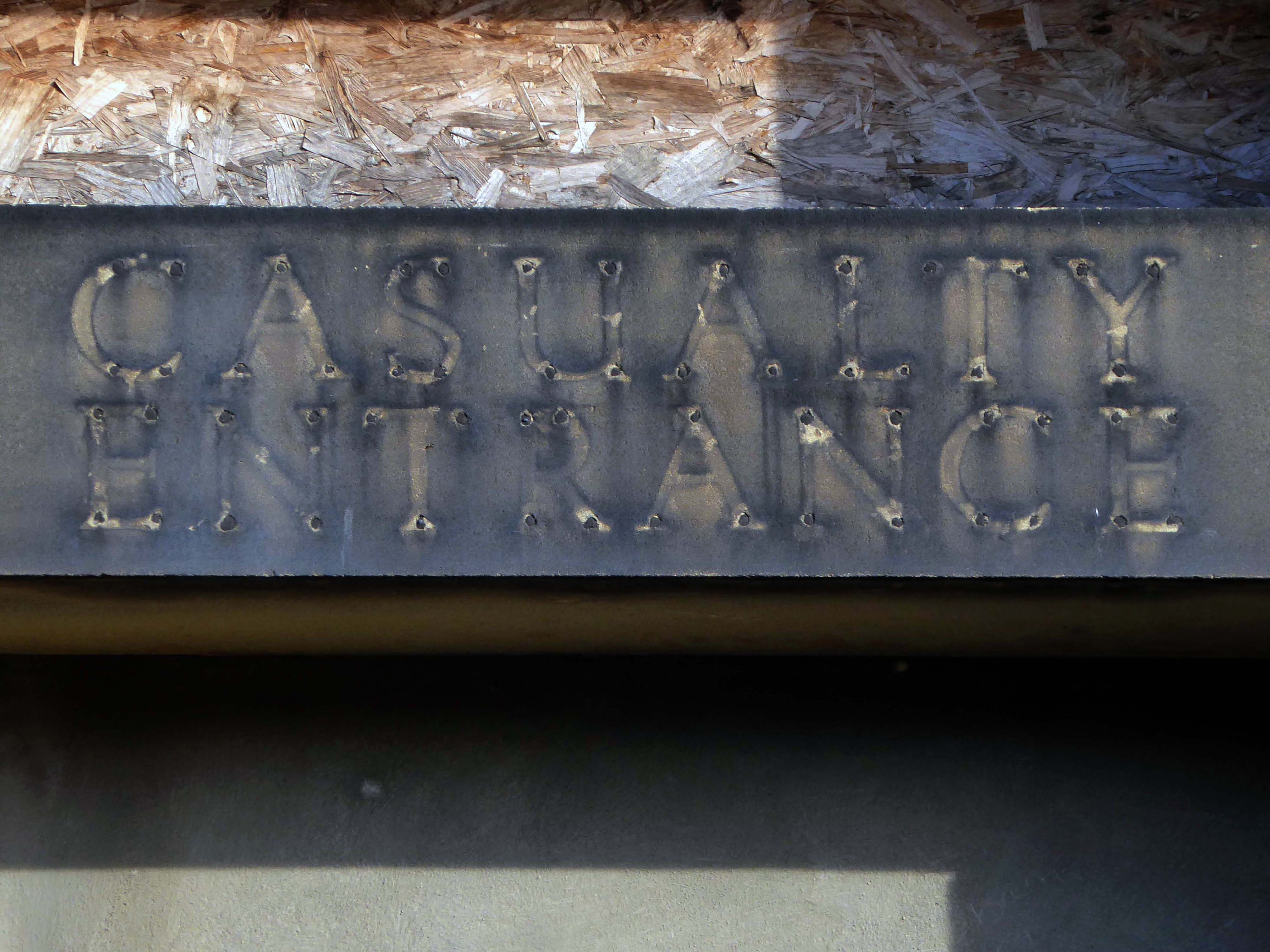
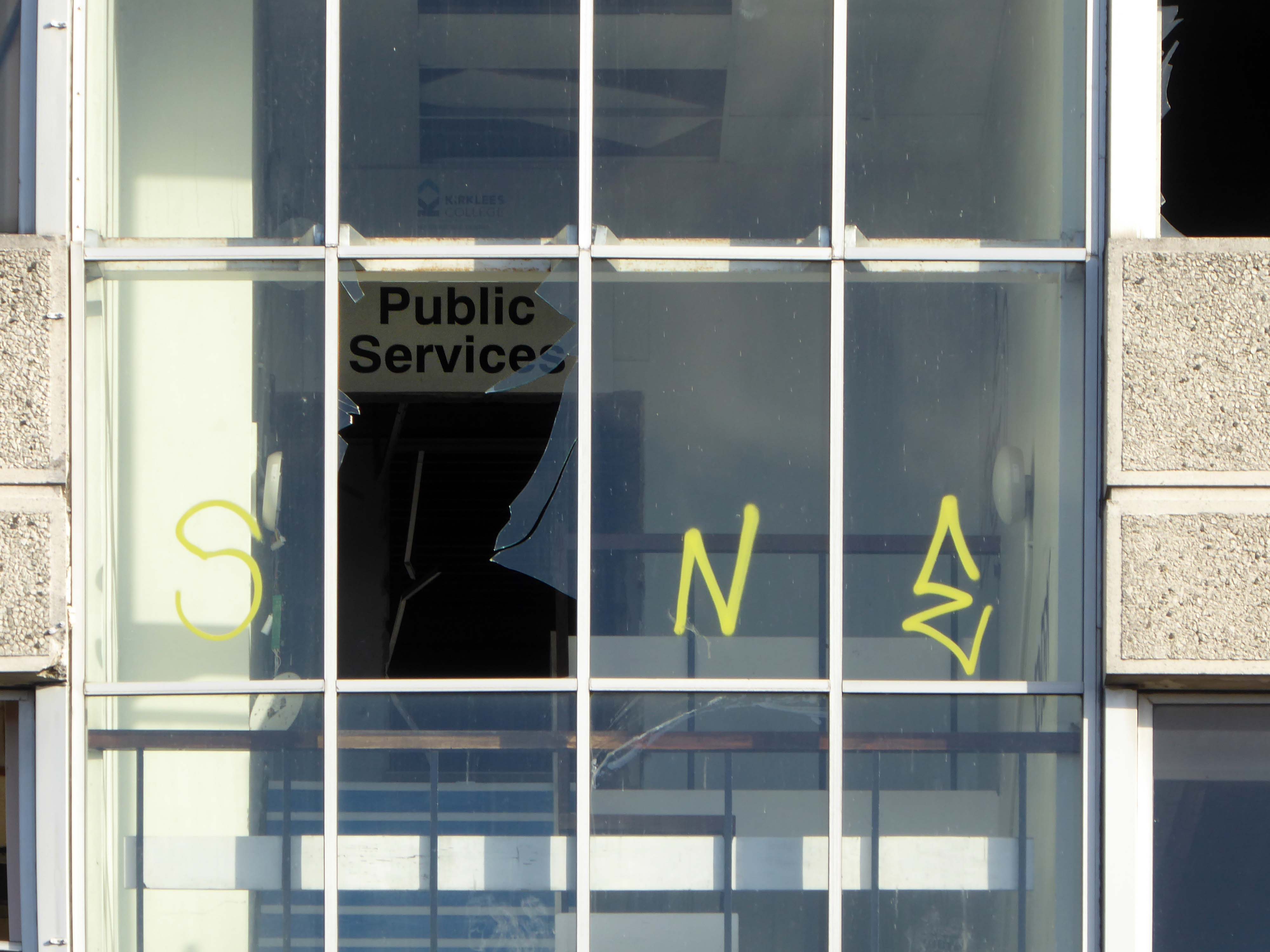
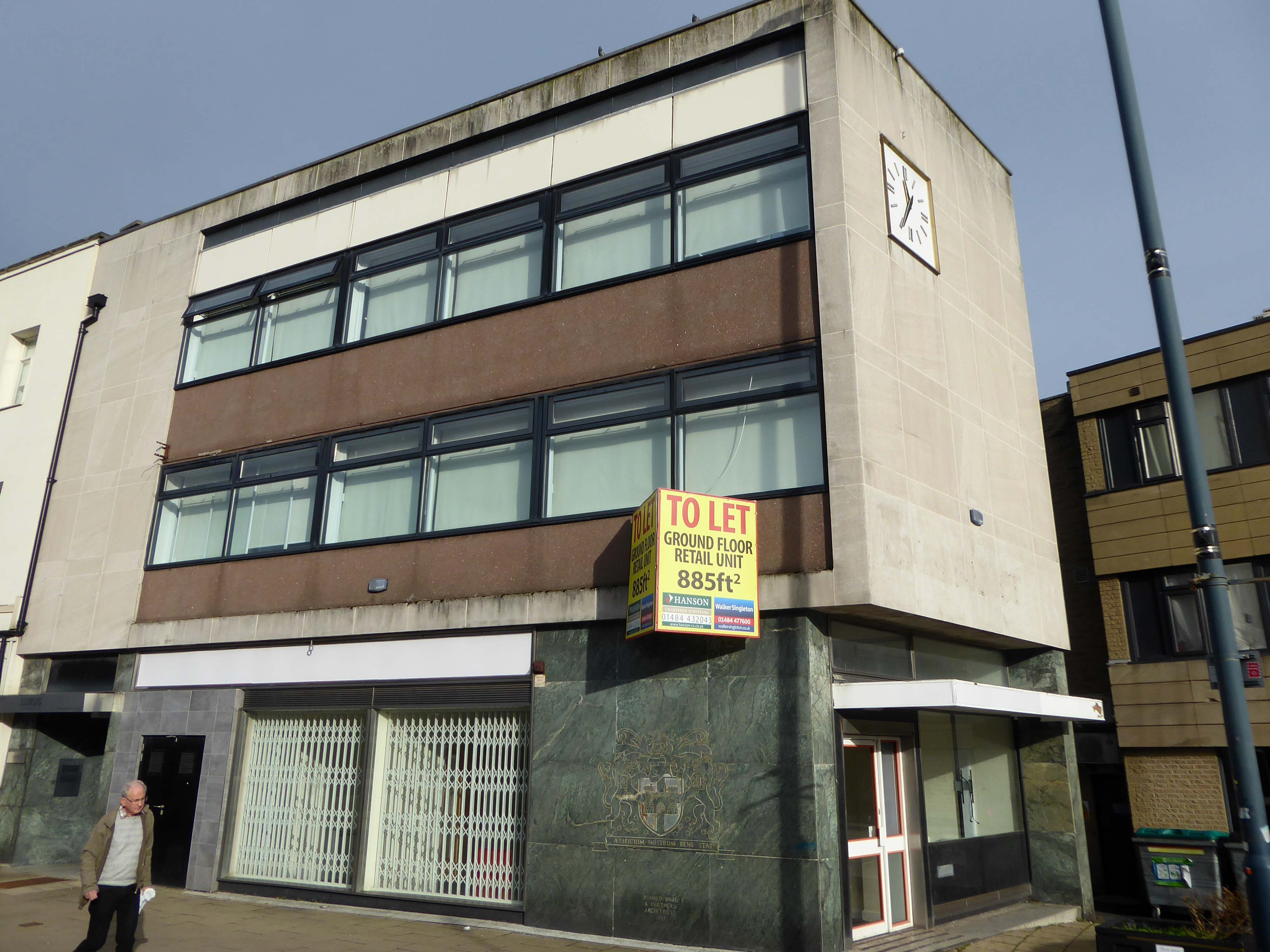
Emerging into the light of day and the demolition of the Kirklees College 1969-72 by Borough Architect Charles Edmund Aspinall.
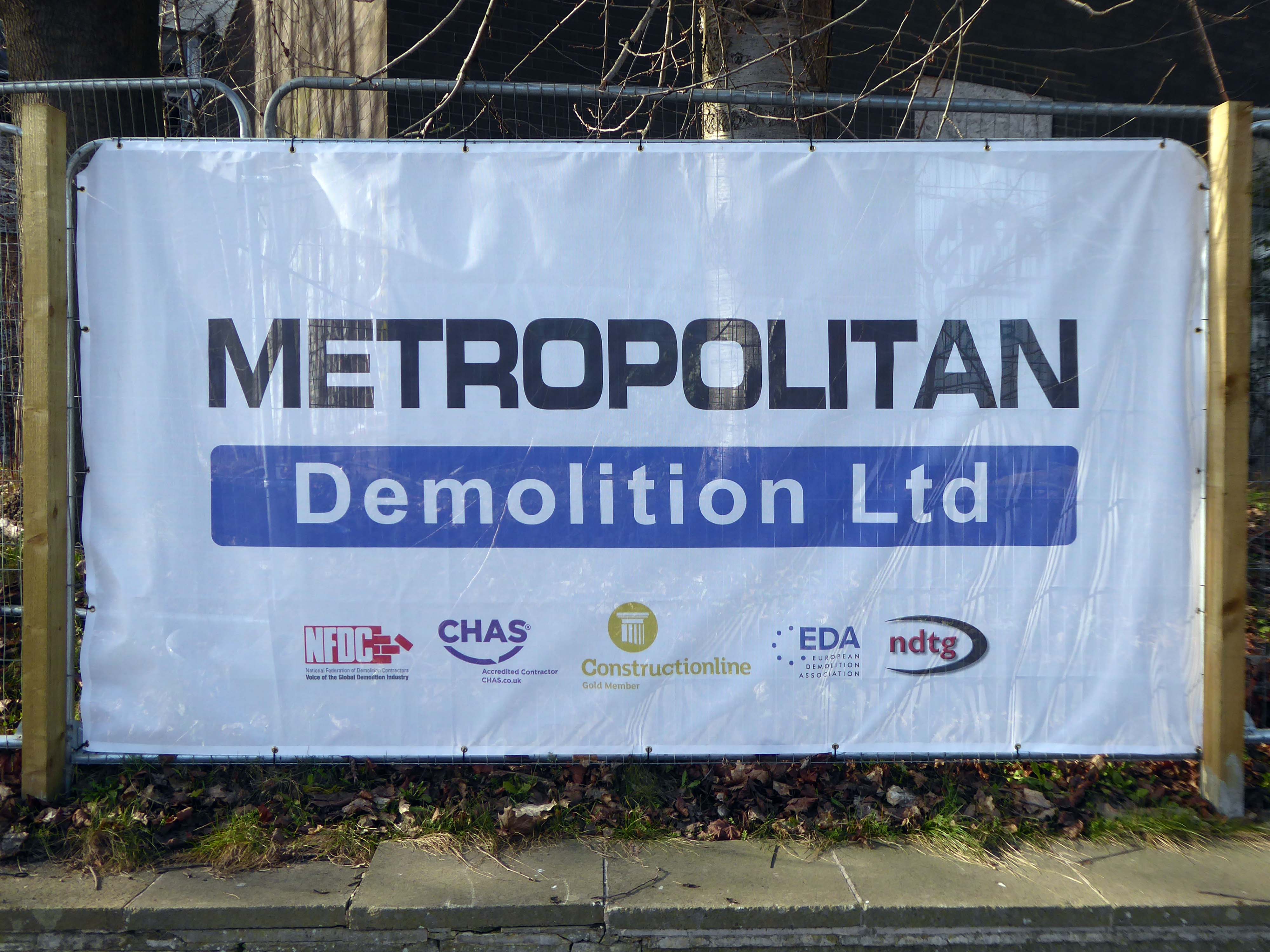
My thanks to the Metropolitan team who invited me in beyond the barriers.
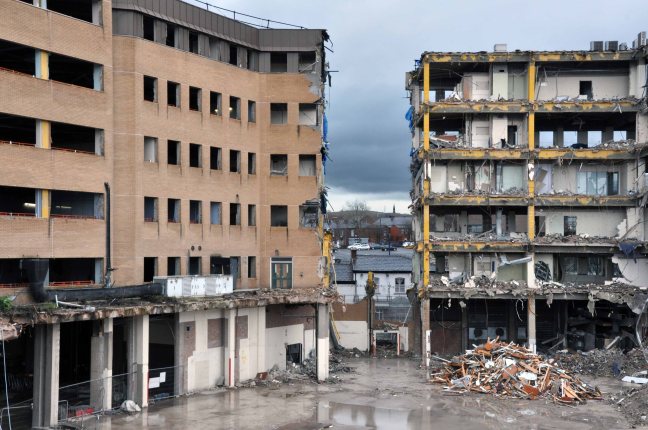
We provide safe and efficient demolition services across a broad range of projects, from the small domestic dwelling to large scale industrial units – we offer the complete solution. With excellent communication and impeccable health and safety standards, we can project manage the decommissioning a structure on time and on budget.
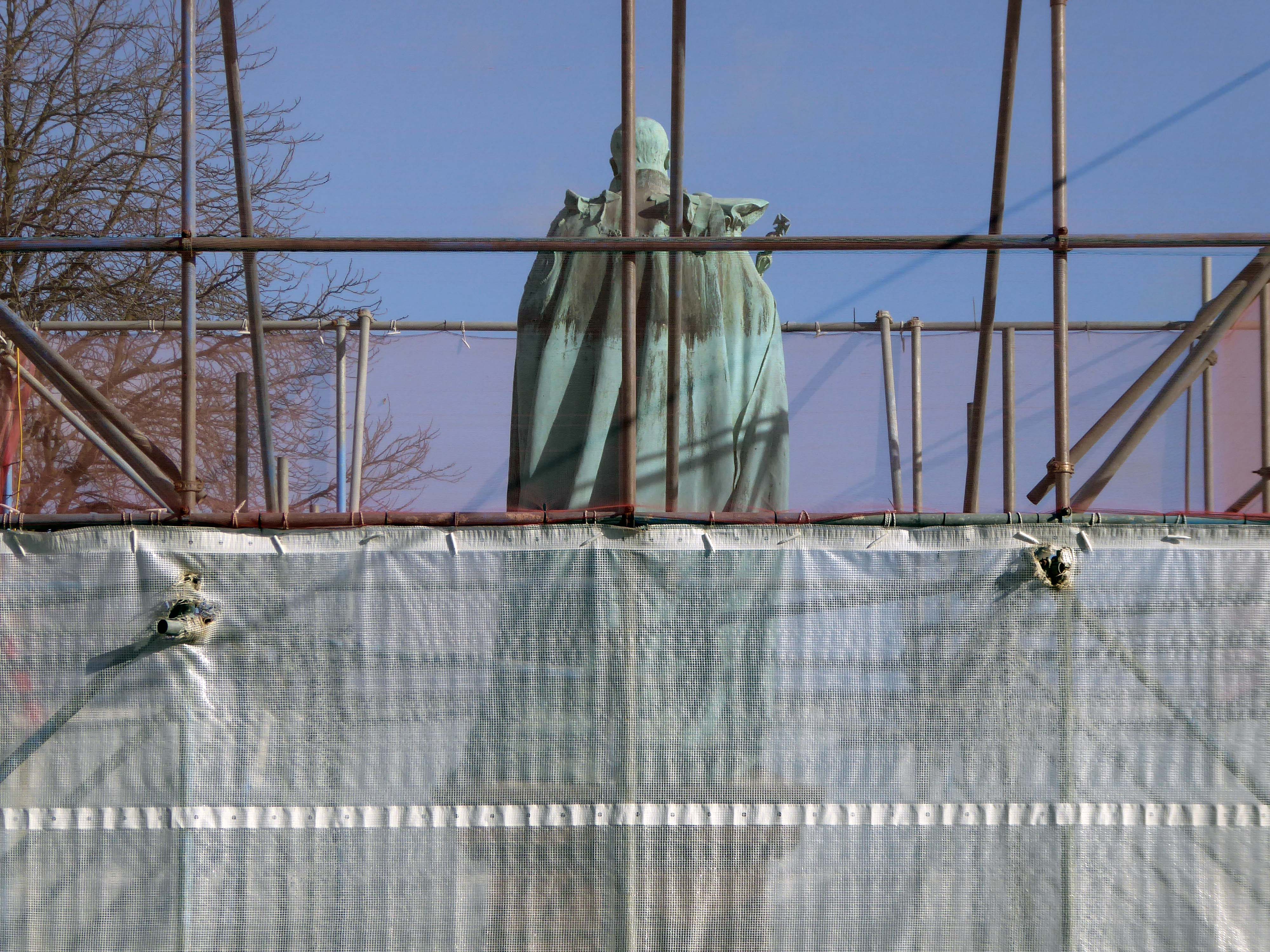
Edward VII is under wraps.
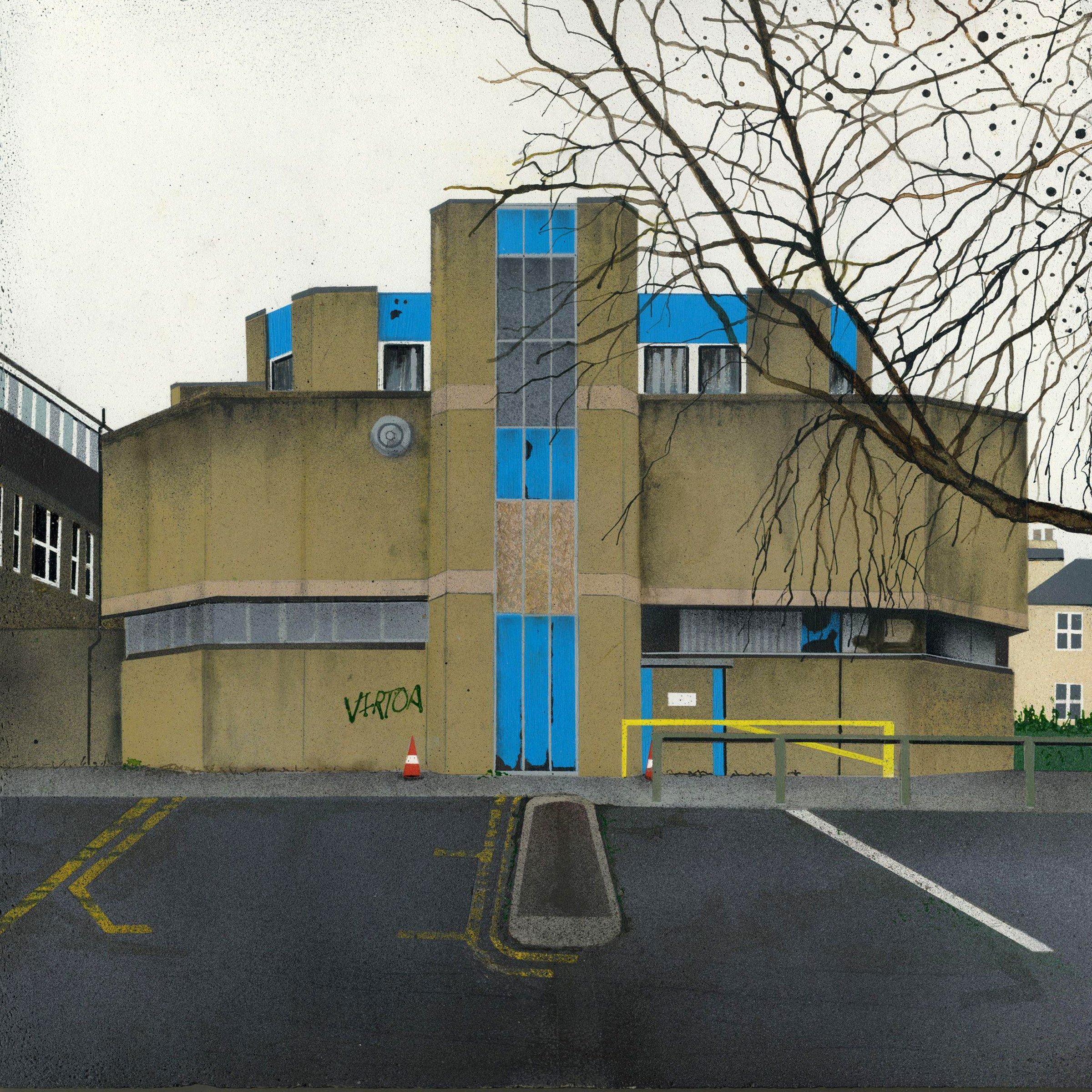
Everything else is up for smash and grab – including the later concrete block immortalised by Mandy Payne.
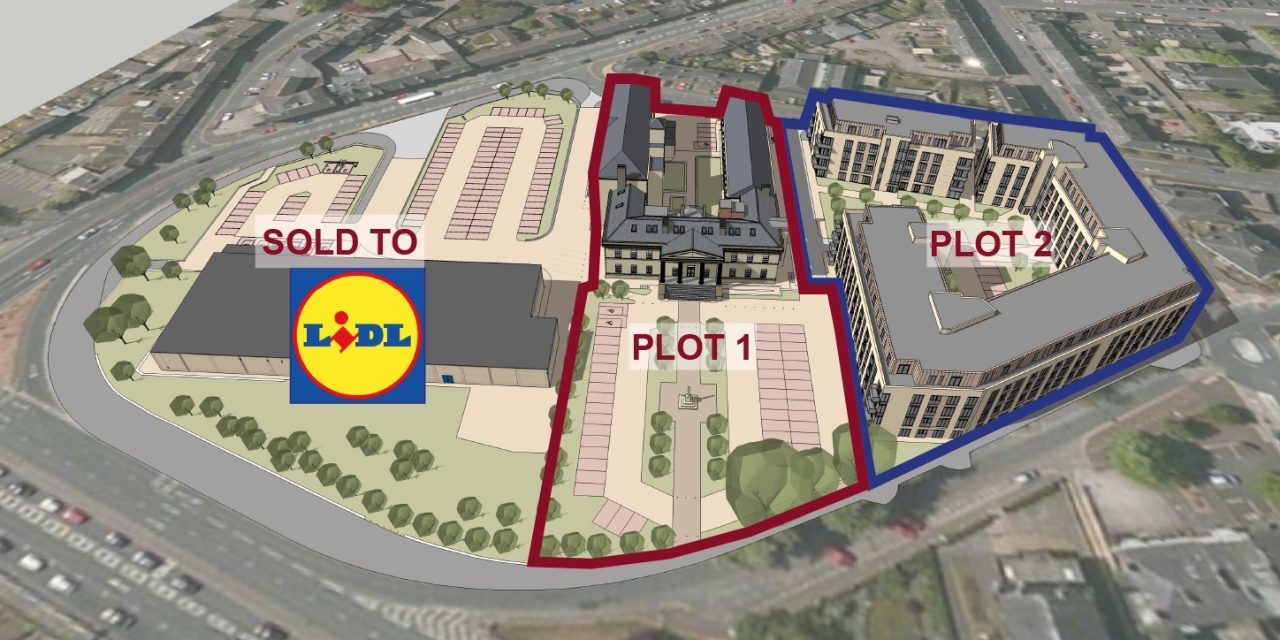
LIDL is coming – and some homes
The final details have now been signed off by the council and work on the six-acre site – which includes the Grade II-listed original Huddersfield Royal Infirmary – can now begin.
The vandal-hit and fire-damaged late 1960s and early 1970s college buildings are to be demolished and Lidl will build a new supermarket with a 127-space car park. The store will eventually replace the store on Castlegate.
The former hospital will be retained and the site will see 229 apartments and an office complex. The apartments are expected to be for older or retired people.
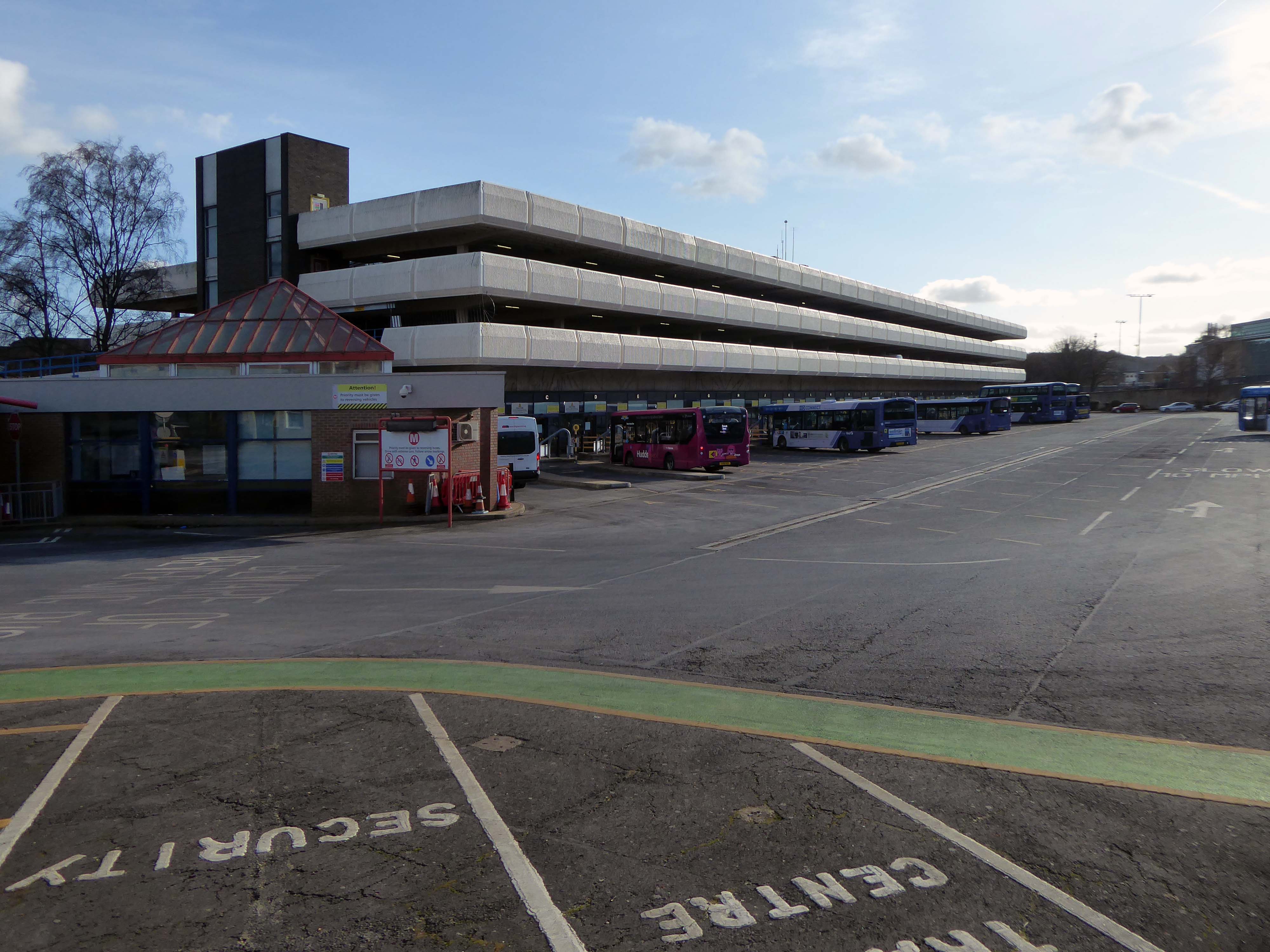
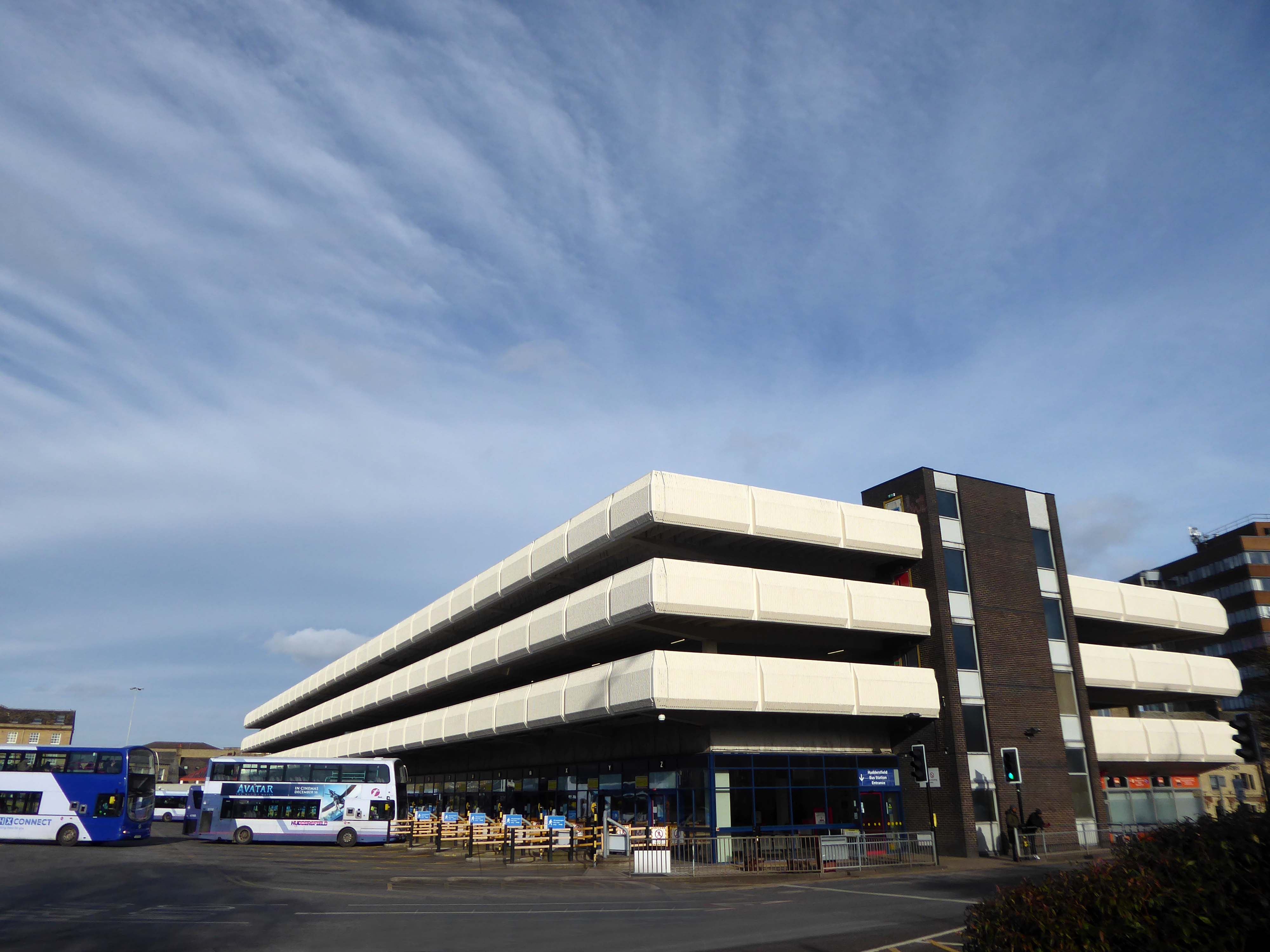
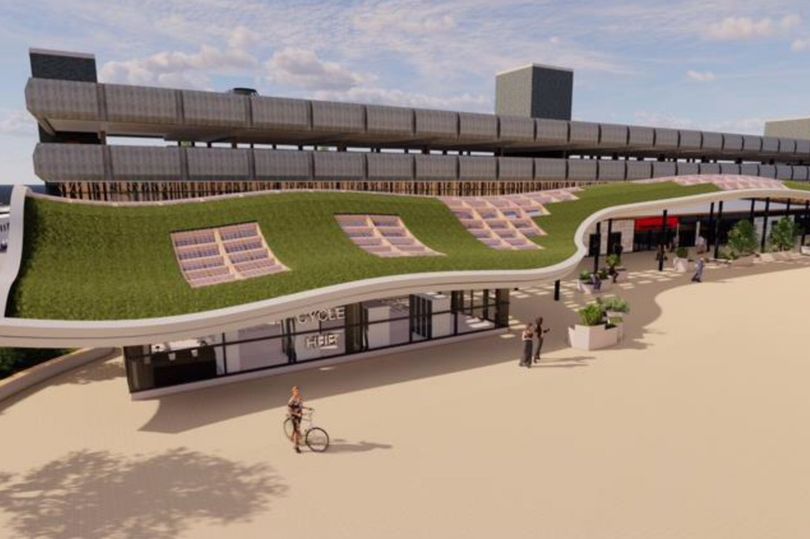
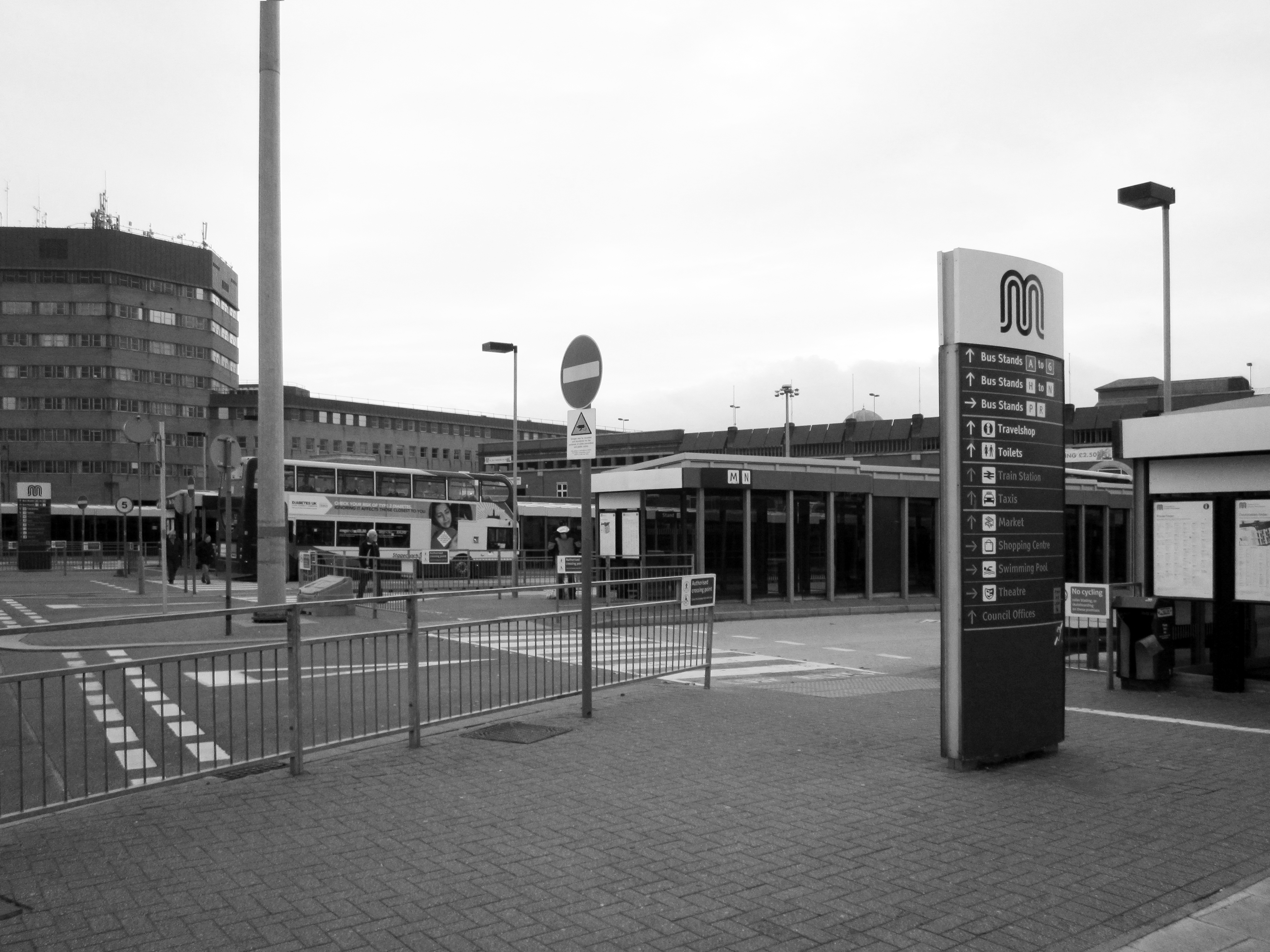
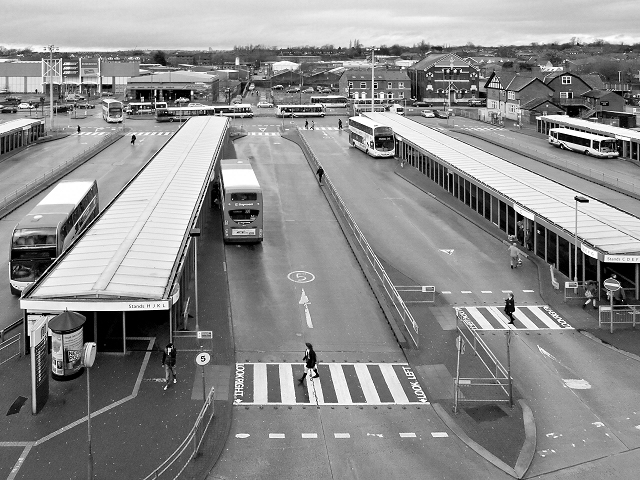
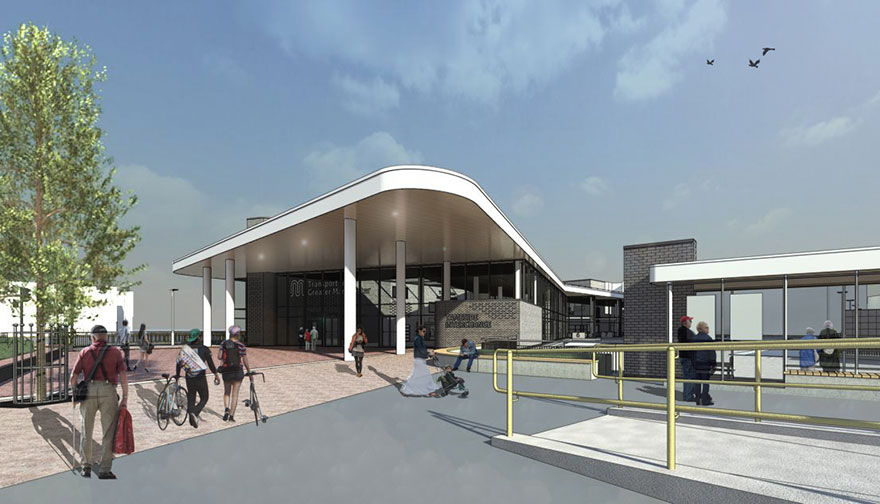
Huddersfield’s £20M game-changing bus station is set to be completed by the end of 2025 with a living grass roof, sixty bike cycle hub, upgraded shops and new facilities
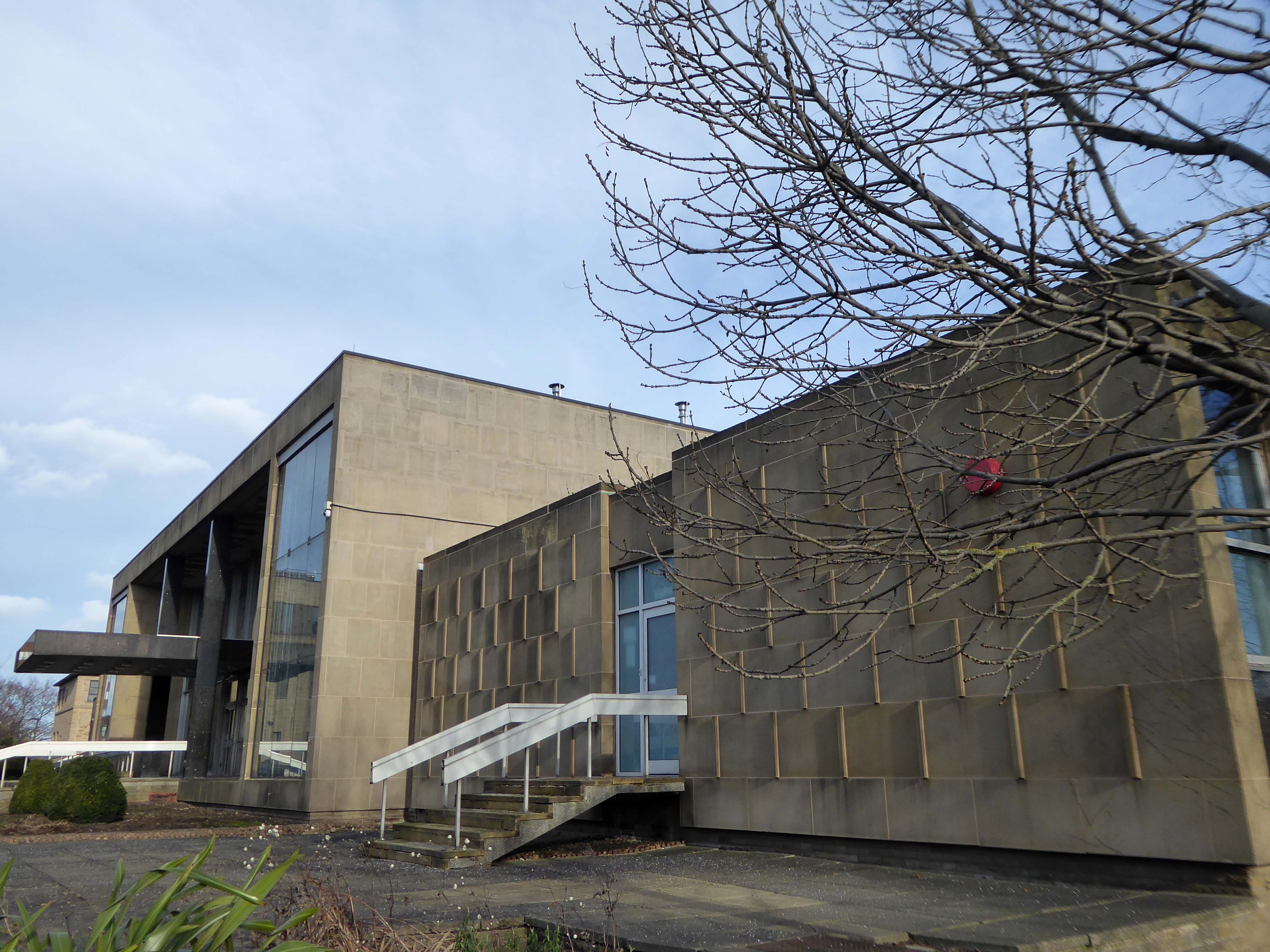
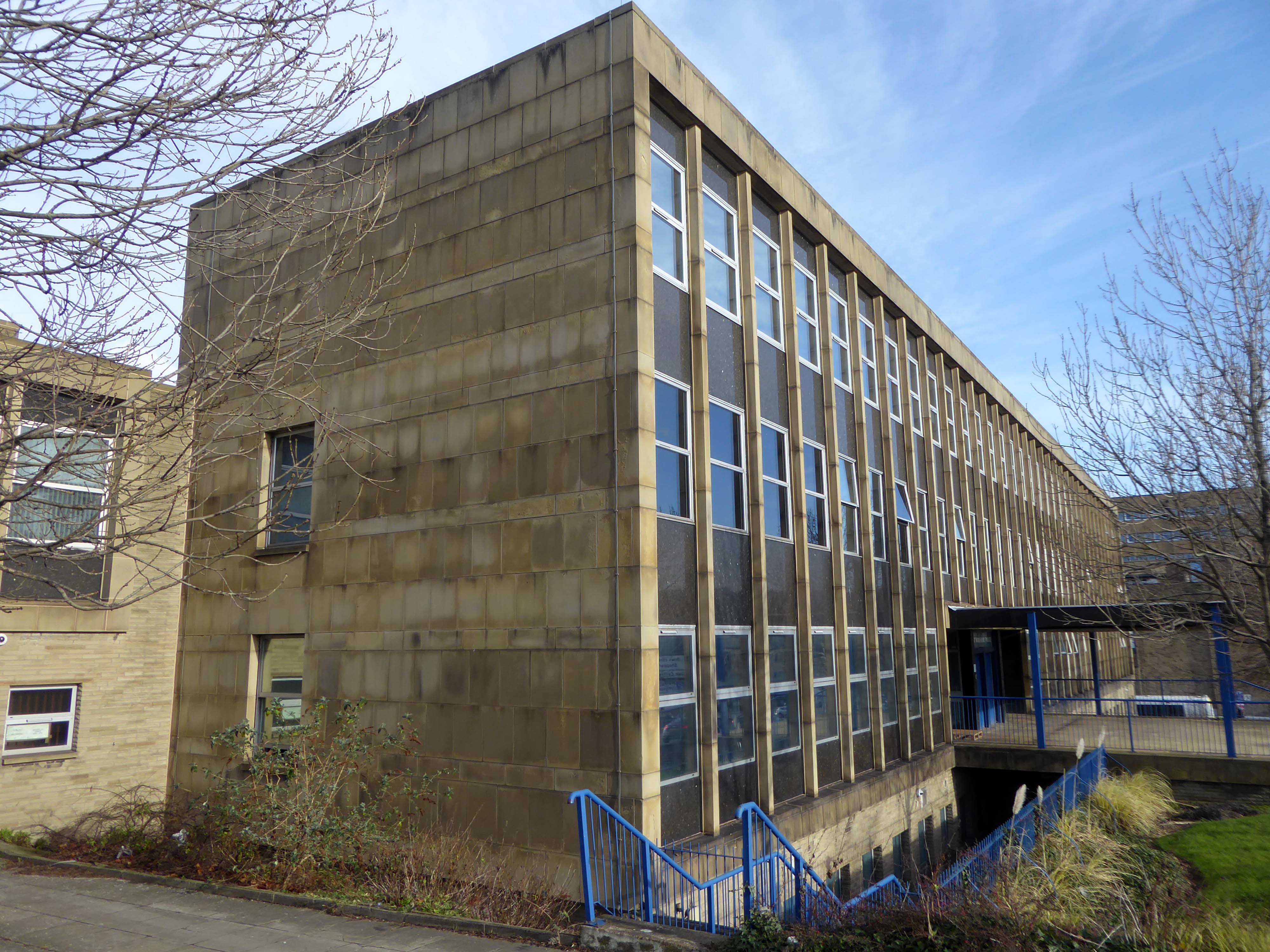
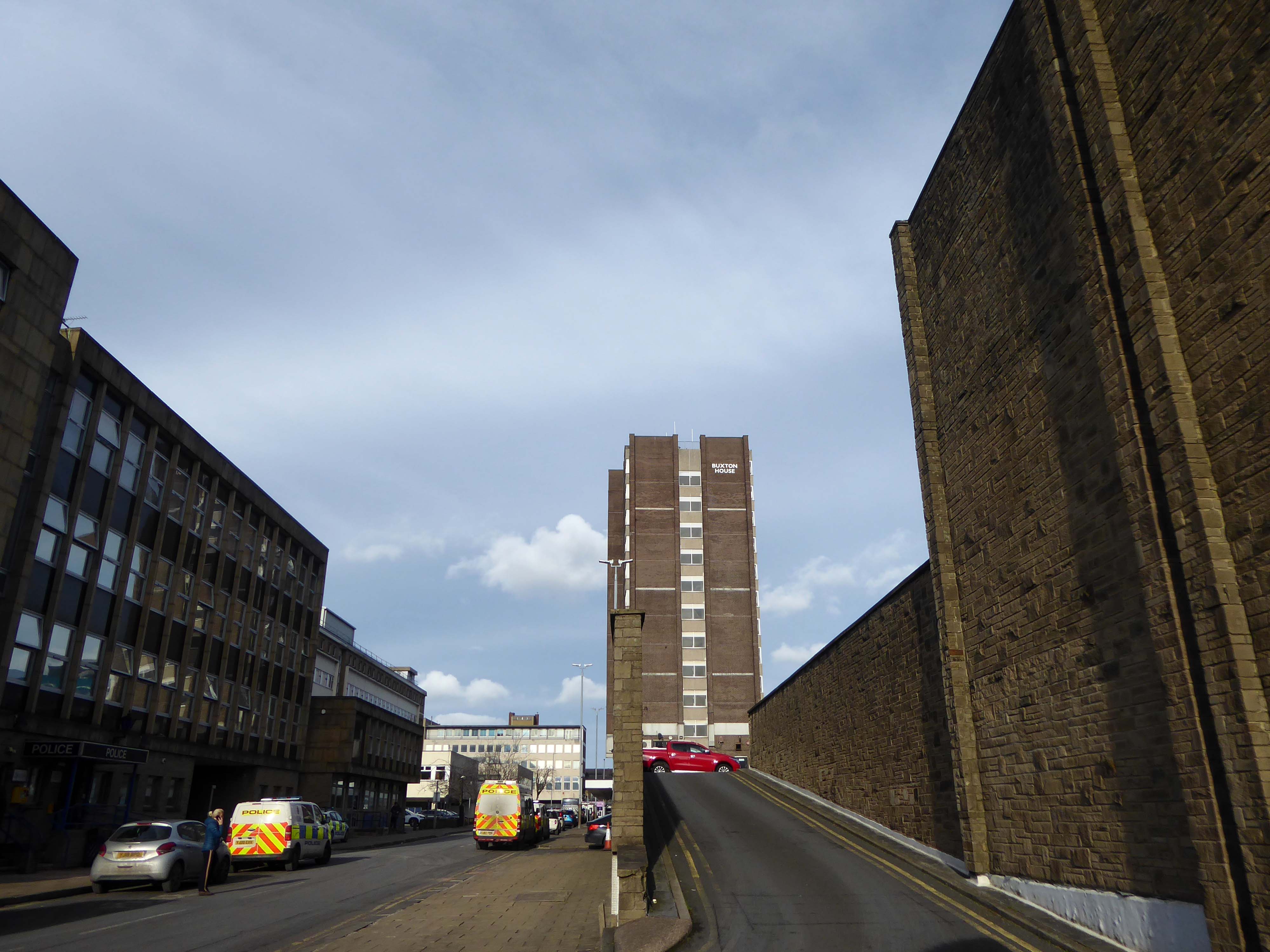
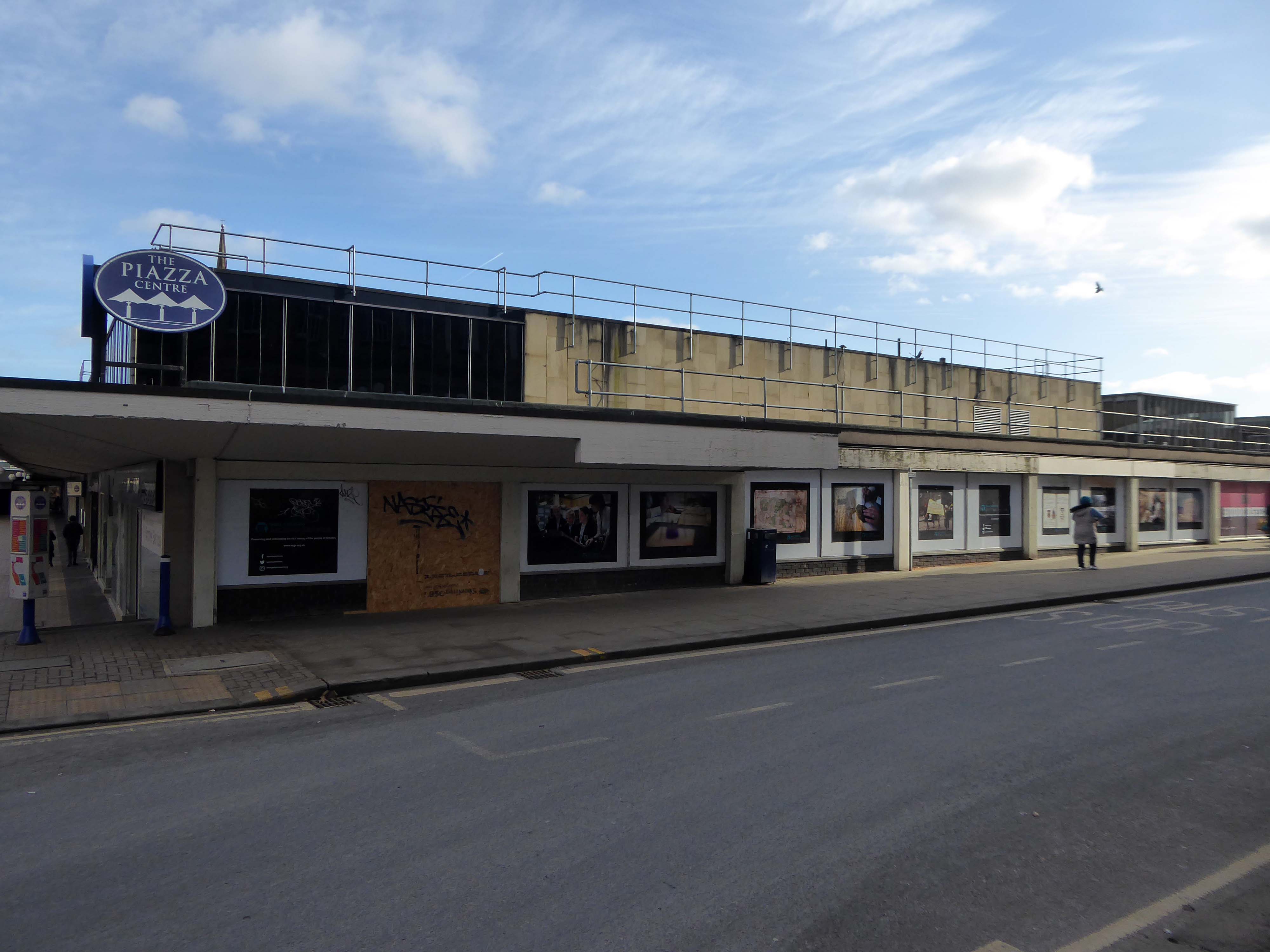
Crossing the road to the Civic Centre and the perennially empty piazza which along with the Magistrates Courts and Police Station was the work of the Borough Architects team – led by Charles Edmund Aspinall.
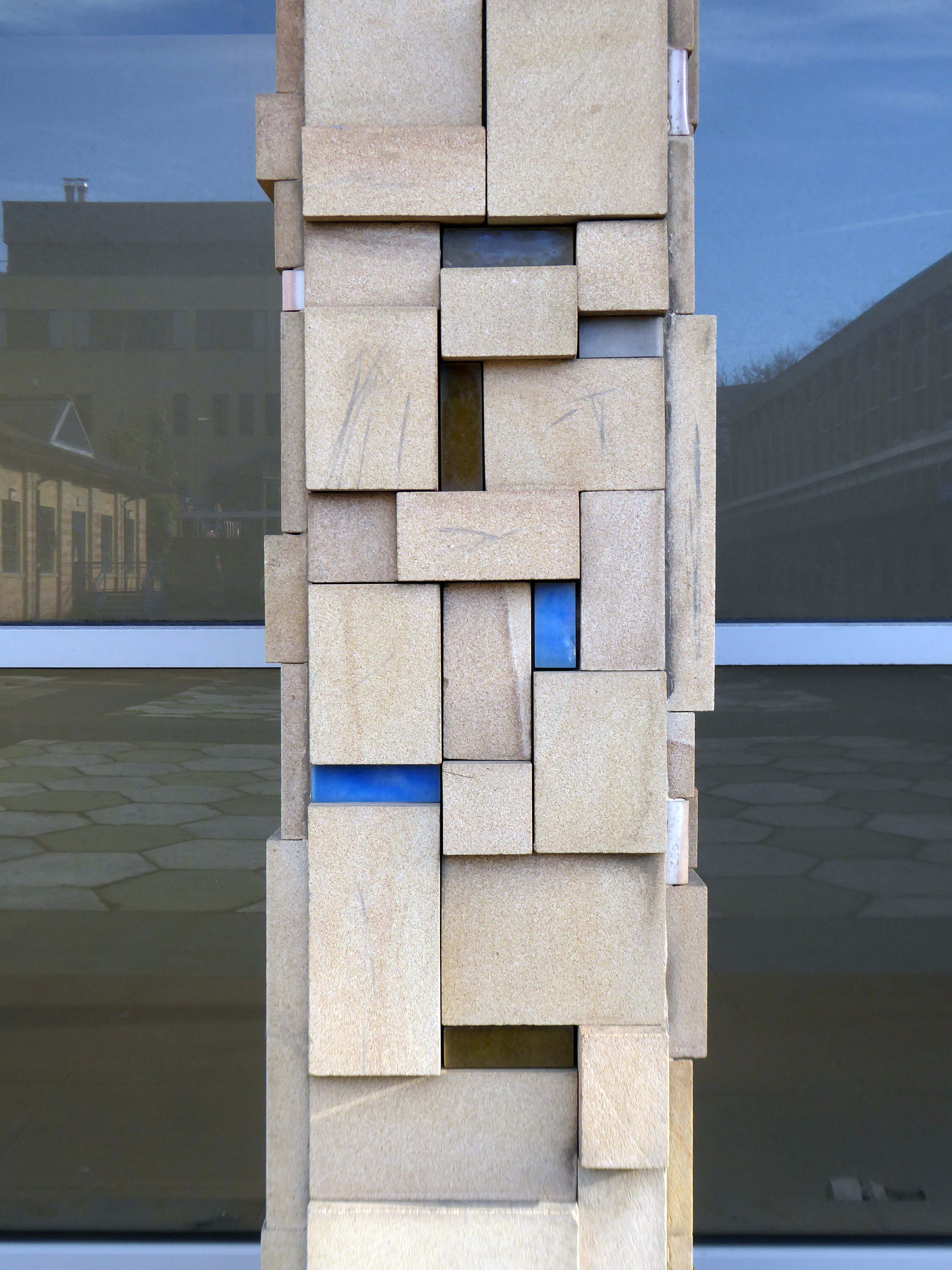
Walking excitedly toward the Exsilite panels set in the stone faced columns – a brand name for a synthetic, moulded, artificial marble.
Magistrates Courts
Police Station
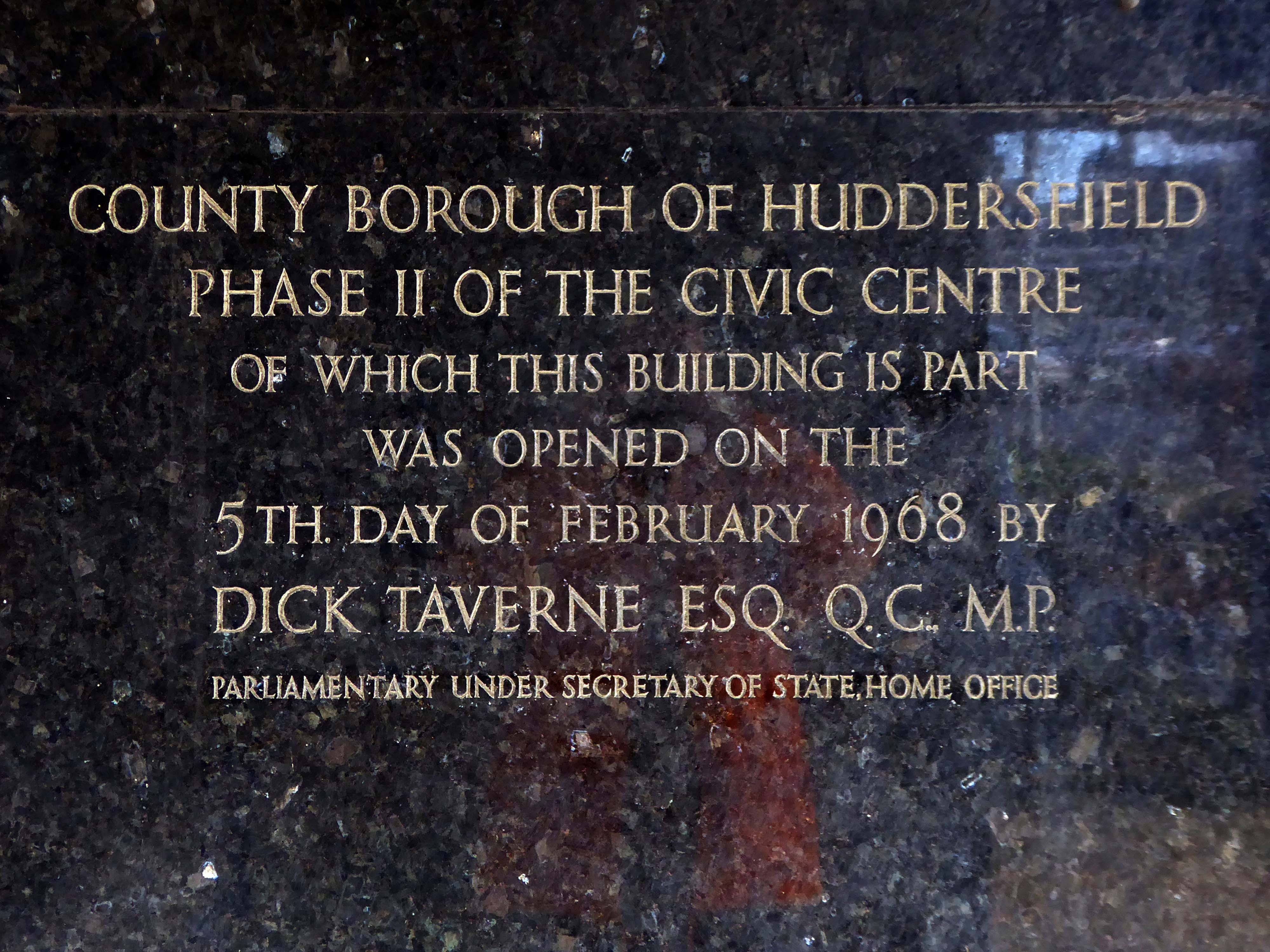
Dick Taverne served under Harold Wilson’s premiership in the 1960s, he served as a Home Office Minister from 1966 to 1968, Minister of State at the Treasury from 1968 to 1969 and then as Financial Secretary to the Treasury from 1969 to 1970.
In 1970, he helped to launch the Institute for Fiscal Studies, now an influential independent think tank and was the first Director, later chairman.
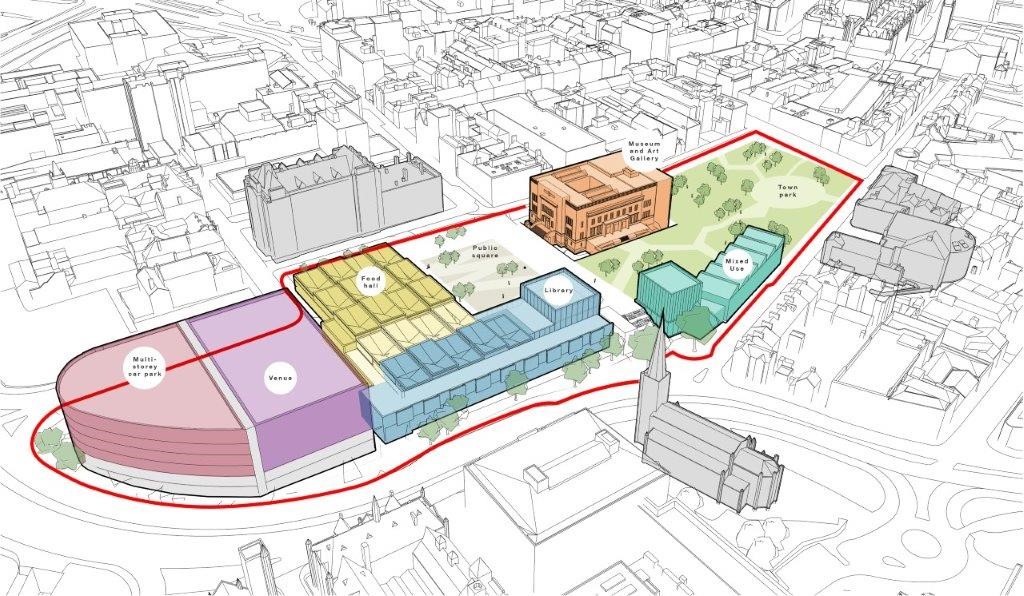
The vision is to create an inclusive space where families, residents and visitors can enjoy a vibrant mix of music, arts, food and more in one central area, overlooking a stunning new urban park.
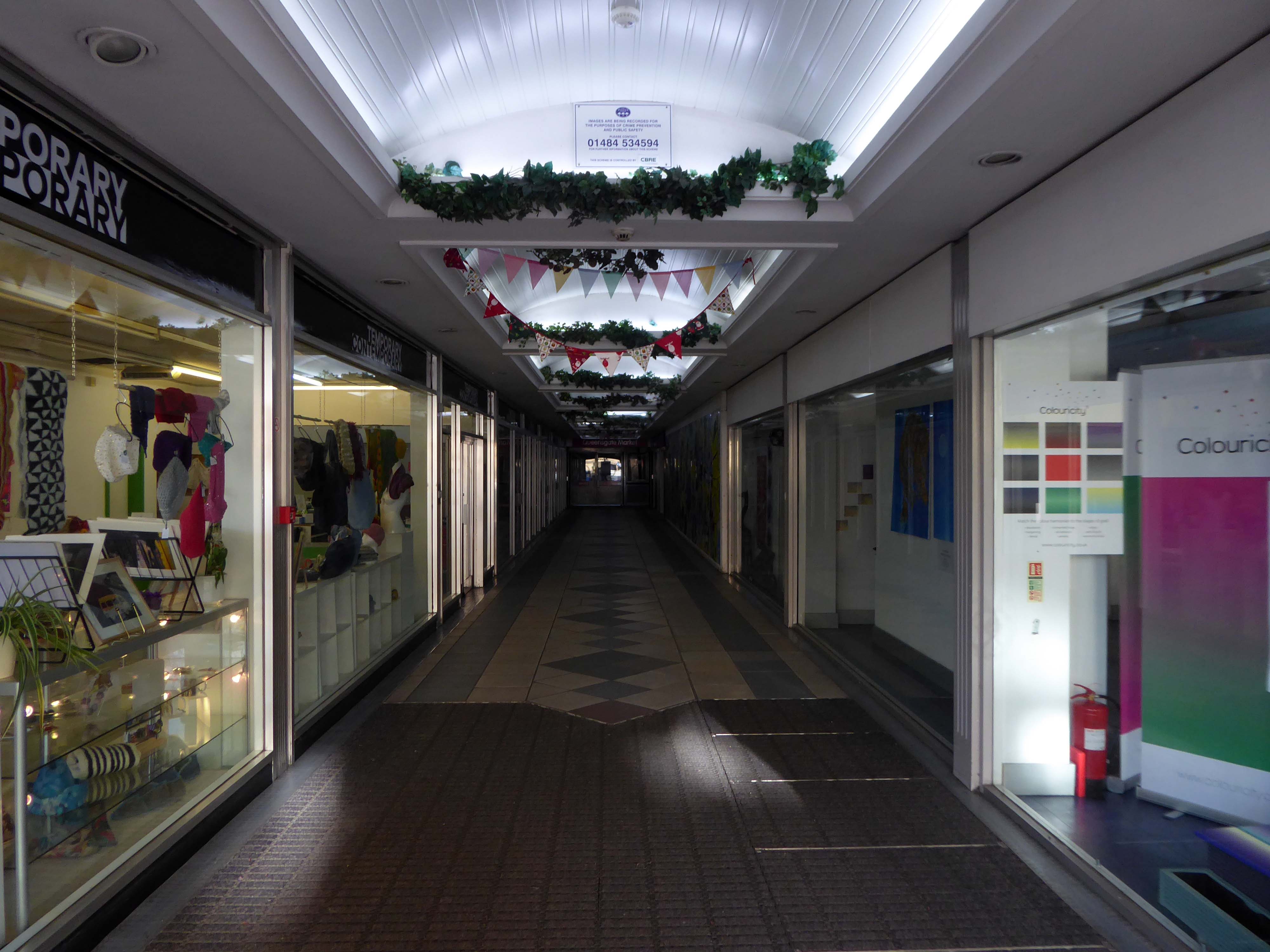
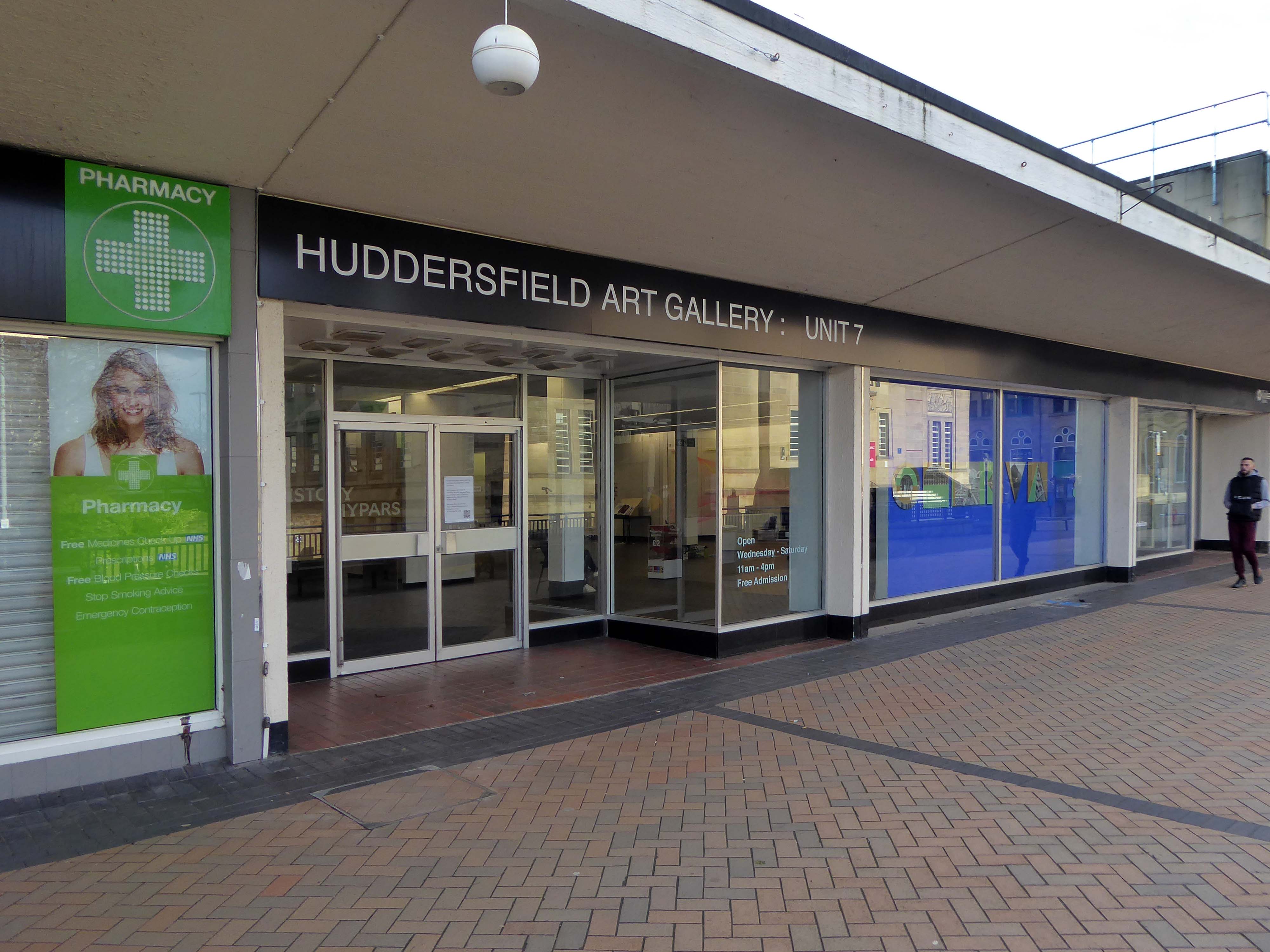
The council plans to demolish the Piazza Centre and create a new events/live music venue, a food hall, a museum and art gallery, a new library and a new multi-storey car park, all centred around a new Town Park.
Named after one of the Twentieth Century’s finest artists, the space nurtures a new and inspired generation of designers. Through visual and physical connection, the environment encourages students to work together, stimulating communication and ingenuity, the ingredients of successful collaboration.
Take that to the bank/s
Keep savin’, keep buildin’ That interest for our love Take that to the bank Keep savin’, keep buildin’ That interest for our love Take that to the bank
HSBC was designed by Peter Womersley, who also designed the thoroughly modern private house, Farnley Hey, near Castle Hill, which won the RIBA Bronze Medal in 1958.
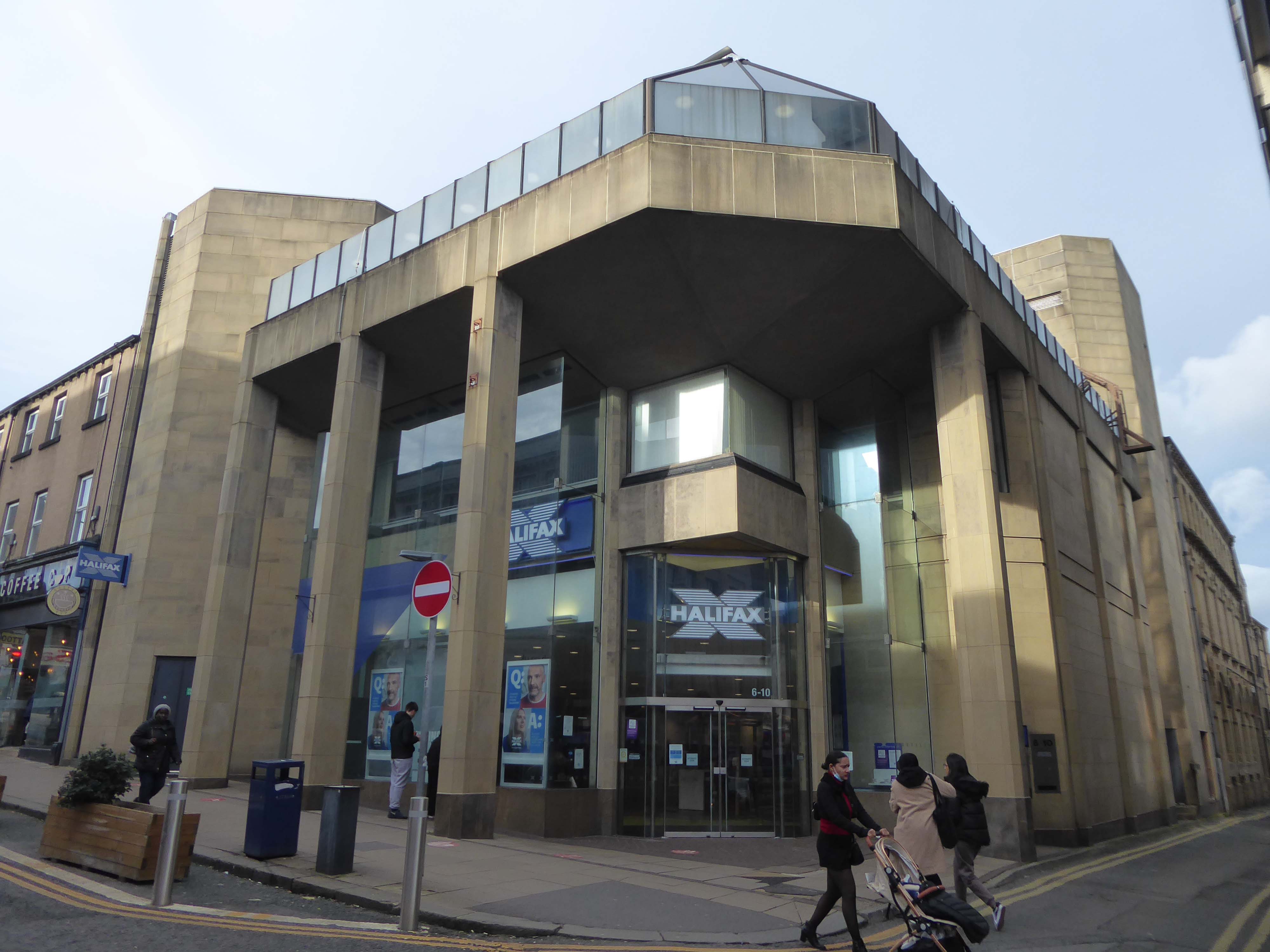
Halifax Building Society
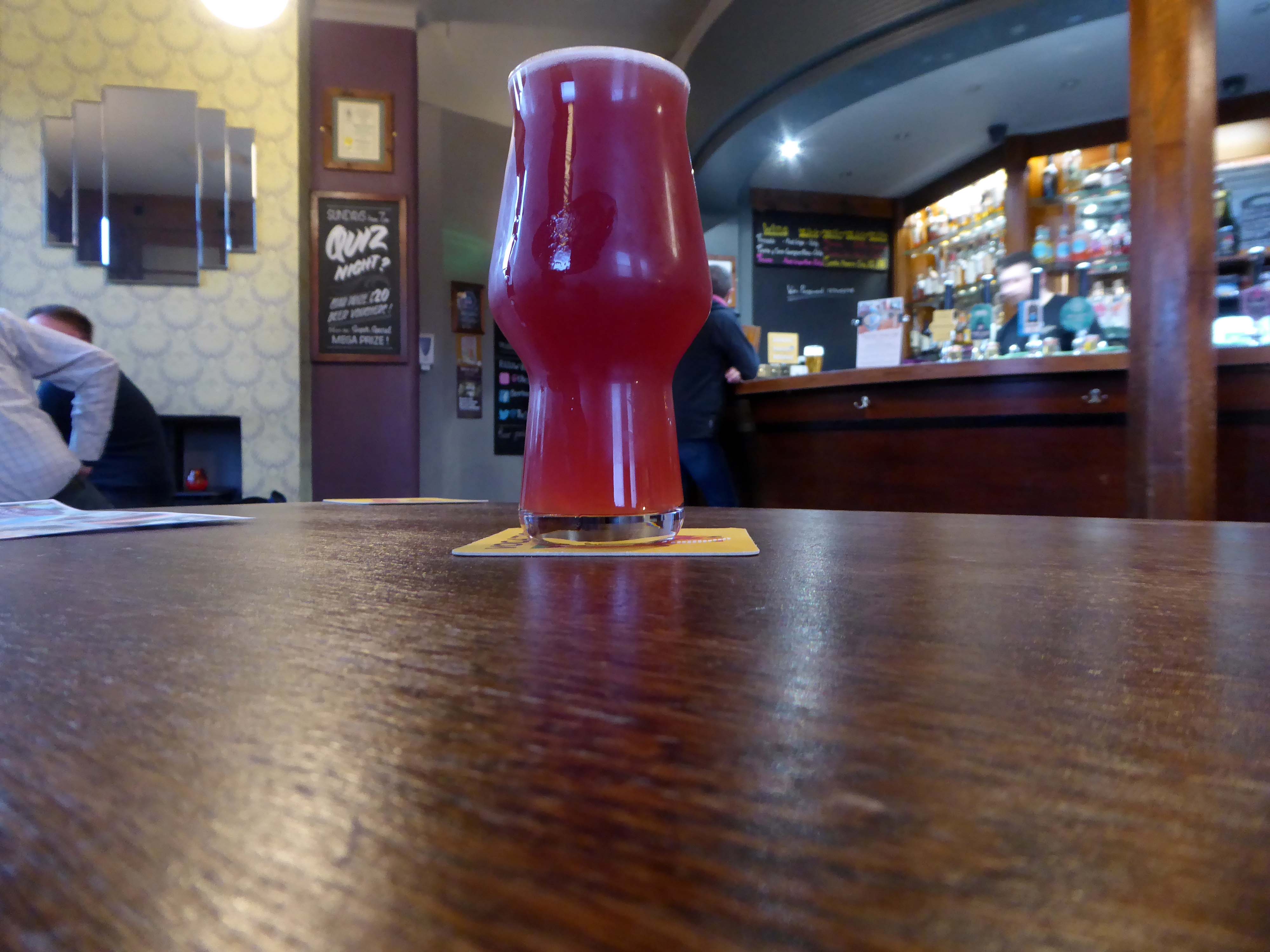
Having walked around town for more hours than enough I sought respite in The Sportsman and a glass of Squawk multi-berry fruited sour
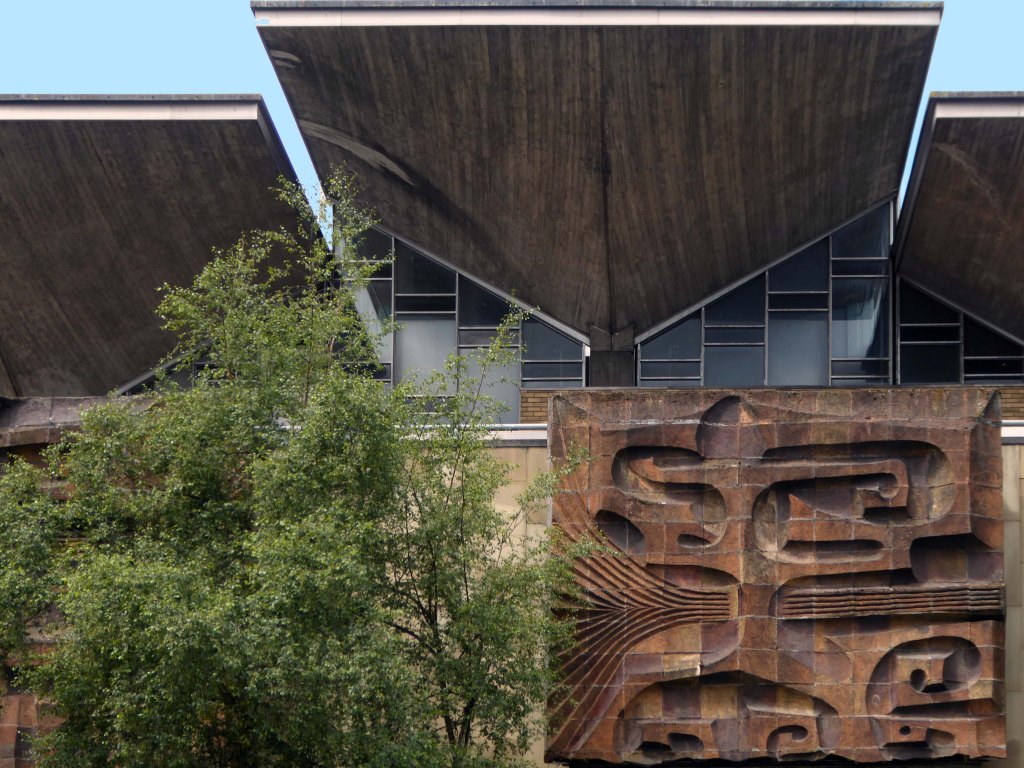
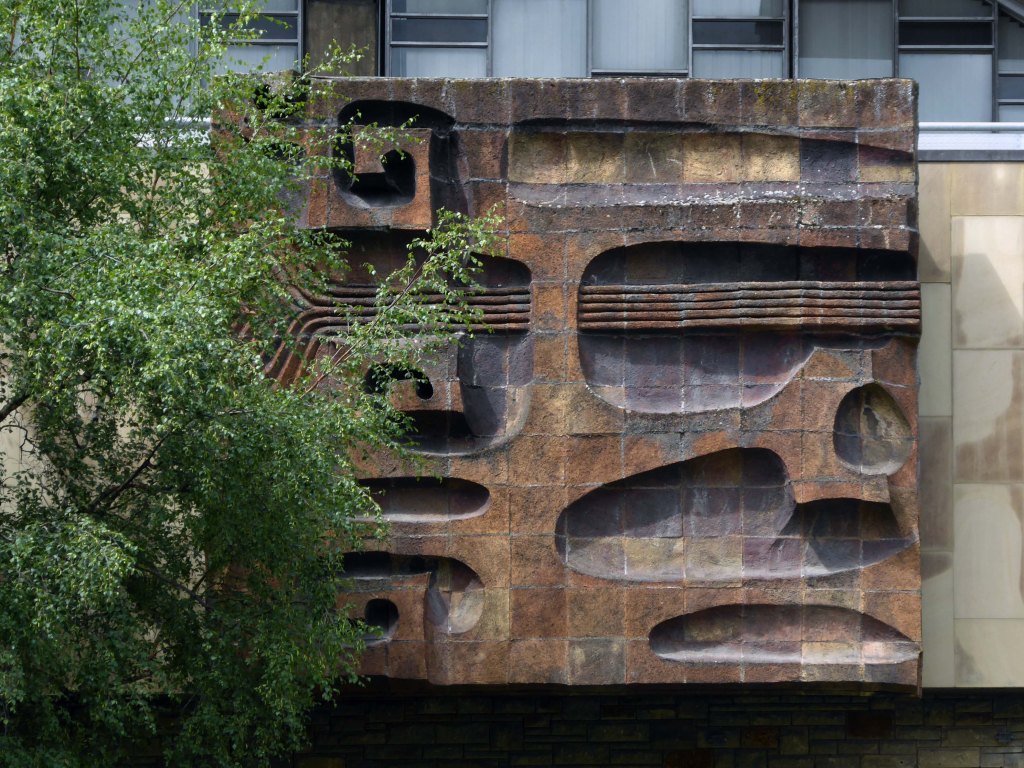
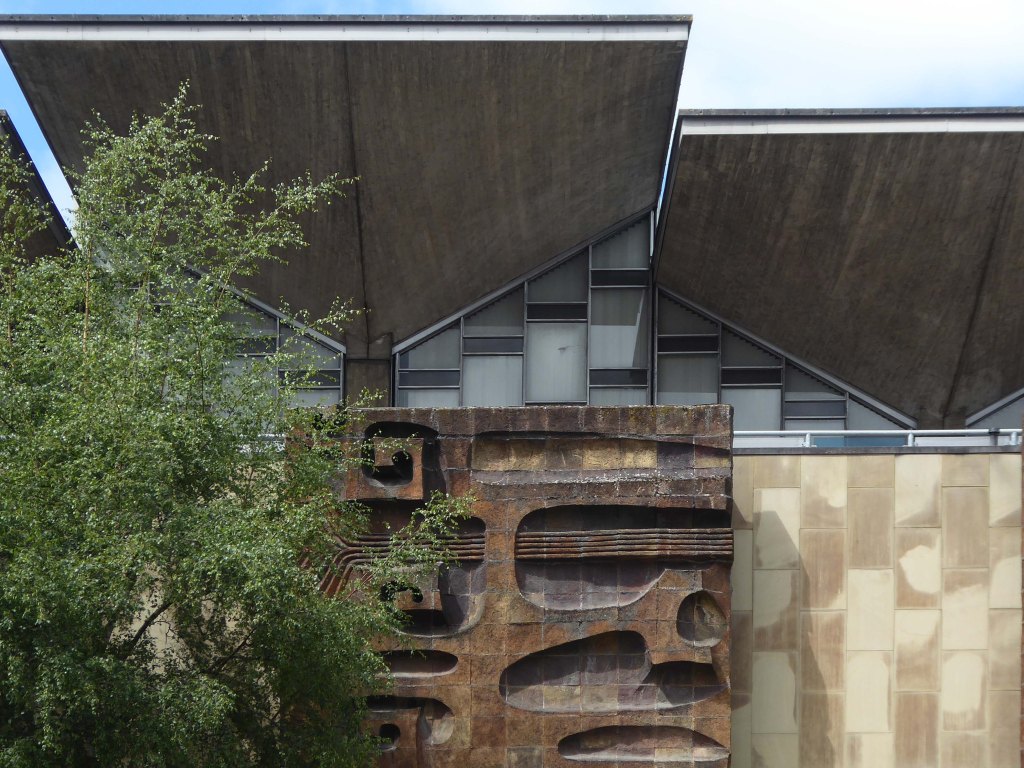
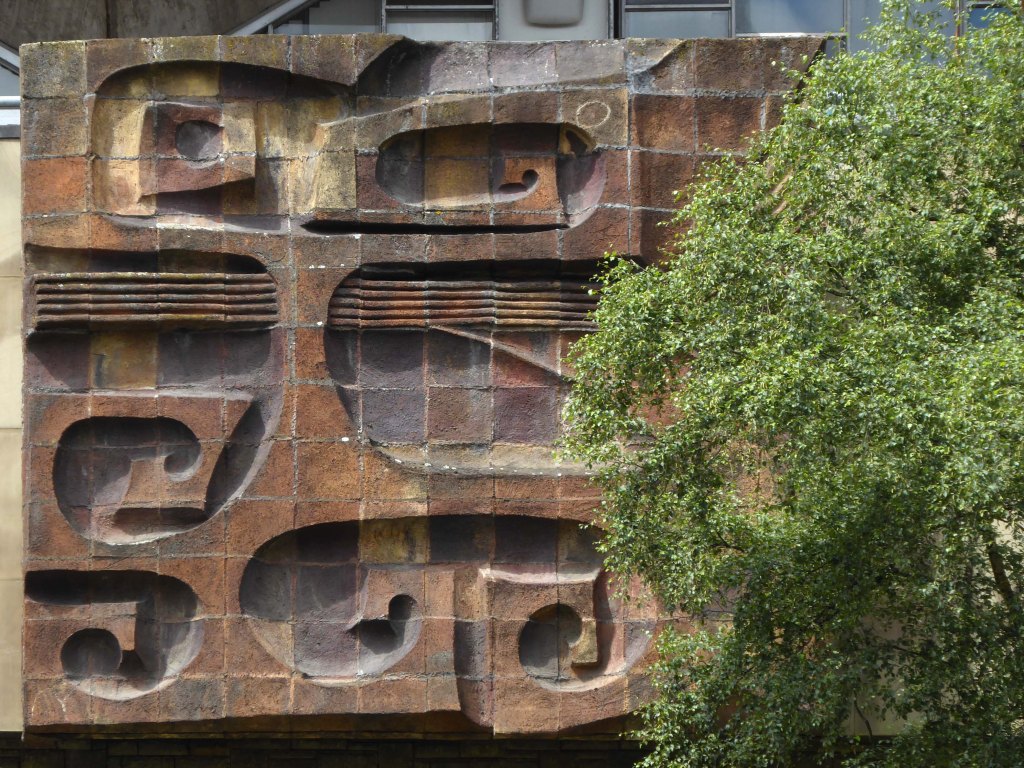
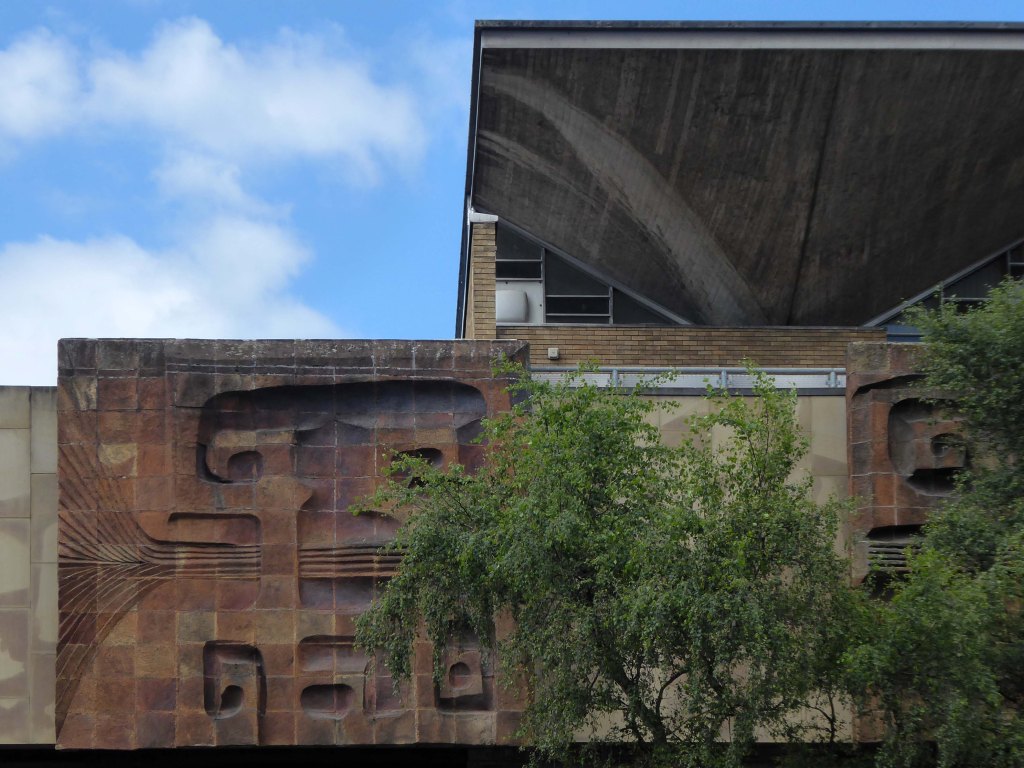
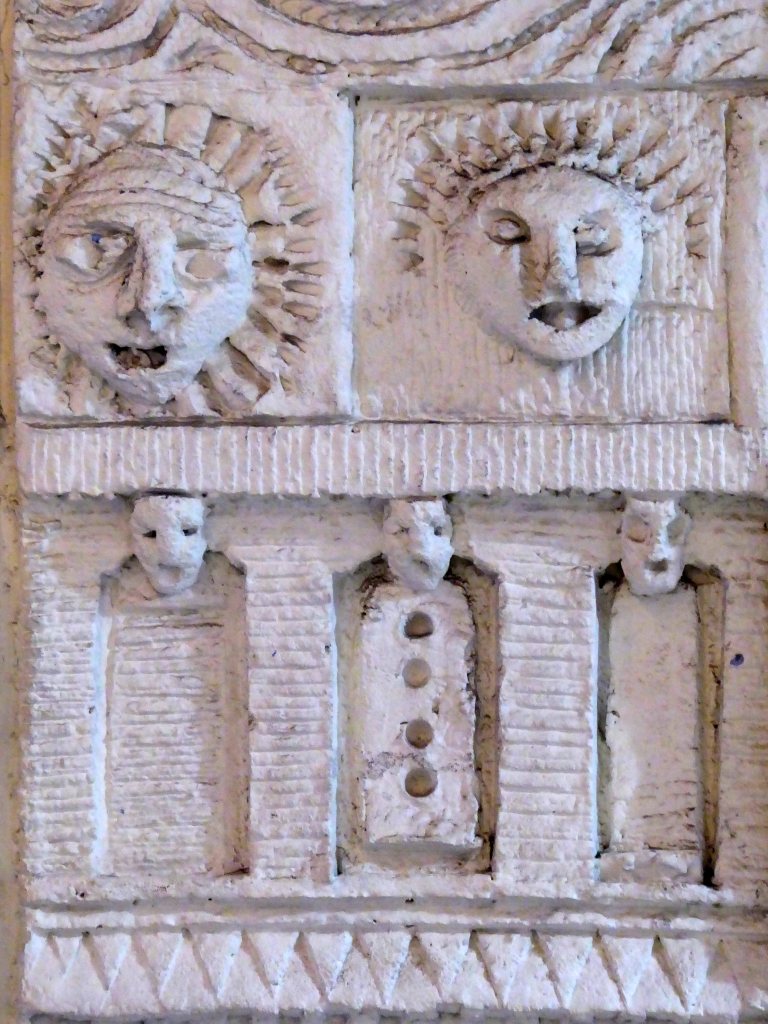
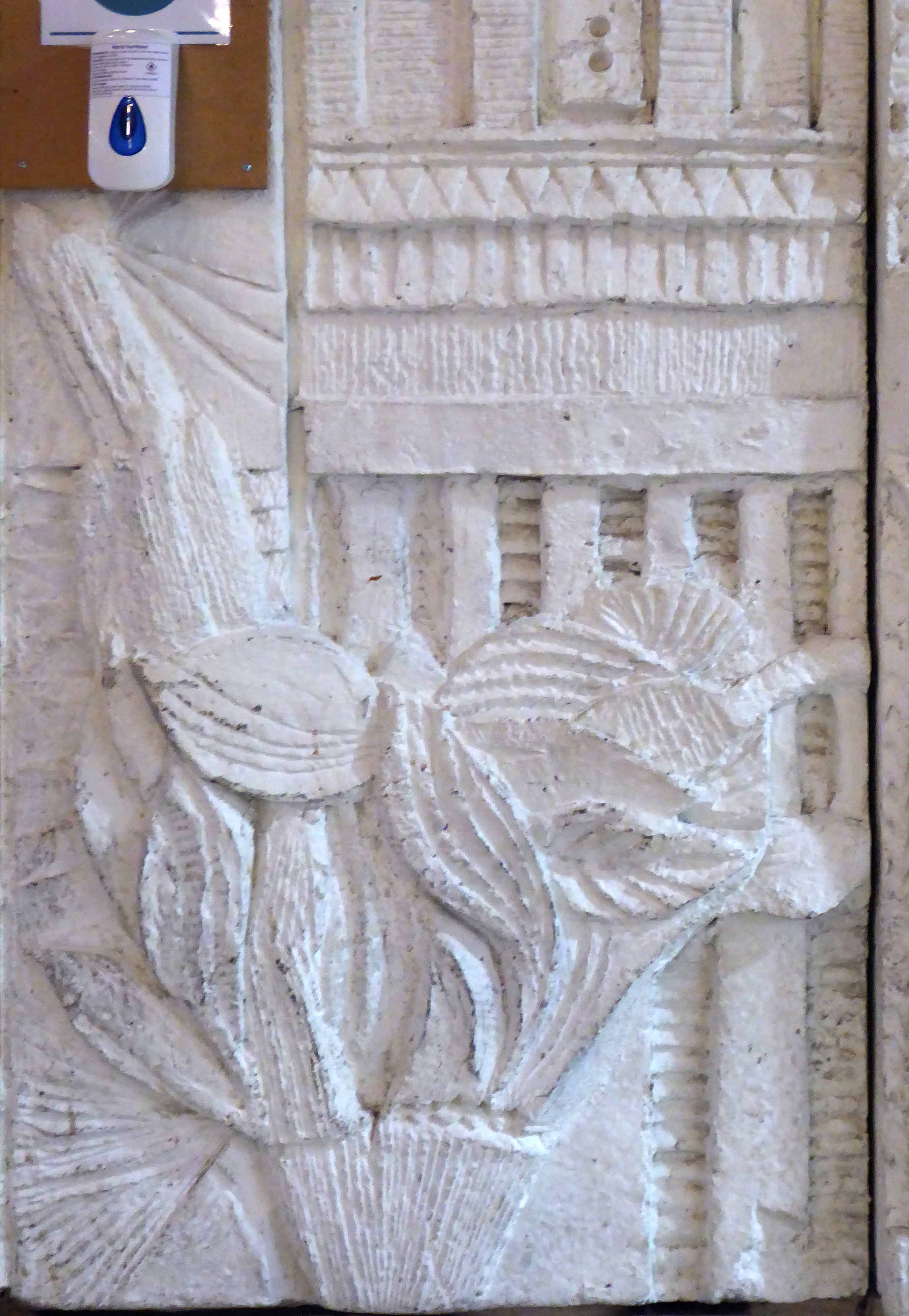
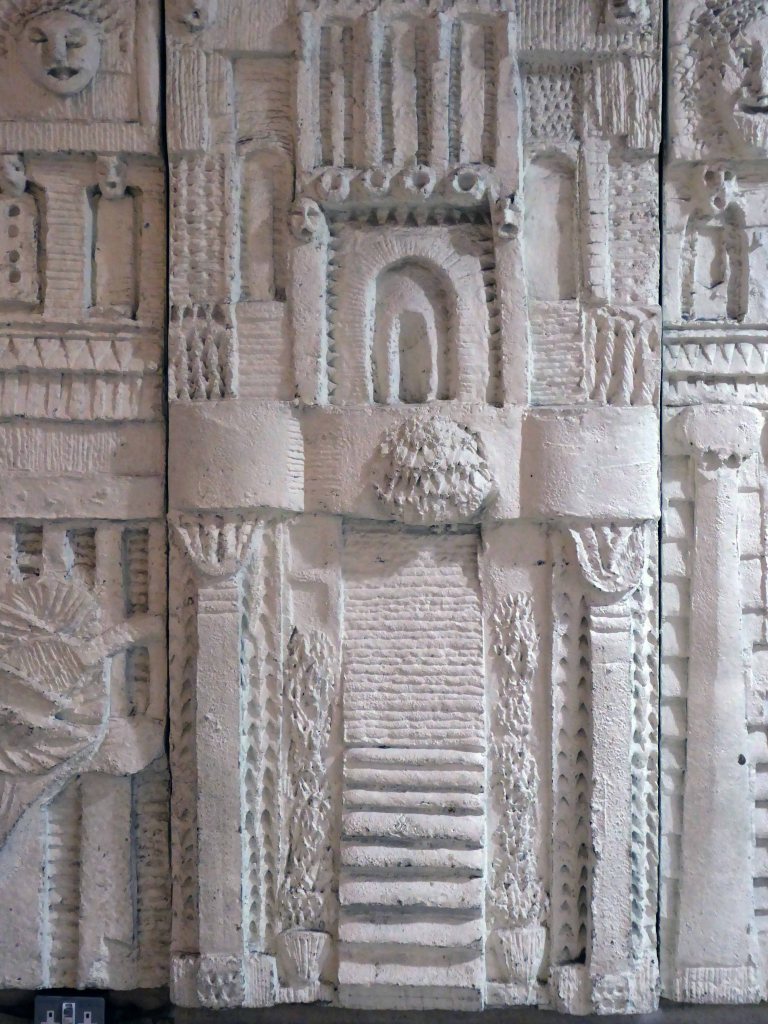
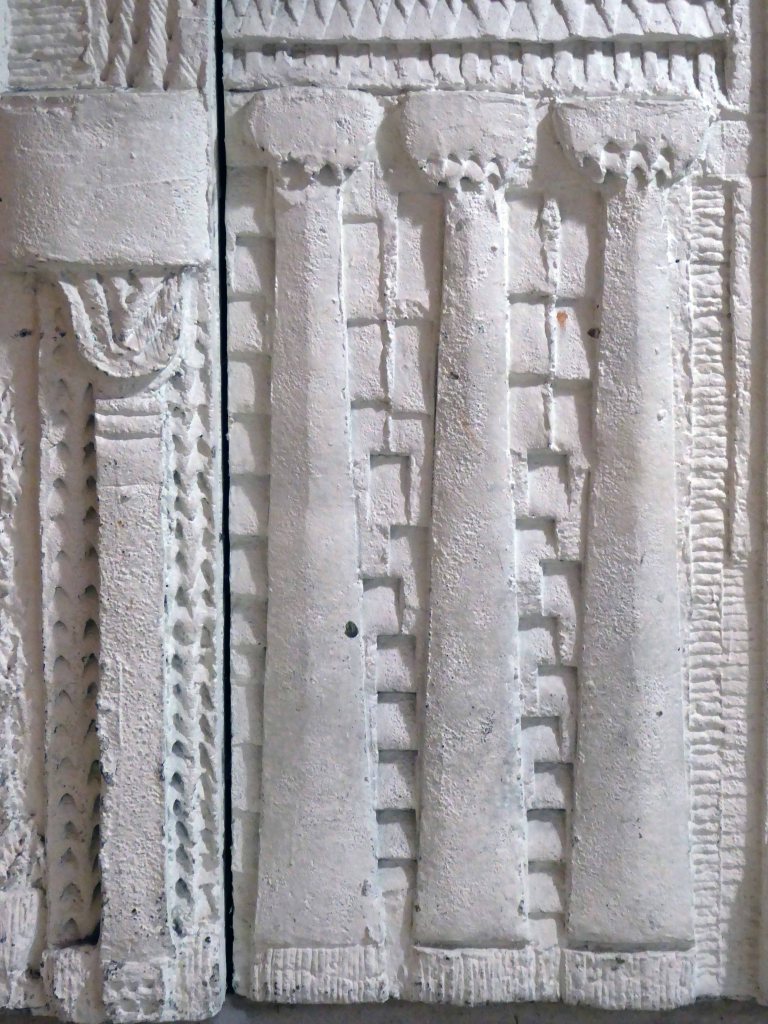
Now I want to look in detail at the exterior ceramic art.
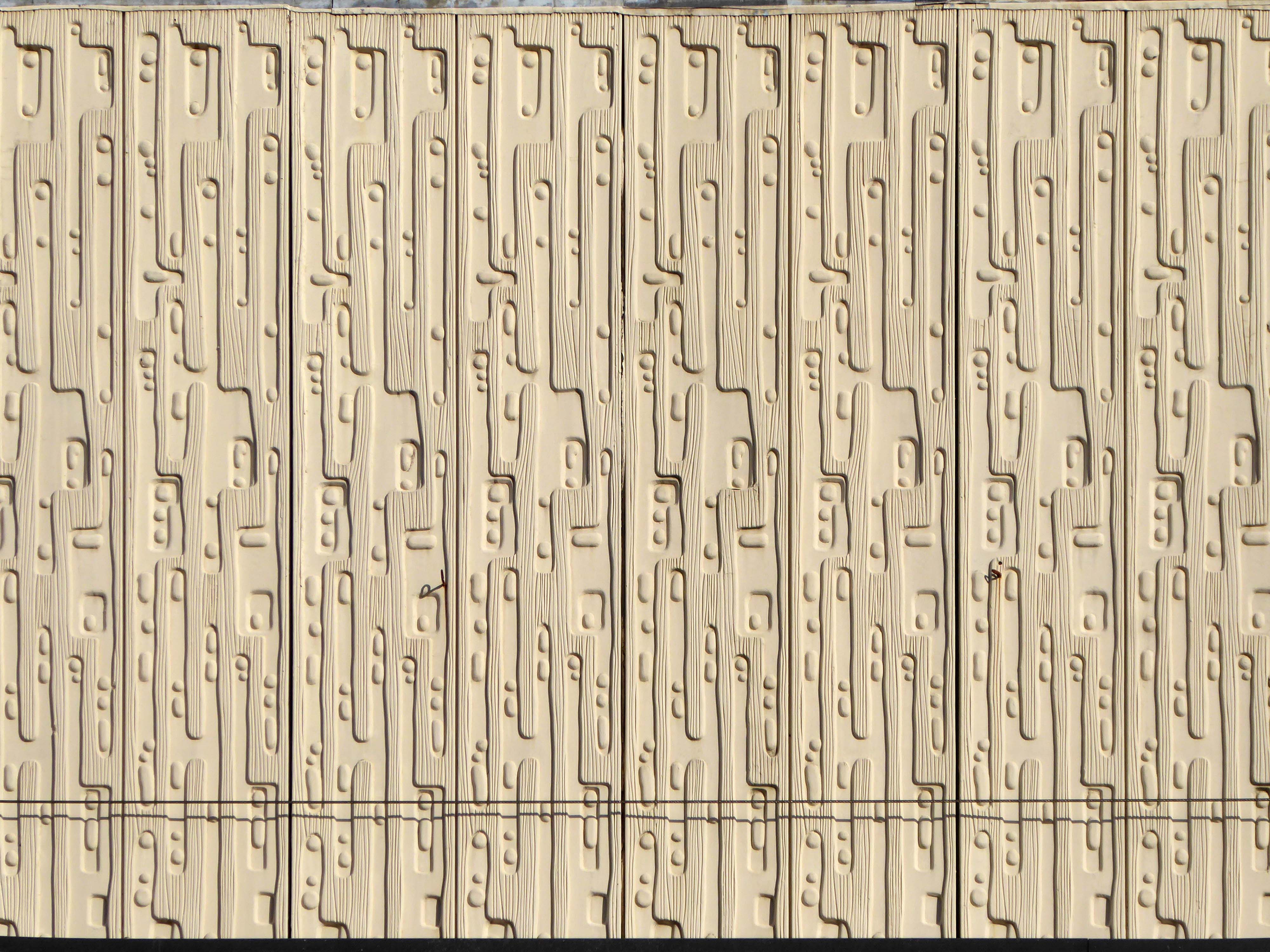
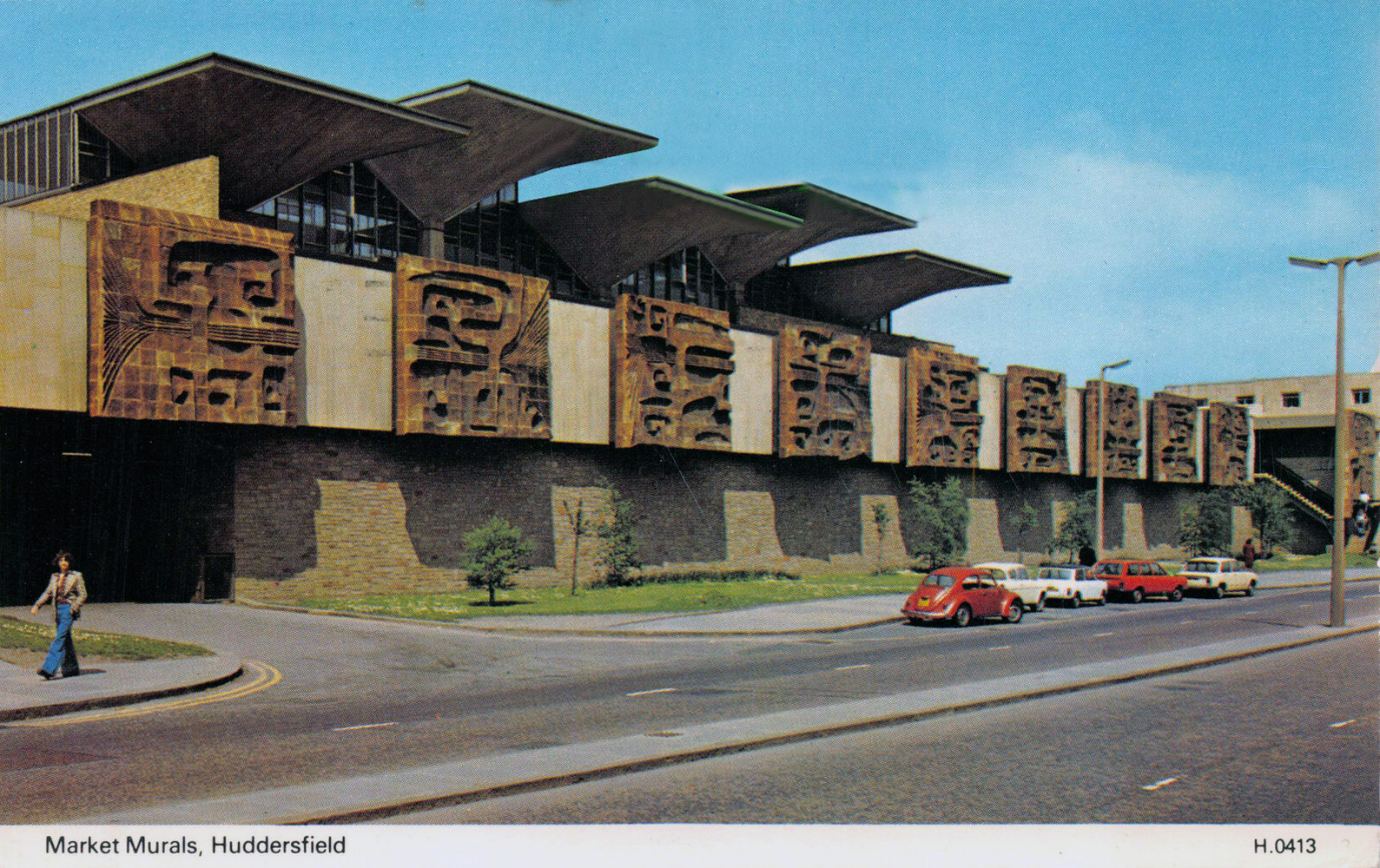
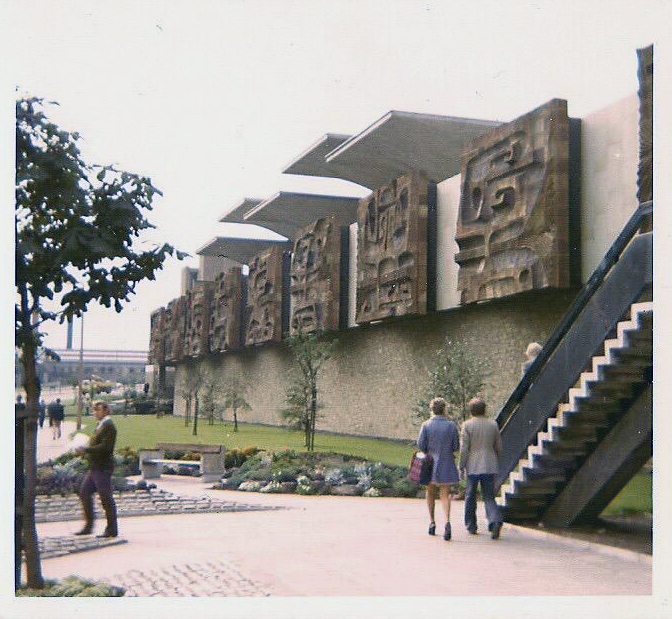
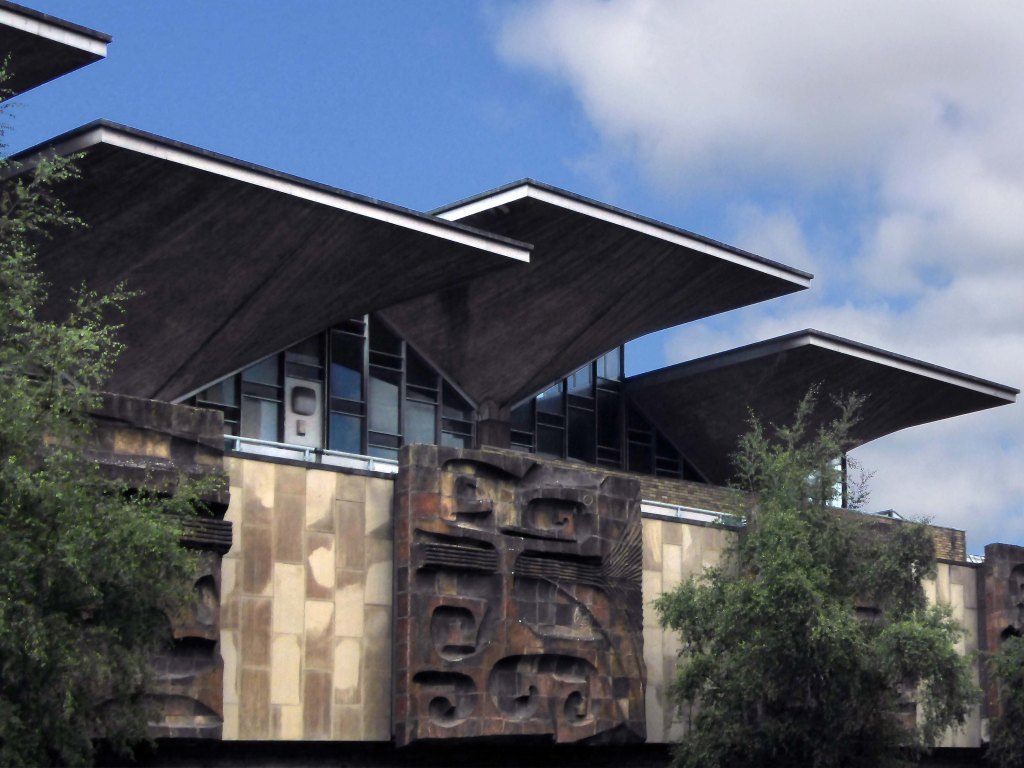
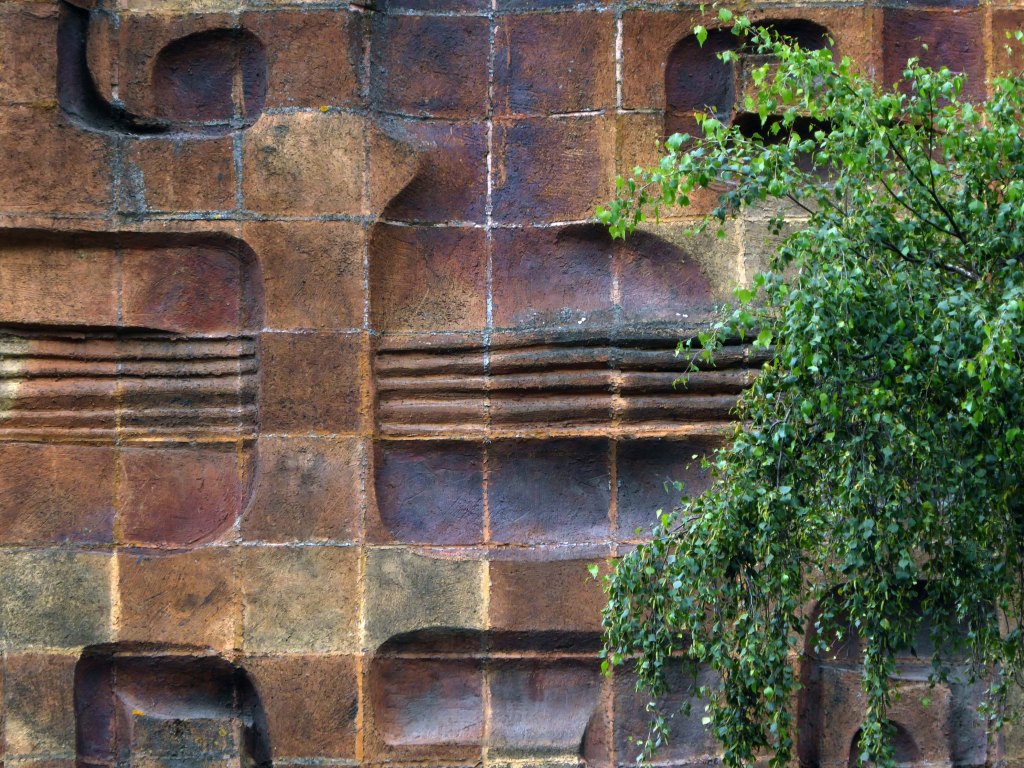
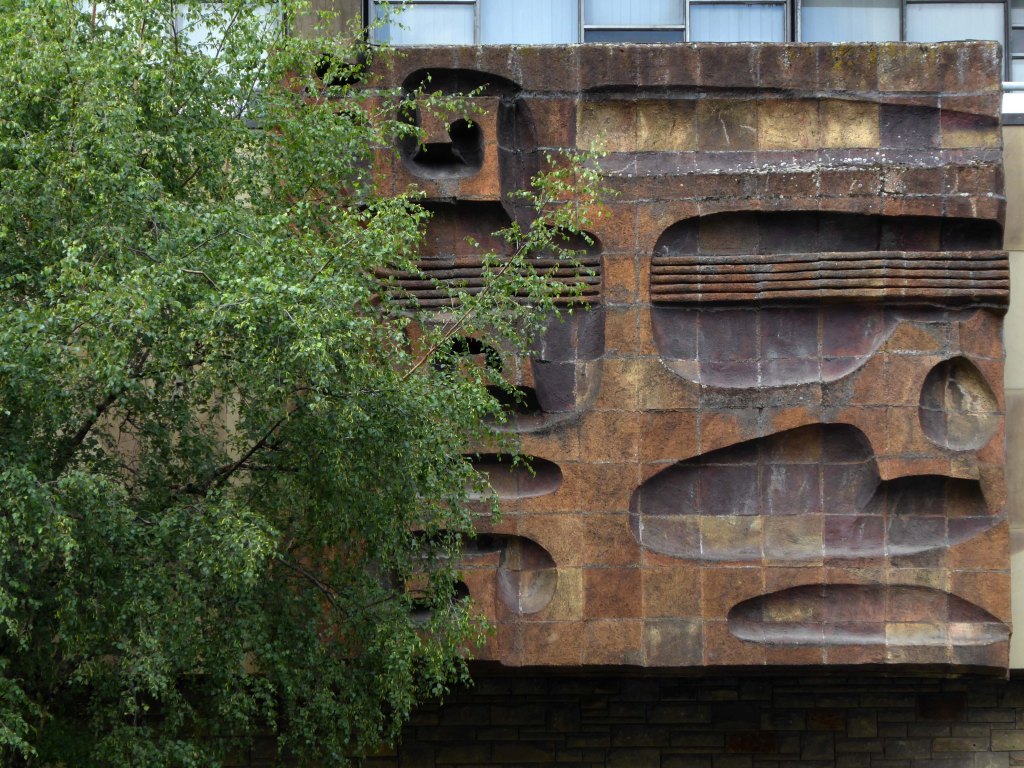
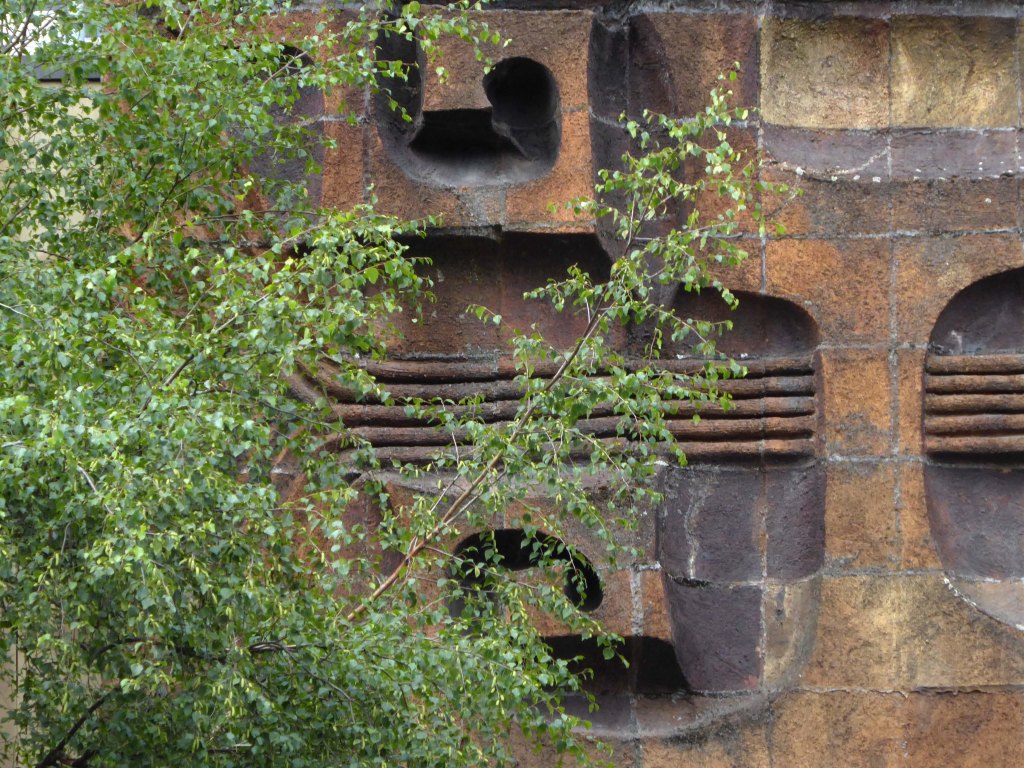
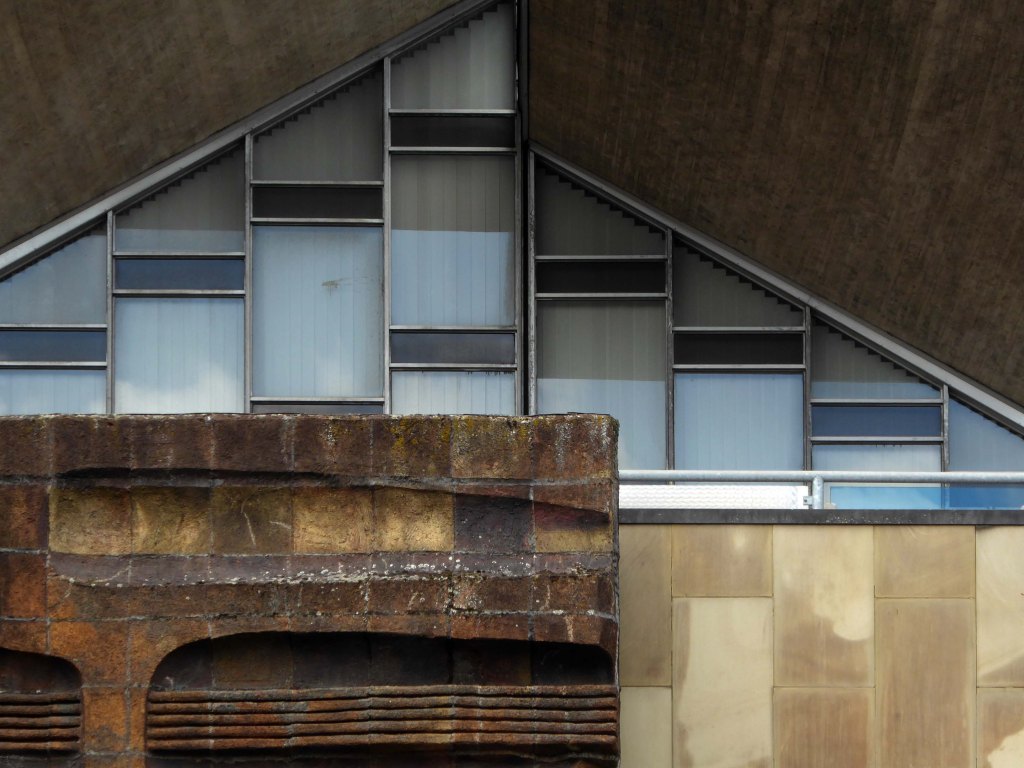
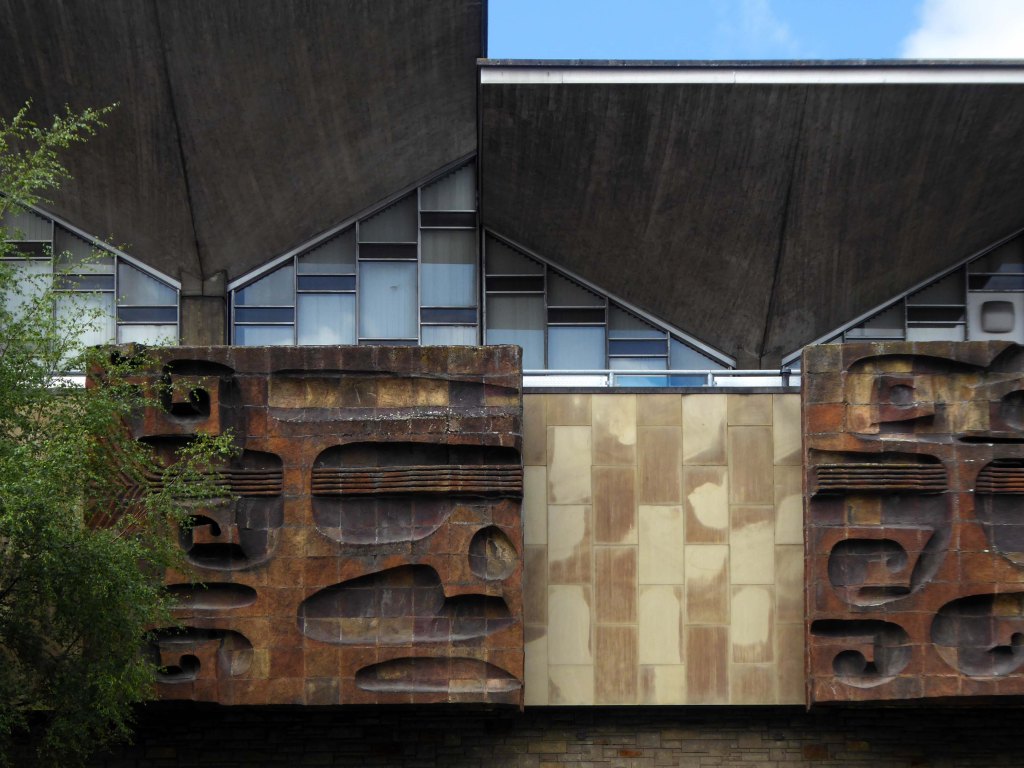
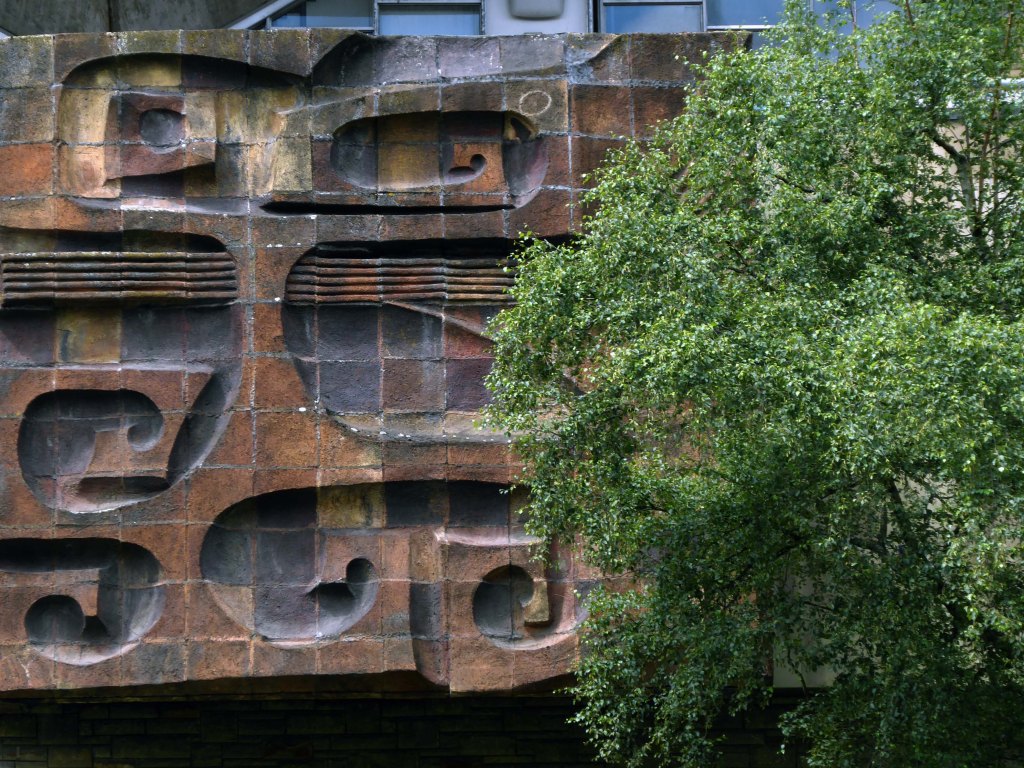
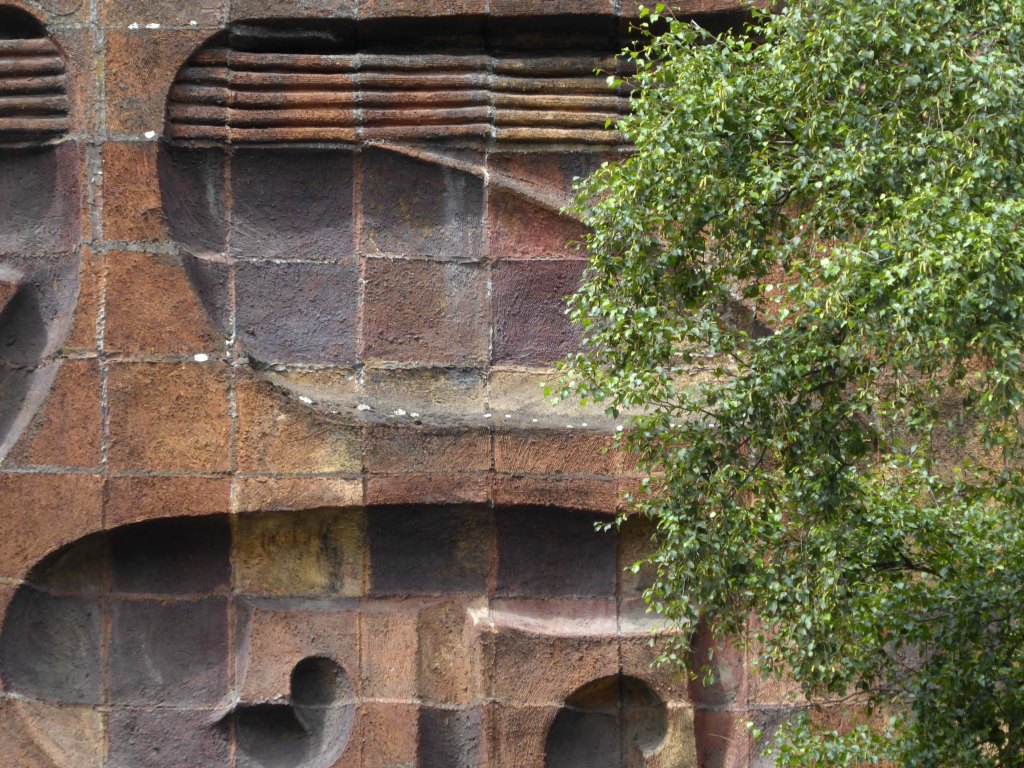
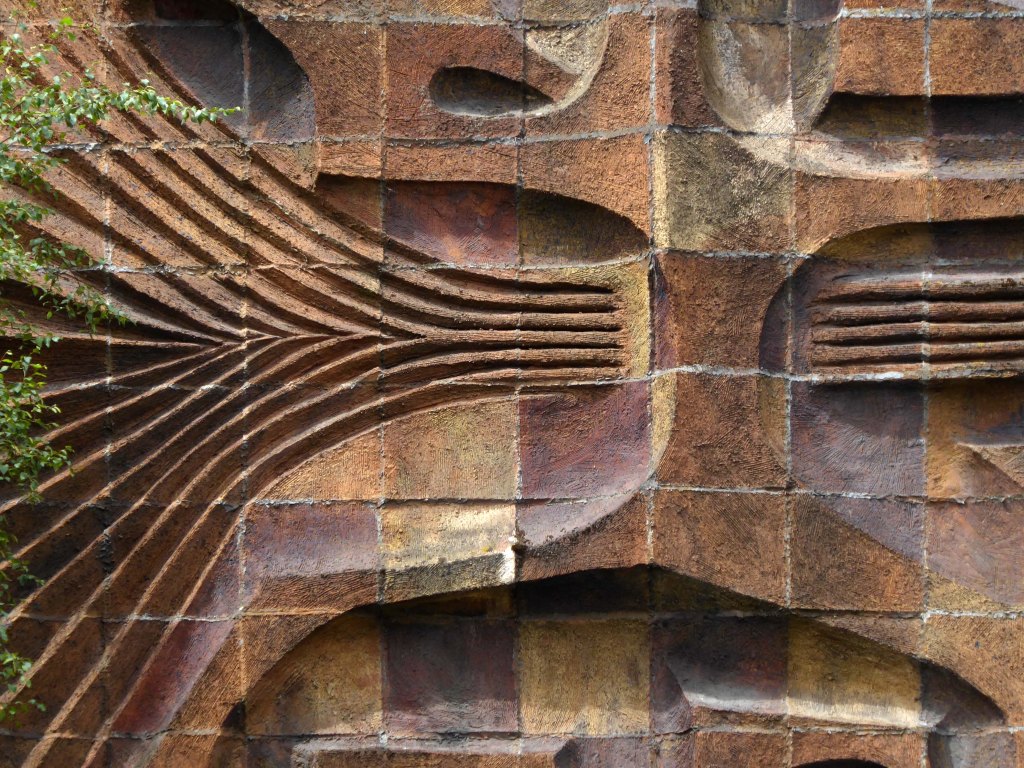
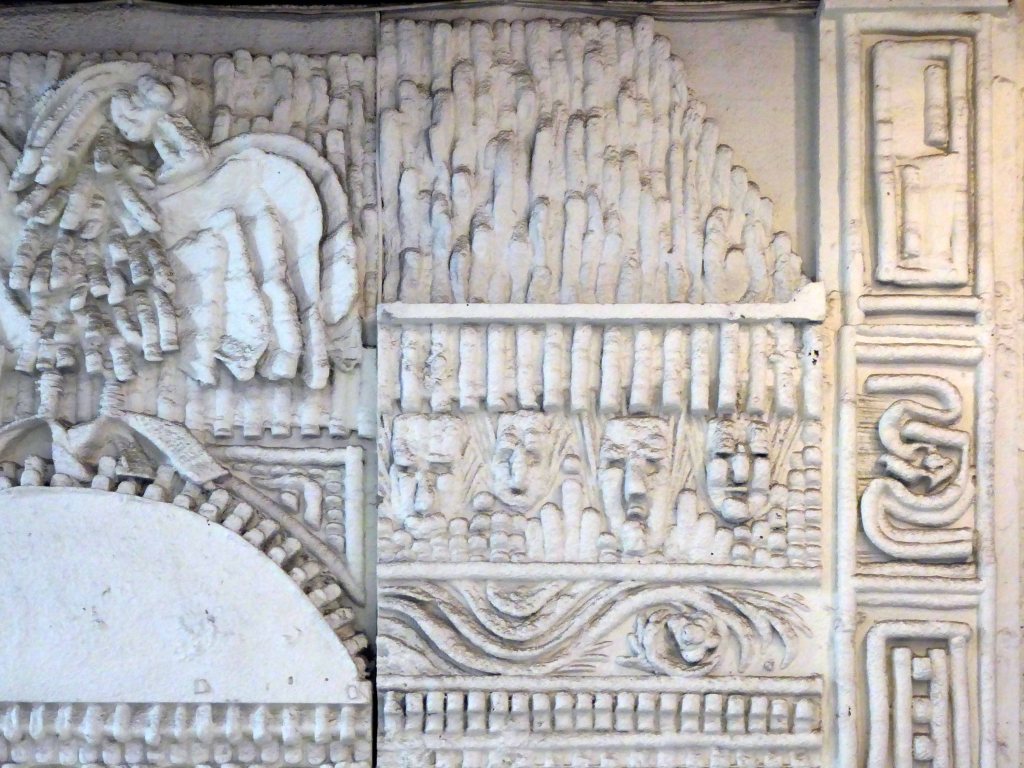
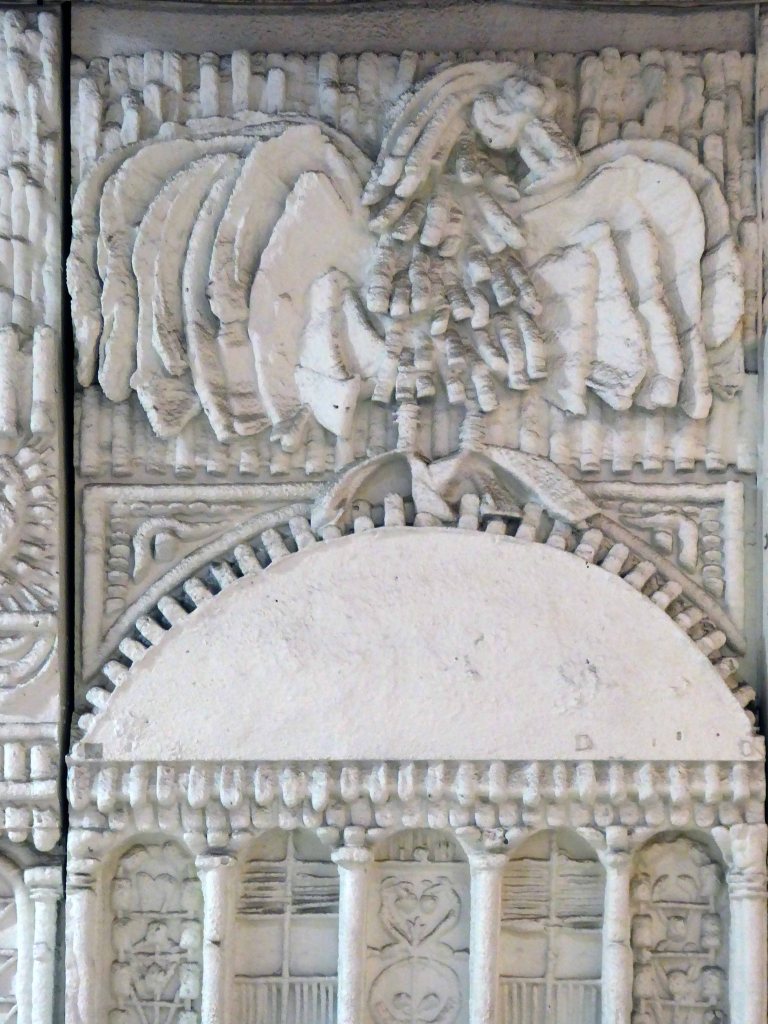
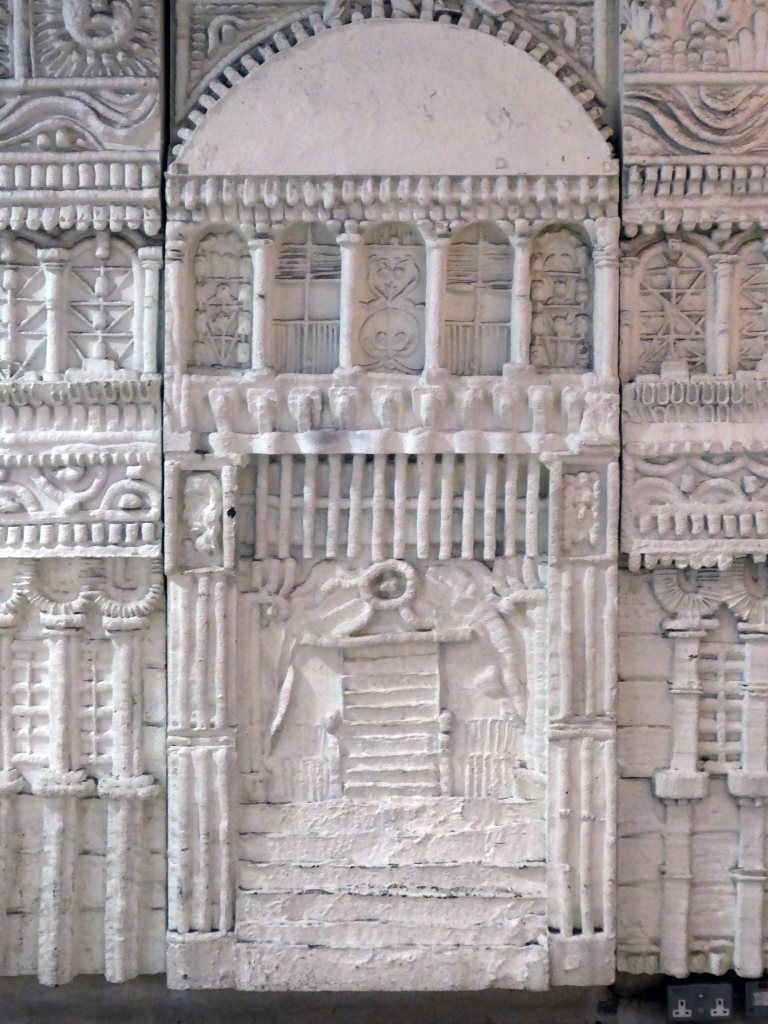
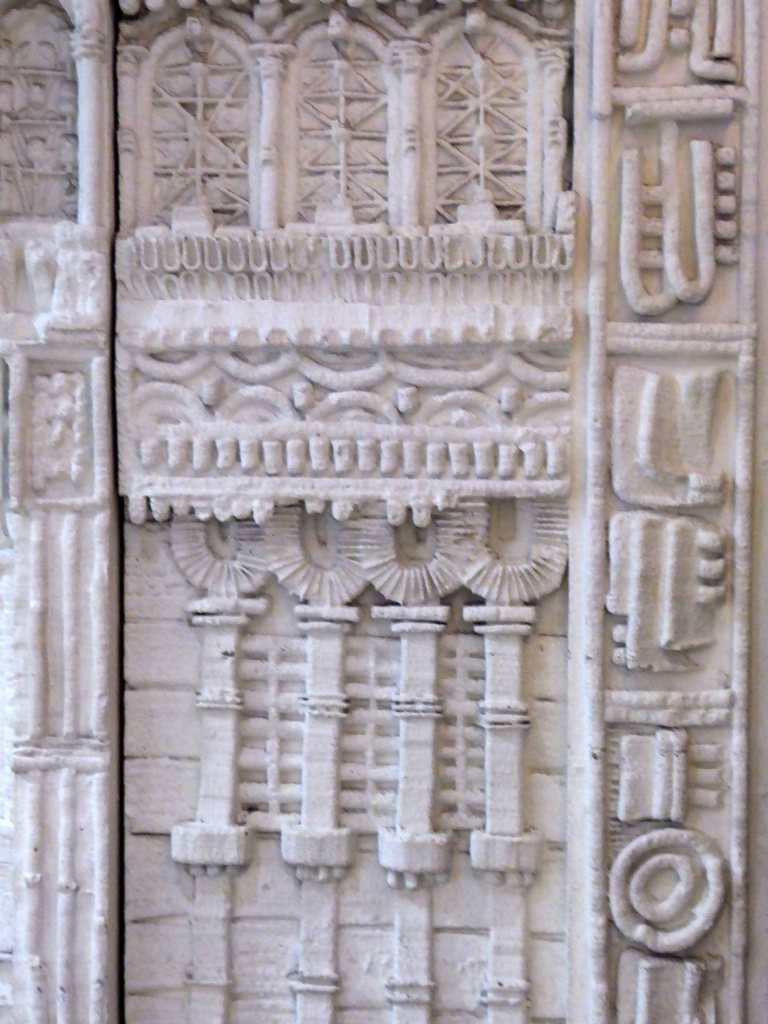
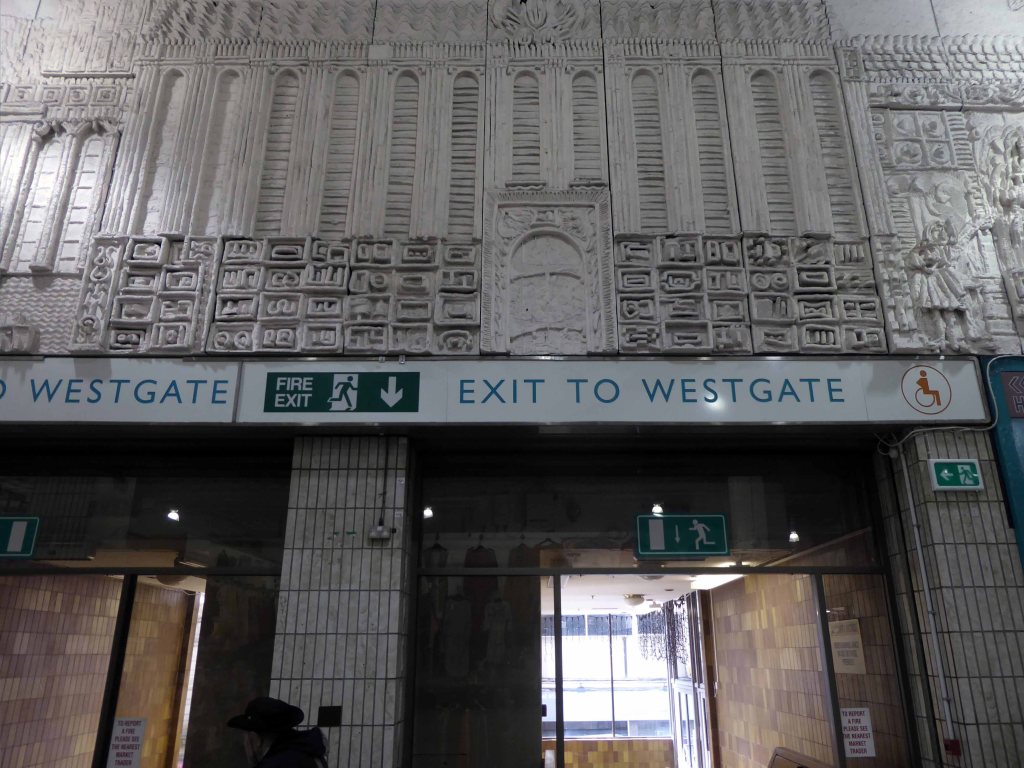
The façade of the market hall on Queensgate incorporates five roof sections with patent glazing and is decorated with square ceramic panels by Fritz Steller, entitled Articulation in Movement, set over natural stone cladding.
These continue across the façade of the adjoining shops, to make nine panels in all, with a tenth larger panel added in 1972, pierced by stairs and an entrance to the market hall from Queensgate.
They have representations of the mushroom shells of the market hall, turned through 90 degrees, with abstract representations of the goods available within.
The enormous abstract art panels weigh almost 50 tons.
Seen here in the 1970s when the trees and cars were smaller – though trousers and lapels were considerably wider.
Fritz Steller
1941 Born in Dresden, Germany.
1959-1964 Studied sculpture and architecture at Birmingham College of Art, Birmingham, UK. Specialised in sculpture.
Until 1969 Head of Art at Sebright School, Wolverley, near Kidderminster, Worcestershire, UK.
1969-1977 Established and led the Square One Design Workshop and Transform Ceramic Company, Snitterfield, near Stratford-Upon-Avon, Warwickshire, UK.
1977 -1980 Established and led ceramic production in Isithebe- Mandini, Kwazulu, South Africa.
1980 Left South Africa due to basic fundamental differences of opinion over the apartheid regime. Established and led an art centre and gallery in Ewzulwini Valley near Mbabane, Swaziland.
1992 After the destruction of the art centre and gallery moved to Germany.
Since 1993 has set up a new business in Empangeni, KwaZulu-Natal.
Fritz now lives and works in South Africa and Germany as an internationally recognised artist.
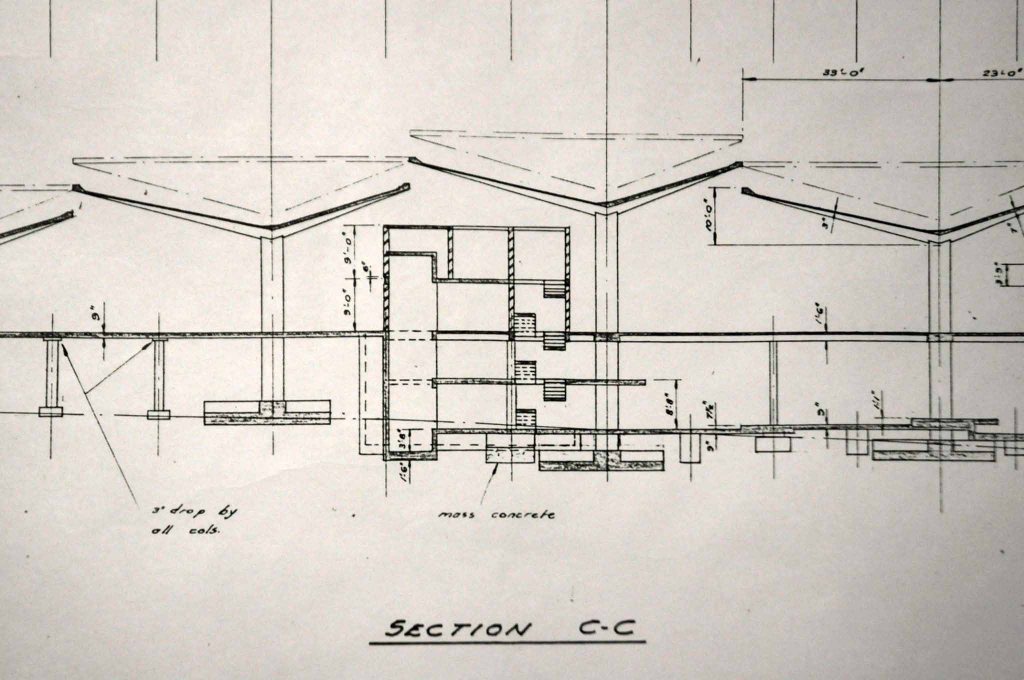
Designed by the J Seymour Harris Partnership – now Seymour Harris Architects, the building was opened on 6 April 1970 and features a roof structure based on 21 asymmetric paraboloid shells.
The practice was inspired by Mexican Felix Candela for the innovative, lightweight concrete roof sections.
Steller met the project’s lead architect Gwyn Roberts while they were both at college in Birmingham.
Roberts was never to see his masterpiece listed, the architect, who left the practice to set up on his own in the early ’70s, died in 2004.
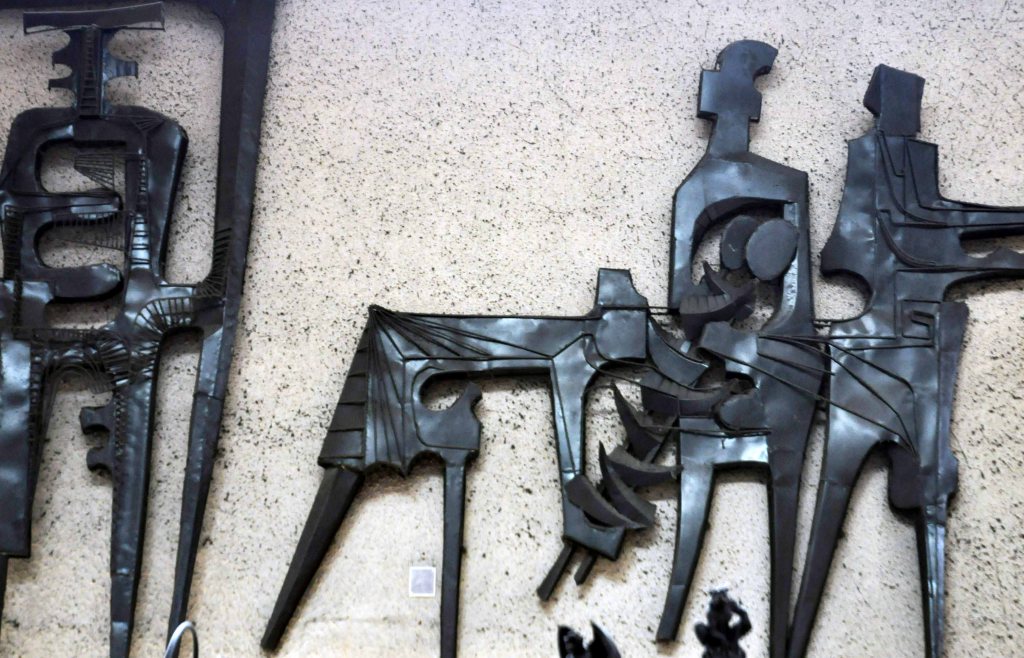
Along the north wall of the hall is a relief sculpture entitled Commerce, in black painted metal with semi-abstract figures representing agriculture, trade and products, also by Fritz Steller.
So let’s have a look at the largest ceramic sculpture in the world – partially obscured by trees.
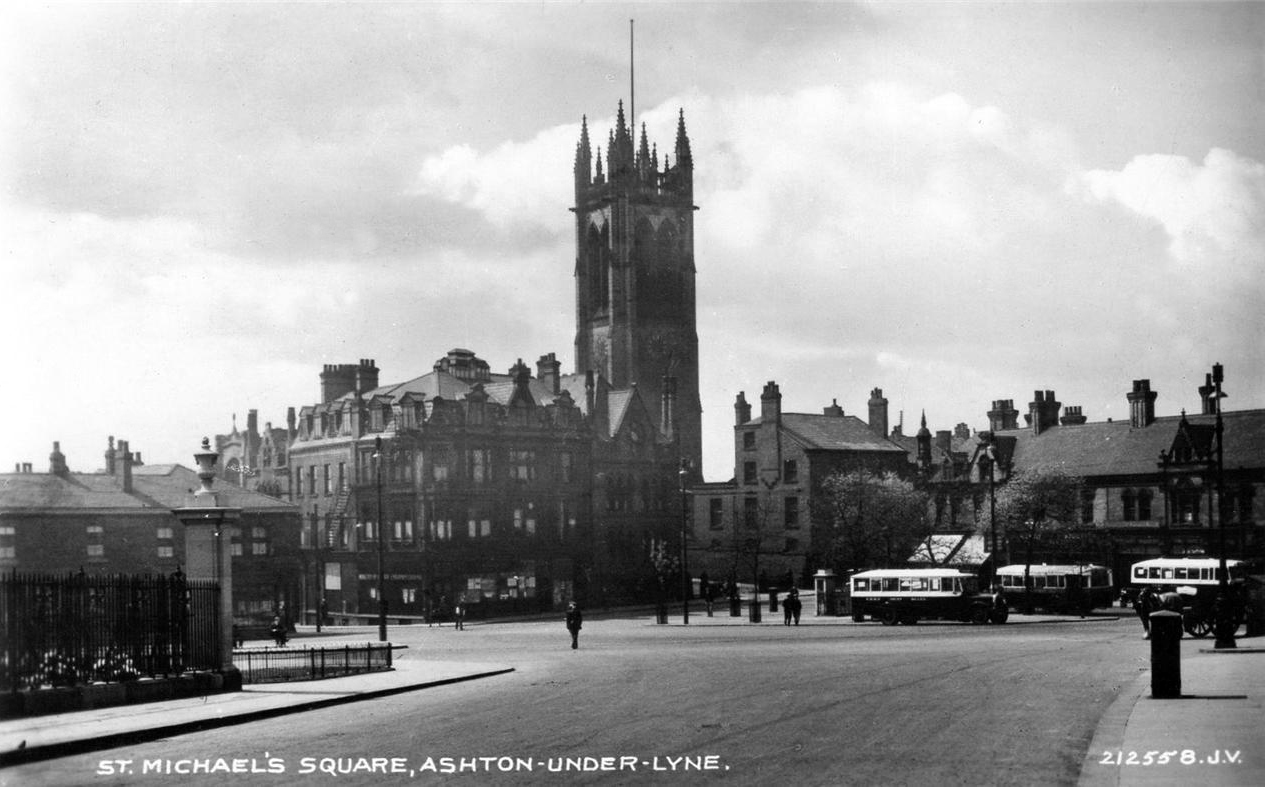
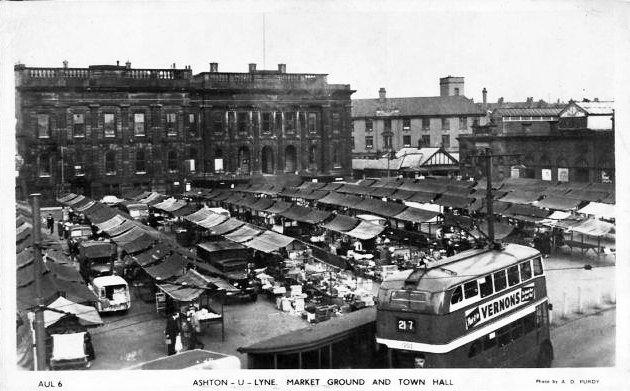
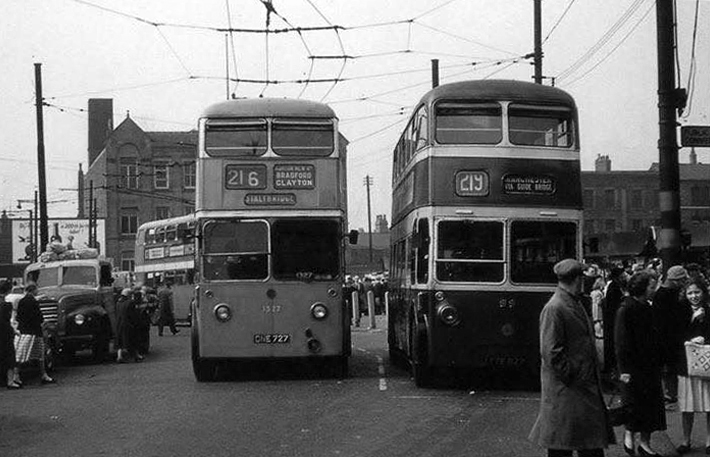
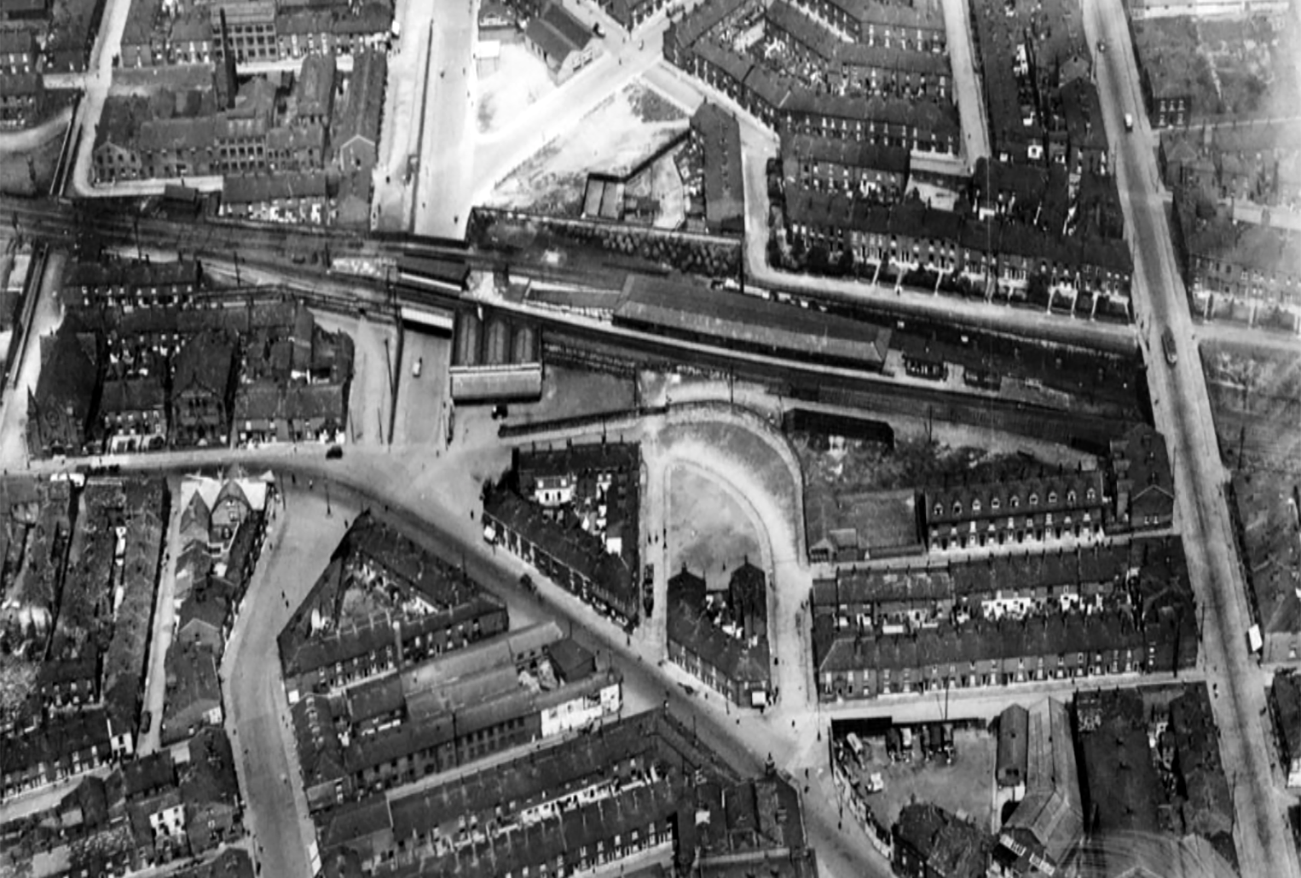
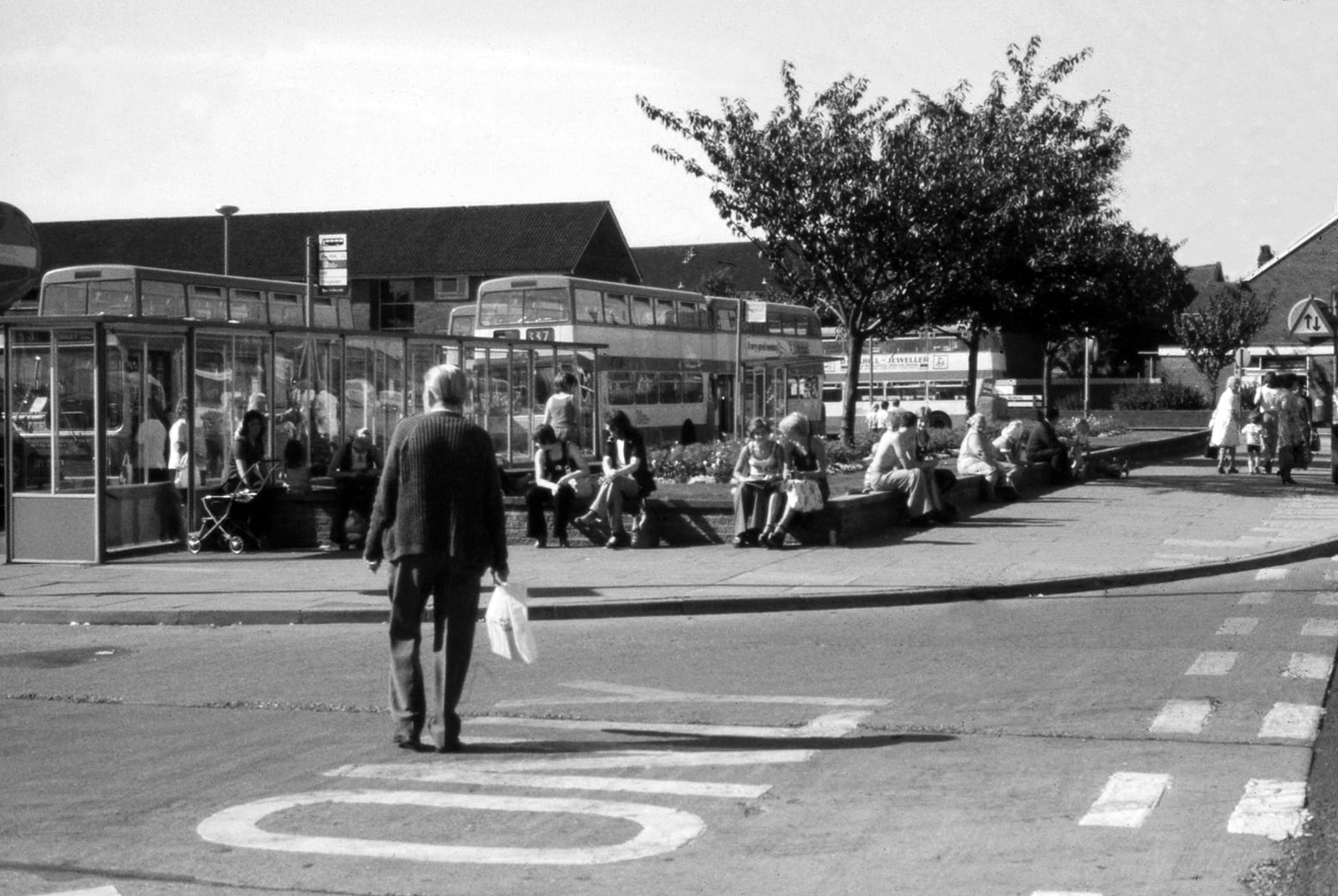
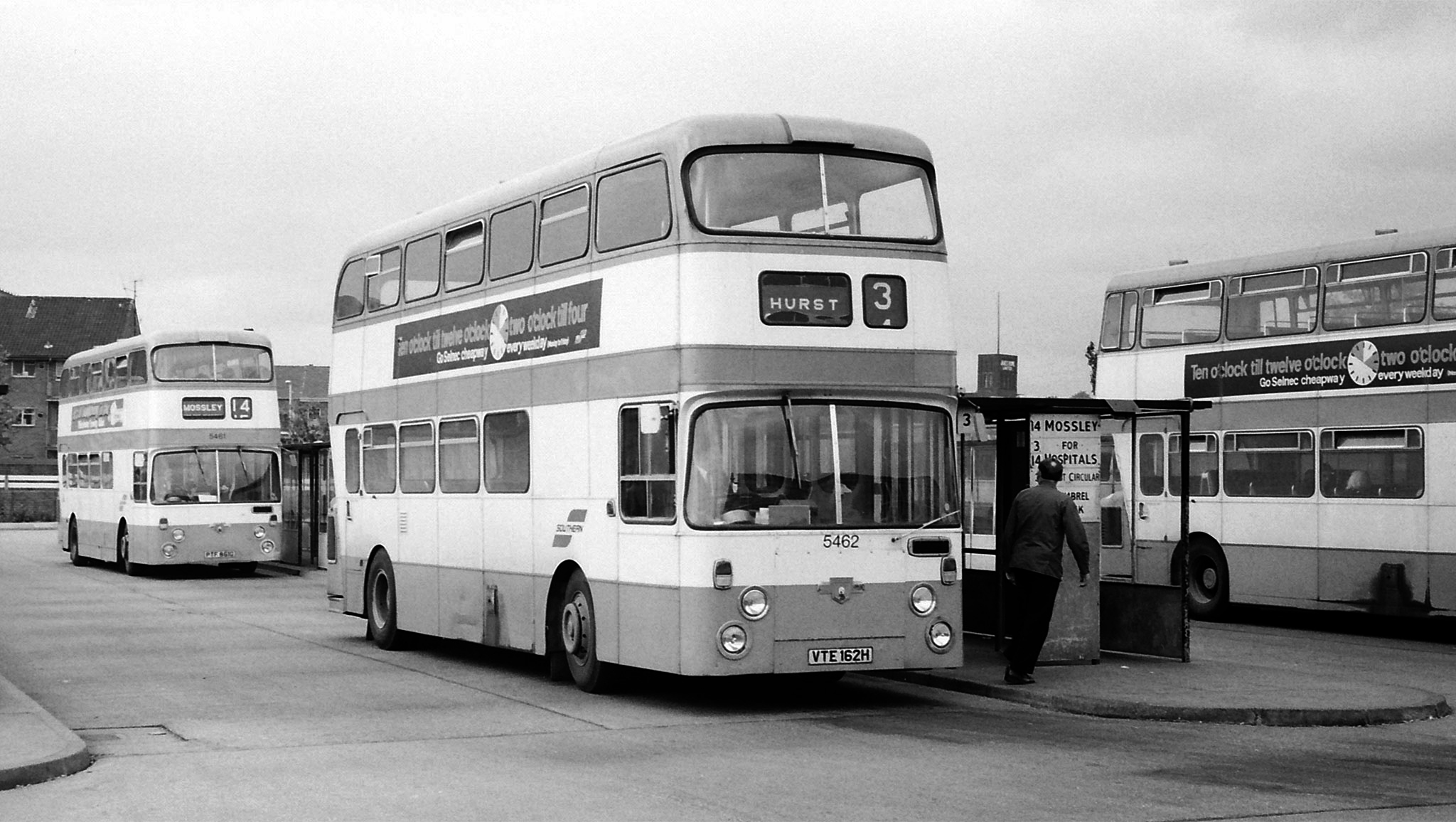
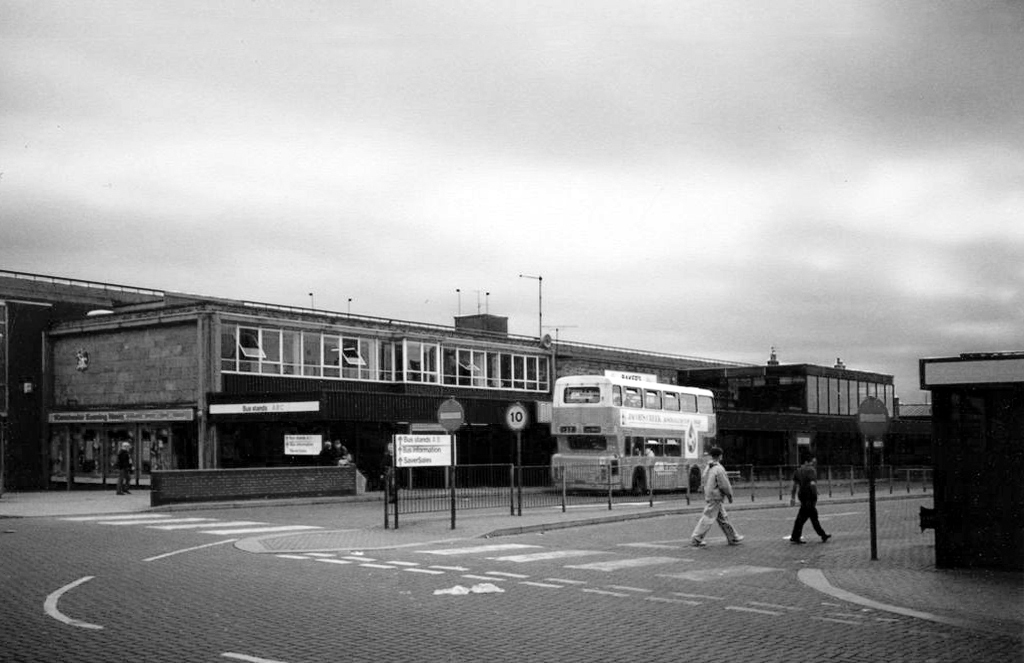
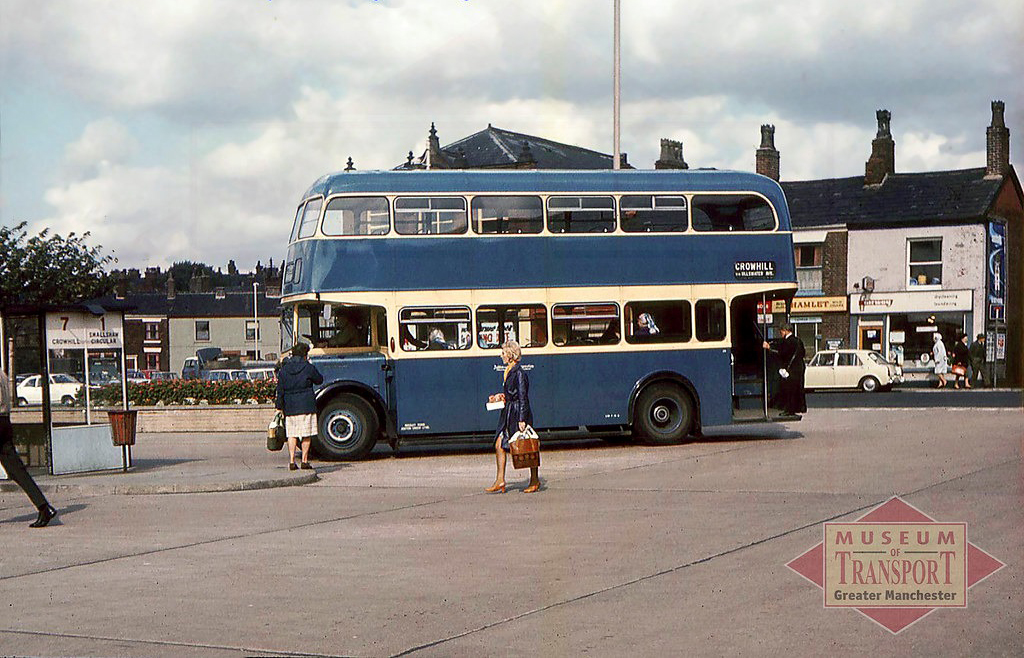
In my memory of days long gone by, I call to mind the stops strewn around St Michael’s Square – all points east I assume, Stalybridge, Mossley, Micklehurst, Dukinfield, Glossop and beyond.
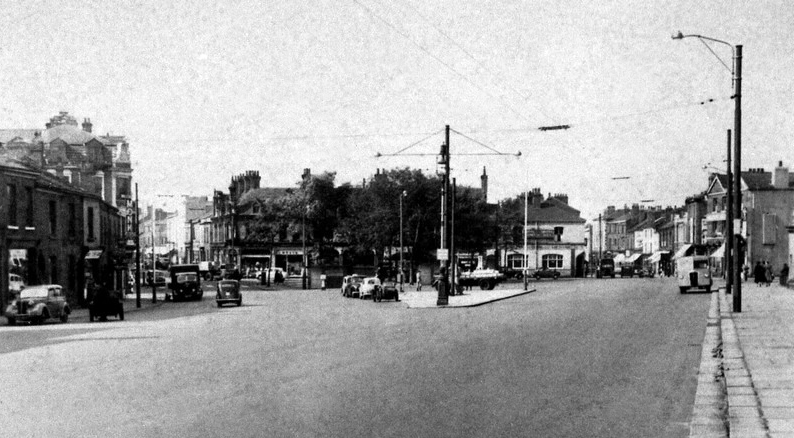
Prior to 1963, Ashton-under-Lyne’s buses and trolleybuses stopped at a variety of termini throughout the town centre. Manchester Corporation services called at Bow Street and Old Square, by Yates’ Wine Lodge; Ashton-under-Lyne Corporation’s buses opted for Market Street and Wellington Road by the town hall.
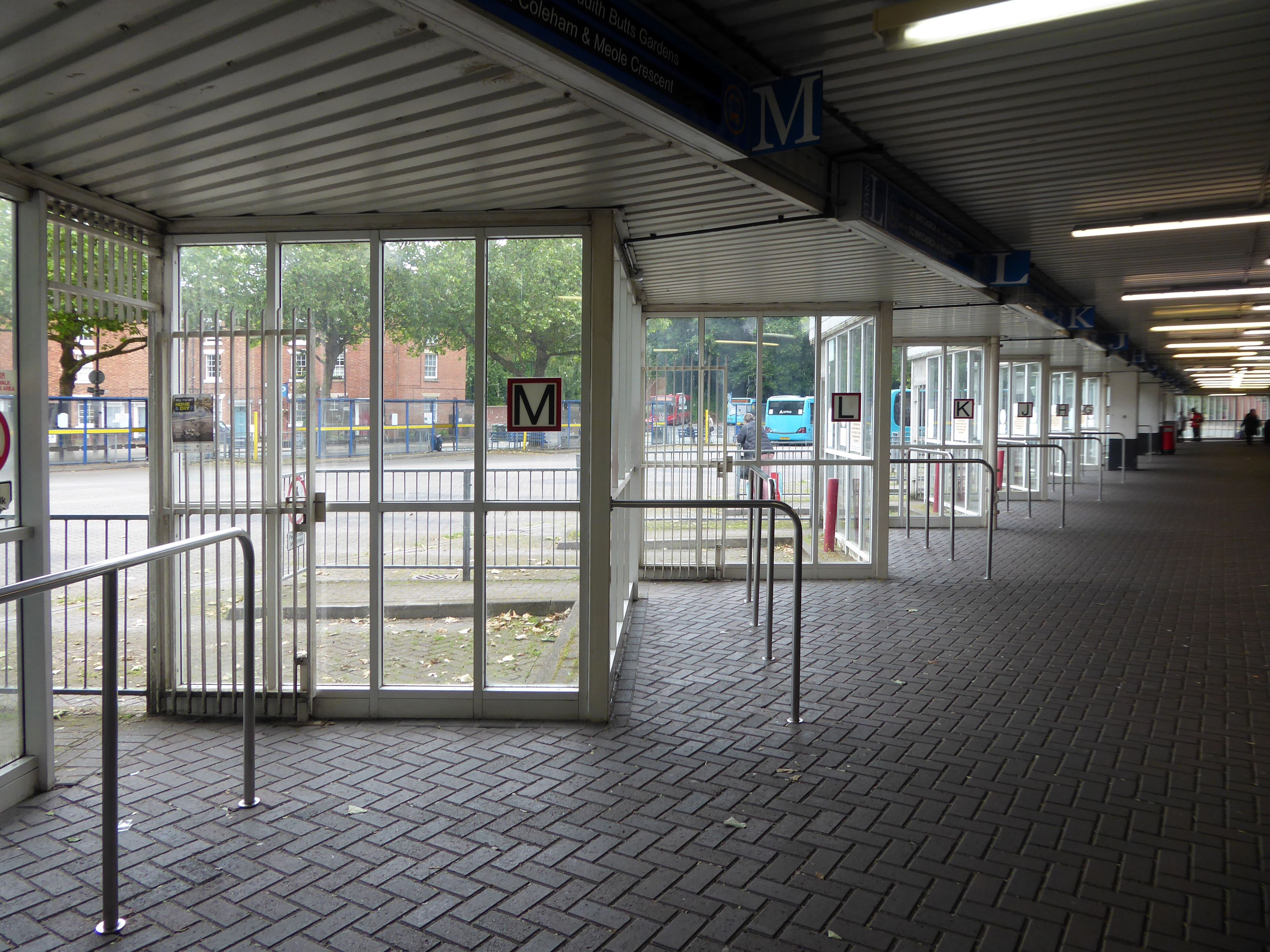
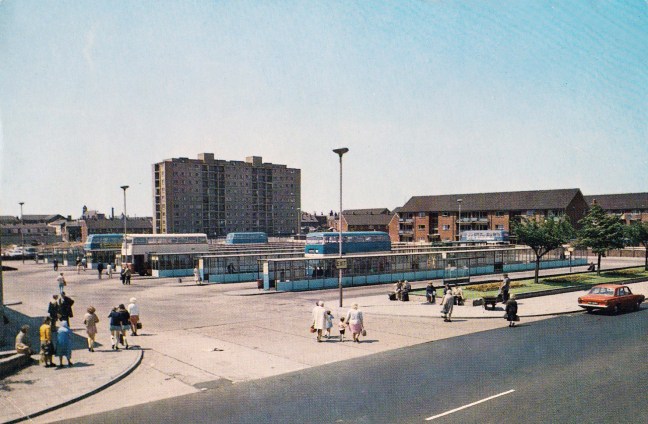
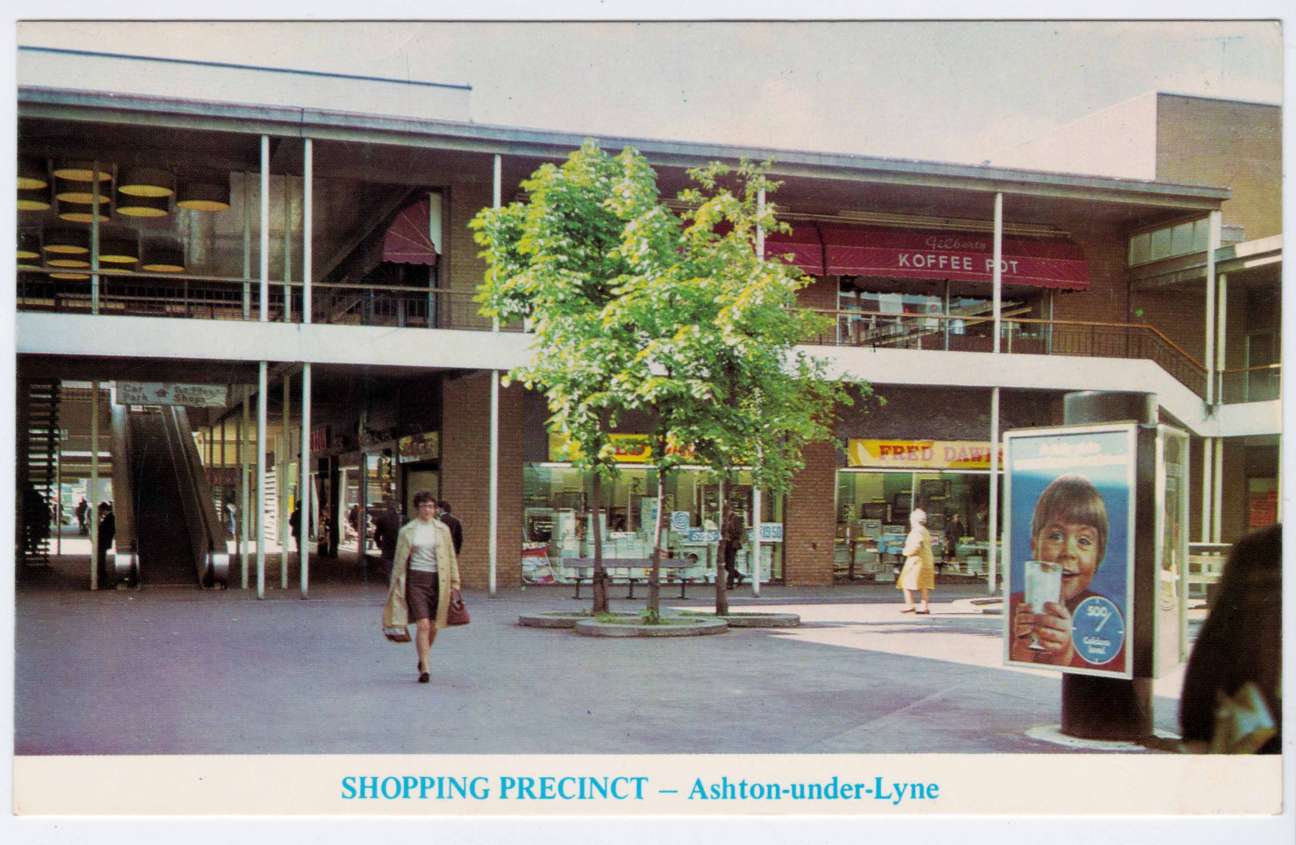
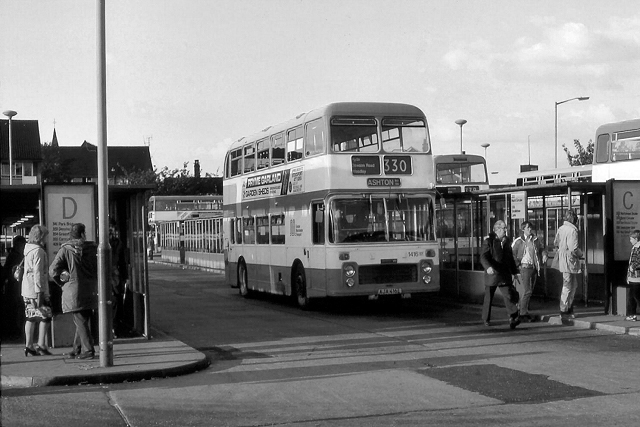
Ashton zooms forward into the future, its flat-roofed modern facilities complemented by ranks of low-level shelters and edged to the east by a walled lawn and flower bed – where we all loved to sit of a sunny day.
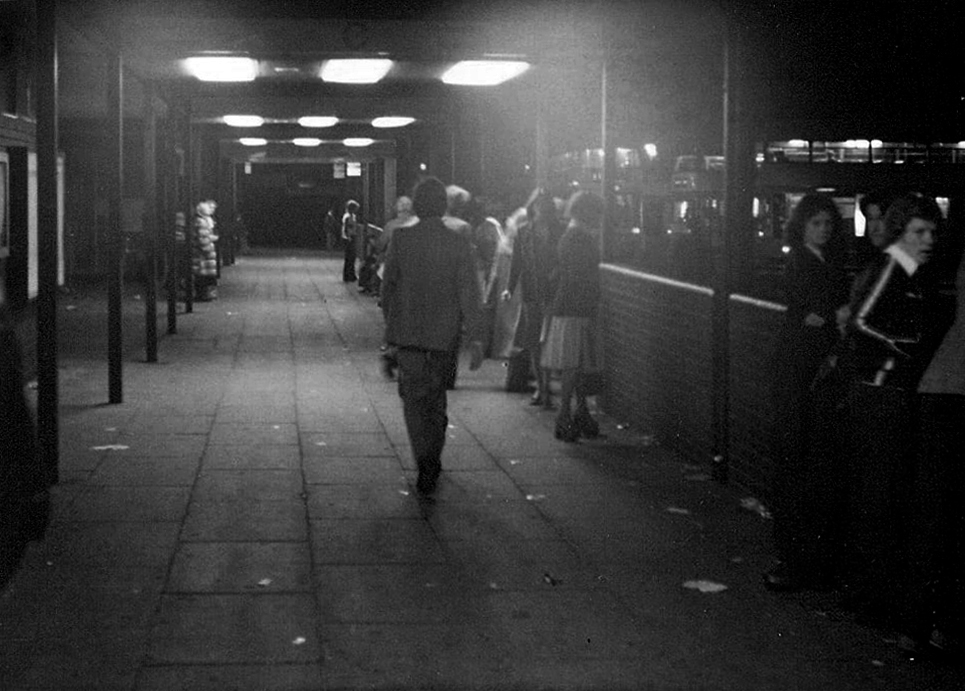
And the under the cover of the canopy at night, ready for the time of your life, at the Birdcage, pub or pictures.
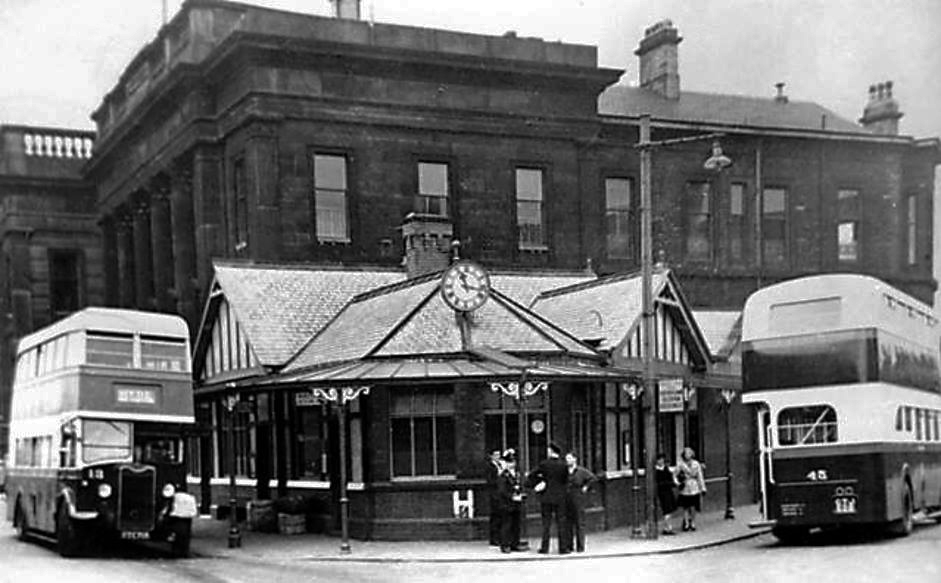
I remember the kiosk on the corner, a jewellers around the other corner.
I’ll meet you under the clock.
Photo: Ron Stubley
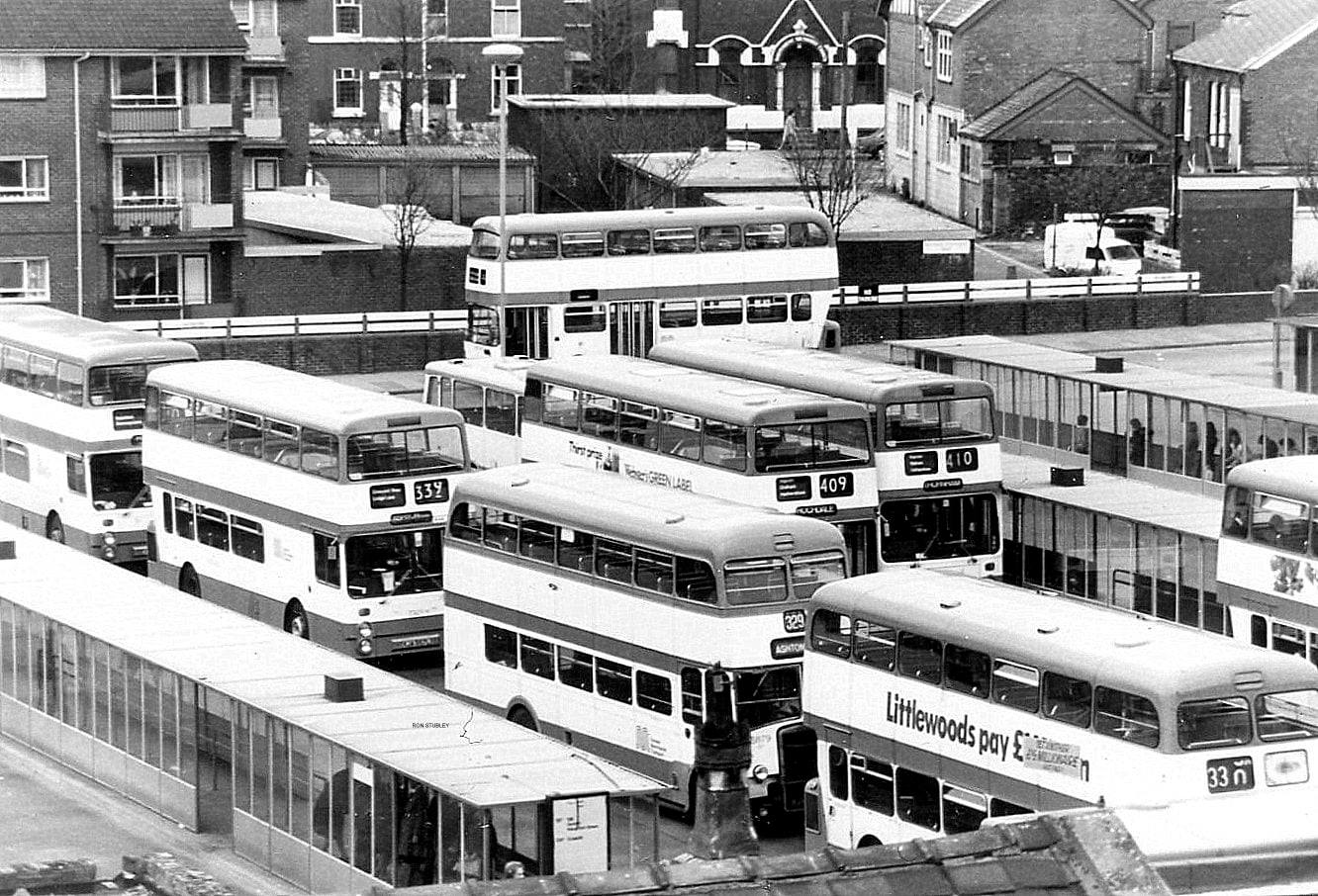
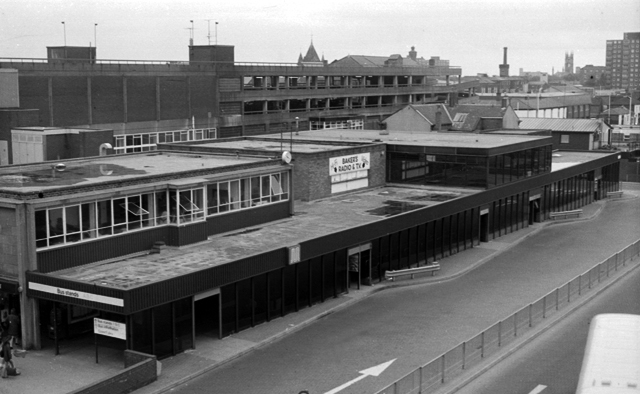
Here we see that the original shelters have been replaced and realigned.
Temporary Queensbury shelters were put in place prior to the addition of GMPTE’s standard shelters, seen in Stockport and Oldham bus stations. By the close of 1983, the recognisable GMPTE ones emerged. The cover at the precinct end was later glazed and became stands A to C.
The second version of Ashton-under-Lyne’s bus station opened on the 18 March 1985. After two and a half years refurbishment work, it was opened at 11.30 by Councillor Geoffrey Brierley.
Mancunian 101
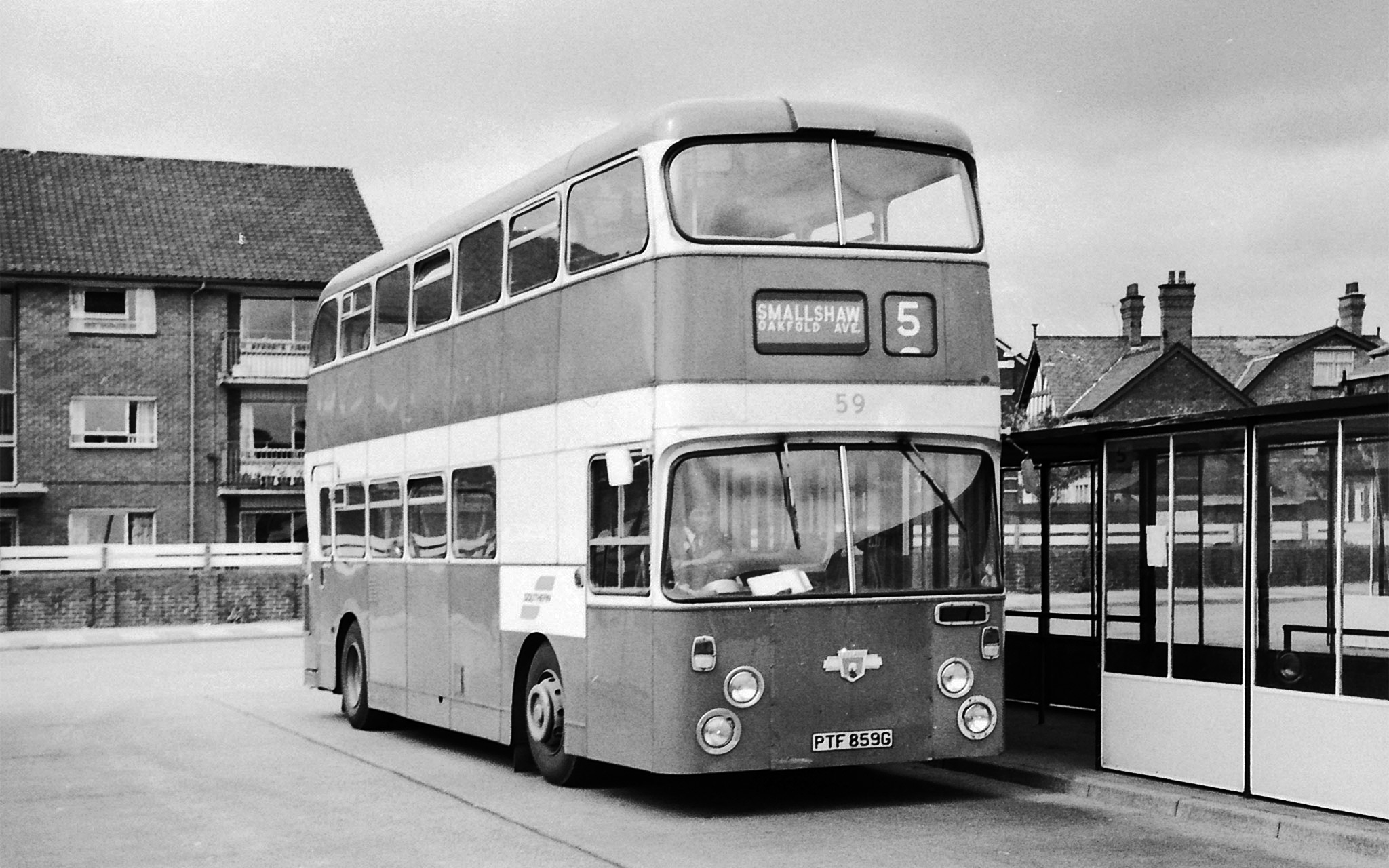
And that’s the corner where we would deck off the open backed buses, hitting the pavement at speed.
That’s the deep blue and cream Ashton livery later superseded by SELNEC, GMPTE and TFGM – the wonderful full fare, unfair world of Margaret Hilda Thatcher’s privatisation, Arriva, First and Stagecoach first.
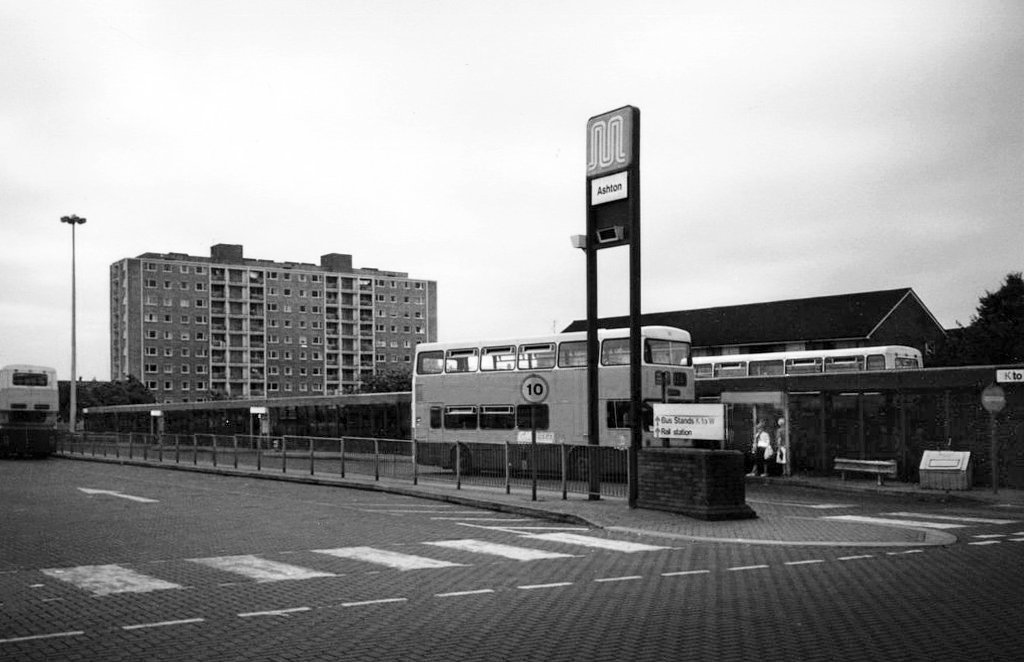
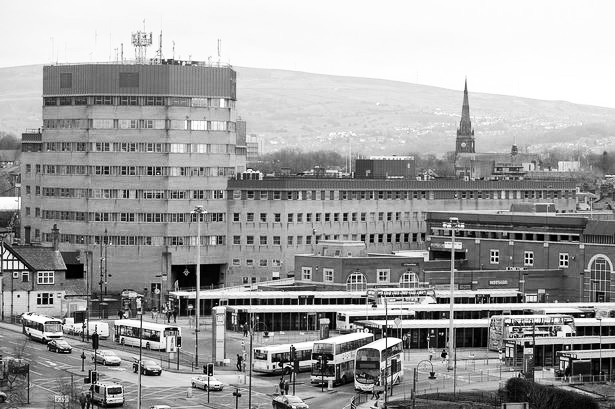
Then in the 1995 with the development of the Arcades Shopping centre, the whole site is reconfigured, now seen nestling in the shadow of the Dustbin.
Though as we know, nothing lasts forever and the shelters, passengers and buses get shunted and rebuilt yet again,
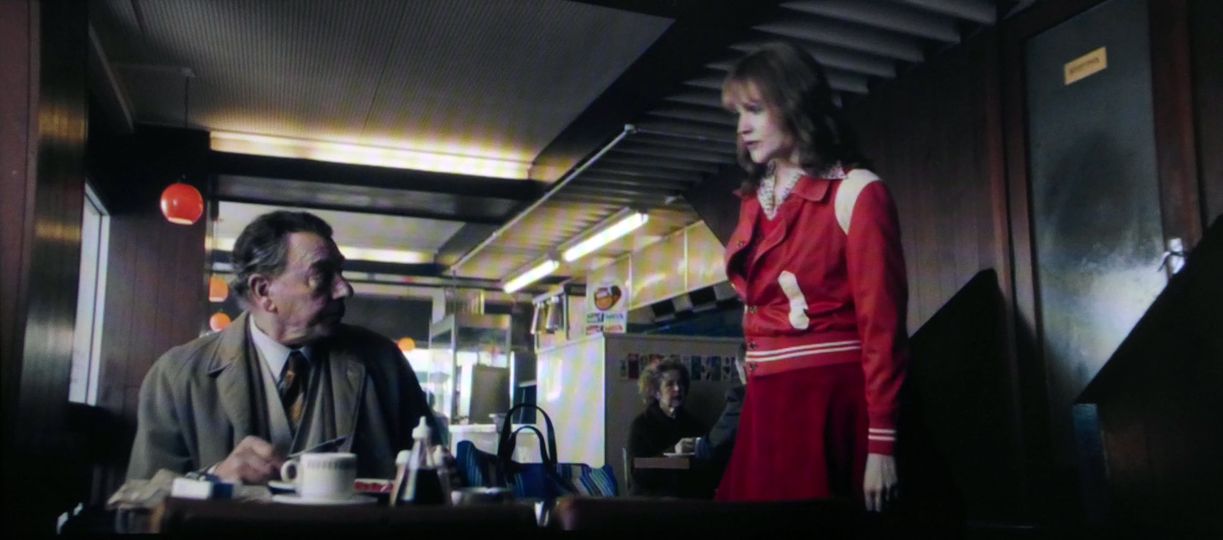
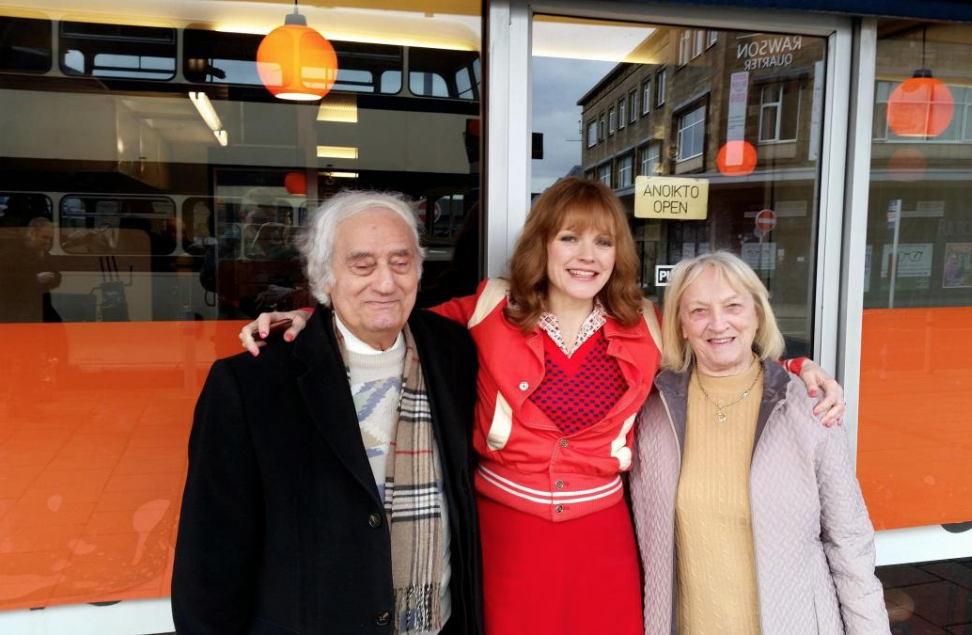
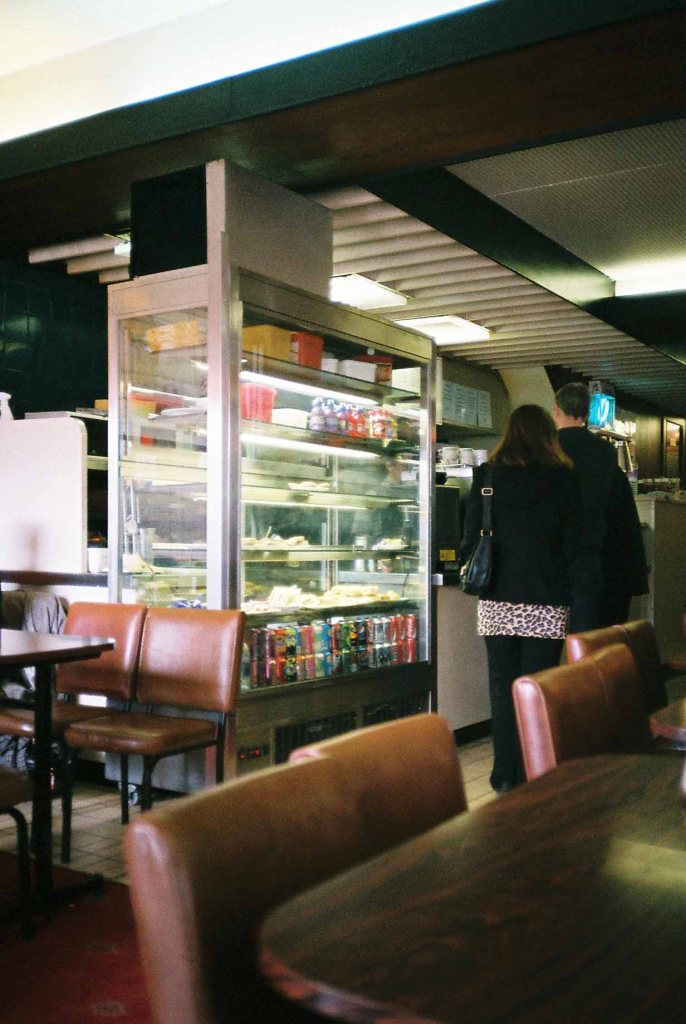
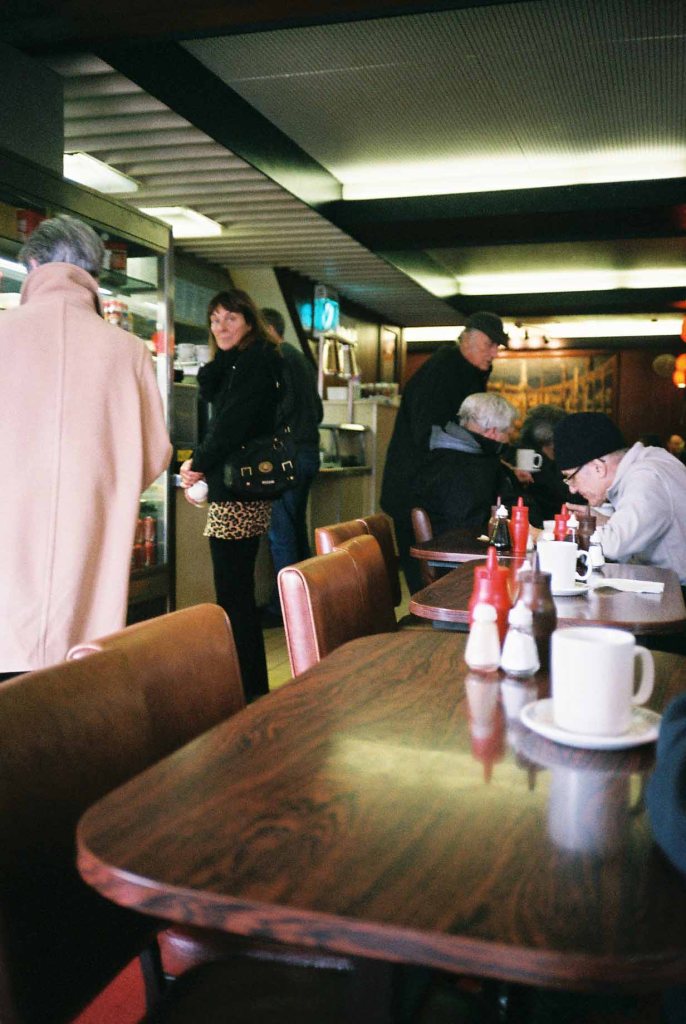
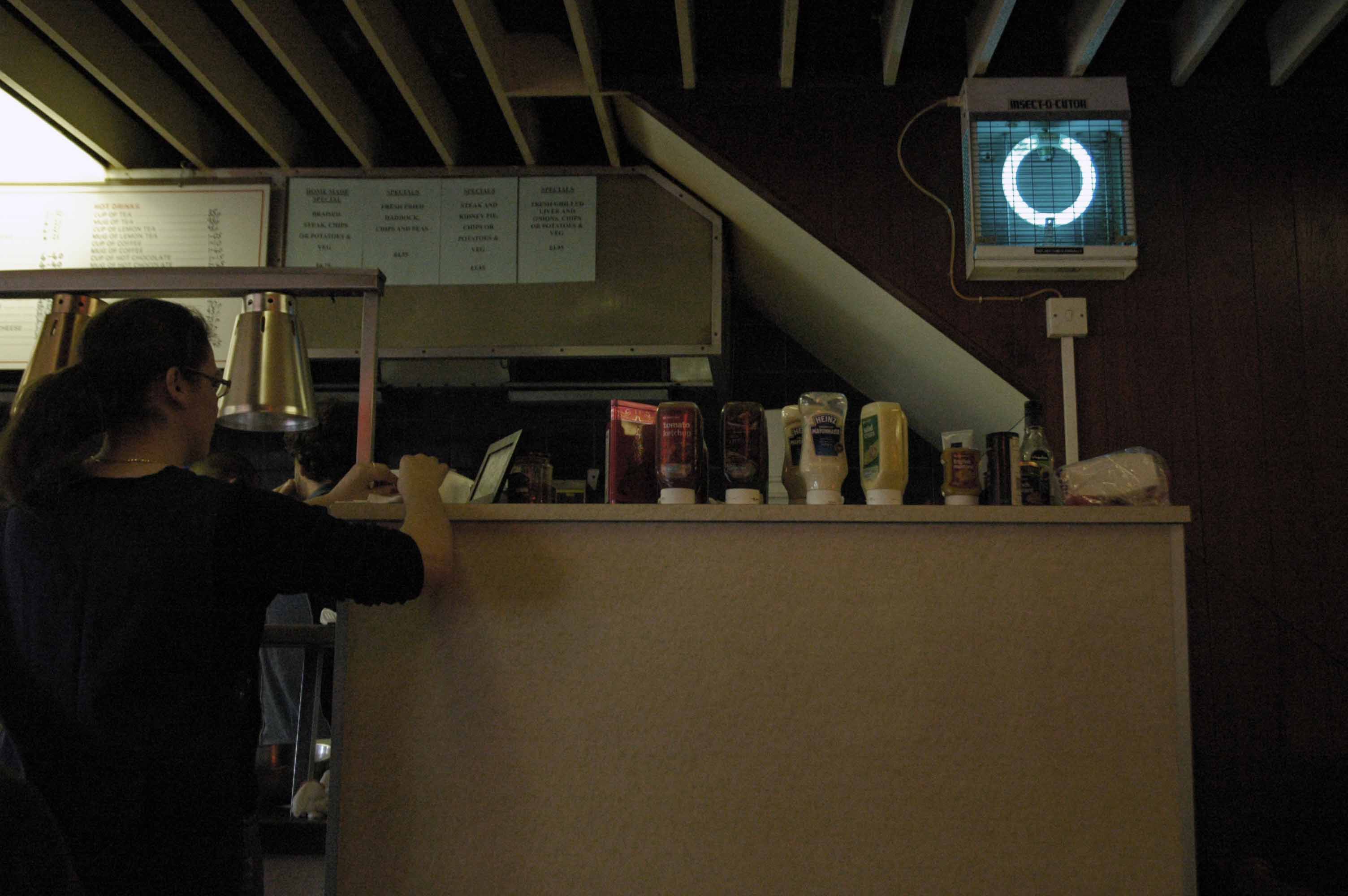
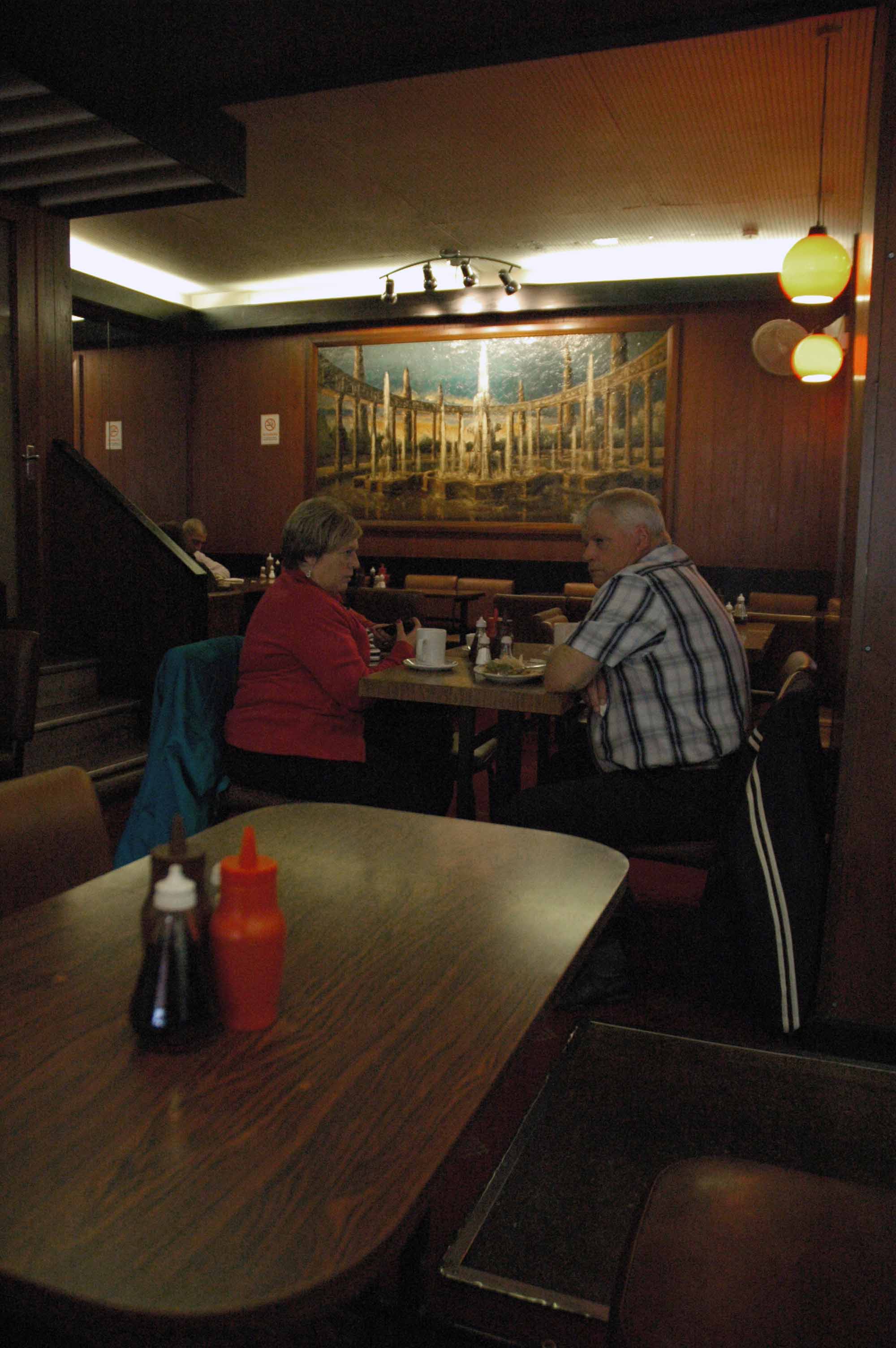
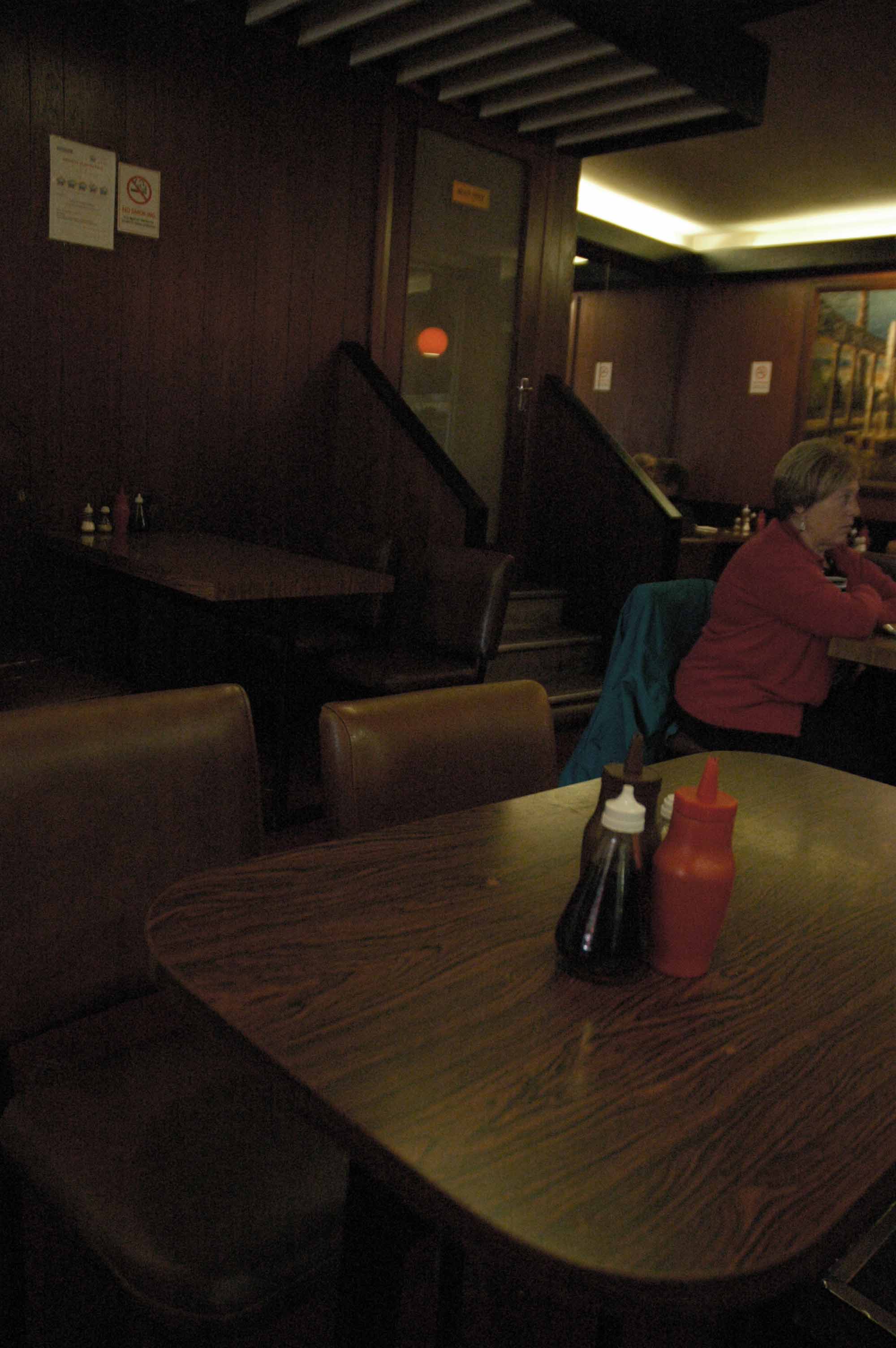
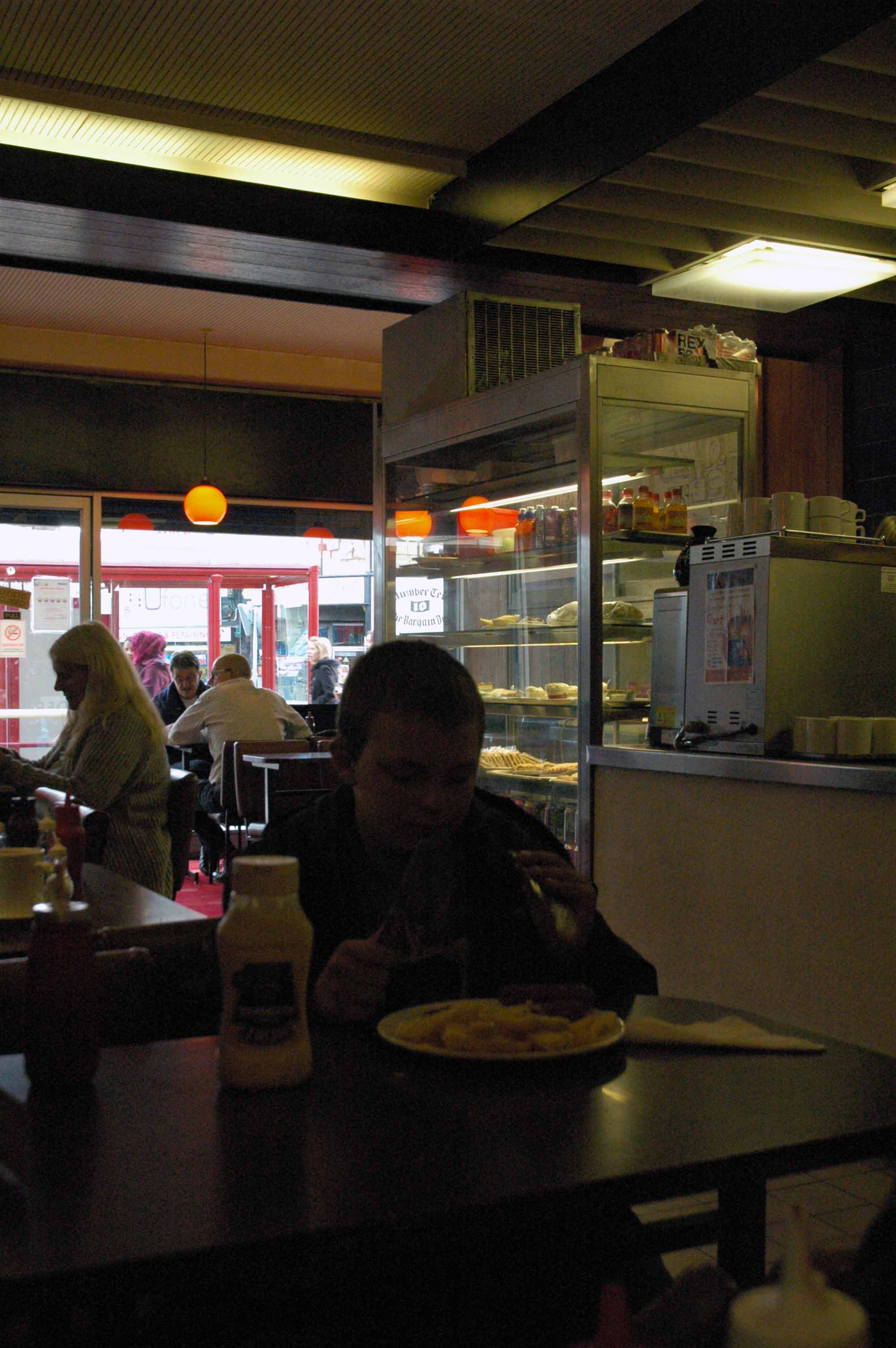
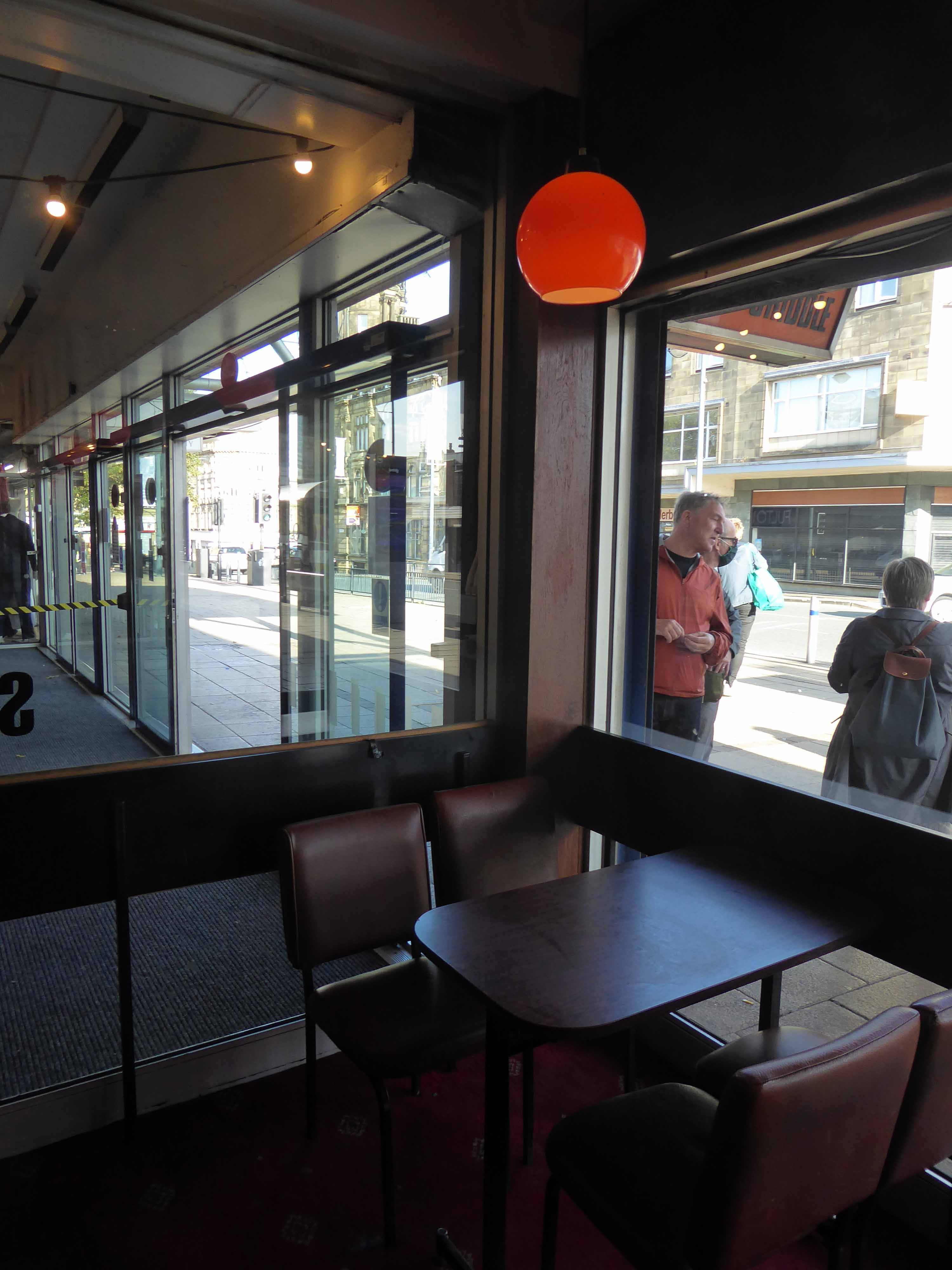
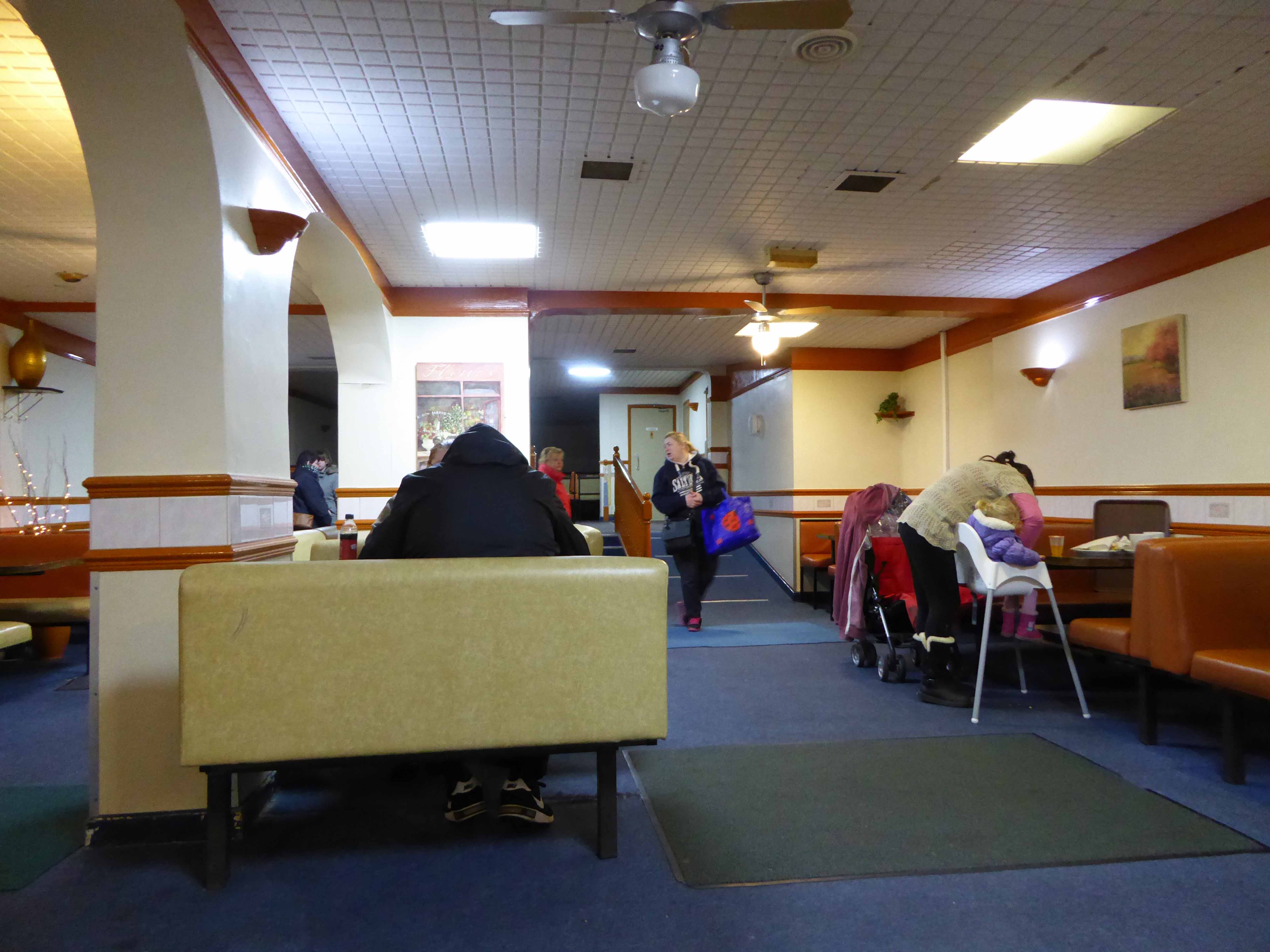
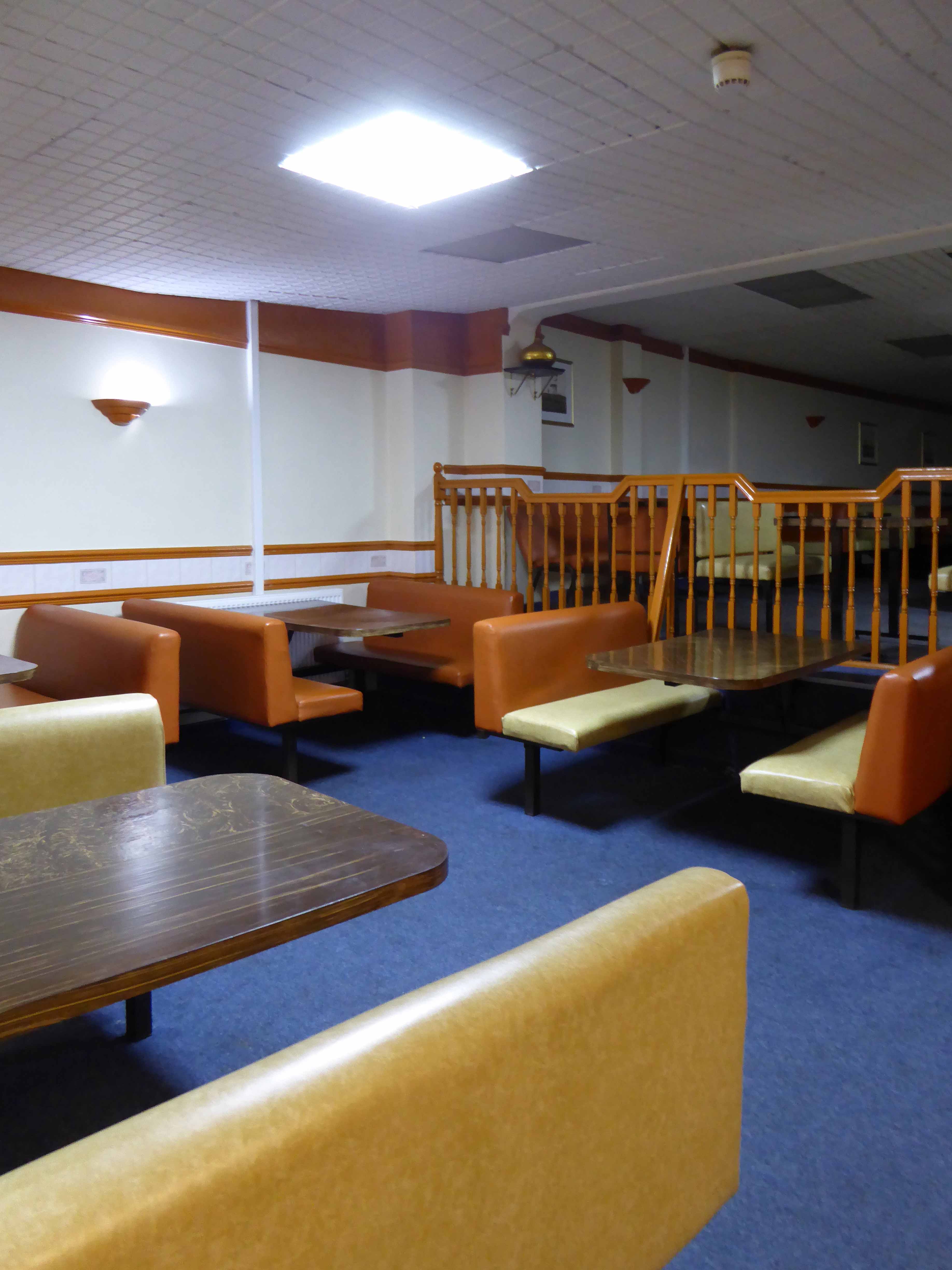
I first came here some twenty years ago or so and on each subsequent visit little seems to change.
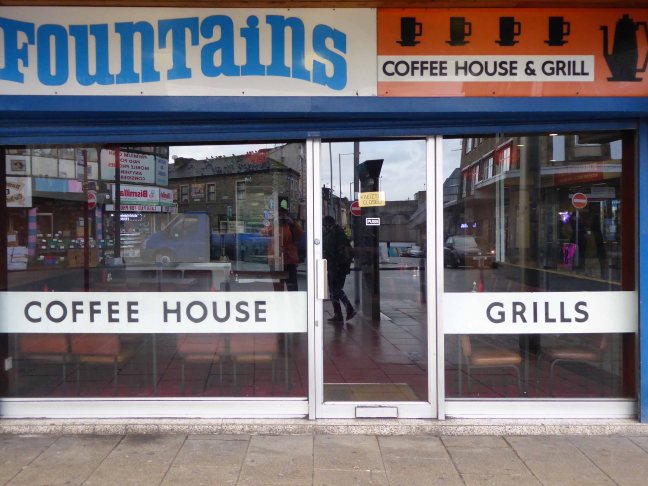
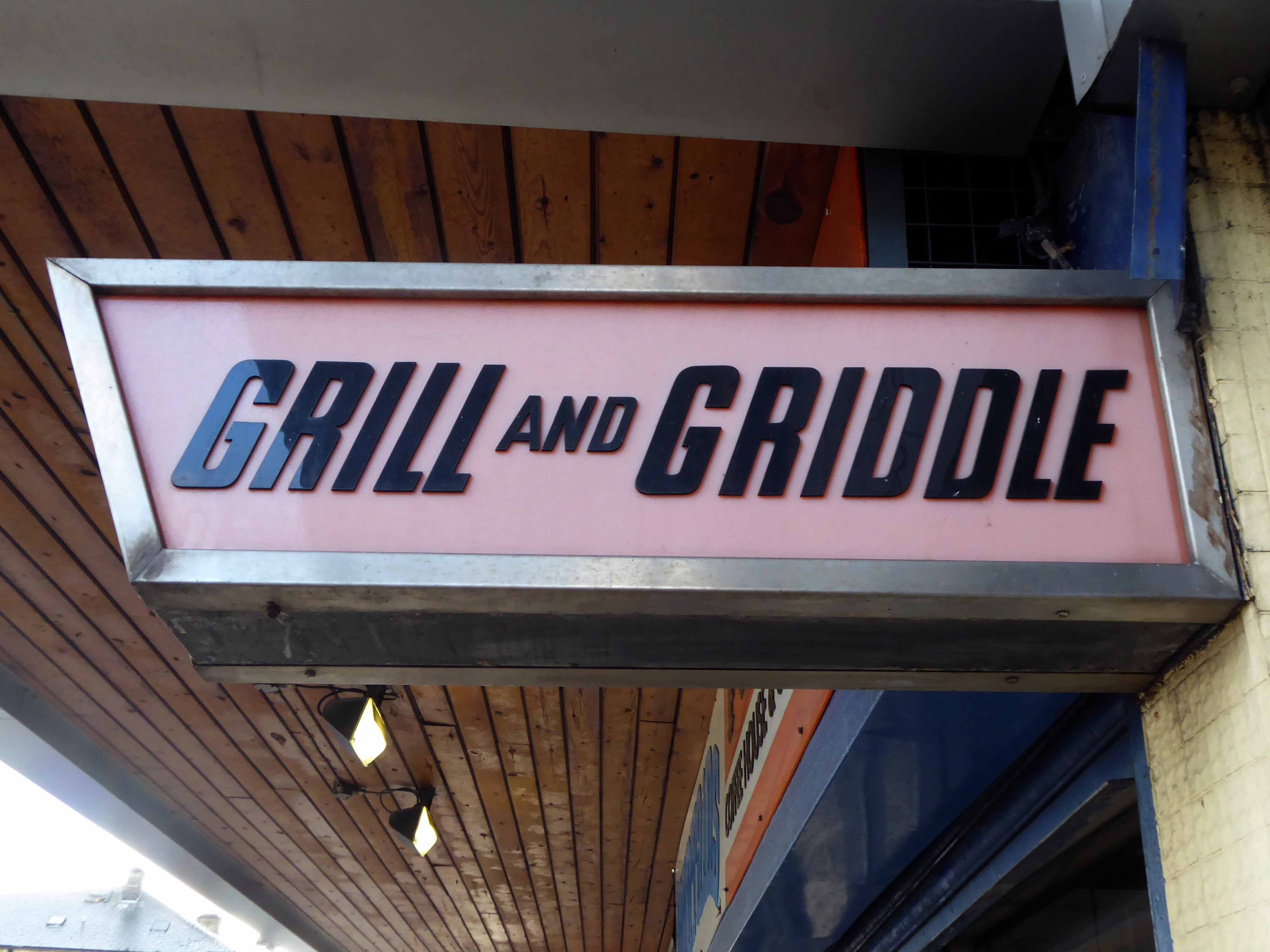
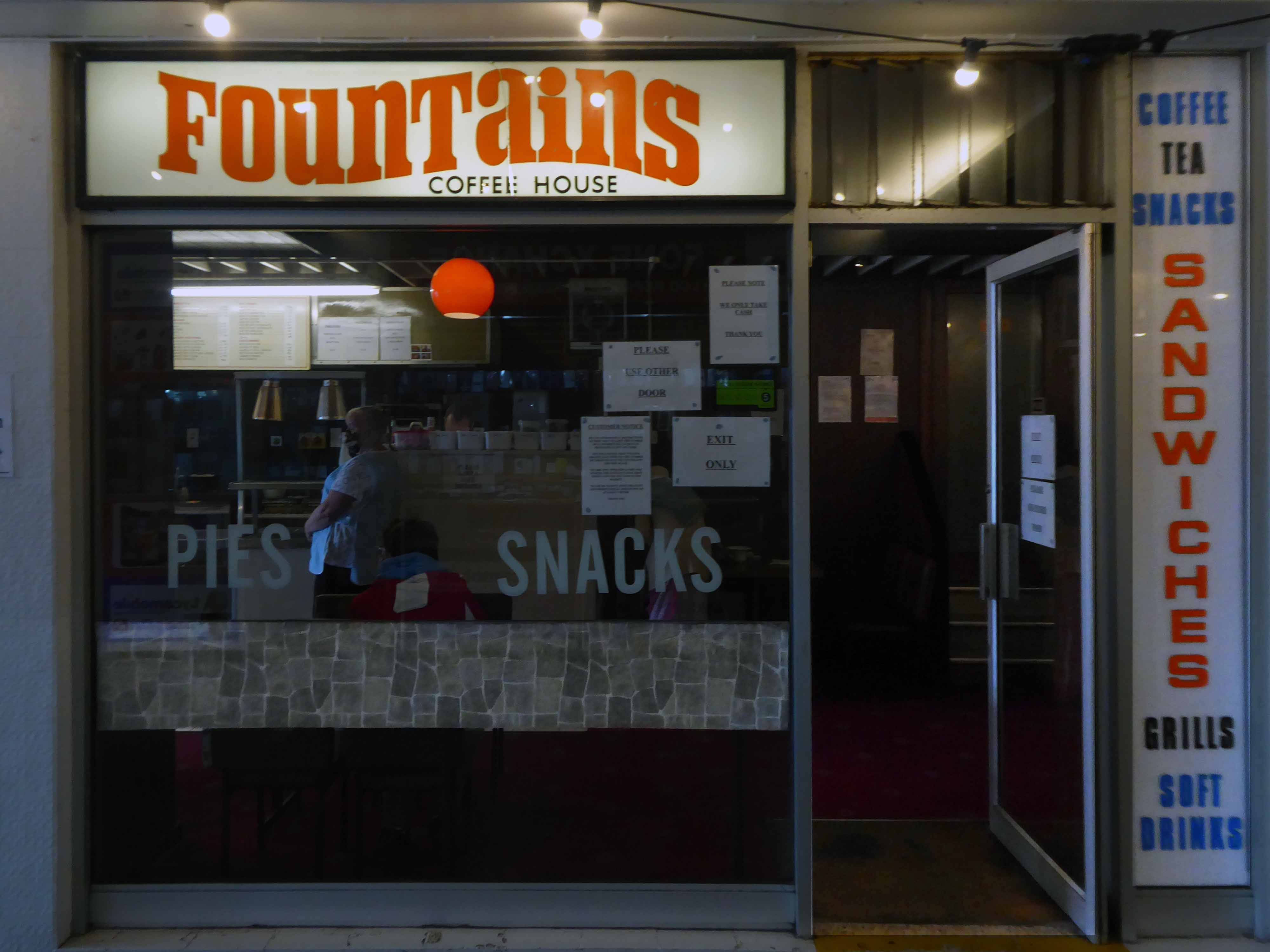
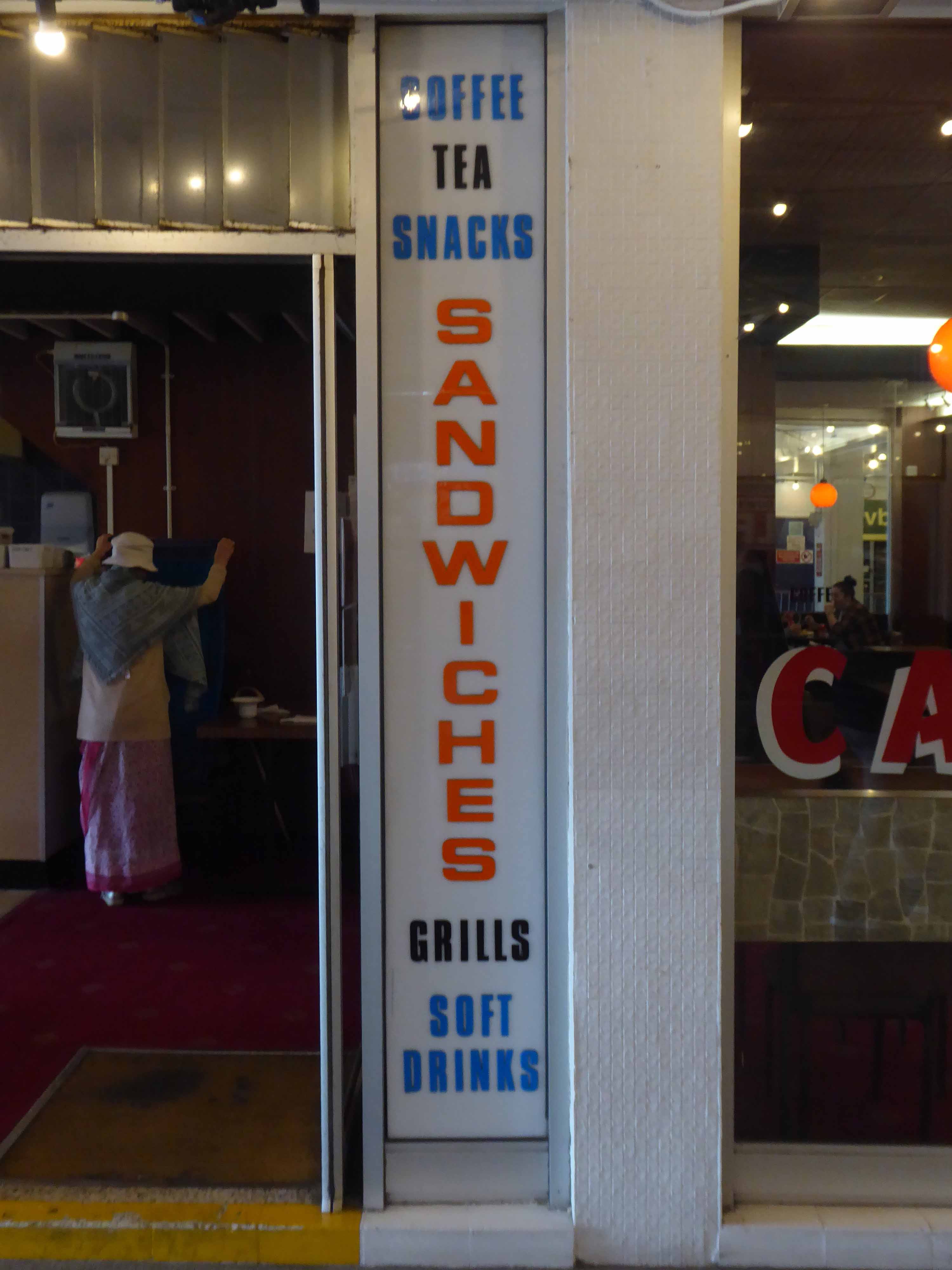
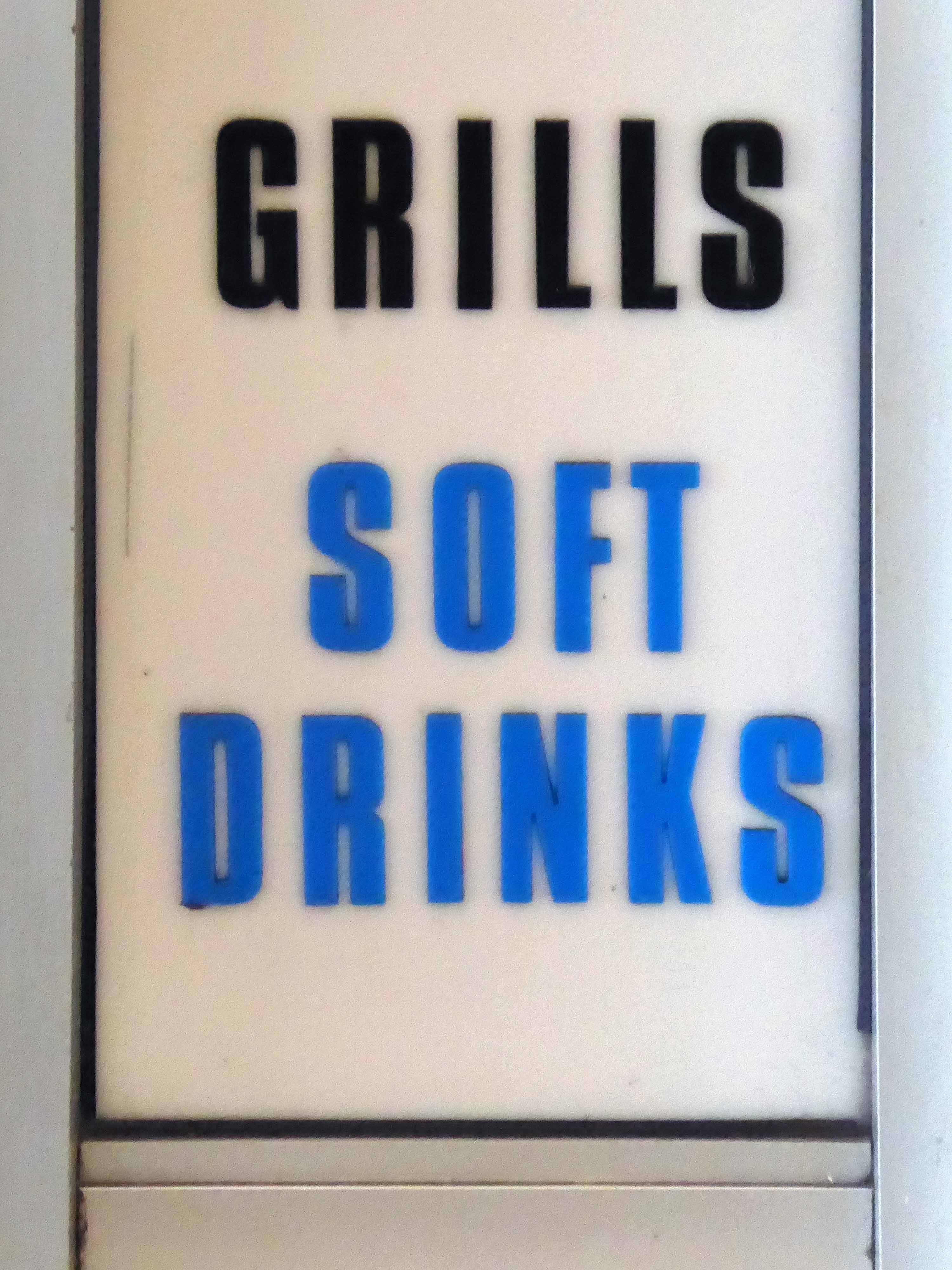
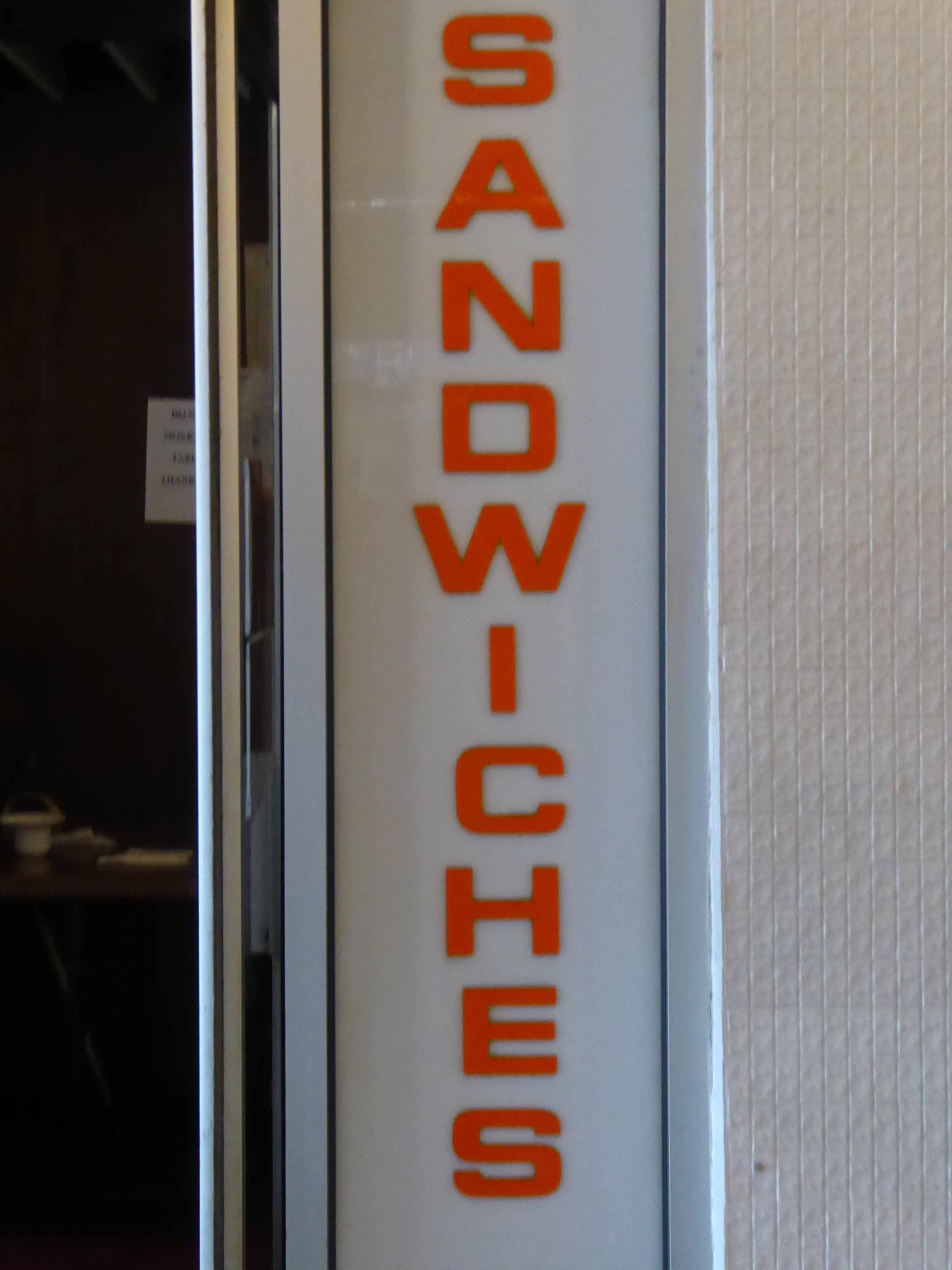
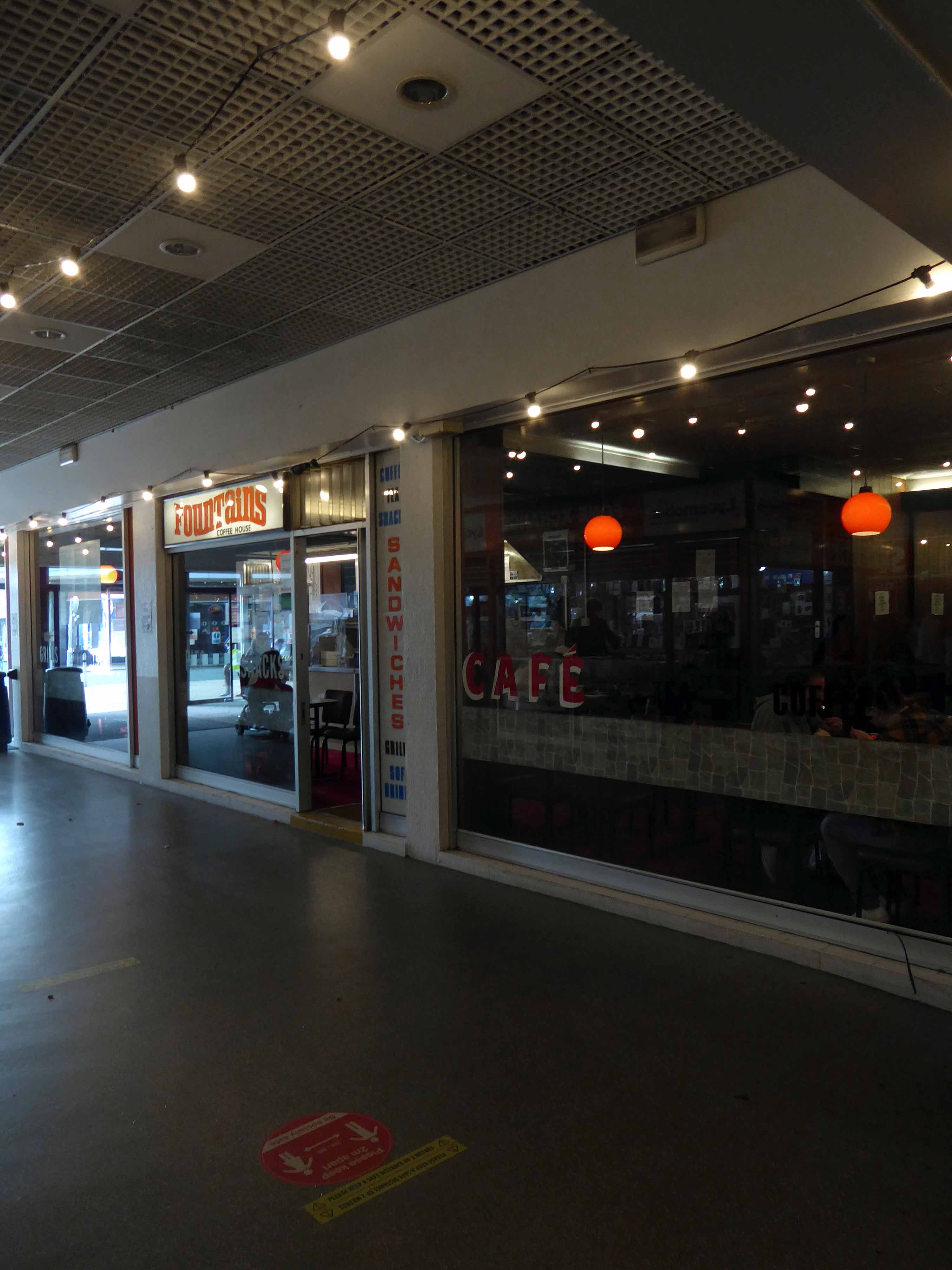
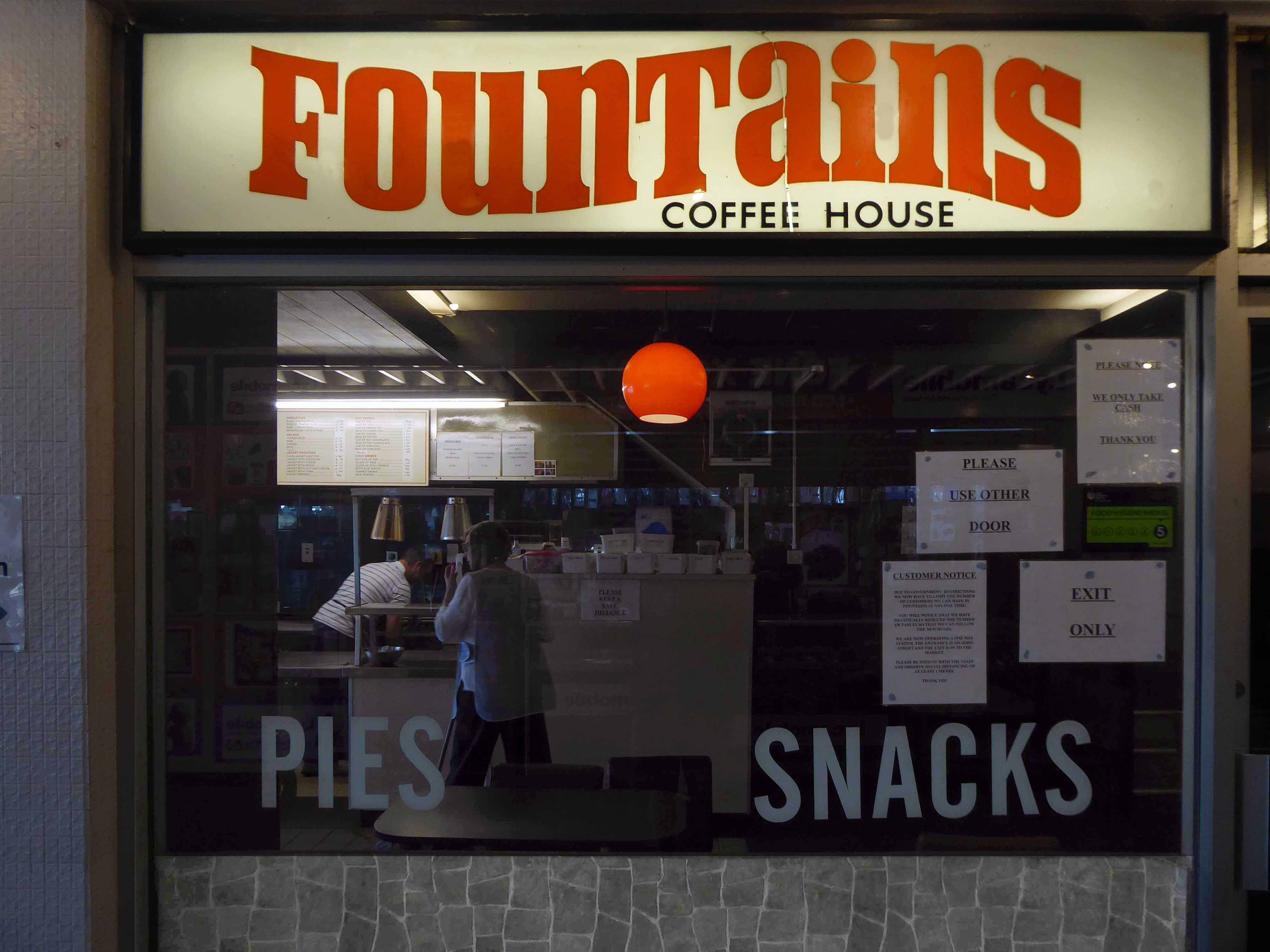
The exterior signage and fascia remain intact.
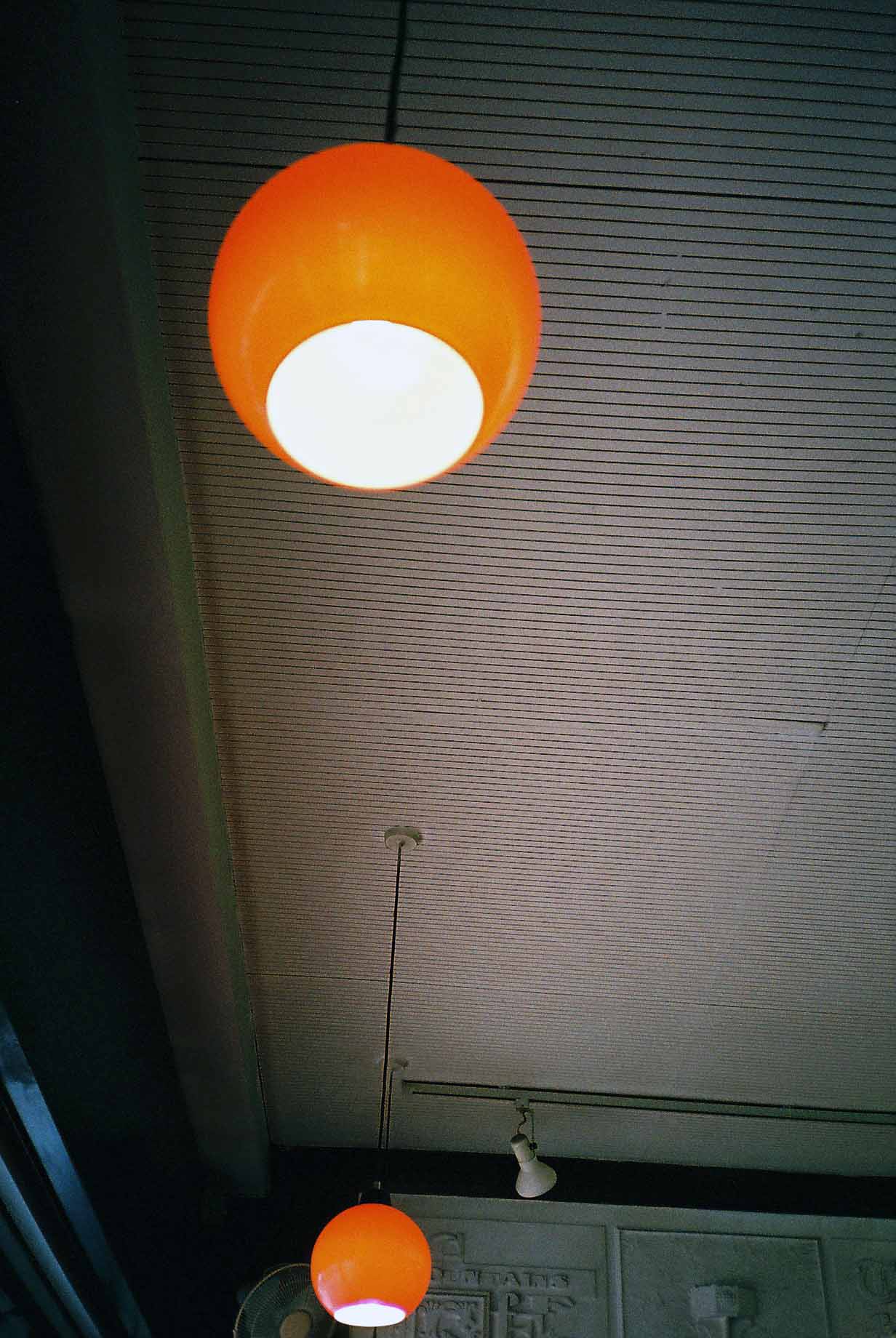
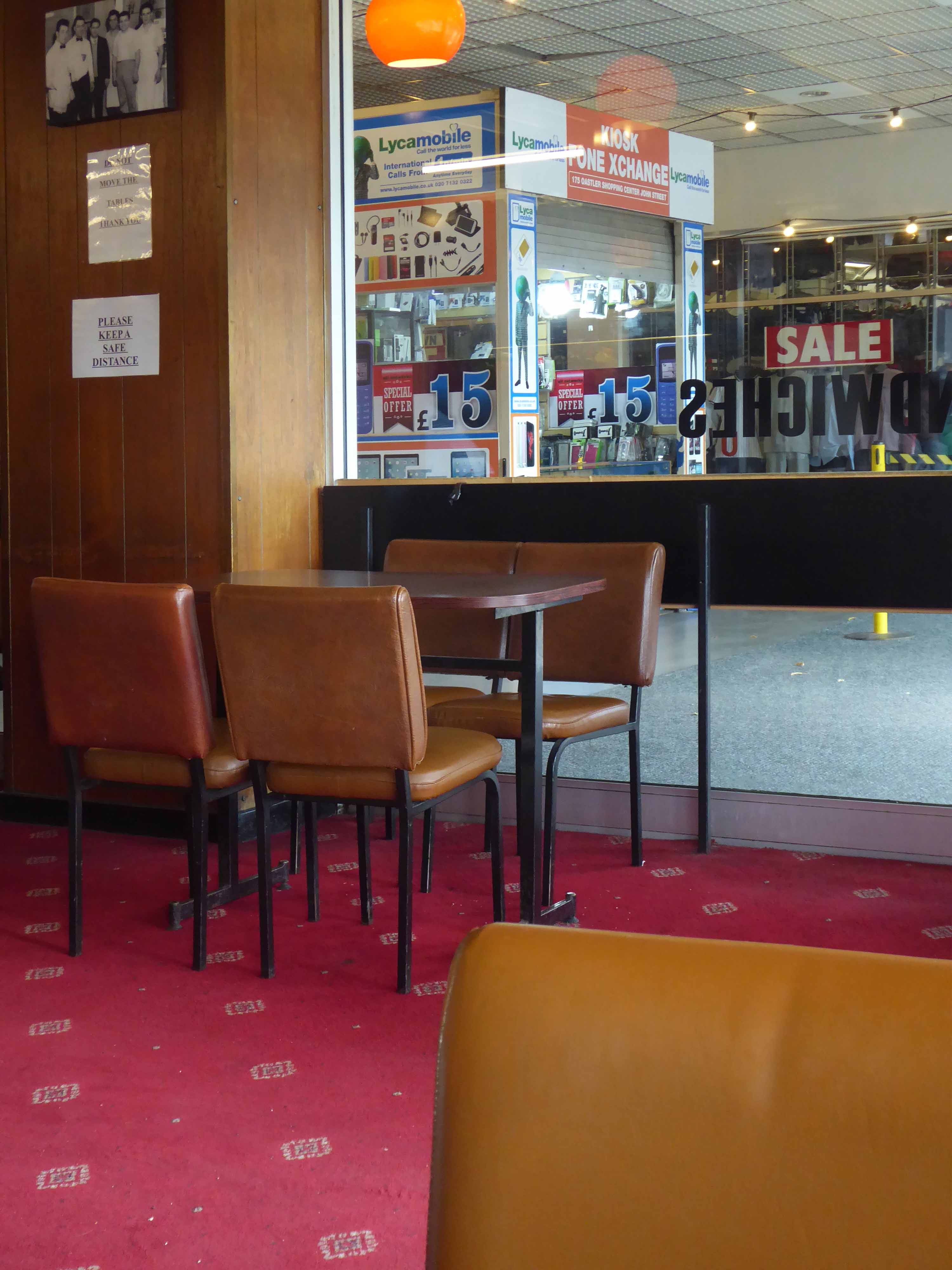
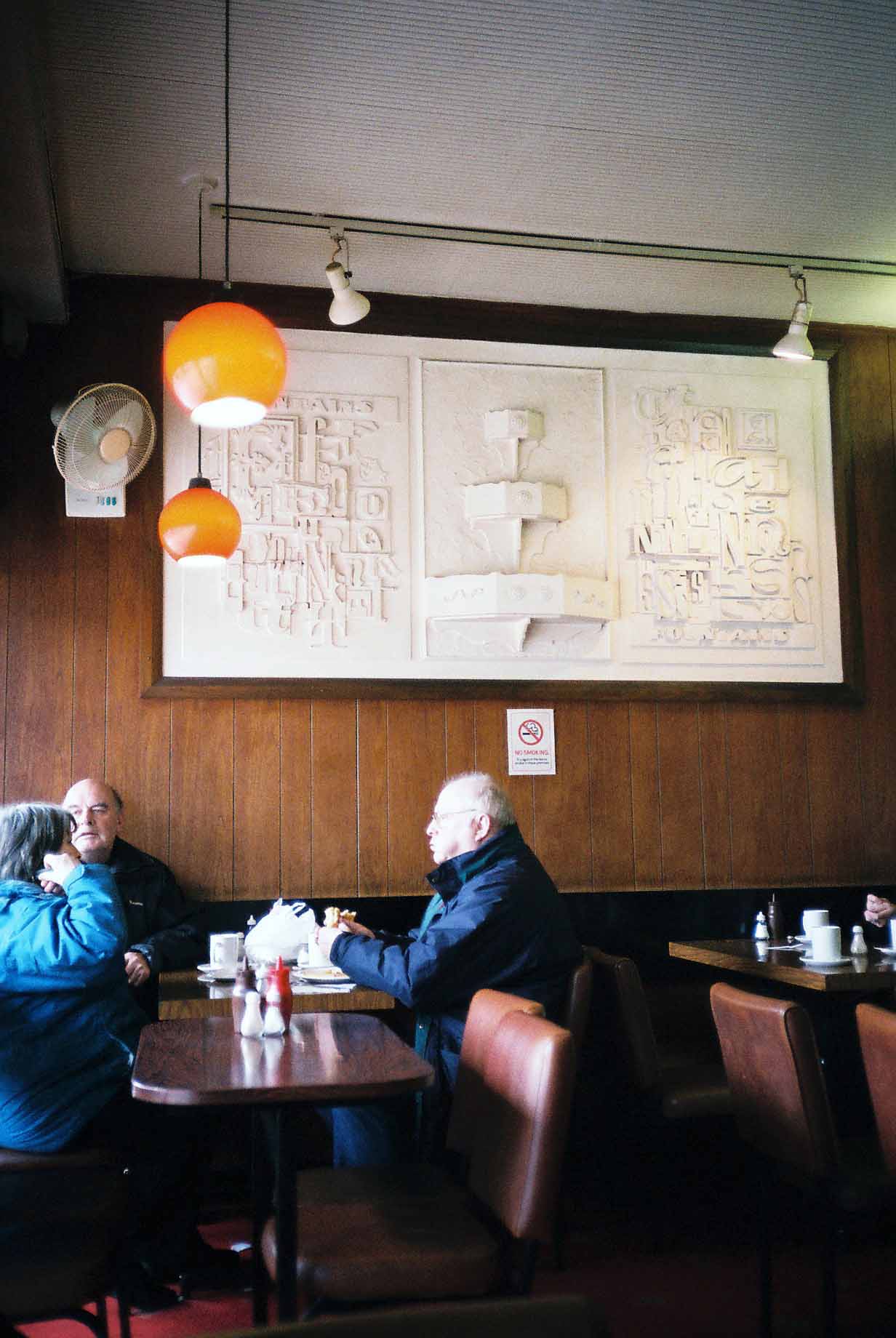
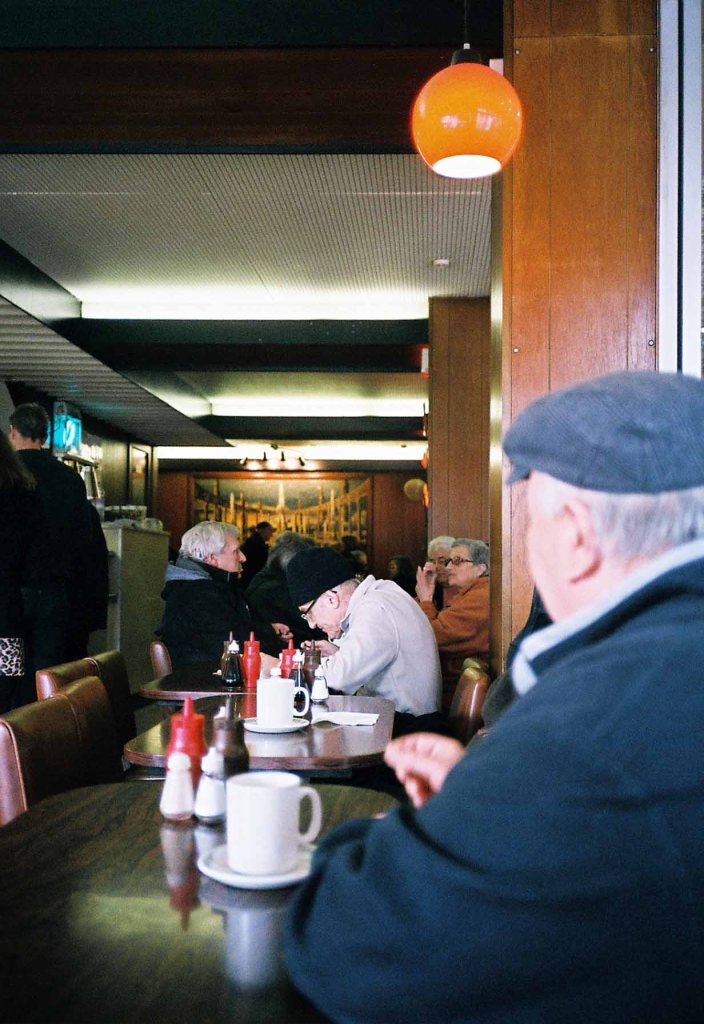
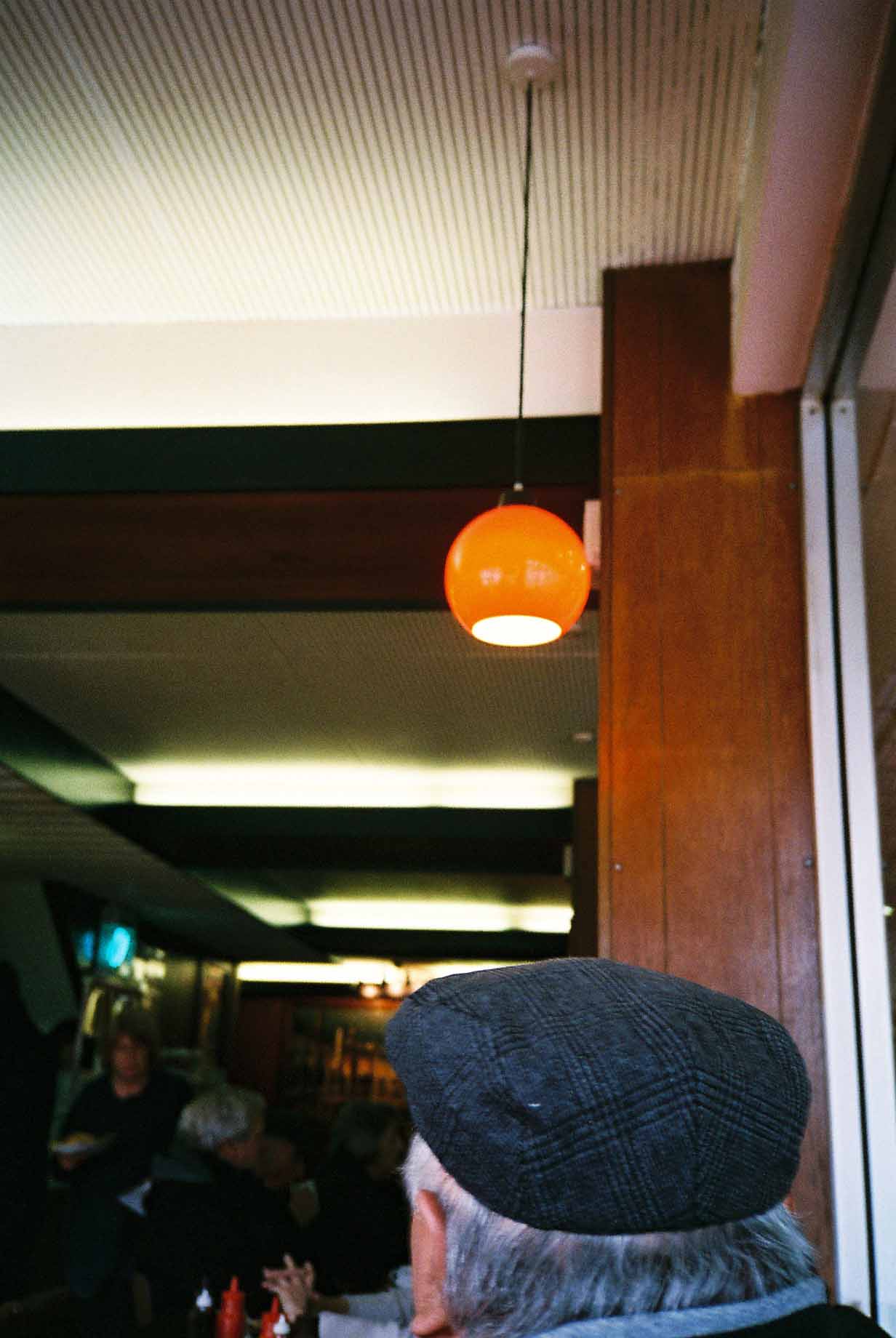
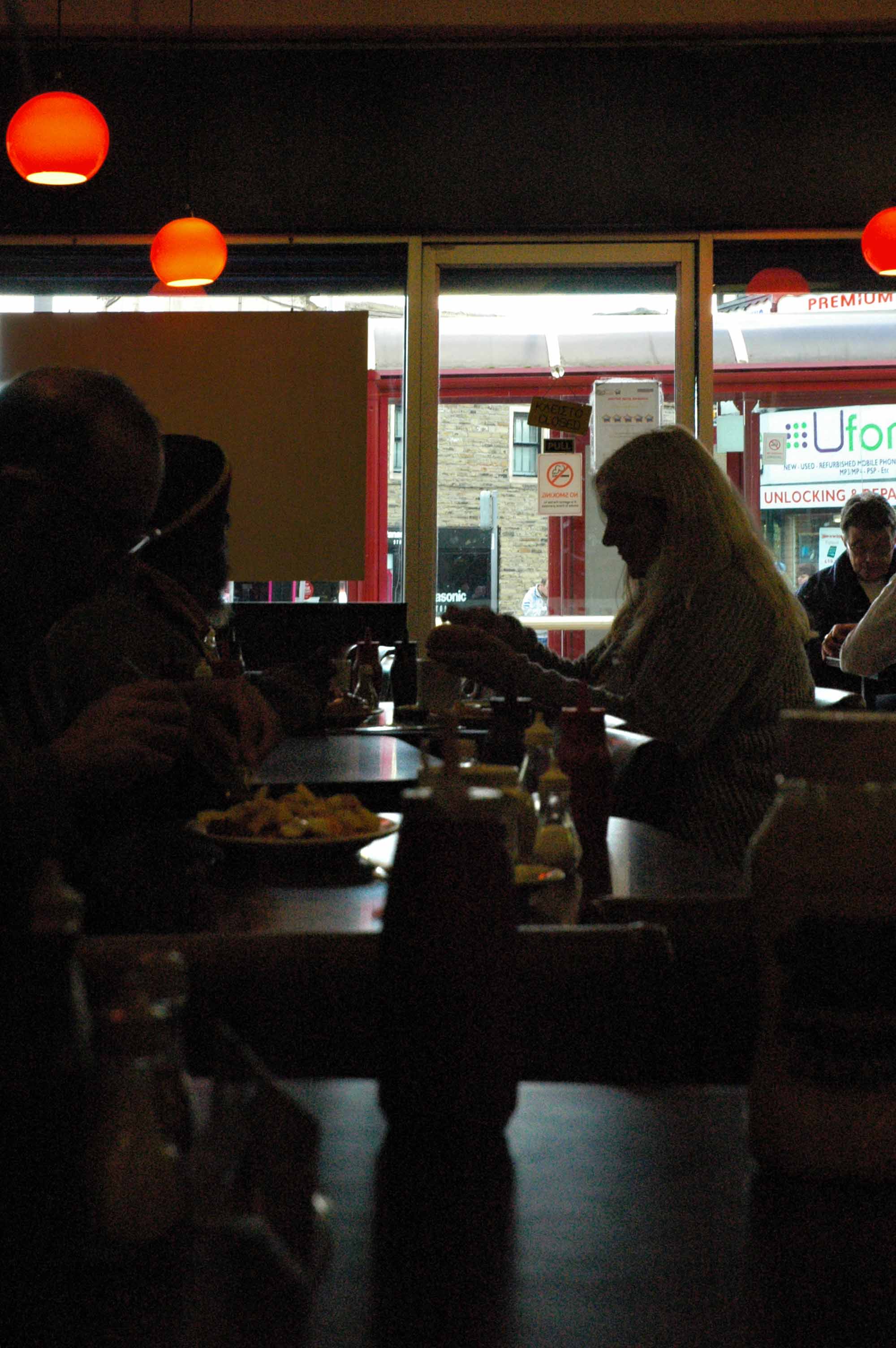
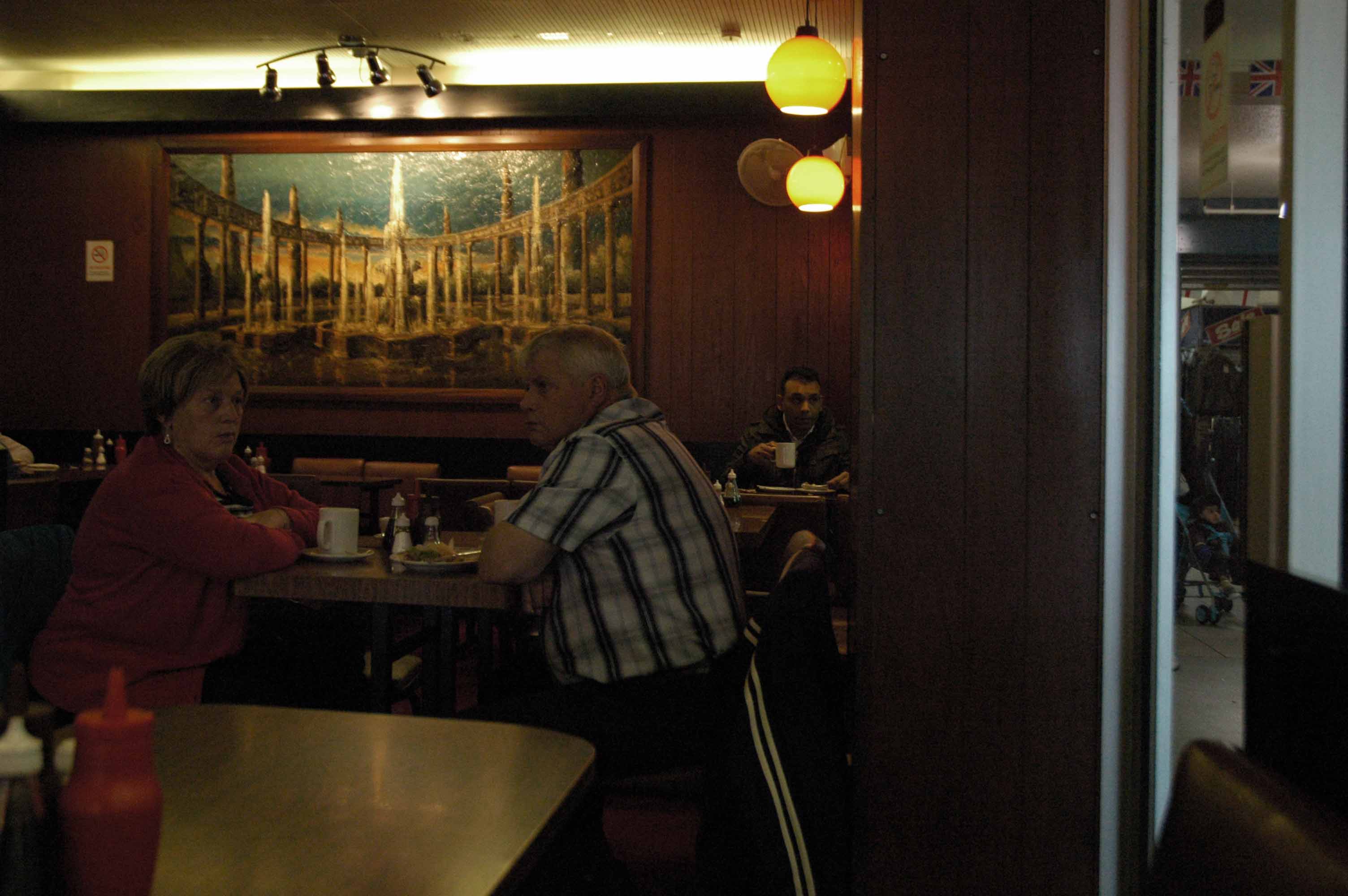
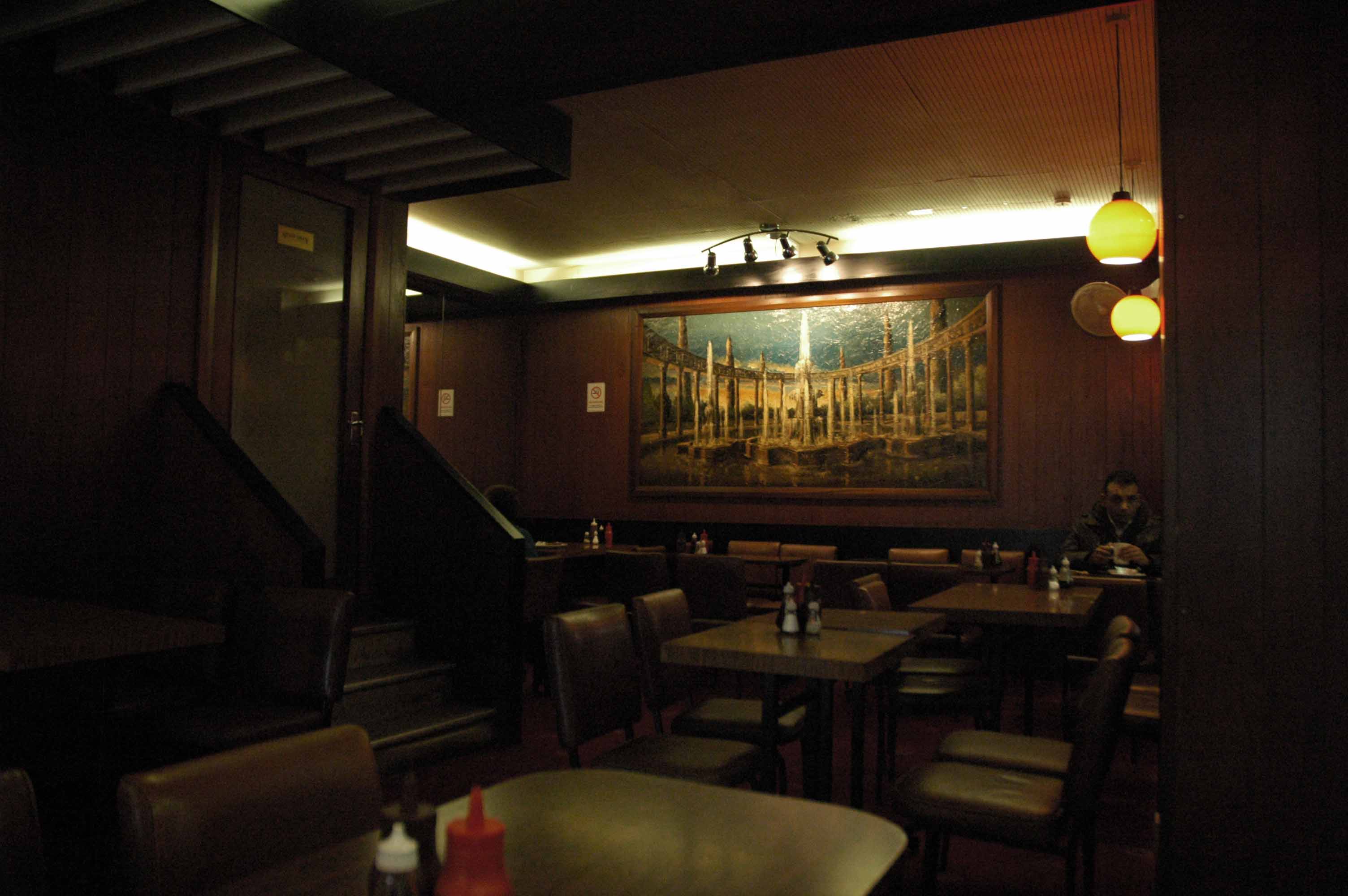
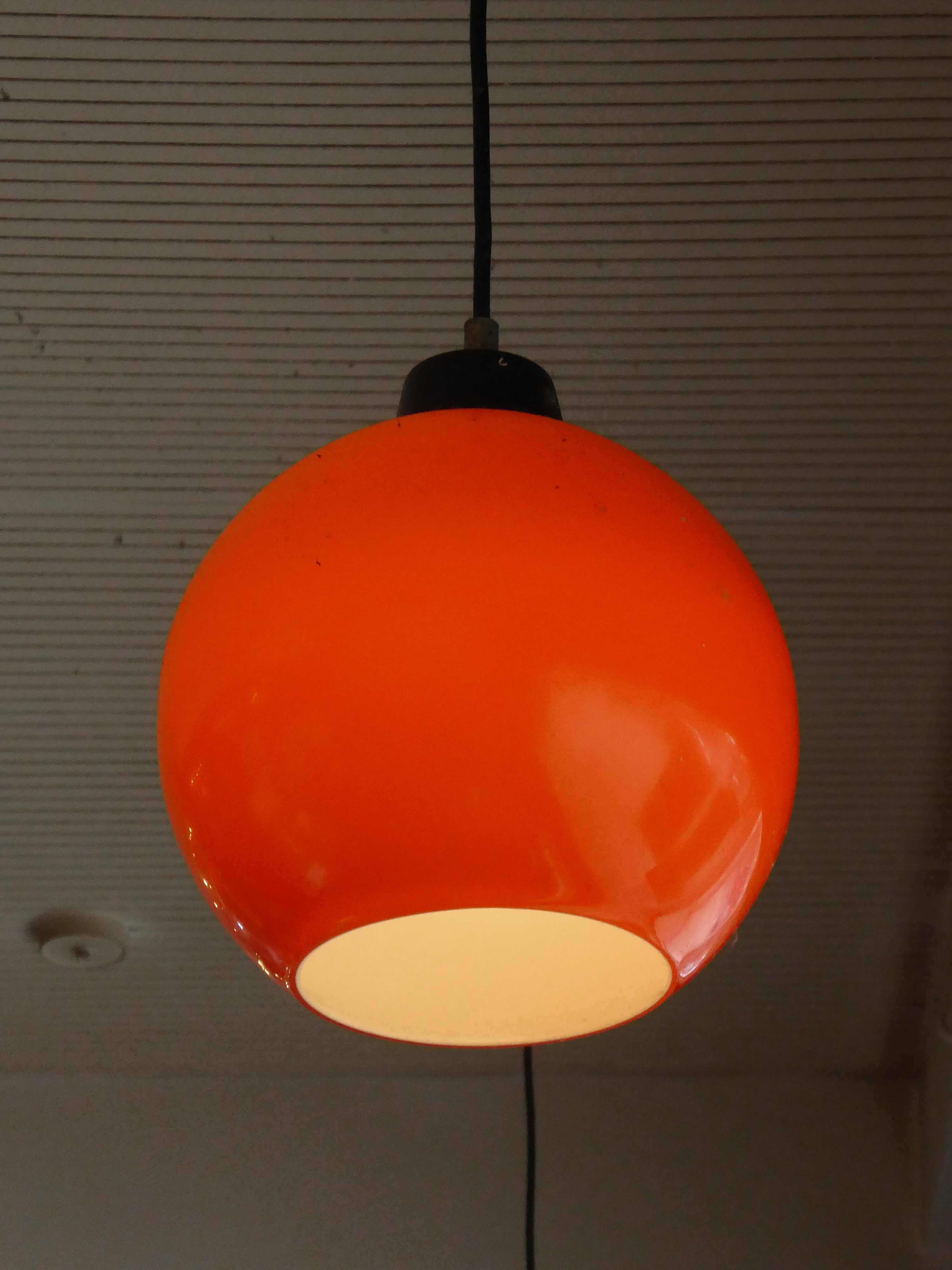
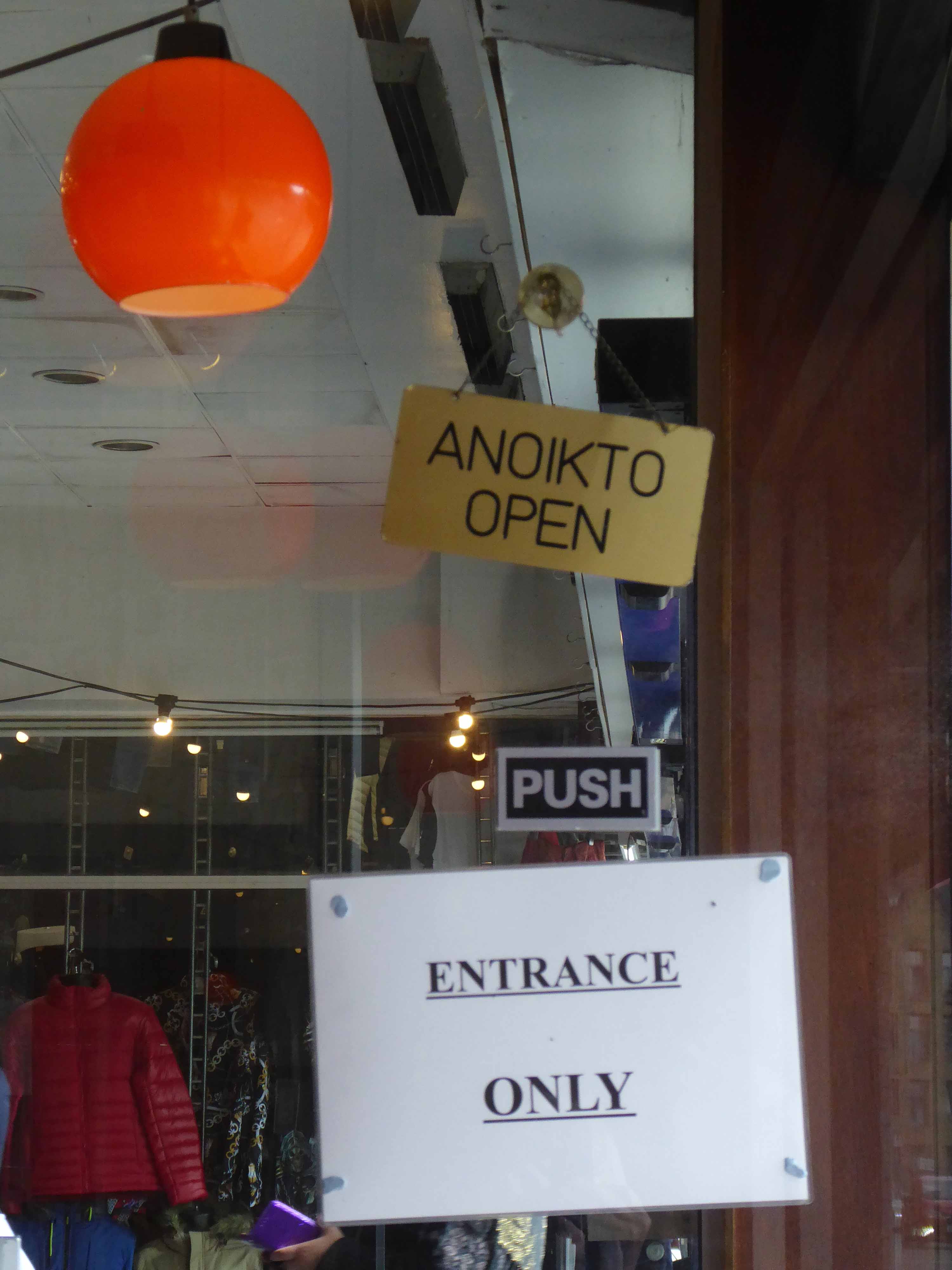
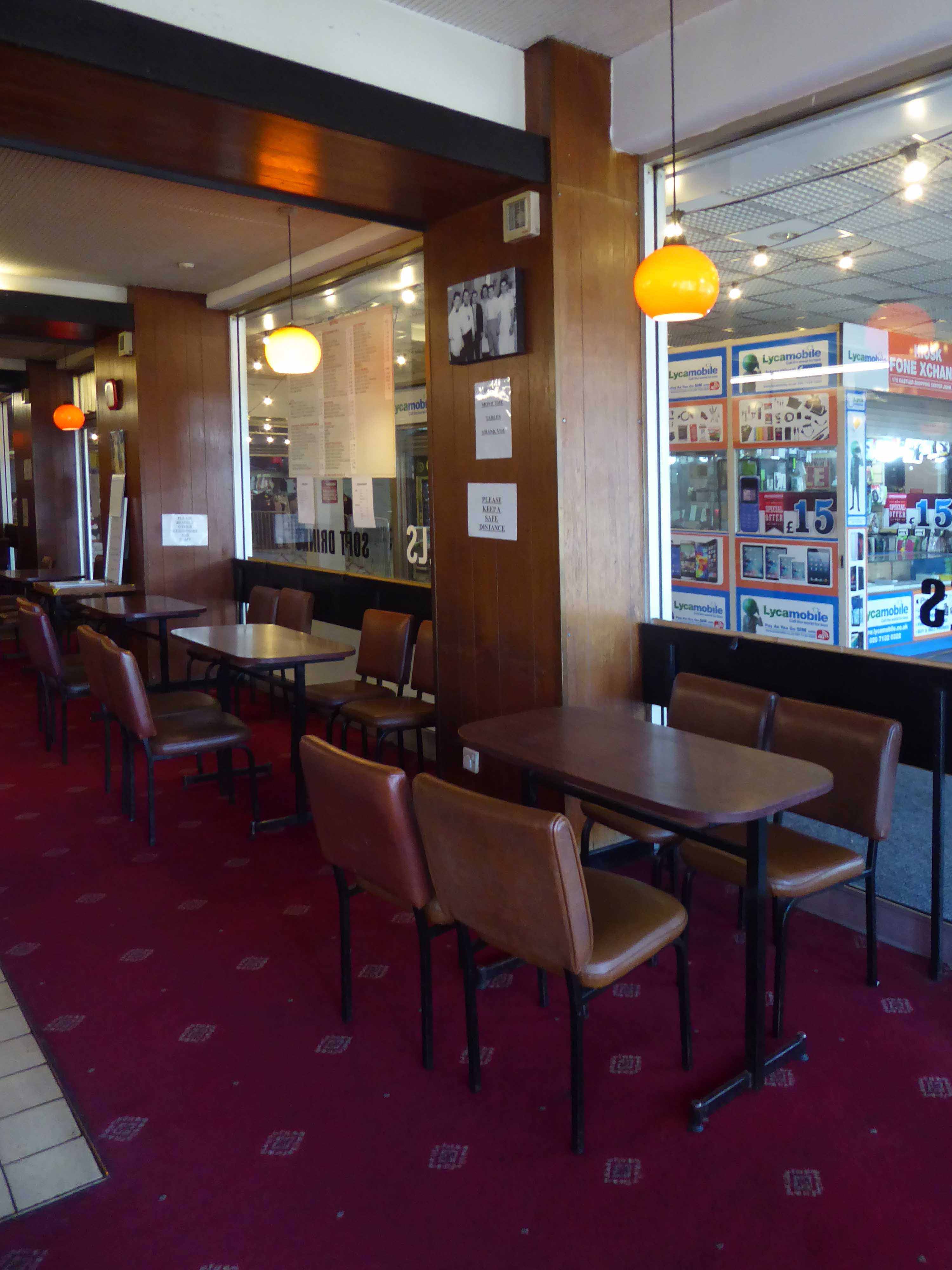
The orange light shades are still hanging limp and bright from the suspended ceiling.
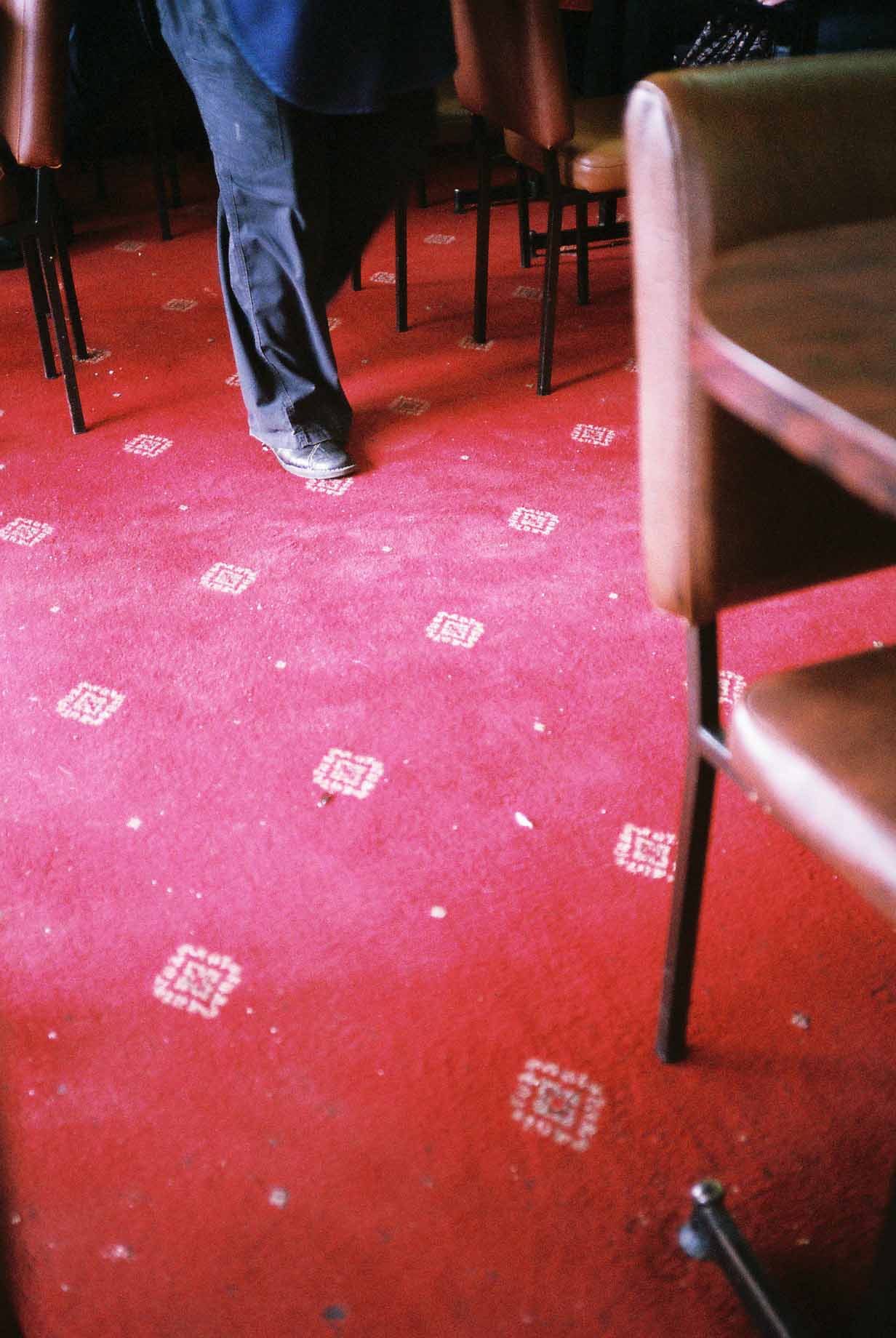
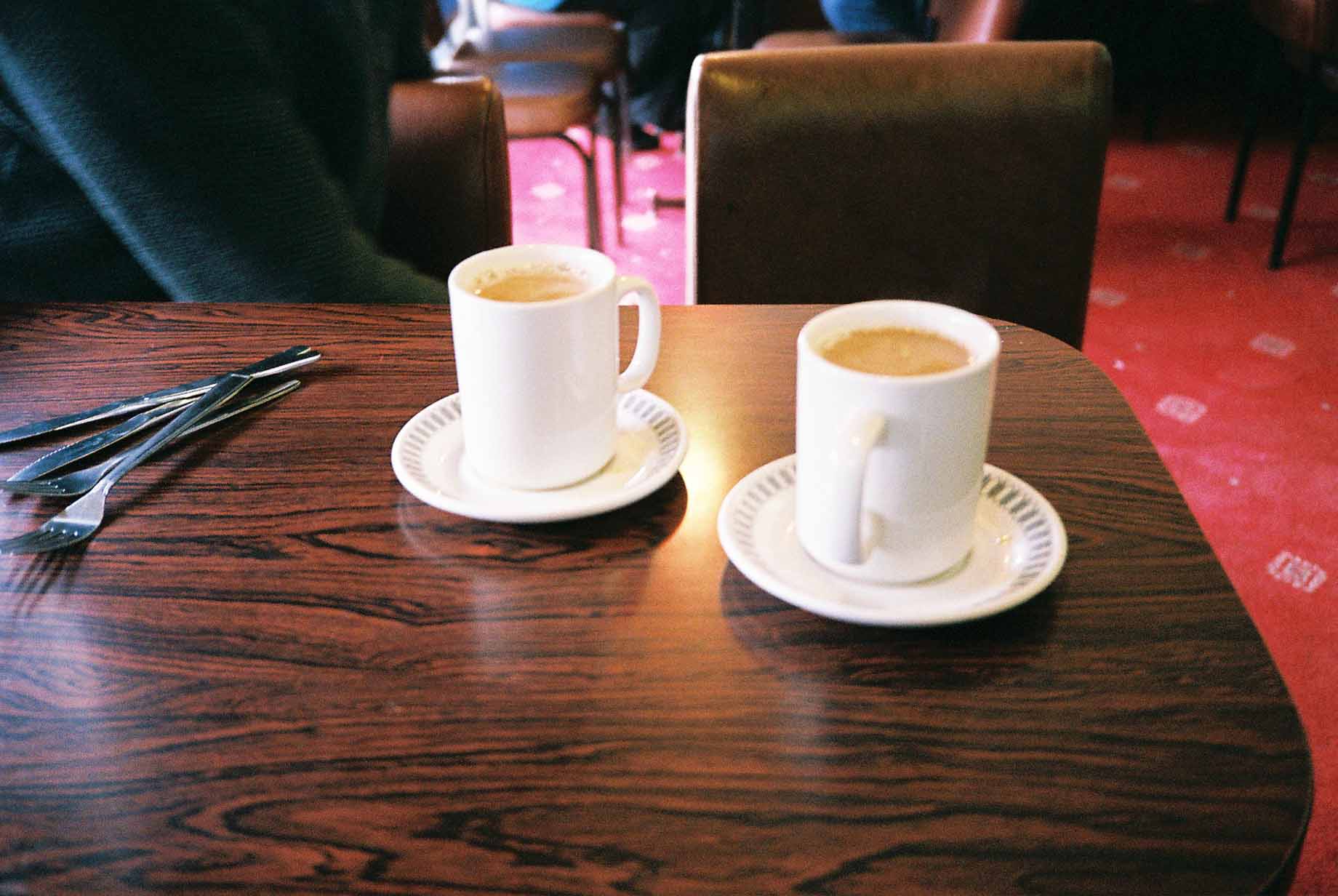
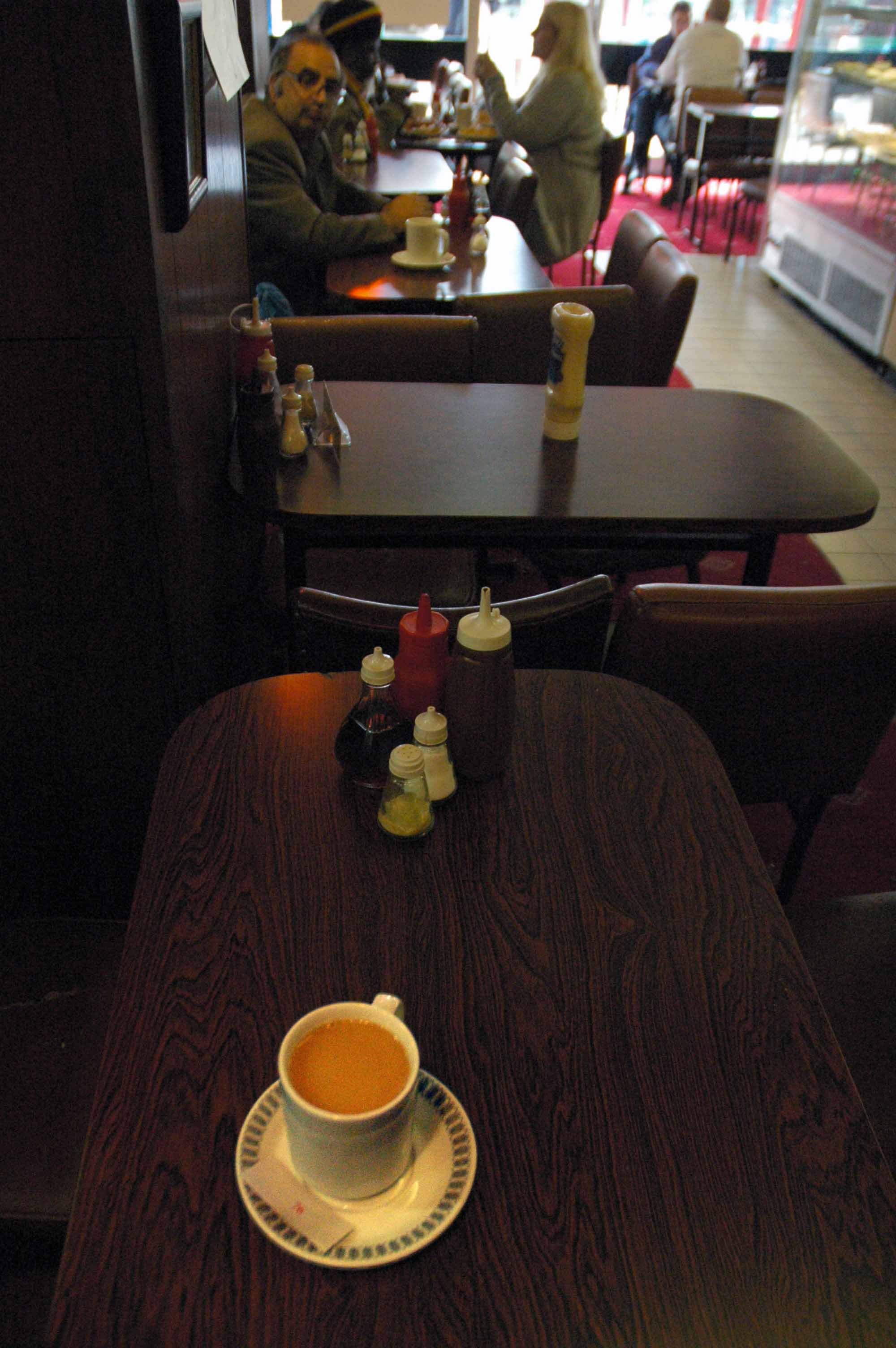
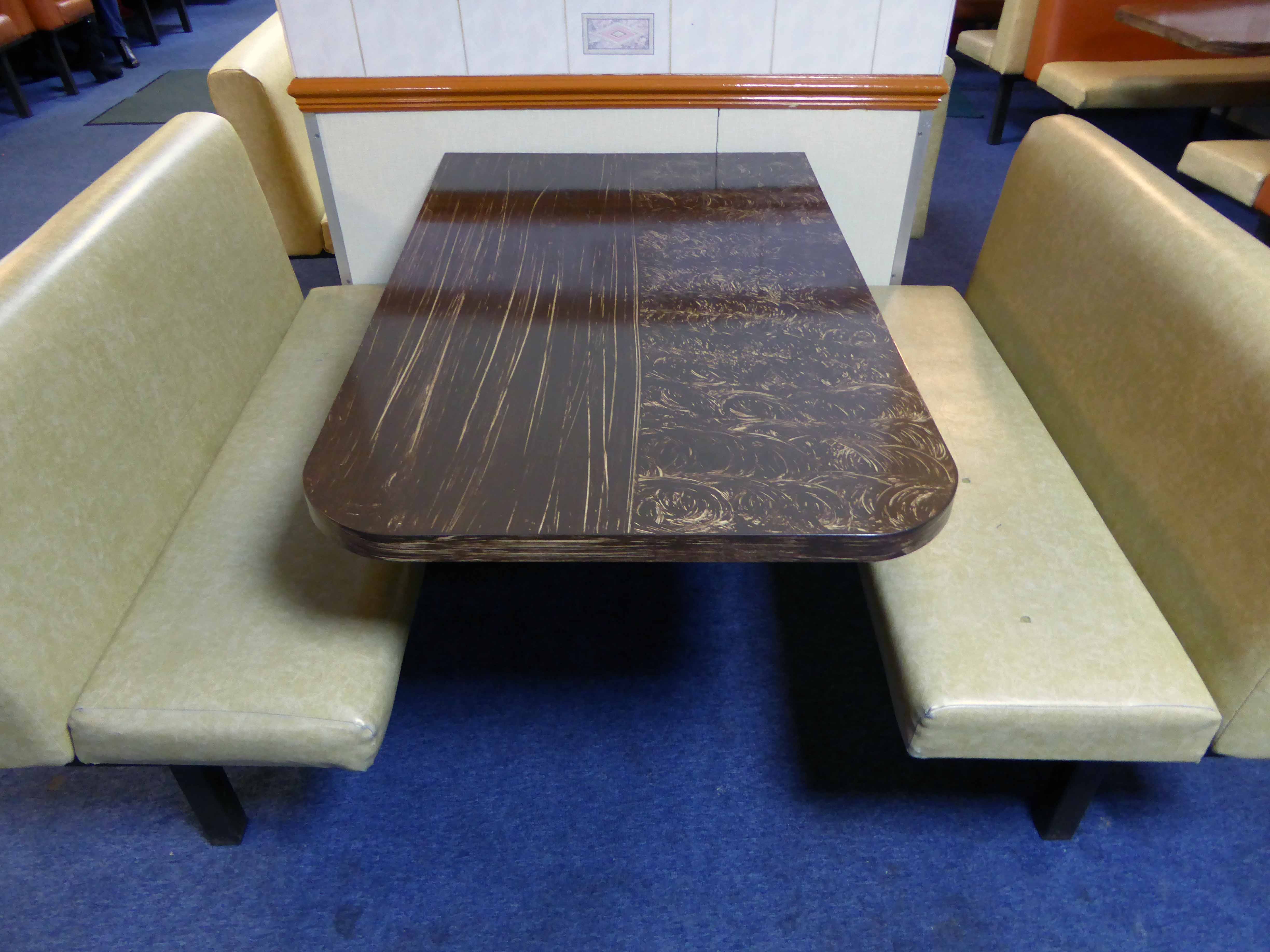
The furniture and scarlet carpet unmoved, as the cheery waiting staff weave merrily in, out and round about with meals and drinks.
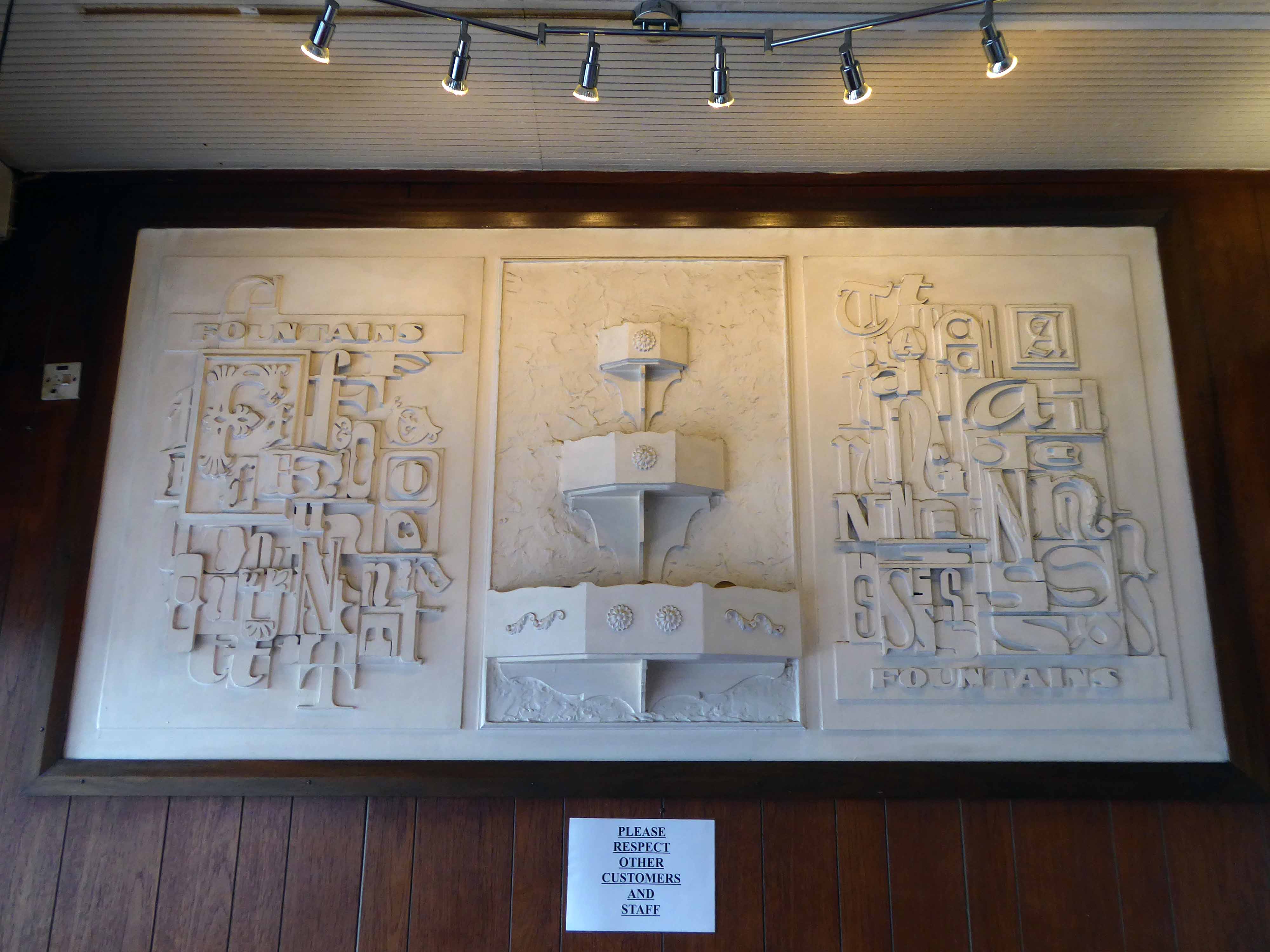
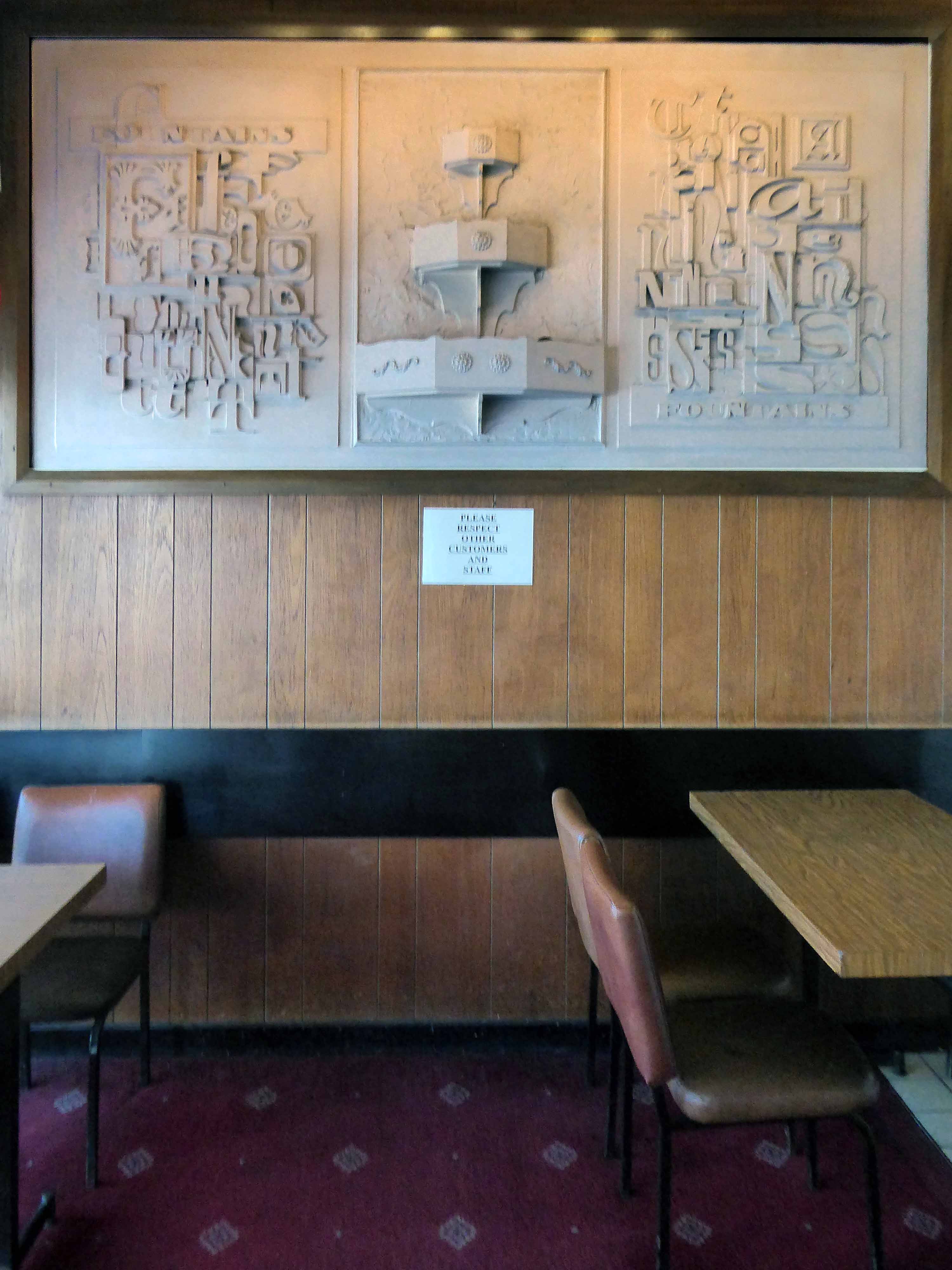
The distinctive white relief sits in the same place on the wall.
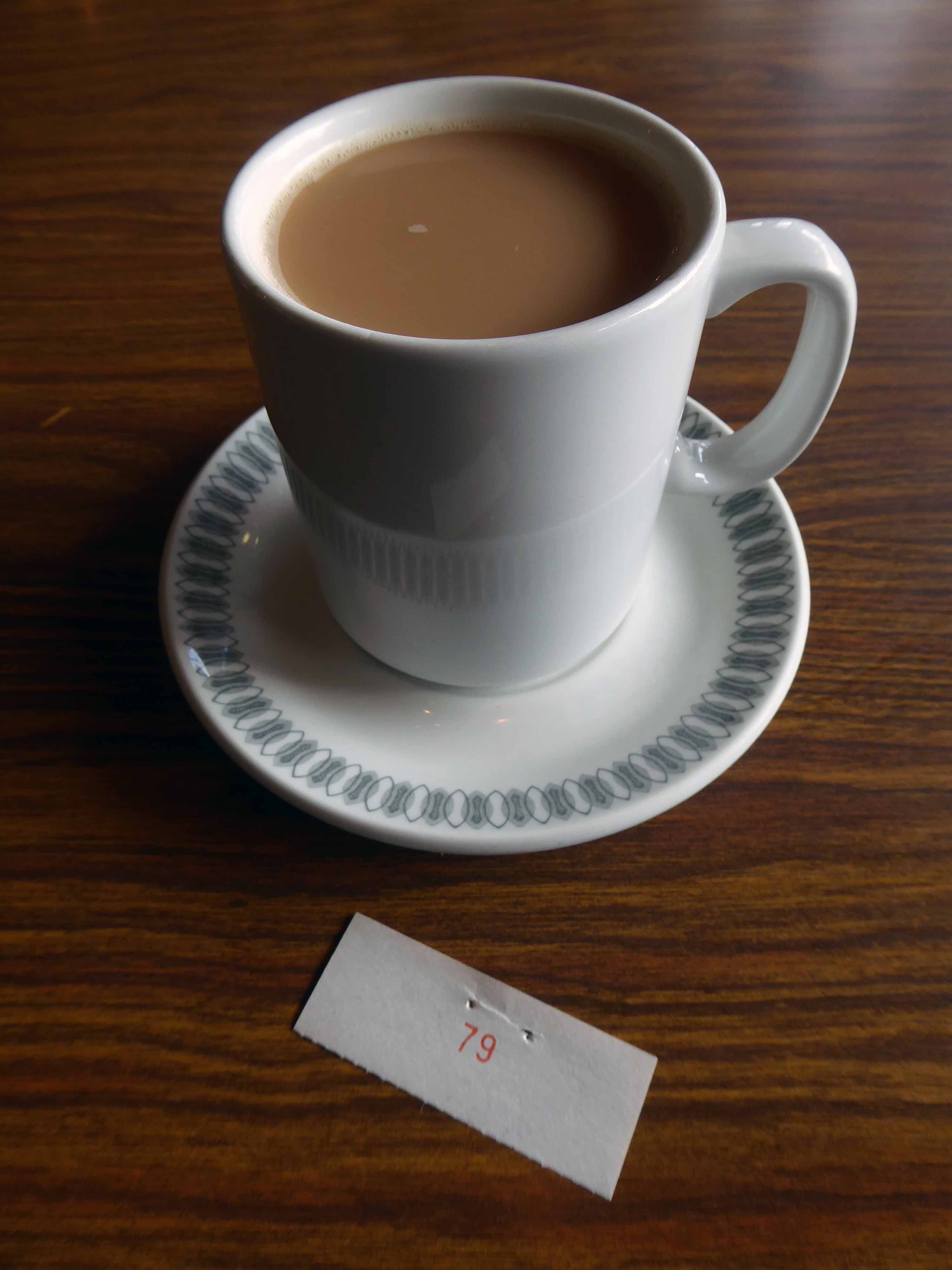
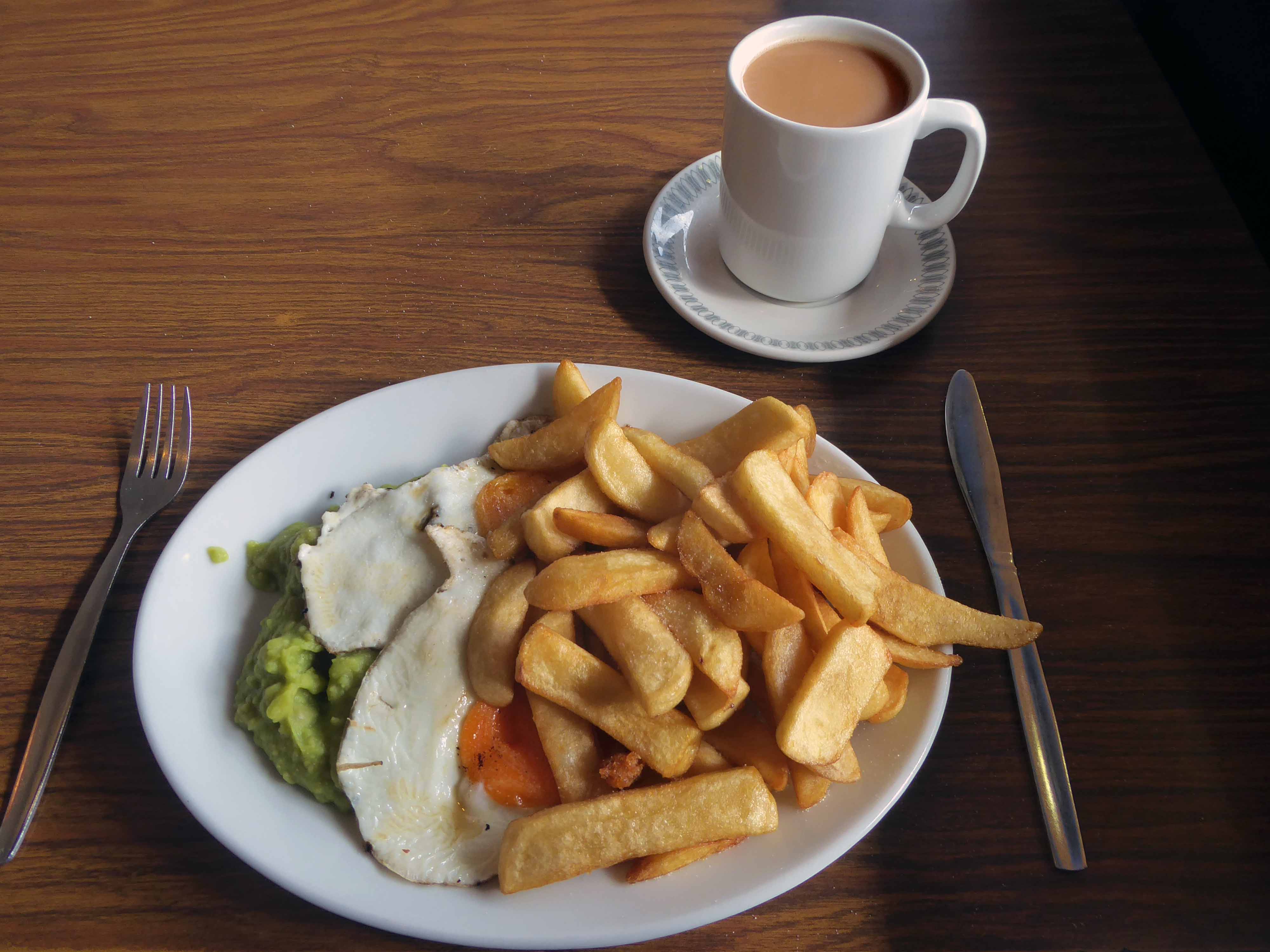
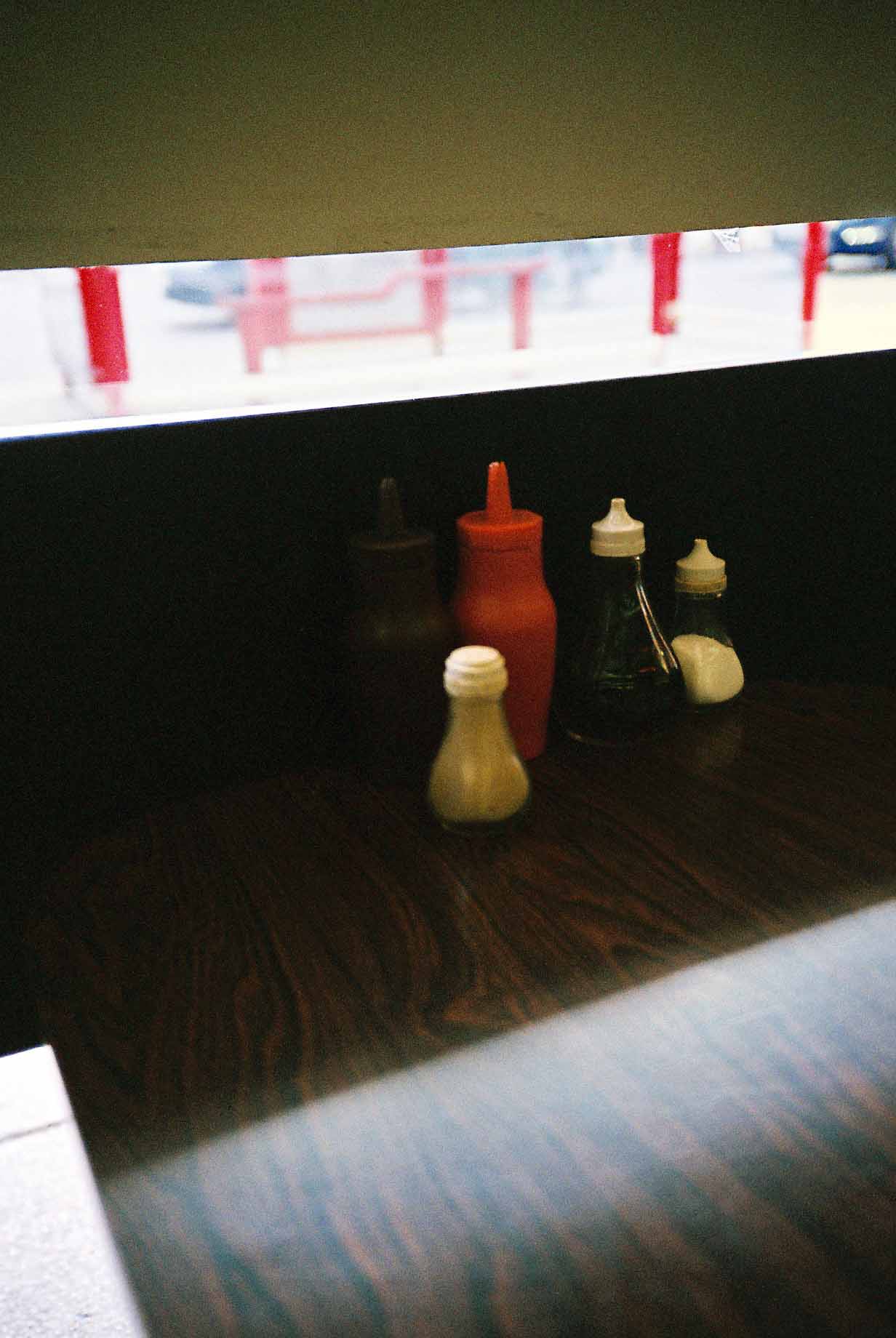
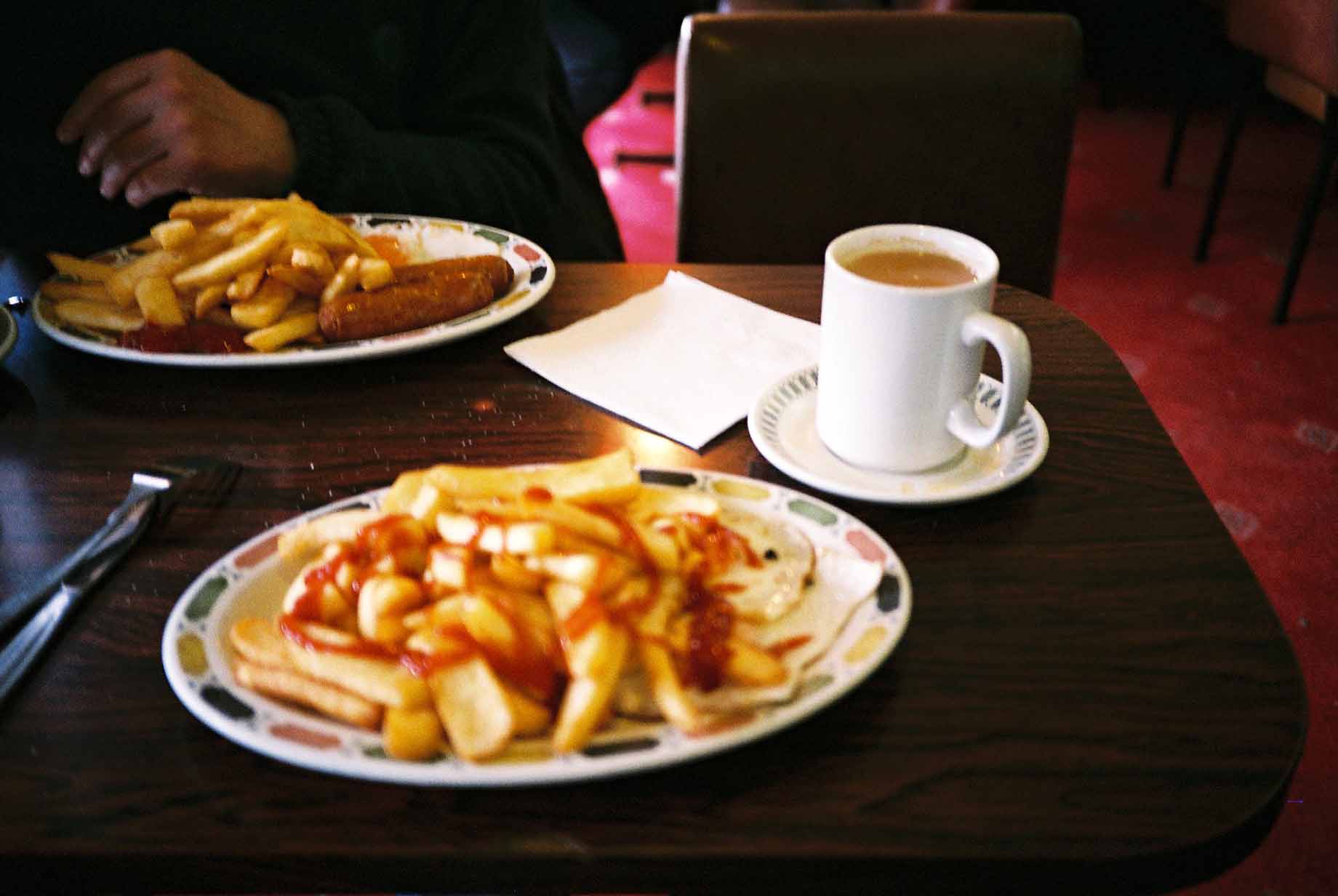
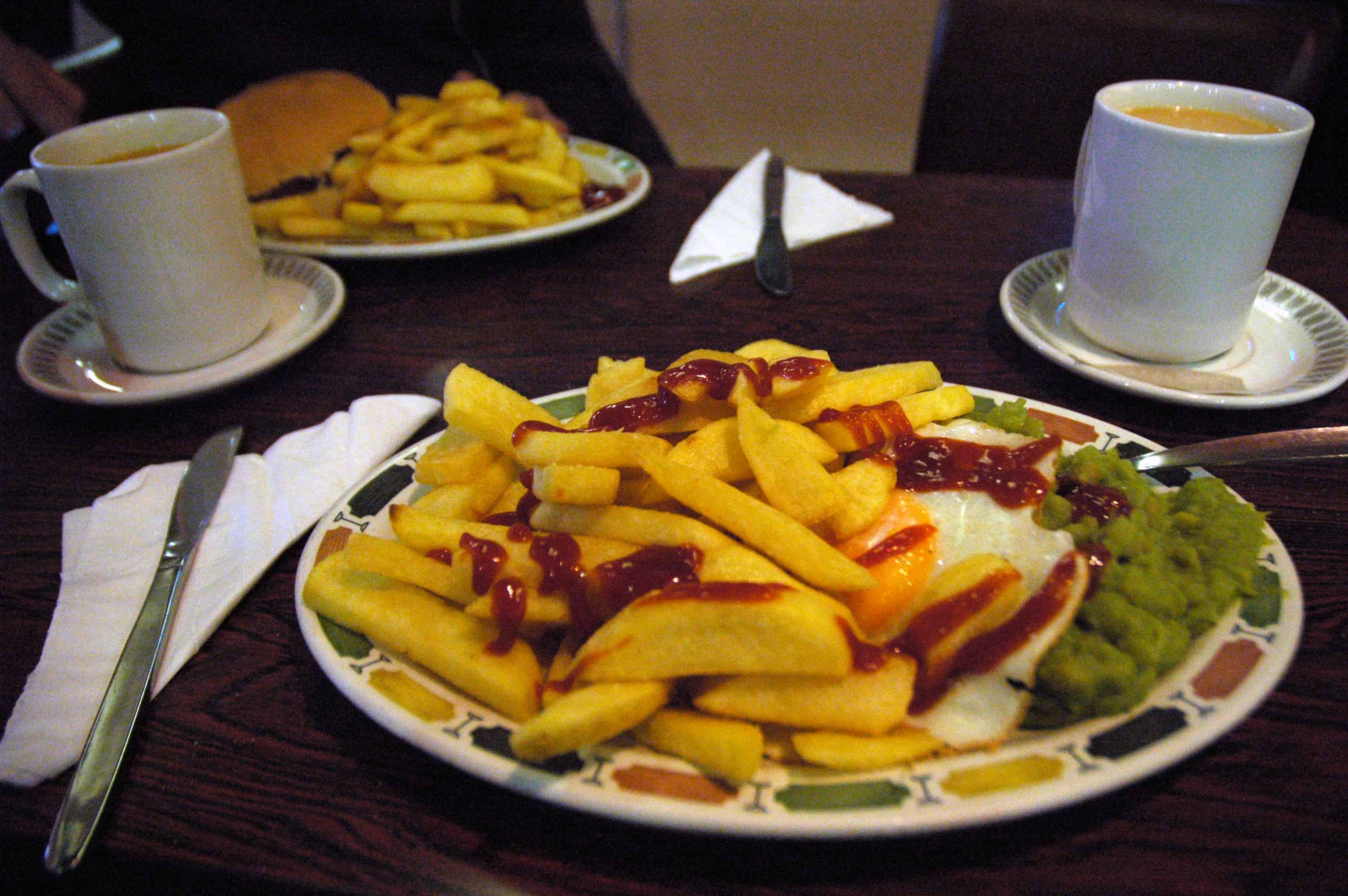
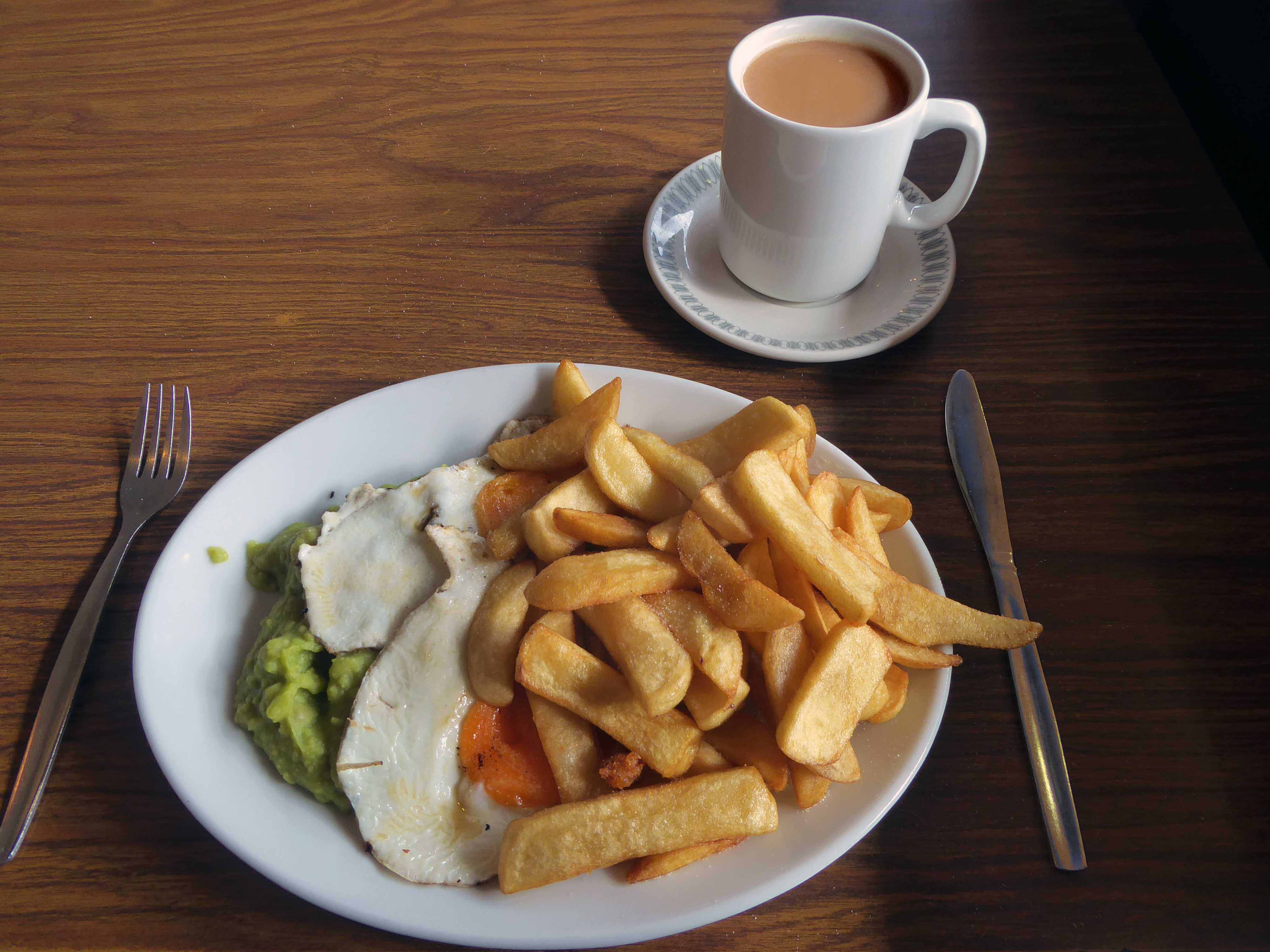
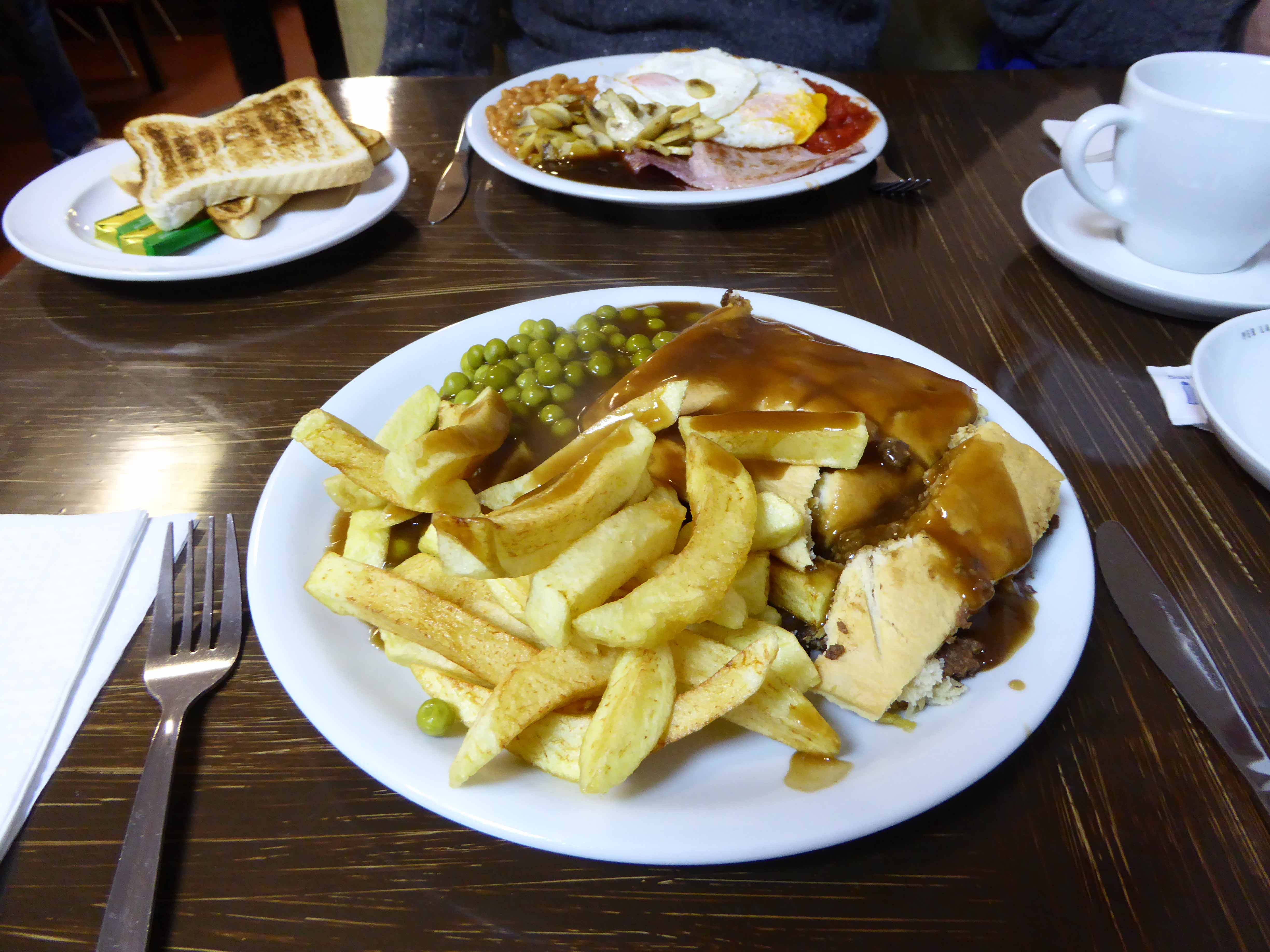
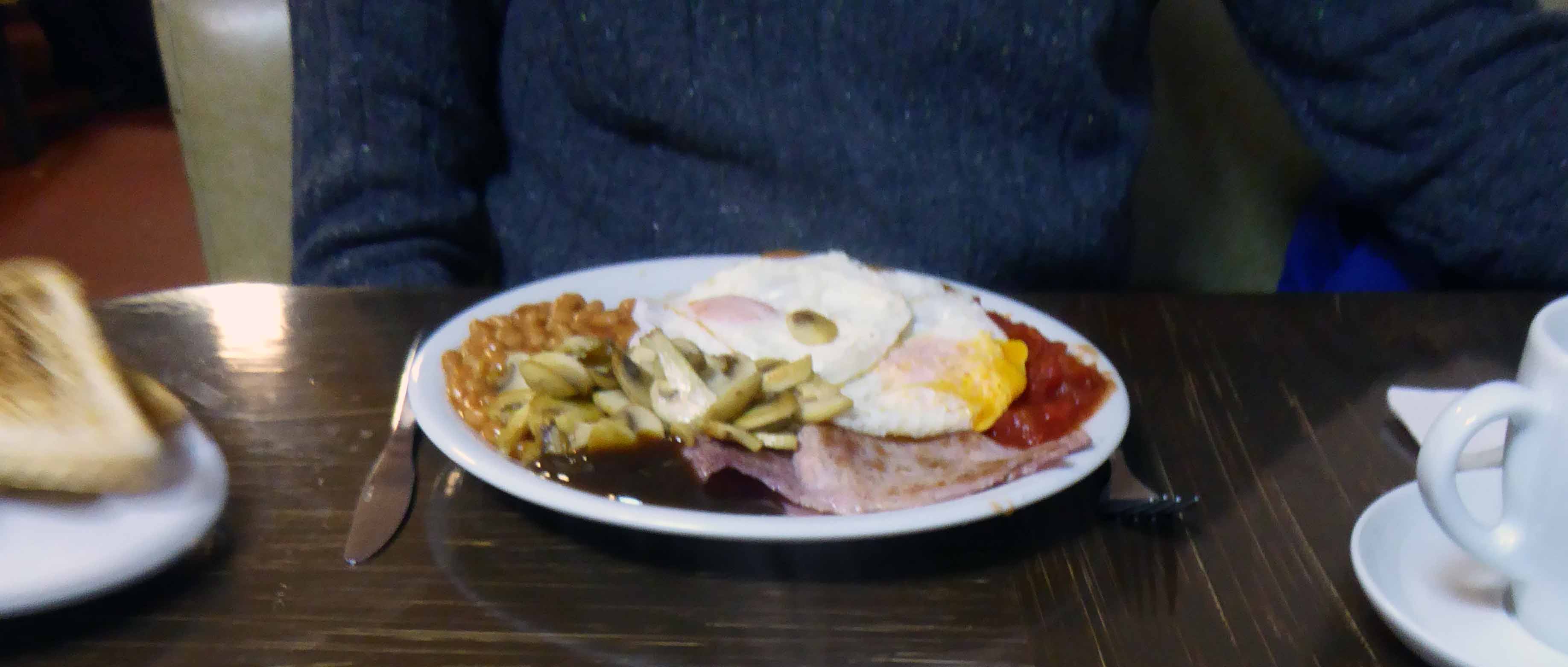
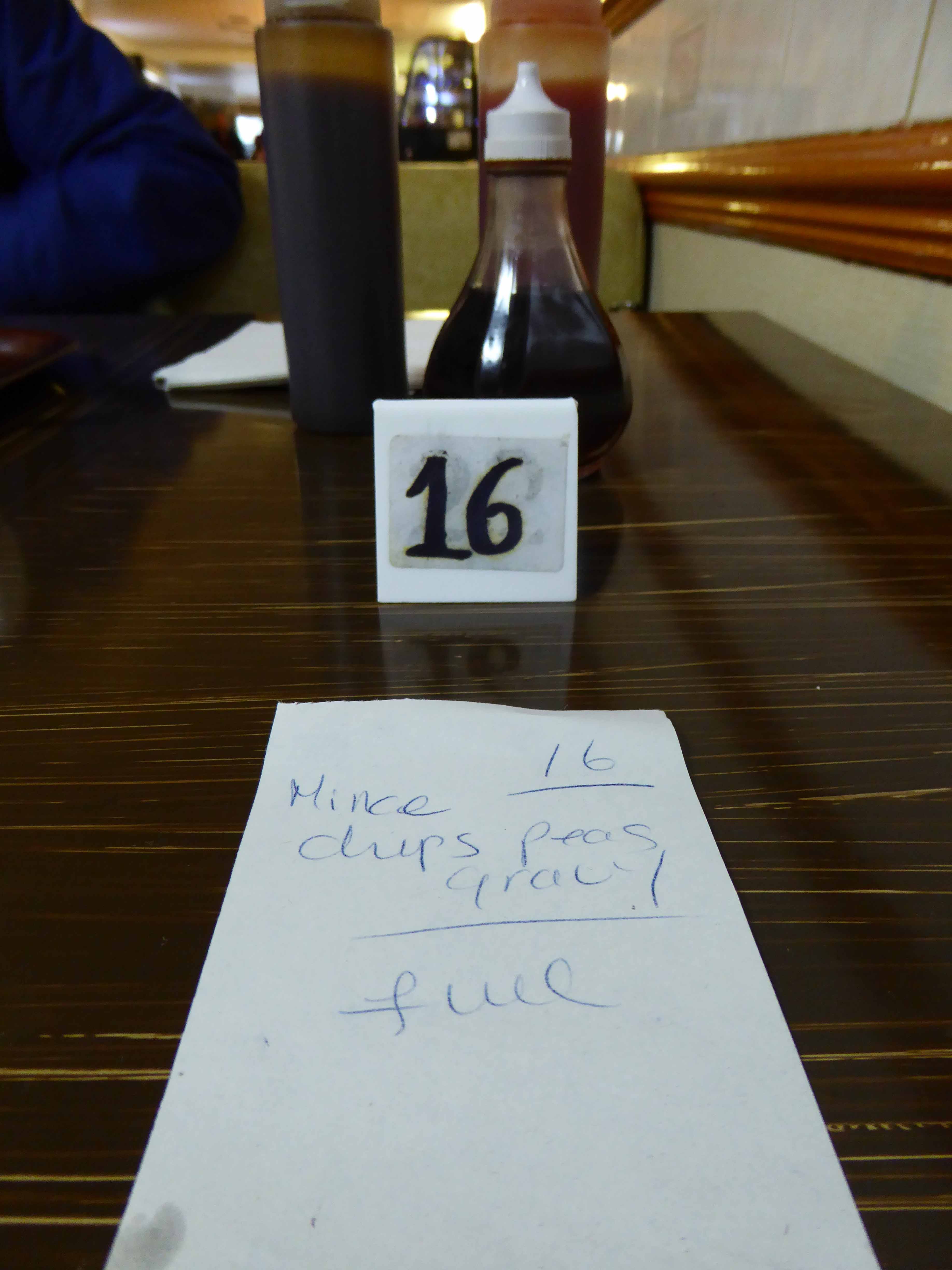
Almost inevitably I order a mug of tea.
Along with a plate of eggs chips and peas.
Eat and drink the lot and leave happy and contented – who can resist a well run, well appointed classic café?
I can’t.
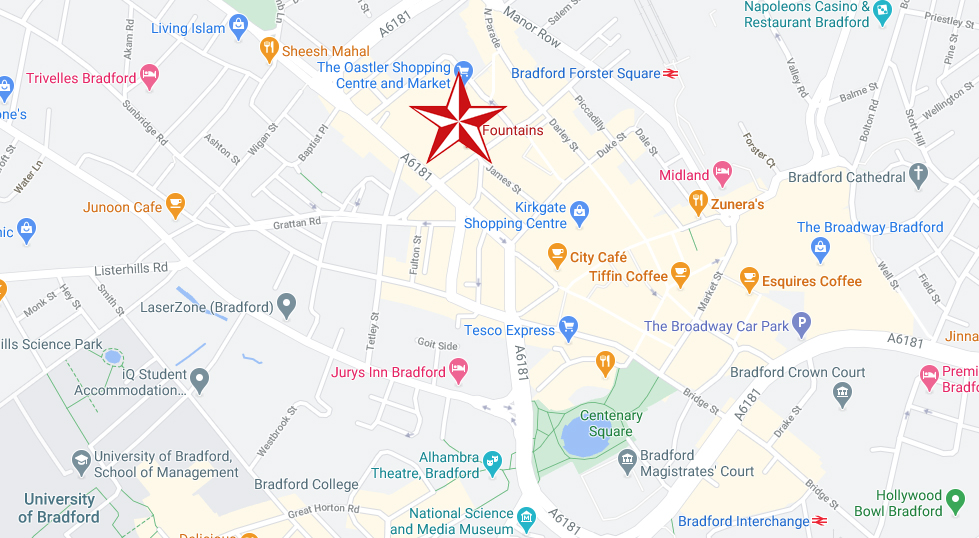
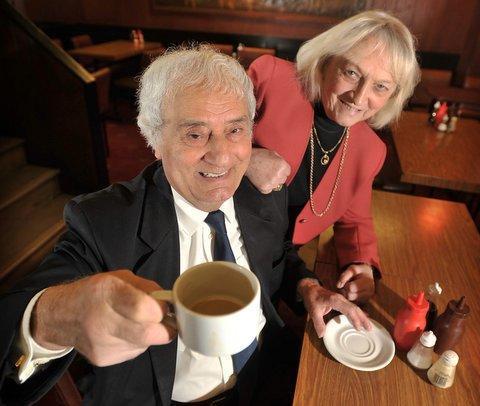
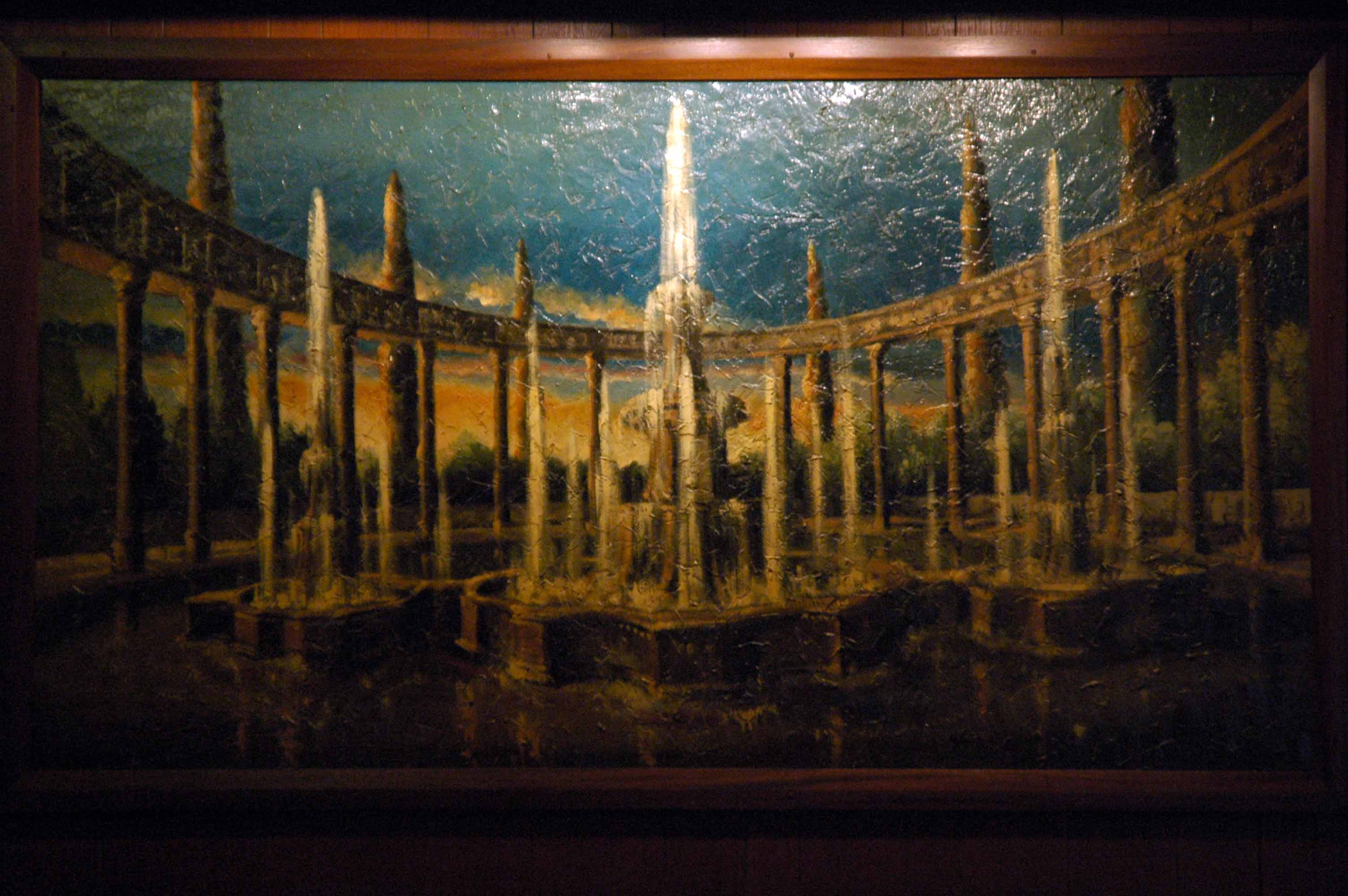
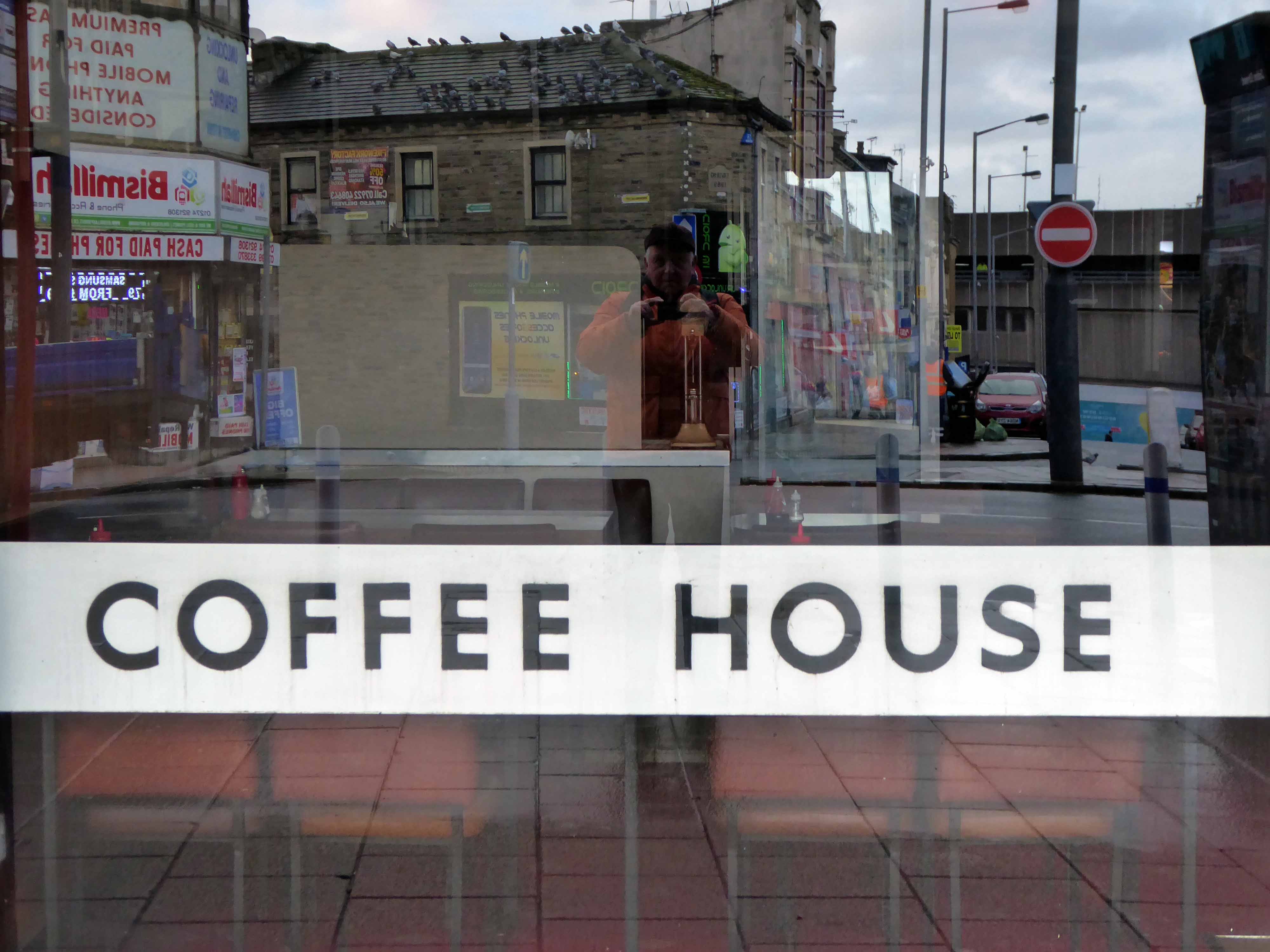
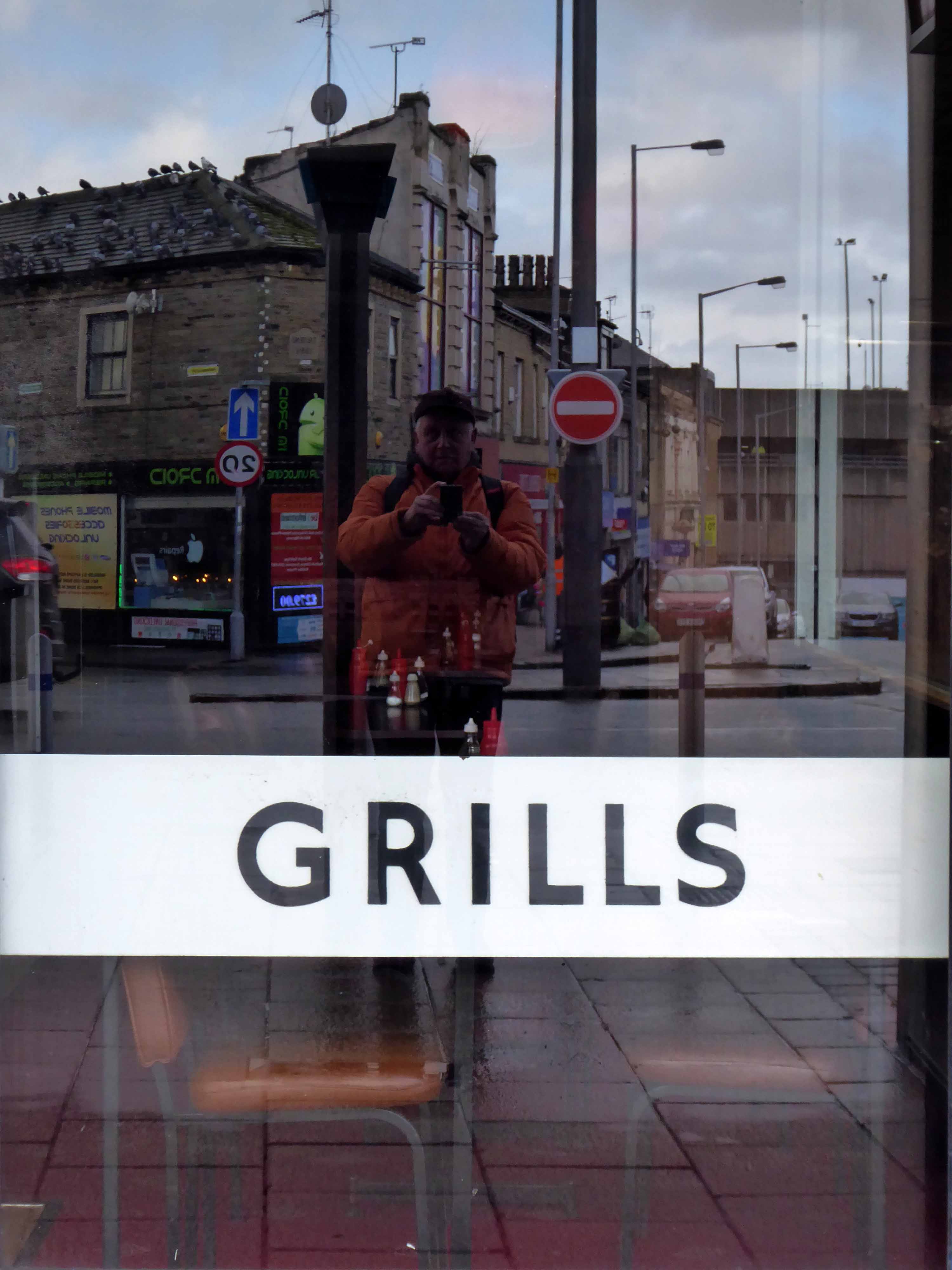
A well-known and respected figure in the Bradford business world, Mr Paul Georgiou ran Fountains Coffee House in John Street for just shy of 50 years alongside his wife Mary, and has run cafés and other businesses in the city for almost six decades.
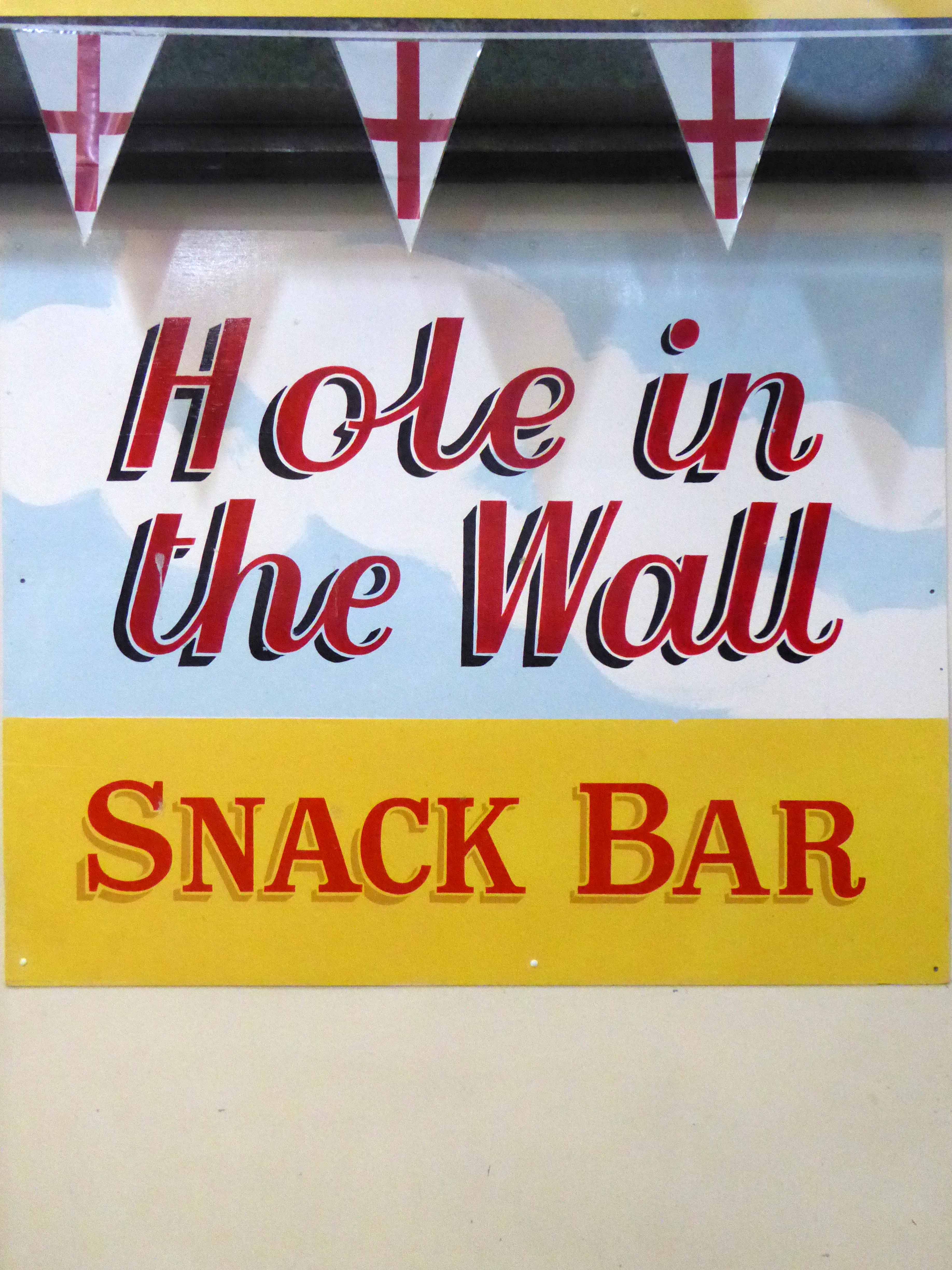
Other ventures created by Mr Georgiou include the Hole in the Wall nightclub, which was one of the first underground nightclubs in the city centre.It hosted acts including Sir Tom Jones and rockers Thin Lizzy as they rose to fame in the late 1960s and early 1970.
Sadly he passed away in 2019.
His main business Fountains Coffee House is now managed by his son Michael, but when it opened it was one of the first businesses to open in the John Street Market, as the Oastler centre was known then.
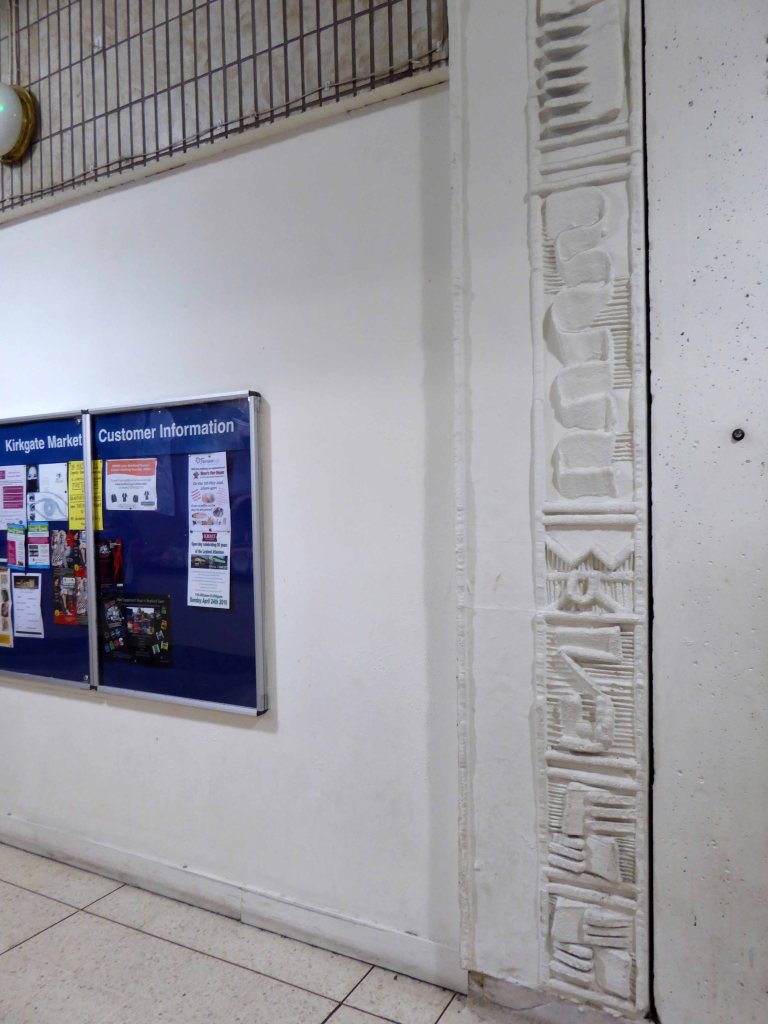
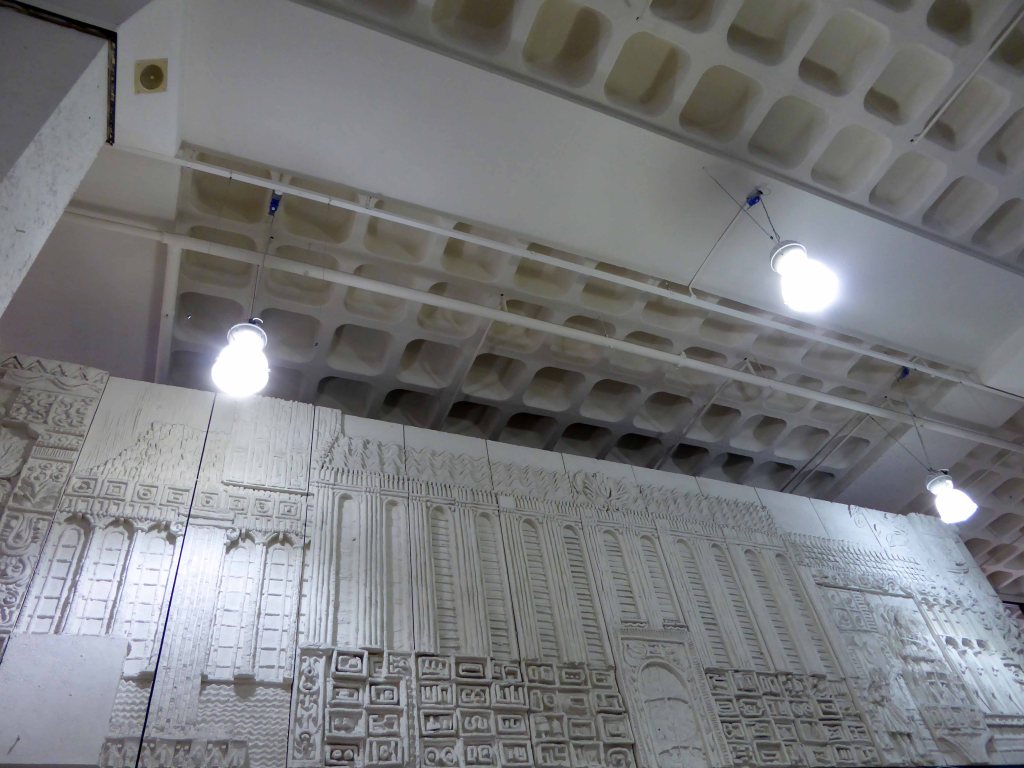
Positioned above the entrance/exit and either side of the exit/entrance.
They have had over time various companions to keep them company.
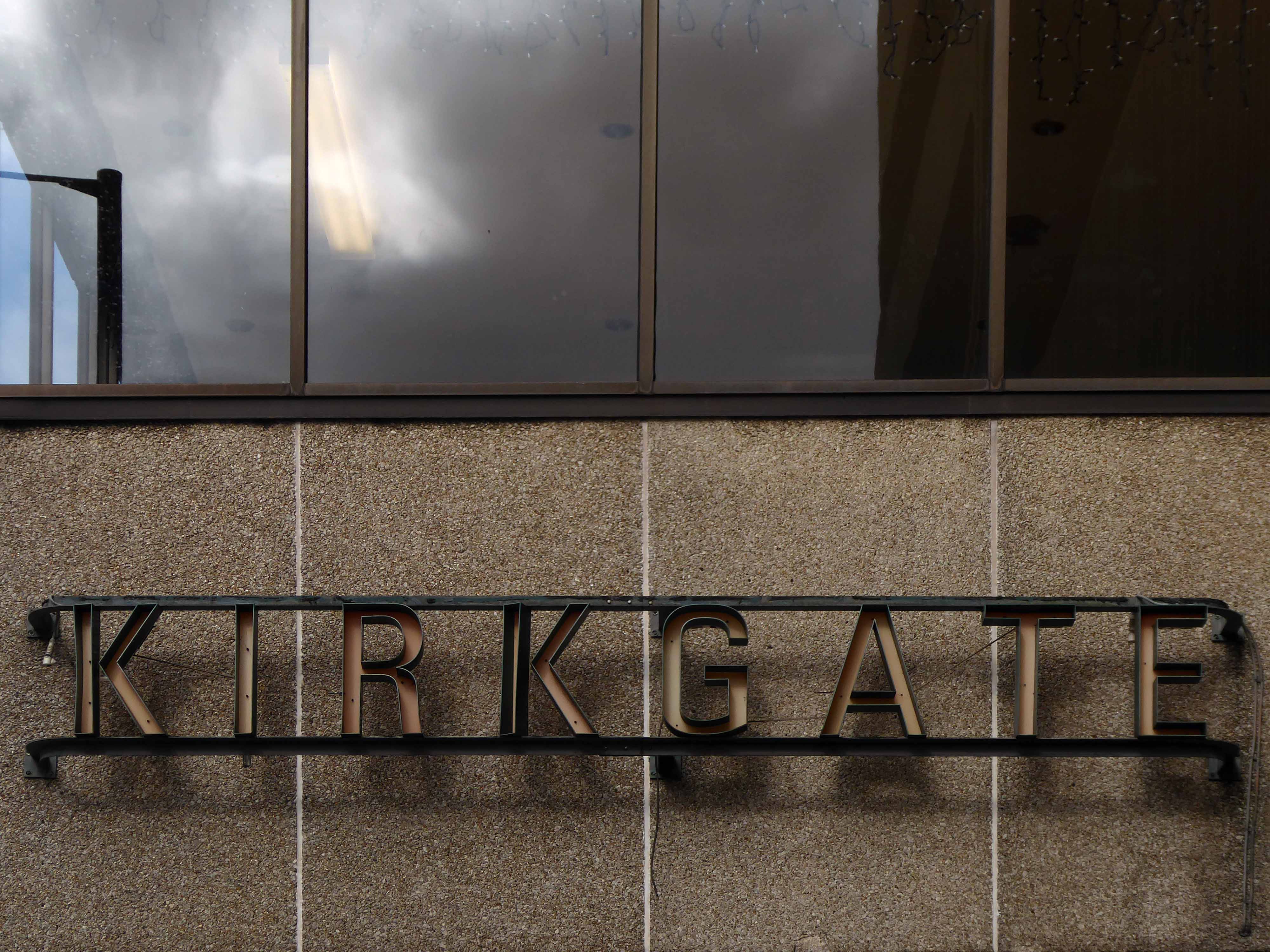
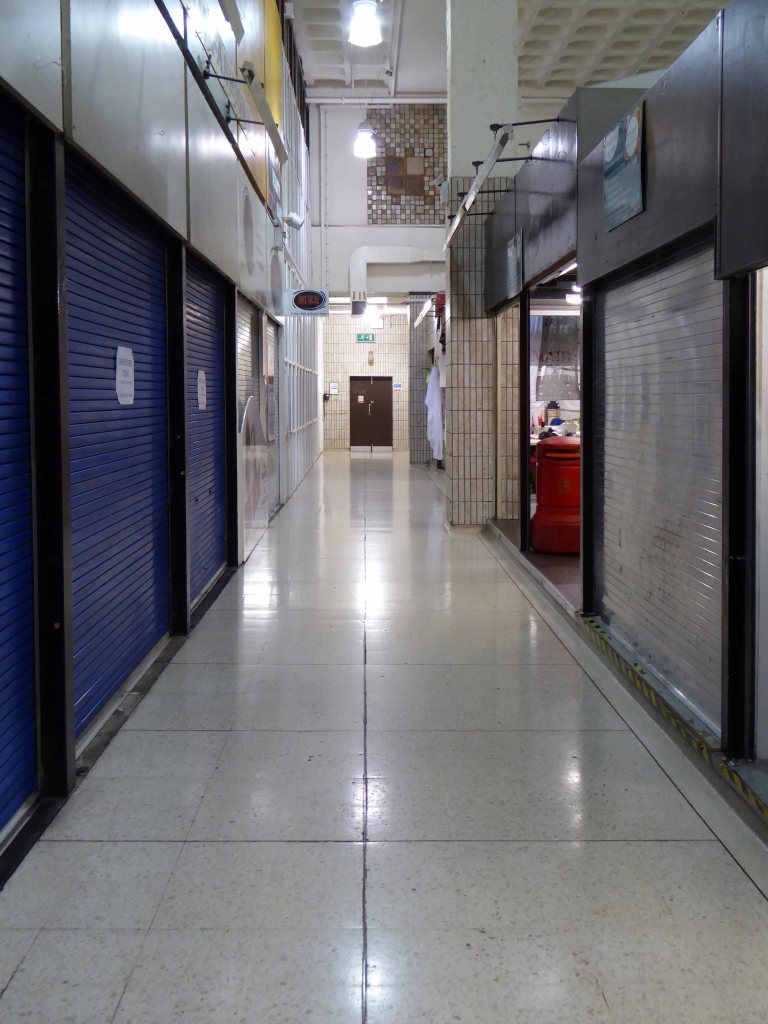
They are currently friendless – the Kirkgate Market is to be closed, its future uncertain – and by inference Big Bill’s public art is under threat too.
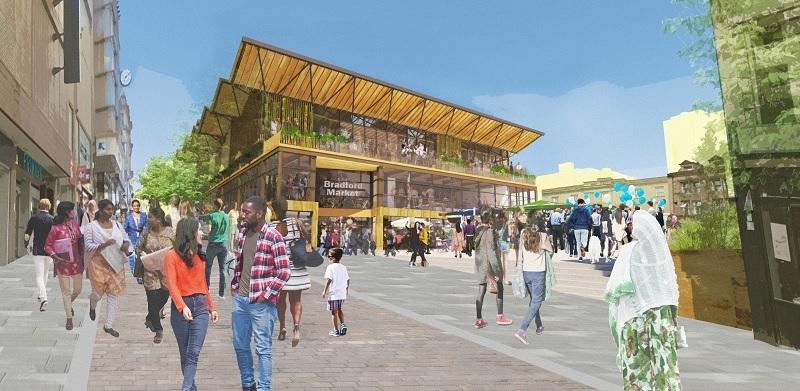
The Council has announced to its traders in Kirkgate Market and the Oastler Centre that it will not be carrying out the proposed refurbishment of Kirkgate Market as the new market in Darley Street will now accommodate non-food sales on one trading floor with the other trading floor being dedicated to fresh foods and the 1st floor for hot food and beverage sales.
As per they are unlisted, largely unnoticed and as such very vulnerable, get it while you can, take a trip to Bradford real soon.
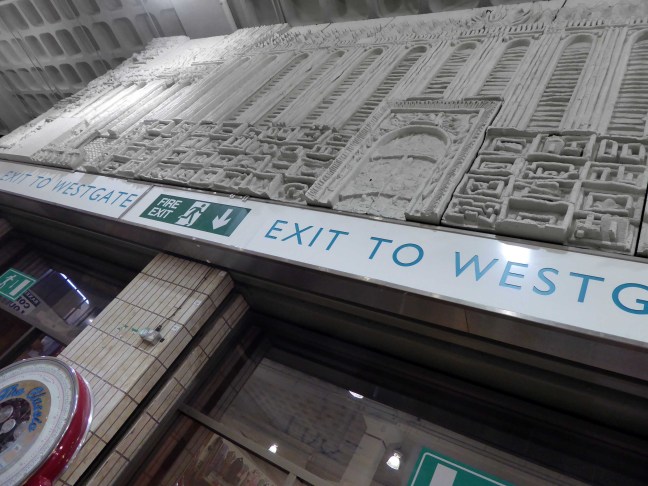
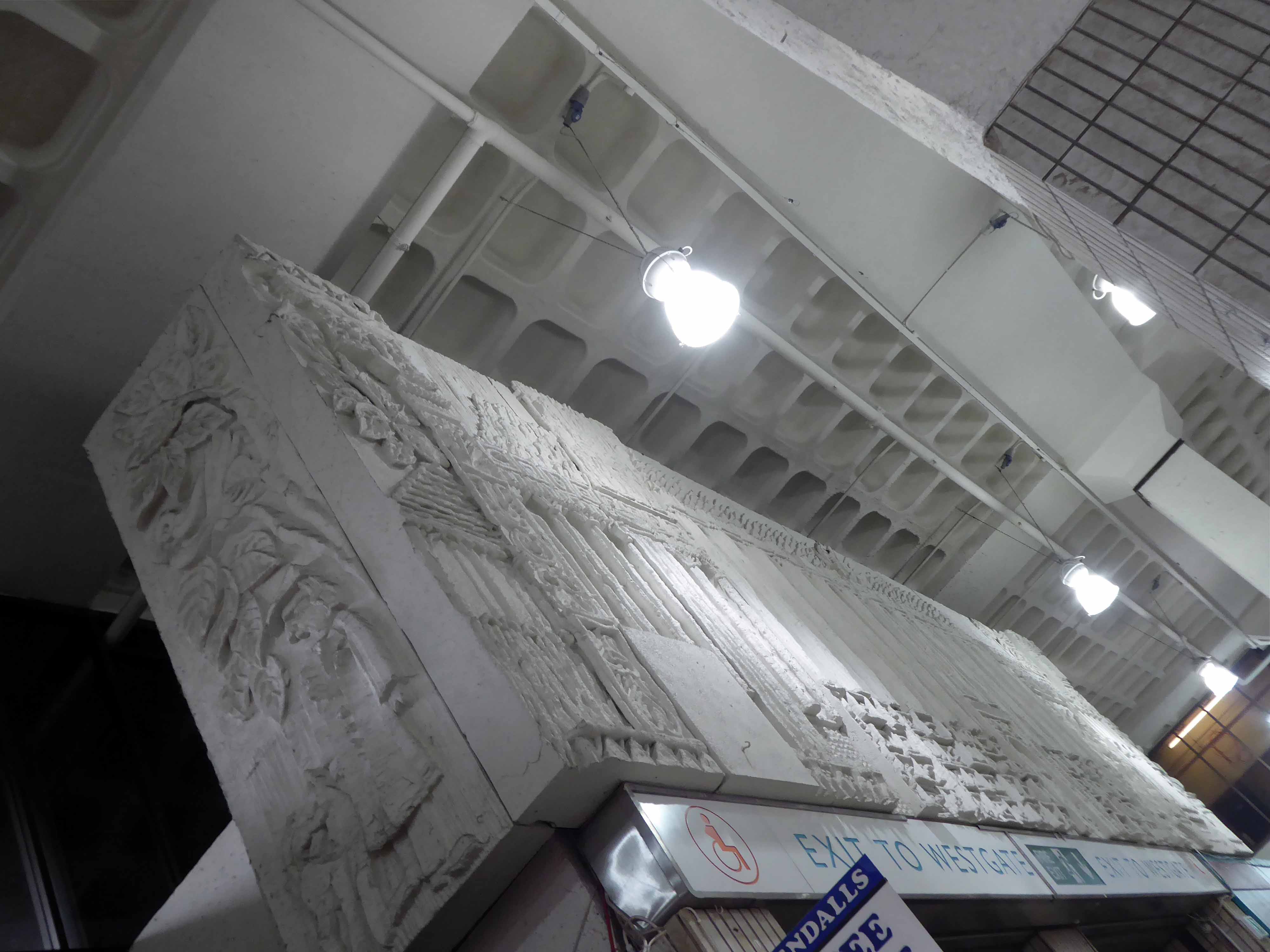
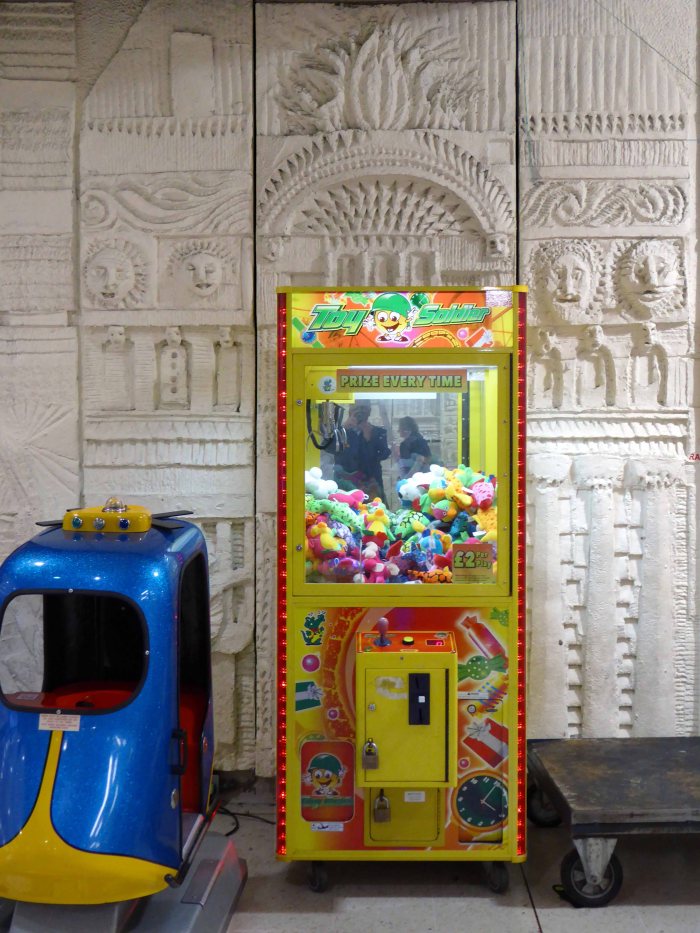
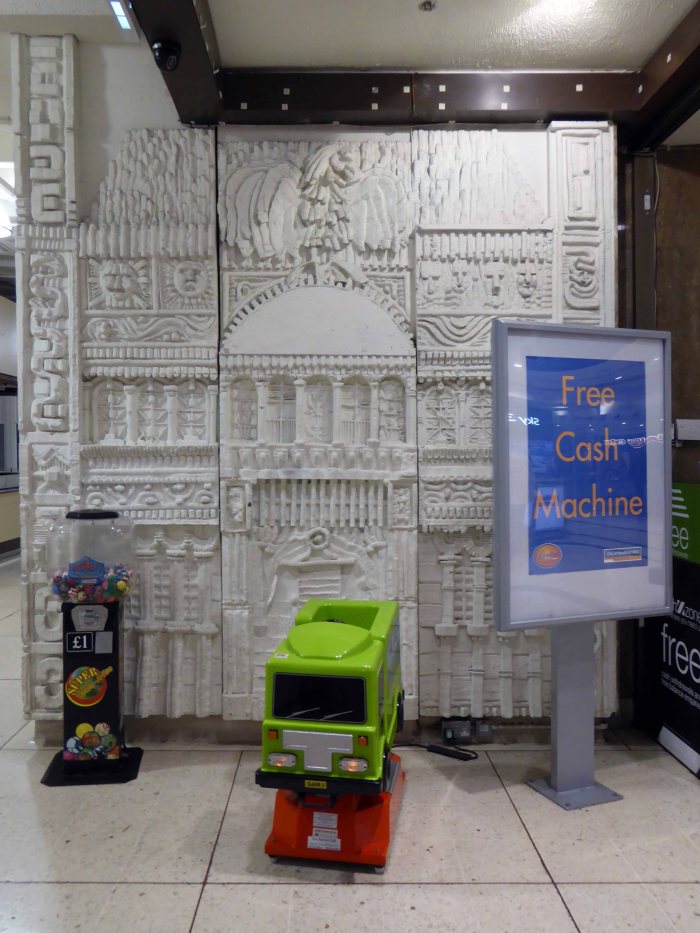
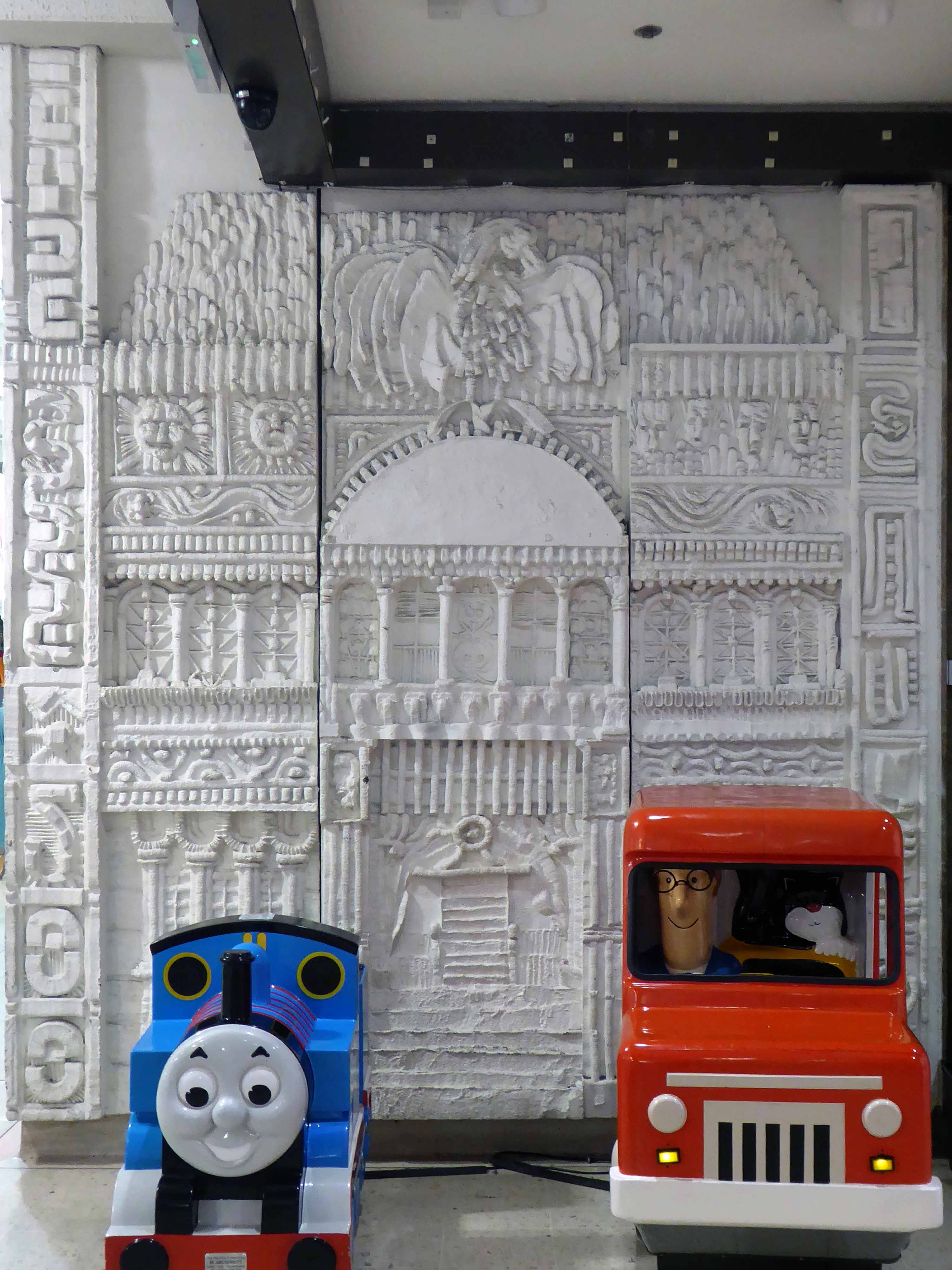
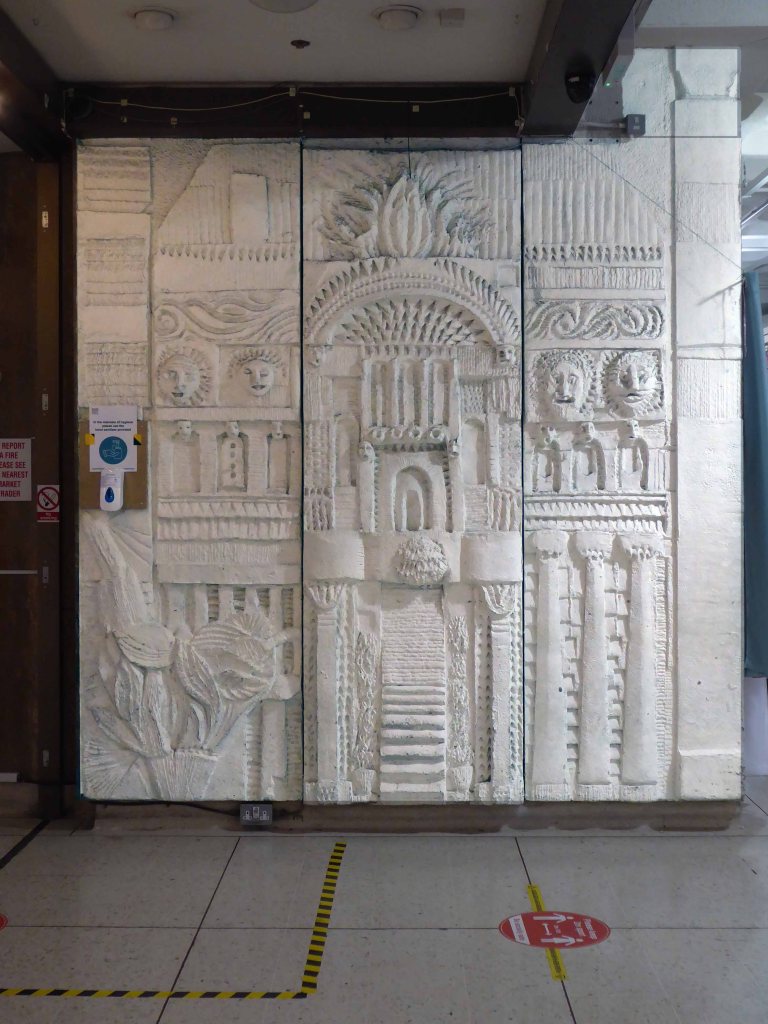
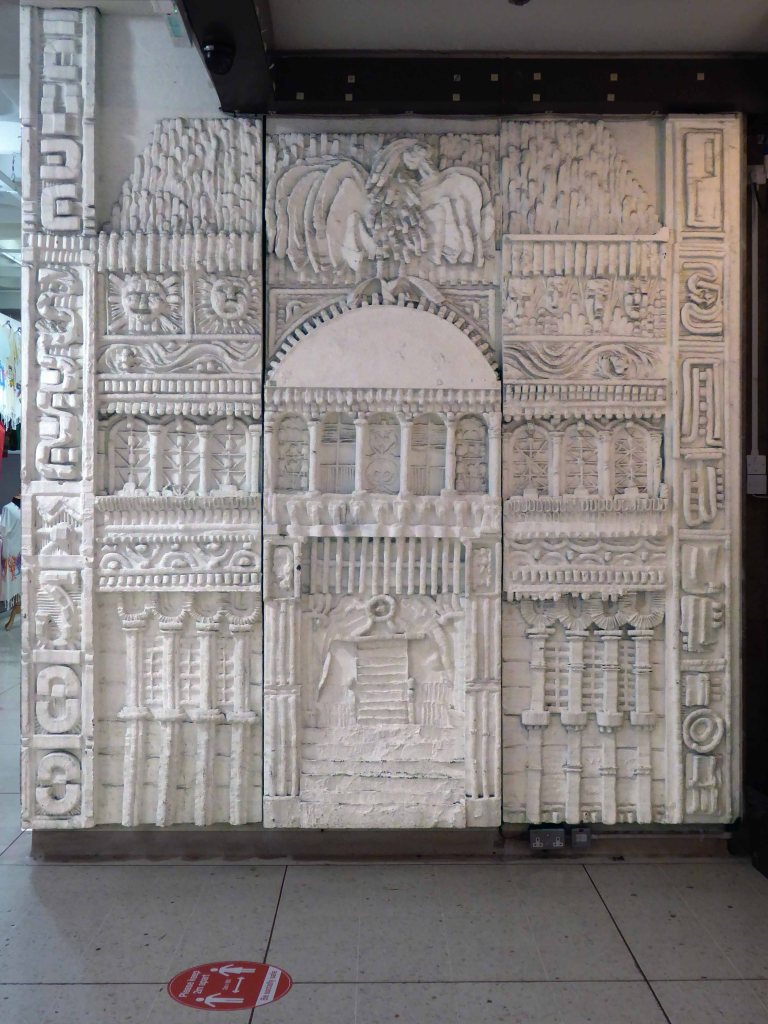
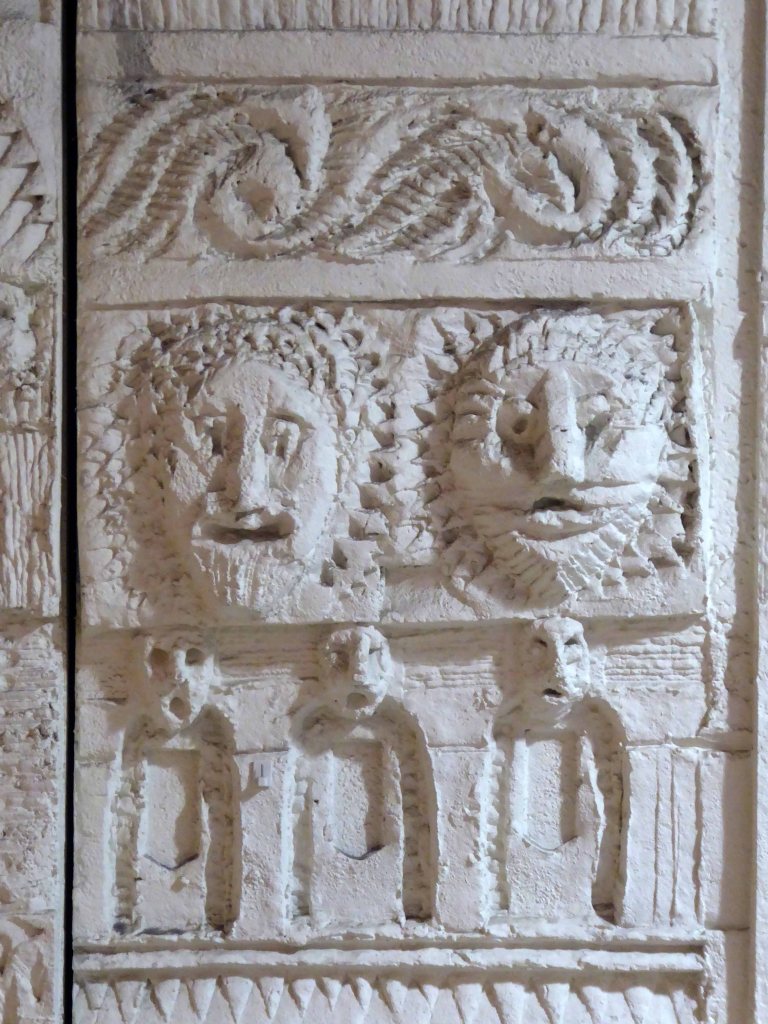
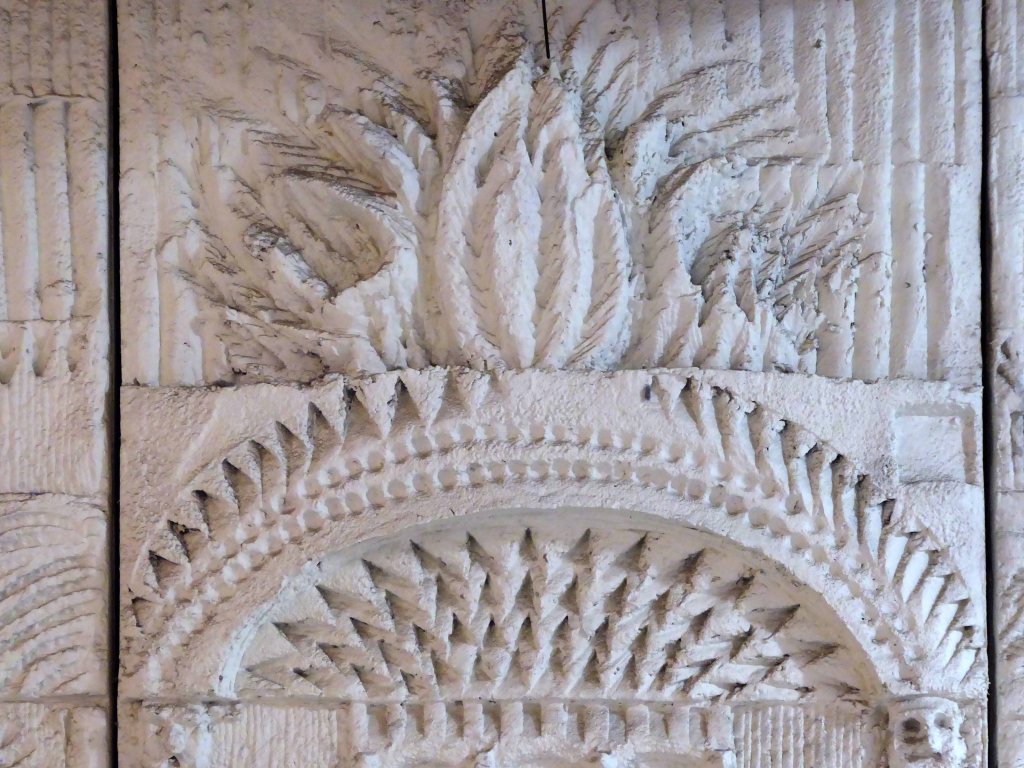
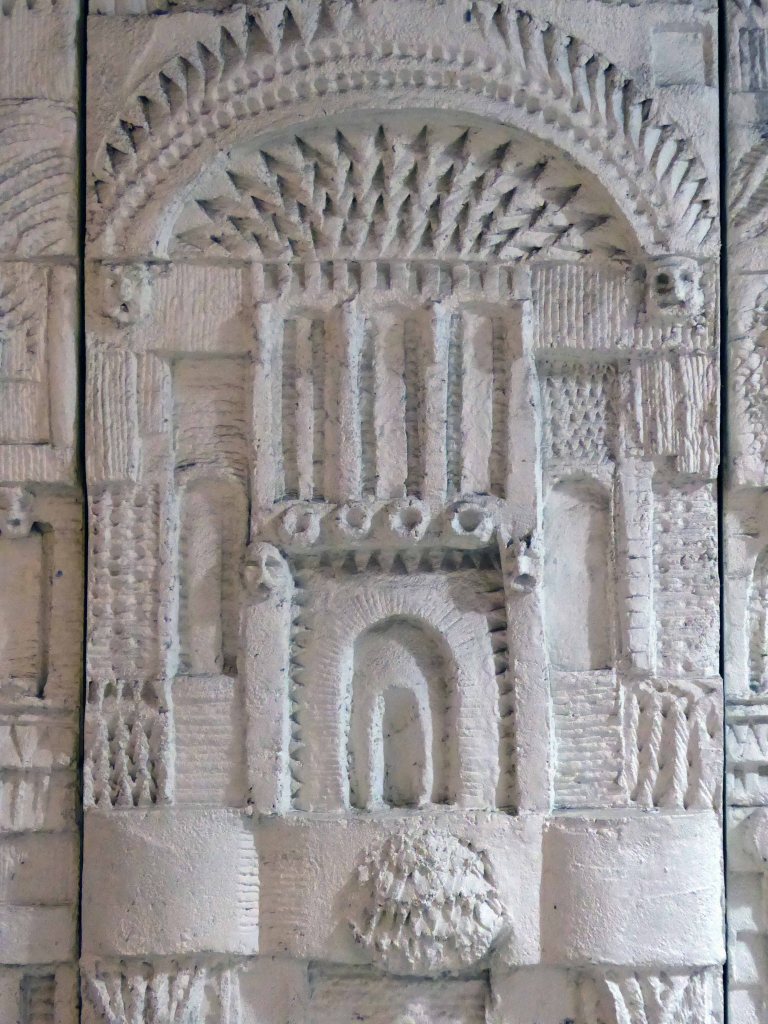
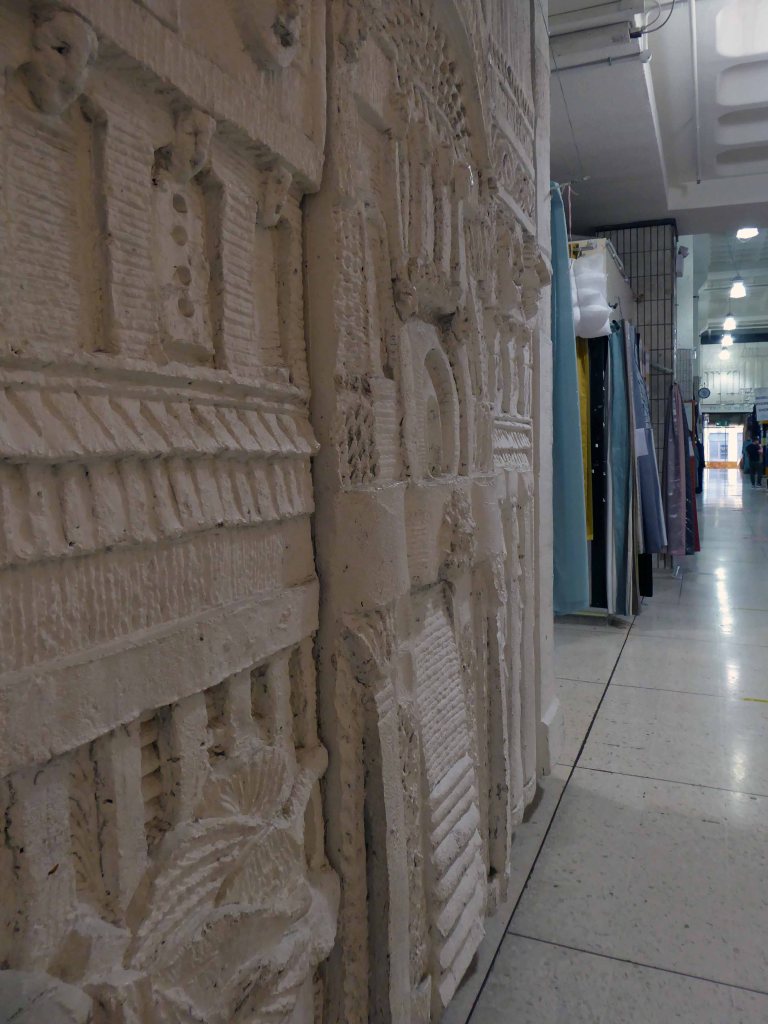
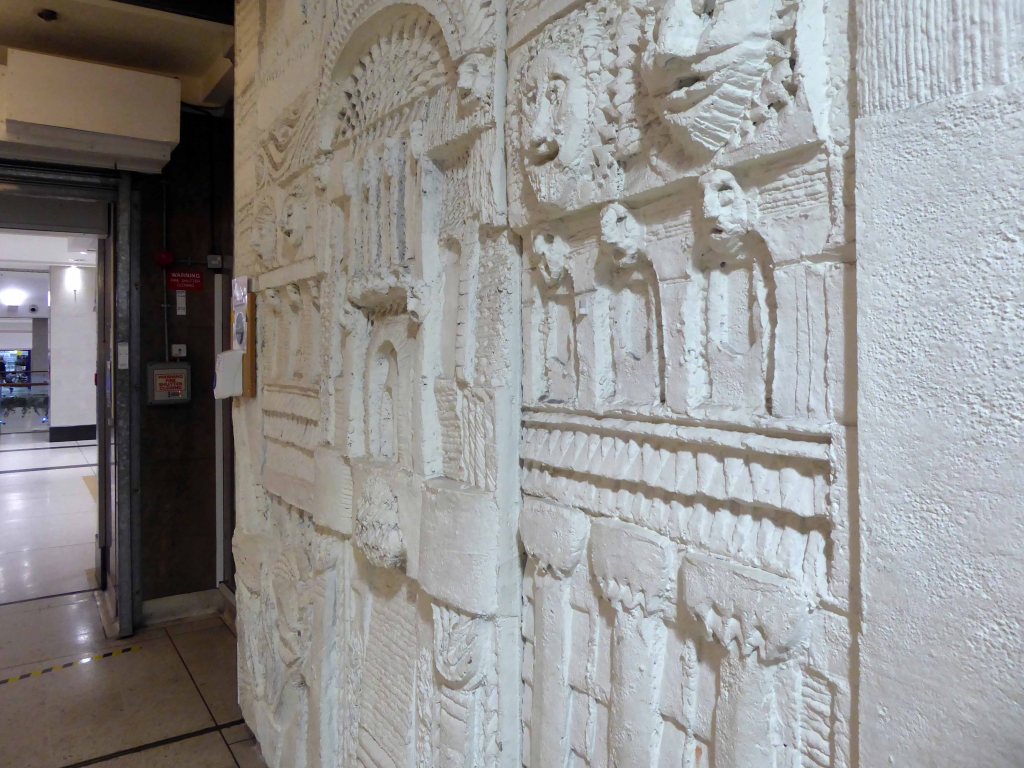
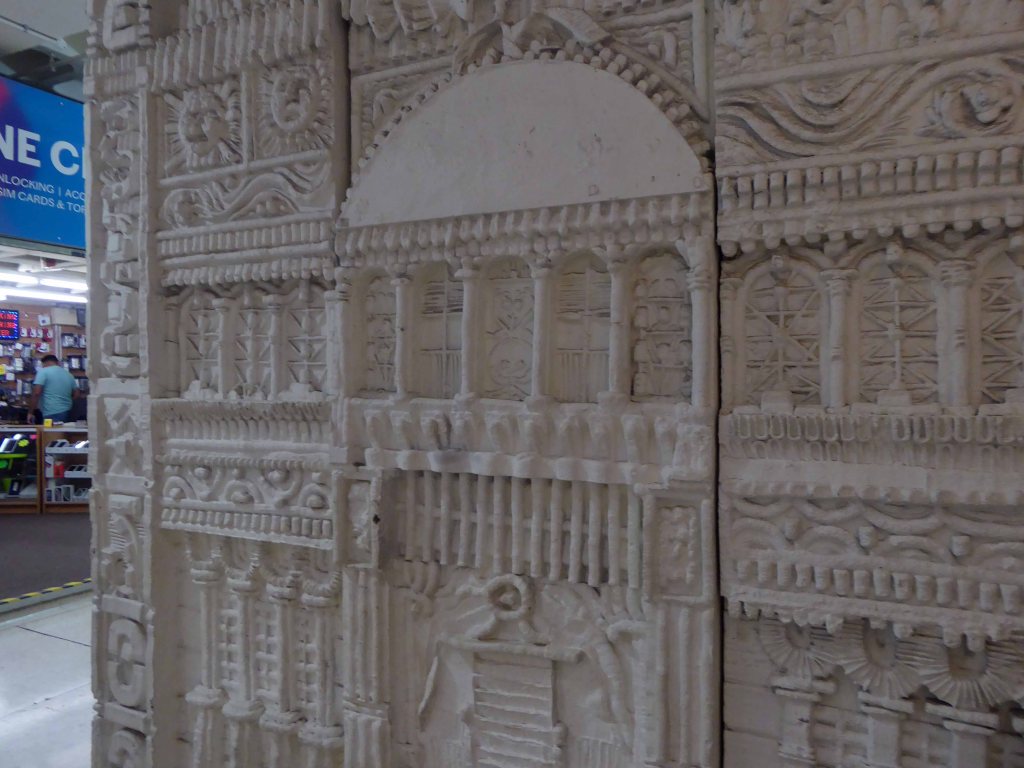
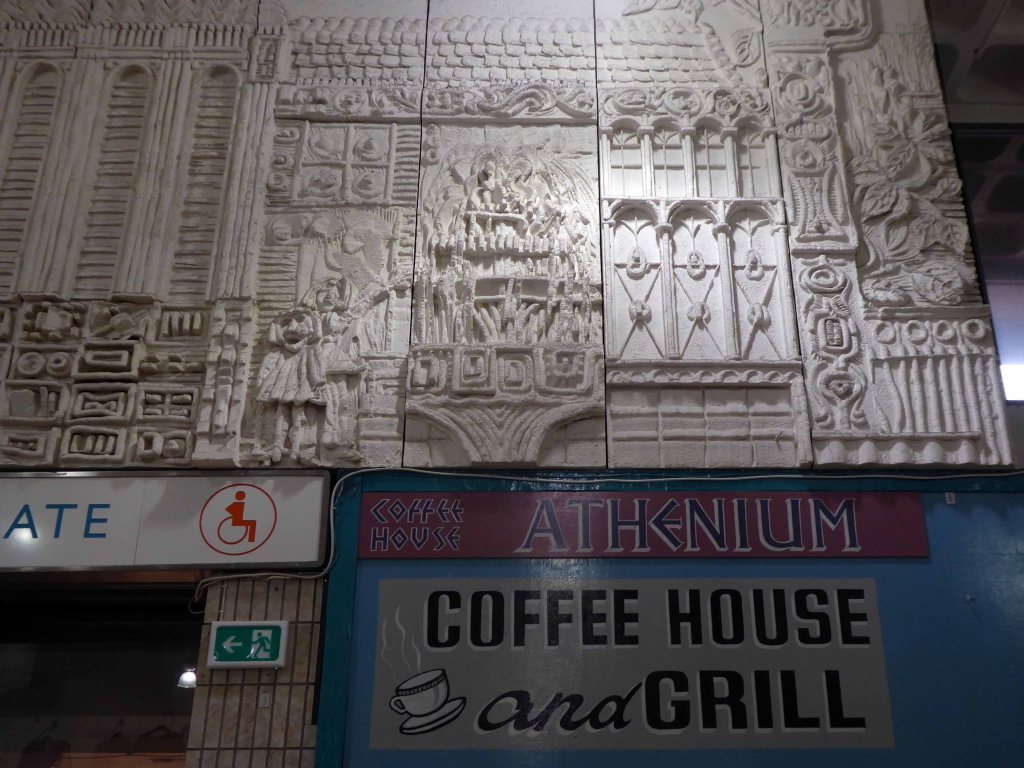
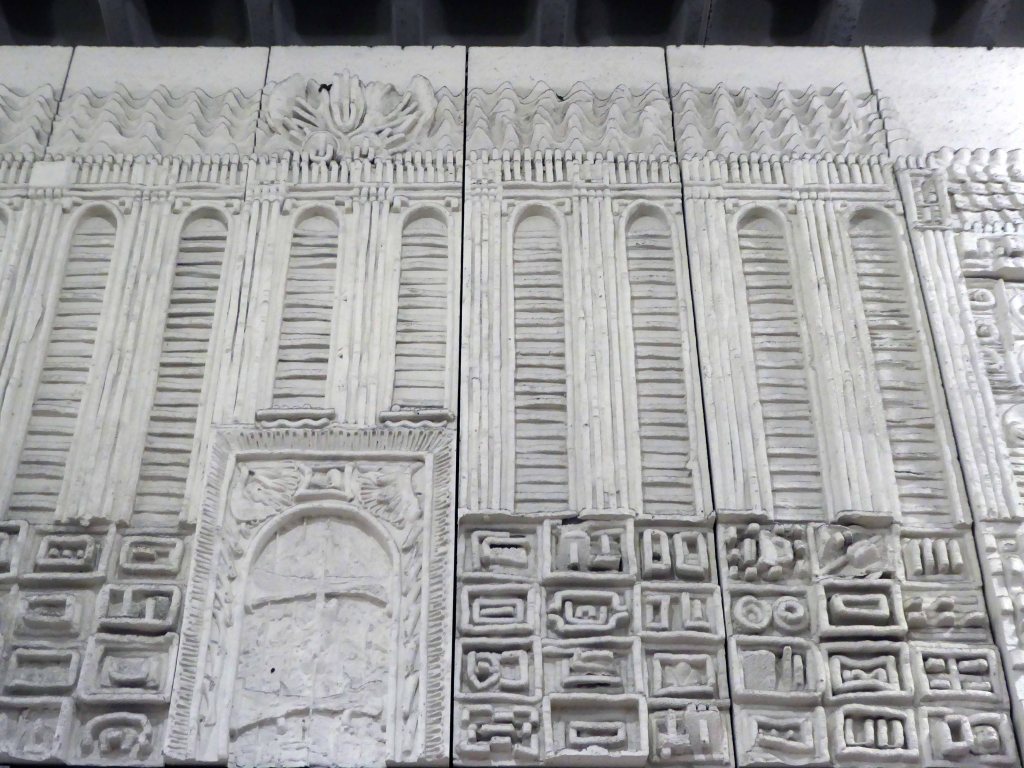
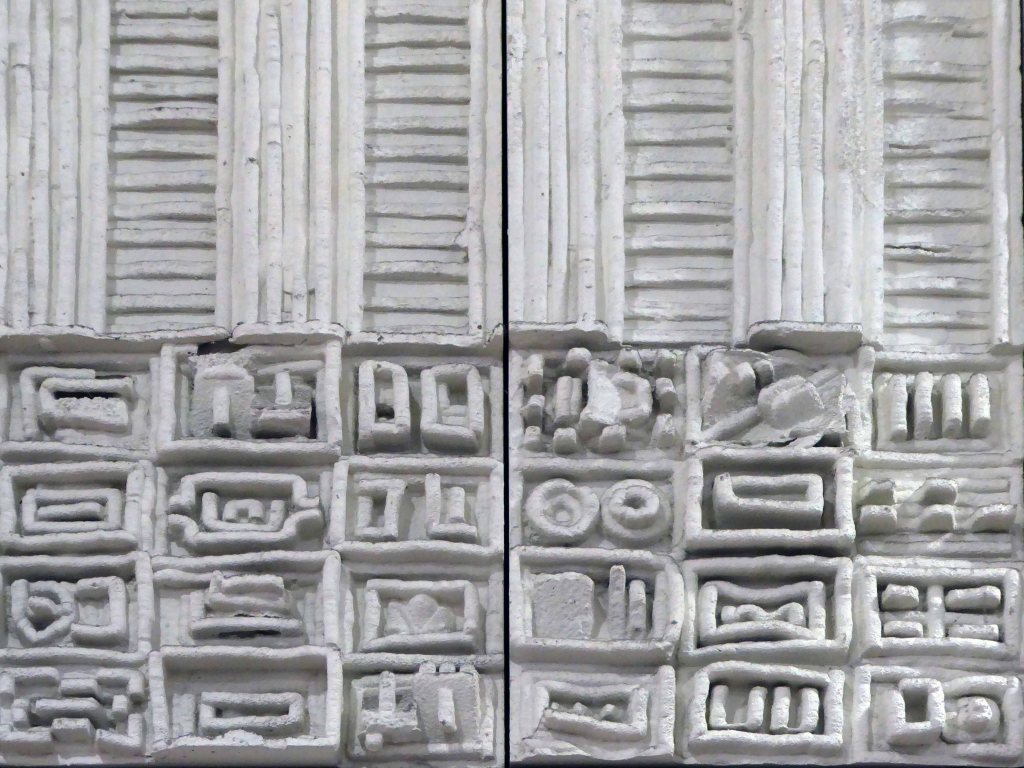
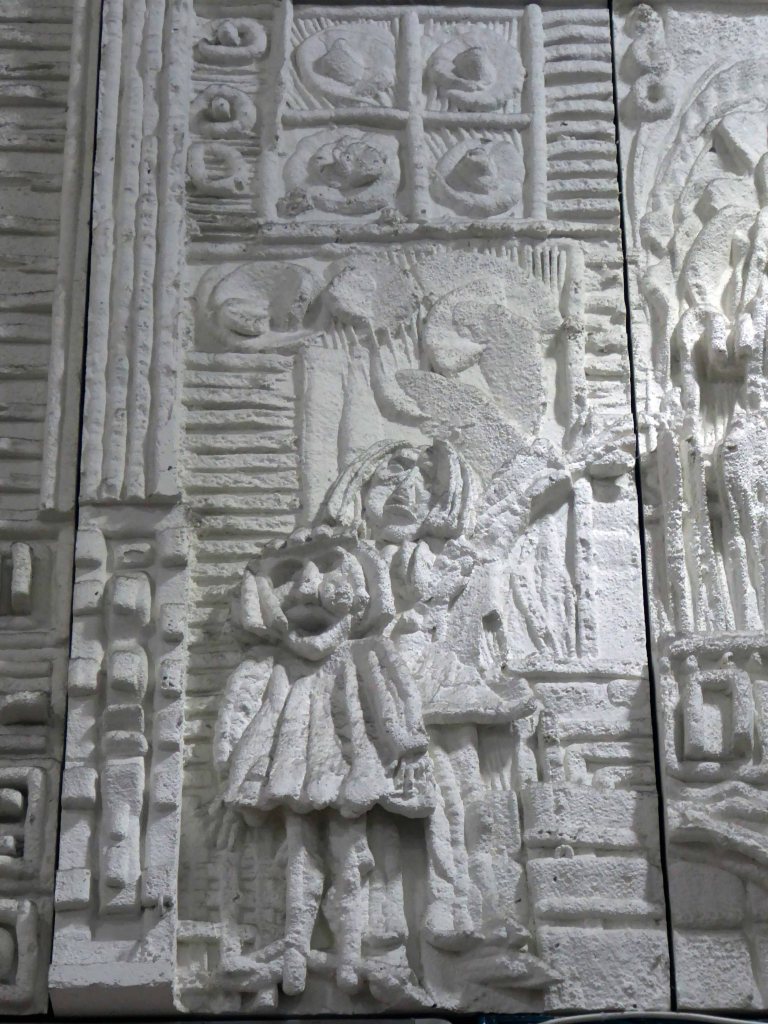
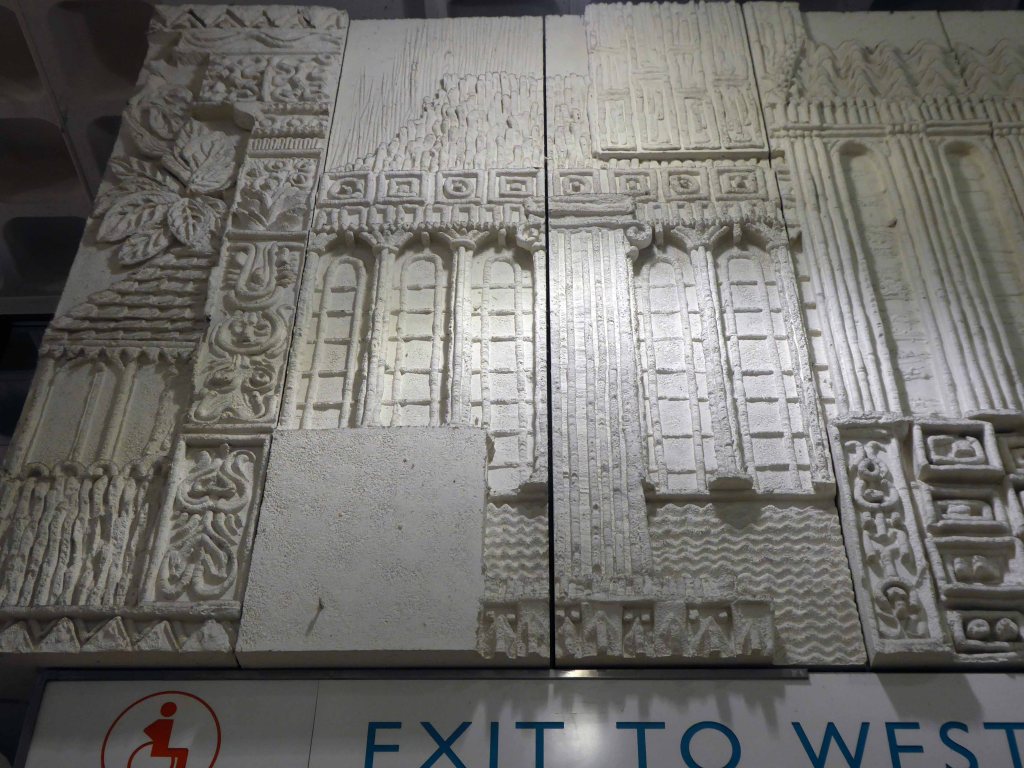
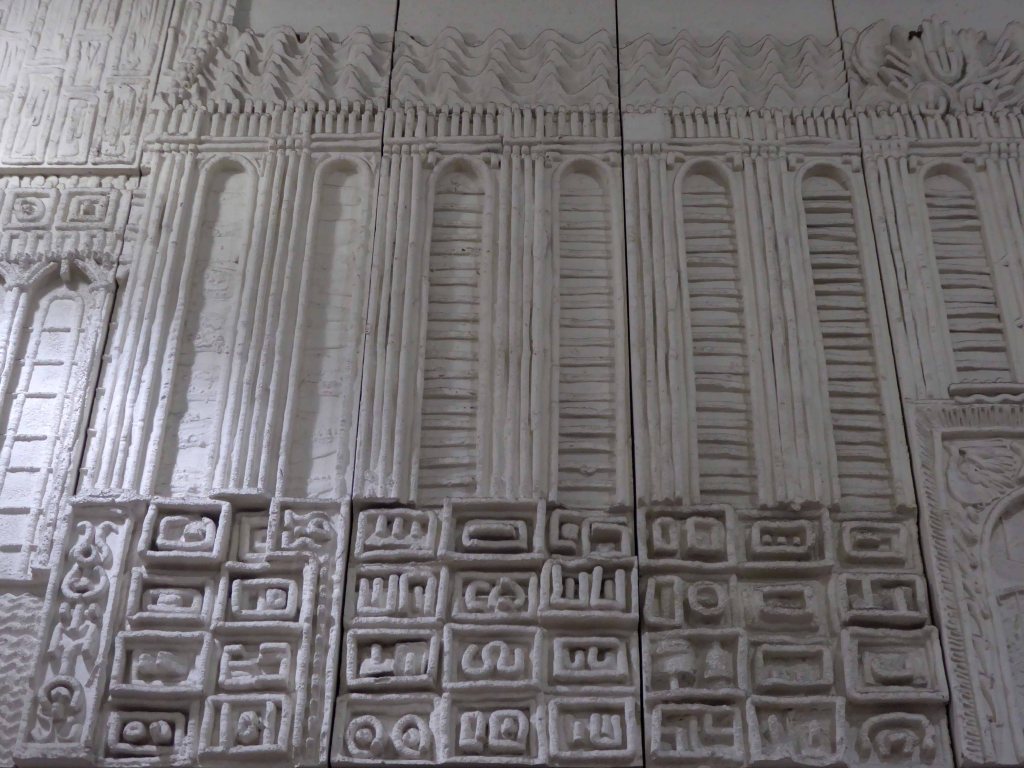
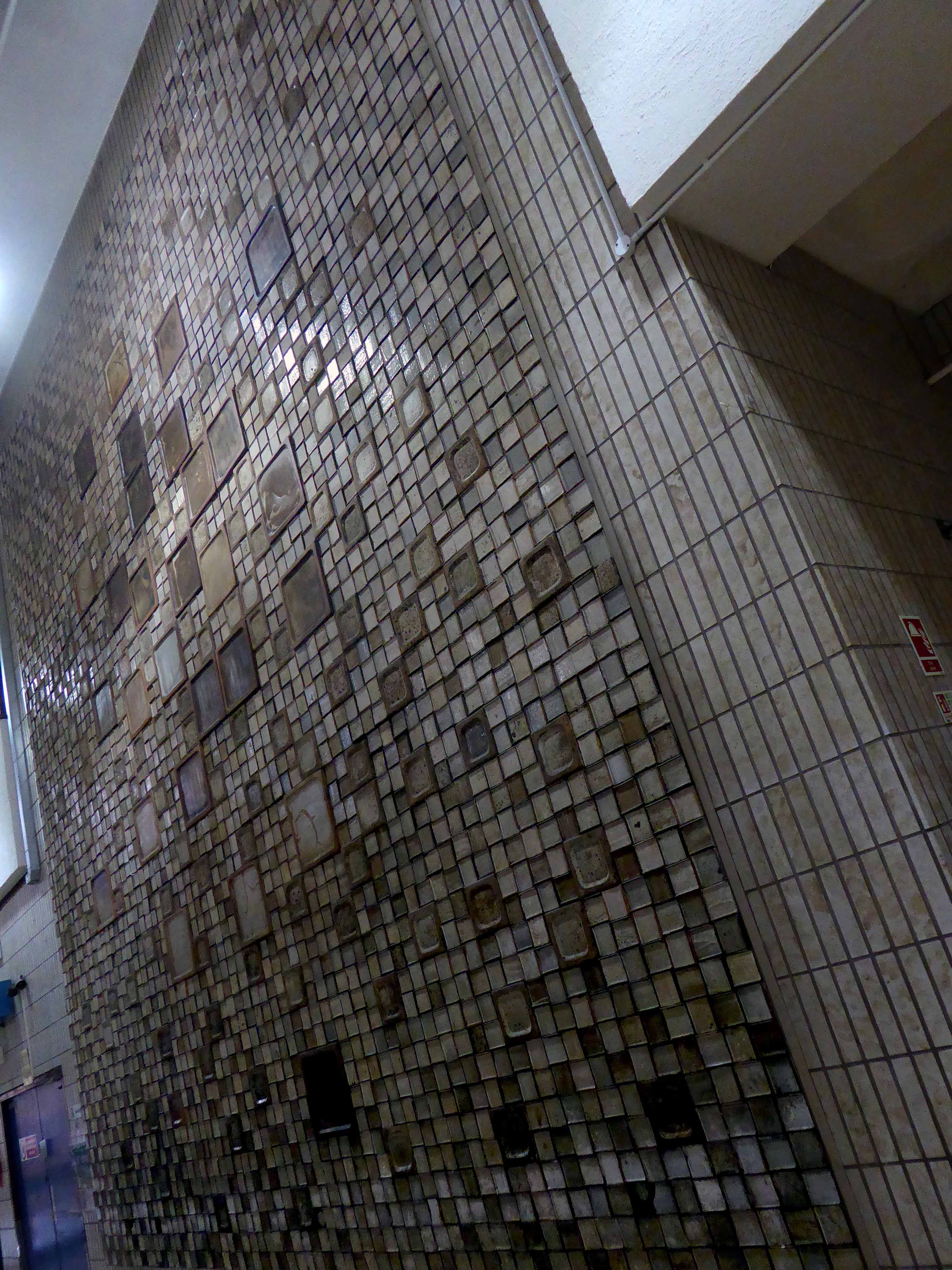
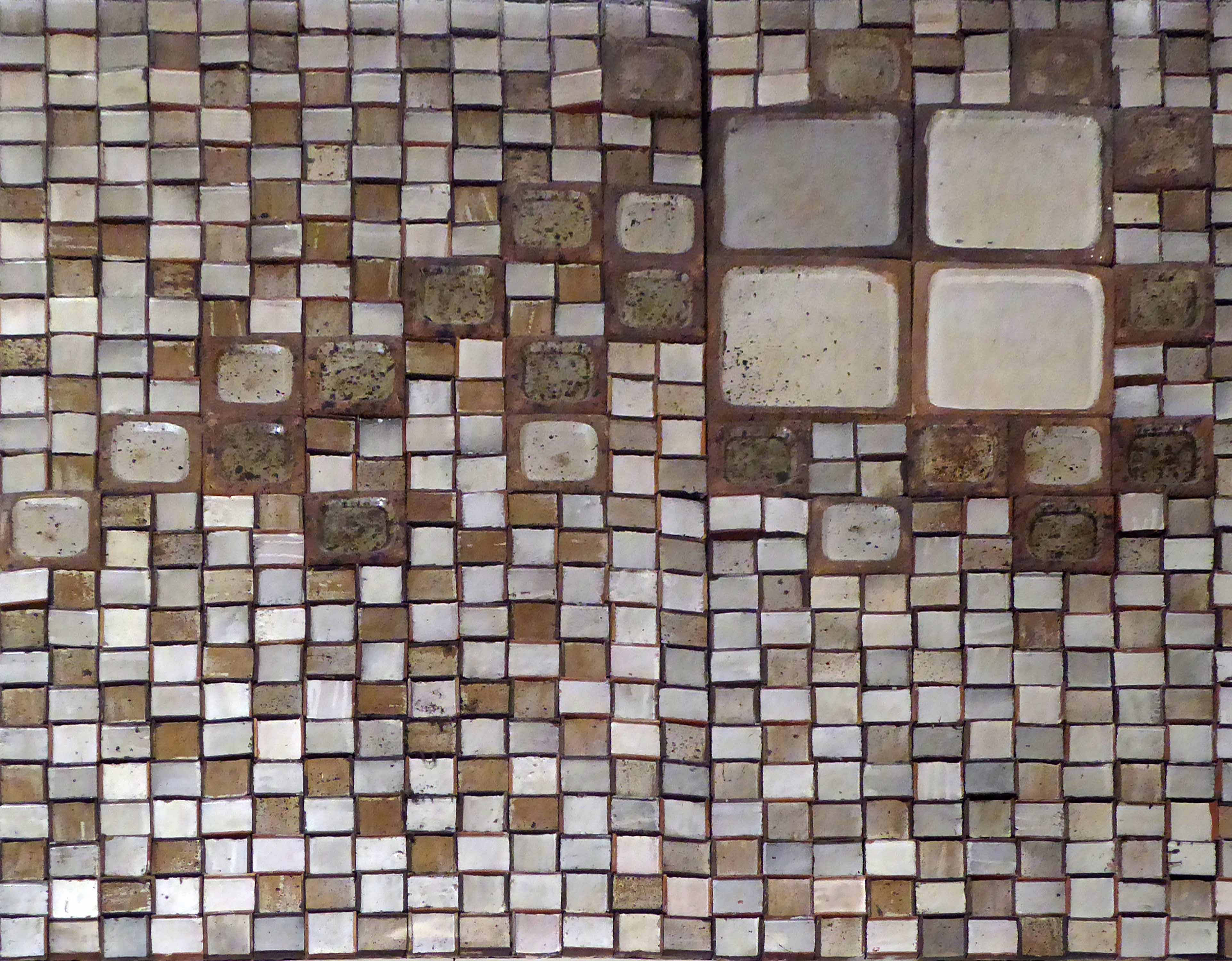
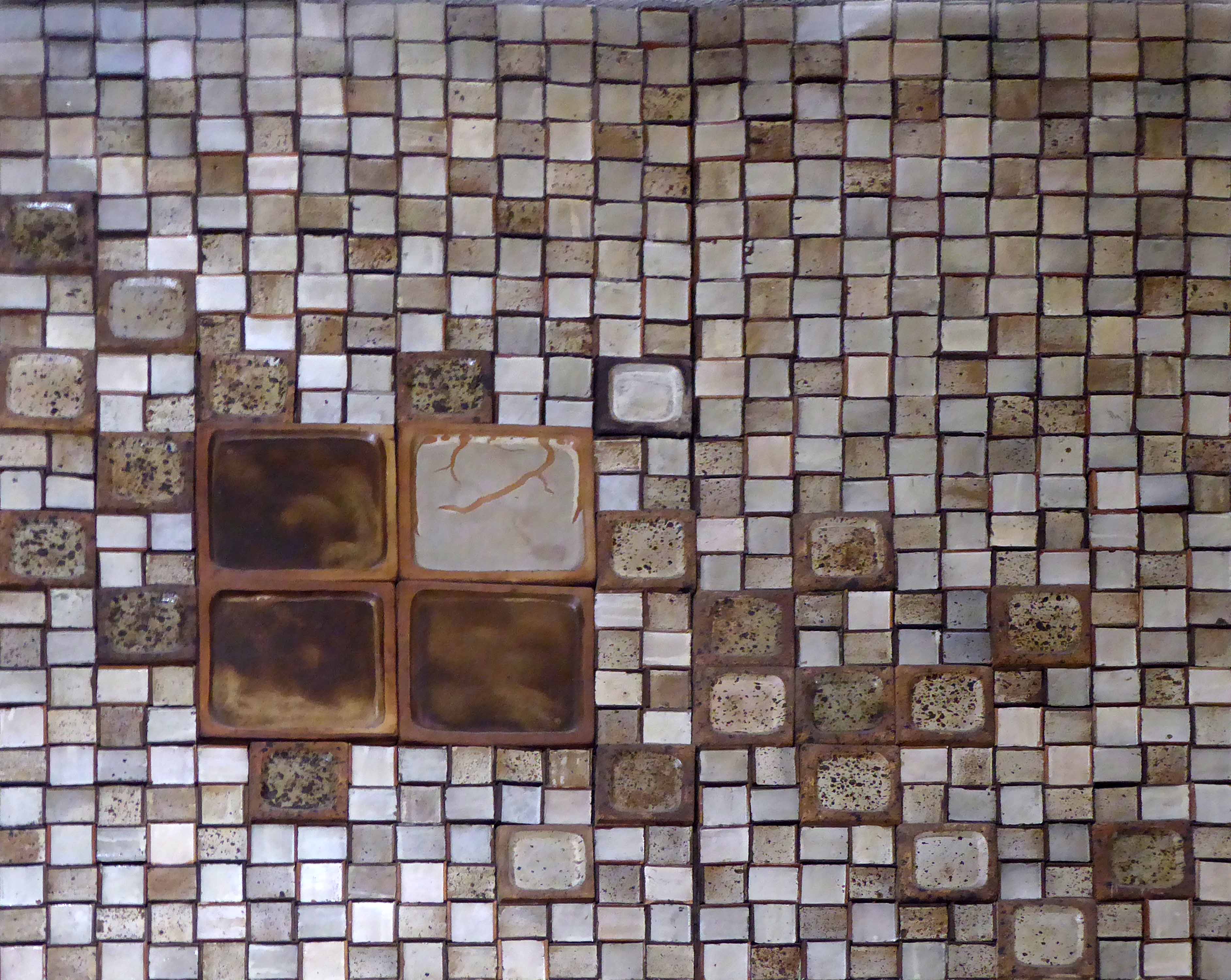
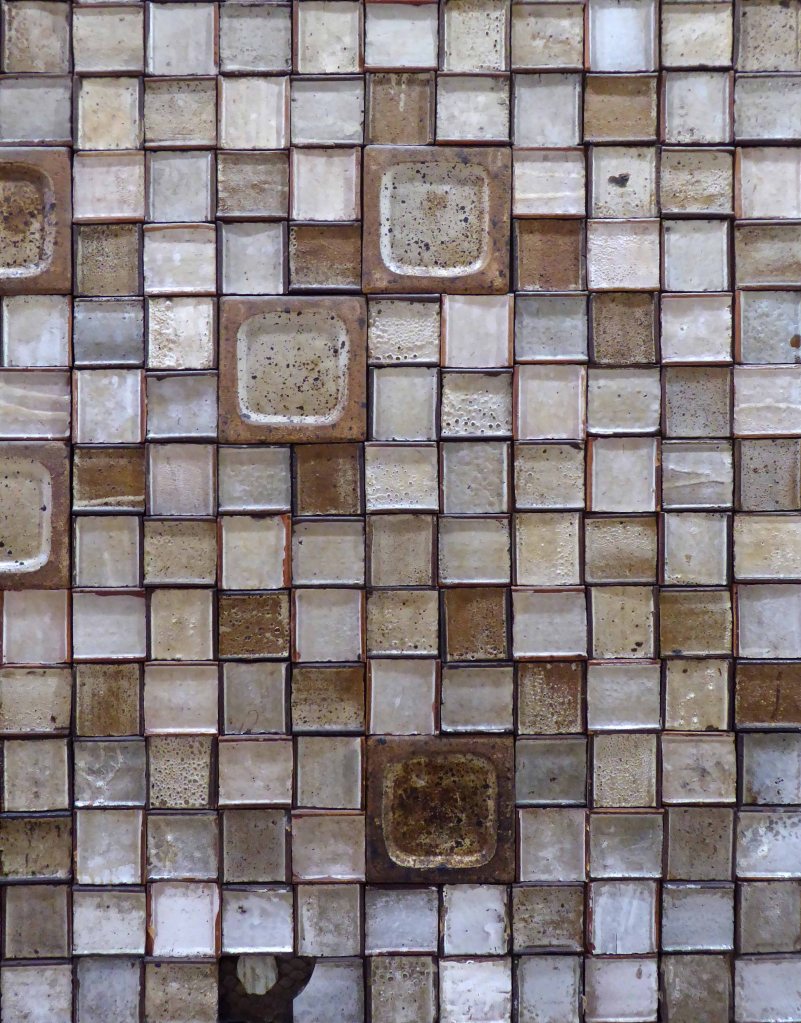
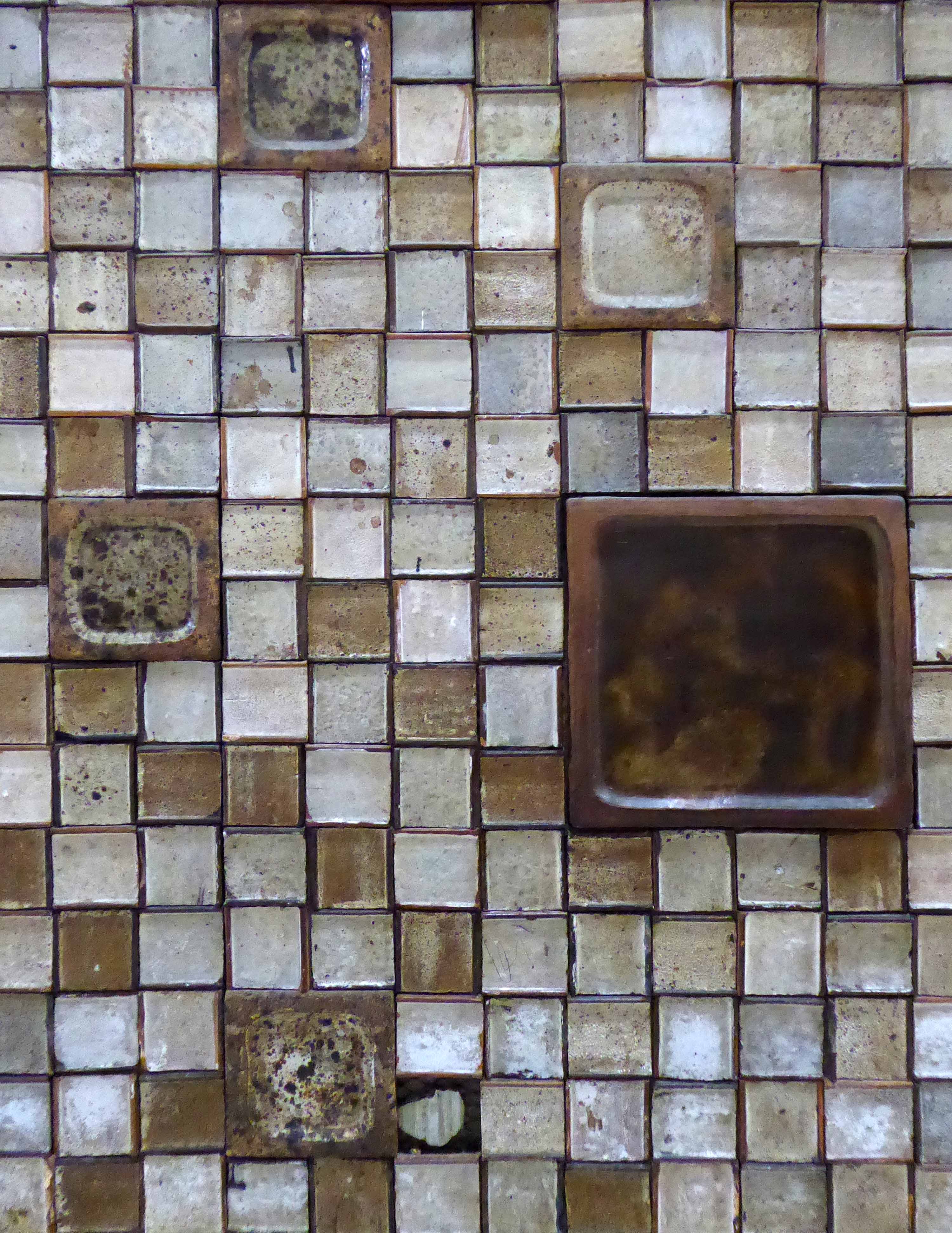
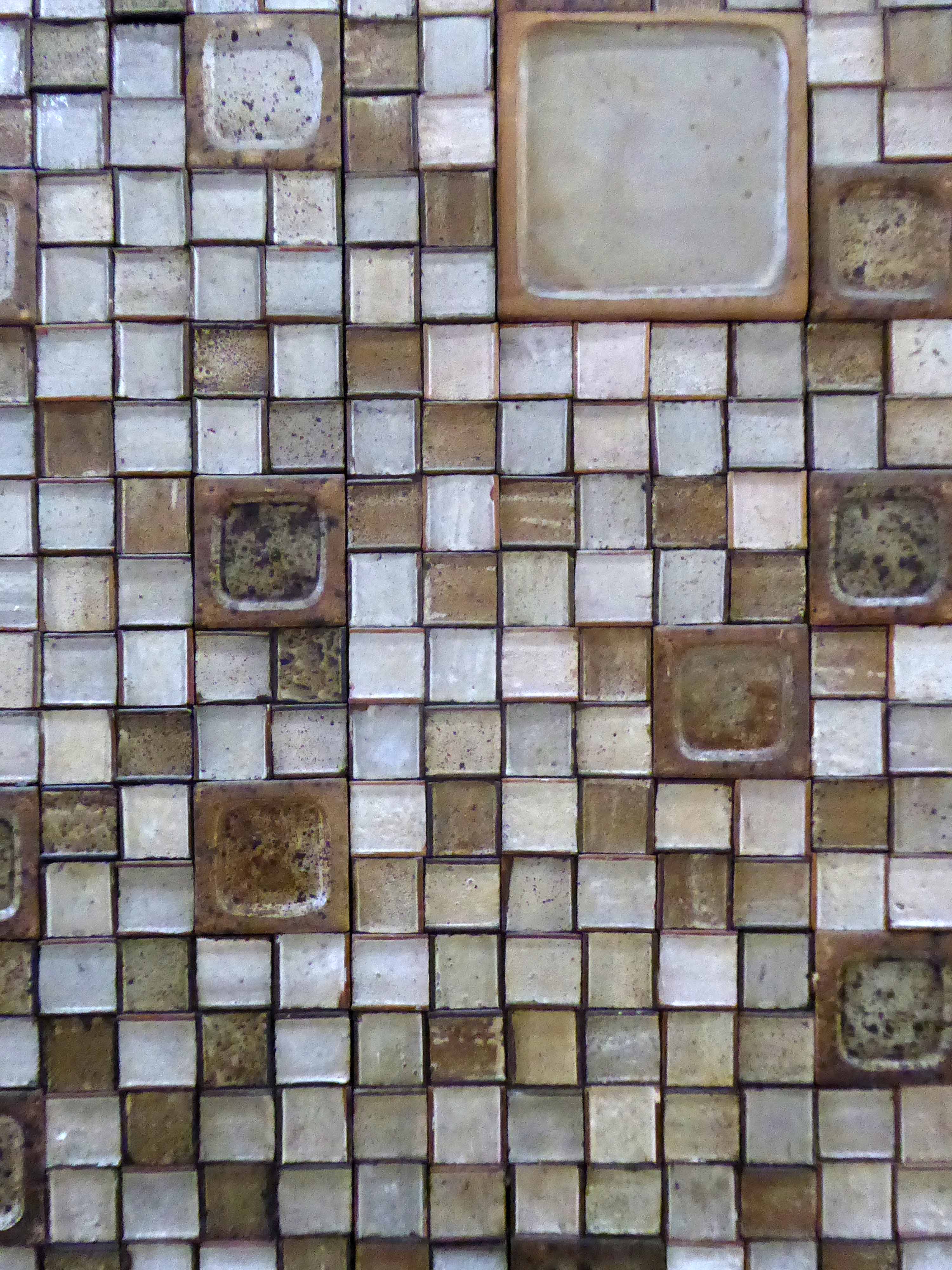
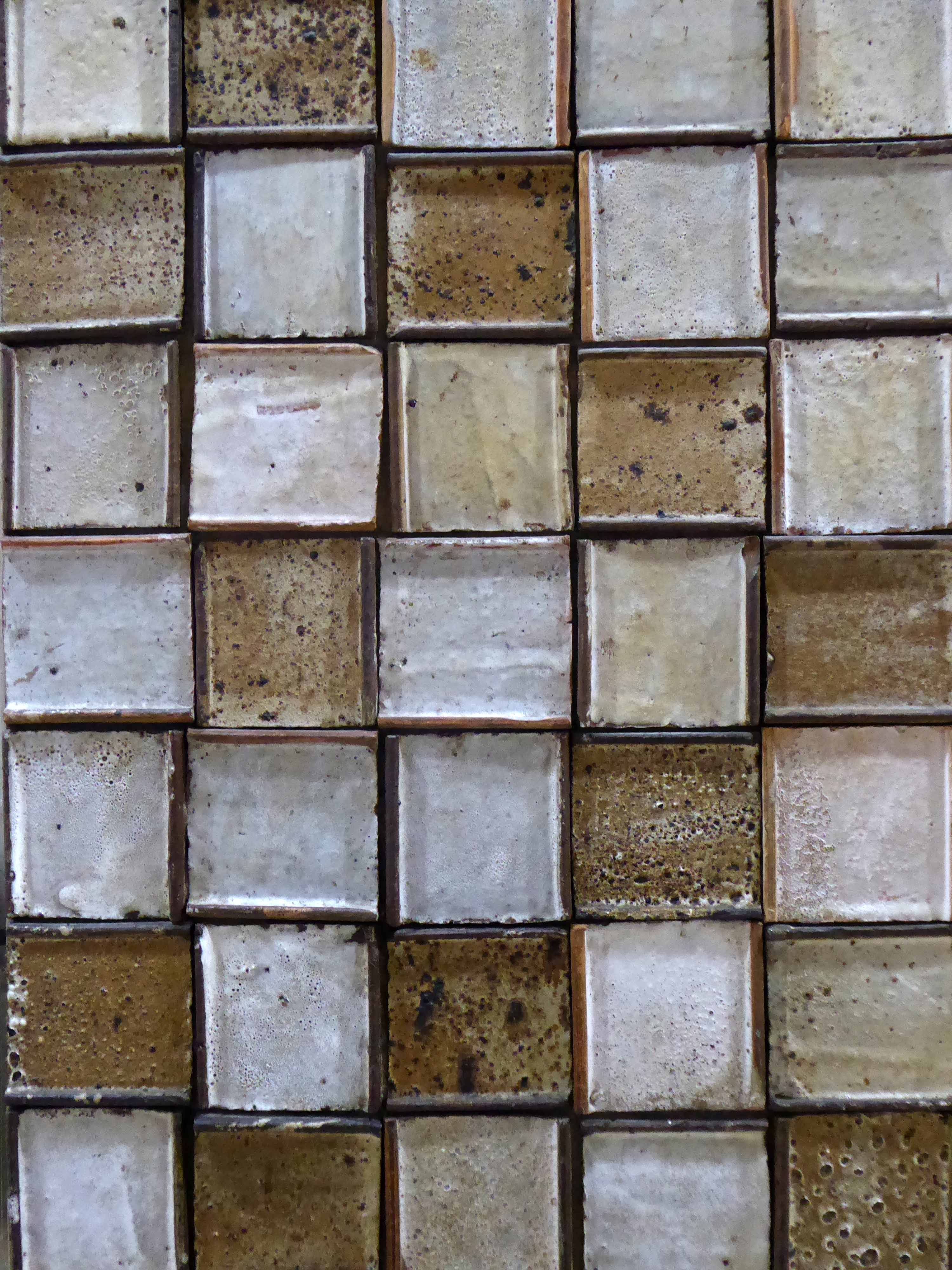
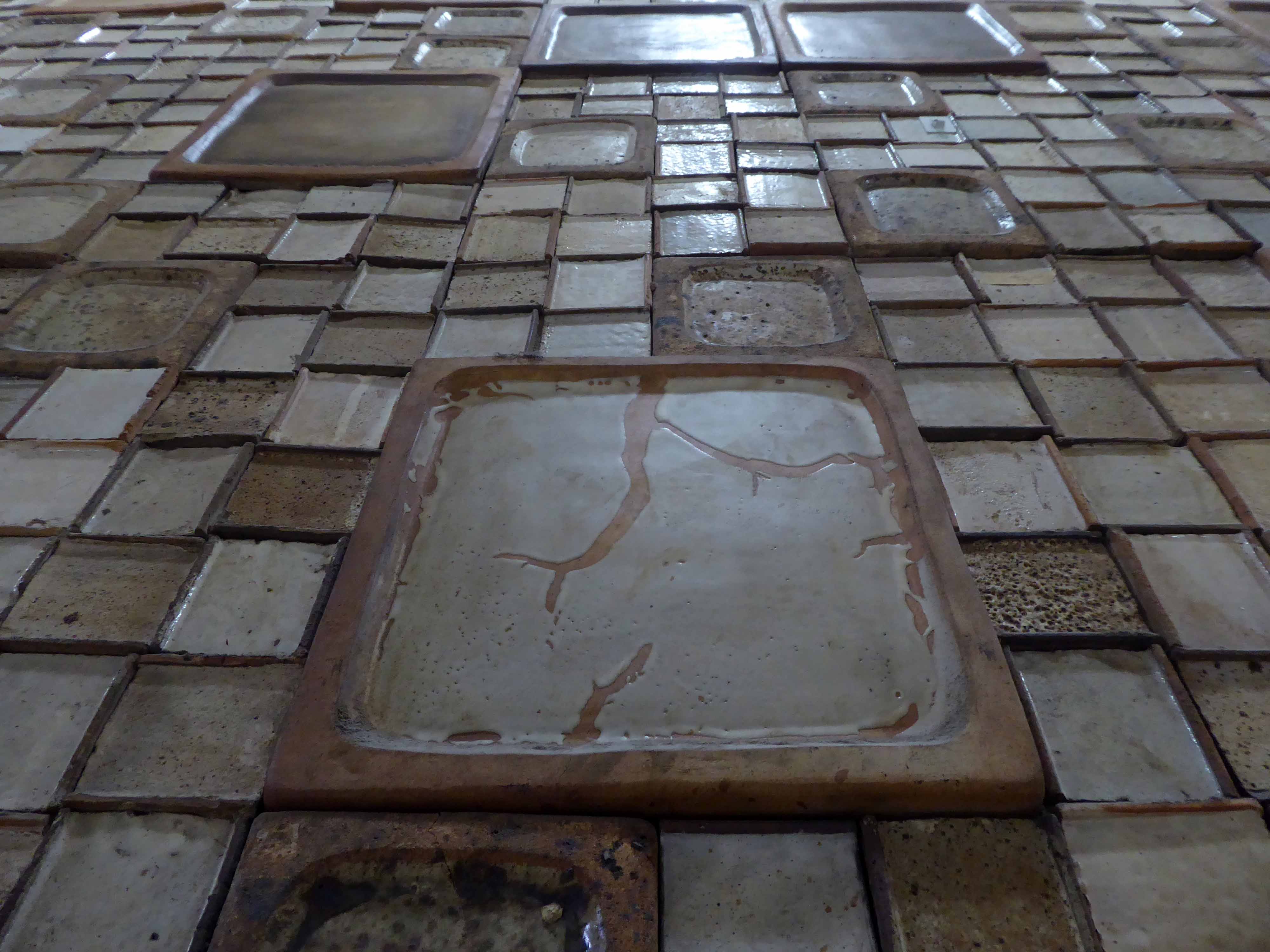
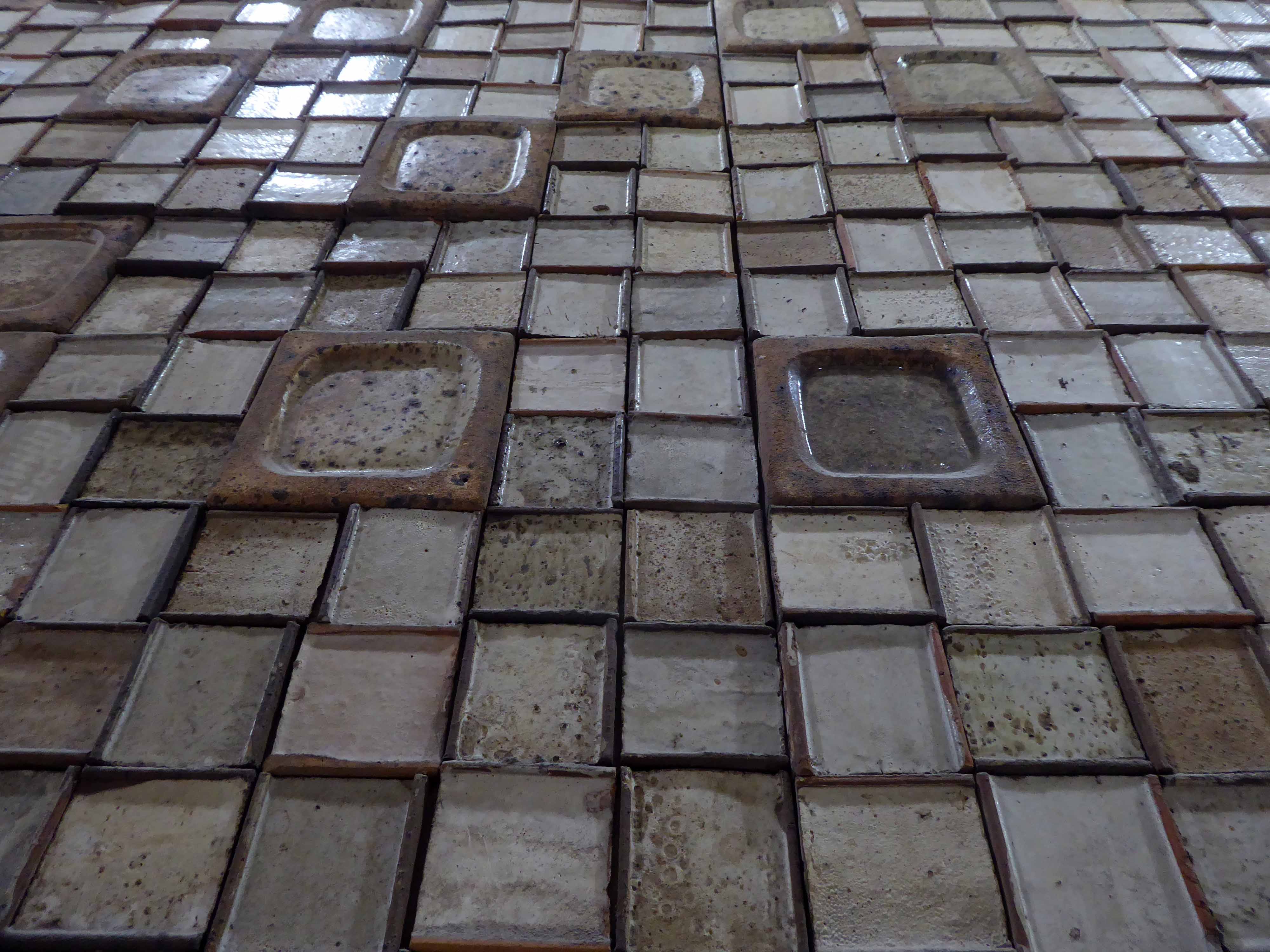
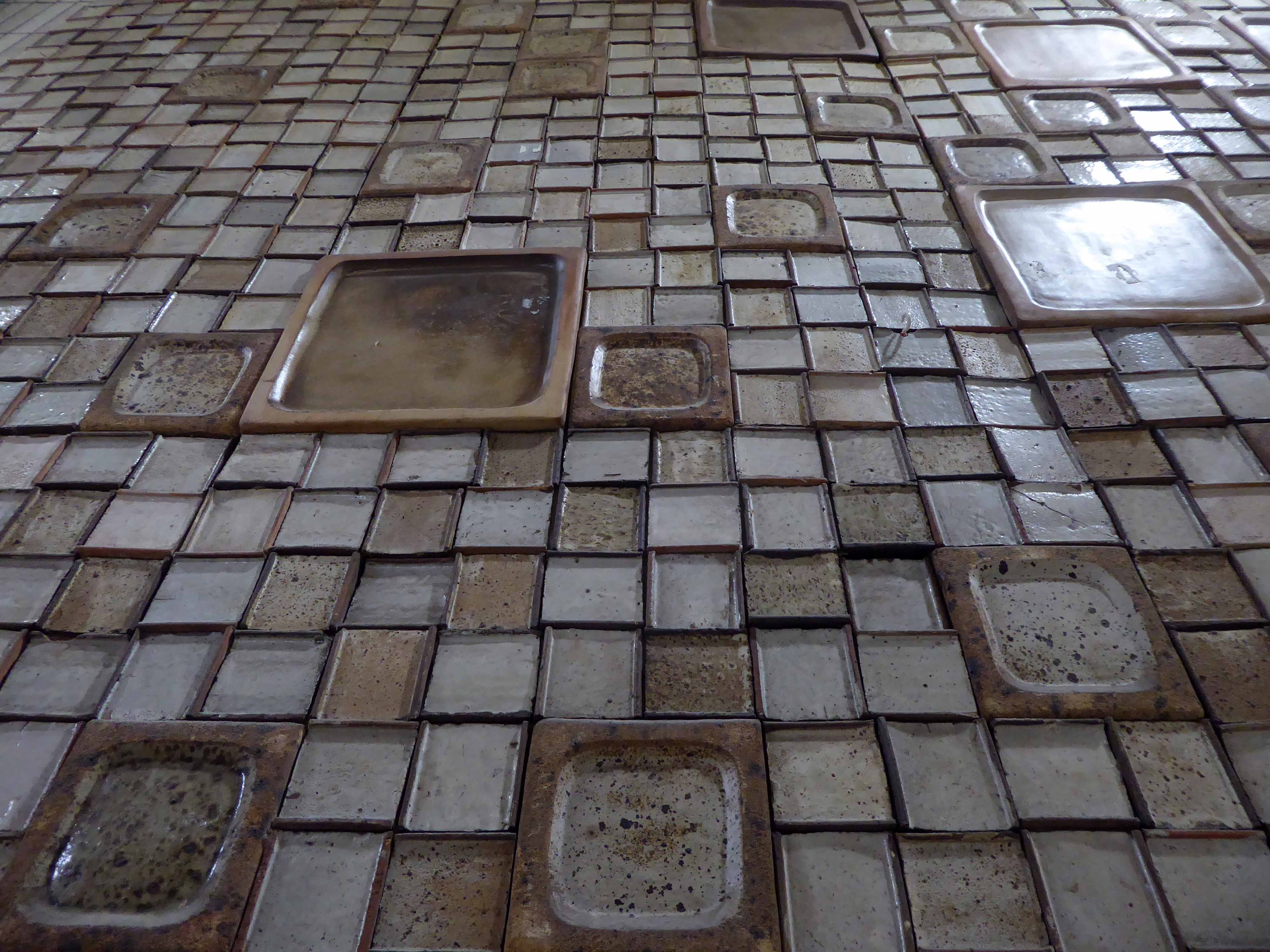
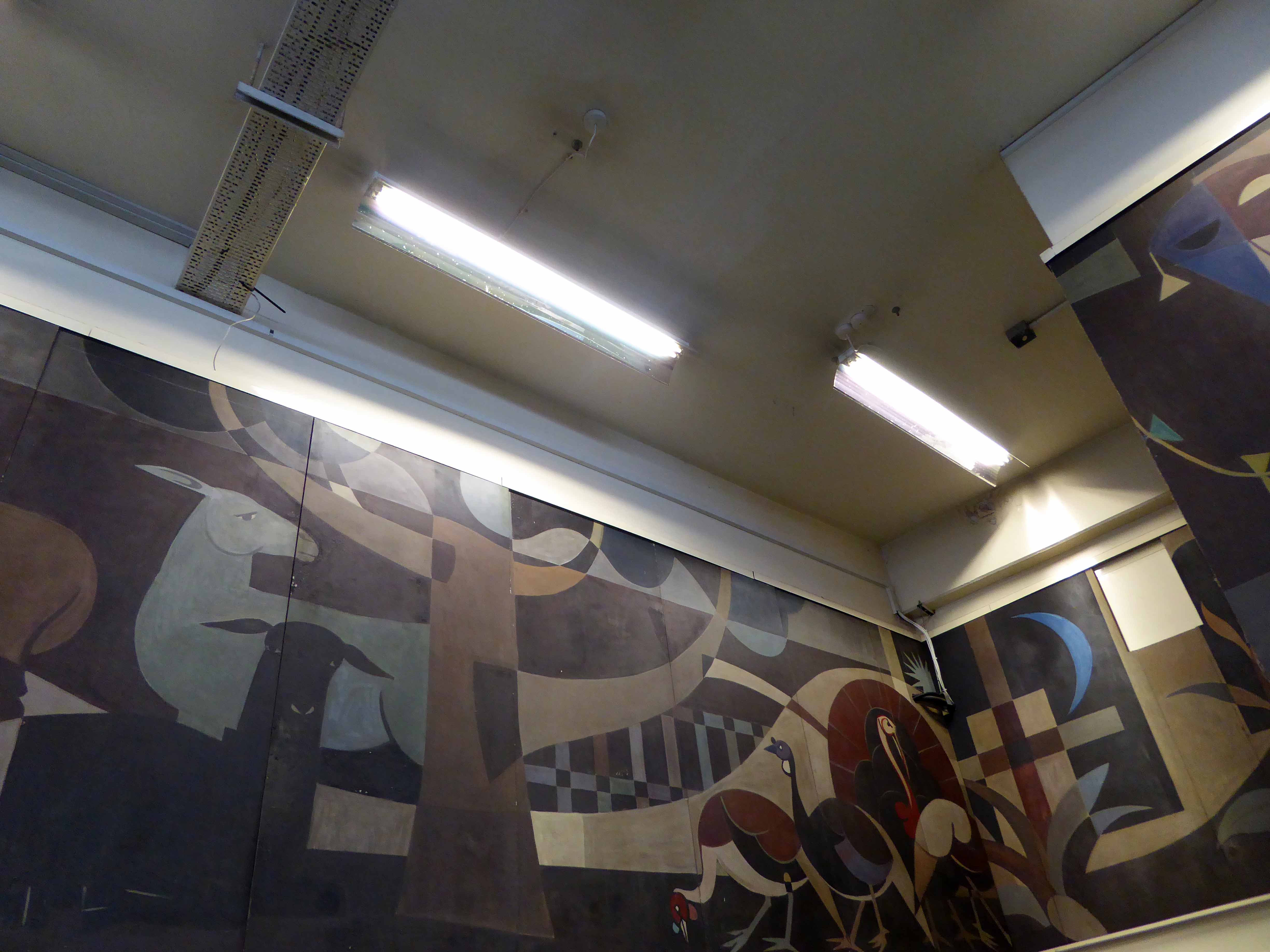
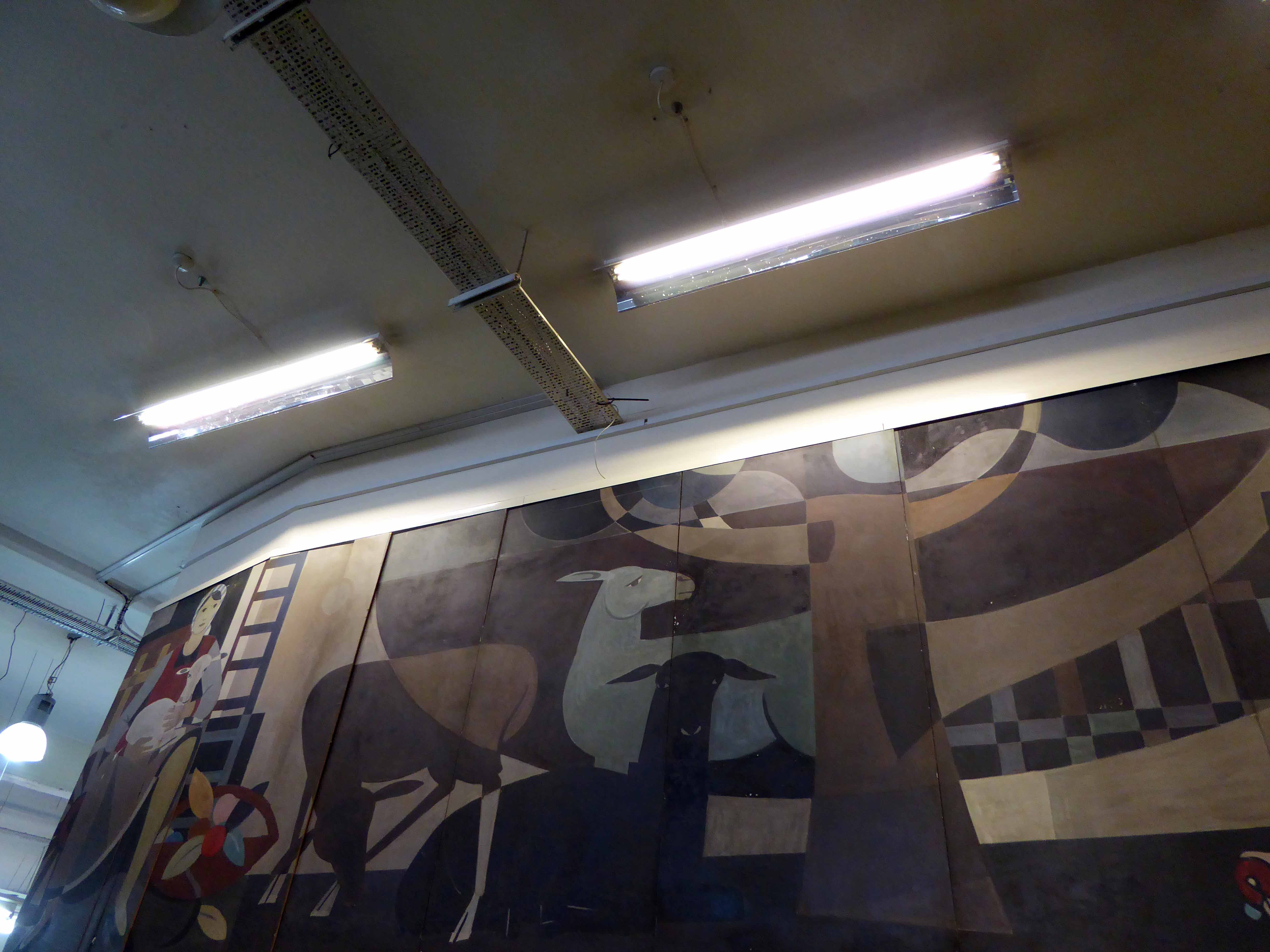
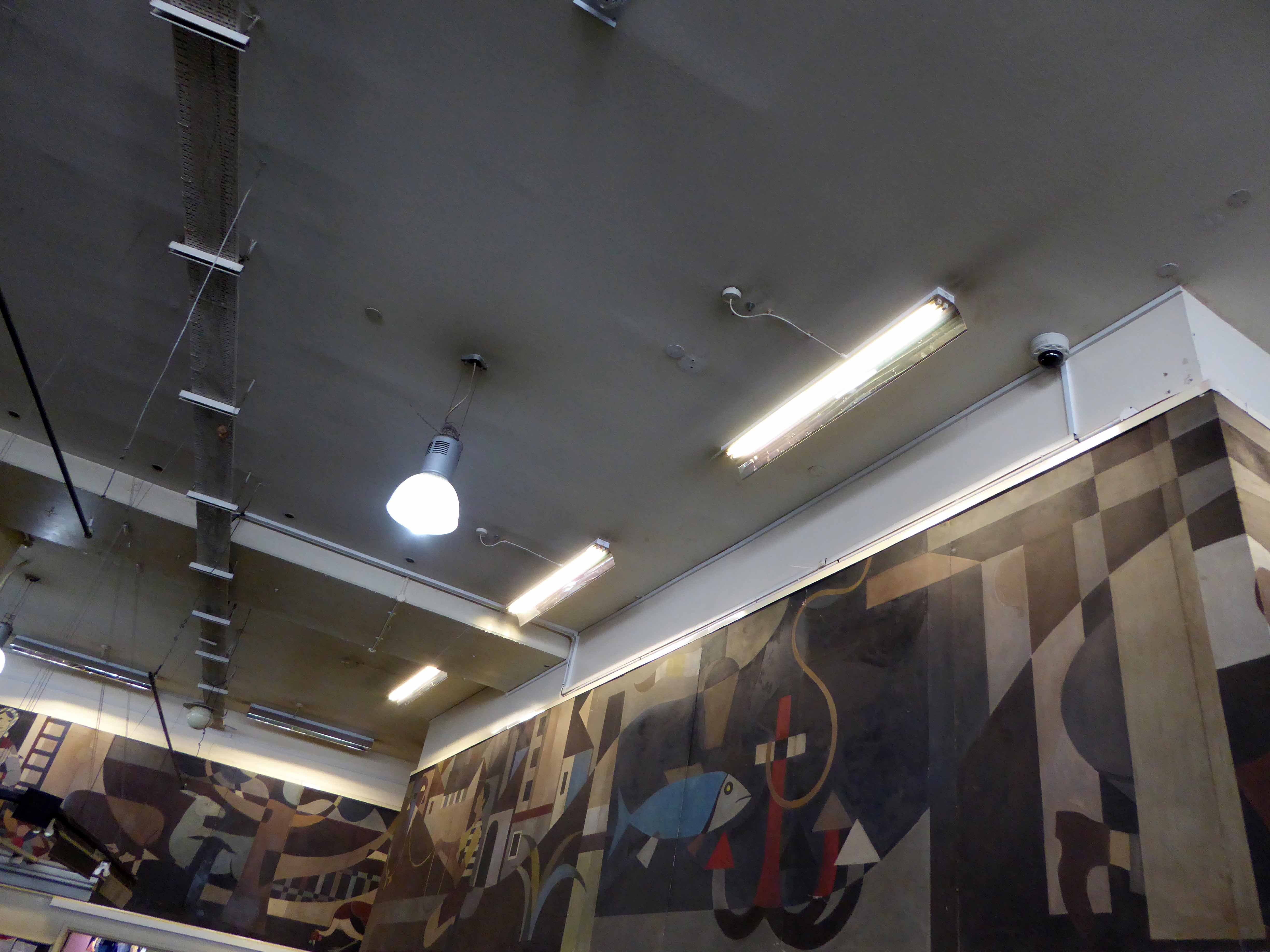
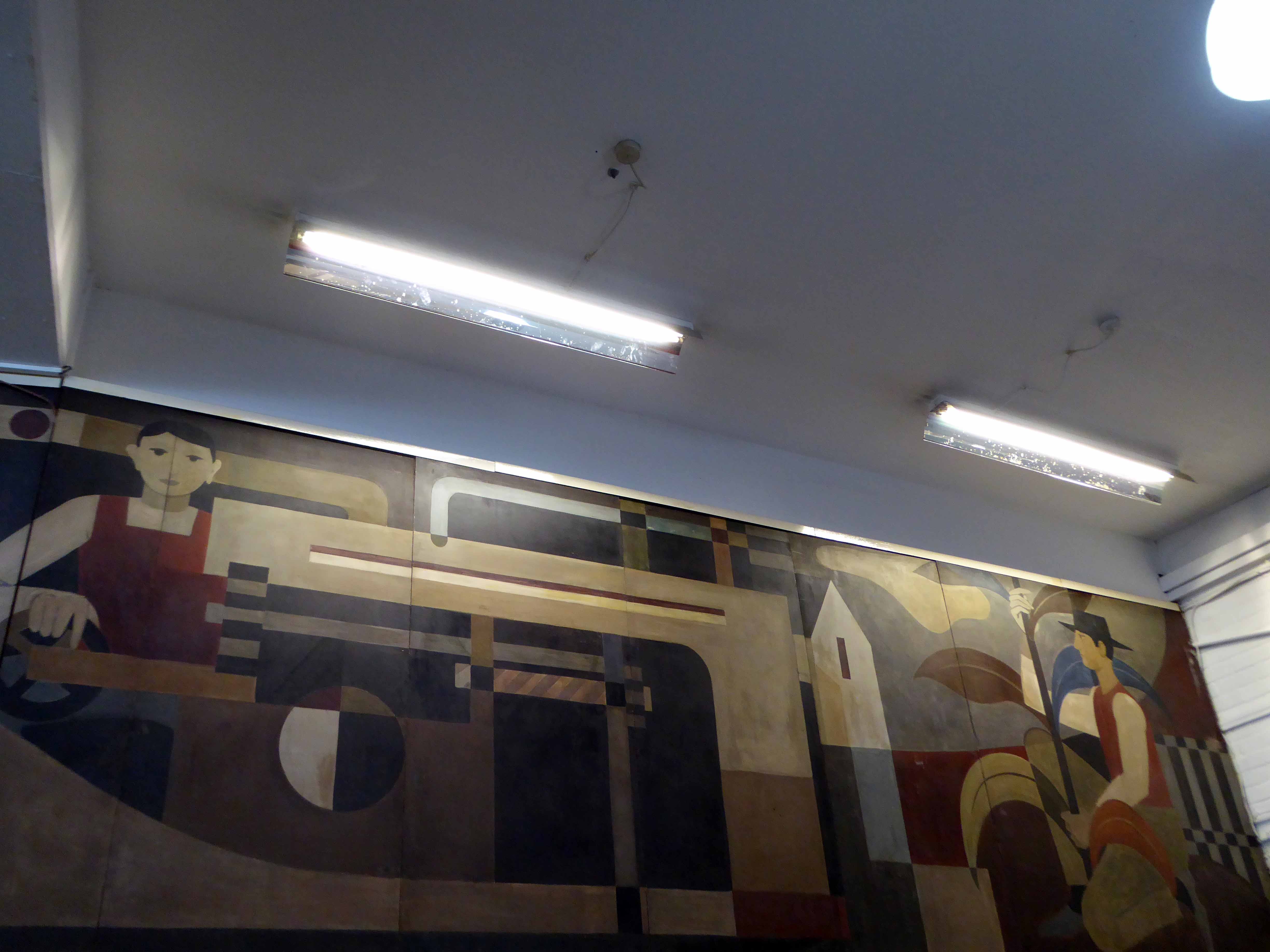
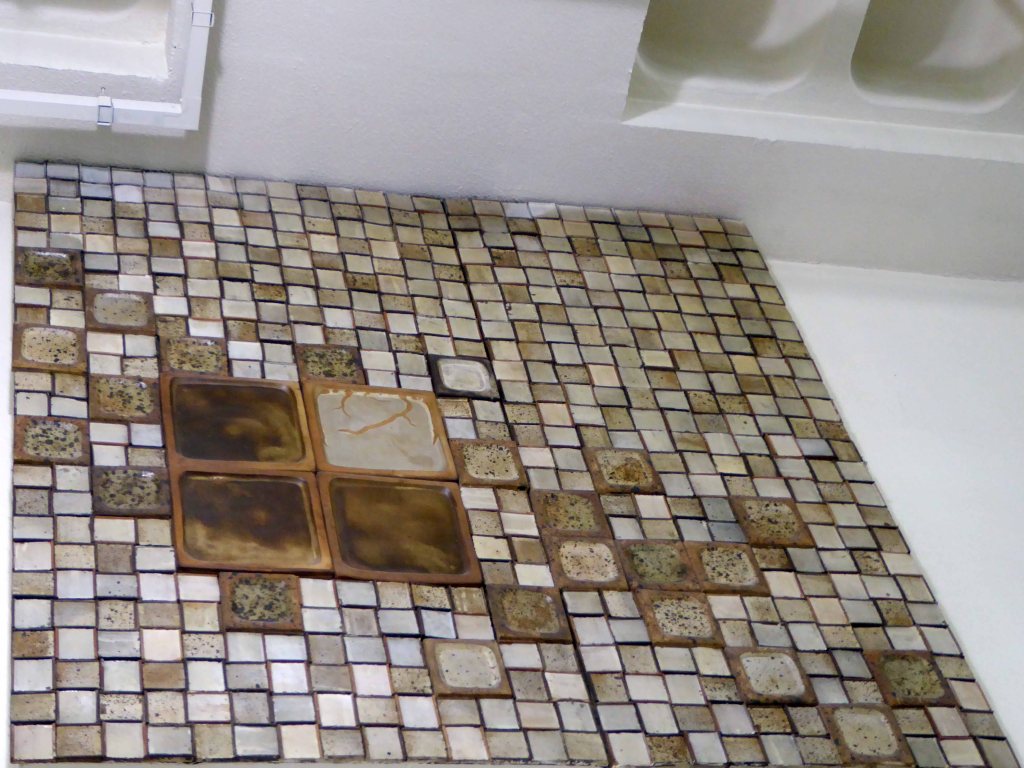
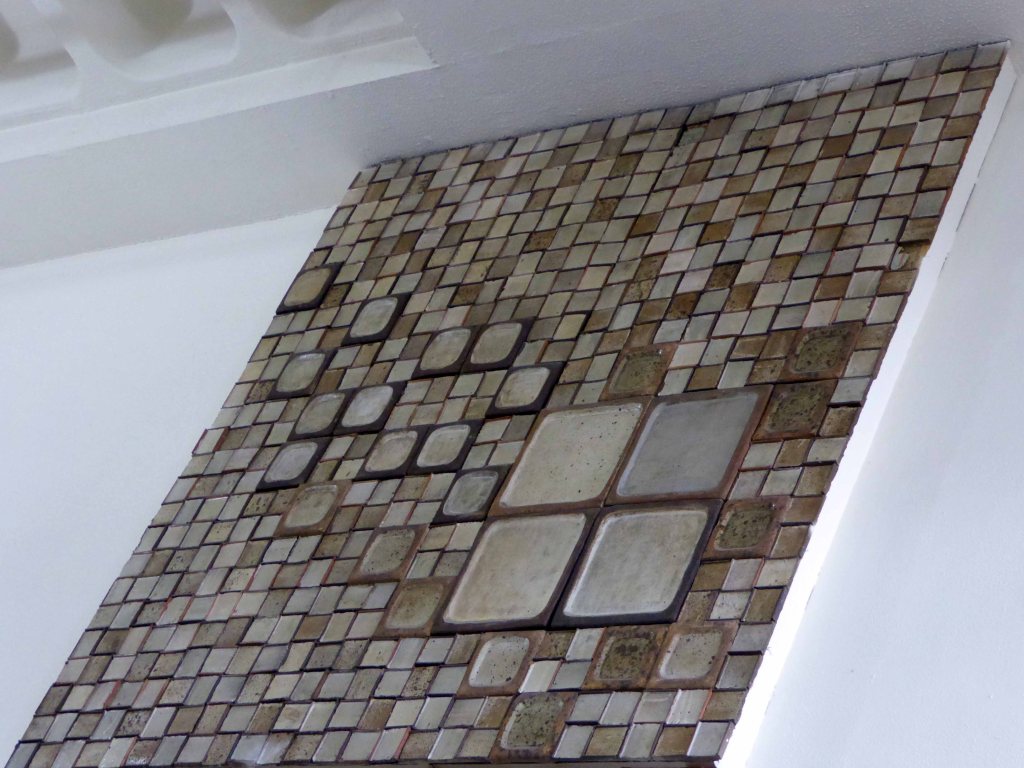
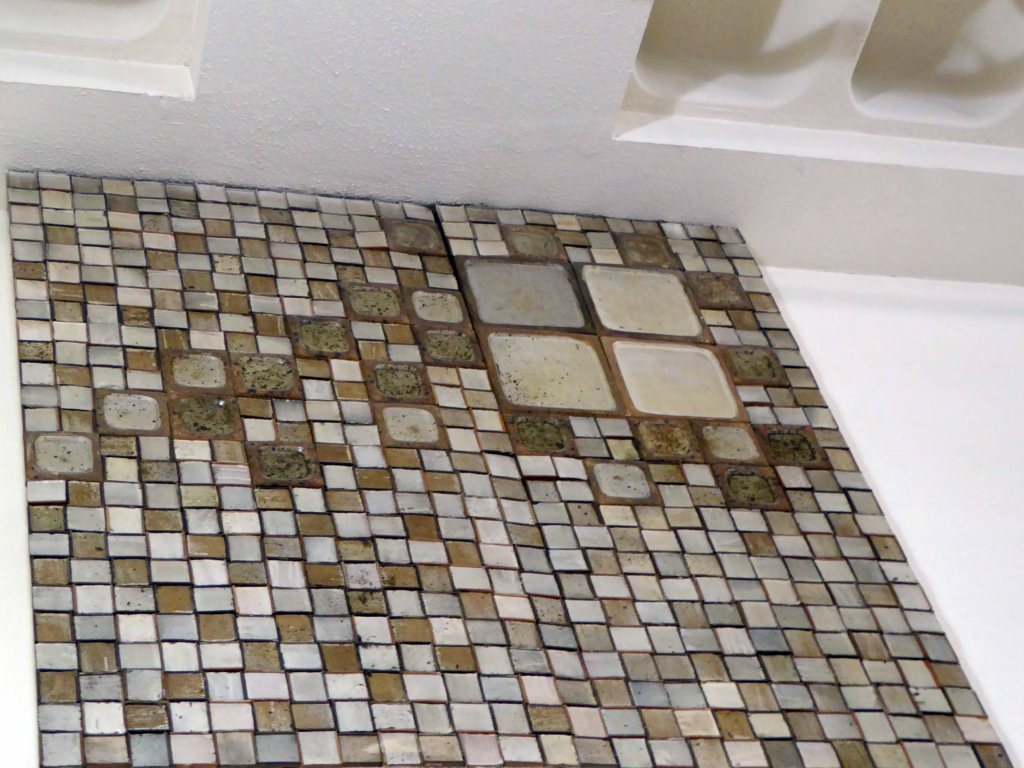
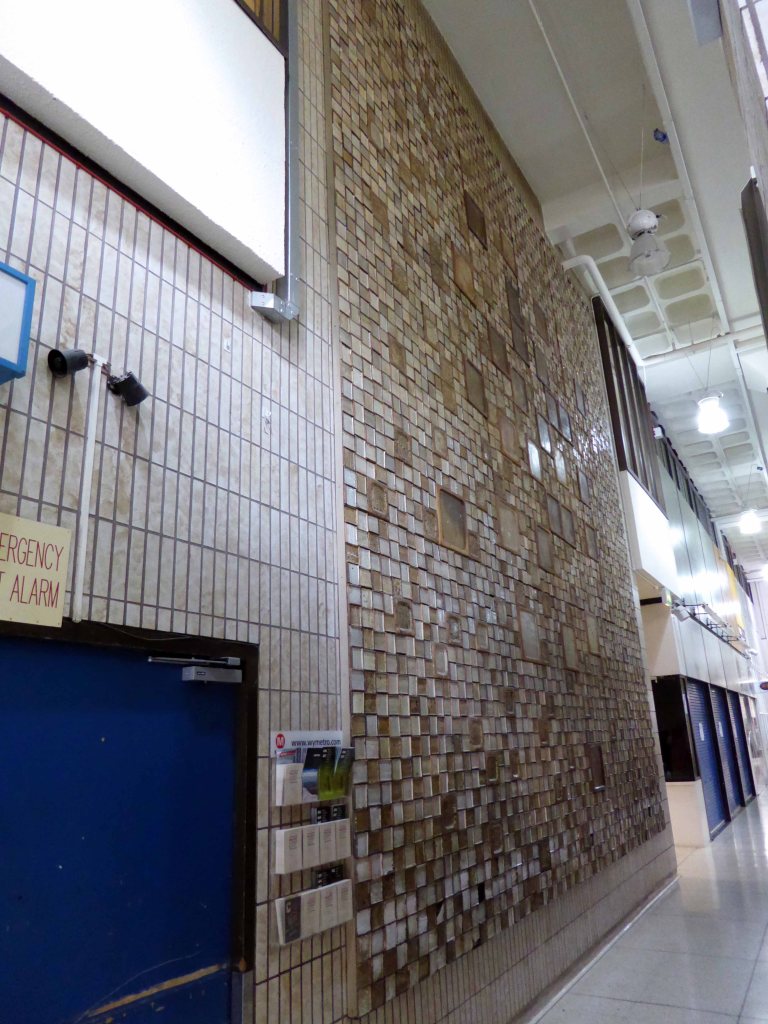
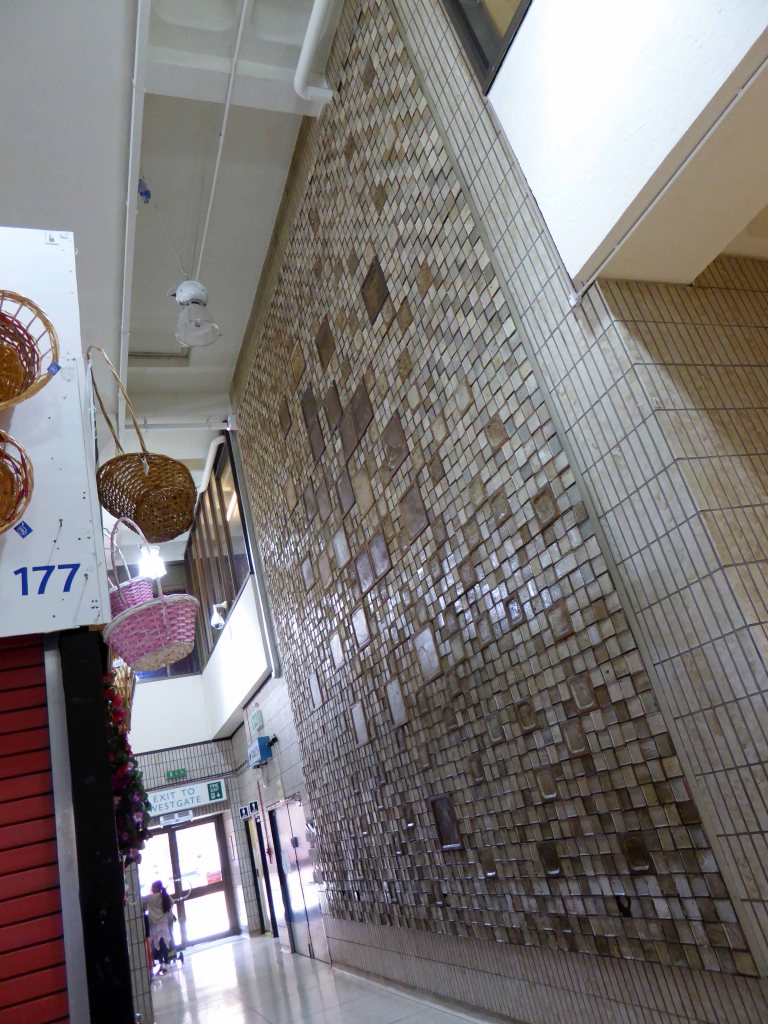
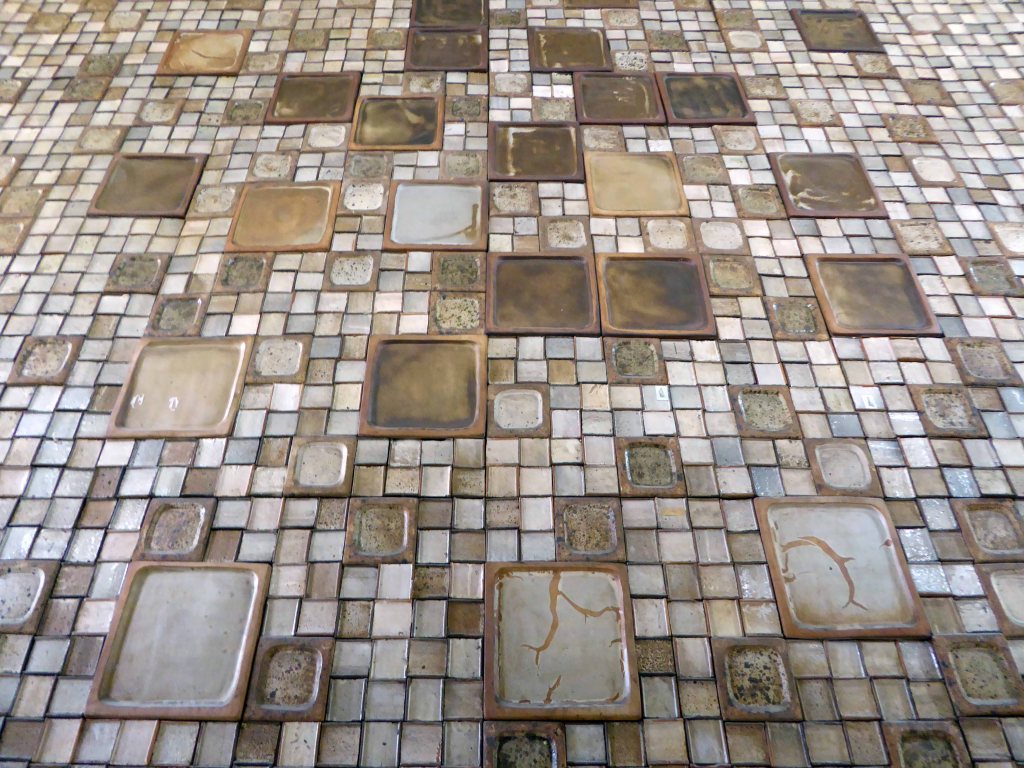
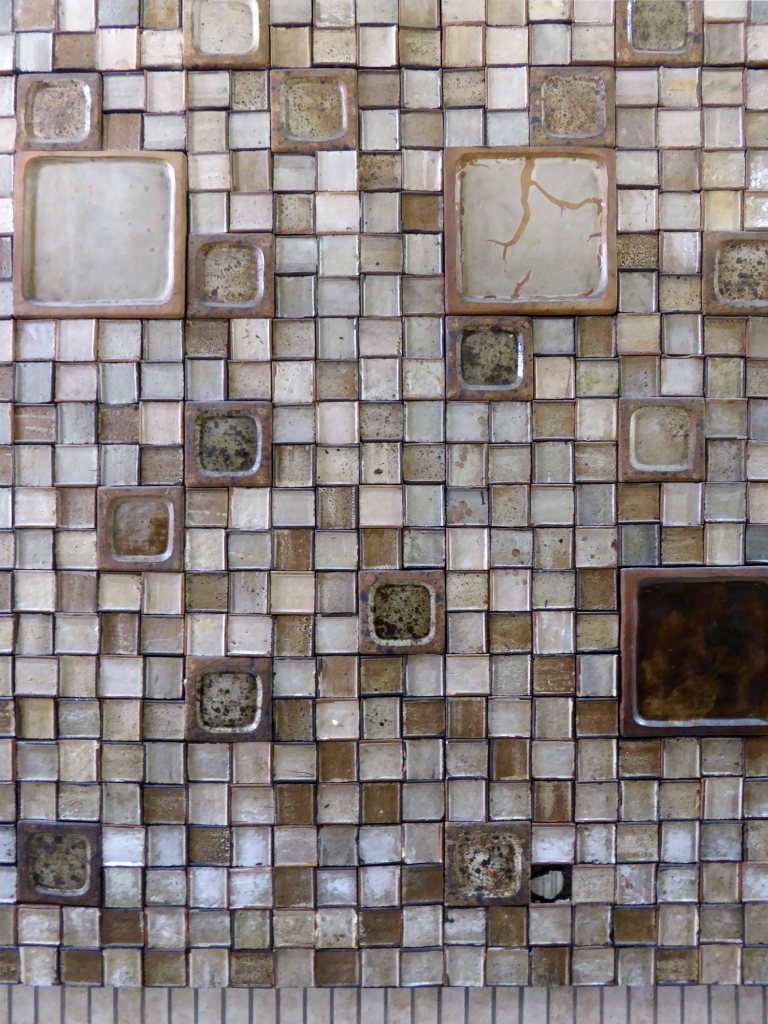
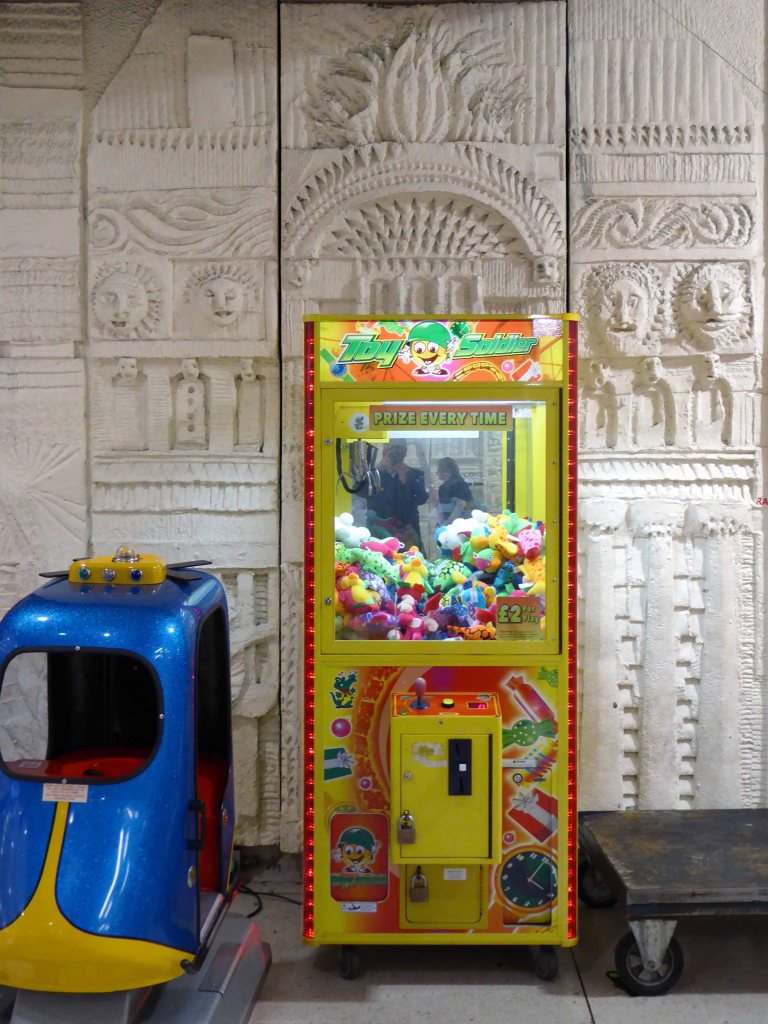
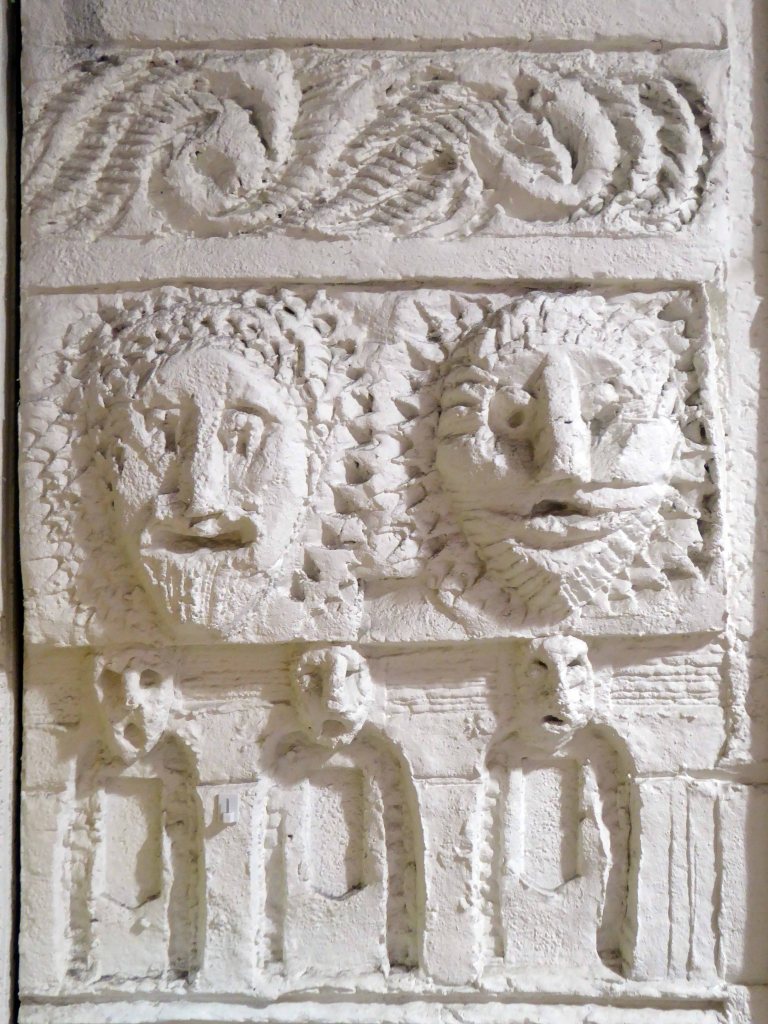
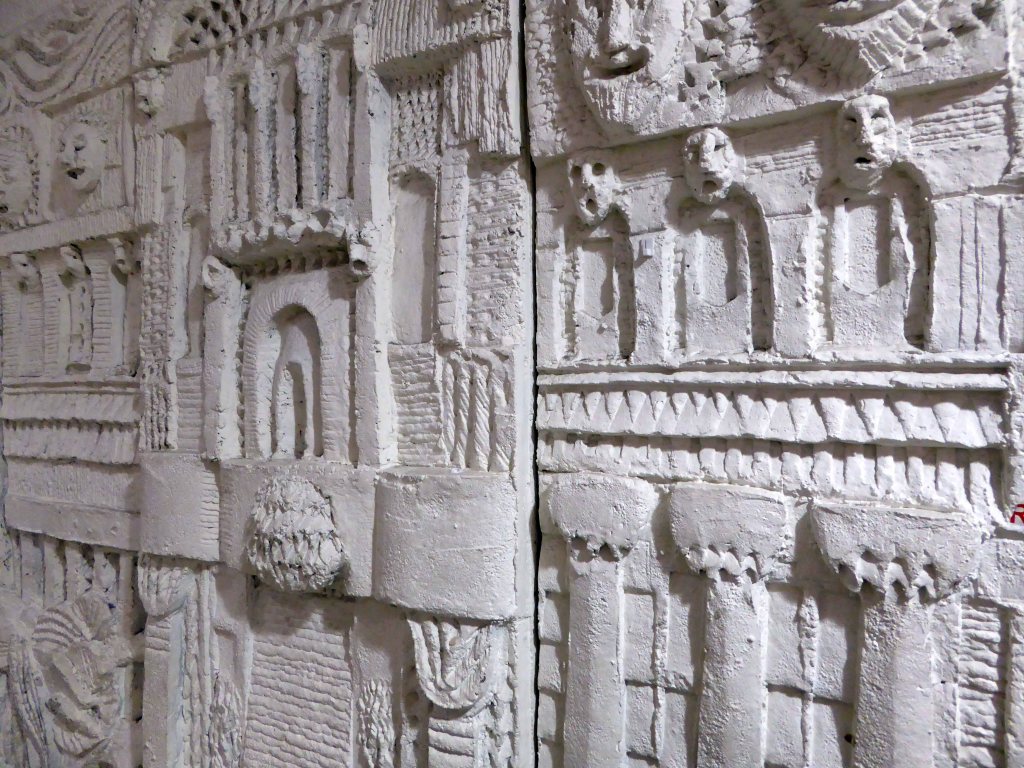
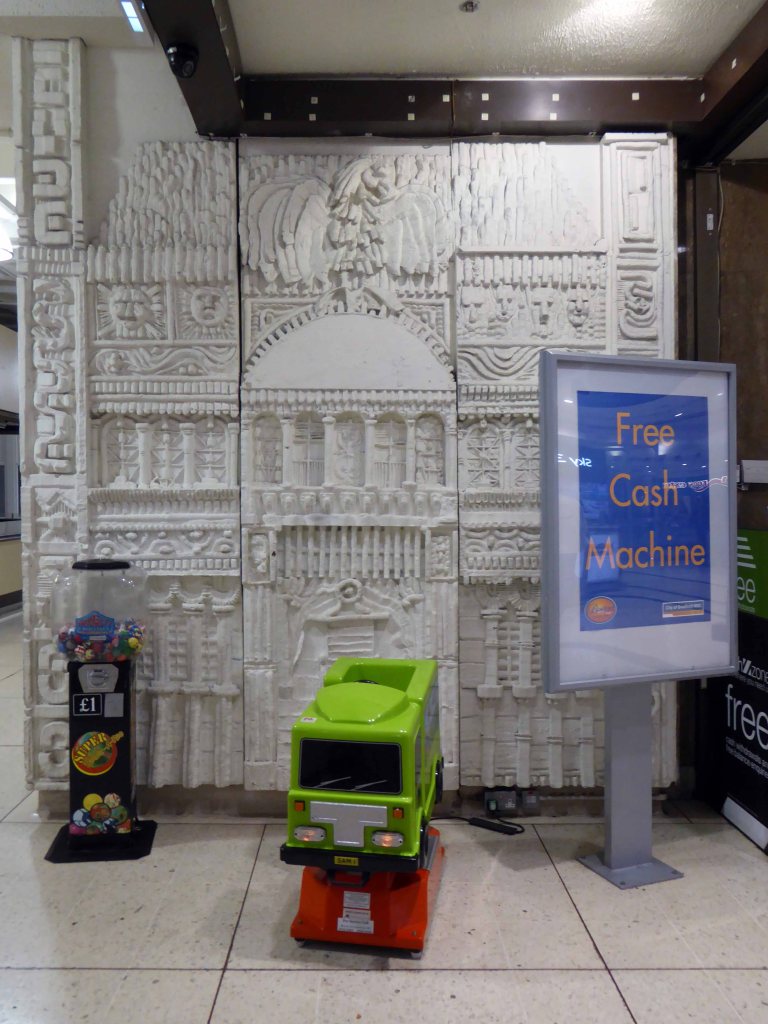
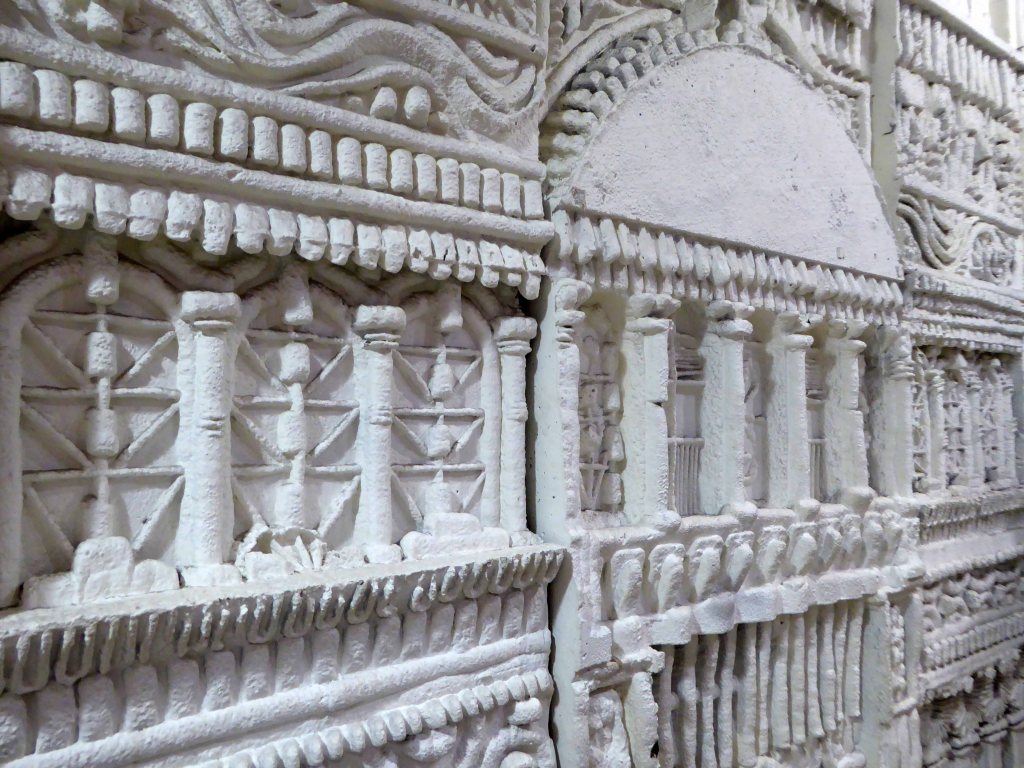
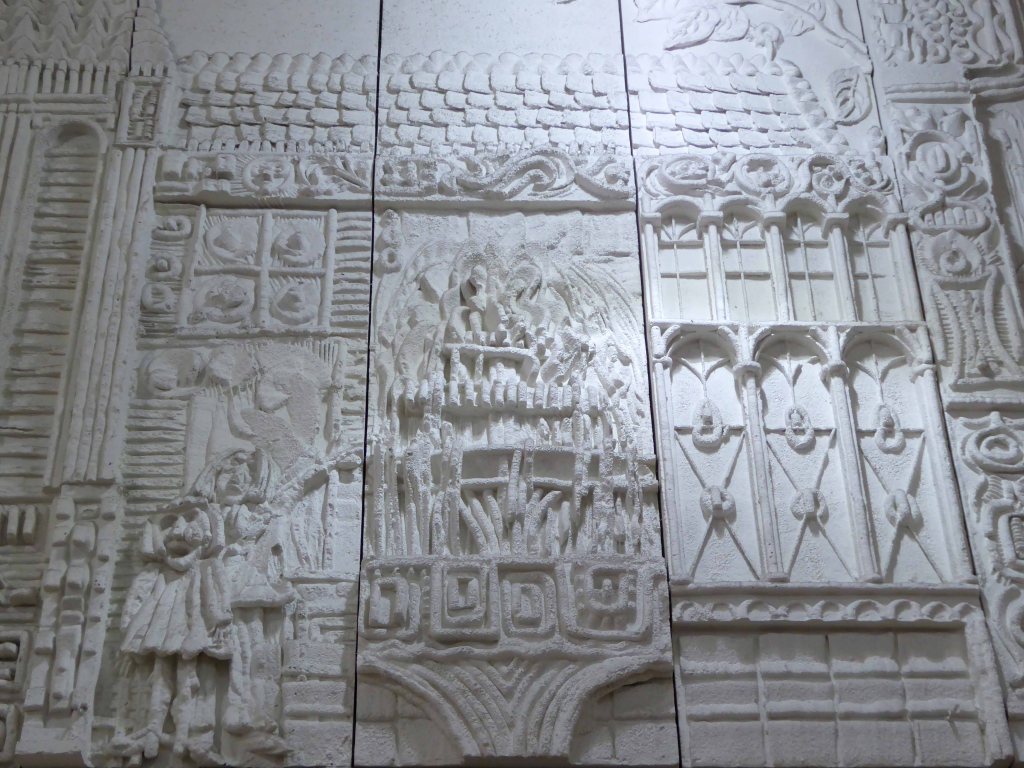
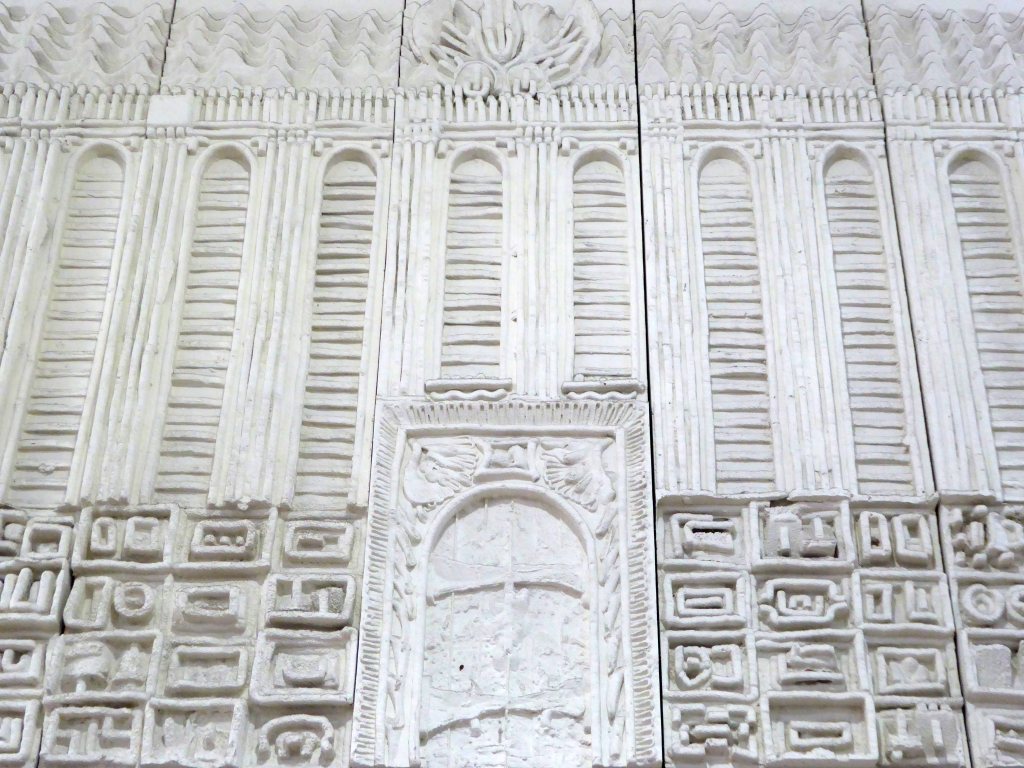
Mention must also be made of the tiled ceramic mosaics which adorn one wall and the three panels on the raised area above the stalls.
Authorship unknown.
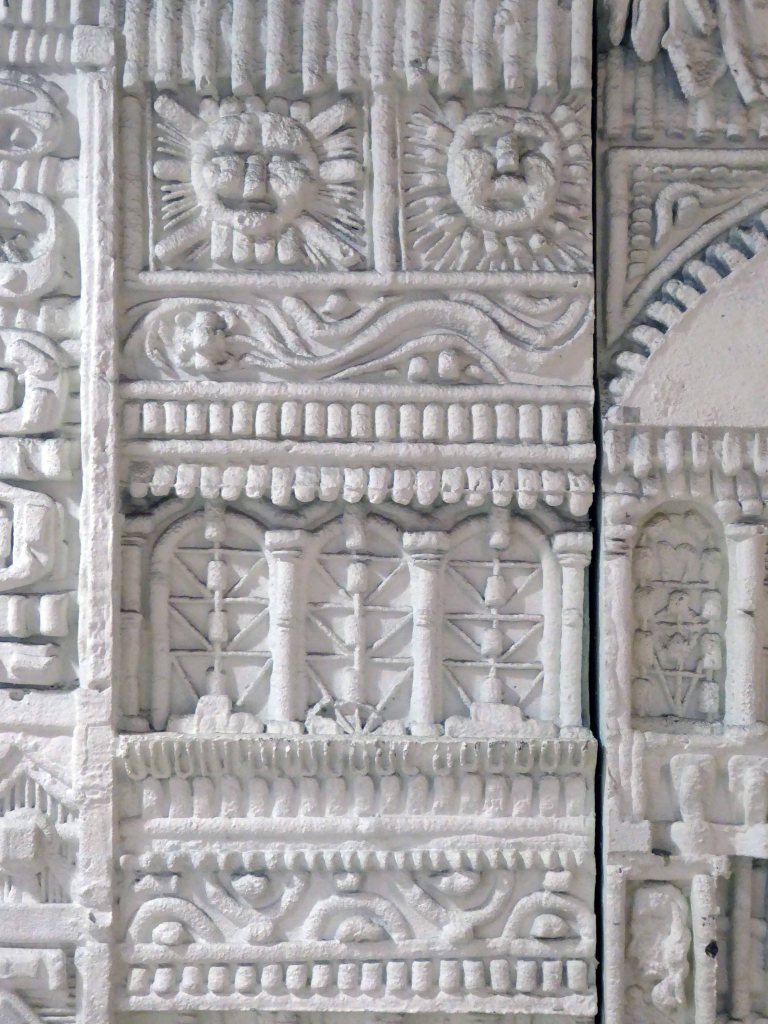
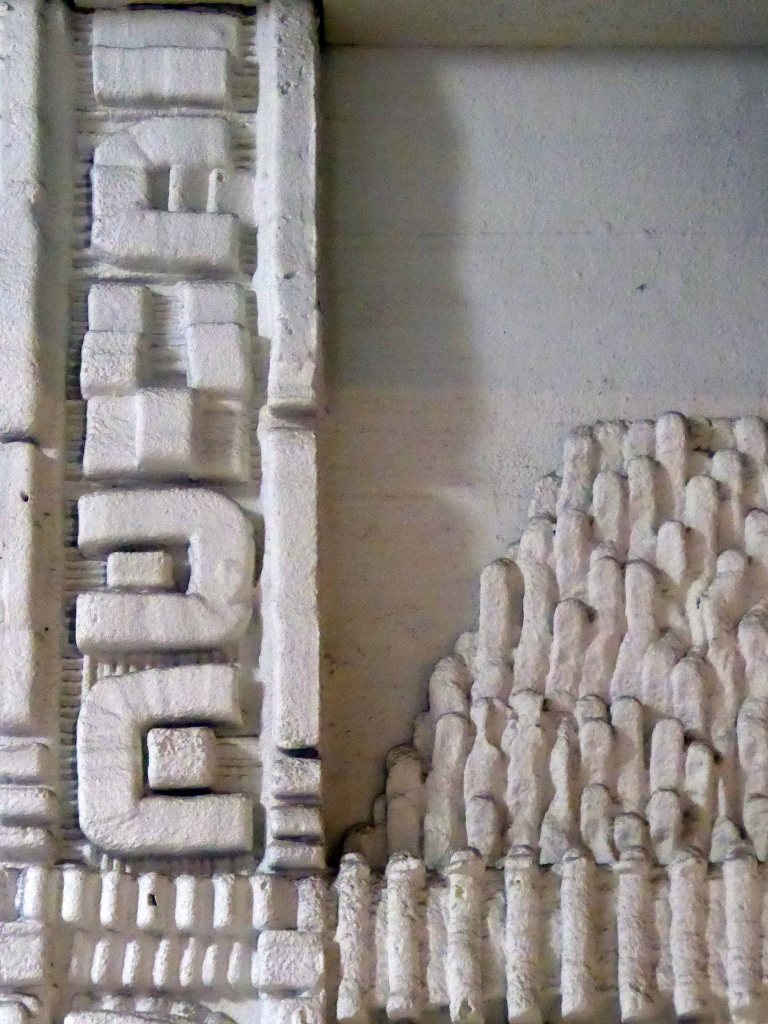
I was most intrigued by these tiles – I have not seen this type before – they have a resemblance to to Transform tiles that were produced in Staffordshire in the 1970s, but they are different in several ways.
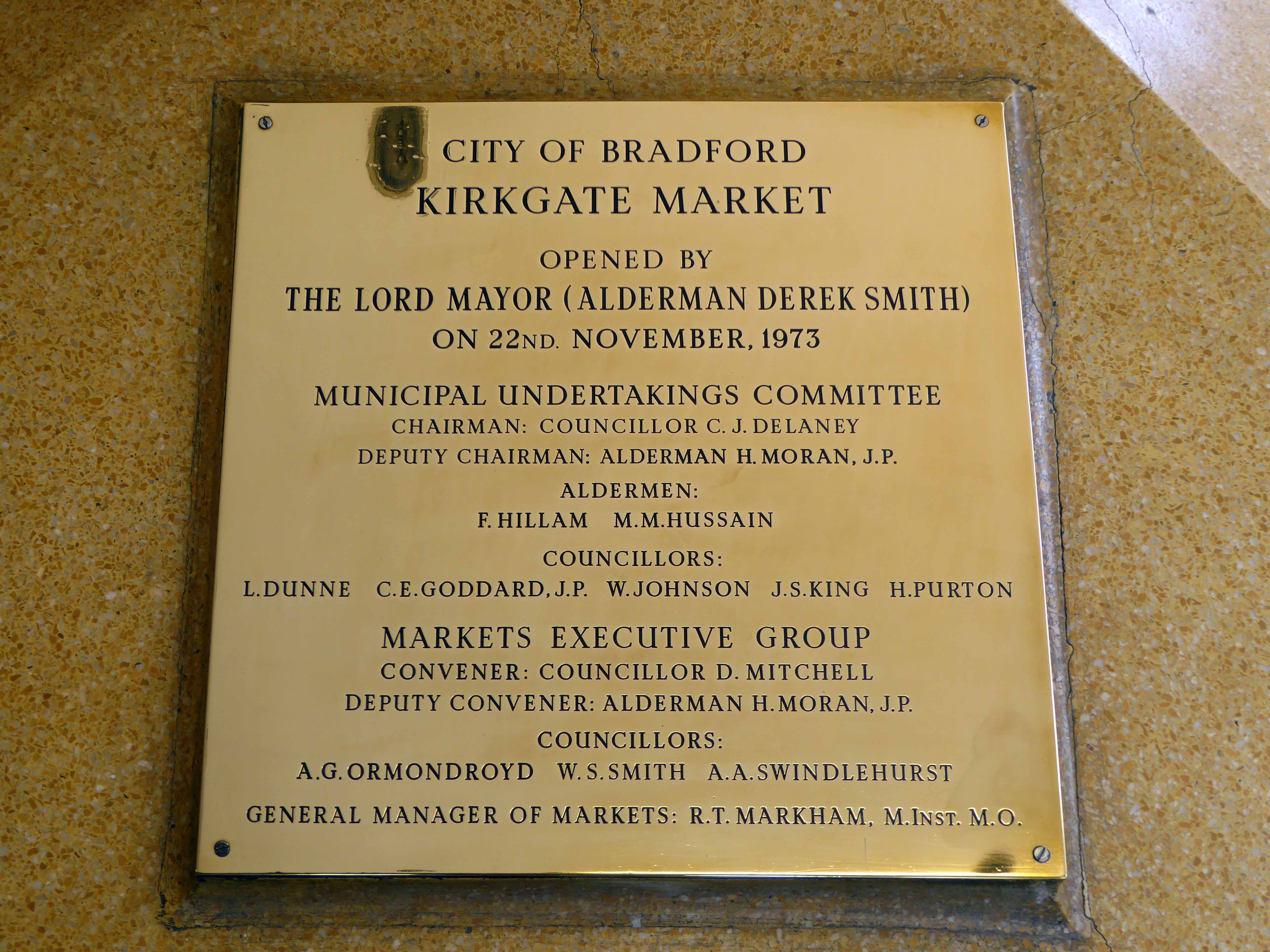
The November 1973 T&A microfilm appears to have been stolen from Bradford Library so I can’t check reports and features from the time of the opening of the market on November 22 1973.
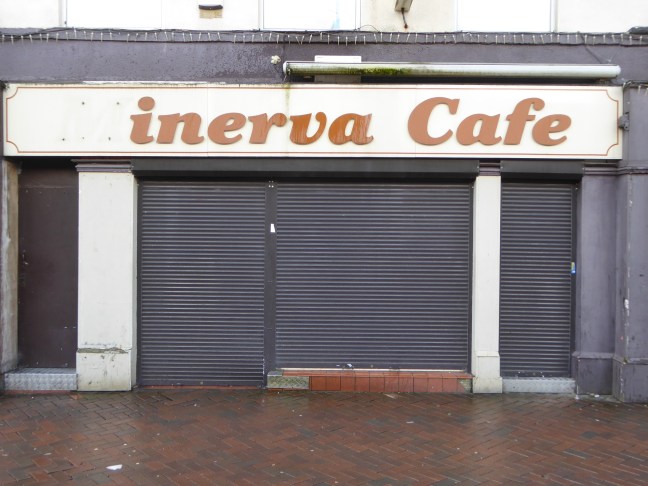
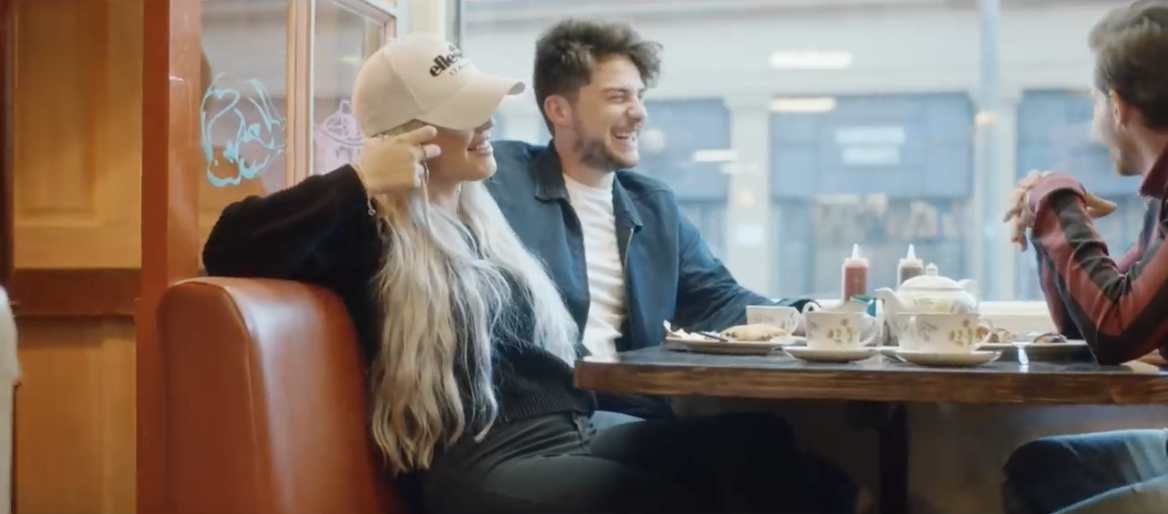
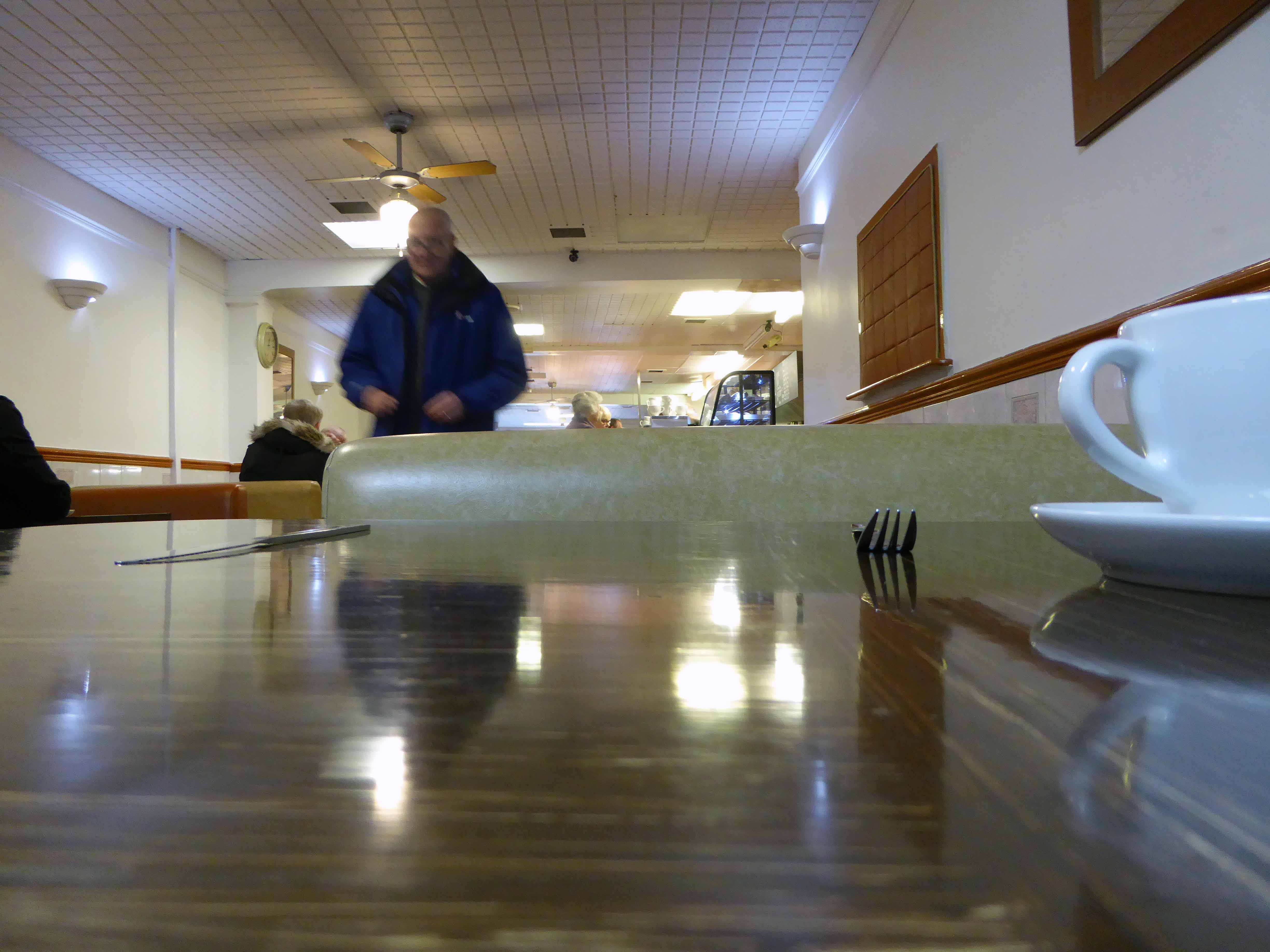
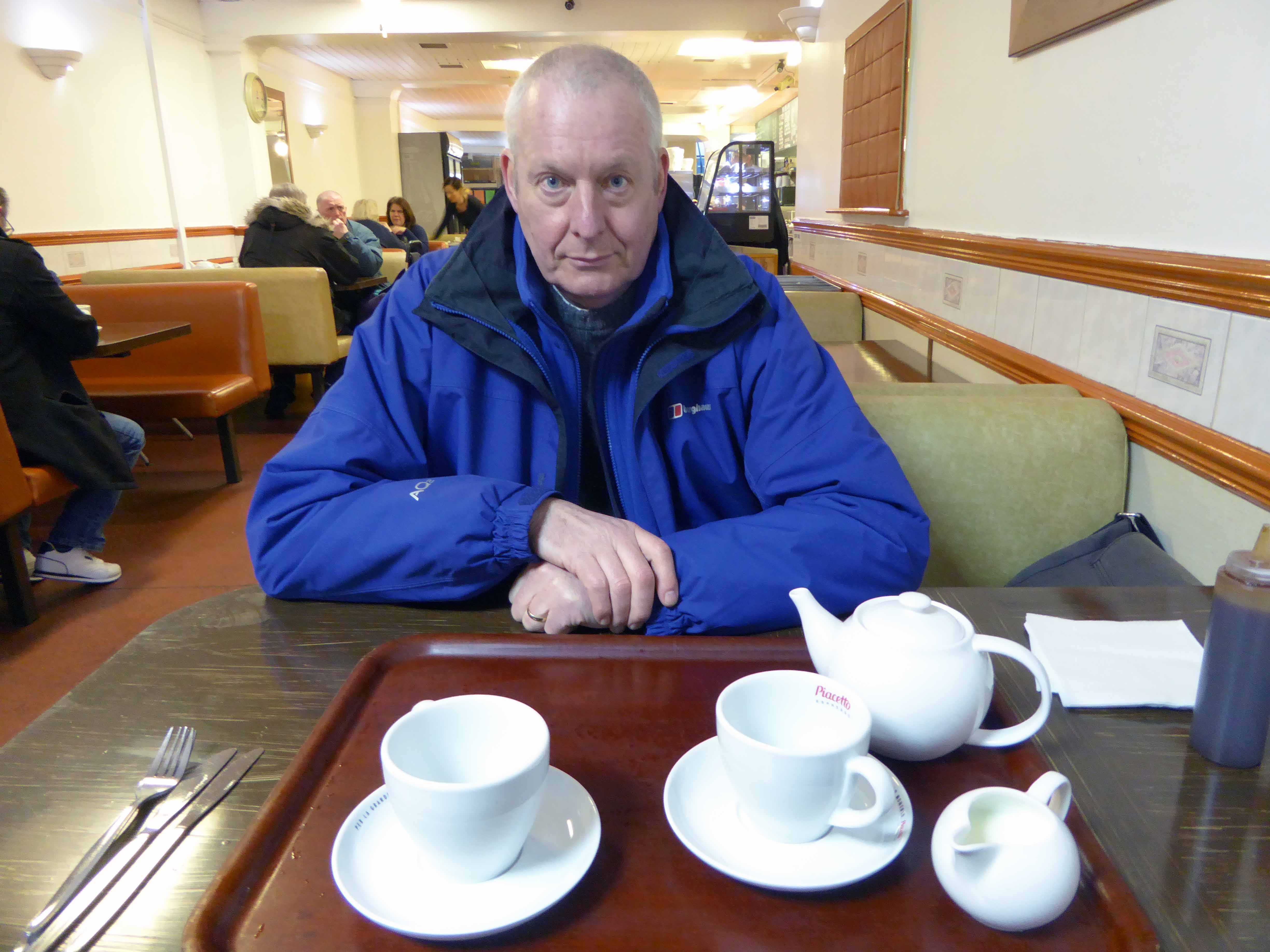
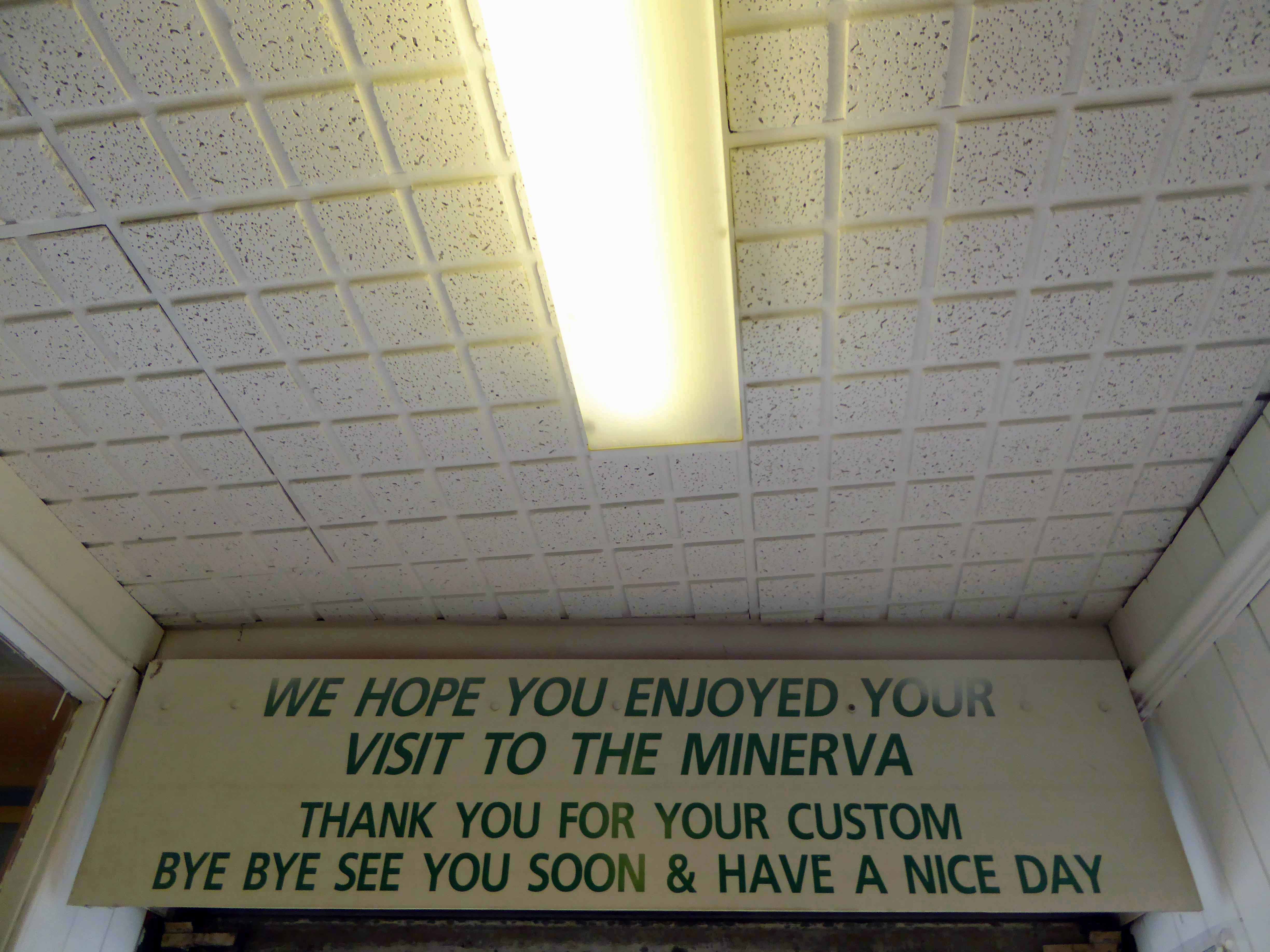
A Doncaster town centre cafe, once used by former pop star Louis Tomlinson to film a pop video, has closed after trading for more nearly 50 years near the market. The Minerva Cafe has closed down after trading sine the 1970s offering breakfasts and lunches to shoppers.
The shutters are now down on the shop, which has not now been used for two weeks, say neighbouring businesses. Minerva was well known for its big breakfasts which often earned rave reviews on the internet. It also had a celebrity link, having been used by the former One Direction star Louis Tomlinson for the shooting of his Back to You video, last year. Doncaster Council town center bosses confirmed they understood the cafe had closed down, but did not know the reason. Long serving Doncaster market trader Nigel Berrysaid he had seen no sign of activity at the cafe for two weeks. He said: It has been here in the market for such a long time. It’s been there since I first started on the market in 1971. People have commented to me it feels like it has been there forever.
“It is a shame to see it closed. It has been a bit of an institution round here.”
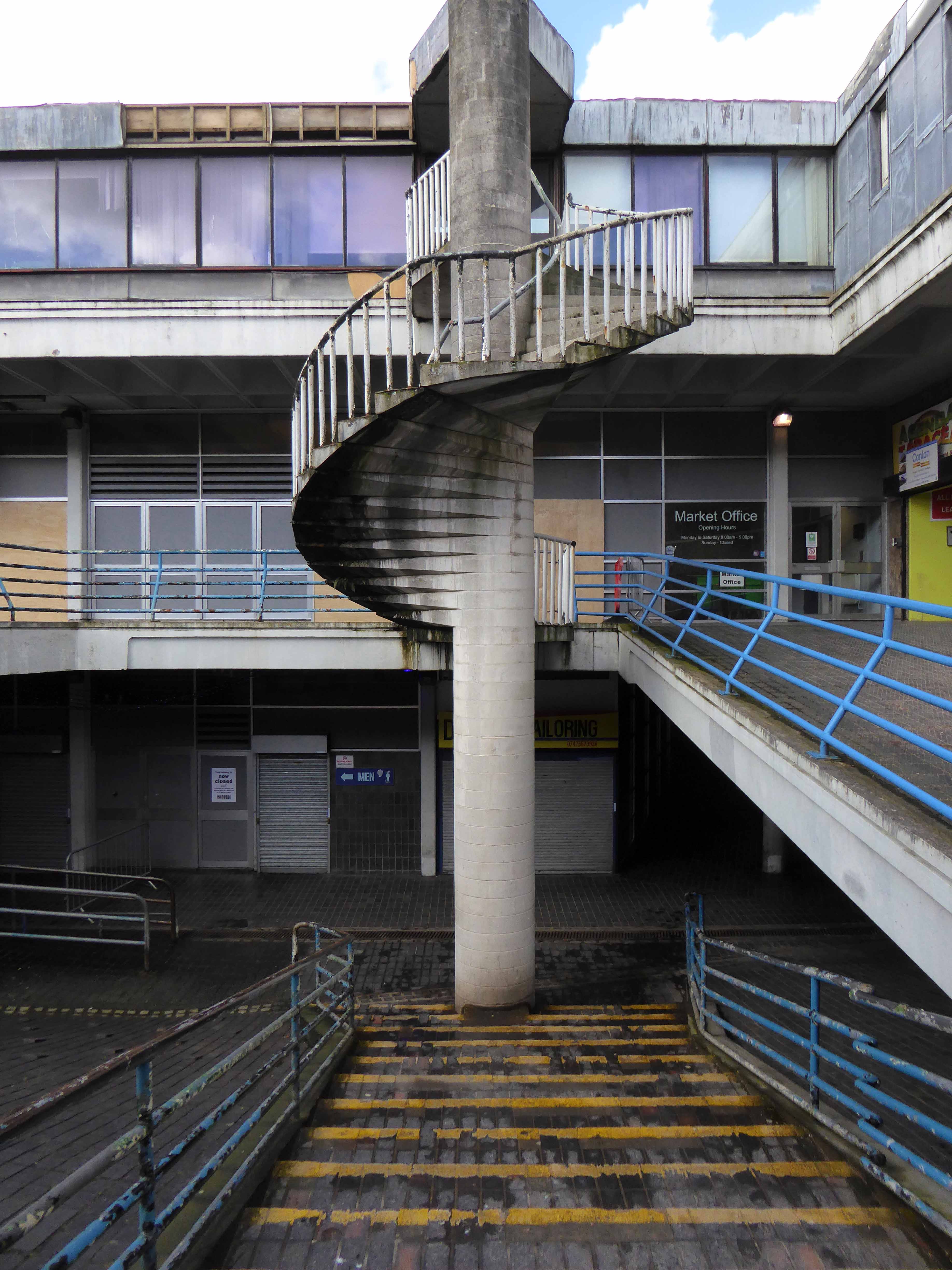
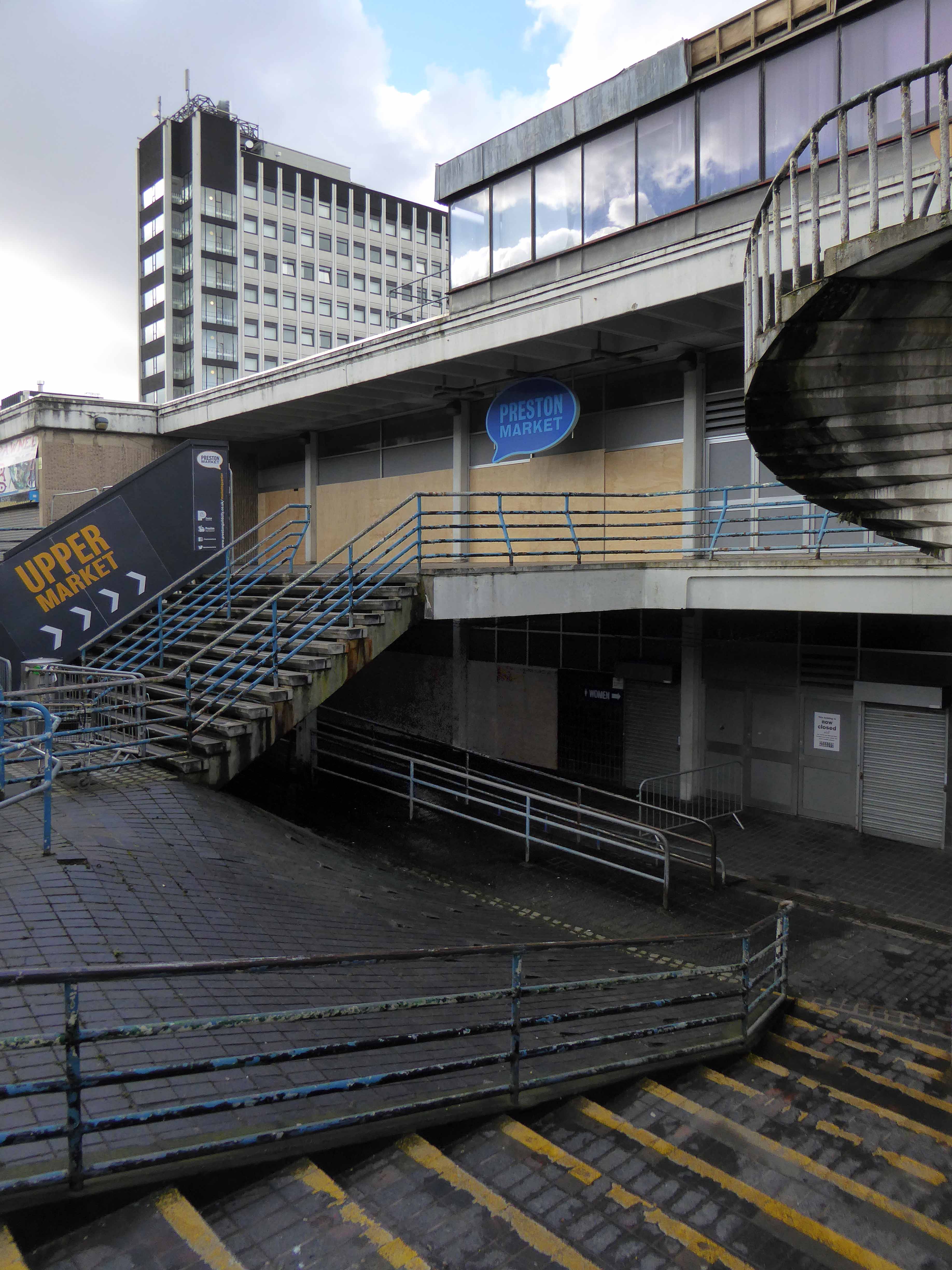
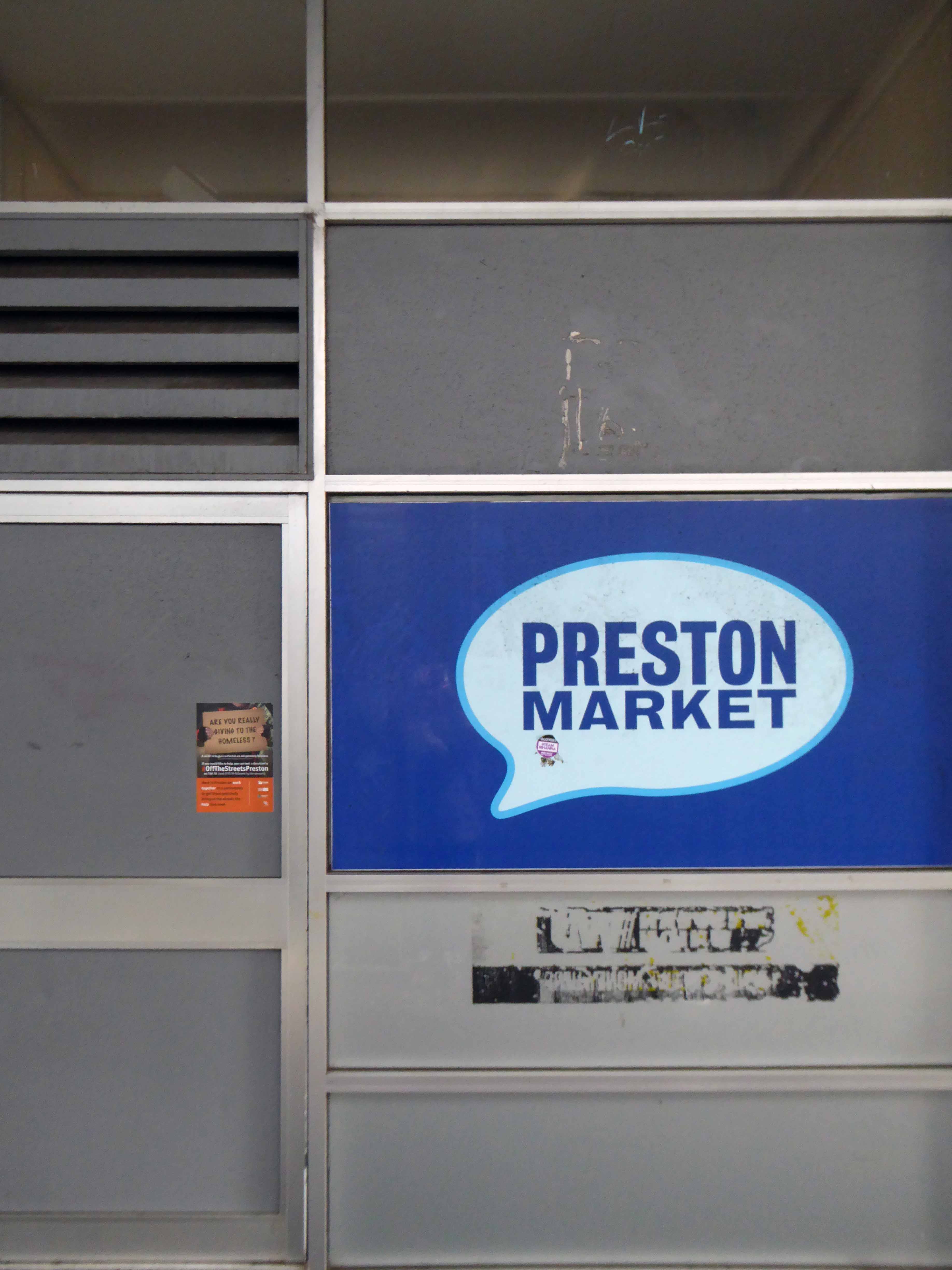
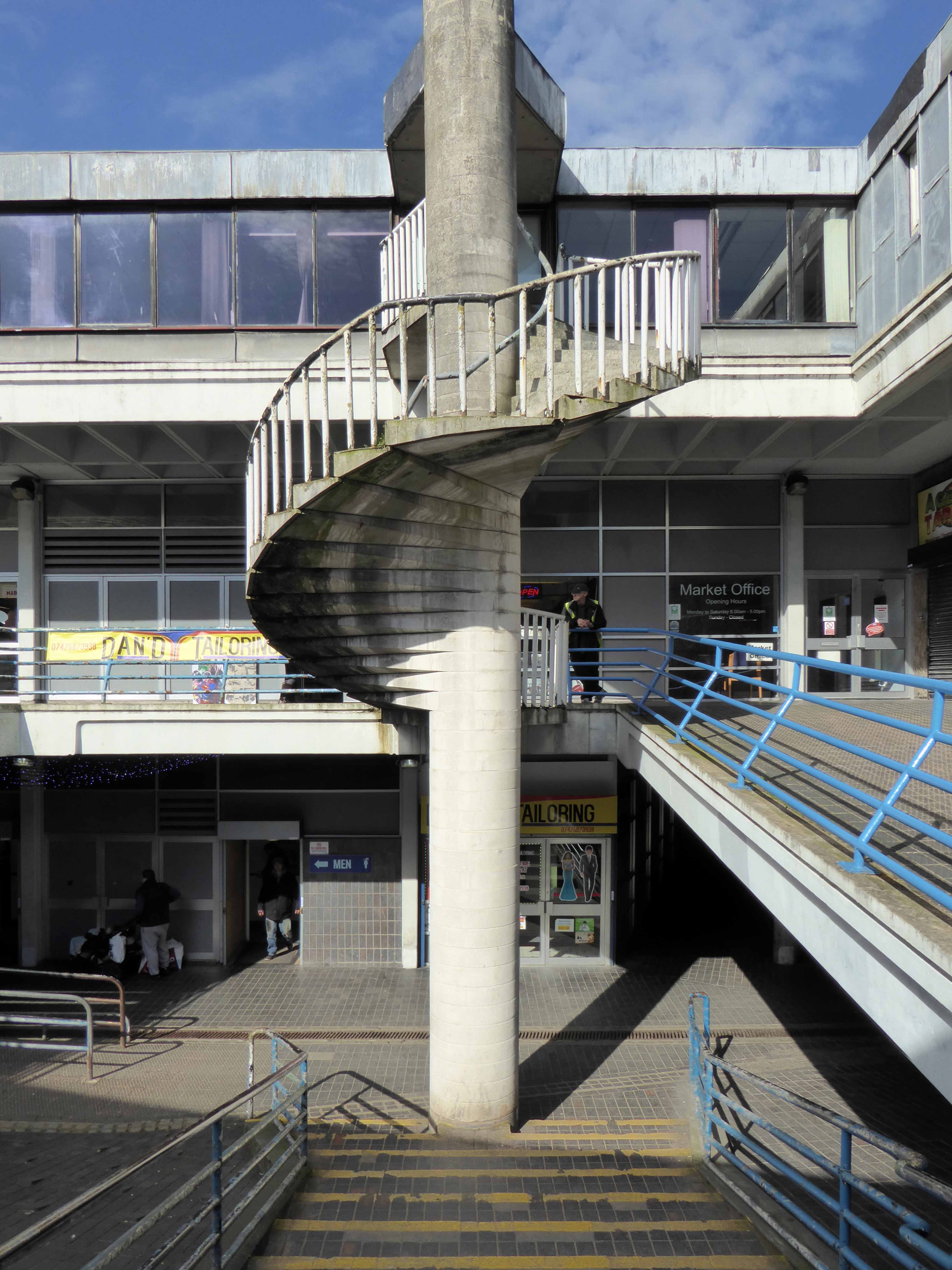
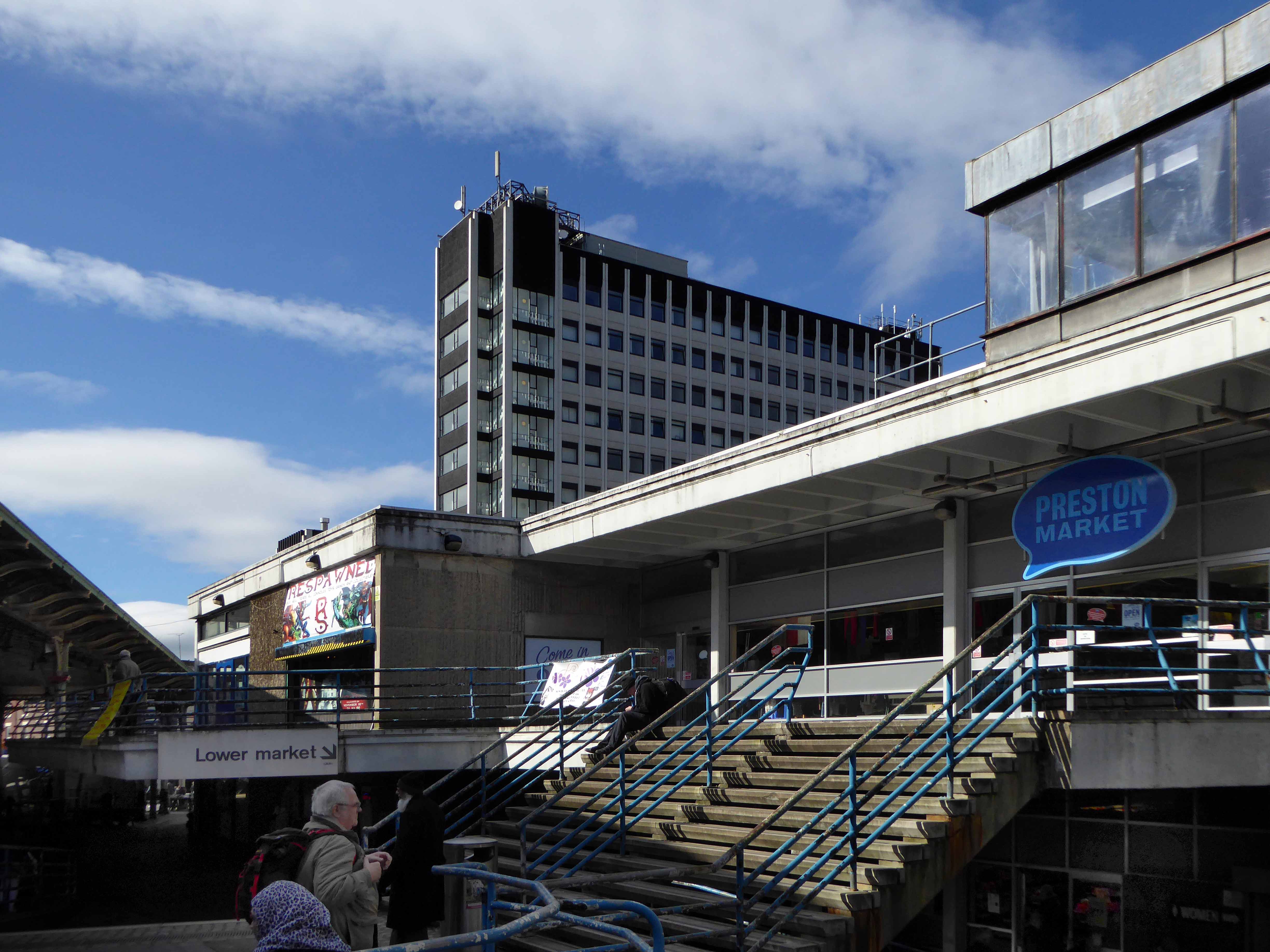
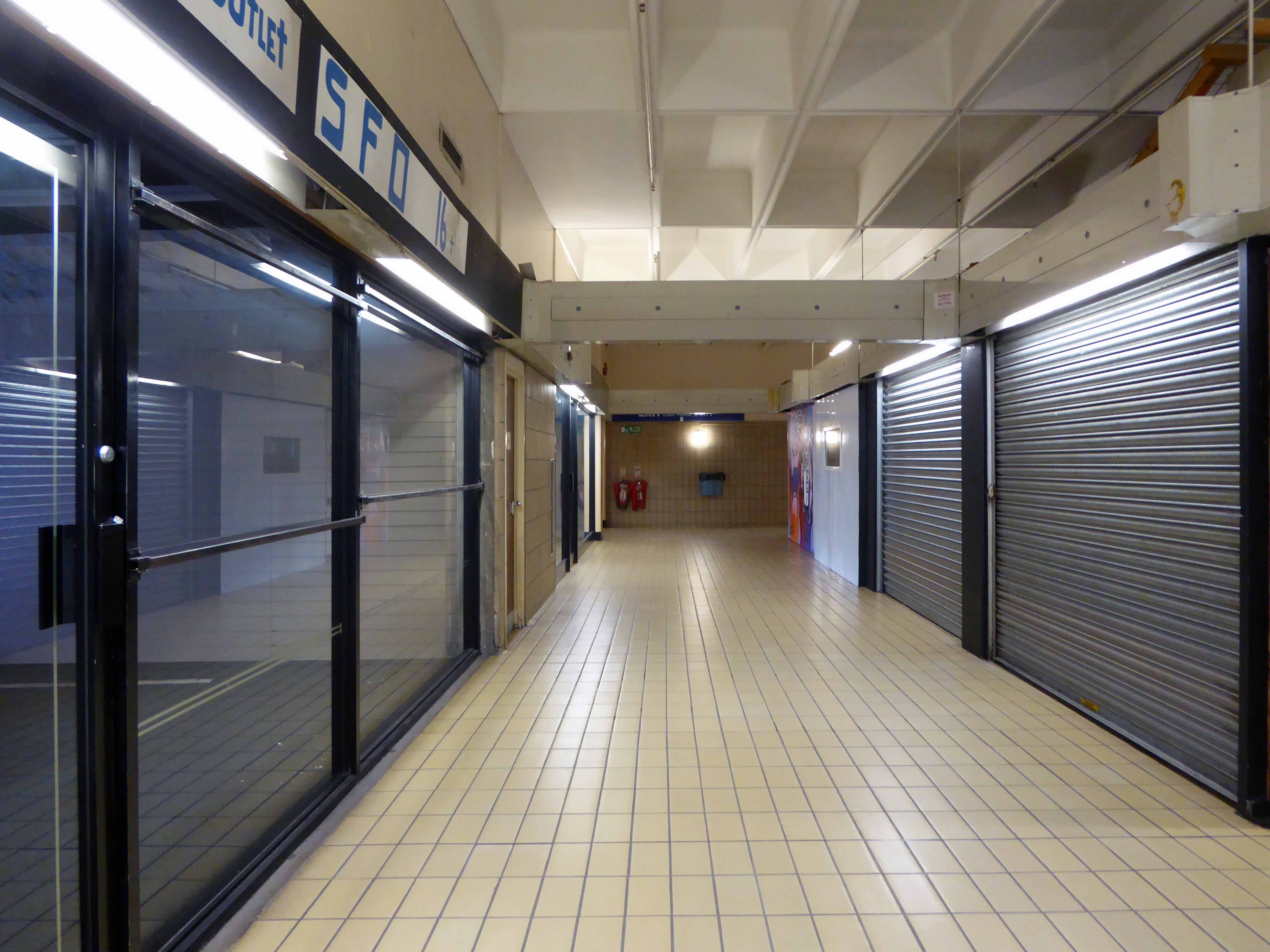
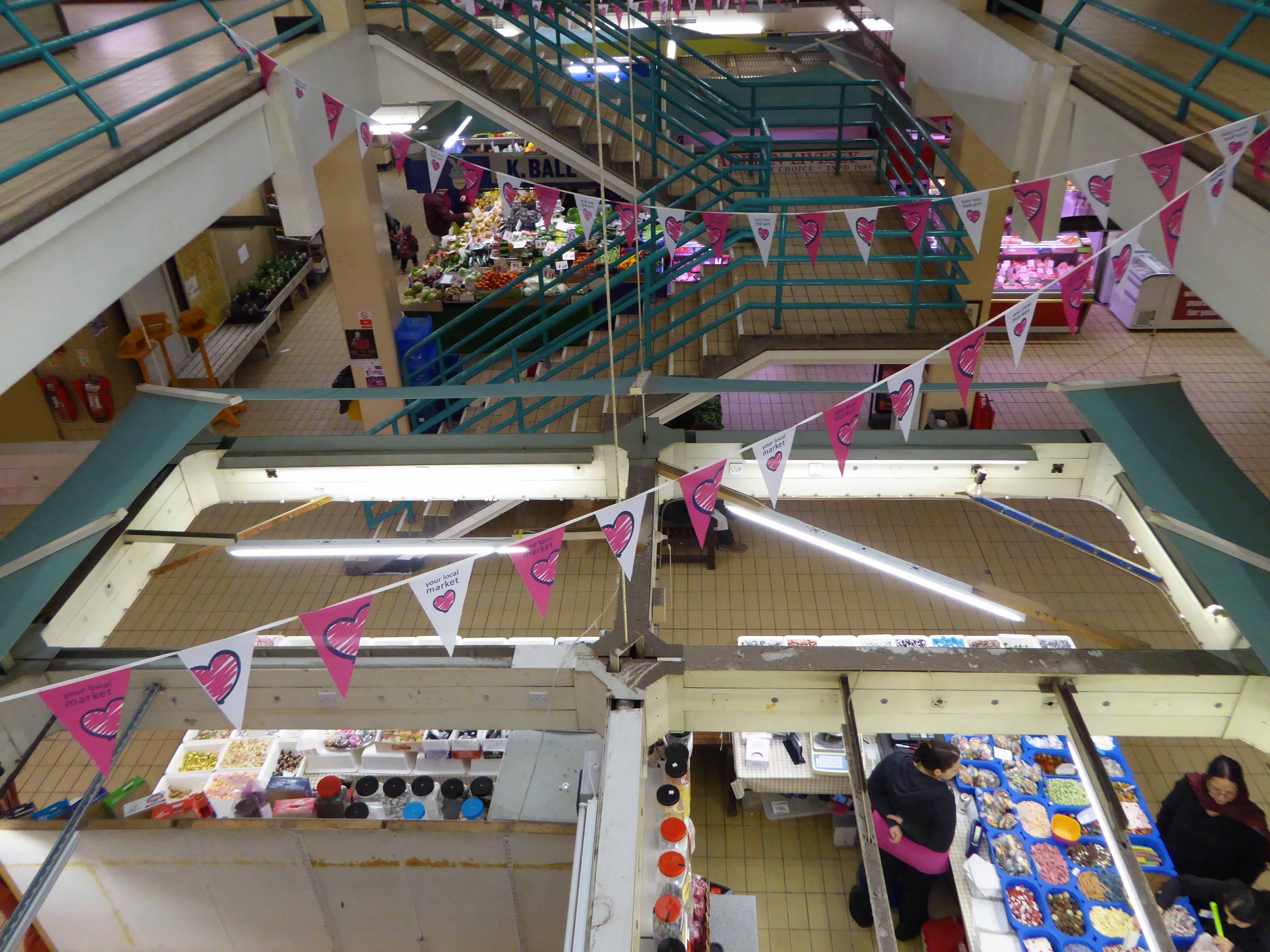
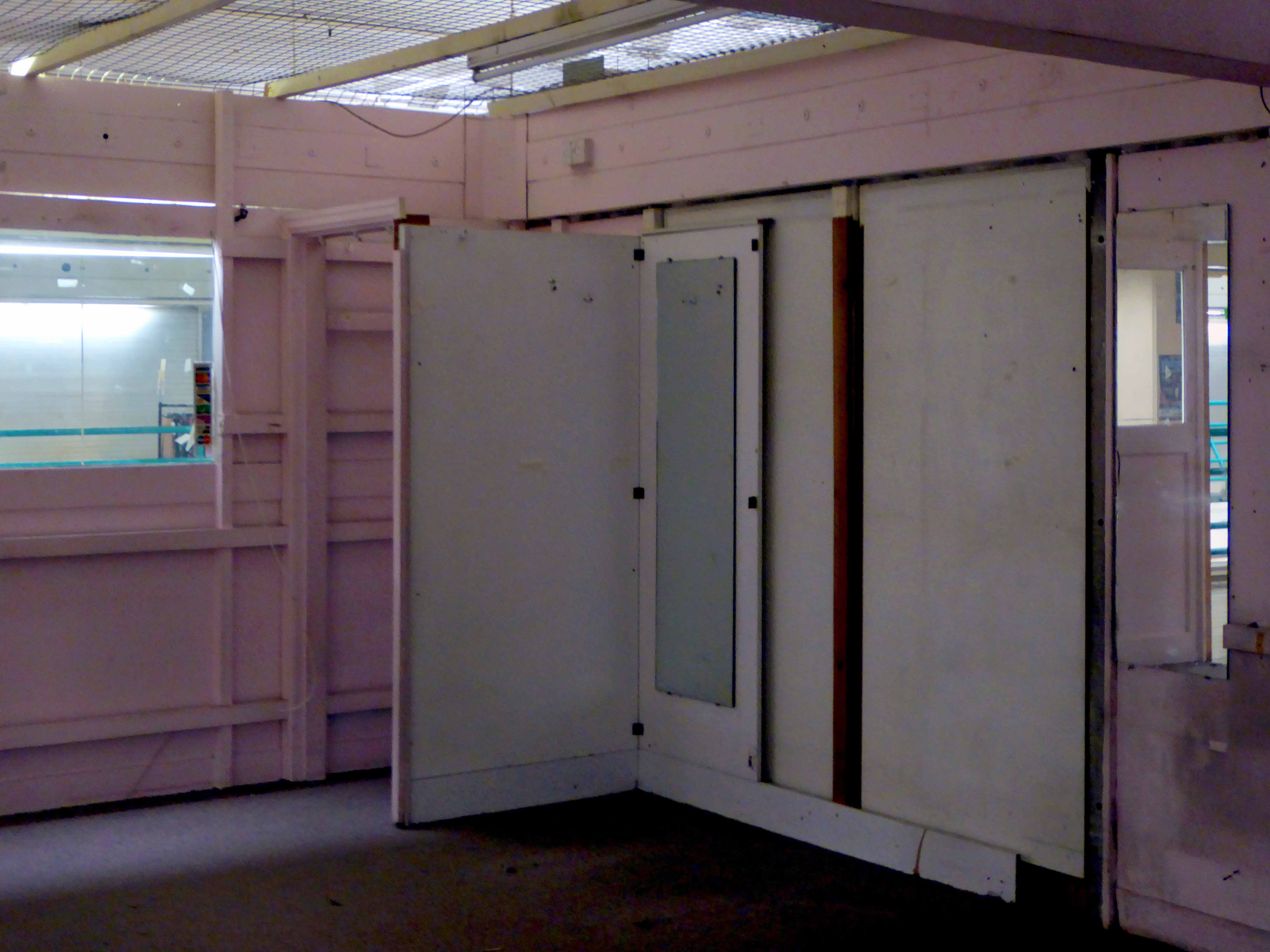
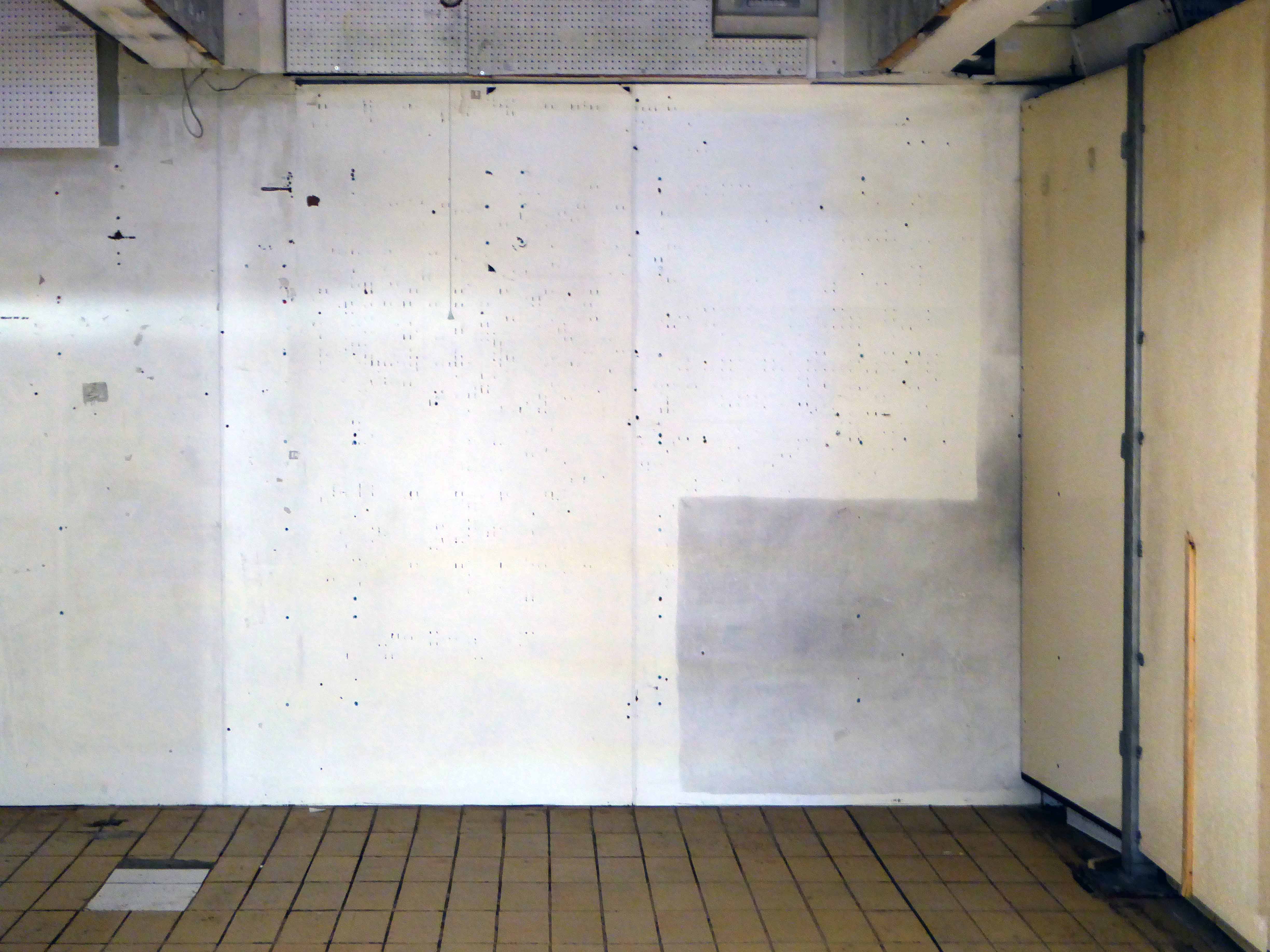
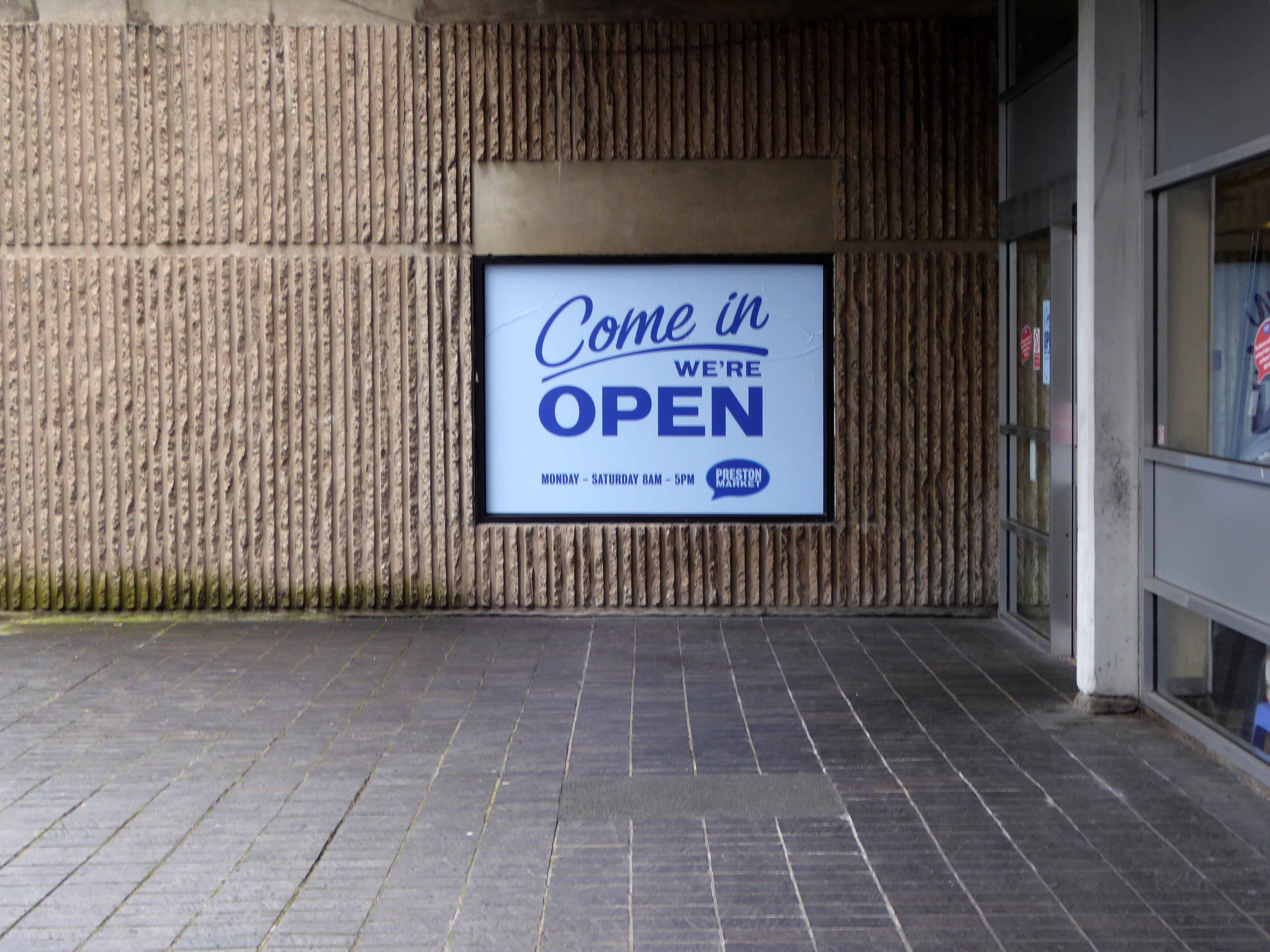
I’ve been here, before recording the prelude to the epilogue, here at Preston’s Indoor Market.
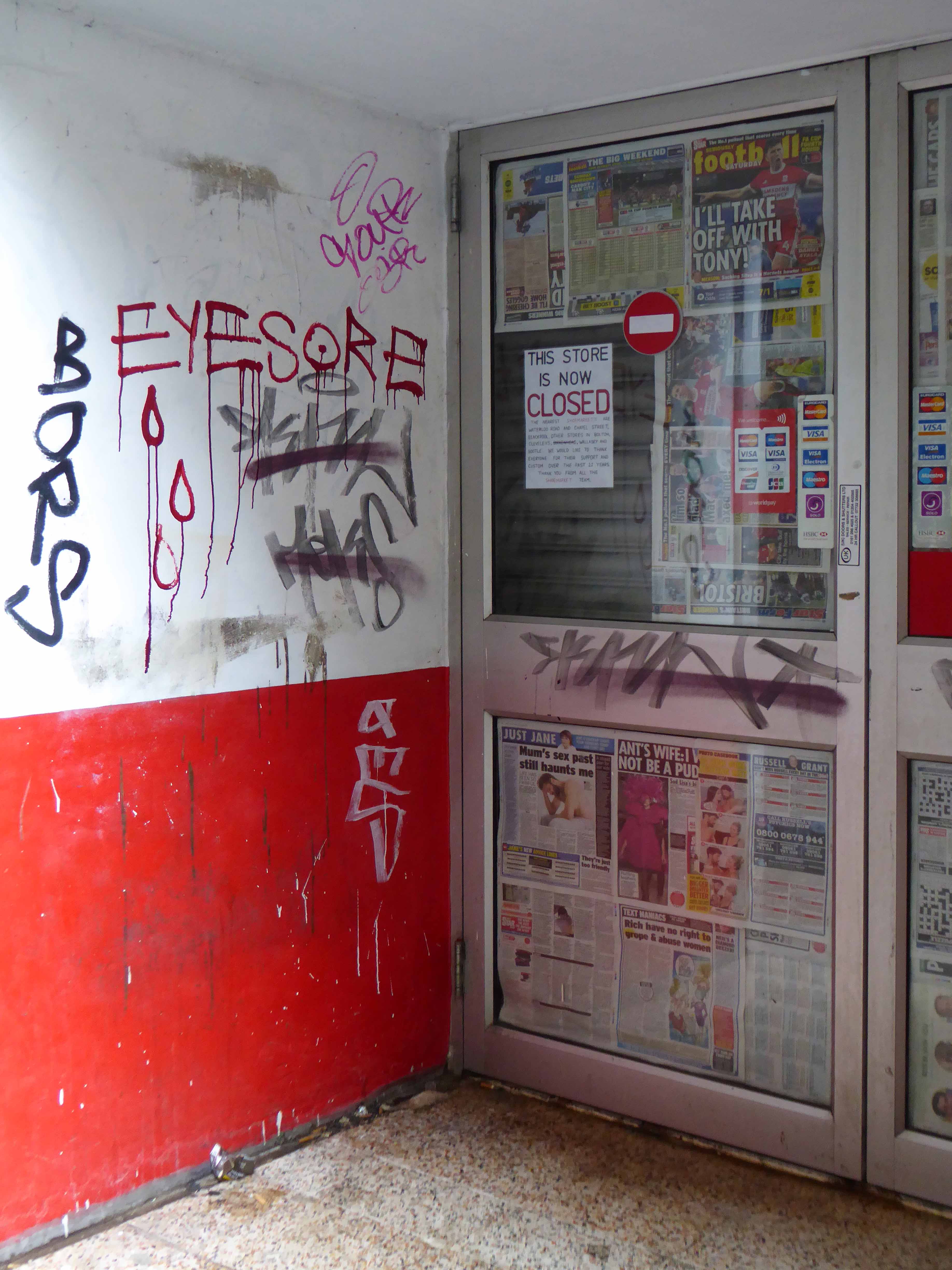
So on my return this February, I find that the inevitable end, is indeed now past nigh.
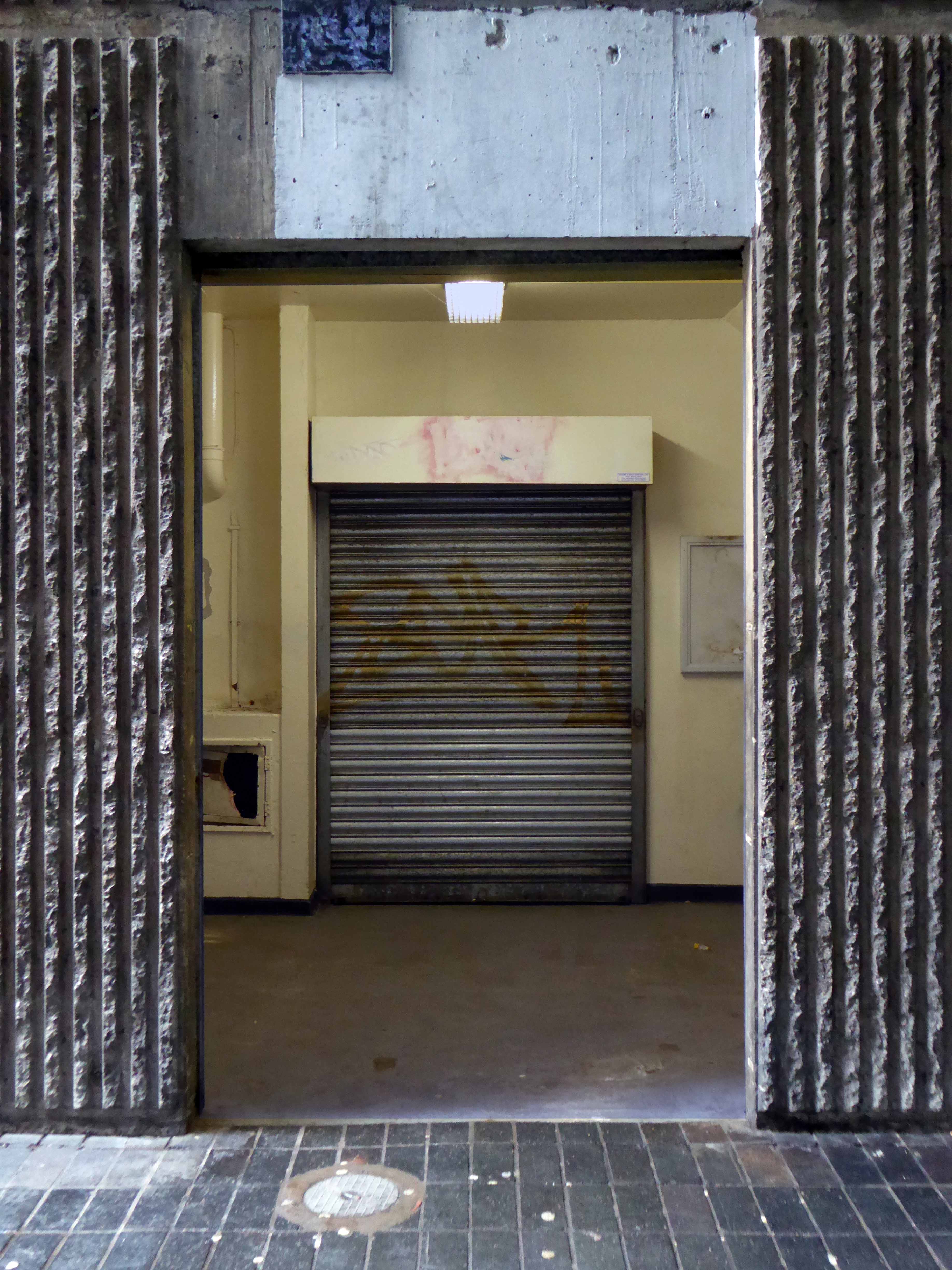
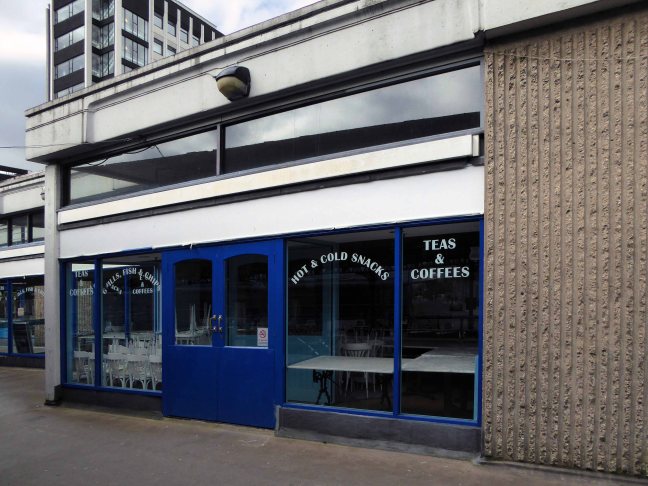
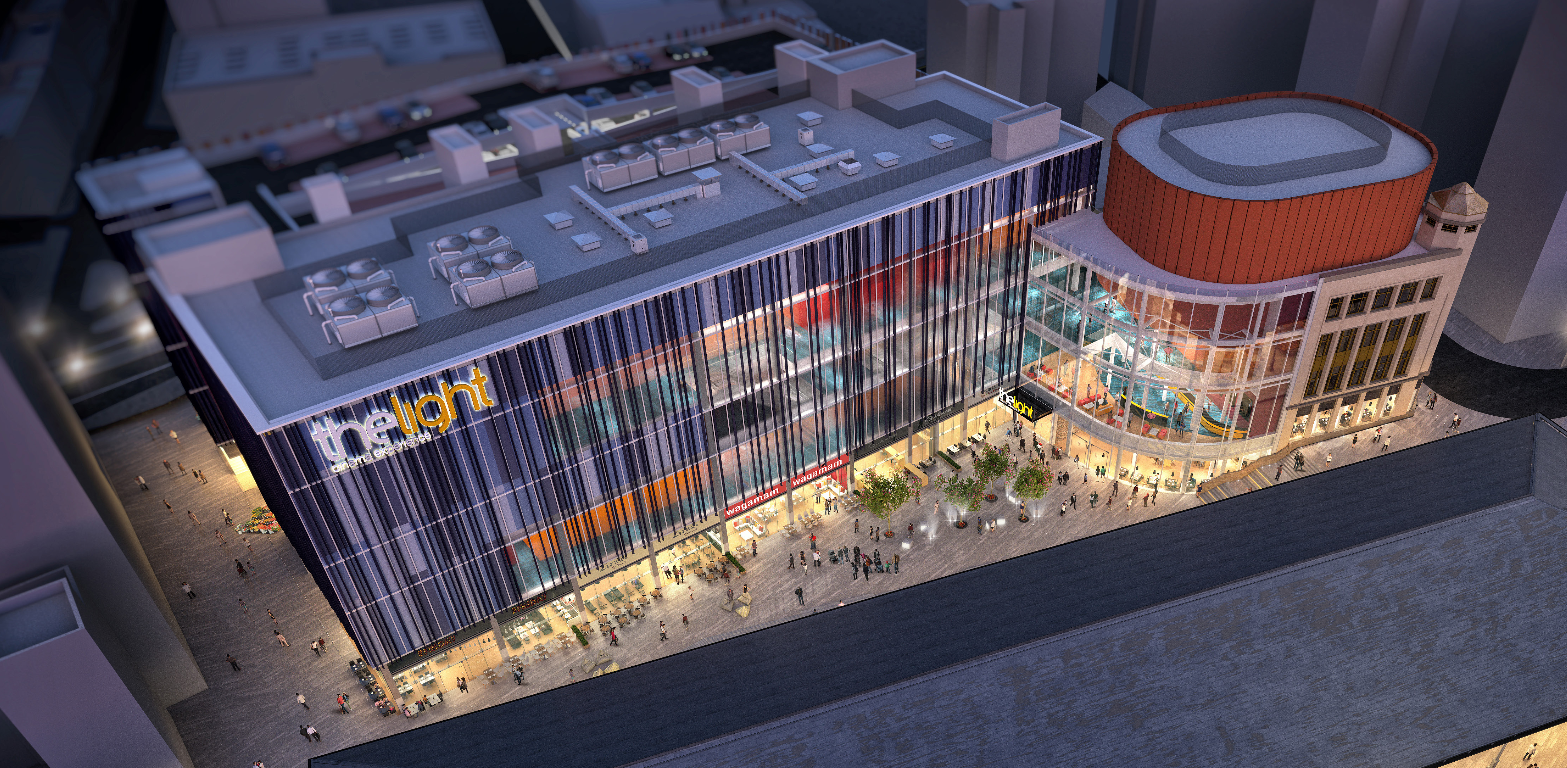
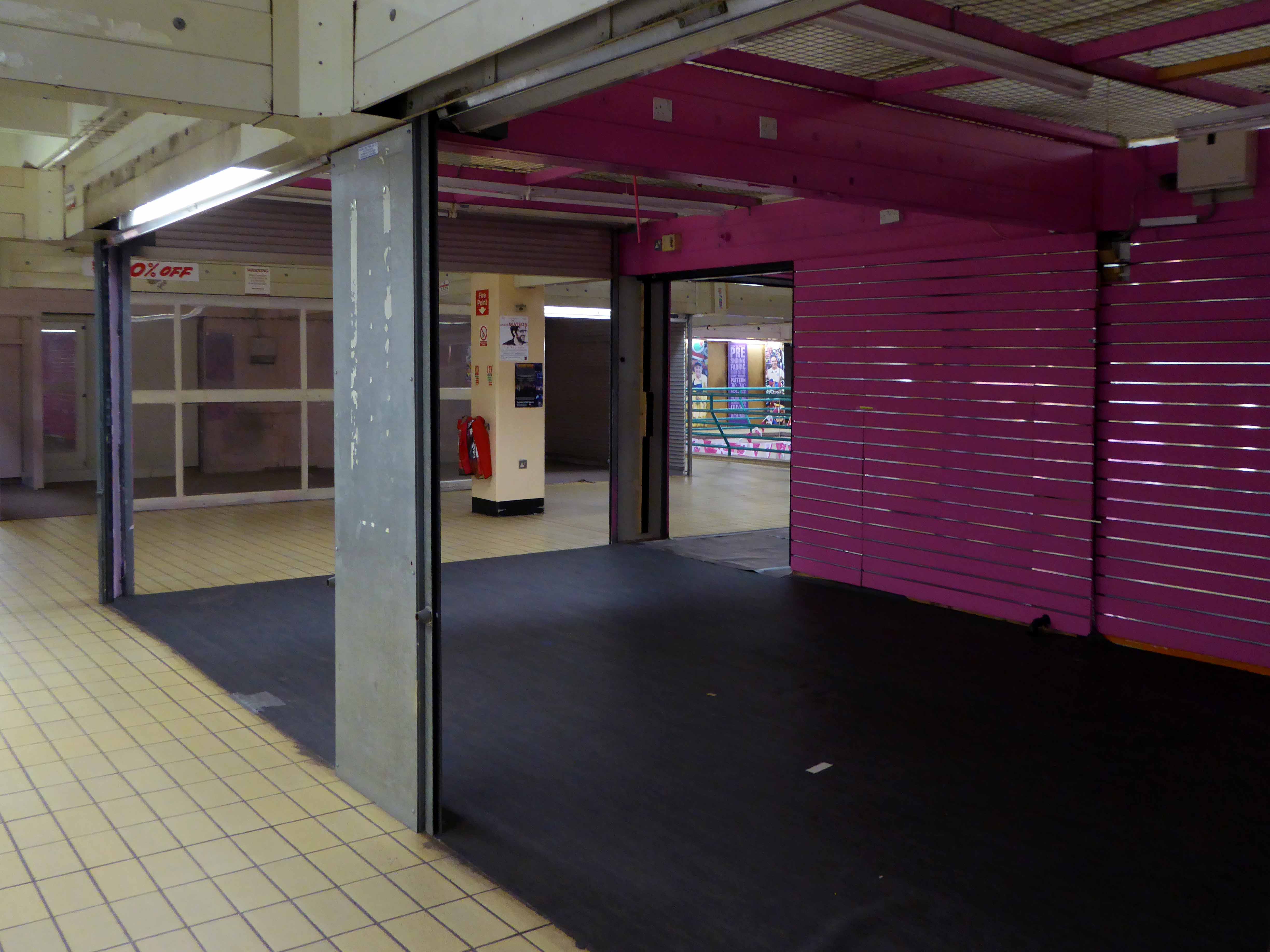
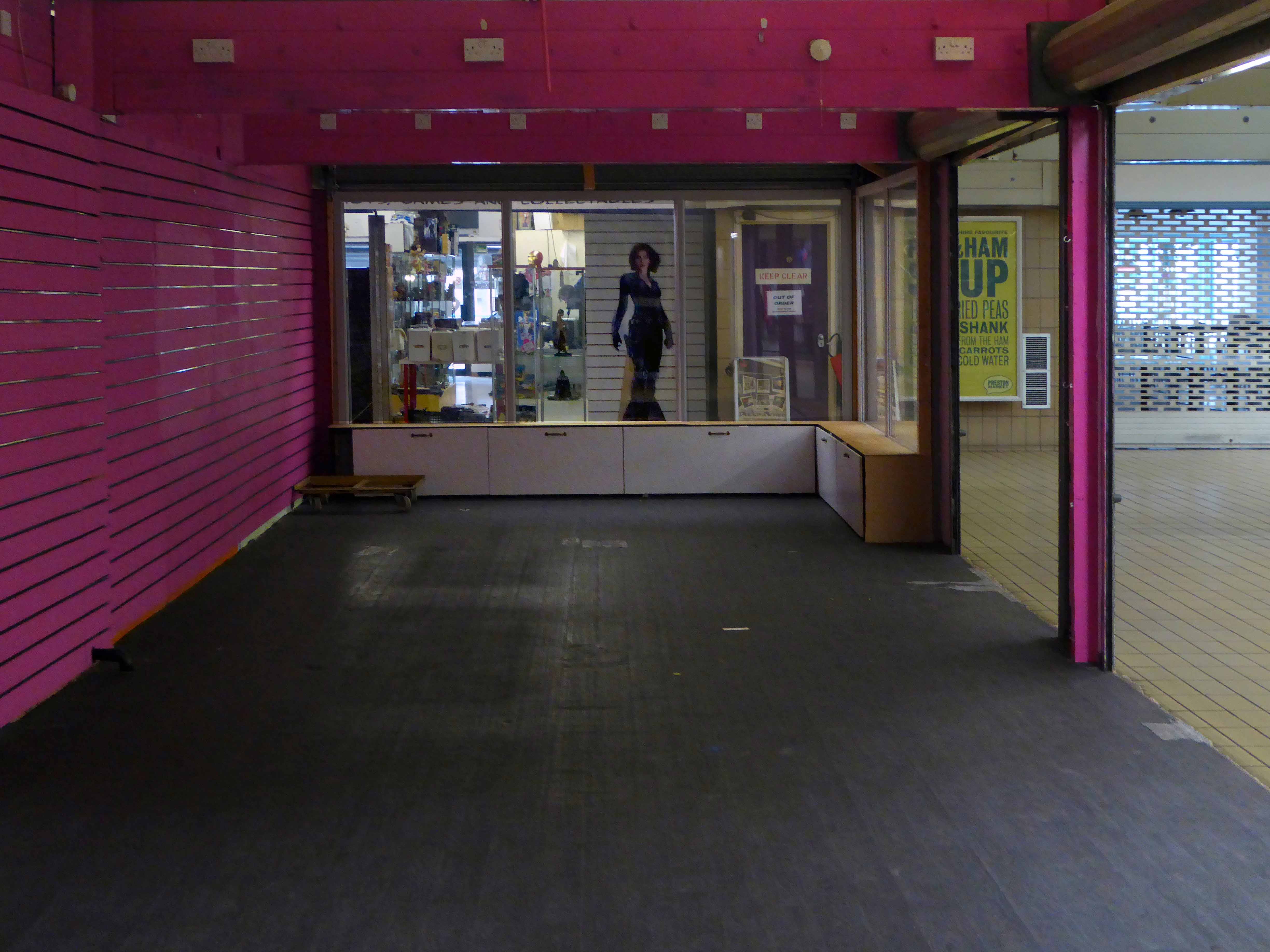
Boarded and shuttered awaiting demolition – Waiting for The Light to shine:
Preston City Council has granted planning permission to Muse Developments’ £50m cinema-led leisure scheme in the city centre.
Muse is working in partnership with the council on the plans, made up of an 11-screen cinema operated by The Light, seven family restaurants, a 593-space multi-storey car park and public realm improvements.
The project forms part of the wider regeneration of the Markets Quarter which includes the full refurbishment and redecoration of the grade two-listed market canopies and the construction of a glazed Market Hall.
Preston to their credit have become an exemplar for inward urban regeneration, and the work undertaken so far in the market area is bringing new life and trade to the area.
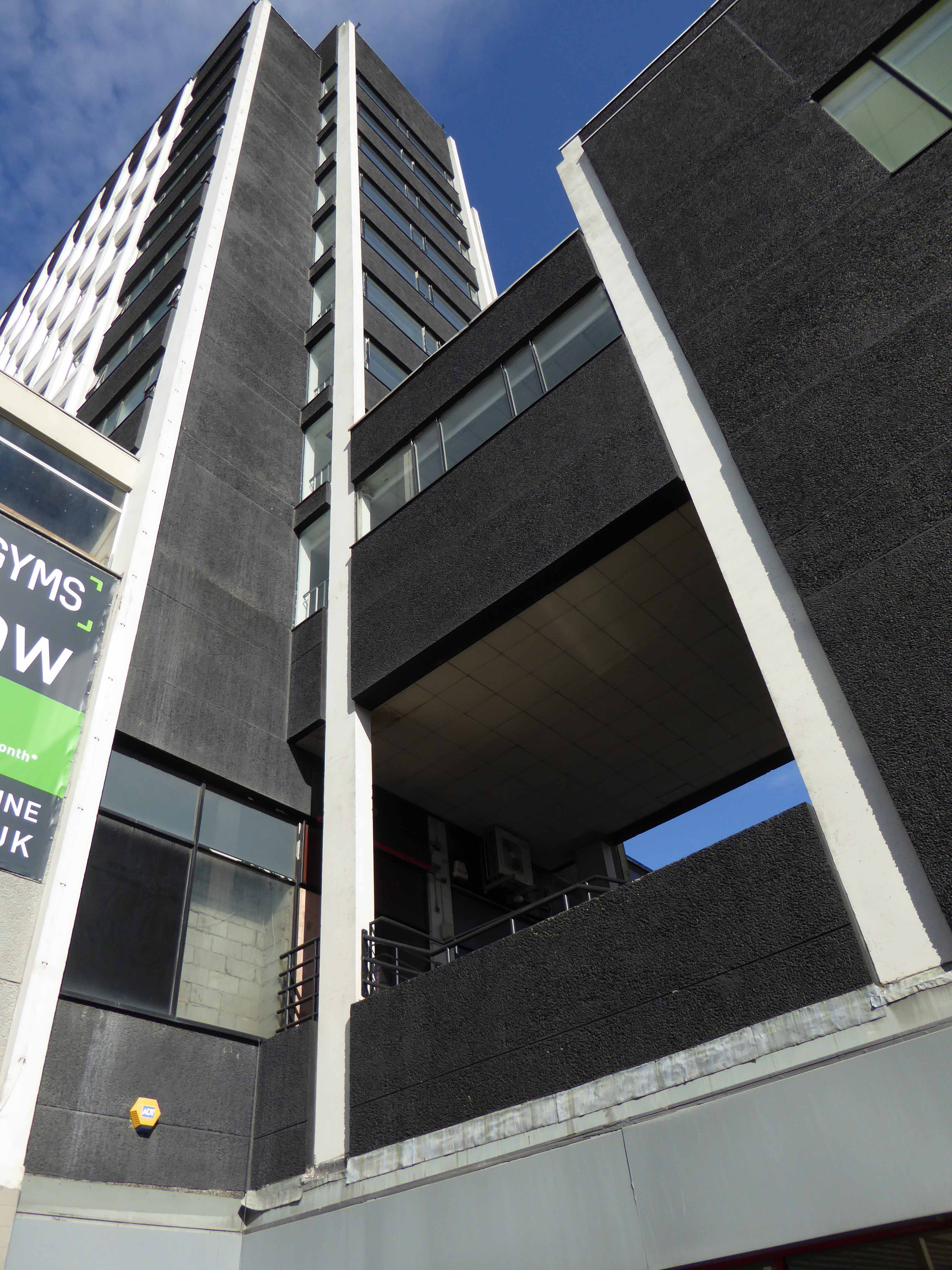
That said, it is always saddening to see the architecture of the Sixties swept aside.
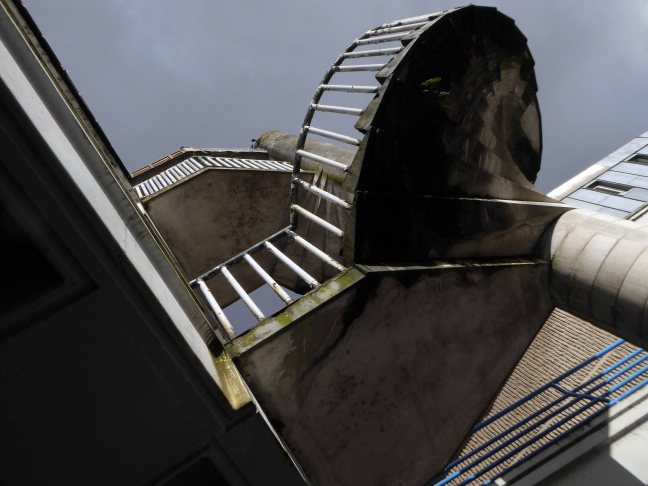
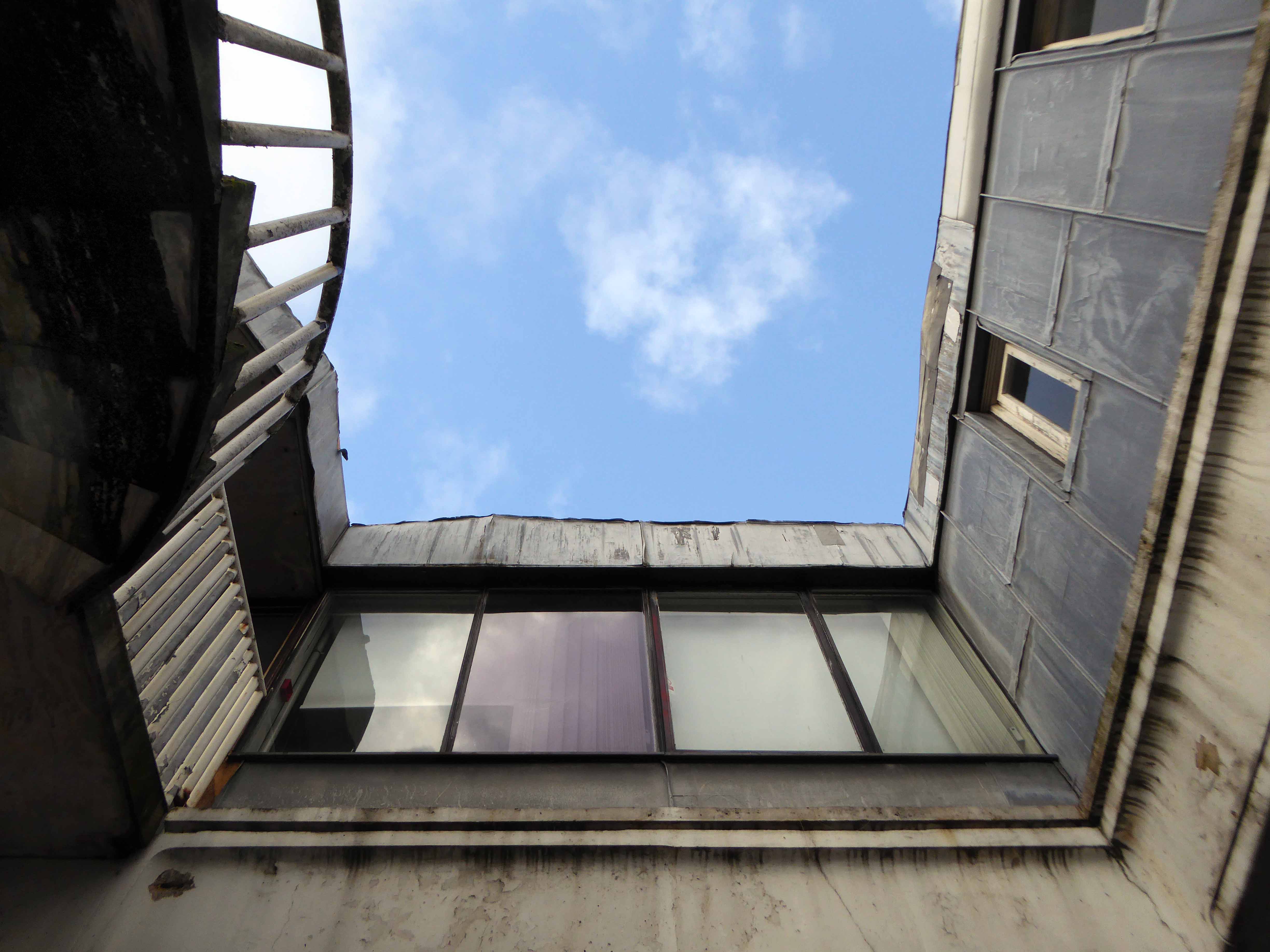
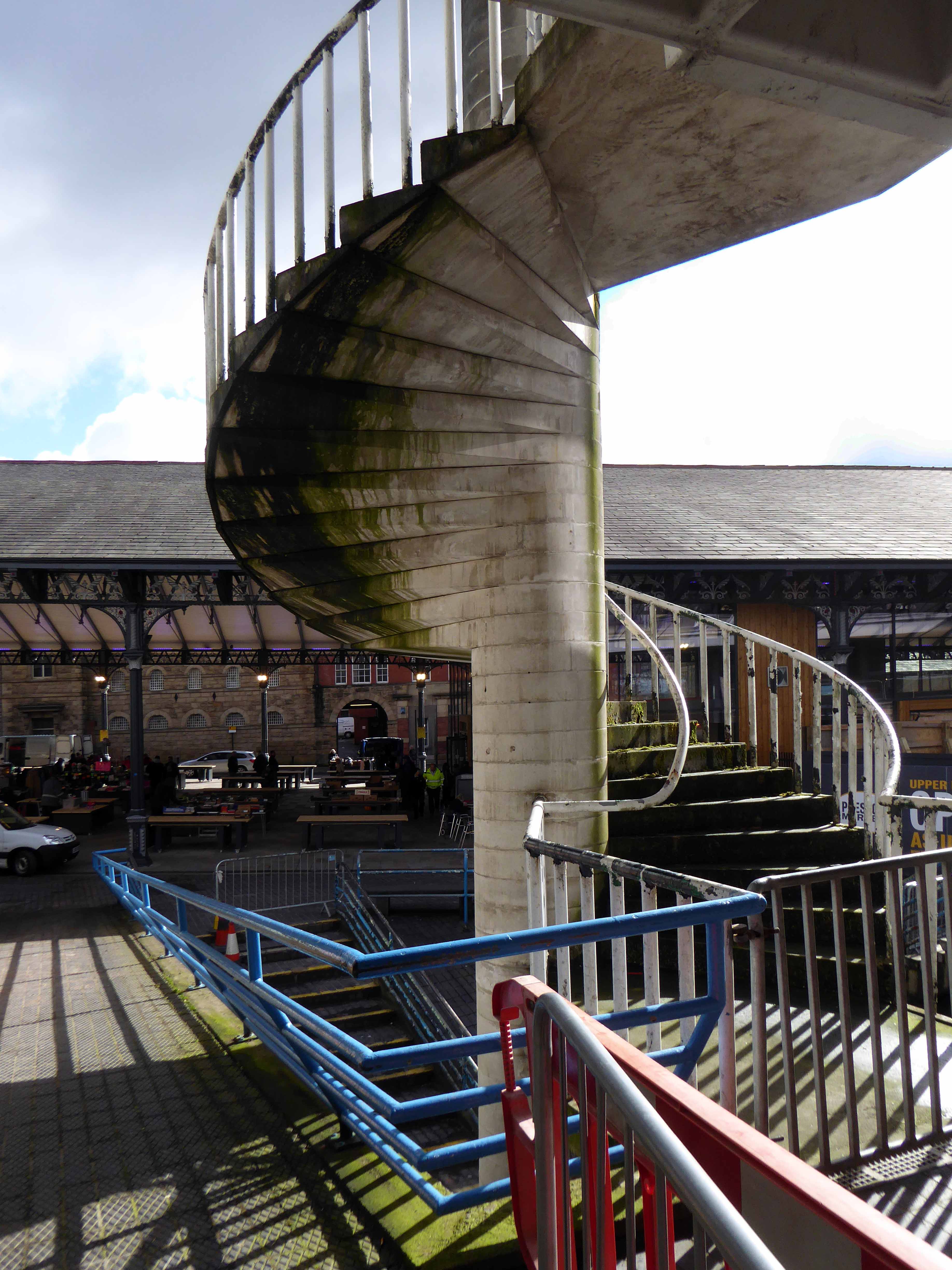
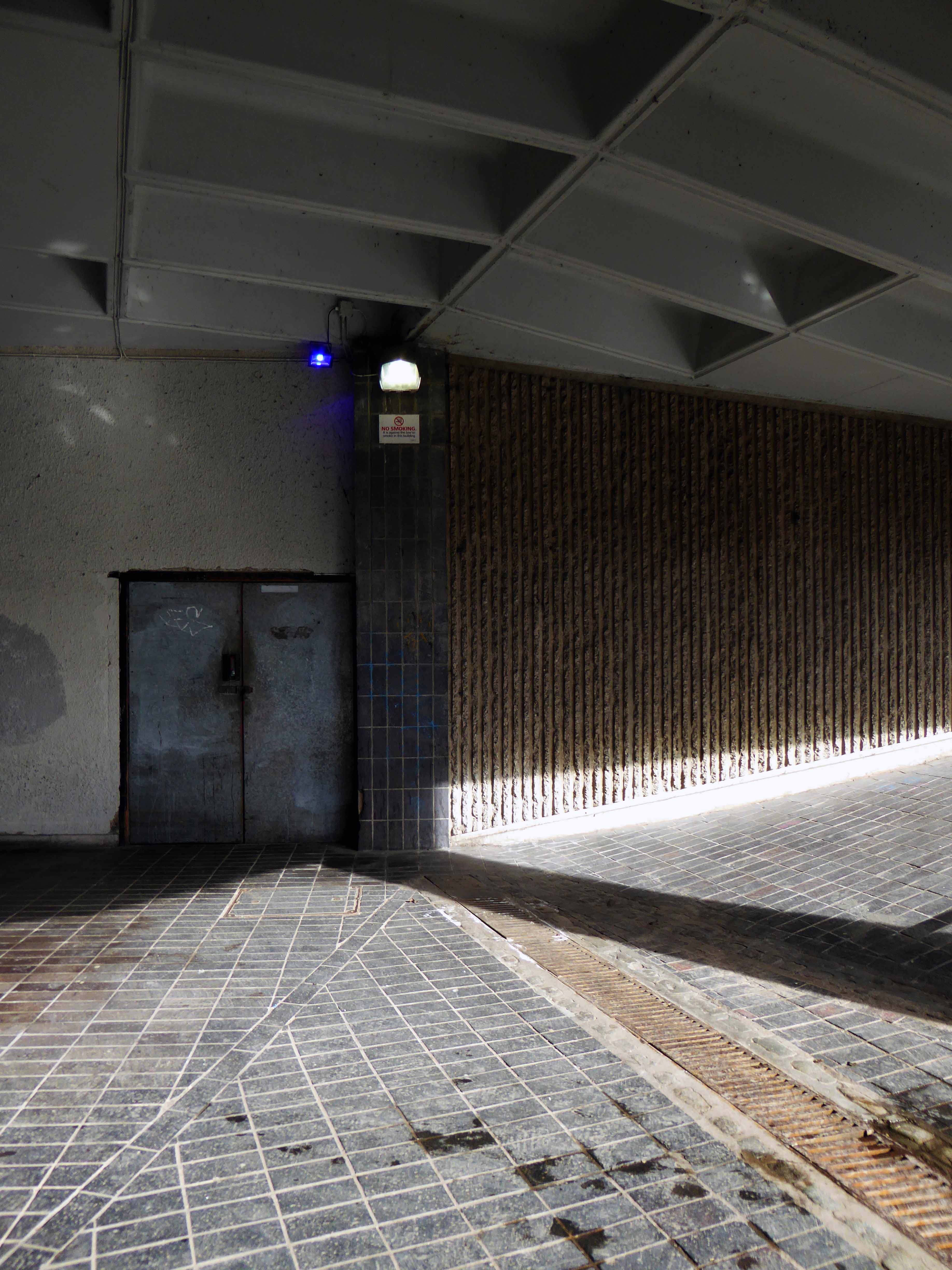
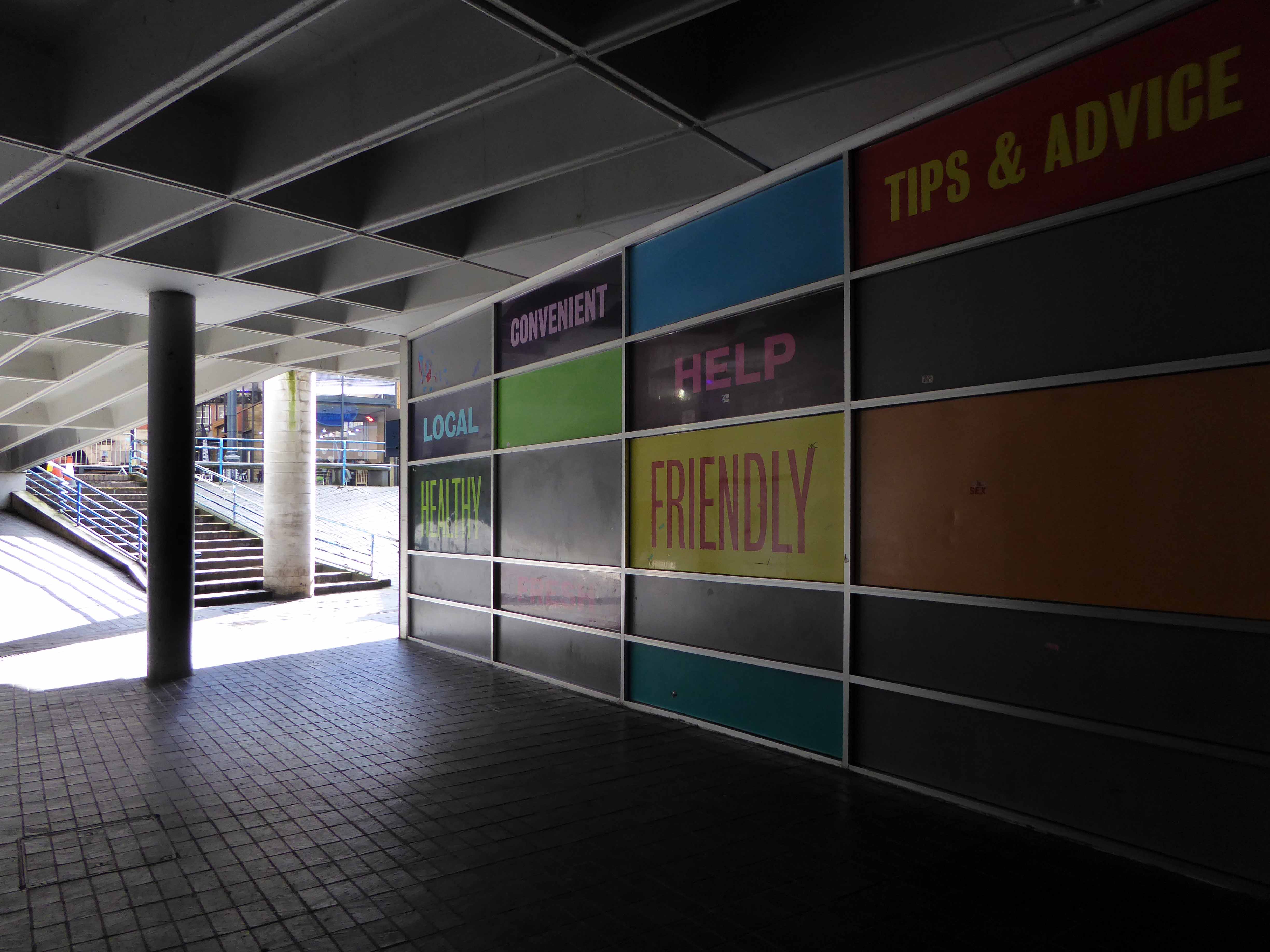
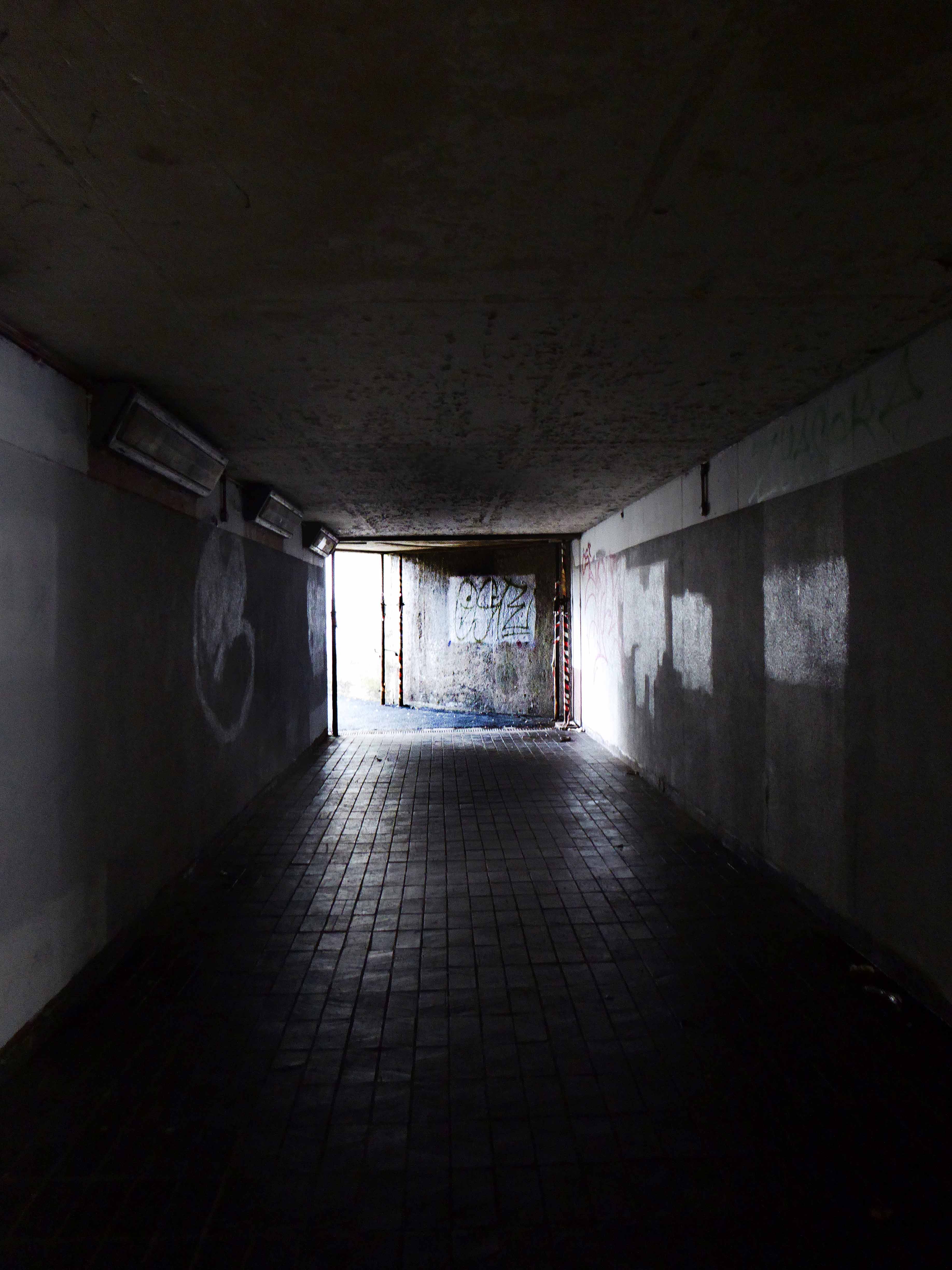
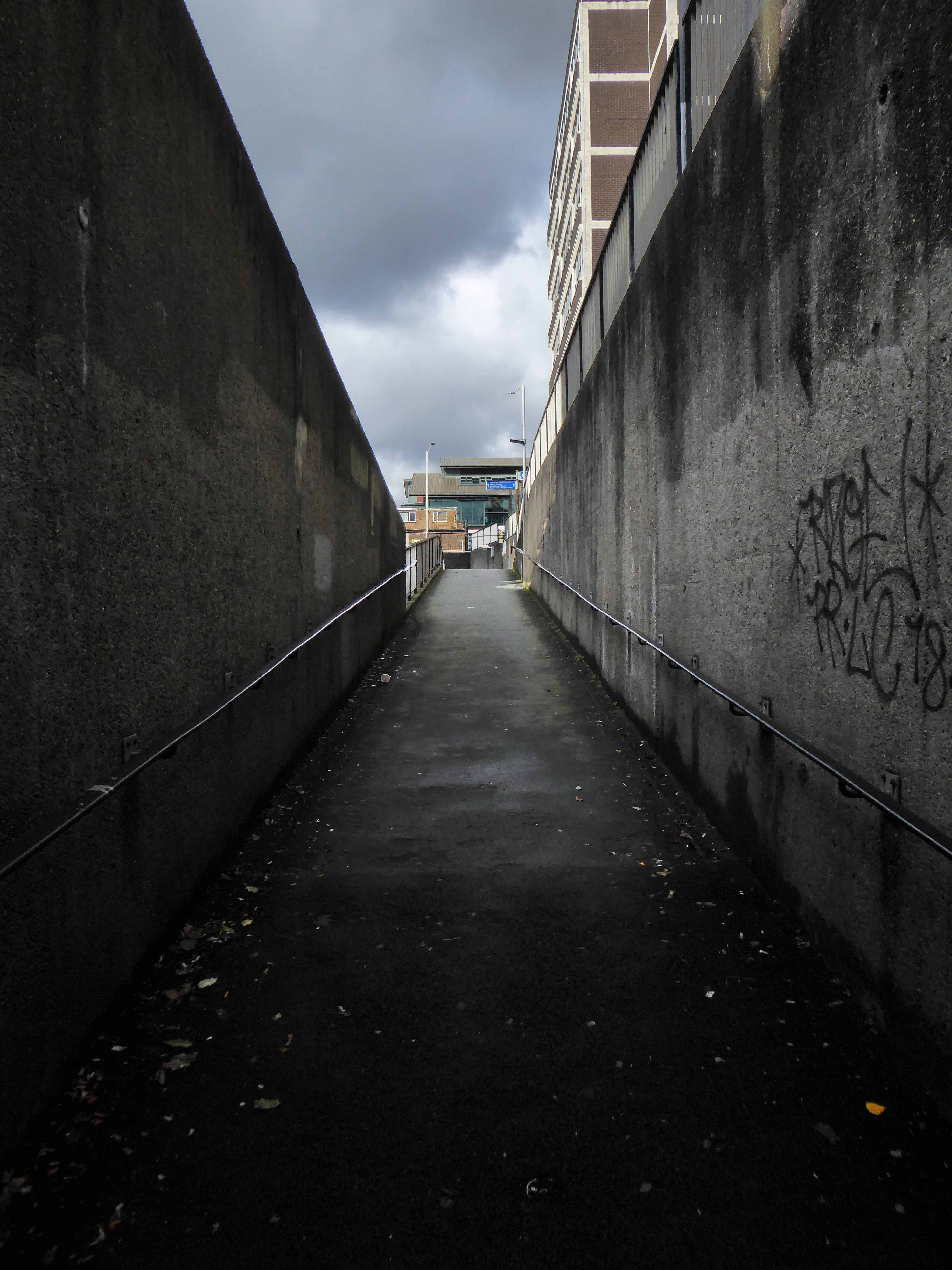
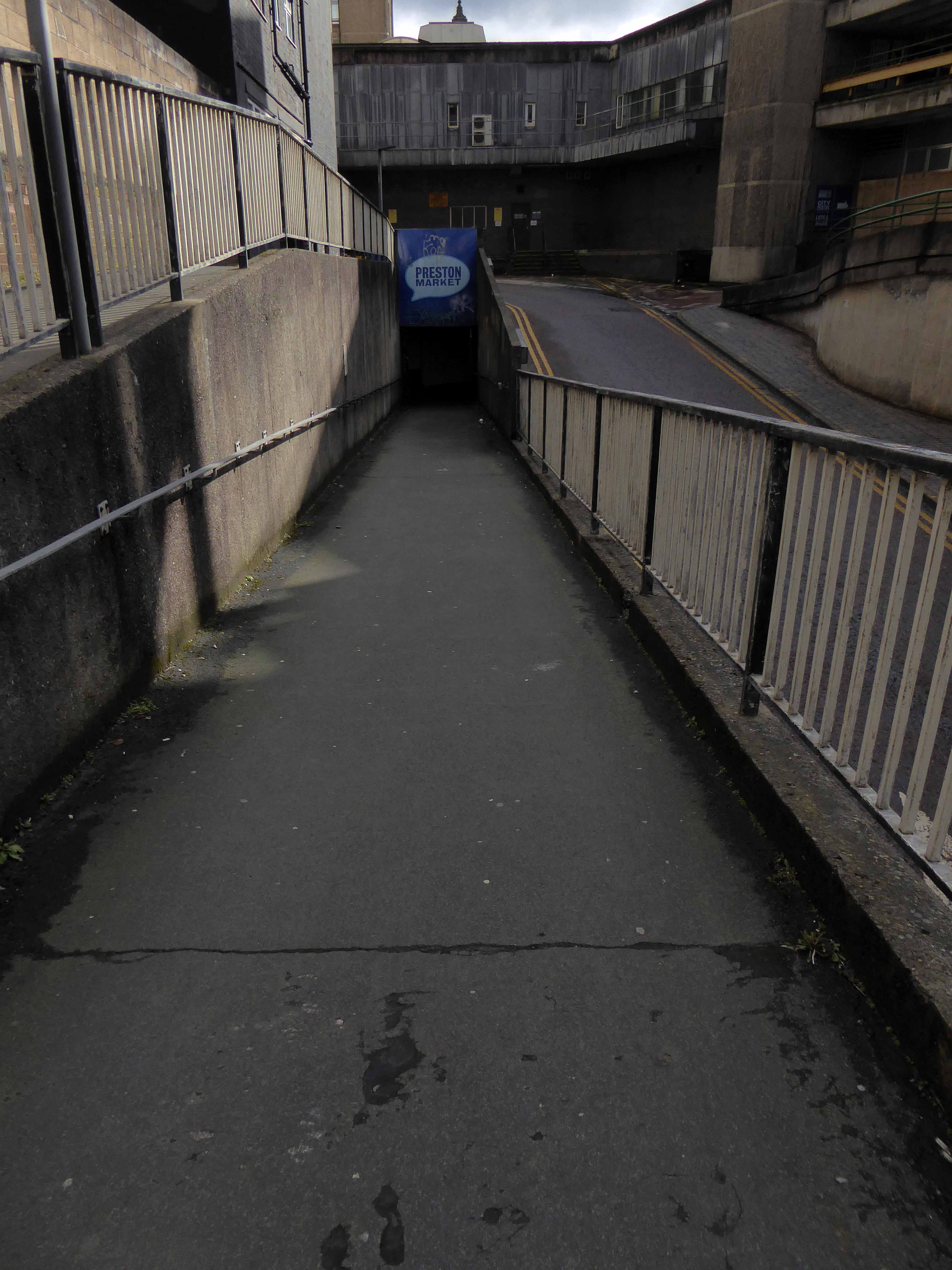
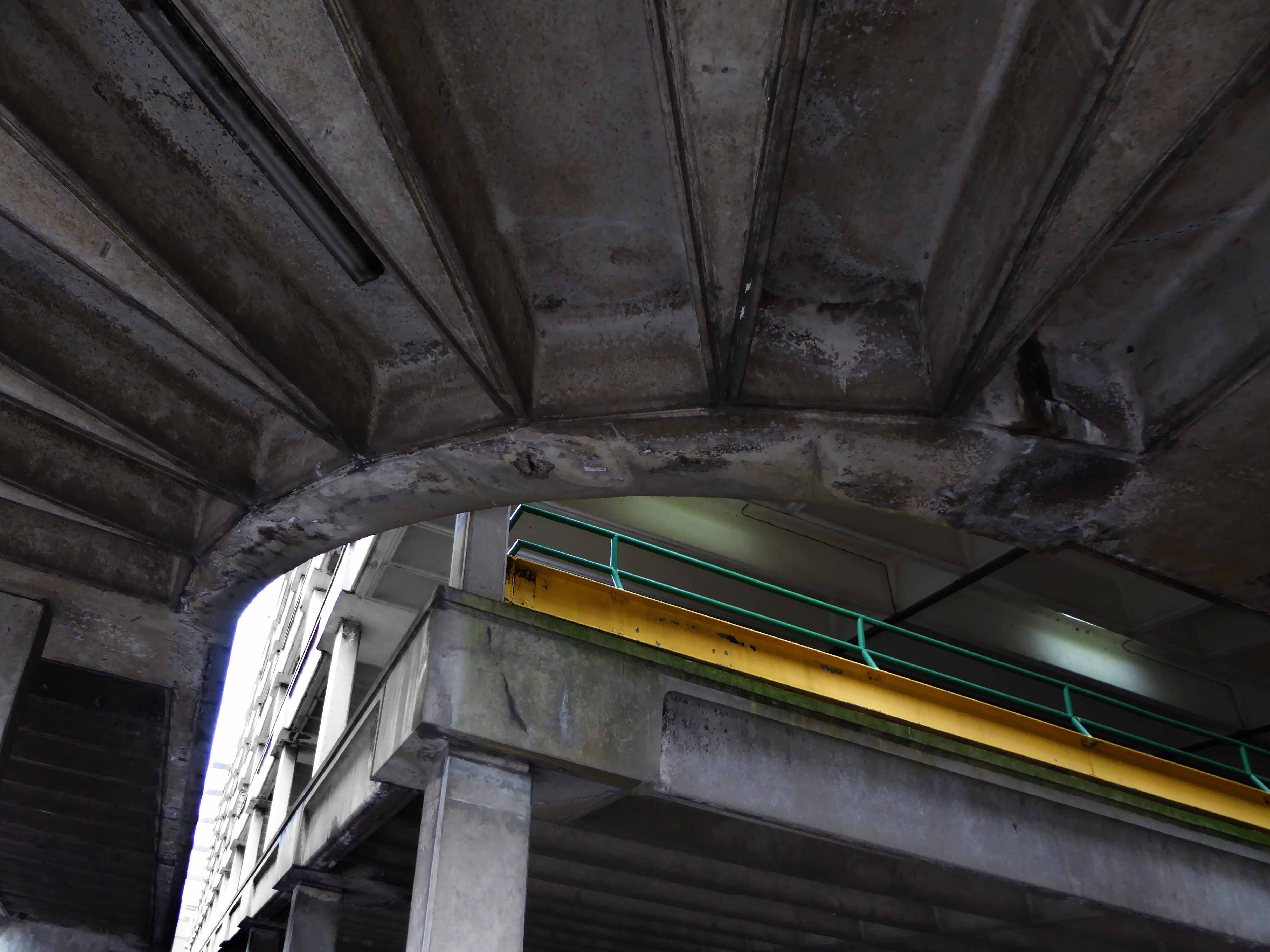
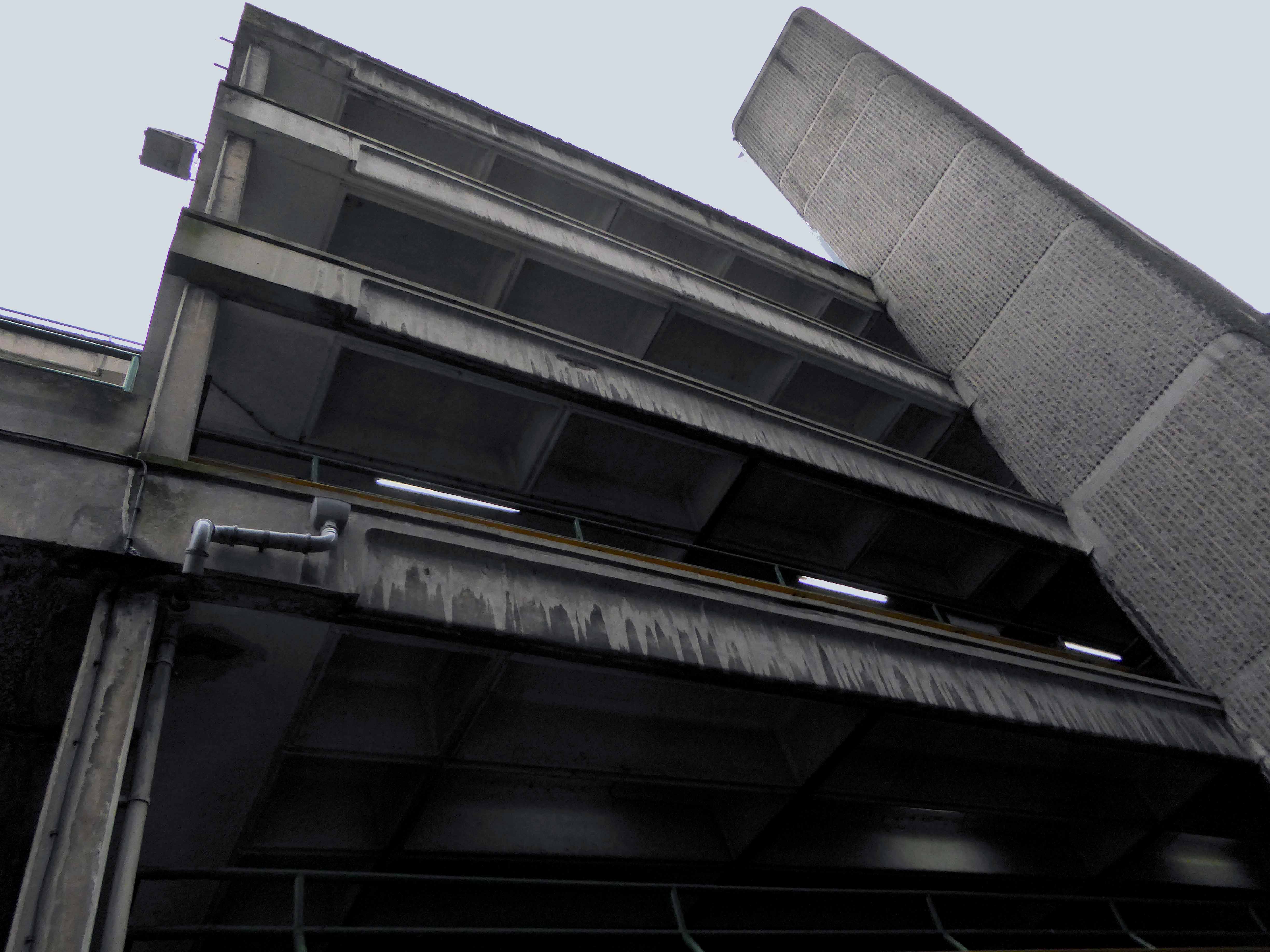
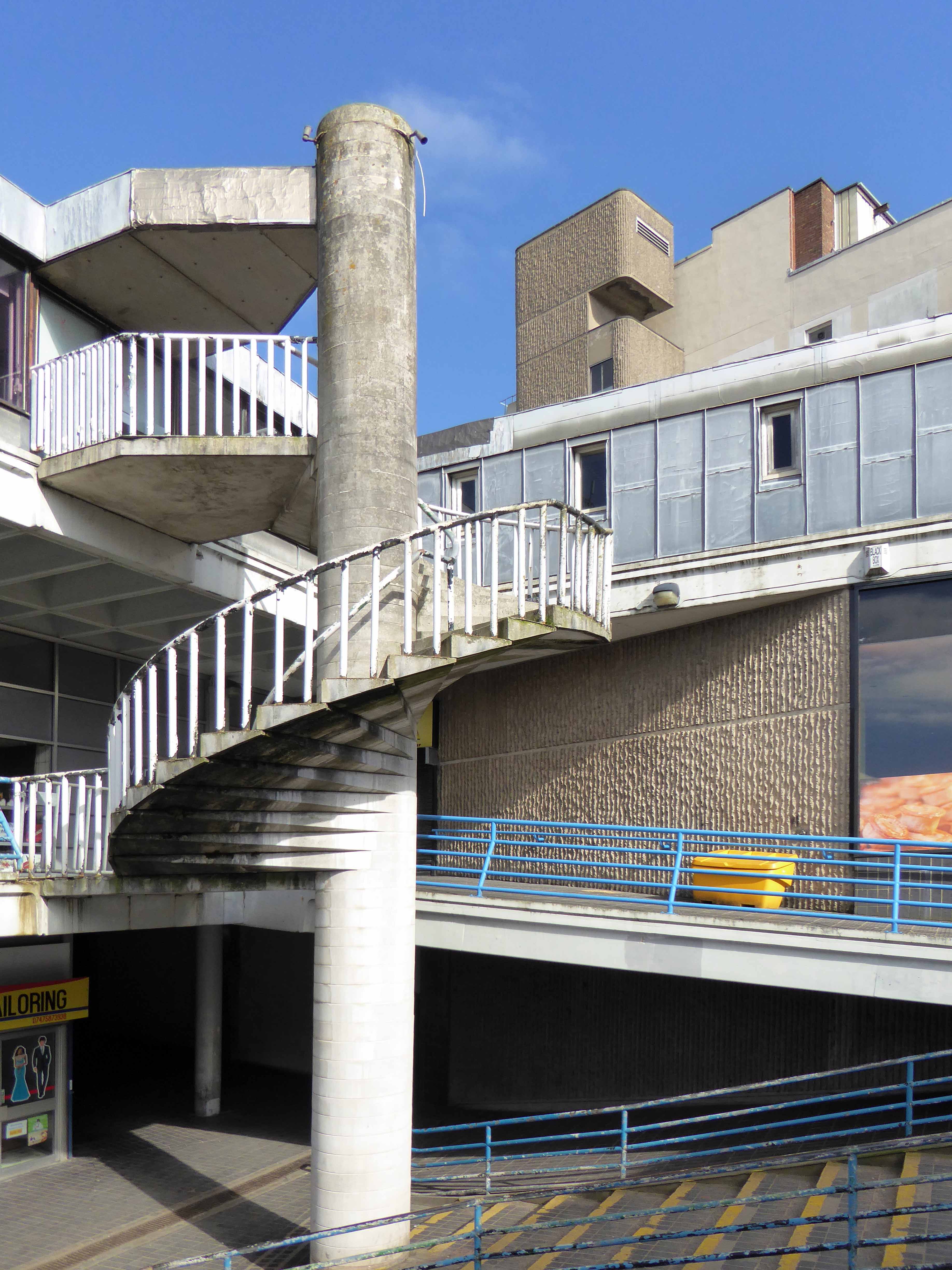
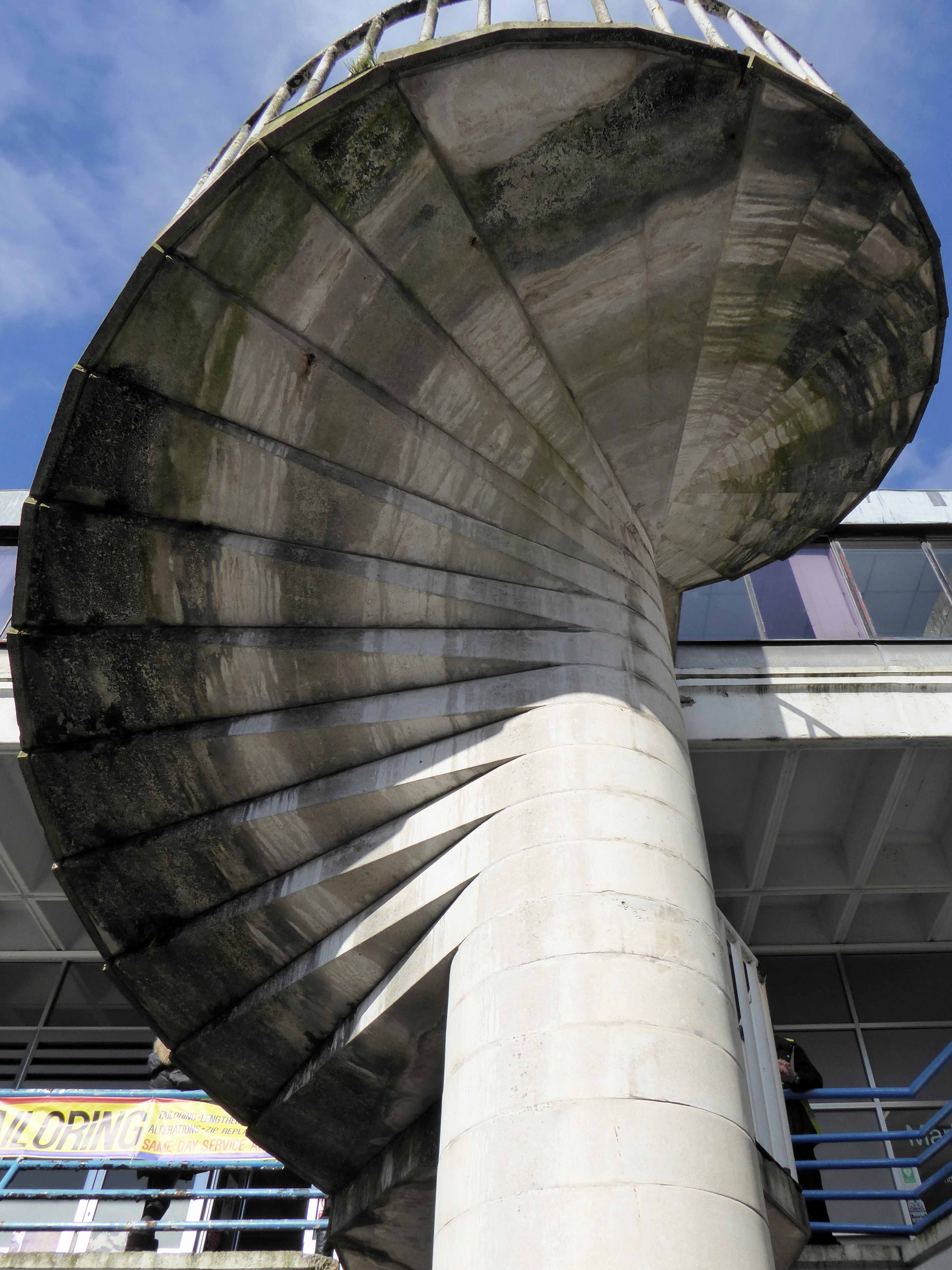
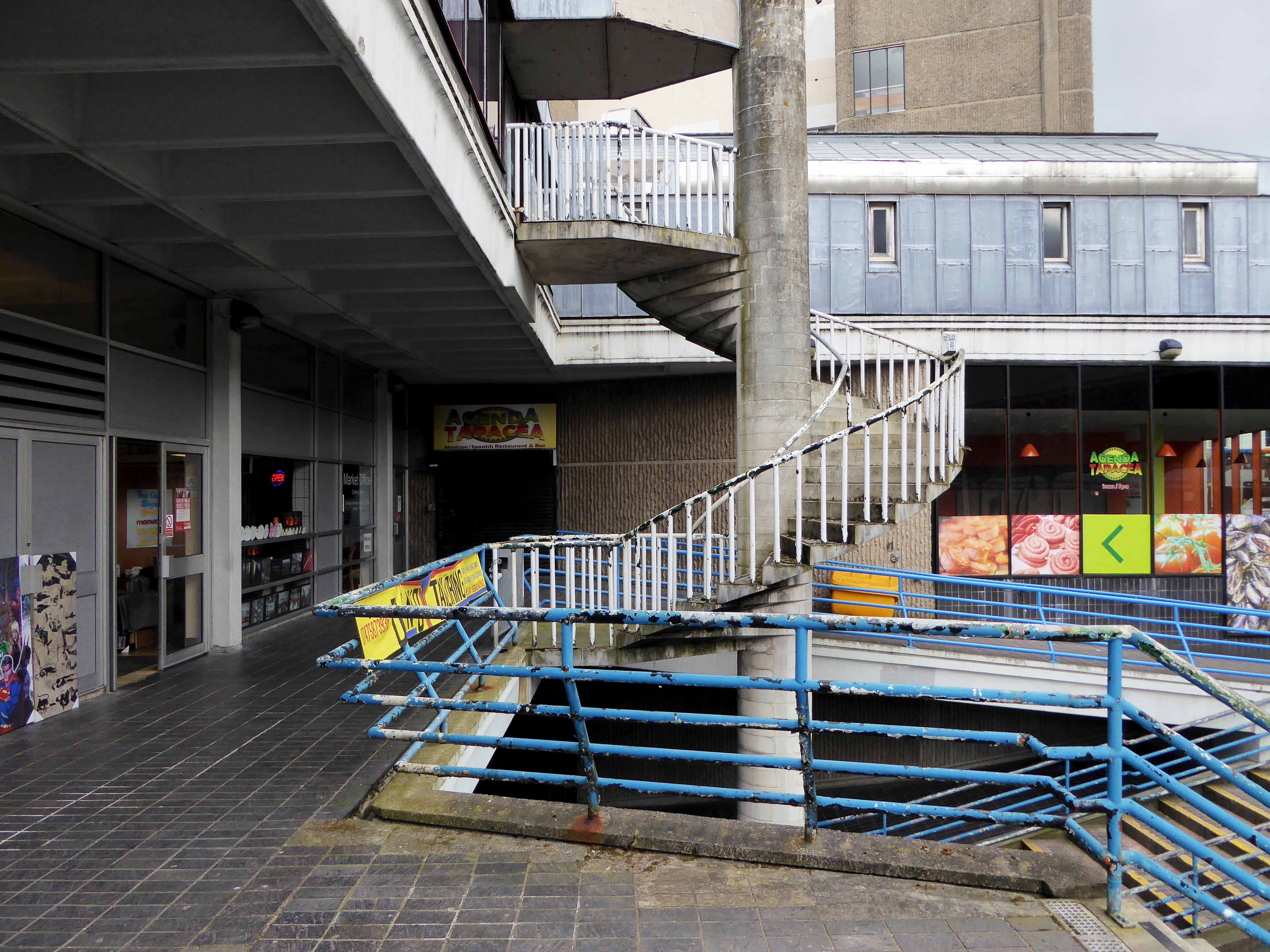
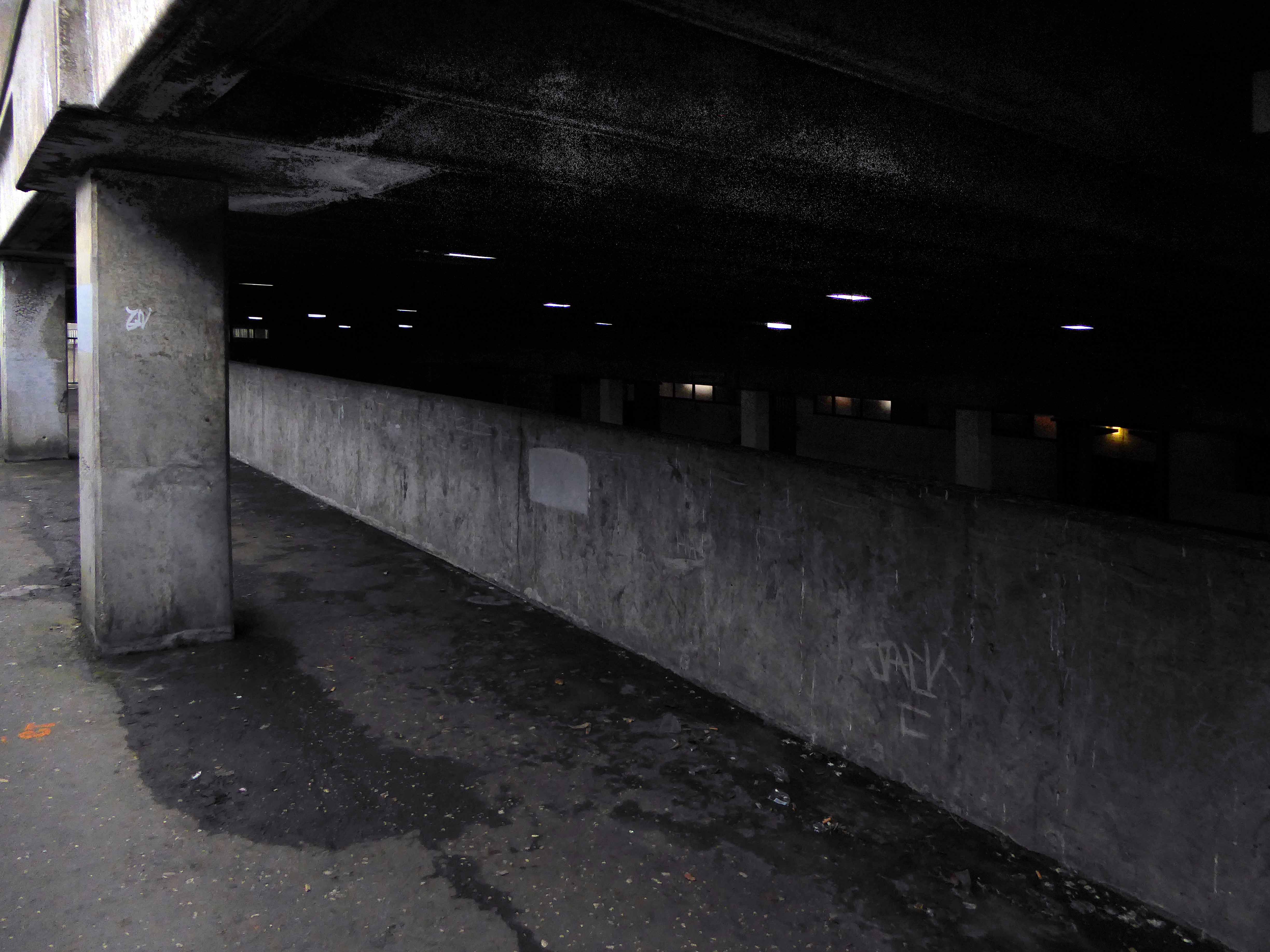
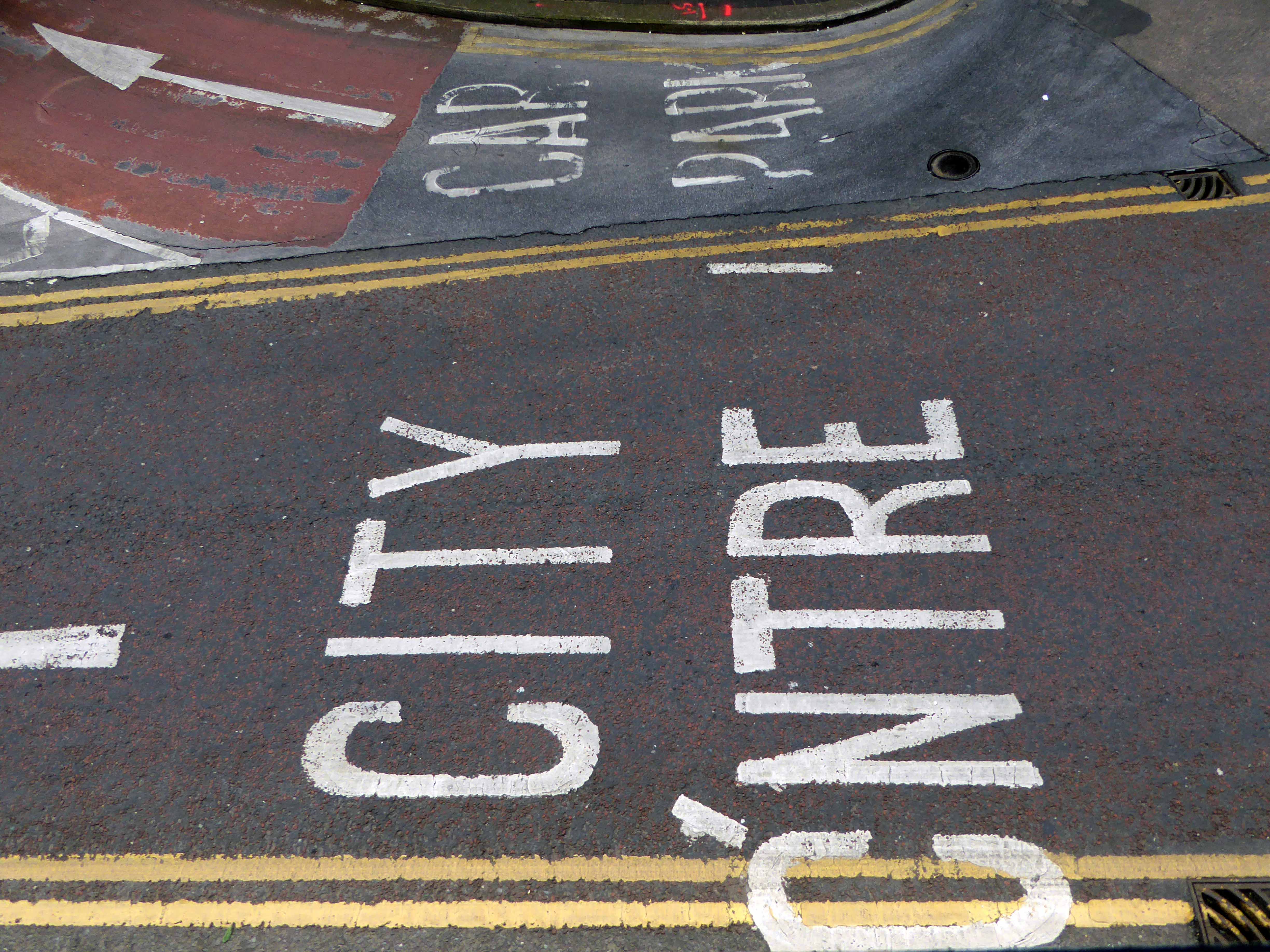
So come take one last wander through the concrete warren of ramps, underpasses and tunnels of the unwanted indoor market.
Built in 1973 scheduled to be closed and demolished in ten days time.
The future is not so red rosey for yet another traditional local market.
A typically boxy arrangement of steel, concrete, asbestos glass and brick, the complex of trading units, stalls and parking is not without charm. Though as with many other developments of its type, it seems to be without friends, then inevitably without customers and traders.
Following a template originated at London’s Borough Market, developers and councils seem to favour the modern artisan over the proletarian . This concept when meshed with the multi-plex and chain restaurant/bar amalgam, provides a shiny new future, for the shiny new shape of all our retail and leisure needs.
So ta-ta to another world of hats and socks, fruit and veg, workwear for workers.
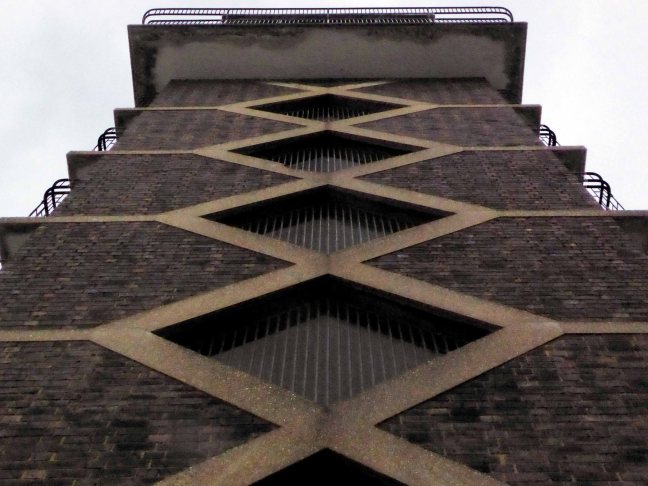
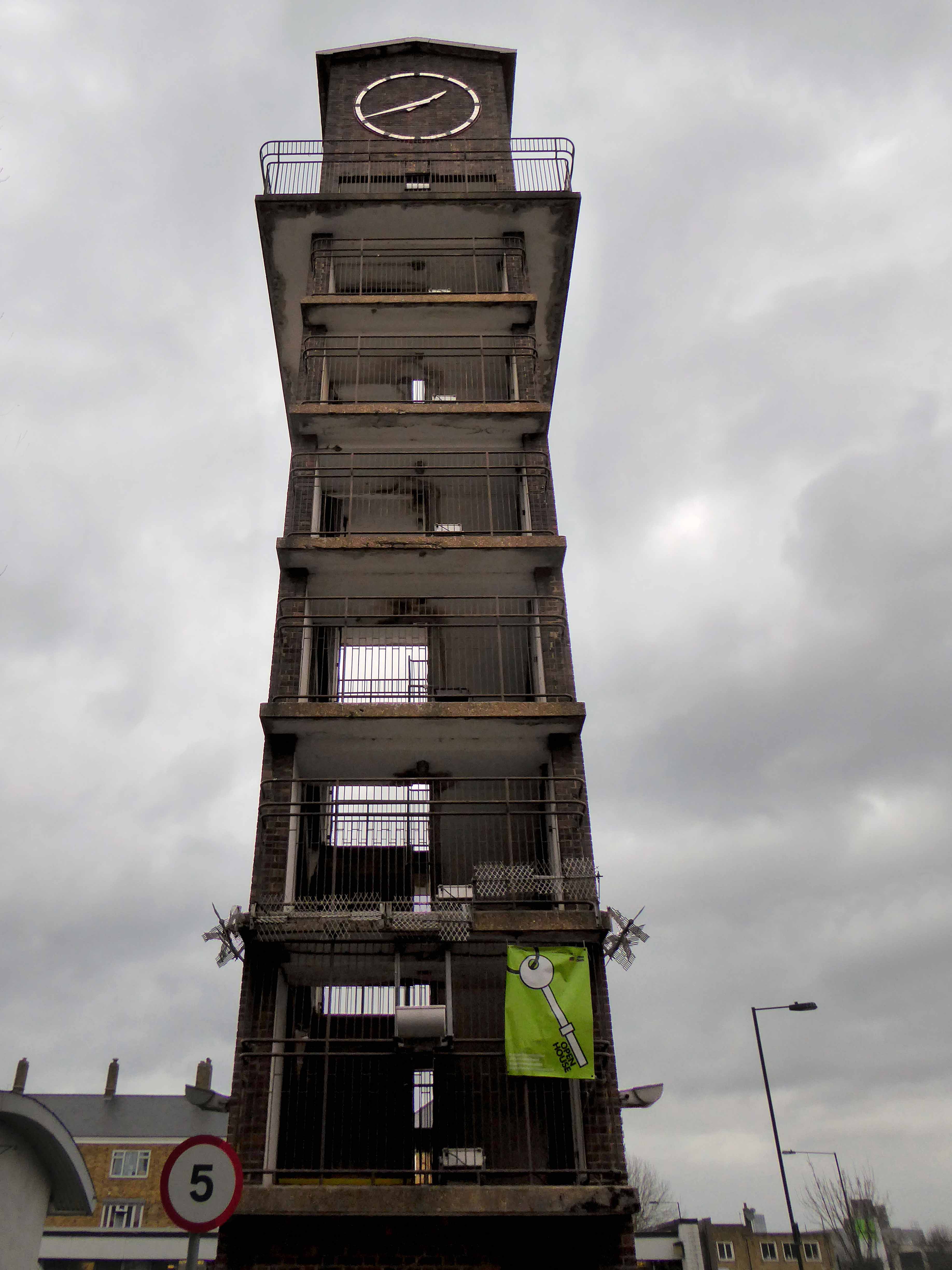
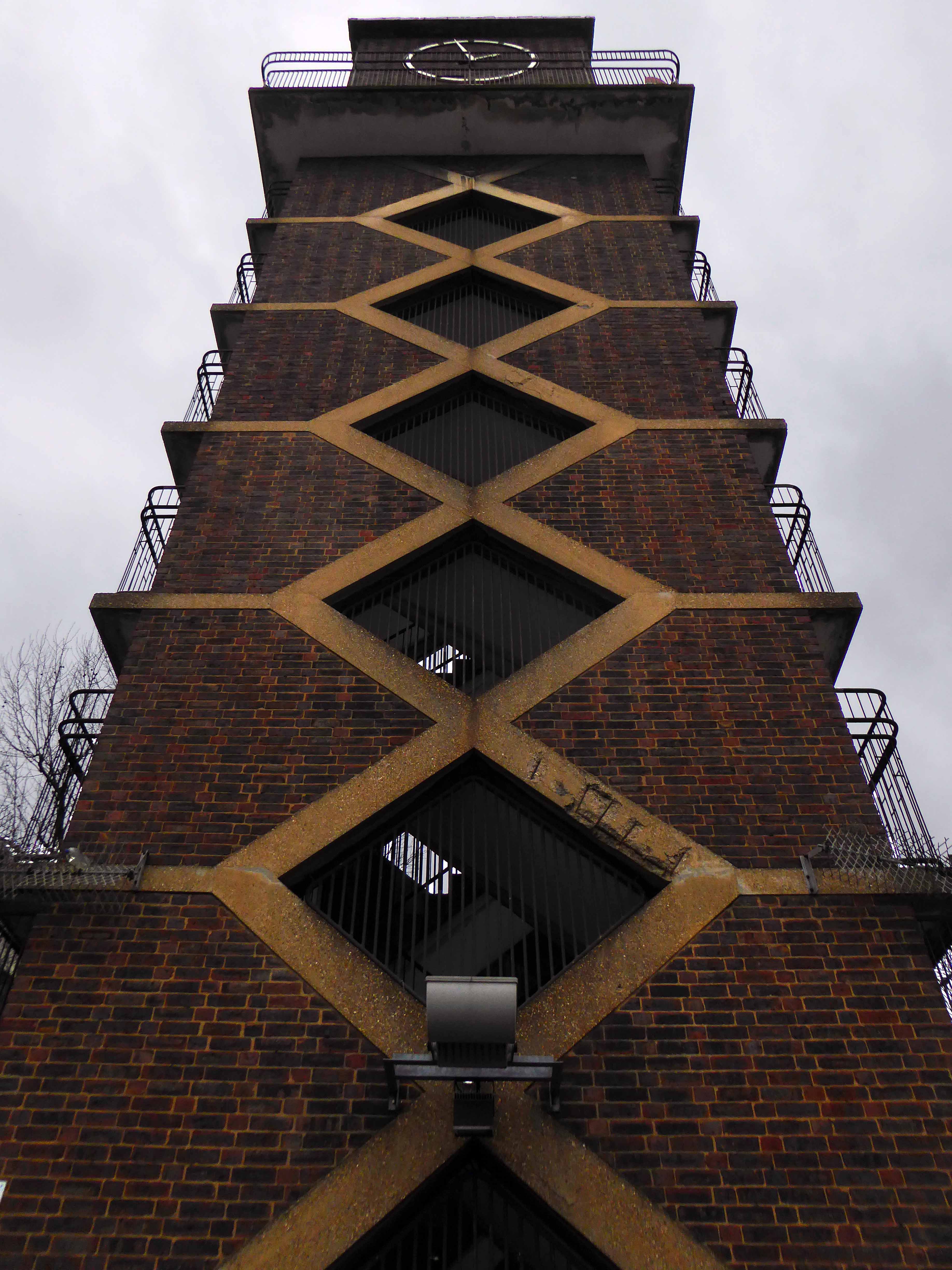
Neither wrought from purest ivory, nor containing some woe begotten, long gone, misplaced Rapunzel, but conceived as a democratic symbol of a new age of concrete, brick and steel.
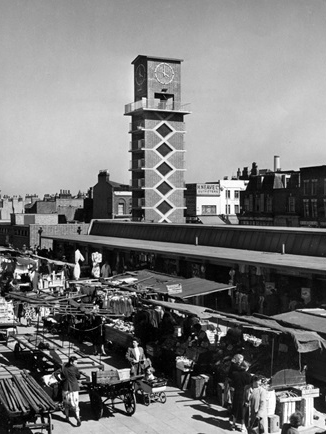
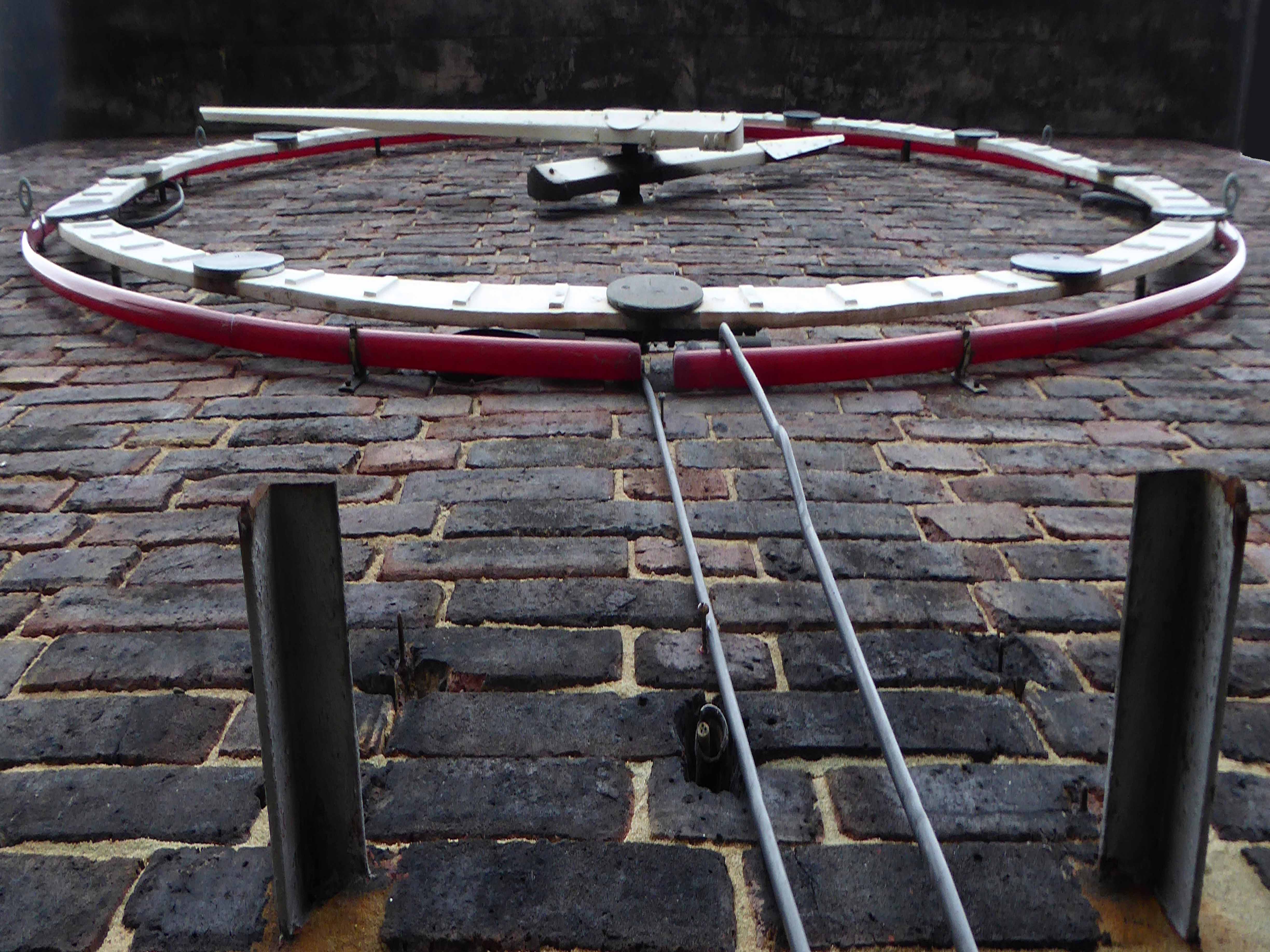
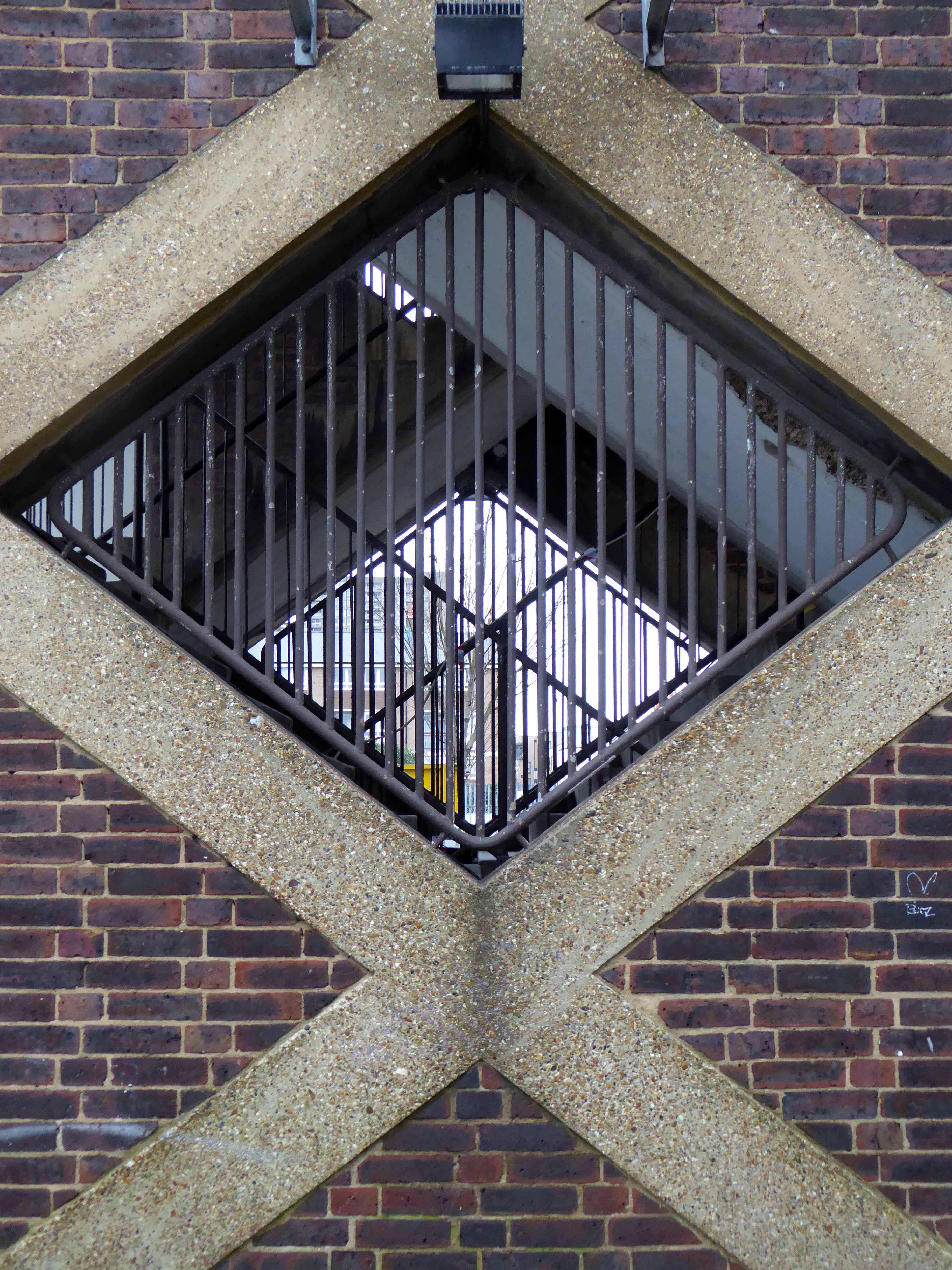
Frederick Gibberd’s almost triumphal tower interlocks zig-zag diamonds of cast concrete upwards towards a silently clicking clock, at the head of the Chrisp Street Market.
Its design has been based not solely on abstract aesthetic principles, or on the economics of commercial construction, or on the techniques of mass production, but on the social constitution of the community itself, with its diversity of human interests and human needs.
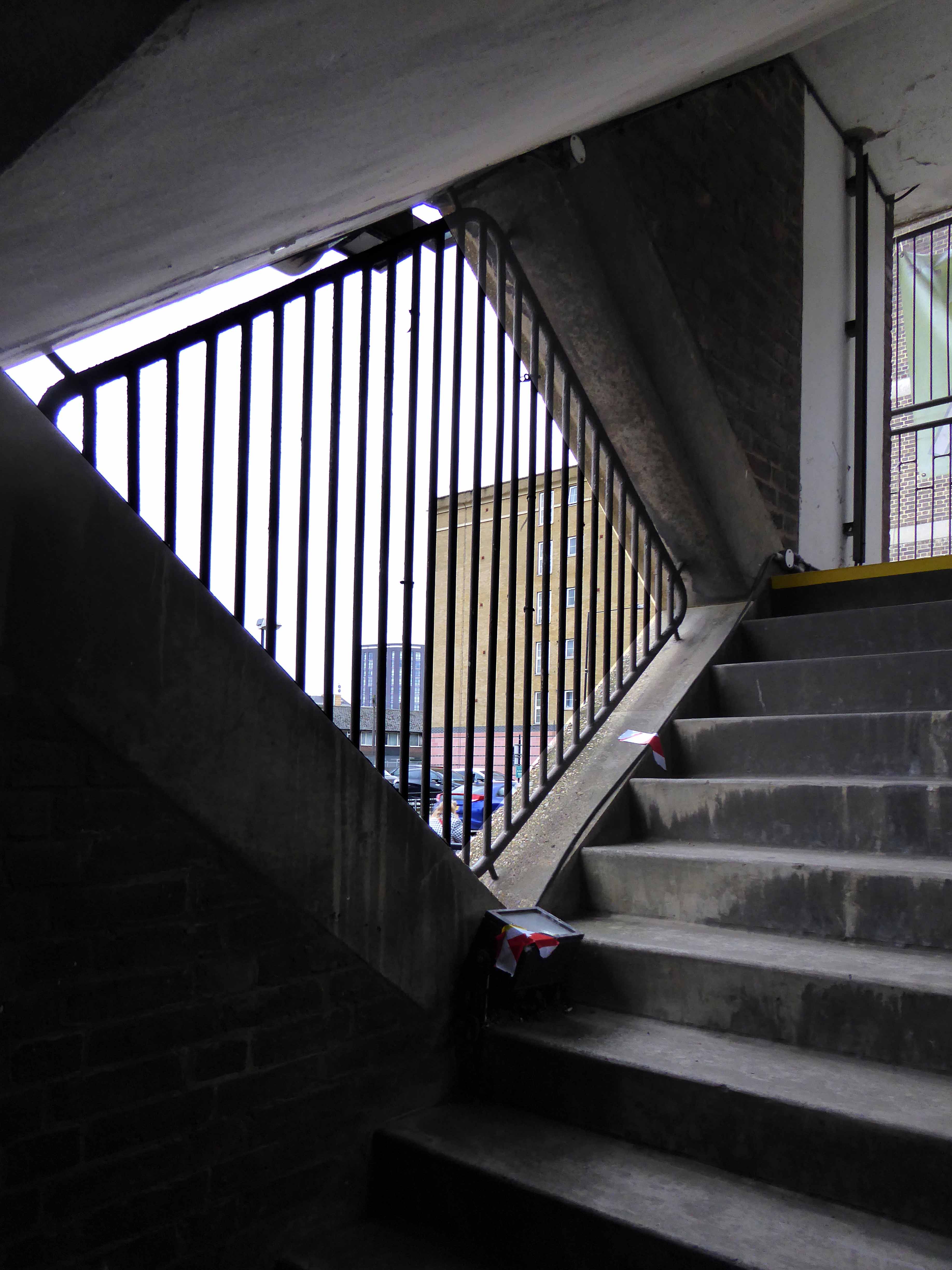
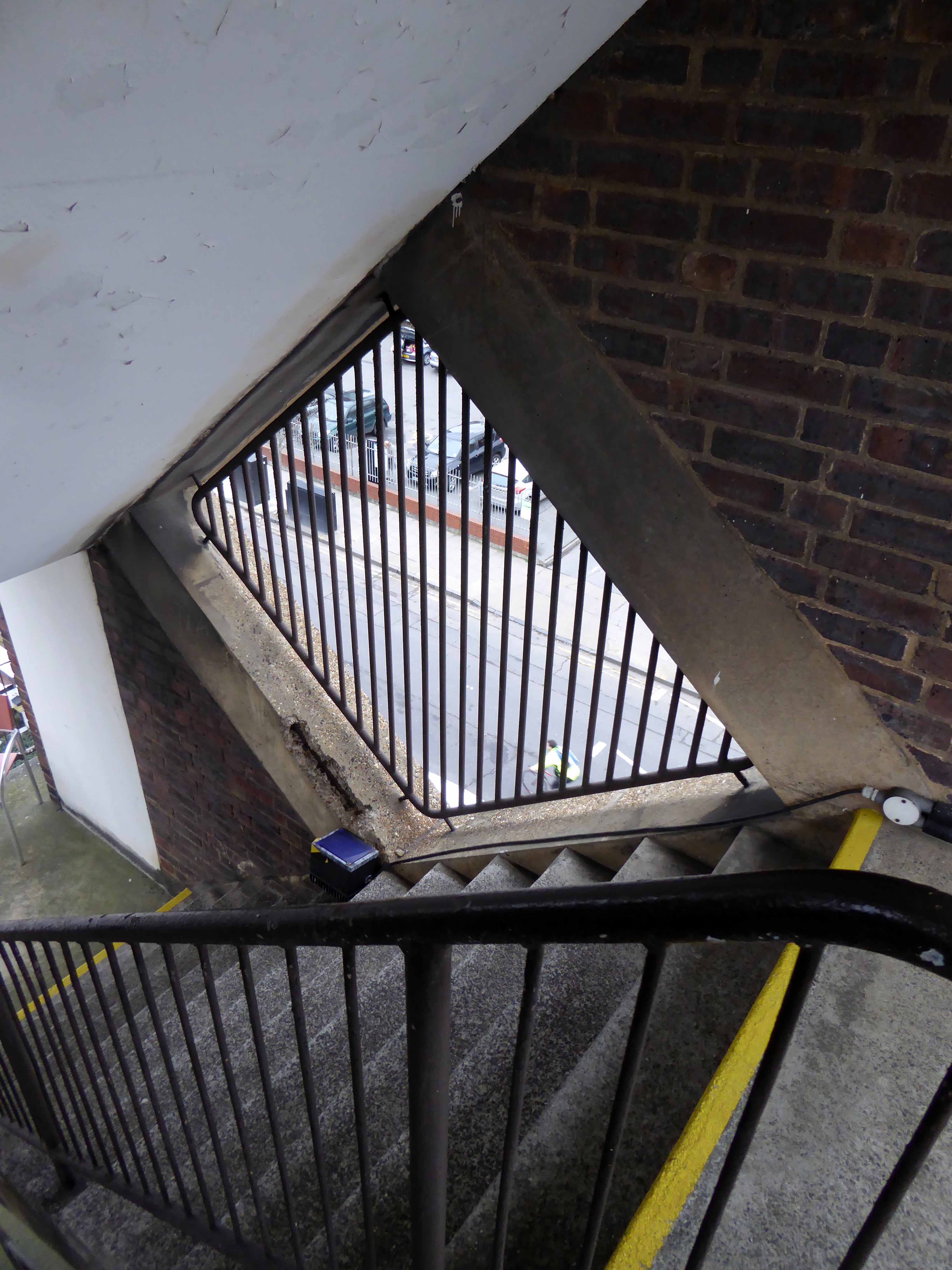
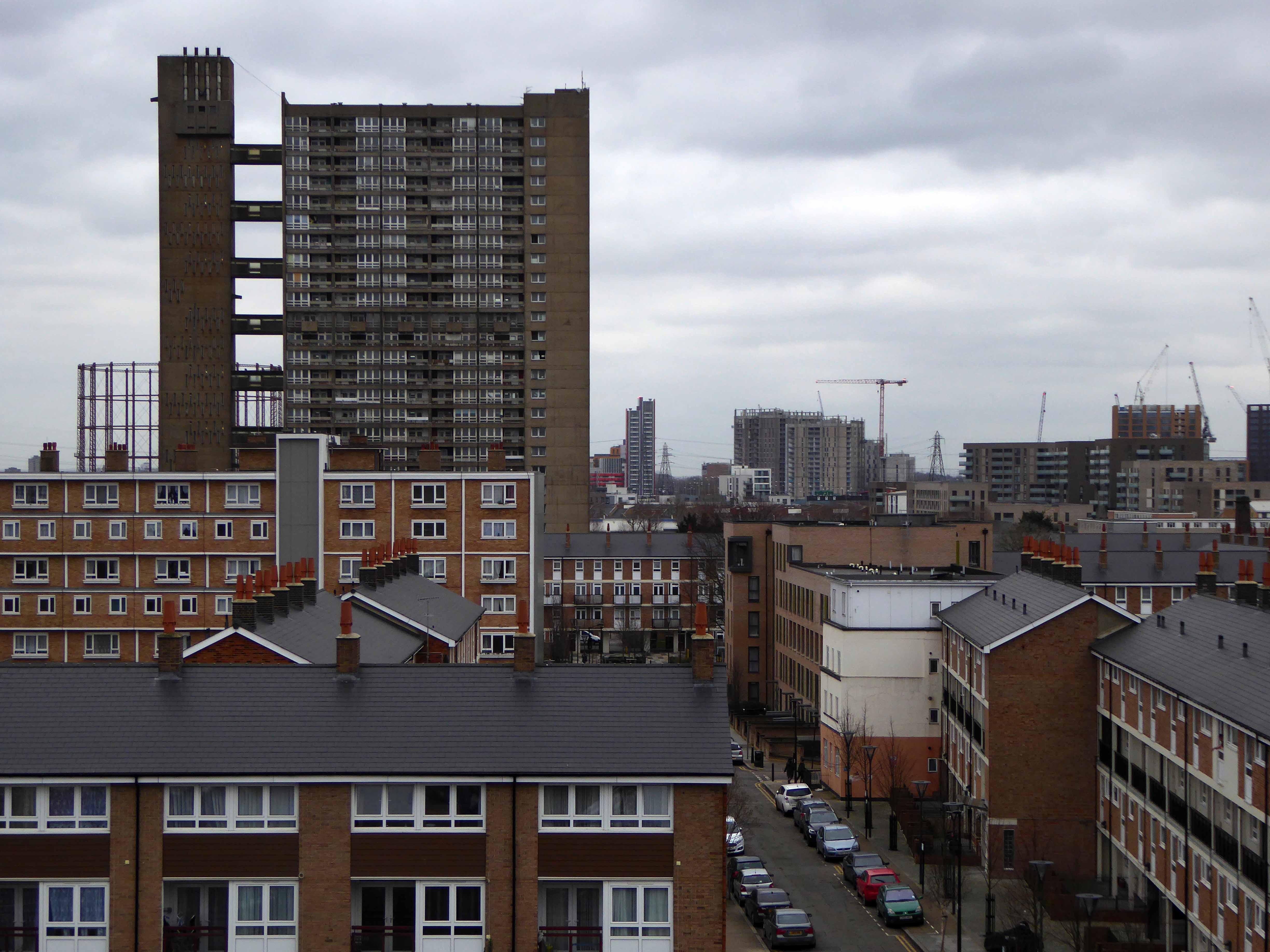
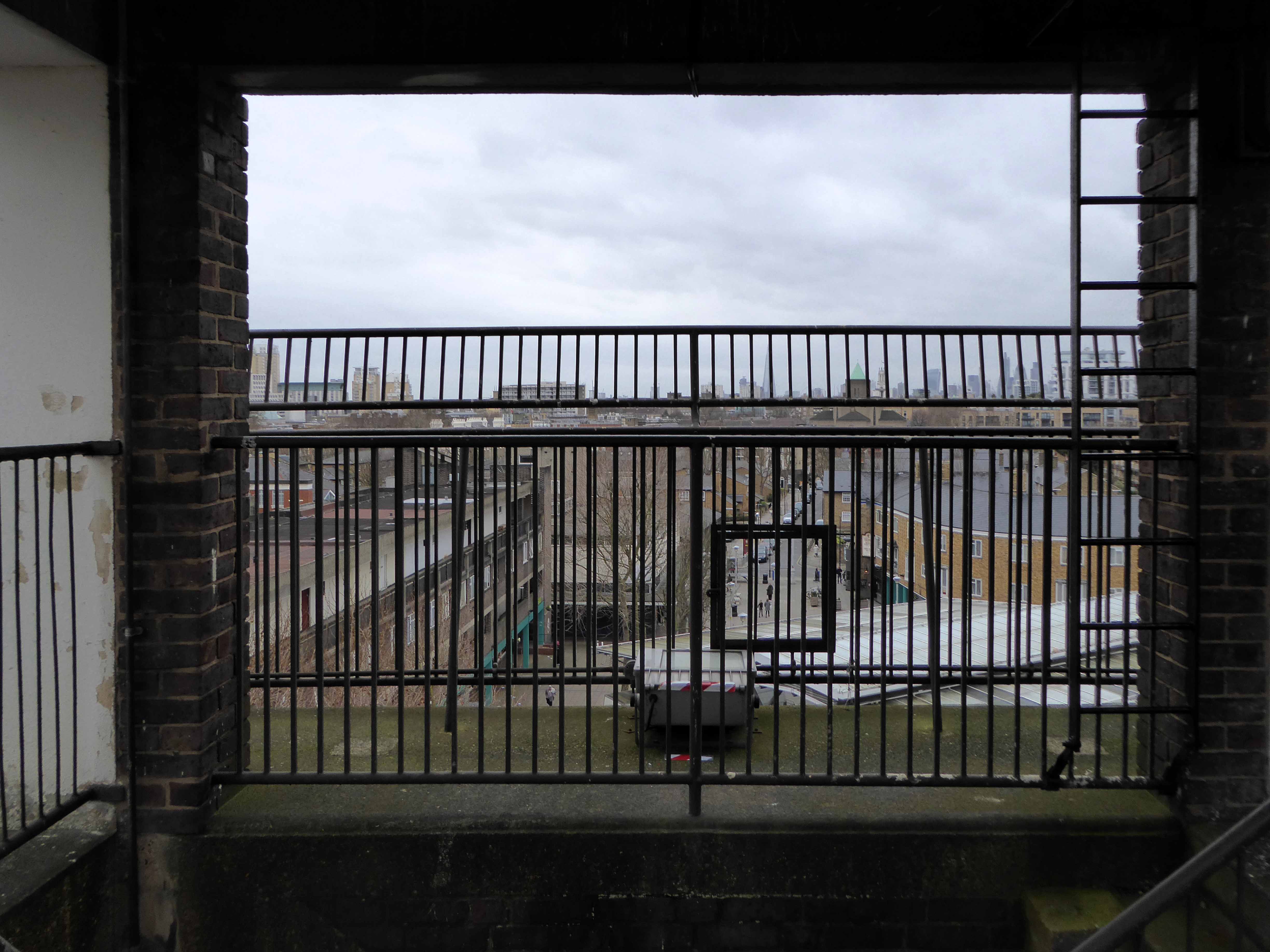
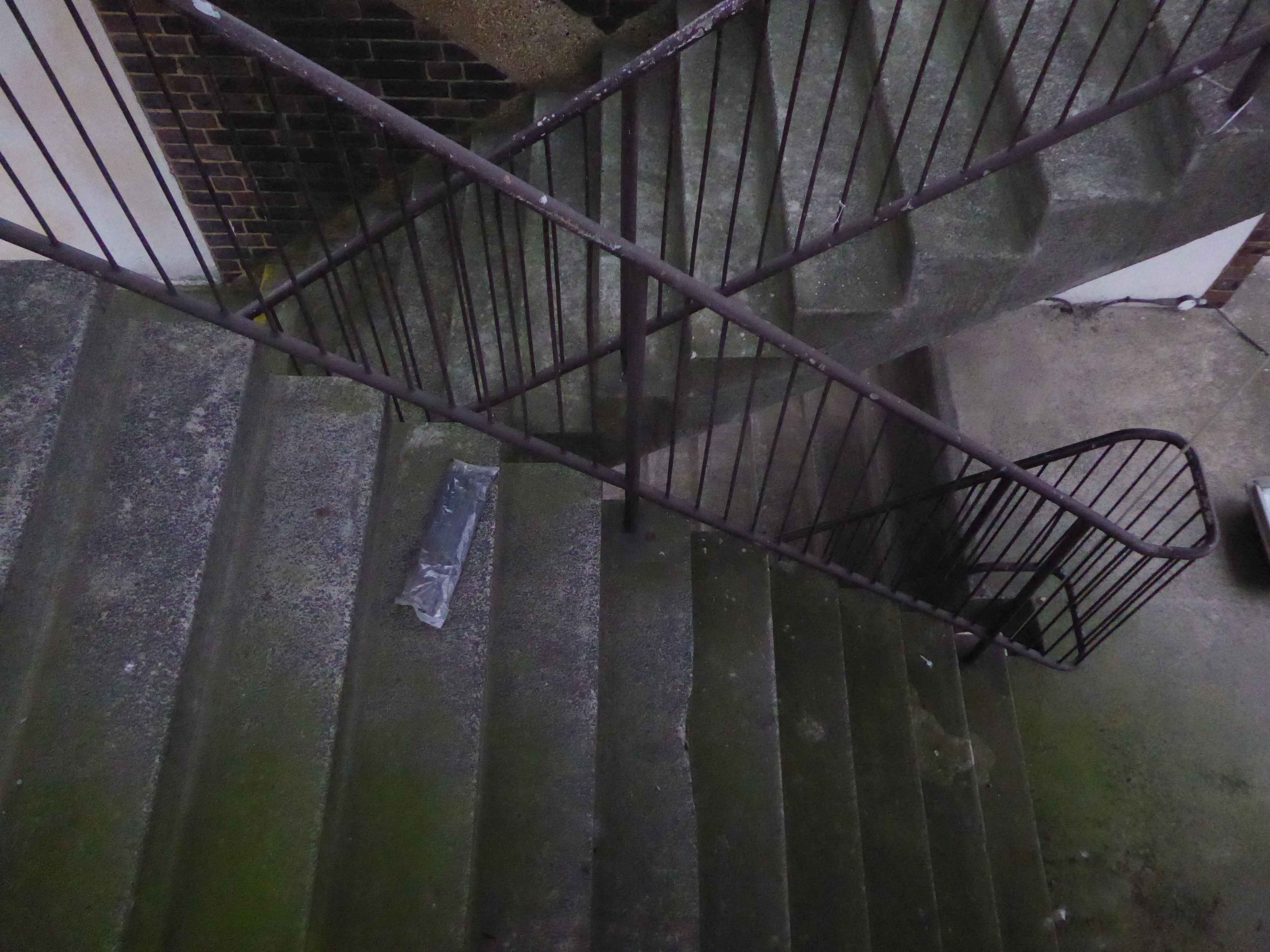
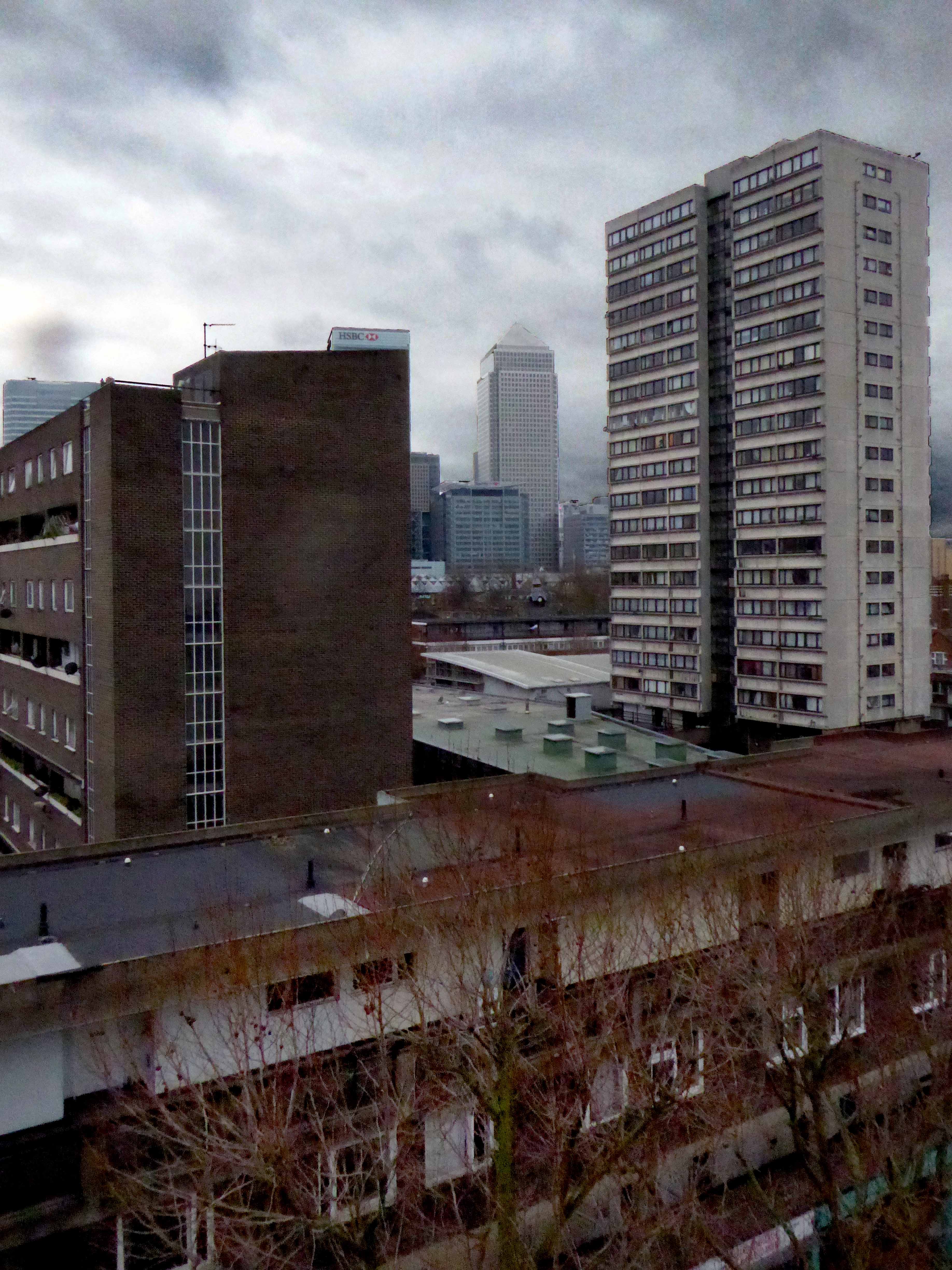
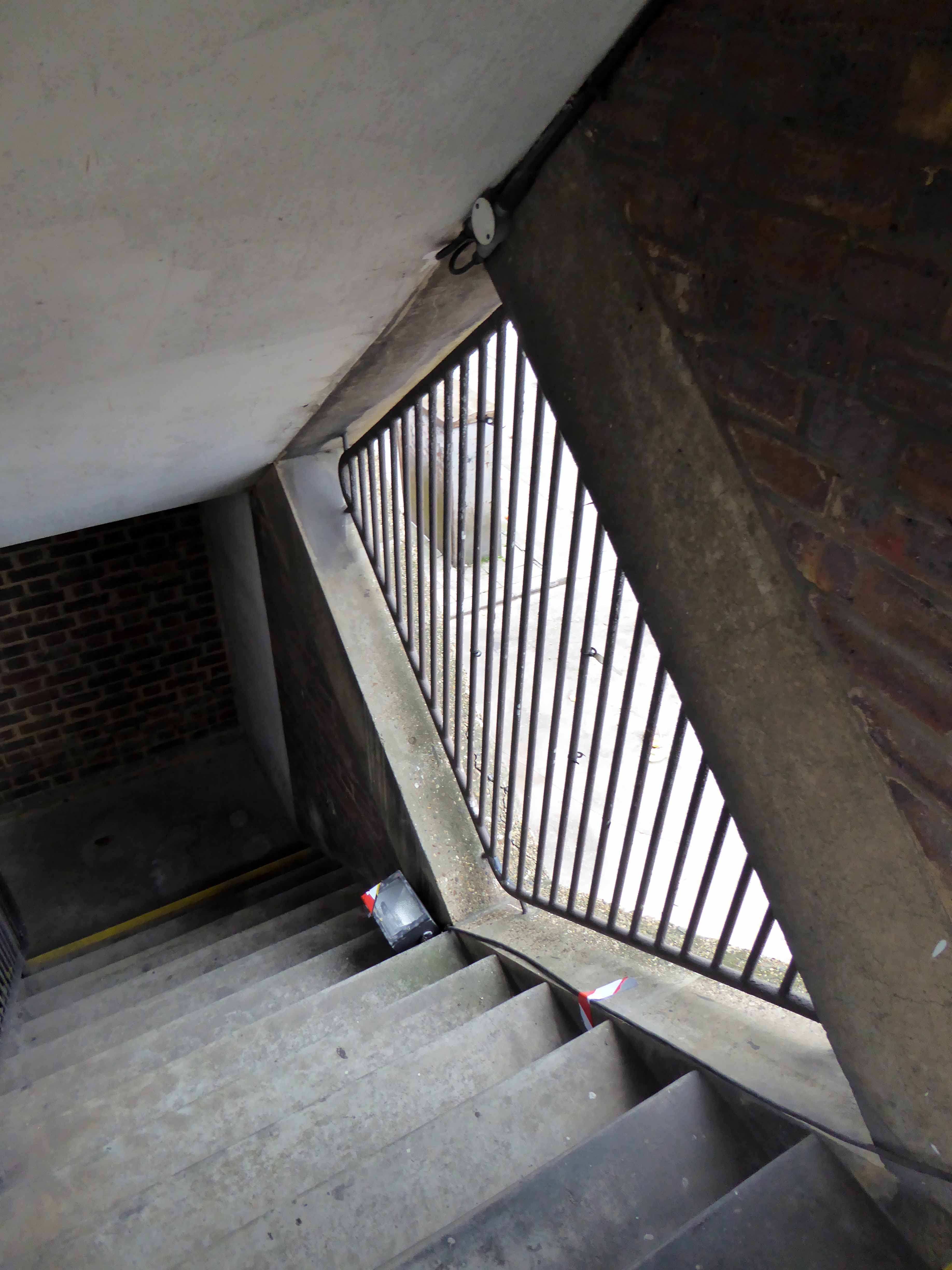
I was privileged to ascend the internal staircase, once open to the public – now reserved for high days, holidays and nosey northern interlopers. Having mildly vertiginous inclinations when so inclined, I gingerly went up in the world and leaned out to take the air and the view.
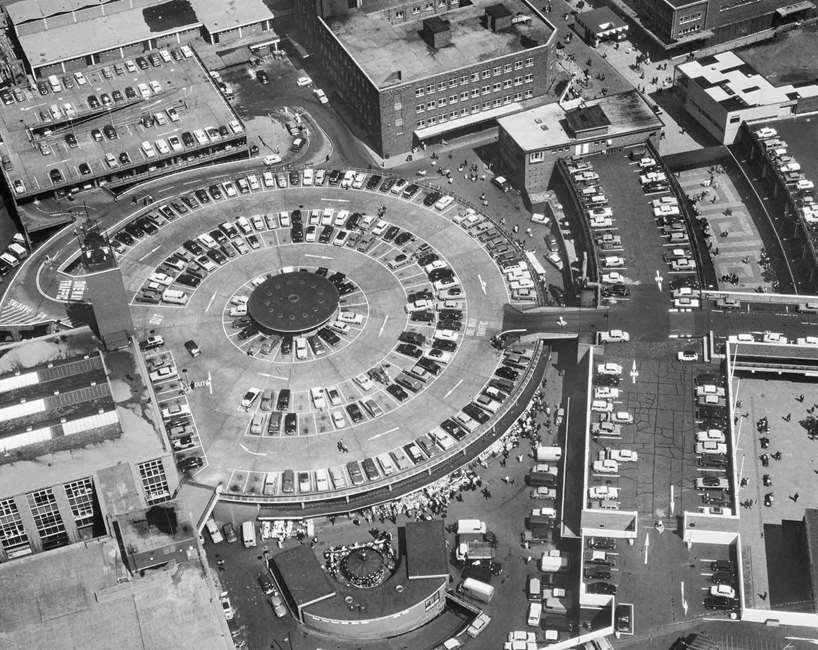
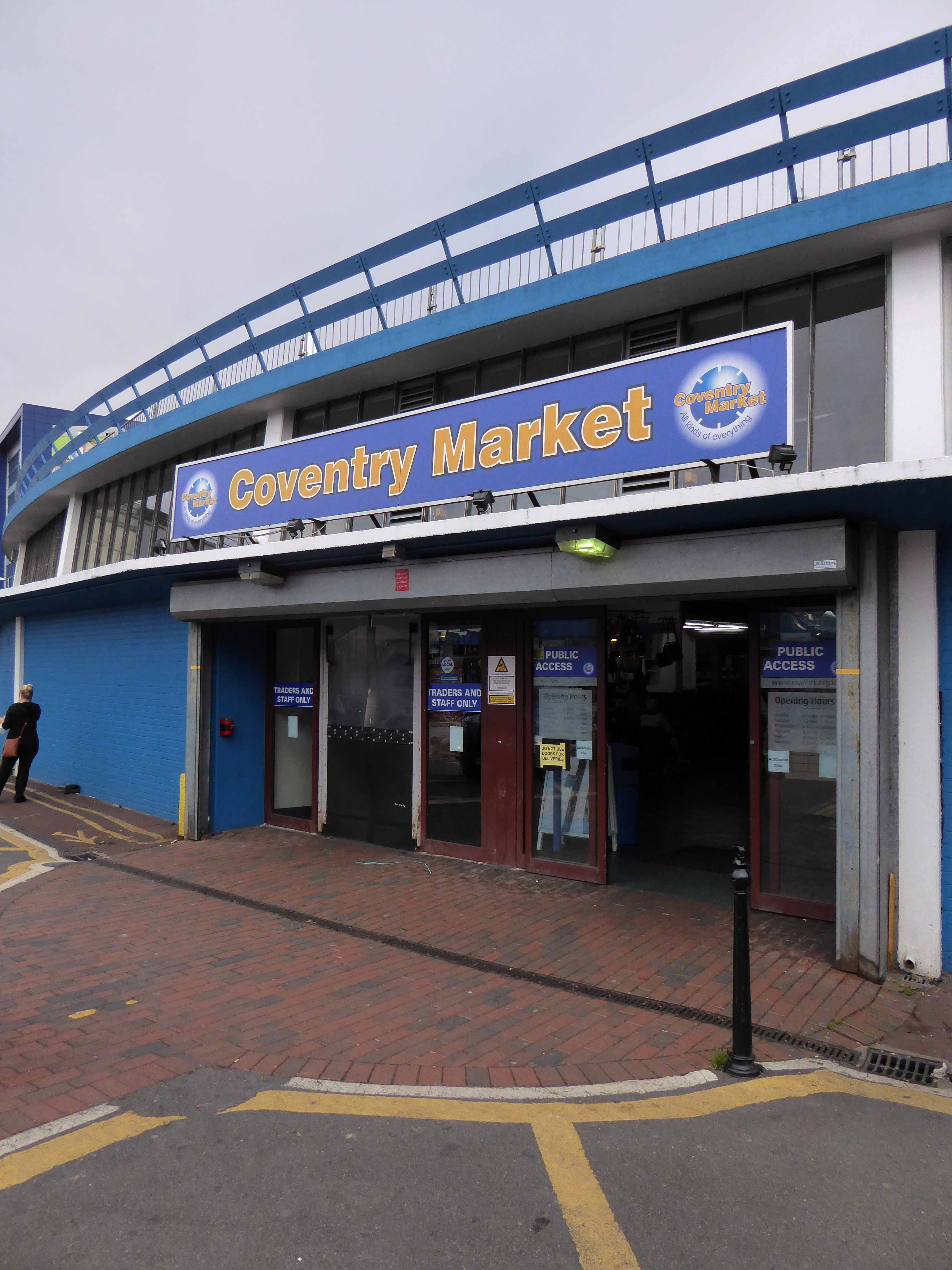
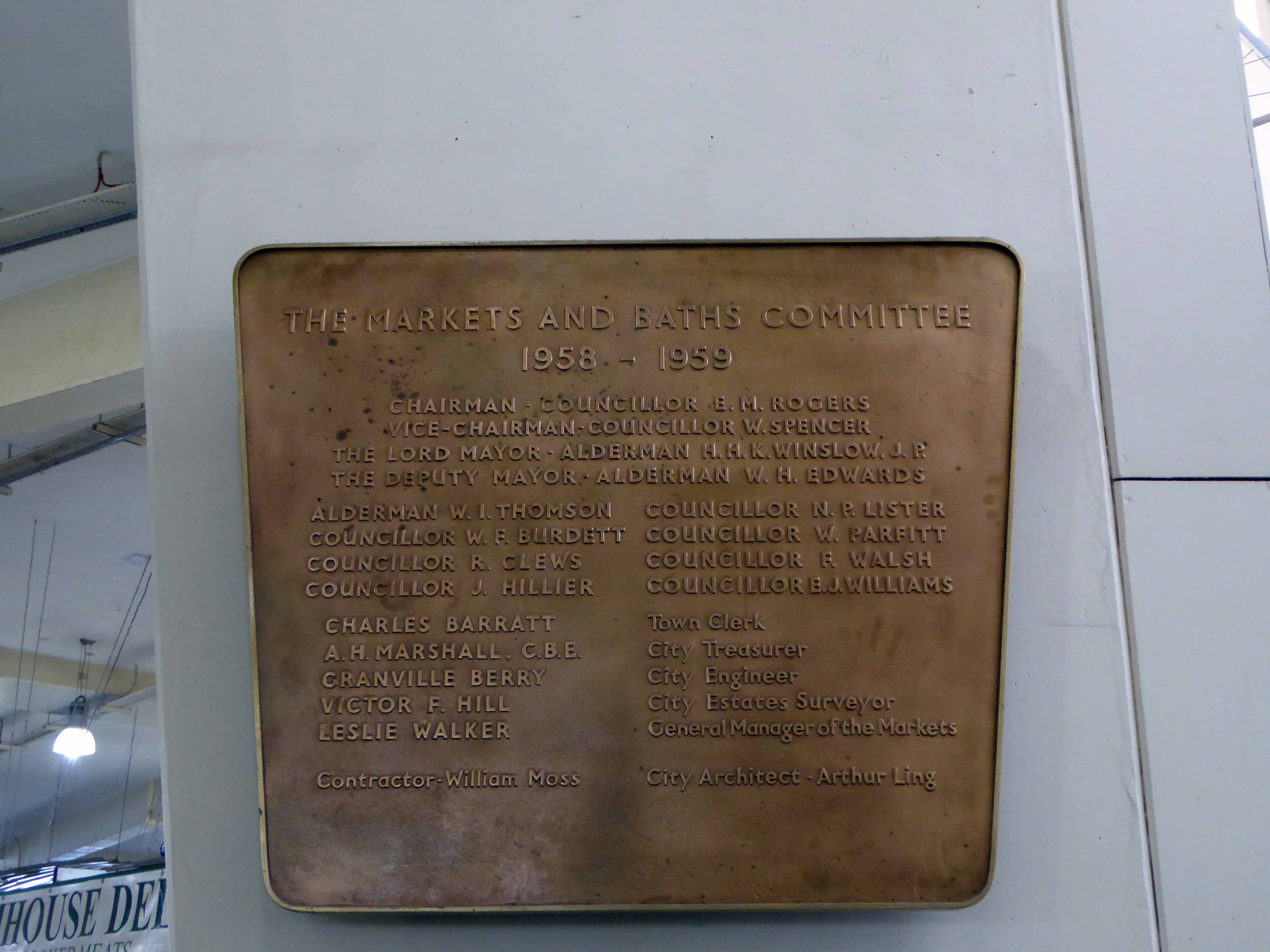
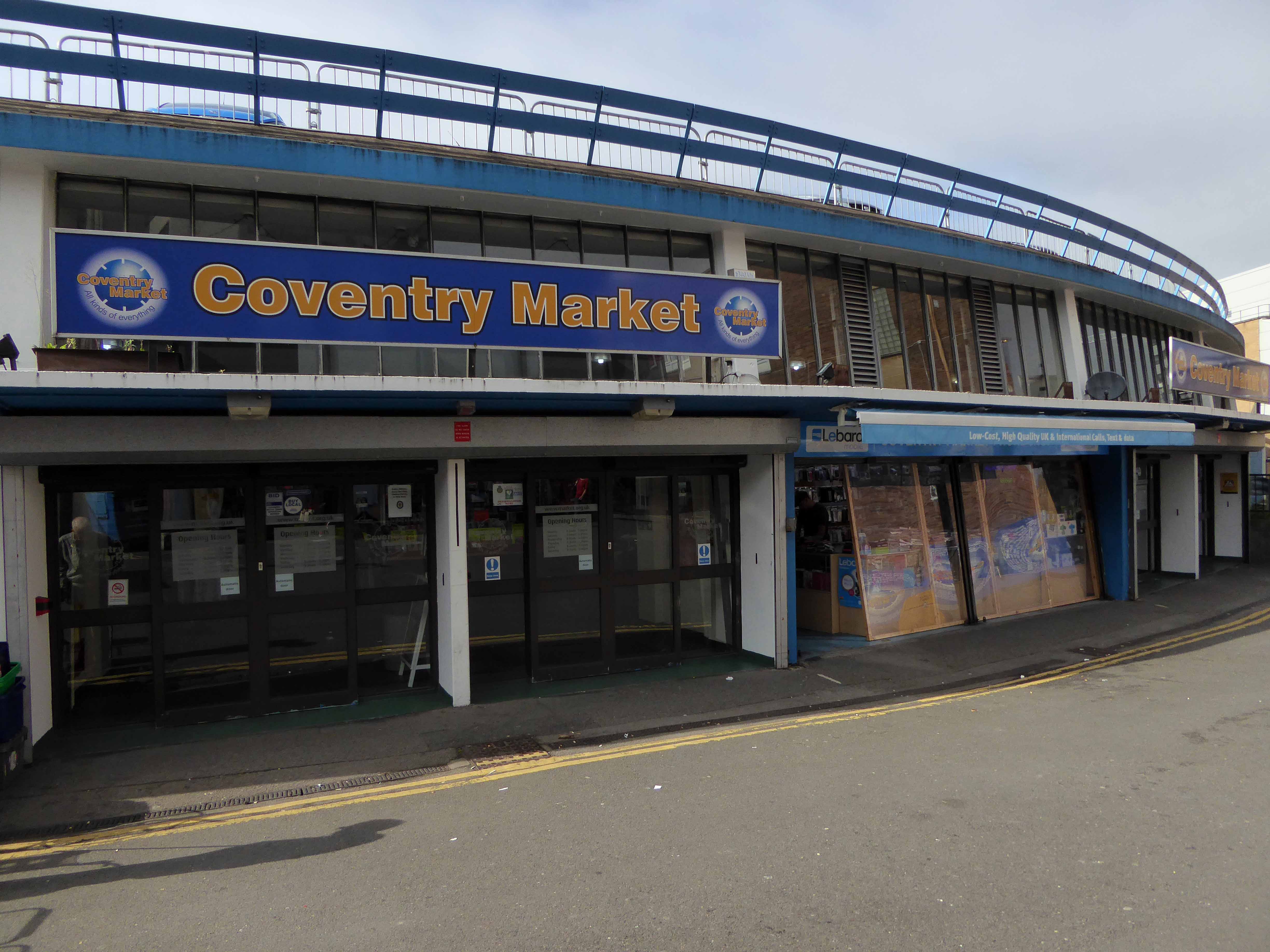
A market hall built in 1957 to designs by Douglas Beaton, Ralph Iredale and Ian Crawford of Coventry City Architect’s Department.
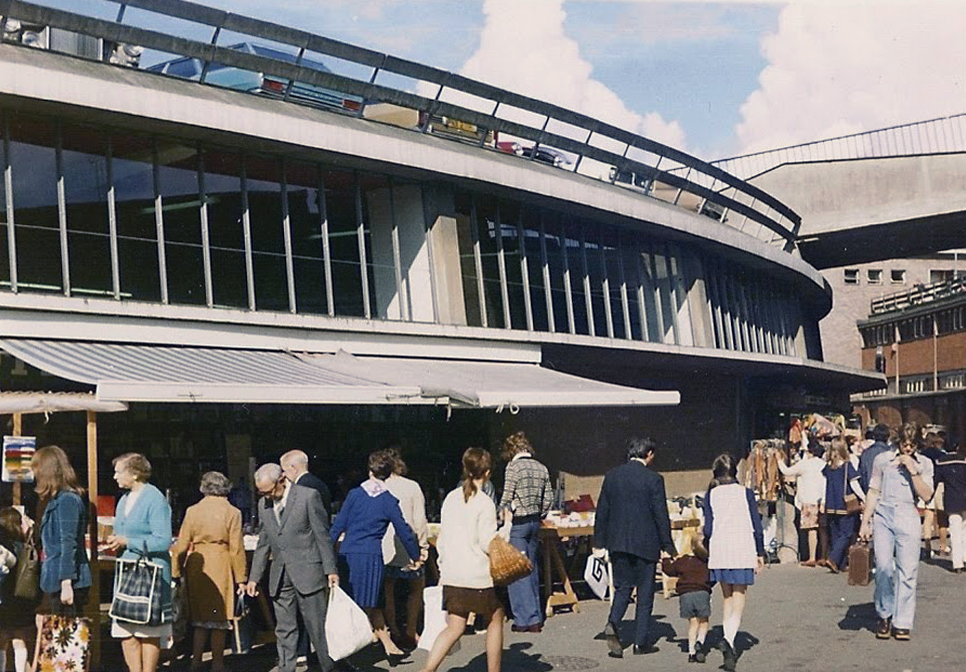
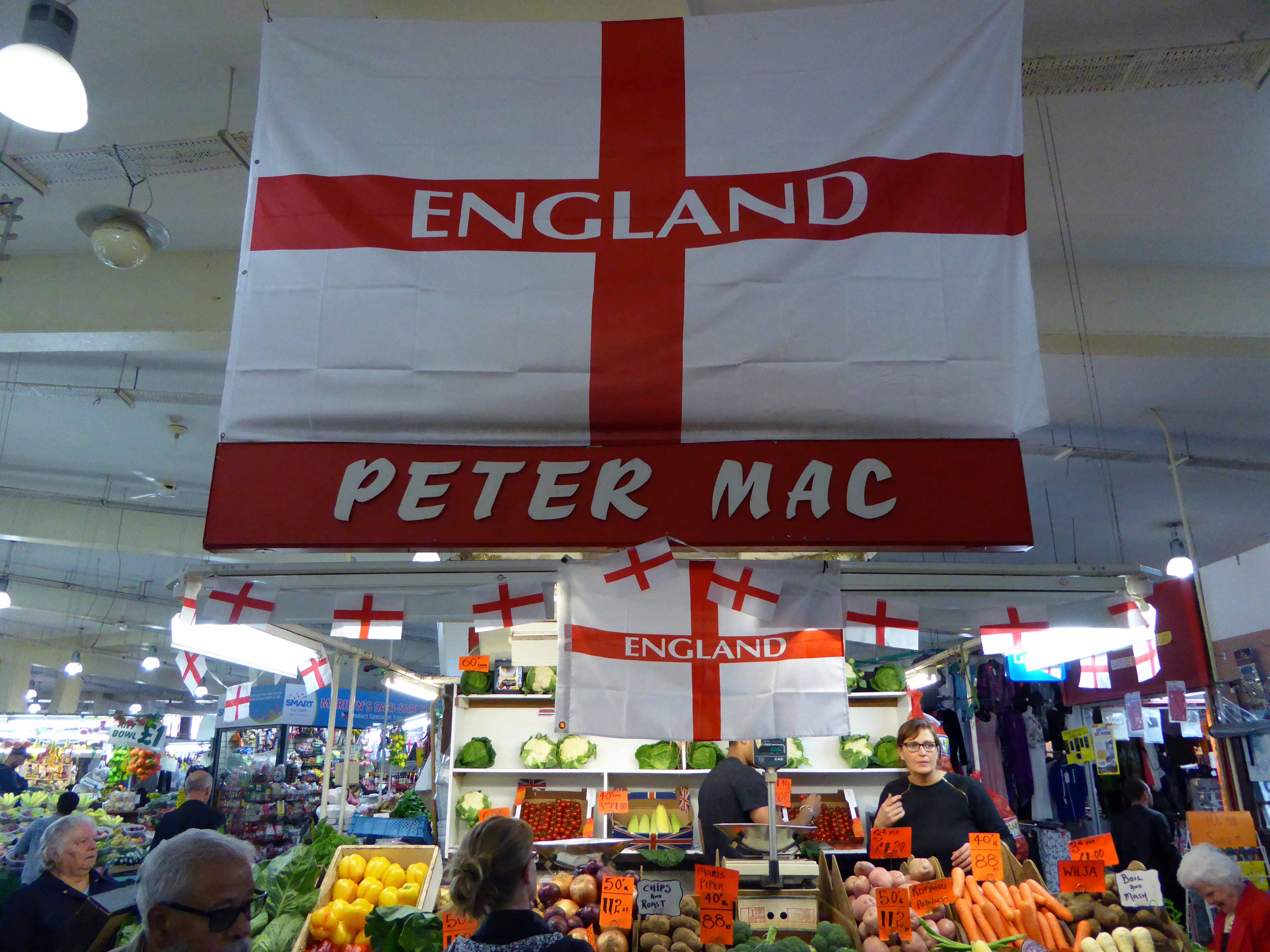
Various designs were considered, but eventually a circular design was chosen to encourage circulation and to offer a number of entrances. It was given a flat roof in order to create a car park (with a heated ramp to prevent icing, now no longer there), and was to become the central focus for a complex scheme of linked roof car parks in Coventry.
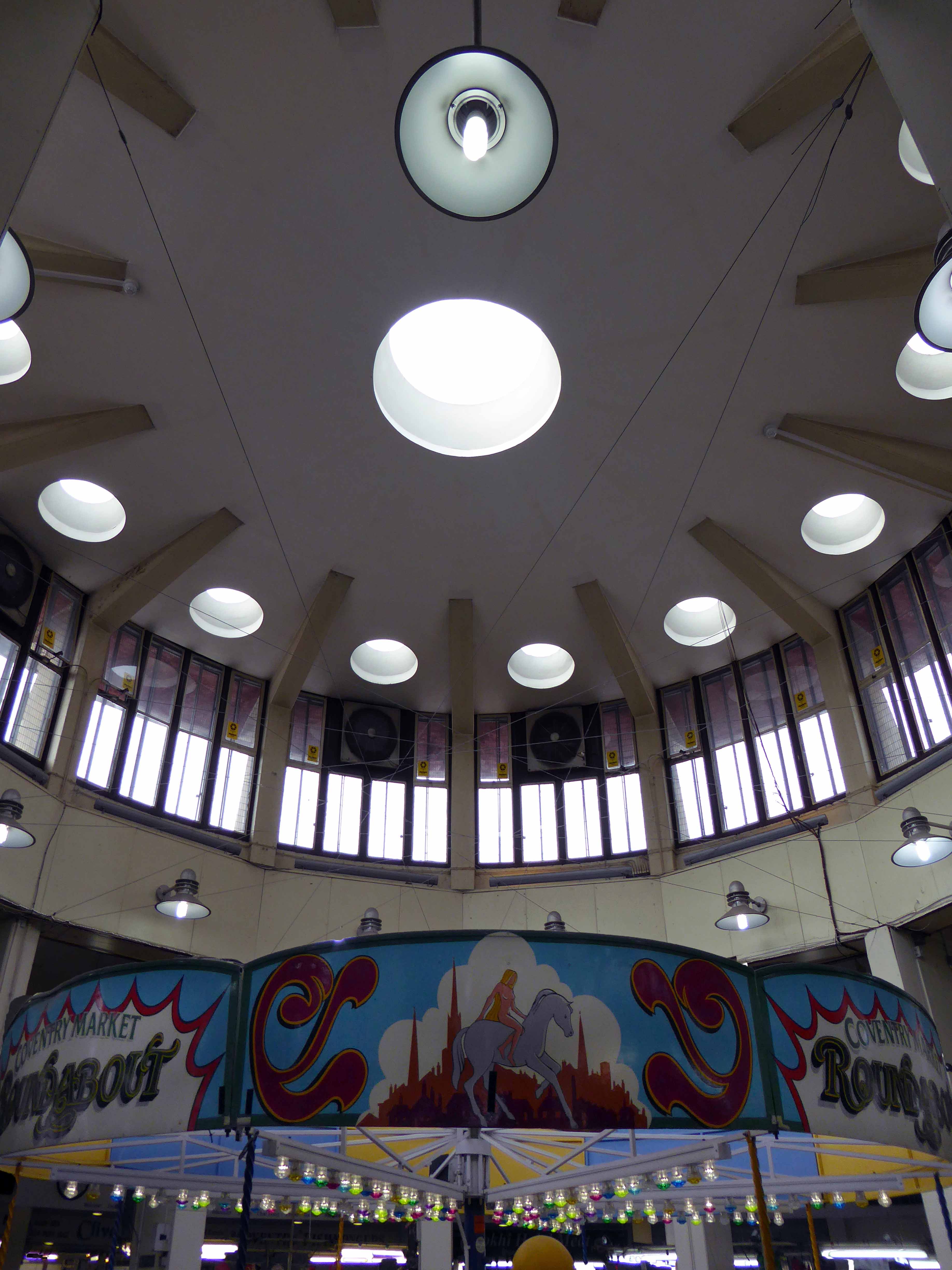
The market consists of a series of concrete arches joined by a ring beam, all left exposed, with brick infilling and a concrete roof, laid out as a car park, with a central circular roof light. It has a circular plan, just over 84m in diameter and 4 ½ m high, is laid out with 160 island stalls, arranged in groups of two or four units in concentric rings, with 40 `shop stalls’ set into the perimeter wall.
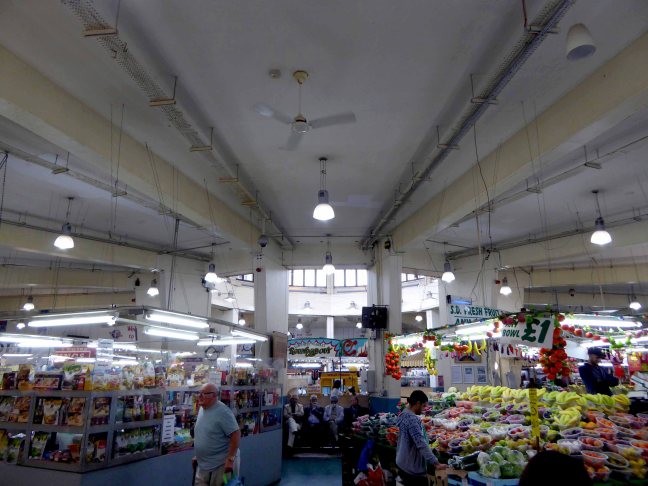
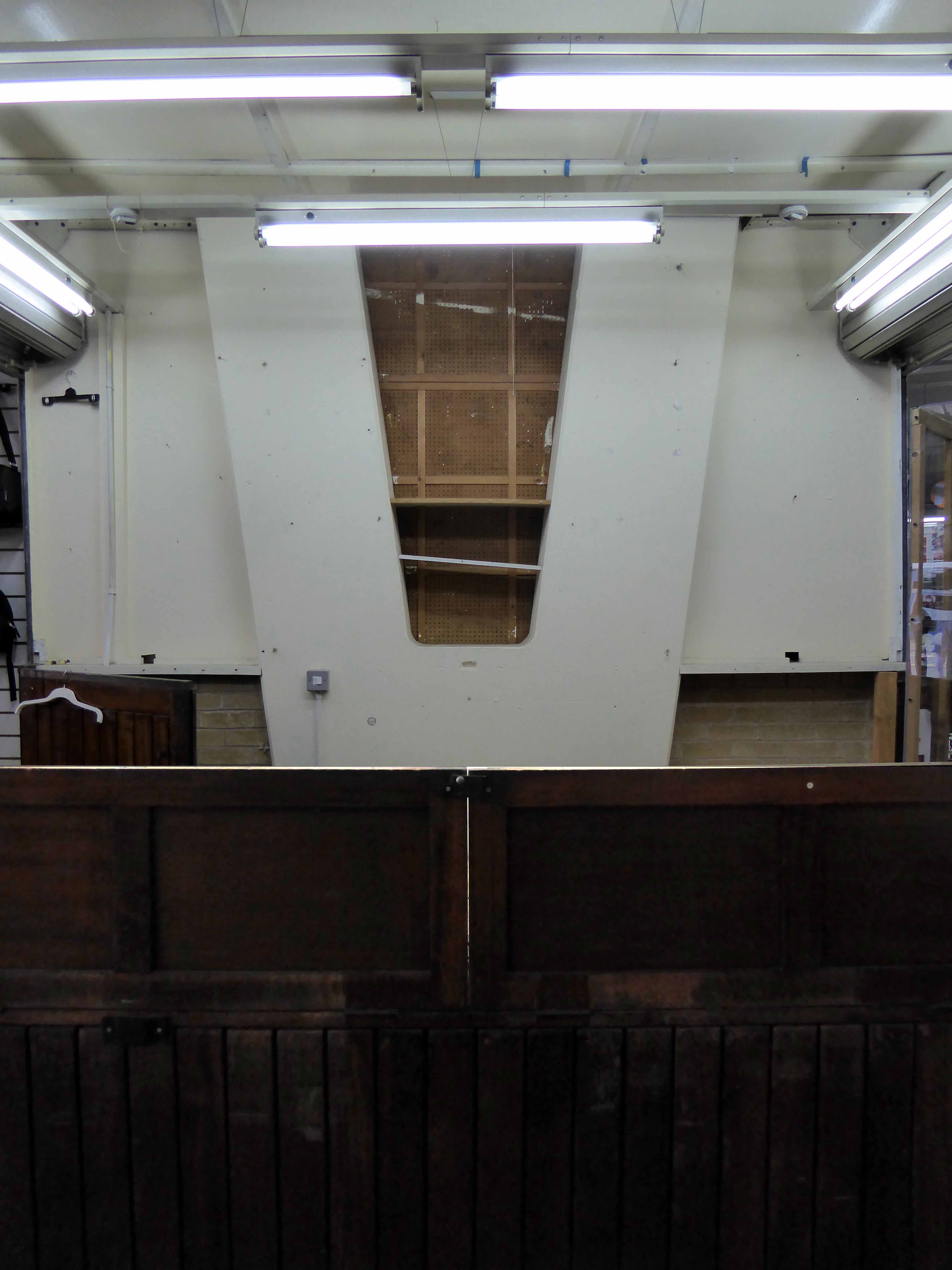
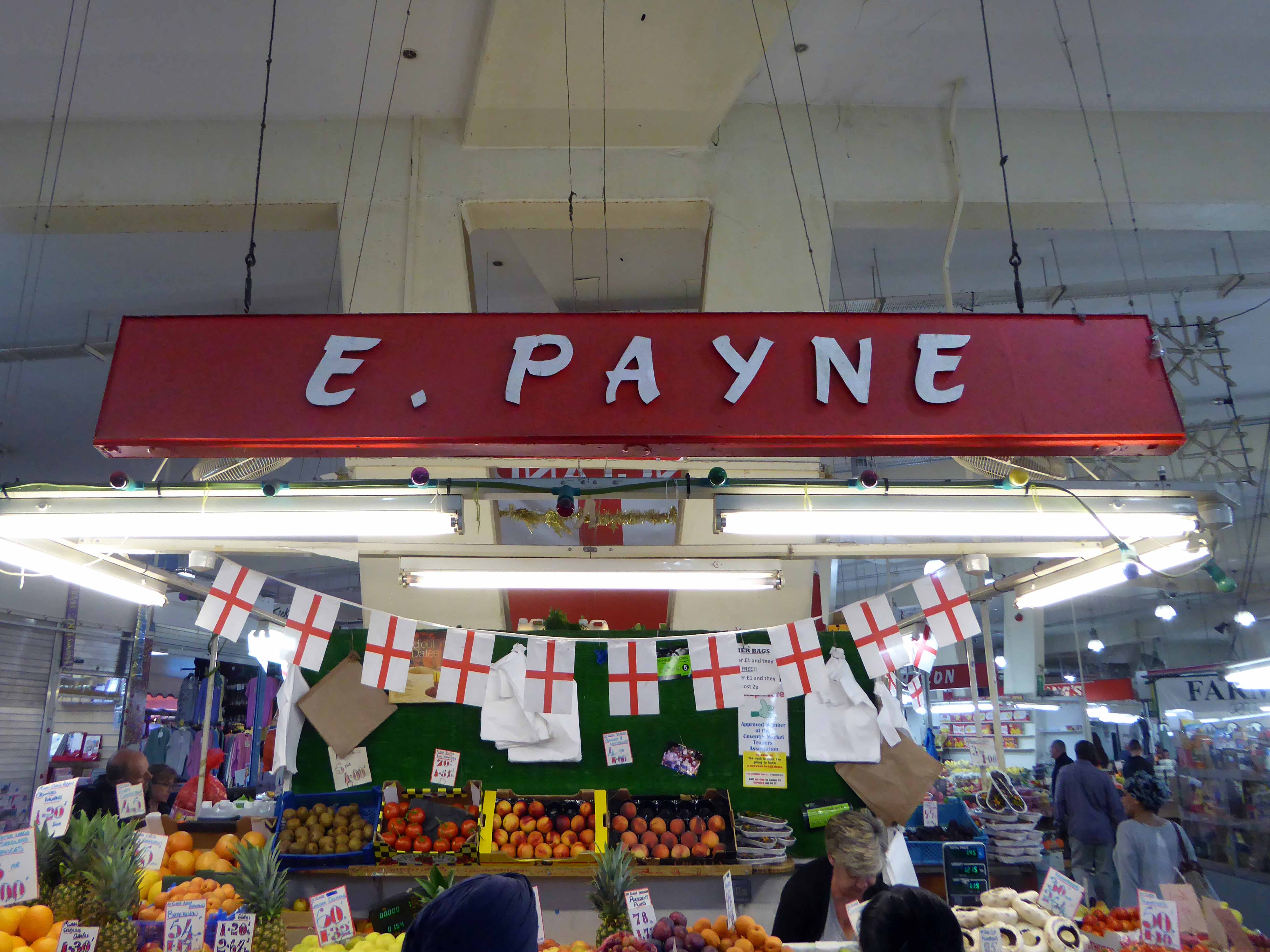
Inside, the circular space is characterised by the tall V-shaped concrete `columns’ that hold the roof. Some of the original shop and stall signs have survived. Natural light enters via the clerestory windows along the top perimeter of the building and through the clerestory lighting and oculi in the central dome. The space under this dome, designed as an area for shoppers to rest, is lined with seats and has a terrazzo mosaic floor designed by David Embling, with a central sun motif, a gift from the Coventry Branch of the Association of Building Technicians.
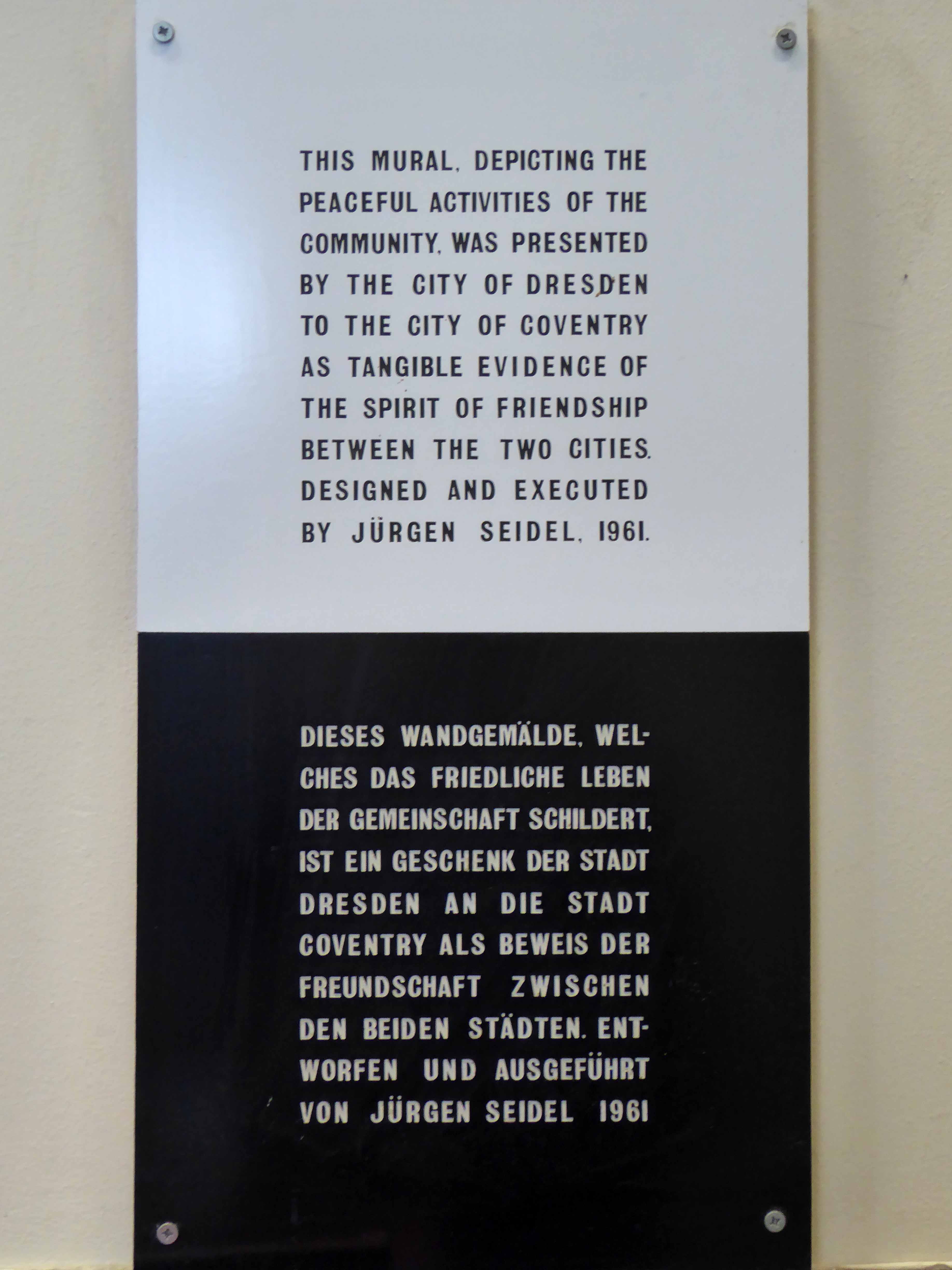
Above the current market office is an impressive painted mural by art students from Dresden commissioned especially for the market in the 1950s in a Socialist Realist manner, depicting farming and industrial scenes.
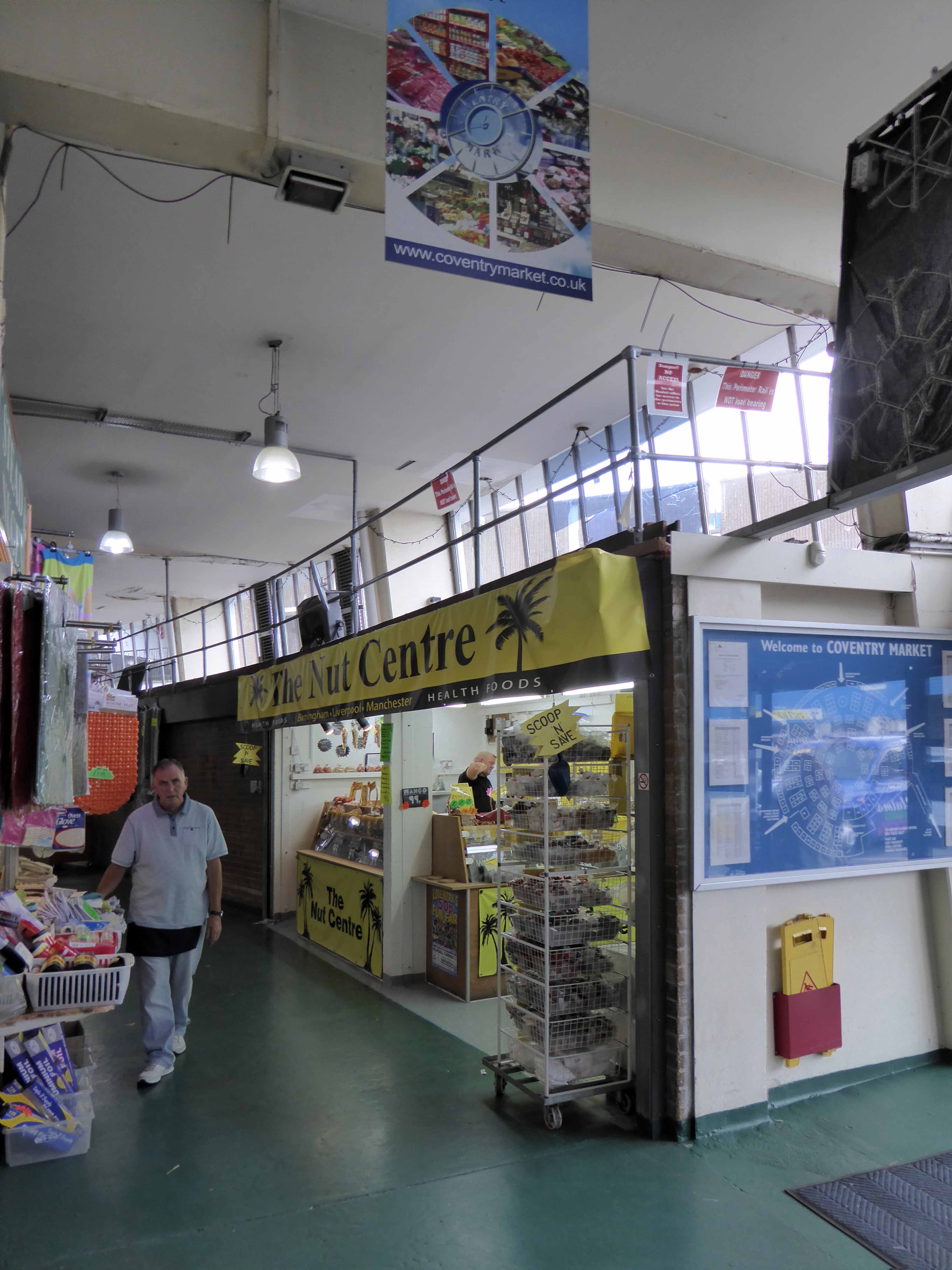
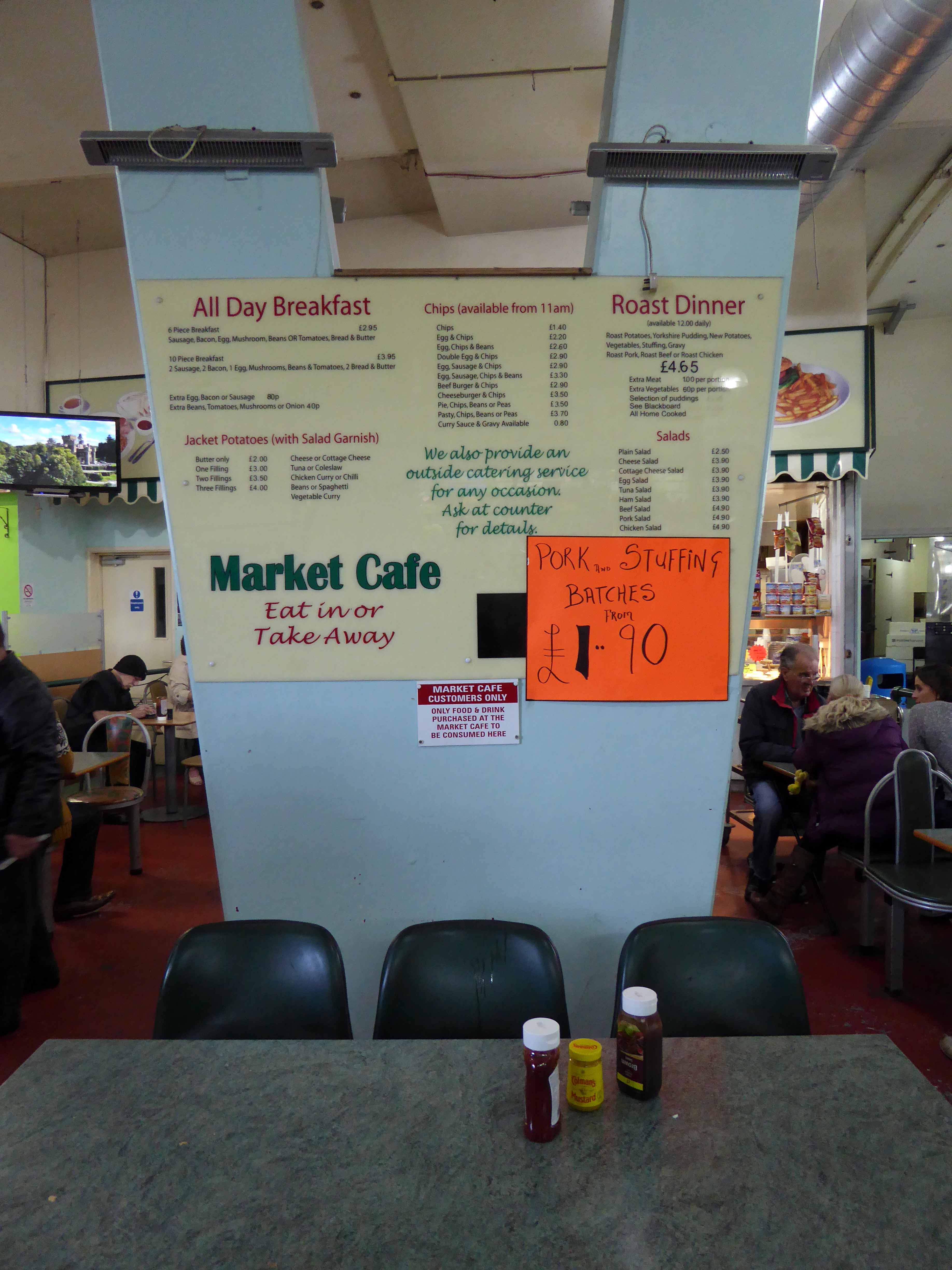
I visited the market on a busy bustling day and was made to feel more than welcome, a wide range of heavily laden stalls was trading briskly. The Market Office kindly gave me a copy of the book Coventry Market in a Roundabout Way.
It’s a splendid structure, now listed, that functions six days a week.
Yorkshire is a county of market towns – Bradford is no exception, a mediaeval village expanding with the growth of the wool trade and the coming of the Industrial Revolution.
Flourishing.
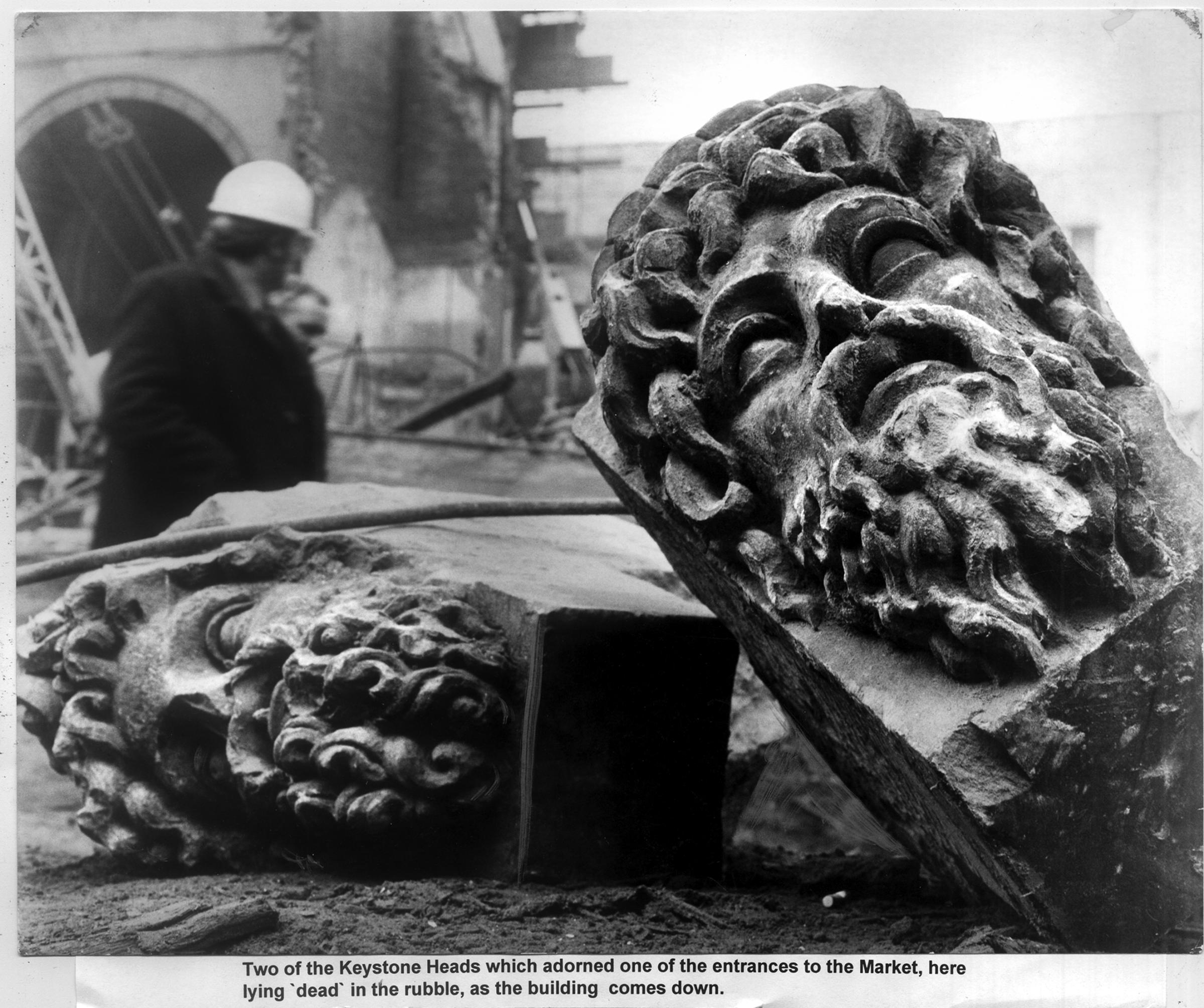
The site was originally occupied by an imposing building of 1878.
Demolished in 1973.
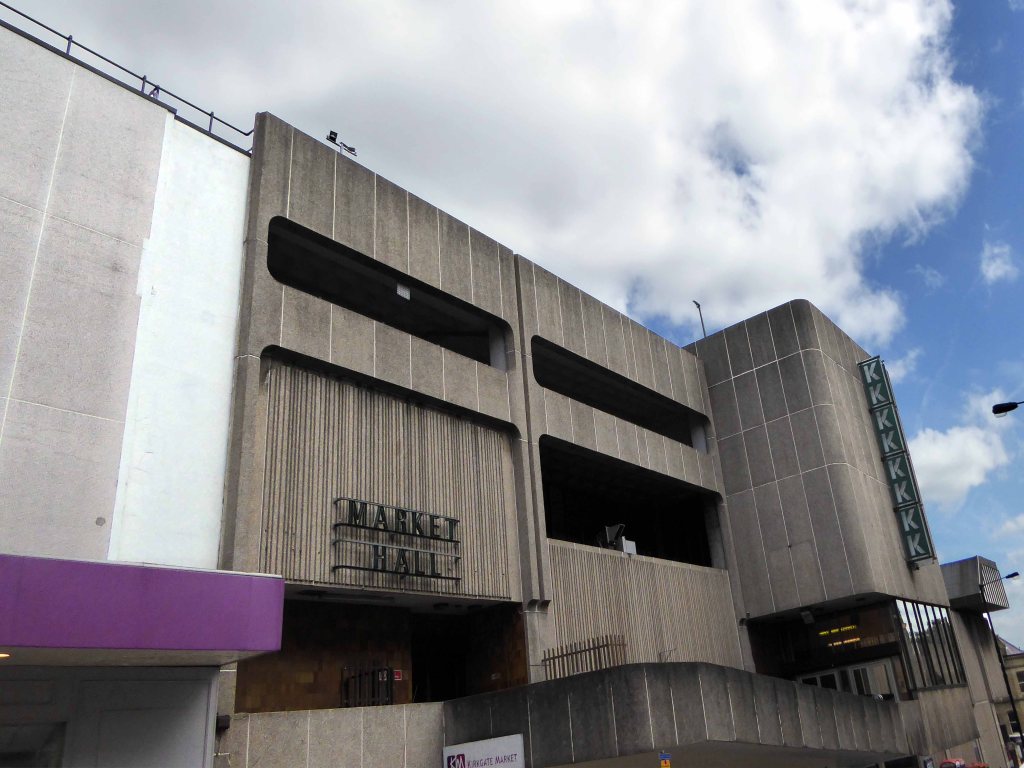
To be replaced by a Brutalist build in the same year.
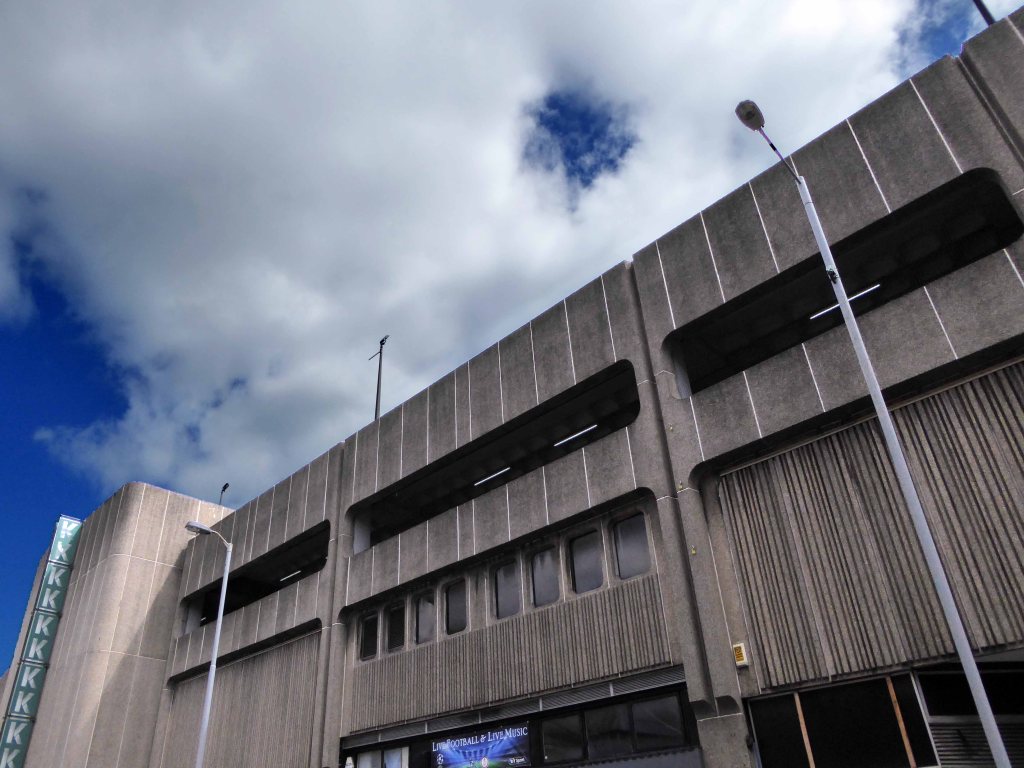
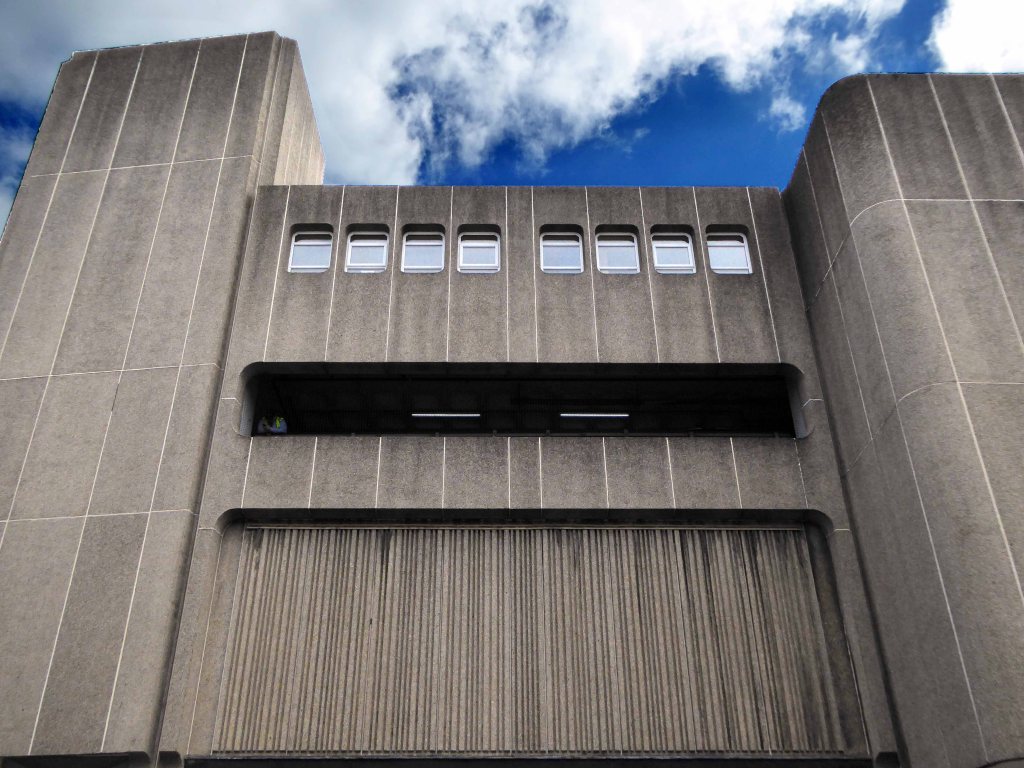
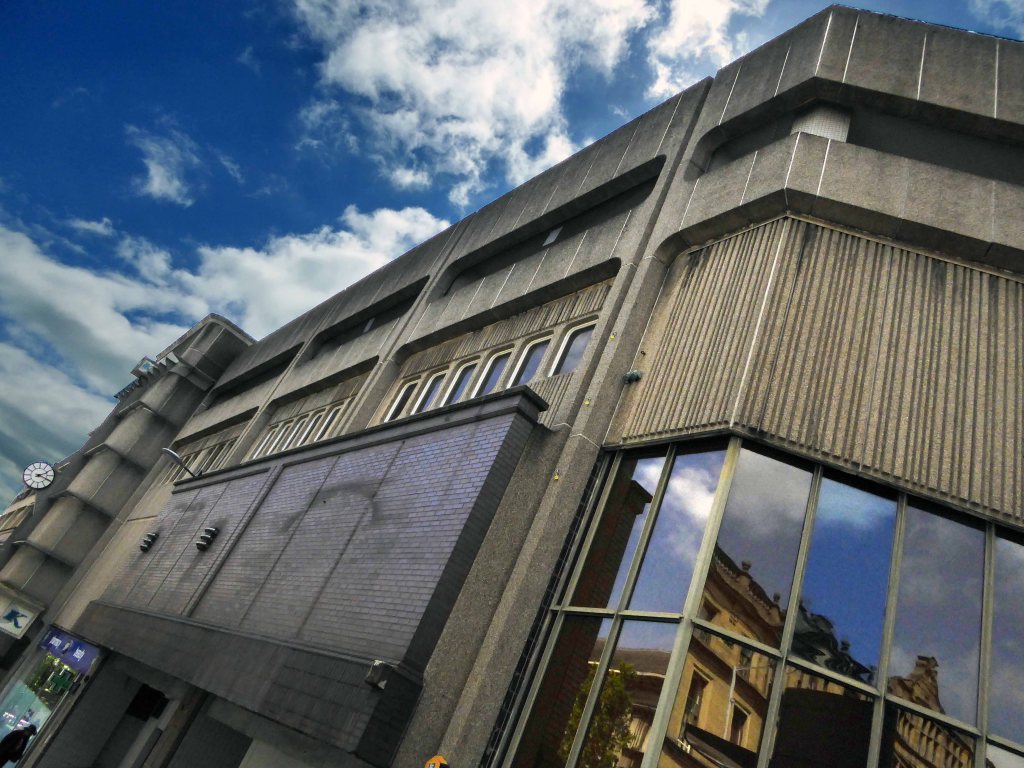
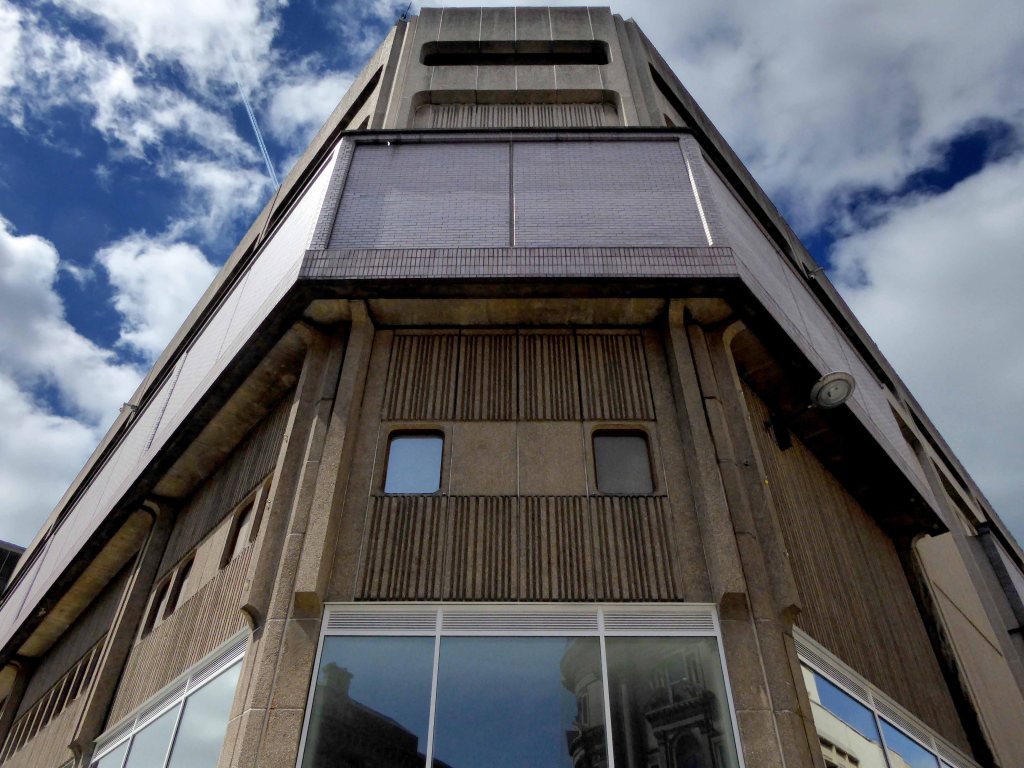
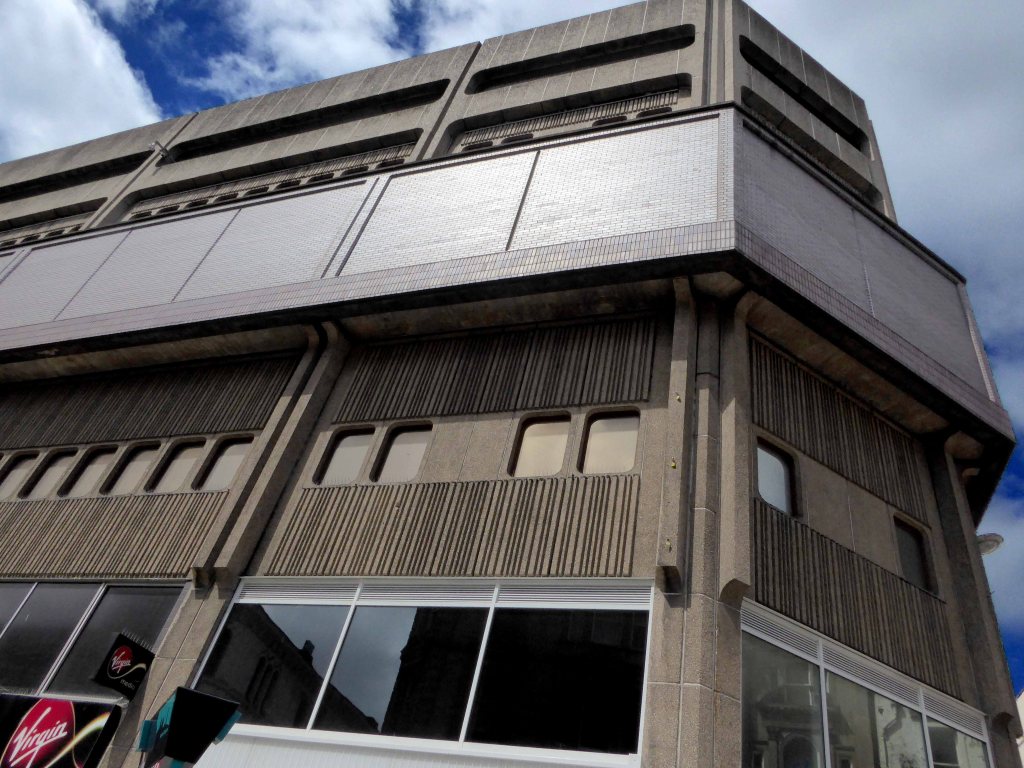
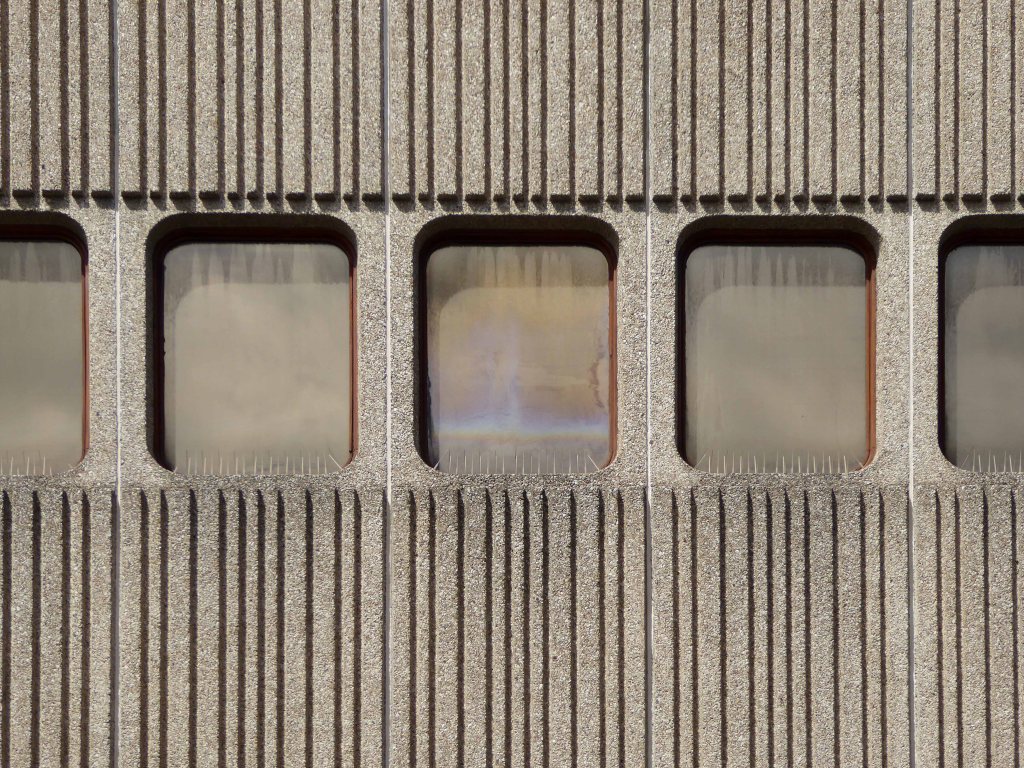
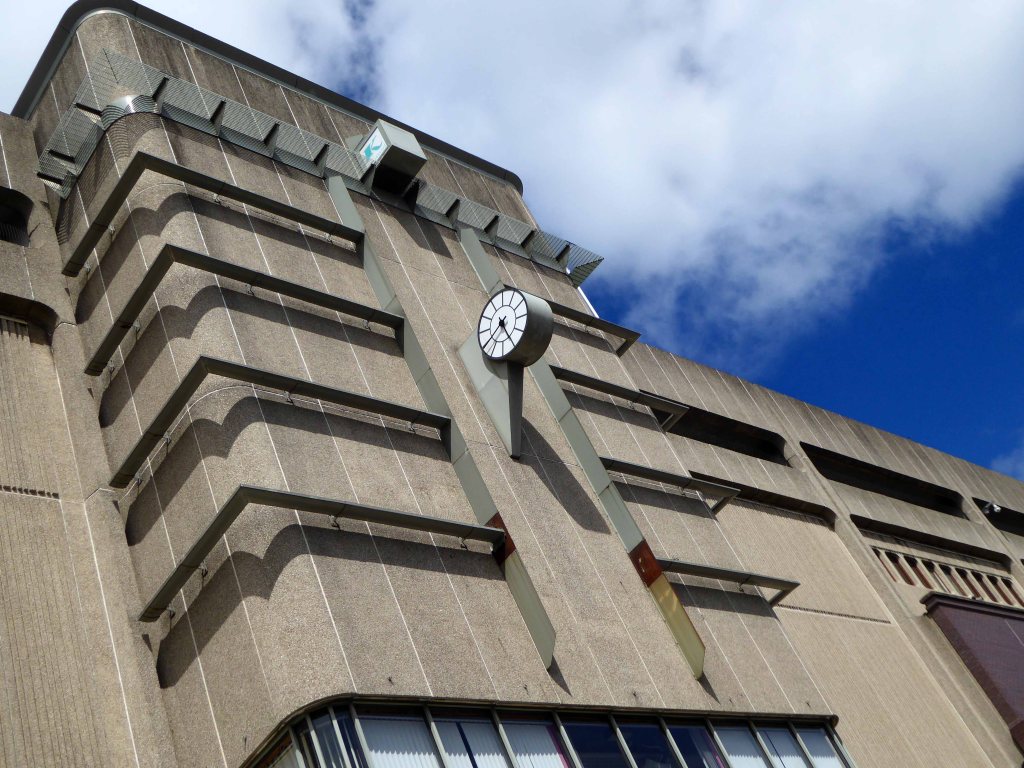
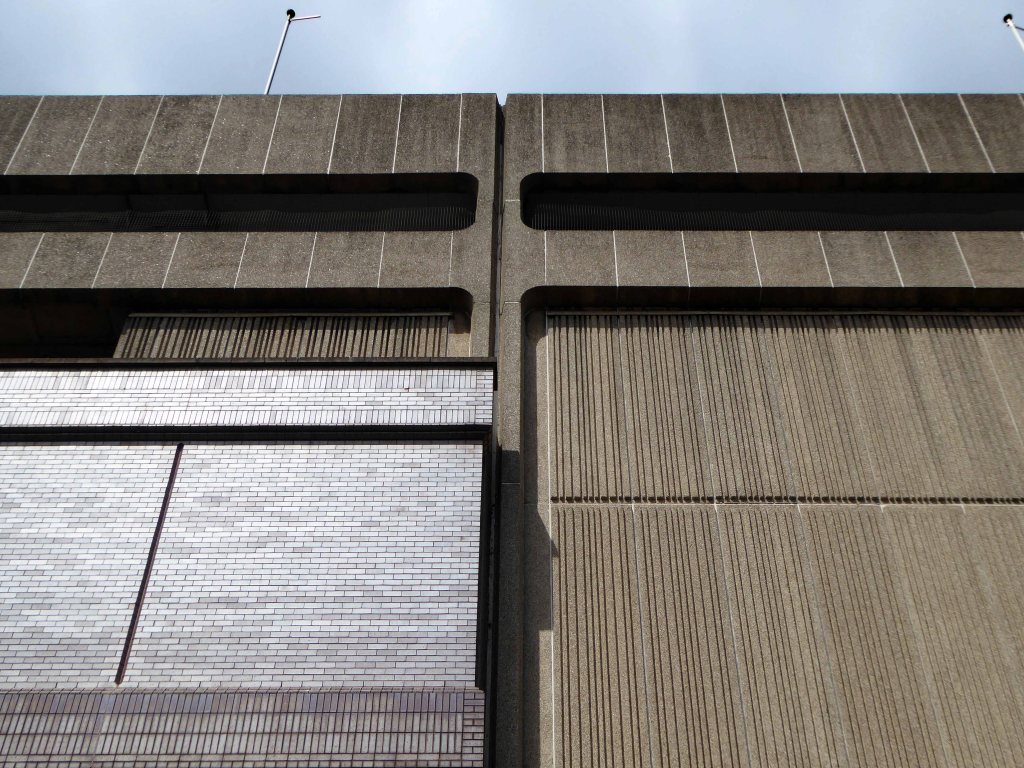
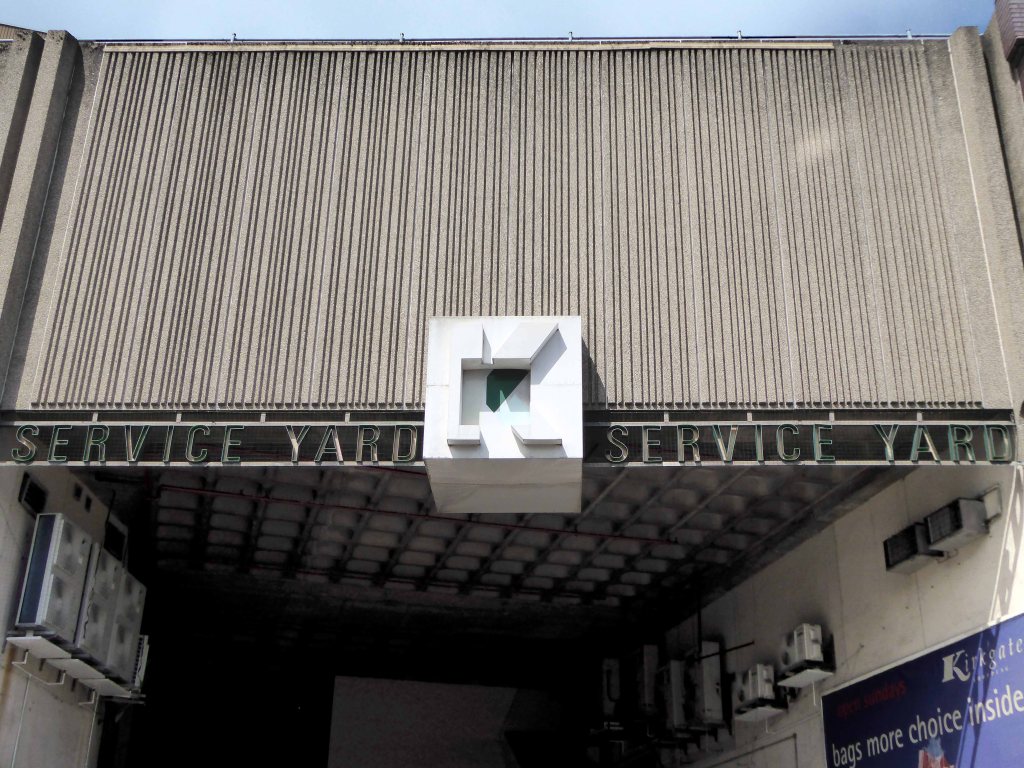
A structure of bold geometry, contrasting brick and warm, raw striated concrete.
The huge building, designed by John Brunton & Partners, was dubbed Bradford’s ‘space-age shopping centre’ when it opened in 1976. One of a series of American-style Arndale malls
Now the city council has purchased the centre for £15.5 million and agreed a deal that will see Primark – the largest of Kirkgate’s remaining stores – move to Bradford’s Broadway mall which opened in 2015.
The initiative will allow the authority to double the size of its proposed City Village programme, which it hopes will create better public spaces and 1,000 new homes in a ‘world-class sustainable urban’ across 5 acres of city centre land.
The interior has several decorative features, tiles their authorship and origins unknown, consisting of four 2.5 metre, and one 6.5 metre square ceramic panels.

















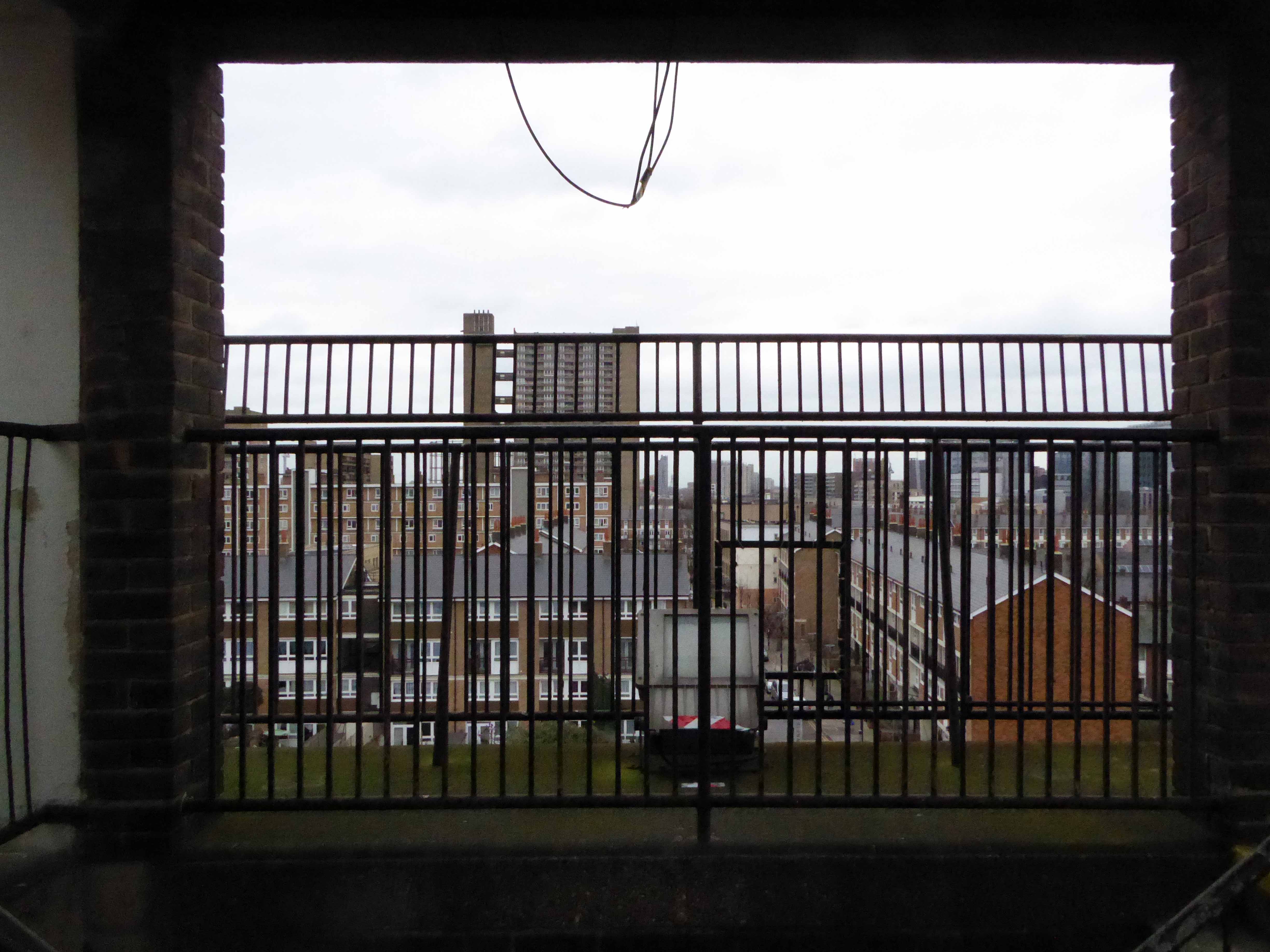
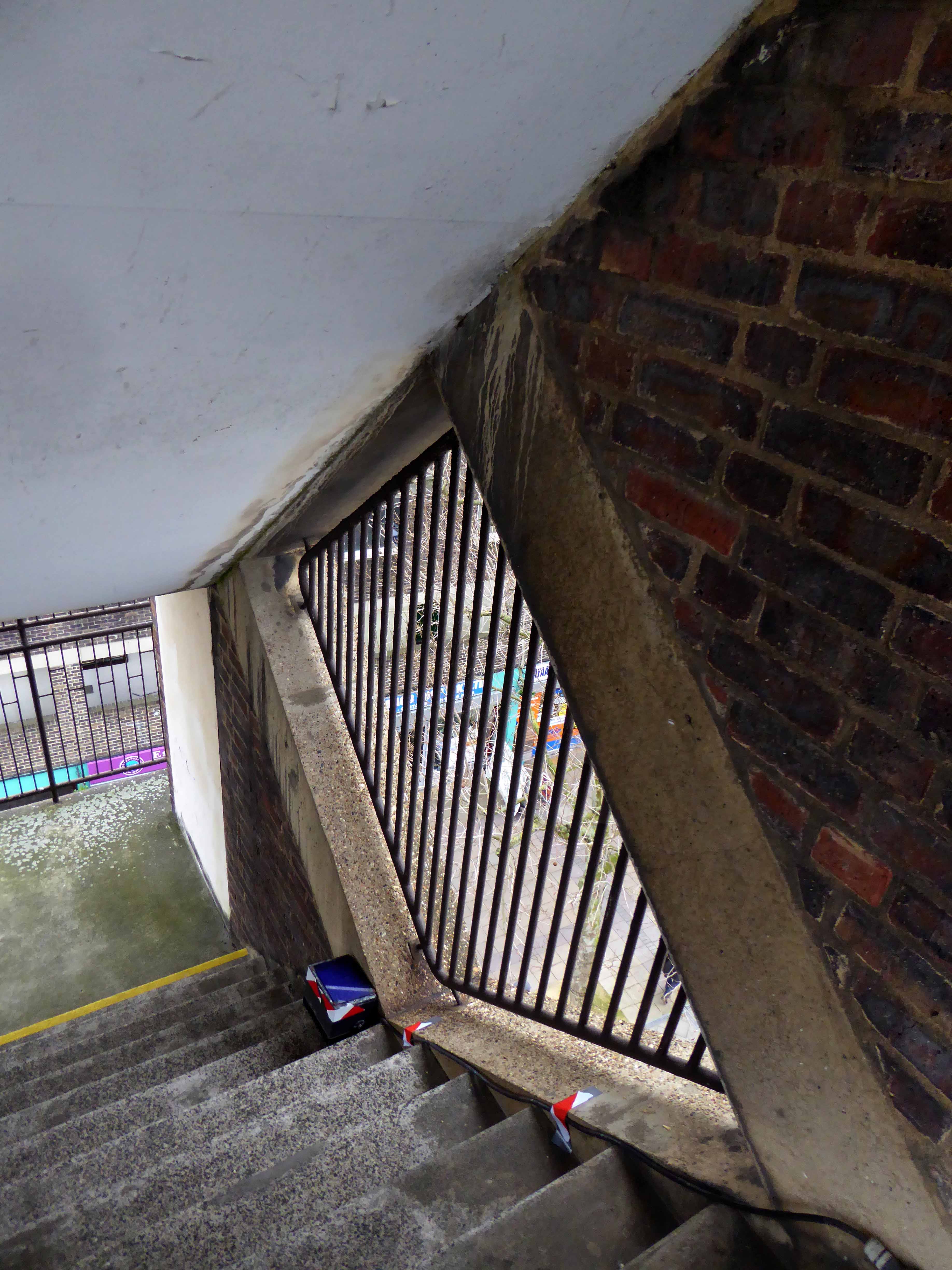
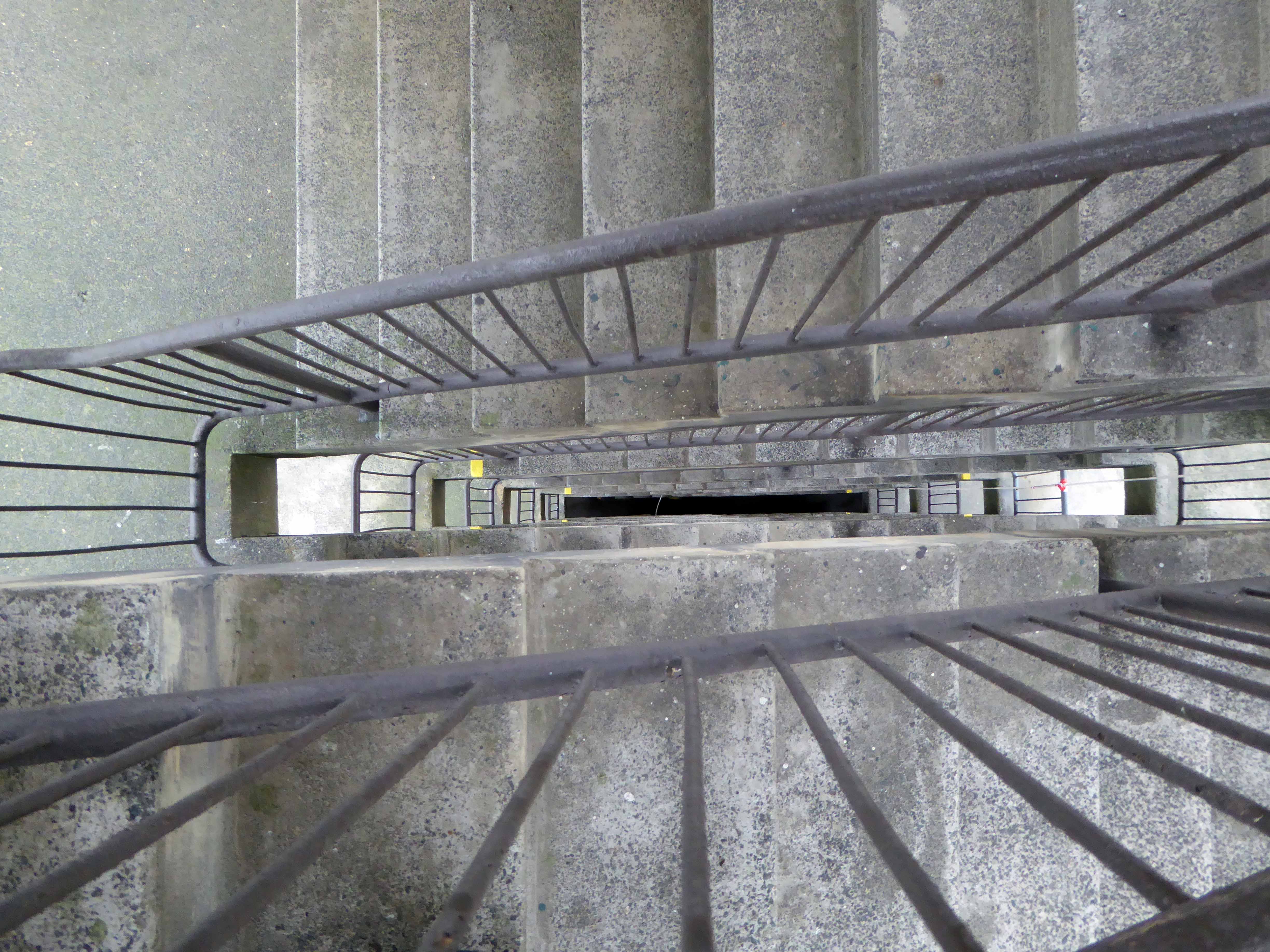
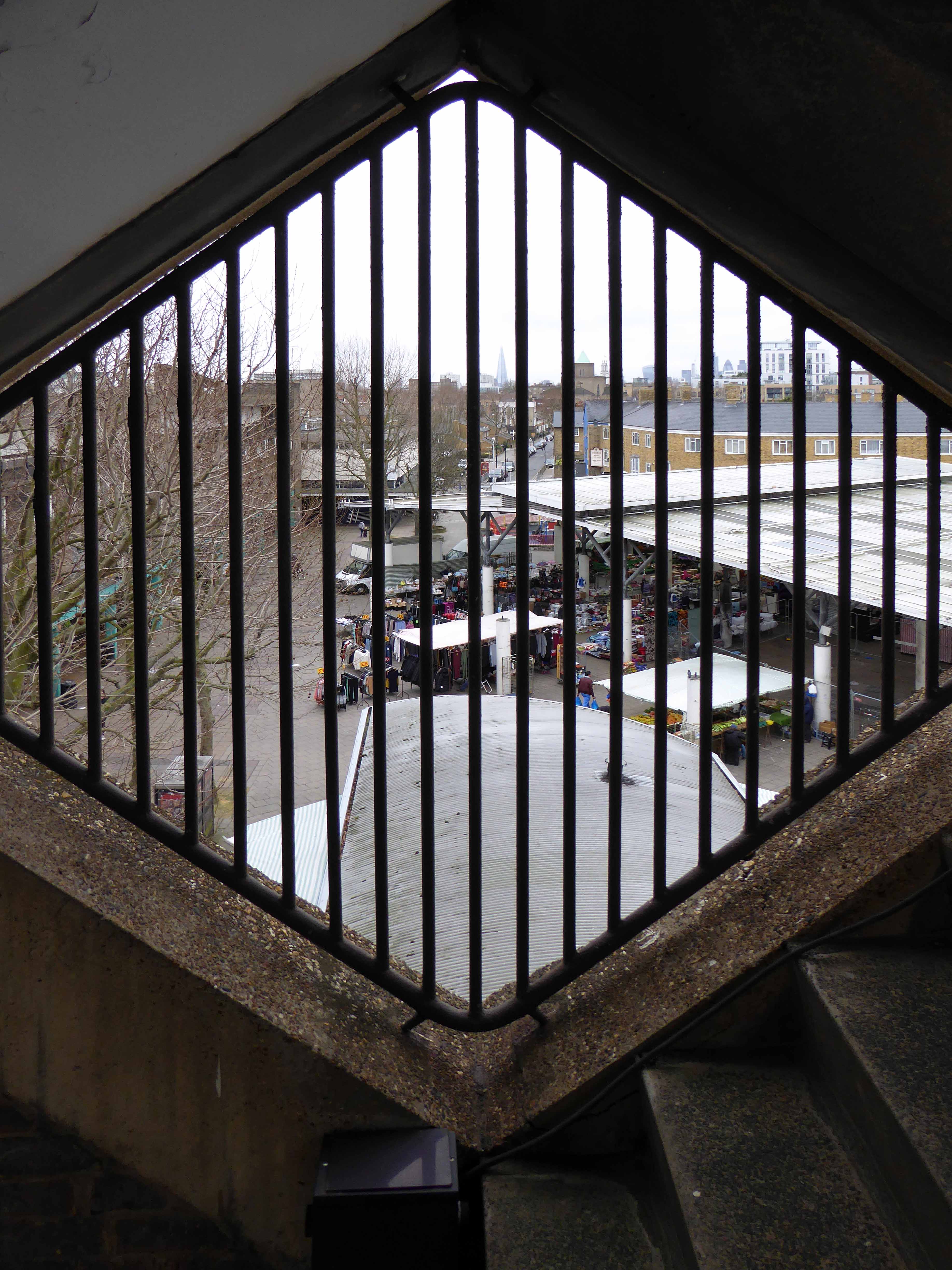
 Modern Mooch