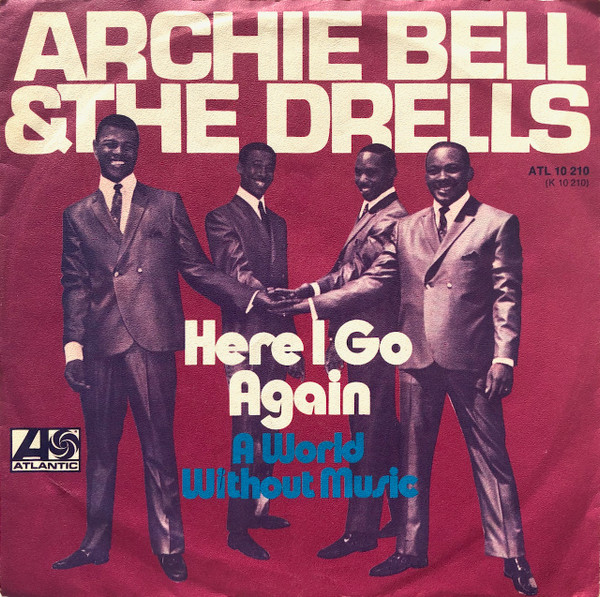
Here I go again – just like Archie Bell minus the Drells.
Here I go again, thinking with my heart
But every time I see ya, I keep running back for more
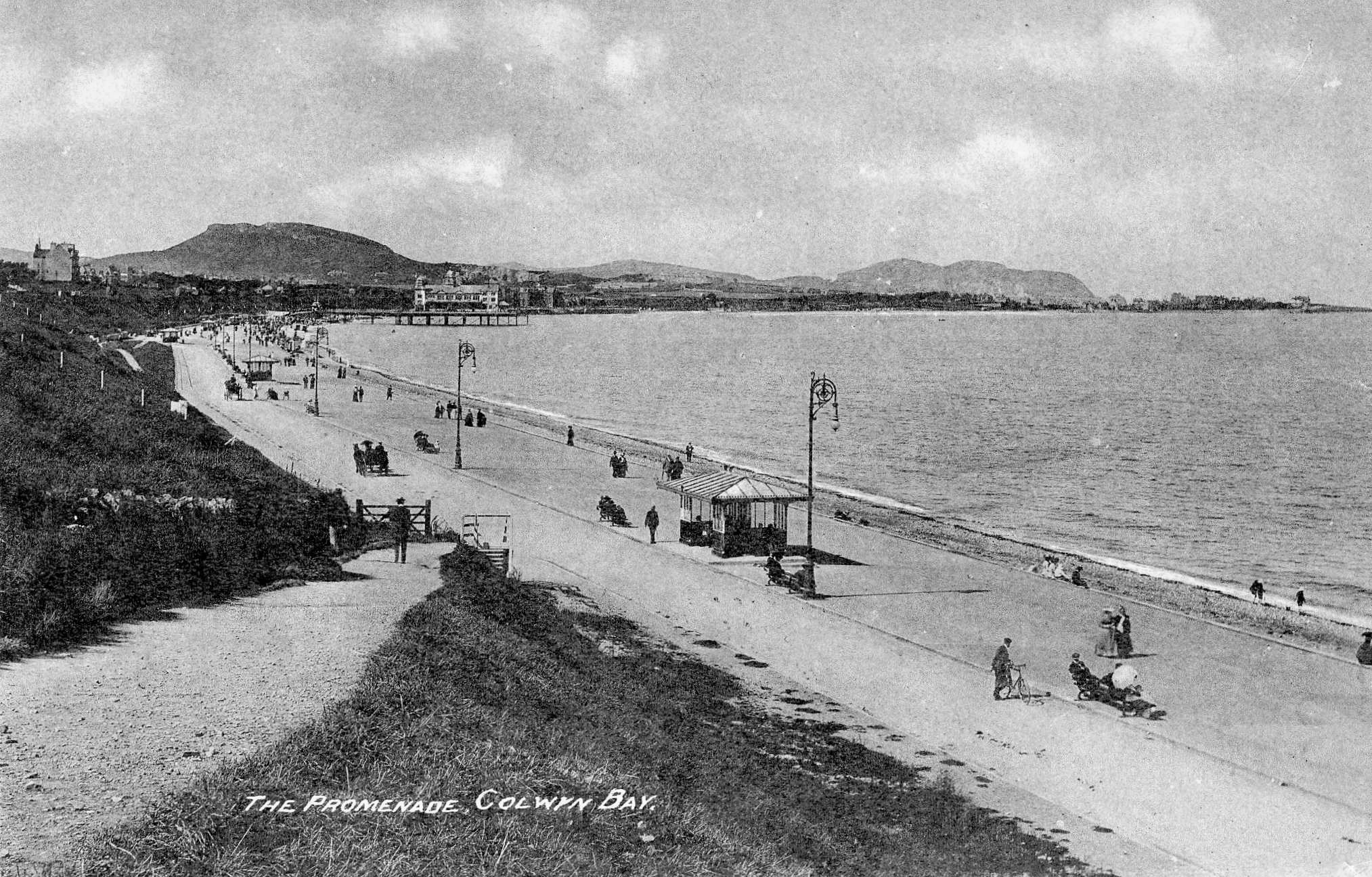
April and October 2019 walking from Rhos to Colwyn.
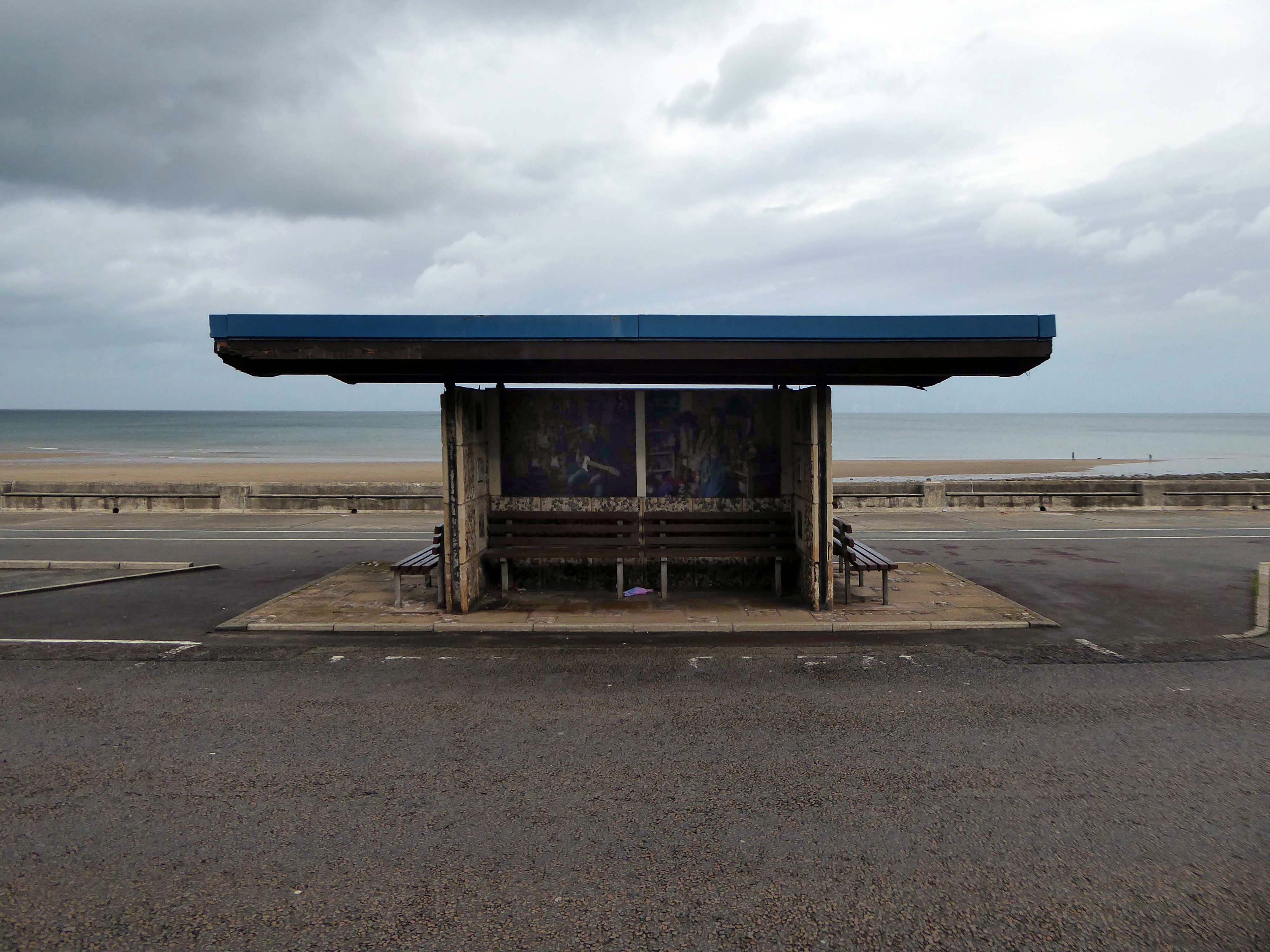
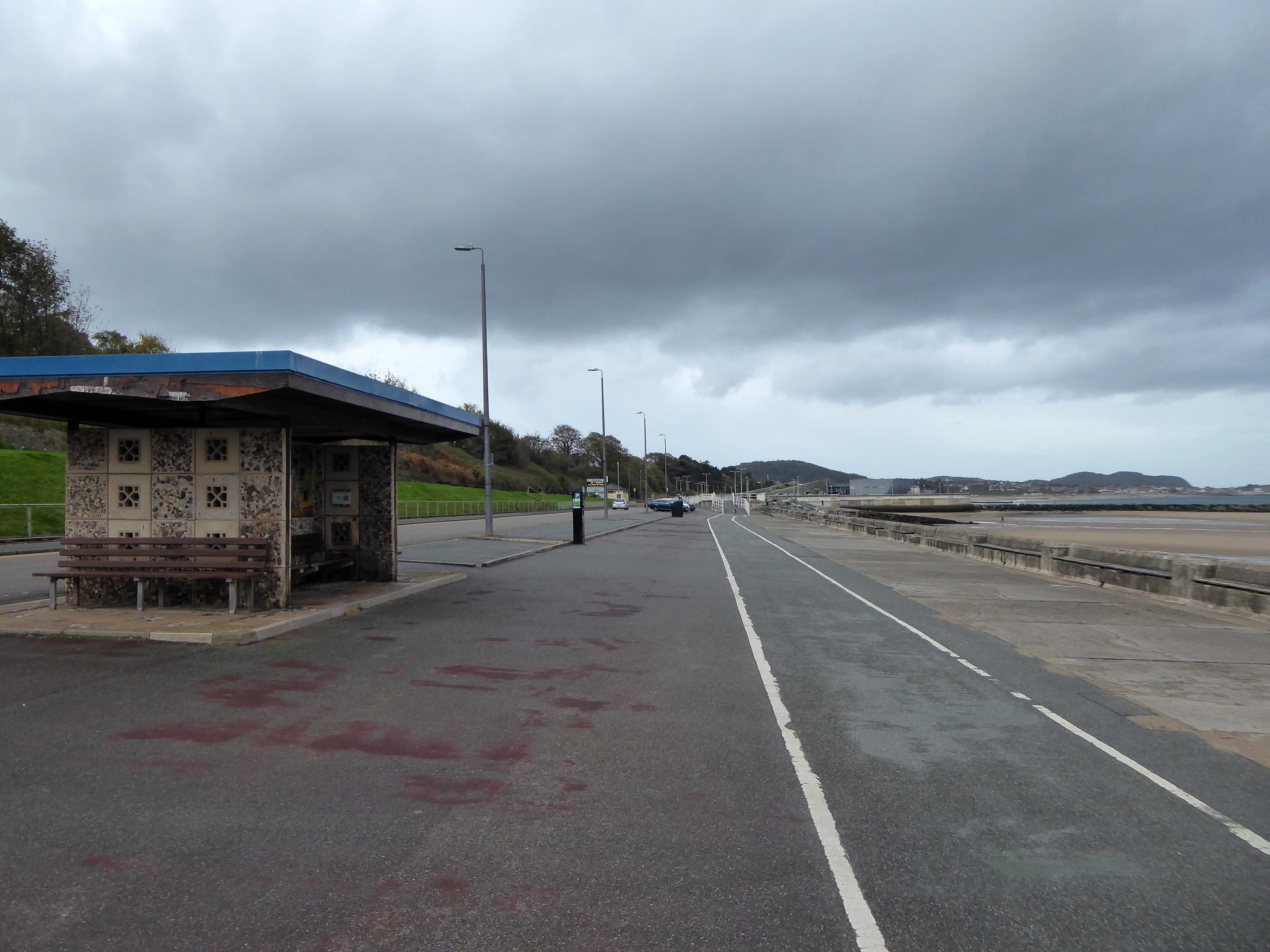
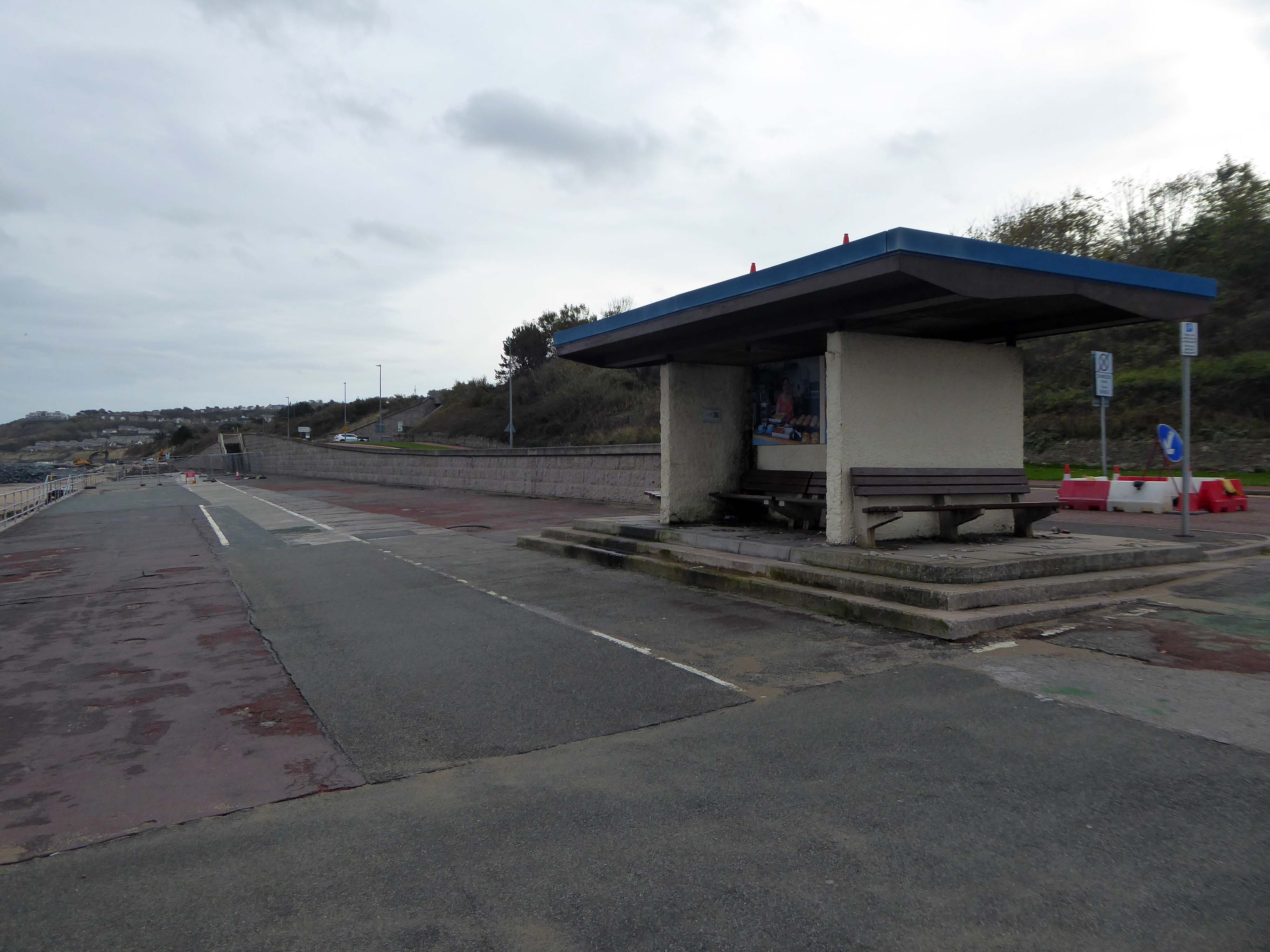
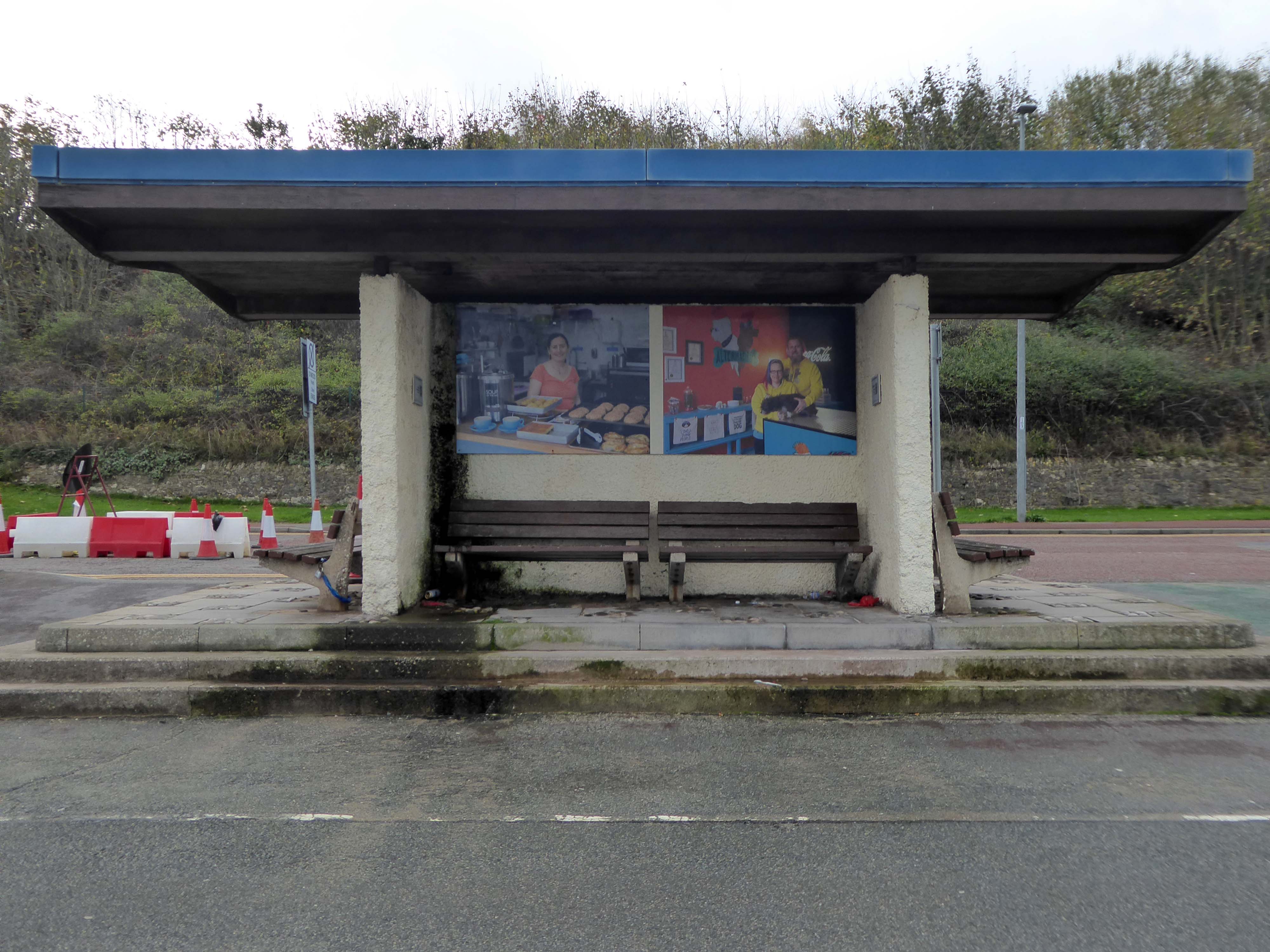
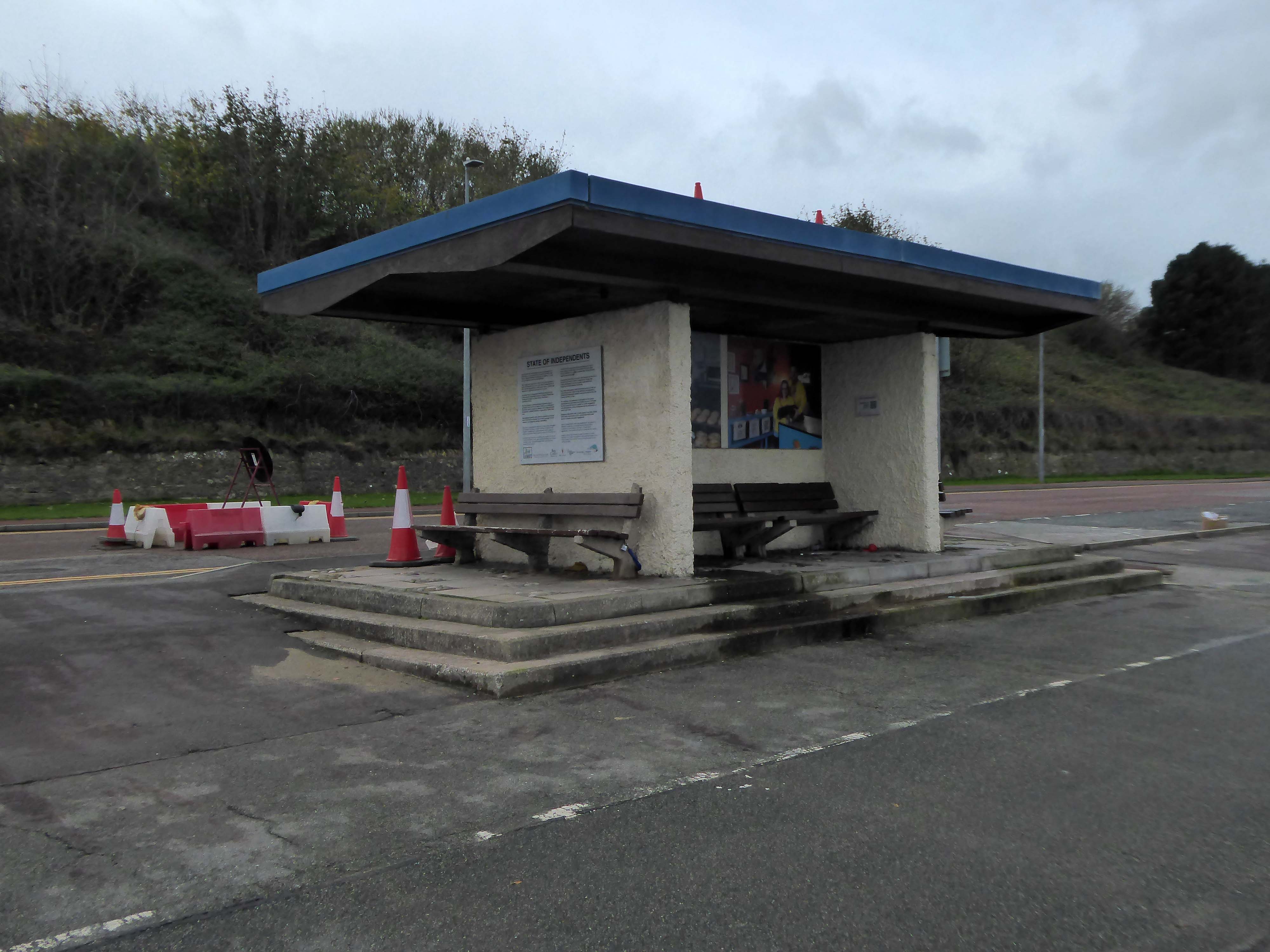
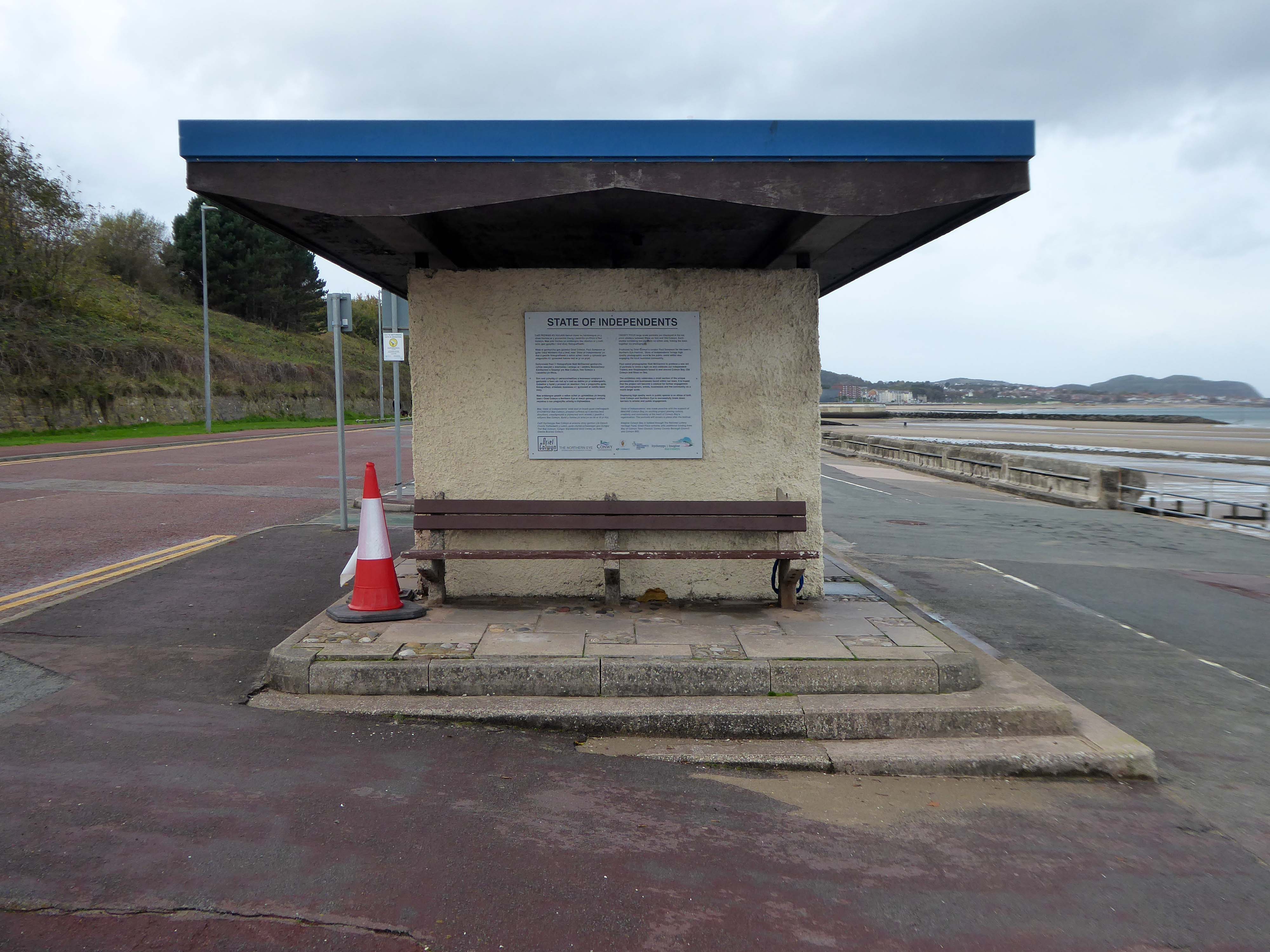
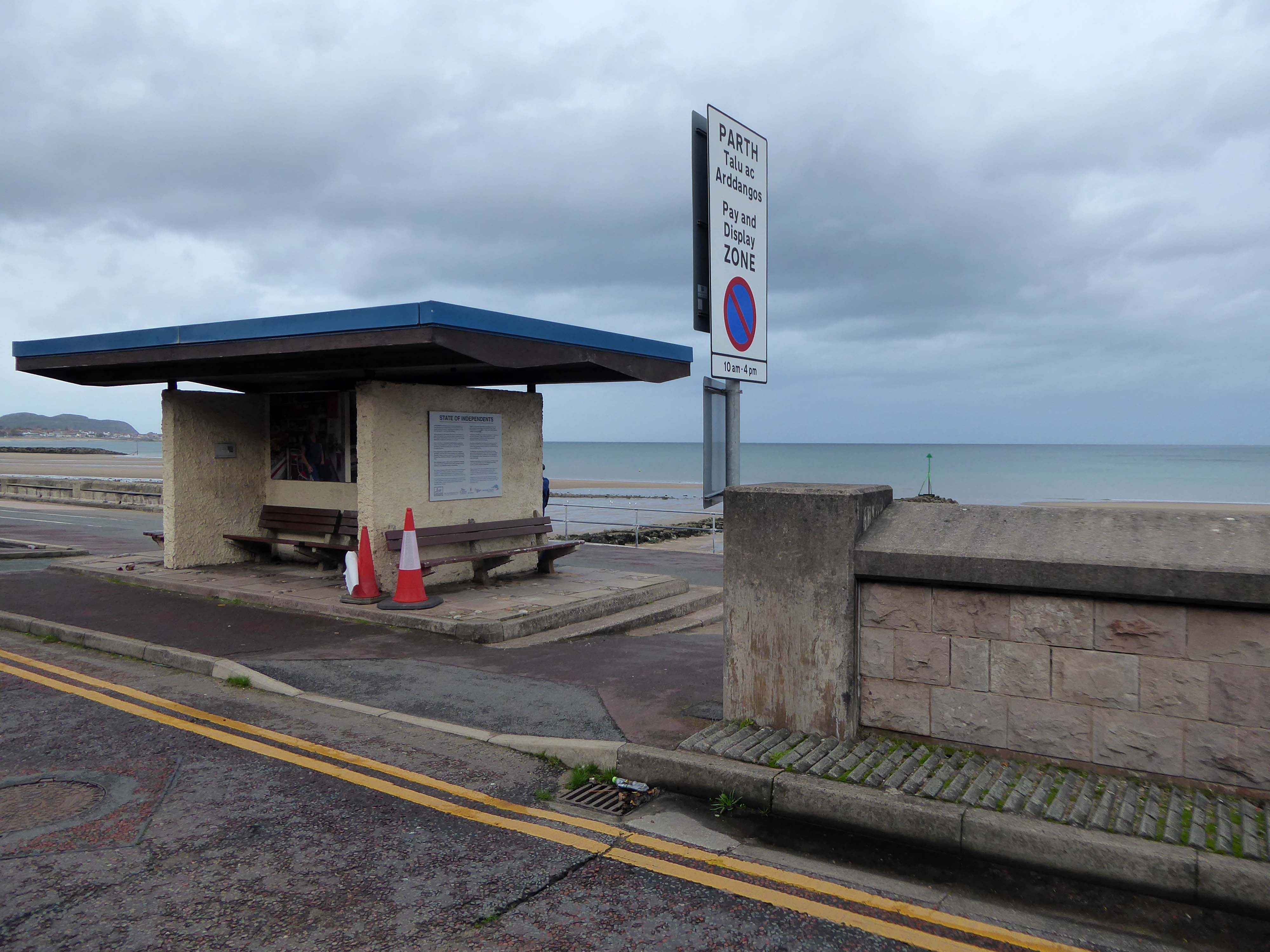
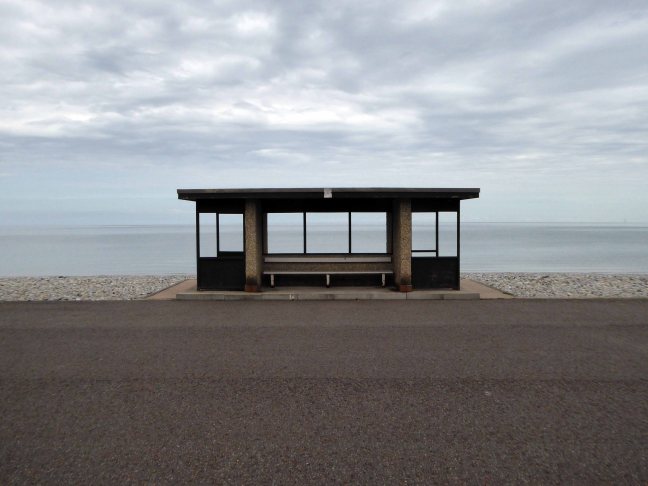
Pandemics come and almost go – as do seaside shelters it seems.
The shelters of 1860 are quite literally a thing of the past.
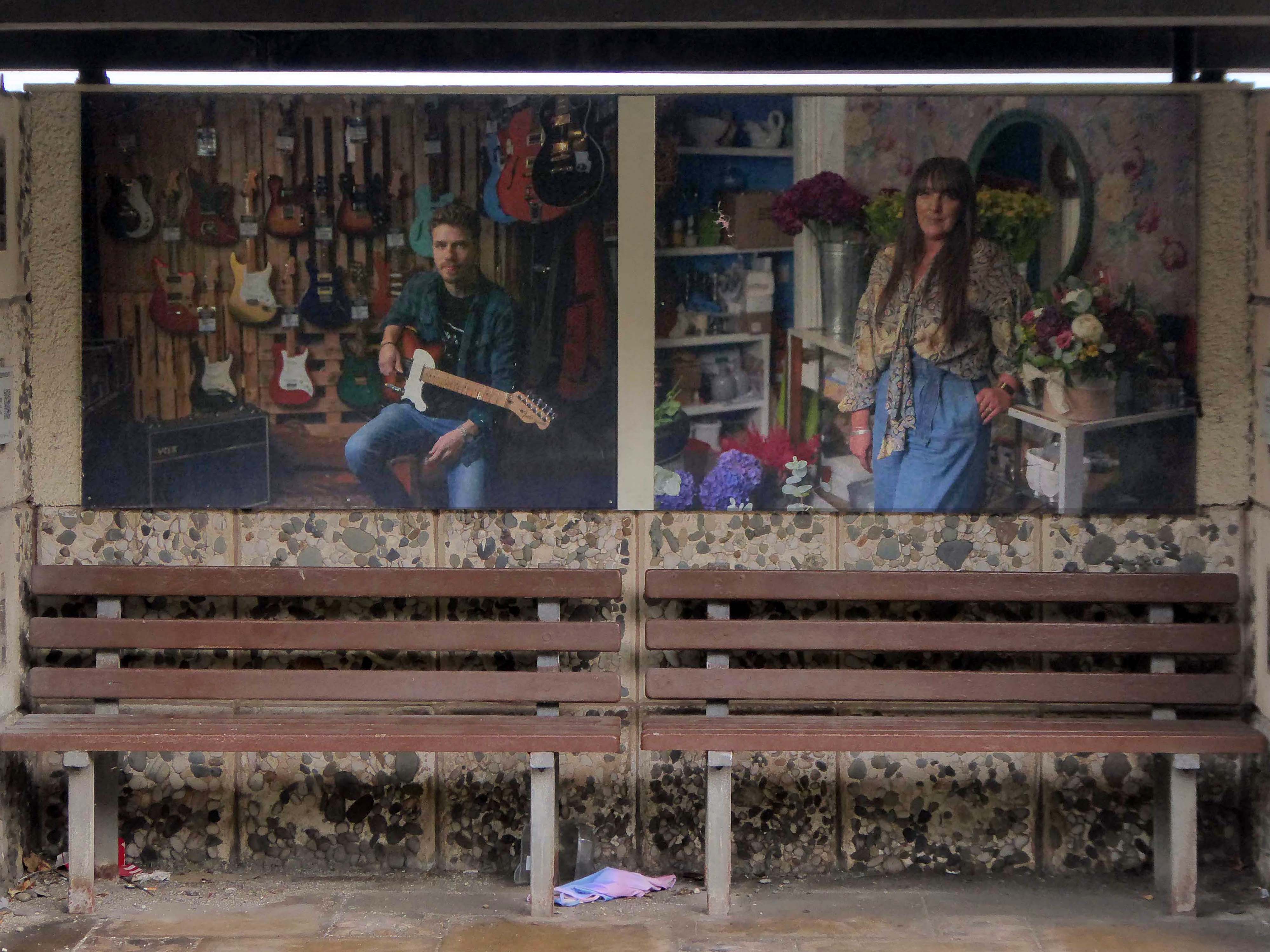
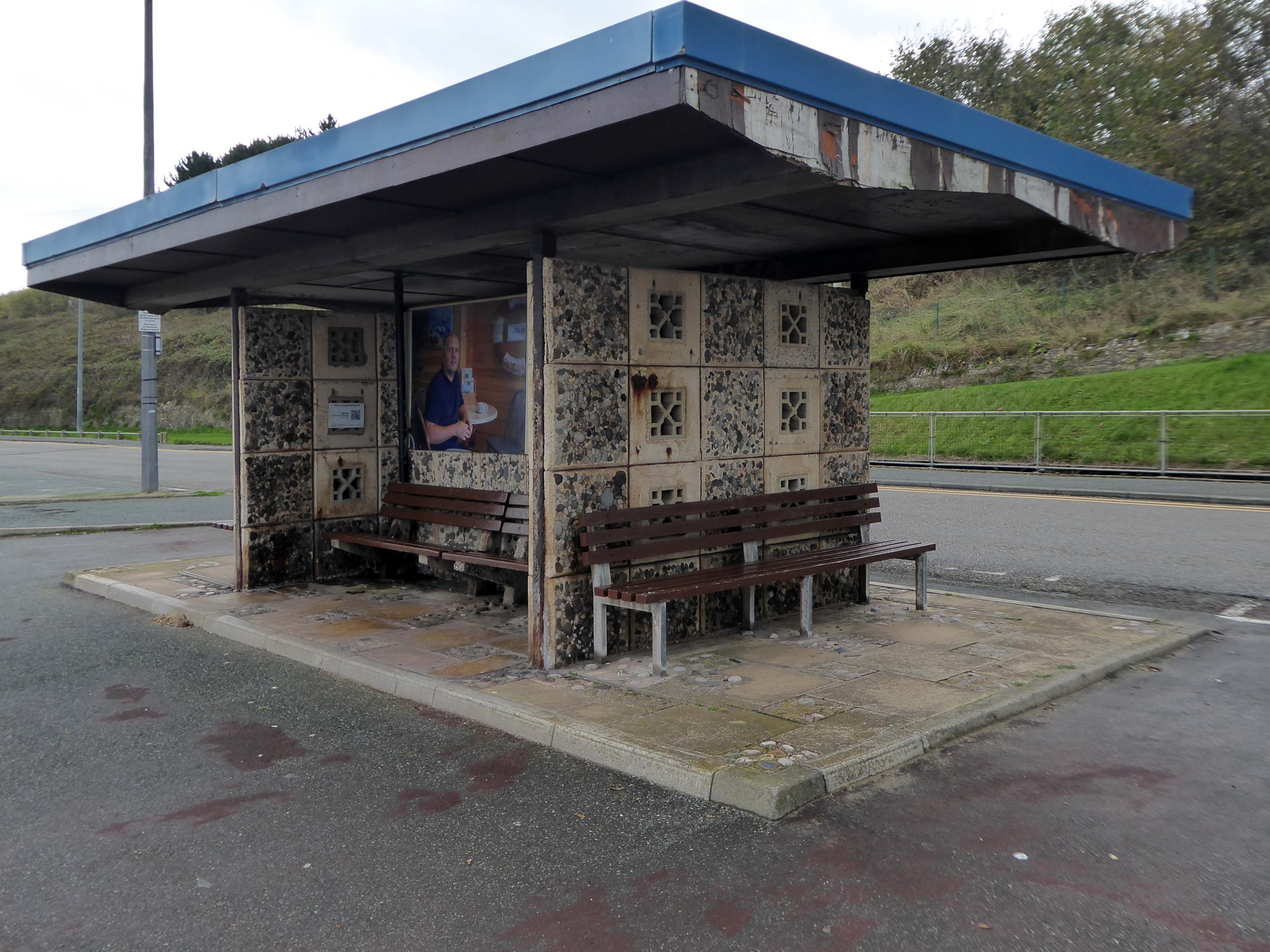
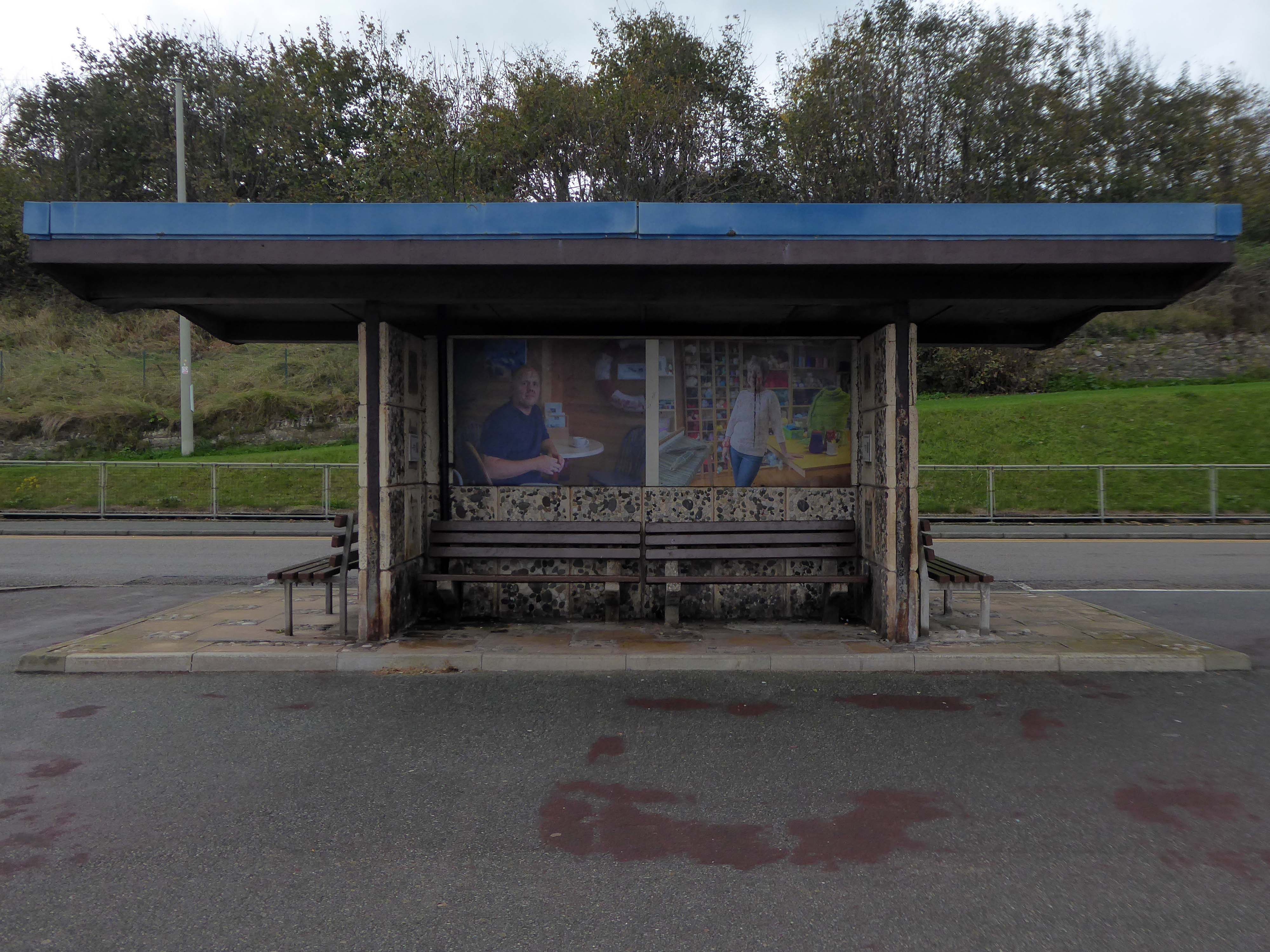
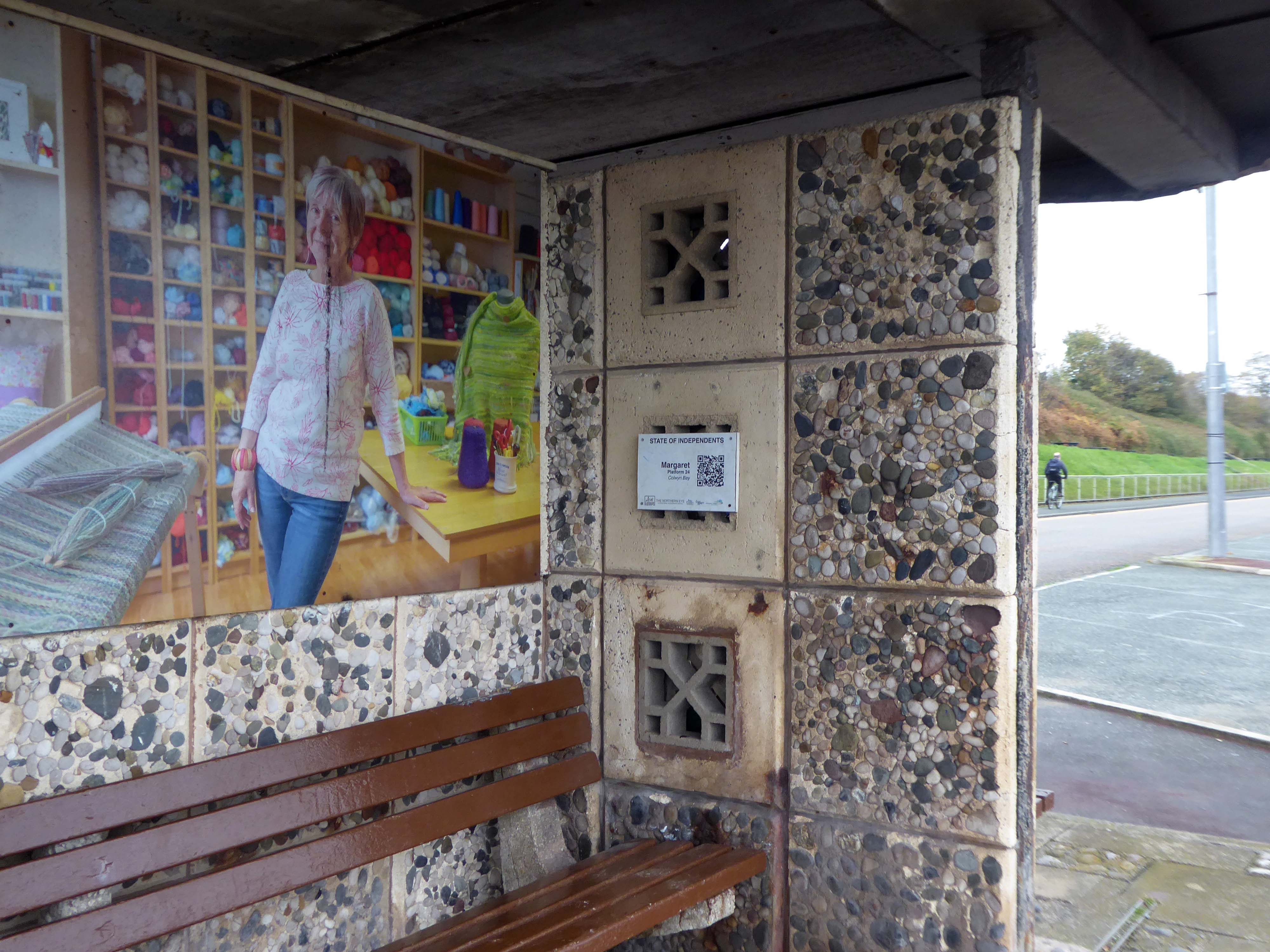
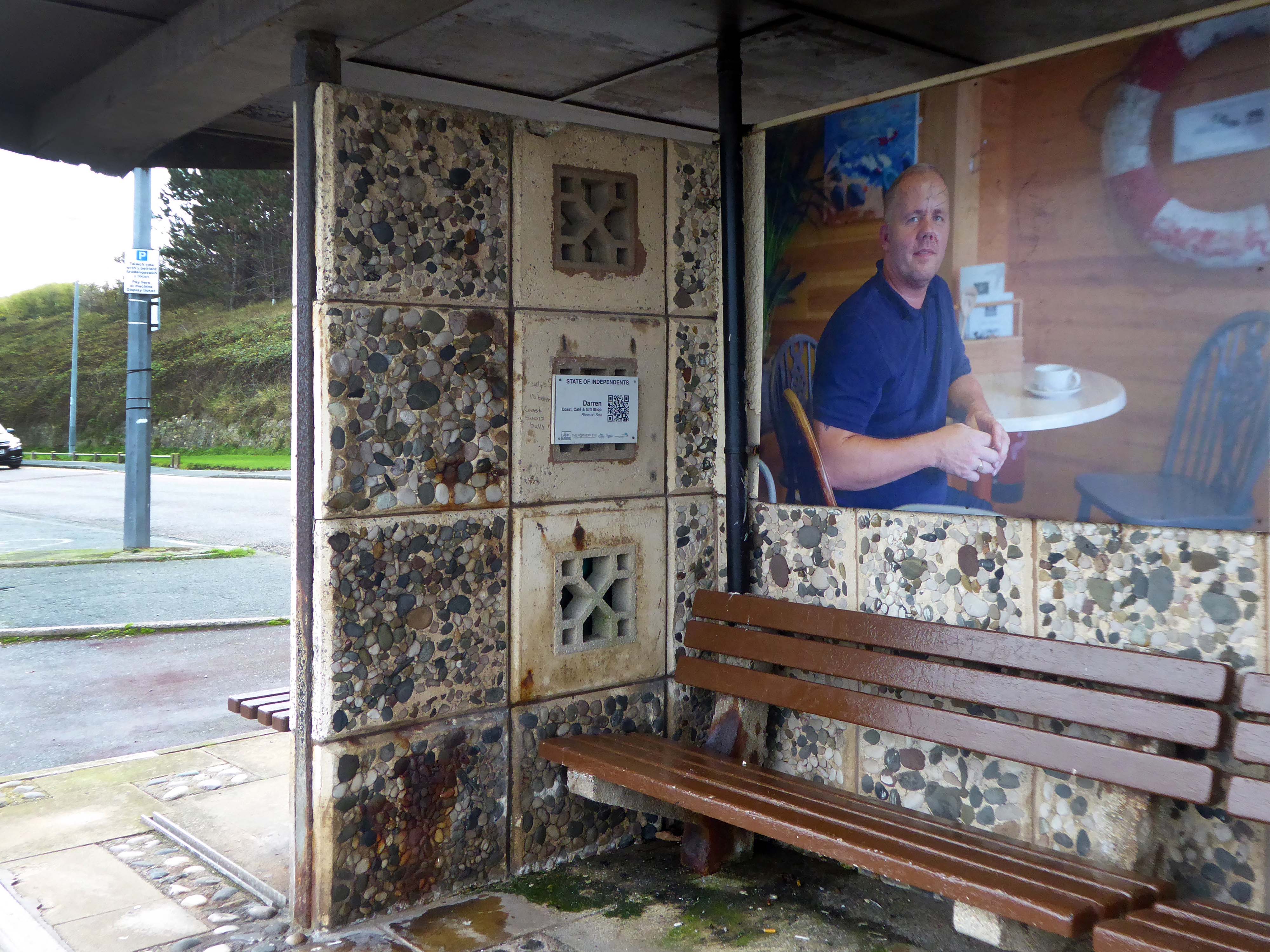
Thye have become host to Niall McDiarmid‘s snaps of local business folk – the project developed when local residents raised concerns about the appearance of the shelters on the promenade.
Cllr Roger Parry said
The shelters are nearing the end of their lifespan and these sections of the prom will be upgraded as part of the waterfront project.
In the meantime, State of Independents will make great use of the shelters; celebrating our hardworking local businesses and hopefully encouraging footfall from the promenade to our high streets.
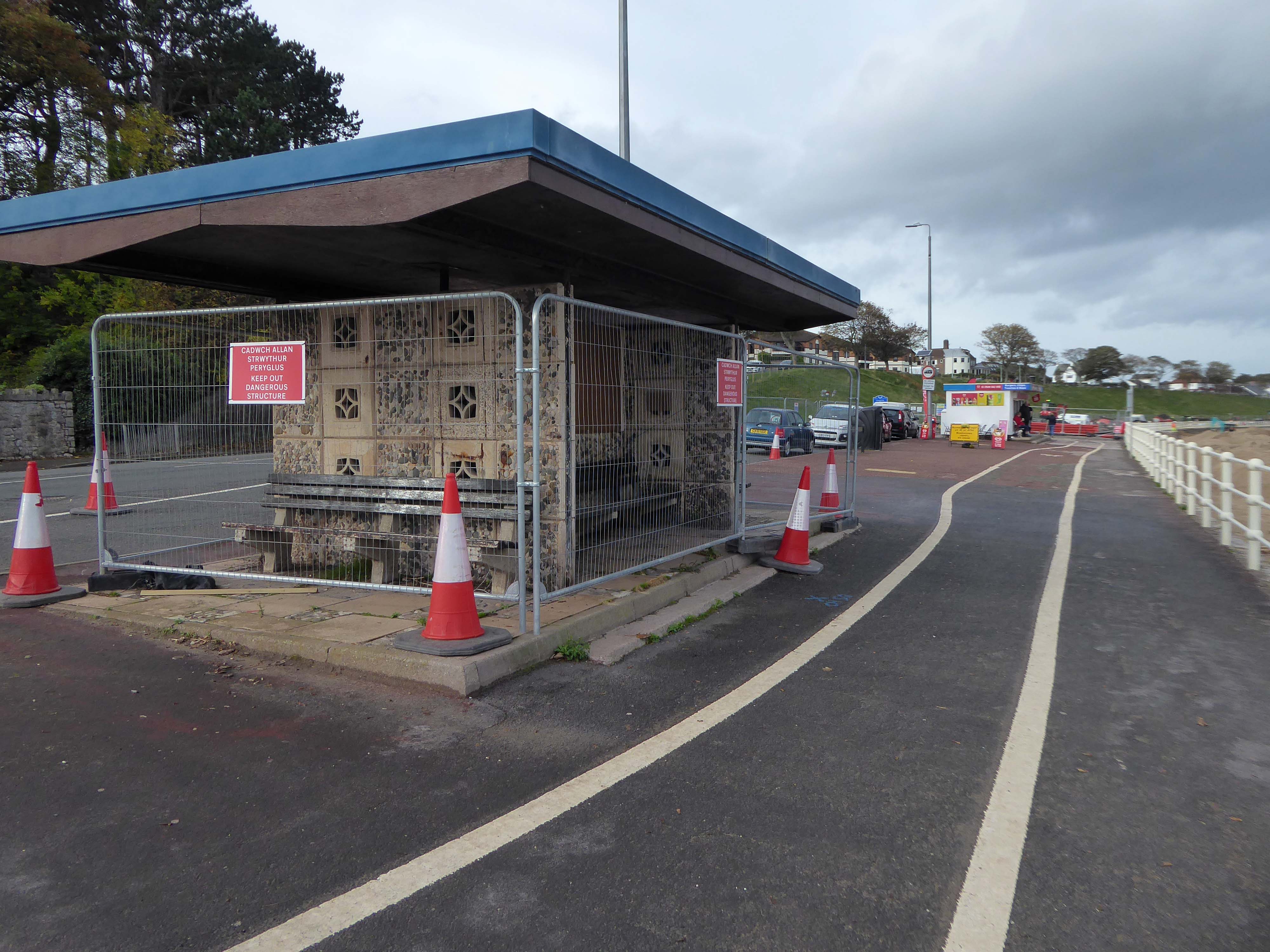
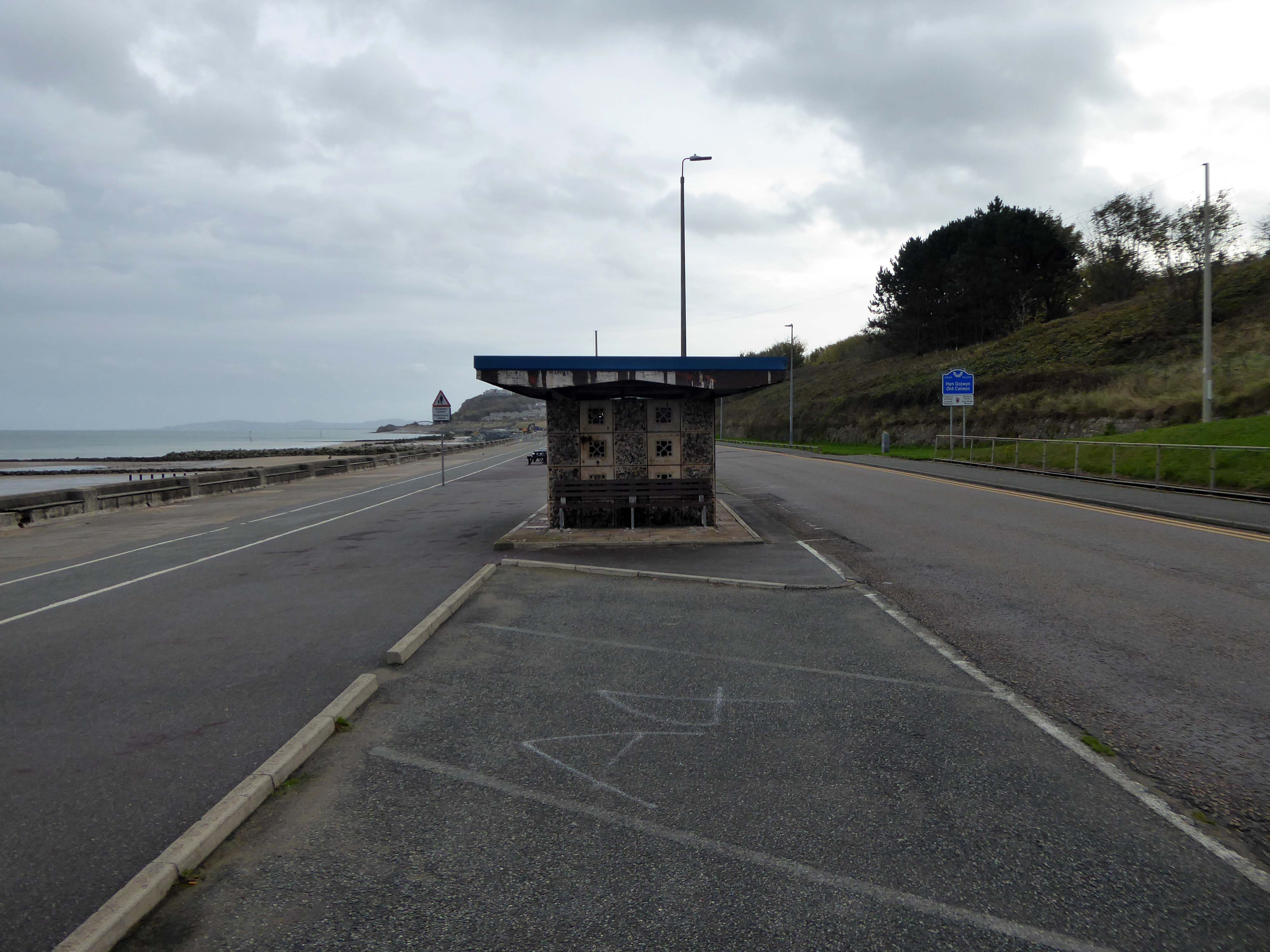
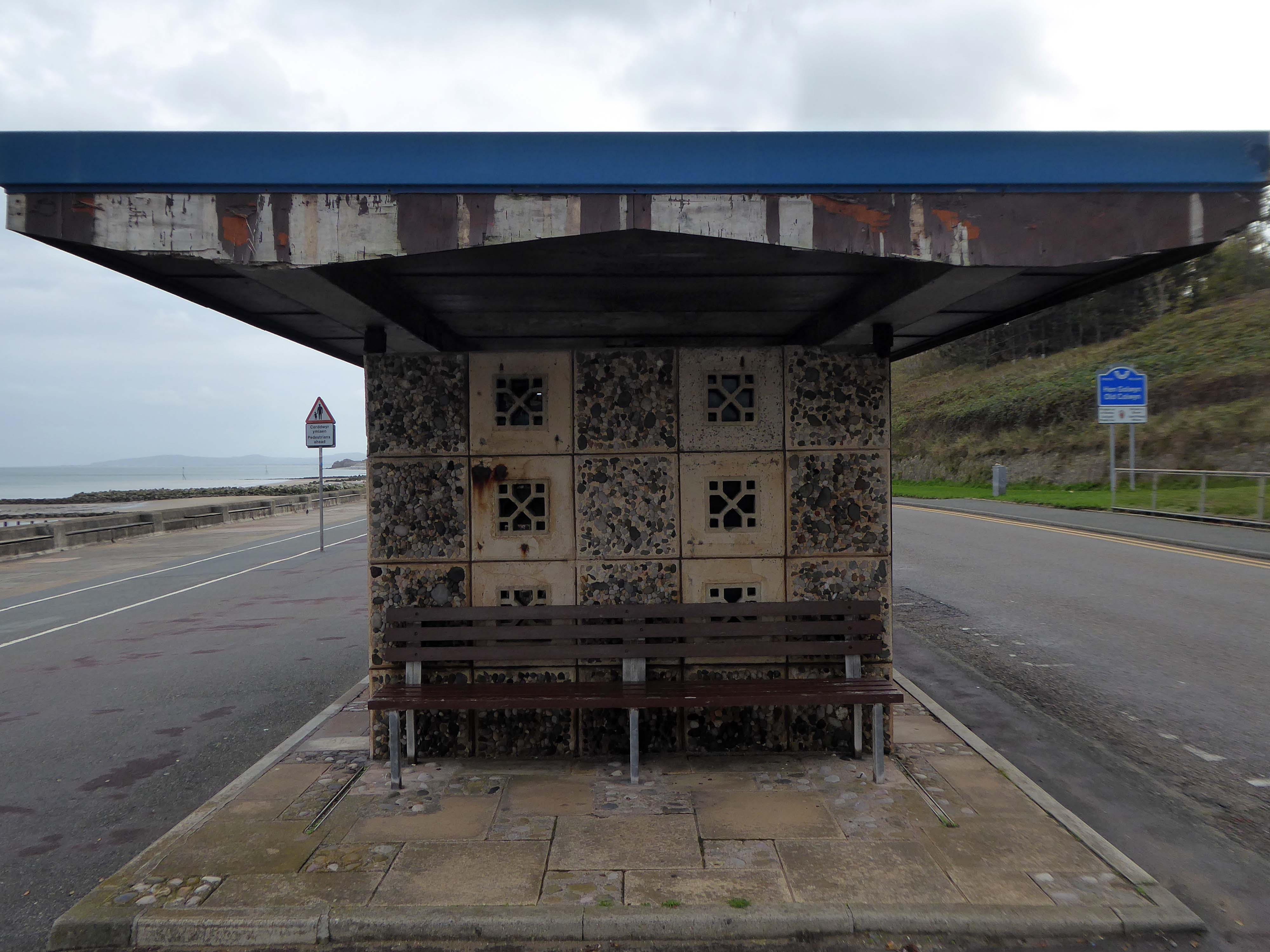
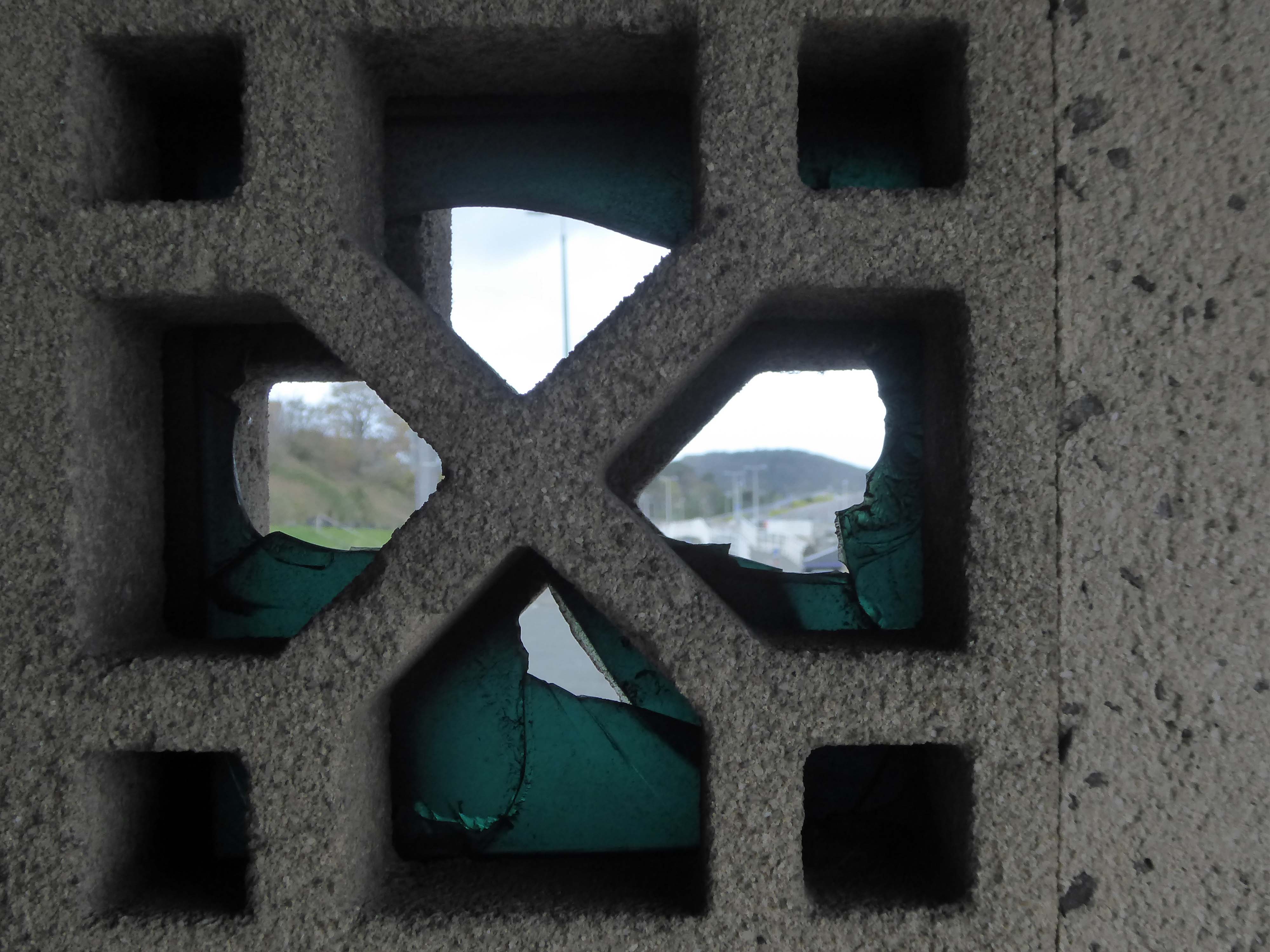
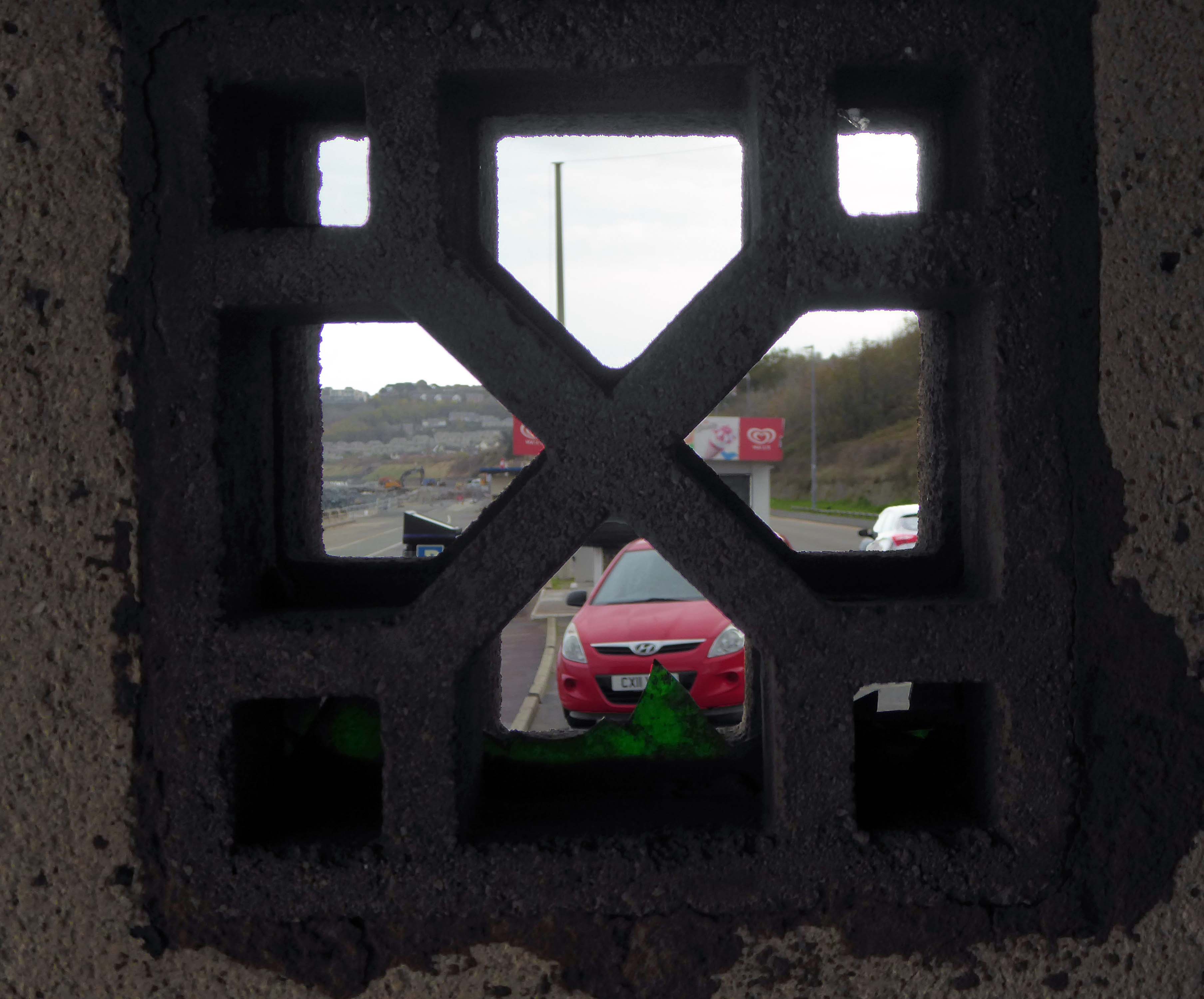
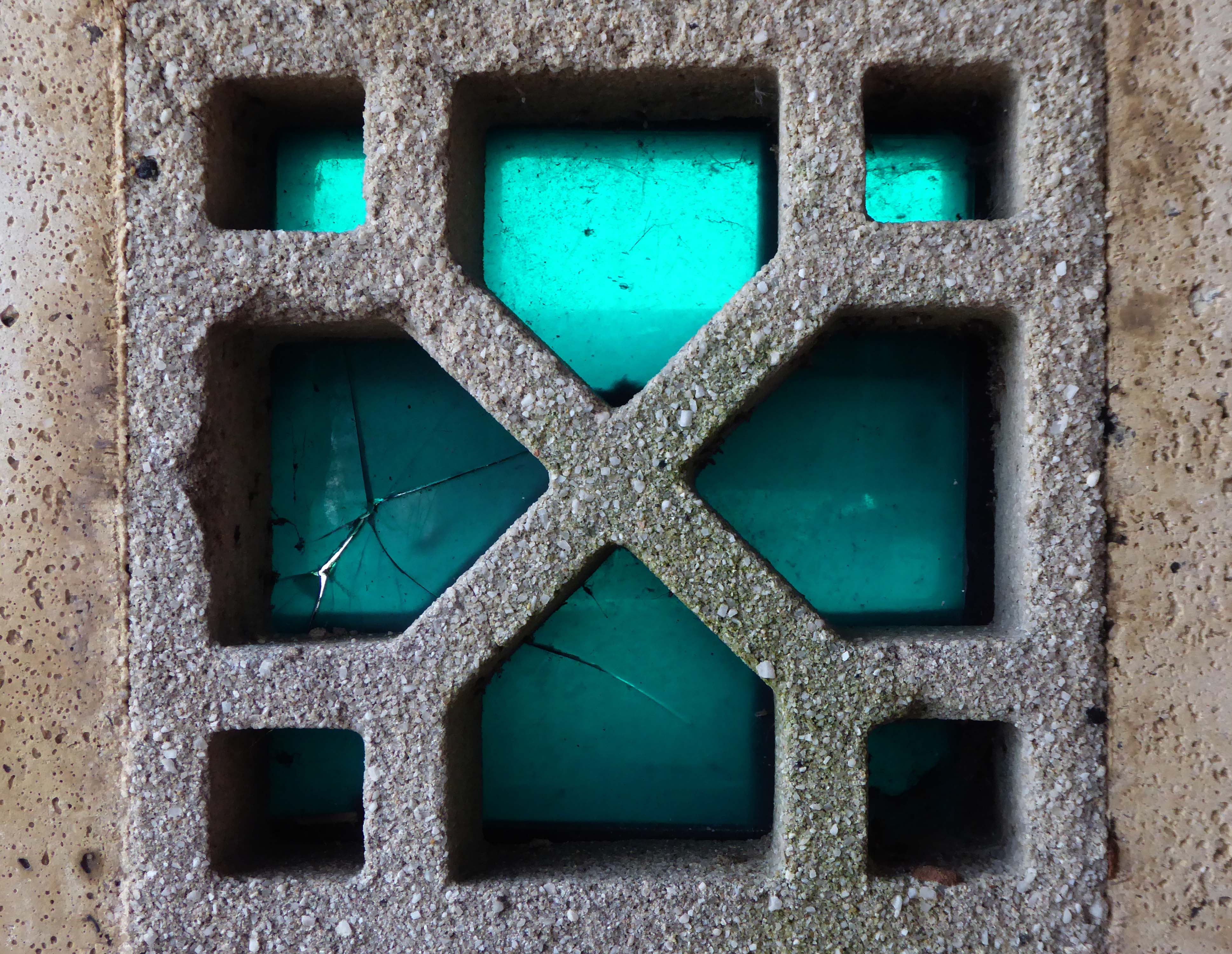
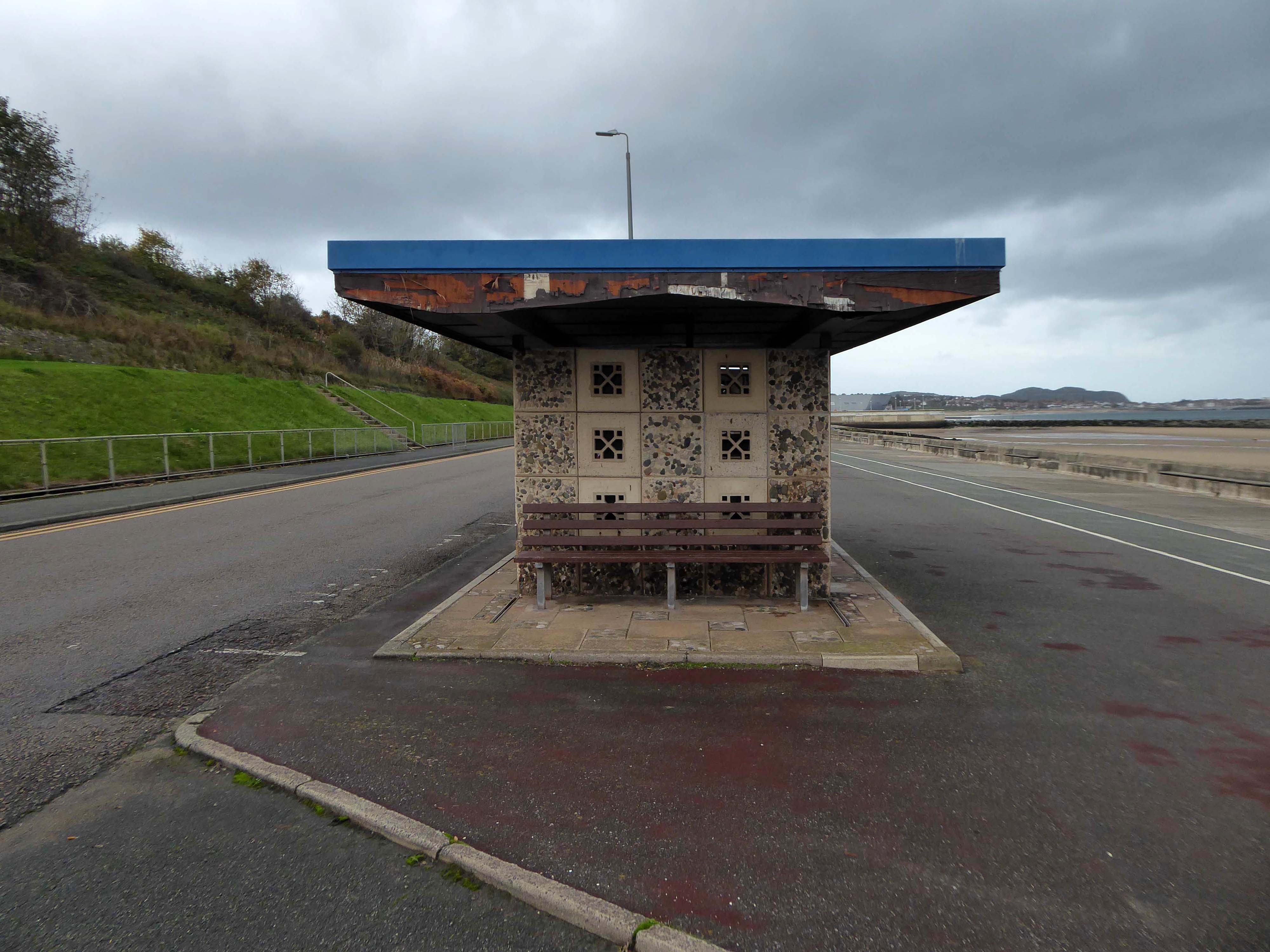
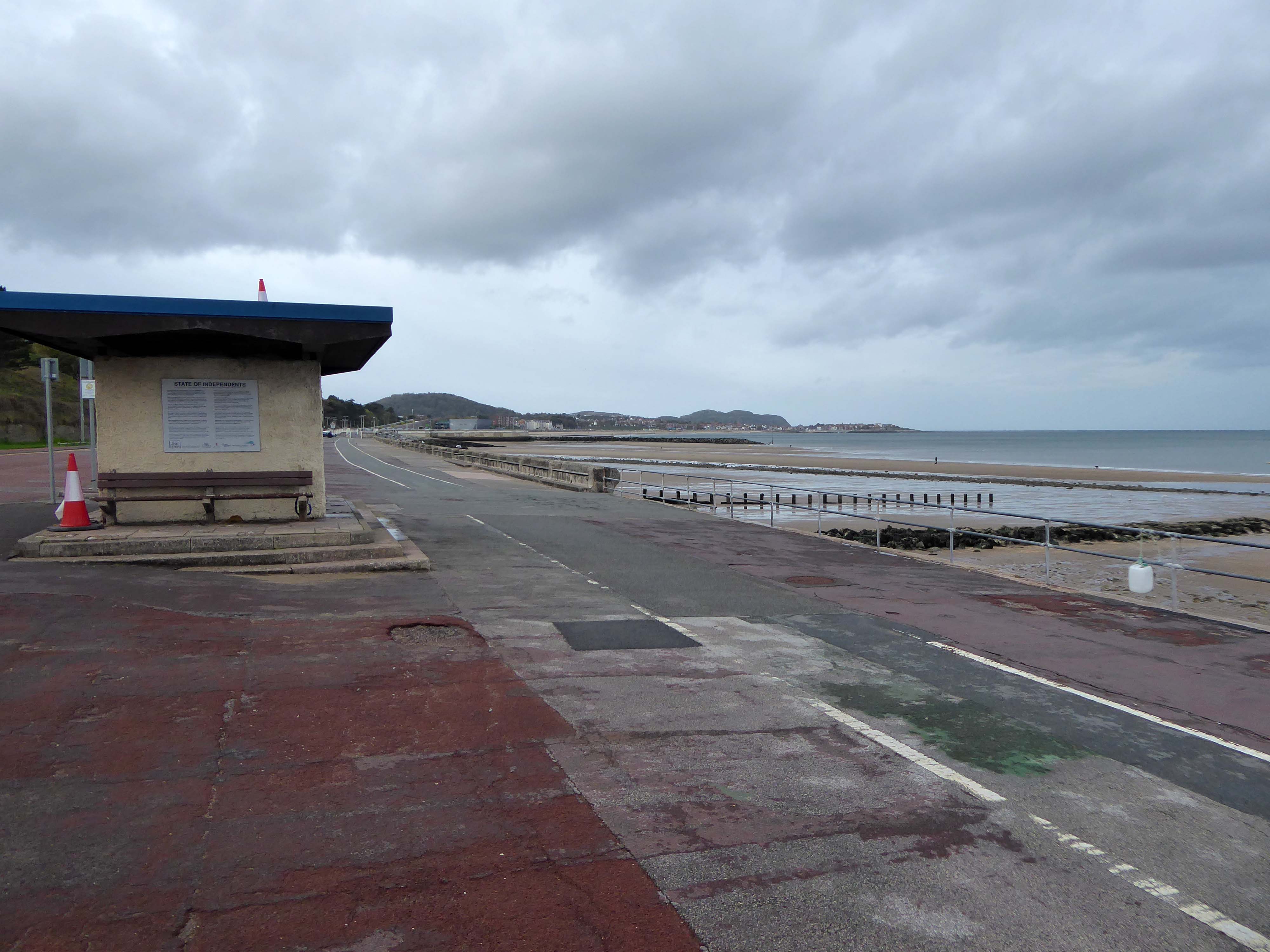
The last of the Rhos on Sea shelters is a dangerous customer suitably secured.
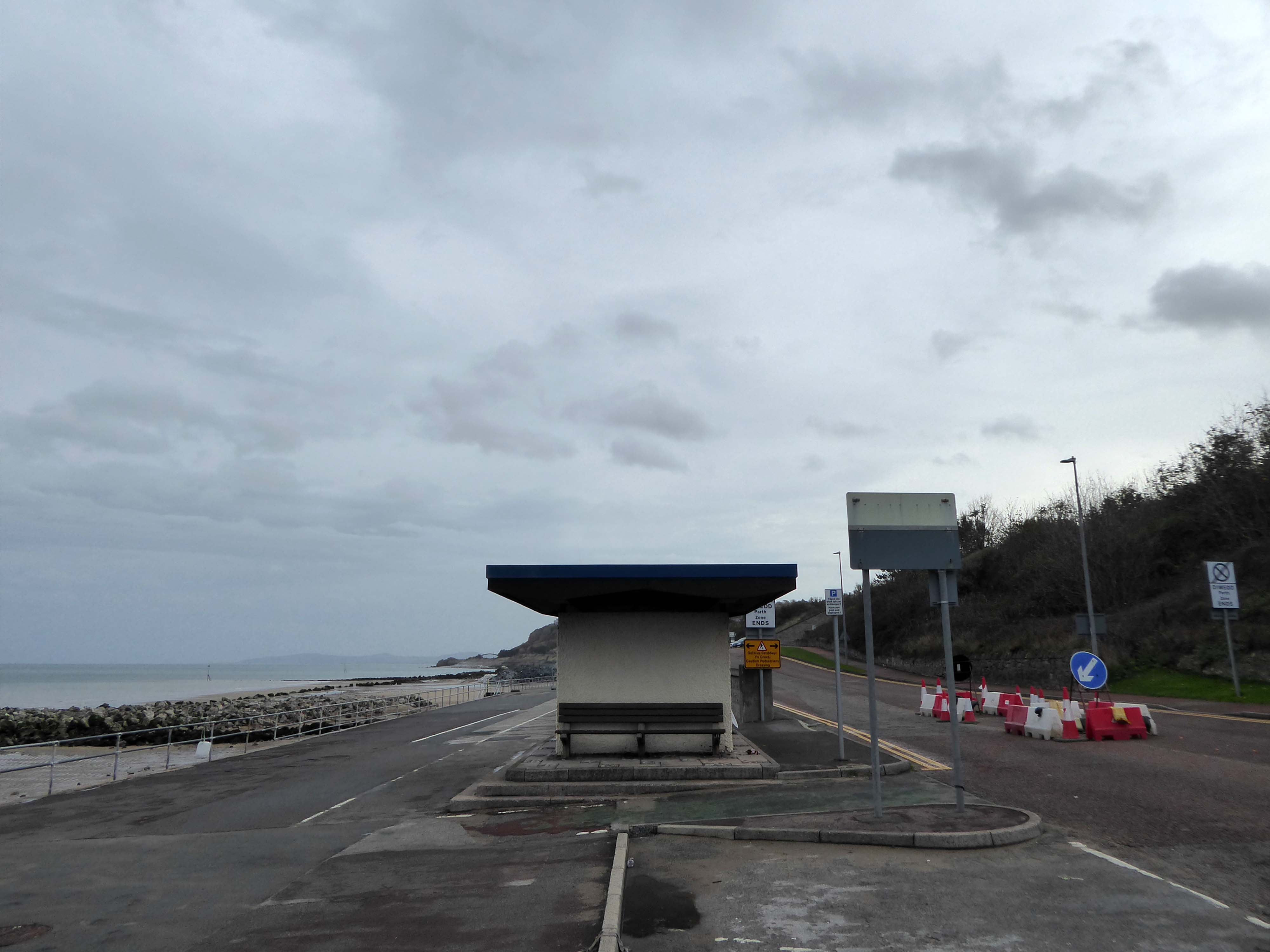
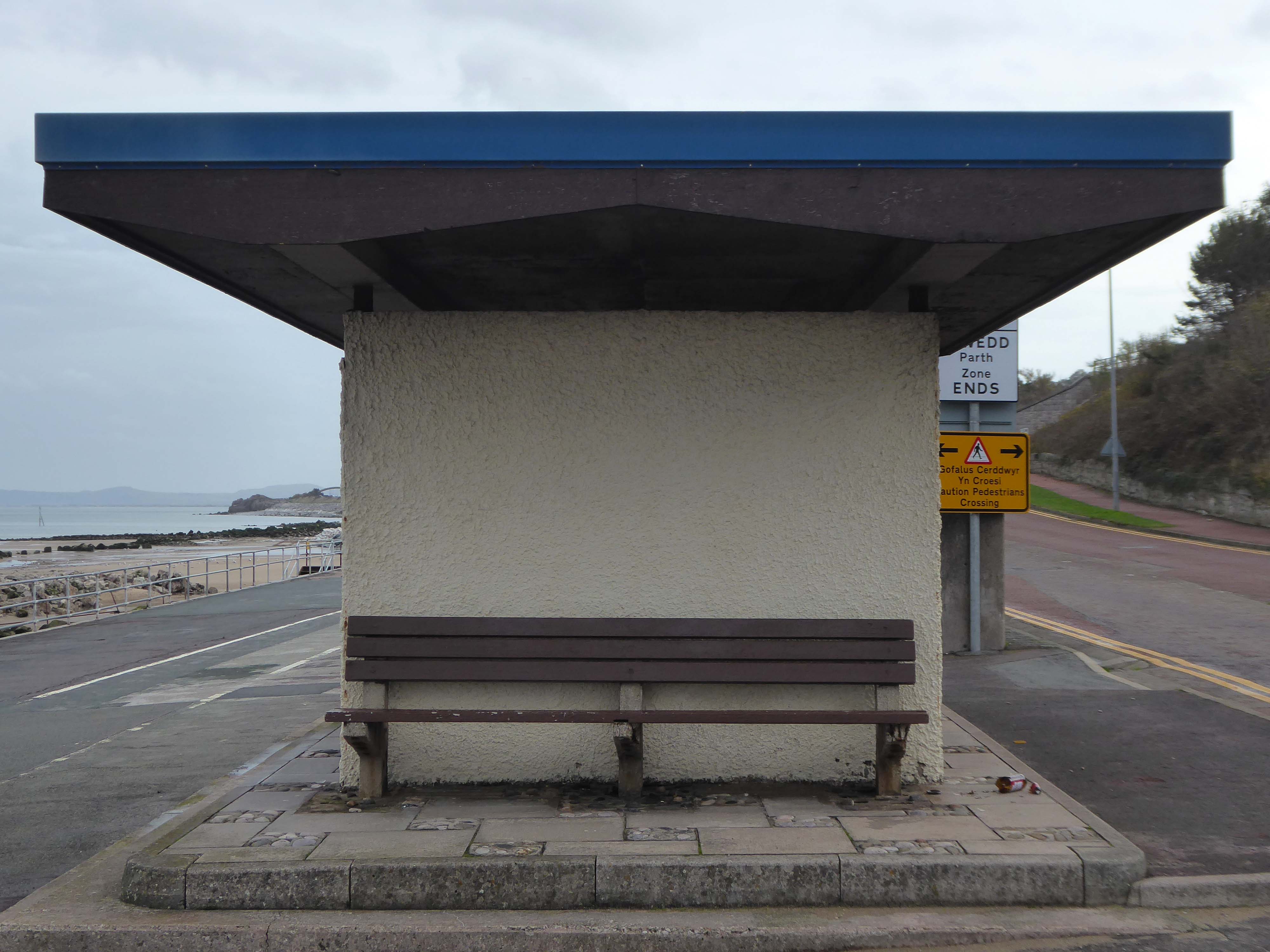
There remains two exemplars of the typology located at the Colwyn end of the bay.
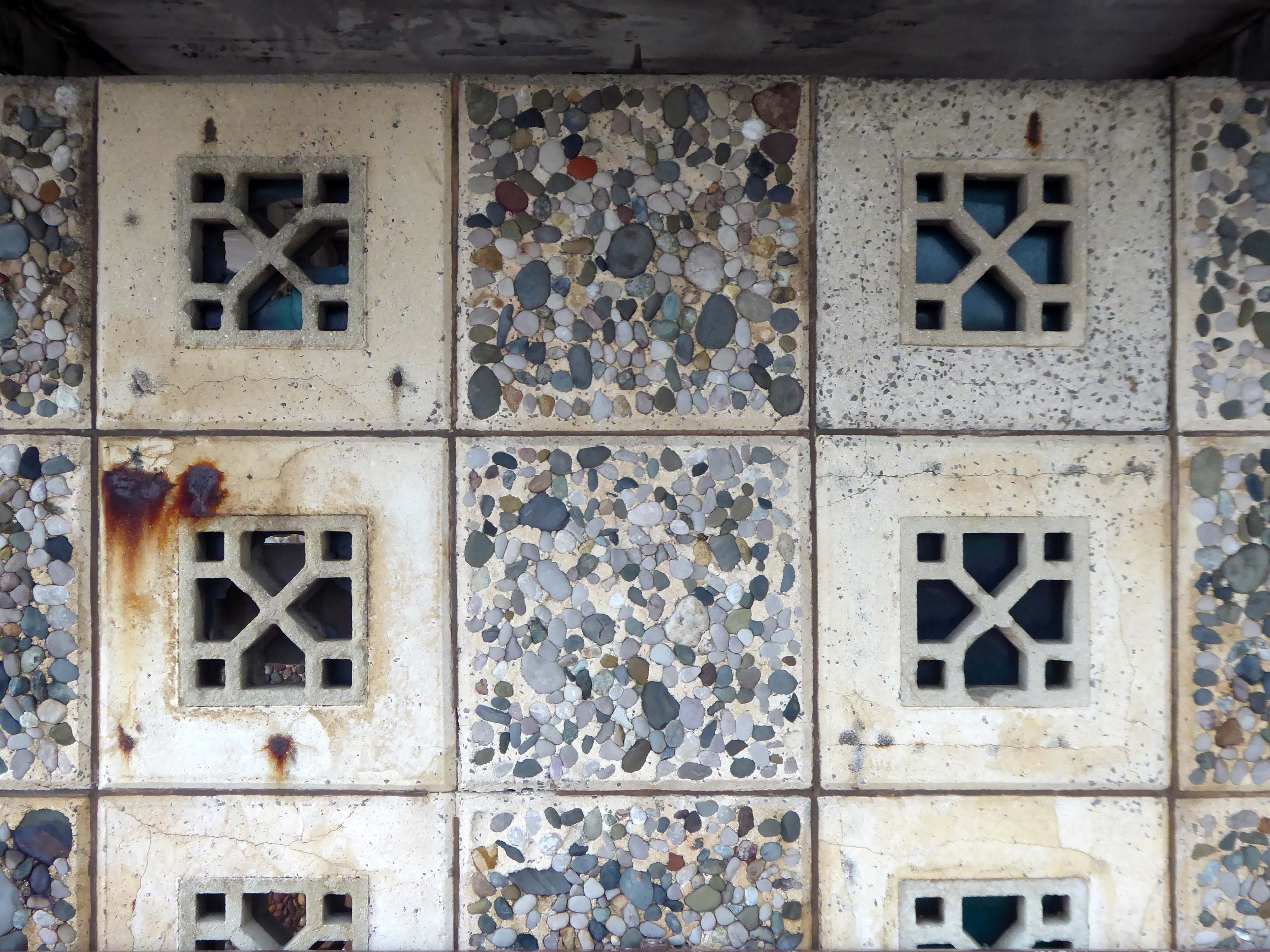
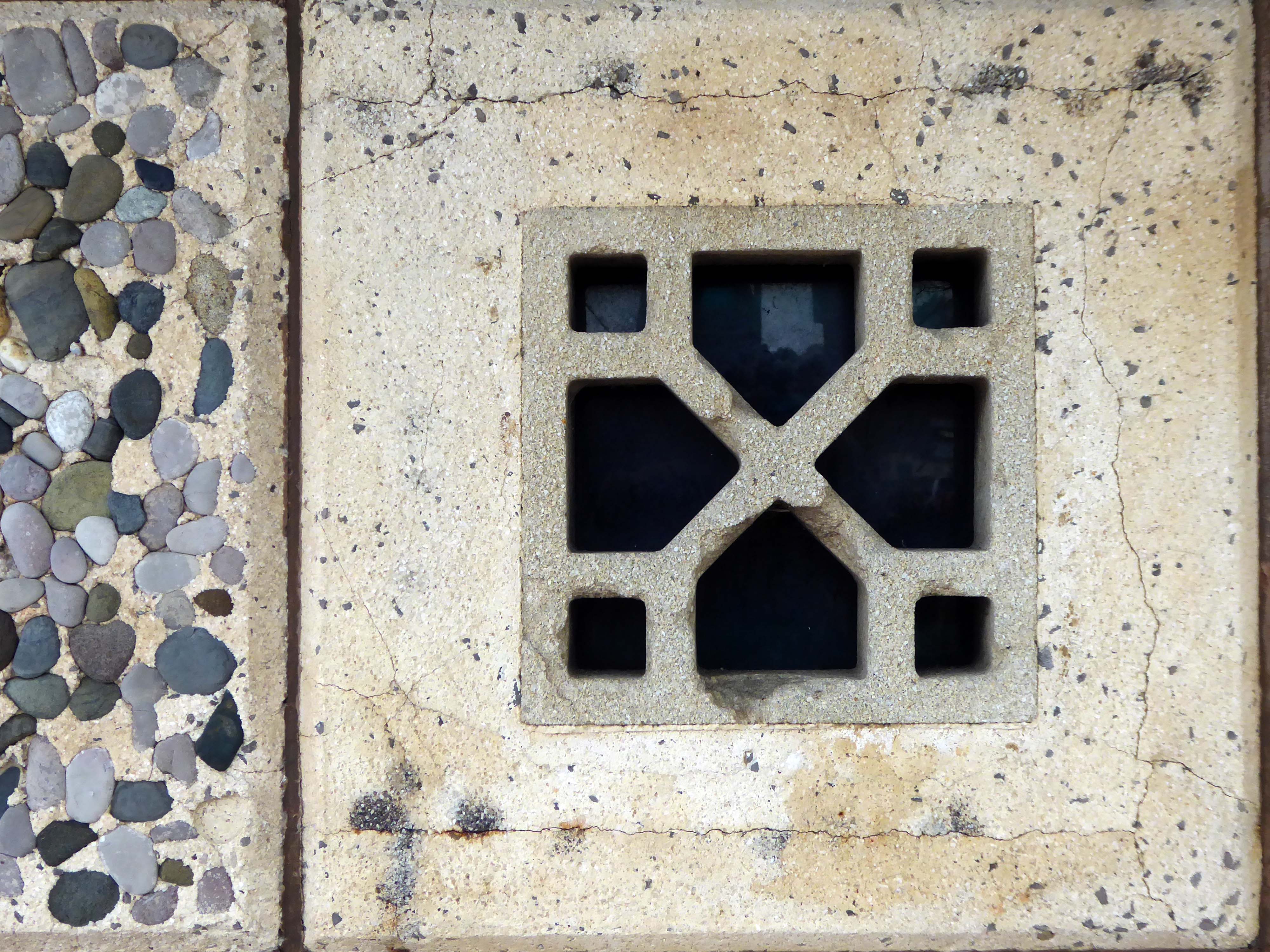
The second shelter lacks the pierced concrete blocks.
So work progresses on the coastal defences, the promenade is refashioned after a fashion in the fashion of the day.
There is no longer a place for these unique exemplars of Municipal Modernism.
Before the work began, the promenade was a tired, uninviting and underused public space. Poorly lit and often host to anti-social behaviour, the uneven surfacing and crumbling shelters were the results of years of patchwork repairs.
The project has transformed the area into a public space which the local community can take pride in and make use of all year round.
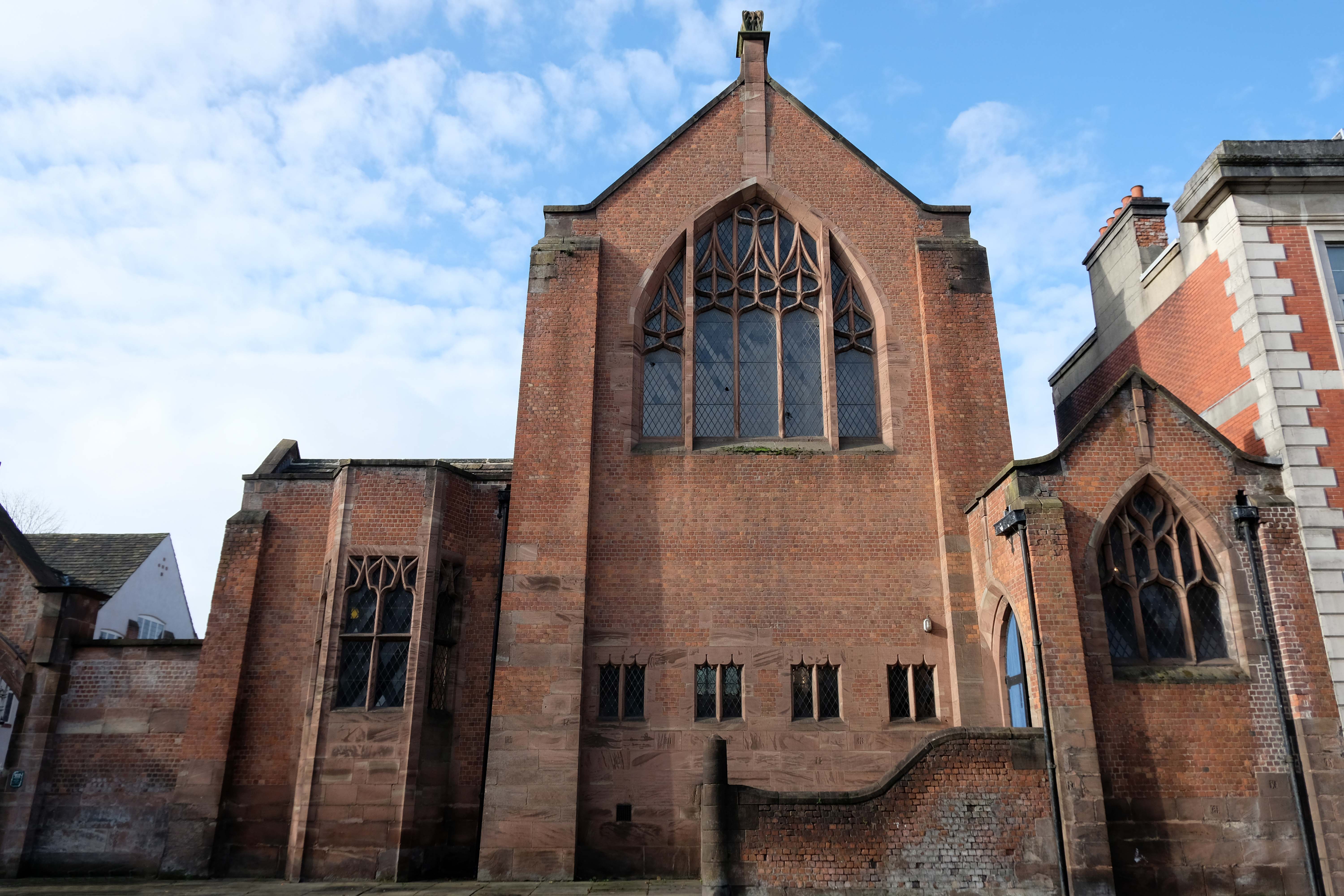
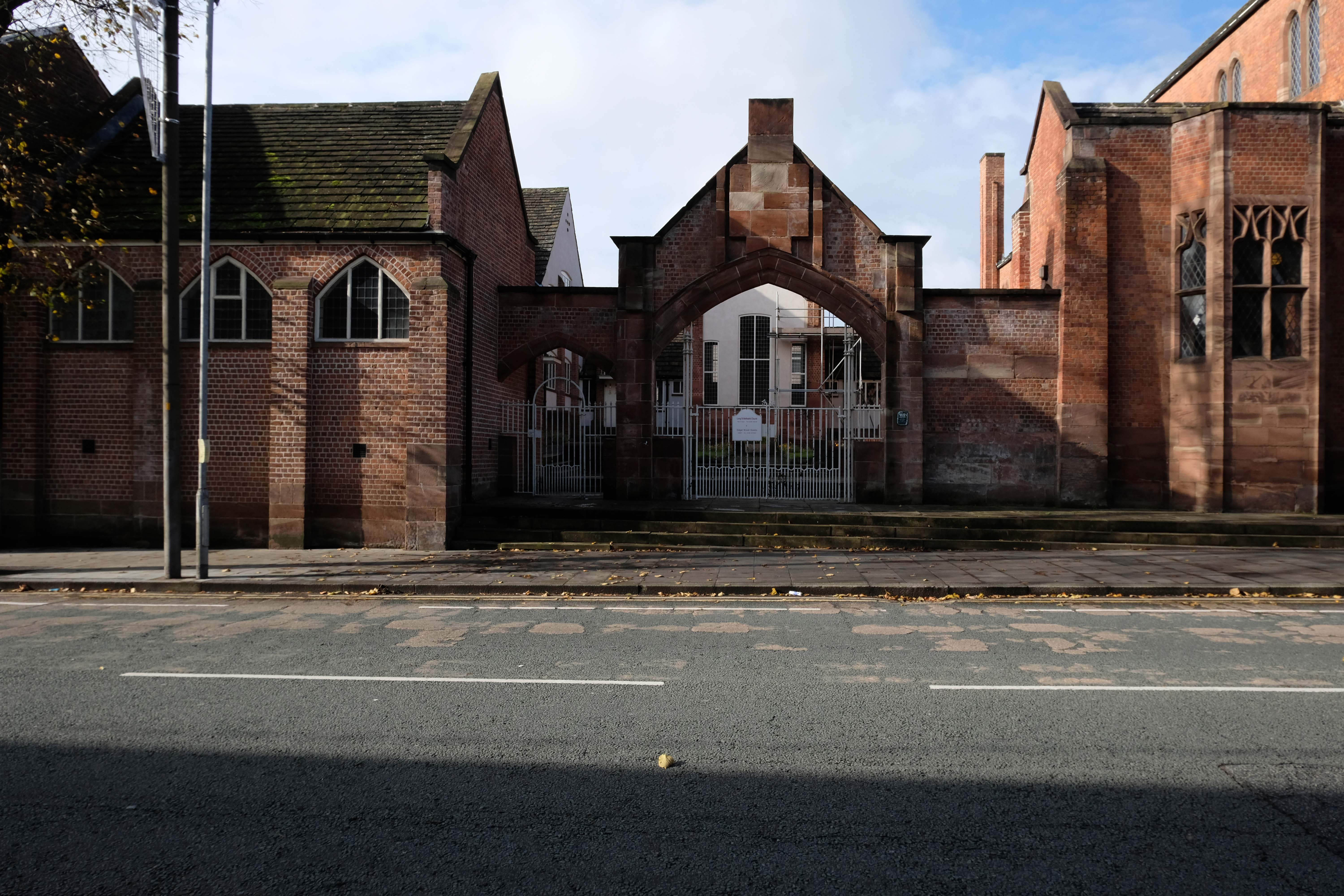
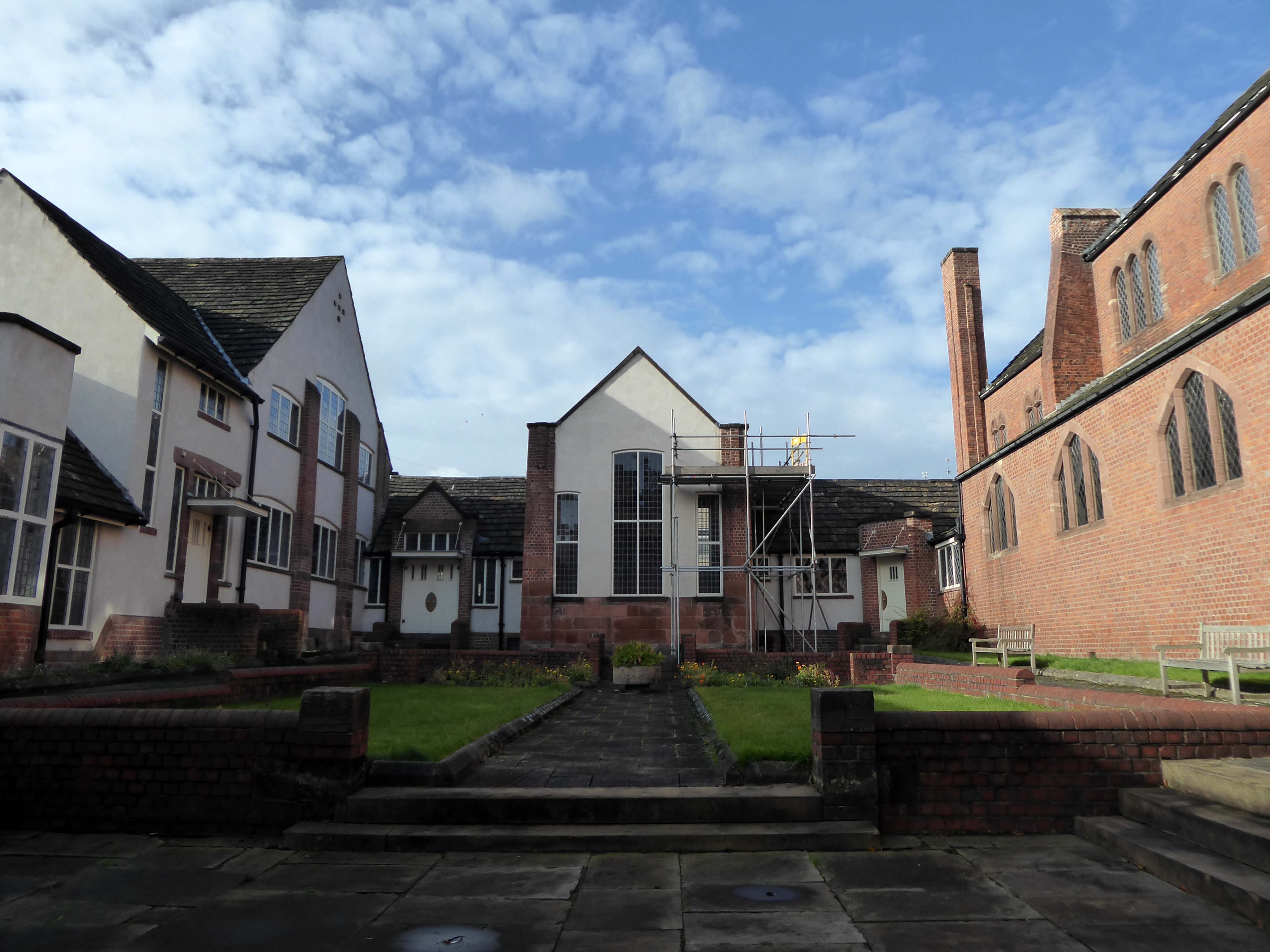
Middleton has not the gloom of so many South Lancashire towns its size. It benefits from its position close to the hills, but it has also the advantage of a large medieval church on a hill and of a number of buildings by one of England’s most original architects of the period around 1900.
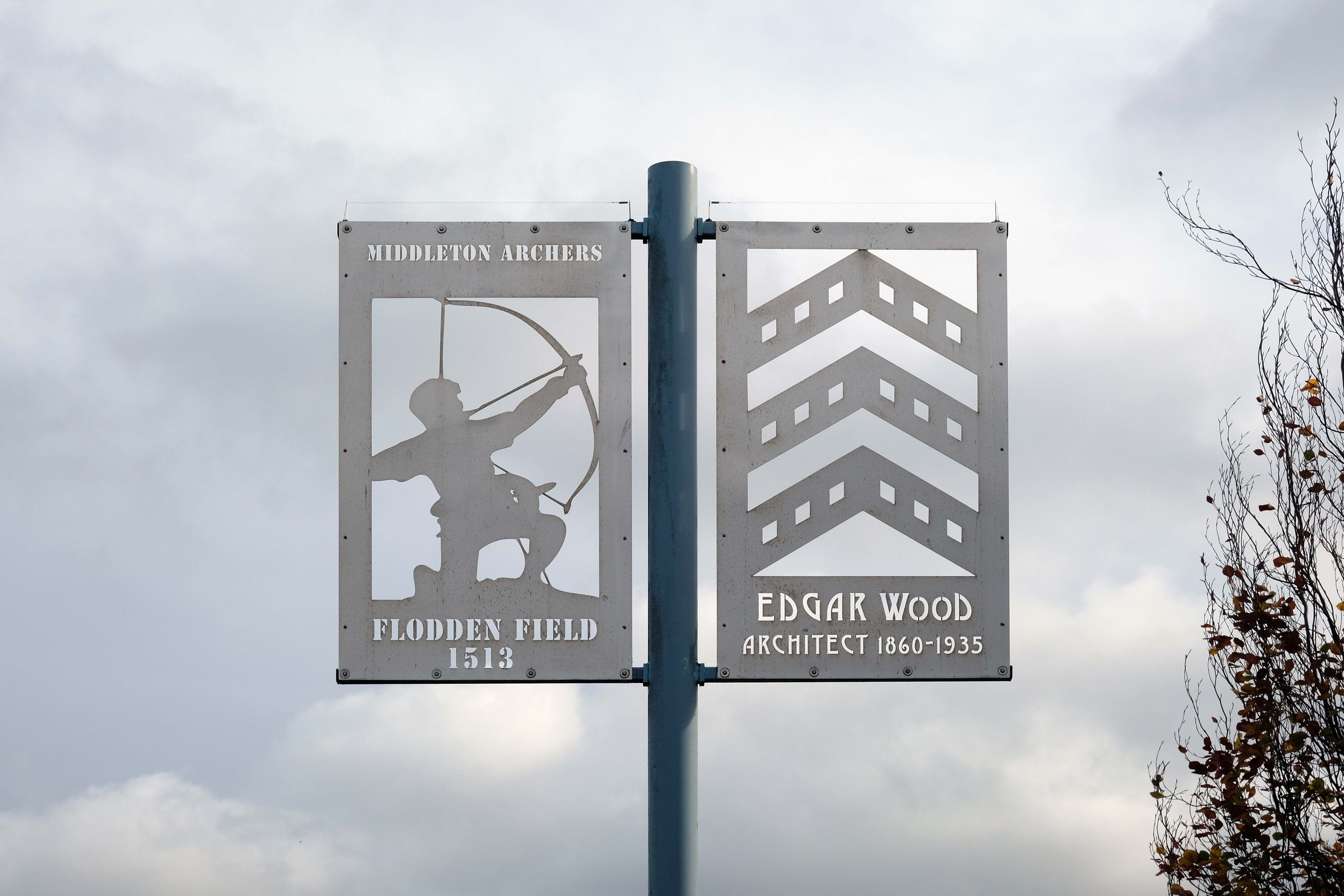
He was the most advanced English architect of his generation, stylistically moving through through art nouveau, vernacular, expressionist and finally art deco phases a decade or more before other designers. He became England’s uncontested pioneer of flat roofed modern buildings. He worked more like an artist than an architect, designing buildings, furniture, stained glass, sculpture, metal and plaster work. His buildings are mostly clustered in the towns of Middleton, Rochdale, Oldham, Huddersfield and Hale. Influenced by the writings of William Morris, he saw himself as an artisan serving the people of these localities.
Sixty-seven sets of designs for the proposed free library at Middleton were received by the Corporation of that borough in response to their advertisement; and a joint committee comprising of six members of the Corporation and six non-members has awarded the premium to Mr Lawrence Booth, architect of this city.
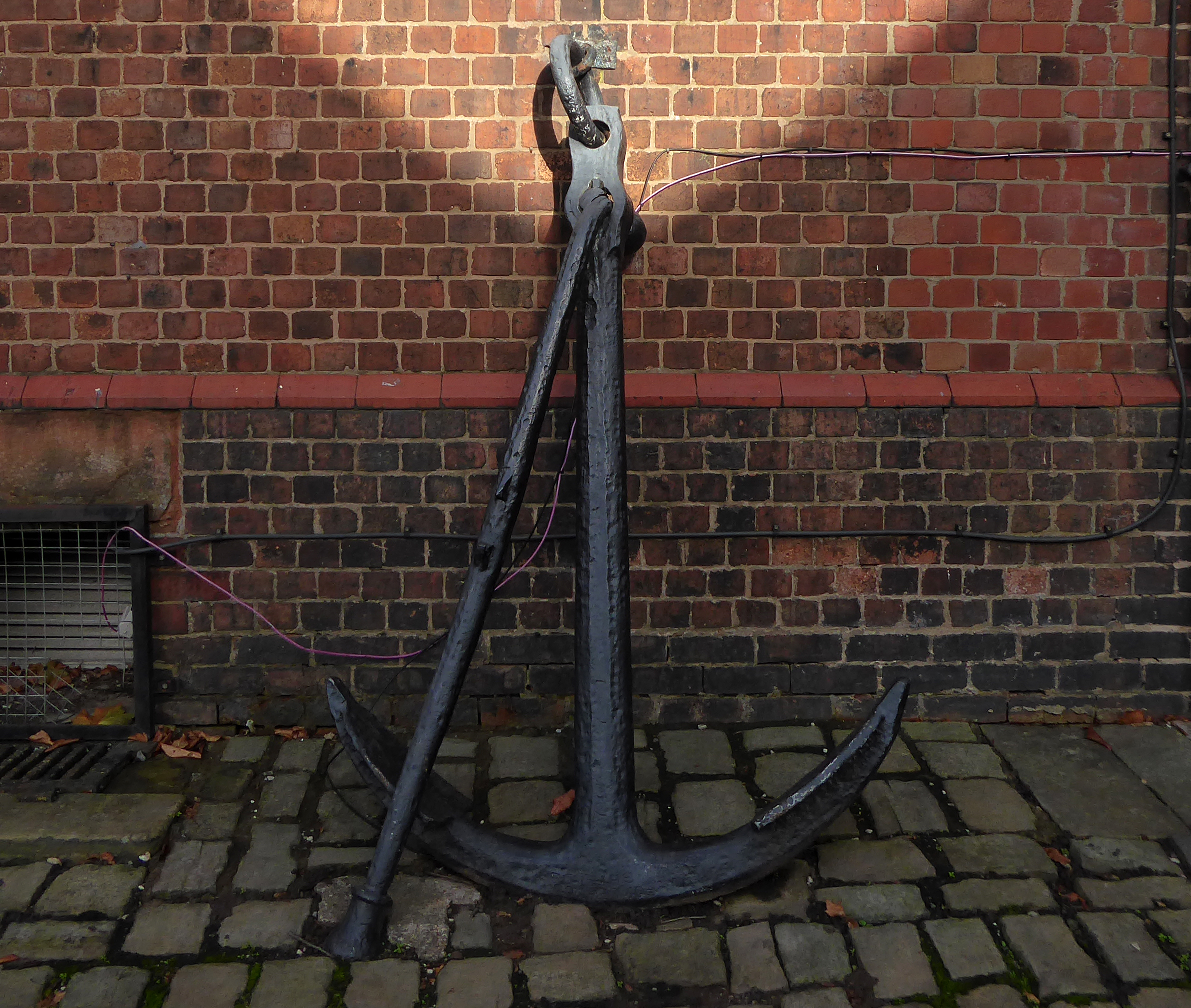
Curiously, we encounter an anchor.
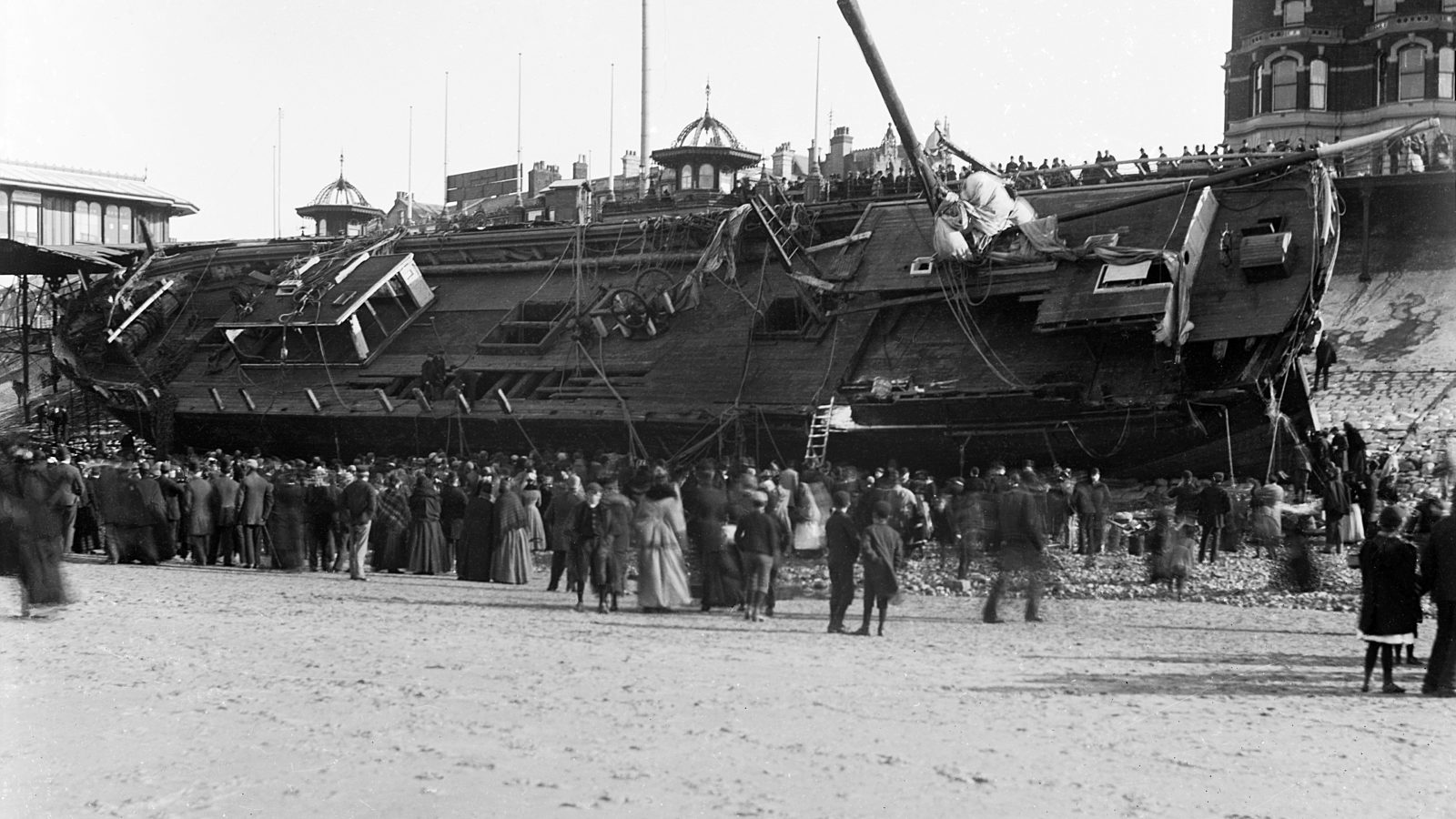
Around 10pm that evening when weather conditions deteriorated to near hurricane-force gales, with the Sirene making little headway despite tacking.
Losing her helm, her sails in tatters and within sight of the Great Orme, the gales drove her back through the night towards the Lancashire coast. Eventually, and with great difficulty, Captain Gjertsen and his crew managed to manoeuvre the stricken vessel between the Central and North Piers. Becoming increasingly unmanageable, and swept in by the rushing tide and gale force winds, the Sirene looked a doomed vessel. She was helpless in the close shore currents, and unable to drop anchor she was at the mercy of the waves. She was carried alongside the North Pier, tearing off a section of the pier superstructure and part of her own keel.
Thousands of people lined the Promenade to witness the spectacle as she came in on the south side of the pier; many more stood on the pier itself, but there was a mad rush for safety when the ship collided against the structure.
The captain and crew survived, including the ship’s cat, many offers were made for the cat, but the captain refused them.
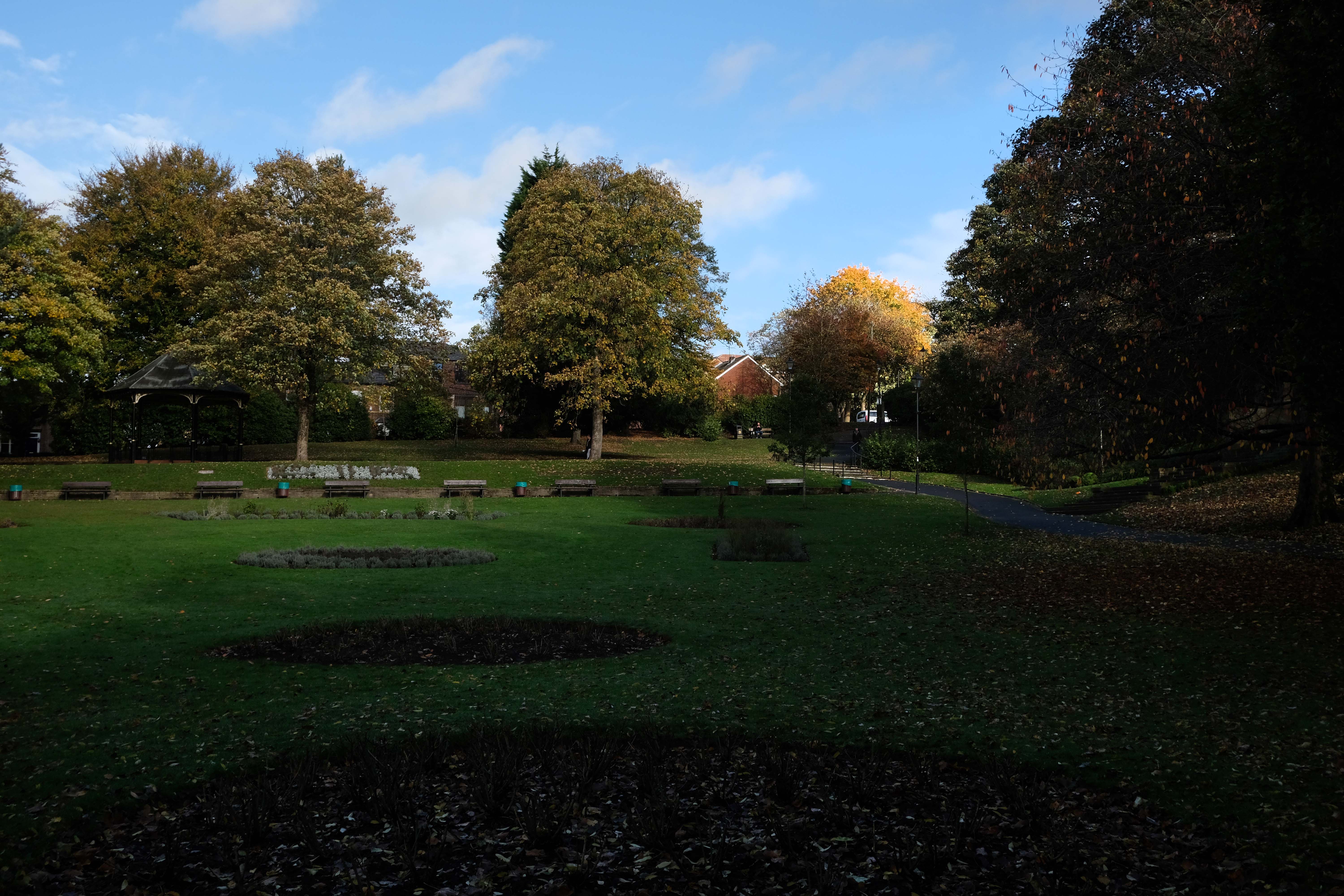
Onwards through Jubilee Park opened in 1889 to commemorate the Golden Jubilee of Queen Victoria.
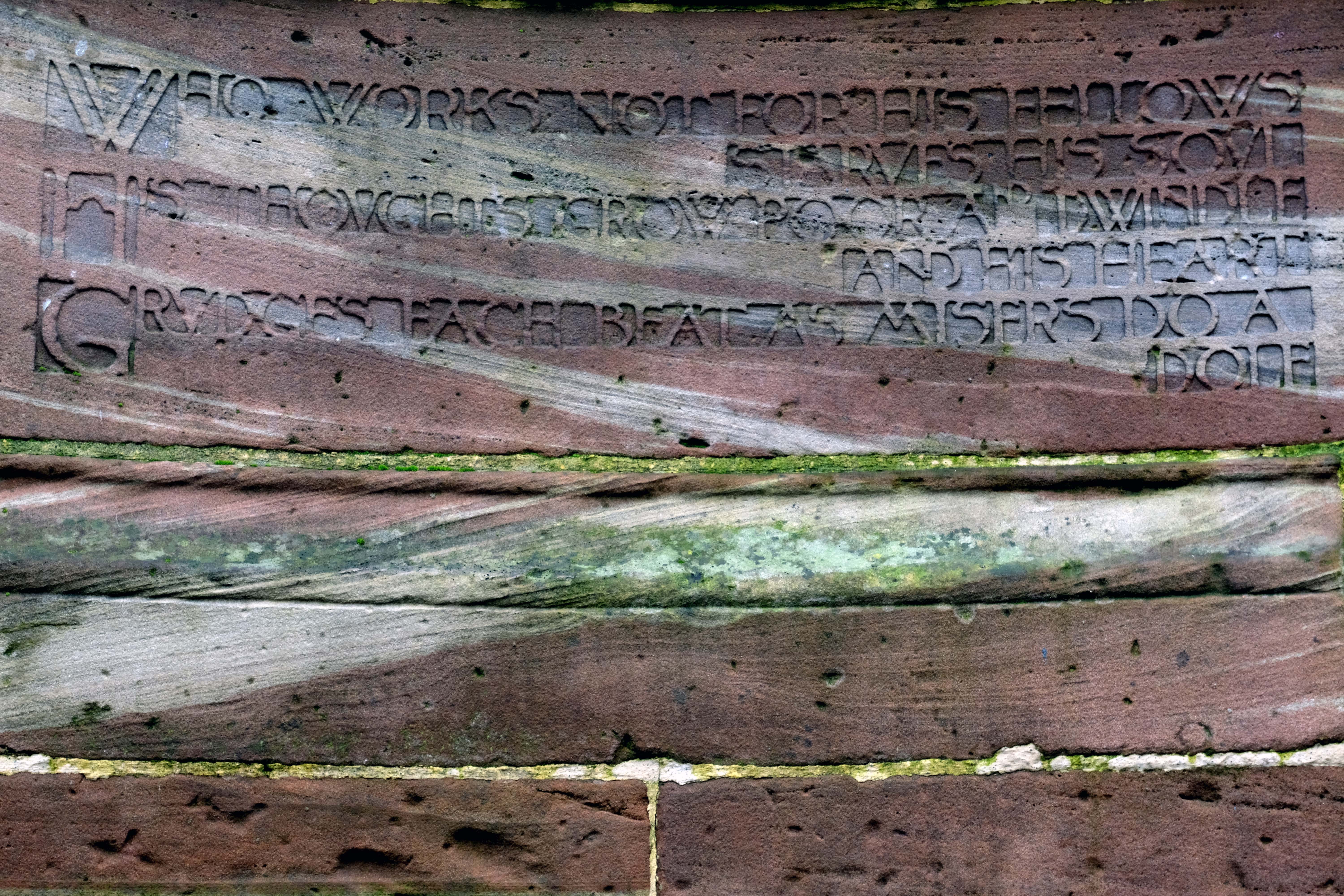
In 1906 Alderman Thomas Broadbent Wood commissioned his son, Edgar, to design a flight of steps to lead up to a contemplation spot in the park – the inscription reads:
Who works not for his fellows starves his soul.
His thoughts grow poor and dwindle and his heart grudges each beat, as misers do a dole.
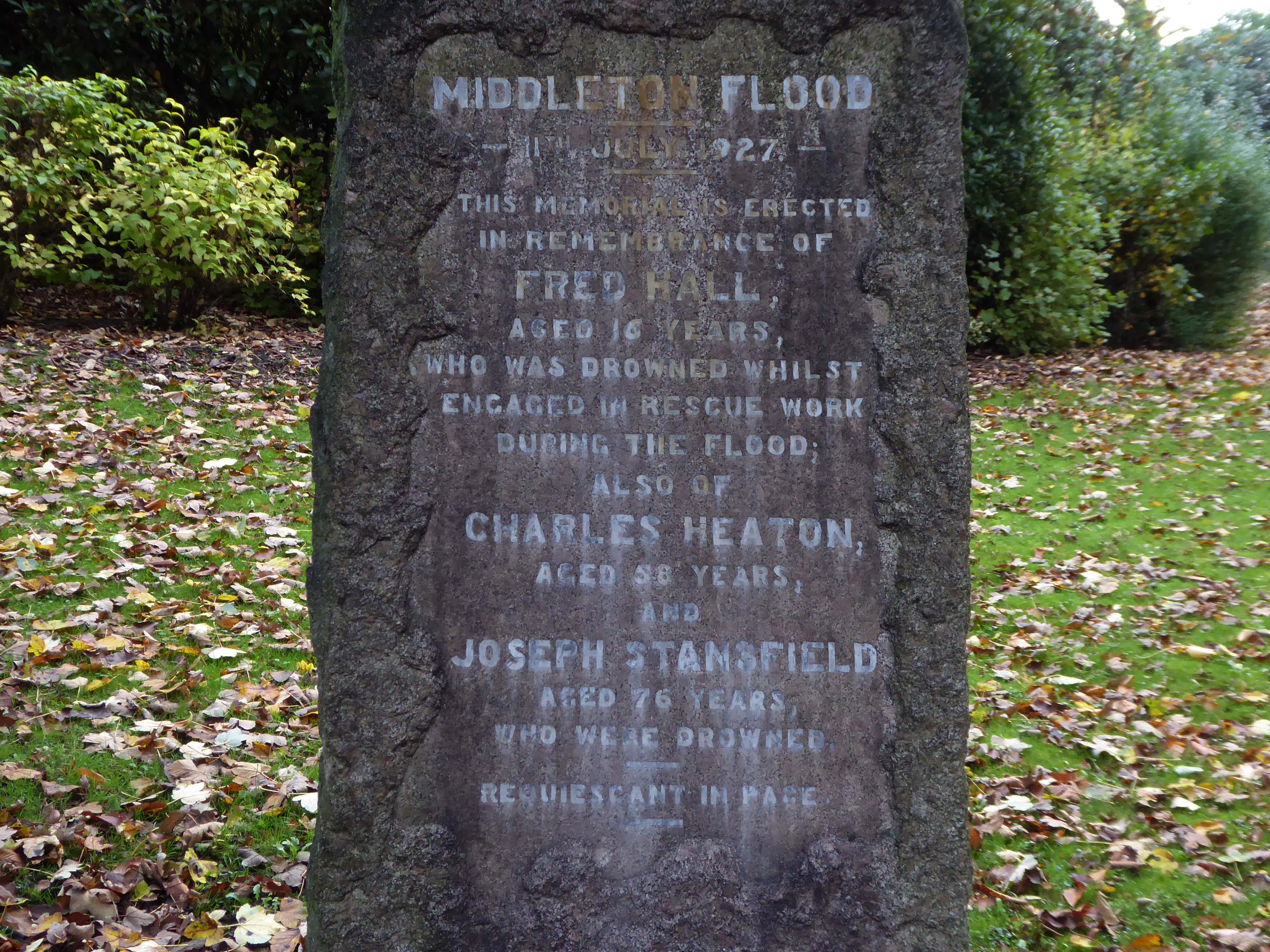
Nearby we find a memorial to the Middleton Flood – following torrential rain, the canal embankment at Mills Hill broke, flooding the already swollen River Irk, subsequently deluging the town.
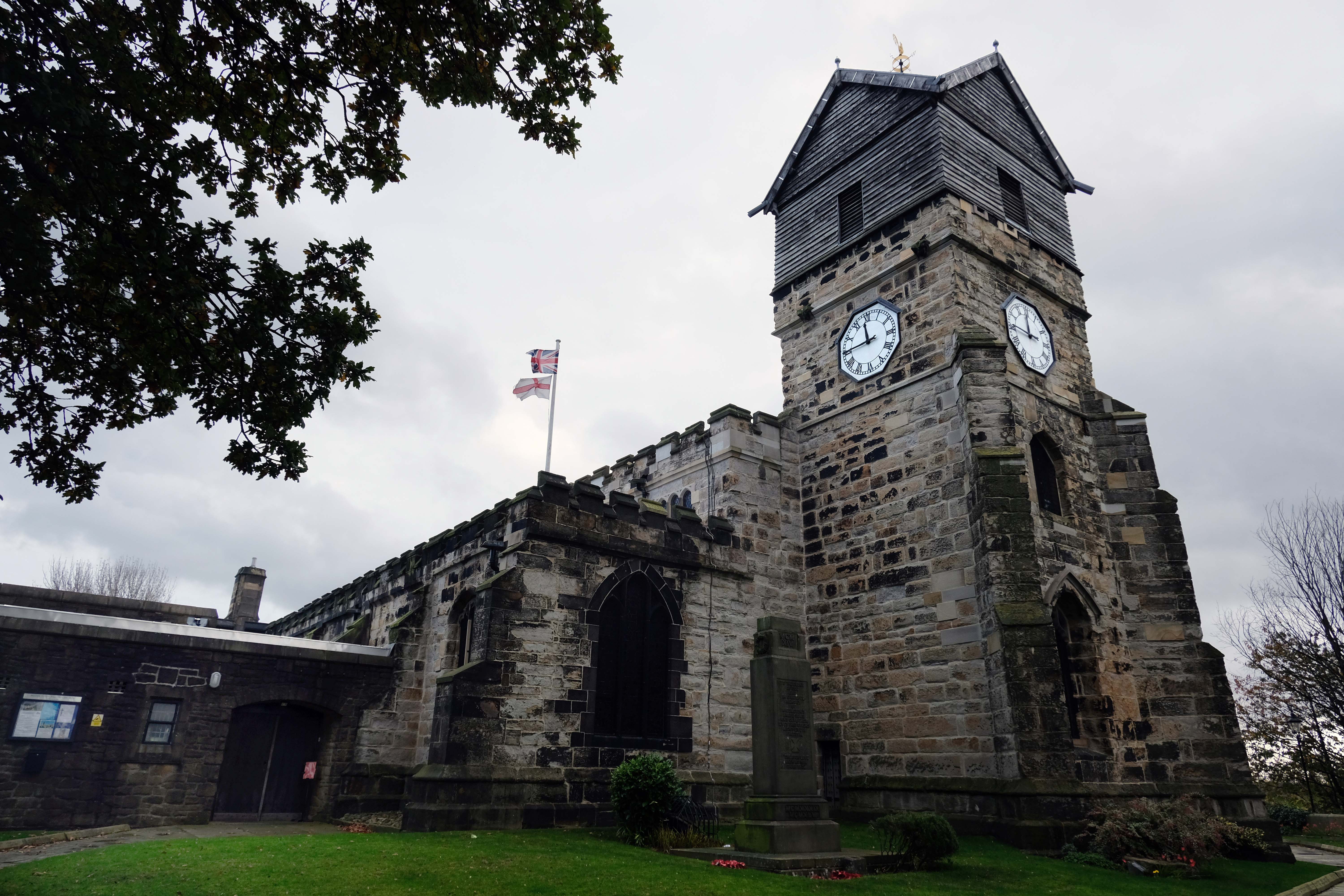
Much of the present building was erected in 1412 by Thomas Langley – born in Middleton in 1363, who was Bishop of Durham and Lord Chancellor of England. He re-used the Norman doorway from an earlier structure to create the tower arch. Also distinctive in this region is the weather-boarded top stage to the tower.
The church of St Leonard was enlarged in 1524 by Sir Richard Assheton, in celebration of the knighthood granted to him by Henry VIII of England for his part in the Battle of Flodden in 1513. The Flodden Window, in the sanctuary, is thought to be the oldest war memorial in the UK. It commemorates on it the names of the Middleton archers who fought at Flodden. The church also has one of the finest collections of monumental brasses in the north of England, including the only brass in the UK depicting an English Civil War officer in full armour, Major-General Ralph Assheton.
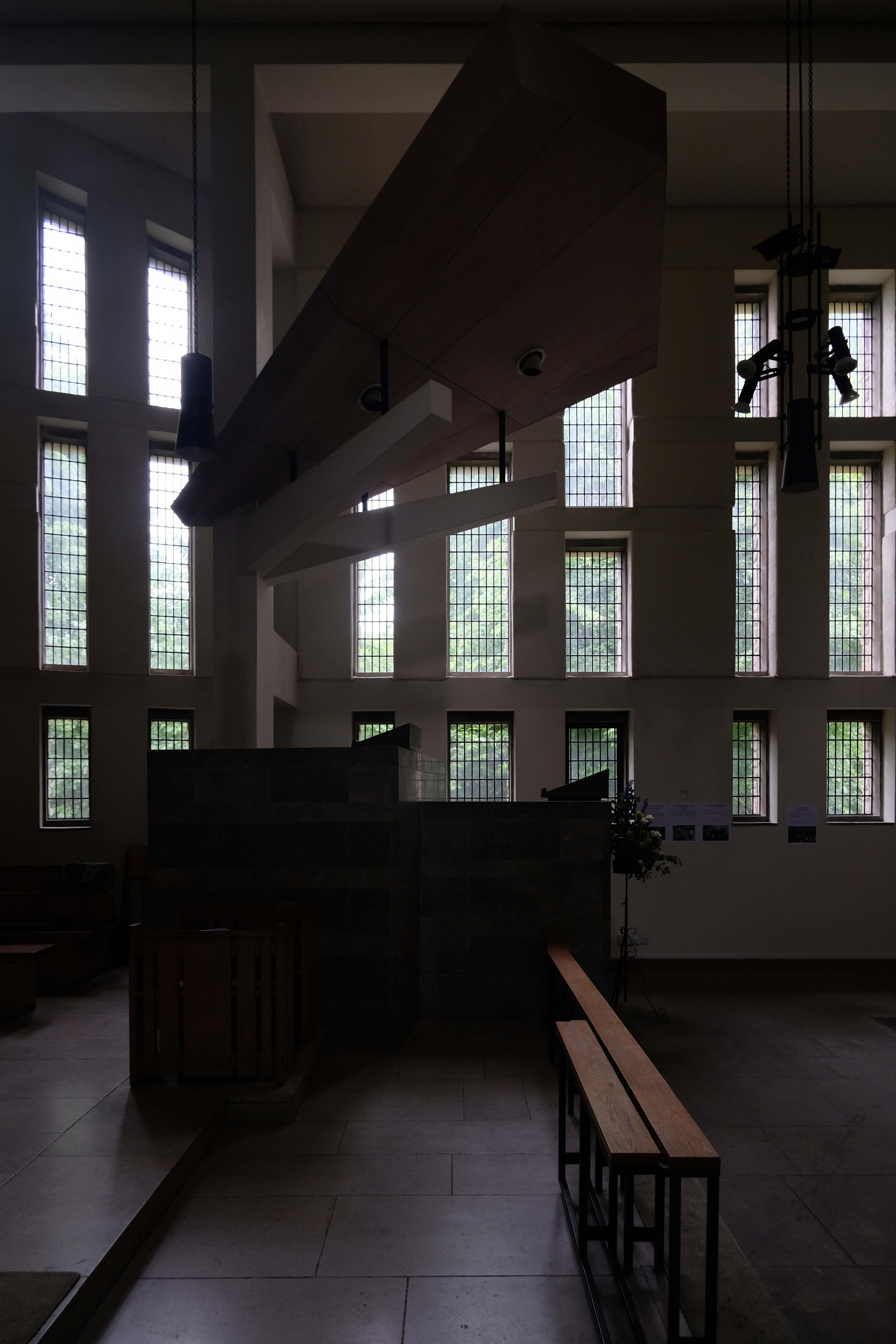
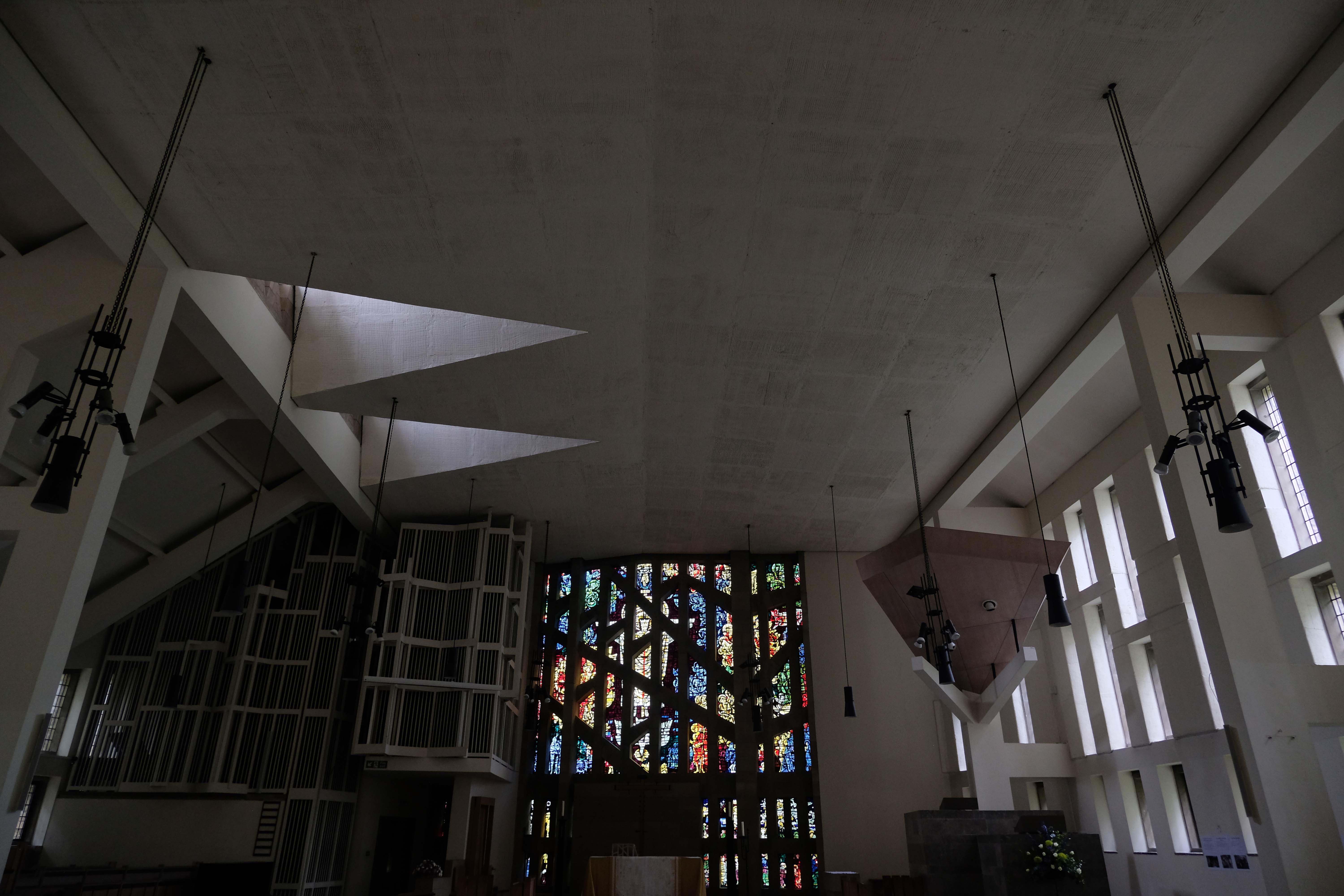
George Pace designed a war memorial and, in 1958, added a choir vestry and installed new lighting.
Wikipedia
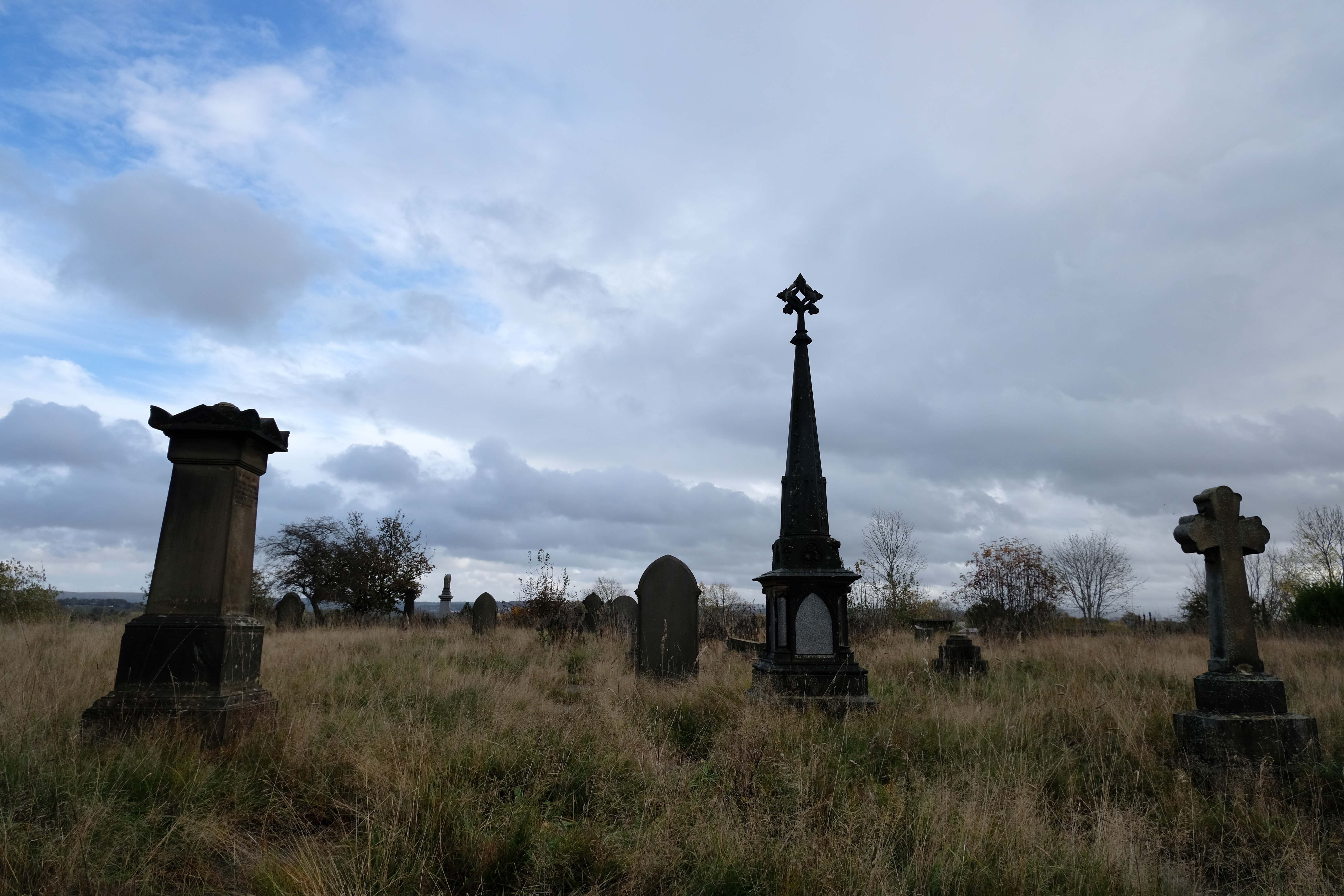
Middleton Old Cemetery once the Thornham and Middleton Burial Ground, which became the local authority cemetery in 1862.
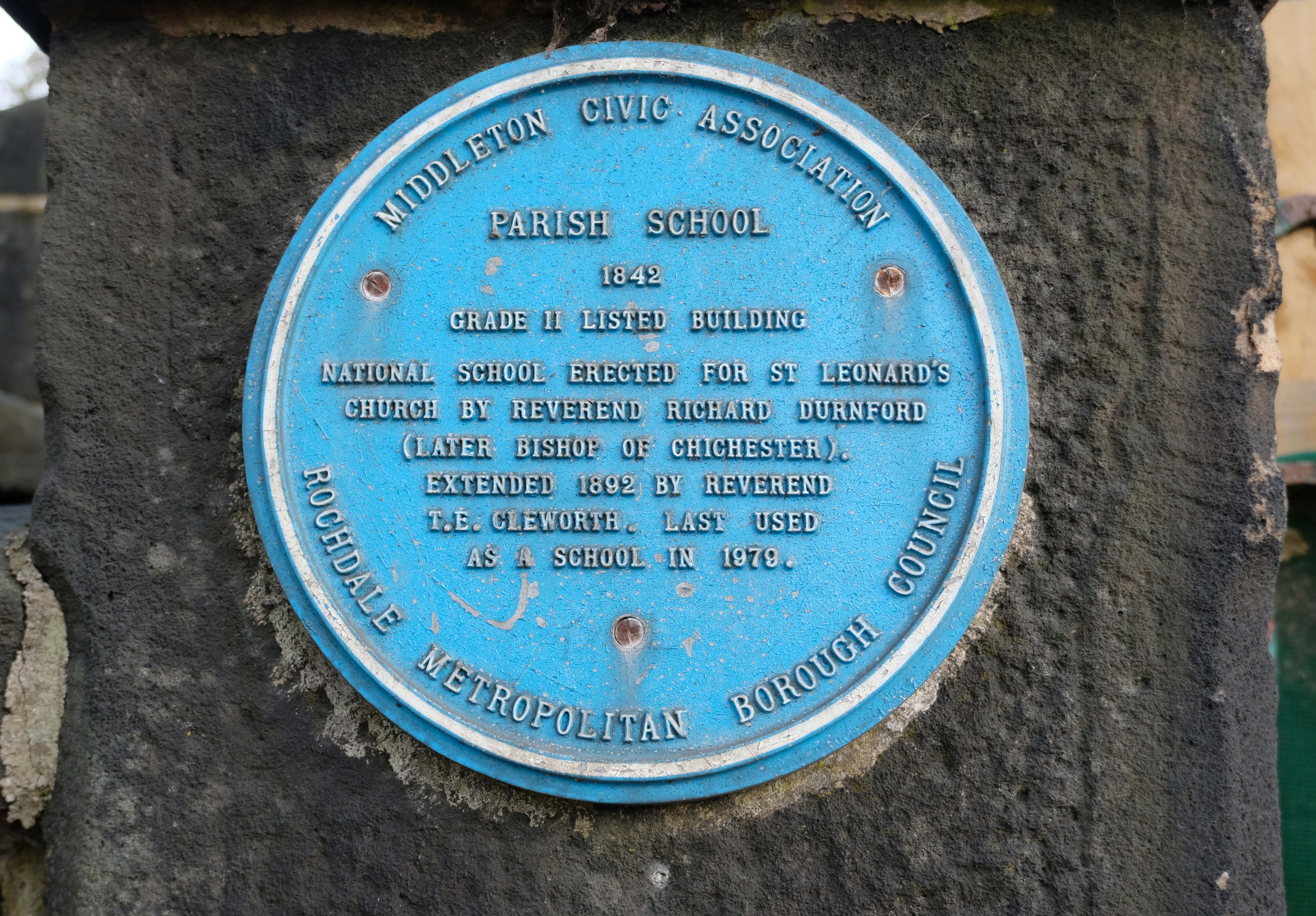
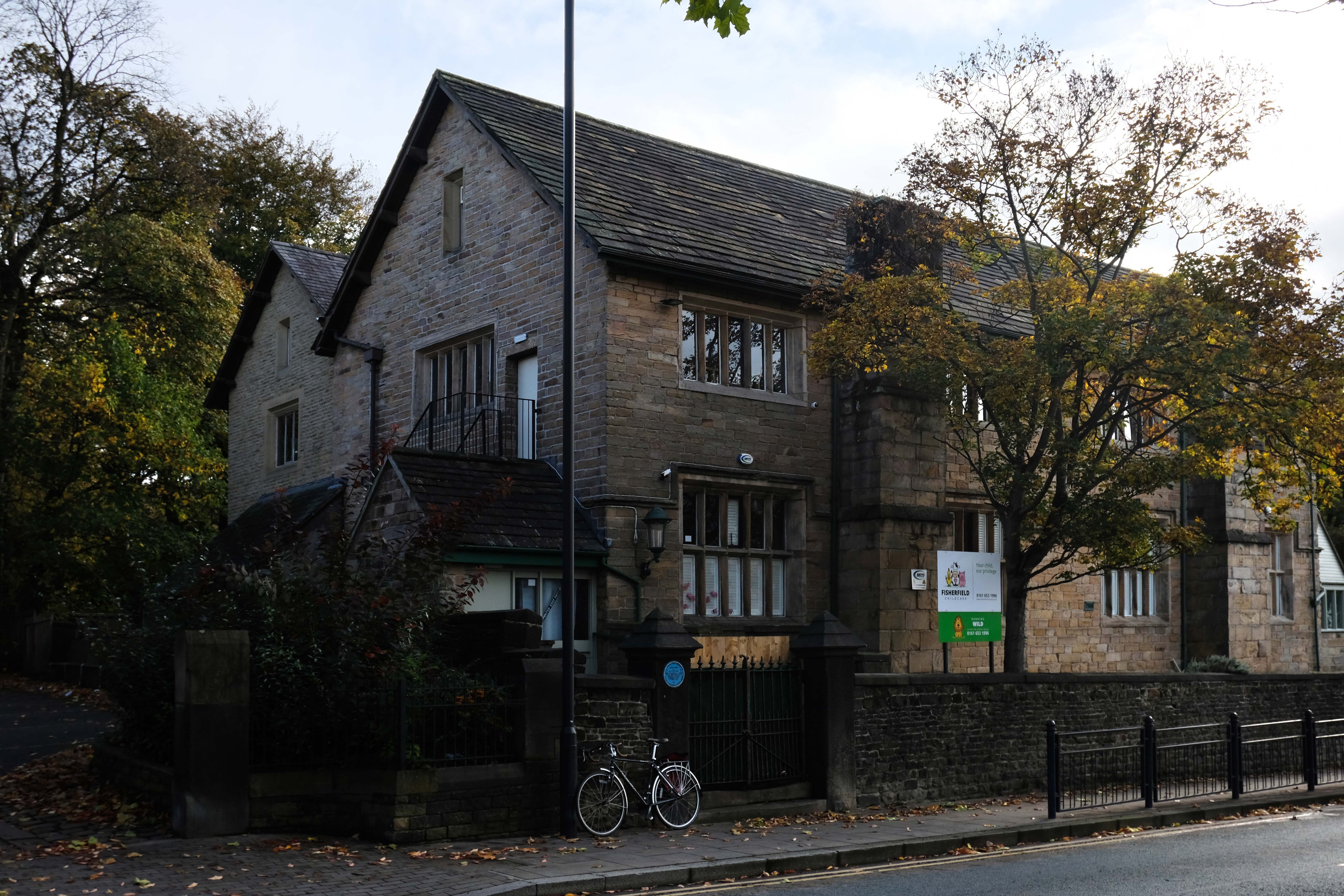
Retrace to the Library – adjacent is the Parish School 1842
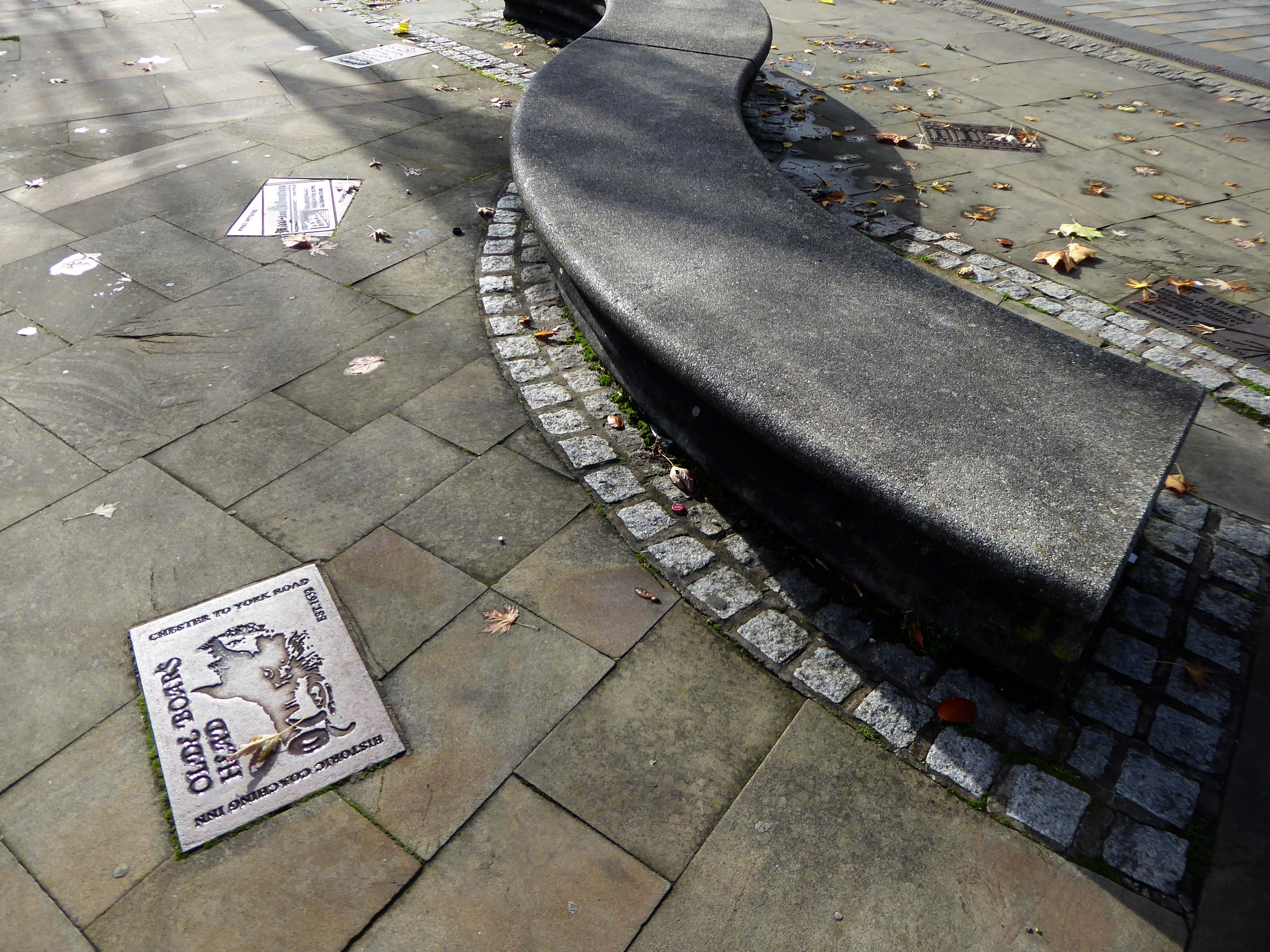
Part of the timber framing to the right of the front door has recently been tree-ring dated and confirms a building date of 1622. The first tenant was Isaac Walkden, son of Middleton schoolmaster, Robert Walkden. Isaac died during a typhus epidemic in the summer of 1623. His will, preserved at Lancashire Archives, includes an inventory of all his possessions listed on a room by room basis. There were a total of 9 beds and 20 chairs or stools in the 6 rooms. This, together with barrels, brewing vessels, pots, glasses, etc, strongly suggest the building was an inn. The Walkden family went on to run the Boar’s Head until the end of the 17th century. They also farmed nearby land including what is now Jubilee library and park.
In 1888, the fledgling Middleton Corporation purchased the building from the church with the intention of demolishing it to build a town hall. Discussions were held in 1914 but, thankfully, the plan was abandoned due to an outcry from the public spearheaded by architect Edgar Wood.
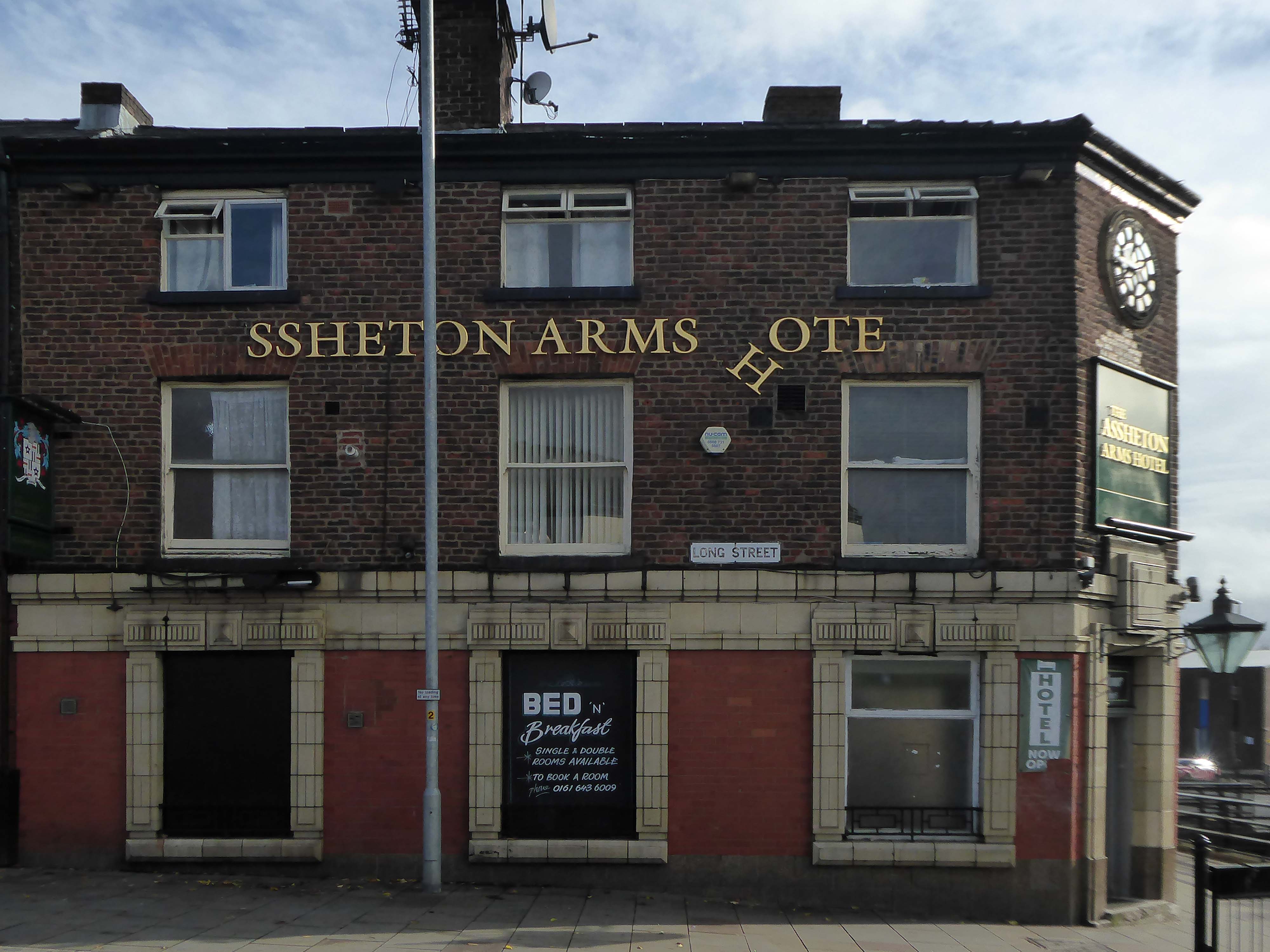
Further down Long Street to the Assheton Arms Hotel.
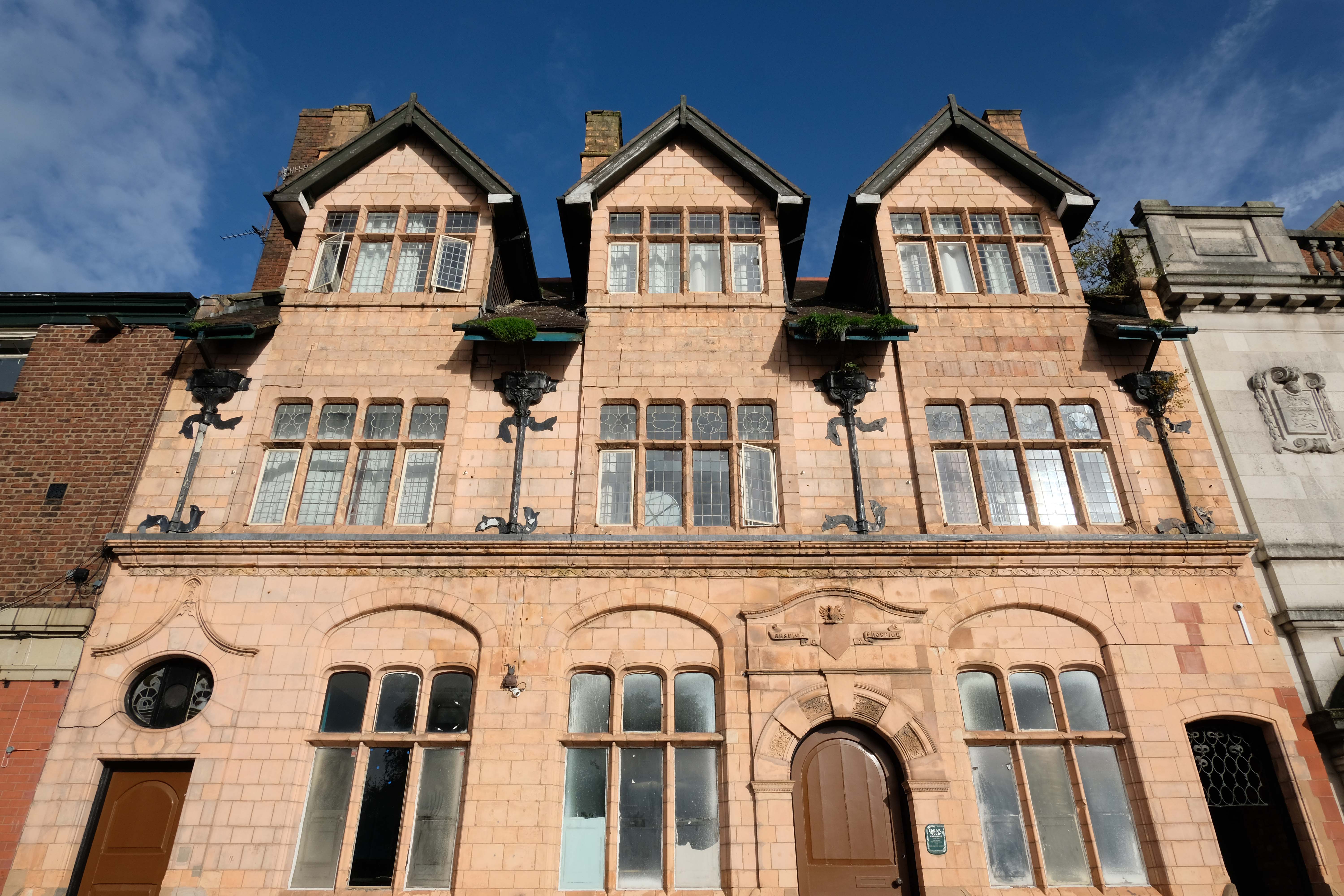
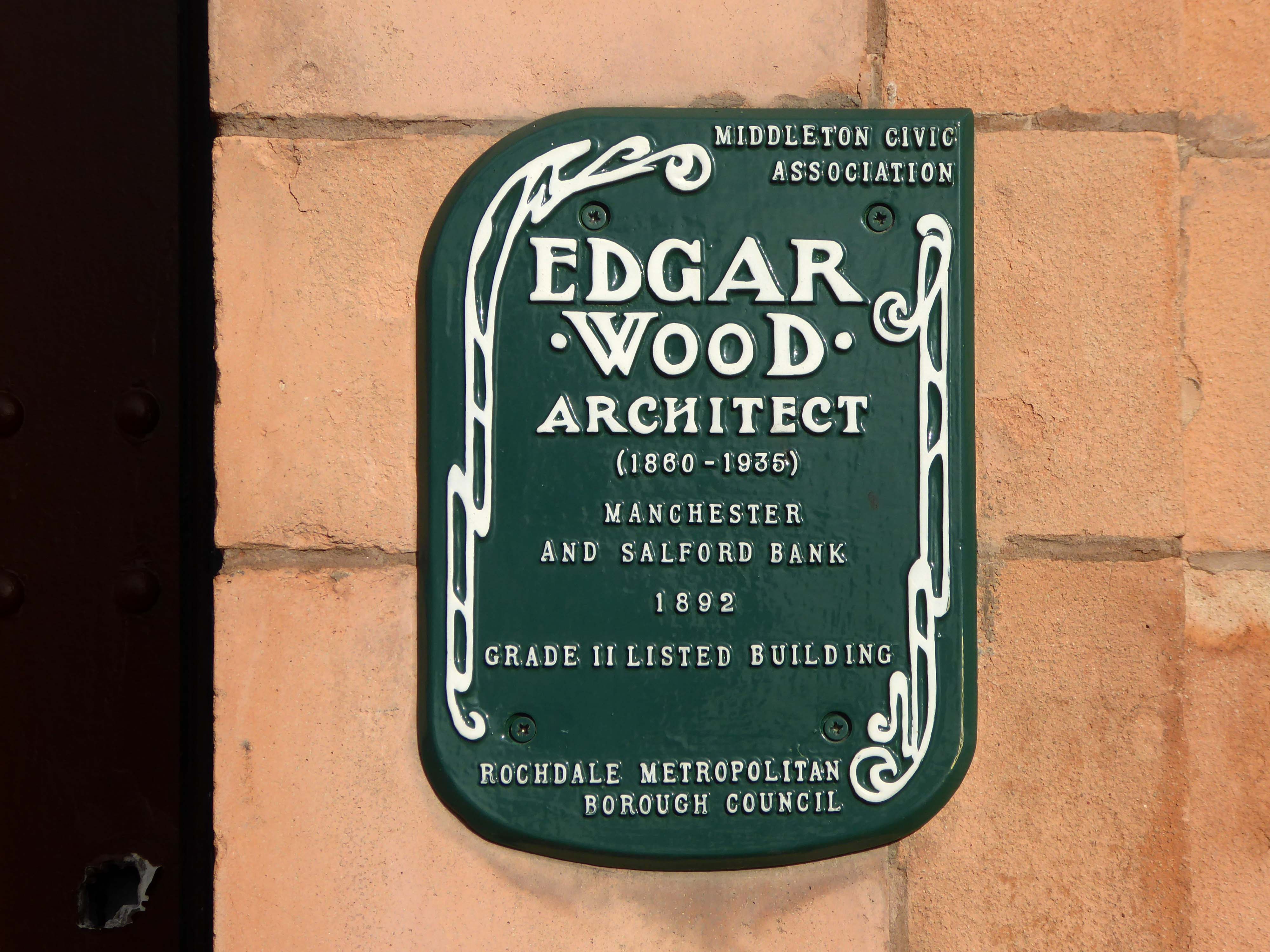
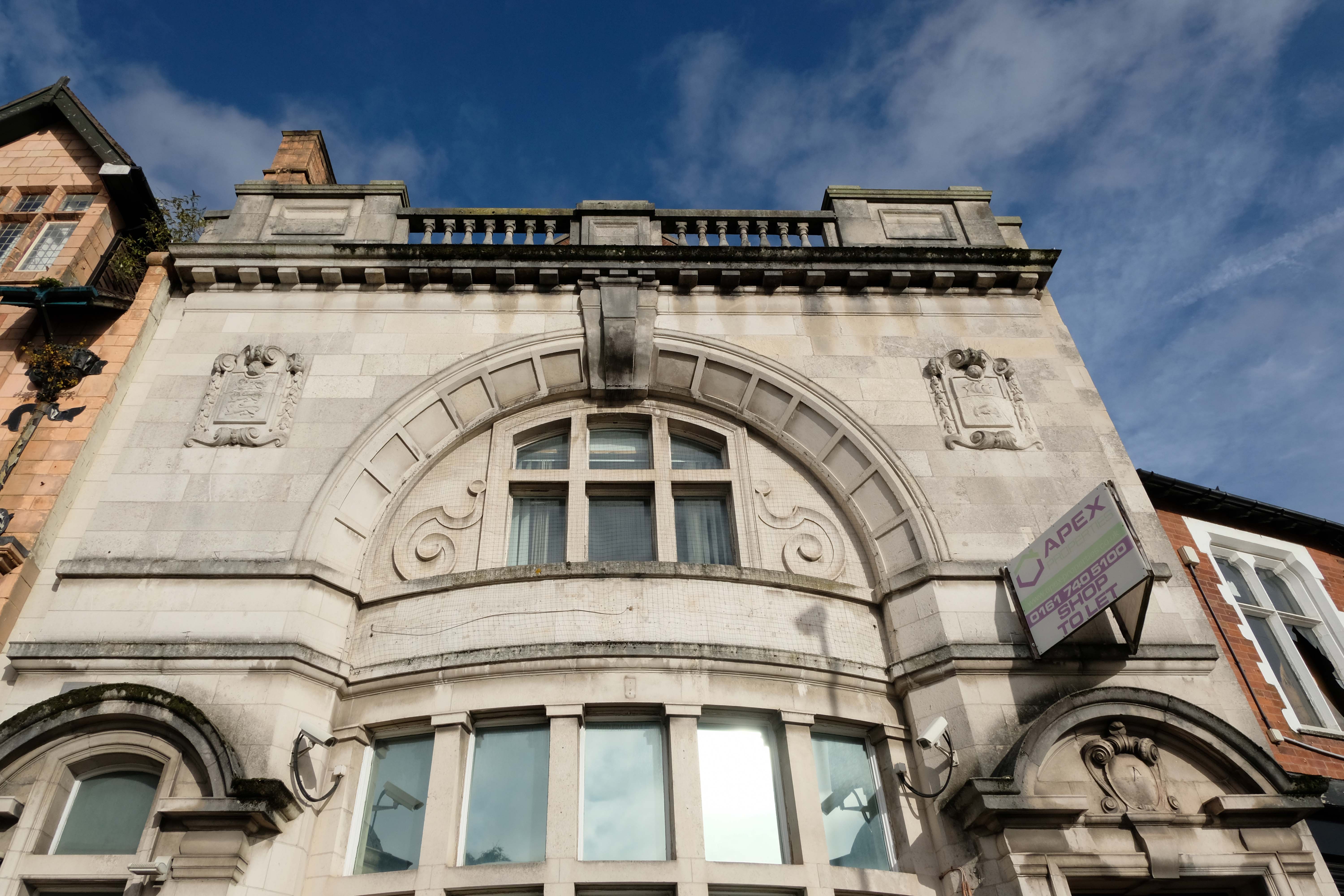
Then around the corner to the Manchester & Salford Bank again by Edgar Wood
Next door the former Market Place Bank latterly RBS.
Plans to convert a long-vacant town centre bank into a nightclub have been revived despite previously being rejected over anti-social behaviour concerns.
An application to change the use of the former Royal Bank of Scotland, in Middleton, was refused by Rochdale council’s planning committee eighteen months ago, with members citing a history of alcohol-fuelled trouble in the area.
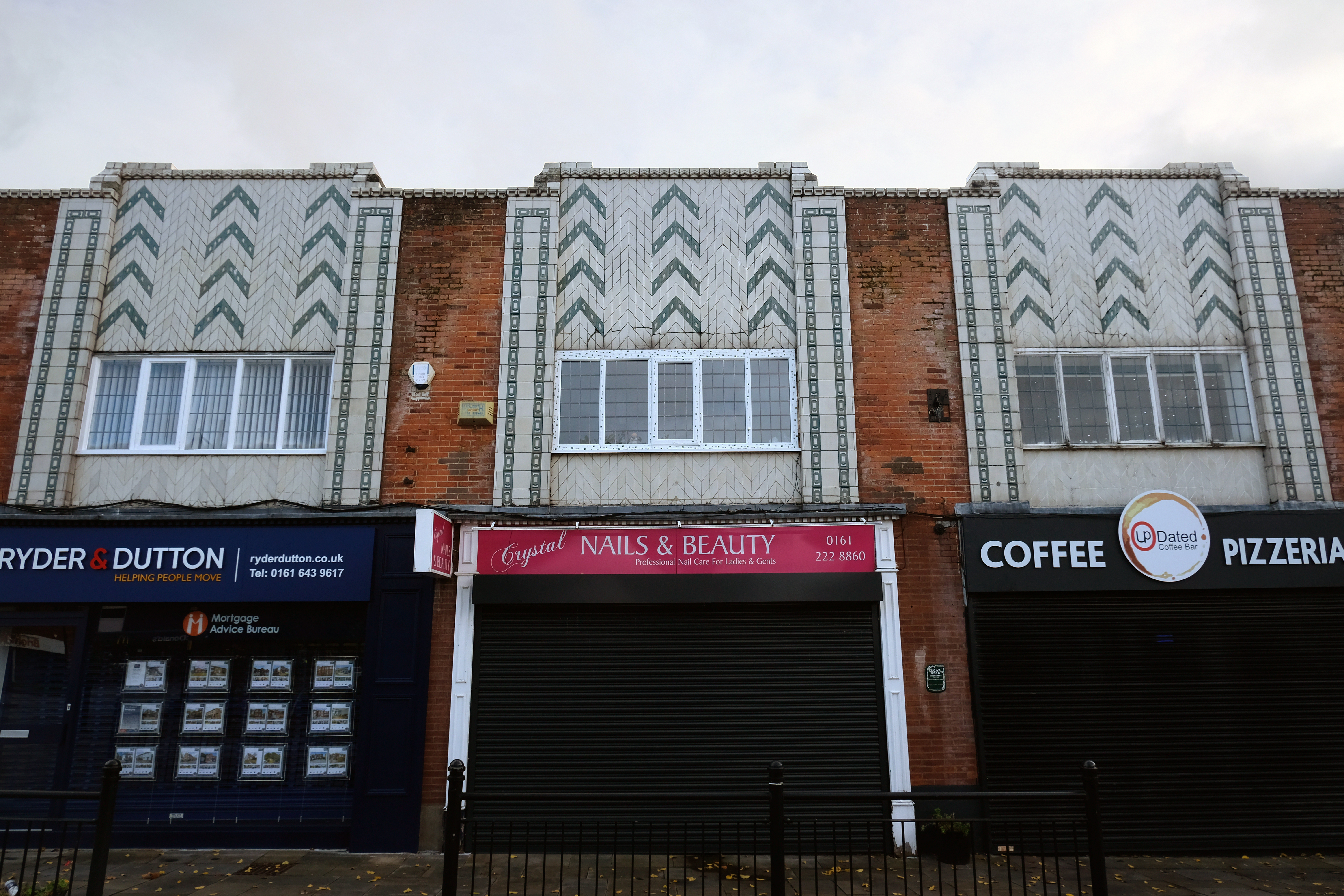
Further up Market Place the faience fronted Bricklayers Arms formerly a Bents and Gartsides boozer – delicensed in 2012 and Converted to a takeaway.
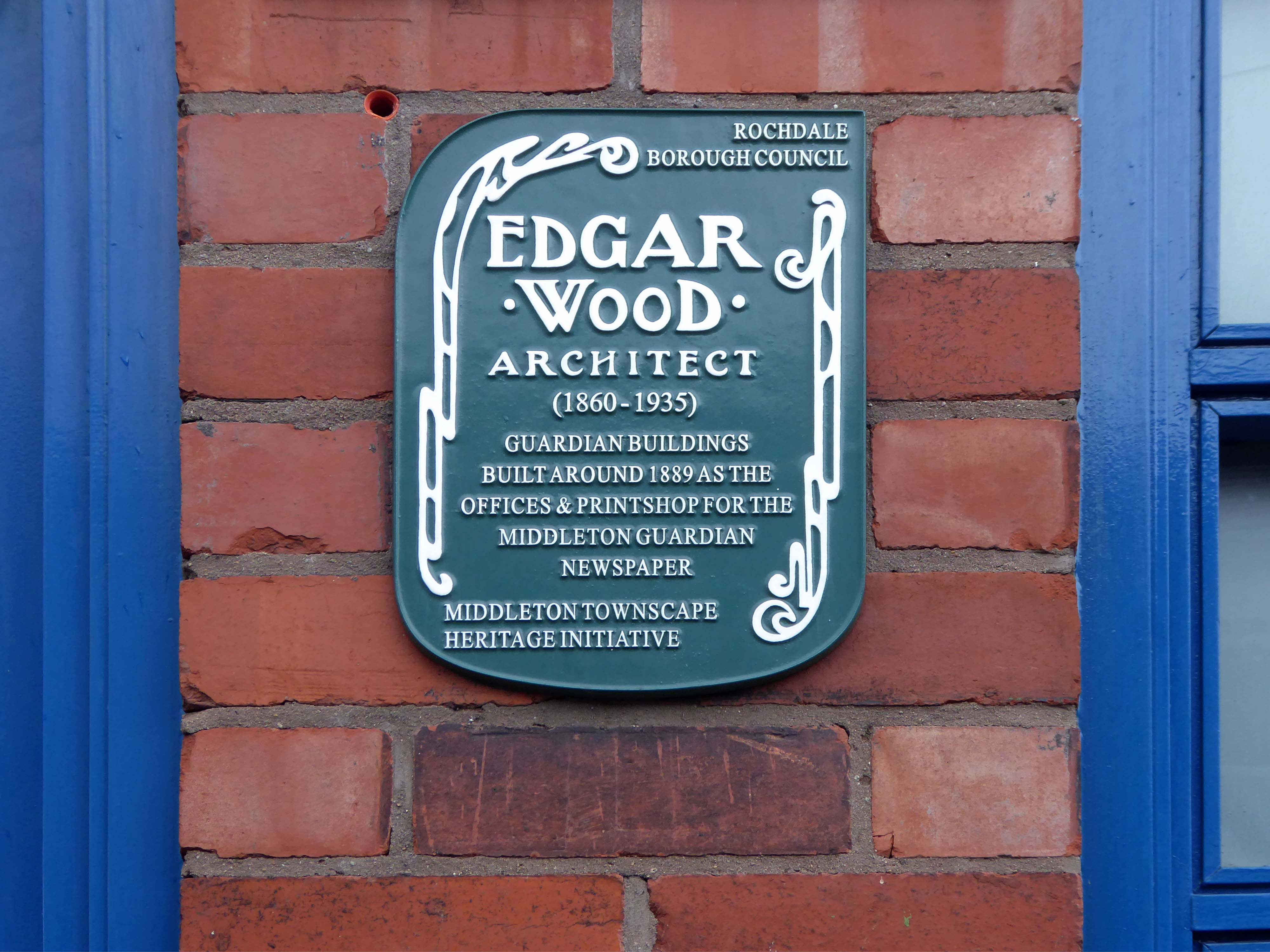
Moving along Wood’s much altered Guardian Buildings 1889.
The Guardian Buildings, were commissioned by Fred Bagot, the proprietor of the Middleton Guardian newspaper and a man with a reputation at the time for keeping a tight control of finances. In consequence, Guardian Buildings were one of Edgar Wood’s low budget buildings, of which there are several in and around Middleton. The building housed the operations of the newspaper with the cellar containing the printing machines and the tall ground floor housing a shop, office and more machines. The whole of the first floor, with its pair of oriel windows, was taken up by the composing room.
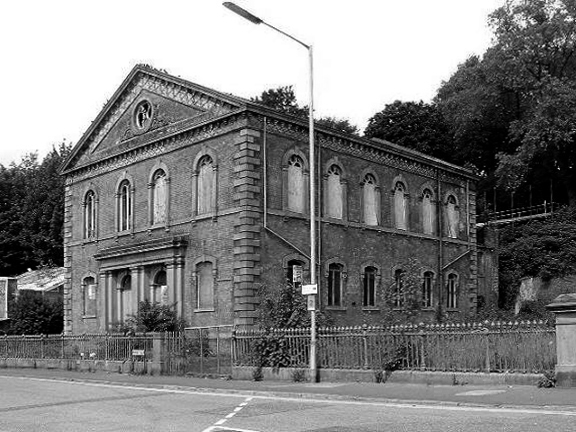
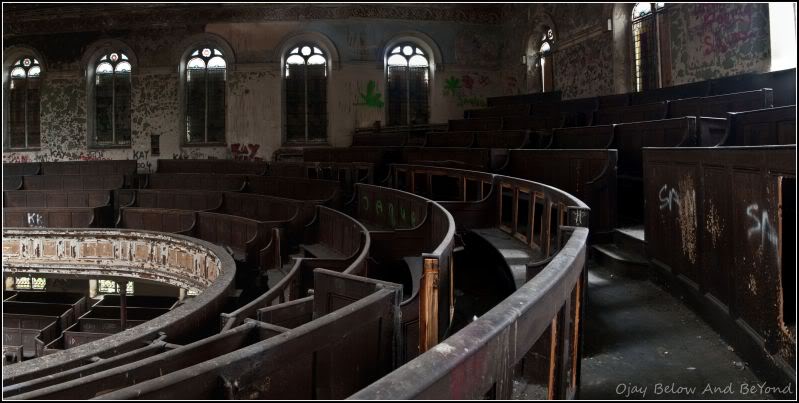
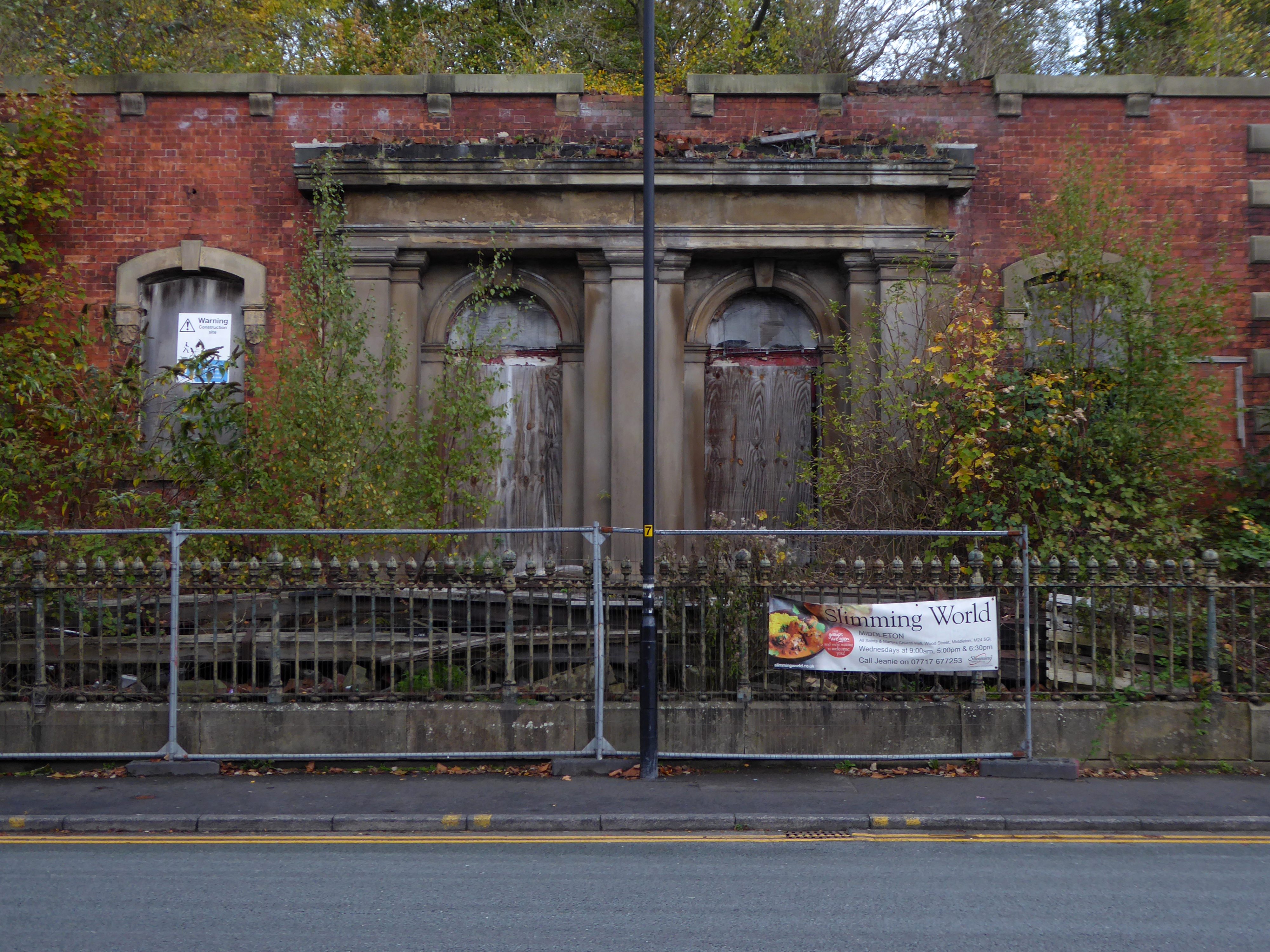
It fell into disrepair after the church moved to smaller premises in Alkrington in the 1960s.
The building collapsed in July 2012, when it was hit by a fire.
On Townley Street Lodge Mill built in1839 beside the River Irk battling on despite recent setbacks.
In August 2019, Martin Cove and Paula Hickey opened a small ice cream shop on the ground floor of the mill – named the Ice Cream Shop at Lodge – selling locally-made ice cream from Birch Farm, Heywood.
Across the way the magnificent Sub Station and Electrical Department Offices.
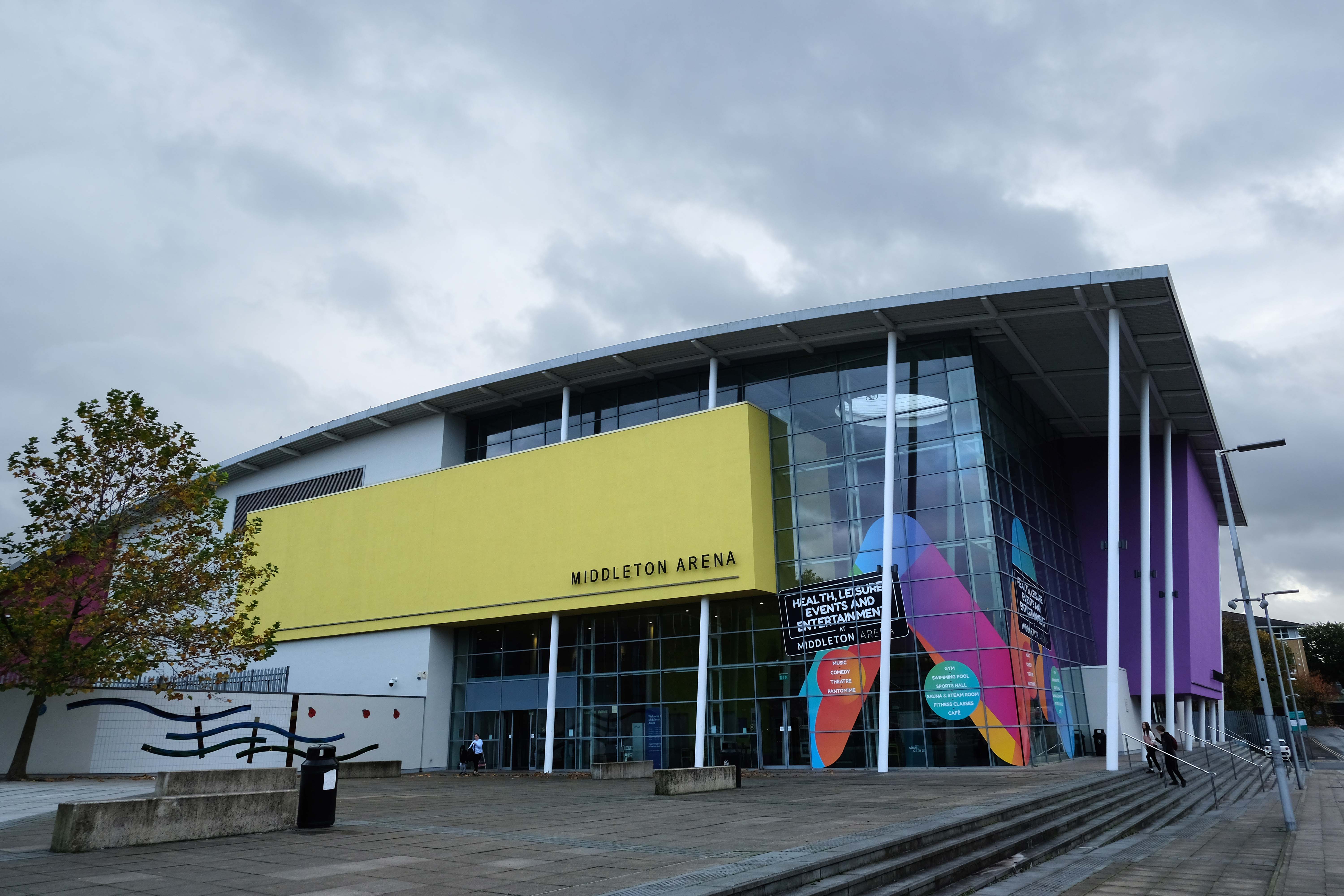
Then taking a turn around the banks of the Irk down Sharp Street onto Lance Corporal Joel Halliwell VC Way, where we find the Middleton Arena – BDP 2009
Then over the road to Oldham Road and Grade II ListedWarwick Mill 1907 G. Stott of J. Stott and Sons.
The mill recently changed ownership and new owner, Kam Lei Fong (UK) Ltd, has been working with Rochdale Borough Council over the past nine months on proposals to redevelop the site.
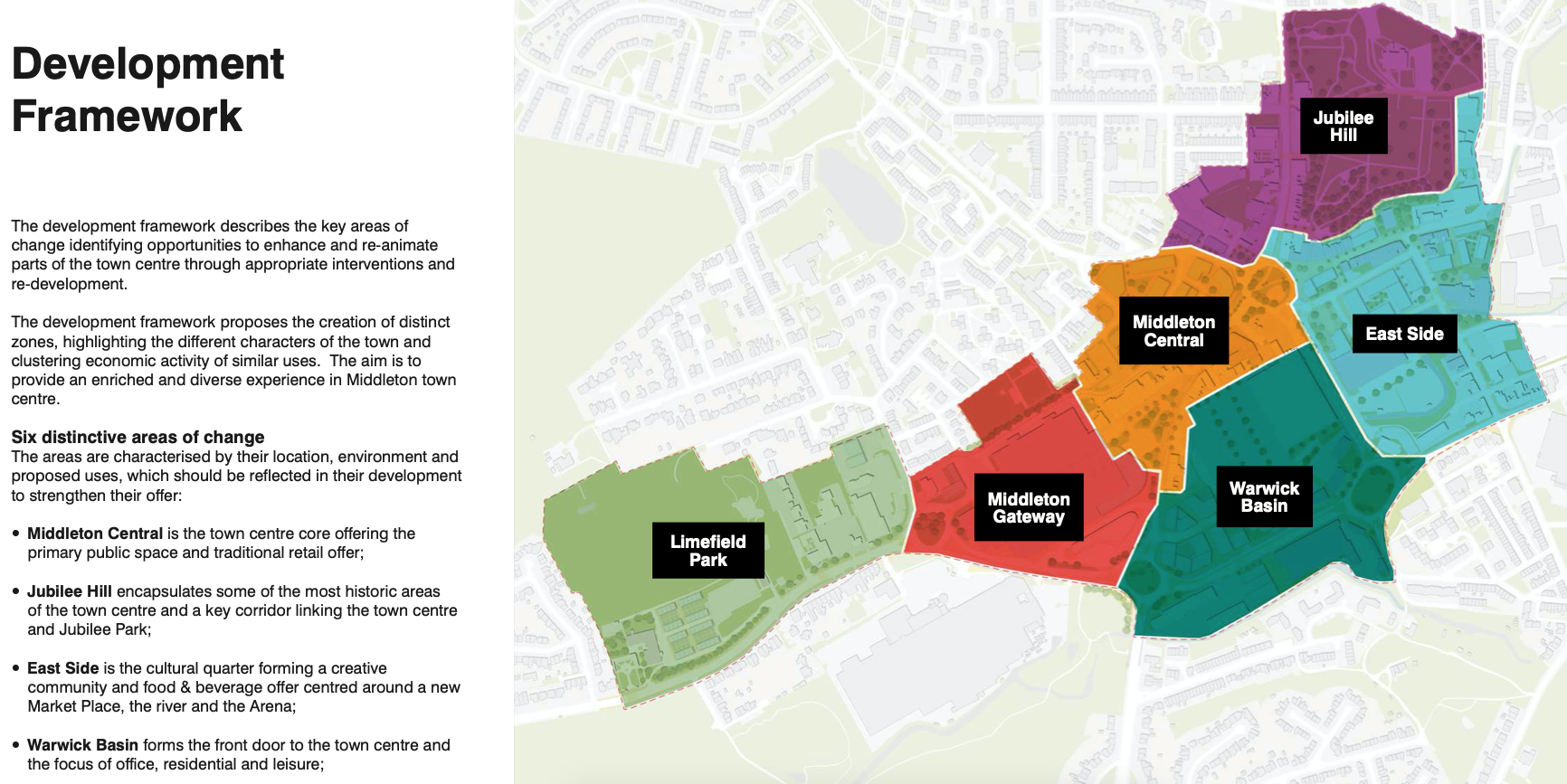
The plans will form the cornerstone of a new masterplan for Middleton town centre focusing on delivering new homes, business space, highway and environmental improvements, new walking and cycle routes to pave the way for the planned extension of the Metrolink into Middleton Town Centre.
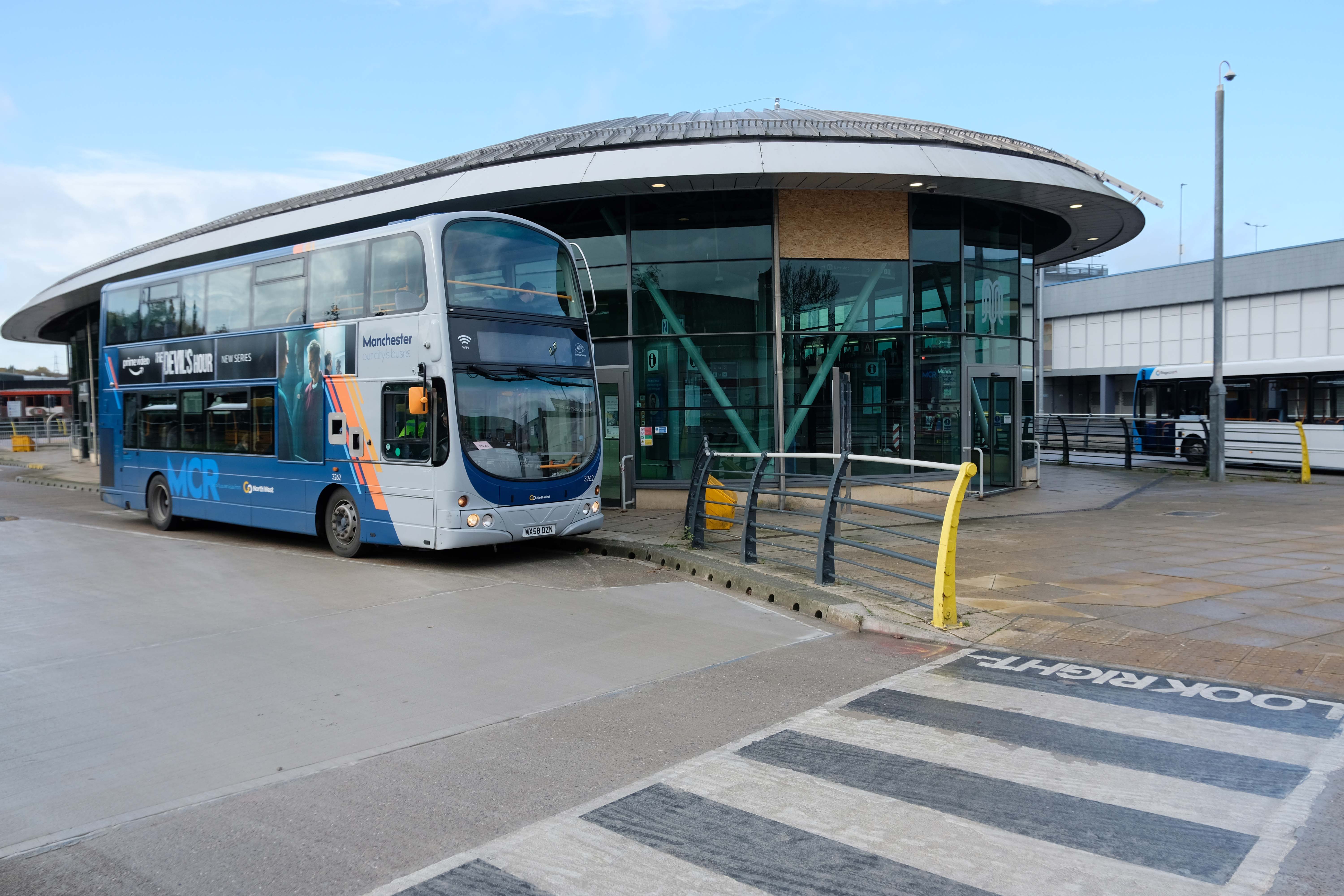
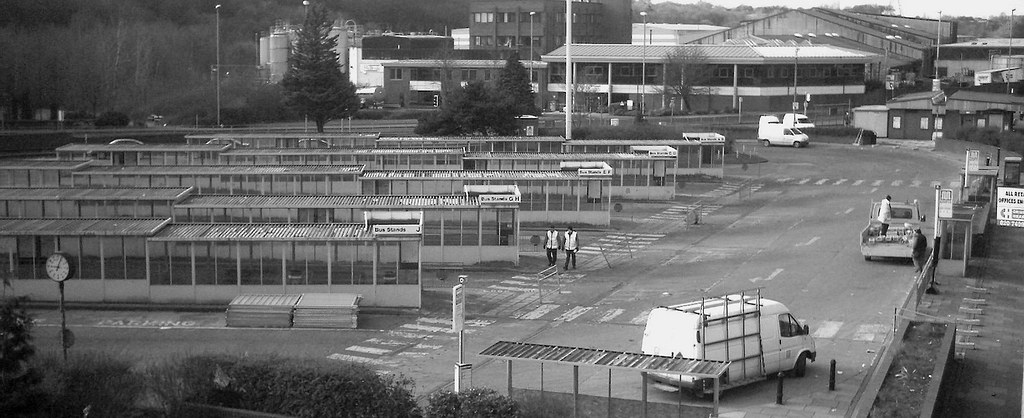
The station, with 13 stands, cost £4.5 million and replaced the previous station which dated to the 1970s.
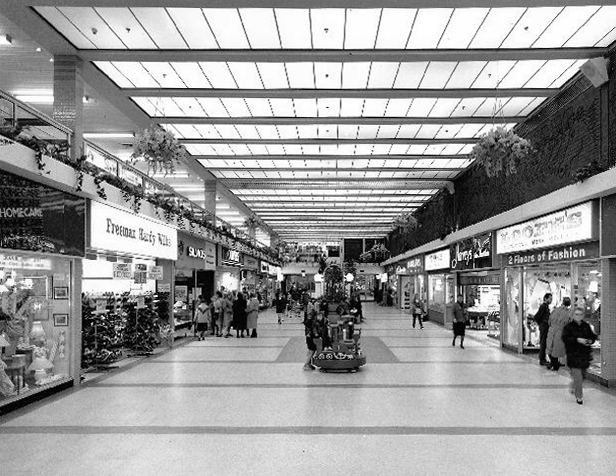
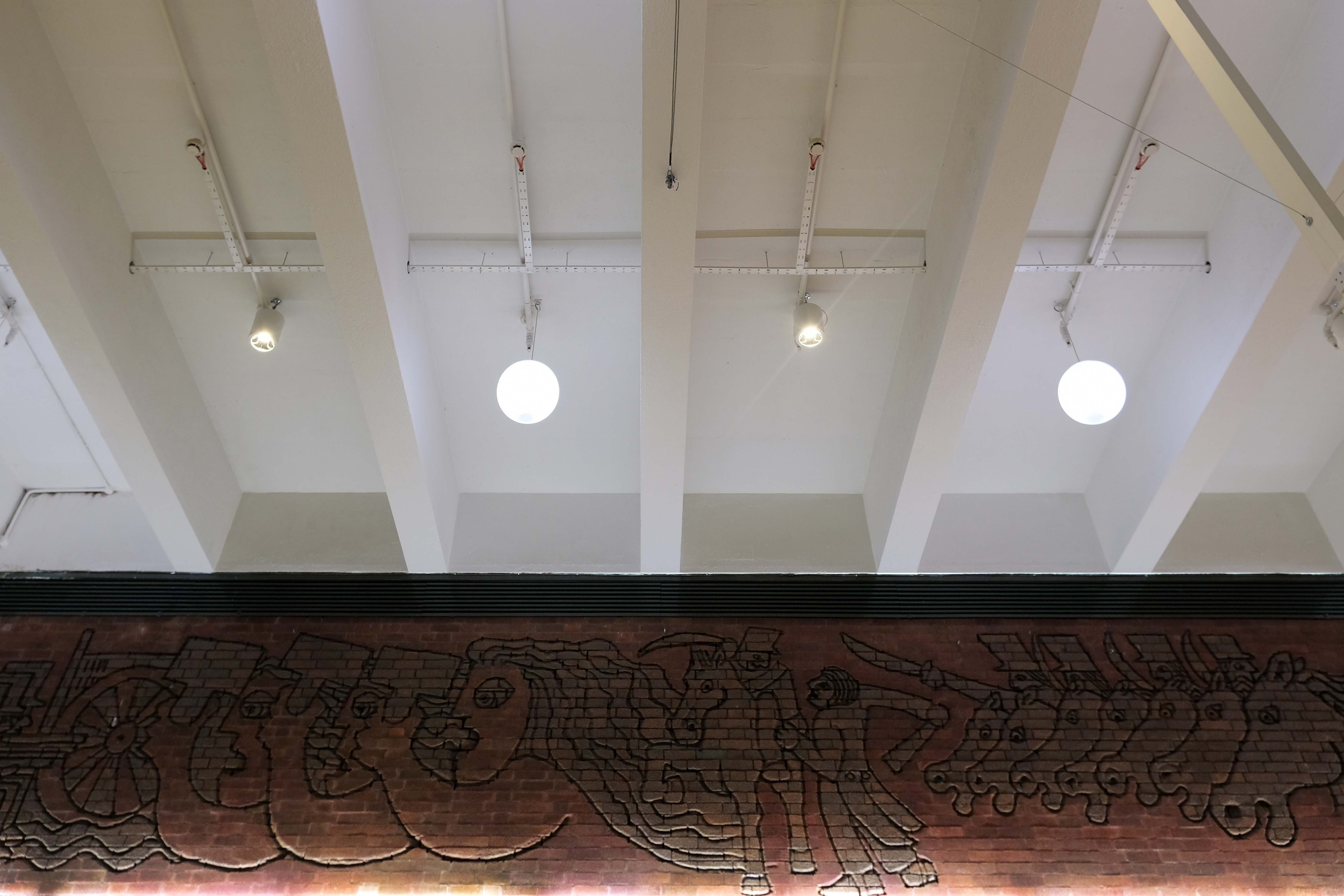
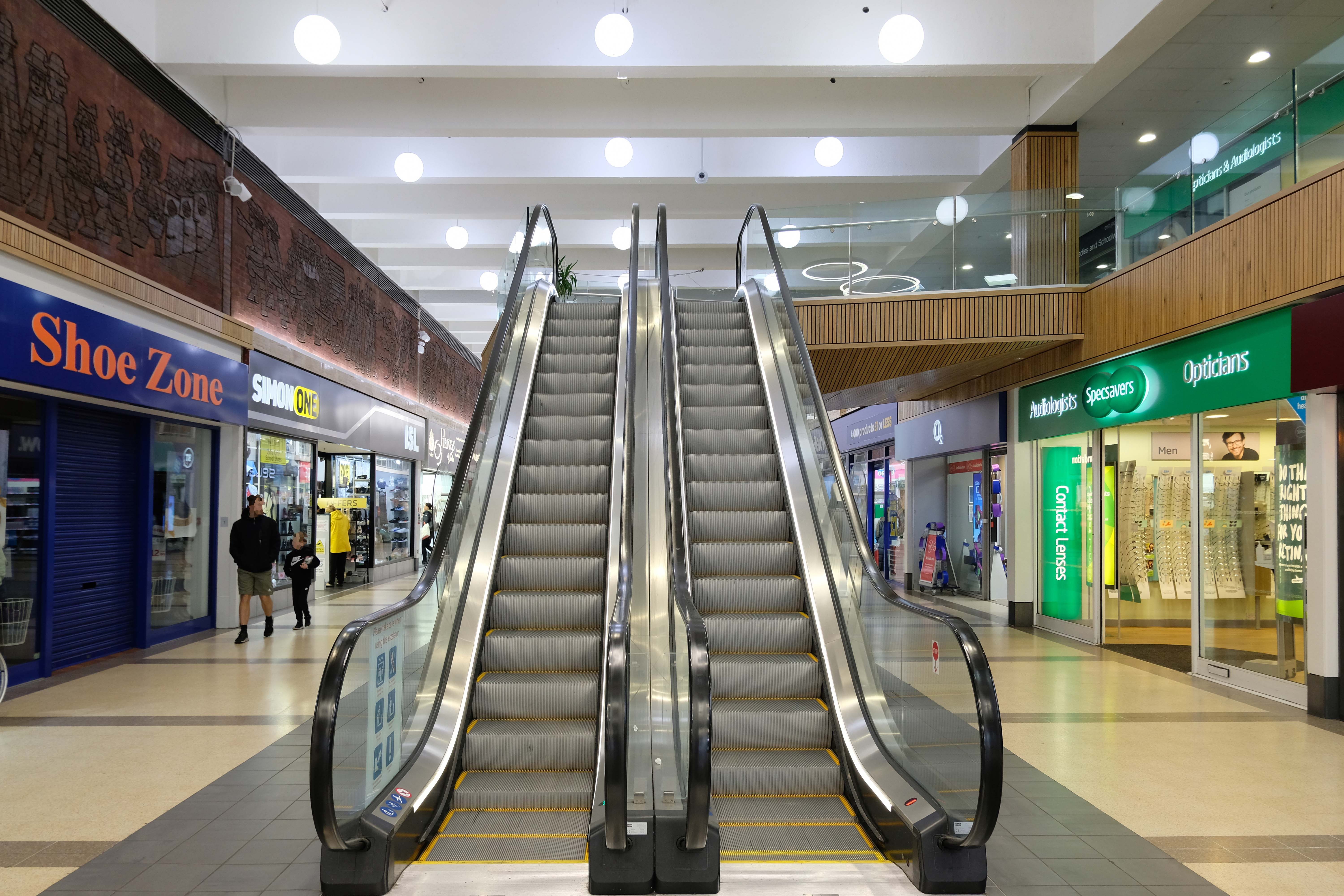
The Middleton Arndale Centre commenced trading in 1971, although it was officially opened by Her Royal Highness the Duchess of Kent in March 1972.
Once home to The Breadman designed by Rochdale’s town artist of the time, Michael Dames.
Photo: Local Image Collection – Touchstones
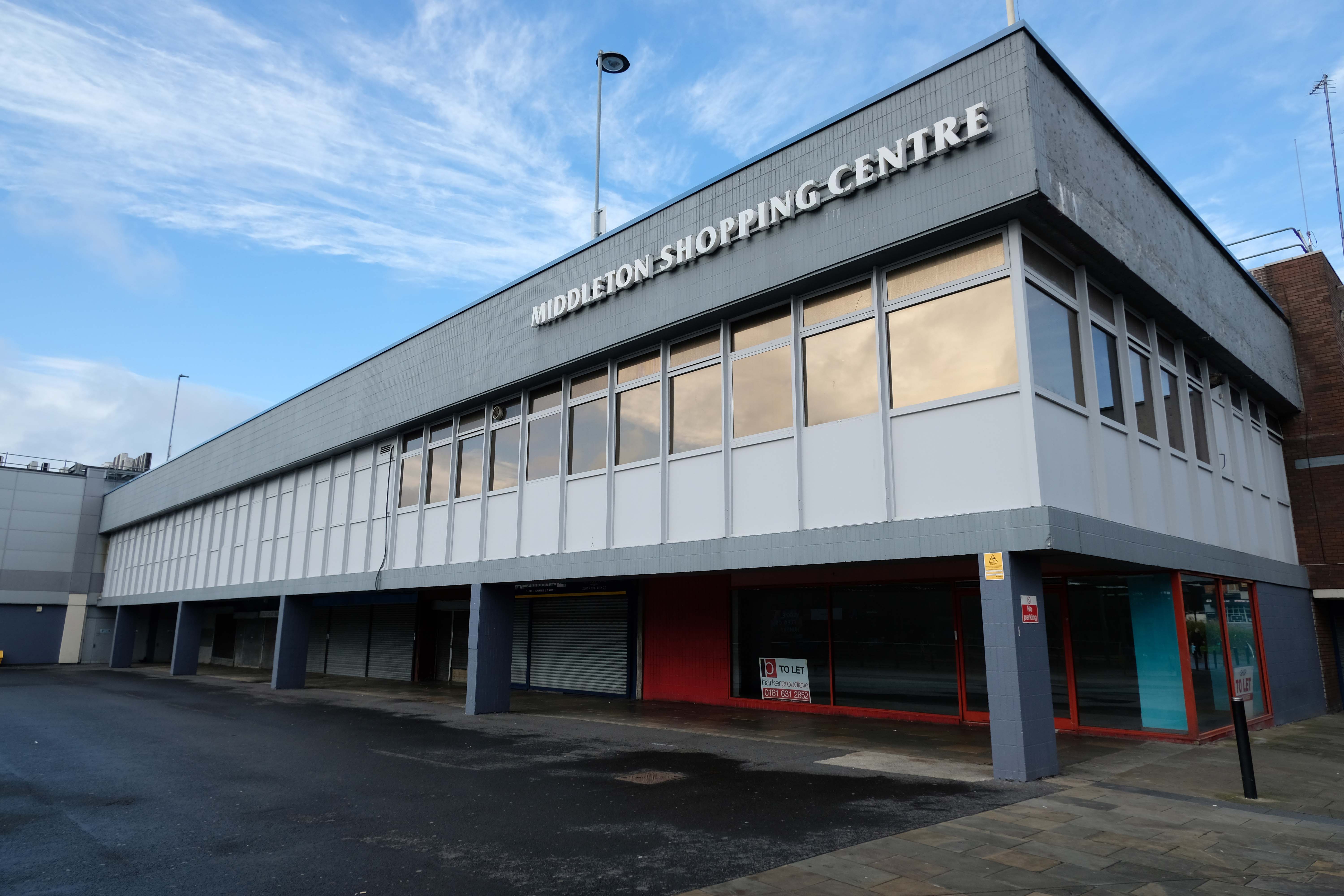
Now trading as the Middleton Shopping Centre
The brick reliefs illustrating the town’s history are by Fred Evans of Dunstable, who completed the work in one week during May 1972 using a high powered sandblasting blaster.
Thanks to Phil Machen for the top tip.
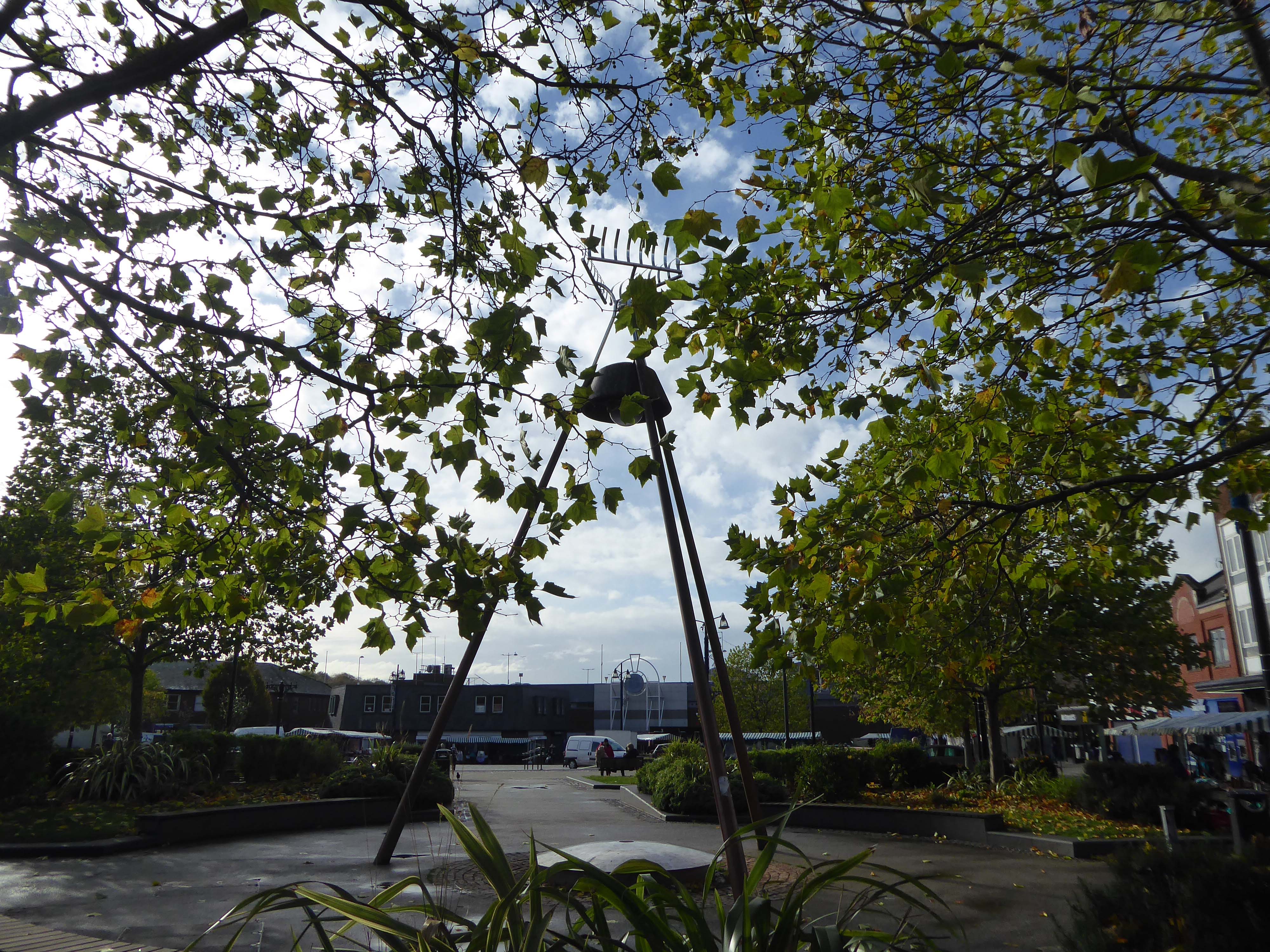
At the centre of the public domain the Middleton Moonraker 2001 by Terry Eaton
According to folklore, the legend has several different interpretations. One version is that a traveller came upon a drunken yokel trying to rake a reflection of the moon in a village pond, convinced it was cheese.
This version conveys the notion that the men were drunk and acting foolishly.
However, an alternative narrative – and perceived to be the most reliable version – tells a different story and dates back to the time when smuggling was a significant industry in rural England.
It appears that many residents wish to rid themselves of the Moon Raker moniker and presumably become Middletonians.
There’s so much more to Middleton’s history than the Moonraker. Why did they spend all that money on a fairytale?
There were 3,000 Lancaster bombers built in Middleton during World War Two, a magnificent contribution to the effort to beat Hitler.
The bulbs inside the moon which light it up at night haven’t worked for five years.
Bernard Wynne
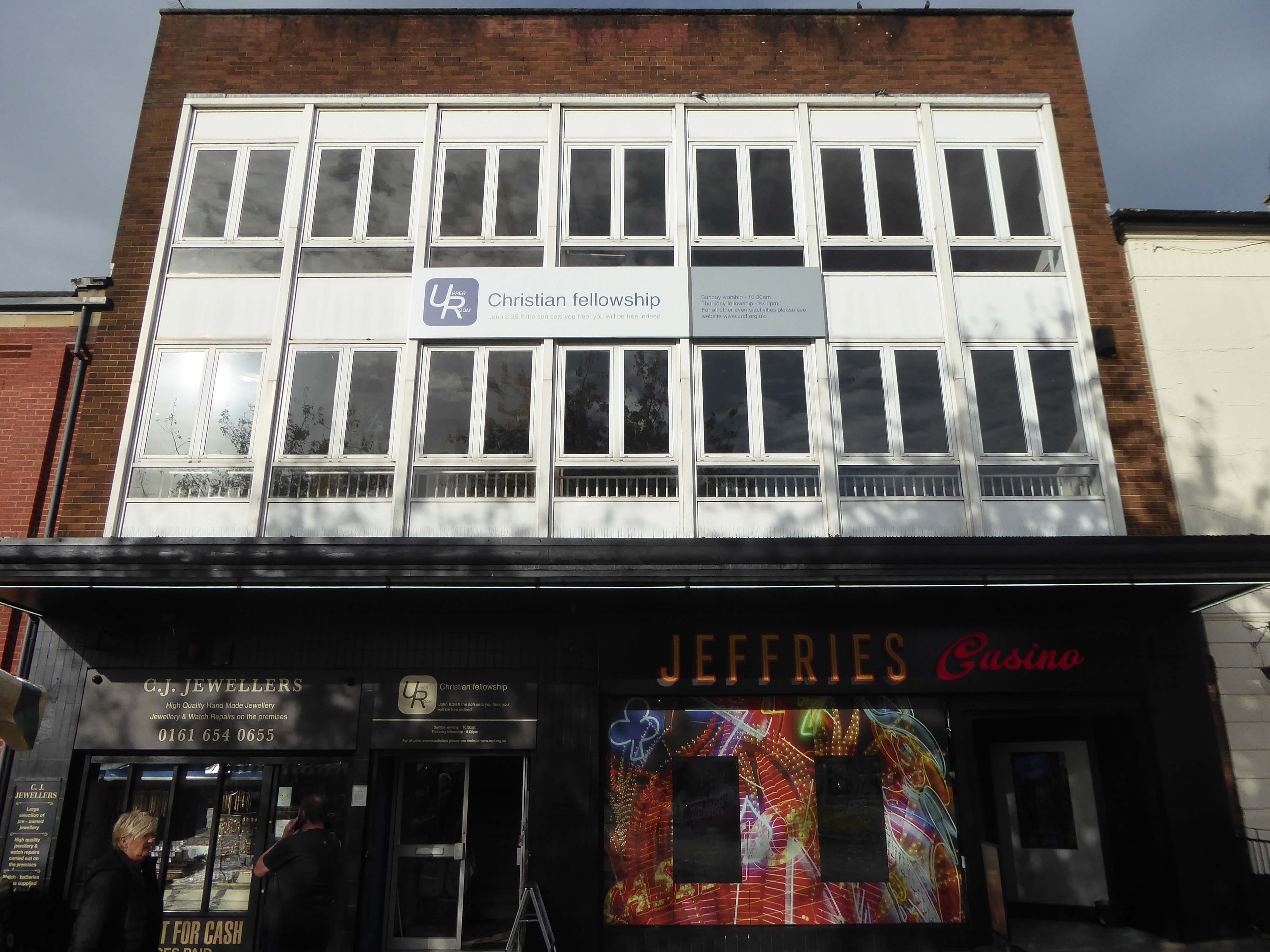
Along Long Street the Cooperative store what was – next door the long gone Palace Cinema demolished in 2001.
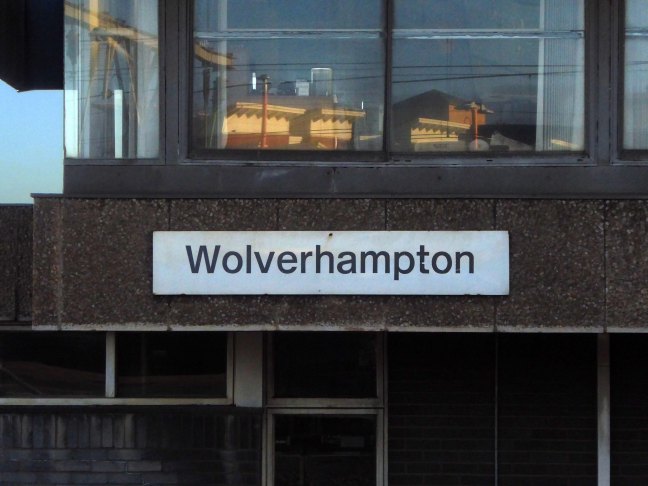
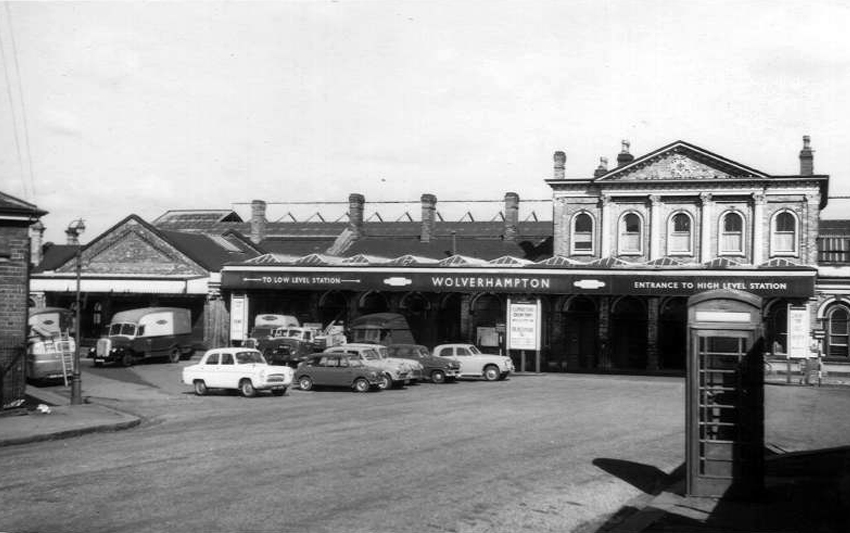
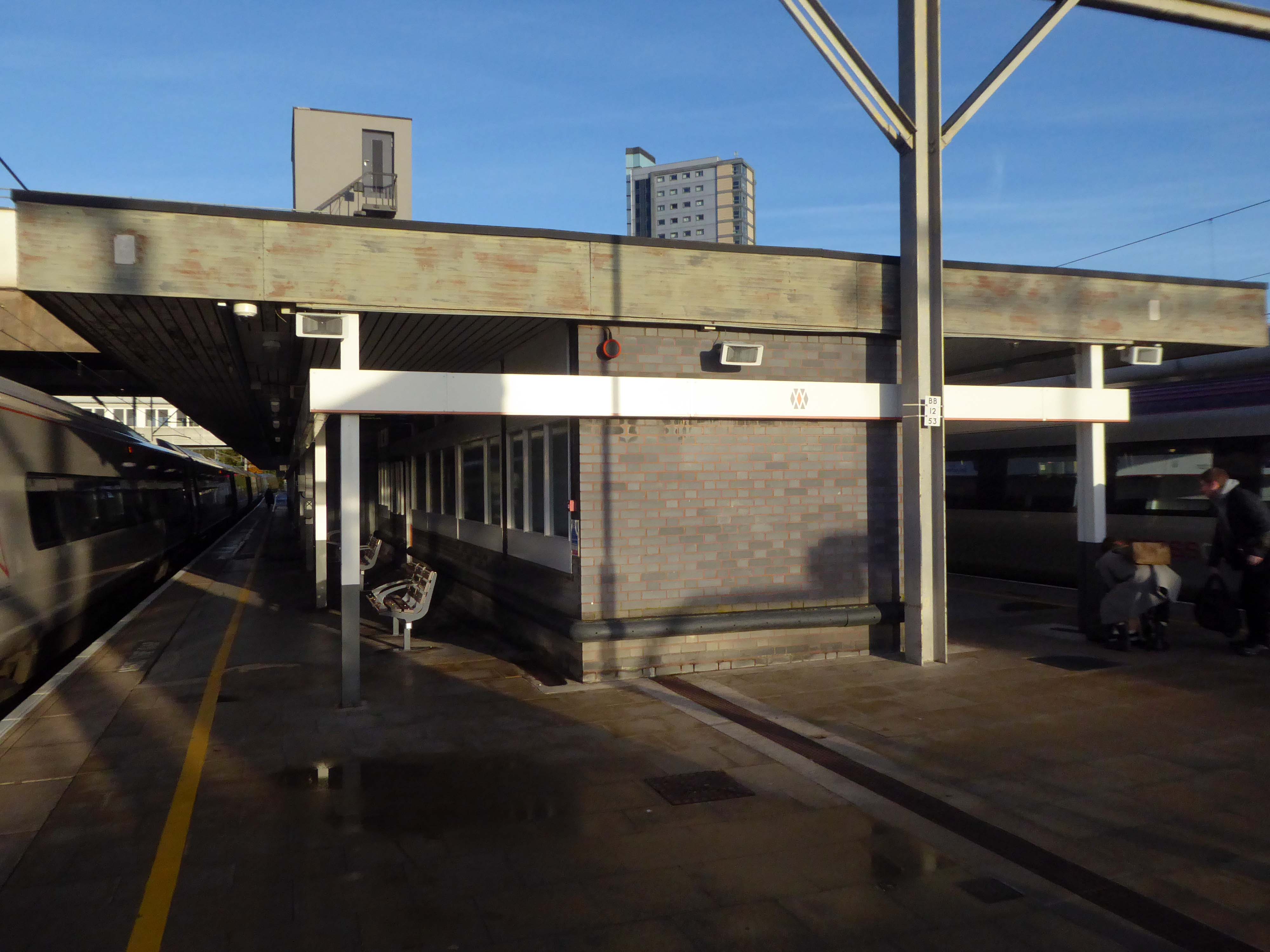
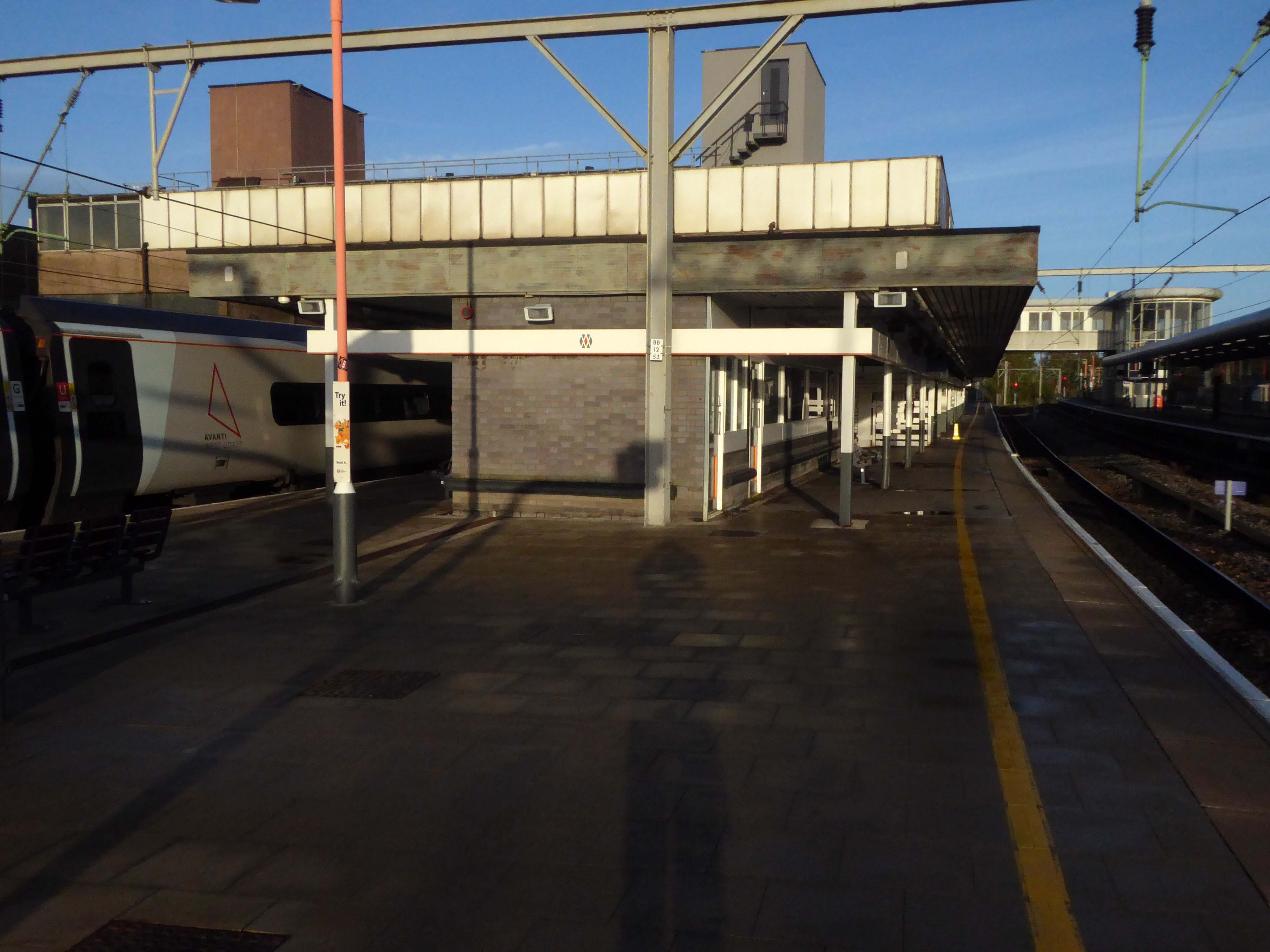
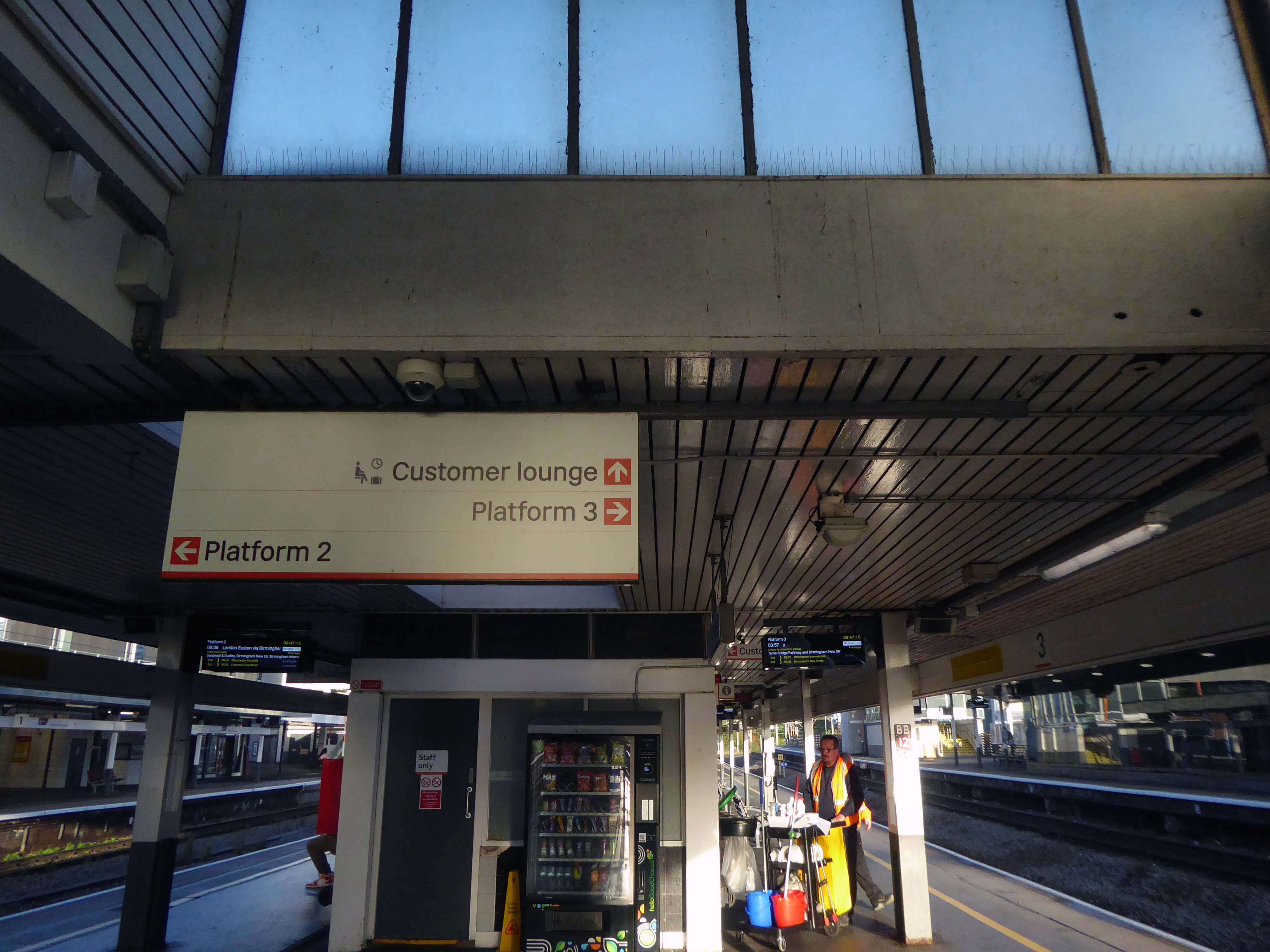
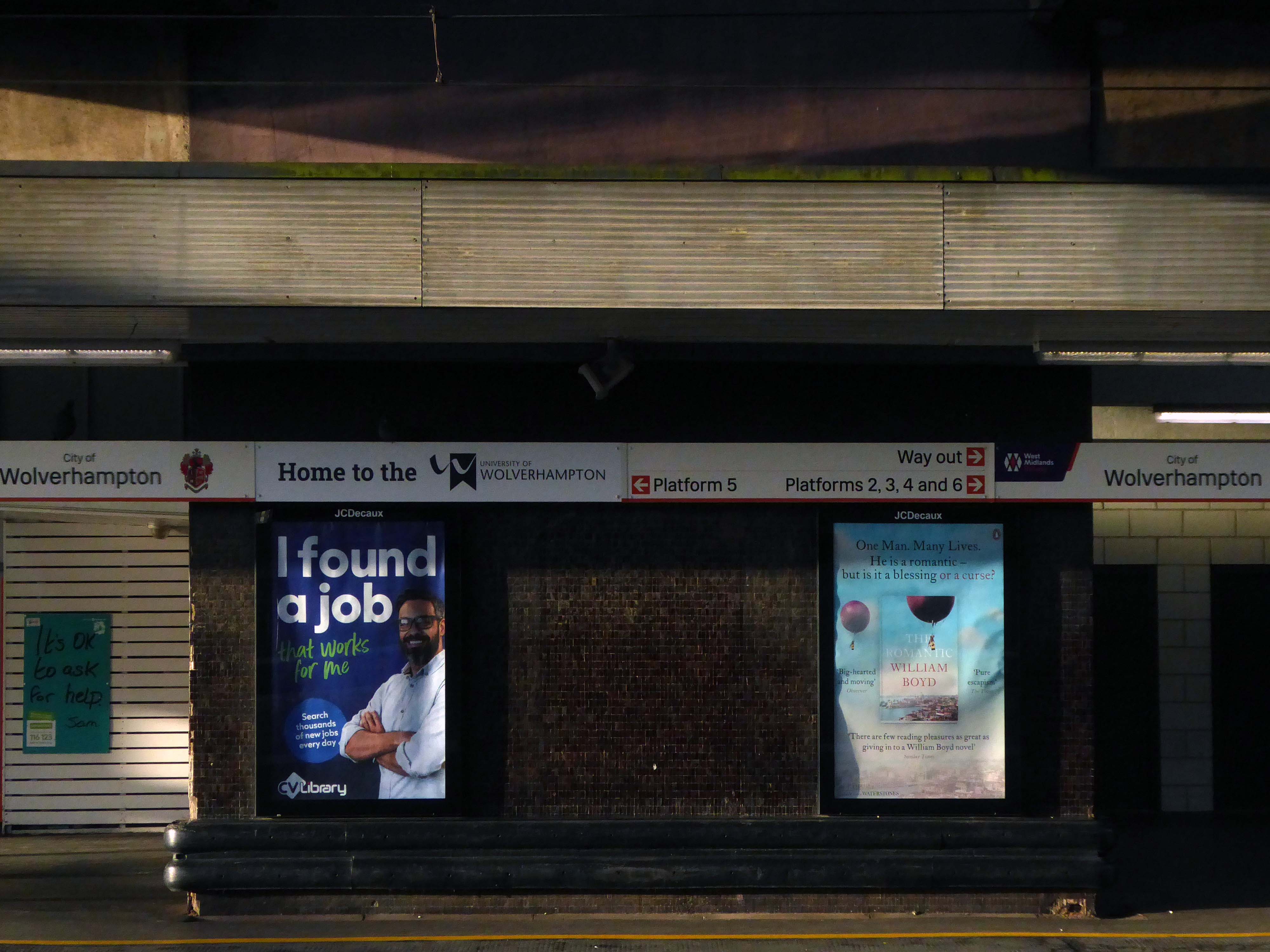
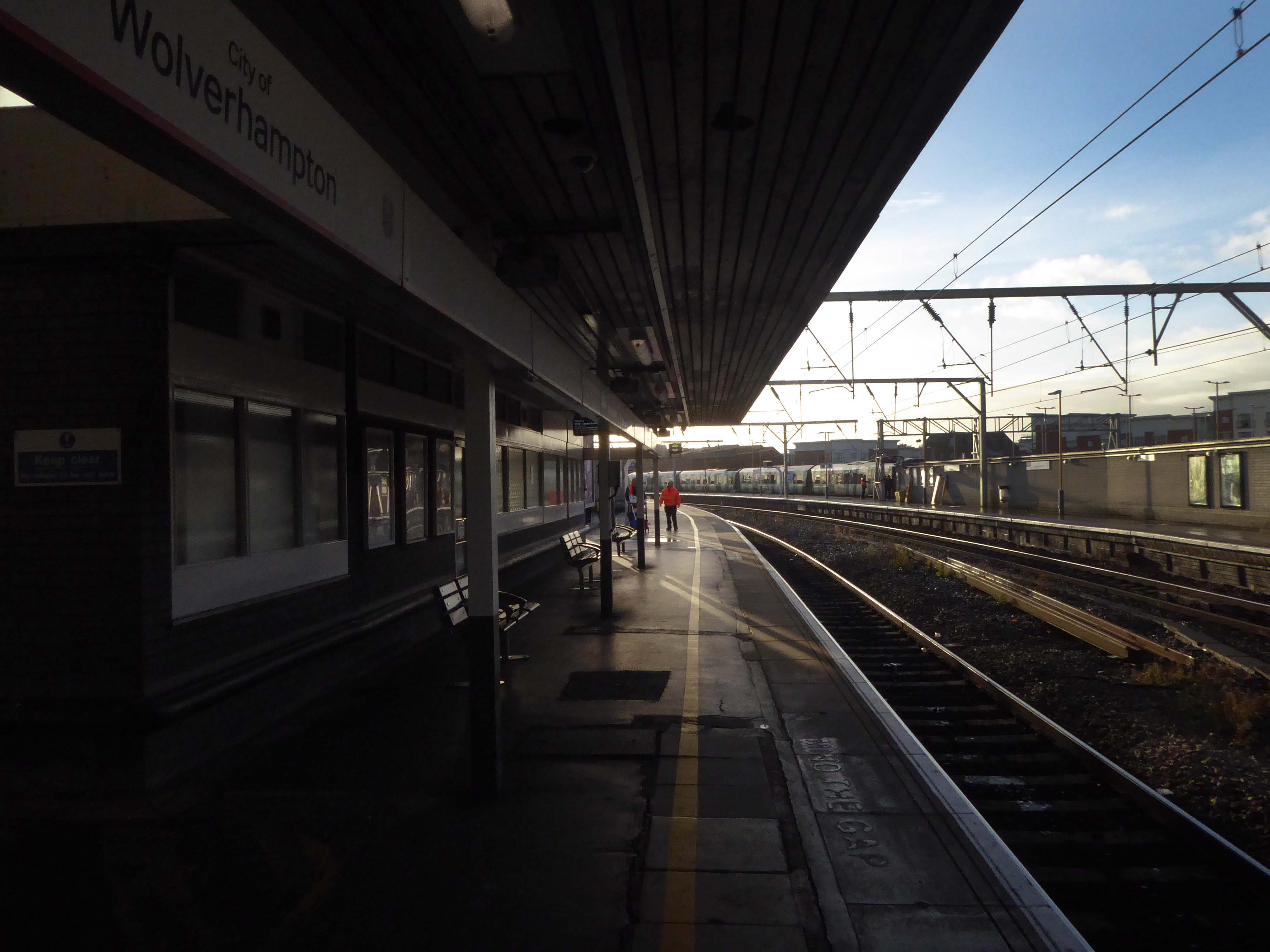
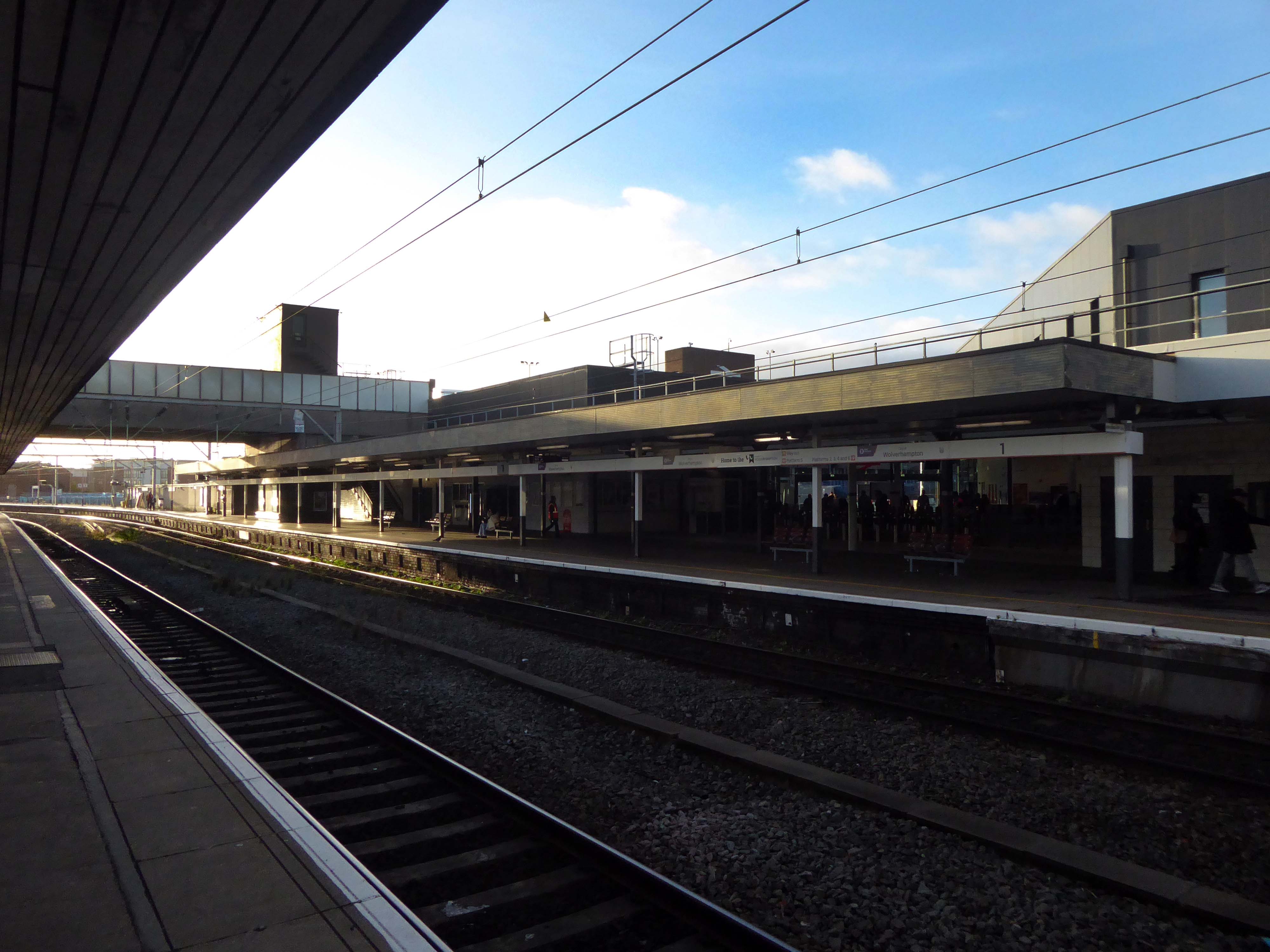
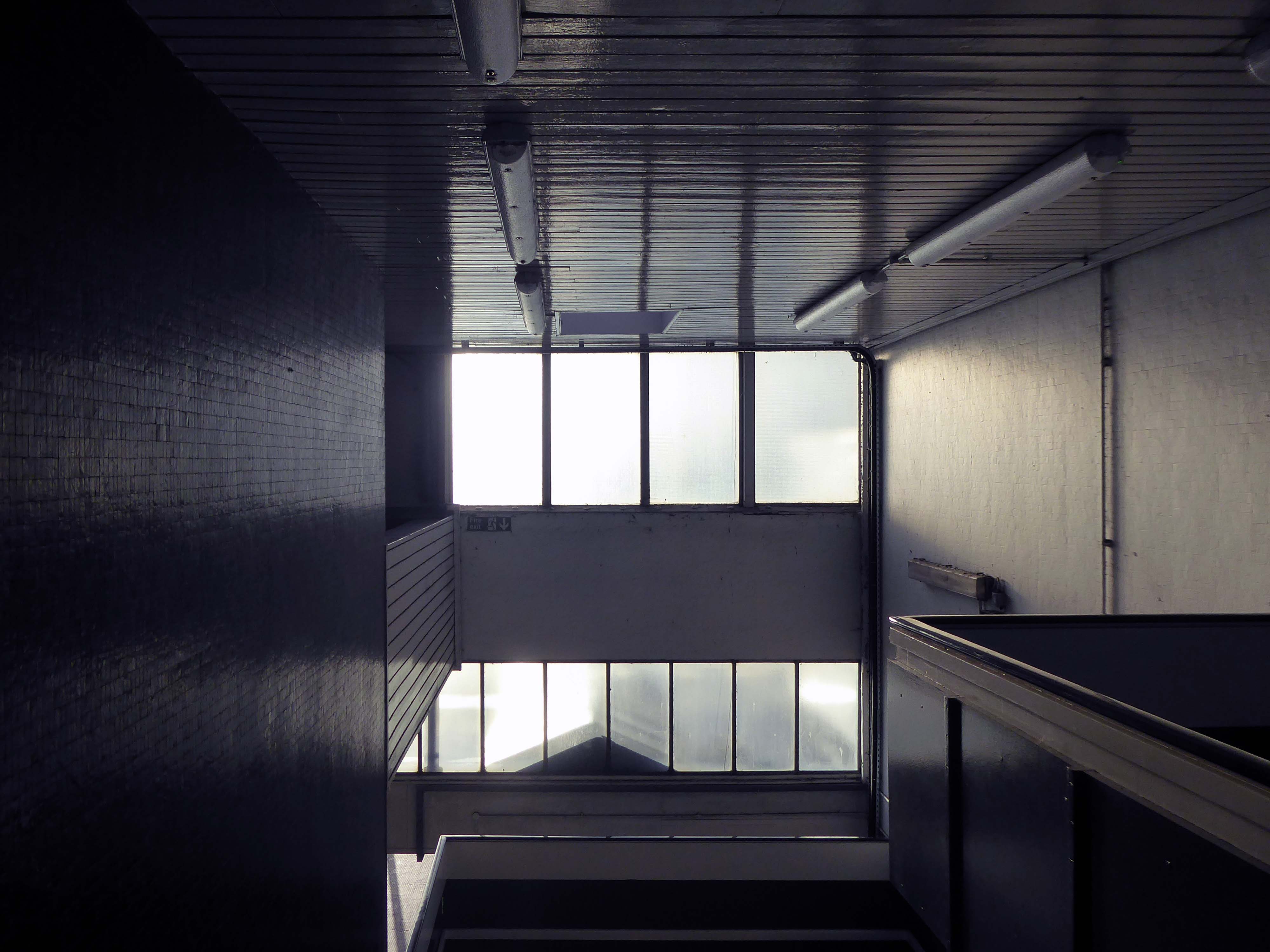
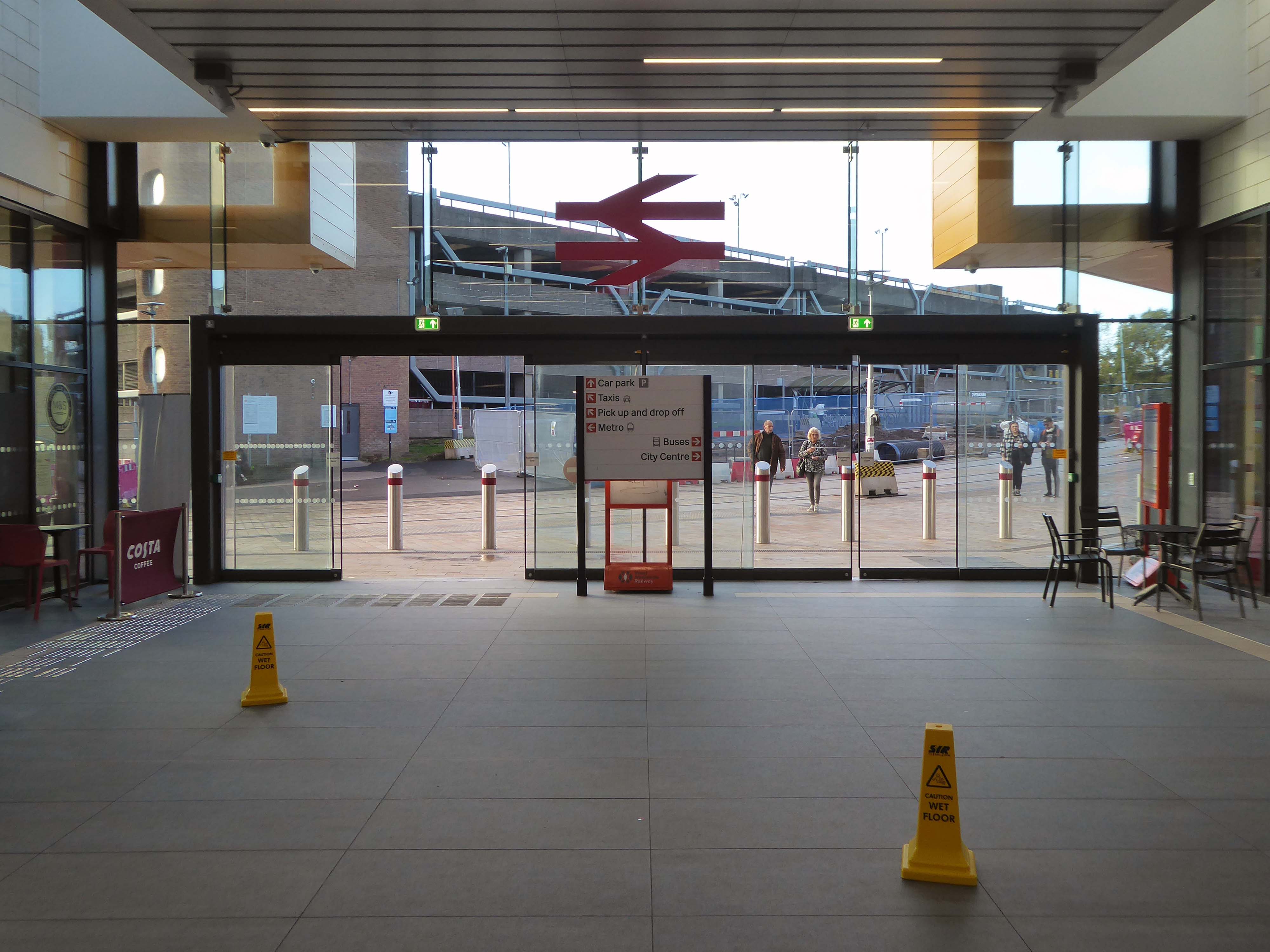
Wolverhampton High Level Station was built in 1852 and lay on what used to be known as the Stour Valley Line. The modern day Wolverhampton Station now occupies the site and there is little left of what my father photographed as the station suffered a major phase of modernisation in the mid 1960’s.
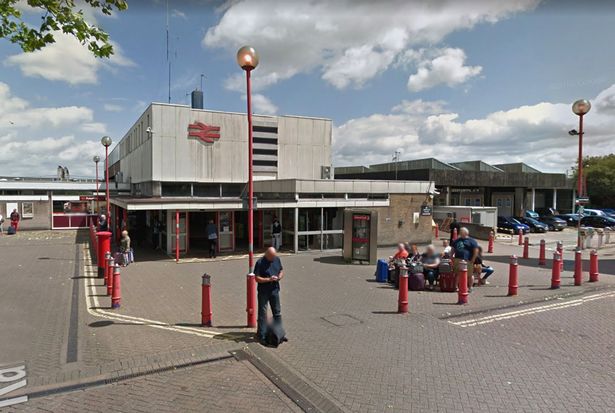
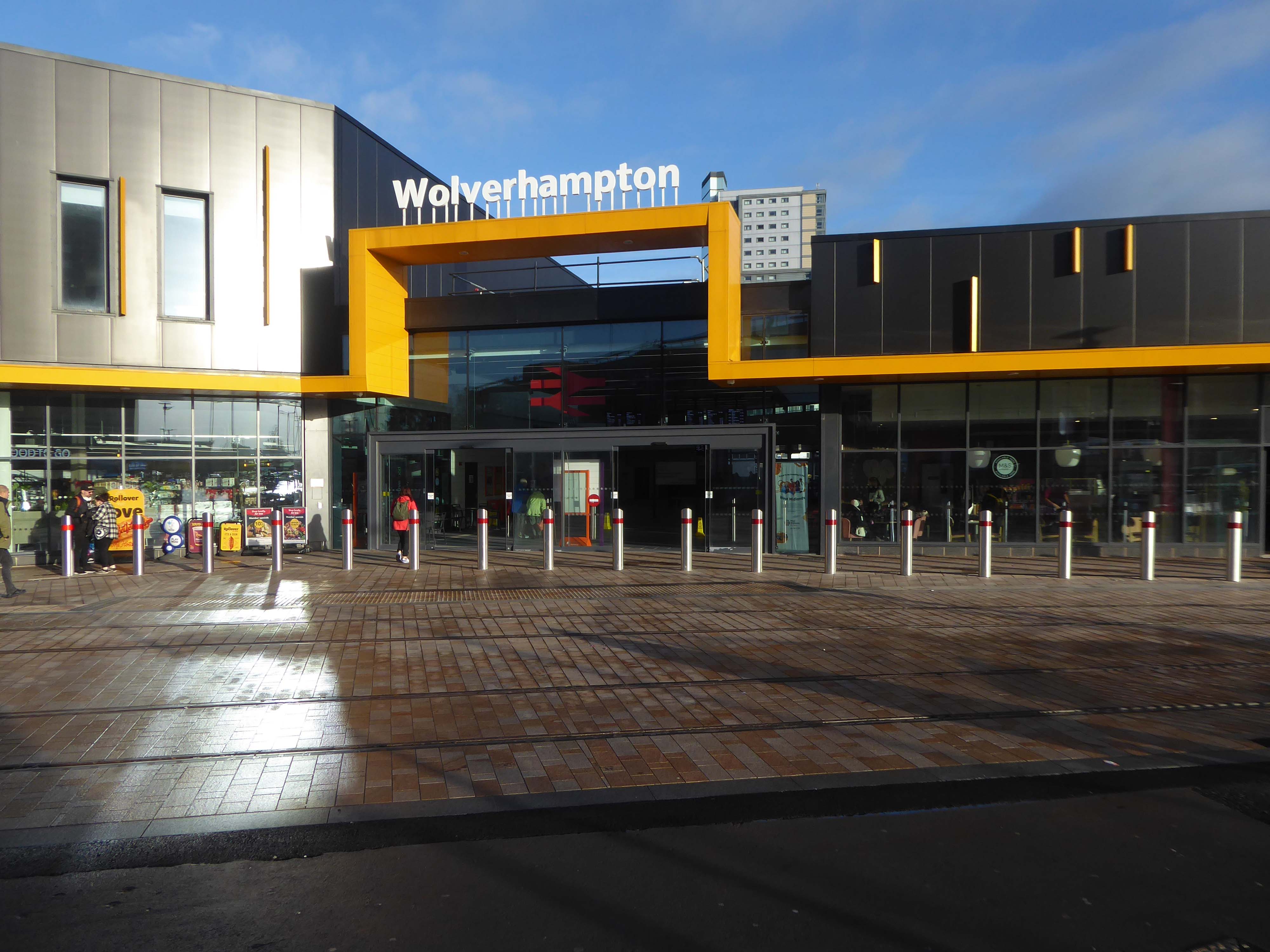
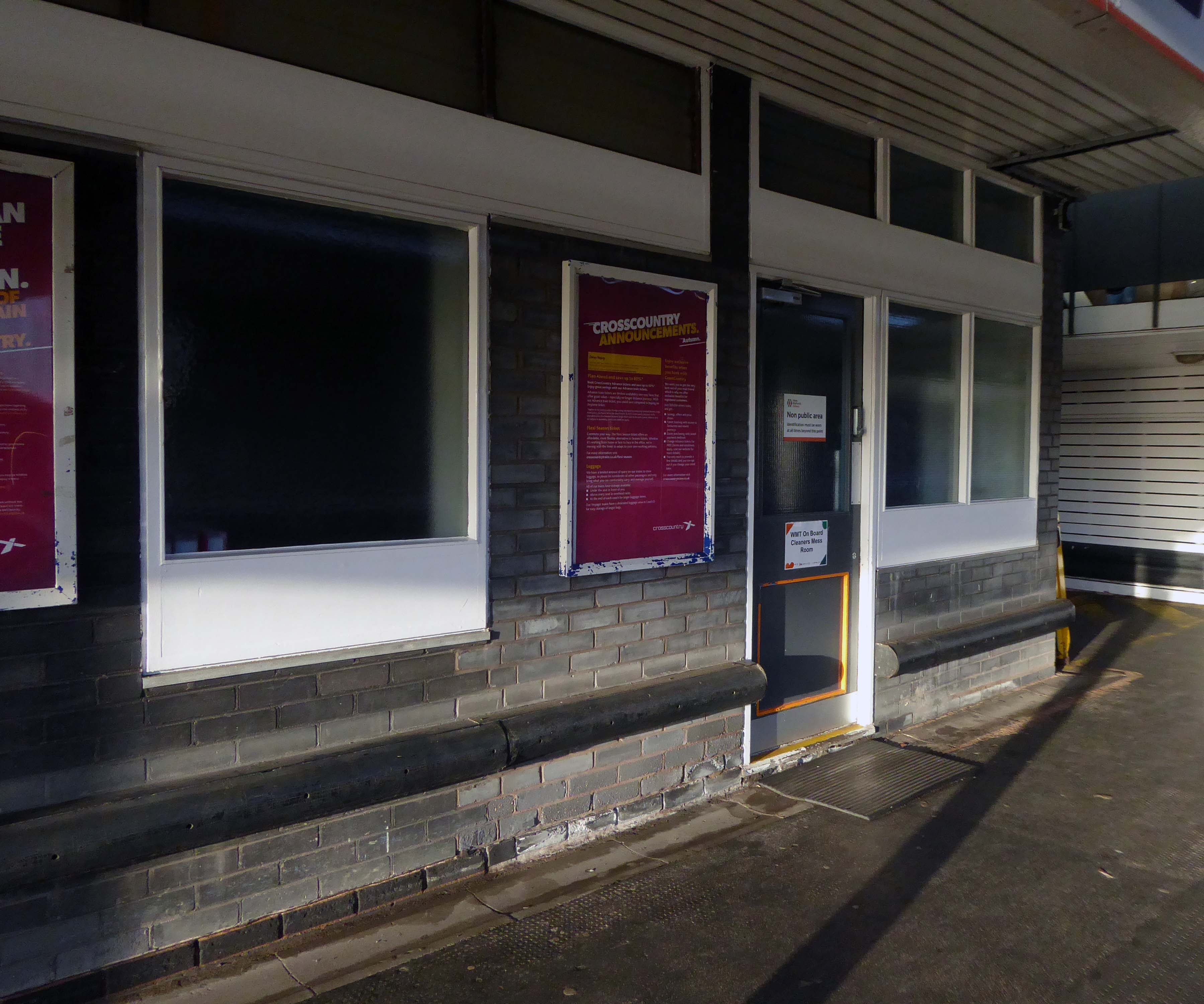
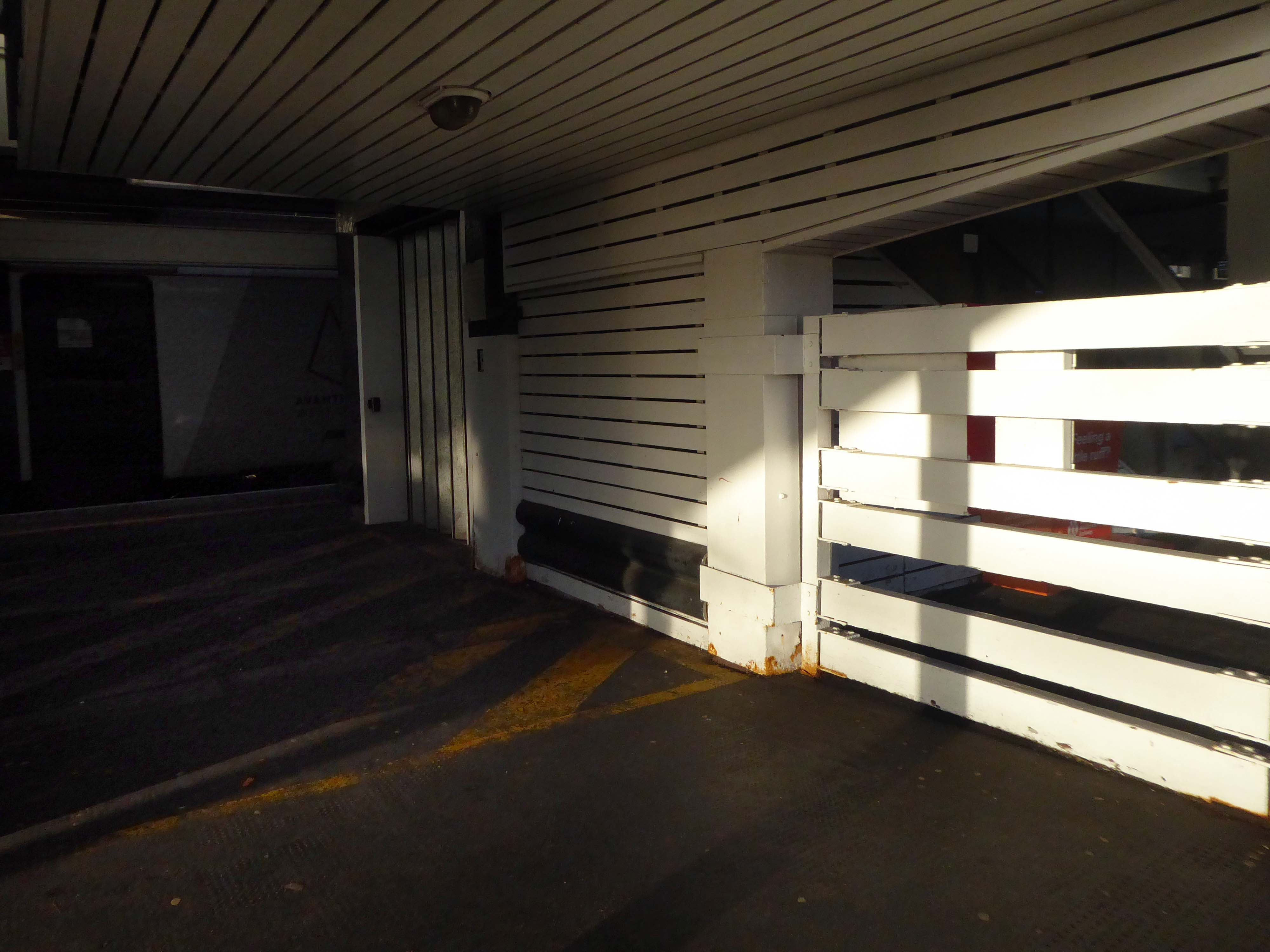
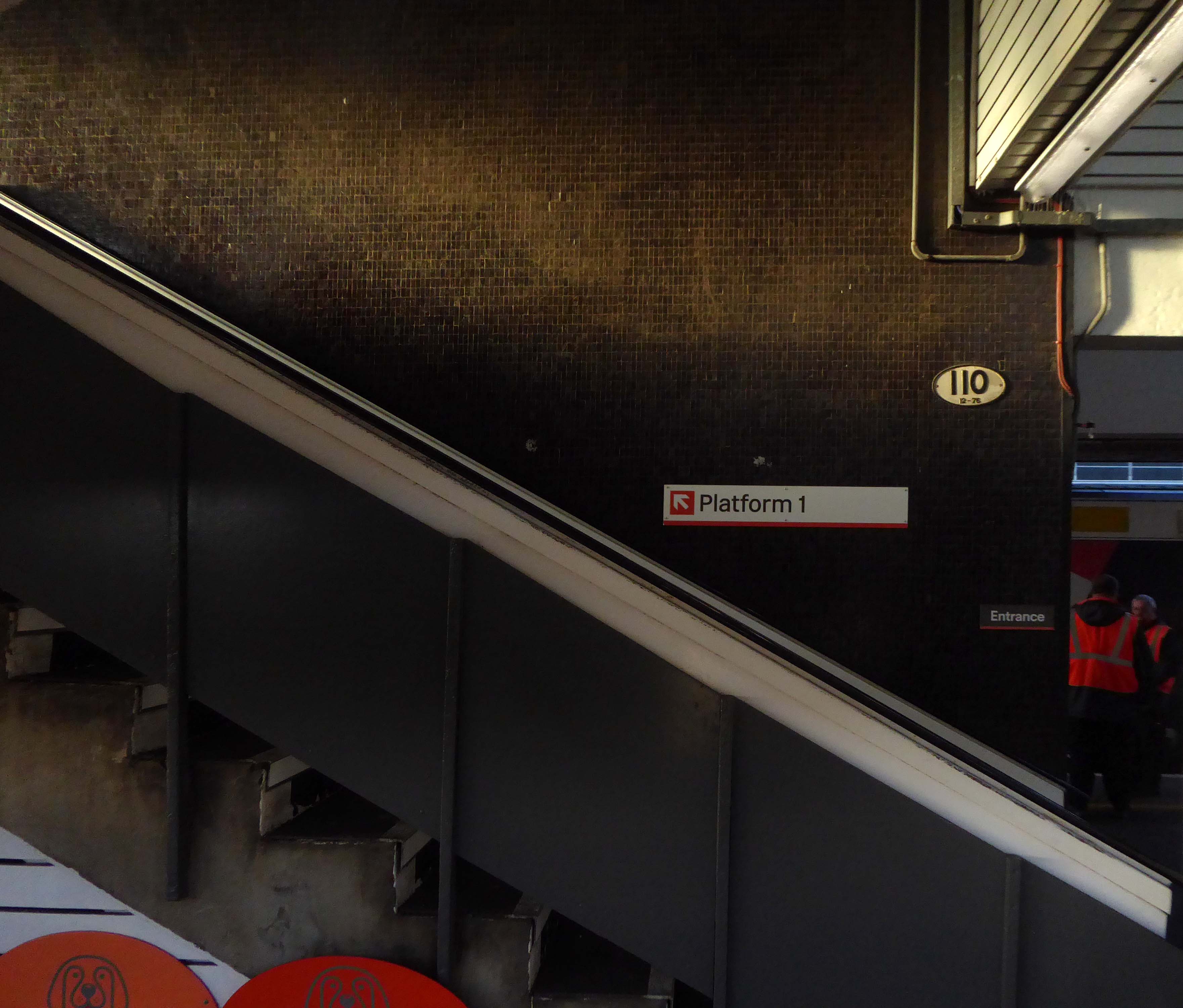
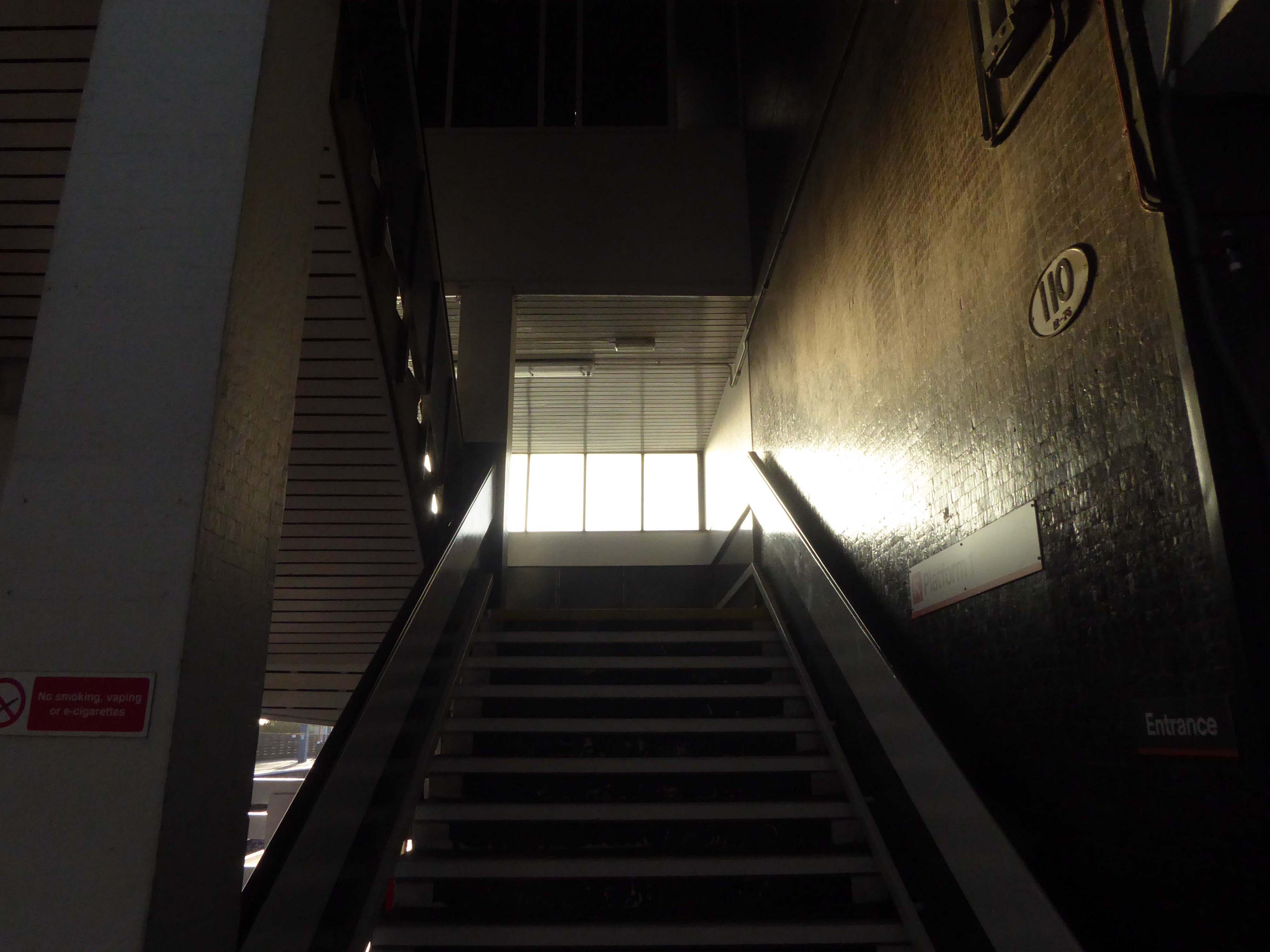
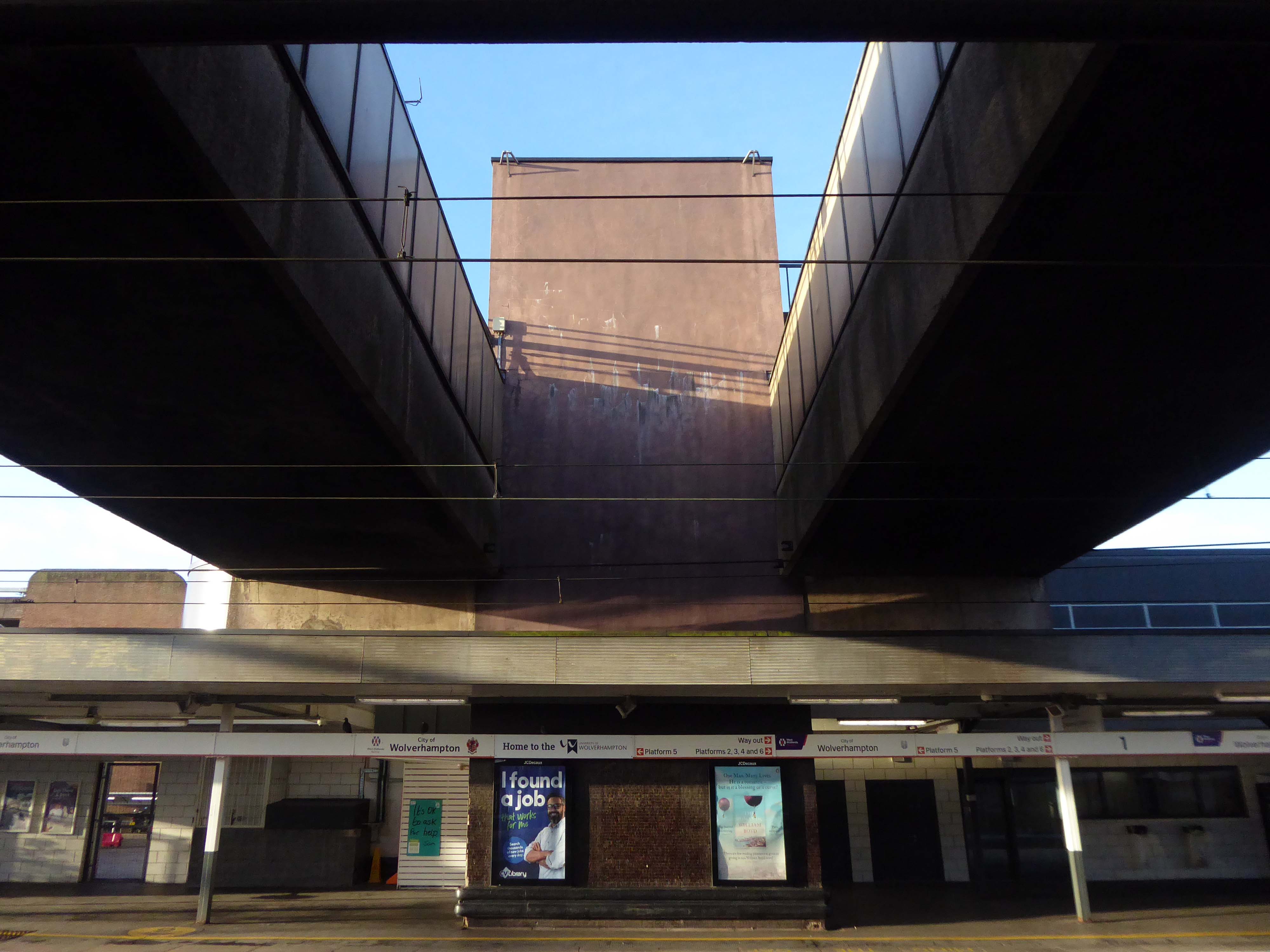
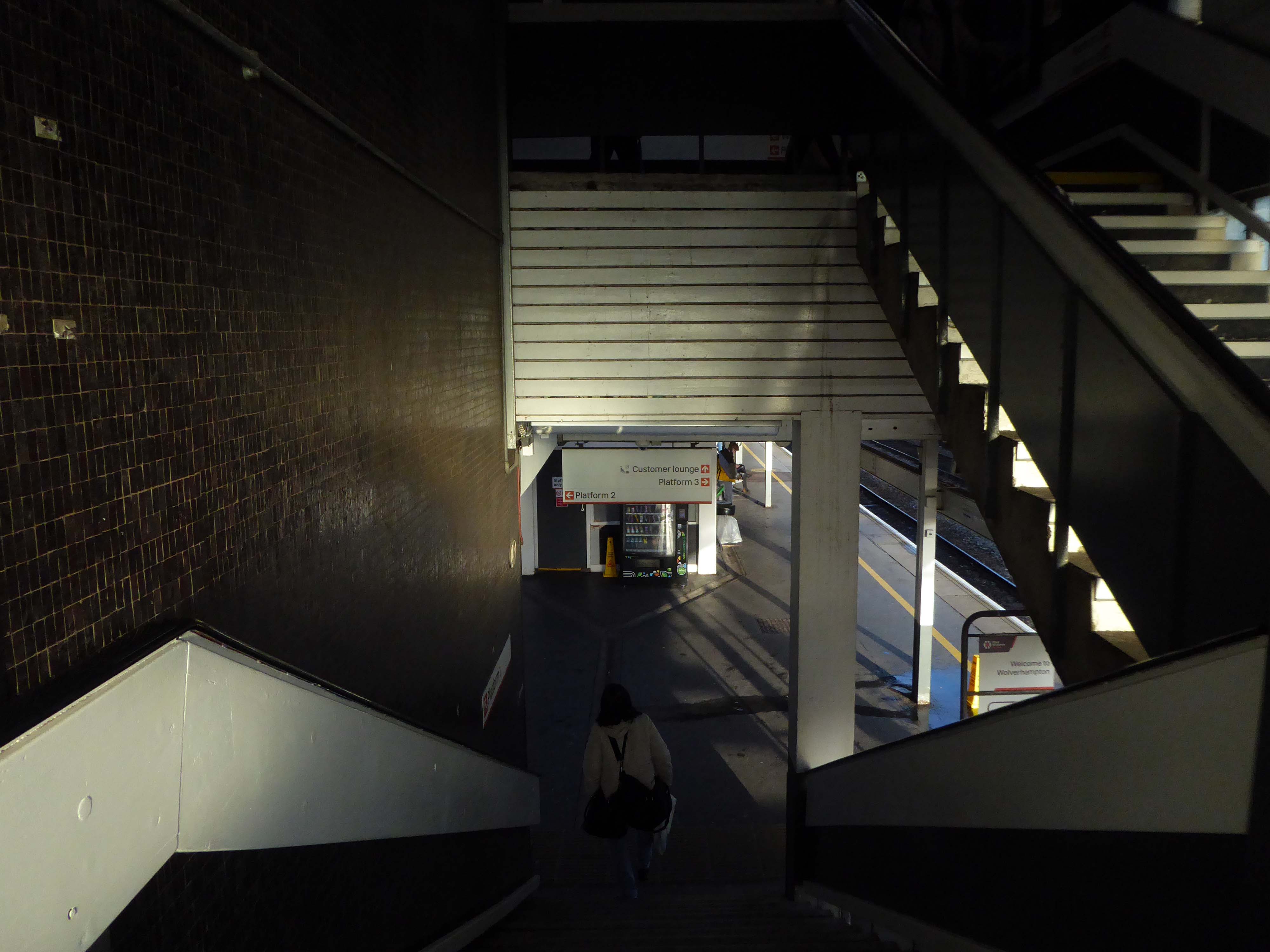
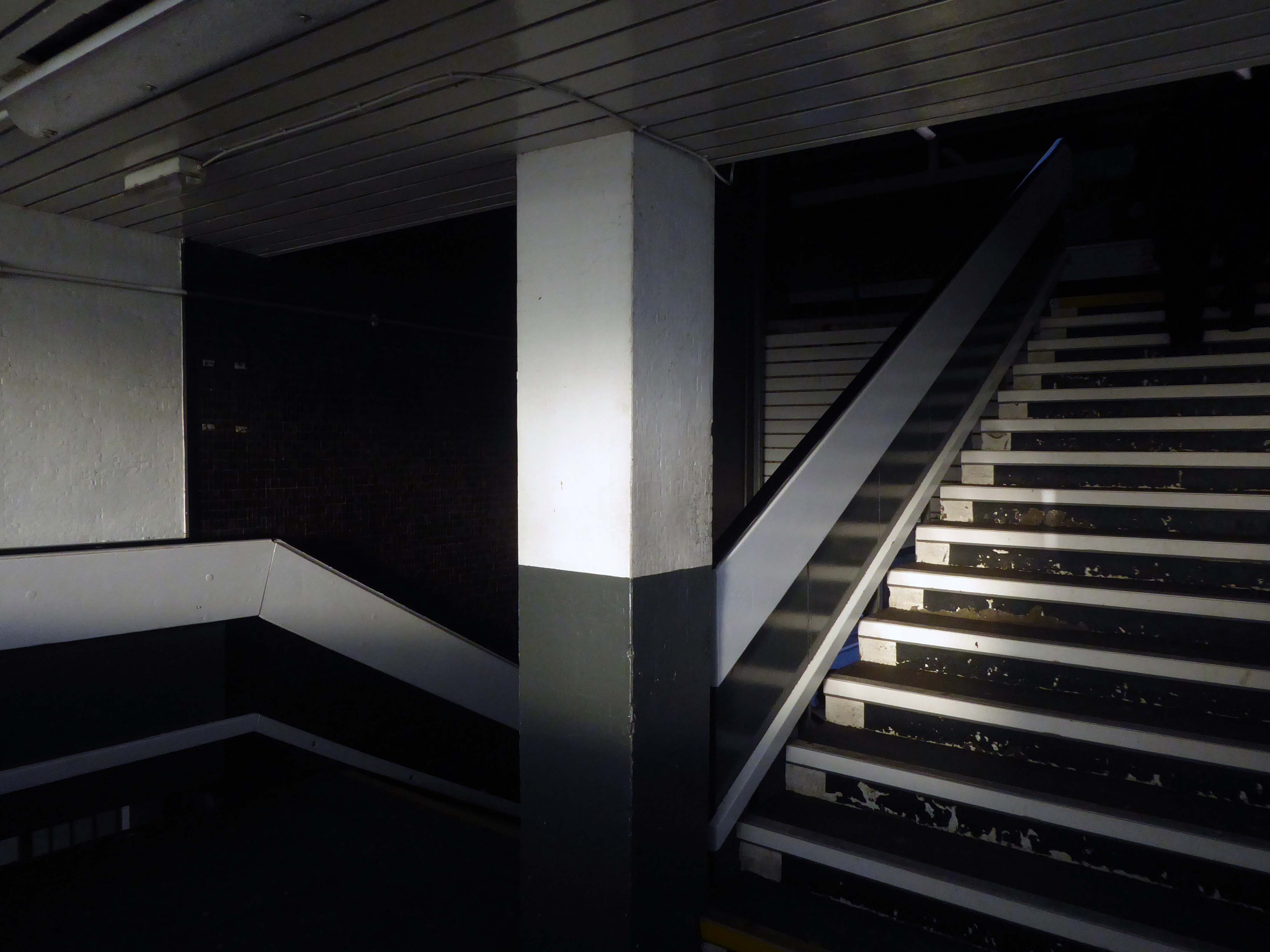
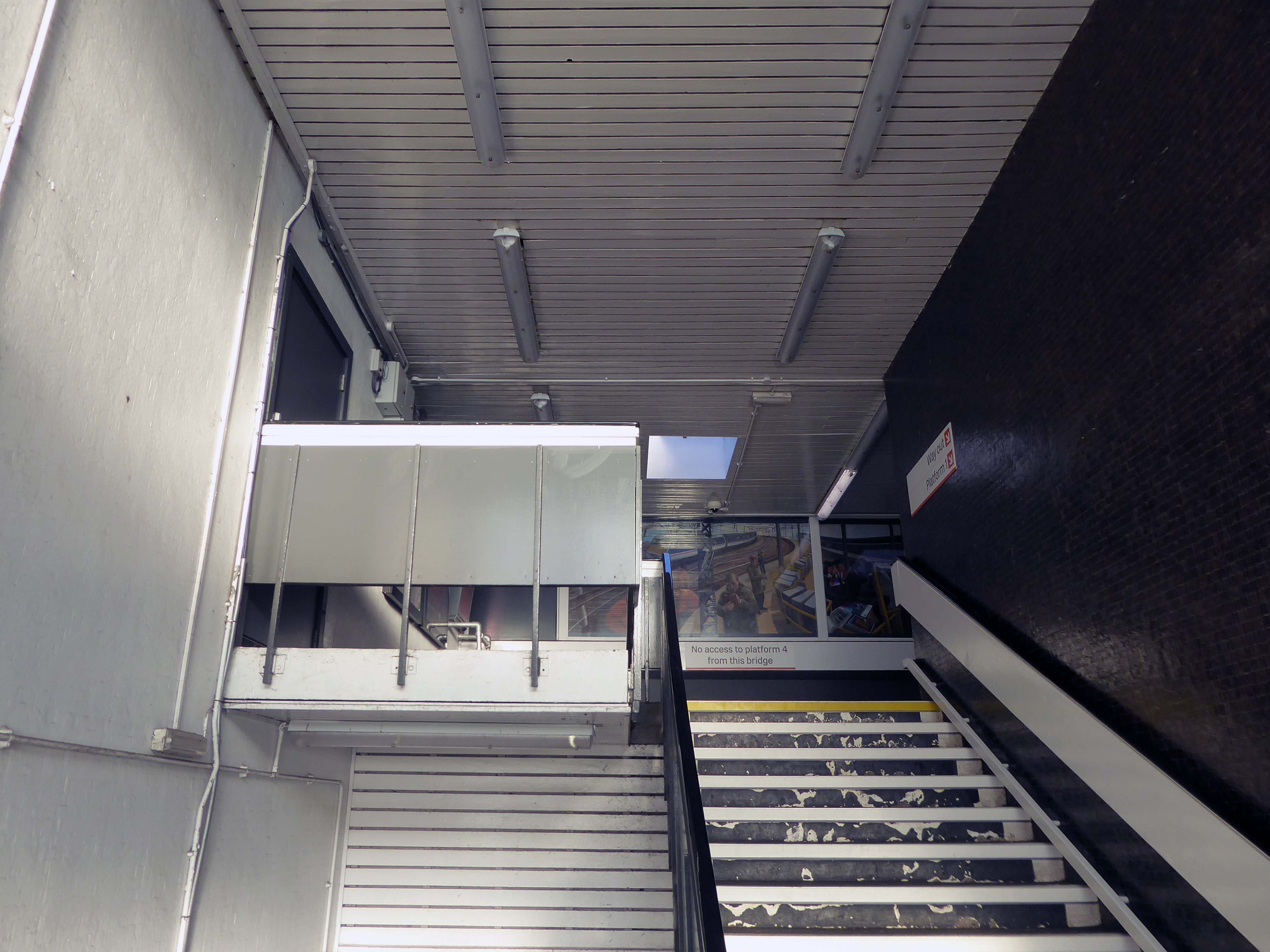
The present Wolverhampton station dates from 1964 to 1967 when the High Level station was completely rebuilt by the architect Ray Moorcroft as part of the modernisation programme which saw the West Coast Main Line electrified.
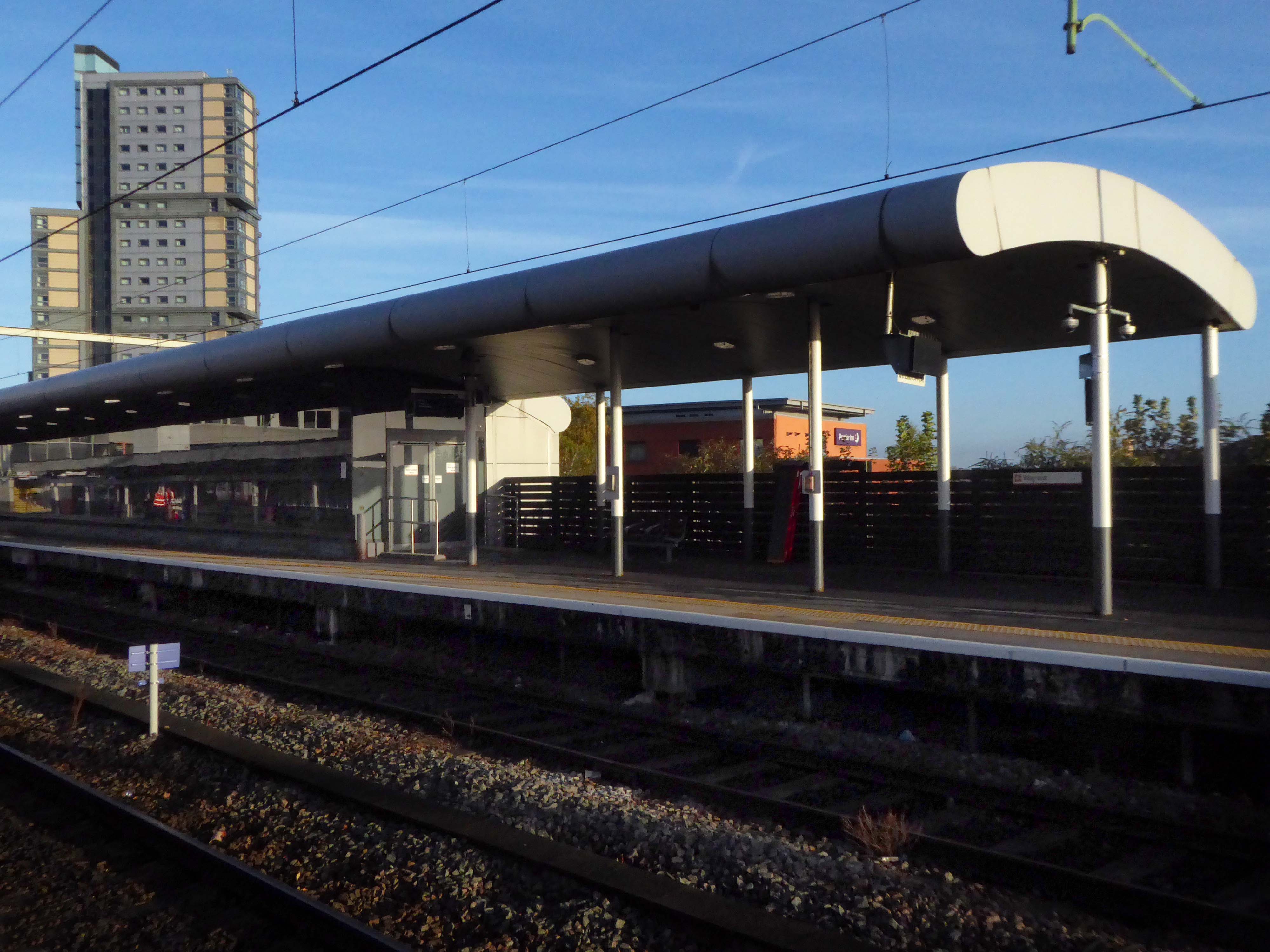
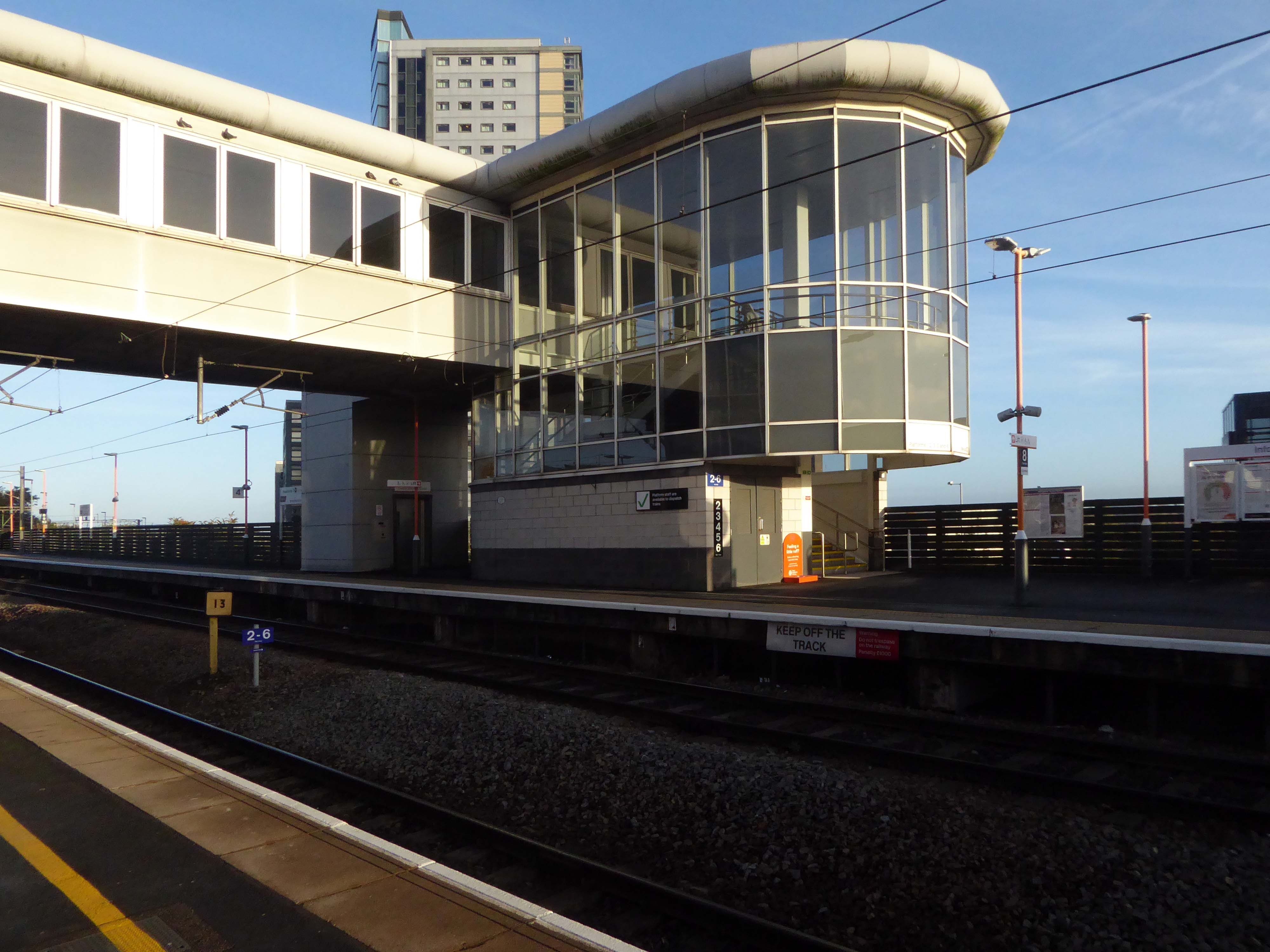
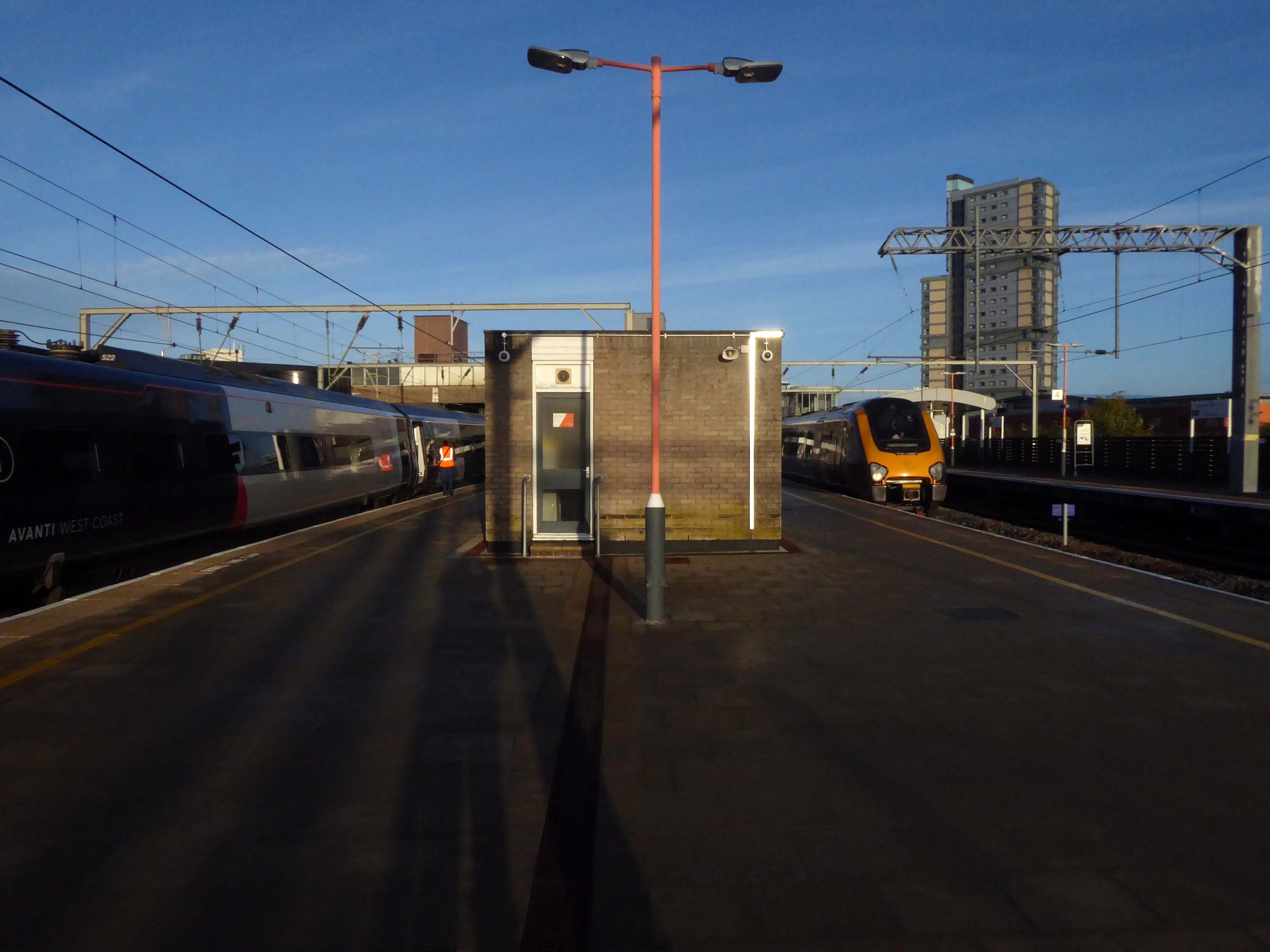
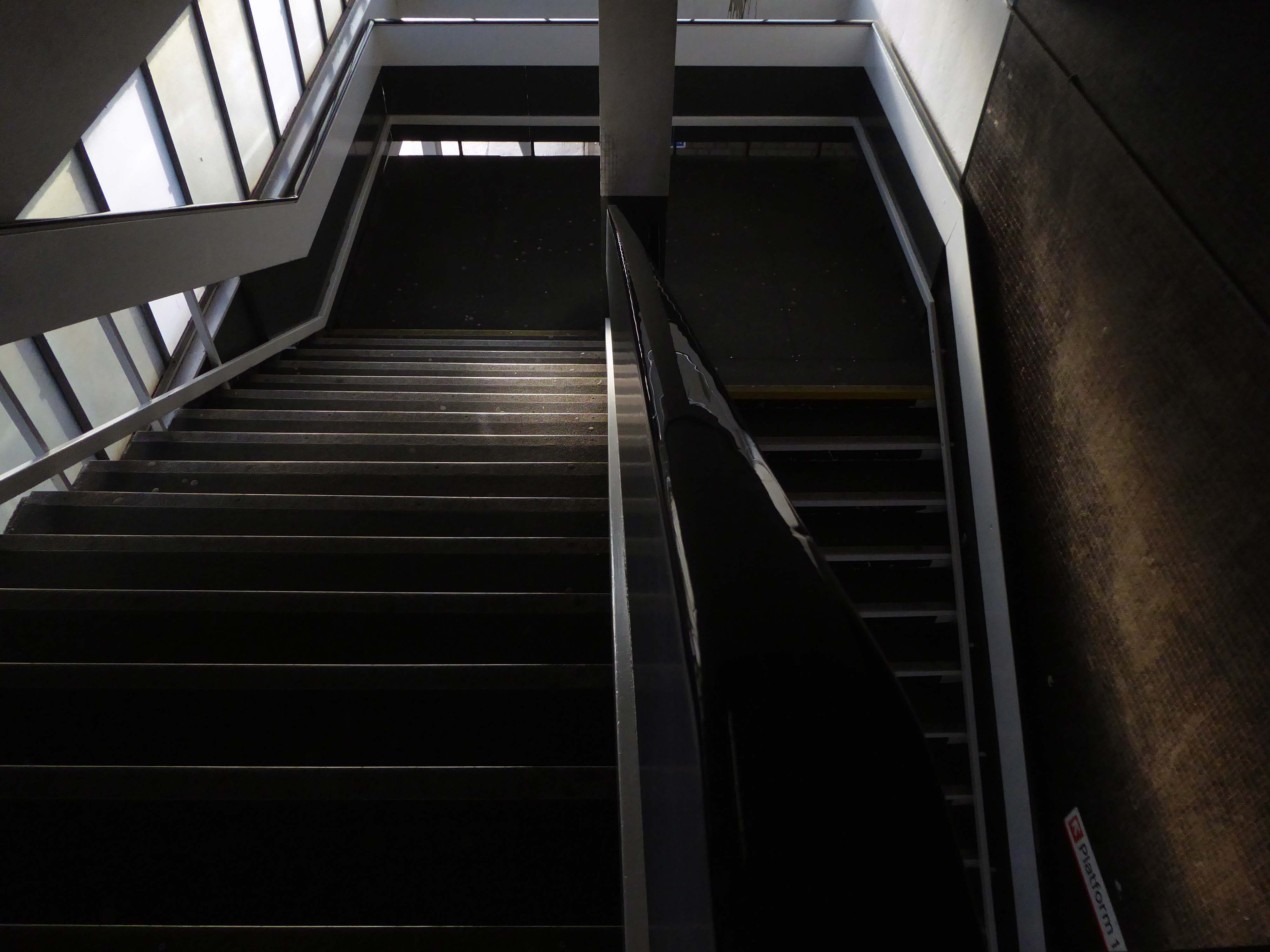
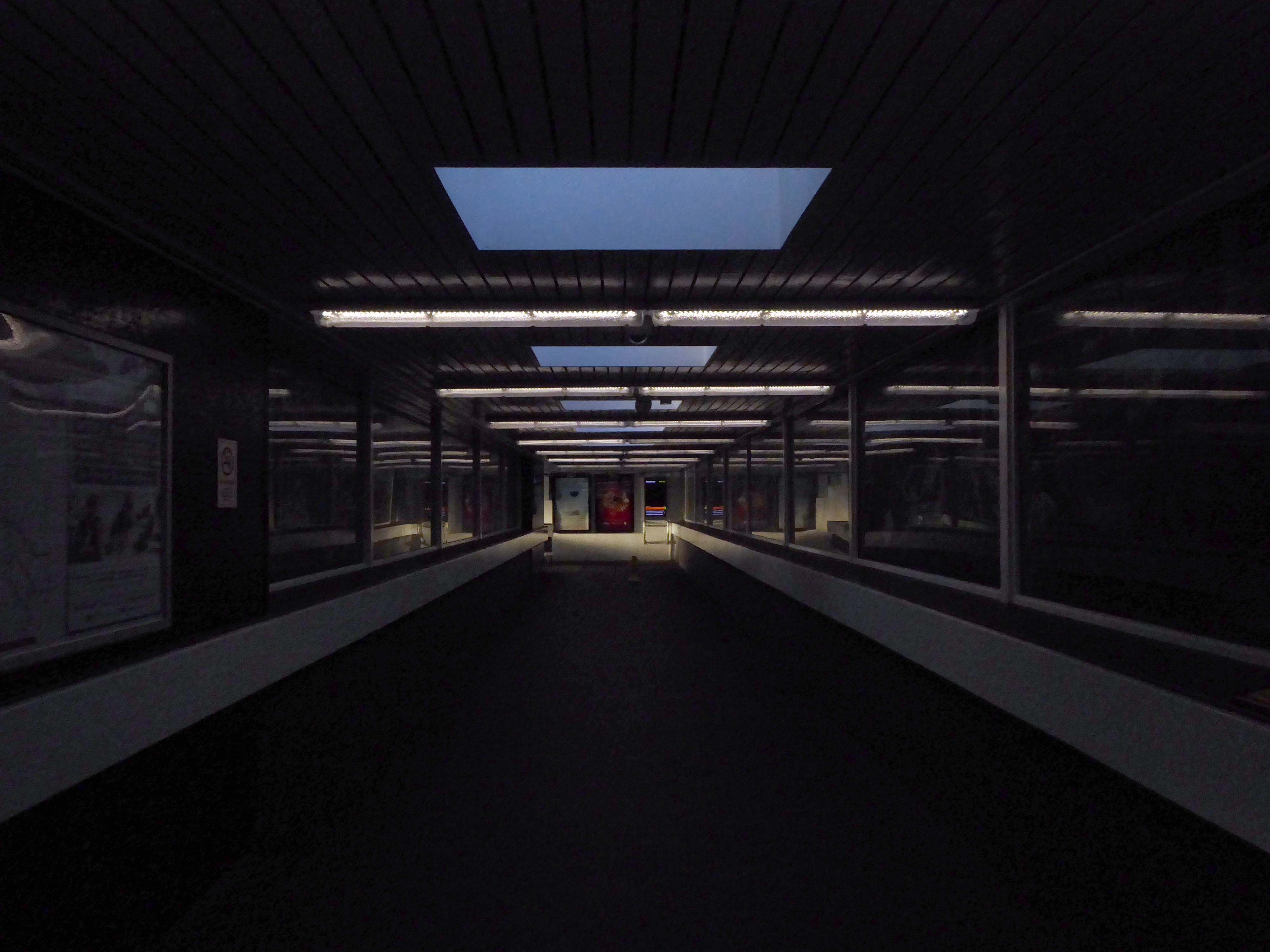
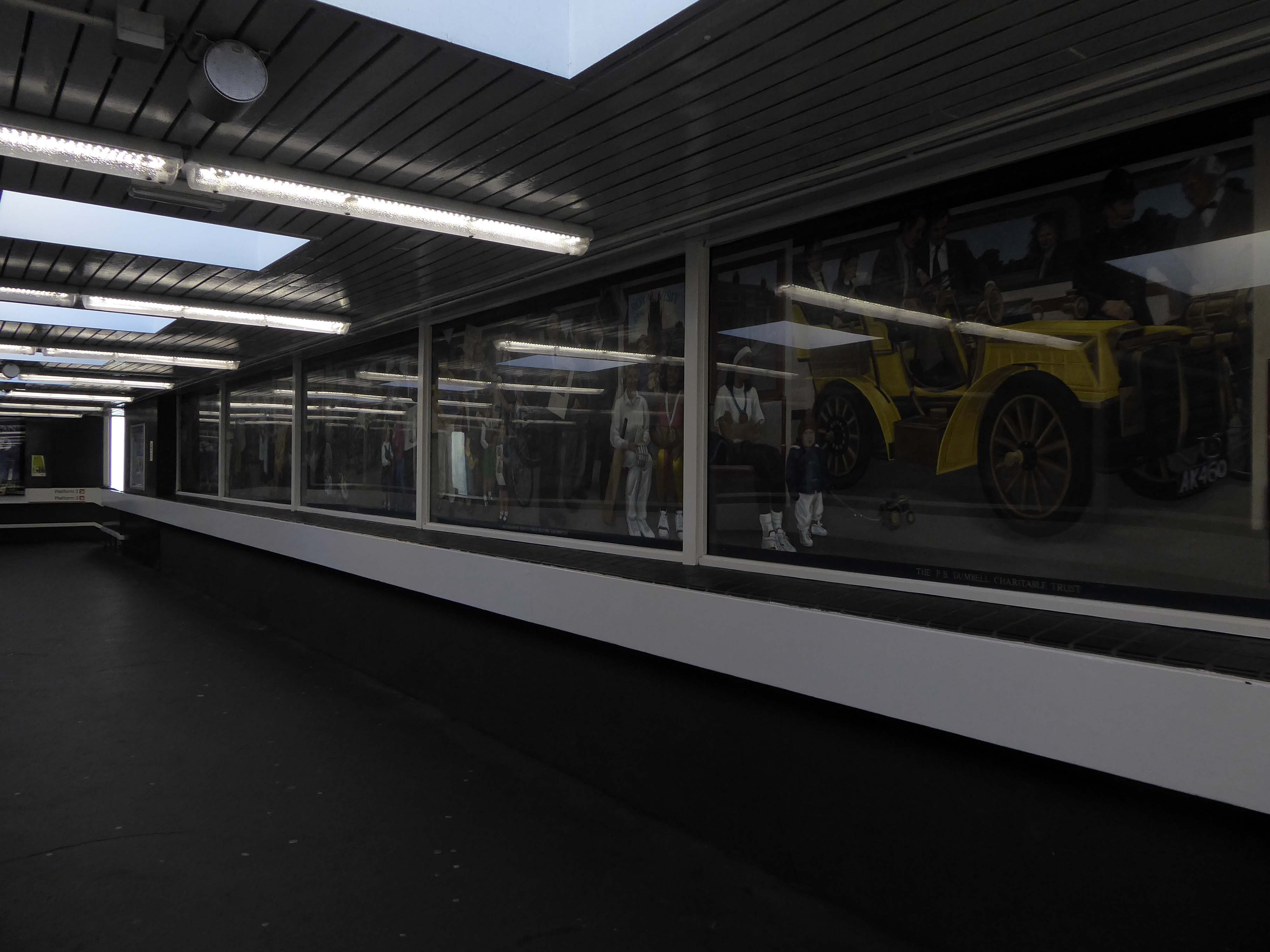
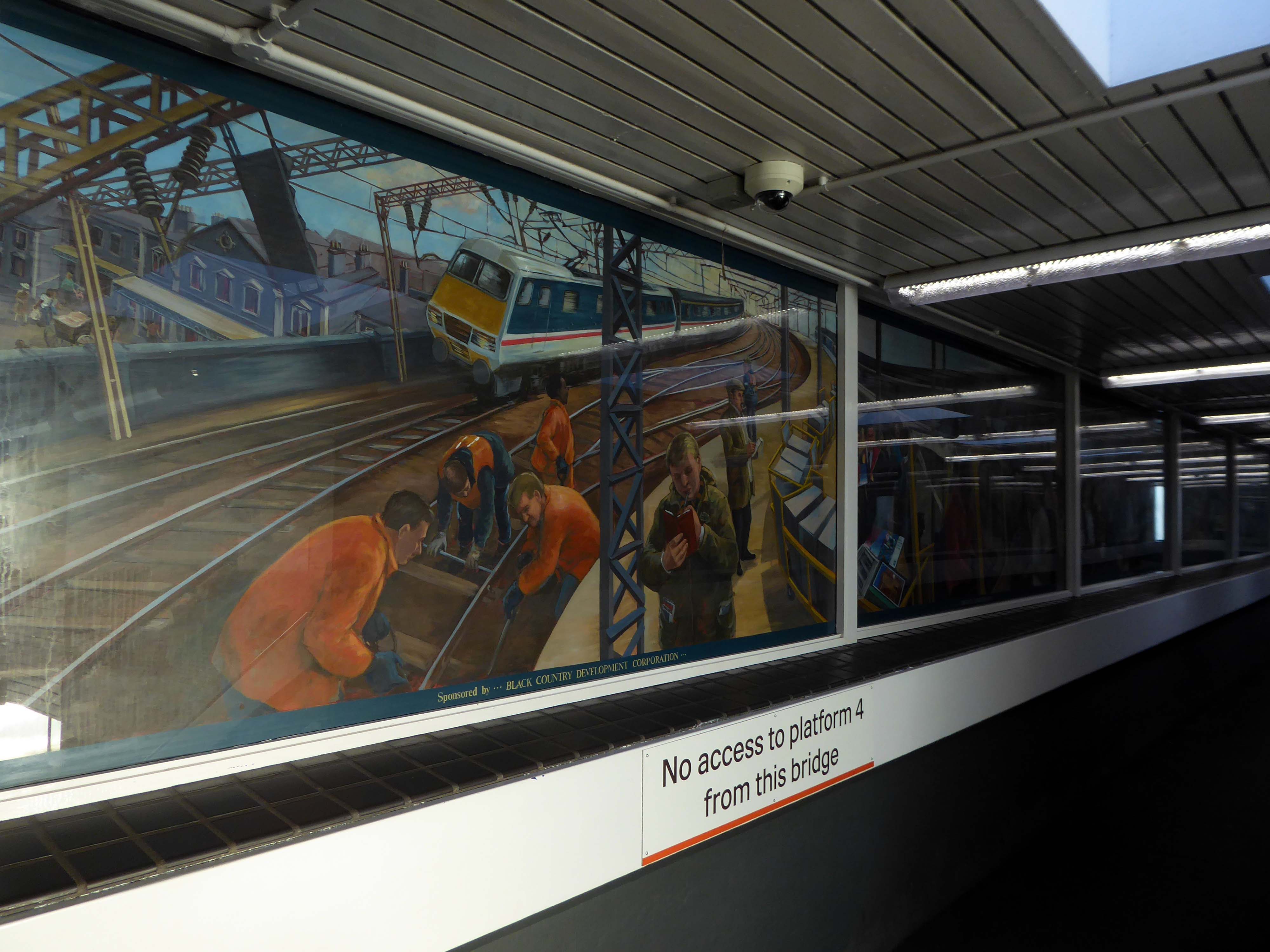
More recently in 2004, a new through platform – platform 4, was constructed on the site of infrequently-used sidings. This has greatly enhanced the capacity of the station. A new footbridge was also constructed, to allow access to the new platform but also to improve access to the existing ones.
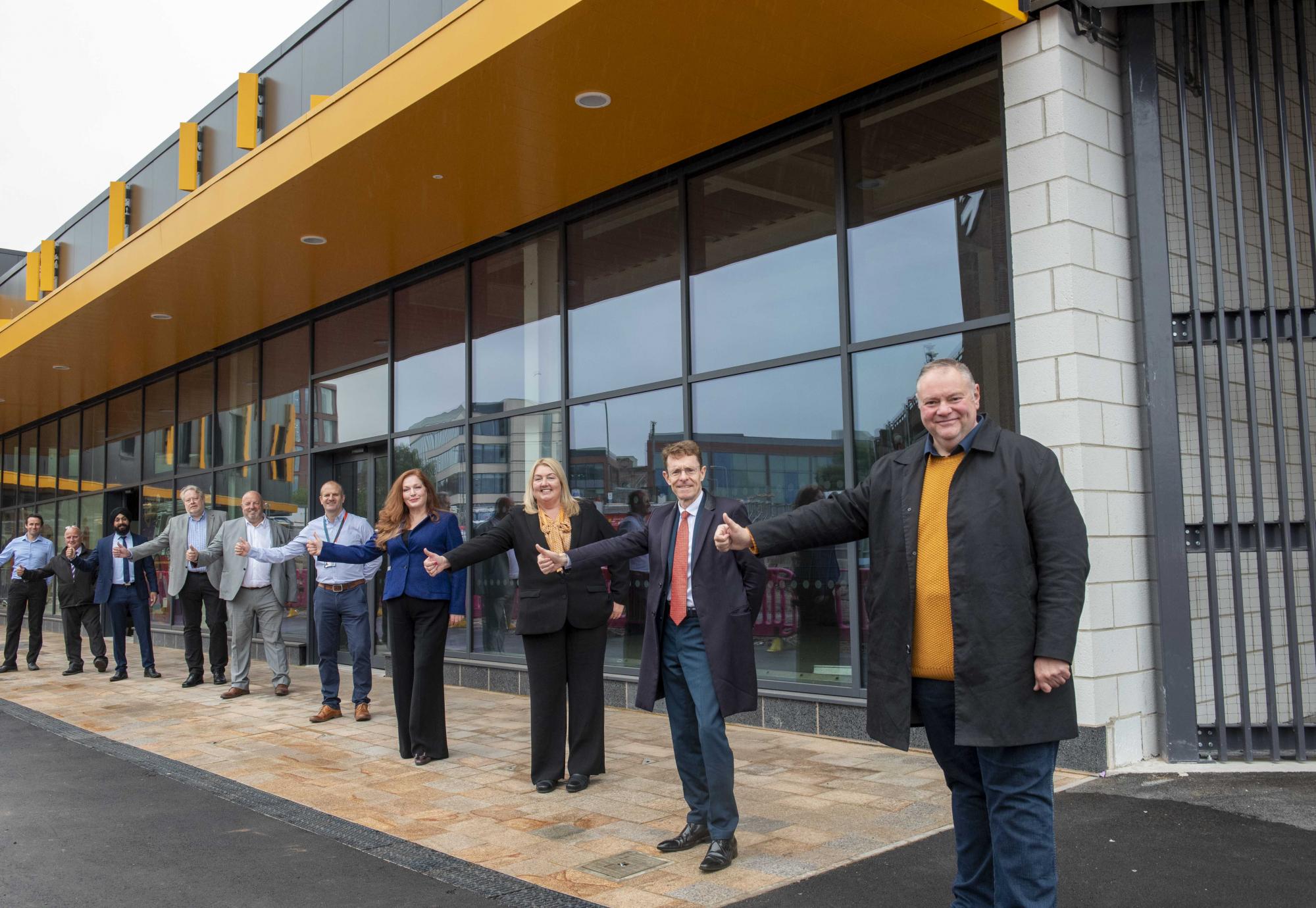
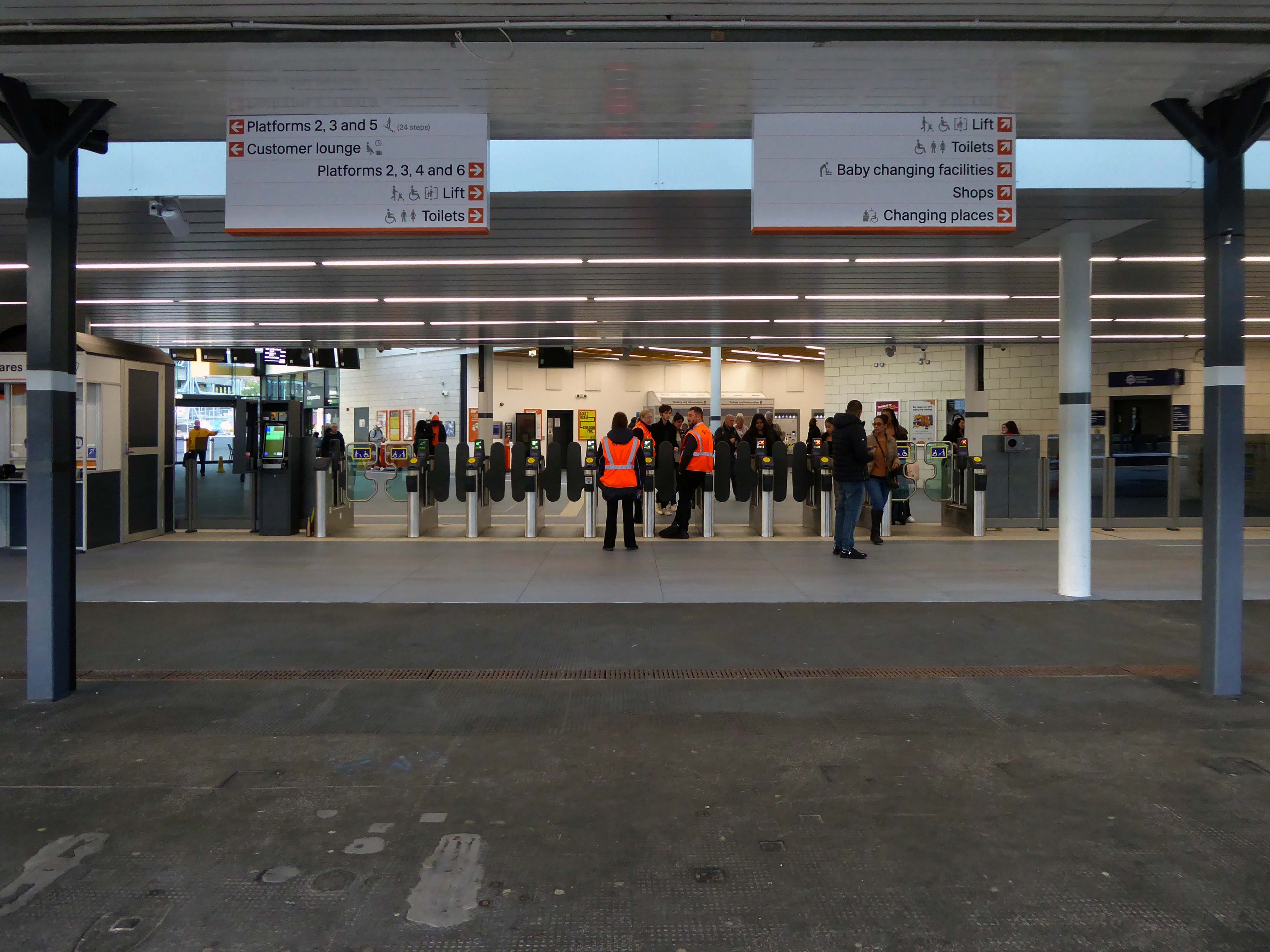
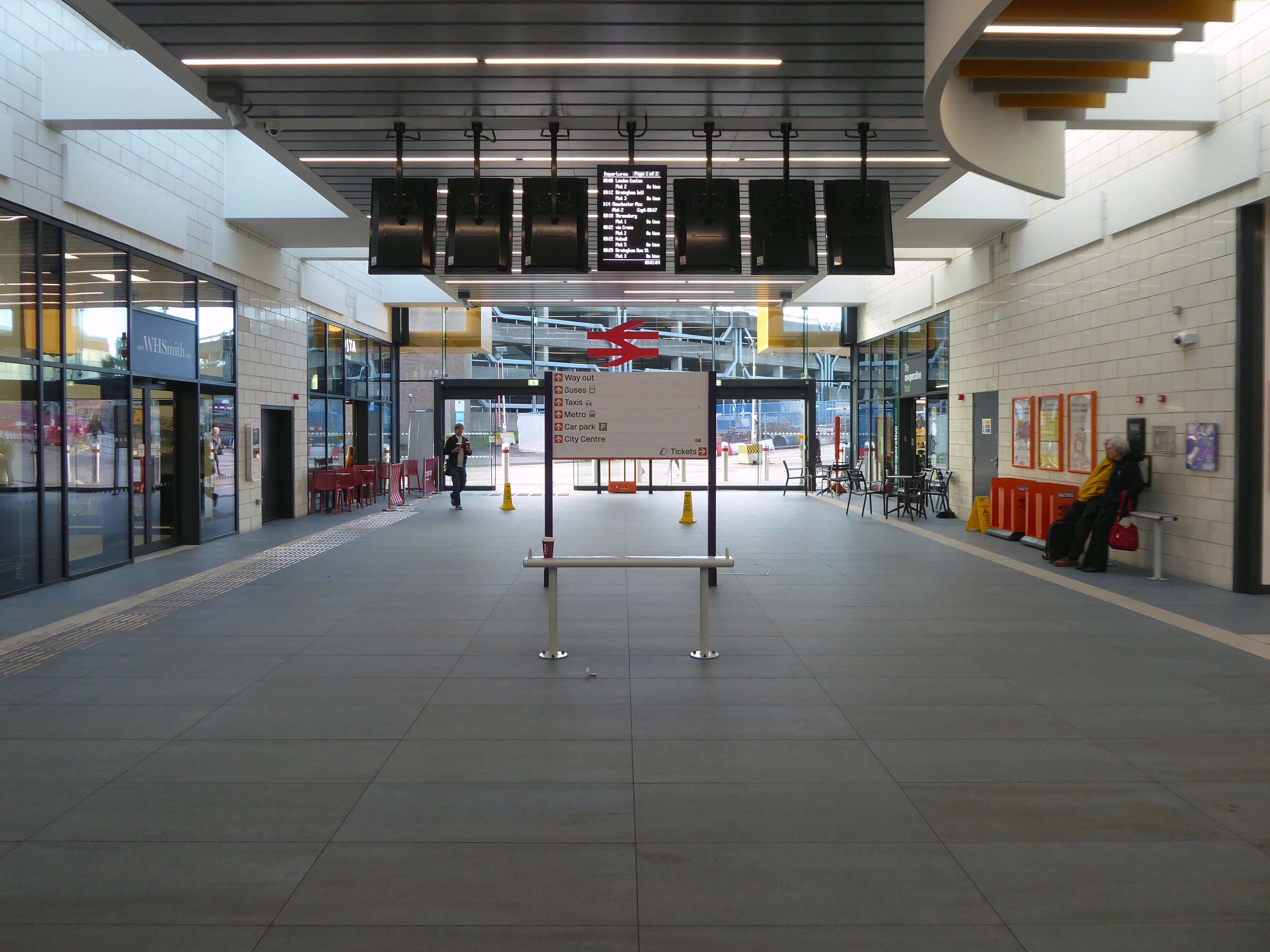
Members of the public are now able to access the second half of the new Wolverhampton railway station, following the completion of main construction on Phase 2 in March 2021.
The new station forms part of a significant local transformation being carried out, as part of the city’s £150m Interchange scheme. Within the city scheme, there are improvements planned for bus, Metro, cycle and train connectivity.
This was my first visit to Wolverhampton, arriving at 8.42 on a crowded Bournemouth bound Cross Country train, which was destined to terminate at Reading.
Whilst Oxford Road echoes to the sound of Freshers fleet of foot.
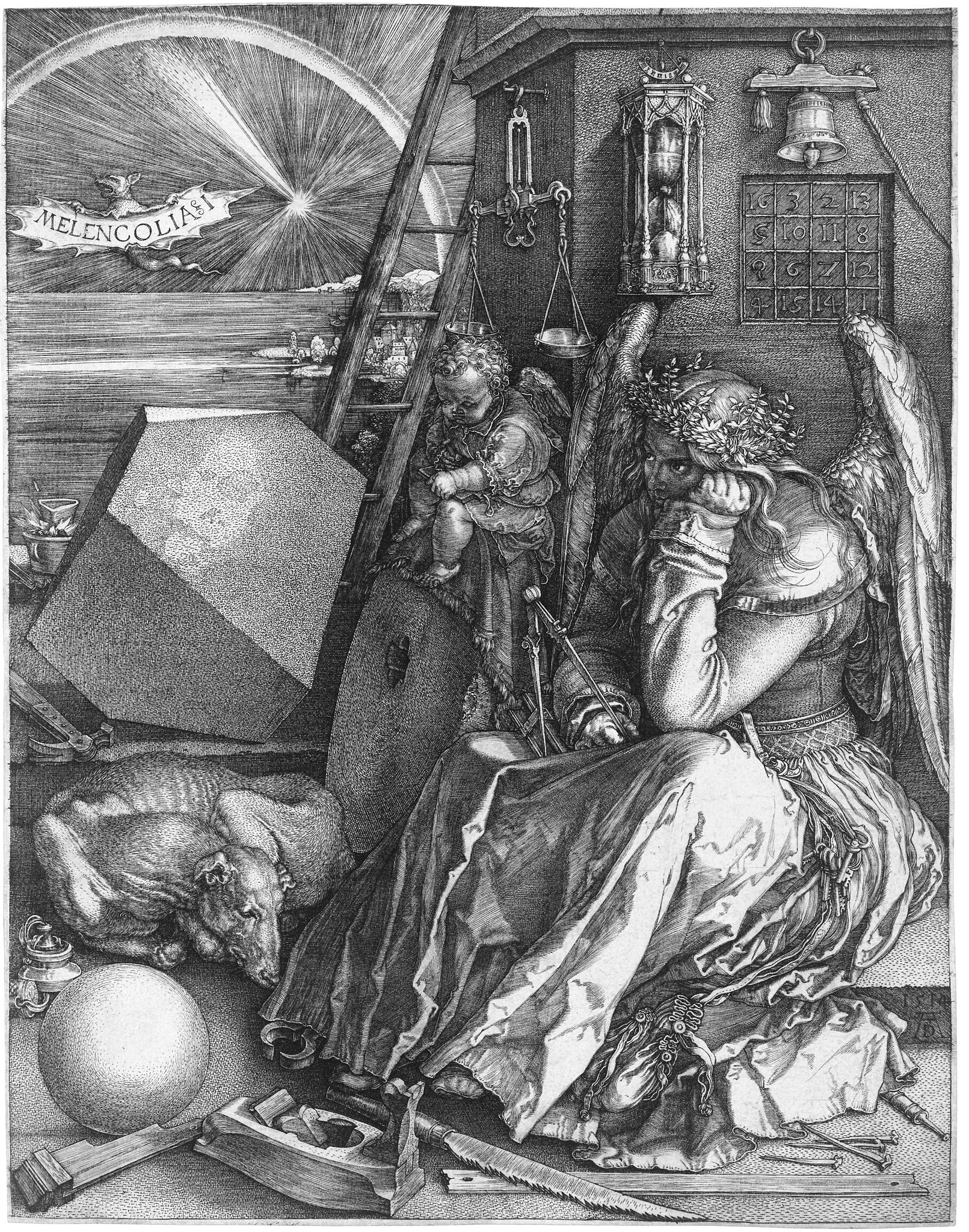
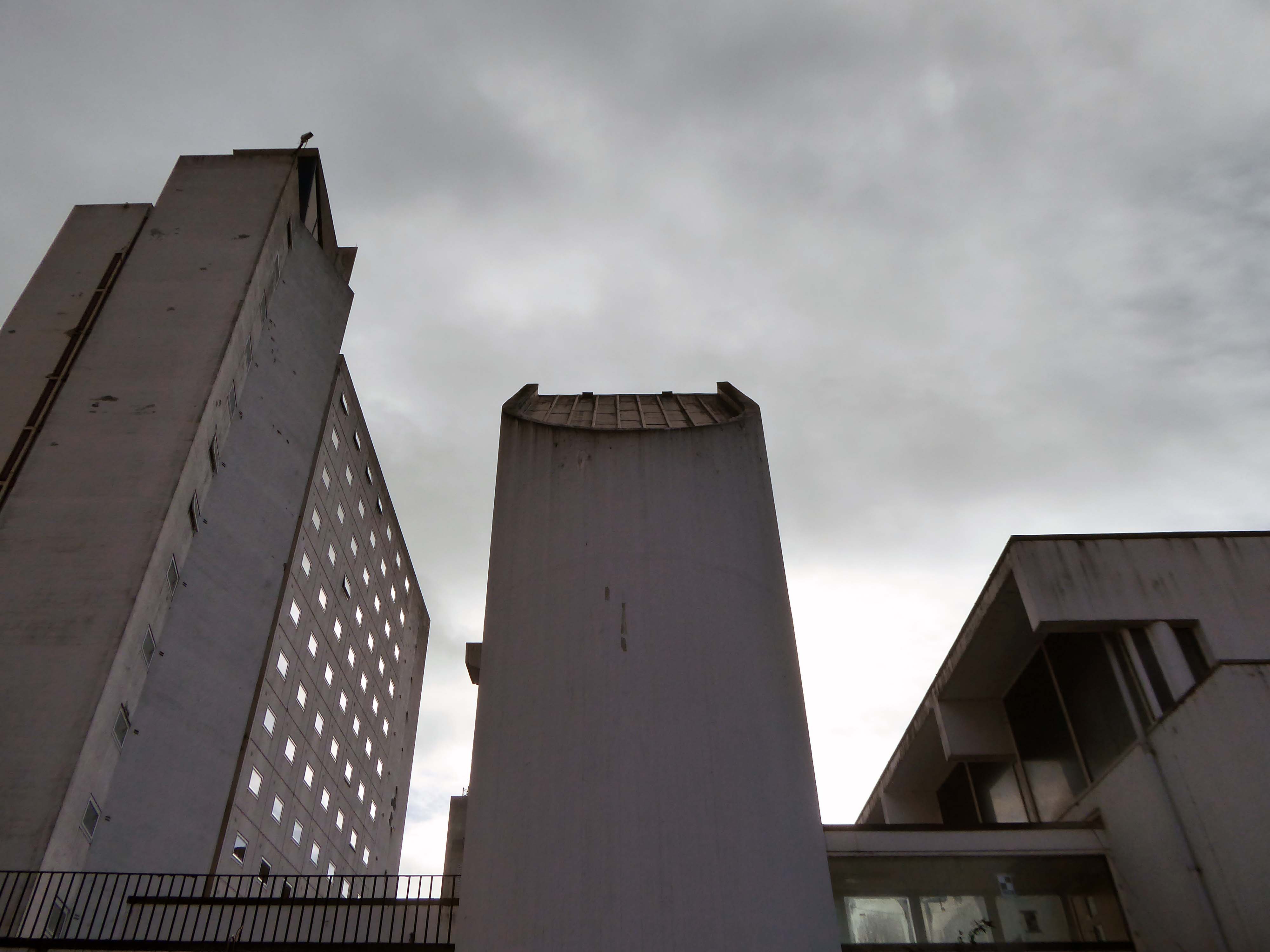
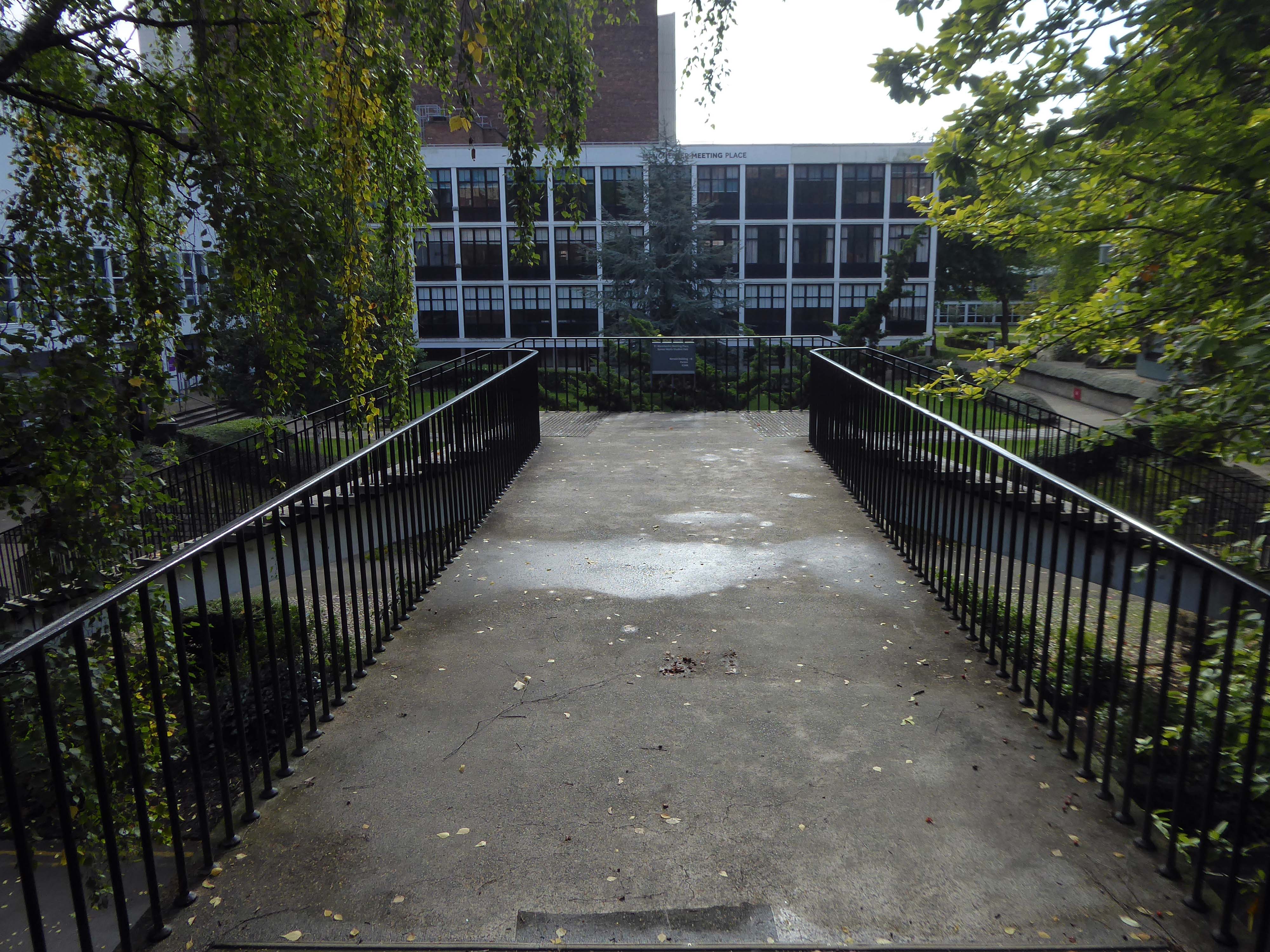
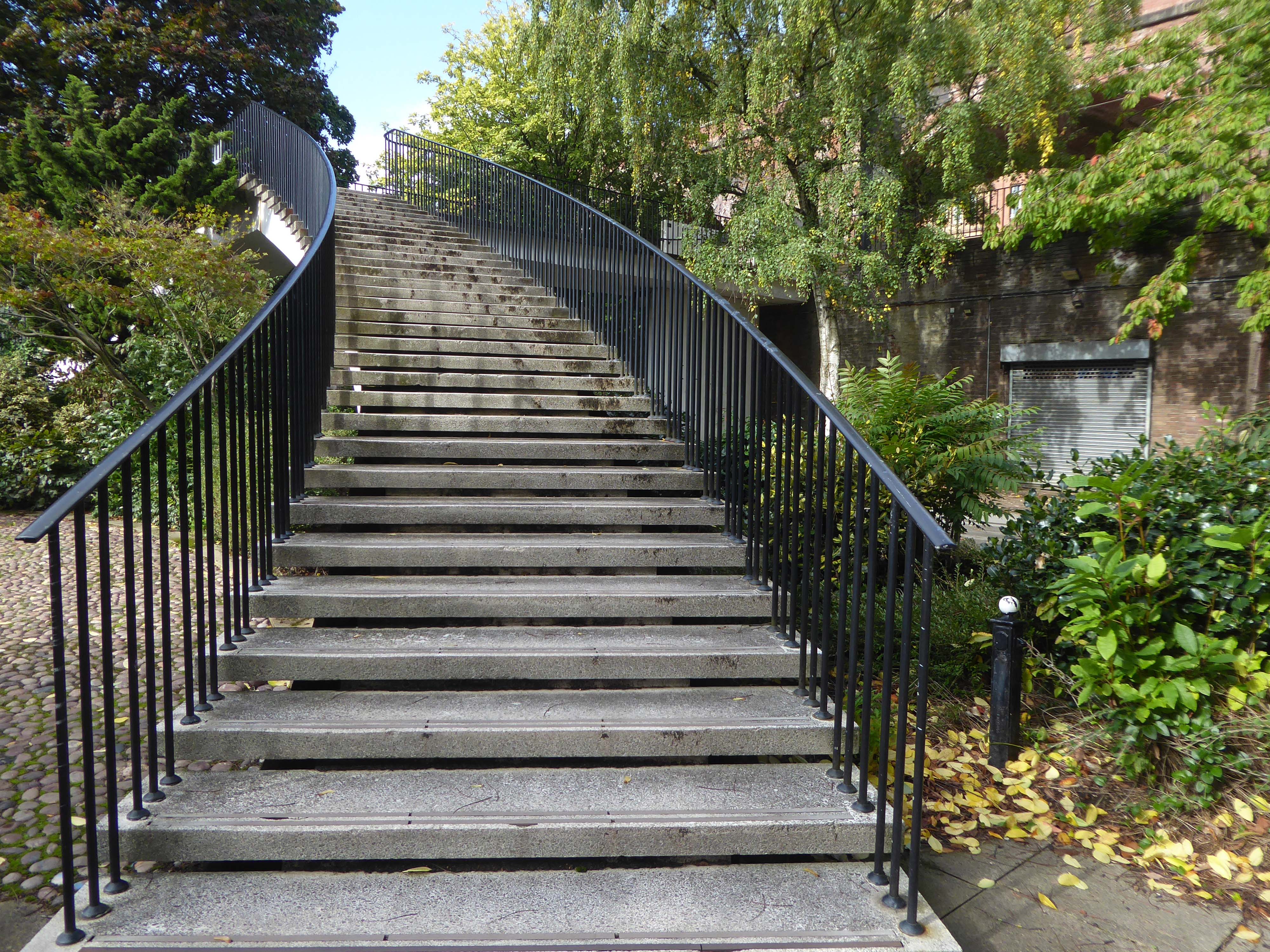
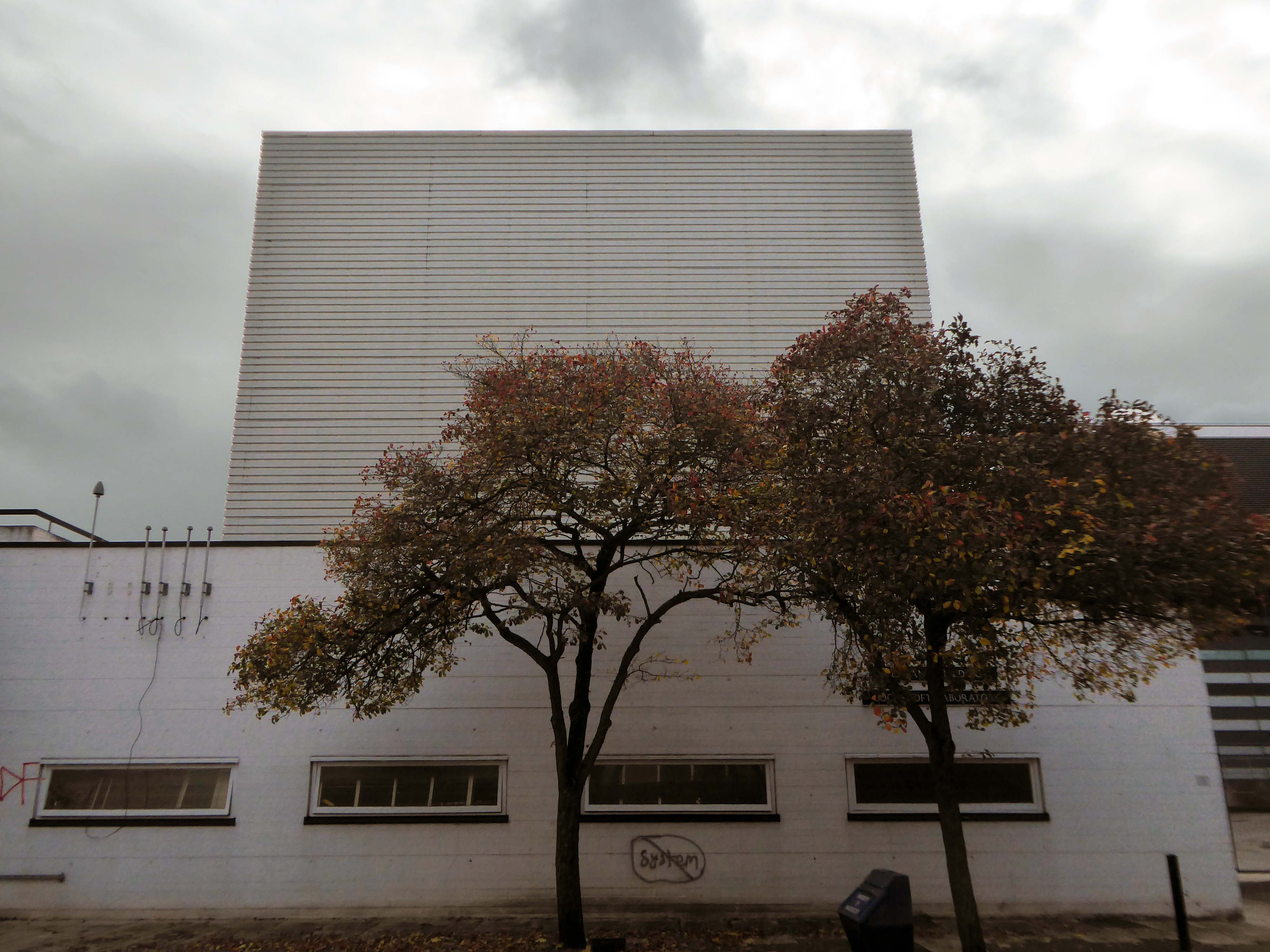
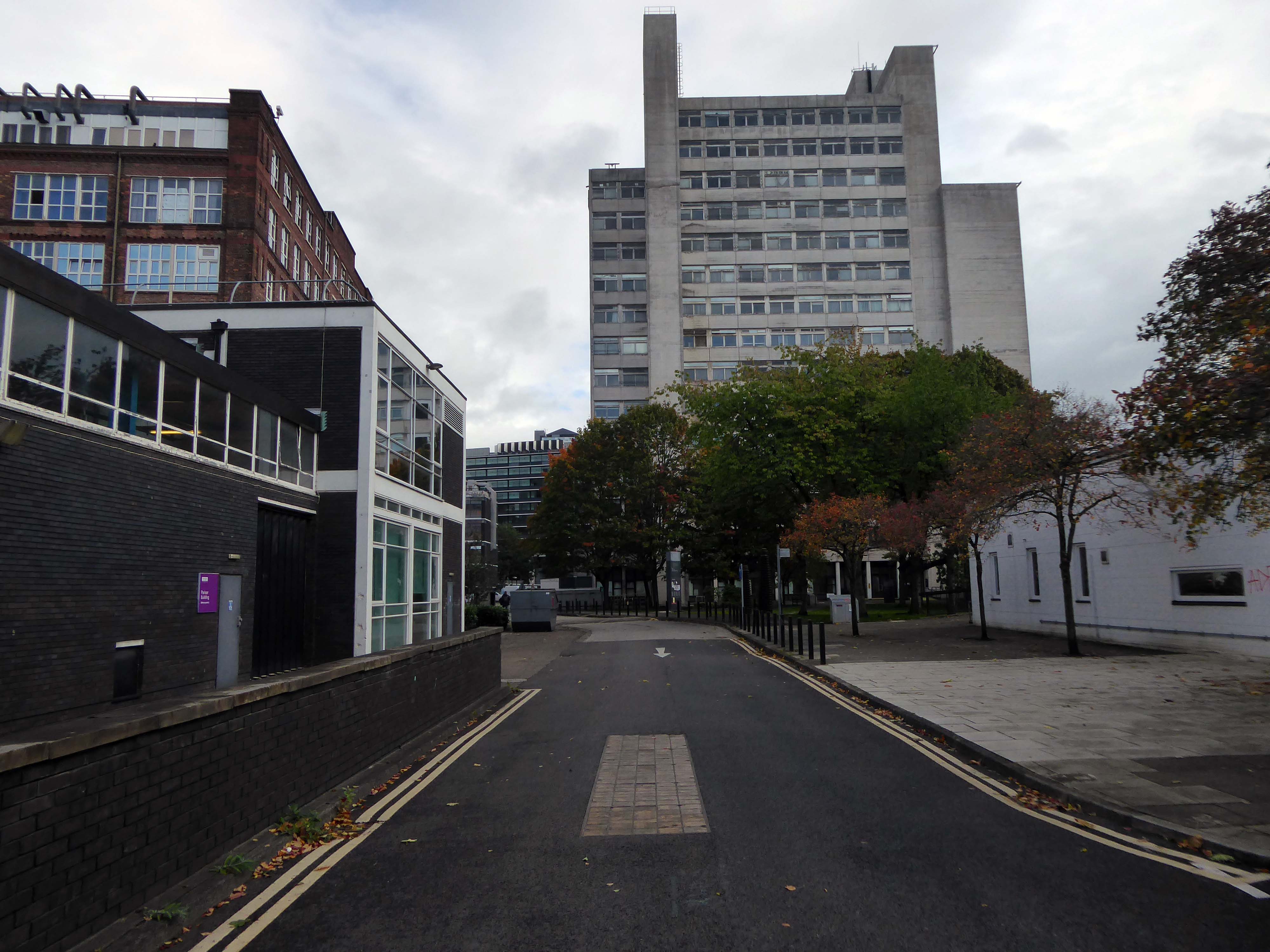
UMIST is only home to fallen leaves and a palpable air of melancholia.
The last of the students have left and a crew of hi-vis workers are busy stripping the remains of days long gone.
We have all walked on by before and will again – though with heavier heart, into an all too uncertain future – for only the Holloway Wall is listed.
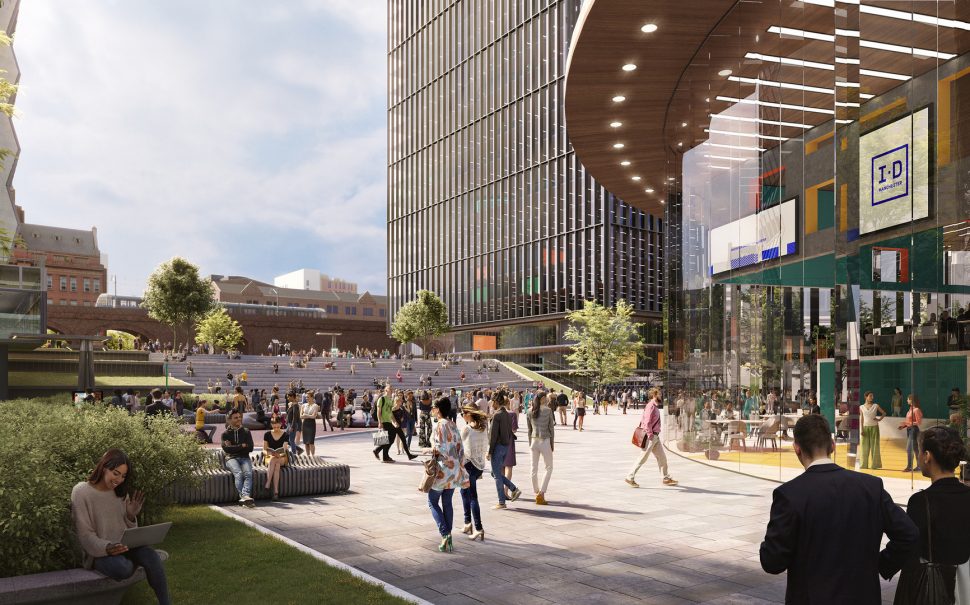
Now a grand redevelopment project has been unveiled to tend to that. According to the developer’s website, the plan promises to accelerate growth, partnership and collaboration.
Christened ID Manchester, the plans could see the area hacked into a glass maze of ultra-modern offices, apartments and hotels.
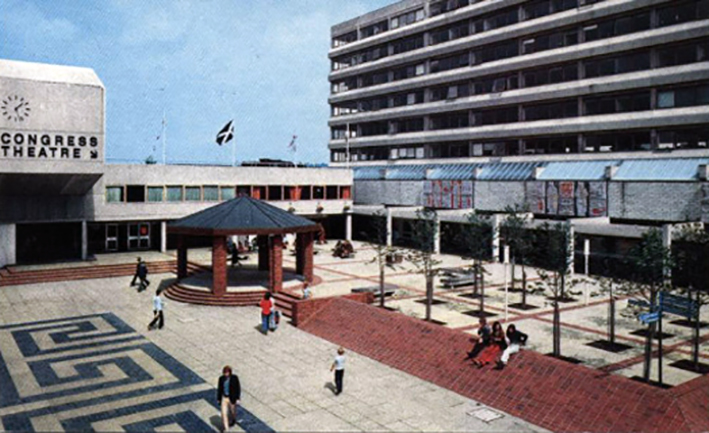
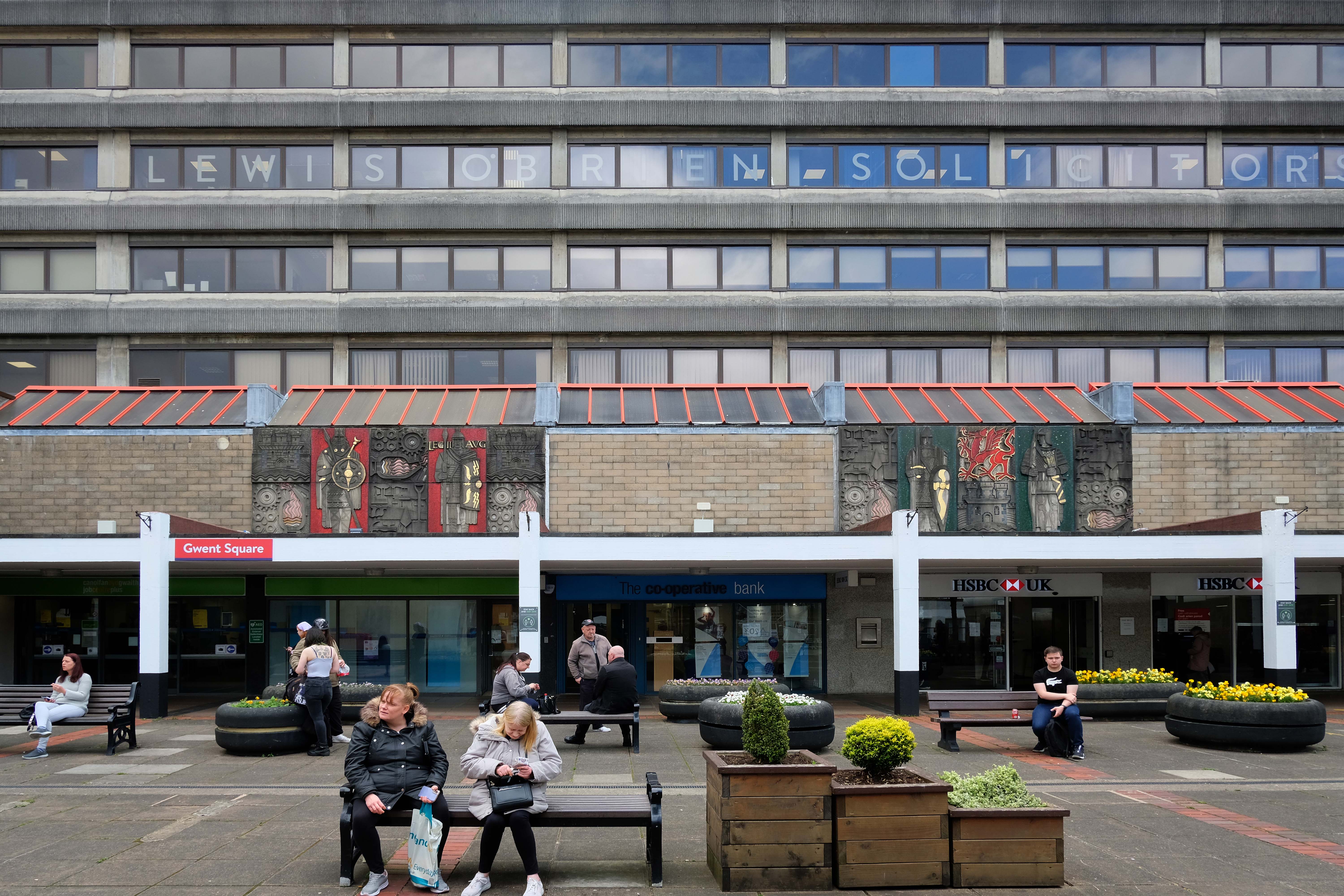
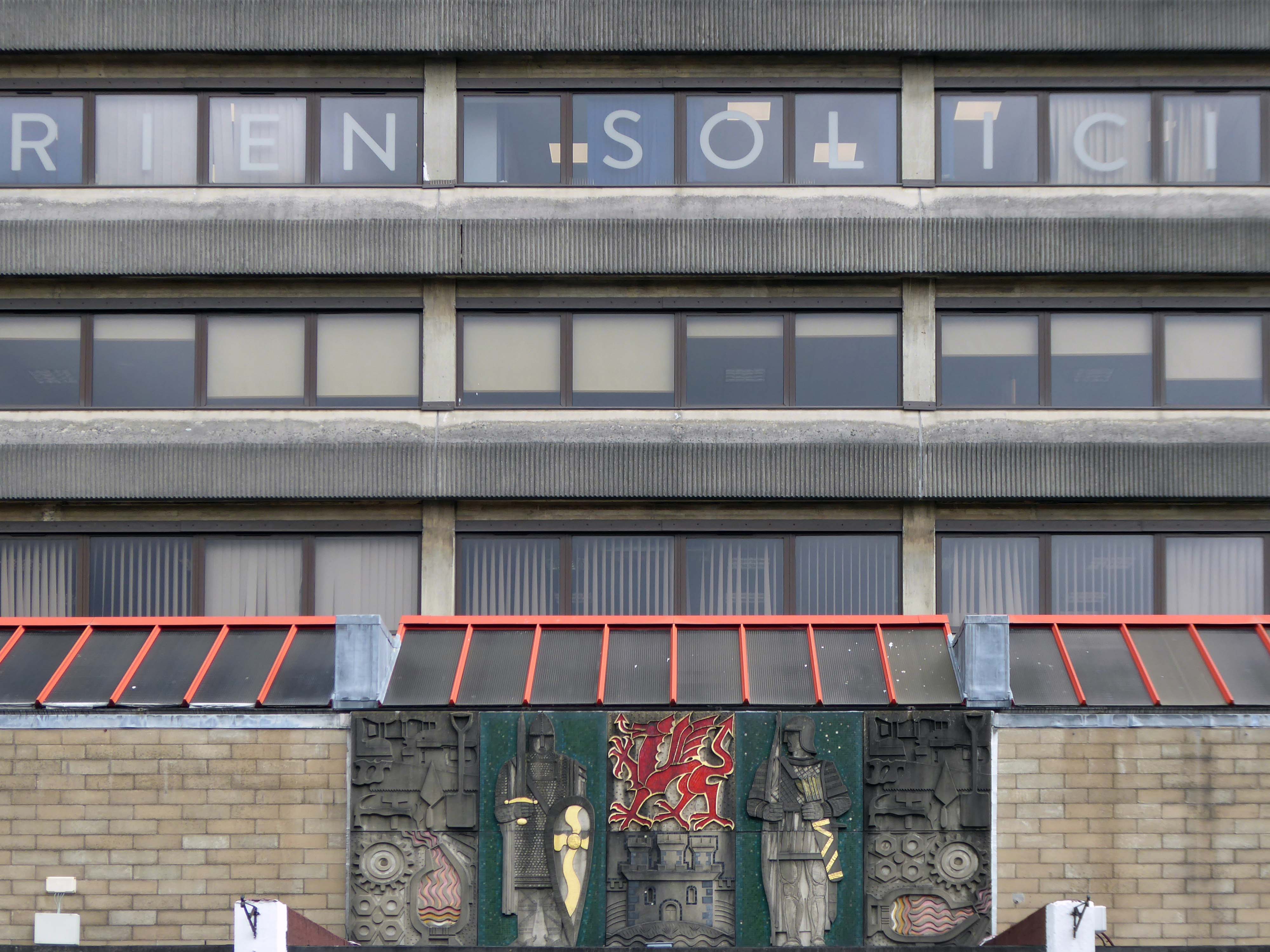
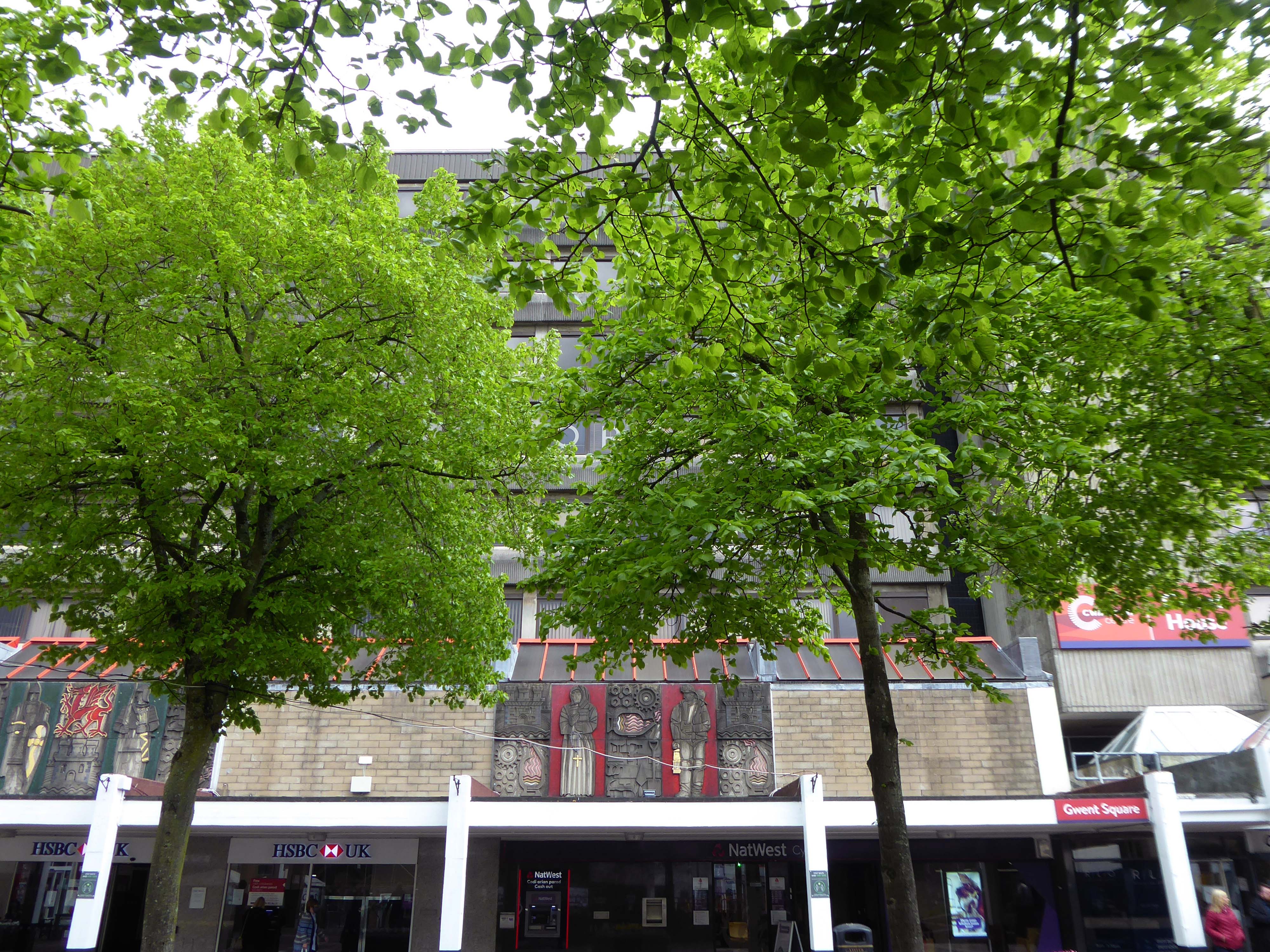
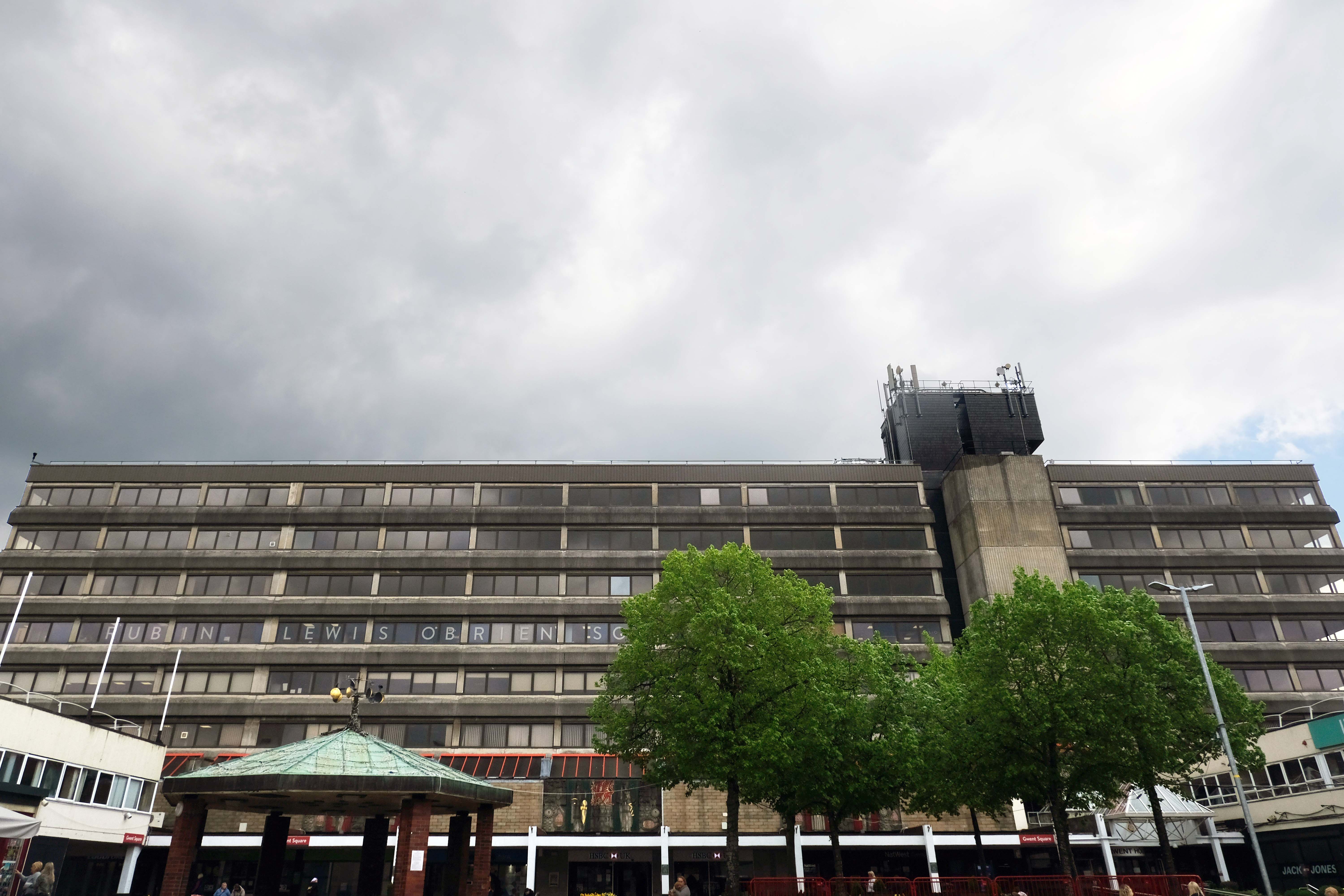
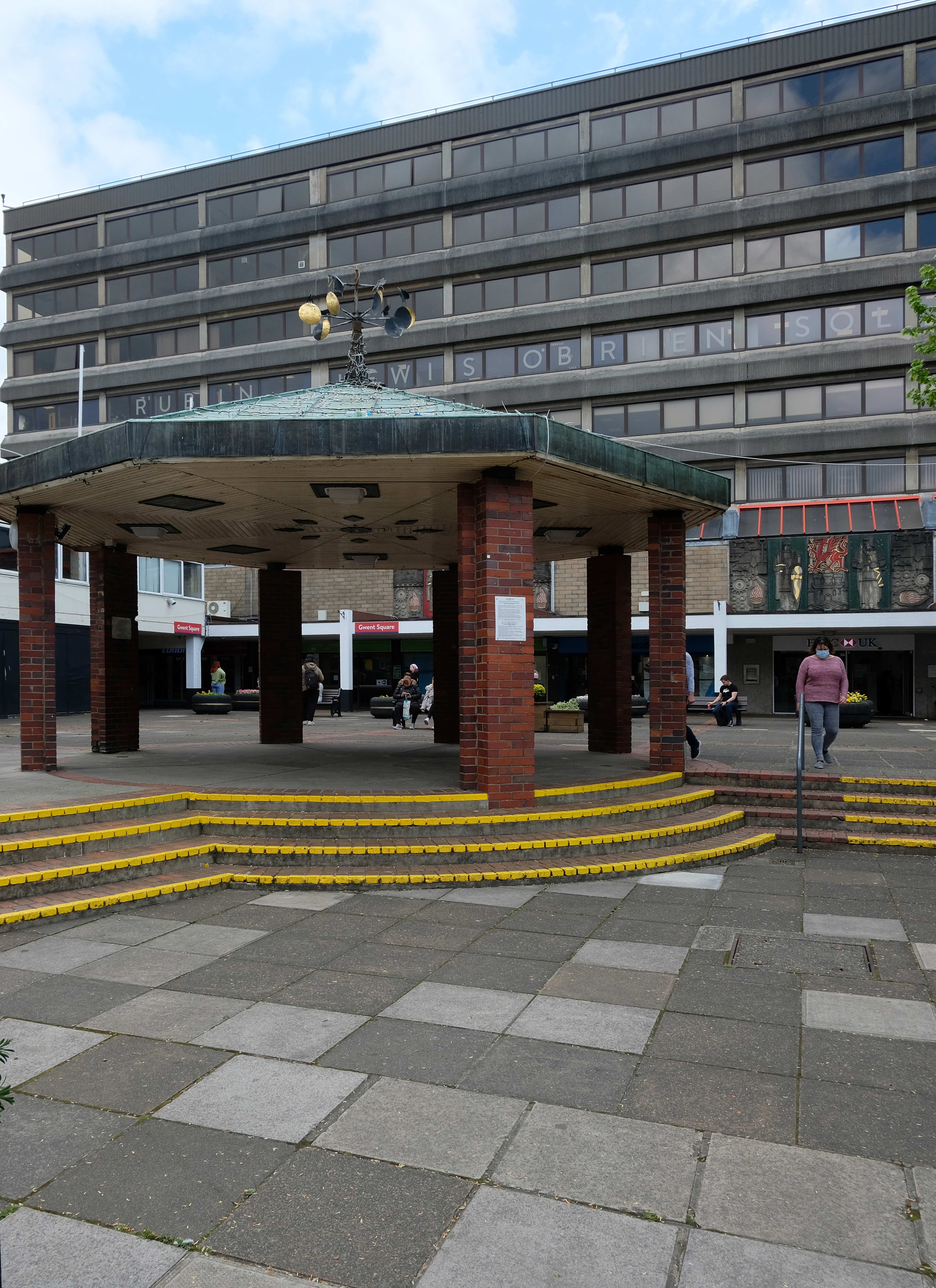
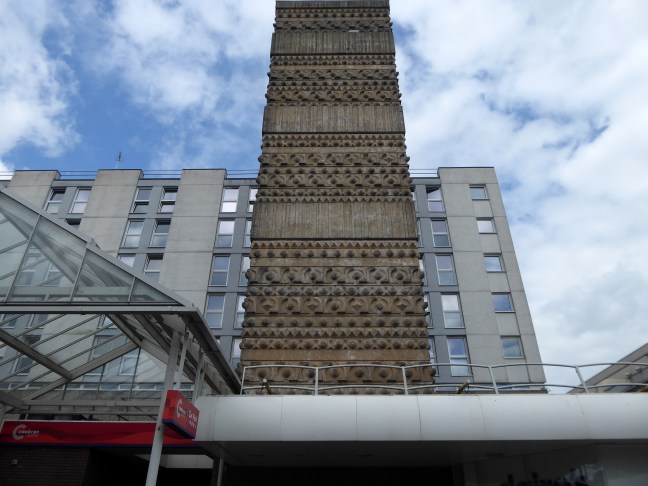
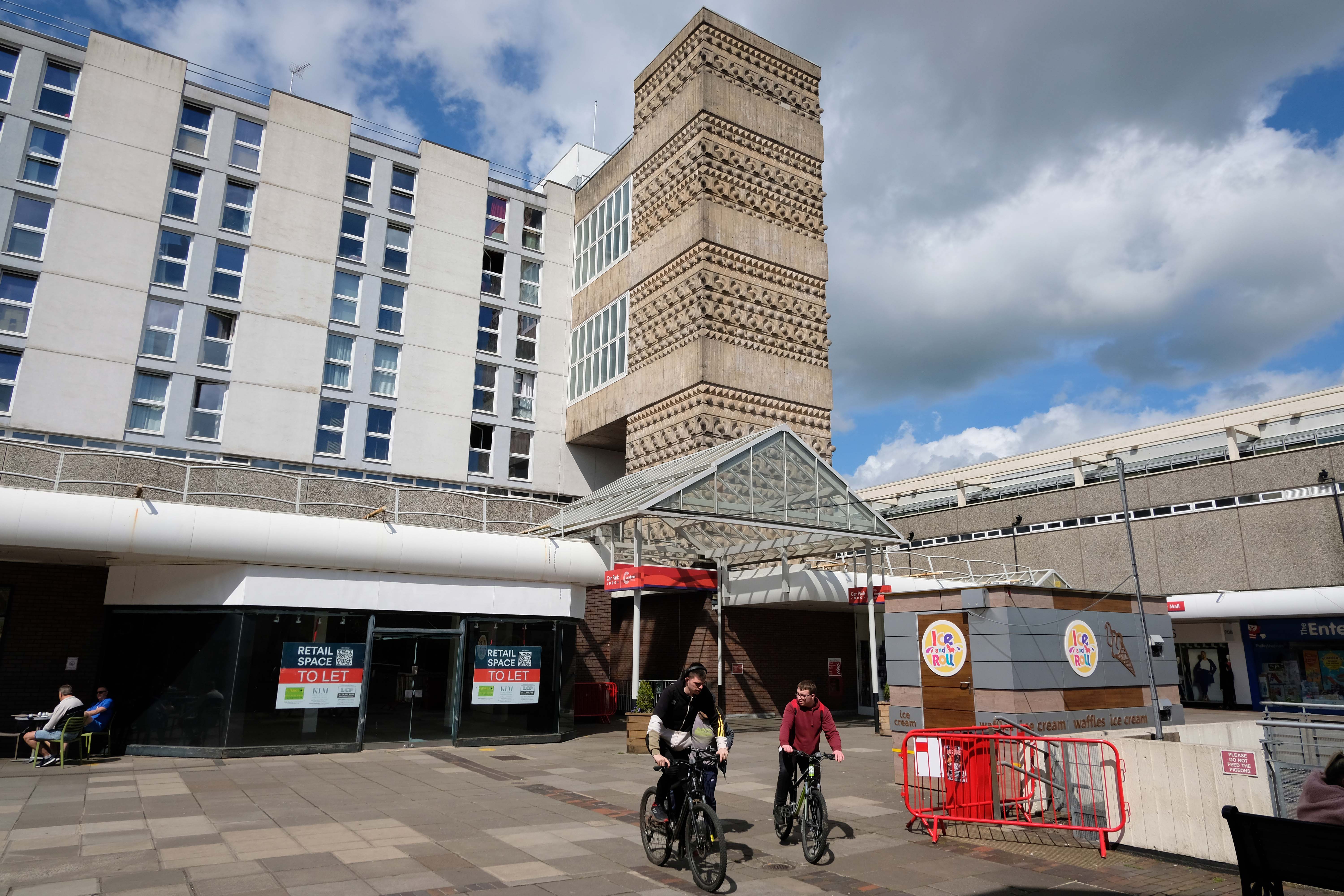
Gwent House is the home of the District Council Offices for Torfaen and the Public Library. Used by HM Courts Service and HCMS – South East Wales, the building is a seven story structure with retail space on the ground floor and open plan office space above. Built during the 1970s as a local government building, it is constructed with a steel and concrete frame with wall to wall double glazed windows and a flat roof.
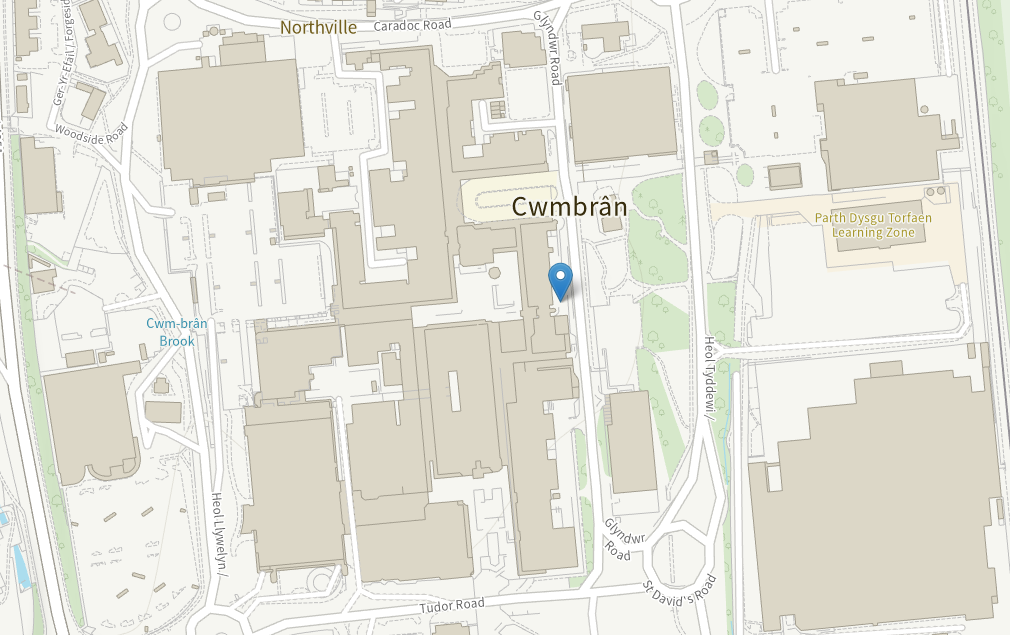
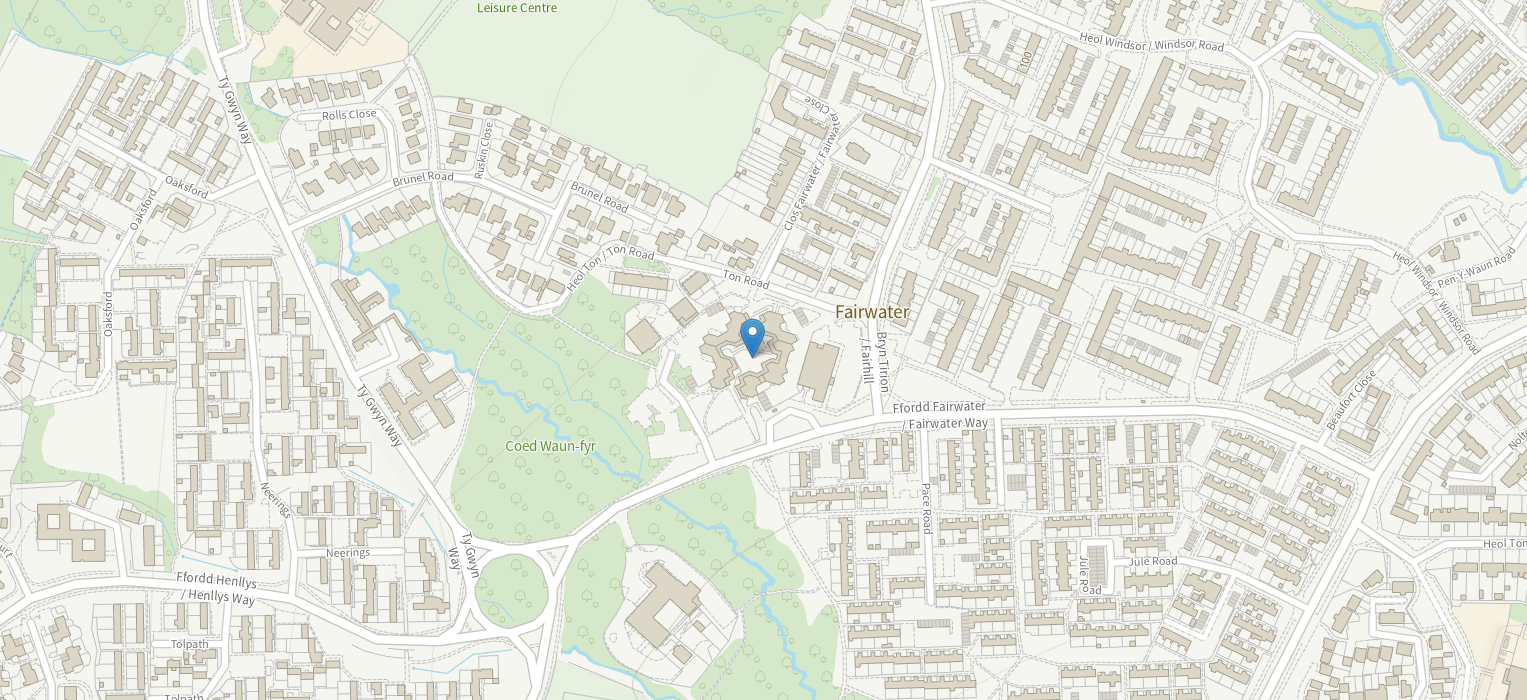
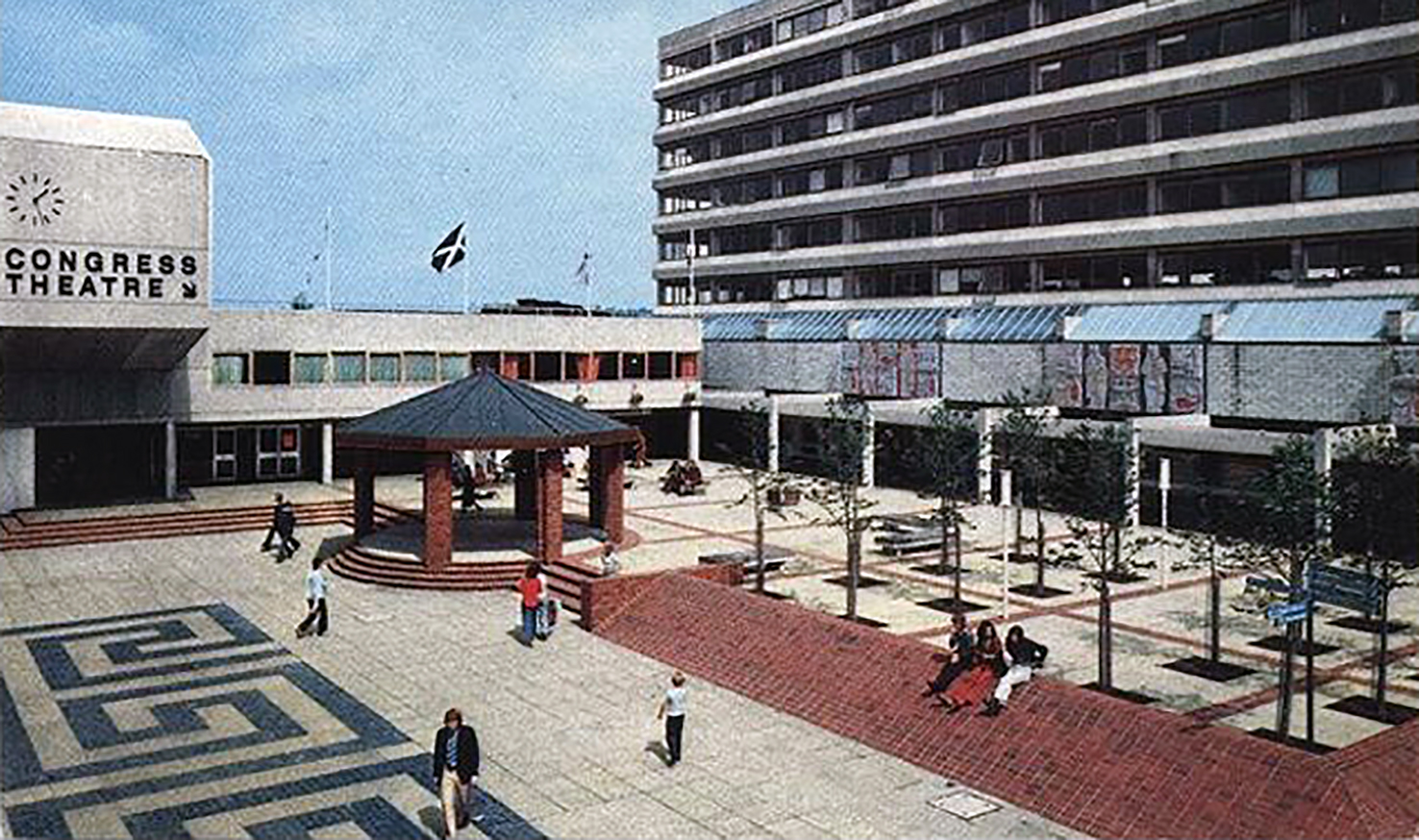
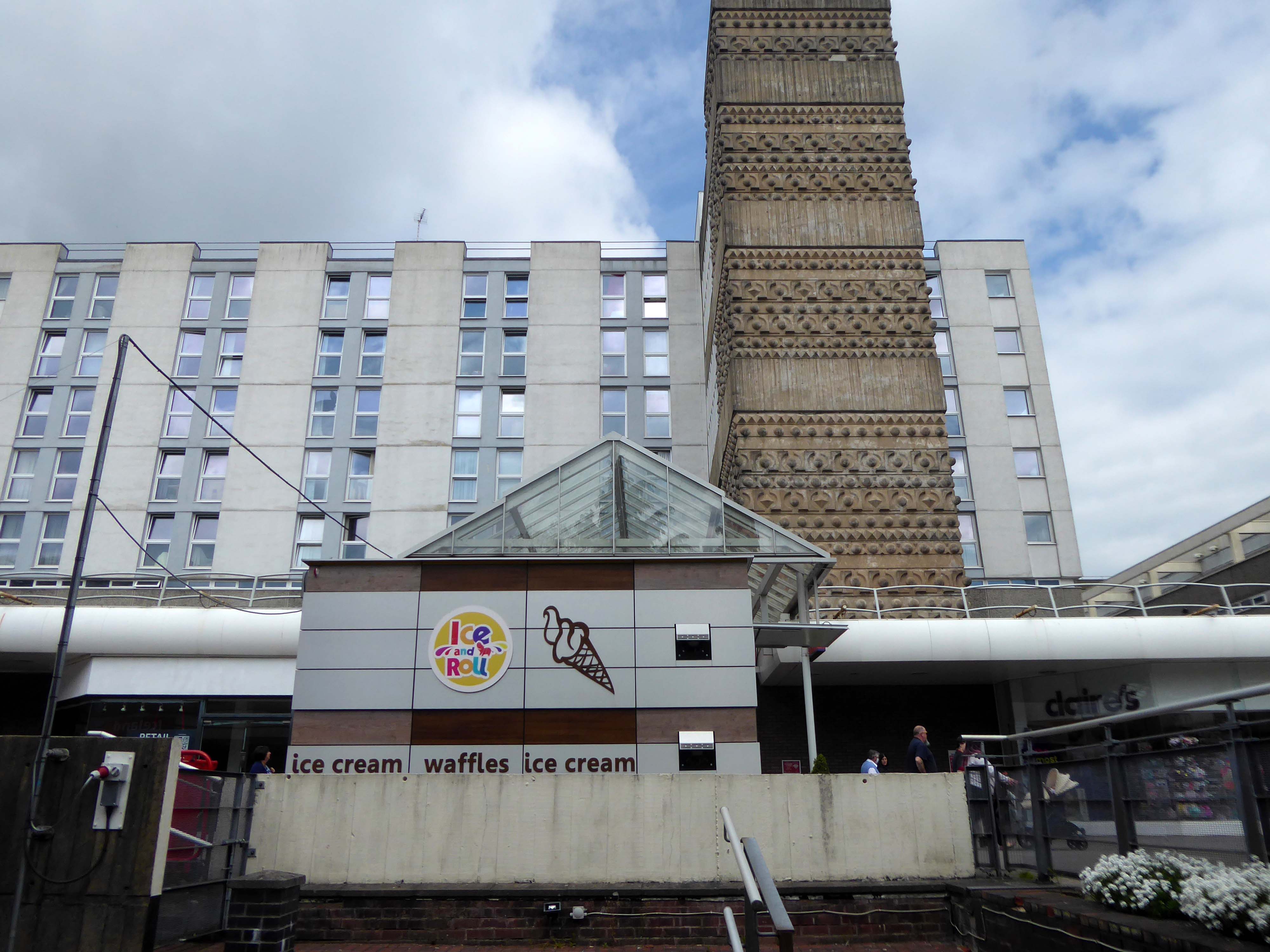
Gwent House sits on the east side of Gwent Square at the heart of Cwmbran New Town’s centre. The ‘Central Building’ as it was known during development was conceived by the Cwmbran Development Corporation, as a mixed development of leisure (including a club, dance hall and hotel) and office accommodation with retail to the ground floor. this was to expand the function of the town centre beyond purely a shopping centre, and to address the perceived lack of ‘professional’ office jobs. In the event, the offices proved difficult to let and were occupied by the CDC and Cwmbran Urban District Council.
The building was designed by Sheppard, Robson & Partners and opened on the 18th January 1973. The eight-storey, concrete framed block included a job centre, the library, a conference and exhibition hall, and three restaurants catering for different tastes and age ranges, including the ‘Sign of the Steer’.
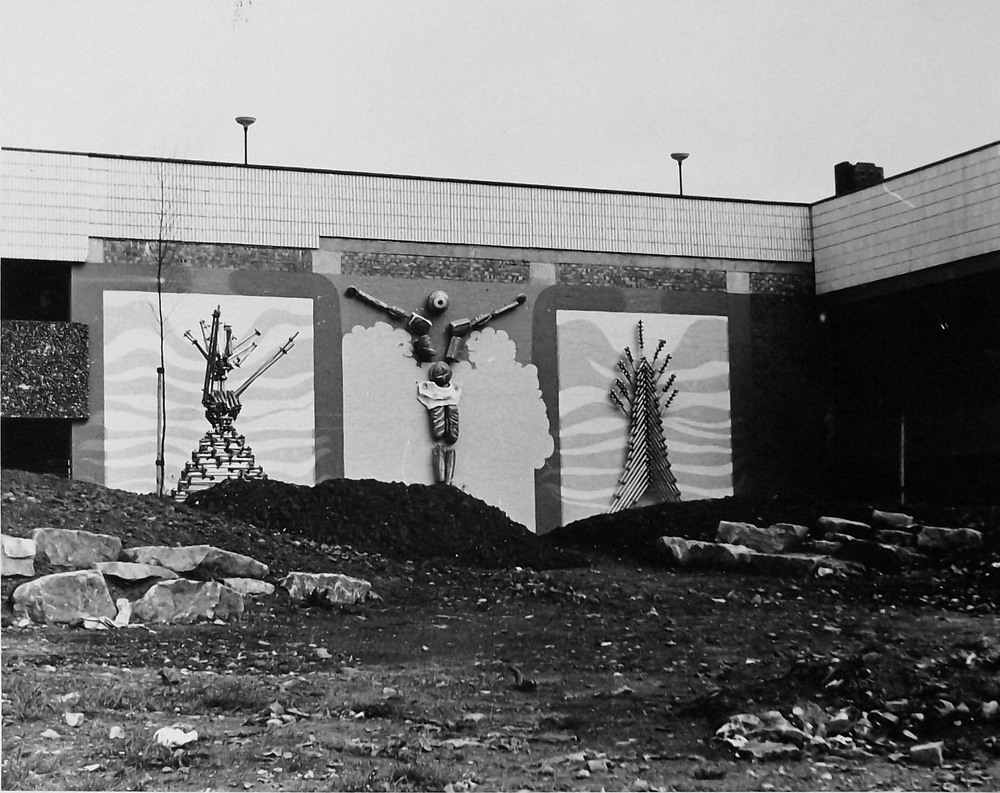
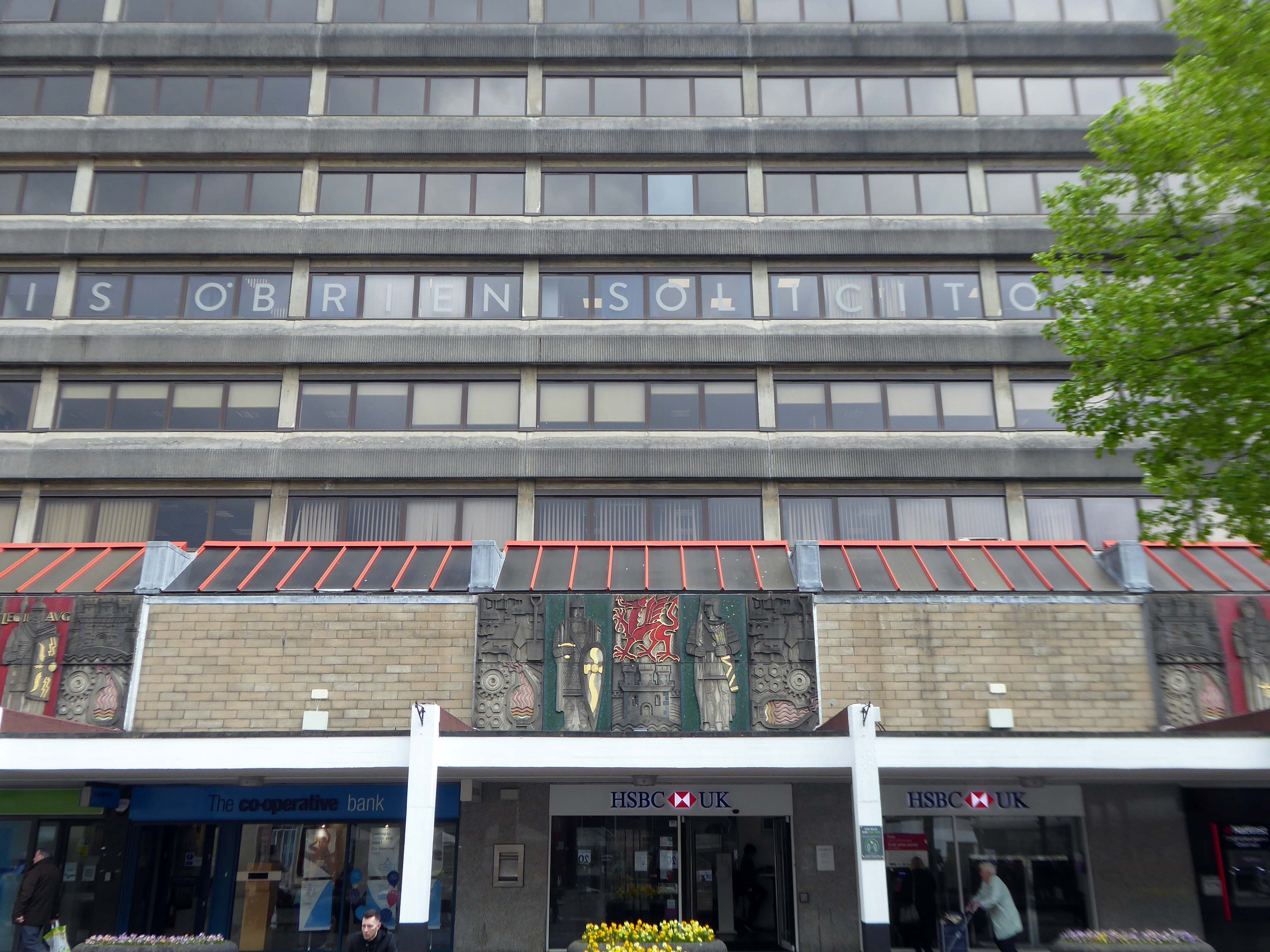
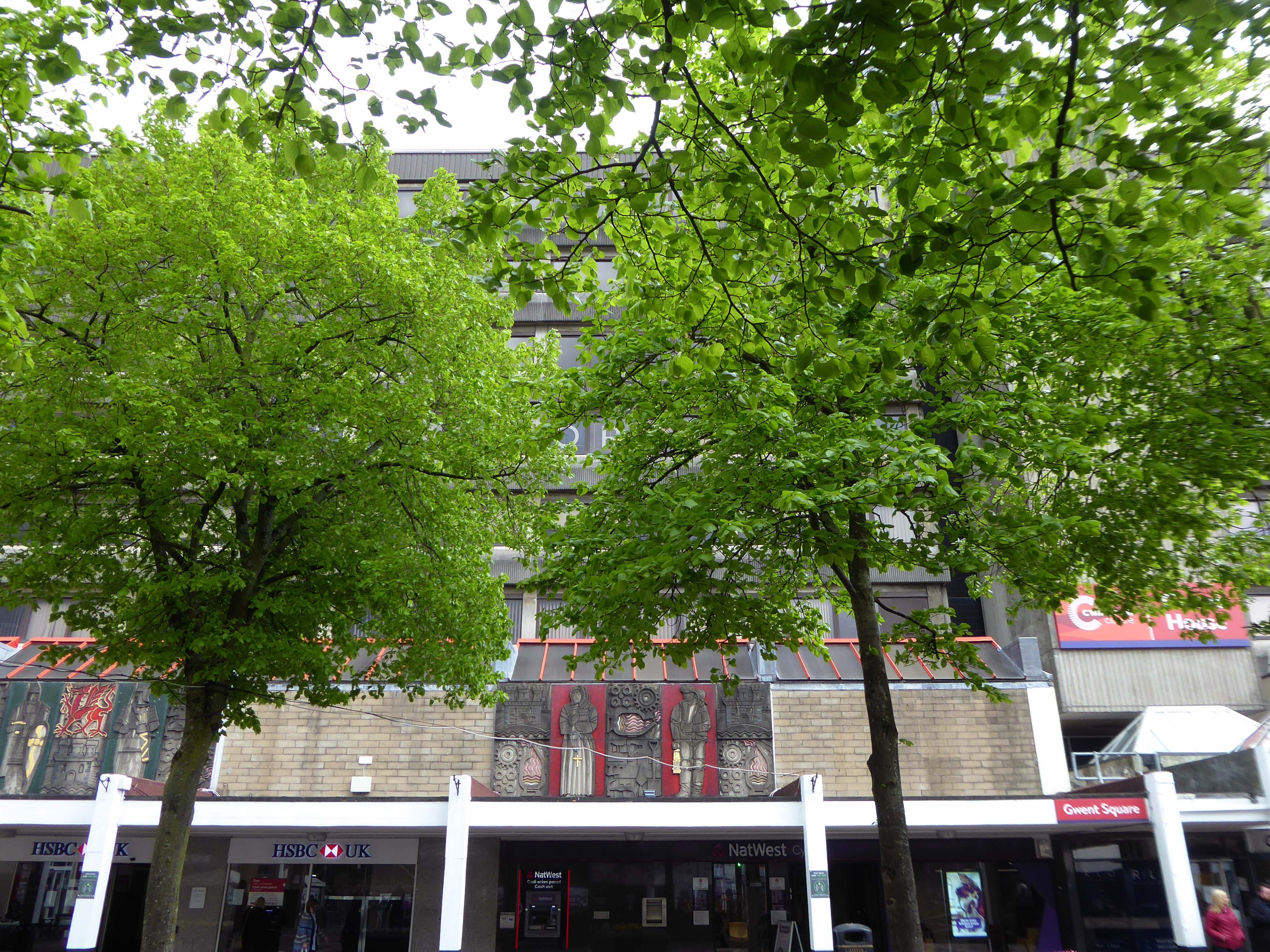
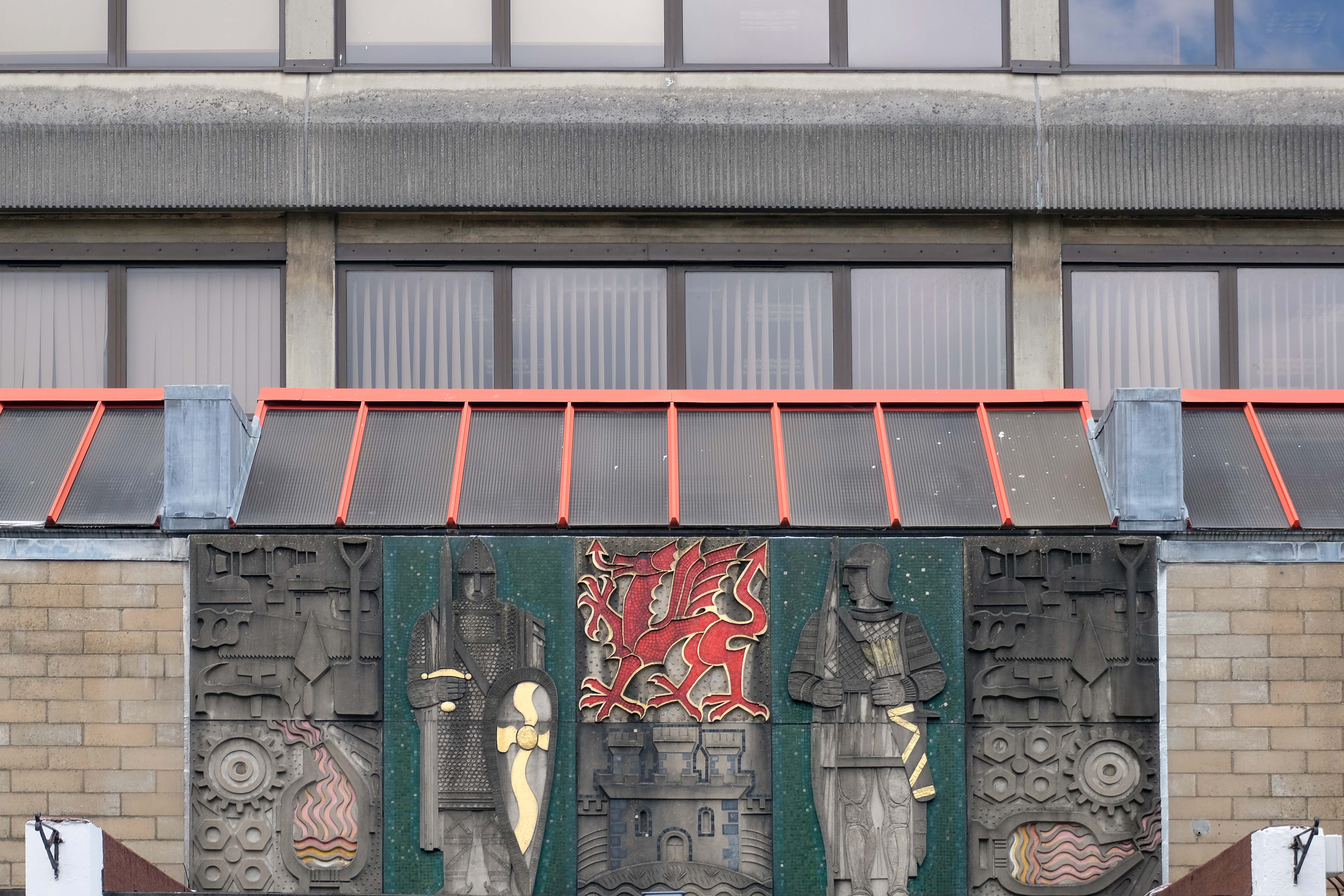
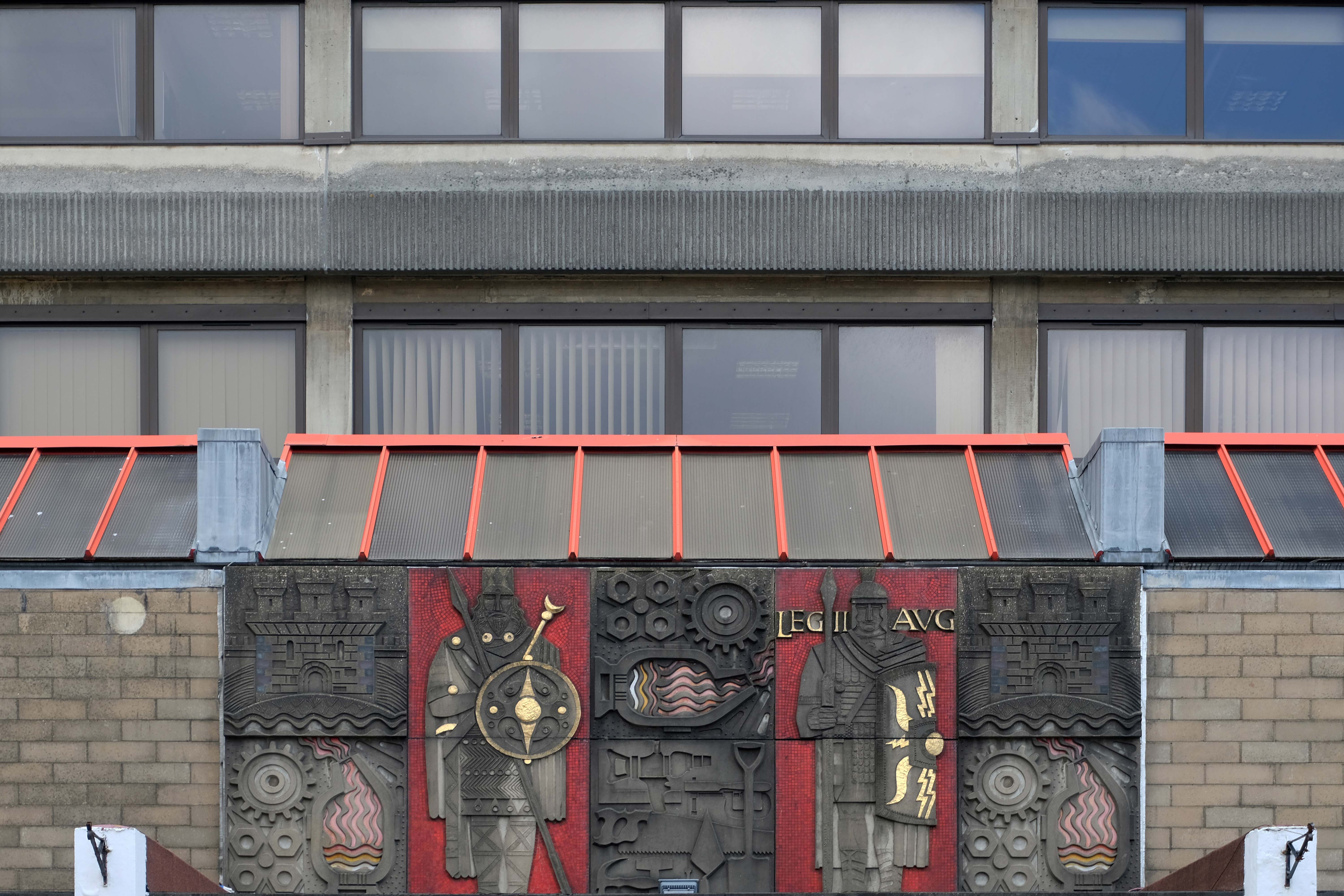
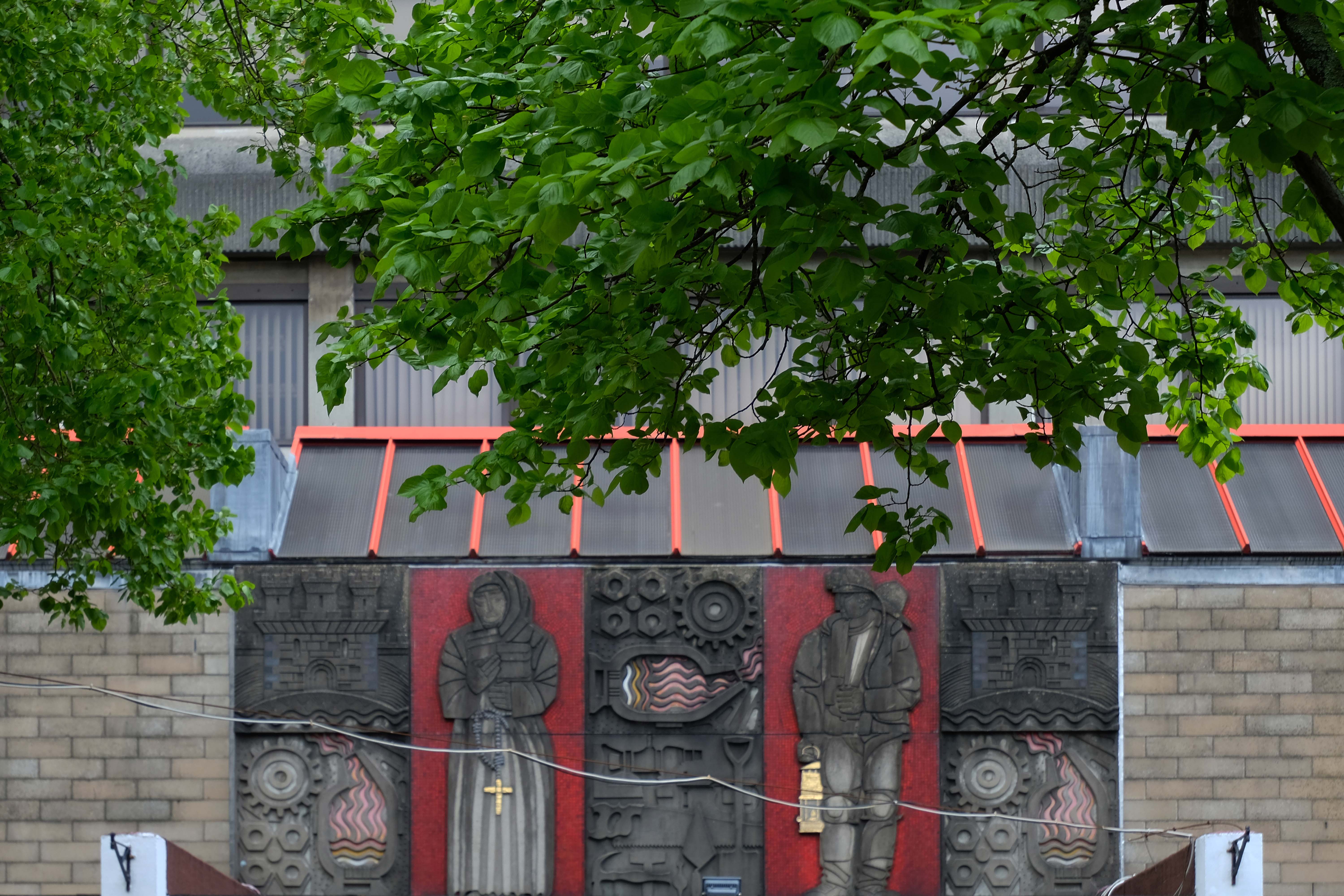
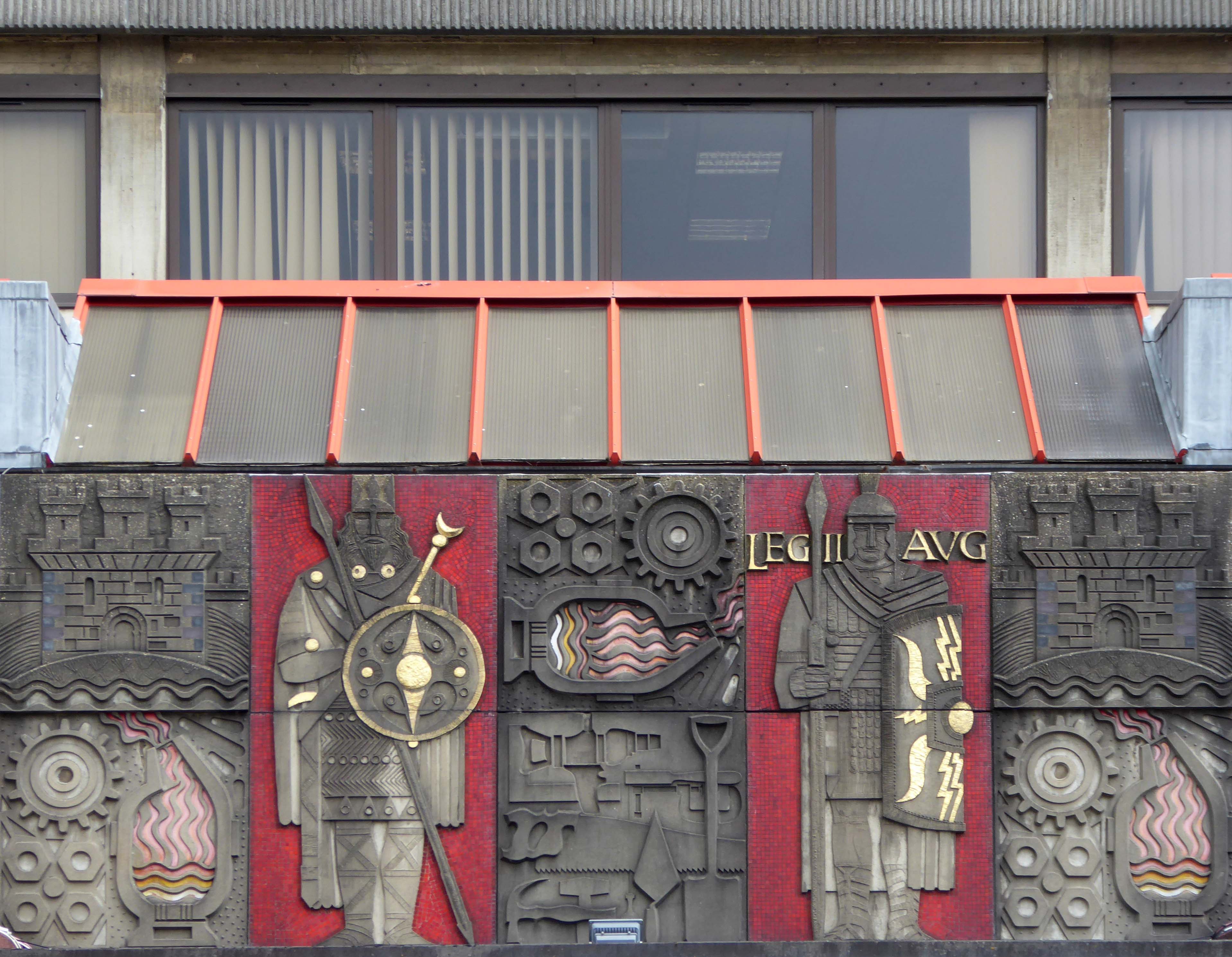
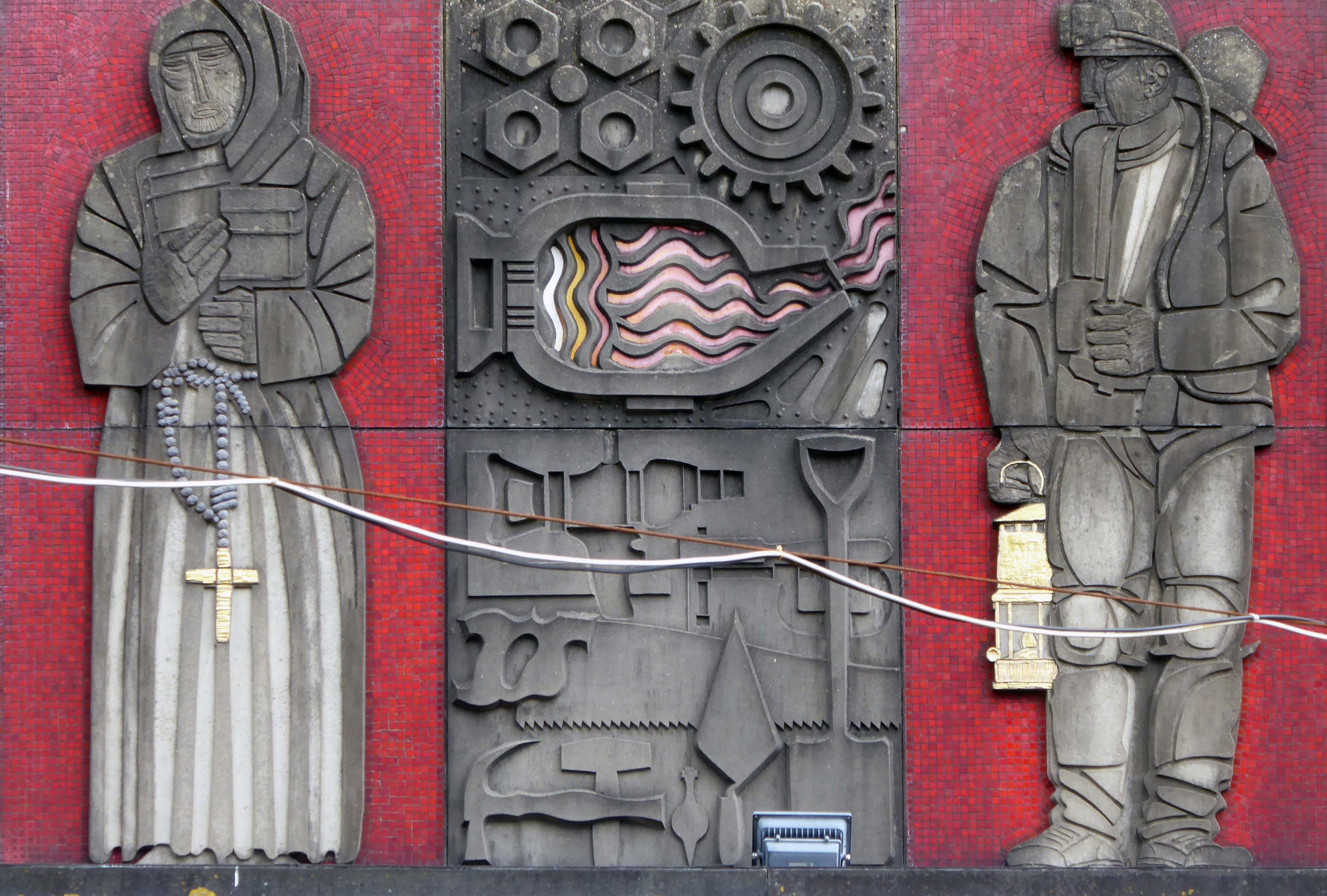
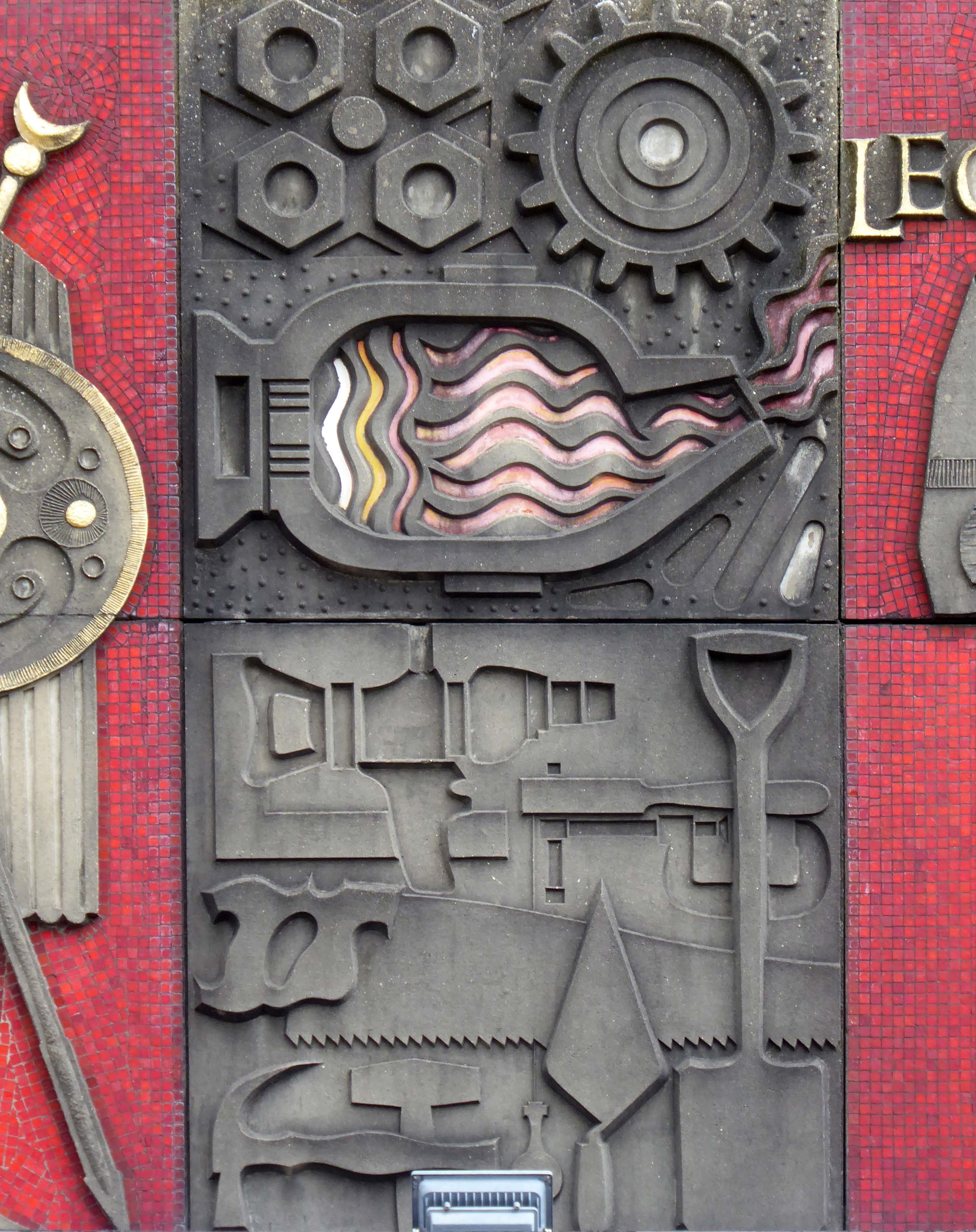
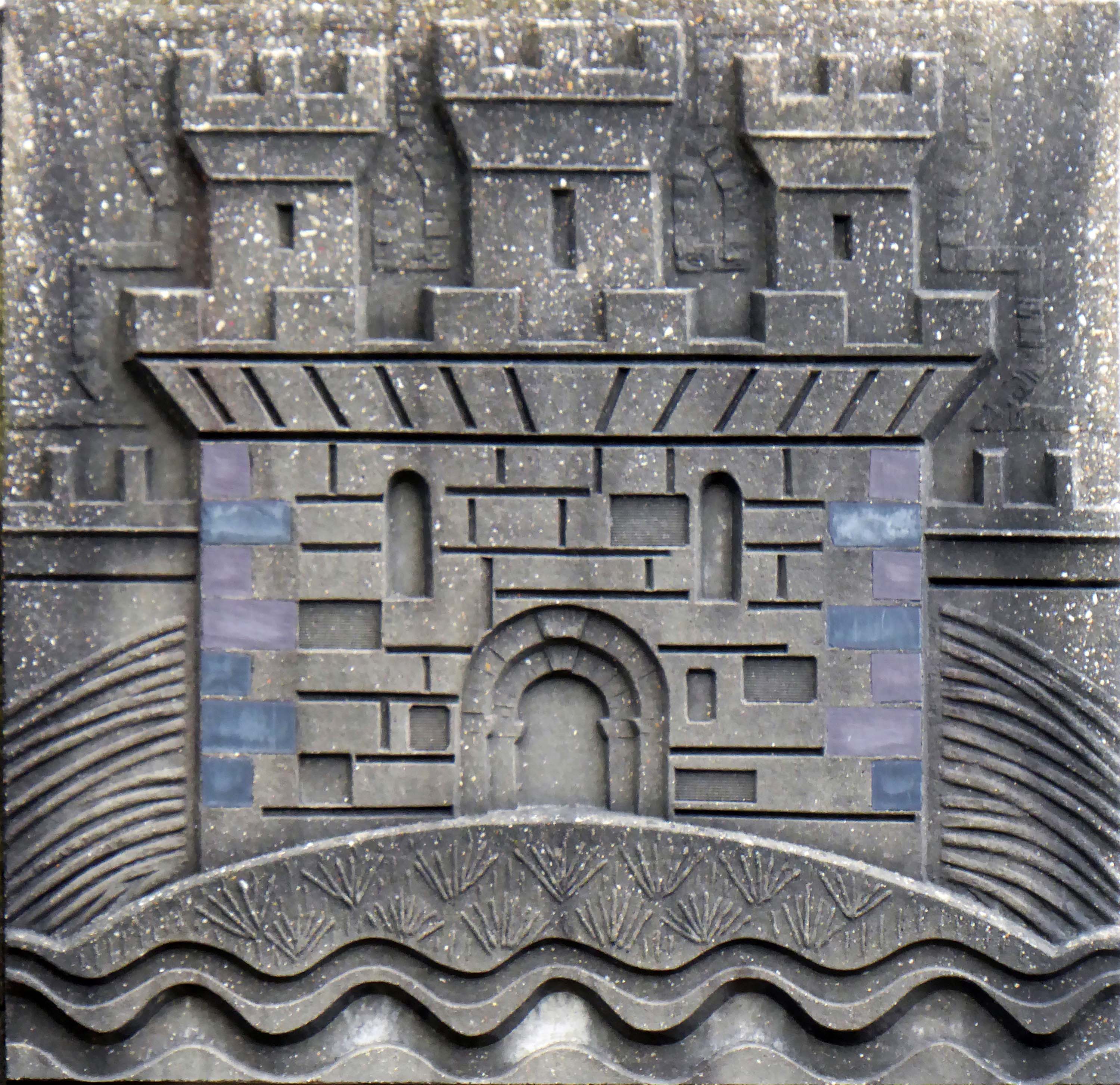
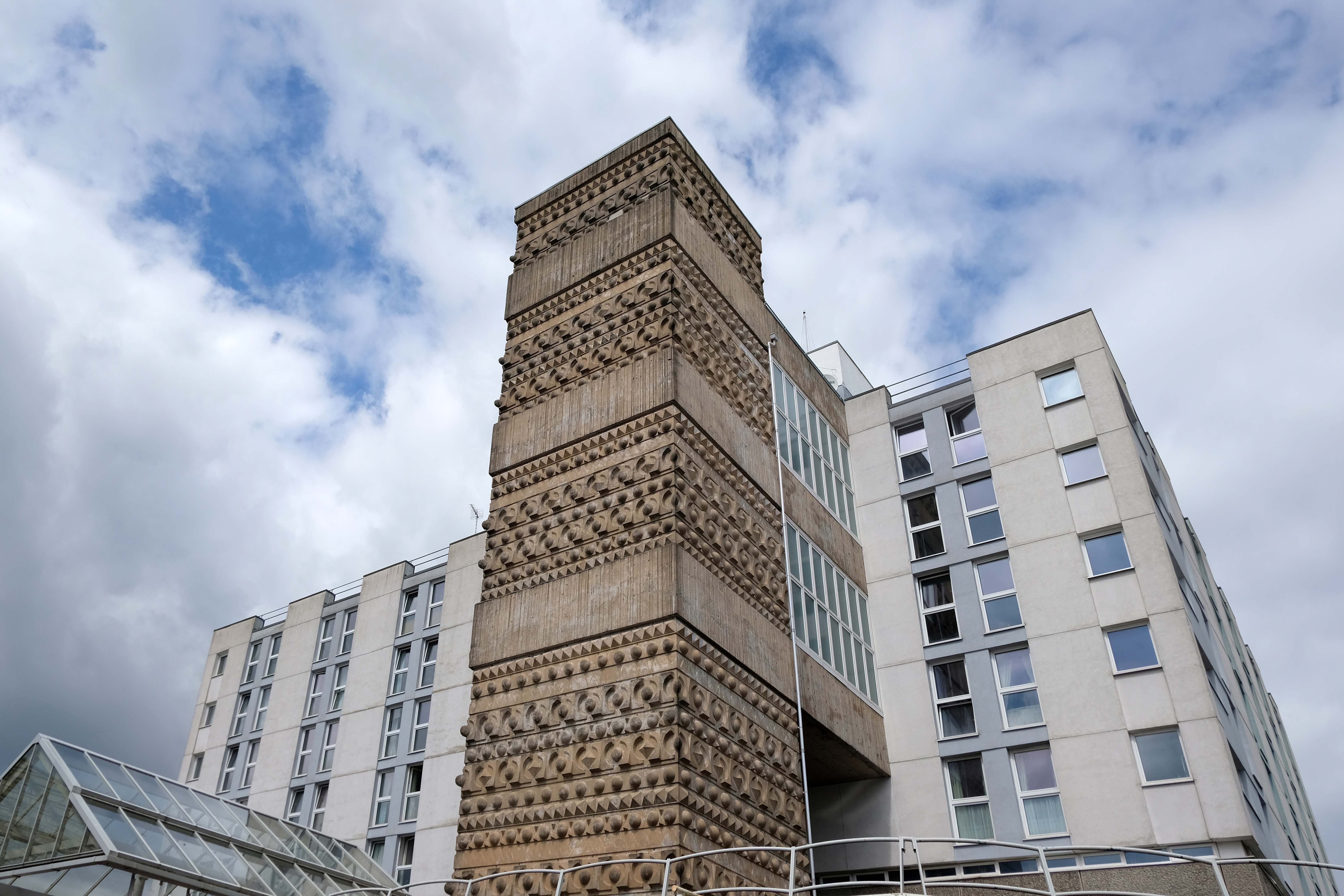
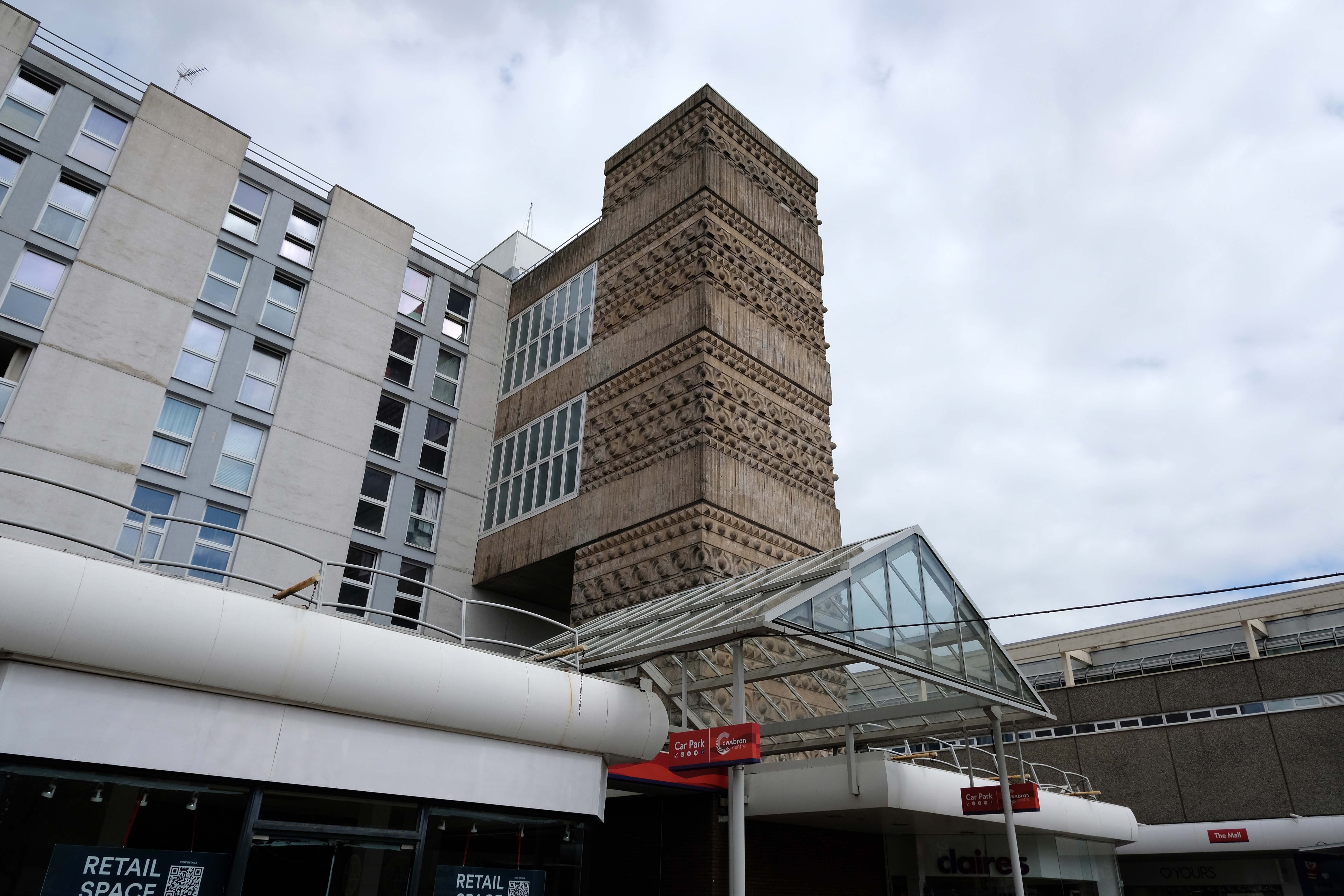
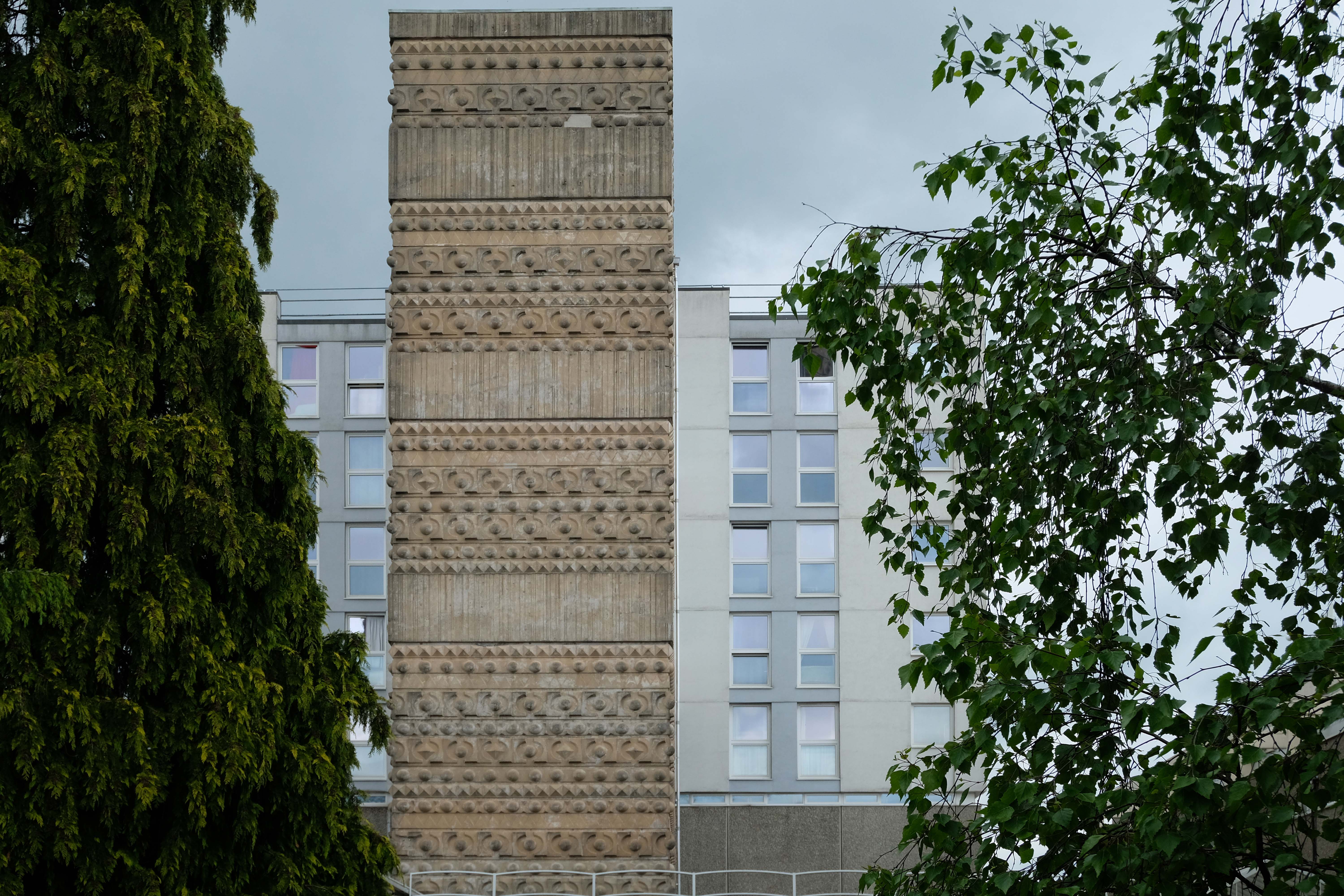
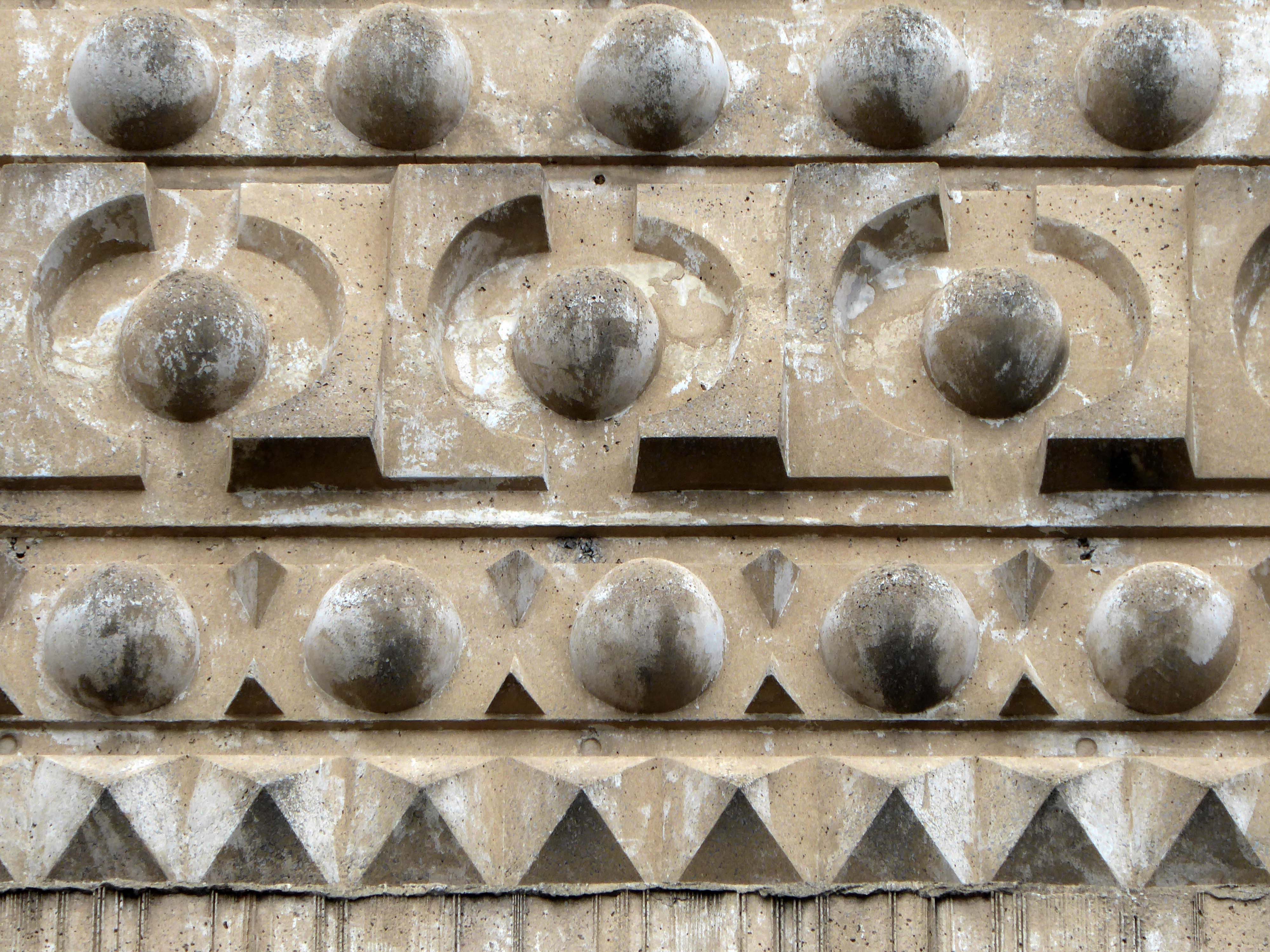
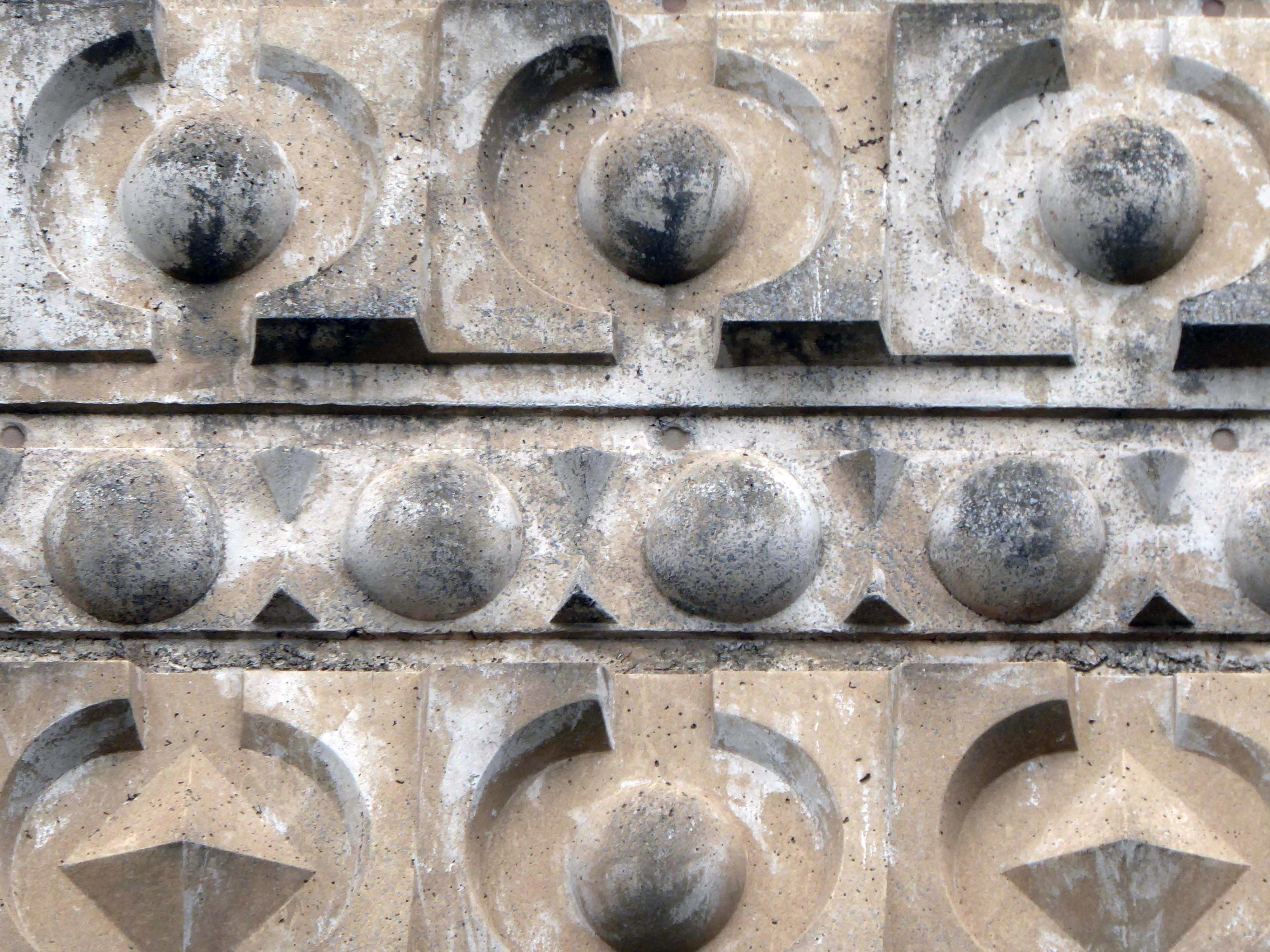
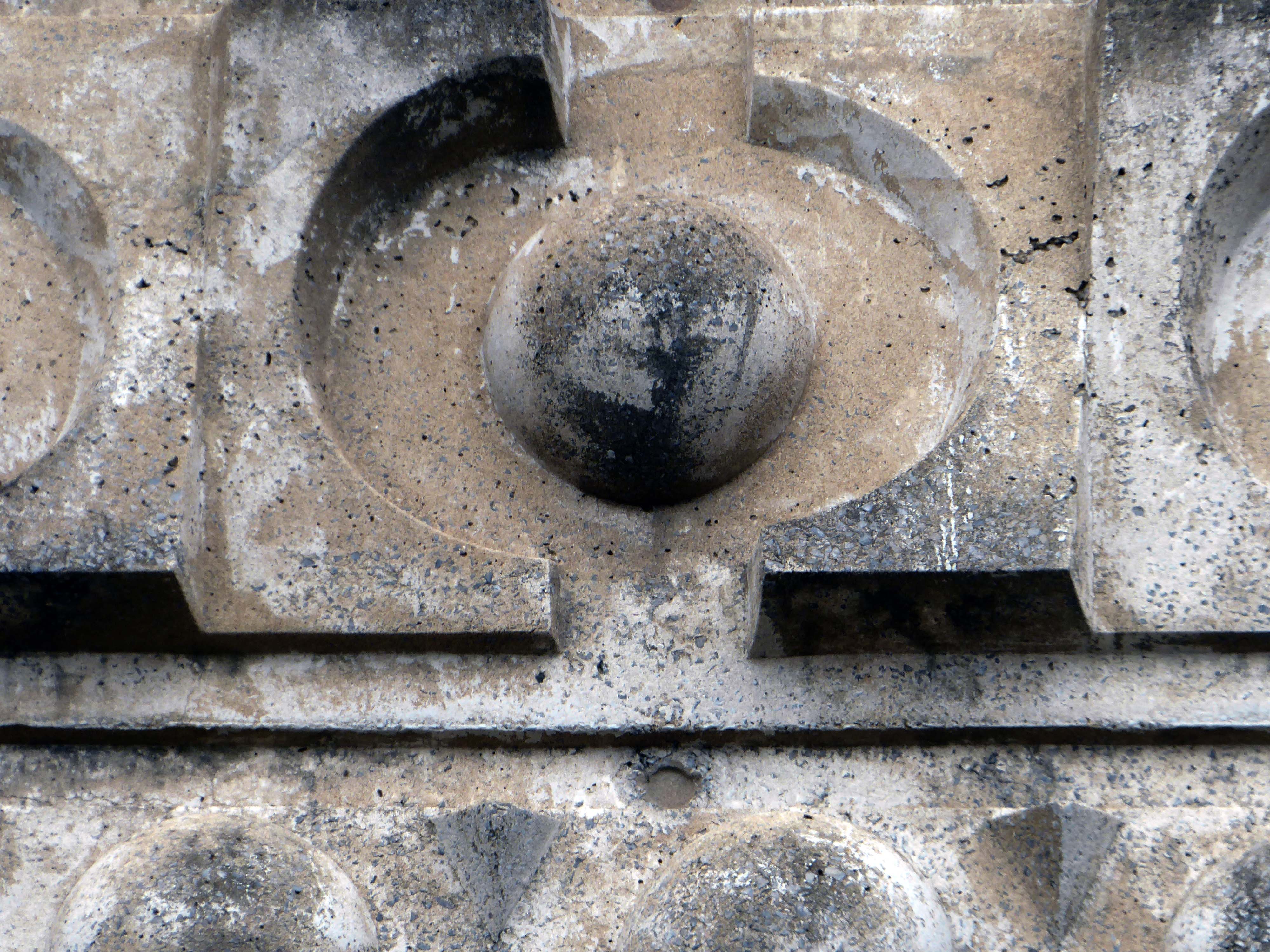
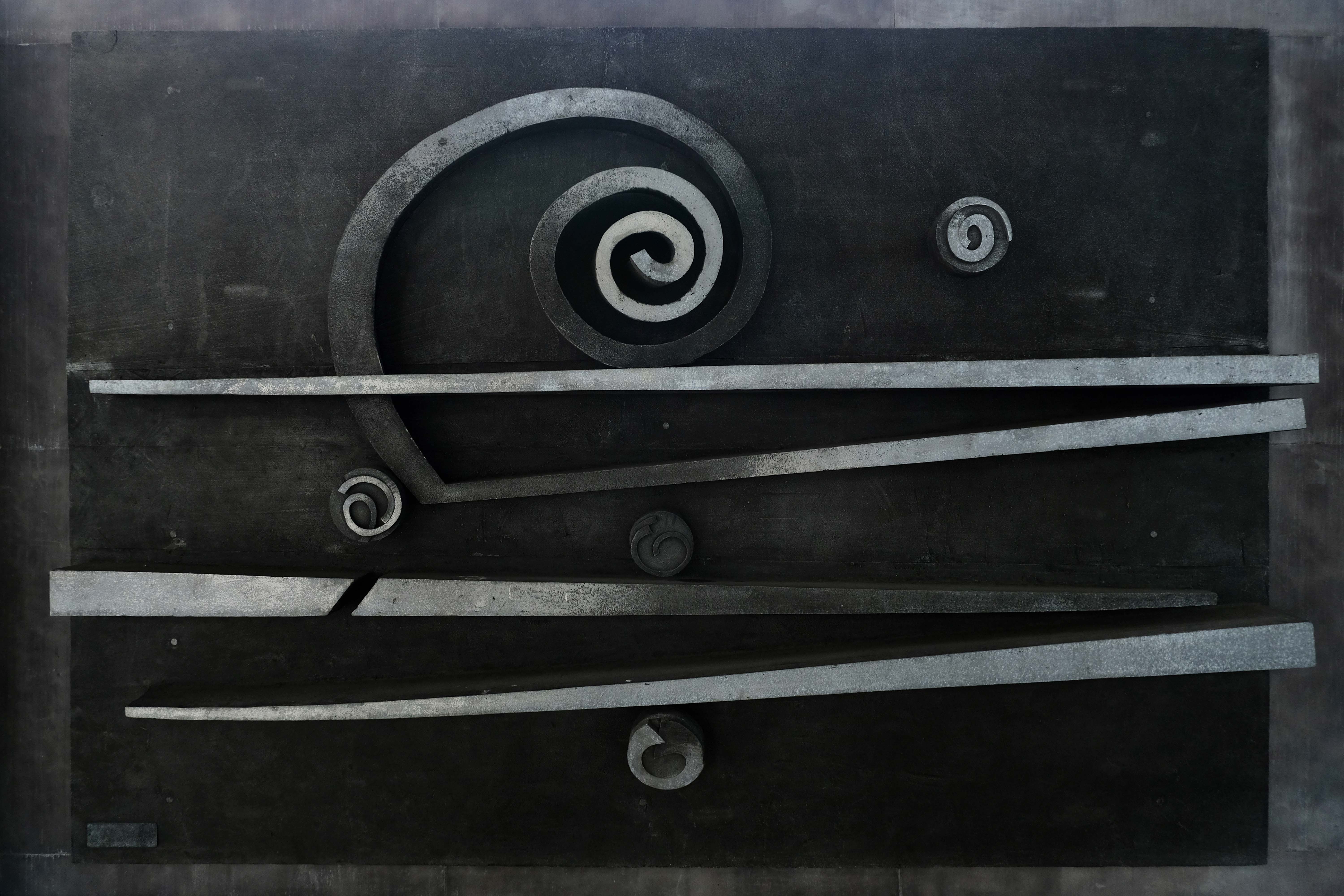
On the west side of the building are a series of three moulded concrete relief panels designed by Joyce Pallot and Henry Collins for the MEPC, the Cwmbran Development Corporation and the Cwmbran Arts Trust in 1974. The panels depict scenes representing different phases of the history of Gwent: Iron Age and Roman, Medieval and Industrial.
The work of Joyce and Henry is well known here at the modern mooch having visited Newcastle, Bexhill and of course Stockport. There are also examples in their hometown Colchester, Gloucester and Southampton.
Joyce Pallot 1912-2004 and Henry Collins 1910-1994 – two artist/designers, who along with John Nash, established the Colchester Art Society, during the 1930s.
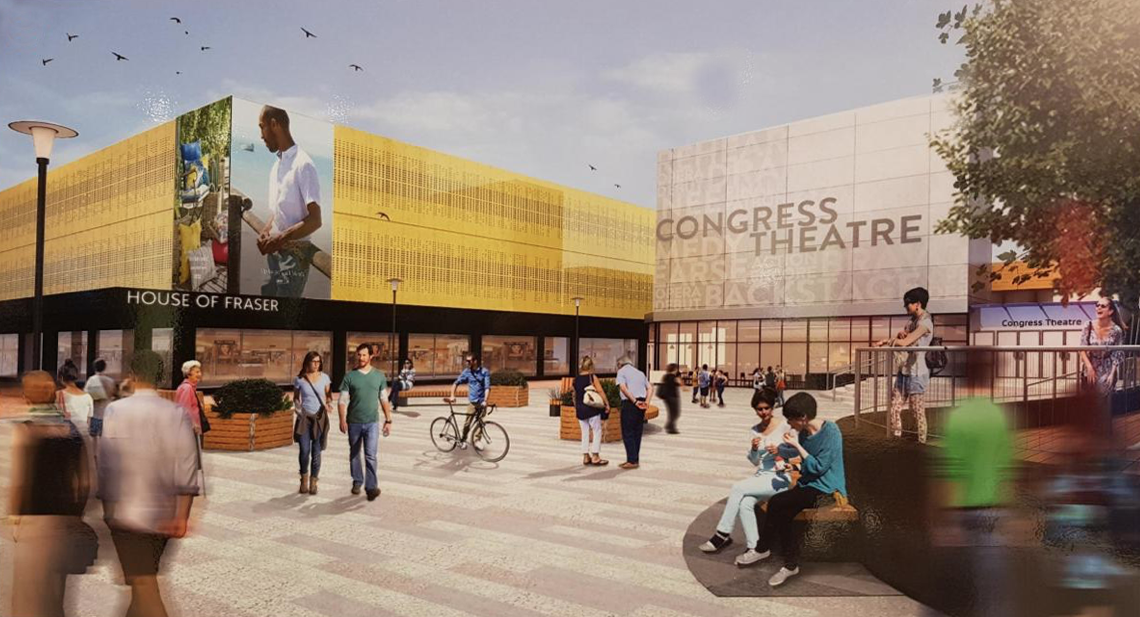
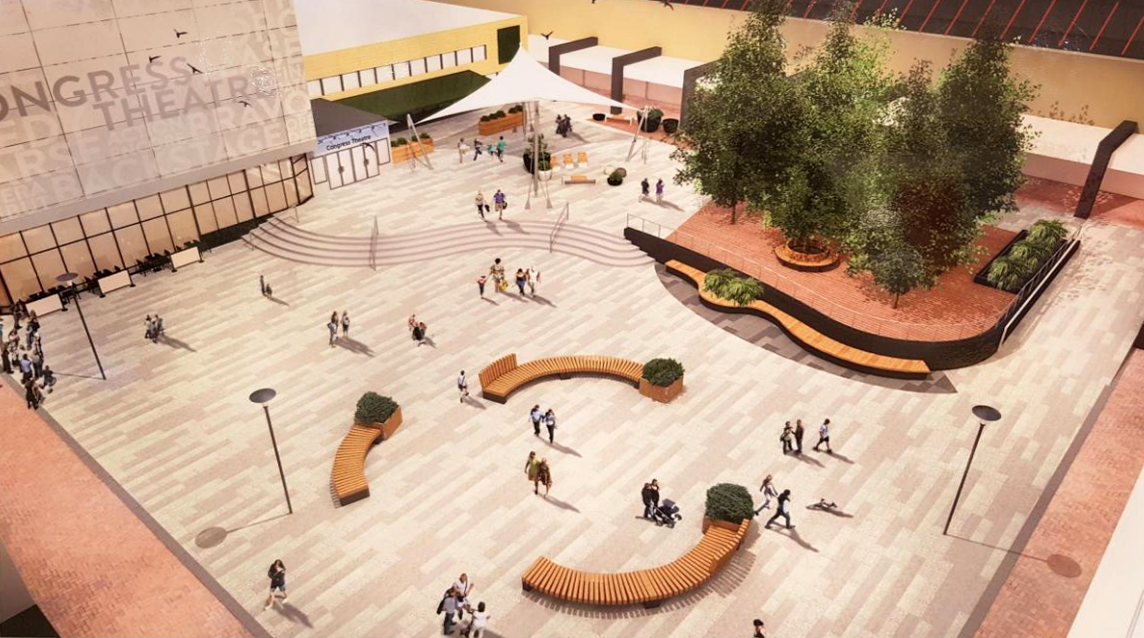
The square it seems is due to be revamped as part of the broader regeneration plans.
Literature displayed at the public consultation said improvements in Monmouth Square aim to -introduce colour into what is a lacklustre space.
One hopes that these important public arts work survive the transformation.
September 2022 the bandstand was demolished.
Photo: Rhiannon Jones
Lia Jones said:
The bandstand was a well-known centre point for the area. I really wish it had been kept in the design for the area, they should have relocated it instead of getting rid of it all together.
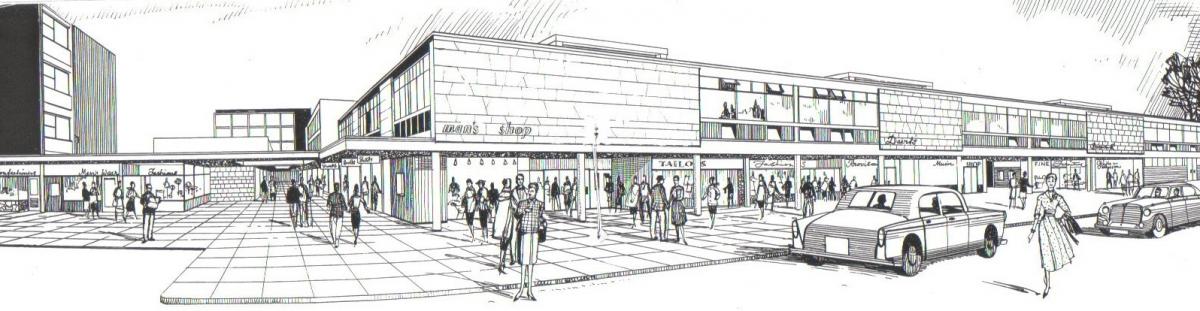
Built between 1963 and 1967, the centre comprised 18 shops, a childrens playground, public toilets, a health and dental centre, and a combined public house and community centre. The unit centre was designed by Chief Architect of the CDC, Gordon Redfern, and was architecturally the most innovative and ambitious unit centre within Cwmbran New Town. To combat the exposed nature of the site together with the ‘high rainfall, mists and variable winds’ prevalent in the area, Gordon Redfern designed an enclosed, high-sided space that would physically and mentally shield shoppers during their visits. This protective environment extended to creating a central play area that could be viewed from the shops, allowing a more enjoyable experience for children. Four different shops types were provided on increasing floor footage for facilities ranging from barbers to grocery shop, all with storage to the first floor and eight, on the south-west side, with a two-bedroom maisonette above. To enhance the architectural impact of the scheme, Redfern created each unit on an hexagonal plan despite the inefficiences in floor space usage and additional costs in creating the fixtures and fittings. The CDC also fitted out each of the uits to a customised requirement – for example the Post Office unit was pre-fitted with a telephone booth, posting box, stamp machine and half-glazed panel for advertising services.
The structural engineers were Ove Arup & Partners, the builders were Gee, Walker & Slater. Construction costs for the scheme were estimated at £214,106. The unit centre was opened 12 September 1967, shared with the opening of Monmouth House, both undertaken by Rt. Hon. James Callaghan, M.P. A scathing article written the following month by architectural critic Ian Nairndismissed the design as a ‘kind of in-turned medieval village … an oasis of picturesqueness in a desert of statistical units’ designed for, rather than with, the inhabitants and therefore destined for commercial failure.
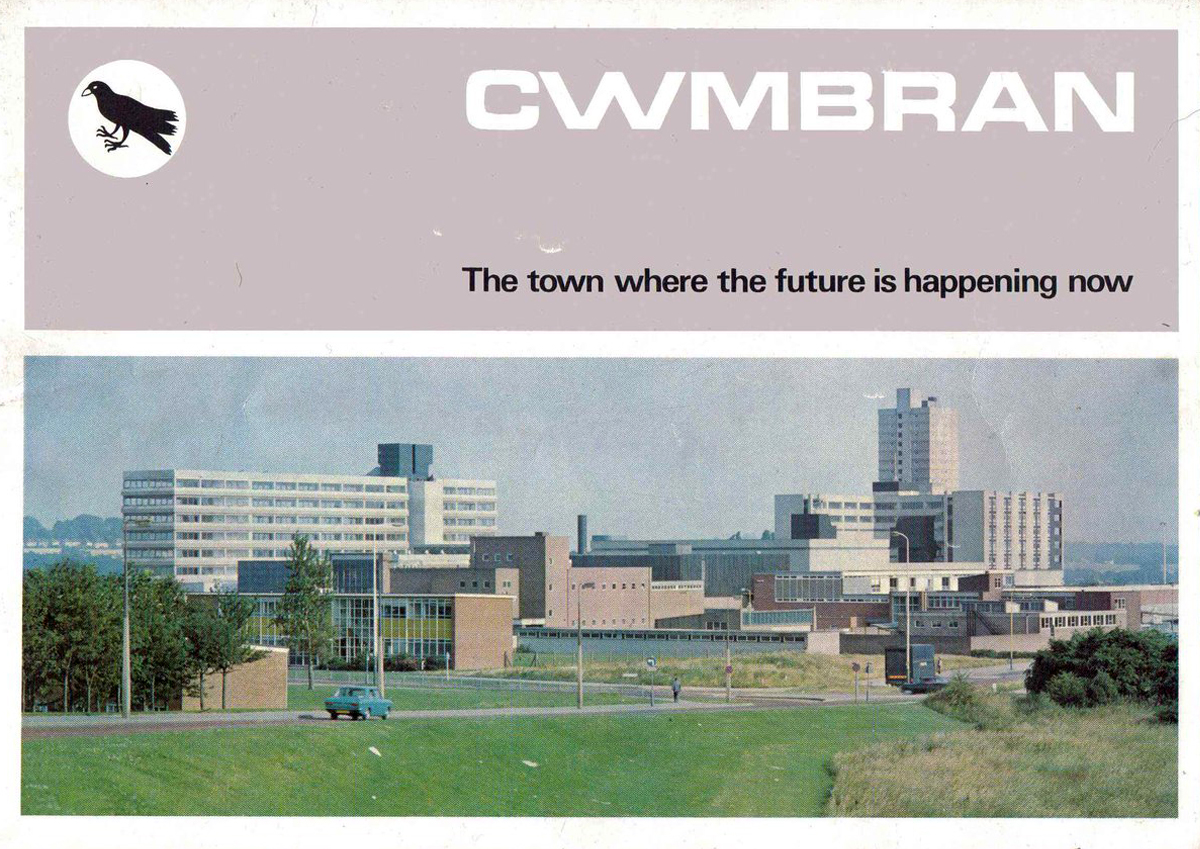
In 1949, the then Minister for Town and Country Planning, John Silken, designated an area of 31,000 acres surrounding the village of Cwmbran to be the first new town in Wales. Unlike the first generation new towns, the aim of Cwmbran was to provide housing and a range of facilities for those employed in existing industry but who lived in poor housing in the neighbouring valleys.
A master plan was implemented to achieve the objective for the town. However, as the town developed, the projected size of the town had to increase and many of the plans ideals were diluted as the Southwest expansion area was approved in 1977.
In fact, due to the planned nature of Cwmbran, there now exists few opportunities for new development within the town. This has meant intense development pressure on the outskirts of Cwmbran from house builders and developers.
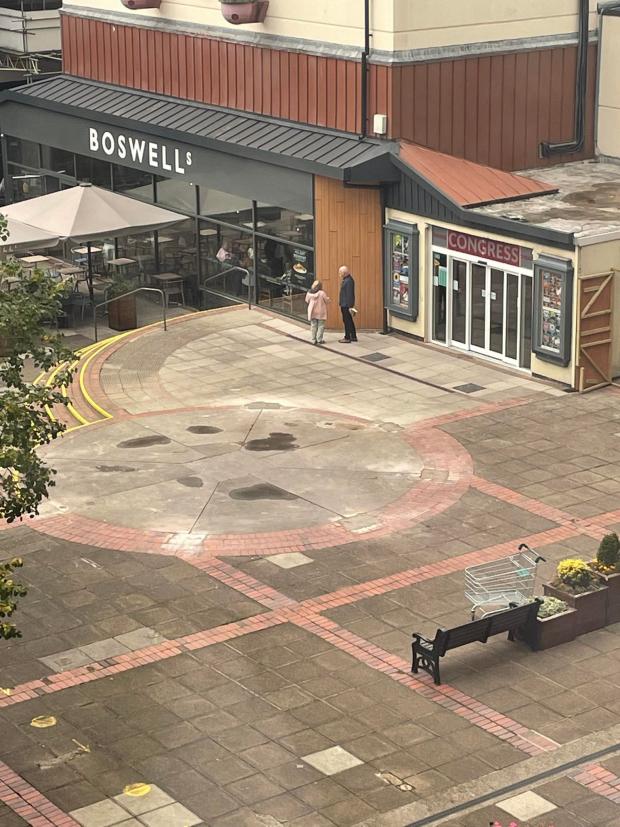
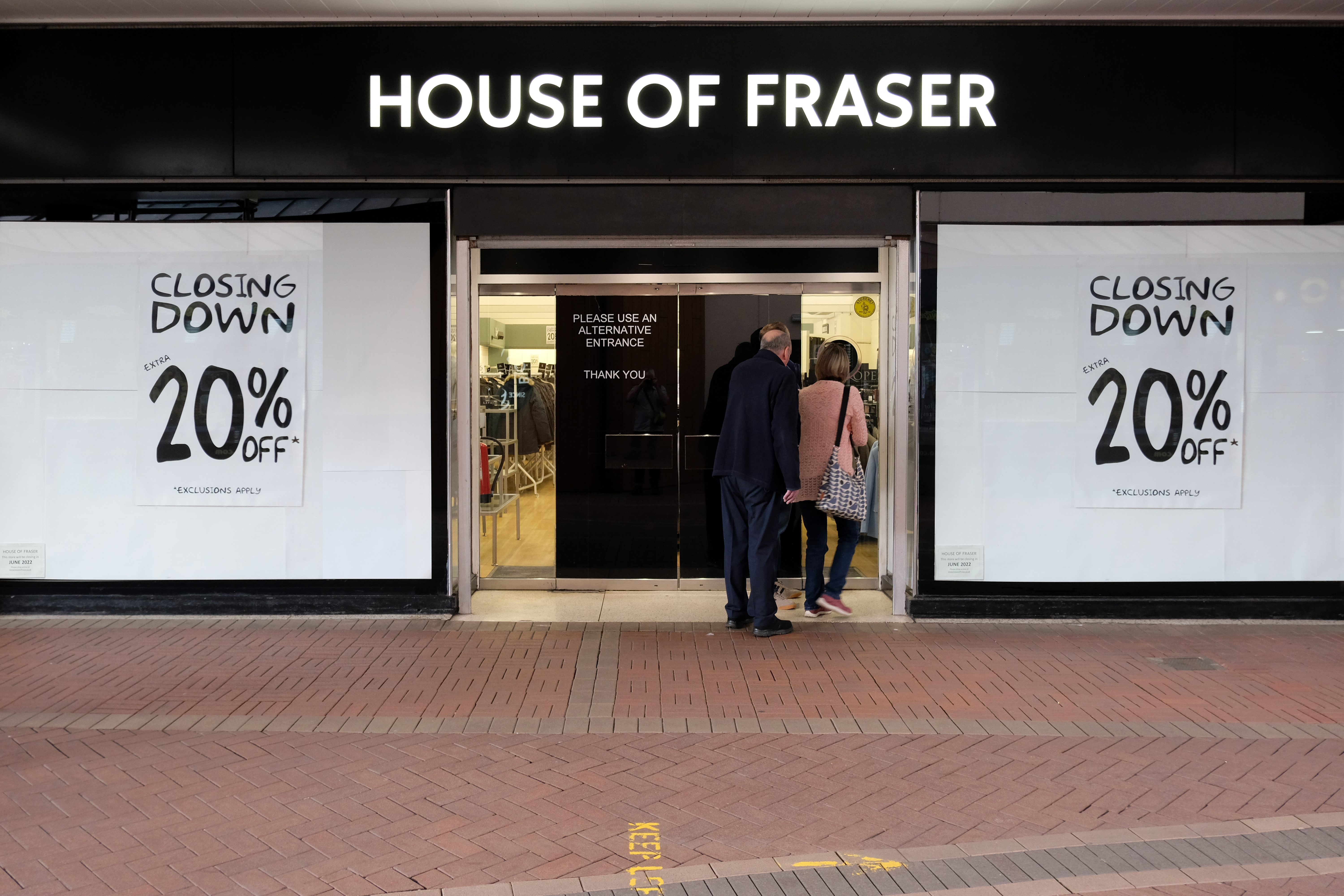
On the day of my visit the centre was busy with happy shoppers happily shopping – there were major works underway in line with the town’s new plans.
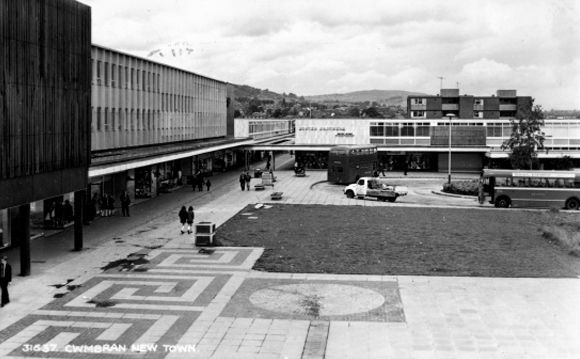
Cwmbran has also prospered from having a vibrant retail core. The Shopping Centre has a fully pedestrianised, multi purpose centre with covered shopping malls. There are over 170 retail outlets covering a total area of 700.000 sq. ft, including a number of popular high street retailers, restaurants, a theatre and cinema. Accordingly, the town is now considered to be a sub regional centre, and the intention is that this retail focus will be increased by regeneration of the eastern side of the town.
Now 50 years on parts of the town are in need of renovation. Through various public and private partnerships the aim of the Cwmbran Project Team is to set out a 15 year strategy for the regeneration and development of the new town, and begin its implementation.
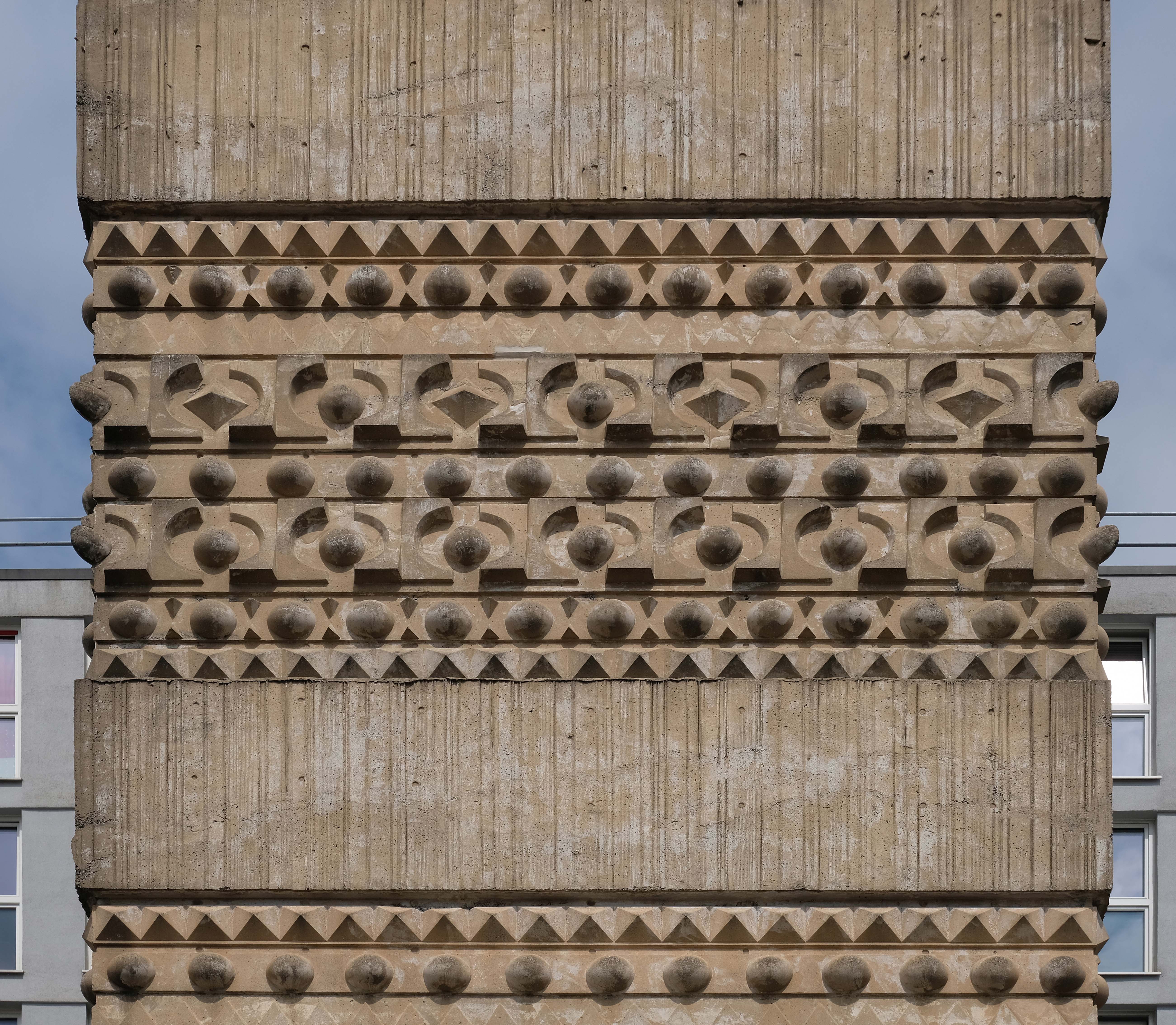
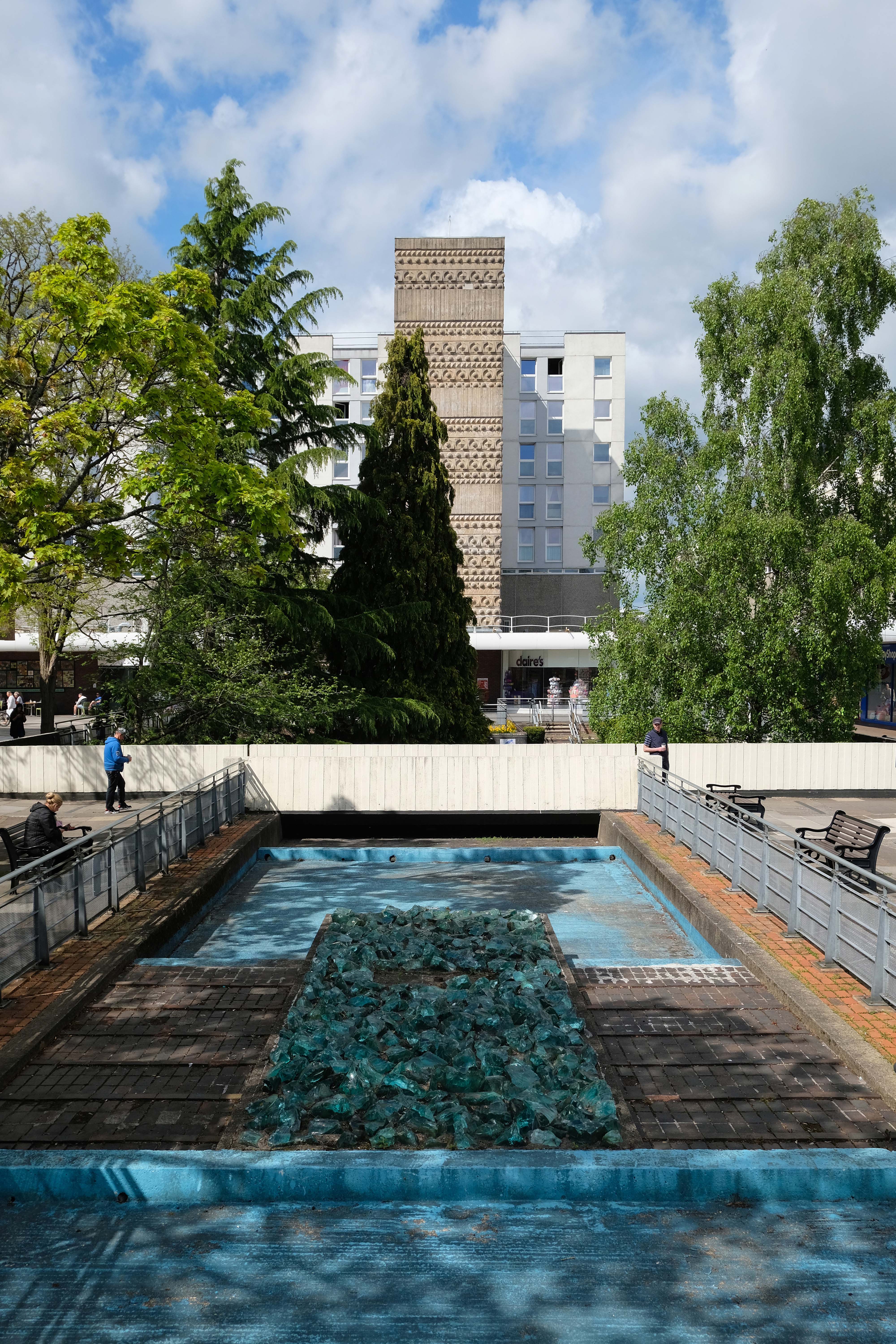
My primary interest concerned the public art in Monmouth Square – William Mitchell’s concrete clad lift shaft.
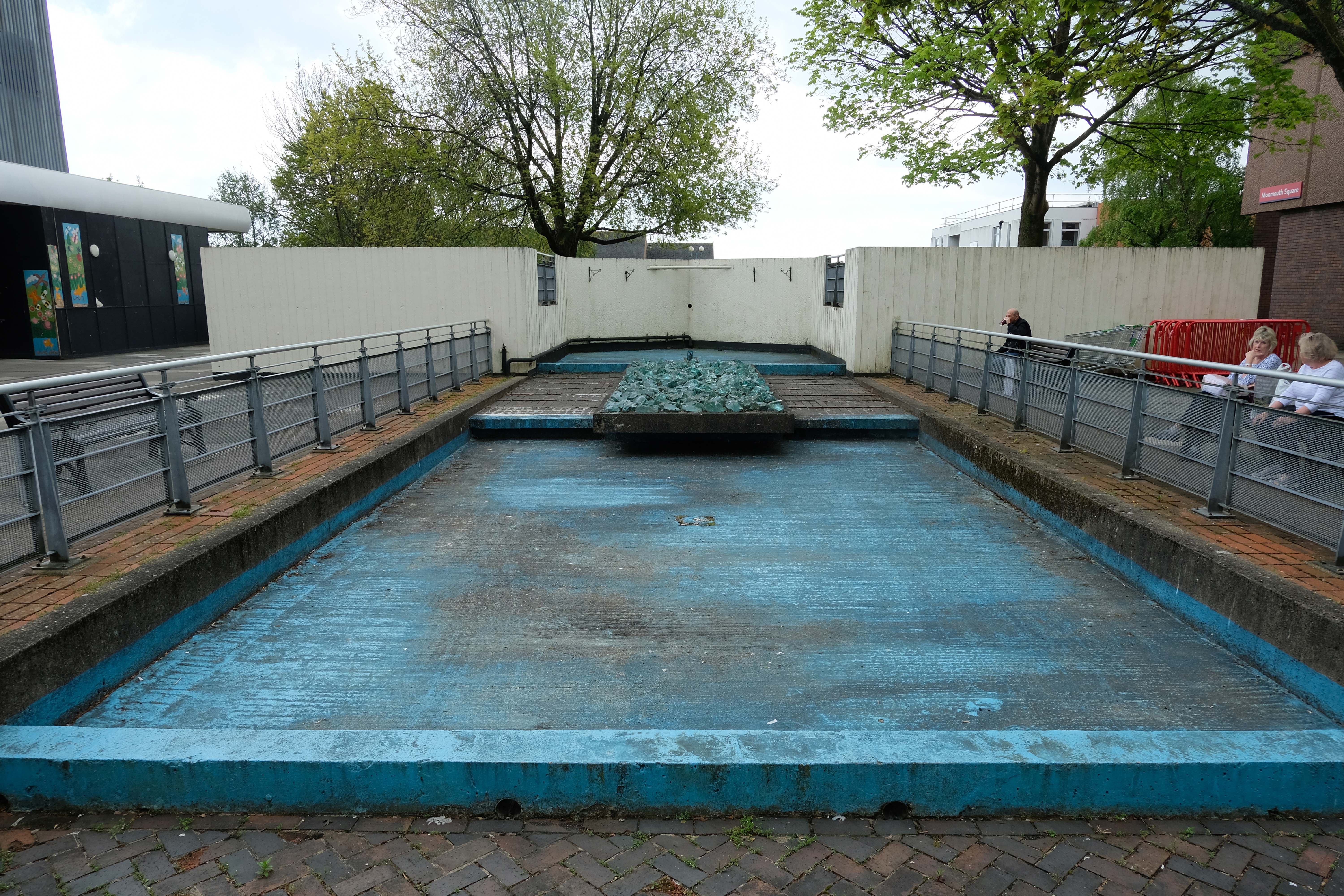
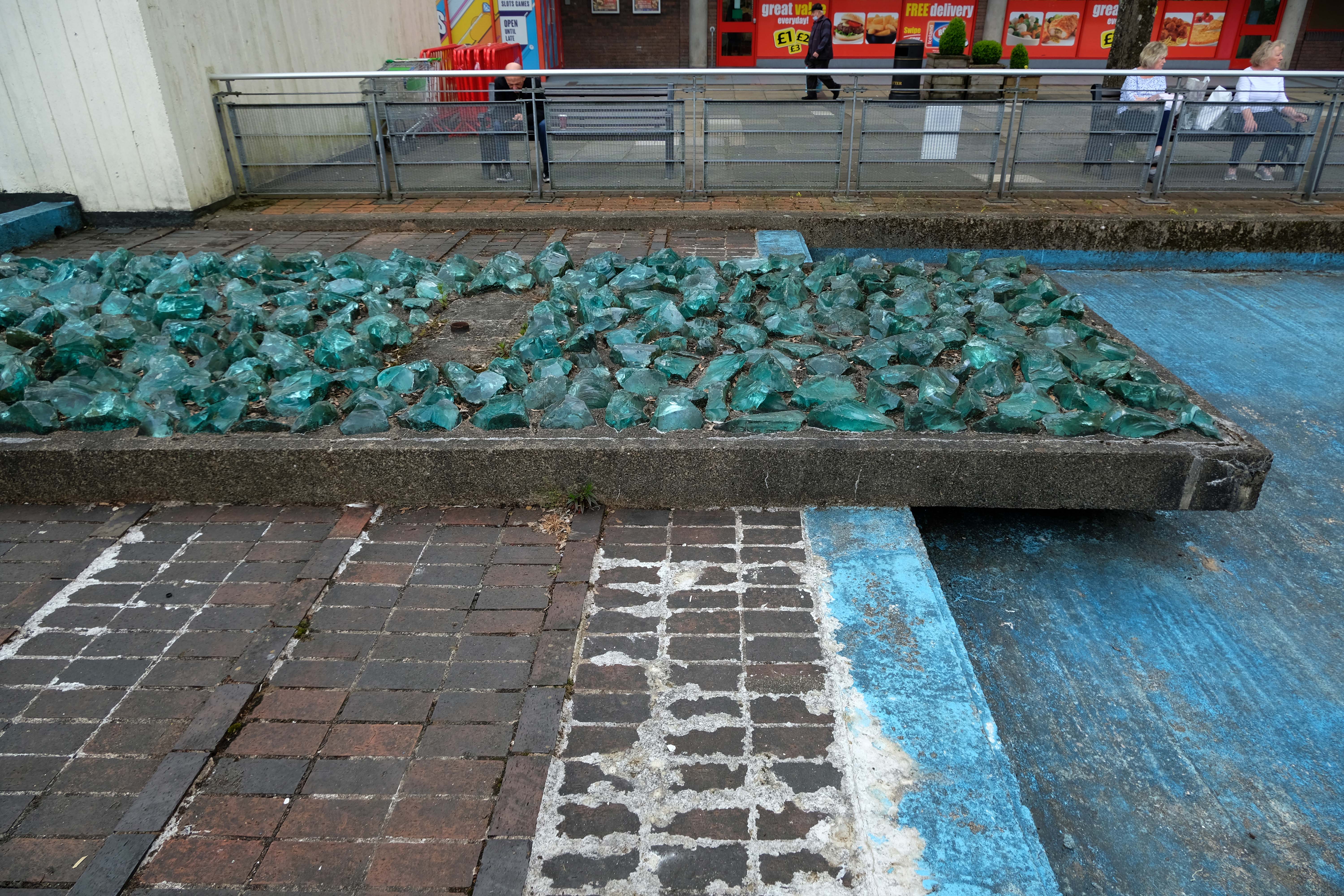
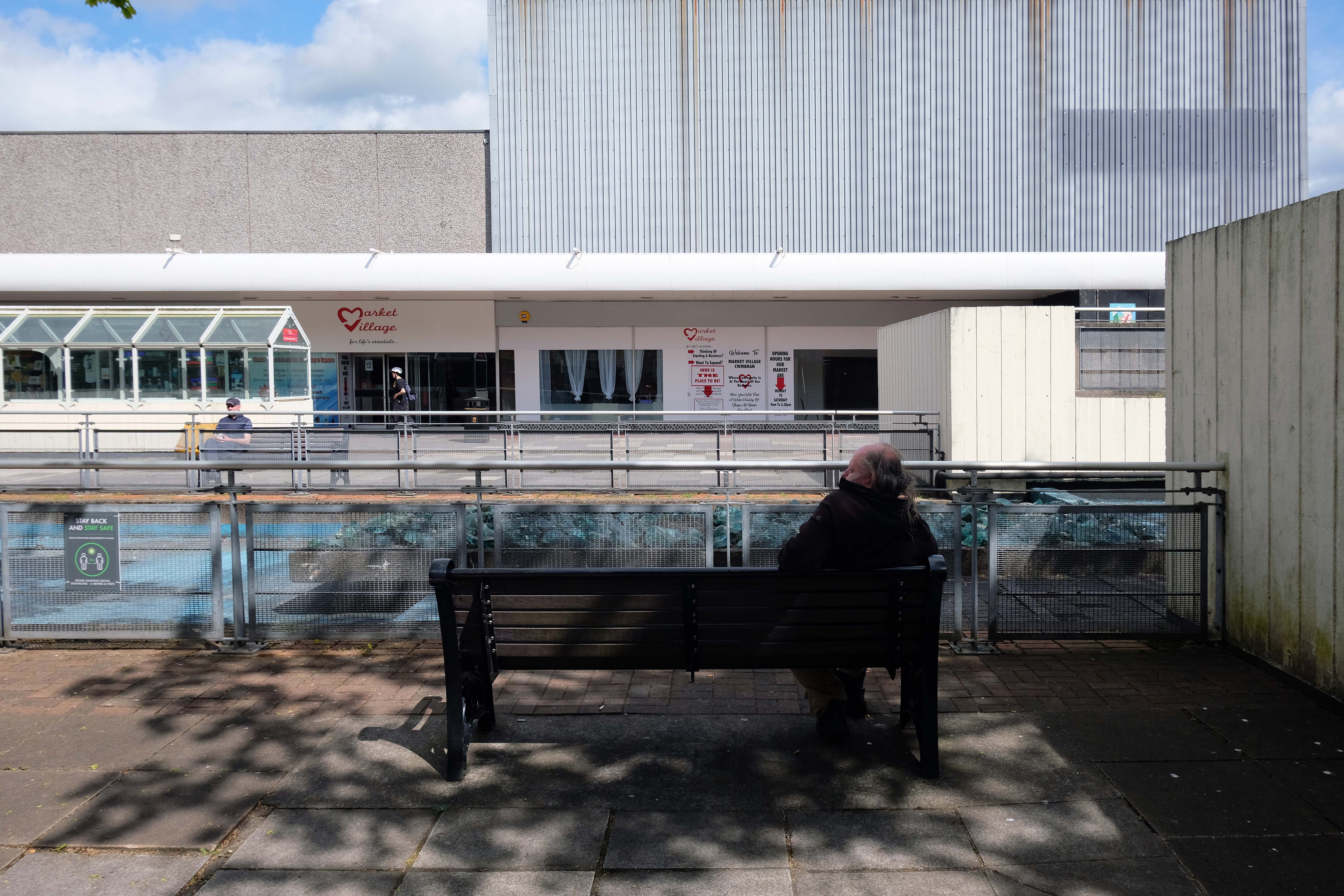
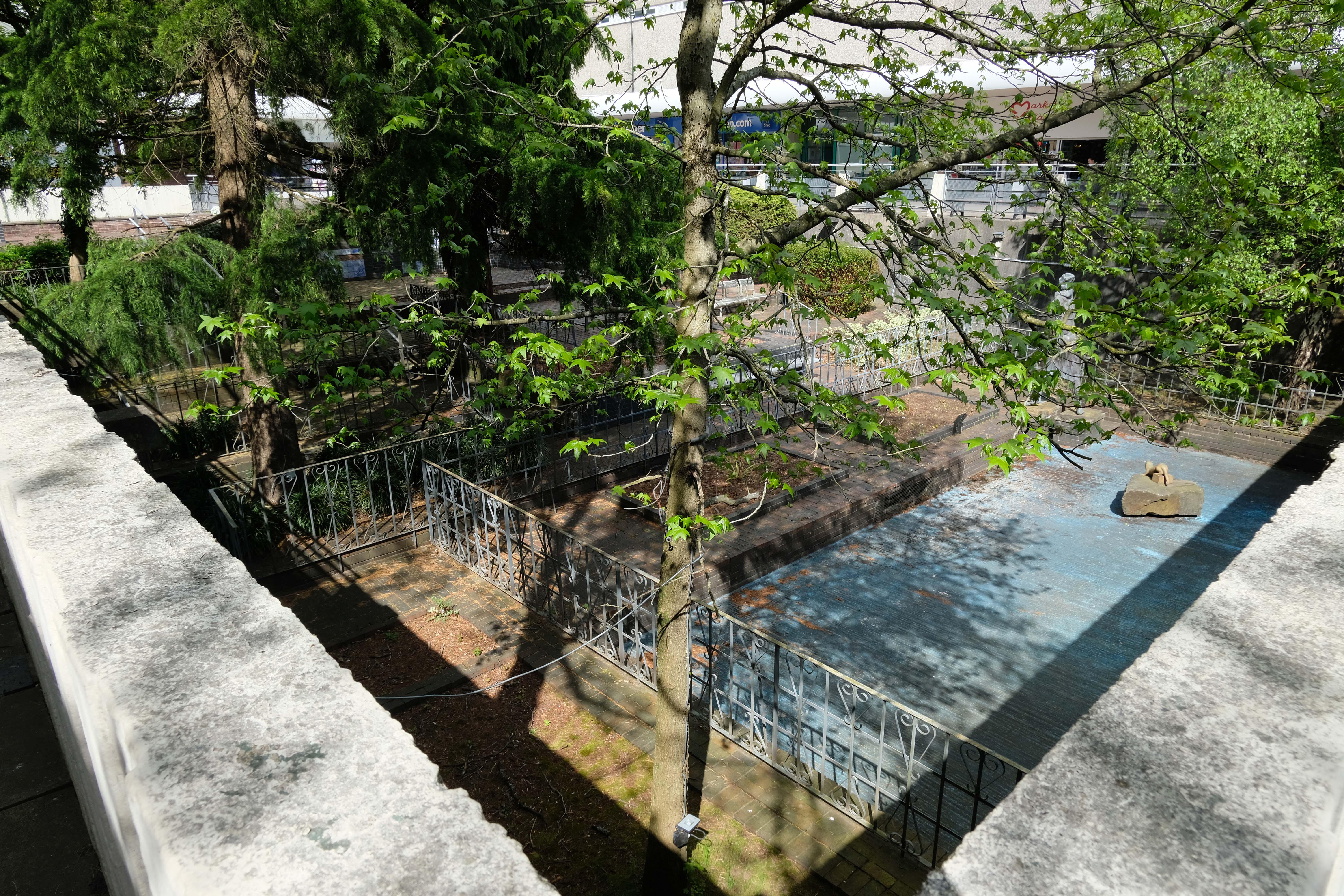
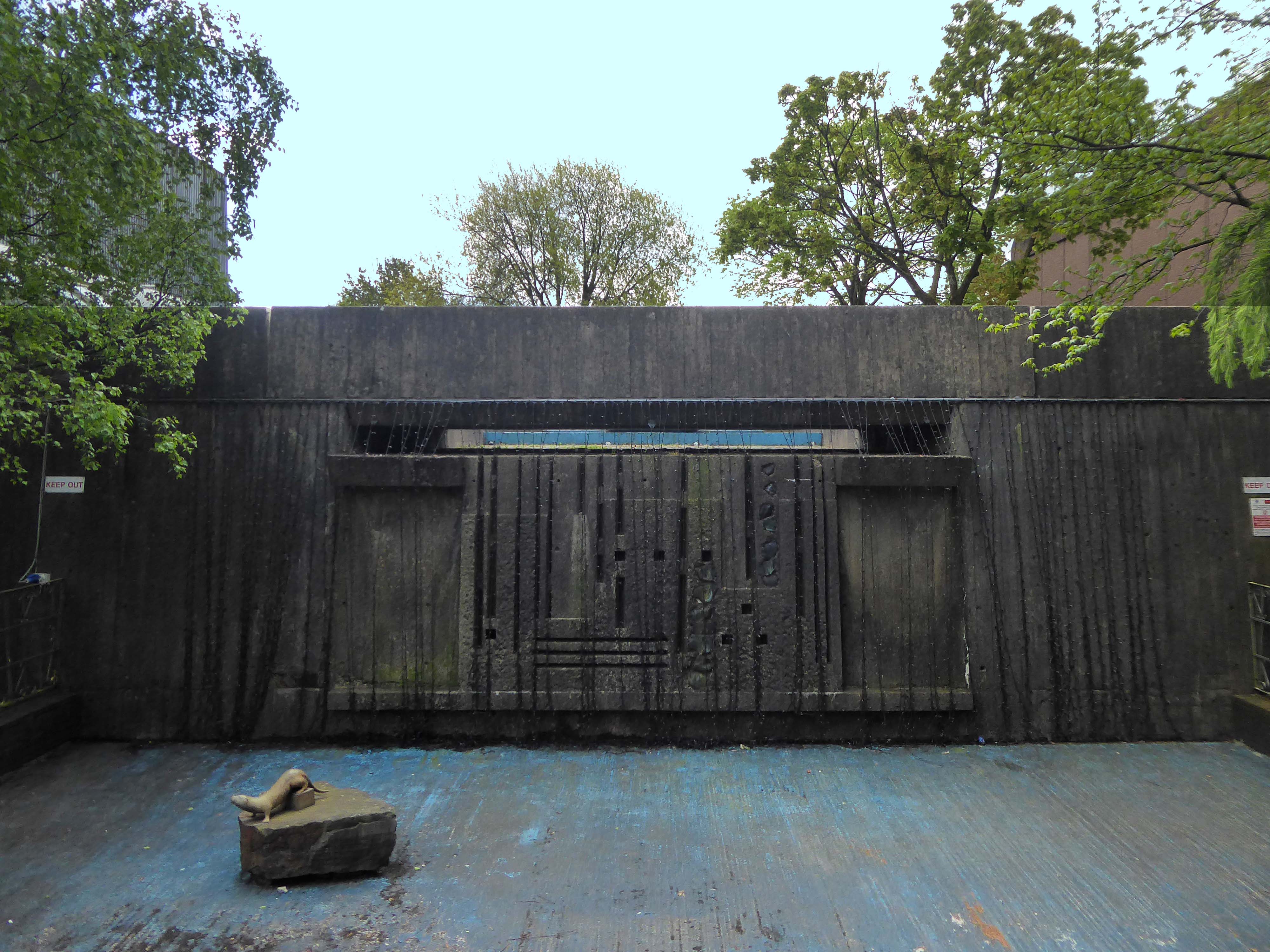
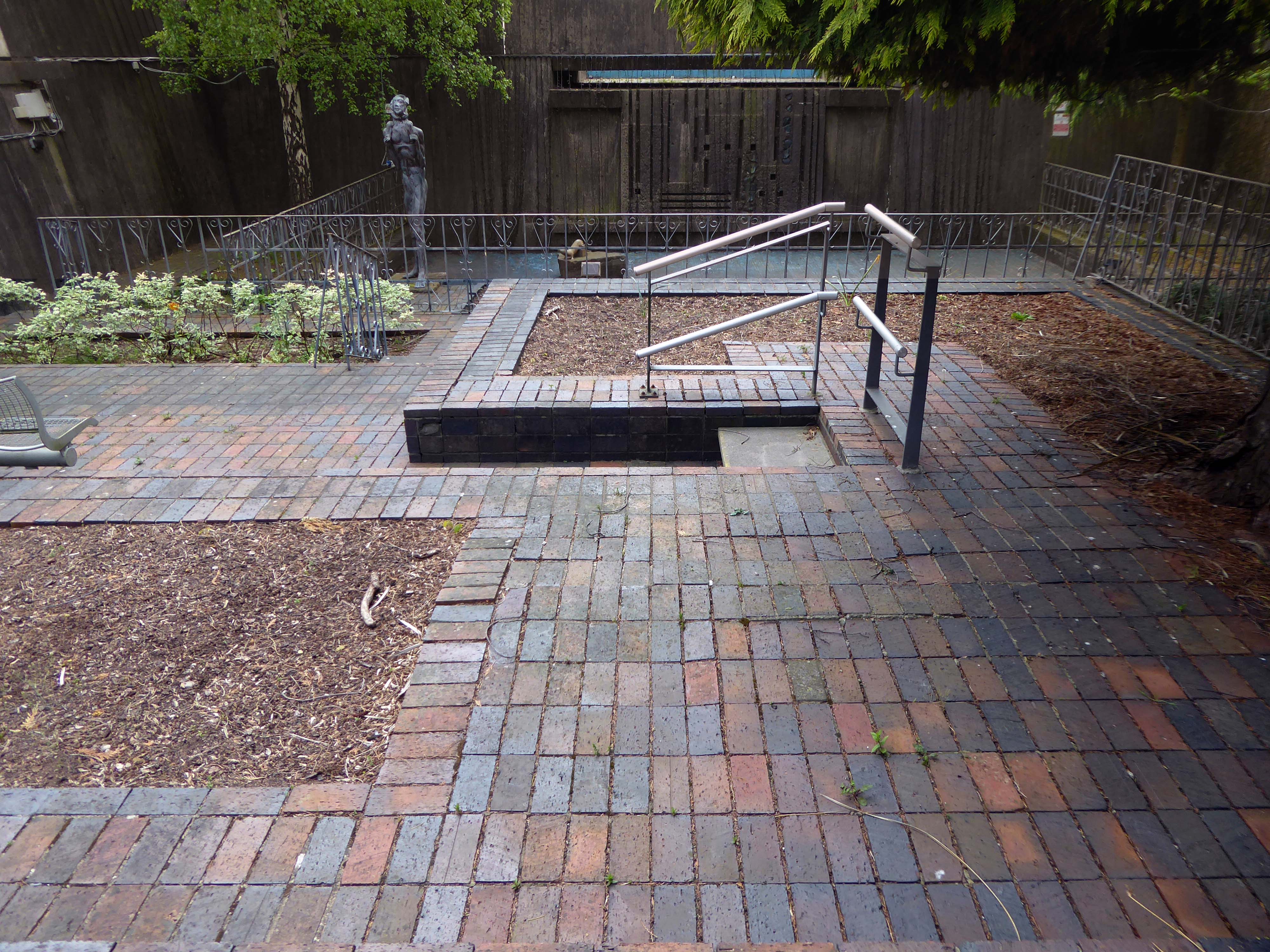
There is a water feature currently off limits and without the water that would elevate the feature to a fully functioning feature.
Plans proposed in 2018 could may herald the demise of this important public work of art.
Plans to level the water gardens in Monmouth Square at the Cwmbran Centre will be reviewed by Torfaen council’s planning committee.
The proposal also includes a modern café with a glazed front, the development of an events space to house farmers markets and street theatre and a green area.
Rebecca McAndrew, Torfaen council’s principal planning officer, said in the report that the water feature would be filled in and flattened as part of “an ongoing renovation programme”.
The application states that the area has a ‘weary and dated appearance’ and do not meet disability access requirements.
According to the report, the water gardens last flowed 13 years ago and its demolition would lead to further improvements at Wales’ second largest shopping centre.
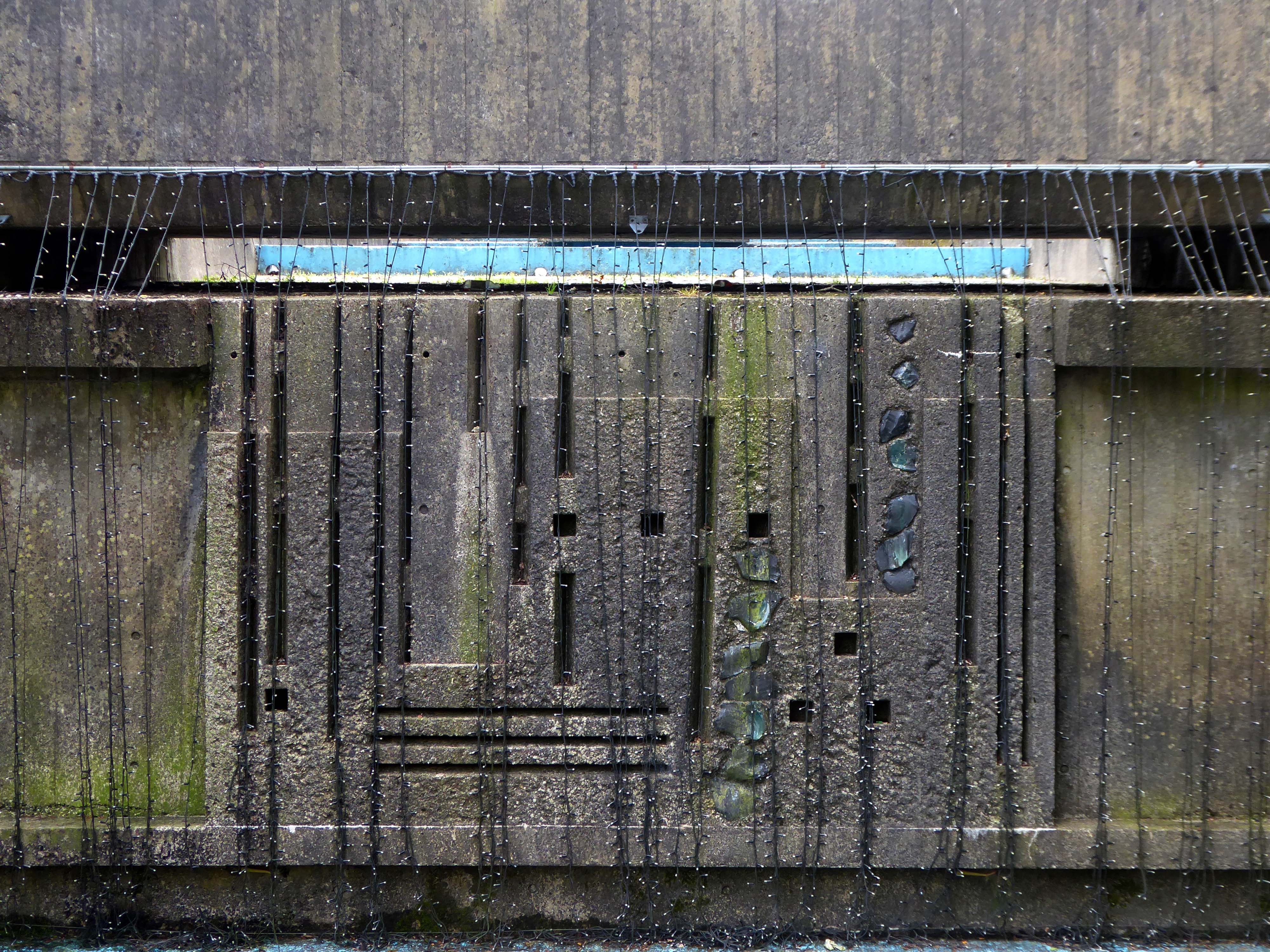
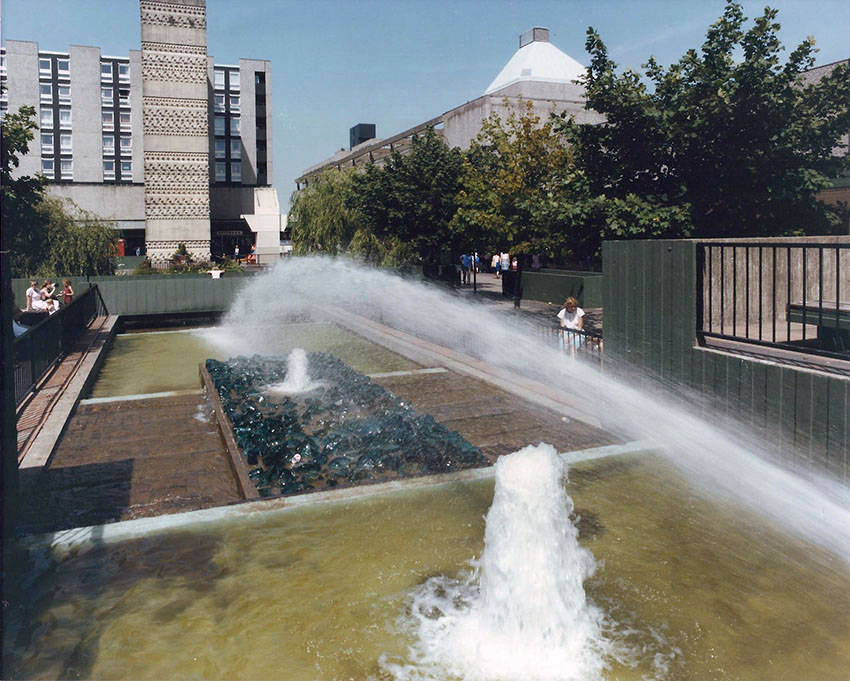
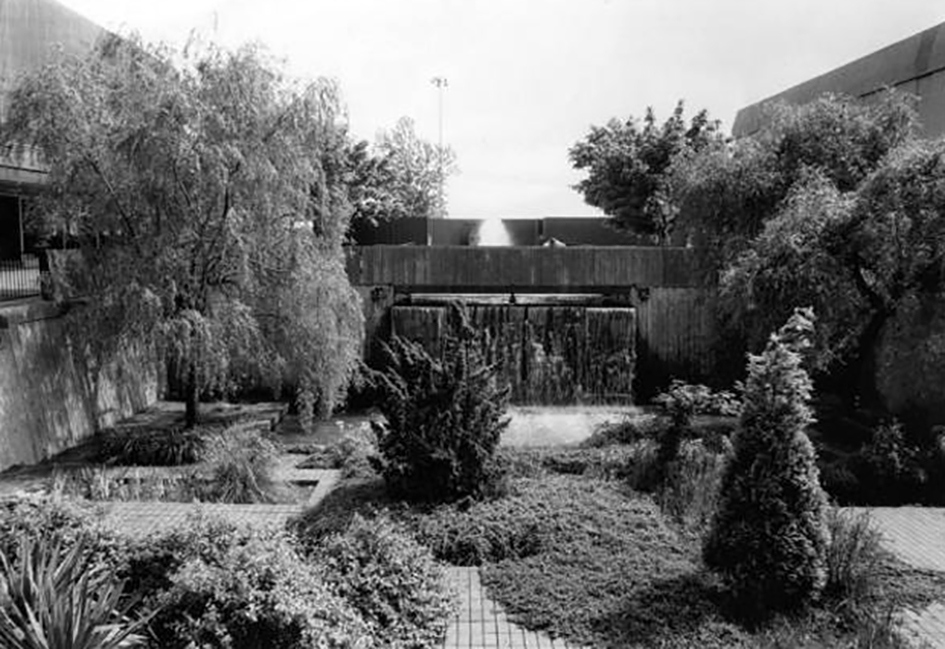
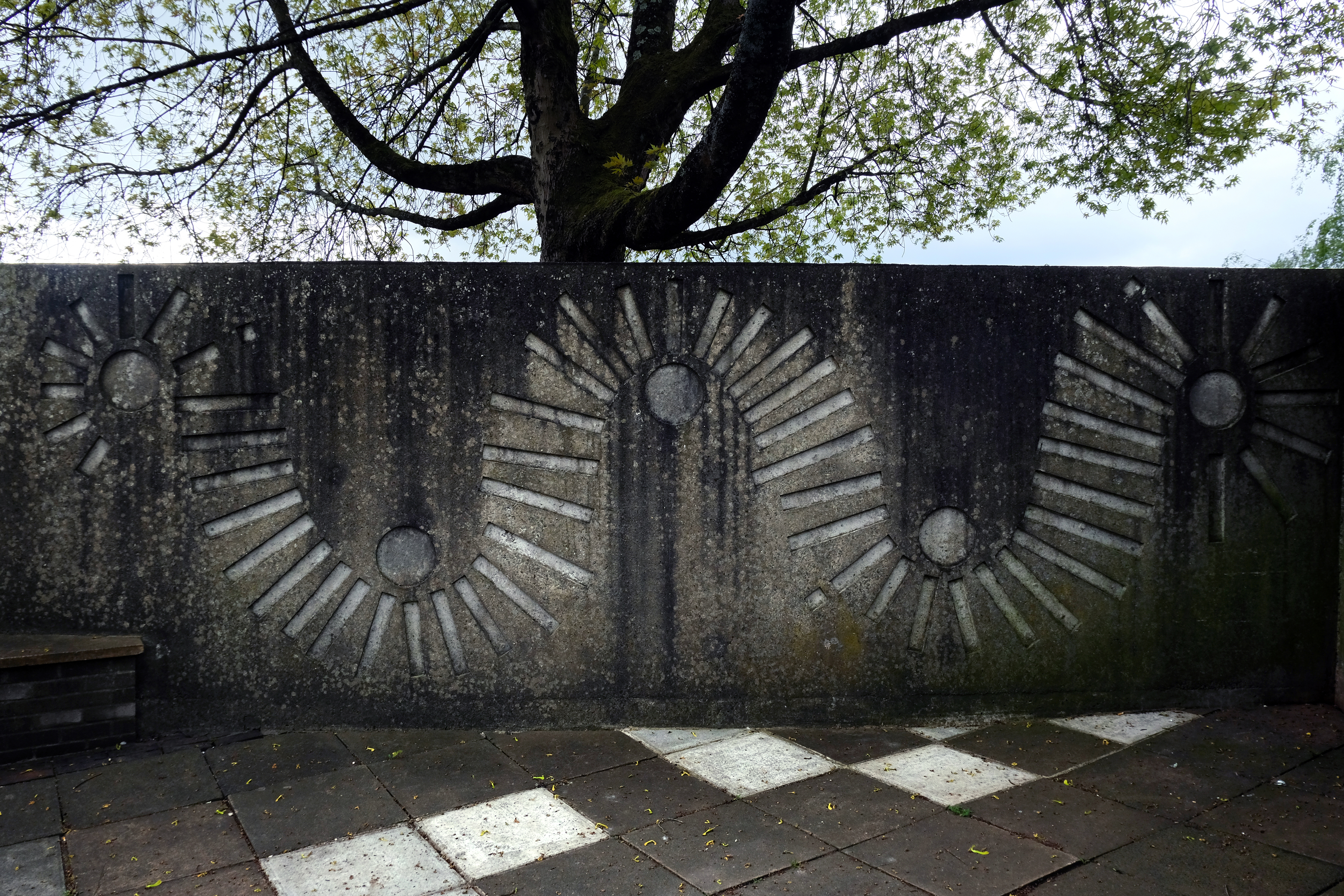
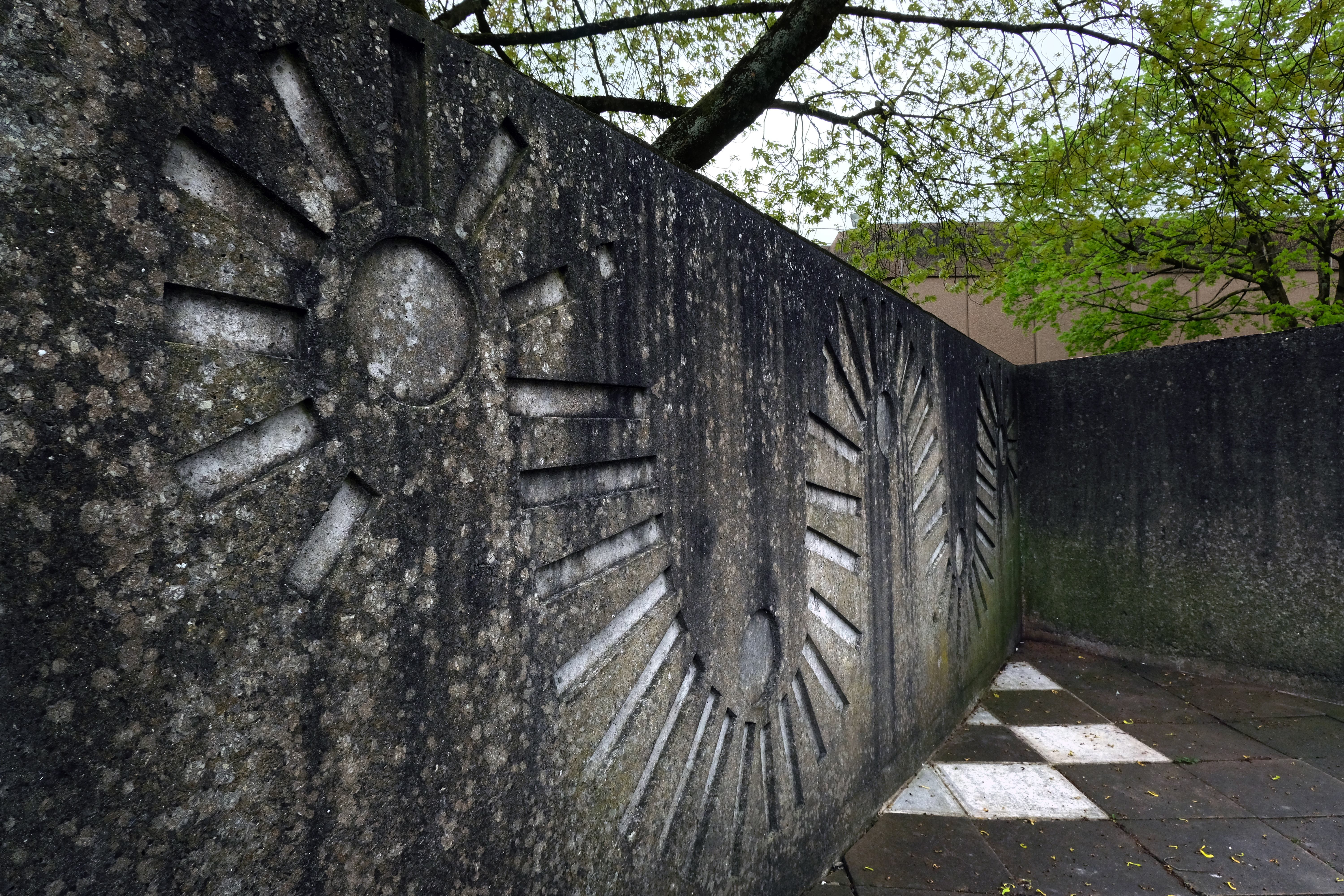
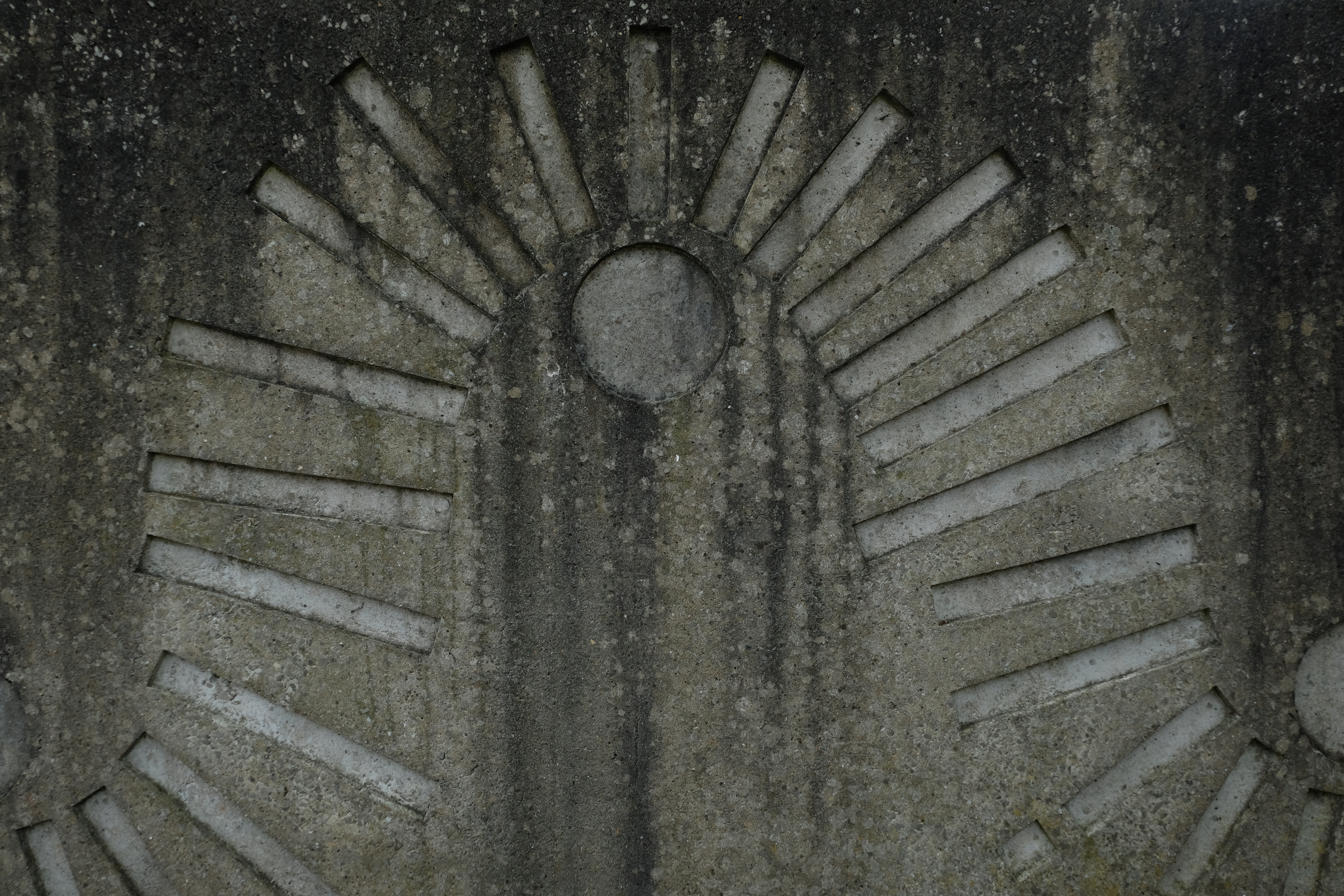
The Water Gardens were designed by the CDC Chief Architect Gordon Redfern as a key visual and recreational element of the Town Centre. His focus was on combining different textures in the form of hard landscaping and planting, with the sense of movement and sound created by running water. At the upper end a pool, containing an artwork created from Pilkington Glass, was fed by a horizontal water jet which was in turn led by a small ‘canal’ to the lower, sunken garden. With water cascading down the southern retaining wall, consisted of moulded concrete sporting abstract geometric form, and variety of trees and shrubs, this formed an area for busy shoppers and families to relax and socialise.
The old Royal building opened in 1978 and has served the city ever since – despite ongoing infrastructure problems. Looking at the crumbling, unsightly building, it is clear why Liverpool is desperate for its sparkling new facility to finally open.
When the new build plans were first announced, the Trust stated: “Once the new hospital is constructed, our existing hospital will be demolished. In its place, there are plans to develop a world-class health campus, as well as landscaping green space, roughly the size of Chavasse Park.”
In January 2020, two years after Carillion’s collapse, a report from the National Audit Office, projected the overall costs of the new Royal could tip over the £1.1 billion mark. It also commented on the plans for the old building, stating: “Further work to demolish the old hospital and create a new underground car park and public plaza, was not included in the PFI project and is currently unfunded. The cost of this was not included in the PFI project and is currently estimated at £38 million.”
The Royal Liverpool – it’s amazing that people are supposed to get better there. Then again, what motivation it must be to get yourself back home! No wonder it’s being replaced.
J Carter, Aigburth
In 2011 the Echo’s readers voted it the ugliest building in town.
Unloved and due for demolition just as soon as the money can be found – though it may be around for some time to come – go and have a look.
Walking toward Giles Gilbert Scott’s – Anglican Cathedral via the University Campus.
We are greeted by William Mitchell’s sliding door panels.
Let’s take a look inside.
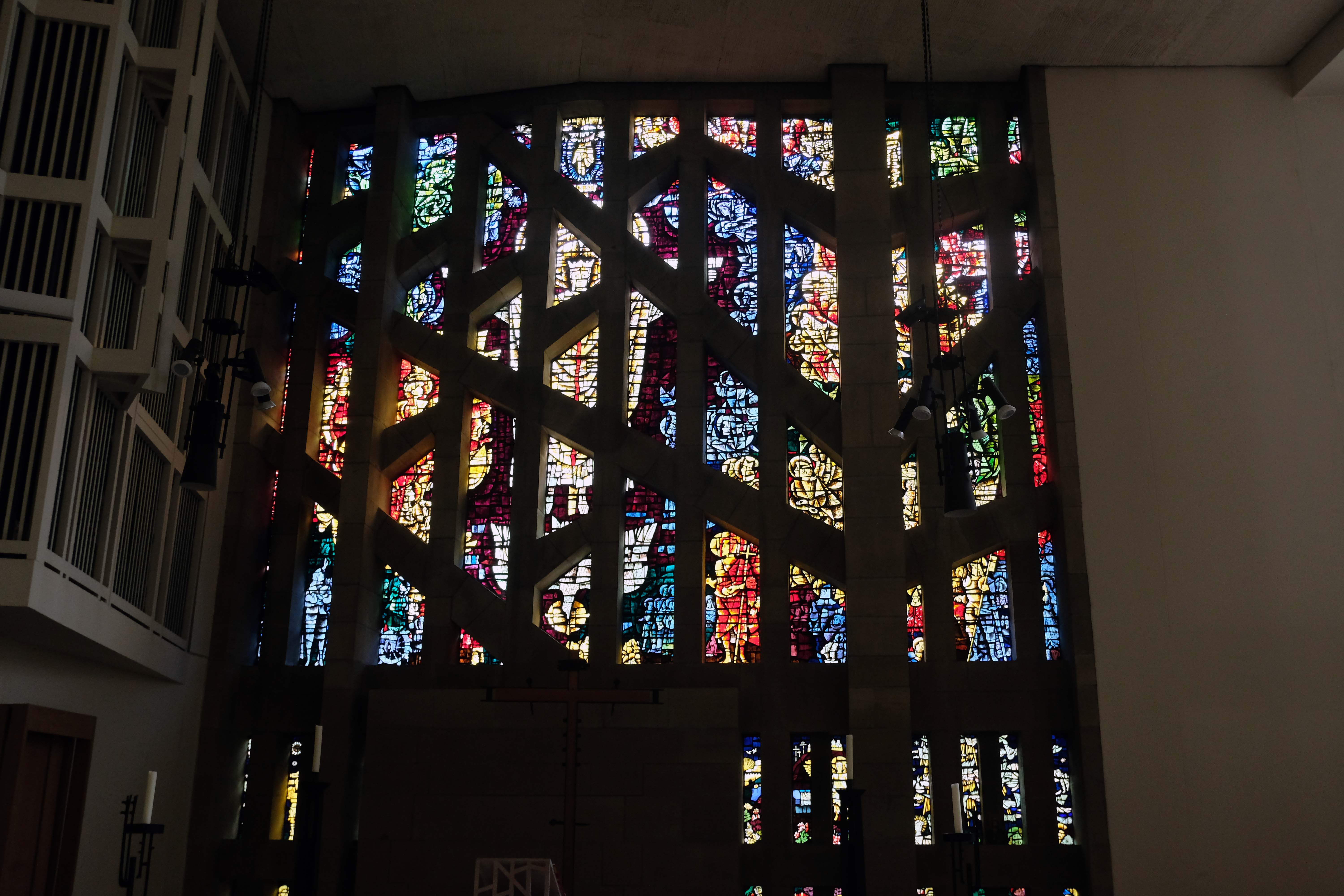
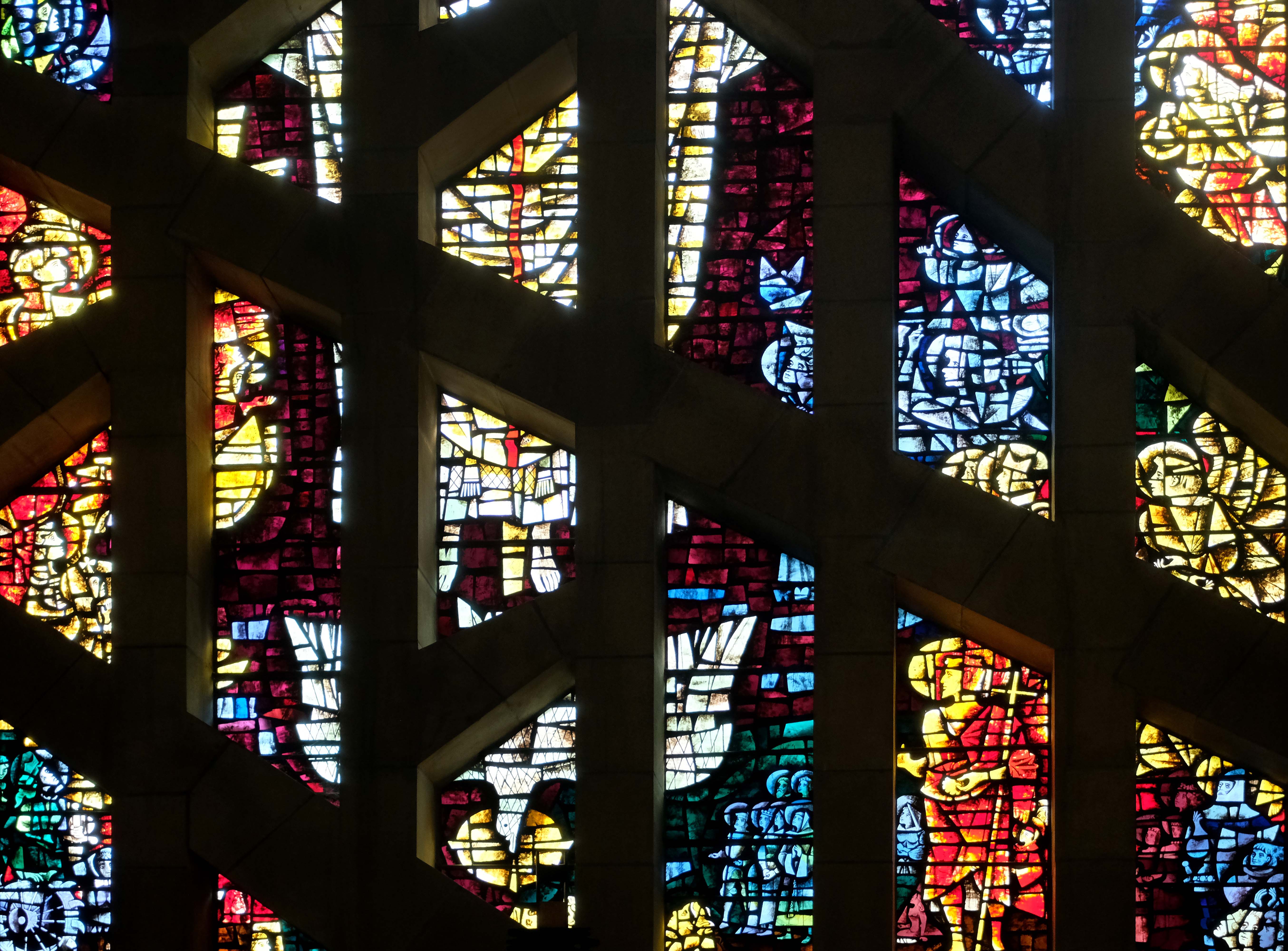
Above is the tower with large areas of stained glass designed by John Piper and Patrick Reyntiens in three colours – yellow, blue and red, representing the Trinity.
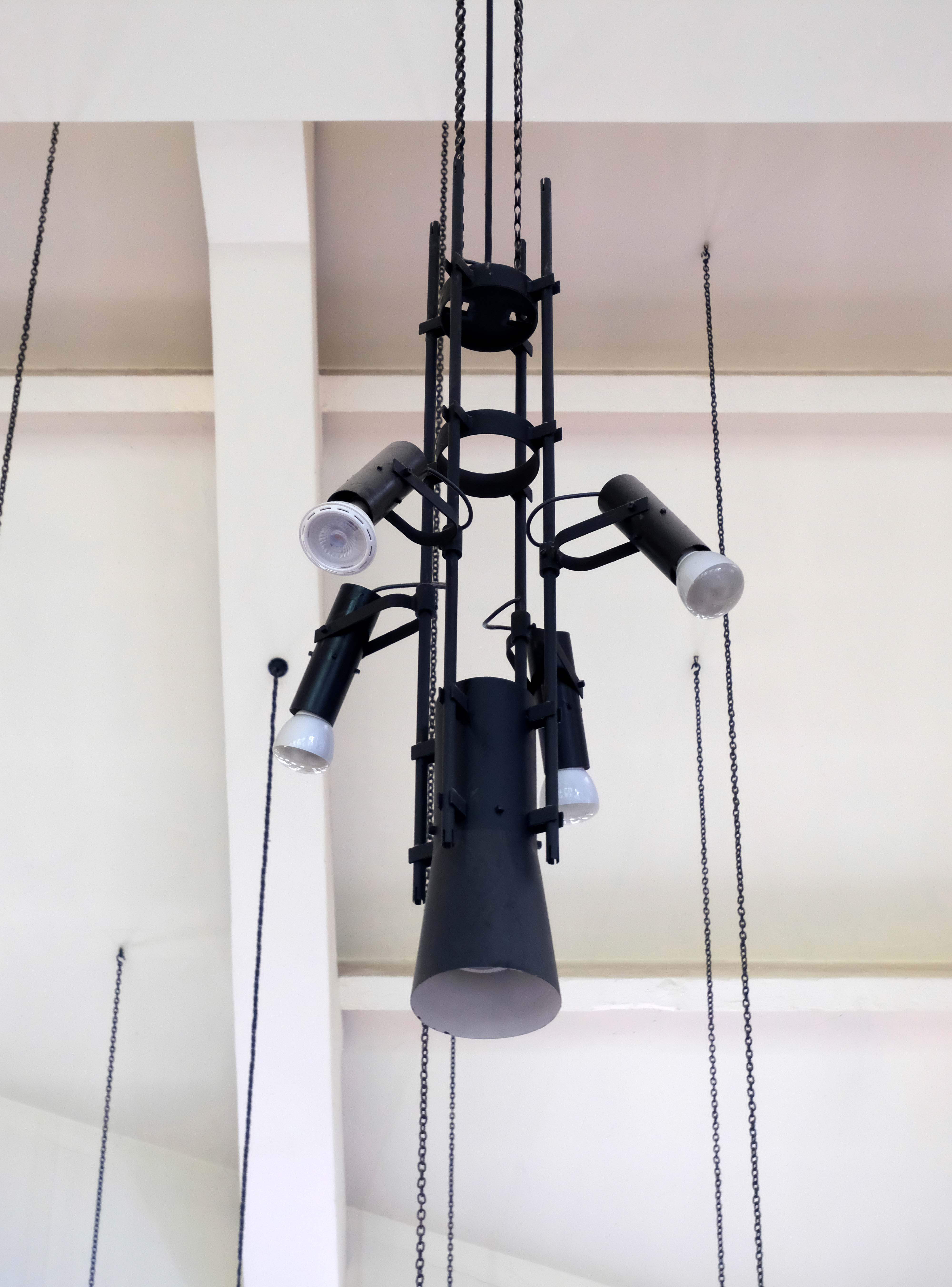
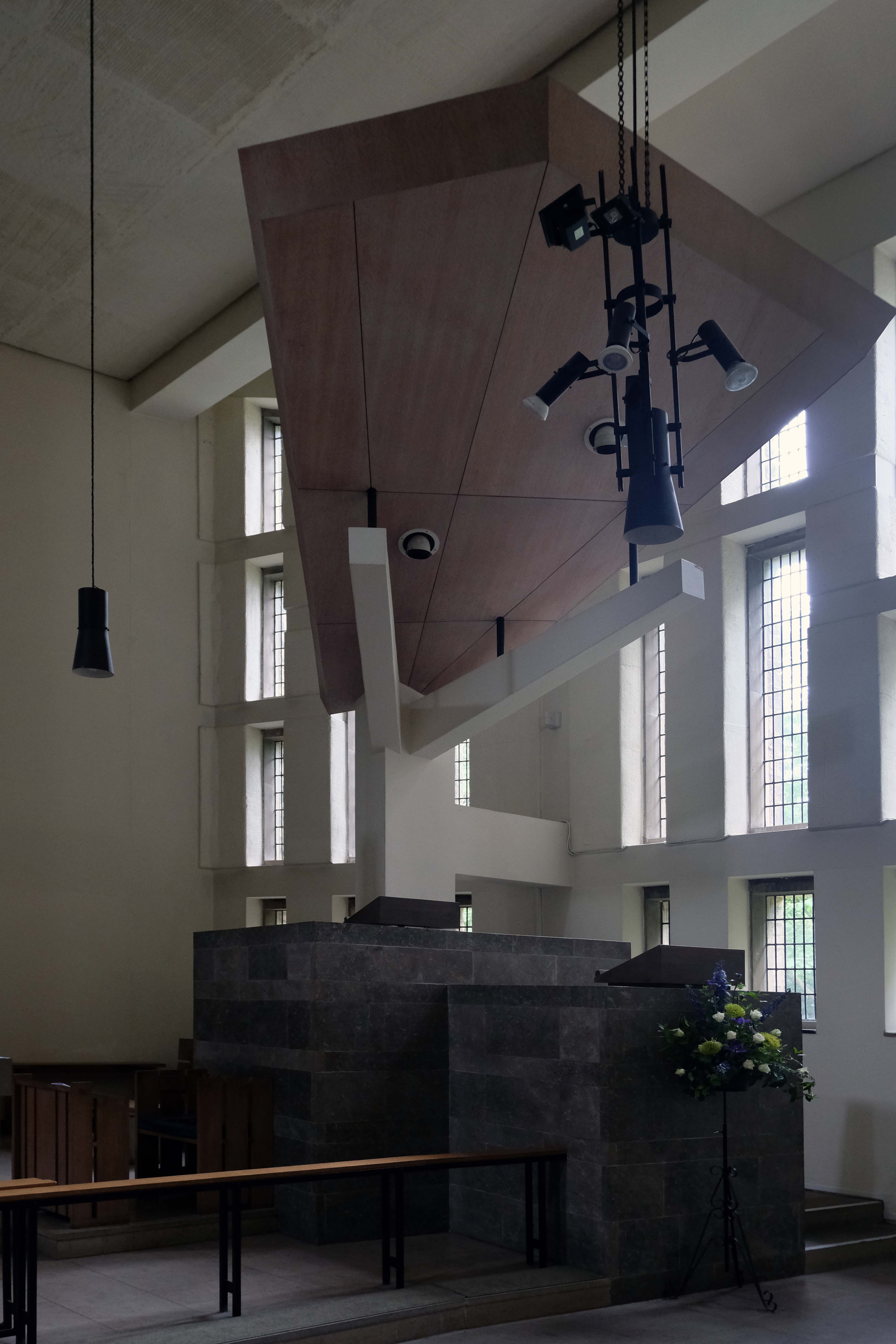
On the altar, the candlesticks are by RY Goodden and the bronze crucifix is by Elisabeth Frink. Above the altar is a baldachino designed by Gibberd as a crown-like structure composed of aluminium rods, which incorporates loudspeakers and lights. Around the interior are metal Stations of the Cross, designed by Sean Rice. Rice also designed the lectern, which includes two entwined eagles. In the Chapel of Reconciliation, the stained glass was designed by Margaret Traherne. Stephen Foster designed, carved and painted the panelling in the Chapel of St. Joseph. The Lady Chapel contains a statue of the Virgin and Child by Robert Brumby and stained glass by Margaret Traherne. In the Blessed Sacrament Chapel is a reredos and stained glass by Ceri Richards and a small statue of the Risen Christ by Arthur Dooley. In the Chapel of Unity is a bronze stoup by Virginio Ciminaghi, and a mosaic of the Pentecost by Hungarian artist Georg Mayer-Marton which was moved from the Church of the Holy Ghost, Netherton, when it was demolished in 1989. The gates of the Baptistry were designed by David Atkins.
Designed by NBBJ and HKS – The Royal Hospital is one of the national infrastructure schemes being delivered under a Government PFI contract, with work having started in 2014 led by now-collapsed contractor Carillion.
After Carillion went into administration, further issues were uncovered during a structural review by Arup in 2018, including that the cladding on the building was unsafe and the project had to be reviewed and re-costed as a result. The targeted completion date is now five years later than planned.
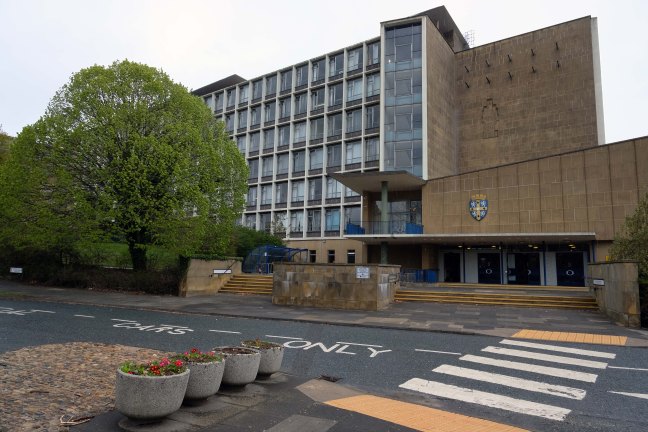
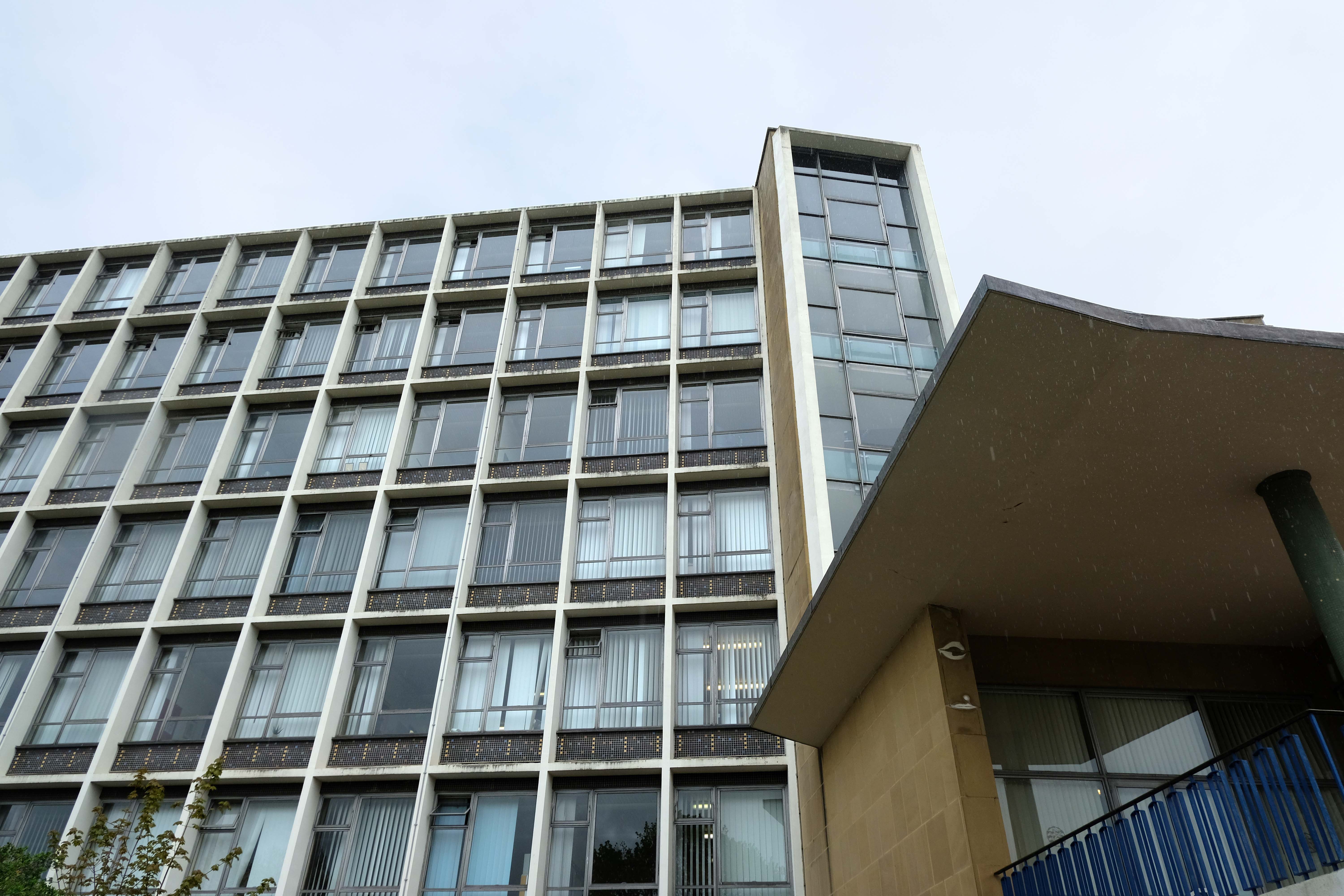
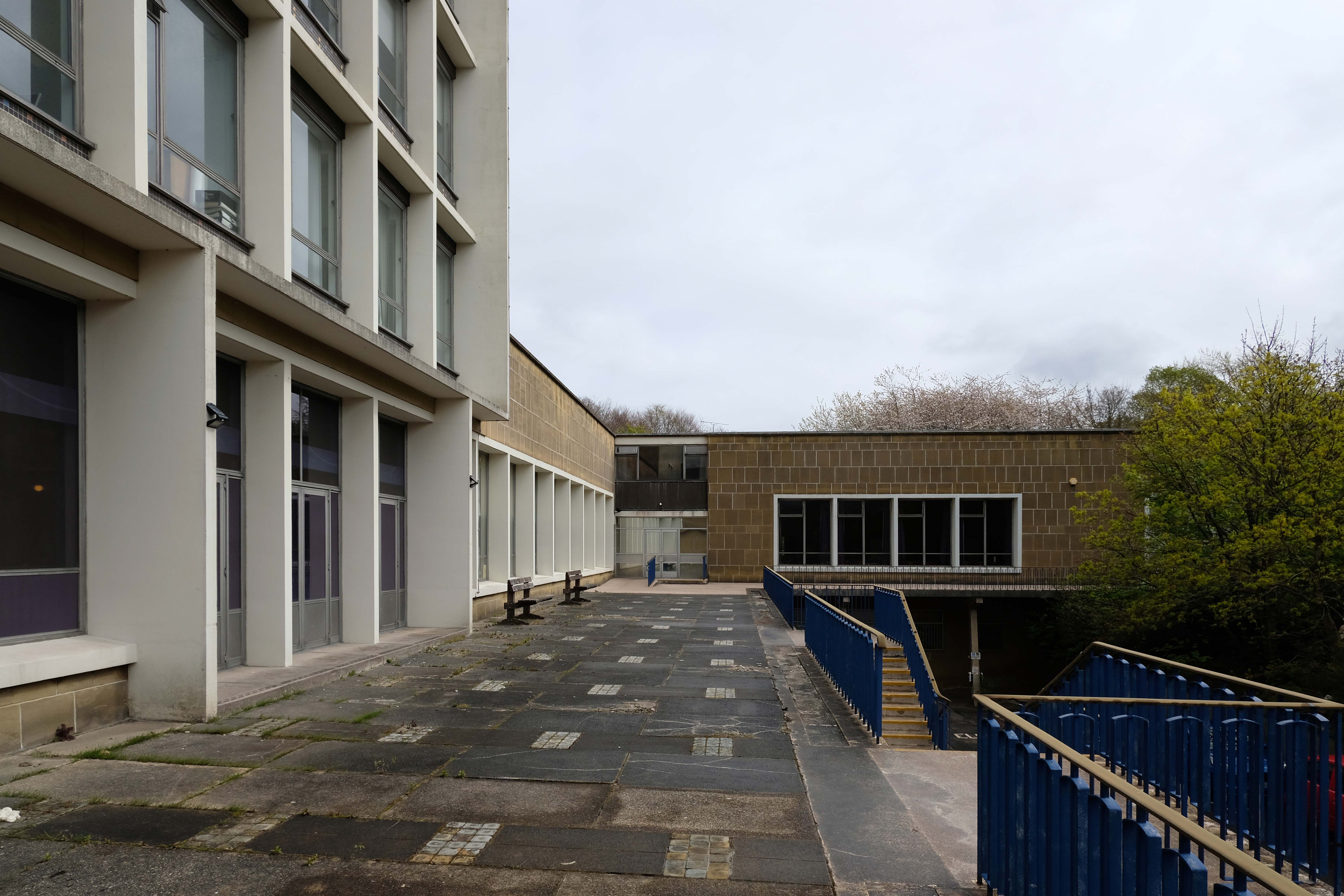
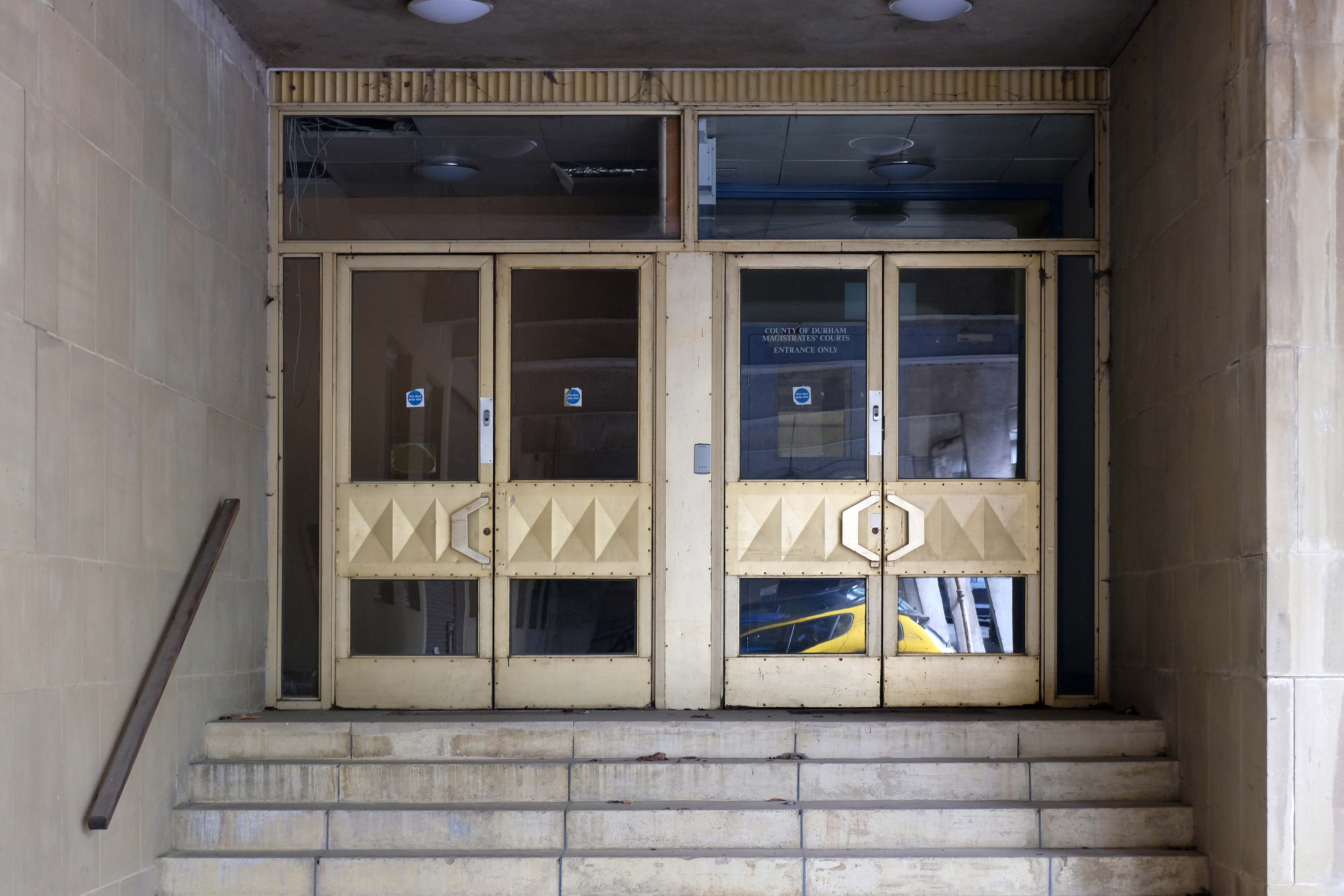
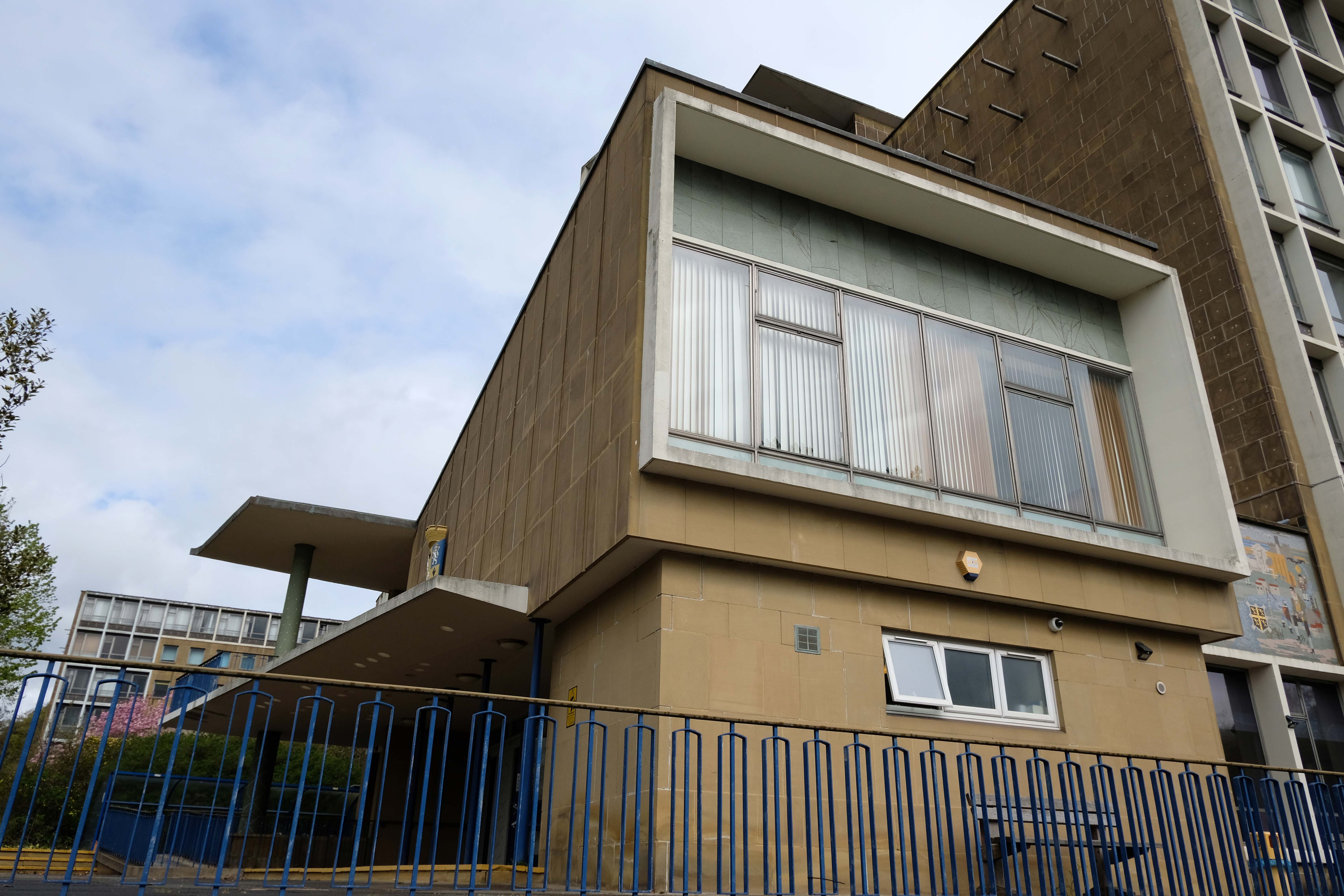
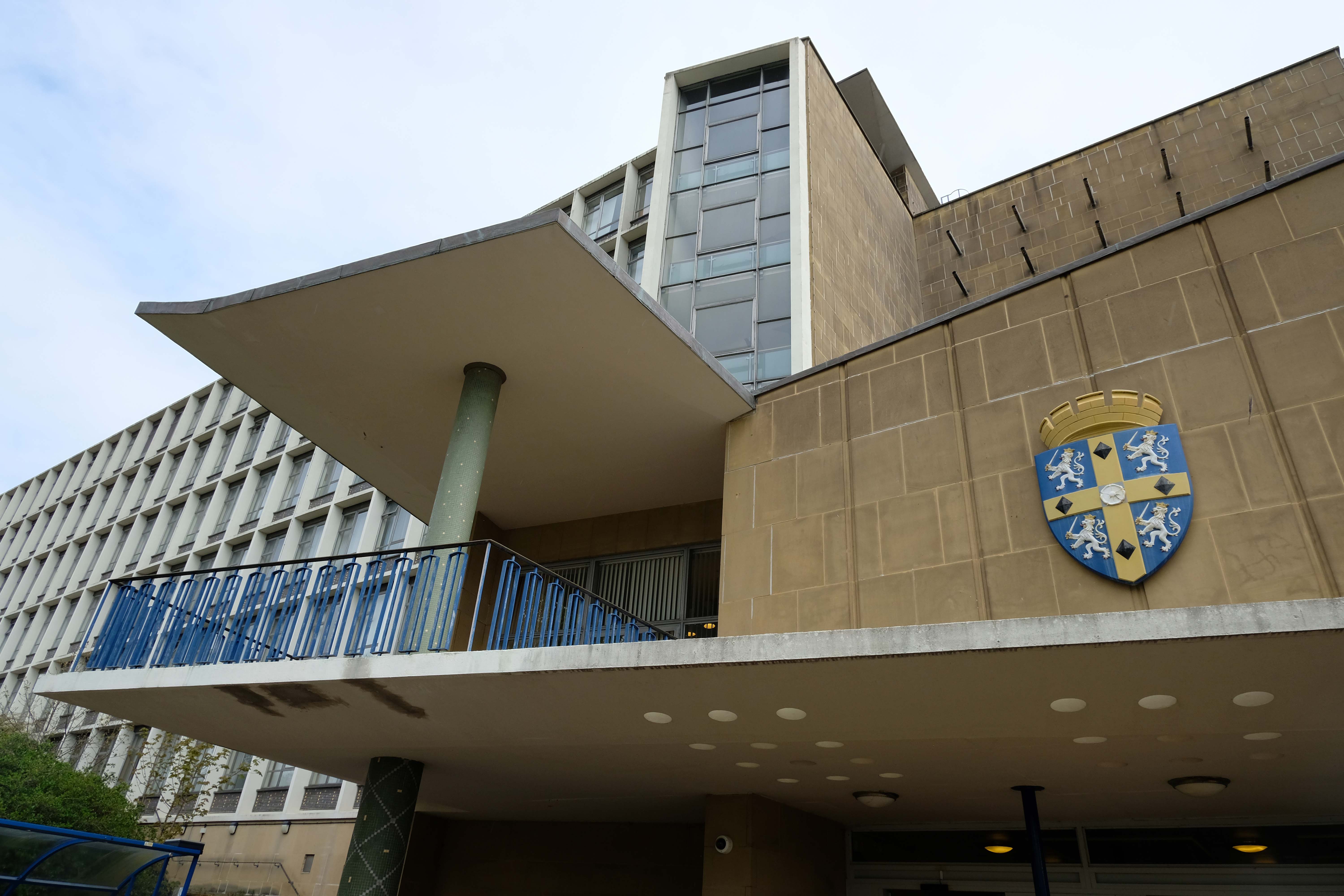
Work on the new building began in 1960: it was designed by Sir Basil Spence and was built by John Laing & Son at a cost of £2.75 million and was officially opened by the Duke of Edinburgh on 14 October 1963.
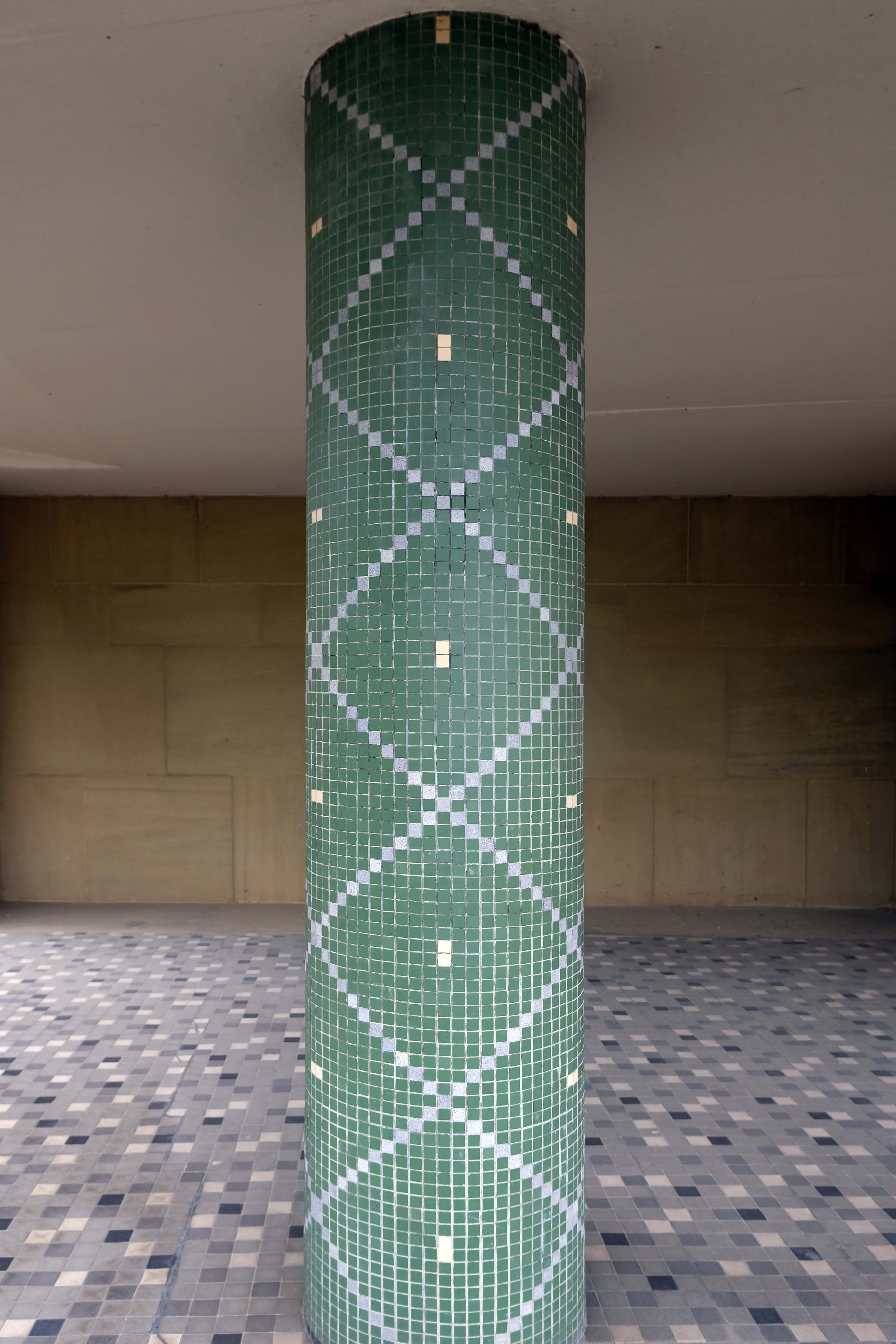
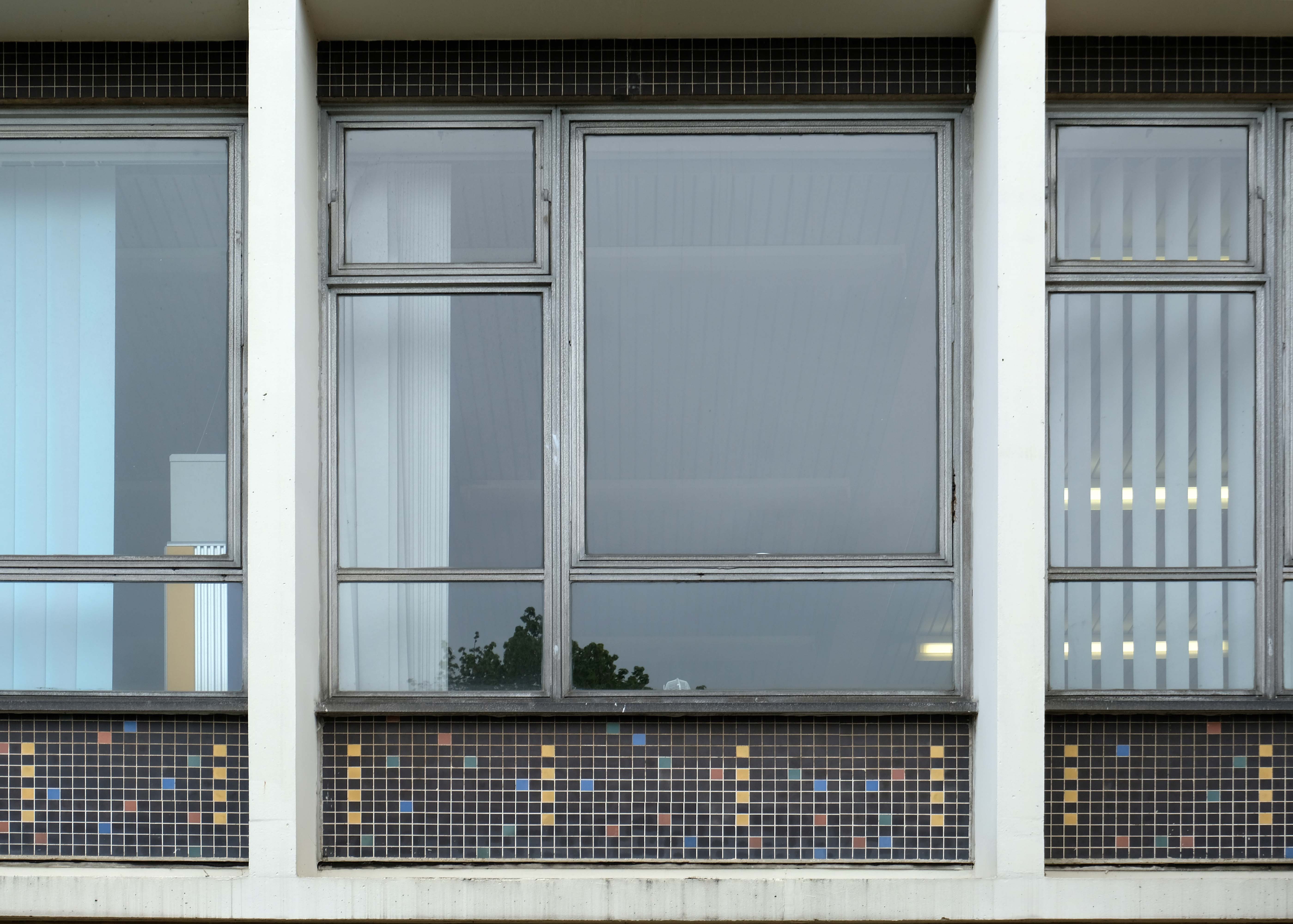
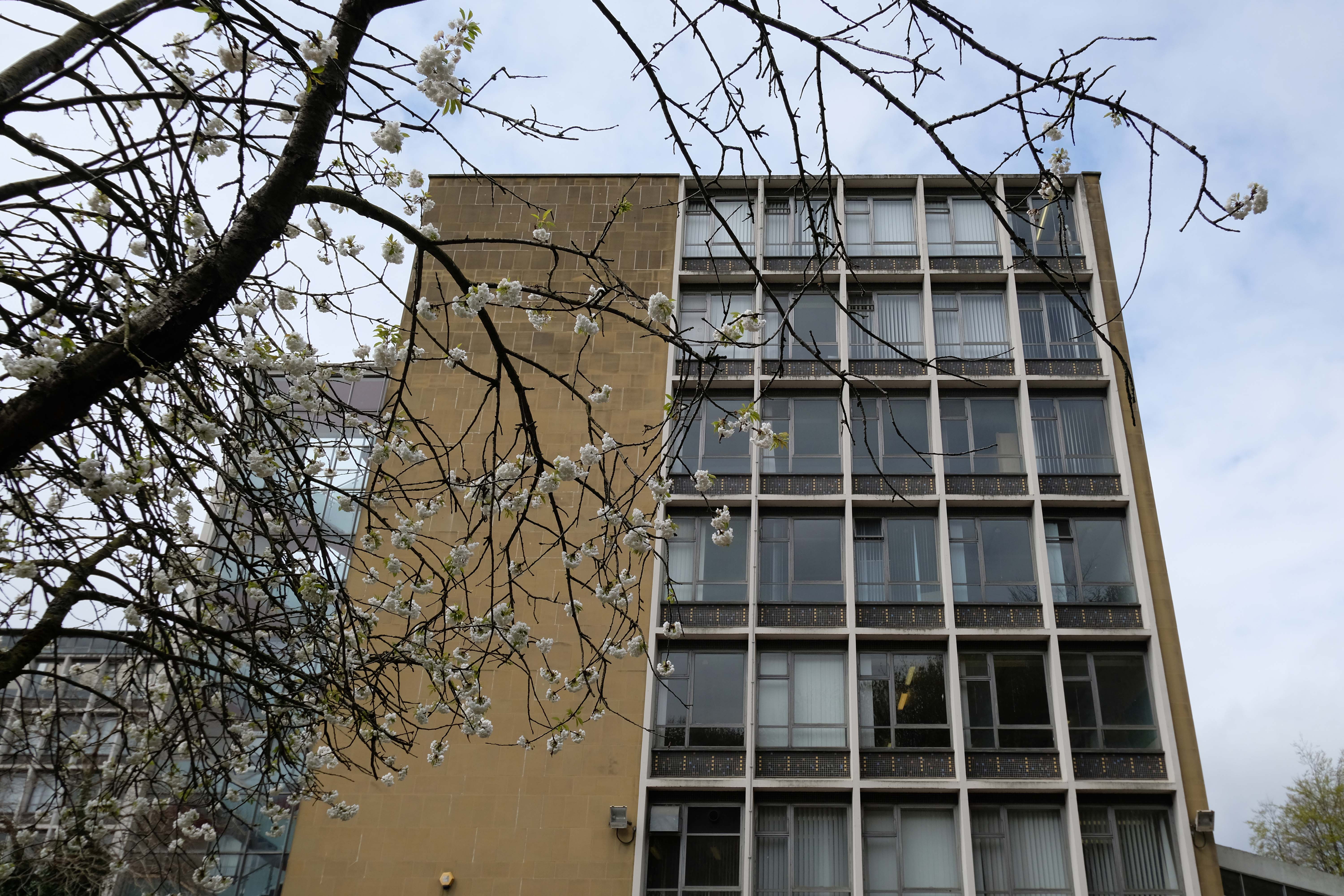
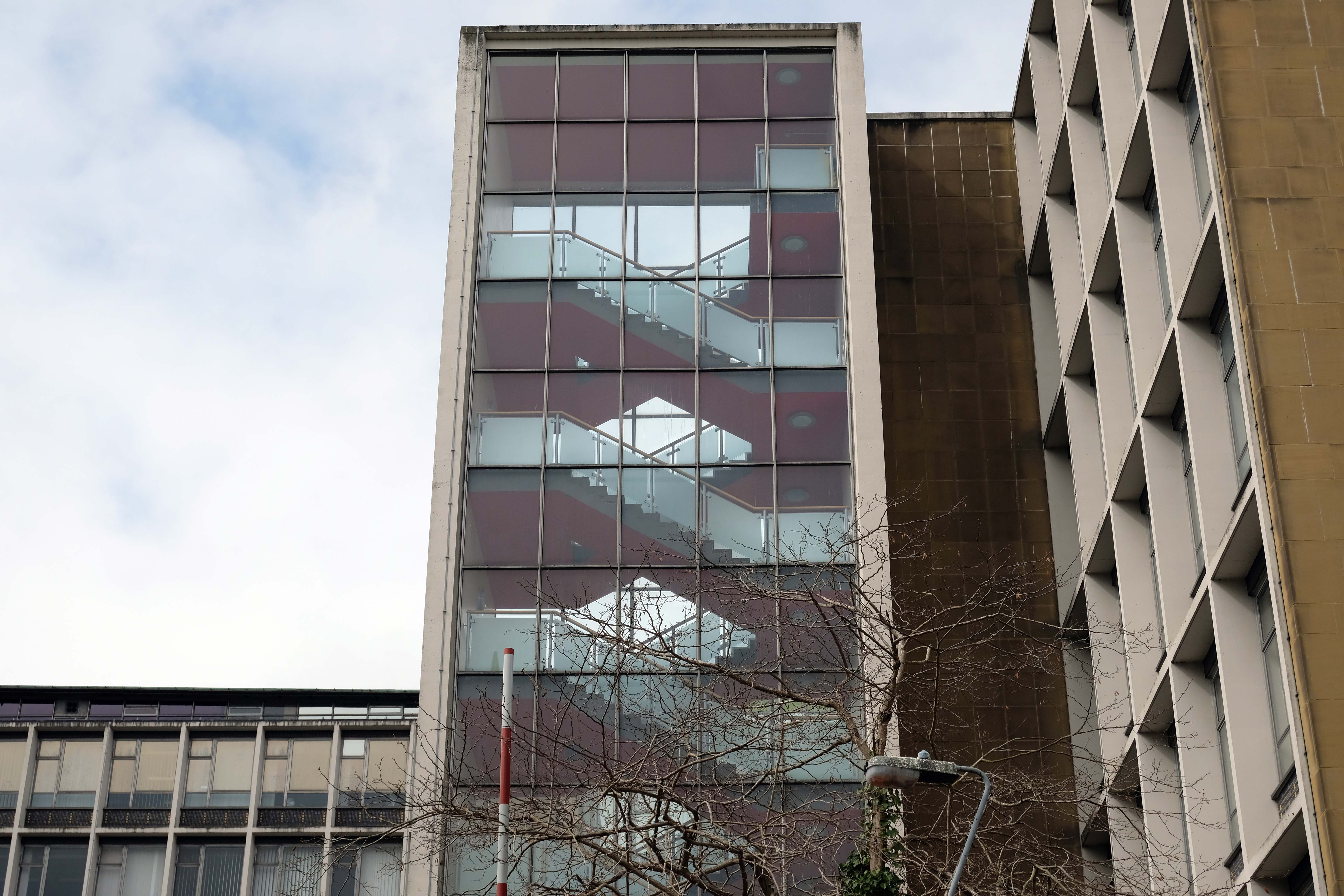
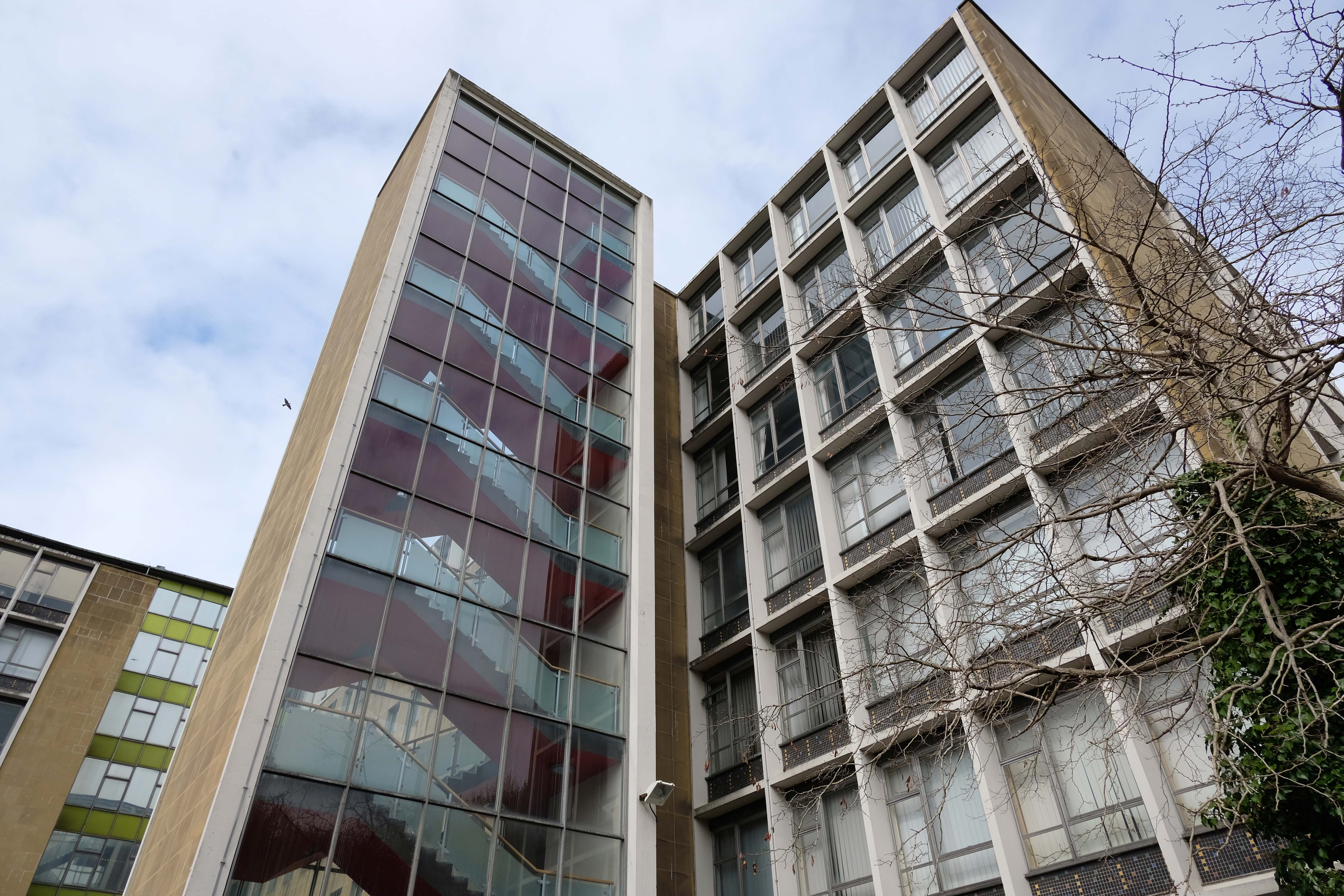
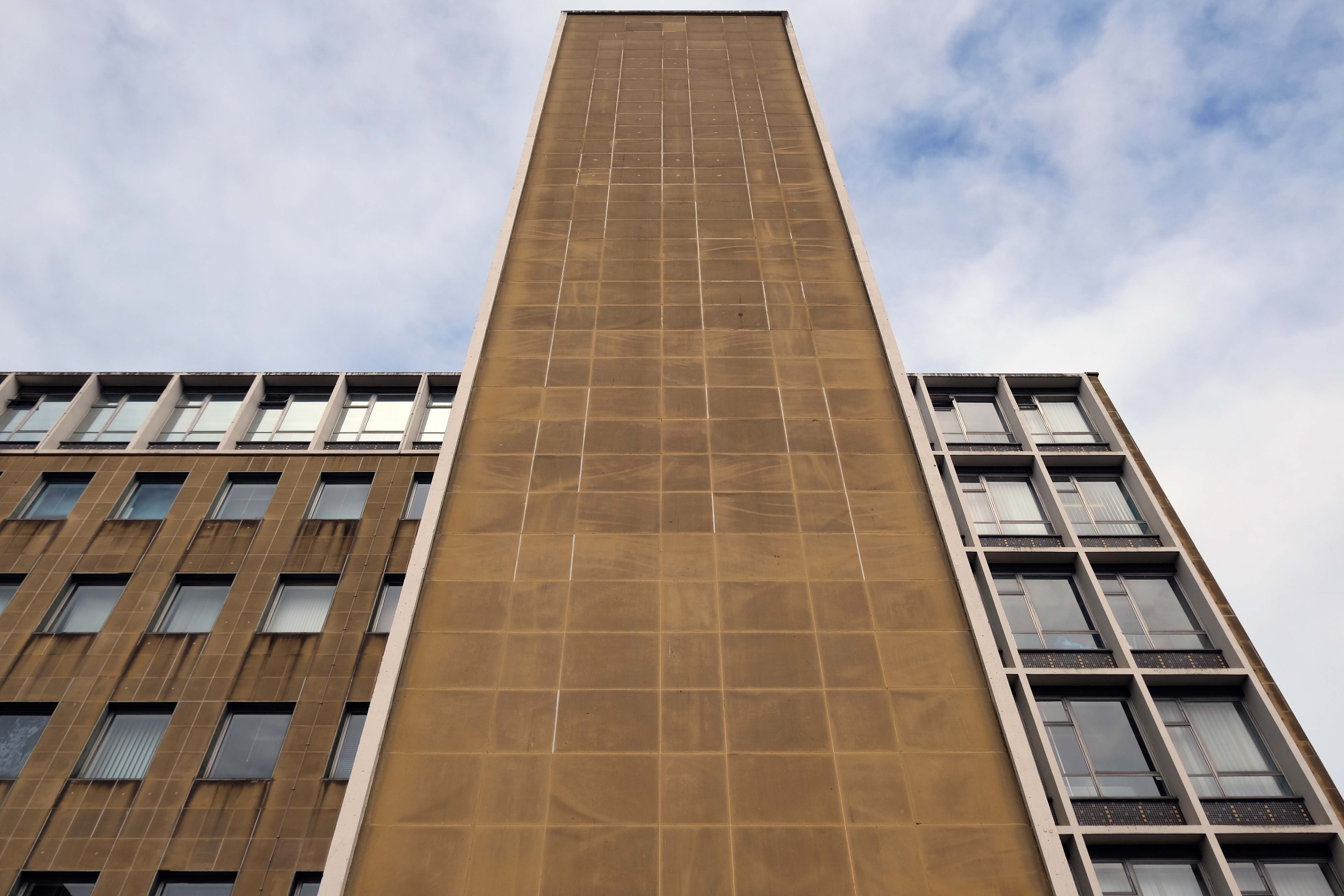
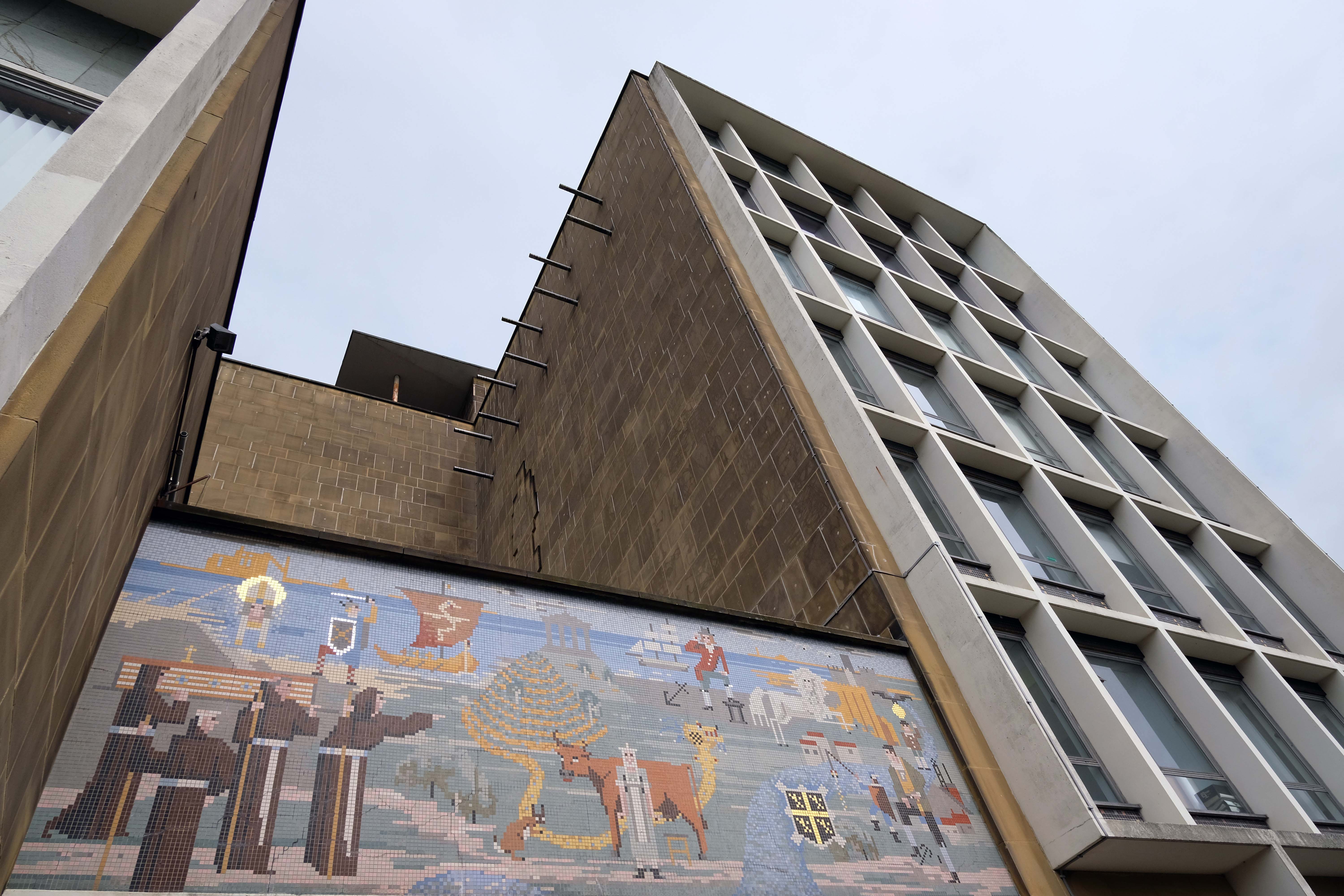
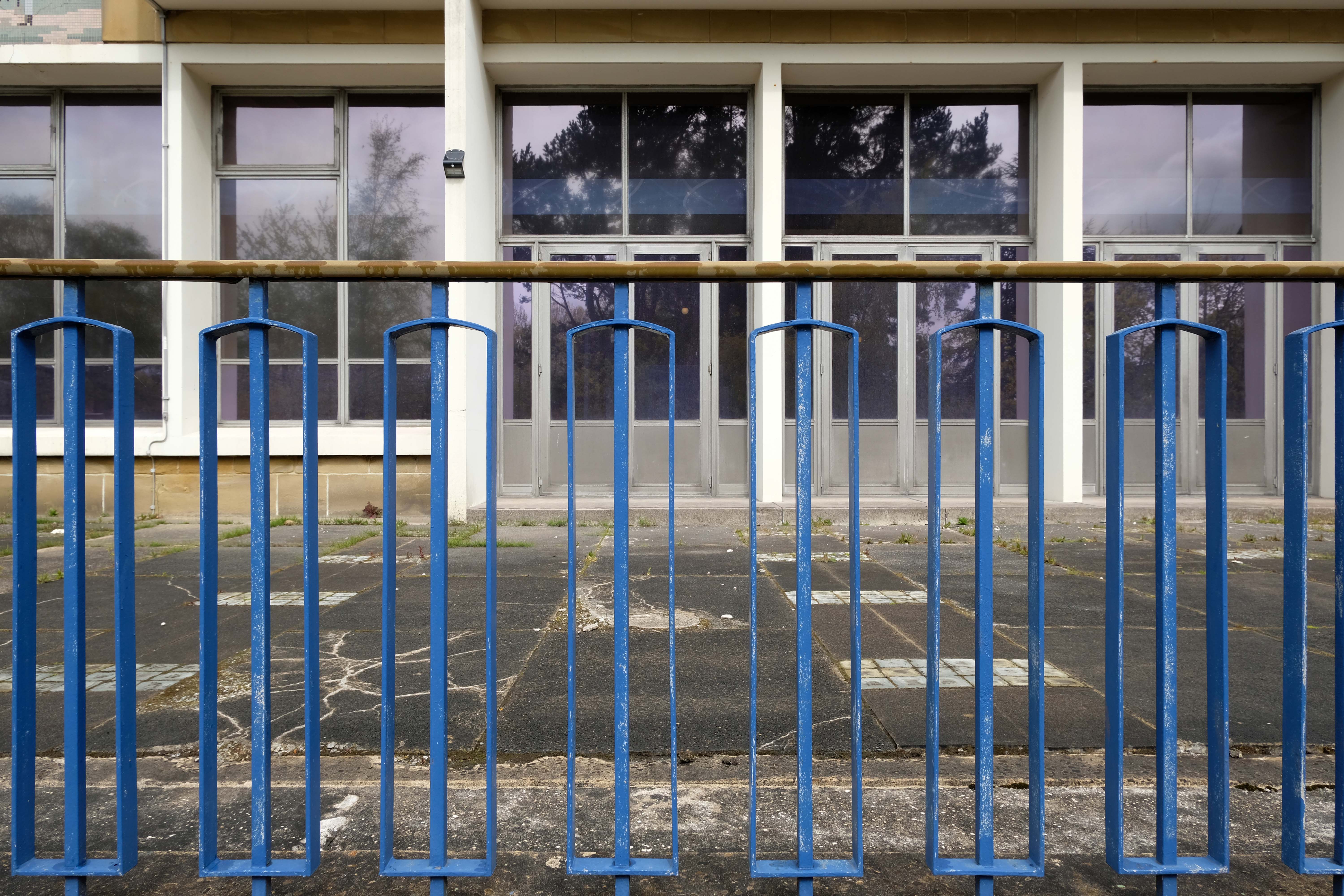
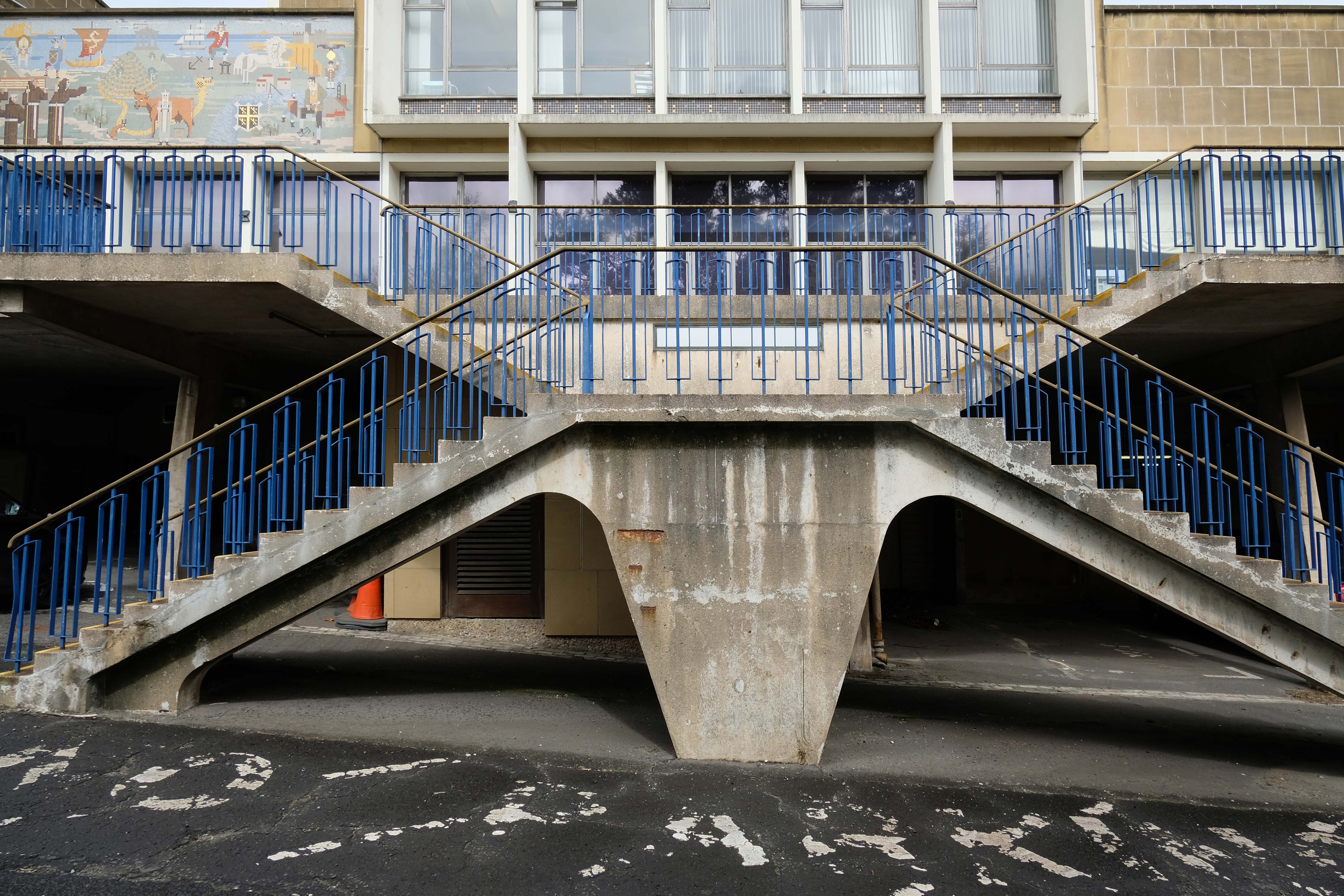
The design for the seven-storey building involved continuous bands of glazing with exposed concrete beams above and below.
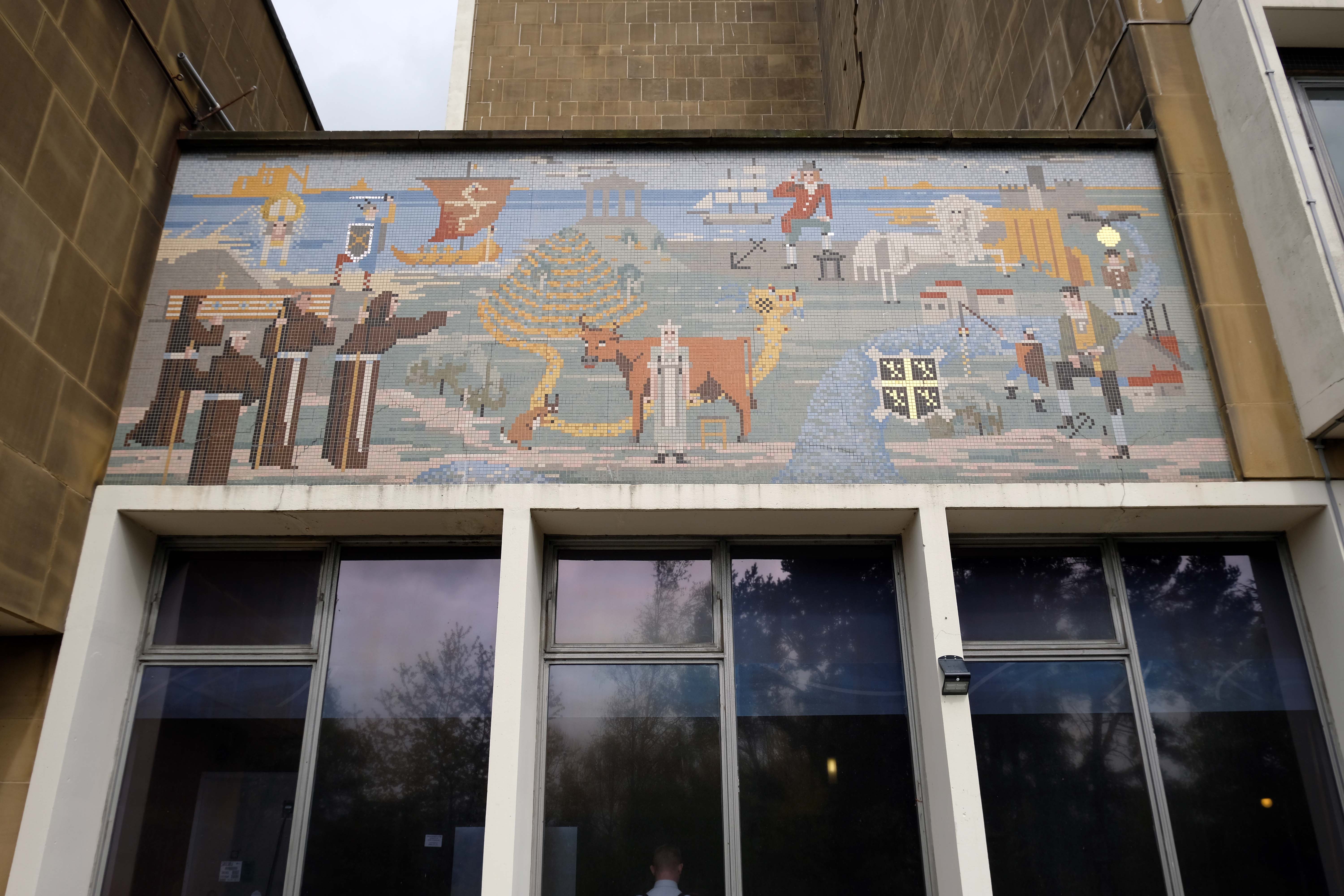
A large mosaic mural depicting local scenes was designed by Clayton and Gelson and installed on the face of the building.
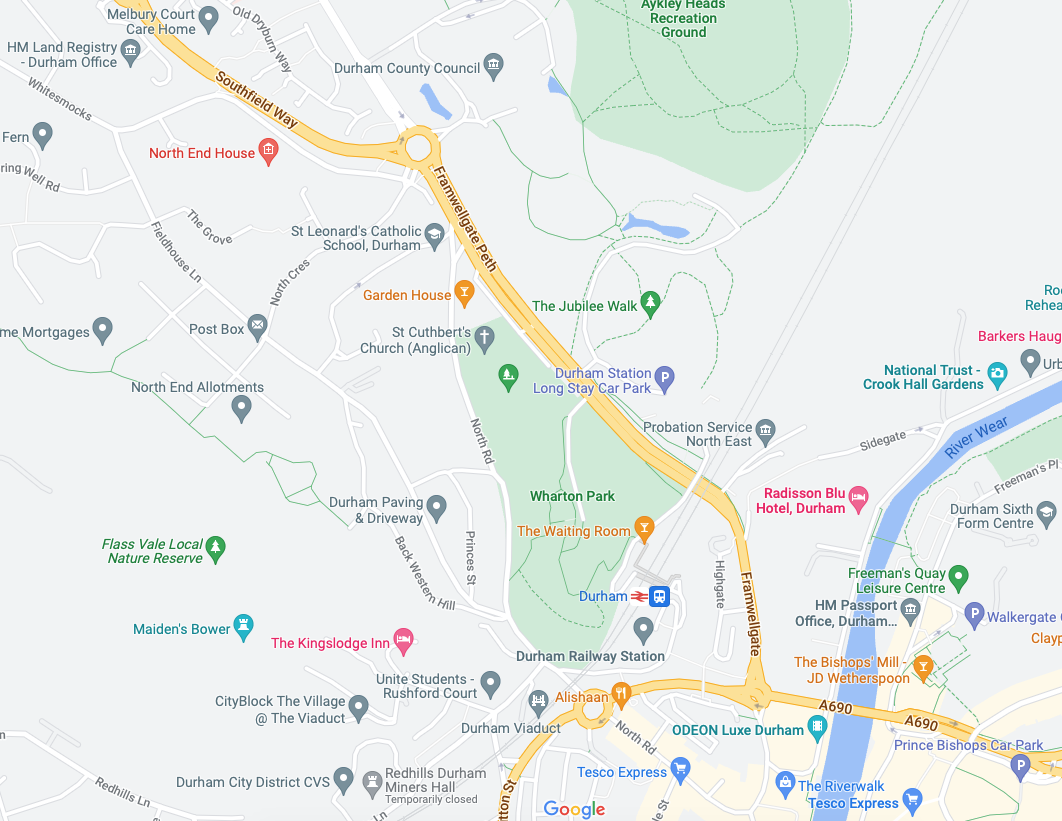
In March 2019, the County Council approved a proposal to move to a smaller new-build facility on the Sands car park at Freeman’s Place in the centre of Durham. Of around 1,850 staff currently based in County Hall, 1,000 will be based at the new HQ and approximately 850 will relocate to four council office sites being developed across the county in Crook, Meadowfield, Seaham and Spennymoor. The building works, which are being carried out by Kier Group at a cost of £50 million, are scheduled to be completed in late 2021. Richard Holden, Conservative member of parliament for North-West Durham, has described the new council headquarters as a ‘vanity project’, questioning the suitability of the location as well as tax increases and cuts to services used to pay for the development.
In April 2022 the council sold their new HQ to Durham University – yet demolition will still go ahead. This unlisted gem in the grand Festival of Britain style deserves much, much better.
Nearby Neighbours Newcastle have had the good sense to list and retain their Civic Centre.
The administration now plans a three-pronged approach to:
Construct another new modest-sized civic building and conference centre for businesses at Aykley Heads.
Occupy other council-owned offices already being built at Aykley Heads.
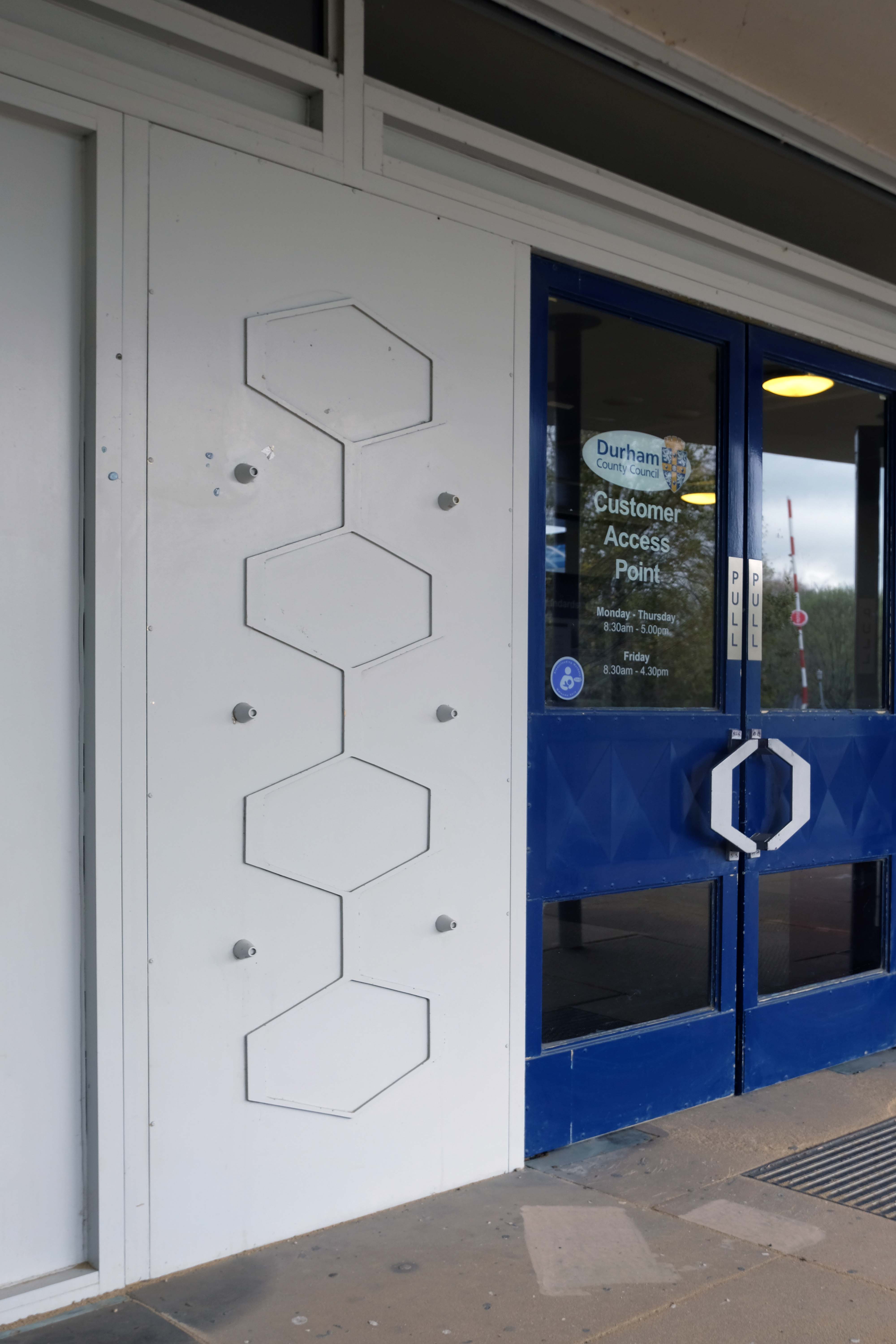
Refurbish and reuse the former customer access point on Front Street, Stanley, a large, run-down Grade II listed building which the council has been unable to sell.
Online, there is no evidence of any will or pressure to save this glorious building – the site will eventually become that most modern mix of business park, retail, and leisure facilities.
The proposal, led by Durham County Council, forms part of an overall masterplan to knock down the municipal building in Aykley Heads and redevelop the wider site to provide retail, financial and professional space, food and drink units, space for leisure use and a multi-storey car park.
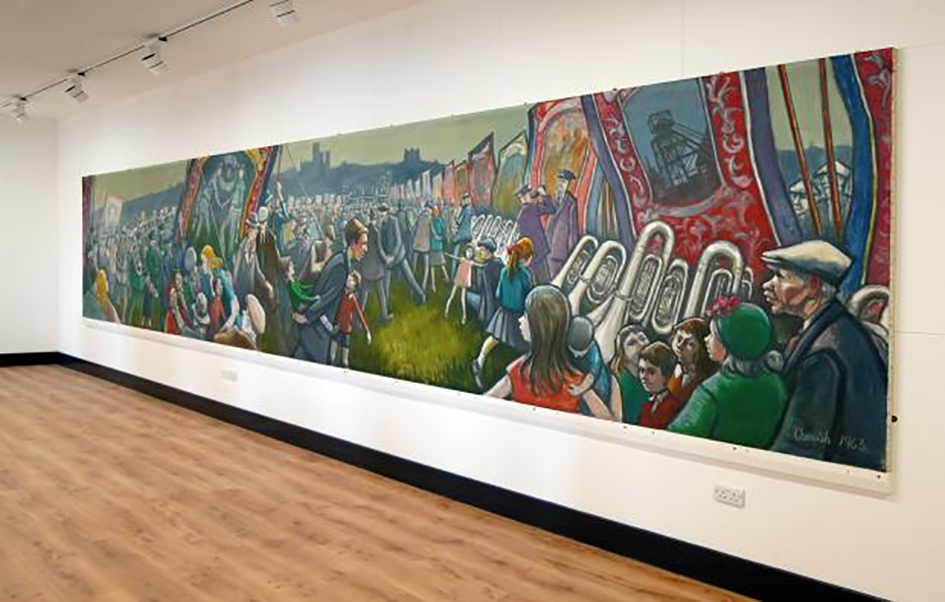
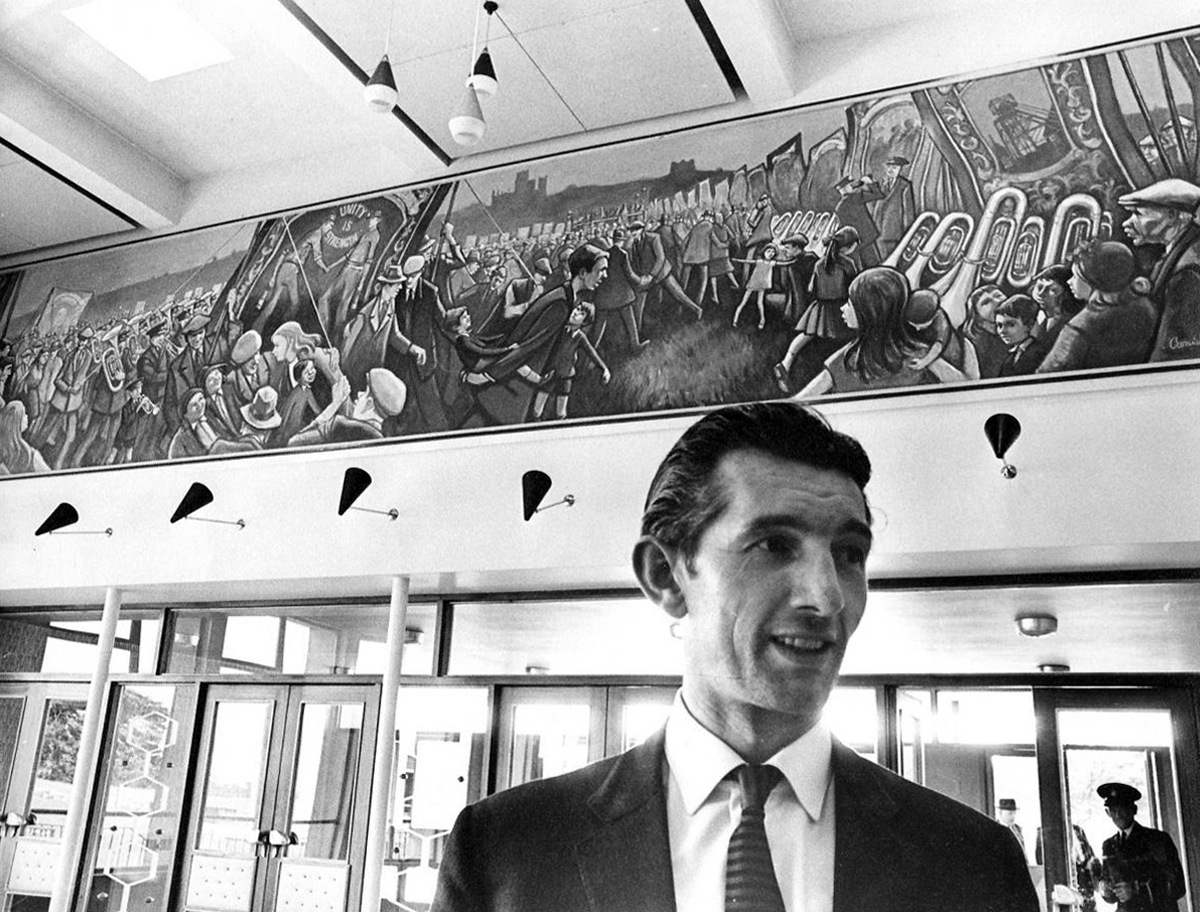
A mural by a beloved pitman painter, commissioned by Durham County Council to mark the opening of County Hall in 1963, has been successfully moved to its new home in Bishop Auckland.
The painting by Norman Cornish, one of the most respected and much-loved artists to emerge from the North-East, depicts the arrival of the banners at Durham Miners’ Gala.
After being commissioned by the council, Cornish was granted 12 months unpaid leave from Mainsforth Colliery in Ferryhill to complete the painting, with most of the work being completed during the coldest winter in 40 years.
Although it arrived at County Hall in 1963 rolled up in the back of a carpet van, the mural’s removal was an incredibly intricate process, involving several experts.
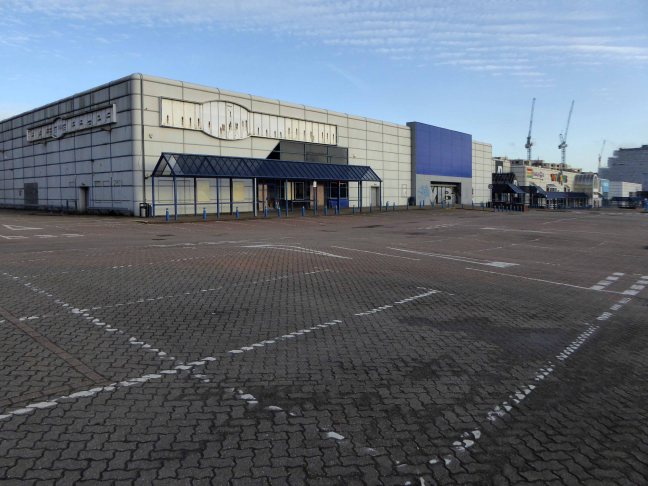
We have been here before – before the wrecking ball.
Subsequently, the tills have long since ceased to ring.
The road to redevelopment is paved with good intentions, and so far a profound lack or realisation.
The local folk objected to the planned luxury offices.
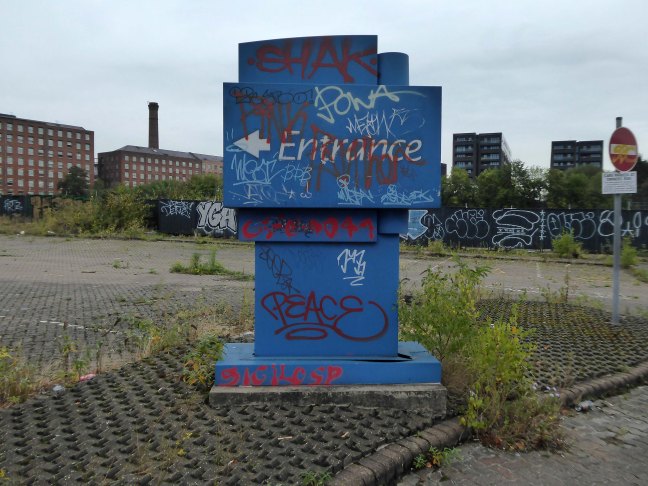
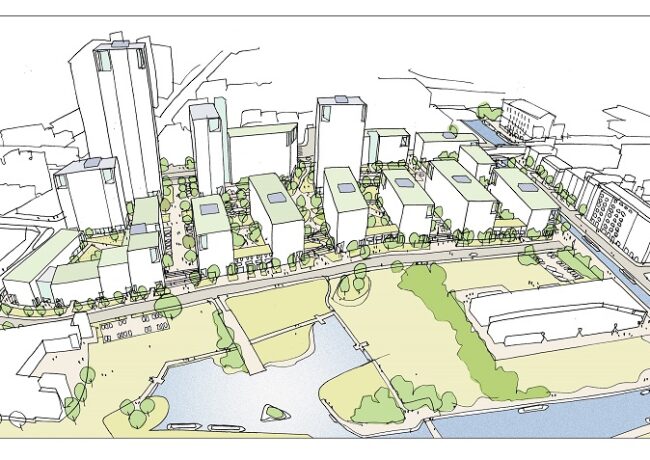
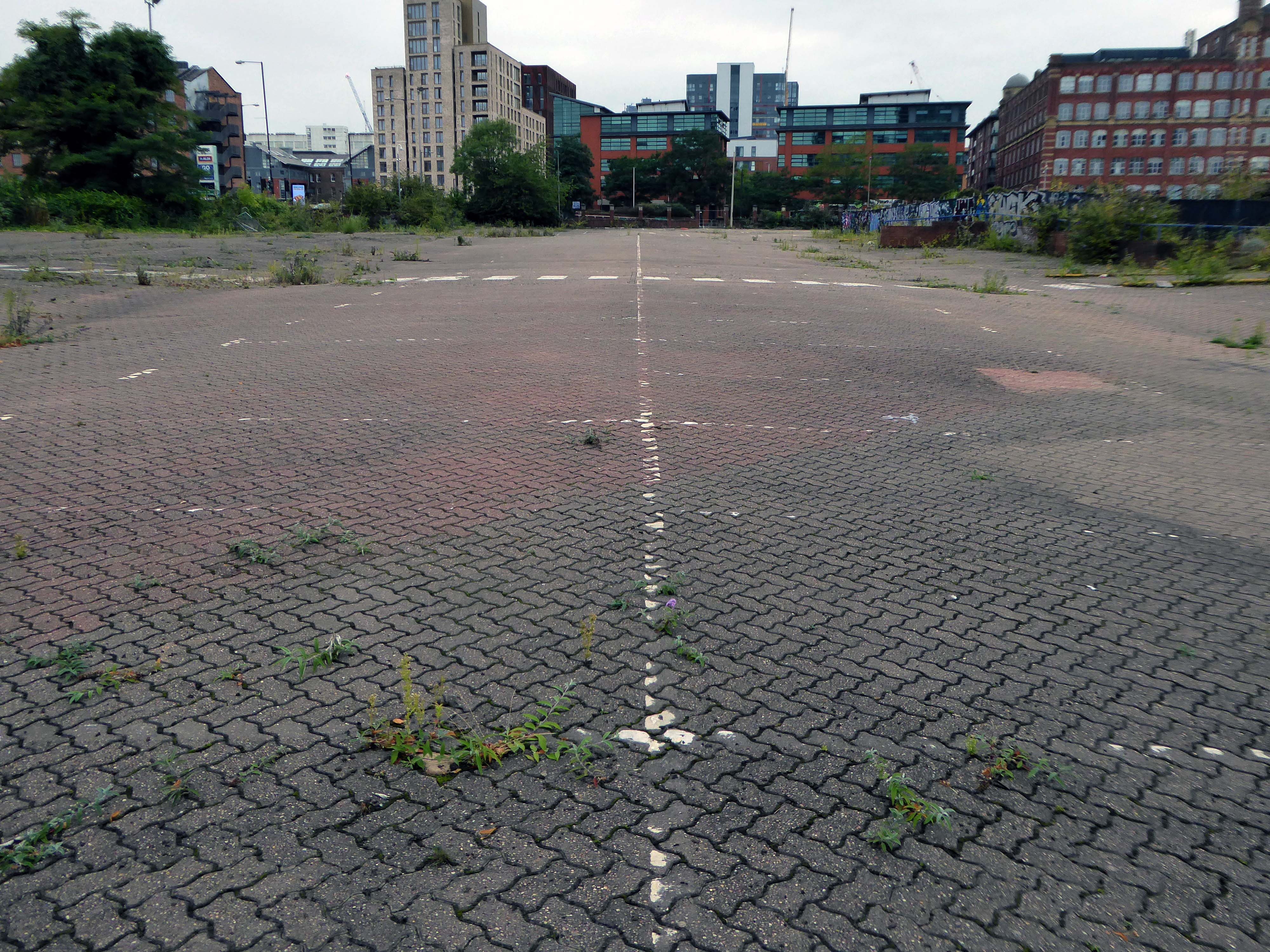
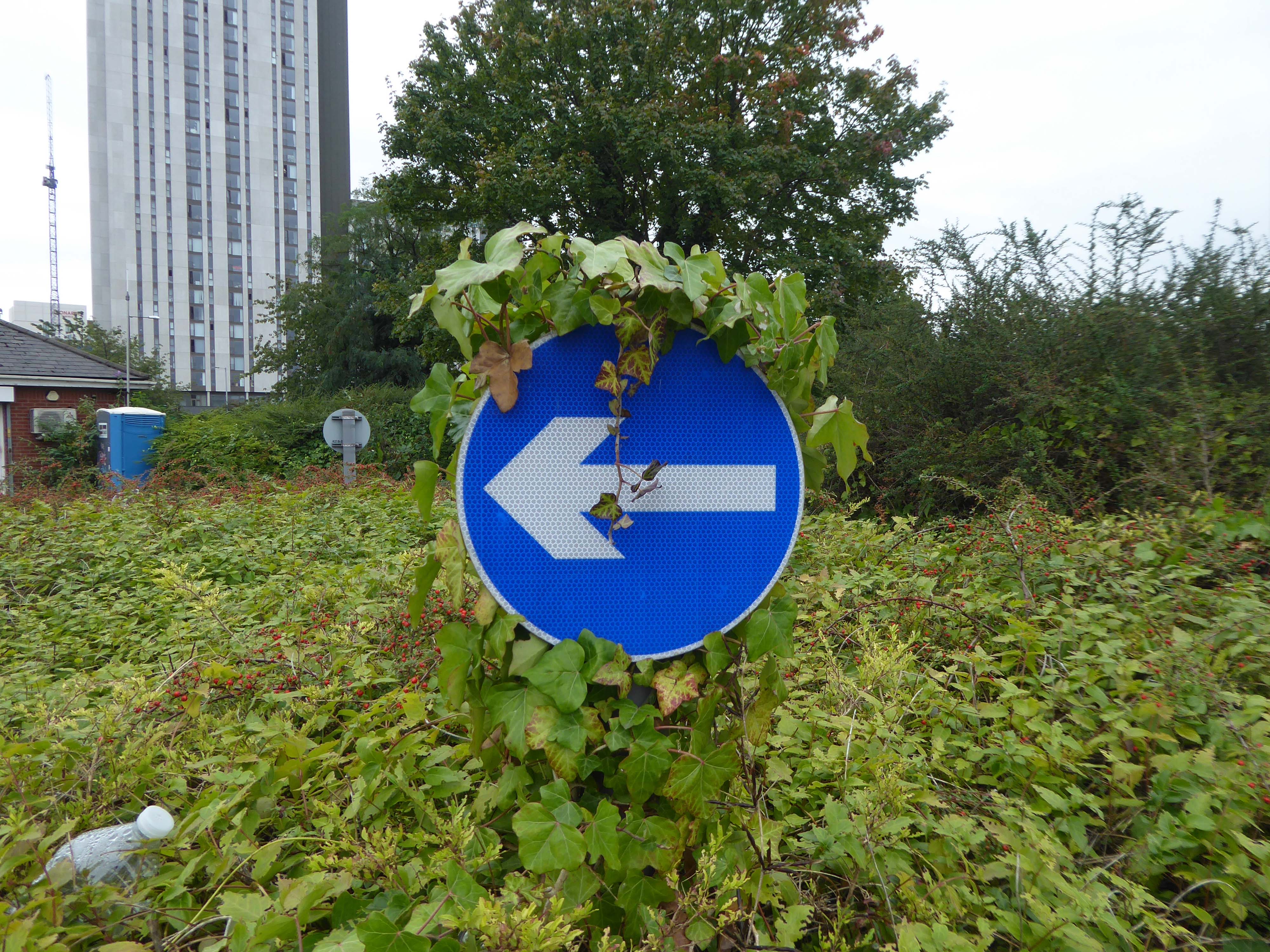
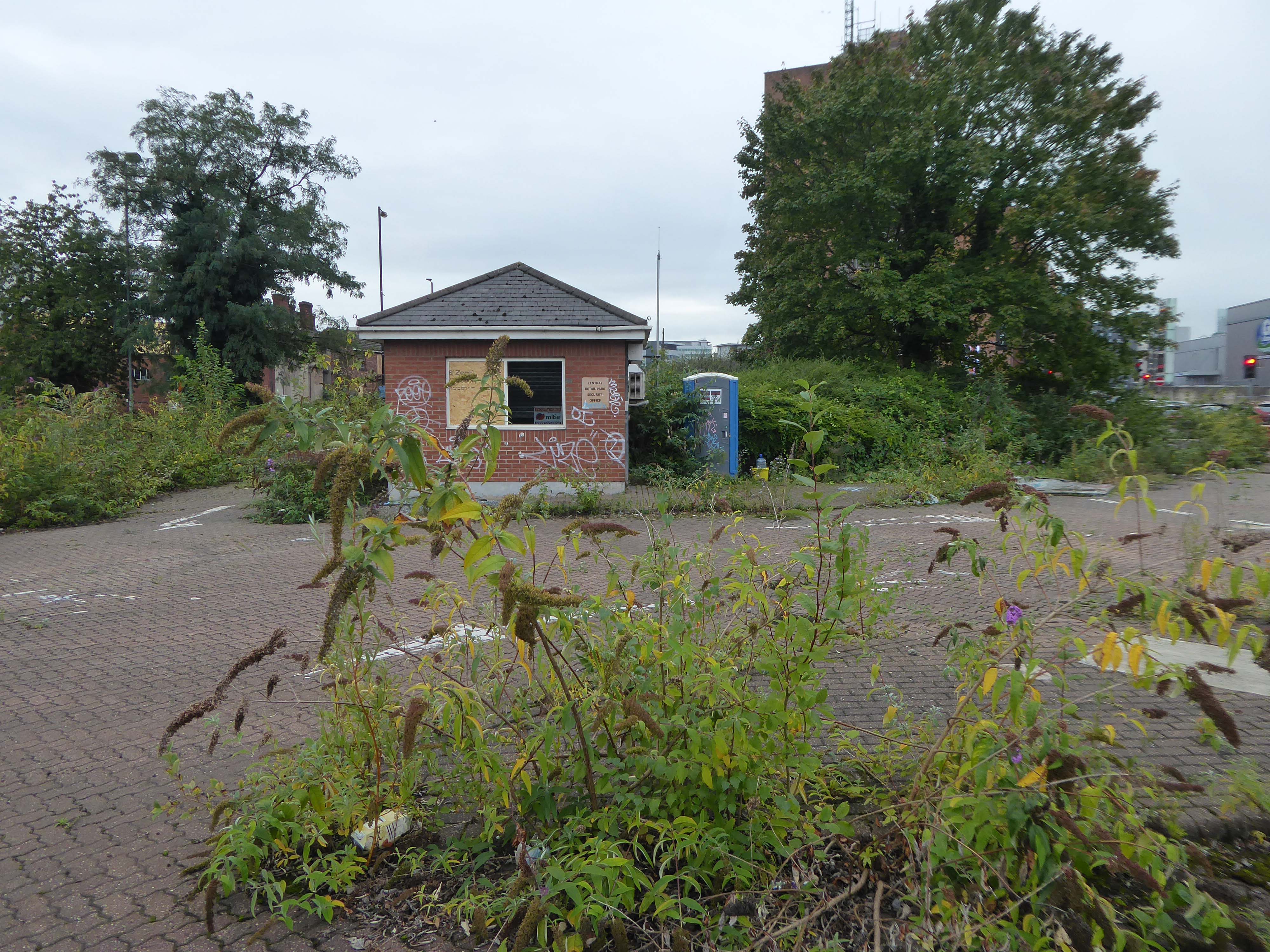
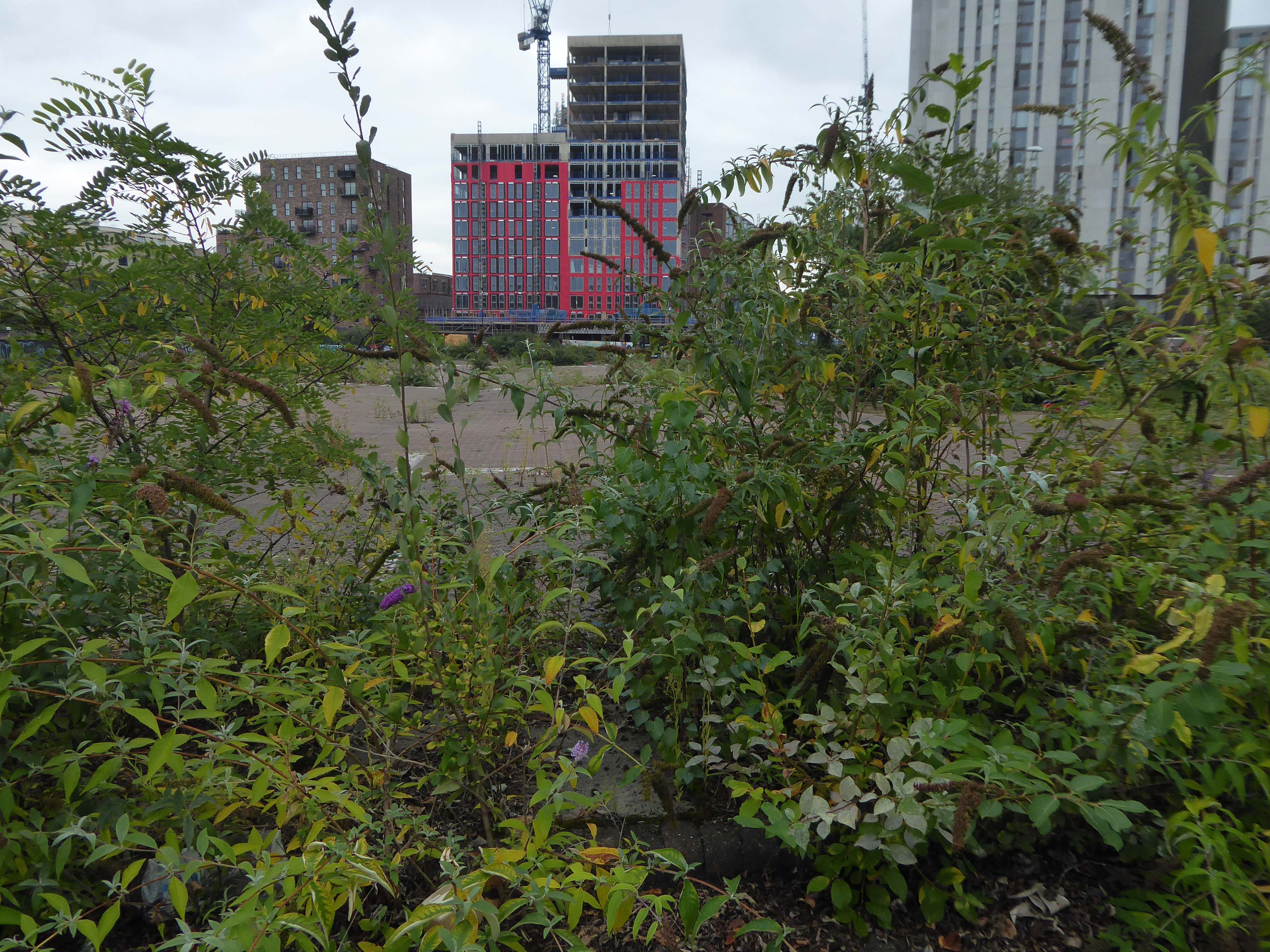
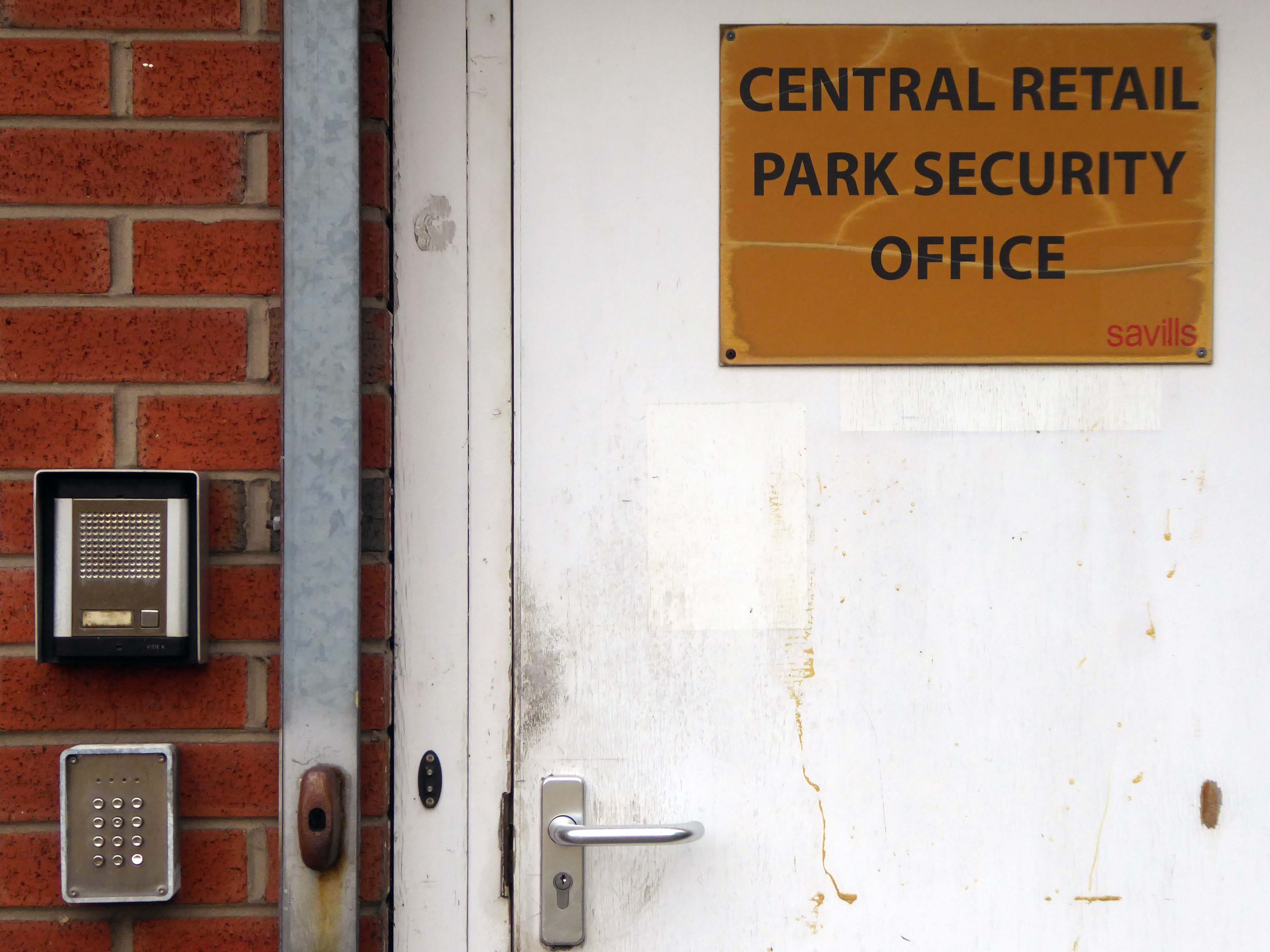
Tomorrow Manchester City Council’s Executive is set to approve the development framework for the former Central Retail Park that will see it turned into a zero carbon office district. But, according to a public consultation carried out by grassroots campaigners, an overwhelming majority of locals want public spaces on the 10.5 acre site in Ancoats rather than luxury offices.
As of April 2022 Trees Not Cars have sought the views of local representatives following the decision not to go ahead with the building of a multi-storey car park
What we need are councillors who will stand up for us and push for as much green space as possible at Central Retail Park development.
It’s council owned, it would link in well with Cotton Field Park and will give the capacity for locals to enjoy the outdoors – without driving, once New Islington Green has been developed into offices.
There is a perennial plea for affordable homes and green space, along with perennial structural and institutional barriers to their financing and building.
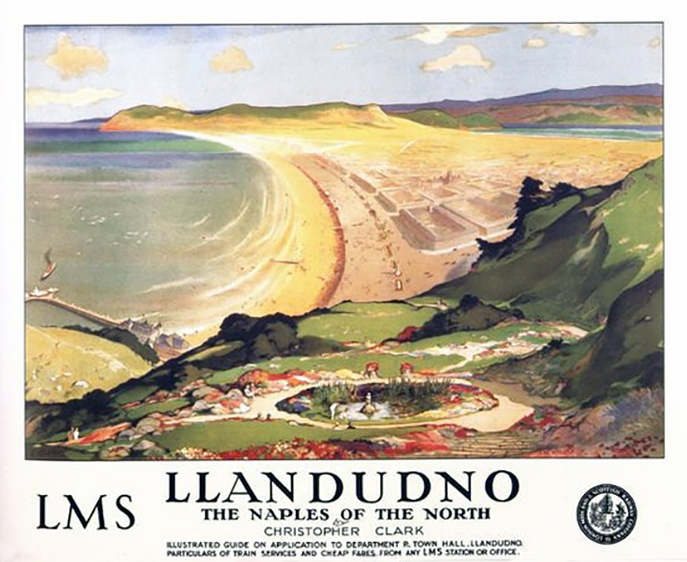
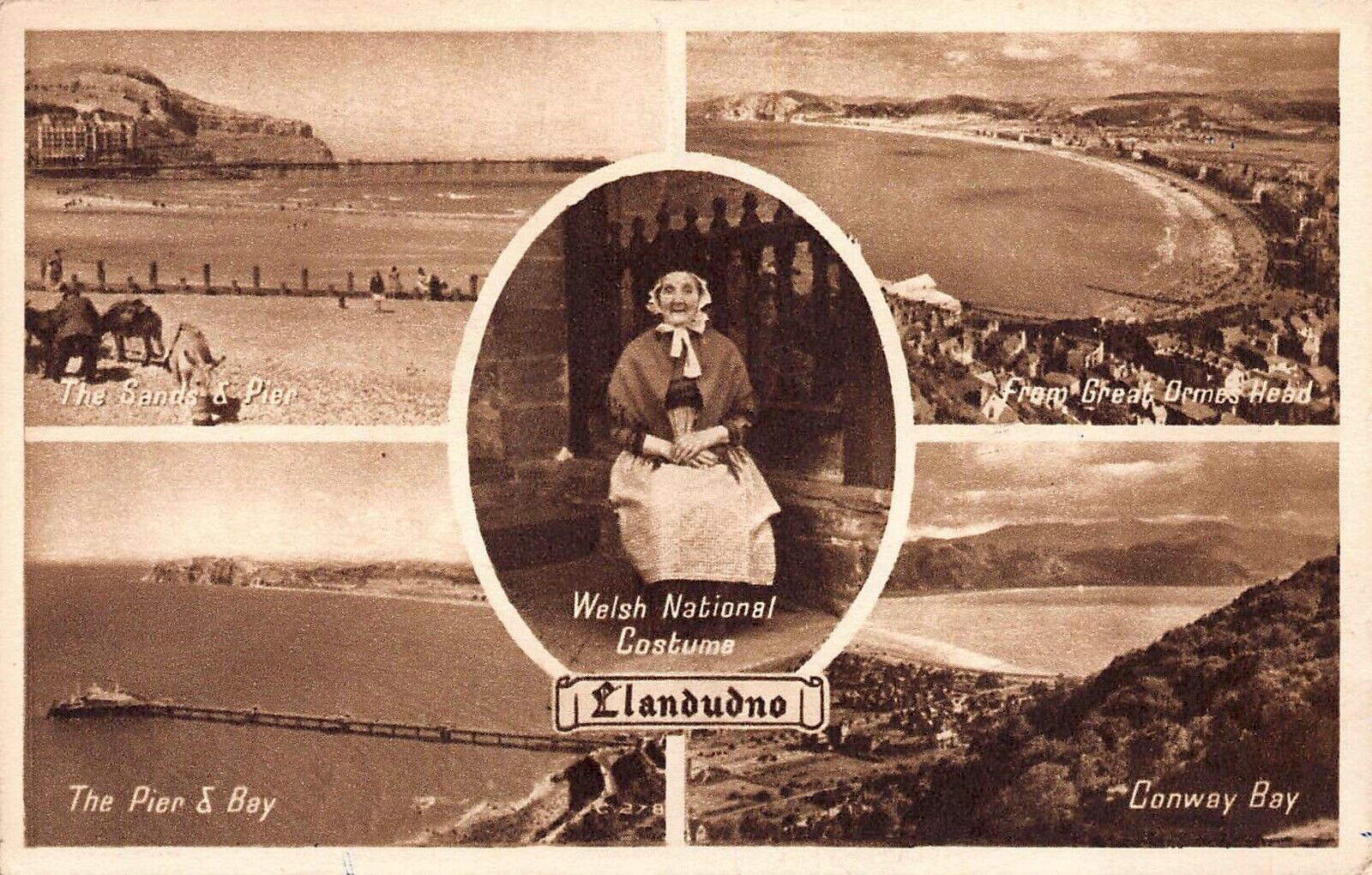
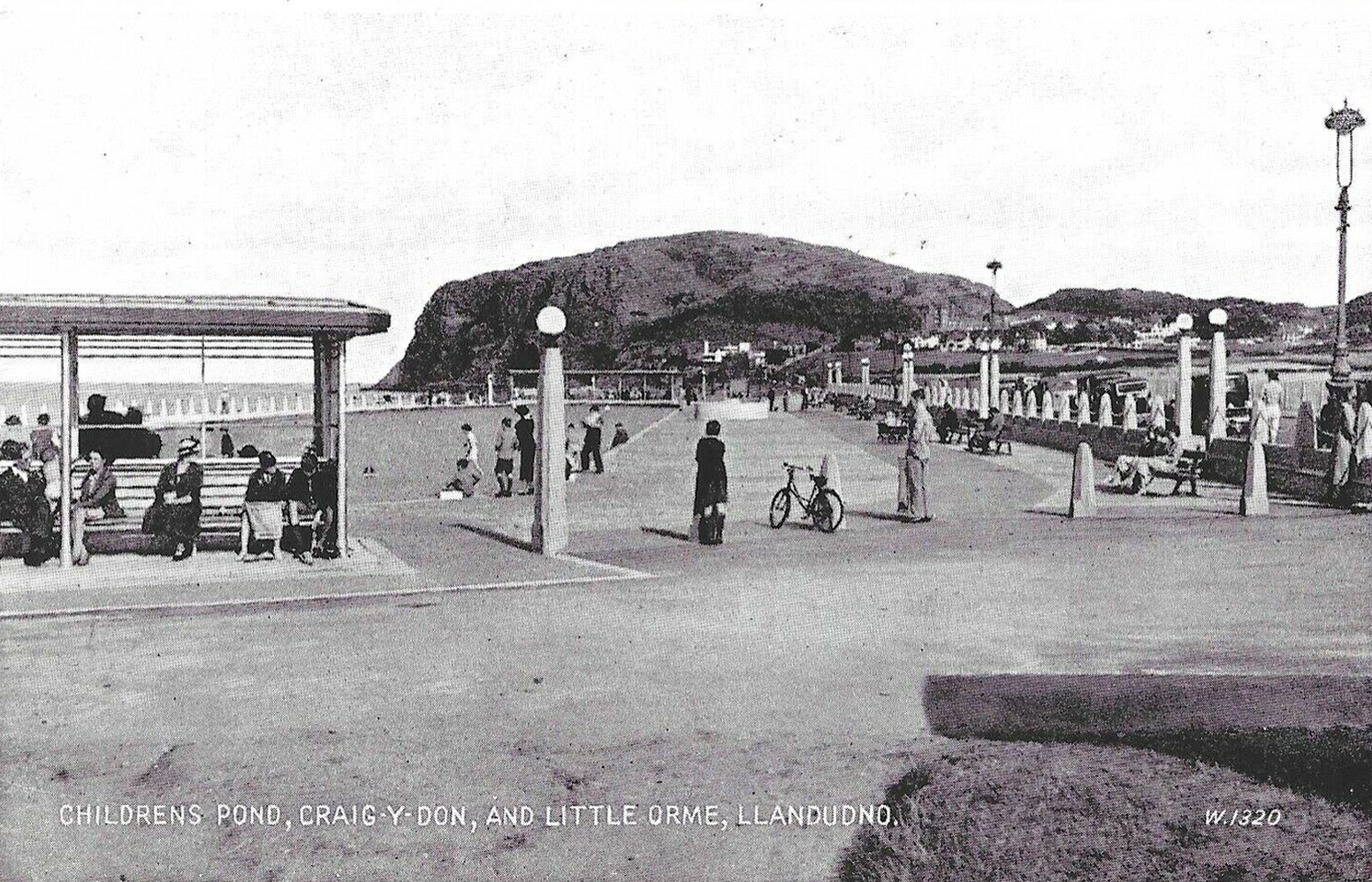
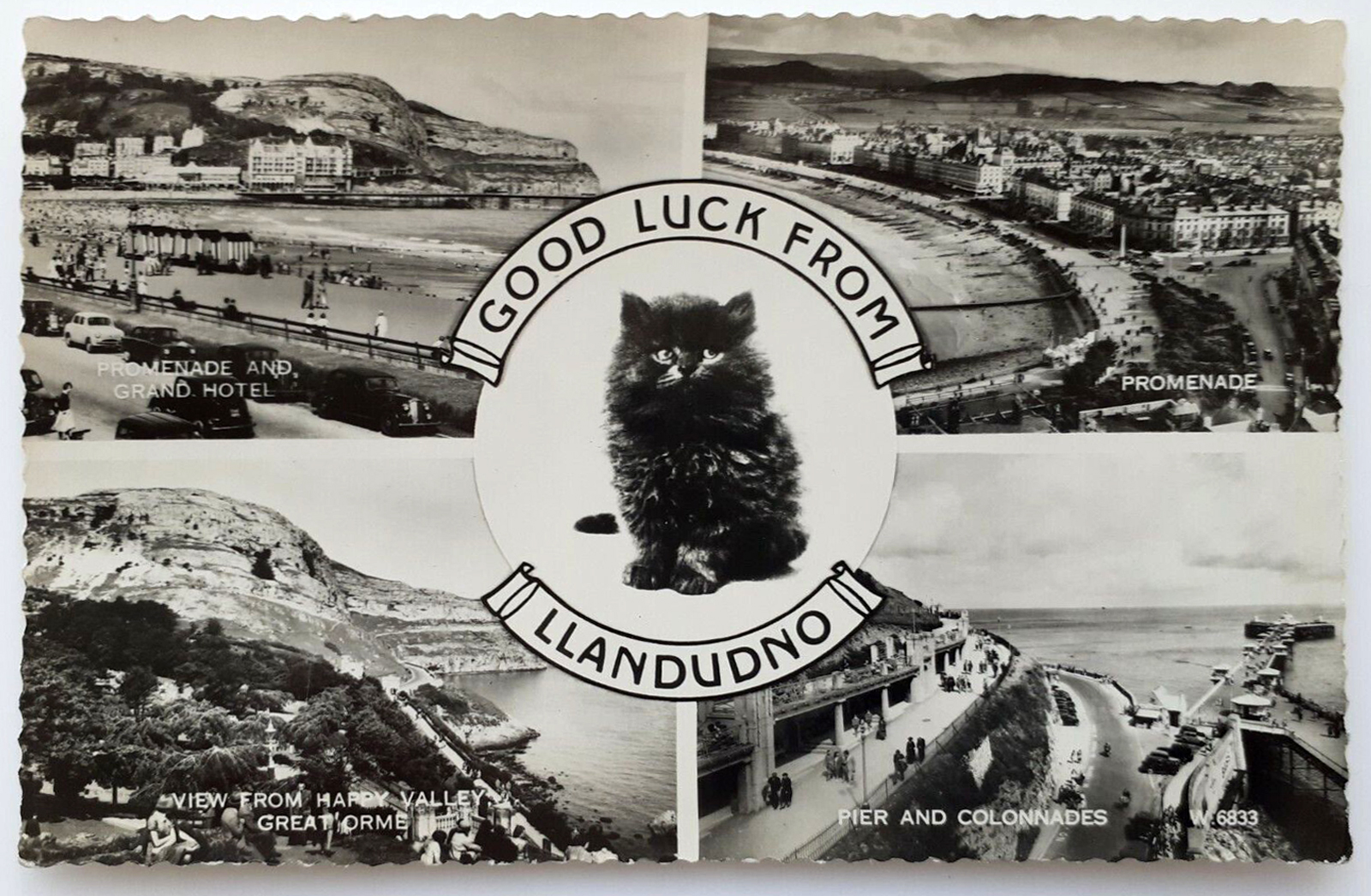
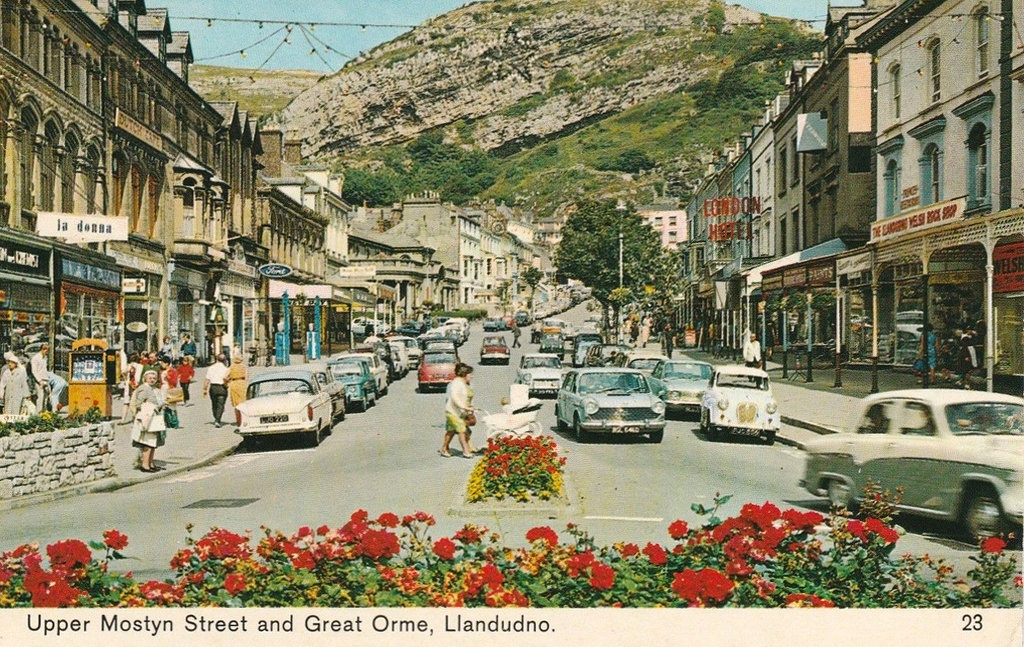
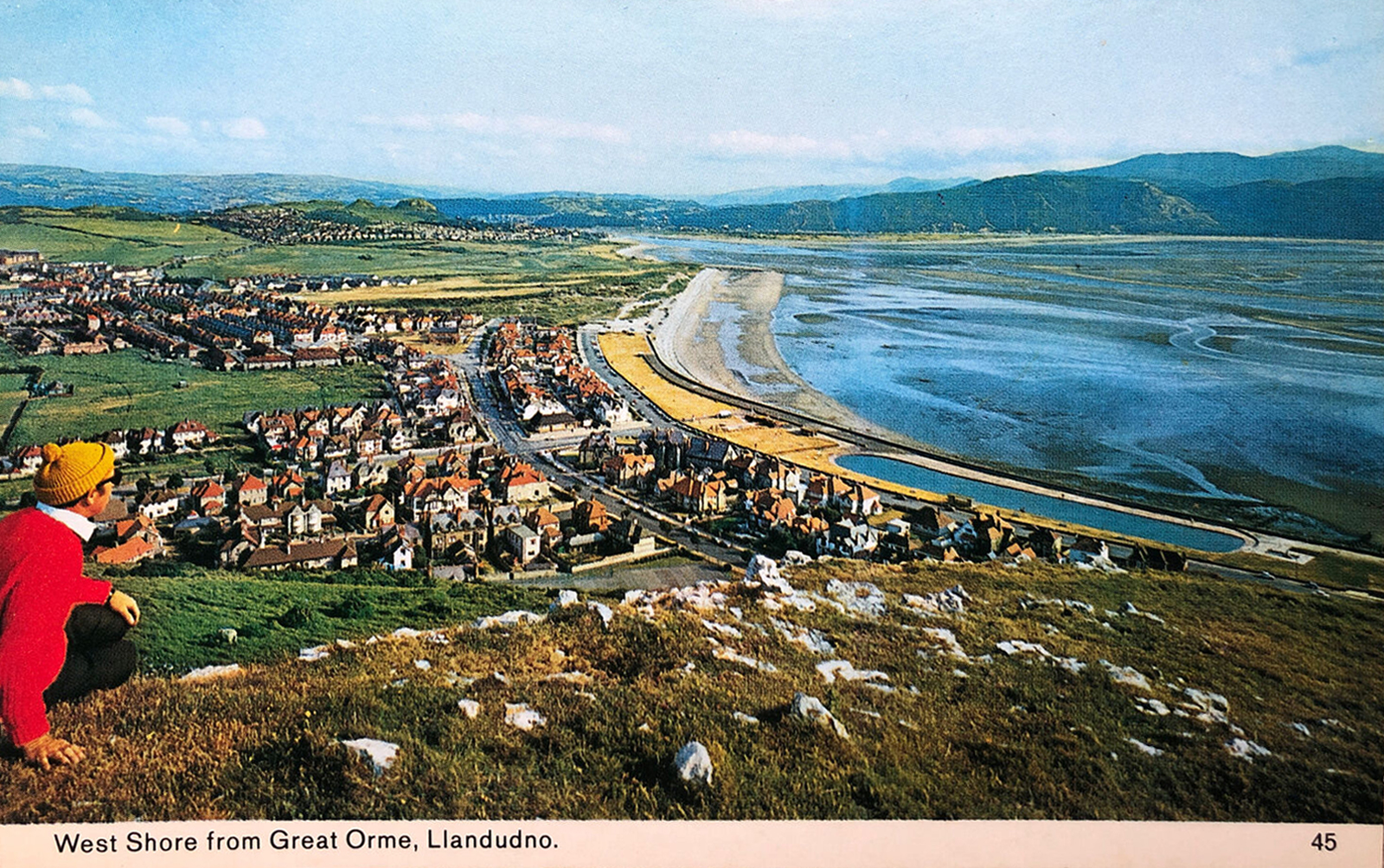
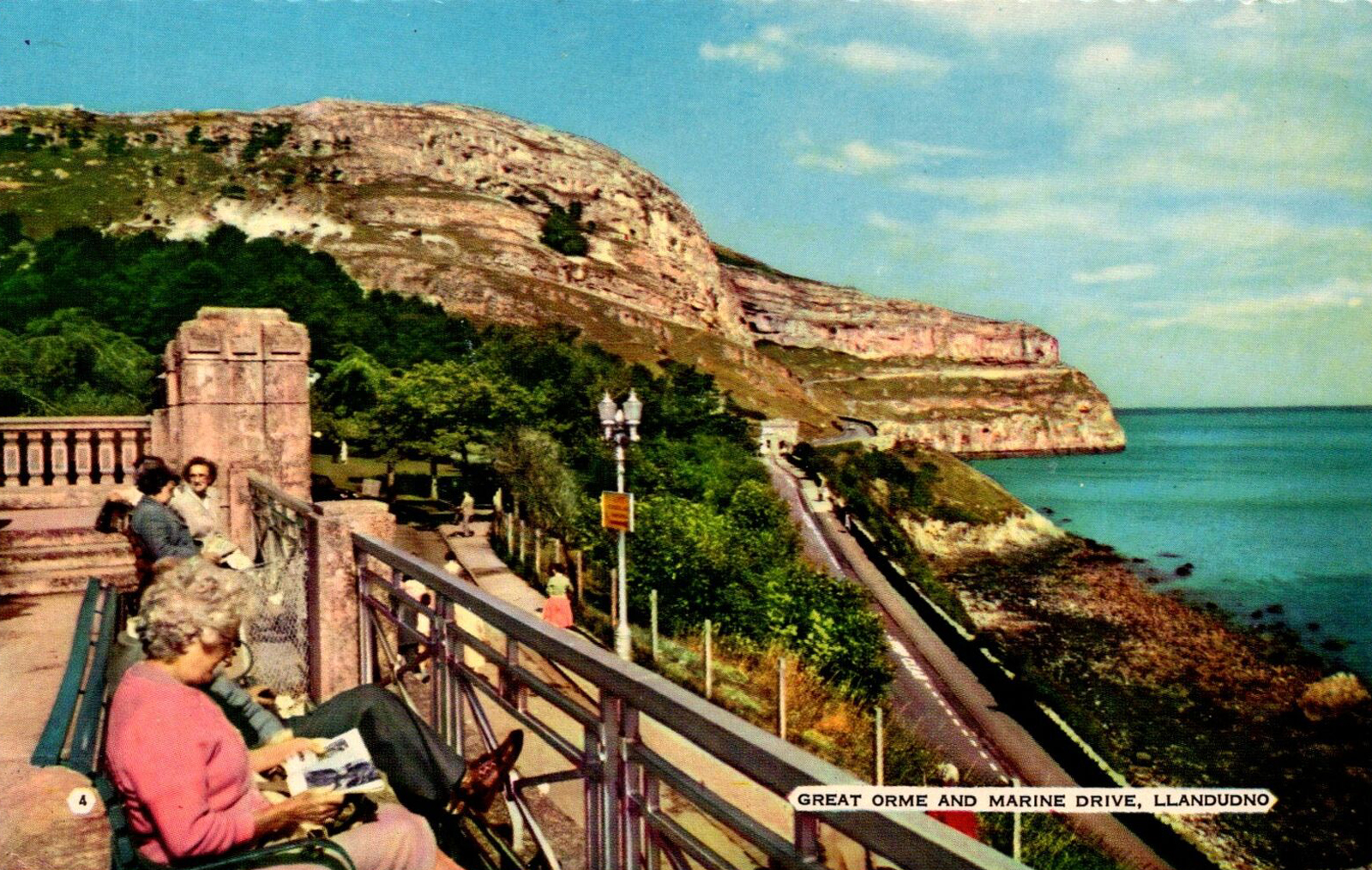
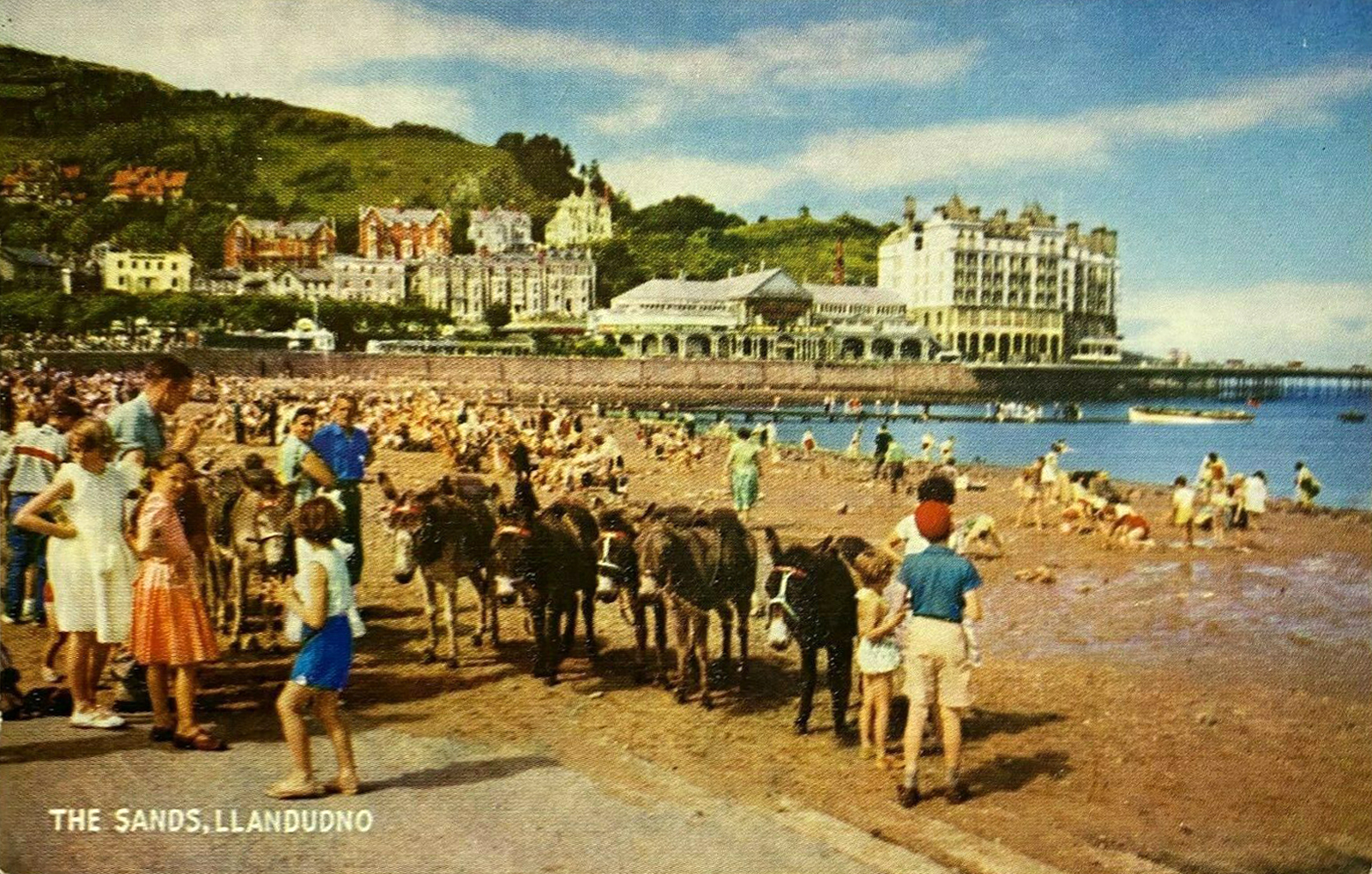
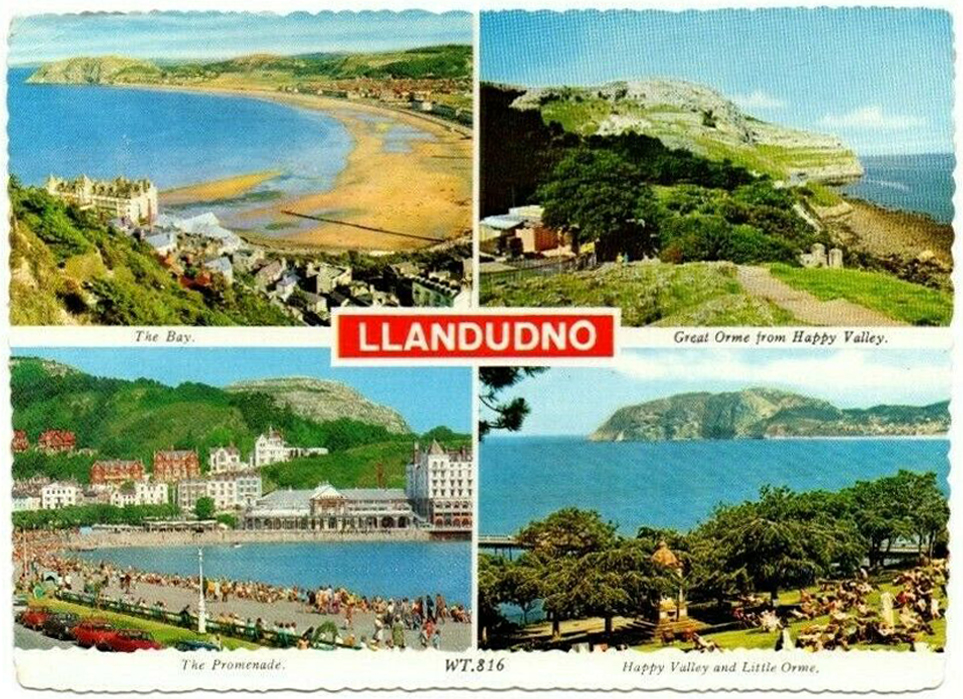
This is a town with a visual culture defined by carefully created picture postcards – conjuring images from land, sea, sand and sky.
New technology arrives, dragging Llandudno from the sepia soaked past into the CMYK age!
So it’s only right and proper that the town should have an art gallery.
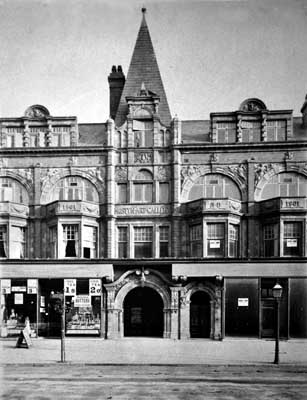
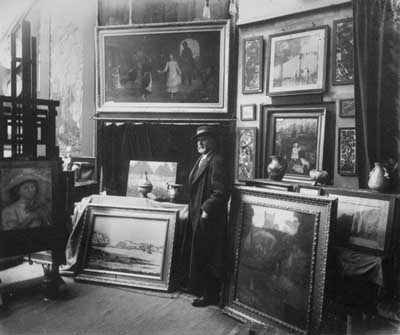
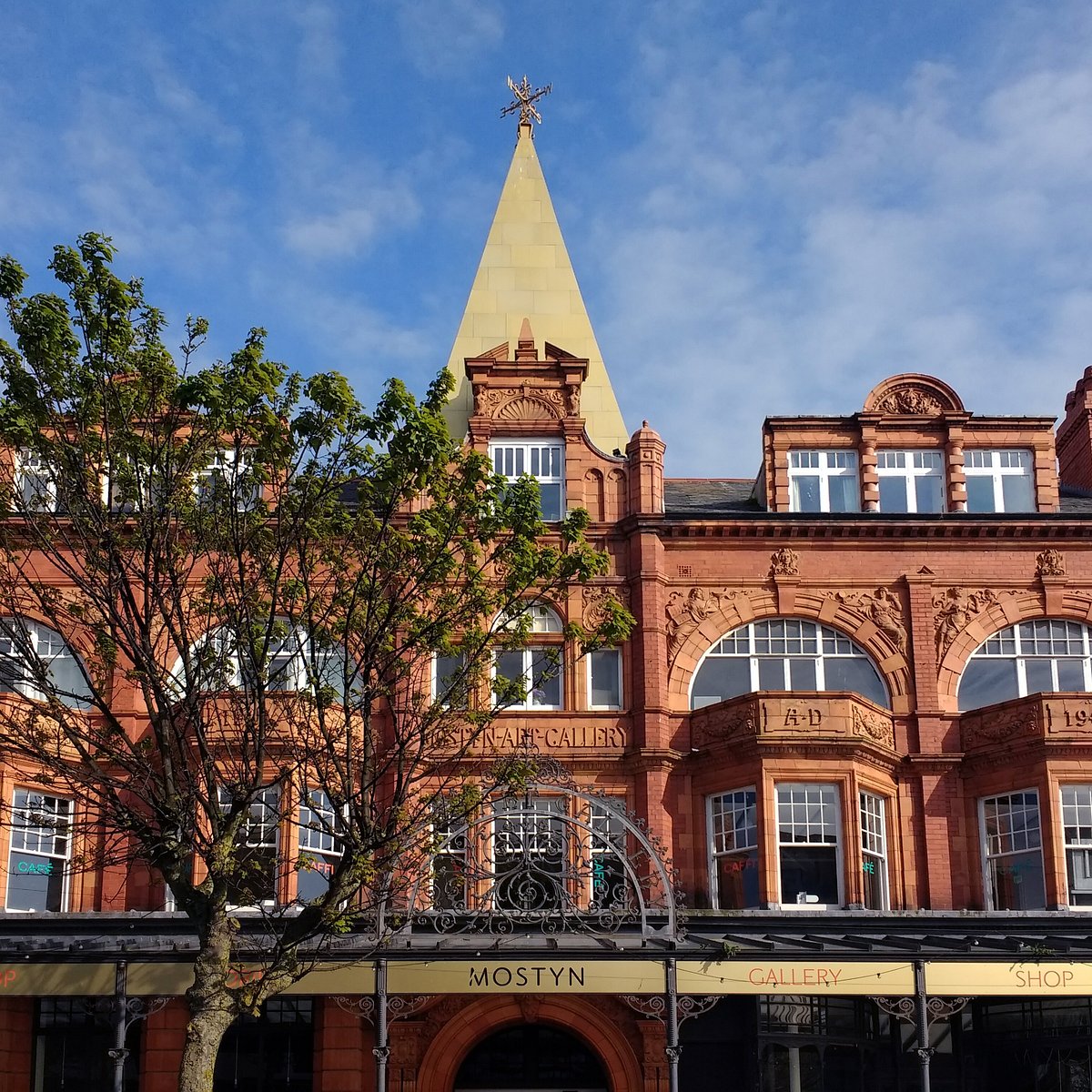
Oriel Mostyn Gallery was commissioned by Lady Augusta Mostyn after the Gwynedd Ladies’ Art Society asked her for better premises than their existing home, in a former cockpit in Conwy. The ladies’ gender prevented them from joining the Royal Cambrian Academy, also based in Conwy.
Designed by architect GA Humphreys, the new gallery opened in 1901. From 1901 to 1903, the gallery housed works by members of the GLAS. As a patron of the arts and president of the society, Lady Augusta was aware that the ladies needed more space to display their work and gave them the opportunity to rent a room in the new building.
Lady Augusta was keen for the gallery to be used by local people, so the society was asked to leave and a School of Art, Science and Technical Classes was set up. Alongside the many classes, there were art exhibitions, lectures. social events, and even a gallery choir and shooting range!
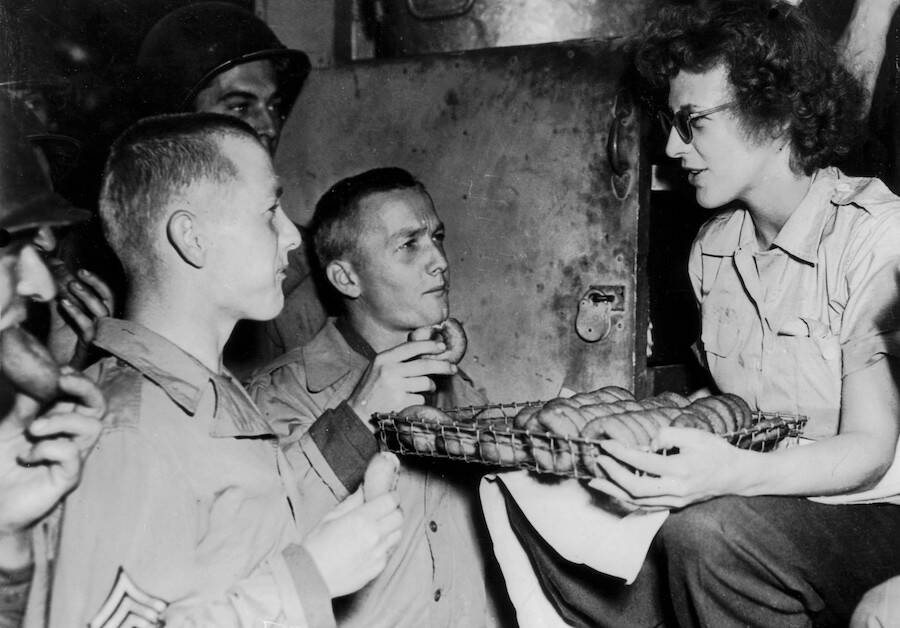
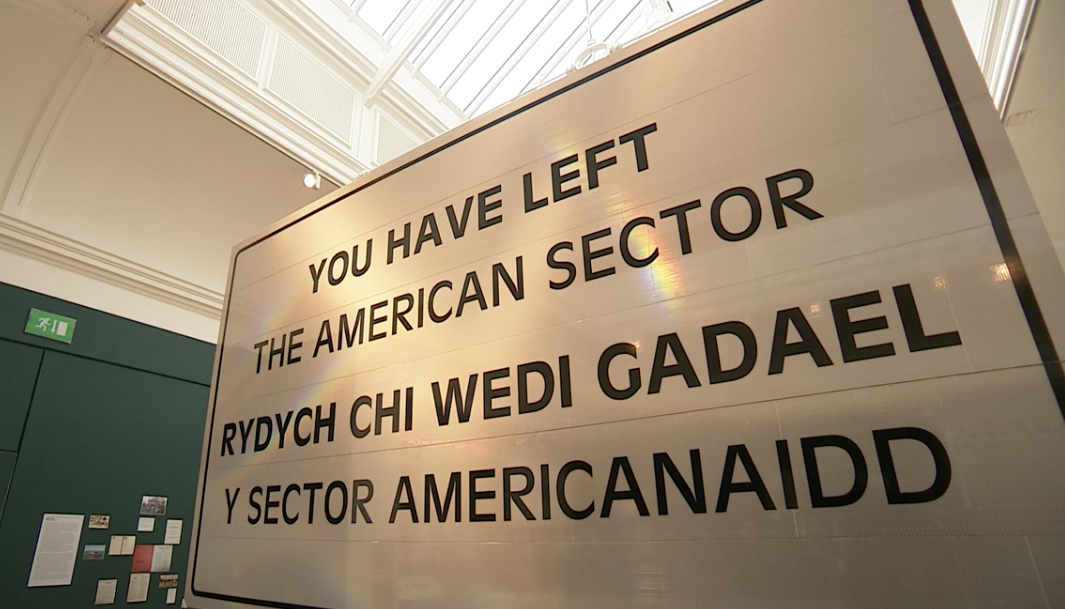
The current shop area was the location for a ‘Donut Dugout’ – a rest and recreation area for the many American servicemen in the town. Coffee and doughnuts were served and the men could read magazines from home.
After the war, Wagstaff’s Piano and Music Galleries occupied the building. In 1976 the artist Kyffin Williams, and others, suggested the building should become the proposed new public art gallery for North Wales. Architects Colwyn Foulkes supervised its restoration and it reopened, as Oriel Mostyn, in 11 August 1979.
Once the Post Office had vacated the adjacent building, expansion and development took place – Ellis Williams Architects were responsible for the design.
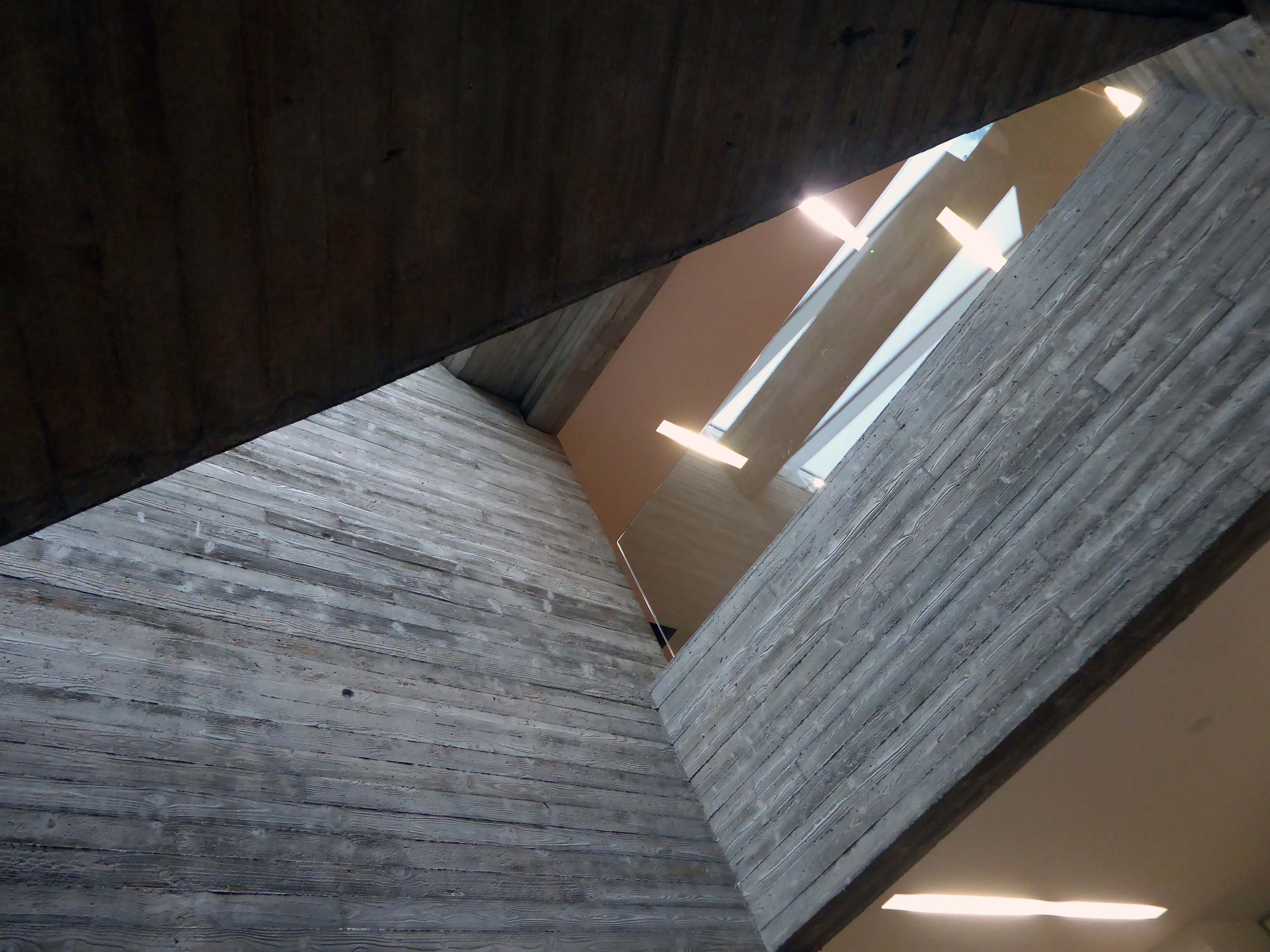
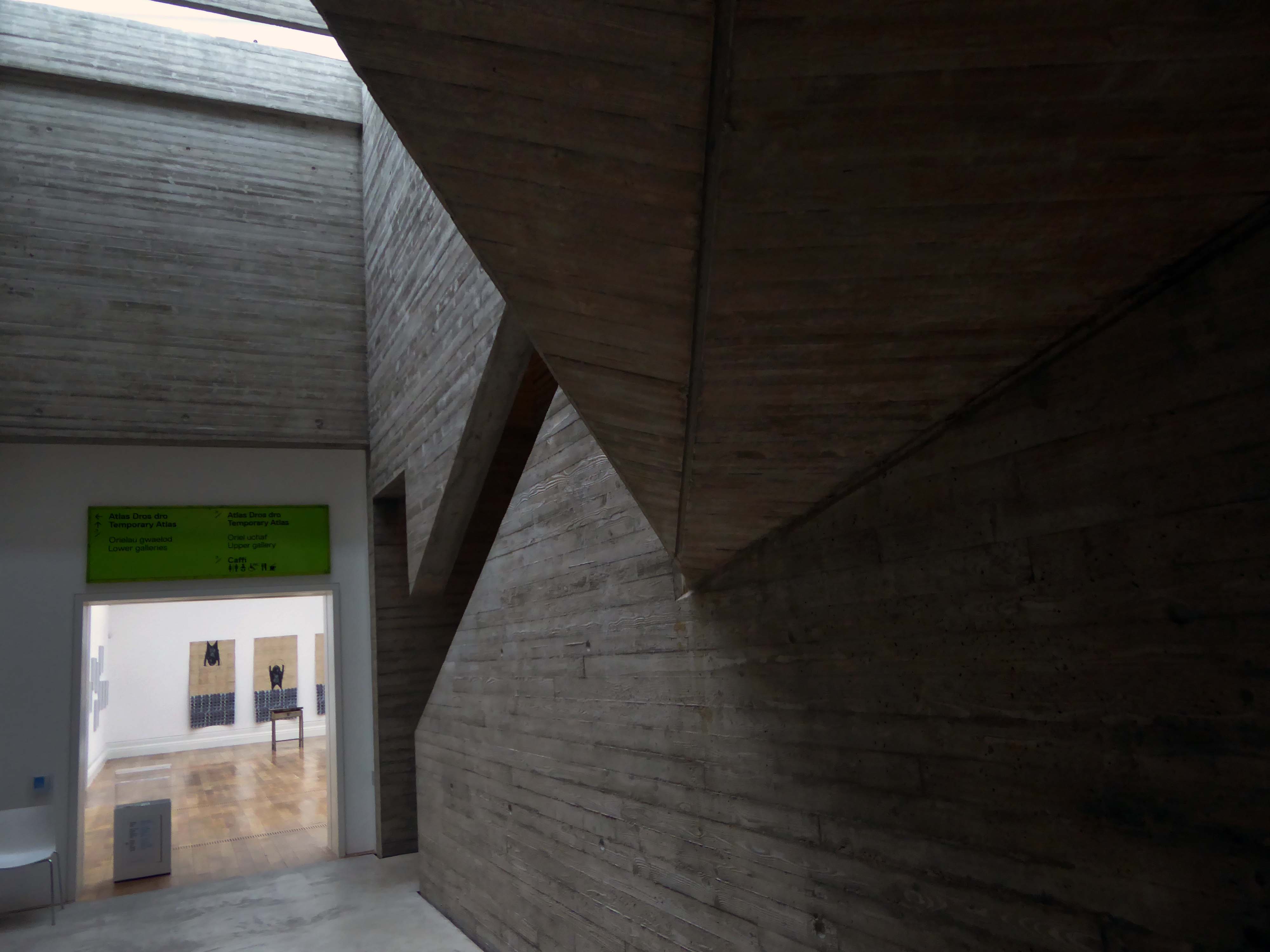
Acknowledged to be ‘one of the most beautiful galleries in Britain’, Mostyn in North Wales was an existing listed Victorian museum with two lantern galleries tucked behind a listed facade. We were appointed by Mostyn after winning the Architectural competition with a design combining a gallery space refurbishment with a gallery expansion and a new dramatic infill section linking new and old. The project has won a number of awards and increased footfall by over 60%.
Why not let your feet fall there soon – Oriel Mostynis open.
The very first time I visited the town as a child back in the early 1960s, it rained almost every day.
Subsequent visits have almost always been bathed in warm sunshine.
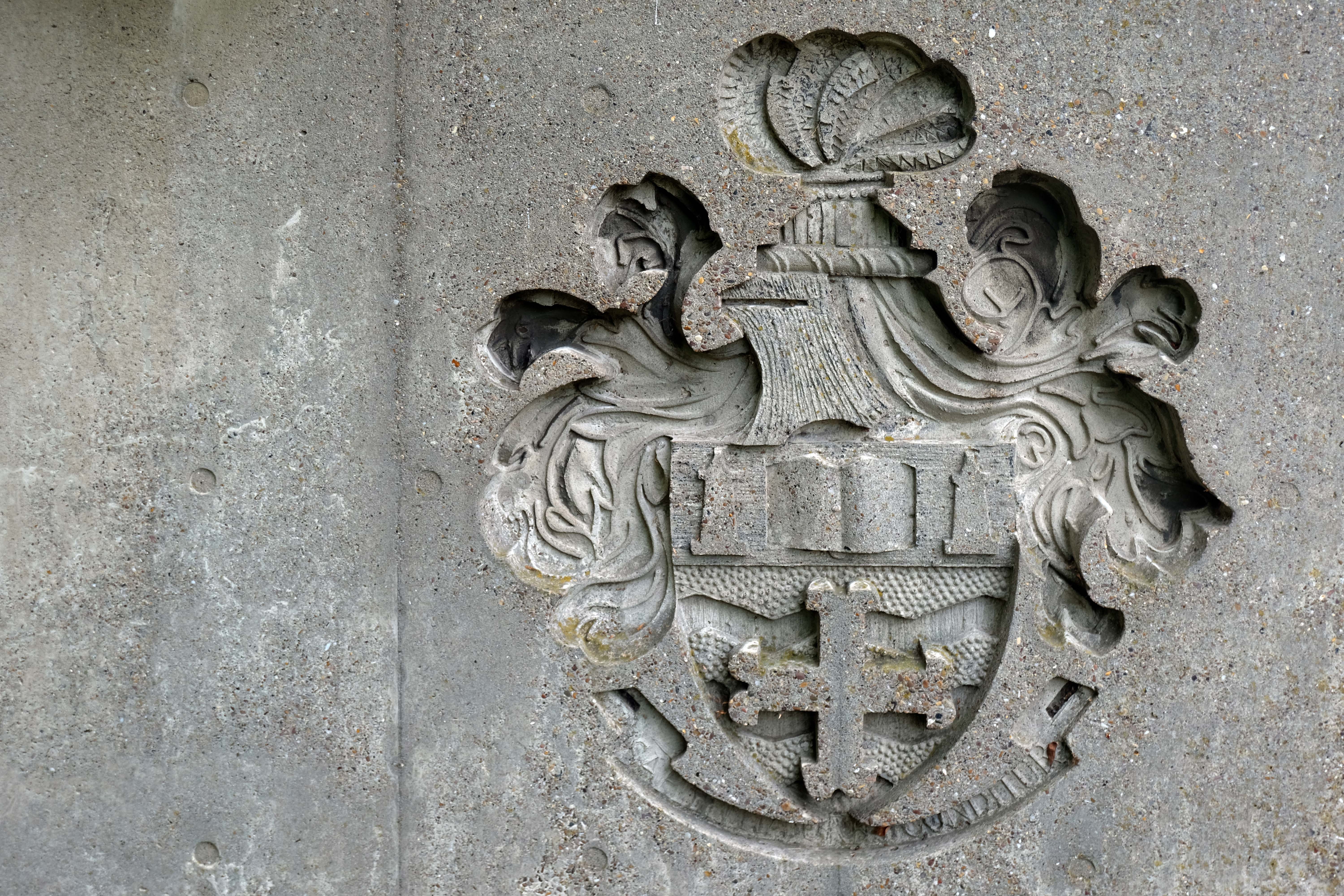
The Main Campus based on Jesse Boot’s Highfield parkland incorporating Lenton House and Lenton Hall. Boot along with his architect Percy Morley Horder developed a building scheme in 1921, achieving university status in 1948.
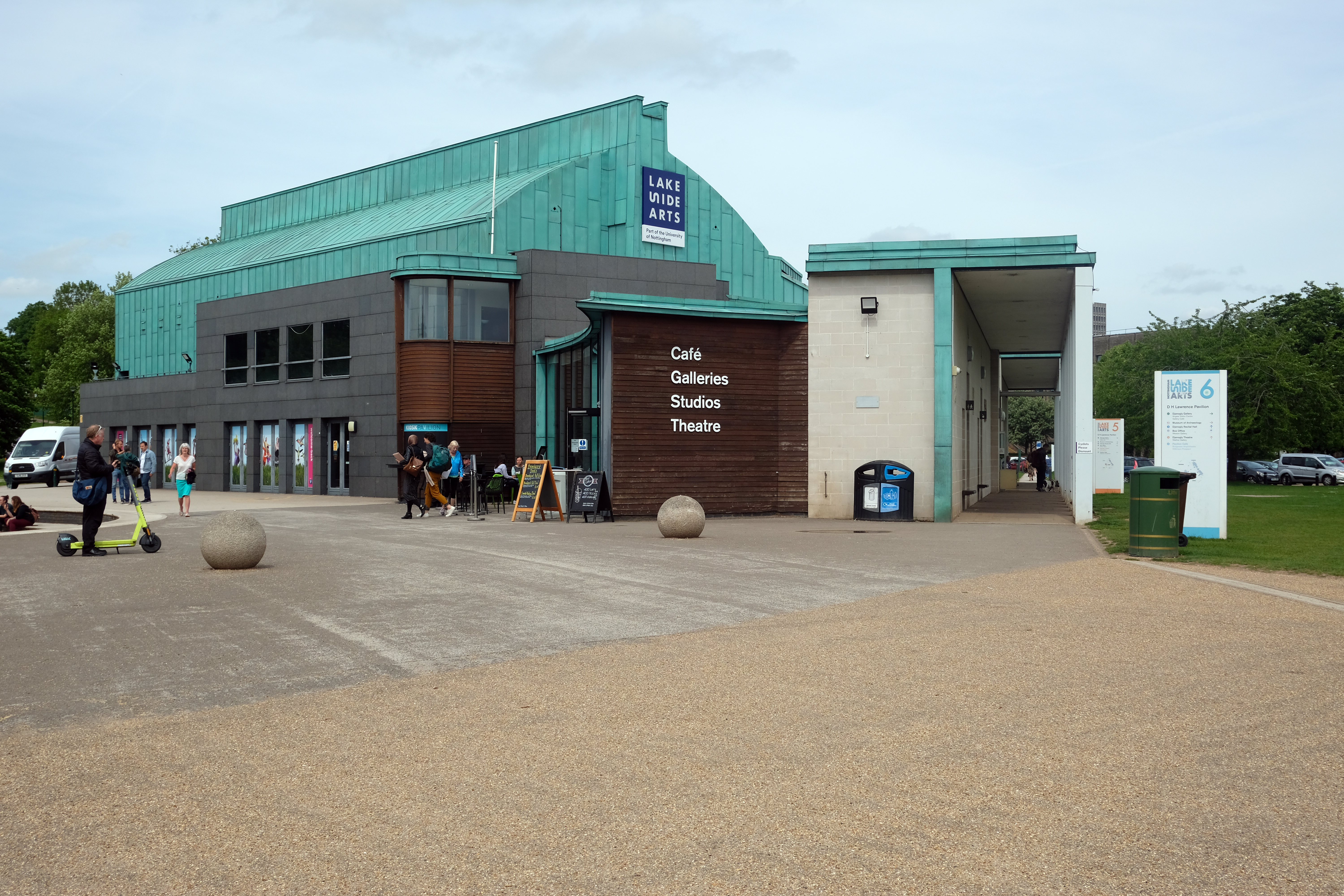
DH Lawrence Pavilion architect Marsh & Grochowski 1998-2001
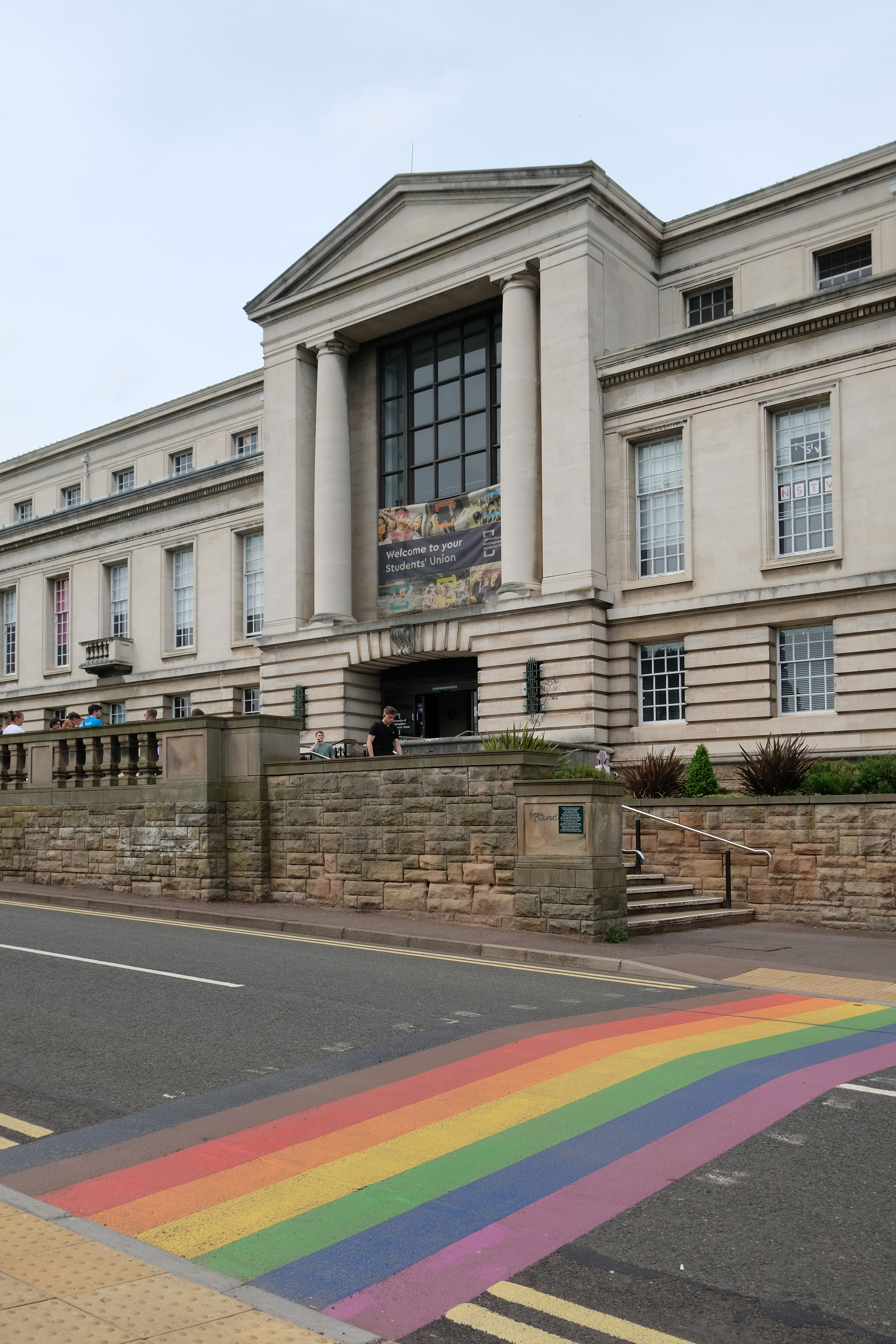
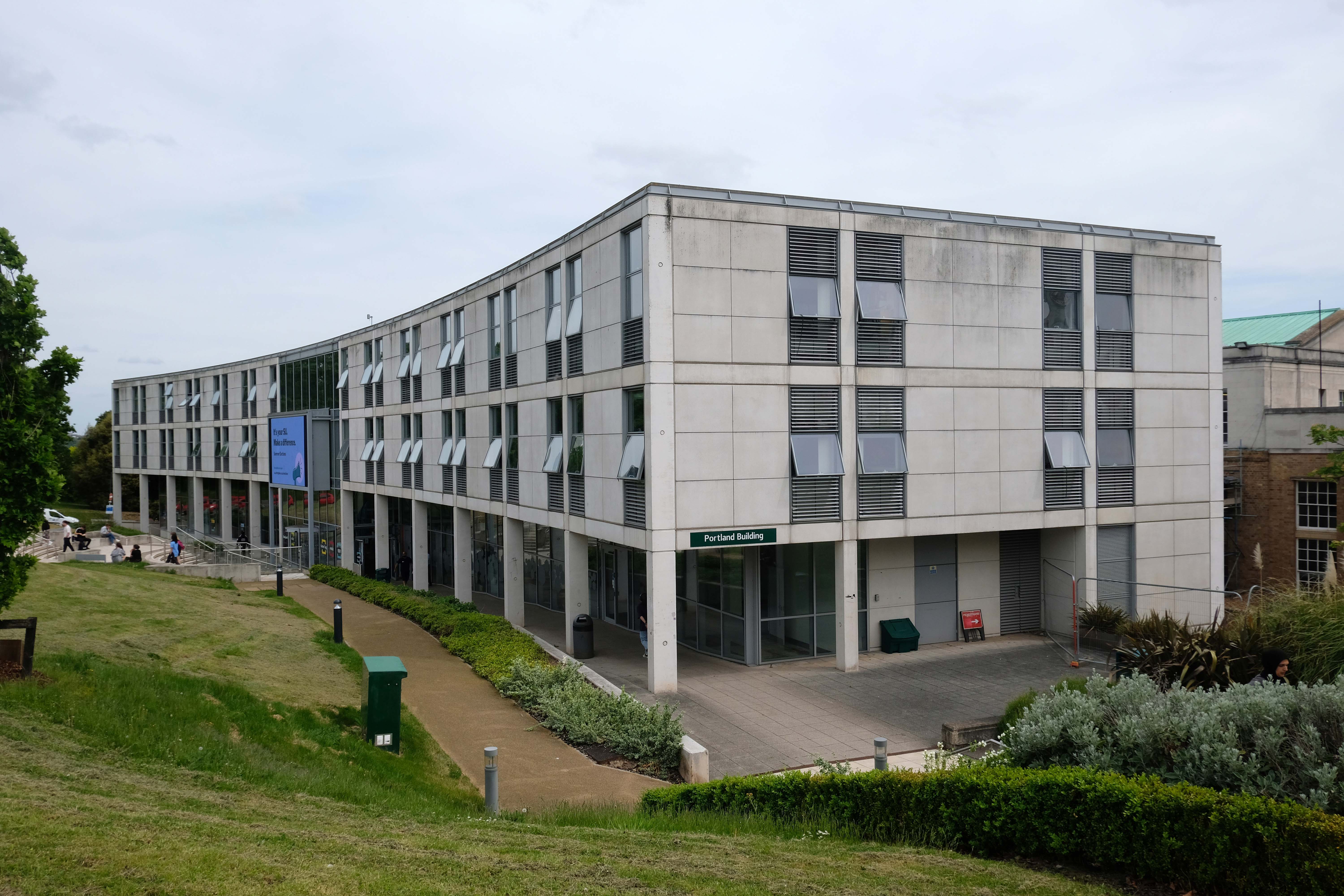
Portland Building – T Cecil Howitt 1949 -56
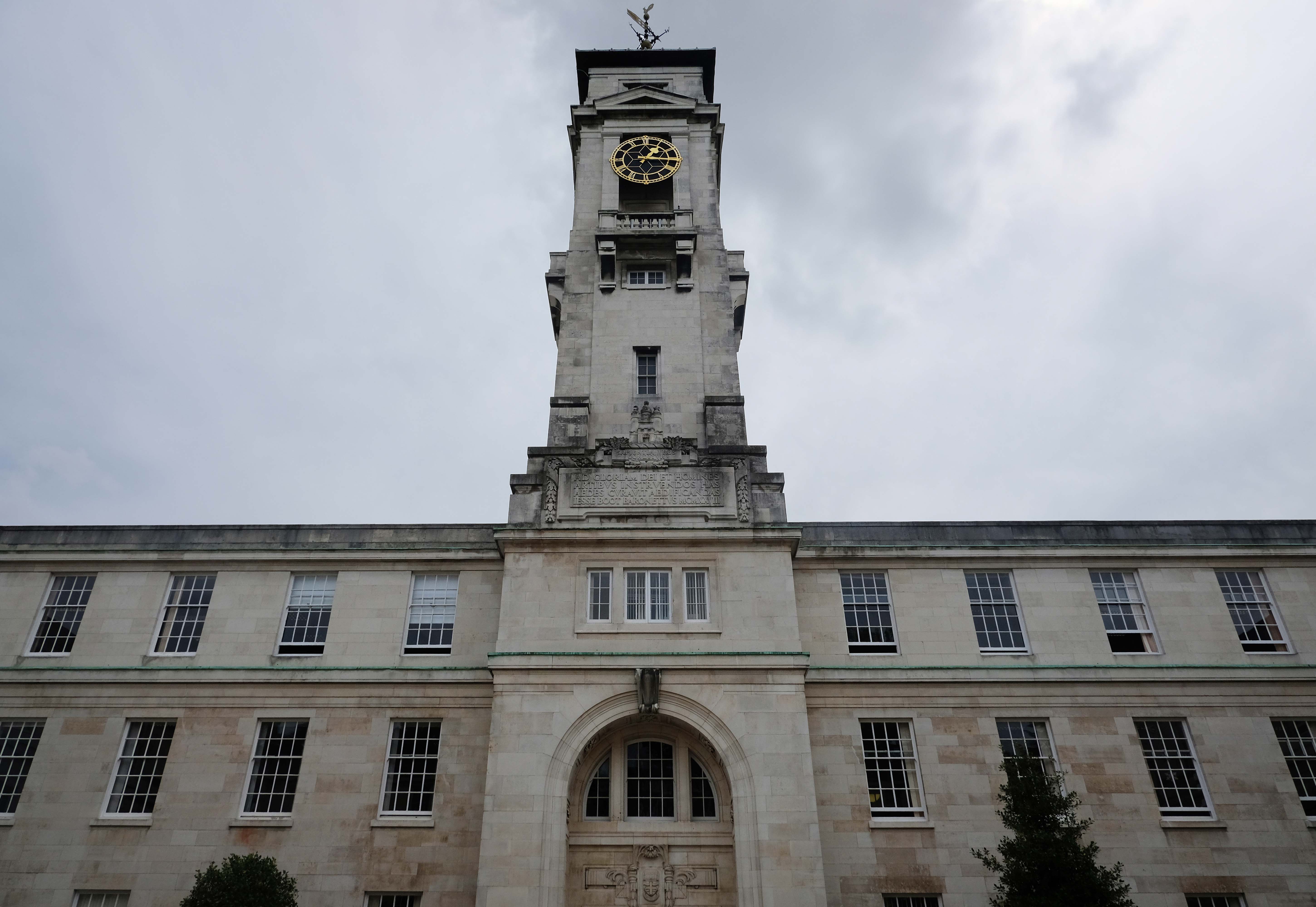
Trent Building architect: P Morley Horder 1922-28
Portland Building extended in 2001-3 architects: Michael Hopkins & Partners
Further additions to the rear 2013
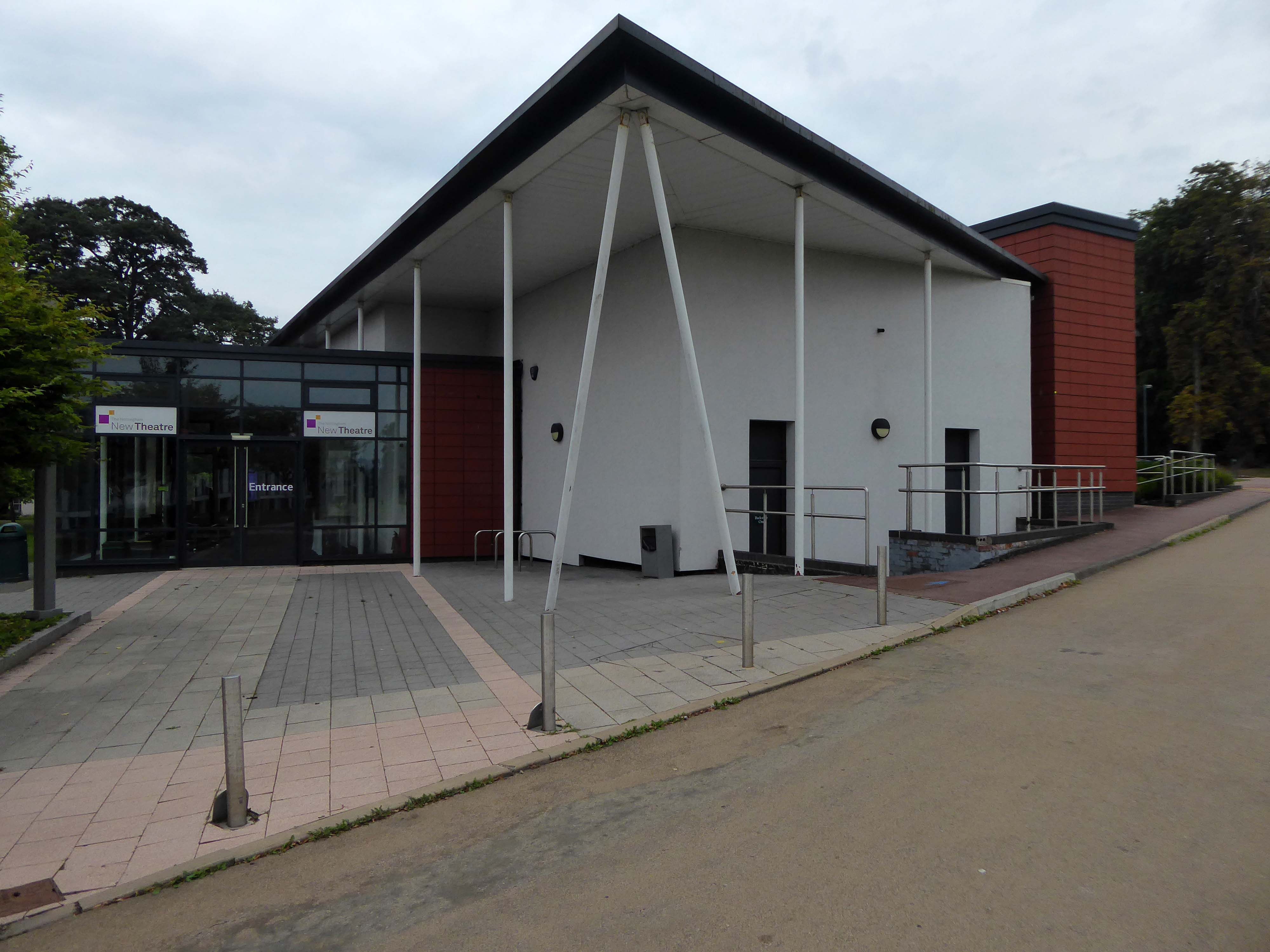
The New Theatre was established in 1969, and was originally housed in the Archaeology and Classics building of the University of Nottingham. In 2001 an extended foyer was added to the building, following a donation from an alumnus of the university.
The summer of 2012 saw an extensive redevelopment of the building housing the New Theatre. The former Archaeology and Classics building was demolished from the site; leaving the New Theatre as a freestanding building. Parts of the old building were retained and repurposed as new rehearsal rooms, and a studio space; as well as a significant remodelling of the dressing room, and extending the foyer.
Architects: Maber
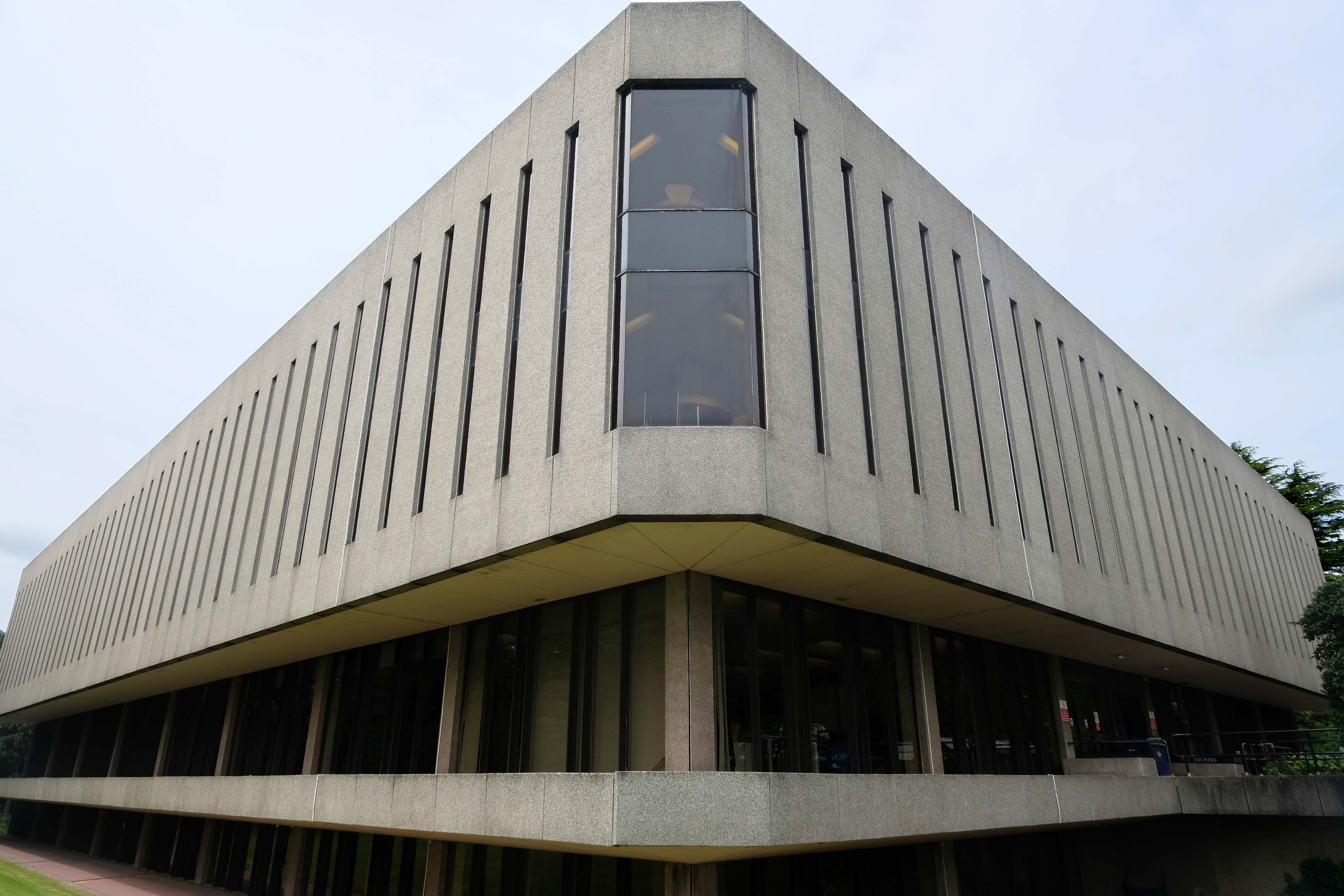
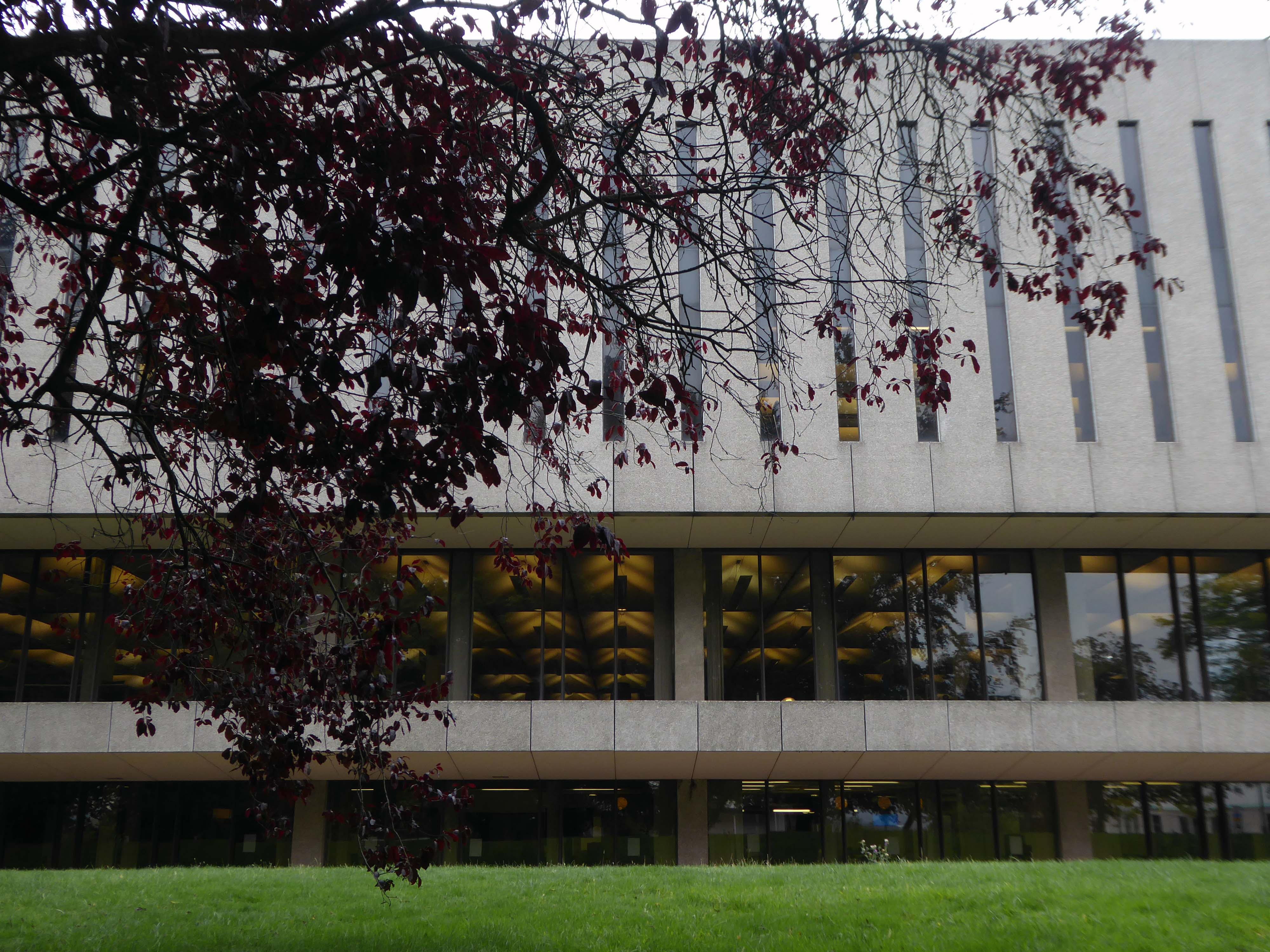
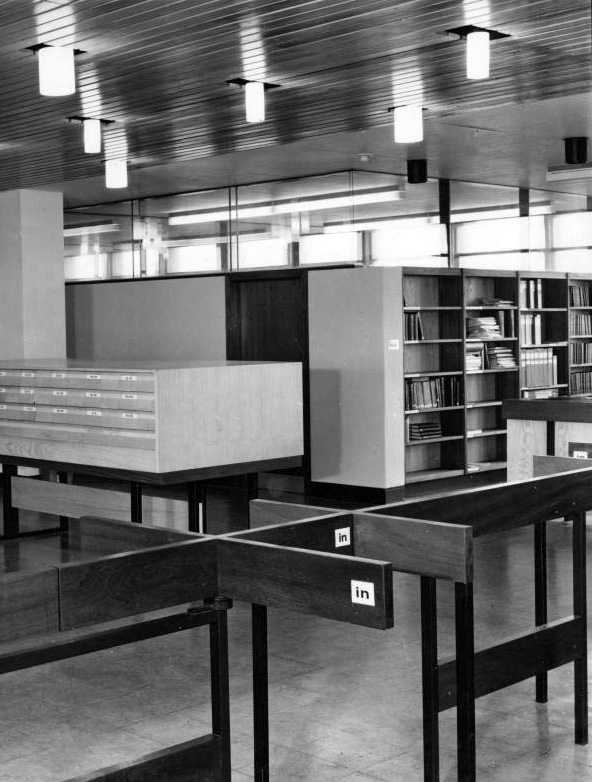
University Library architects: Faulkner Brown, Henry, Watkinson & Stonor 1971-73
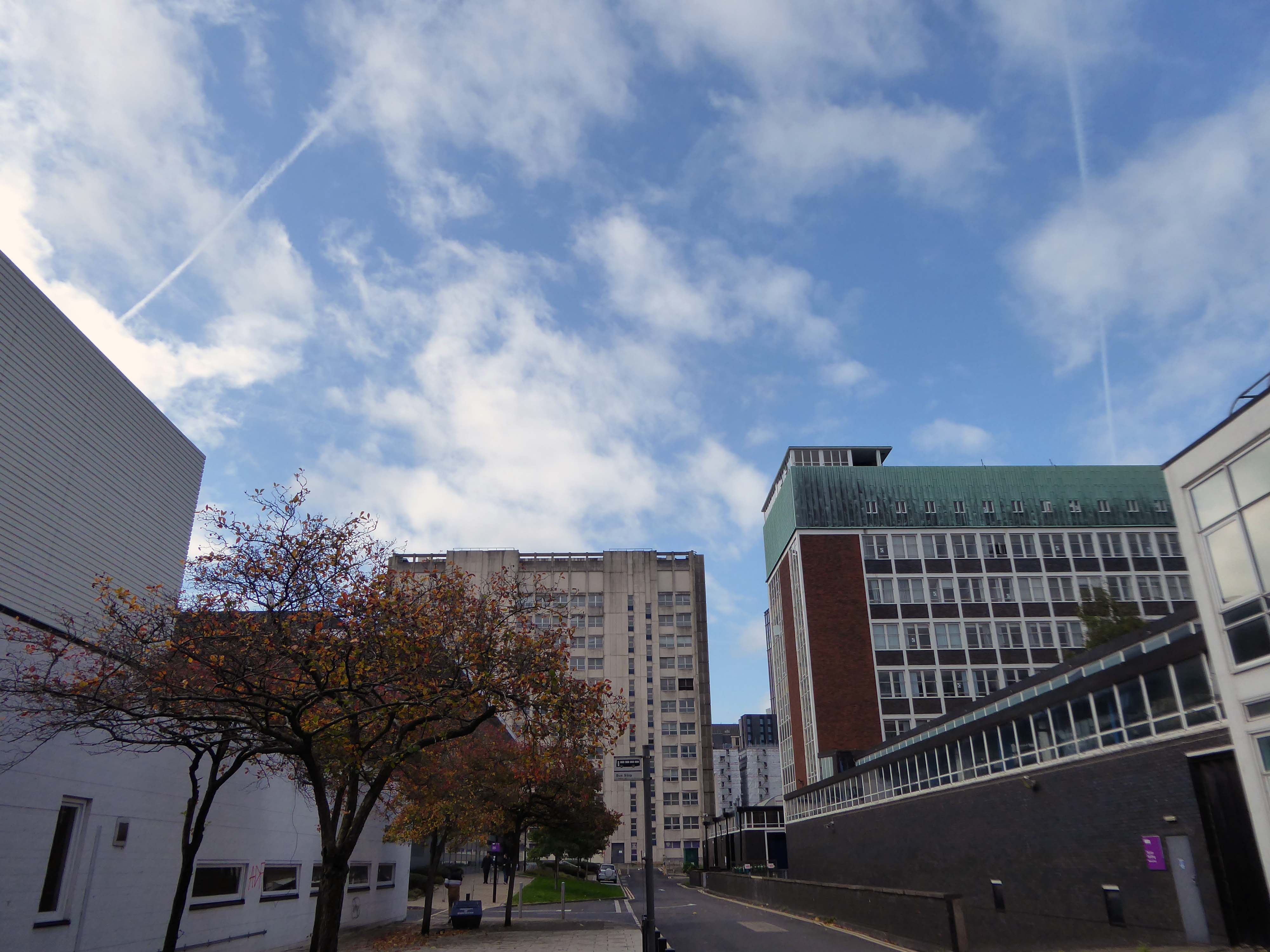
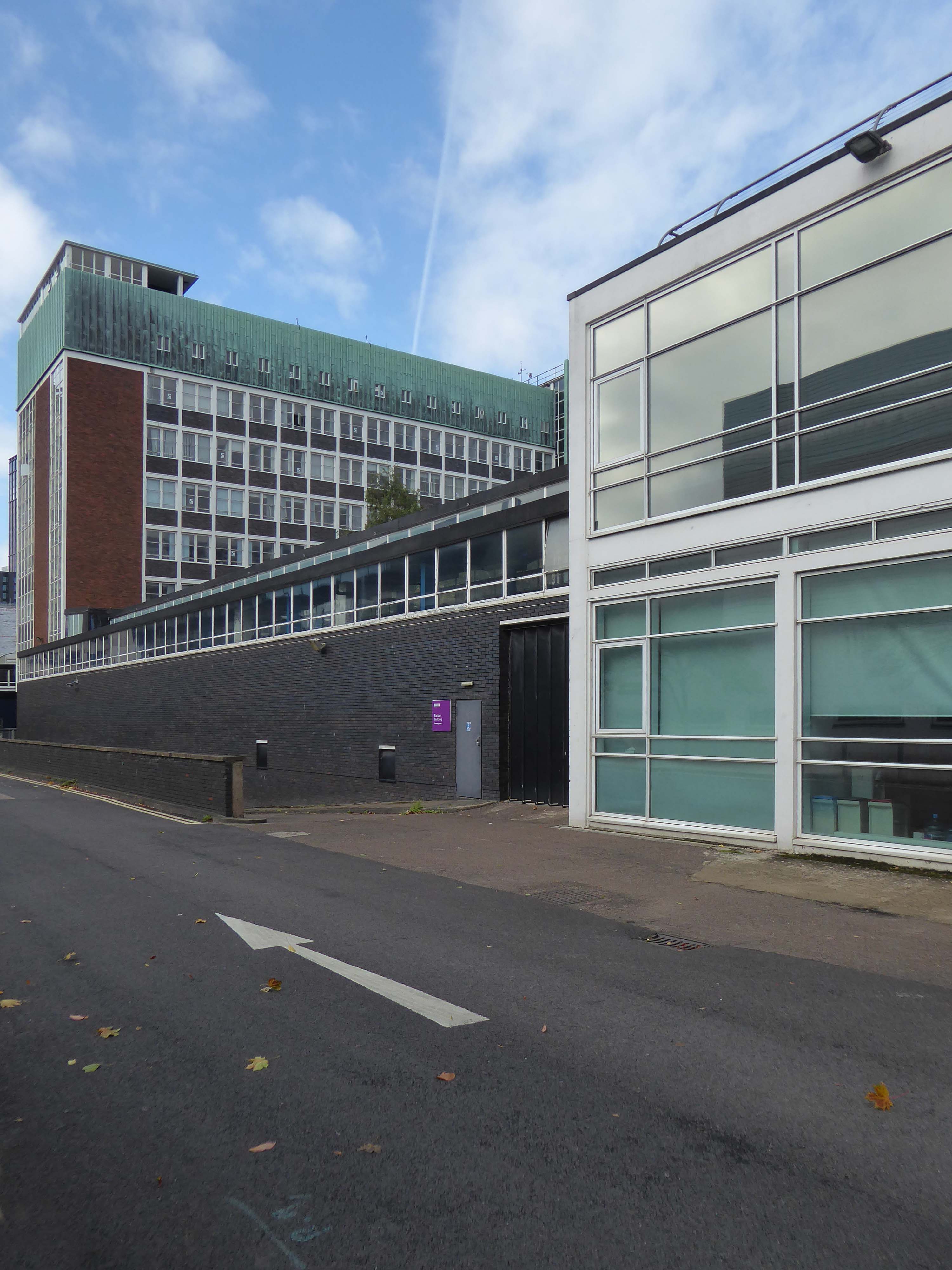
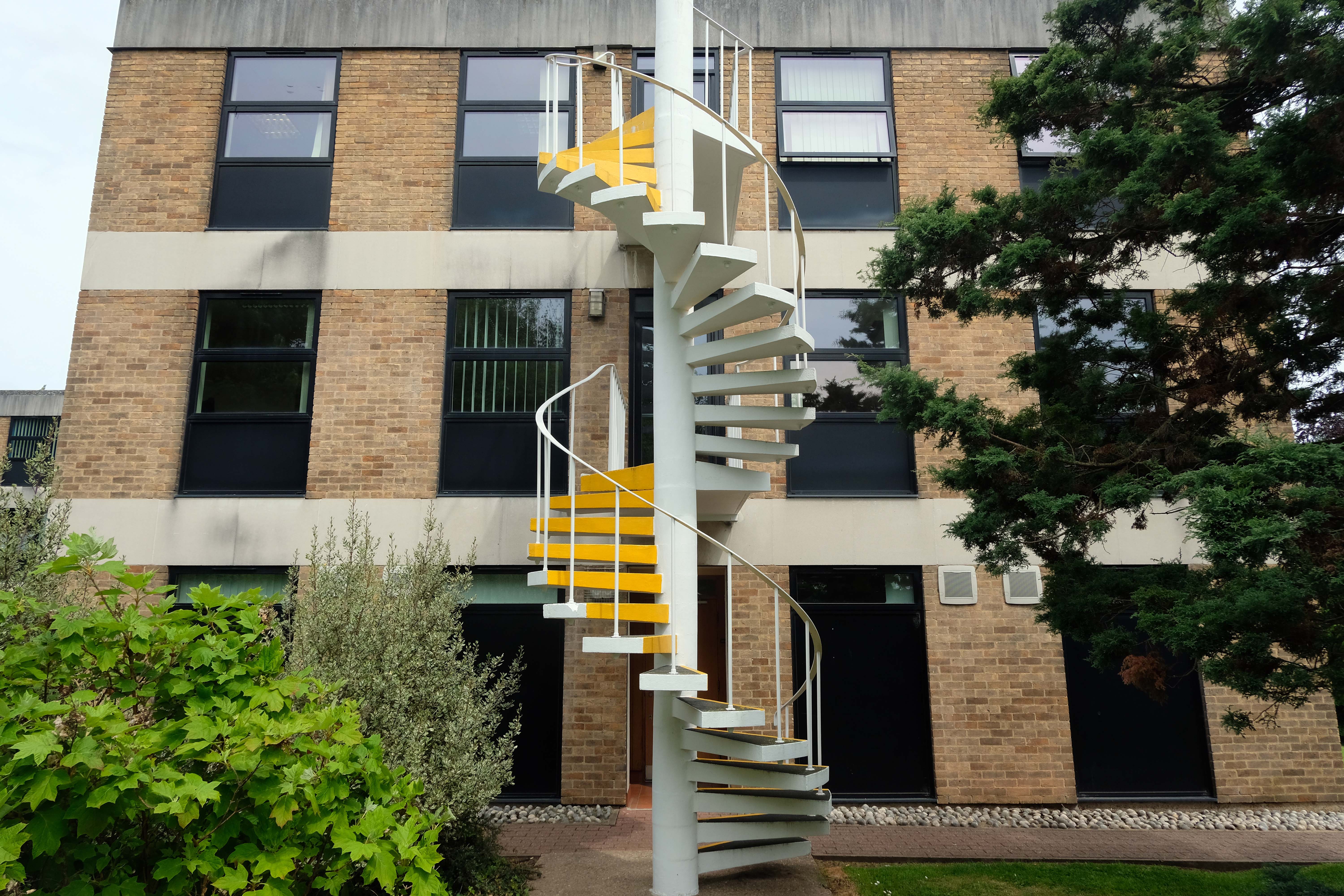
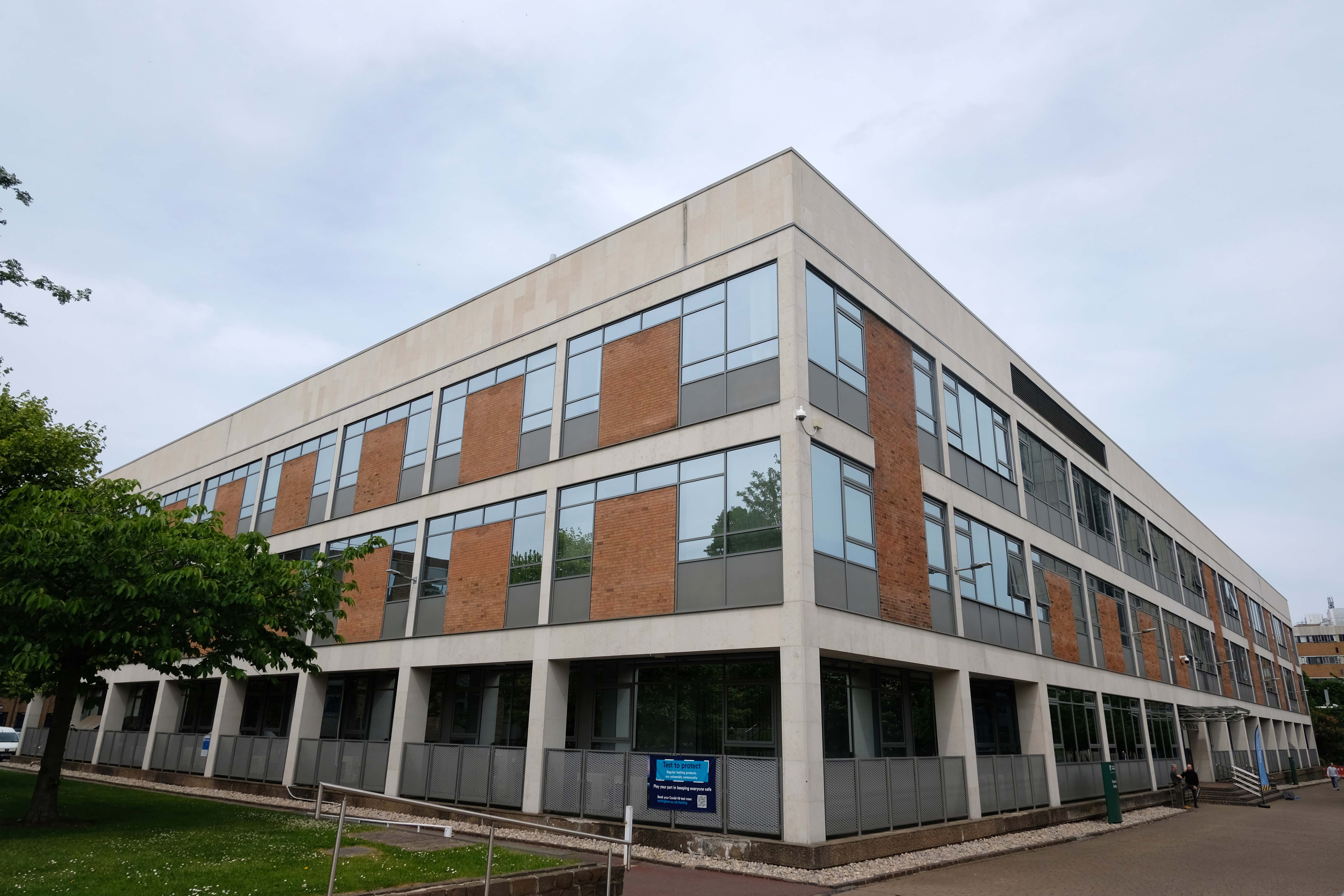
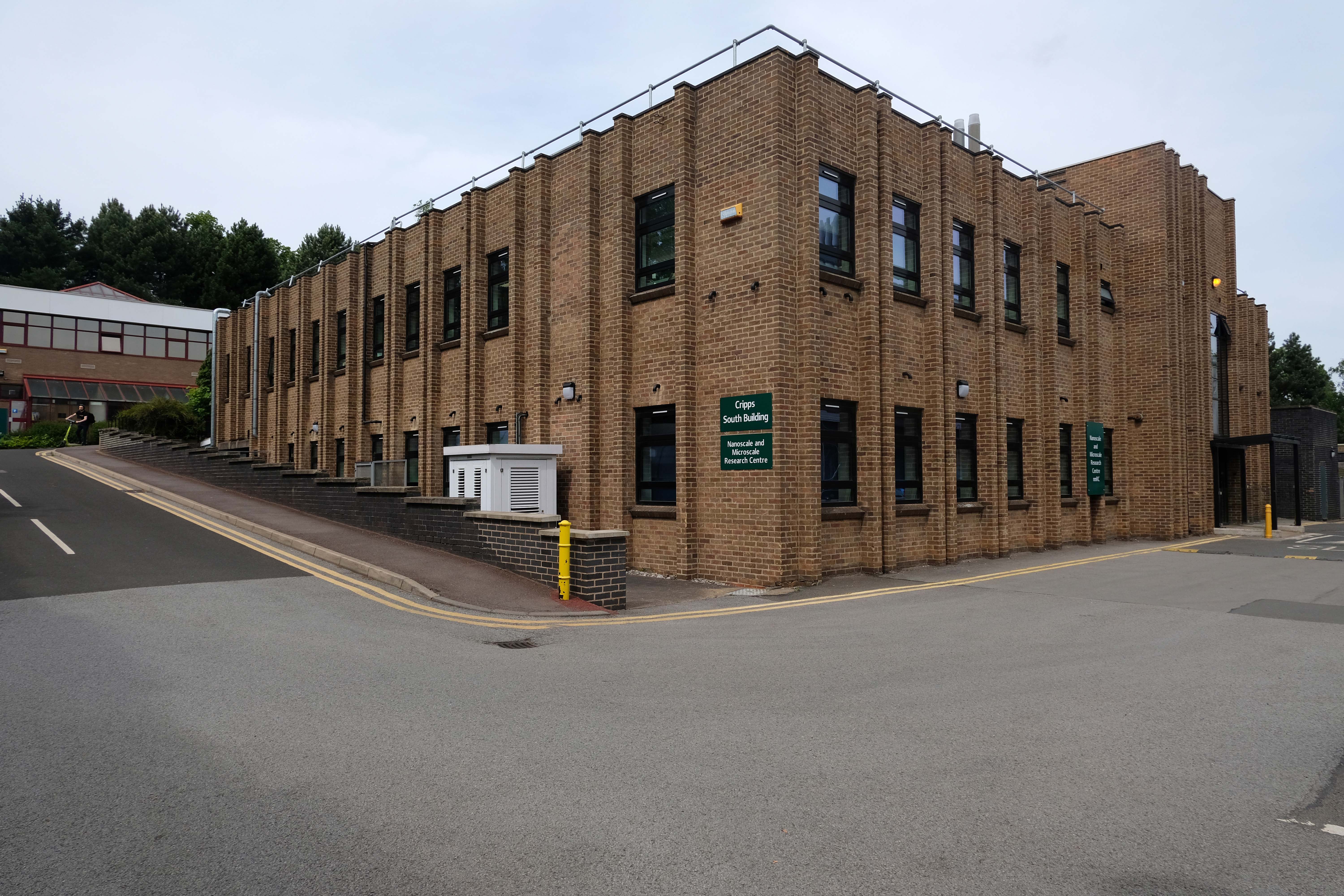
The collection of buildings in University Park Campus, colloquially known as Science City, was first masterplanned by Basil Spence in 1959. His vision was largely realised by Renton Howard Wood Associates during the 1960s. Since then, numerous additions and alterations have been made to suit the ever increasing student numbers and the changing needs of the University.
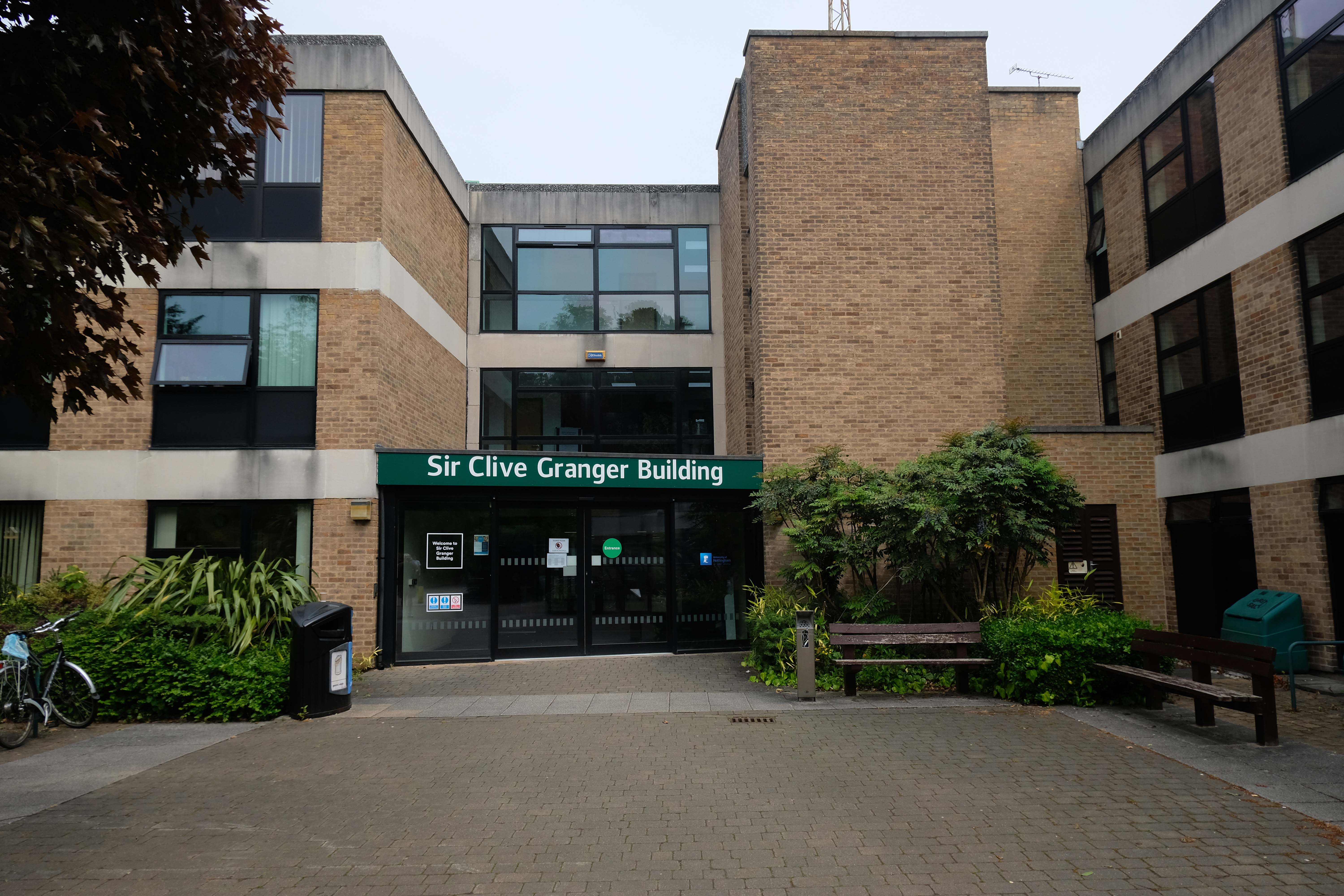
Sir Clive Granger Building
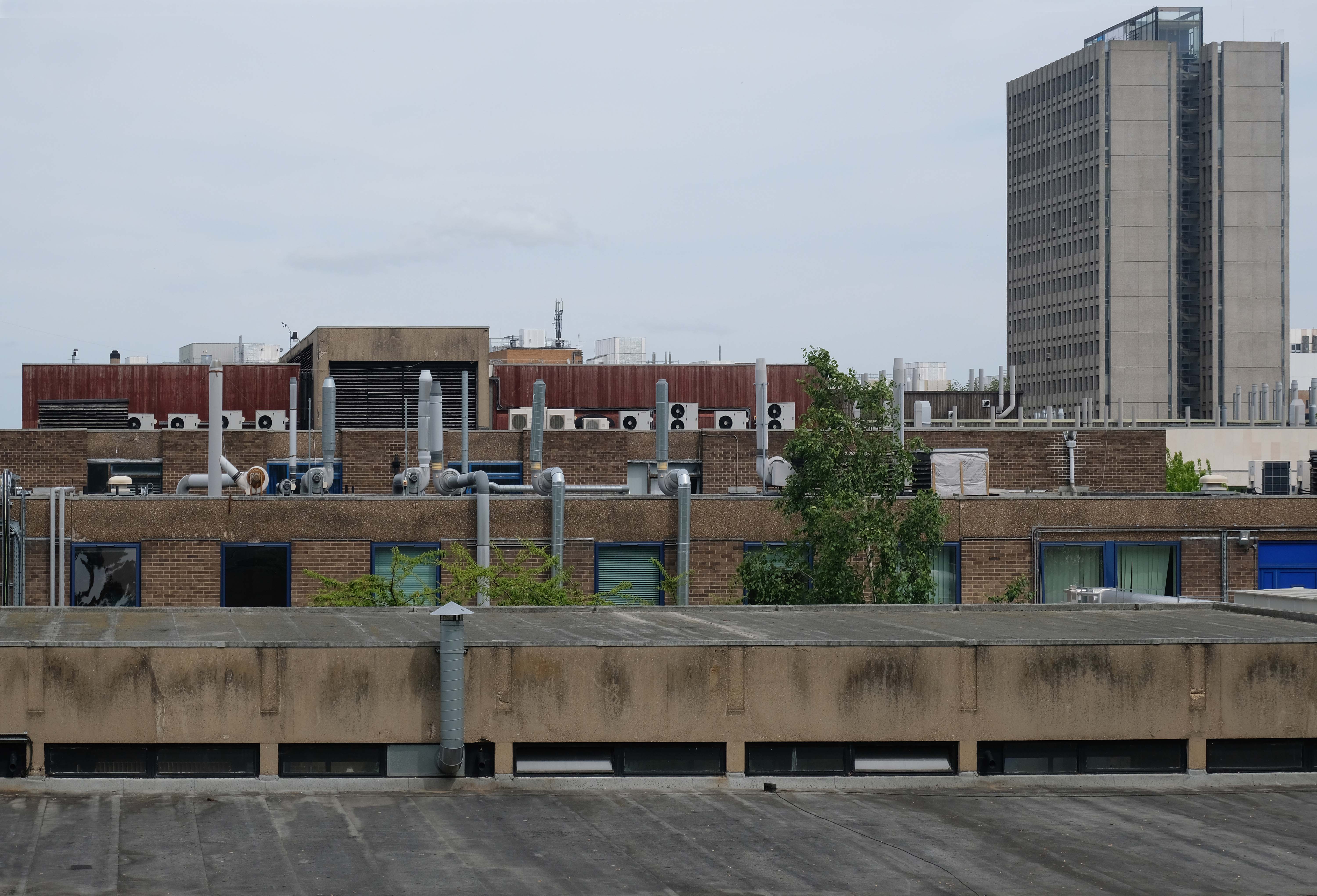
A view over the Science Buildings by Basil Spence 1955 and partner Andrew Renton 1961 onward.
The University of Nottingham needed to double the size of its existing academic library to cater for an expansion in serious scientific study. Hopkins Architects faced the difficult task of doubling the size of a rather unremarkable 1960’s building – designed by Basil Spence, on a tight sloping site.
Pope Building leading to the Engineering Science Learning Centre by Hopkins Architects 2011
Chemistry Department
Coates Building by Basil Spence
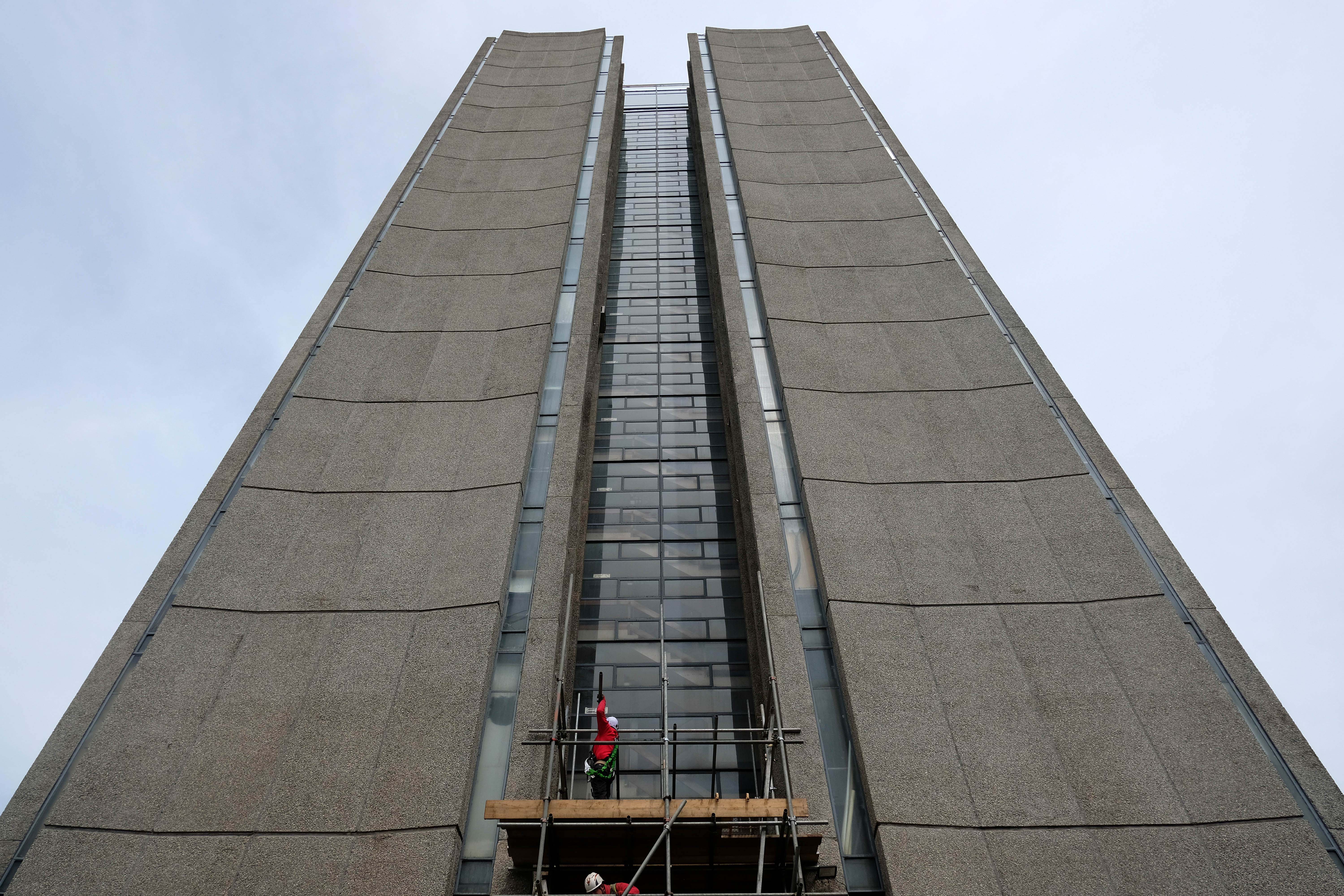
Tower Building by Andrew Renton 1963-65
Refurbishment work is taking place to develop flexible workspaces, including offices, conference and meeting rooms, while the building will also accommodate hospitality and events rooms. The university also plans to include a restaurant, coffee bar, a deli-shop and a top-floor sky lounge.
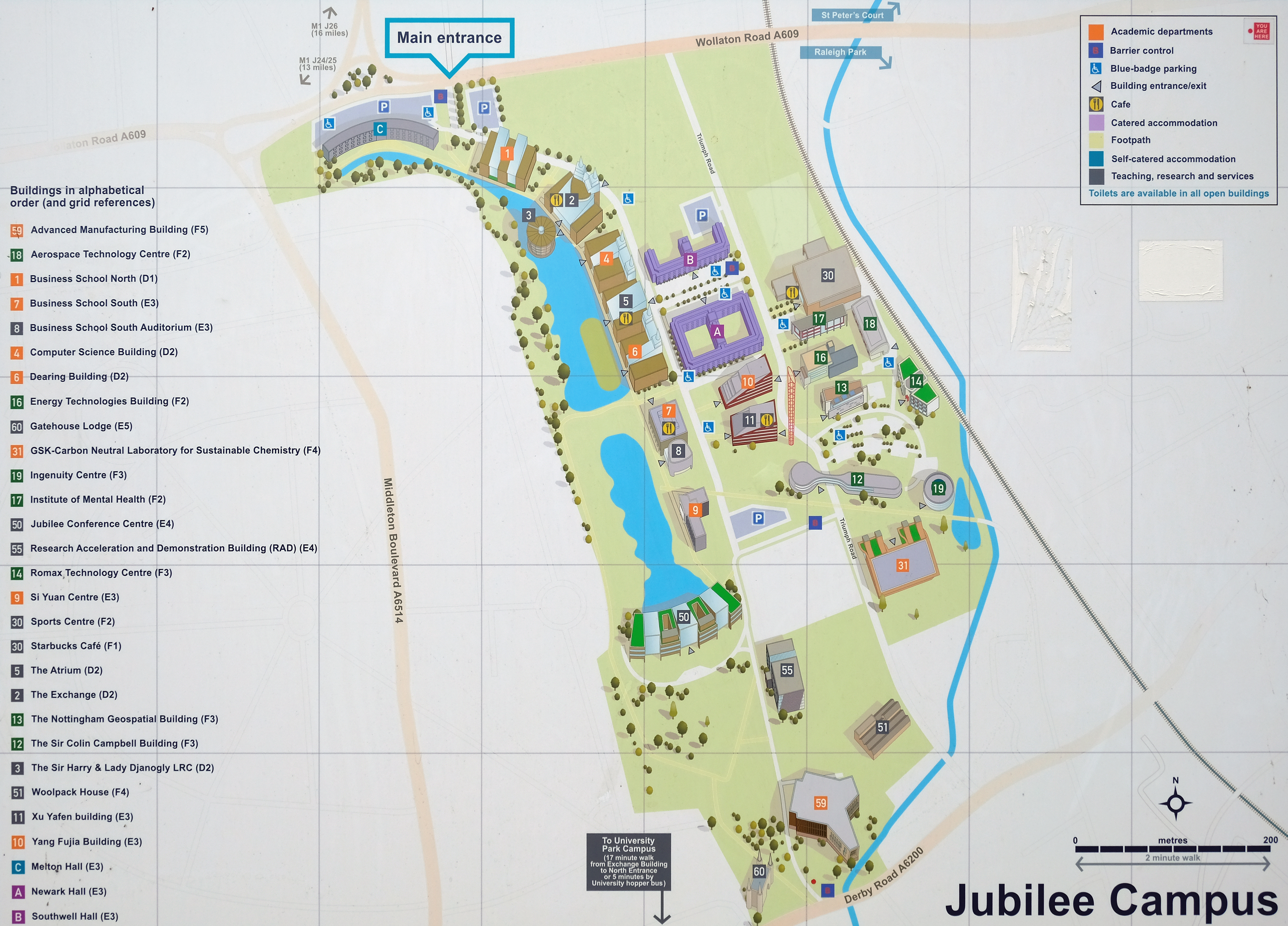
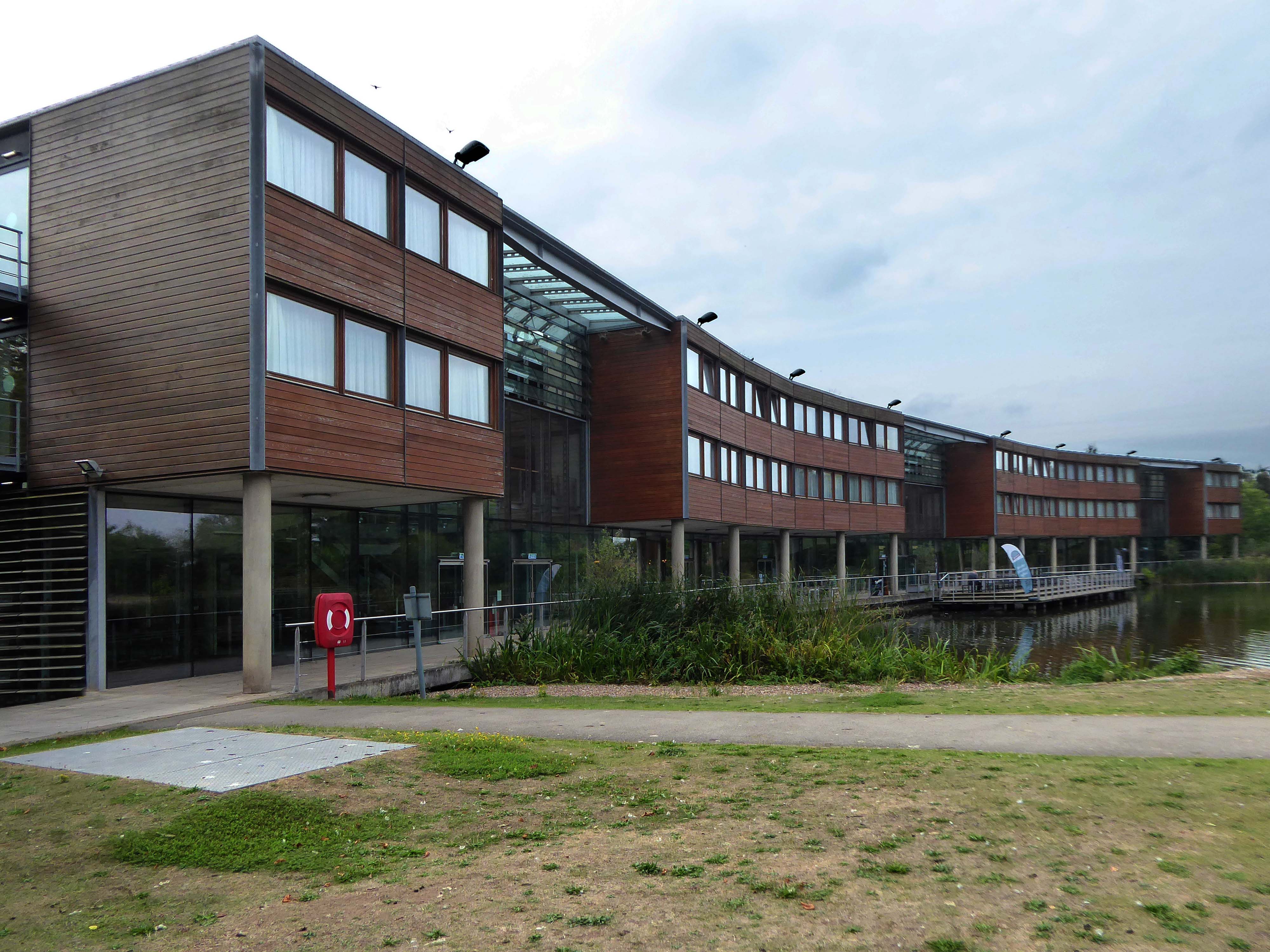
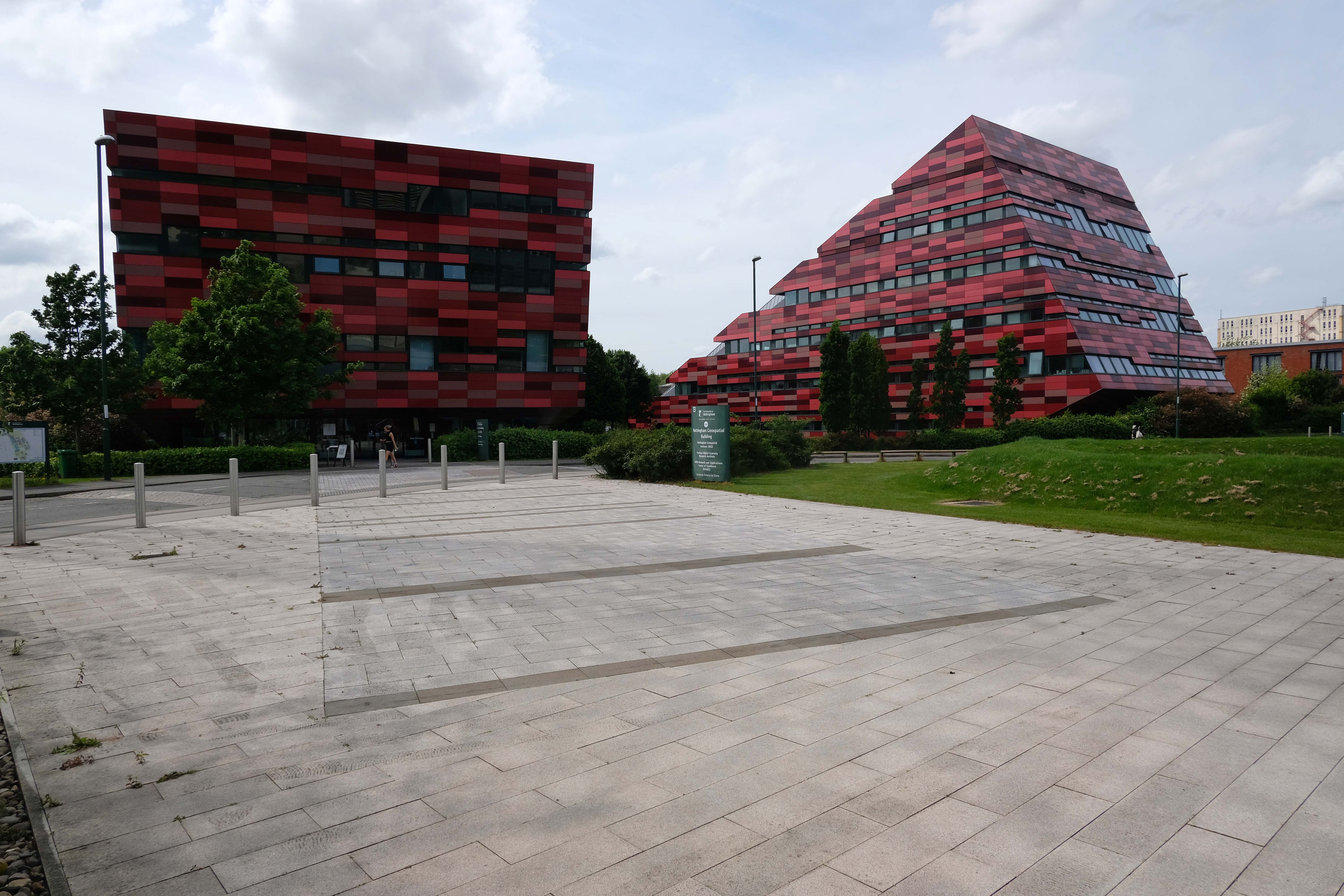
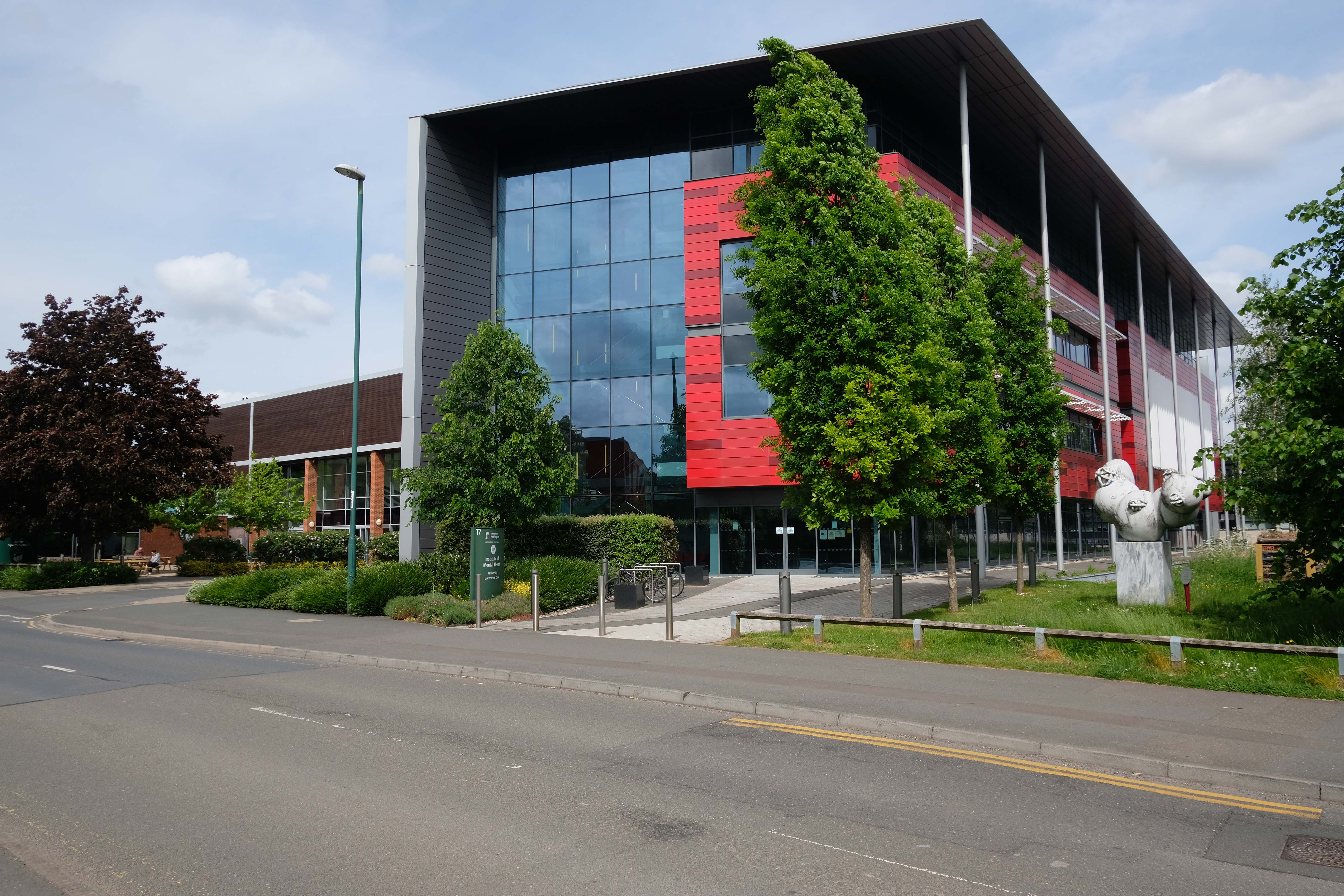
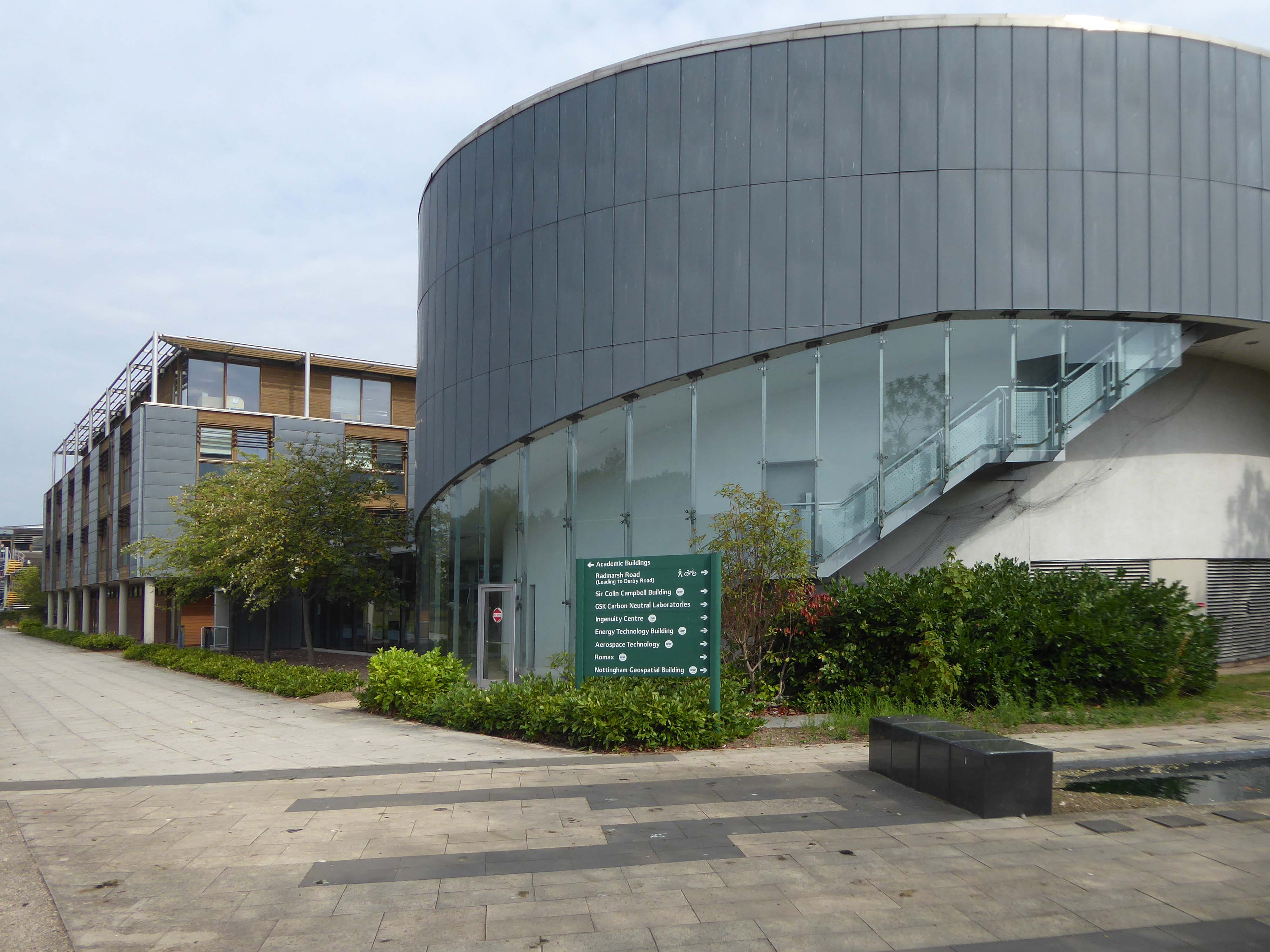
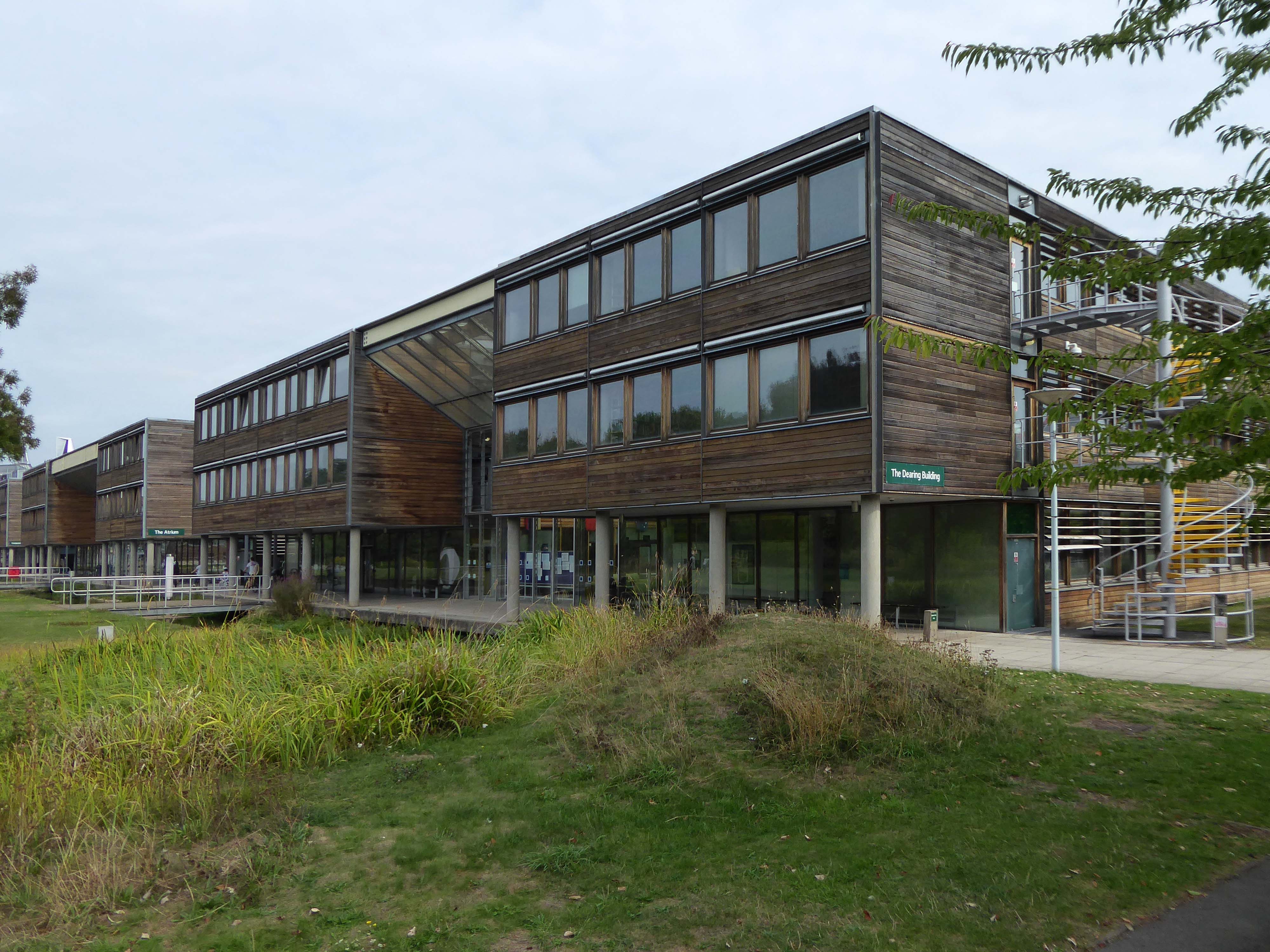
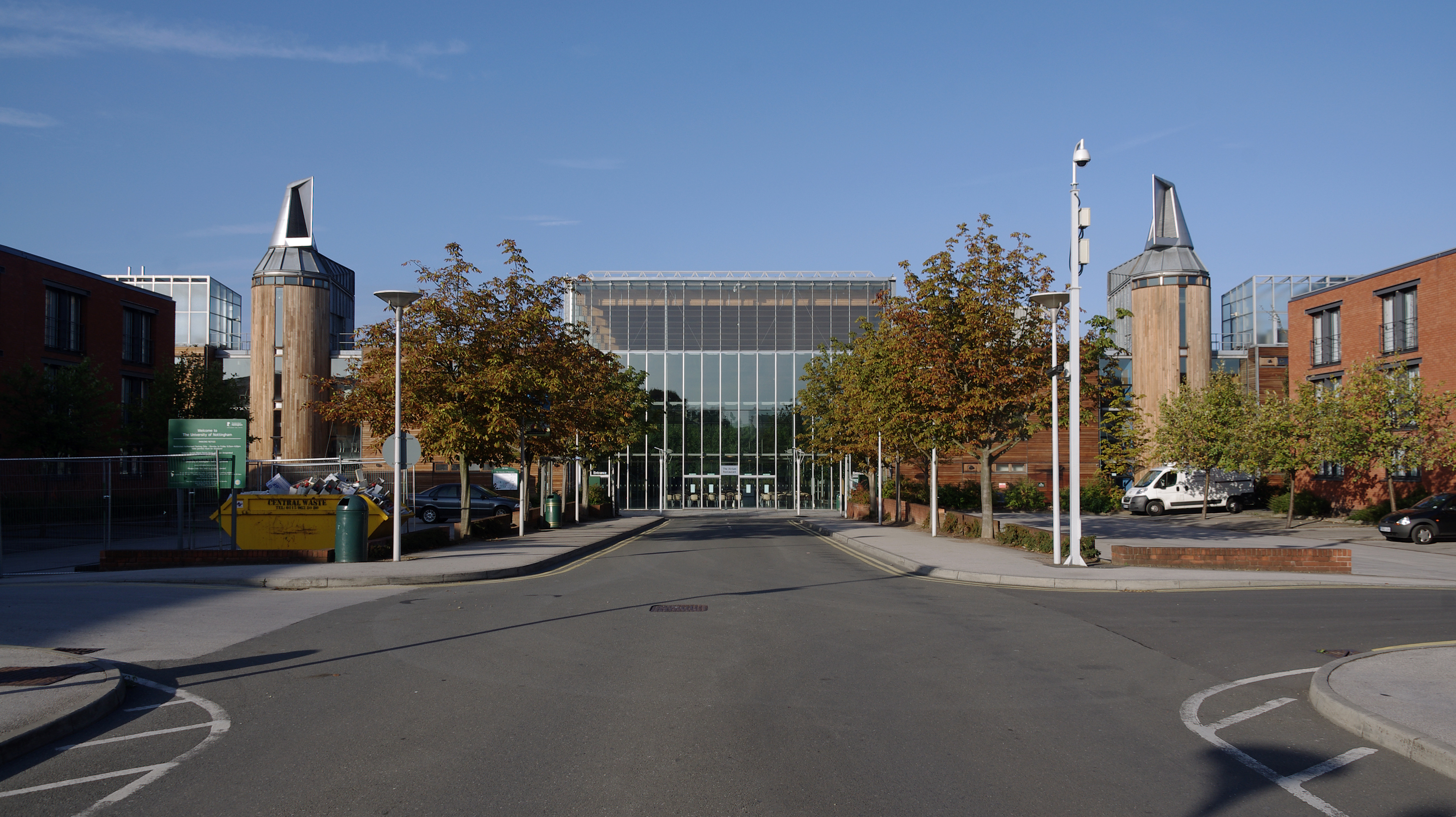
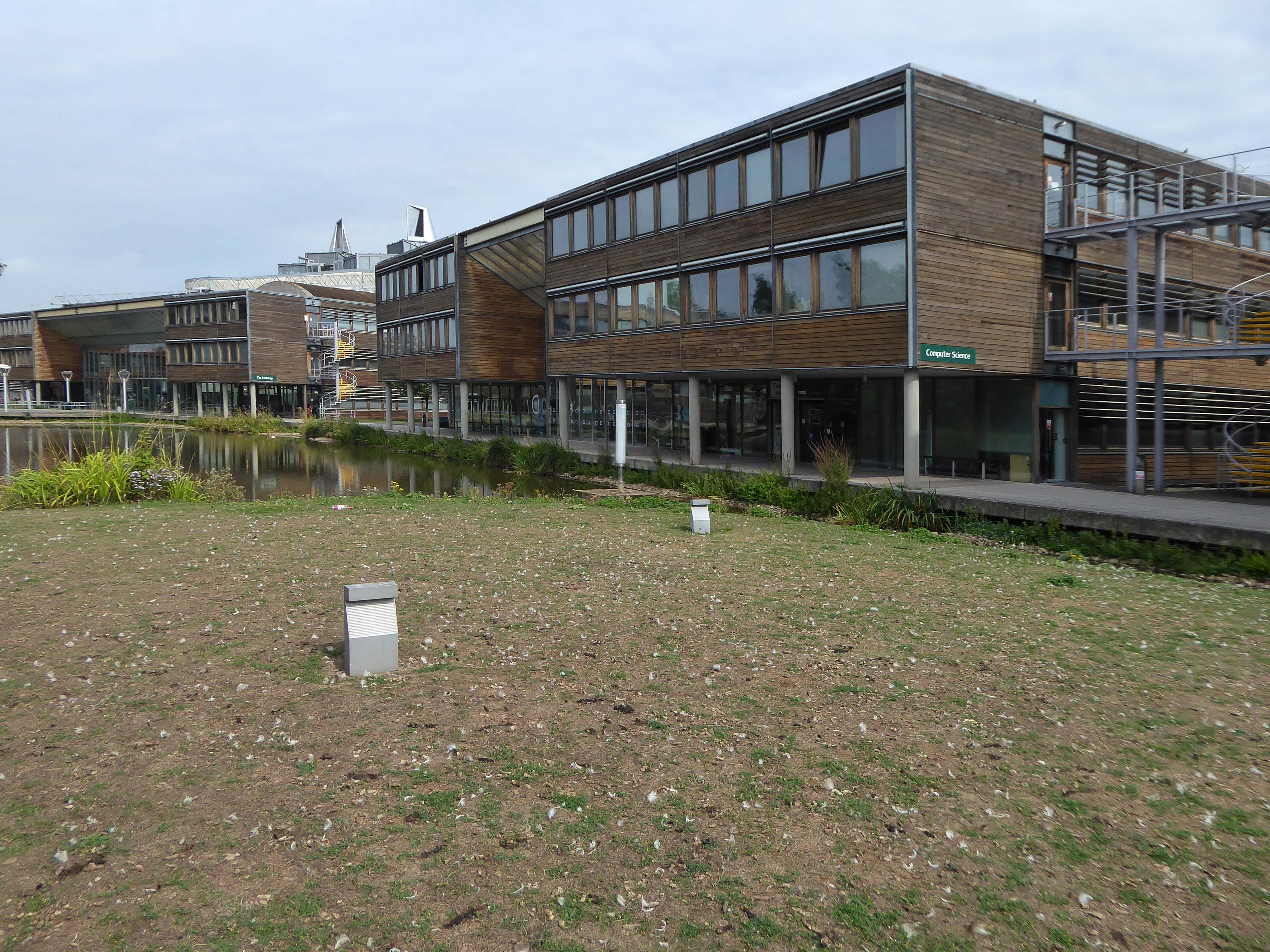
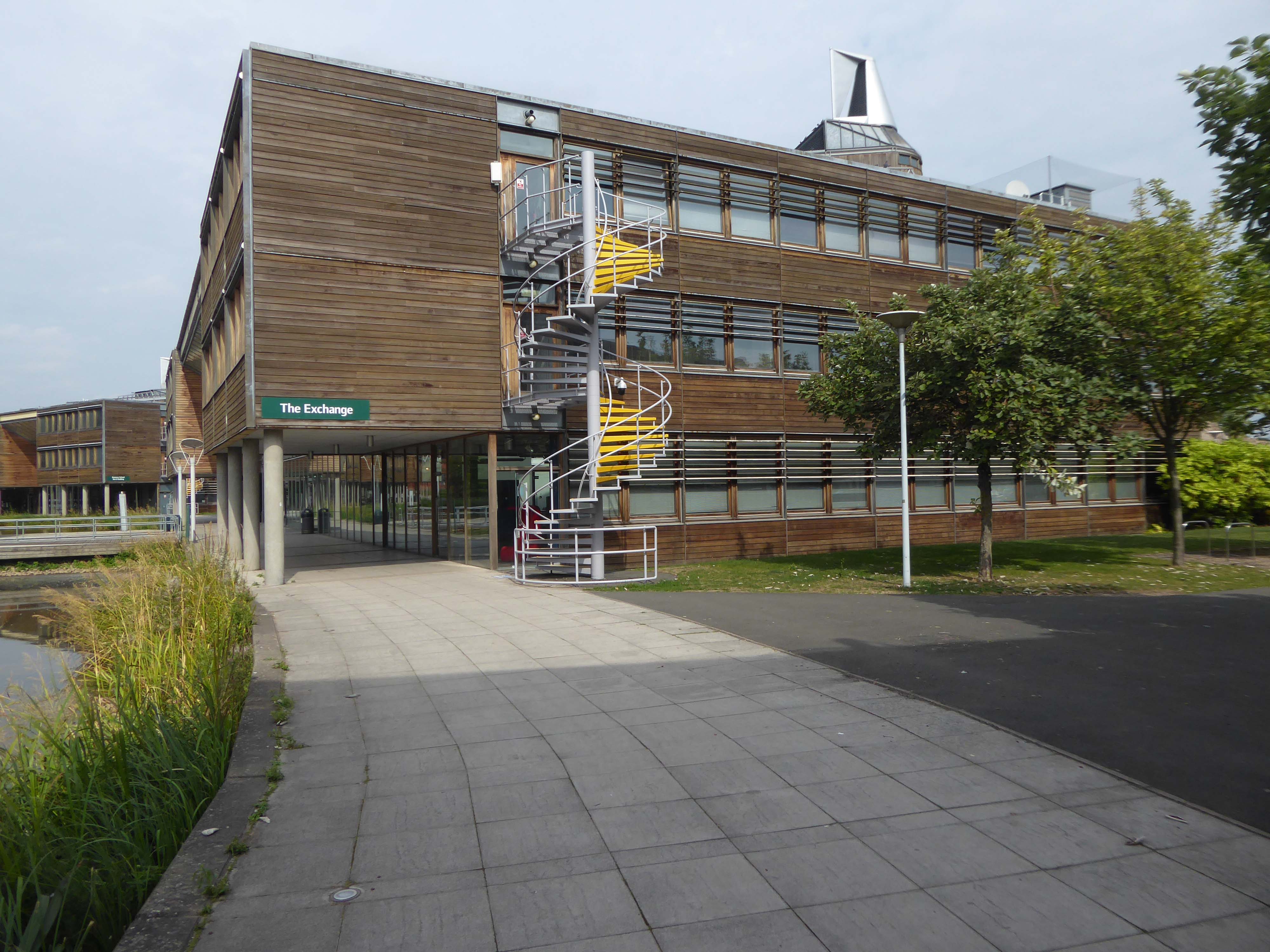
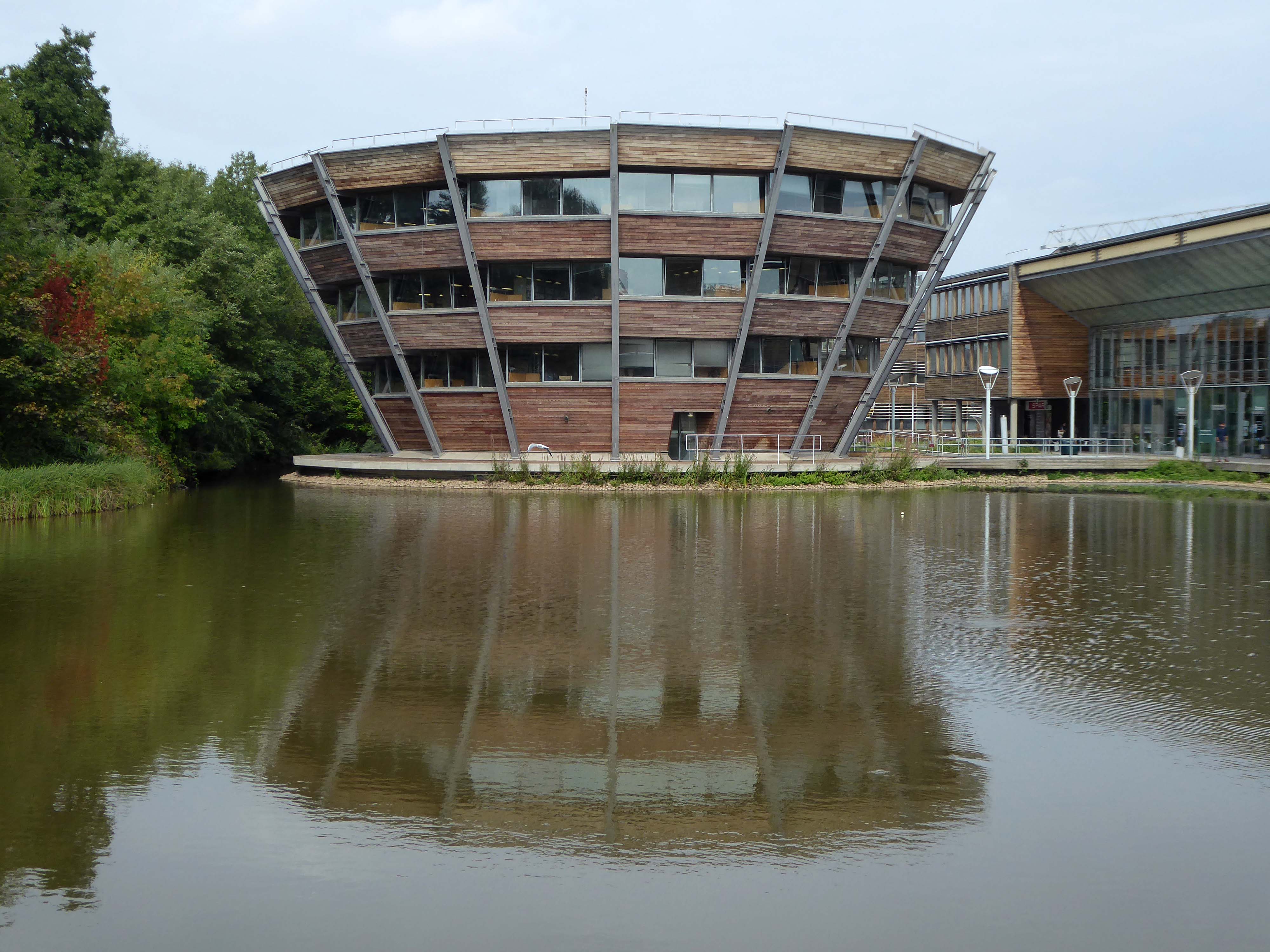
Jubilee Campus is a modern purpose-built campus which now extends to 65 acres and is located only one mile from University Park. The initial phase was opened by Her Majesty the Queen in 1999. The state-of-the-art facilities now include:
The Schools of Education – including CELE and Computer Science
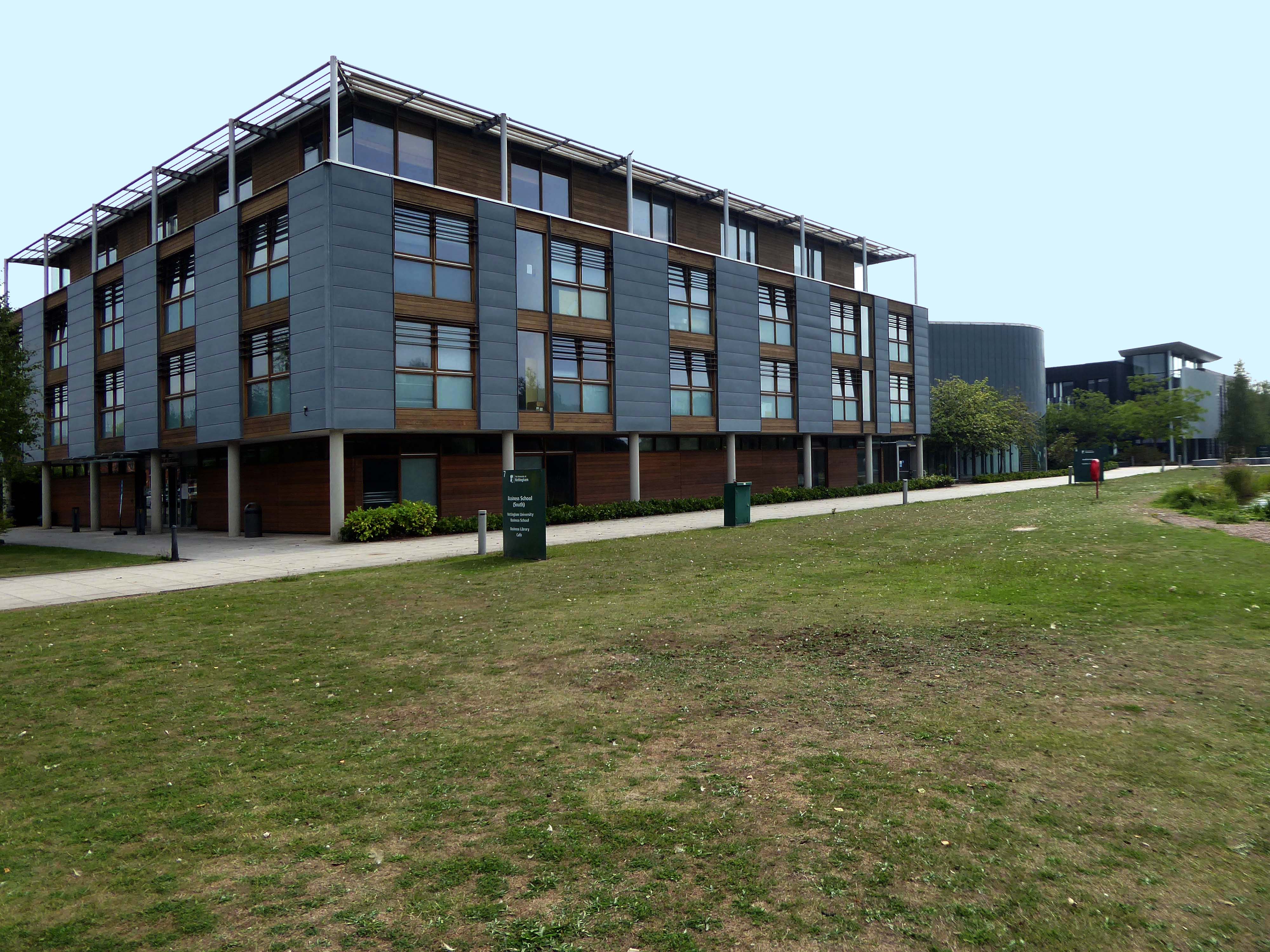
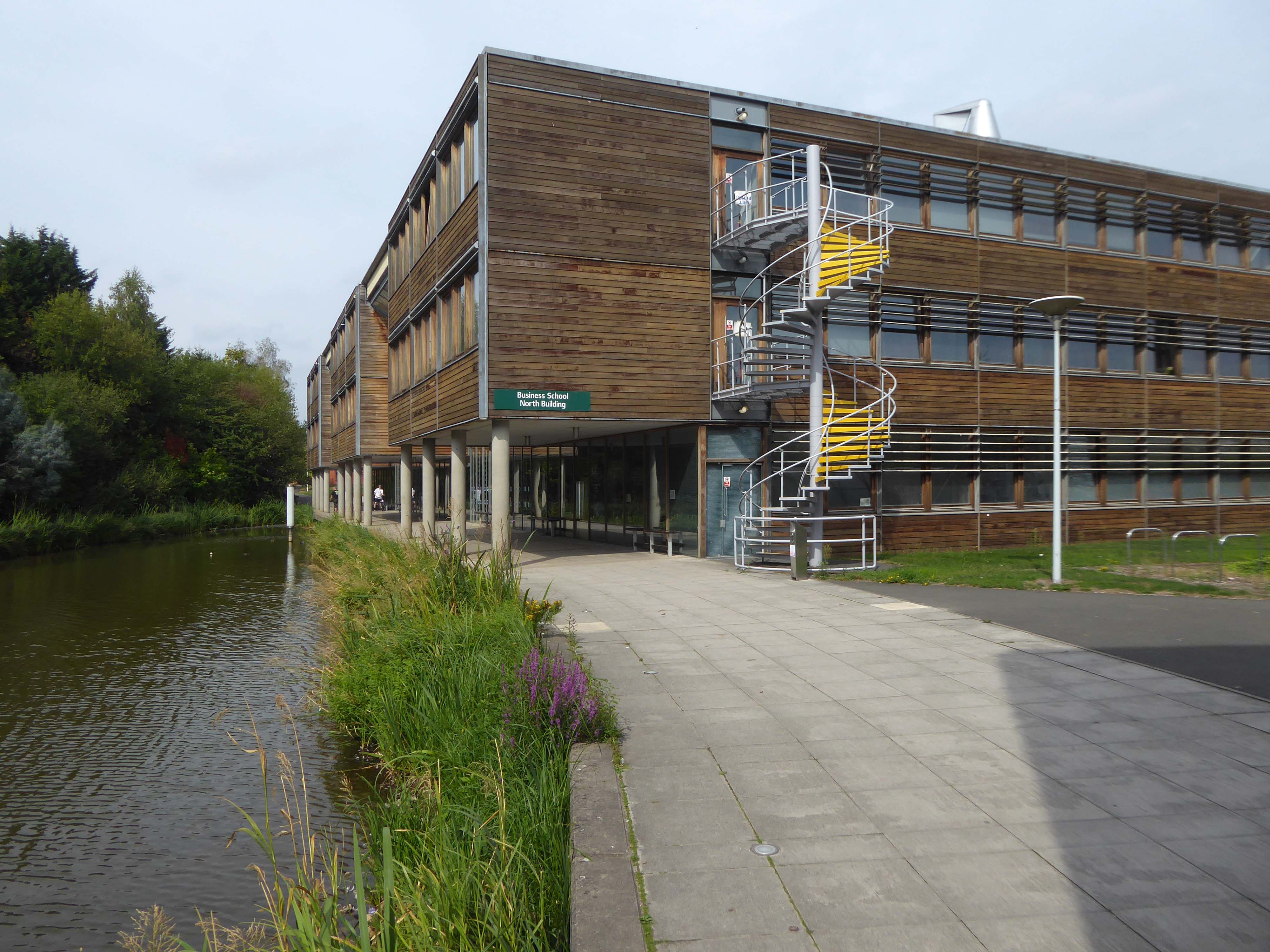
The Nottingham University Business School
The National College for Leadership of Schools and Children’s Services
Sports Centre
University of Nottingham Innovation Park
4000 third party purpose-built student residences within half a mile radius of the campus
Central to the development of the site has been the setting of high BREEAM Standards – an holistic approach to achieve ESG, health, and net zero goals. It is owned by BRE – a profit-for-purpose organisation with over 100 years of building science and research background.
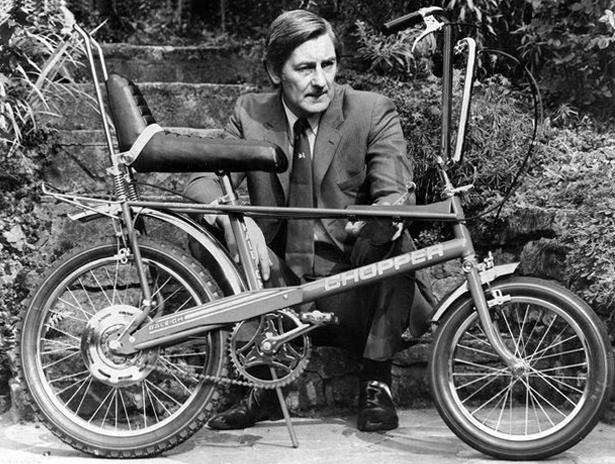
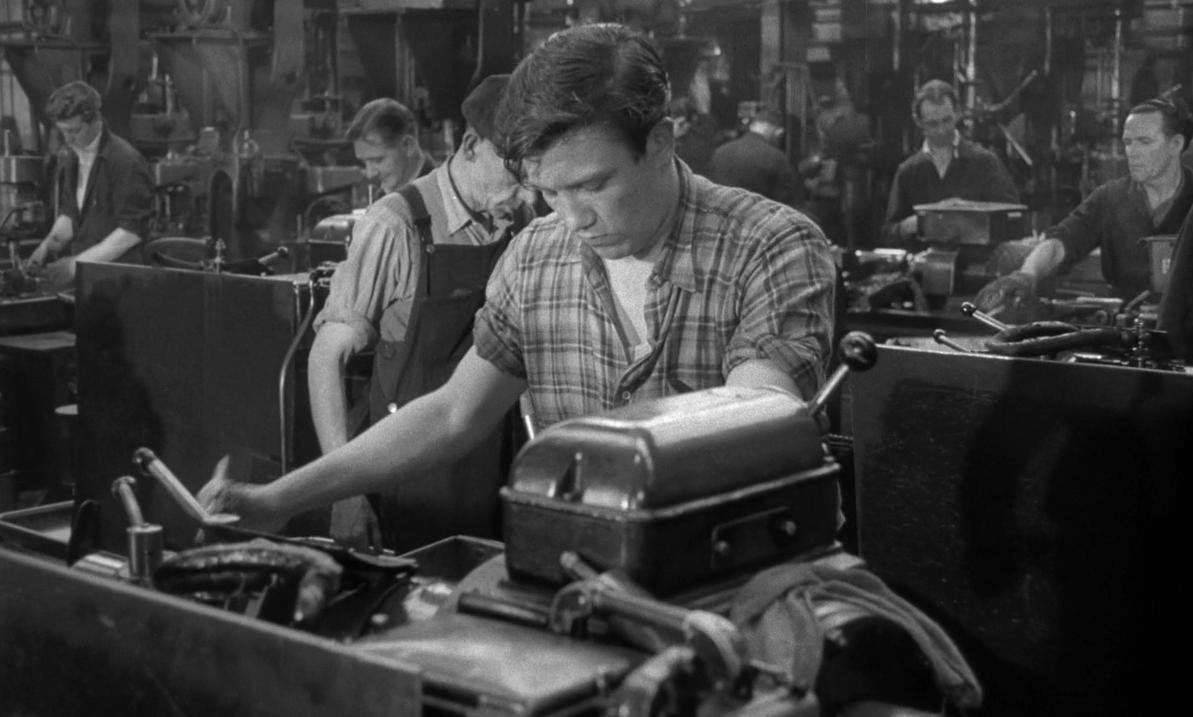
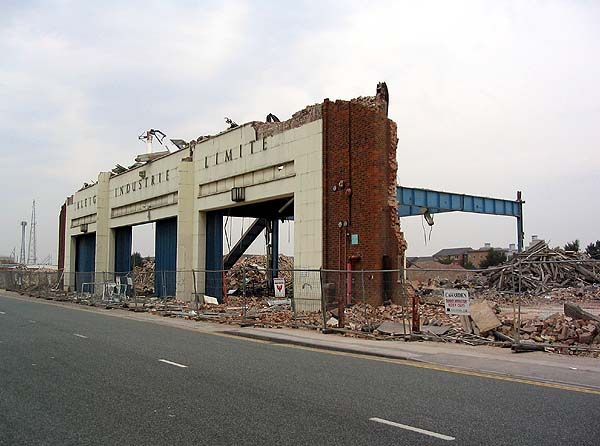
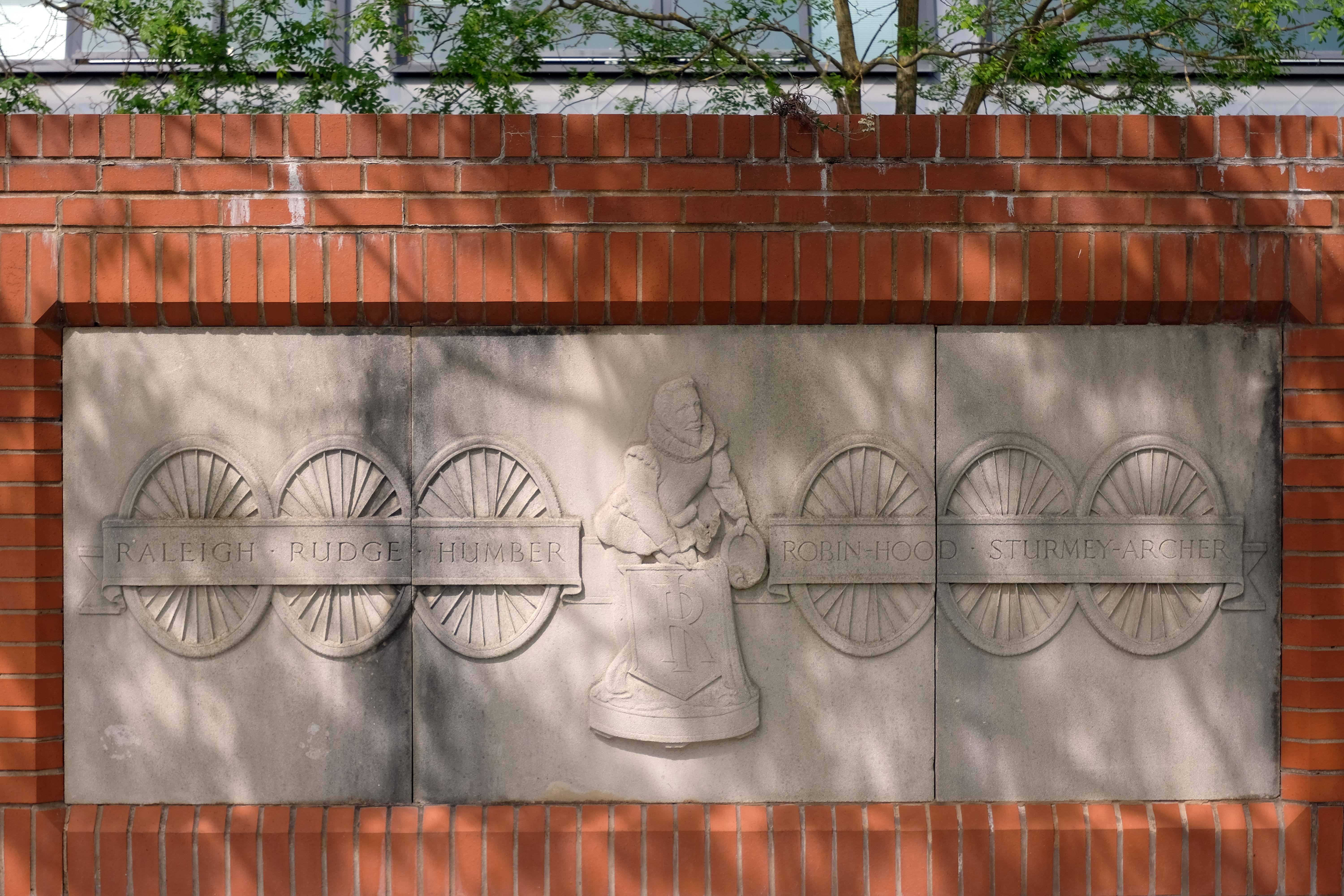
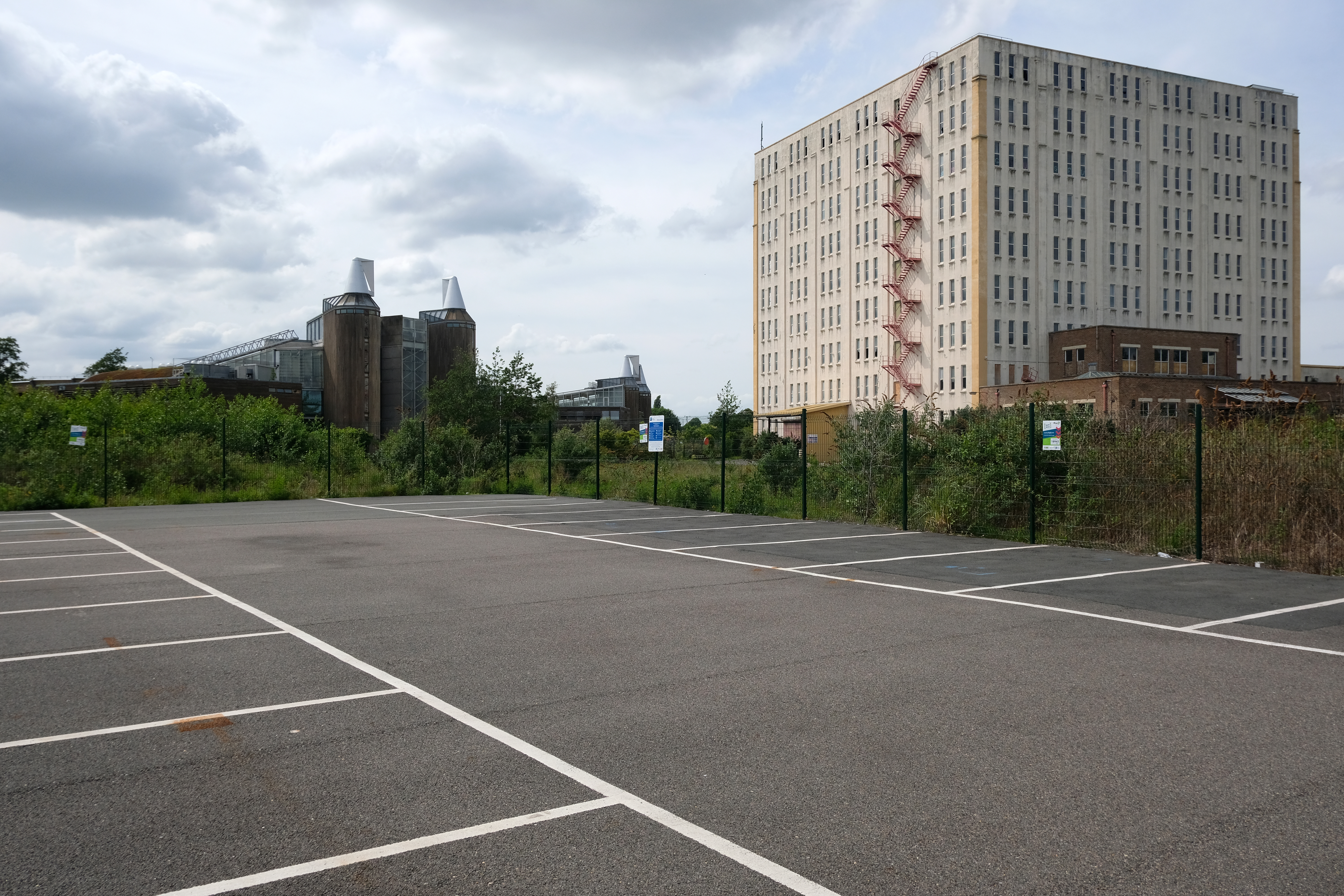
Built on the former site of the immense Number 3Raleigh Bicycle Factory – which was opened by Field Marshal Lord Montgomery in 1957.
At its peak in the 1950s, Raleigh employed 7000 people on a 40 acre site that covered most of Lenton Boulevard, Triumph Road and Orston Drive.
In May 1999, Raleigh announced that it was to cease volume production of frames in the UK. The frame welding robots, installed in 1996, were auctioned off in December 1999.
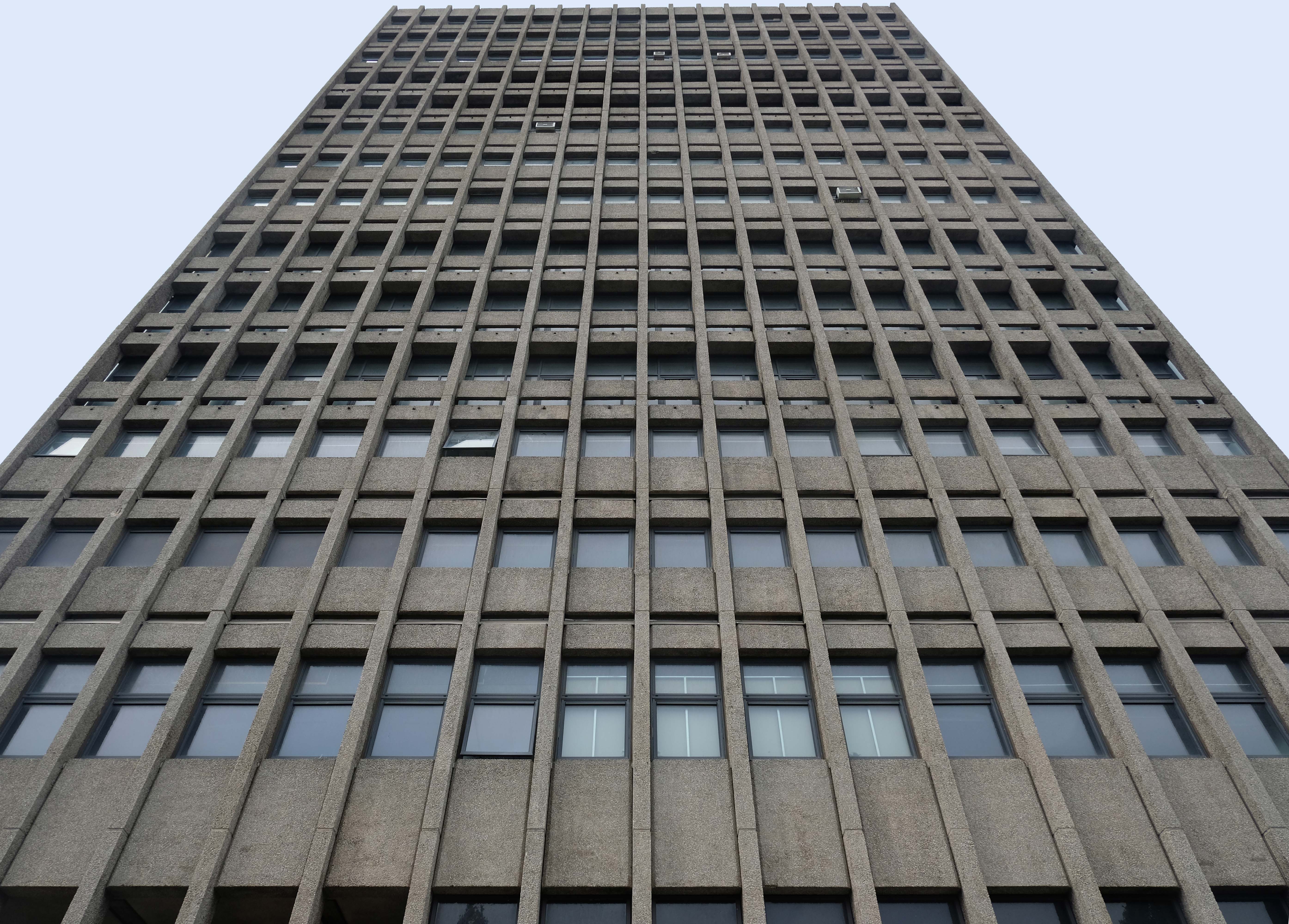
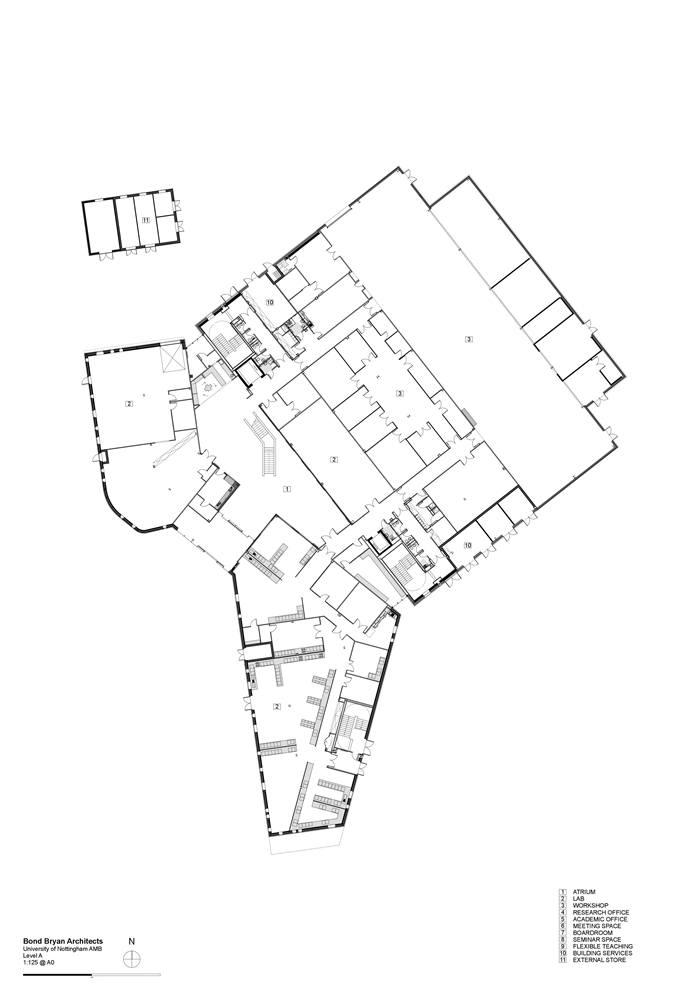
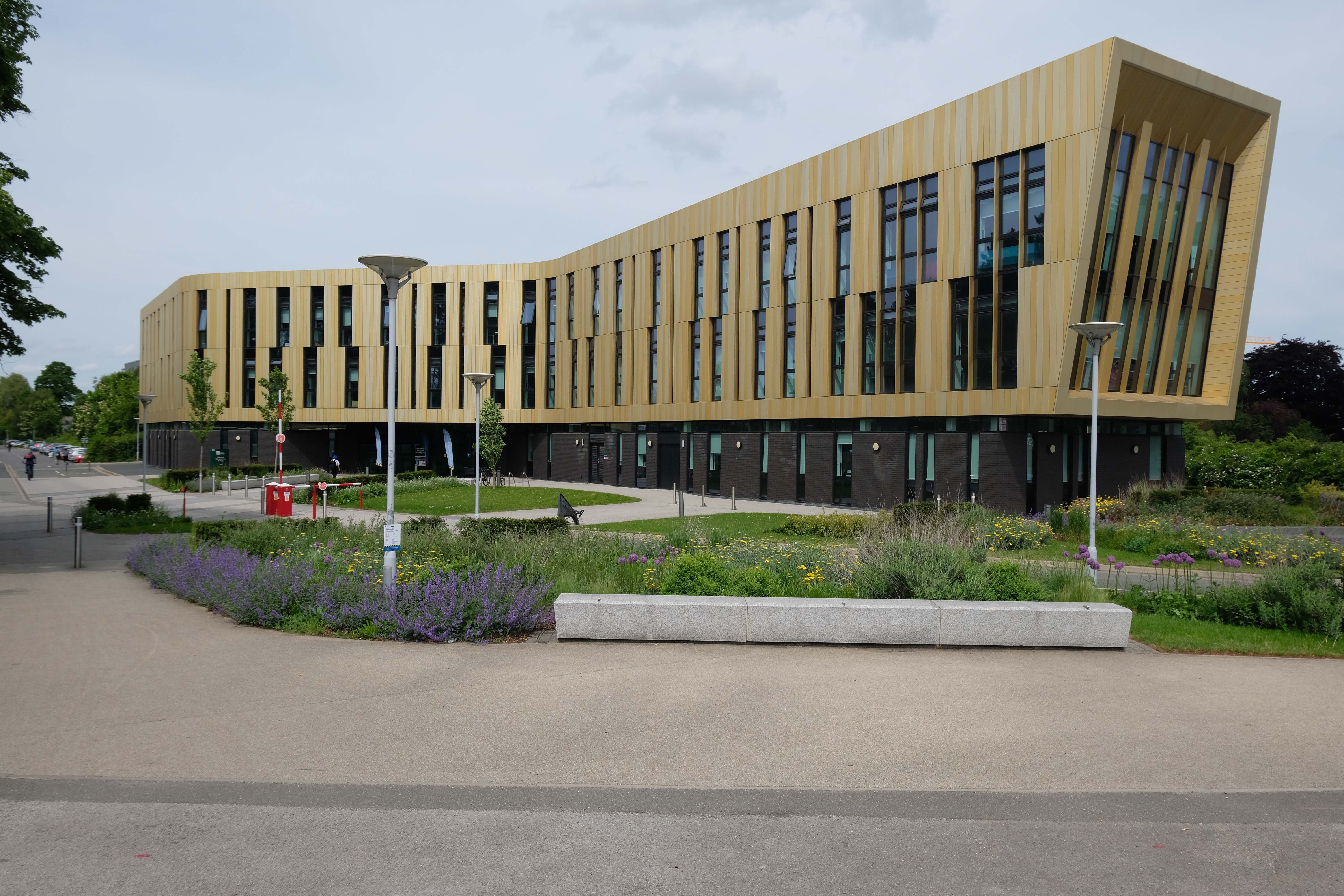
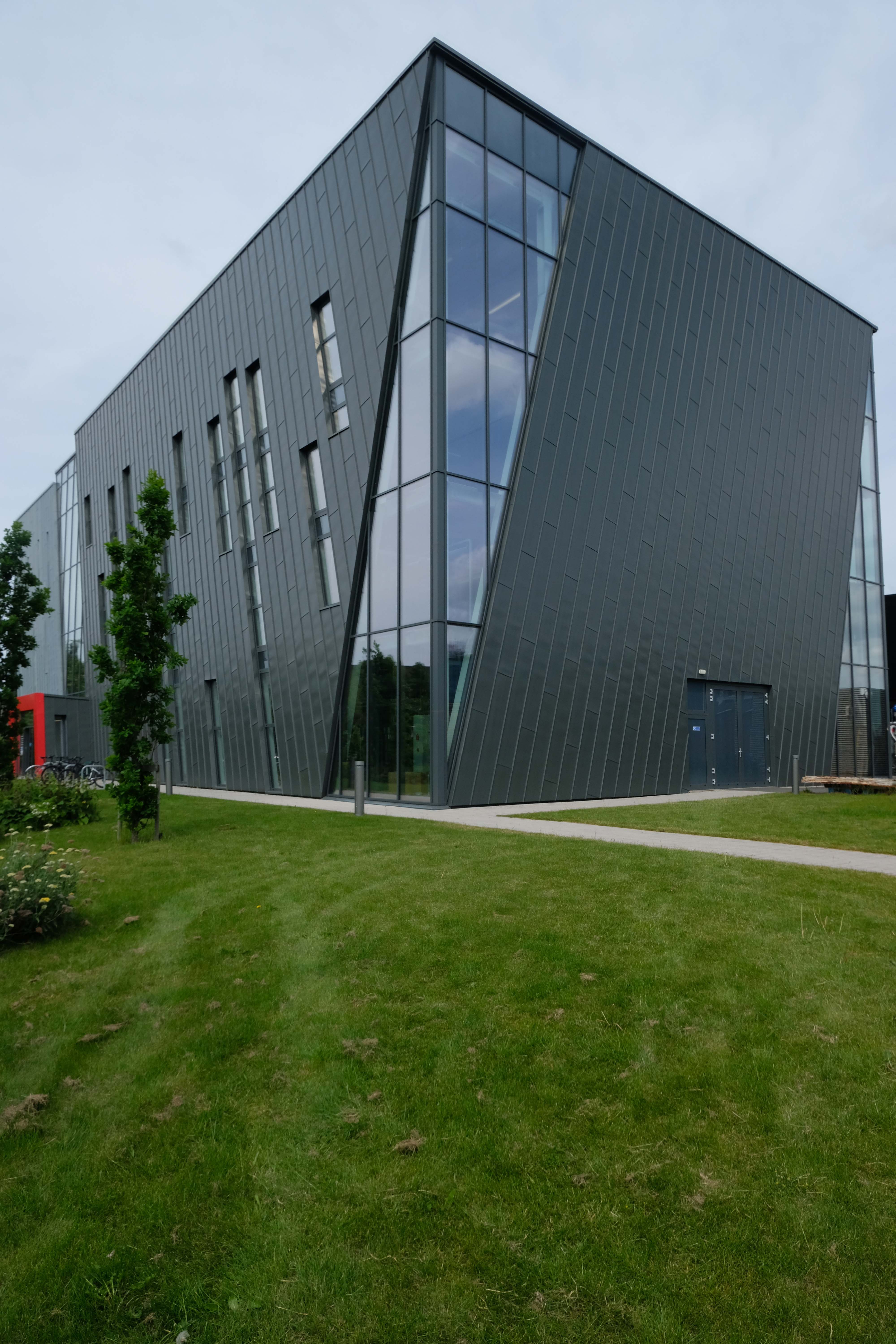
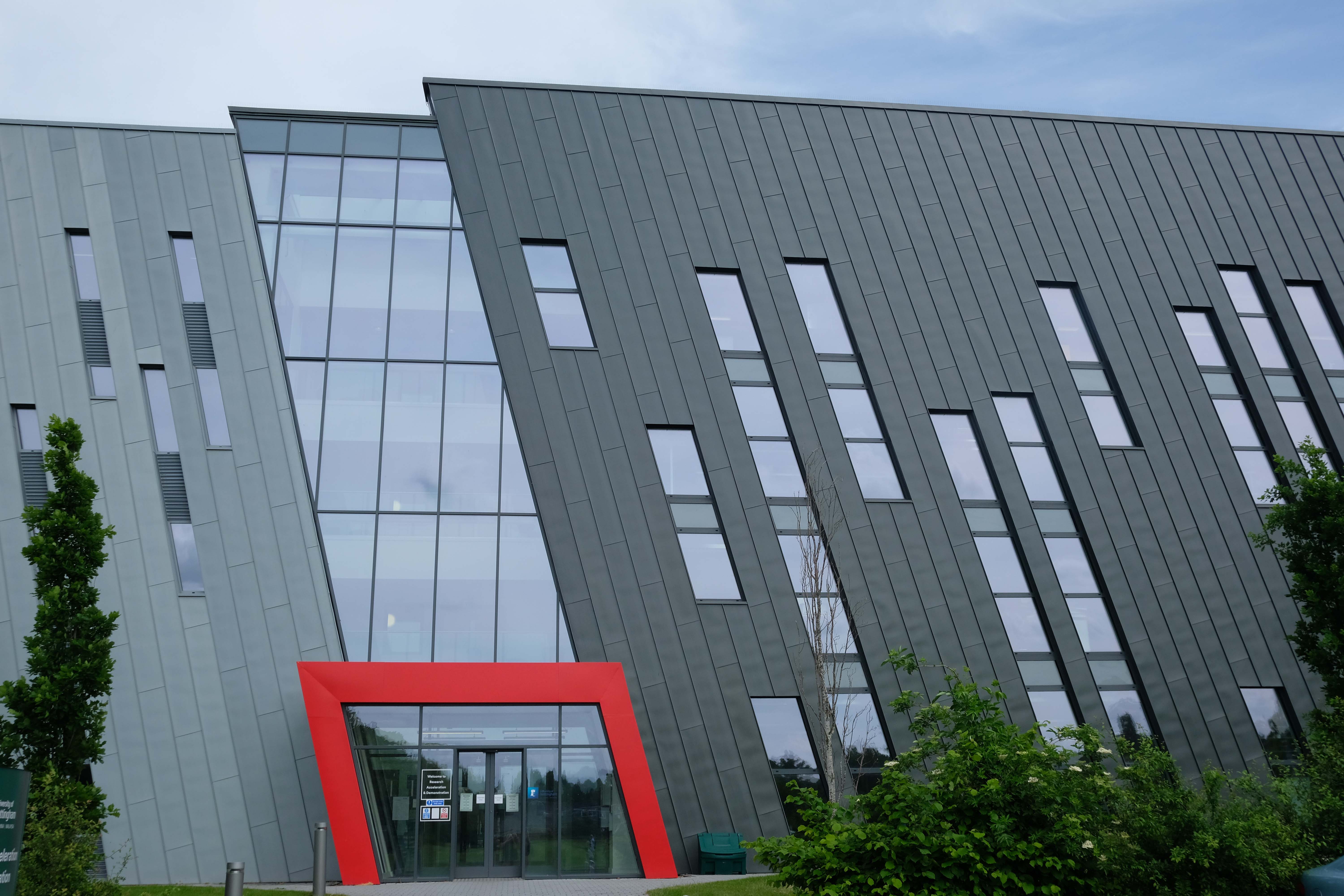
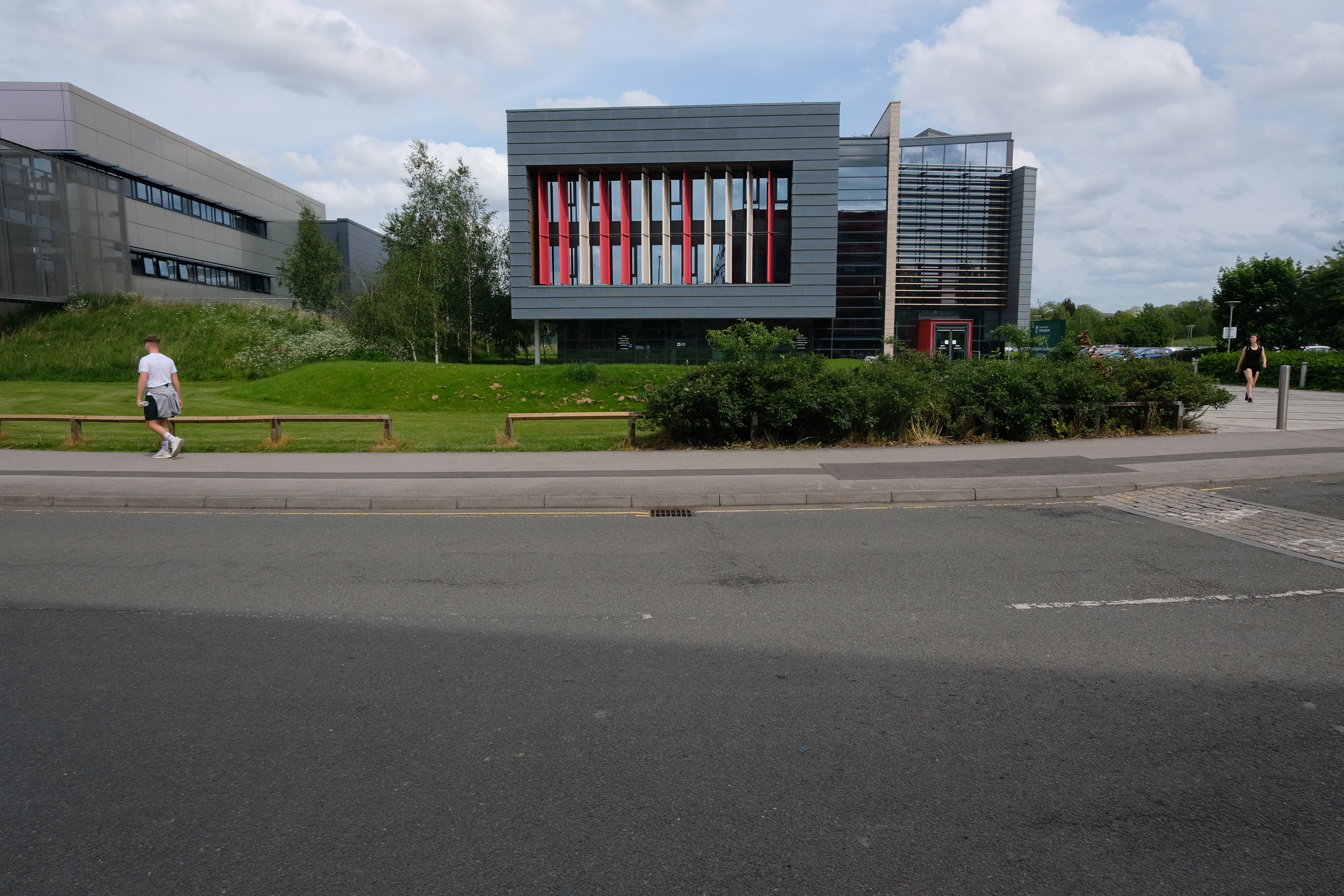
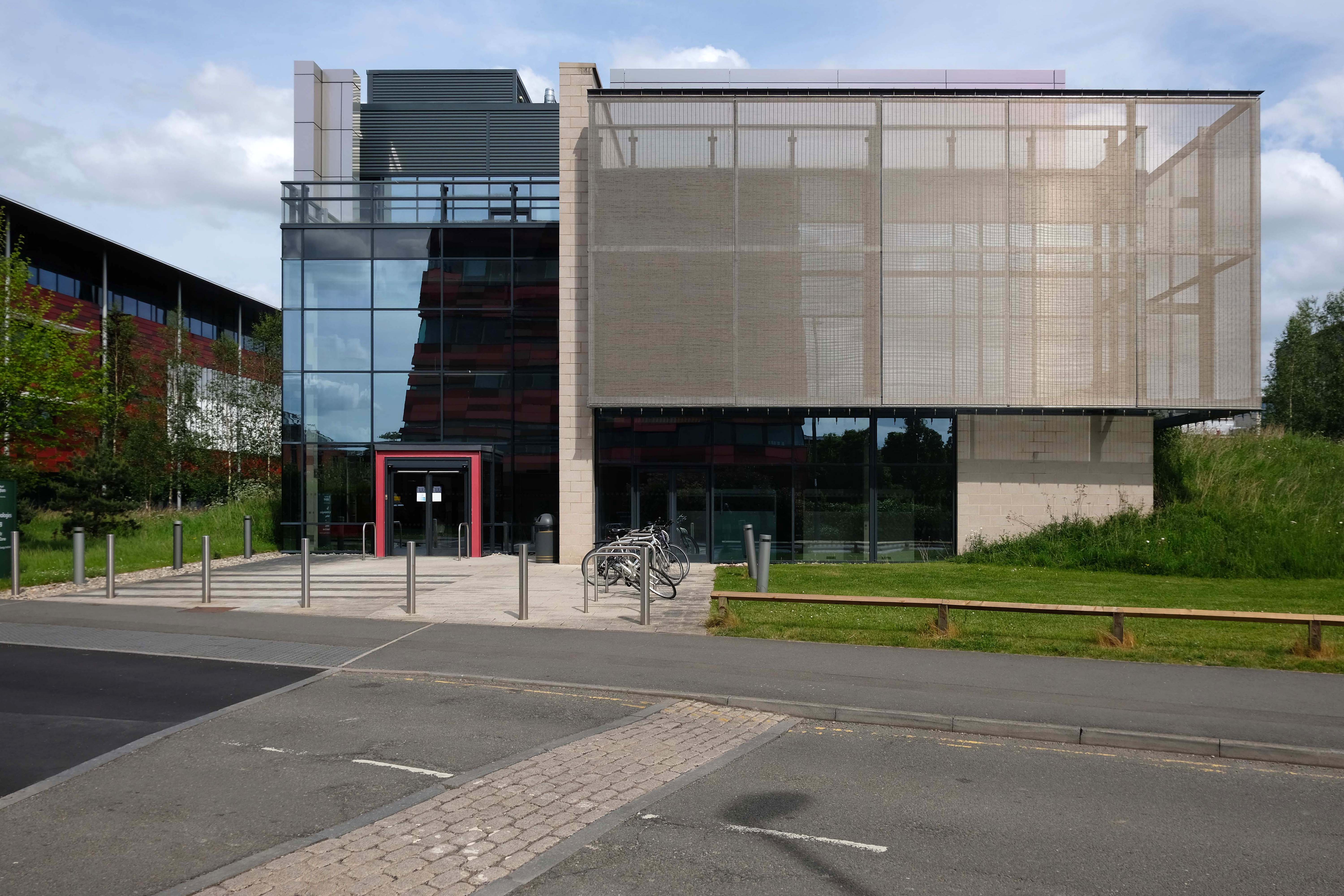
Enjoying a prime location on the University of Nottingham’s Jubilee Campus, the building provides a number of multidisciplinary and specifically designed laboratory spaces, as well as high quality single and multiple occupancy offices, technical support bases and breakout spaces.
Set within 65 acres of lakeside grounds, close to Nottingham city centre, The Jubilee hotel & conferences offers an innovative setting for events, along with all the comforts of a modern hotel.
If you are looking for sustainable venue hire, look no further. With a range of meetings spaces, breakout areas and bedrooms; The Jubilee is perfect for event and conferences organisers looking for a light, airy and relaxing setting.
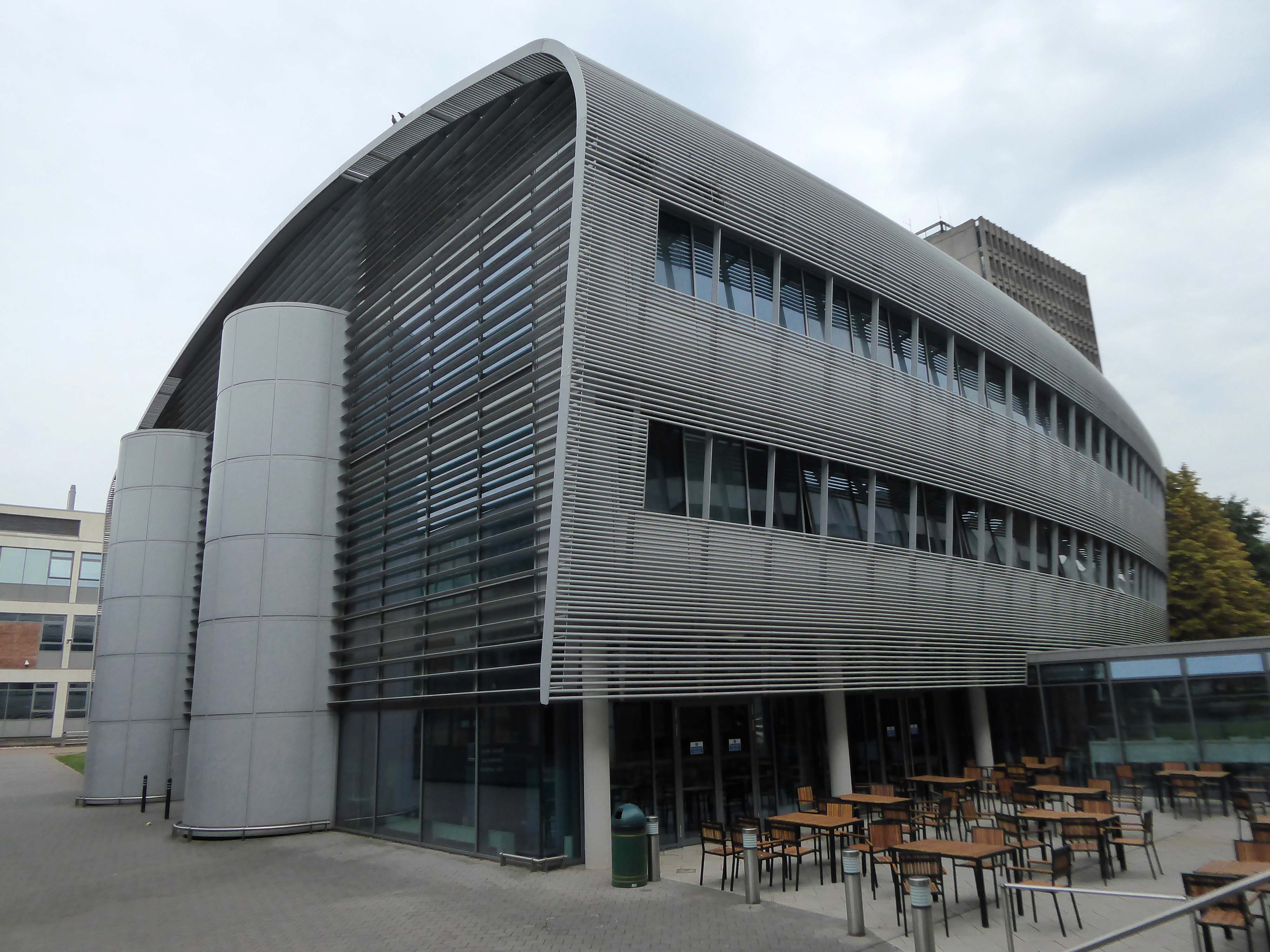
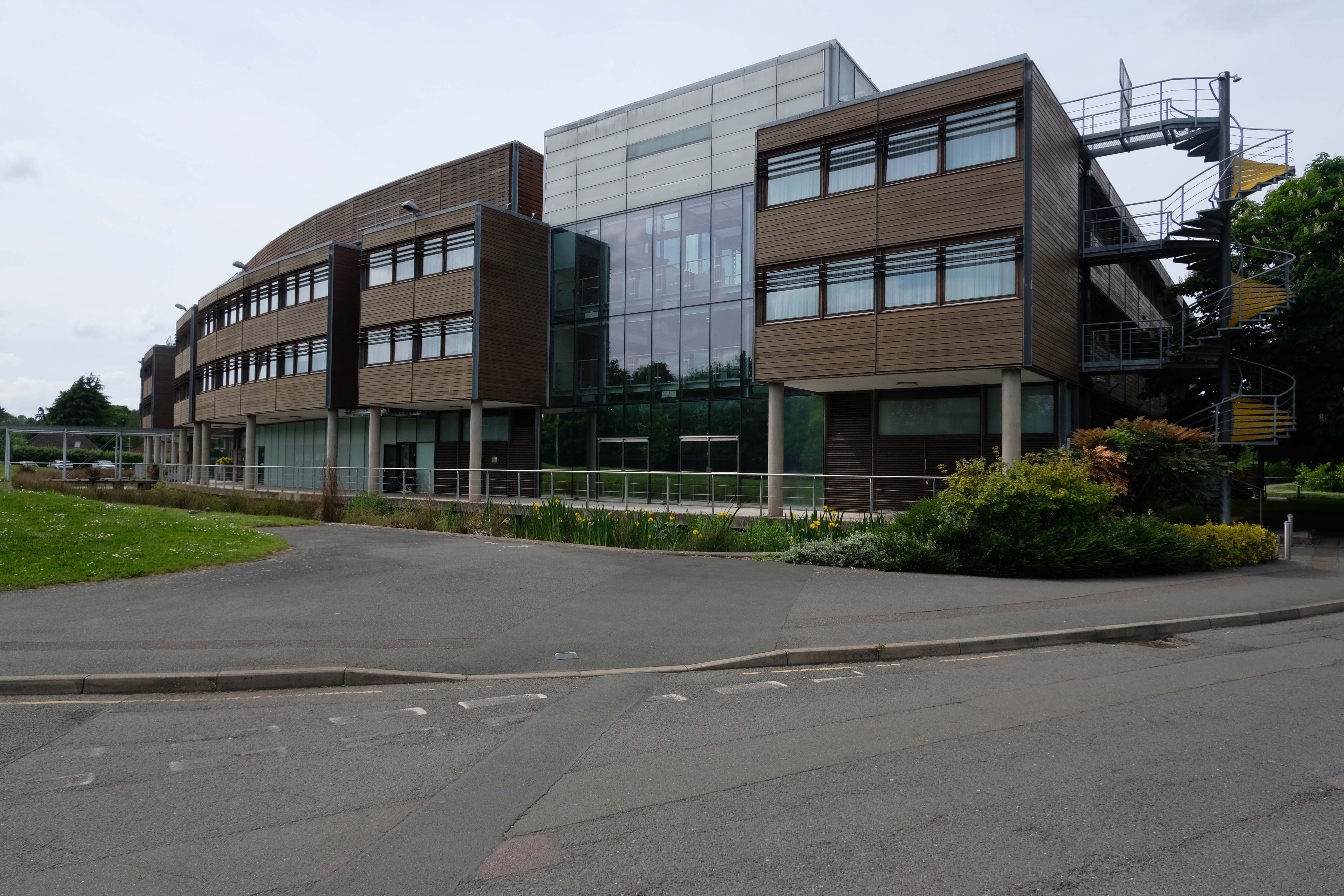
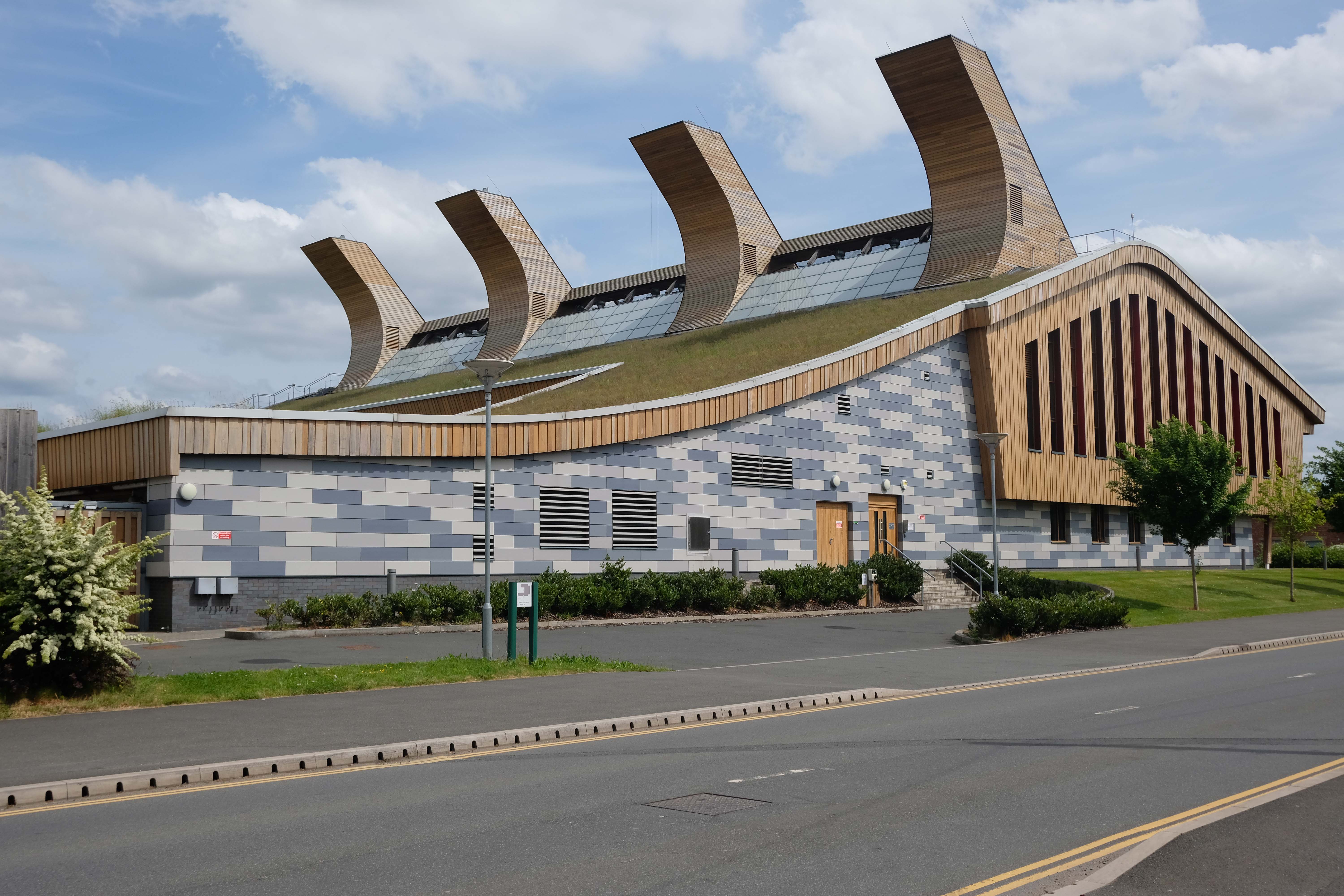
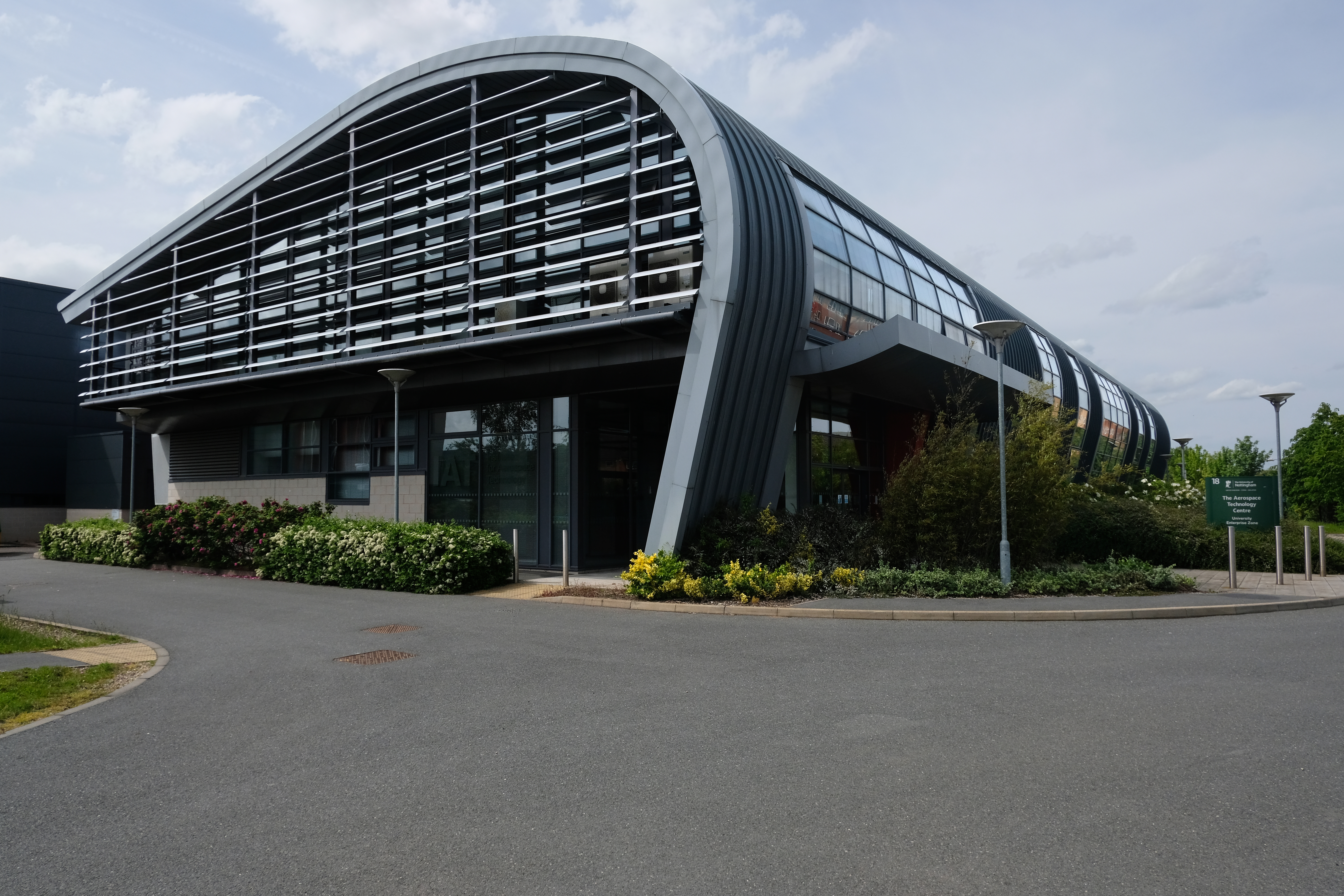
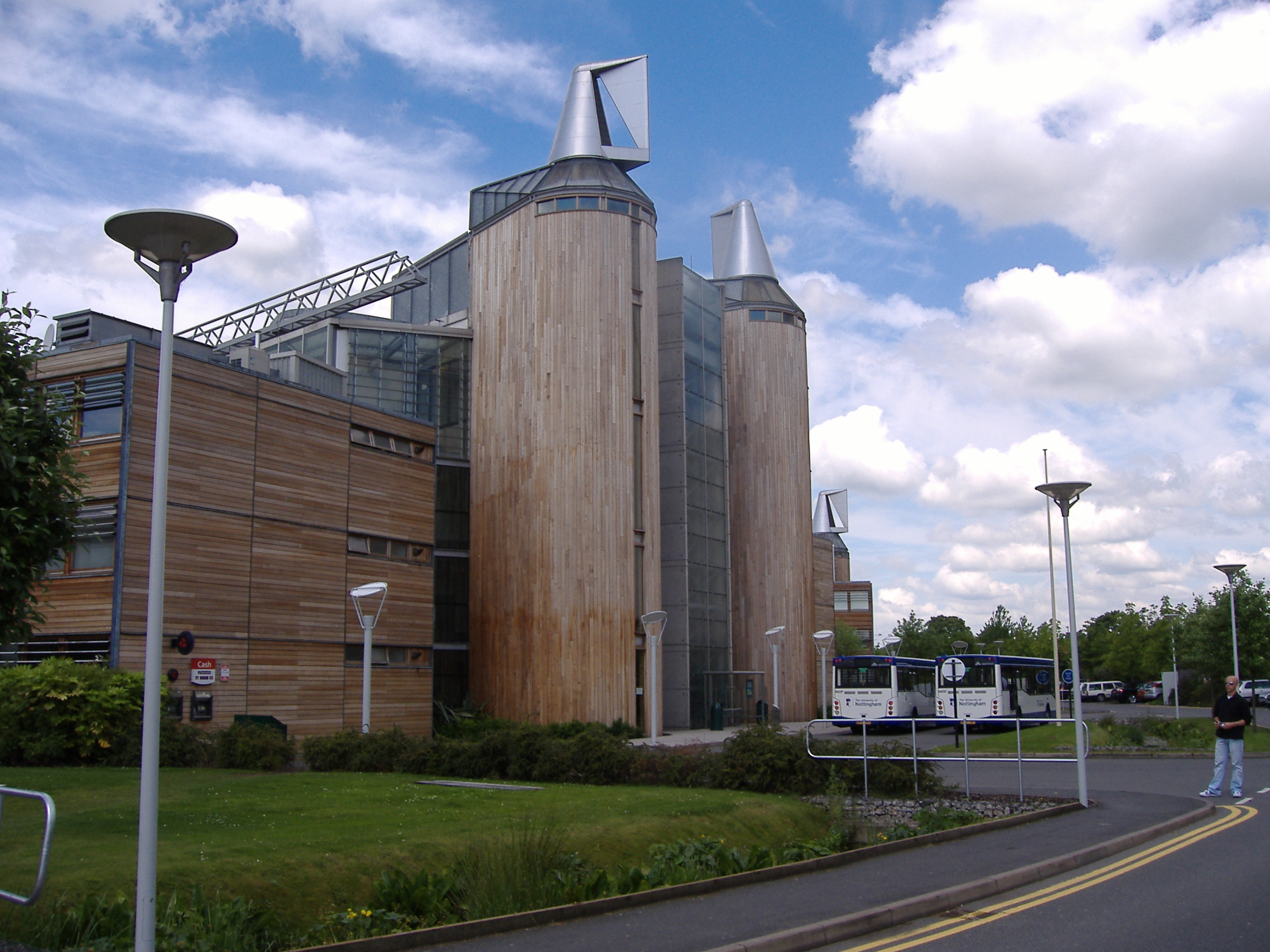
Designed to minimise the impact on the environment of its construction and operation. The design of the building is made up of modules manufactured off-site. The building support pillars and trusses are made from a combination of German spruce, Austrian Spruce, and American red cedar.
The designers used computational fluid dynamics to design the curved roof. This enables ventilation of the building by taking advantage of the prevailing wind. One of the laboratories is also ventilated in this way, to determine the viability of doing so elsewhere. The building also features a green roof, and solar panels that cover 45 per cent of the roof area and provide up to 230.9 kW. The four towers on the roof hide the building’s plant equipment. Additionally, a 125-kilowatt biofuel combined heat and power system was built on-site, providing the majority of heat needed for the buildings.
Wikipedia
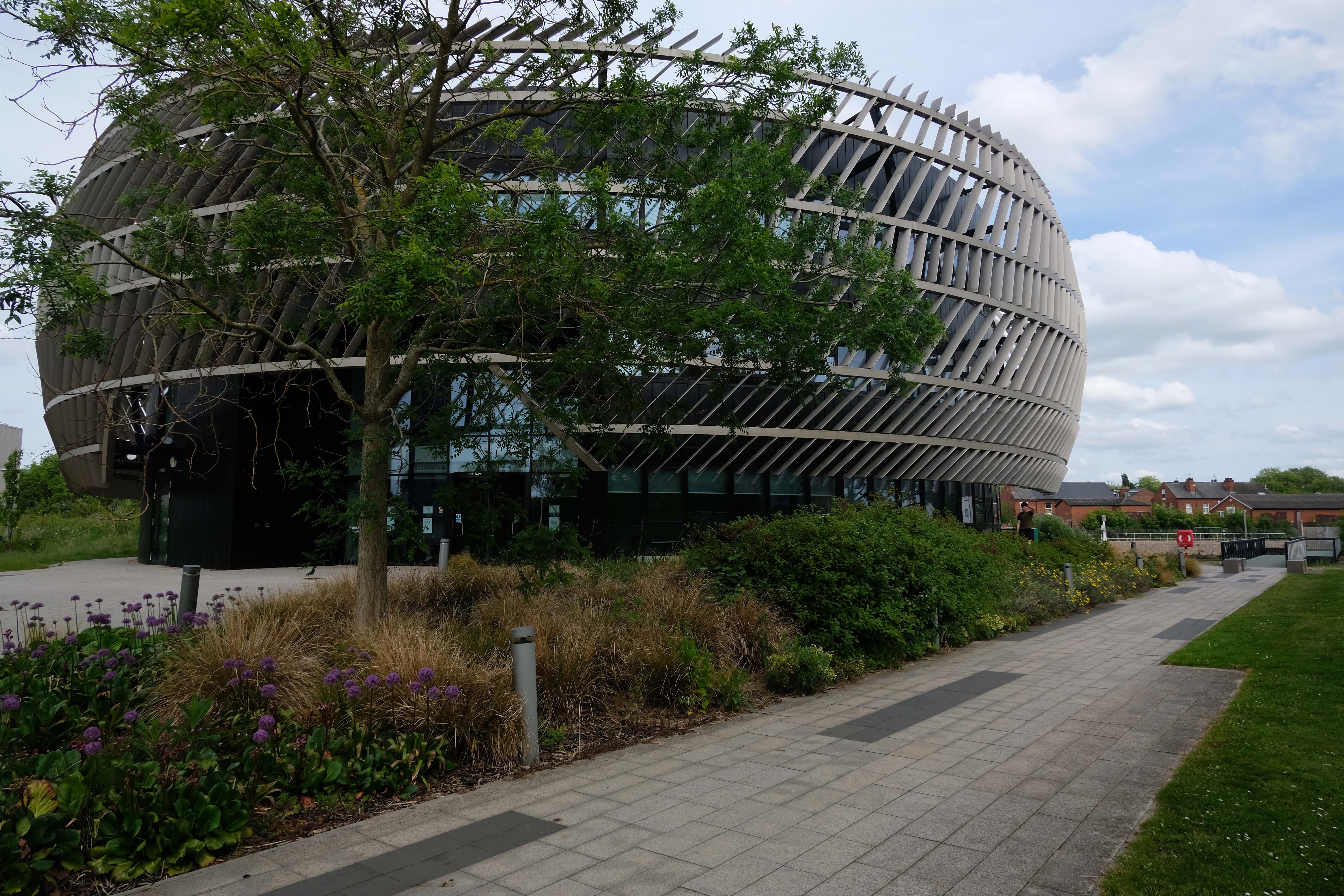
Ingenuity Centre by Bond Bryan 2017
Alucraft designed fabricated and delivered the façade,
At first glance the centre appears to be a hi-tech structure that would not look out of place in a sci-fi movie, with a complex array of metal fins forming a metallic bronze-coloured circular envelope that seems to float around a central core.
Keep looking though and some of the design cues are clearly industrial – the metallic external envelope echoing the form of some finely machined, mechanical component or even the patterned tread of a tyre.
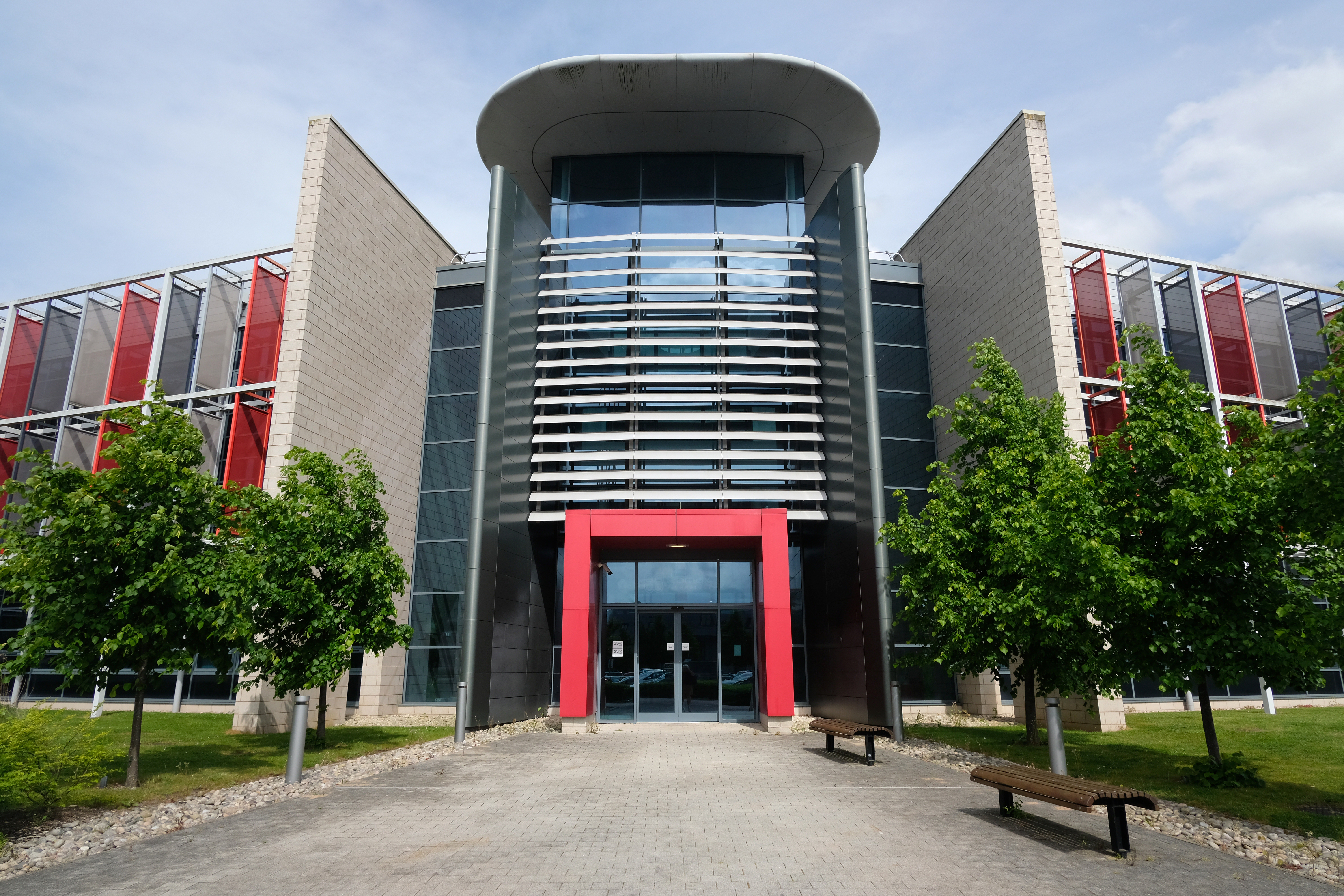
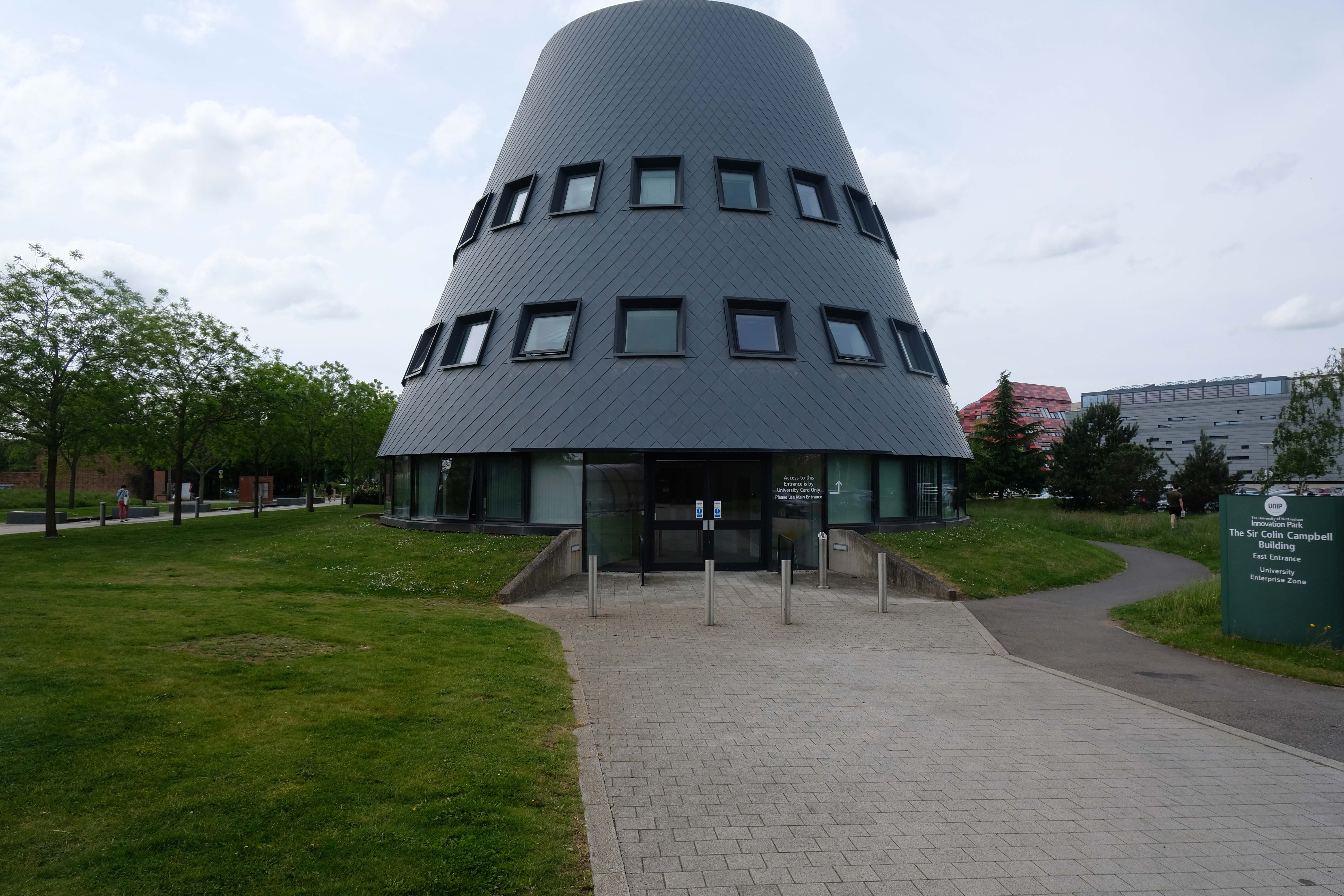
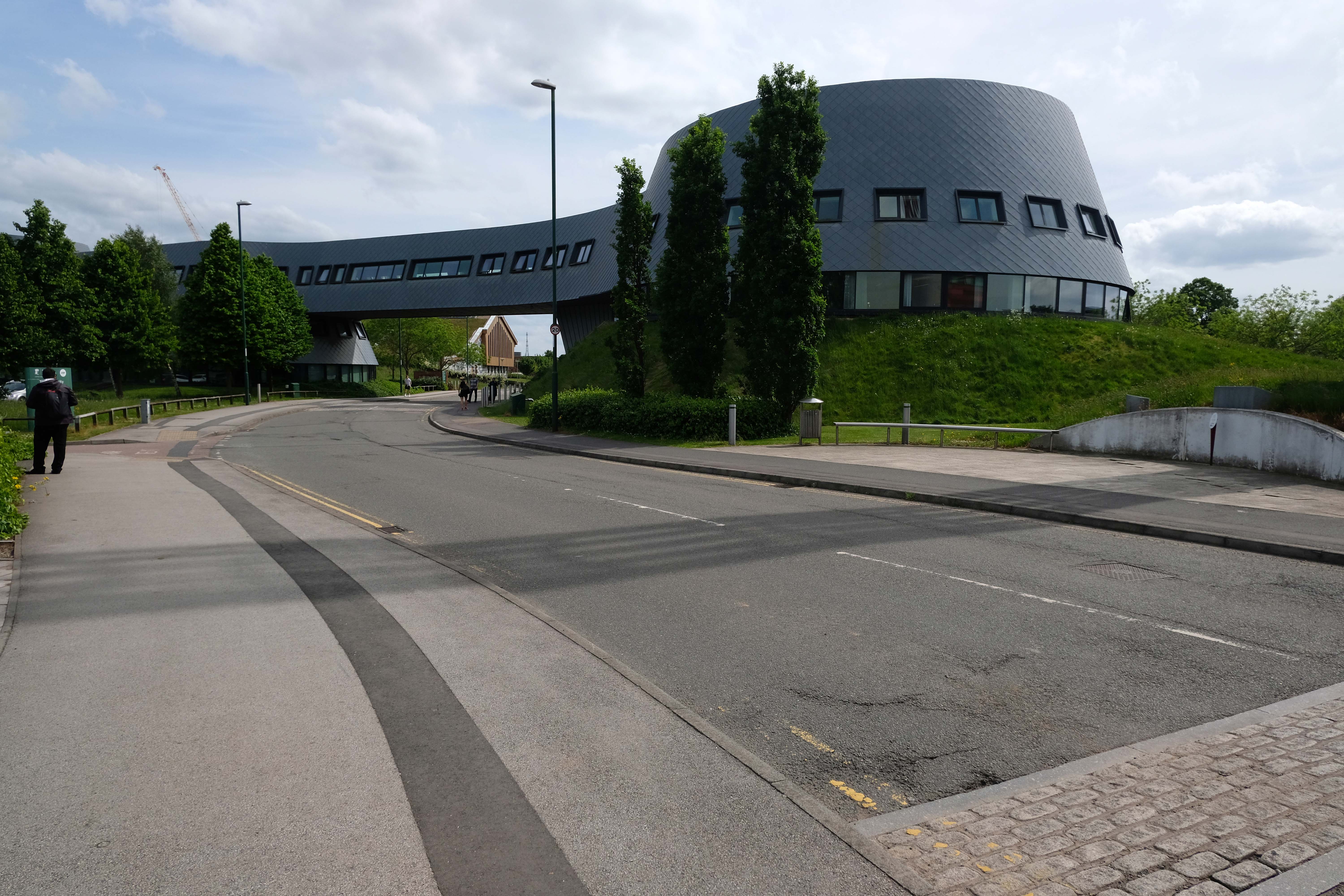
Sir Colin Campbell Building by Bond Bryan 2011 – with Arup acting as structural and services engineer.
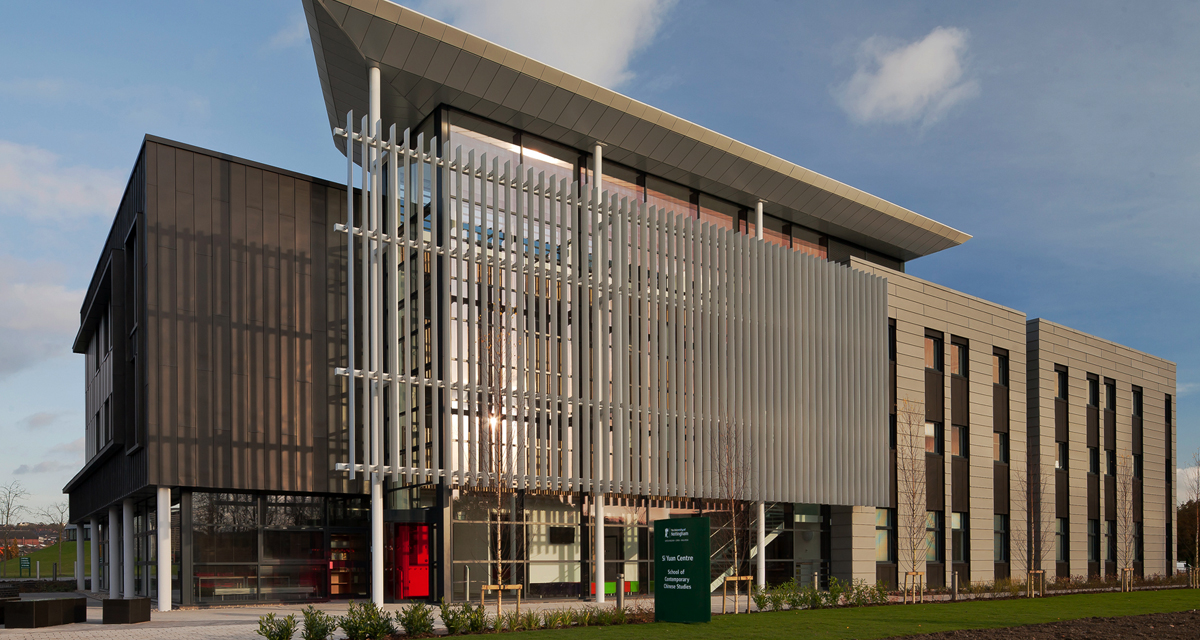
Si Yuan Centre of Contemporary Chinese Studies
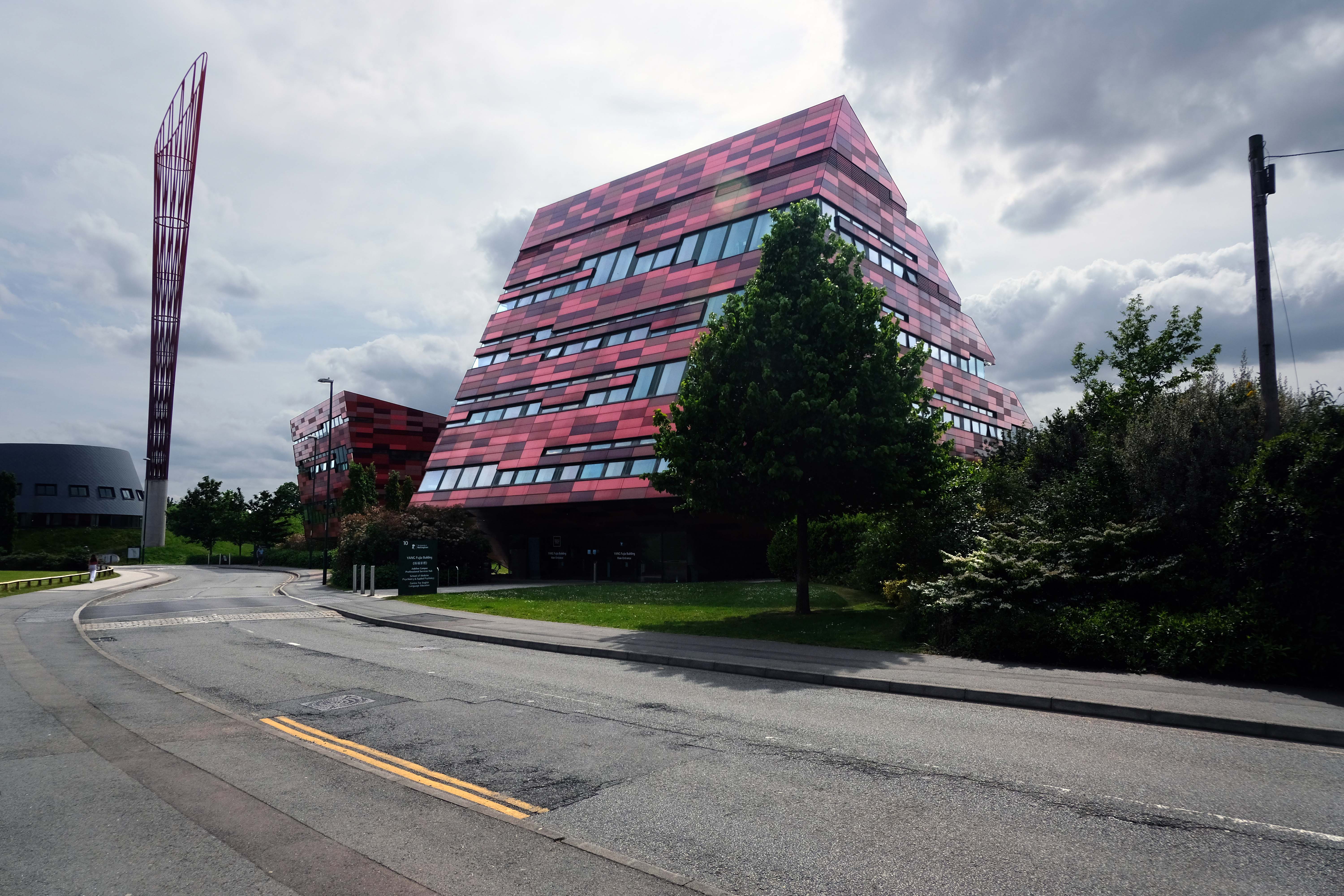
Xu Yafen Building and Yang Fujia Building by MAKE 2008
Aspire is a 60-metre tall, red and orange steel sculpture by Ken Shuttleworth of MAKE, and was, until overtaken by Anish Kapoor’s Orbit, the tallest free standing public work of art in the United Kingdom. It is taller than Nelson’s Column, the Angel of the North, and the Statue of Liberty
The name Aspire was chosen after a competition to name the sculpture, which was open to staff and students at the university.
A showcase £6.5m research centre, which brings together world-class experts in energy research, has chosen ALUCOBOND® A2 from 3A Composites GmbH, finished in Sakura 917 from its spectra colour series for its cladding.
The Sir Harry and Lady Djanogly LRC architect Sir Michael Hopkins 1999
A single floor spirals up through the building in the manner of FL Wright’s Guggenheim Museum
The library was named after the philanthropists Sir Harry and Lady Djanogly who gave a significant contribution towards the cost of its construction. Sir Harry Djanogly is the father of Jonathan Djanogly, who became MP for Huntingdon in 2001.
Wikipedia
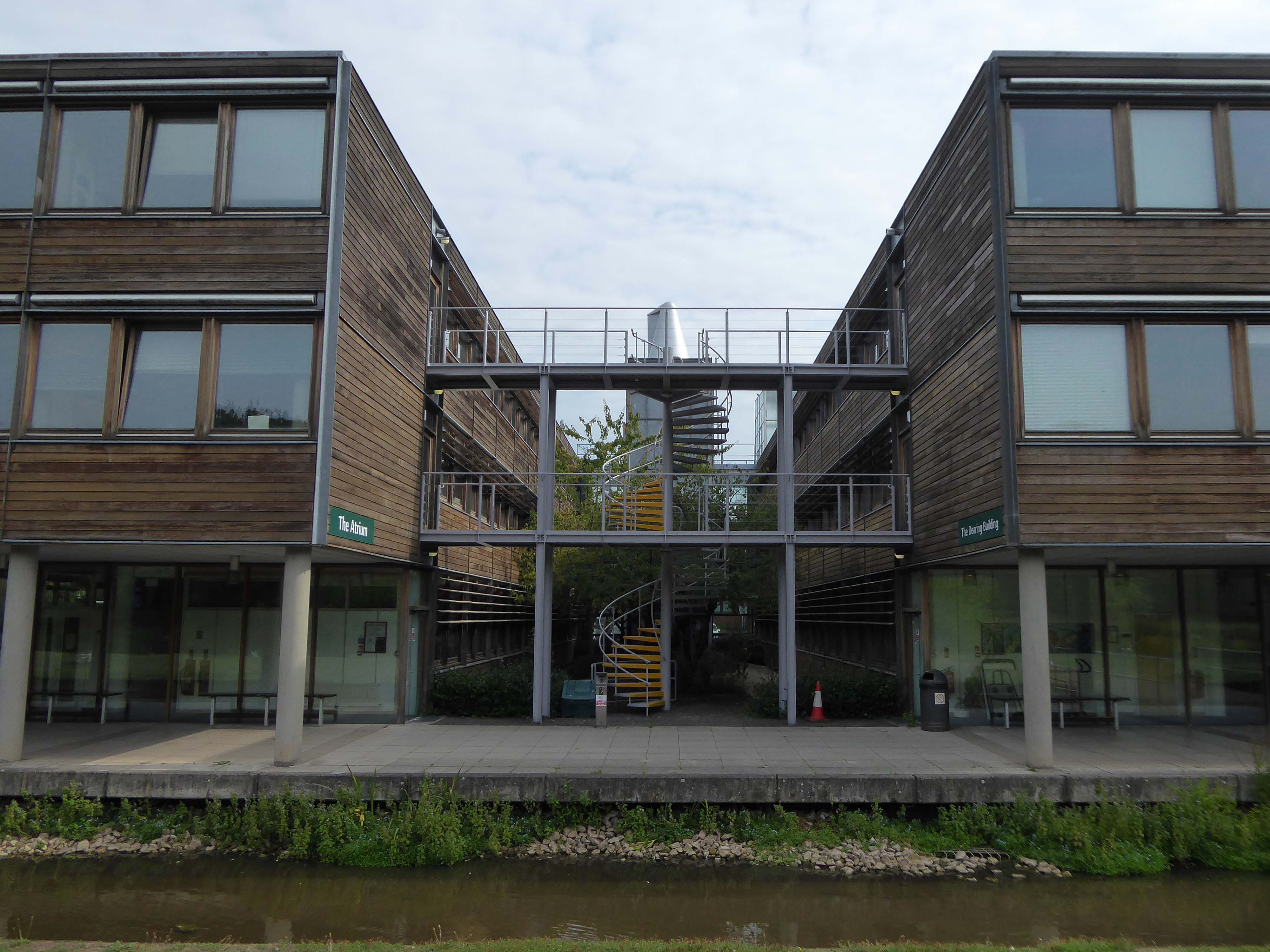
Business School North 2003
The Atrium
John Player & Sons Bonded Warehouse by William Cowlin and Son 1938-39
Mouchel’s involvement with the iron industry, and his ties with France, brought him into close proximity with the French engineer François Hennebique (1842-1921), who had been a contractor in Brussels. A self-educated builder, Hennebique had patented an idea of strengthening concrete using iron and steel bars – a forerunner to the widespread modern reinforced-concrete method used in construction today.
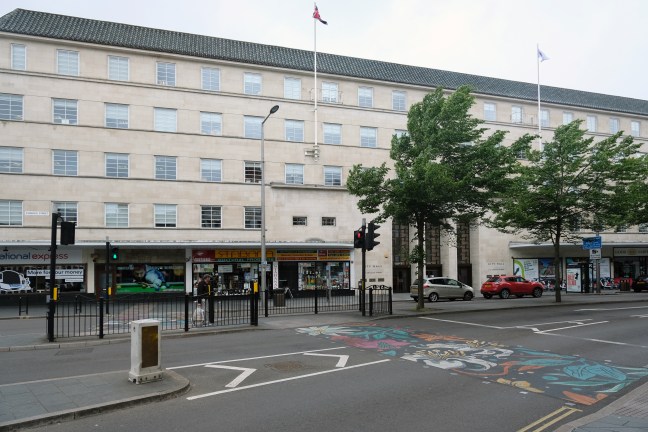
The medieval Leicester Guildhall was used as the Town Hall for around 300 years. By the mid-19th Century much larger premises were needed to support a rapidly growing industrial centre. The Victorian Town Hall was opened in 1876 on the site of the old cattle market.
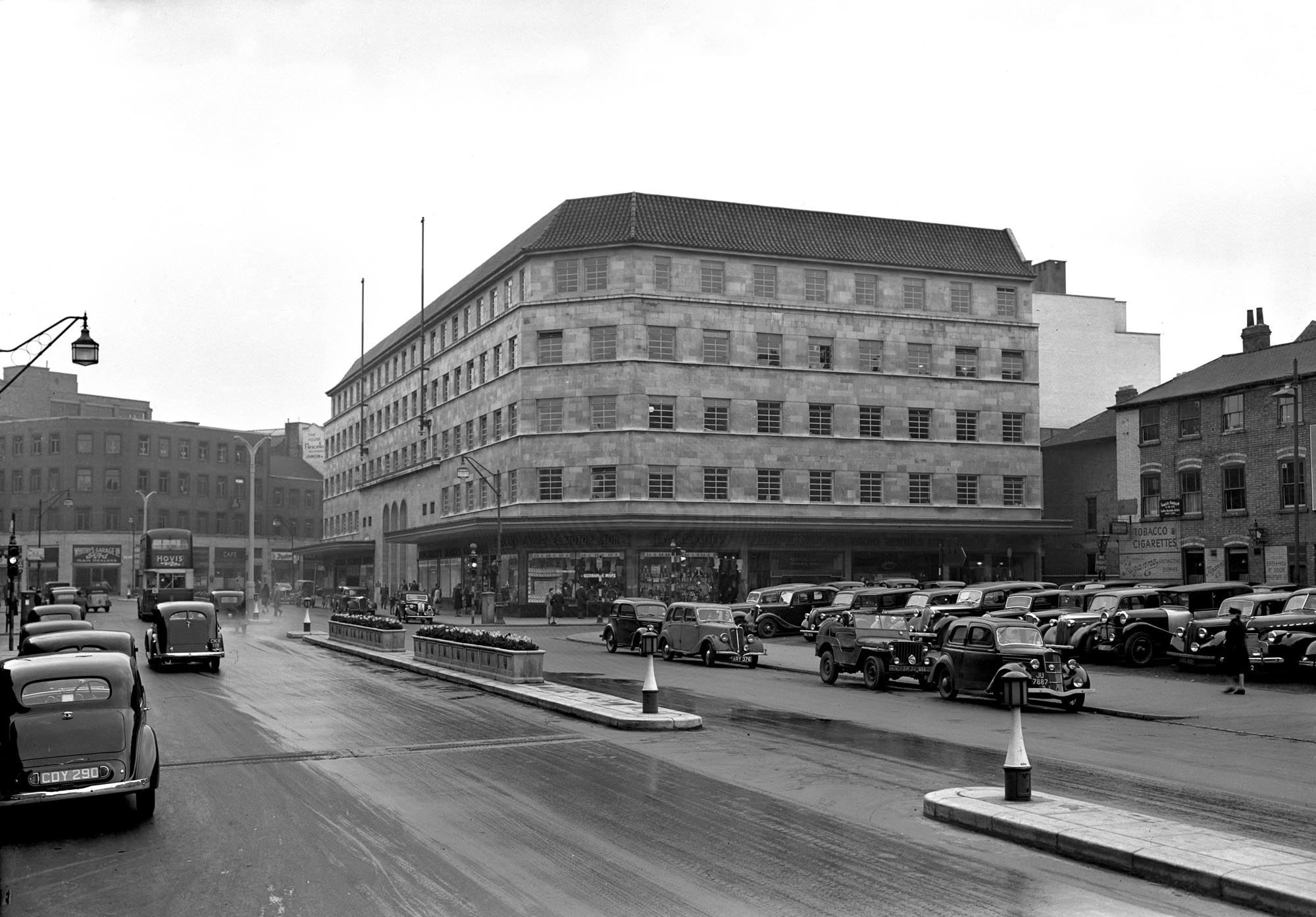
In 1919, Leicester was recognised as a city. It continued to expand, along with its Council. Conditions in the Town Hall soon became cramped and some departments began to move out. By 1930 it was agreed new municipal offices were needed to centralize the Housing, Electricity, Rates, Motor Licence and Valuation departments. They would form part of a major redevelopment of Charles Street, the so-called quarter of a million pound building on a million pound road.
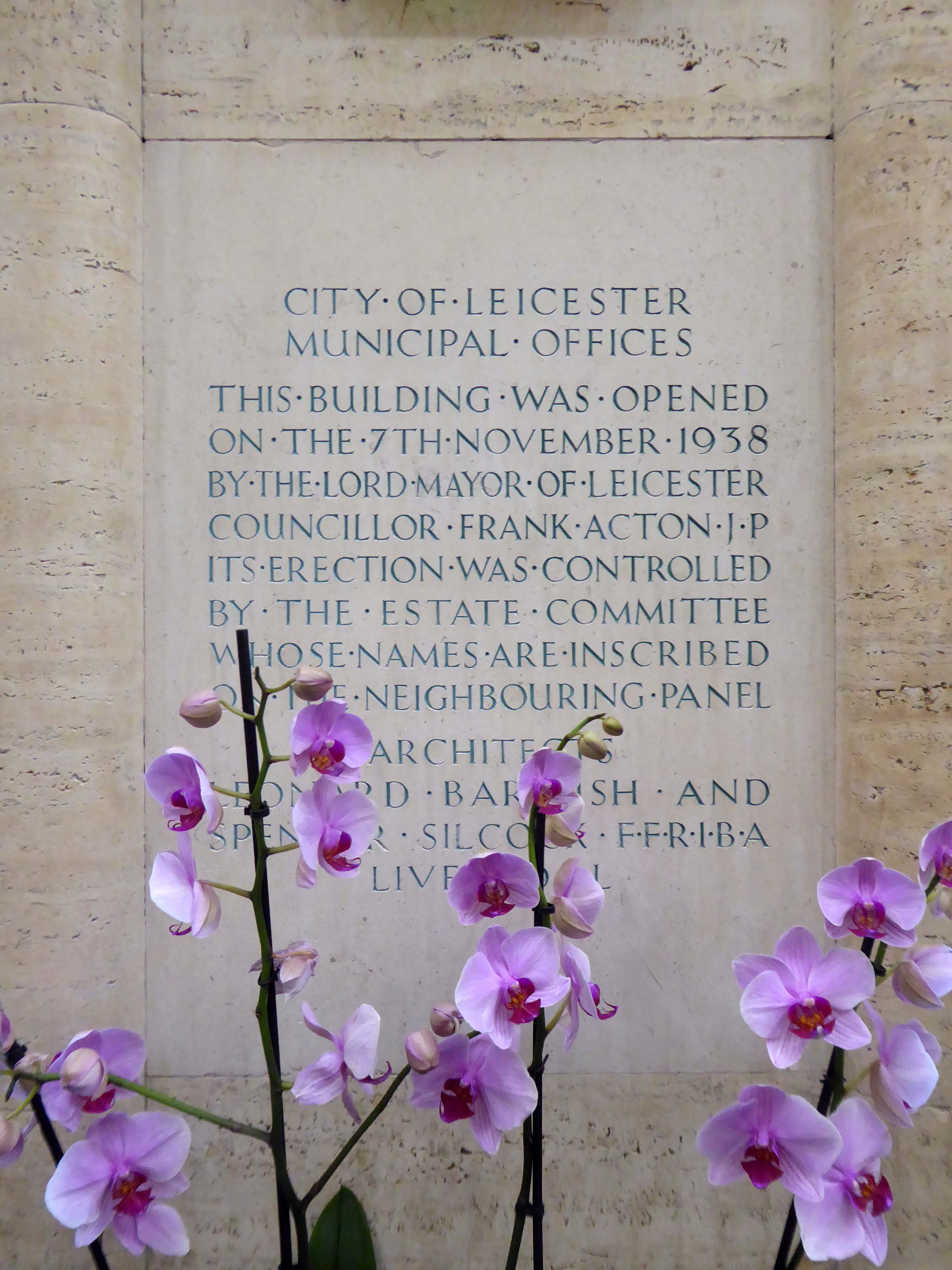
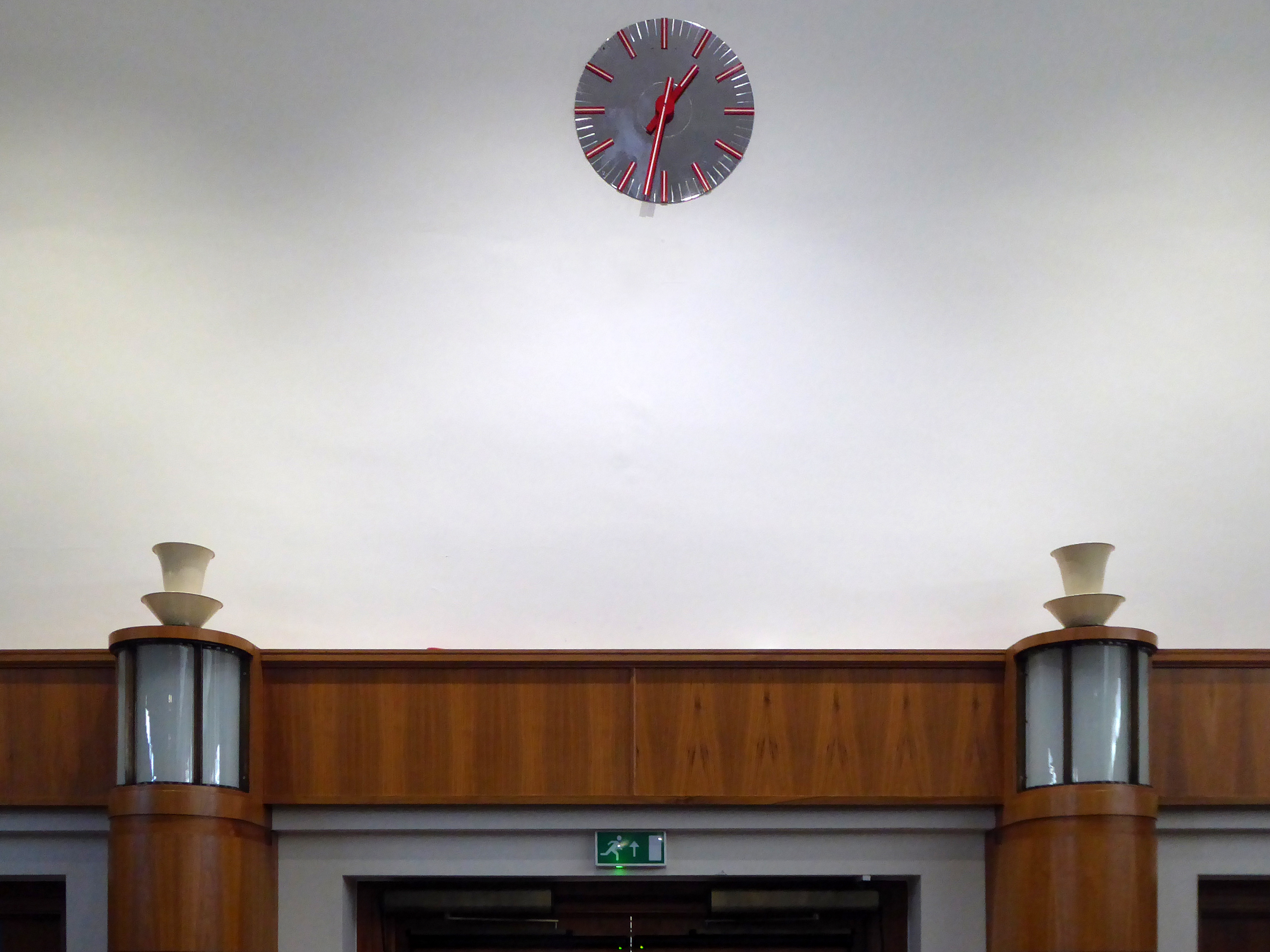
The modest opening ceremony took place on 7th November 1938. In his speech the Lord Mayor, Councillor Frank Acton, said it was a privilege to open “this long sought-after and wonderful place.” A stone tablet to mark the event can be seen opposite the reception desk in the entrance foyer. The building was designed to command attention and respect, and conform to a modern desire for simplicity. Clad in Portland Stone, its interior included many elegant Art Deco features, many of which have been restored.
The office floors accommodate workstations for 480 staff, together with breakout areas and meeting rooms. The project included re-purposing original municipal spaces for new assembly functions; restoring period features; and providing a dignified civic interior appropriate to the functions of the Council. An environmentally conscious servicing solution minimises the building’s energy usage.
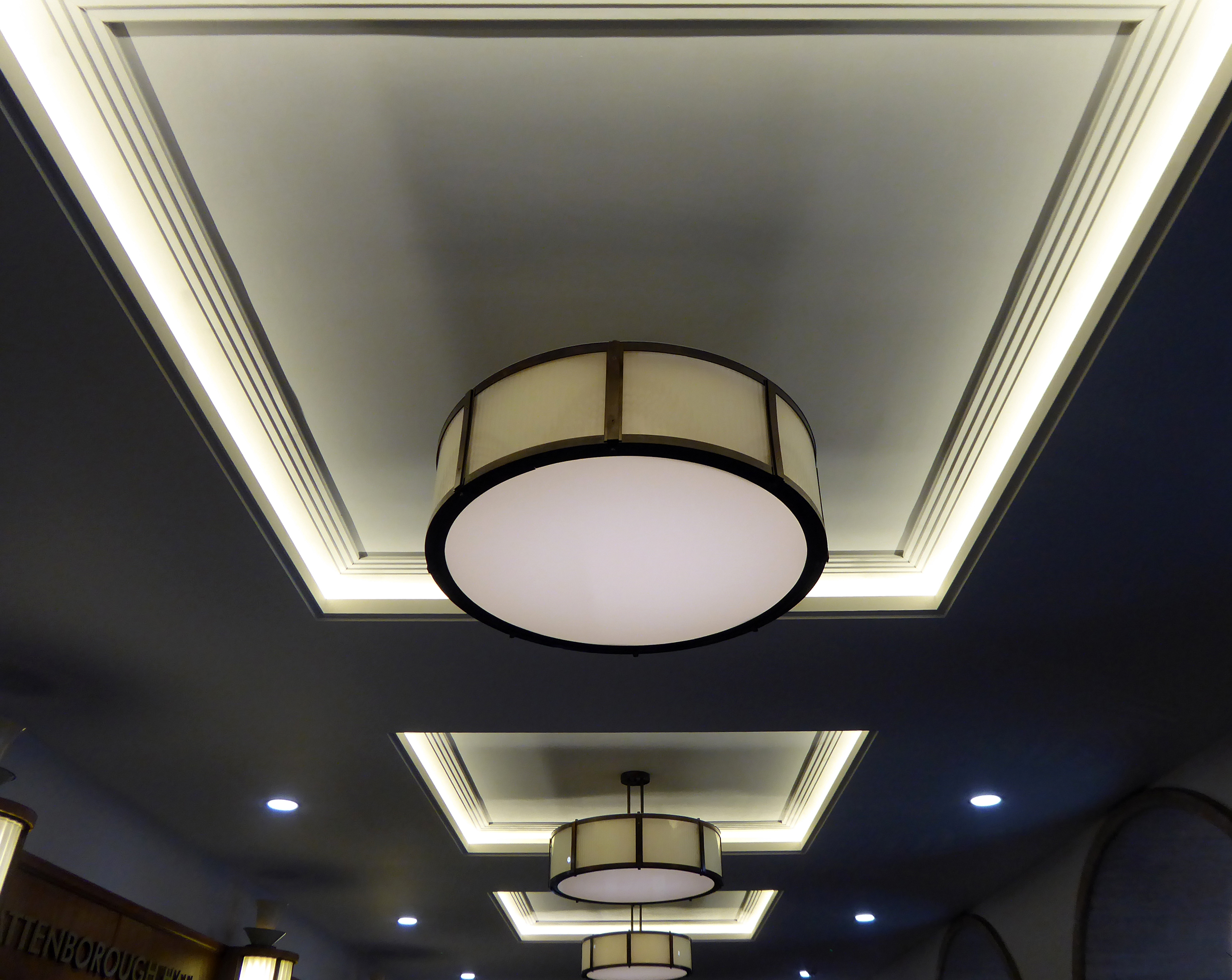
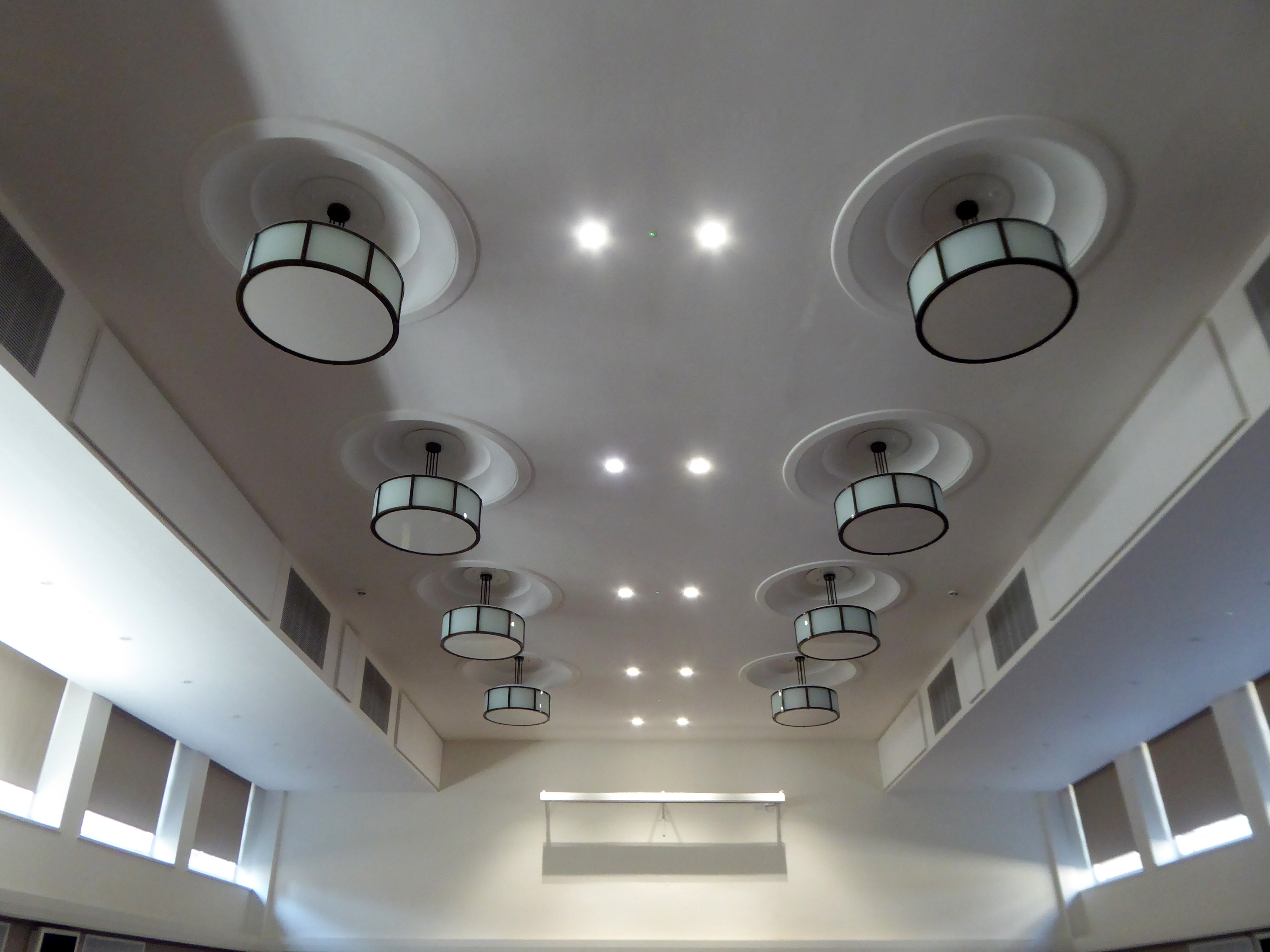
Attenborough Hall
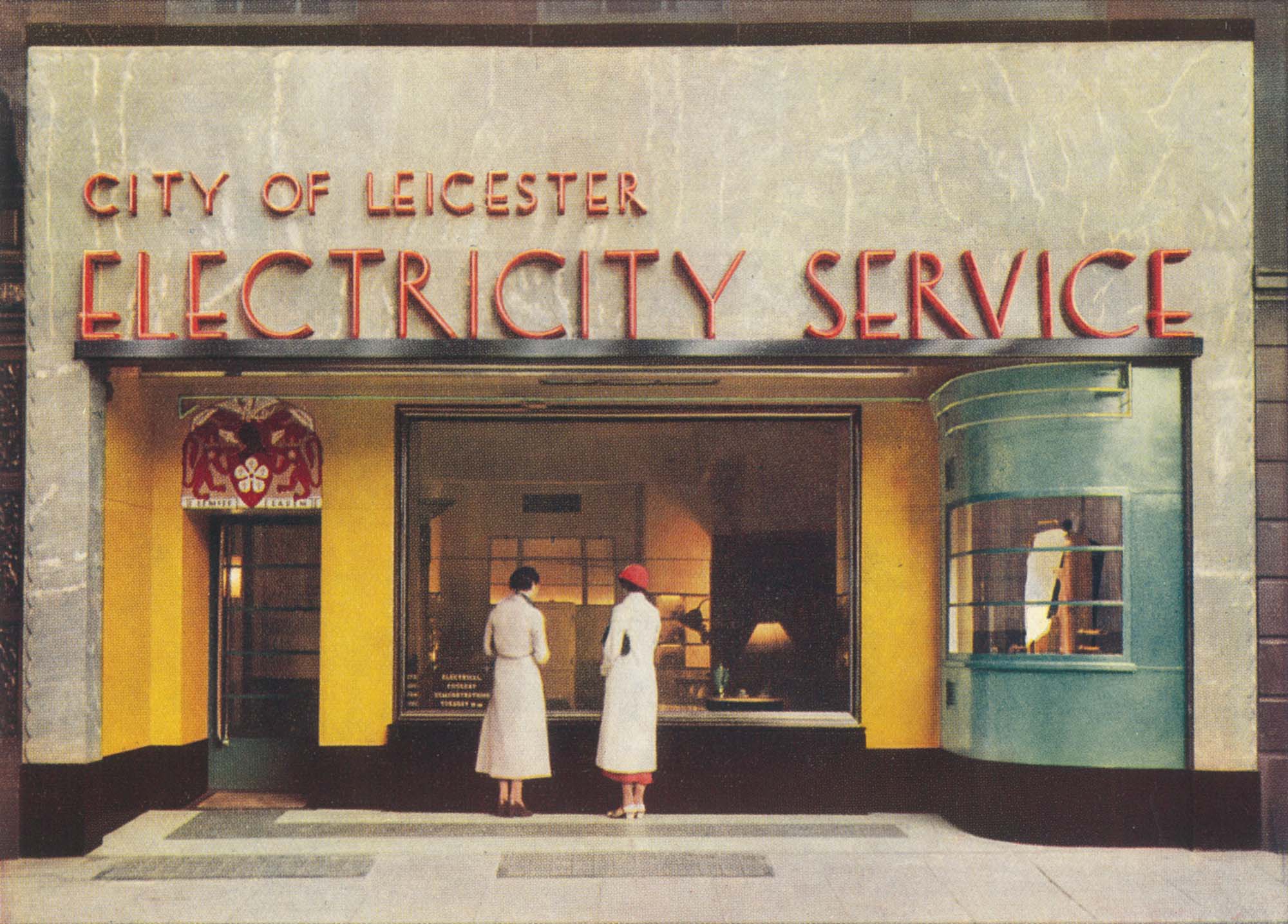
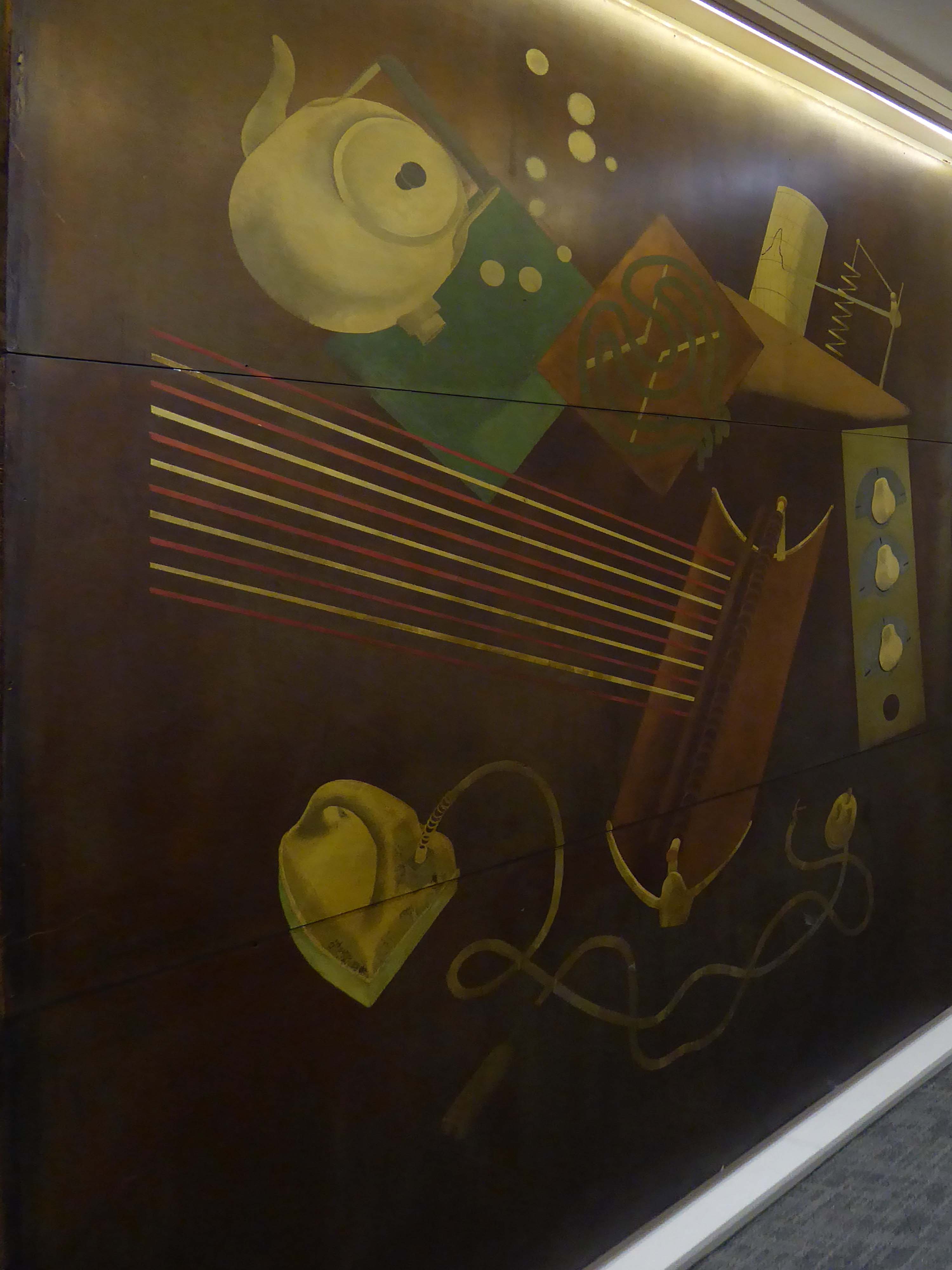
By the 1930s, demand for electricity was growing rapidly. The Municipal Offices housed the Leicester Corporation Electricity Department (later the East Midland Electricity Board) and were specially furnished with a model kitchen for:
Housewives who are interested in the modern uses of electricity in the home.
A special theatre also presented weekly cookery demonstrations and a Service Centre displayed, sold and hired out electrical appliances.
The theatre is still extant, though sadly no longer available for cookery demonstrations.
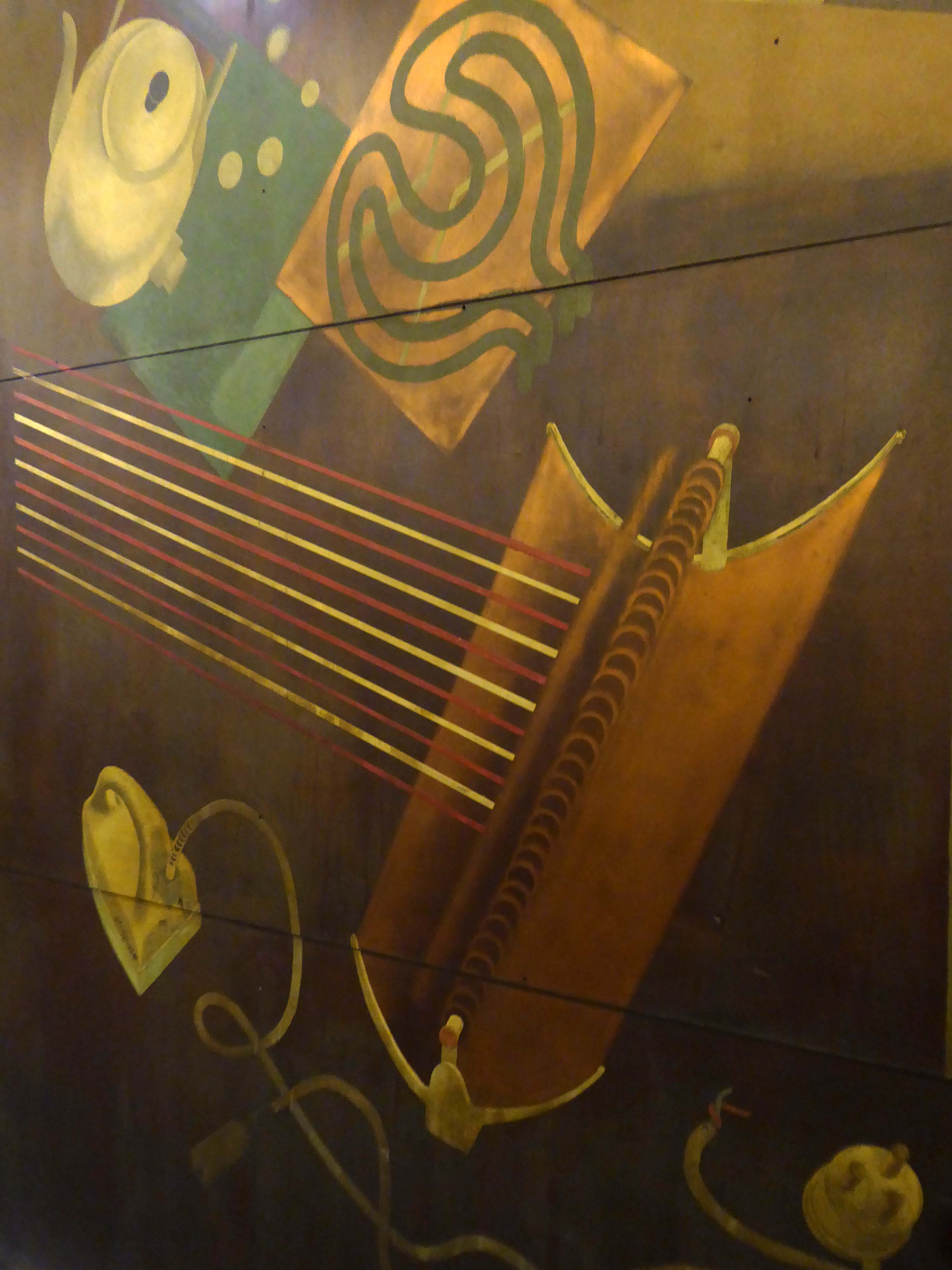
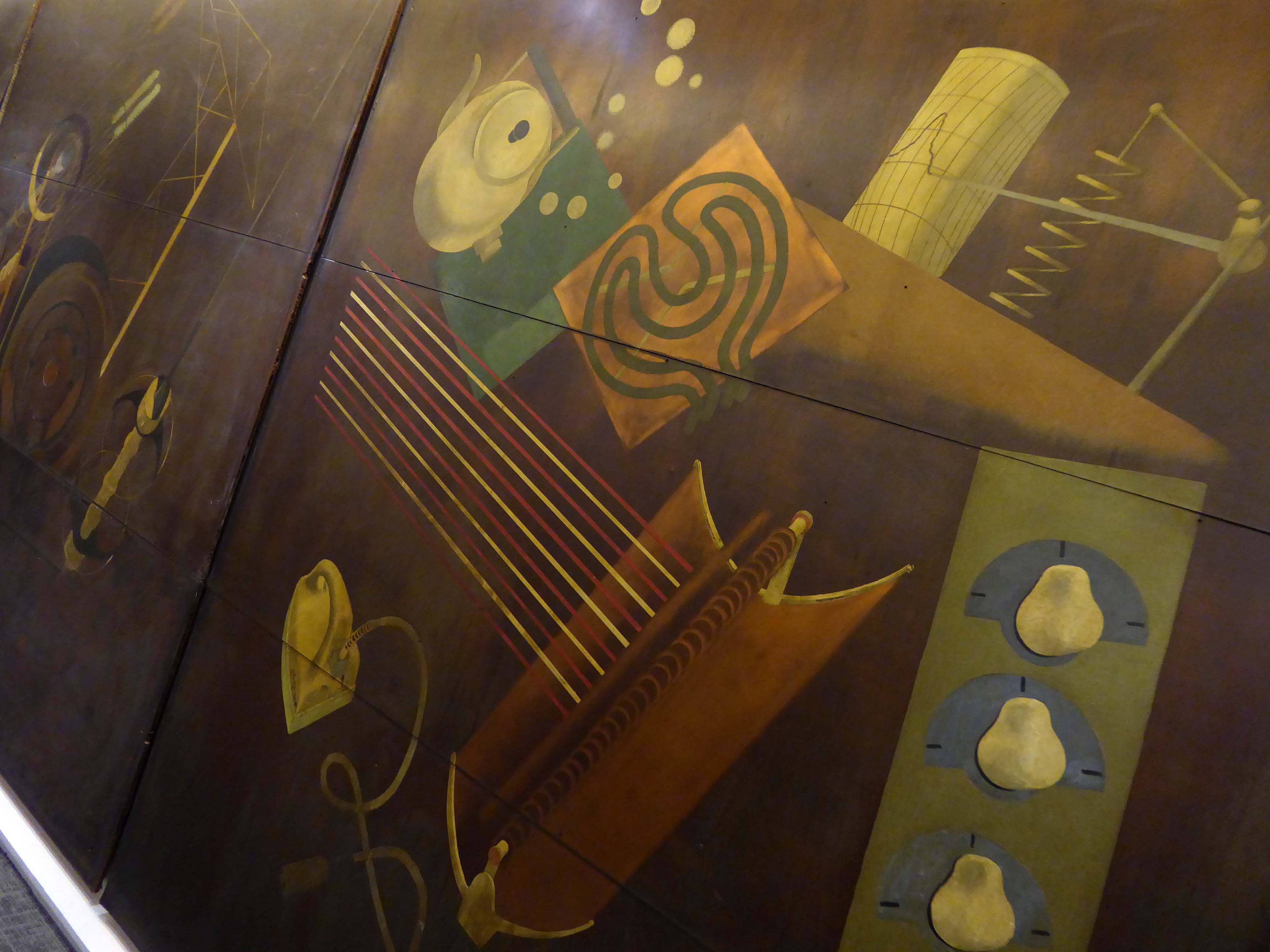
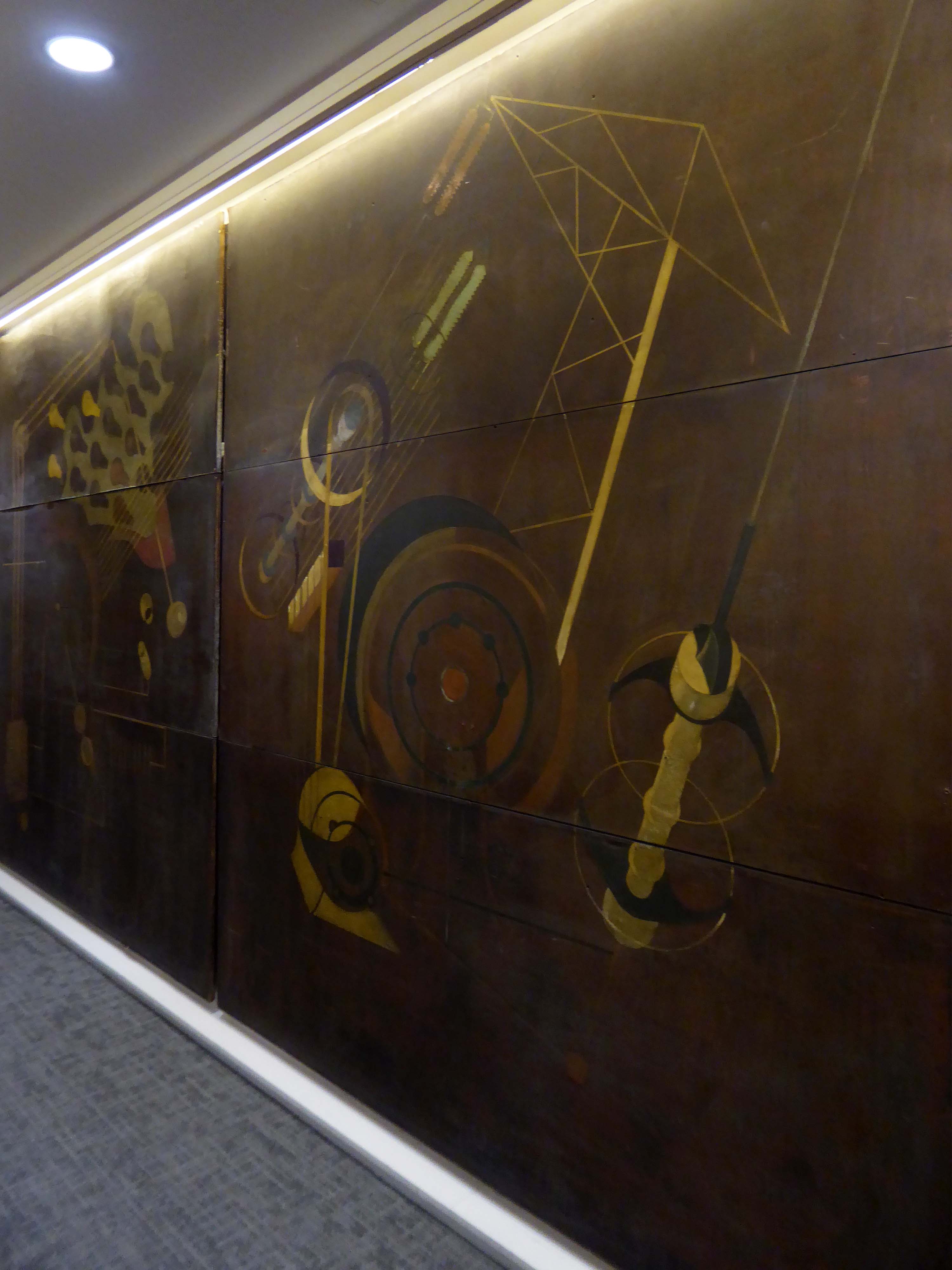
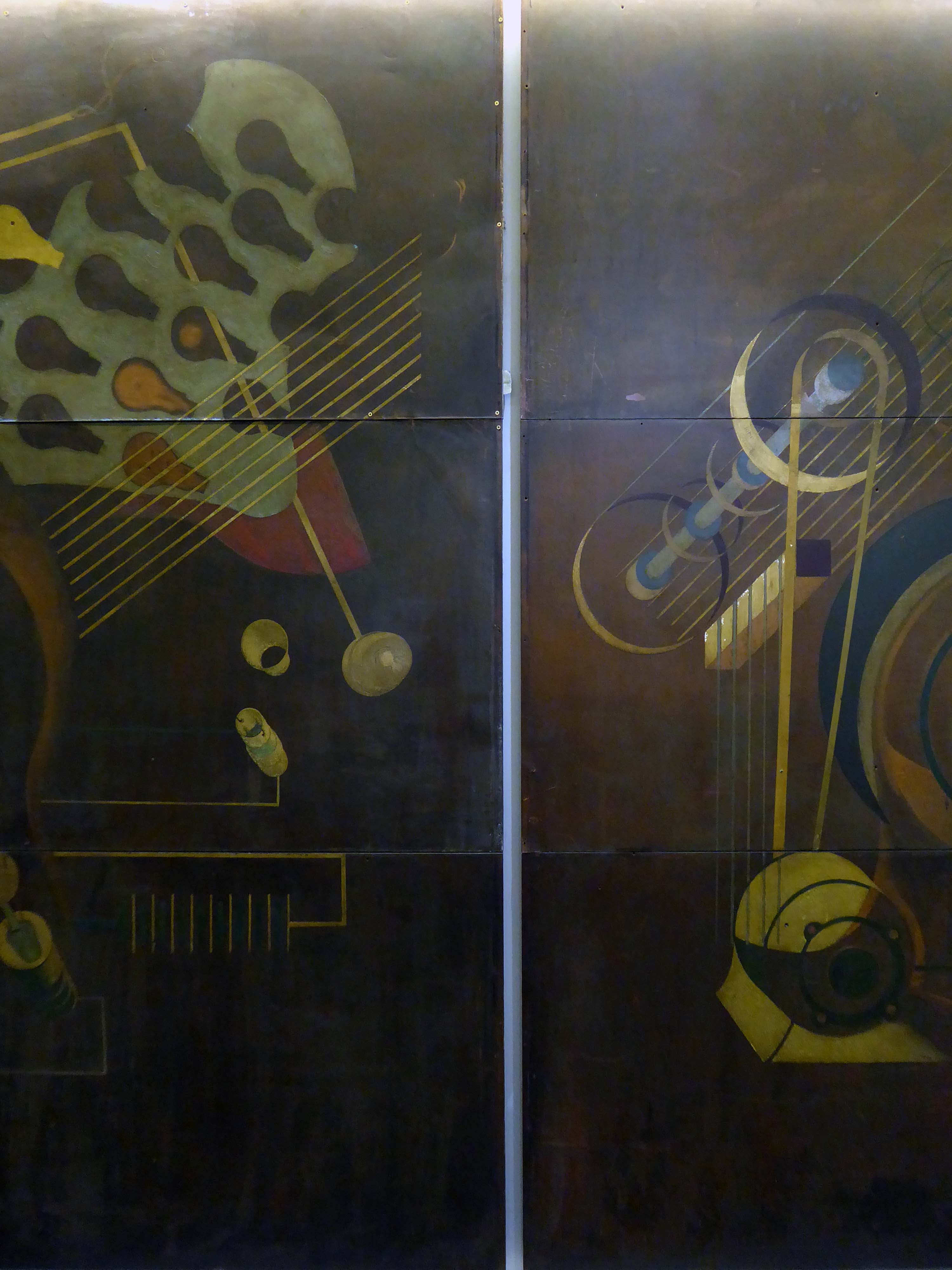
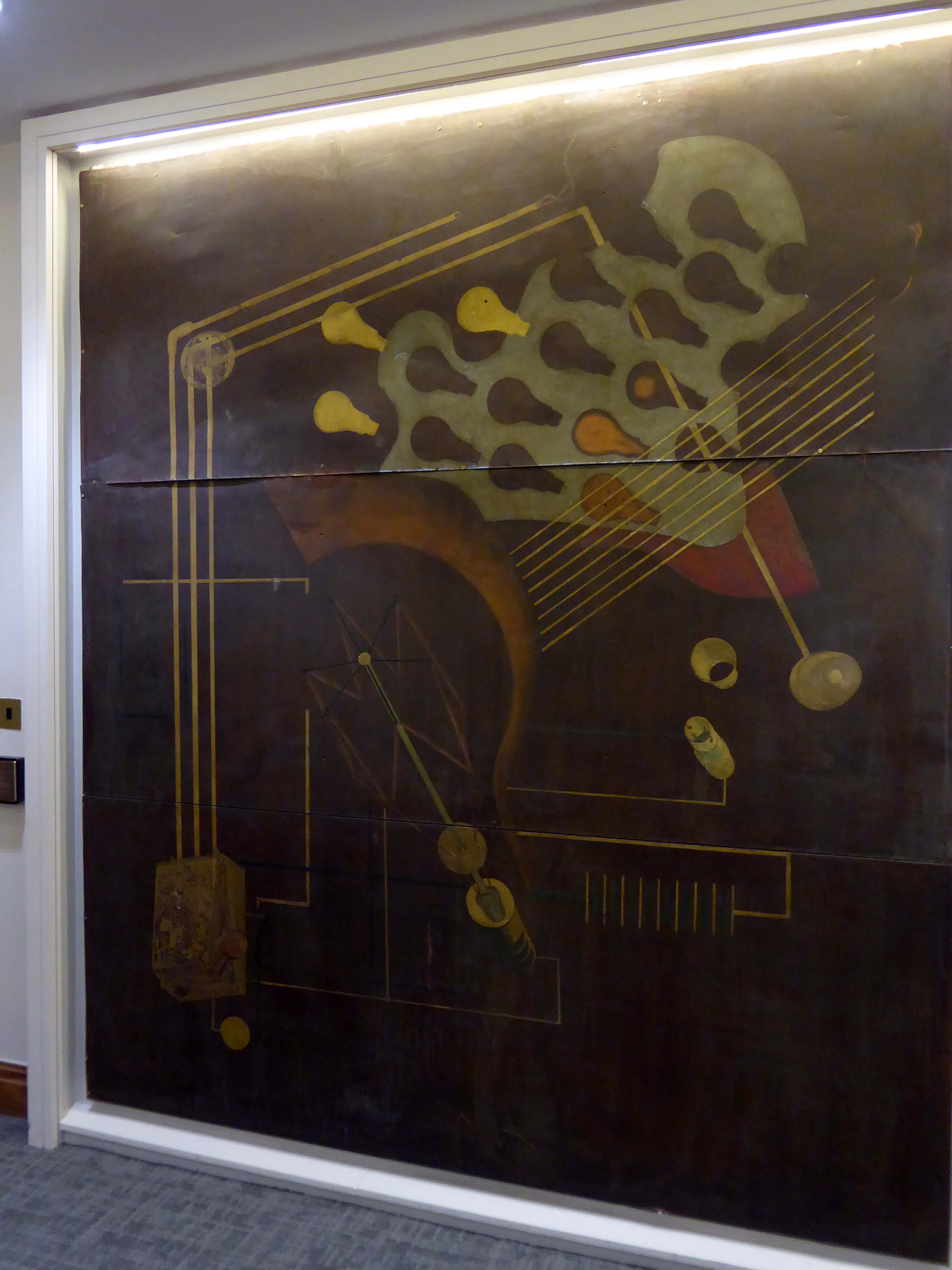
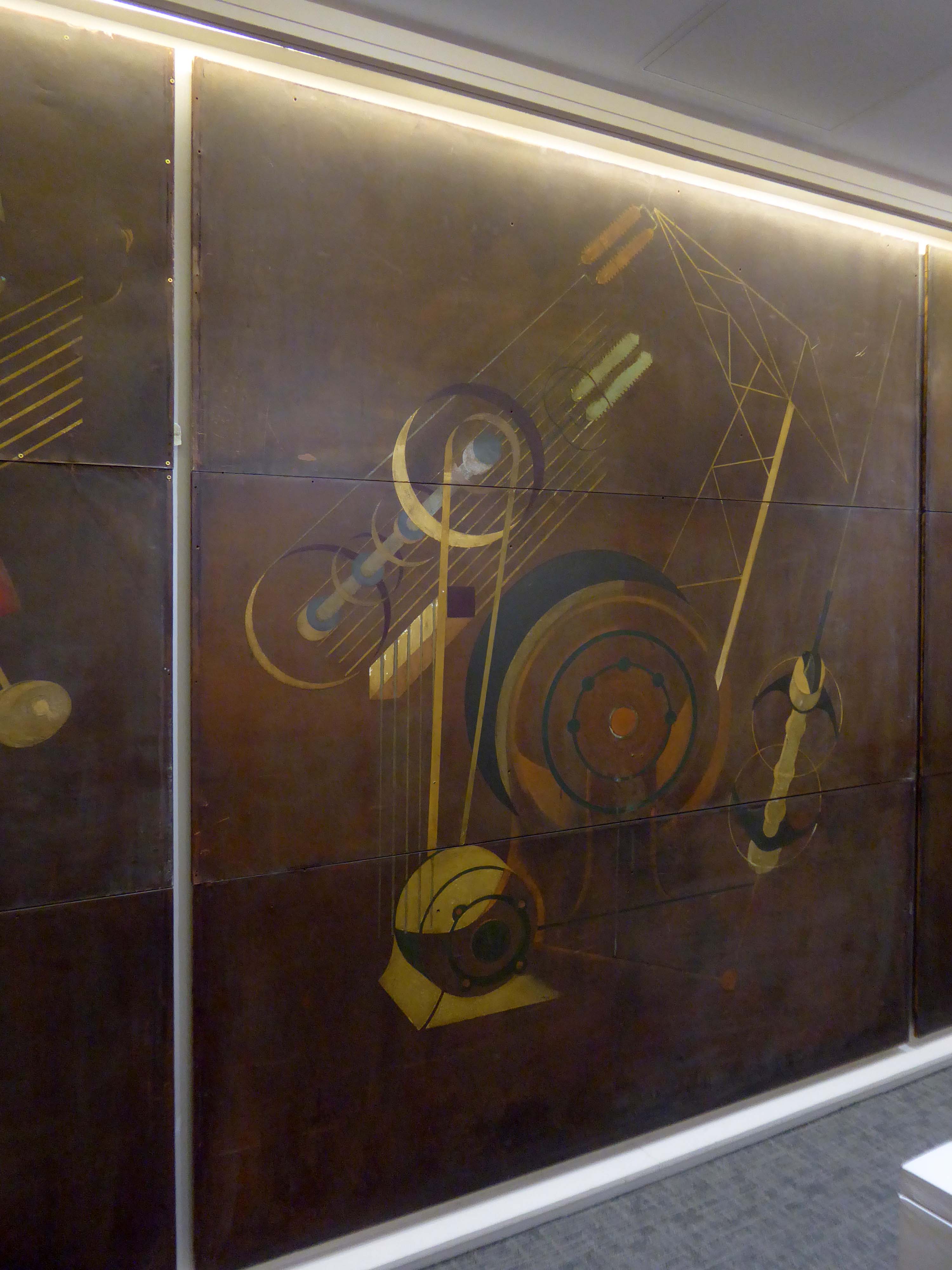
On the back wall this mural remains as a reminder of the theatre’s the former use.
Many thanks to Grant Butterworth – Head of Planning, for negotiating access to the hall and accompanying us on our Modernist Mooch.
In the 1960s a nuclear bunker was constructed. This was one of many across the country built by local authorities to protect key personnel from radiation in the event of an attack, enabling some form of government to continue. Today, the bunker has long gone, and the basement of City Hall is now used as a storage area.
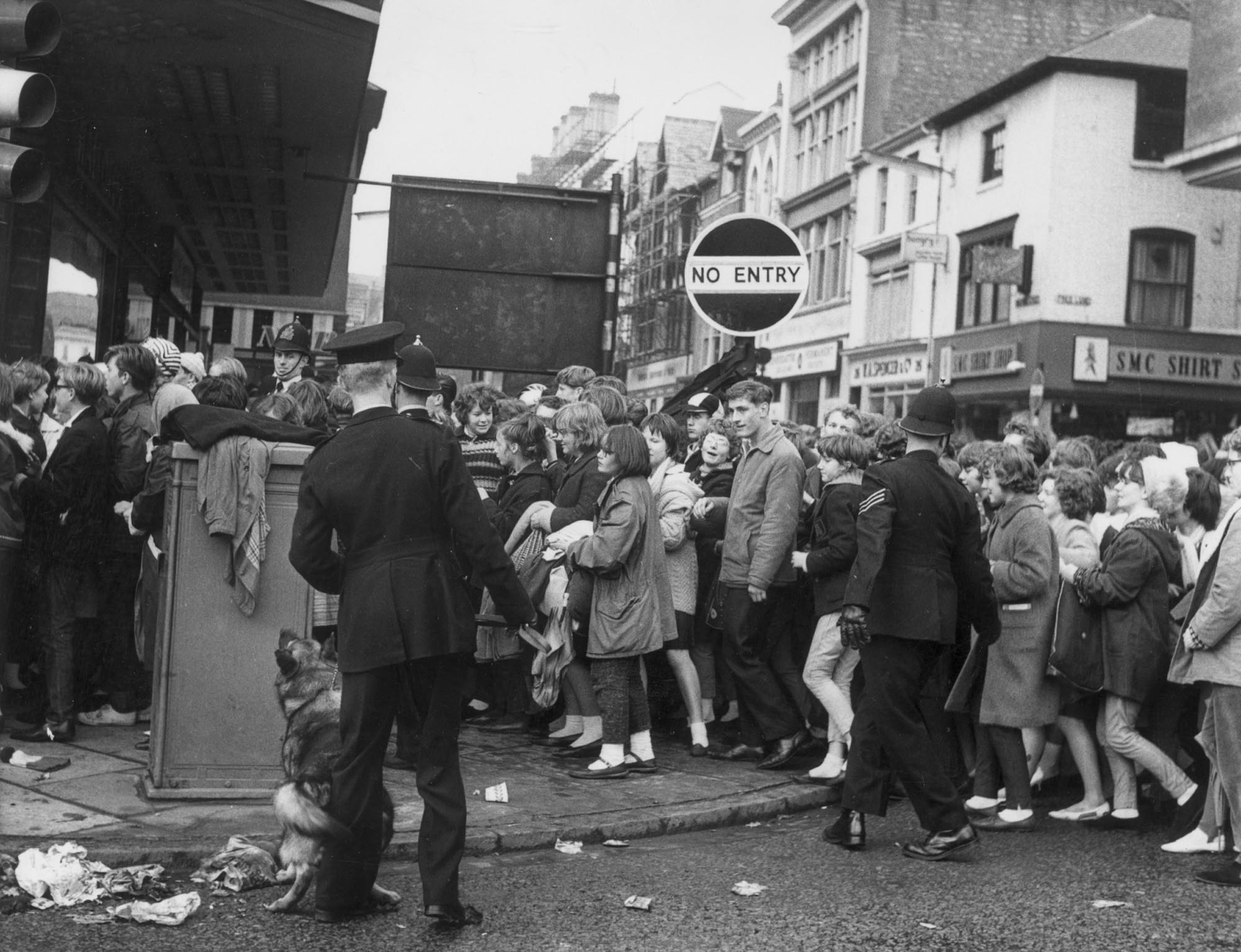
By 1963 the De Montfort Hall Box Office was located in the building. This caused chaotic scenes in Charles Street when, in October of that year, around 3,000 youngsters queued all night for tickets to see The Beatles. When the Box Office opened at 9:30am, the queue stretched back to Humberstone Gate and was held in check by a pitifully thin line of police. The Leicester Mercury described the scene as:
A heaving, shouting, screaming, unruly, undignified, disorderly mob – a disgraceful night.
Pressure from the crowd caused a 10 foot square window in Halford´s shop to break. With all the tickets sold, the crowd dispersed and the Leicester Mercury said Charles Street resembled
A filthy, unswept ghost street, badly in need of the cleaners to remove the mountains of waste paper and return its respectability.
By wandering aimlessly, all places became equal, and it no longer mattered where he was.
Paul Auster City of Glass.
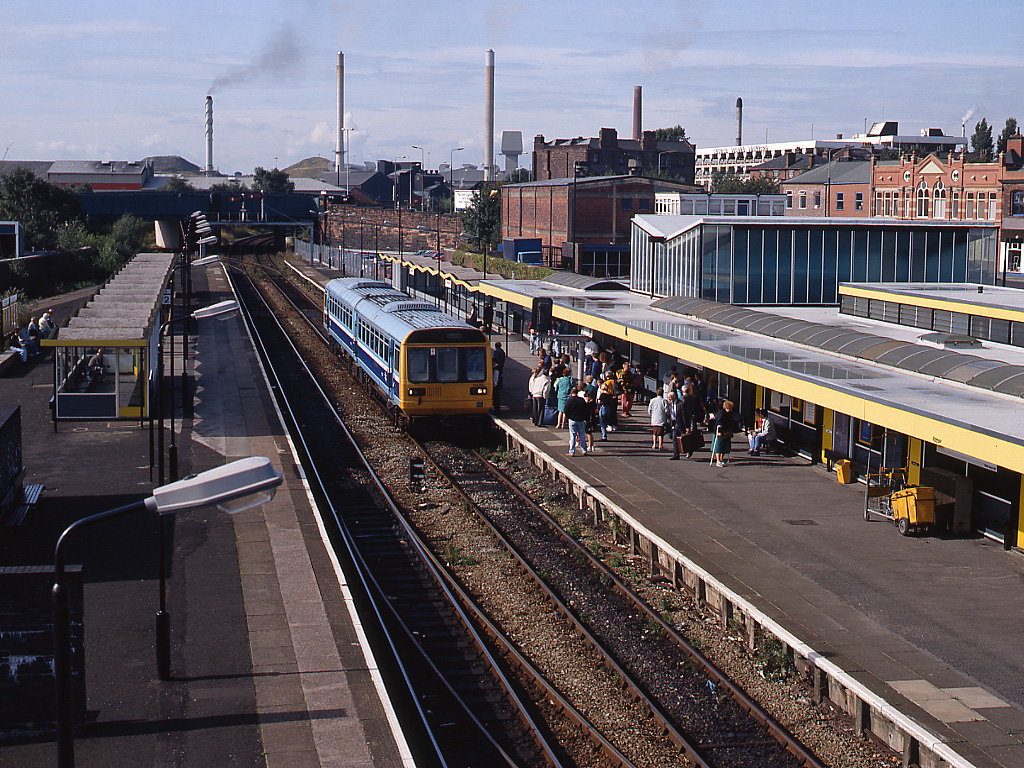
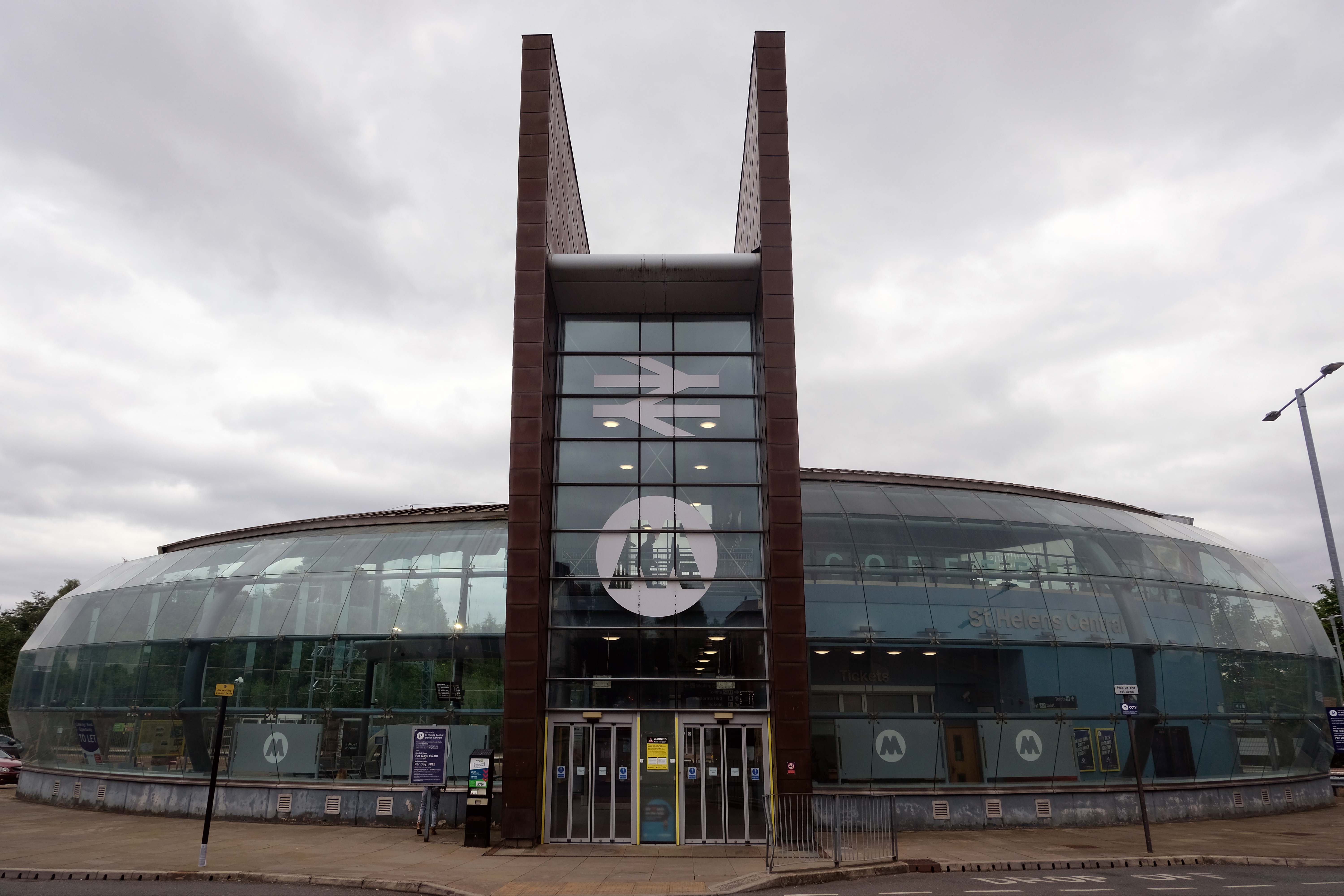
The station as built in 1961 to a design by the architect William Robert Headle, which included and advertised a significant amount of the local Pilkington Vitrolite Glass. The fully glazed ticket hall was illuminated by a tower with a valley roof on two Y-shaped supports. The platform canopies were free standing folded plate roofs on tubular columns.
The new station building and facilities were assembled just a few yards from the 1960s station building and is the third build on the same site. The project came in at a total estimated cost of £6 million, with the European Union contributing £1.7 million towards the total funding. The new footbridge was lifted into place in the early hours of 22 January 2007.
The striking Pilkington’s glass-fronted building was designed by architect SBS of Manchester. Construction work was completed in the summer, with the new waiting rooms and footbridge opened to passengers on 19 September. The new station building was officially opened on 3 December 2007.
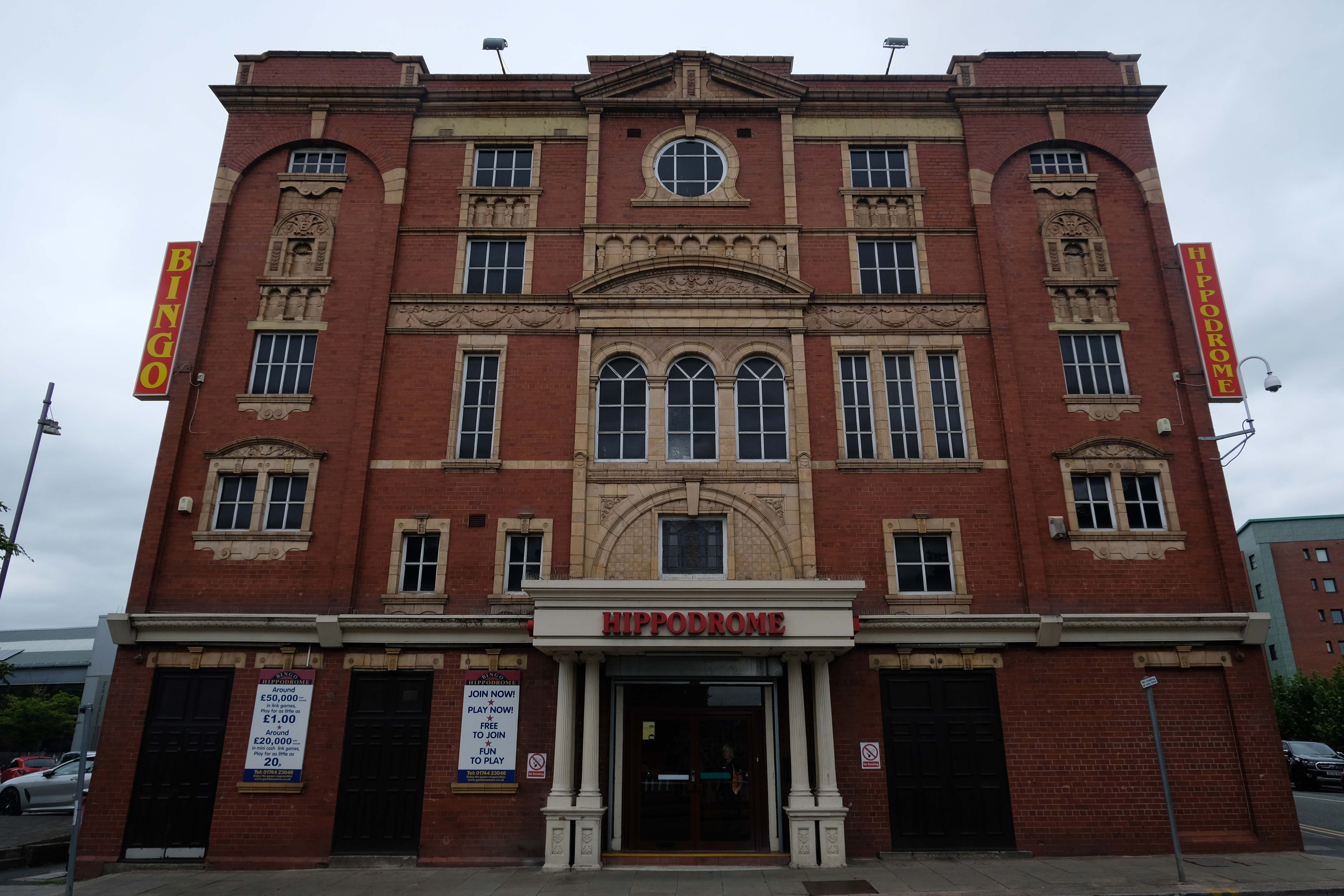
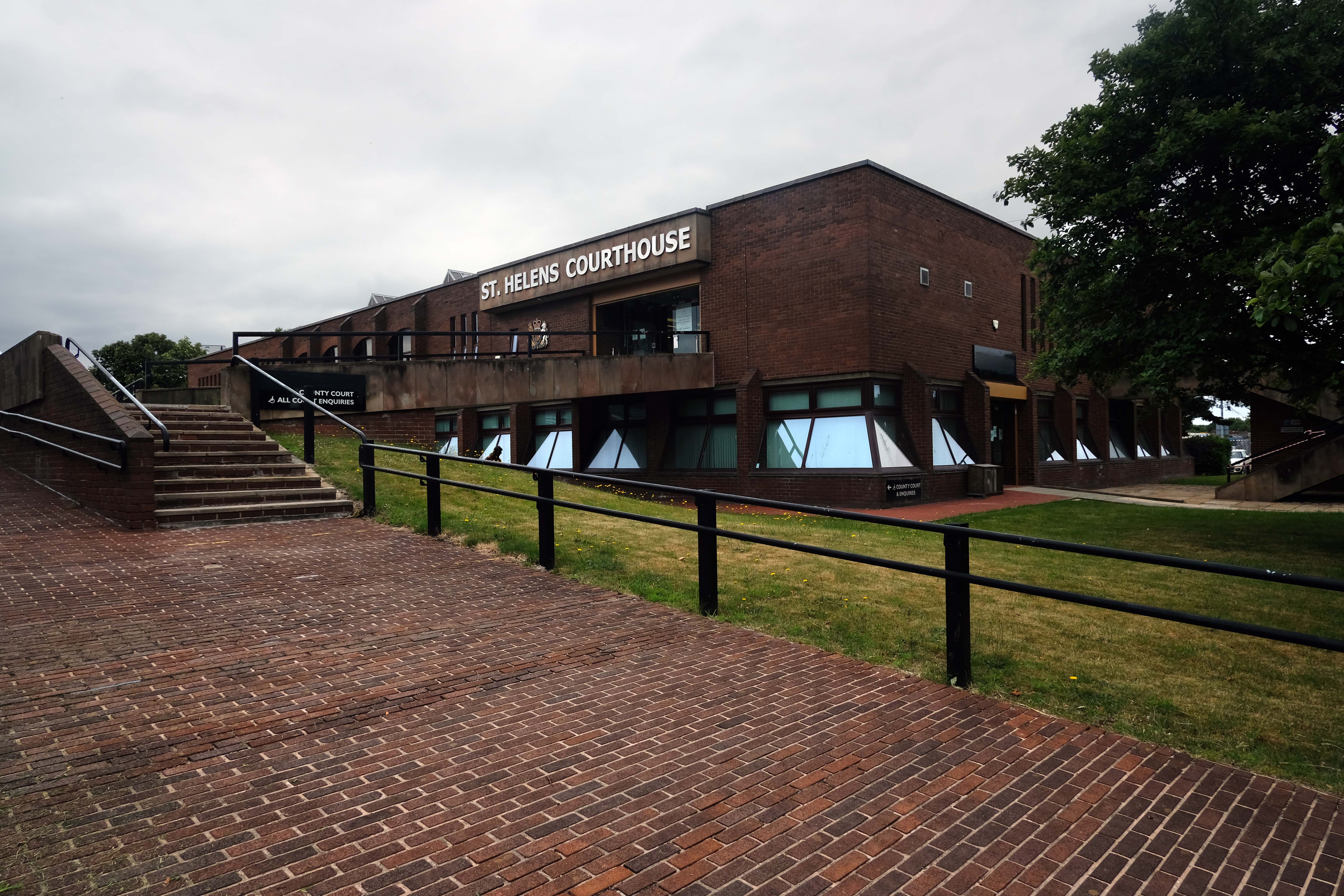
In the early Edwardian era a fine theatre was opened on 1st June 1903. It had been designed by local architect J A Baron and was on the site of an earlier theatre known as the Peoples Palace. It was operated as the New Hippodrome Cinema from 8th August 1938 when it reopened with Anna Neagle in Victoria the Great. On 1st September 1963 it was converted to a Surewin Bingo Club by Hutchinson Cinemas which continued to operate in 2008. By May 2019 it was independently operated as the Hippodrome Bingo Club.
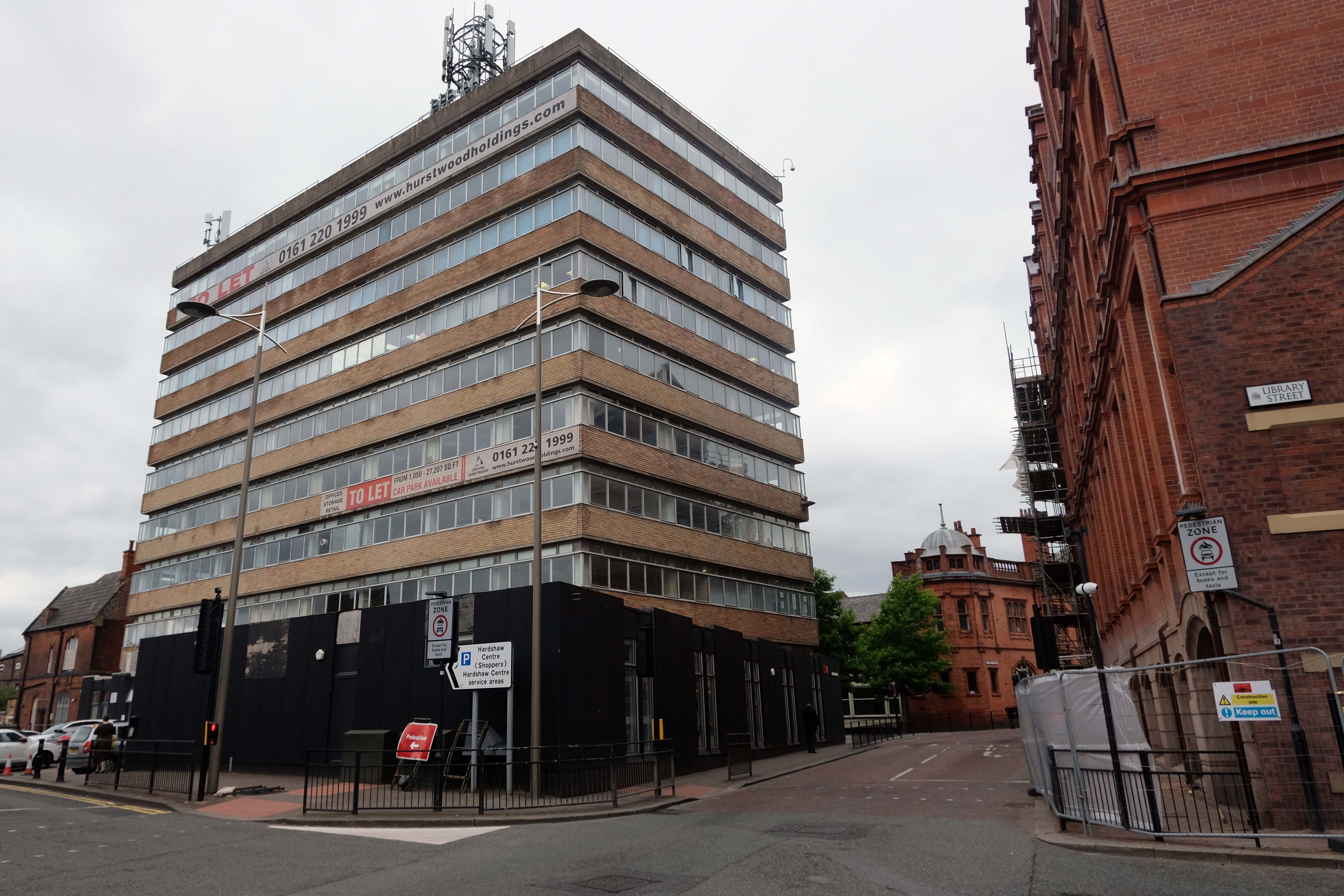
Onwards down Corporation Street to Century House, currently awaiting some care and attention and tenants.
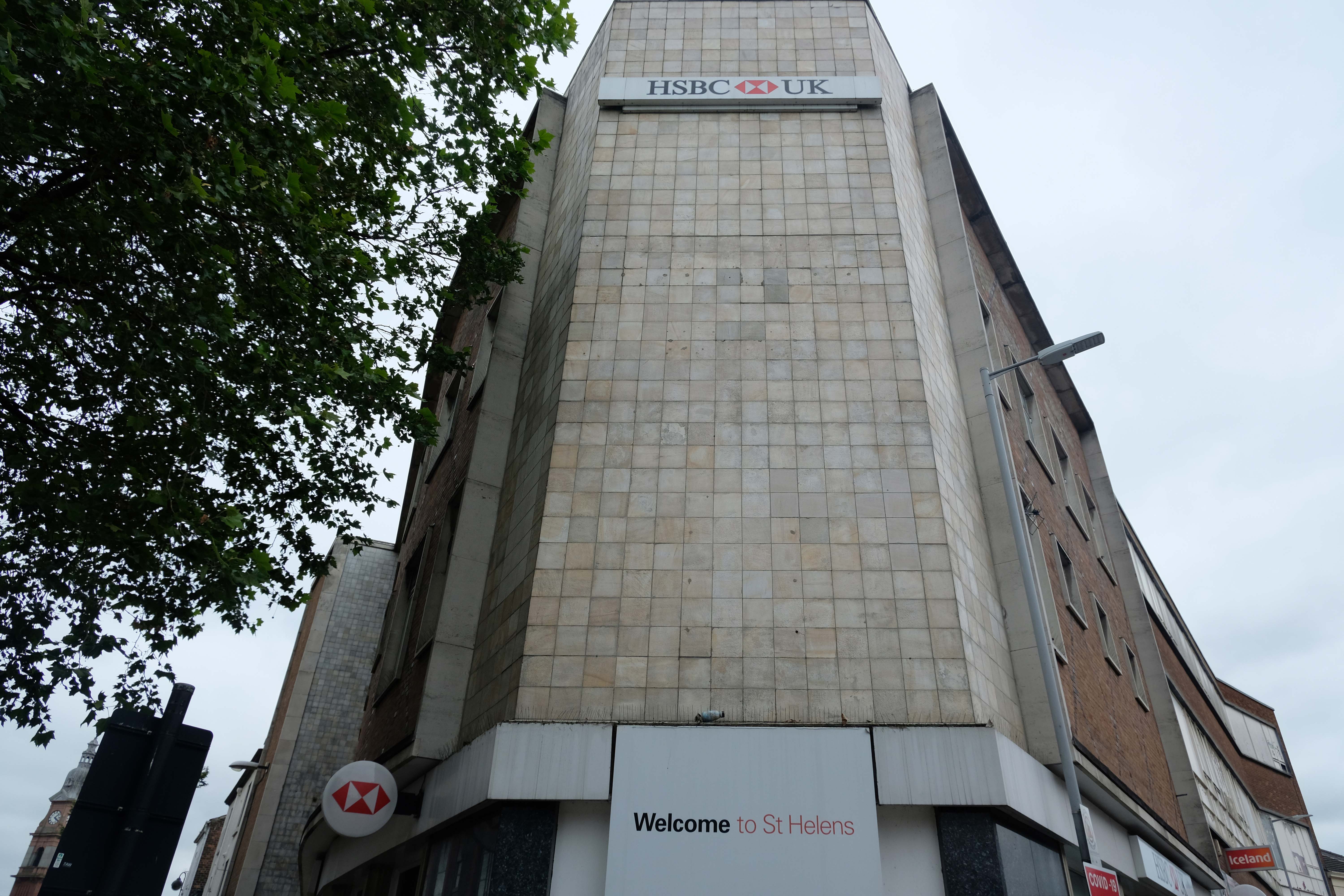
Century House is a prominent landmark in St Helens town centre, being the tallest office building in place. The accommodation ranges over 9 floors, providing offices from a single person, to whole floors. In addition, all tenants benefit from the use of a modern break out space and meeting rooms, in addition to manned reception desk.
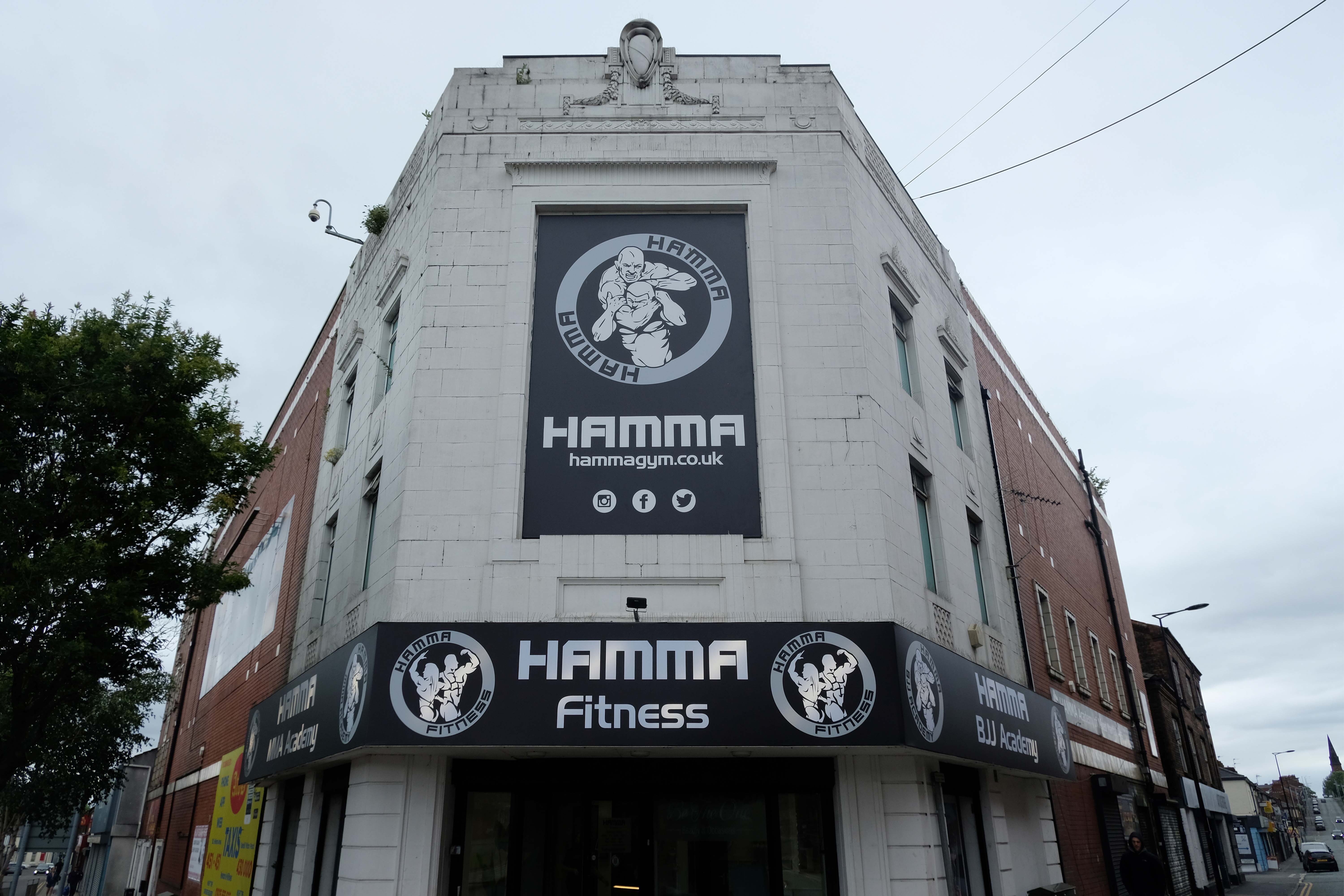
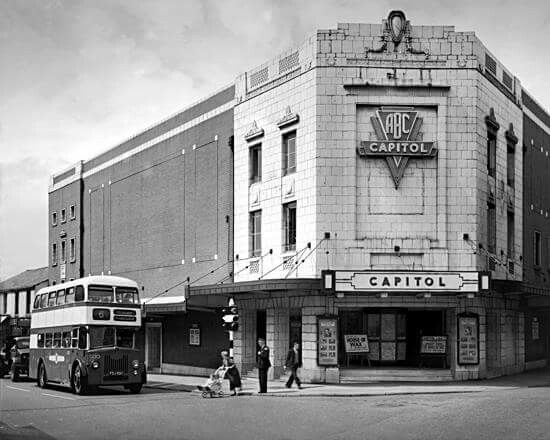
The Capitol Cinema opened on 3rd October 1929 by an independent operator. It stood on a prominent corner site at North Road and Duke Street – known as Capitol Corner.
The Capitol Cinema was taken over by Liverpool-based Regent Enterprises Ltd. in 1929, and by the Associated British Cinemas – ABC chain in 1935. It underwent a renovation in the 1960’s, and was closed by ABC on 9th December 1978.
The building was converted into a sports centre, by 2009 it was a Central Fitness gymnasium.
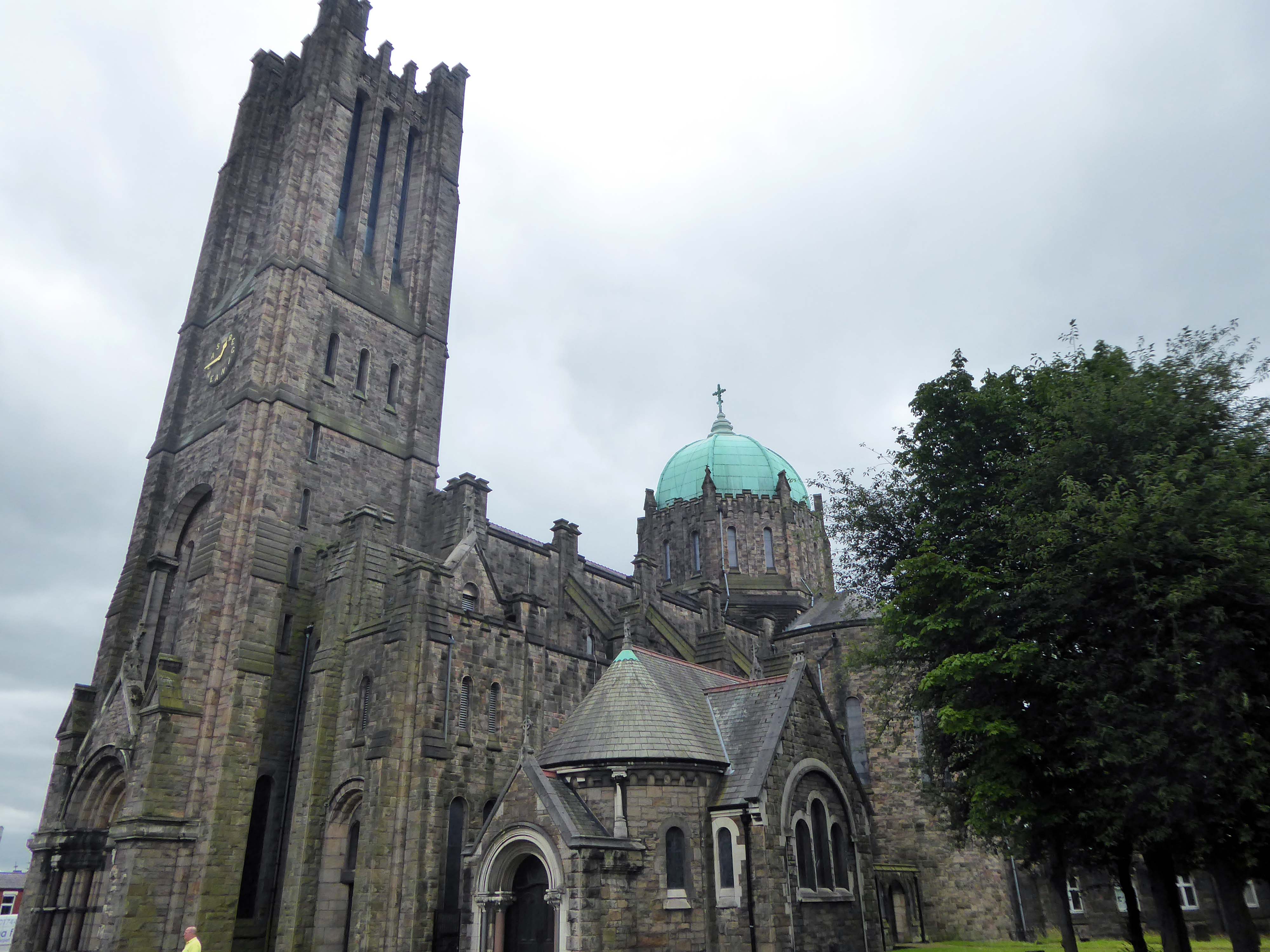
Along the way to St Mary Lowe House RC – the style is a combination of Gothic and Byzantine elements. One of the most unusual fittings is the carillon, one of the largest in the British Isles with 47 bells, which was installed in 1930 and is still played regularly.
The main approach is identified by a beak-like porch which projects from the main cladding. In this space hangs a recast eighteenth century bell, from the original chapel.
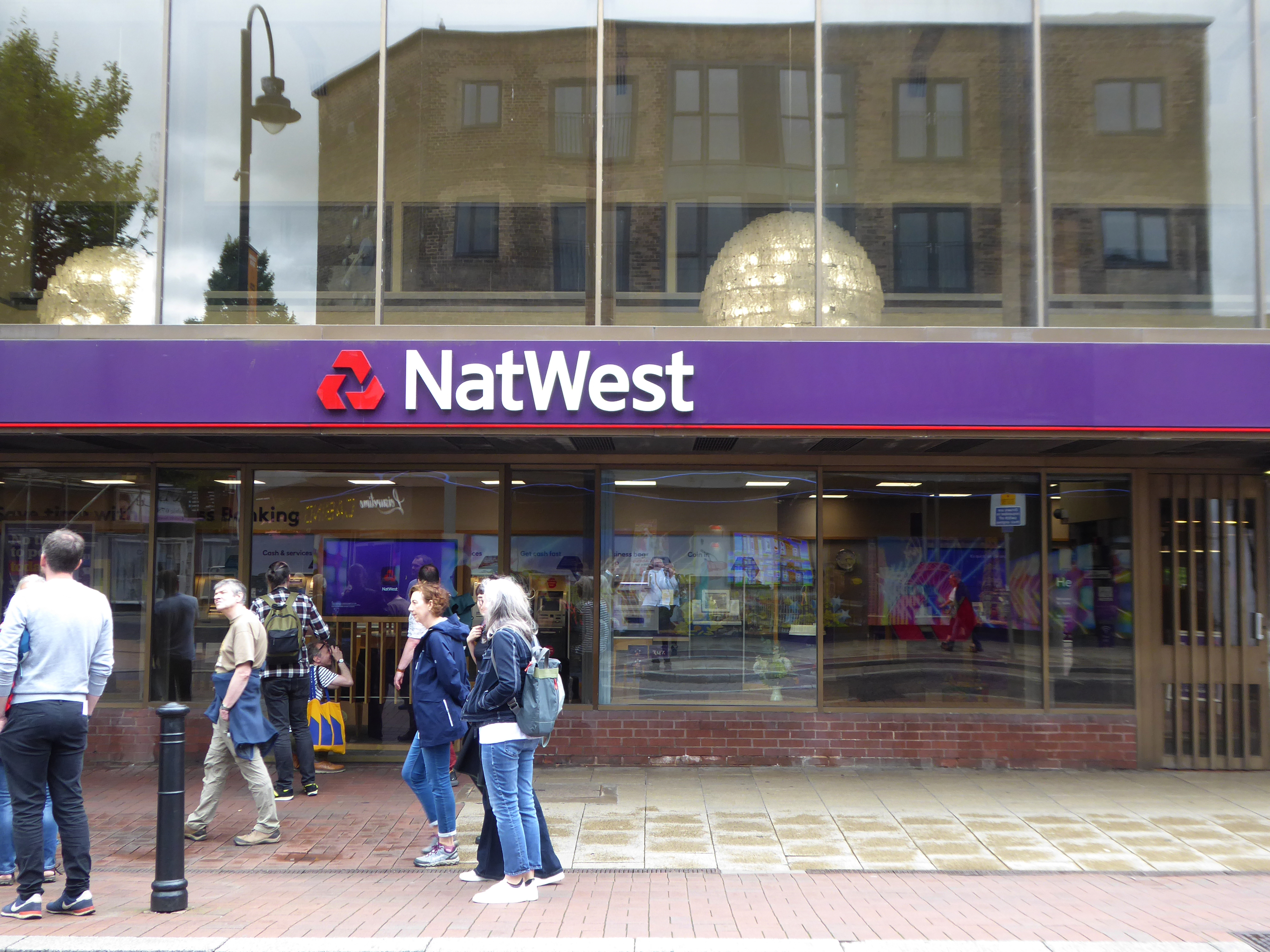
Let’s take it to the Midland, Nat West and Barclays Banks.
With an intermediate former Gas Showroom.
Next to the Church of St Helen.
Architect: WD Caroe 1920-26 Grade II Listed
A chapel has been on the site since at least the 16th century. The chapel was doubled in size in 1816, but burnt down in 1916. It is the parish church of the town, and stands in a prominent position.
St Mary’s Car Park a multi-storey masterpiece straight outa Dessau.
Next crossing a complex web of inner ring roads designed with the beleaguered pedestrian at the forefront of the planners’ minds.
To the inter-war Pilkington’s Offices – Reflection Court
Architects: Herbert J Rowse and Kenneth Cheeseman 1937-41 Grade II Listed.
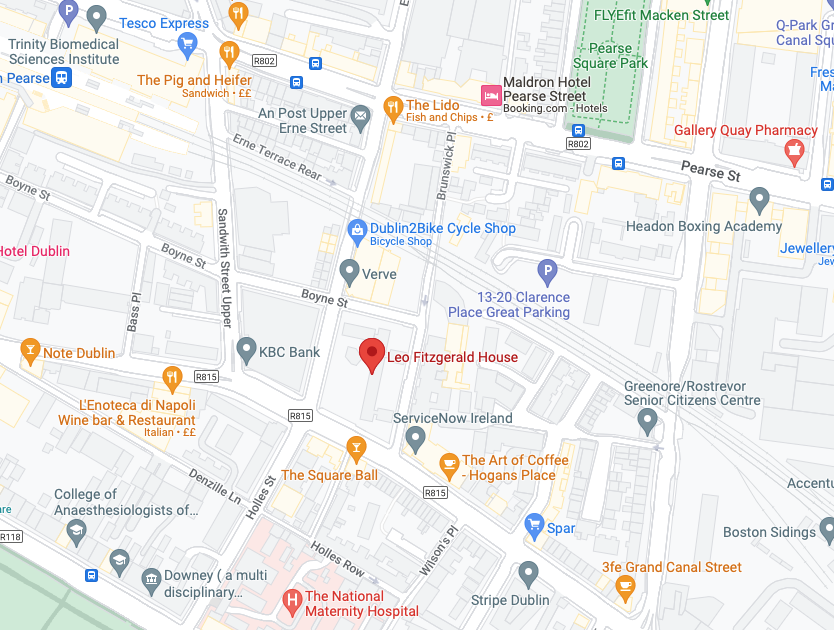
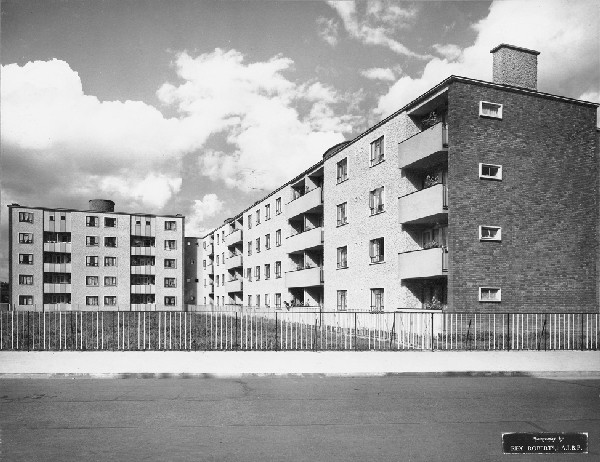
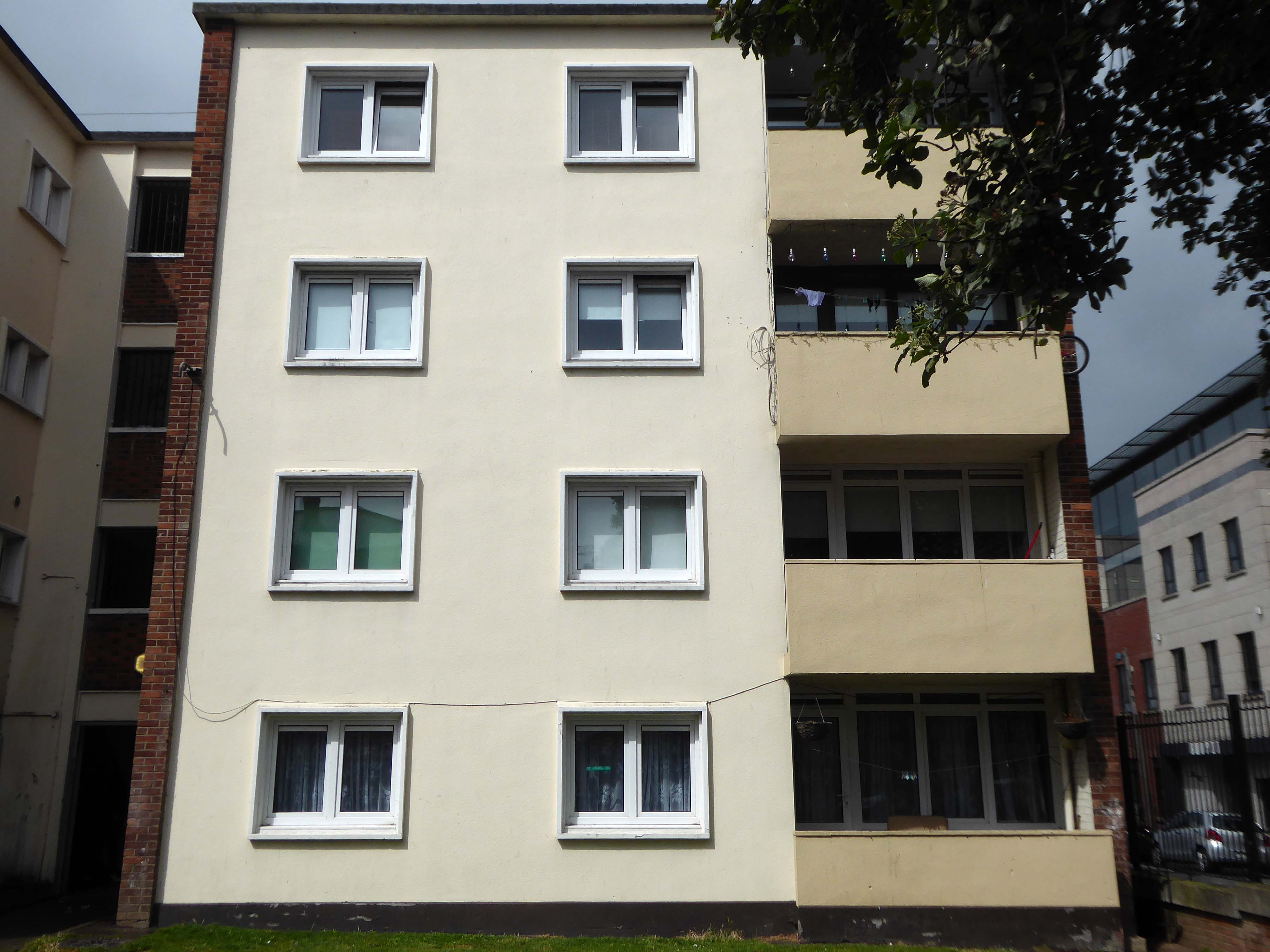
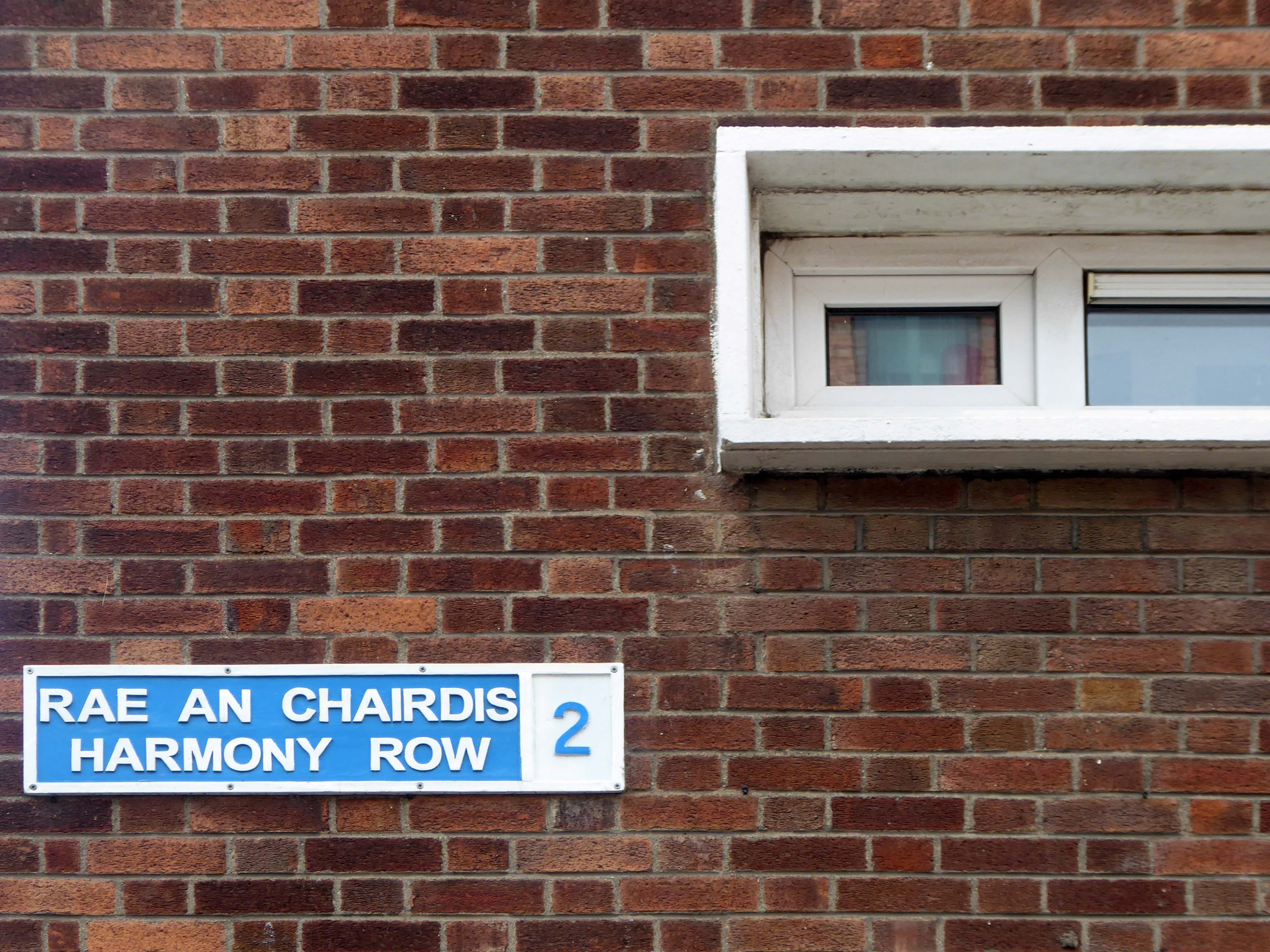
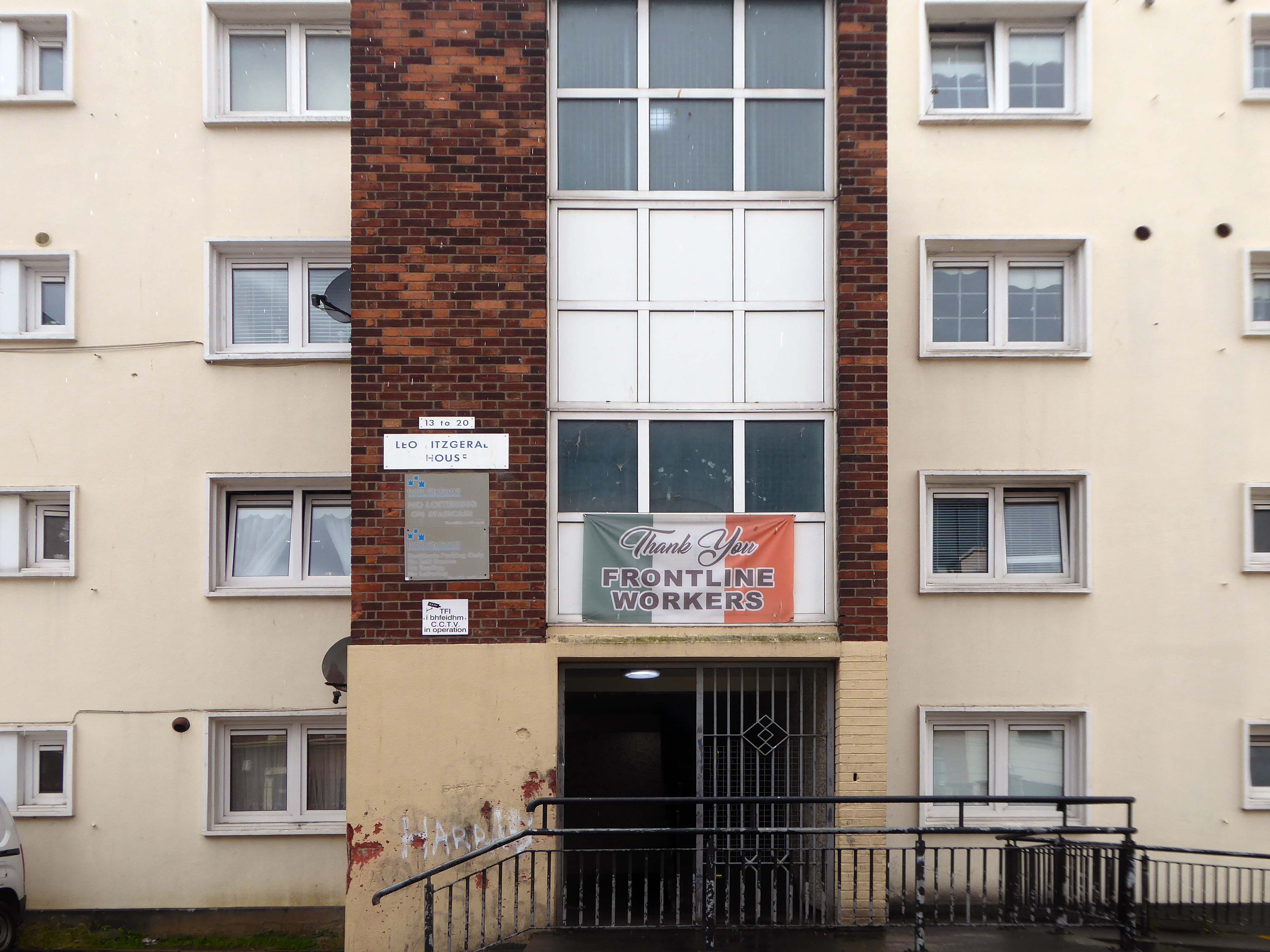
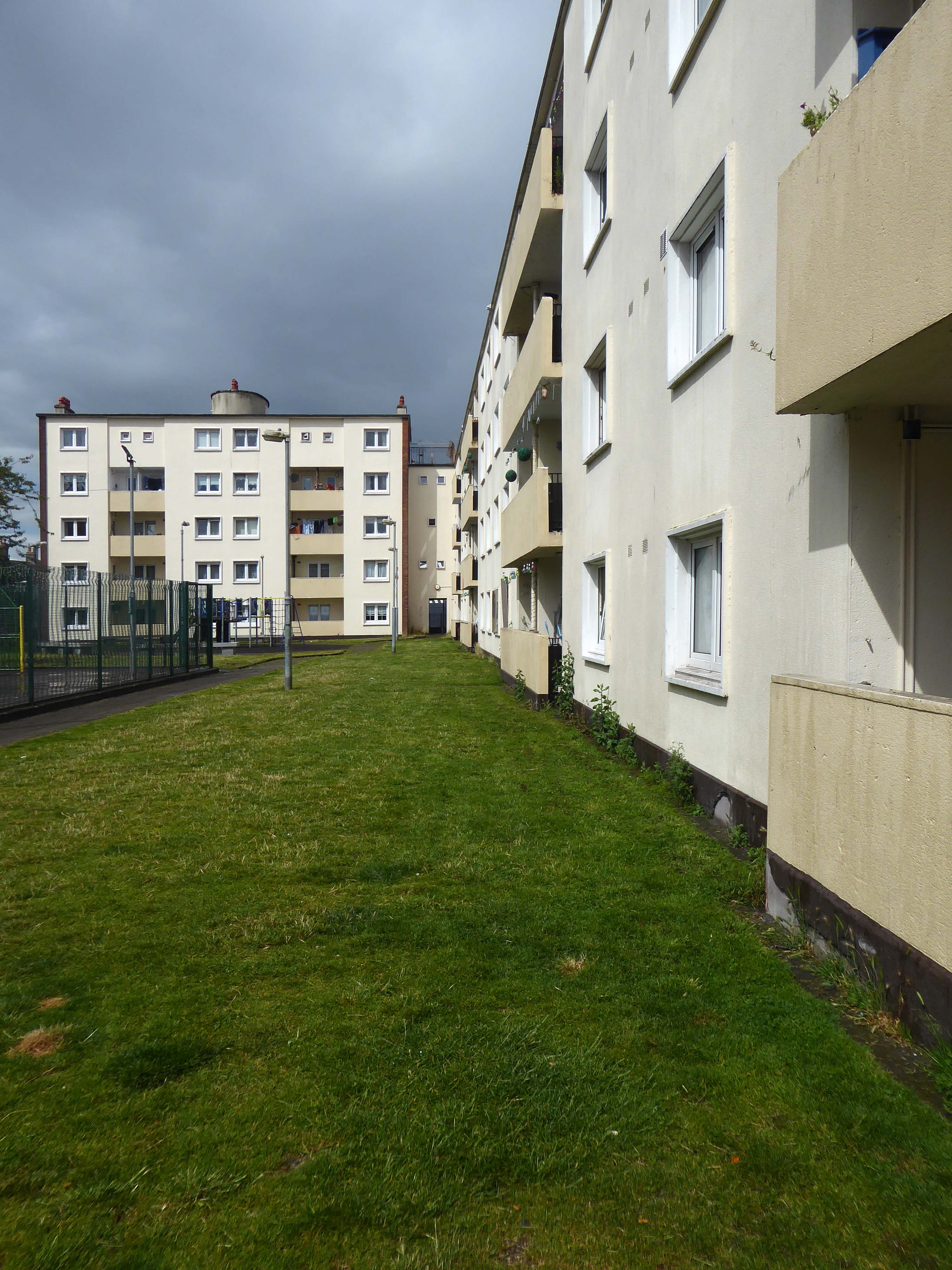
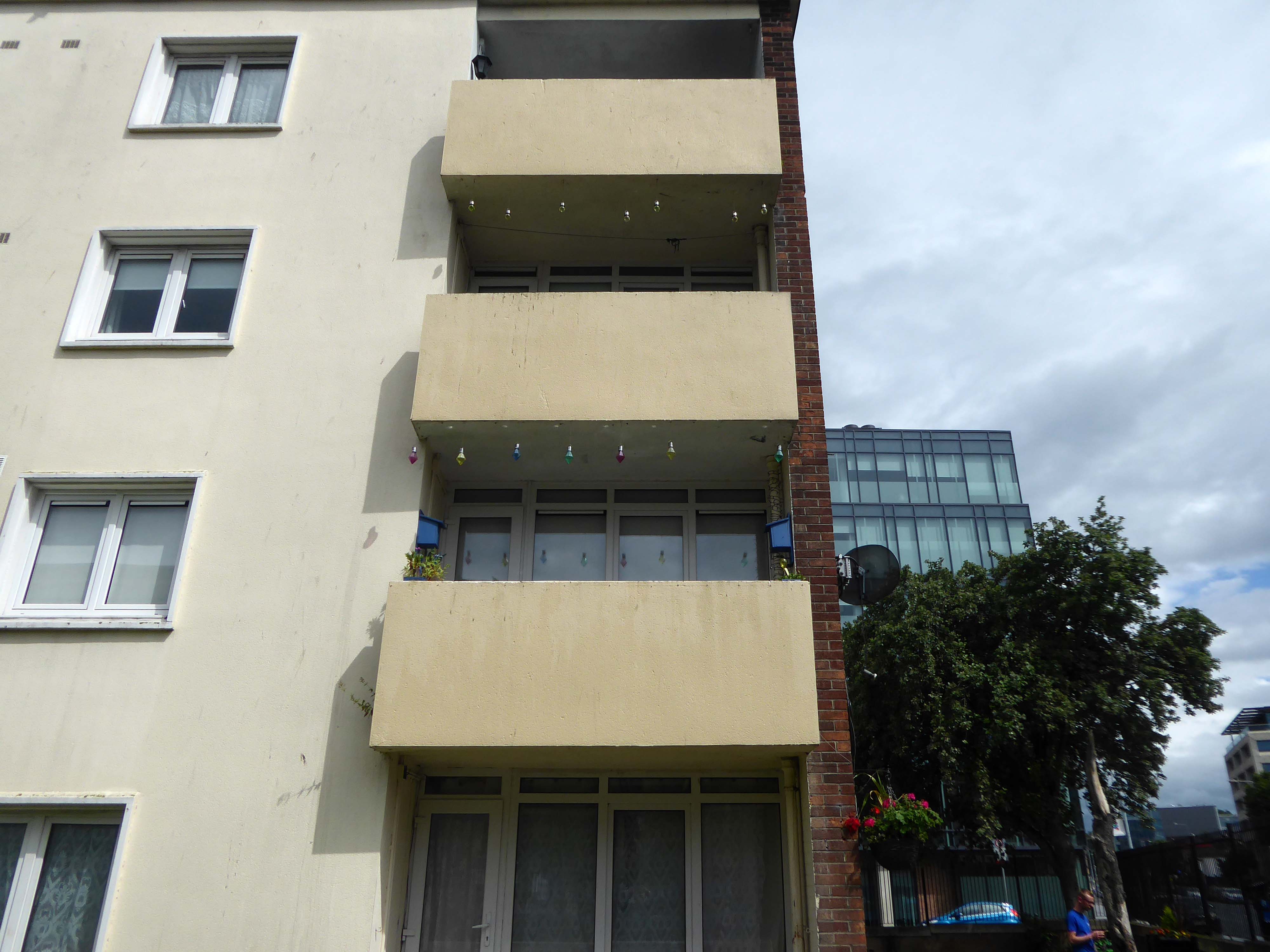
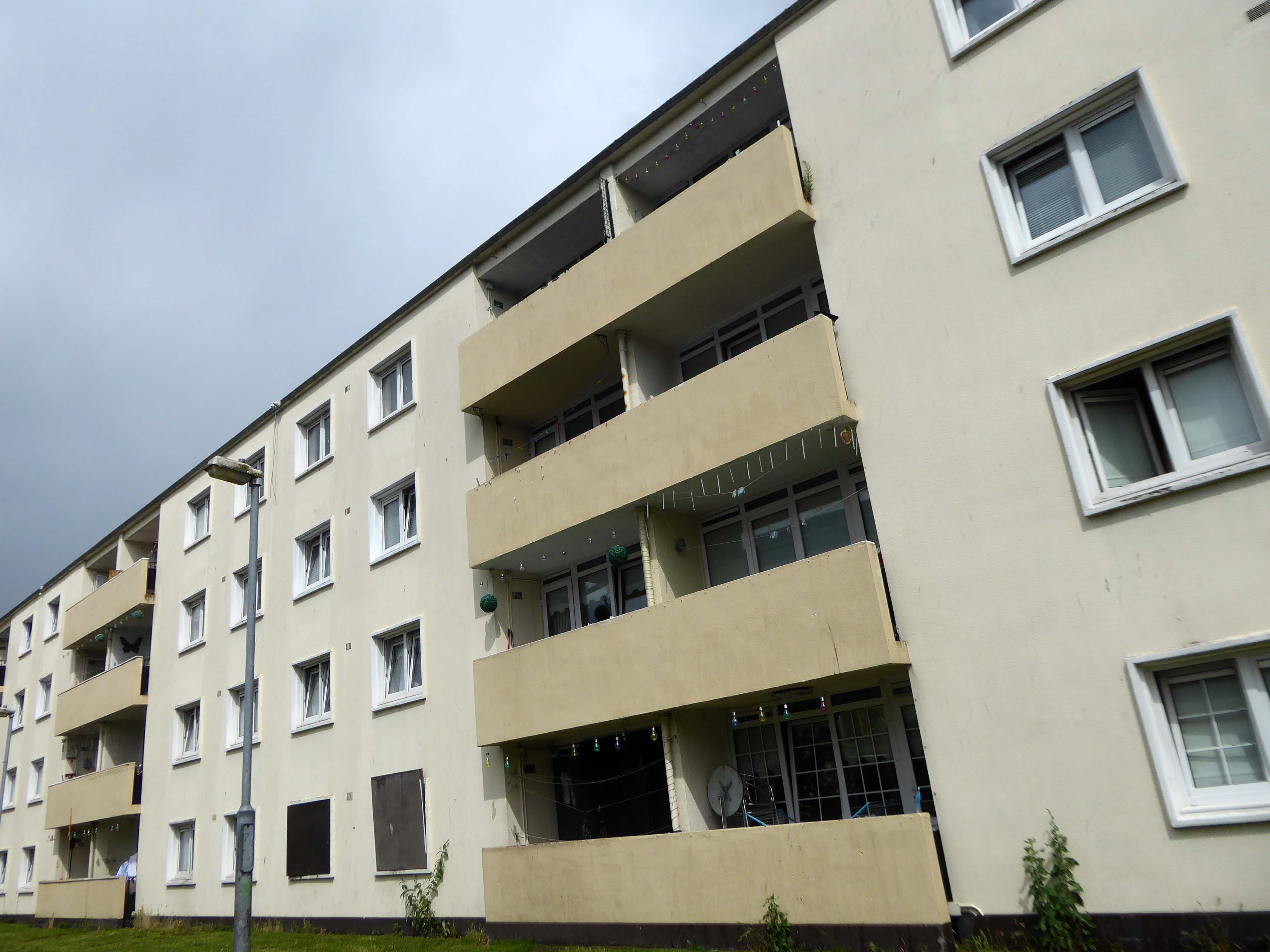
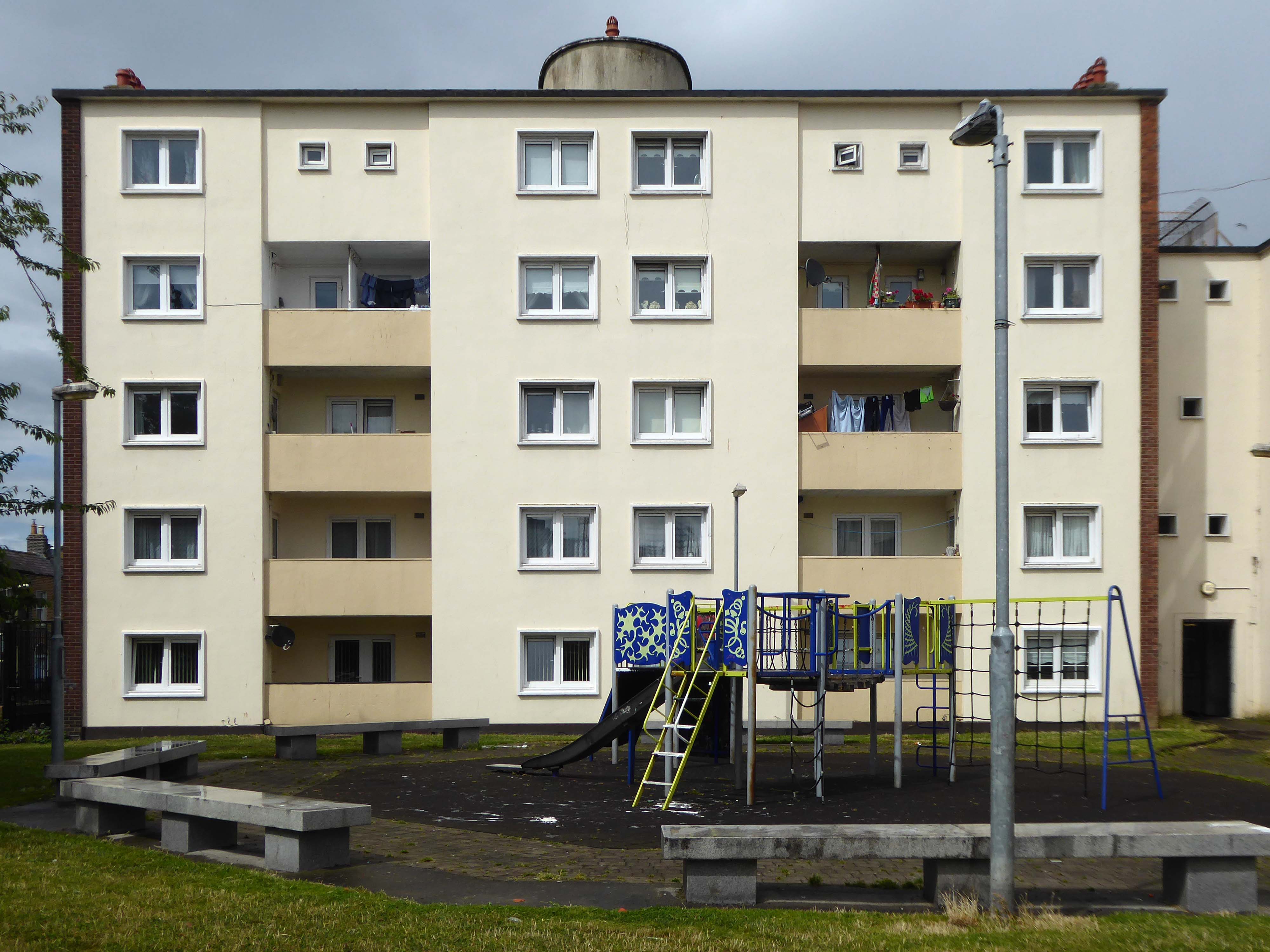
Leo Fitzgerald House Hogan Place Erne Street Upper Dublin 2
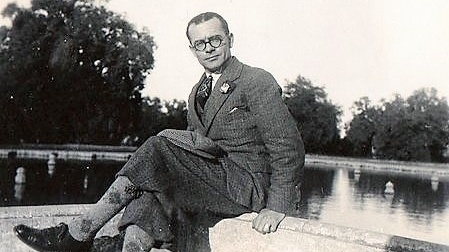
The second post featuring the work of Herbert Simms following on from O’Carroll Villas.
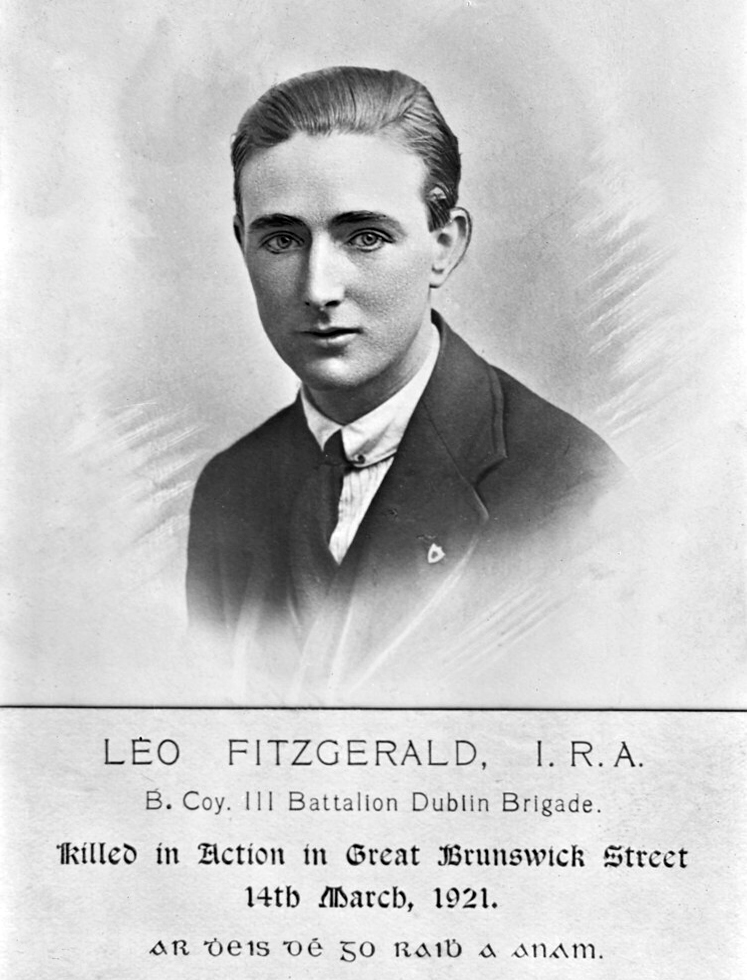
These homes were named for Civil War hero Leo Fitzgerald.
London born Herbert George Simms was responsible for the building of some 17,000 new working class dwellings in his time in office as Dublin’s pioneering Housing Architect, ranging from beautiful Art Deco flat schemes in the inner-city to new suburban landscapes.
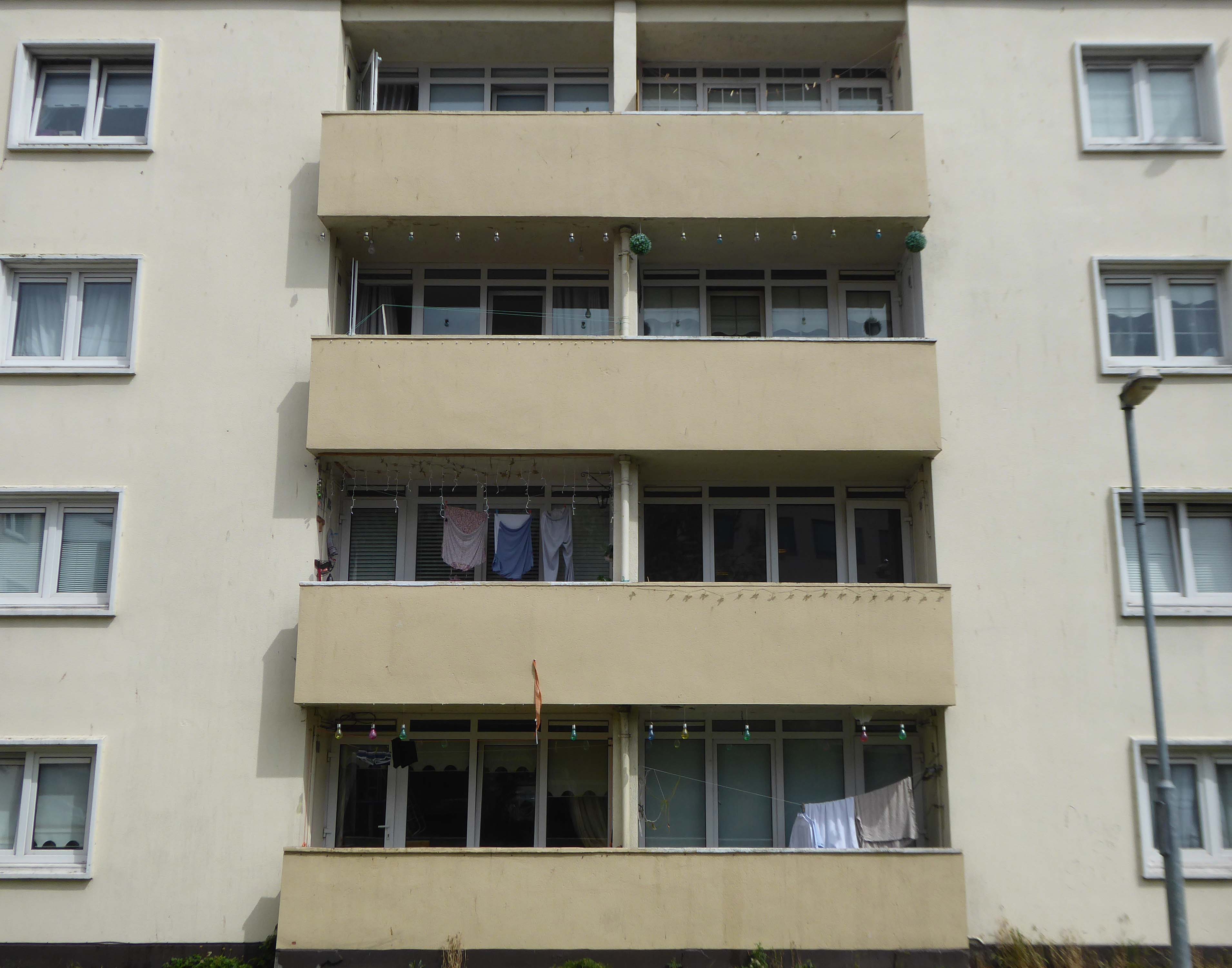
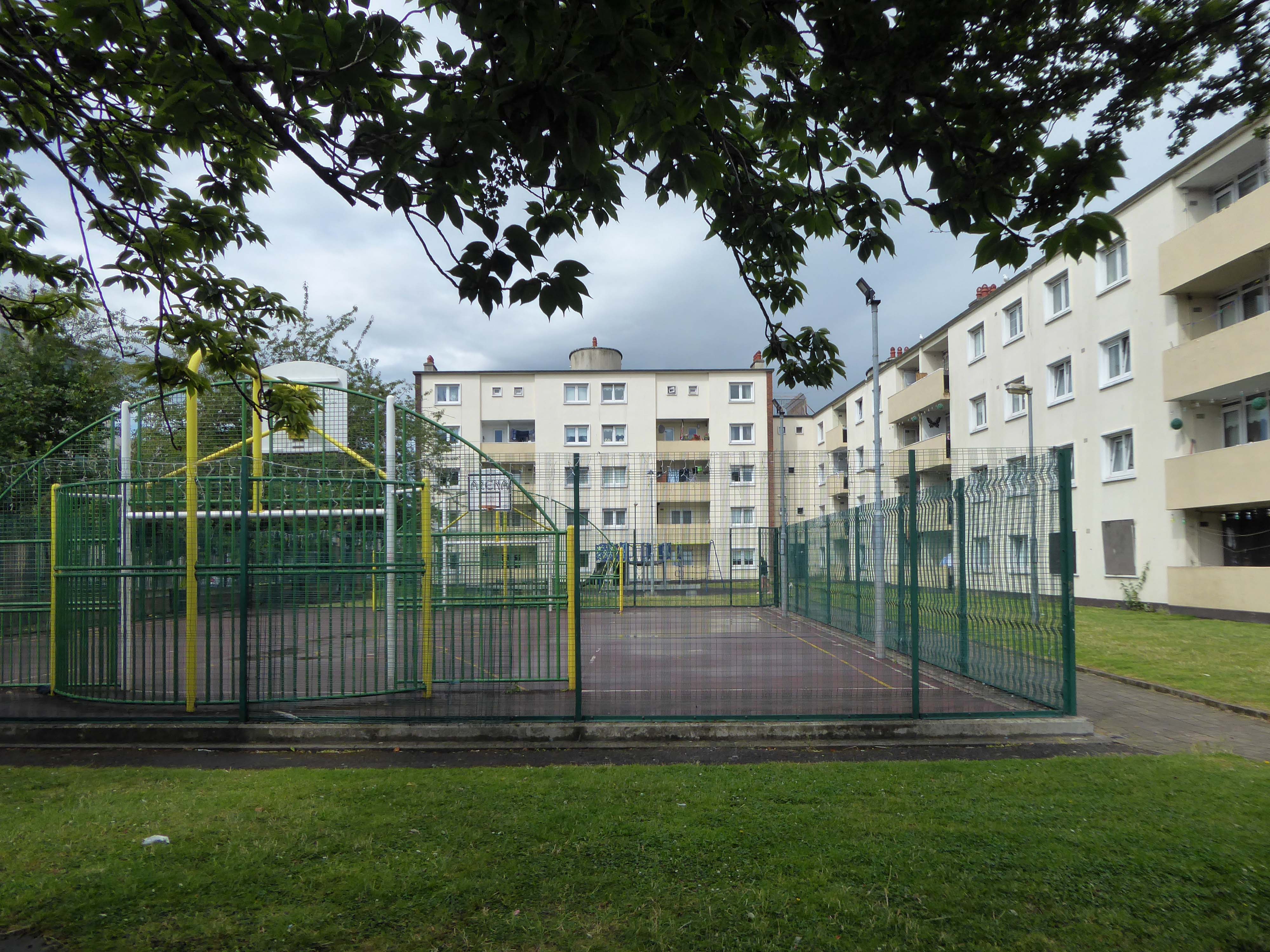
Freestanding L-plan multiple-bay four-storey social housing block, built c. 1940, having attached stairs tower to east elevation. Flat roof concealed behind rendered parapet with concrete coping, and having rendered chimneystacks with concrete copings and clay pots. Flemish bond brown brick and rendered walls. Square-headed window openings with rendered surrounds and sills, and replacement uPVC windows. Square-headed door openings with rendered surrounds and timber doors to galleries. Square-headed door opening in attached stairs tower with mild-steel double-leaf gate, concrete platform and steps.
This was my first real trip to Dublin, having previously hastily passed through, over eager to take myself elsewhere. To accompany me I purchased The Dublin Architecture Guide 1937-2021 from Books Upstairs. It proved to be an indispensable companion on my walks around the city.
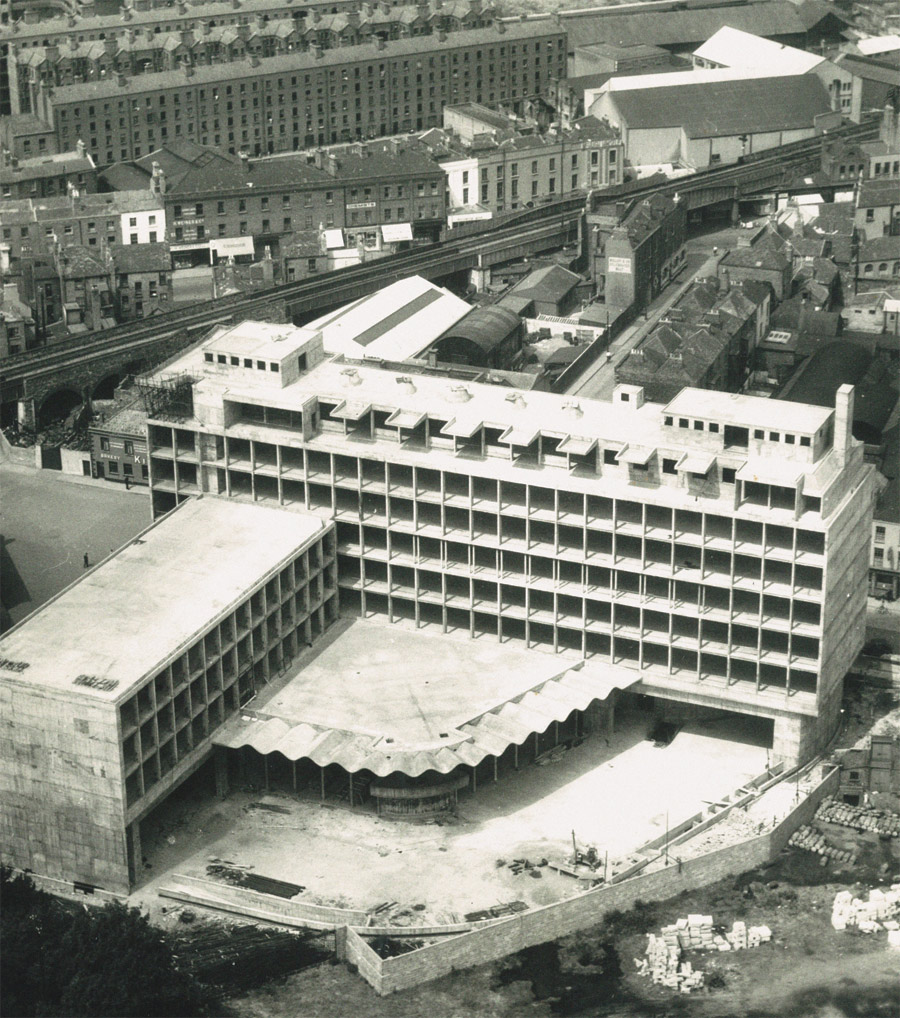
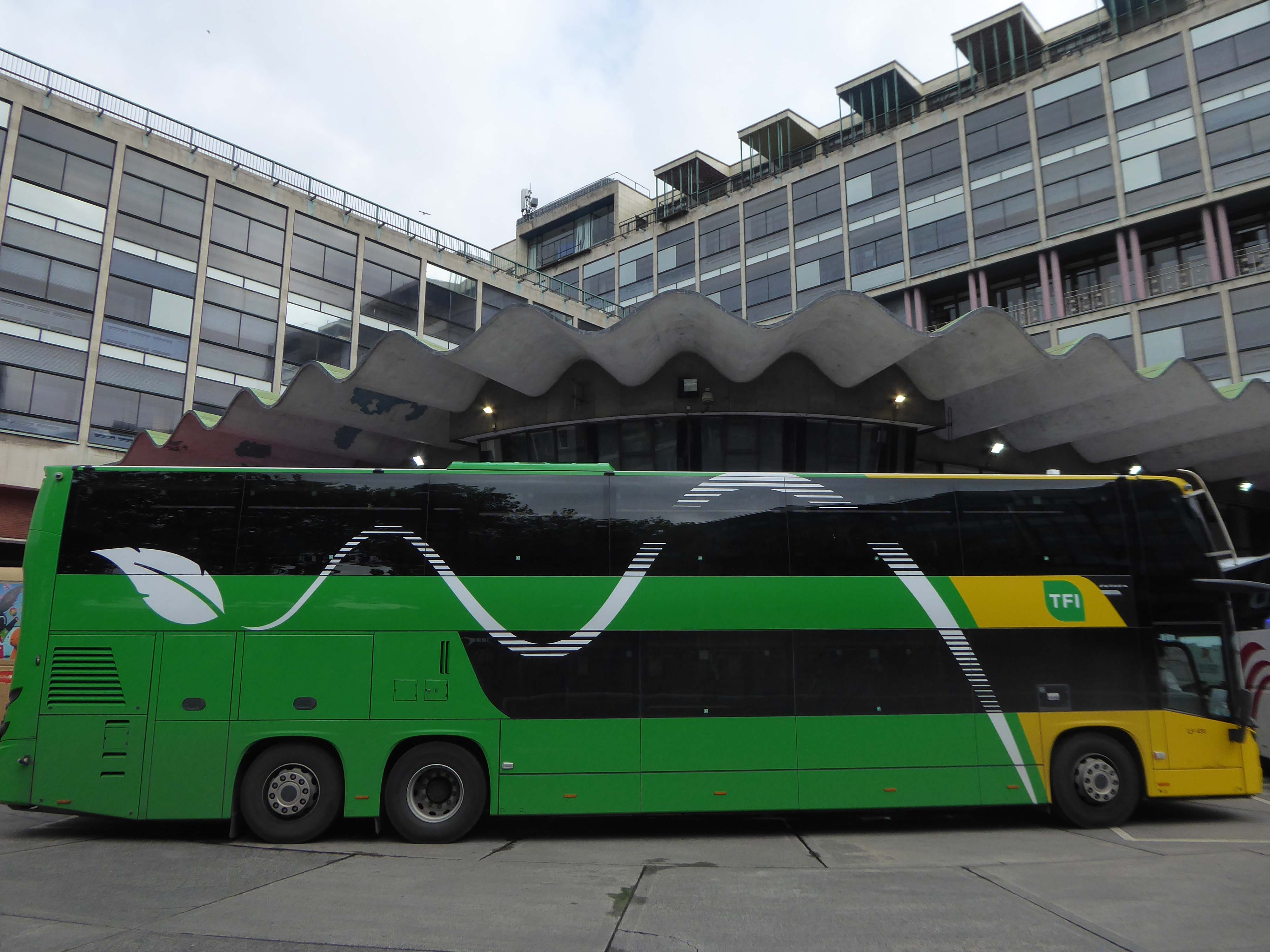
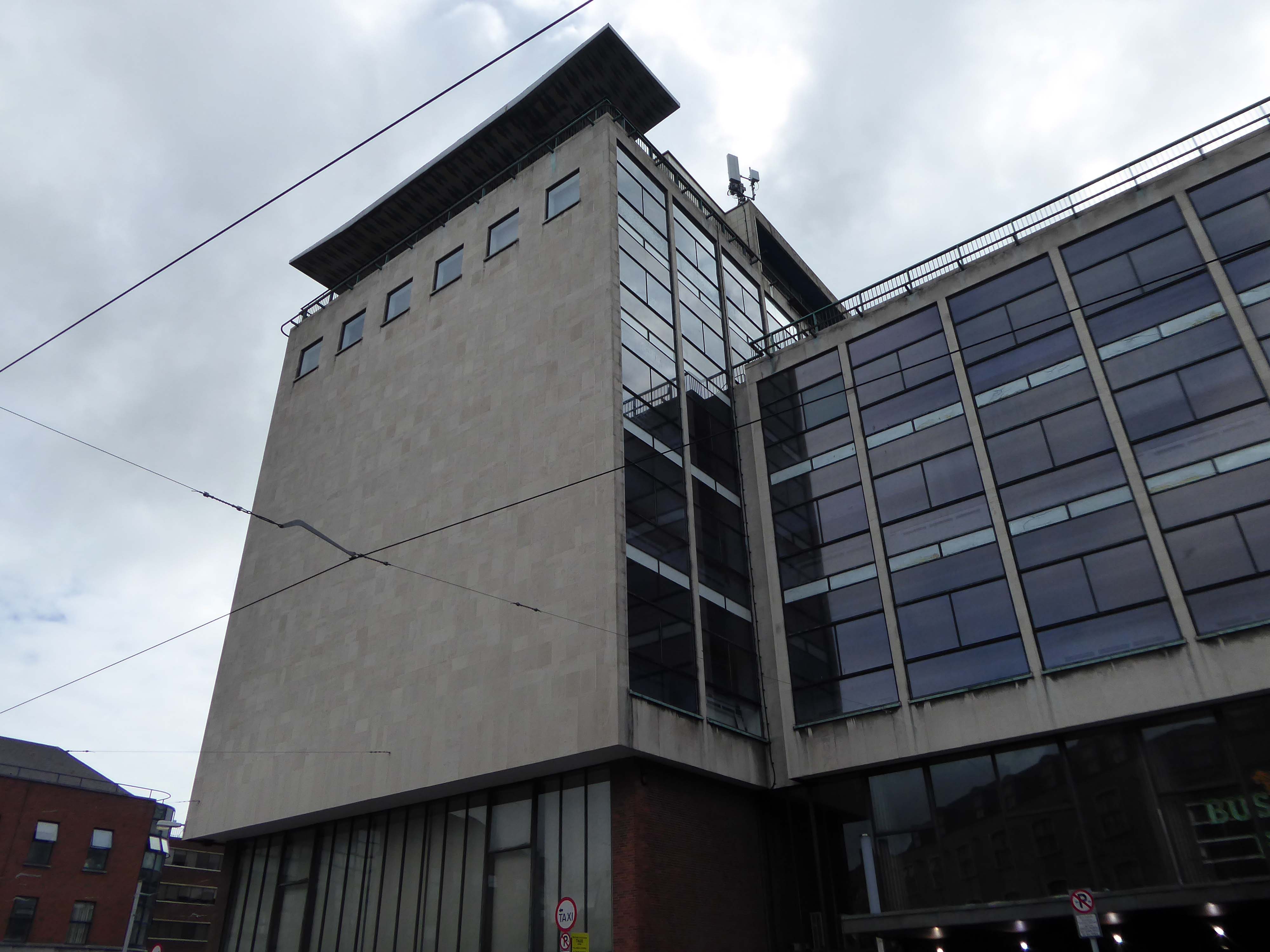
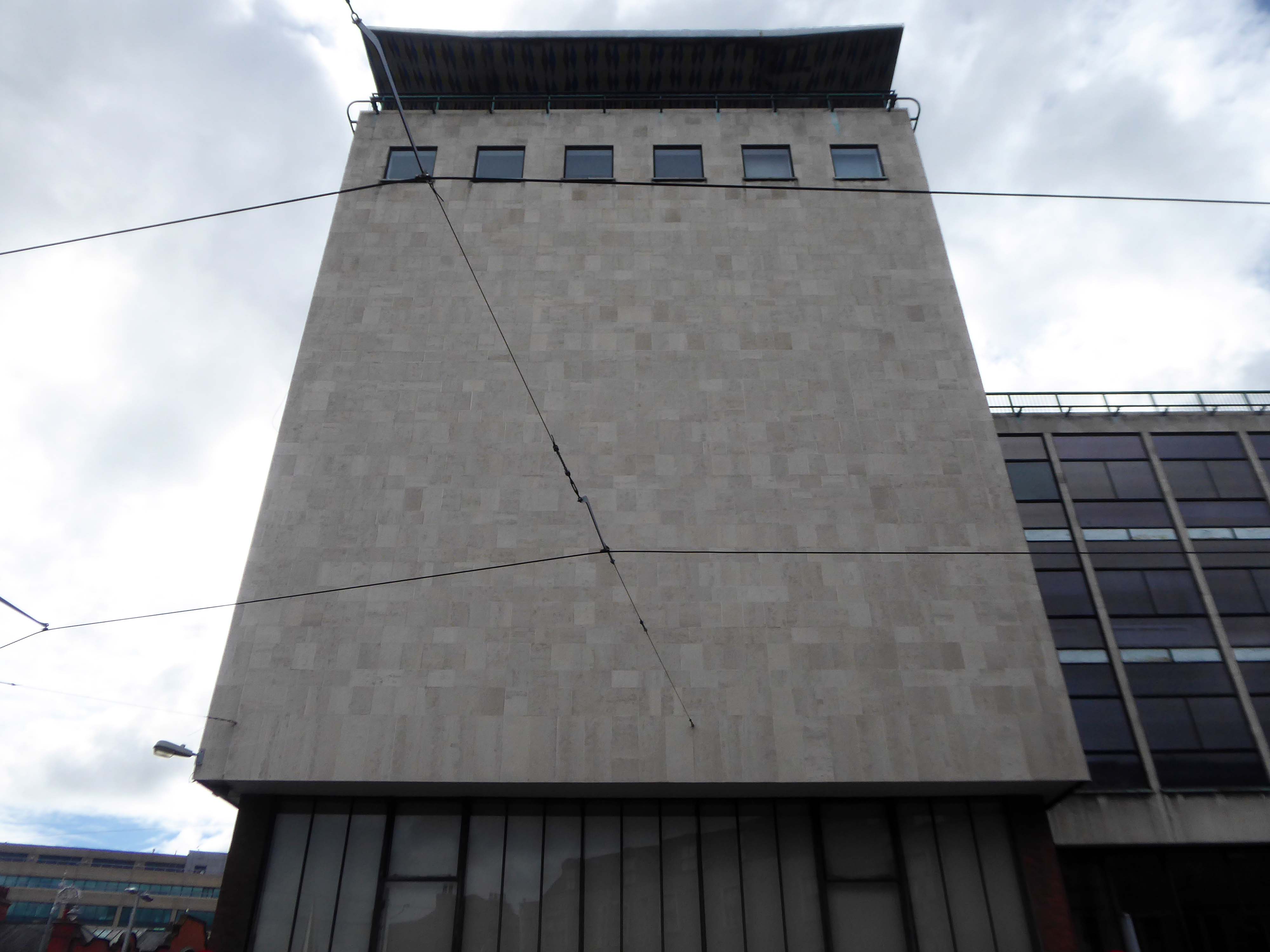
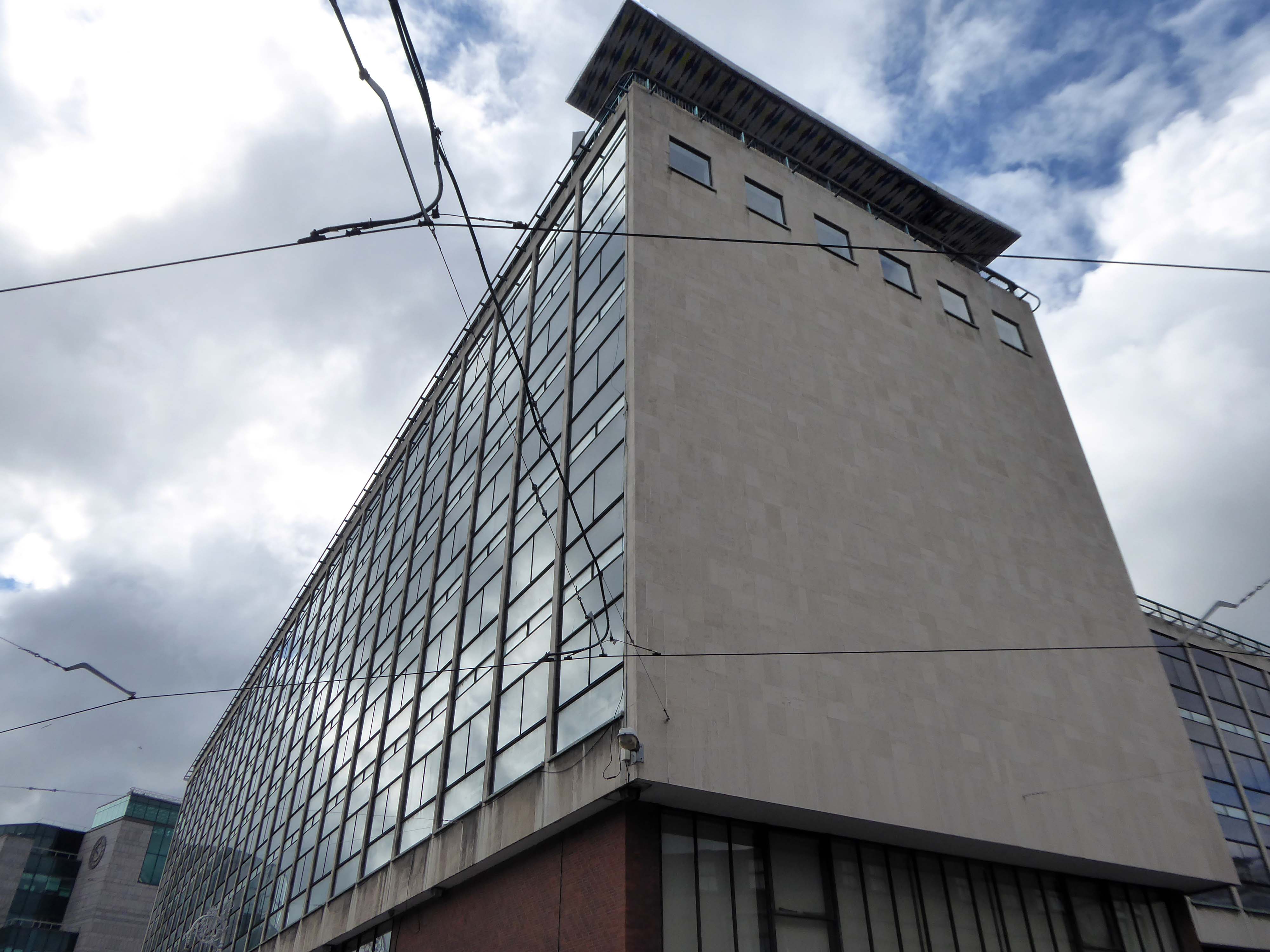
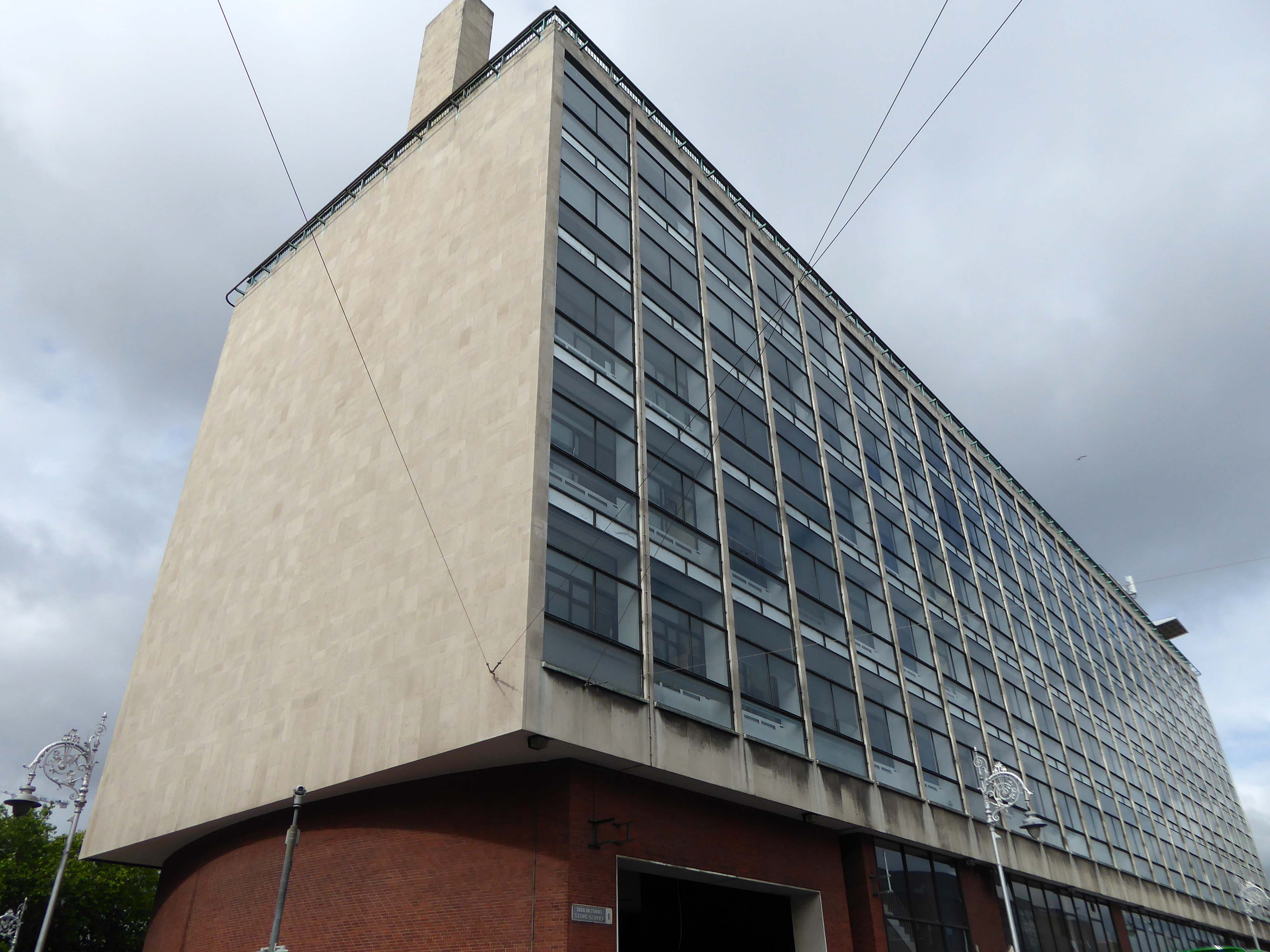
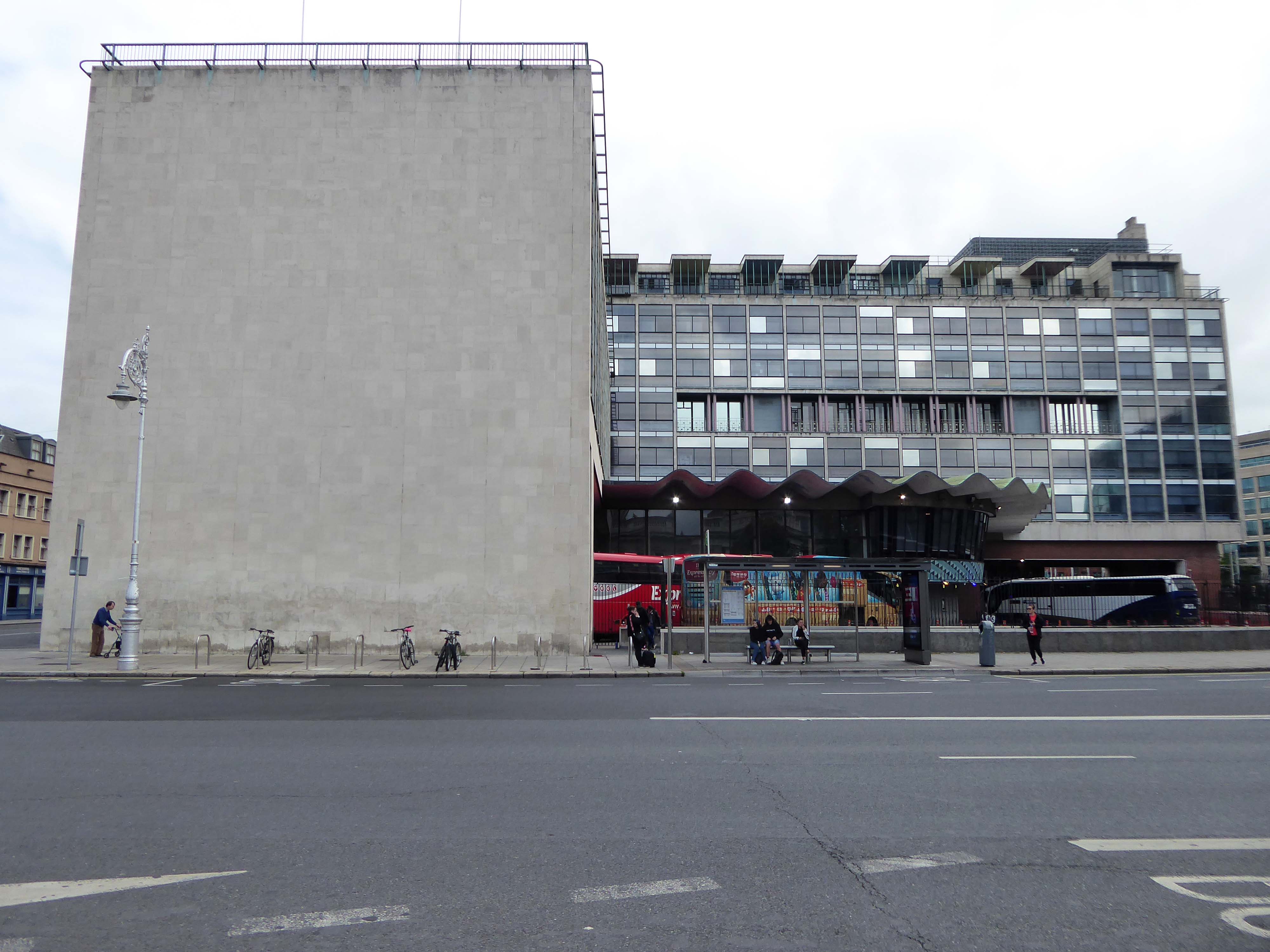
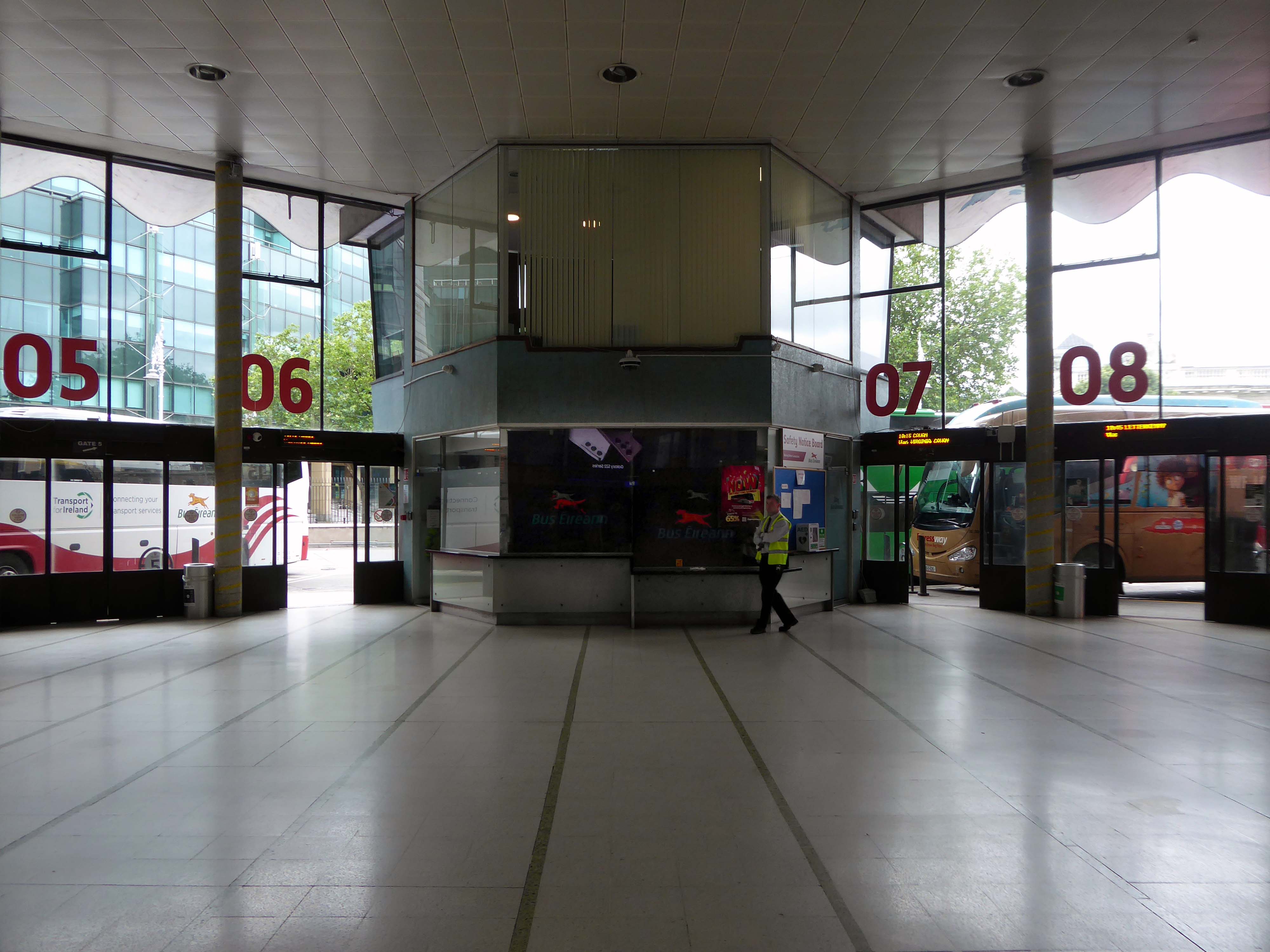
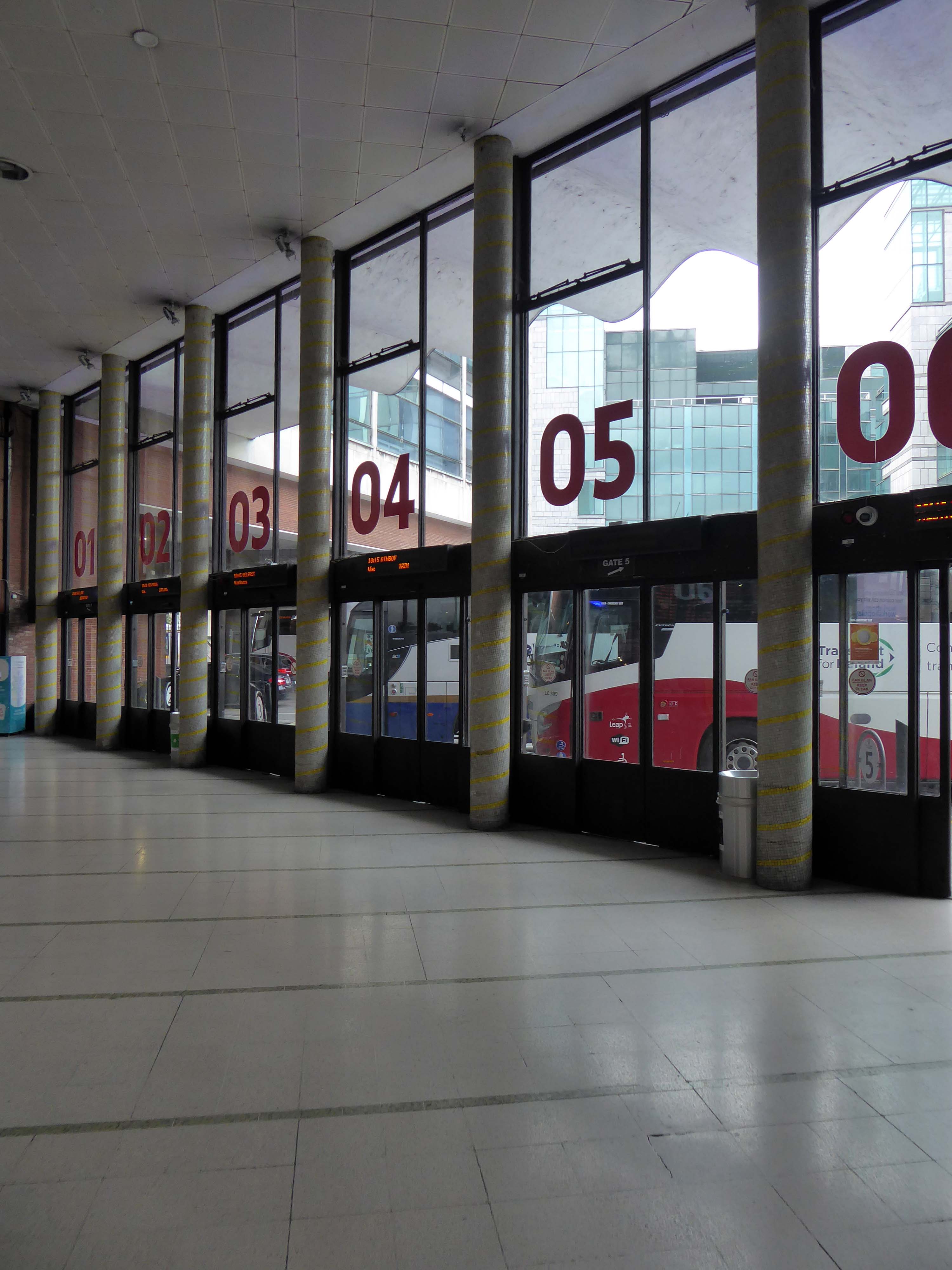
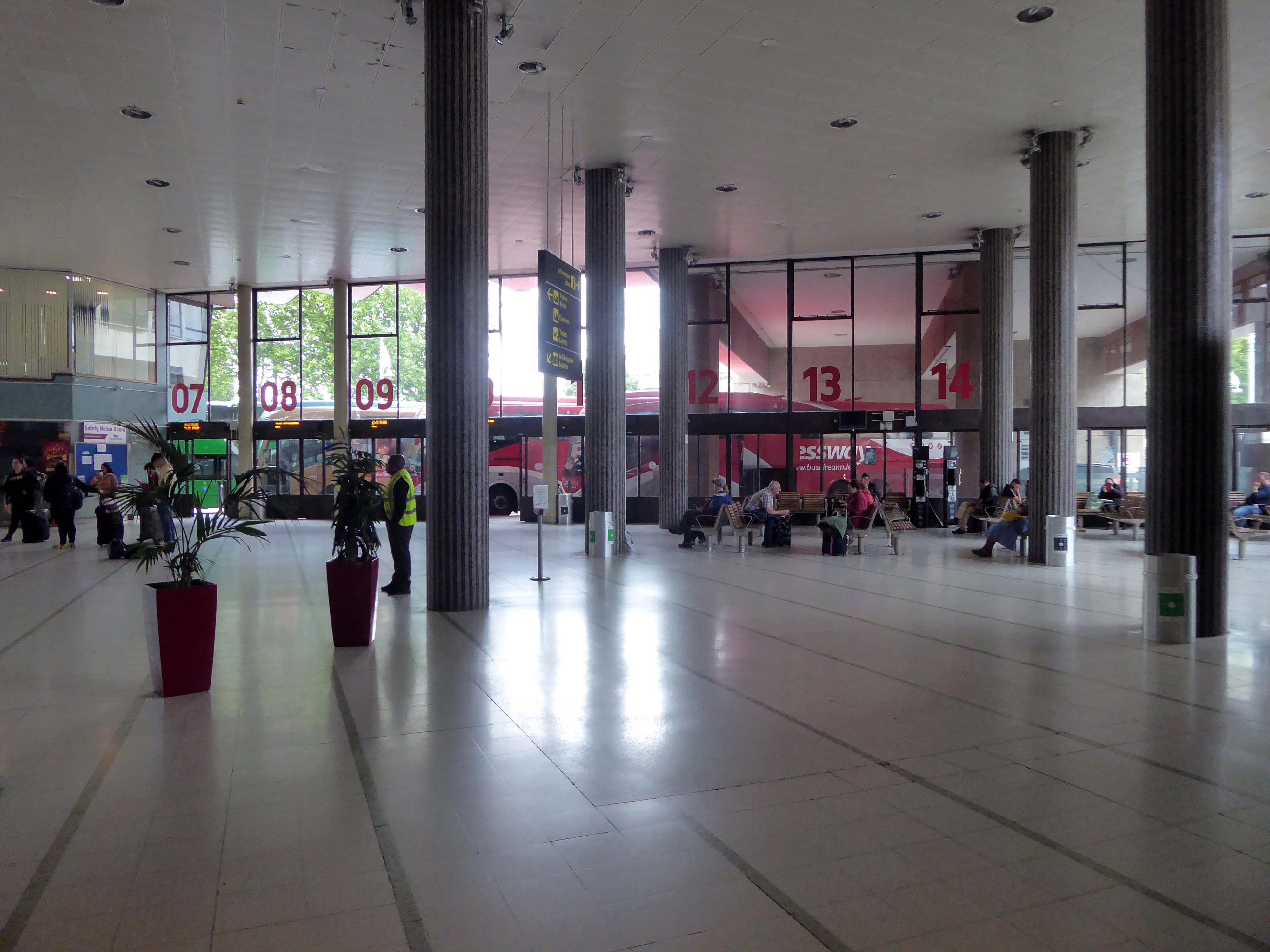
To begin at the end, the last building I explored was the Busáras – the central bus station, for intercity and regional bus services operated by Bus Éireann.
Áras Mhic Dhiarmada – Mac Diarmada House is the official name of the building, which also includes the headquarters of the Department of Social Protection.
CIÉ – parent of Bus Éireann, leases the lower floors from the department.
Áras Mhic Dhiarmada is named after Seán Mac Diarmada, a leader of the Easter Rising in 1916.
Photo: Architectural Association of Ireland
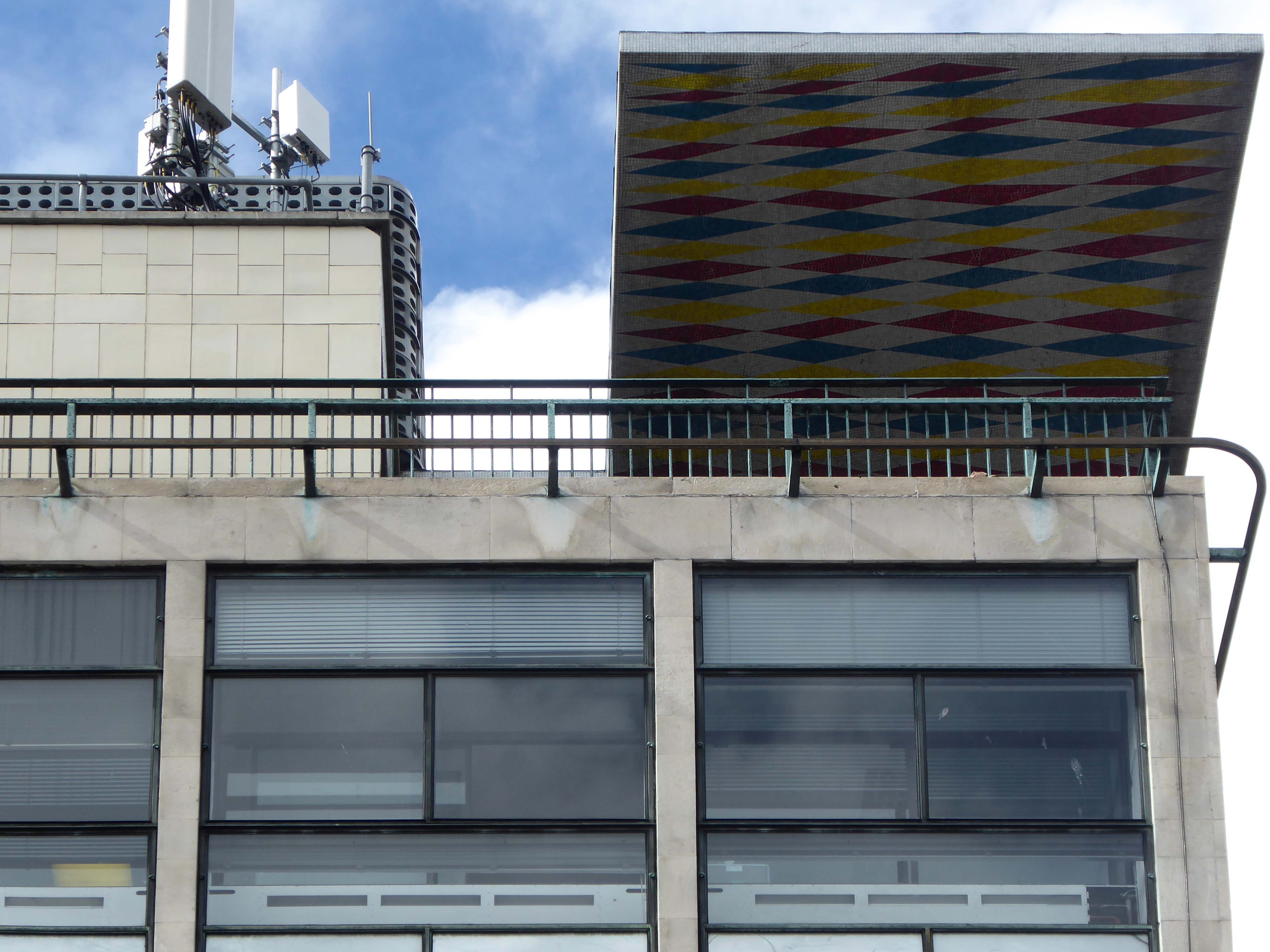
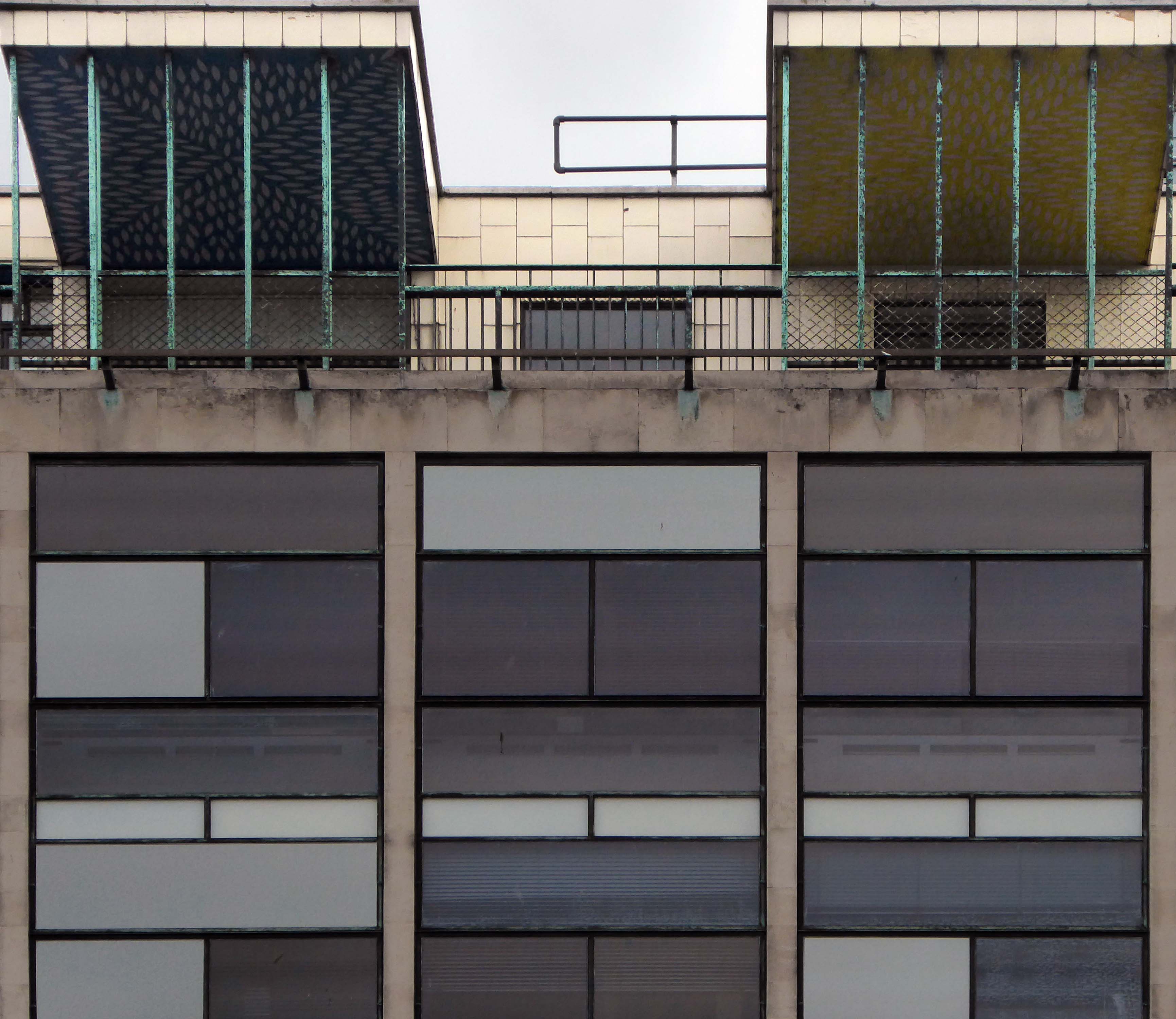
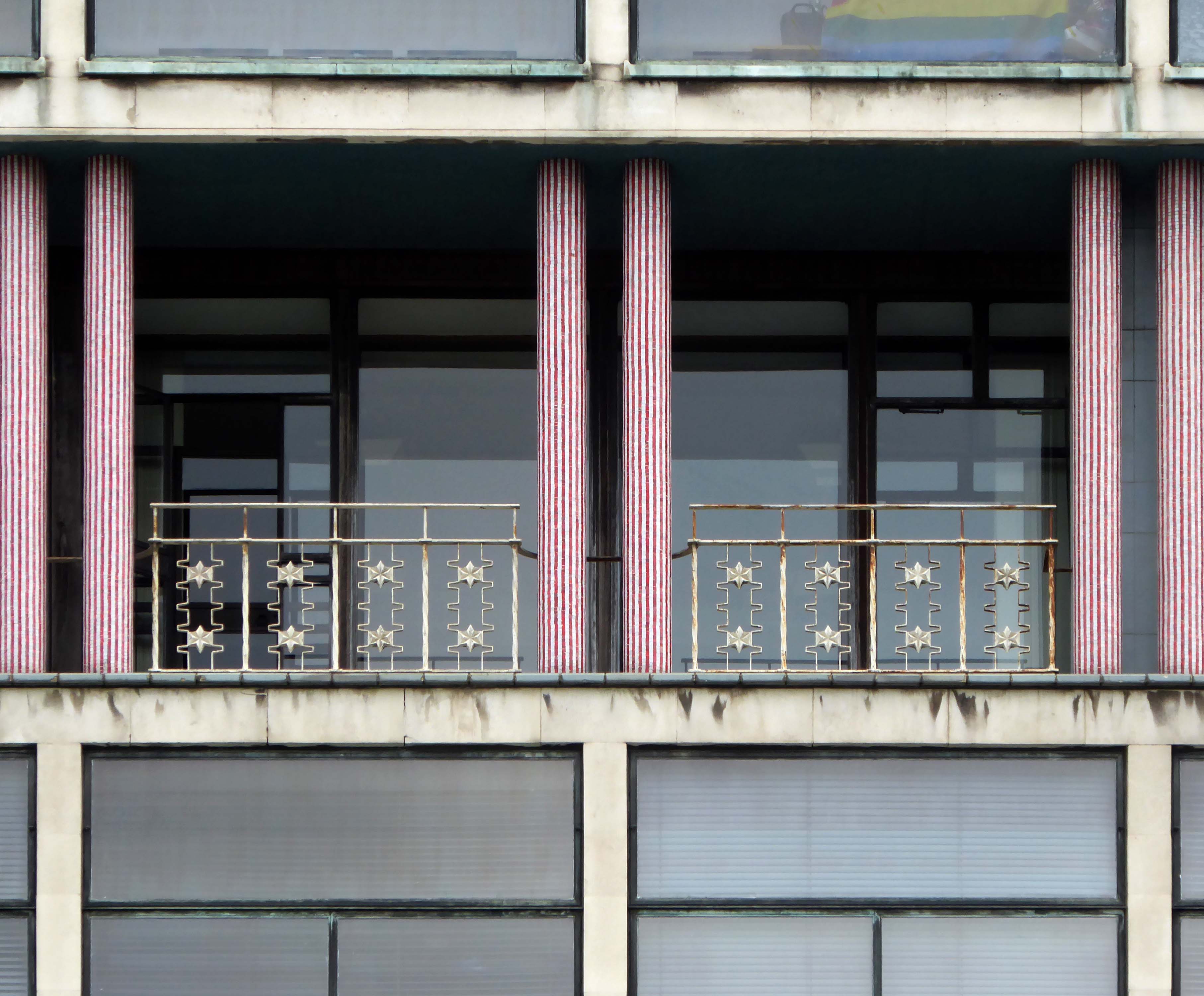
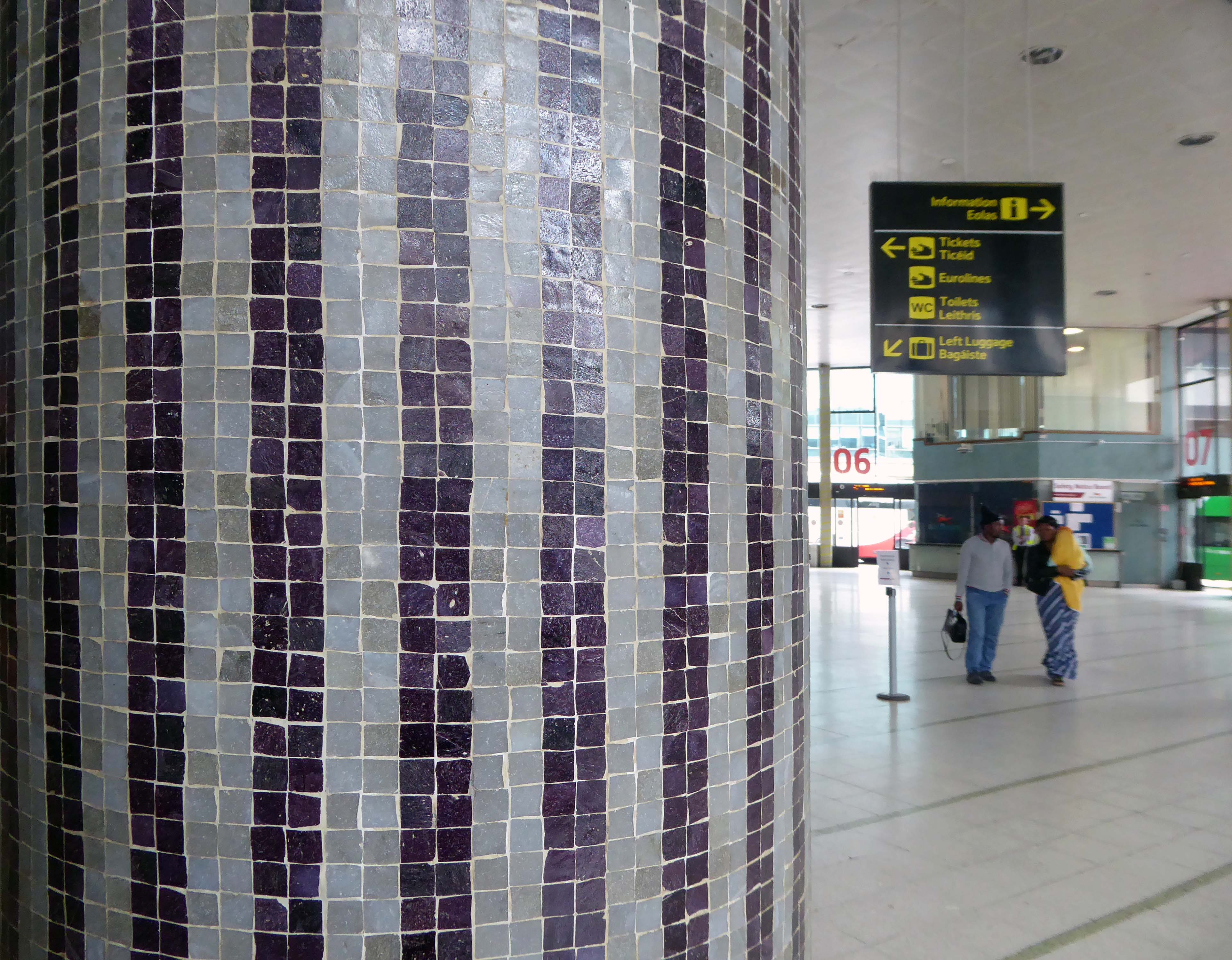
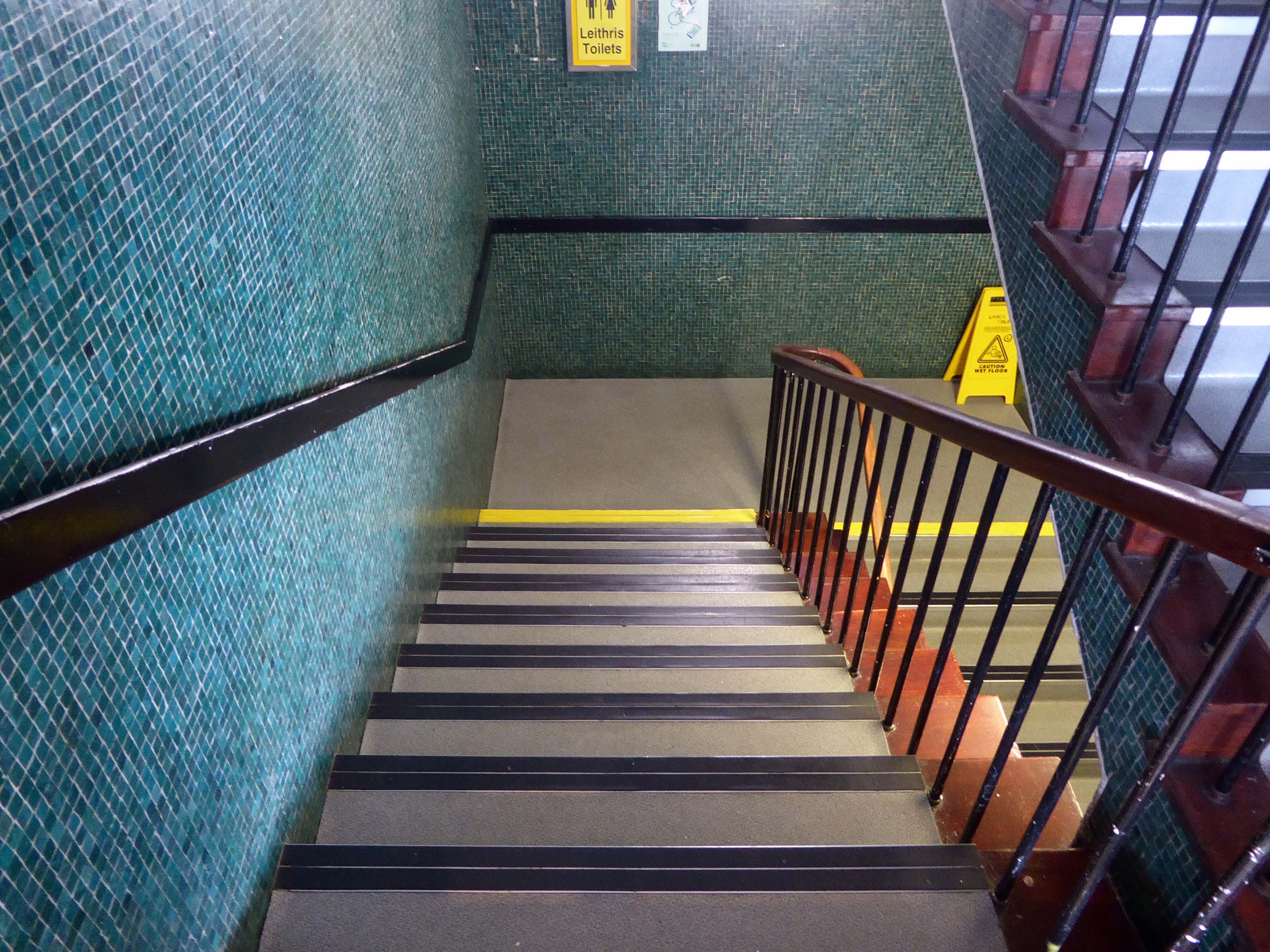
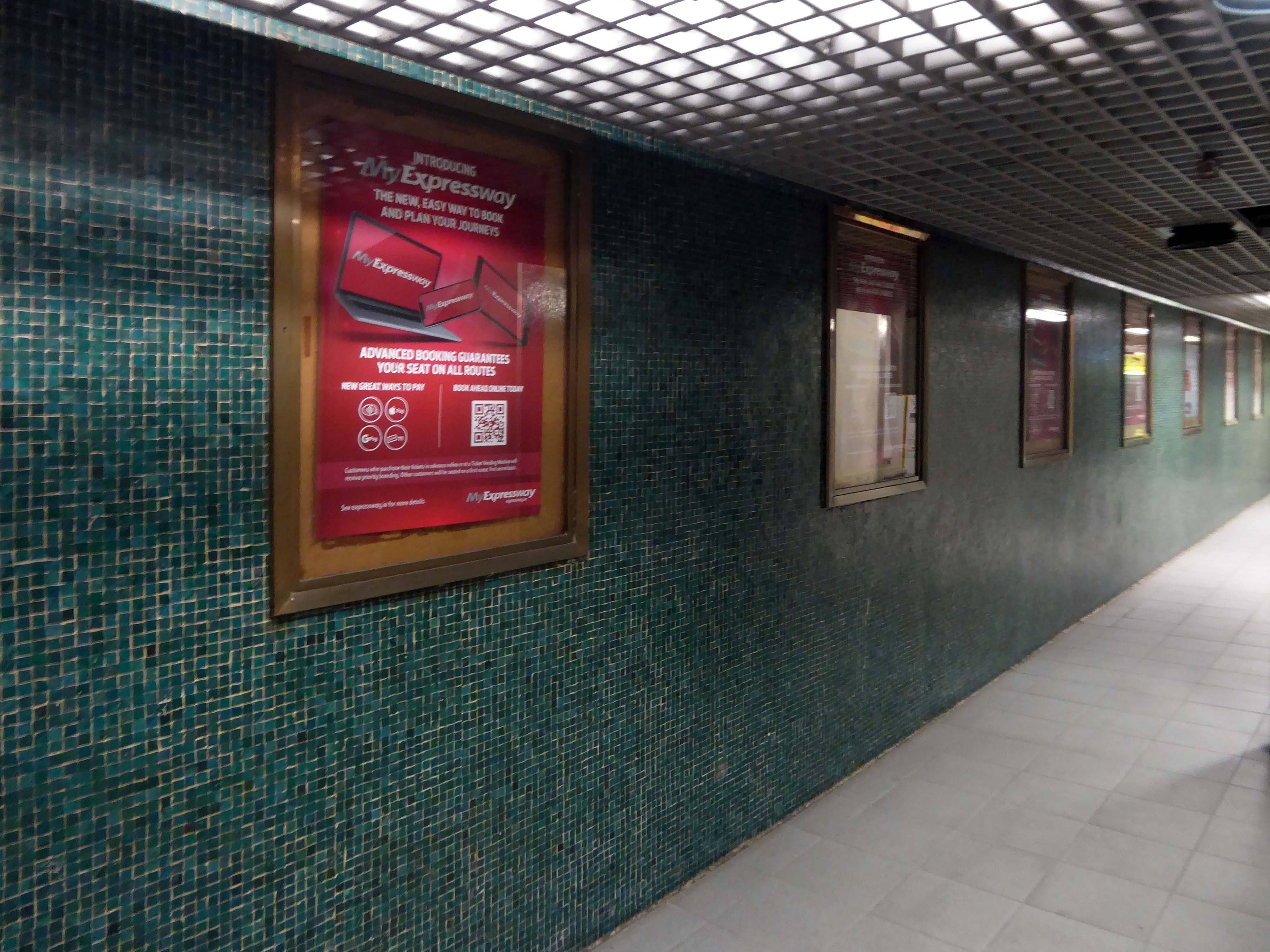
The building has an L-shaped plan with two rectilinear blocks of differing heights sitting at right angles, with a circular hall at the ground floor designed in an International Modern style, influenced strongly by Le Corbusier. The British engineer Ove Arup was commissioned to oversee some of the elements of the design, such as the wavy concrete canopy which overhangs the concourse. It was designed to be a multi-functional building, with a restaurant, nightclub, cinema and other services all housed within it. The building incorporated a number of materials to create texture, such as brass, Danish bronze, copper, Portland stone cladding, Irish oak flooring, terrazzo stairways, and mosaics designed by Patrick Scott.
It was one of the first modern buildings in Dublin that attempted to integrate art and architecture, utilising elements like glass facades and a pavilionised top storey with a reinforced concrete flat roof, the building won the Royal Institute of the Architects of Ireland Triennial Gold medal in 1955. It was heralded as Europe’s first postwar office building by American and British journals.
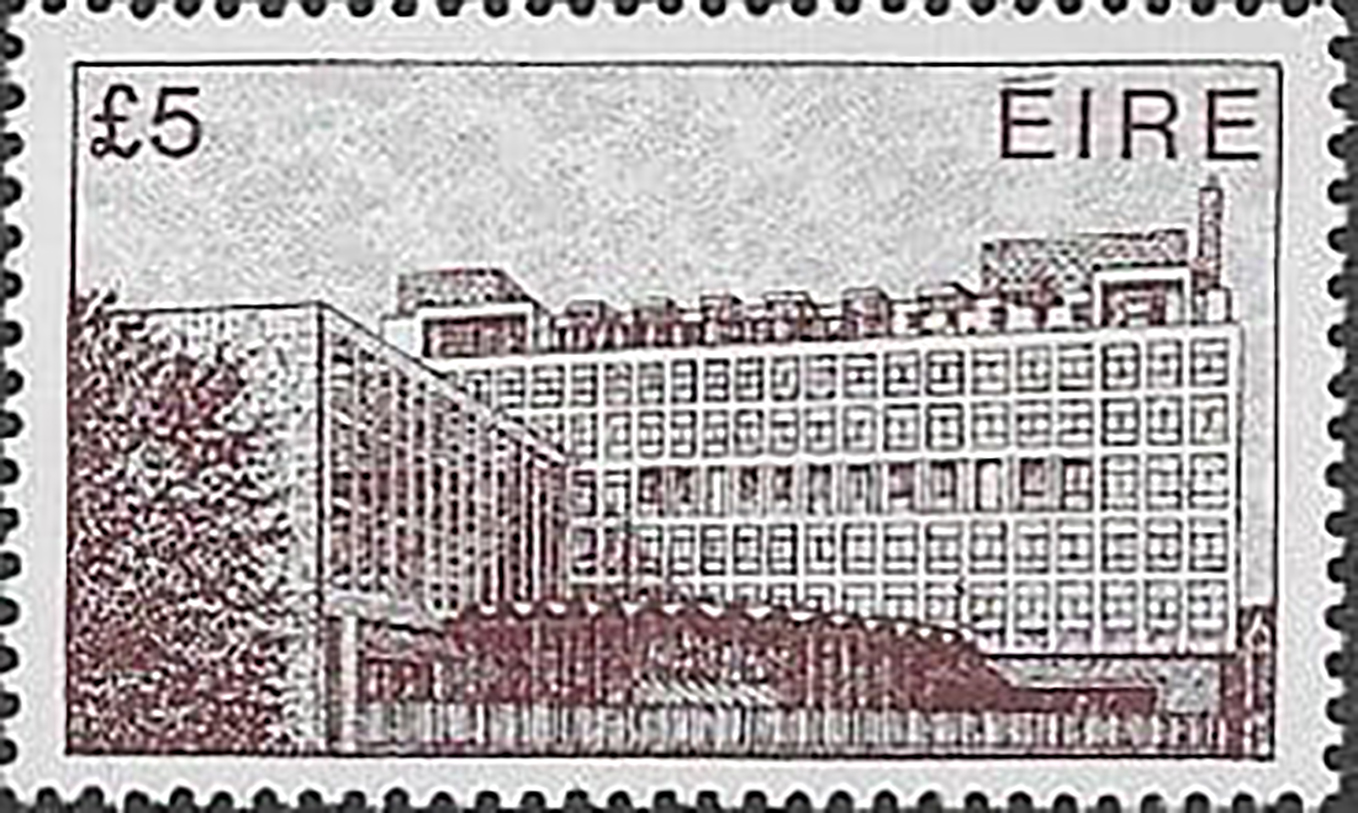
The Eblana Theatre, originally intended as a newsreel venue, in the basement of the building was used as a theatre venue from 1959 to 1995. The building was featured on the highest value stamp issued in the Architecture definitive postage stamp set issued in 1982 by the P&T – the forerunner of An Post.
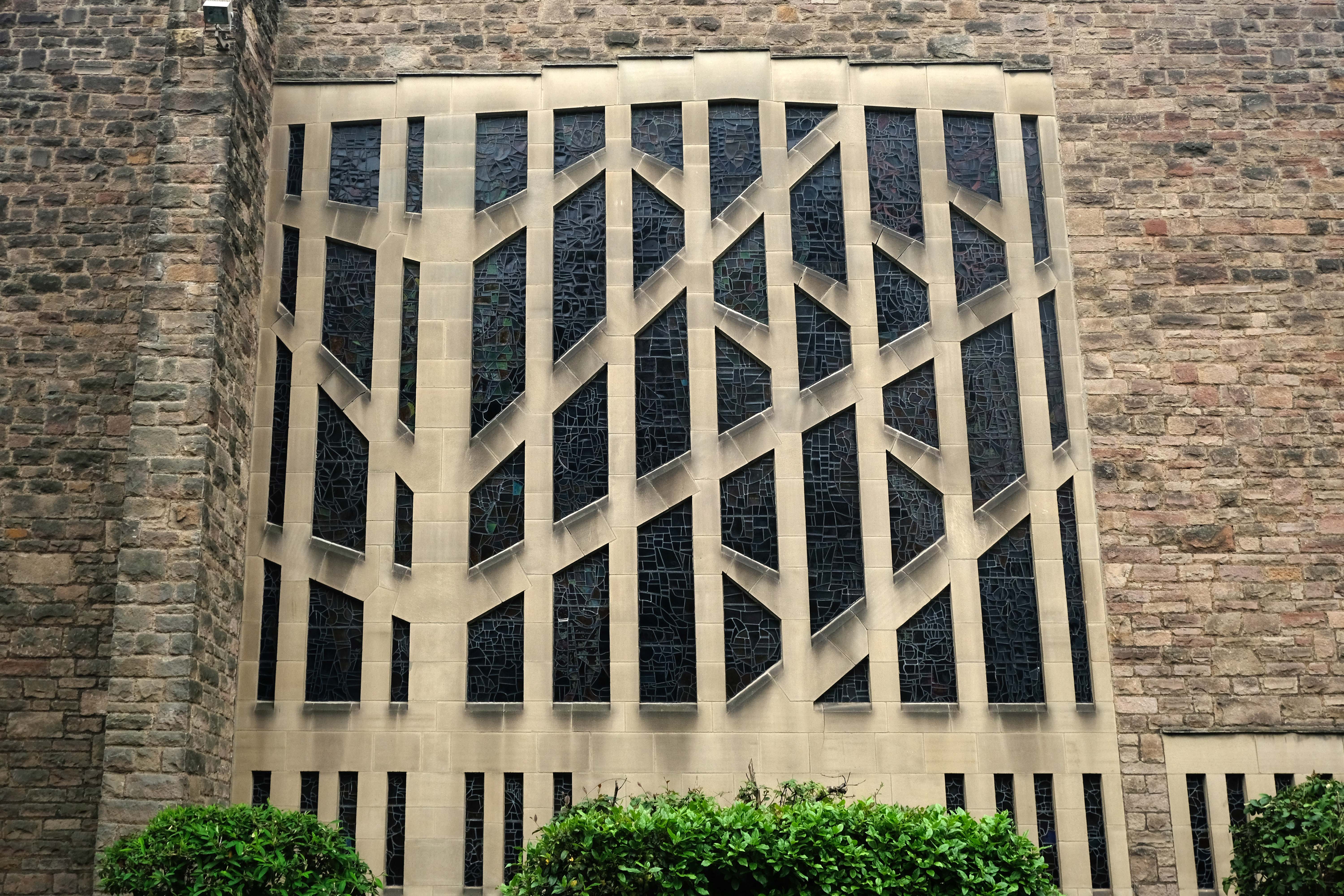
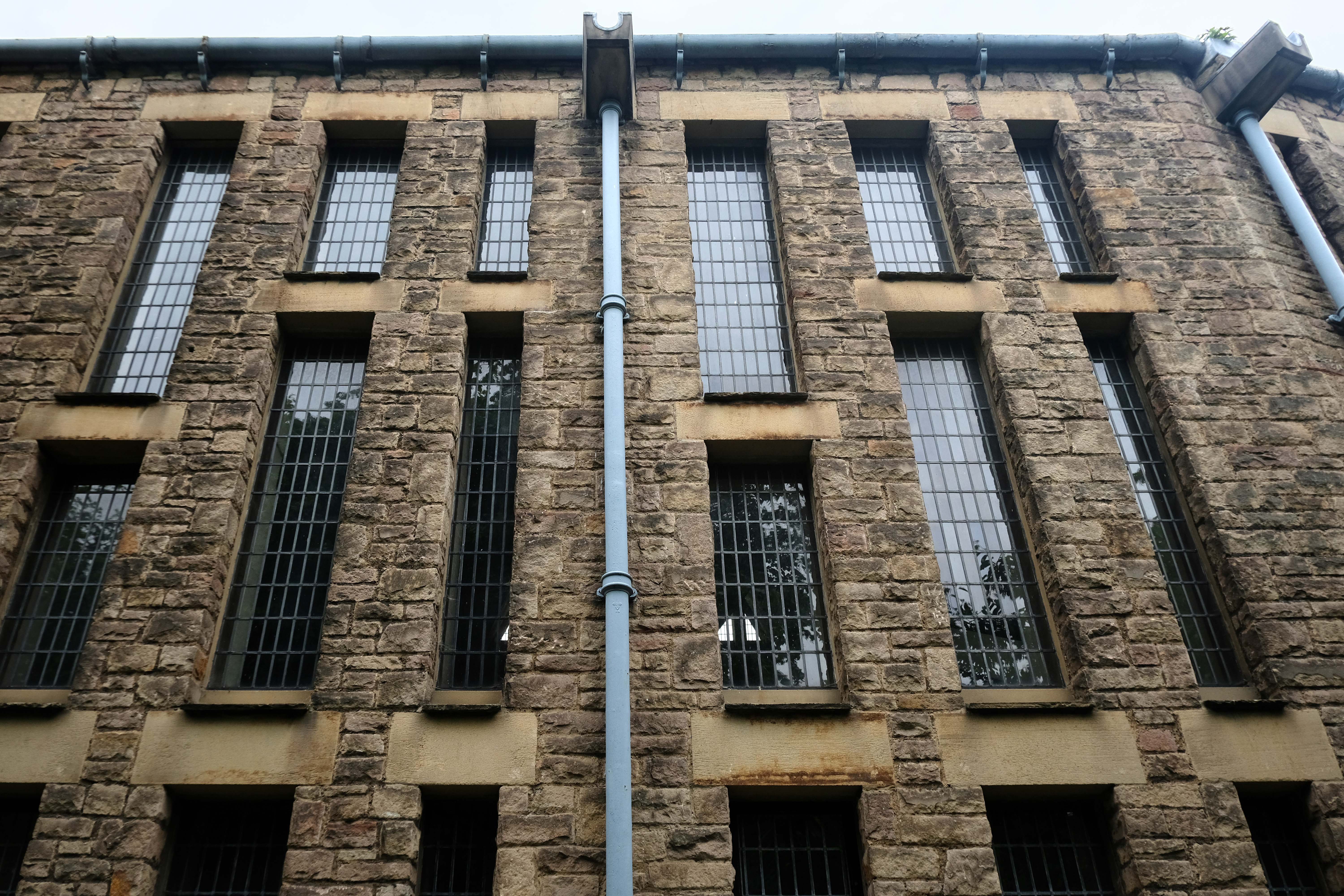
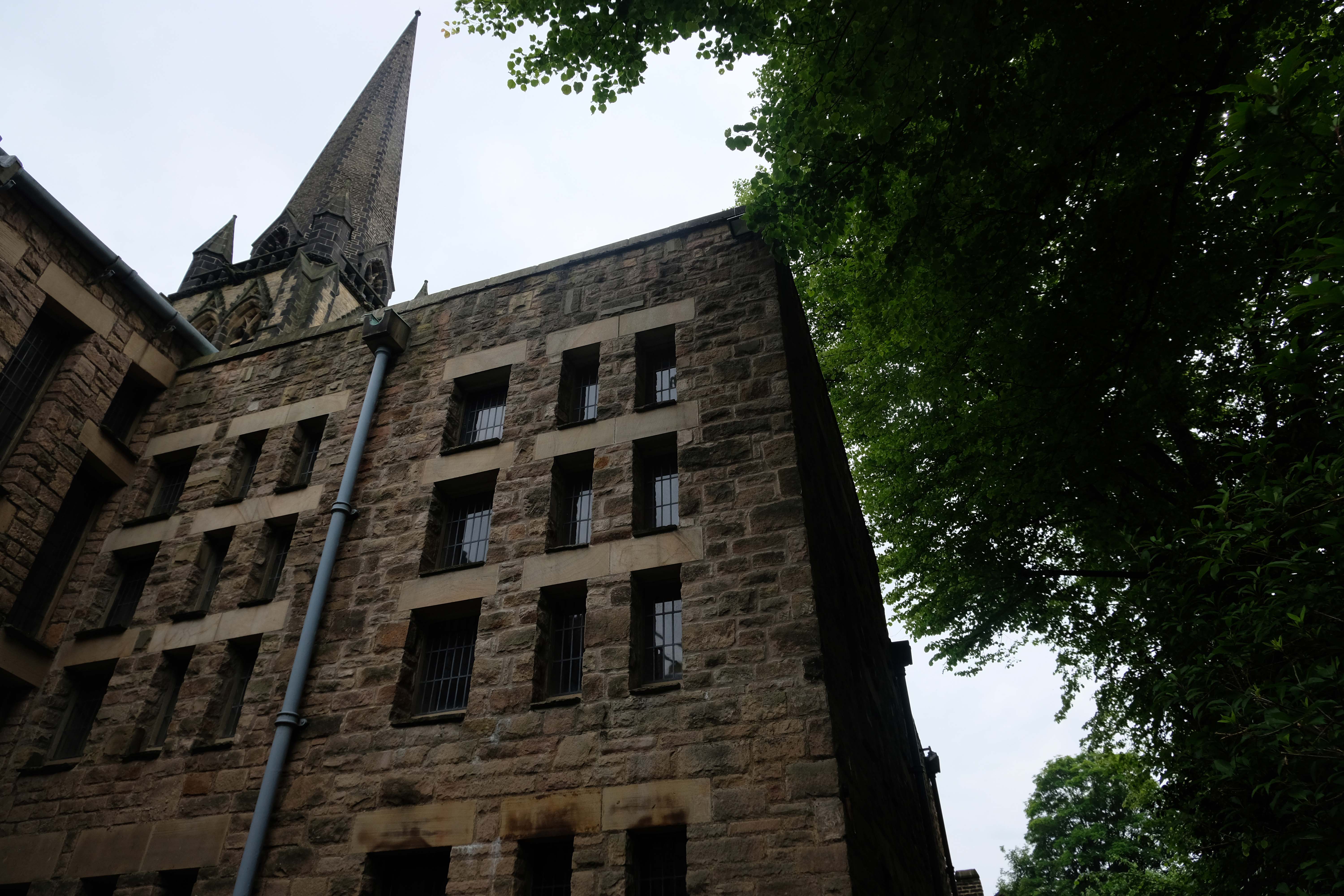
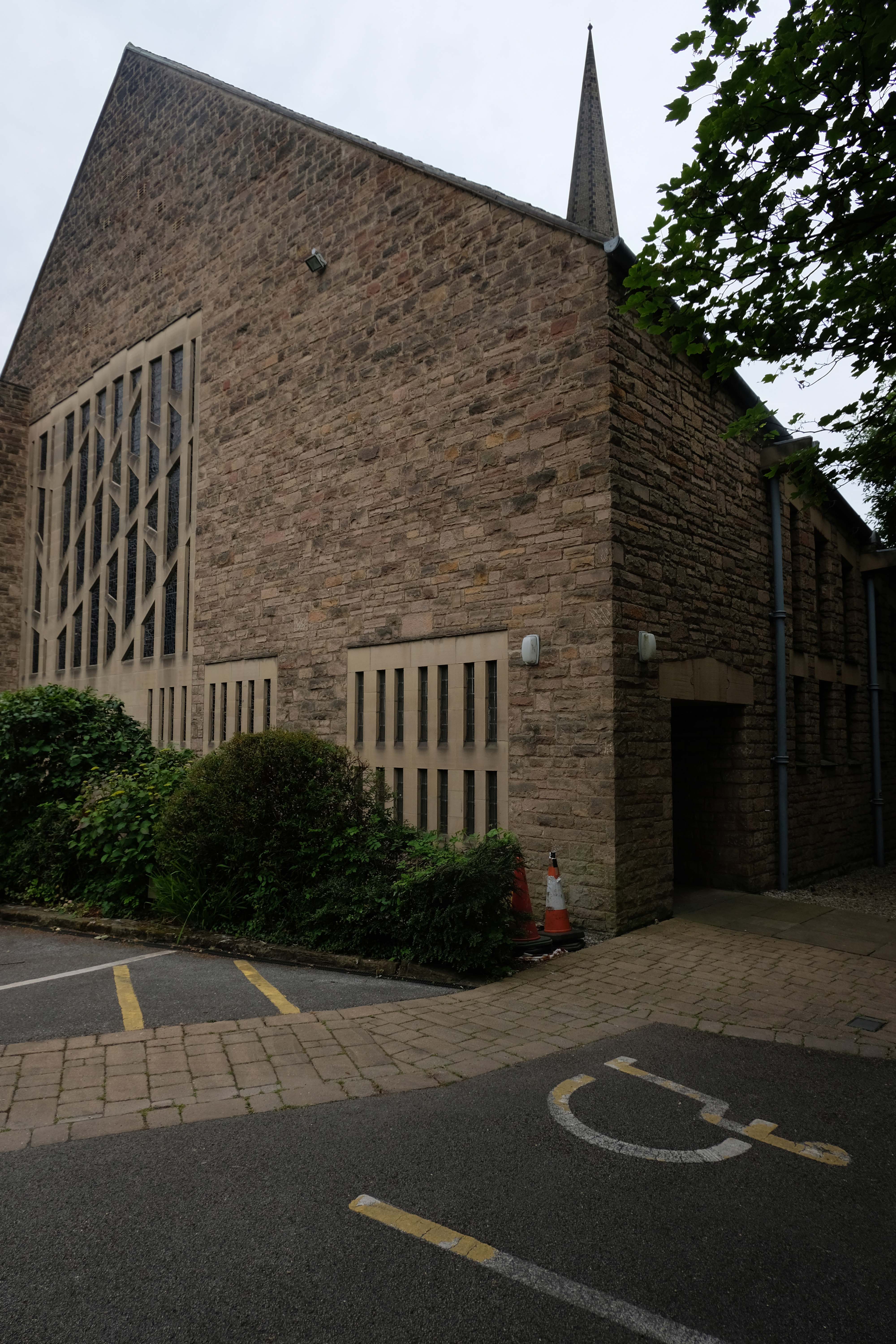
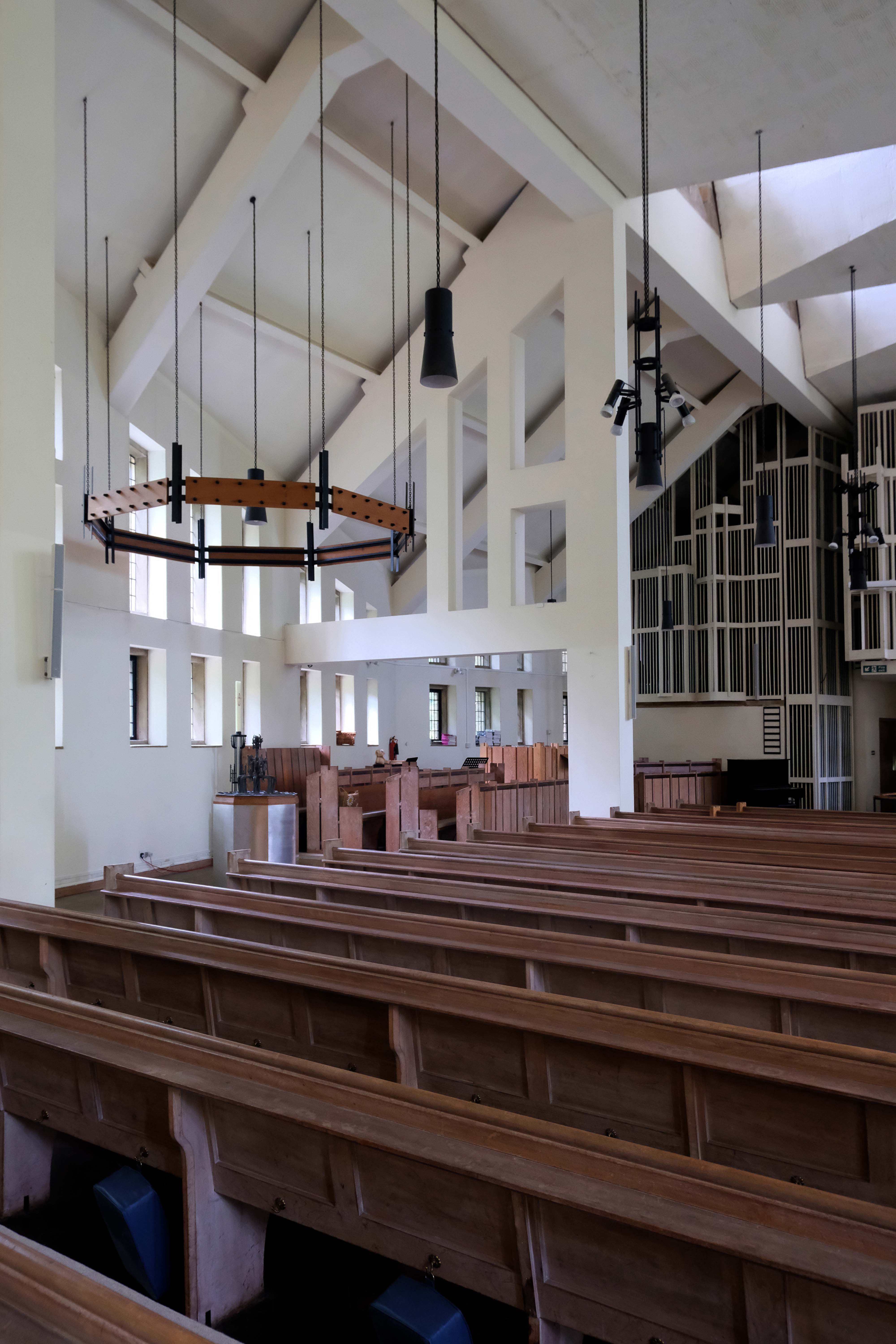
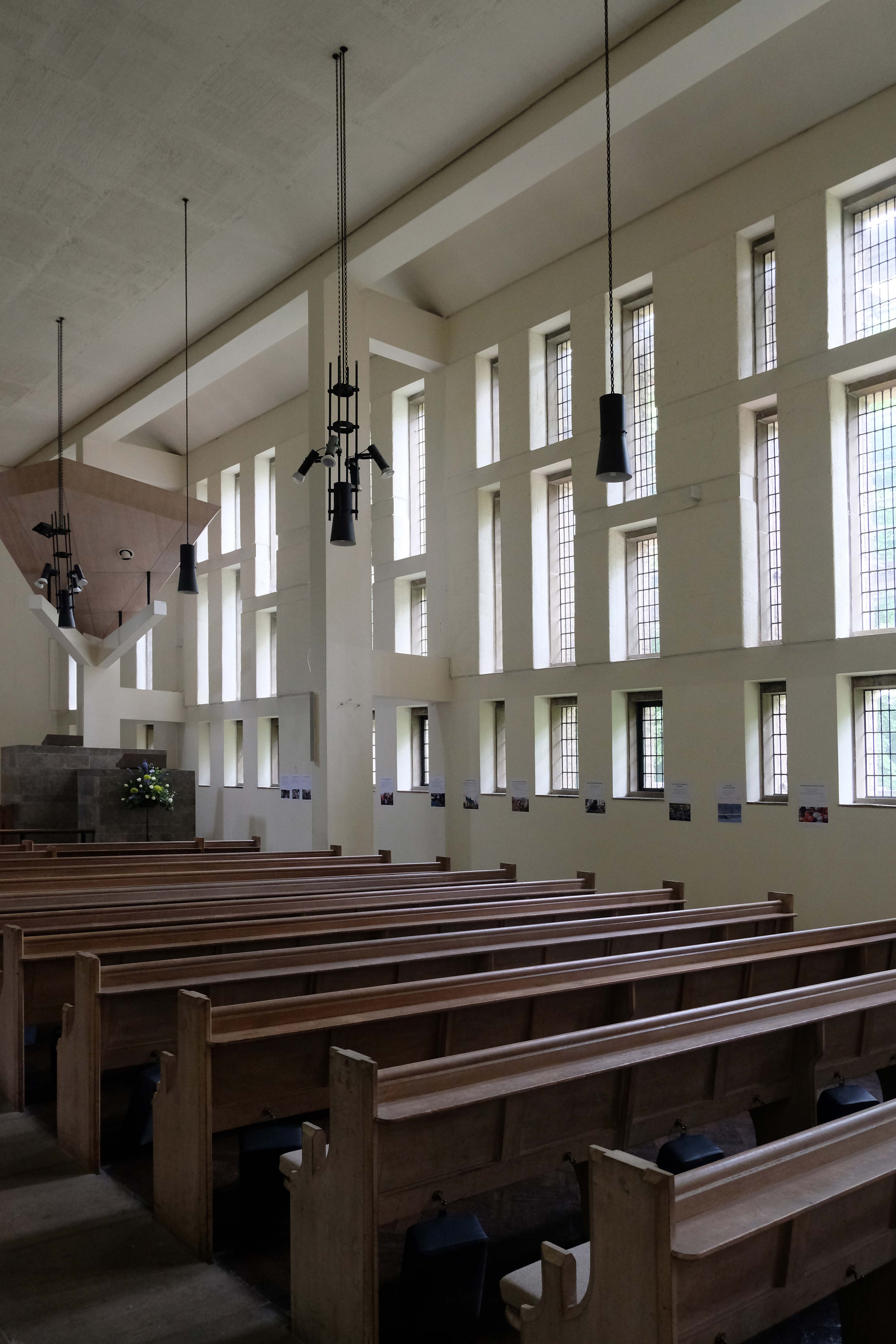
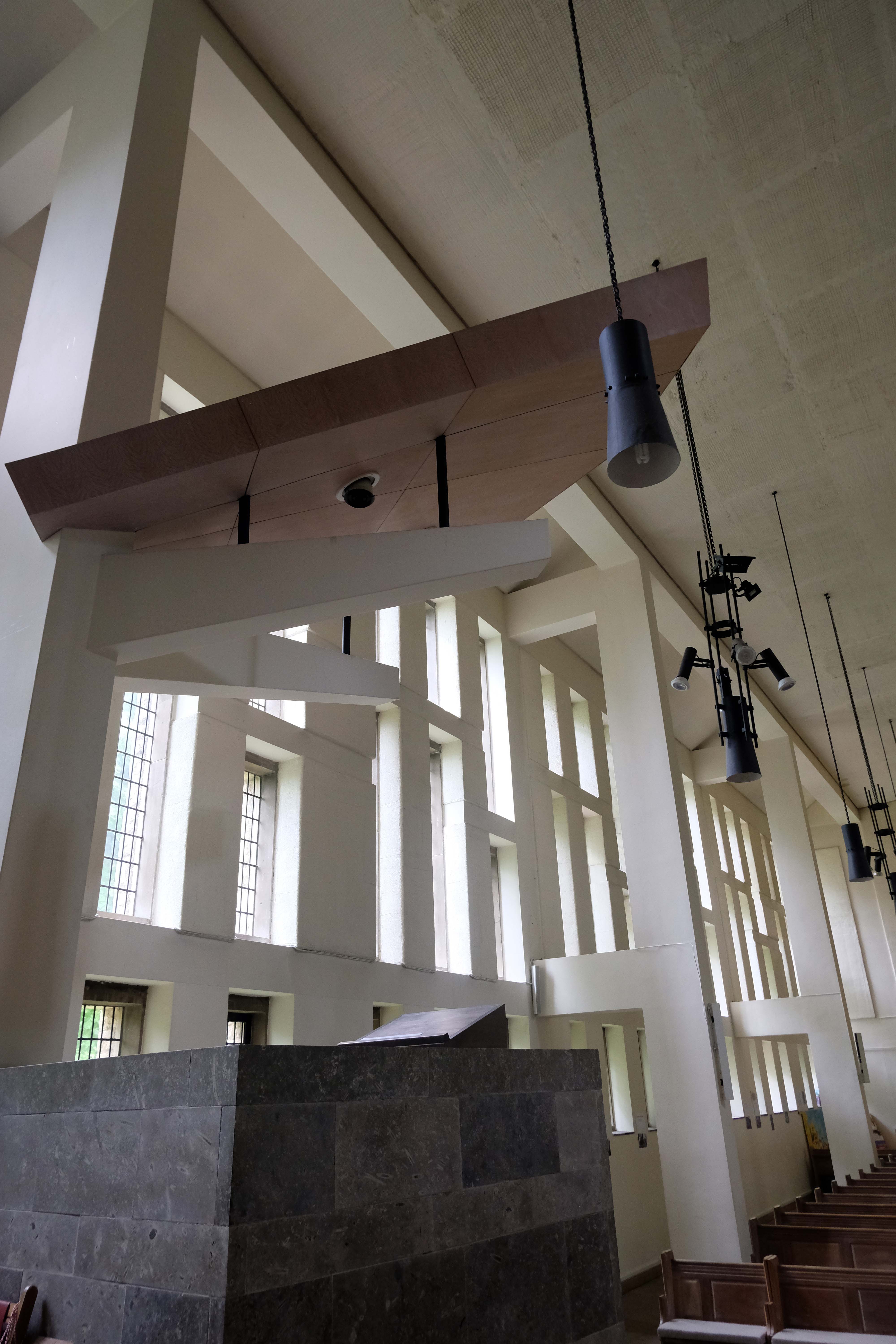
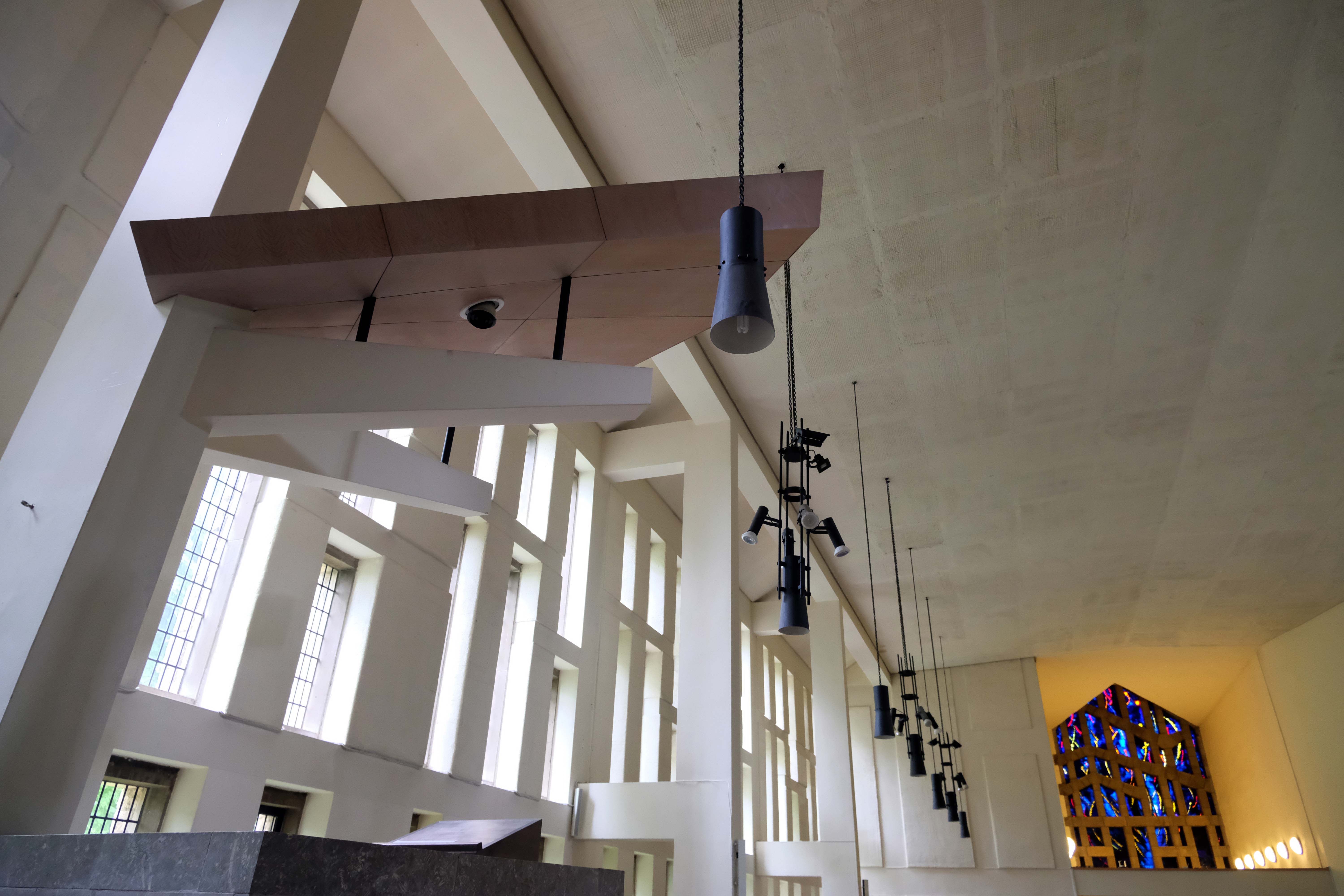
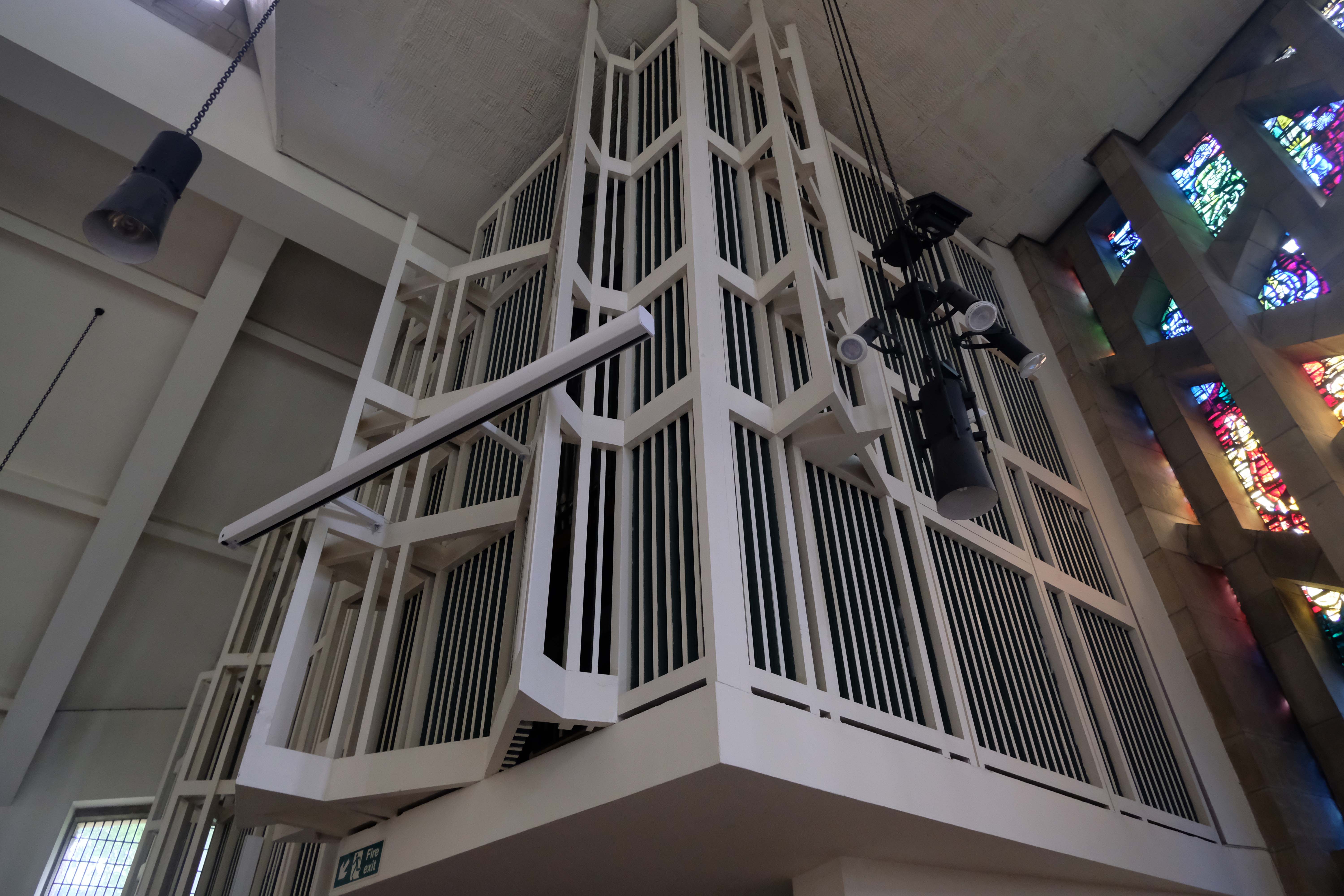
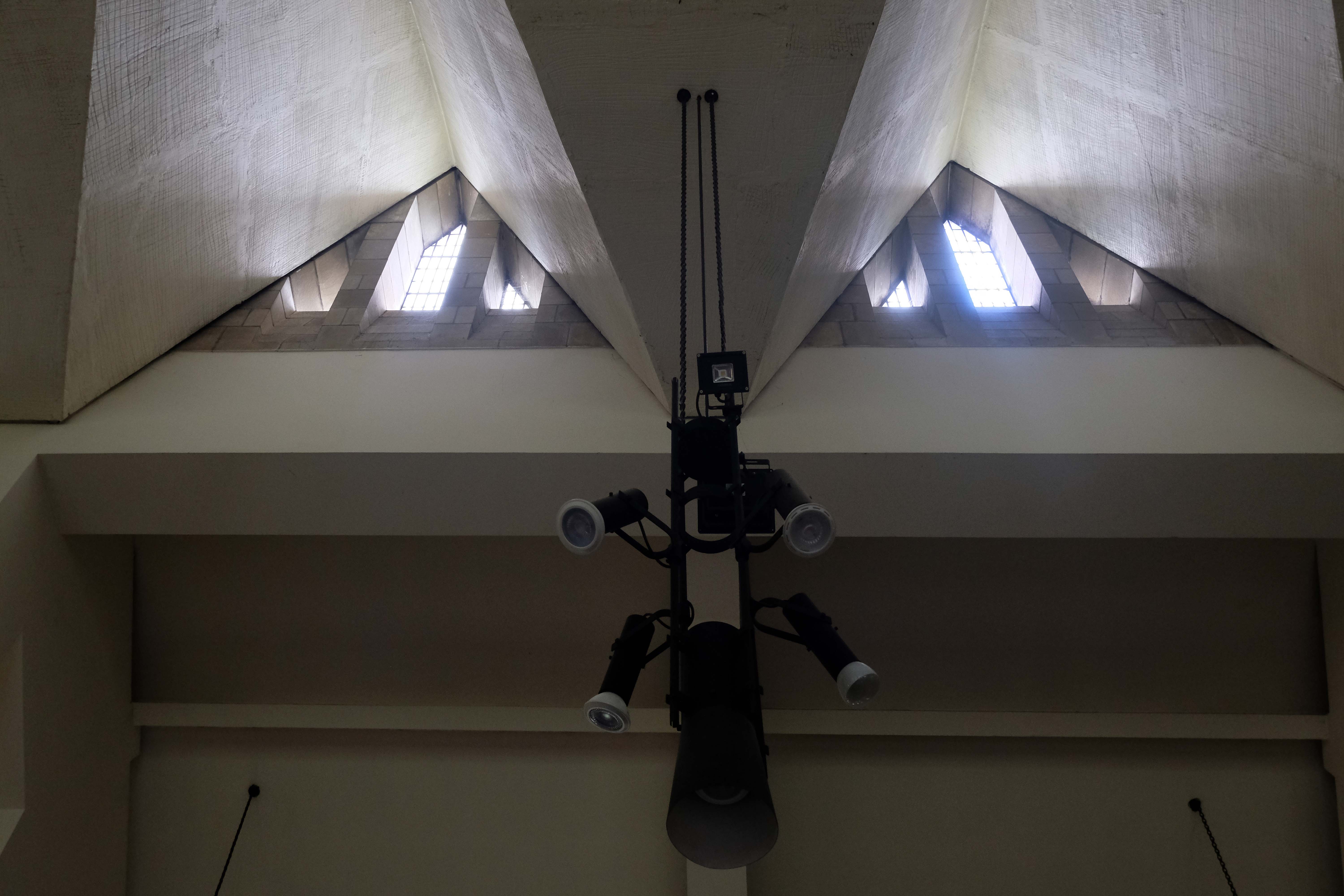
There is something within the work of George Pace which speaks directly to my eyes and heart – and feet. His Modernism is tempered by the Mediaeval – along with Arts and Crafts references and a nod to Le Corbusier’s Notre Dame du Haut, Ronchamp
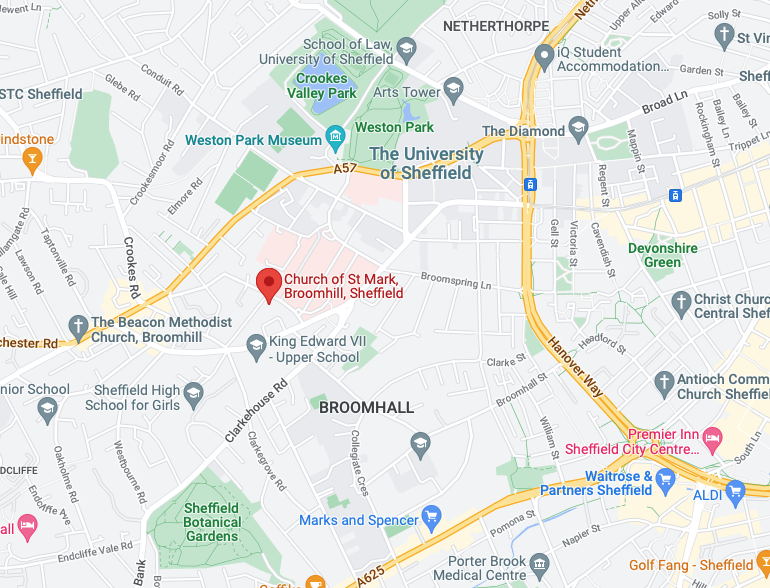
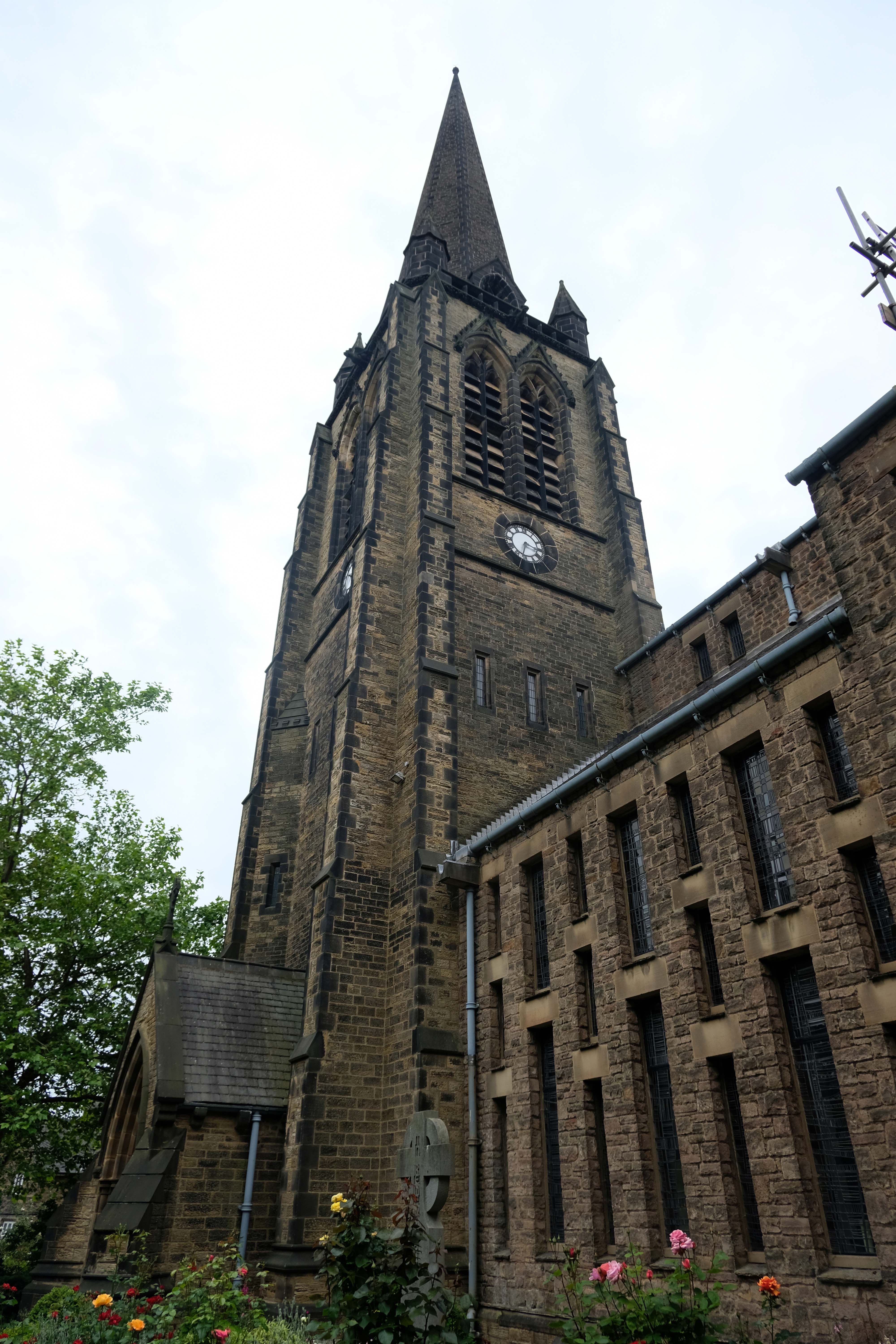
Here in Sheffield is a church built in 1868 – 1871 to a standard neo-Gothic design by William Henry Crossland. Bombed in the Blitz restored, redesigned and built by Pace 1958 – 1963, accommodating the original spire and porch.
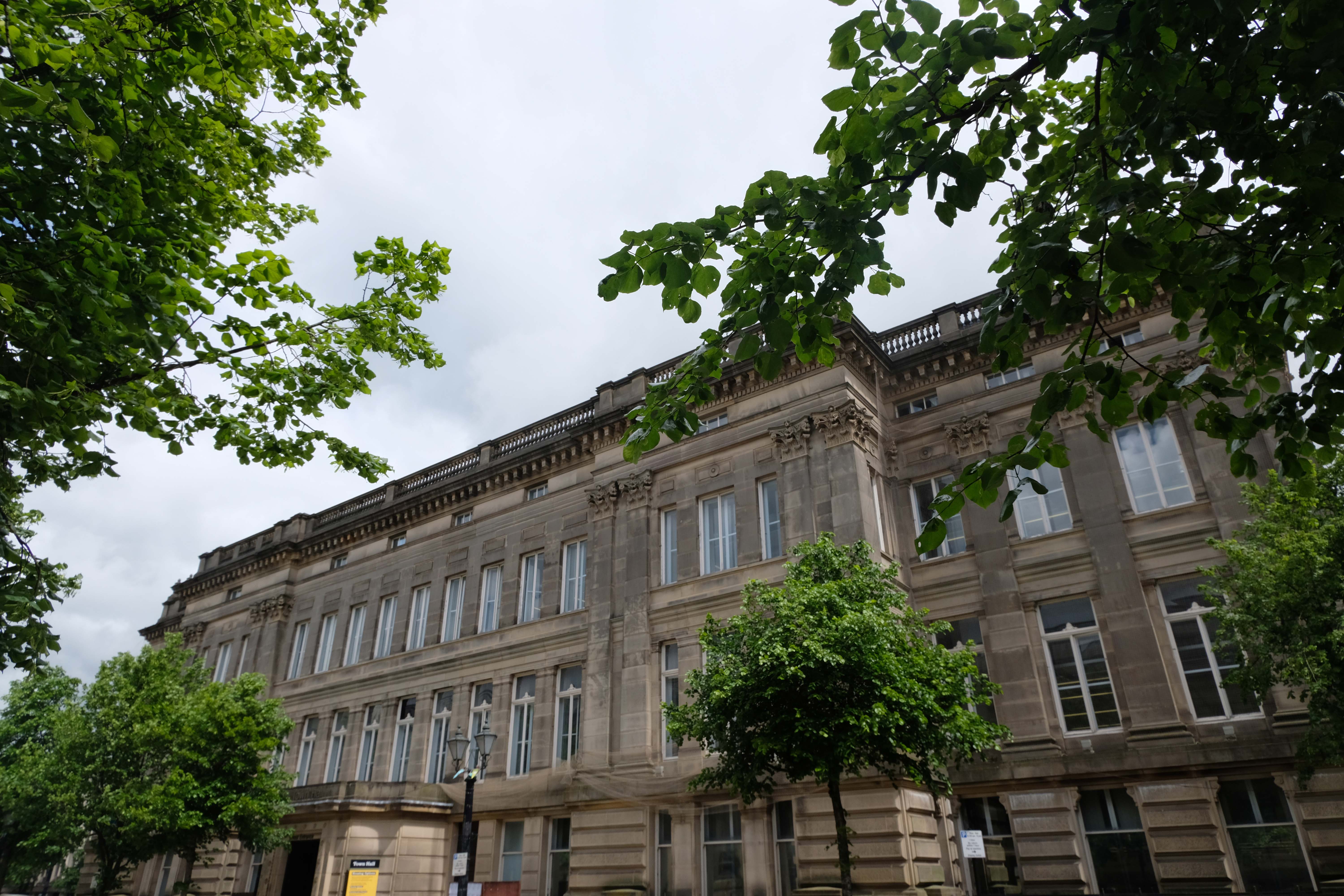
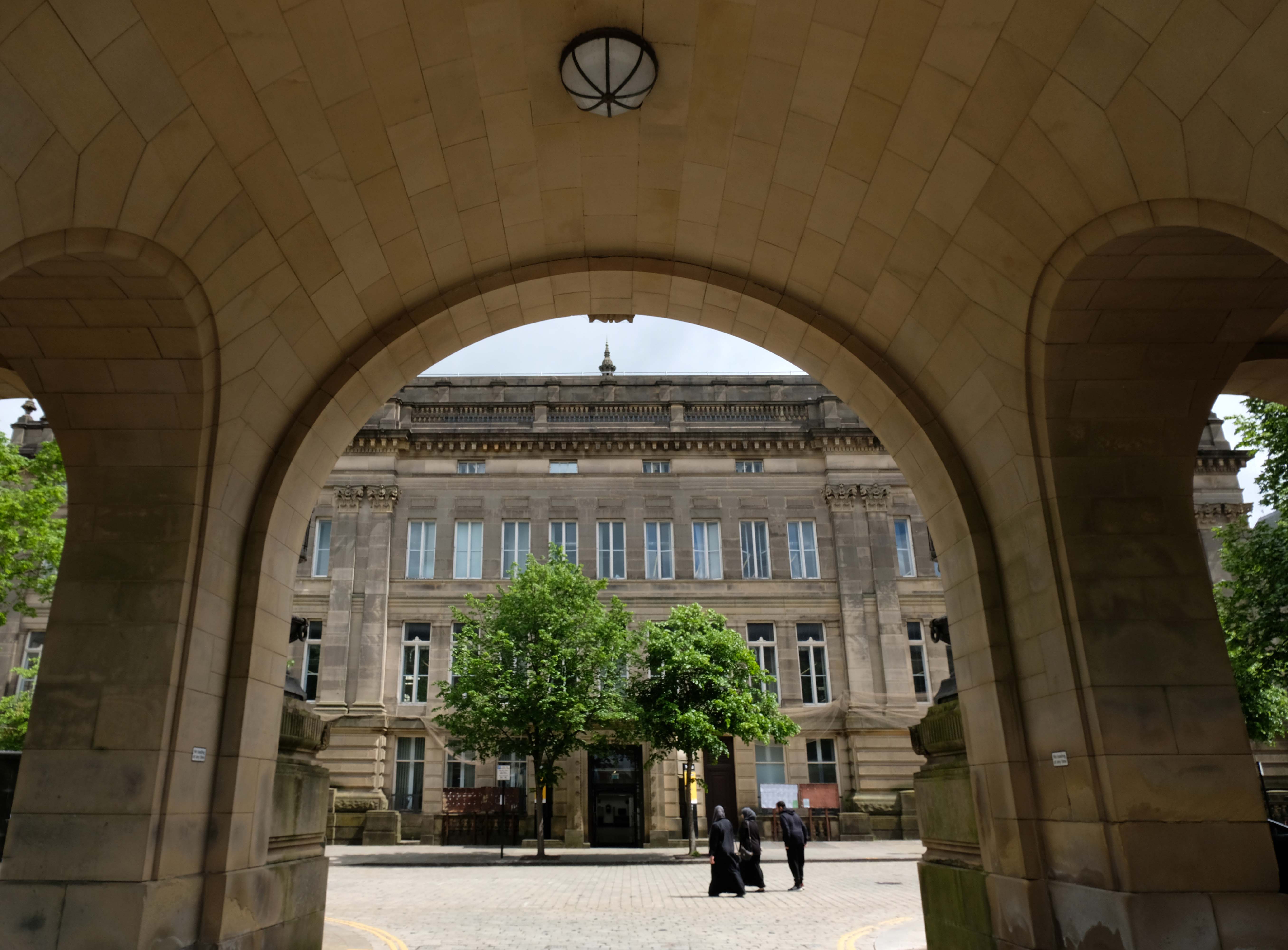
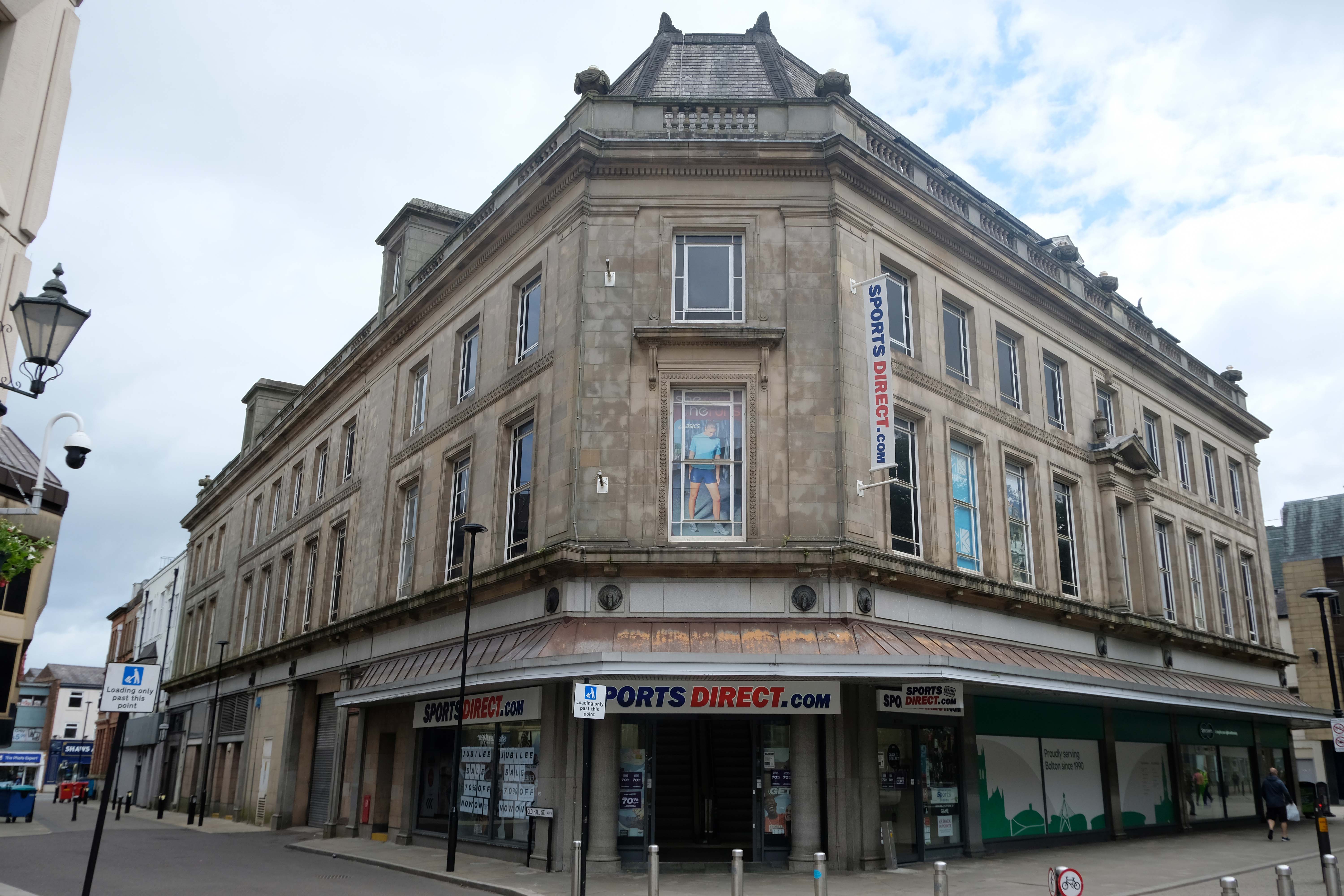
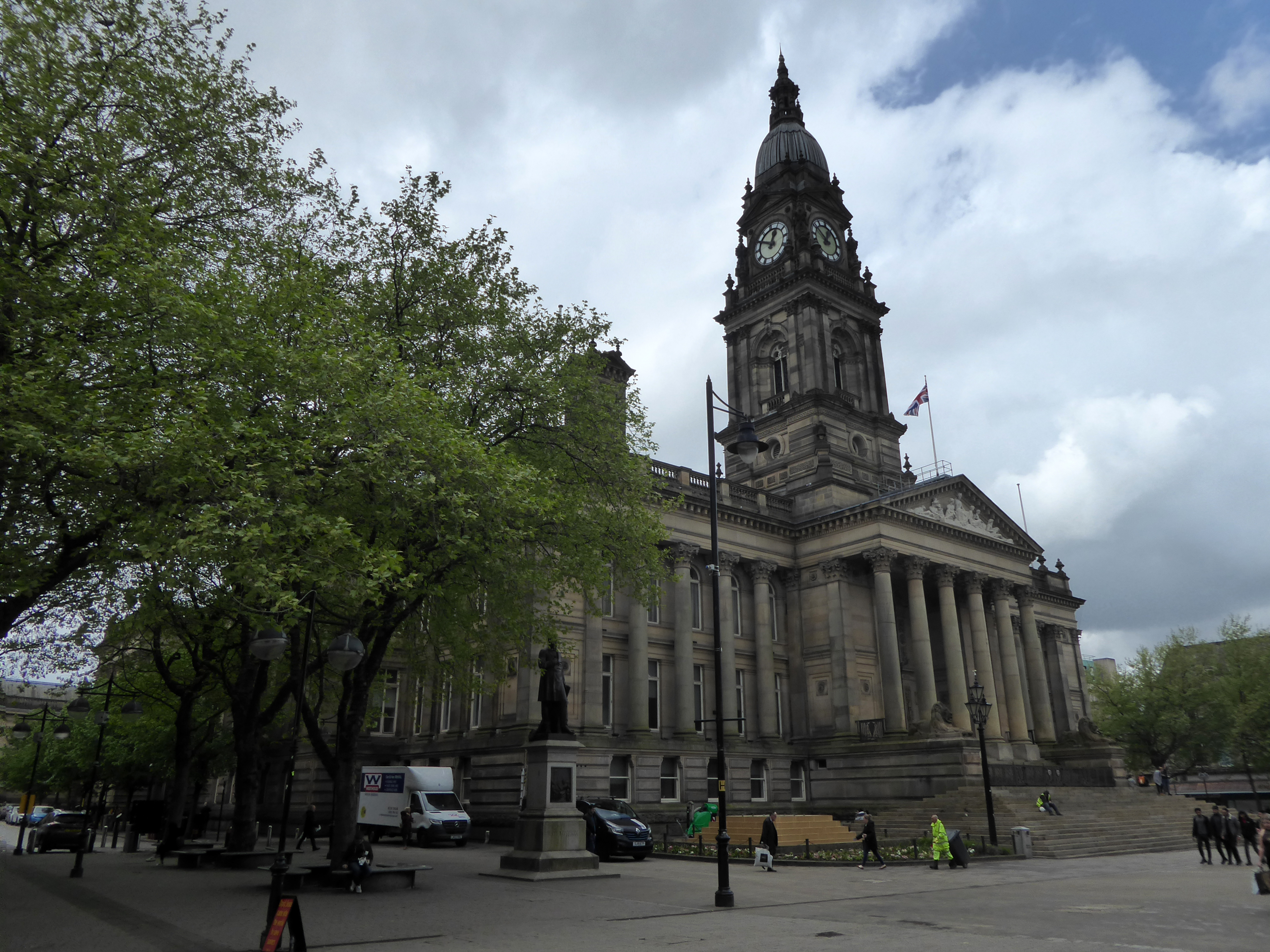
Bolton Town Hall – 1873 was designed by William Hill of Leeds, with Bolton architect George Woodhouse.
The original building was extended in 1938 by Bradshaw Gass & Hope – hereafter BGH.
Le Mans Crescent by BGH 1932-9 well complements the Town Hall extension. Its neo-classical design is assured and confident. Pevsner remarked that:
There is, surprisingly enough, no tiredness, the panache is kept up.
Three arches pierce the Crescent’s centre but today they lead only to a potential development site. One end of the Crescent contains the Art Gallery and Library; the other used to house the former Police Headquarters and Magistrates’ Courts.
George Grenfell Baines, the founder of the Building Design Partnership, was involved in this project when he worked for BGH in the 1930s
The Octagon 1966-67 originally by Geoffrey Brooks, the borough architect, rebuilt 2018-2021. The hexagonal auditorium has apparently been retained. Pevsner states of the former building:
A welcome dose of honest Brutalism.
The Wellsprings successfully fitting with the Town Hall
The former 1931 Cooperative Society Store, on the Oxford Street corner, is by BGH. The entrance has Doric columns in deference to the Town Hall’s Corinthian ones – and Le Mans Crescent uses the Ionic for the same reason.
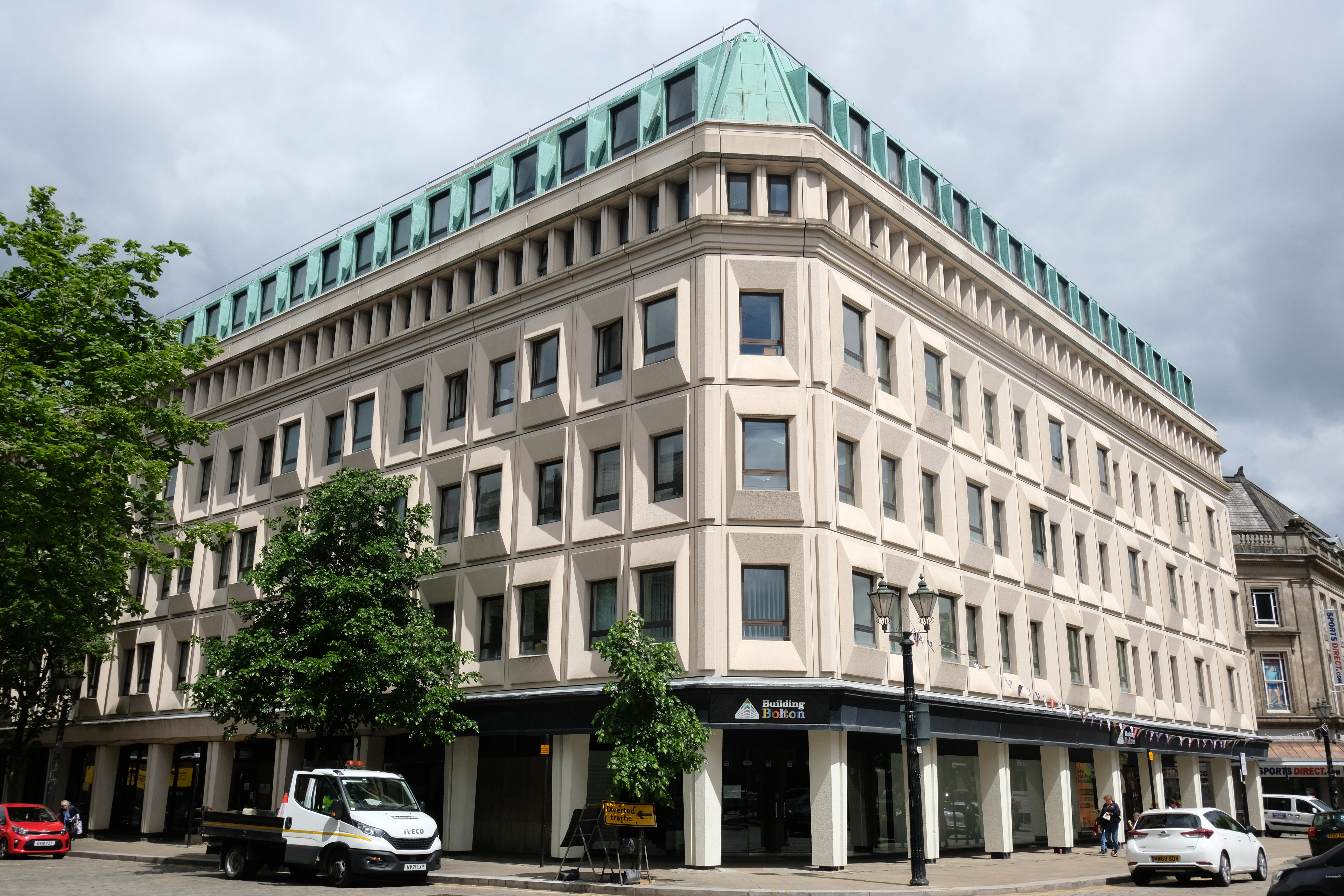
We pass Paderborn House 1968 -69 Sutton of Birmingham clad in moulded concrete, with Traverine around the entrance.
Former Lloyds Bank on Deangate corner, clad in white faience, looks BGH-ish but it’s not listed in the Lingards’ BGH monograph.
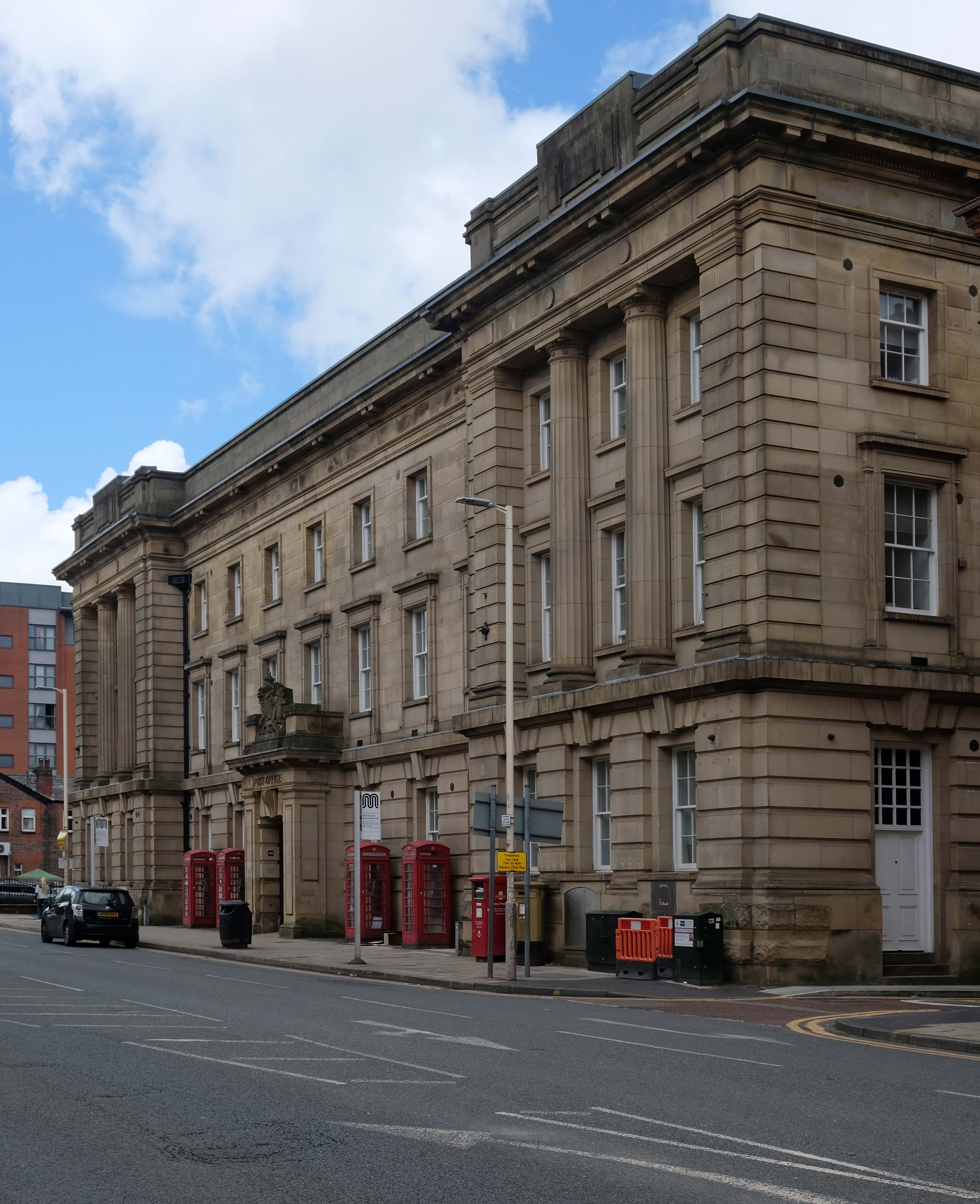
Across the way the unlisted Post Office – complete with listed phone boxes.
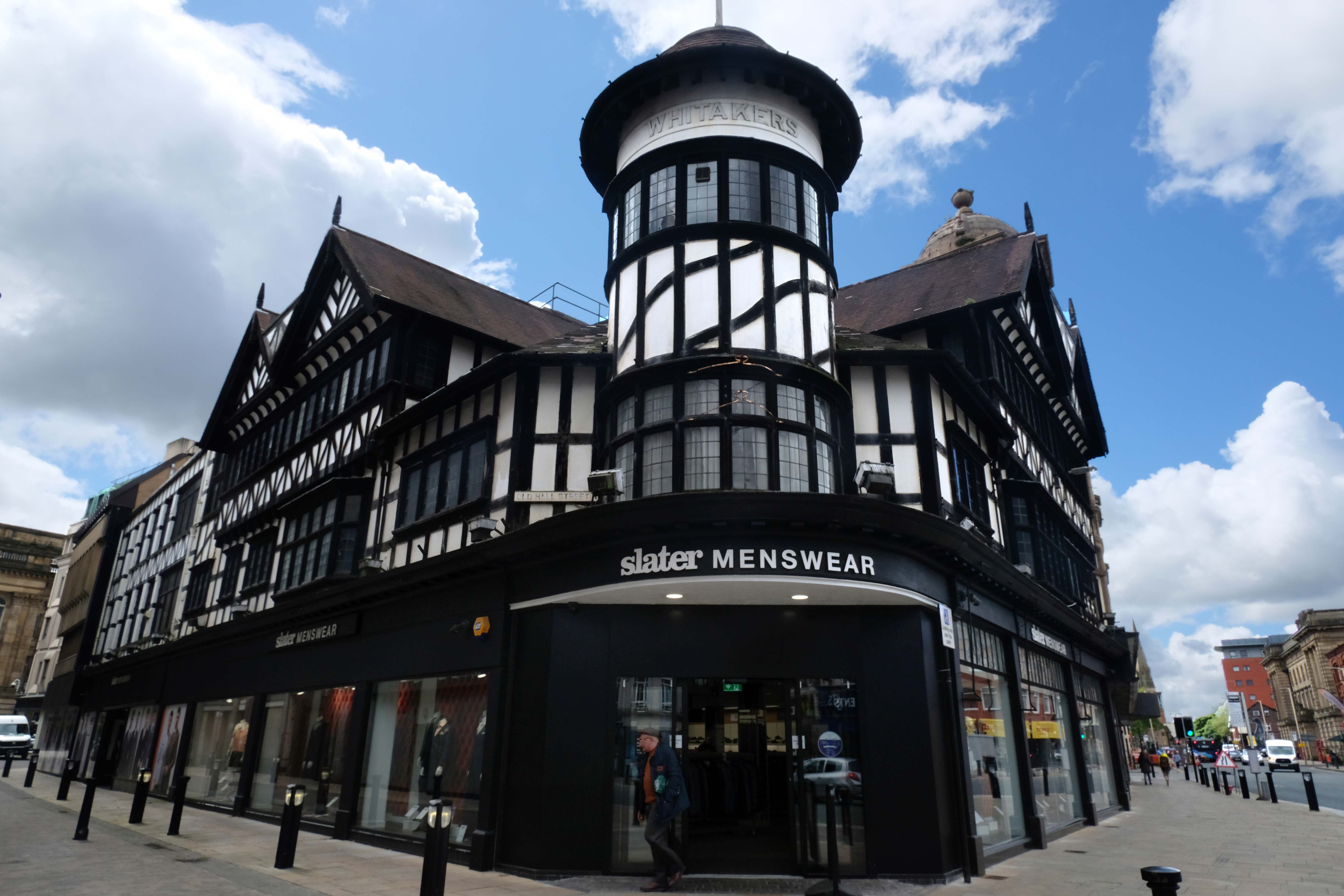
Whitakers 1907 by George Crowther.
Pastiche timber-framed with pepper-pot turret.
Incorporates genuine Tudor timbers from a demolished building nearby.
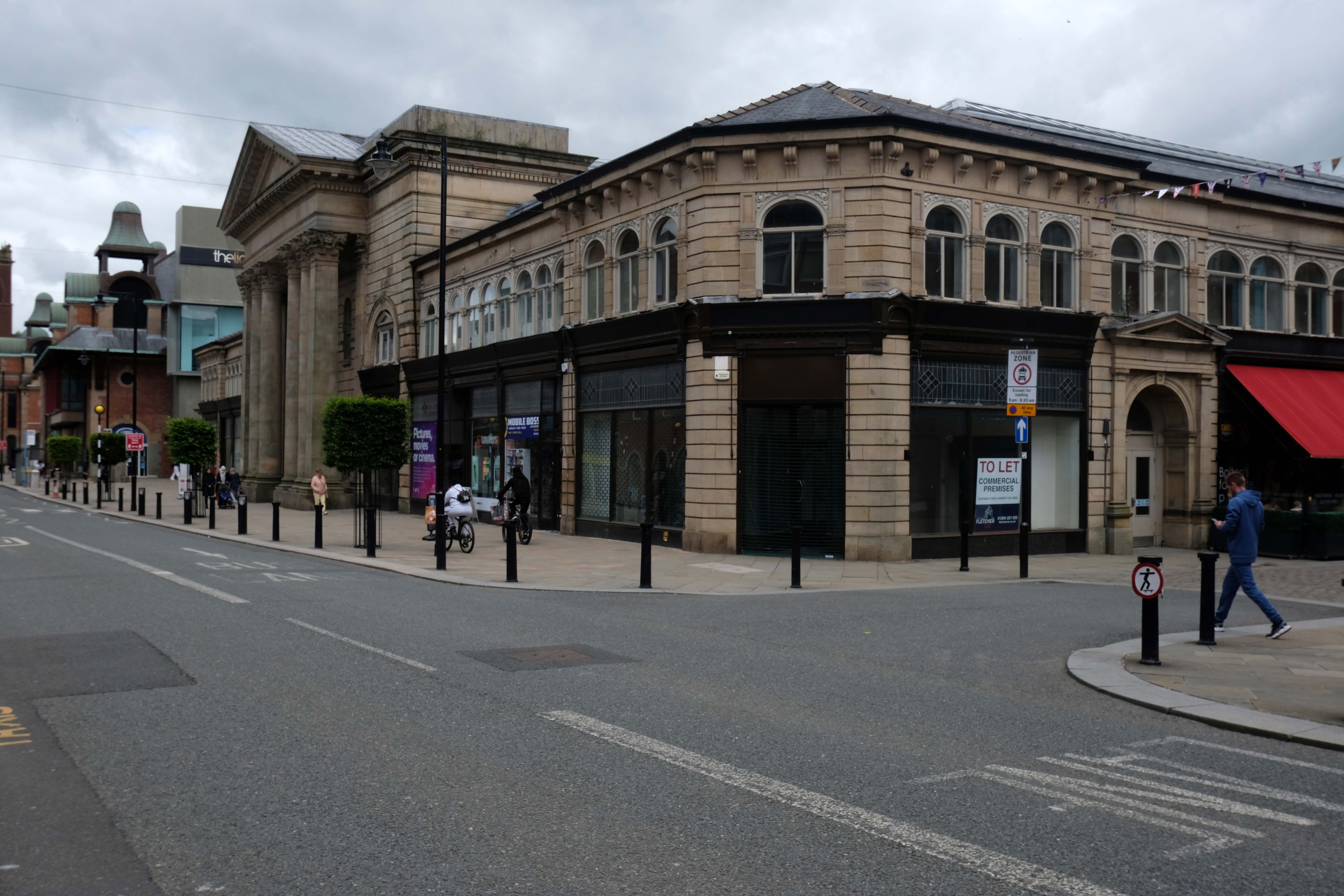
To the north of Deansgate, down Knowsley and Market Streets, is GT Robinson’s 1851-6 Market Hall. The interior is, according to Matthew Hyde: a lucid structure simply revealed.
He contrasts it with Market Place Centre 1980-88 by Chapman Taylor Partners: In that most ephemeral of styles, a jokey Postmodernism.
It does however echo Victoria Hall 1898-1900 BGH.
Chapman Taylor also did the 1980-8 Market Place Shopping Centre. The Market Hall was built over an impressive brick undercroft above the River Croal which has recently been opened up and is a destination.
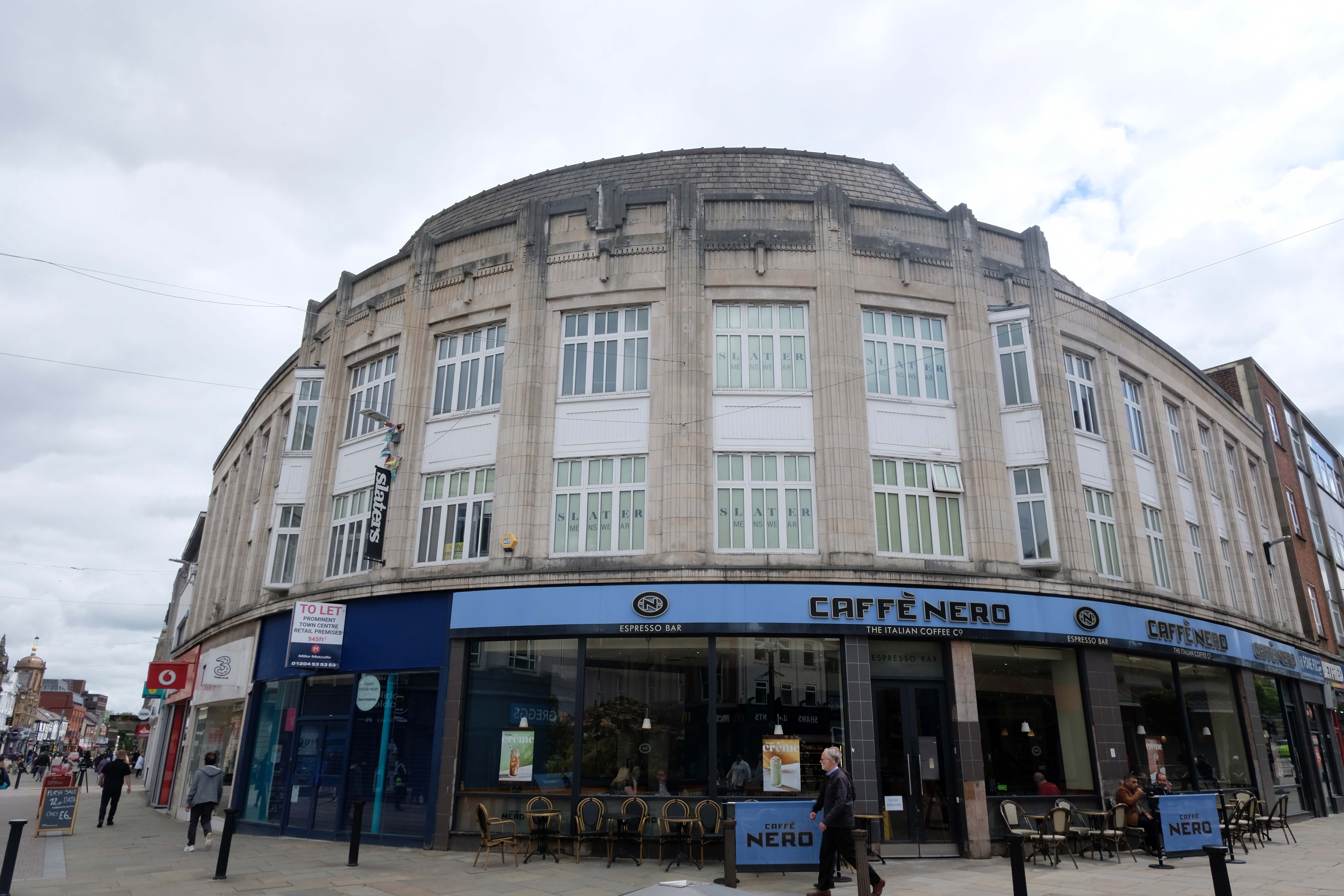
At the Oxford Street corner, Slater Menswear, above Caffé Nero, has Art Deco white faience upper storeys. Further down is the imposing Marks & Spencer, faced in dark stone 1965-67.
The mansard roof was added later.
Along Market Street, Clinton Cards is clad in white faience with Art Deco window details.
At the corner of Bridge Street is a charming 1960s clock; the building would not look out of place in Coventry.
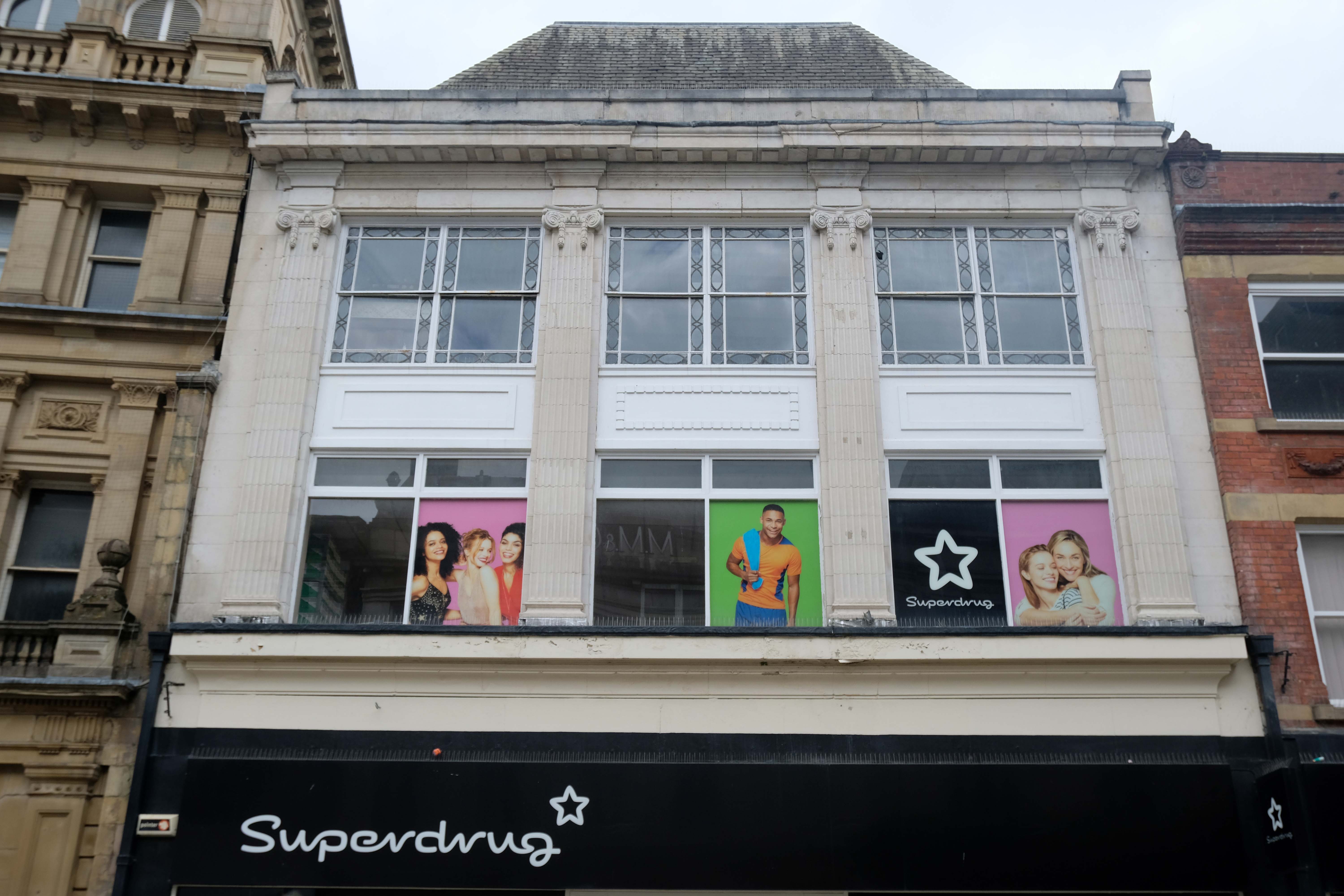
Other buildings of interest on Deansgate include Superdrug – with some Art Deco features; Greggs by Ernest Prestwich of Leigh who trained with WE Riley.
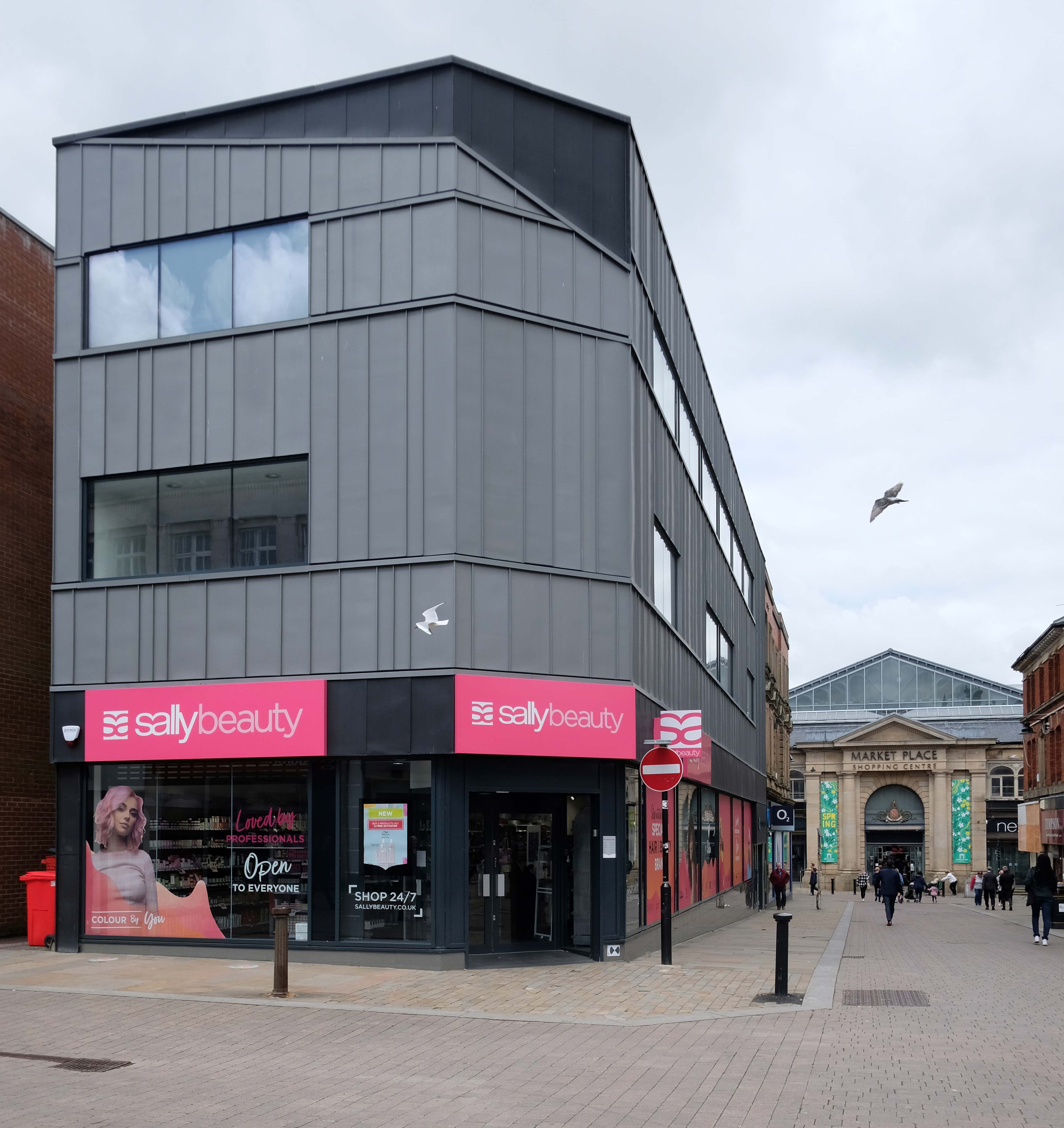
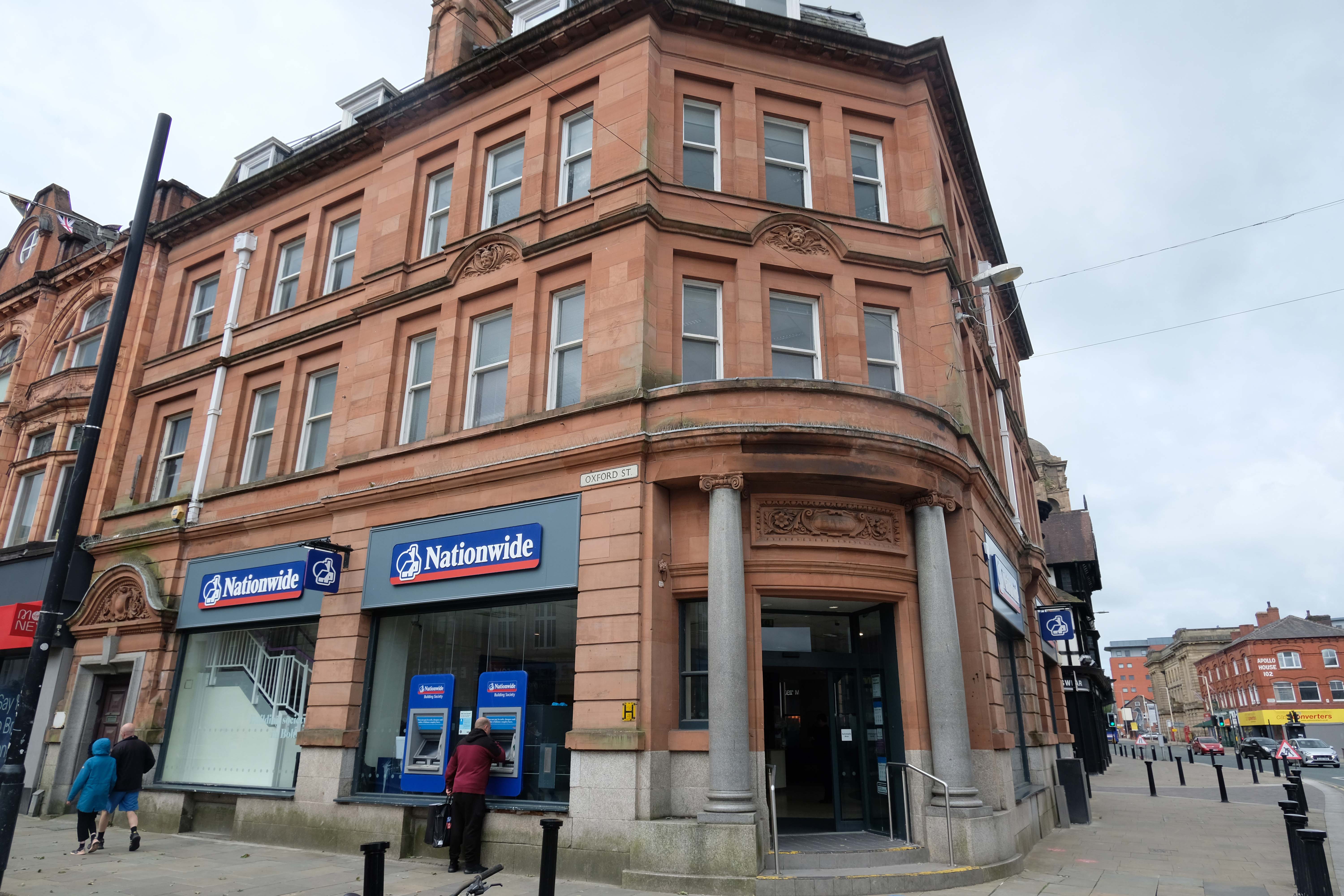
Sally Beauty and the Nationwide – entrance by William Owen of BGH.
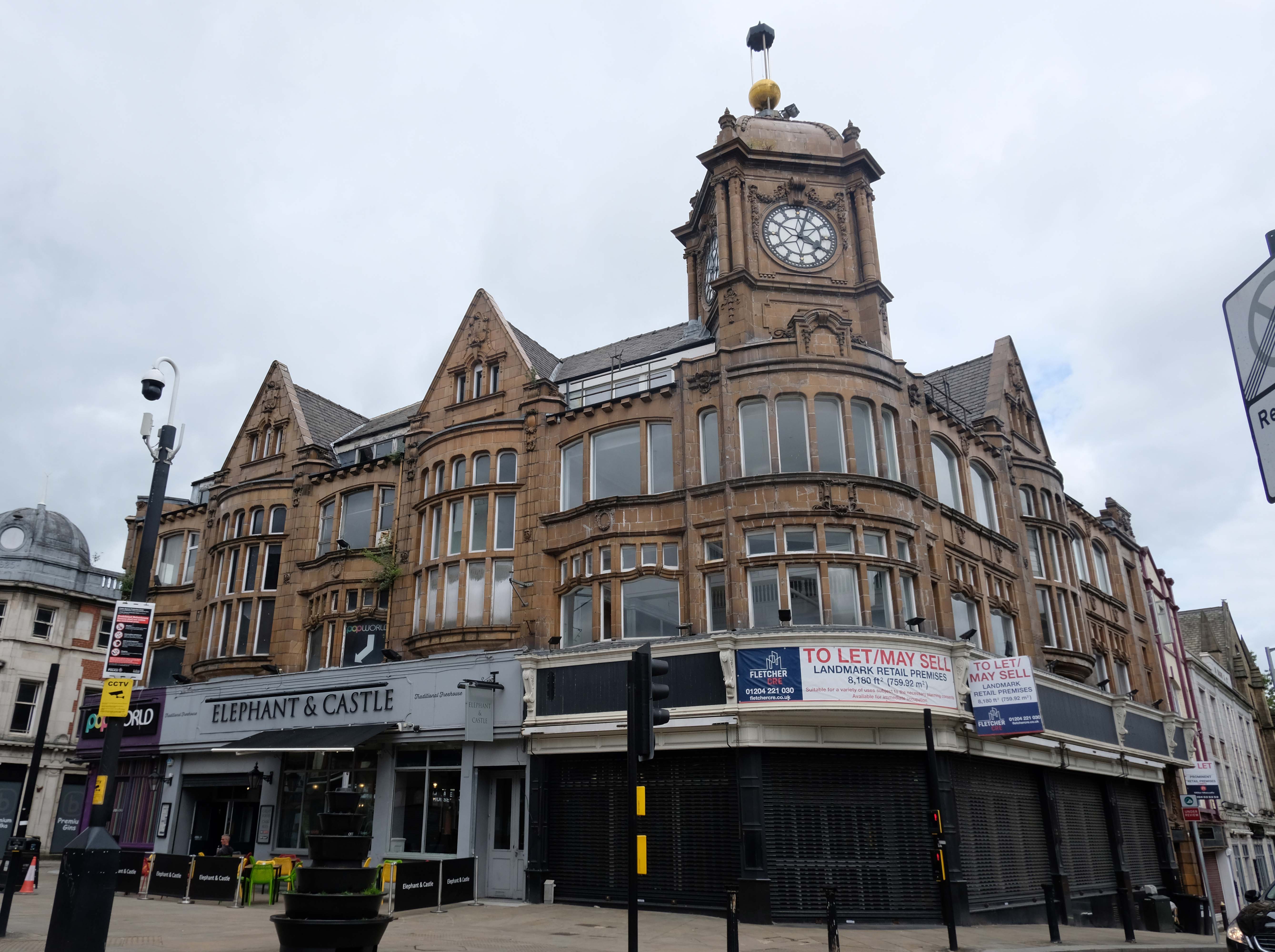
The former Preston’s jewellers, on the corner of Bank Street, has terracotta, by Thomas Smith & Sons 1908-13, a prolific local firm. It had a time ball, on the clock tower, which was raised daily at 9am and dropped at 10am, on receipt of a telegraph signal from Greenwich.
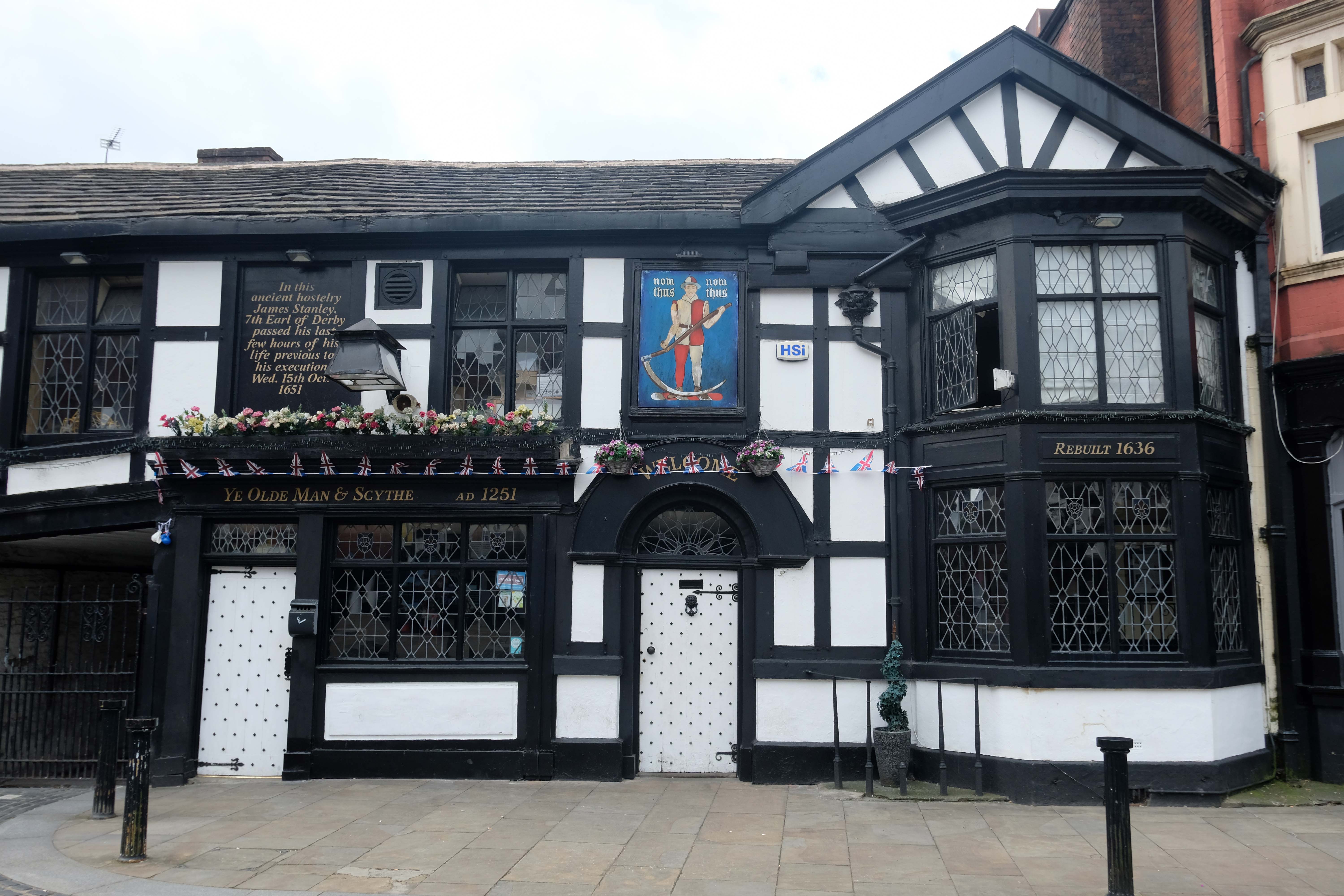
The 1909 Bolton Cross, in Dartmoor granite, by BGH replaced an earlier one which is now kept at Bolton School. Churchgate contains the 1636 Ye Olde Man & Scythe; the former coaching inn Swan Hotel, reconstructed in the 1970s to look more genuinely Georgian and Ye Olde Pastie Shoppe 1667.
Stone Cross House 1991 was built for the Inland Revenue in an aggressively red brick and spiky style. It has a rather desperate chandelier in the foyer.
The gates of St Peter’s church EG Paley 1871 are framed by Travel House, Newspaper House -1998 and Churchgate House and Huntingdon House 1974.
St Peter’s has a Neo-Gothic font and cover by N Cachemaille-Day 1938. The gates and gate piers may look early C20 but they are late C18.
Samuel Crompton 1753-1827, the inventor of the mule, is buried under the large granite monument, erected in 1861.
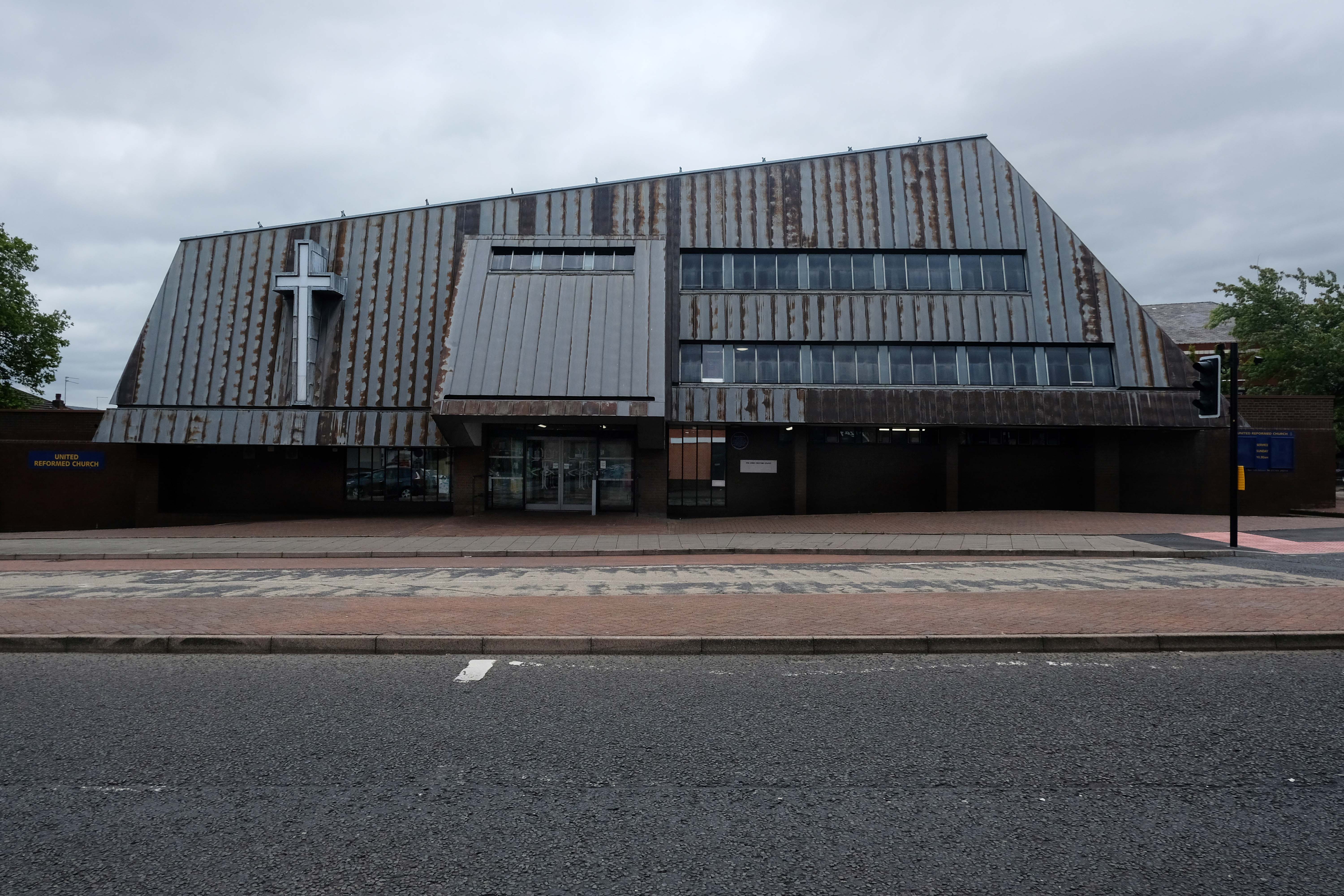
At the corner of Silverwell and Institute Streets is WT Gunson & Son’s 1970 Friends Meeting House: decent with a light elevated roof corner. It has a tilted roof floating on the glazed upper walls.
Scott House has a charming 1926 plaque commemorating Sir James Scott and his wife Lady Anne. Scott started the Provincial Insurance Company.
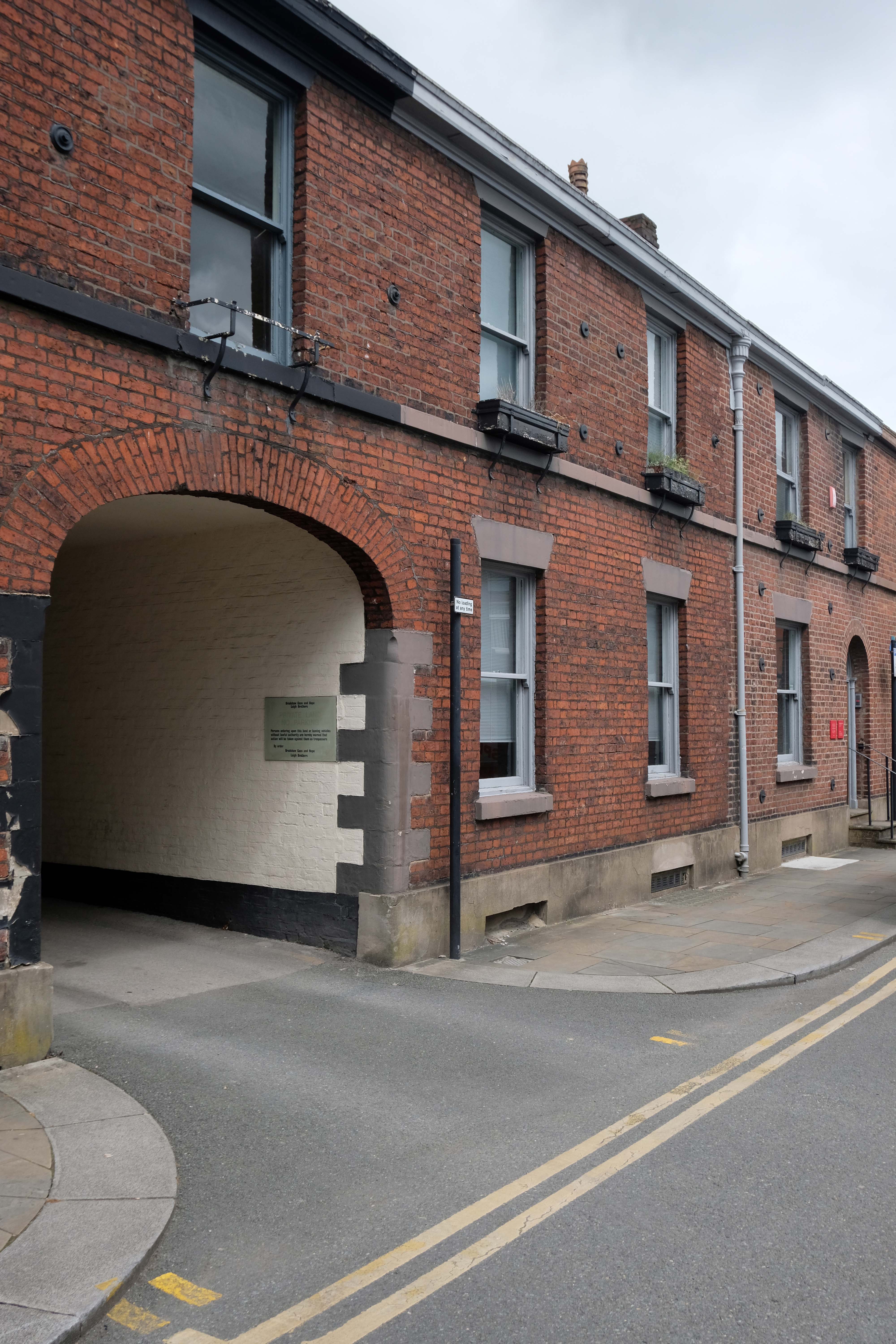
The two storey offices of Fieldings and Porter are a successful piece of infill by BGH.
Nip around the back to get a glimpse of this cracking stairway.
Silverwell Street 1810 is named after the Silver Well. Bradshaw Gass & Hope now self-described as Construction Design Consultants, not architects, are at number 19. Note the plaque to JW Wallace, founder of the Eagle Street College, dedicated to the works of the American poet, Walt Whitman. Wallace worked there from 1867 to 1912. The plaque is ringed by a quote from Whitman:
All architecture is what you do to it when you look upon it.
Whitman corresponded with his Bolton admirers; the Museum contains early editions of his works and his stuffed canary.
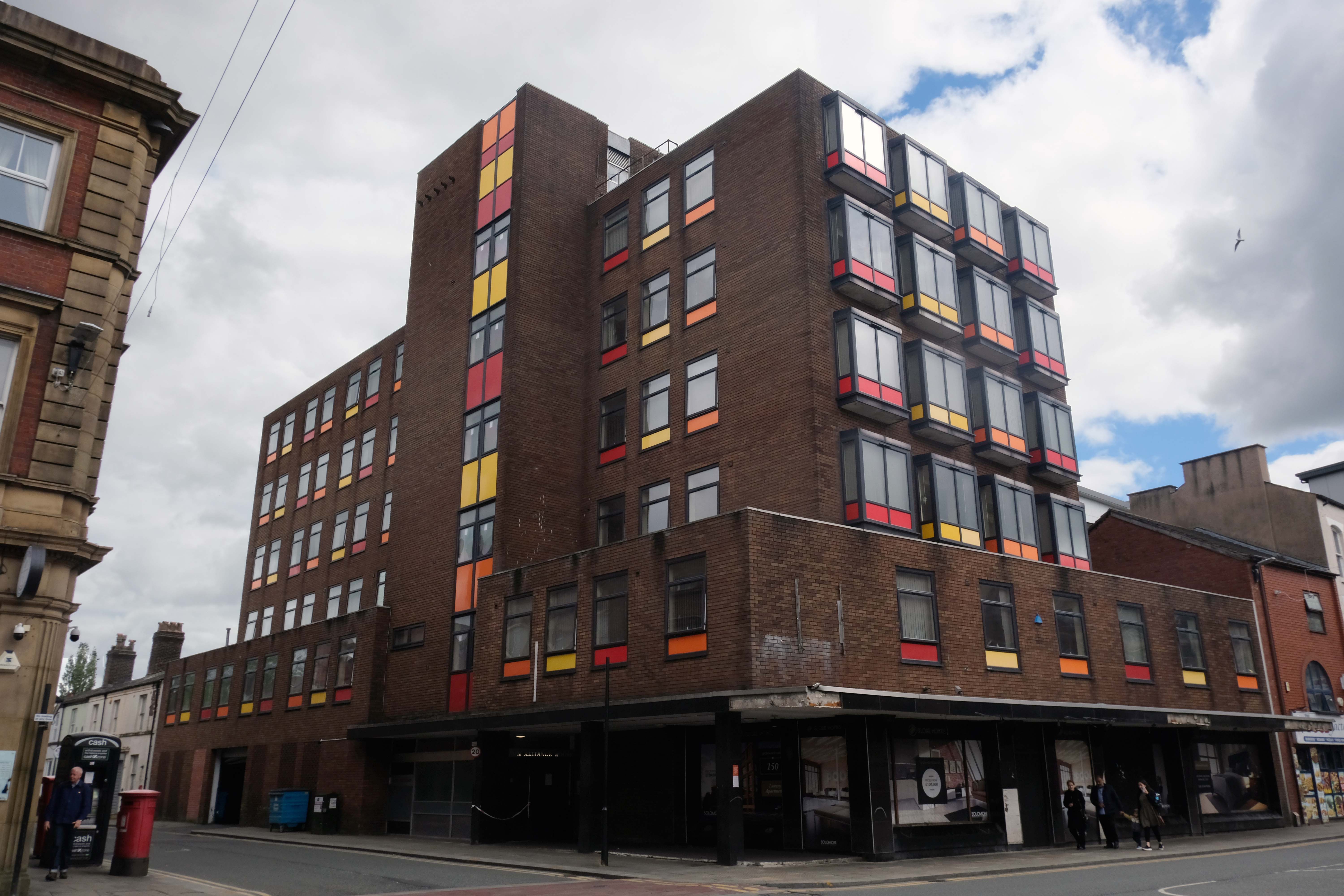
Further down Silverwell Street is the 1903 Estate Office of the Earl of Bradford who still owns a large area of Bolton. At the end of Silverwell Street is the former Sun Alliance House, now converted to flats, the colourful panels are a later addition.
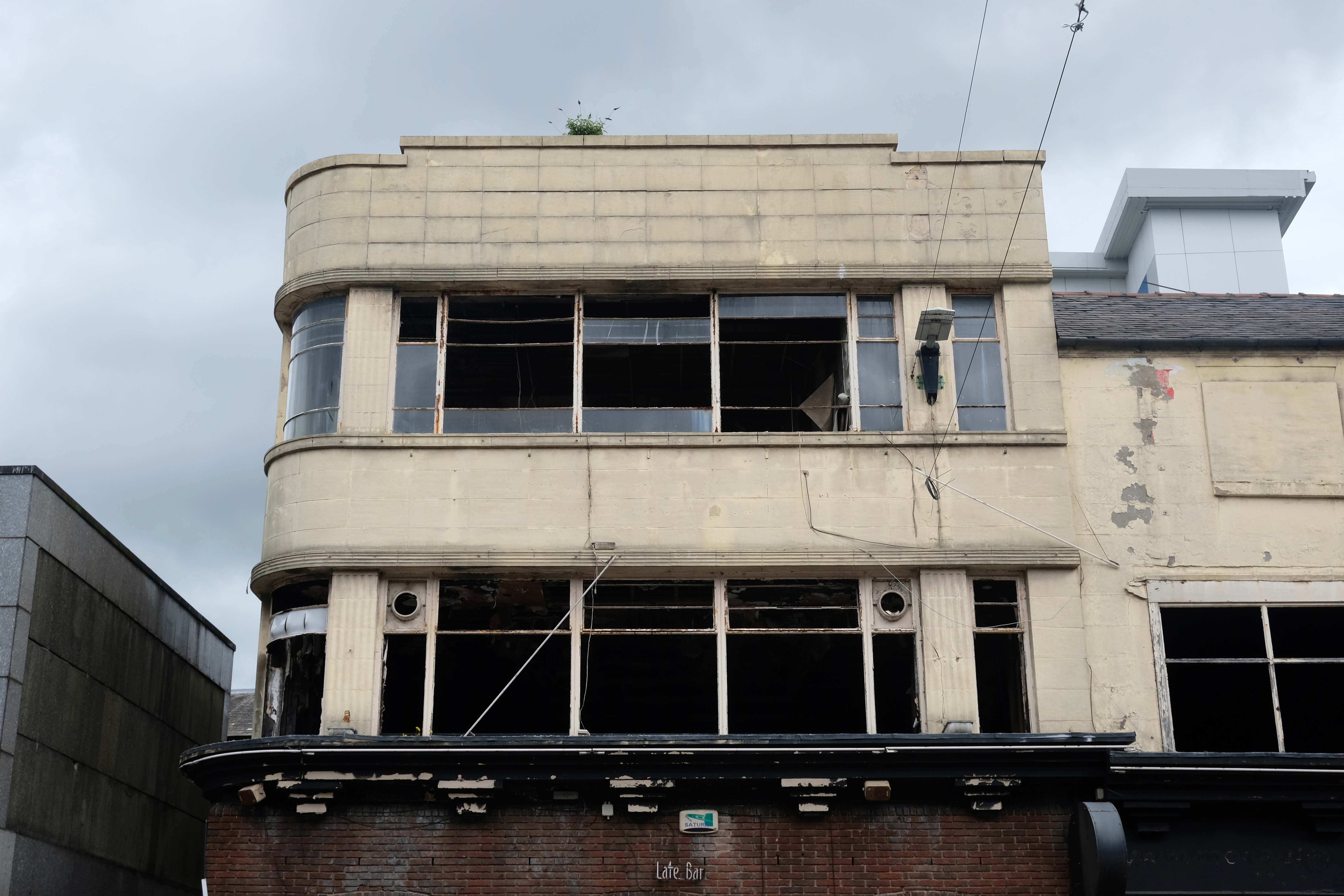
Bradshawgate and Silverwell lane corner has a former café bar with original curved Moderne windows. This was originally Vose’s tripe restaurant, later UCP – United Cattle Products. It was most stylish and elegant, decorated in 1930s streamline Moderne style, with starched white tablecloths, silver service and smart waitresses.
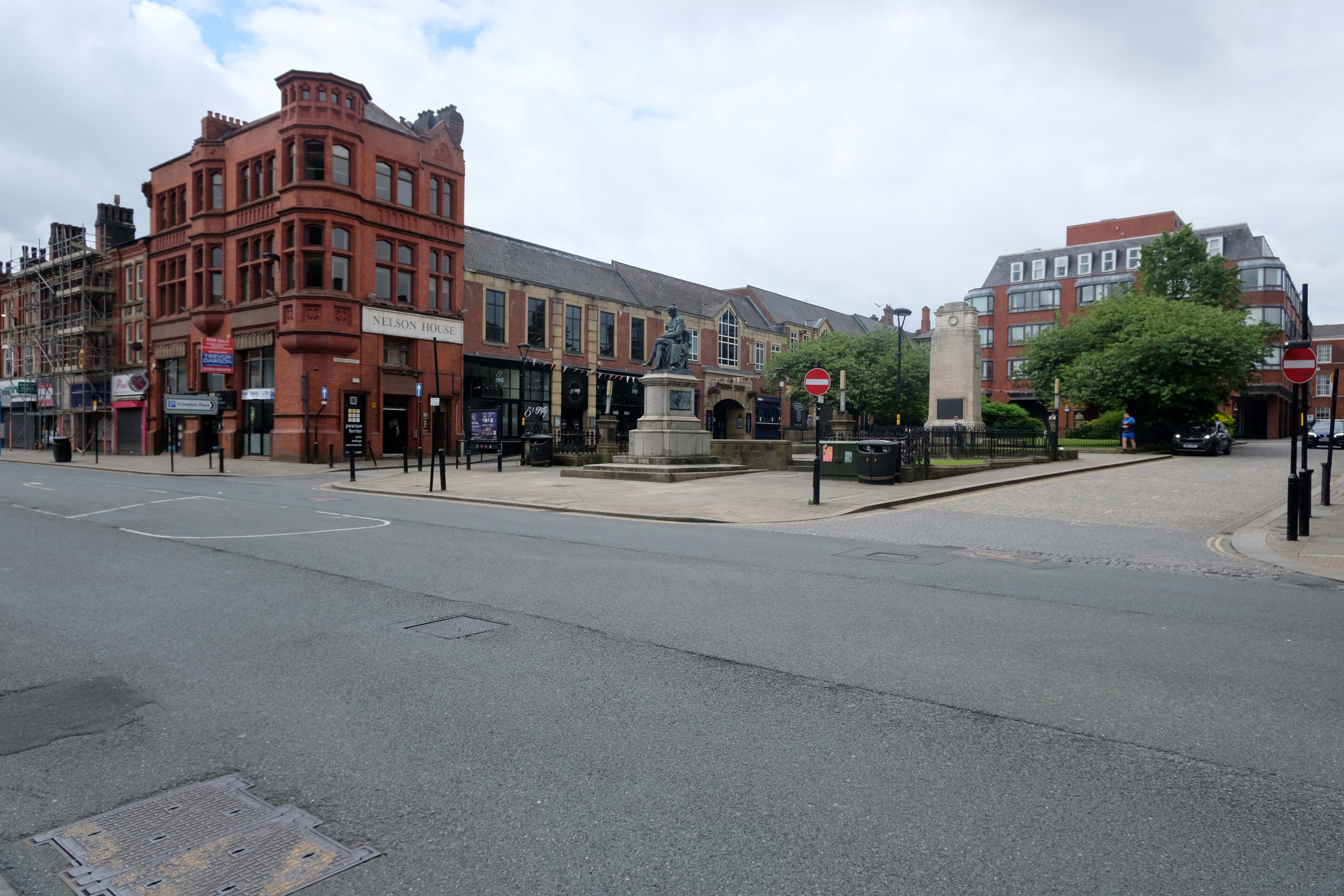
Nelson Square was opened on March 23, 1893. The cenotaph memorial to the Bolton Artillery is by Ormrod, Pomeroy & Foy 1920. Calder Marshall sculpted the statue of Samuel Crompton 1862. The shiny red former Prudential Assurance office 1889 isn’t by Waterhouse but by Ralph B. Maccoll of Bolton. Matthew Hyde in Pevsner describes the early C20 faience facades of Bradshawgate as:
A plateful of mushy pea, ginger nut, liver, tripe and blood orange shades.
Infirmary Street has a 1970s office block with an octagonal, nicely lettered plaque to WF Tillotson, newspaper publisher. Round the corner in Mawdsley Street, the former County Court 1869 TC Sorby, 1869. Opposite, at the corner, is GWBD Partnership’s 1987 St Andrew’s Court, containing a somewhat whimsical recreation of a Victorian shopping street in miniature. The job architect was J Holland. Matthew Hyde says:
Neatly contrived on a tight site.
Into Exchange Street and through the former Arndale Centre 1971; low and mean according to Pevsner 2004, now re-branded as Crompton Place 1989 Bradshaw, Rose & Harker and still dreary, we go to Victoria Square and the Town Hall. The classical building on the left is the former Bolton Exchange 1824-5 Richard Lane.
The square was pedestrianised in 1969, to the Planning Department’s designs, under RH Ogden. It was quite an early scheme which won three awards including one, unsurprisingly, from the Concrete Society. The fountains were designed by Geoffrey Brooks and the trees were planted by the Earl of Bradford.
Owen Hatherley in Modern Buildings in Britain says of the town
It feels as if you’re in a real city, like in Europe, and you can drink your cup of tea in repose while admiring the monuments.
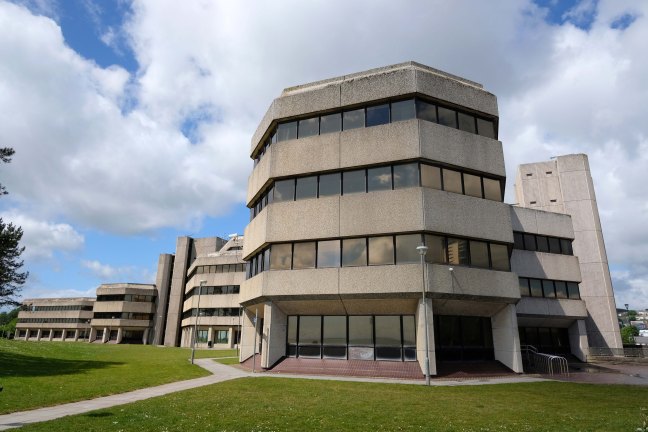
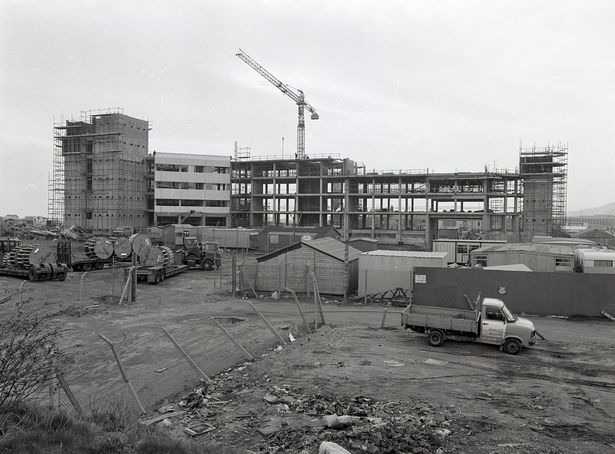
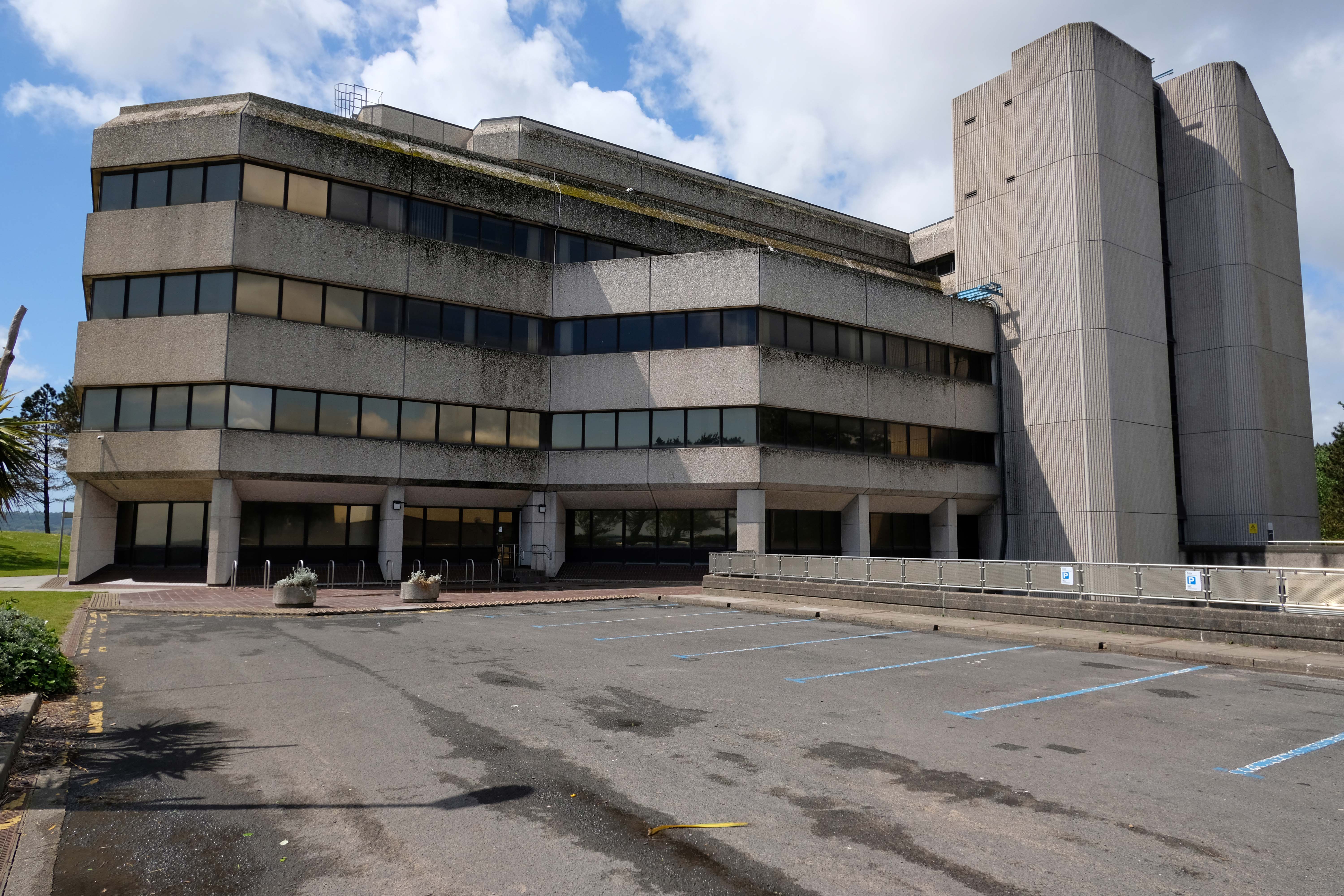
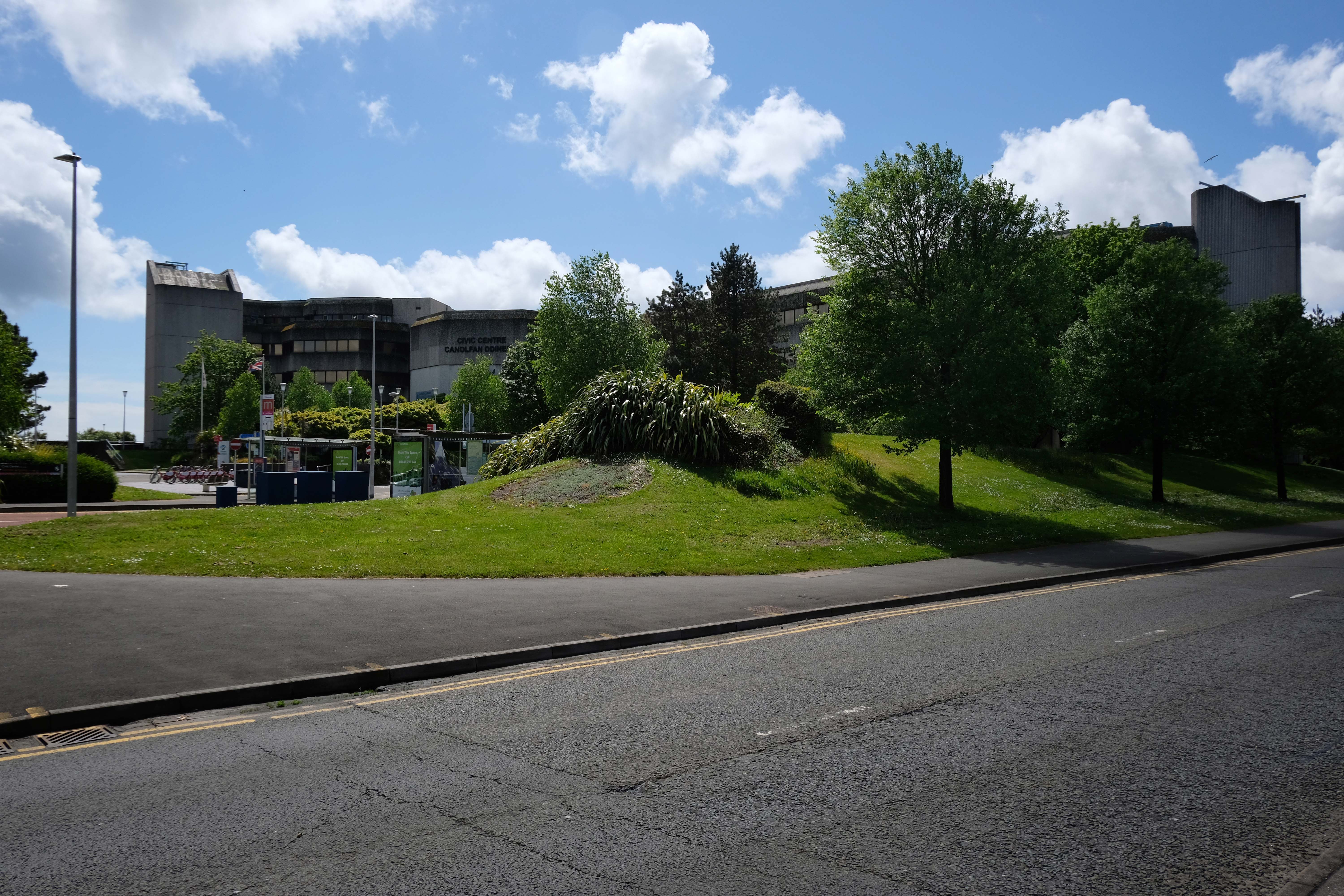
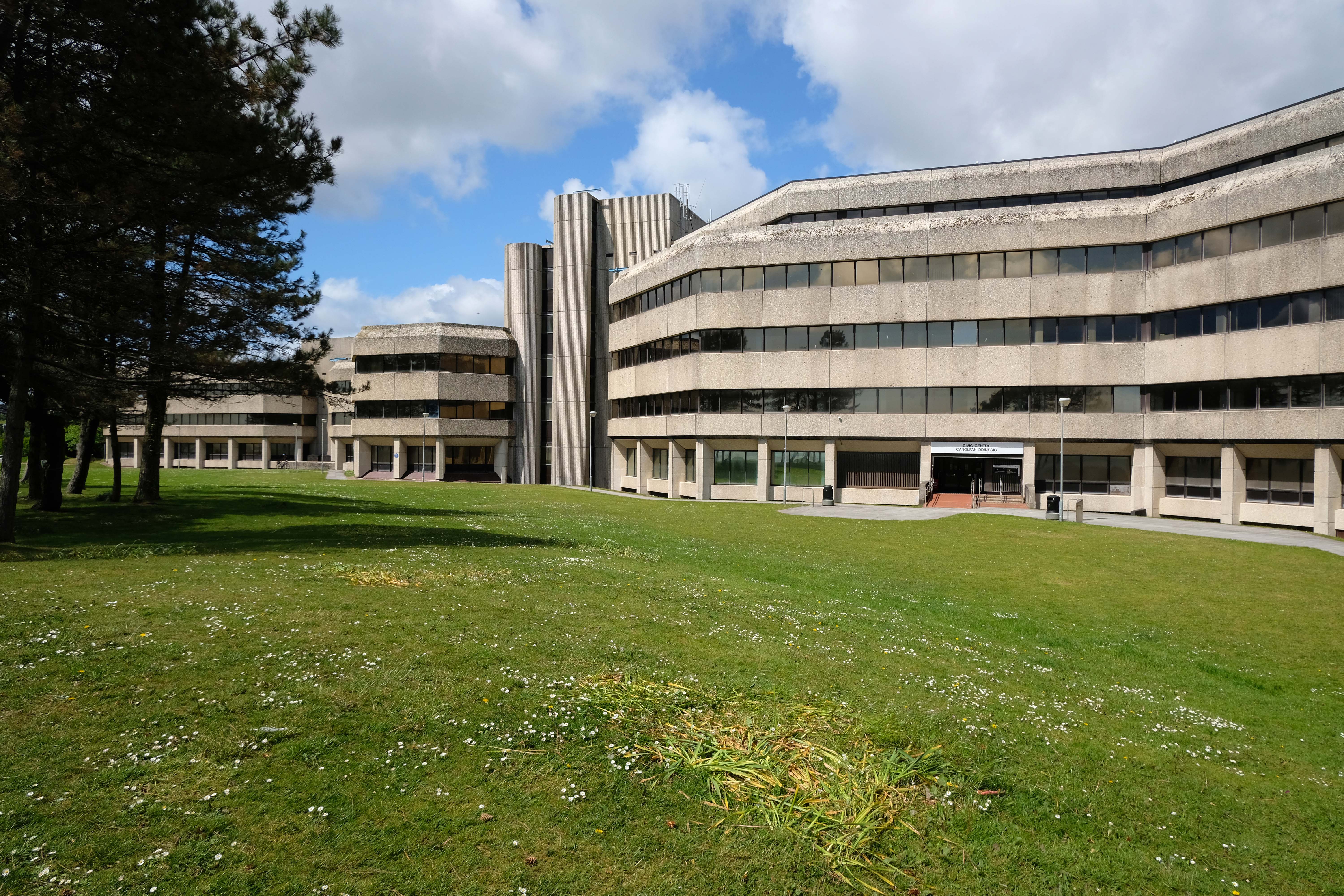
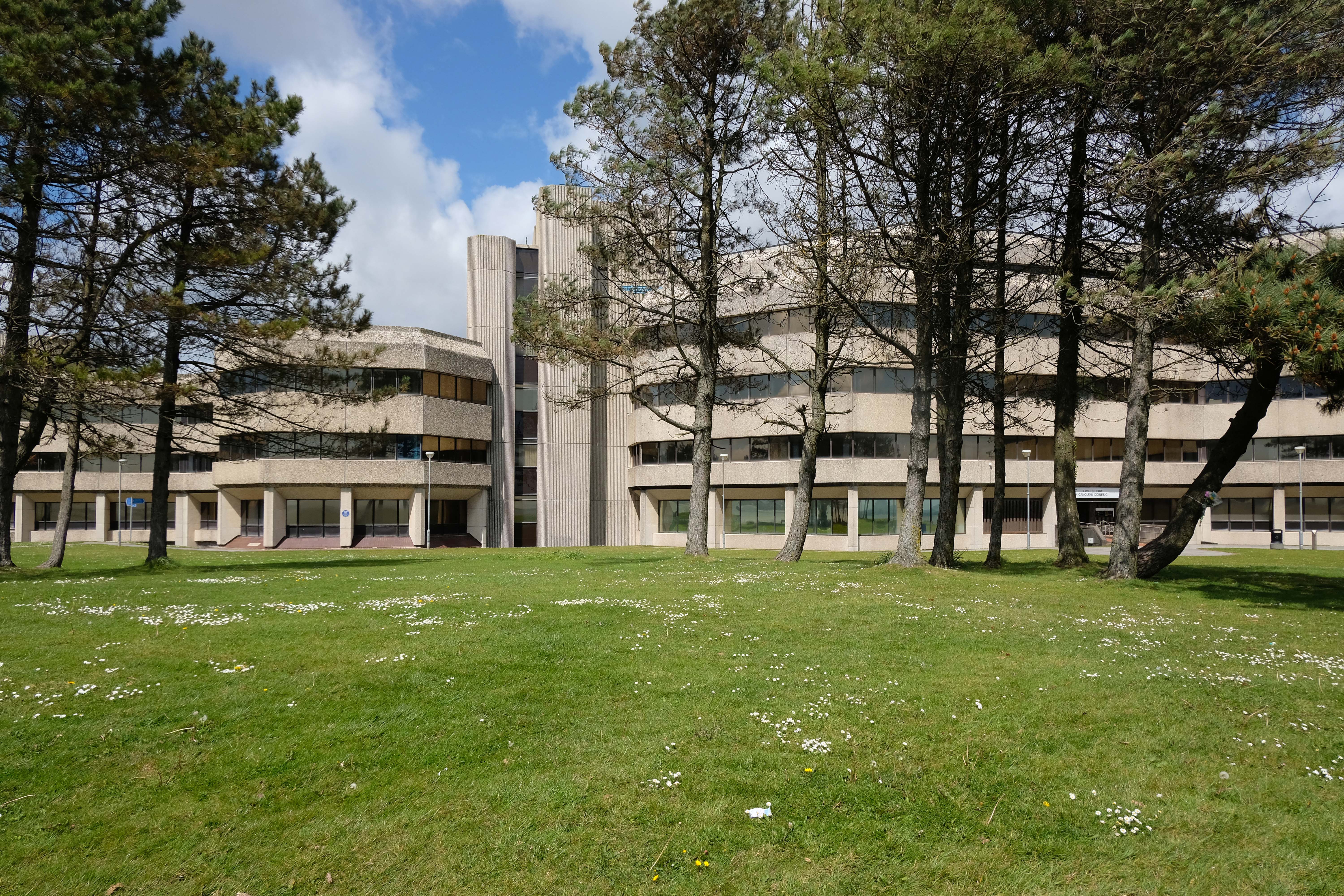
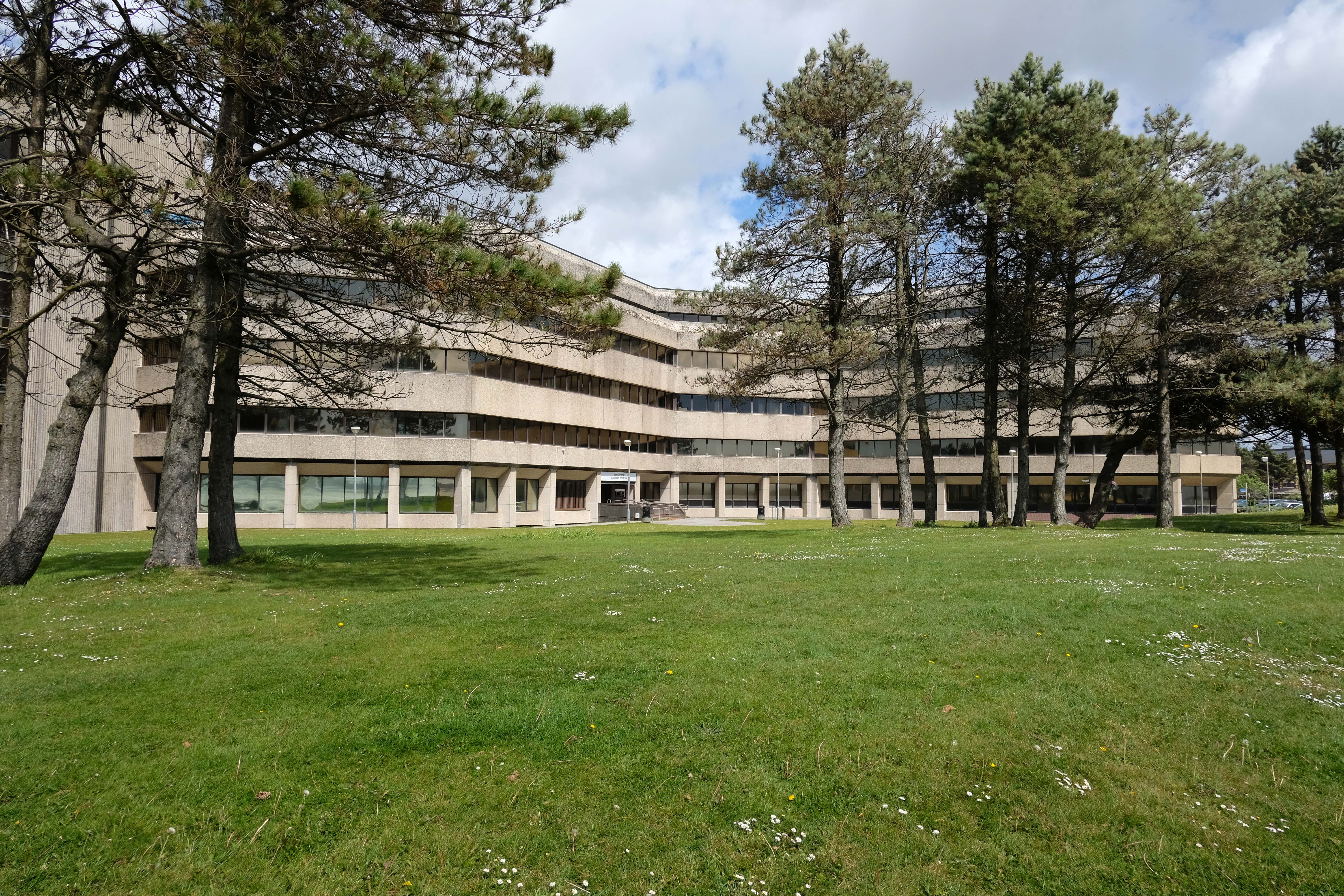
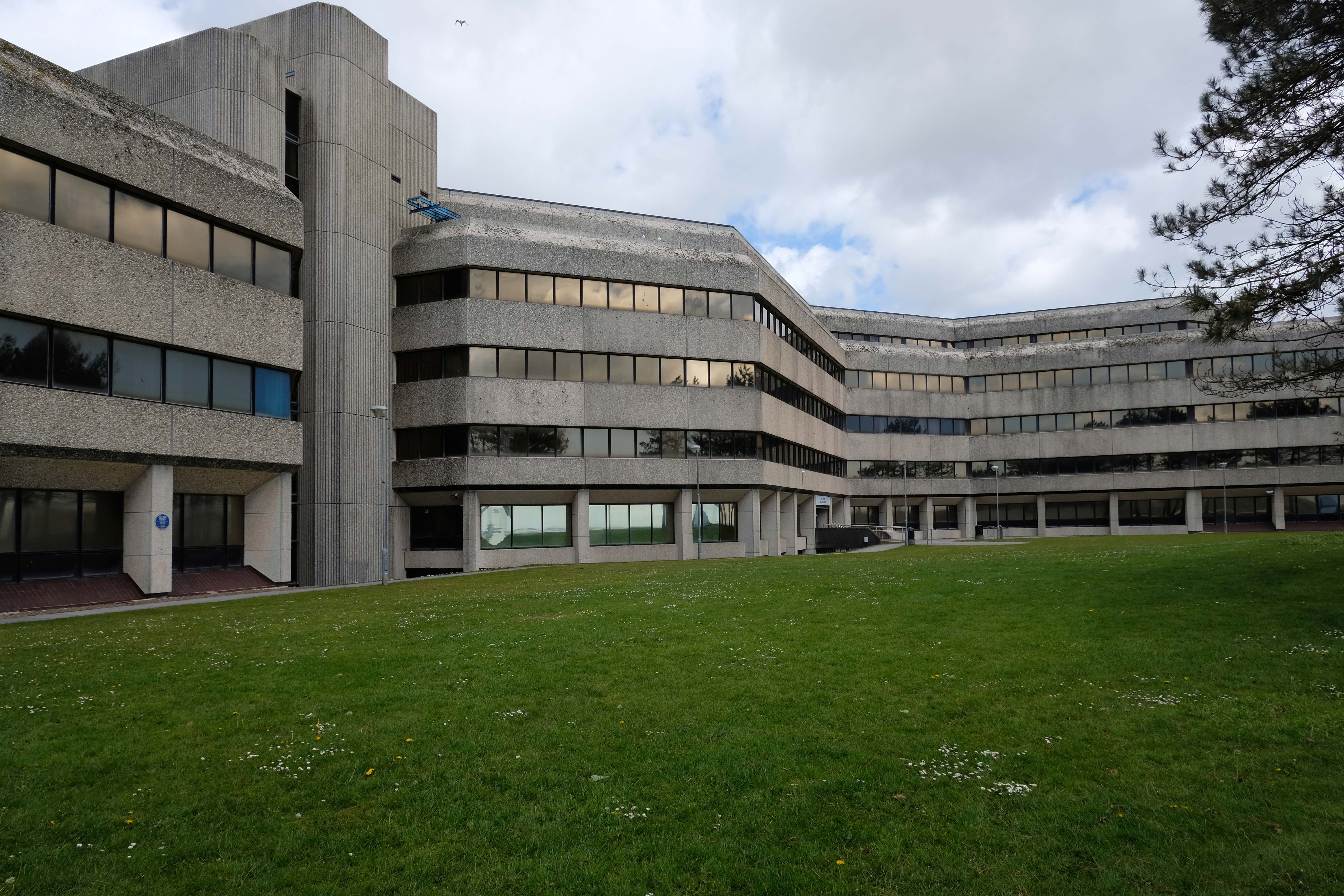
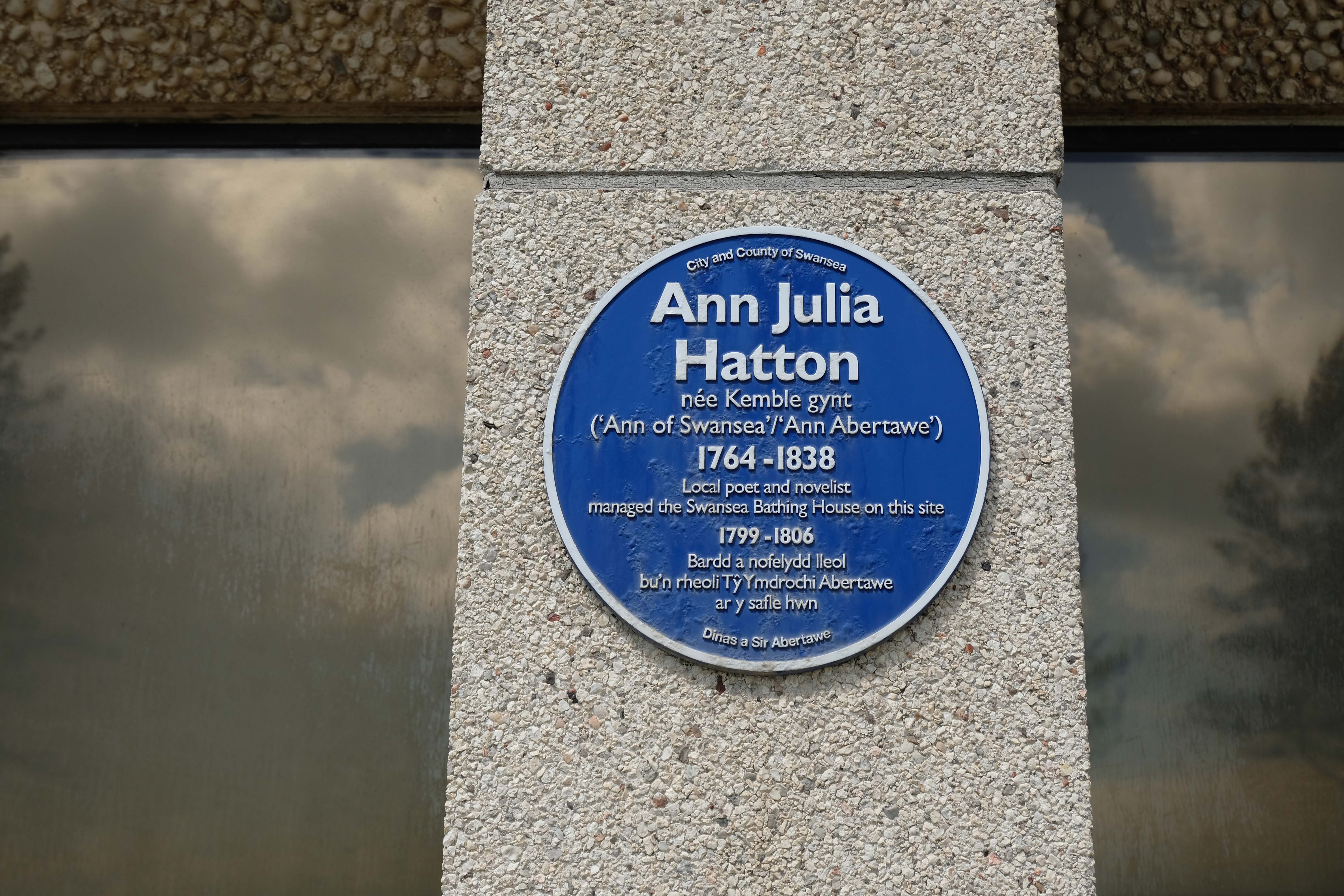
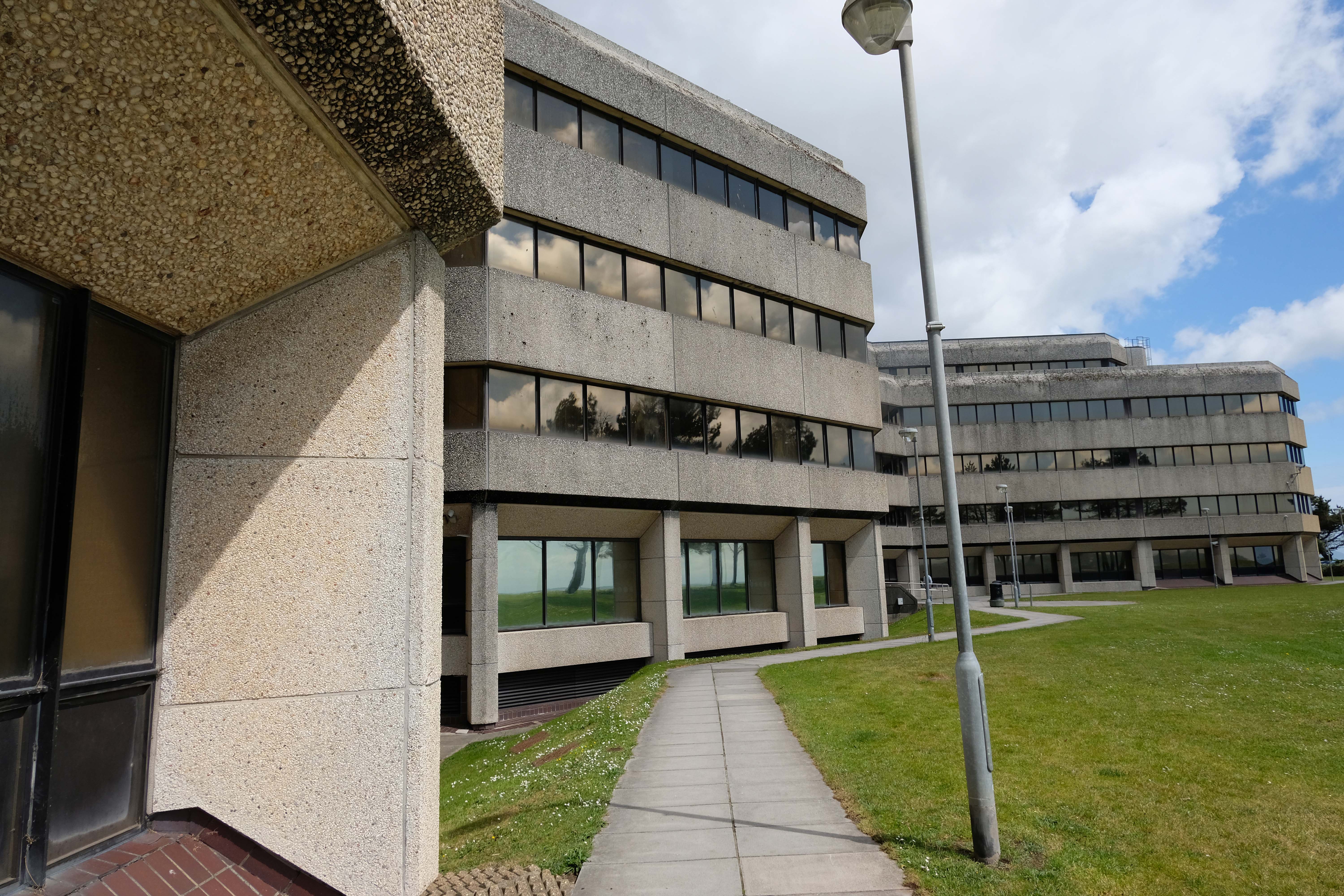
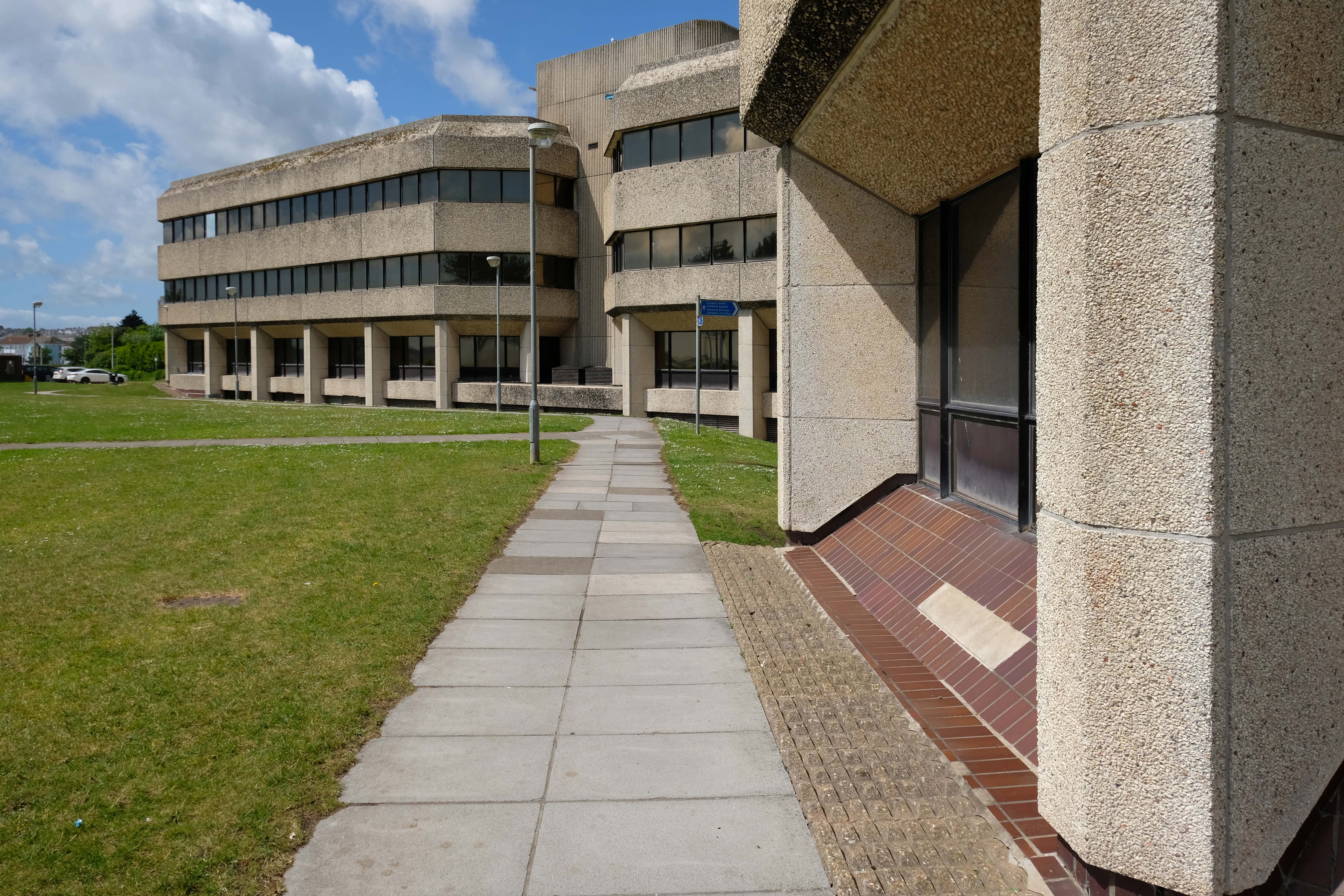
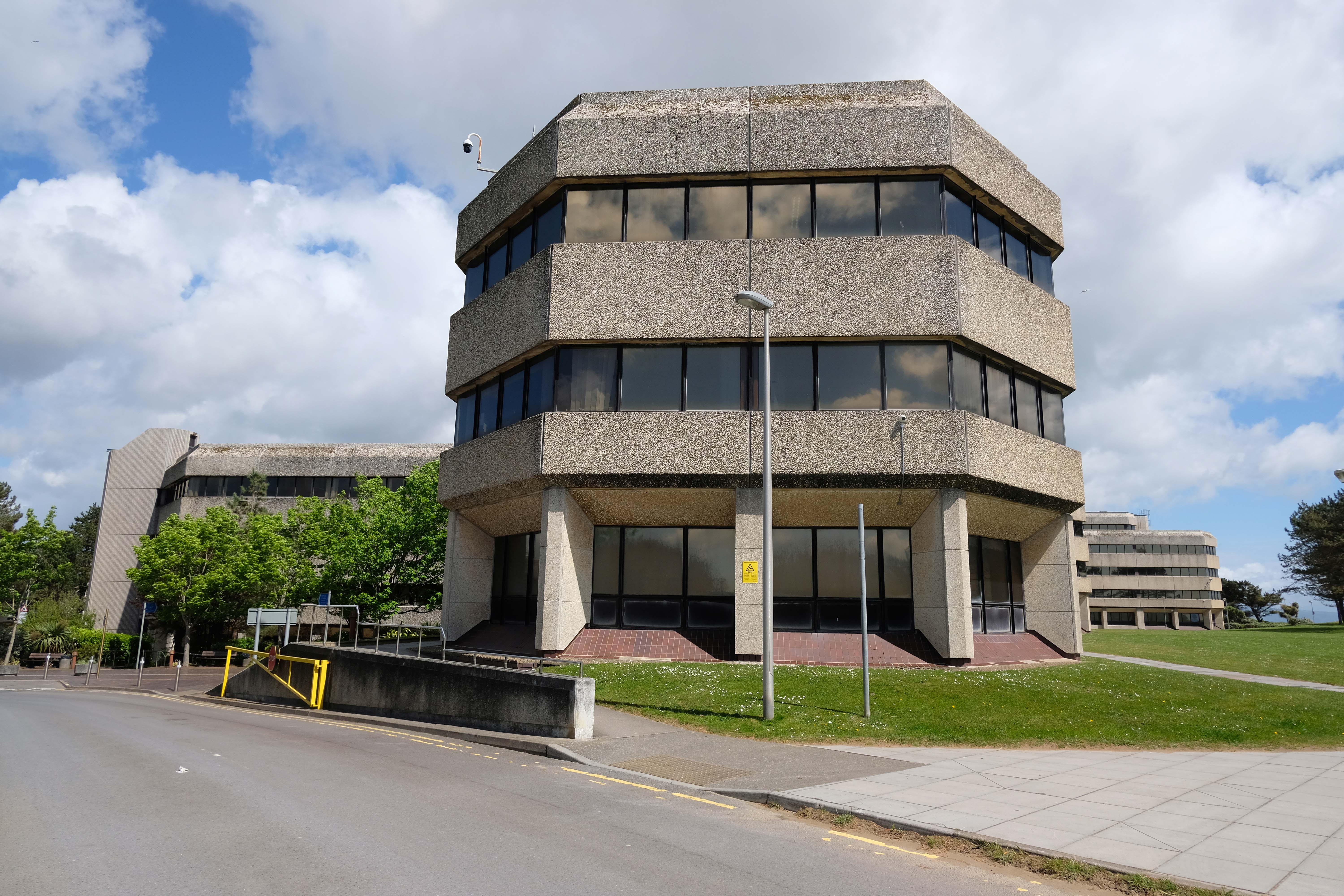
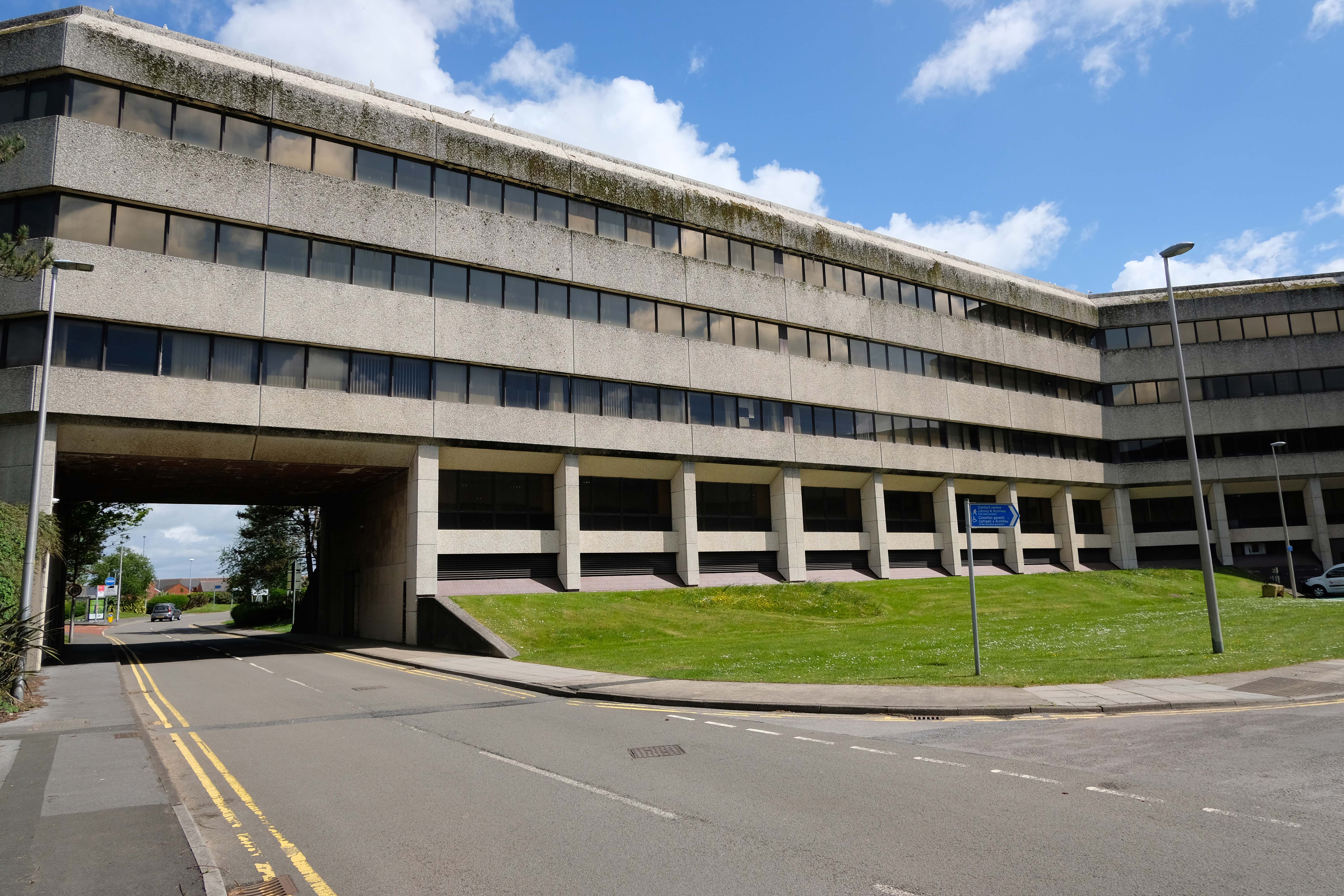
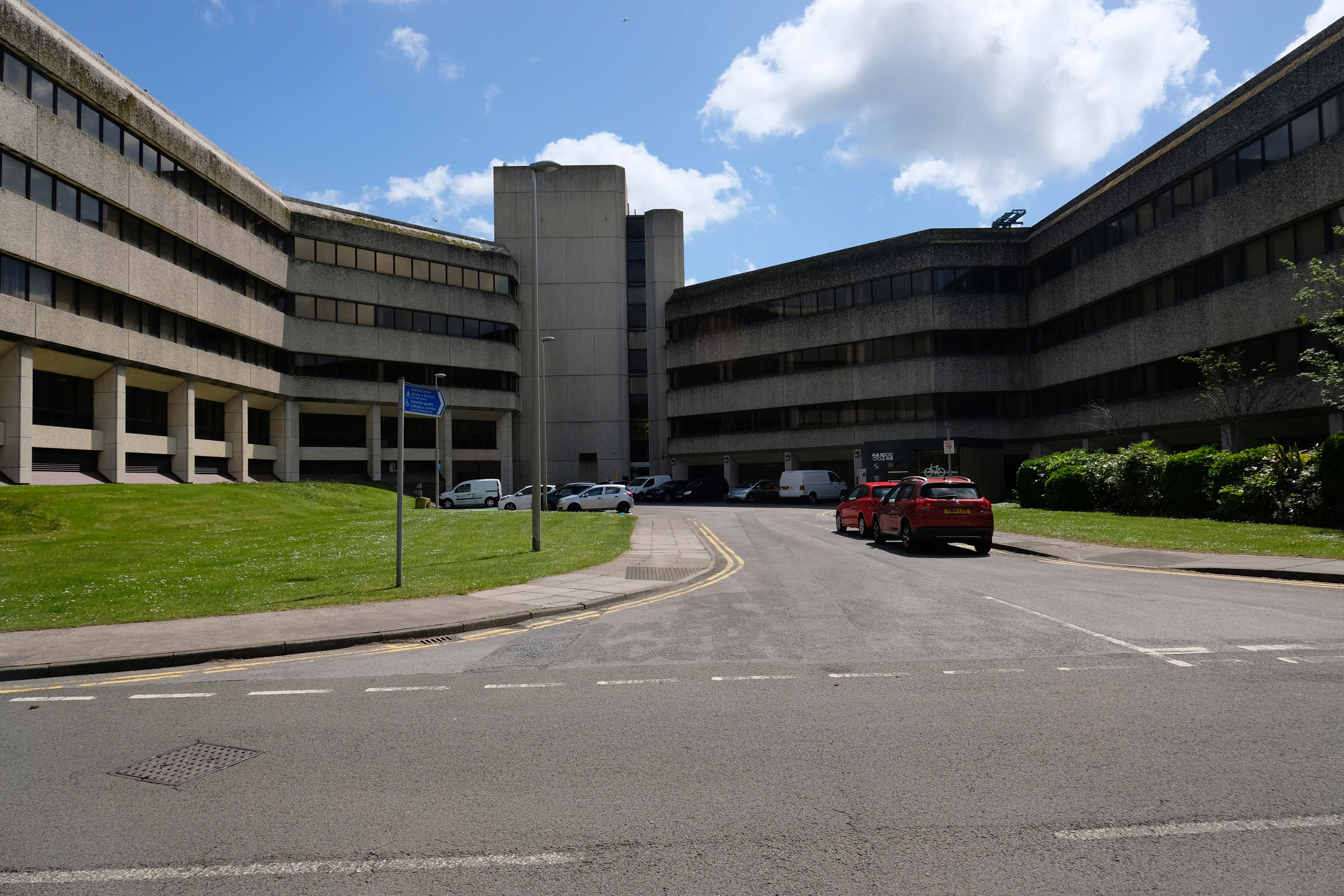
Architects: J Webb as County Architect and CW Quick as the job architectof the West Glamorgan County Architects Department 1982
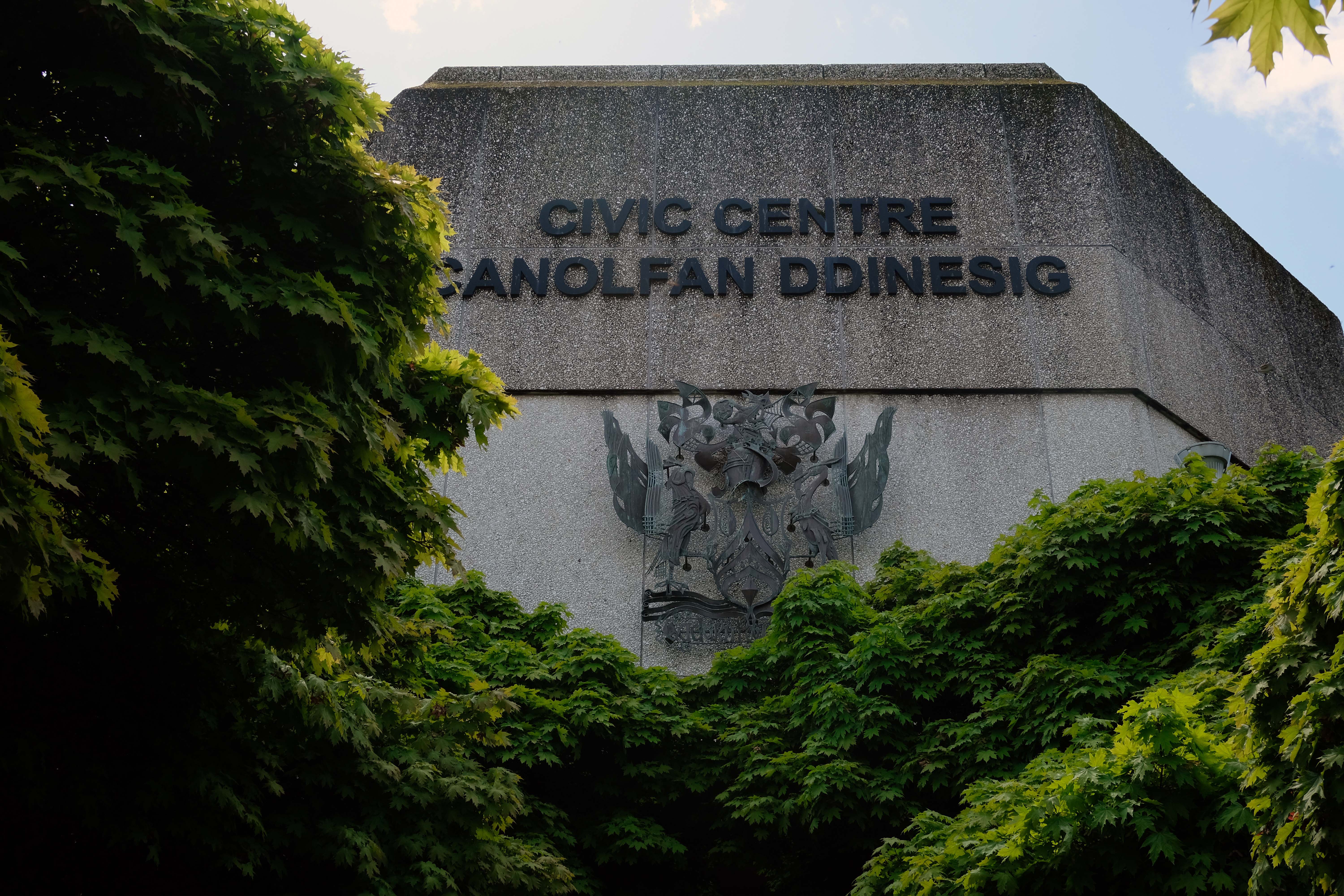
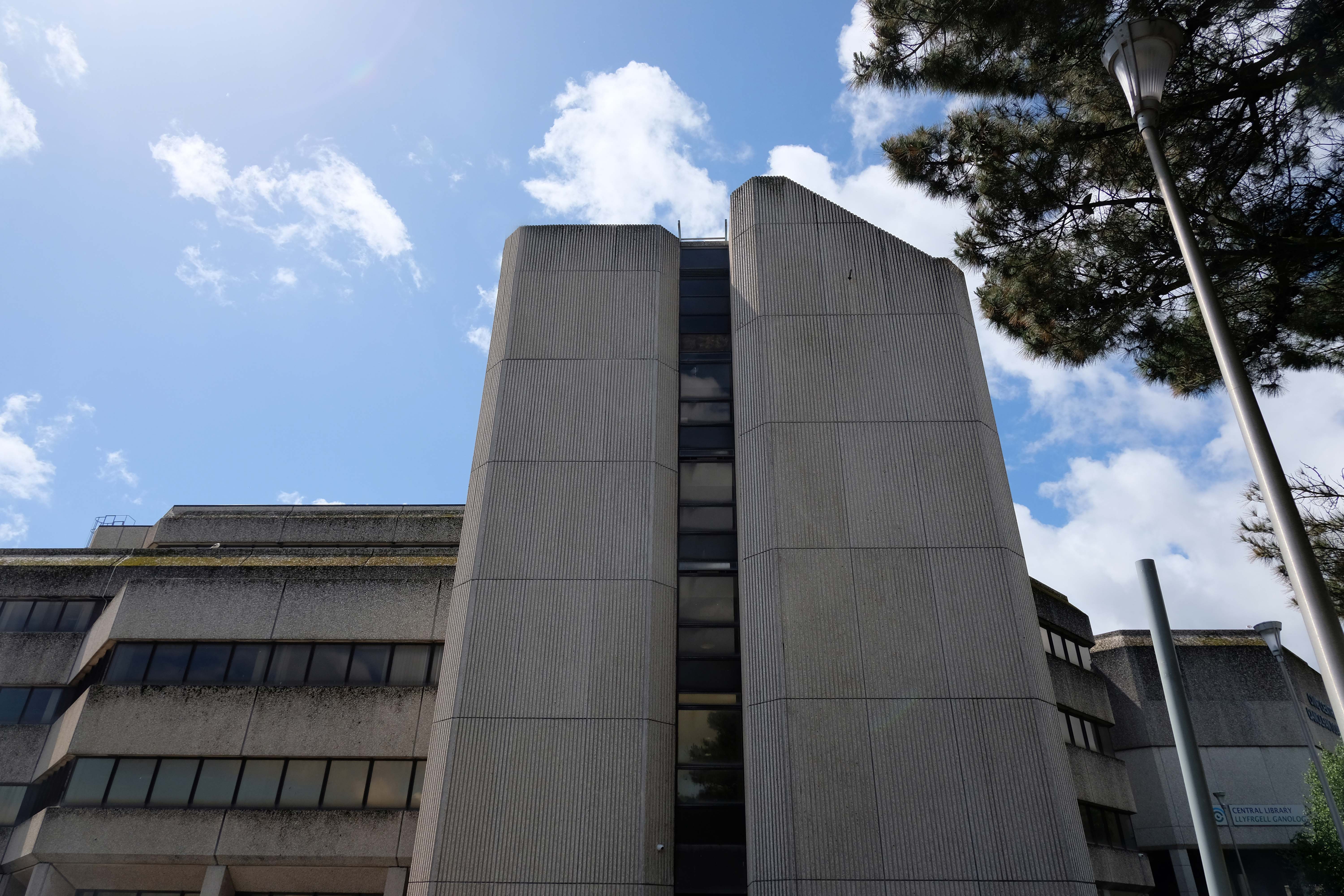
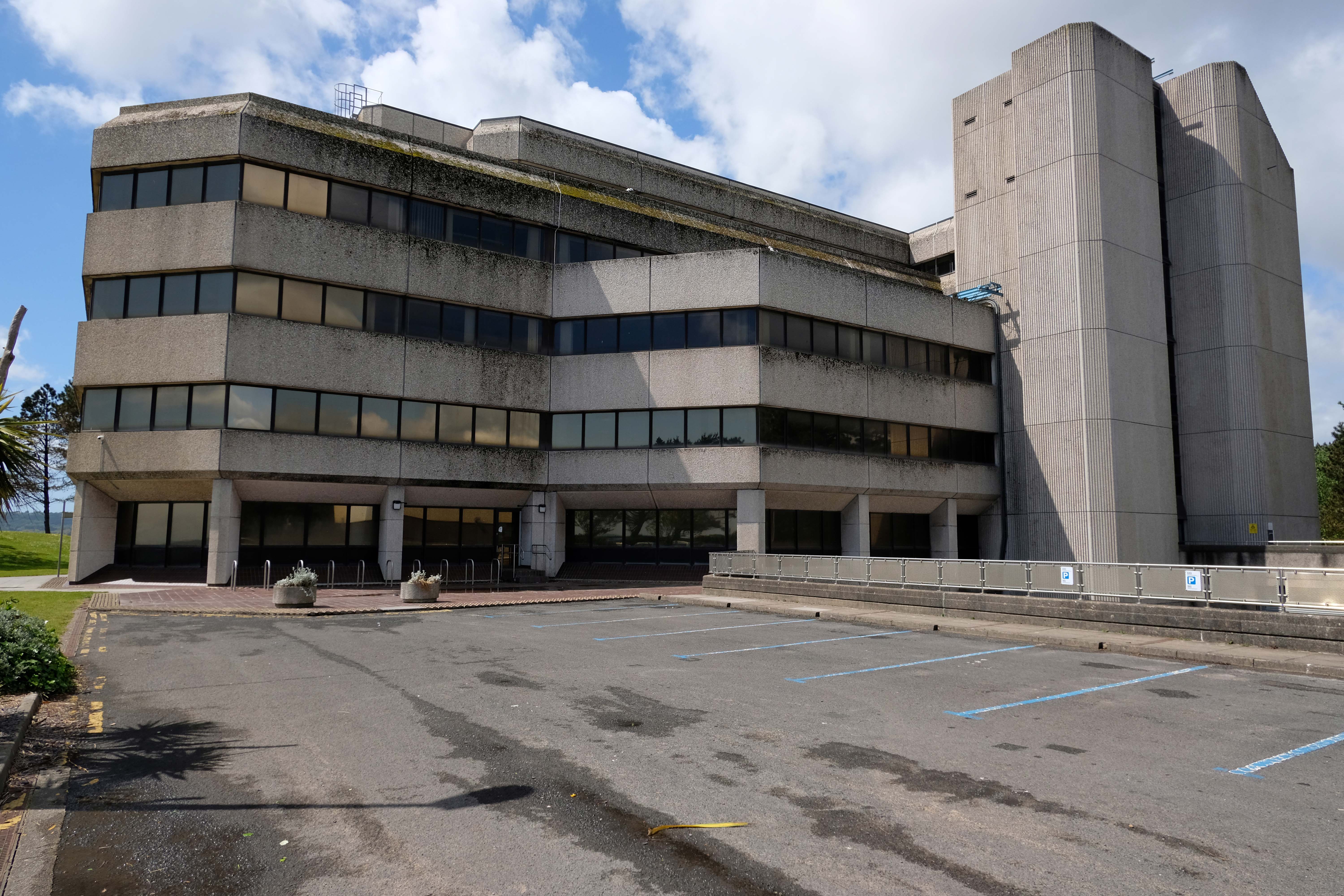
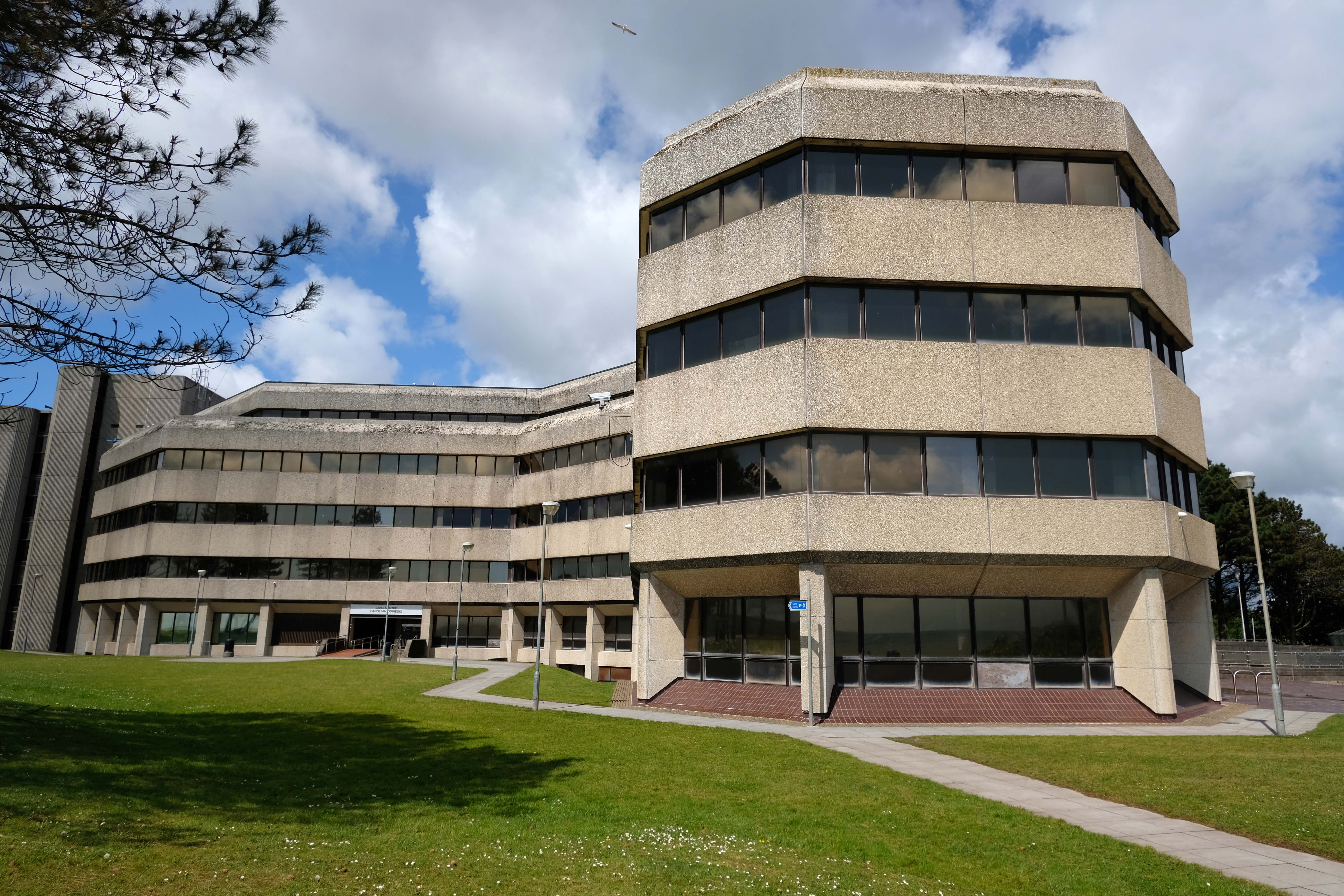
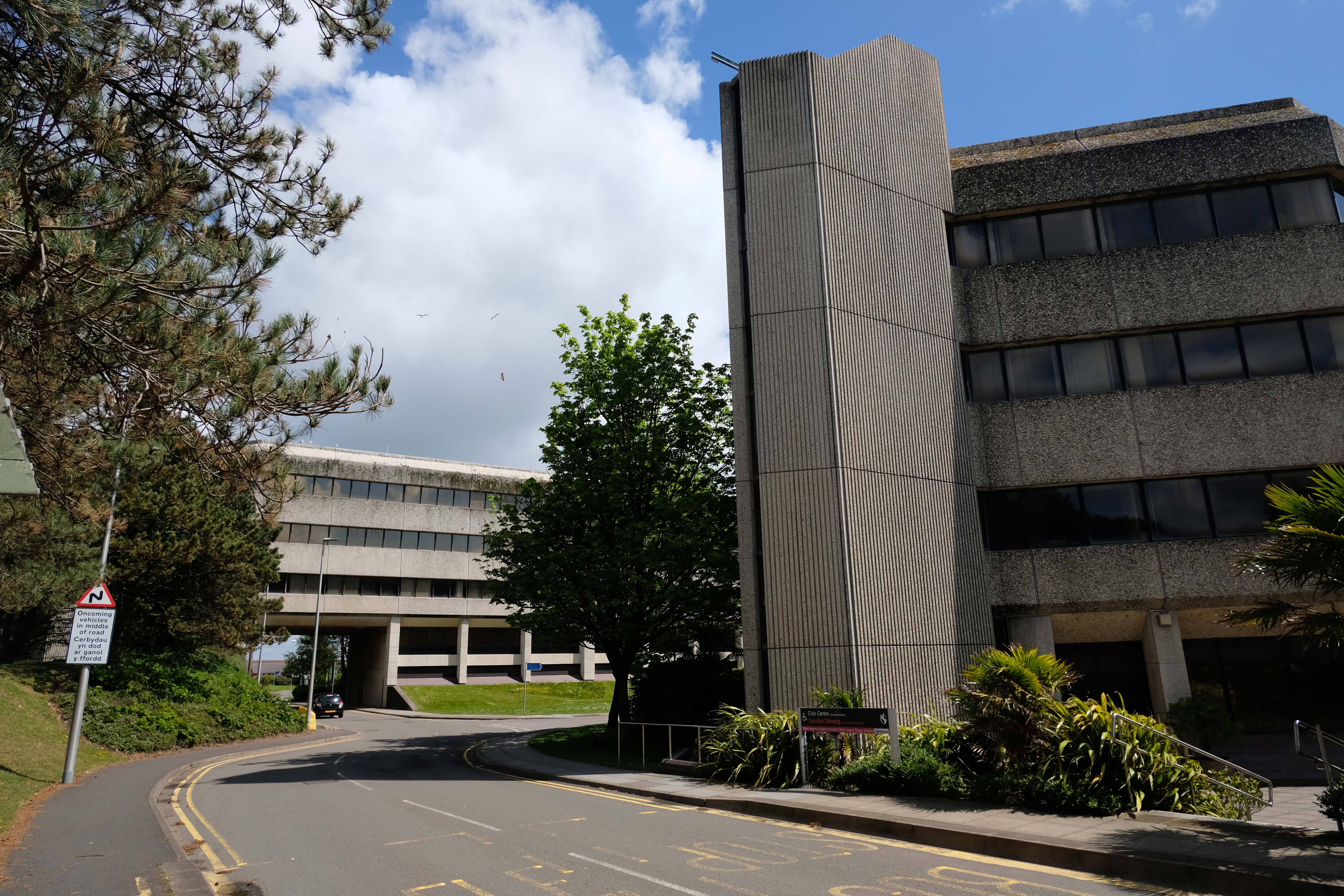
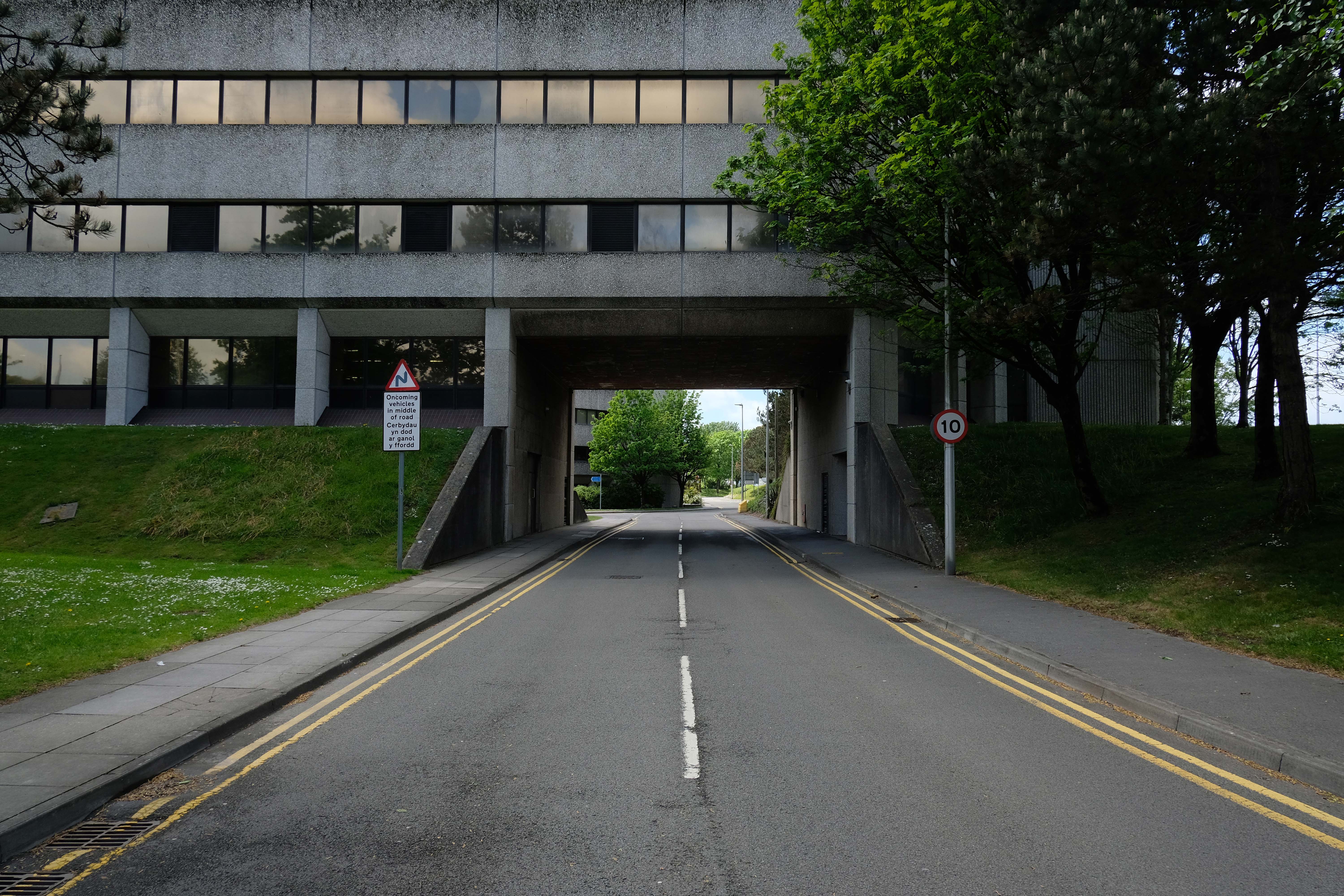
Canolfan Ddinesig Abertawe formerly known as County Hall.
Confused?
Don’t be, it’s all quite simple really.
Following the implementation of the Local Government Act 1972, which broke up Glamorgan County Council and established West Glamorgan County Council, the new county council initially met at Swansea Guildhall. Finding that this arrangement, which involved sharing facilities with Swansea Council, to be inadequate, county leaders procured a dedicated building, selecting a site formerly occupied by an old railway goods yard associated with the Mumbles Railway.
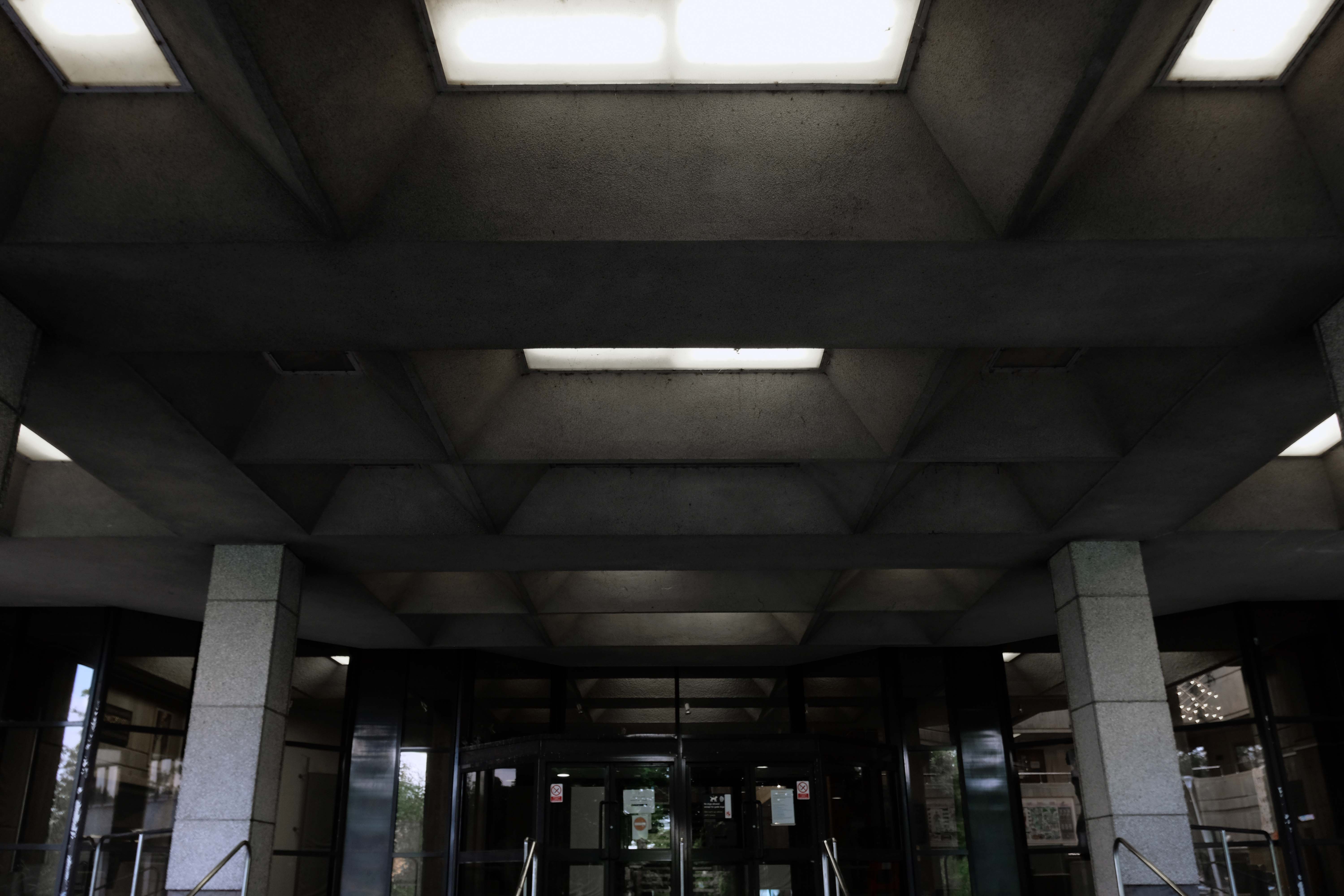
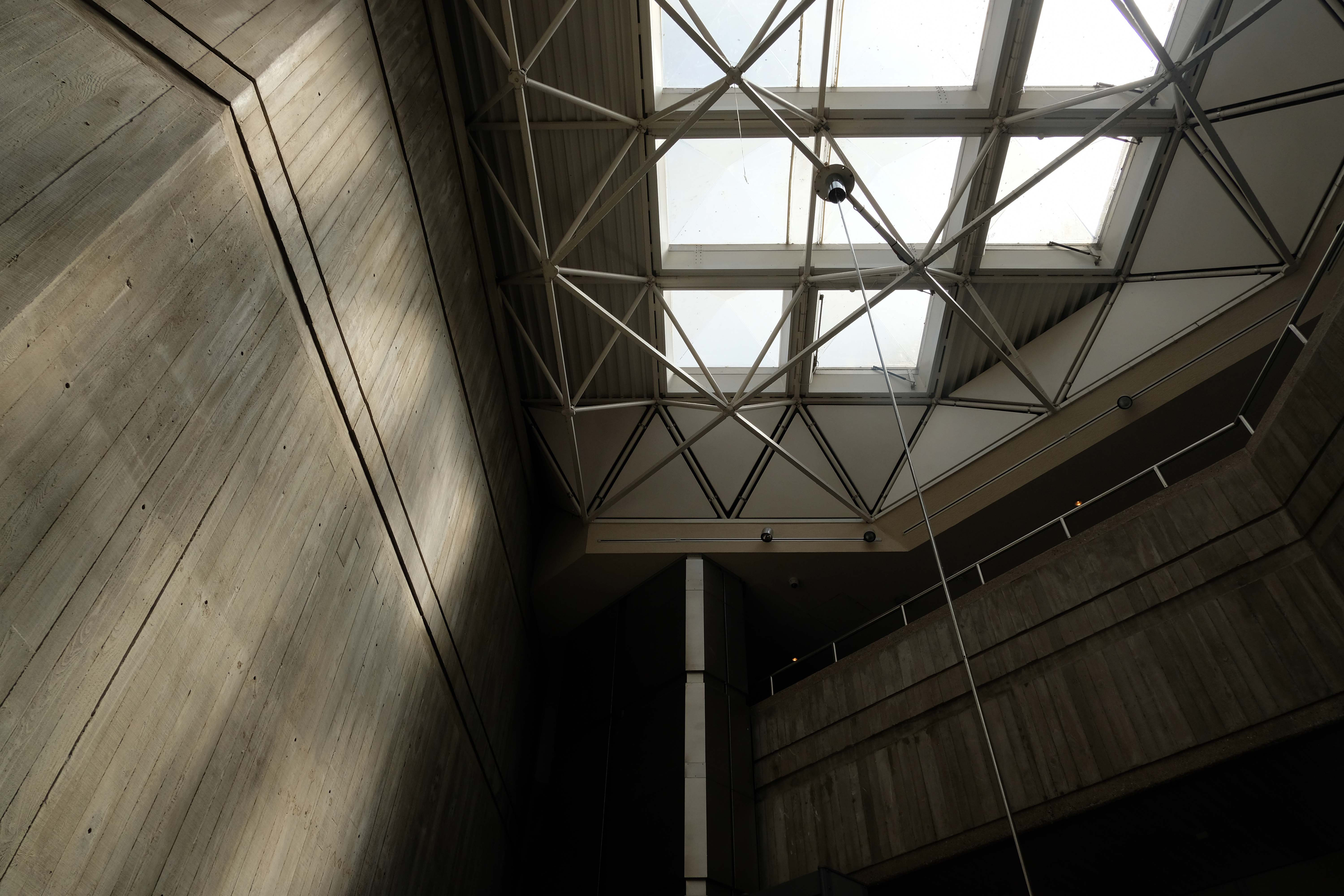
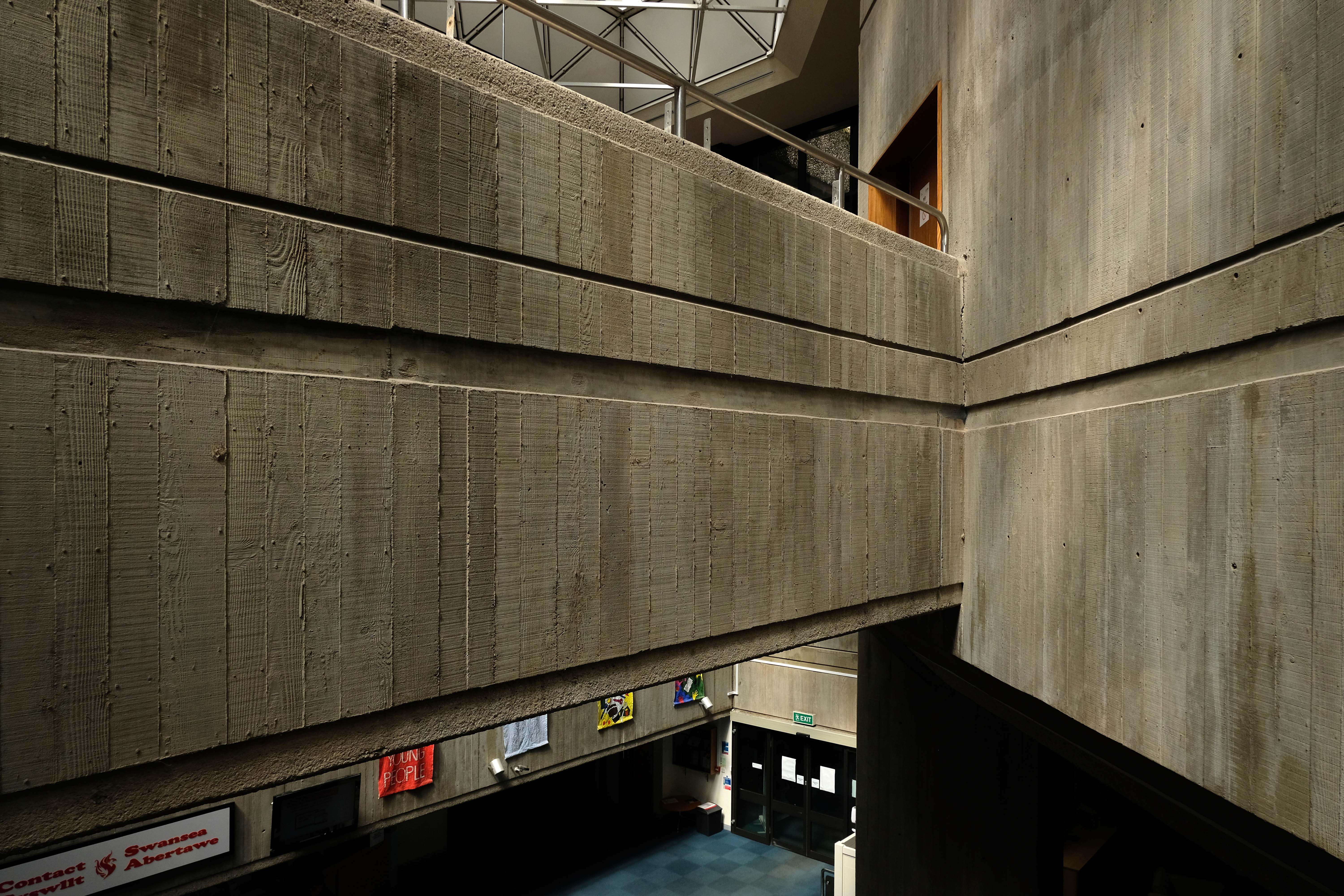
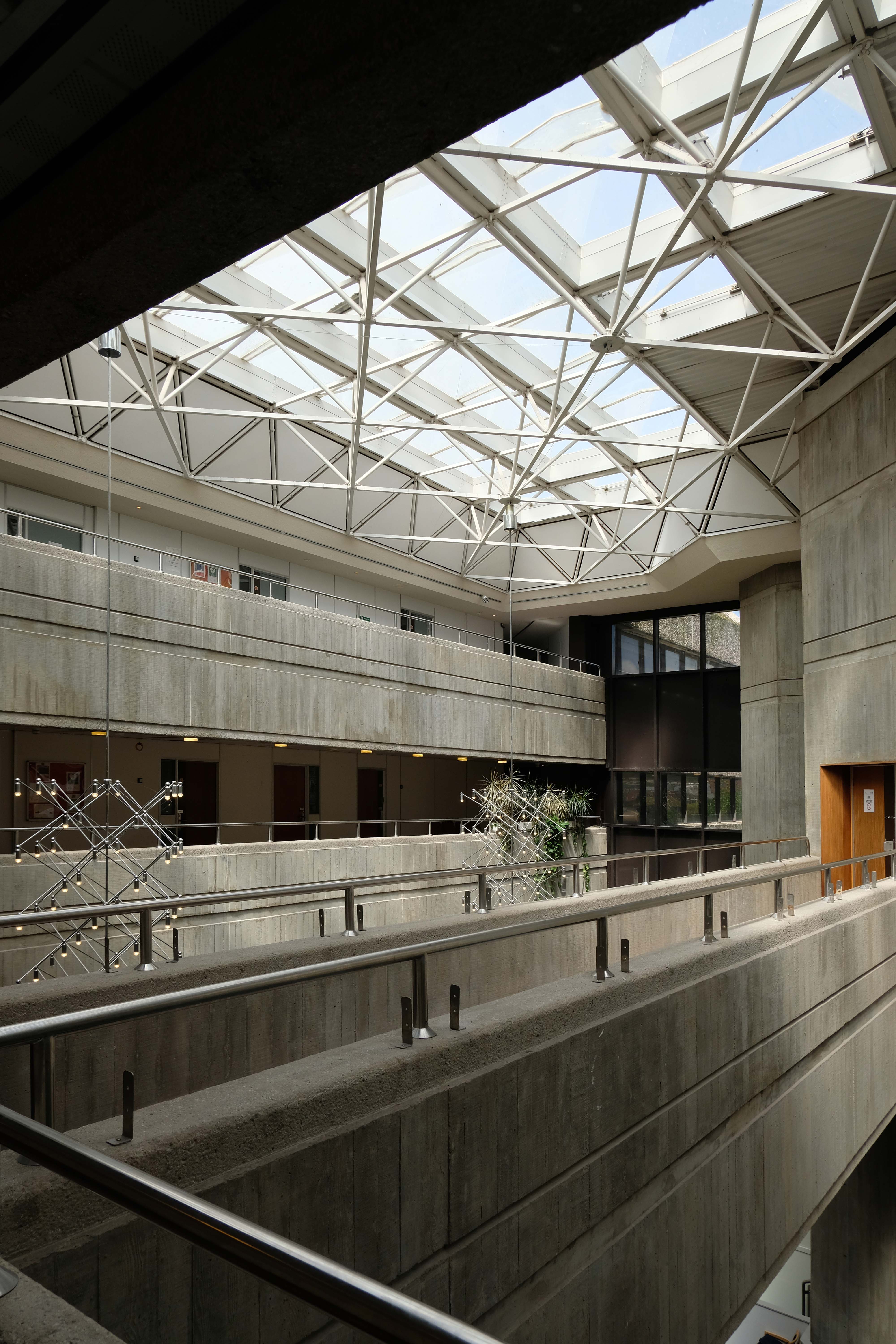
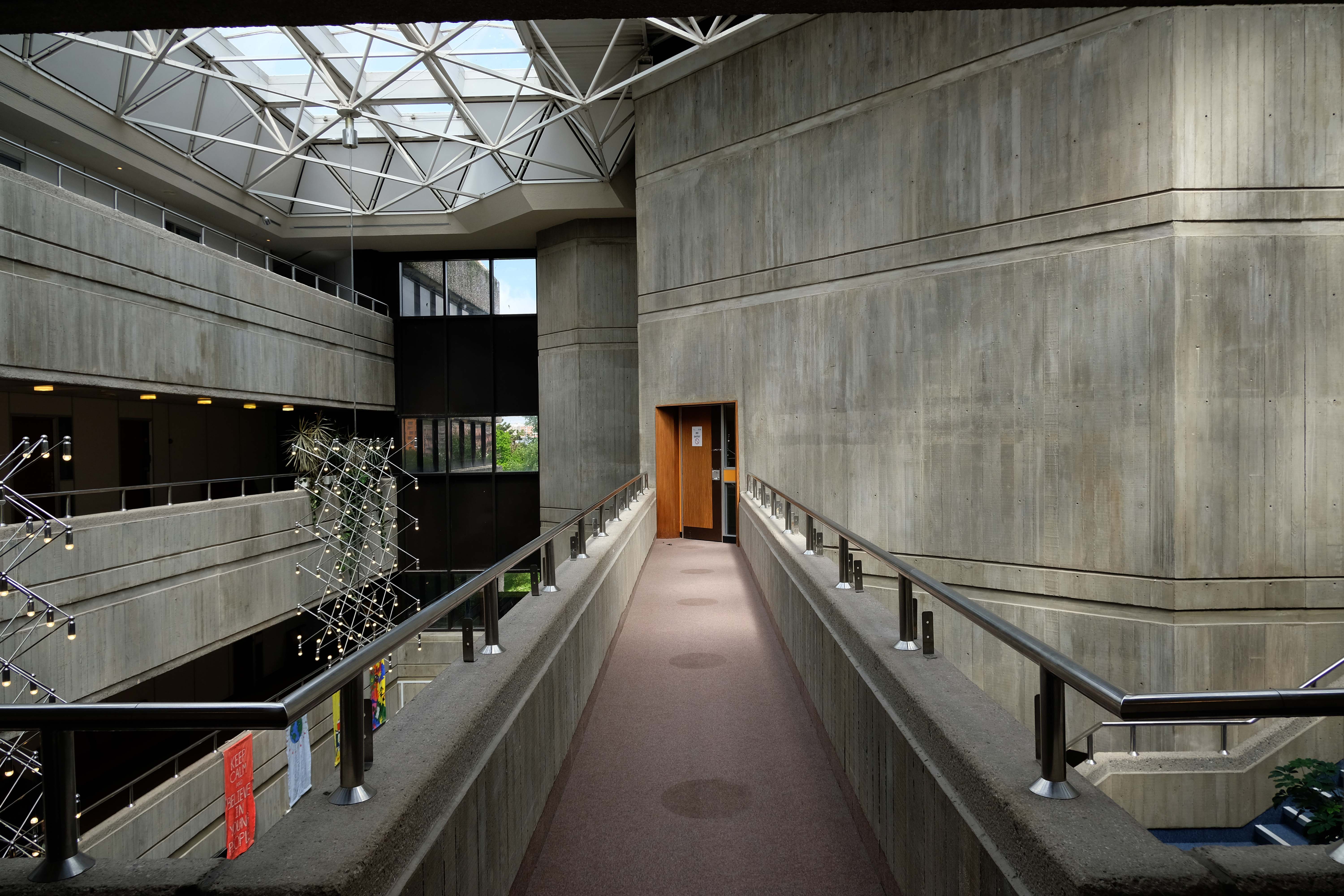
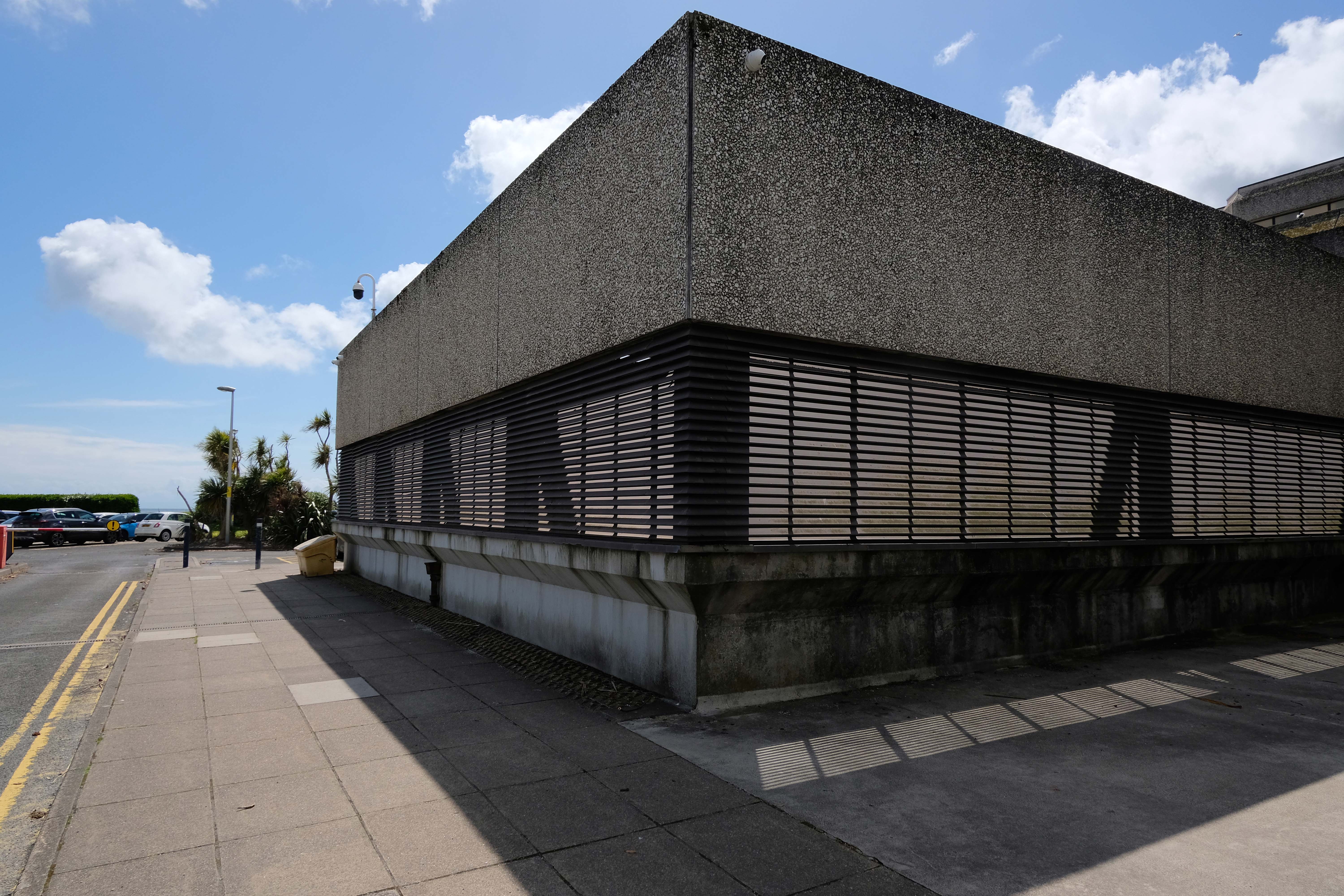
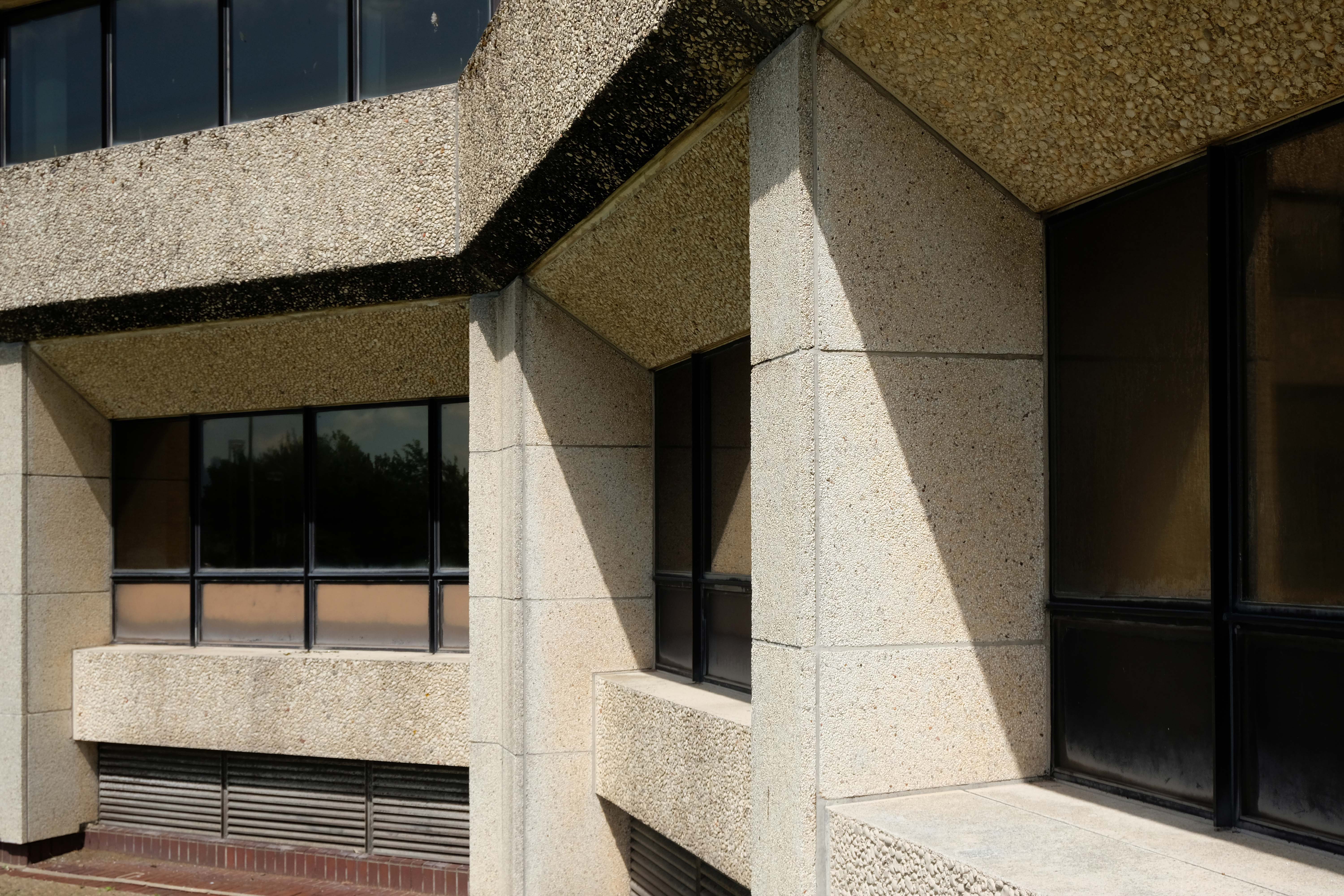
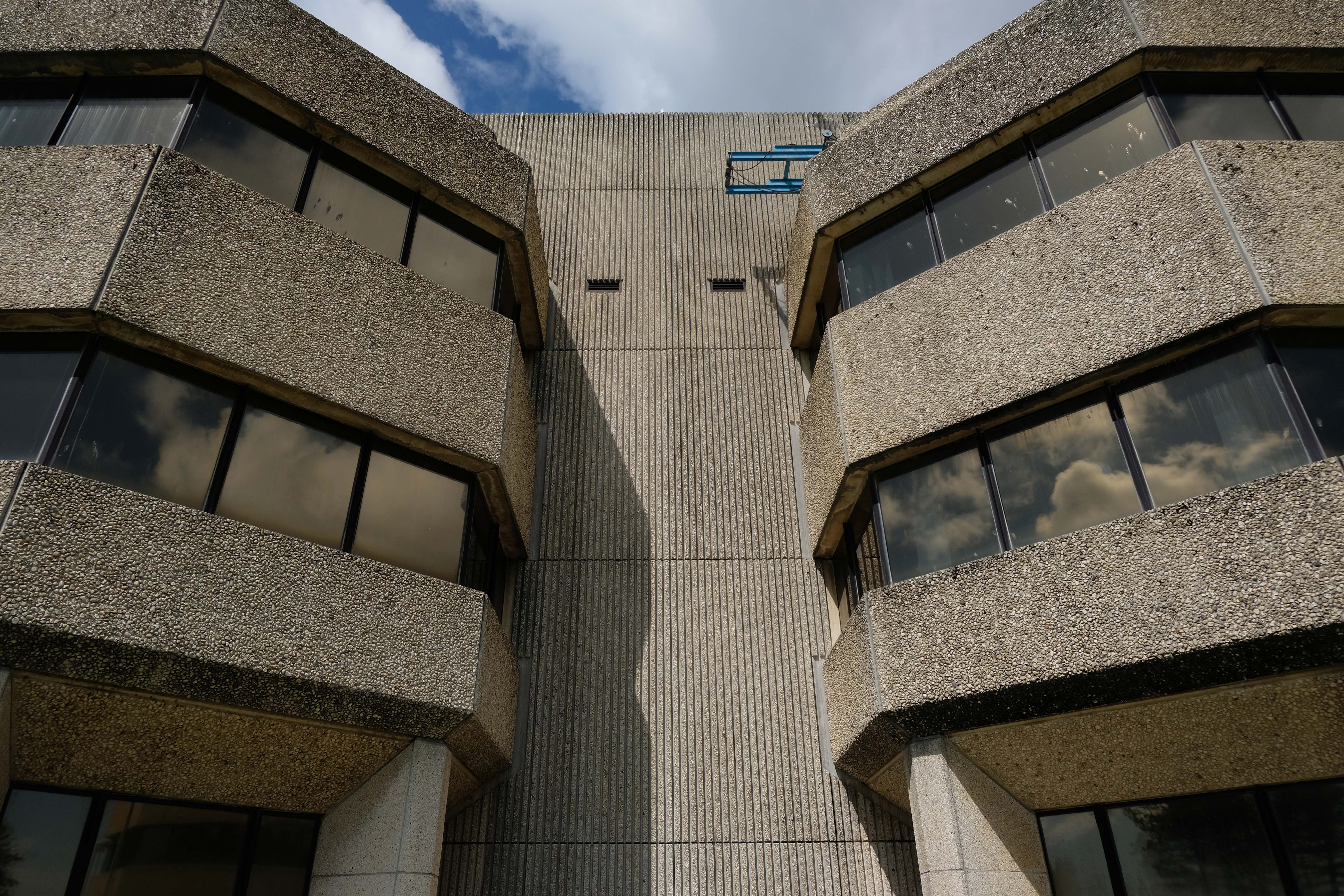
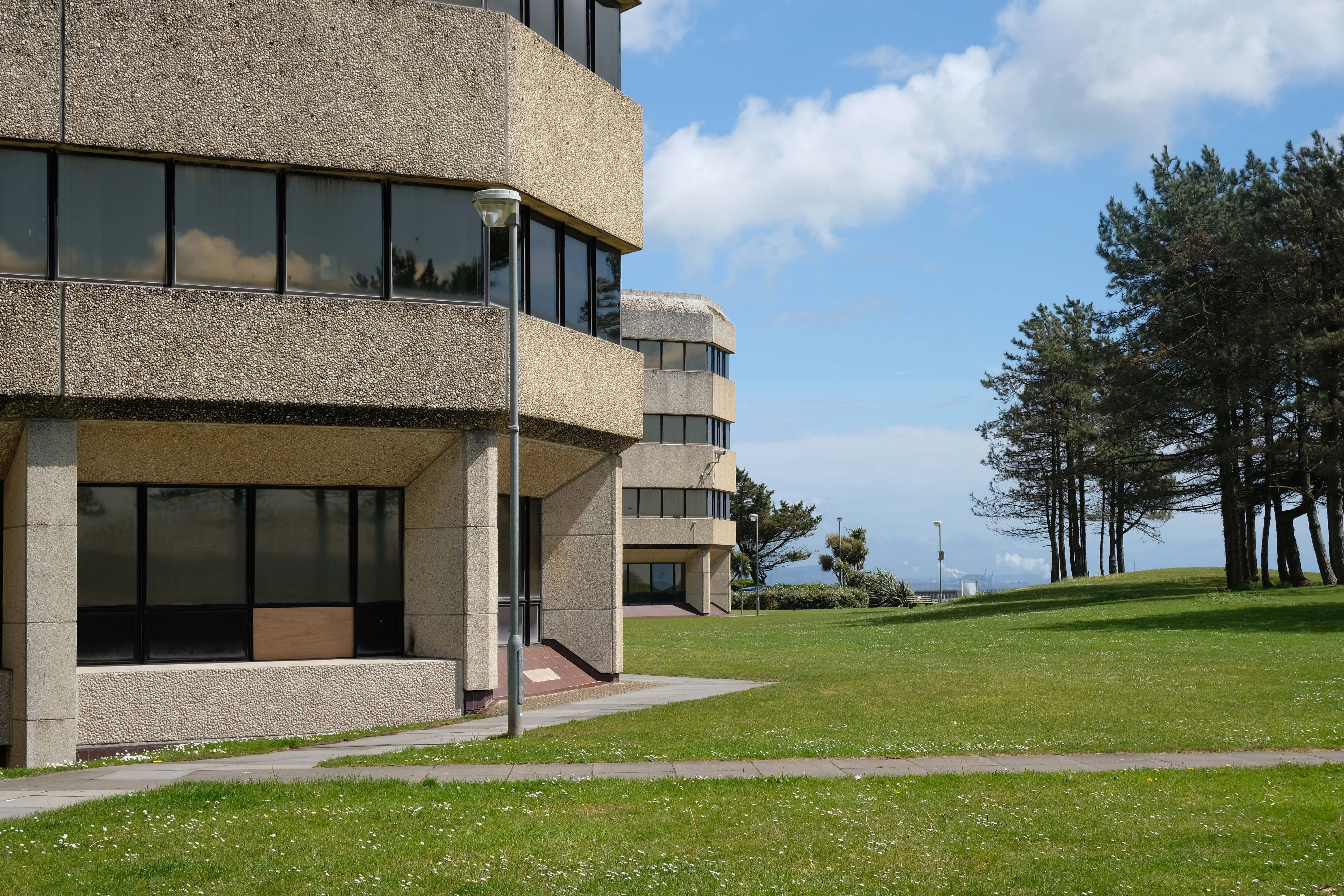
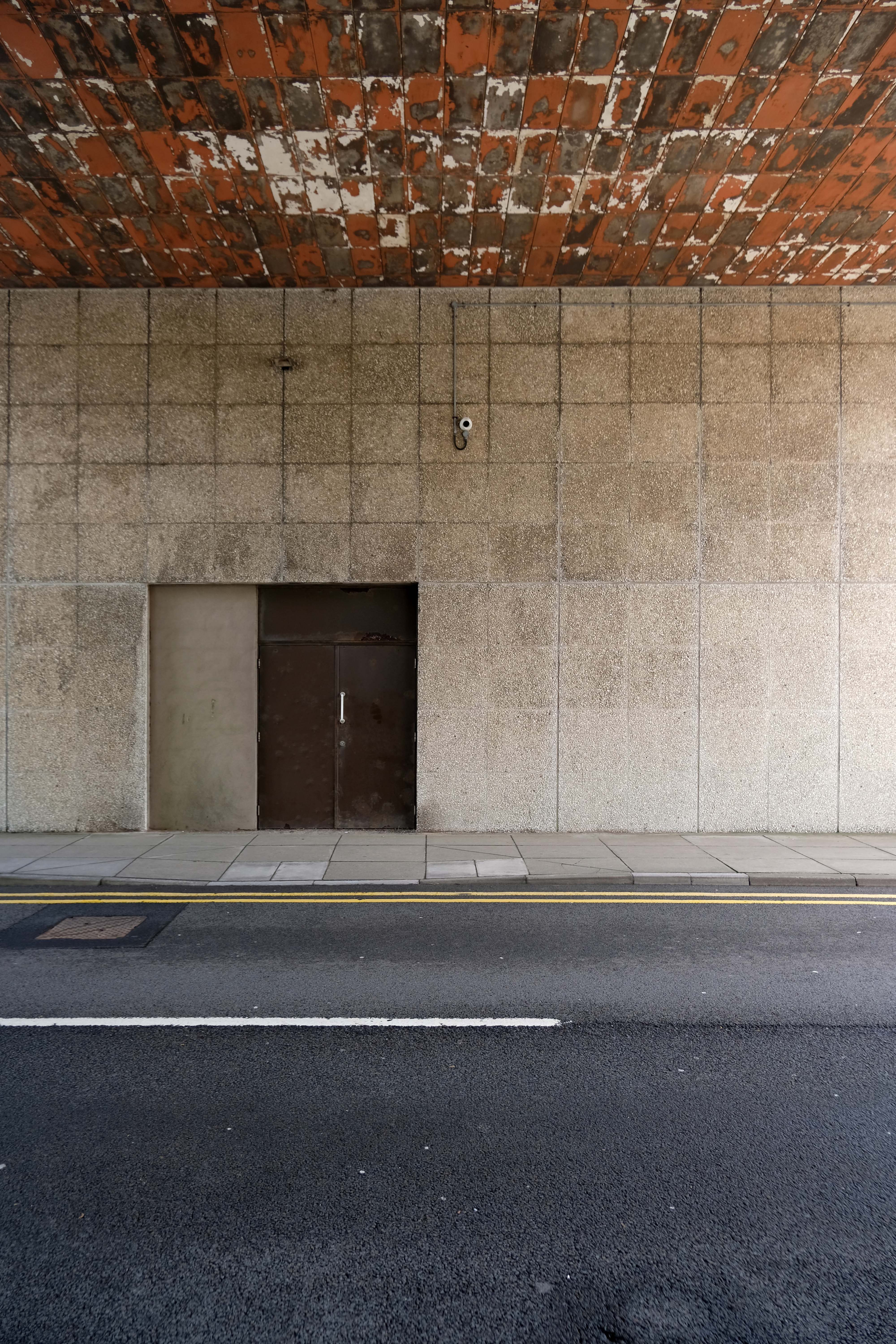
The design features continuous bands of glazing with deep washed calcined flint panels above and below.
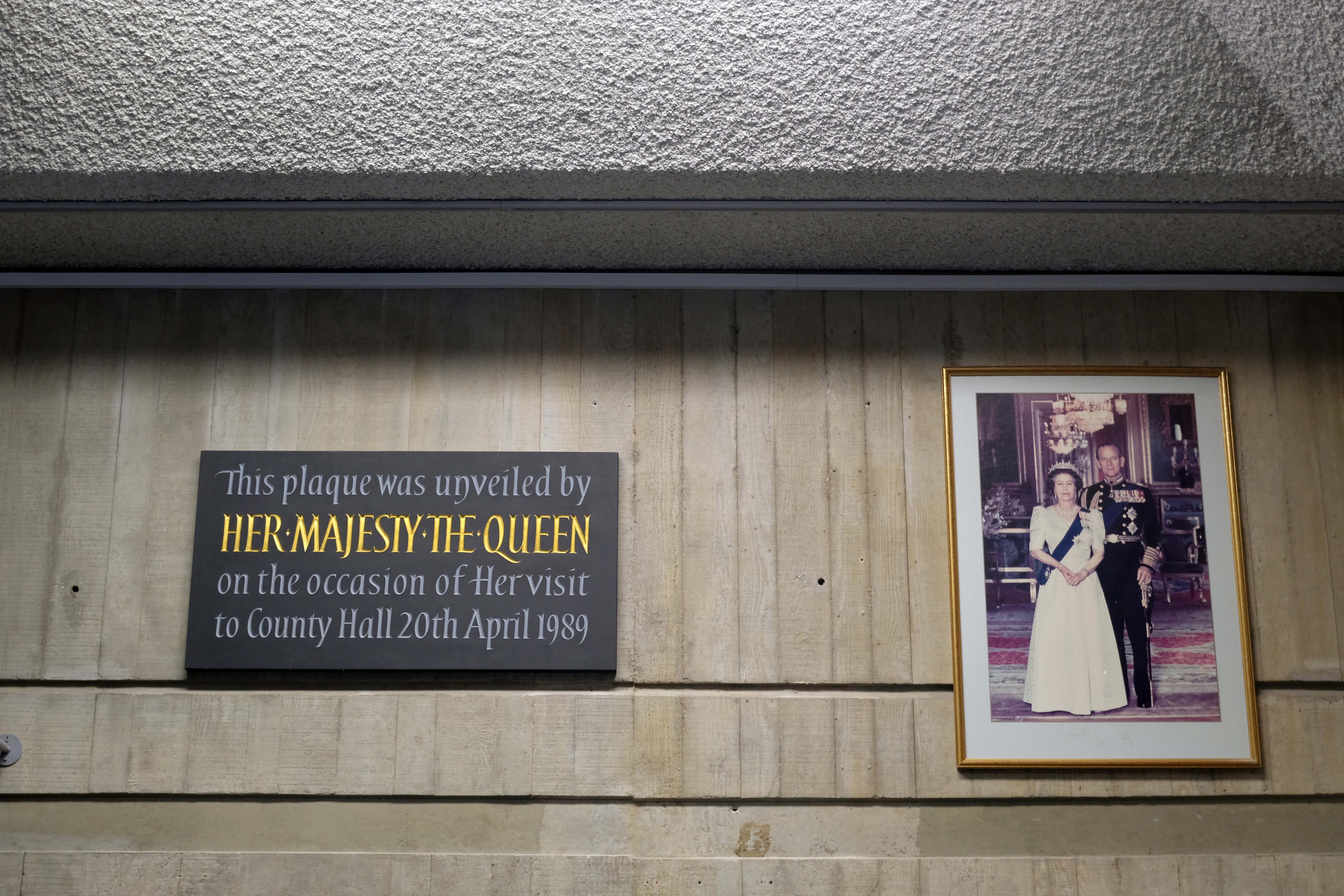
Queen Elizabeth II, accompanied by the Duke of Edinburgh, visited on 20 April 1989.
After local government re-organisation in 1996, which abolished West Glamorgan County Council, ownership of the building was transferred to Swansea Council. It was renamed Swansea Civic Centre on 19 March 2008, and Swansea Central Library moved into the complex as part of a redevelopment scheme.
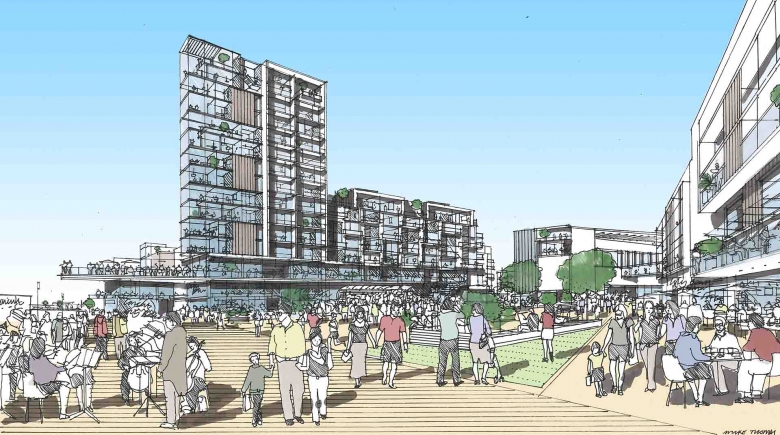
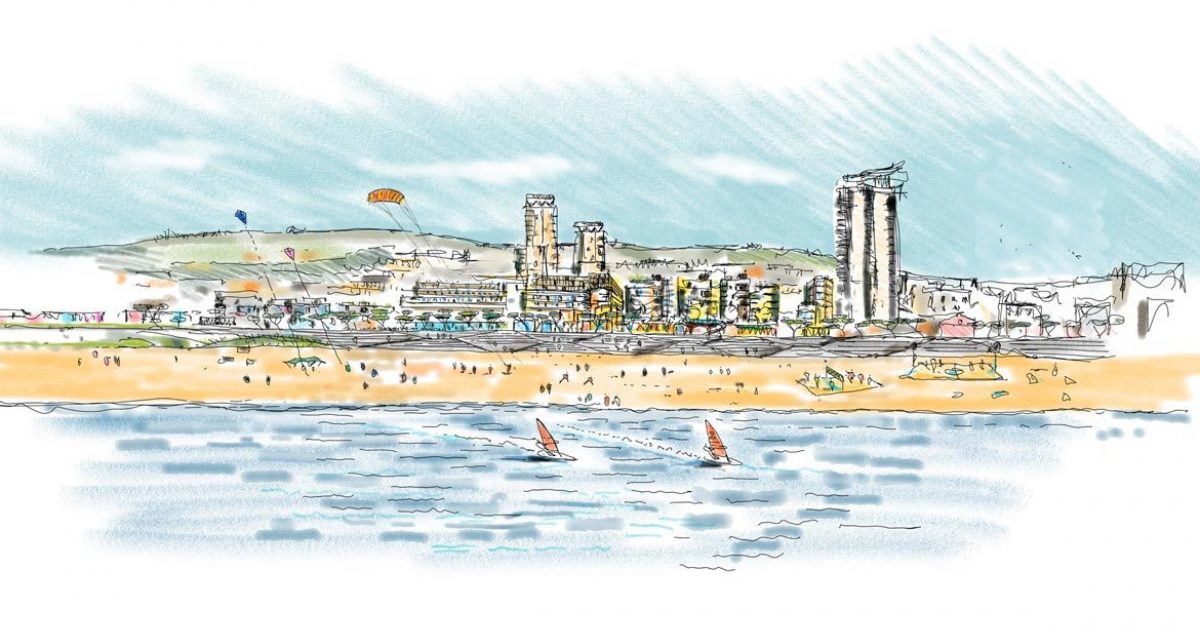
Urban Splash seem to have a slightly vaguer vision.
In March 2021, plans to find a new use for the location continued to still be a commitment of Swansea council, with the announcement of the transfer of the central library and other public services to the former BHS and now What! store on Oxford Street.
Swansea Civic Centre is at risk the Twentieth Century Society says so – they are strongly opposed to demolition of the iconic building and have submitted an application to have the building listed as Grade II.
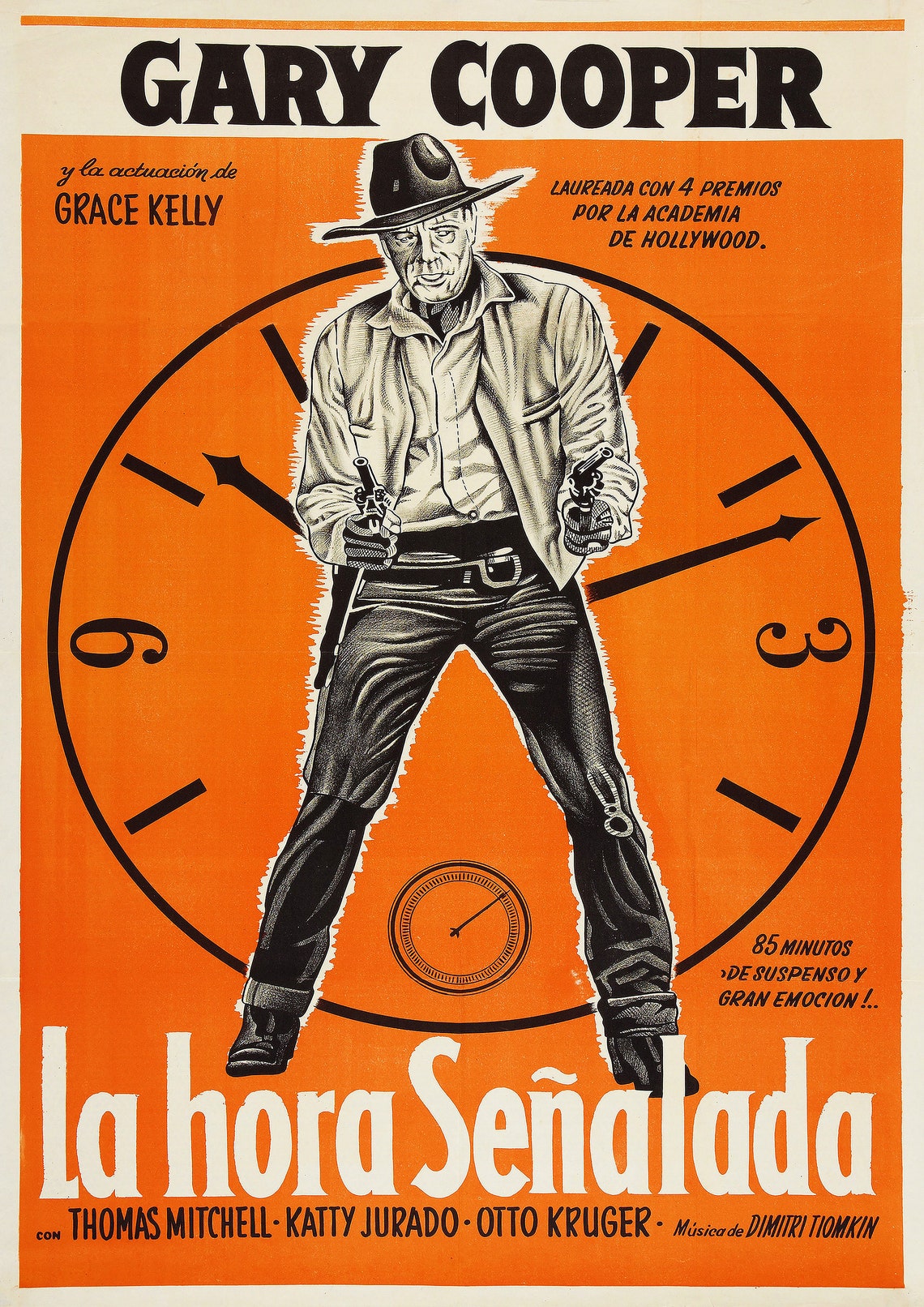
I do not know what fate awaits it, I only know it must be brave – to paraphrase Dimitri Zinovievich Tiomkin, Ned Washington, Gary Cooper and Frankie Laine – it’s High Noon and counting.
Any road up as of the 11th of May it looked just like this:
Diolch yn fawr once again to Catrin Saran James for acting as my spirit guide.
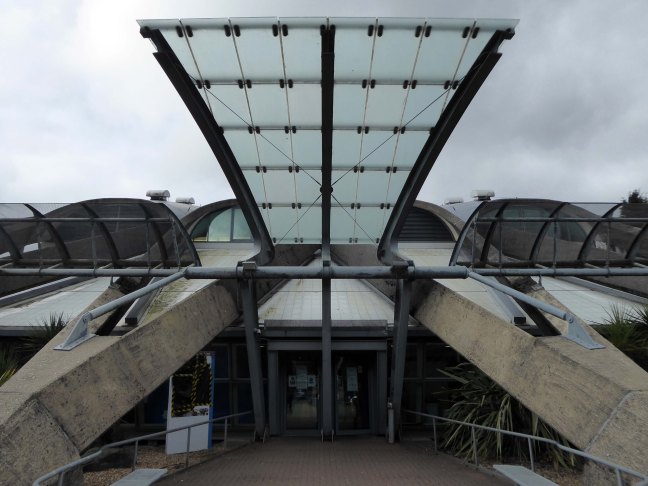
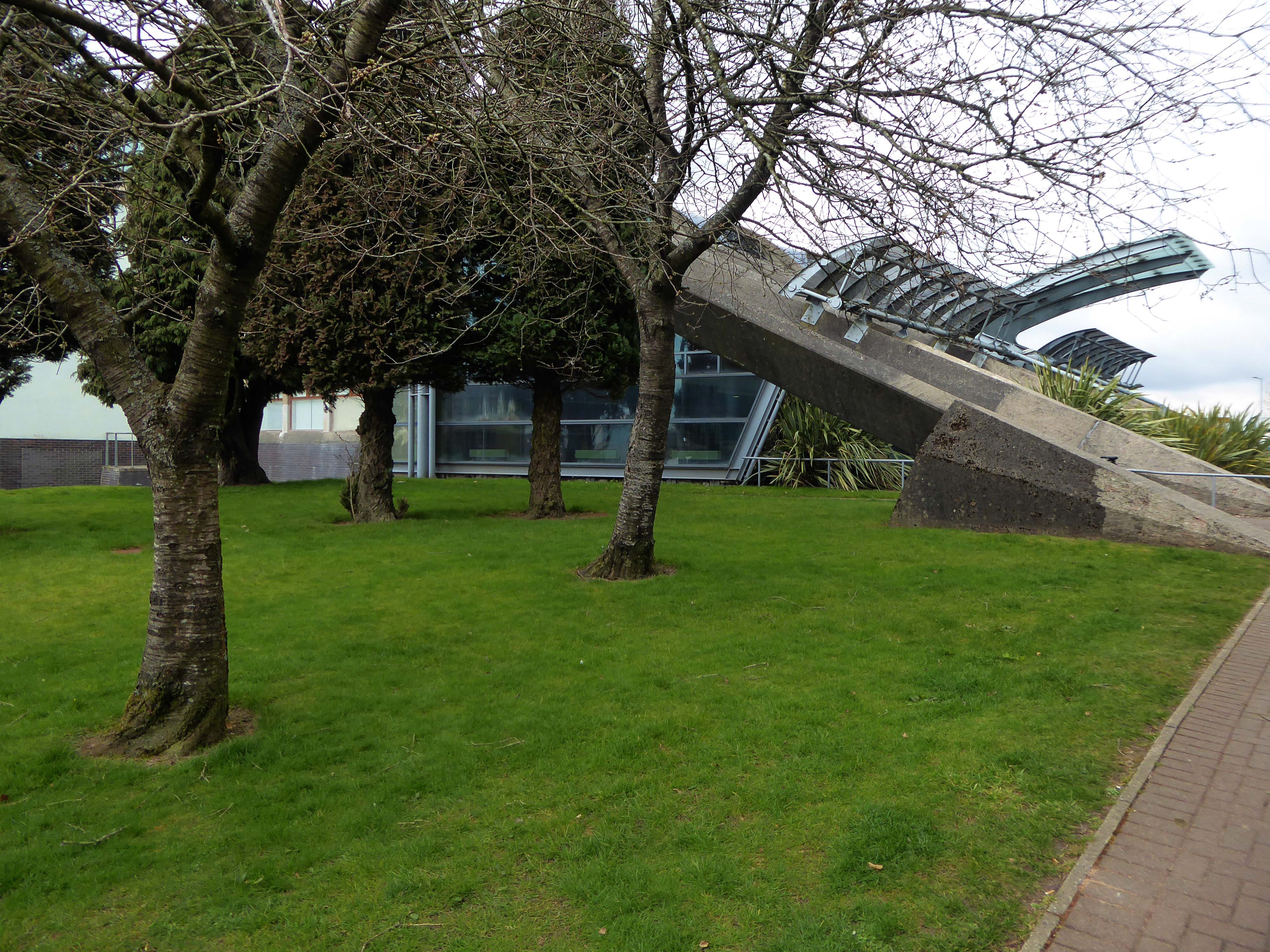
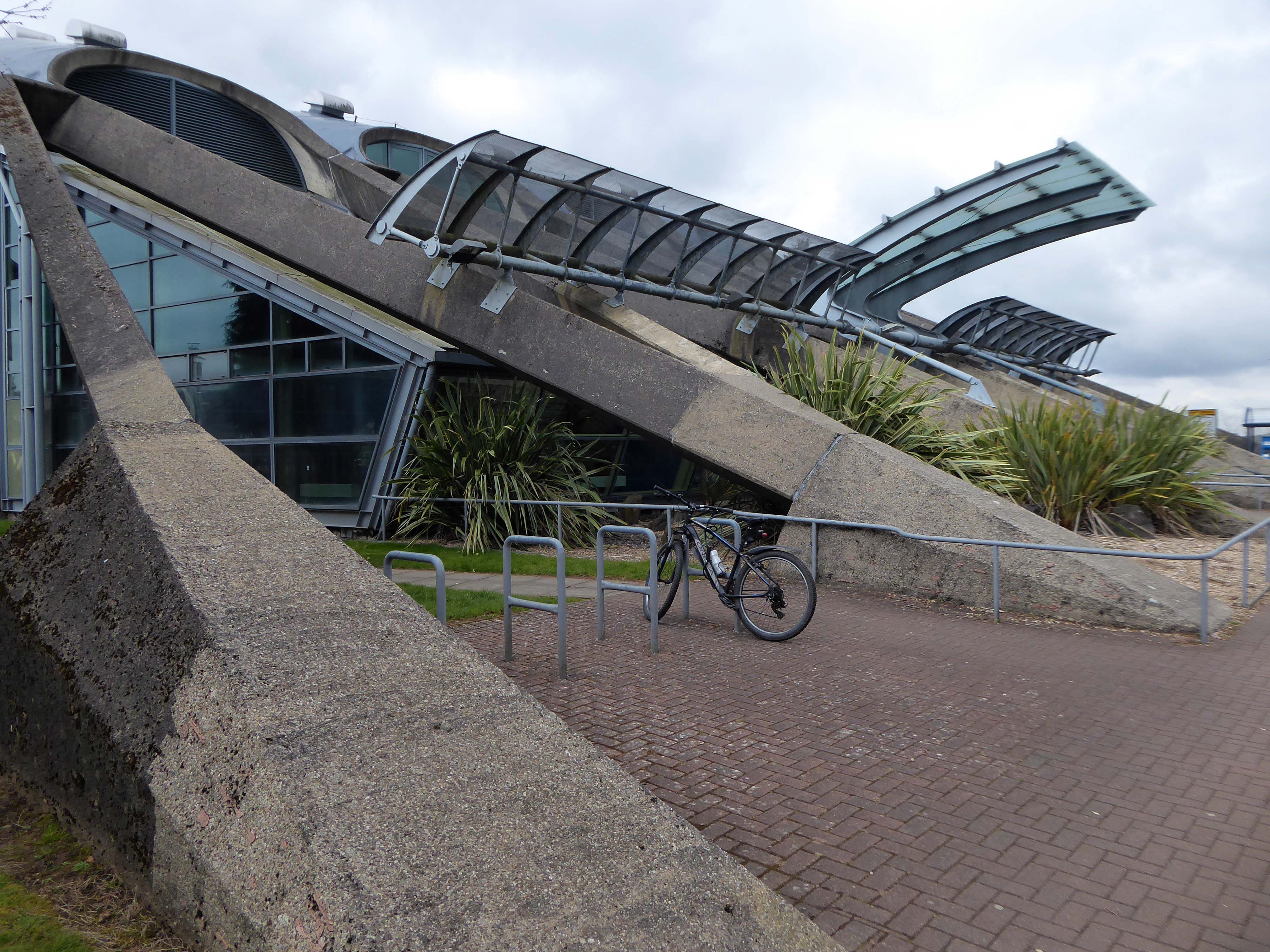
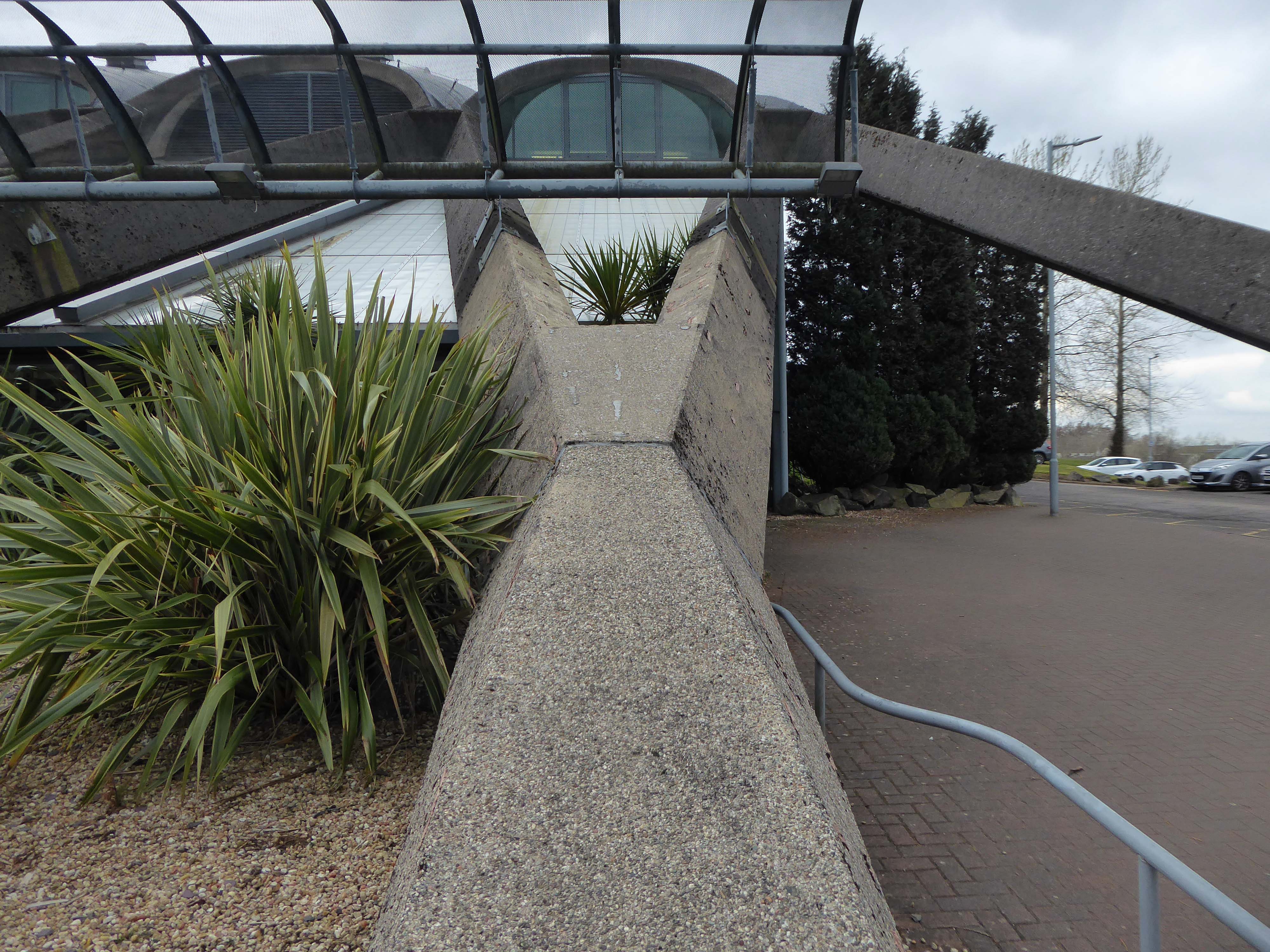
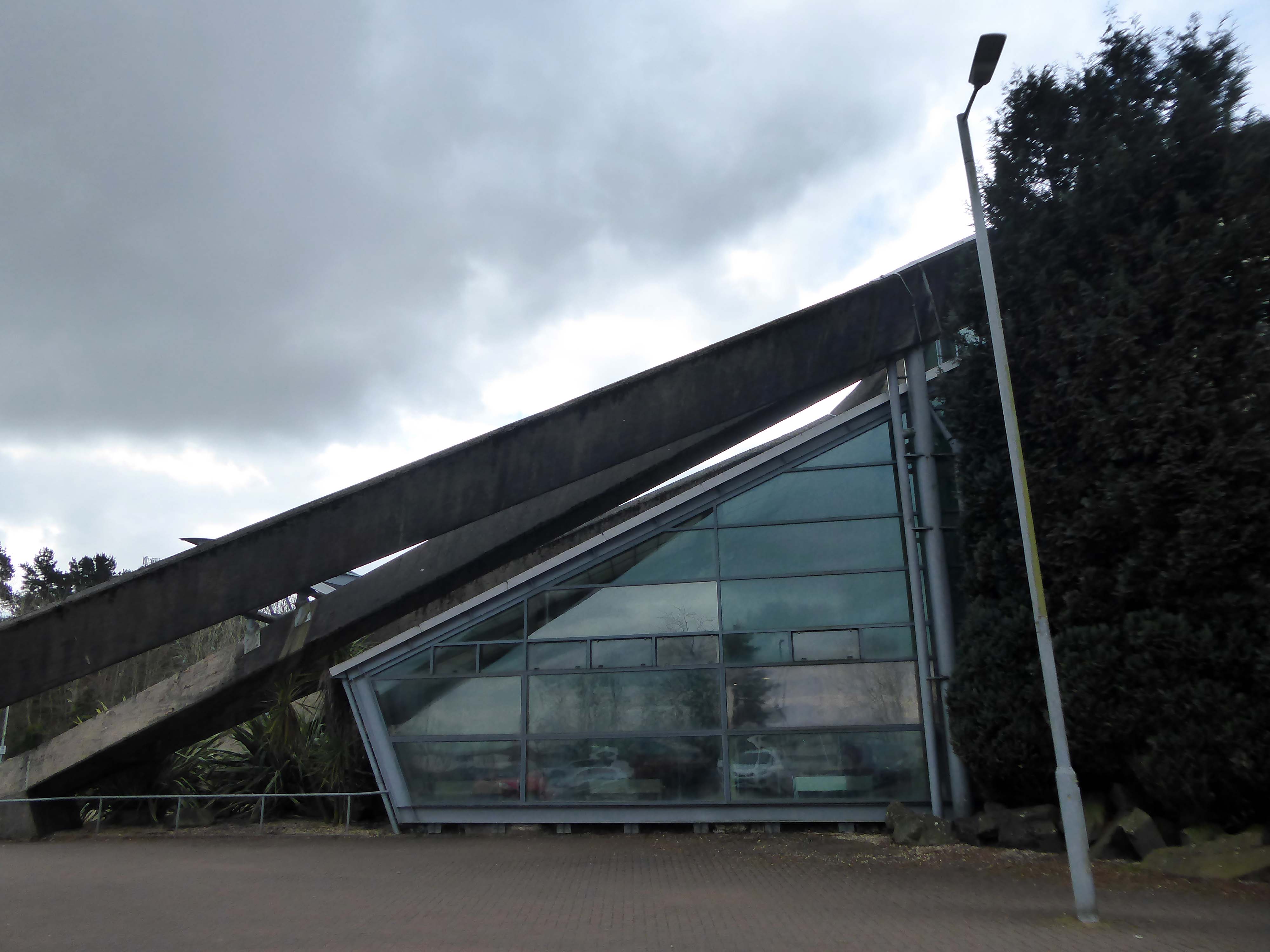
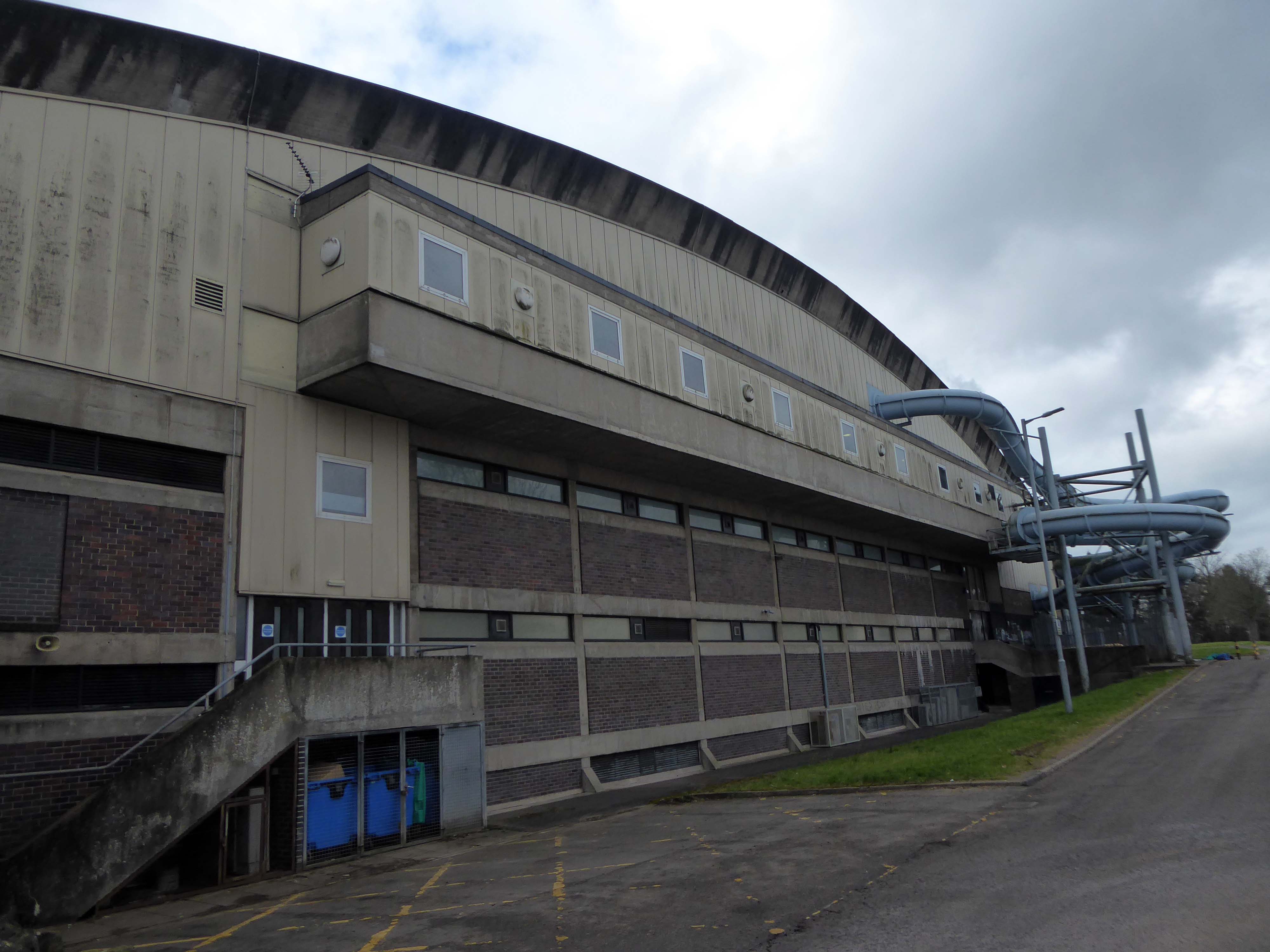
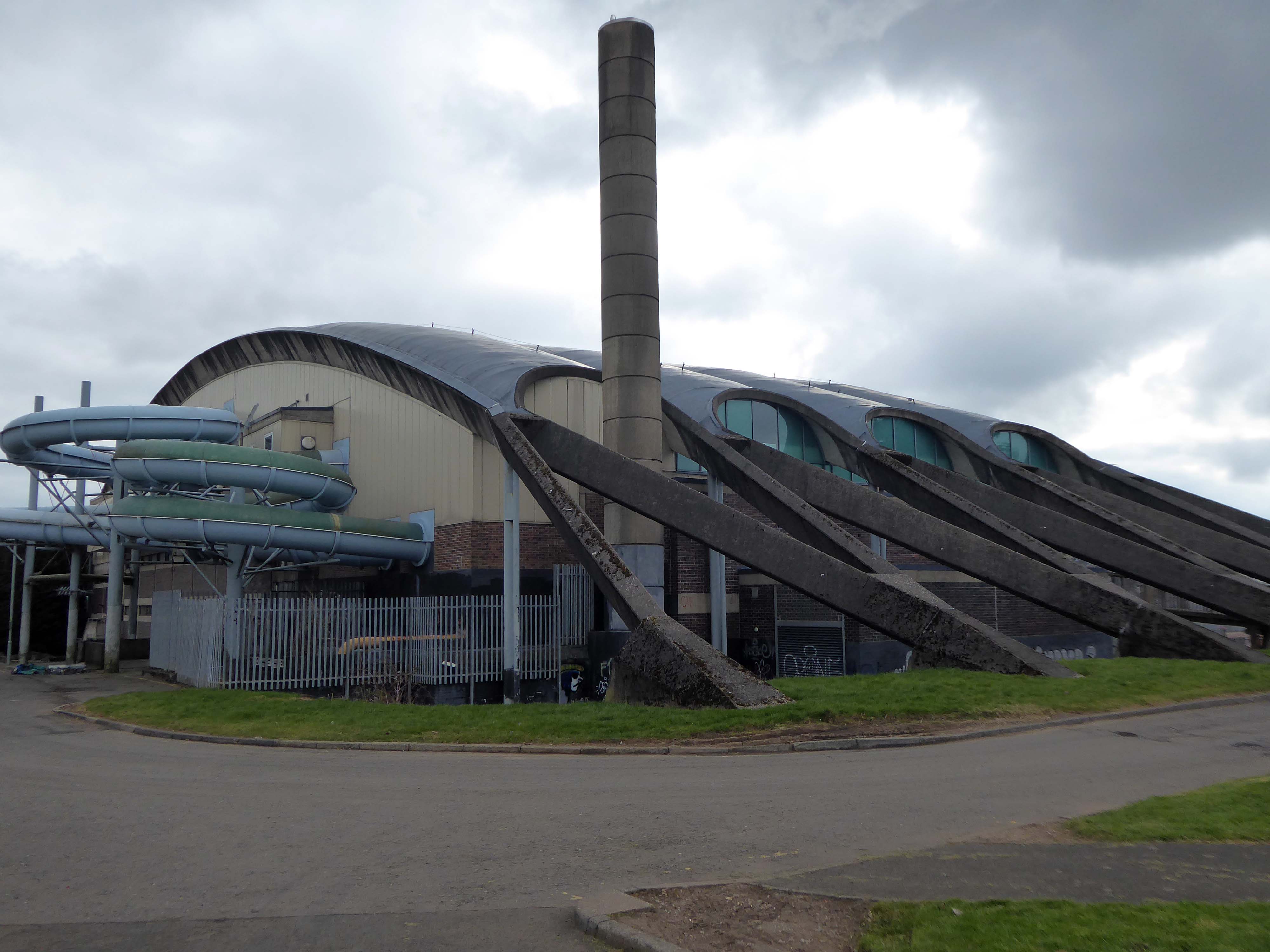
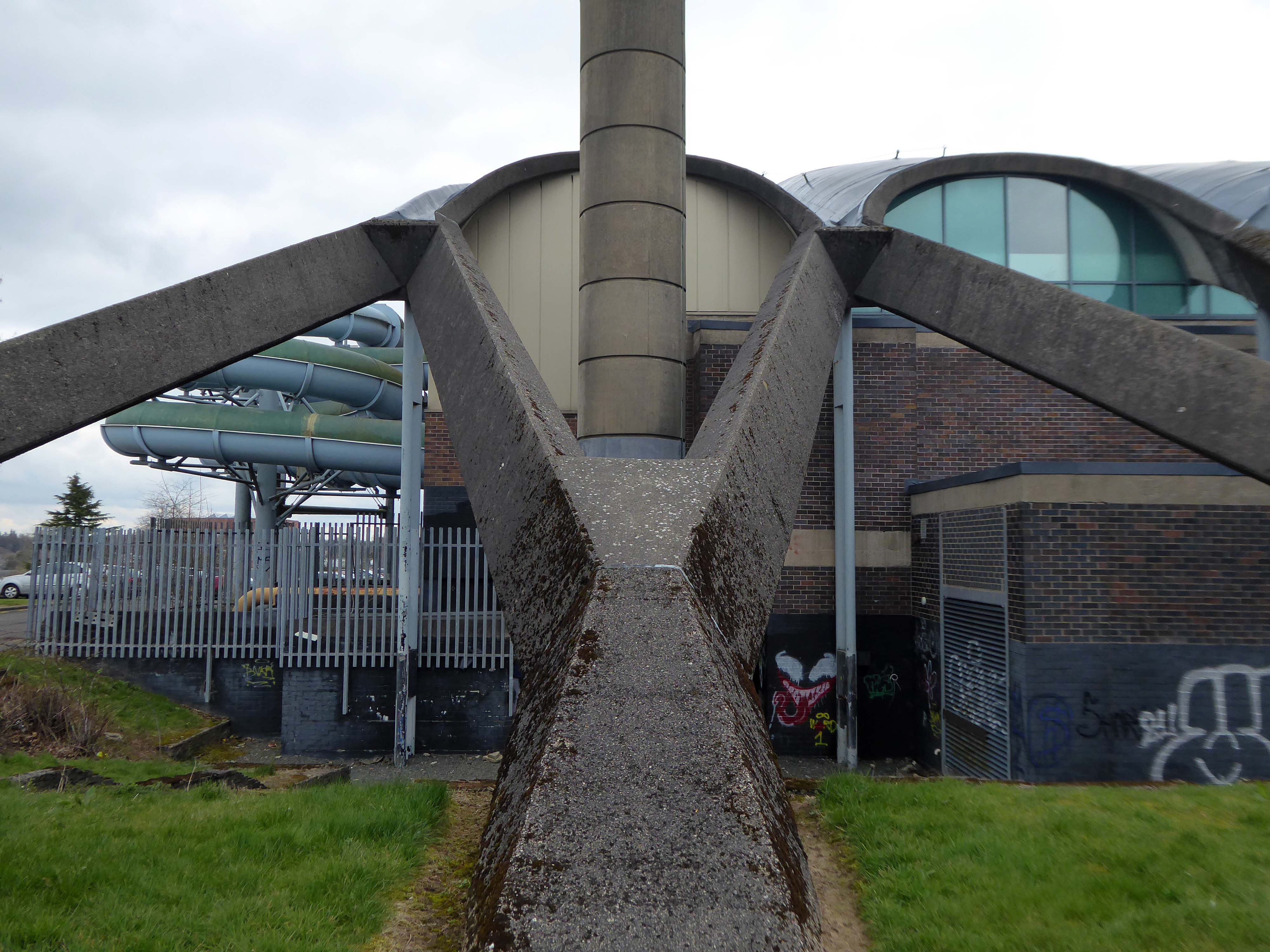
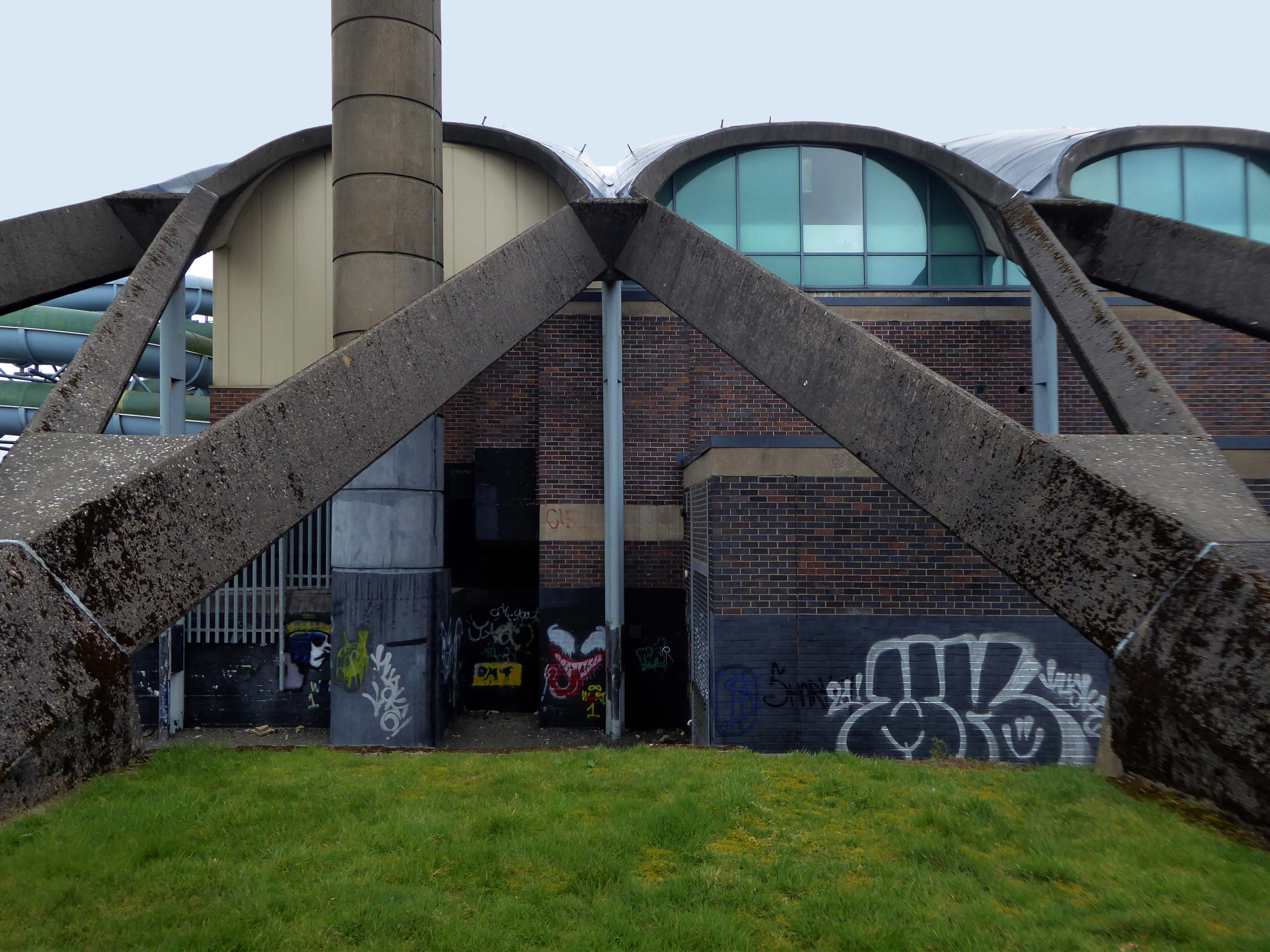
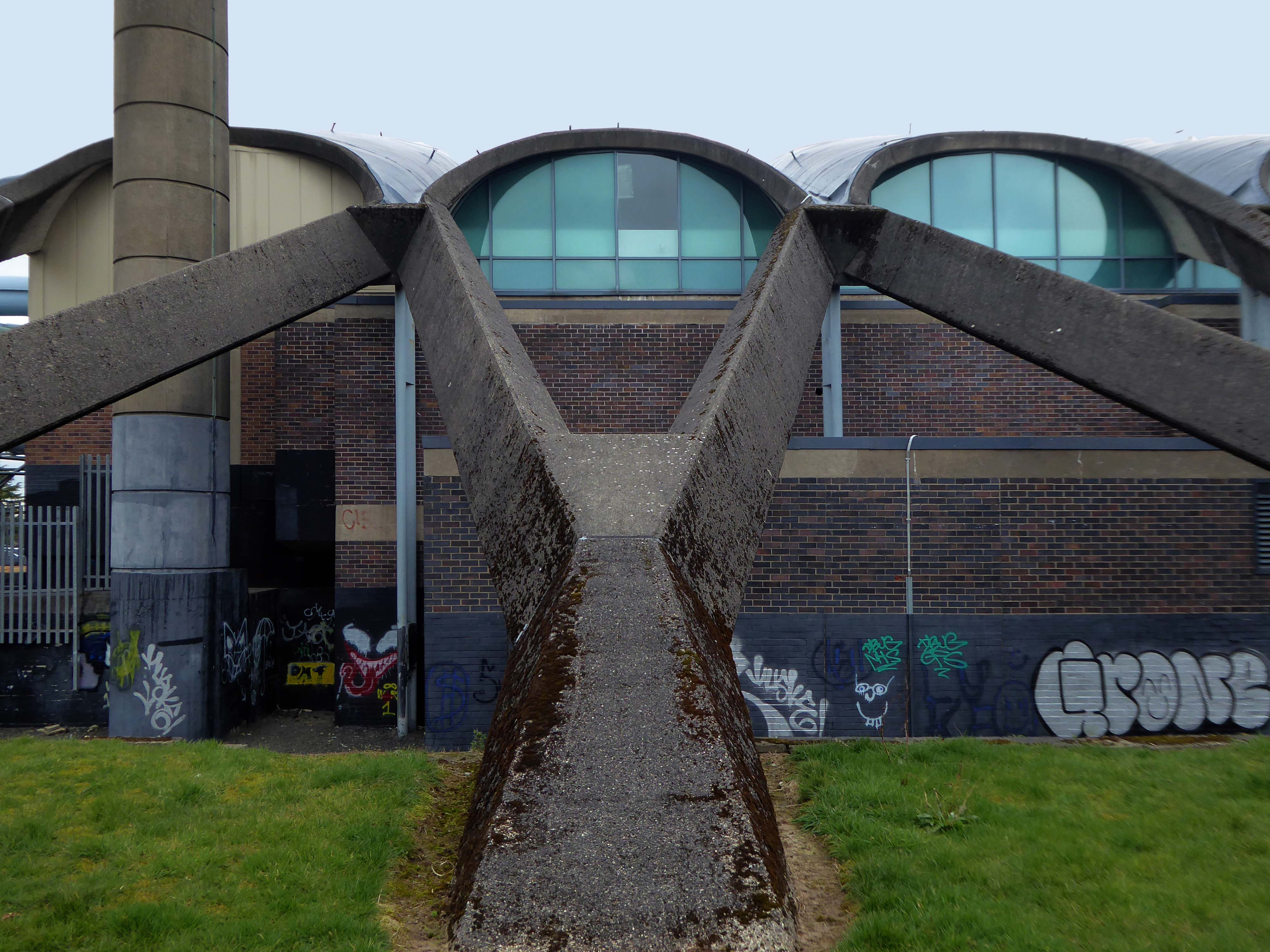
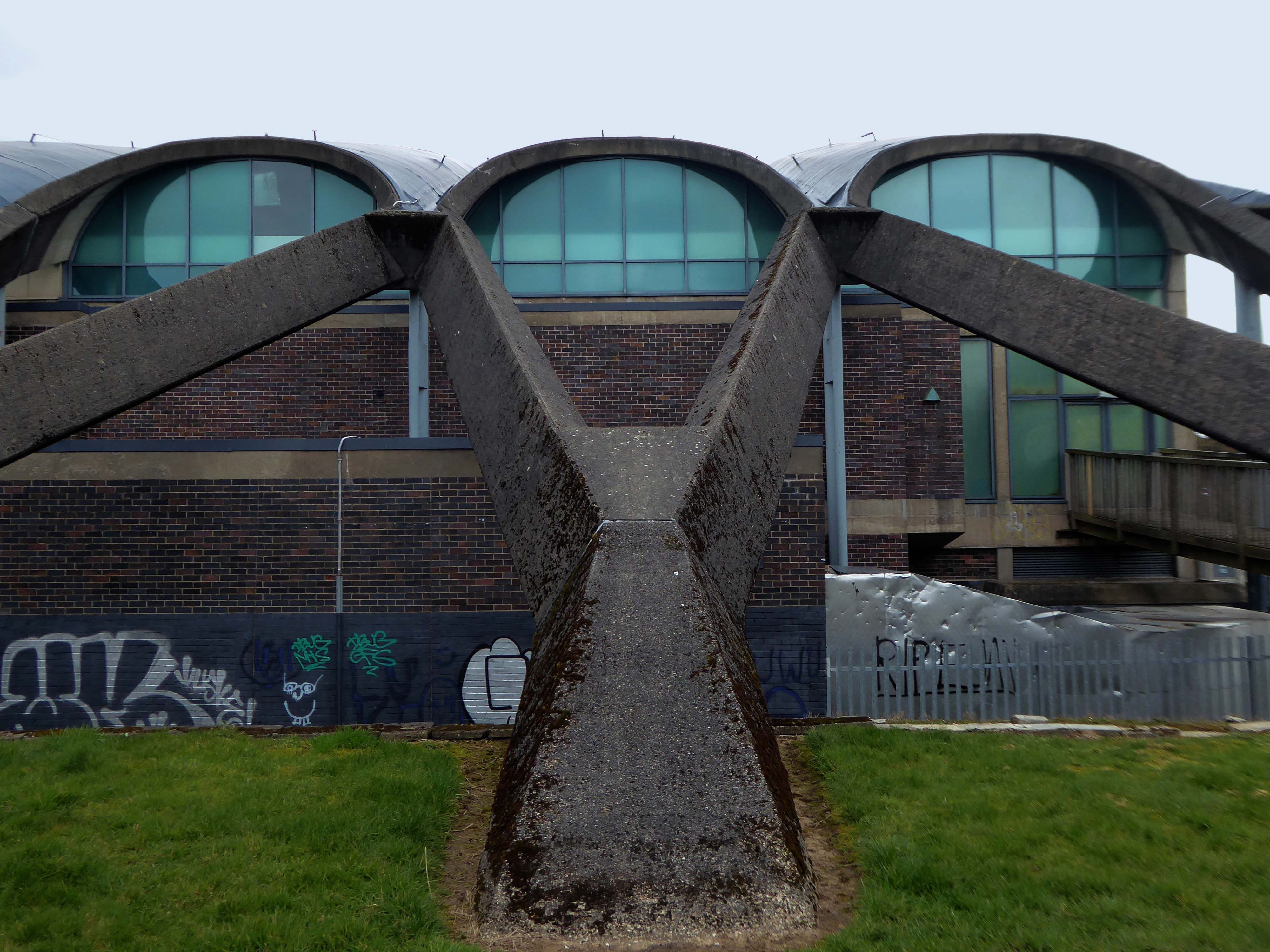
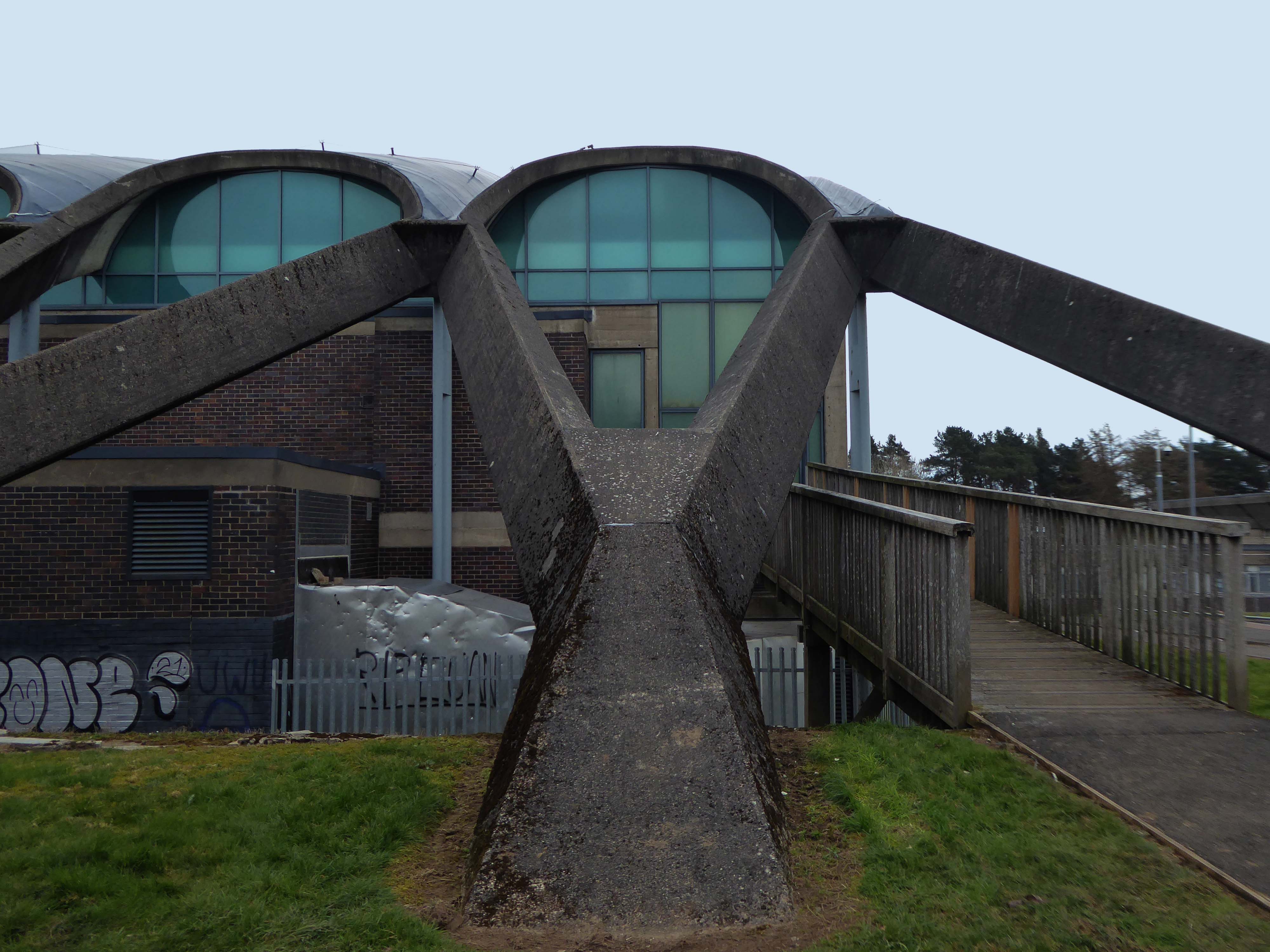
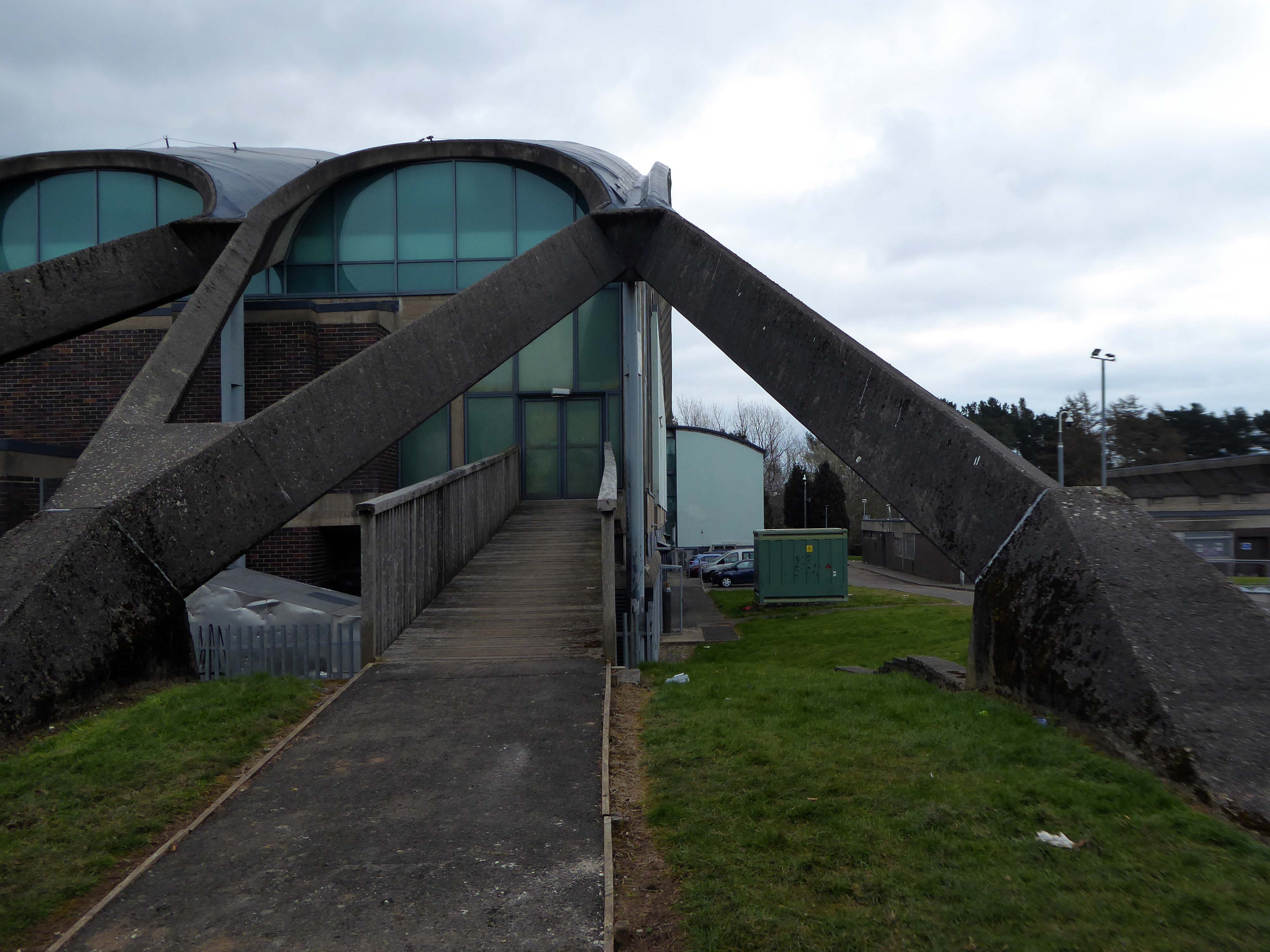
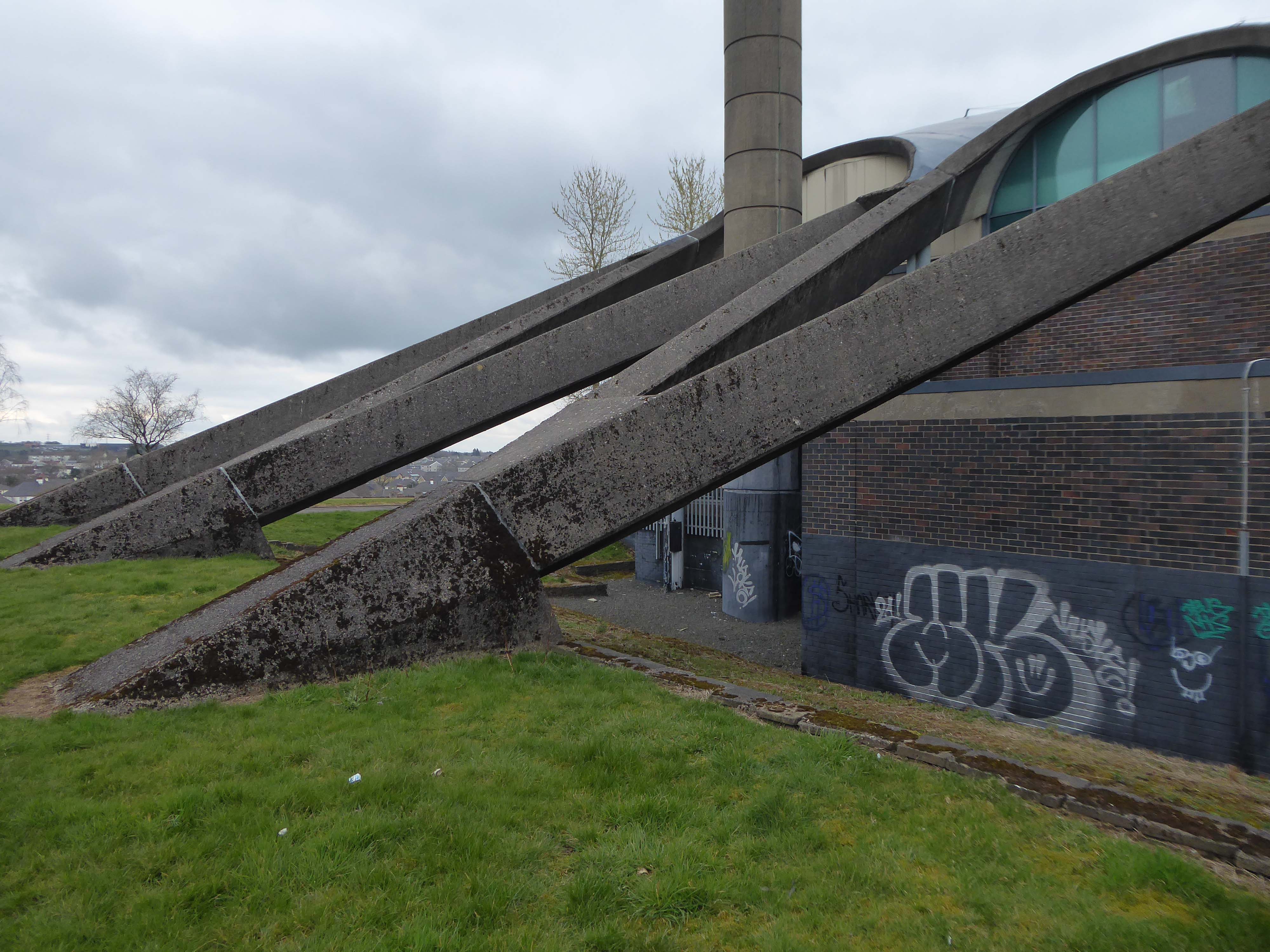
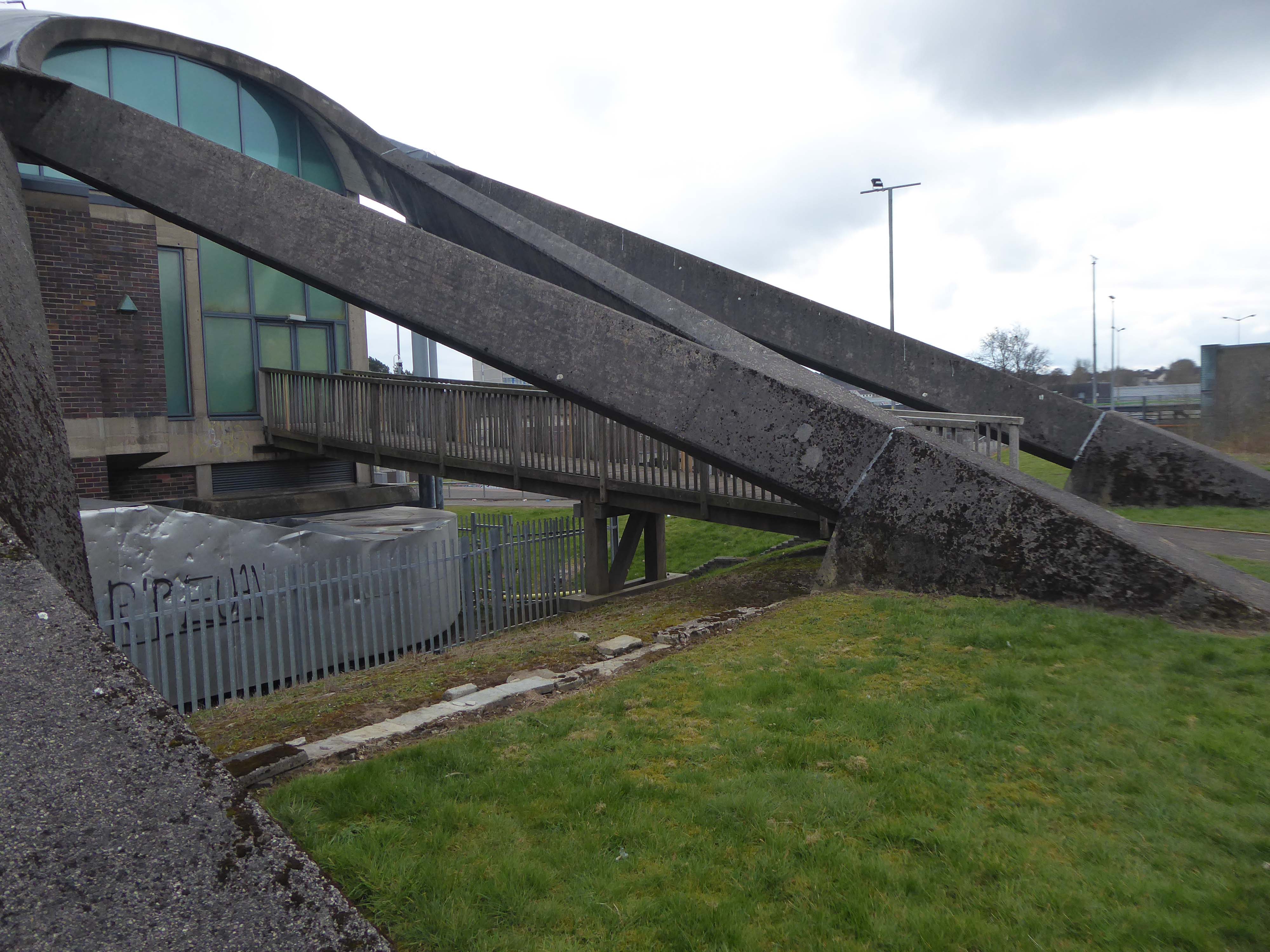
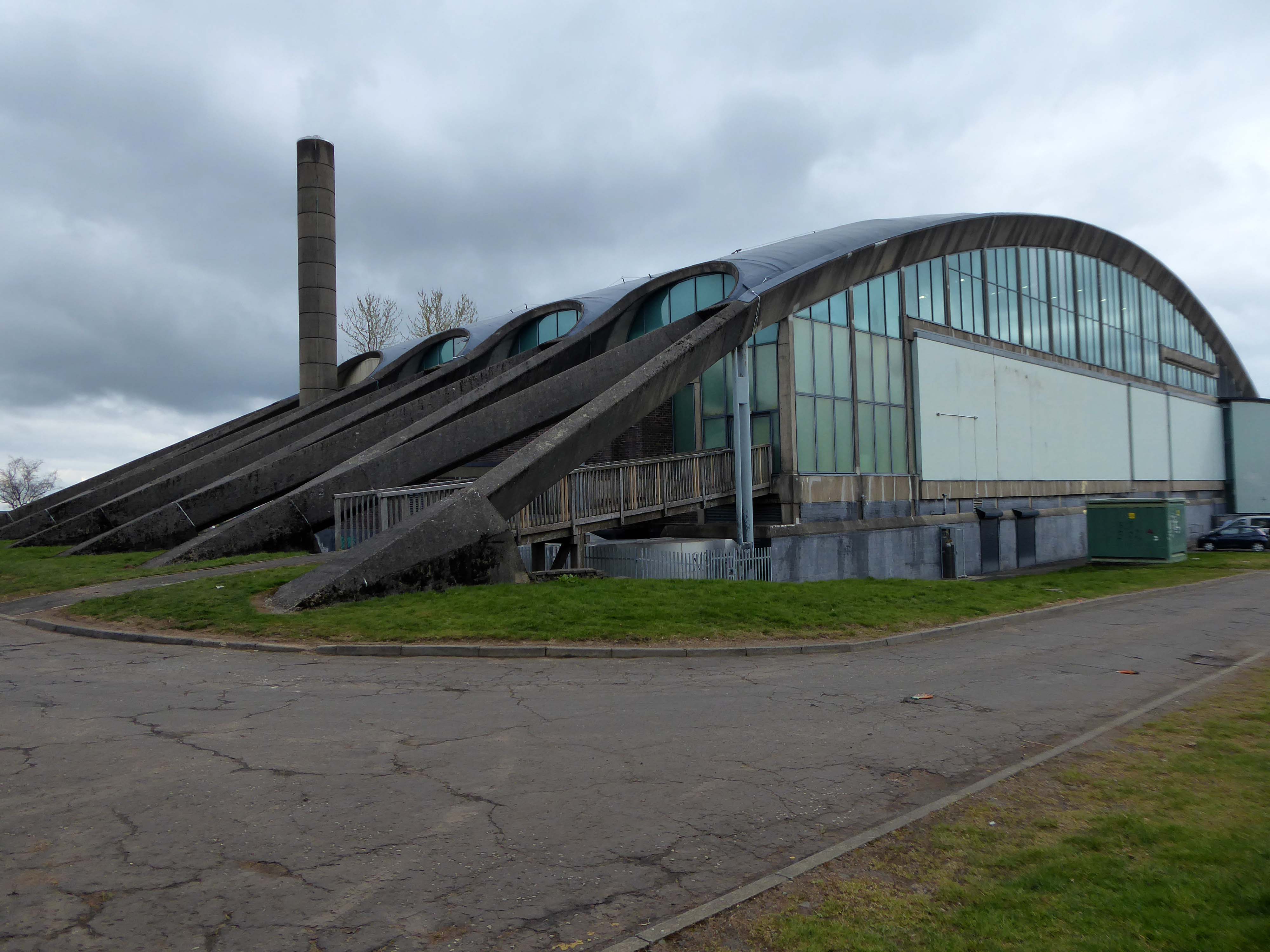
Designed by Alexander Buchanan Campbell and named after former Lord Provost Sir Patrick Dollan, it was opened in 1968 as Scotland’s first 50 metre swimming pool.
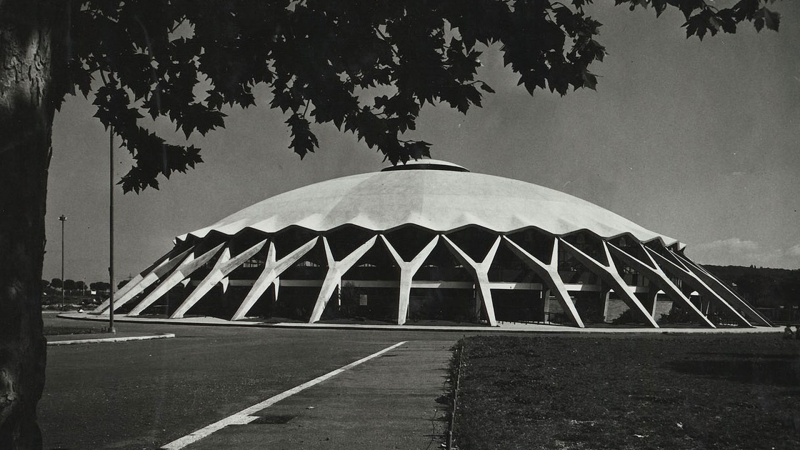
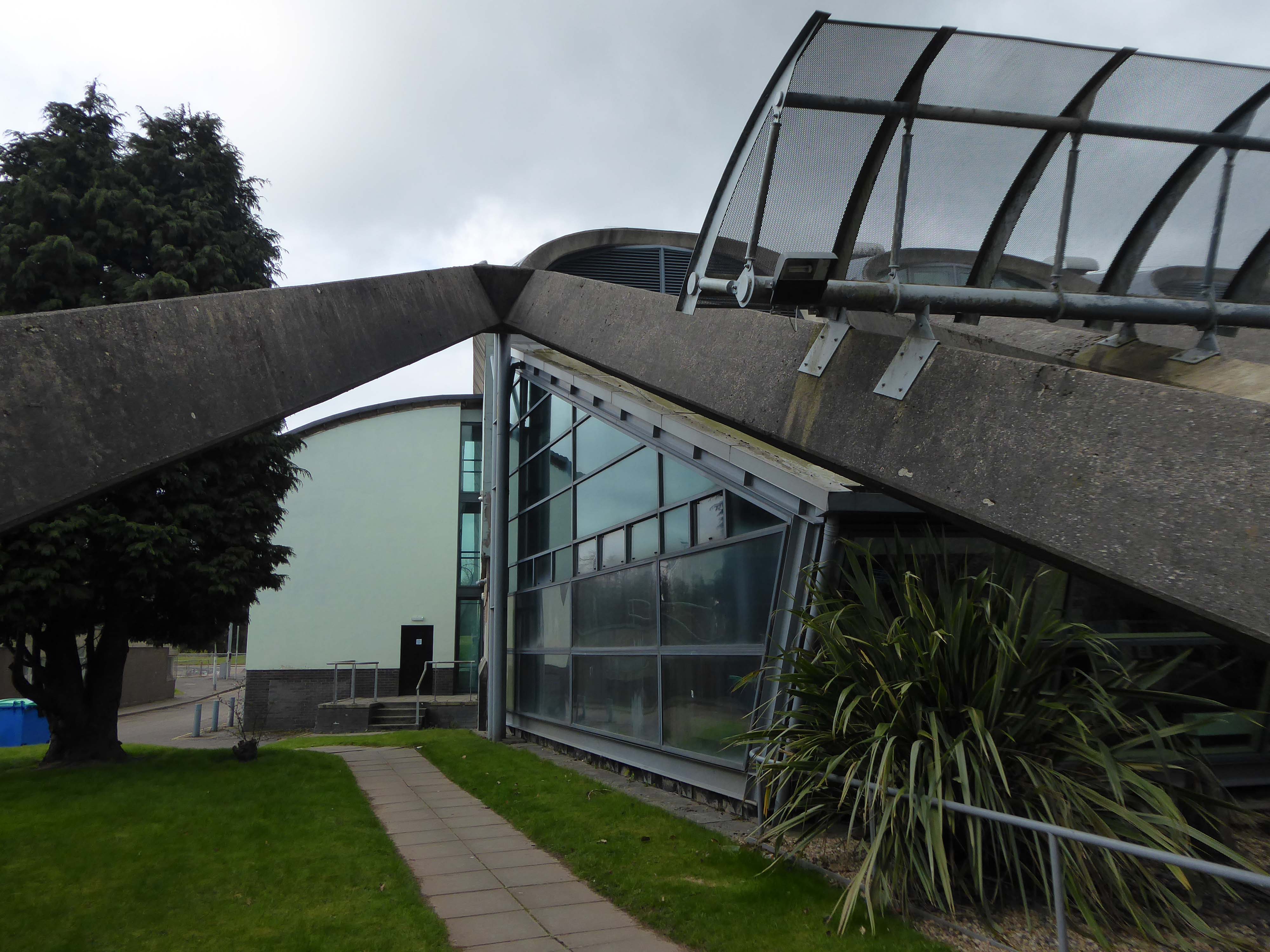
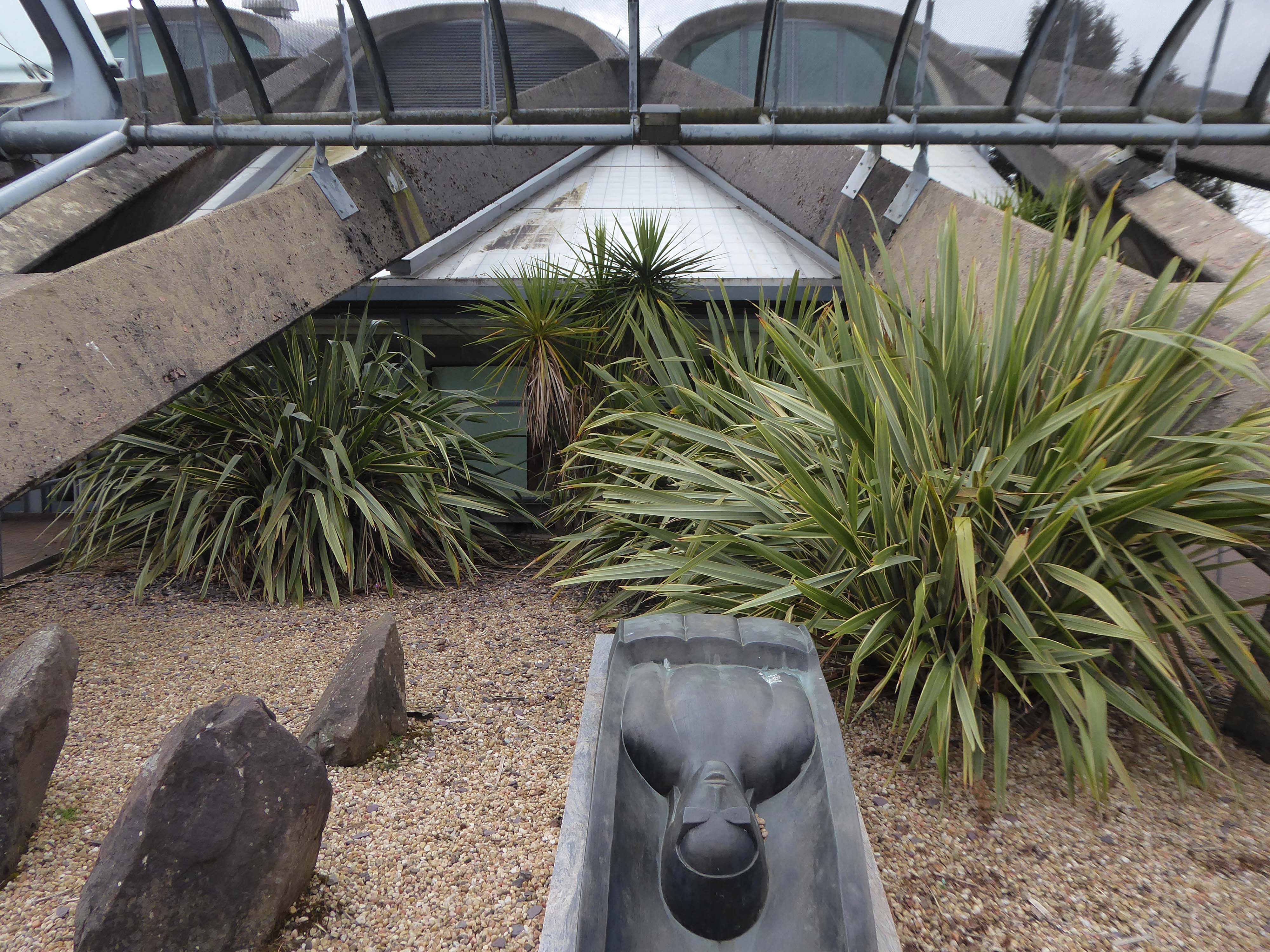
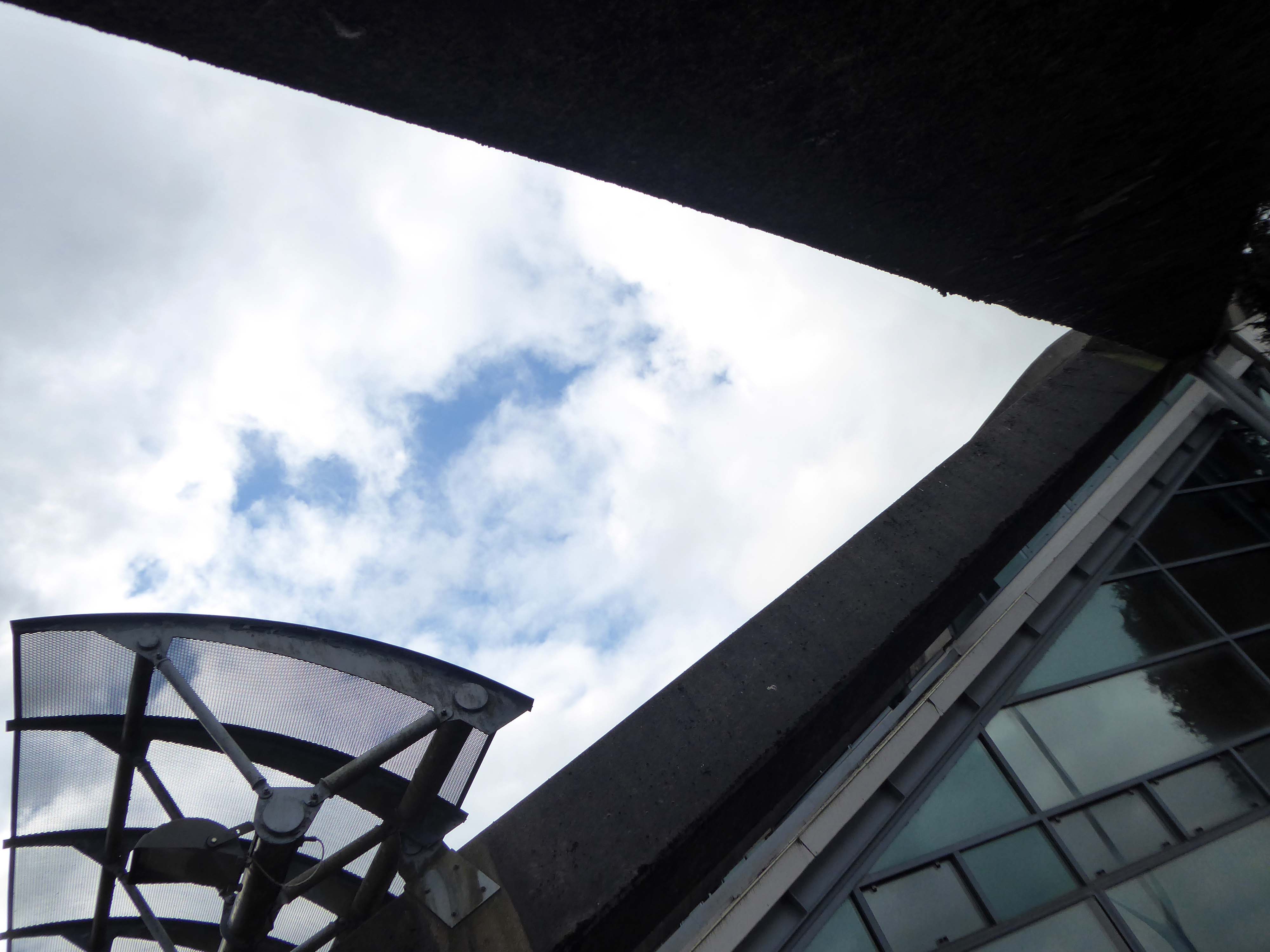
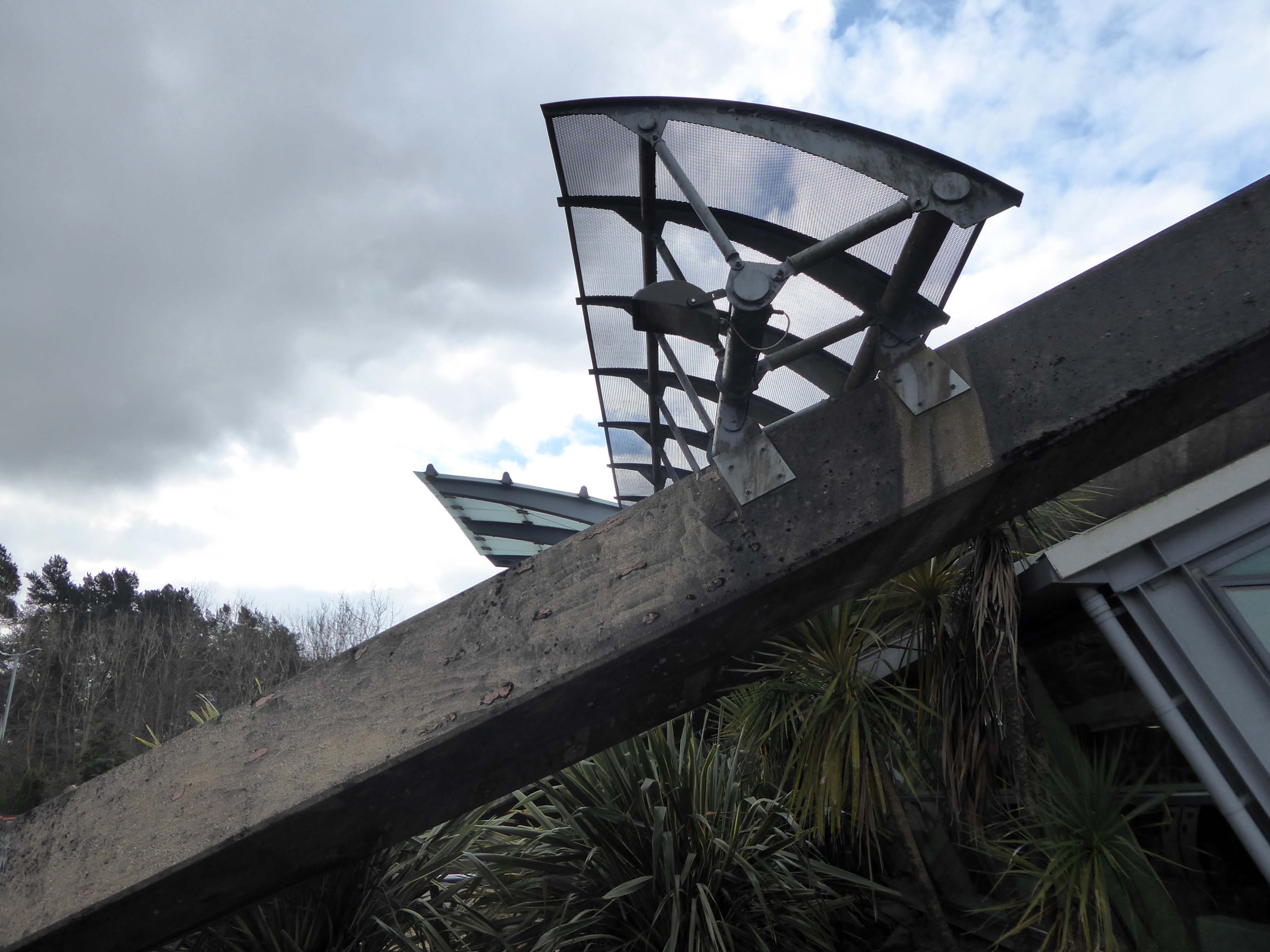
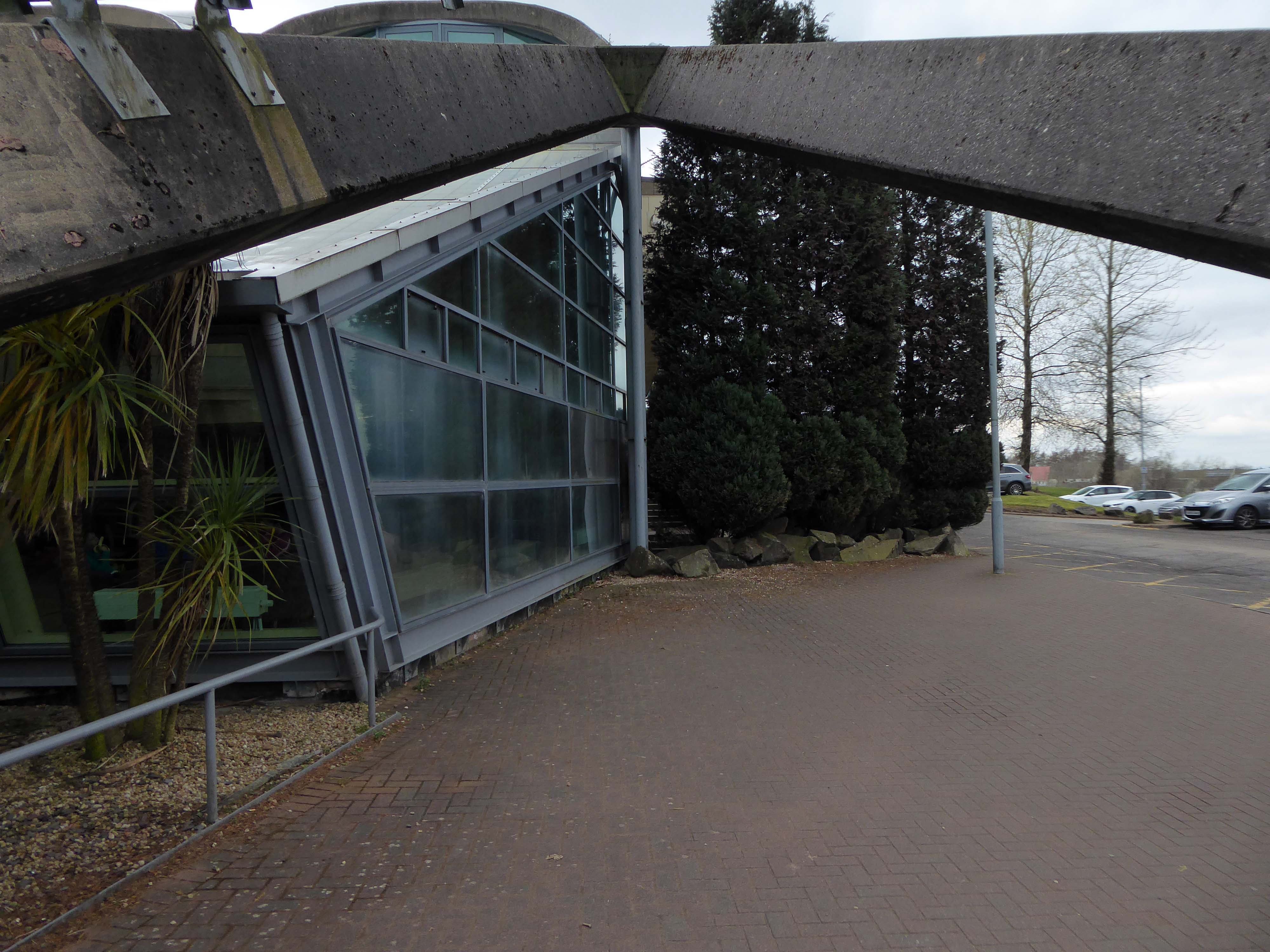
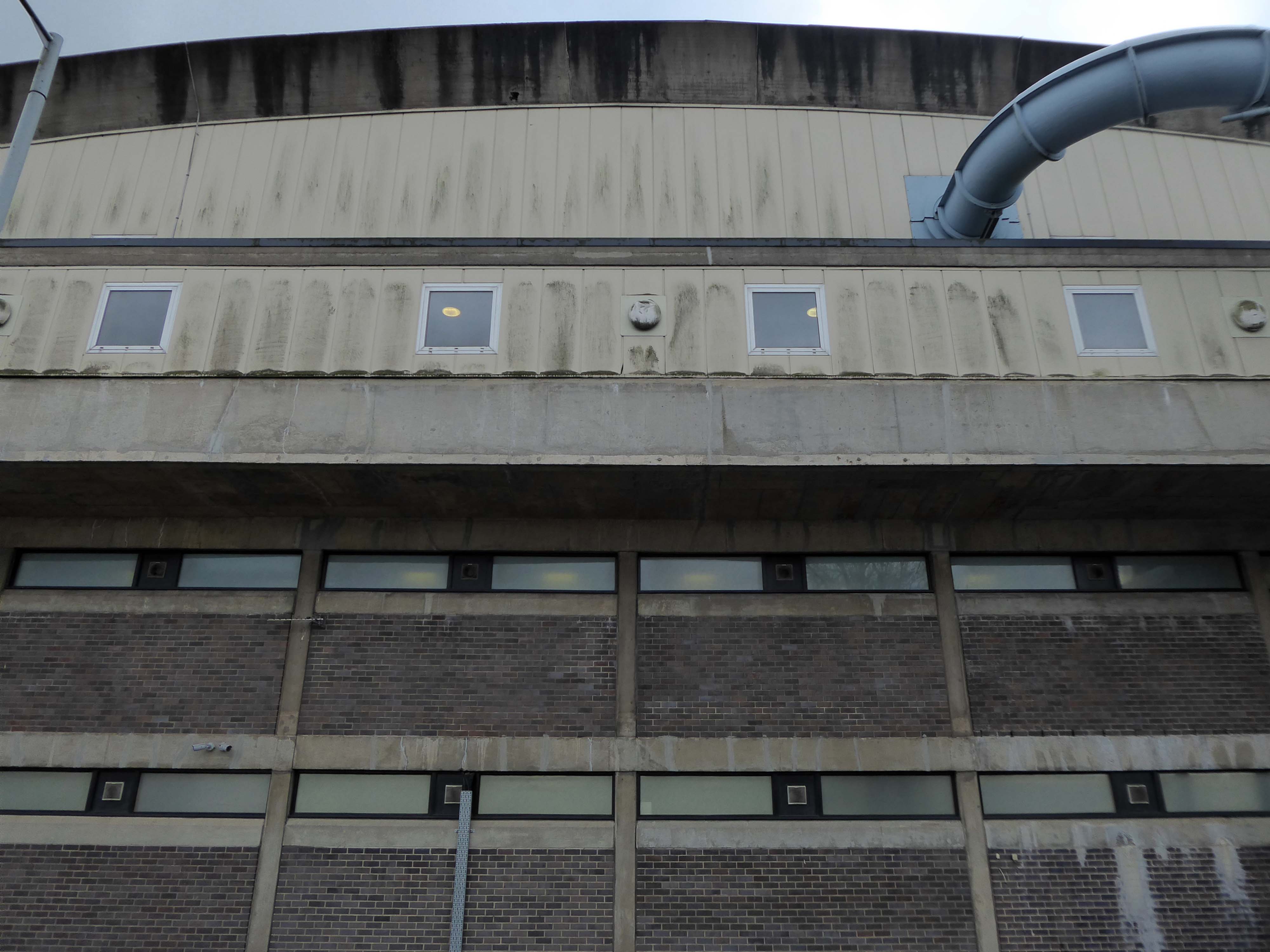
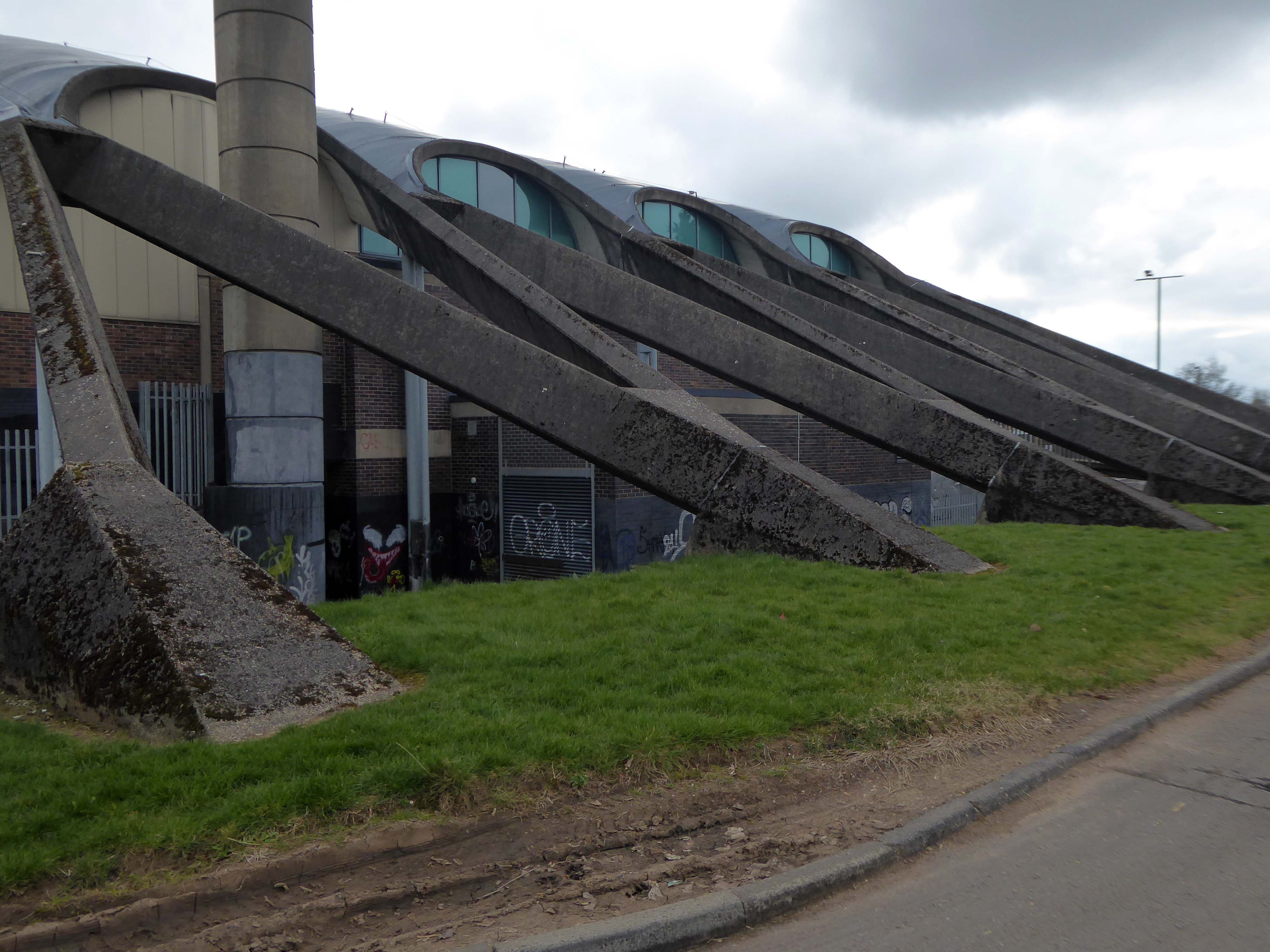
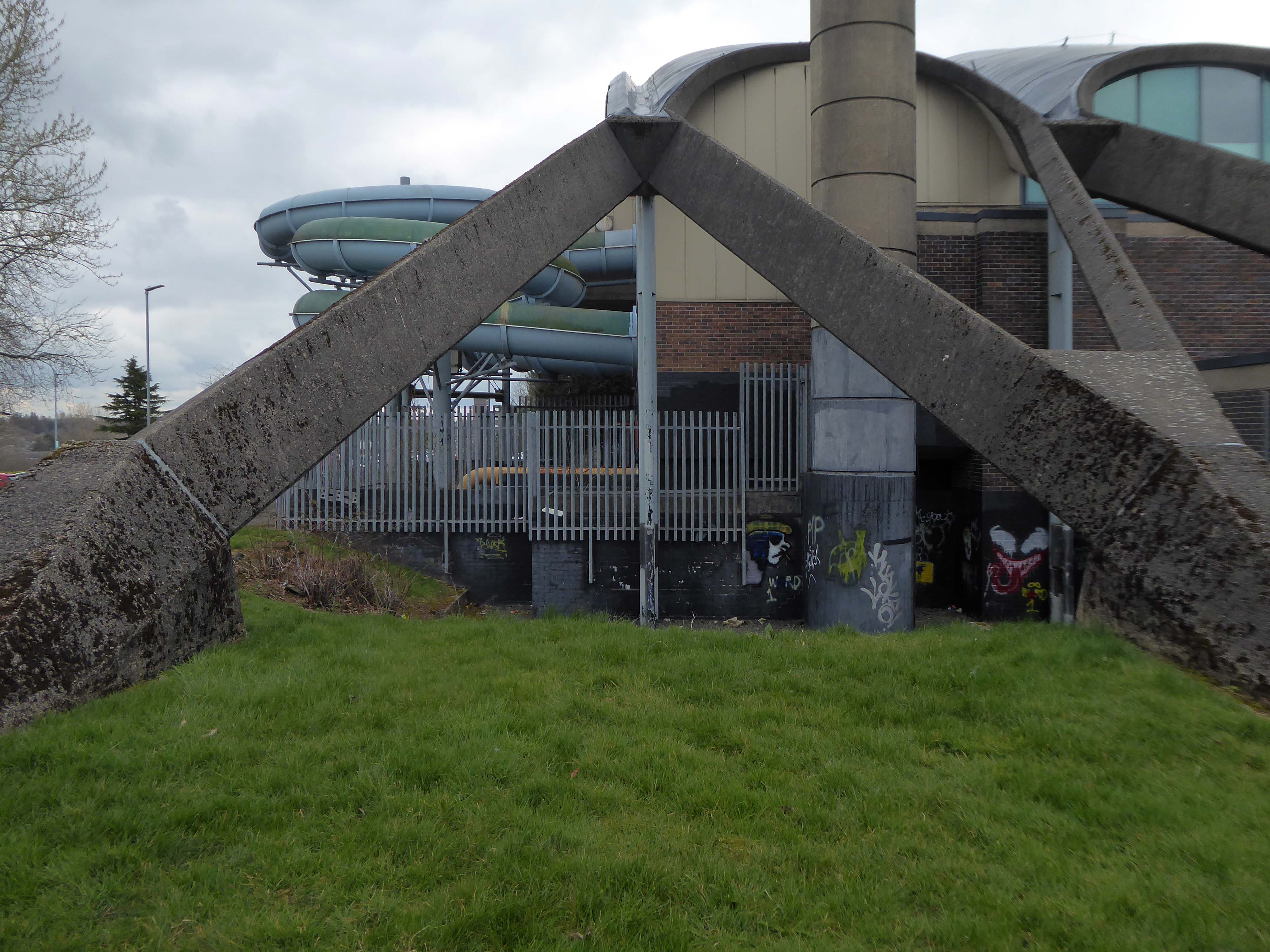
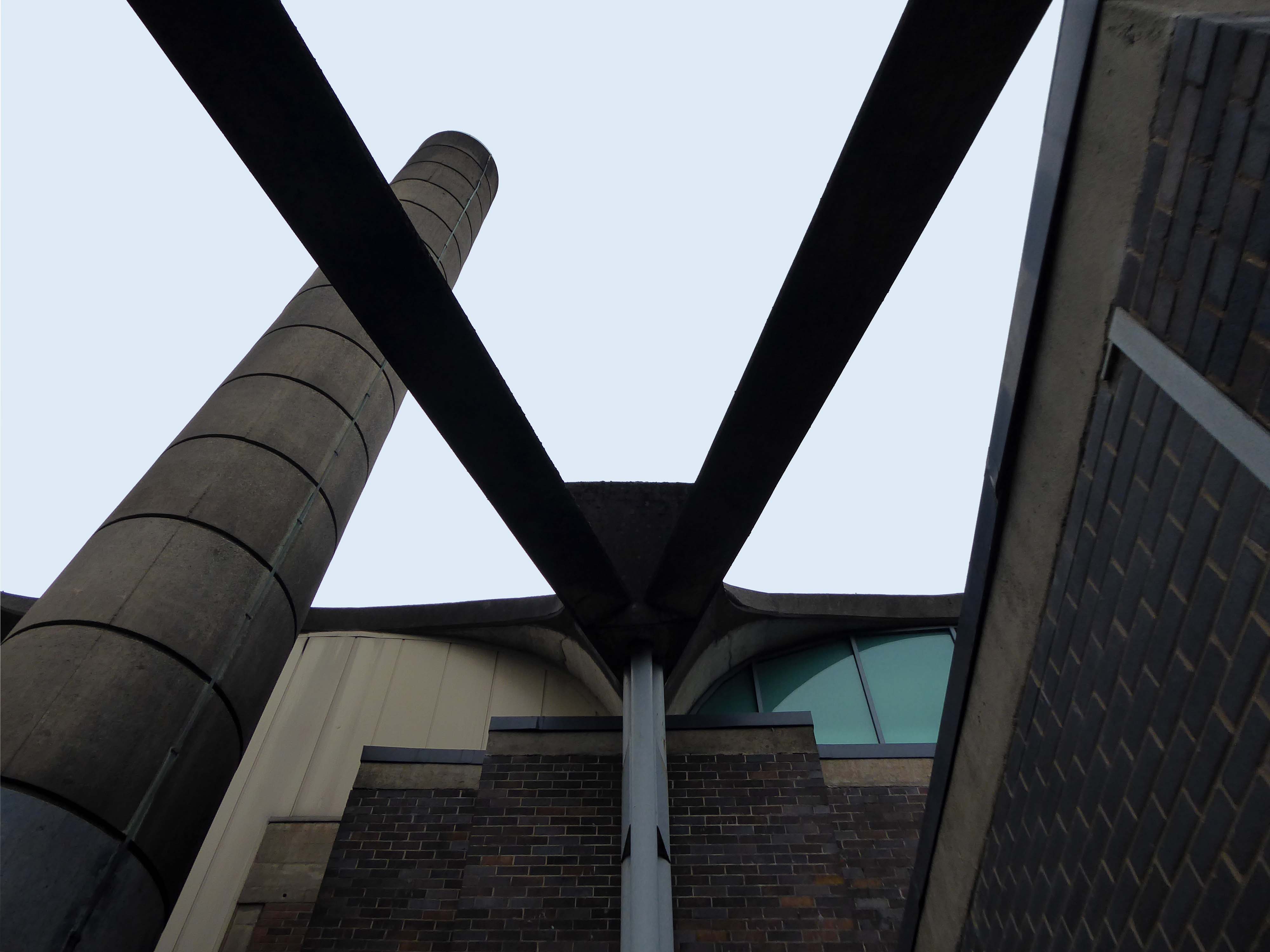
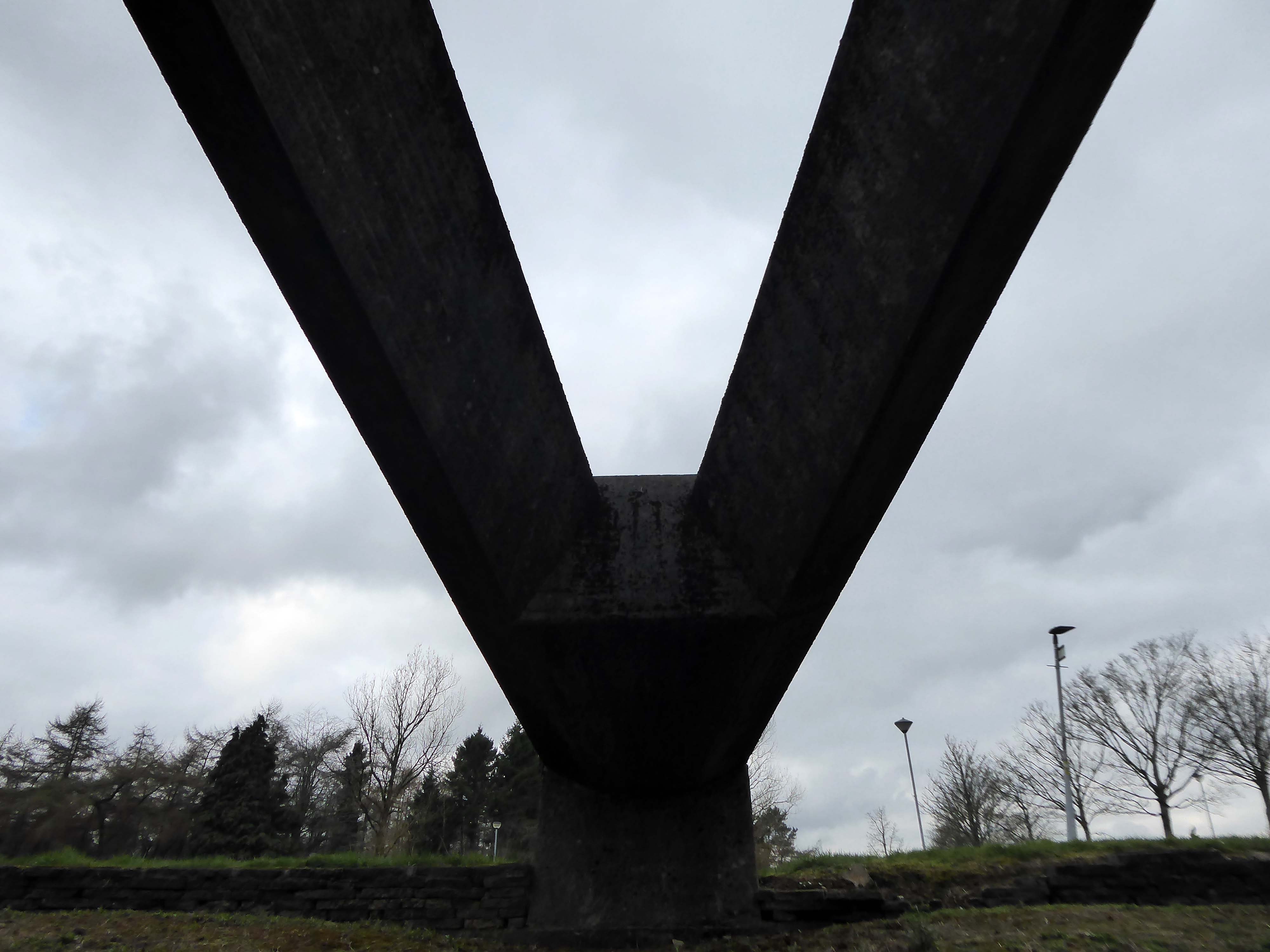
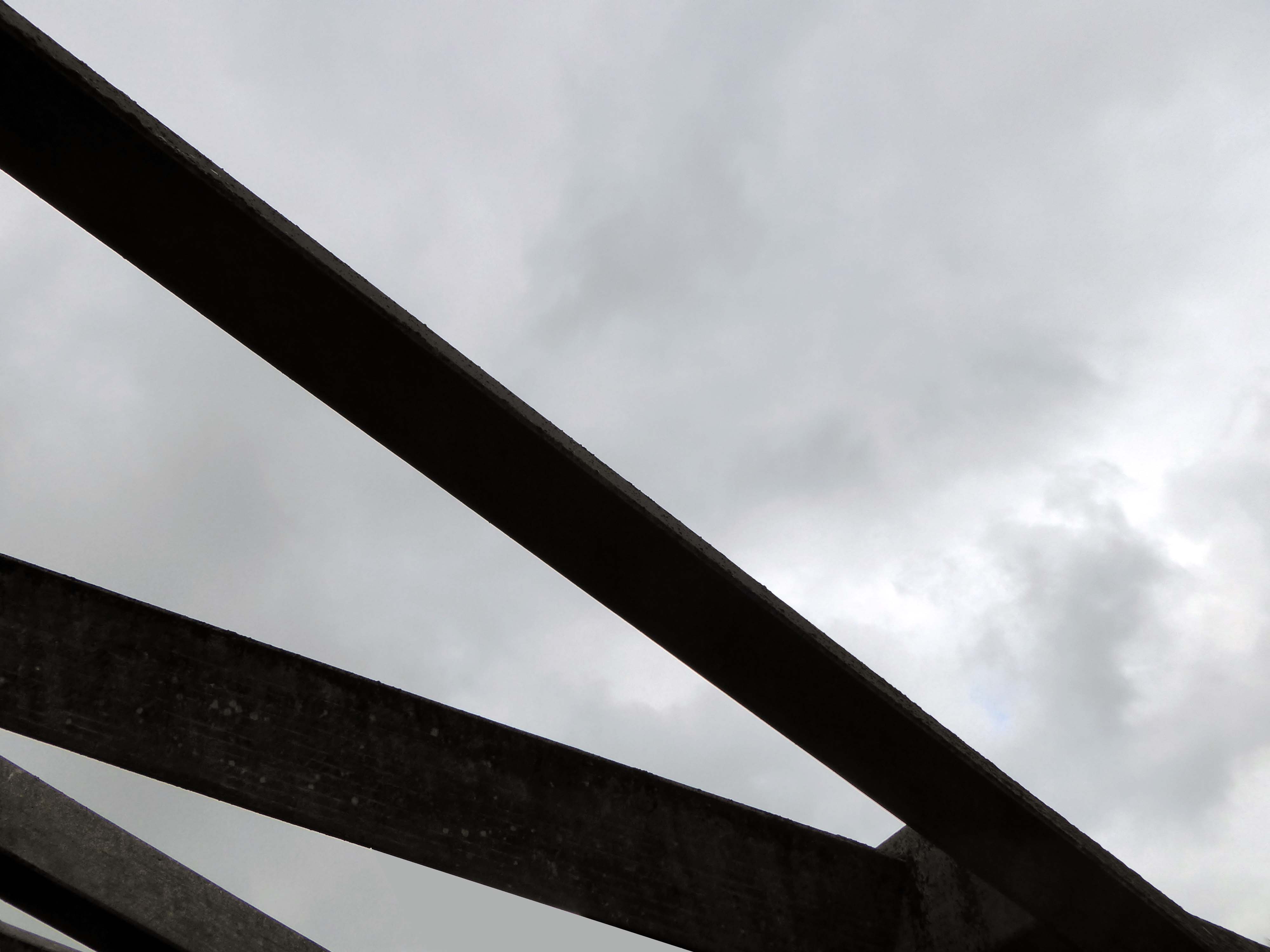
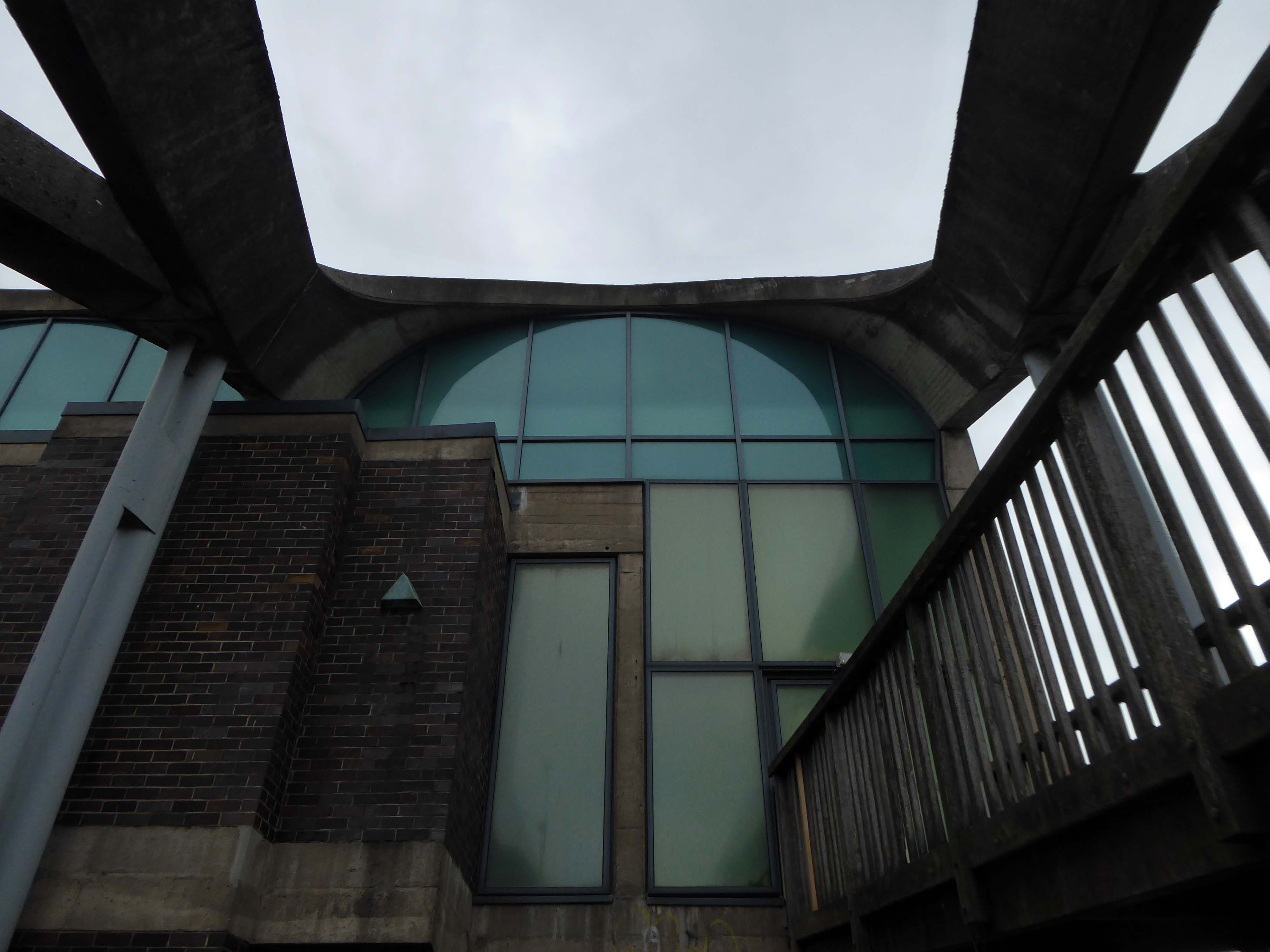
It consists principally of pre-stressed concrete and imitates a colossal marquee – the vaulted 324 ft parabolic arched roof appears to be held down by pairs of v-shaped struts that meet the ground at a thirty degree angle.
Buchanan Campbell admitted that he had been influenced by the architecture of the 1964 Summer Olympics in Tokyo, Japan and the designs by Kenzo Tange for the gymnasium there.
In 1993, the international conservation organisation Docomomo International listed Dollan Baths as one of sixty key monuments in Scottish post-war architecture.
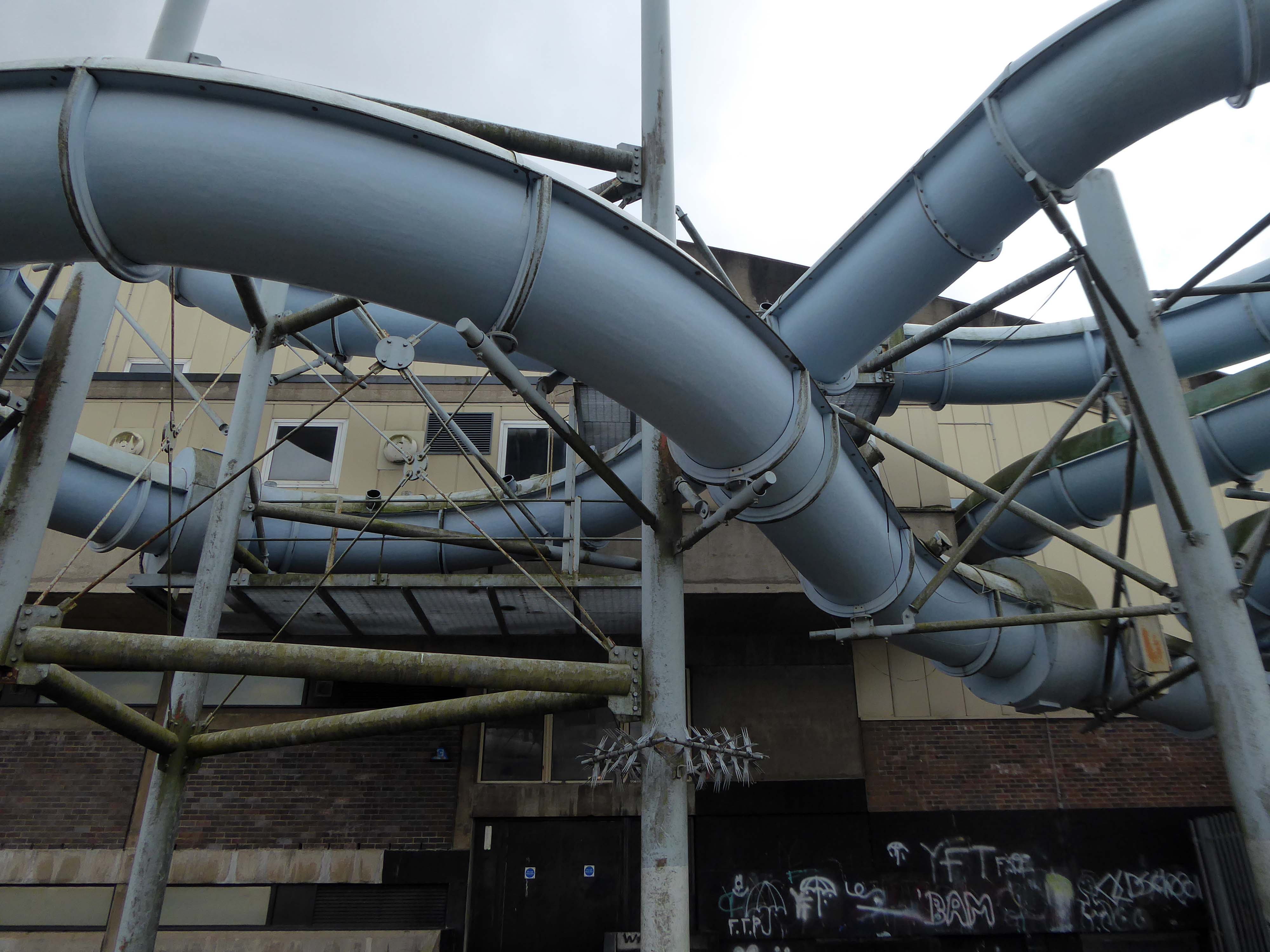
The Dollan’s wet recreation facilities include South Lanarkshire’s only 50m swimming pool and SLLC’s most exclusive health suite facility which features a sauna, steam room, sanarium, spa pool and relaxation area.
If you prefer dry recreation facilities then look no further as the Dollan features two gyms. The first is a traditional gym with the latest Life Fitness cardio and HUR compressed-air resistance equipment.
To complement these fantastic facilities there are two fitness studios that play host to a diverse range of fitness and mind, body and soul classes as well as a morning creche.
Sadly, I am neither a water babe nor gym bunny – body, soul and mindfulness are maintained in perfect harmony solely by means of modern mooching.
I walked around, I took a look.
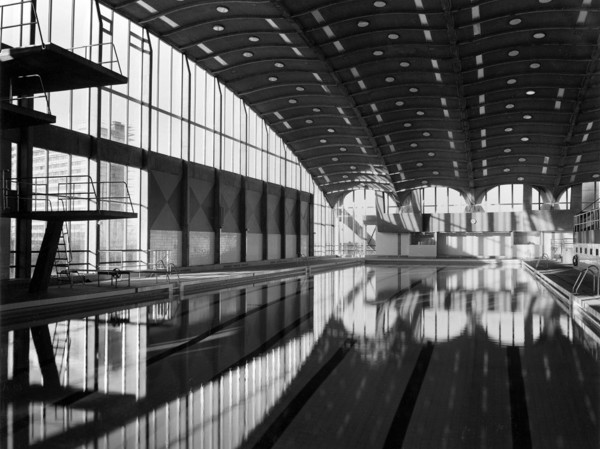
Structural engineering surveys showed that parts of the pool surround and pool tank were in a state of near collapse and emergency work had to be carried out to install temporary structural supports. The centre was closed in October 2008 for major refurbishment, consisting of structural repairs and replacements and the installation of new structural supports. This required a significant amount of structural engineering design input. The structure of the unique roof was not affected.
Substantial redesign and replacement of heating and ventilation and pool water treatment engineering services was carried out. This included new high-efficiency gas-fired boilers, a ventilation system for the swimming pool hall, a combined heat and power system, new water filters, and high-efficiency pumps as part of an upgraded pool water treatment system.
Electrical engineering and lighting systems were almost entirely replaced throughout the building. The external roof covering was replaced and an additional layer of thermal insulation was added to reduce heat loss from the roof and to provide extra protection for the roof structure. New lockers were provided for the changing rooms and the health suite. New tiles were placed for the pool and health suite. The repair work began in July 2009 and the Aqua Centre re-opened on 28 May 2011. The completion of the major repair and refurbishment contract cost over £9 million.
Would that more buildings were saved from the demolition derby.
The wrecking ball has always been the great symbol of urban progress, going hand in hand with dynamite and dust clouds as the politicians’ favourite way of showing they are getting things done. But what if we stopping knocking things down? What if every existing building had to be preserved, adapted and reused, and new buildings could only use what materials were already available? Could we continue to make and remake our cities out of what is already there?



































































 Modern Mooch