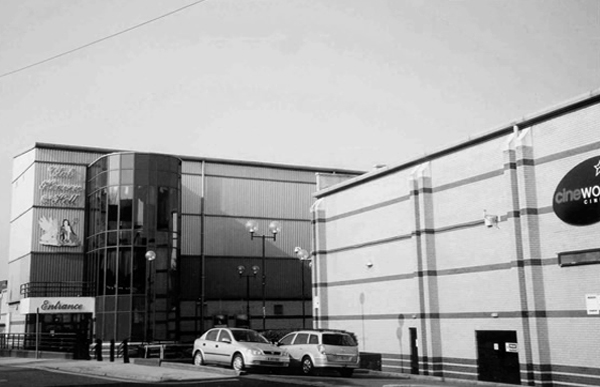
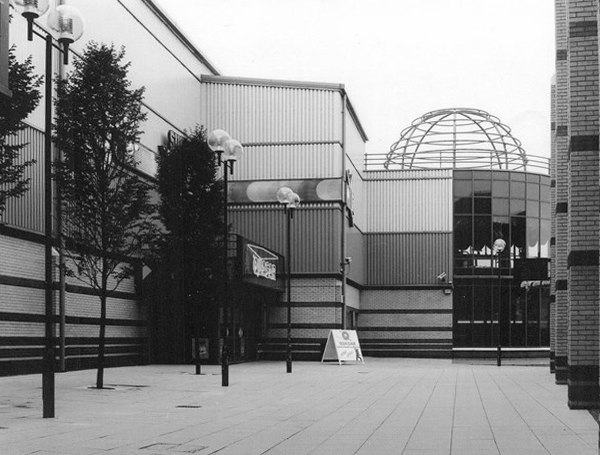
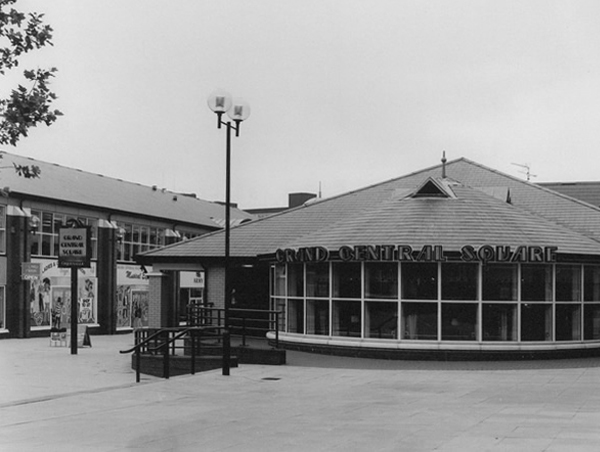
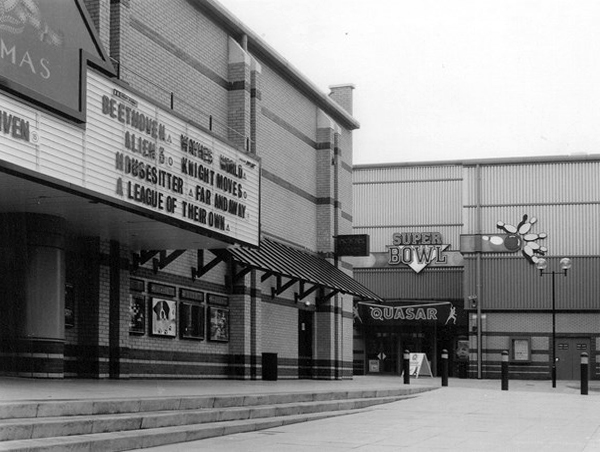
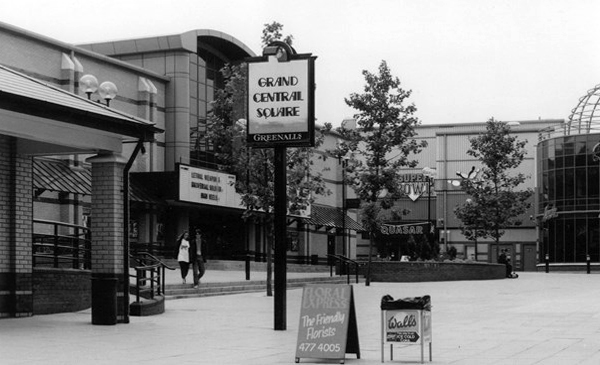
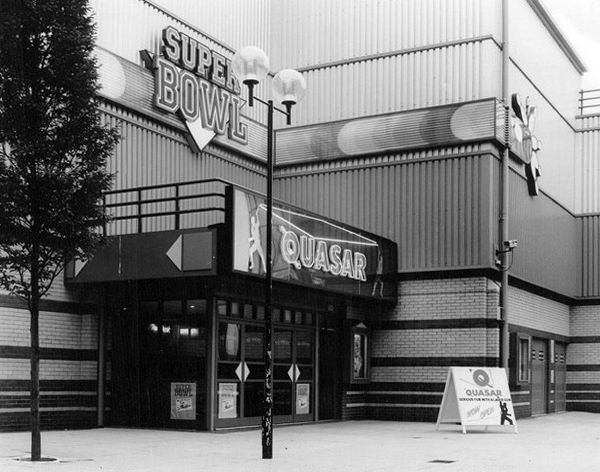
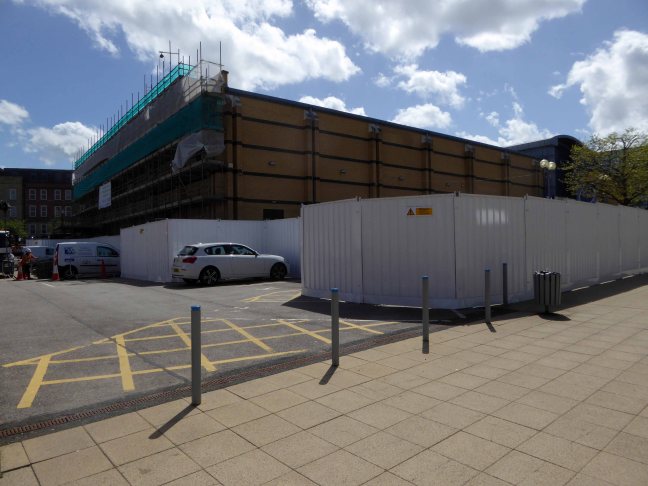
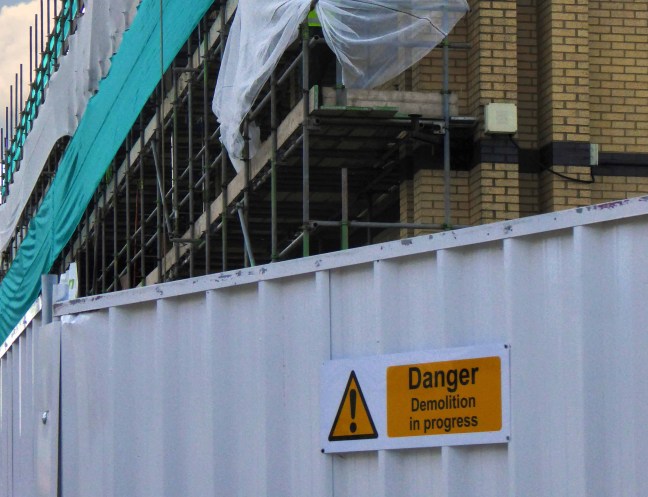
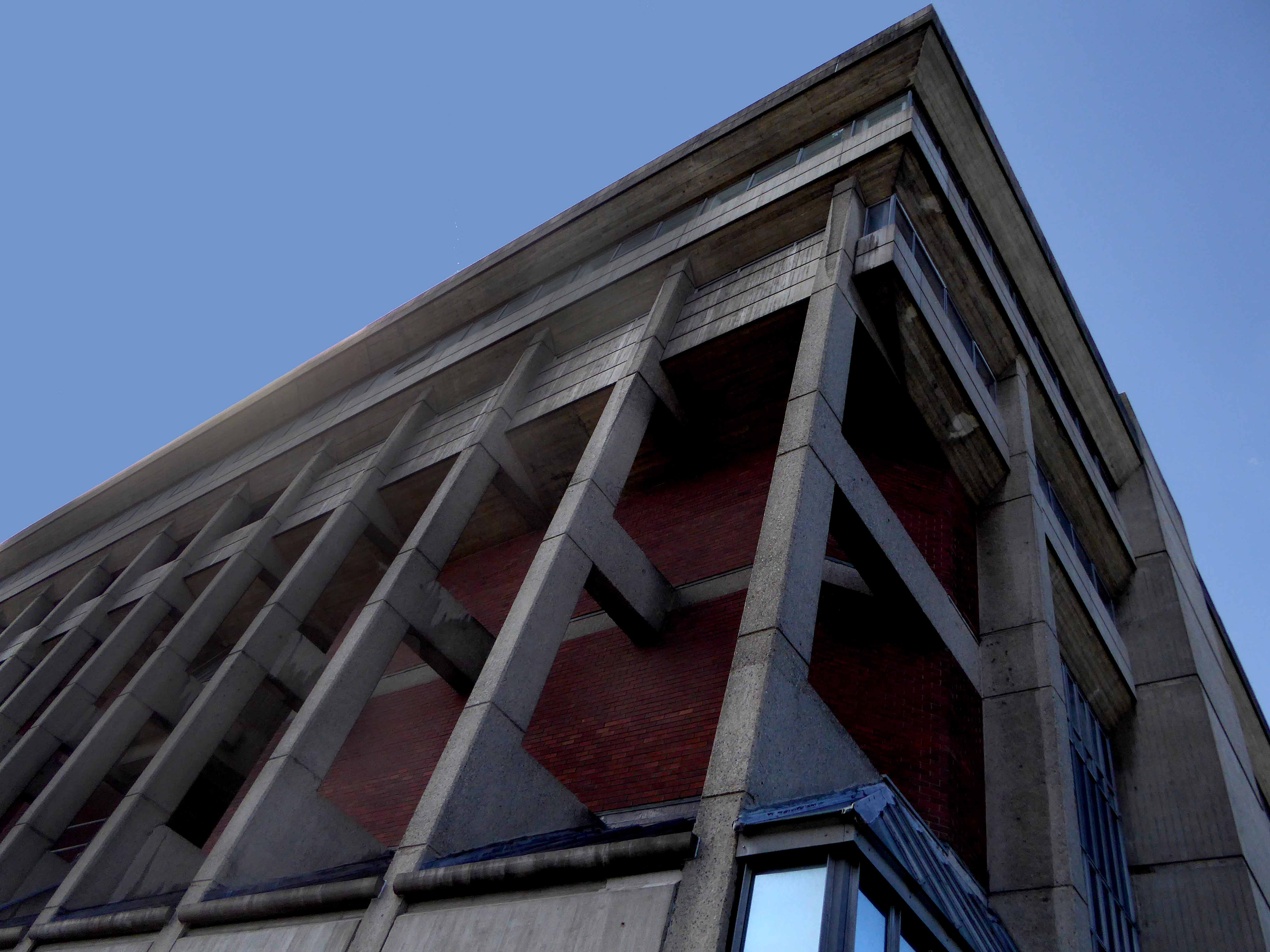
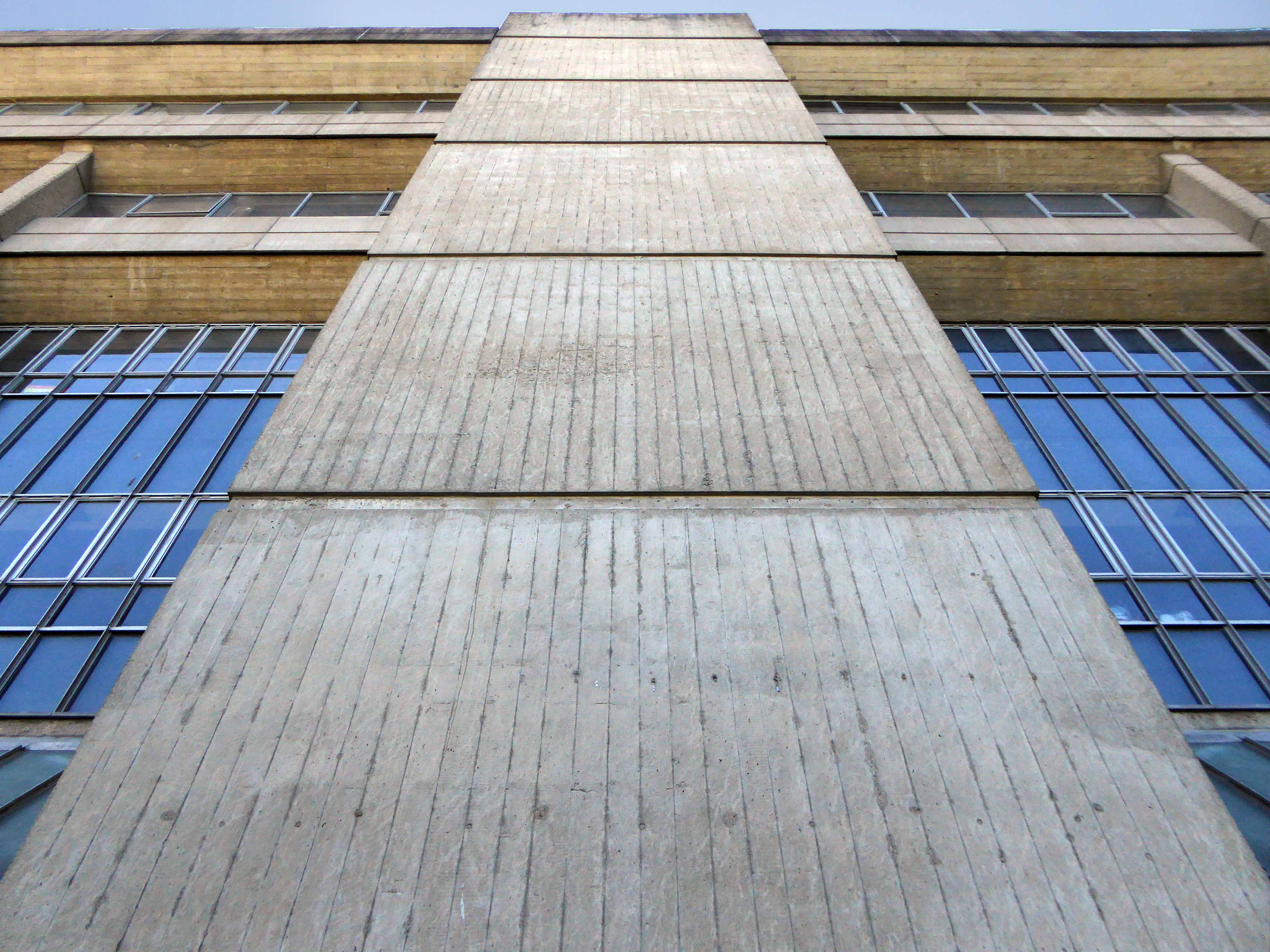
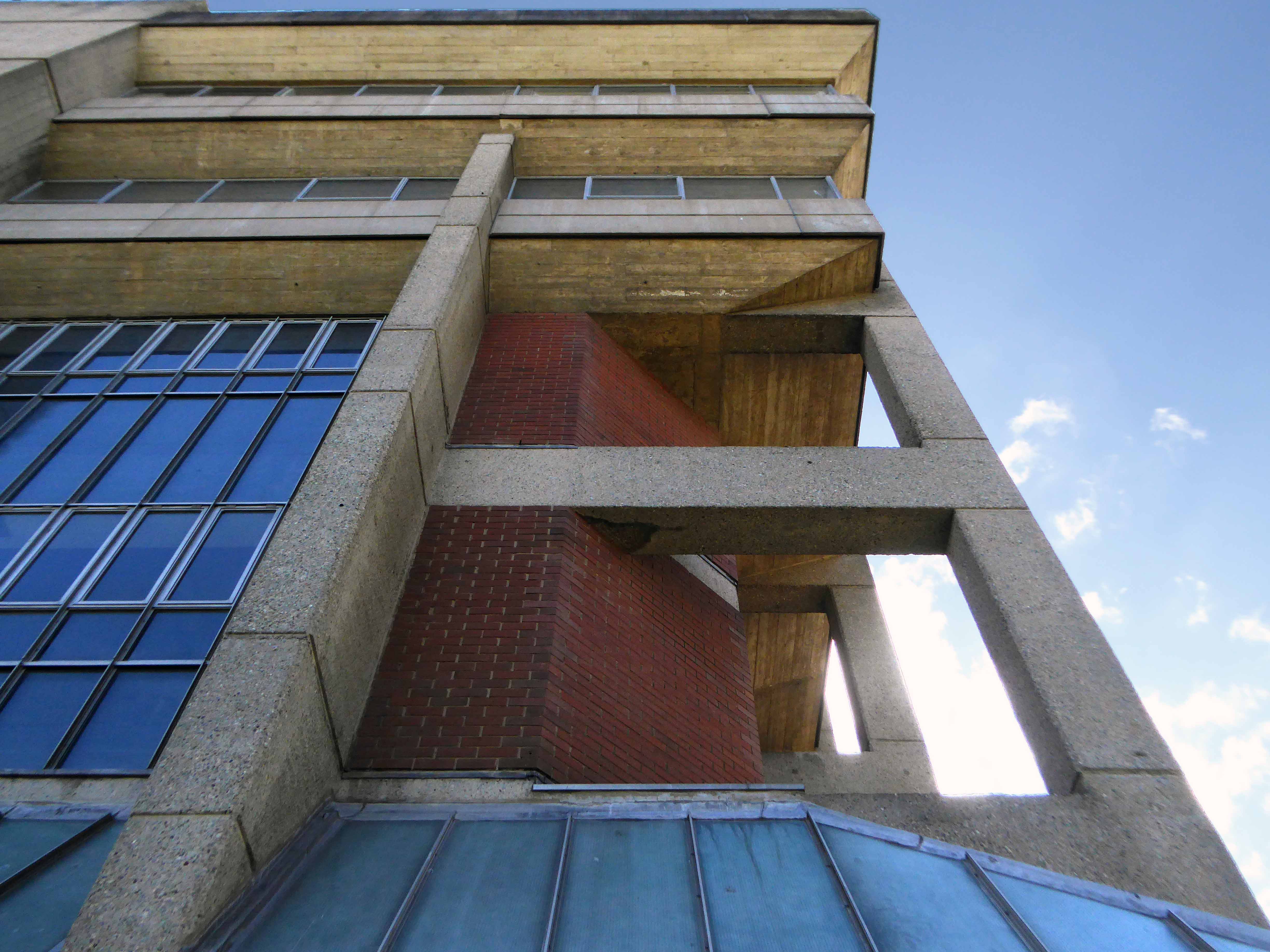
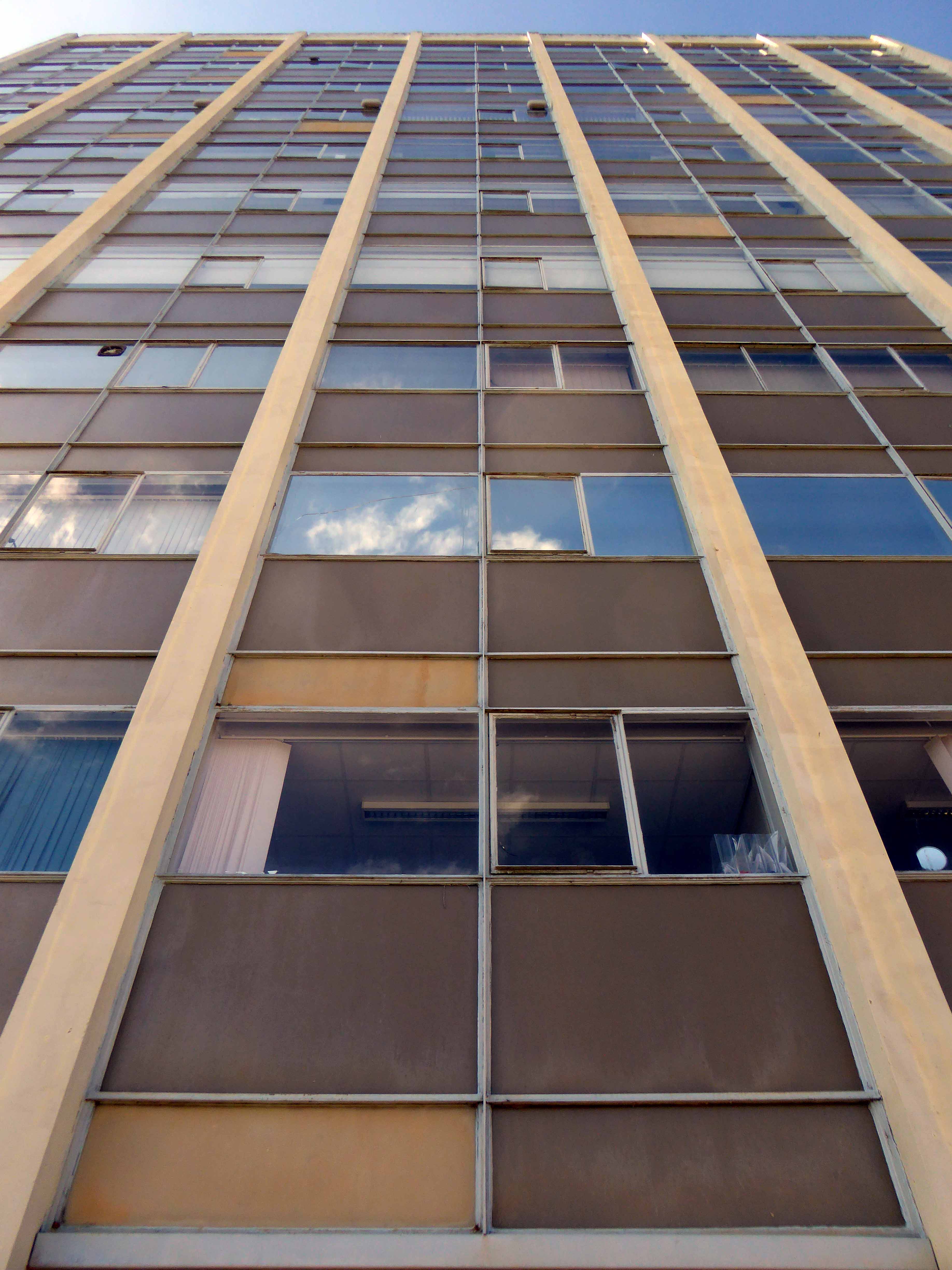
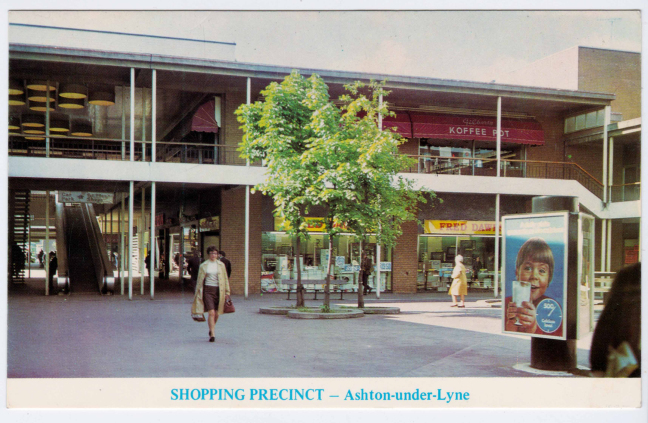
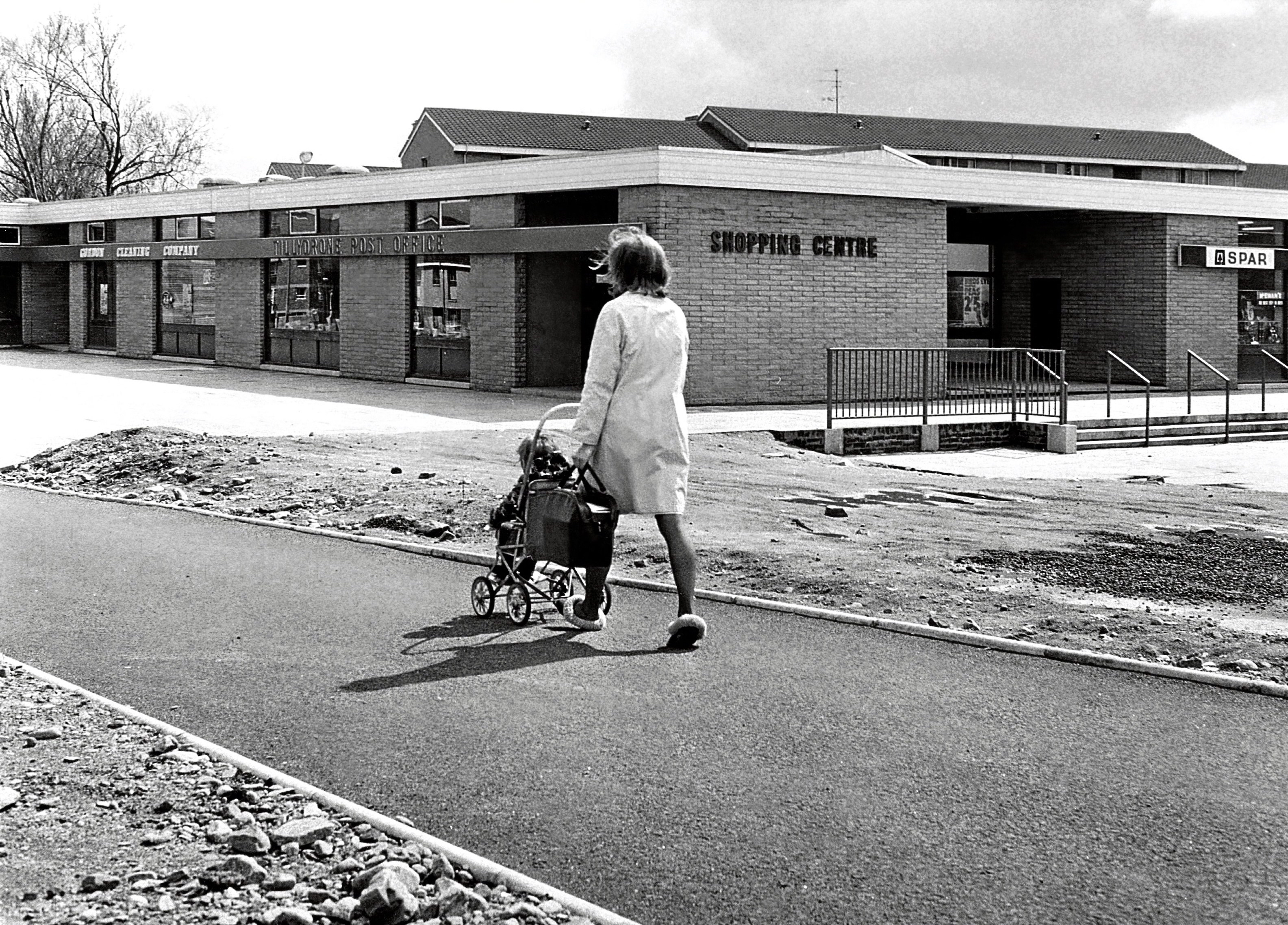
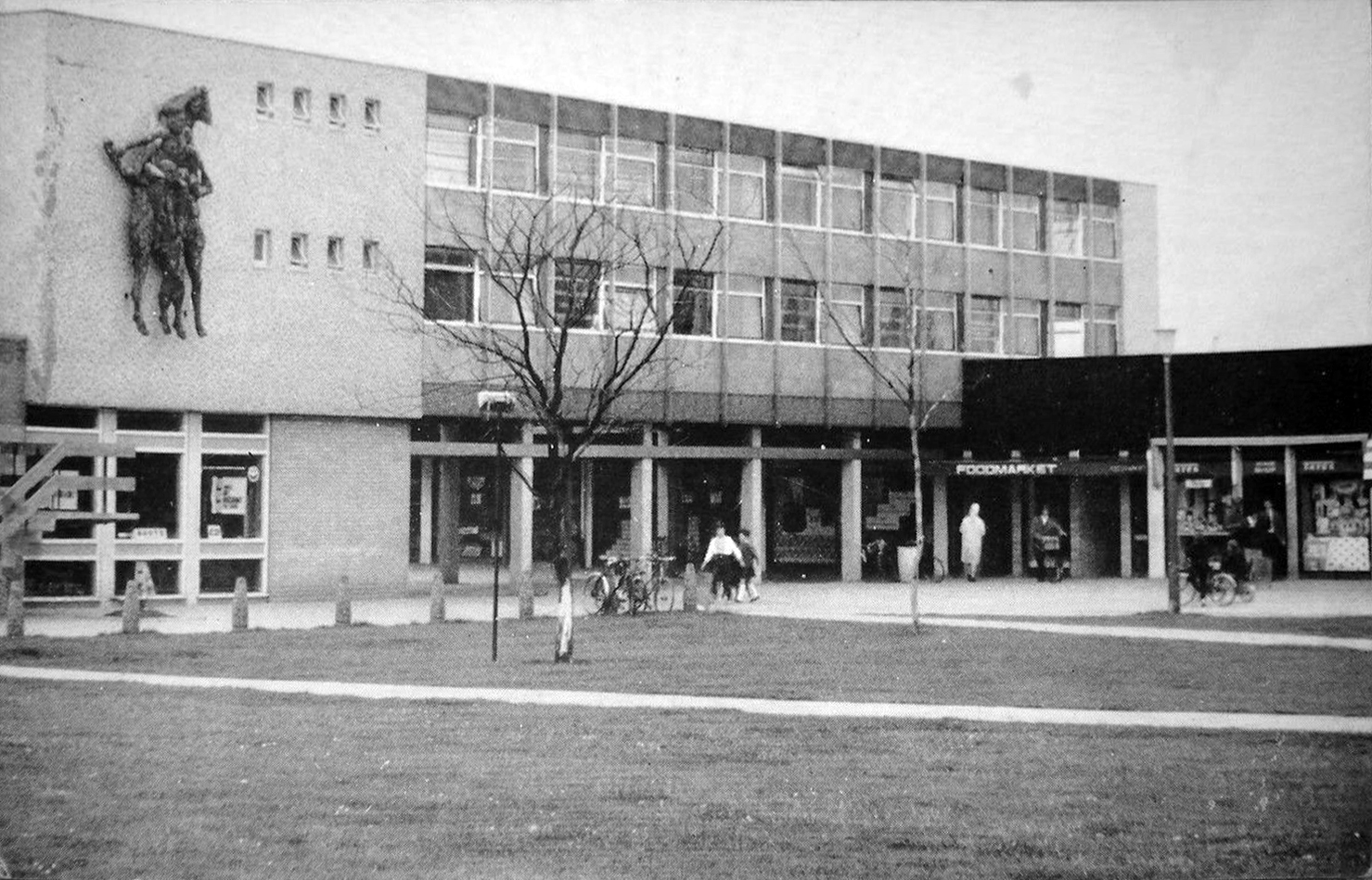
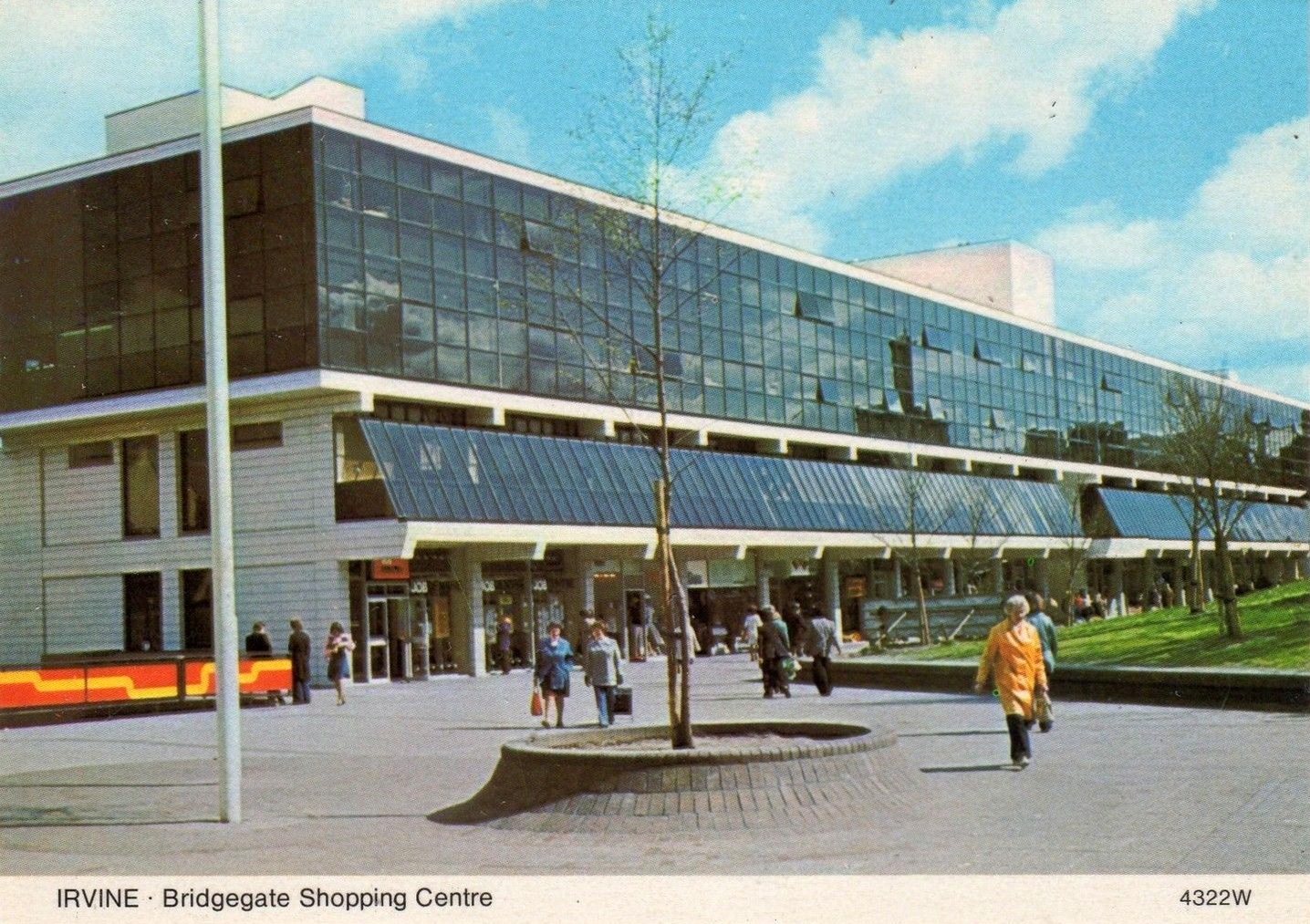
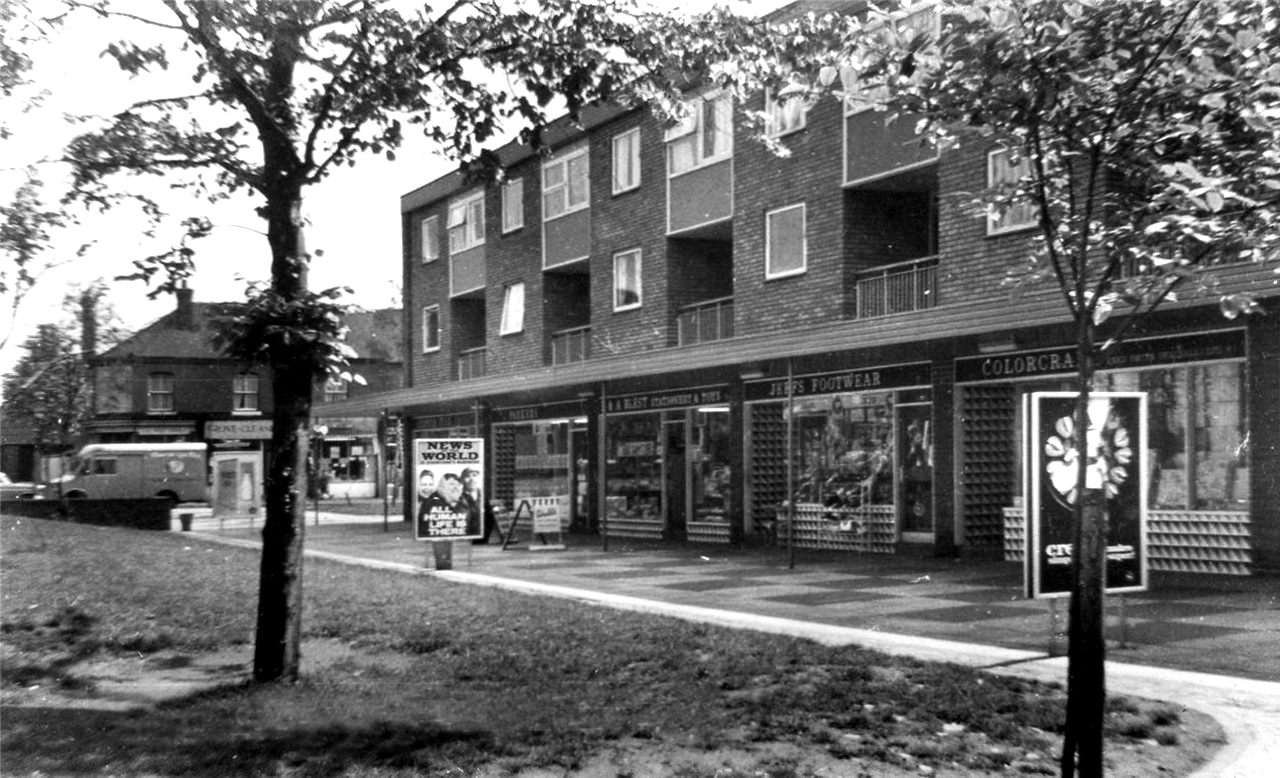
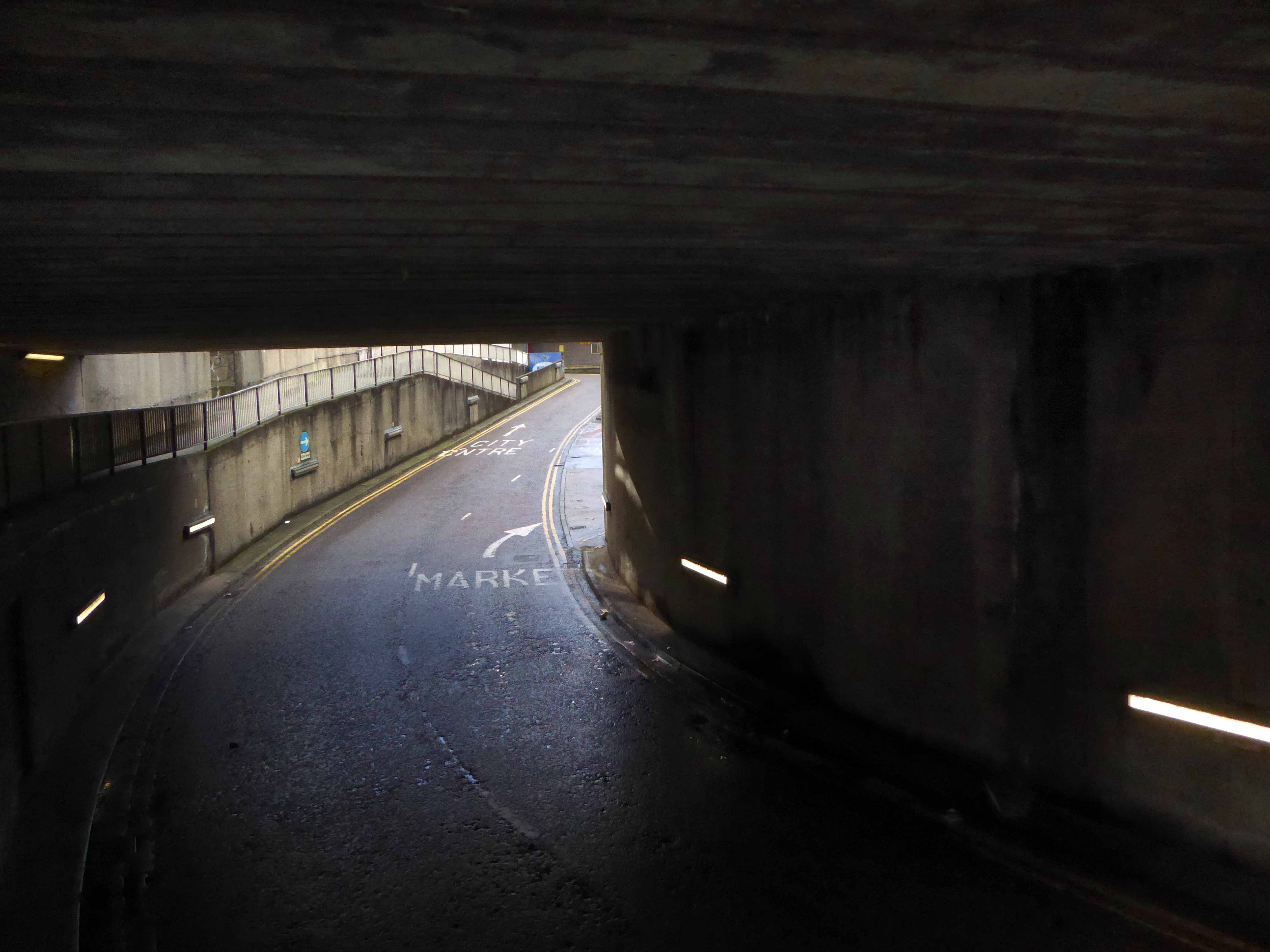
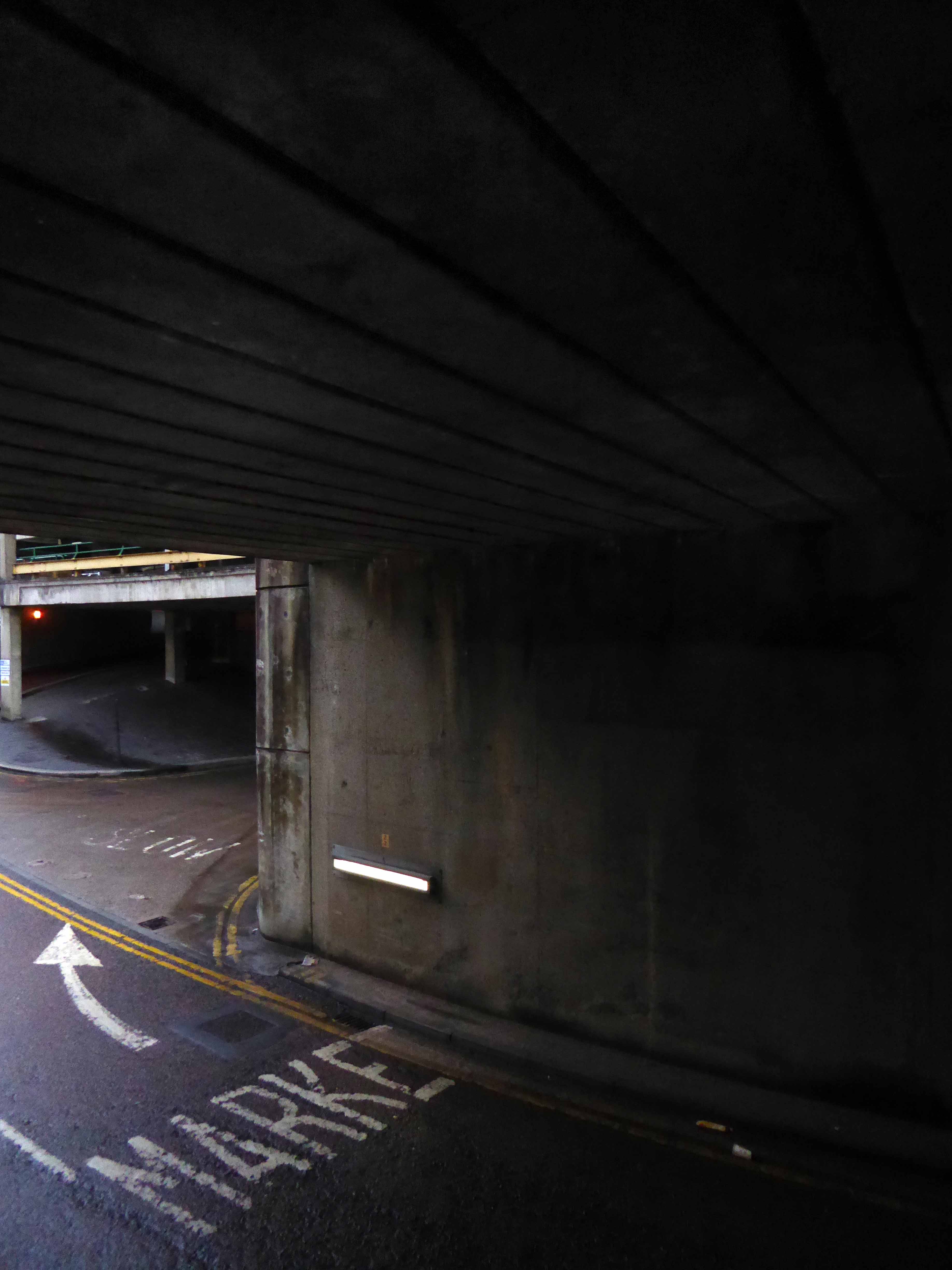
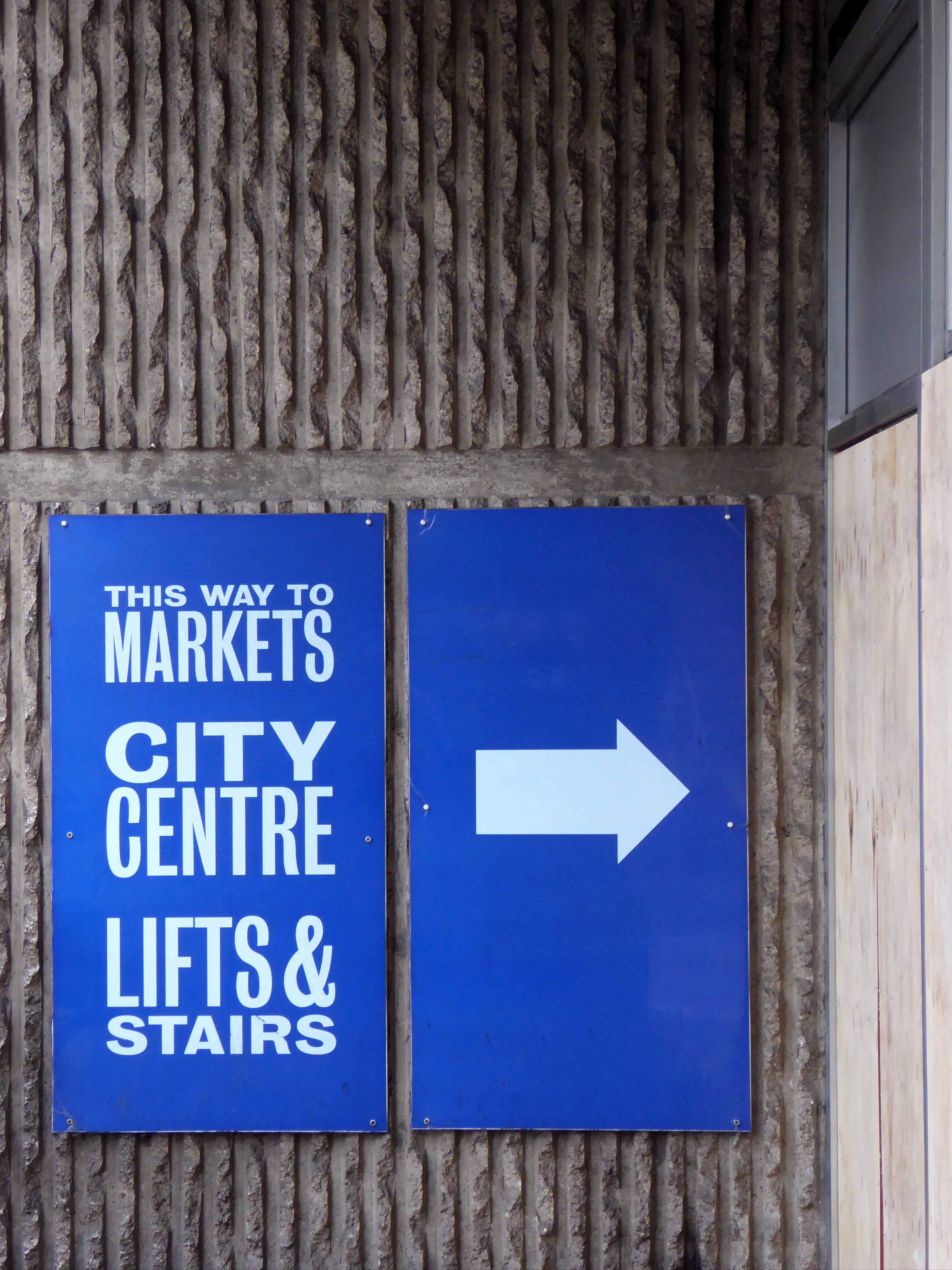
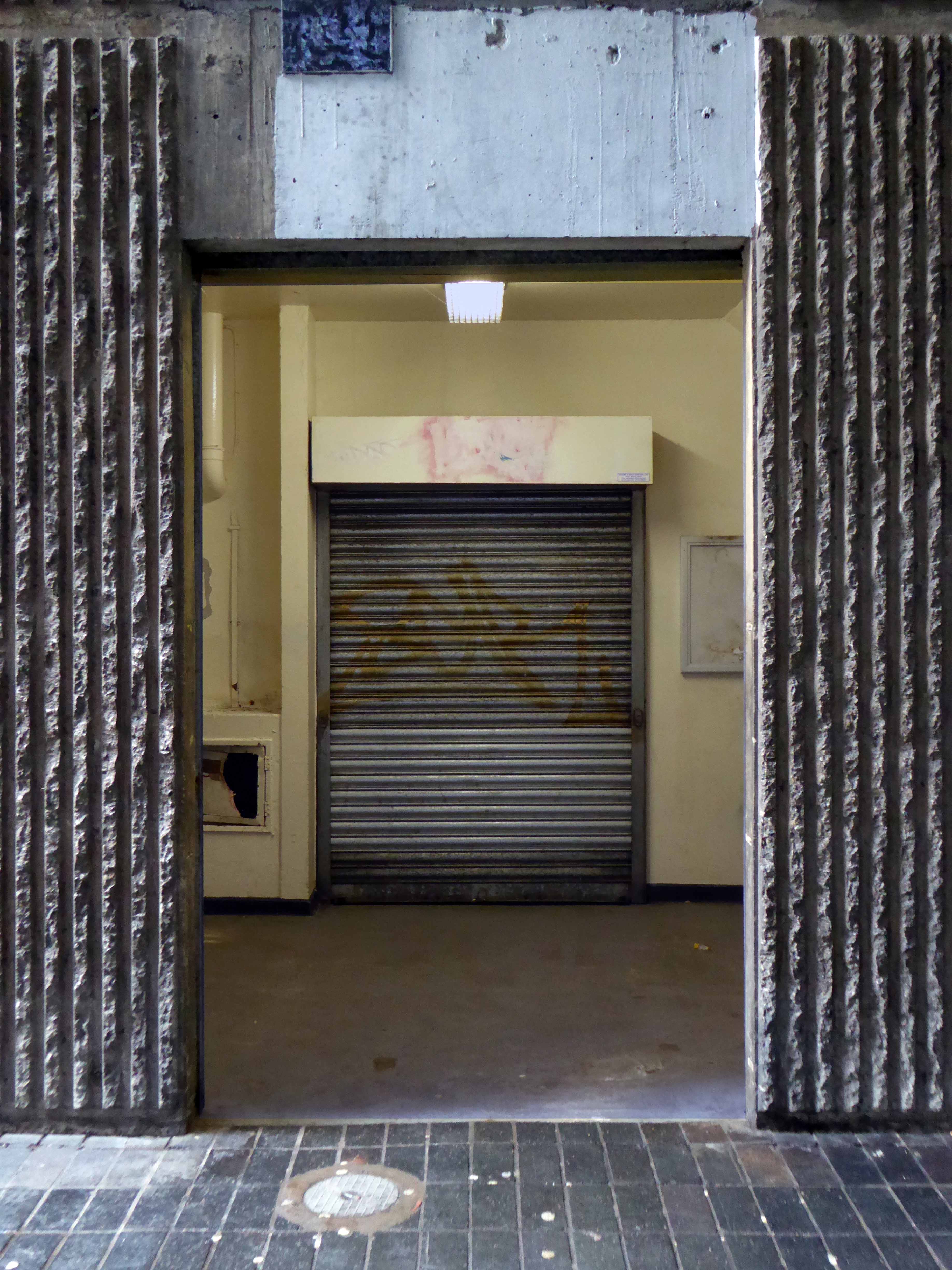
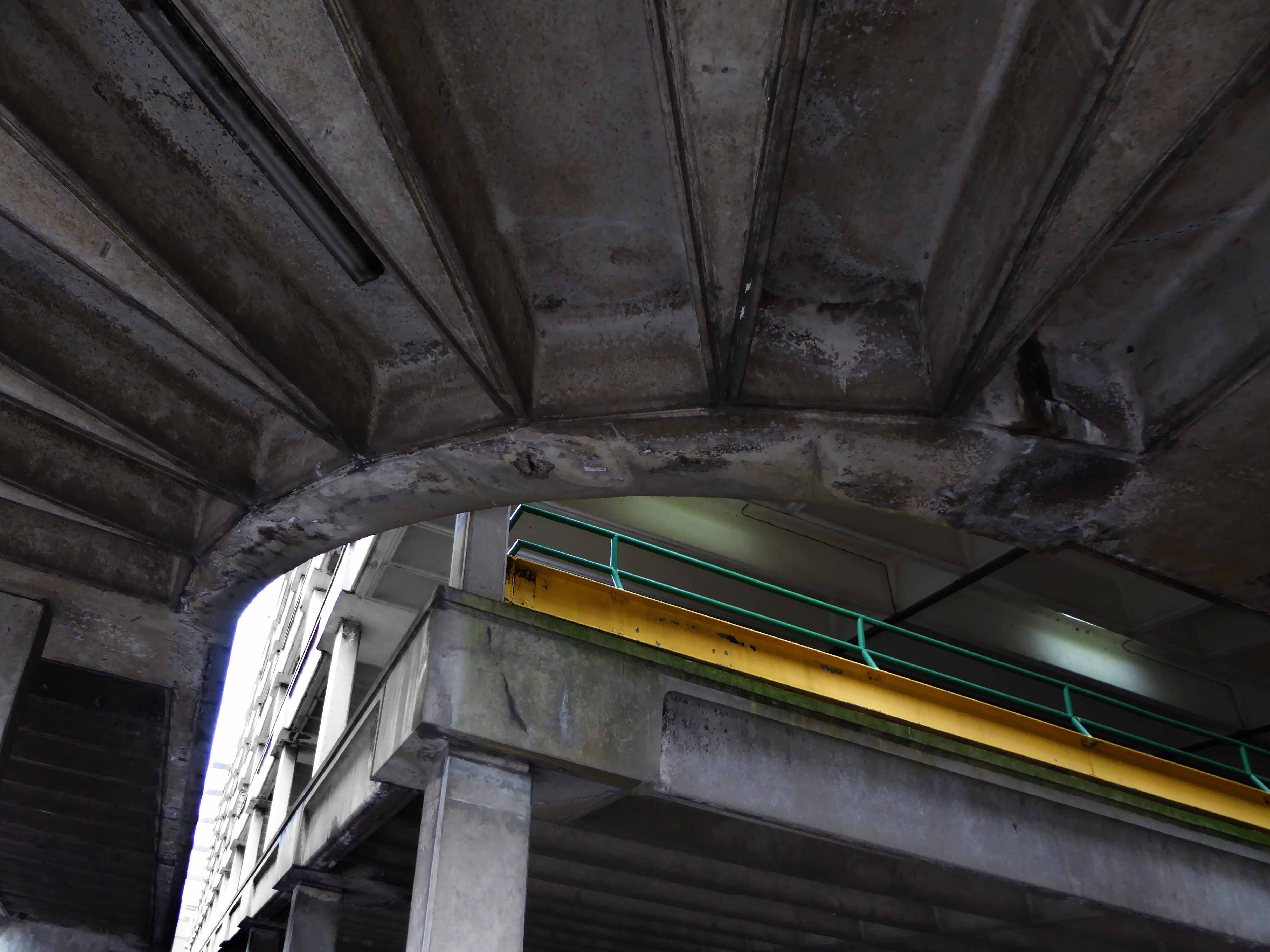
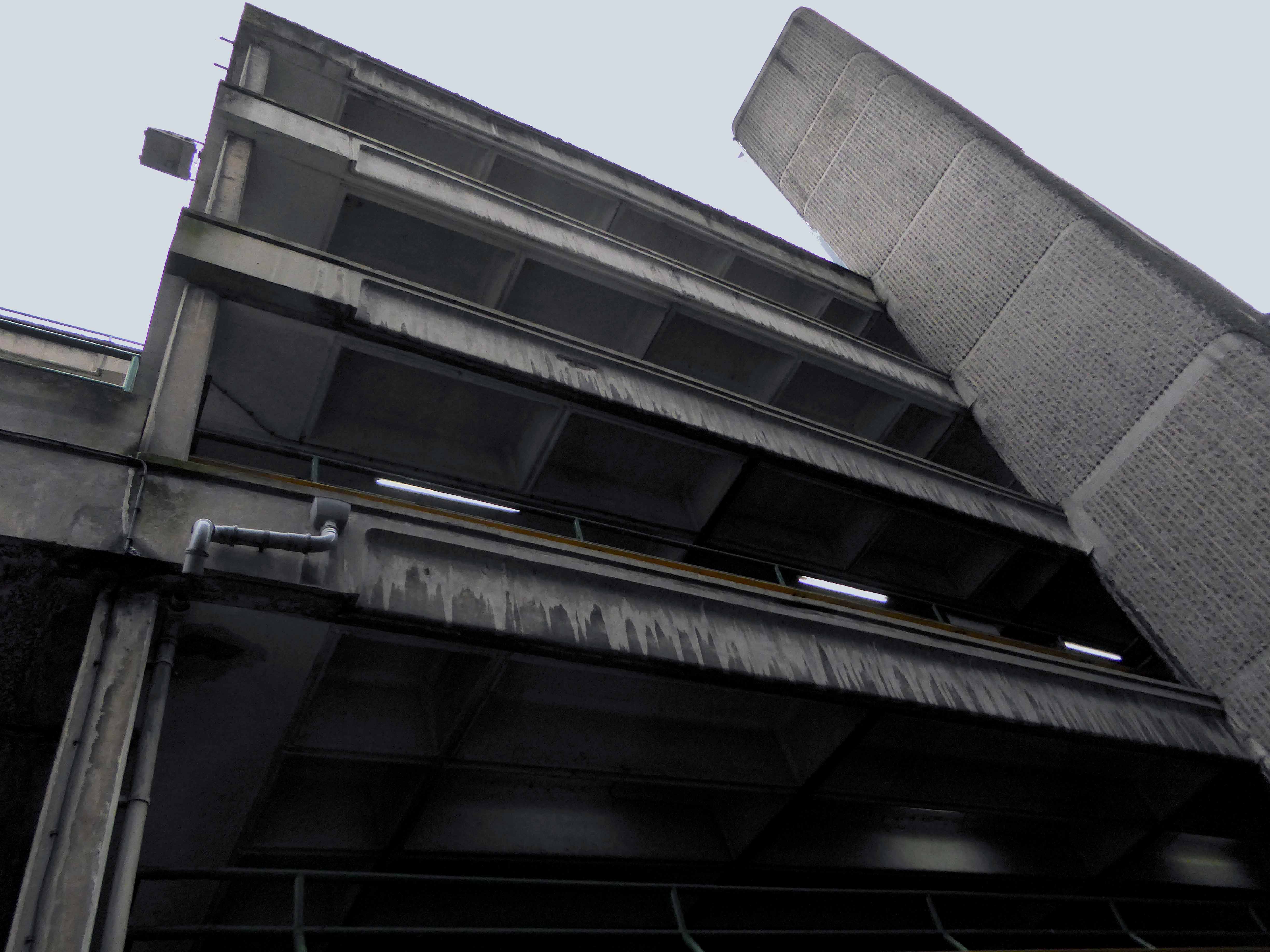
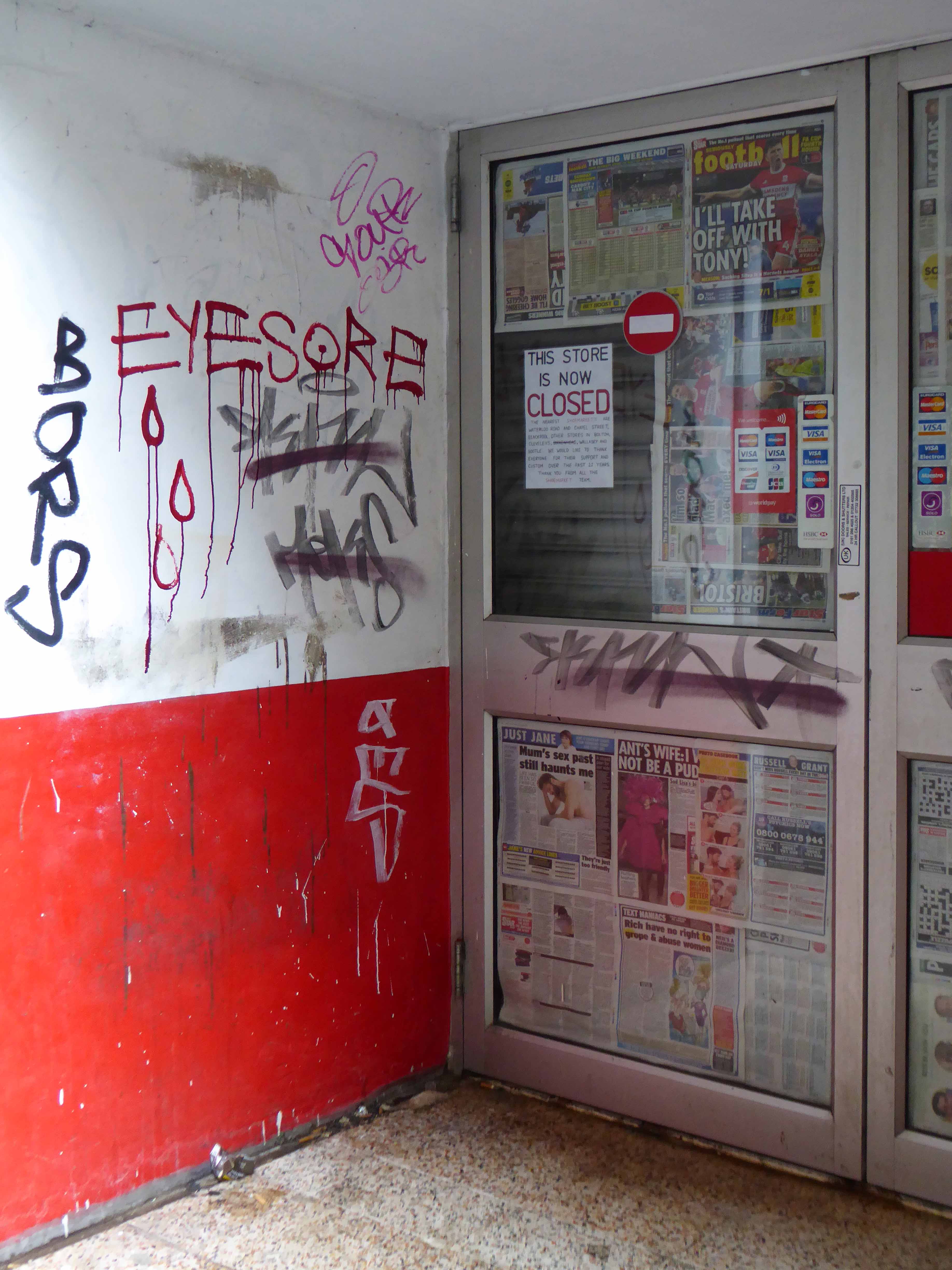
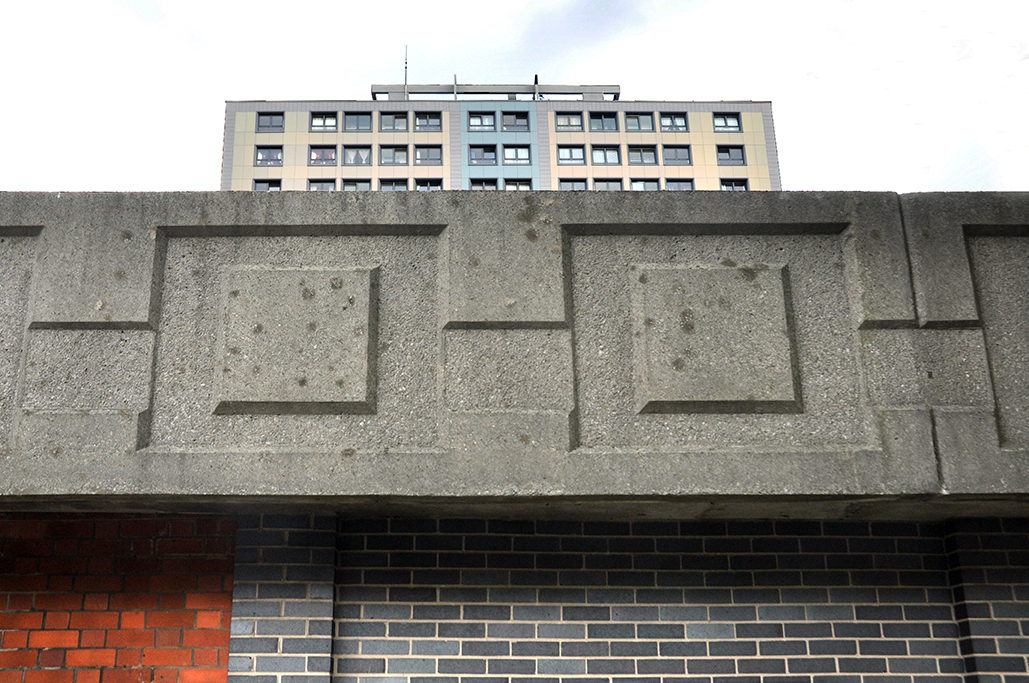
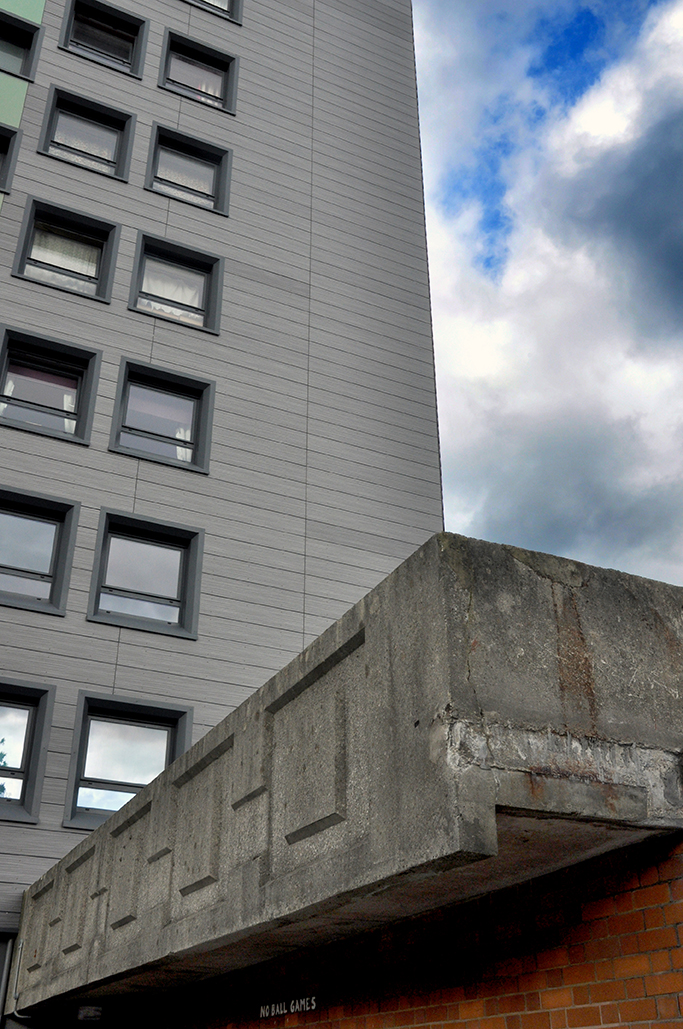
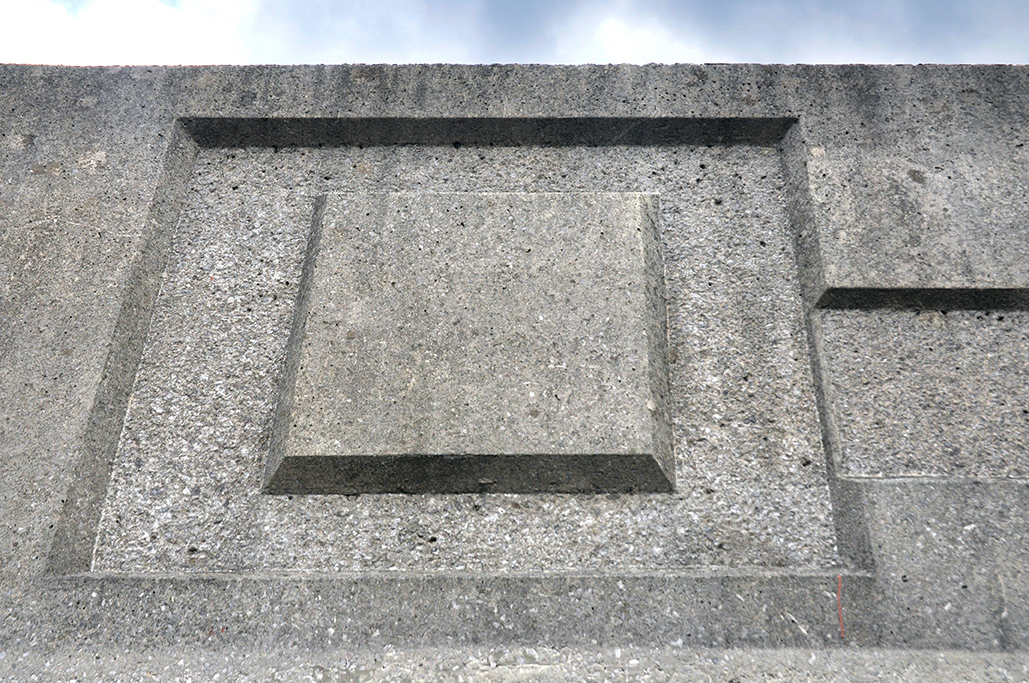
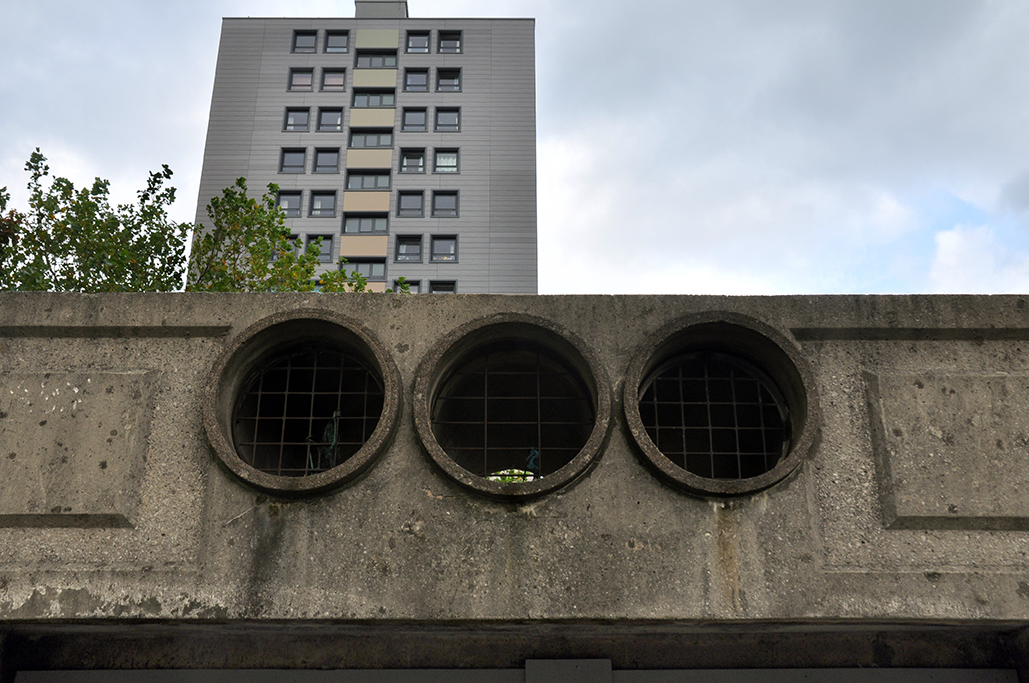
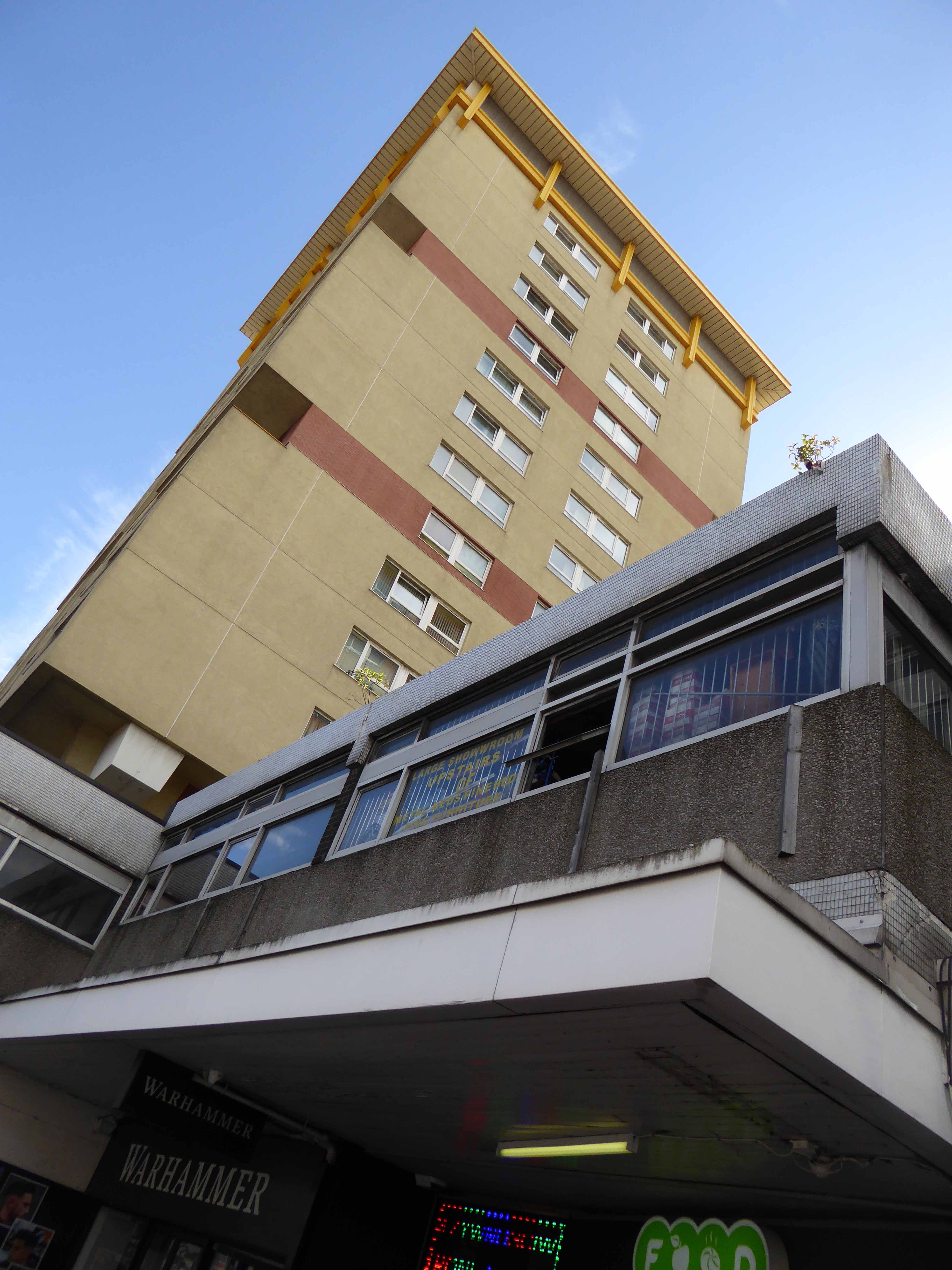
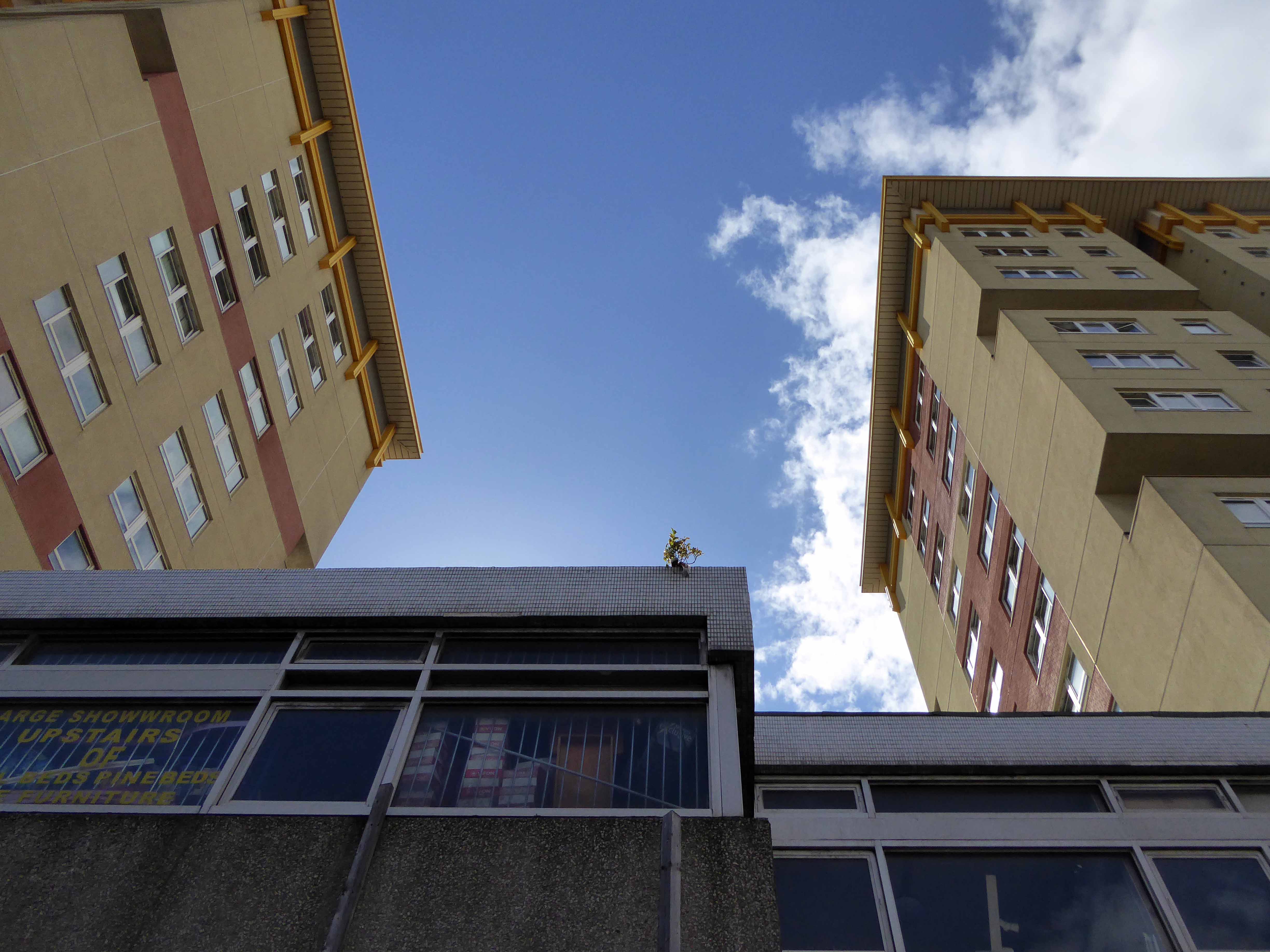
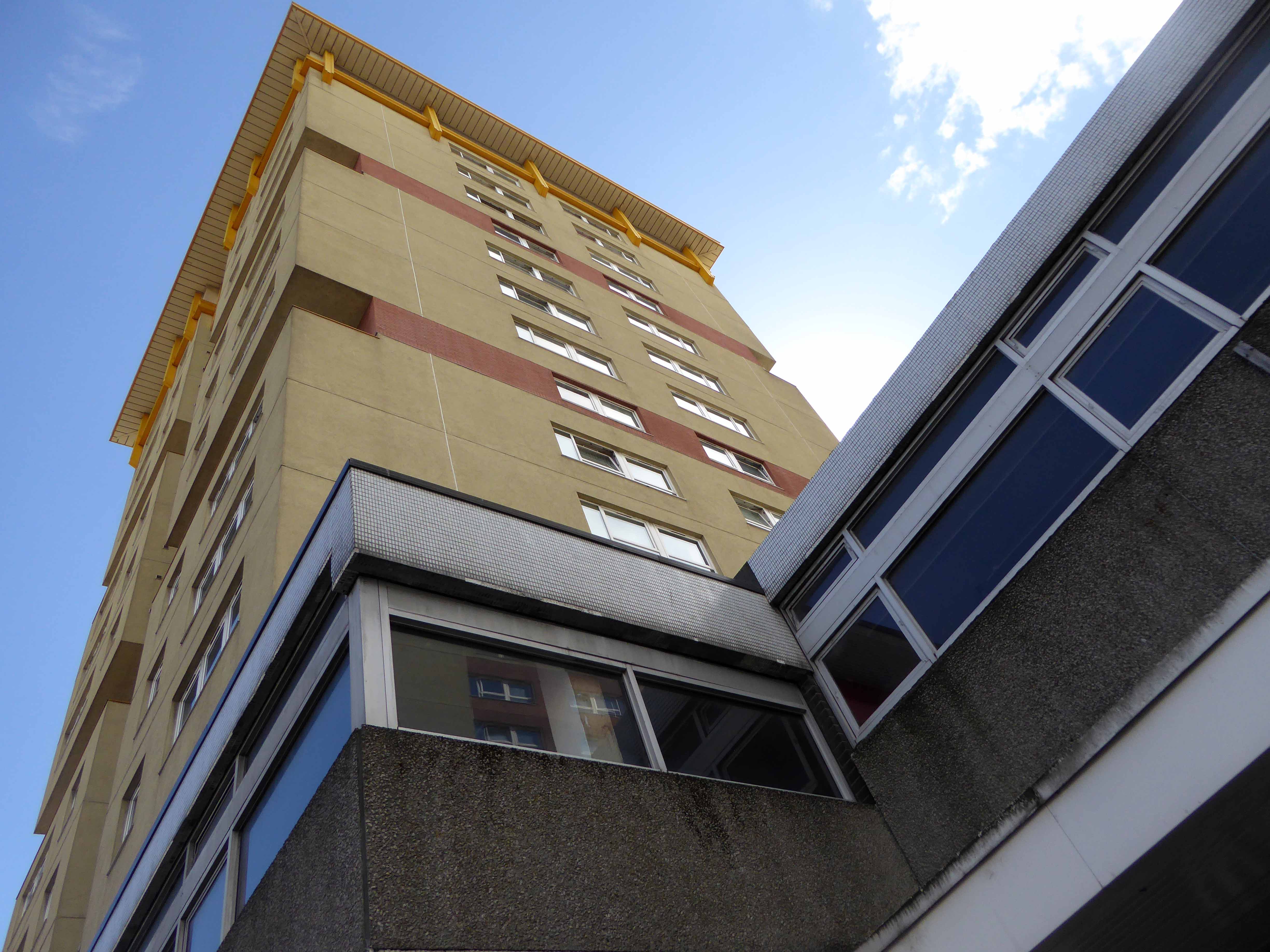
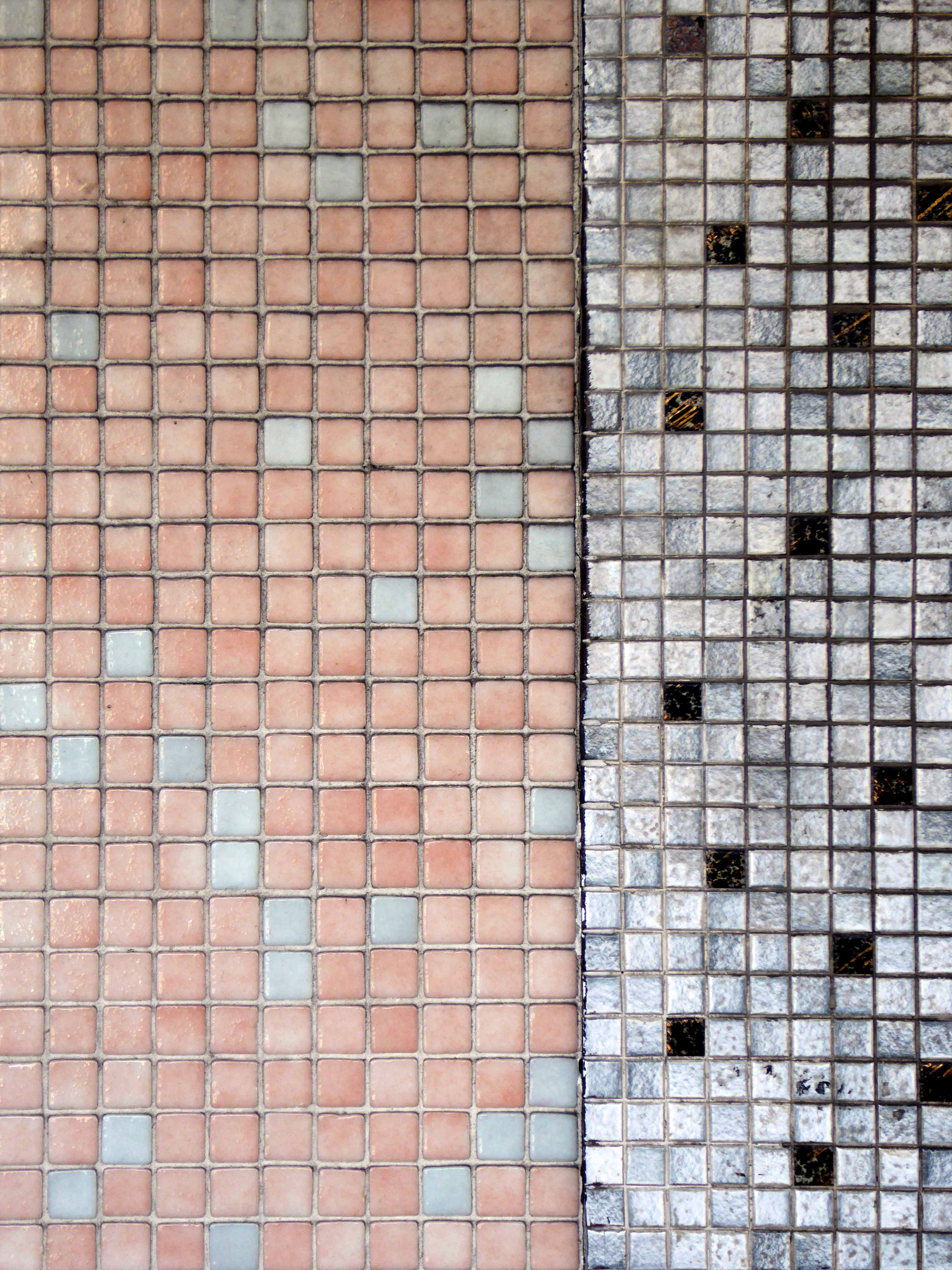
Shopping Precincts – UK

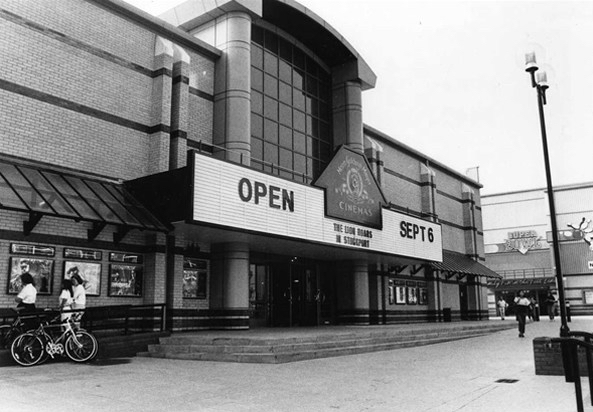
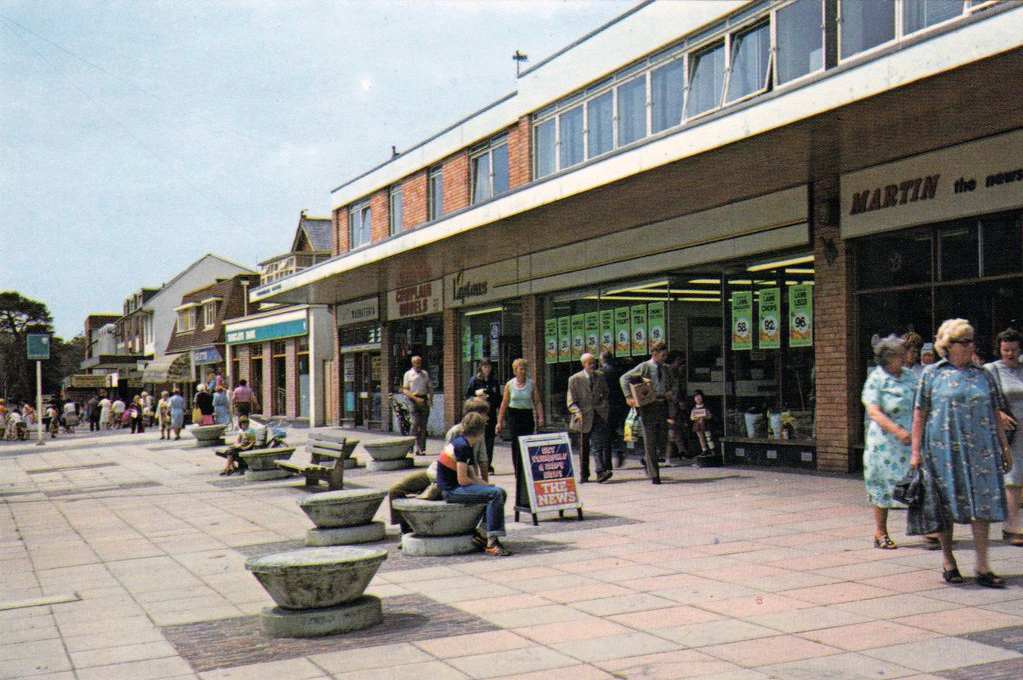
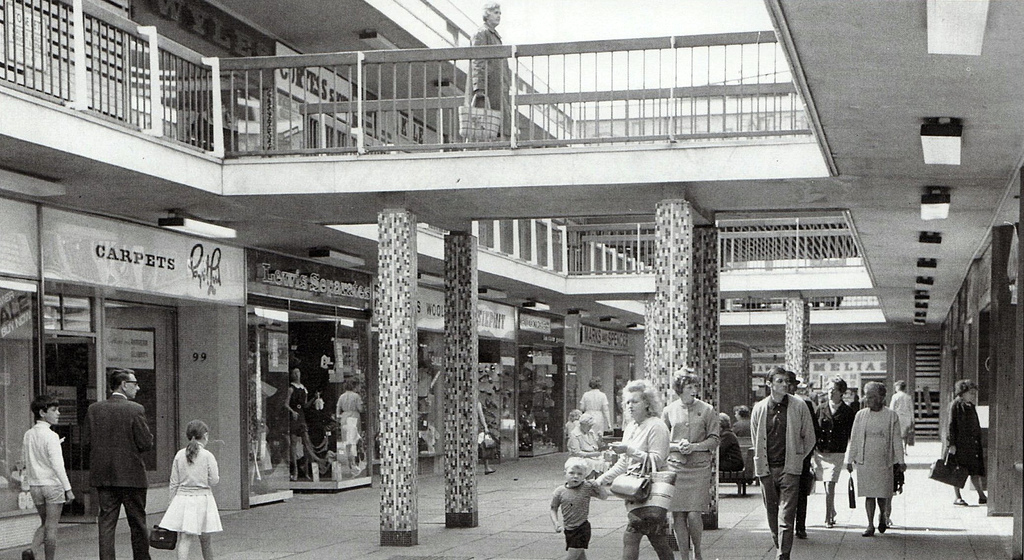
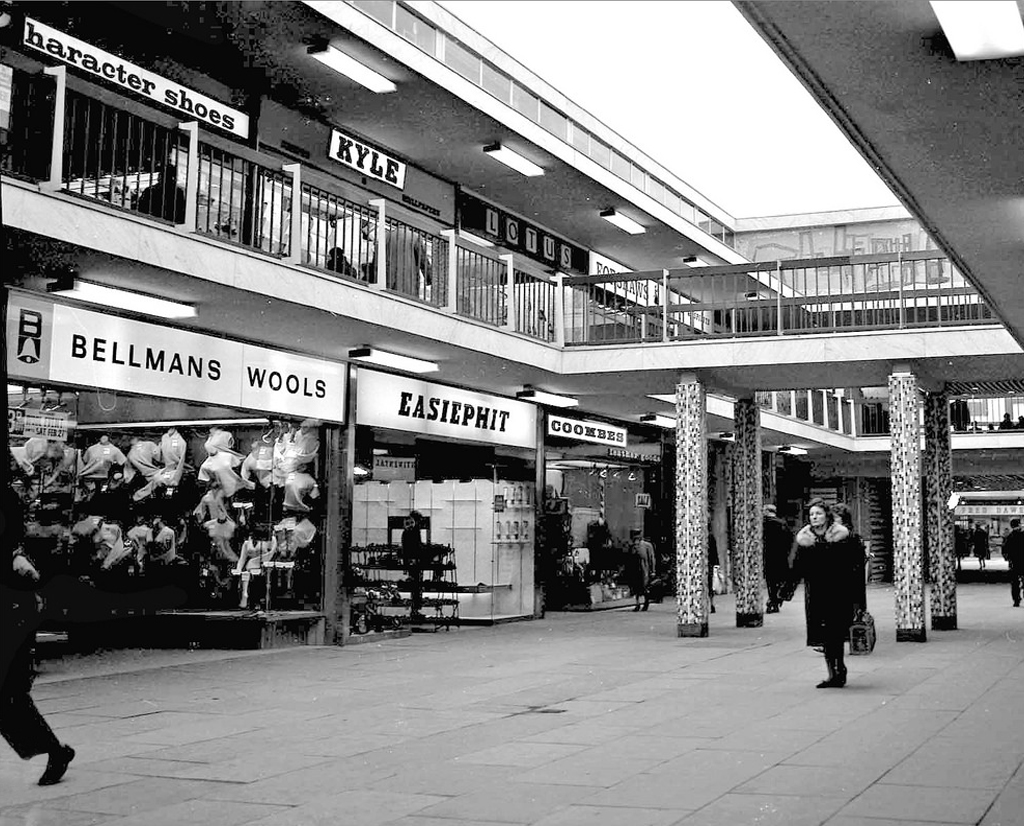
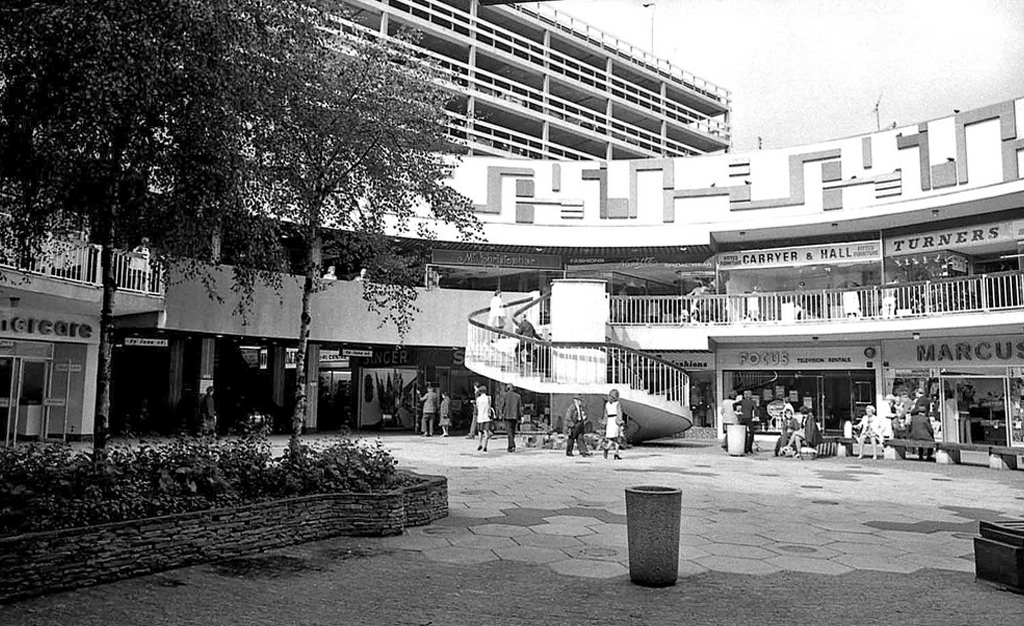
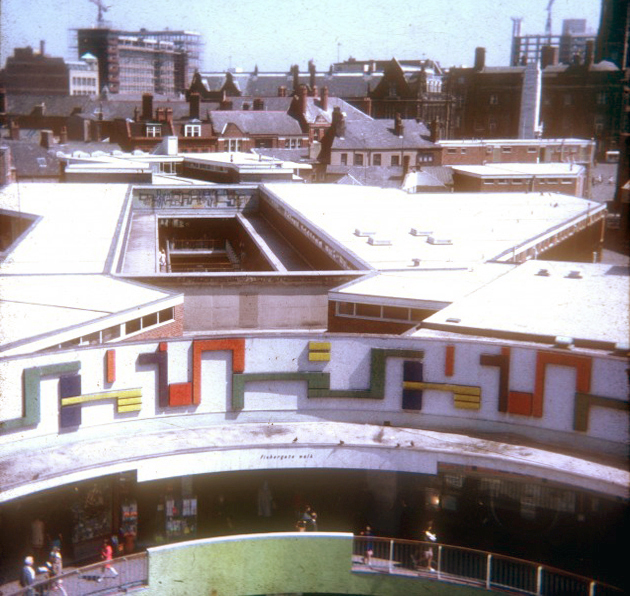
I was brought up with Sixties’ shopping precincts and centres, they are so very dear to my heart, I spent my teenage years here in AshtonStalybridge, and latterly in Stockport’s Merseyway.

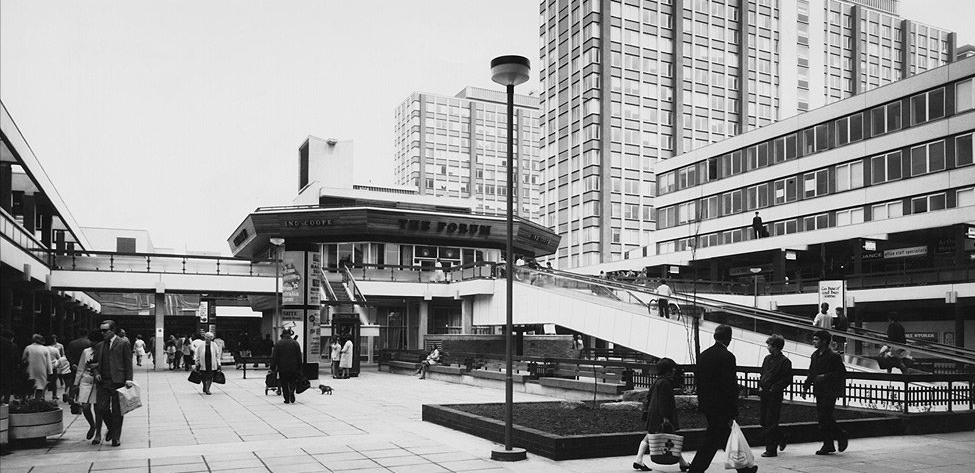
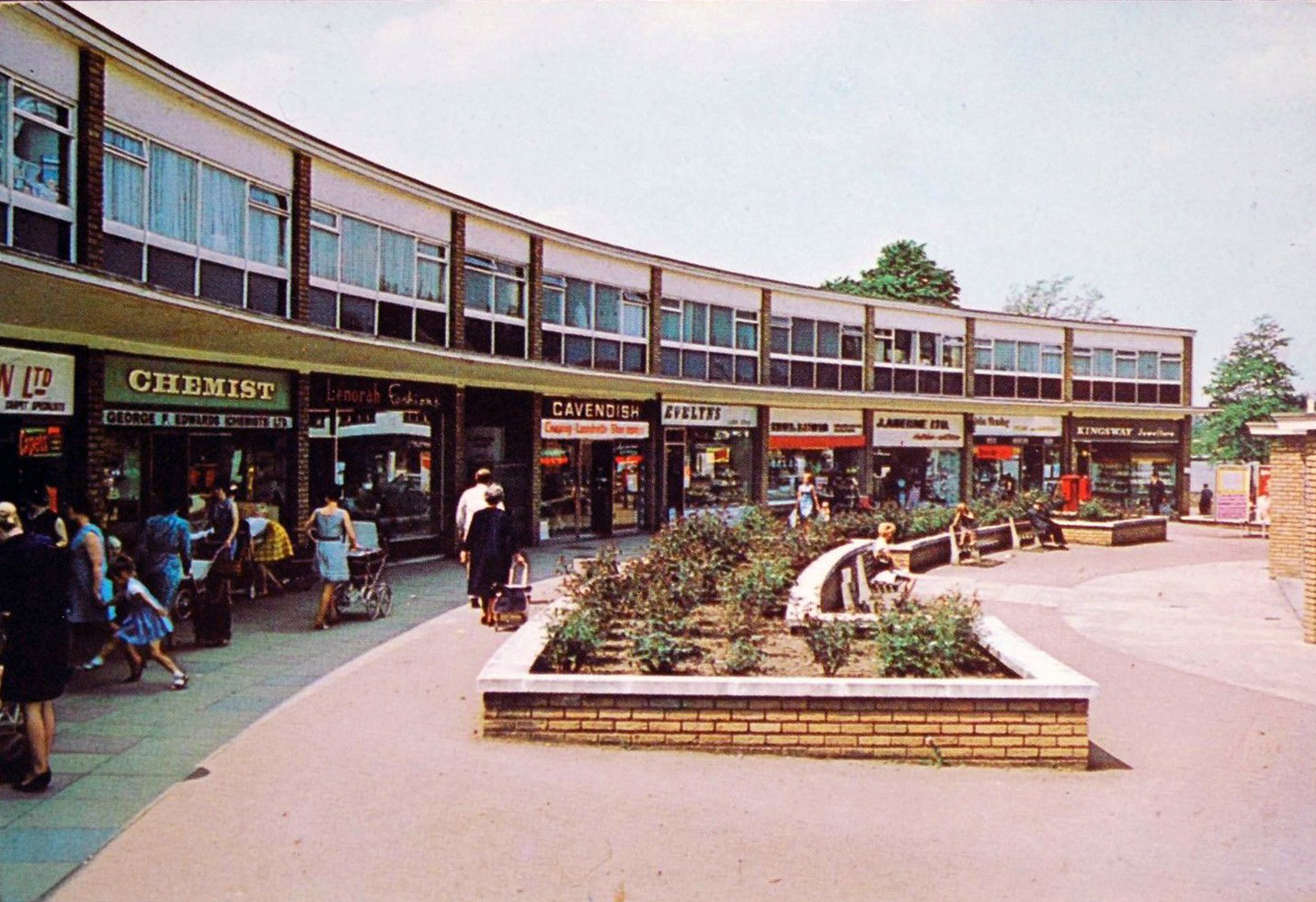
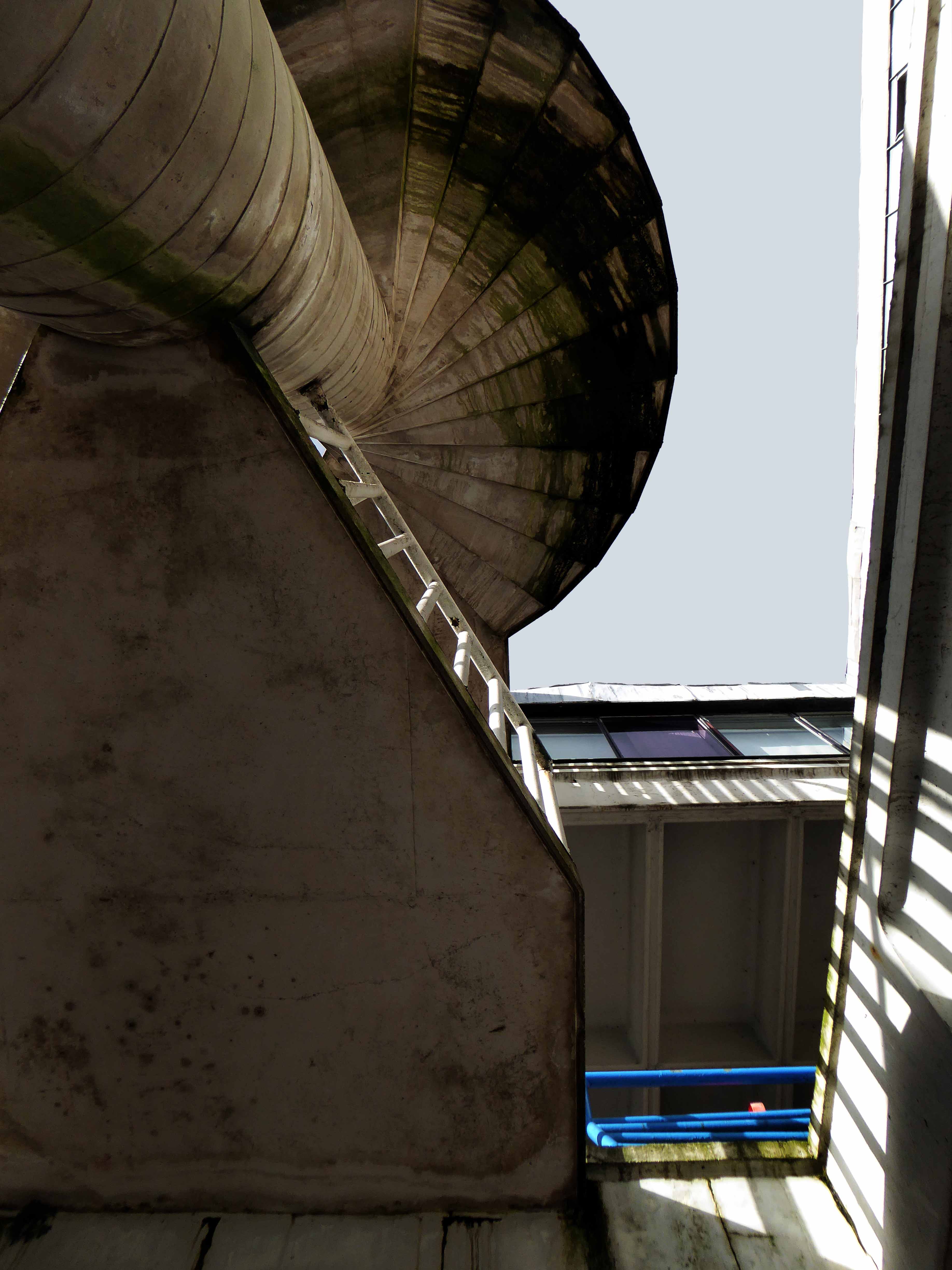
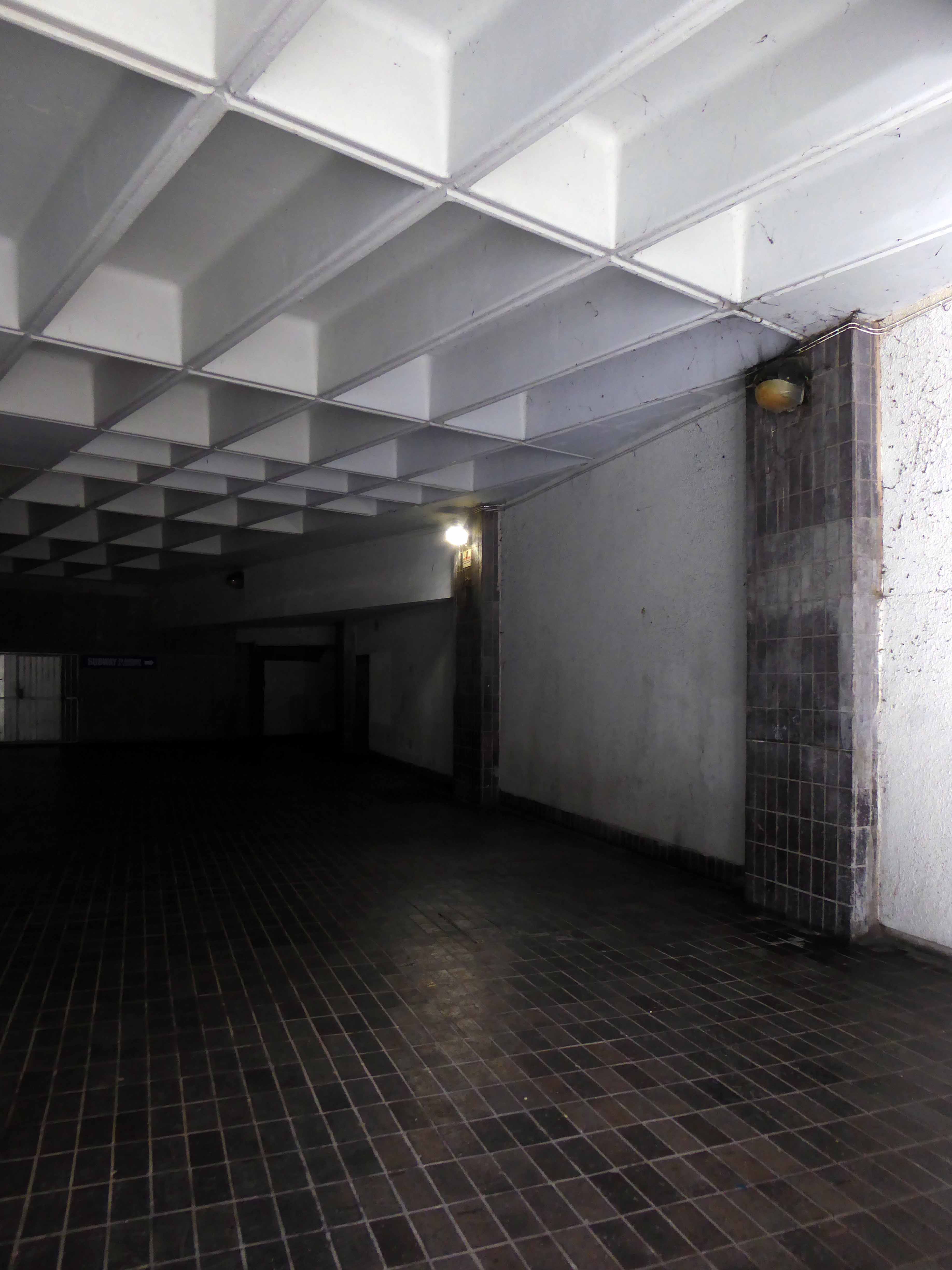
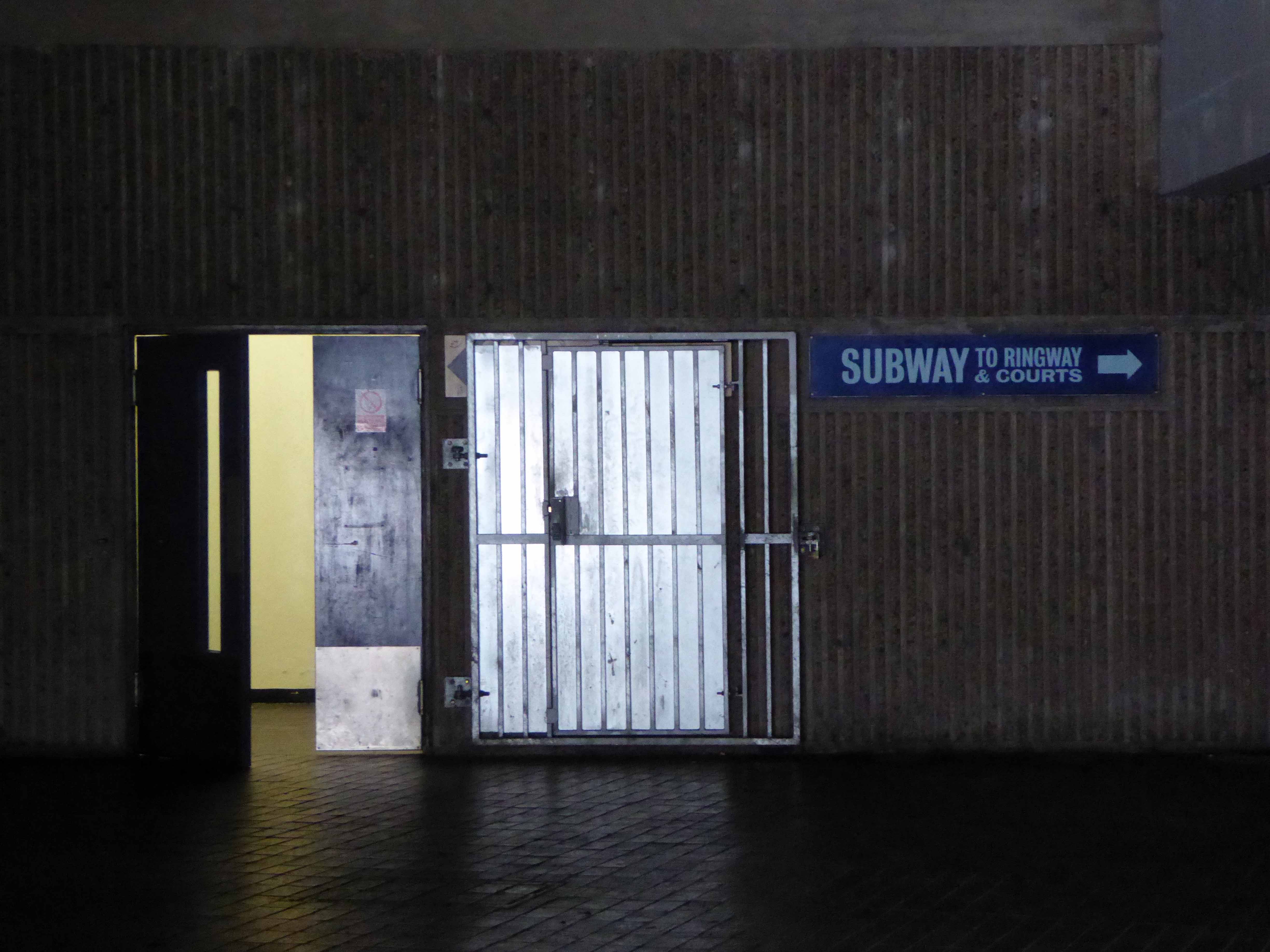
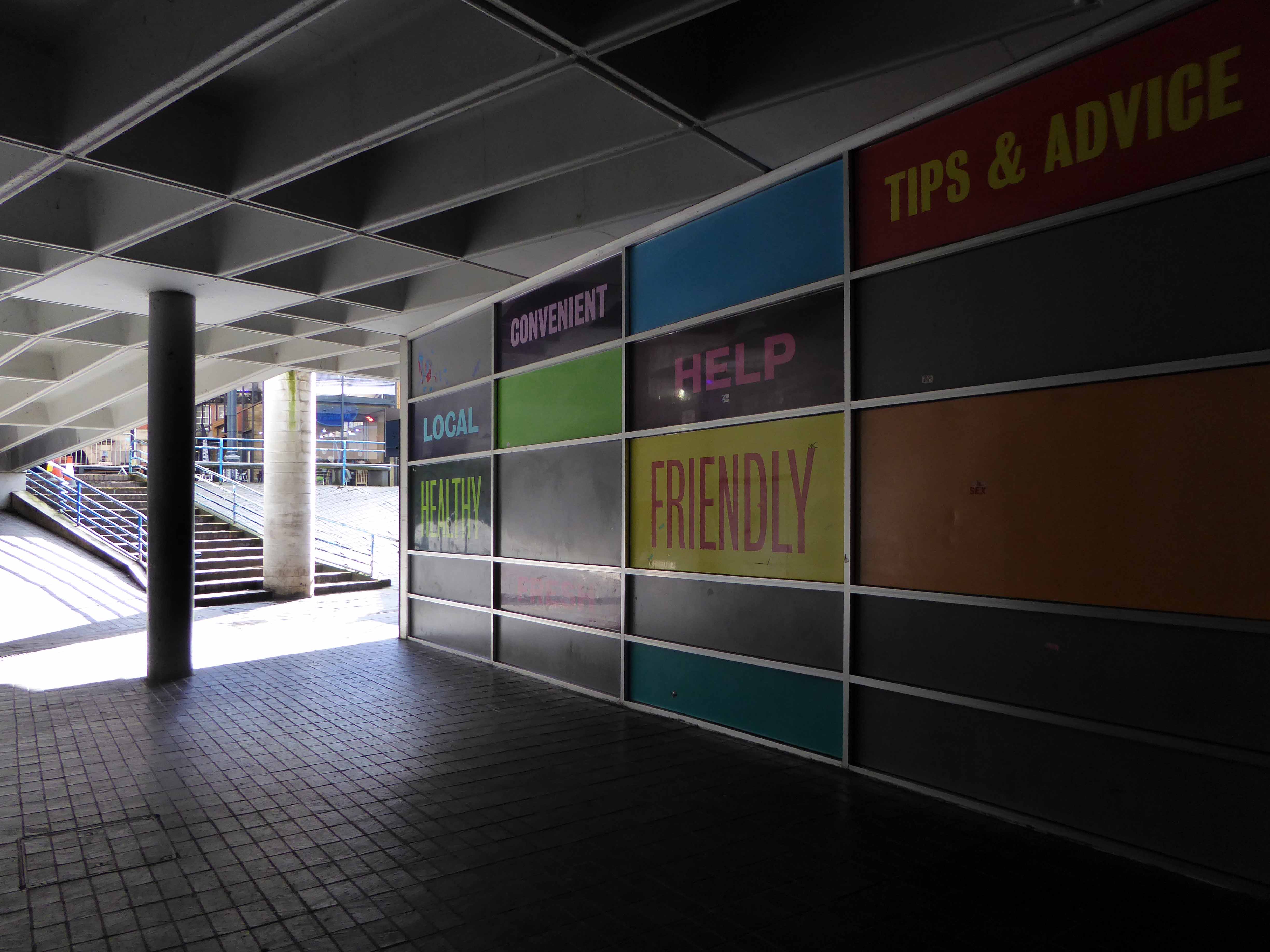
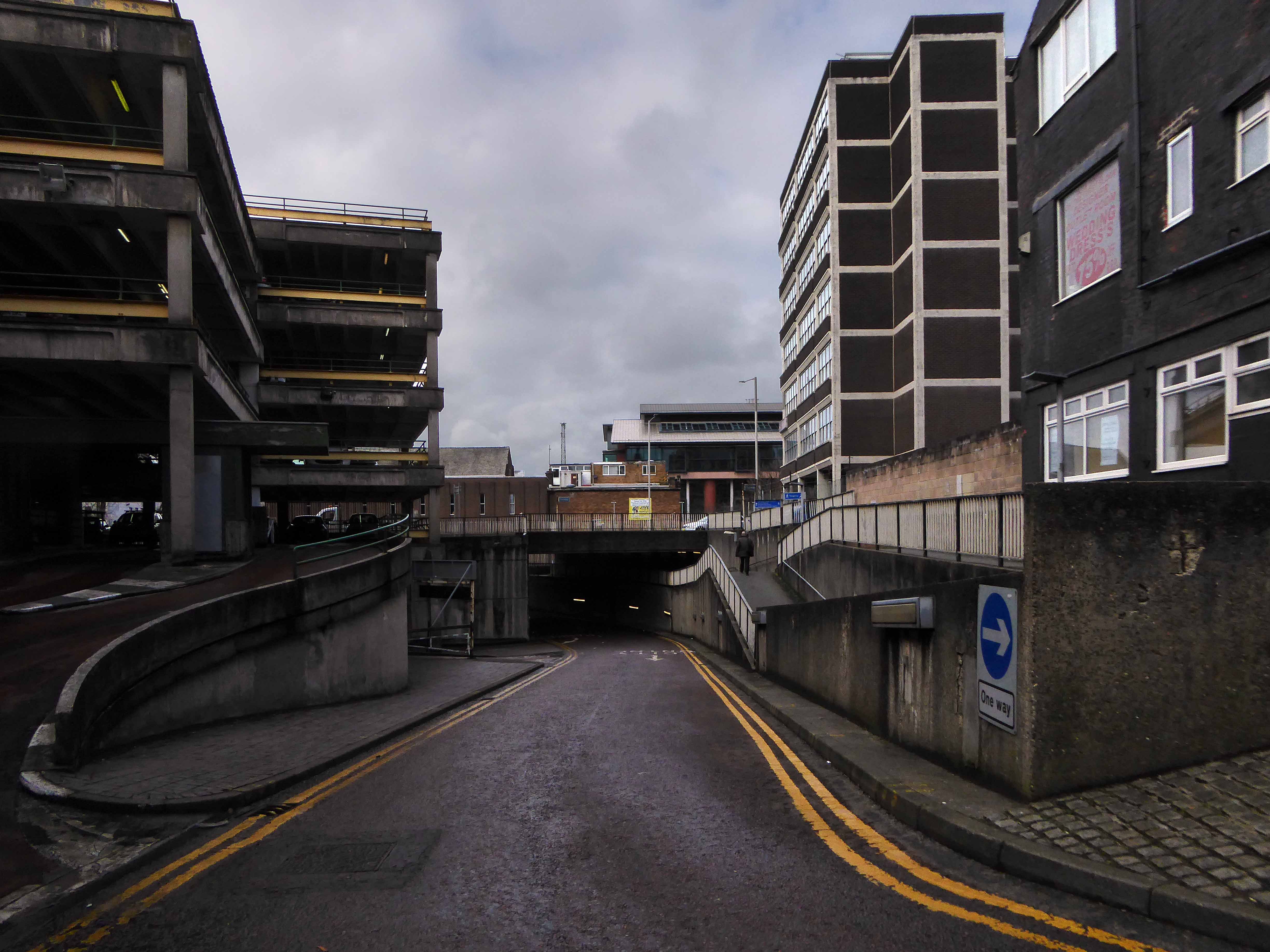
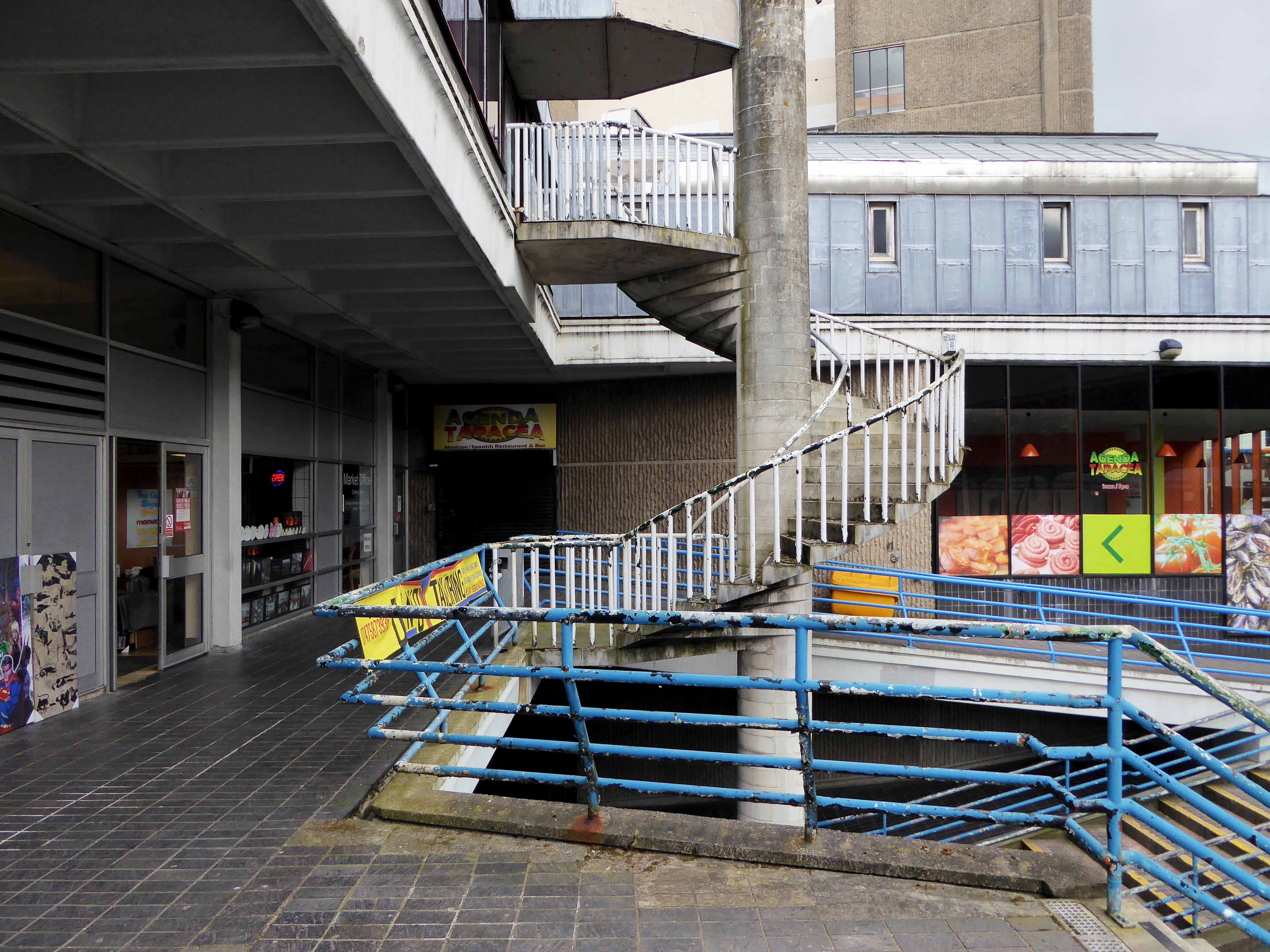
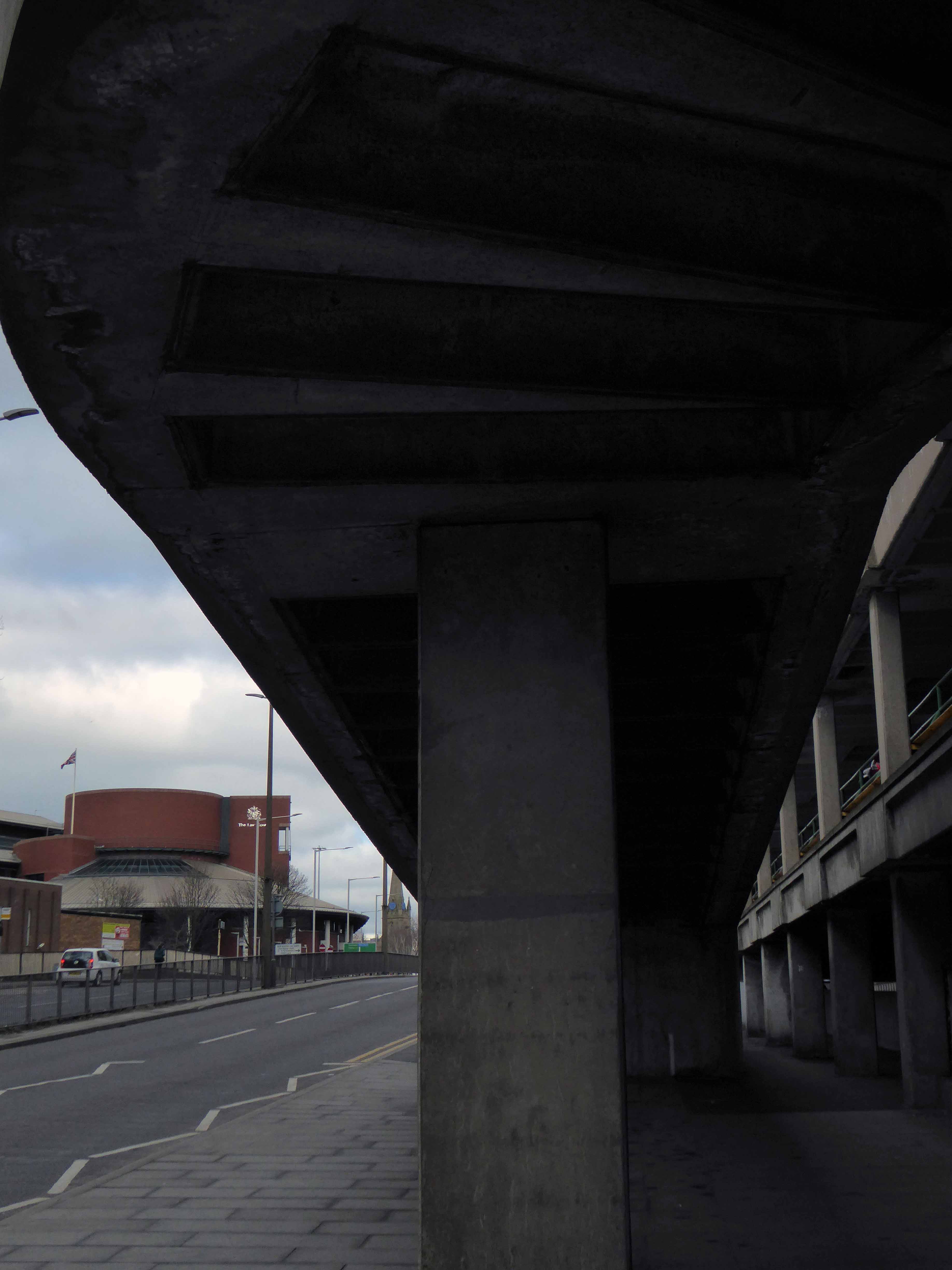
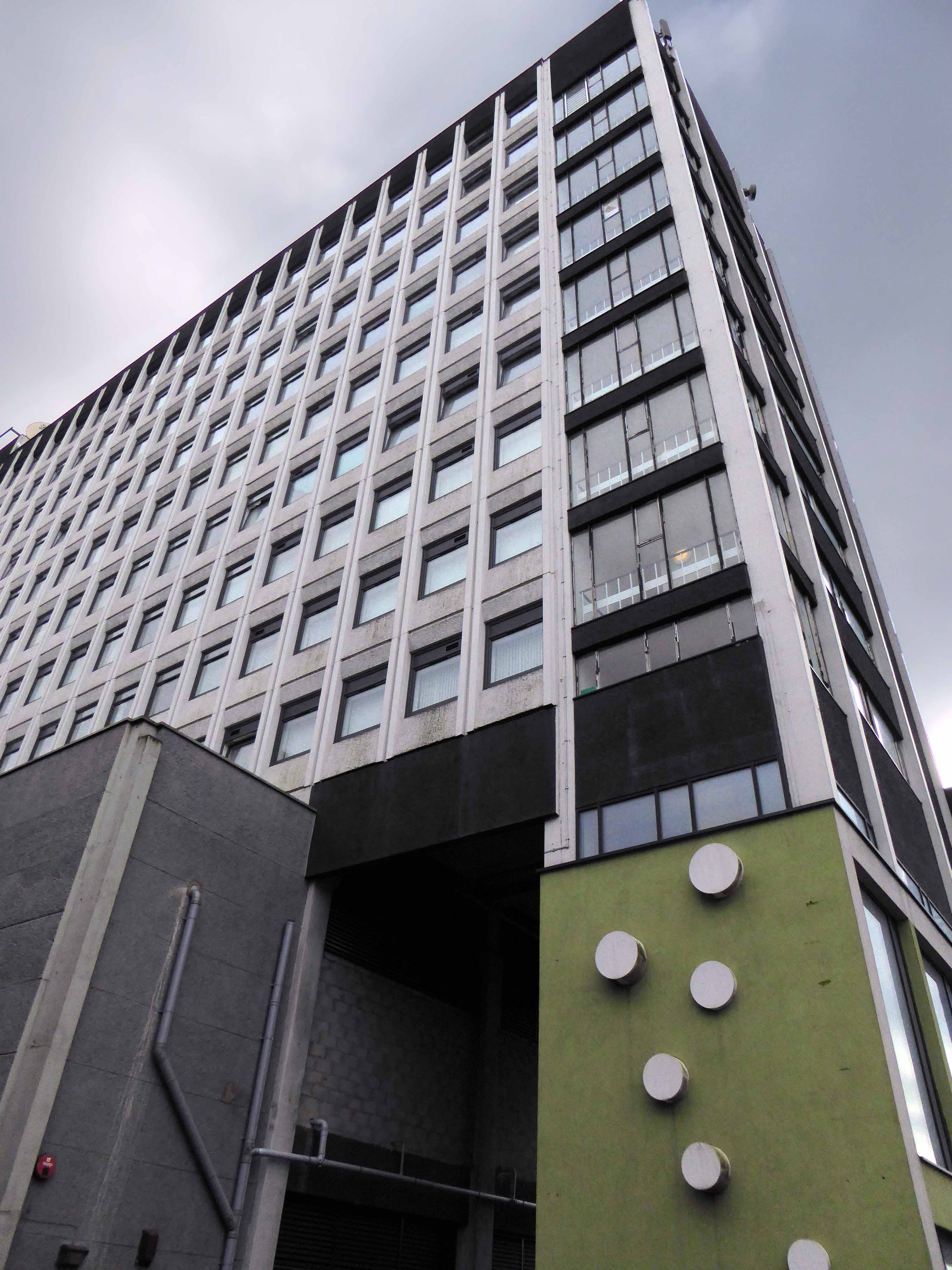
I’ve visited Hanley, Preston, Salford, and Coventry in search of a certain something – that exciting sweeping swoop of concrete, brick, glass and steel. Underpasses with overarching designs and luxurious layouts of leisurely interlocking levels. Each one different in a different way yet essentially similar – embodying a sense of civic pride, a sense of the future realised.

1571 – The Royal Exchange, a trading market in the City of London, is officially opened by Elizabeth I. Above the open-air piazza where dealers buy and sell commodities, there is a two-storey shopping mall, with 100 different kiosks – making it Britain’s first shopping centre.

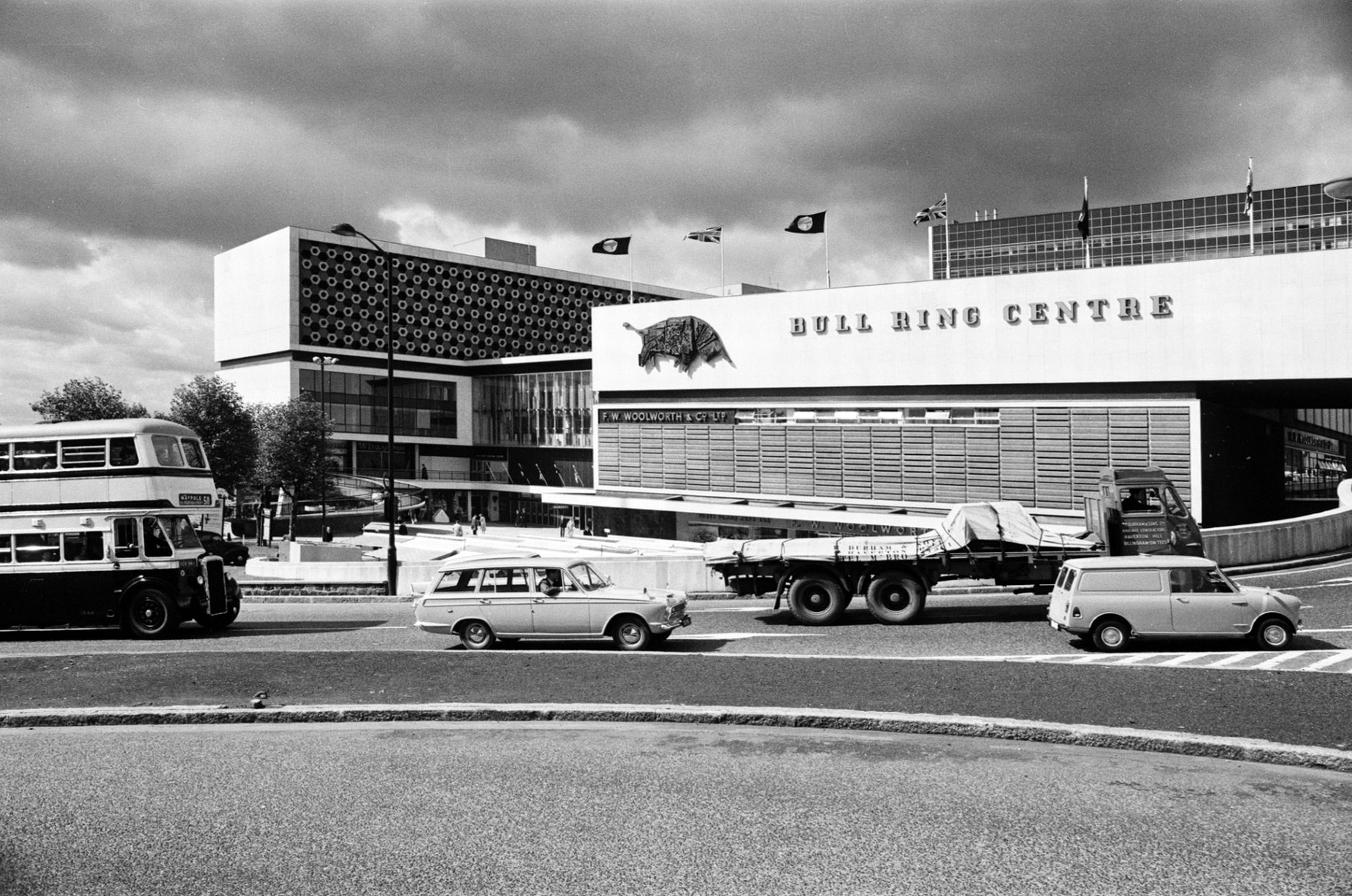
1964 – It was a monument to provincial pride in reinforced concrete and glass. When the Duke of Edinburgh opened the Birmingham Bull Ring in May 1964, it was the largest indoor shopping centre in Europe, with a total floor area of 23 acres. Inspired by American suburban malls, the Bull Ring promised coatless shopping in an air-conditioned, temperature-controlled hall maintained at late-spring level.

JS55897014

2017 – Many are now no more, or redeveloped beyond recognition. The integrity of the architecture, street furniture, public art, space and usage a thing of folk memory.

So come with me now on a whirlwind picture postcard tour of this Nation’s saving grace – it’s modernist shopping spaces.

aberdeen-e1522241288210.jpg

Aberdeen

barlaston

Barlaston

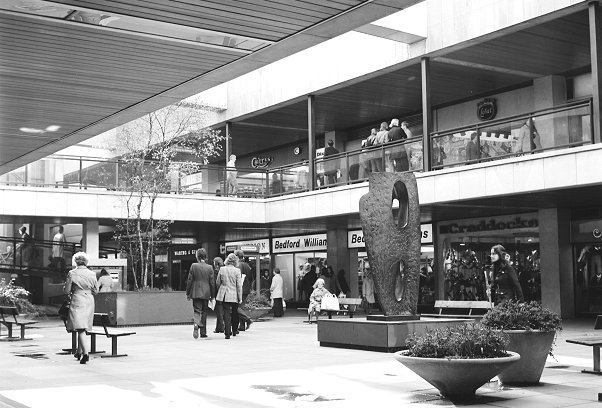
bedford-copy.jpg

Bedford

Bracknell copy

Bracknell

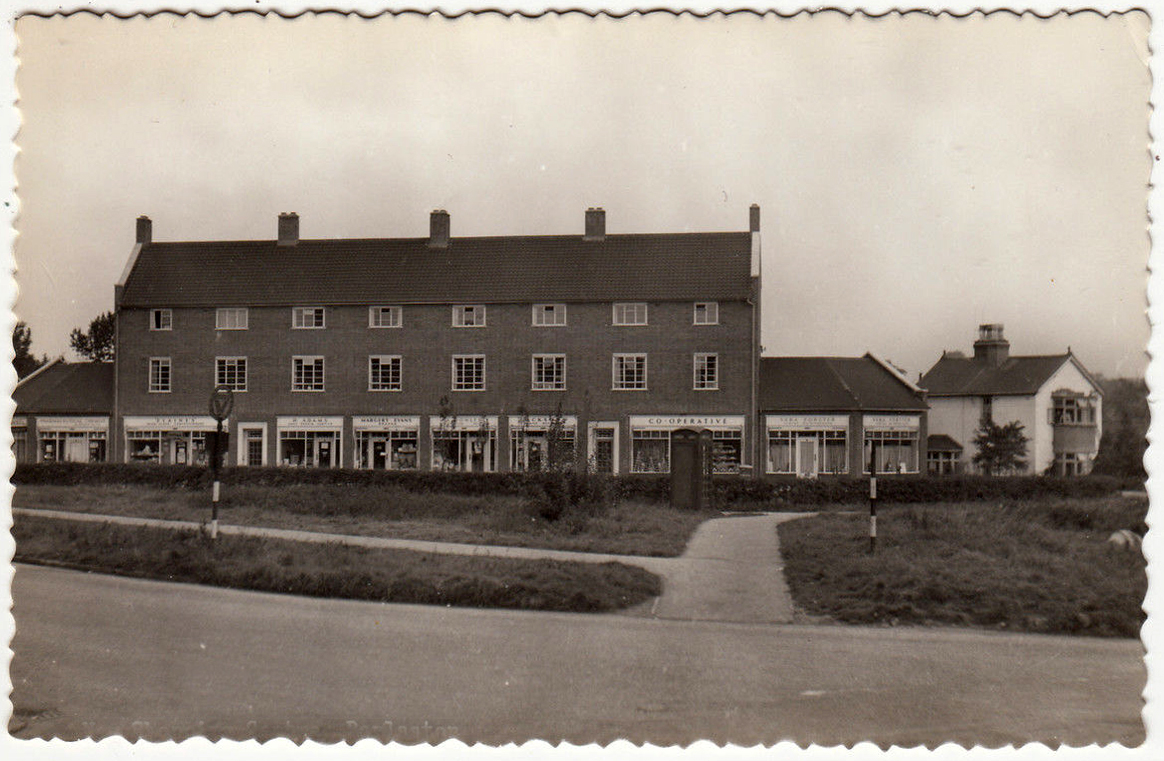
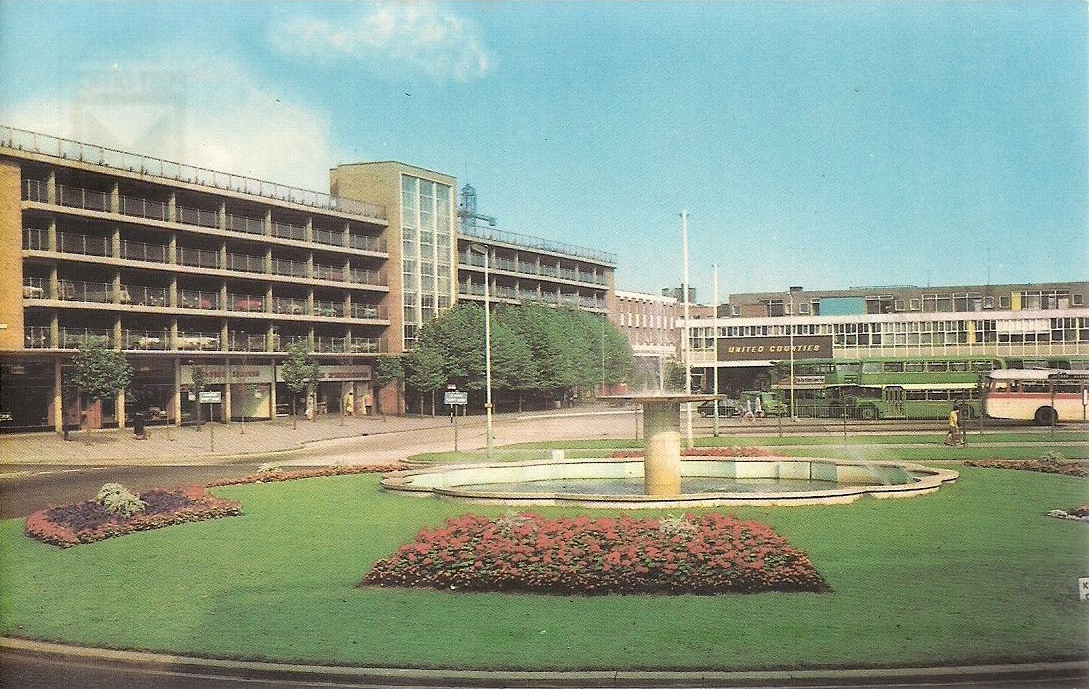
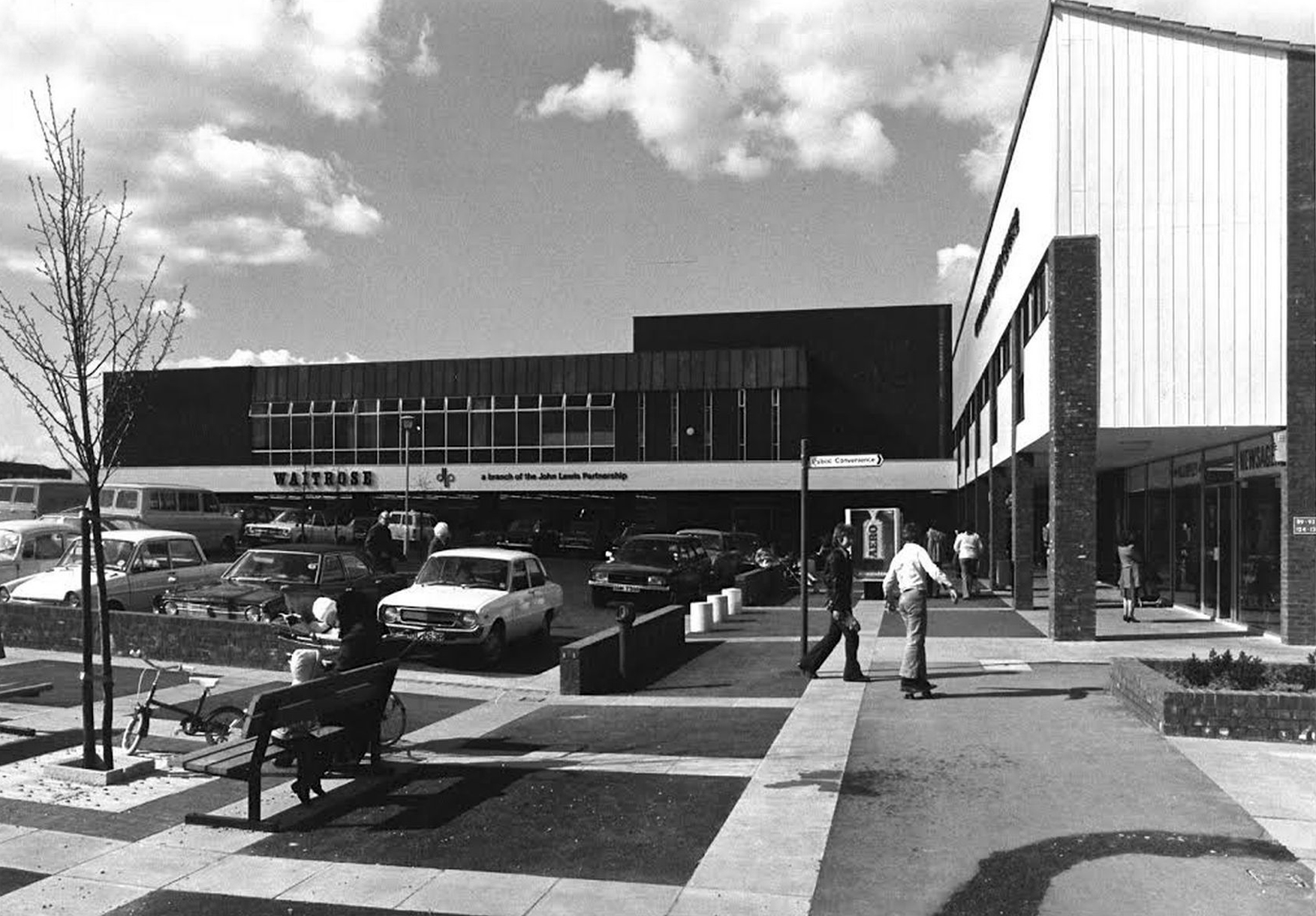
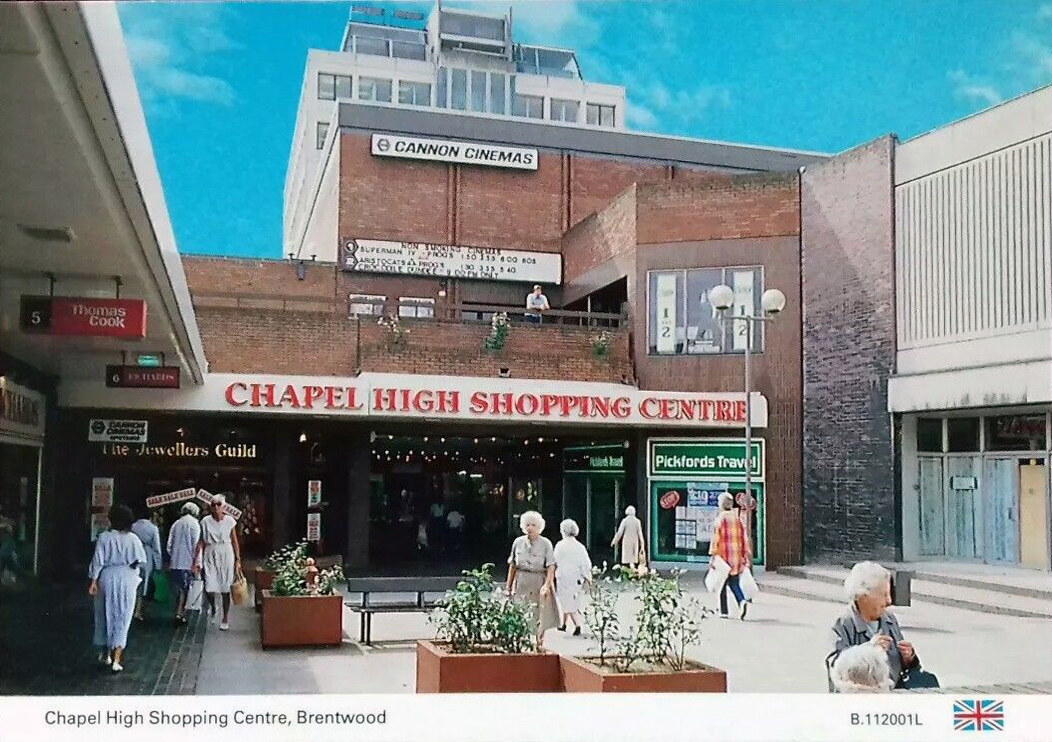
brentwood a

Brentwood

brighton

Brighton

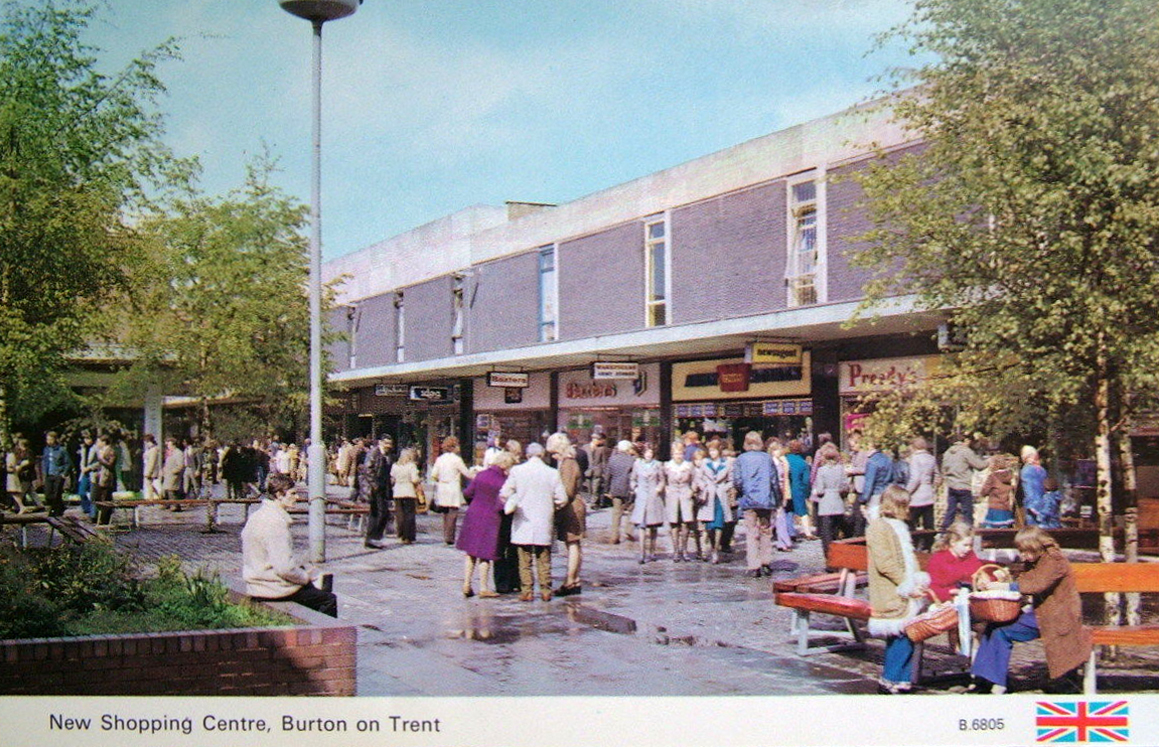
burton

Burton on Trent

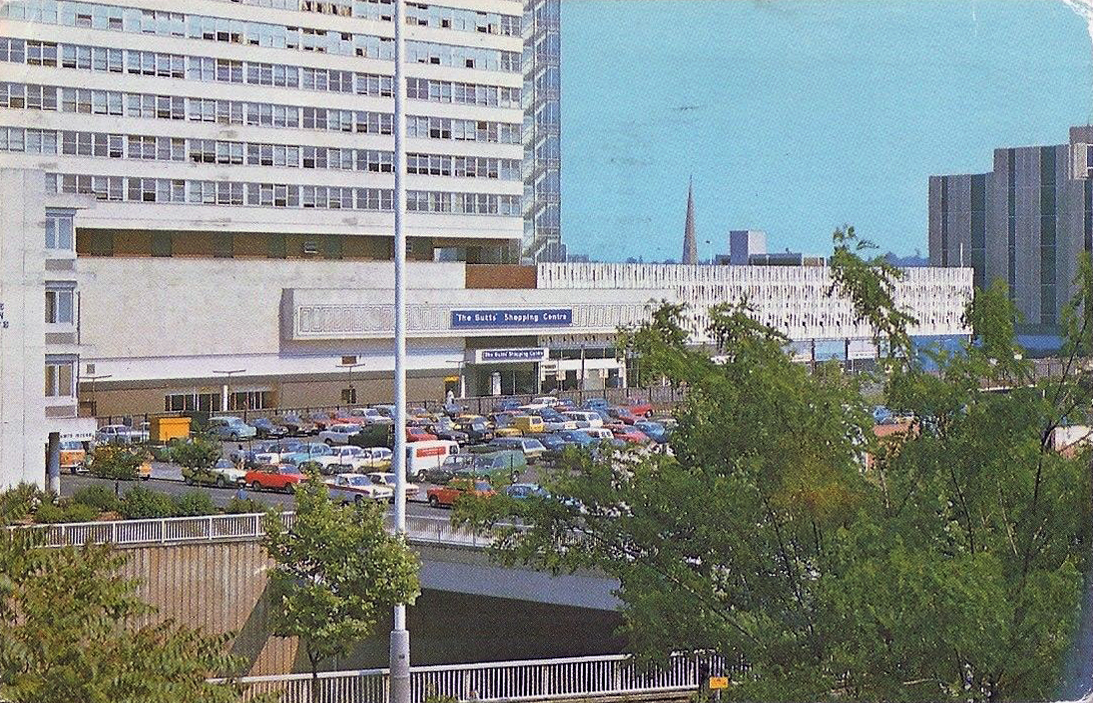
butts reading

Butts – Reading

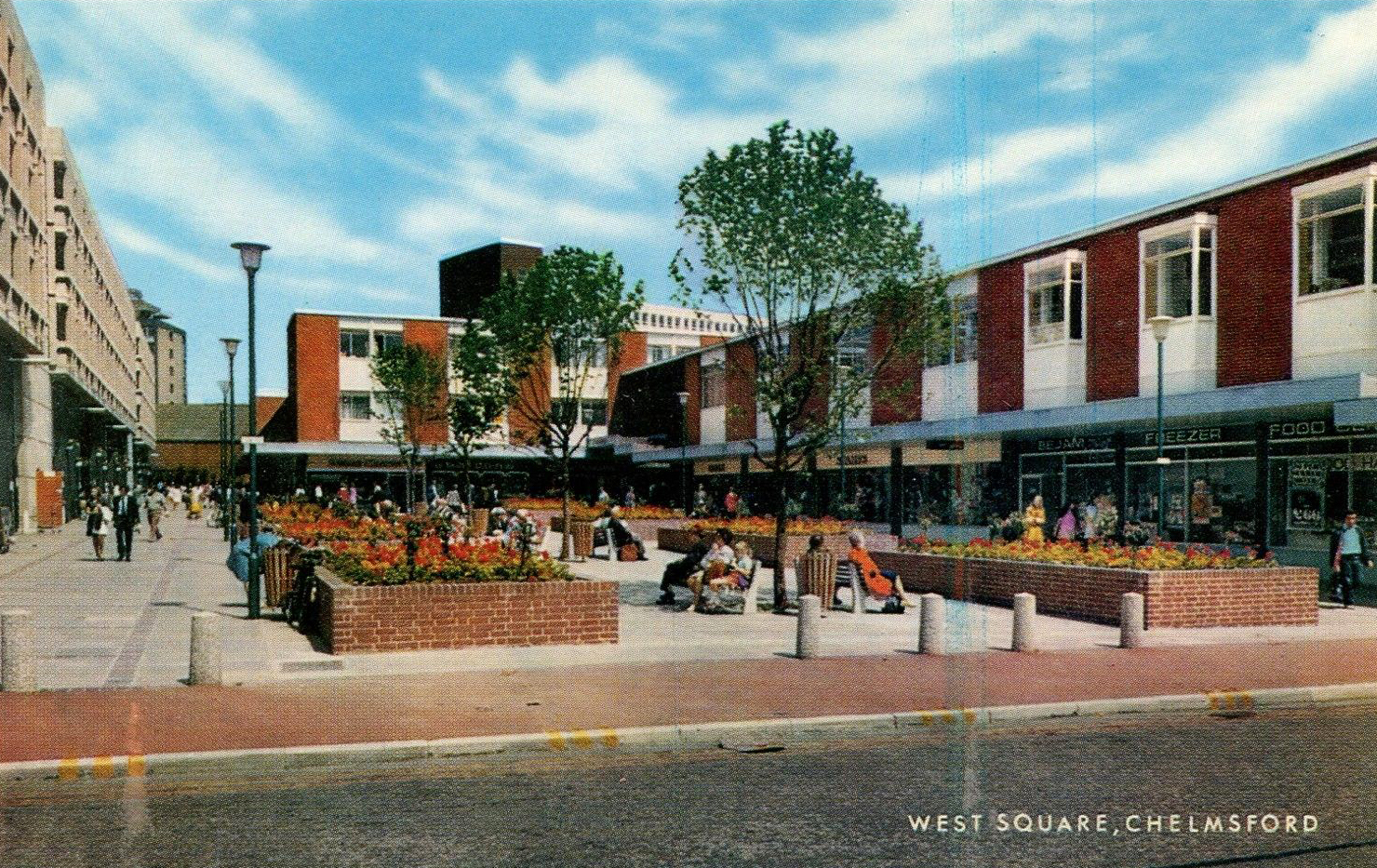
chelmsford

Chelmsford

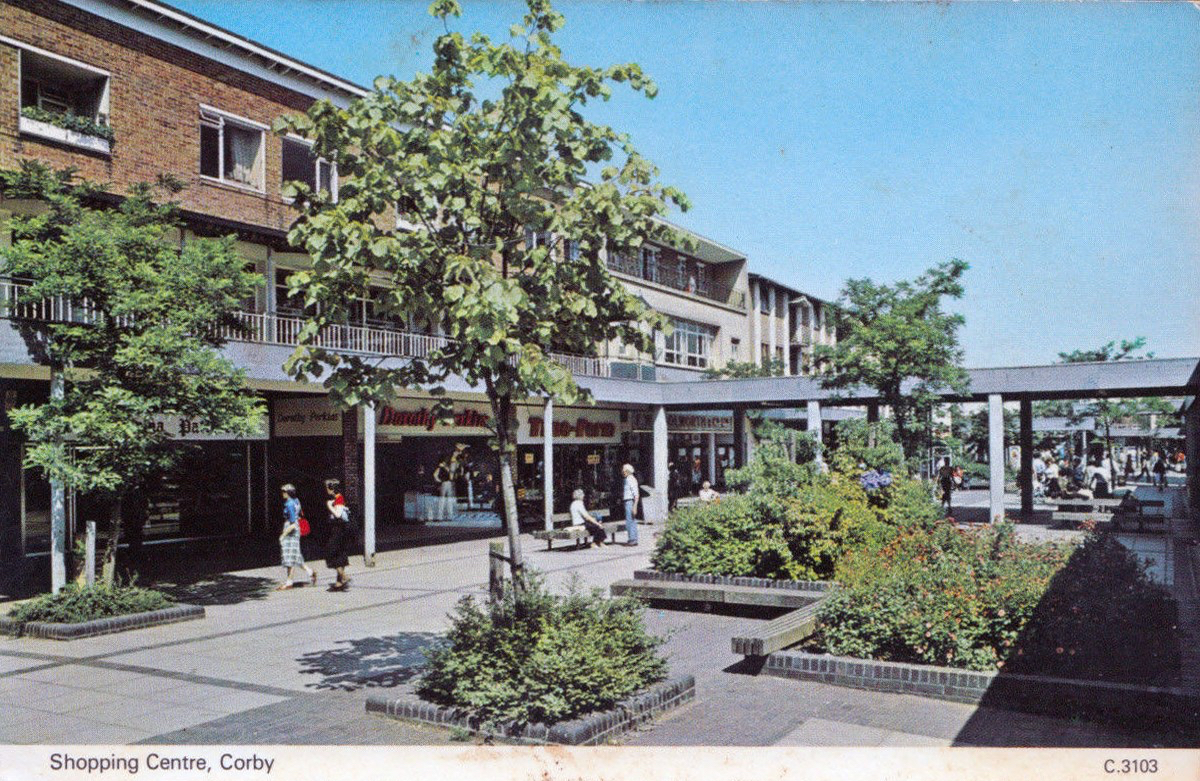
corby b

Corby

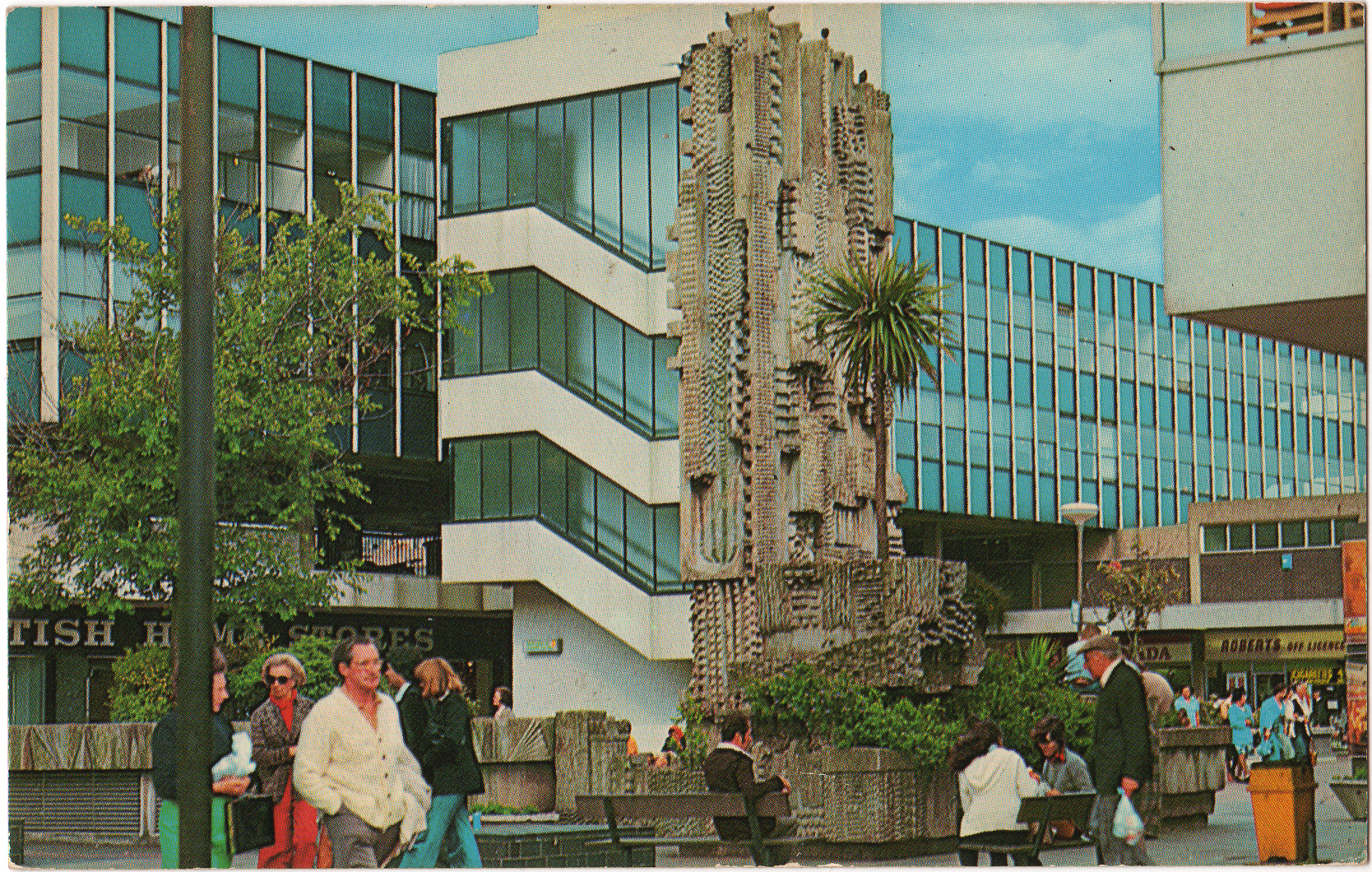
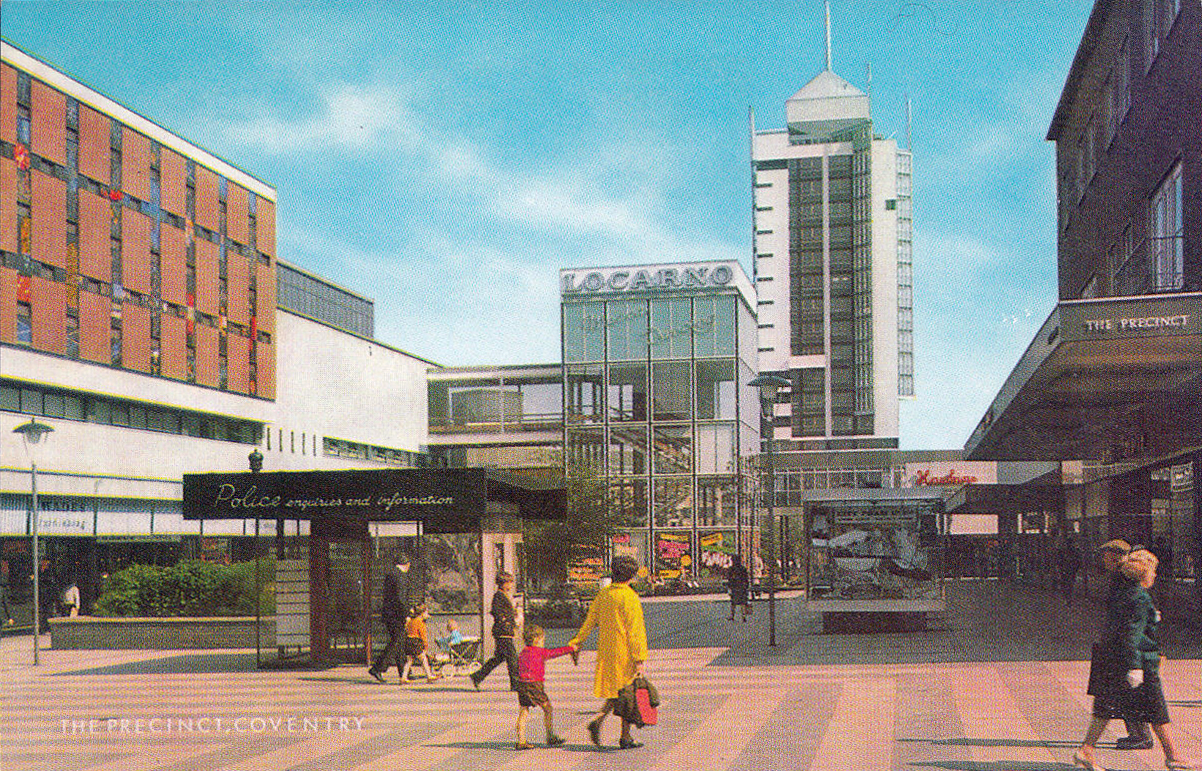
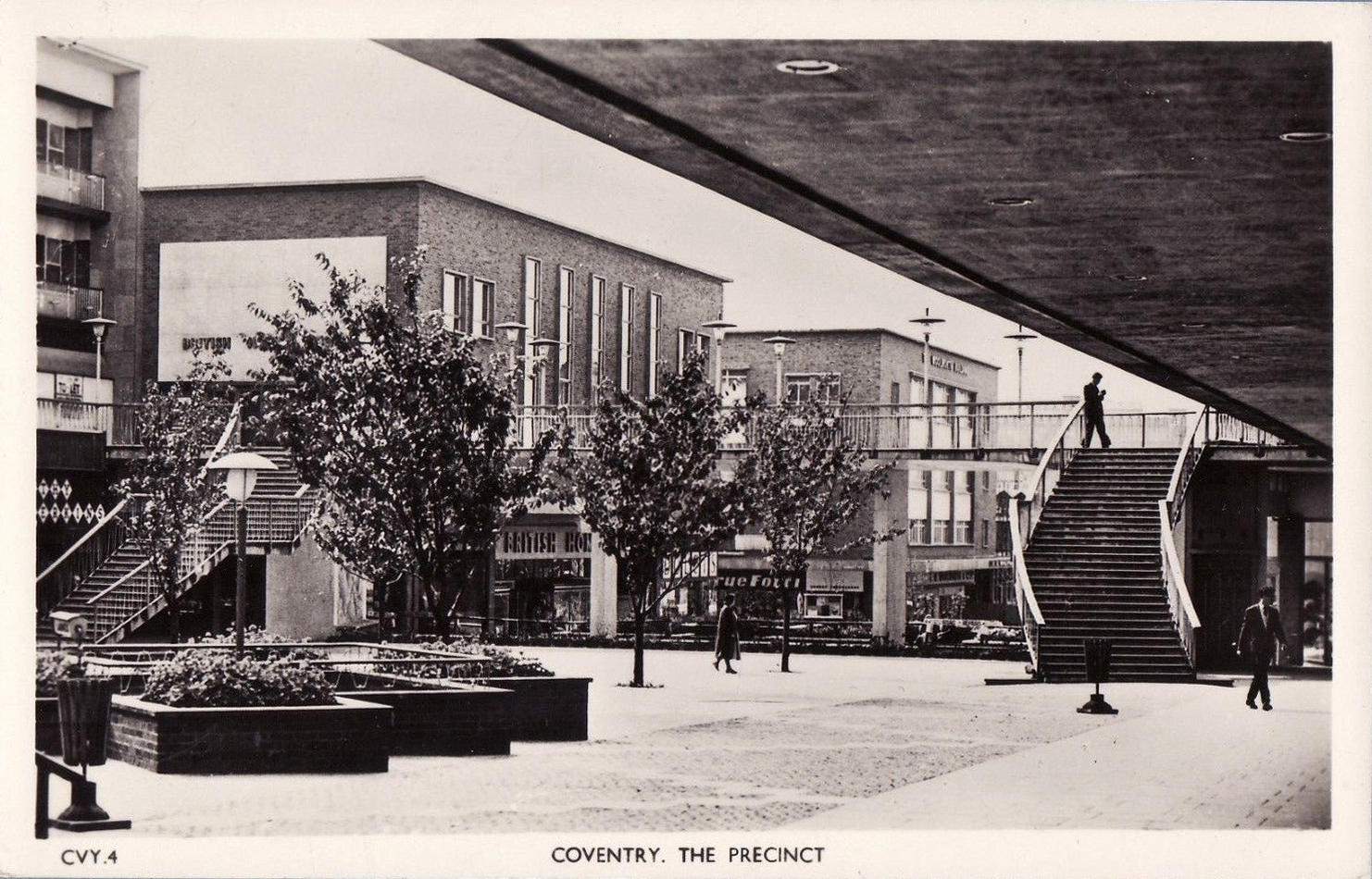
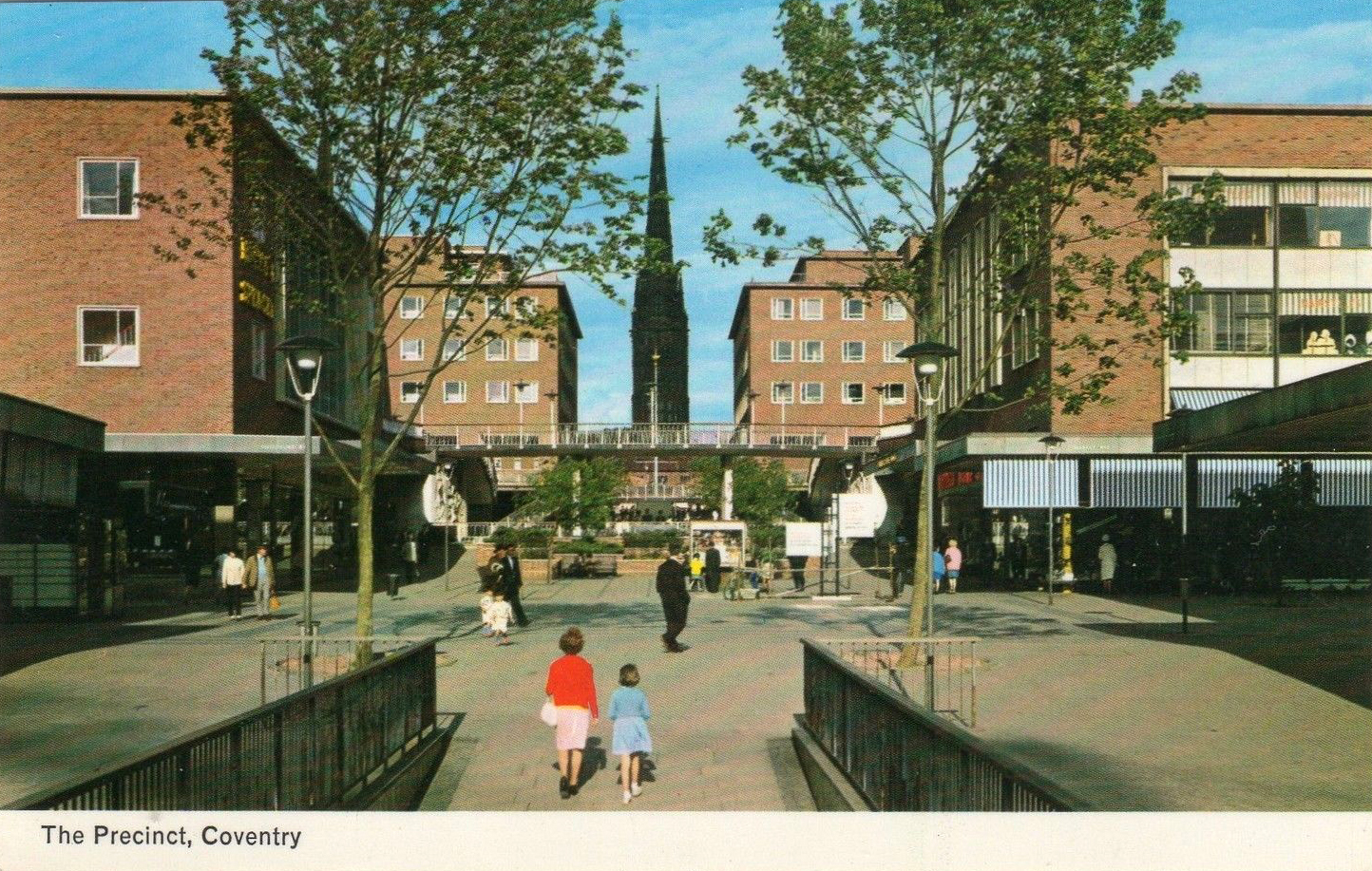
cov

coventry a

coventry

Coventry

cowplain

Cowplain

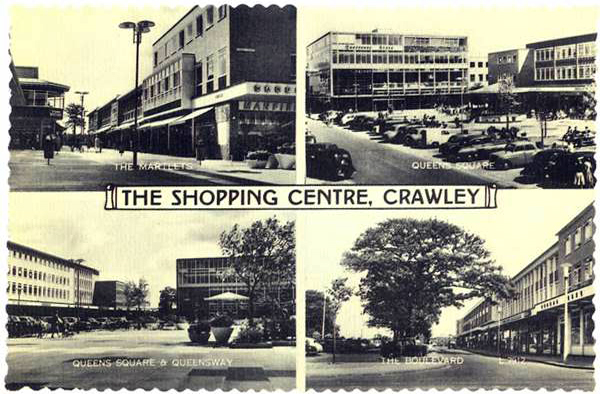
crawley

Crawley

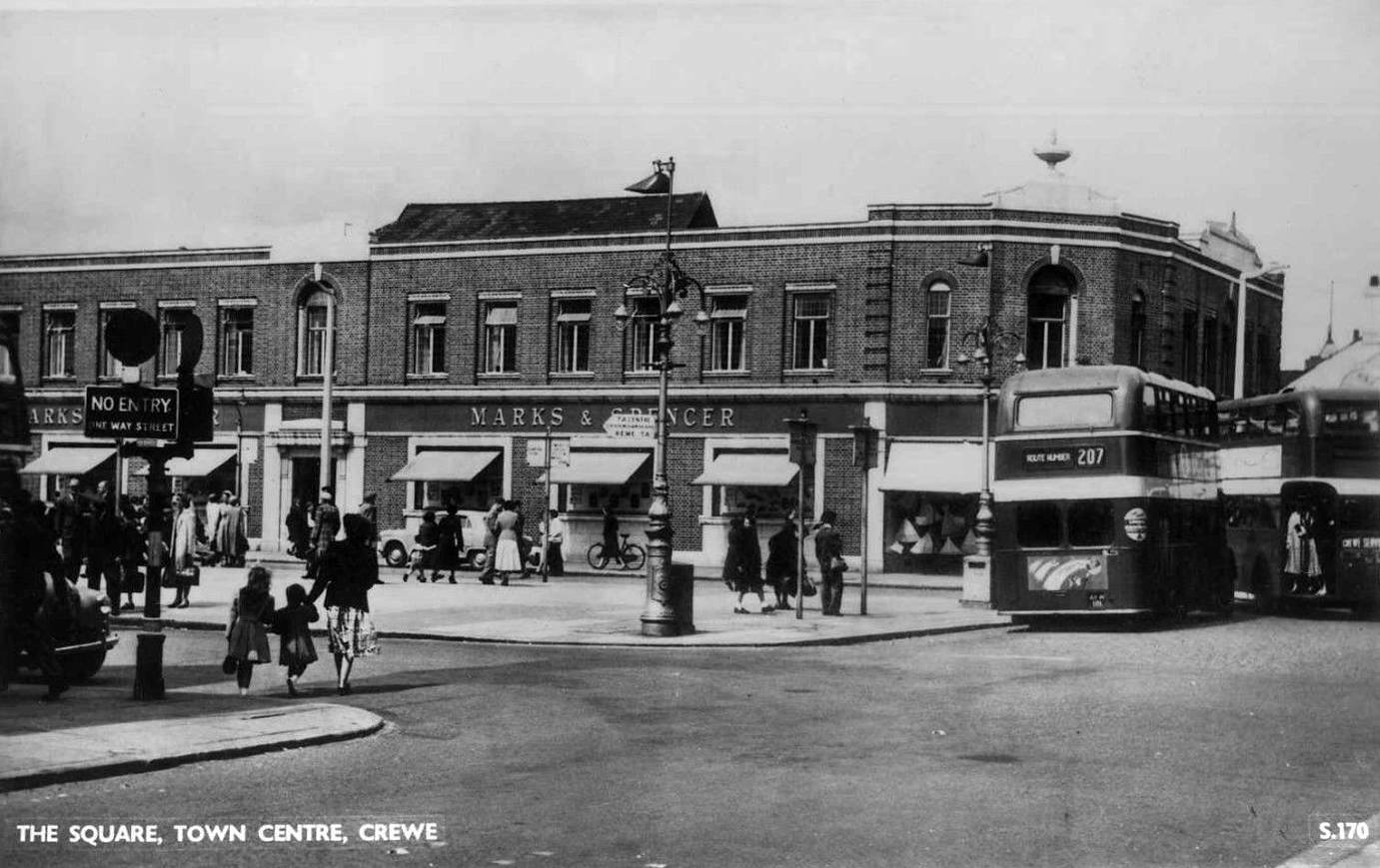
crewe

Crewe

croydon

Croydon

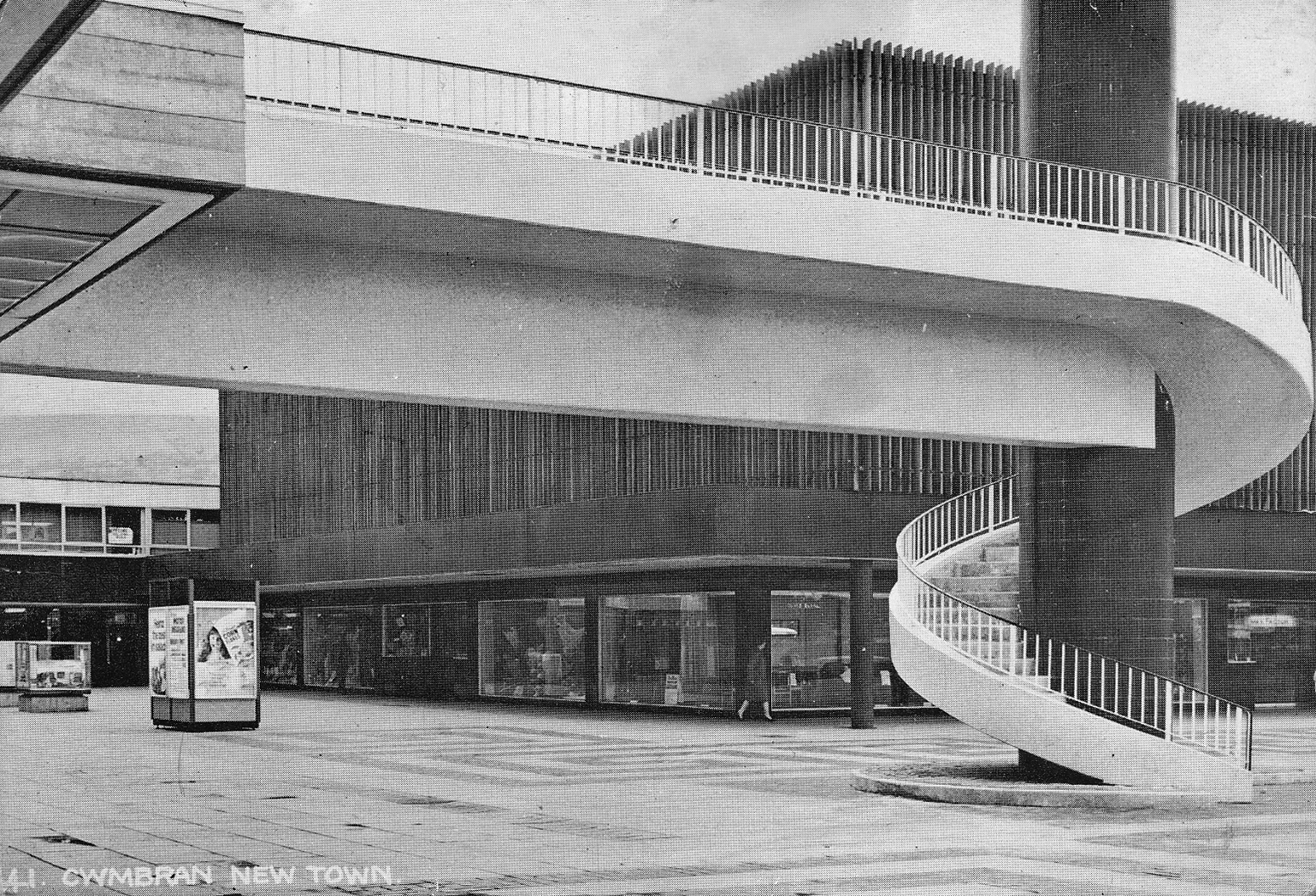
cwmbran

Cwmbran

dudley

Dudley

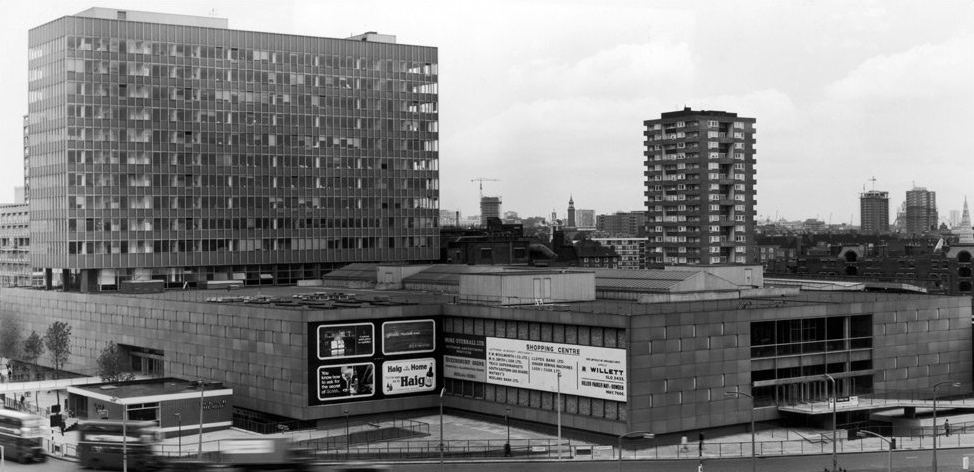
elephant and castle

Elephant and Castle

great yarmouth copy

Great Yarmouth

hanley

Hanley

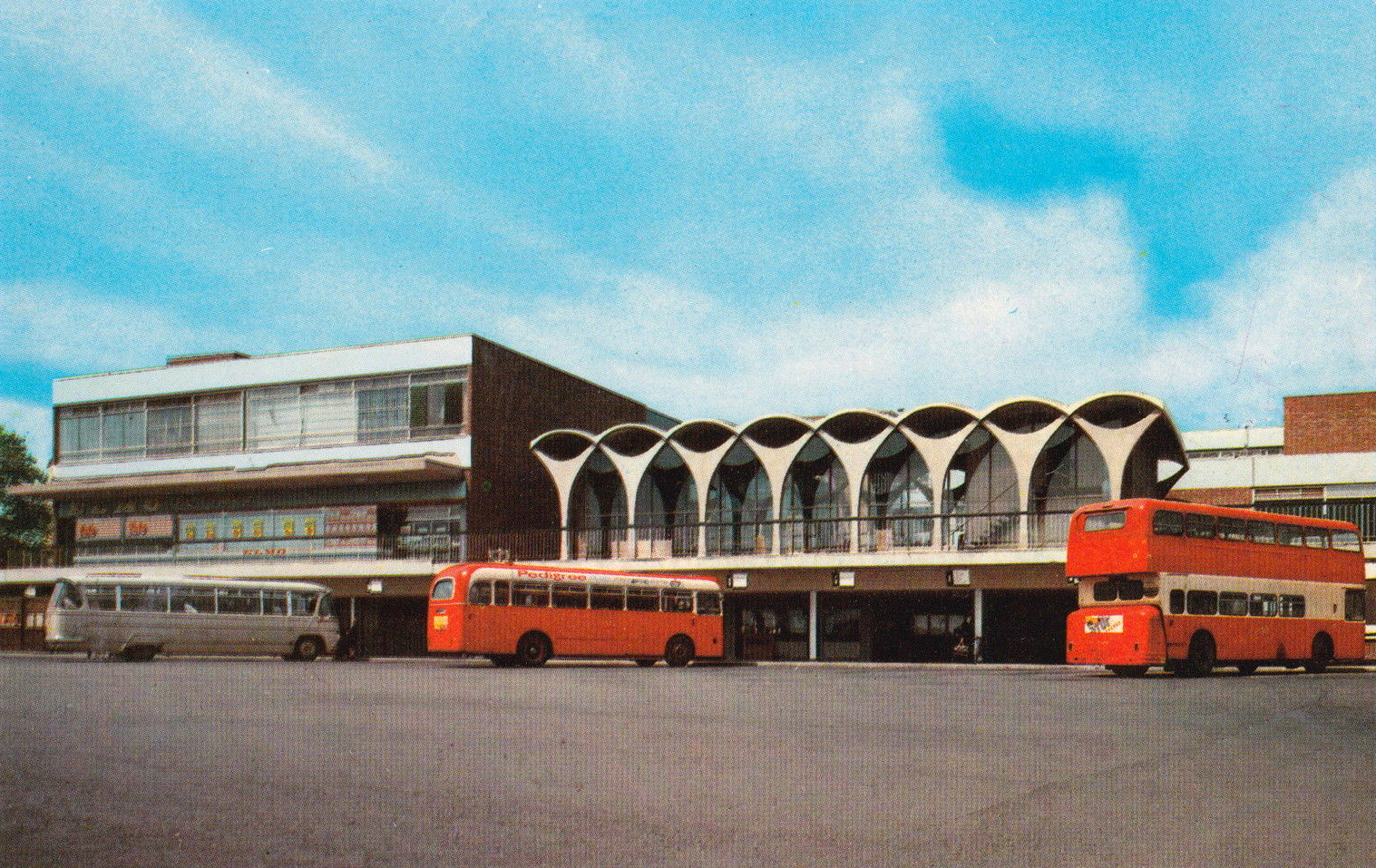
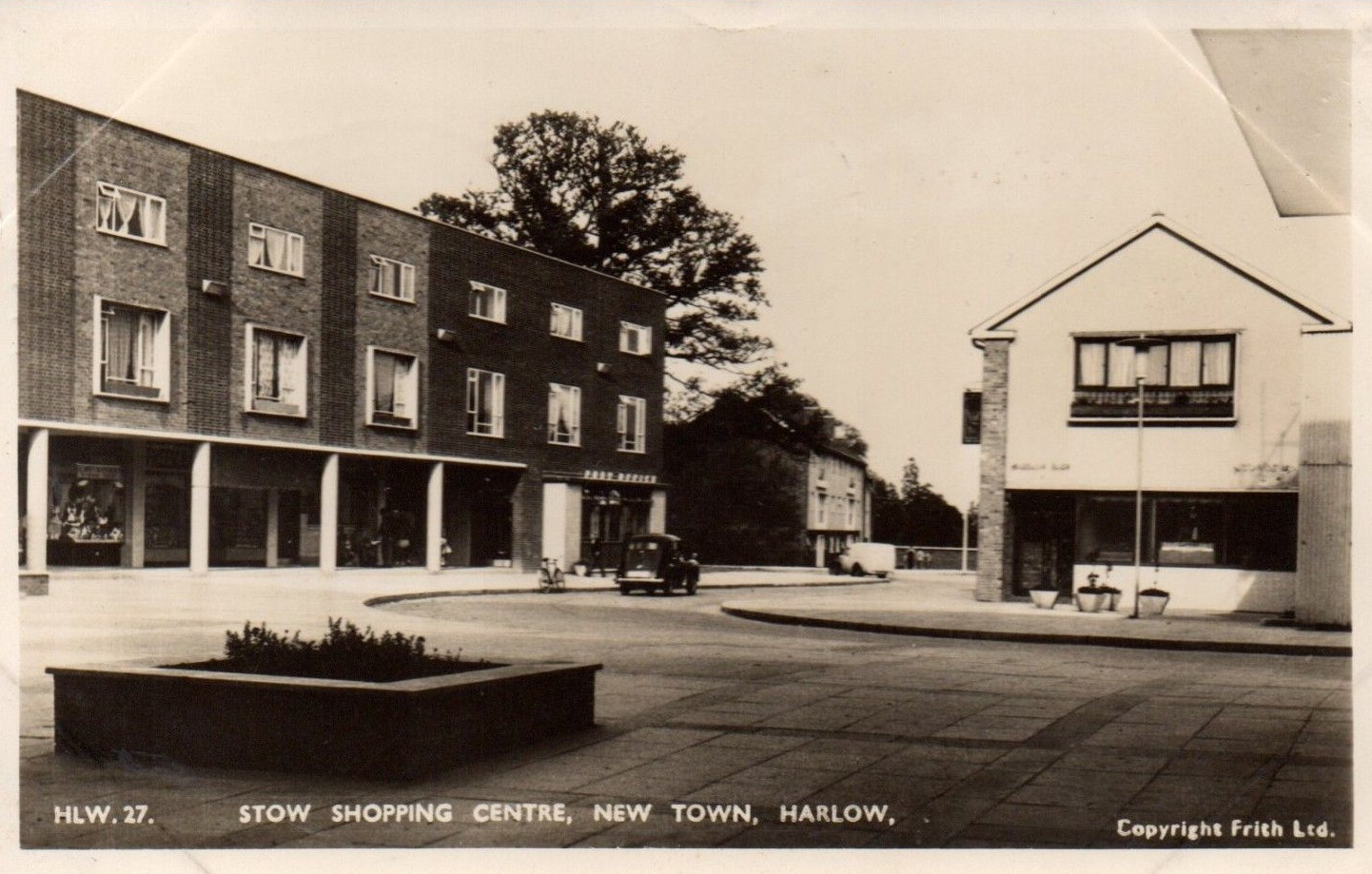
harlow

Harlow

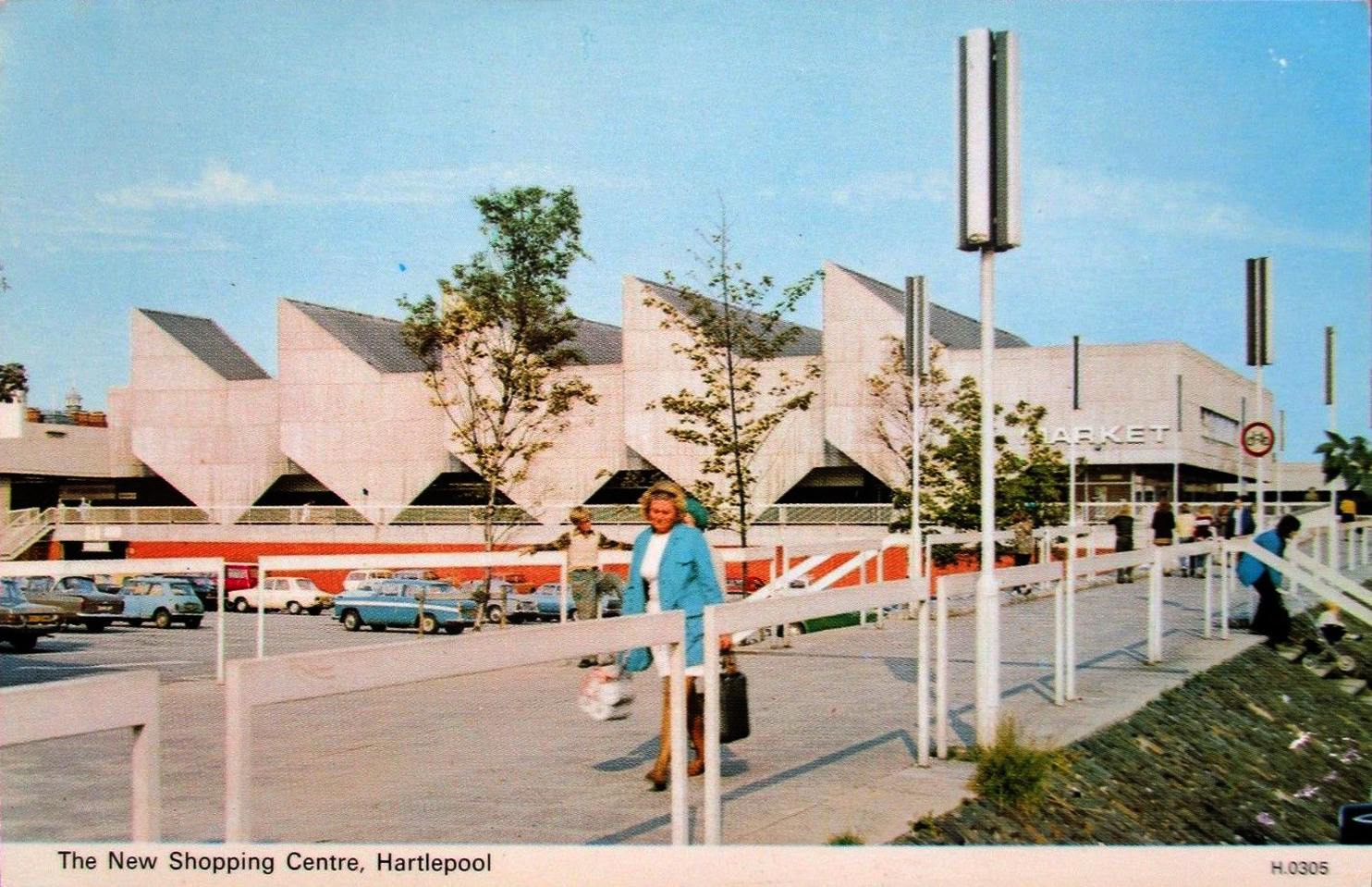
hartlepool.jpg

Hartlepool

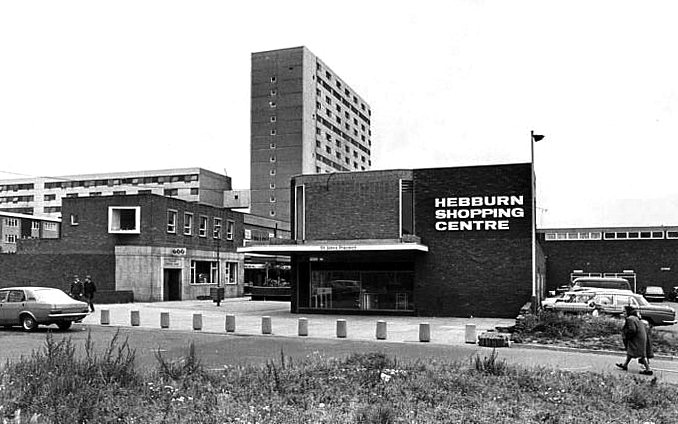
Hebburn

Hebburn

immingham

Immingham

irvine

Irvine

leamore

Leamore

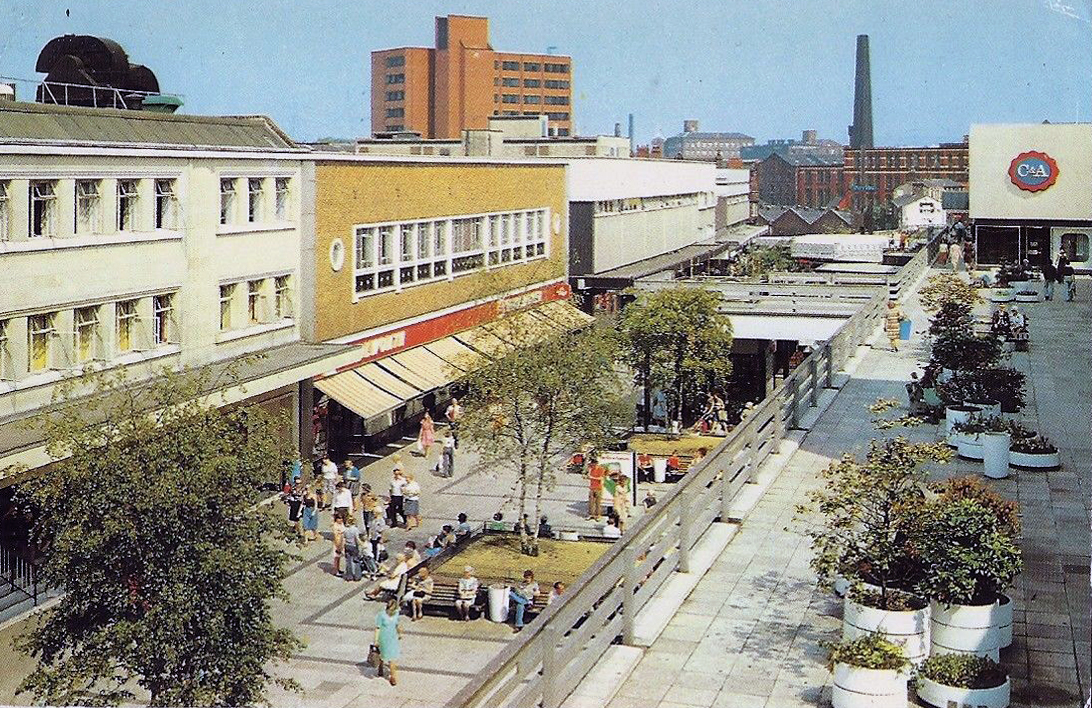
letch arena_parade_mid

Letchworth

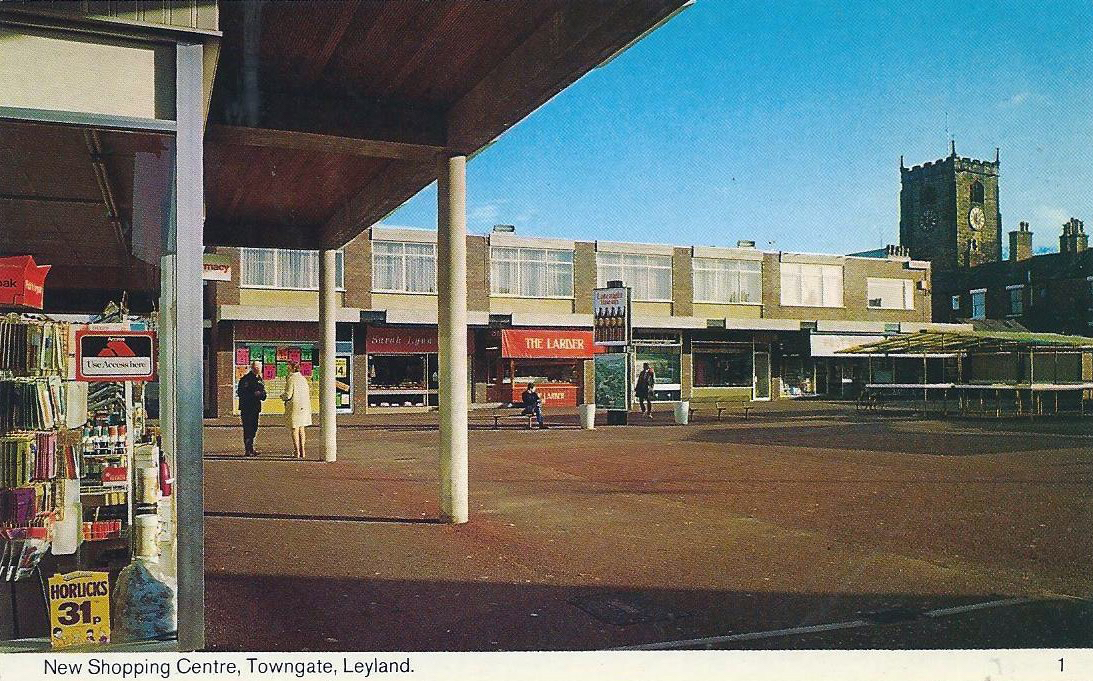
leyland.jpg

Leyland

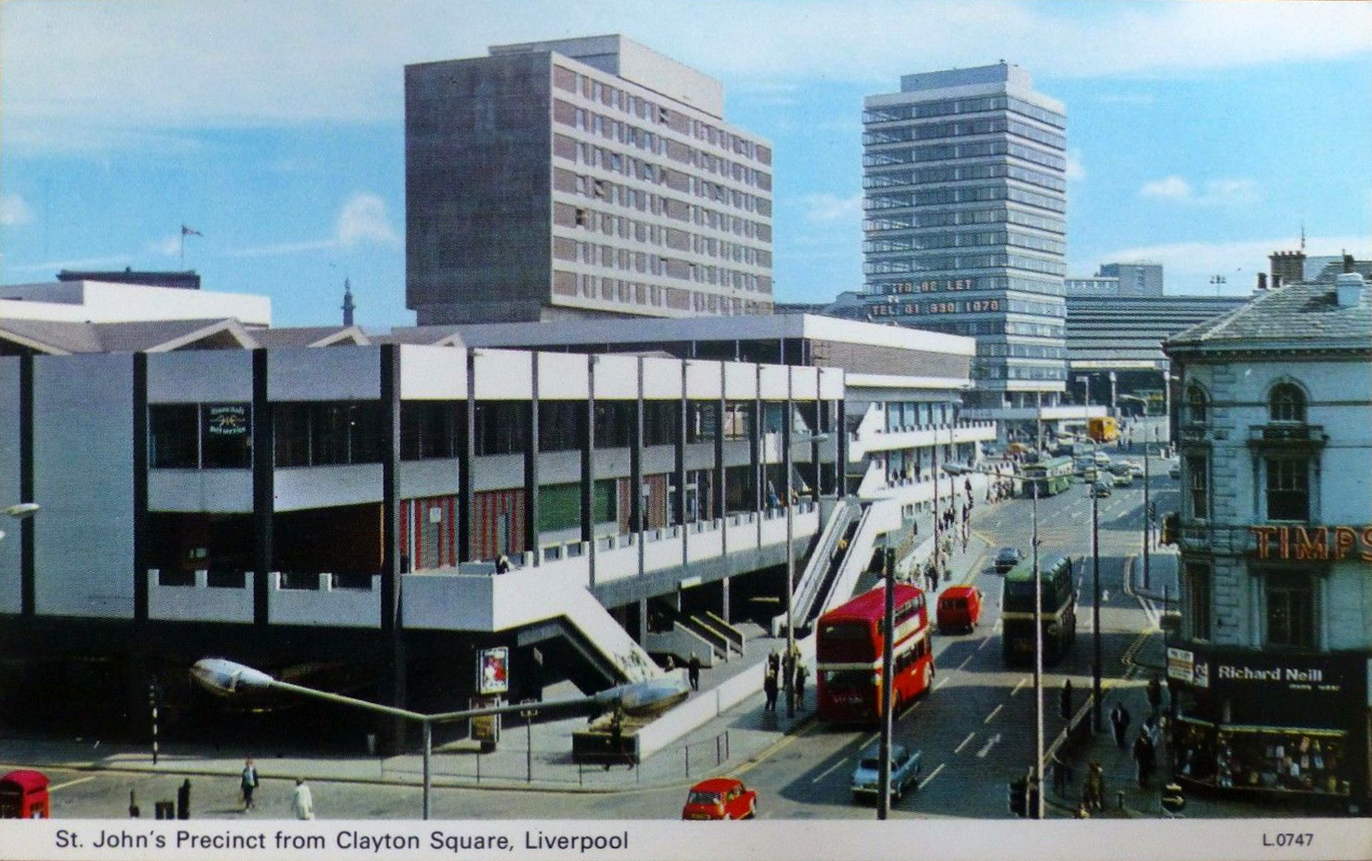
liverpool

Liverpool

mexborough

Mexborough

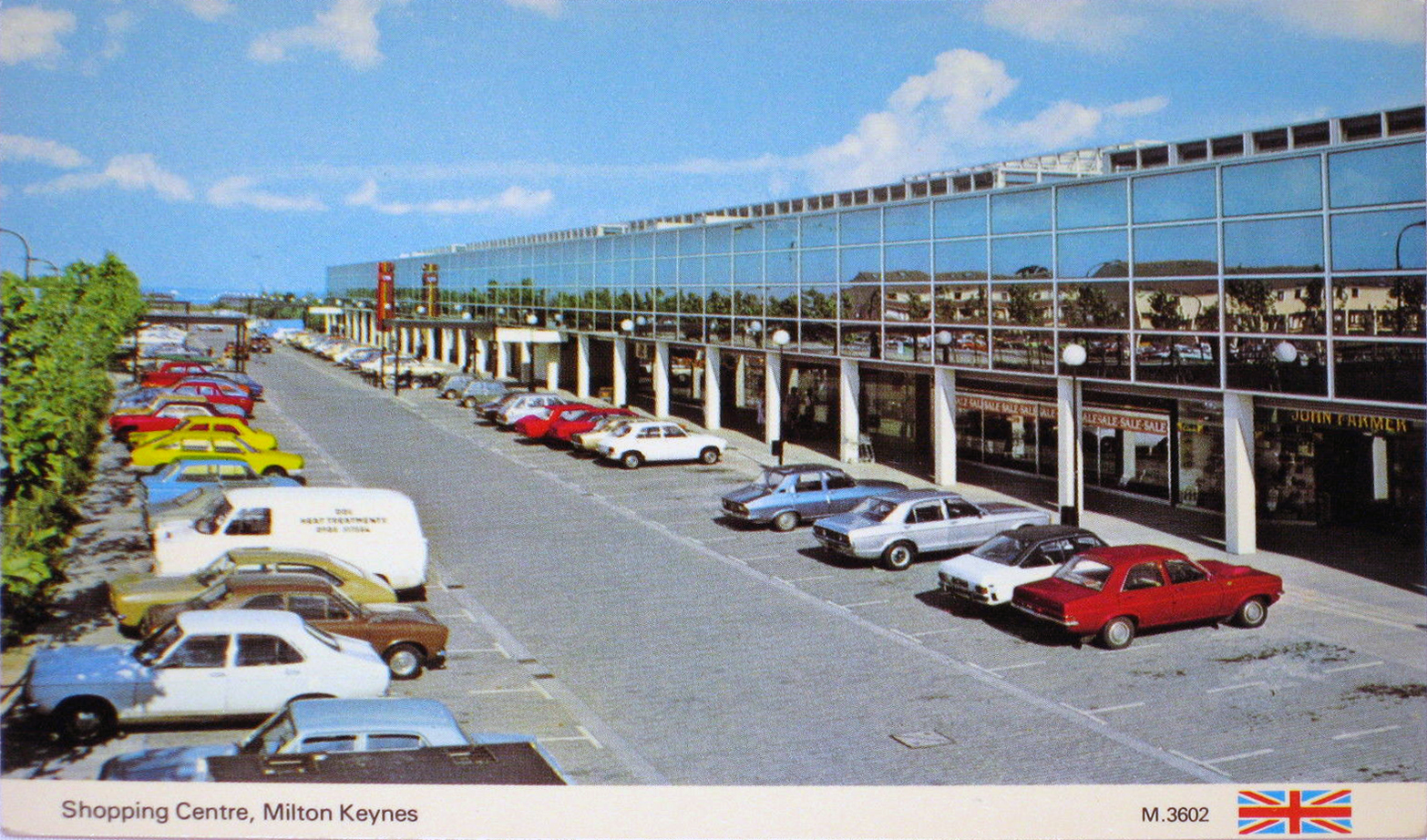
MK b

MK

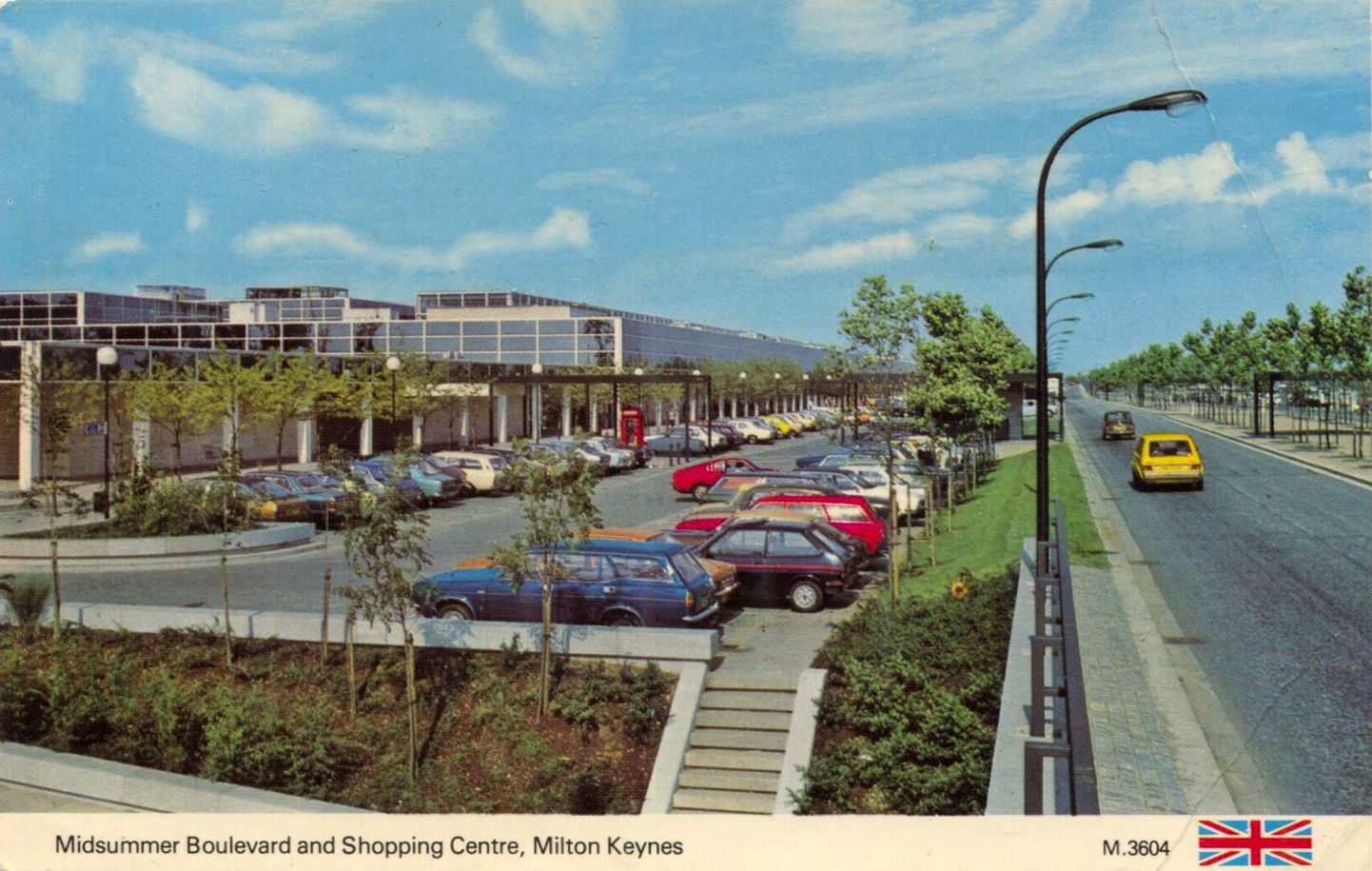
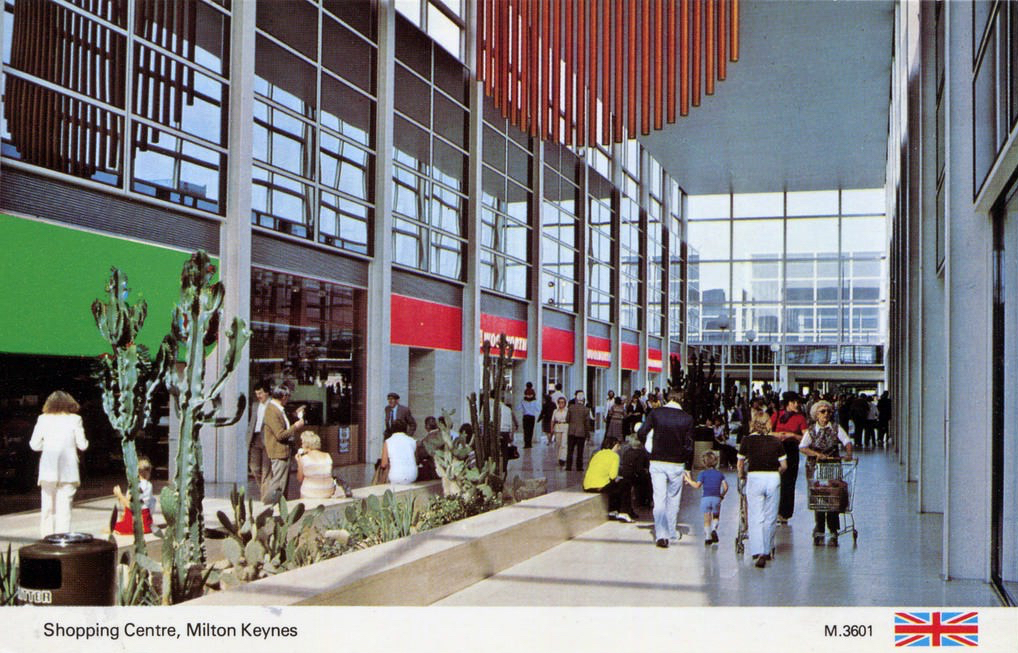
MKa

Milton Keynes

nantwich

Nantwich

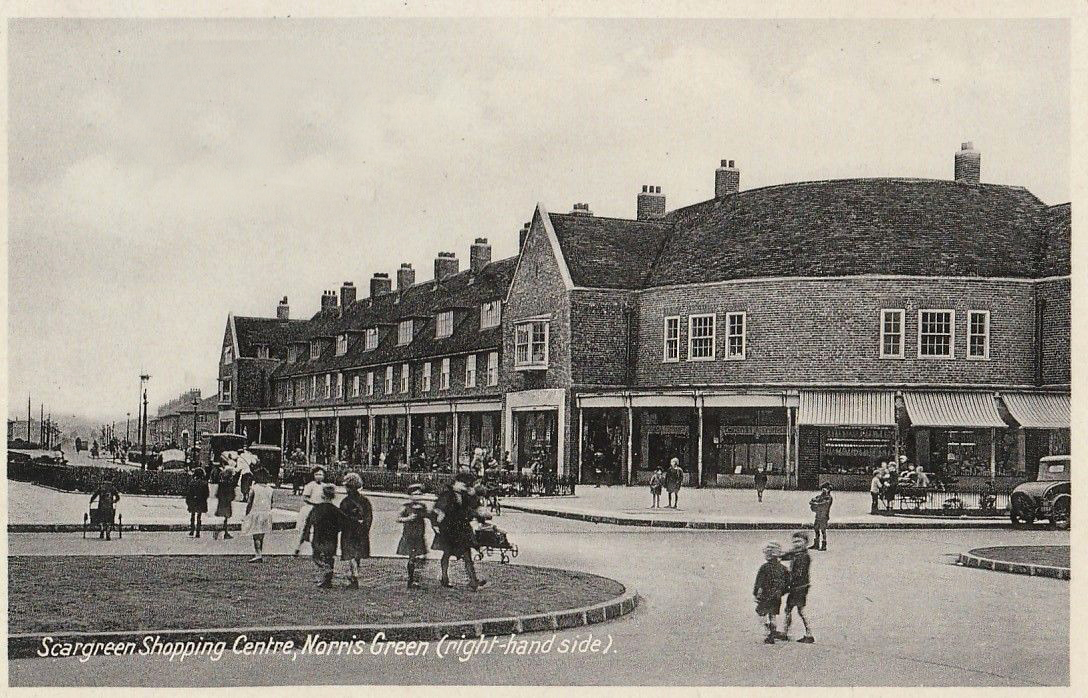
norris green

Norris Green

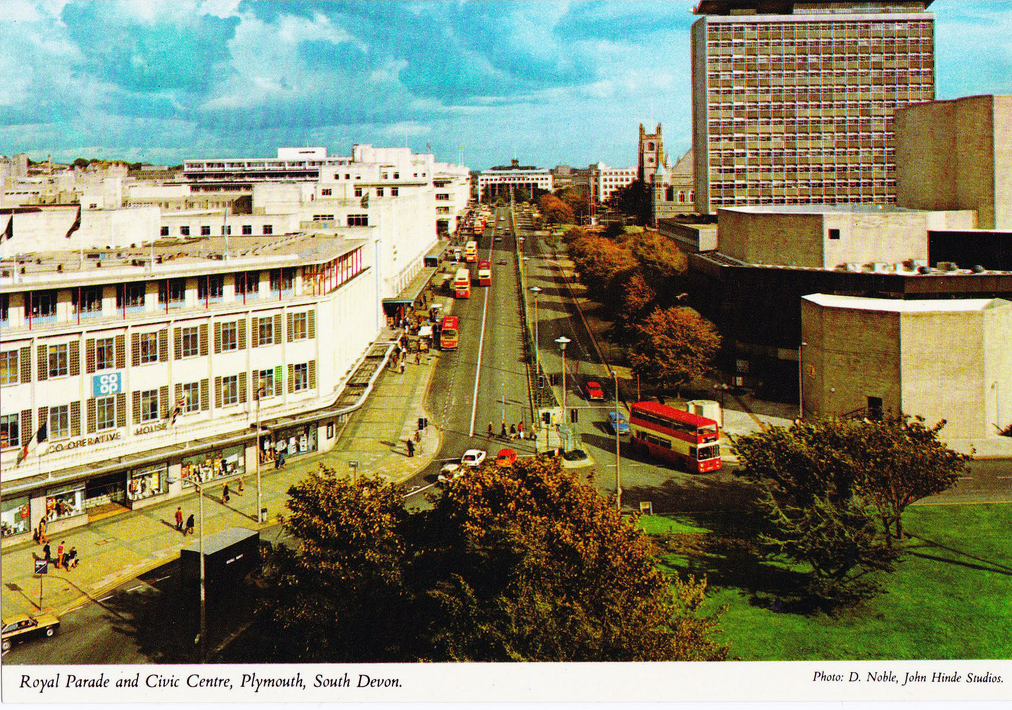
plymouth

Plymouth

runcorn

Runcorn

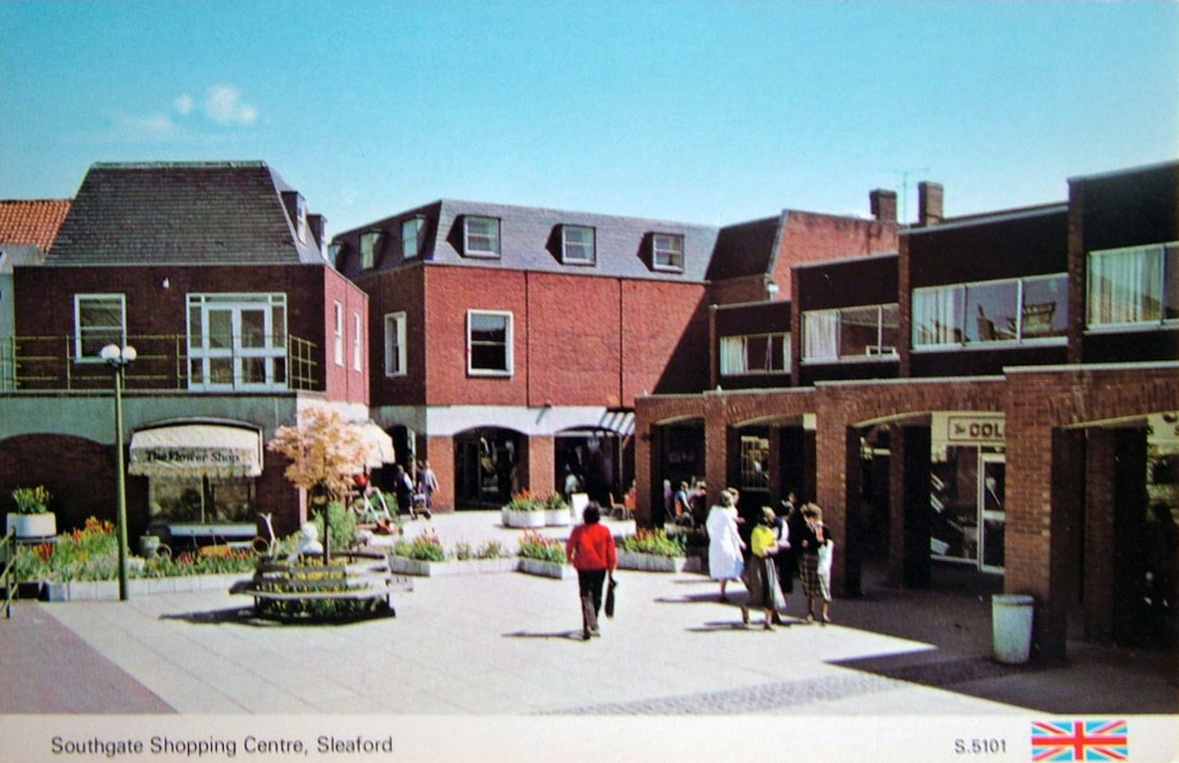
sleaford.jpg

Sleaford

southampton

Southampton

stockport b

Stockport

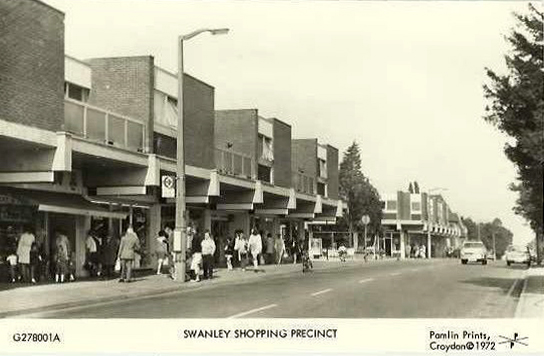
swanley

Swanley

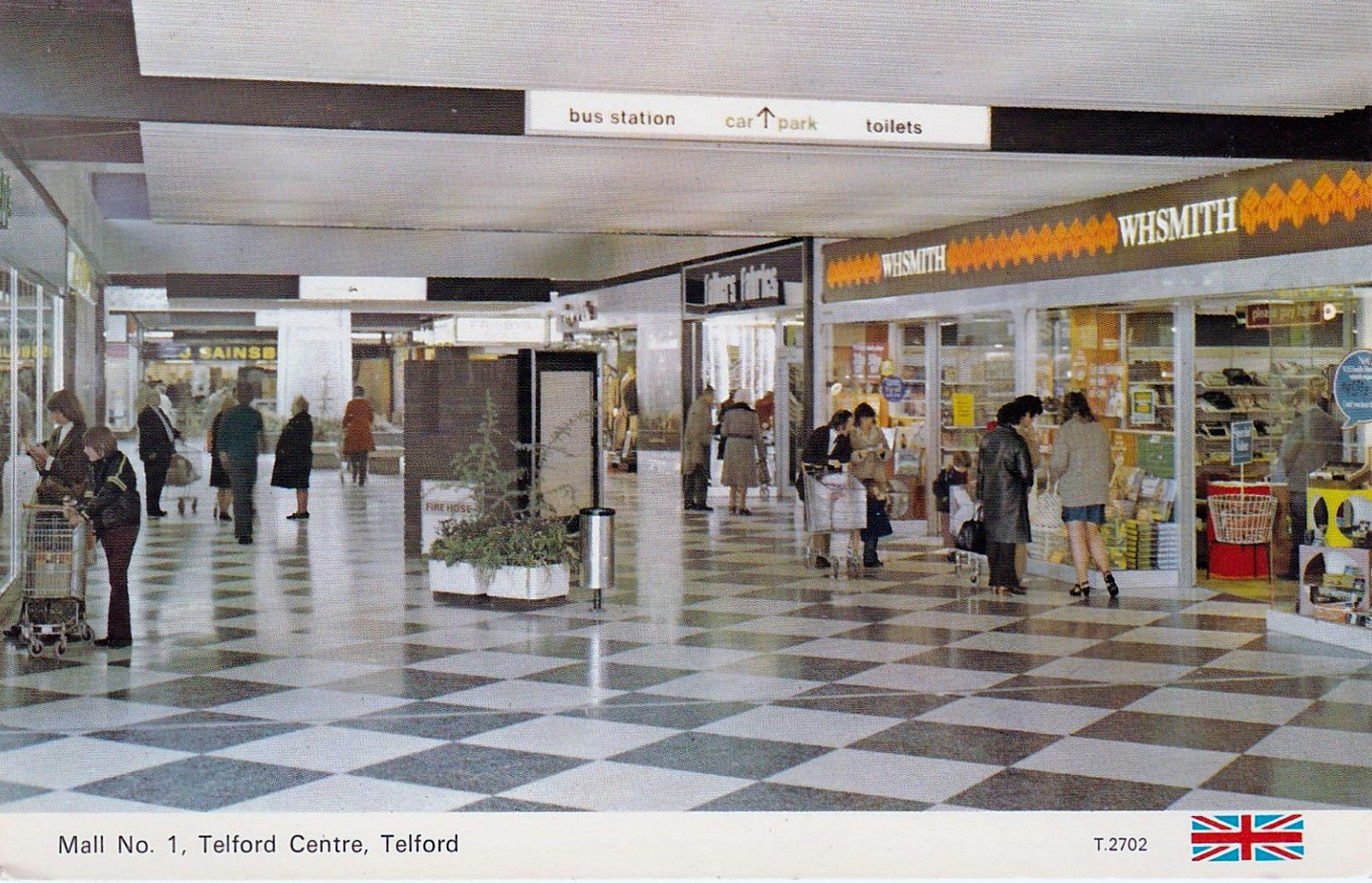
telford

Telford

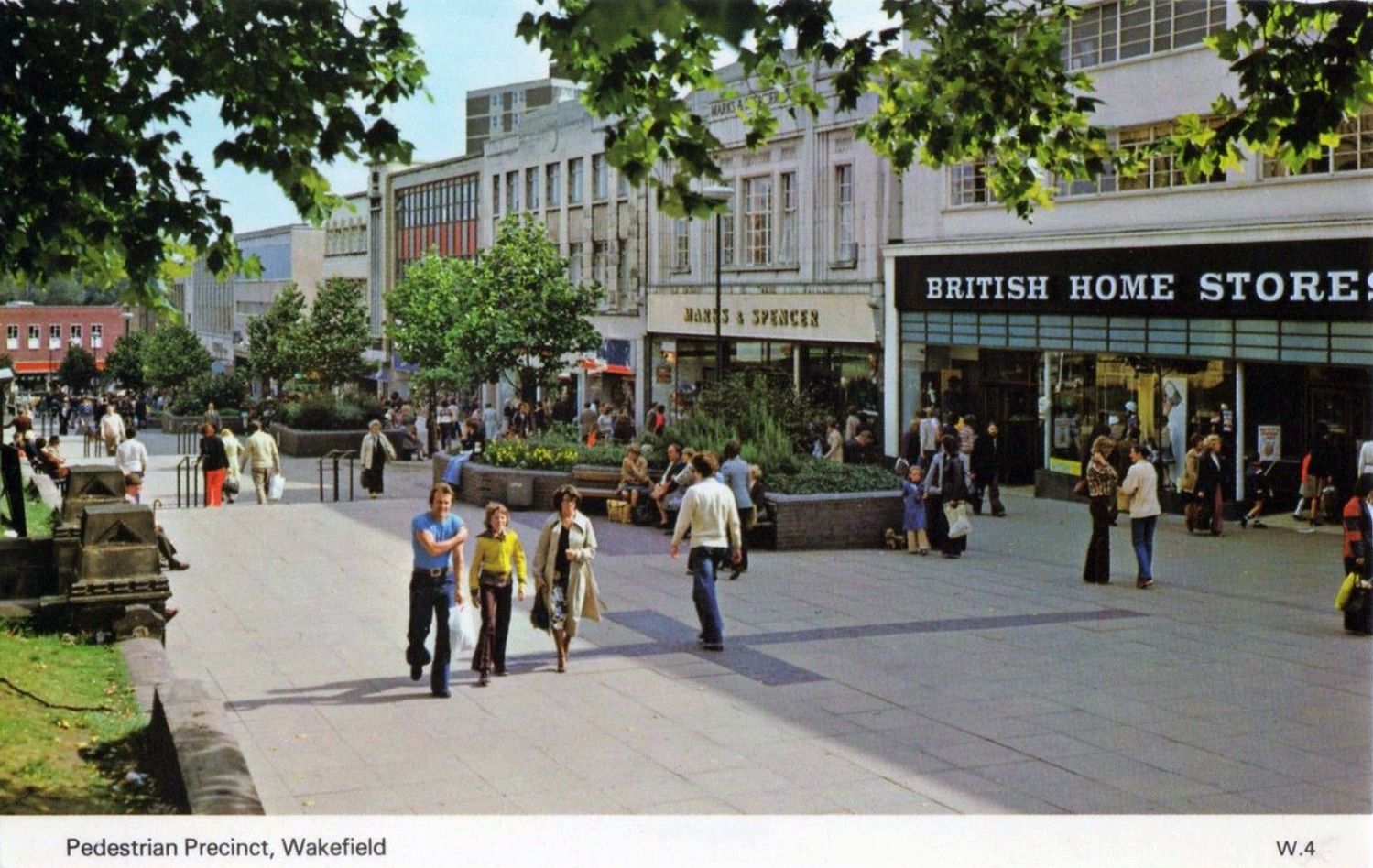
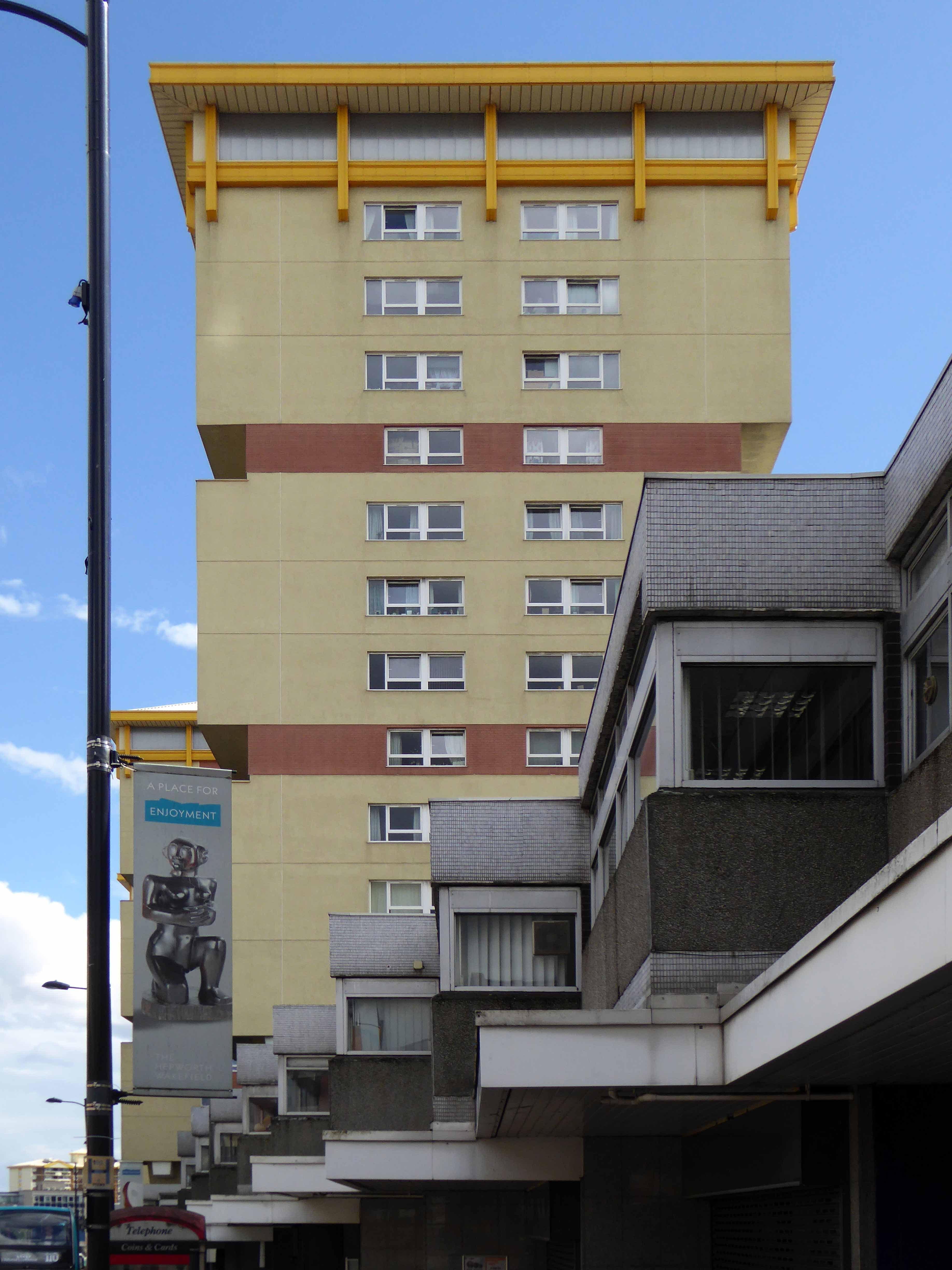
wakefield

Wakefield

walton on thames

Walton on Thames

westway frome

Westway – Frome

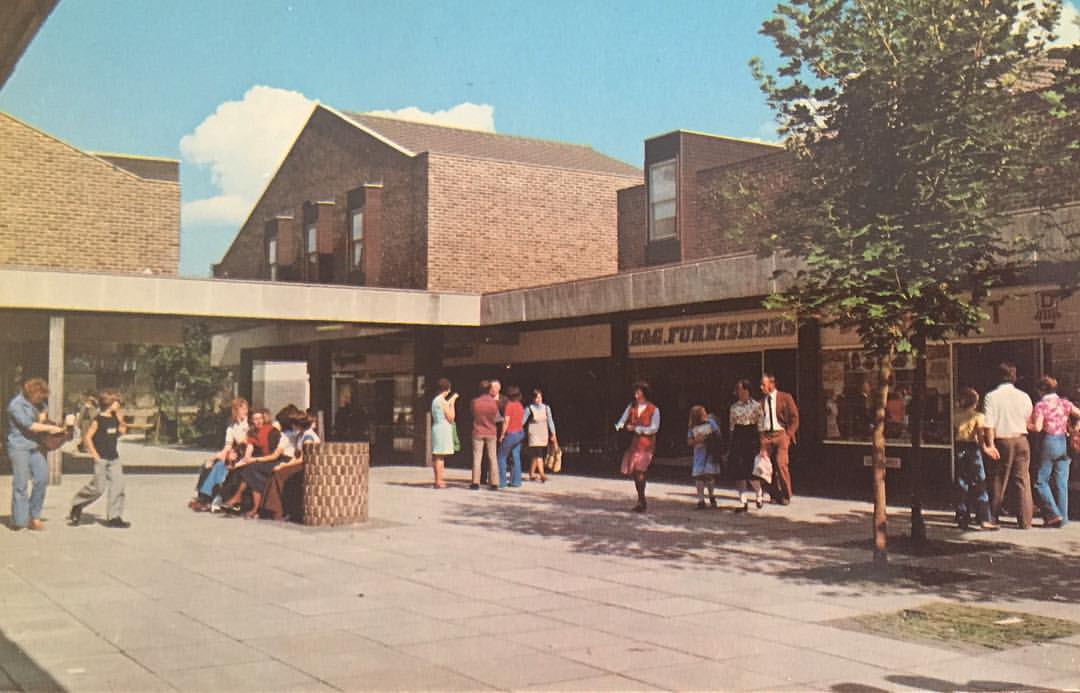
w mander centre wolv

Wolverhampton

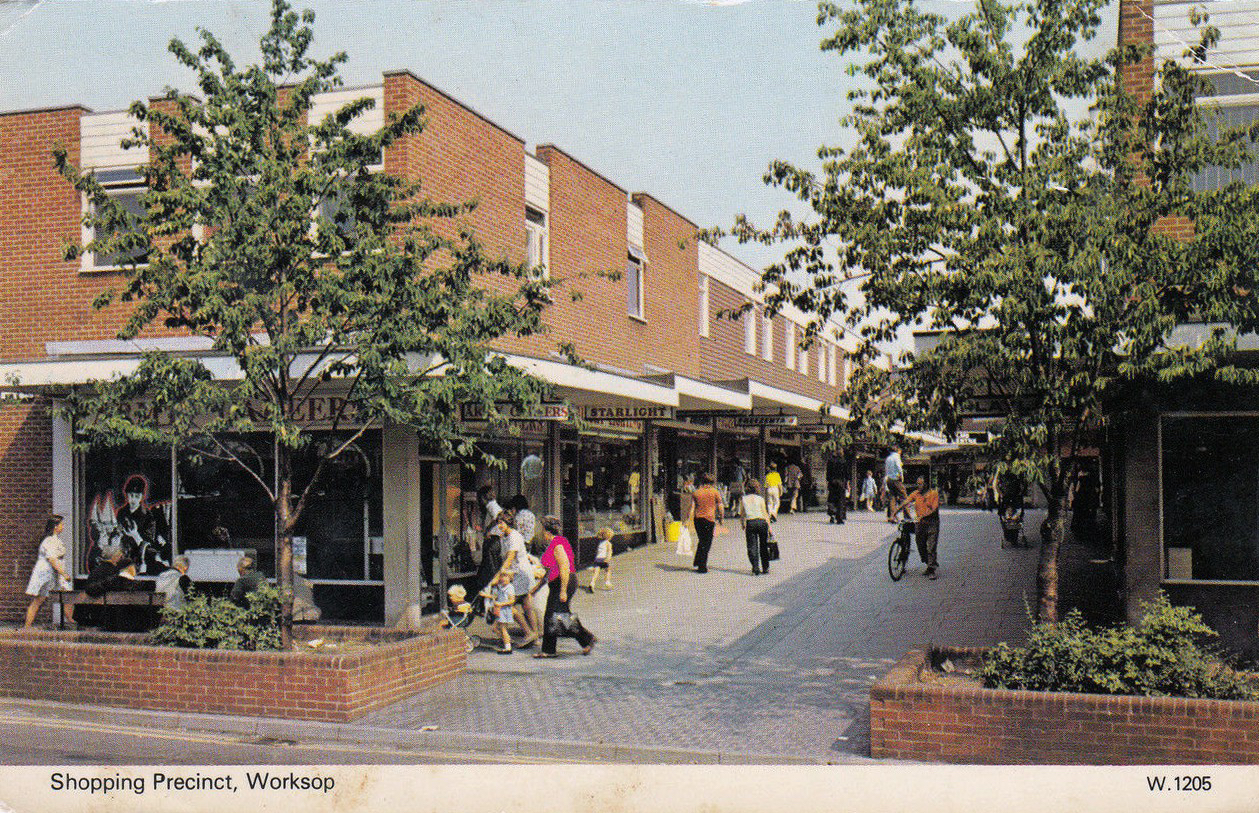
s-l1600-31.jpg

Worksop


Indoor Market Preston – Epilogue

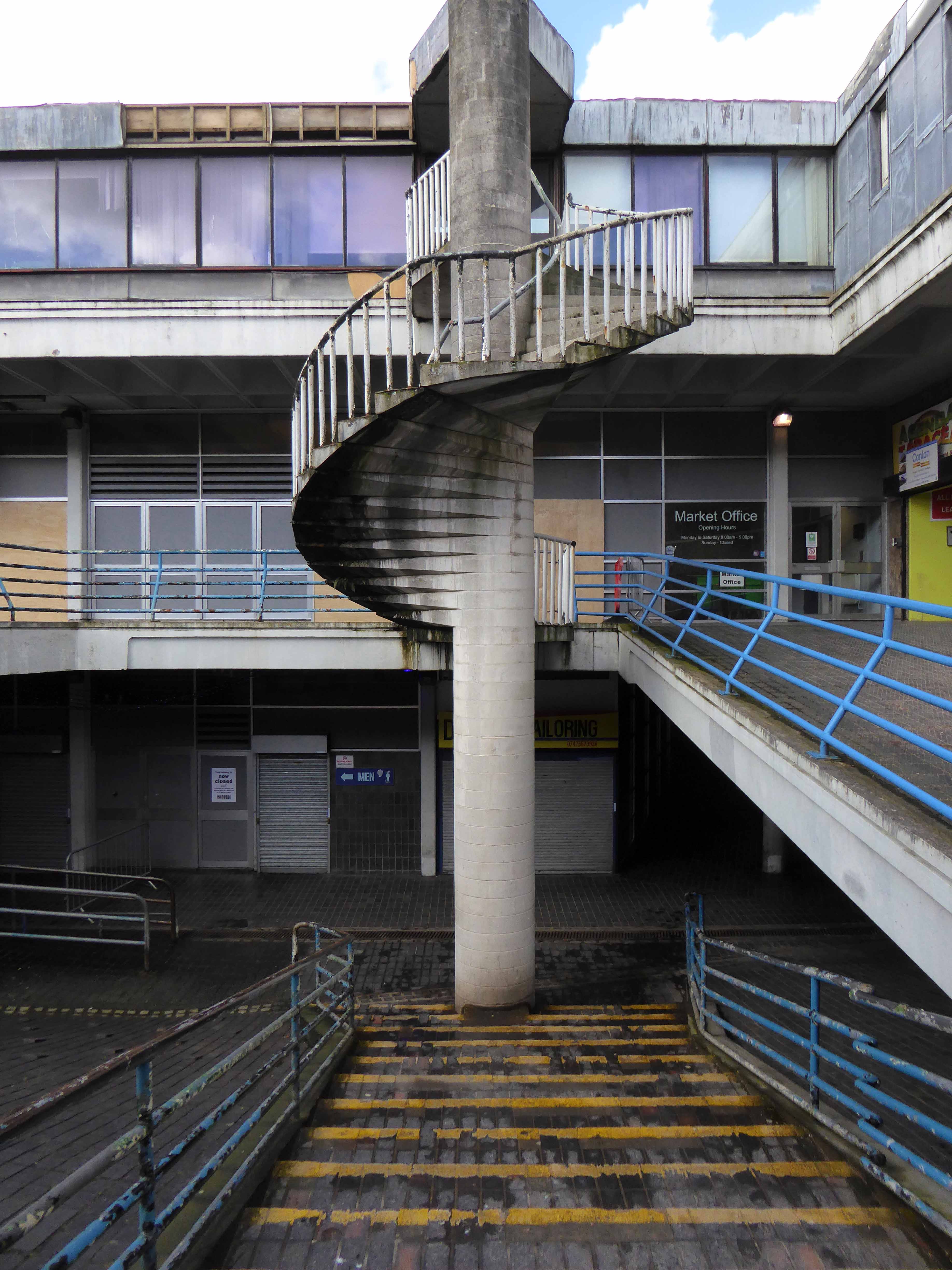
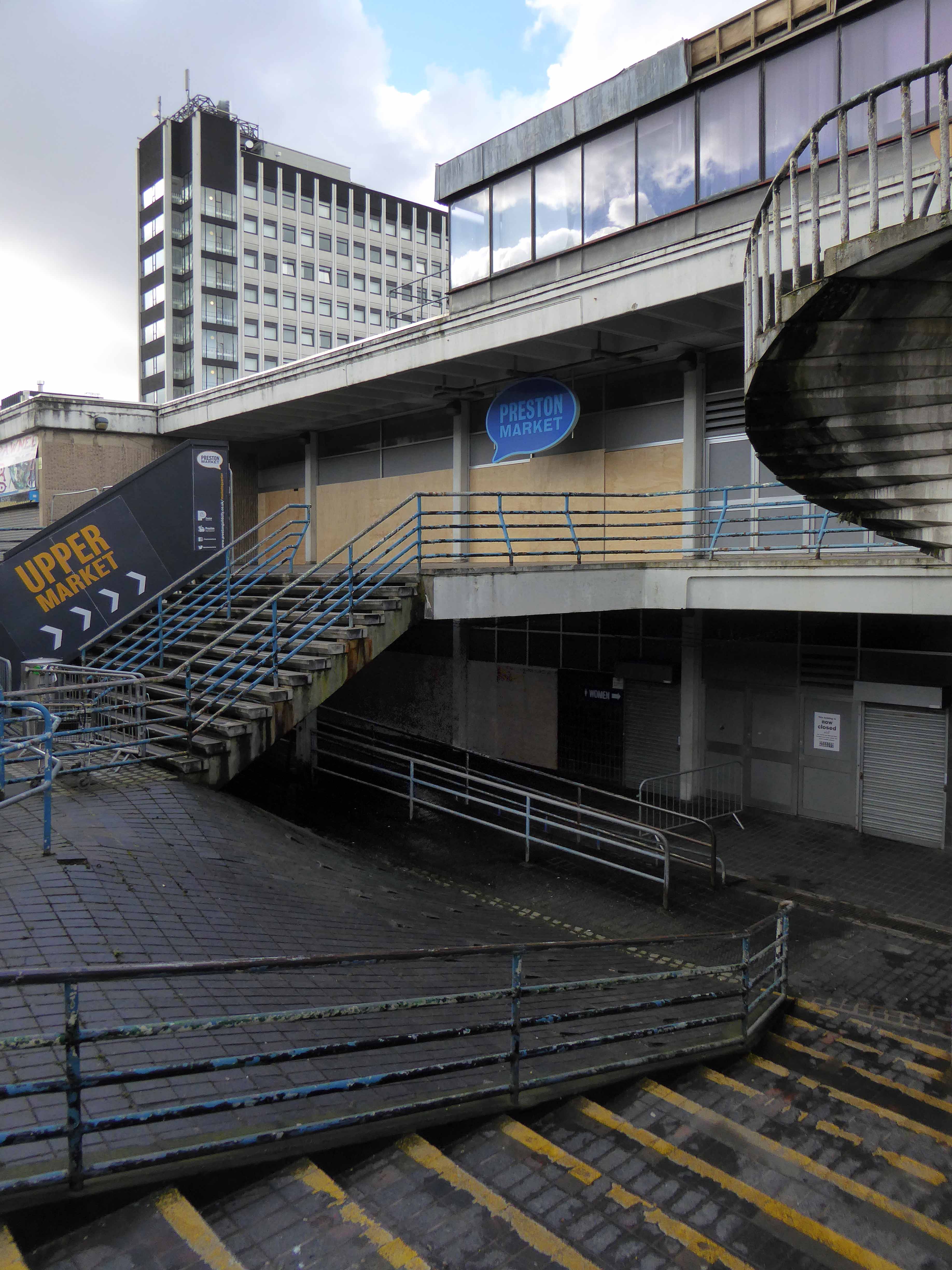
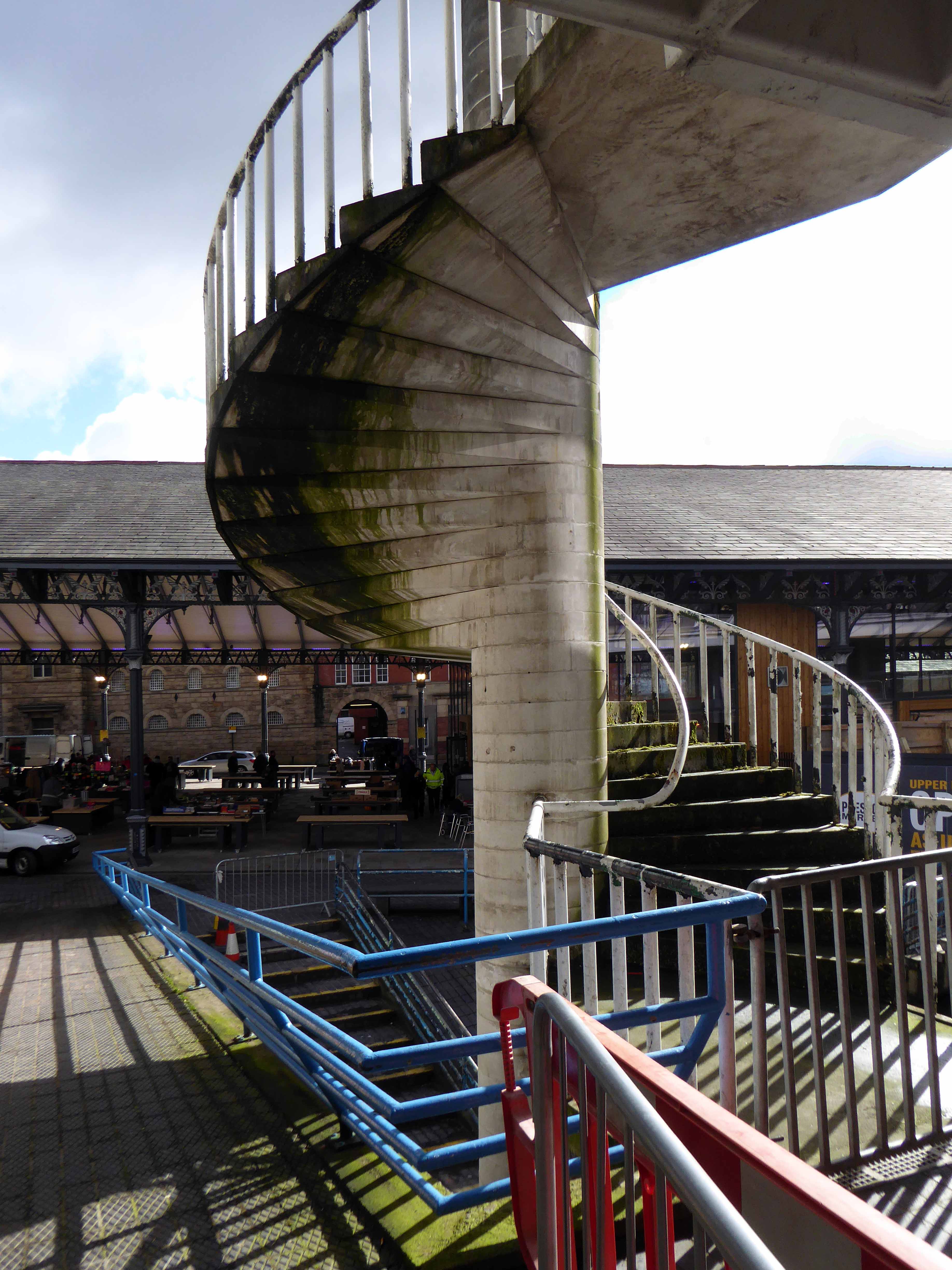
I’ve been here, before recording the prelude to the epilogue, here at Preston’s Indoor Market.

So on my return this February, I find that the inevitable end, is indeed now past nigh.

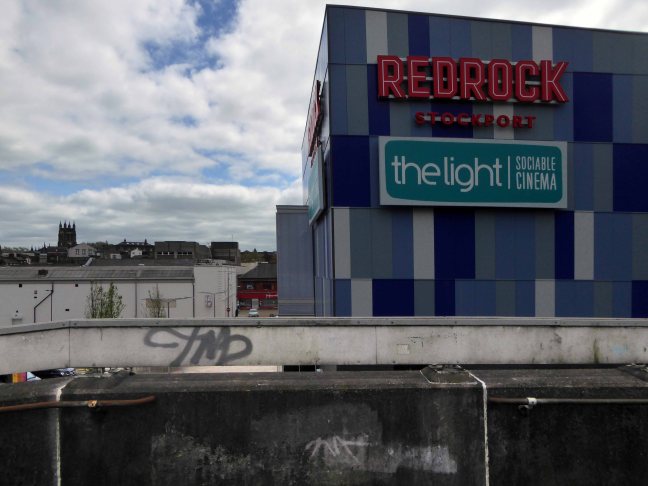
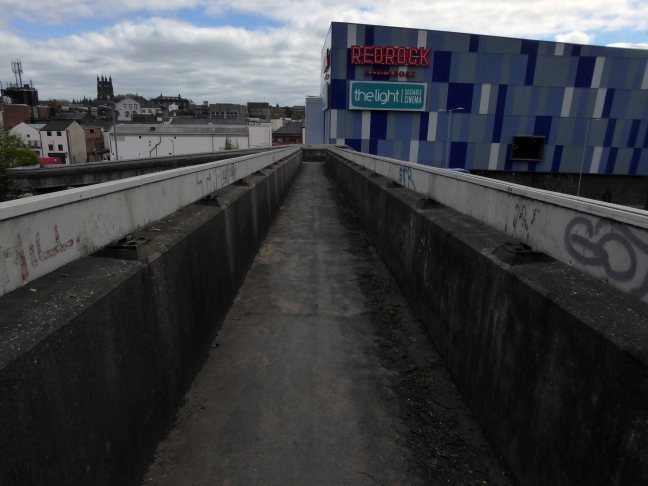
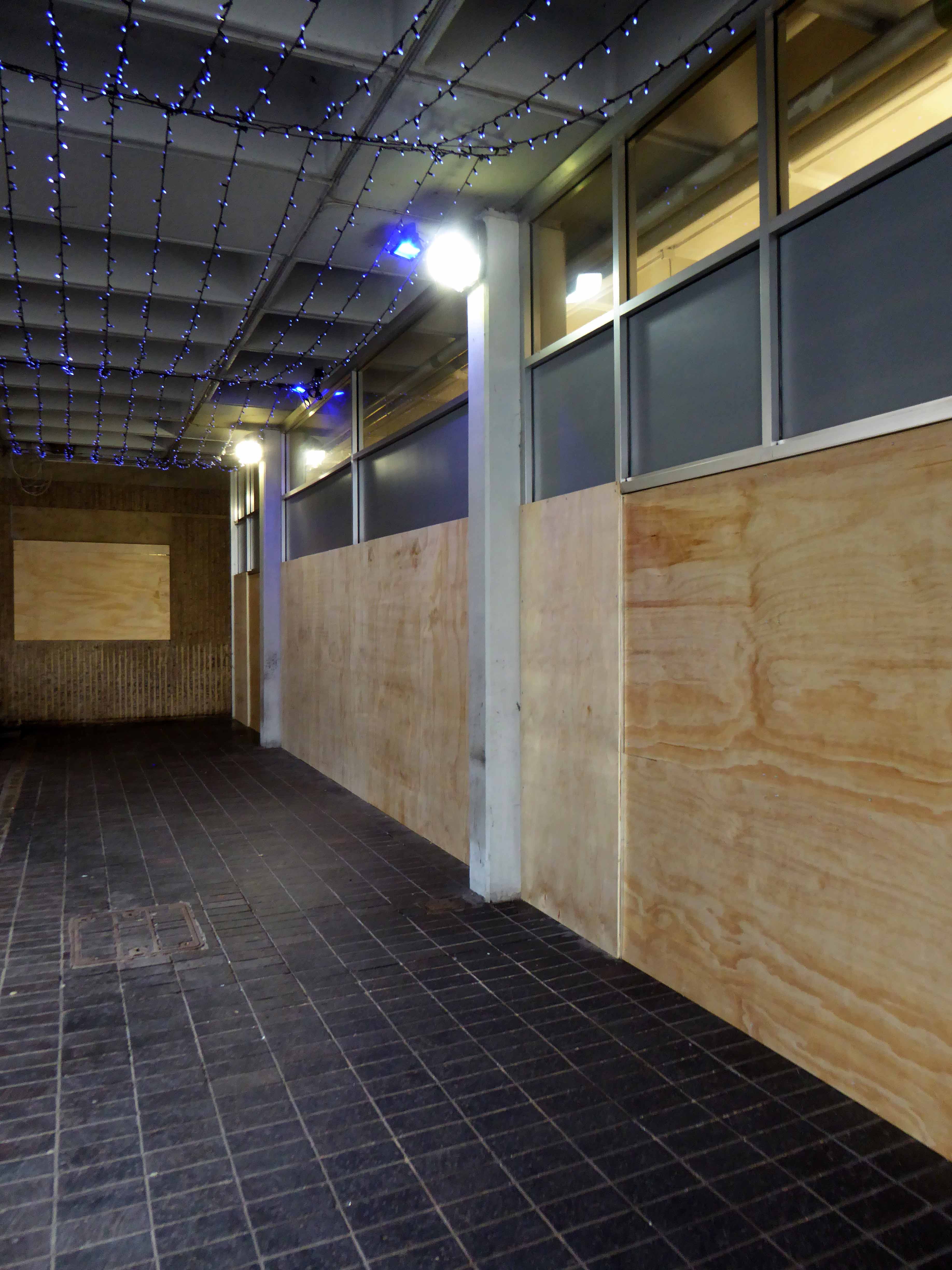
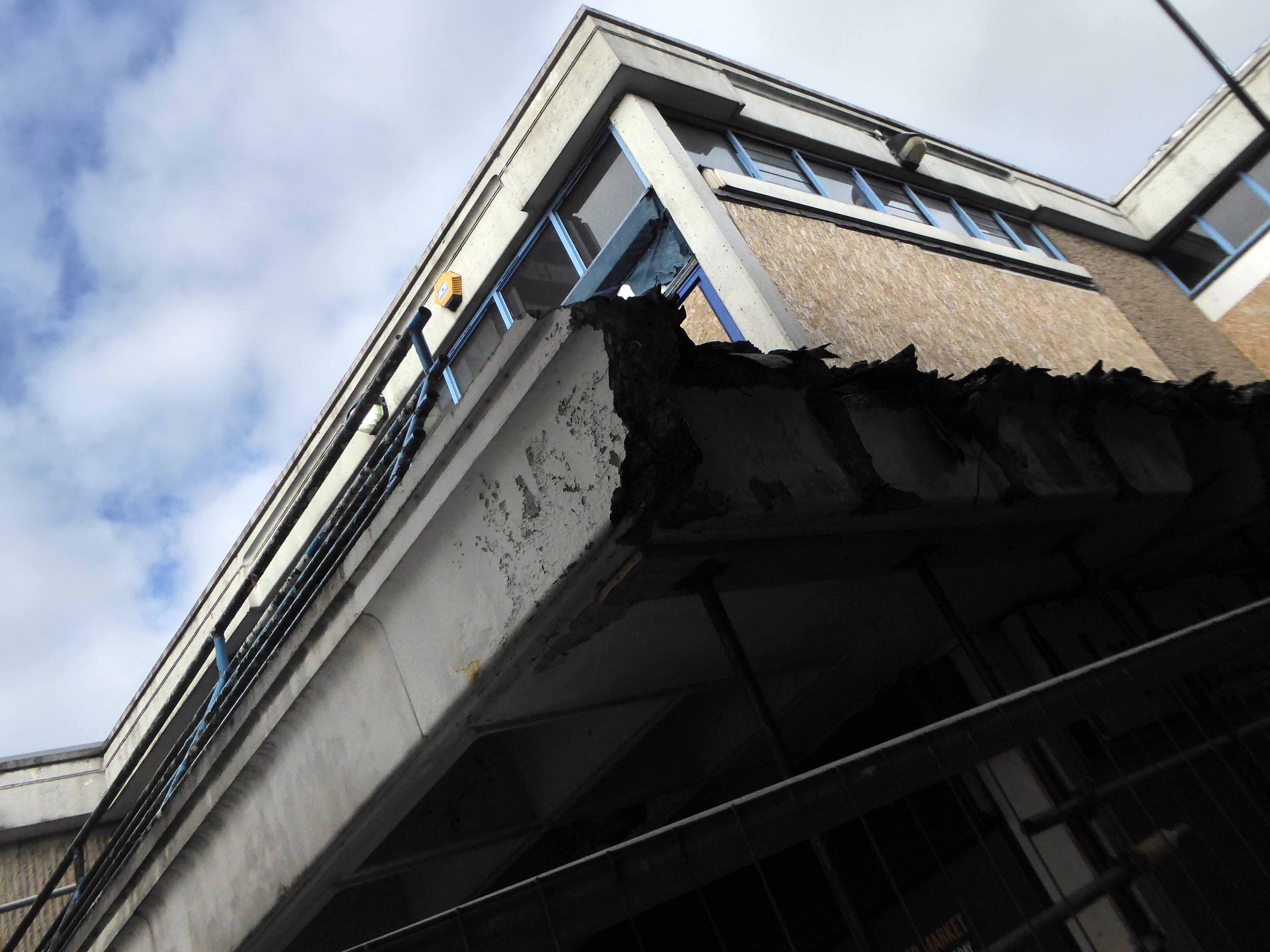
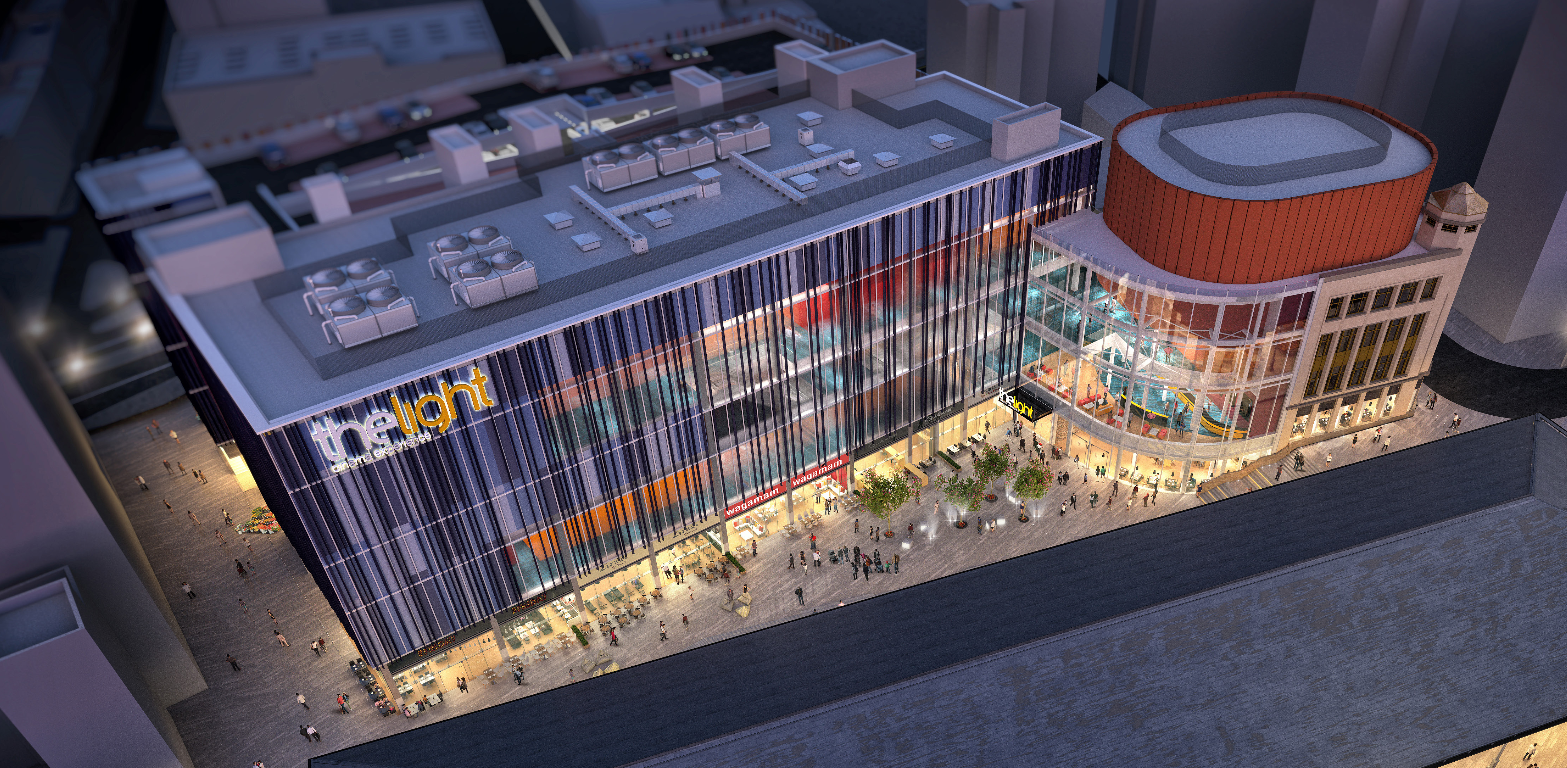
Boarded and shuttered awaiting demolition – Waiting for The Light to shine:

Preston-Market-and-Cinema-visual

Preston City Council has granted planning permission to Muse Developments’ £50m cinema-led leisure scheme in the city centre.

Muse is working in partnership with the council on the plans, made up of an 11-screen cinema operated by The Light, seven family restaurants, a 593-space multi-storey car park and public realm improvements.

The project forms part of the wider regeneration of the Markets Quarter which includes the full refurbishment and redecoration of the grade two-listed market canopies and the construction of a glazed Market Hall.

Preston to their credit have become an exemplar for inward urban regeneration, and the work undertaken so far in the market area is bringing new life and trade to the area.

That said, it is always saddening to see the architecture of the Sixties swept aside.

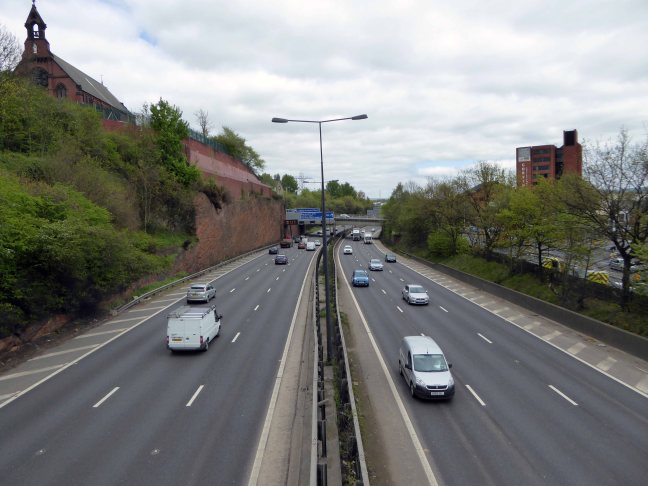
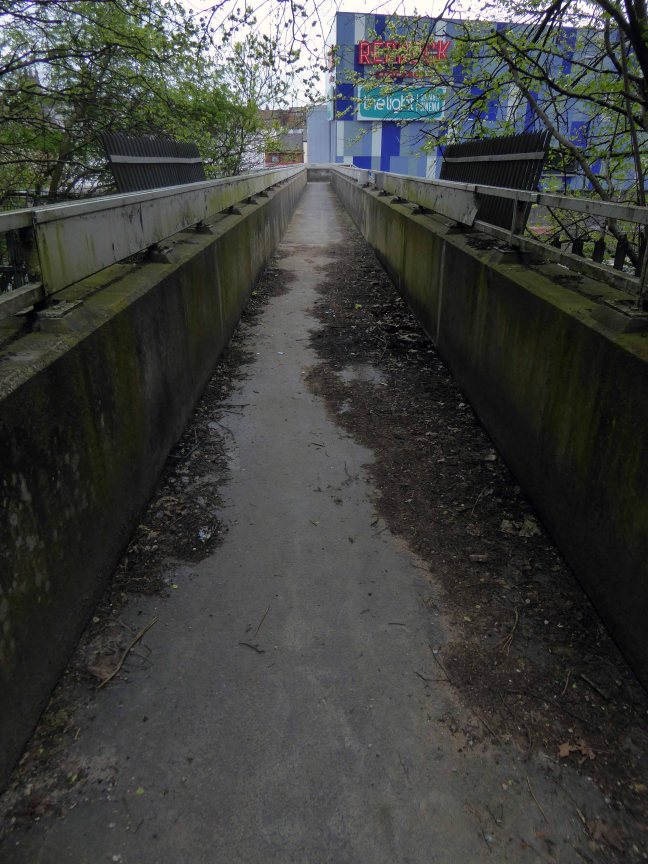
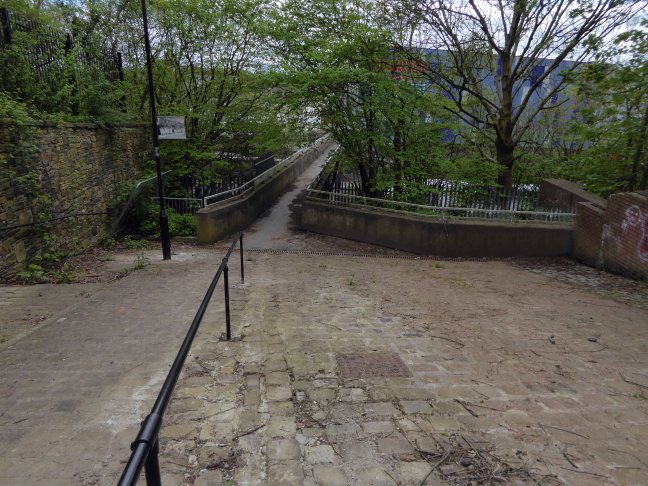
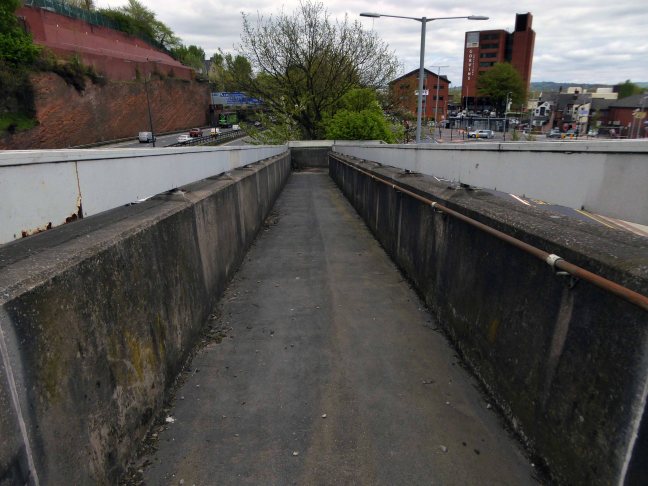
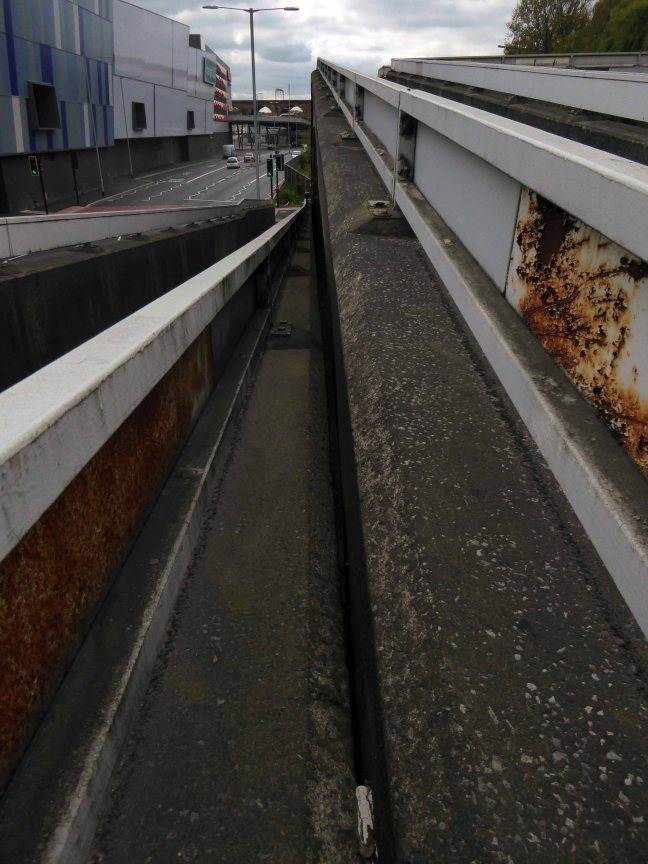
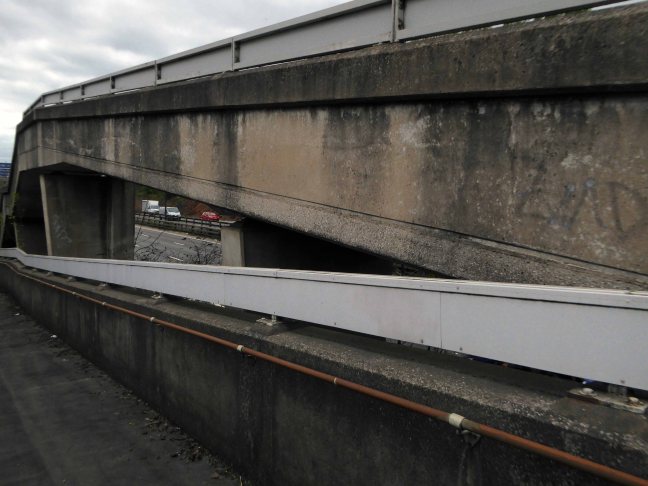
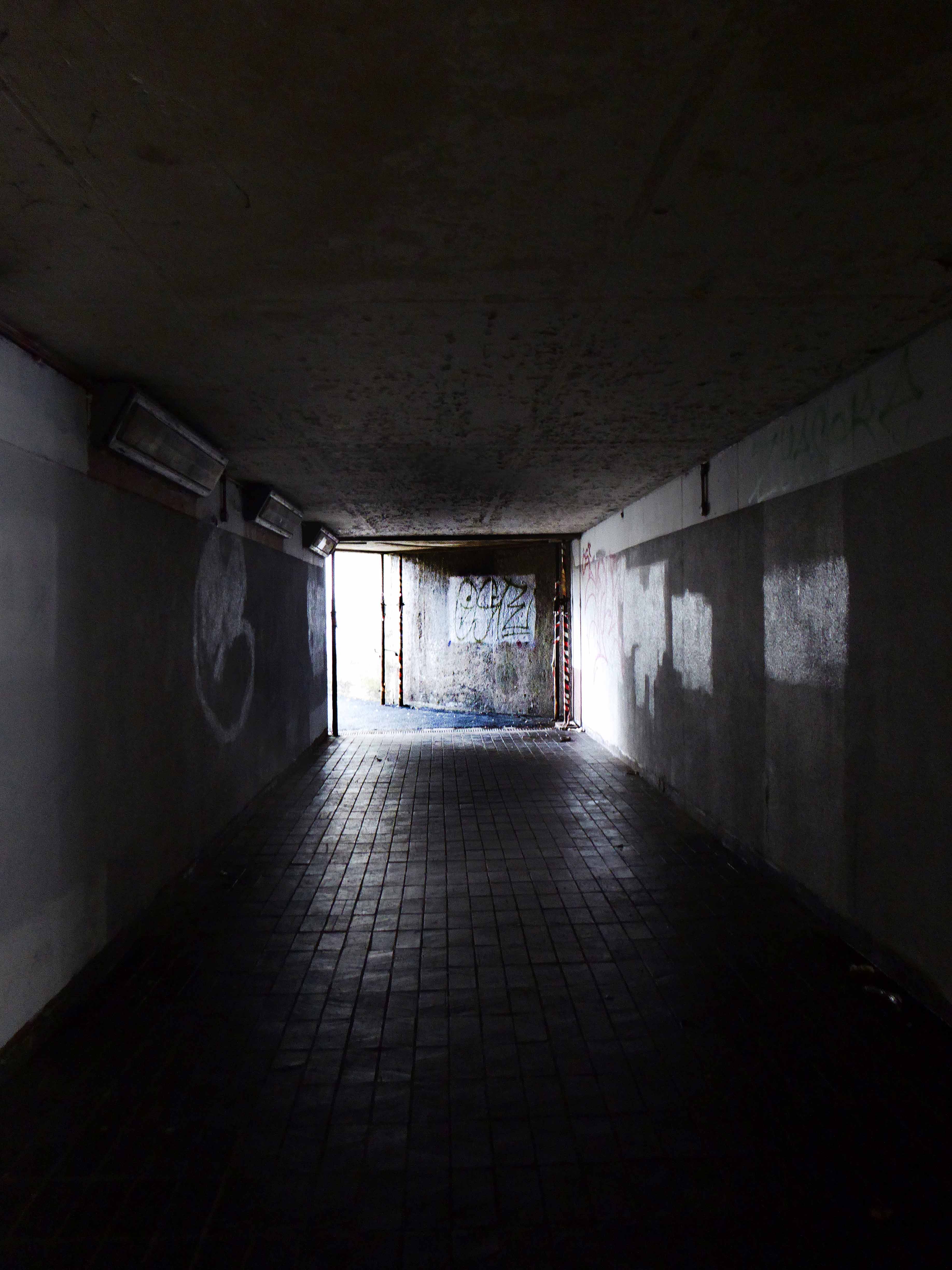
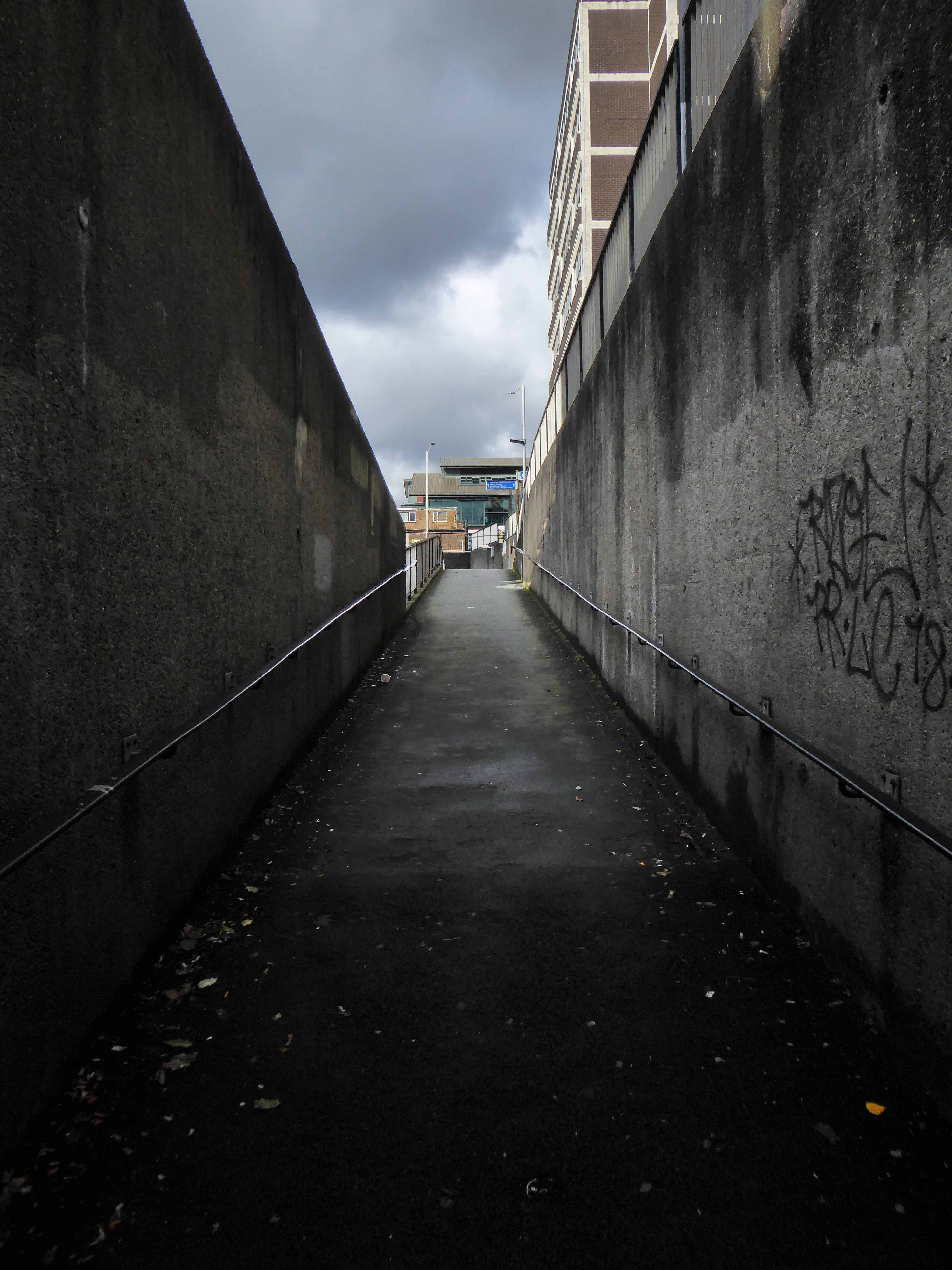
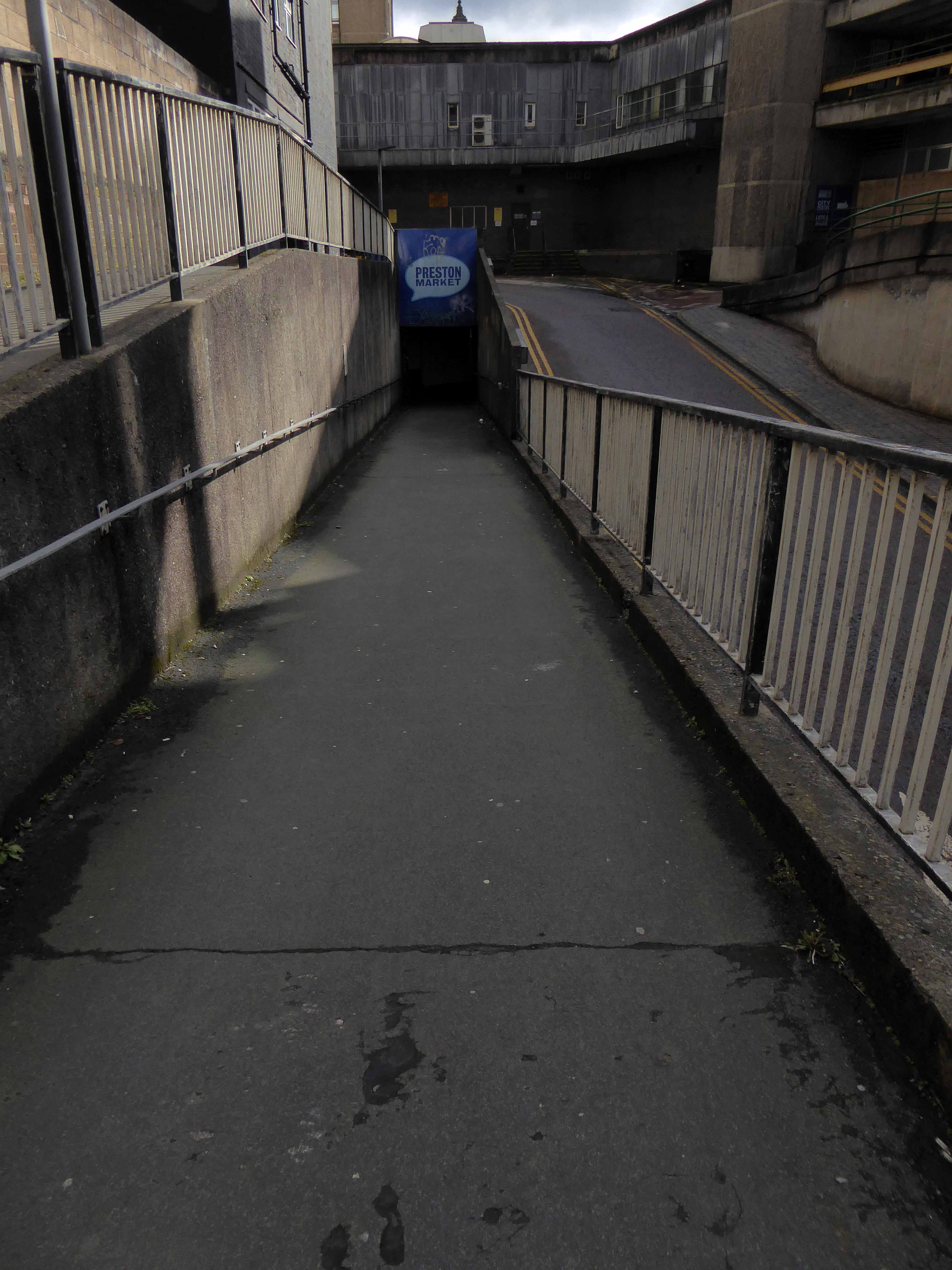
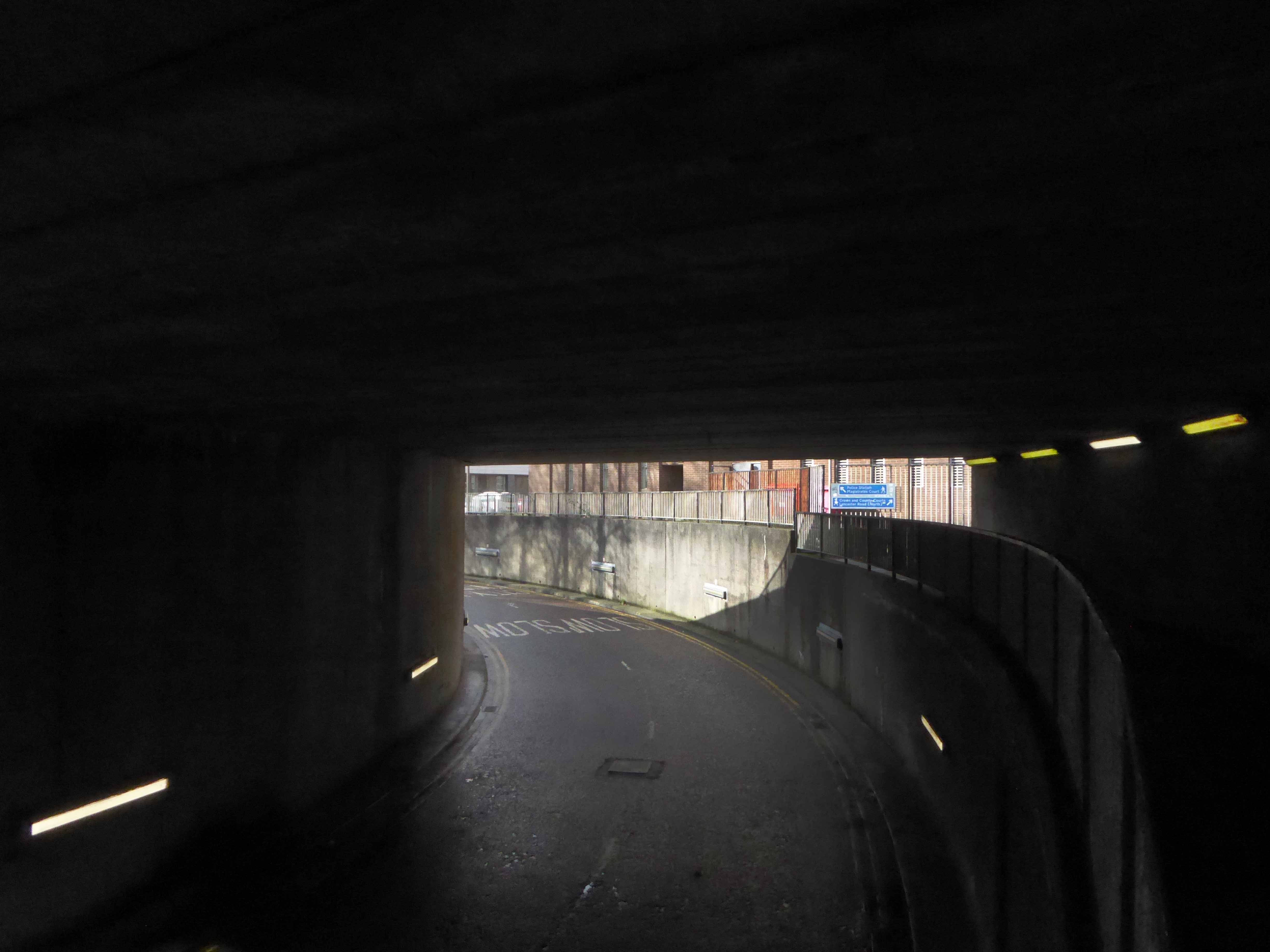
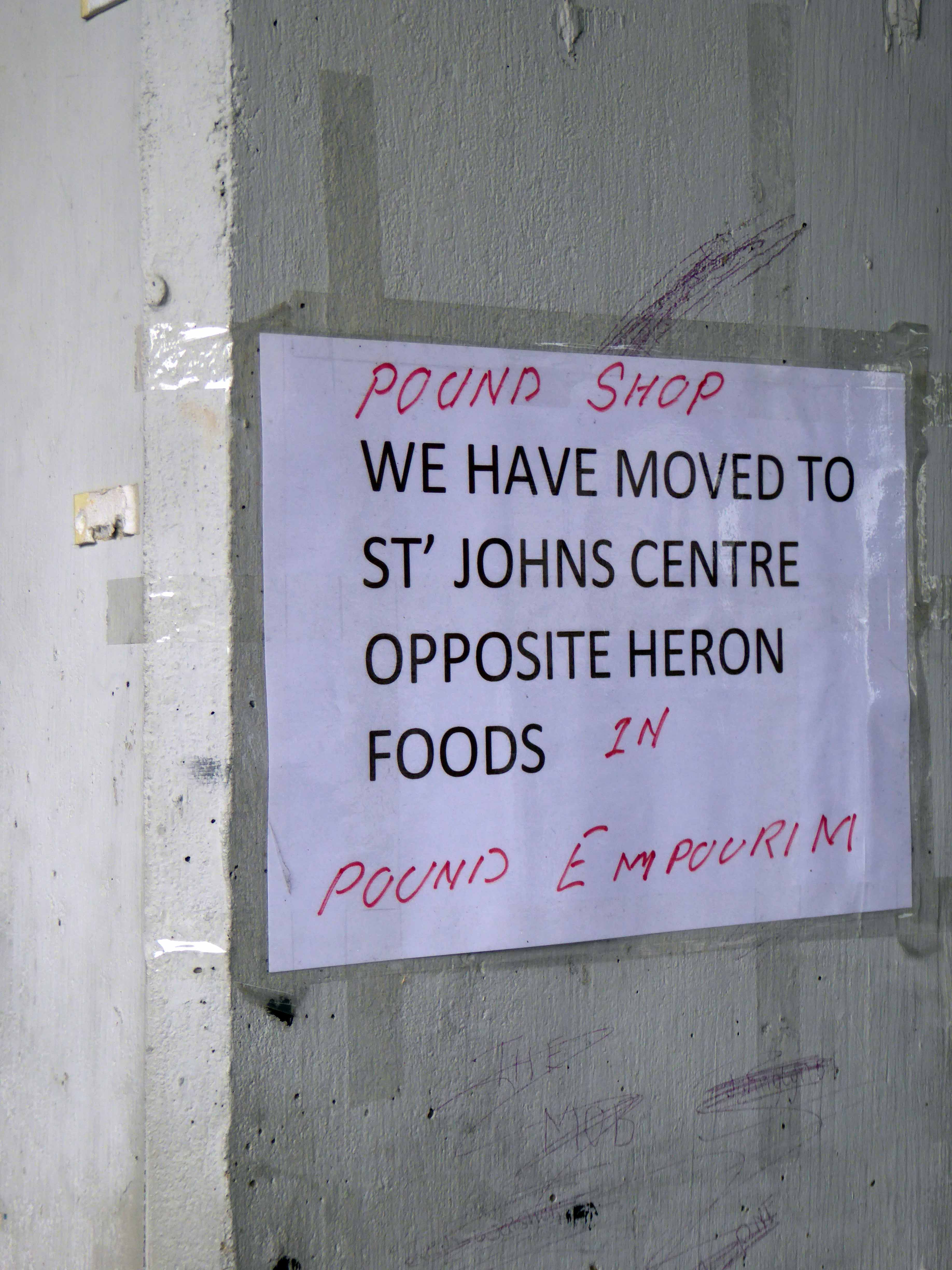
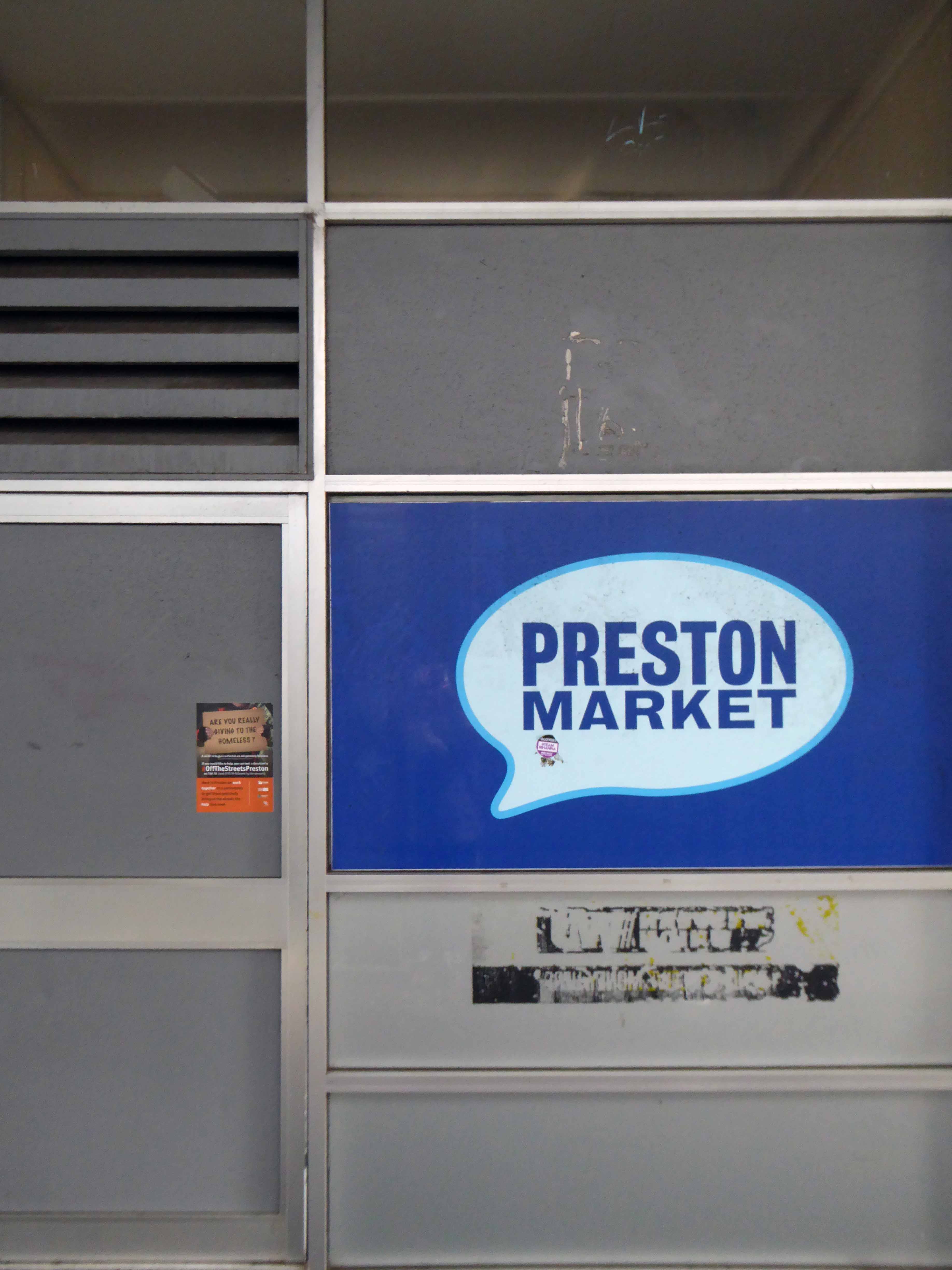
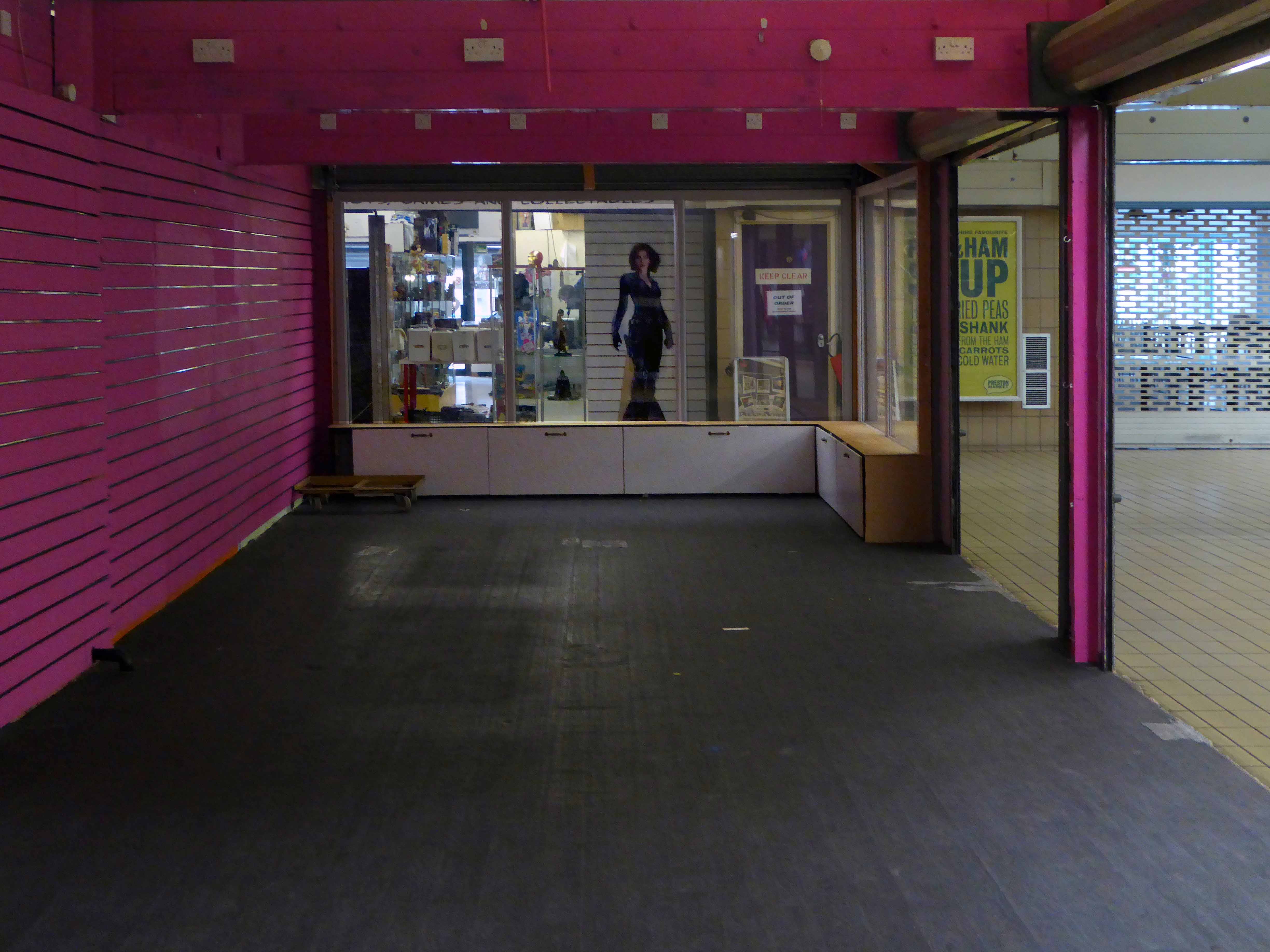
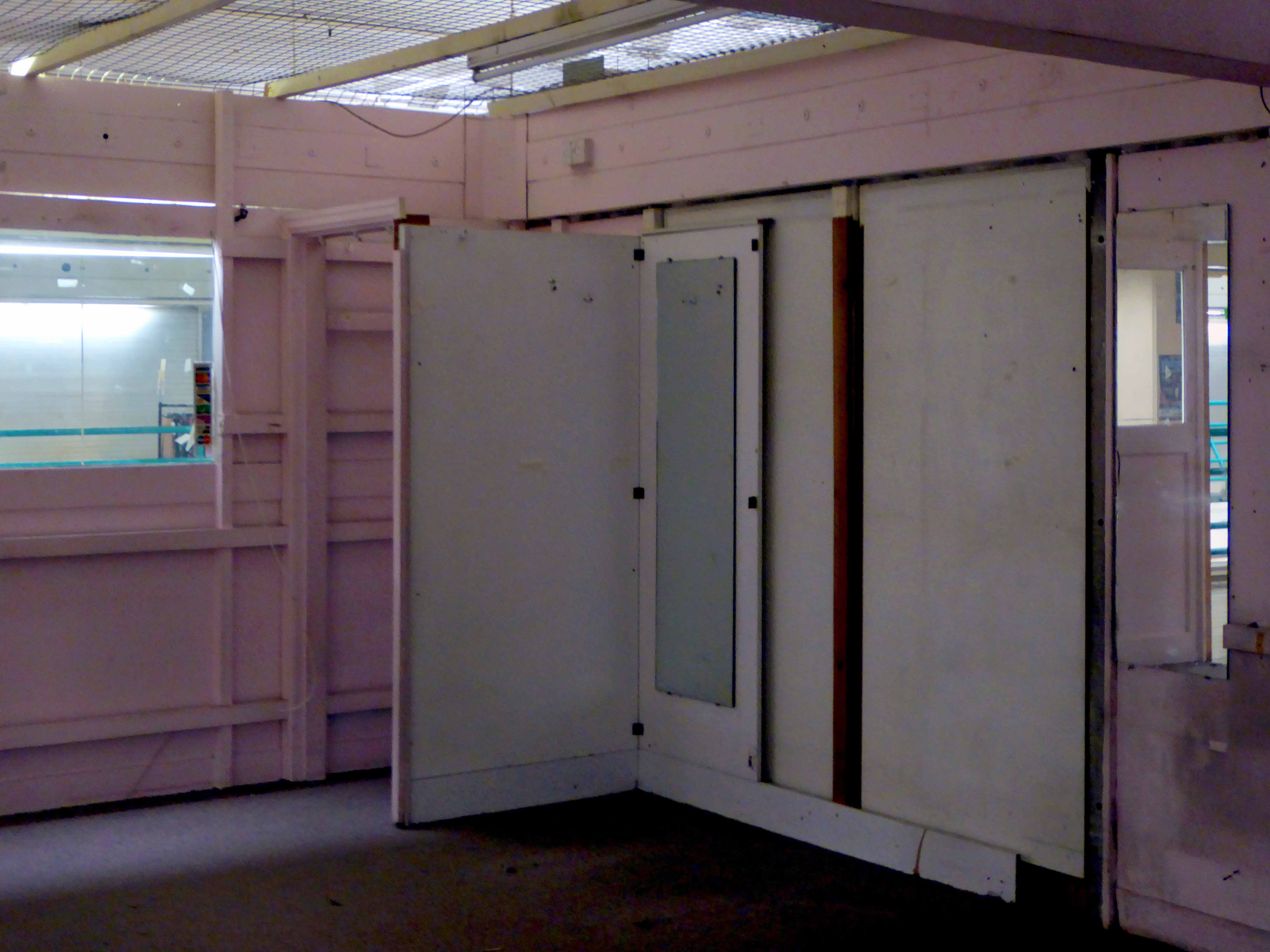
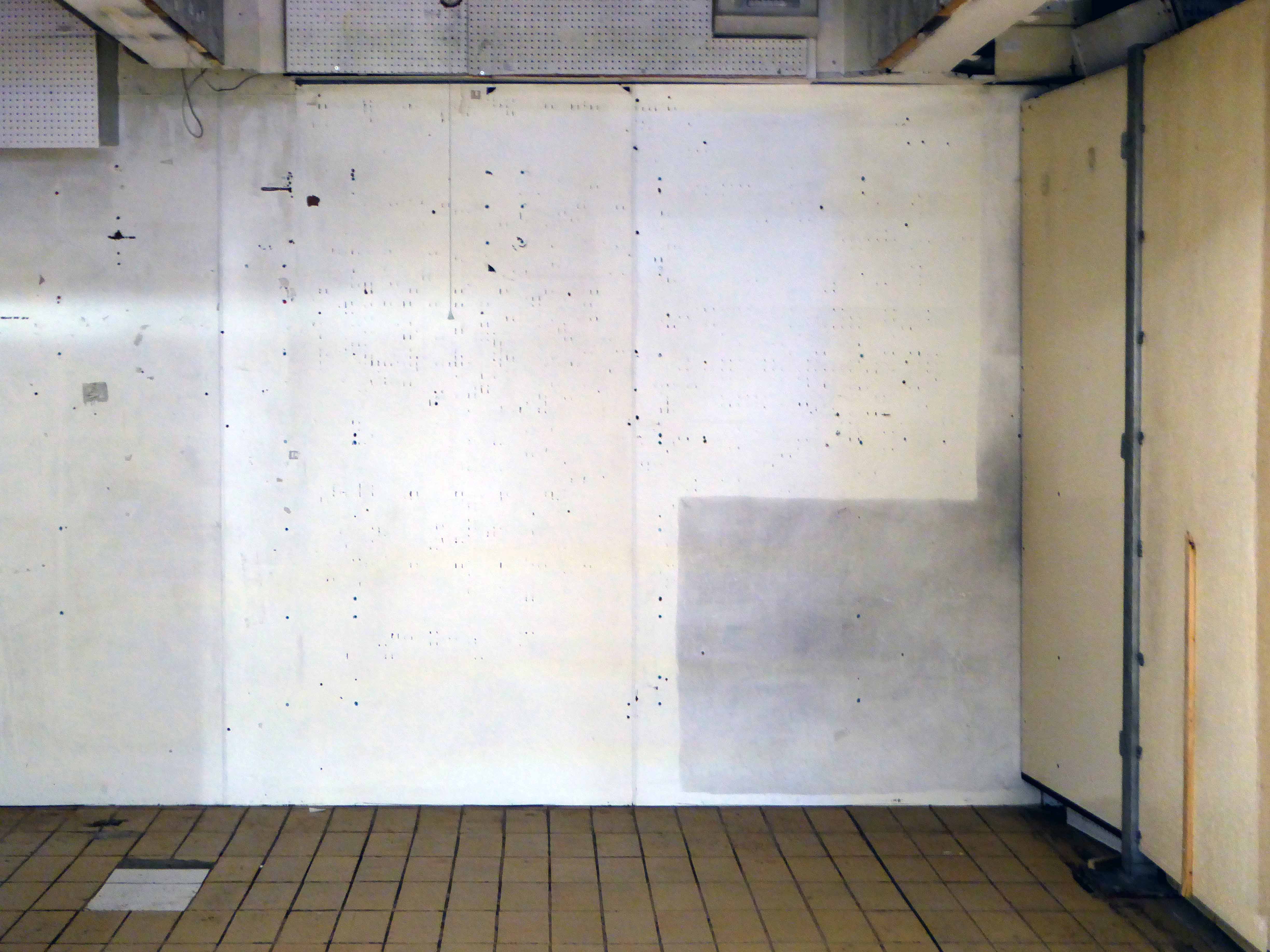
So come take one last wander through the concrete warren of ramps, underpasses and tunnels of the unwanted indoor market.

P1230805

P1230807

P1230809

P1230810

P1230814

P1230815

P1230816

P1230817

P1230819

P1230822

P1230823

P1230824

P1230825

P1230827

P1230828

P1230831

P1230832

P1230835

P1230849

P1230850

P1230851

P1230858

P1230861

P1230863

P1230865

P1230867


P1230870


P1230872

P1230873

P1230874

Covent Garden – Stockport

Last time I was here it was there:

Covent Garden Flats Middle Hillgate in Stockport.

A small but important group of post-war council houses – very much in an inter-war European manner, homes to a settled community of cheerful, chatty residents.

screen-shot-2016-04-14-at-17-20-211

The local authority tinned them up some year ago, ahead of a series of redevelopment proposals – last week that redevelopment reached its logical conclusion.

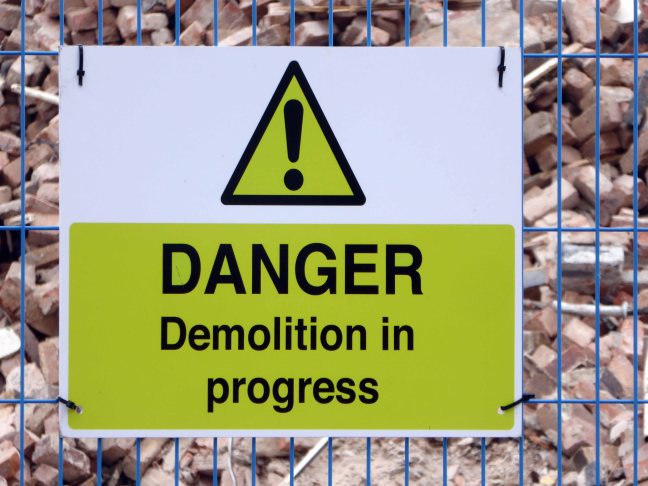
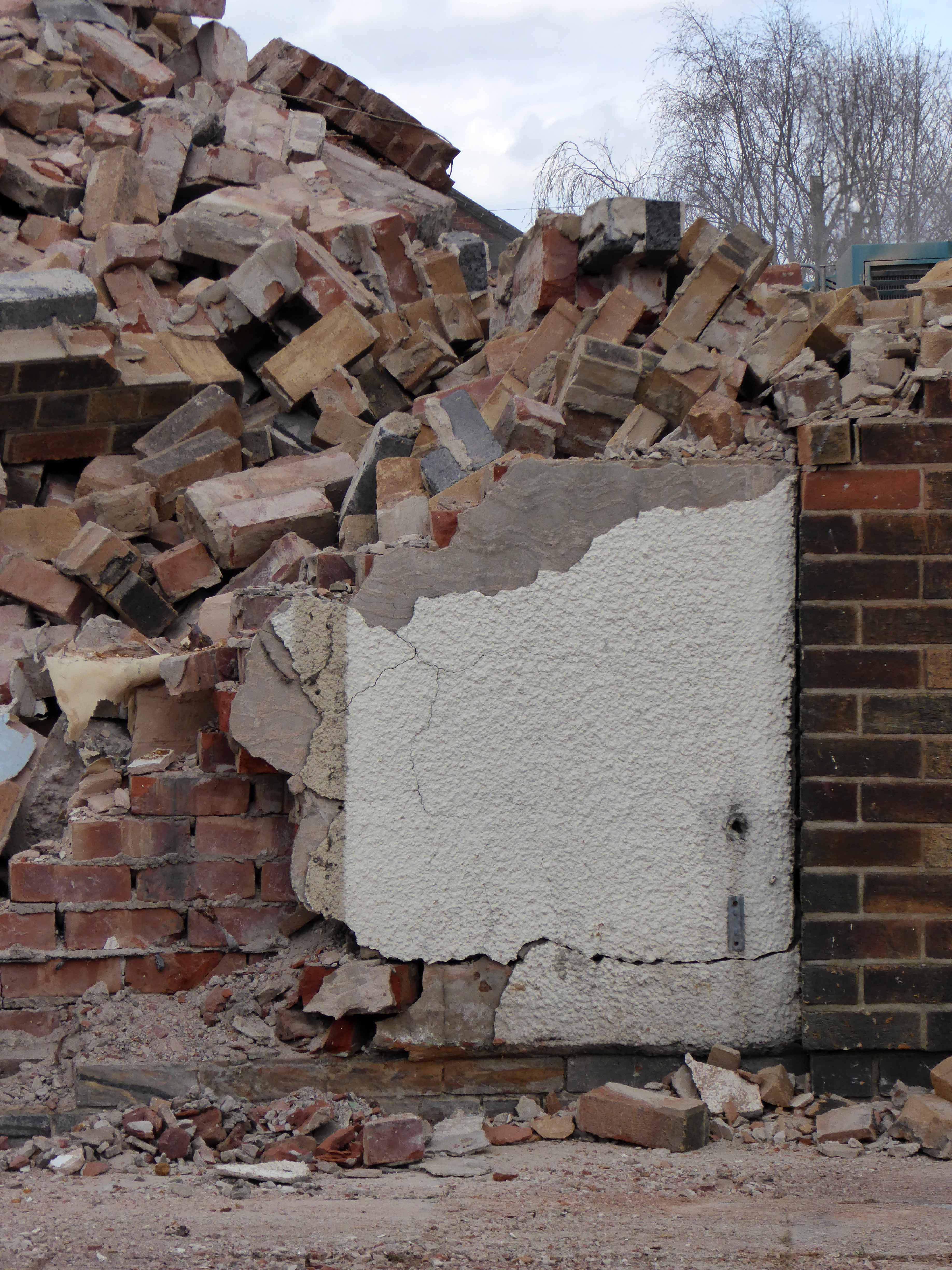
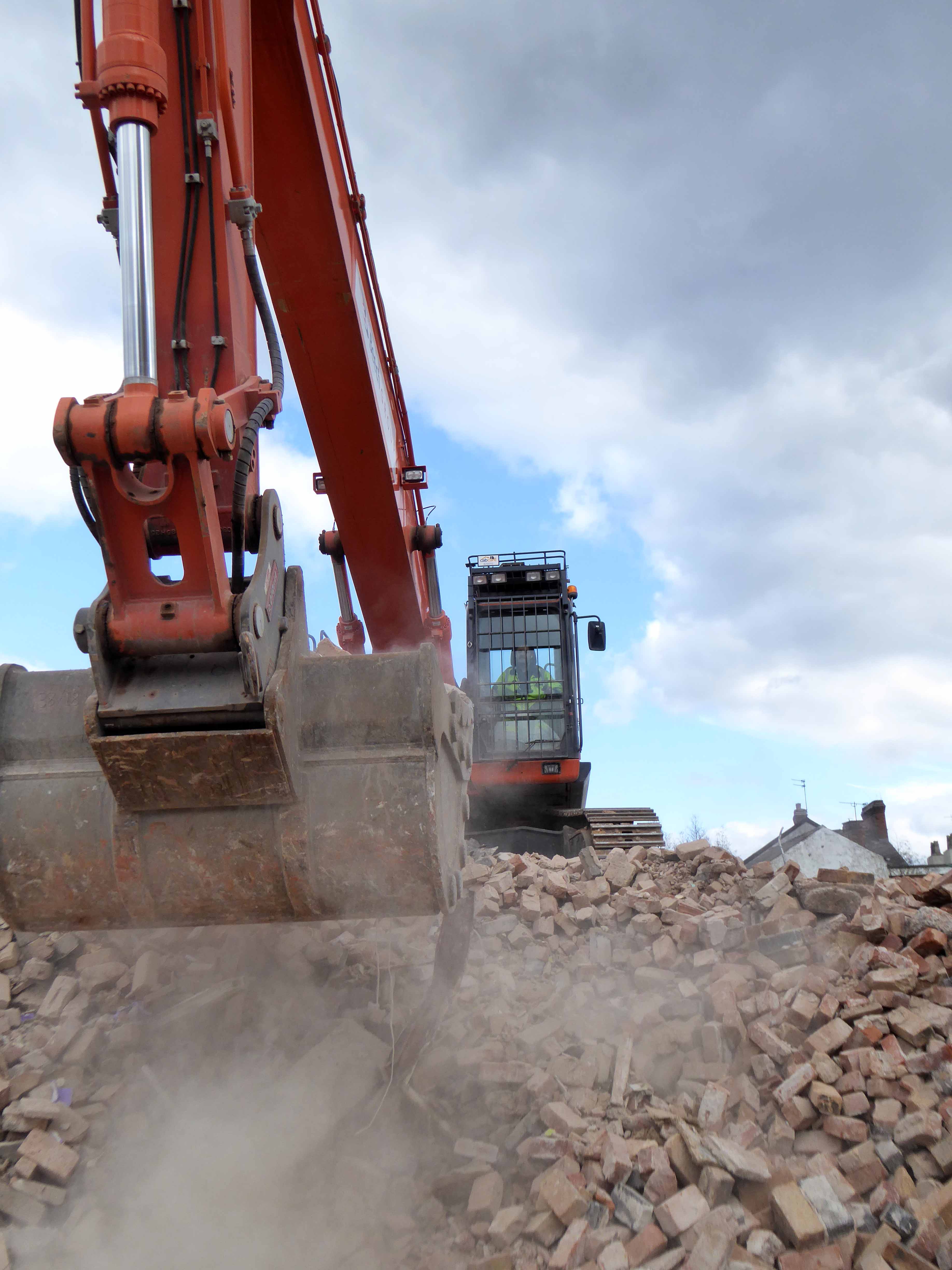
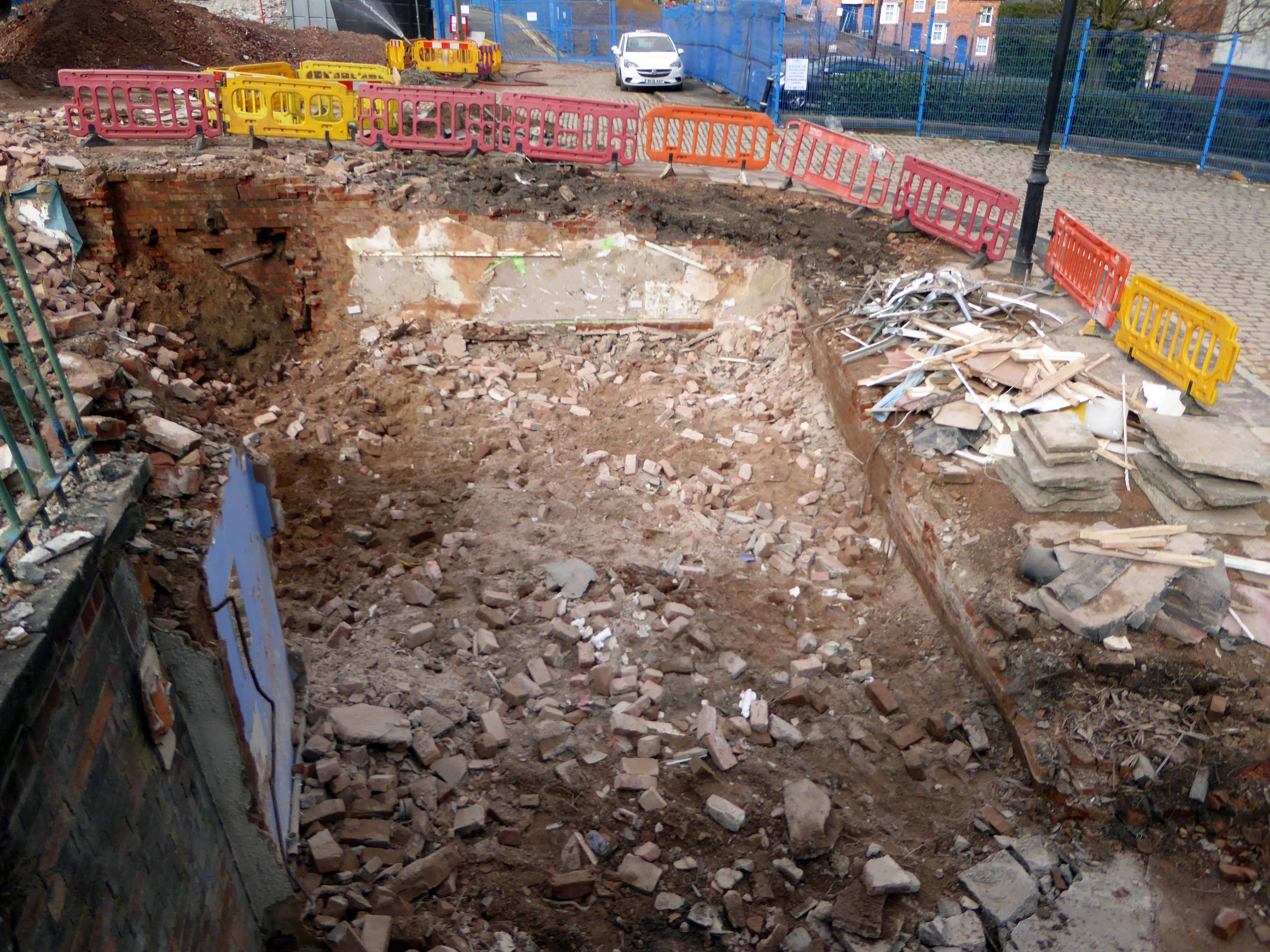
Demolition.

Whilst accepting the necessity for change, I also recognise the need to preserve what is best of the past, rather than replacing it with the present day architecture of cautiously consensual pastiche.

p1030551-copy

P1230650

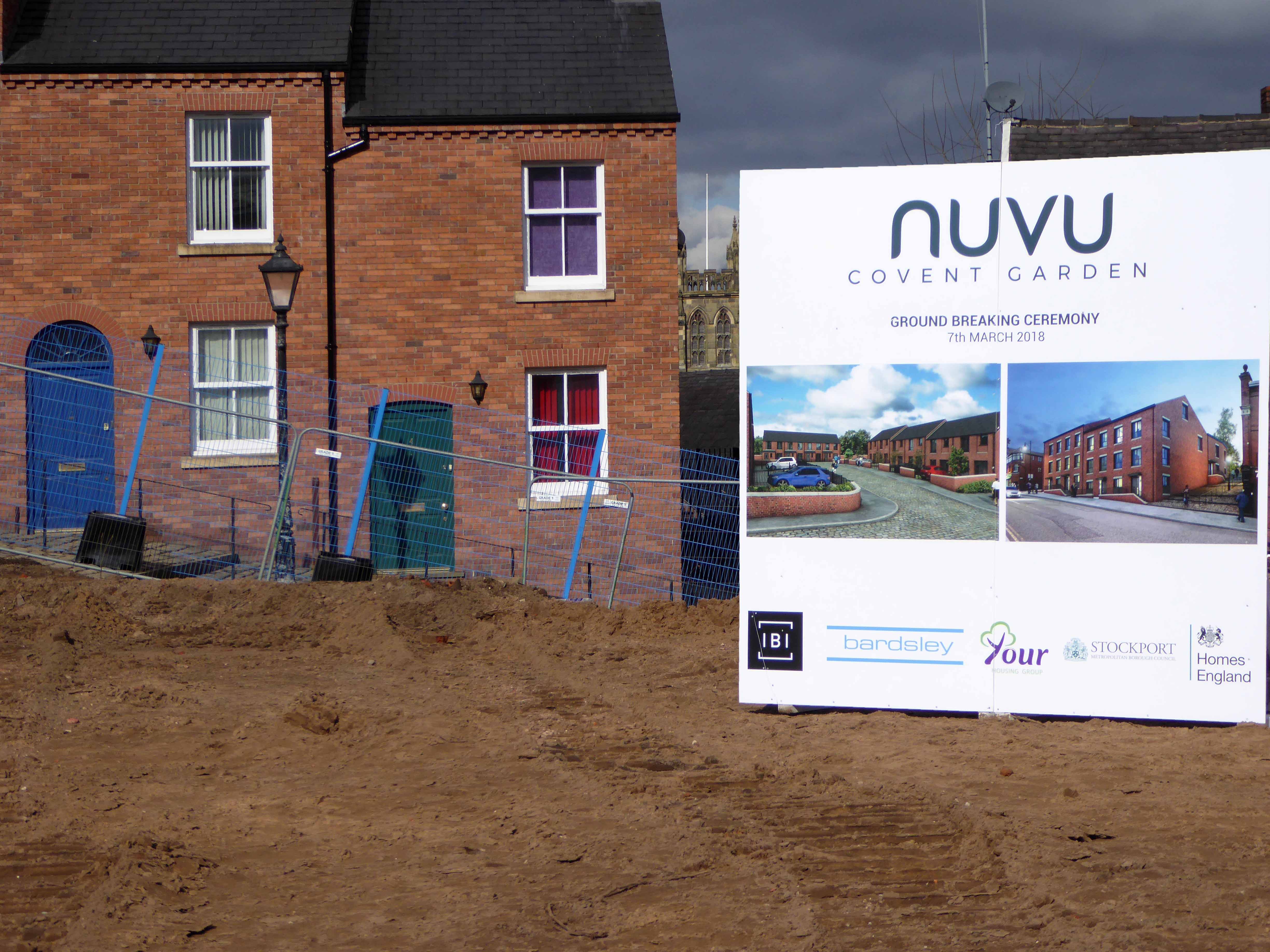
nuvu living for the nouveau be-tartaned riche:

Screen Shot 2018-03-21 at 13.37.36

So heavyhearted I circumnavigated the perimeter fence, recording forever that which was no longer there – their there replacing our there.

P1230601

P1230611

P1230613

P1230618

P1230624

P1230626

P1230630

P1230636

P1230639

P1230641

P1230633

P1230645

Screen Shot 2018-03-21 at 15.14.01


ICL Tower – Gorton Manchester

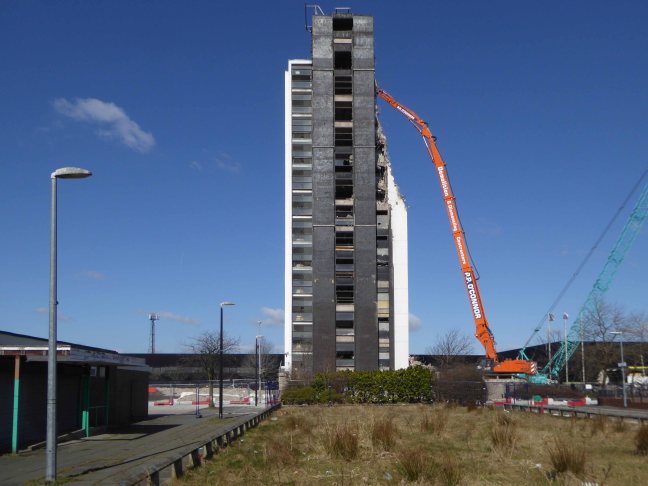
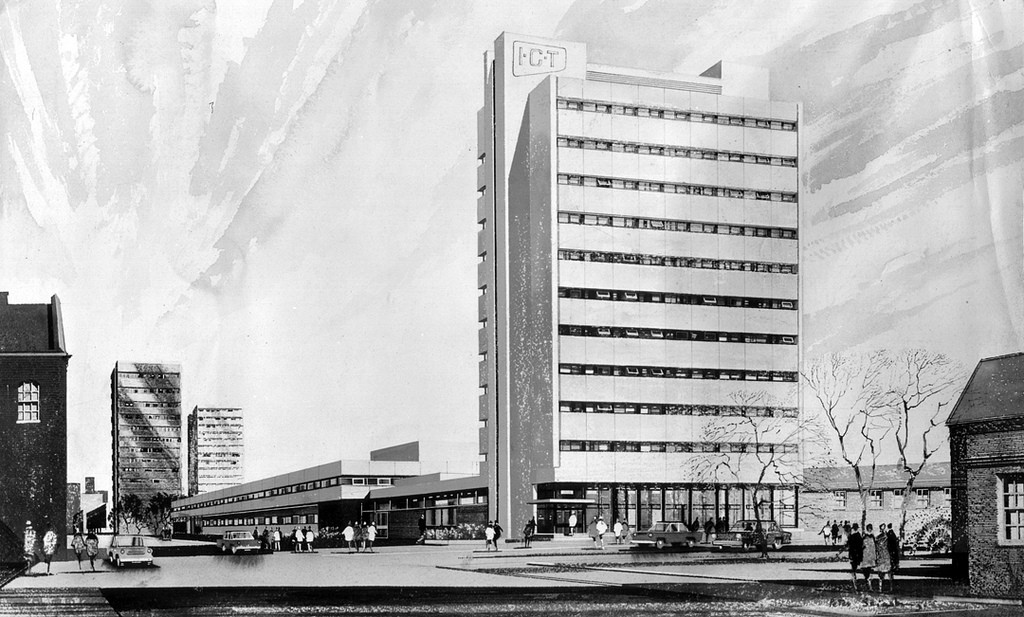
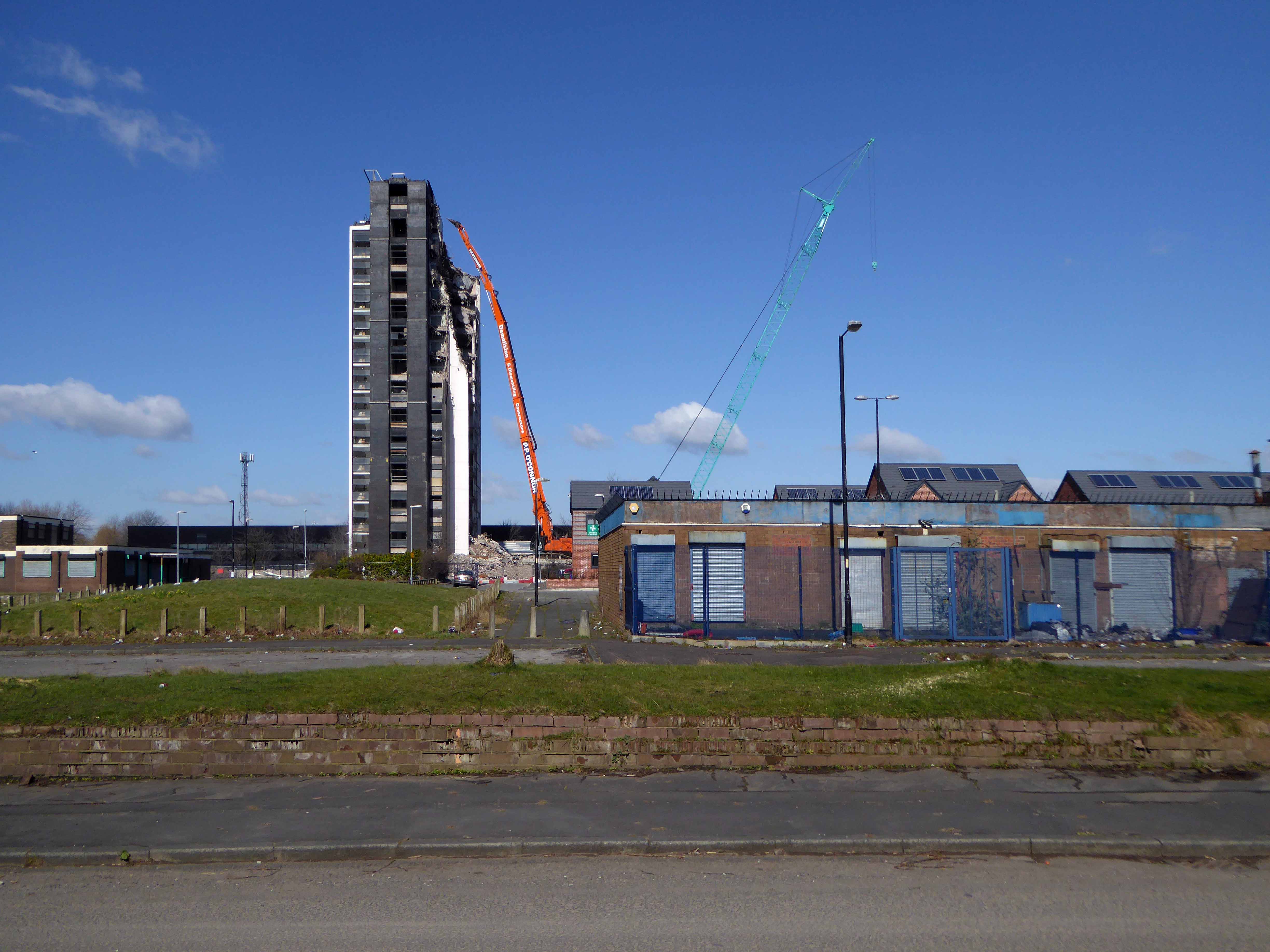
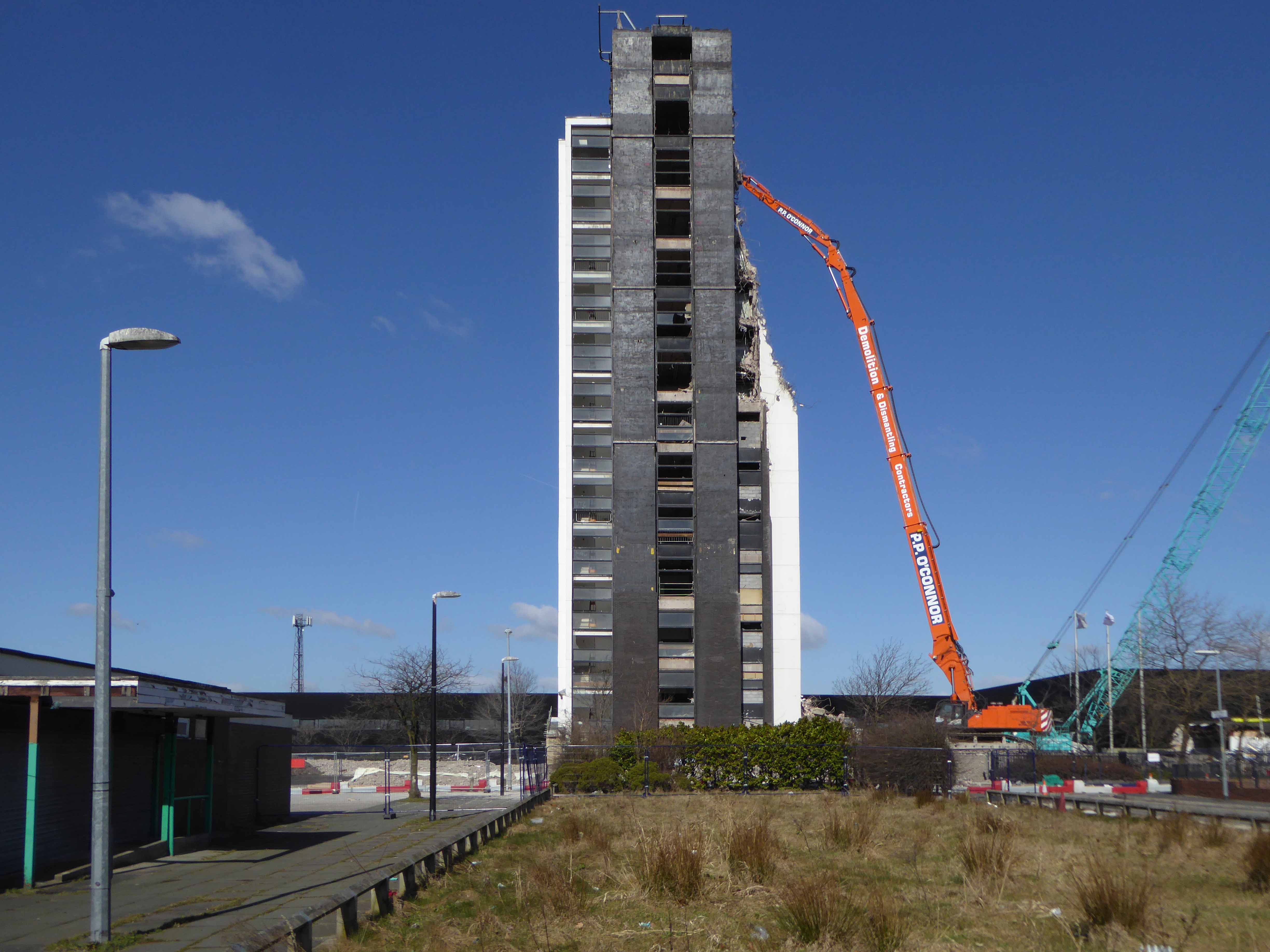
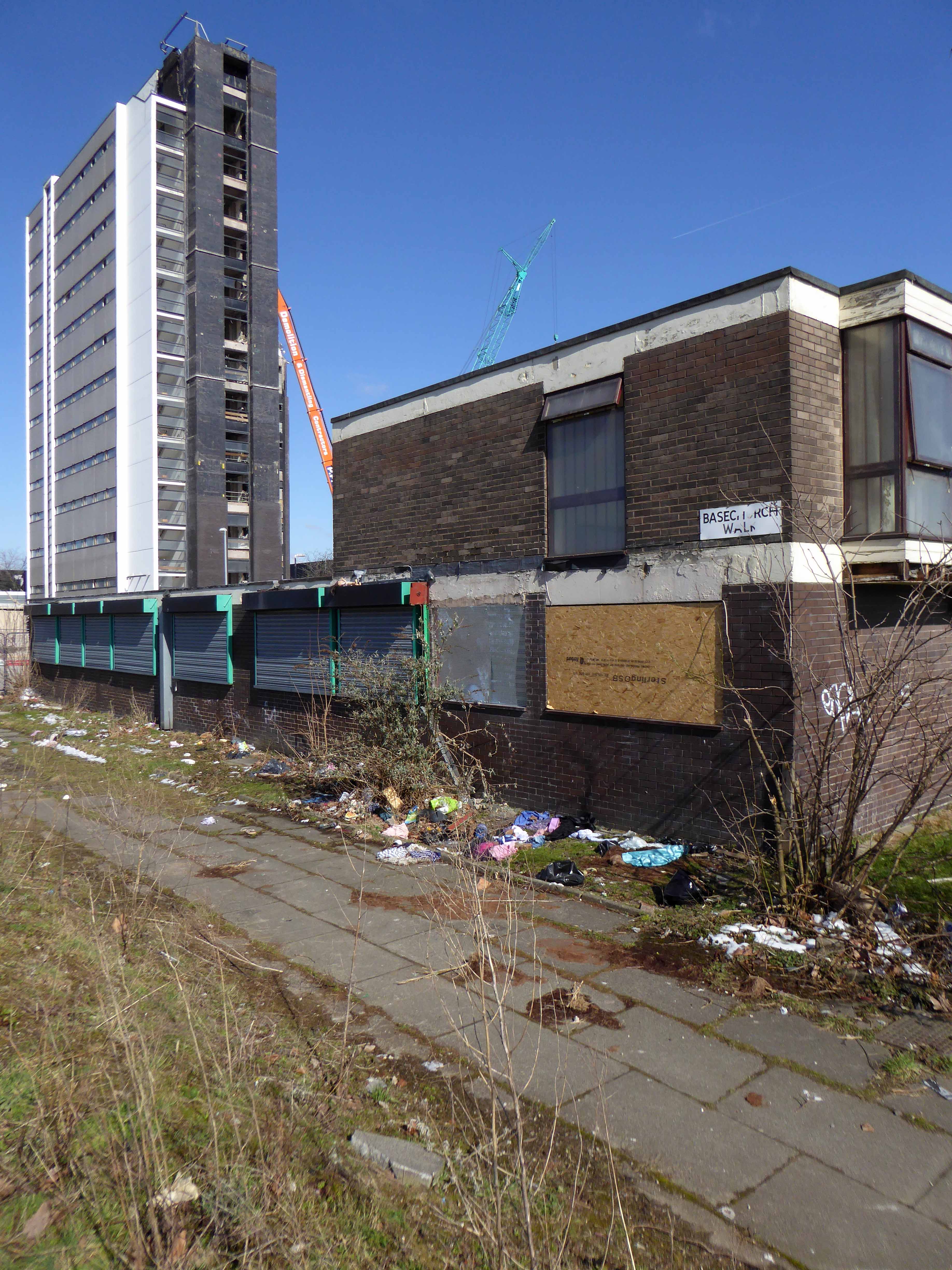
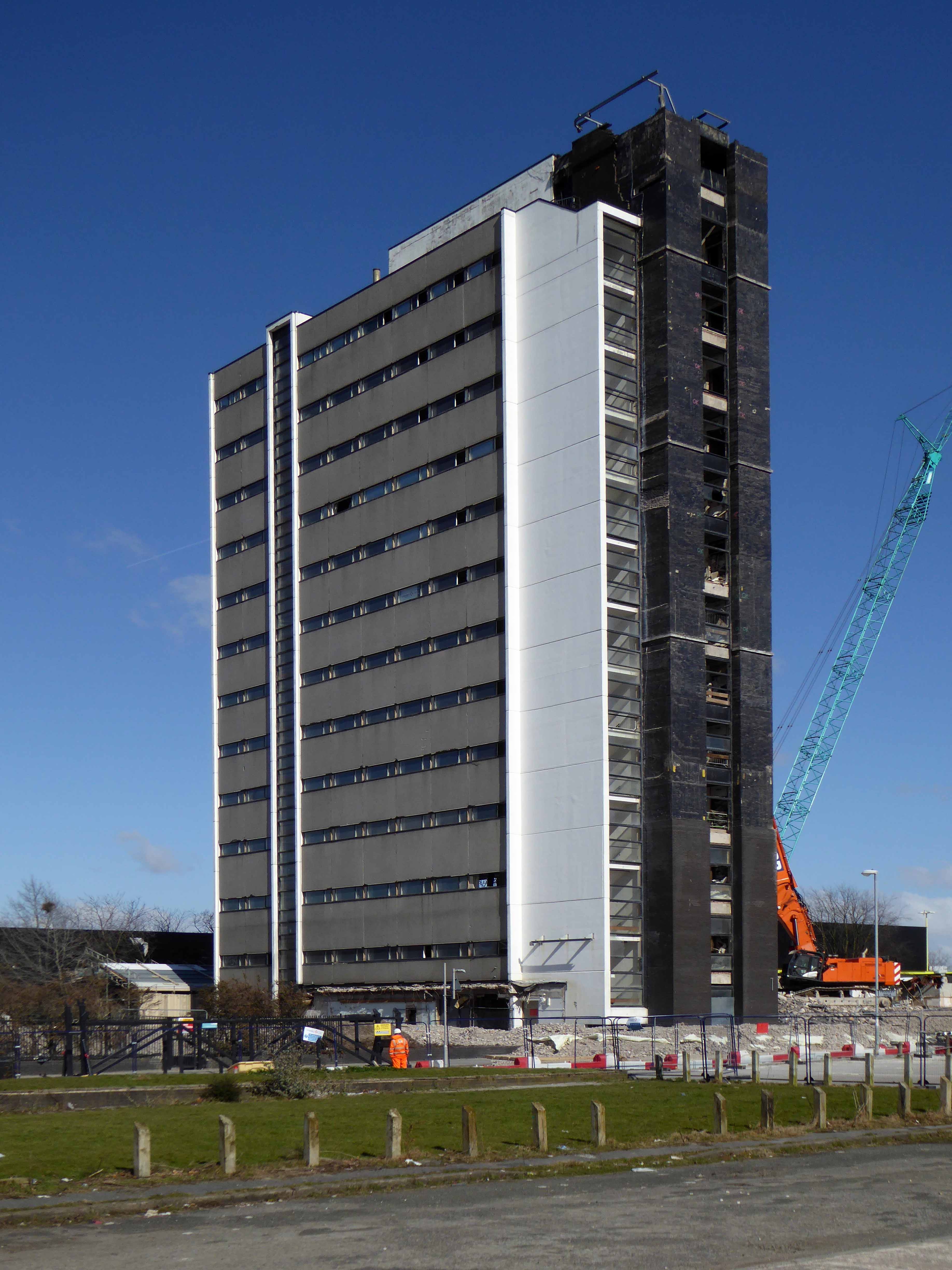
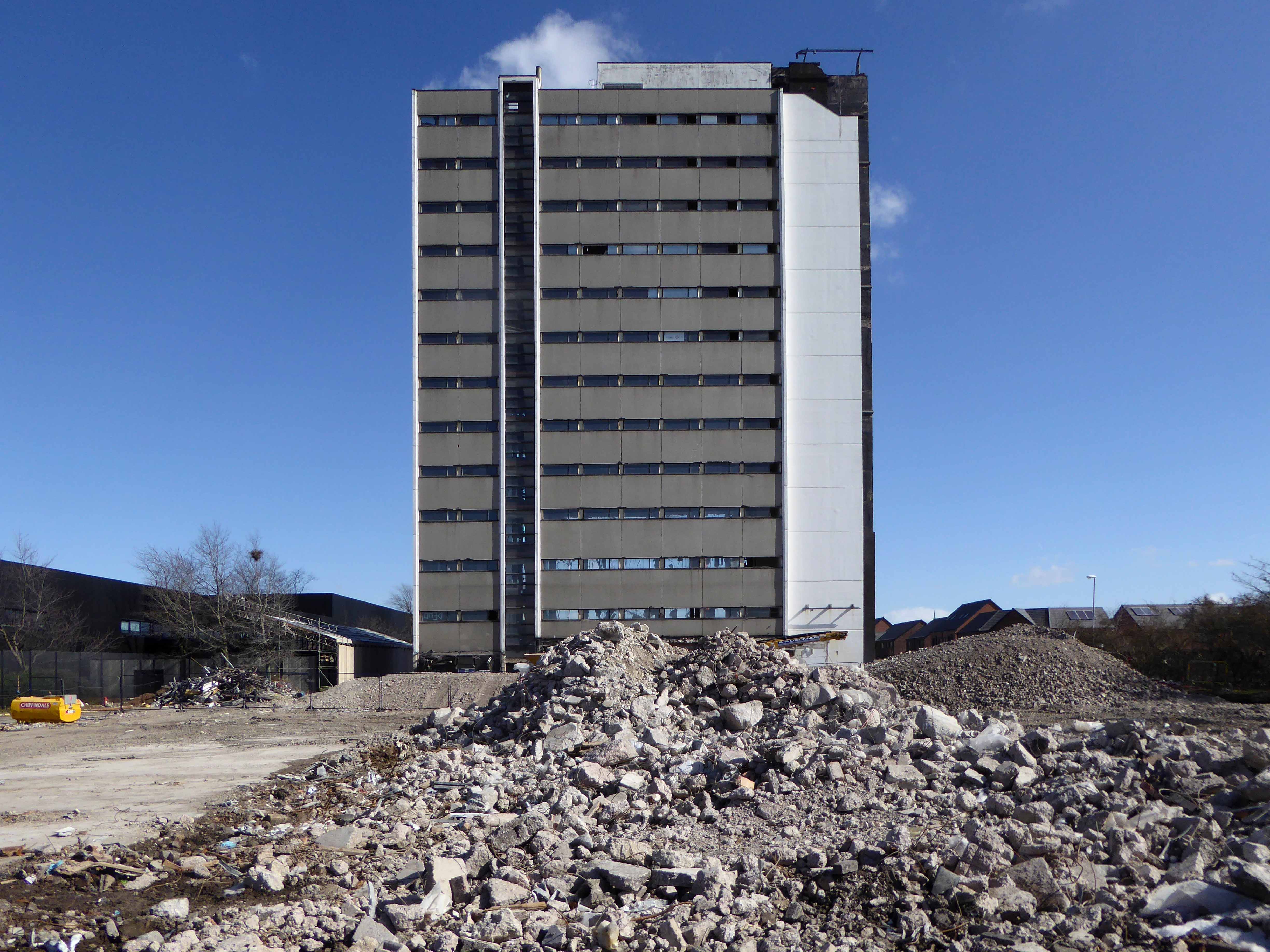
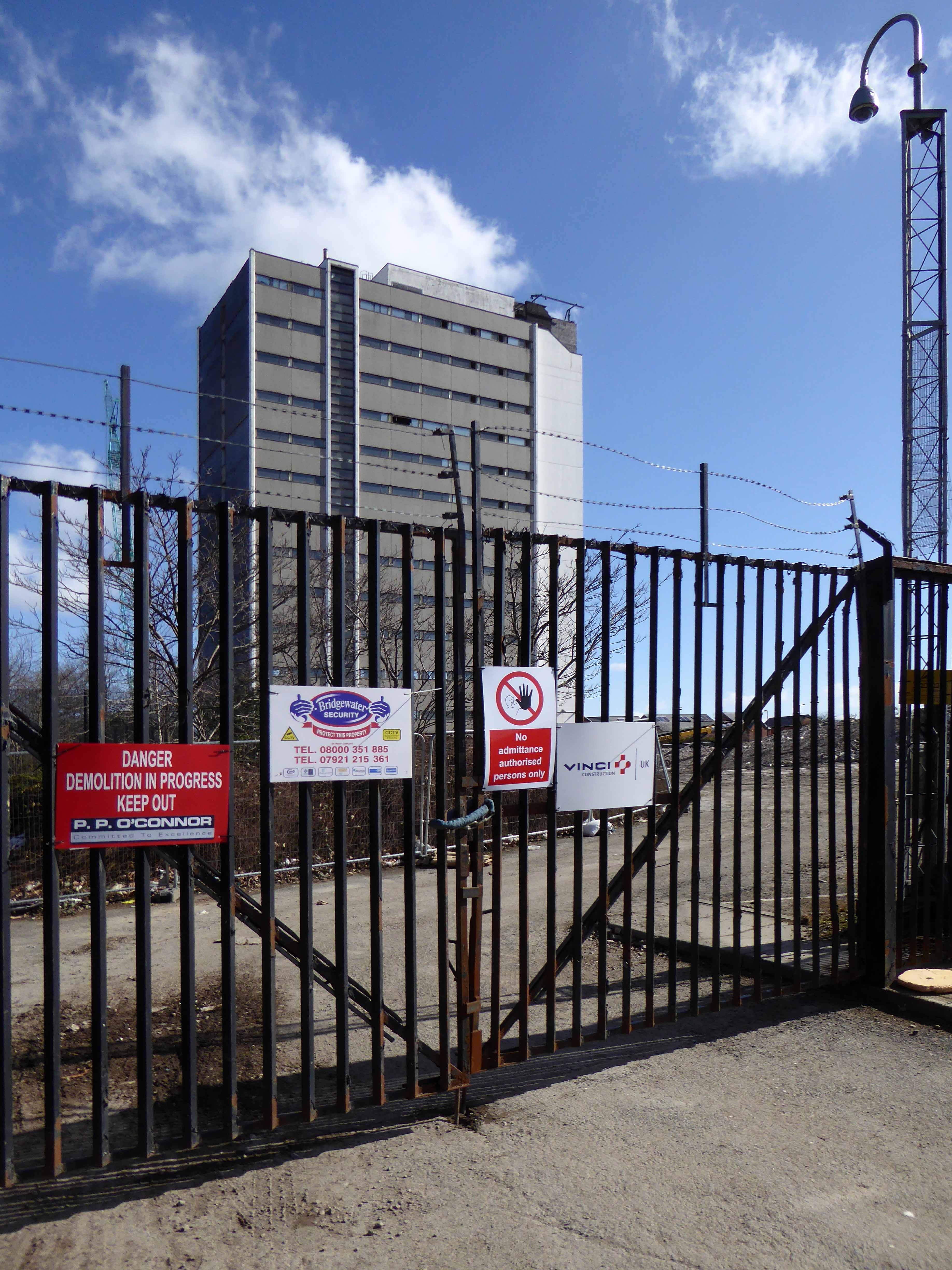
Designed by architects Cruickshank and Seward in the Sixties, to house the cutting-edge computing power of the time, the ICT later ICL Tower, towered over Wenlock Way, Gorton in East Manchester.

A landmark for many from bus, train, car, Shanks’s pony or low flying VC10.

A place of work for thousands.

7500908638_b289e691ec_b

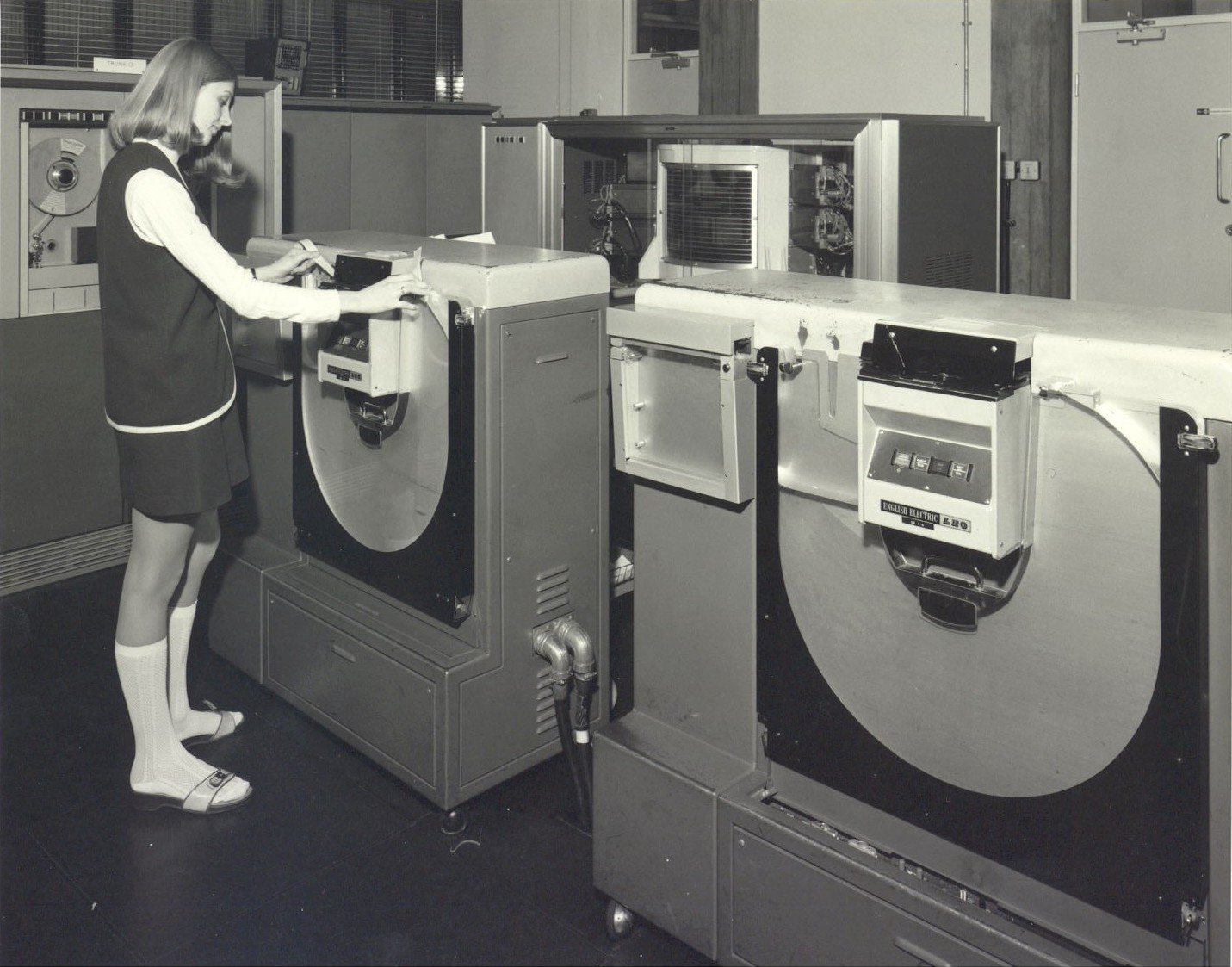
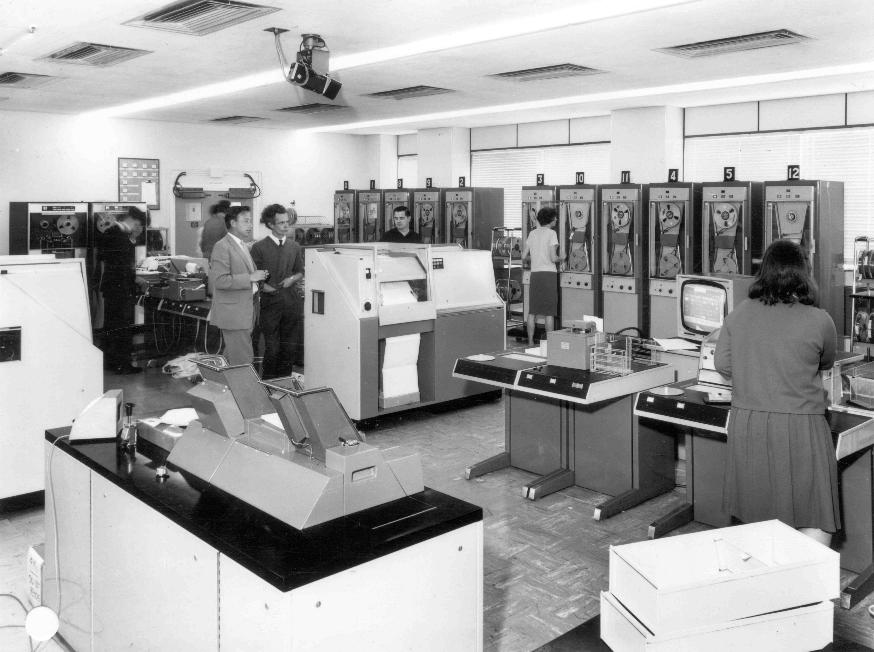
At a time when modern technology looked a little like this:

res49d

resi

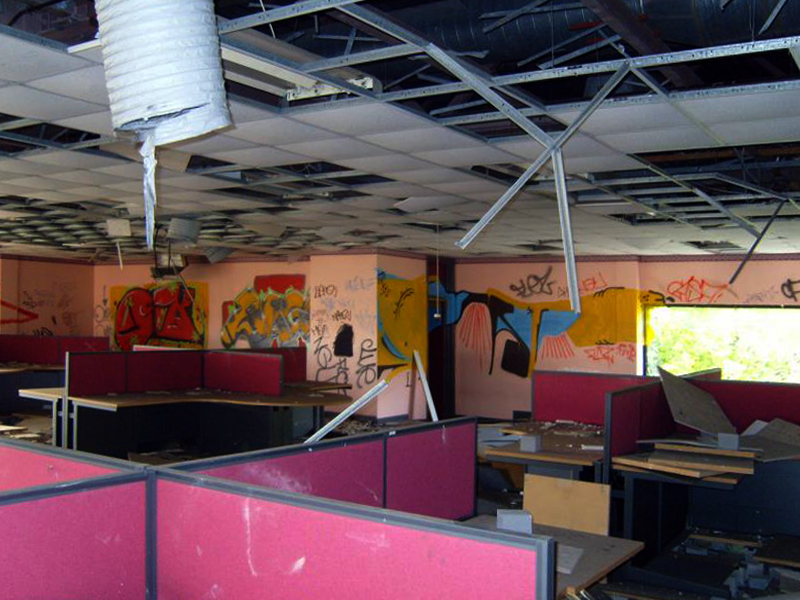
Sadly ending like this:

S1031451

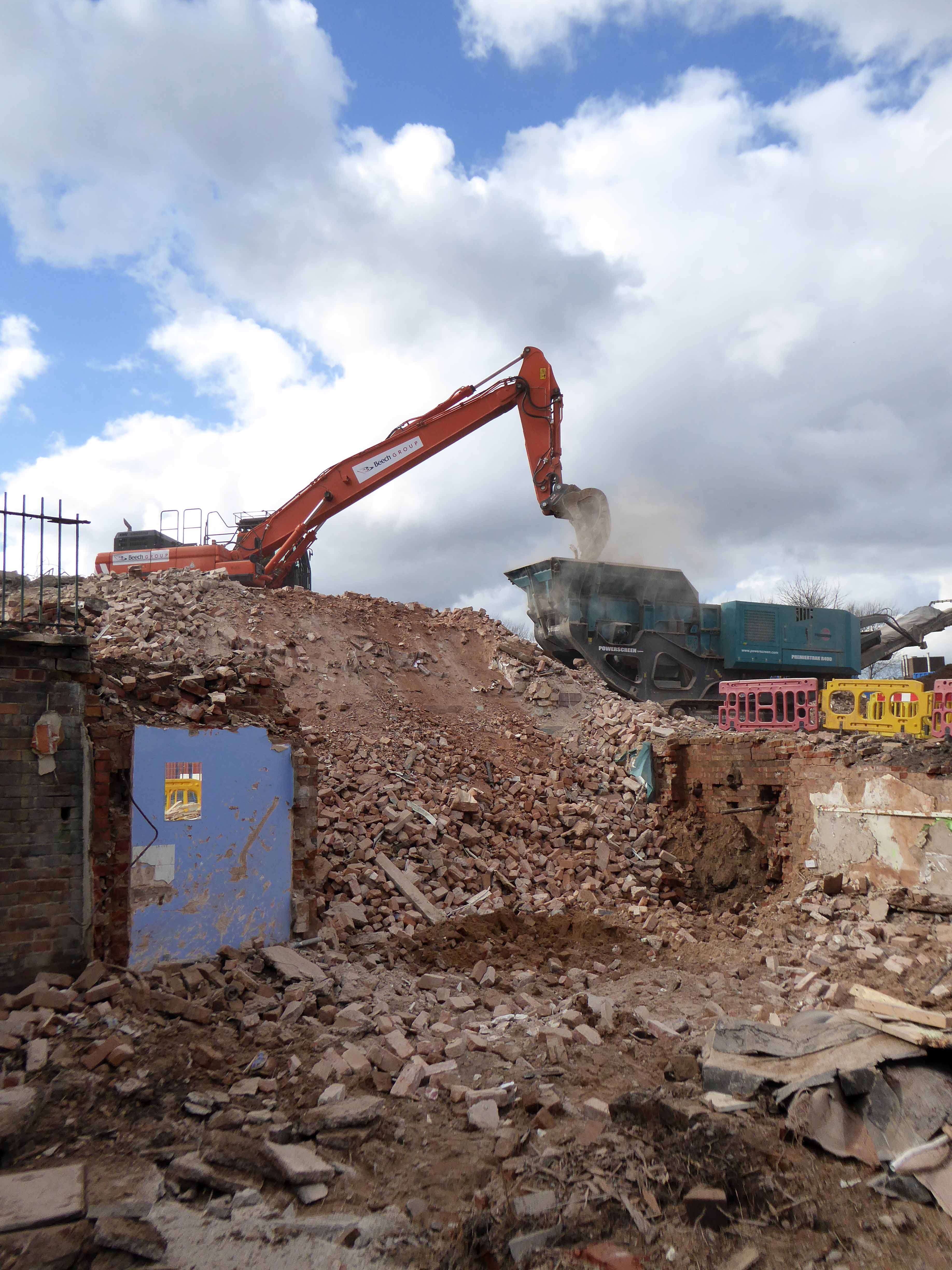
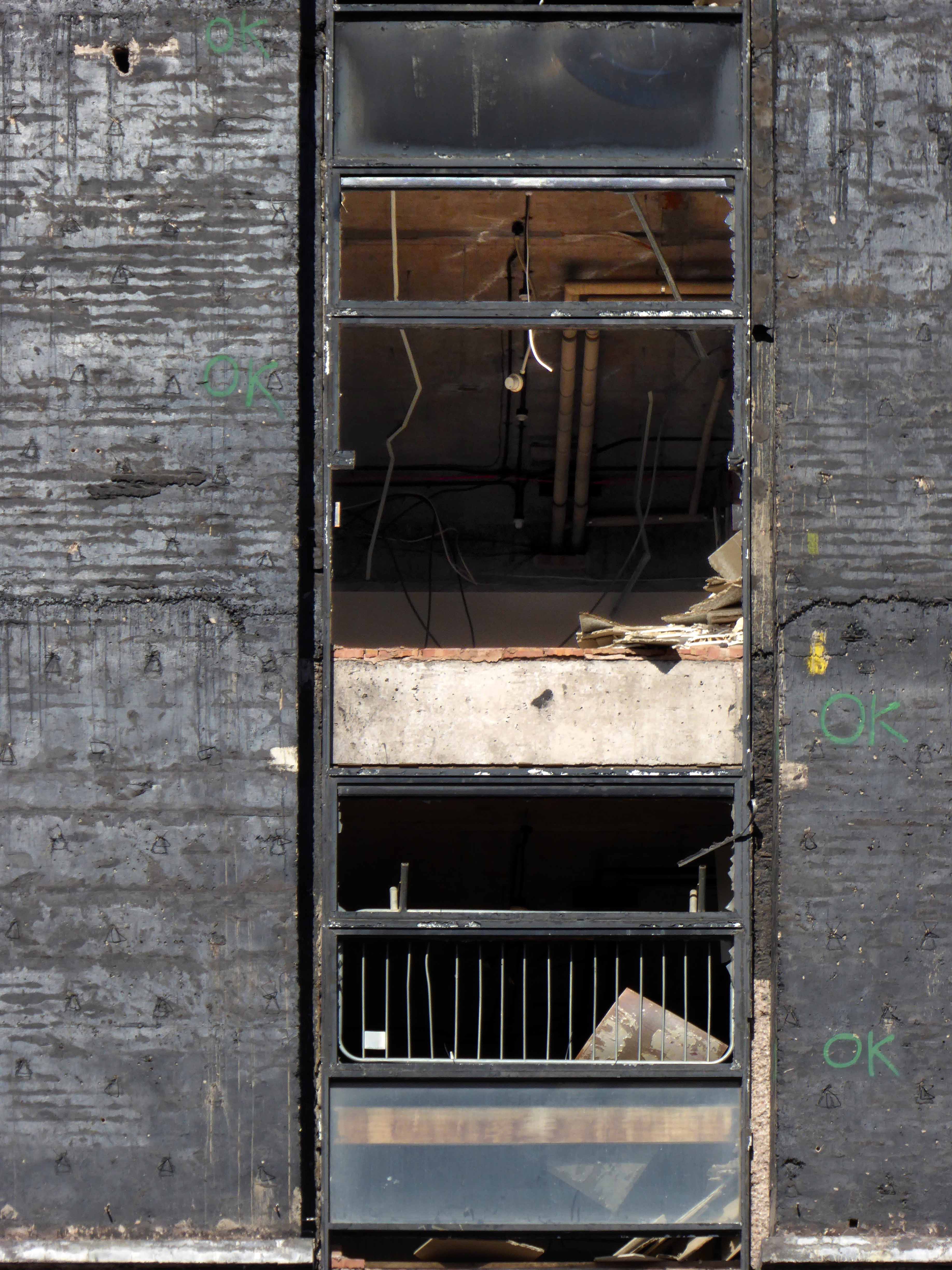
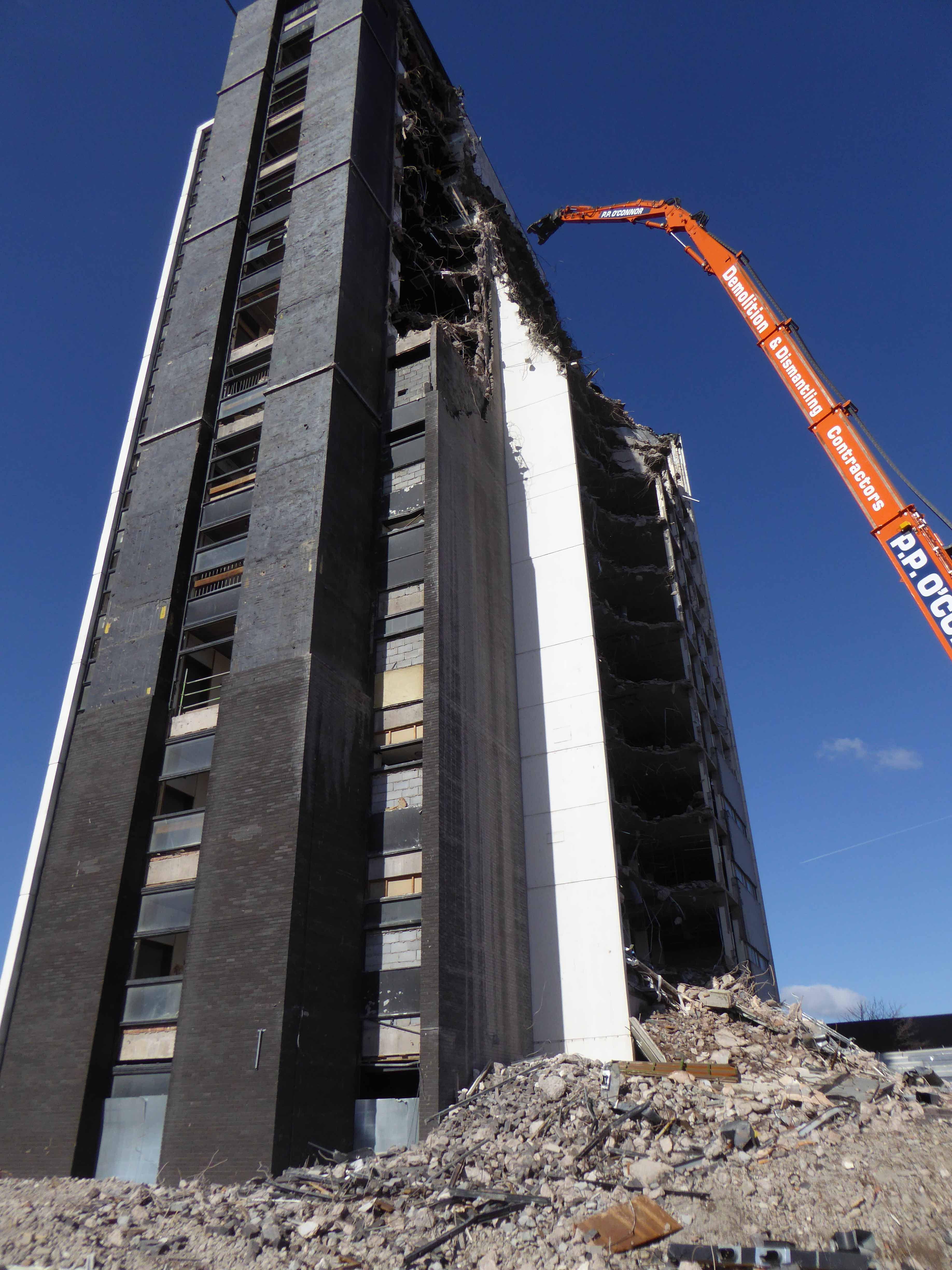
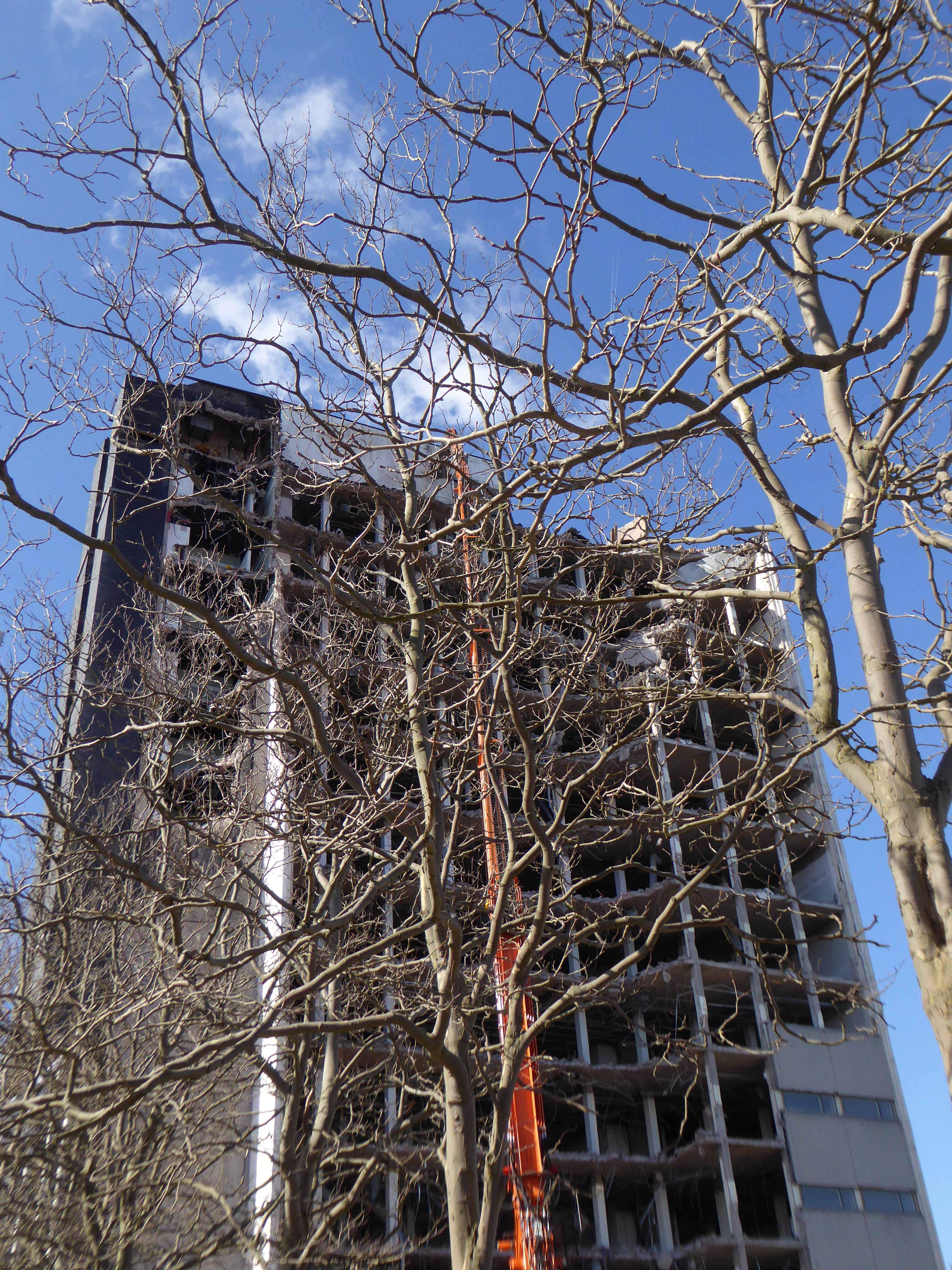
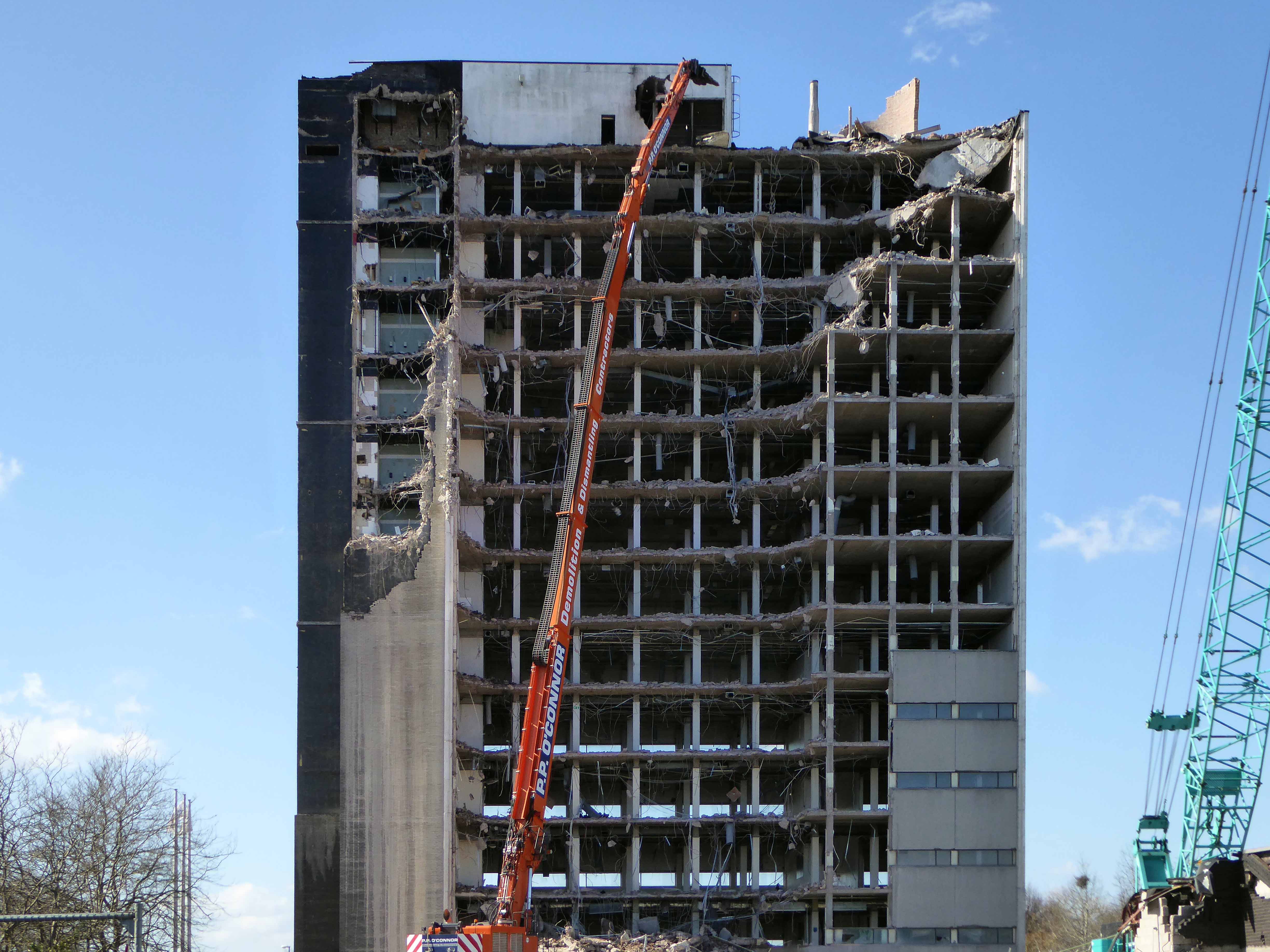
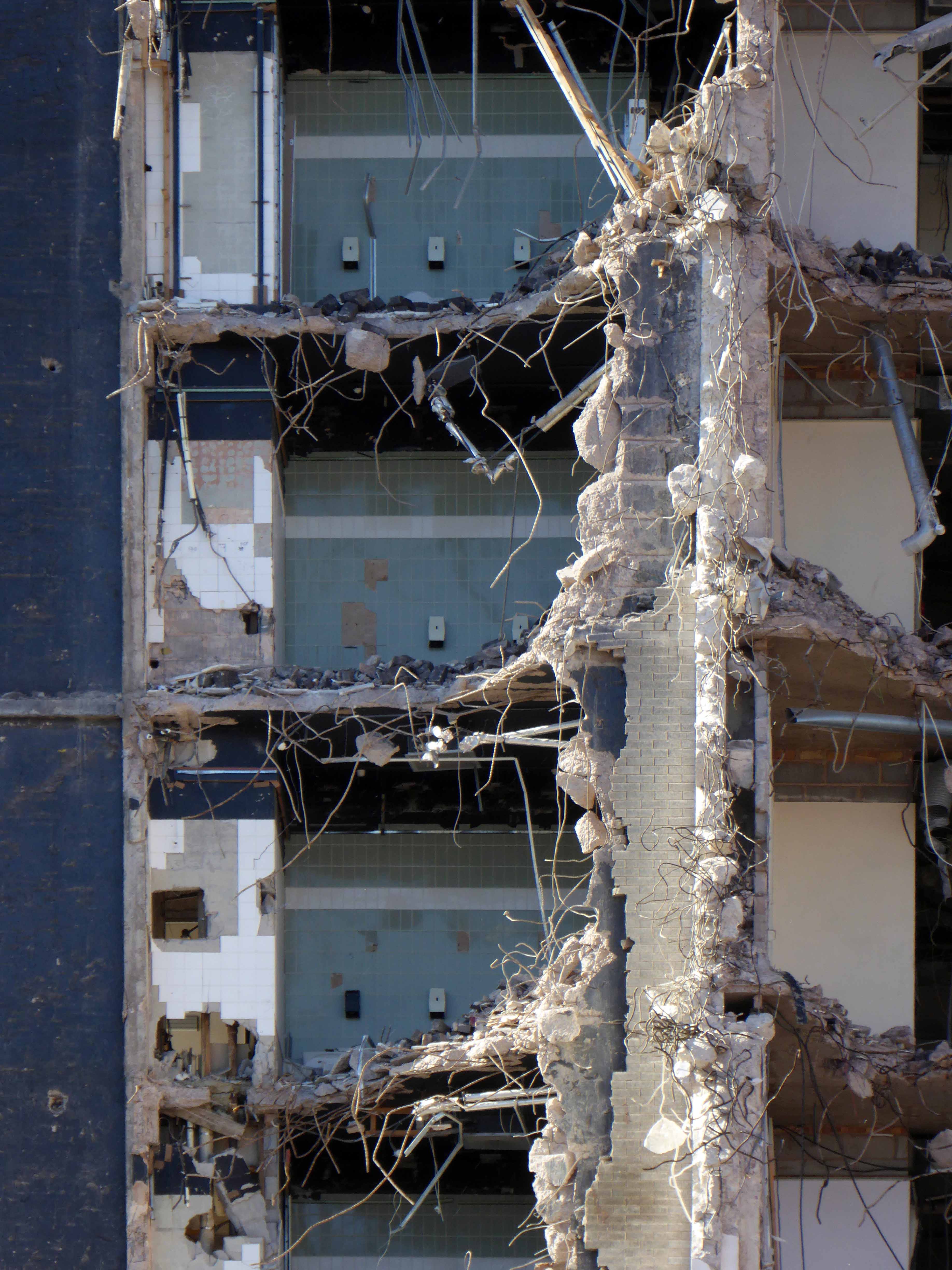
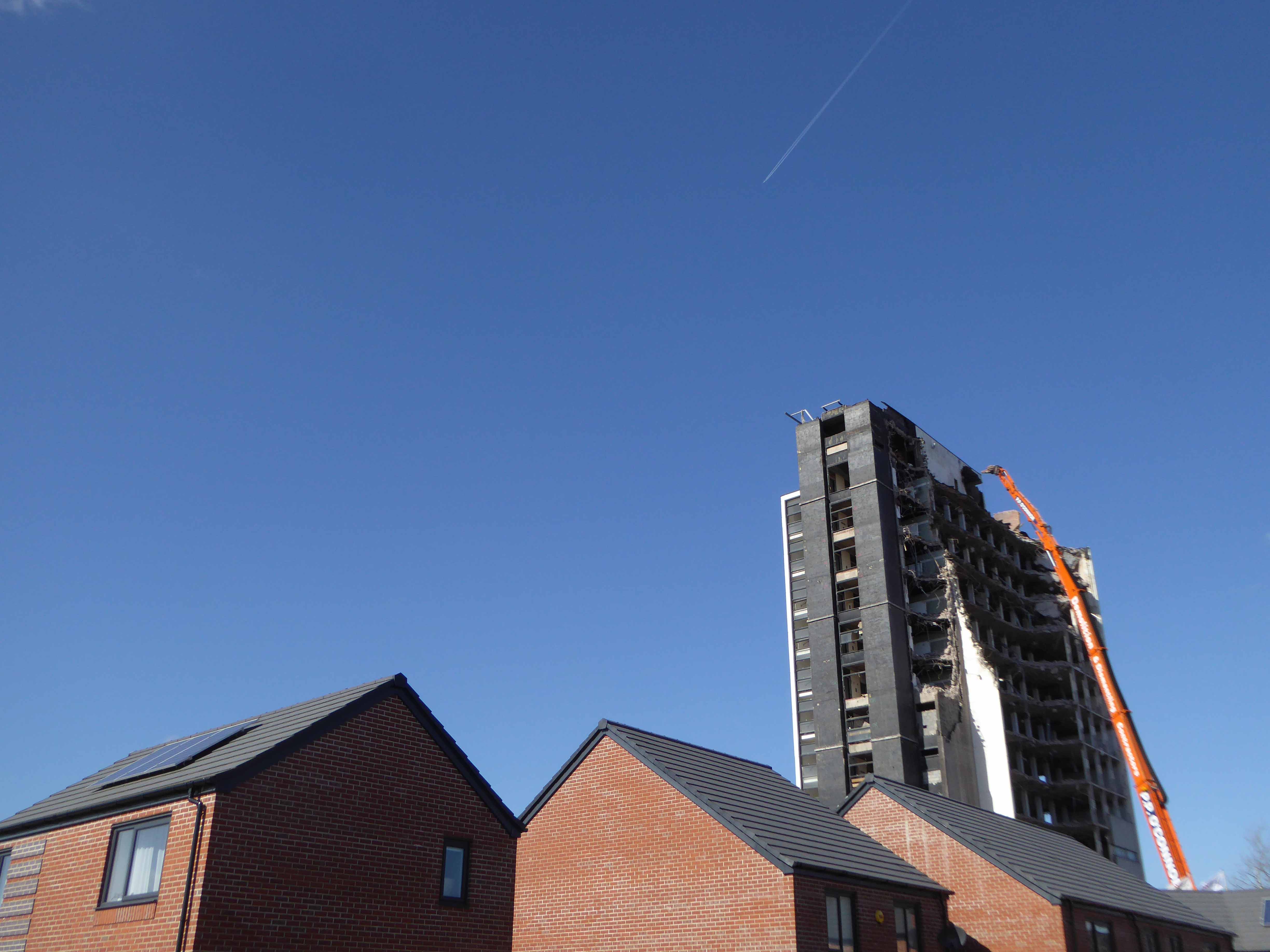
Two weeks into the demolition process the east elevation is no more, revealing a concrete honeycomb of torn steel and fresh air.

A few weeks time and it will be little more than so much dust and memories.

P1240074

P1240078

P1240079

P1240080

P1240084

P1240088

P1240089

P1240091

P1240092

P1240093

P1240099

P1240102

P1240105

P1240107

P1240108

P1240110

P1240113

St George’s Shopping Centre – Preston

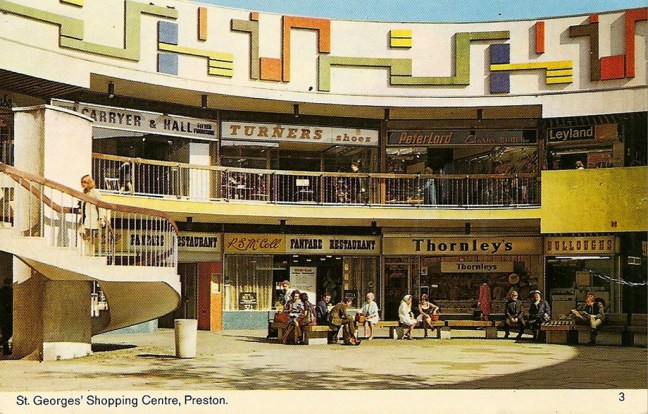
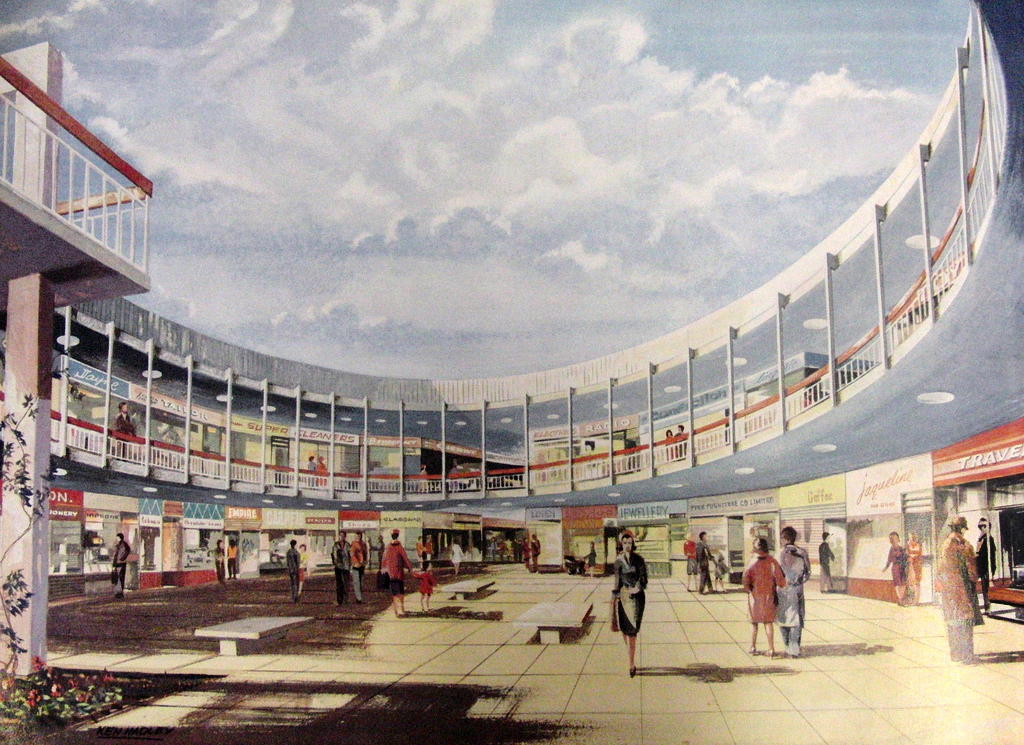
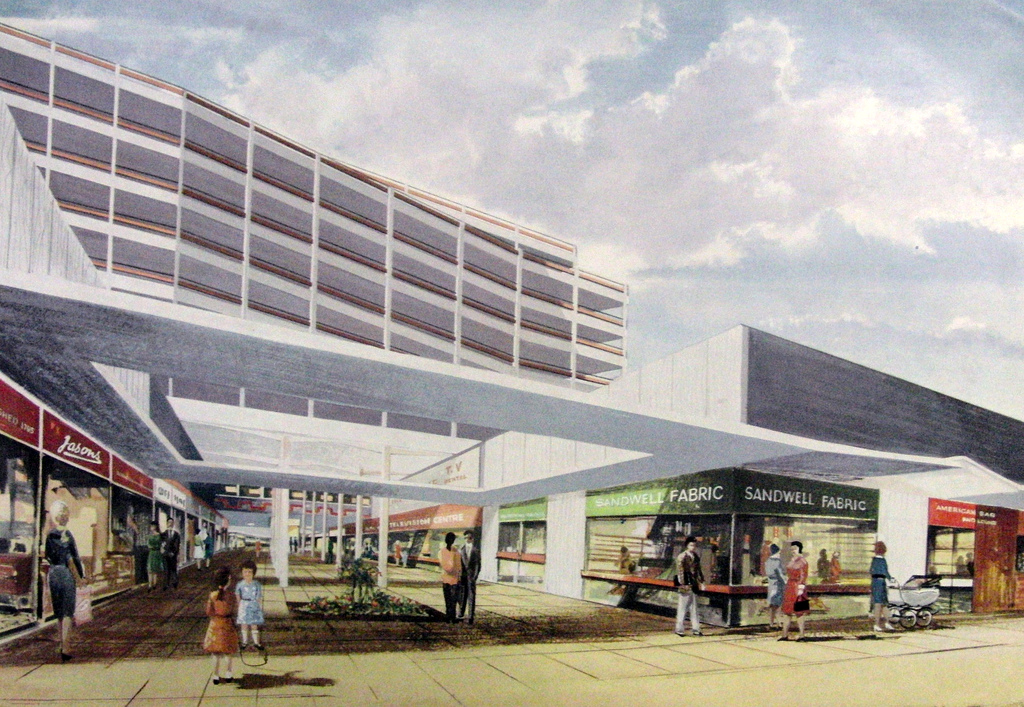
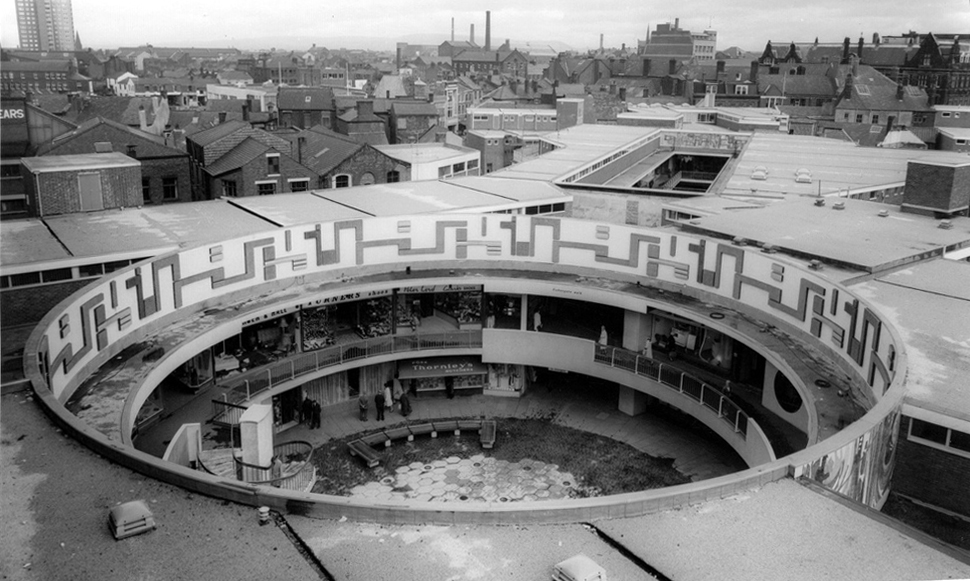
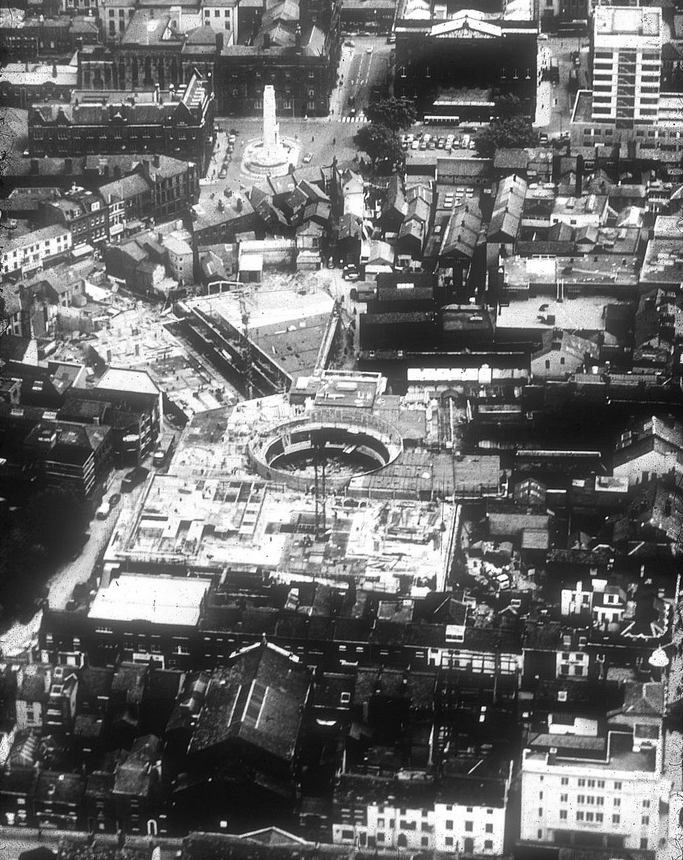
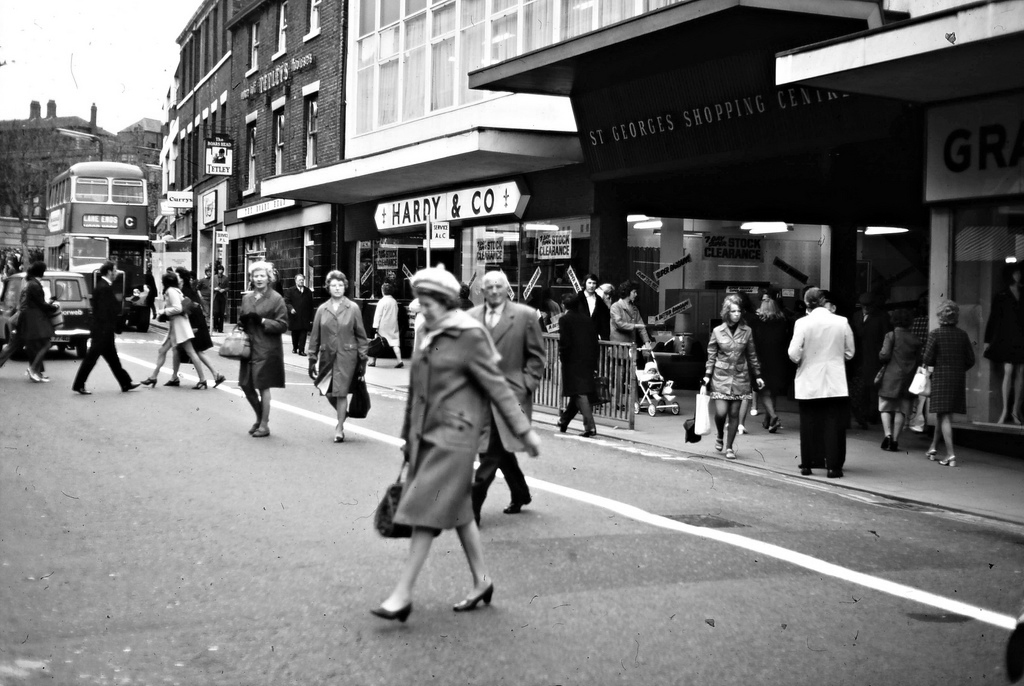
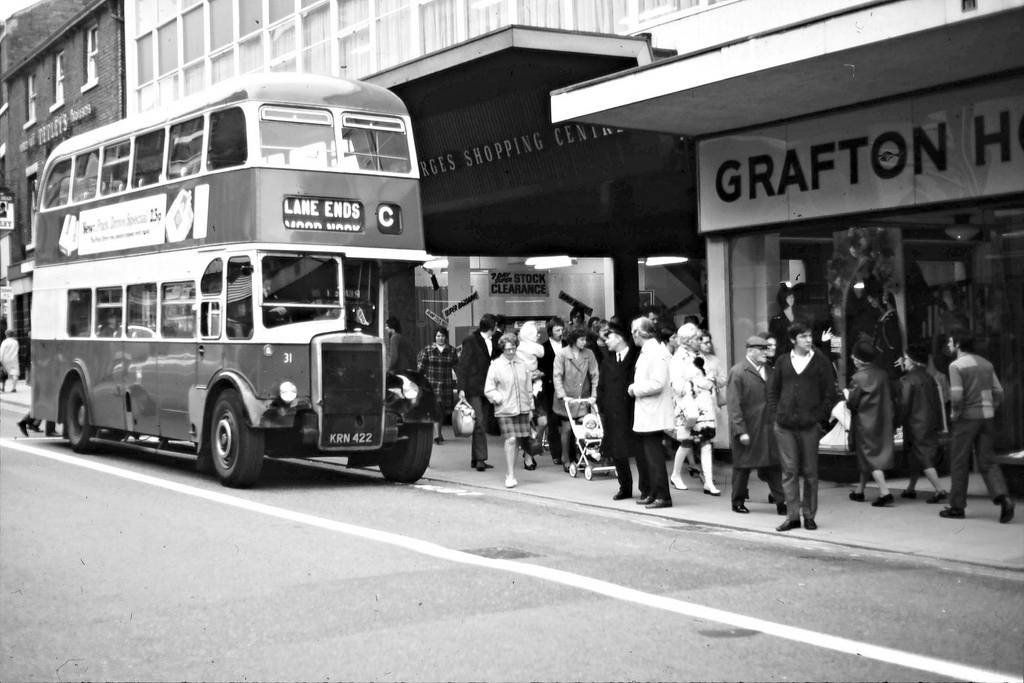
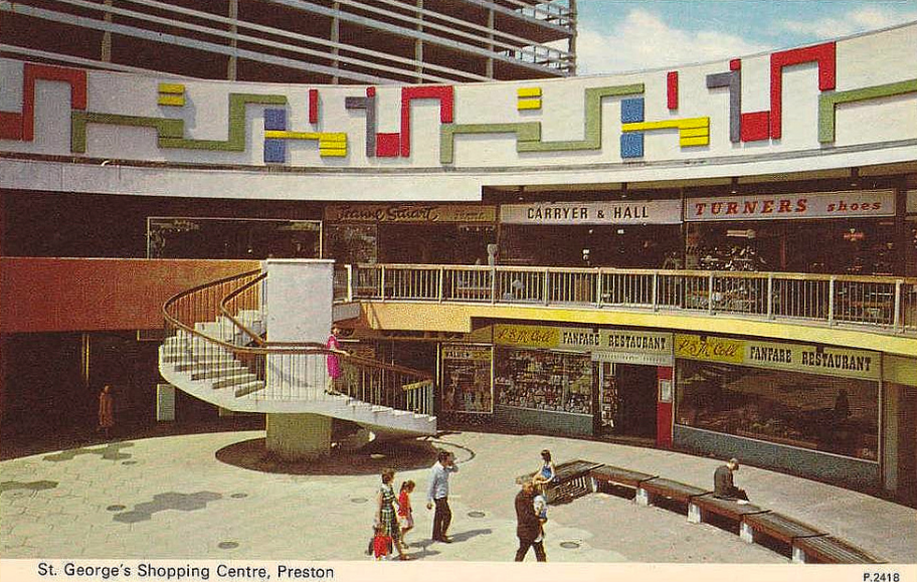
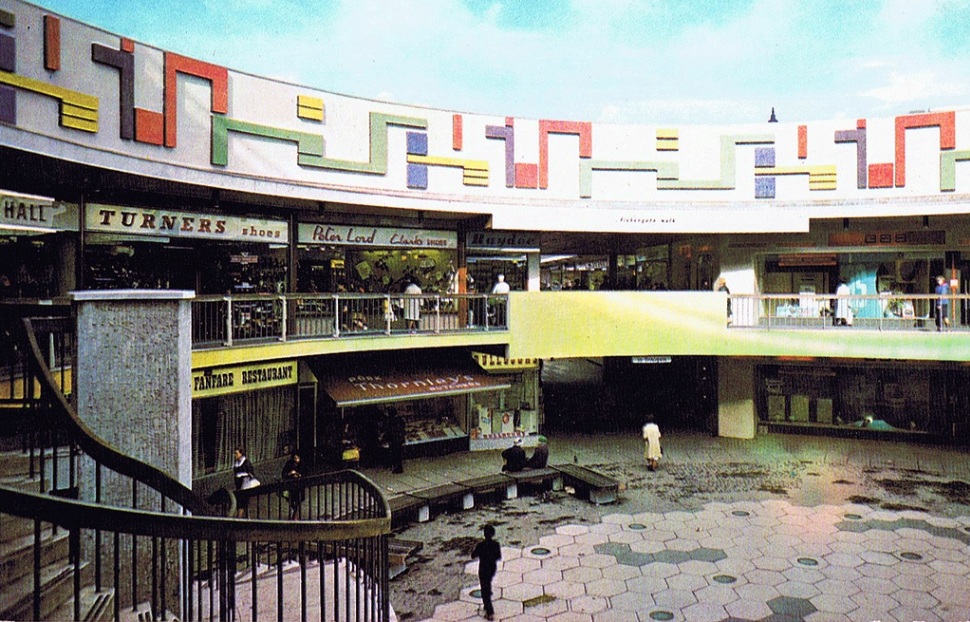
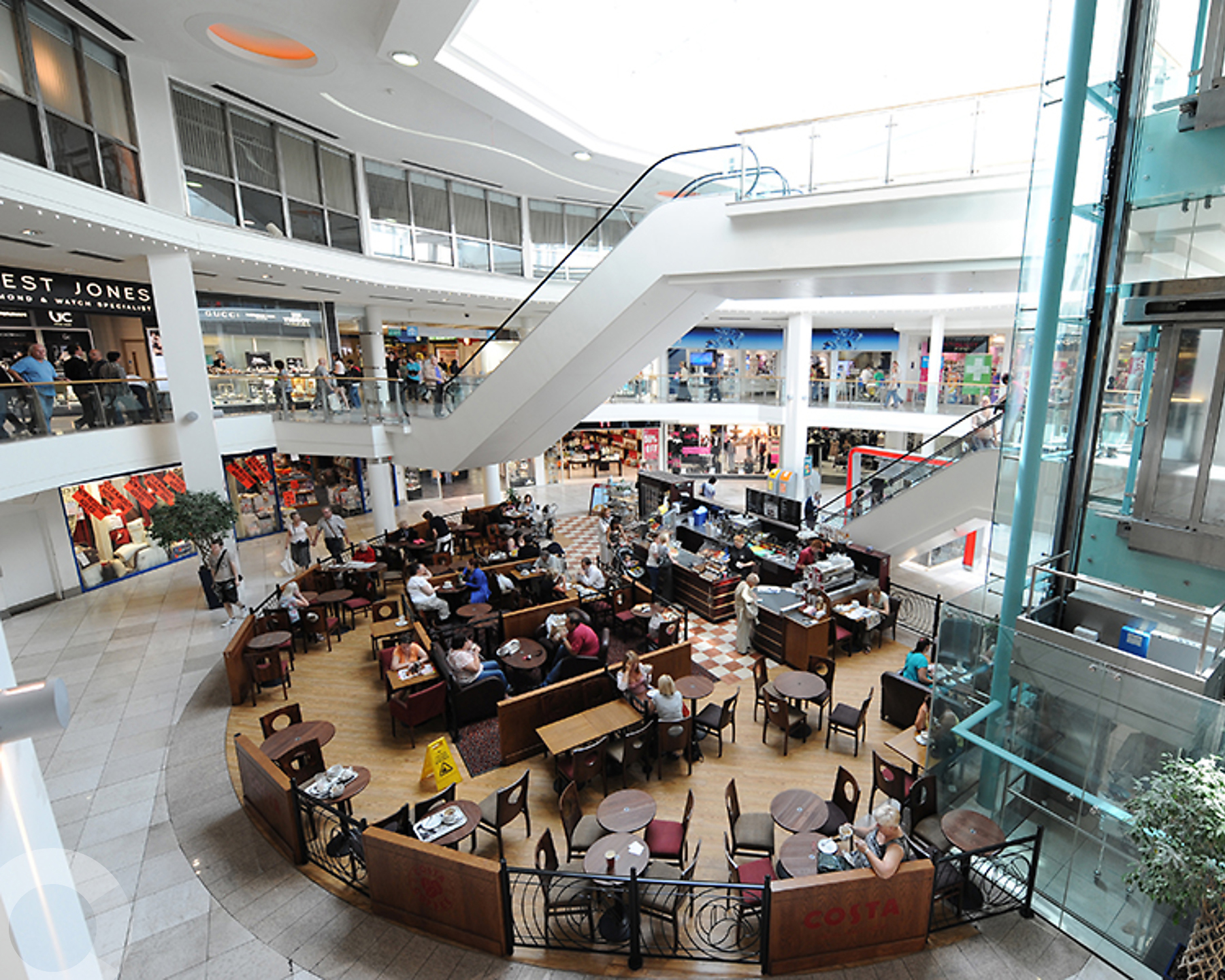
Once upon a time the future was shop-shaped and utopian, the Modernist reliefs a welcome relief from post-war doom and gloom, public decorative art was off the ration for good, or so it seemed. Small retail units, housed small local operators, their shiny well-washed fascias, glowing with graphic pride and diversity, slab serif and decorative script the order of the day.

3980715134_6a6b11d851_b

3979957693_ec982cb9df_b

Architects J Seymour Harris and Partners envisaged a brave new water-coloured open-aired world for the grey austerity-tinted folk of Preston.

And lo it came to pass and underpass – the future was here yesterday.

6192877707_f74e4f81e4_b


Screen Shot 2018-03-10 at 11.13.00

Get off the bus on Fishergate and walk right on in.

8237842239_9856d0e5ba_b

8238909940_7f8e26076c_b

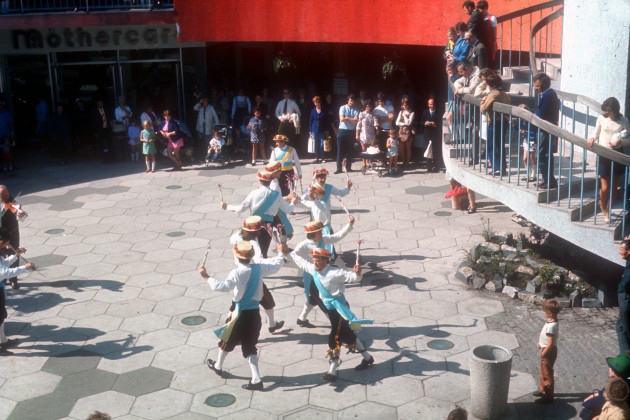
The shopping centre opened on 22 March 1966 as St George’s Shopping Centre.

5188241241_7bcb2f73fc_b

16917731869_2fc59ece6c_b

17103936575_711f3fab1b_b

PHSIH0105-Rooftop-view-of-St-Georges-Shopping-Centre-Preston-1971-630x596

PHSNA0024-Guild-Morris-Dancers-in-St-Georges-Shopping-Centre-Preston-1972-630x420

screen-shot-2018-03-10-at-11-14-58.png

Screen Shot 2018-03-10 at 11.16.47

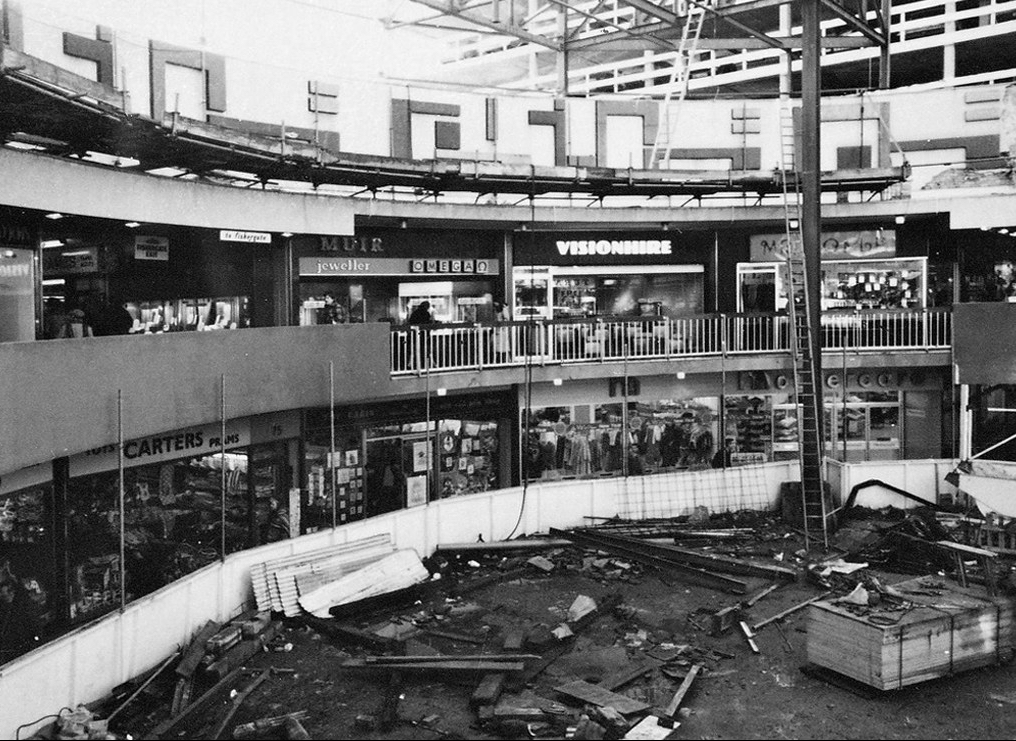
It was originally an open air centre, and was roofed over during refurbishment in 1981. It was further refurbished in 1999.

In May 2004, when The Mall Company took over the centre, they were greeted with an ageing shopping centre. The shopping centre was rebranded as The Mall, and a massive development scheme was planned. Small stalls, main shops, cafes, restaurants, toilets, and escalators were overhauled.

In March 2010, the shopping centre was acquired by Aviva Investors for £87 million. In September 2010, The Mall was rebranded under its original name St George’s Shopping Centre.

Wikipedia

6798942417_8f495eefe8_b

So welcome back to today – stripped of distinctive decoration, covered in and given the international sheen of absolutely nowhere at all.

In intemperate template for the future.

CR_SC_4697_St_Georges_Shopping_Centre_Preston_picture_1_p8_1800x1440

Archival images from the Preston Digital Archive and Peter Reed.


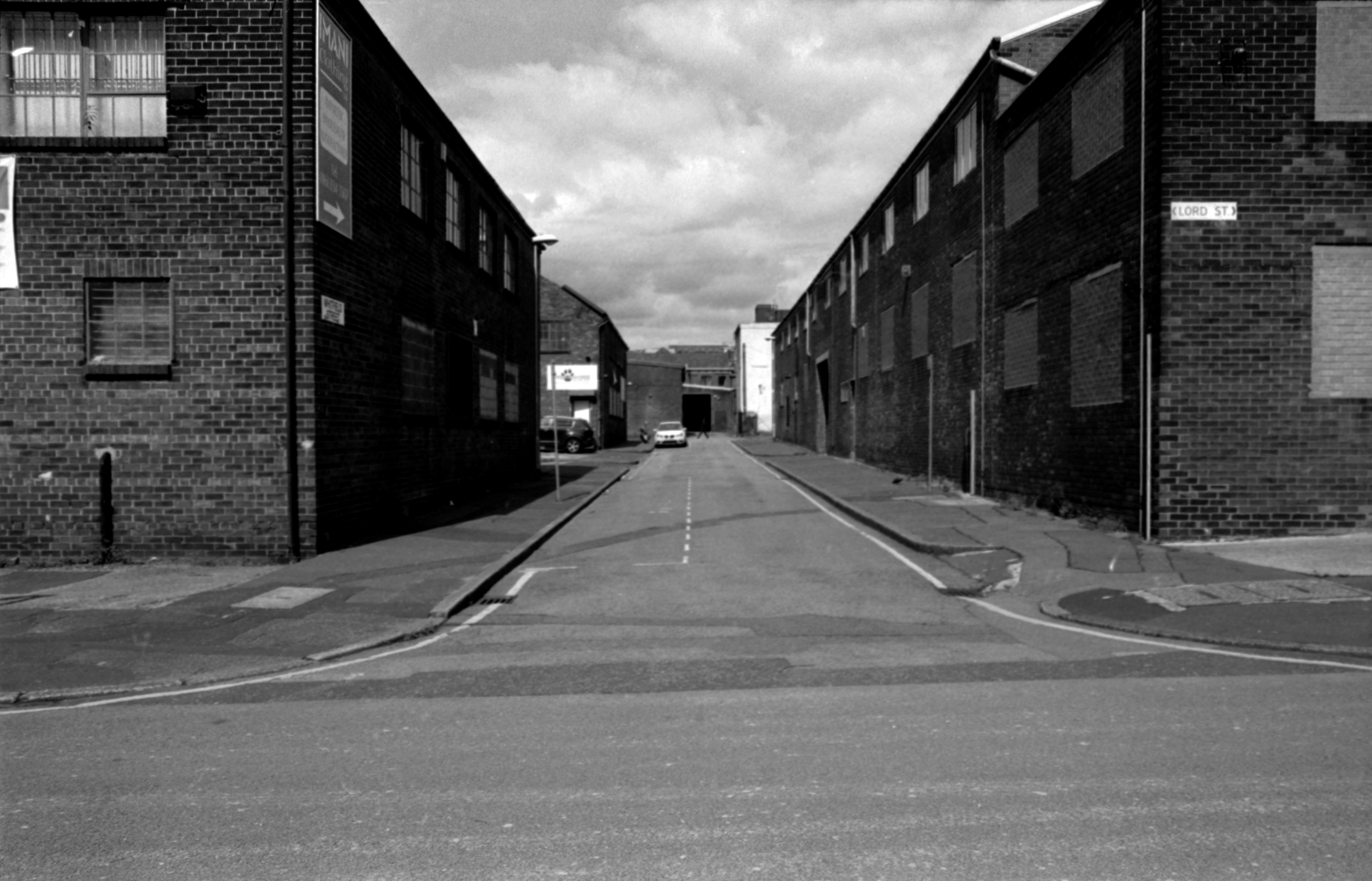
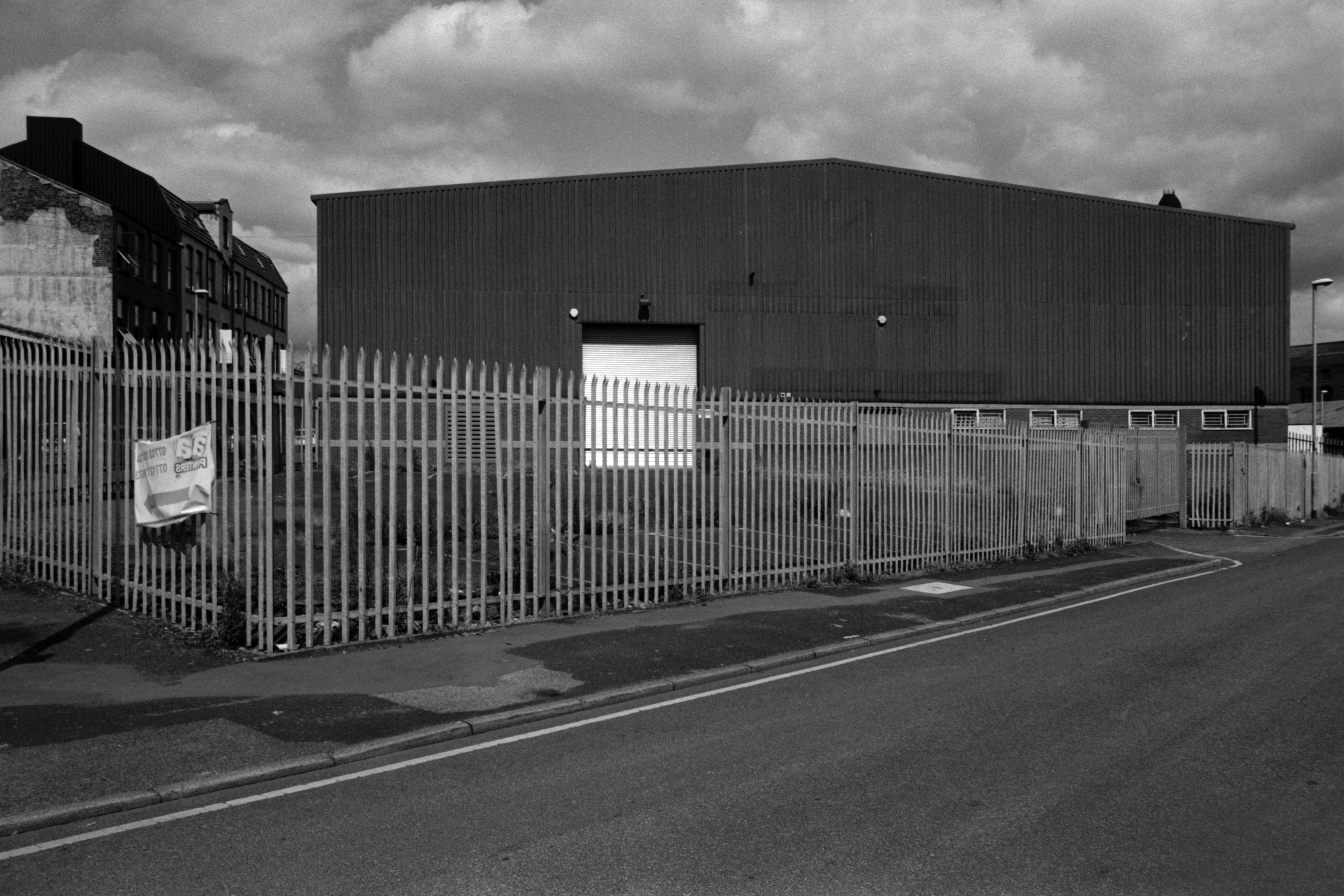
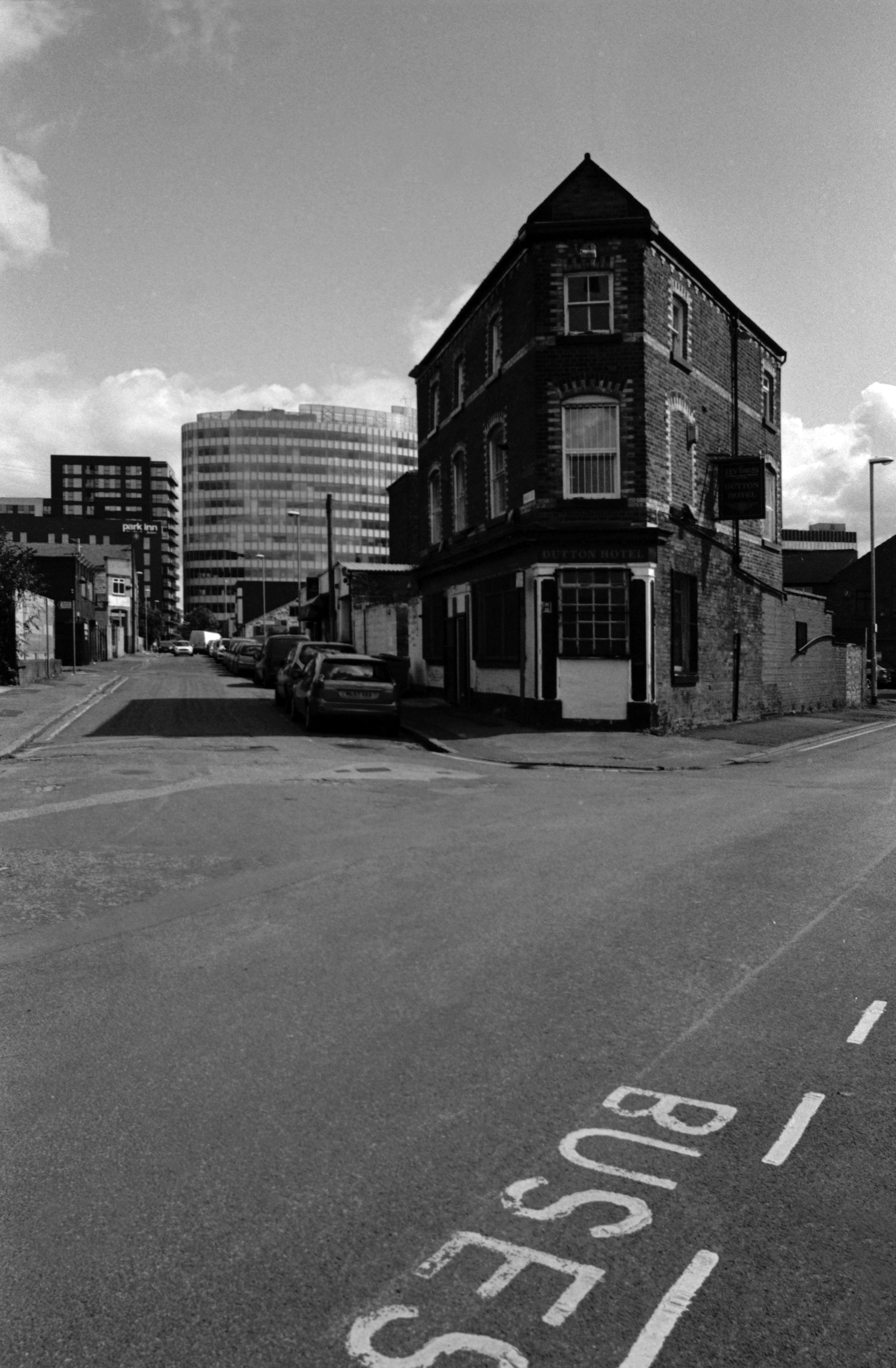
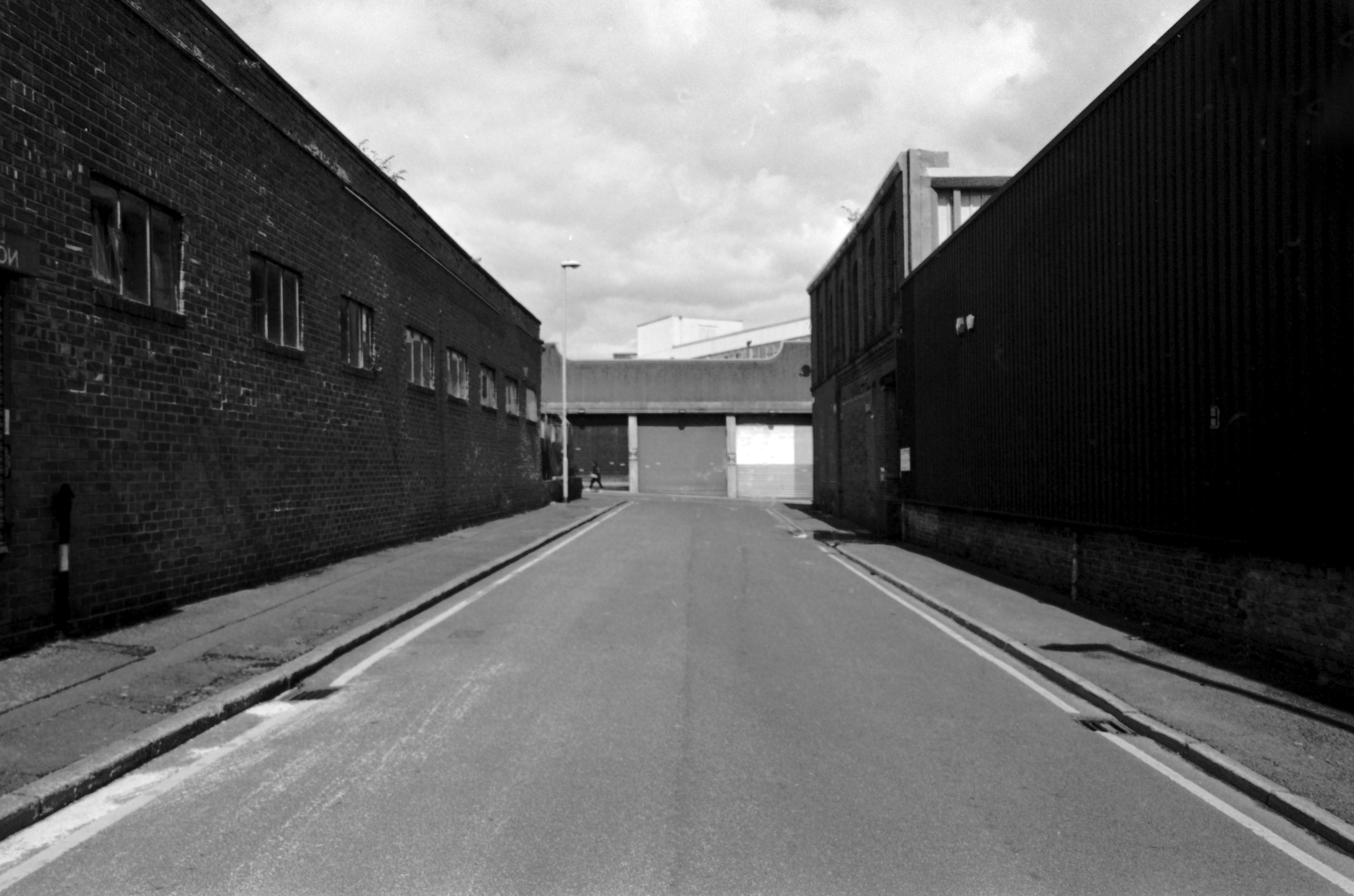
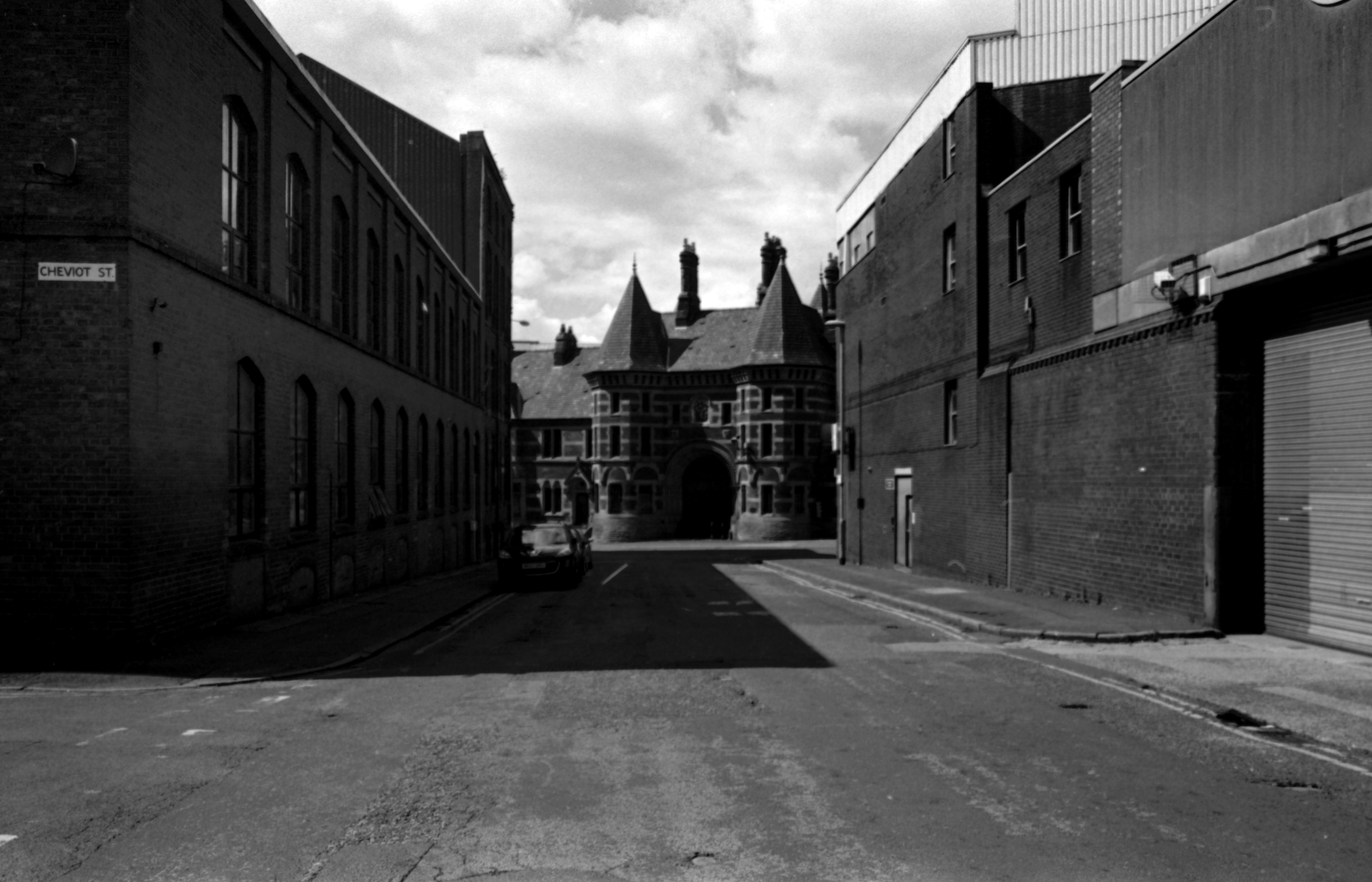
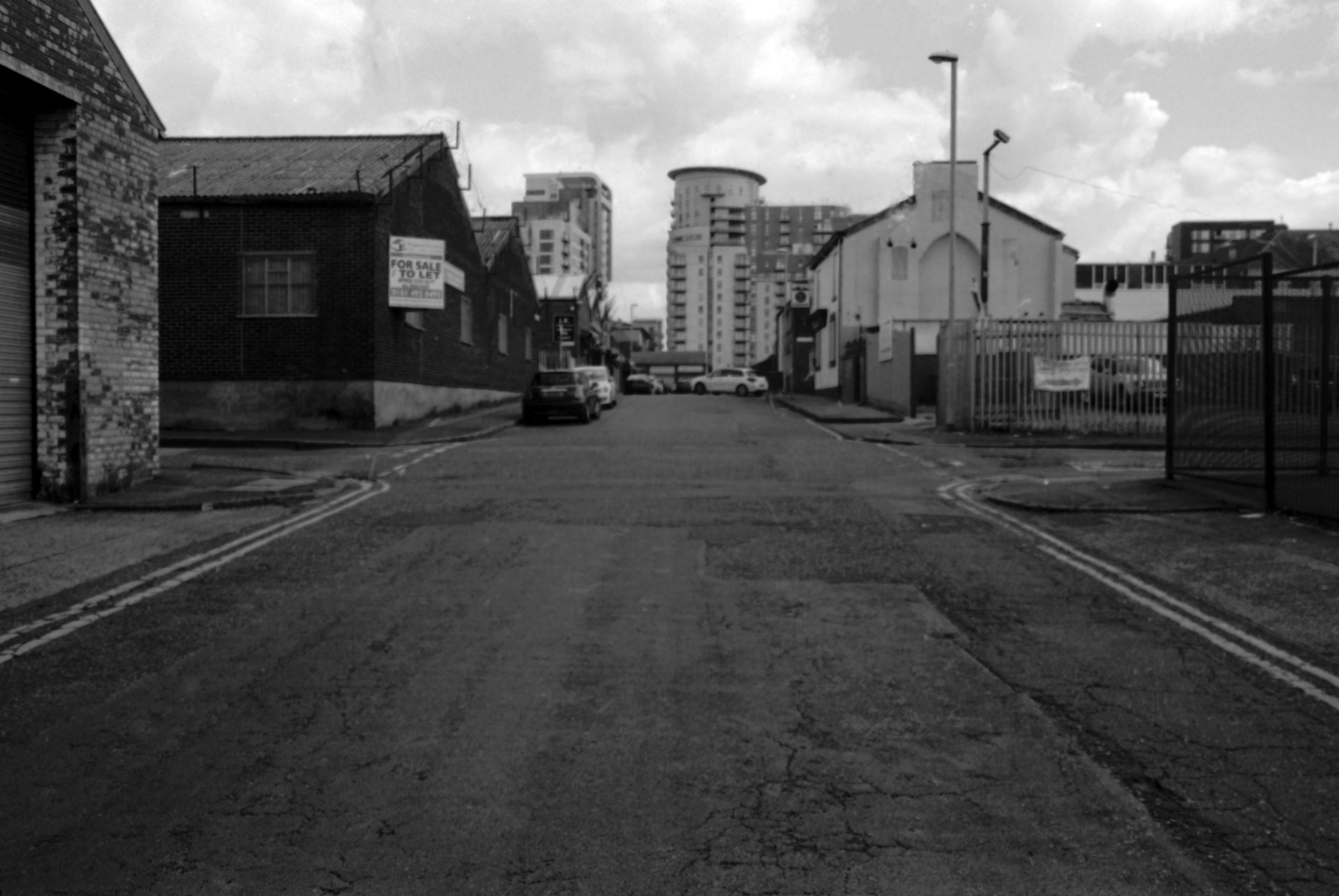
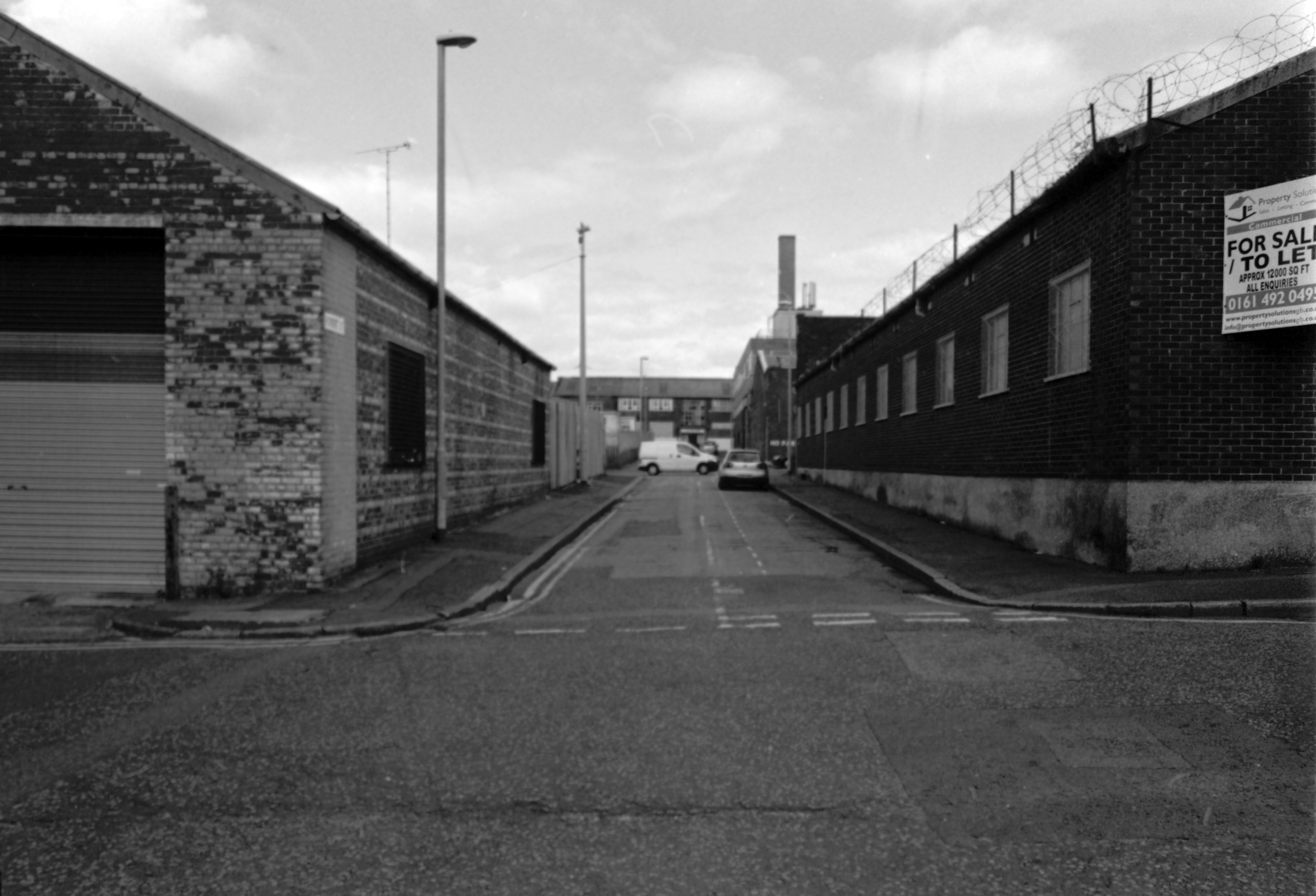
Strangeways #3 – Black and White World

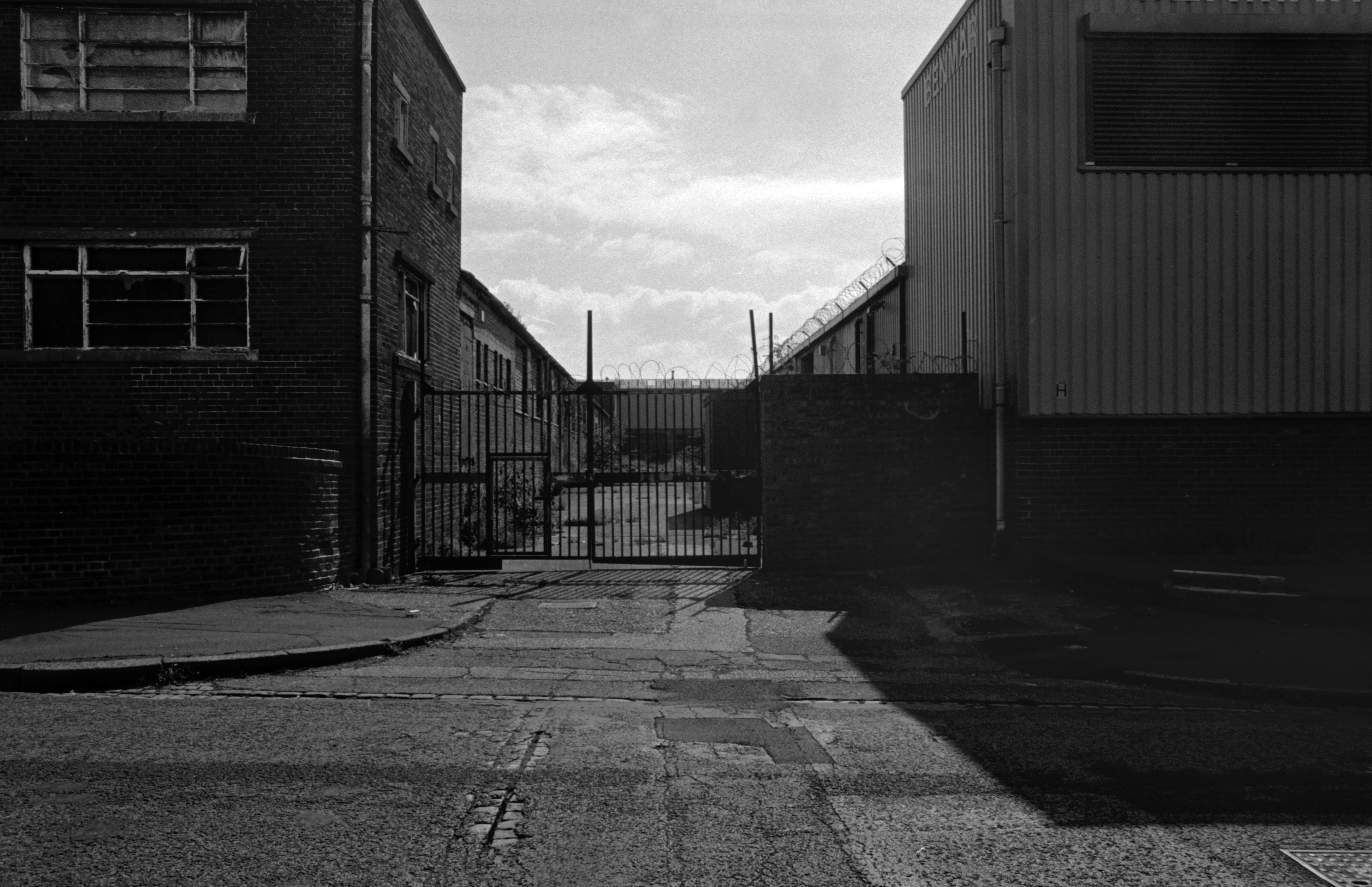
I’ve been here for the last fifteen years on and off, snapping away, capturing something of the area’s ever changing moods, the old, the new, the borrowed and the blue.

Wading through the archives, or searching for the remains of modernity.

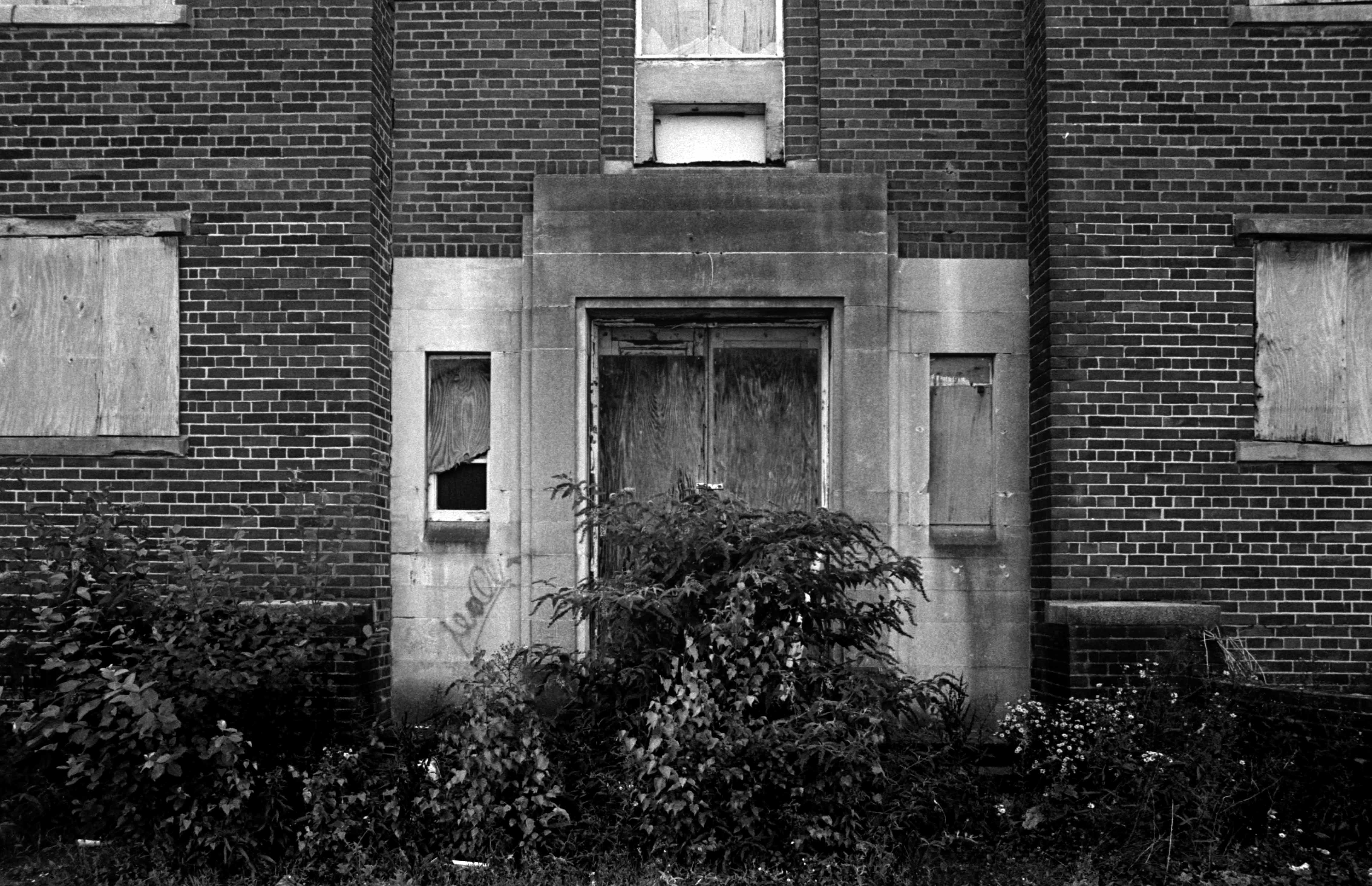
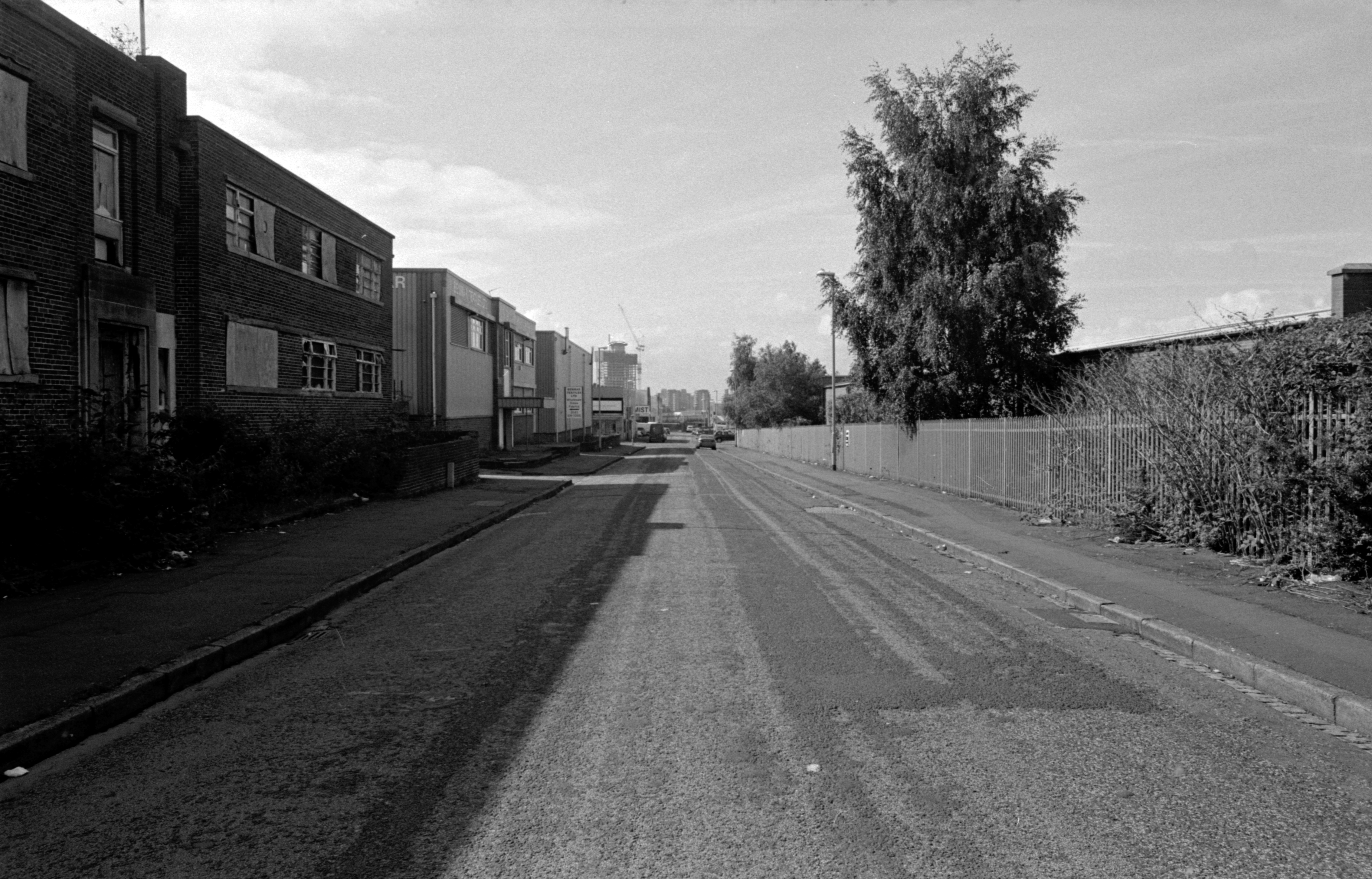
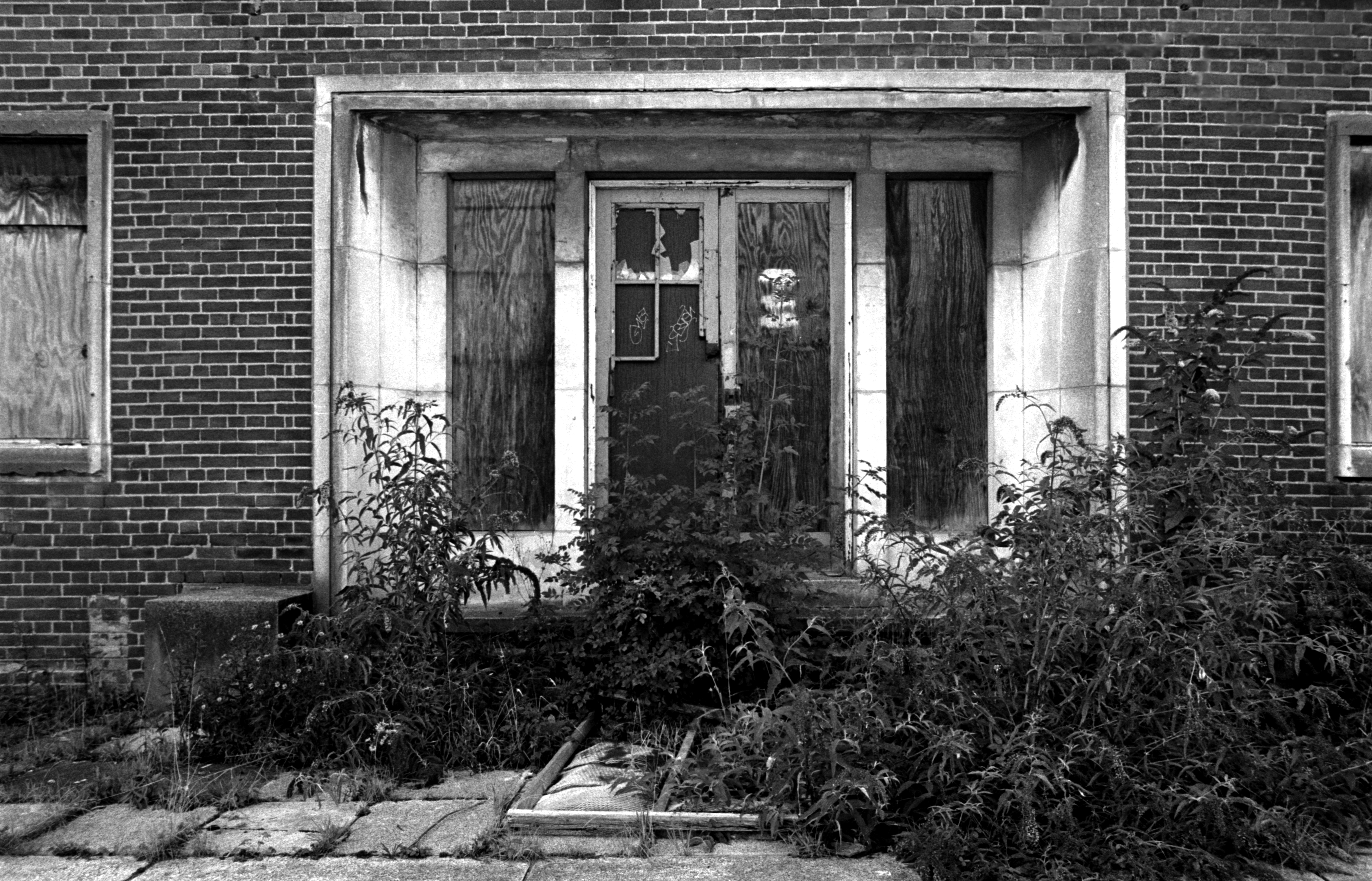
On this occasion I have chosen to work on black and white film – the medium conveying something timeless, at a time when things are forever changing.

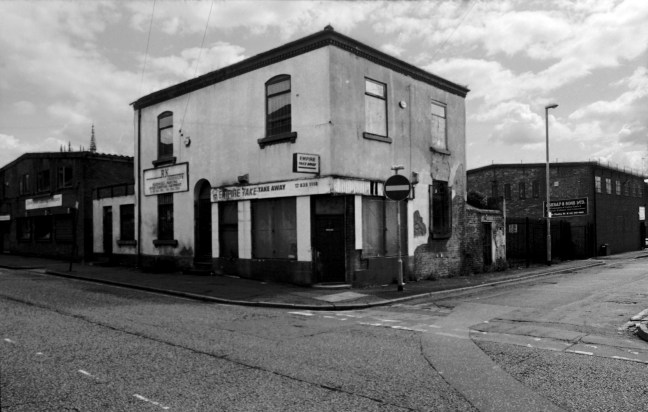
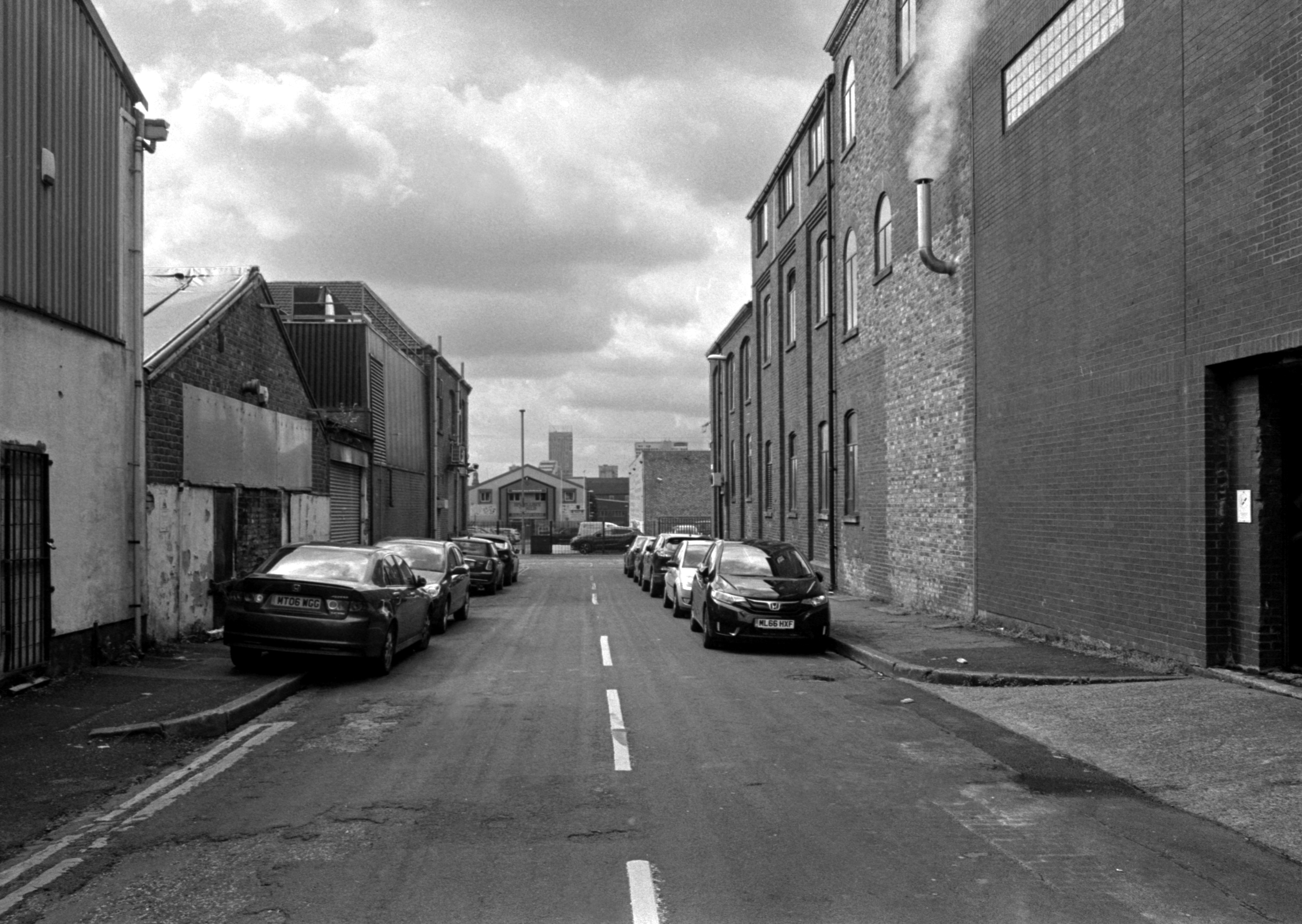
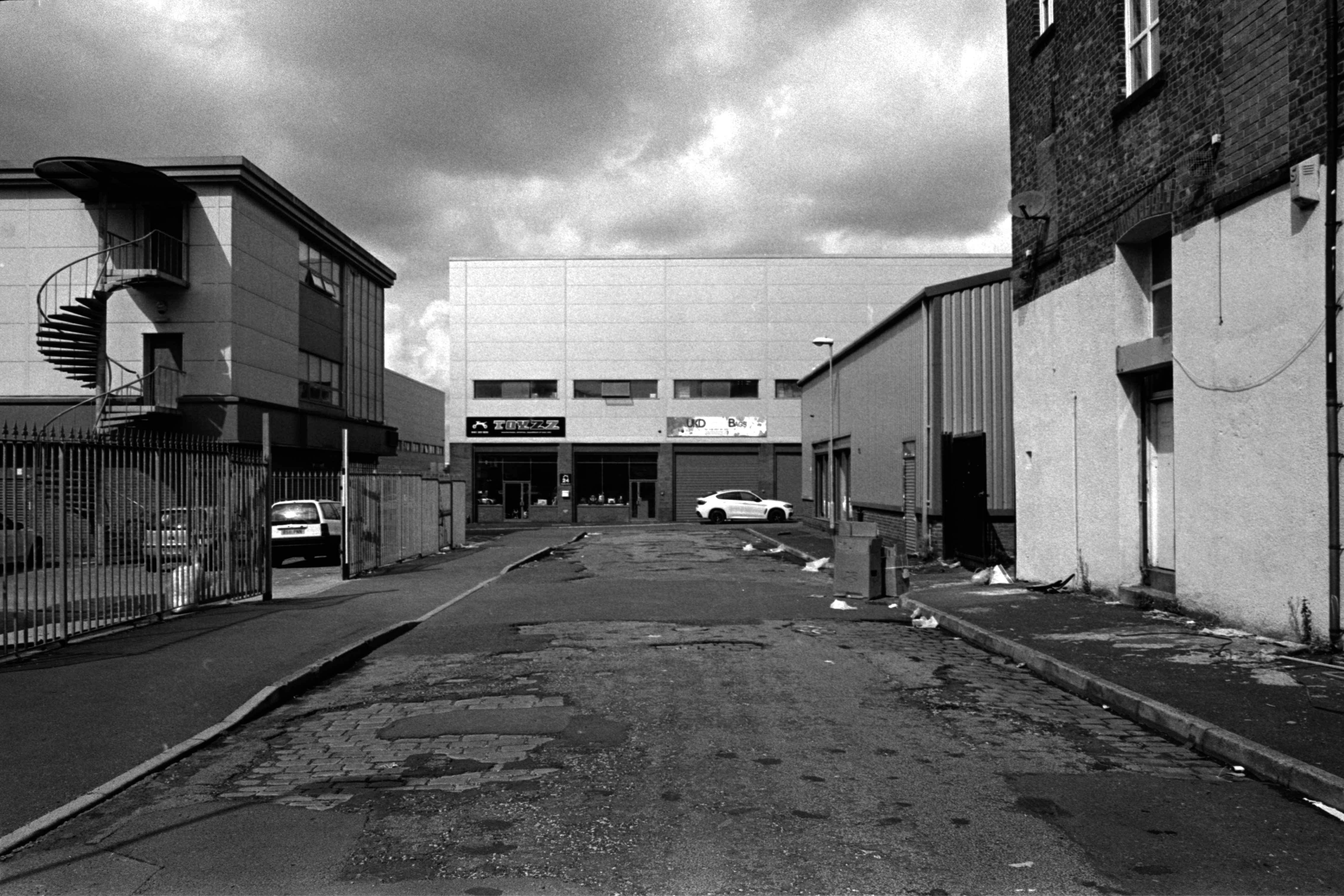
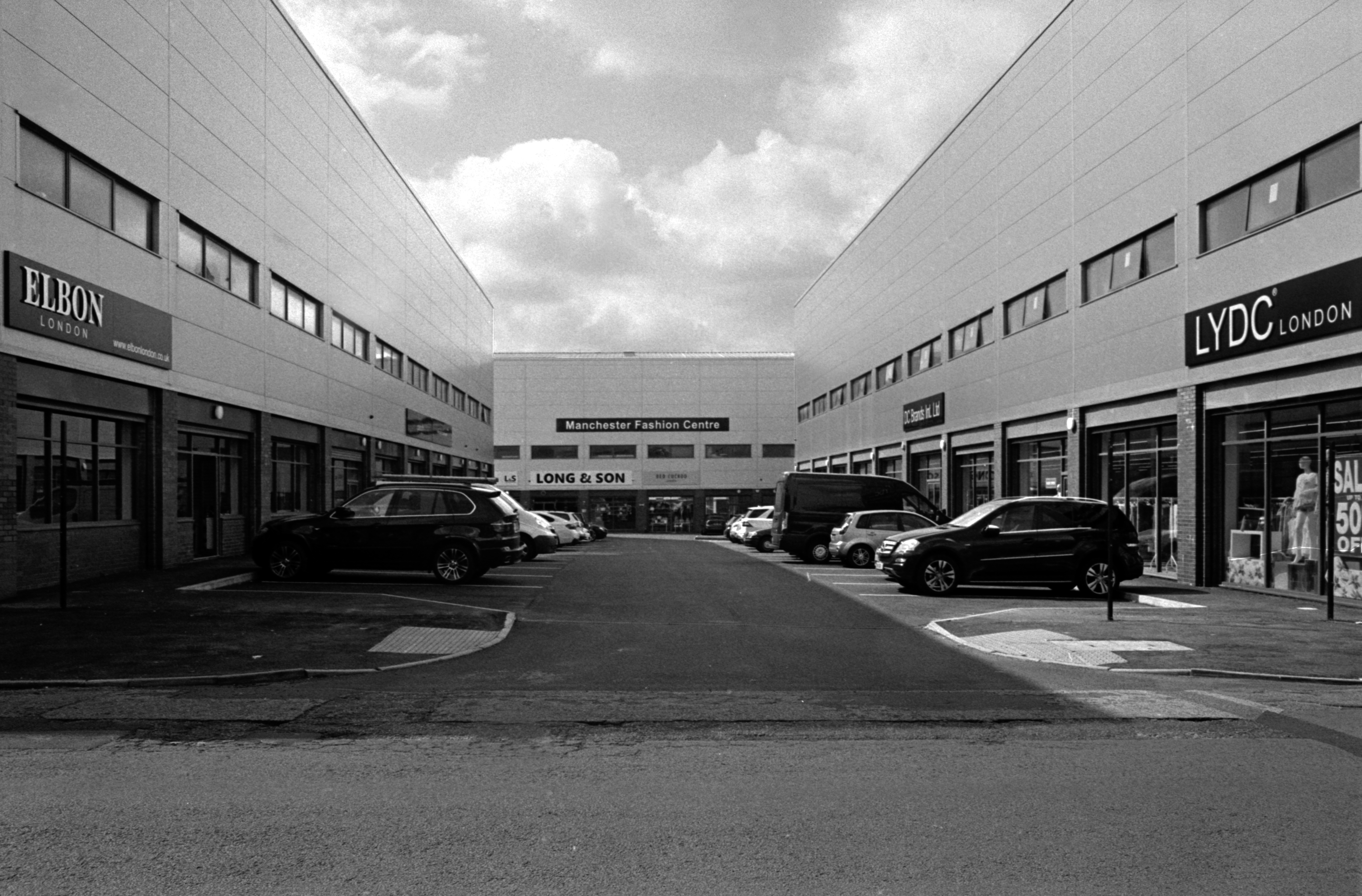
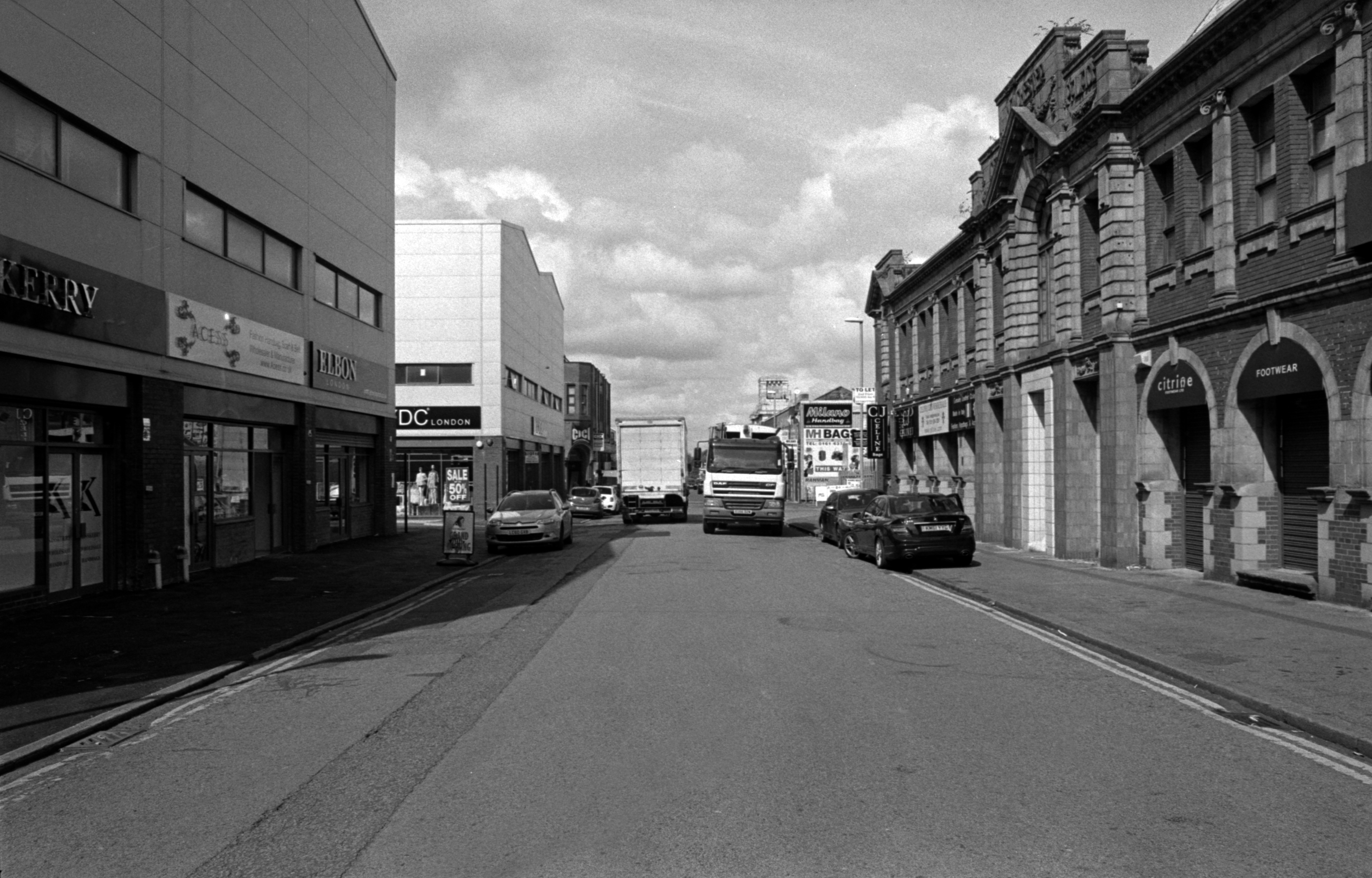
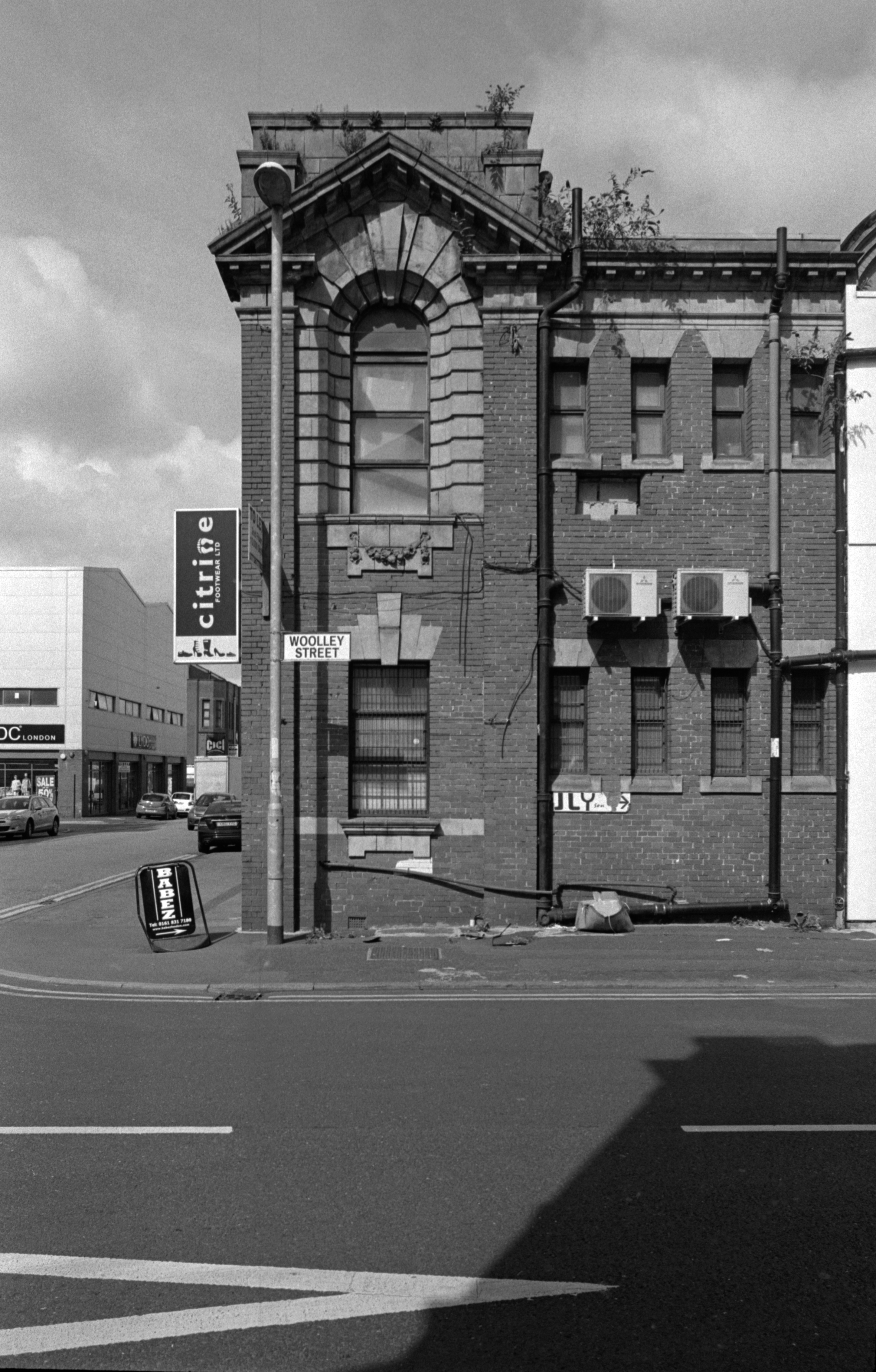
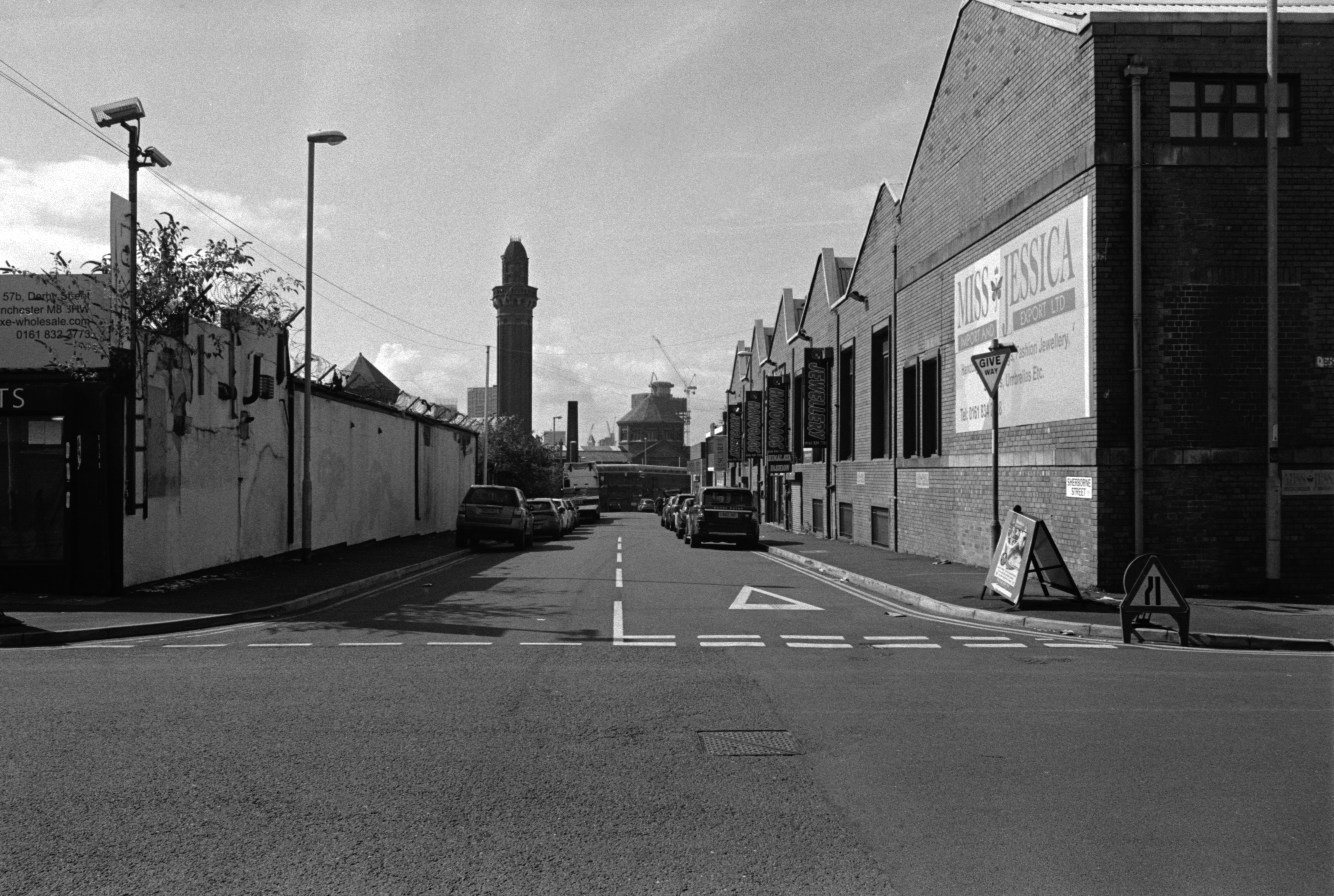
Let’s take a contradictory look and walk around those familiar, unfamiliar streets of Strangeways – where colourfully clad industrial barn, collides with blackened brick and stone behemoth.

Scan 2

Scan 3

Scan 4

Scan 5

Scan 6

Scan 7

Scan 10

Scan 11

Scan 12

Scan 13

Scan 14

Scan 15

Scan 17

Scan 8

Scan 18

Scan 20

Scan 21

Scan 22

Scan 23

Scan 24

Scan 25

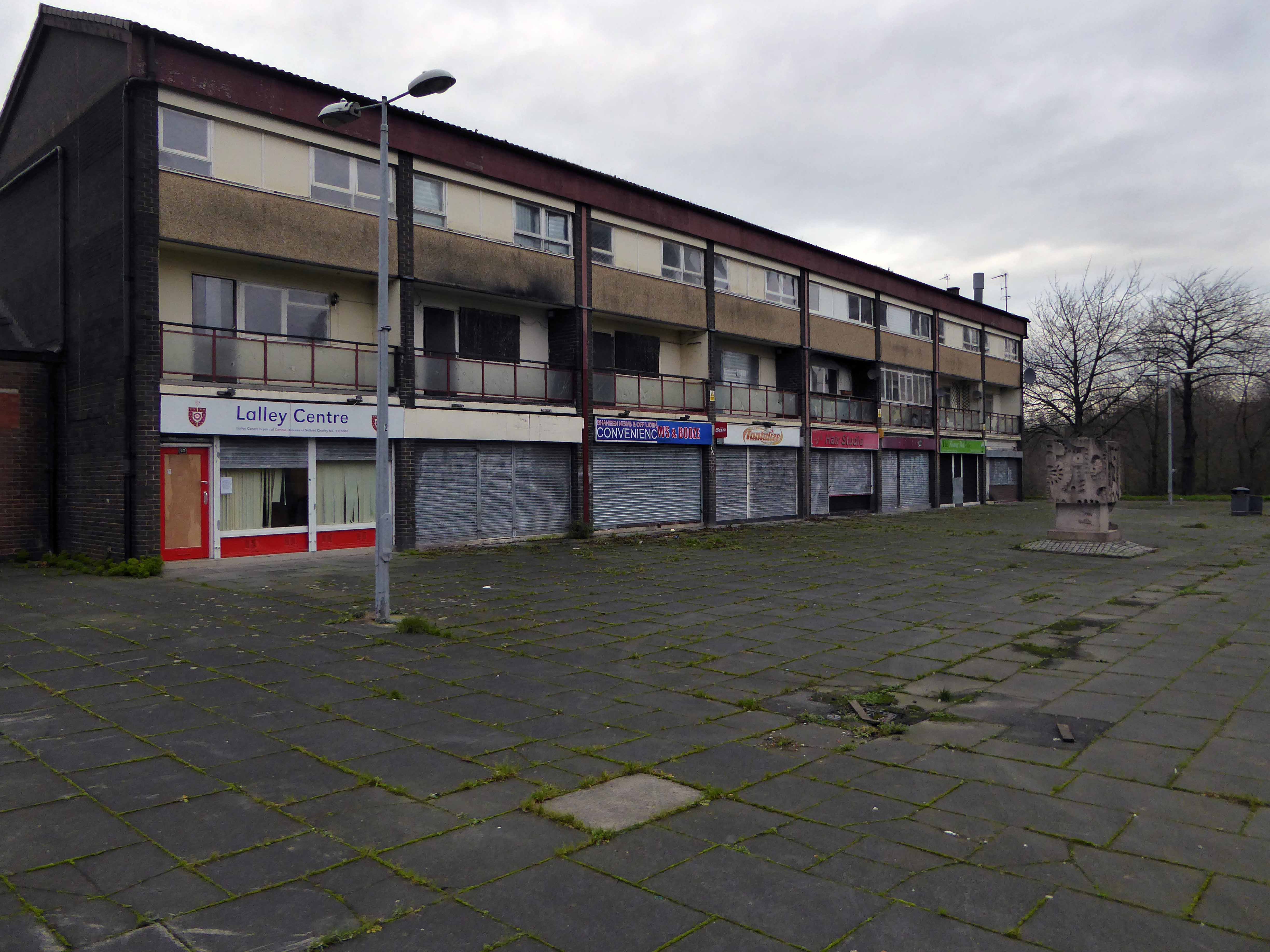
Eastford Square Collyhurst – Slight Return

I’ve been here before and after.

After now seems further away, forever awaiting redevelopment – waiting.

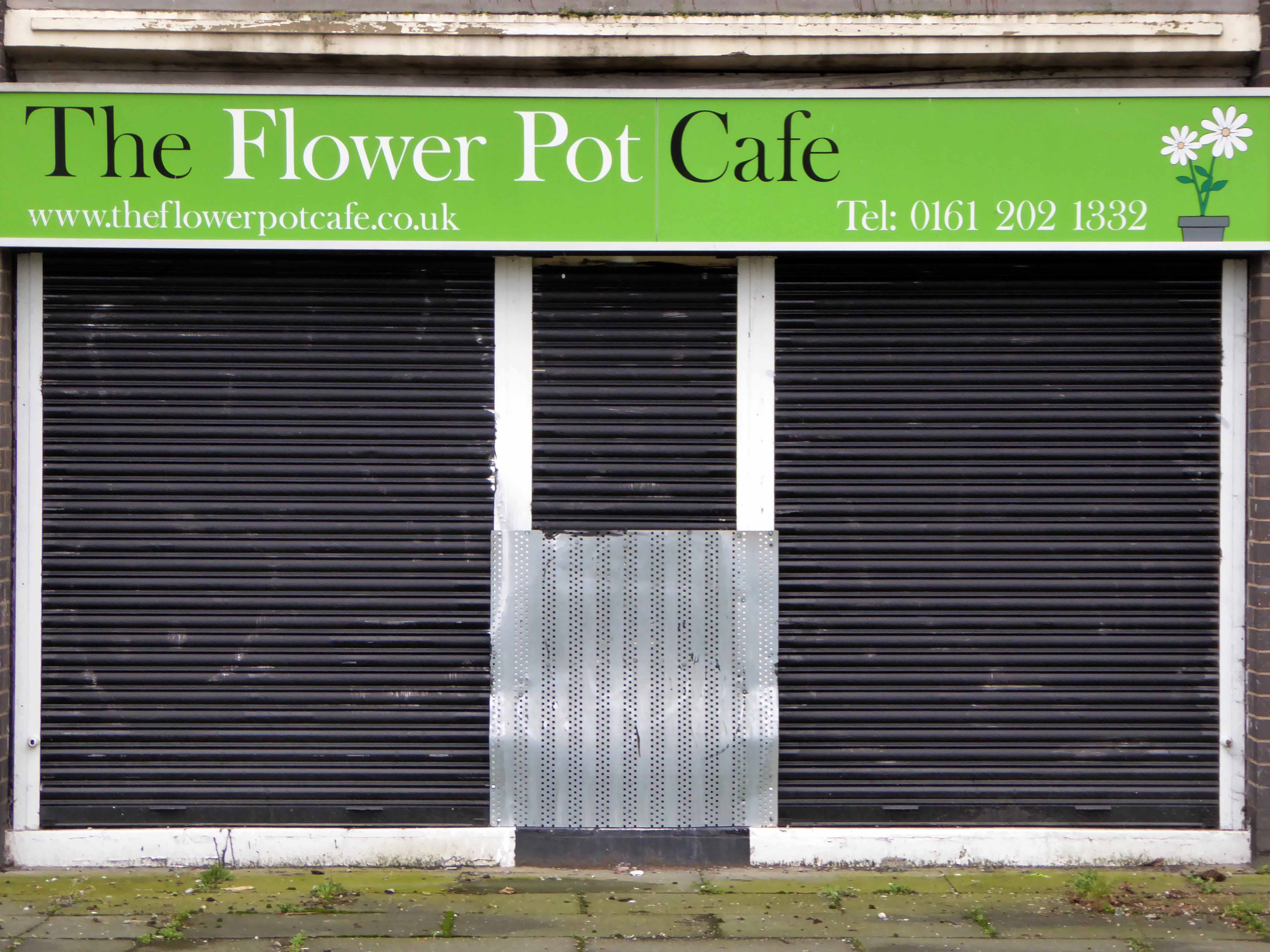
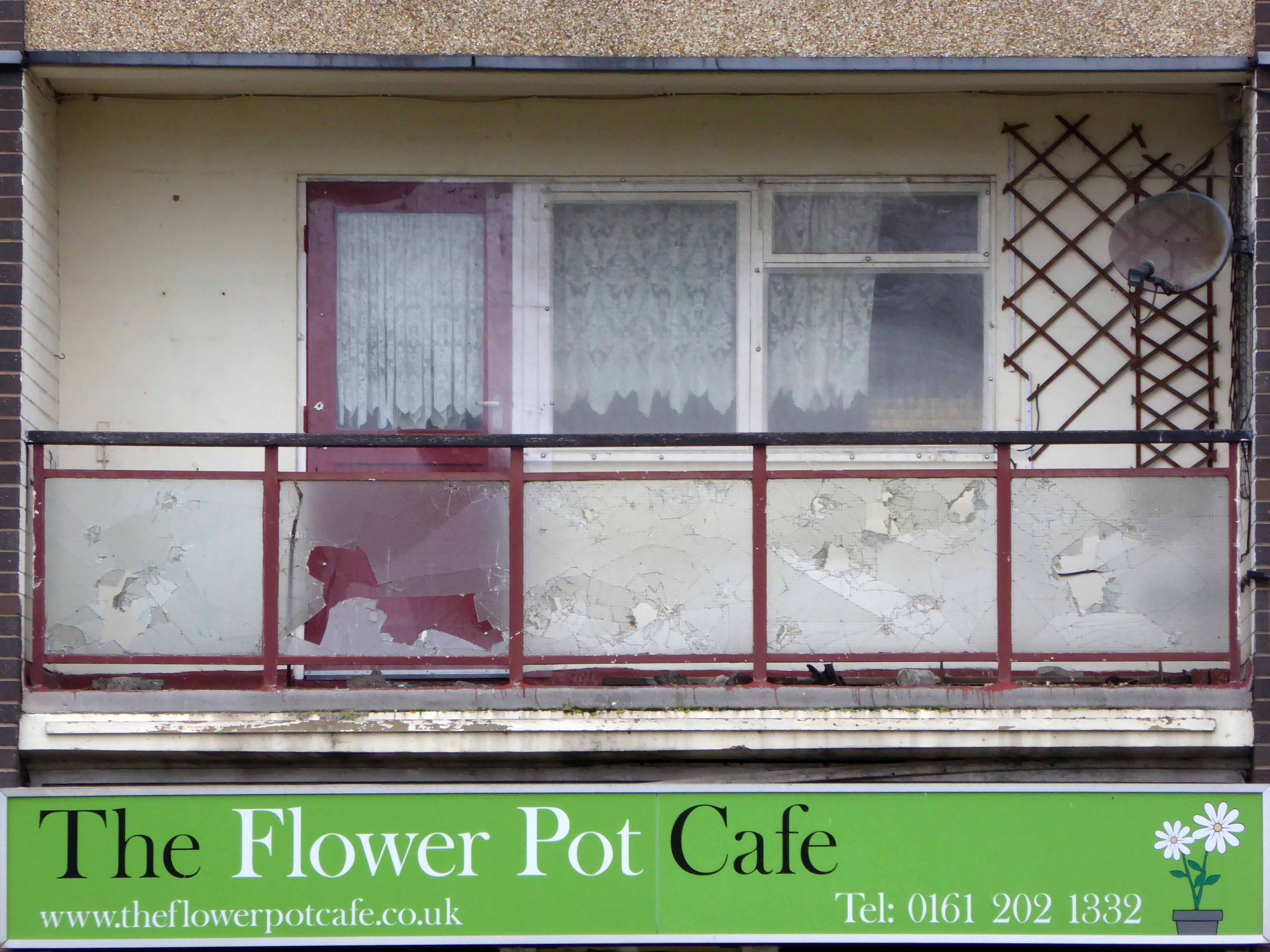
No more Flower Pot Café and a warm welcome from Lee and the lads.

P1220206 copy

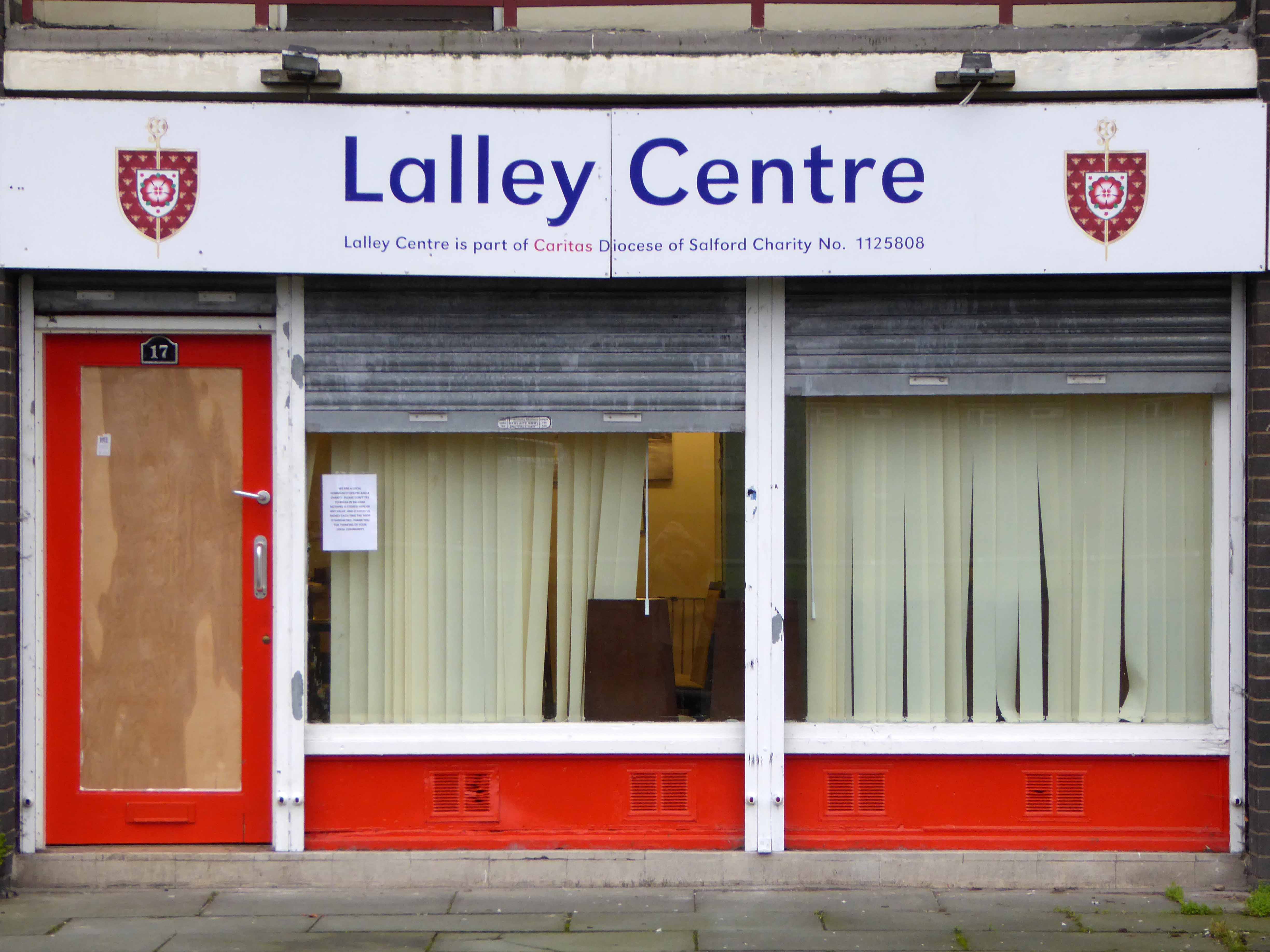
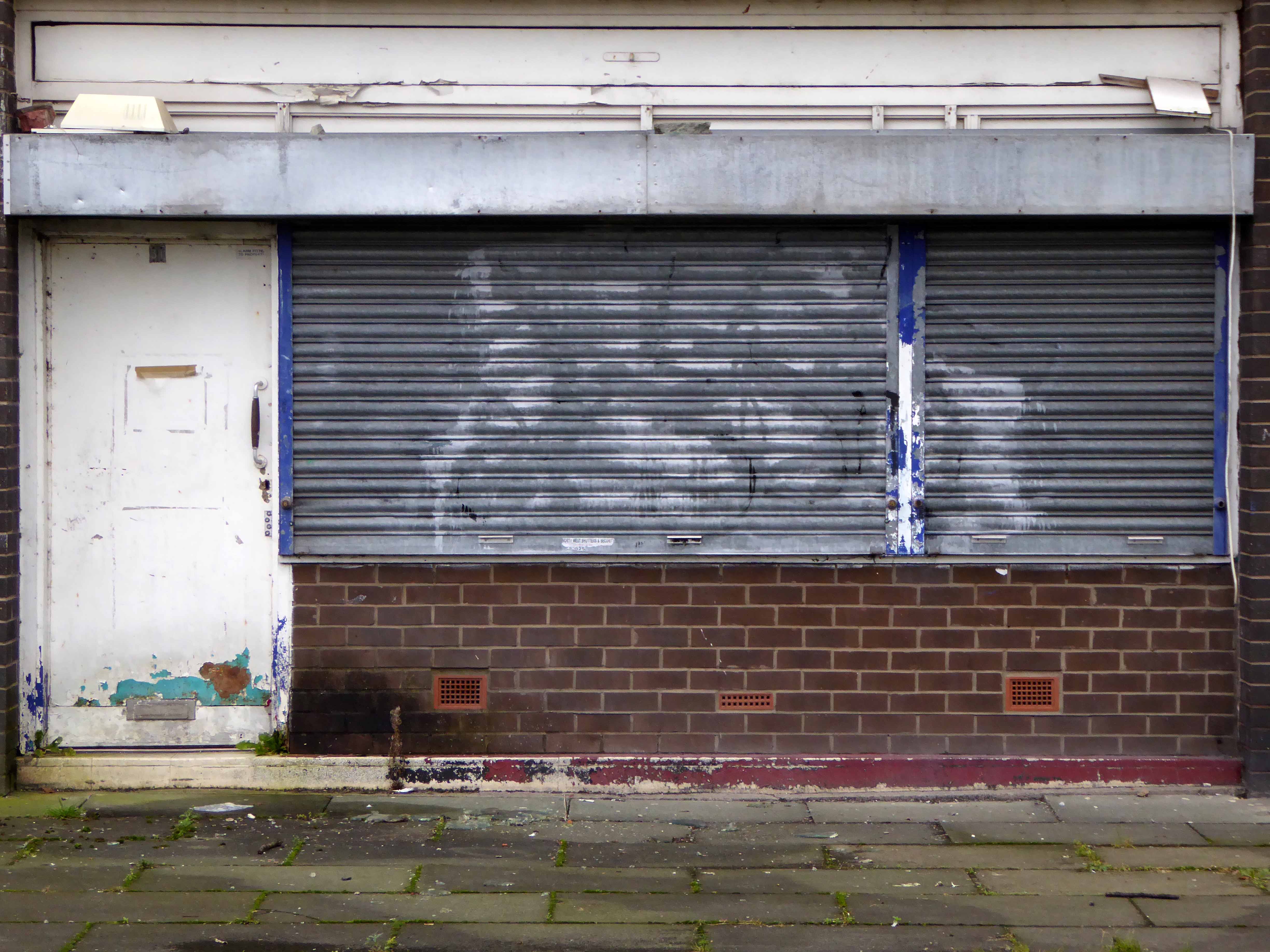
Nearly nine years on – the shutters are down and nobody is home, save for the Lalley Centre – offering food, support and care to the community.

JS79308197

Though Sister Rita Lee has now move on to pastures new.

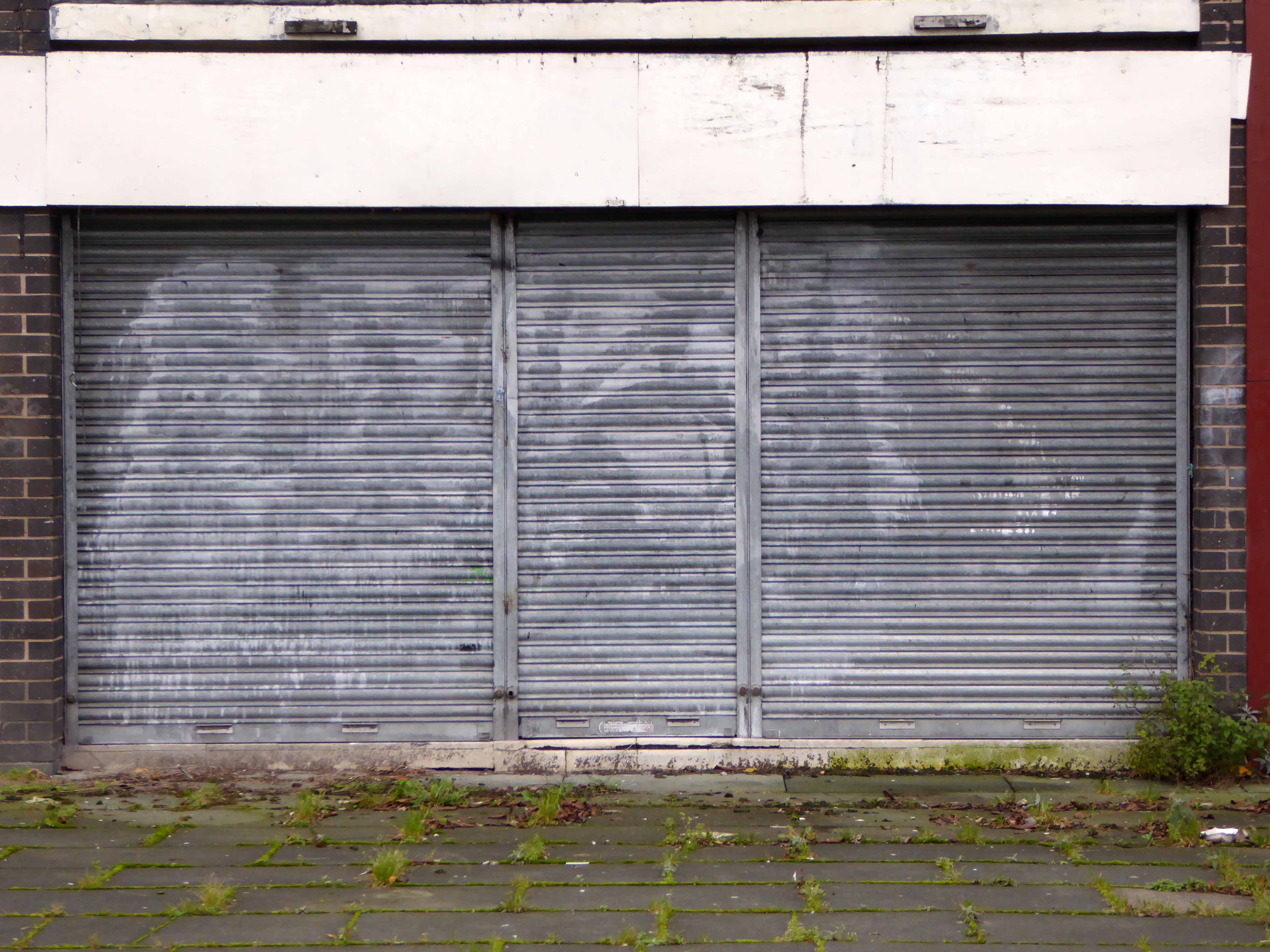
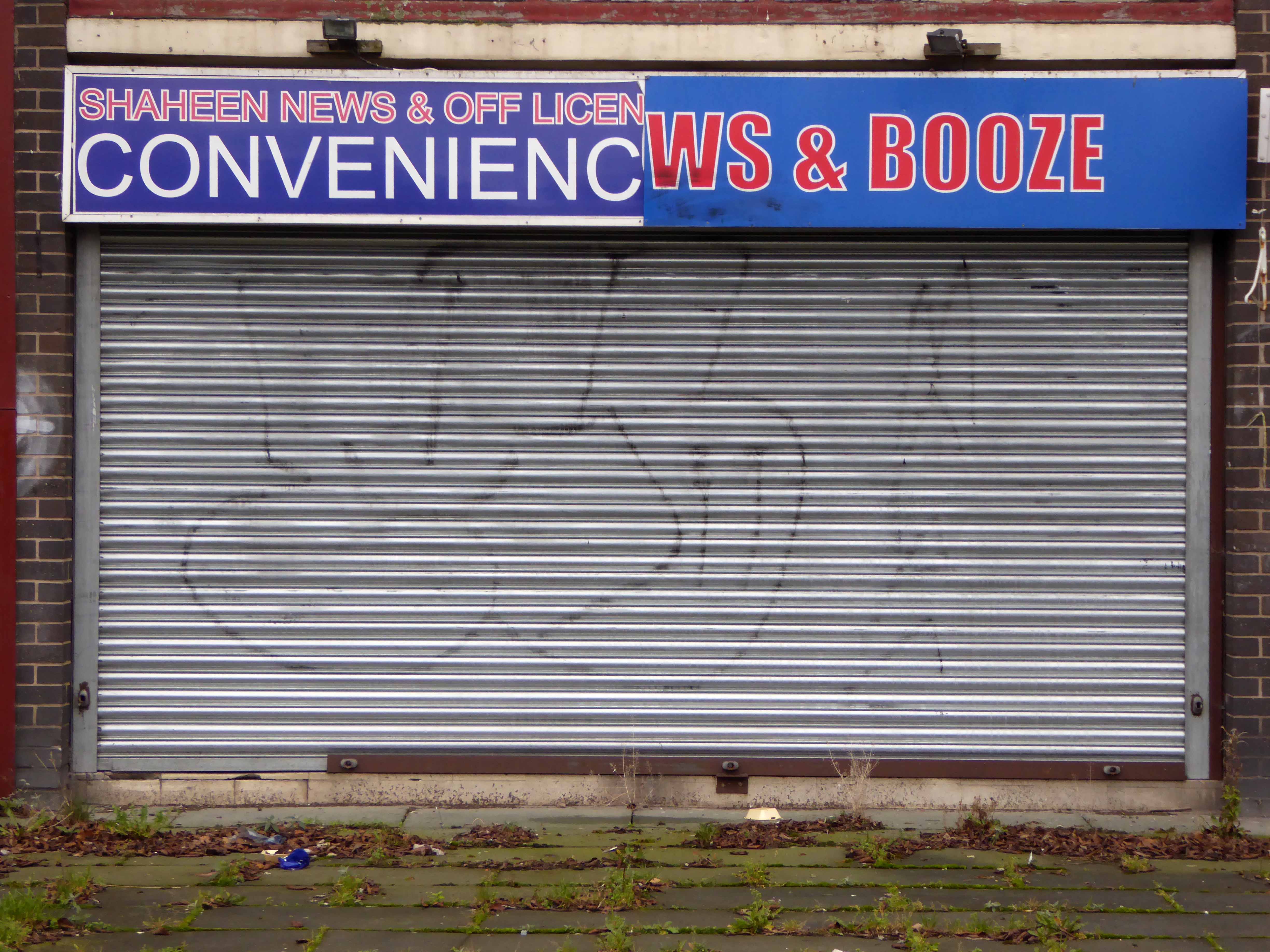
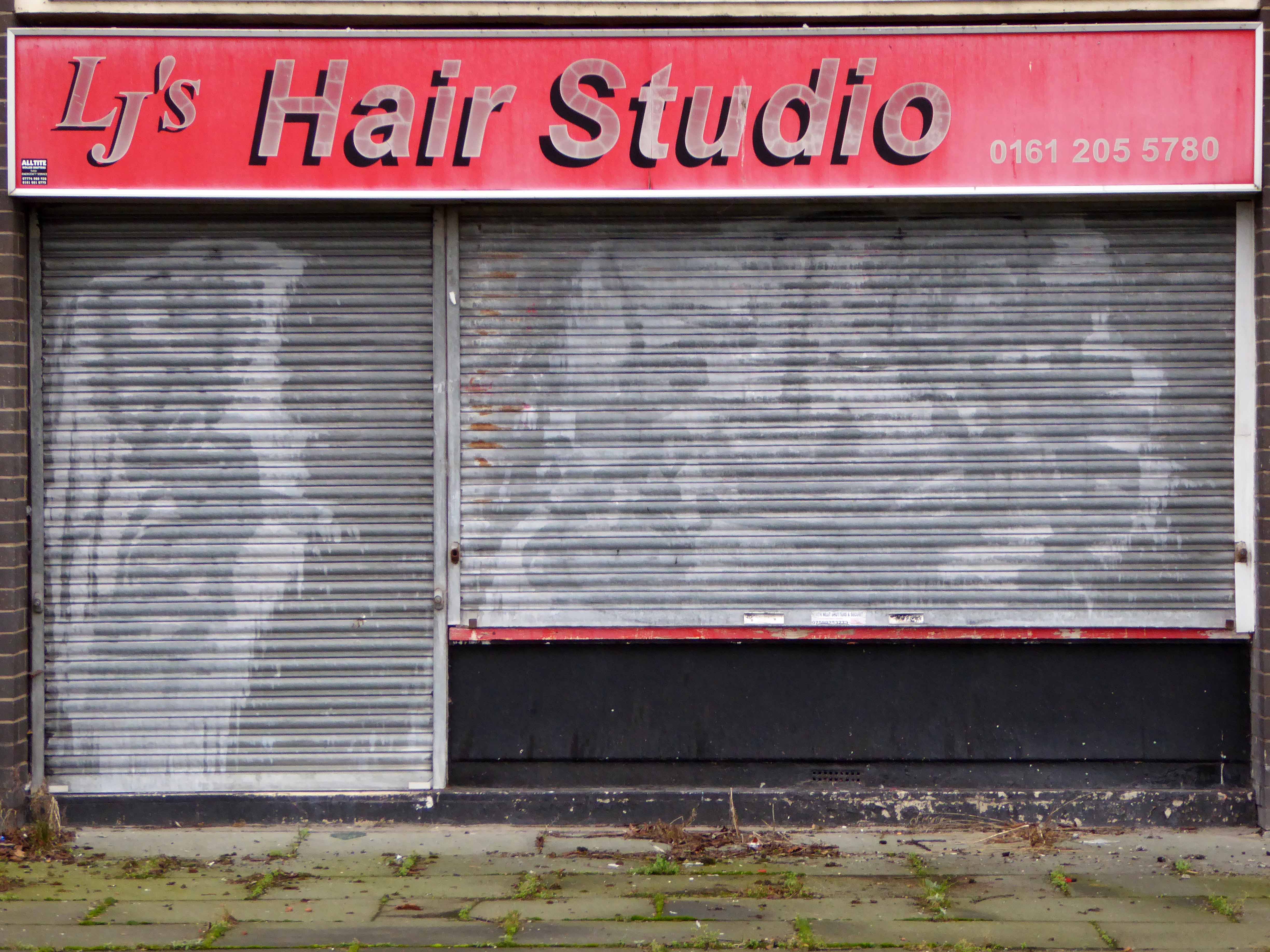
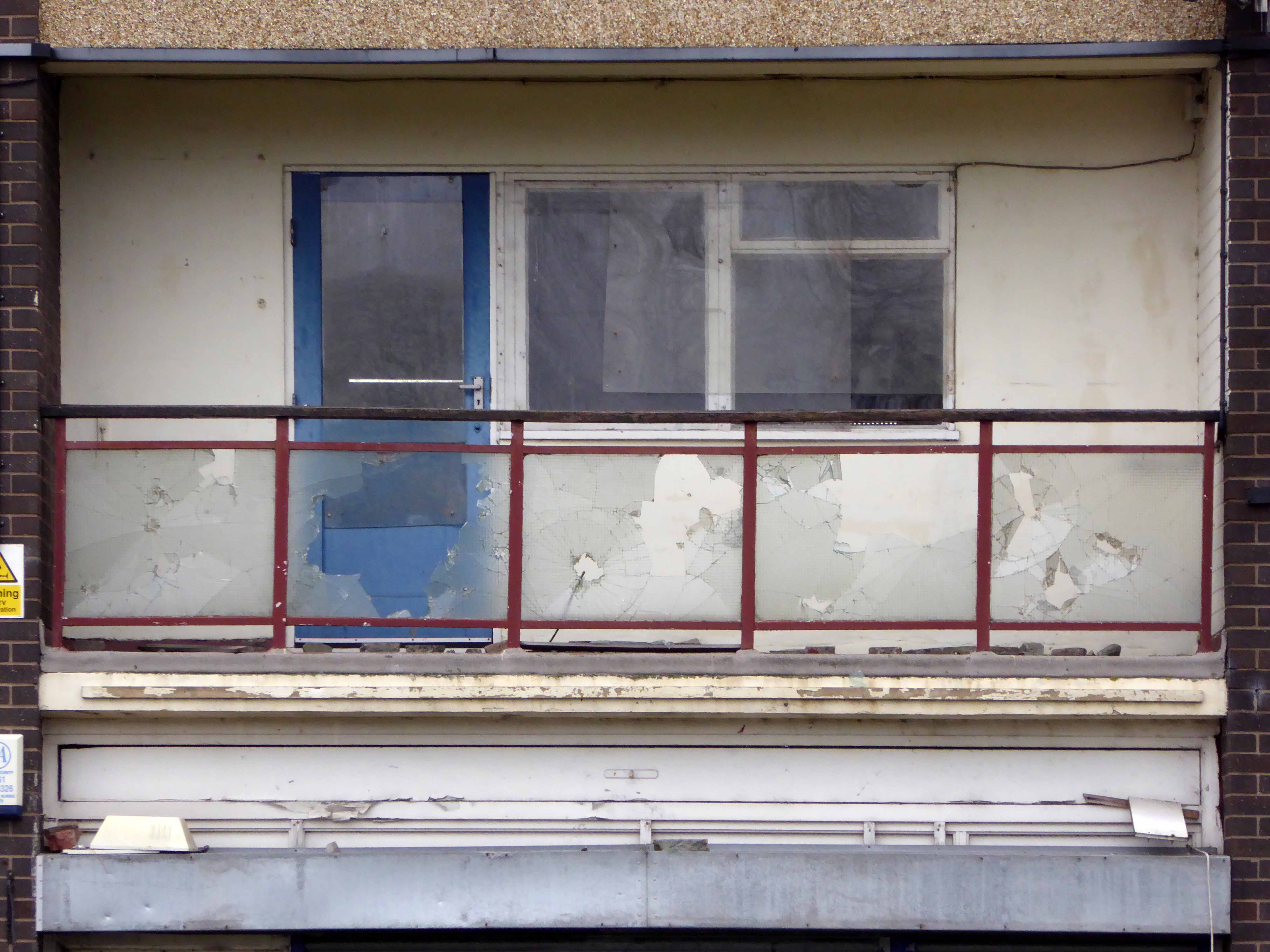
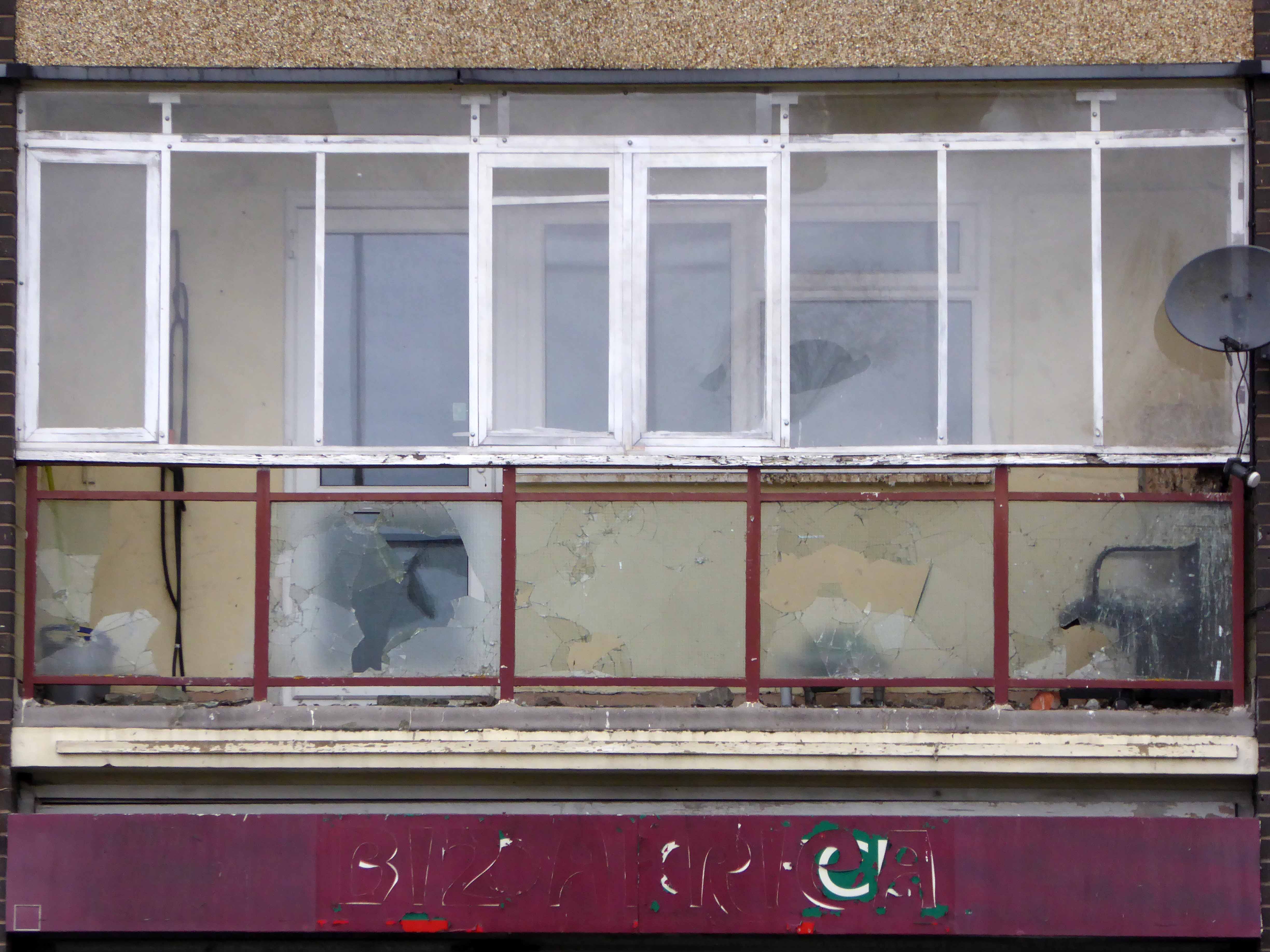
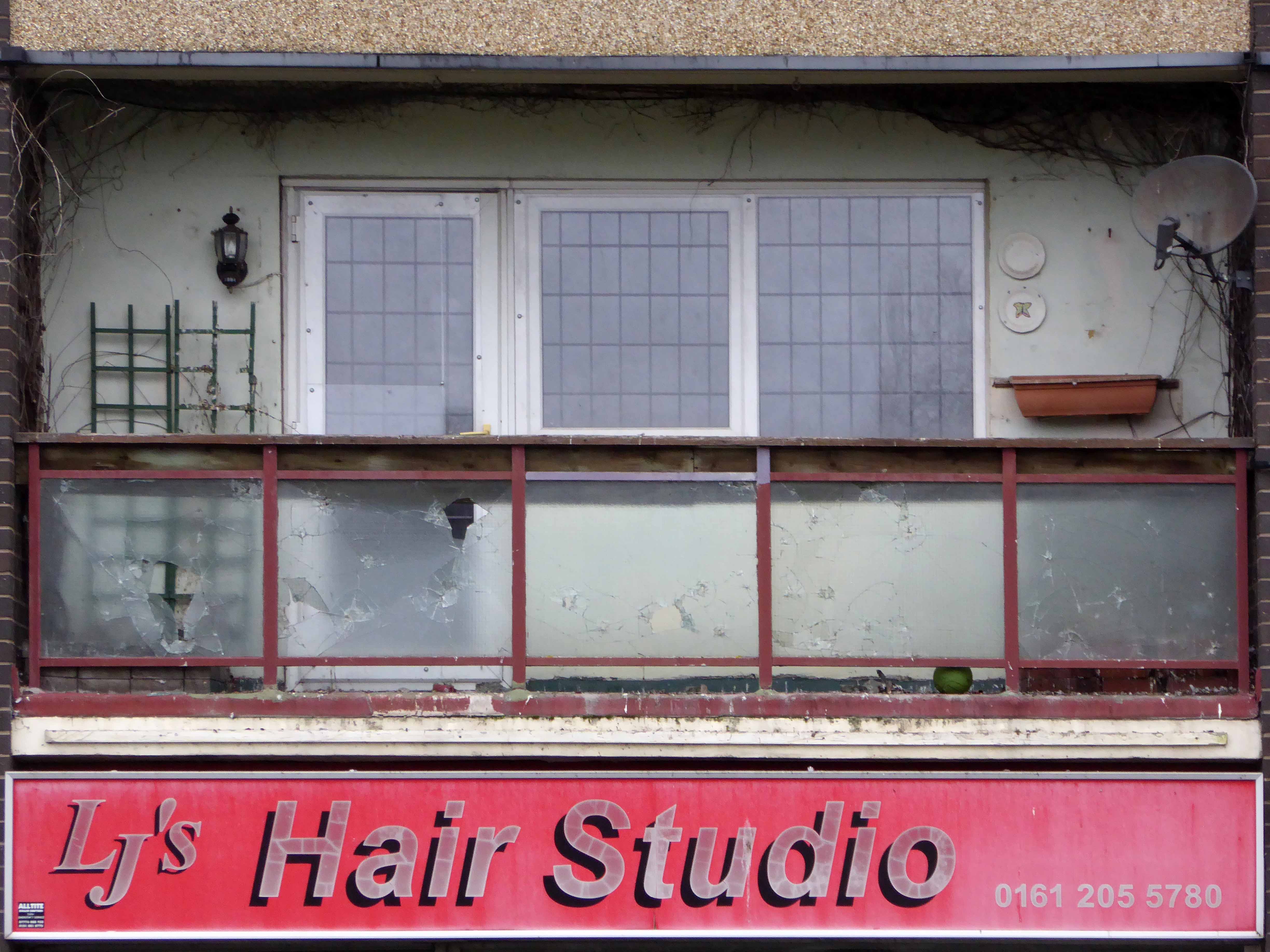
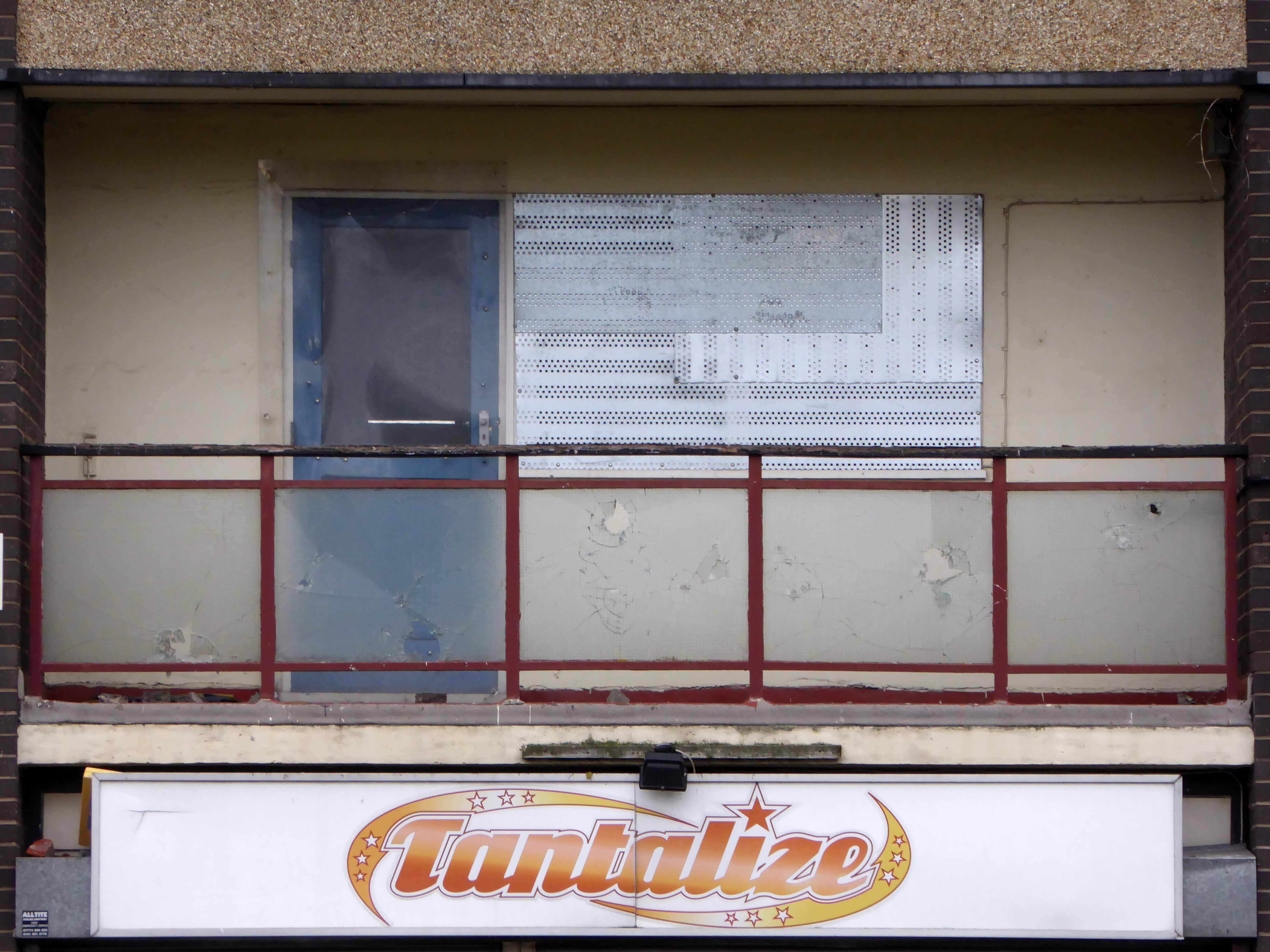
The homes and shops remain resolutely shut, un-lived in and unloved, though the City plans to re-site the resident sculpture, the residents remain absent without leaving.

P1220207 copy

P1220208 copy

P1220209 copy

P1220212 copy

P1220213 copy

P1220214 copy

P1220215 copyP1220216 copy

P1220217 copy

P1220218 copy

P1220219 copy

P1220220 copy

P1220221 copy

P1220222 copy

P1220223 copy


Strangeways Manchester #2

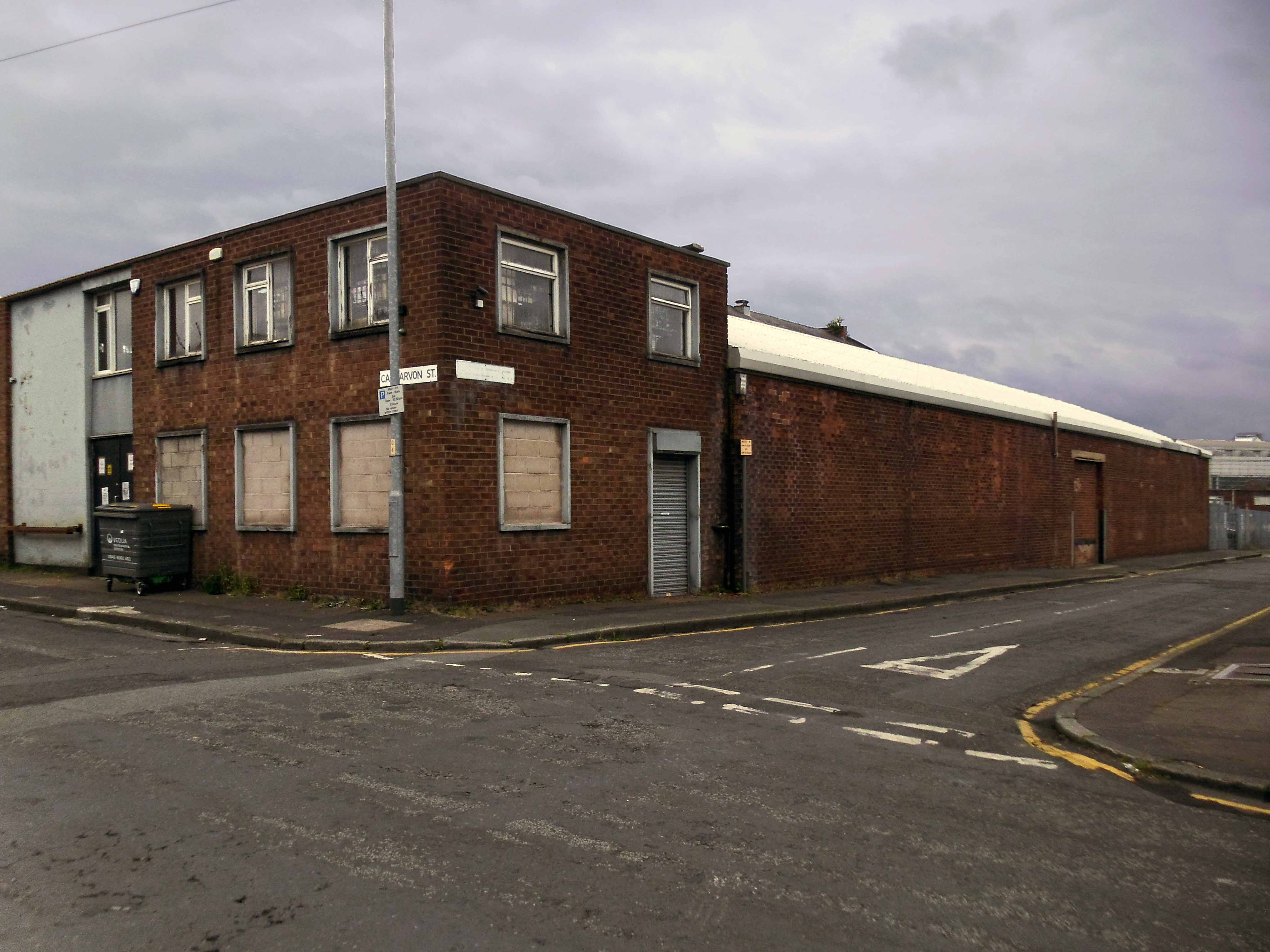
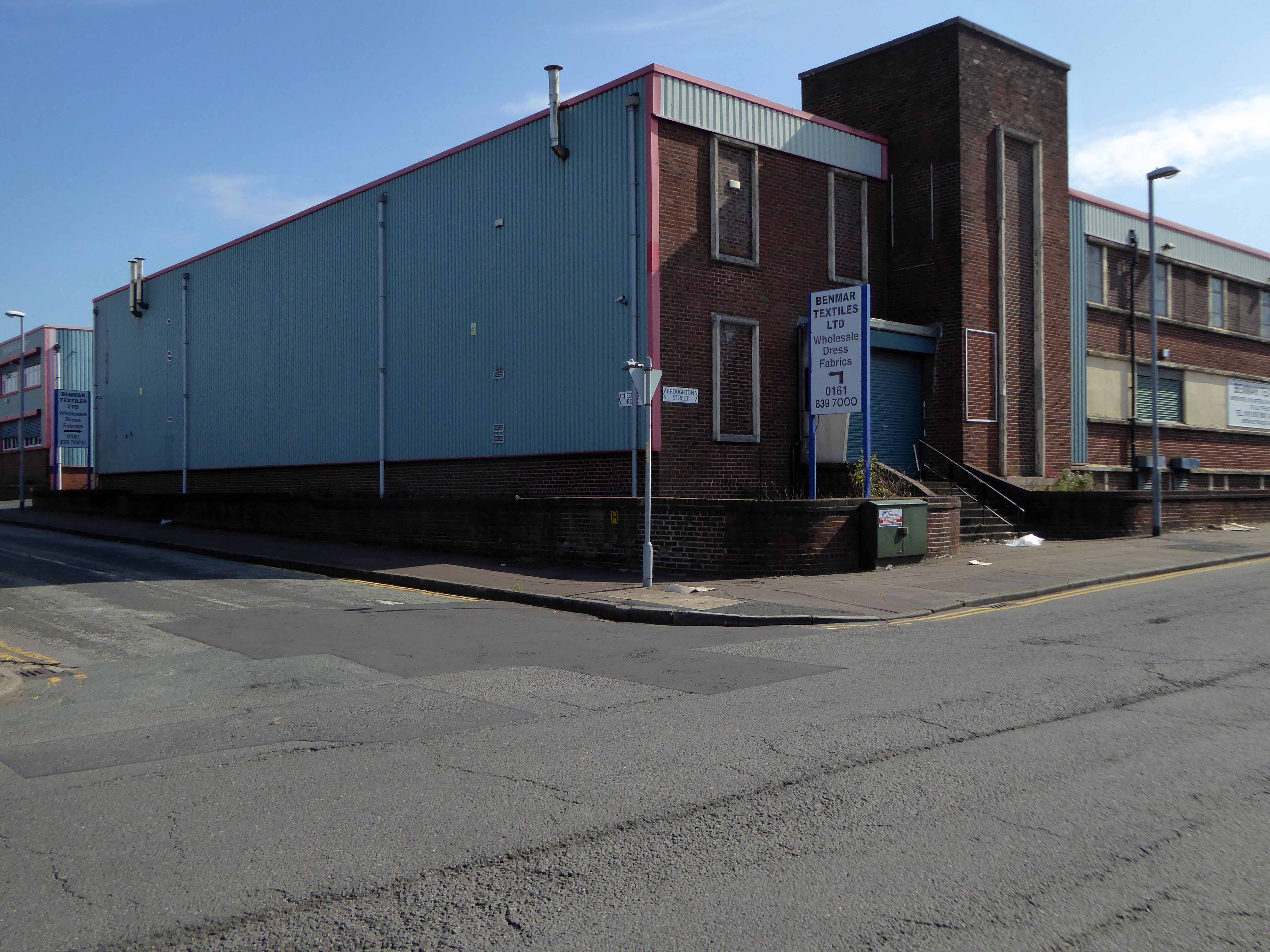
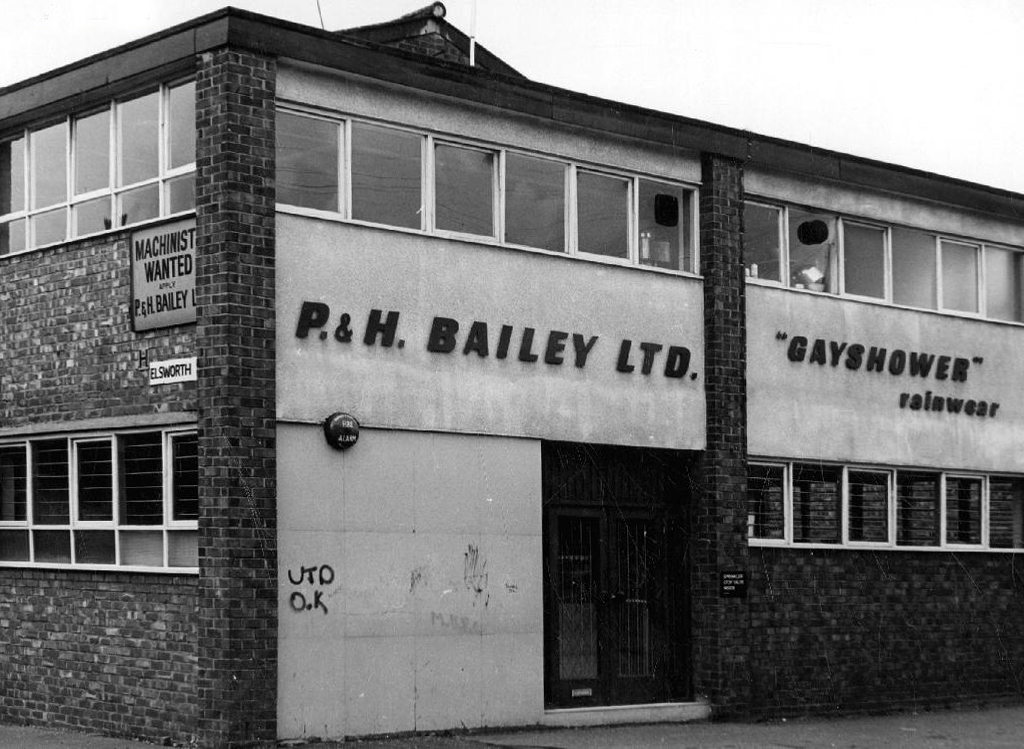
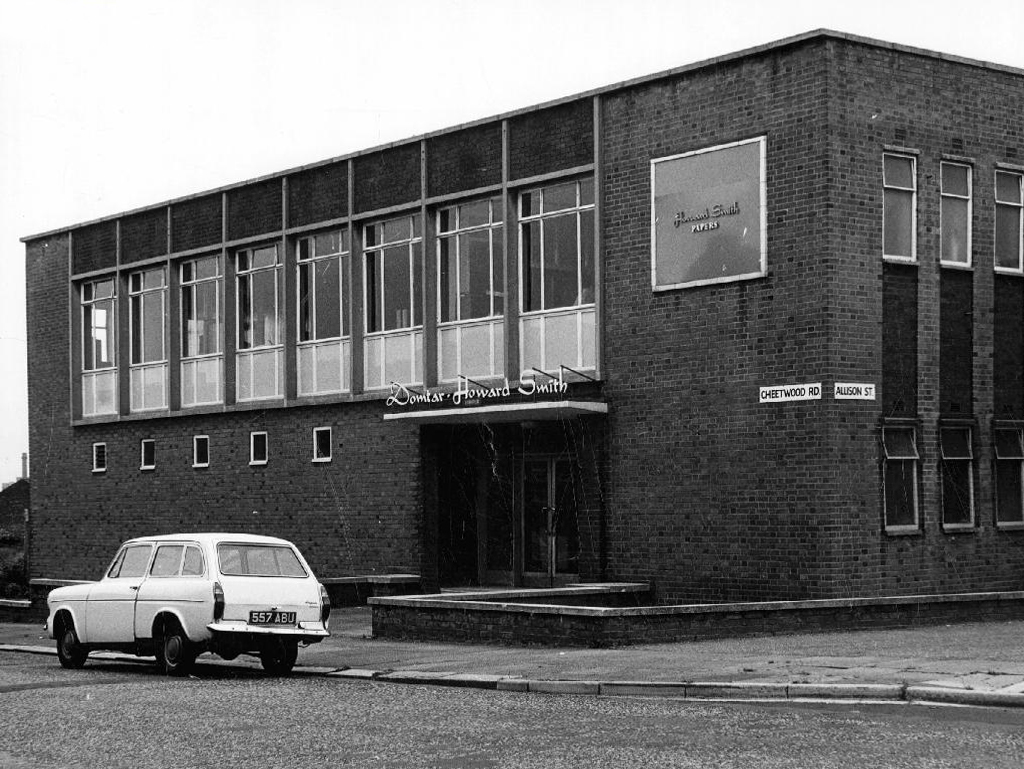
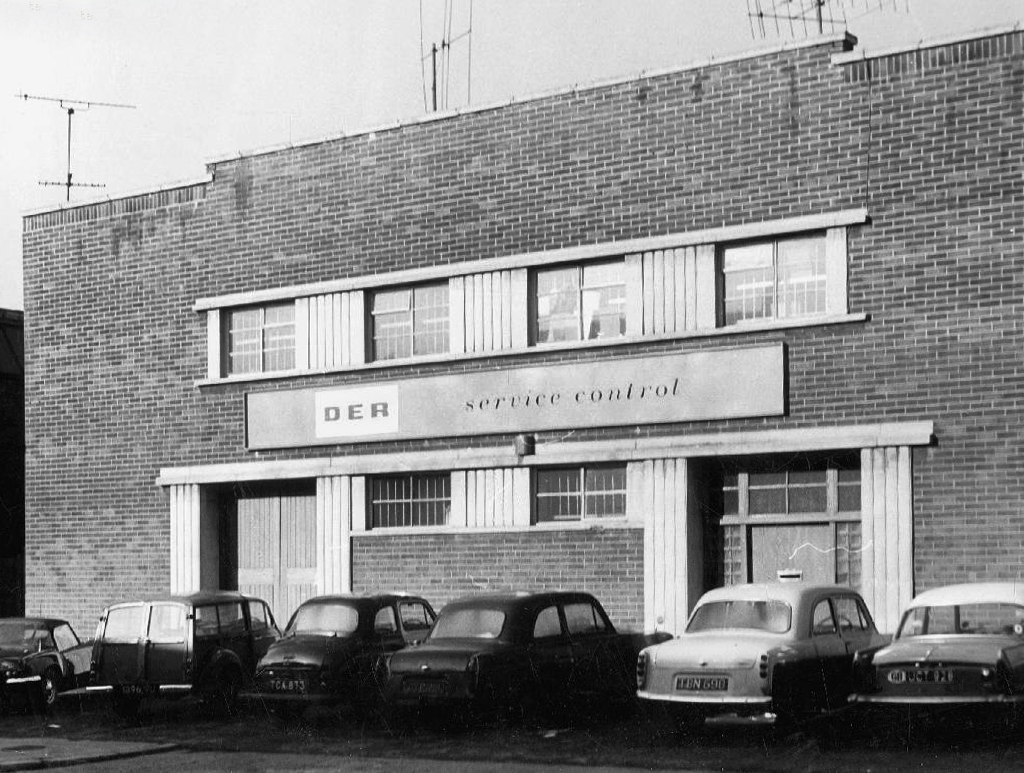
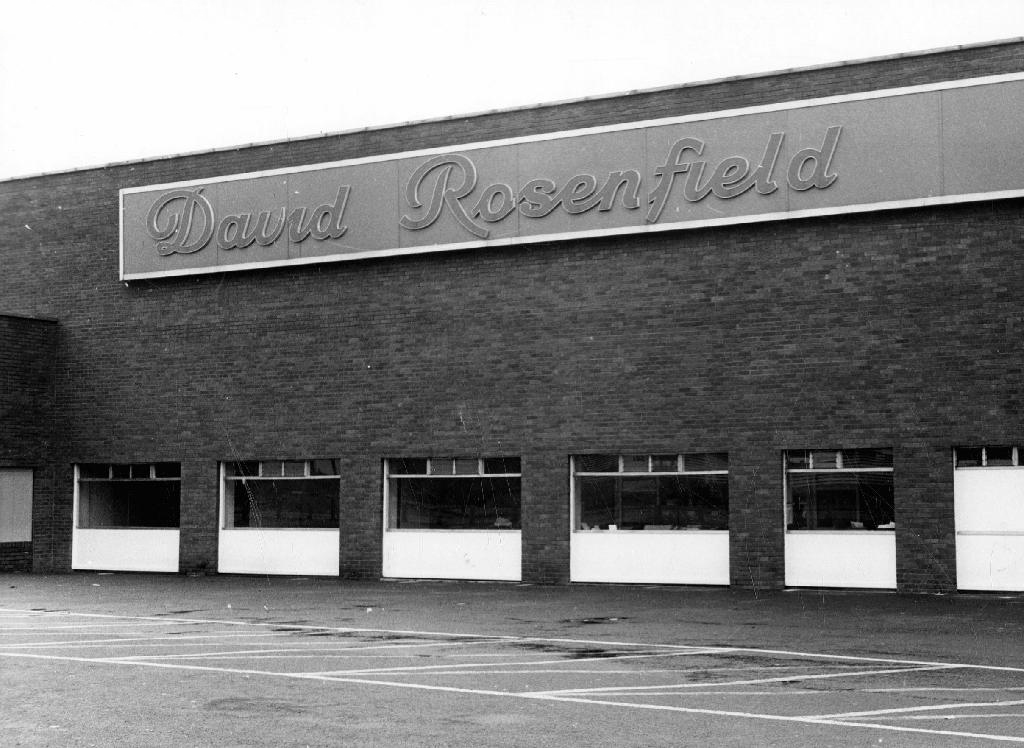
Way back in the Twentieth Century – Cheetwood Industrial Estate was built.

The future was functionalist flat-roofed, concrete, steel and brick boxes.

Adorned with the flowing scripts and signage of the multi-nationals, nationals and local companies, intent upon rendering corporeal the post-war optimism, attendant full-employment and the buoyant business of business.

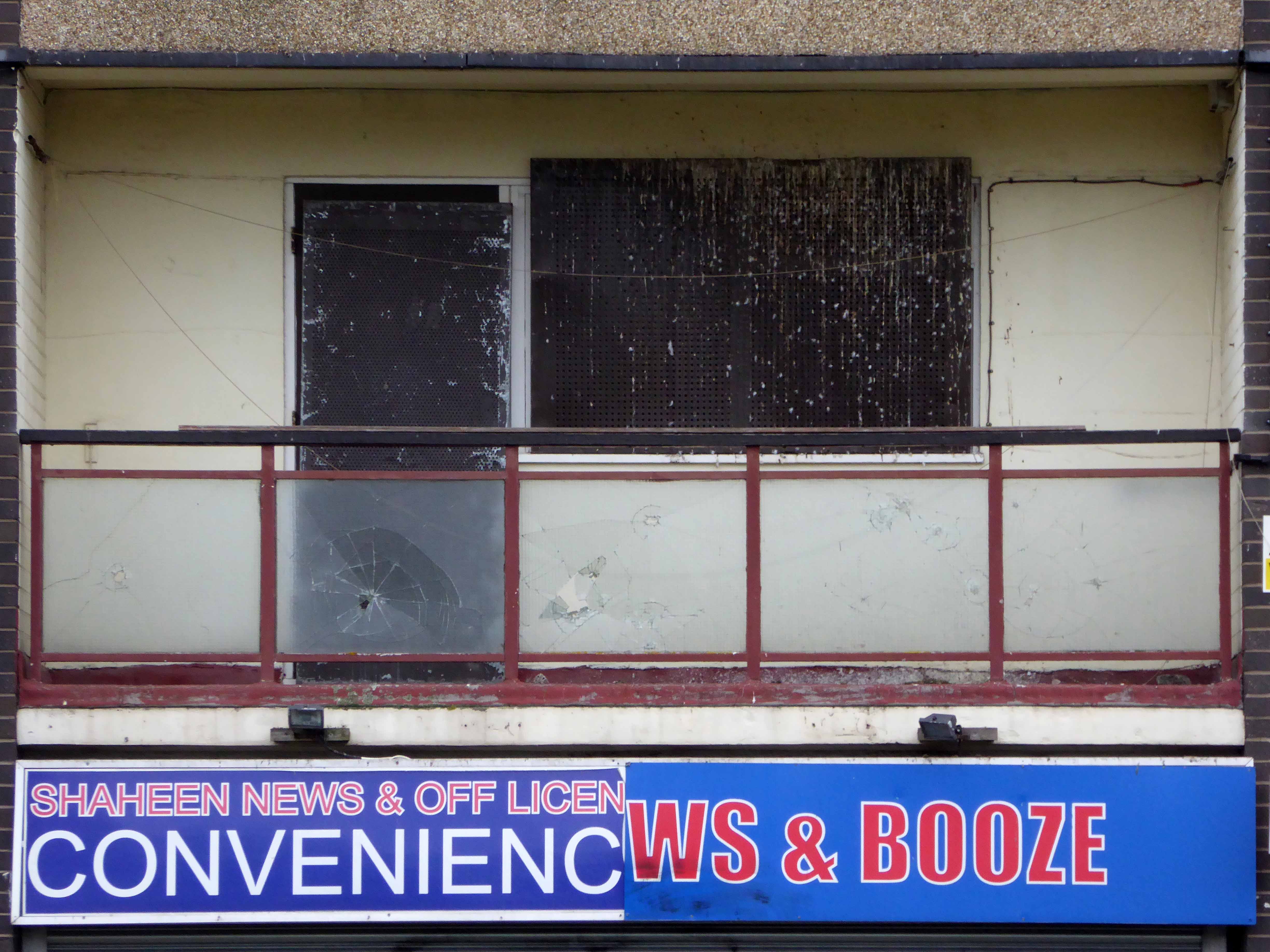
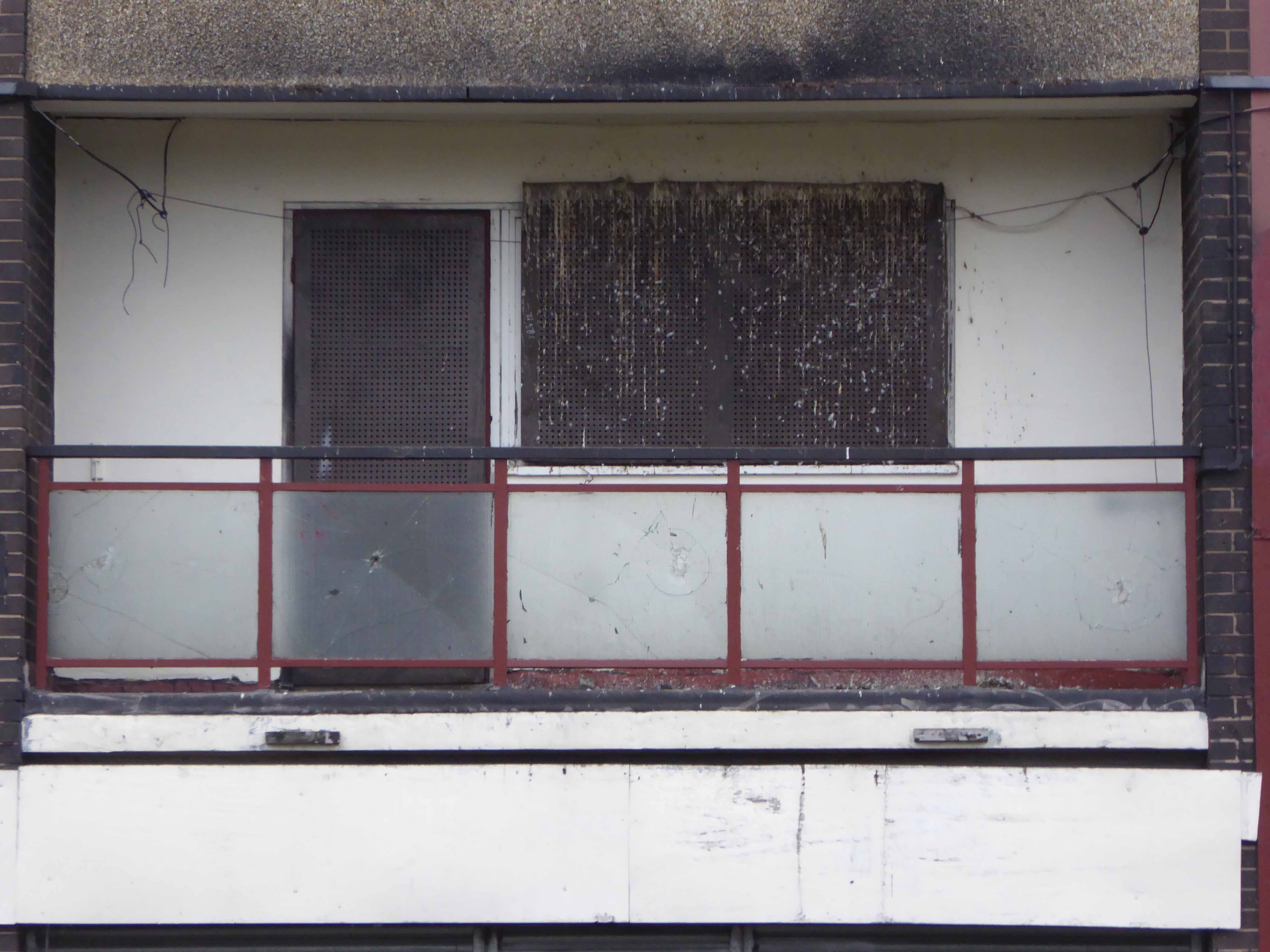
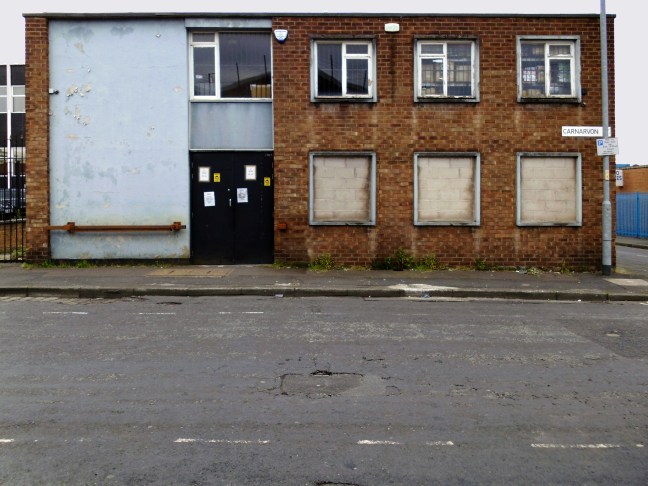
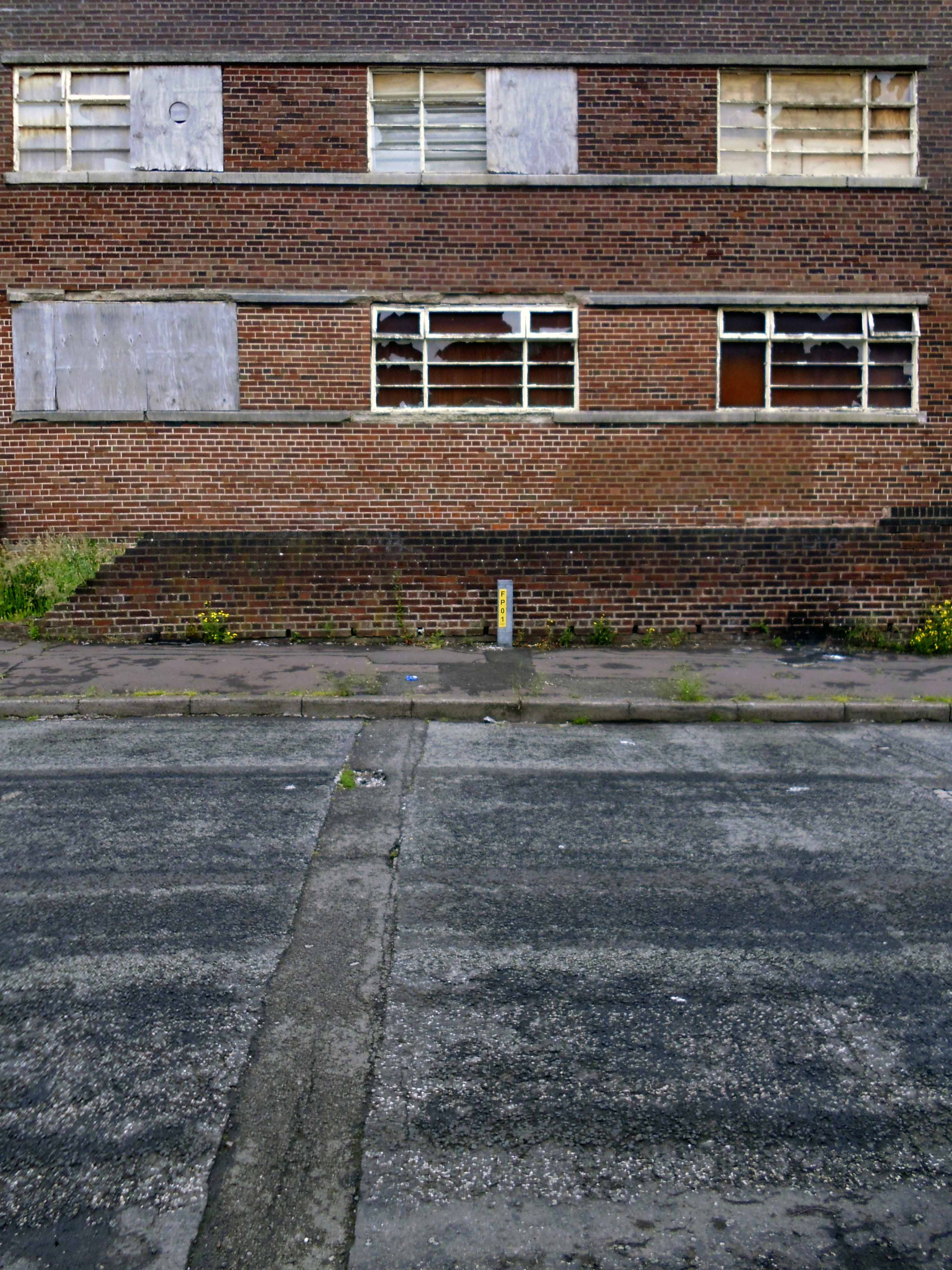
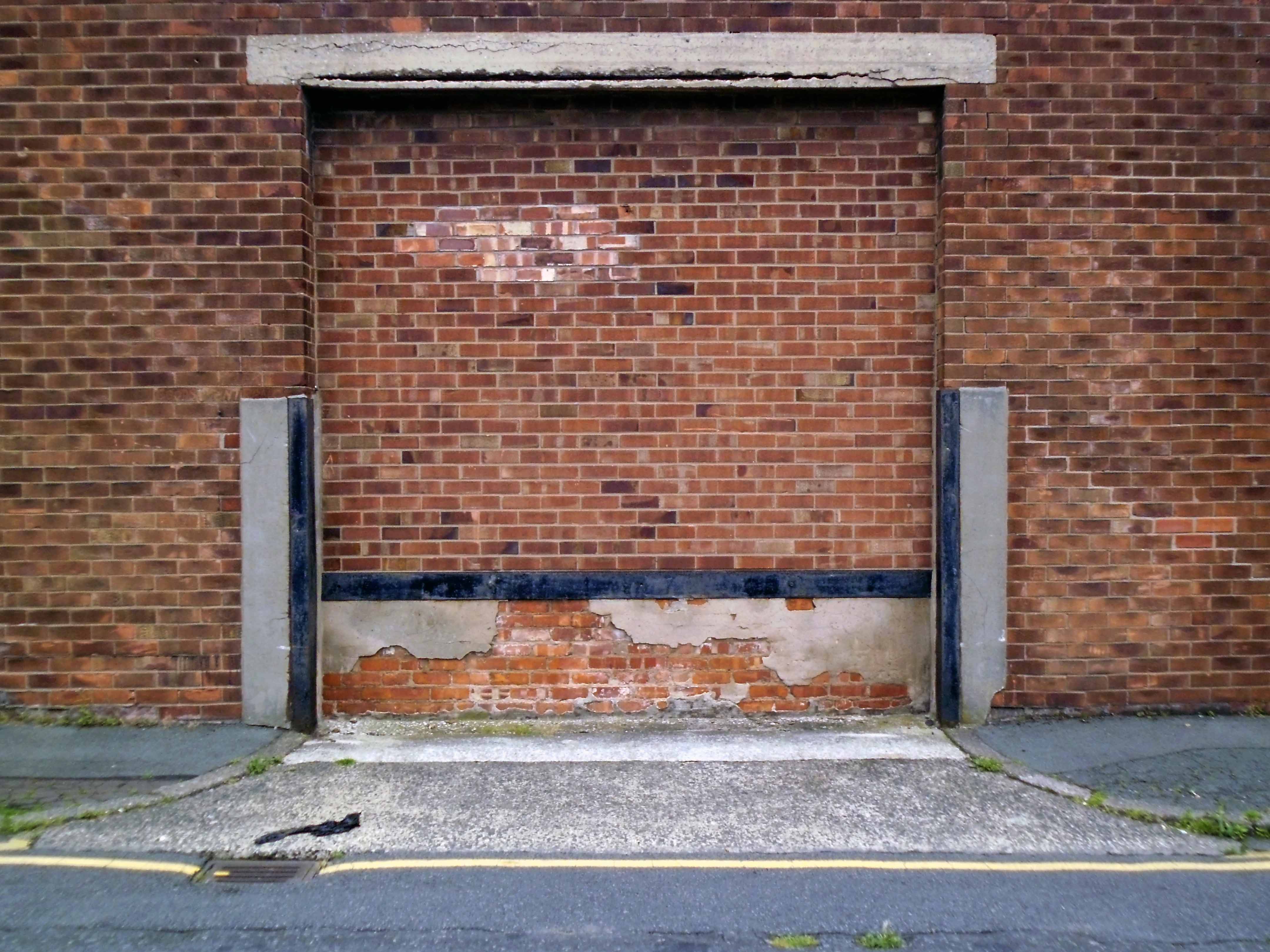
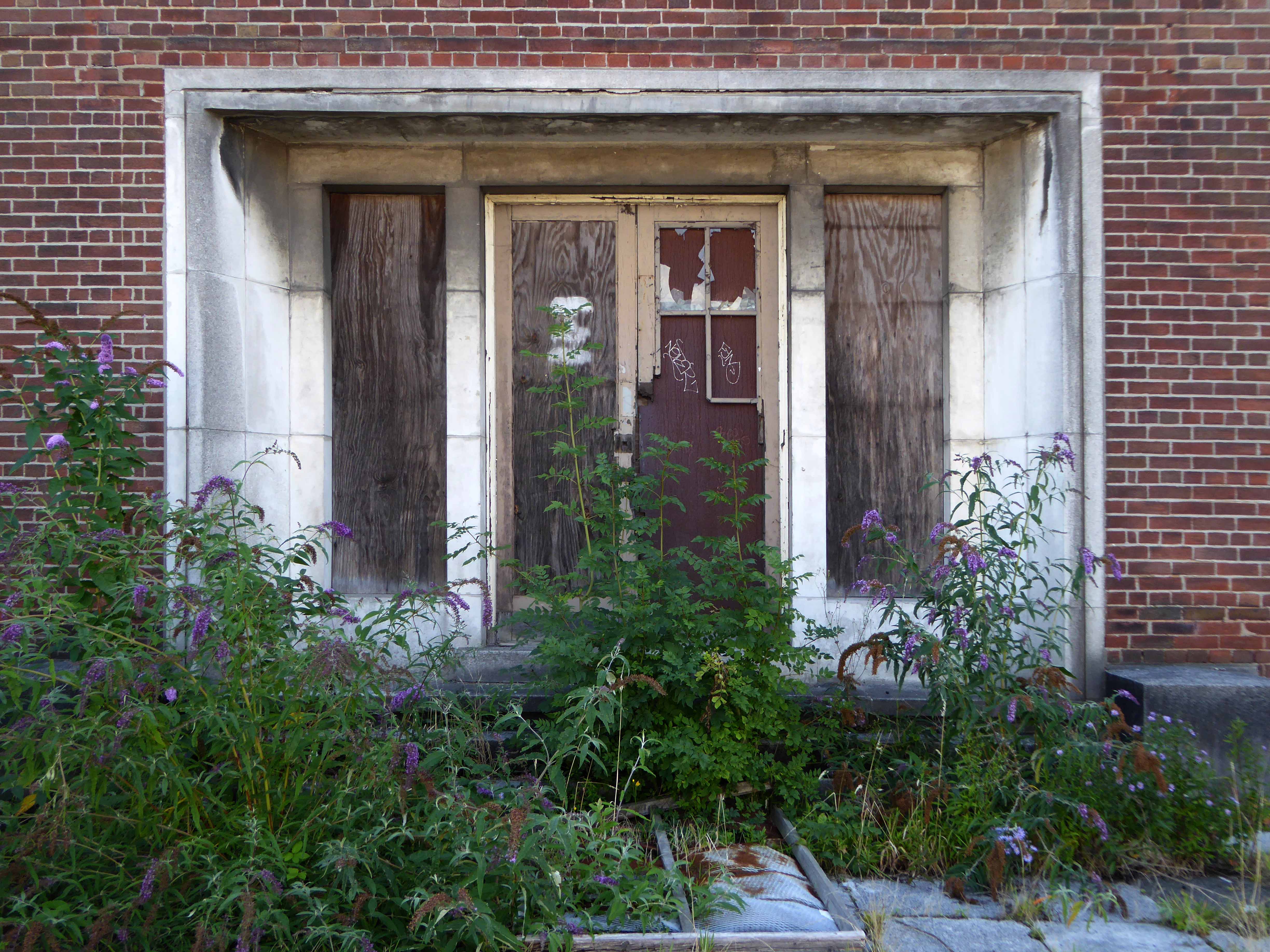
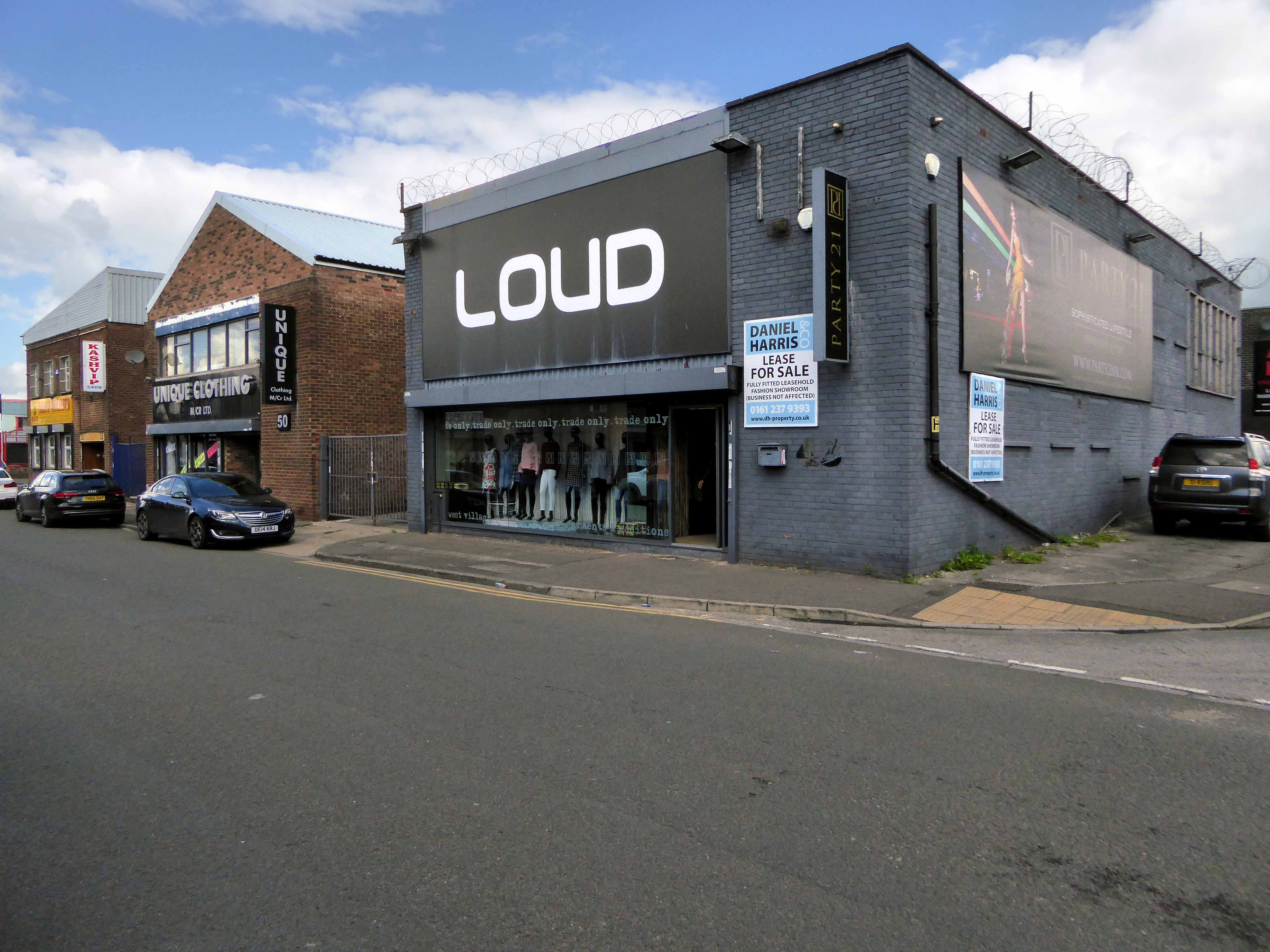
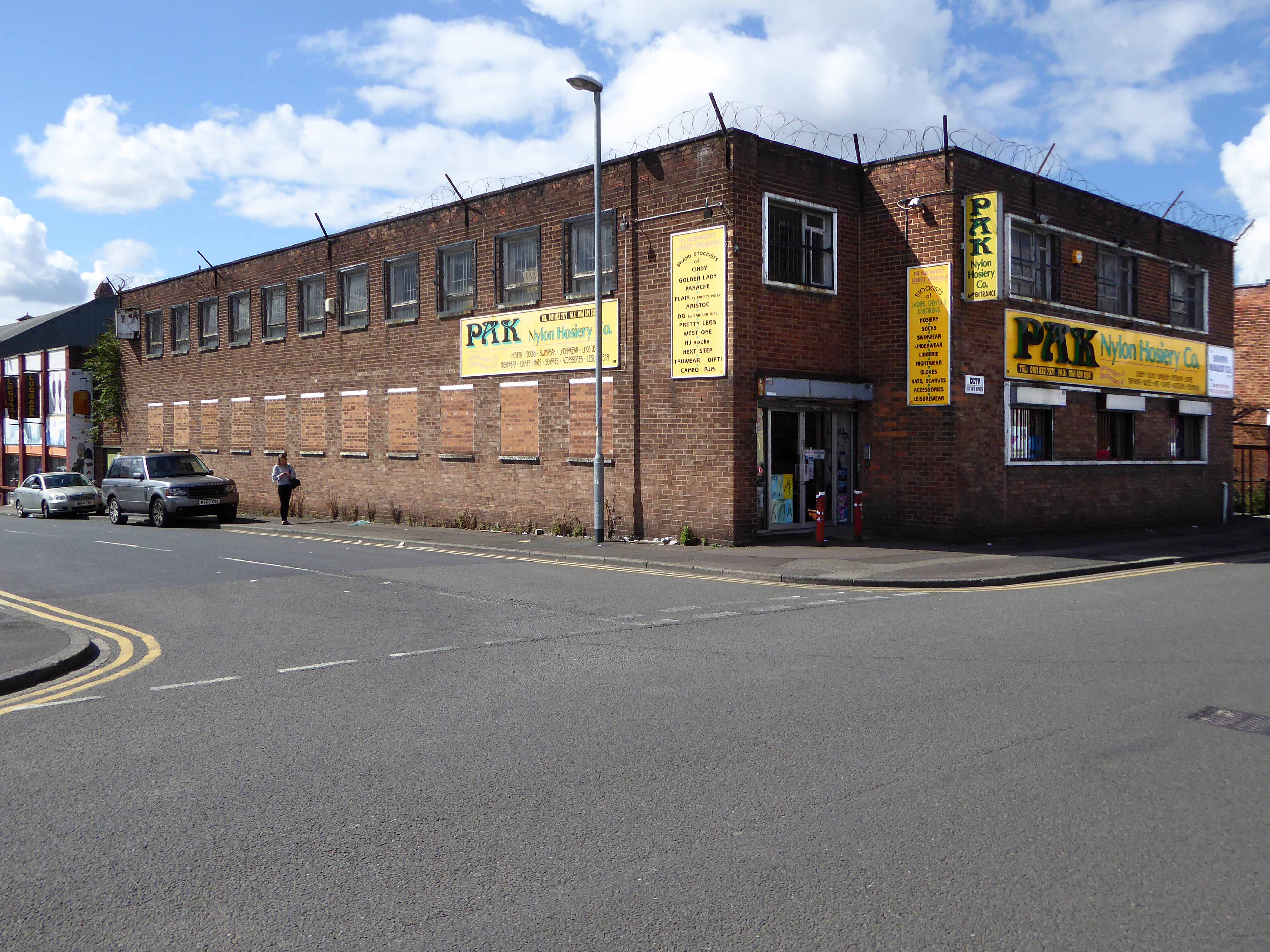
Fast forward to the future – the roofs have been pitched up, the windows bricked up or shuttered or both, walls encased in sad cladding.

The semi-permanent signage replaced with terminally temporary vinyl.

Joe Sunlight’s neo-classical pediments have been painted a funny colour.

P1000135 copy

P1000157 copy

P1000217 copy

P1000218 copy

P1000223 copy

P1000229 copy

P1000231 copy

P1000234 copy

P1000235 copy

P1000252 copy

P1000255 copy

P1190103 copy

P1190104 copy

P1190106 copy

P1190111 copy

P1190112 copy

P1190114 copy

P1190117 copy

P1190385 copy

P1190387 copy

P1190388 copy

P1190391 copy

P1190398 copy


Strangeways Manchester #1

Strangeways?

– How strange.

The Strangeways family themselves are certainly recorded in antiquity at the site, although the name appears differently over time; Strongways in 1306, Strangewayes in 1349 and Strangwishe in 1473. In the late 1500s in records at Manchester Cathedral the surname is spelt Strangwaies.

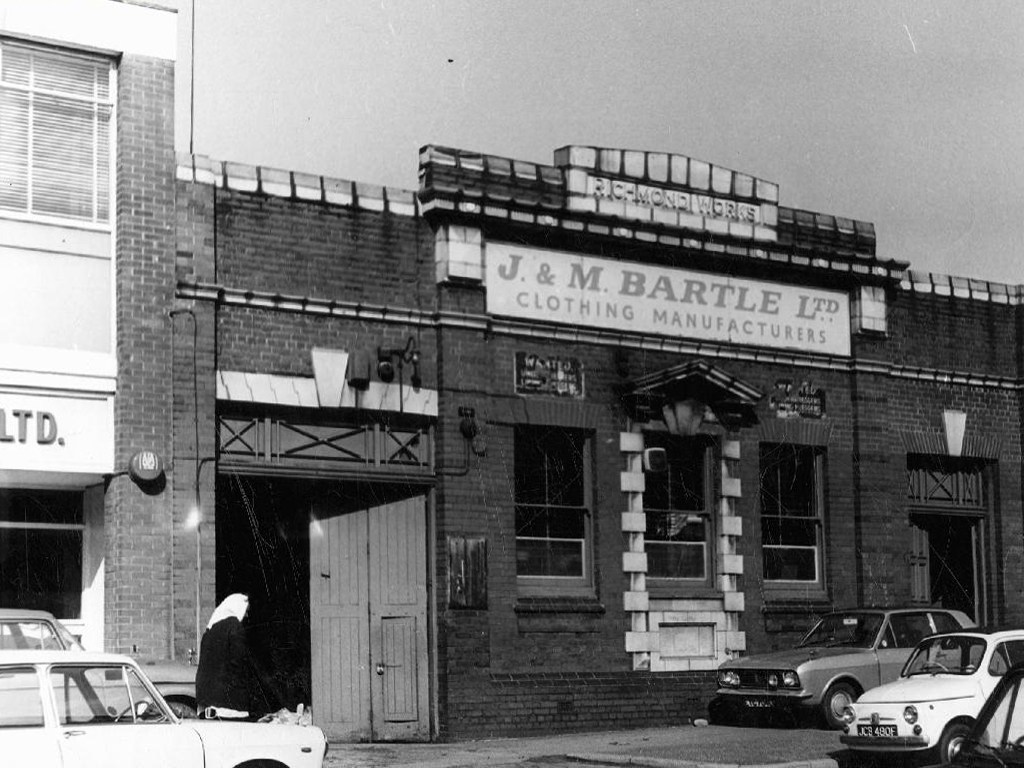
My thanks to Thomas McGrath for his – Long Lost Histories: Strangeways Hall, Manchester

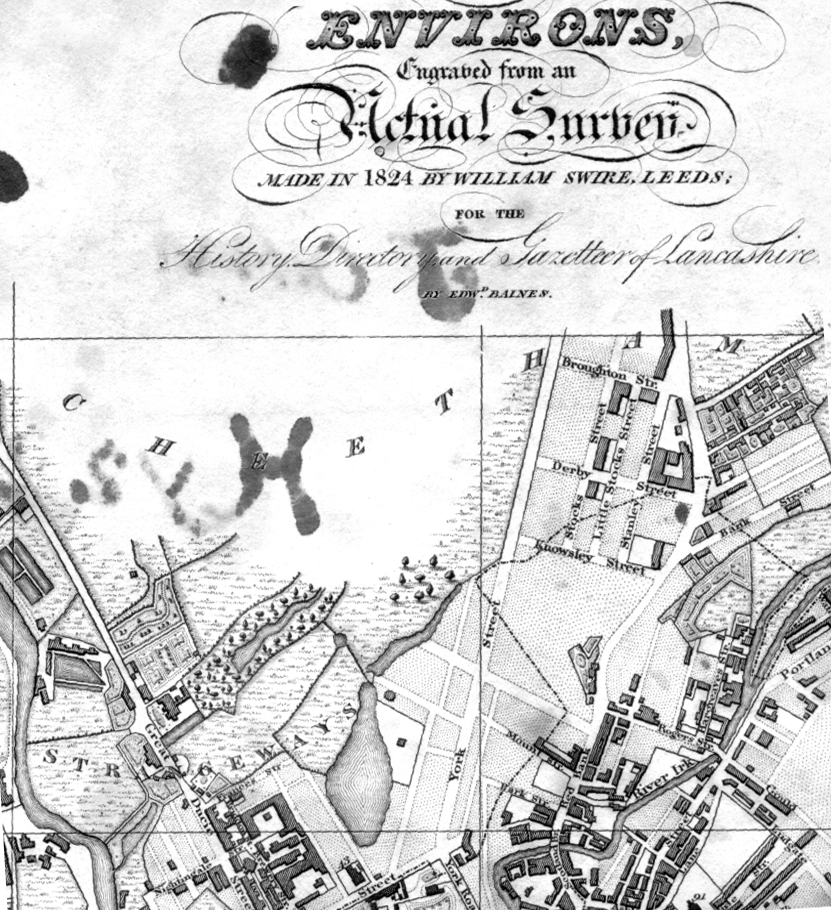
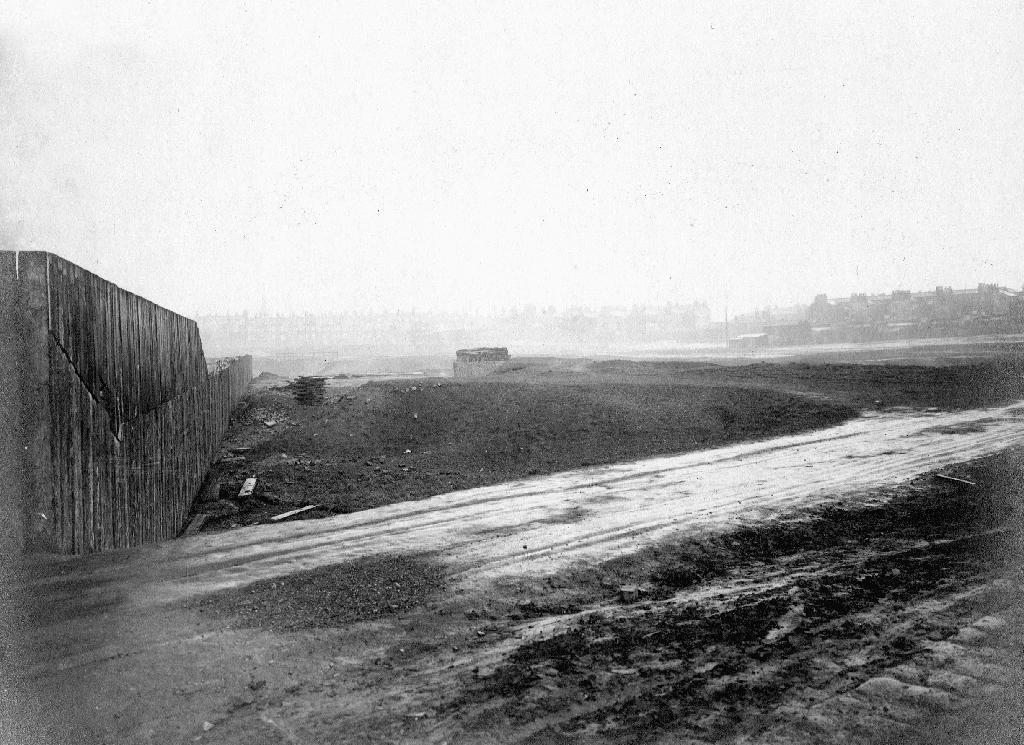
Before panopticon prisons entered the public imagination, and incarceration was the order of the day for the disorderly, it was all fields around here – with the odd house or baronial hall.

Screen Shot 2018-02-04 at 15.08.30

Swire’s map of 1824

Strange days, over time the prison is built, the assizes appears and disappears and tight groups of tired houses cluster around the incipient industry. The fiefdom’s of old become tie and tithe to successions of industrial plutocrats.

webmedia.php copy

webmedia.php

Broughton Street 1910Photograph J Jackson

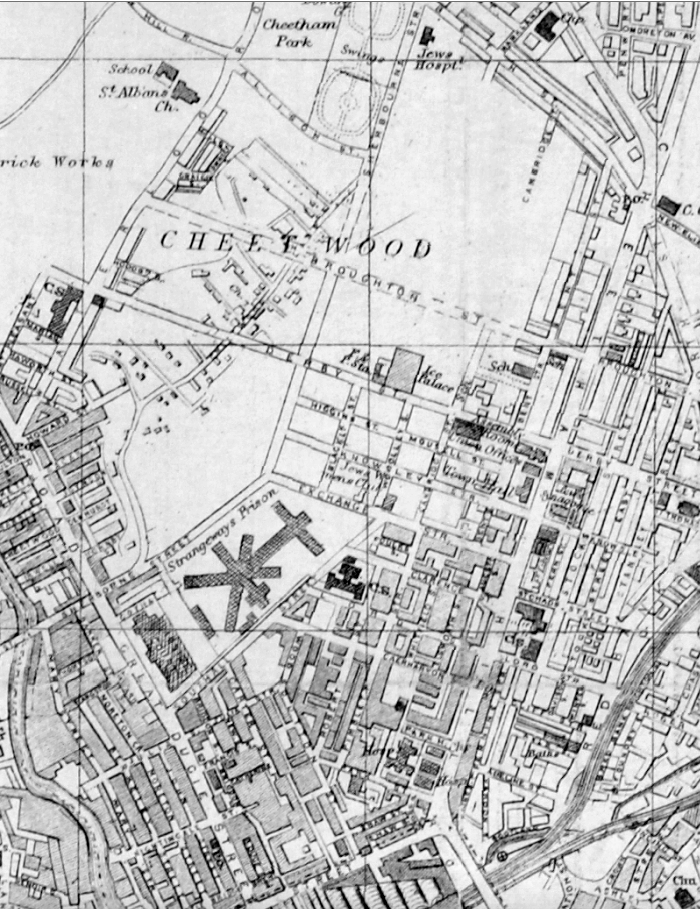
Screen Shot 2018-02-04 at 15.10.54

Kelly’s map of 1920

The area becomes the centre of the city’s rag trade, a large Jewish Community, the largest outside of London, grows up around Strangeways, Cheetwood and Cheetham Hill – houses, mills, wholesale, retail, warehouse, ice palace, beer-house, brewery. The area is home to several of Joe Sunlight’s inter-war industrial developments – his Jewish family were named Schimschlavitch, his father a cotton merchant. The family emigrated to England in 1890 and settled in Manchester.

So much for Joe Soap – the area was also the location for local lads, Karl Marx, and Marks & Spencer.

v0_medium

Derby Street 1901 – 1924

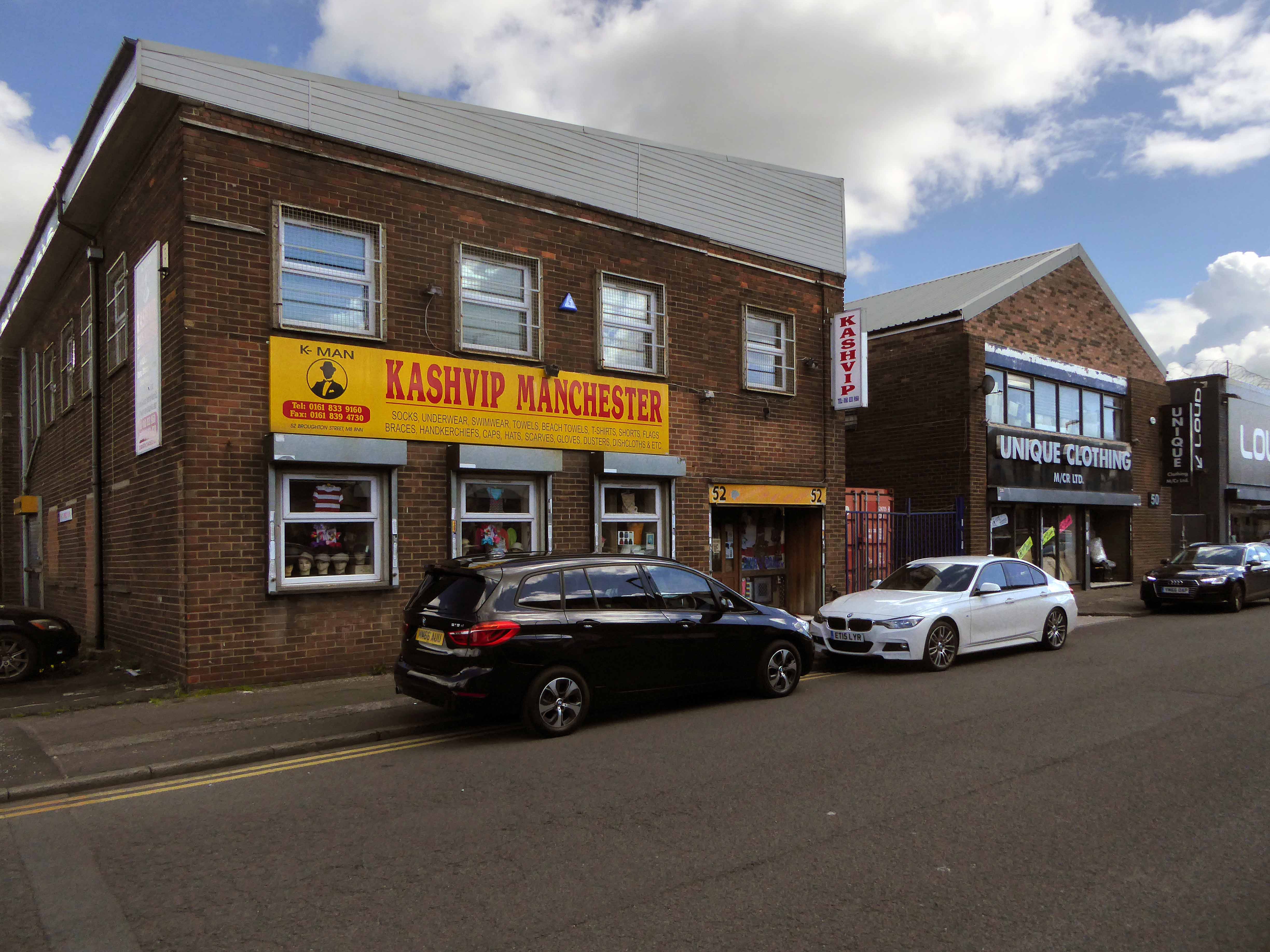
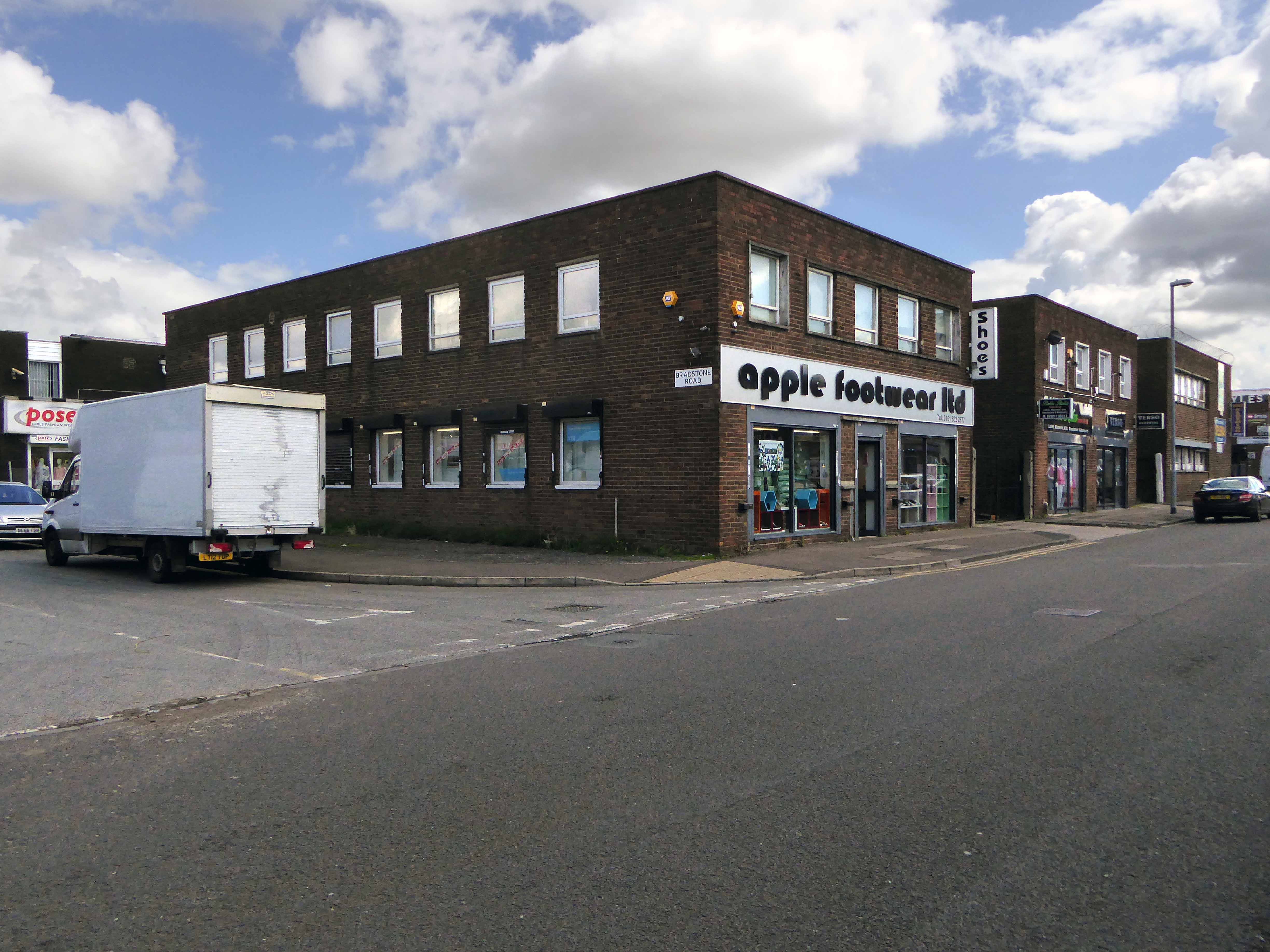
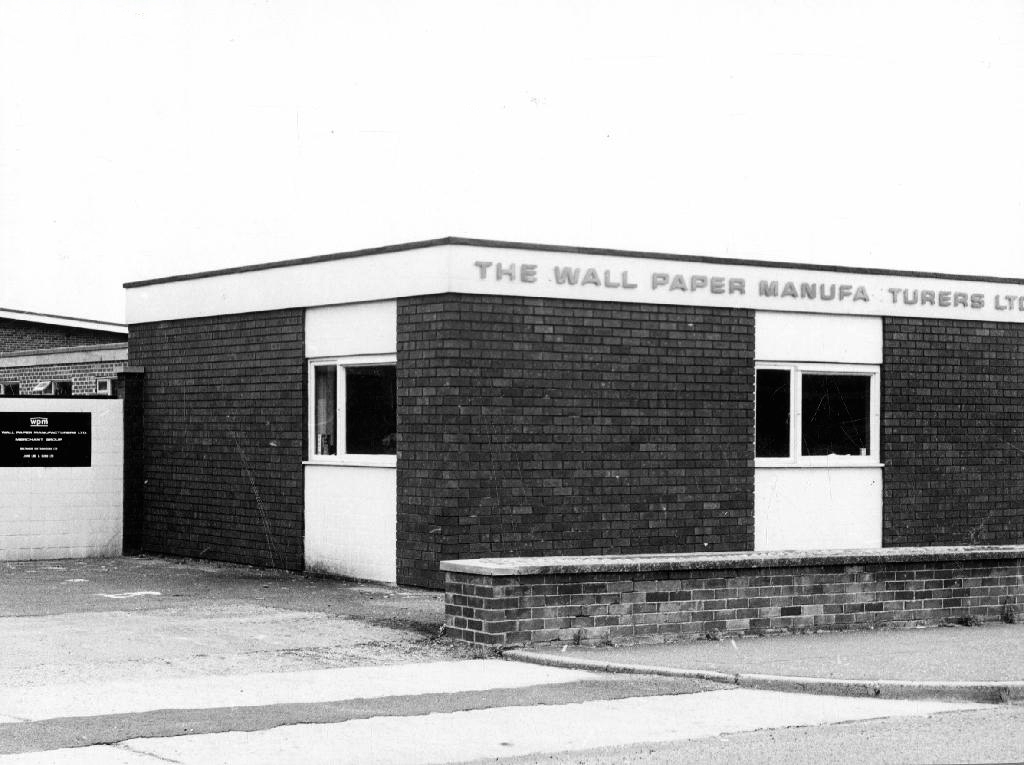
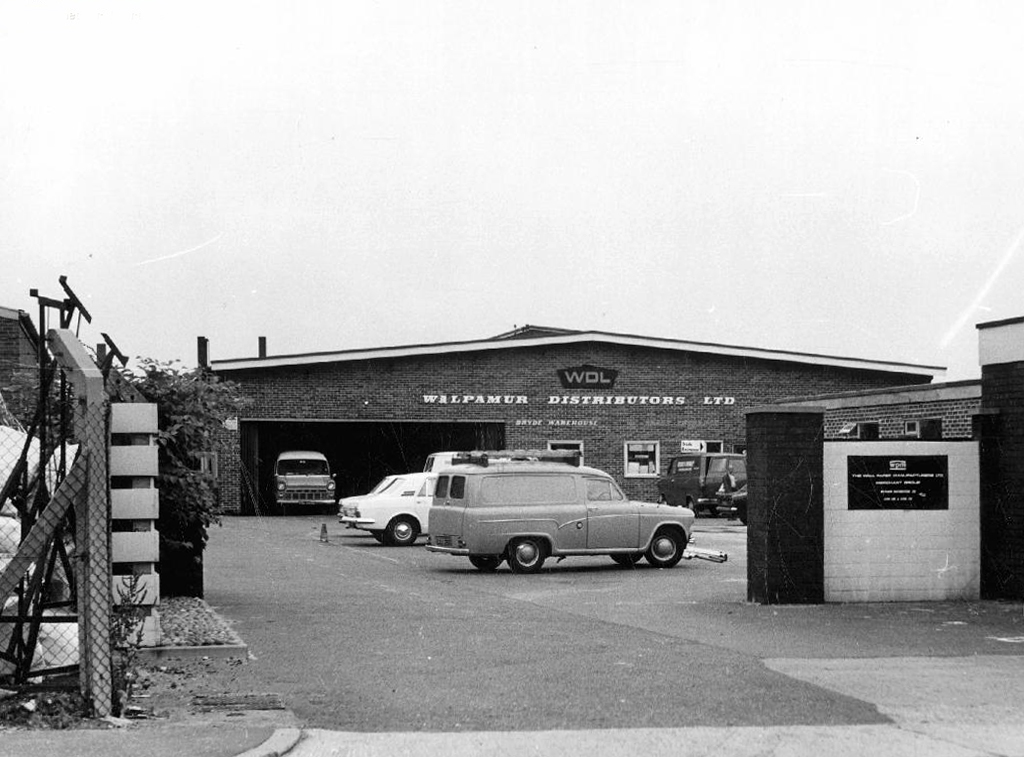
Further developments took place with the building of the Cheetwood Industrial Estate – a postwar group of flat-rooved, blocky brick and concrete utilitarian units.

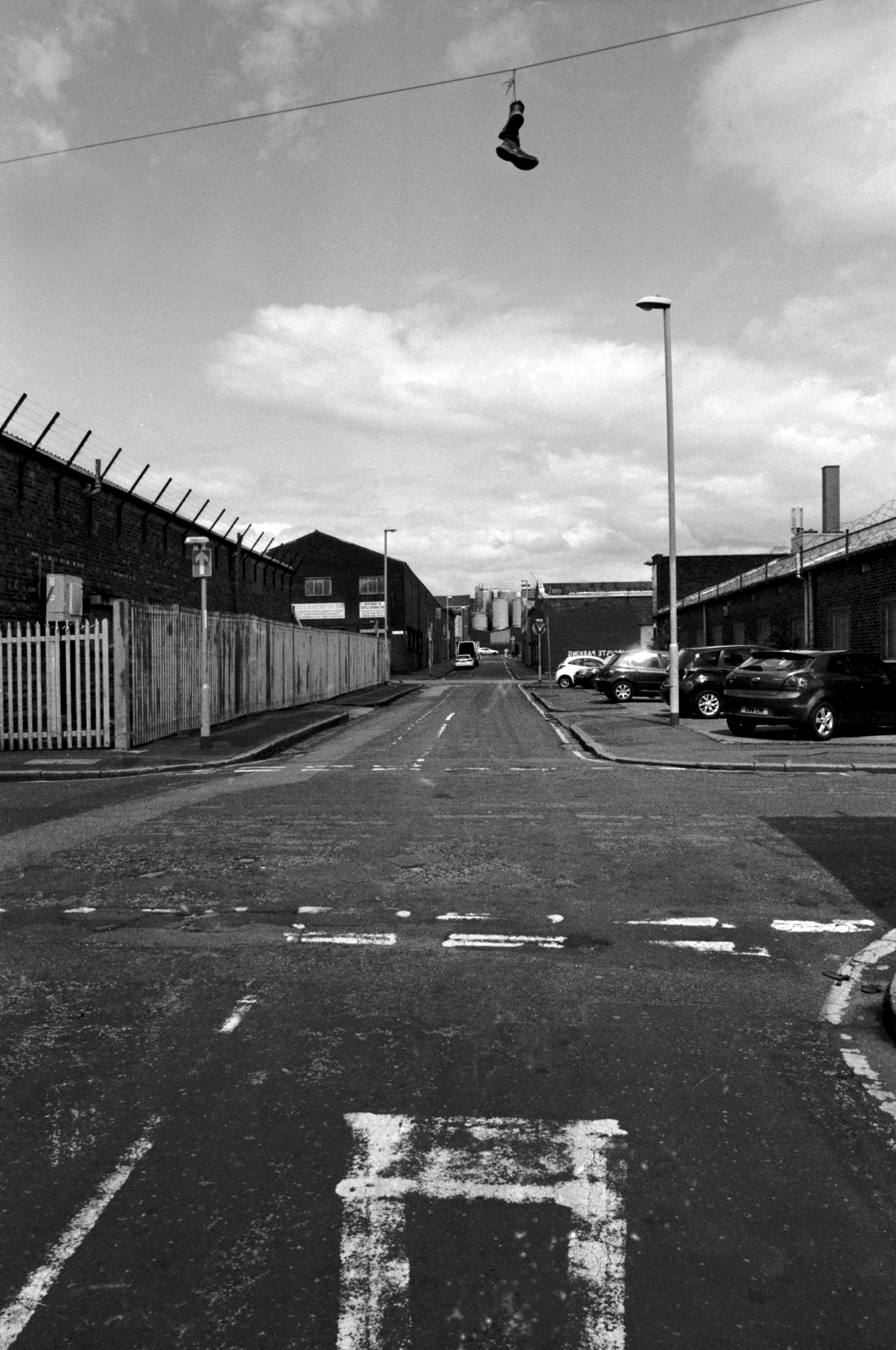
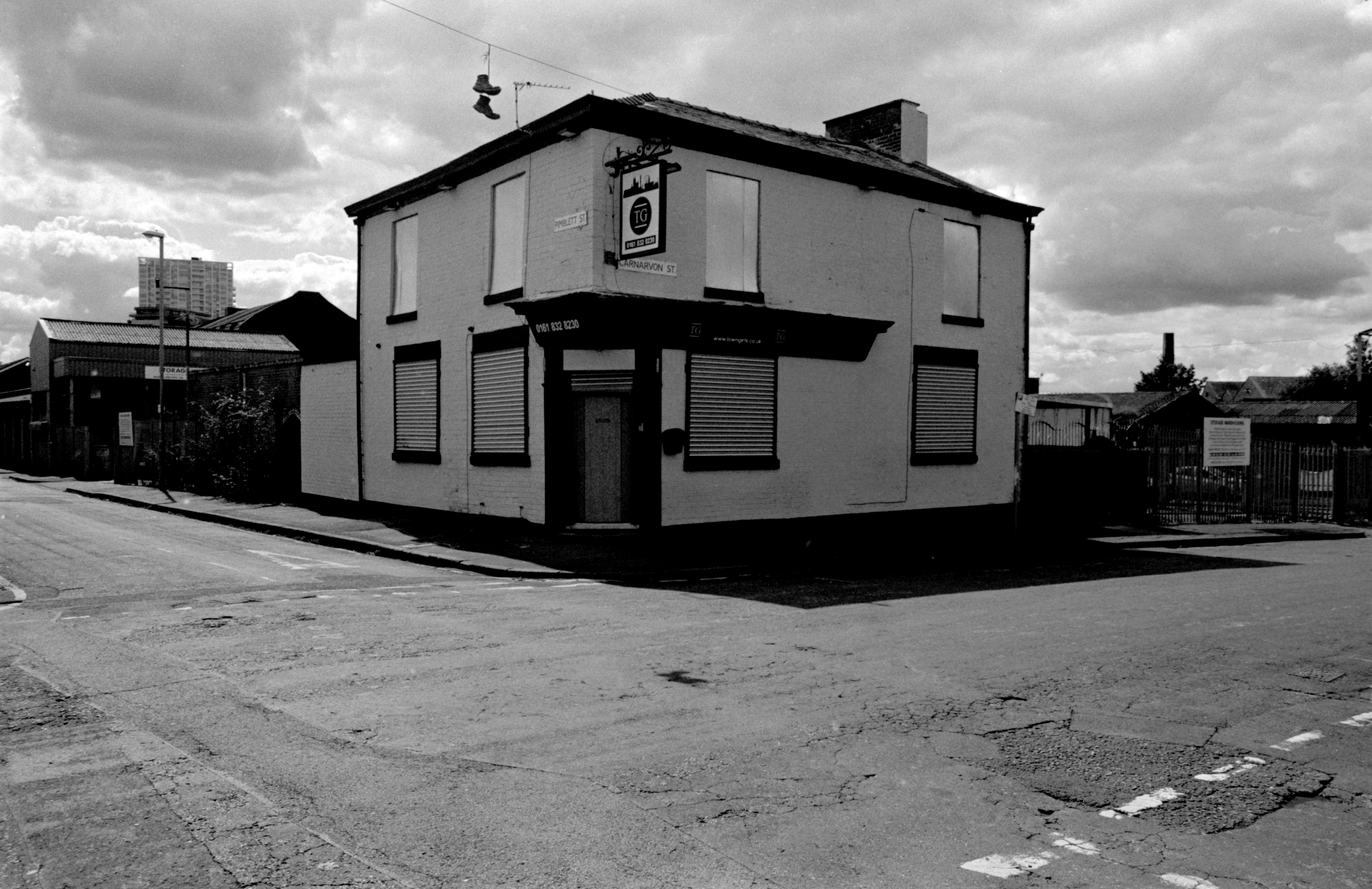
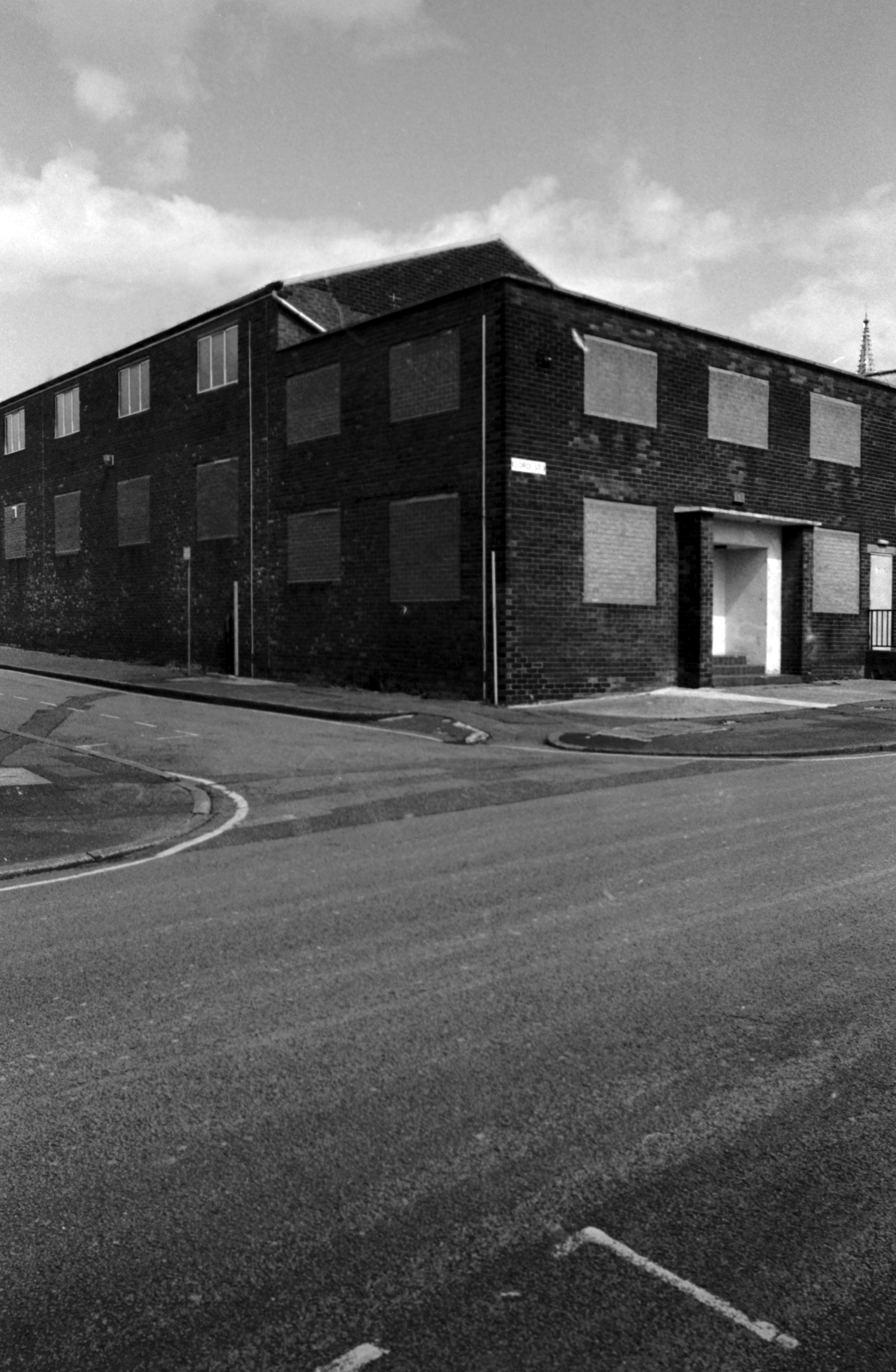
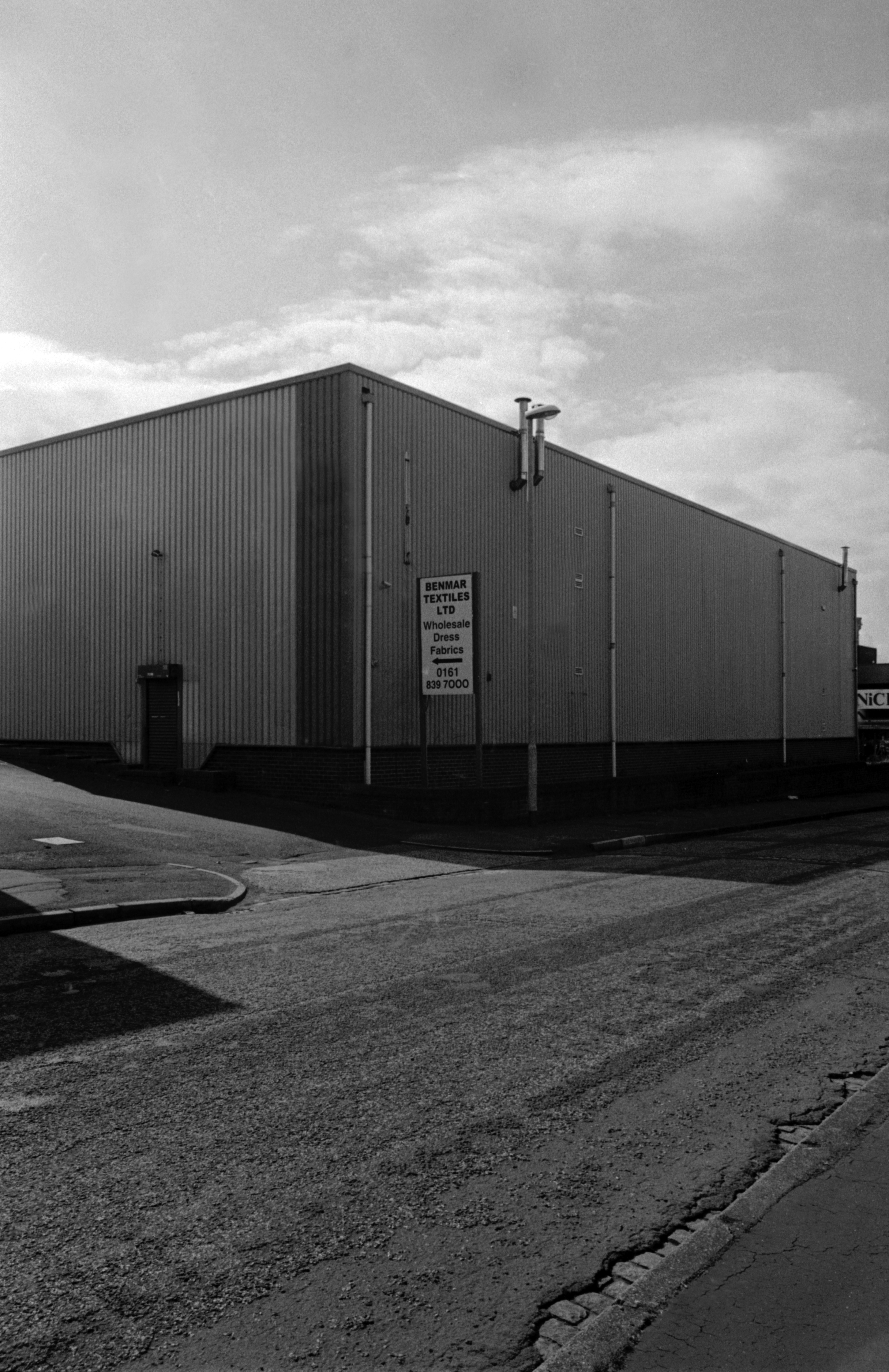
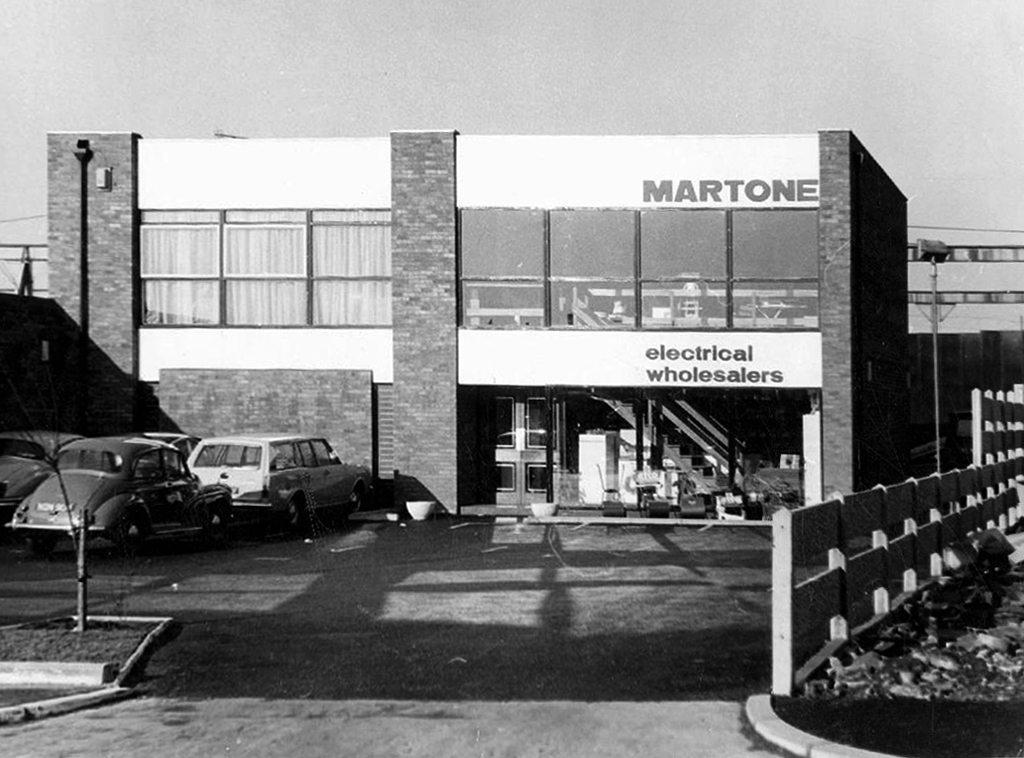
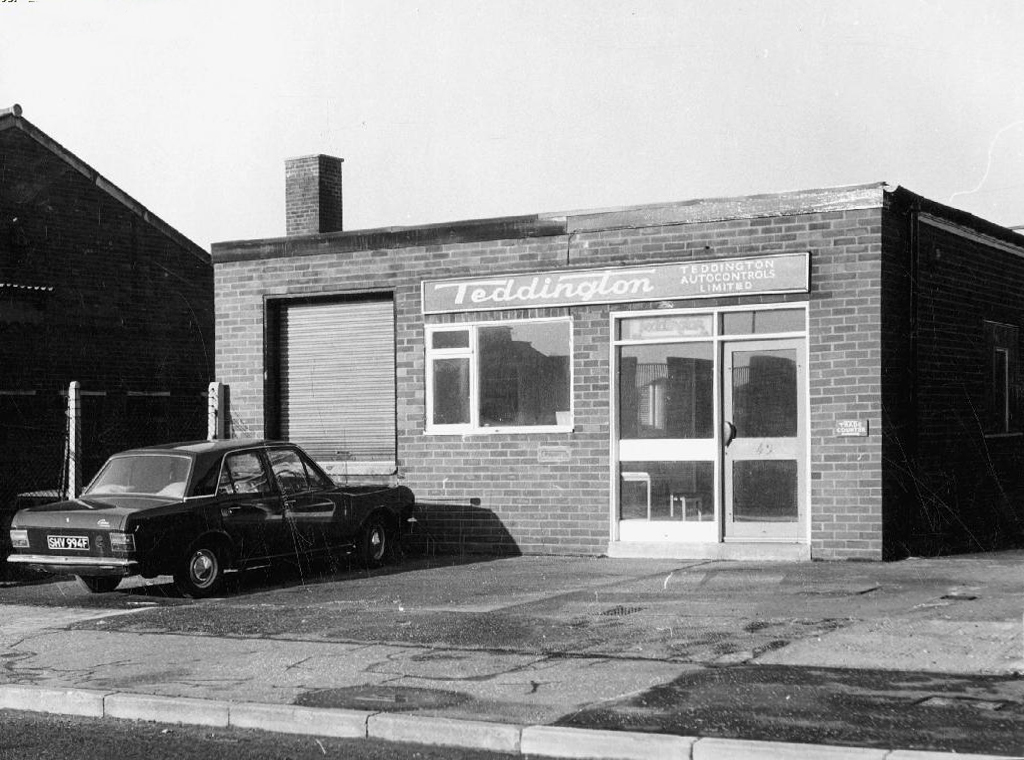
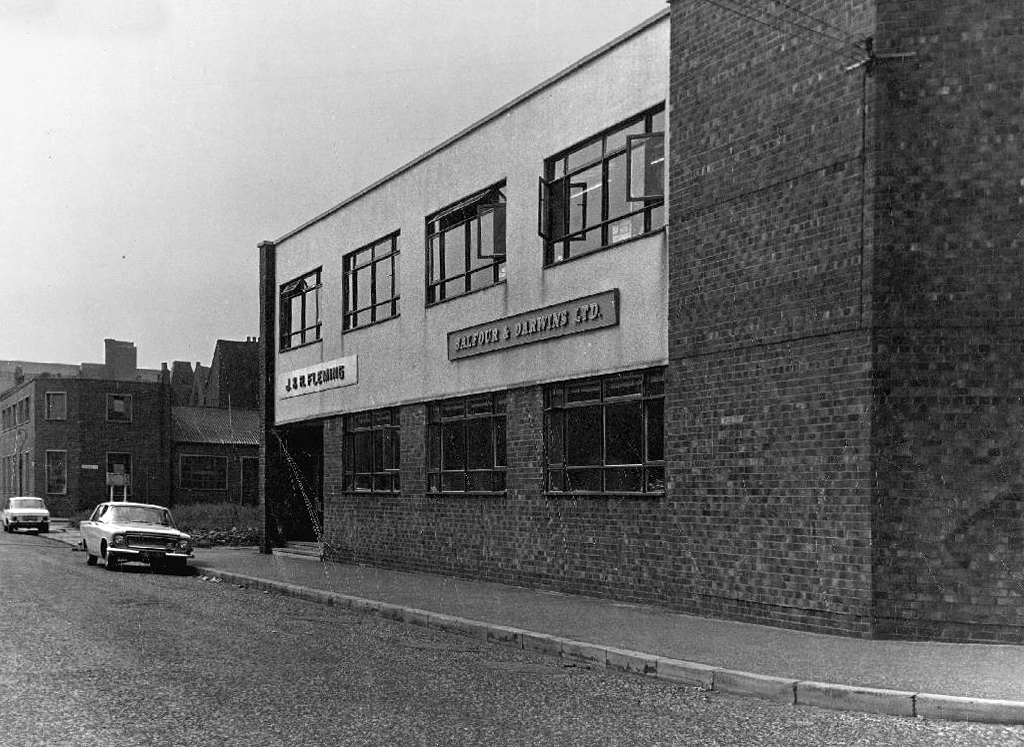
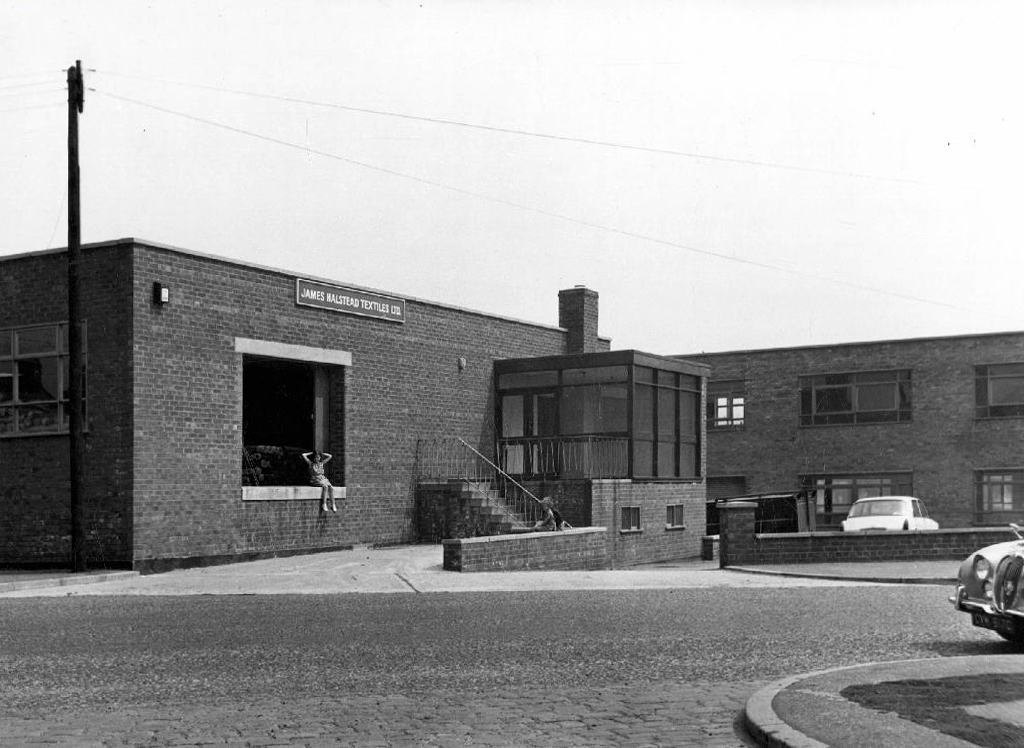
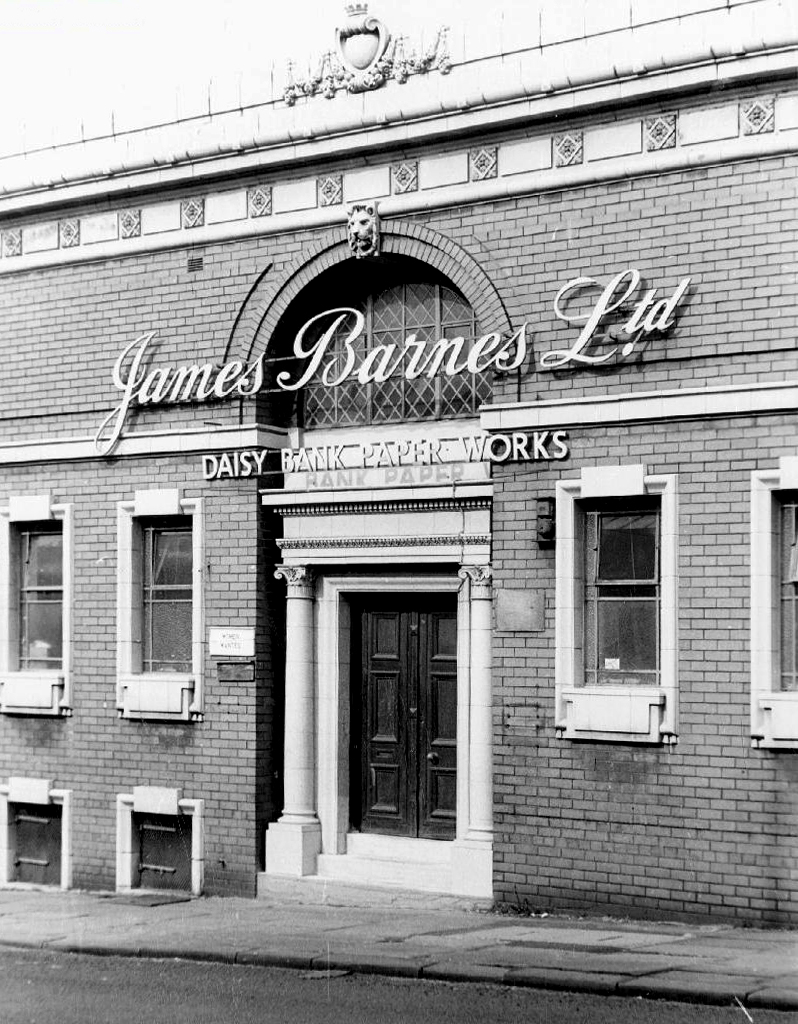
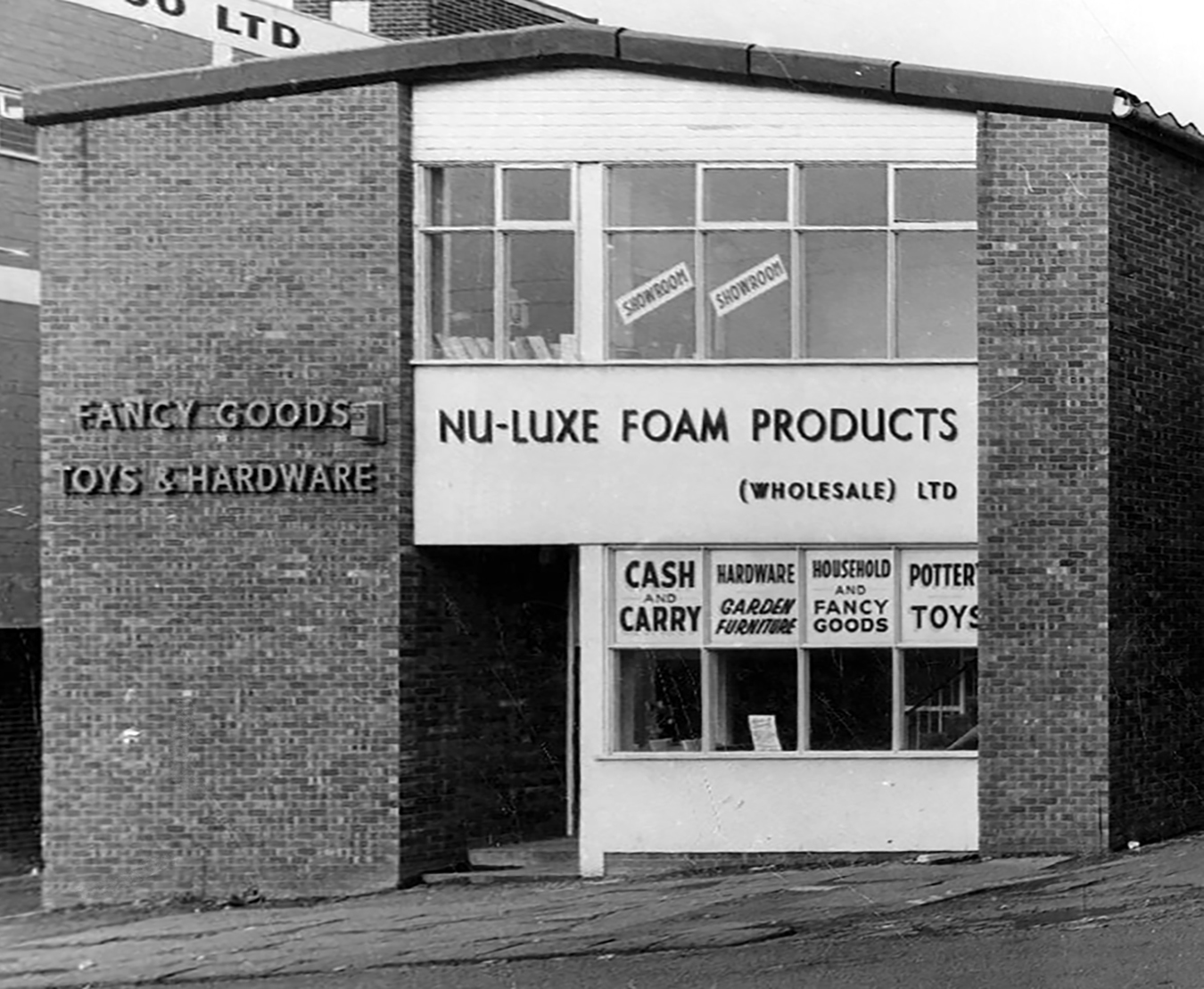
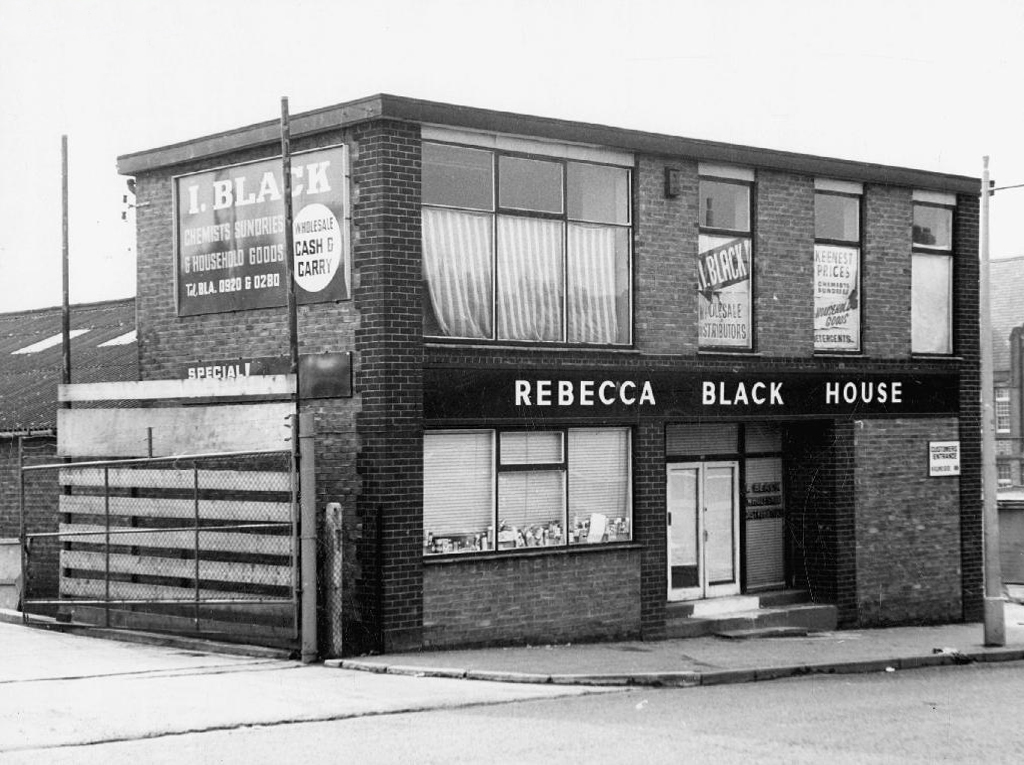
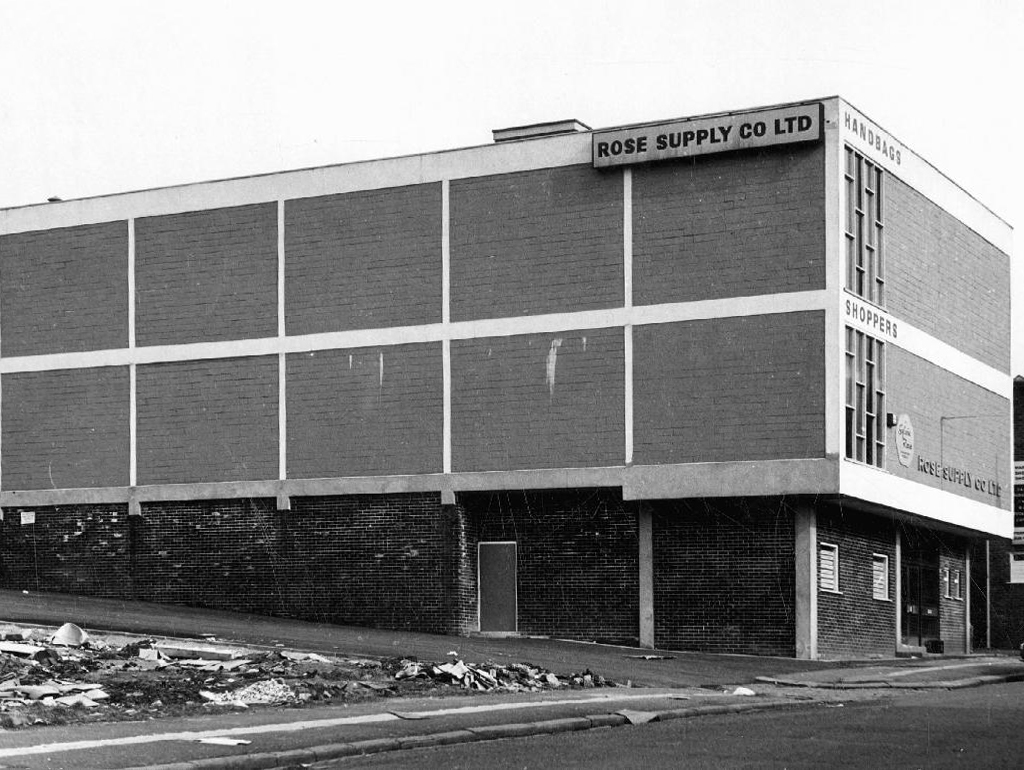
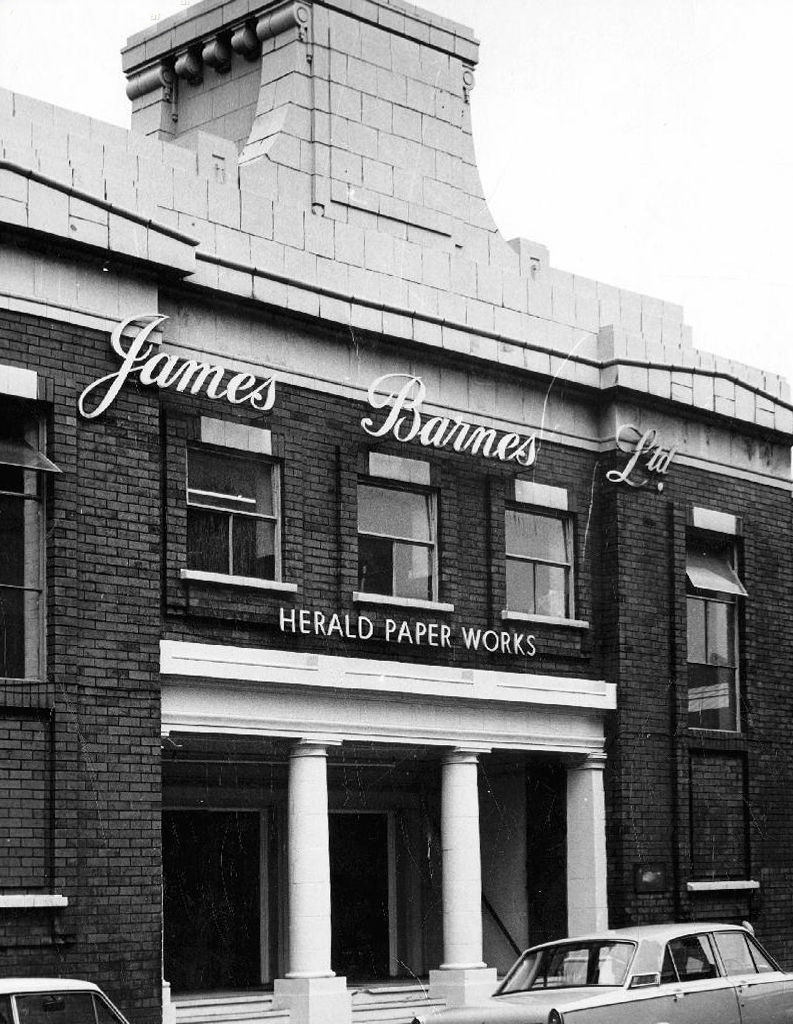
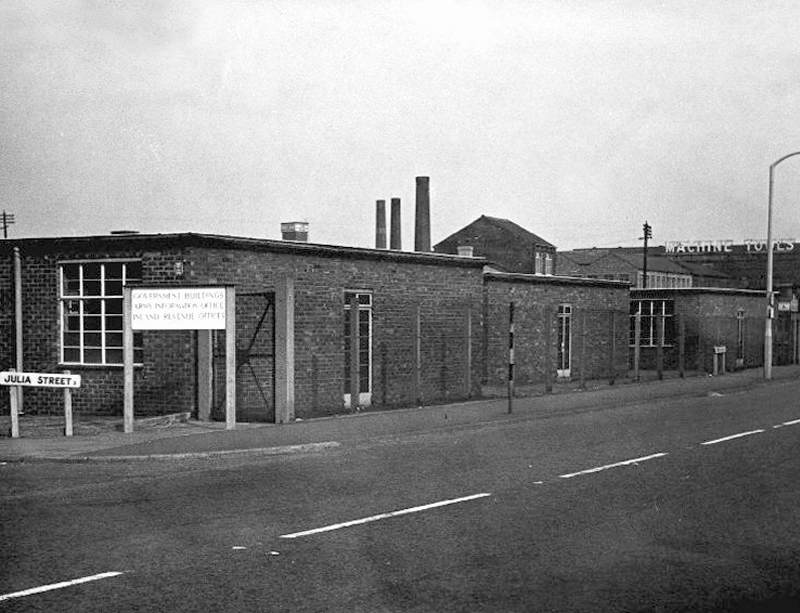
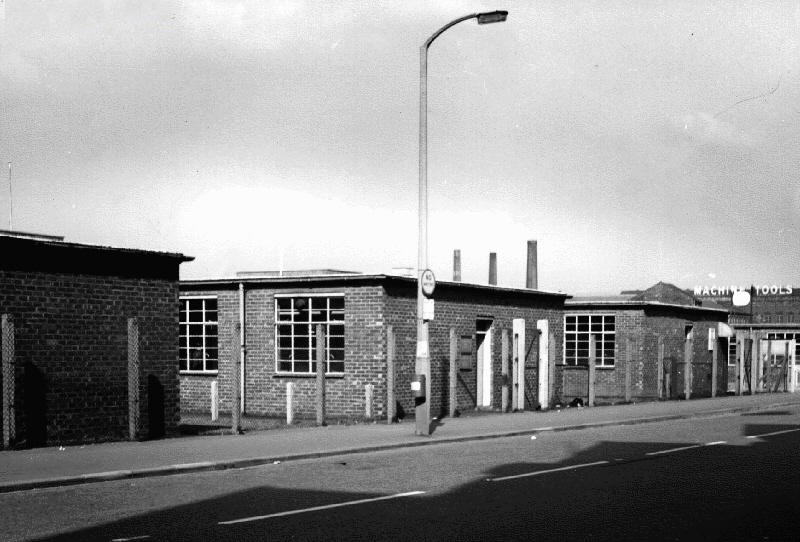
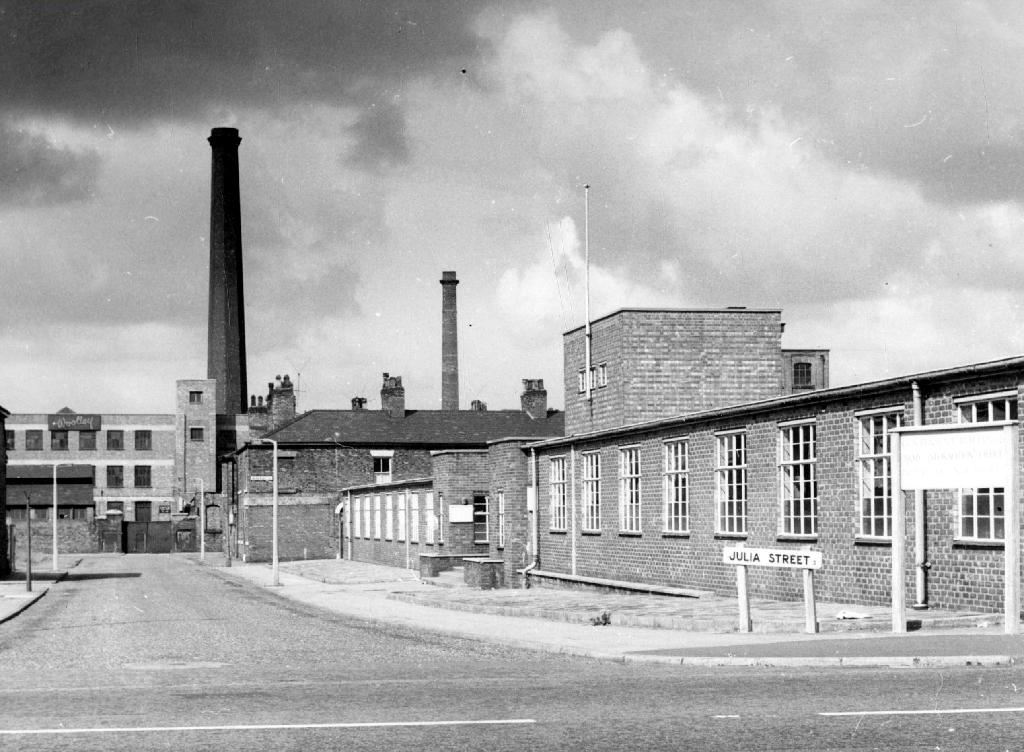
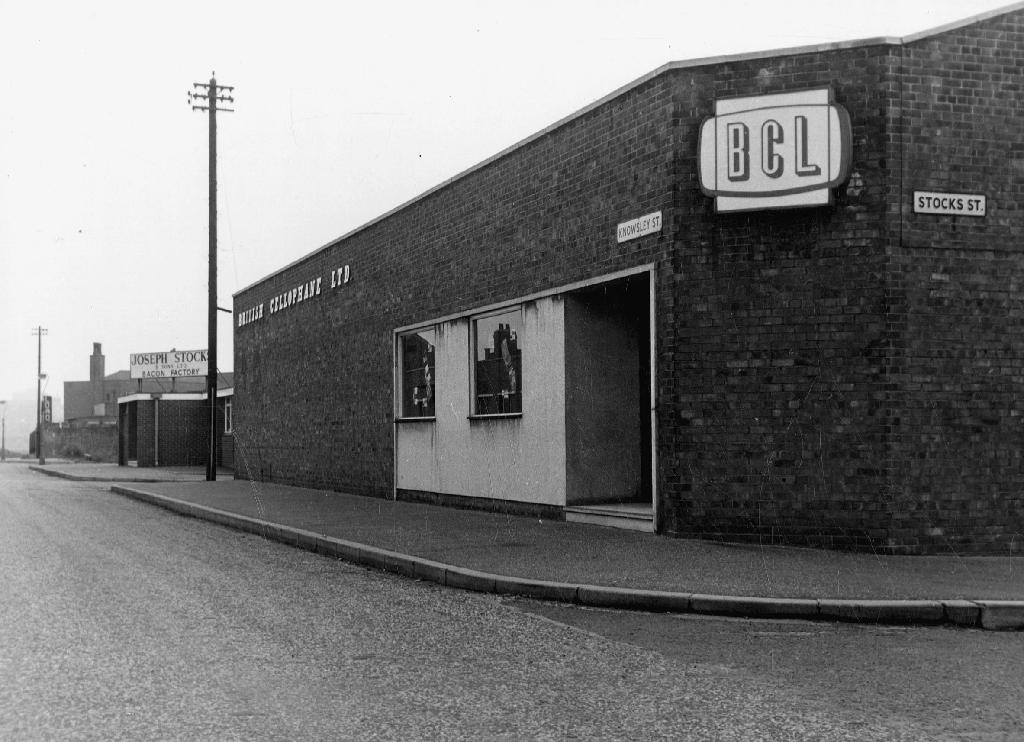
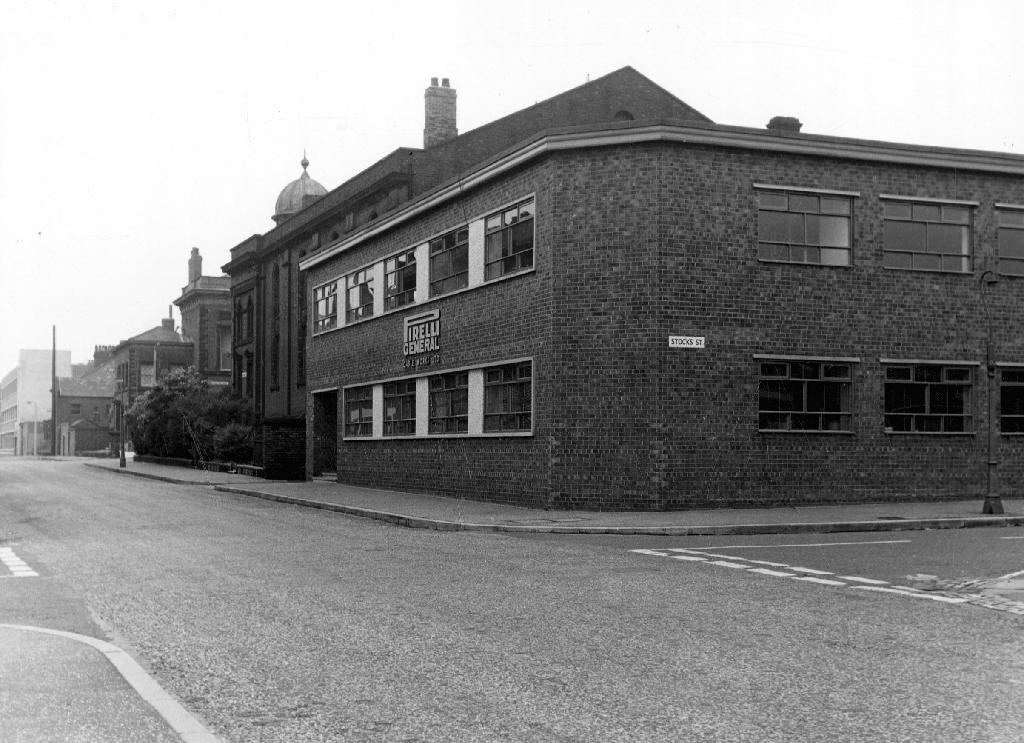
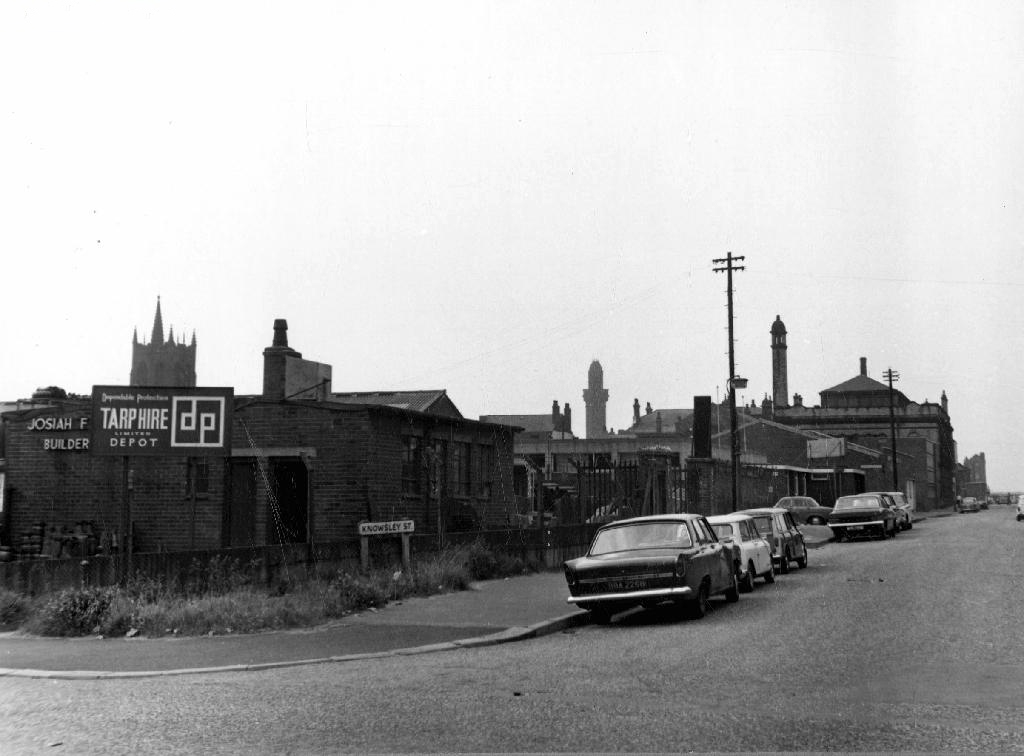
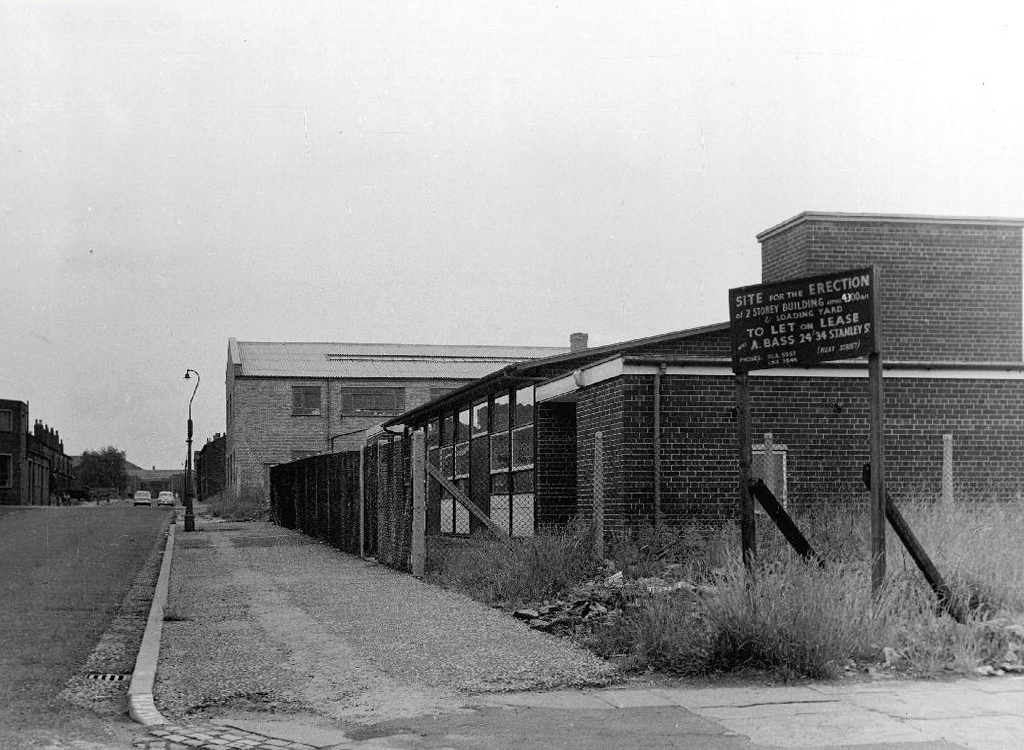
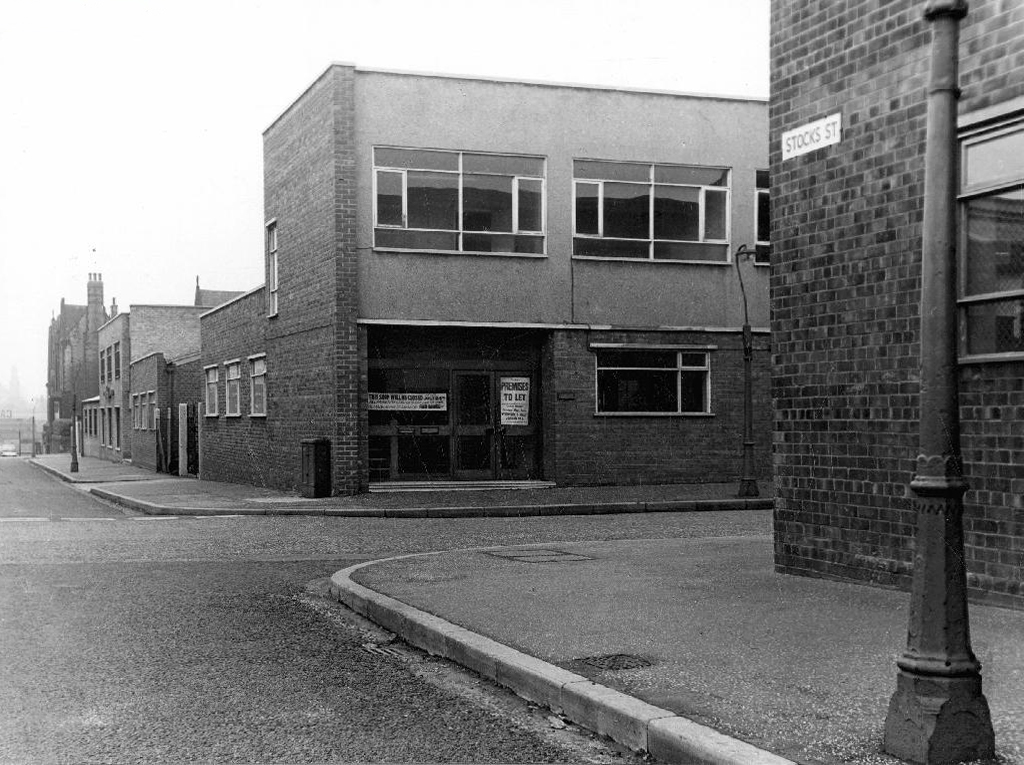
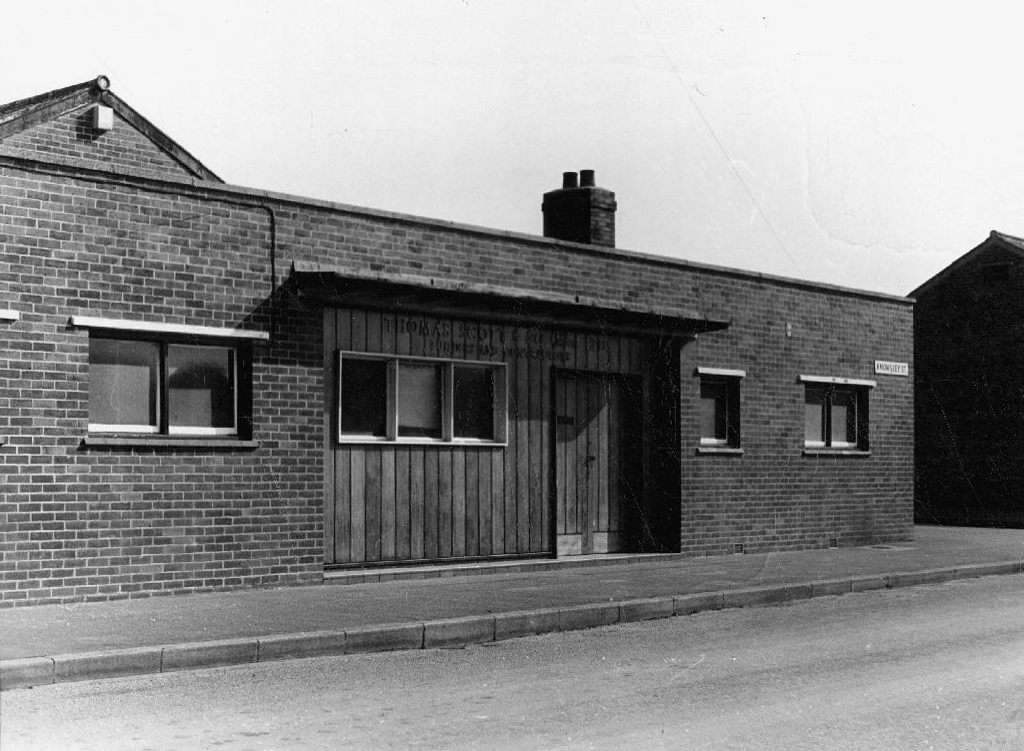
So let’s take a look at the ever so strange streets of Strangeways, in that period of change during the latter part of the Twentieth Century, when manufacturing, retail, repair and distribution were almost, just about to disappear in a puff of globalisation, economic depression and Thatcherism. Where Jack and Jill the lads and lasses, traded, ducked, dived, wheeler dealed from Cortinas, Transits and low milage, one owner, luxuriously leather-seated and walnut-dashed Jags. A vanishing or vanished world, where however briefly – Manchester went architecturally mod.

webmedia-1.php

webmedia-7.php

webmedia.php

Bent Street

webmedia-4.php

webmedia-6.php

webmedia-7.php

webmedia-9.php

webmedia-13.php

Broughton Street

webmedia-1.php

webmedia.php

Carnarvon Street

webmedia-1.php

webmedia-2.php

webmedia.php

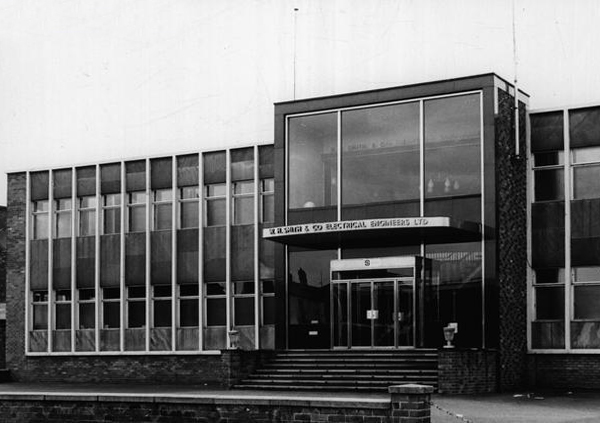
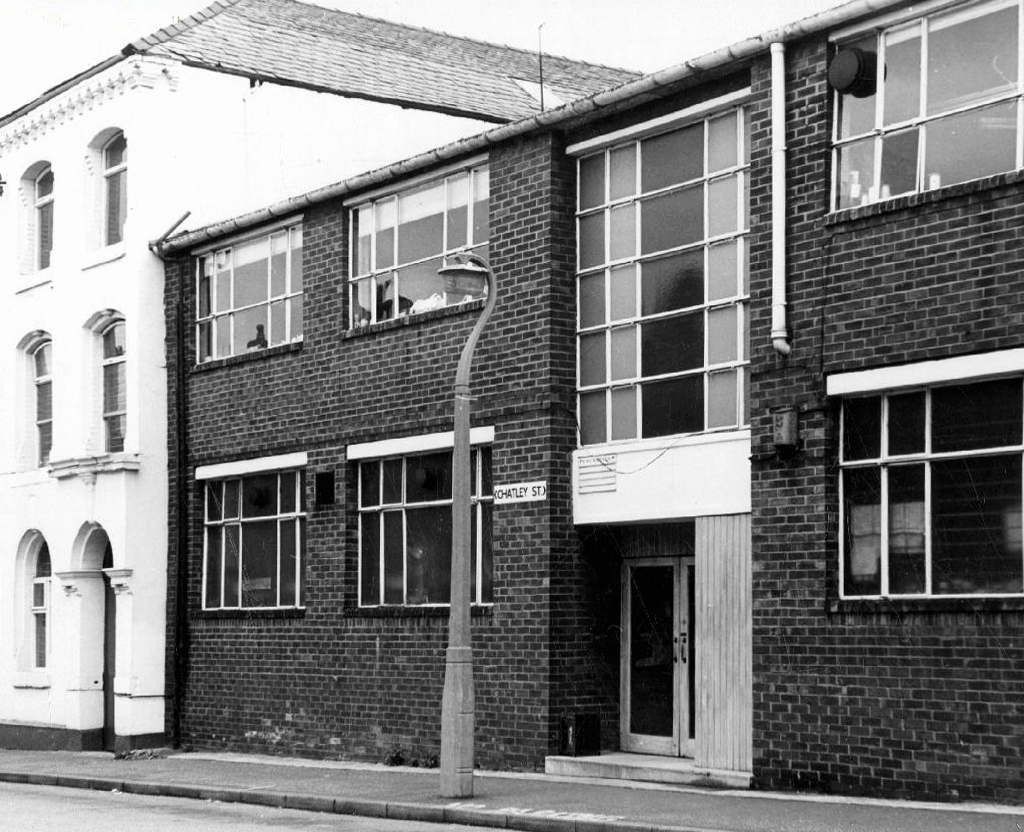
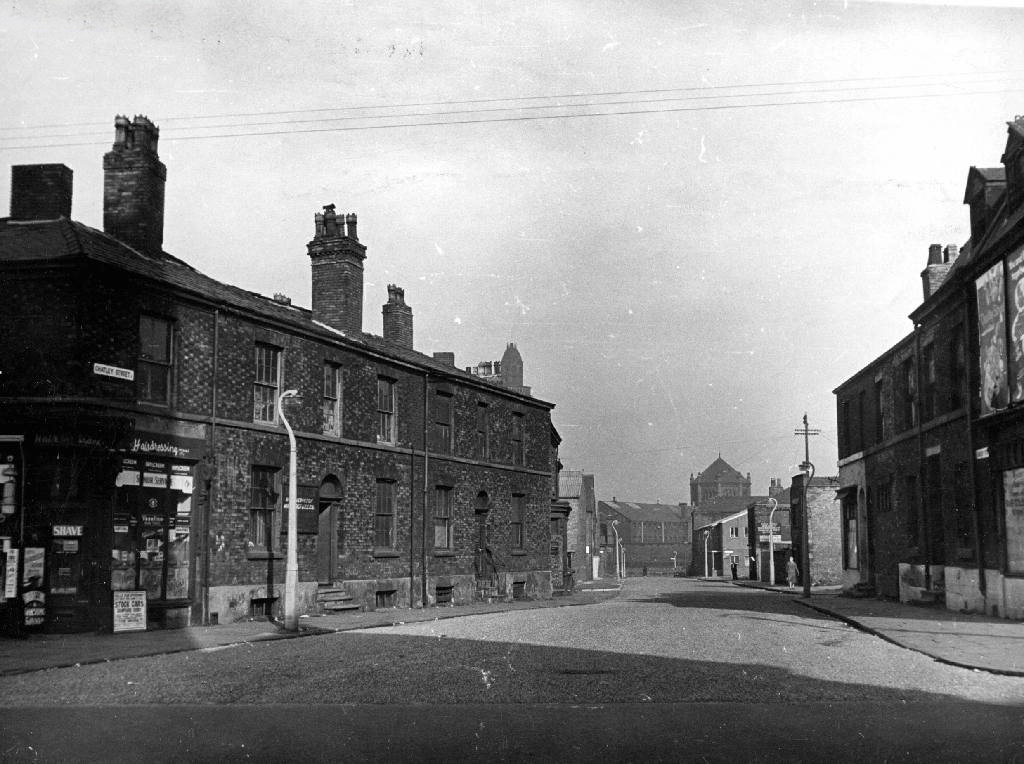
Chatley Street

webmedia-5.php

webmedia-9.php

webmedia-10.php

webmedia-4.php

Cheetwood Street

webmedia-3.php

webmedia-5.php

webmedia-8.php

webmedia-9.php copy

webmedia-11.php

webmedia-12.php

webmedia-18.php

Derby Street

webmedia-1.php

webmedia-2.php

webmedia.php

Julia Street

webmedia-1.php

webmedia-2.php

webmedia-3.php

webmedia-5.php

webmedia-6.php

webmedia-8.php

webmedia.php

Knowsely Street

webmedia.php

webmedia-8.php

webmedia-5.php

webmedia-3.php

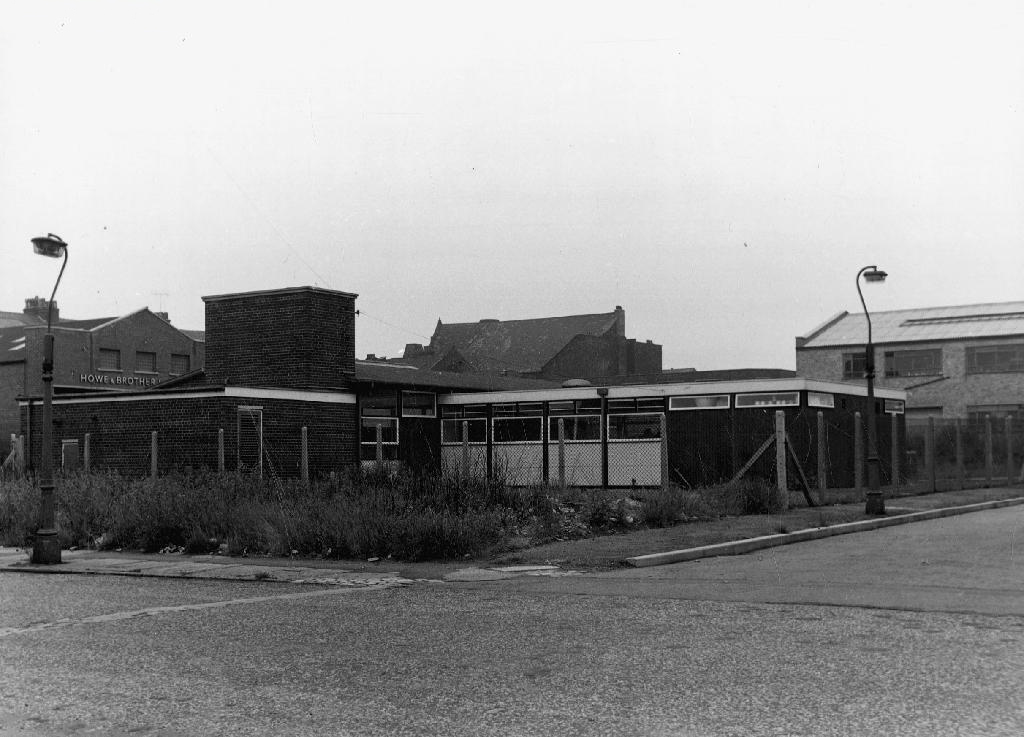
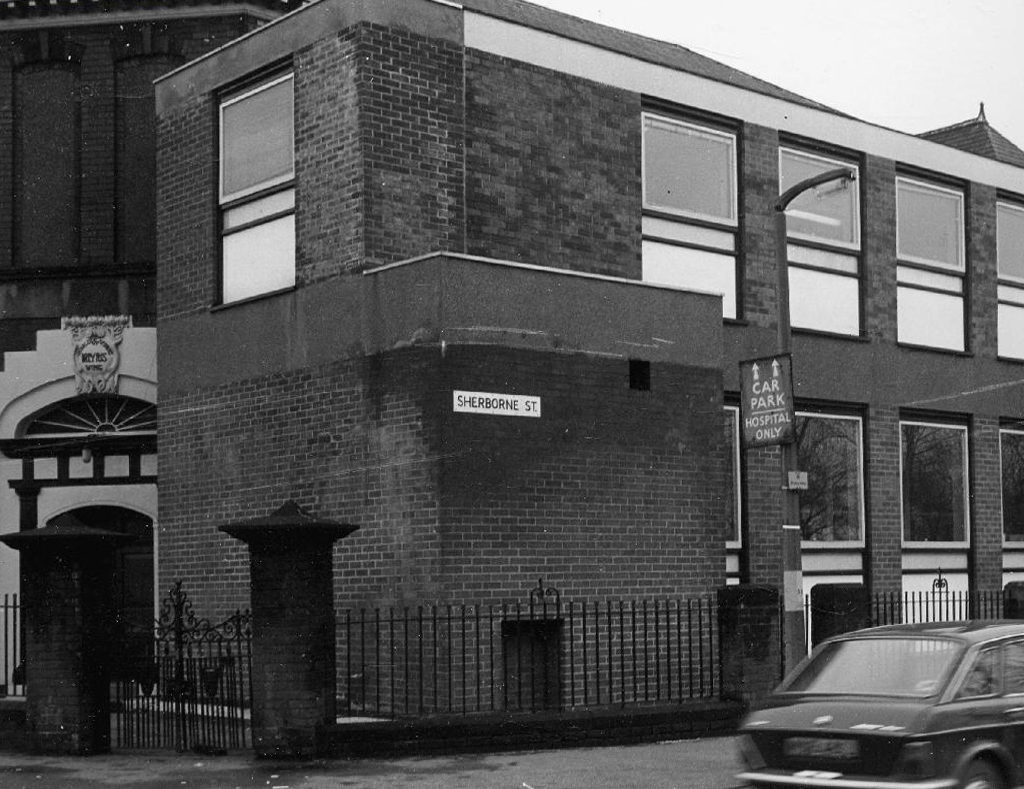
Sherbourne Street

webmedia.php

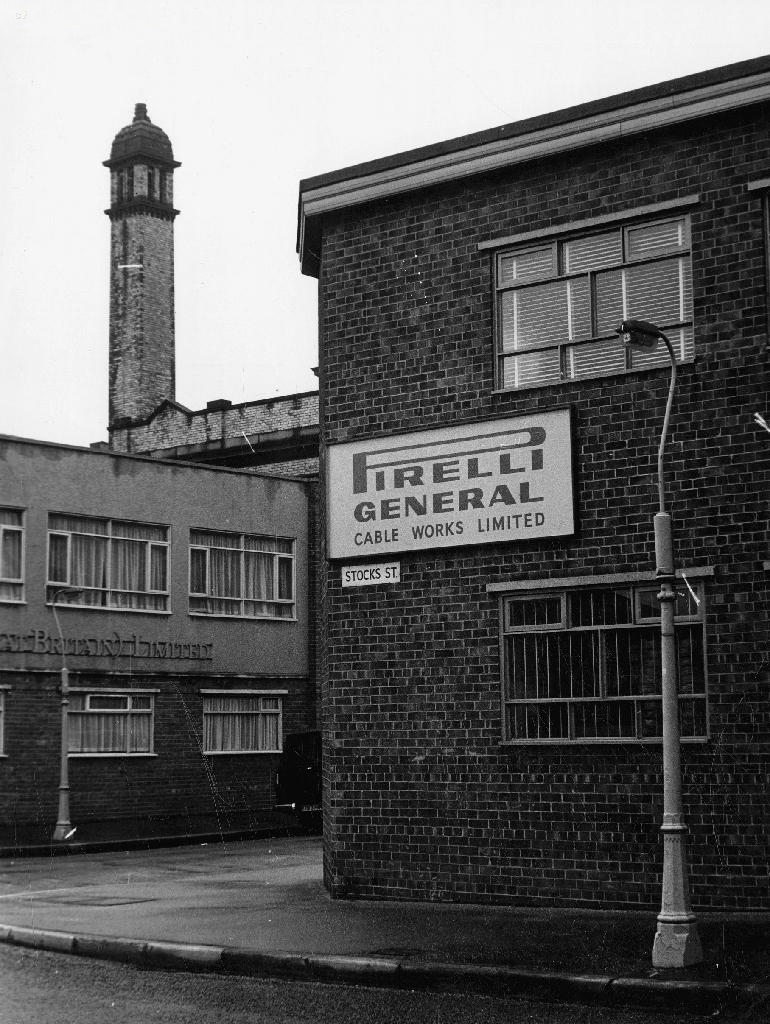
Stocks Street

All archival photographs from the Manchester Local Images Collection


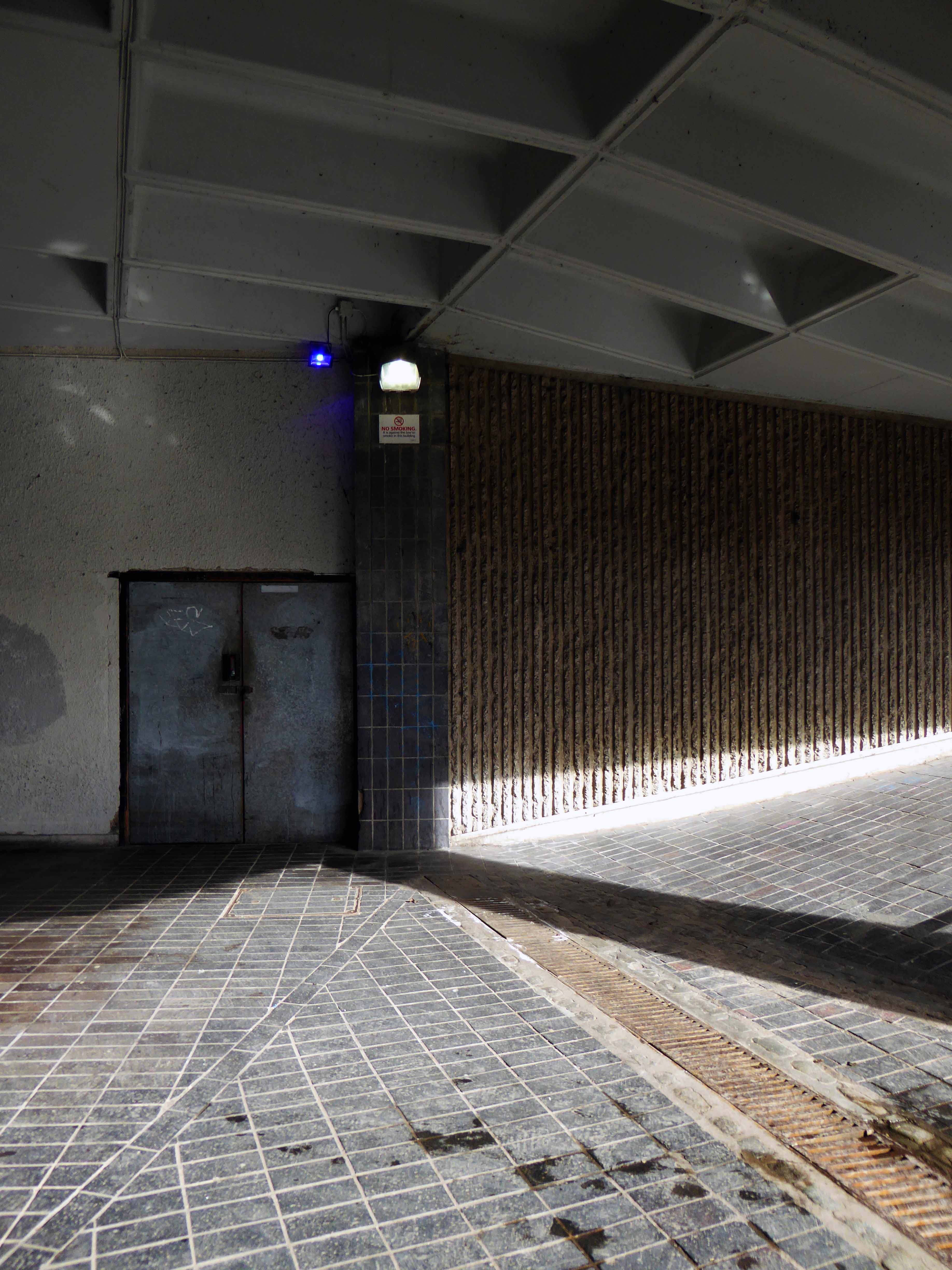
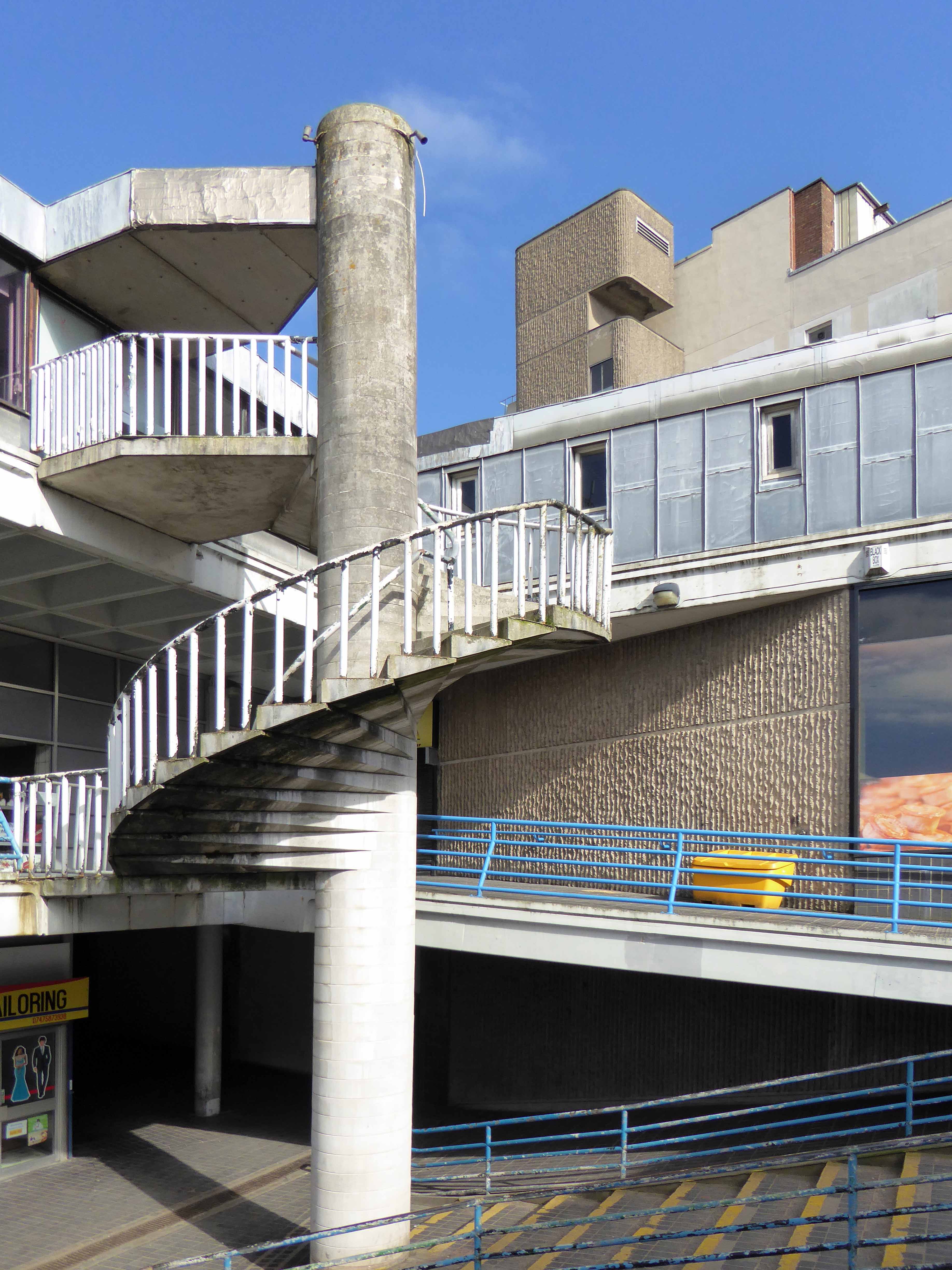
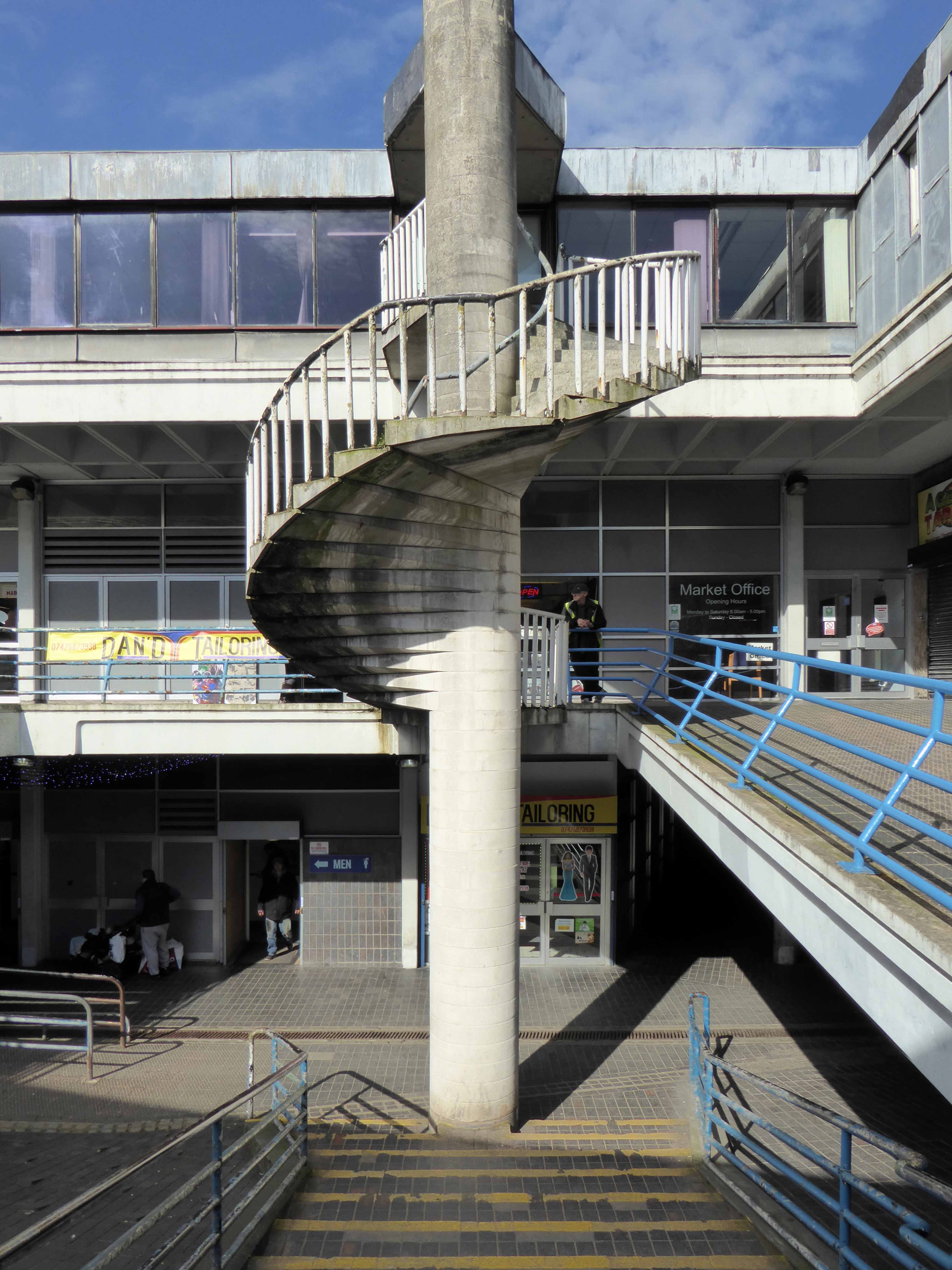
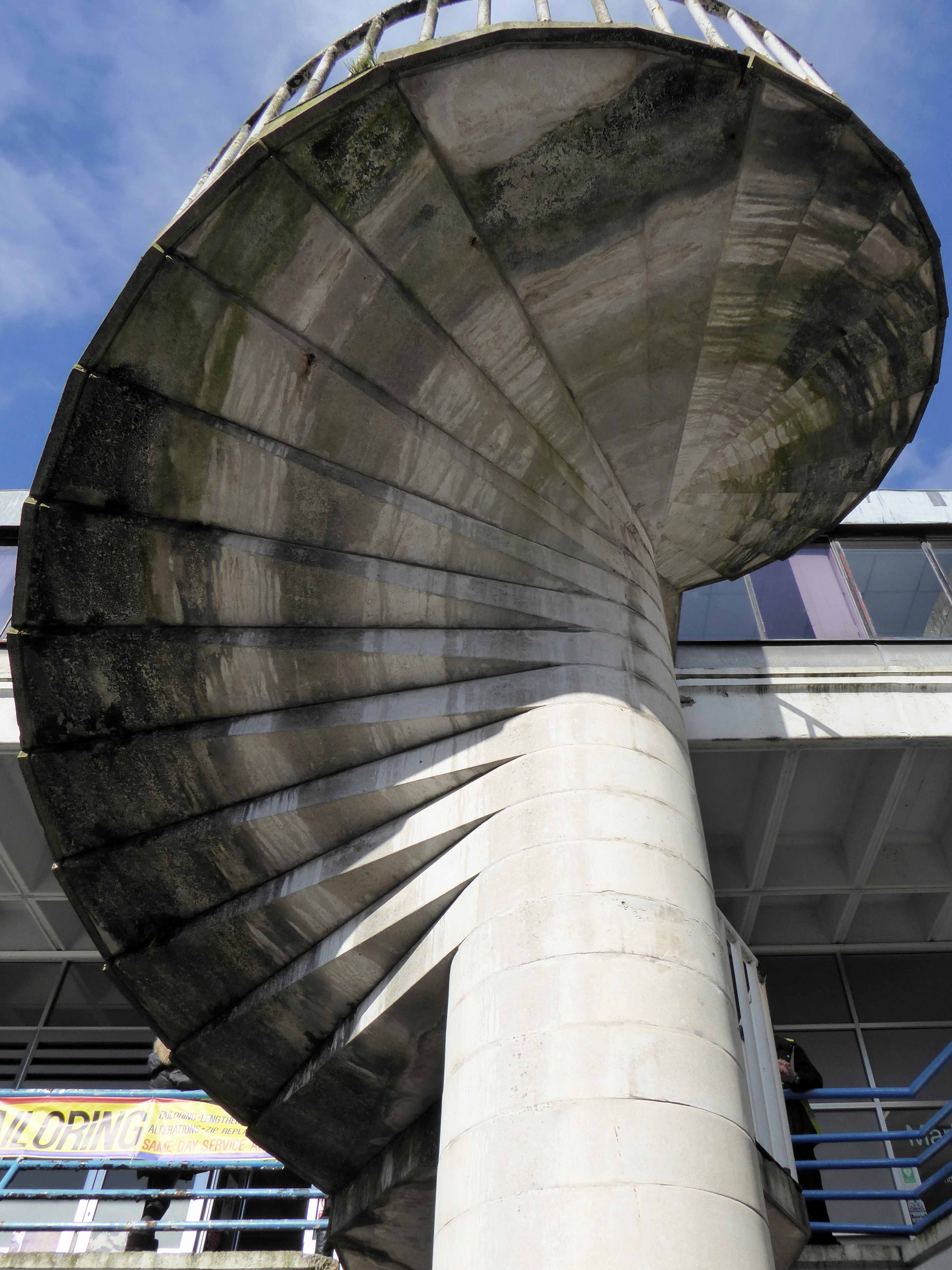
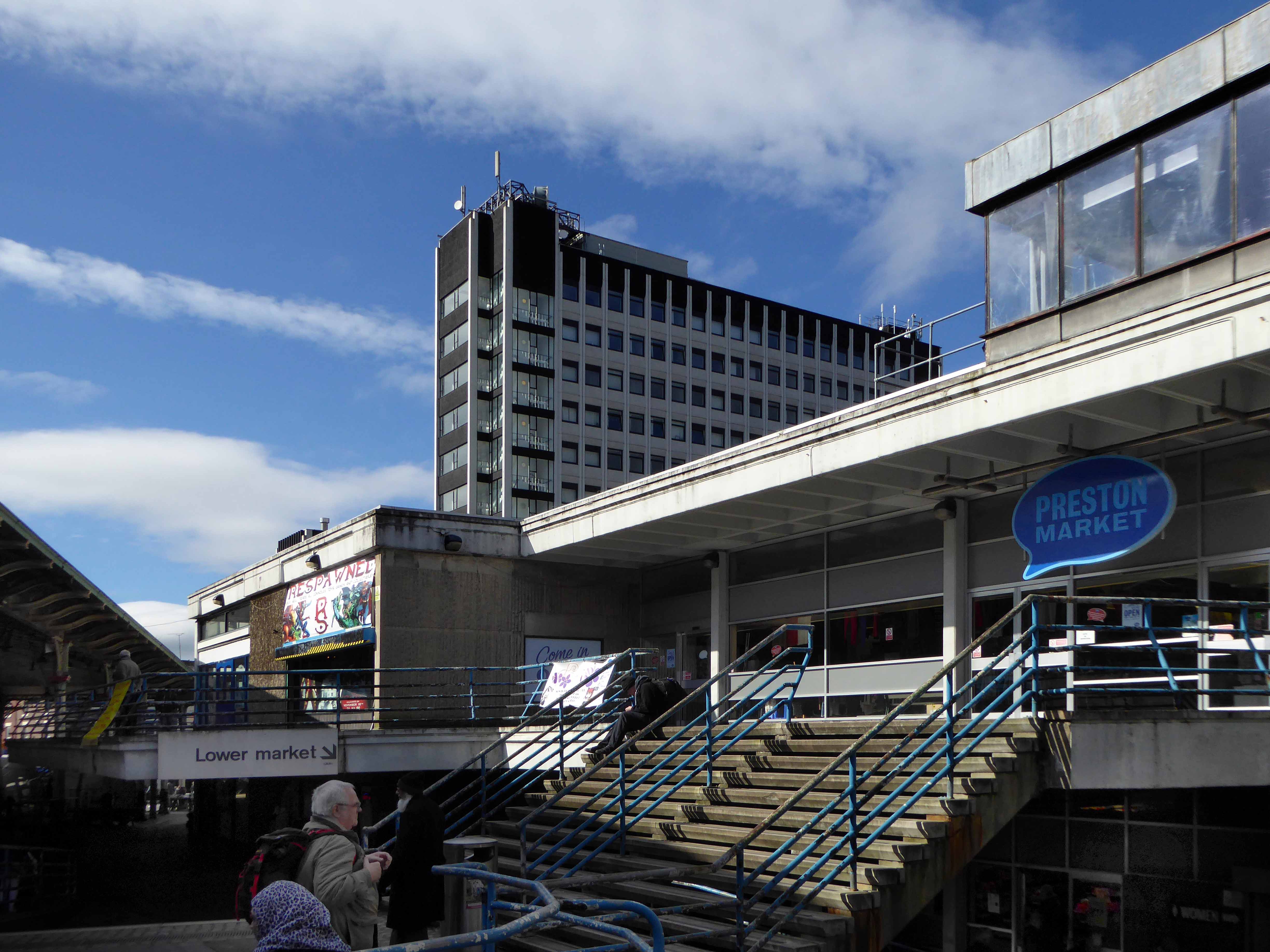
Preston Indoor Market

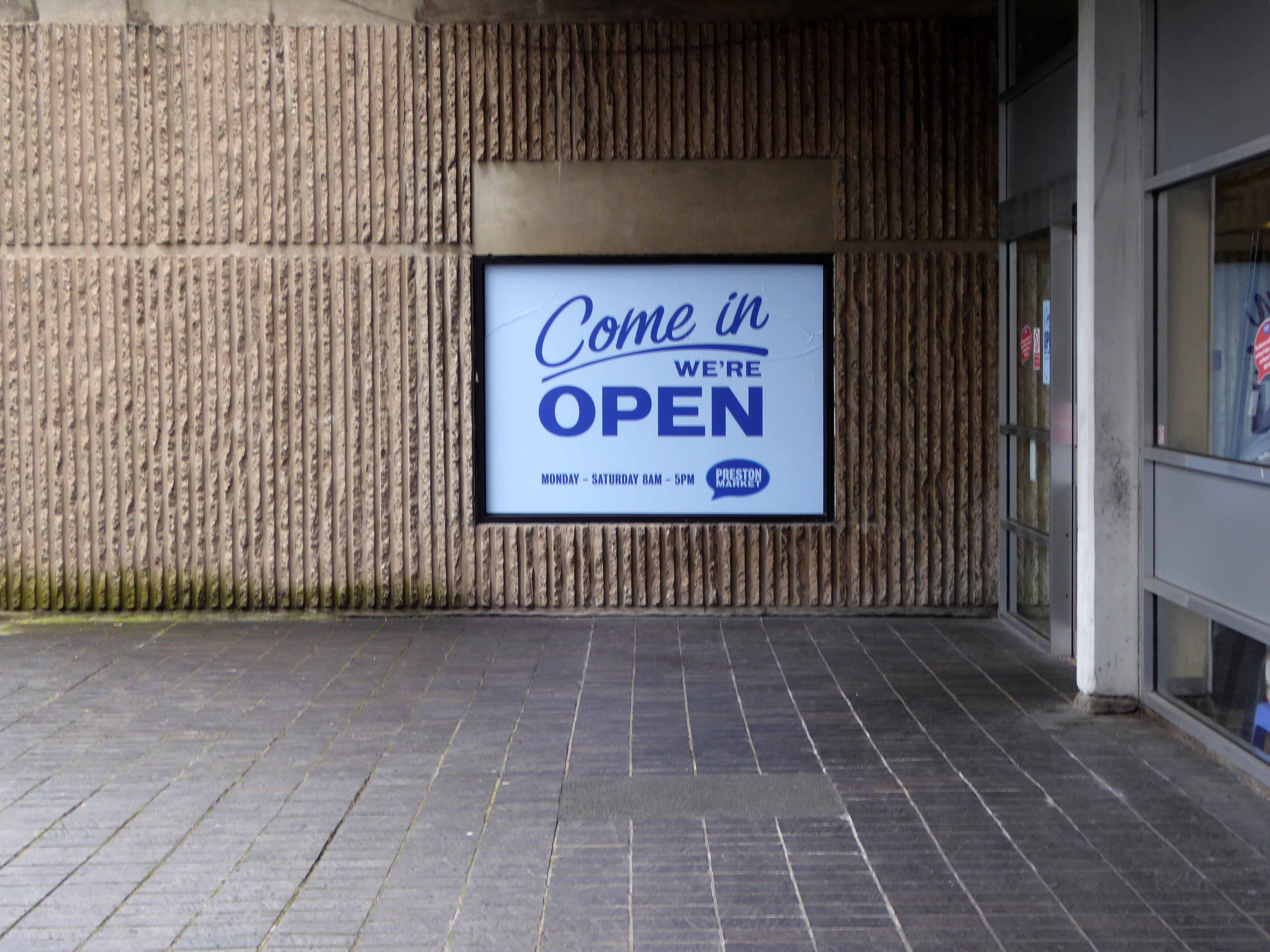
Built in 1973 scheduled to be closed and demolished in ten days time.

The future is not so red rosey for yet another traditional local market.

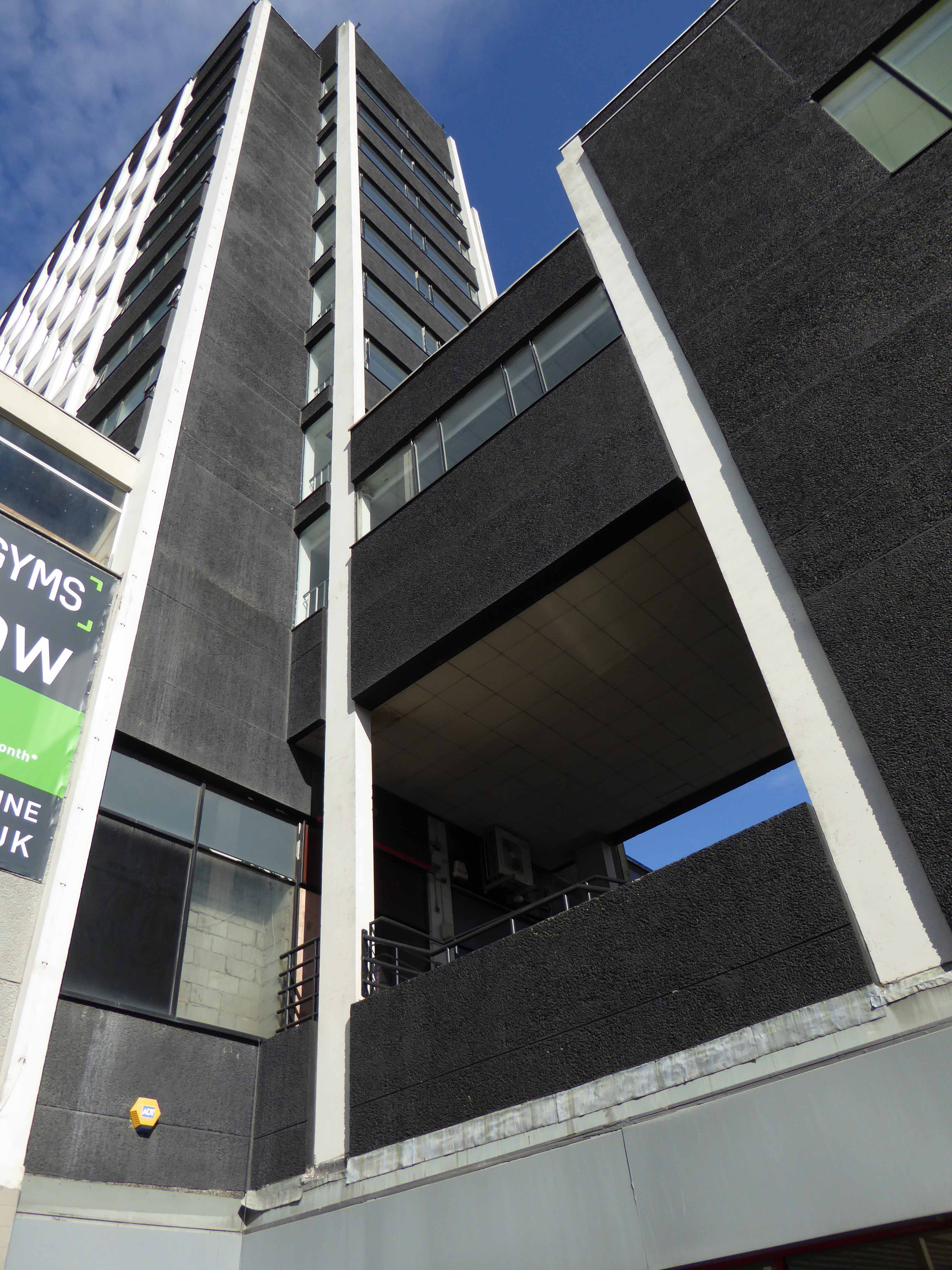
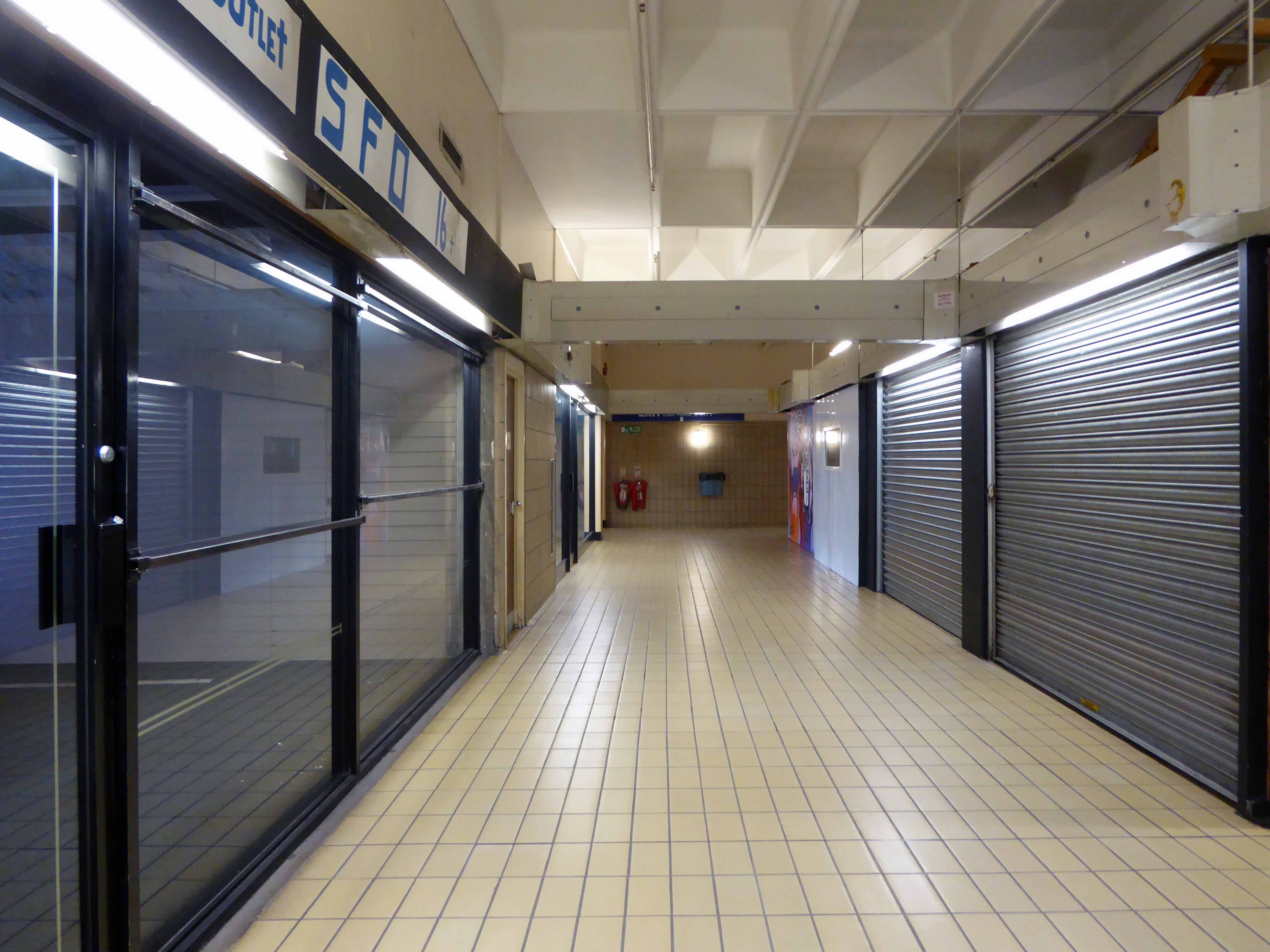
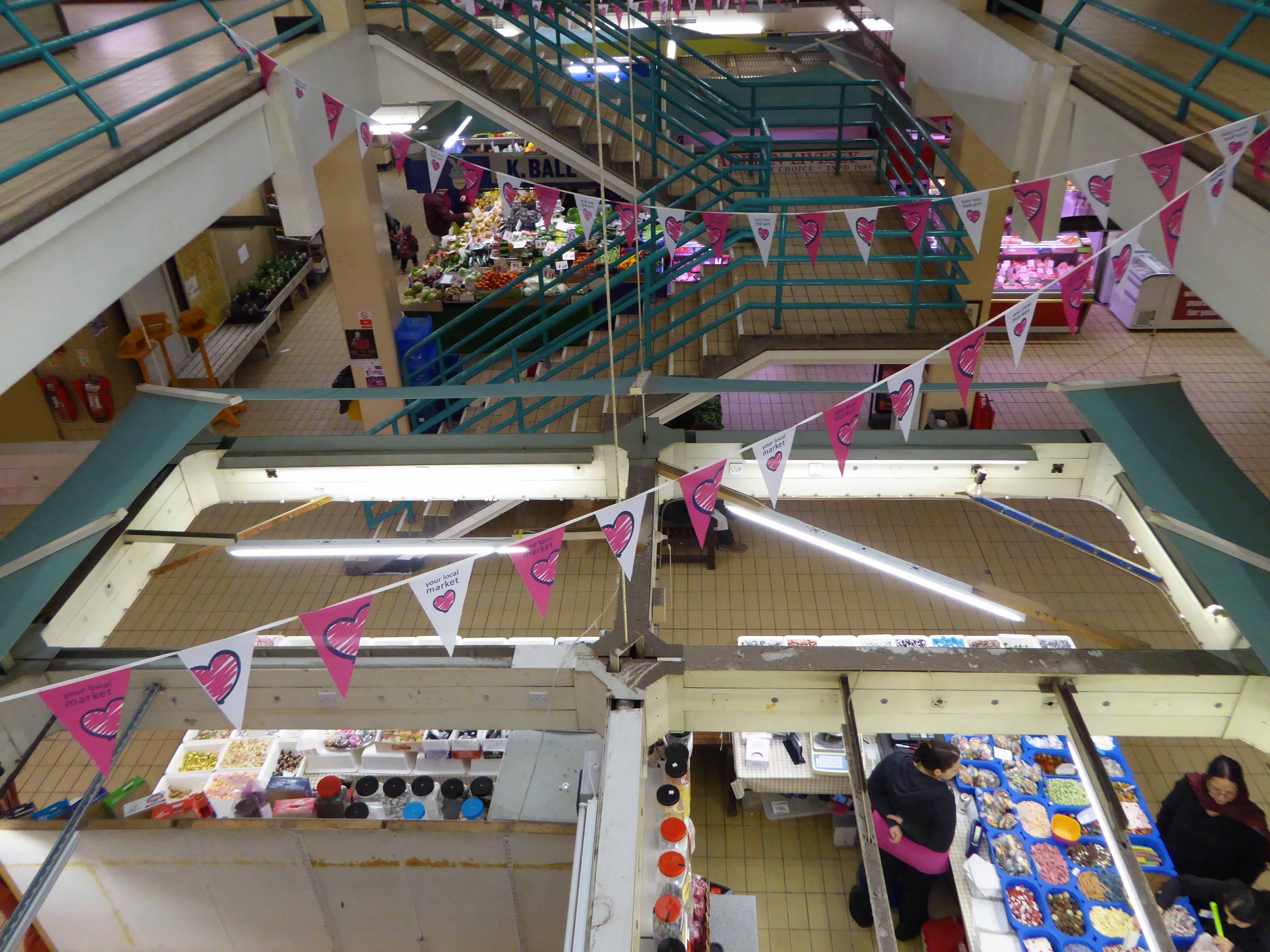
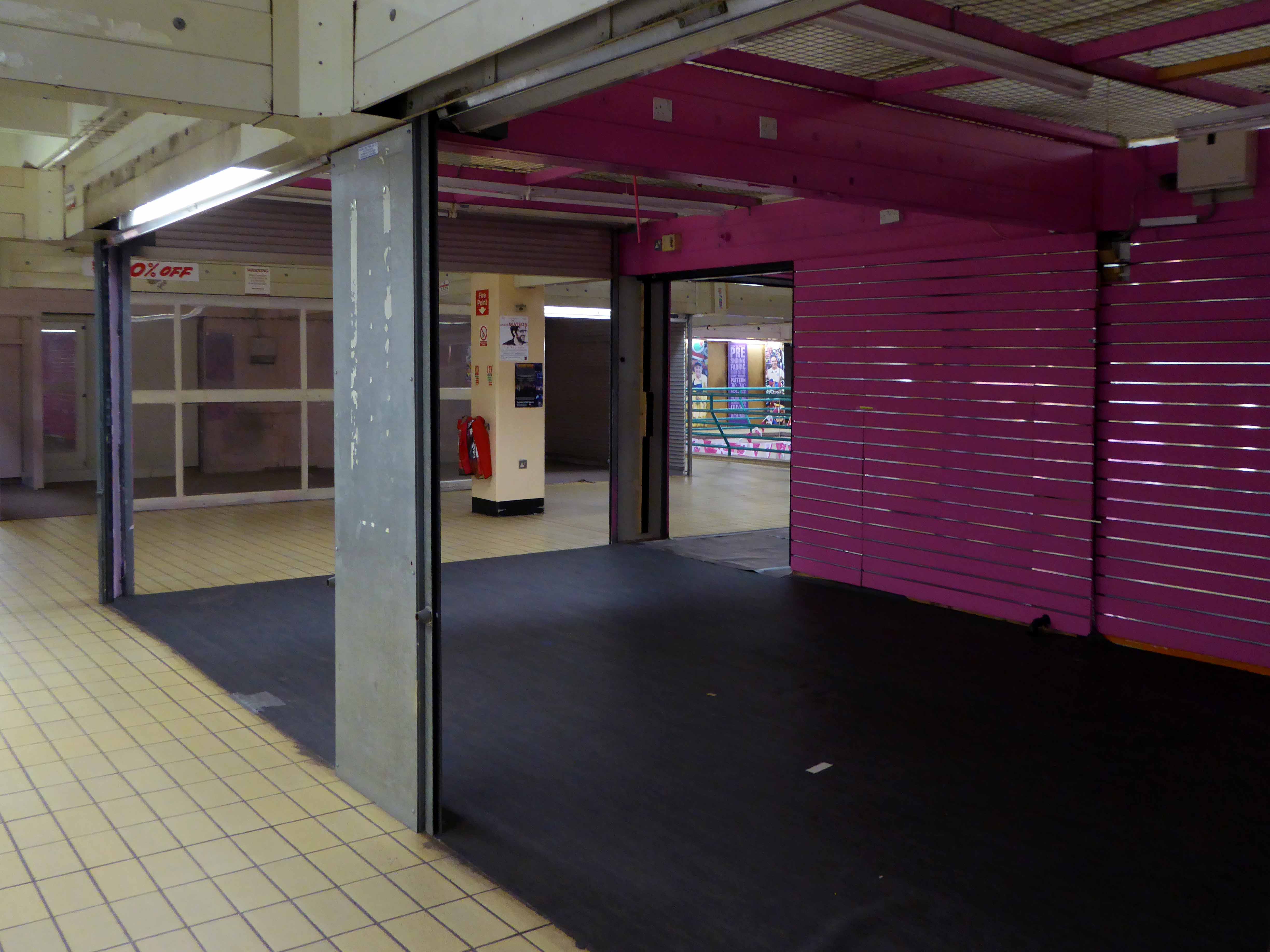
A typically boxy arrangement of steel, concrete, asbestos glass and brick, the complex of trading units, stalls and parking is not without charm. Though as with many other developments of its type, it seems to be without friends, then inevitably without customers and traders.

Following a template originated at London’s Borough Market, developers and councils seem to favour the modern artisan over the proletarian . This concept when meshed with the multi-plex and chain restaurant/bar amalgam, provides a shiny new future, for the shiny new shape of all our retail and leisure needs.

Preston-Market-Quarter-Nov-2017

So ta-ta to another world of hats and socks, fruit and veg, workwear for workers.

You’ve just about time to pop in for a brew.

Two sugars, stirred not shaken.

P1020430 copy

P1020431 copy

P1020432 copy

P1020435 copy

P1020437 copy

P1020434 copy

P1020477 copy

P1020479 copy

P1020480 copy

P1020481 copy

P1020482 copy

P1020484 copy

P1020485 copy

P1020486 copy

P1020487 copy


P1020490 copy

P1020491 copy

P1020492 copy


P1020494 copy

P1020495 copy

P1020496 copy


Mottram Street Flats – Stockport

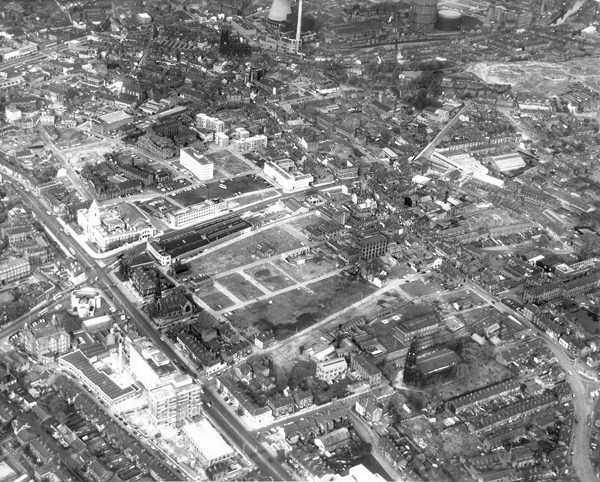
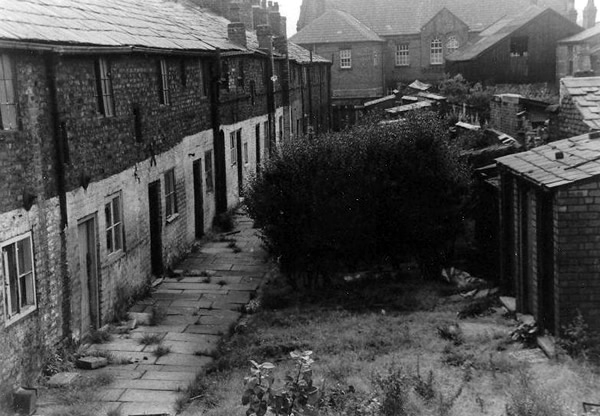
A post-war northern town, facing the problems of bomb damage, poor quality housing, and the pressing need for new homes.

In 1963 there seemed to be space and the will to build, the site at the centre of the image flanked by ageing Victorian terraces and industry.

5060

1960a

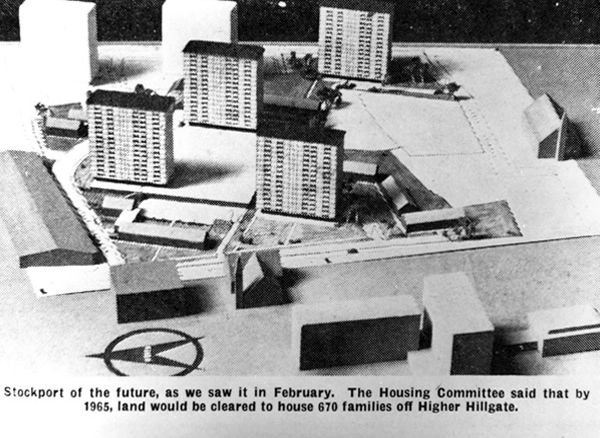
Soon to become the Mottram Street Development.

31117

5061

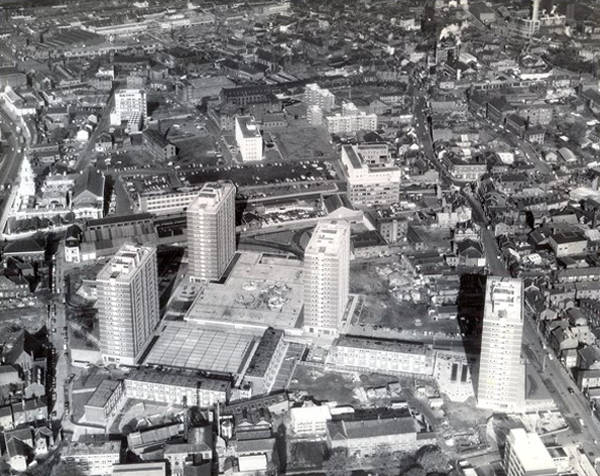
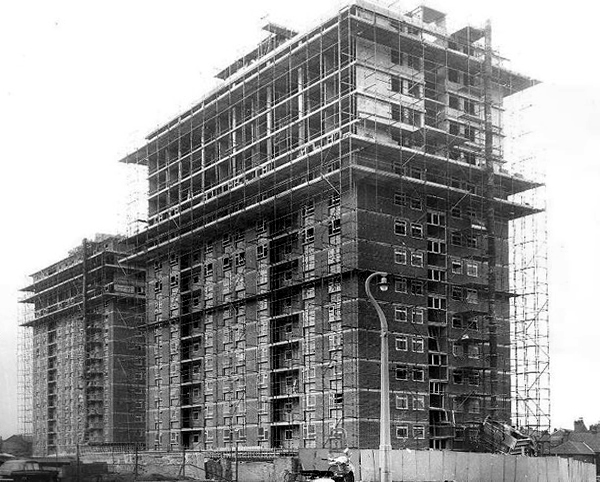
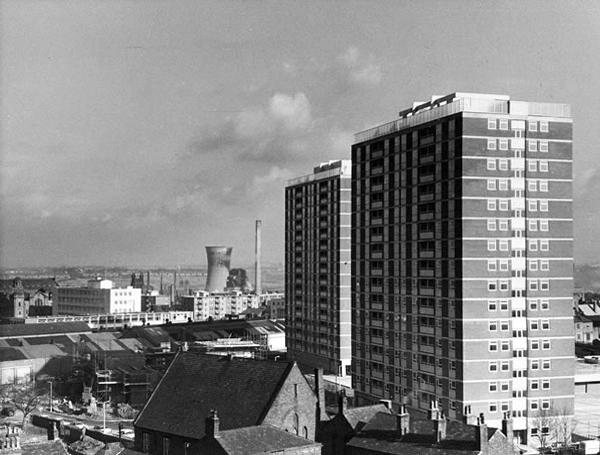
Back in 1965 these were the highest housing tower blocks in Greater Manchester.

The work of borough architects John Rank and Clifford Fernley.

1348

123

1351

1352

1353

34249

47177

1960’s Photographs from the Stockport Image Archive

Screen Shot 2017-10-22 at 14.01.33

Screen Shot 2017-10-22 at 14.02.34

1980’s photographs from The Tower Block

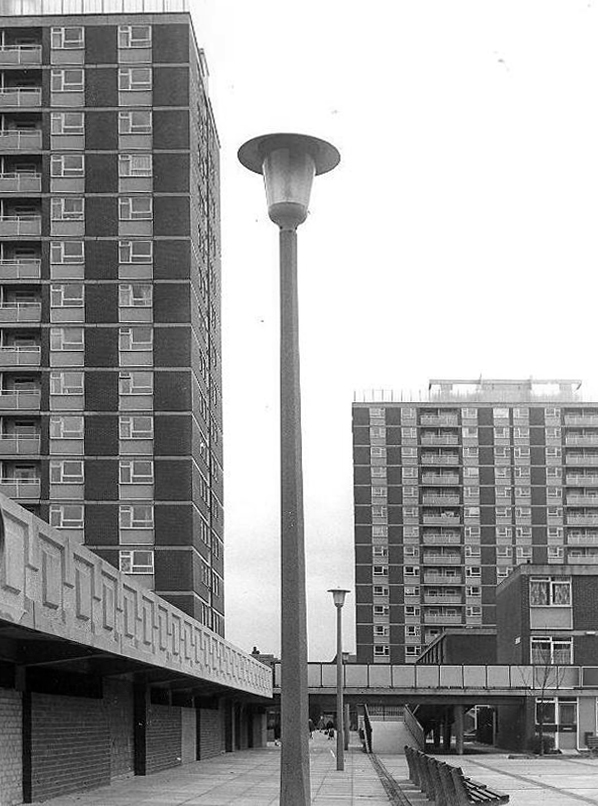
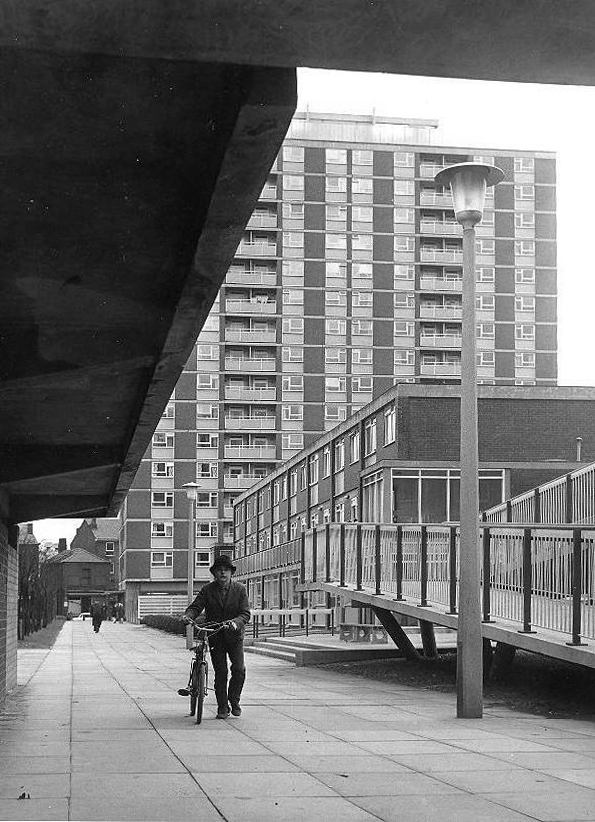
Typically they incorporated concrete street furniture, sculptural and decorative detail, in keeping with the age.

Like many other developments of the period they have subsequently been clad, fenced, painted and secured beyond recognition.

There was a raised concrete play area, of which nothing has survived.

A little of their original character however has prevailed – a William Mitchellesque fallen obelisk, along with some panelling and planters.

The monolith was designed by Peter Shuttleworth, a newly qualified architect at Stockport Council

Curious to see public art behind bars

– would that they were removed.

DSC_0038 copy

a new relief copy

DSC_0032 copy

DSC_0033 copy

DSC_0037 copy

DSC_0039 copy

DSC_0046 copy

DSC_0047 copy

DSC_0048 copy

DSC_0049 copy

DSC_0050 copy

DSC_0051 copy

DSC_0030 copy

Queen Elizabeth II Law Courts – Liverpool

And so castles made of sand, 
Fall in the sea, eventually.

Once there was a battle here, several actually, and battles mean castles, possibly.

13

Erected in the between 1232 and 1235, inevitably through the passage of time, blows were exchanged, the Banastre Rebellion of 1315, and later in 1689 Prince Rupert was battered by King Billy, and so on until it was eventually demolished in 1726. A series of churches ensued, finally to be supplanted by the arrival of an amusingly statuesque Queen Victoria, replete with plaque.

1200px-Victoria_Monument,_Liverpool_Plaque_2

In 1976 excavation of the south side of Castle Street was conducted before the construction of the Crown Courts building, which was built in the style of a castle.

What goes around comes around, ending up largely square in Derby Square.

And lo and so it came to pass, new law courts were erected upon the site begun in 1973, opened in 1984. Architects were Farmer and Dark, who were also responsible for the Fawley Power Station.

fawley

And the Cornwallis Building at the University of Kent.

Cornwallis uok 68

I passed by there yet again last Saturday, still maintaining a restrained ambivalence regarding this monolithic concrete and sand pseudo-castle. Less than, and larger than the sum of its parts. The quirky detailing and awkward geometry, producing a somewhat confused, yet imposing scheme, an ossified pinkish ribbed construct from another age.

Mass – possibly without redemption.

P1200504

P1200505

P1200506

P1200507

P1200508

P1200509

P1200510

Coat of arms by Richard Kindersley

P1200513

P1200515

P1200518

P1200519

P1200521

P1200523

P1200524

P1200525

P1200527

P1200529

P1200530

P1200532

P1200534

P1200537

St Marks Broomhill – Sheffield

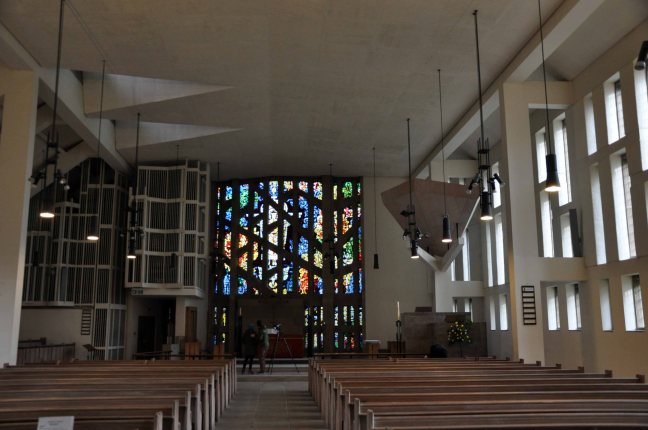
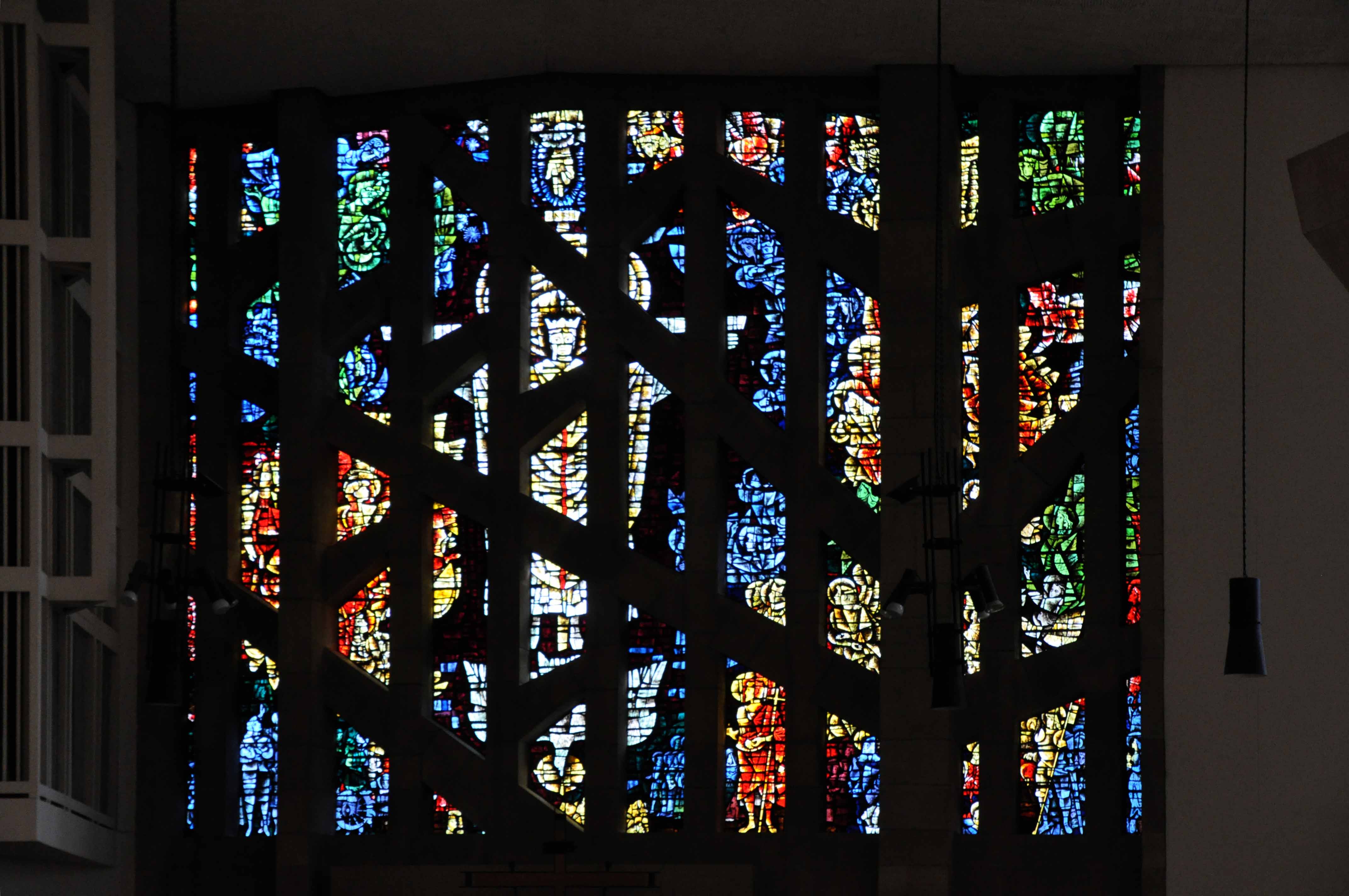
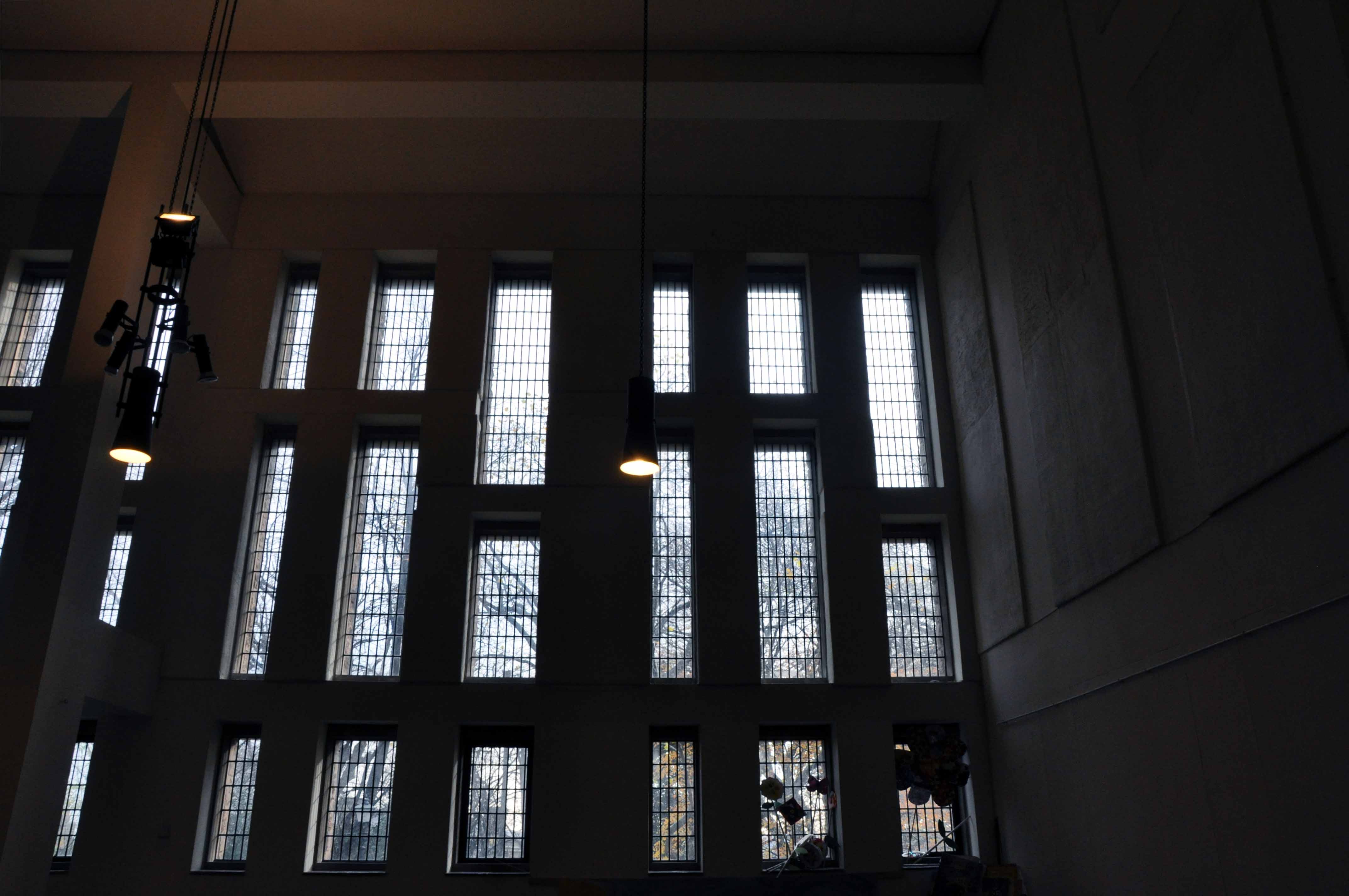
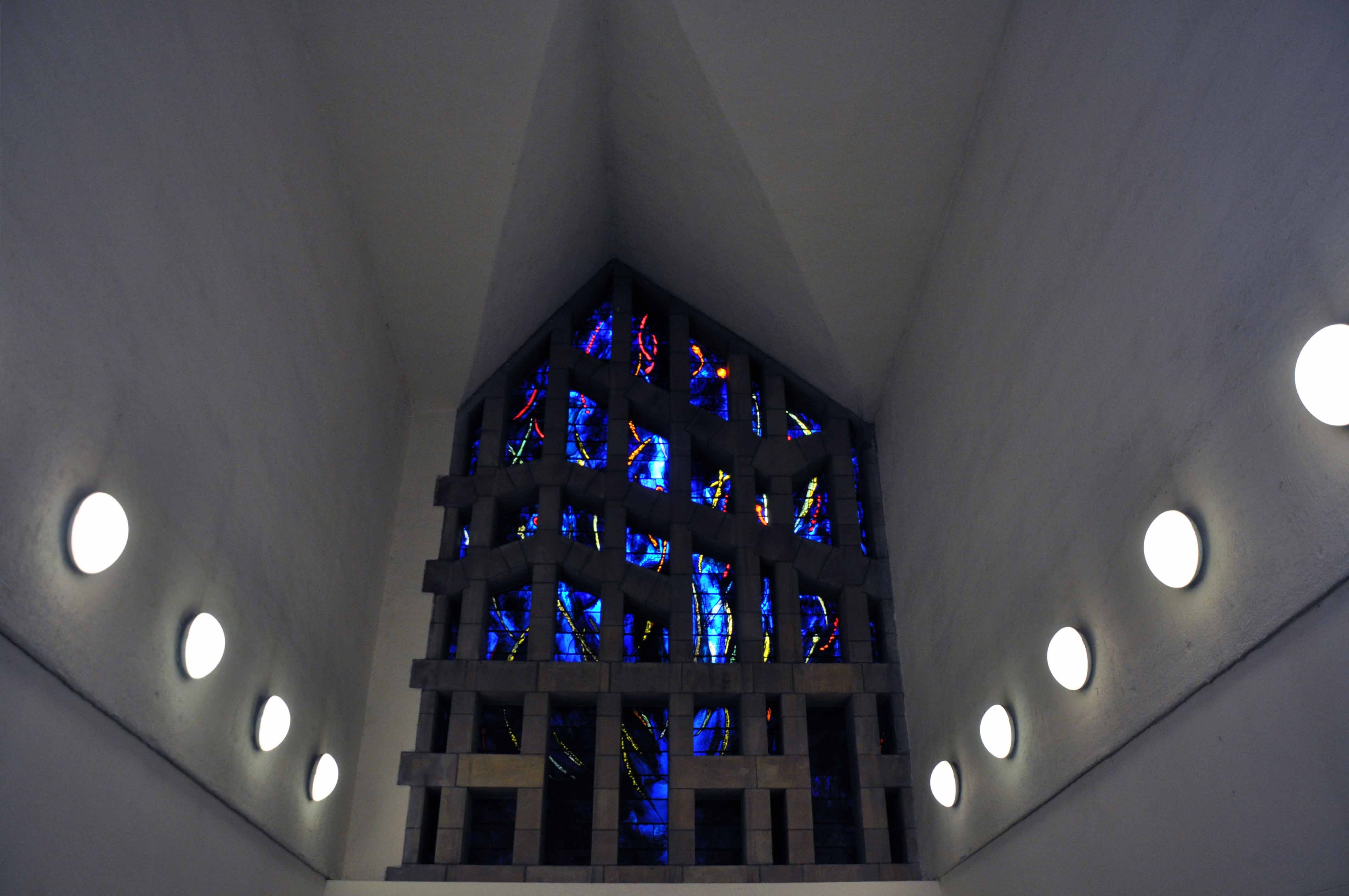
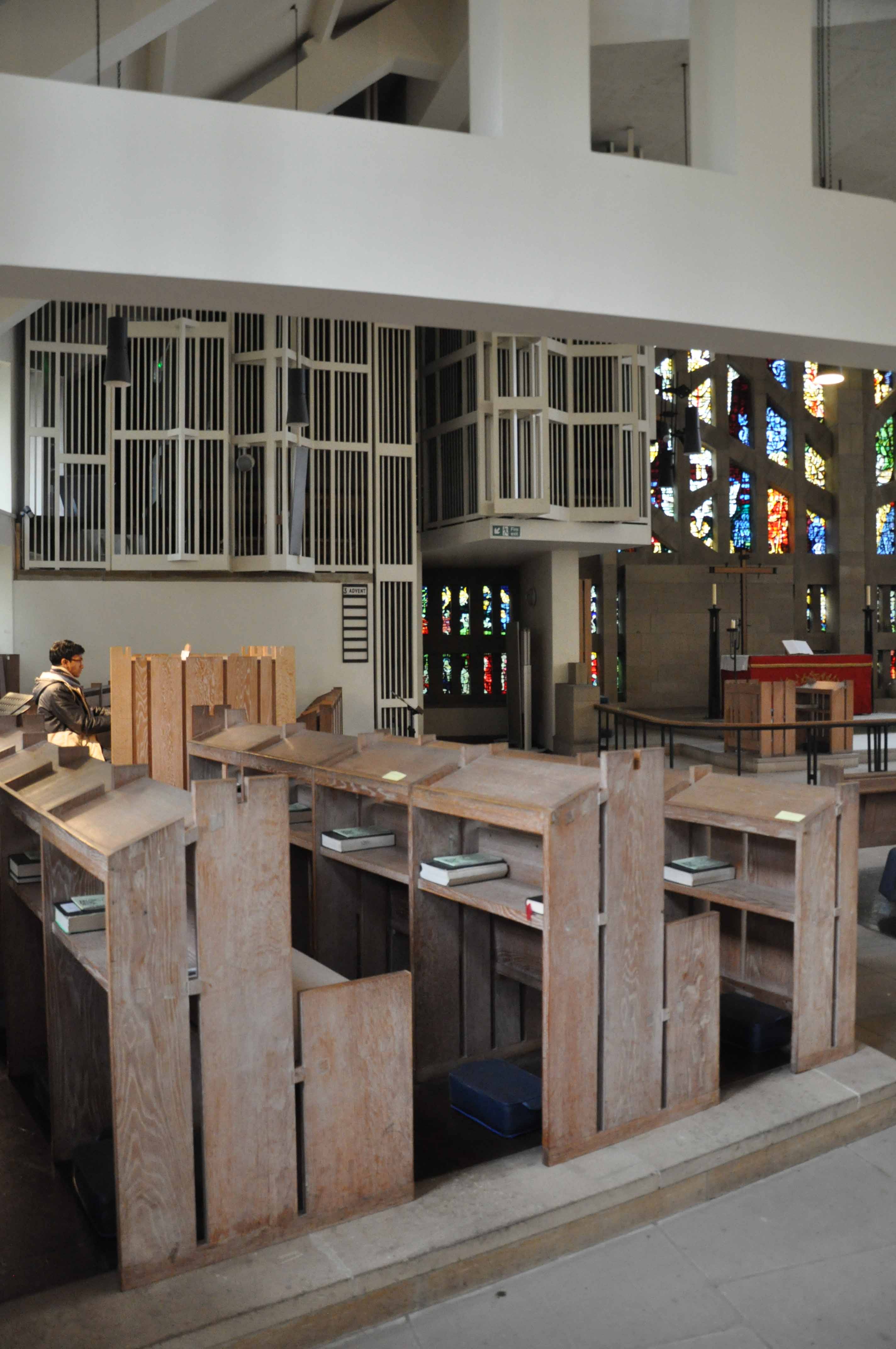
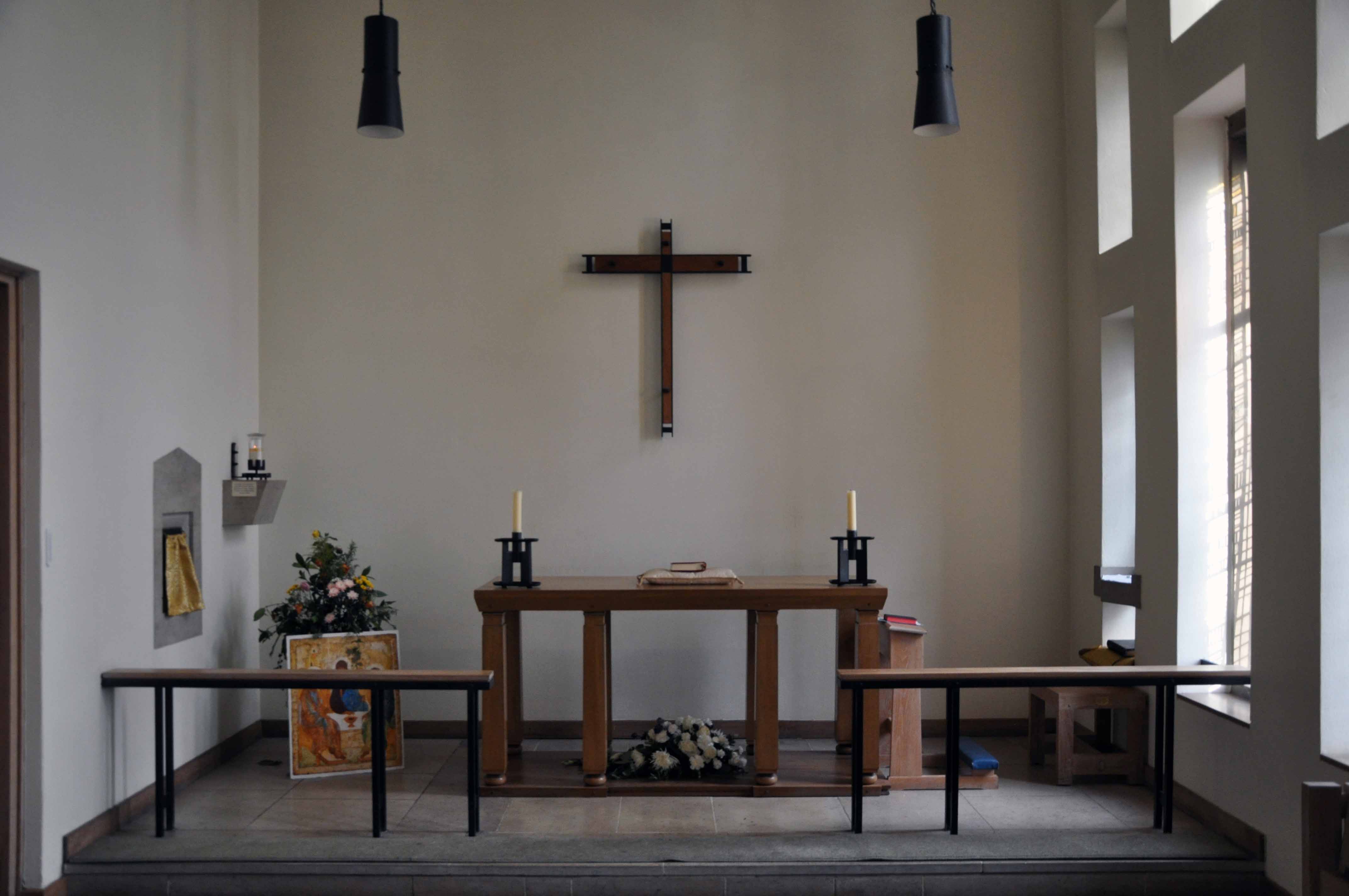
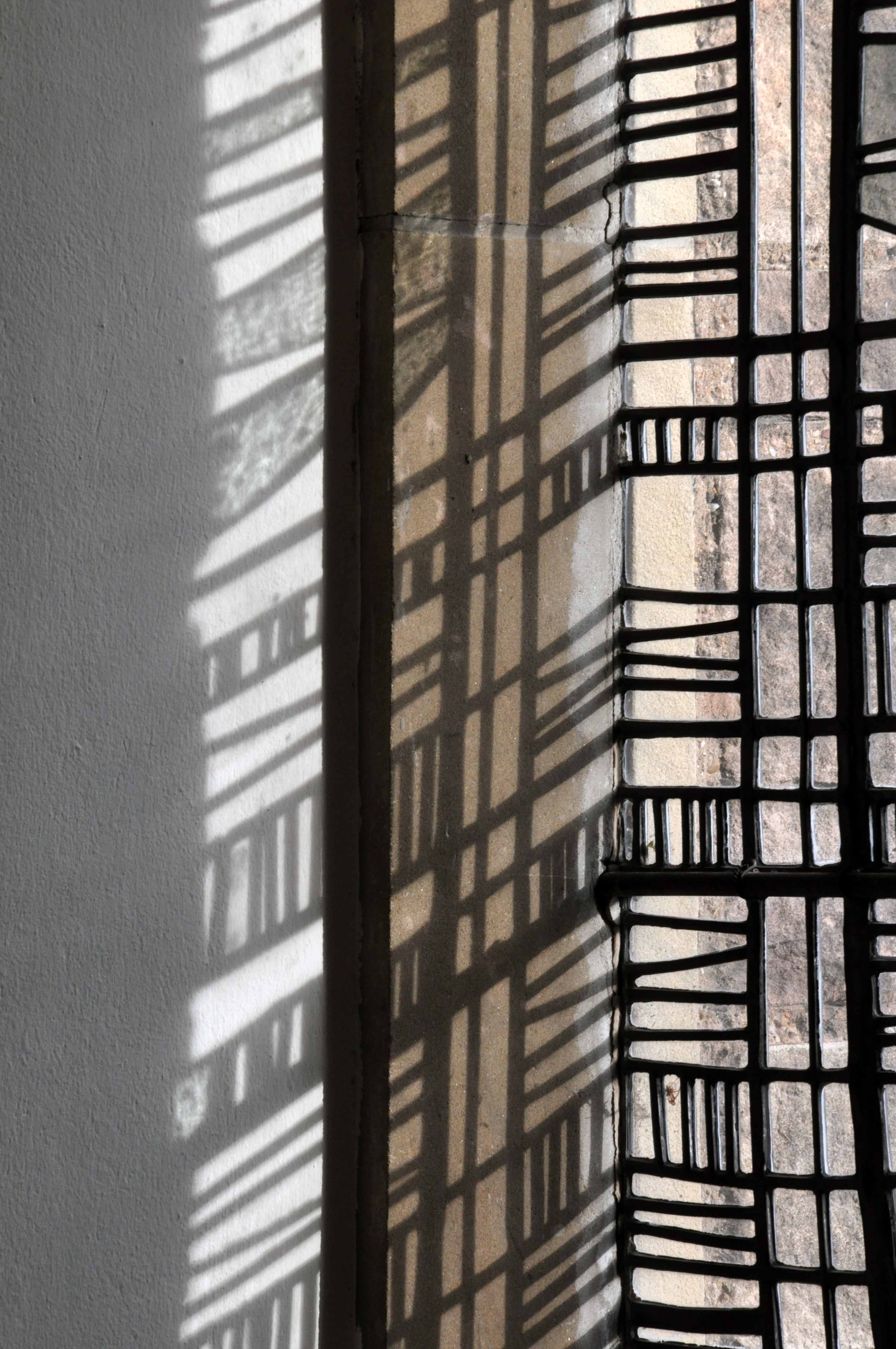
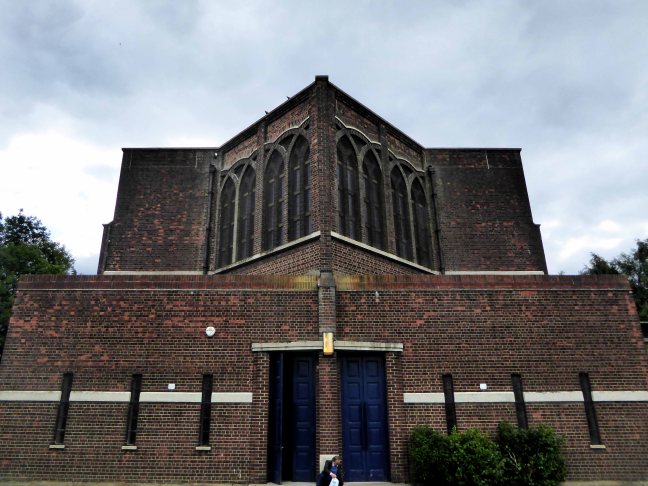
The church was originally built in 1868–1871 to a standard neo-Gothic design by William Henry Crossland. This building was destroyed by an incendiary bomb during the “Sheffield Blitz” of 12 December 1940, only the spire and a porch survived (they are now Grade II listed structures). The remnants of the bombed church were used as the basis for a new church designed by George Pace and constructed 1958–1963. This new building is of a Modernist design but is also sympathetic to the Gothic spire and porch. It is a rubble-faced concrete building with striking slit windows of varying numbers and locations around the building. There are also two notable stained glass windows: the Te Deum window by Harry Stammers and the west window by John Piper and Patrick Reyntiens.

Wikipedia told me so.

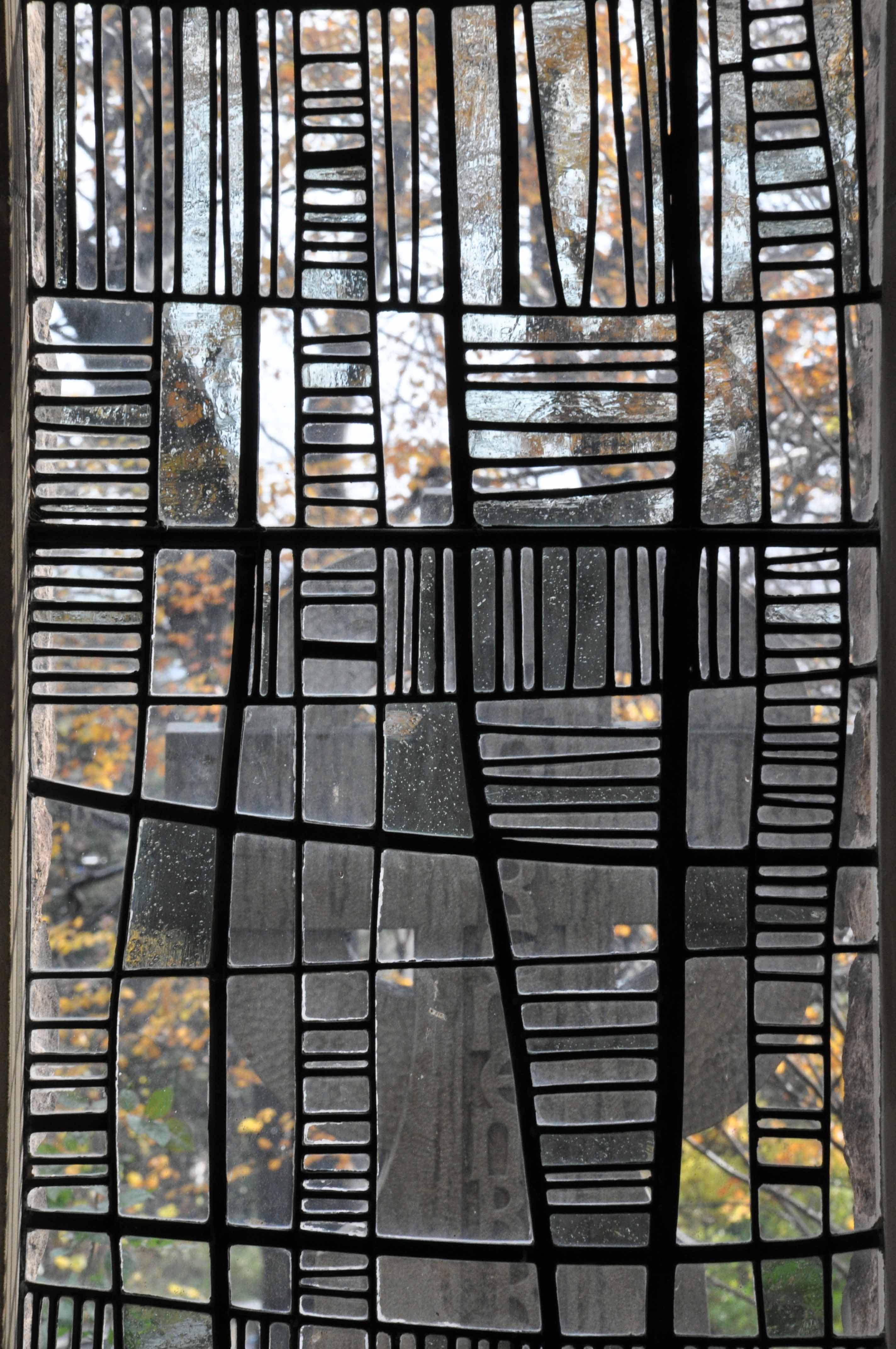
he laddered design glass in the side chapel, is by Gillian Rees-Thomas.

Welcome to St Mark’s – an open, welcoming church for people from all walks of life who wish to learn more about Jesus and Christian faith and seek the freedom to ask the big questions. We have strong engagement with Christian communities and other faith traditions. People come from all over the country to participate in our Centre for Radical Christianity, where a lively climate of debate and learning can be found.
blank
Their website told me so.
 blank
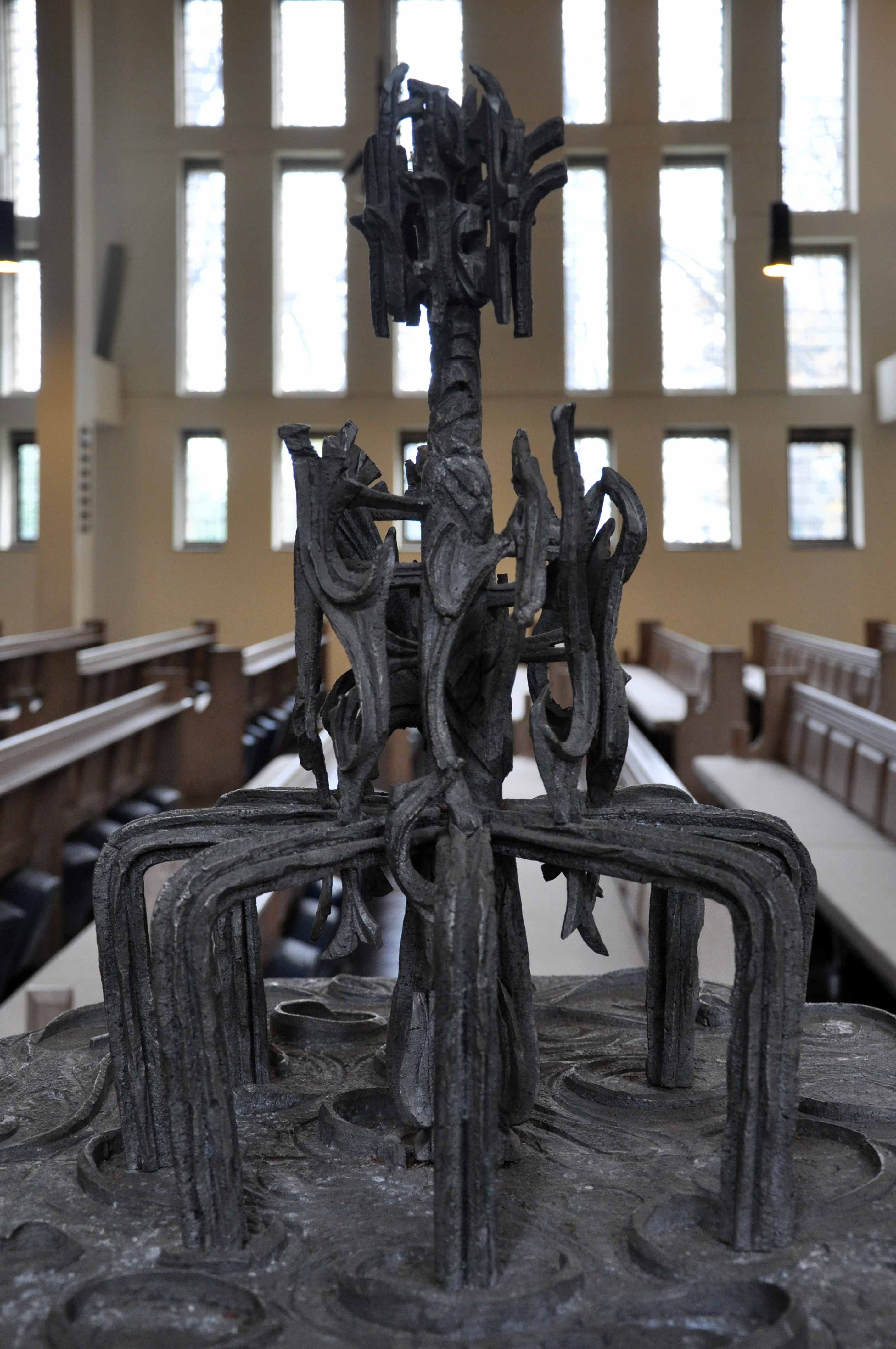
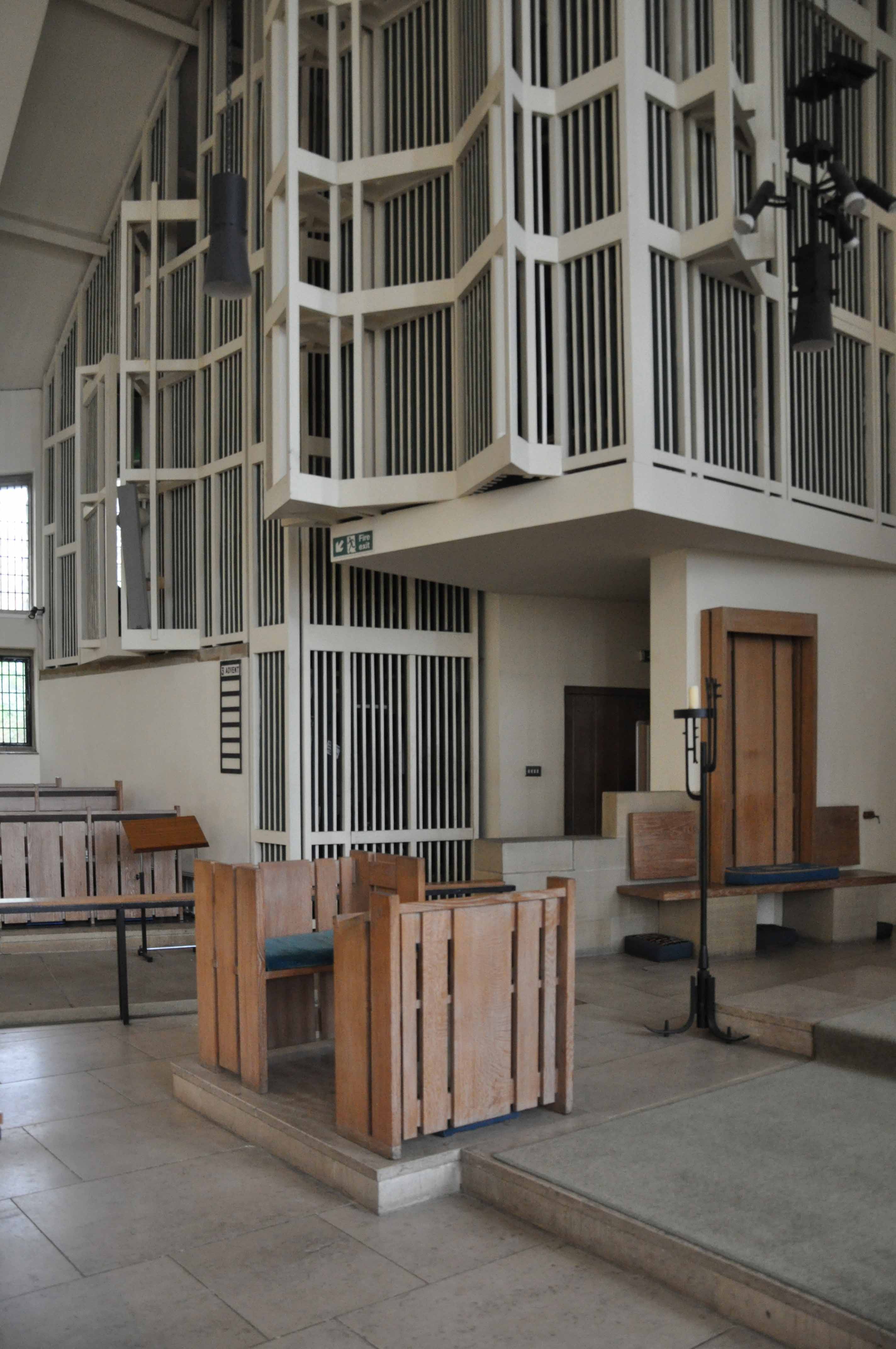
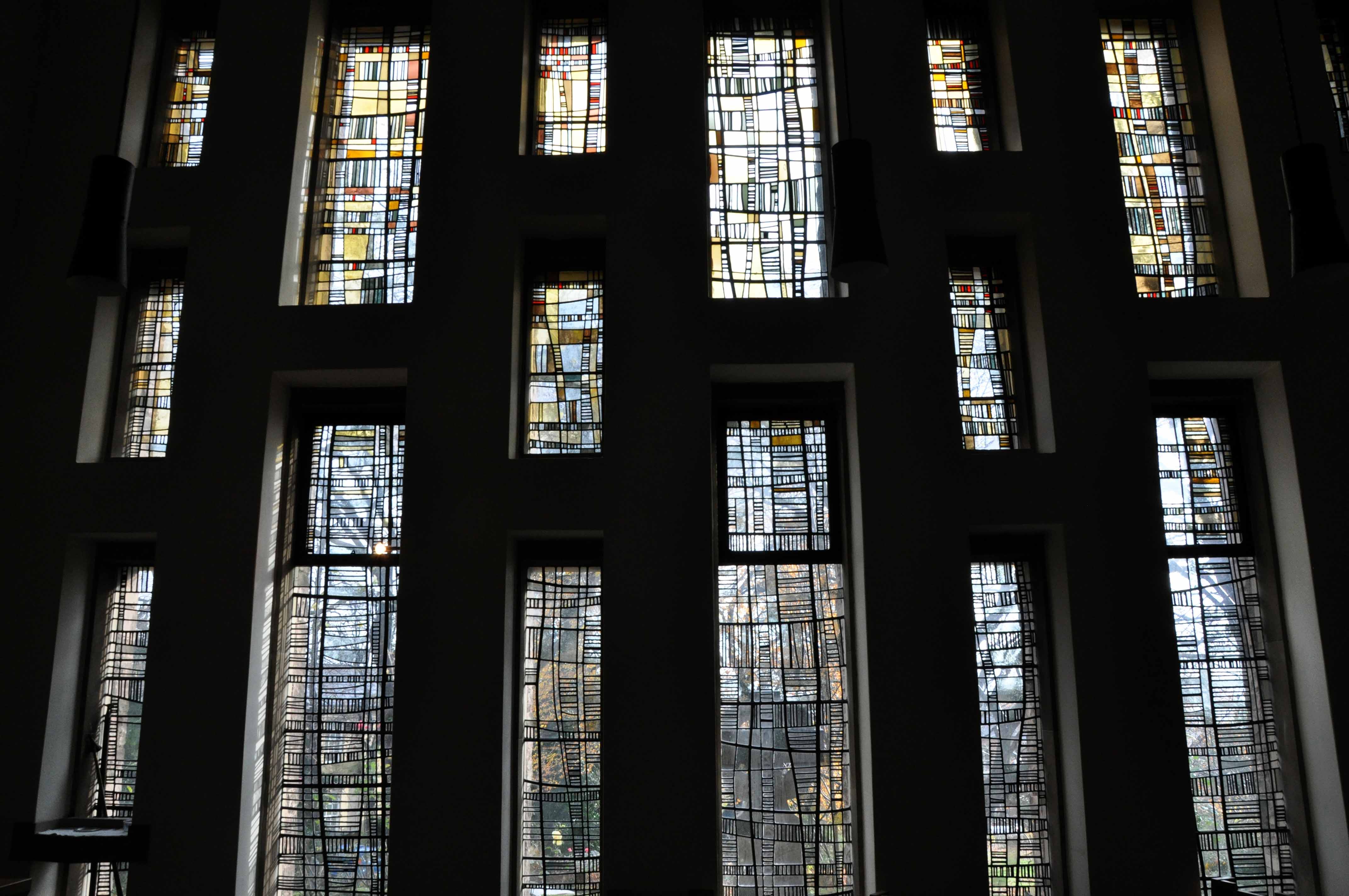
This a remarkable building staffed by remarkably welcoming people, it’s exterior betraying little of the wonders within. Divine stained glass, brut concrete structures, pale limed wood, sculptural forms – full of light and warmth.
 blank
DSC_0065
 DSC_0066
 DSC_0067
 DSC_0068
 DSC_0069
 DSC_0070
 DSC_0071
 DSC_0073
 DSC_0074
 DSC_0075
 DSC_0076
 DSC_0085
 DSC_0083
 DSC_0089
 DSC_0090
 DSC_0092
 DSC_0093

St Michael and All Angels – Manchester

I’ve passed this way before, 2012 at the behest of Richard Hector Jones in the company of Owen Hatherley and others – recreating the legendary White Bus Tour.
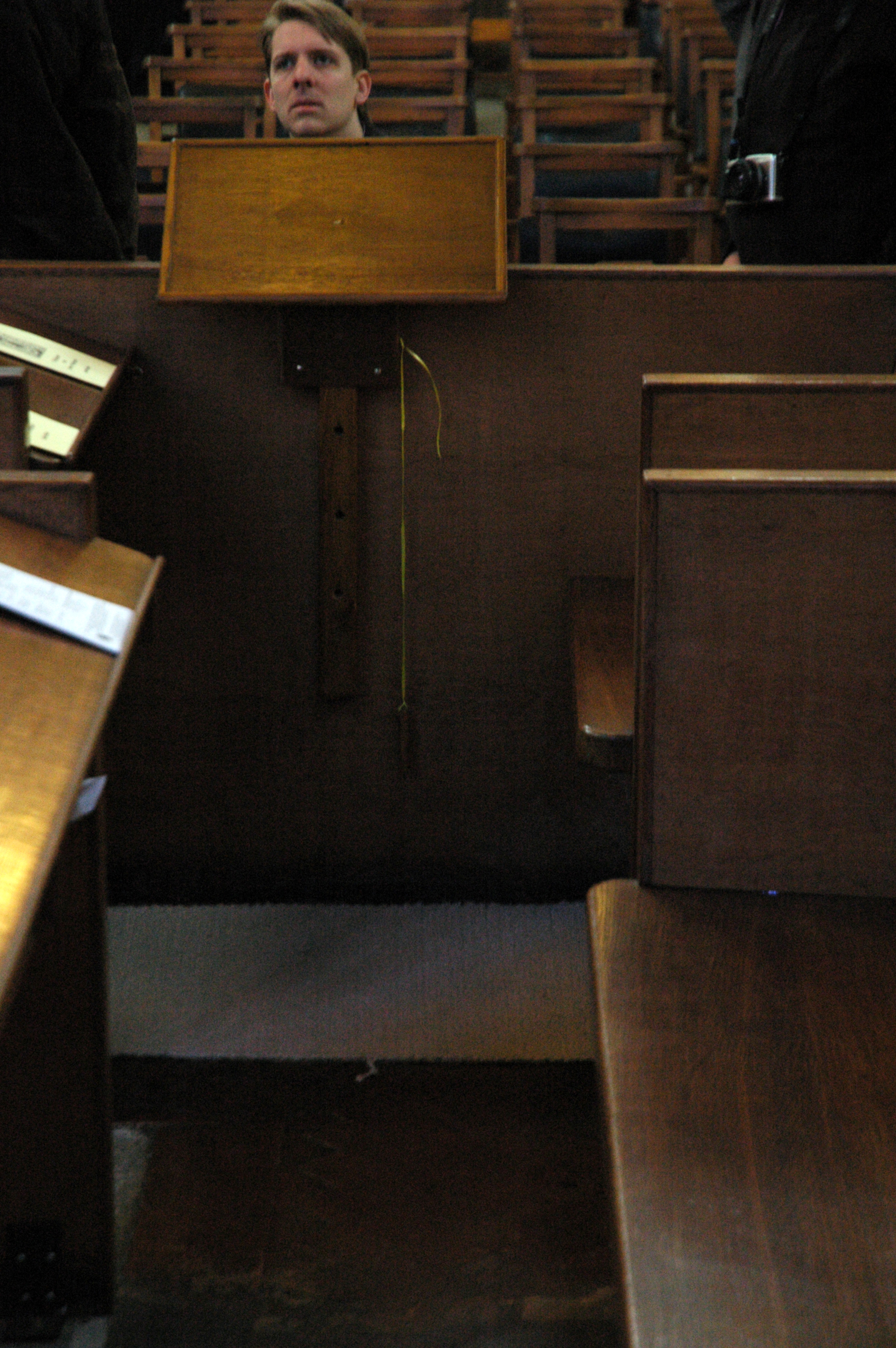
DSC_0031

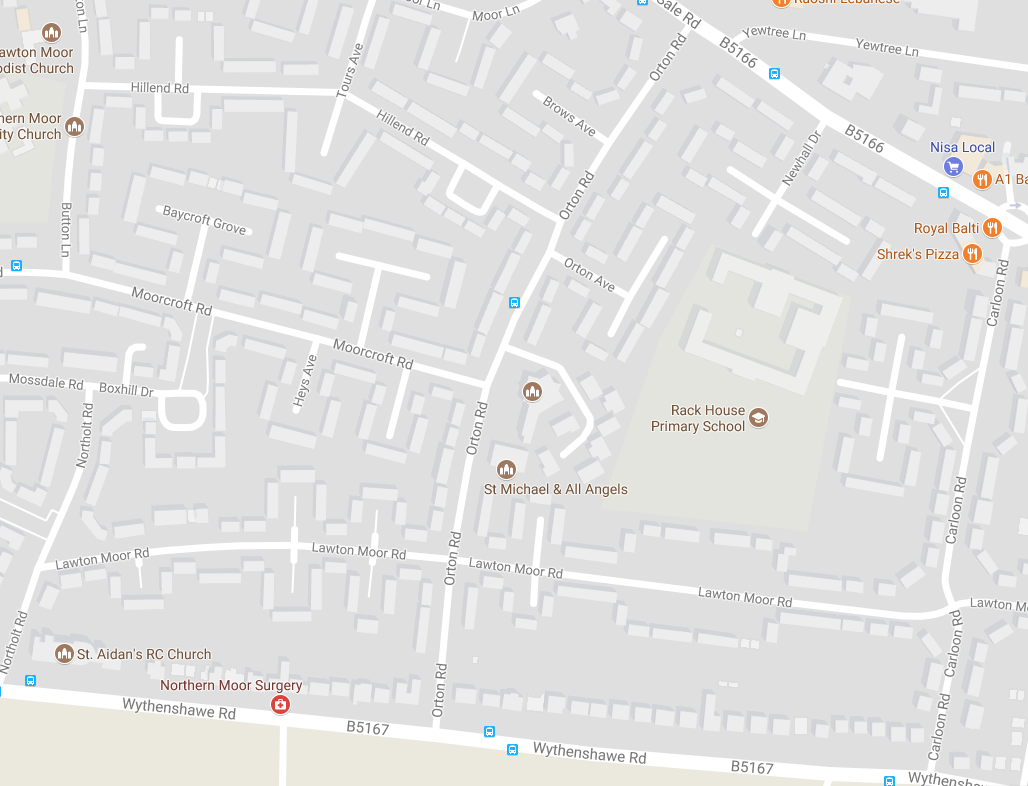
Screen Shot 2017-08-21 at 11.23.38

So have Historic England:

GV II*

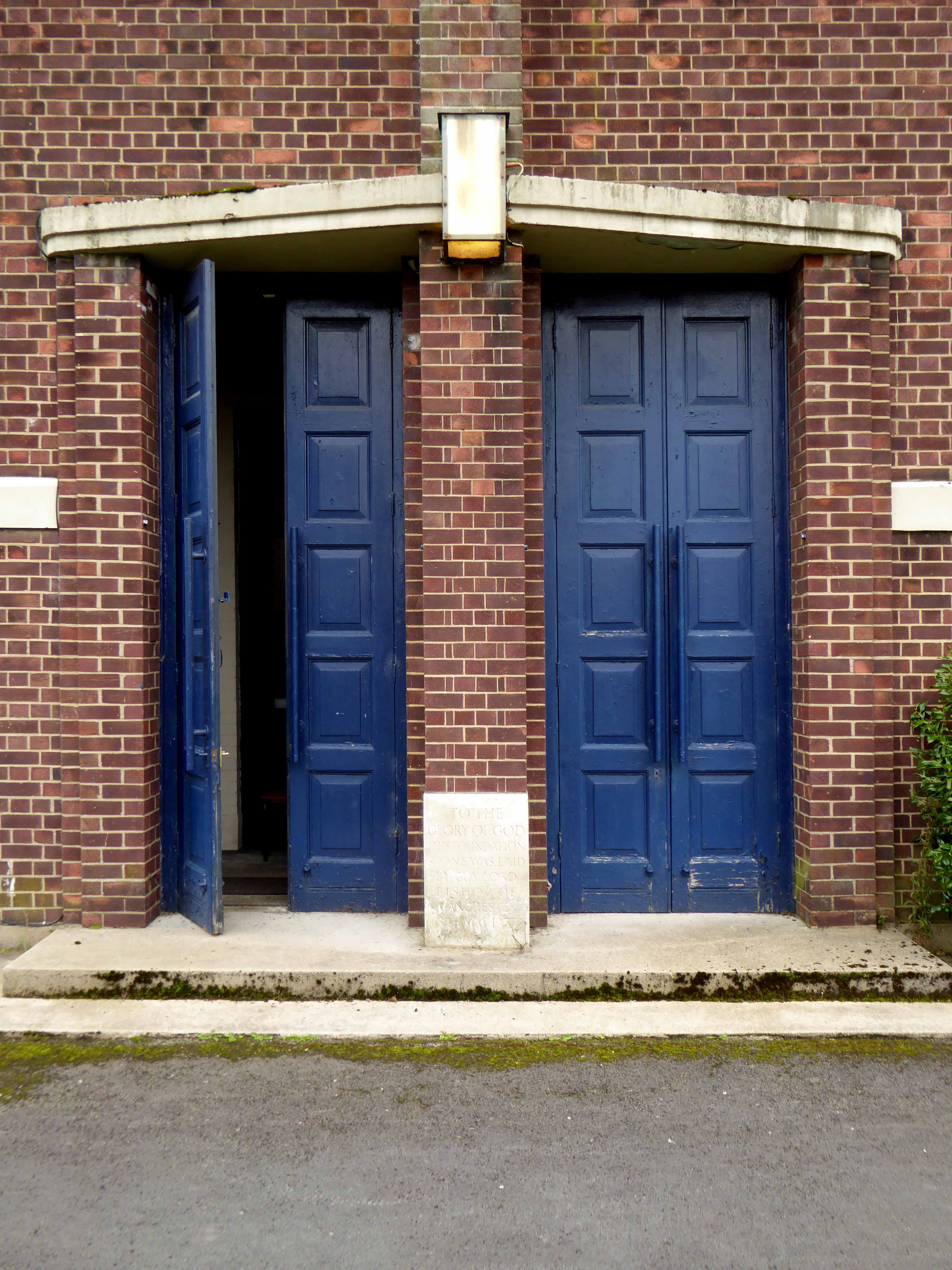
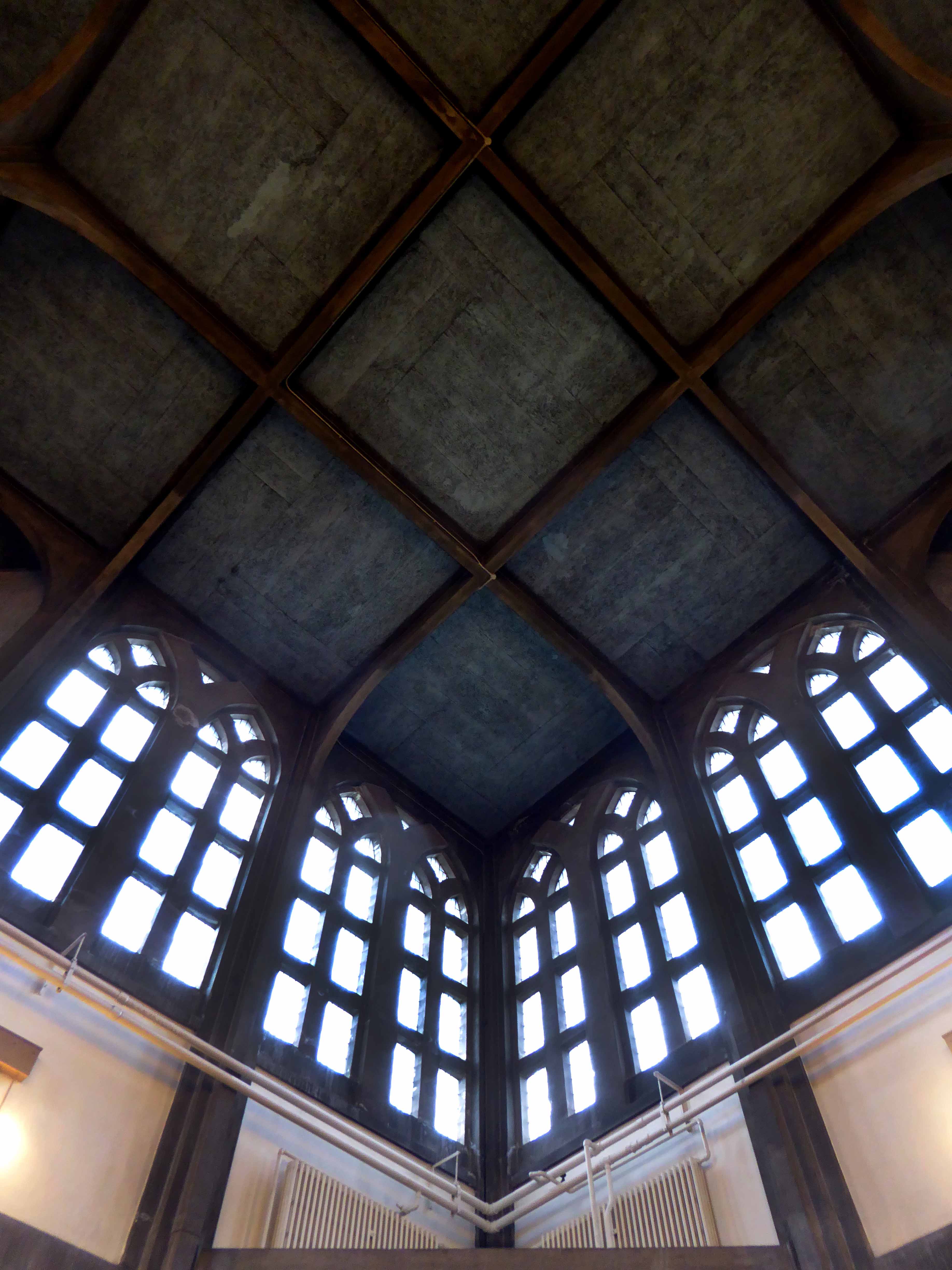
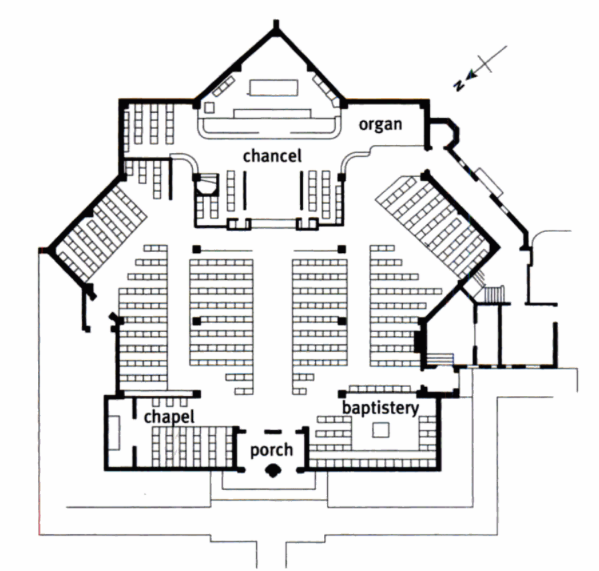
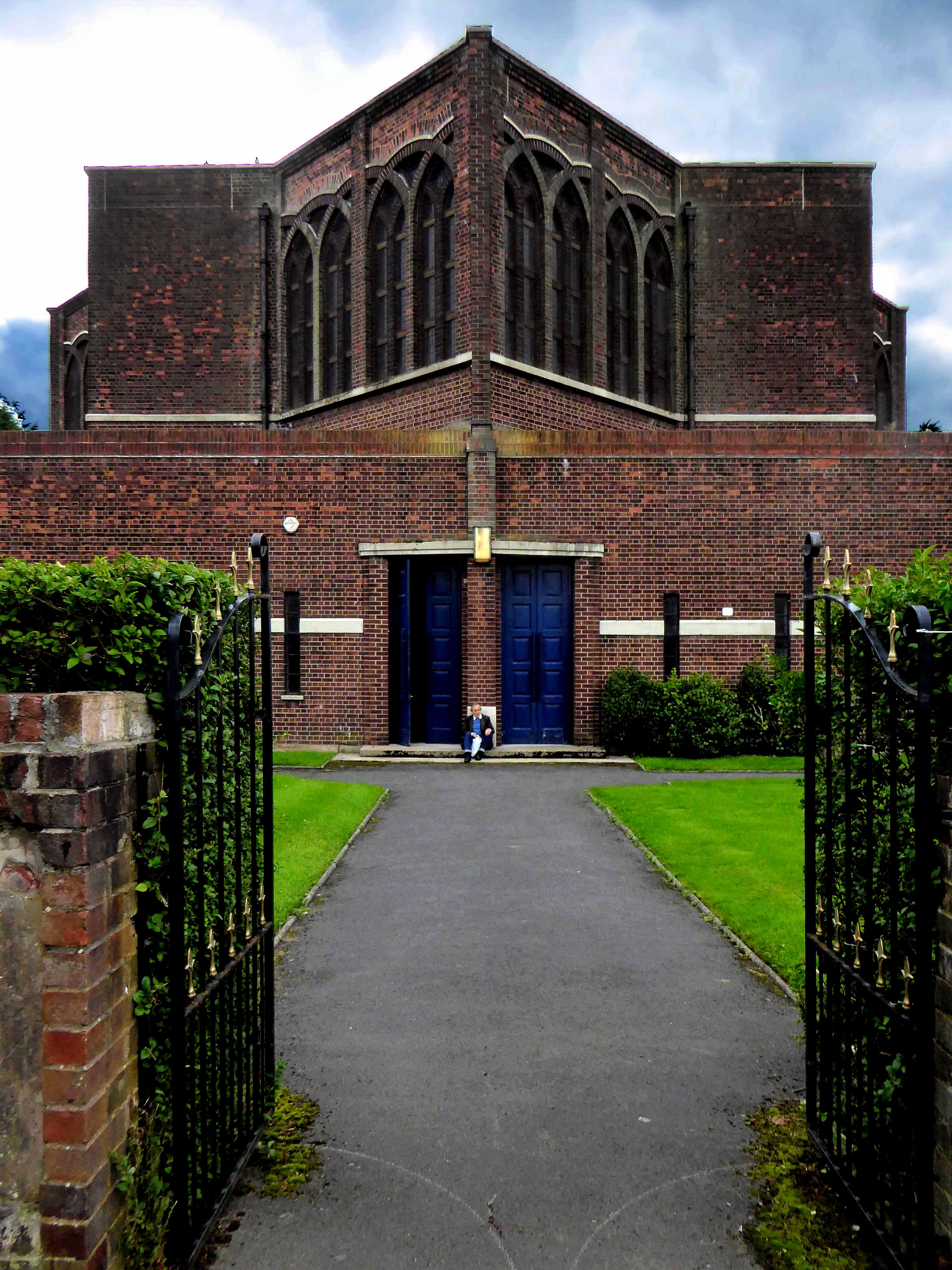
Church. 1937, by N.F.Cachemaille-Day. Red brick in English bond with some stone dressings (roof concealed). Star-shaped plan formed by the diagonal intersection of two unequal squares, plus a wide rectangular narthex enclosing the west end. The main vessel is a lofty structure with plain walls, sill-band carried round, and plain parapet, except for the upper part of each side of the cardinal projections, which have windows in tall intersecting Romanesque arcading with Y-tracery, all in brick, with a central pilaster strip rising to a moulded cornice. Large plain cross rising from roof. The single-storey flat-roofed narthex has coupled plain rectangular doorways in the centre and 3 narrow rectangular lancets to each side. Interior (as reported 16.01.81): ingenious plan with lofty columns supporting flat ribbed roof. Forms group with Rectory attached to south side.
Screen Shot 2017-08-21 at 10.09.15

So have Revolvy:

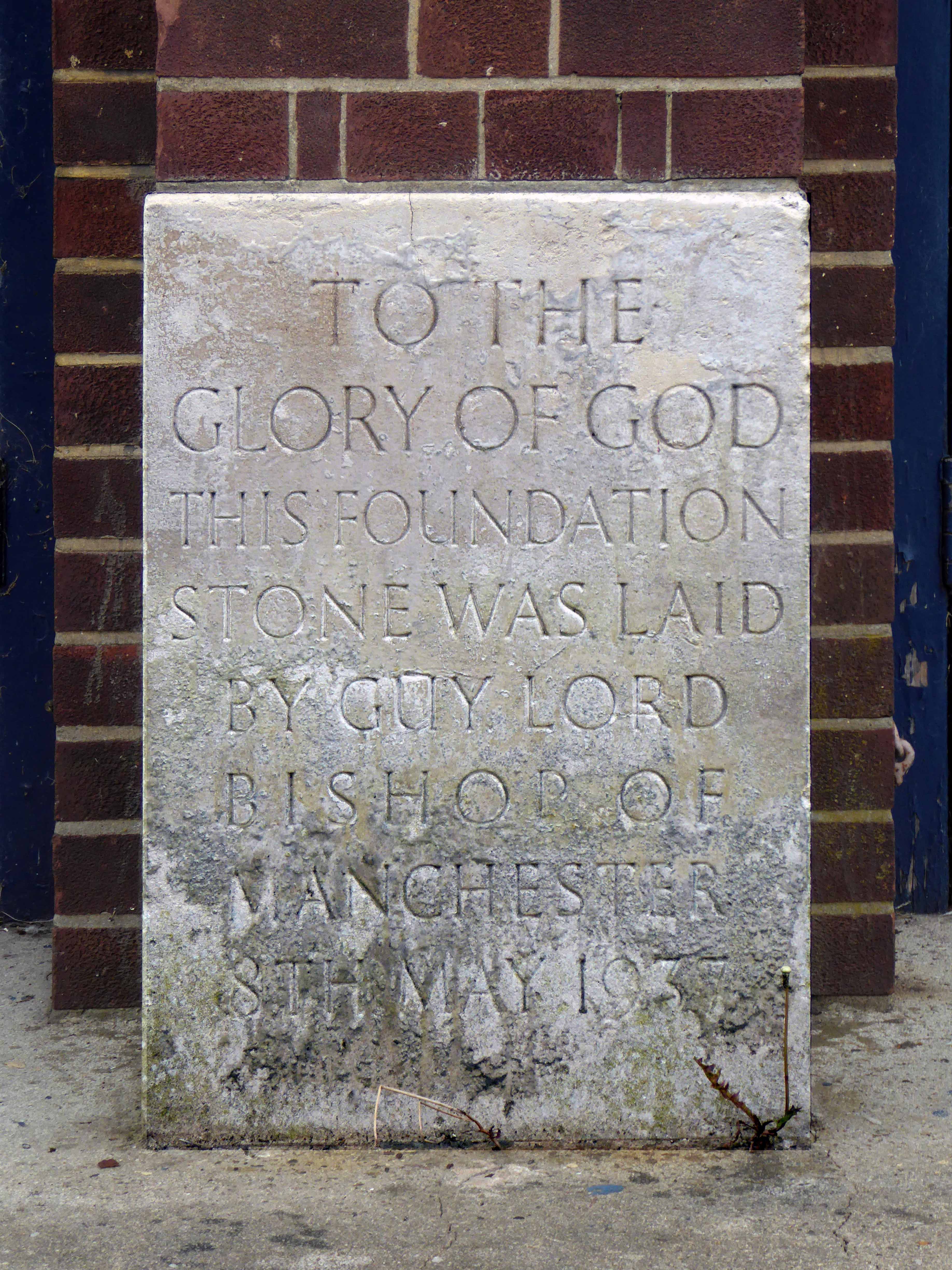
The Corporation of Manchester acquired the Wythenshawe Estate in 1926 and began laying out the garden suburb in 1930. It was eventually to have 25,000 houses and a population of 100,000. The garden suburb was designated part of the parish of Church of St Wilfrid, Northenden, but that small parish church proved insufficient to accommodate the rising congregation. A mission church was therefore opened in 1934, and in 1935 the diocese approved plans for the construction of a new parish church at Orton Road. The budget was £10,000. Nugent Francis Cachemaille-Day was appointed as architect for both the church and the adjoining parsonage. The foundation stone for the church was laid on 8 May 1937, by the Bishop of Manchester. The builder was J. Clayton and Sons of Denton.

So has the redoubtable Nikolaus Pevsner:

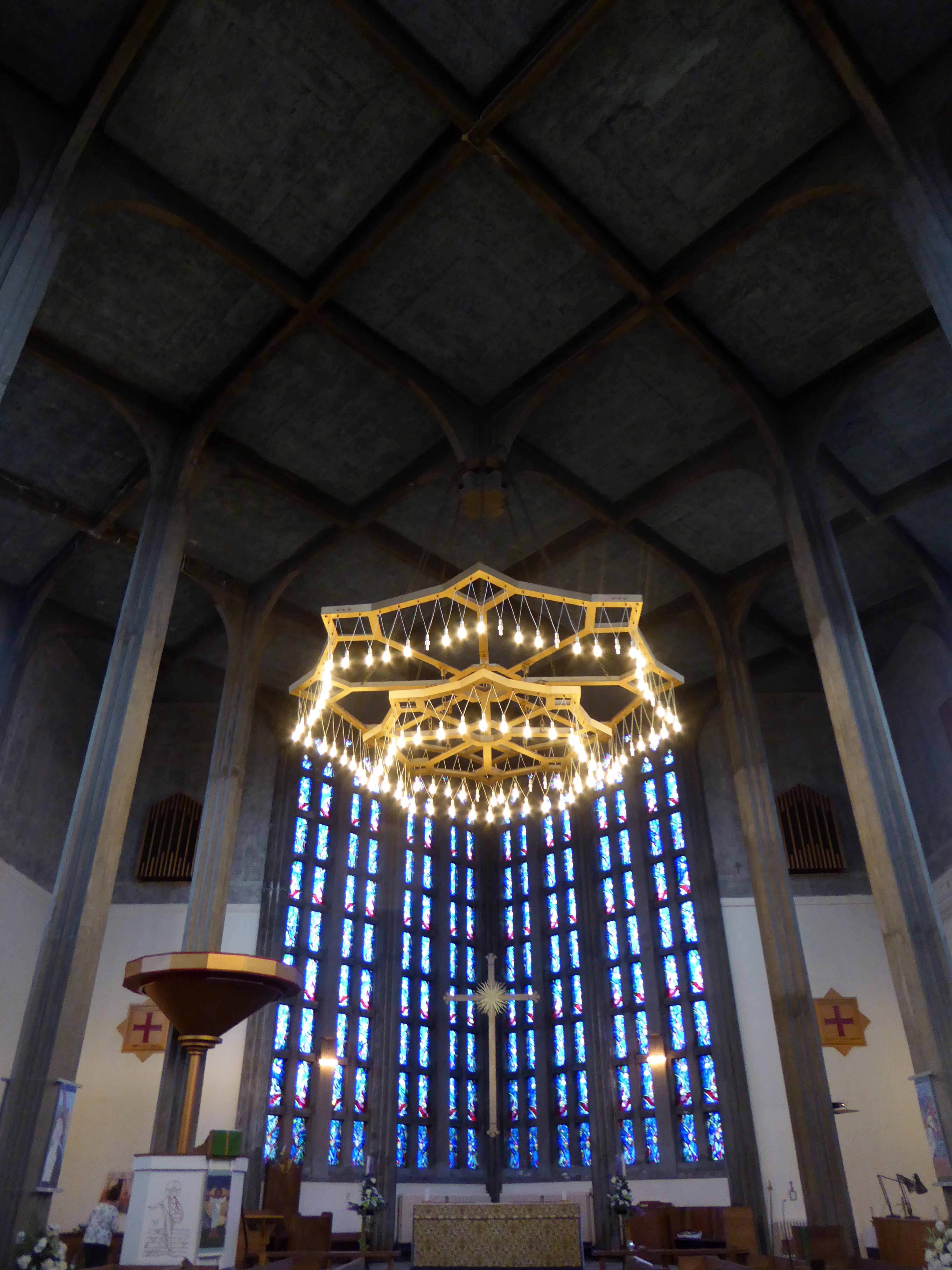
A sensational church for its country and its day. The material is brick, bare in four of the corners, with large brick windows in the other four. The intersecting arches of the windows are the only period allusion.The interior has very thin exposed concrete piers and a flat ceiling. The church make sit clear that the architect had studied Continental experiments, the parsonage points to Germany and Mendelssohn. Stained glass by Geoffrey Webb.

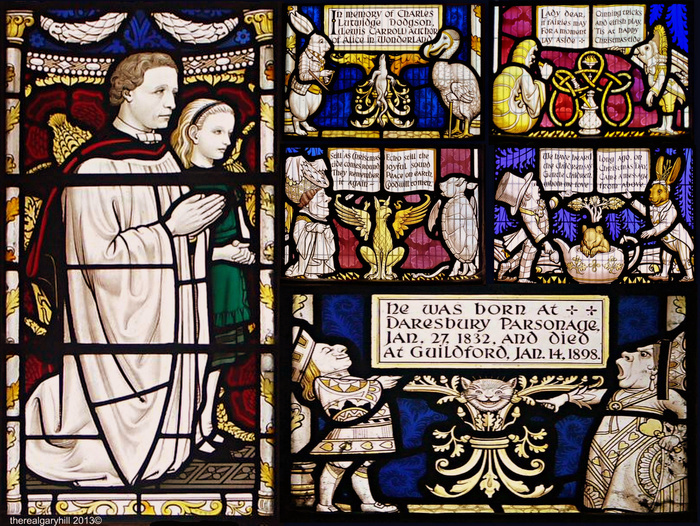
Geoffrey Webb lived and worked in the centre of East Grinstead at the height of his career and is noted among enthusiasts of fine glass for his use of brilliant blues. In his early career he worked with Charles Eamer Kempe, the most prolific and best-known stained glass artist of his generation. Webb’s work can also be found in many other places around the UK including Manchester Cathedral and Tewkesbury Abbey, and in Daresbury parish church in Cheshire where he designed a memorial window in honour of Lewis Carroll.
scaled_full_20e9abadb45184ac7126

So I cycled by one almost sunny Sunday morning, engaged in the porch by an elderly joke telling gent, awaiting his more devout partner.

I love the bible, they all rode on motor bikes – “the roar of Moses’ Triumph is heard in the hills, Joshua’s Triumph was heard throughout the land.”

The Apostles were in one Accord. – Acts 5:12

We waited out the end of the morning service, exchanging gags, eventually I entered. Met by cheery parishioners and priest, welcomed with open arms, happy to chat and allow me to go about the business of snapping this enchanting building. Take yourself down there and bathe in the stained glass light from the sun drenched east windows, feel the warmth of the open elevating space, everything’s looking up:

A sensational church for its country and its day – today.
P1190671

P1190673

P1190675

P1190684

P1190685

P1190686

P1190689

P1190691

P1190692

P1190693

P1190695

P1190696

P1190697

P1190698

P1190699

P1190700

P1190702

P1190703

P1190704


Tudor House – Wakefield

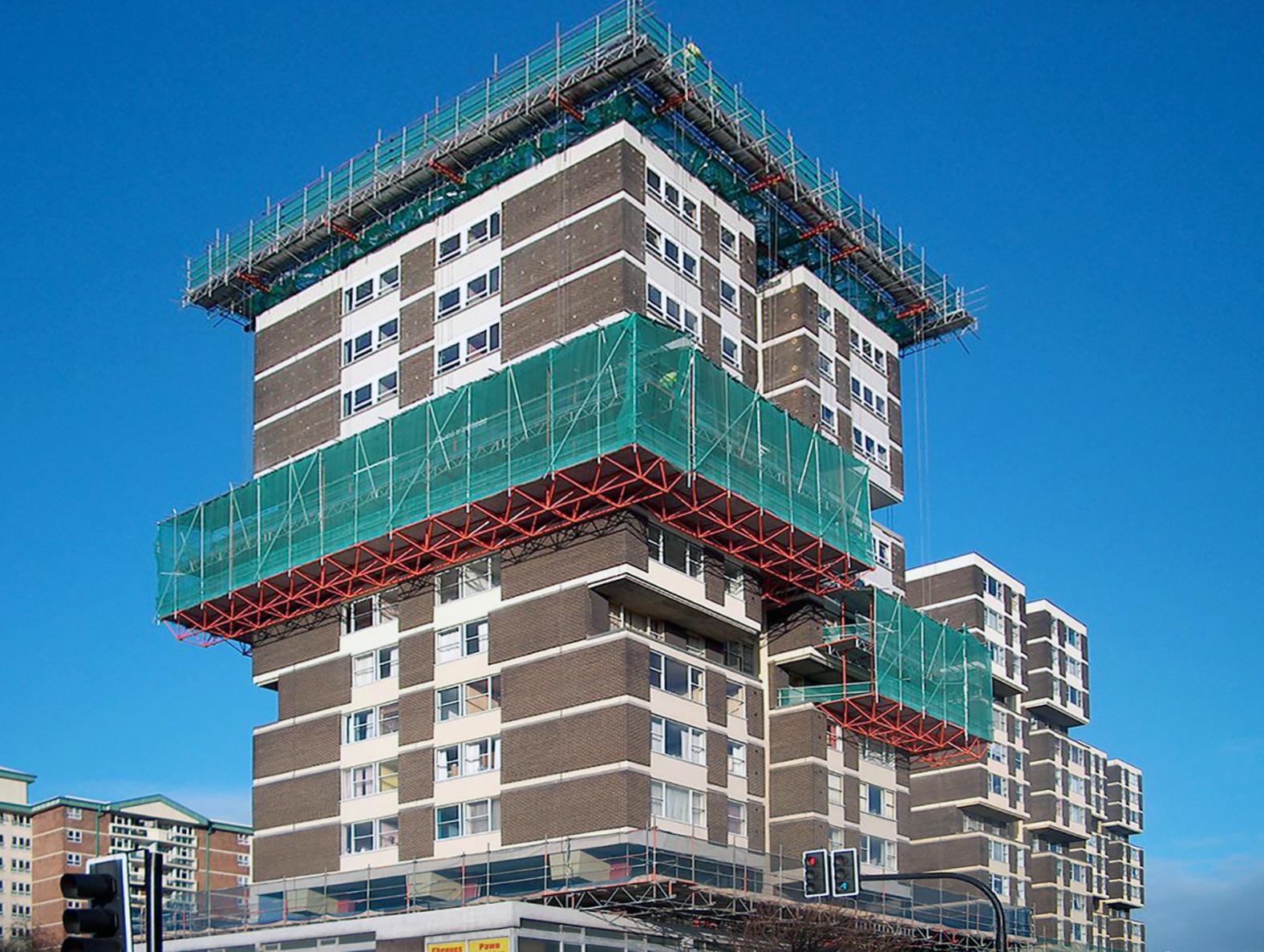
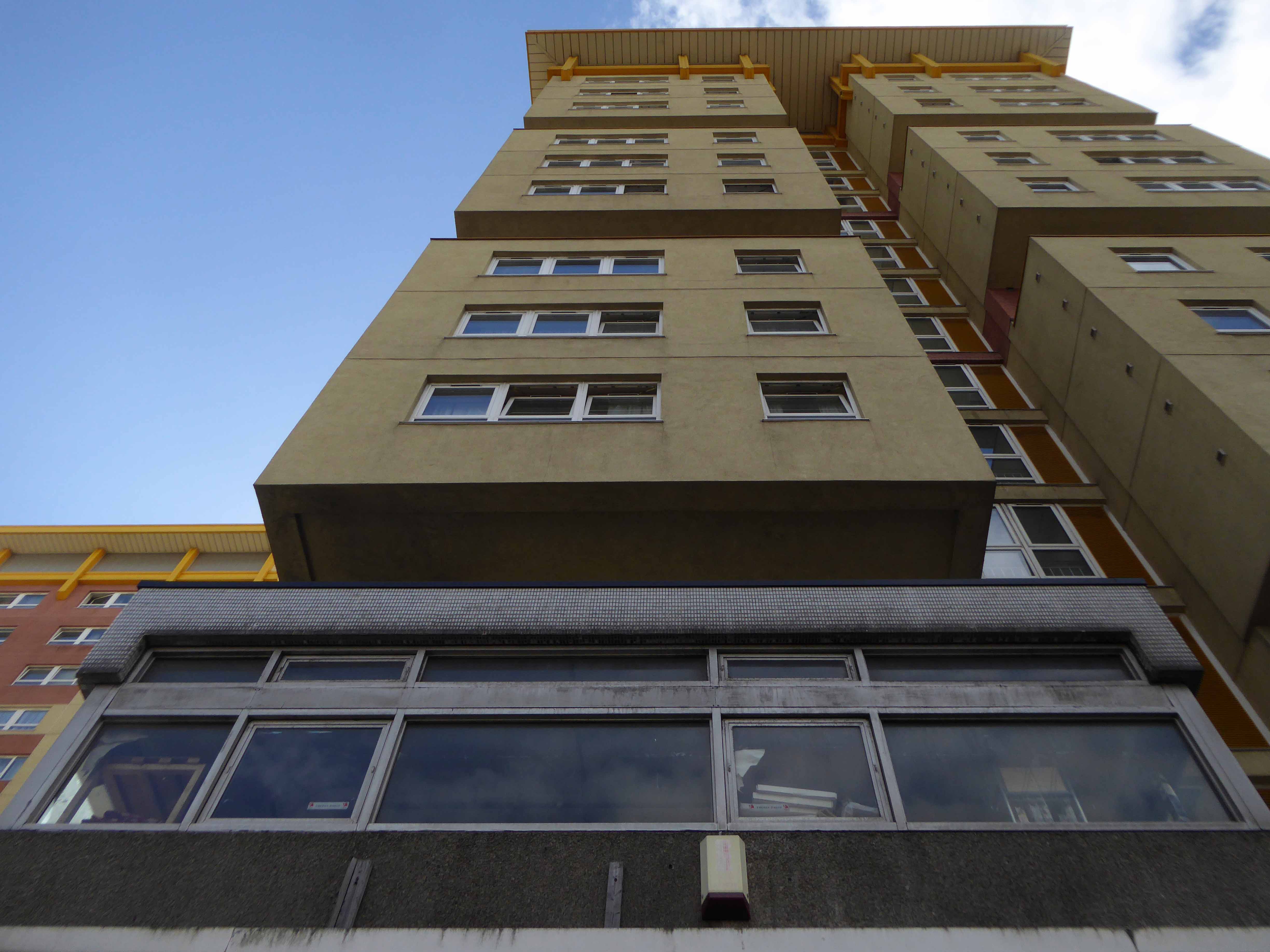
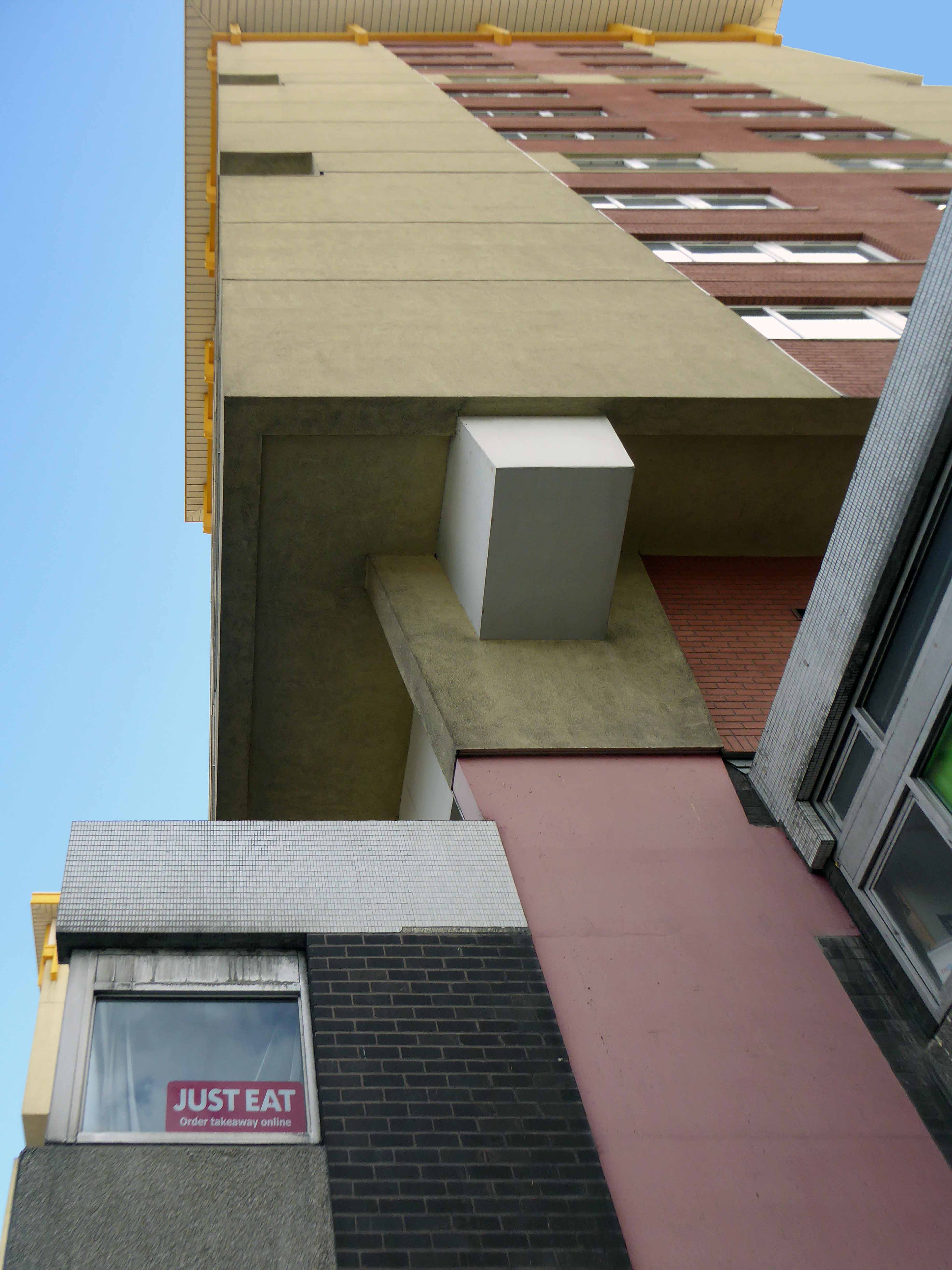
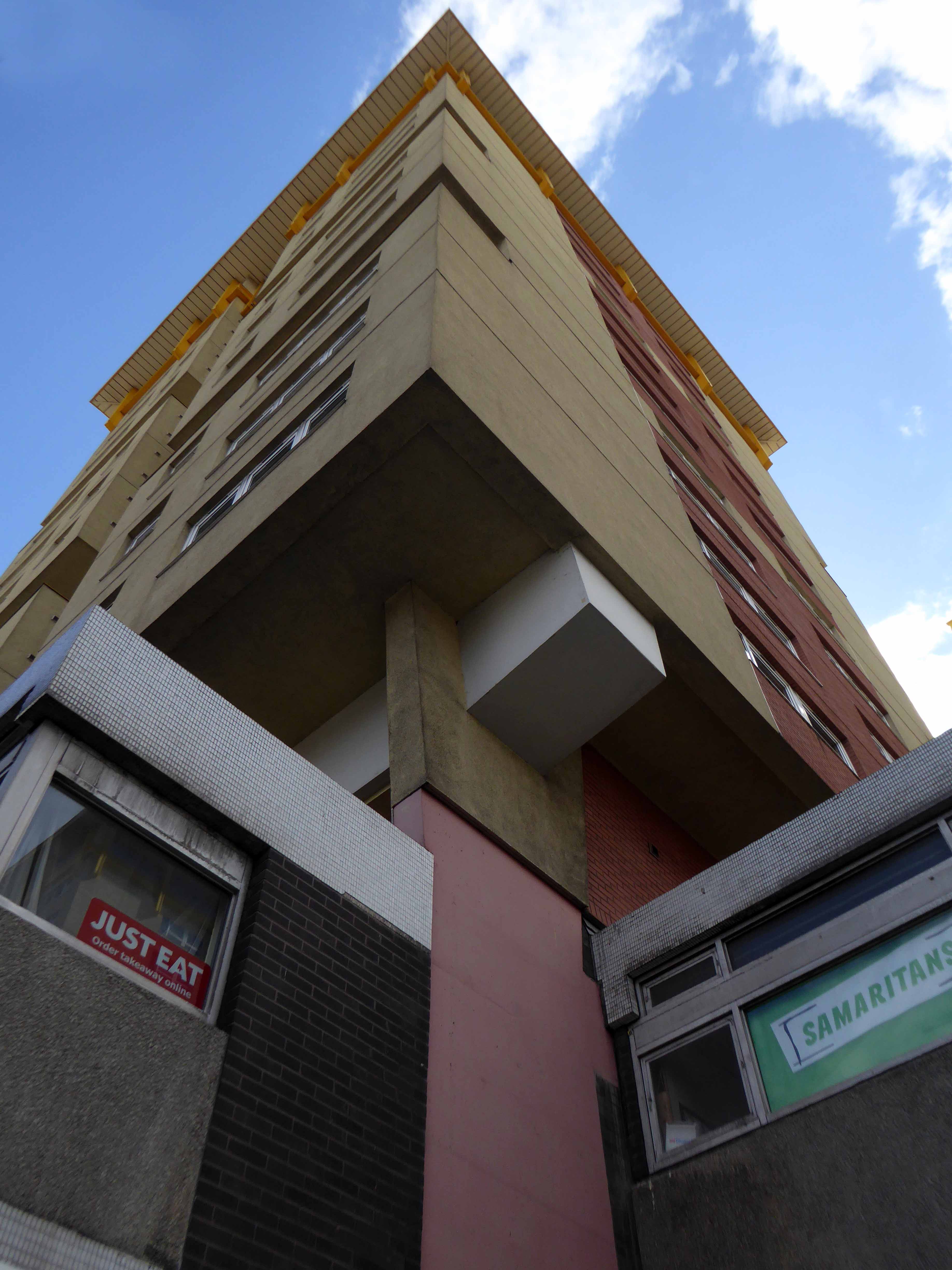
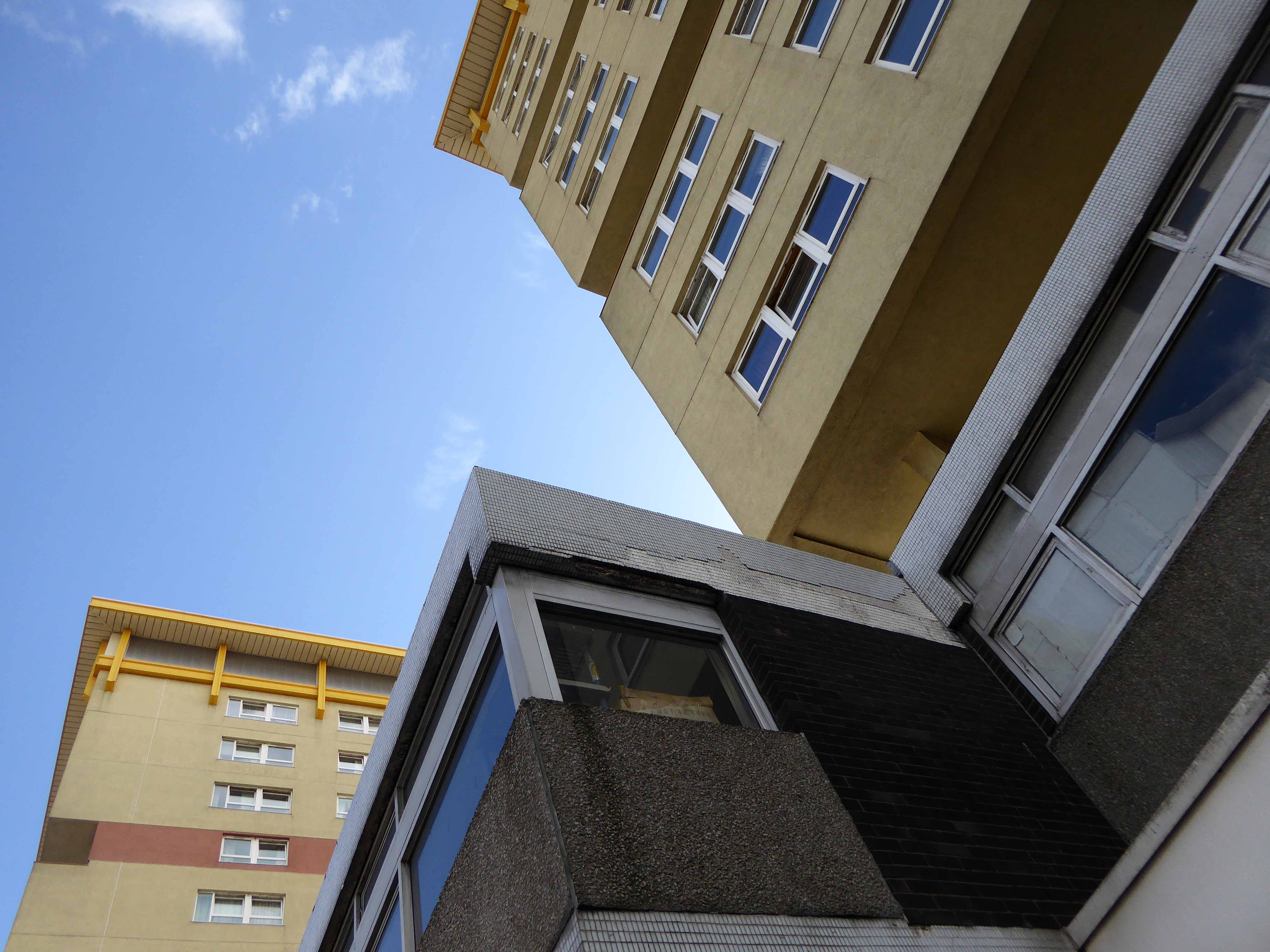
You wouldn’t ever want a bad case of the cladding, the triumph of the expedient over the purist aesthetic. We all may wish to be warm, dry and free from unwanted ingress, whilst exercising a degree of discernment and restraint, regarding the manner in which we are clad.

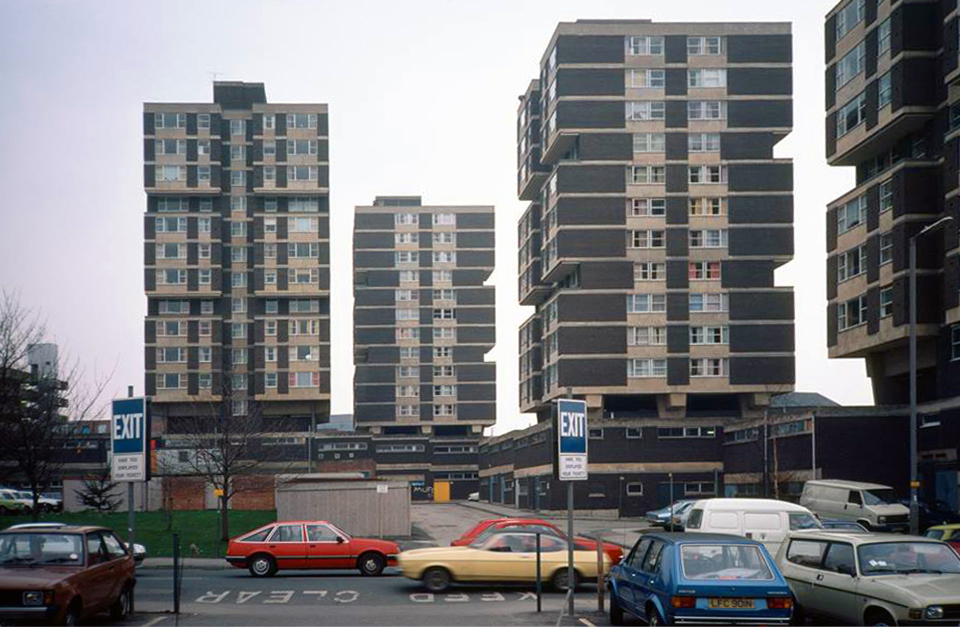
In Wakefield and in local authorities throughout this fair land there seems to have been a distinct lack of discernment and restraint, regarding the manner in which modern tower blocks are clad.

Cloaking concrete in coloured surfaces better suited to Toytown than our town.

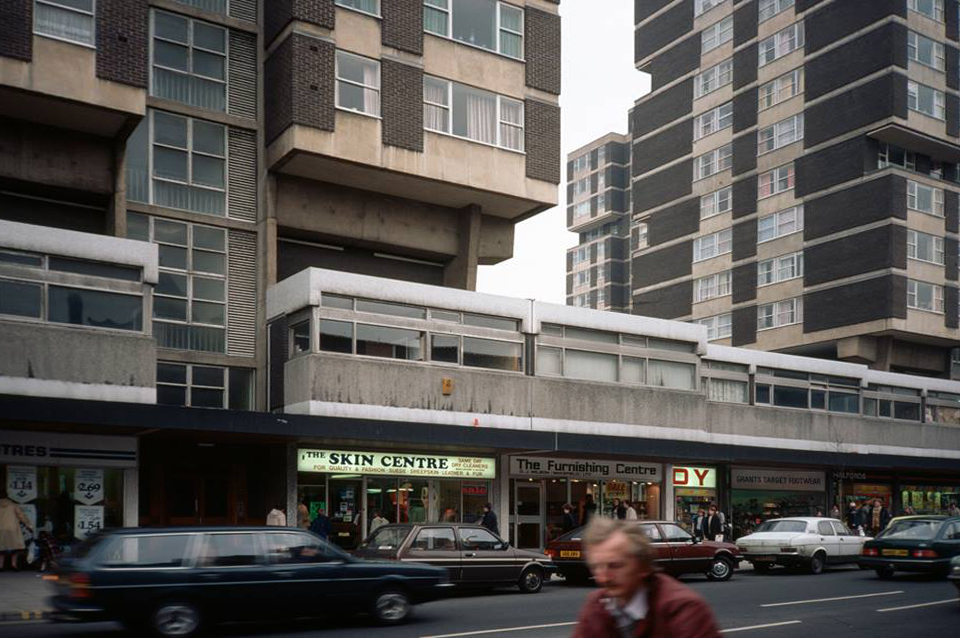
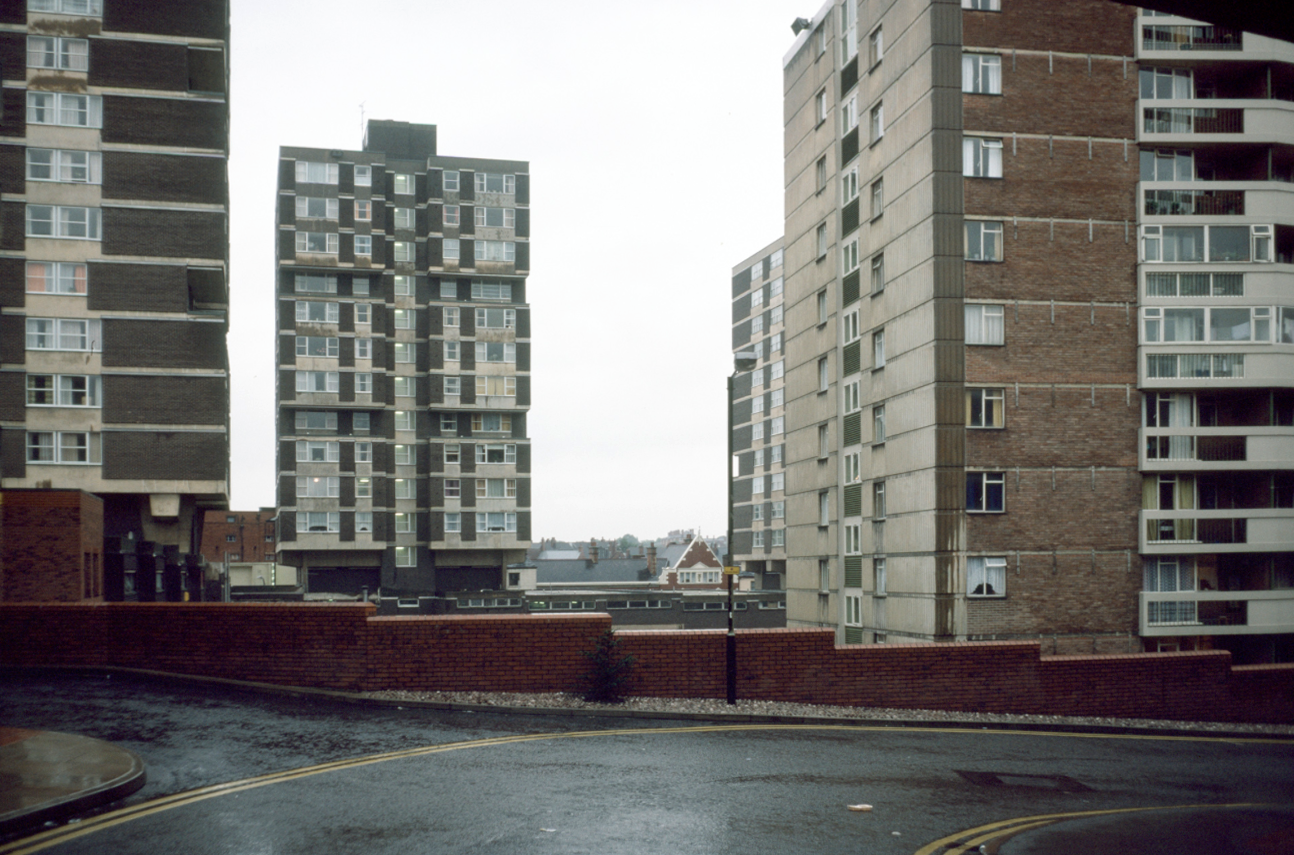
Four twelve-storey H-plan tower blocks built as public housing as part of the central area development of lower Kirkgate. The blocks rise out of other low-rise development. Each block contains 44 one and two-bedroom flats, providing 176 dwellings in total. The consulting architects for the development were Richard Seifert & Partners. Construction is of concrete frame with brick infill panels. The blocks were approved by committee in 1964.

Tudor House aka Lower Kirkgate Comprehensive Development area as was:

13669171_10154435787311600_6732873241408697456_n

13873008_10154435787336600_5185297045755258748_n

Screen Shot 2017-08-01 at 13.37.59

Photographs Tower Block

Ain’t it funny how time and integrity slips away?

wakefield_flats2l

wakefield_flats3l

Photographs Alan White Design

Gone the bold flat roofed, cuboid contrasting concrete and brick towers, whilst confusingly the ground floor retail development remains untouched.

P1180757

P1180759

P1180760

P1180761

P1180762

P1180763

P1180765

P1180766

P1180767

P1180768

P1180769

P1180770

Sea Front Shelter – Hastings

I have been here before, adoring the full range of Hasting’s sea front shelters.

They form an integral part of the general scheme designed and overseen by The Concrete King Sidney Little.

On my most recent visit the most distant shelter was receiving a wash and brush up, a brand new coat of paint or two, restored to bright red and white shipshape order, this land locked delight looked ready to set sail across the adjacent Channel to who knows where.

Offering a somewhat occluded view of blue skies and faraway shores, the bus stops here and goes on forever and forever.

P1170950

P1170955

P1170956


P1170961

P1170963


P1170965

P1170966

P1170967

P1170968

P1170969

P1170970

P1170971

P1170972

P1170973

P1170974

P1170976

P1170977

P1170978

P1170979

P1170980

P1170982

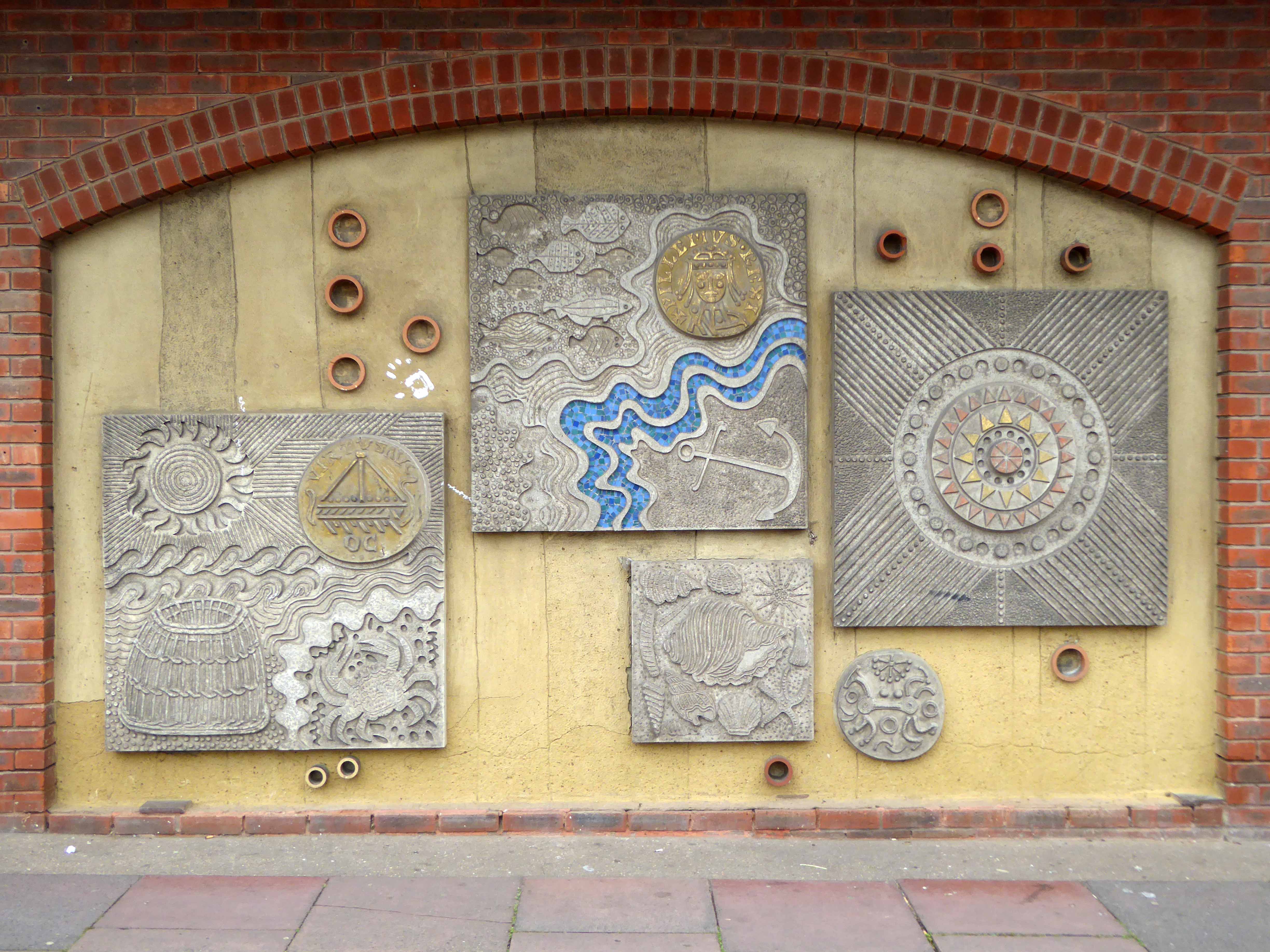
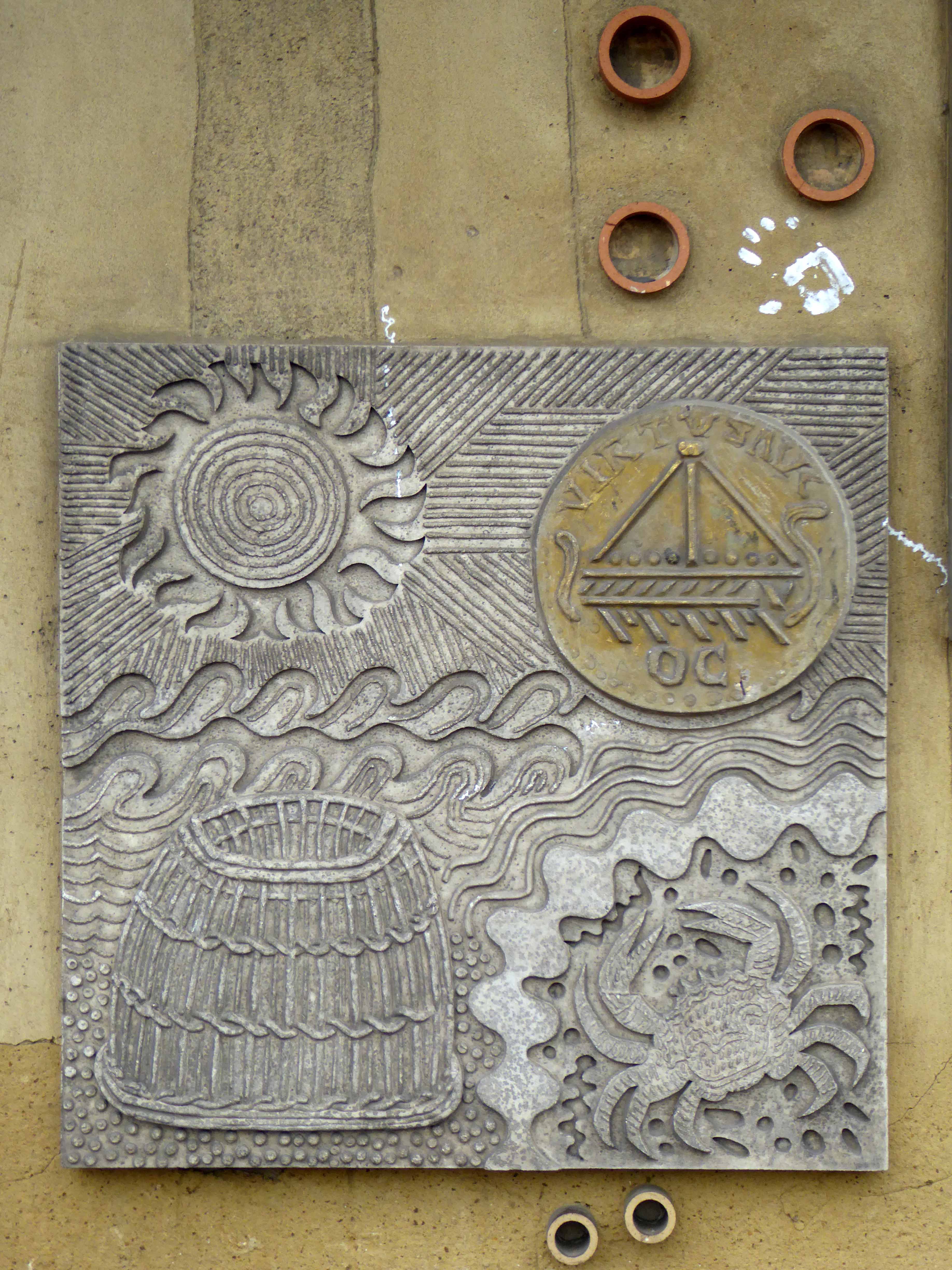
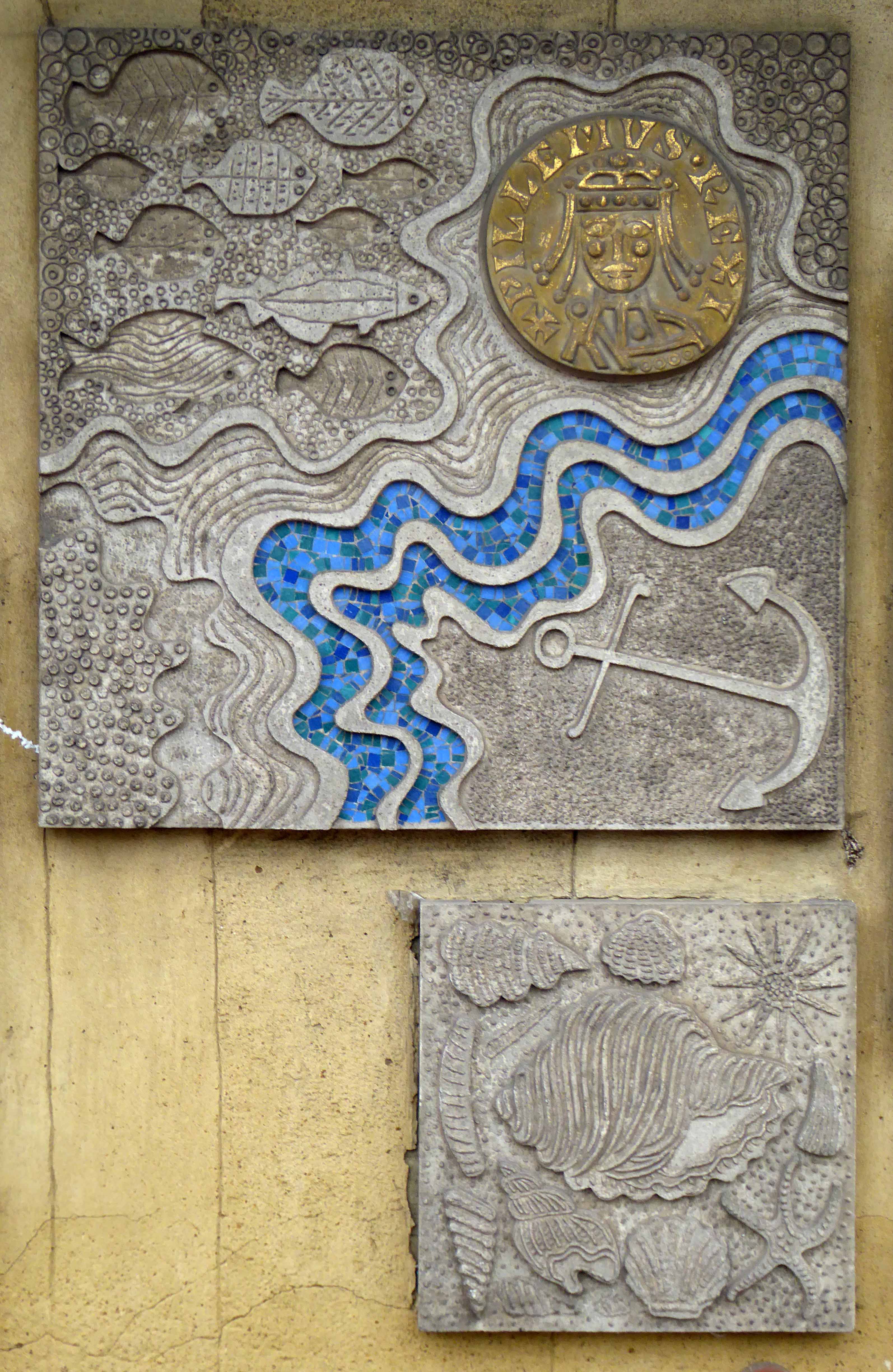
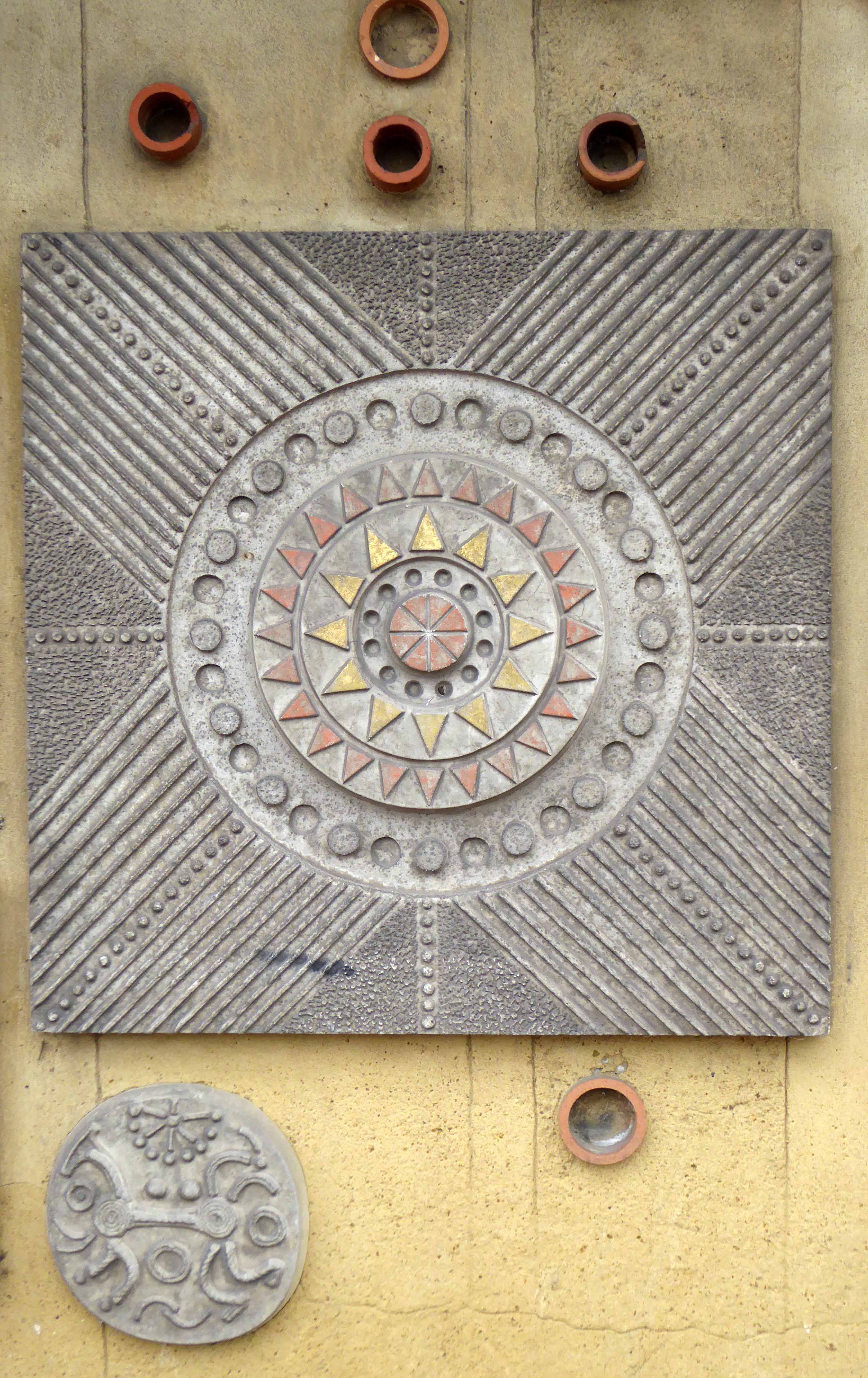
Pallot and Collins Murals – Bexhill on Sea

Could there be a more moderne town?

Bexhill on Sea, blessed with the delightful De La Warr Pavillion.

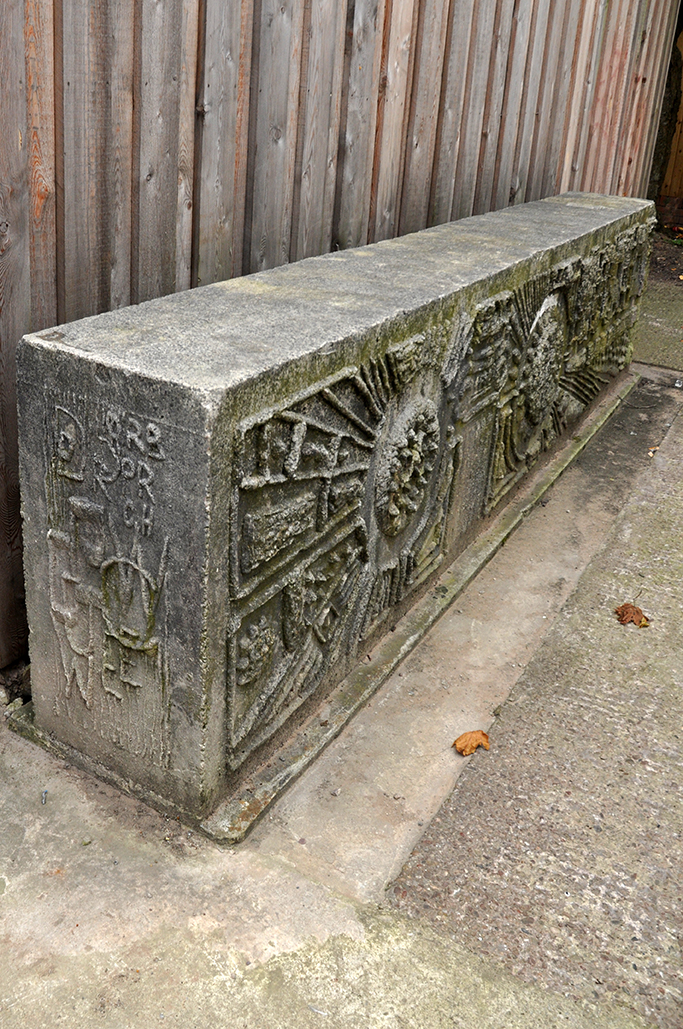
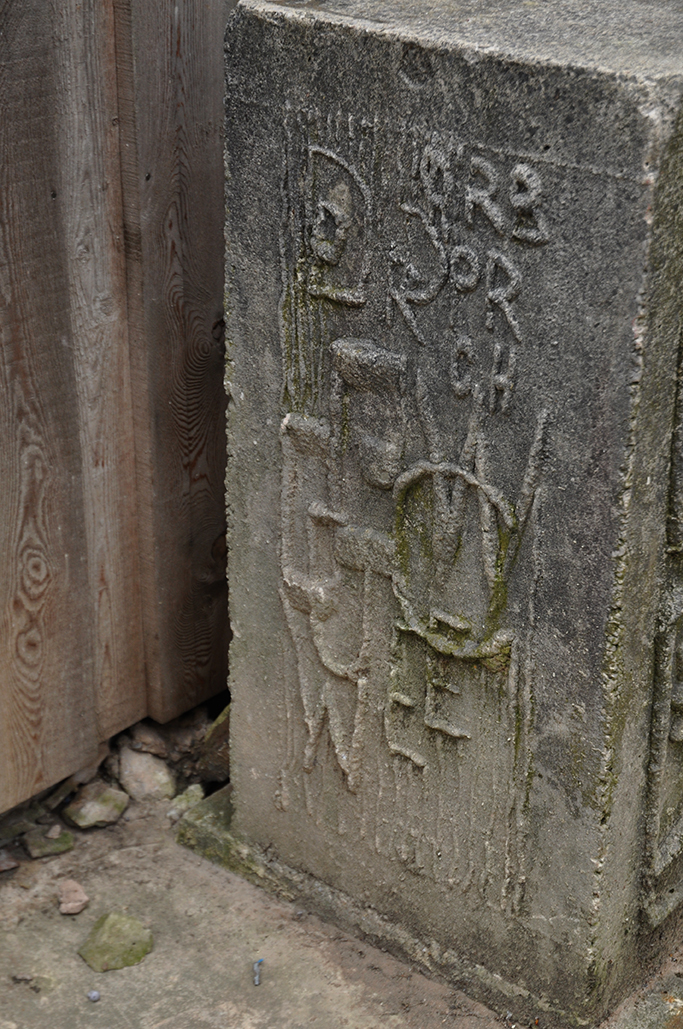
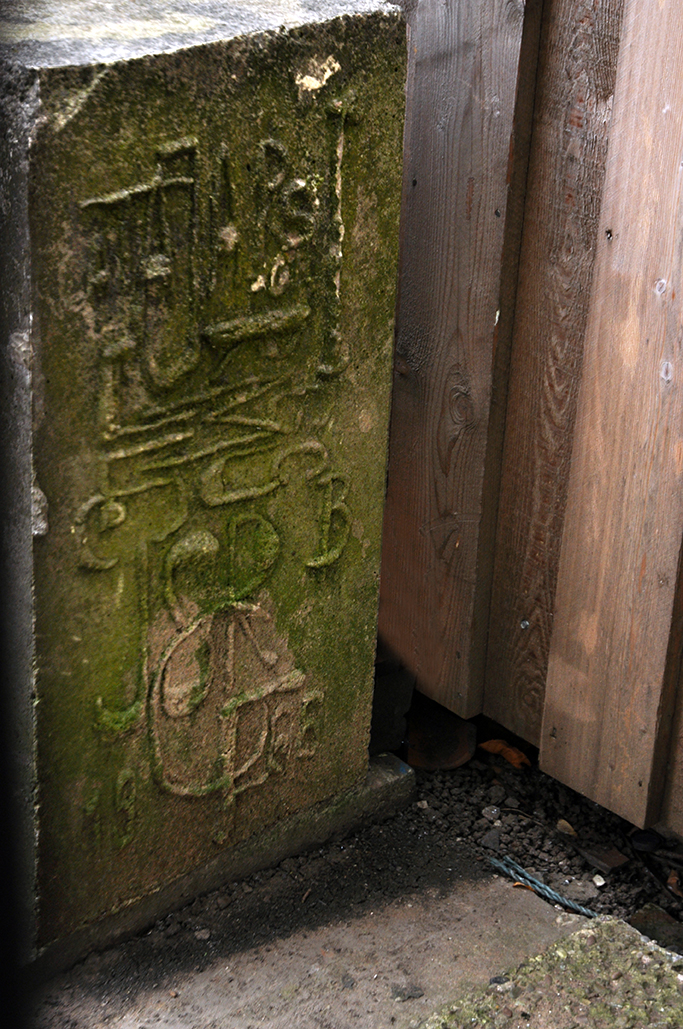
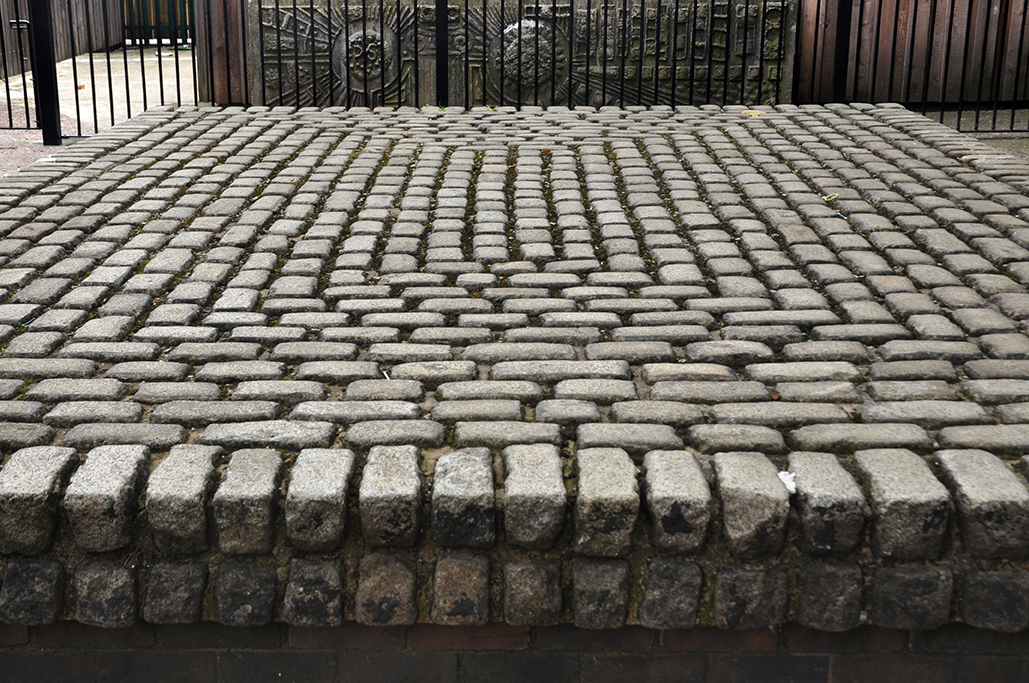
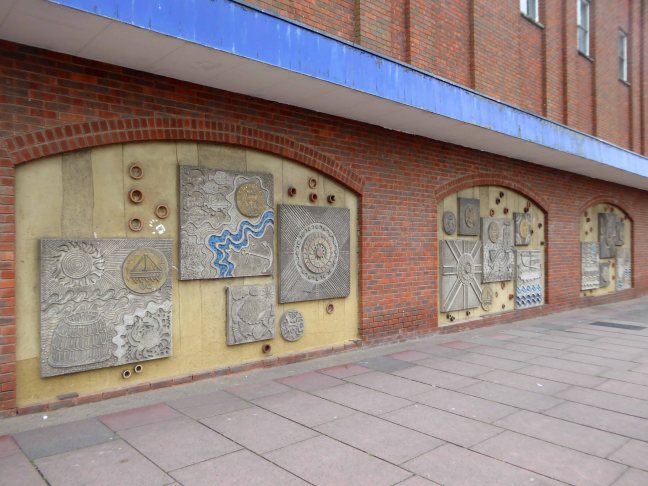
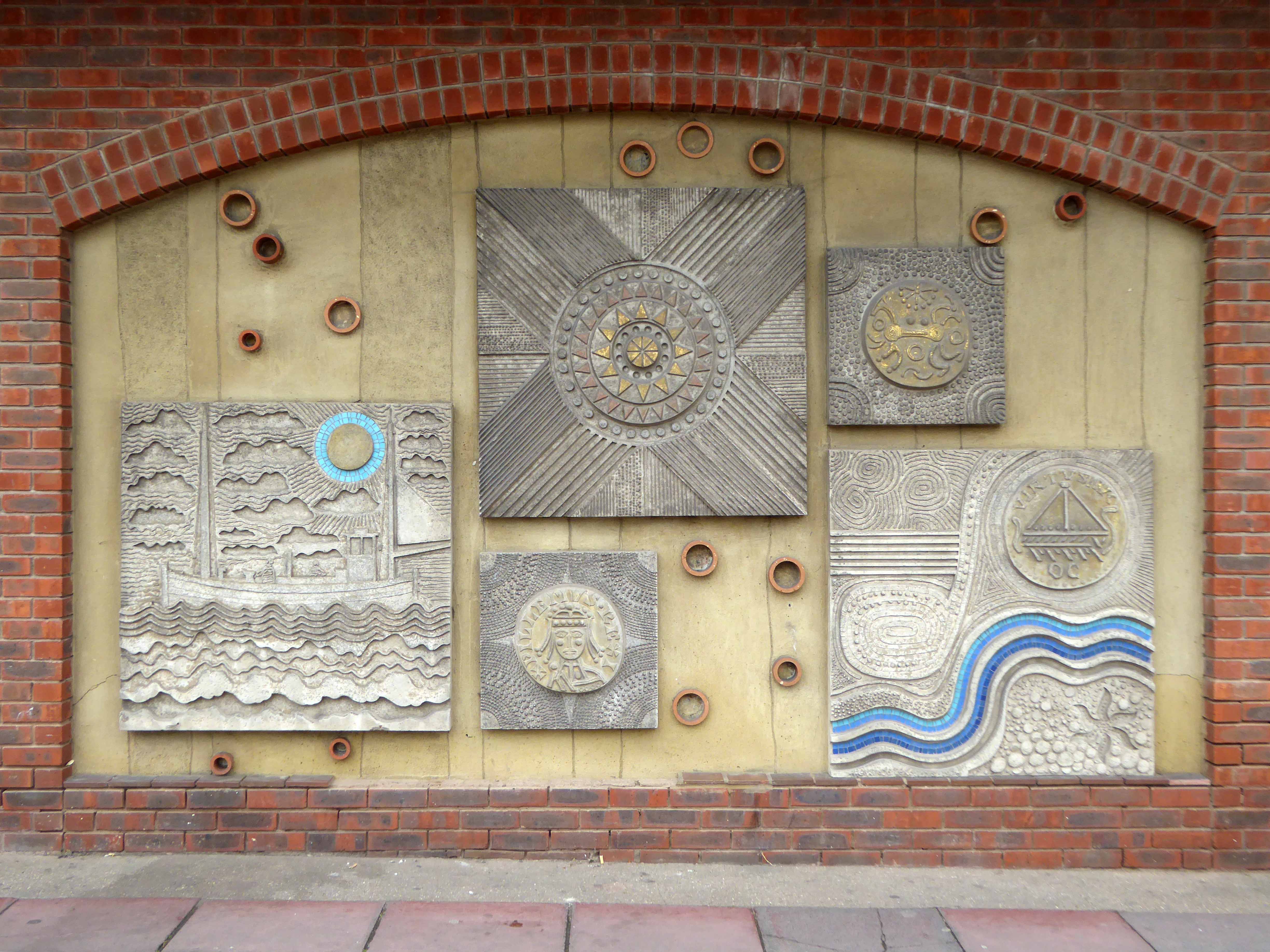
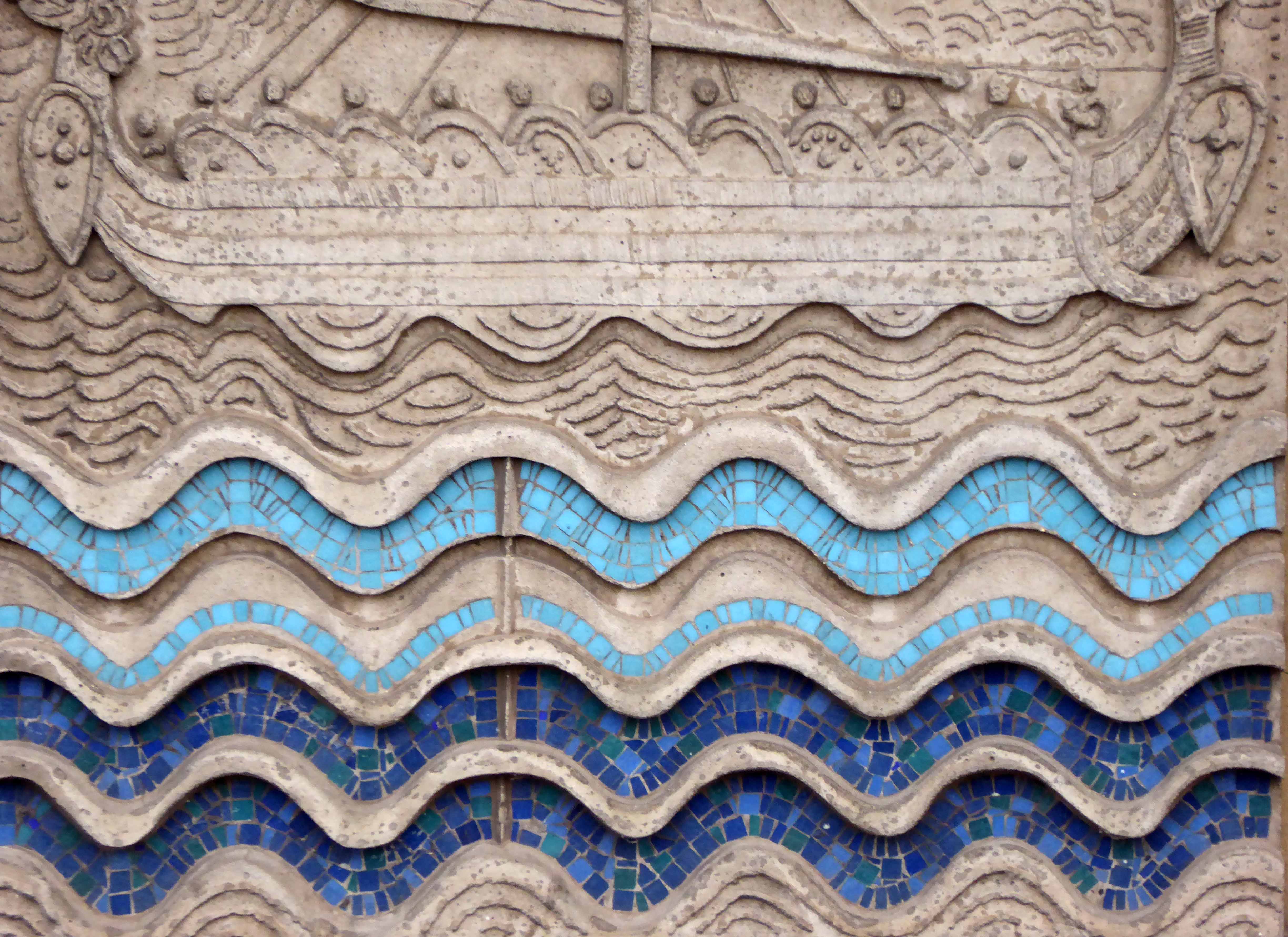
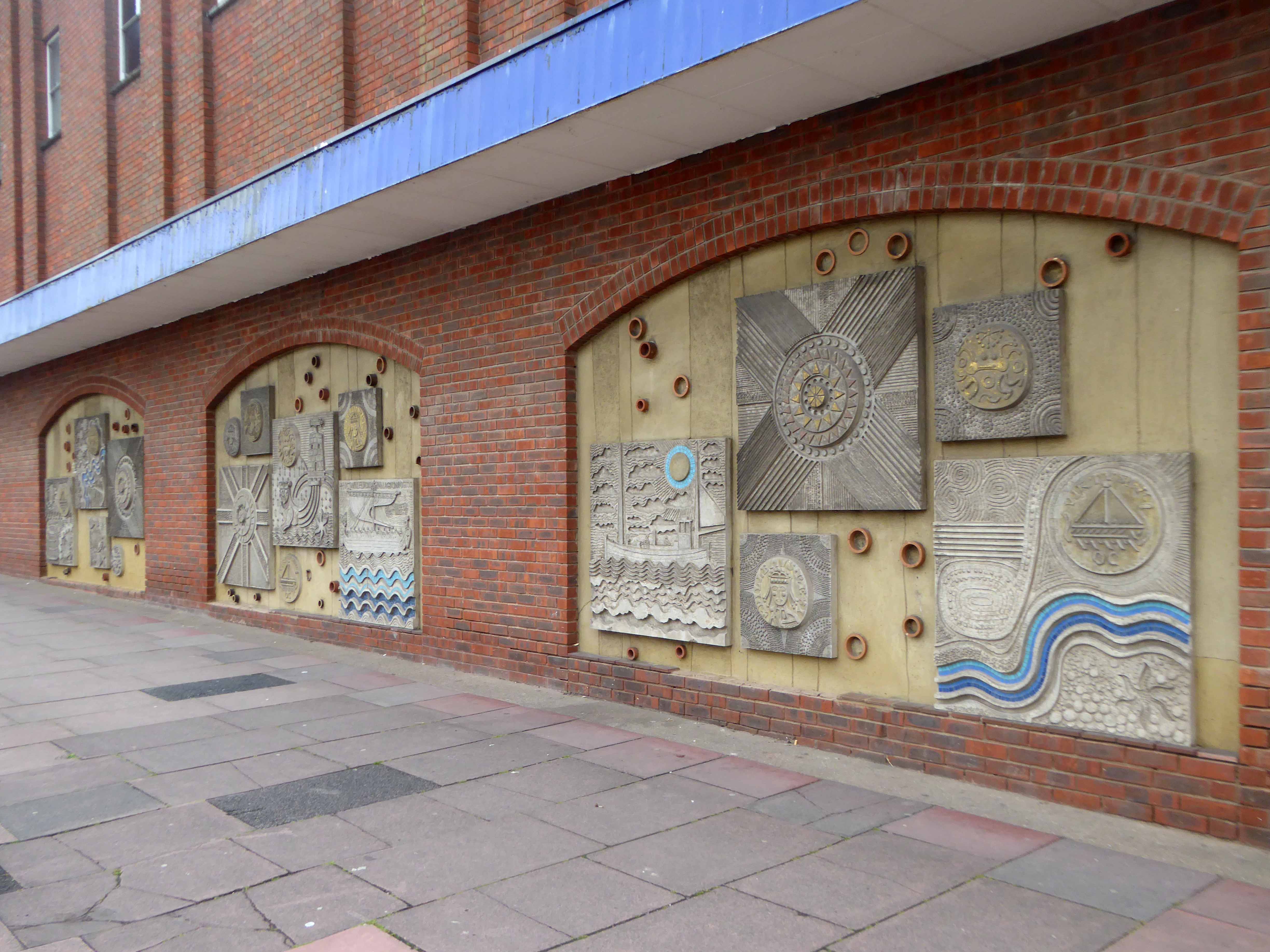
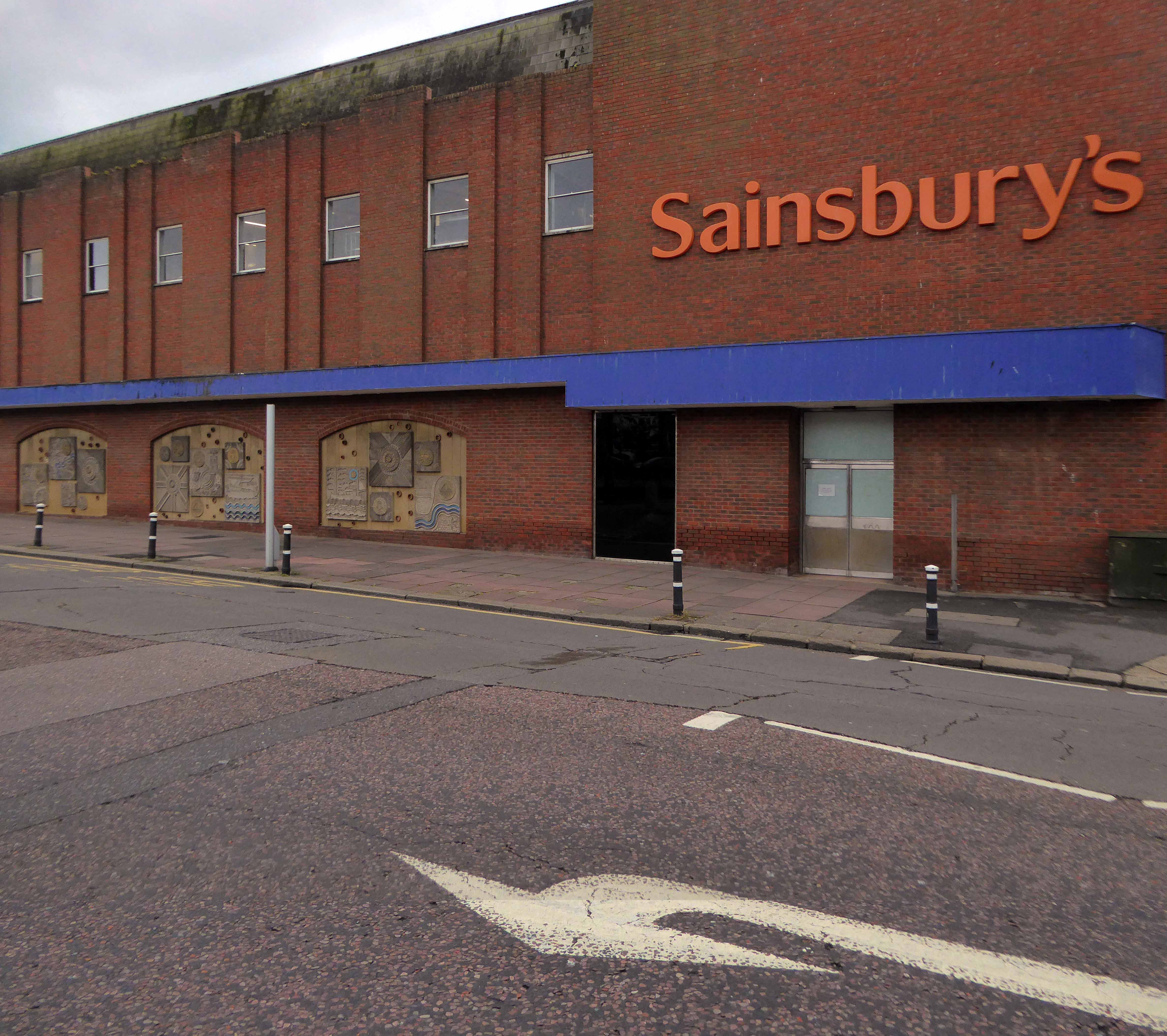
Plus the Pallot and Collins murals inset into the wall of their local branch of Sainsbury’s.

The third such public sculpture I have had the pleasure to visit following trips to Newcastle and the now defunct BHS in my hometown of Stockport.

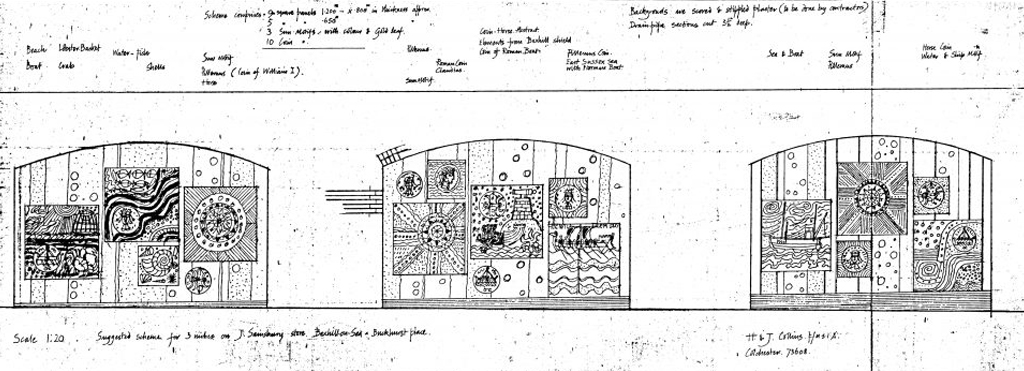
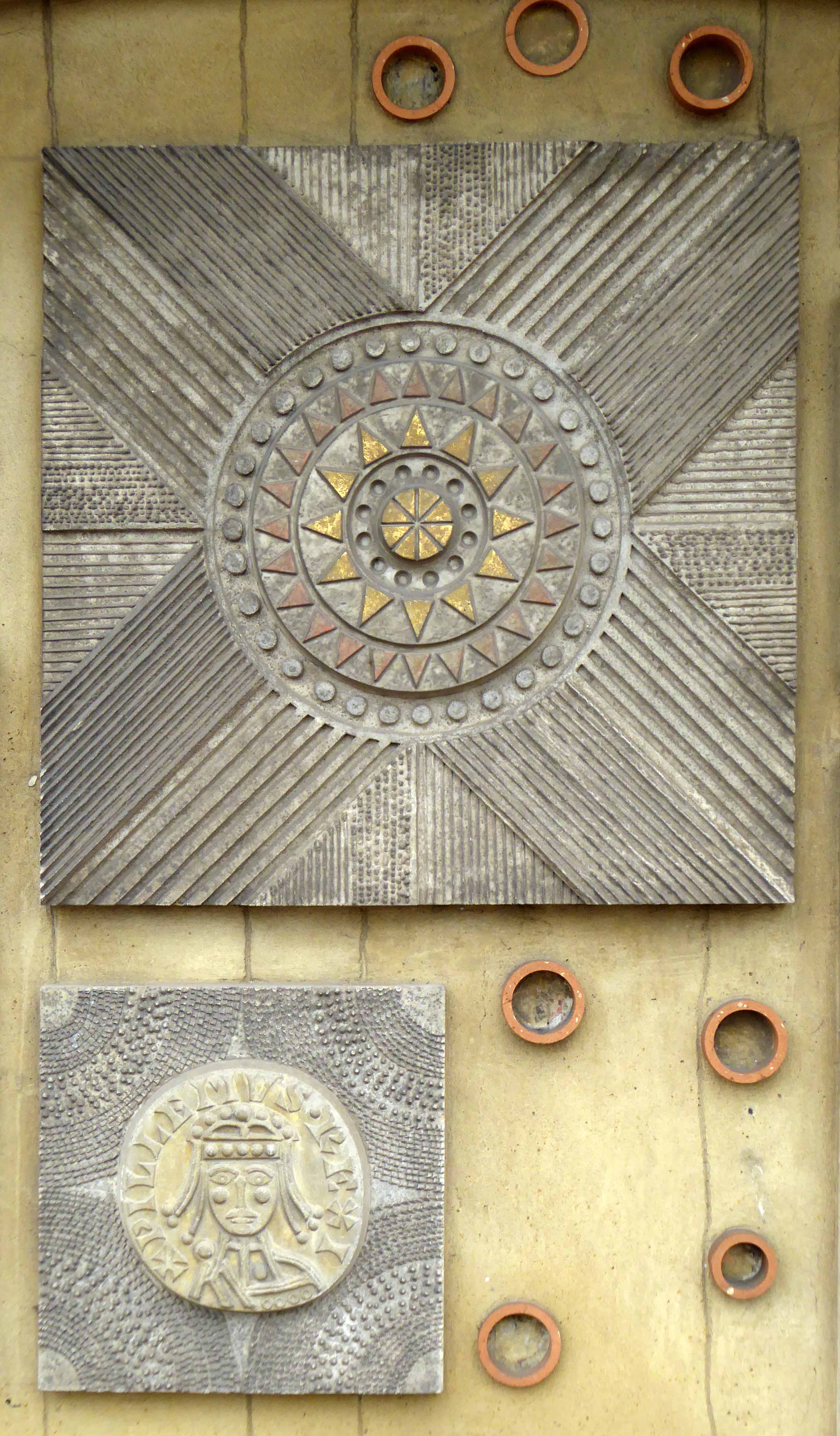
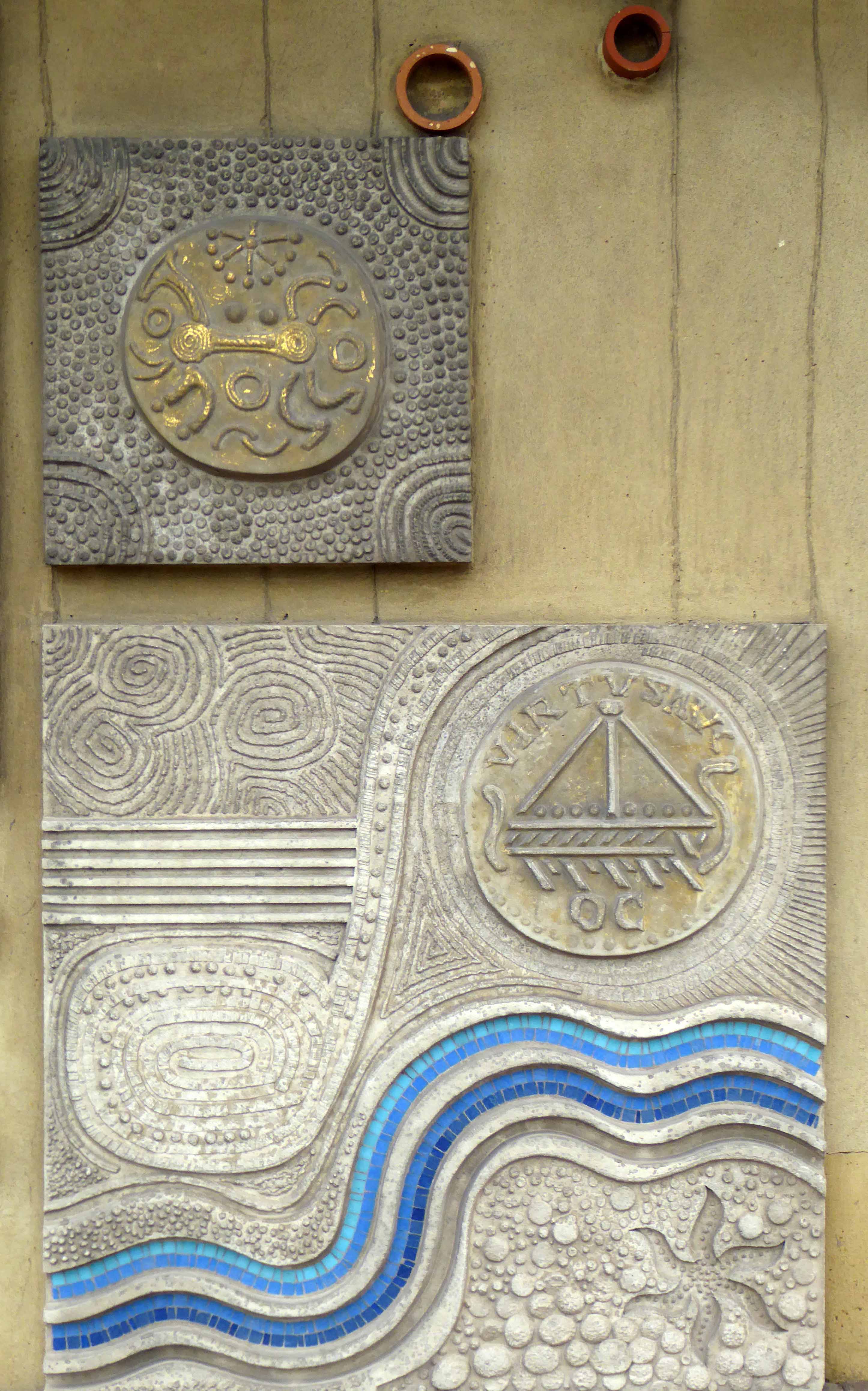
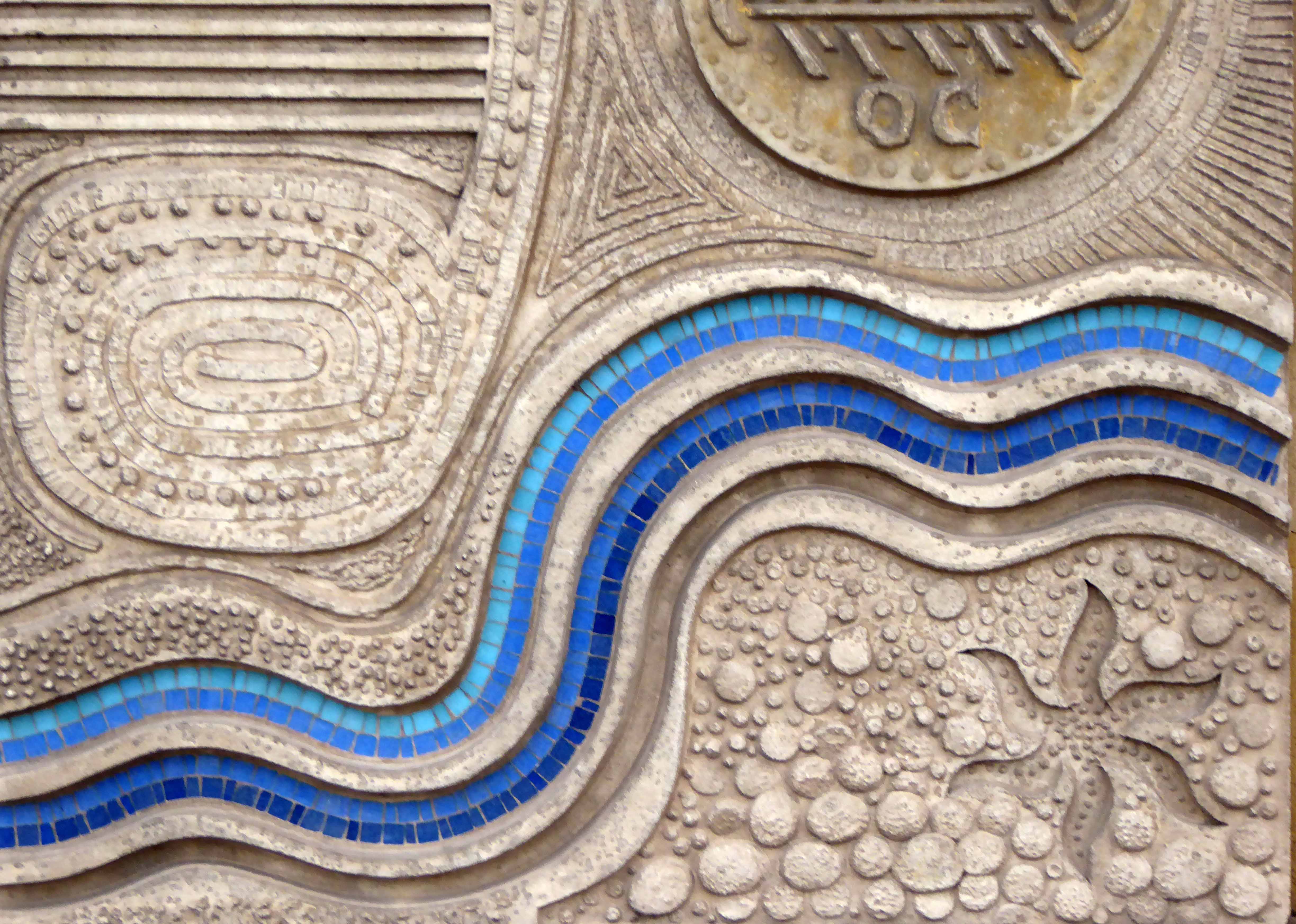
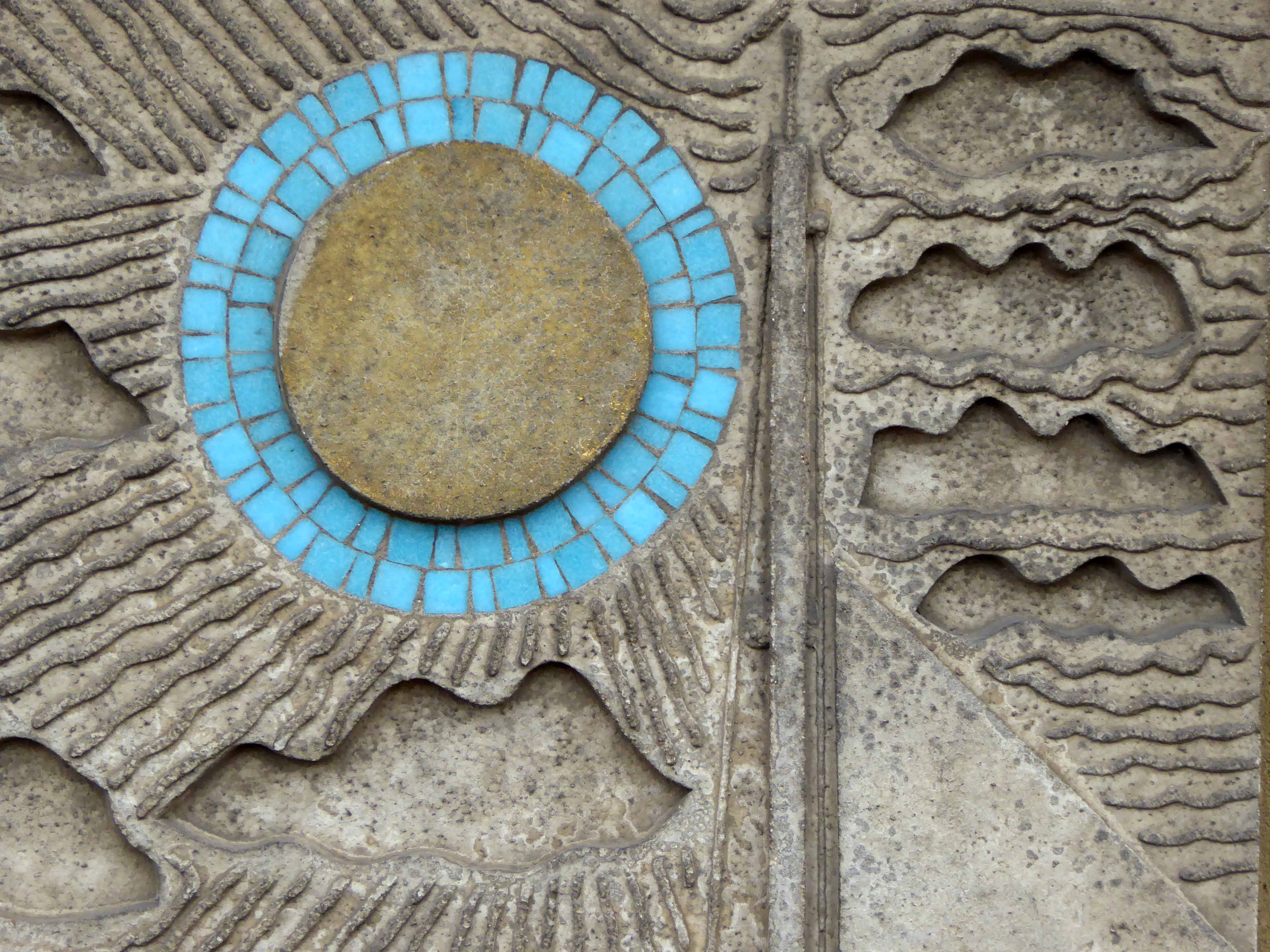
Henry William Collins and Joyce Millicent Pallot have a very special place in my heart, their lives’ work together gracing the Festival of Britain, GPO Tower and Expo 70, along with other retail outlets in Southampton, Gloucester, and Colchester. A distinctive style of bas relief in impressed concrete, ceramic terrazzo and simple modern motifs, drawn from local history and imagery.

Take a look around.

OriginalPlan1-1024x371

P1170853

P1170854

P1170855

P1170857

P1170858

P1170859

P1170860

P1170861

P1170862

P1170863

P1170864

P1170865

P1170867

P1170868

P1170869

P1170870

P1170872

P1170878

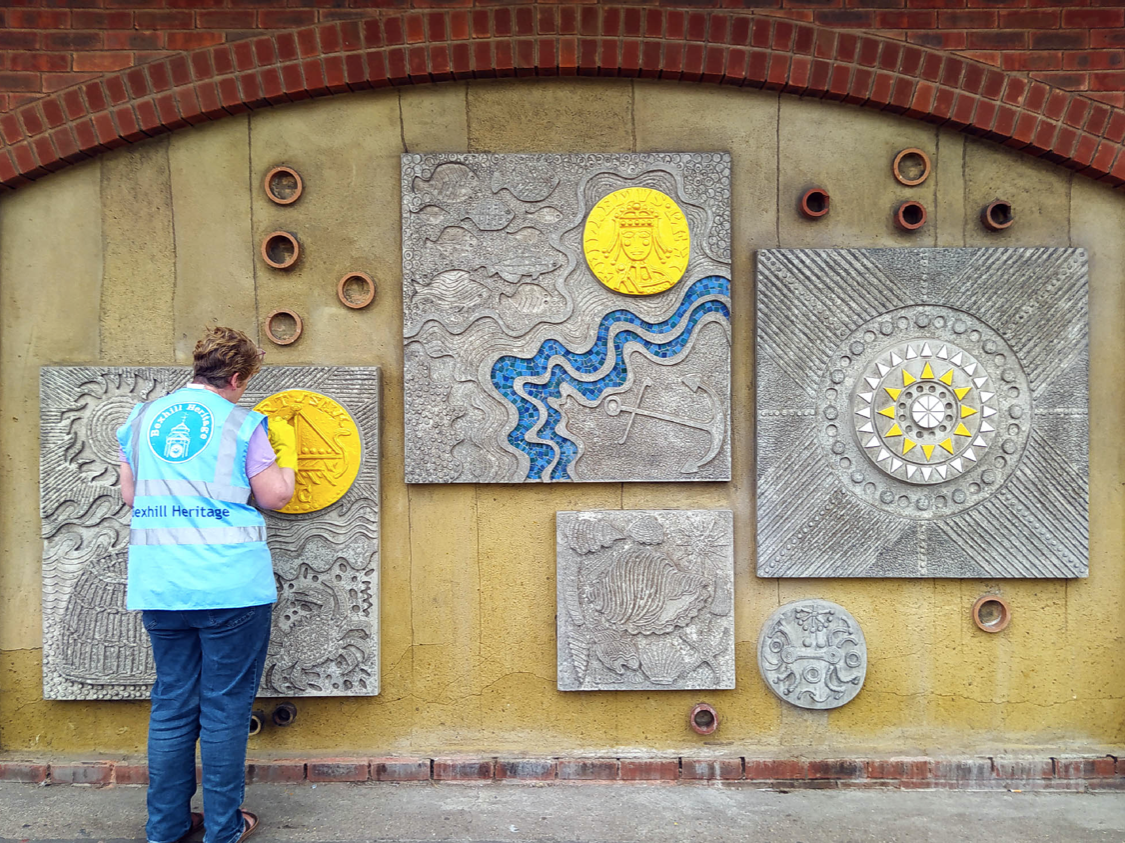
Great to see that the murals have been restored recently by Bexhill Heritage.

Screenshot 2024-10-22 at 10.53.56

Stopford House Again – Stockport

Do you come here often?

Well actually I do!

Here’s my account of my previous visits to Stopford House.

The large open public space that has almost everything except the public.

On the many occasions I have walked its concrete piazza, not once have I encountered another purposed soul – save the odd passing civic employee.

Unusually unchallenged by the diffident G4S or like as I snap away.
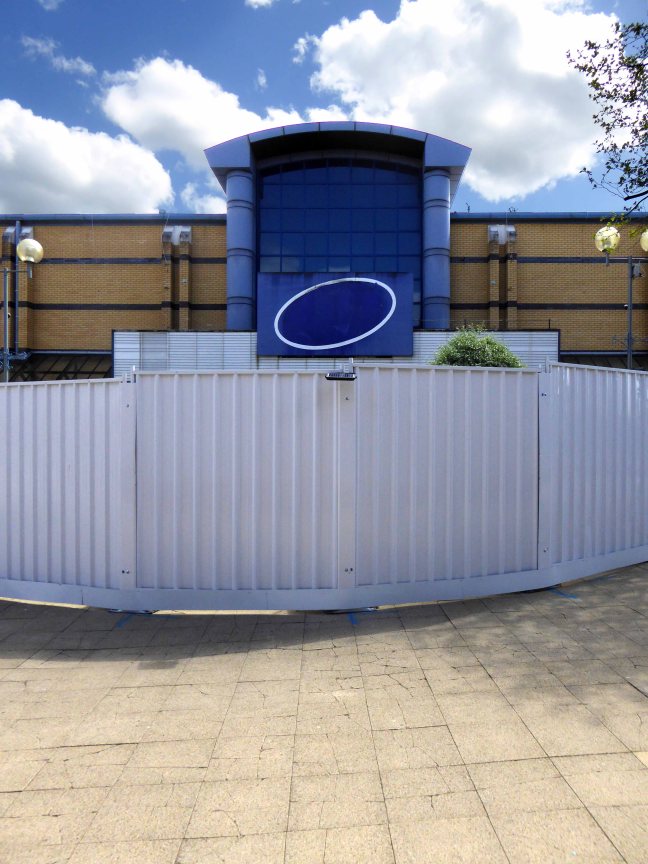
So come/go here, take a look – municipal concrete in the raw, softened by the controlled ingress of flowers and greenery.
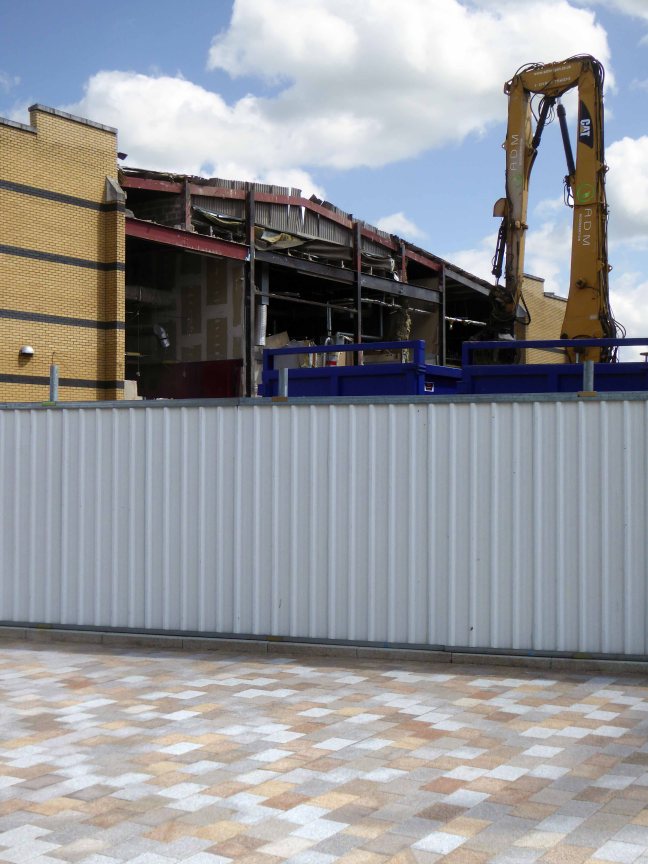
Oh and not forgetting the recent addition of some curious coloured lines.
P1170176

P1170178

P1170180

P1170183

P1170184

P1170185

P1170187

P1170190

P1170194

P1170200

P1170201

P1170202

P1170203

P1170204

P1170206

P1170208

P1170214

P1170205


Fire Station – Bury

Curvilinear, cantilevered, concrete canopies wave – wave goodbye.
Opened in 1967

fire-station-the-rock-built-1967

Closed in 2012, it continues to stand idly by, as the Bury Town centre doughnuts the site with shiny new developments.

A striking tower topped by a hyper parabolic roof with a cheeky twist, it remains an elegant feature on The Rock.

Facing an uncertain future it can only be a matter of time, as the new build proliferates that the fire station disappears in a puff of smoke.

Who you gonna call?

P1160753

P1160754

P1160755

P1160756

P1160758

P1160759

P1160760

P1160761

P1160762

P1160763

P1160764

P1160765

P1160766

P1160767

P1160768

P1160770

P1160771

P1160772

P1160783

P1160784

BHS Murals – Newcastle upon Tyne

We here in Stockport have our own BHS murals, happily so does Newcastle.

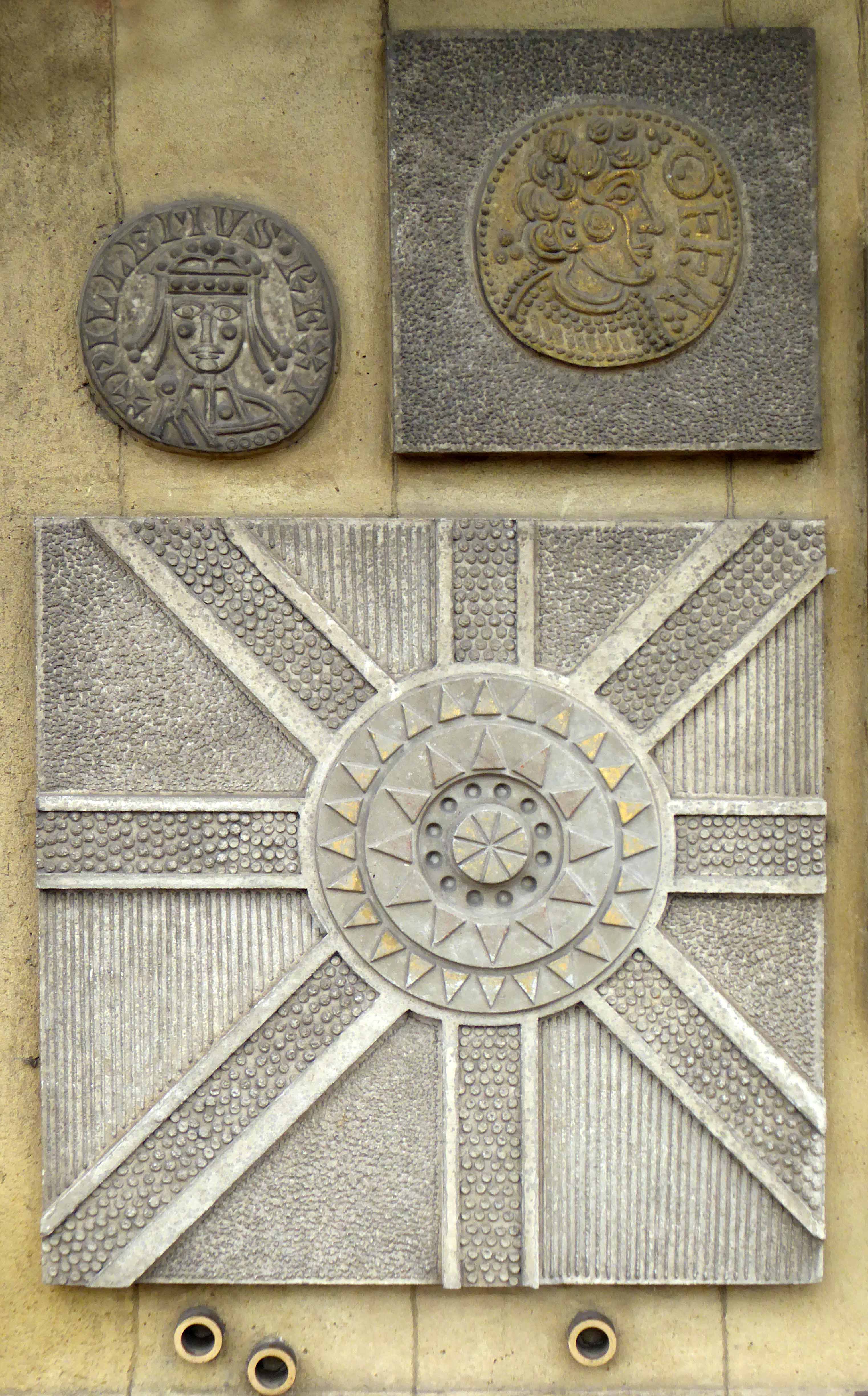
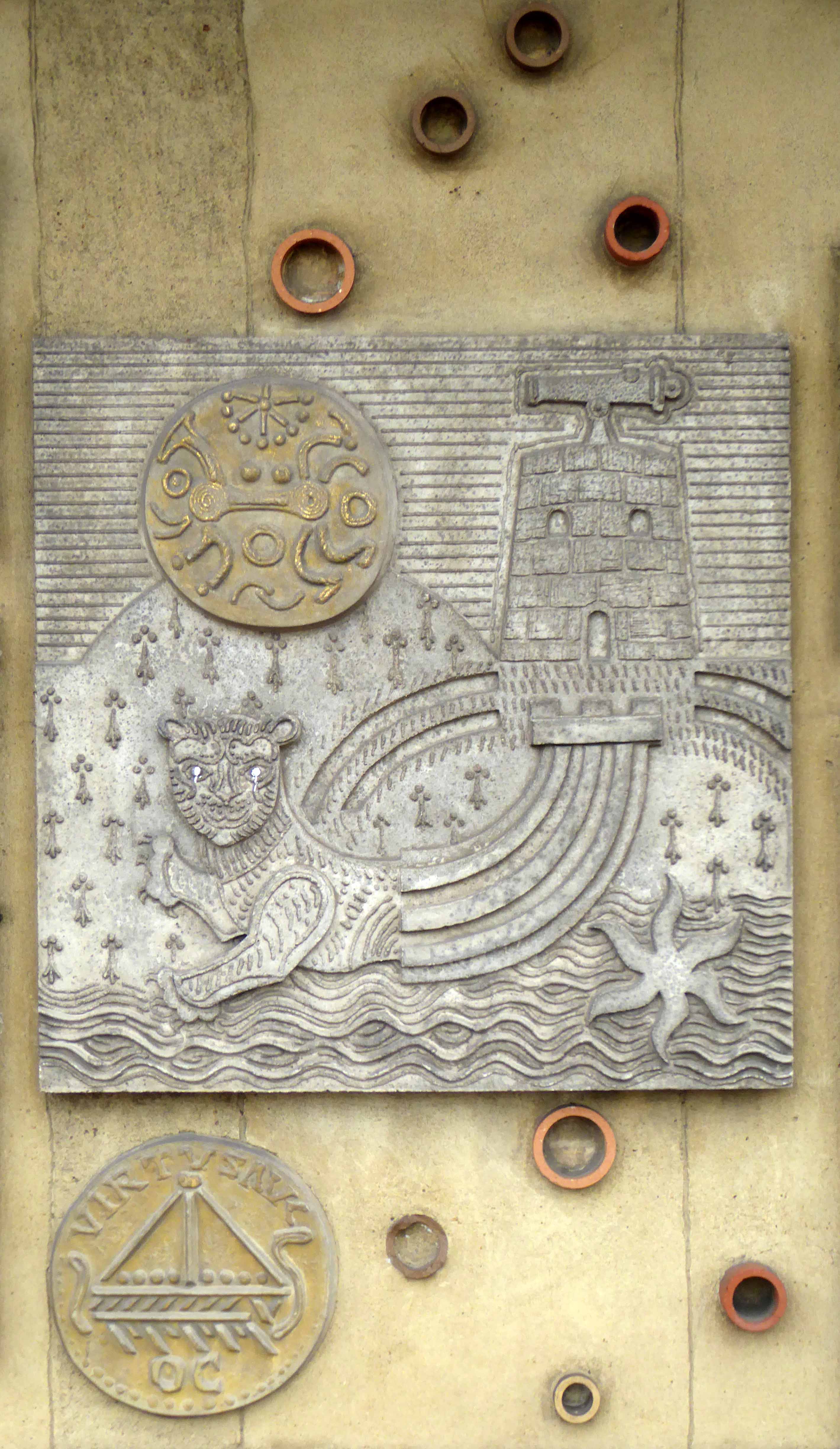
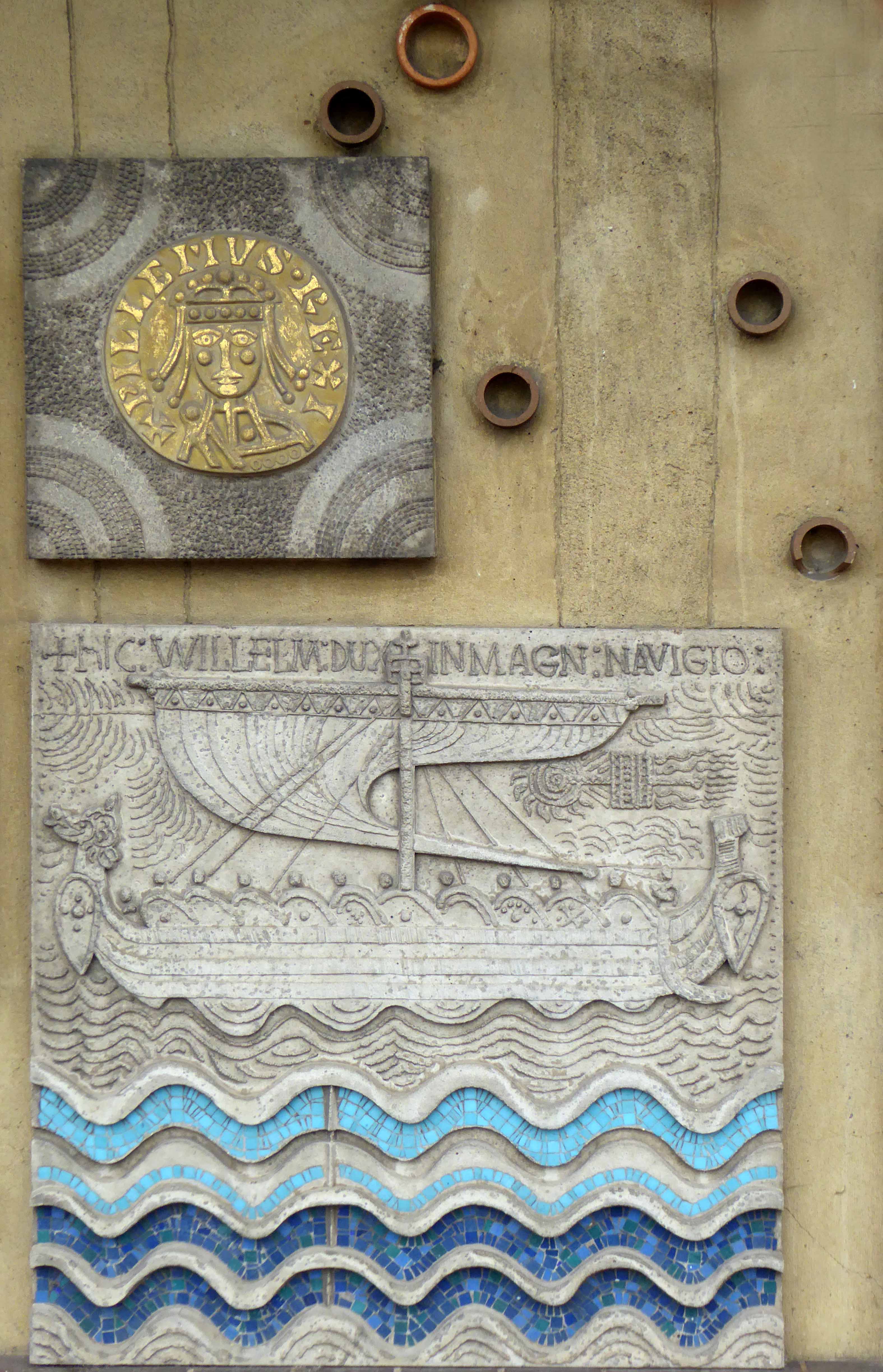
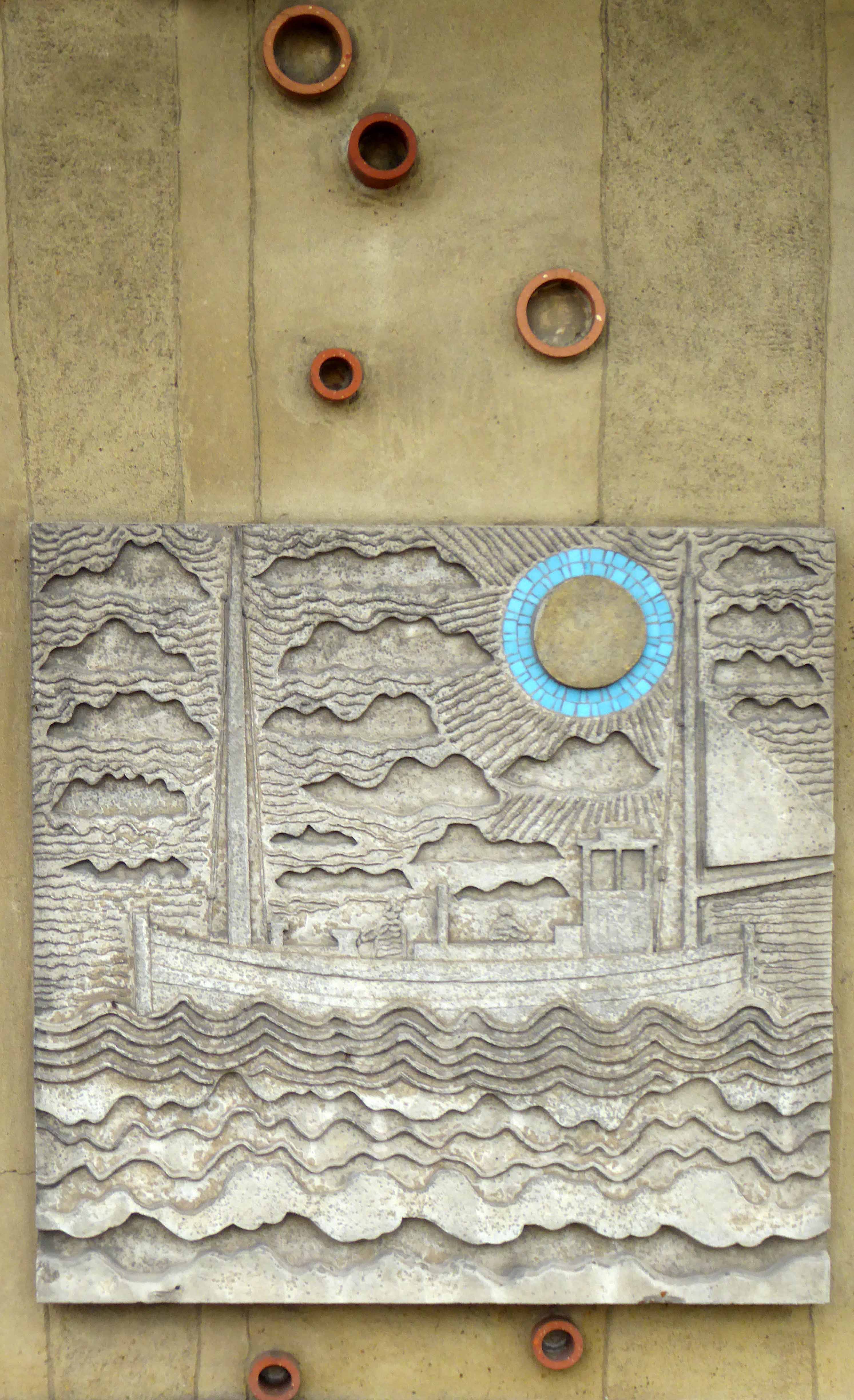
The work of acclaimed artists Joyce Pallot and Henry Collins, they worked on a large number of murals and exhibition designs for amongst others, Jamestown Festival, USA; Brussels Exhibition; Expo 70; Japan; Shell Centre; GPO Tower, London; Grosvenor House, London; Ind Coope Ltd; Philips Business Systems; Sainsburys; British Home Stores; Cwmbran Arts Trust; Essex County Council and IBM, London.

1460712918

They never worked on the site itself, but used a regular contractor Hutton’s Builders Ltd Colchester, who cast the concrete in panels around four feet square. There are two relief panels, depicting events in the history of Newcastle. Highly stylised, the relief is moulded to a depth of 5cm and features some charming Geordie characters.

The left panel contains the following inscriptions and images Monkchester with Roman head and Newcastle coat of arms. Roman ship and golden coin. Collier Brig 1704-1880 with ship. Oceanus with anchor and seahorse with trident. The right panel contains the following inscriptions and images: Jupiter Fortuna with two figures. Engineering; Davy and Stephenson; coal mining ship building with images of same. G & R Stephenson; Armstrong Whitworth; Rocket 1829 with image of first steam engine. Armstrong 12 Pounder RA with image of gun. 1878 J.Swan Pons Aelius with bridges depicted below. Turbinia and image of ship. Various churches with names carved about including Grainger Dobson 1865; 1838 Green Stokoe; Bewick with a swan; a figure and Brigantia. Final section on far right has Geordie over two figures, then the Keel Row with a loading boat at the bottom. 

Information from – PMSA

P1160129

The building was originally developed by C&A and it is thought that funding for the reliefs might have been provided by the store and/or Northern Arts. It became BHS which subsequently closed last year, the building is now occupied by Primark, C&A estates still own the site. 
    panel 1

panel 2

The mural illustrated the cover of the 1975 Newcastle Festival.

NewcastleFestival1975

NewcastleFestival19752

P1160116

P1160117

P1160118

P1160119

P1160121

P1160122

P1160124

P1160125

P1160126

P1160127