In his postcard, Phyl writes that the weather is nice, he has a self-catering apartment near a pond, but complains about the expensive cost of Spanish bread at £1 a loaf.
Although it was delivered to the right address on the card, Mr Davies said he has no clue who either Phyl or Mrs Leon could be.
I’ve been baffled by it really.
I suppose Mrs Leon once lived in my flat, but I’ve asked around neighbours who have lived here twenty or thirty years, and none of them have ever heard of her.
The Post Office say they have no idea what could have happened to the postcard for twenty nine years, may be it got stuck in a sorting machine, may be given that it’s got both British and Spanish stamps on it, someone found it and posted it on.
Really I’d just like to find out who either Phyl or Mrs Leon are, so I could finally give it to them after all this time.
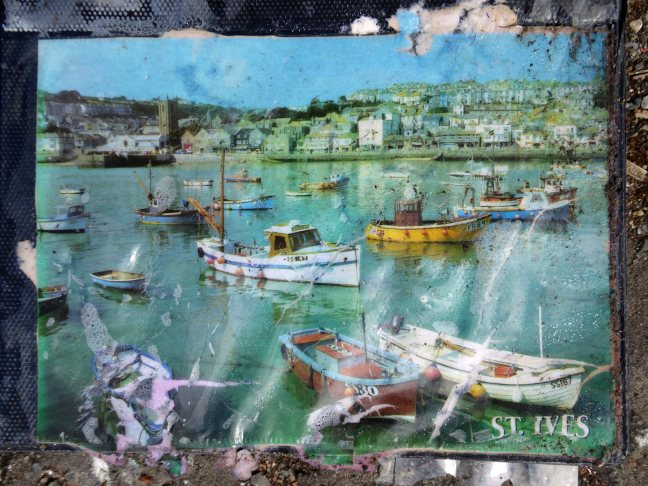
Curiously the story does not reproduce the picture of the picture postcard.
Dear Eddie, this is a very pleasant place and the weather is just right. The food is very expensive though over £1 for a loaf of bread! We have a self catering little apartment by the side of a pond complete with ducks.
There is something very poignant about the handwritten reportage of holidays past and also a sadness attached to the blank other side -sentiments forever unsent.
I’ve looked at life from both sides now From win and lose and still somehow It’s life’s illusions I recall I really don’t know life at all
We are all going somewhere or nowhere or other – we report back.
Having a nice relaxing holiday. Not had good weather. Got caught in rain on Friday have lost my voice. Uncle Jim laughing
Auntie Ethel & Jim
Hope Leslies finger is coming on alright
20th August 1968
Hello Sharon, hope you are as happy as can be. Sorry I can’t tell you anything about your country, as I’ve never been; not yet anyway.
Bye Don
23rd April 1979
Dear Rita, here we are enjoying our holiday with Frank, Jacky & Stuart. The weather has been very poor, but there is an improvement today. Hope all is well with you. Lynn her husband and the little ones are visiting on thursday, so we shall have a real tea-party.
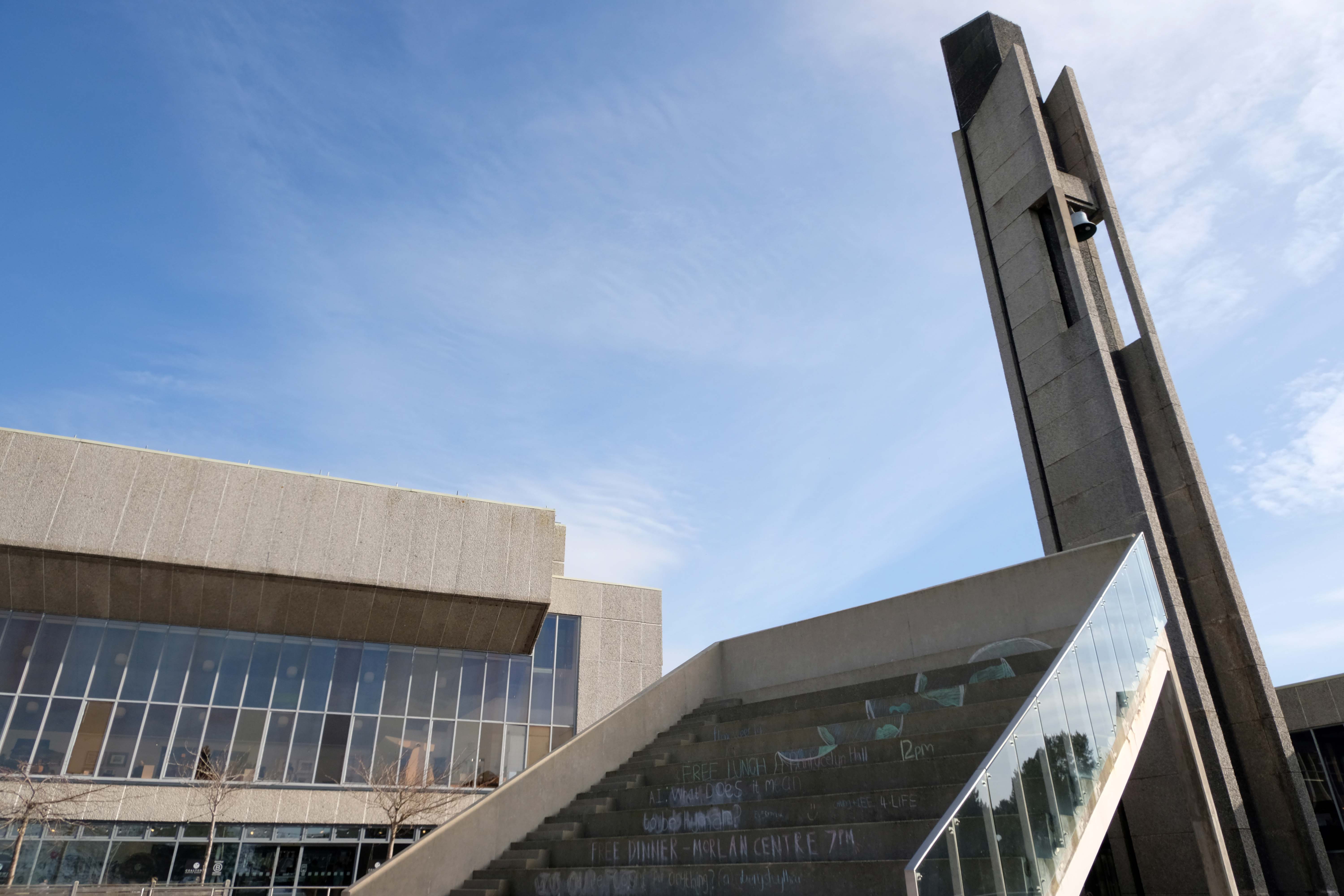
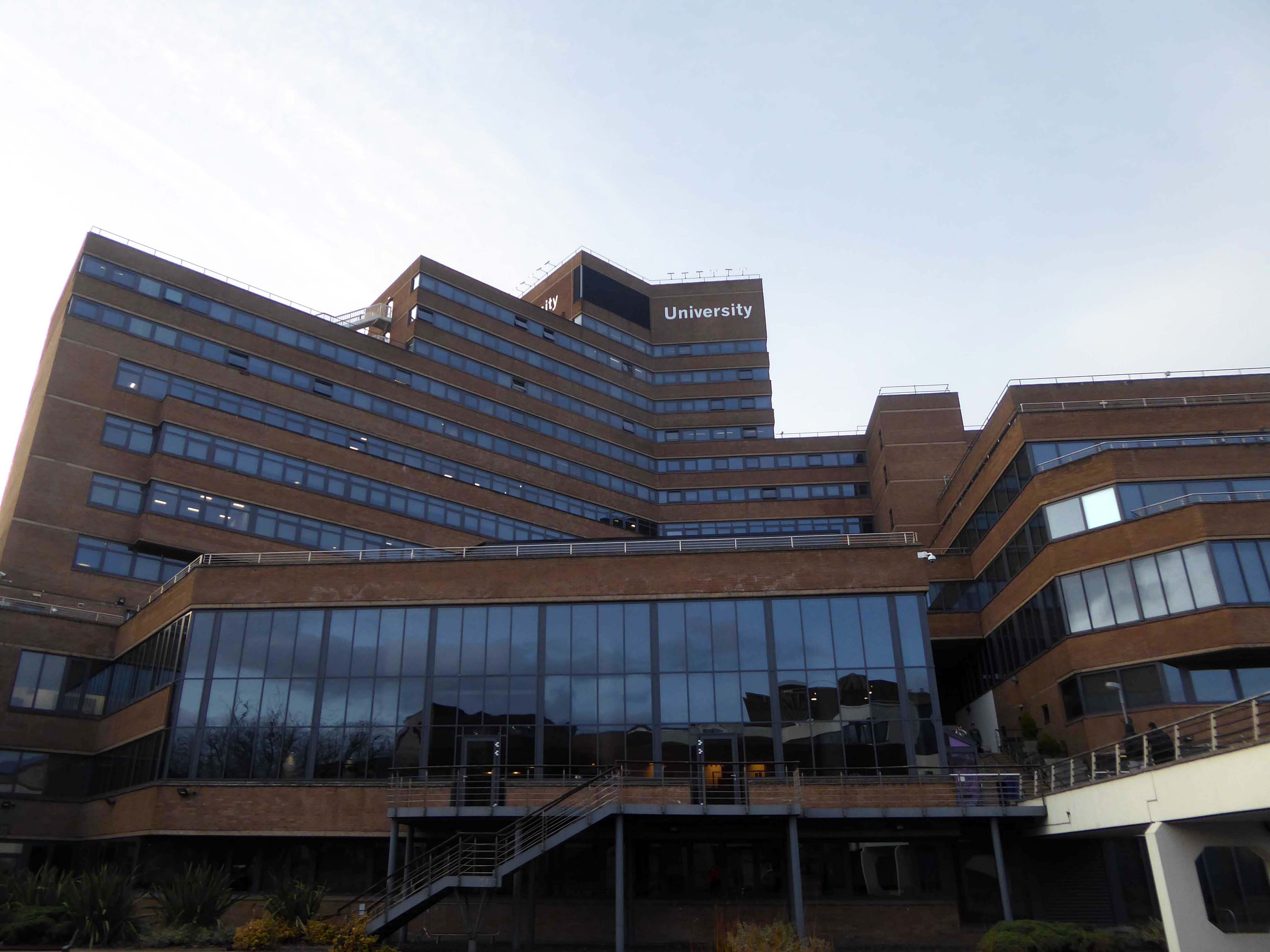
So I walked along the edge of the bay and cut up through the park to the University.
Singleton Park, and the Abbey, in which the university sits, were given to the borough of Swansea by John Henry Vivian, the 19th century Swansea copper magnate. The abbey was given to the university in 1923, but other campus developments, by and large, had to wait until after WW2, when a significant building programme was undertaken
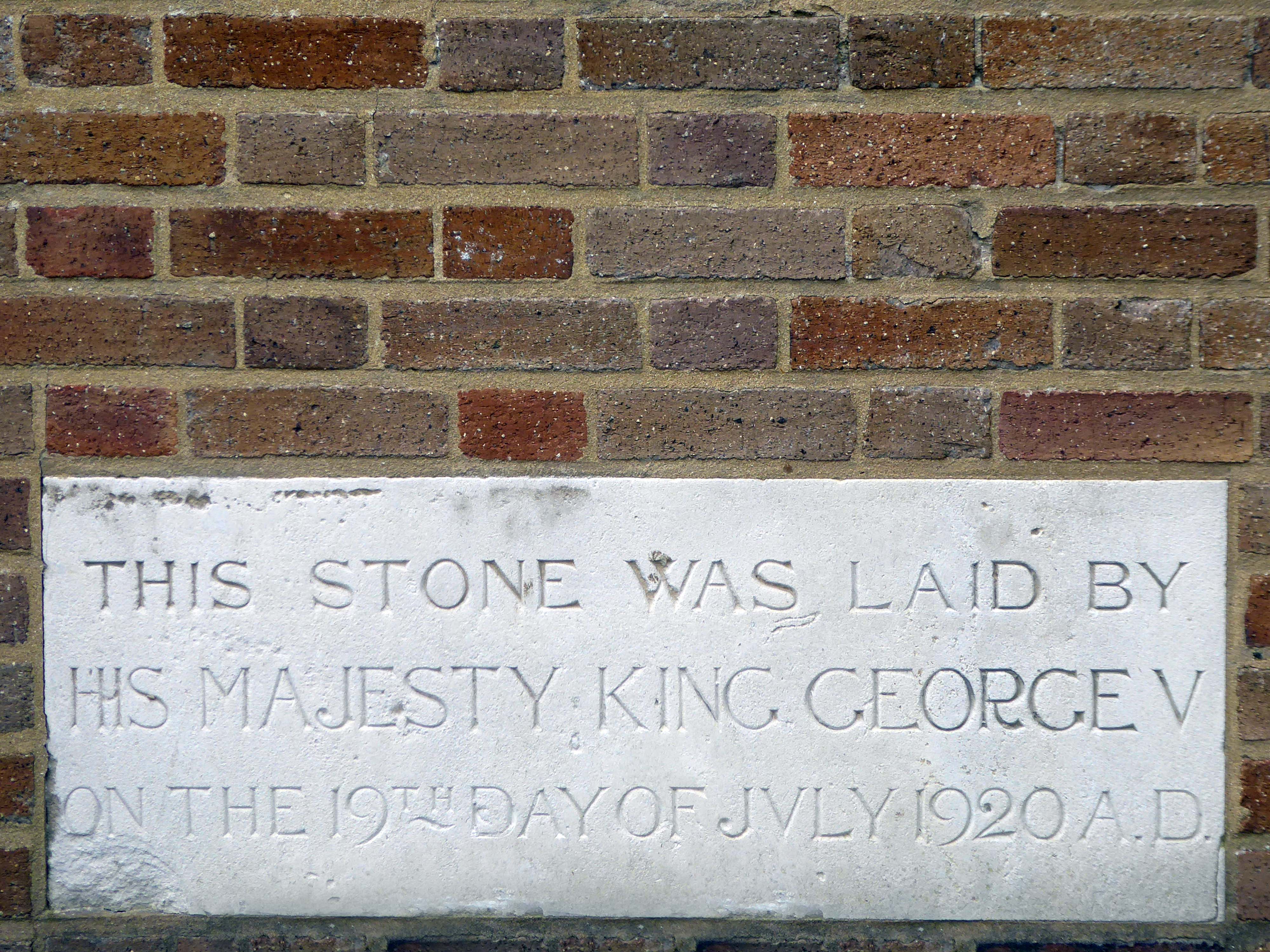
The University’s foundation stone was laid by King George V on 19 July 1920 and 89 students (including eight female students) enrolled that same year. By September 1939, there were 65 staff and 485 students.
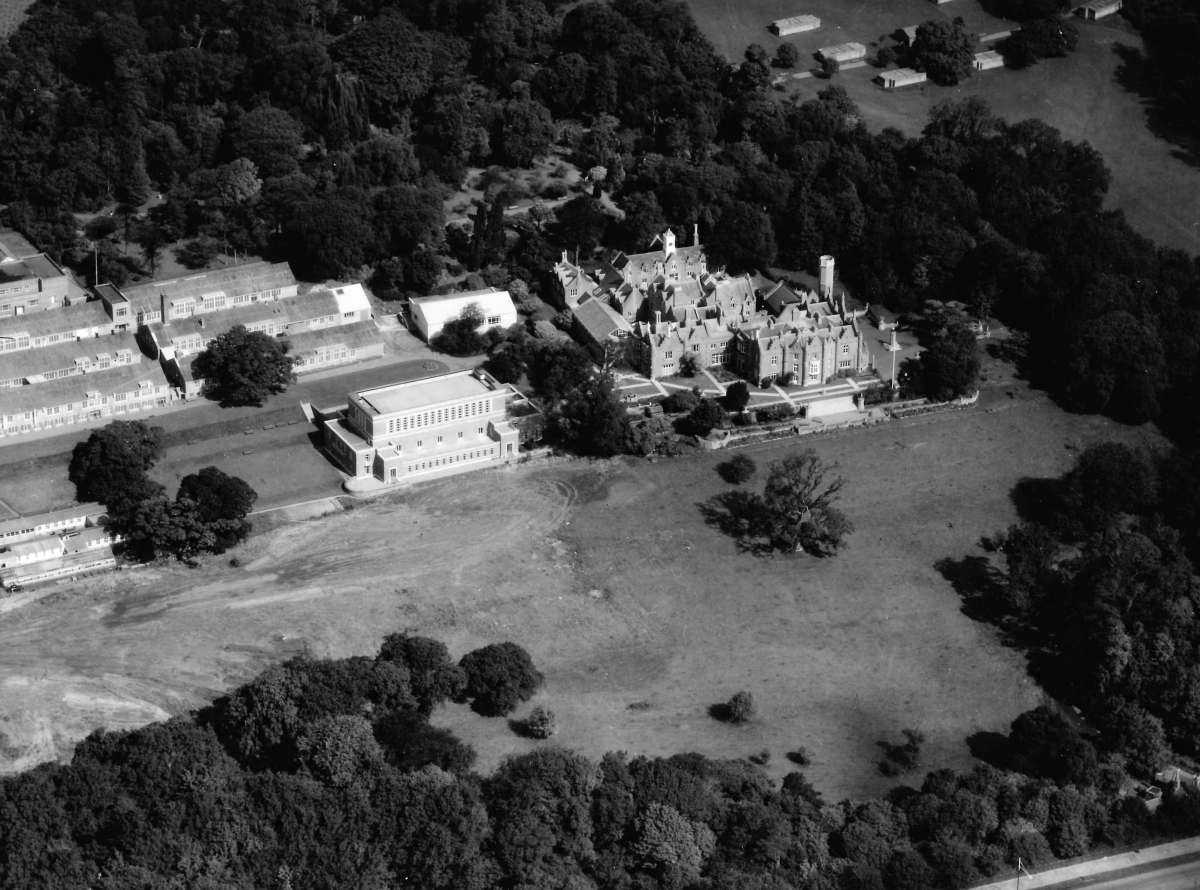
In 1947 there were just two permanent buildings on campus: Singleton Abbey and the library. The Principal, J S Fulton, recognised the need to expand the estate and had a vision of a self-contained community, with residential, social and academic facilities on a single site. His vision was to become the first university campus in the UK.
By 1960 a large-scale development programme was underway that would see the construction of new halls of residence, the Maths and Science Tower, and College House – later renamed Fulton House. The 1960s also saw the development of the “finite element method” by Professor Olek Zienkiewicz. His technique revolutionised the design and engineering of manufactured products, and Swansea was starting to stake its claim as an institution that demanded to be taken seriously.
Work began on the student village at Hendrefoelan in 1971, the South Wales Miners’ Library was established in 1973 and the Taliesin Arts Centre opened on campus in 1984. The Regional Schools of Nursing transferred to Swansea in 1992, and the College of Medicine opened in 2001. Technium Digital was completed in 2005 and, barely two years later, the University opened its Institute of Life Science, which commercialises the results of research undertaken in the Swansea University Medical School. Work commenced on a second Institute of Life Science in 2009.
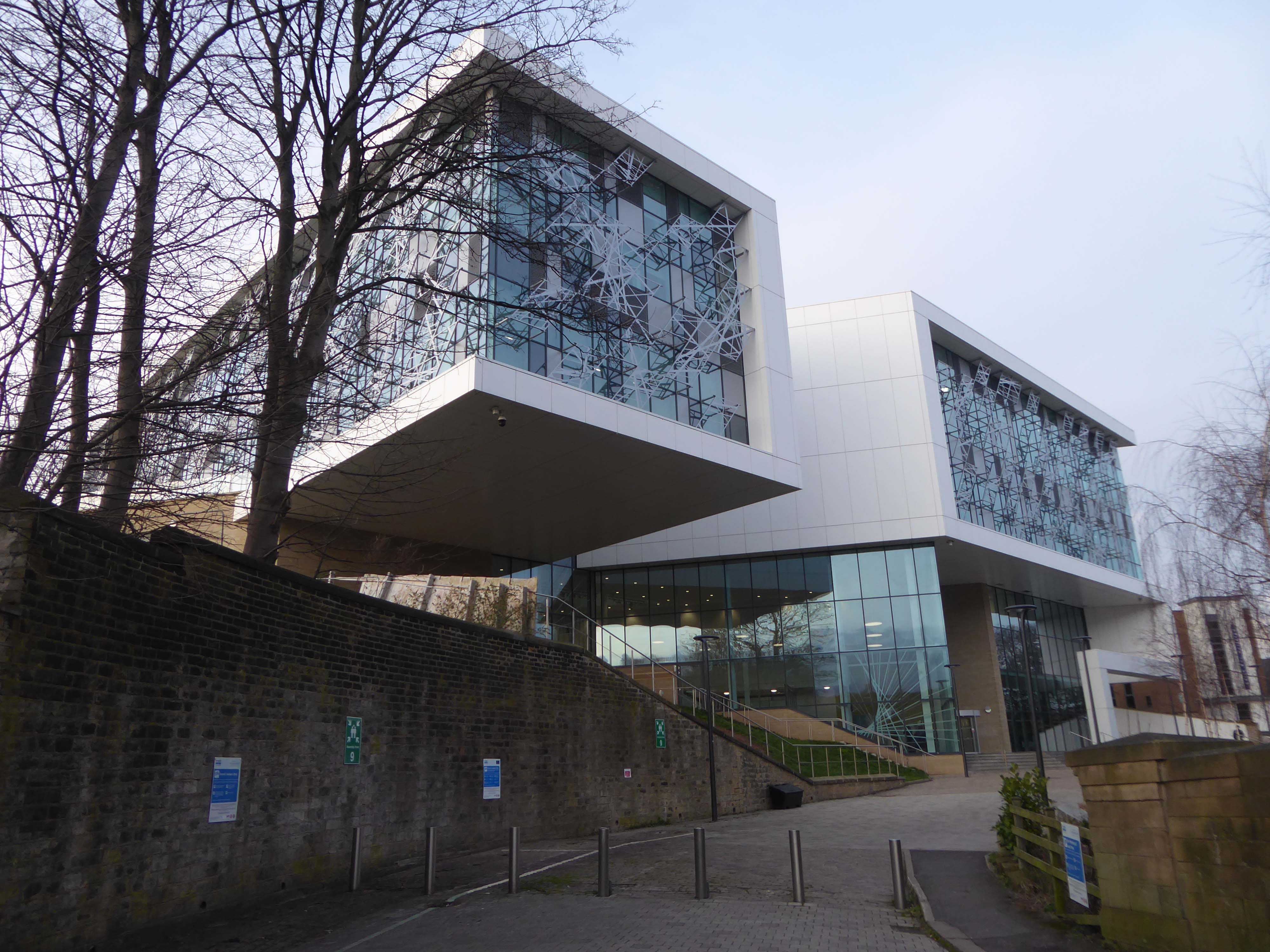
In 2012 we began an ambitious campus expansion and development project, including the opening of our Bay Campus in 2015; which is home to the College of Engineering and the School of Management. In 2018 we opened the doors to two further projects, The College; Swansea University’s joint venture with Navitas (The International College Wales Swansea, ICWS) and the Computational Foundry; the home of the College of Science’s departments of Computer Science and Mathematics.
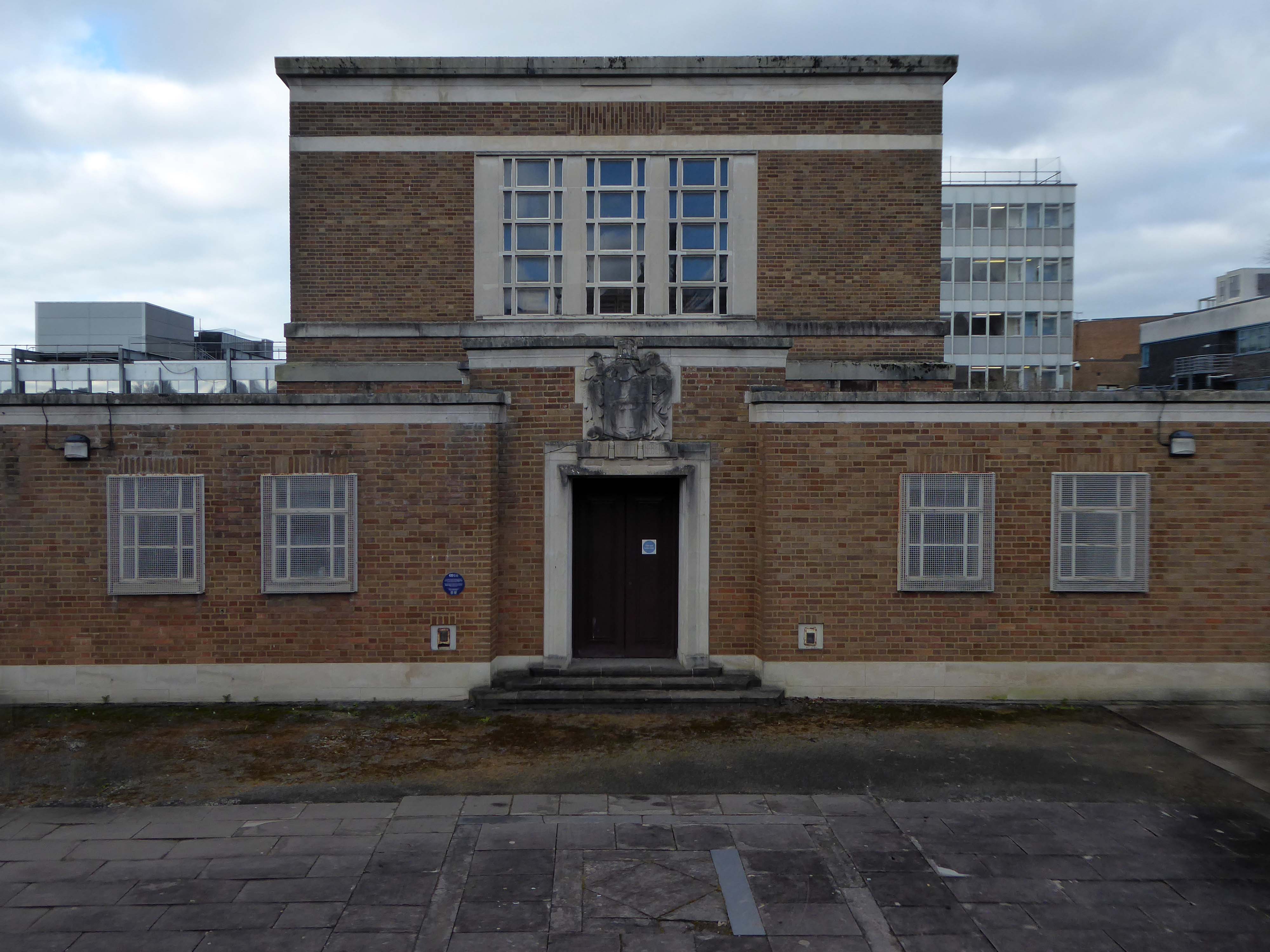
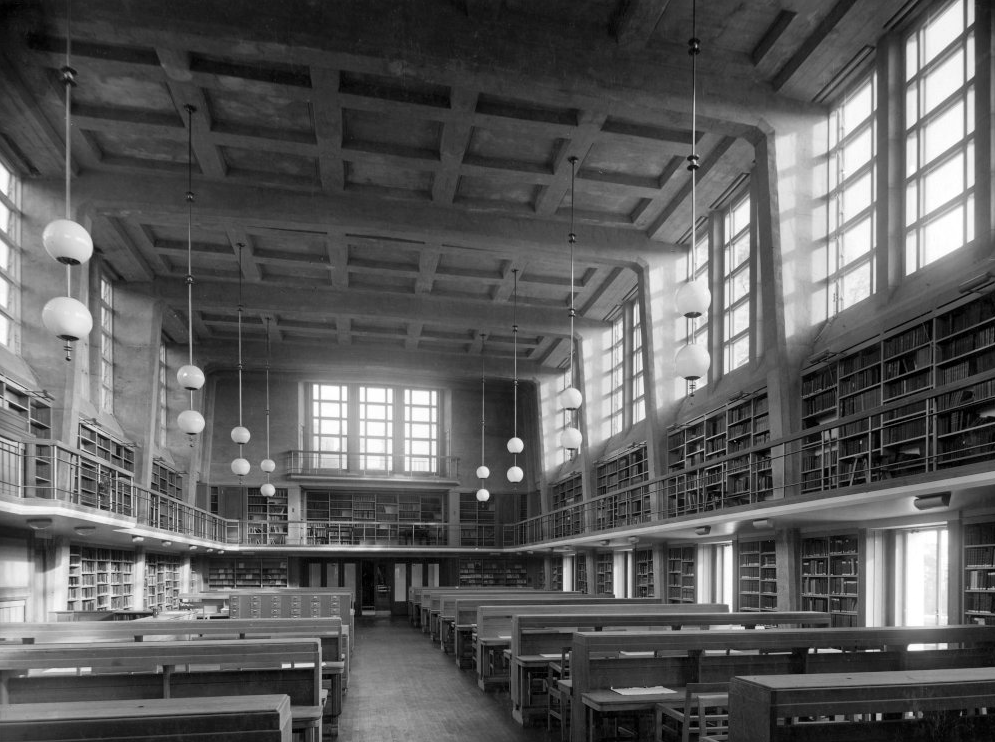
Having been gifted the Singleton Abbey – the 1937 Library was the first new build on the site.
A competition was held in 1934 to find an architect to design a new library building.
The winner was Verner Owen Rees, a London architect with Welsh heritage. The Library opened in the autumn of 1937 and was known as the ‘New Library’, and has later become known as the ‘1937’ or ‘Law’ Library. Miss Olive Busby, who had been the University’s librarian since 1920, moved to this new building and was famous for patrolling it for the next twenty years, ensuring everyone was being quiet!
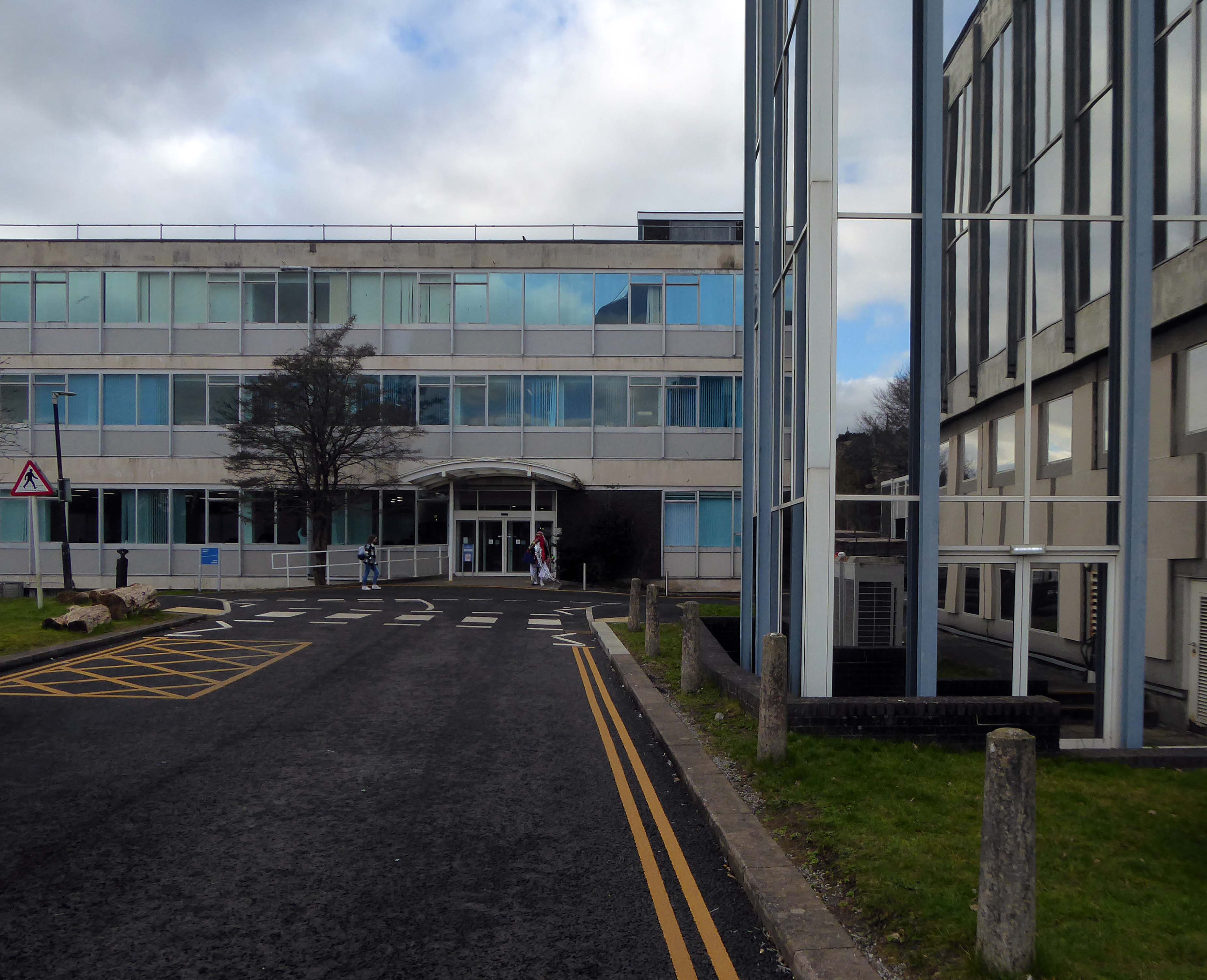
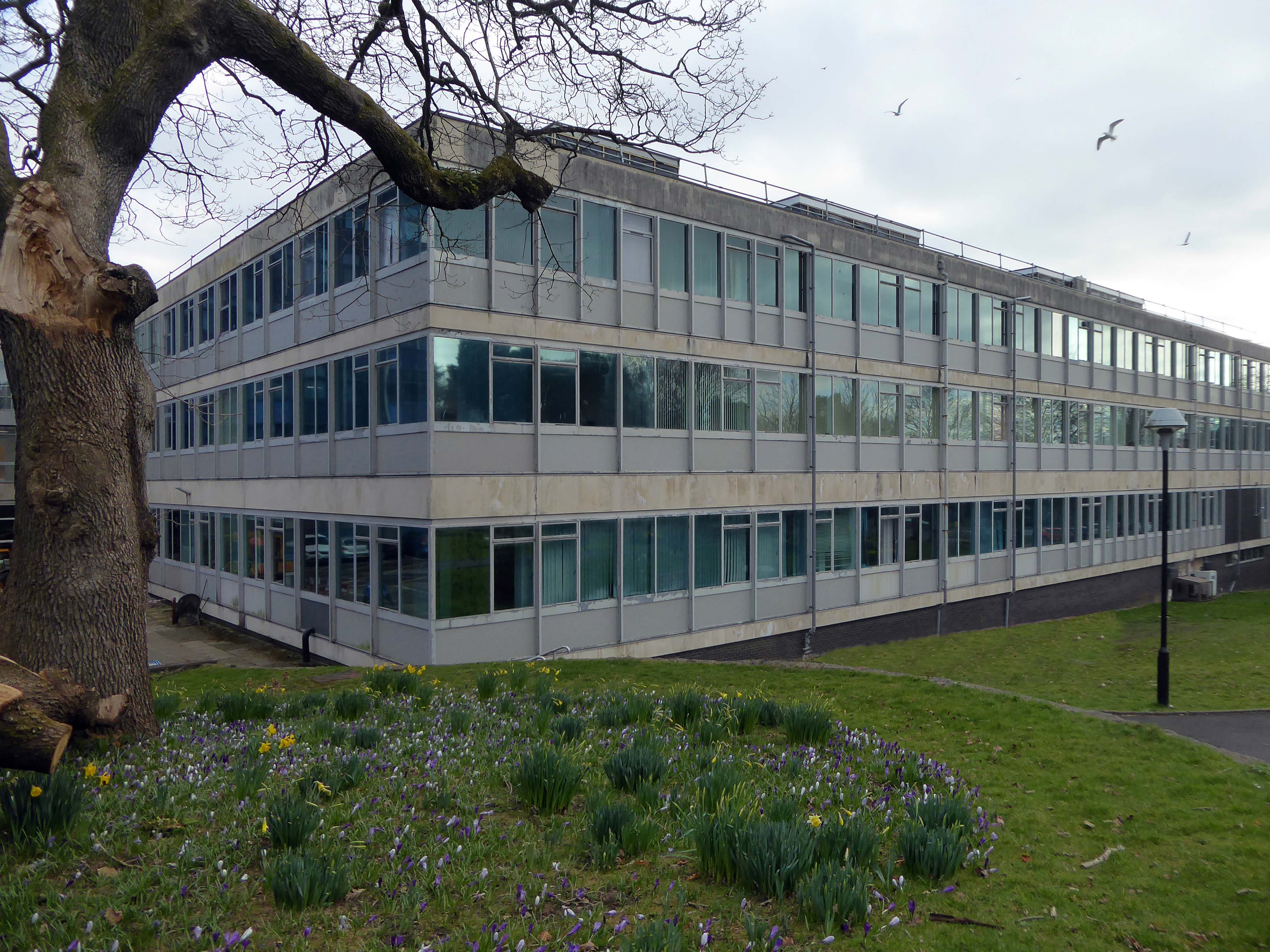
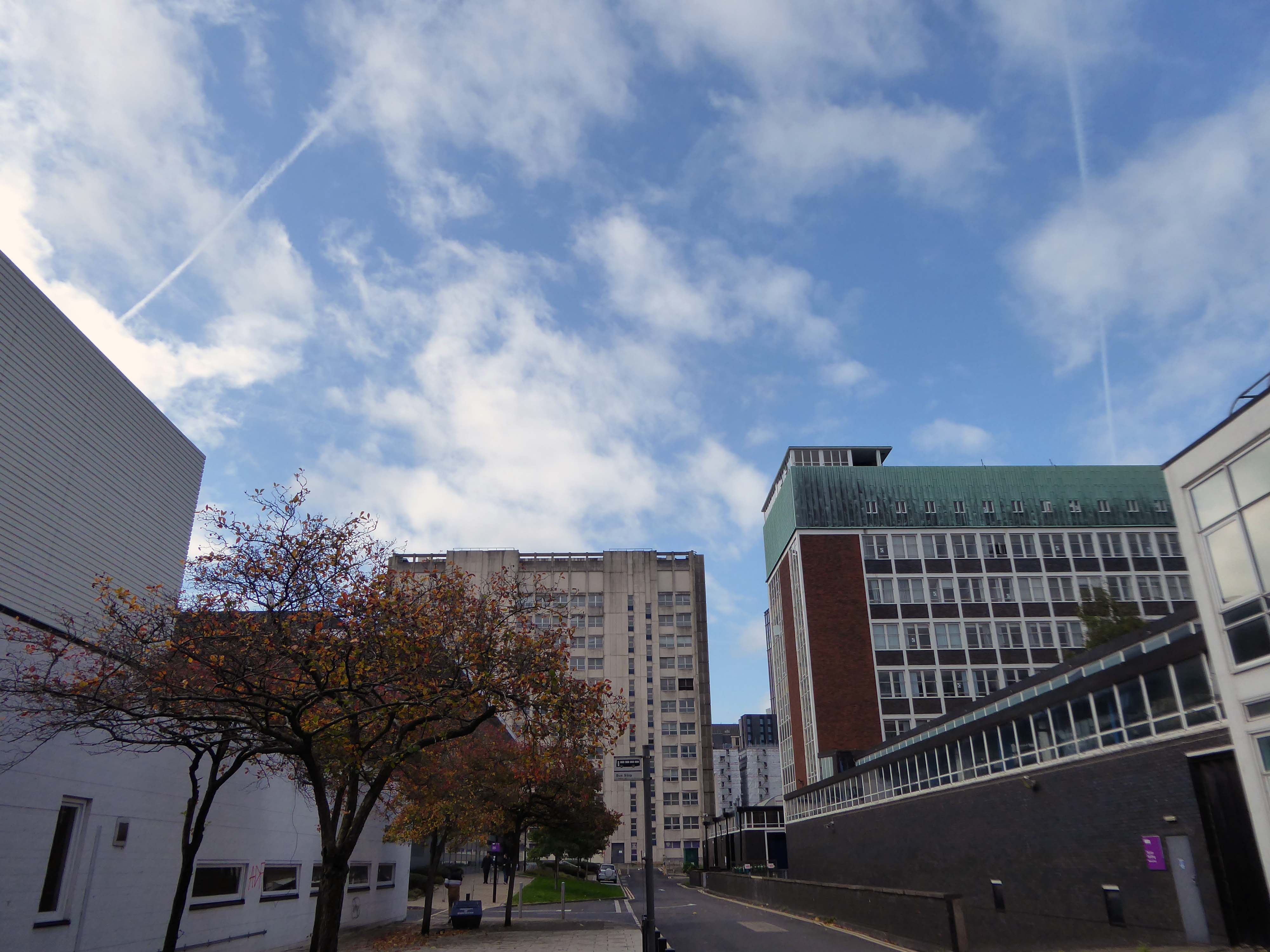
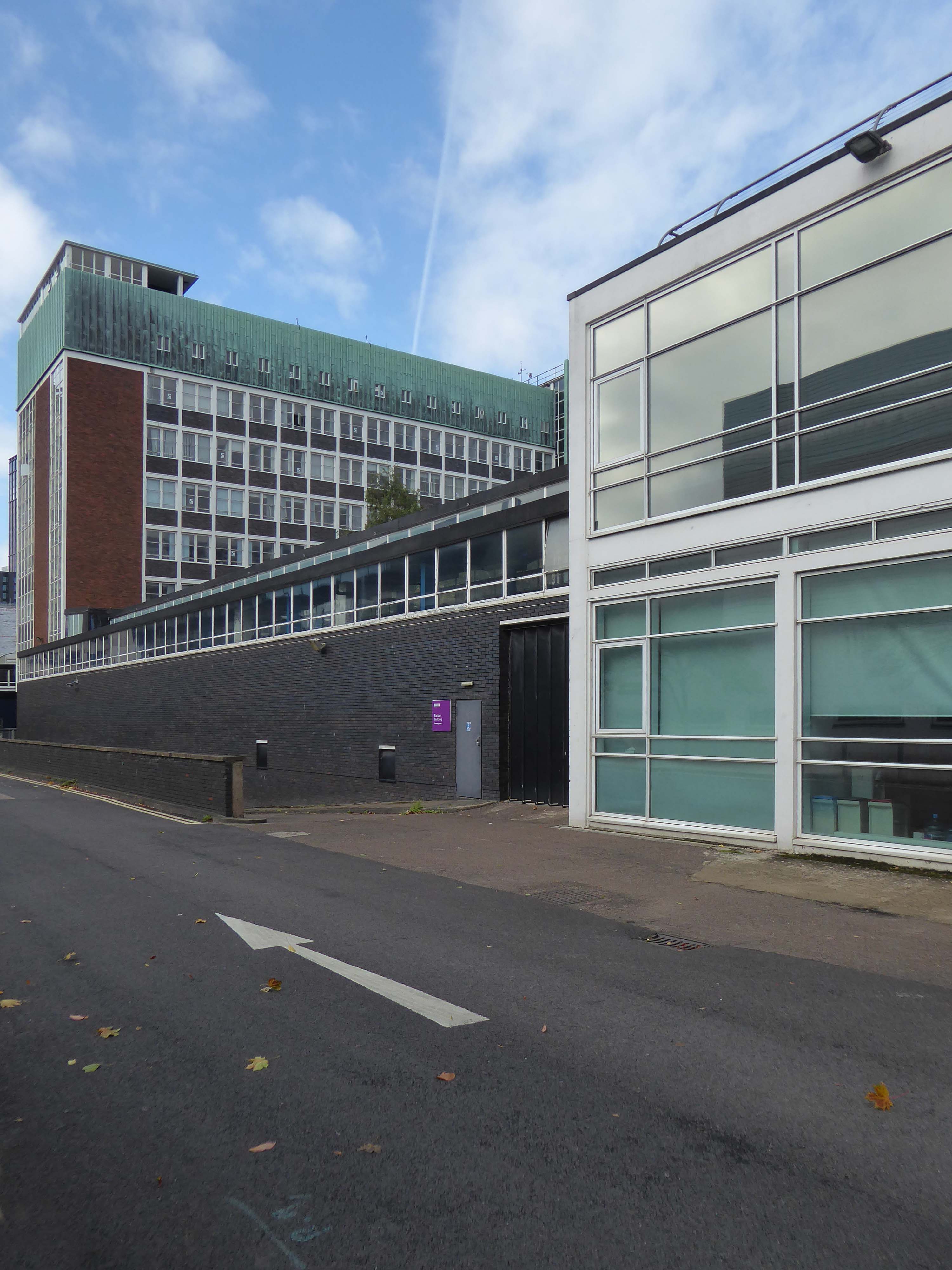
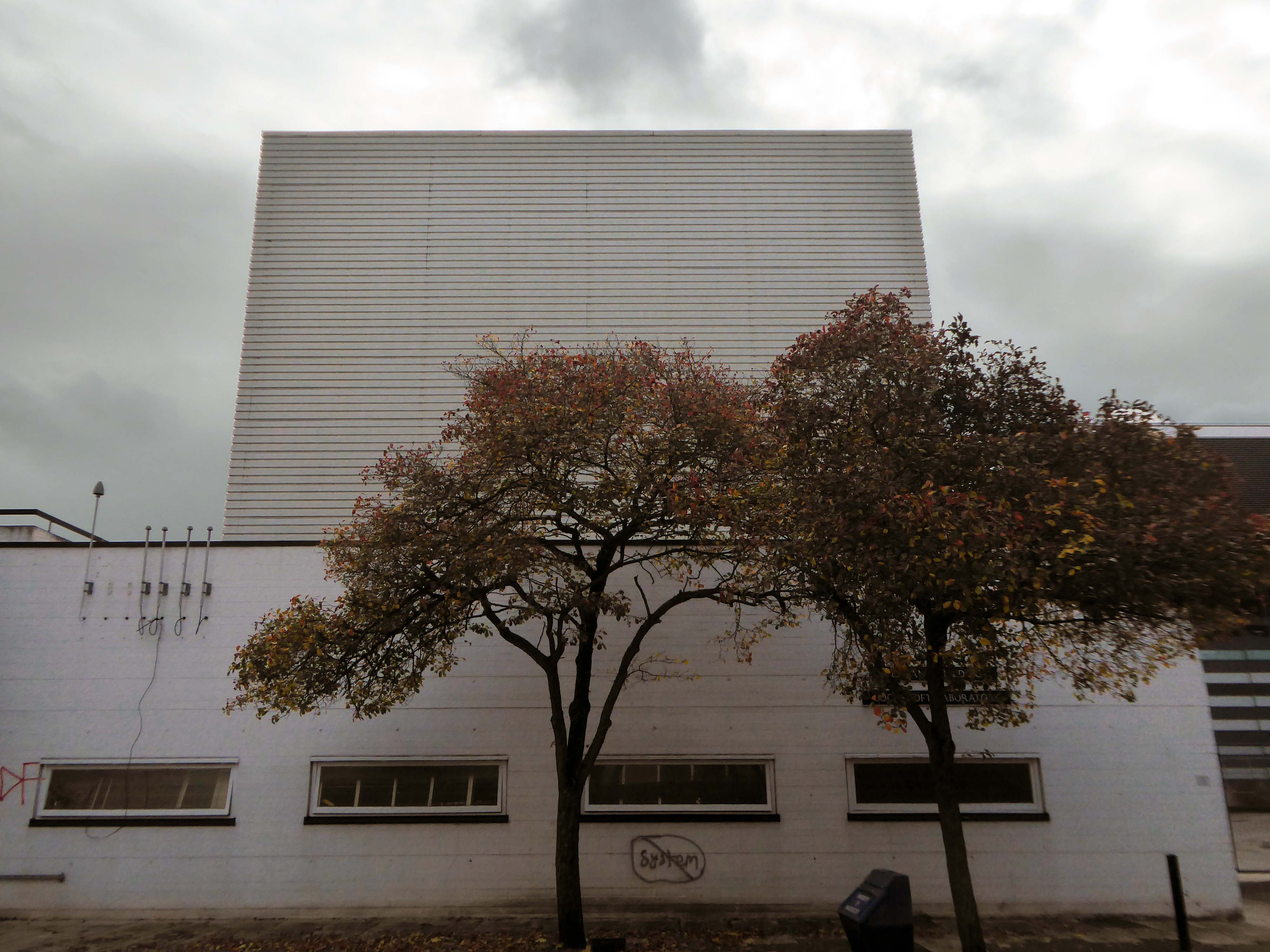
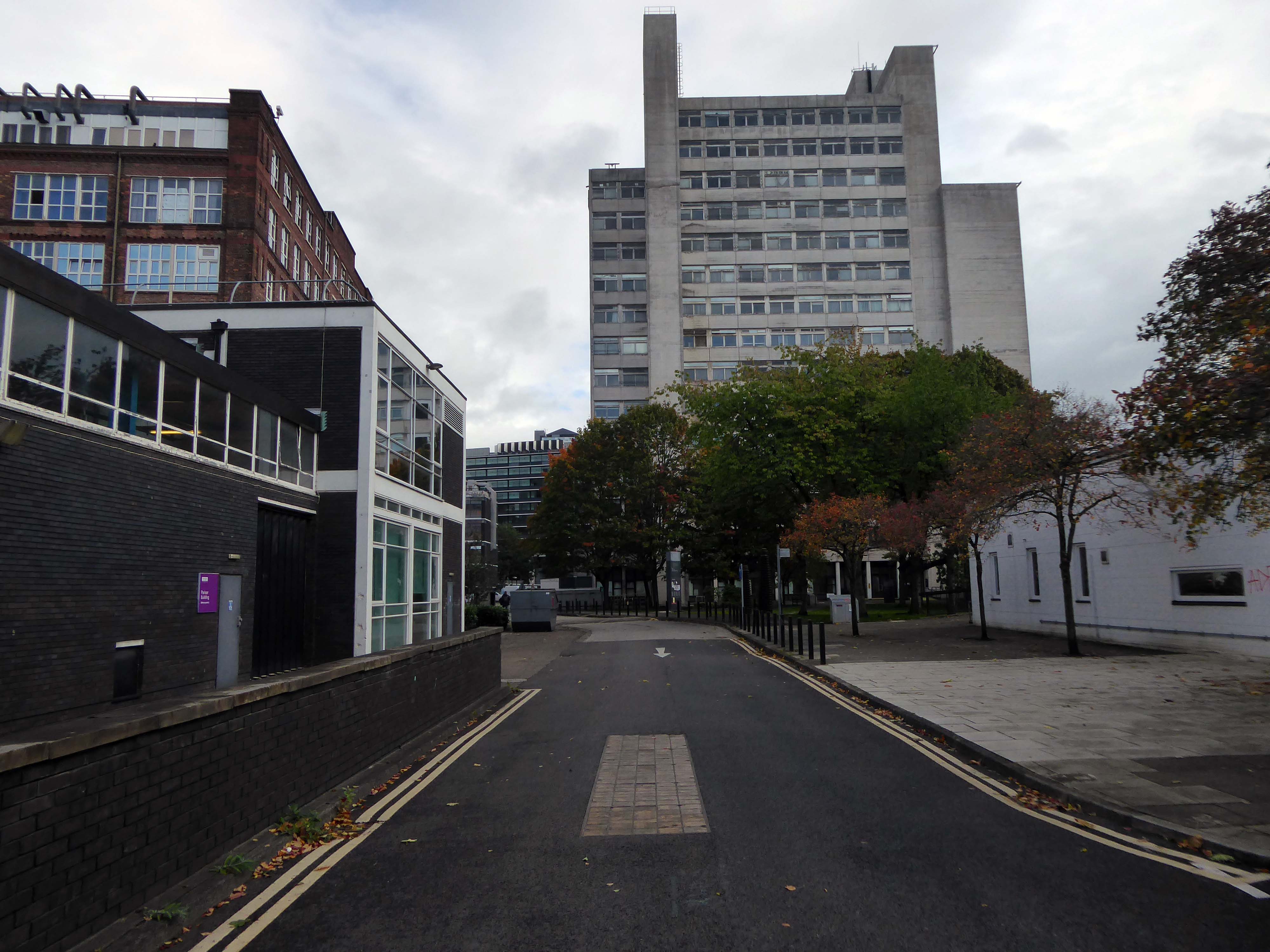
Then a swift right into the lea of the Faraday Building.
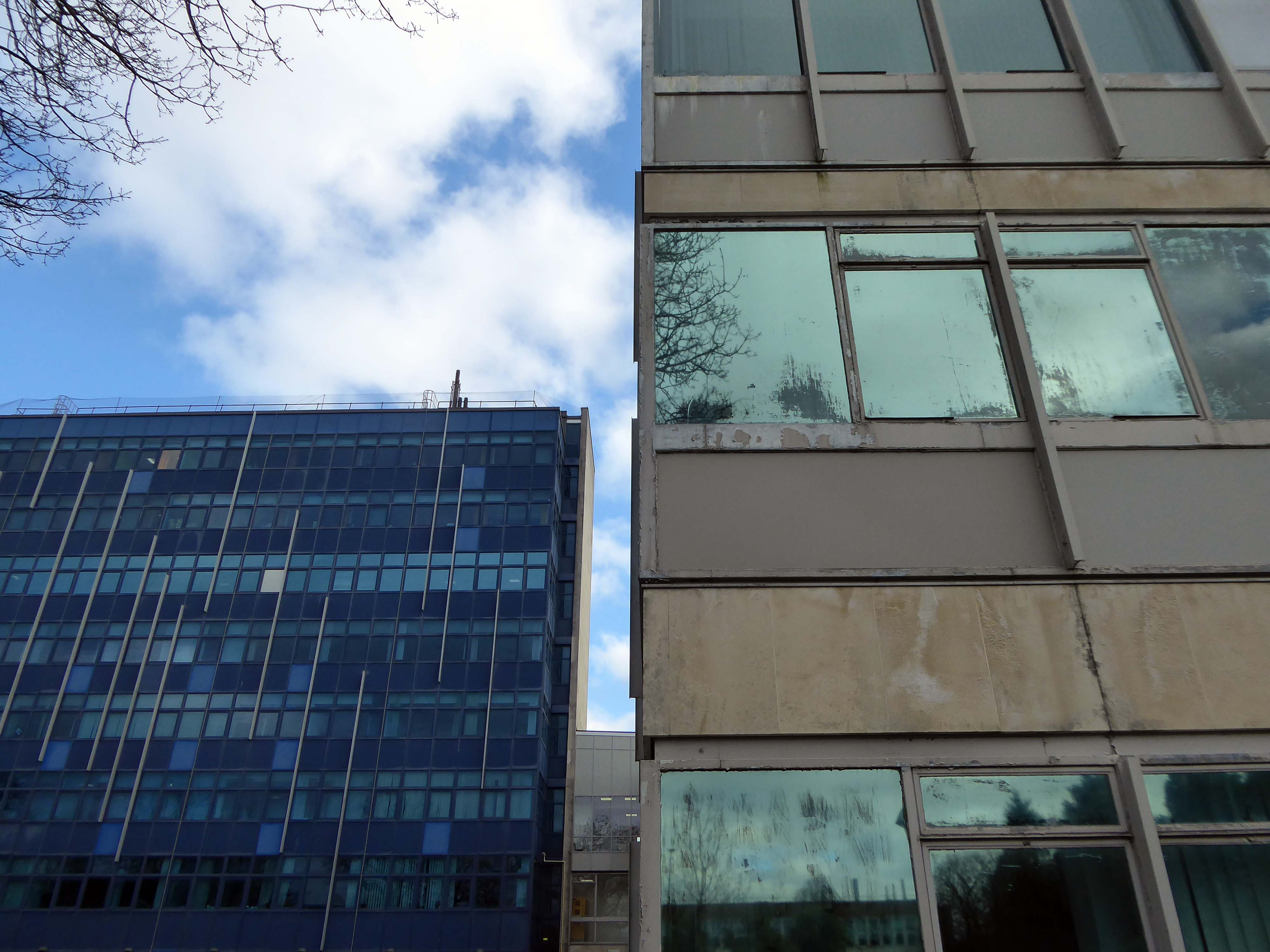
Walking beneath the Faraday Tower and looking back.
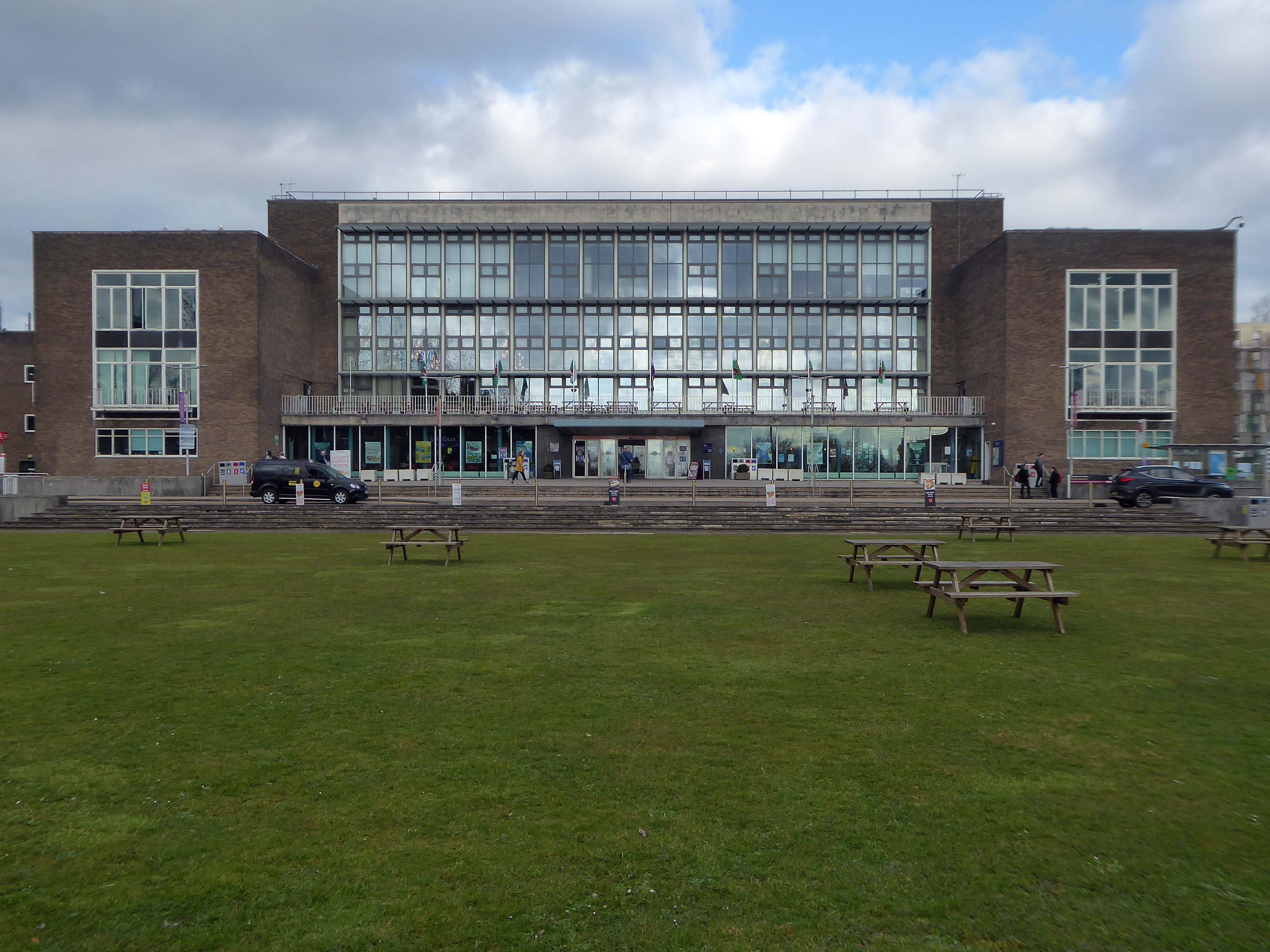
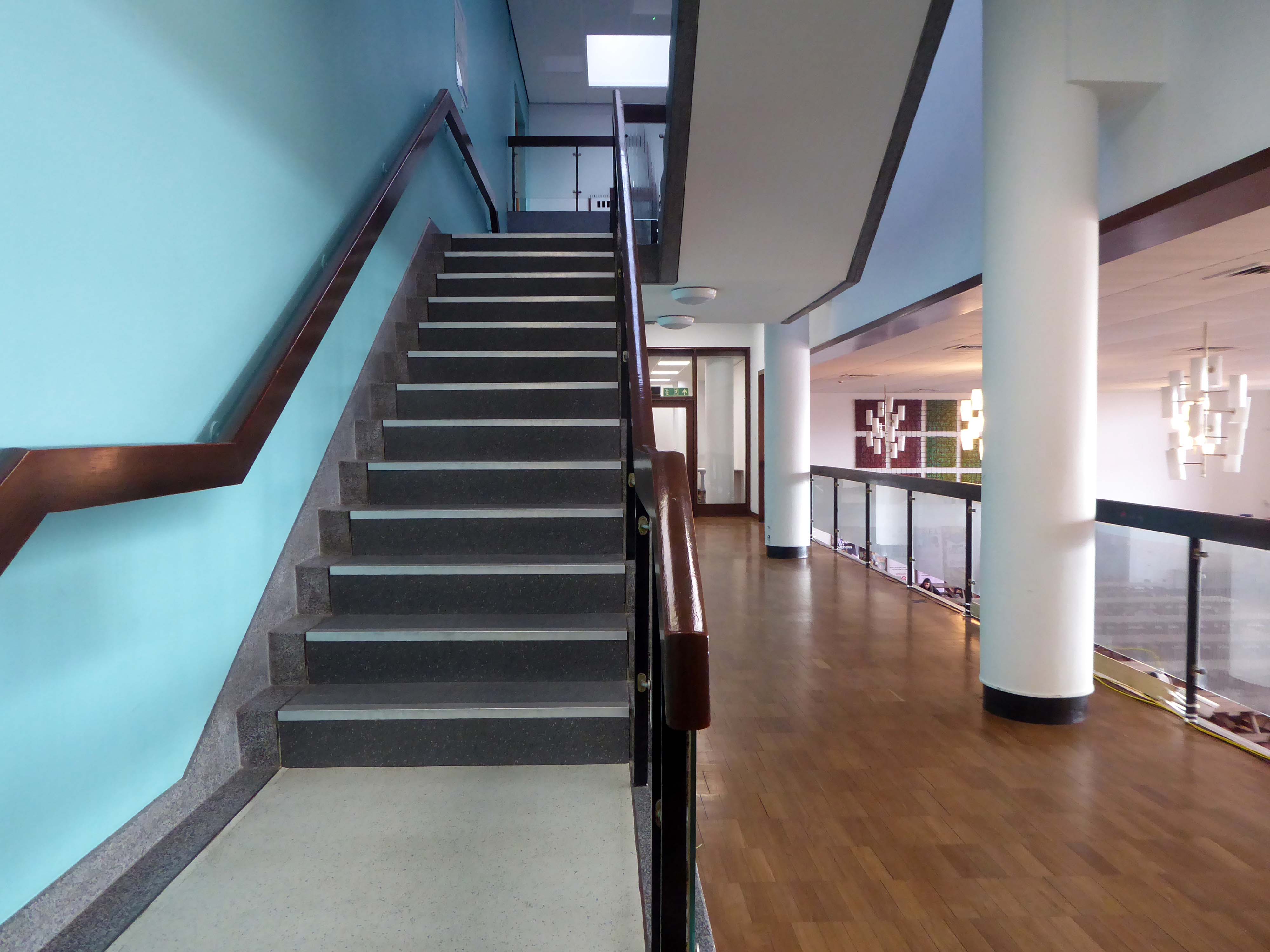
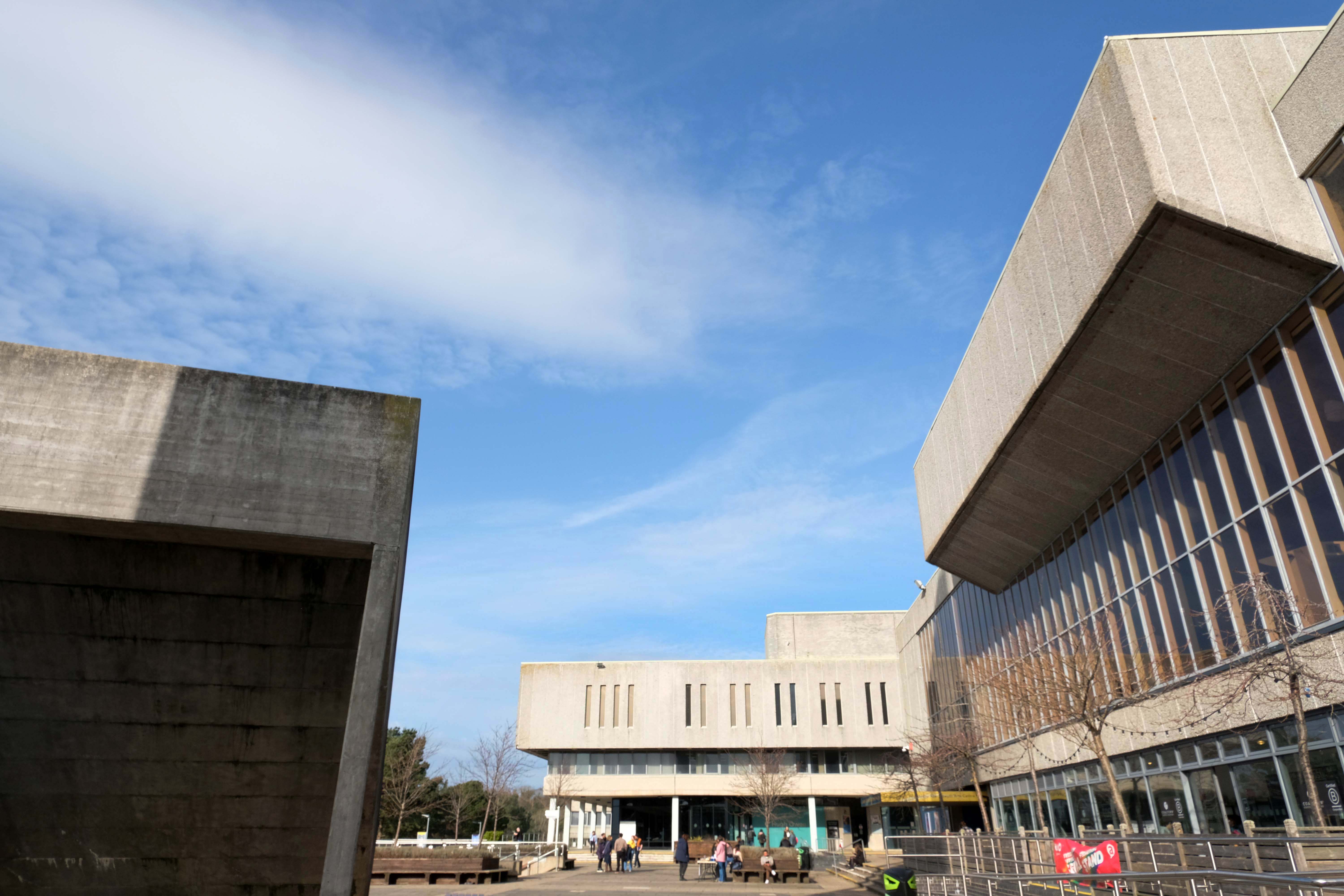
To our right Fulton House – This was built 1958-62 by Sir Percy Thomas & Son – design partner Norman Thomas. The decorative scheme in the main hall is by Misha Black; the panels ofThe Rape of Europa by Ceri Richards are an addition of 1970.
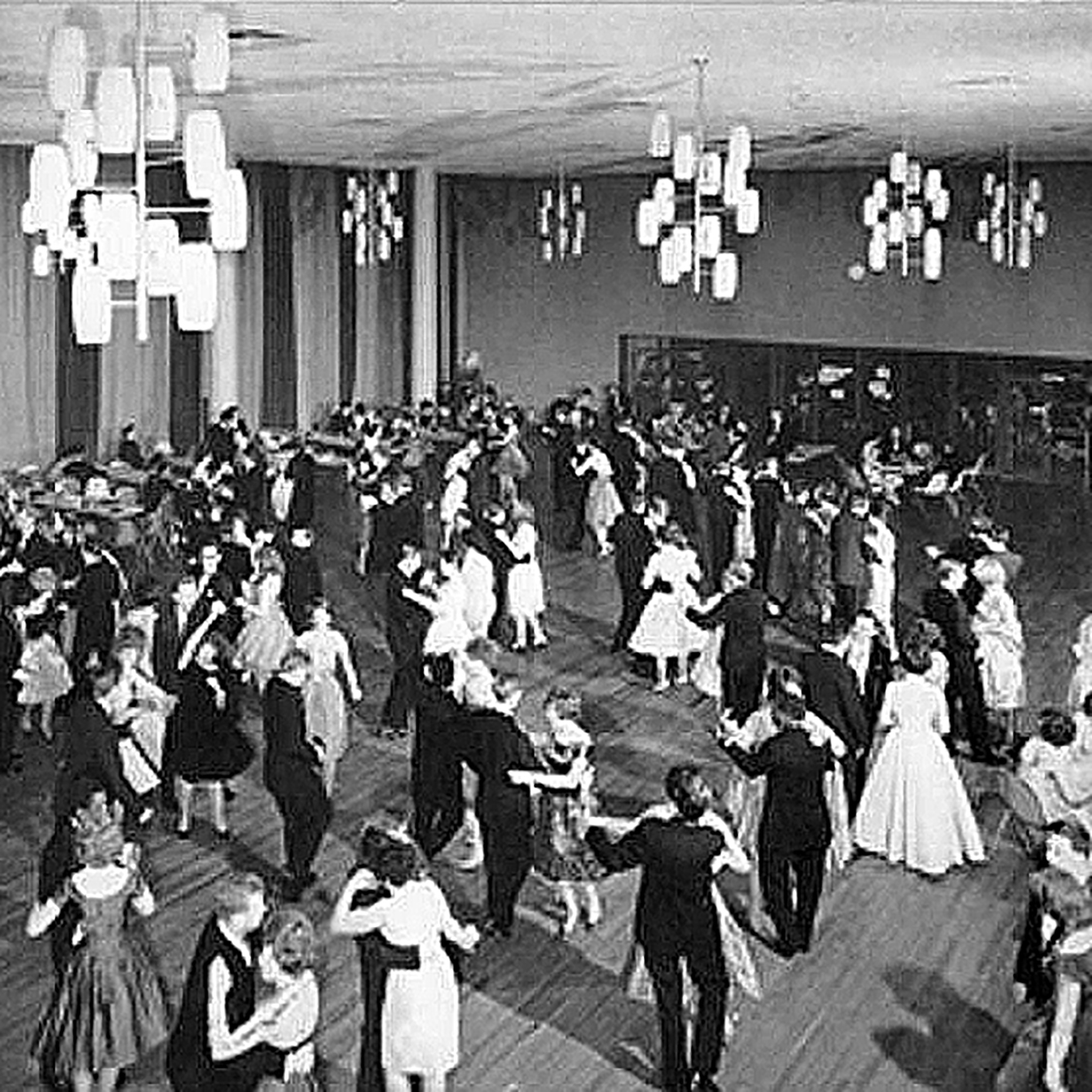
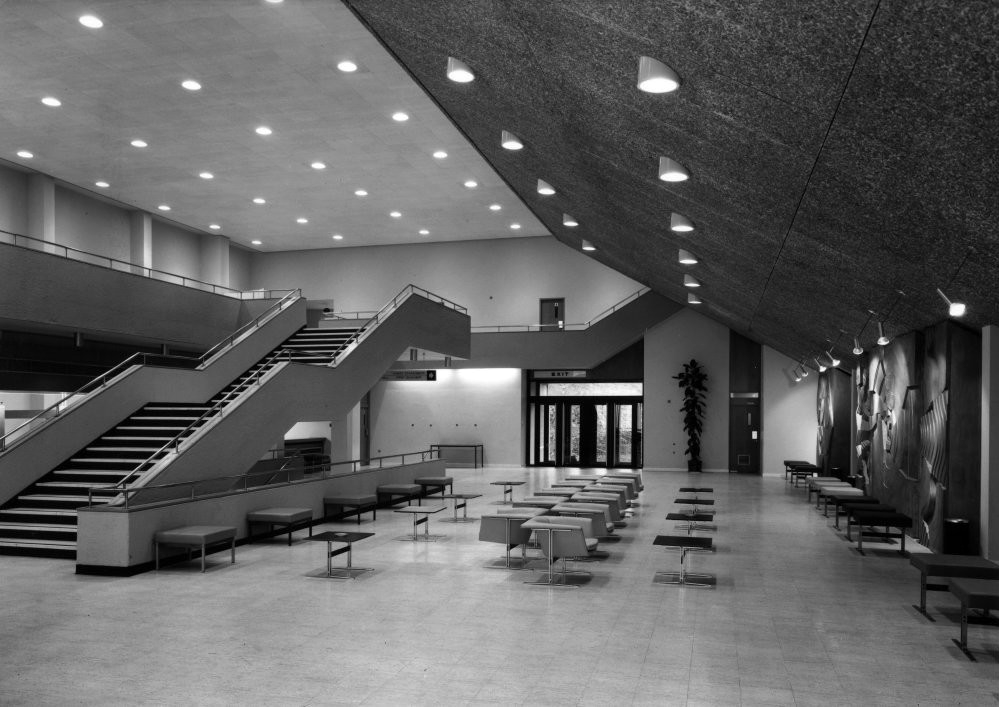
Fulton House, which was called College House from when it first opened in 1961 until 1986, is one of the most historically significant buildings on the Singleton Campus. Throughout the early 1950s, extensive plans were put in place to expand the Singleton site. At the core of this vision was a large building that could act as a meeting place, and a social and academic hub. This is what it became after 1961. The building contained common rooms, a music room, a coffee lounge, an extra library, a book shop and a barber’s shop.
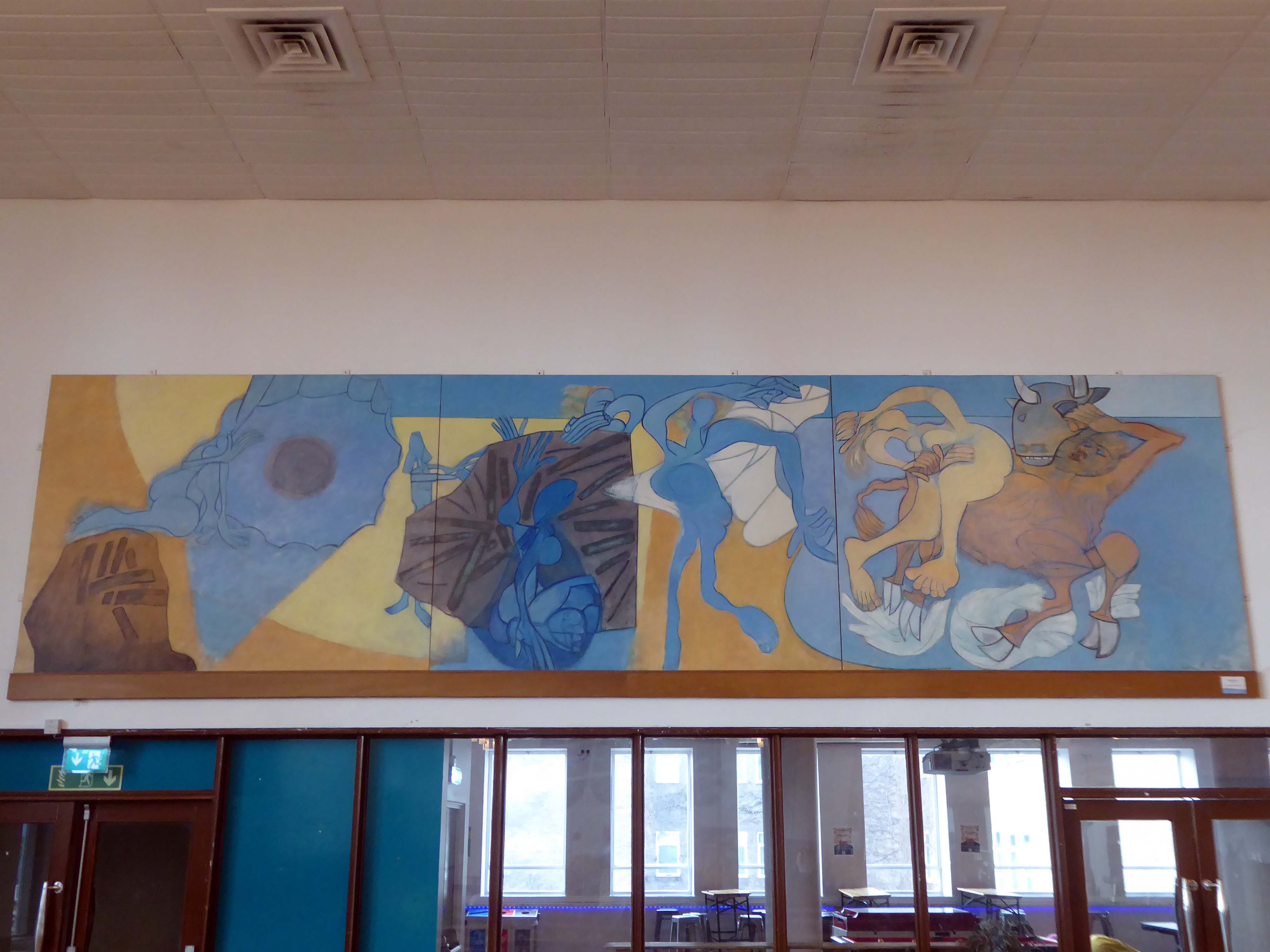
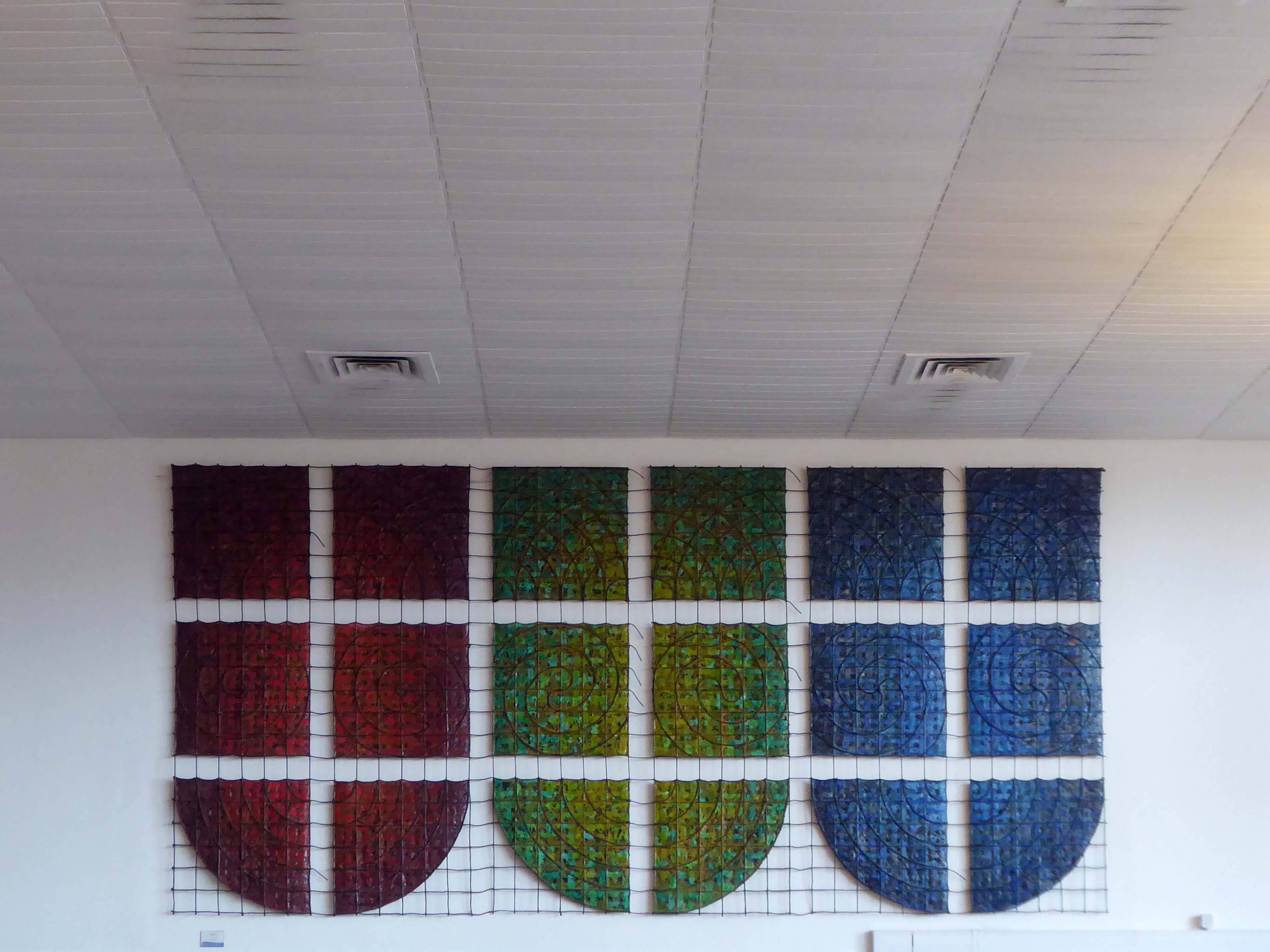
This large wall hanging measuring H305cm x W620cm hangs on the wall opposite the Ceri Richards paintings. The hangings were very dusty and the nails holding the piece up were rusty. We were able to interview the artist to find out more about how the hanging was made. Glyn Jones used a blow torch to apply pitch and PVA medium to canvas and skrim fabric that he then attached to a geometric rope structure. Gouache paint was used and a solvent fixative spray allowed the colours to become imbibed into the PVA film. The hanging was made in six panels and then the horizontal rope ends glued together on site. These glued attachments had failed several times in the past and Jones had fixed them. With his permission we decided to come up with a new approach to these fixings. After cleaning the panels, we adhered magnets into the ends of the ropes so that they would click together easily. We reinforced the vertical ropes between the sections with nylon thread. Strong polyester was attached to the back of the top edge allowing a new hanging system where the strips were screwed into the wooden fixing battens. The hanging now looks much brighter and more colourful and detaching rope problem has been permanently resolved.
This generously spaced mural in the form of three splendid green, red, and blue shields in glazed plastic material and black cording is a creation in which the artist, Mr Glyn Jones symbolically portrays the Holy Trinity
The centre shield, in green, represents God the Father as creator and sustainer.
On the right of the centre shield, that is on the right hand of God the Father, is the red shield which represents our Lord and Saviour.
On the left of the centre shield, that is, on the left hand of God the Father, is the blue shield which represents the Holy Spirit.
In other ways the mural is modern in its abstract technique. Its basic symbolism is simple: a shield is for protection and green fertility sustains all life. Mr Glyn Jones is to be congratulated on a study which appealingly and joyfully presents the Holy Trinity as a protective and creative life-force that is yet associated with the Cross. His is a new and attractive achievement in the artistic tradition of Celtic Christianity.
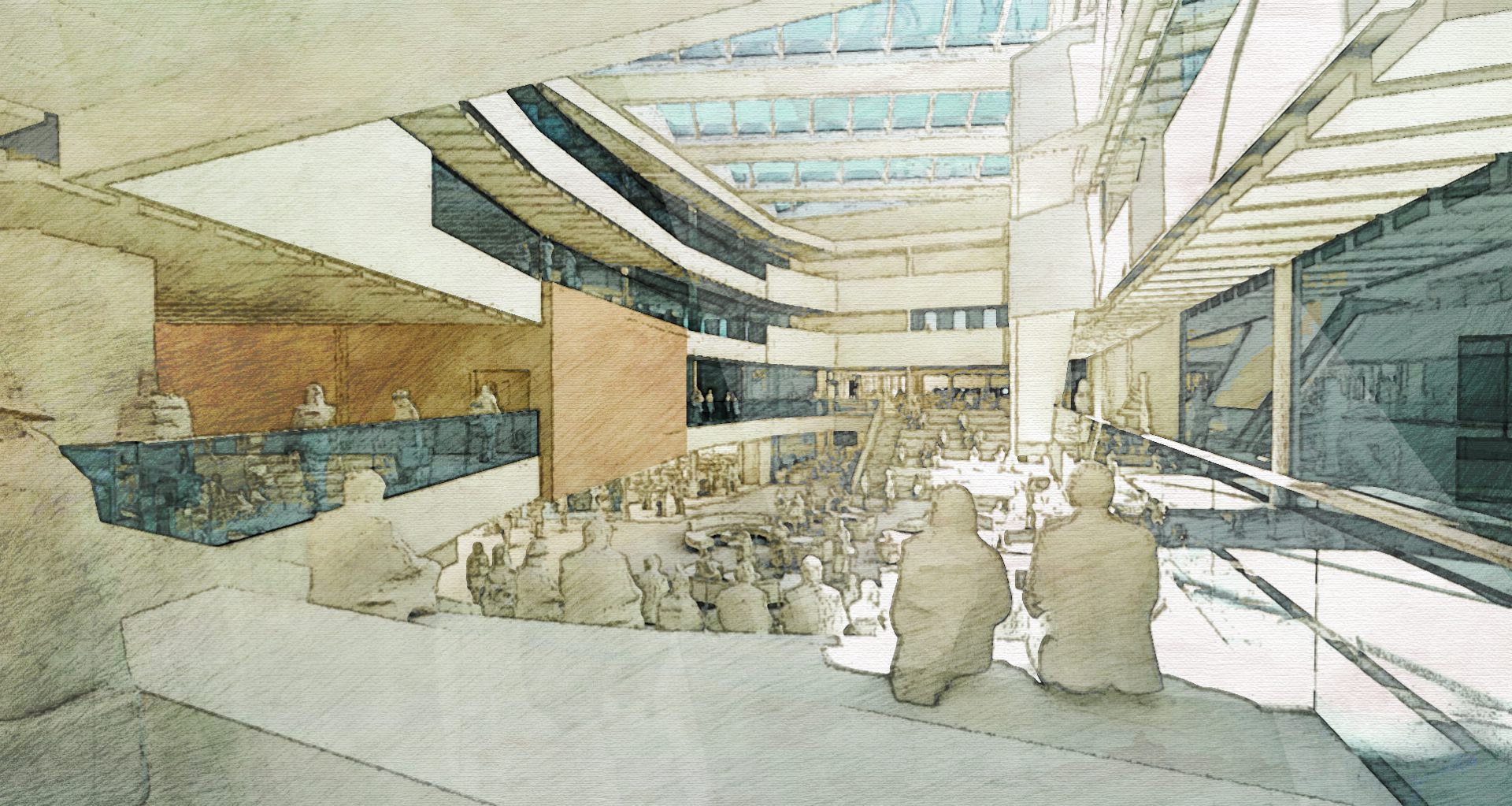
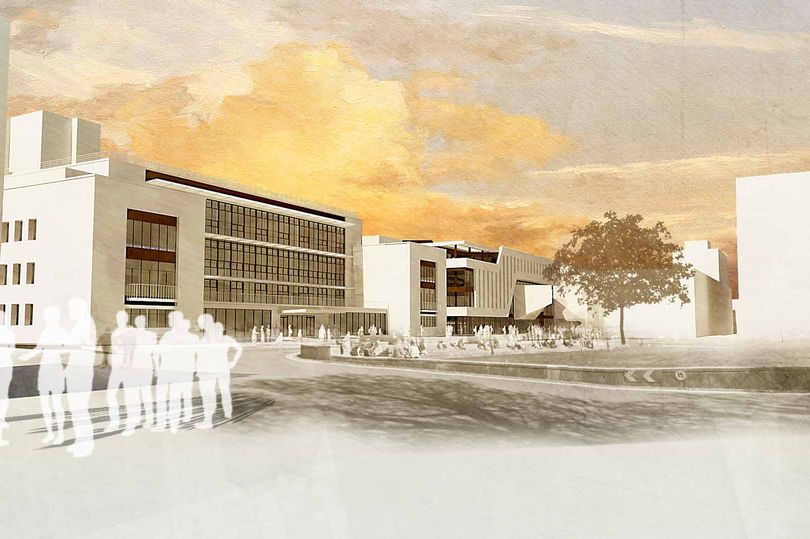
Controversially plans for a £30 million Student Activity Centre at Swansea University’s Singleton campus have been revealed.
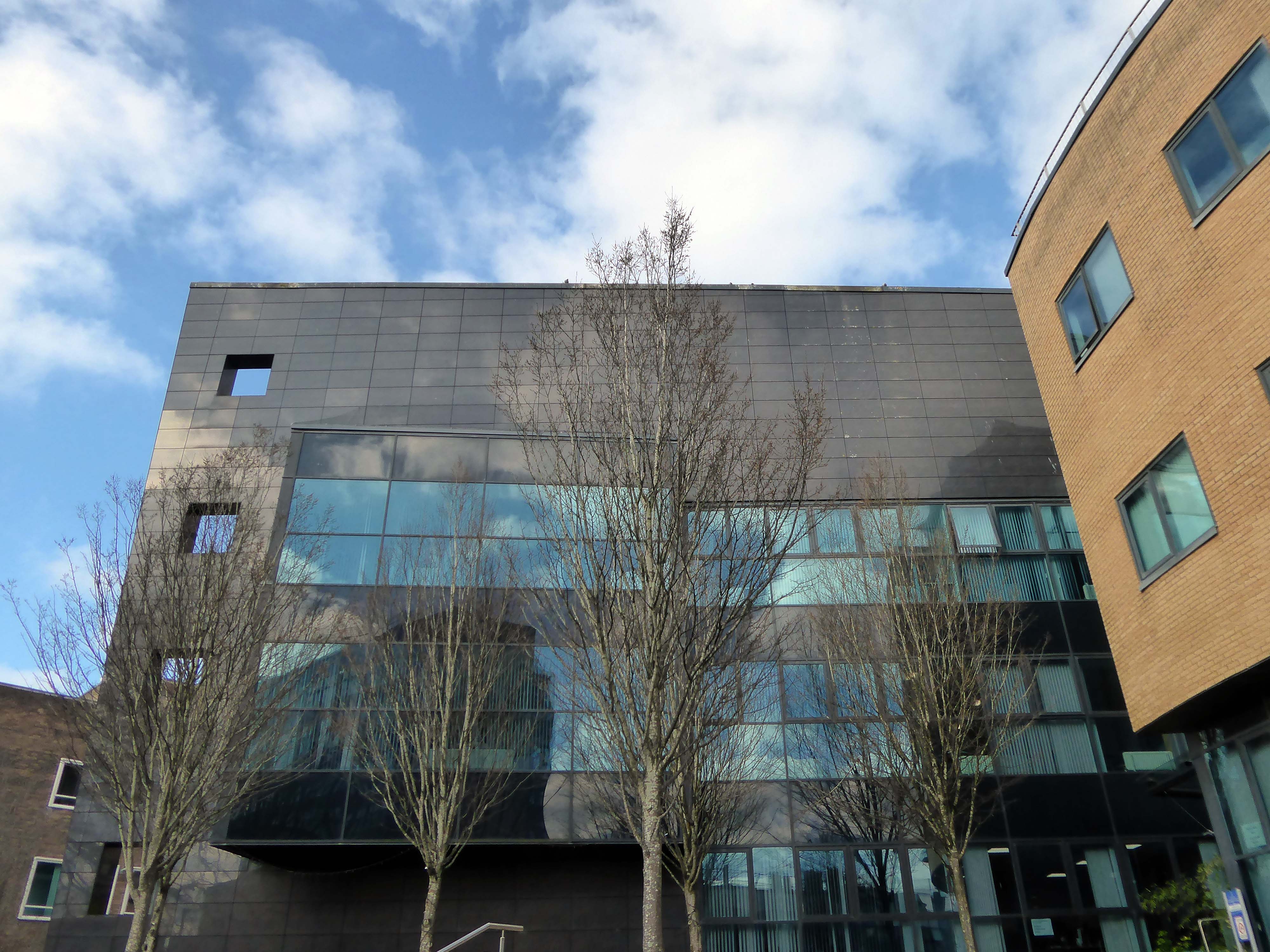
Bosses say the centre will form part of a new Student Precinct and, subject to planning permission, will replace the former Digital Technium building which was built in 2003 at a cost of £9.5million.
The scheme will replace the existing Digital Technium building and will be linked to the adjacent Grade II listed Fulton House, which will also be refurbished. Together, they will form the core of the new Student Precinct. Designs to resolve the surrounding streetscape and provide new access routes across the campus are also included.
Peter Moro is the forgotten co-designer of the Royal Festival Hall. A German émigré who had worked with Berthold Lubetkin’s famed practice, Tecton, in the 1930s, Moro was drafted in to help realise the Festival Hall in just two short years, in time for the Festival of Britain in 1951. With a team of his former students, he created many of the interiors we see today. For Moro, the Festival Hall was a stepping-stone to a career designing many of Britain’s finest post-war theatres, particularly Nottingham Playhouse, Plymouth Theatre Royal, and the renovated Bristol Old Vic. He and his colleagues also designed some exceptional one-off houses, as well as exhibitions, university buildings, schools, and council housing, collaborating with leading talents such as the designer Robin Day.
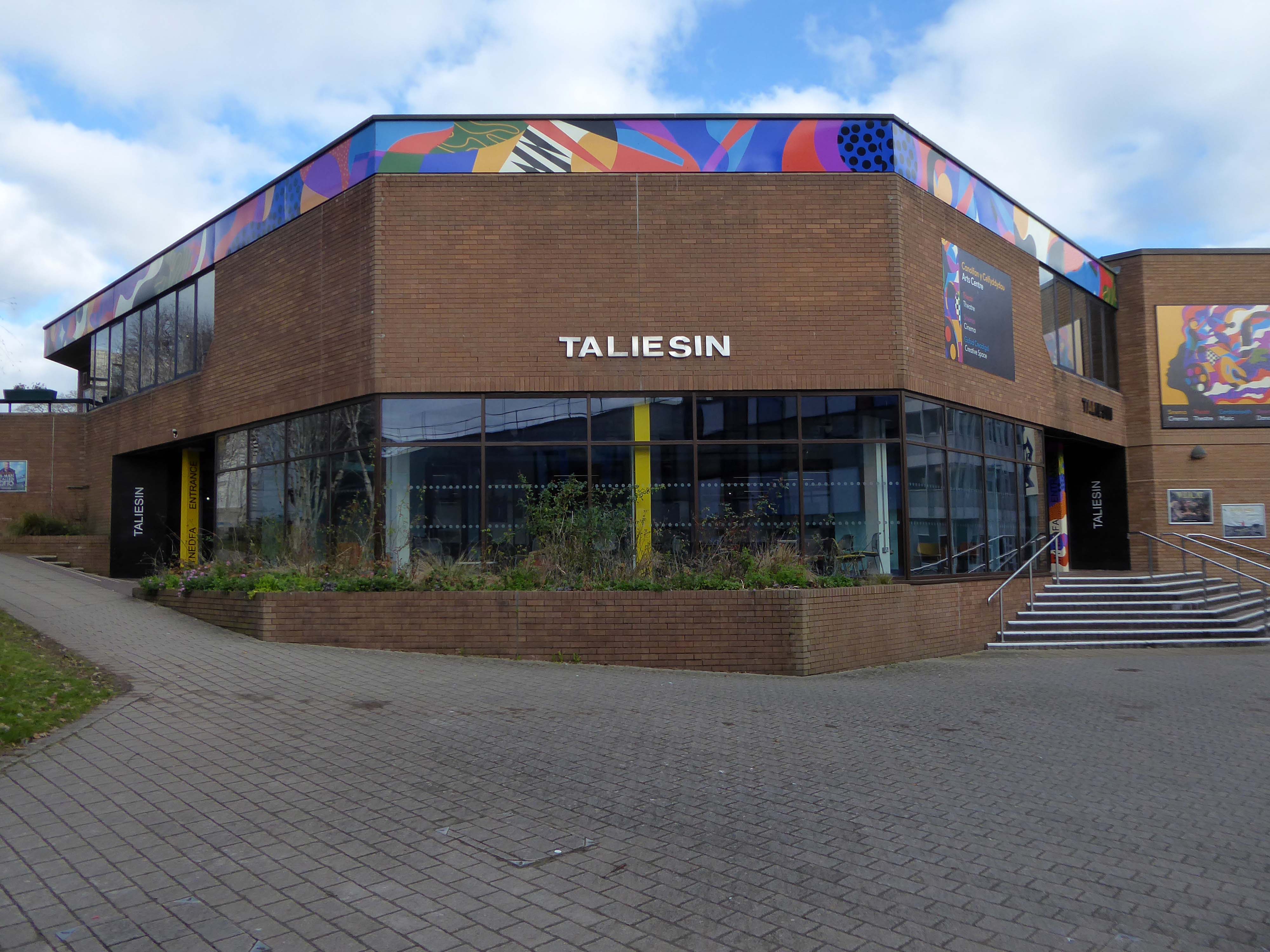
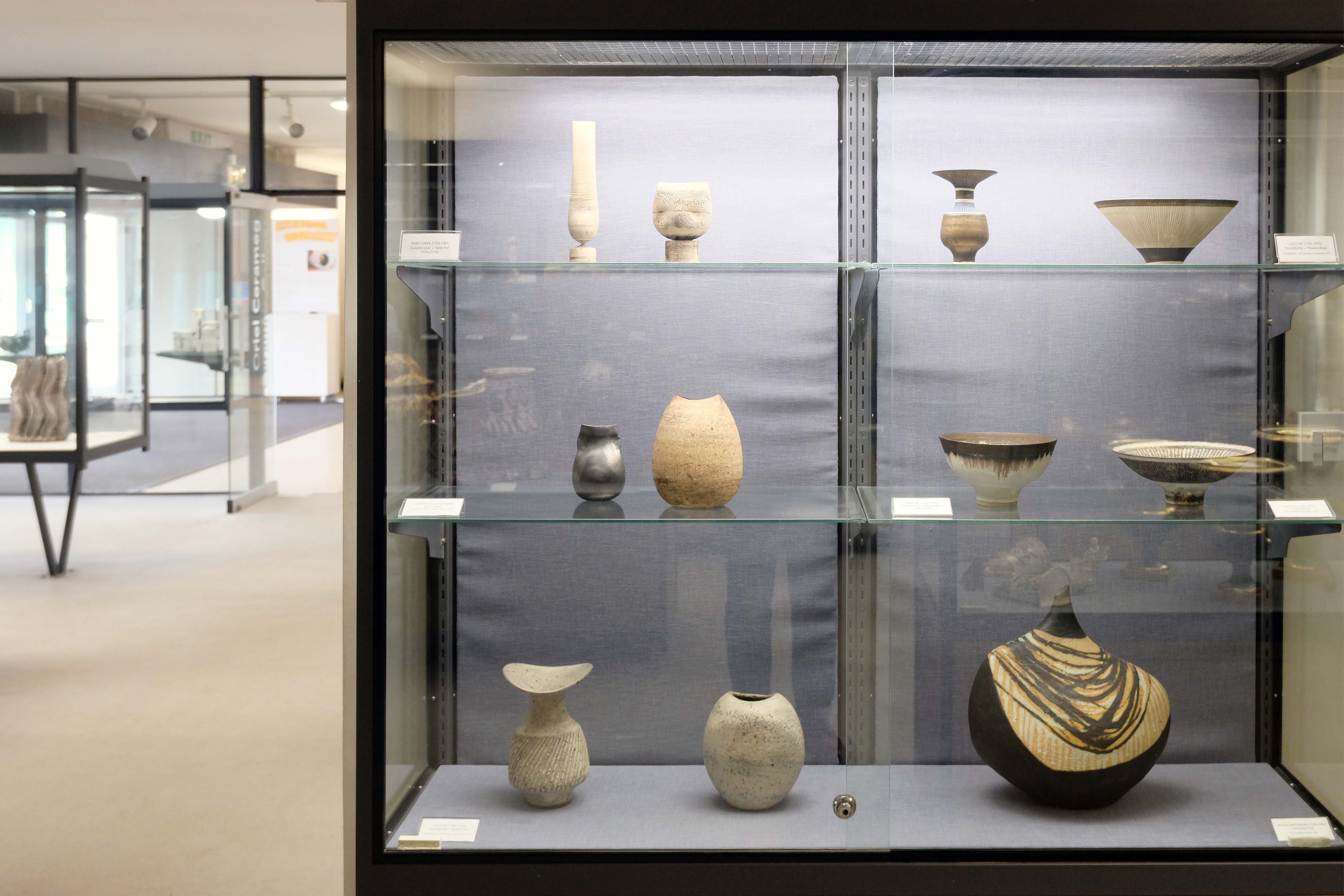
Set in the heart of Swansea University’s Singleton campus we exist to enrich the cultural lives of individuals and communities across the region, presenting arts experiences for audiences in our spaces and on the streets of Swansea.
Carl Cozier aka Holy Moly has added decorative details to the site.
Next door the Keir Hardie Building and its Neighbour the James Callaghan Building.
Heading back on ourselves toward the Wallace Building.
Percy Thomas was commissioned to design new buildings for science and engineering, but these plans were thwarted by cost constraints. However, following the appointment of John Fulton as principal in 1947, Thomas was re-engaged to prepare a new development plan.
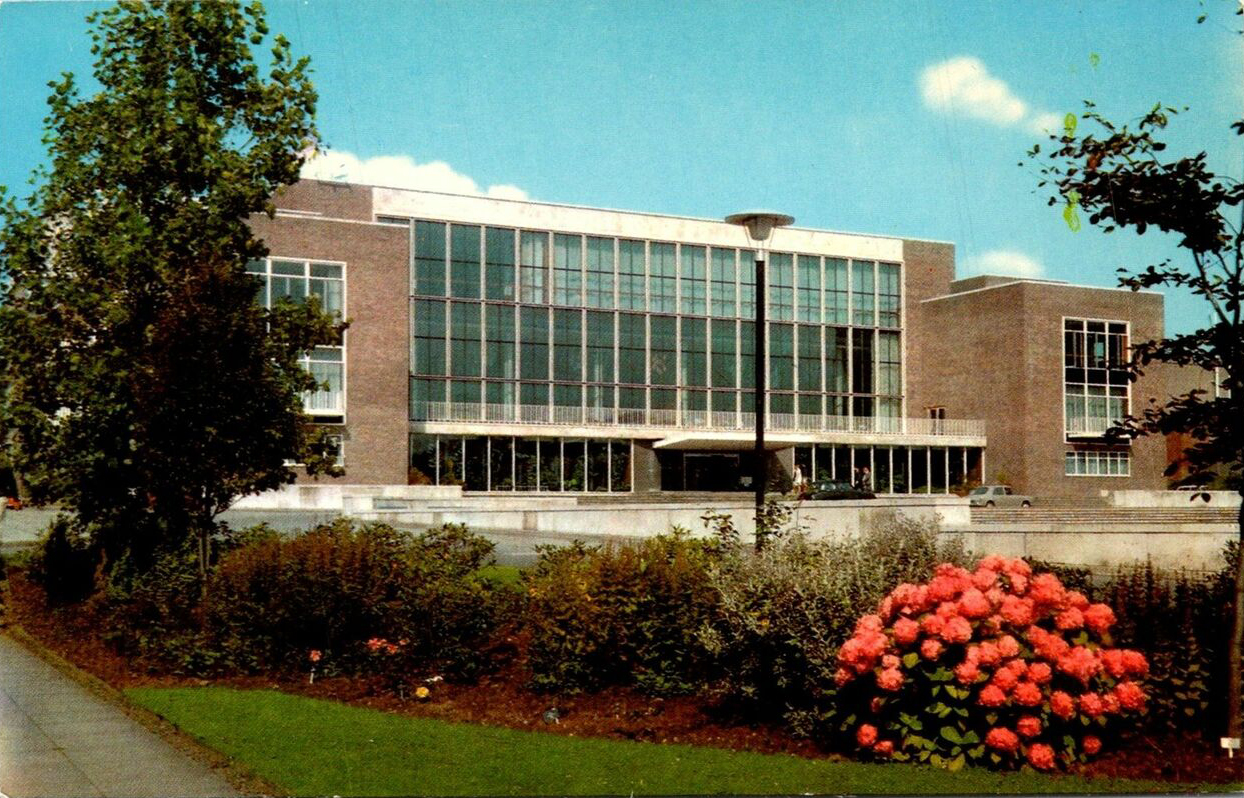
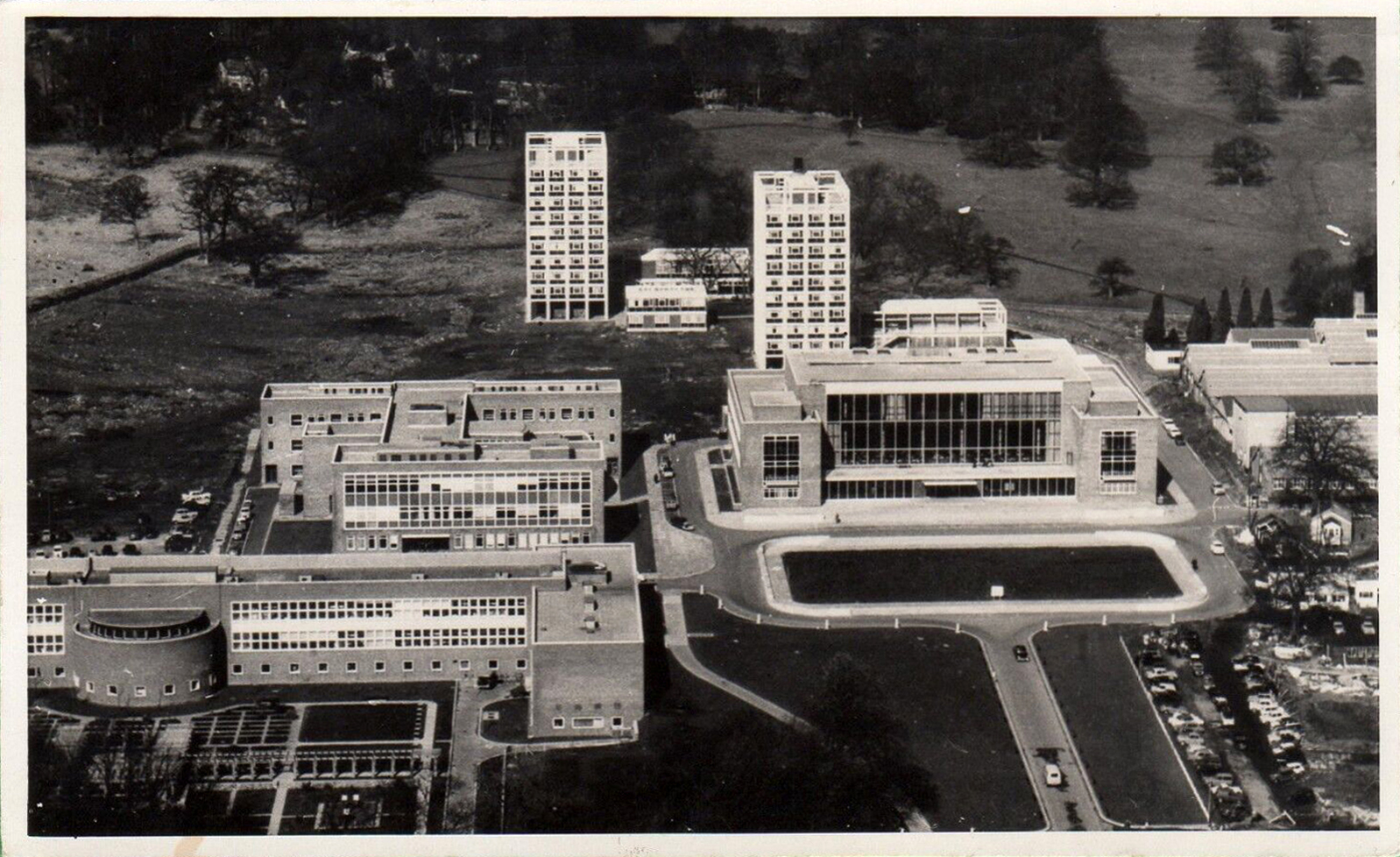
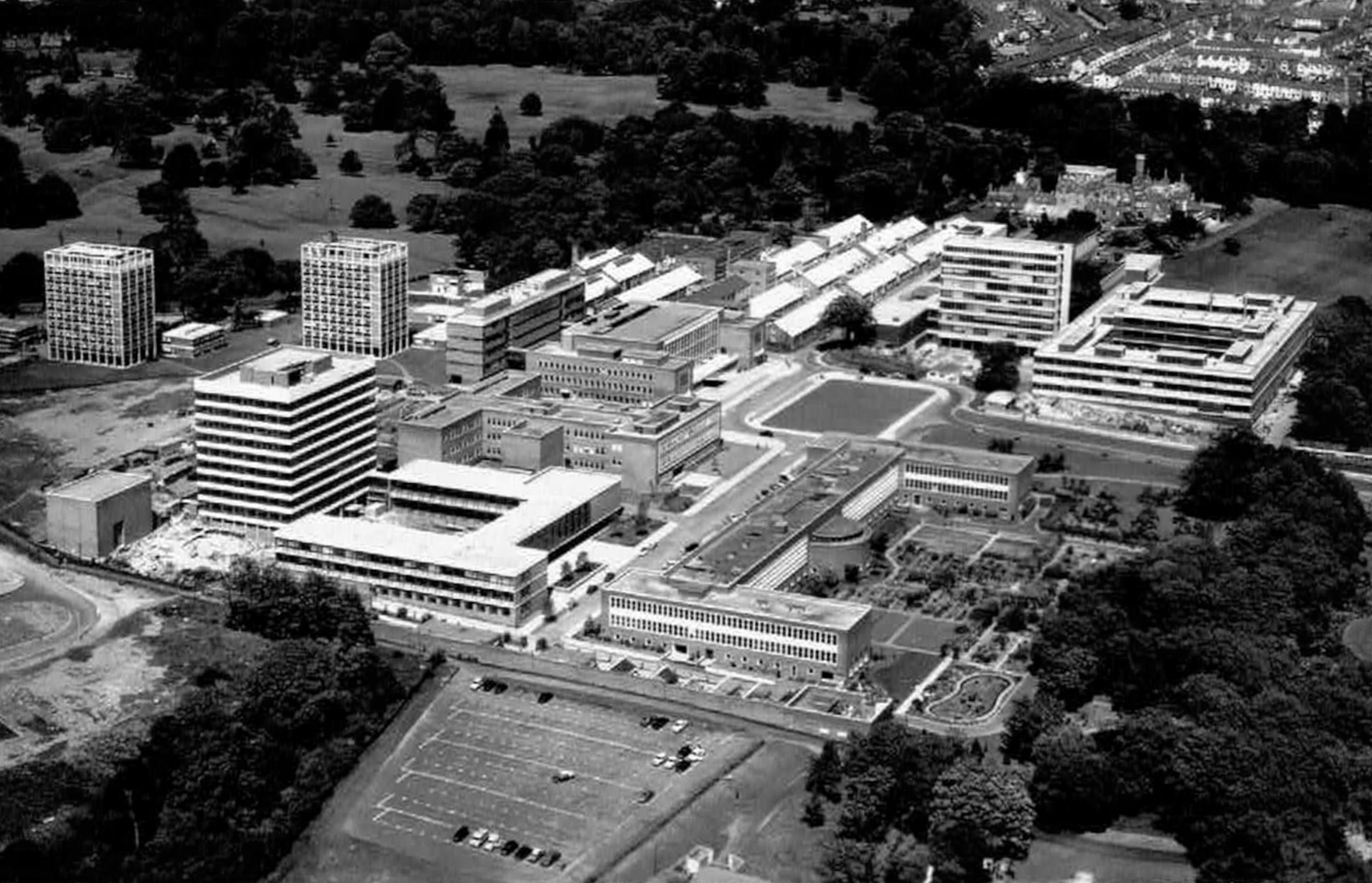
The earliest halls can be seen at the centre of this postcard.
Also to the left of this later postcard.
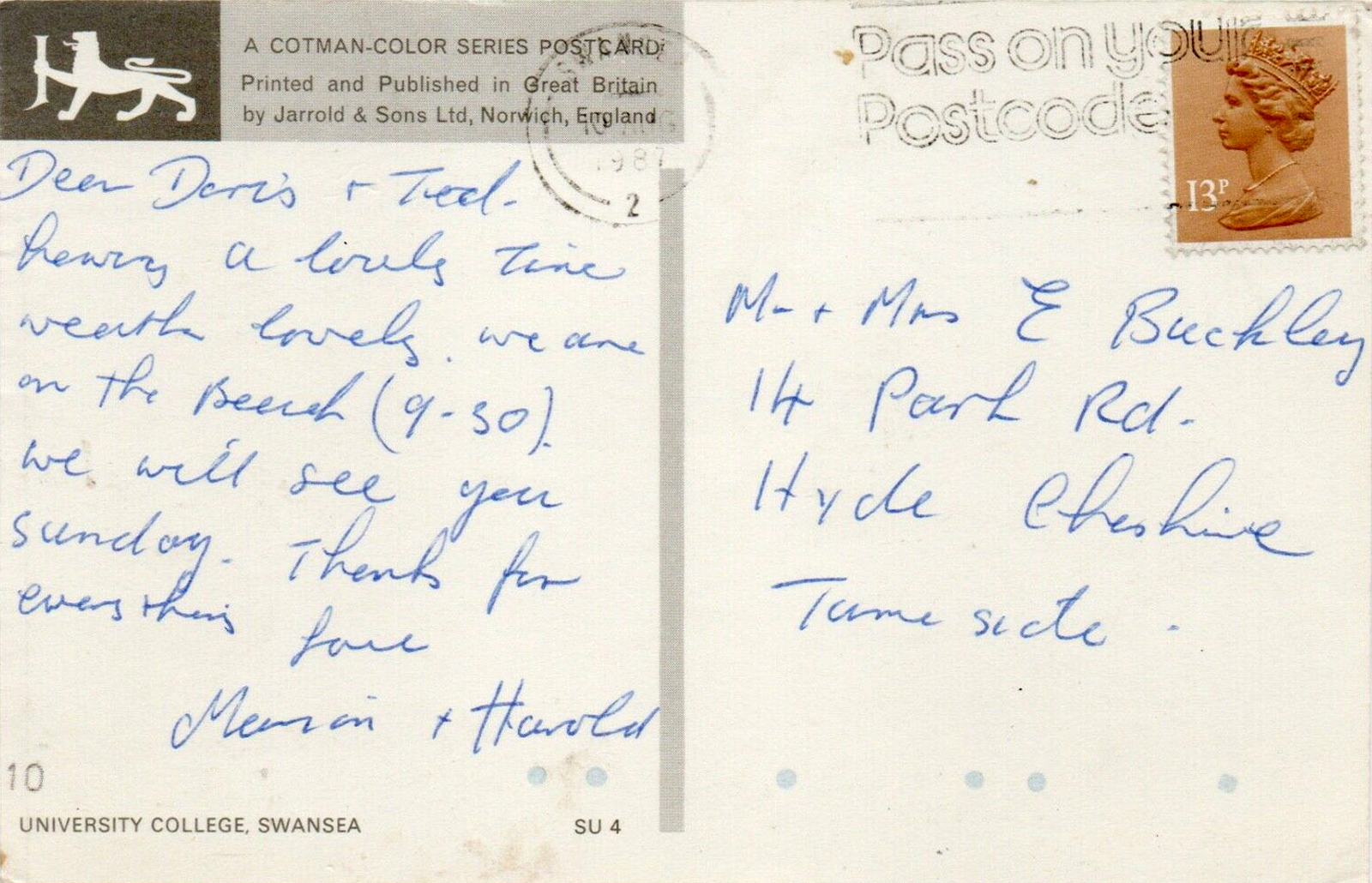
This card shows the Singleton campus of Swansea University. Top right, the abbey which was the university’s original building; beyond that the houses around St Helens – the sports ground where in August 1968 Sir Gary Sobers scored six sixes in an over for Nottinghamshire against Glamorgan.
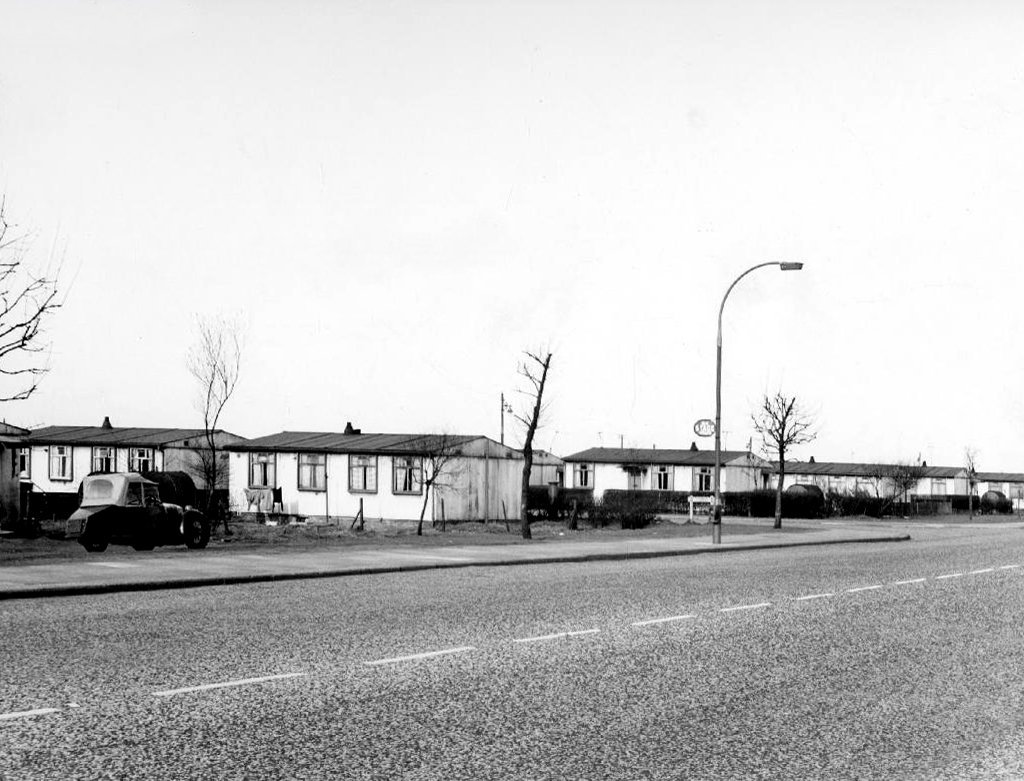
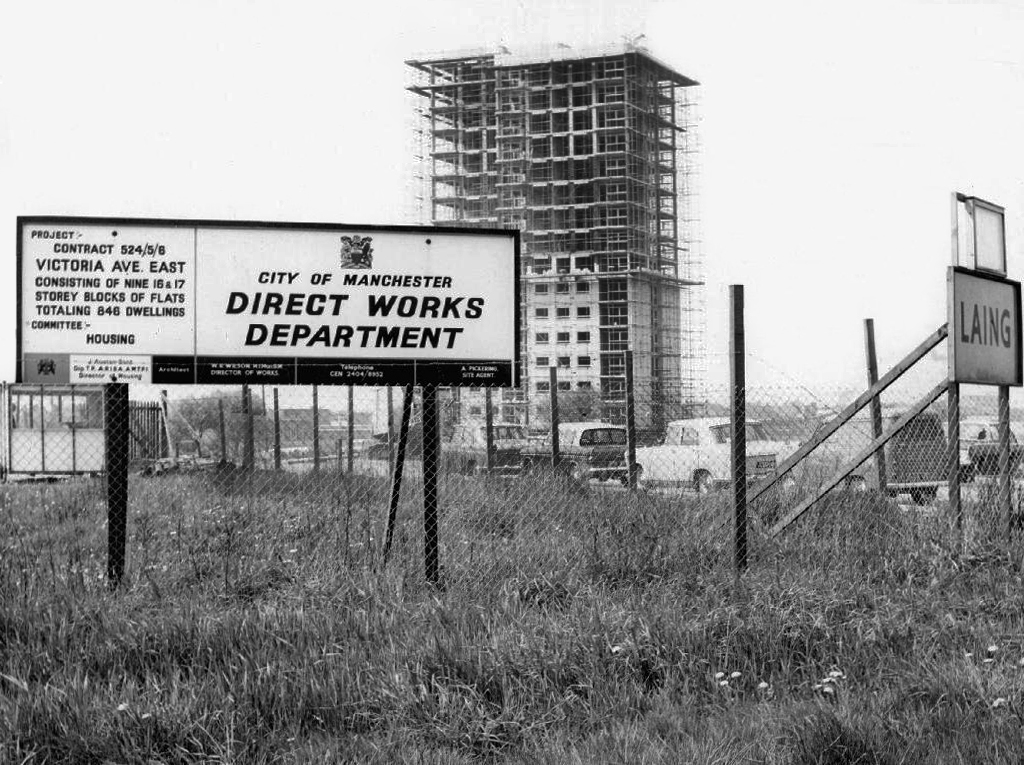
Manchester City Council agreed to use the Phoenixmodel for their prefab estates.
A total of 43,206 Phoenix prefabs were built across the country, each one designed by the John Laing Group.
The Phoenix, designed by Laing and built by themselves as well as partners McAlpine and Henry Boot, looked much like an AIROH with a central front door. It was a two-bedroom in-situ preform design with steel frame, asbestos clad walls and an innovative roof of tubular steel poles with steel panels attached. Like all designs, it came pre-painted in magnolia, with green highlights on frames and skirting.
Phoenix prefabs cost £1,200 each constructed onsite, while the specially insulated version designed for use on the Isle of Lewis in the Hebrides cost £2,000.
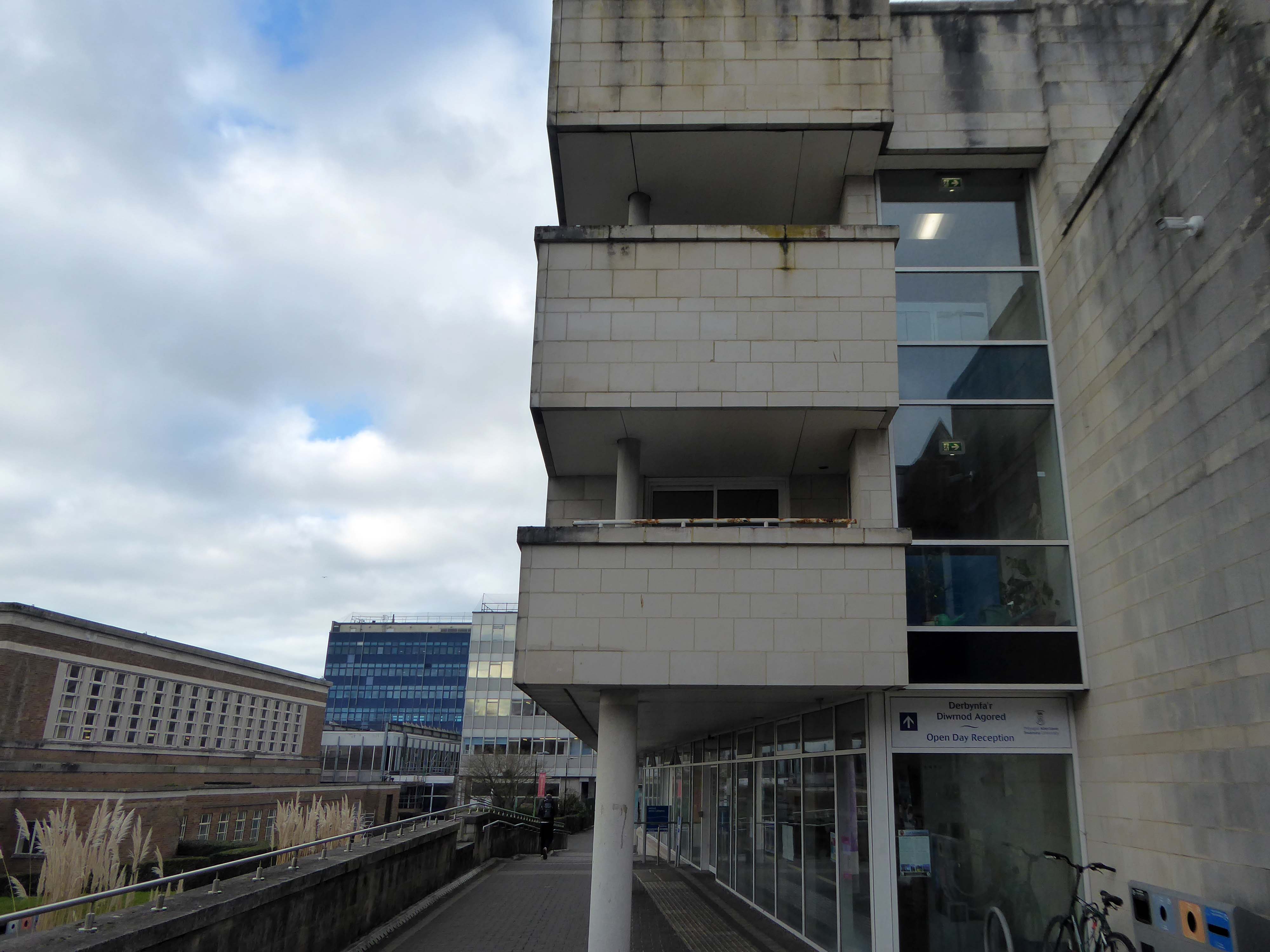
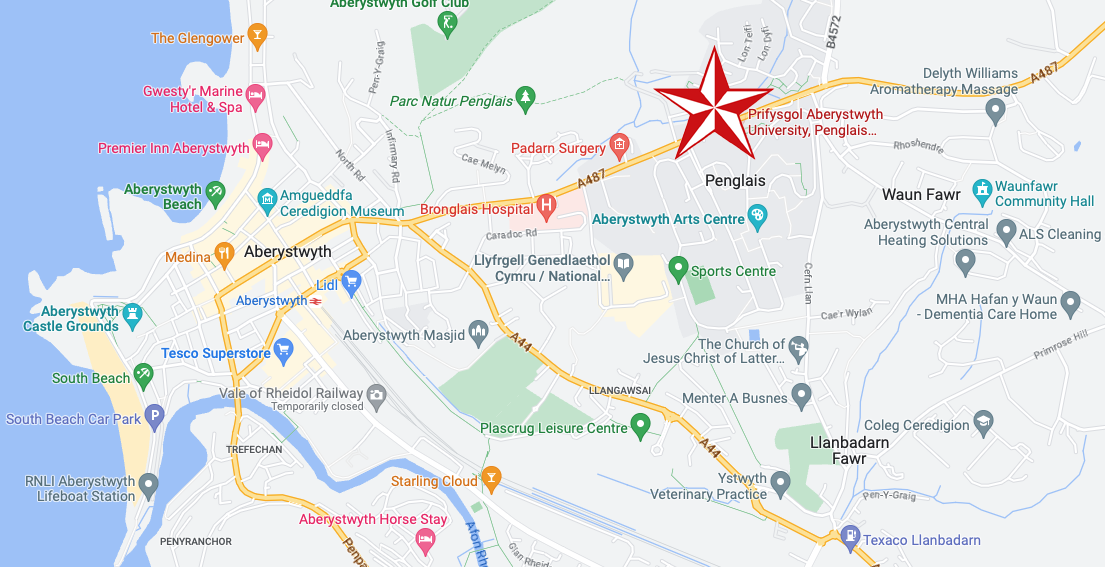
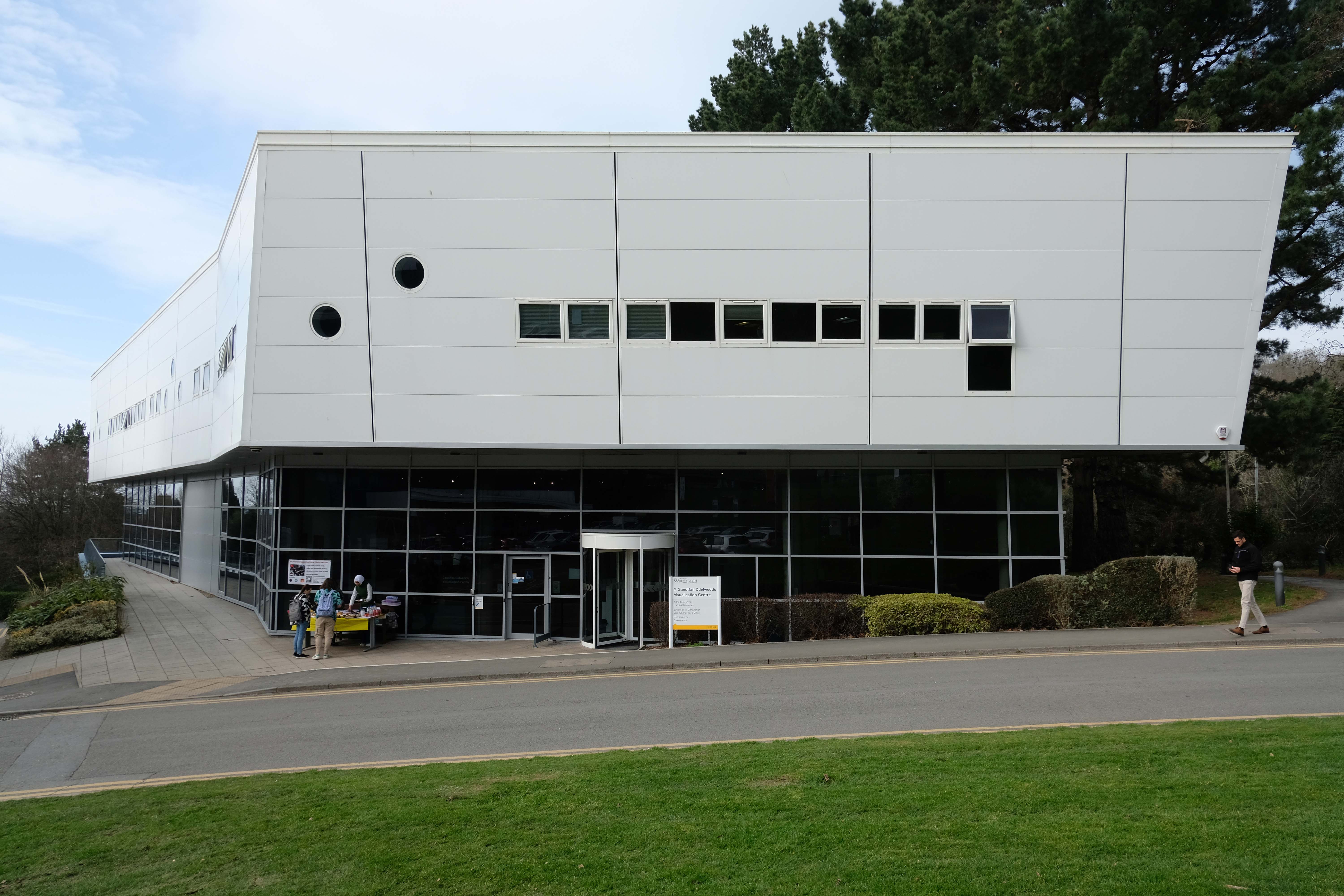
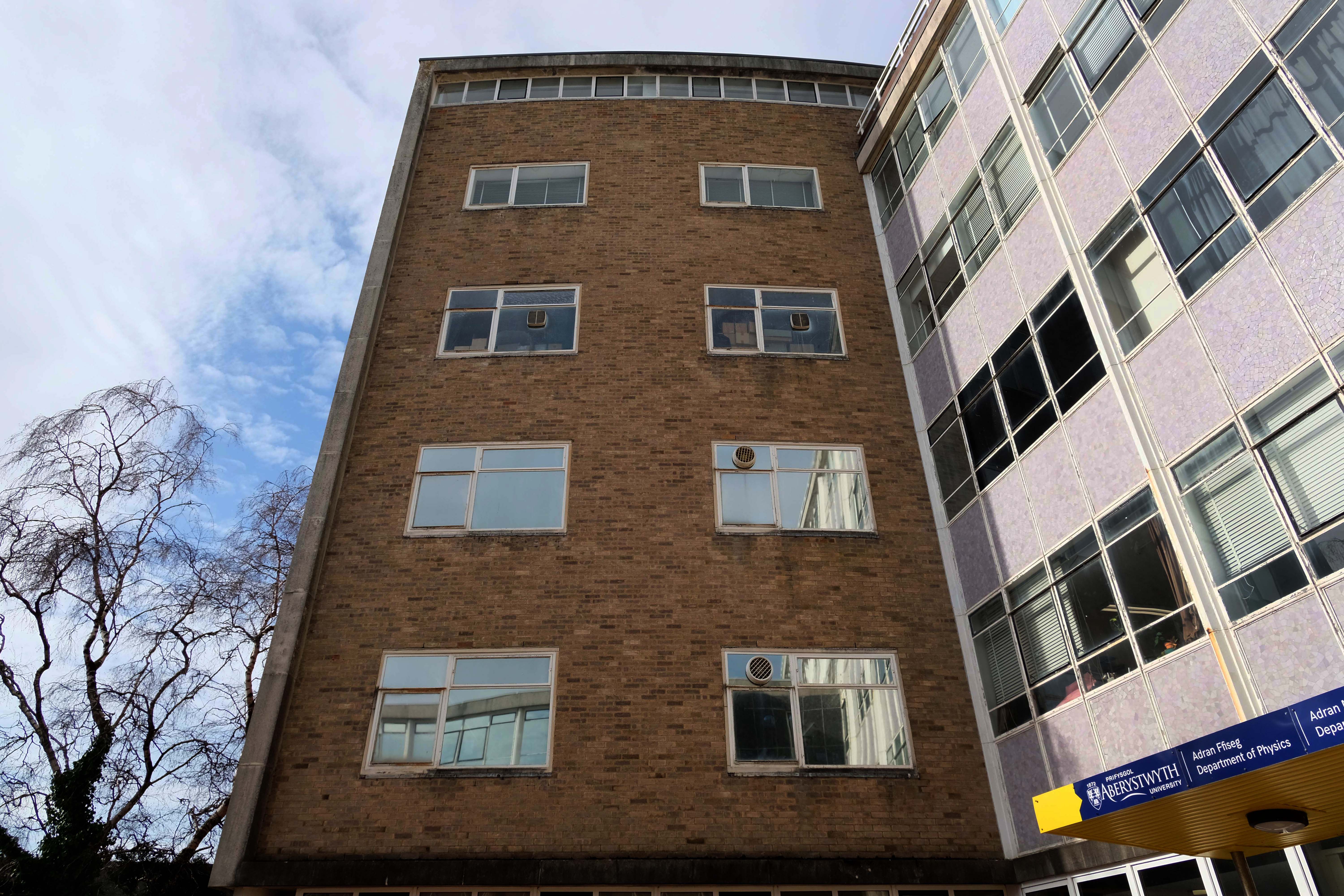
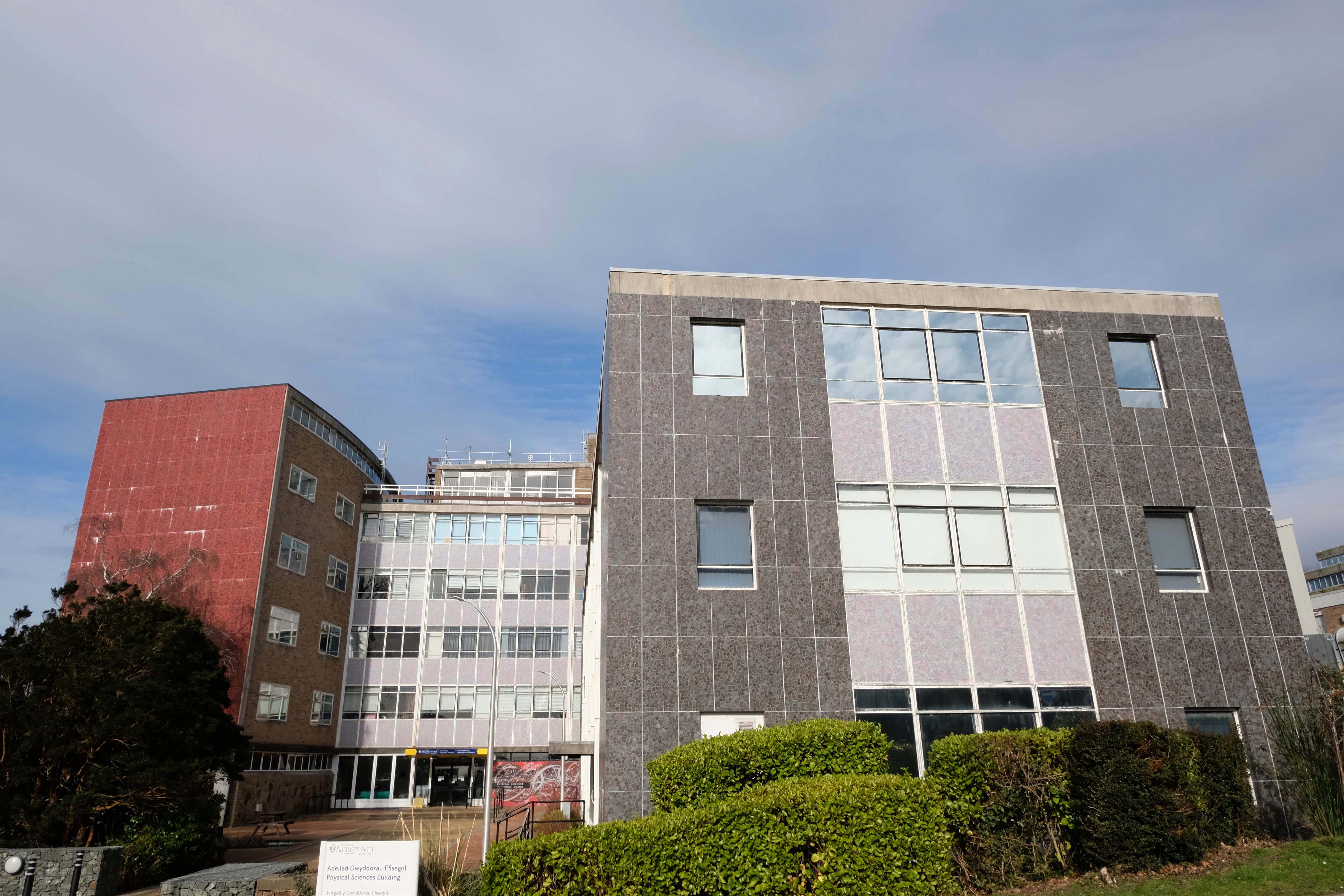
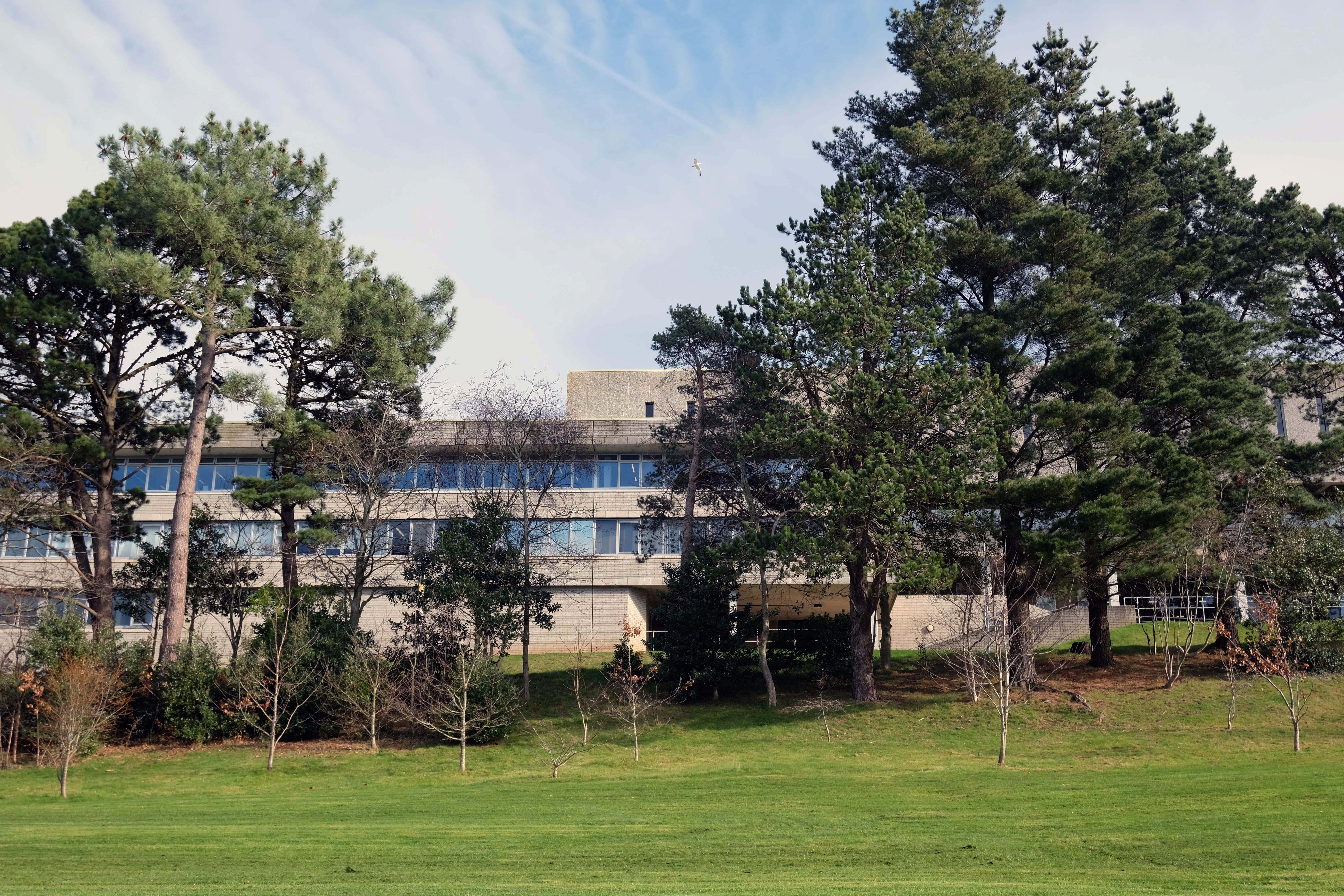
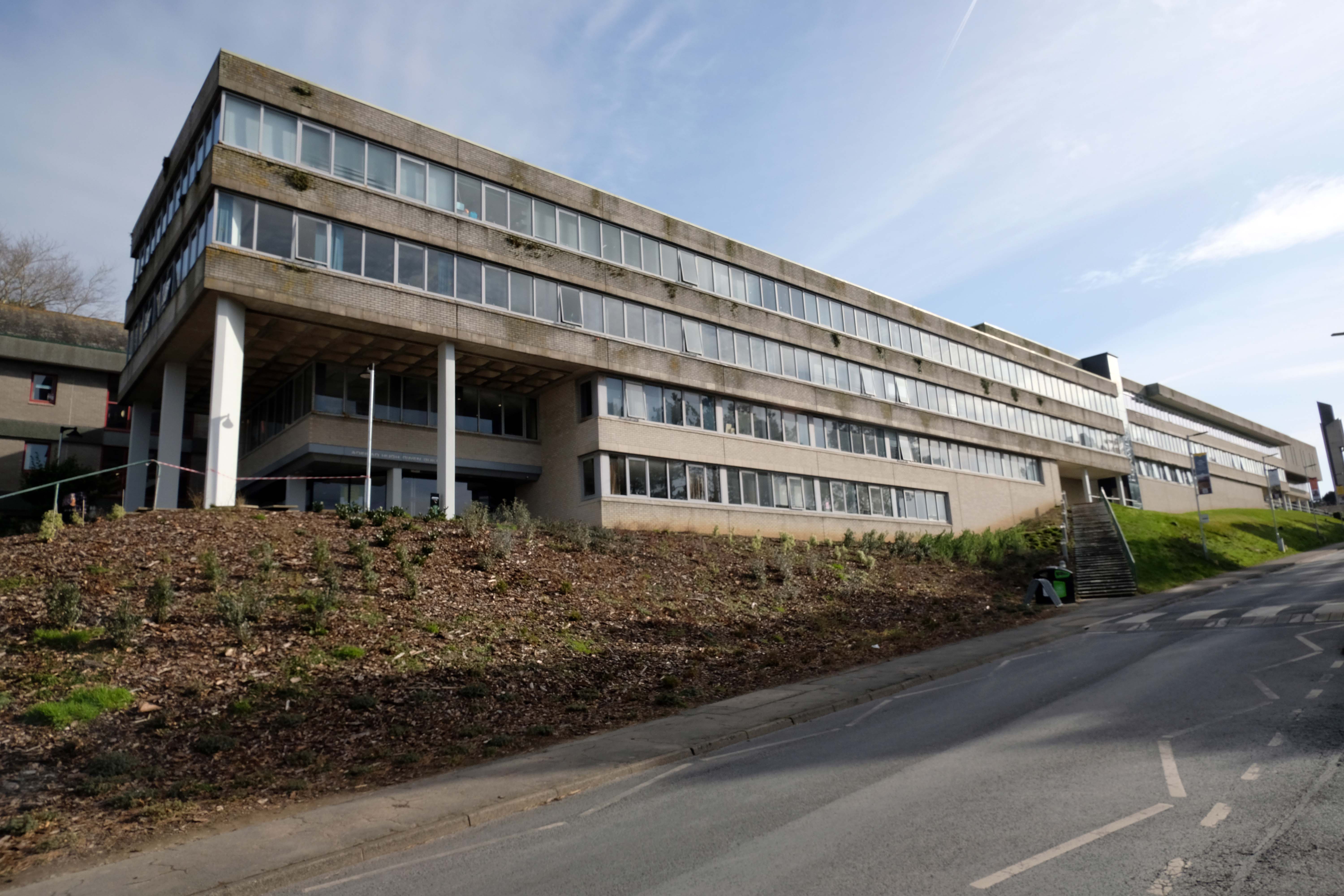
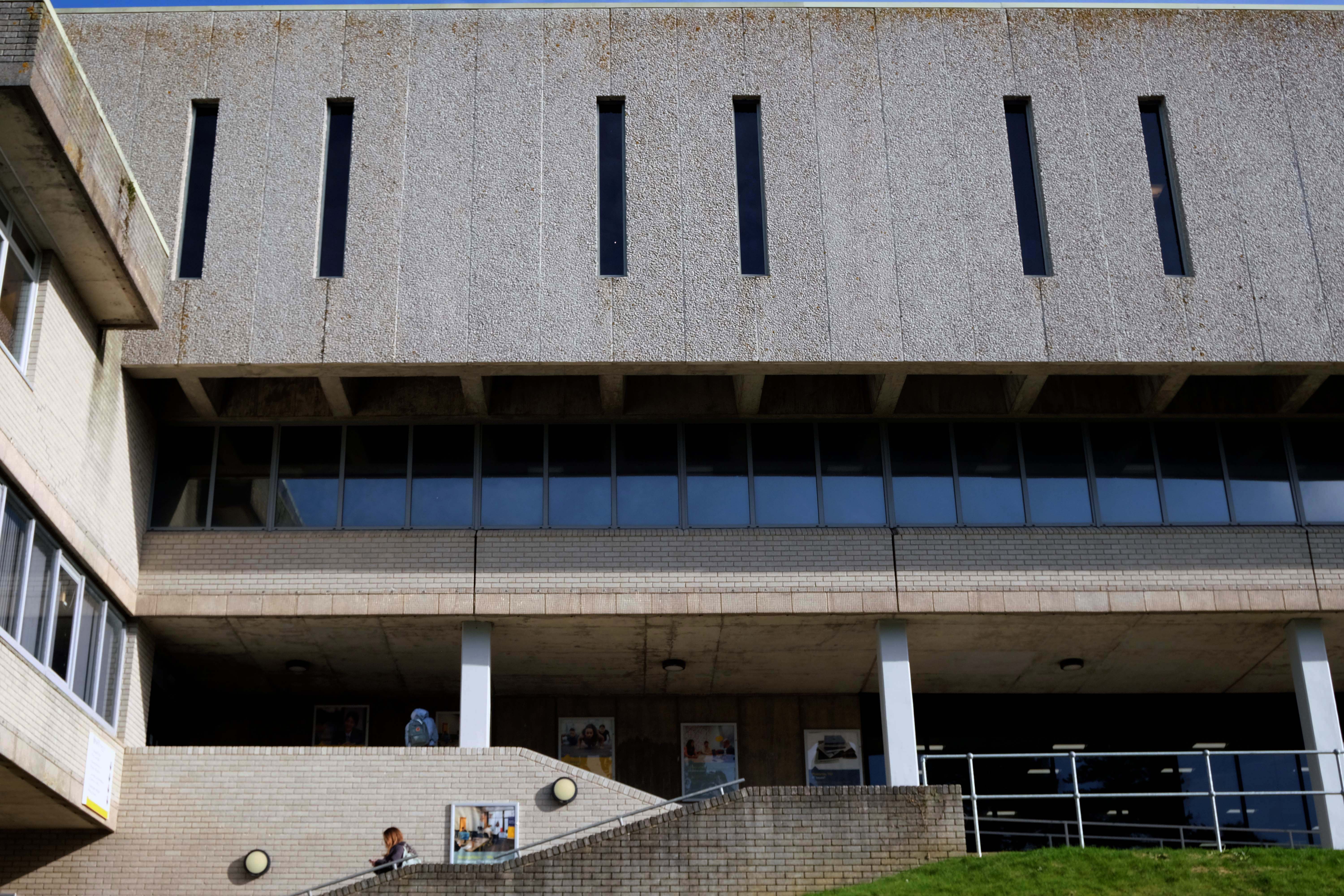
Prifysgol Aberystwyth University – Penglais CampusSY23 3AH
Led by London Welshman Hugh Owen, a small group of patriots sought from the 1850s onwards to raise enough money by public and private subscription to establish a college of university status in Wales. A project of enormous ambition, the University opened its doors in 1872 initially with a handful of teachers and just twenty five students in what was then a half-finished hotel building – the Old College on the seafront.
The first decade presented many challenges for the University’s survival. The generosity of a few individual benefactors and organised appeals for support from the ordinary people of Wales kept the University in being, and, perhaps more importantly, deeply rooted it in the minds and the affection of the Welsh people. A matter of considerable pride is that the University has made a significant contribution to the education of women, being one of the first institutions to admit female students.
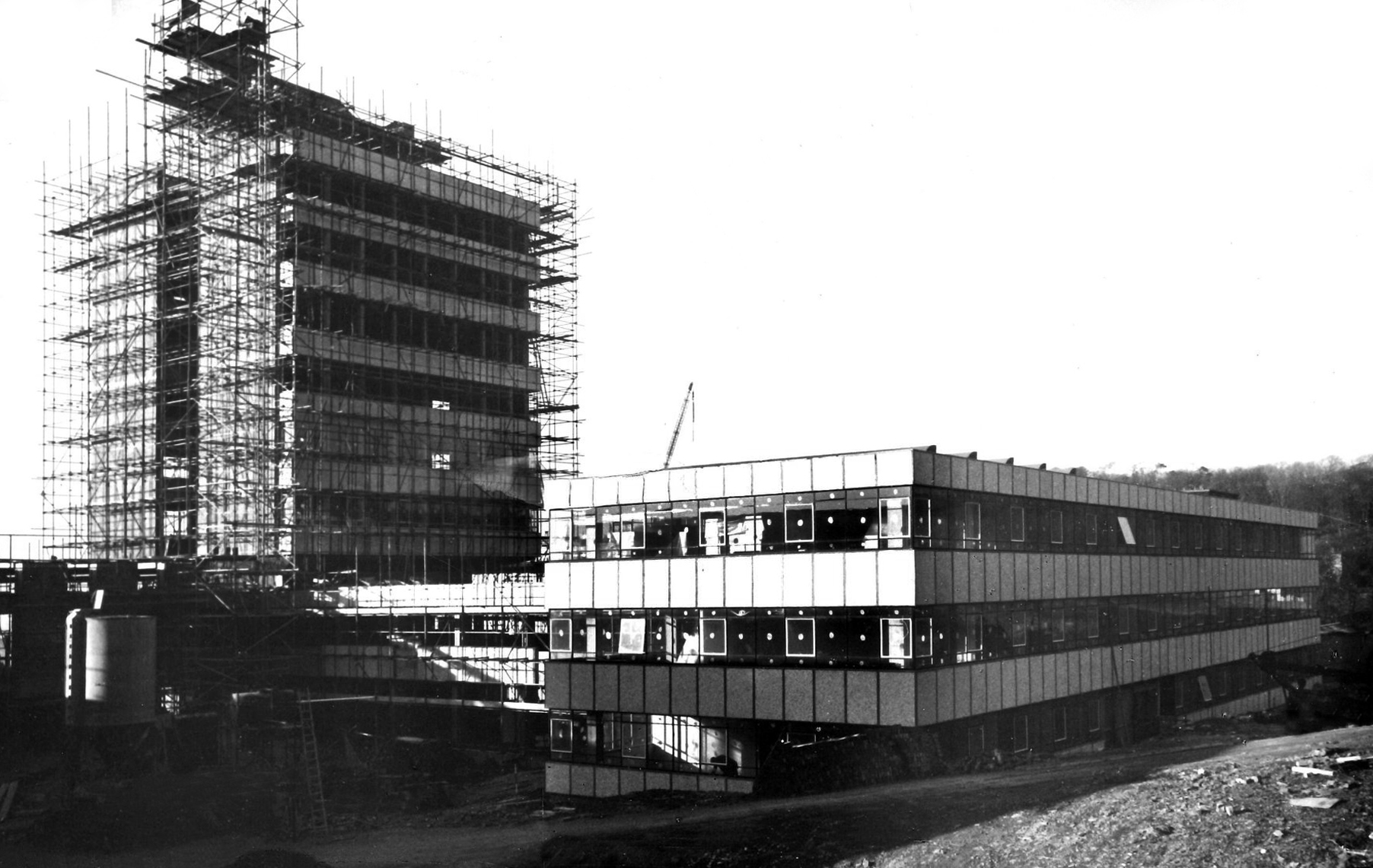
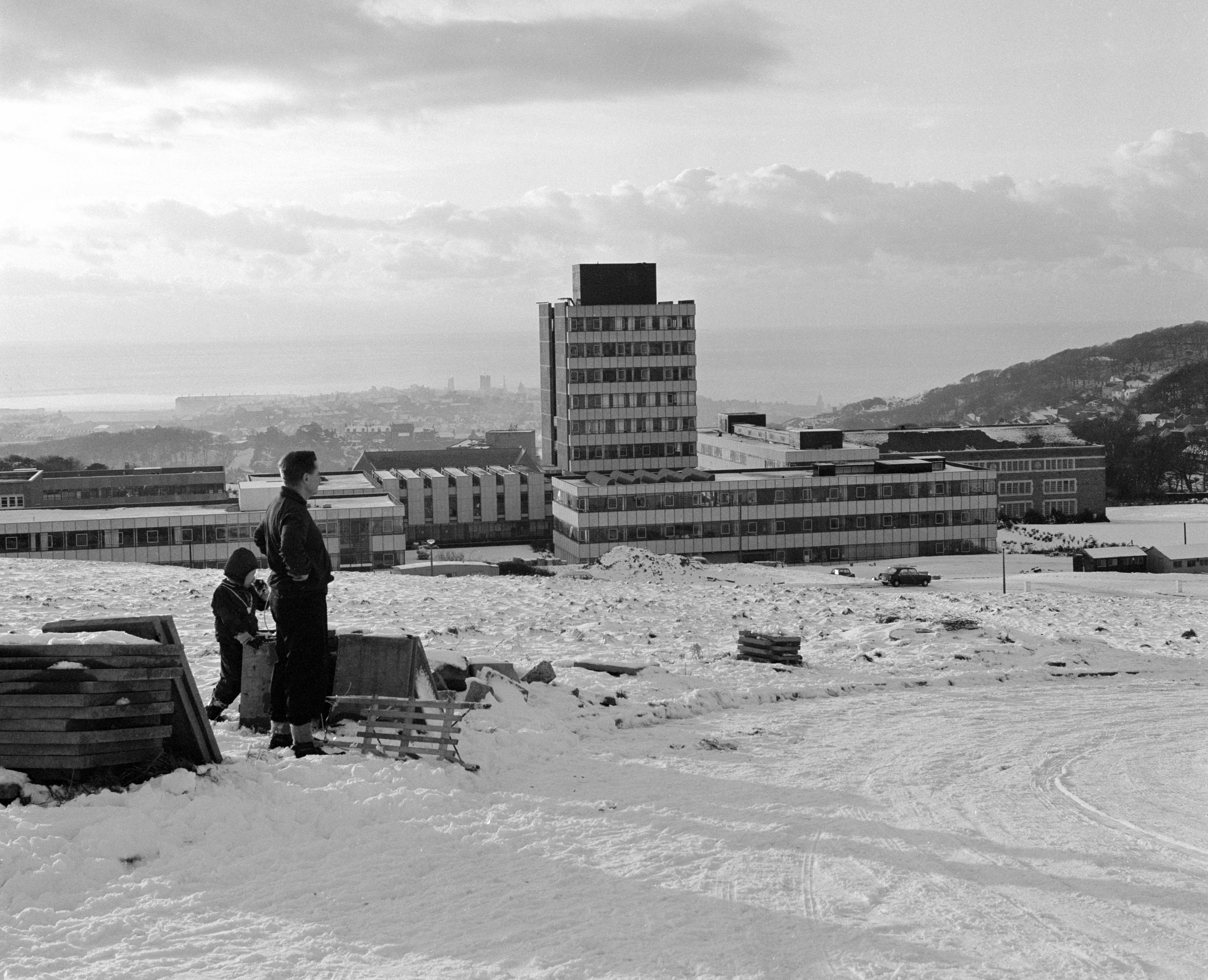
Since those early days, Aberystwyth University has gone from strength to strength and now has more than 6,000 students and 2,000 staff. As the institution grew, its main campus moved from Old College on the seafront to Penglais Hill. This finely landscaped site enjoys spectacular views over the historic market town of Aberystwyth and the Cardigan Bay coastline. New buildings, including major arts and science developments, halls of residence, a magnificent Arts Centre and sports facilities are located here.
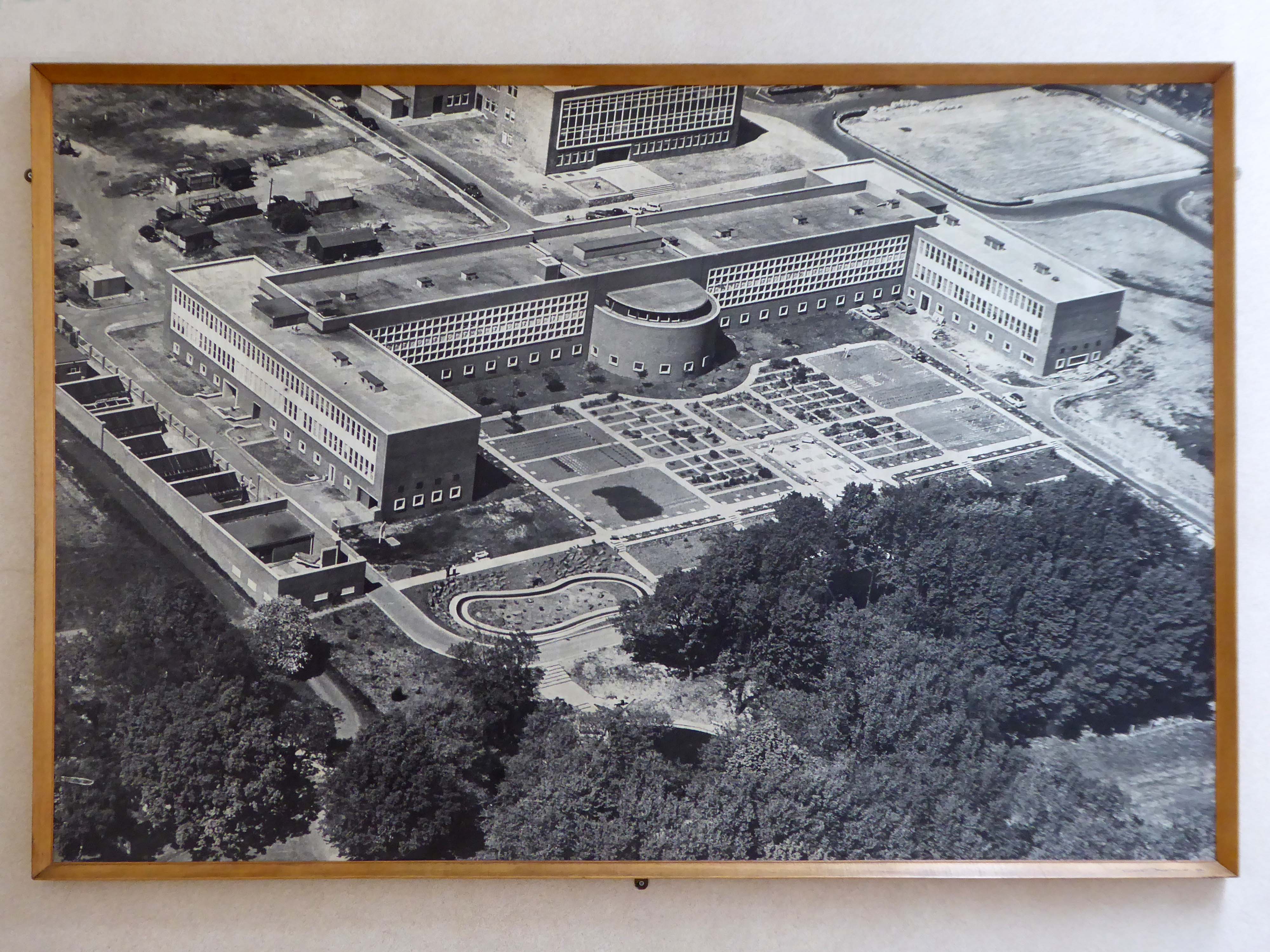
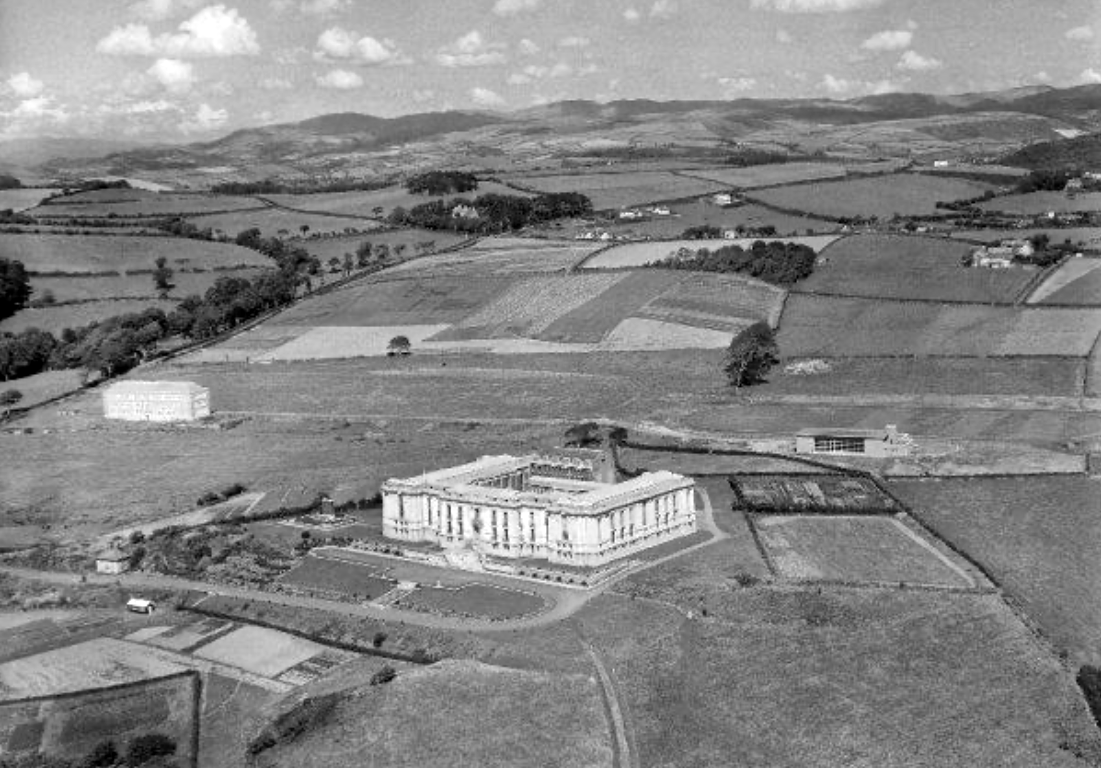
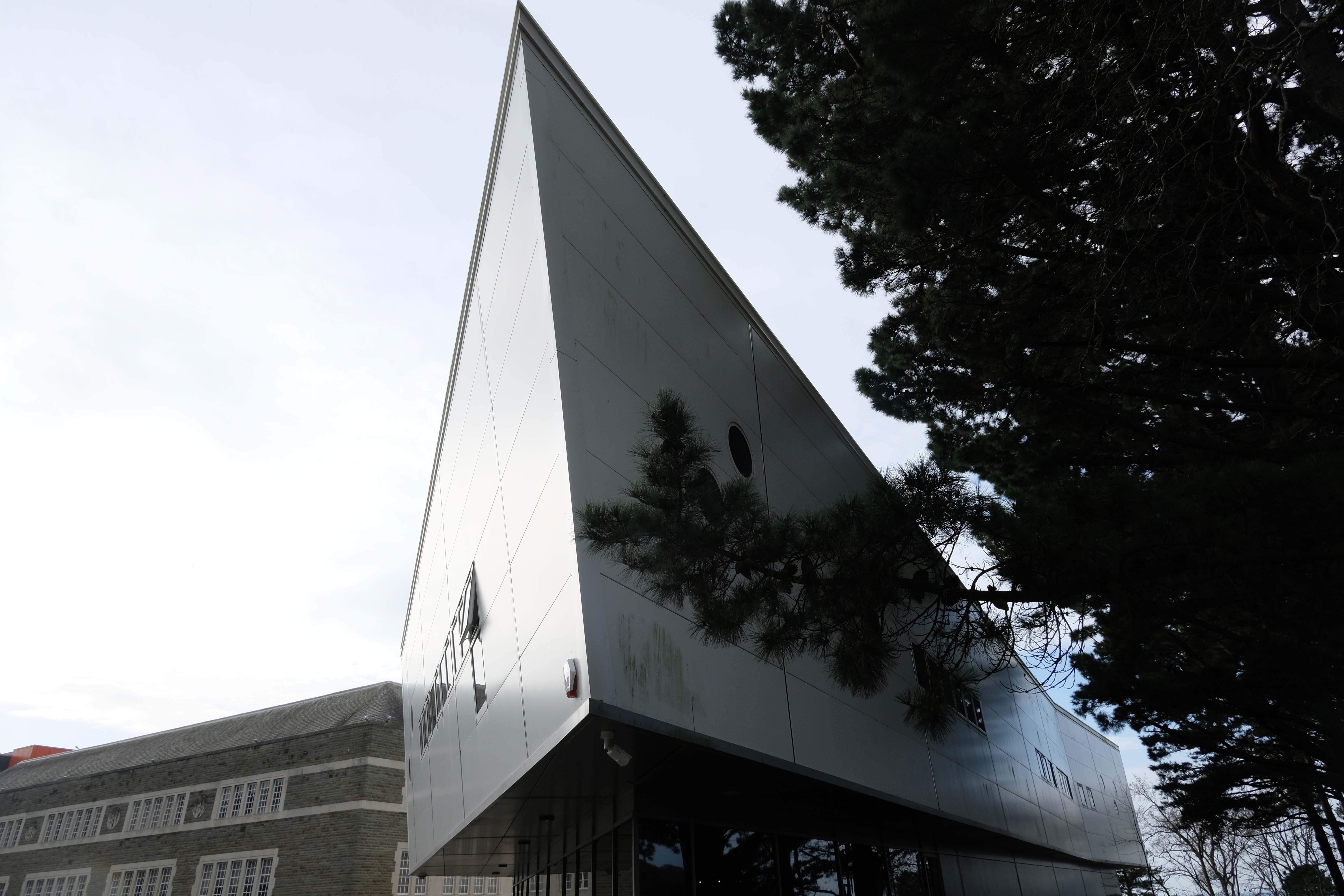
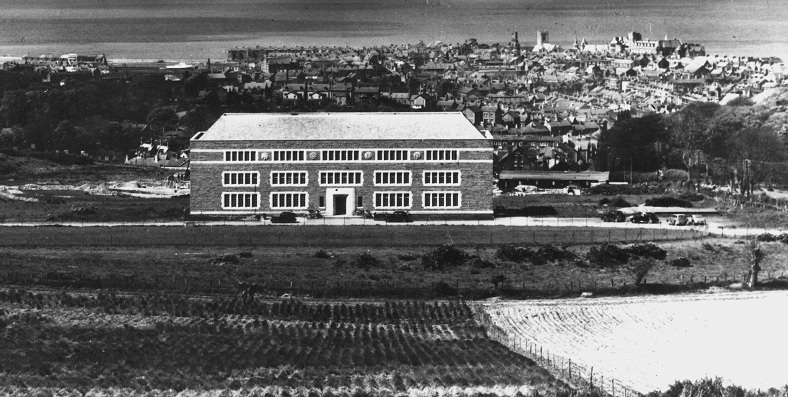
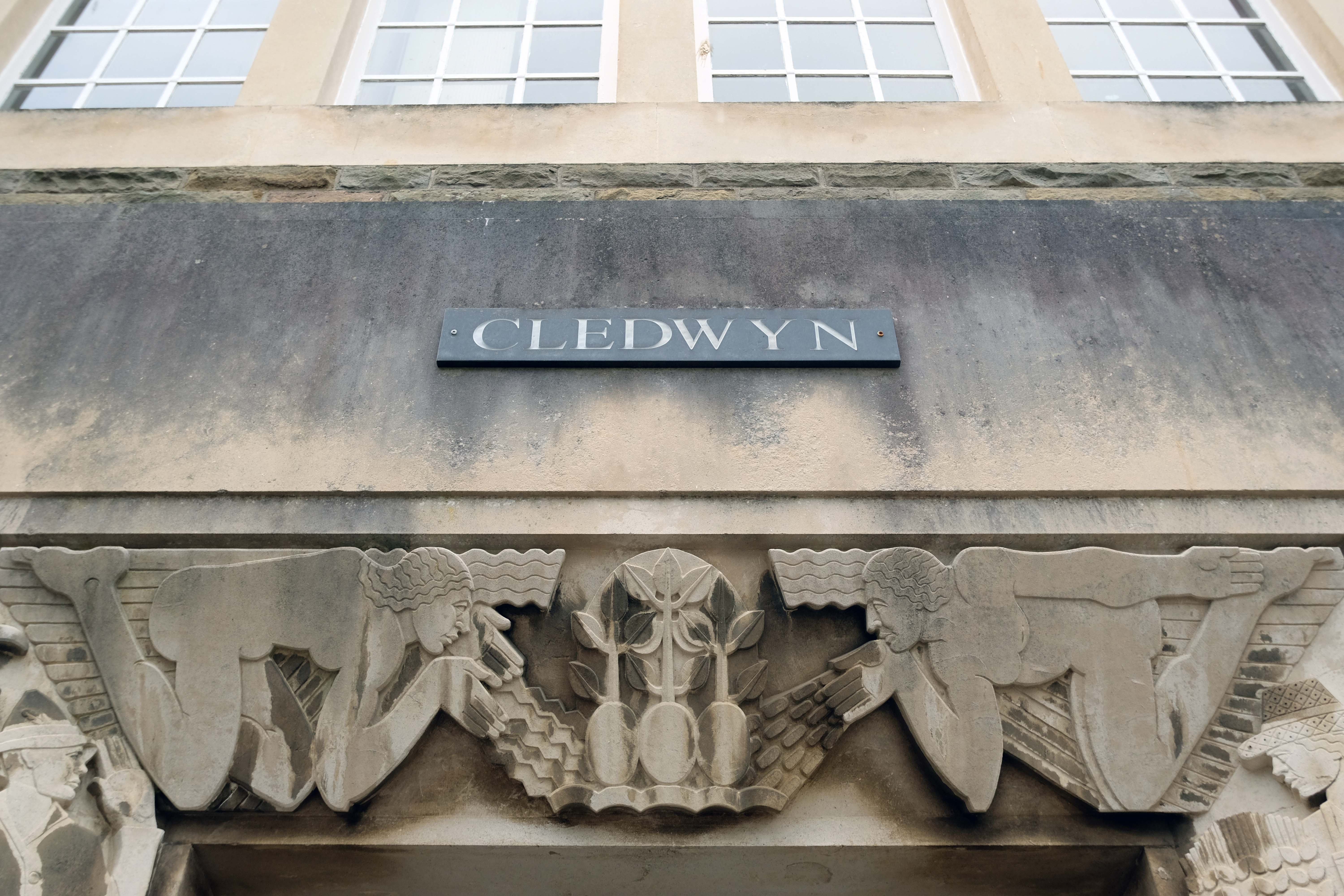
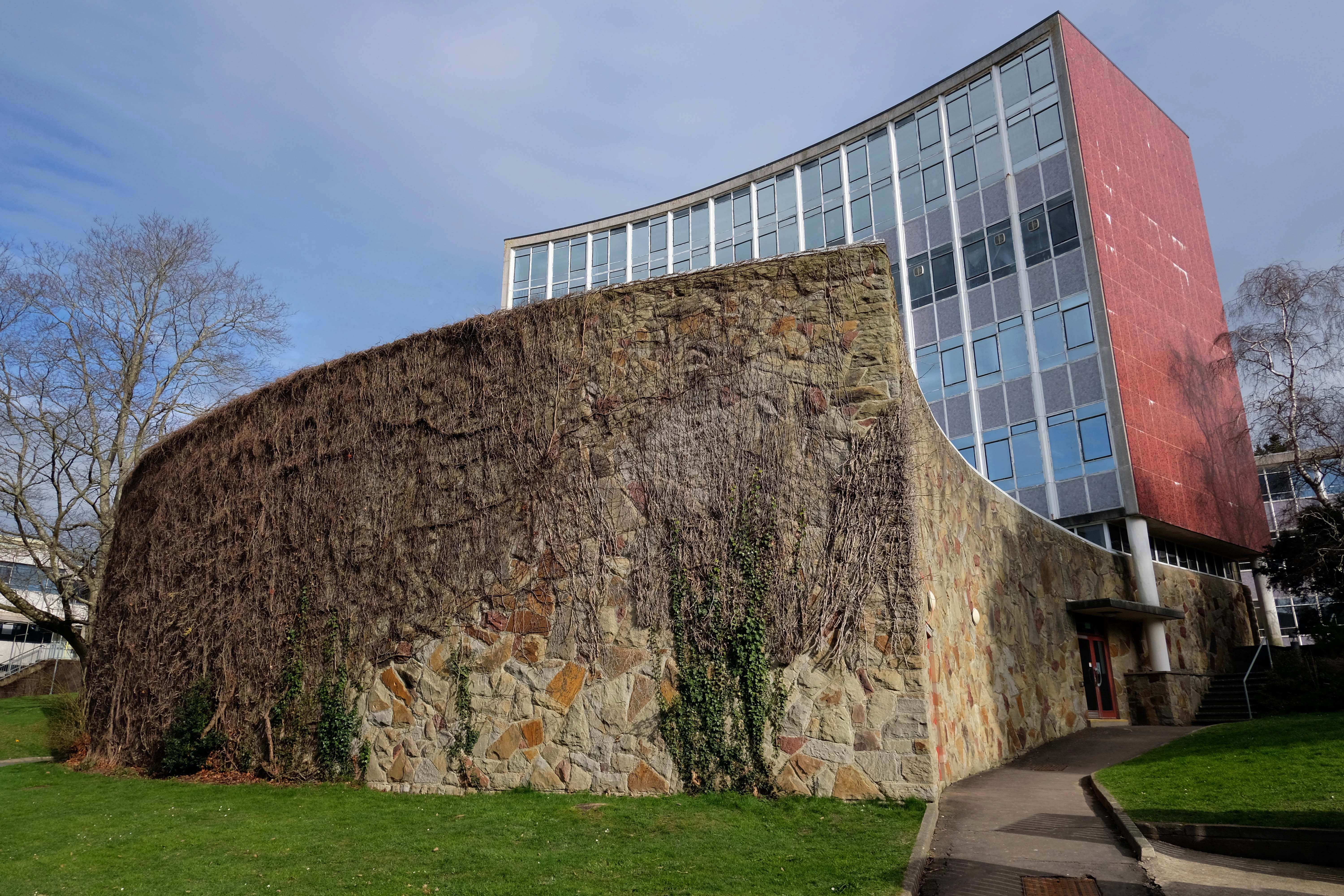
In 1935 Percy Thomas prepared a plan for the layout of a new campus, and was appointed as architect for the first three buildings to be constructed – Cledwyn, Pantycelyn and the swimming bath. This marked the beginning of the move away from the college by the sea to the college on the hill.
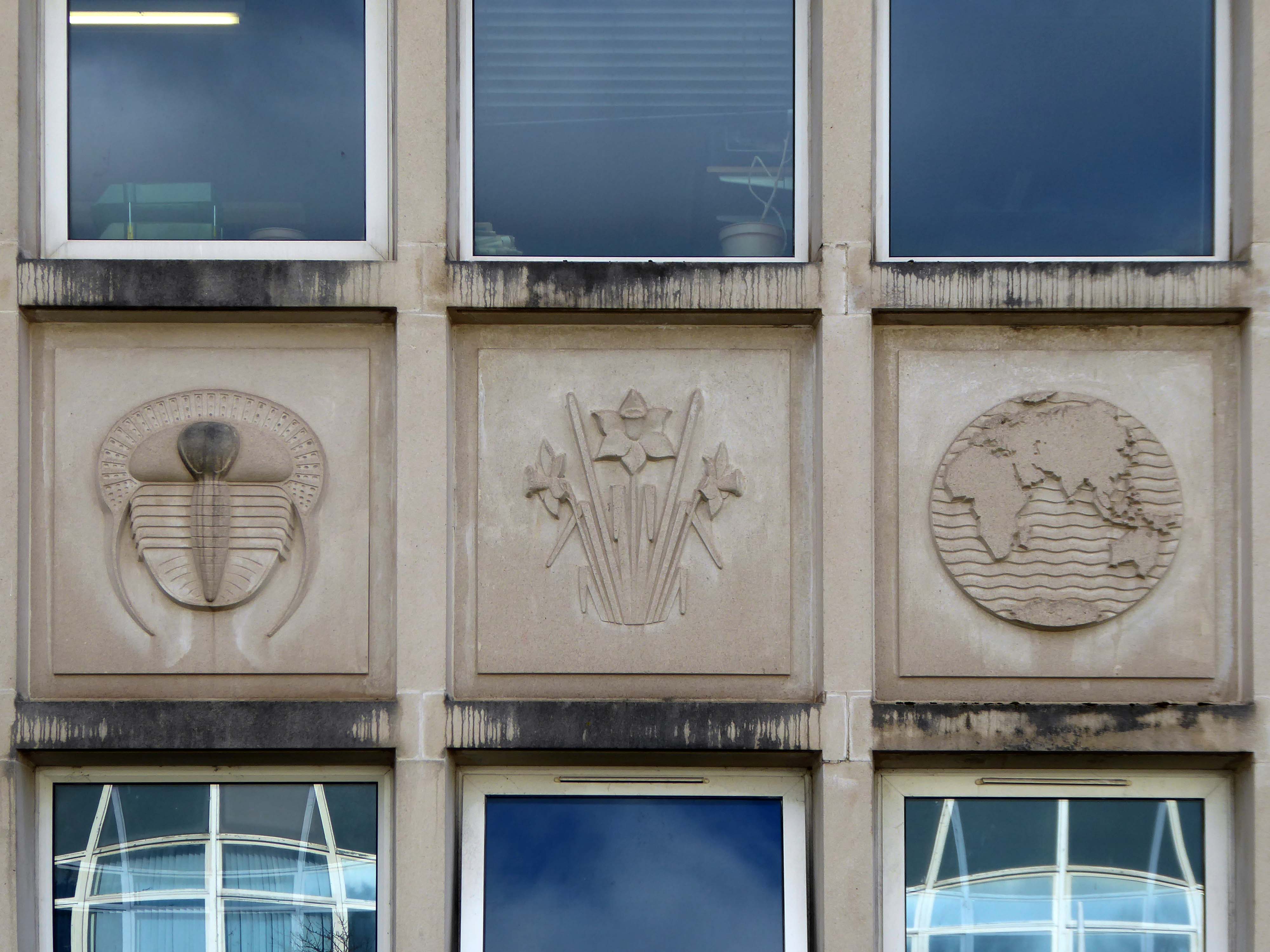
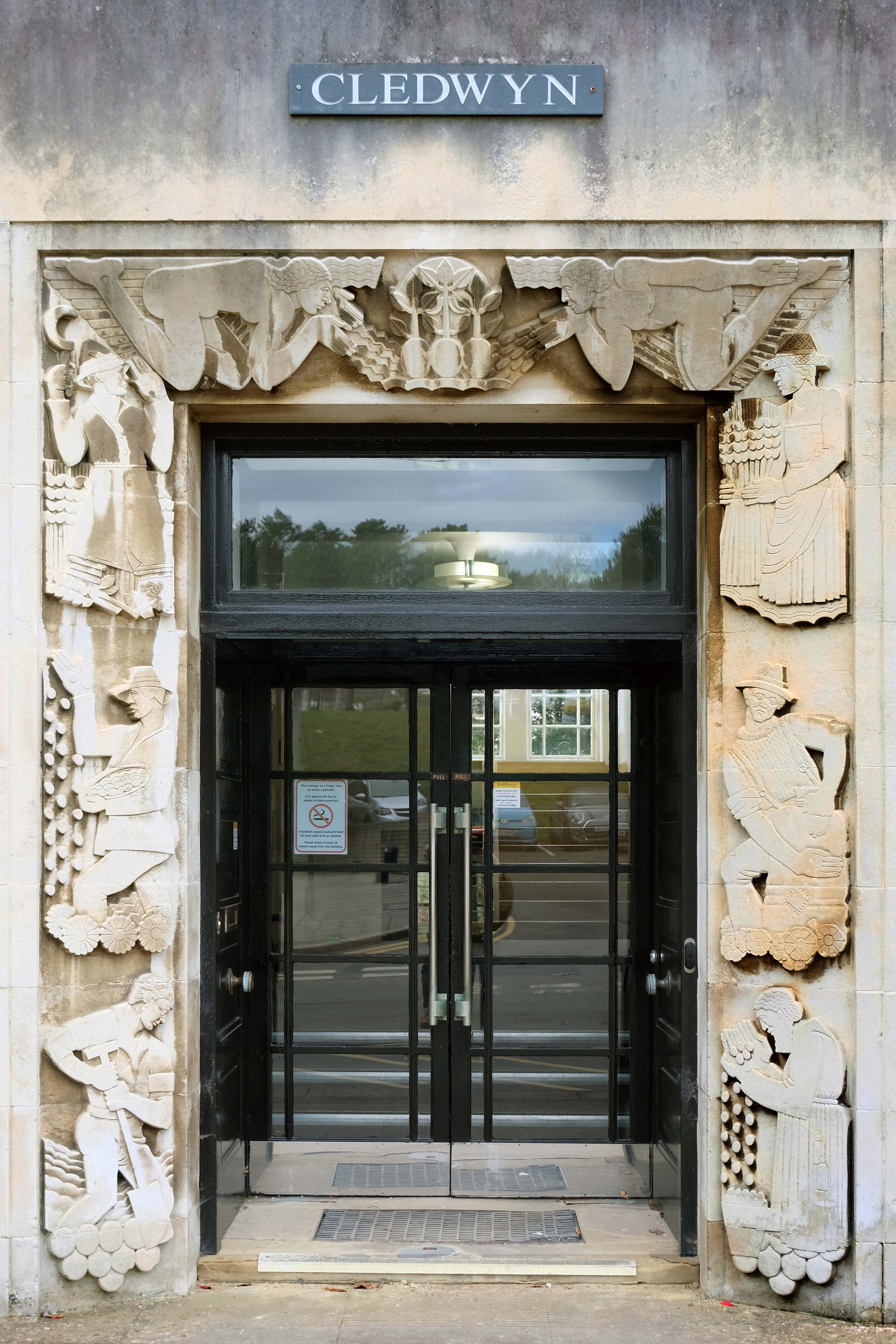
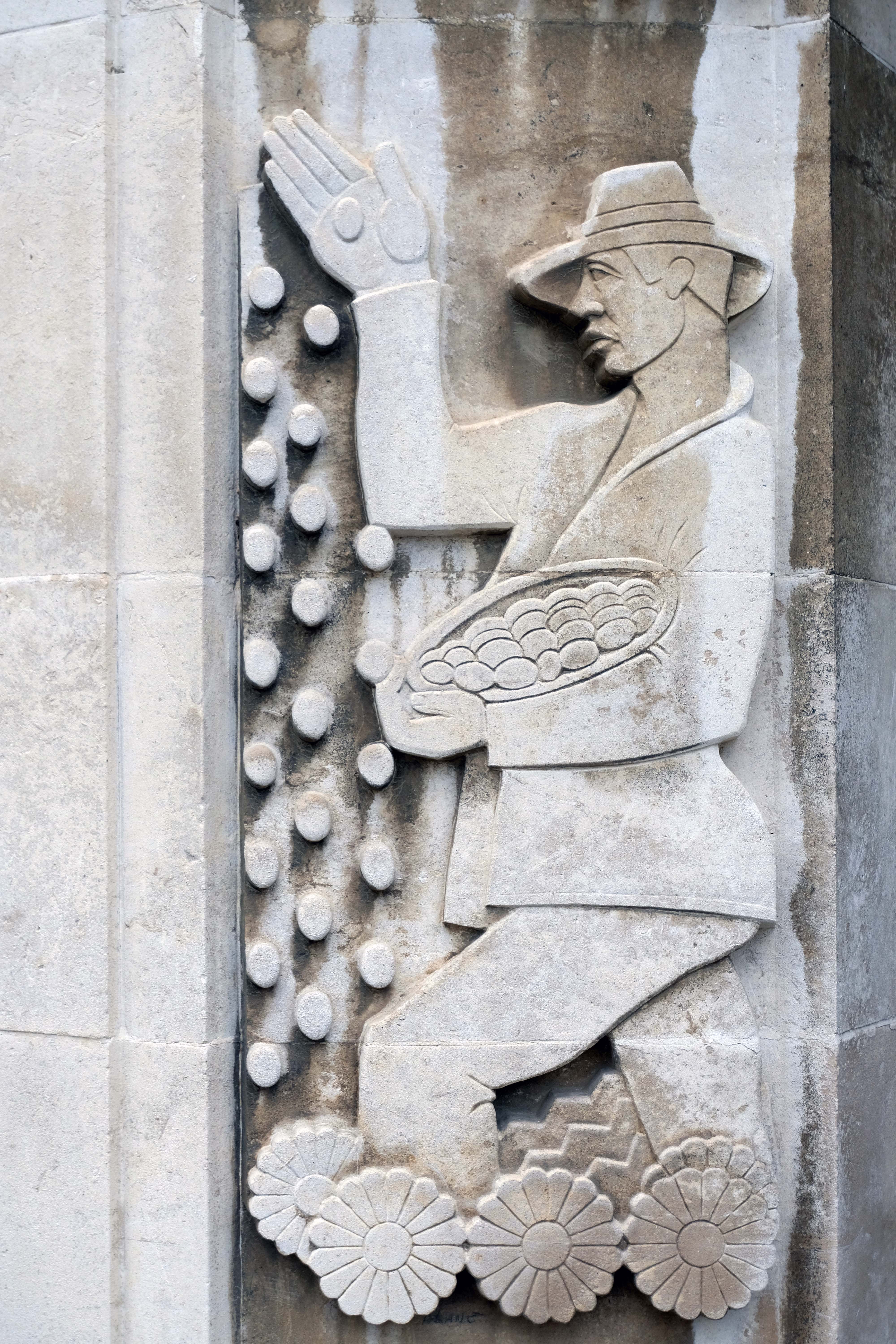
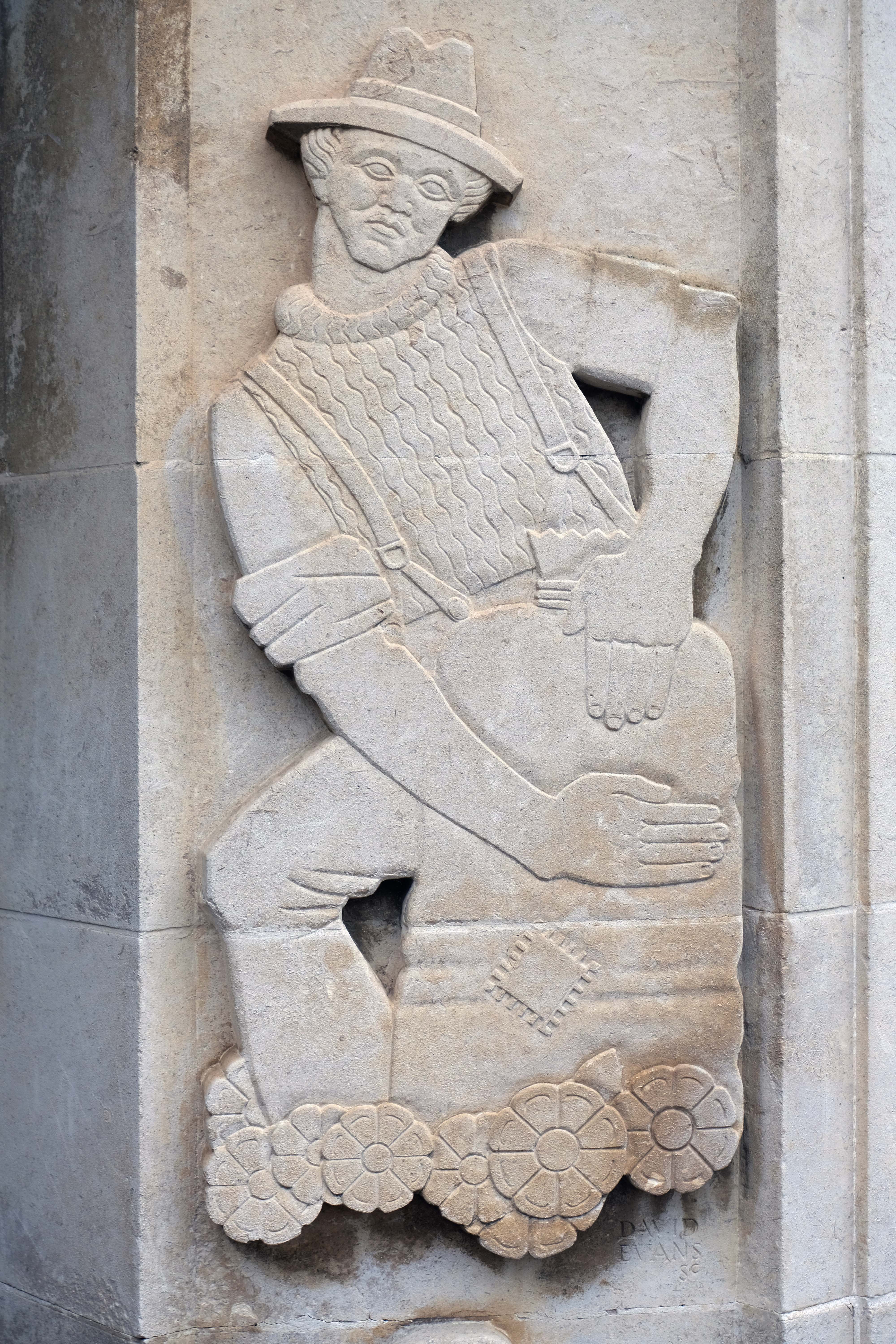
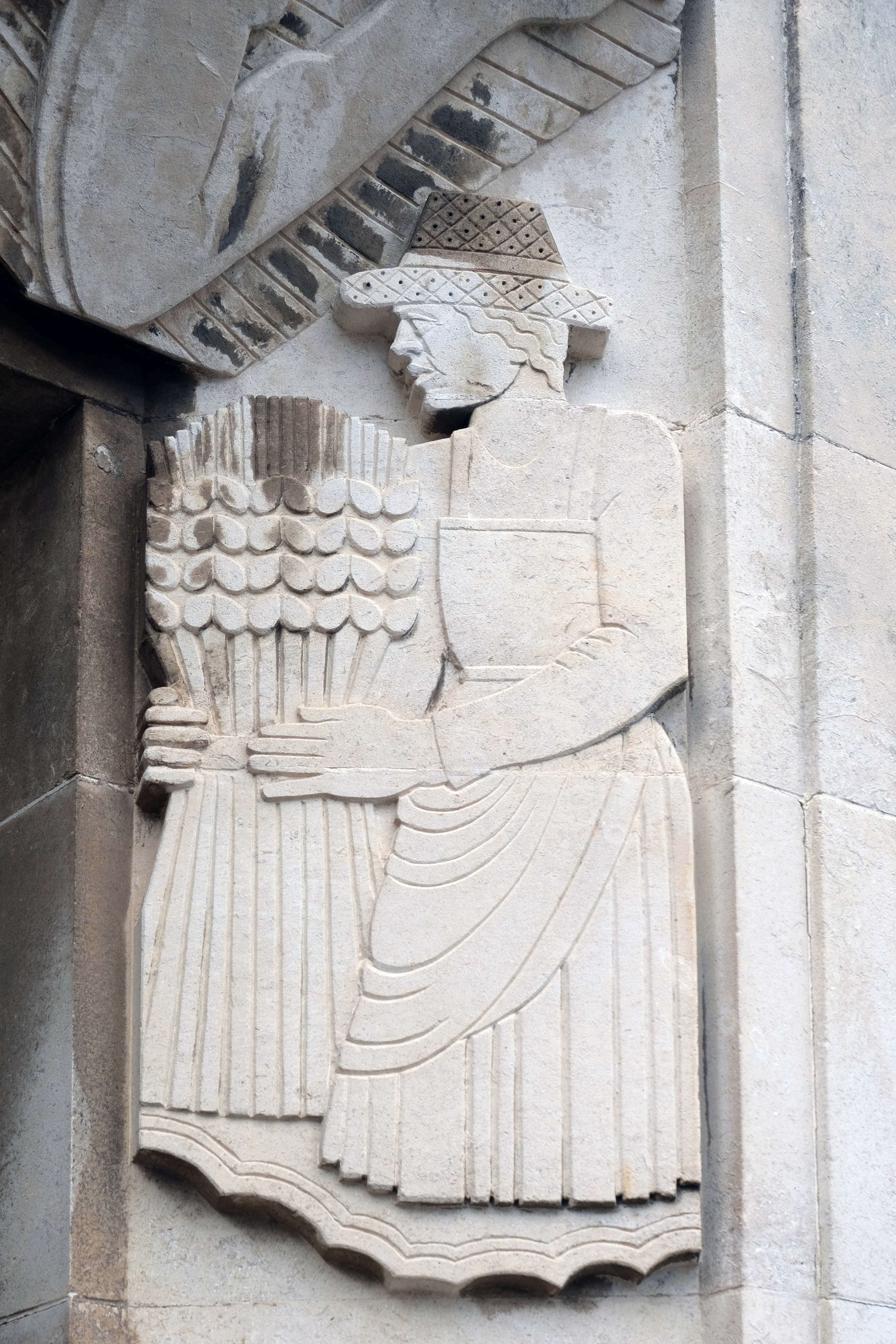
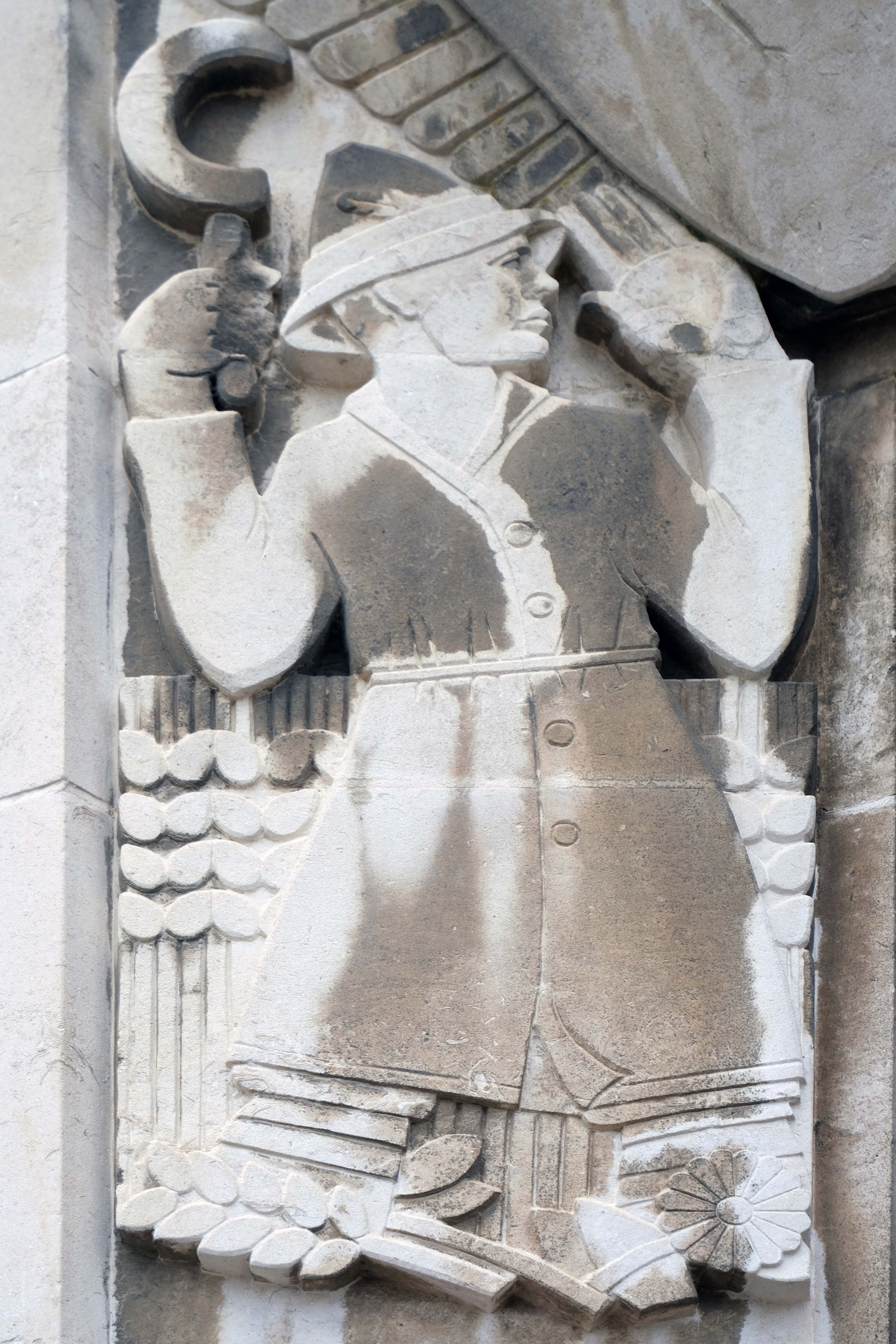
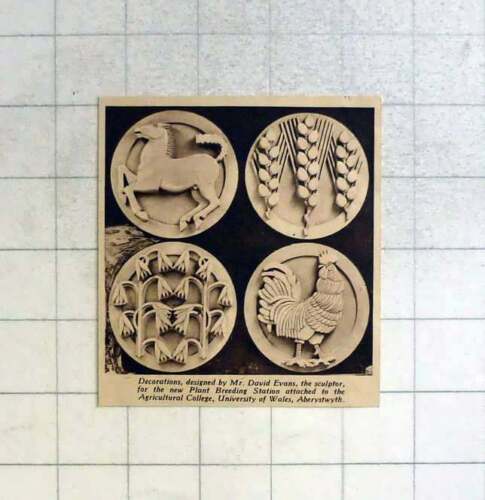
Built in a simple Georgian modern style, faced with Forest of Dean stonework, the building’s main entrance features a broad architrave adorned with low reliefs of agricultural scenes, and there are decorative circular stonework emblems in between the windows of the upper floor.
The carved stone work is by David Evans.
A Manchester-born sculptor who attended the Manchester School of Art, and won a scholarship to the Royal College of Art. After active service in the World War I, he resumed his studies at the Royal Academy, where he was instructed by Francis Derwent Wood. In 1922, he won the Landseer Prize and later went to work in the British School at Rome. He had been exhibiting at the Royal Academy since 1921. His works from the 1920’s are mainly highly stylised religious and mythological themes.
During his stay in the United States, he executed some significant work for public buildings in New York. The locations there included Rockefeller Center, Radio City, Brooklyn Post Office, a bank on Wall Street, St Thomas’s Church on Fifth Avenue.
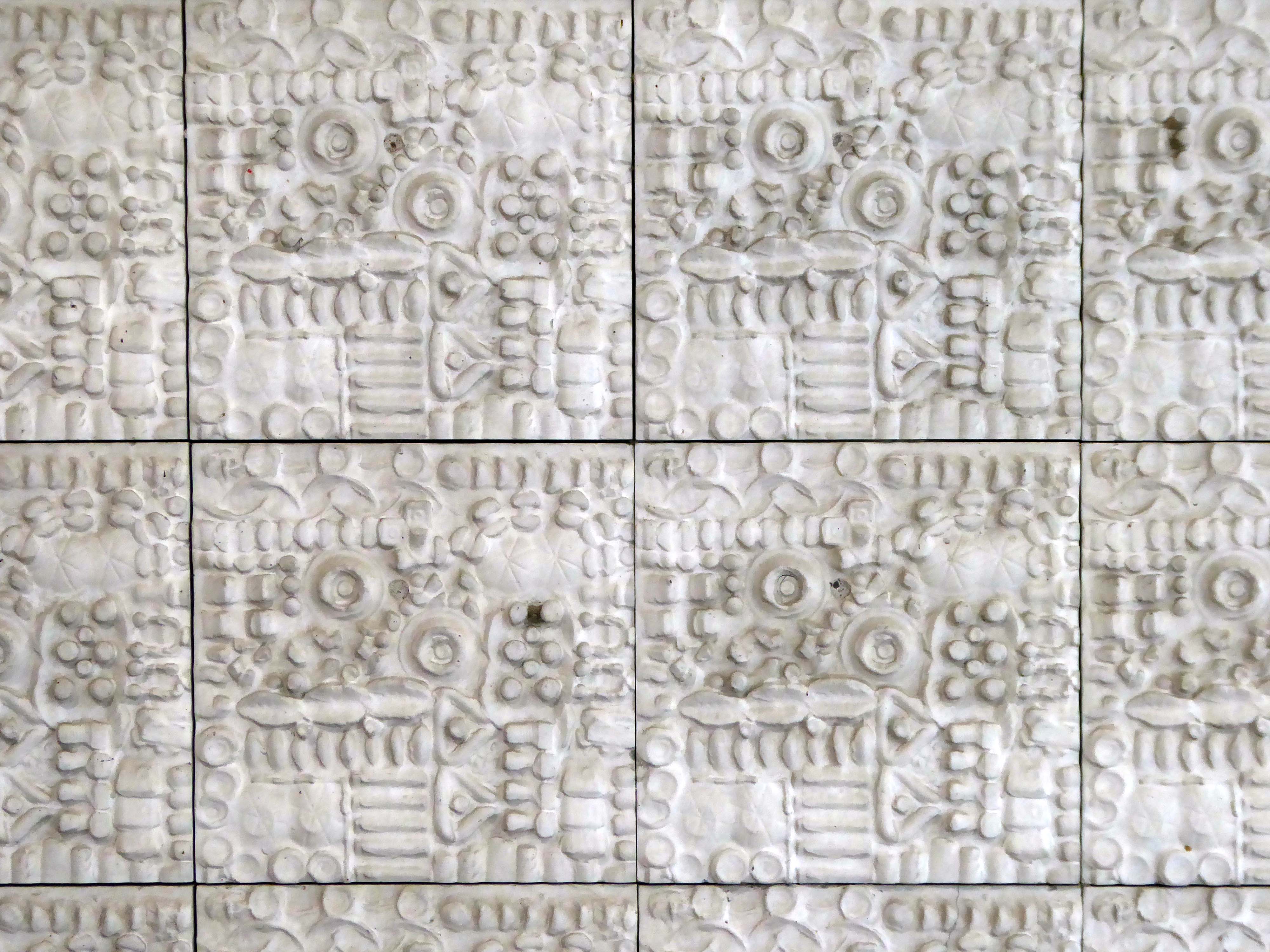
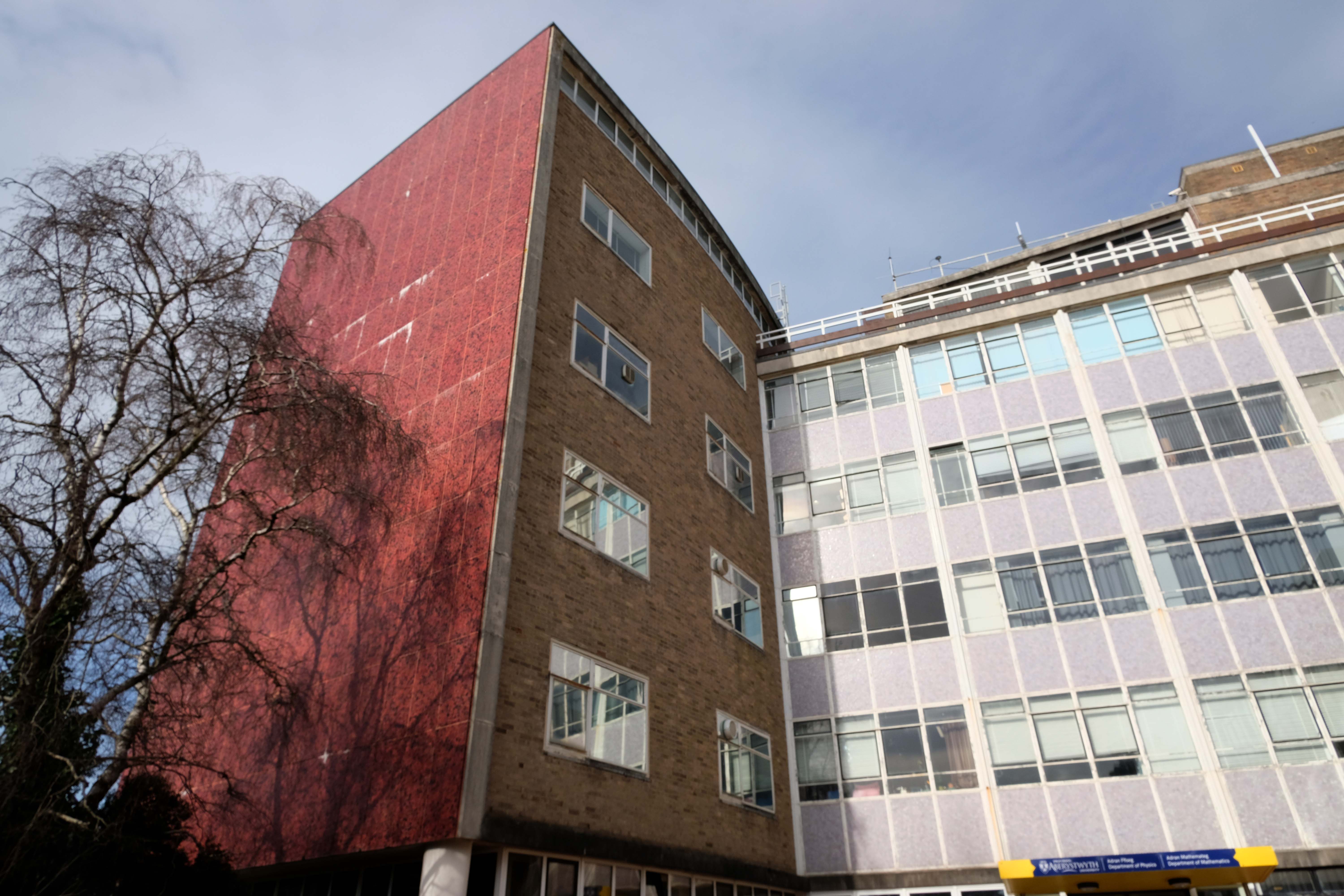
Here are the four decorative panels placed higher on the building.
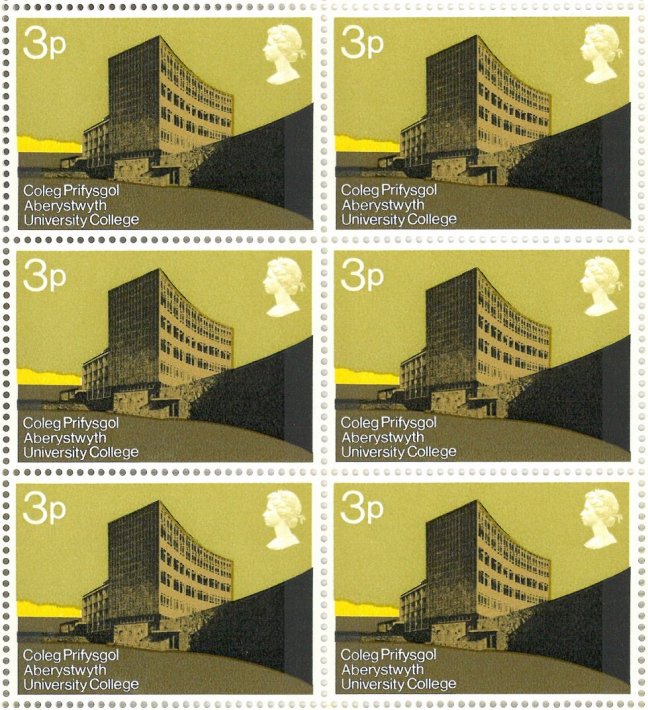
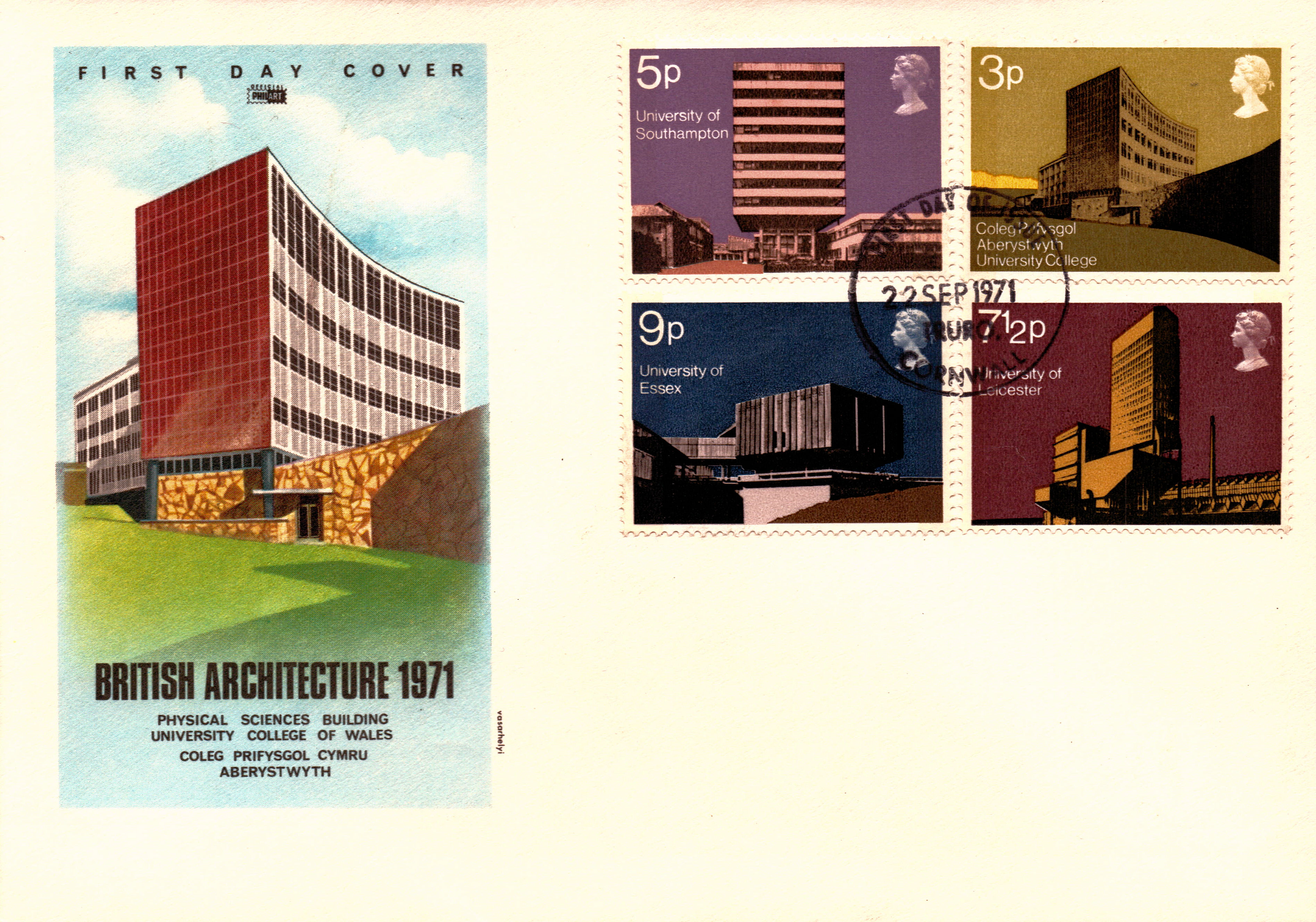
Immortalised in this elegant educational stamp set – designed by Mr Nicholas Jenkins of the Royal College of Art
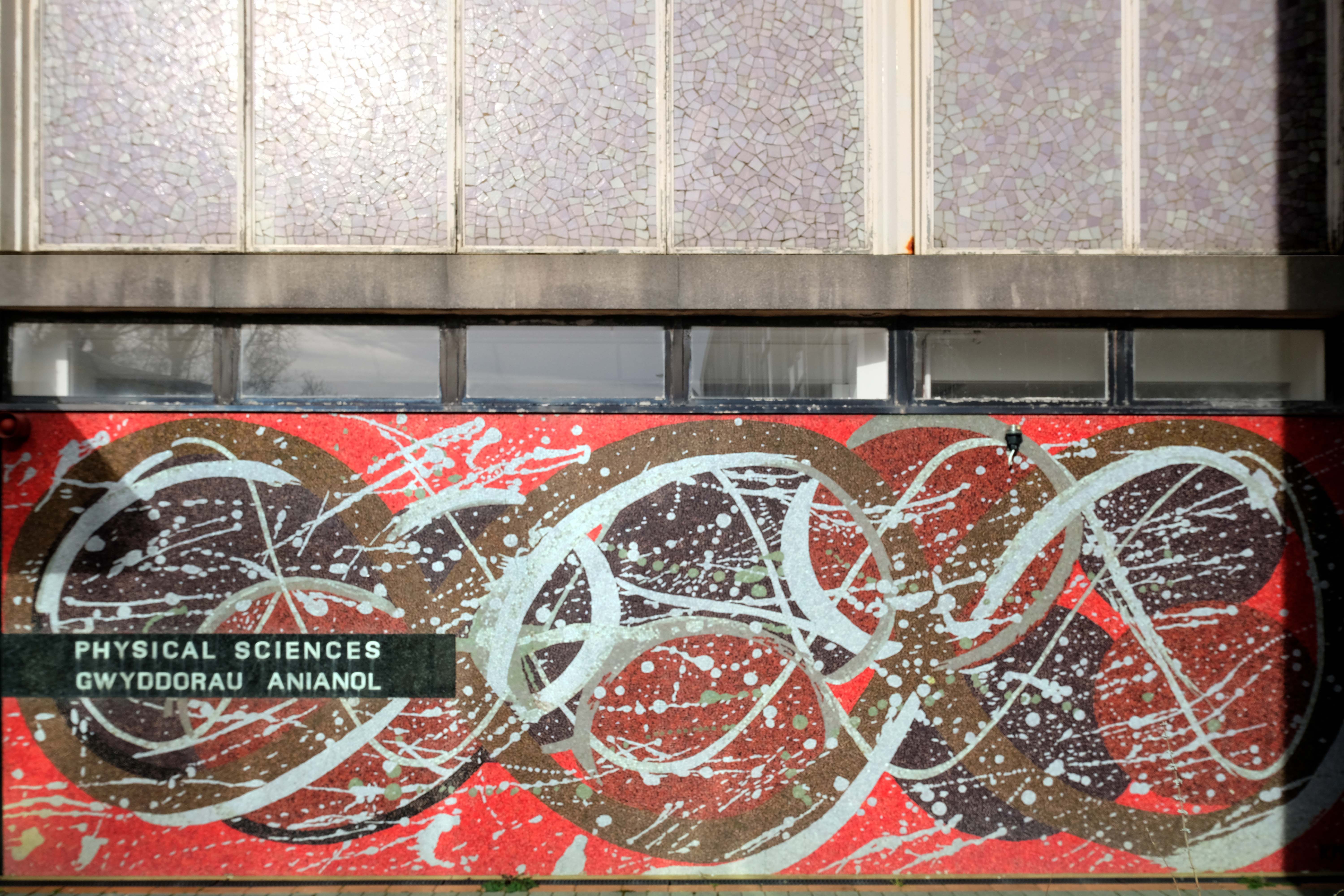
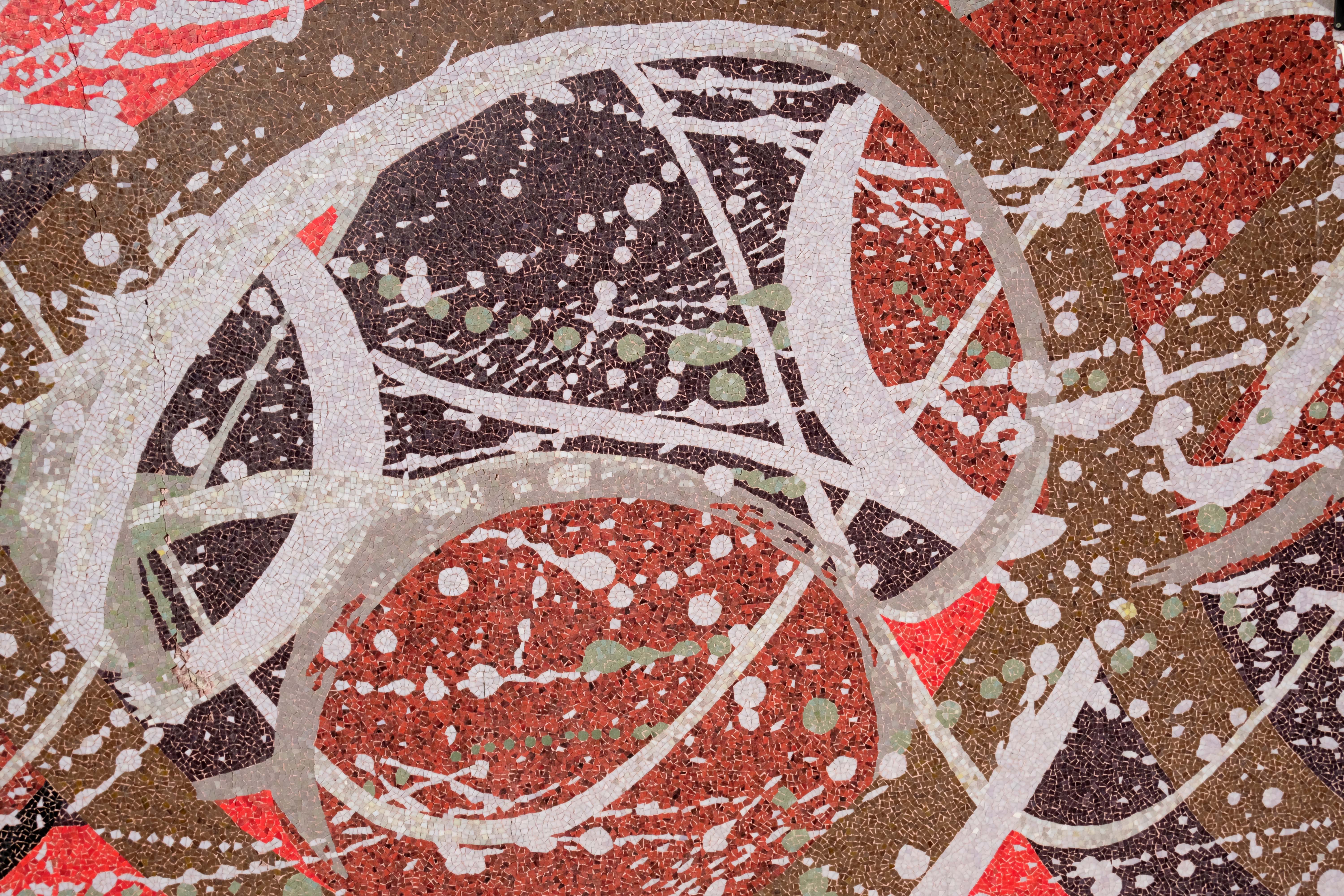
To the right of the entrance this striking mosaic – action is ossified in the manner of a semi-permanent Pollock.
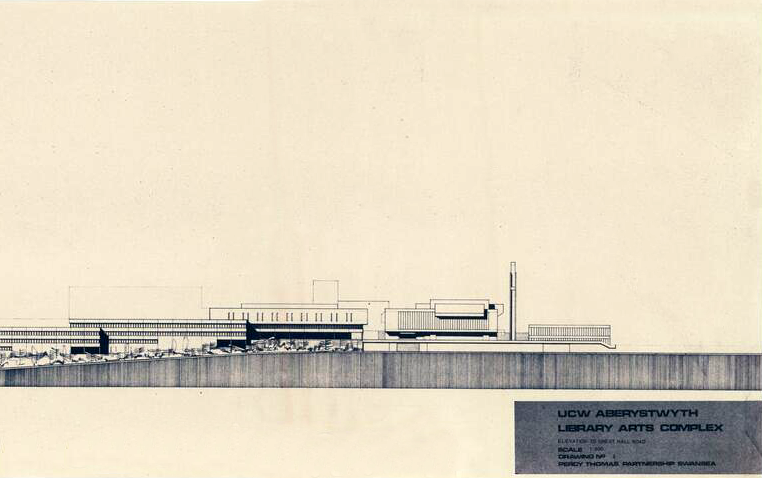
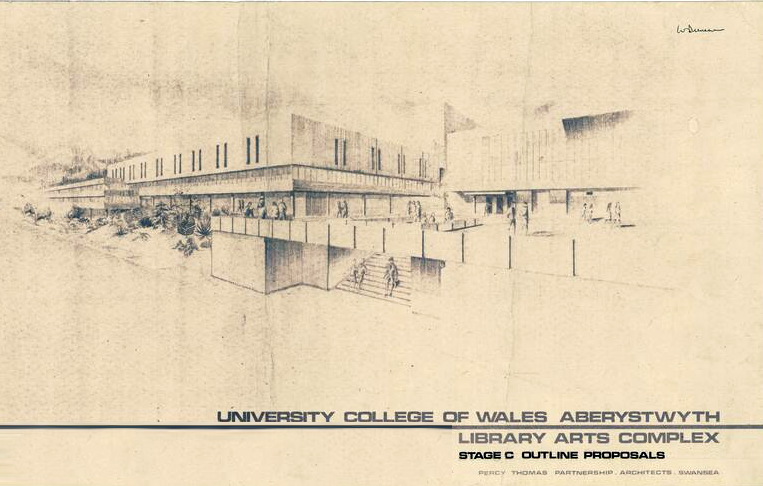
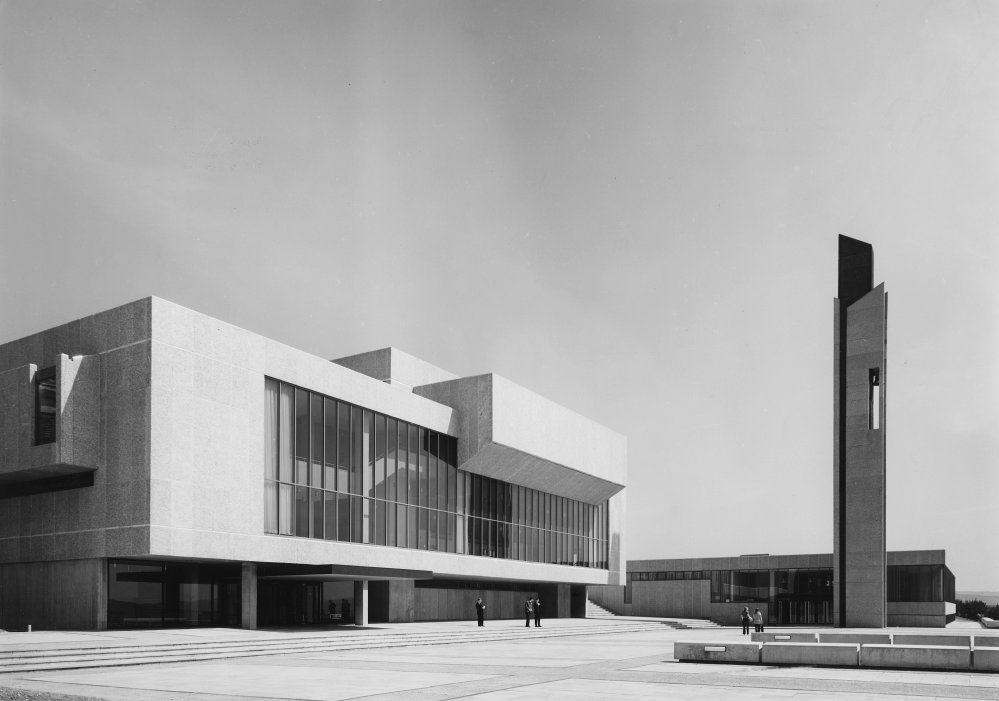
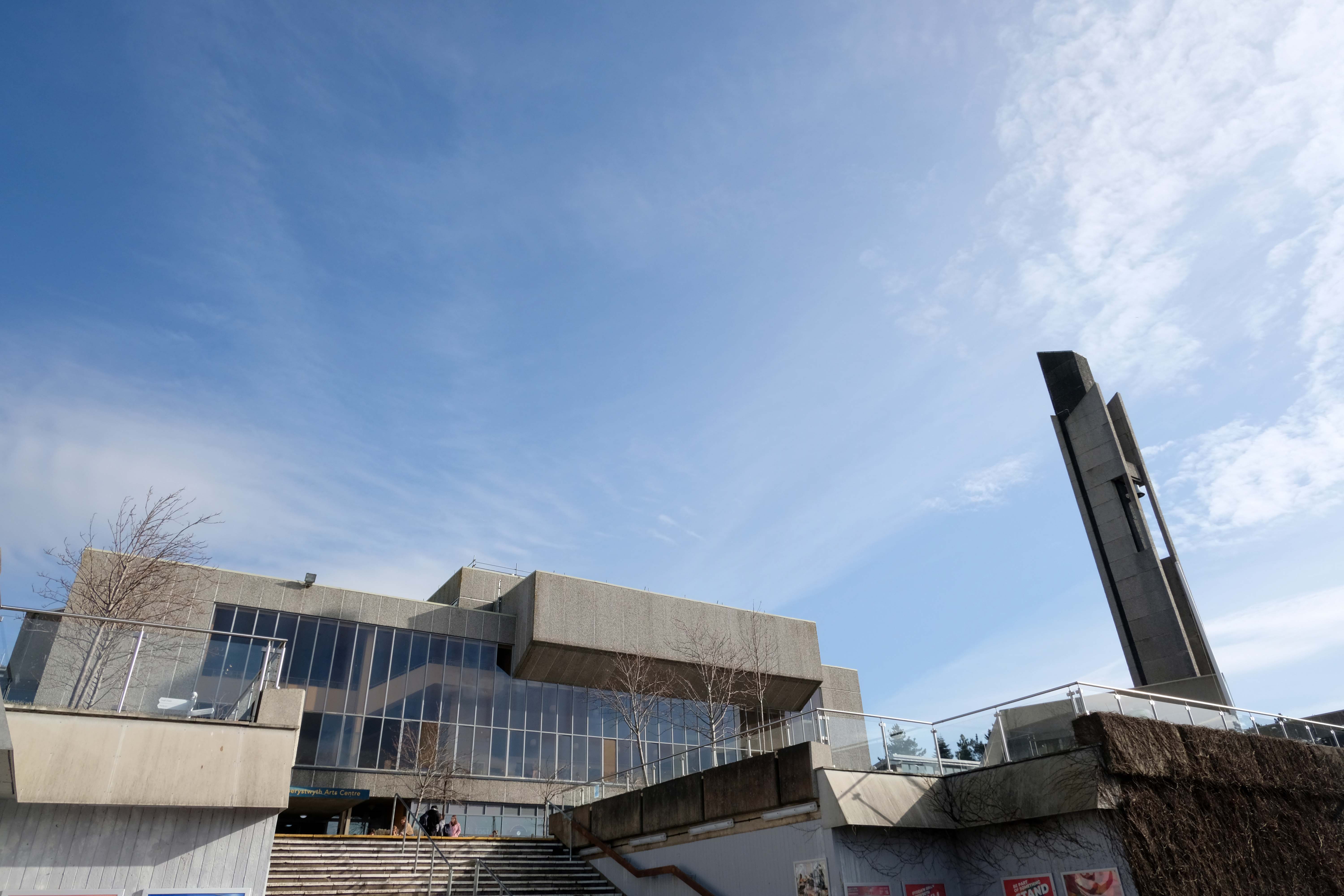
Aberystwyth Arts Centre is one of a number of campus buildings designed by Dale Owen of Percy Thomas Partnership, and completed in 1970-1972.
Built to a strongly horizontal design using grey granite aggregrate, the facade is essentially an overhanging rectangle framing of glass with an off-centre overhang. The position of the building providing unobstructed panoramic views over the main piazza style concourse and the sea beyond.
David began lecturing at Cardiff College of Art, later teaching and holding administrative posts at University College of Wales in Aberystwyth, retiring in 1988 as director of the department of visual art.
David Tinker was prominent in so many aspects of the visual arts in Wales throughout the second half of the 20th Century as a painter, sculptor, teacher, and stage designer.
Tinker is perhaps best known as one of three originators of the 56 Group with Eric Malthouse and Michael Edmonds, the new generation of young artists in Wales who were interested in modernism and keen to ally themselves to the international art world.
The 56 Group had no manifesto and for the most part they acted as an exhibiting co-operative; not all were abstract painters and their work was stylistically very different from one another, but all shared radical ideals. Their orderly revolt against the establishment was unique in the history of art in Wales.
They championed abstraction and allied themselves to European and American modernism, at a time when painters in Wales were being commended for recording the urban, rural and industrial face of Wales and its inhabitants.
As might be expected, the art establishment more readily accepted 56 Group avant garde works, and those artists who had been achieving some success as painters of the contemporary scene suddenly found themselves side-stepped, and labelled parochial.
The period 1966-1974 saw in his paintings a move toward hard-edged abstraction in which Tinker employed geometry-based structures, simple arithmetical problems, colour mixed from a restricted palette, and gentle tonal gradation.
More than once, though that’s no reason not to do so again – so I did.
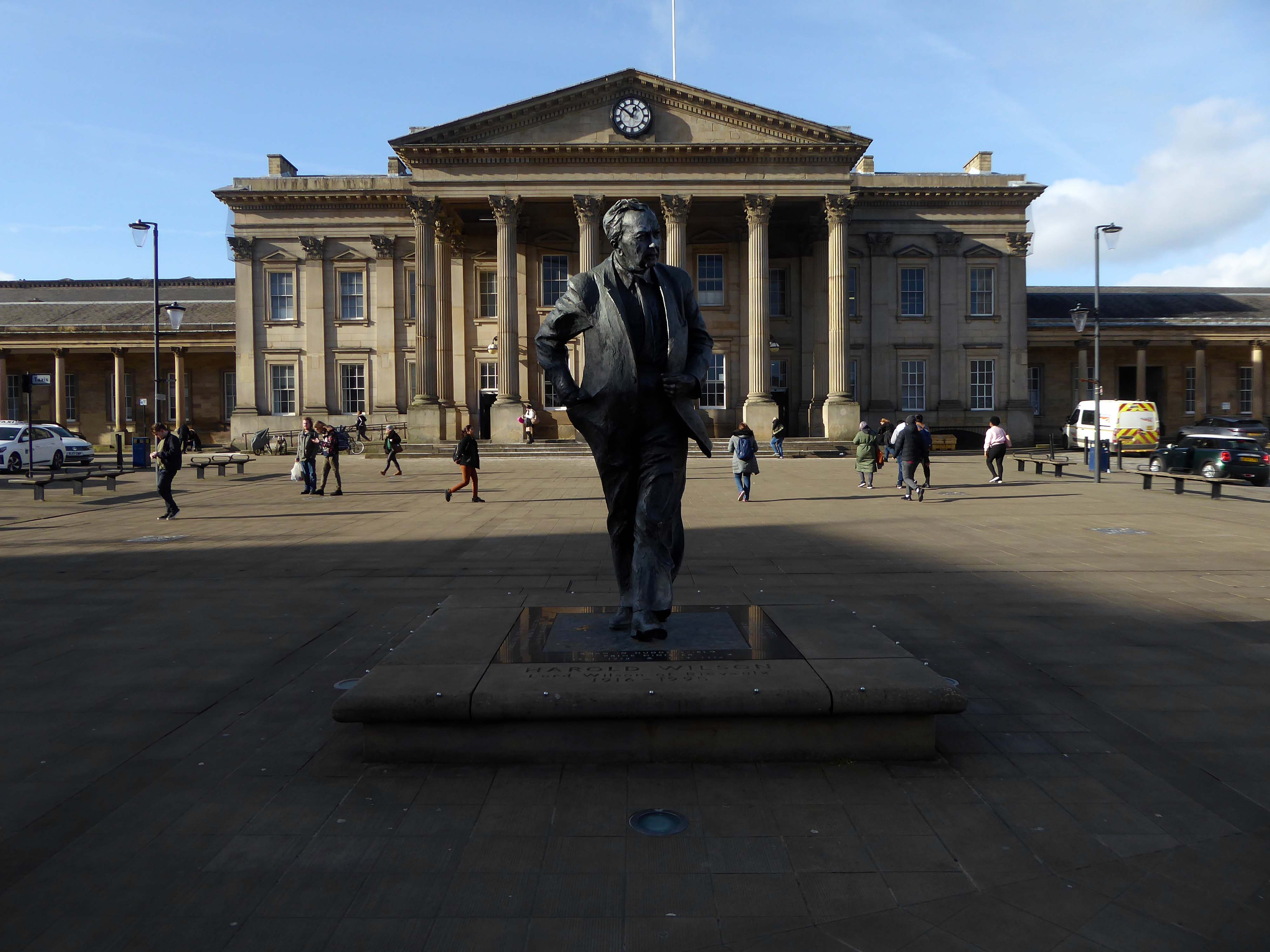
Saying hello to Harold.
Harold saying hello to us:
Nostalgia won’t pay the bills; the world doesn’t owe us a living; and we must harness the scientific revolution to win in the years to come. This scientific revolution is making it physically possible, for the first time in human history, to conquer poverty and disease, to move towards universal literacy, and to achieve for the whole people better living standards than those enjoyed by tiny privileged classes in previous epochs.
He warned change would have to reach every corner of the country; The Britain that is going to be formed in the white heat of this revolution will be no place for the restrictive practices or for outdated methods on either side of industry.
Standing sentinel over one of Nikolaus Pevsner and John Betjeman’s favourite railway station front elevations.
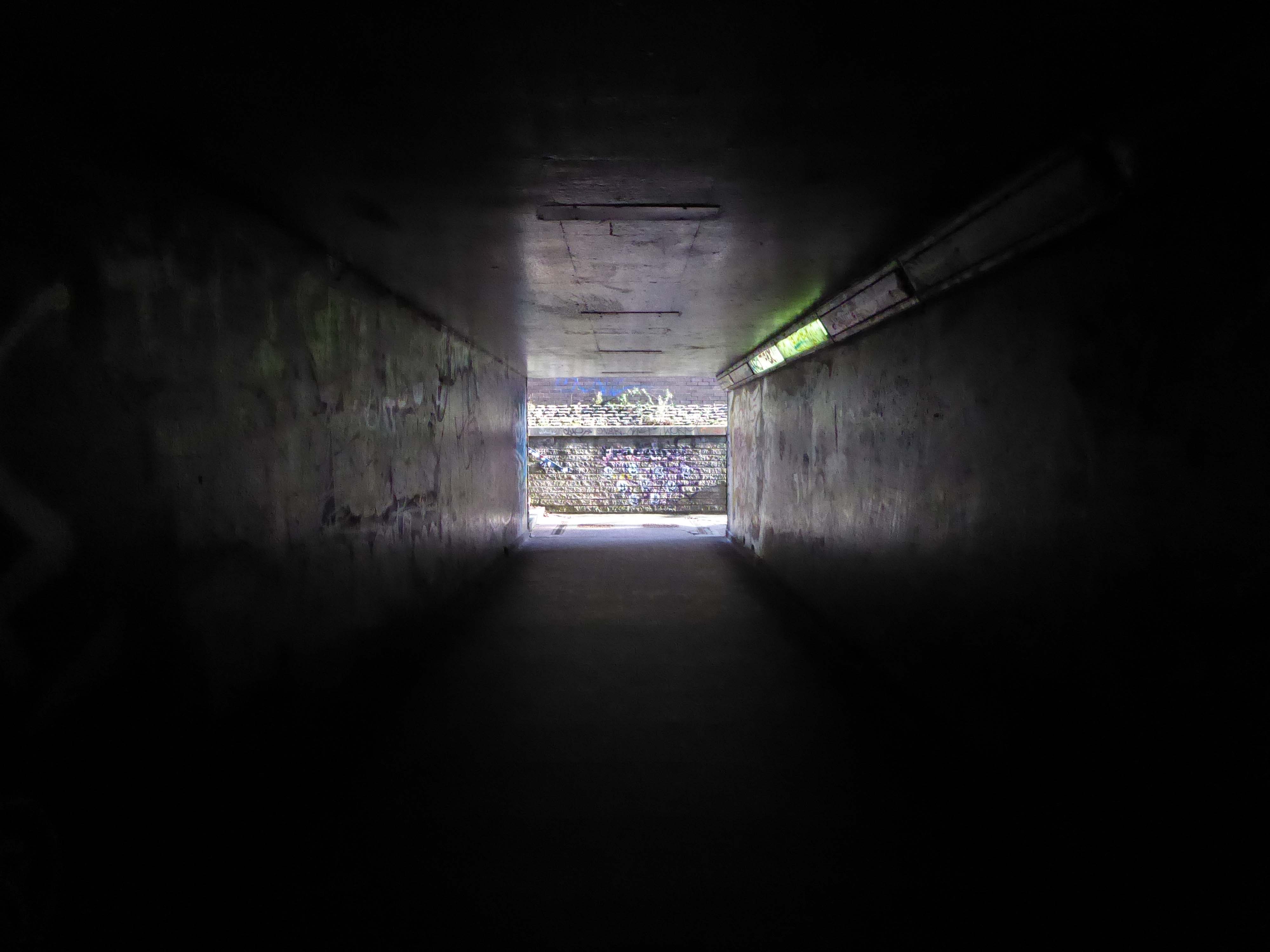
Through a passage darkly.
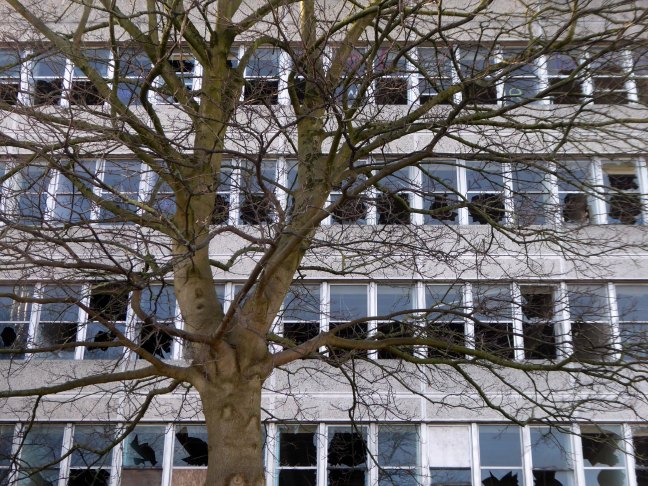
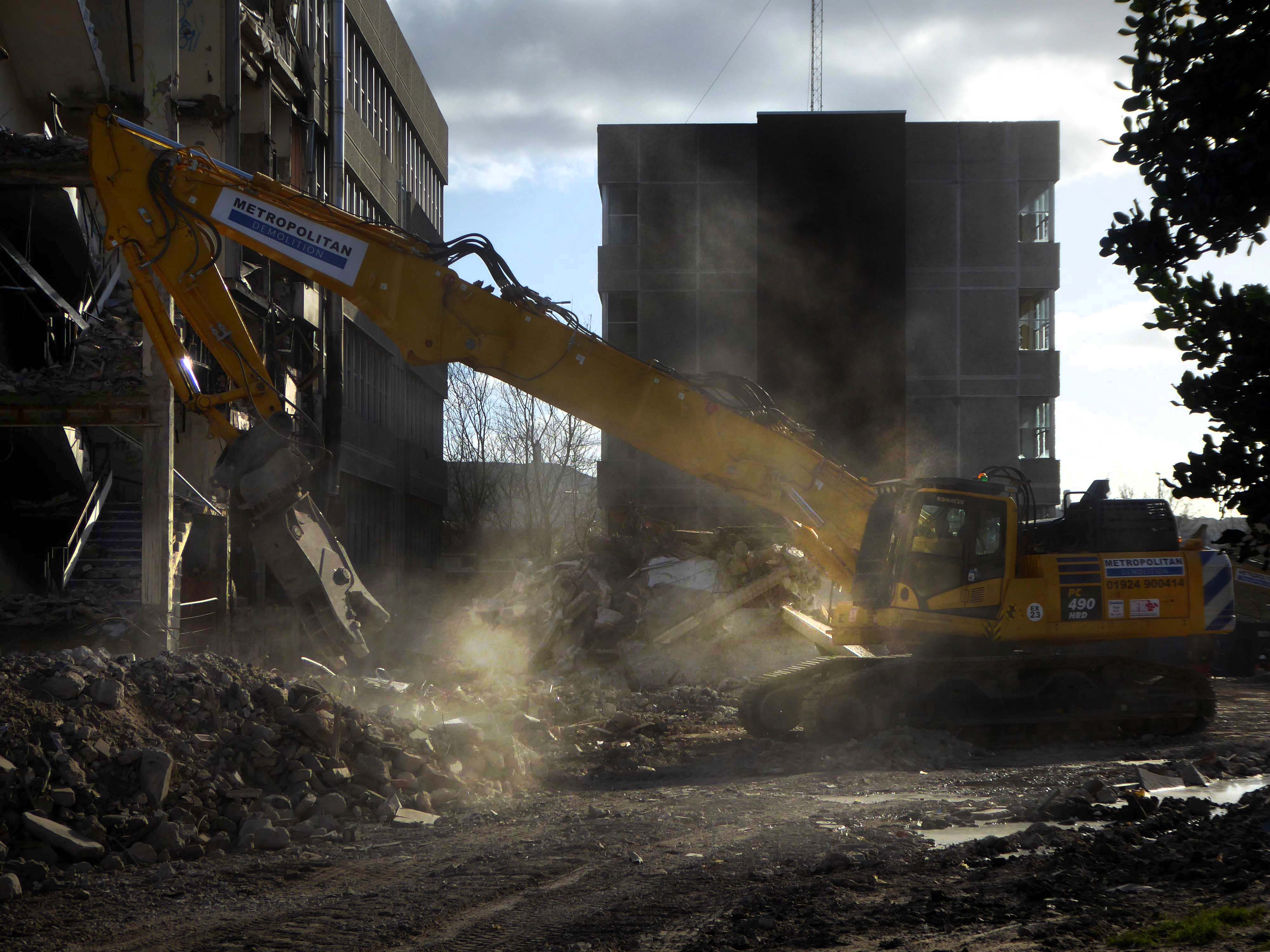
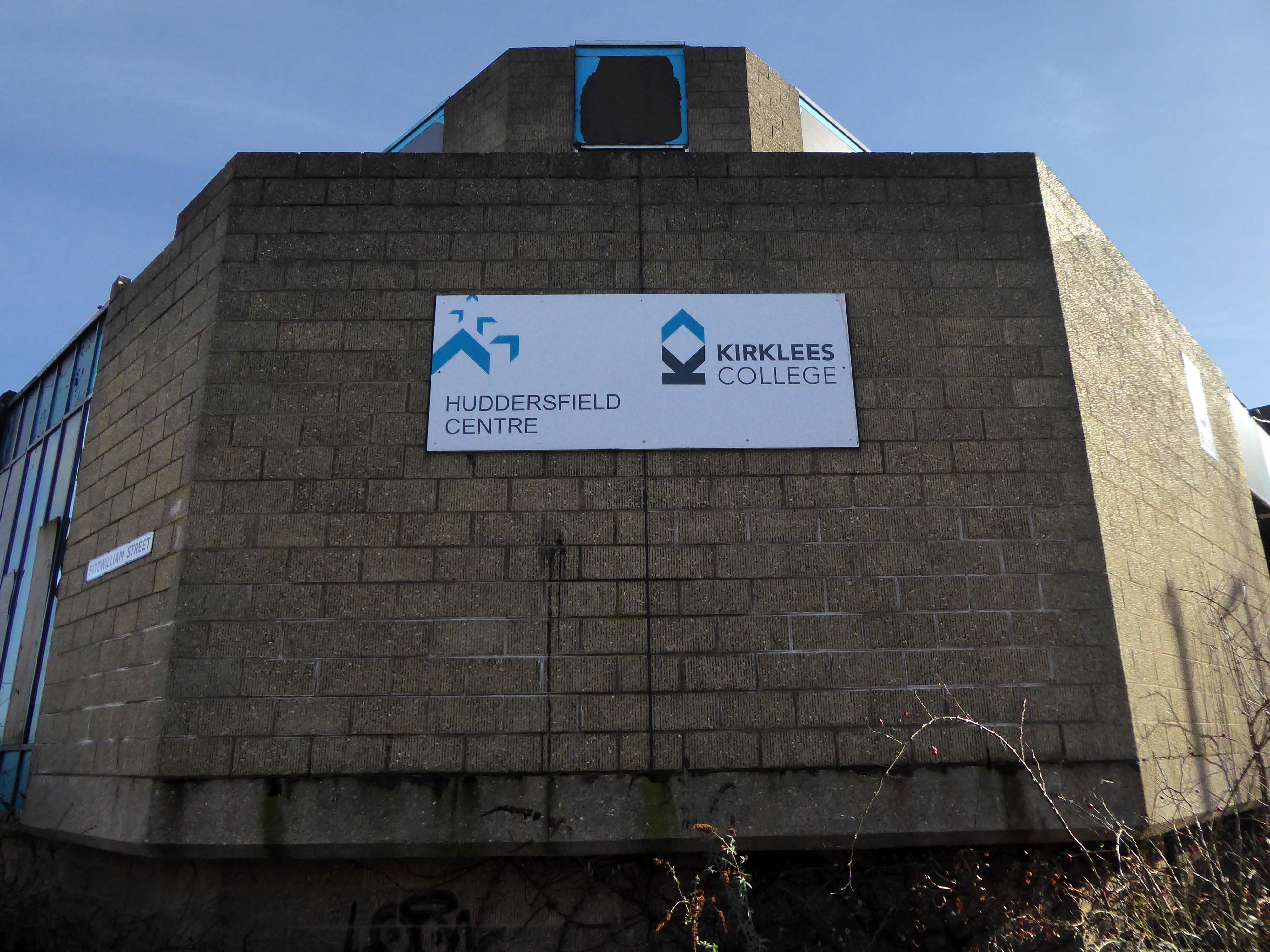
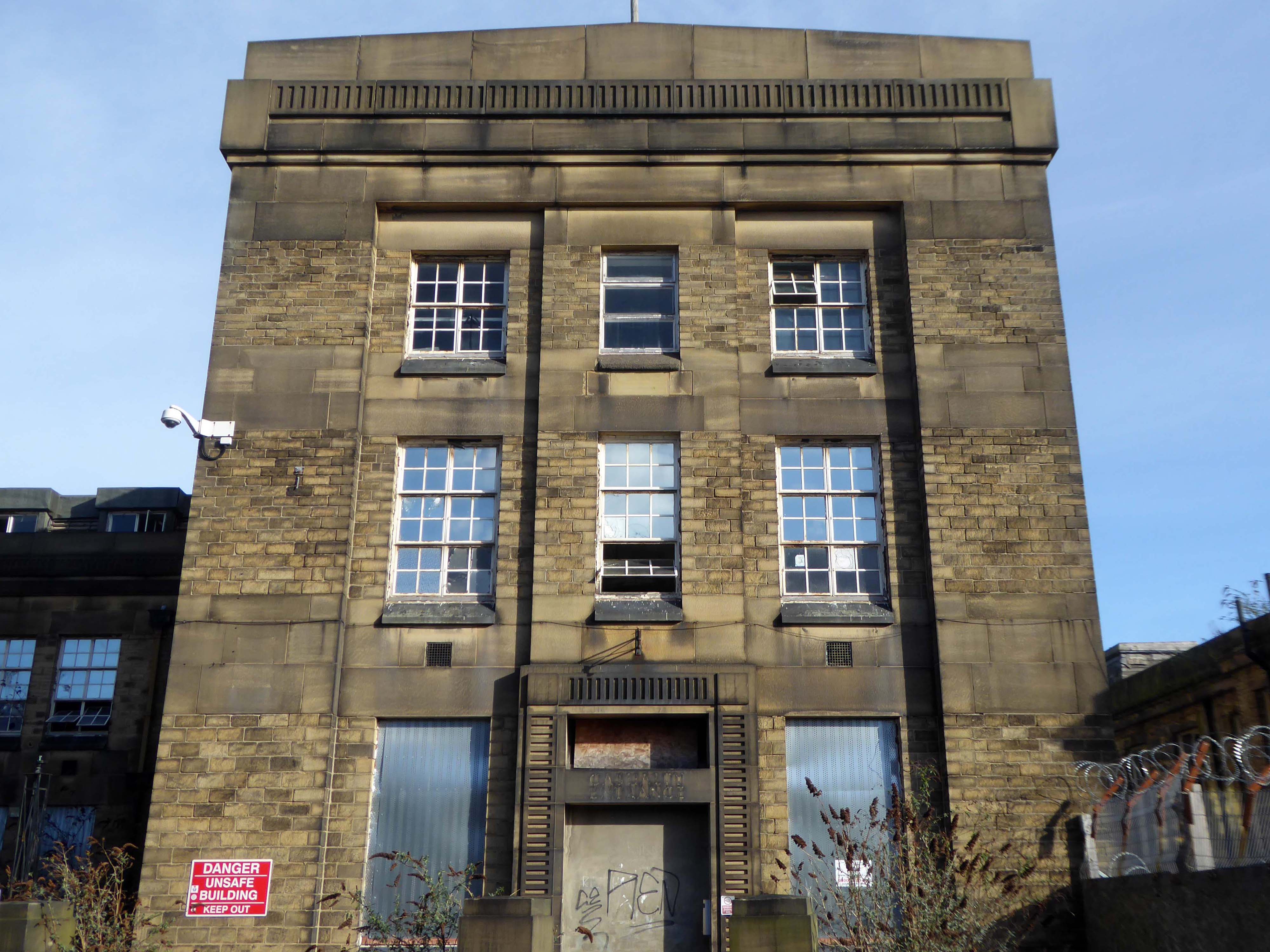
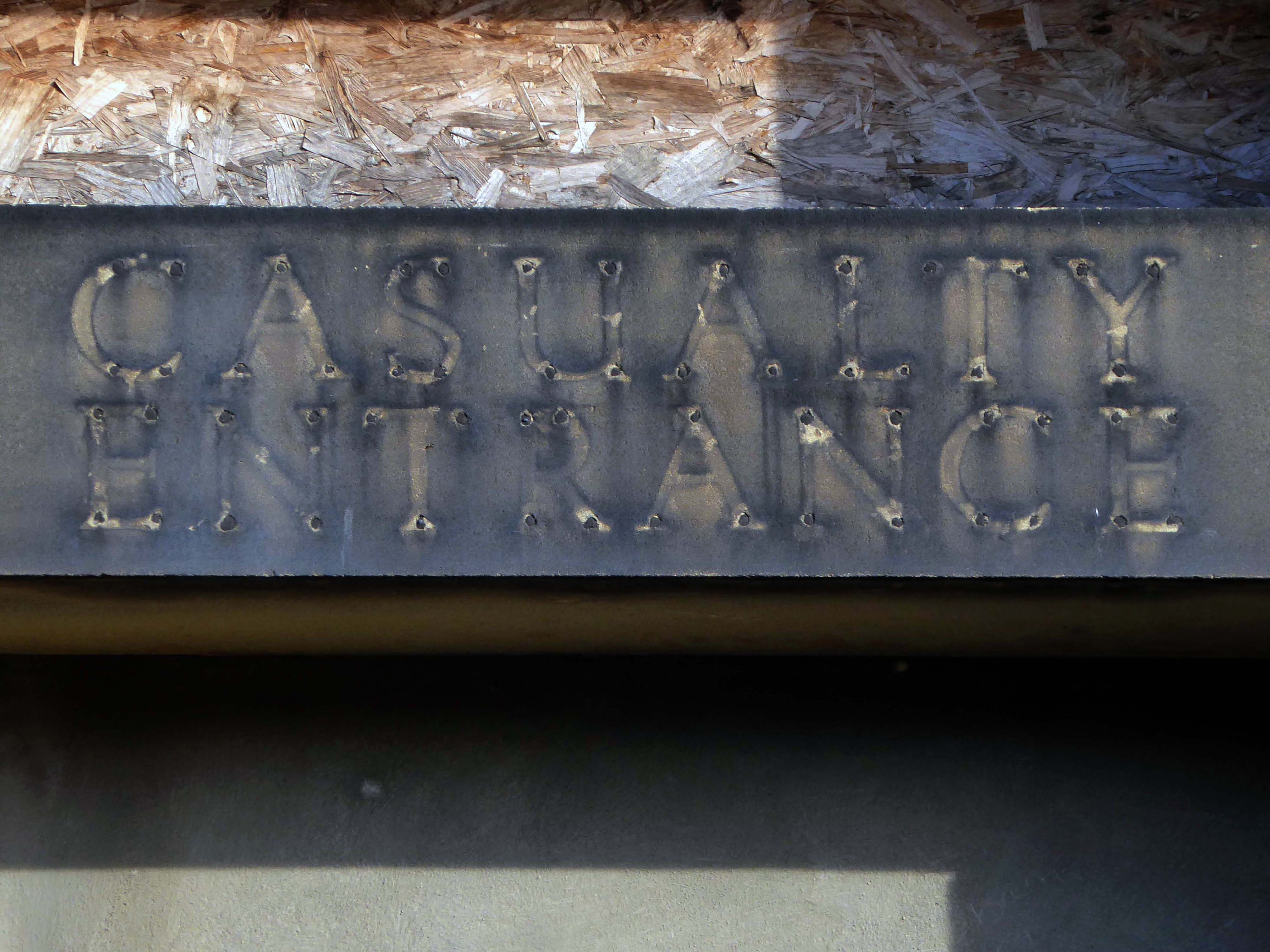
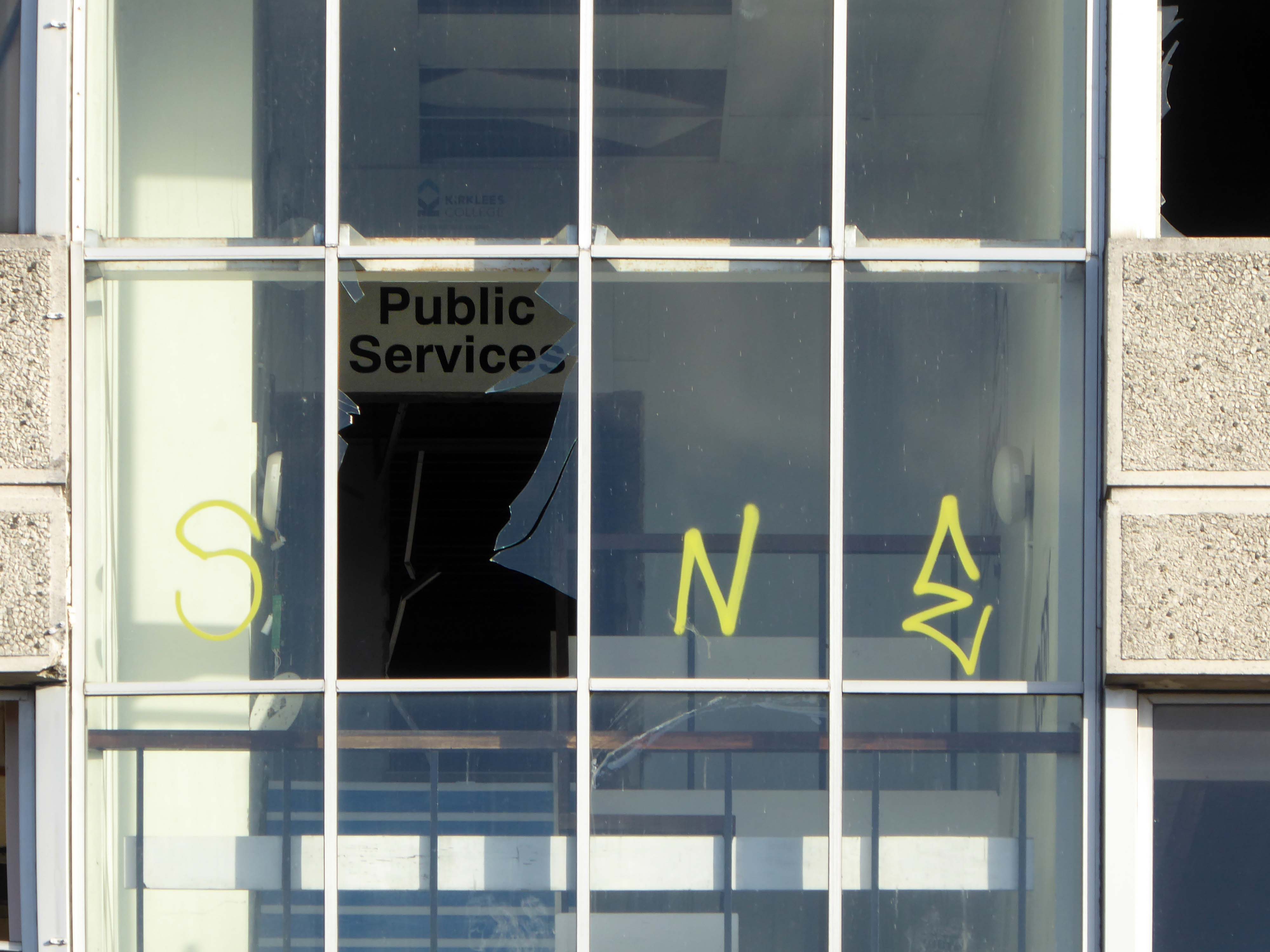
Emerging into the light of day and the demolition of the Kirklees College 1969-72 by Borough Architect Charles Edmund Aspinall.
My thanks to the Metropolitan team who invited me in beyond the barriers.
We provide safe and efficient demolition services across a broad range of projects, from the small domestic dwelling to large scale industrial units – we offer the complete solution. With excellent communication and impeccable health and safety standards, we can project manage the decommissioning a structure on time and on budget.
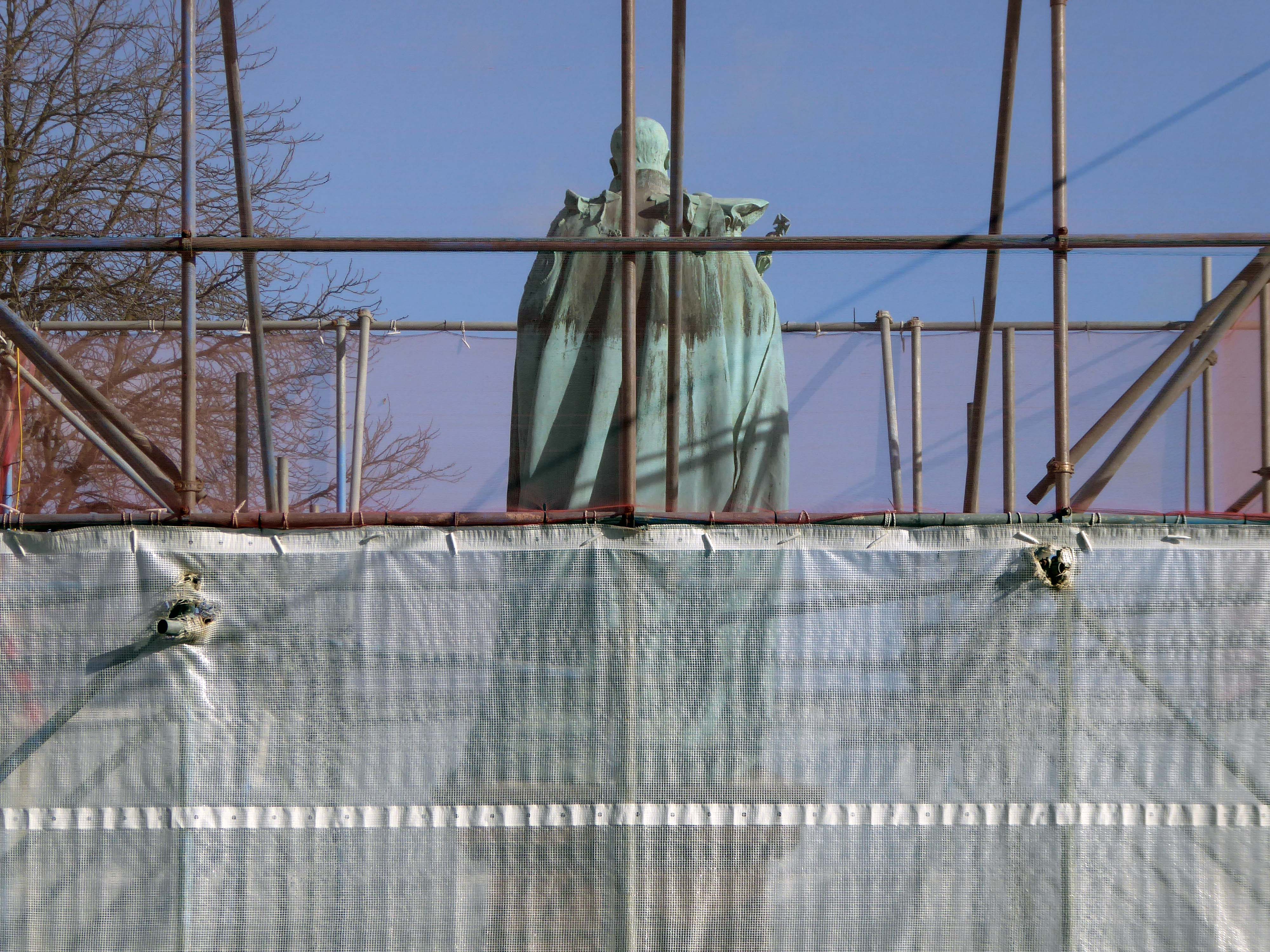
Edward VII is under wraps.
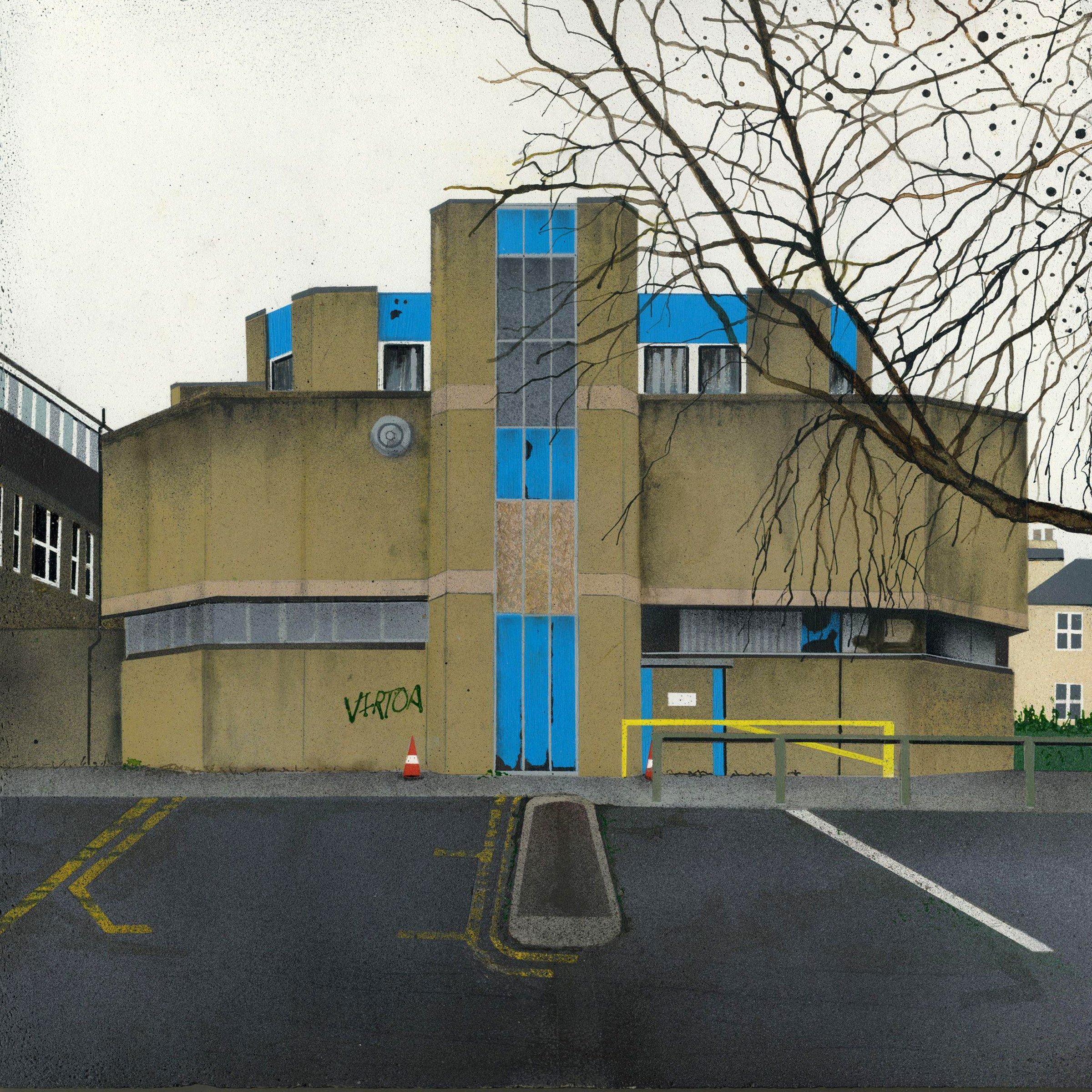
Everything else is up for smash and grab – including the later concrete block immortalised by Mandy Payne.
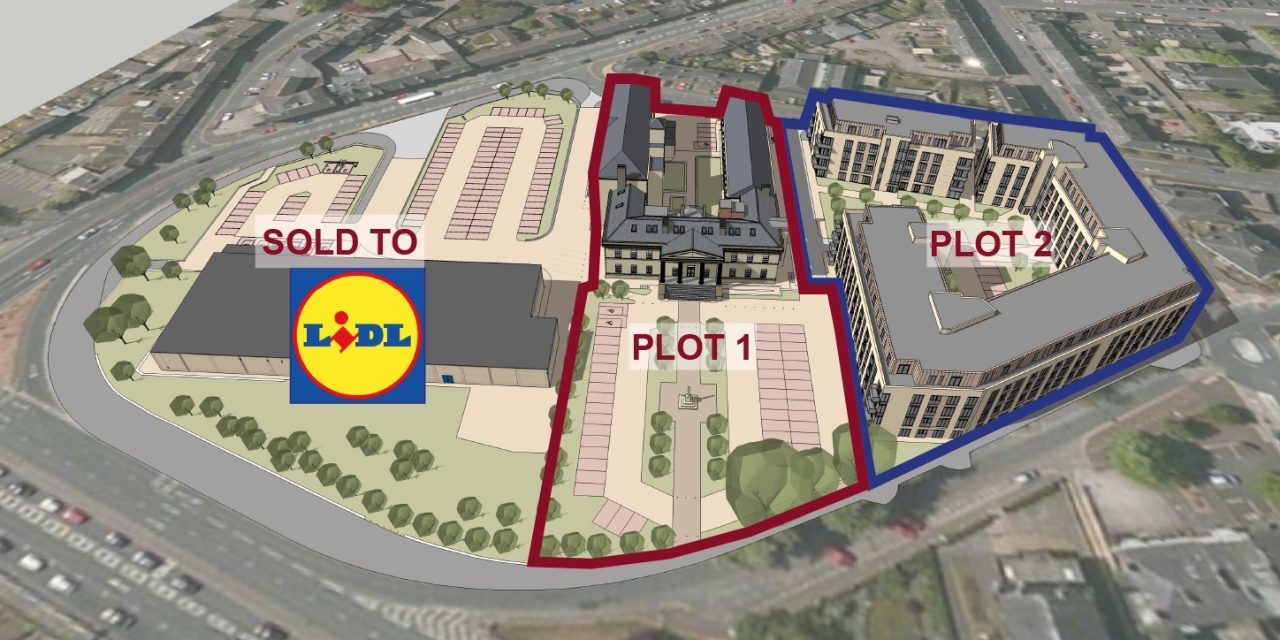
LIDL is coming – and some homes
The final details have now been signed off by the council and work on the six-acre site – which includes the Grade II-listed original Huddersfield Royal Infirmary – can now begin.
The vandal-hit and fire-damaged late 1960s and early 1970s college buildings are to be demolished and Lidl will build a new supermarket with a 127-space car park. The store will eventually replace the store on Castlegate.
The former hospital will be retained and the site will see 229 apartments and an office complex. The apartments are expected to be for older or retired people.
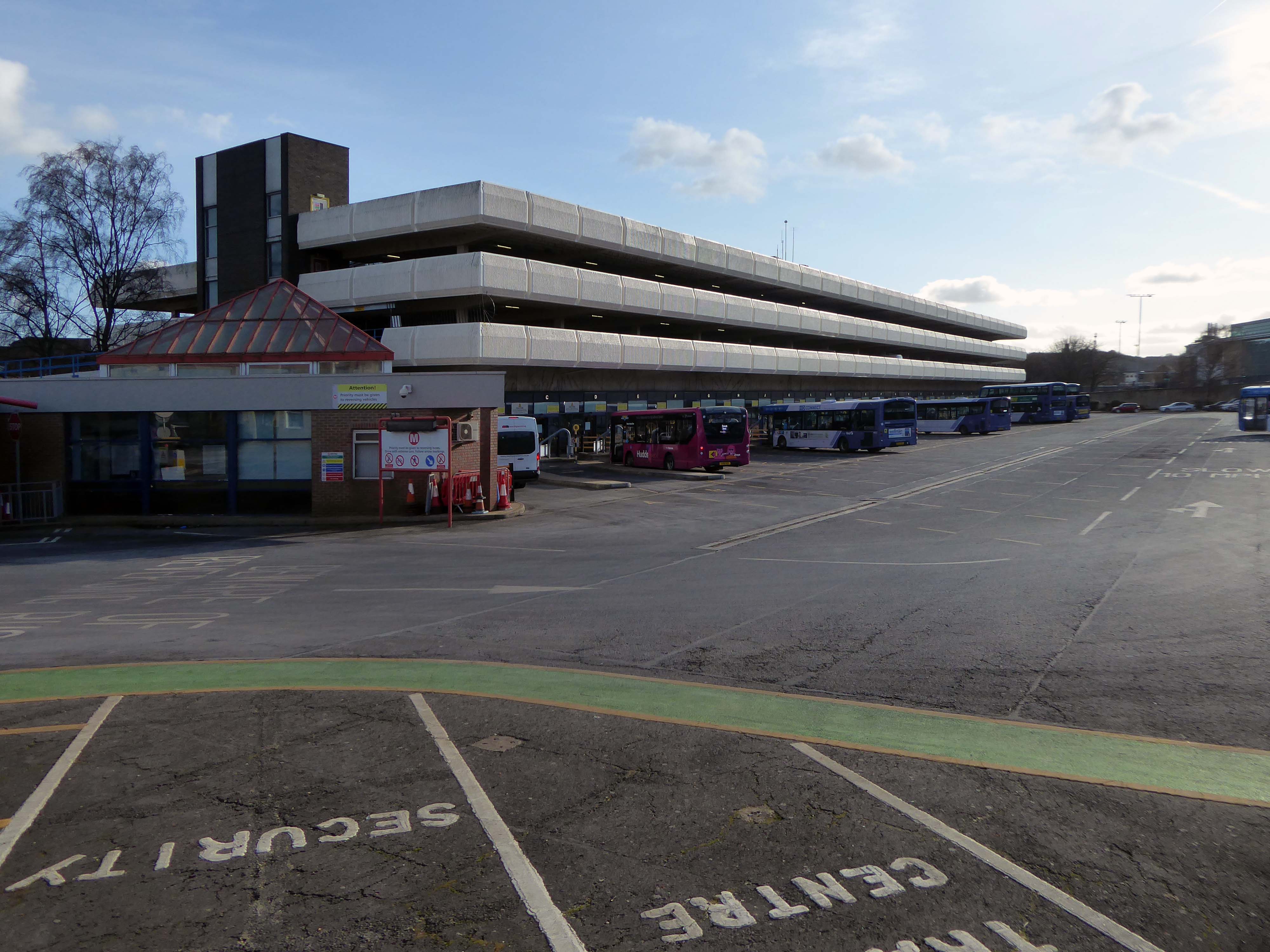
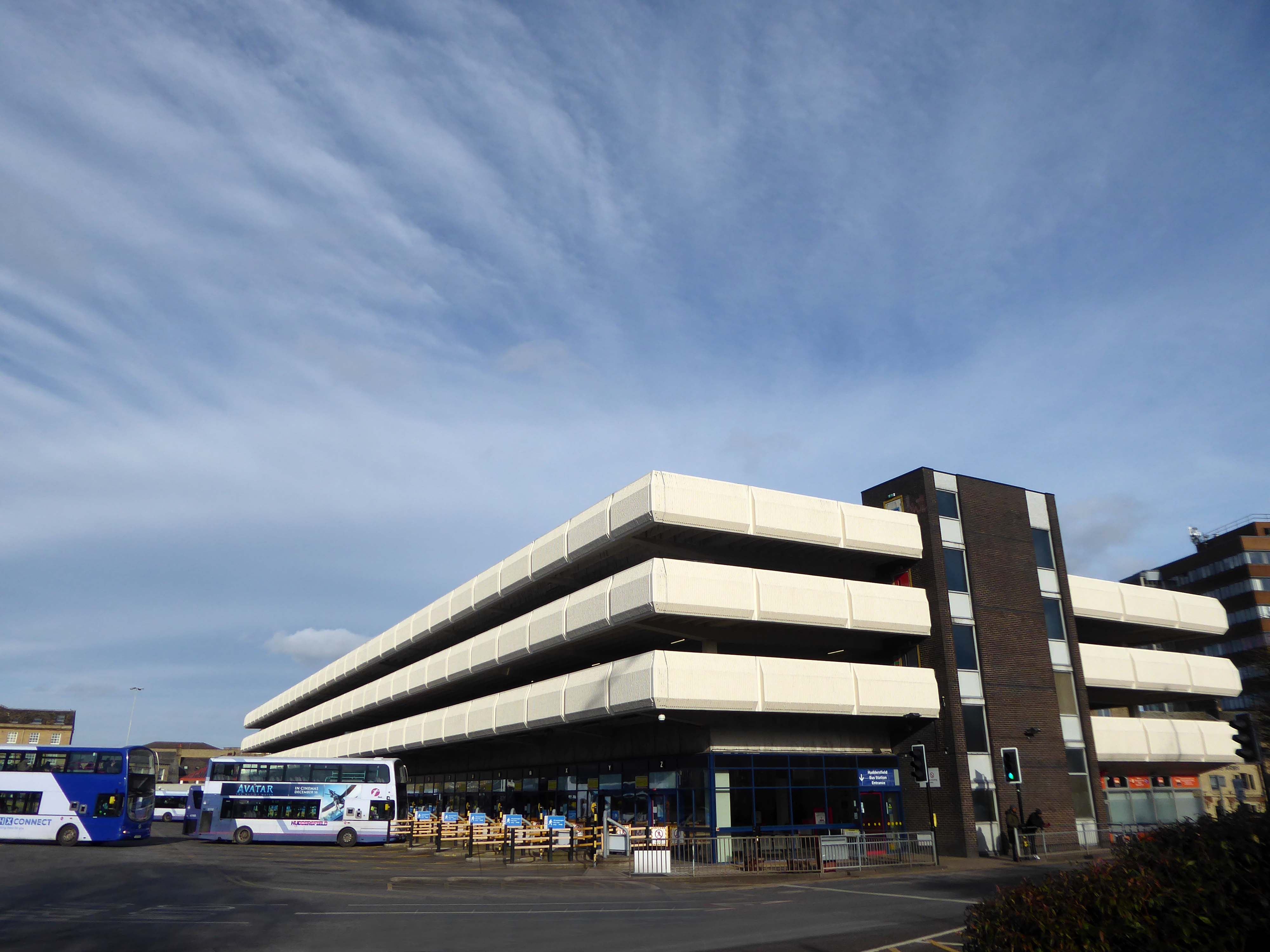
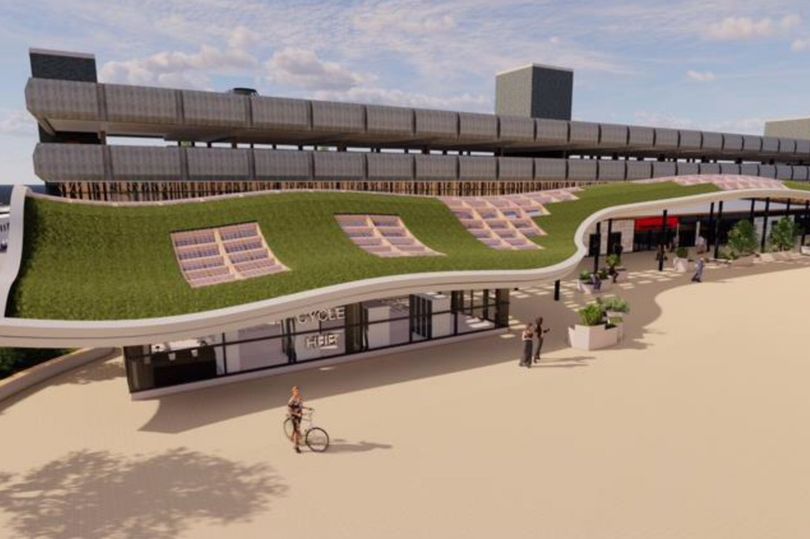
Huddersfield’s £20M game-changing bus station is set to be completed by the end of 2025 with a living grass roof, sixty bike cycle hub, upgraded shops and new facilities
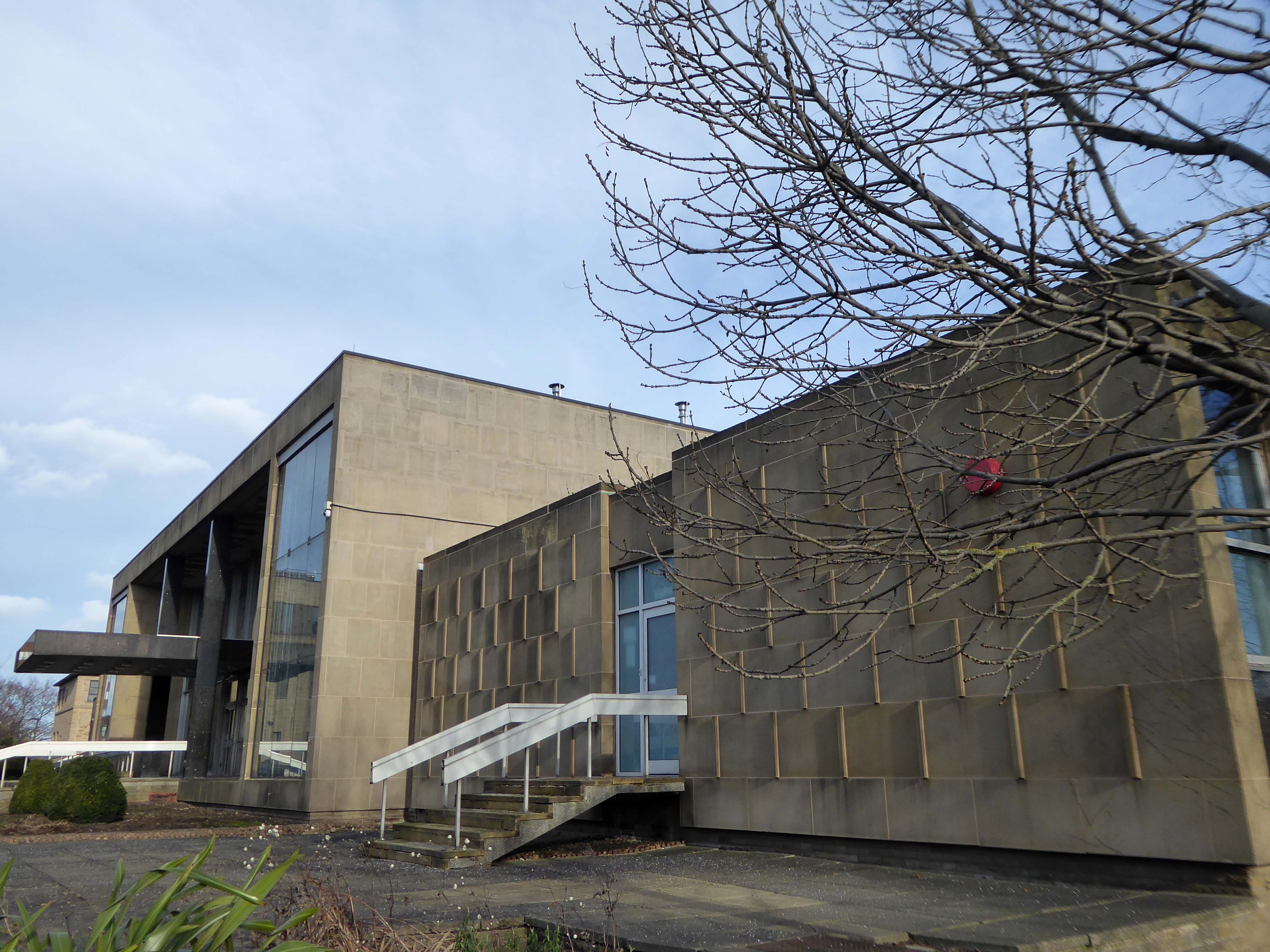
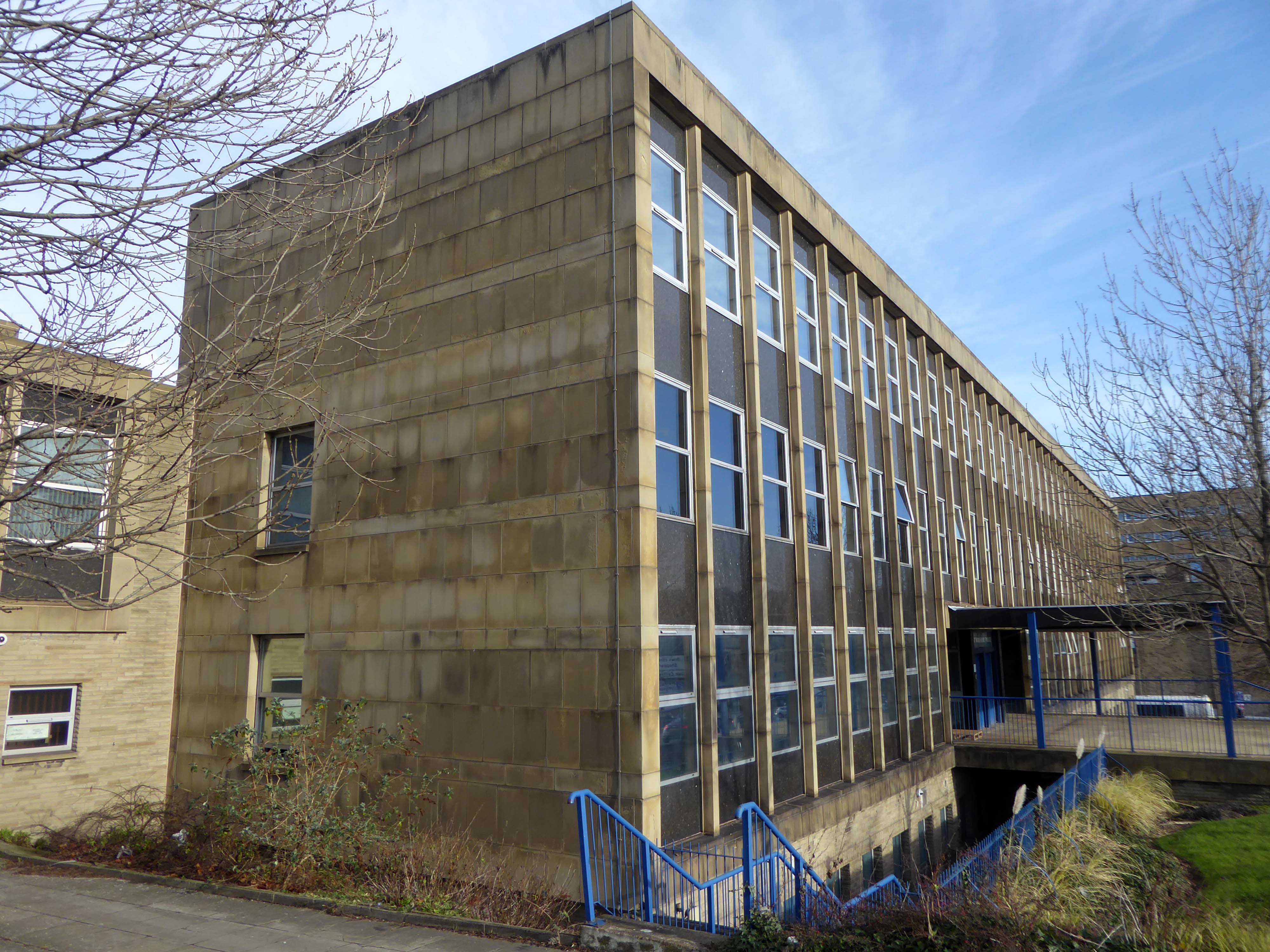
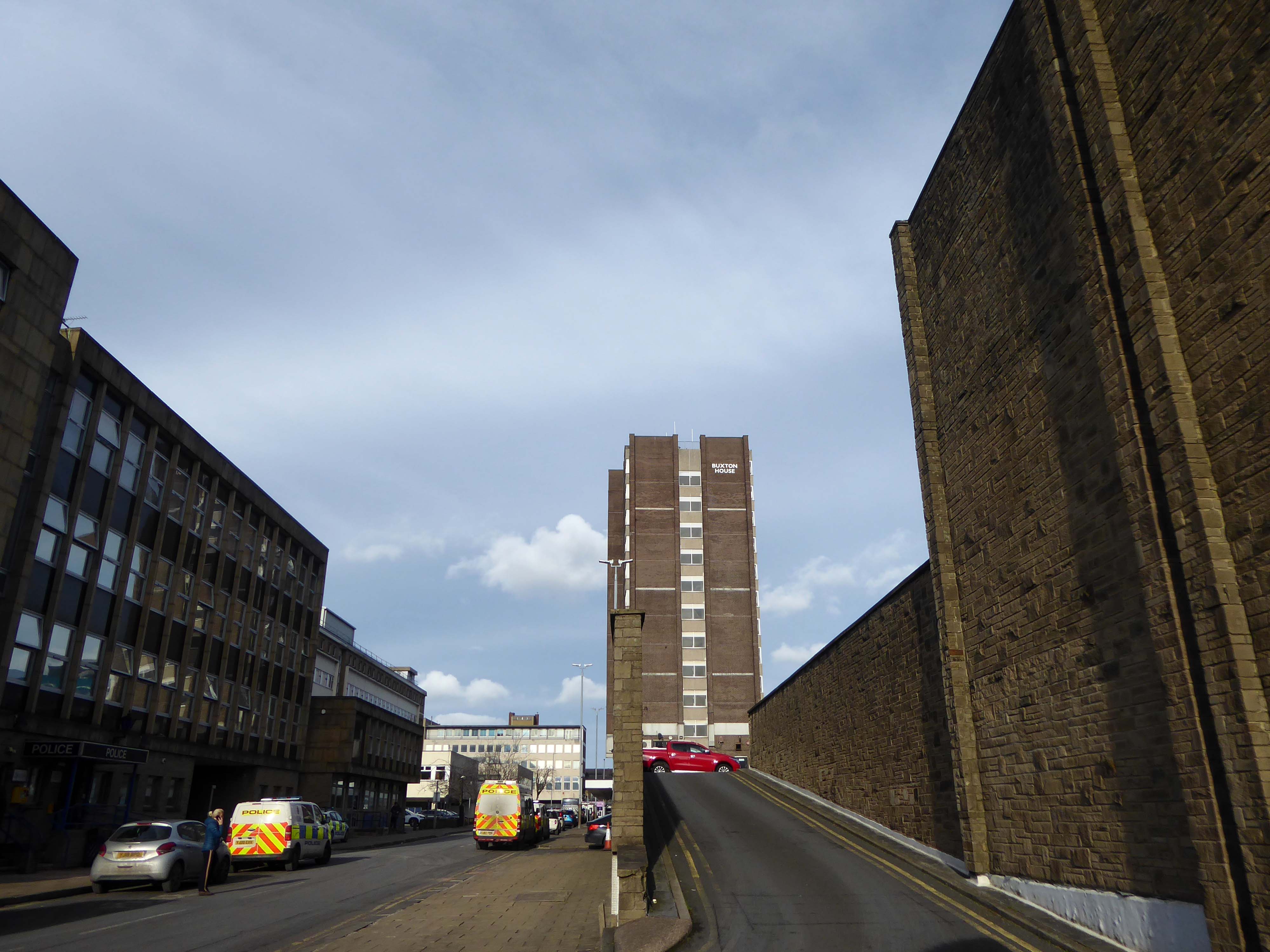
Crossing the road to the Civic Centre and the perennially empty piazza which along with the Magistrates Courts and Police Station was the work of the Borough Architects team – led by Charles Edmund Aspinall.
Walking excitedly toward the Exsilite panels set in the stone faced columns – a brand name for a synthetic, moulded, artificial marble.
Magistrates Courts
Police Station
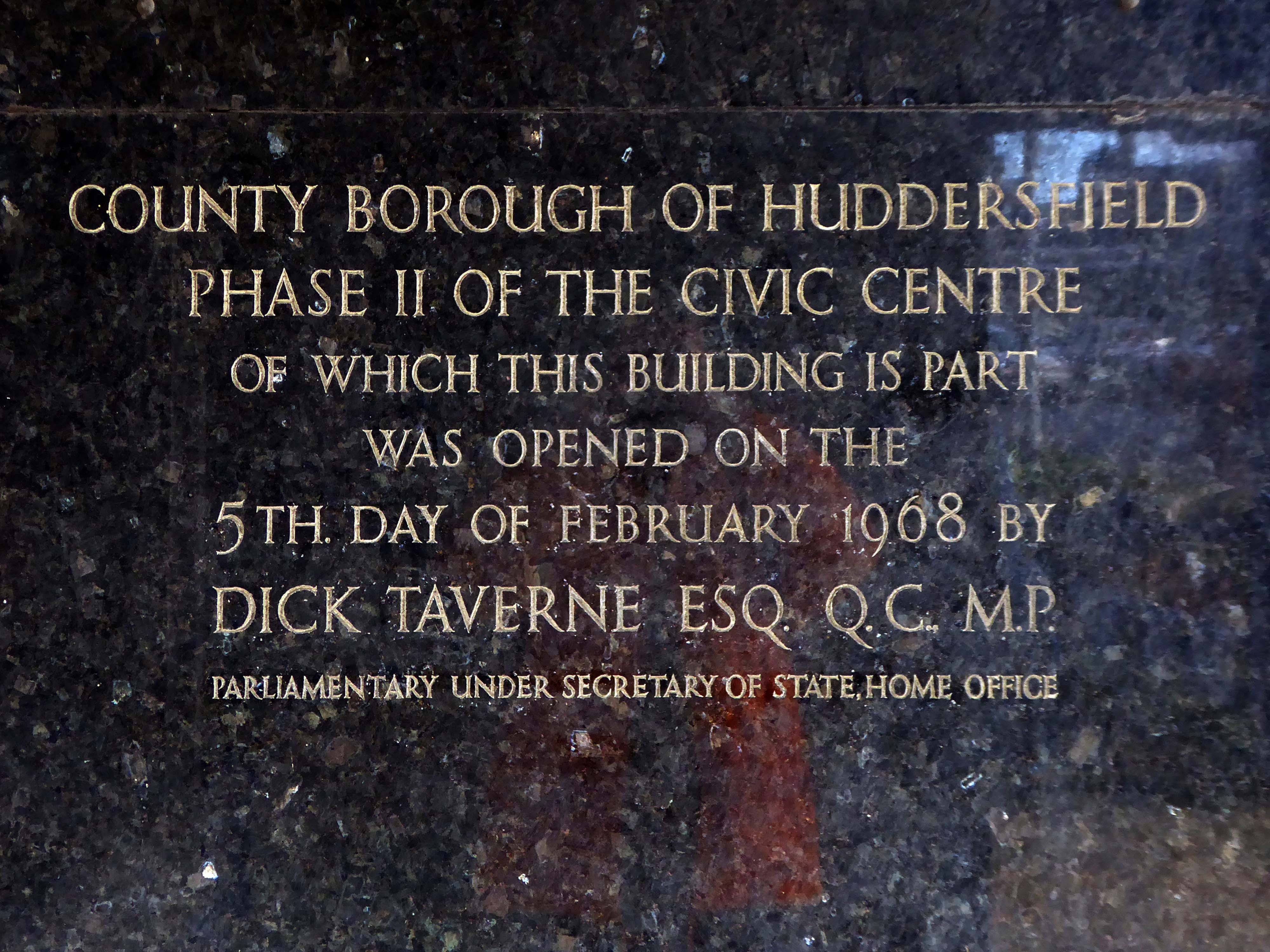
Dick Taverne served under Harold Wilson’s premiership in the 1960s, he served as a Home Office Minister from 1966 to 1968, Minister of State at the Treasury from 1968 to 1969 and then as Financial Secretary to the Treasury from 1969 to 1970.
In 1970, he helped to launch the Institute for Fiscal Studies, now an influential independent think tank and was the first Director, later chairman.
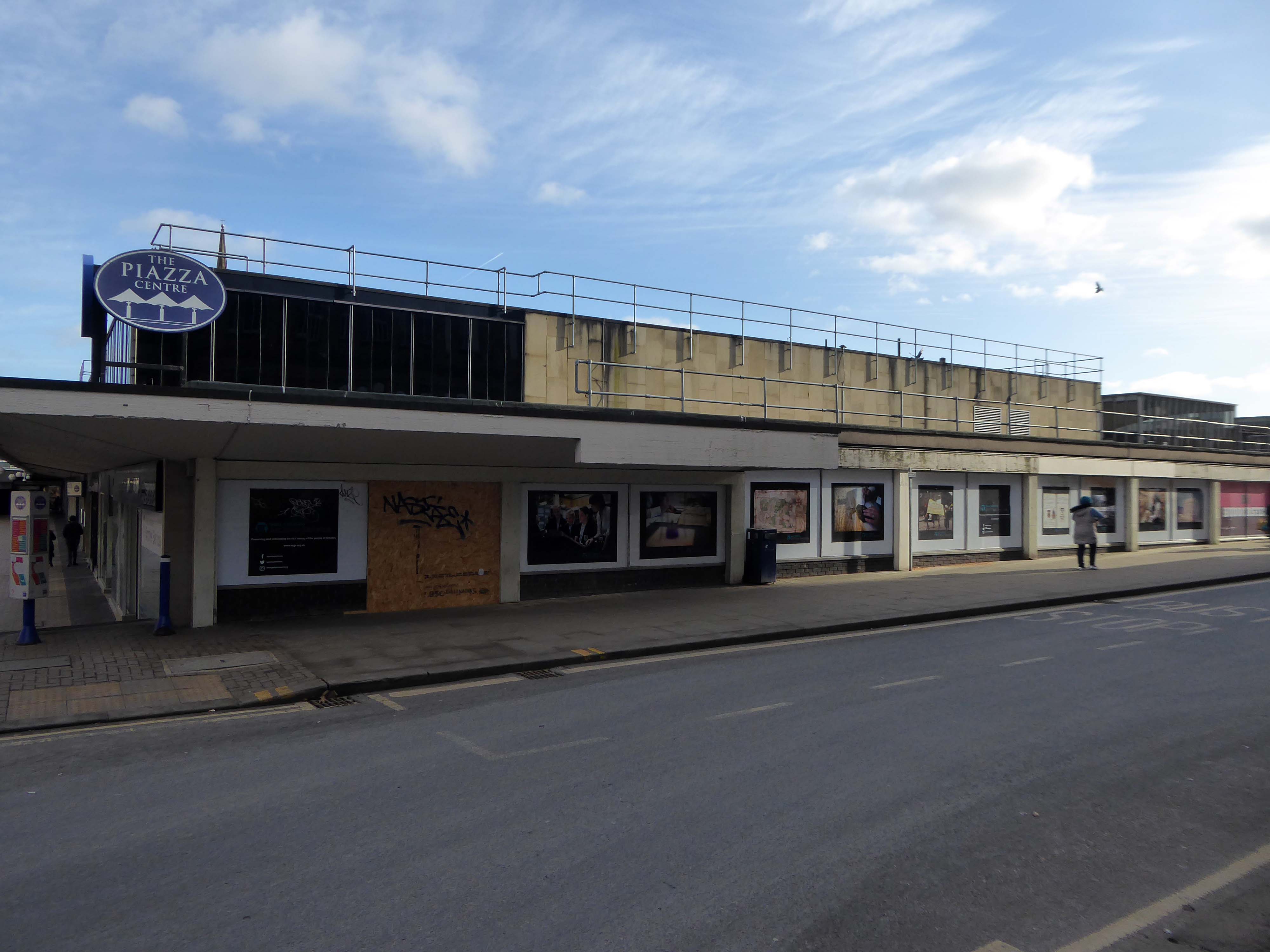
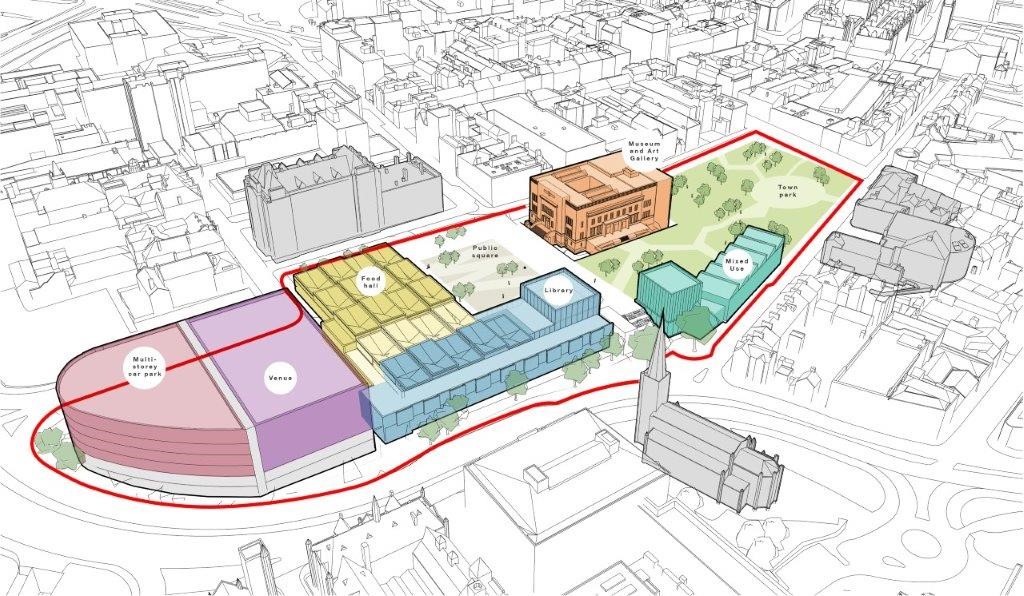
The vision is to create an inclusive space where families, residents and visitors can enjoy a vibrant mix of music, arts, food and more in one central area, overlooking a stunning new urban park.
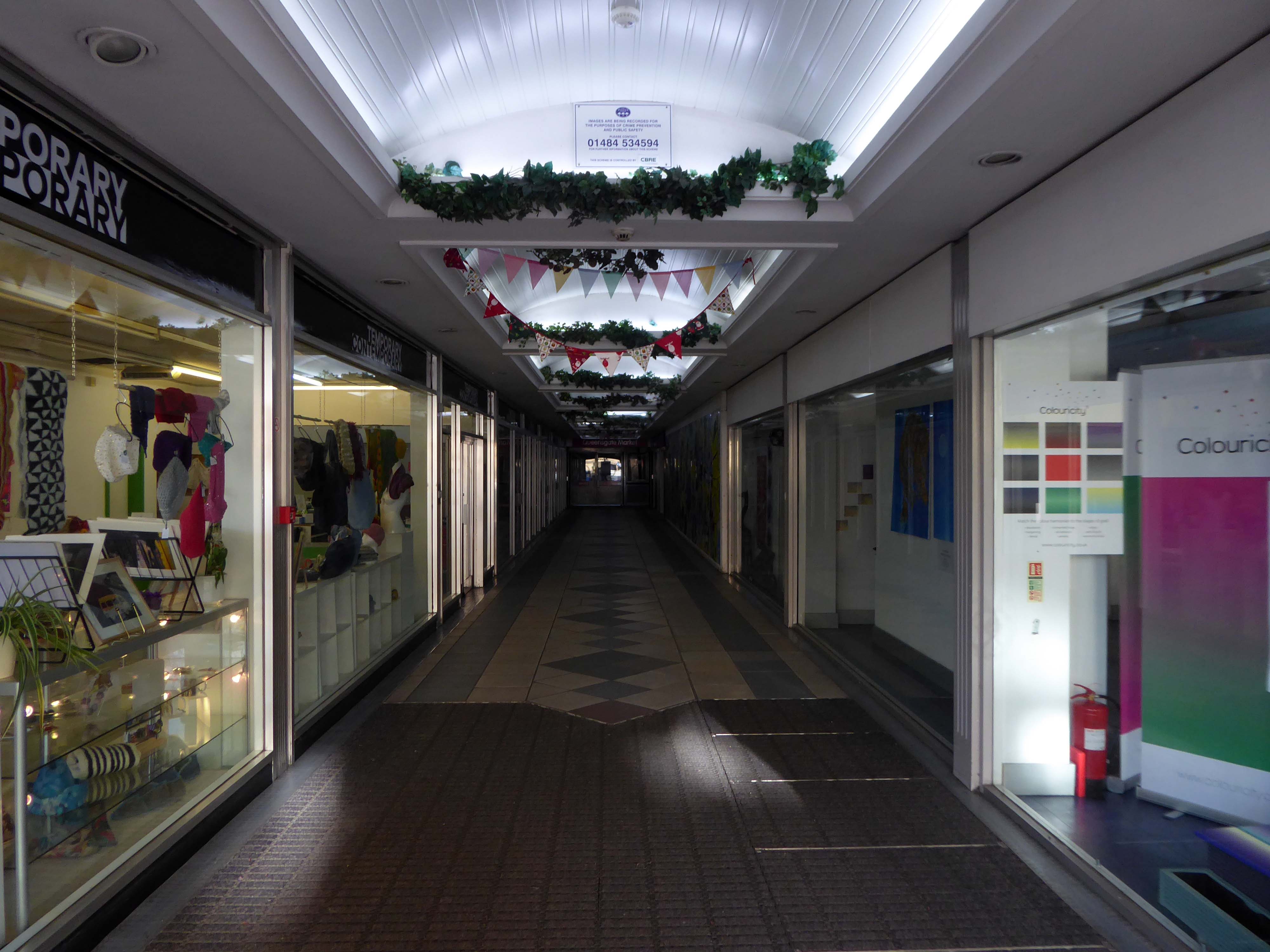
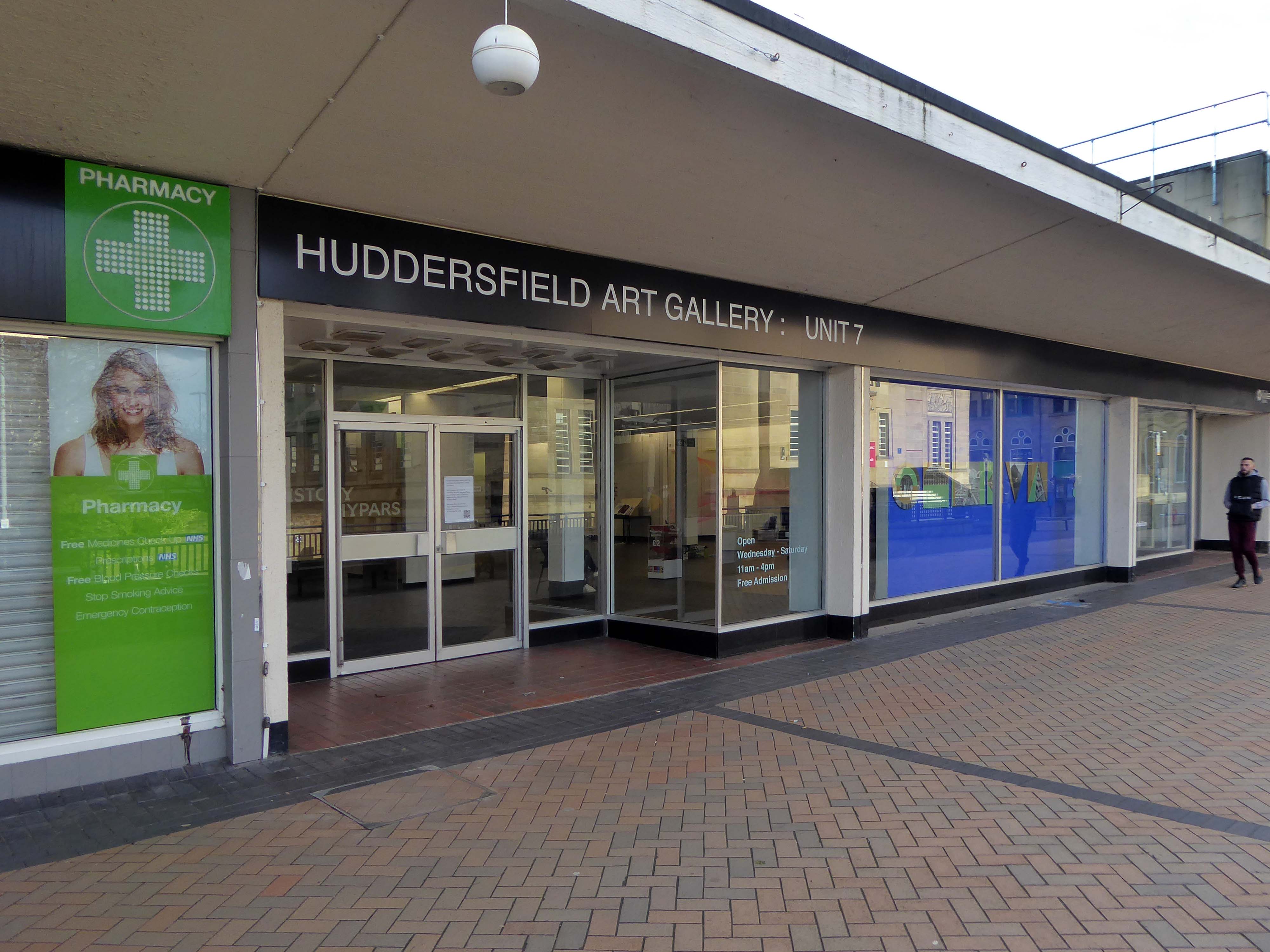
The council plans to demolish the Piazza Centre and create a new events/live music venue, a food hall, a museum and art gallery, a new library and a new multi-storey car park, all centred around a new Town Park.
Named after one of the Twentieth Century’s finest artists, the space nurtures a new and inspired generation of designers. Through visual and physical connection, the environment encourages students to work together, stimulating communication and ingenuity, the ingredients of successful collaboration.
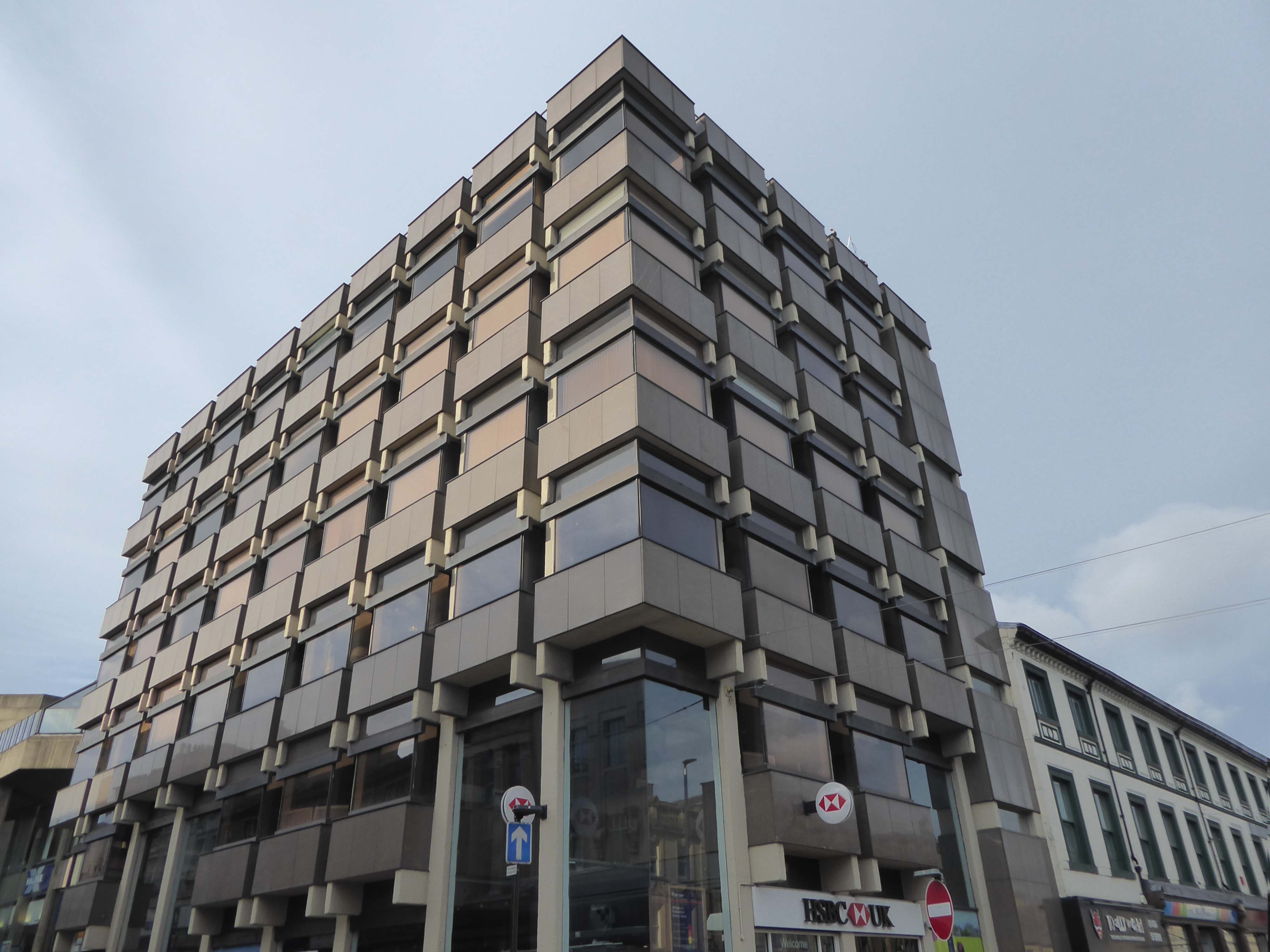
Take that to the bank/s
Keep savin’, keep buildin’ That interest for our love Take that to the bank Keep savin’, keep buildin’ That interest for our love Take that to the bank
HSBC was designed by Peter Womersley, who also designed the thoroughly modern private house, Farnley Hey, near Castle Hill, which won the RIBA Bronze Medal in 1958.
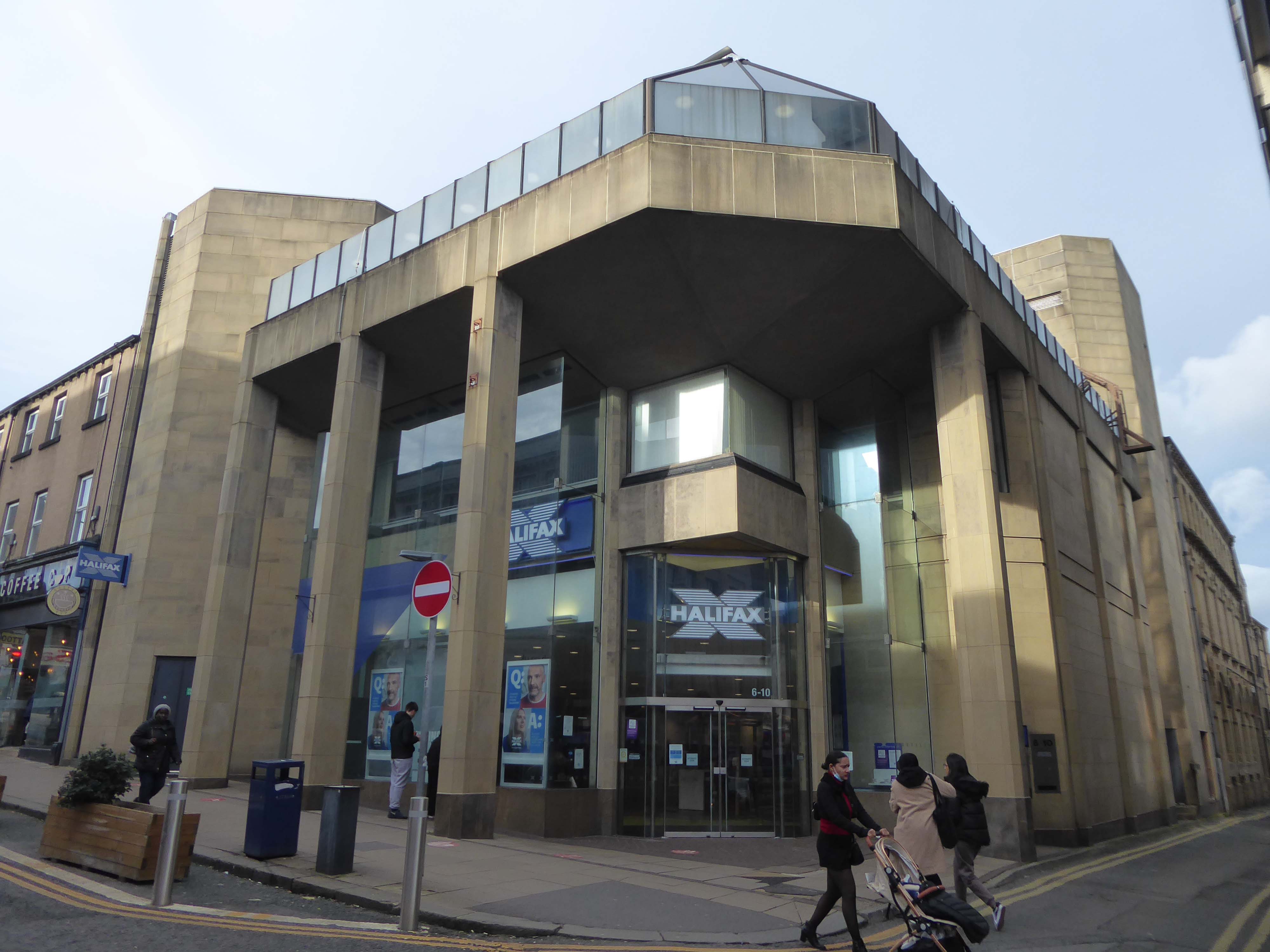
Halifax Building Society
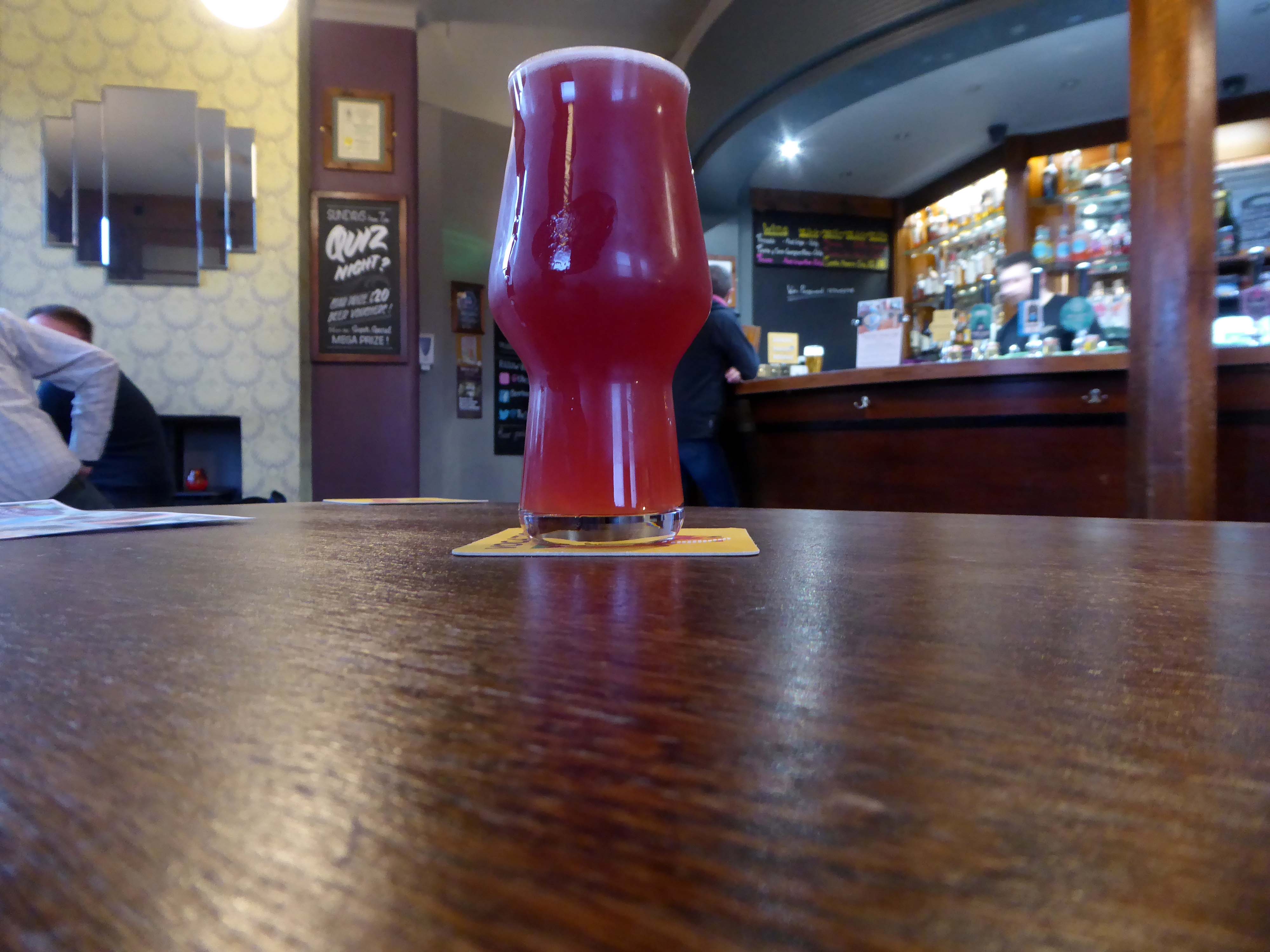
Having walked around town for more hours than enough I sought respite in The Sportsman and a glass of Squawk multi-berry fruited sour
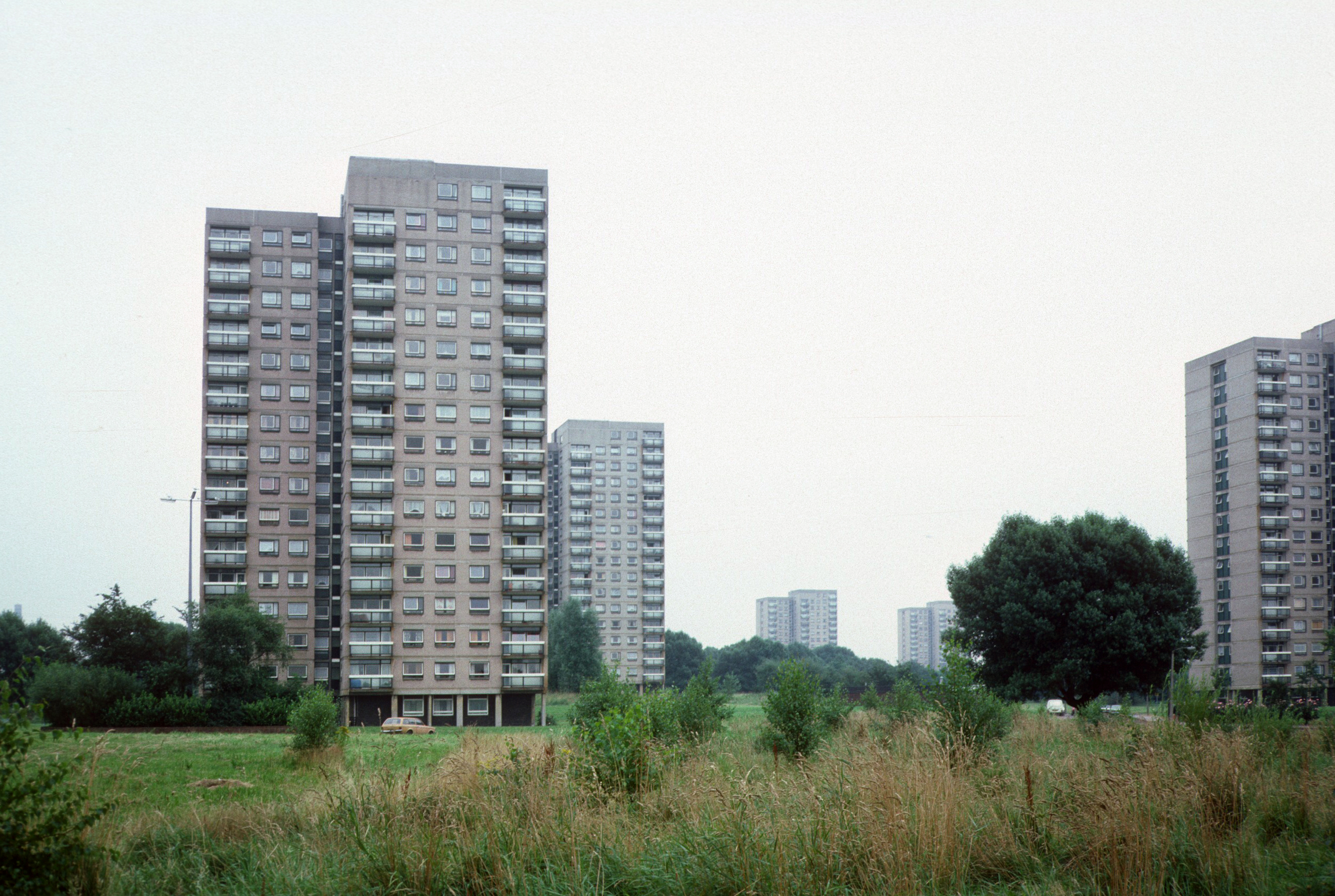
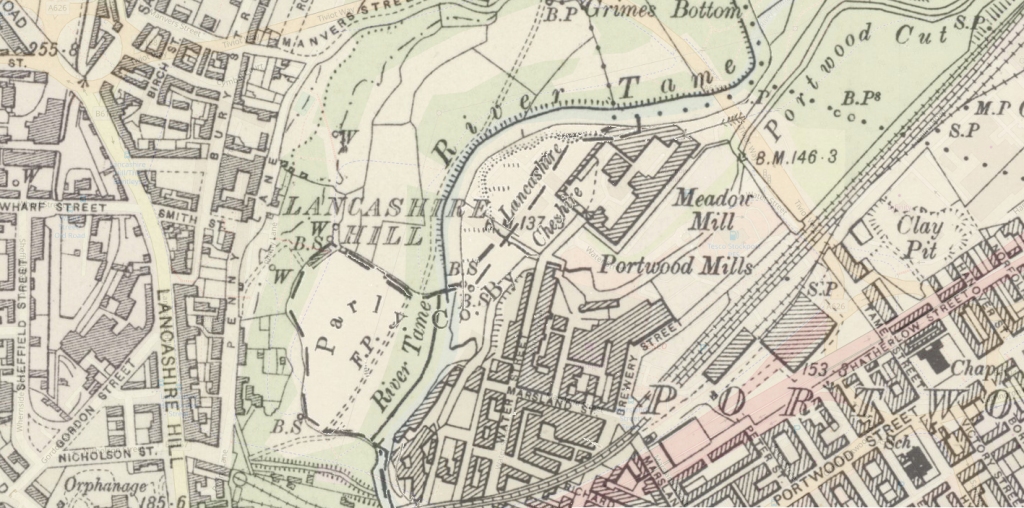
The 19th-century industrial concentrations in the above-named urban areas resulted in the Tame being a much polluted waterway. As well as industrial pollution from the dyes and bleaches used in textile mills, effluent from specialised paper-making cigarette papers, engineering effluents, including base metal washings from battery manufacture, phenols from the huge coal-gas plant in Denton, rain-wash from roads and abandoned coal spoil heaps there was also the sewage effluent from the surrounding population. Up to two-thirds of the river’s flow at its confluence with the Goyt had passed through a sewage works. The anti-pollution efforts of the last thirty years of the 20th century have resulted in positive fauna distributions.
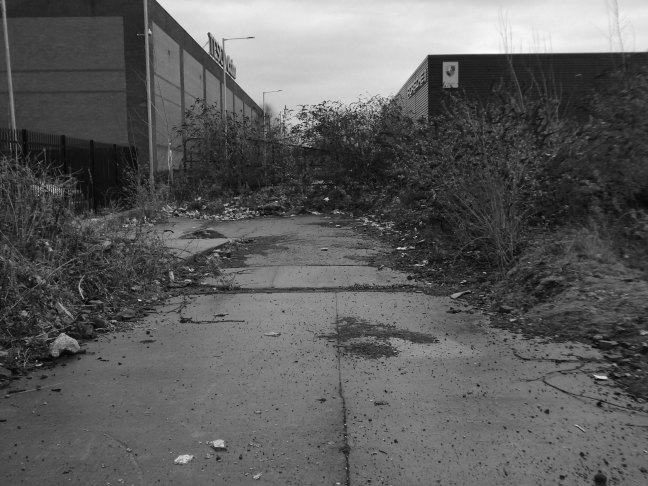
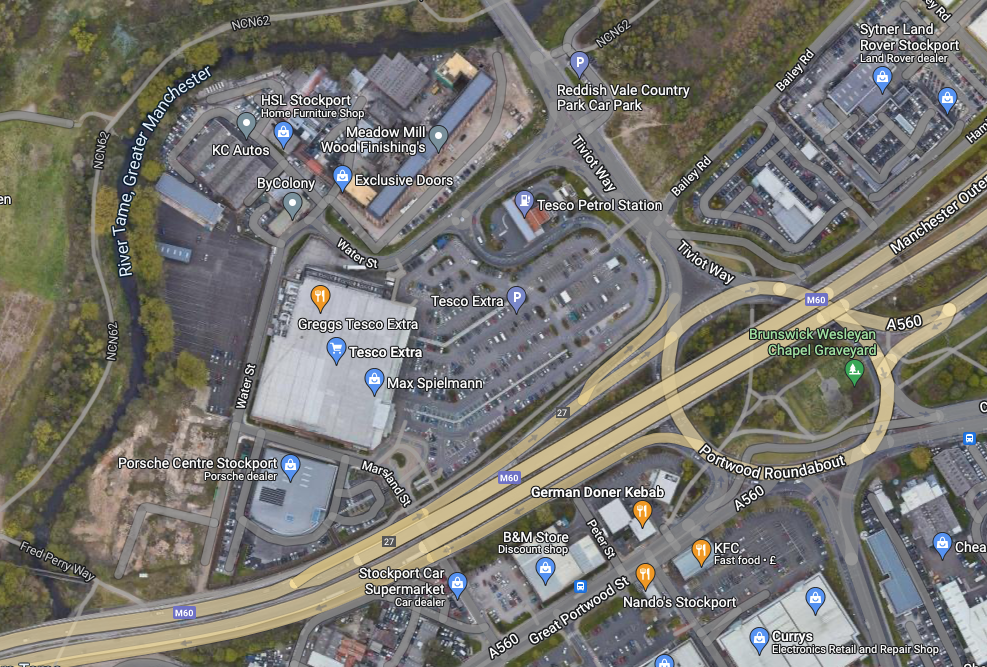
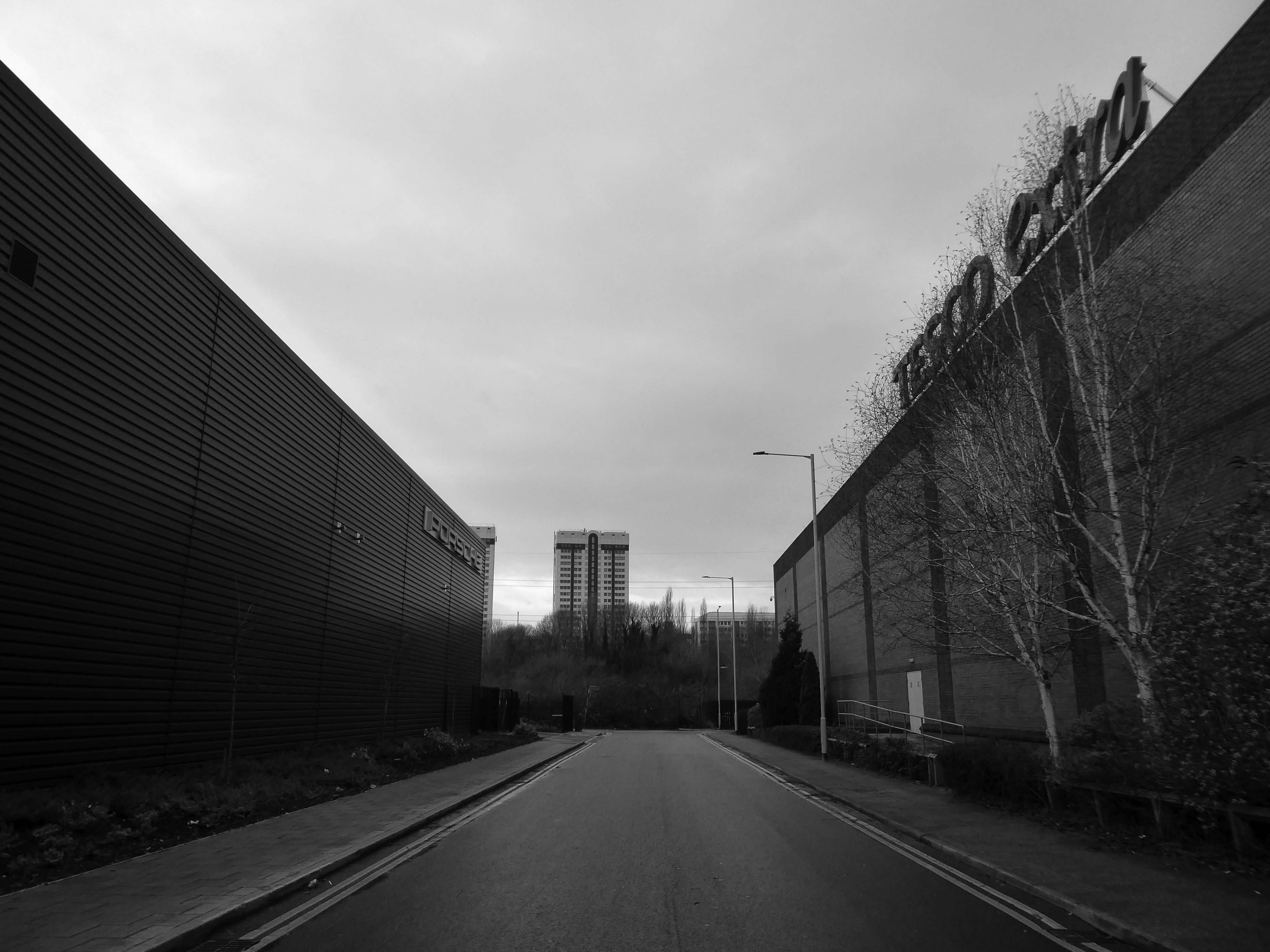
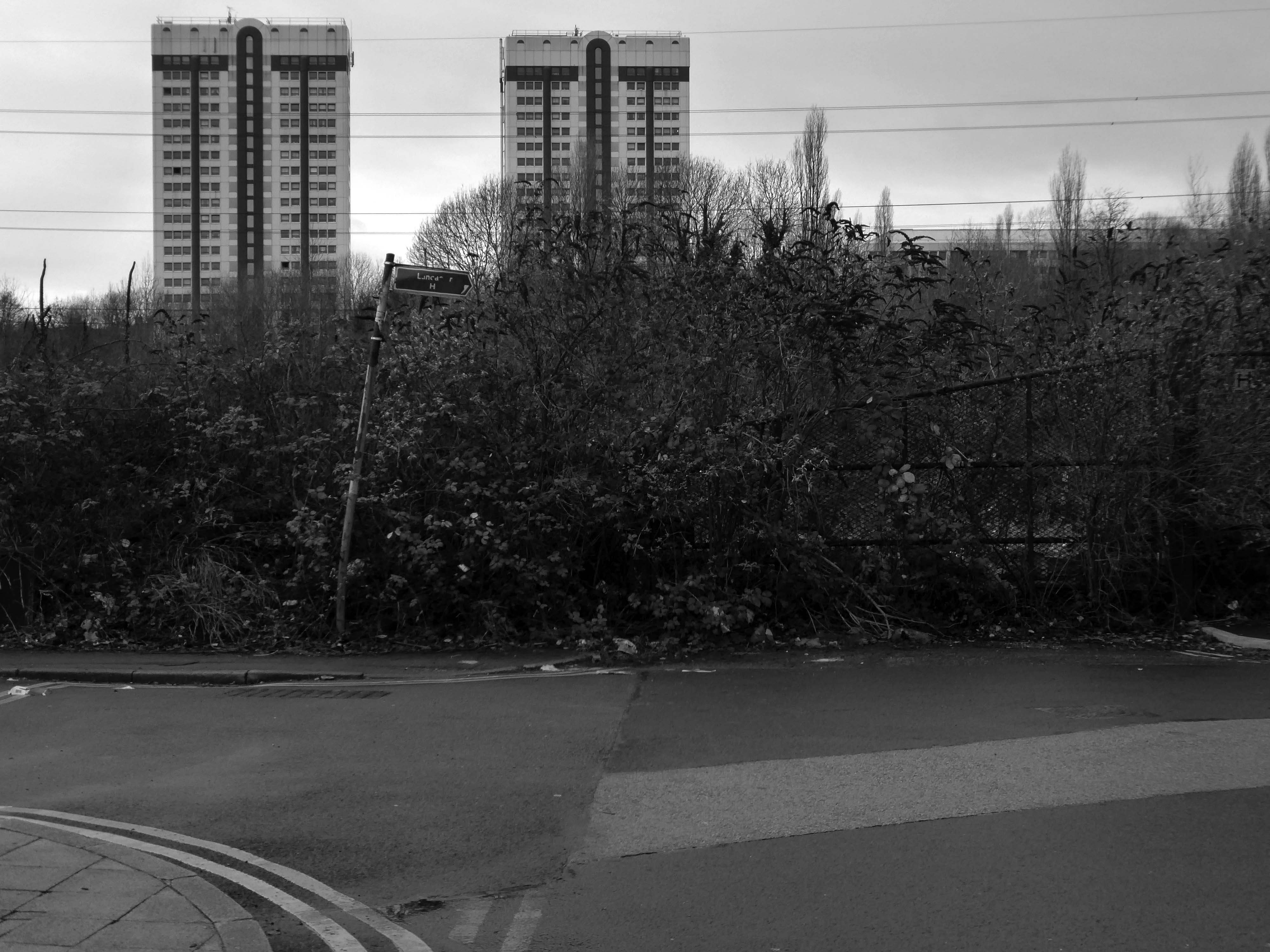
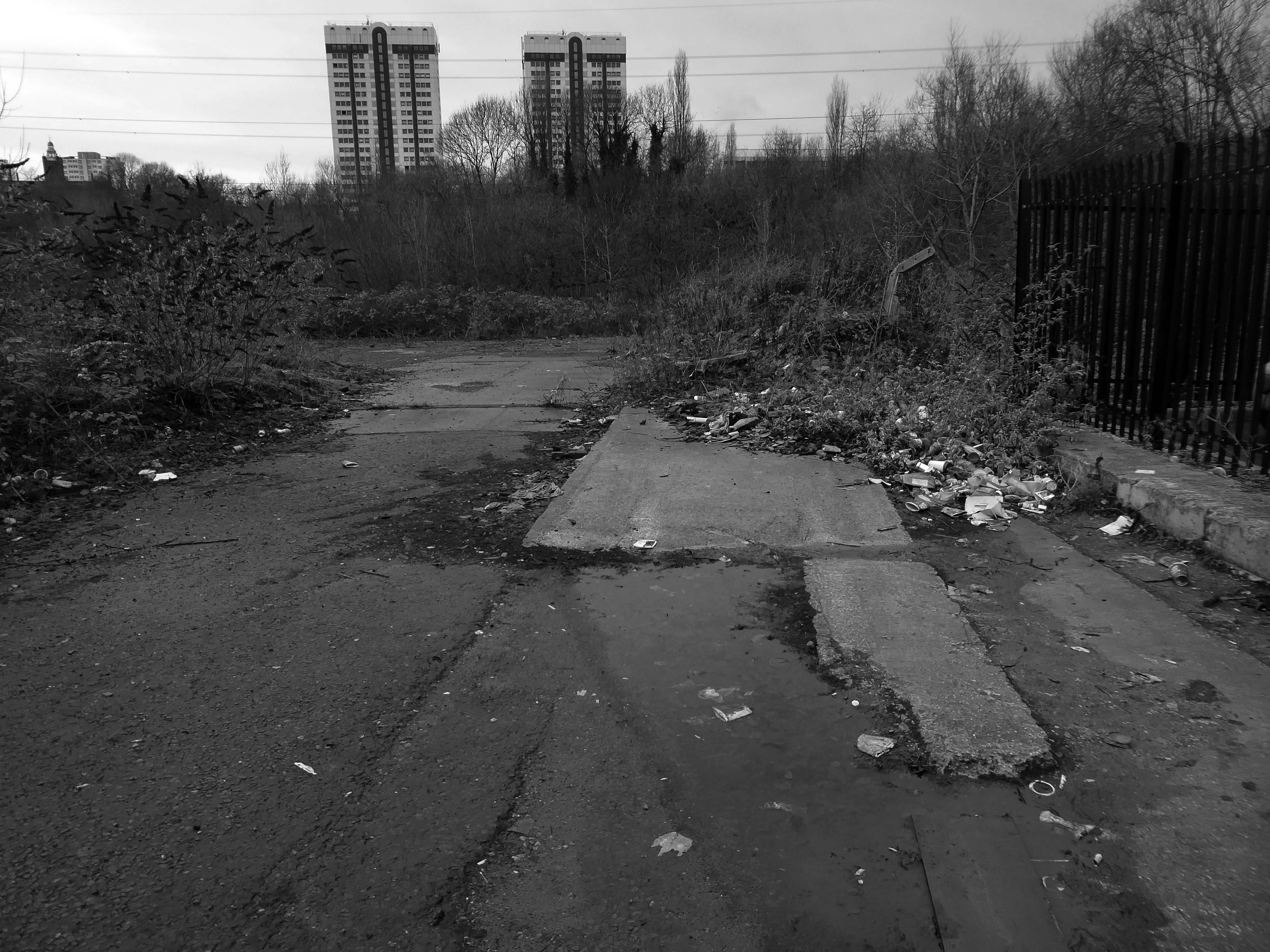
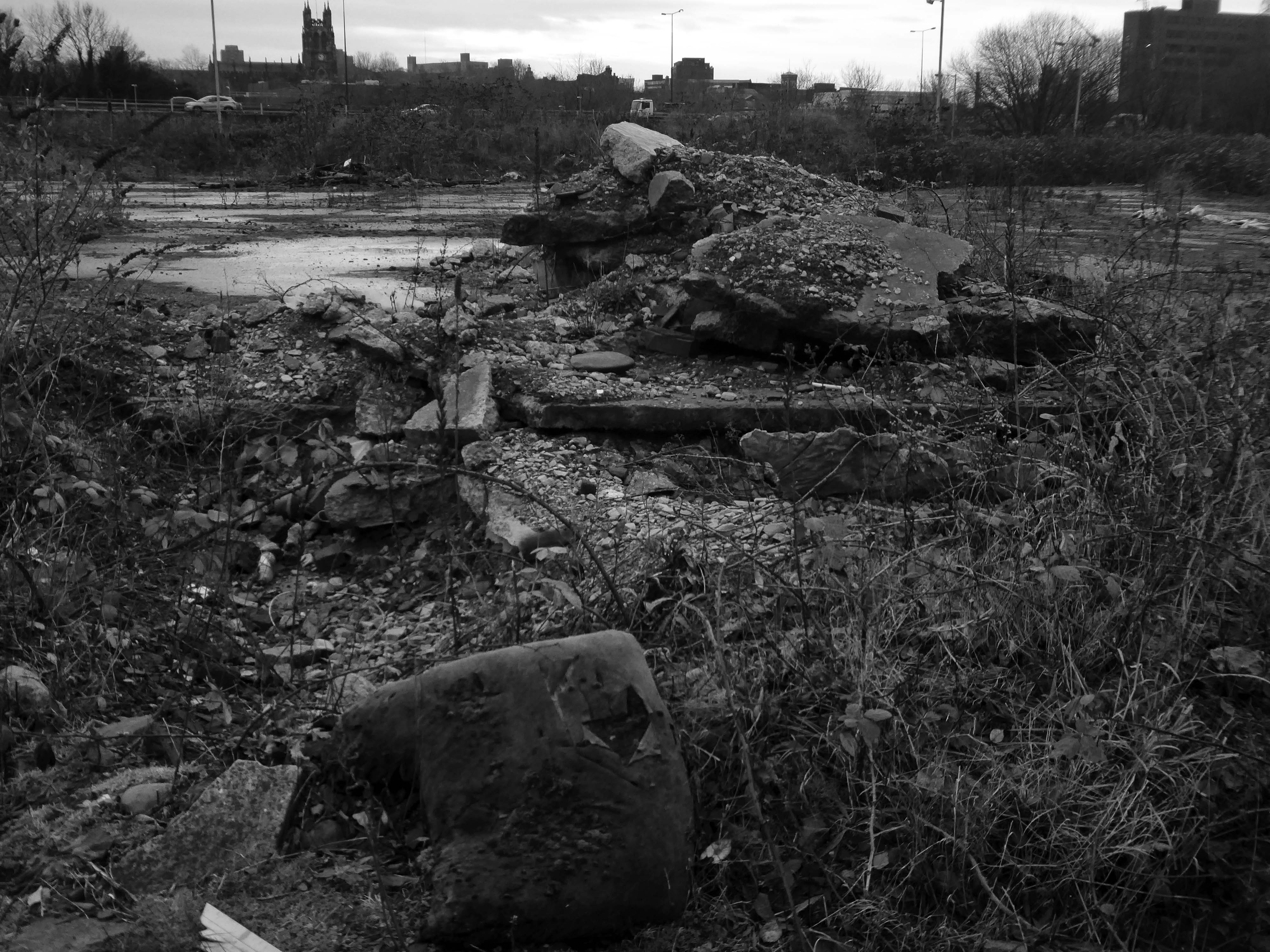
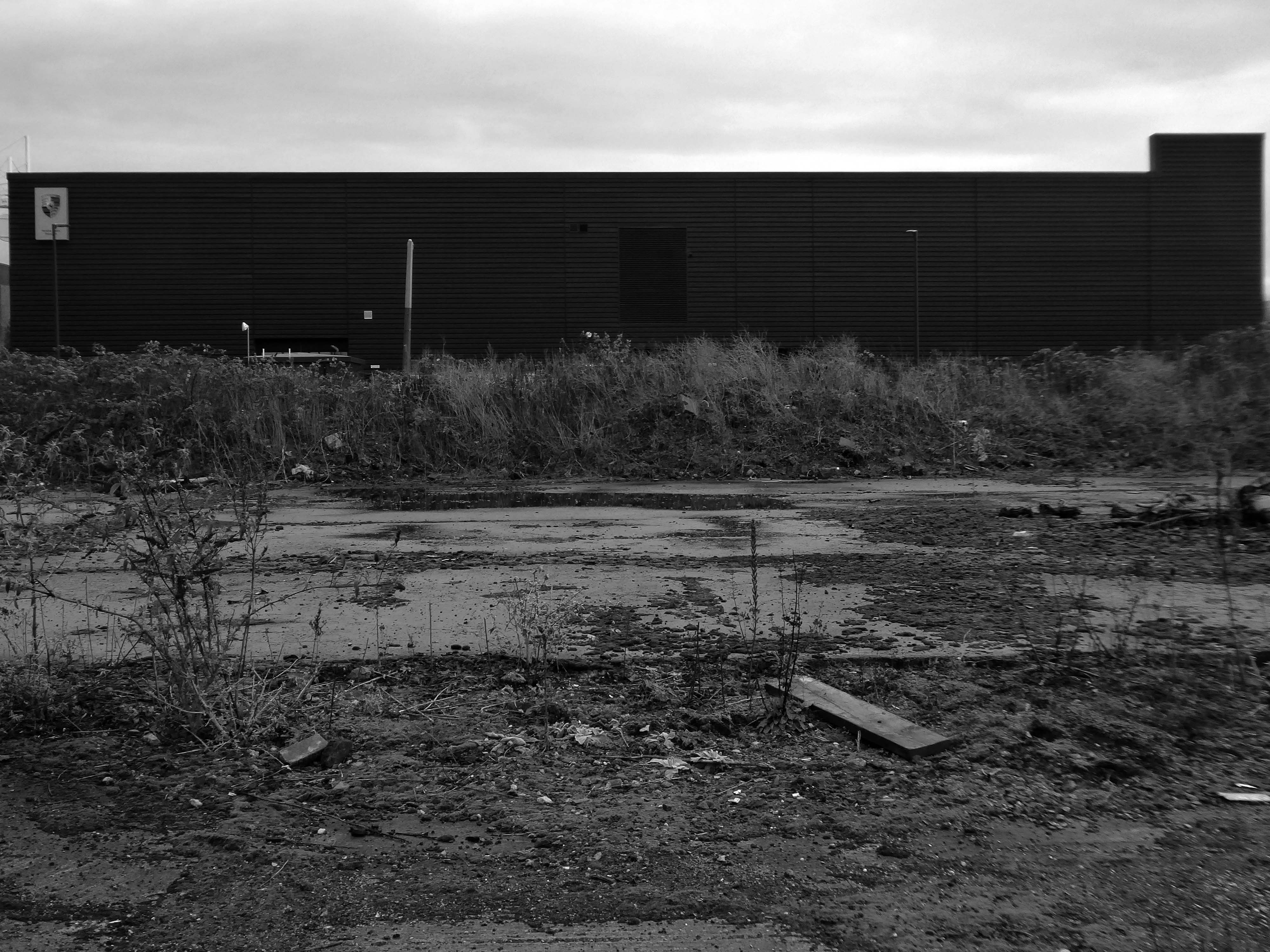
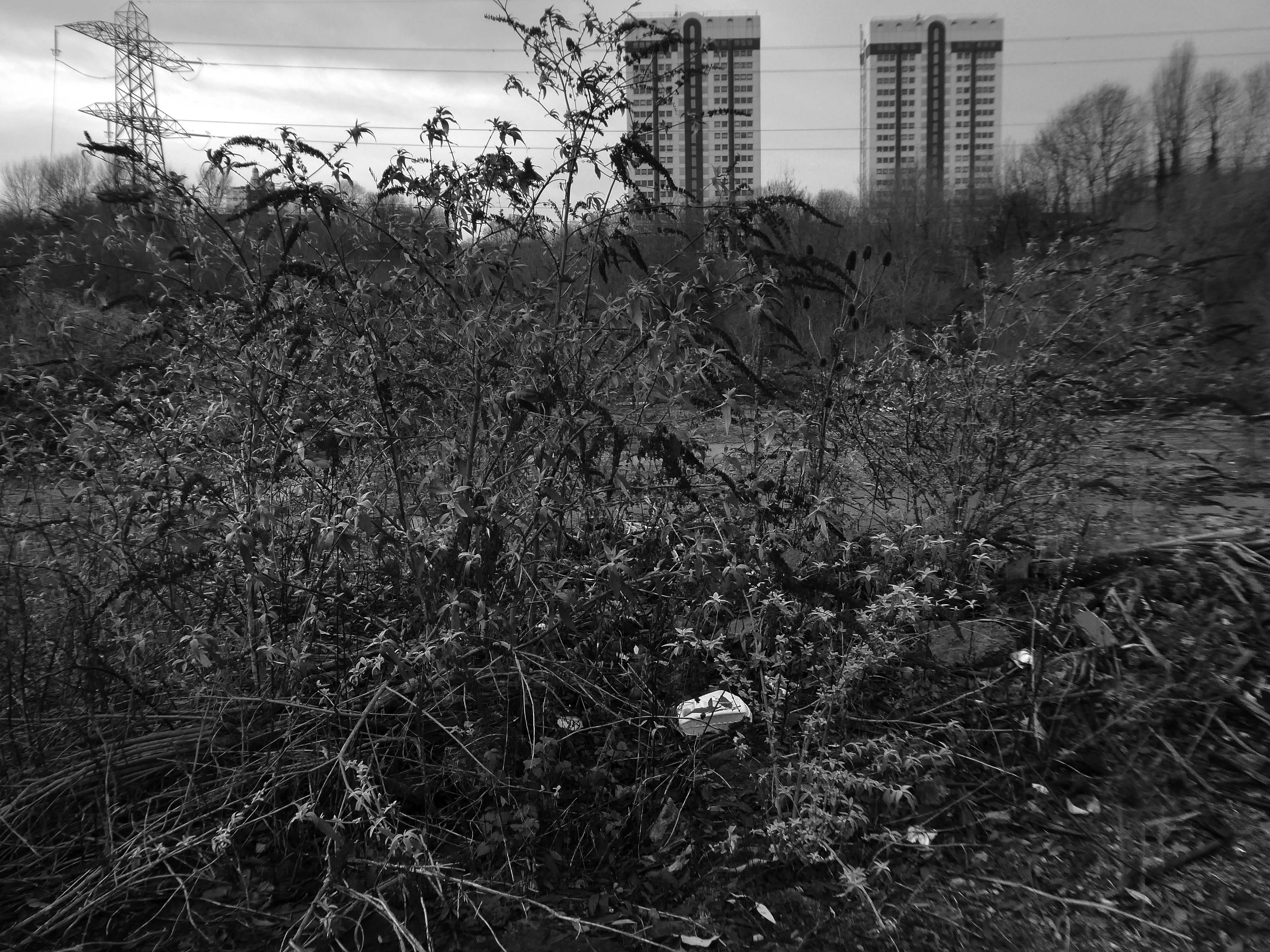
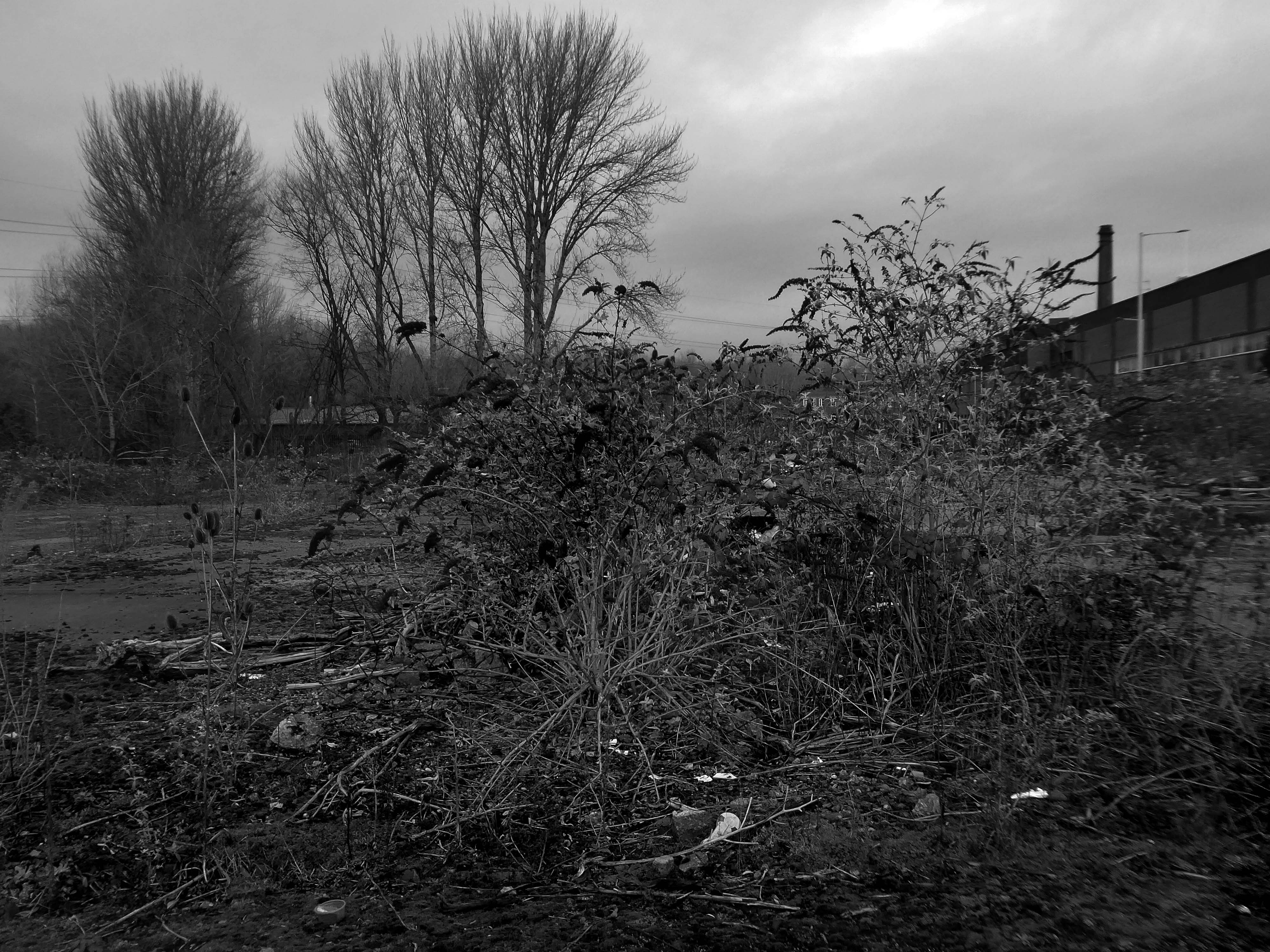
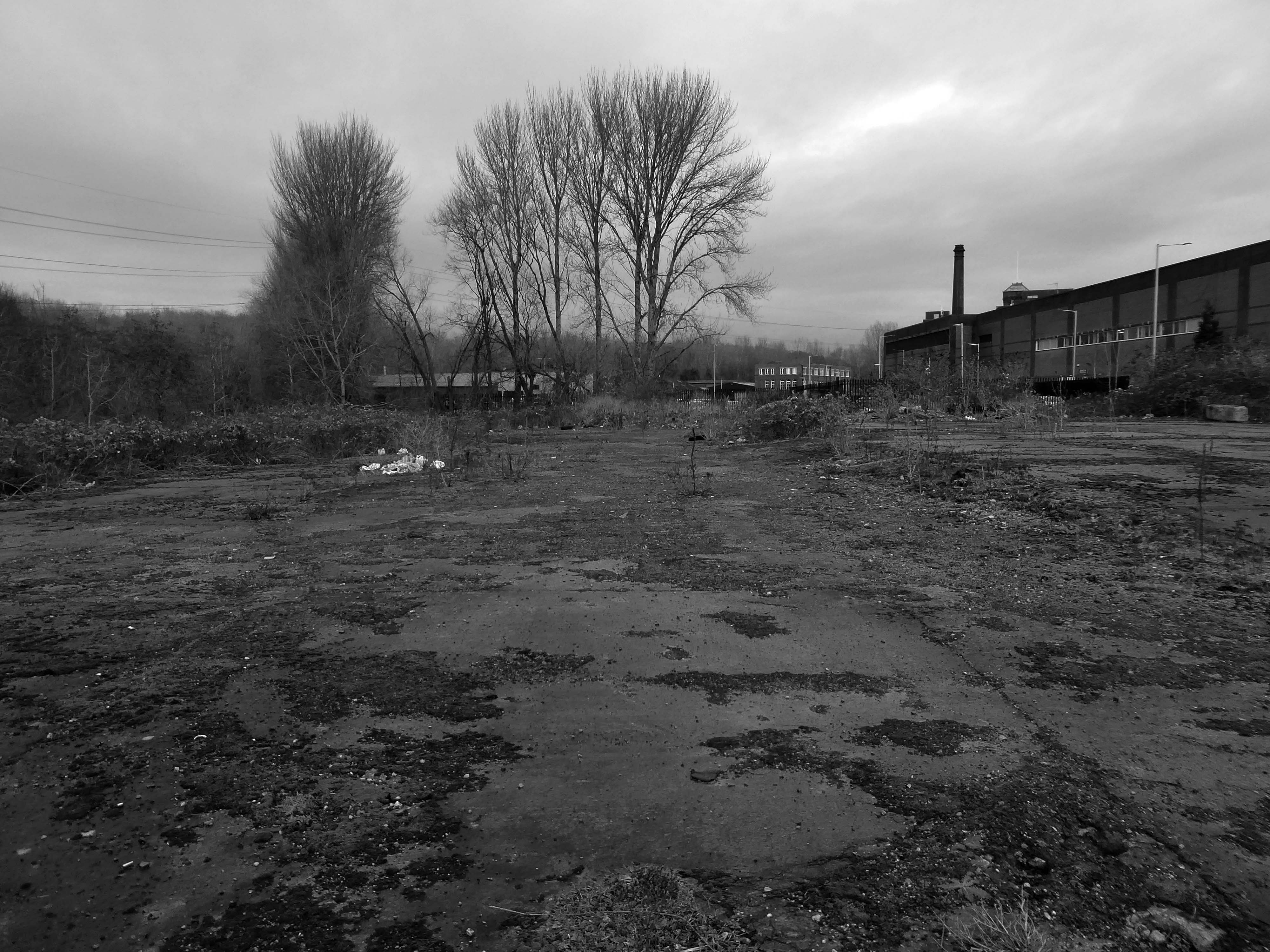
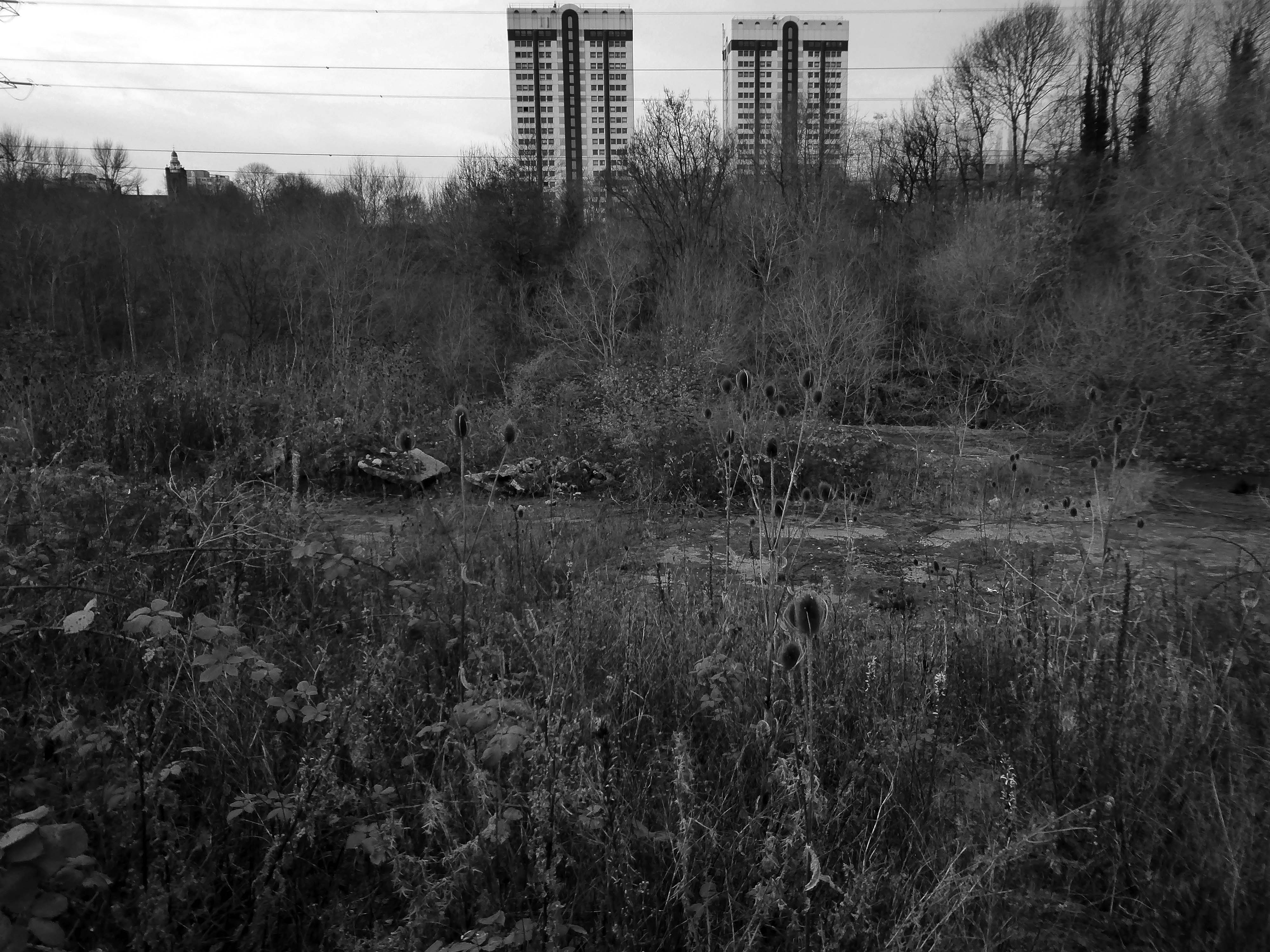
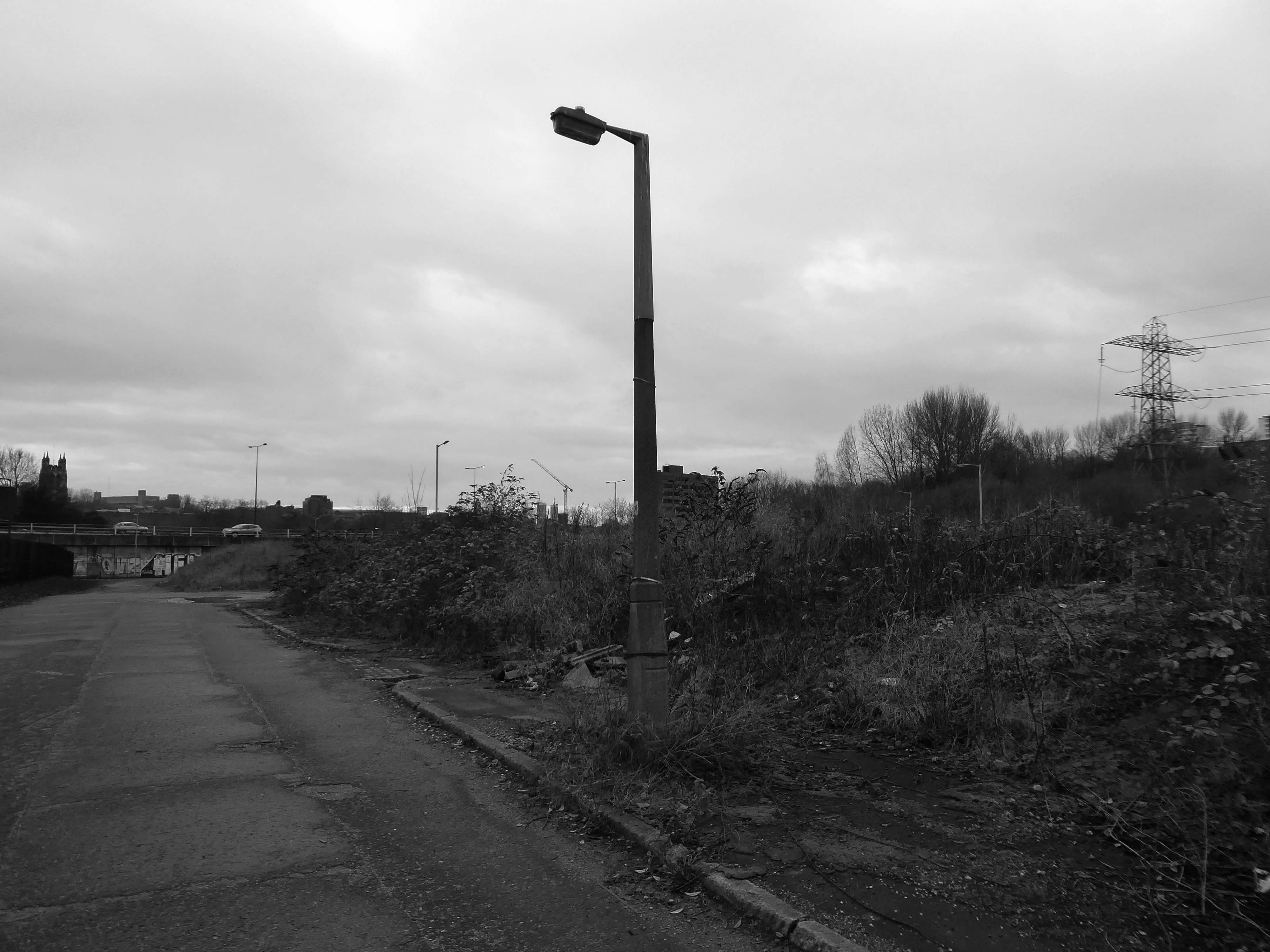
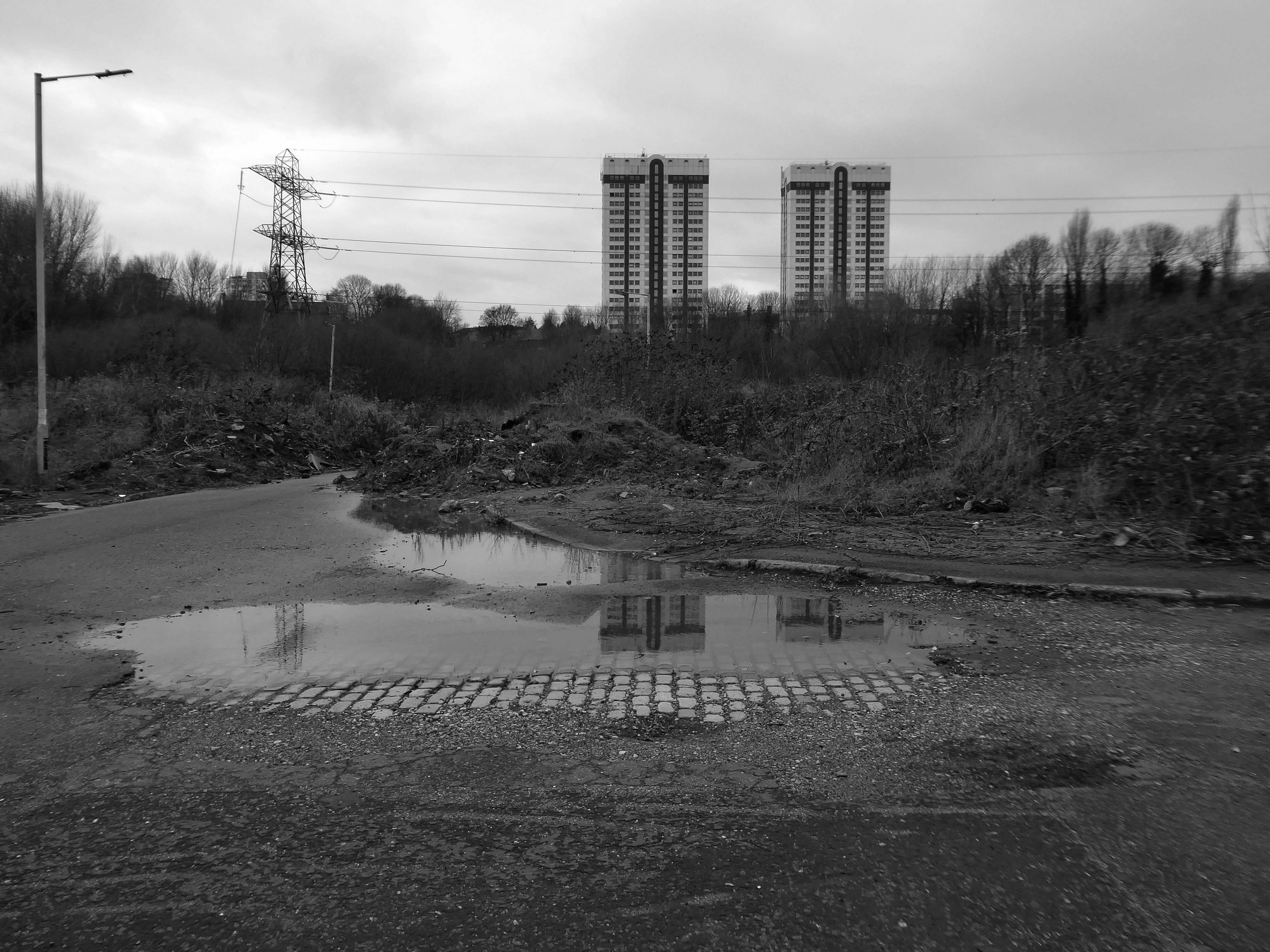
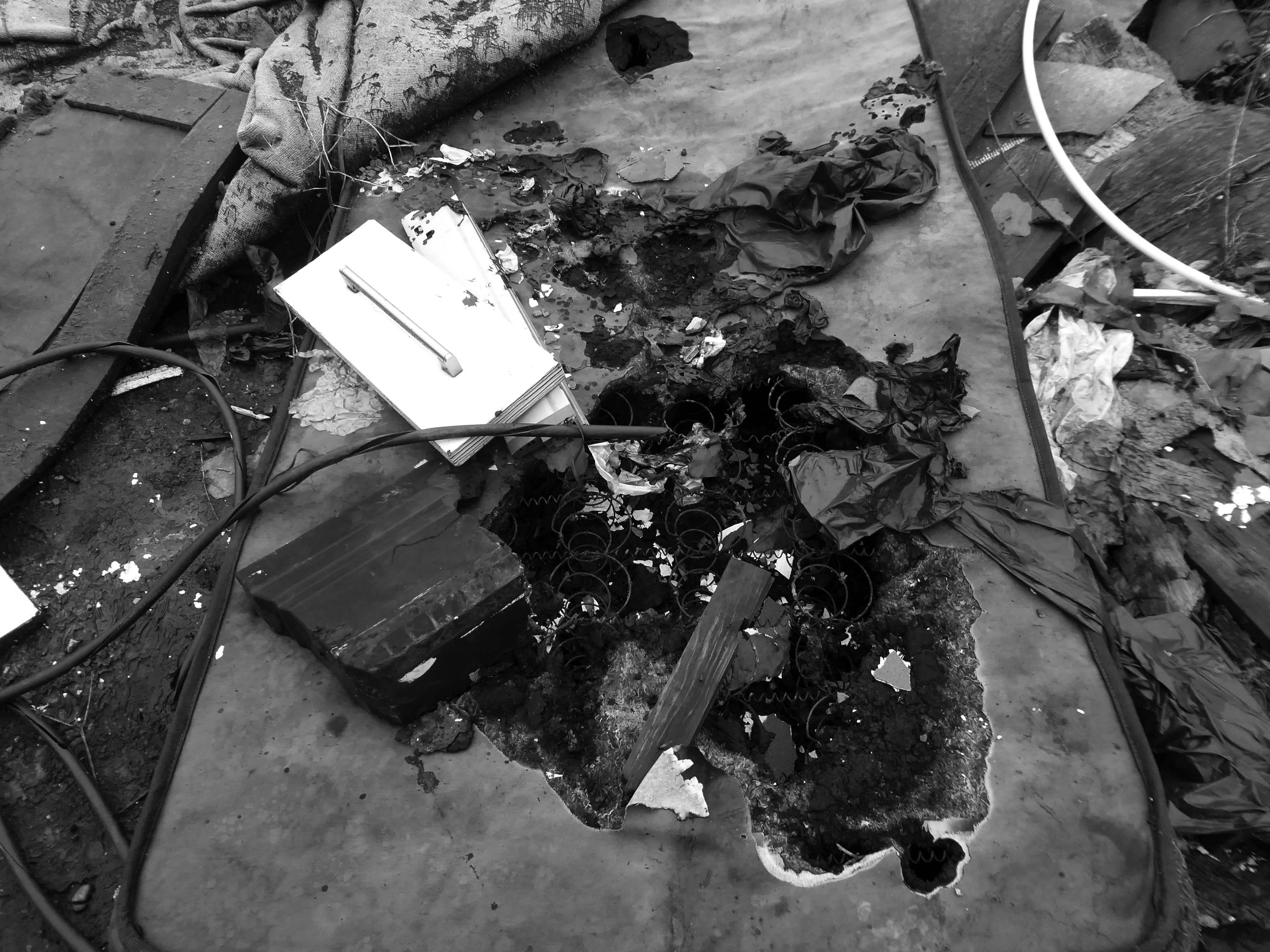
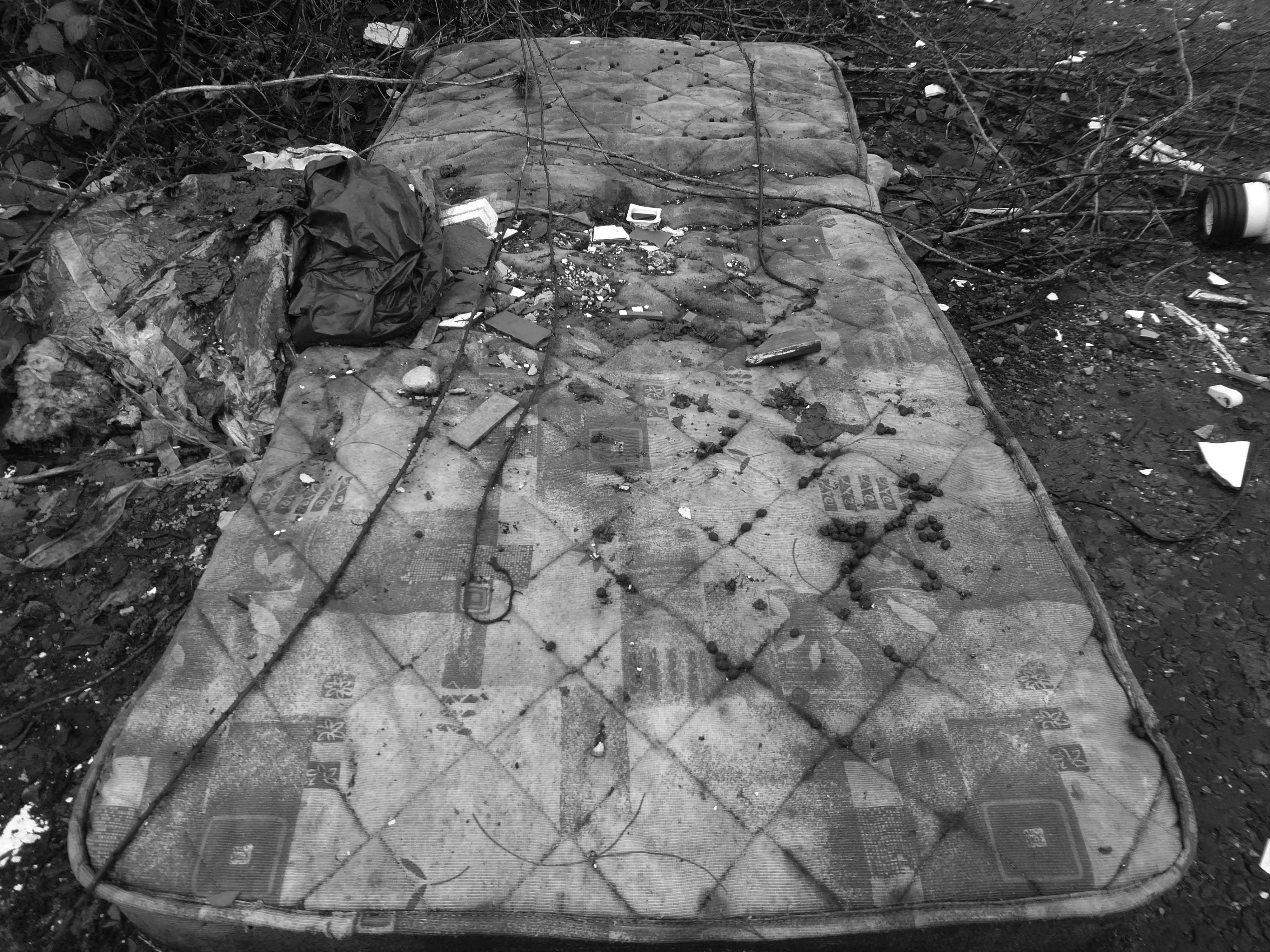
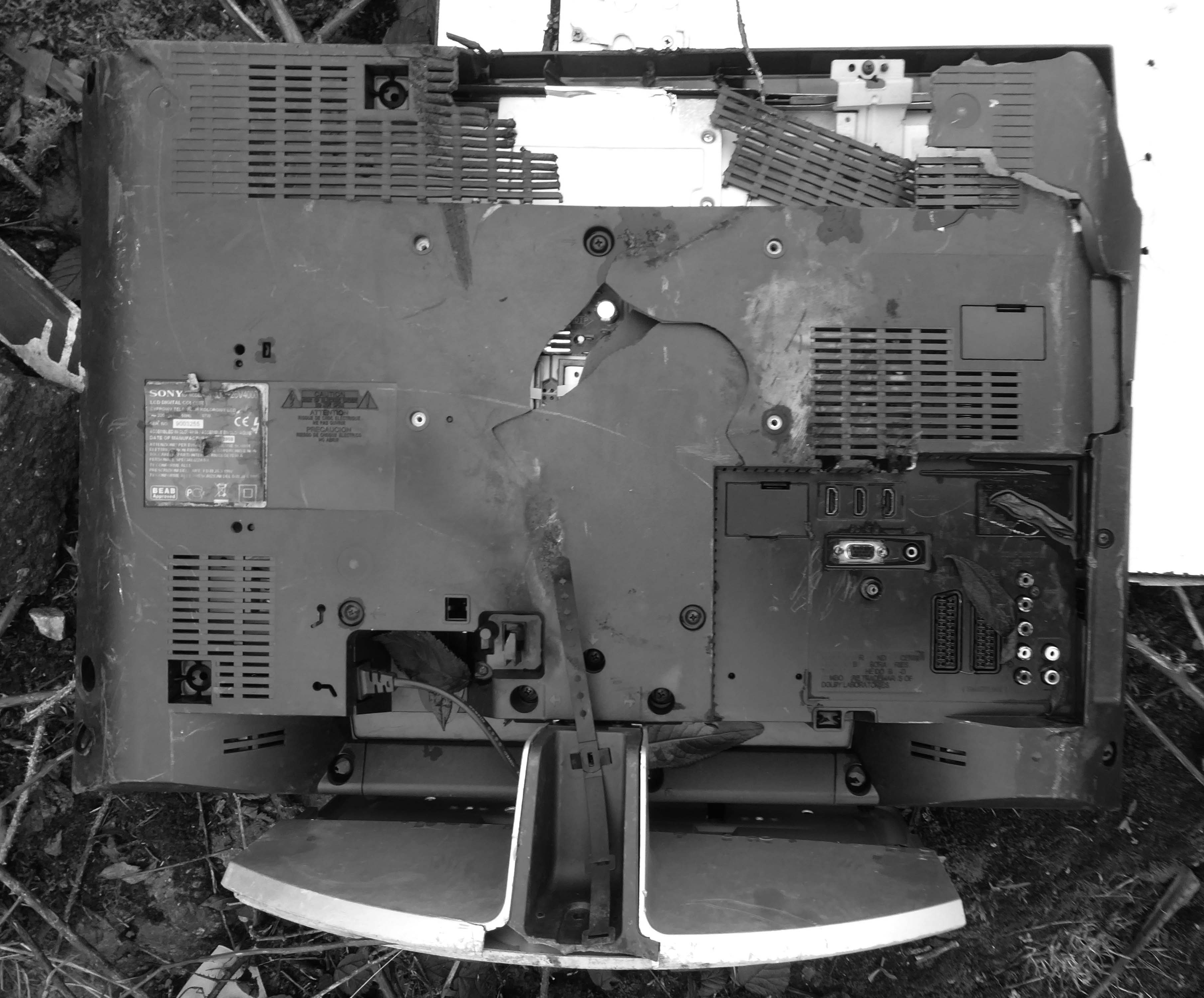
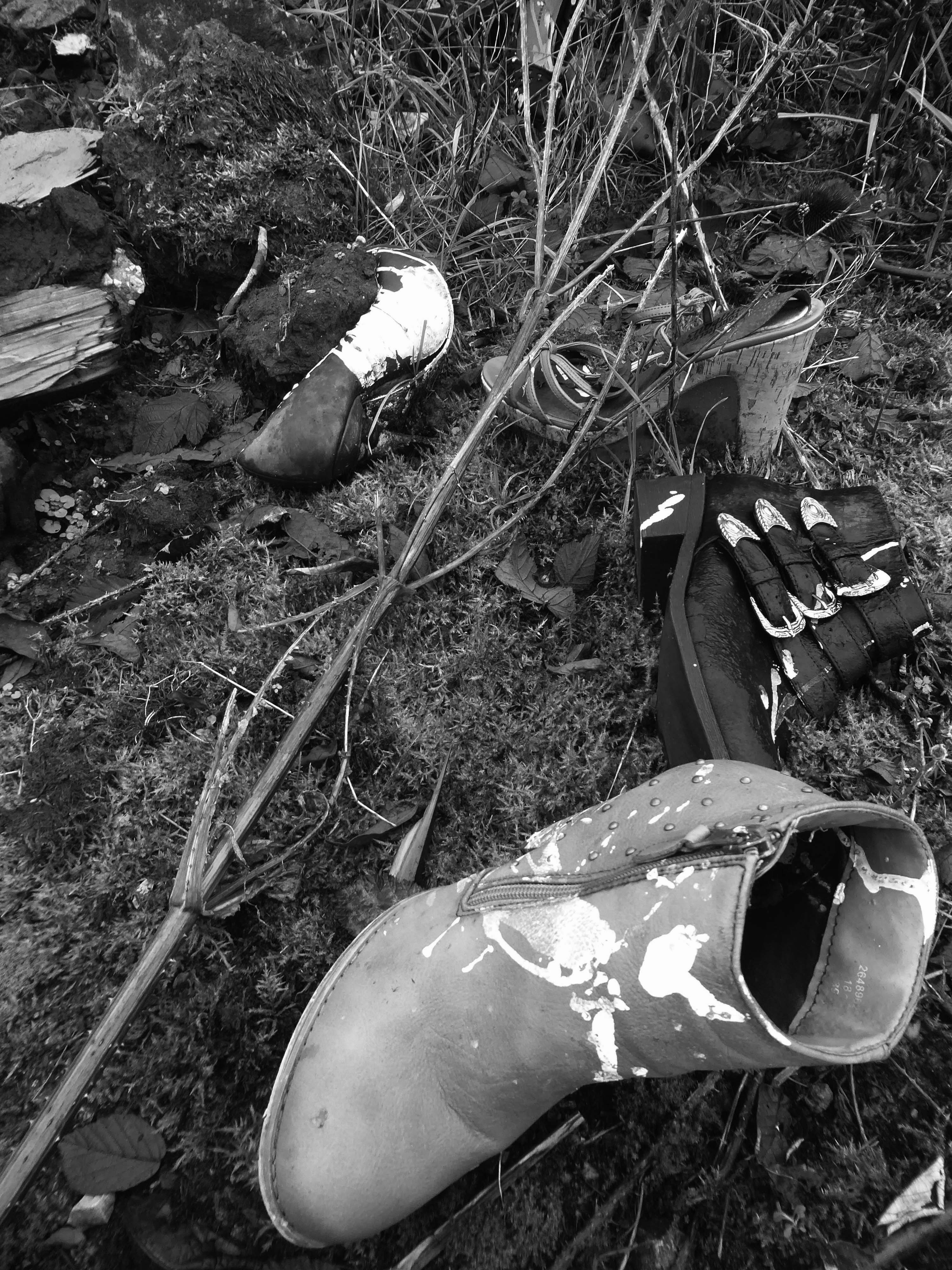
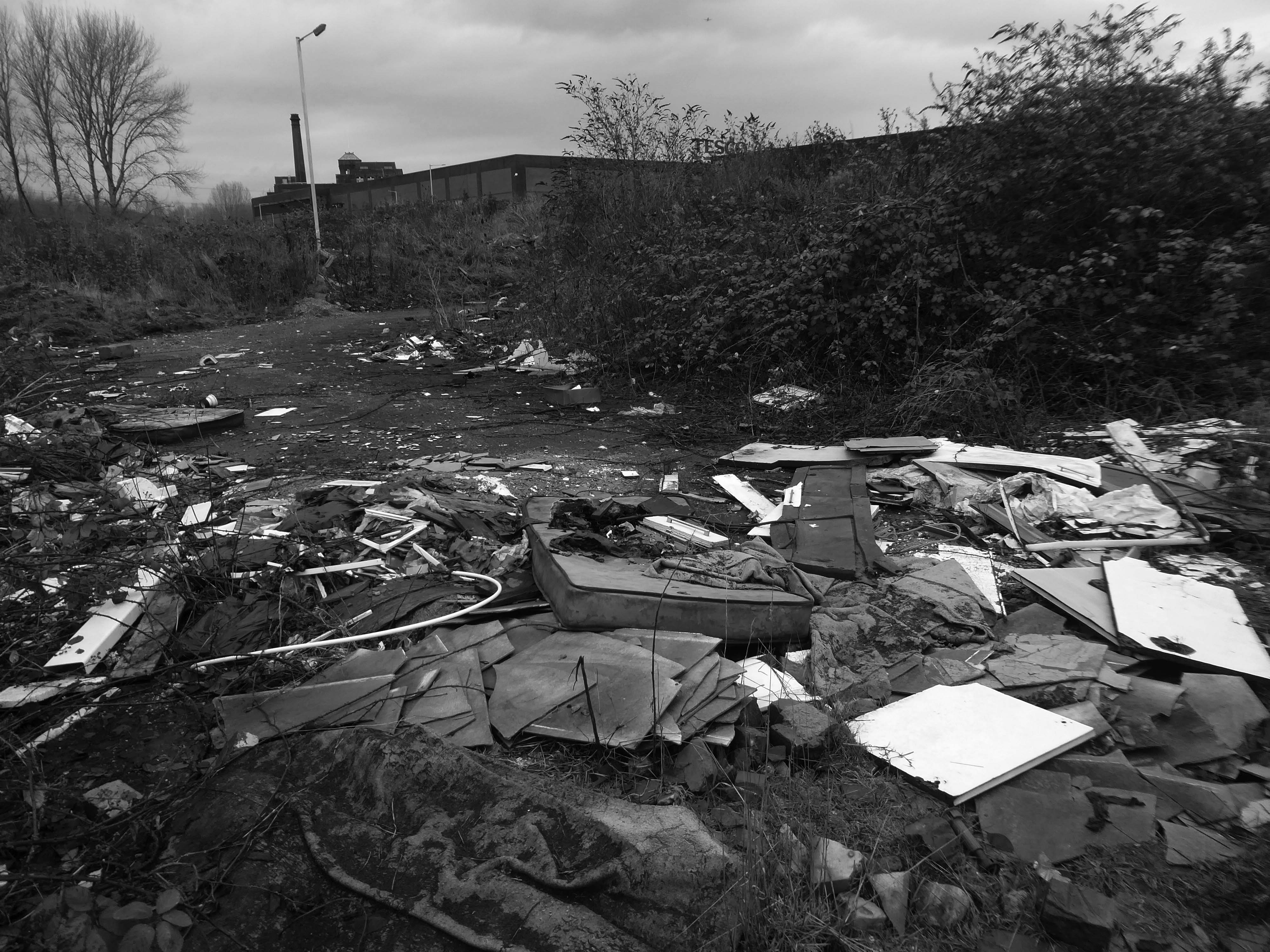
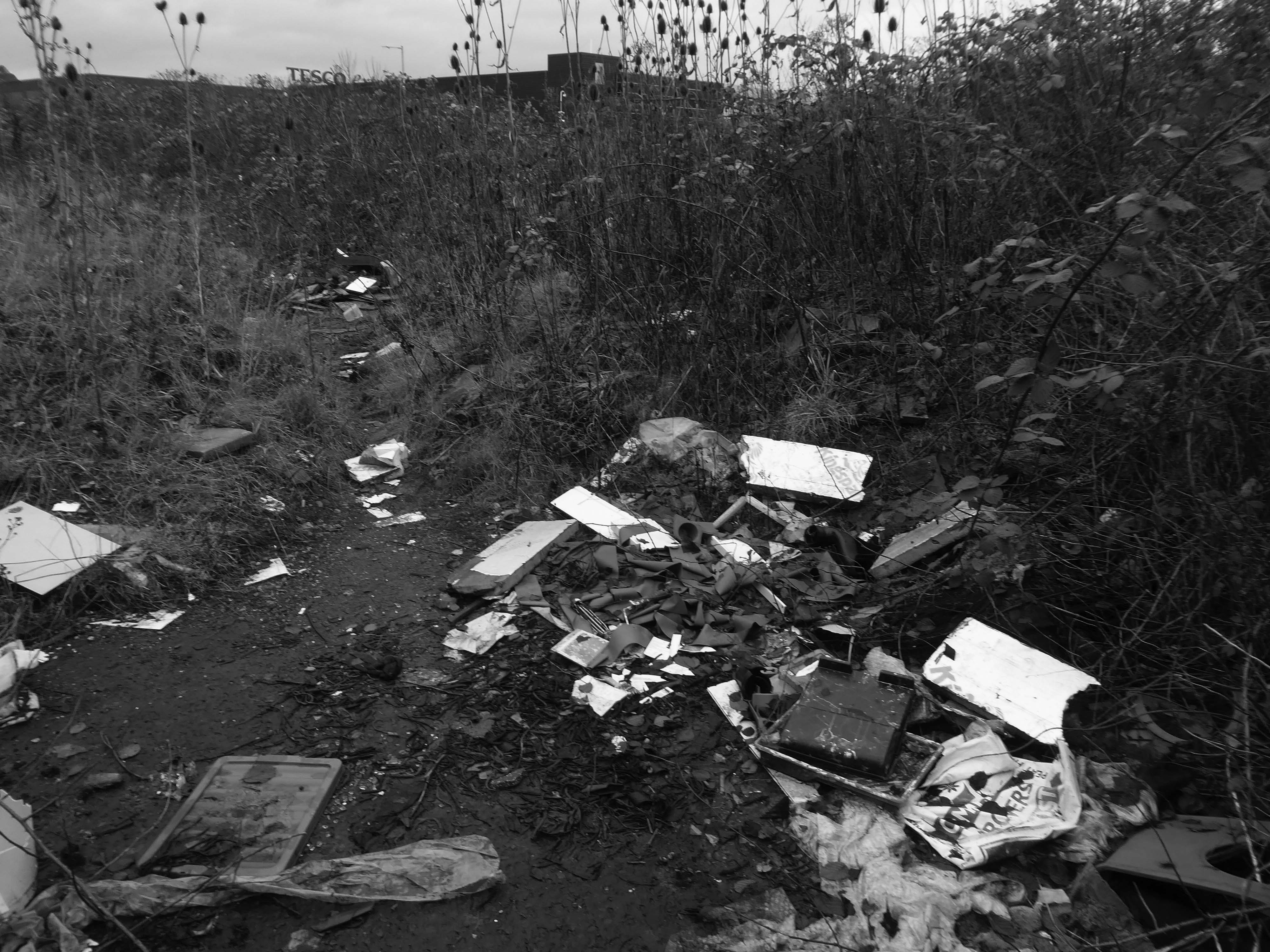
There is a plot of land to the left of Porsche which remains undeveloped, I often walk around this area, what would have once been for myself and others the place of childhood high jinx.
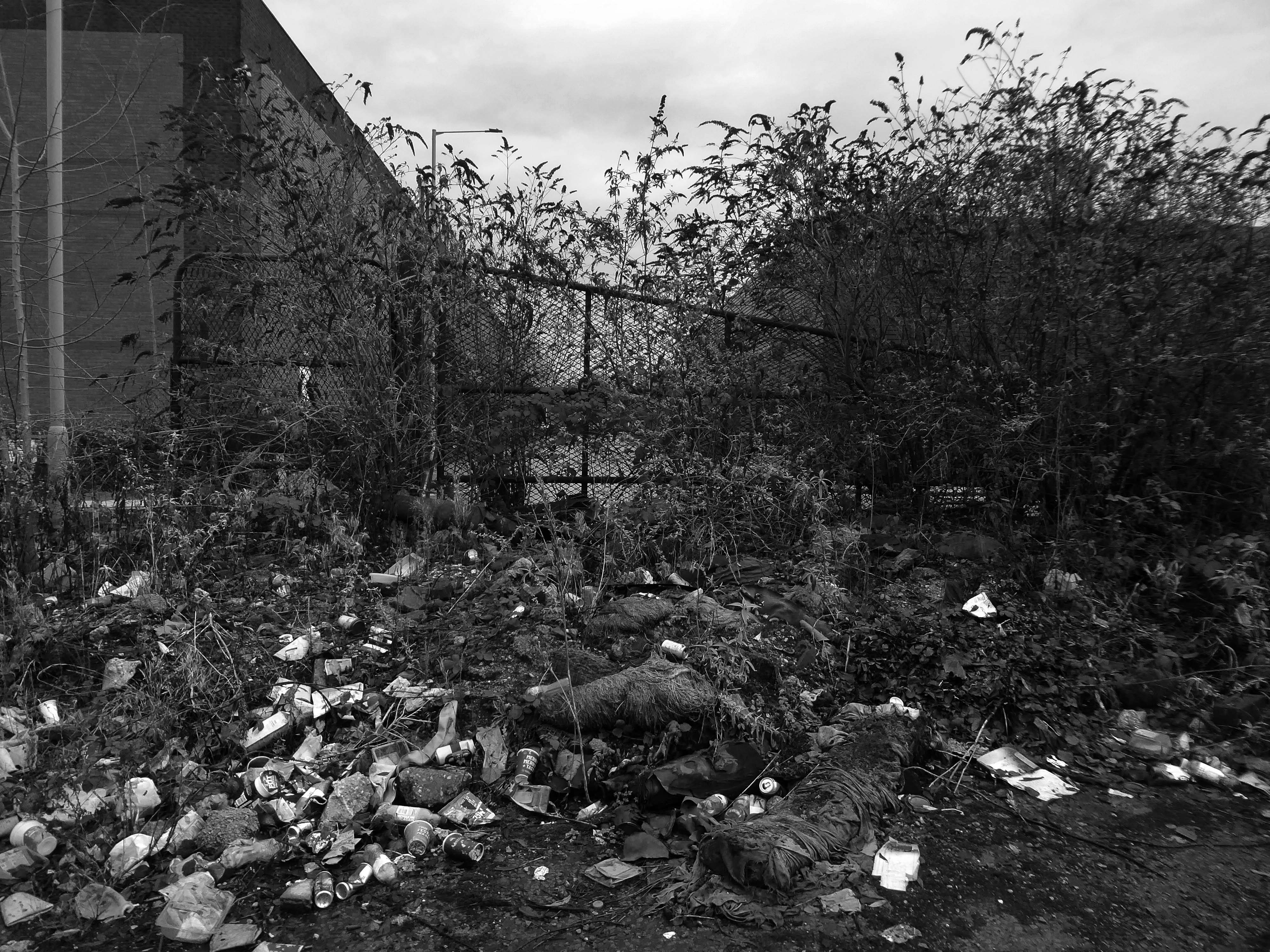
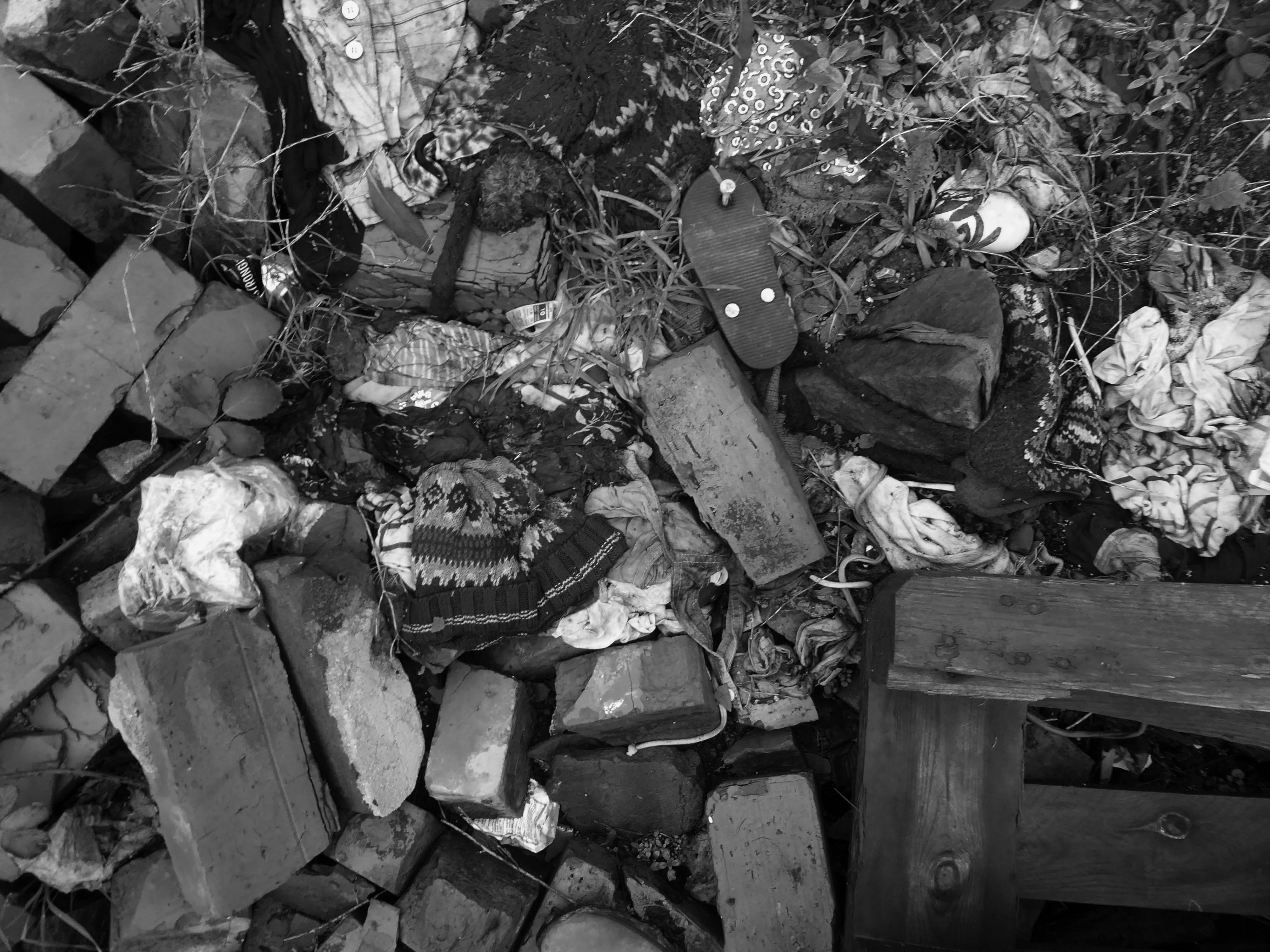
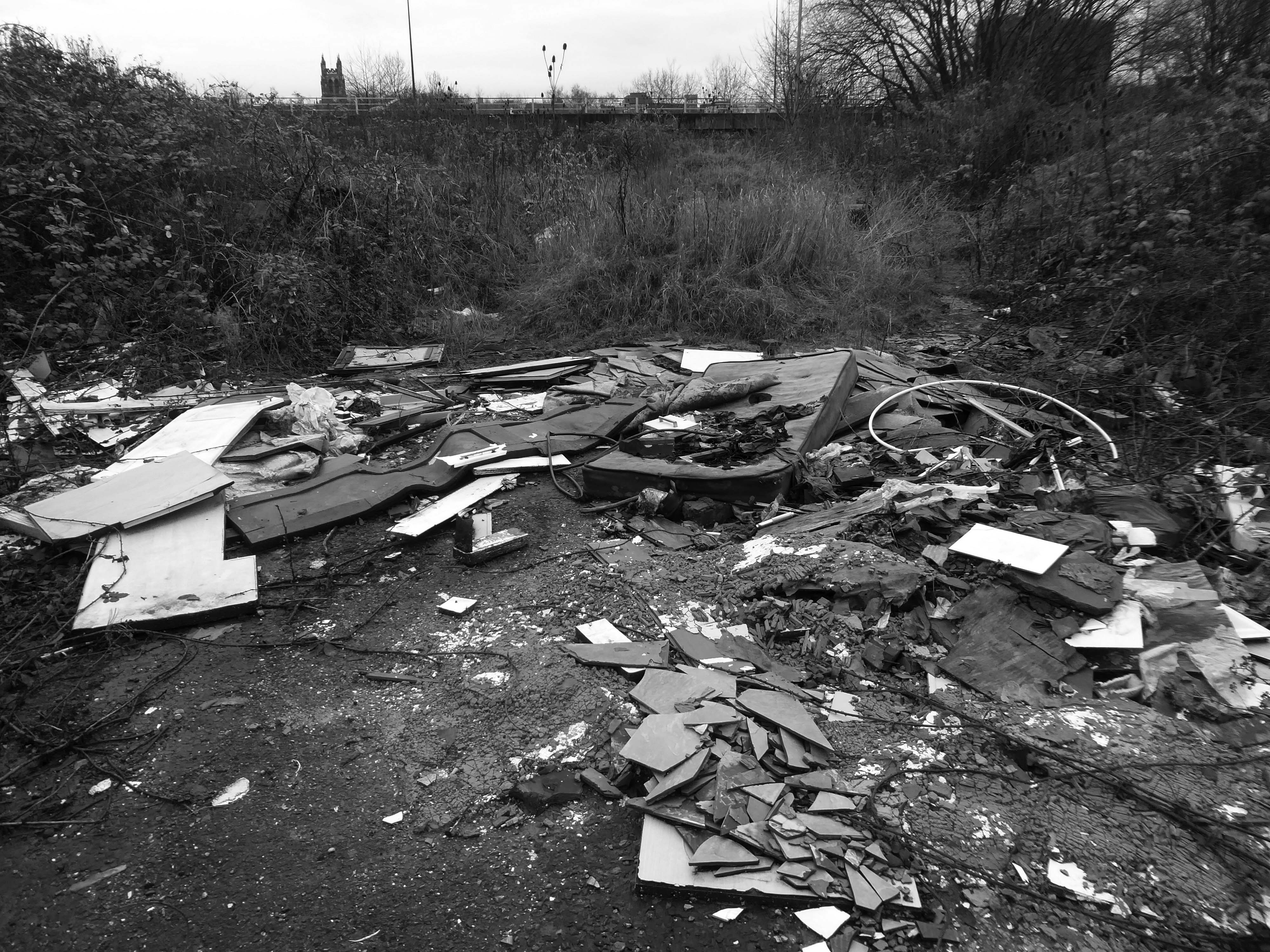
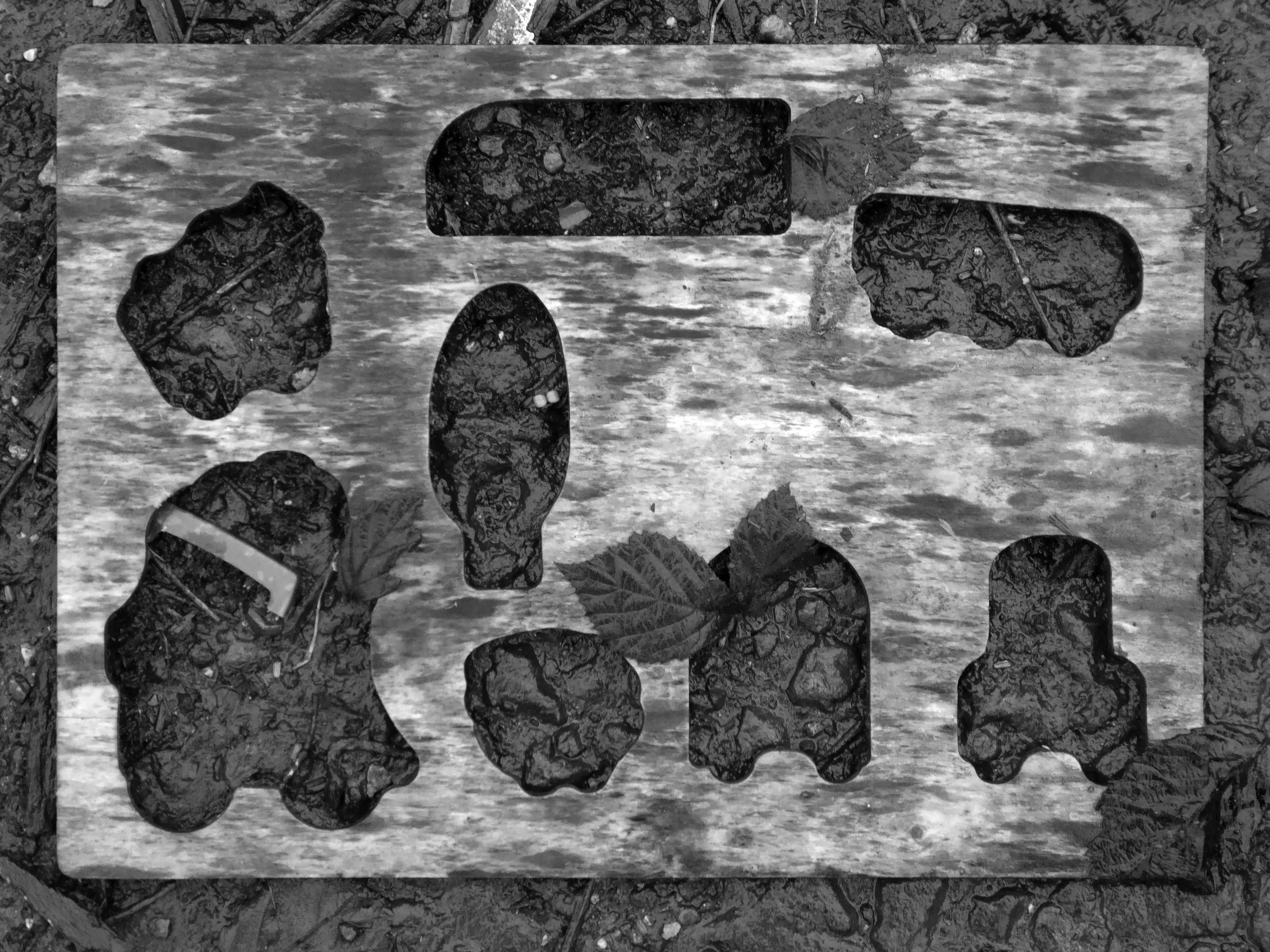
Now it is the domain of the fly-tipper, the home of the homeless, a war zone for a species which has declared war upon itself.
A desert of detritus, interpolated with tangles of brambles, seas of teasels and the ubiquitous buddleia.
This is the unofficial showroom for the unofficial Anthropocene Epoch – always crashing in a different car, during increasingly unseasonal weather, the superabundance of abundance.
It seems that the sun may set on us, before the sun finally sets.
Let’s take a peep at Portwood.
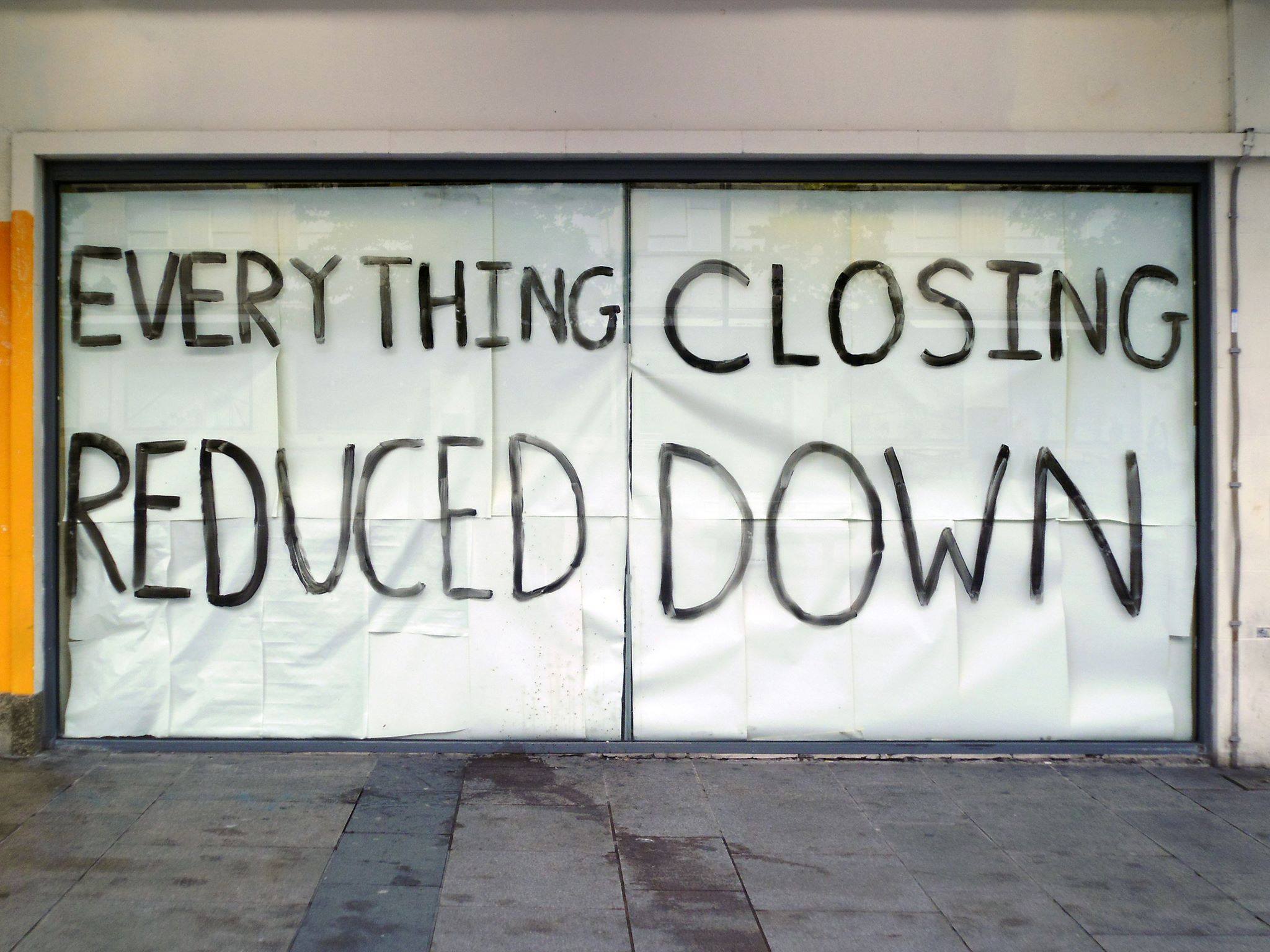
Game over.
Vehicle use affects our whole quality of local life. Traffic can be dangerous and intimidating, dividing communities and making street life unpleasant, whilst air pollution and traffic noise can make urban living uncomfortable.
The impacts of mass consumption are: Misuse of land and resources, exporting pollution and waste from rich countries to poor countries, obesity due to excessive consumption, a cycle of waste, disparities and poverty.
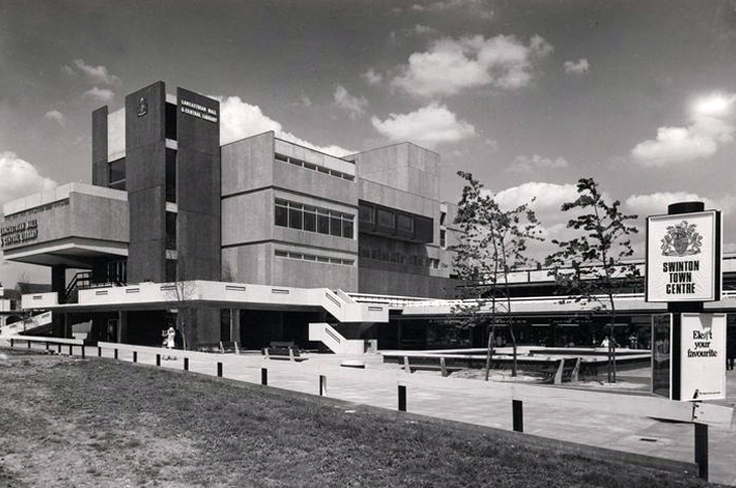
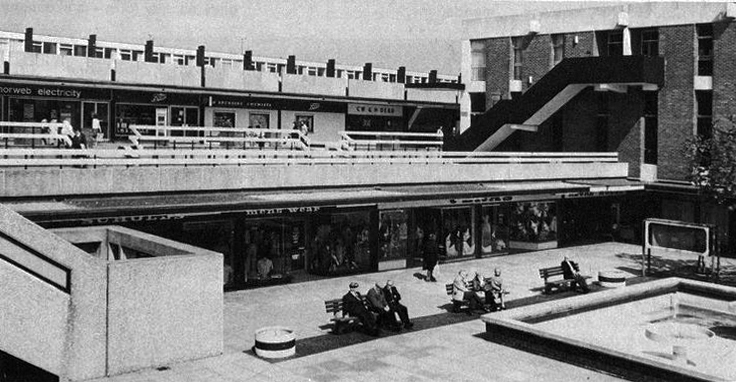
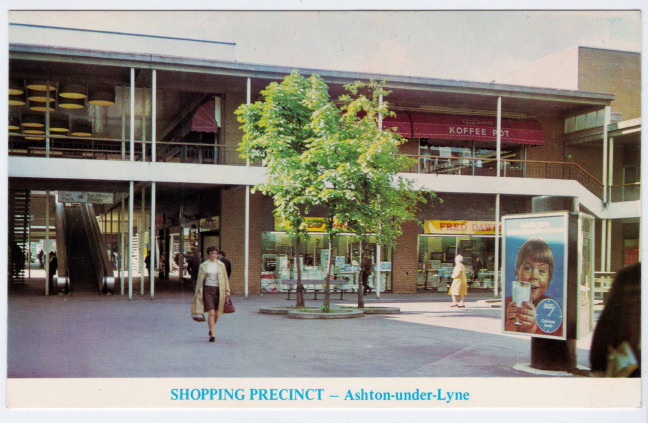
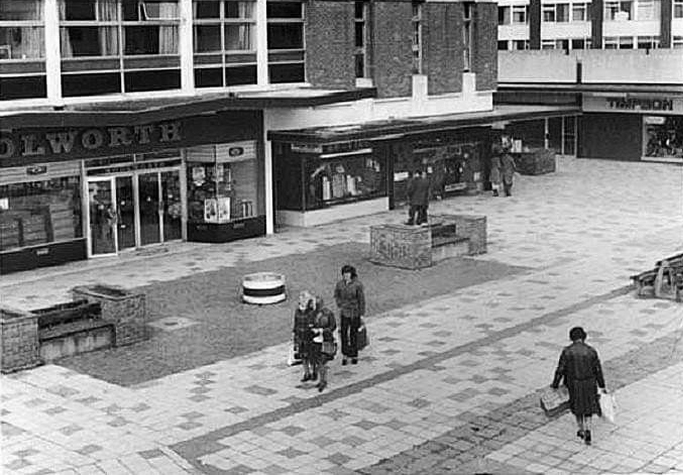
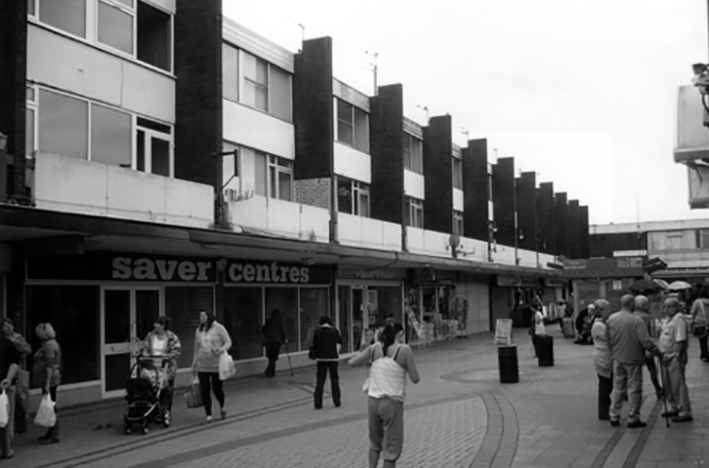
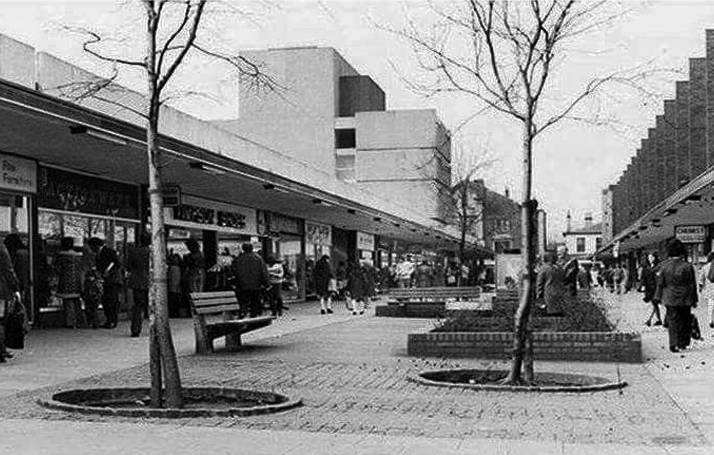
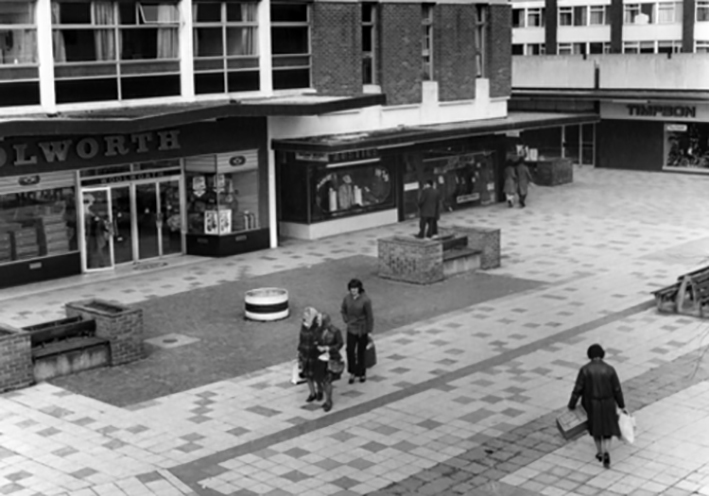
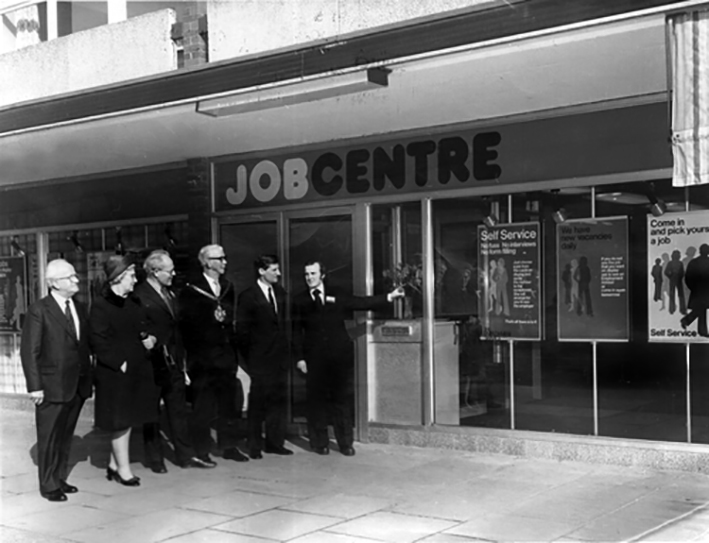
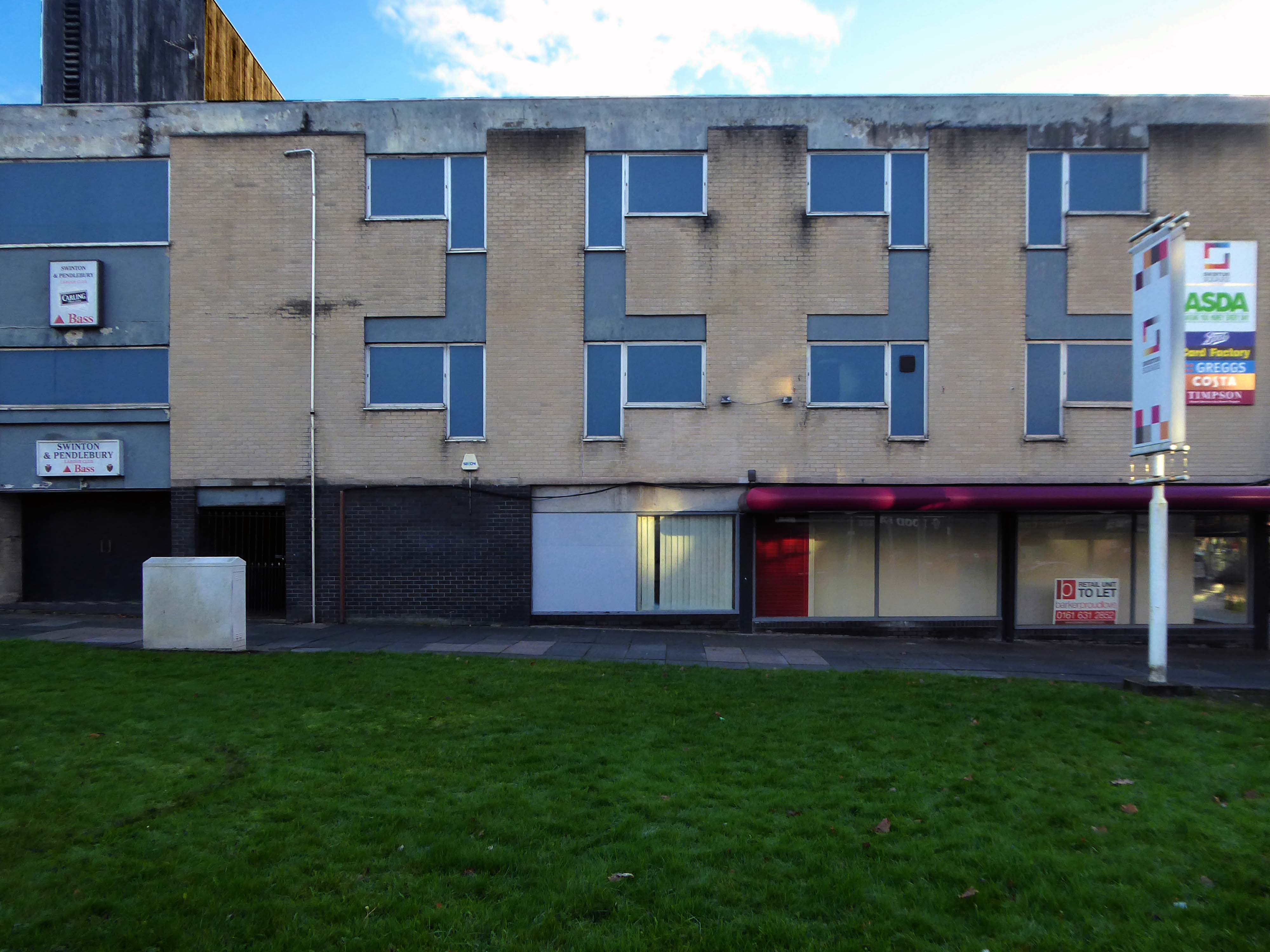
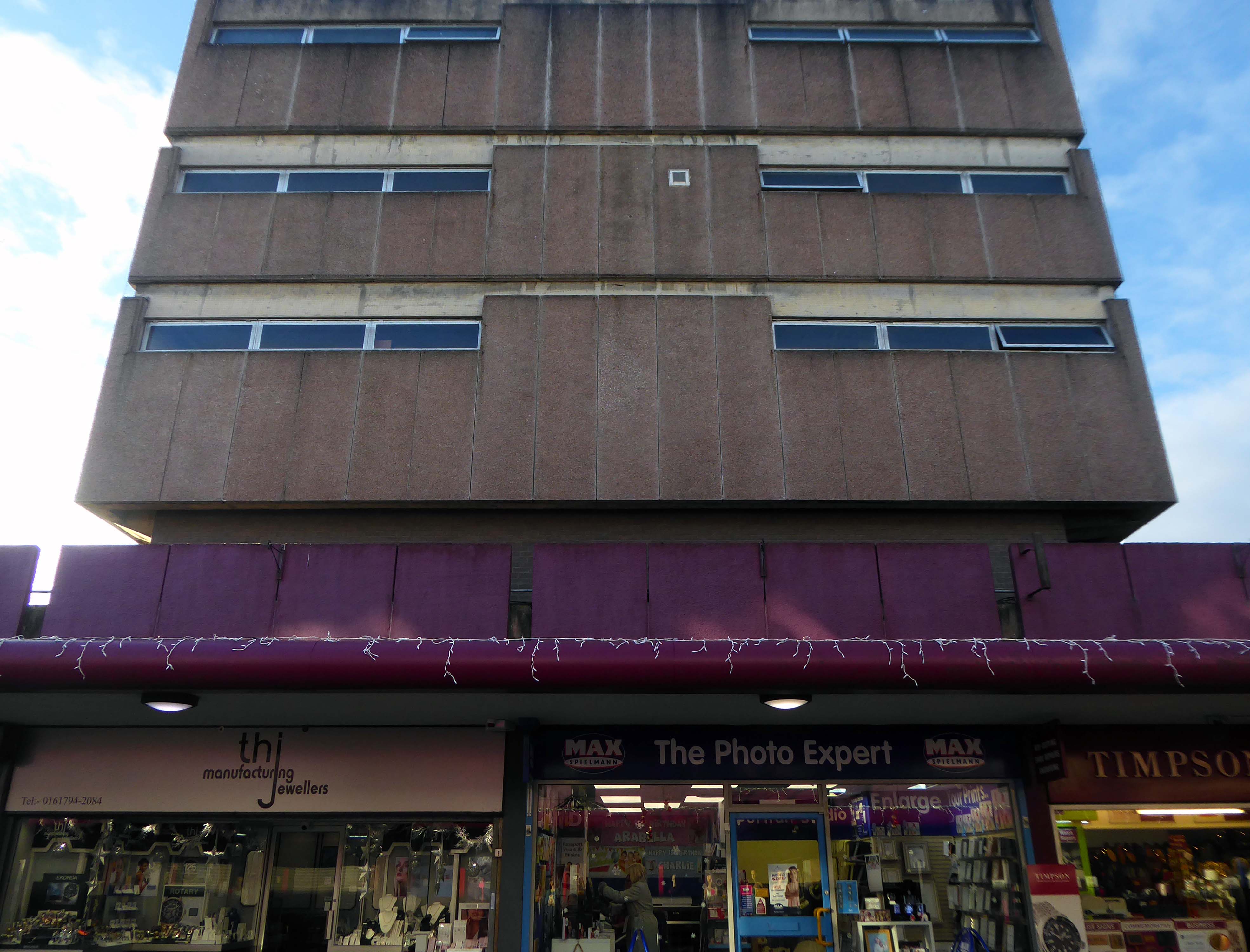
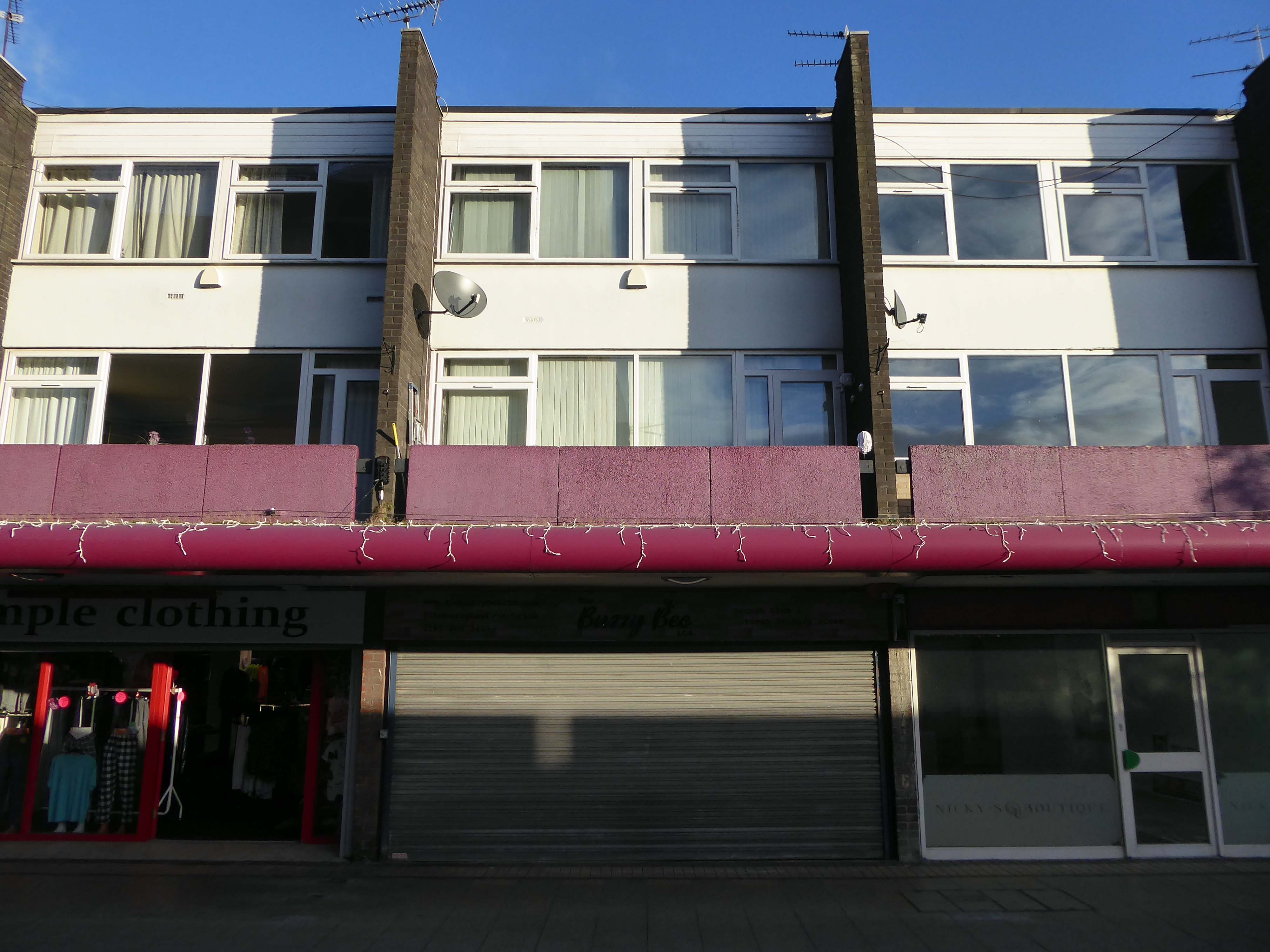
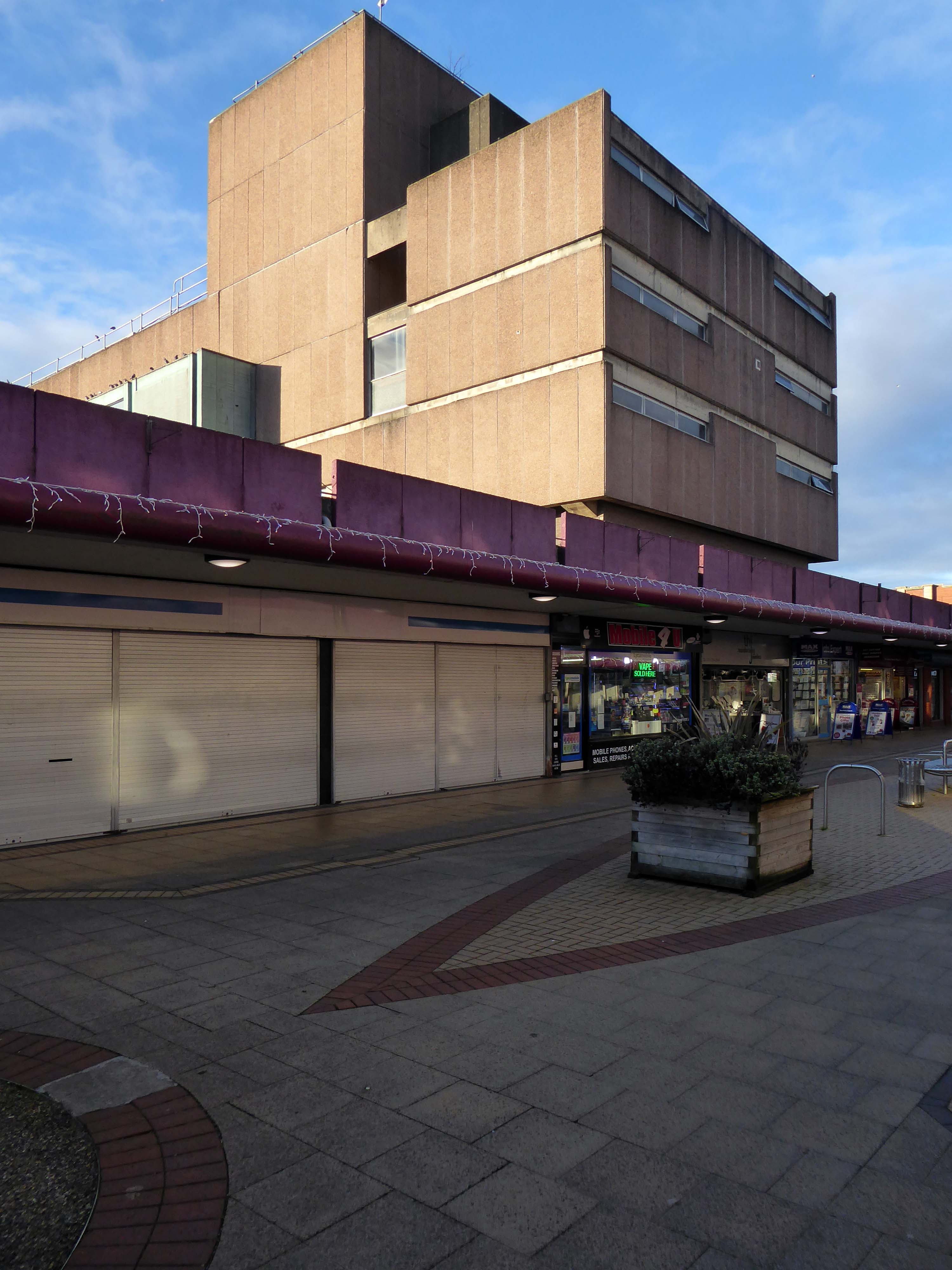
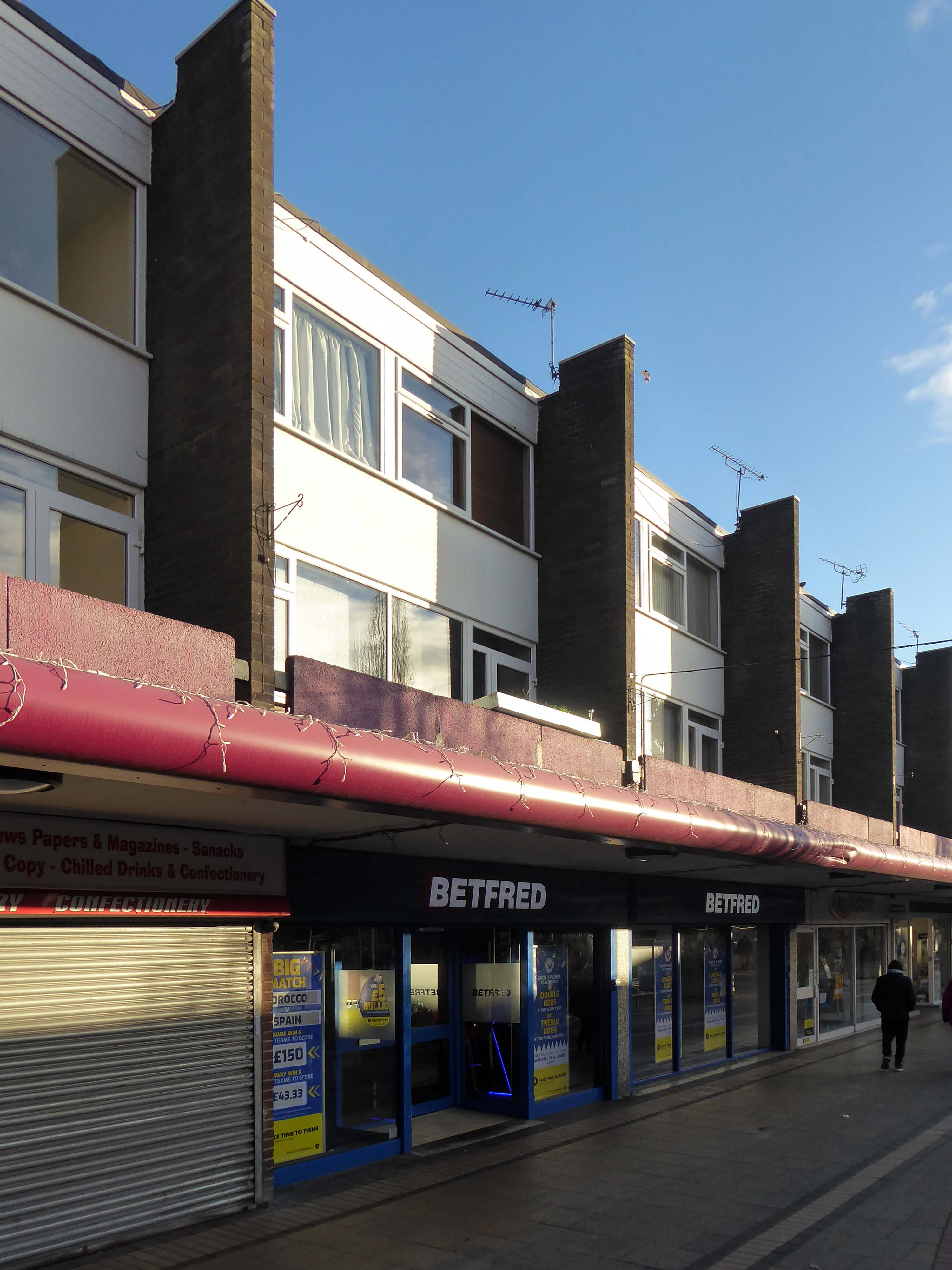
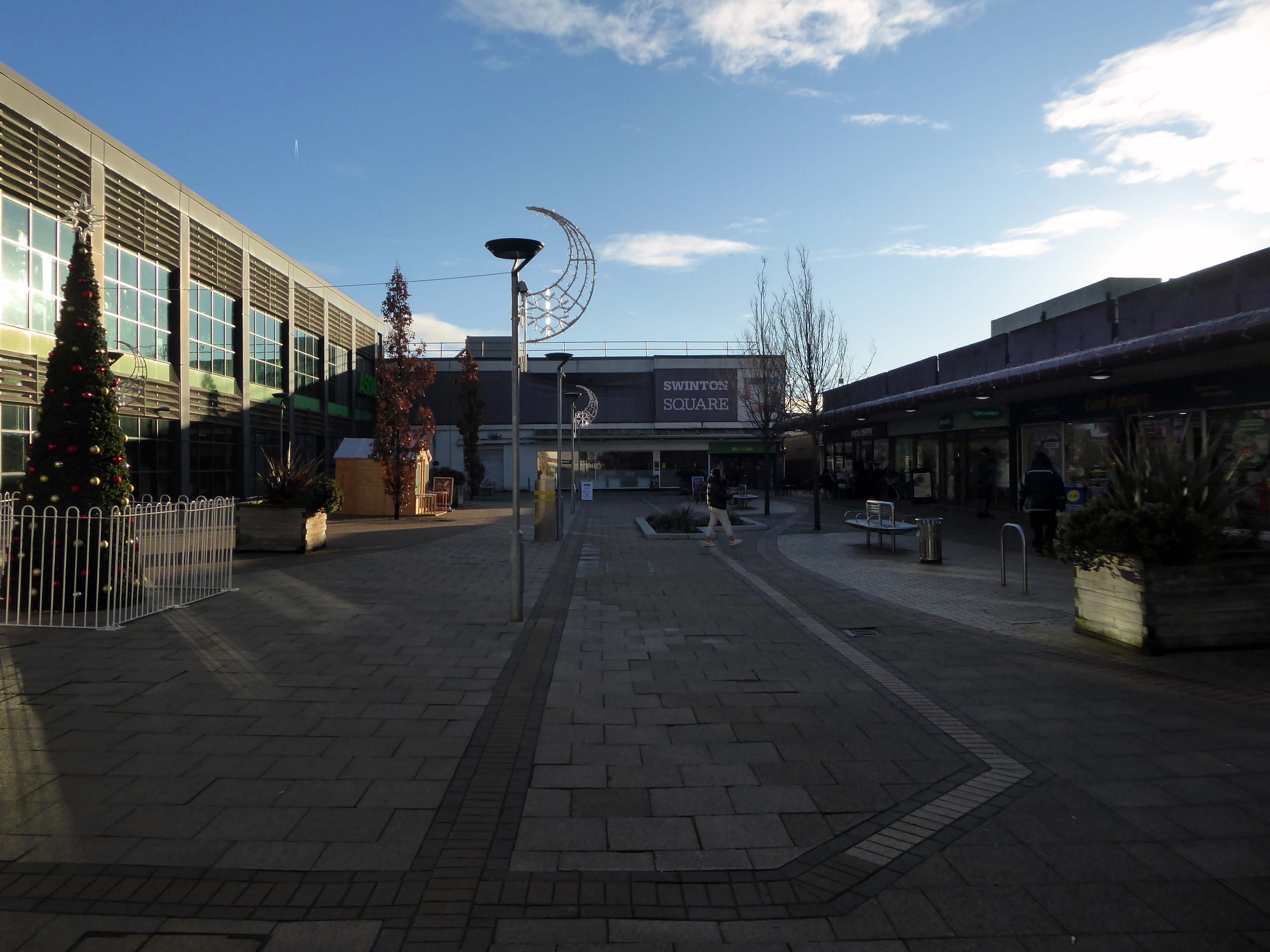
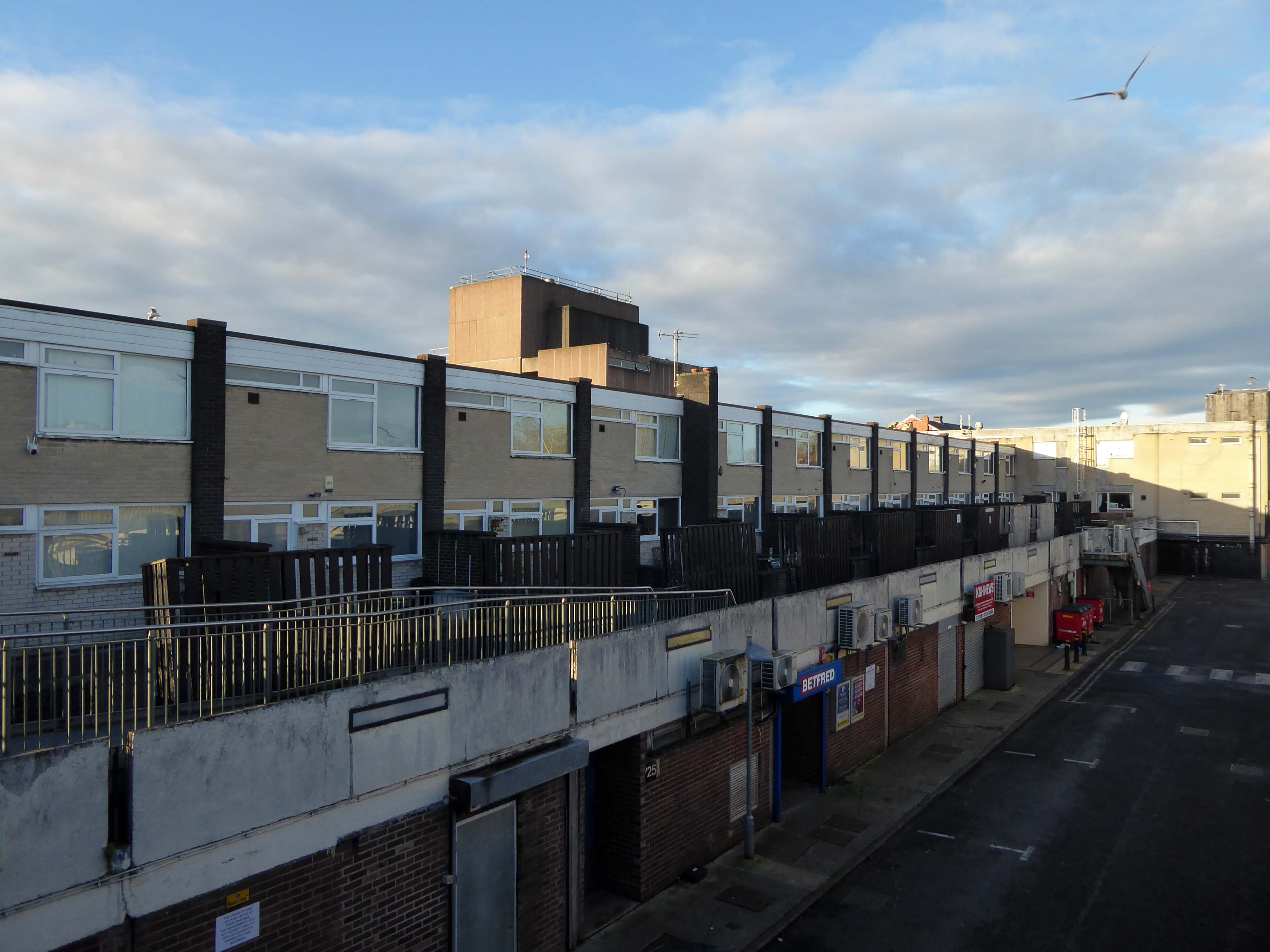
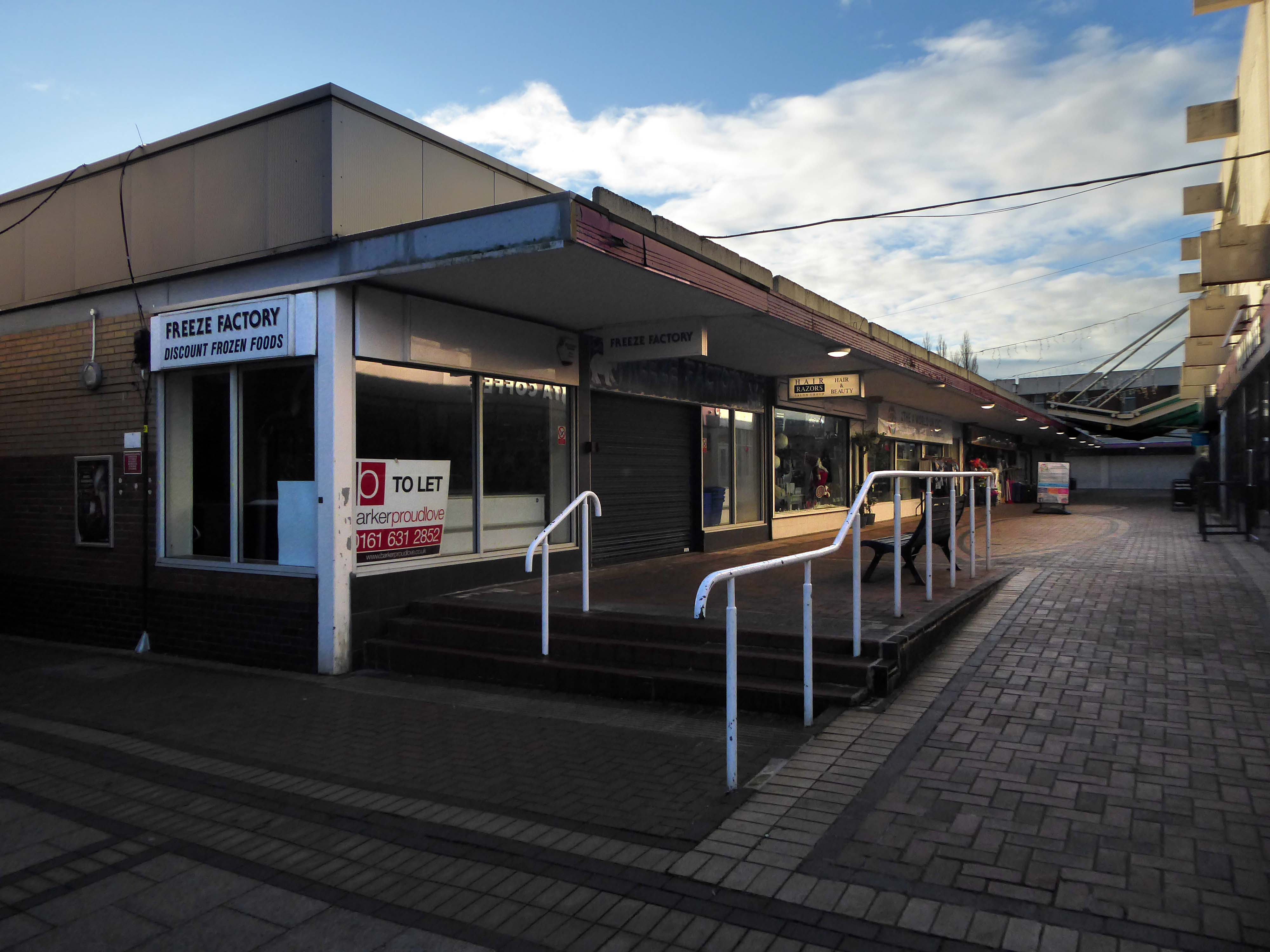
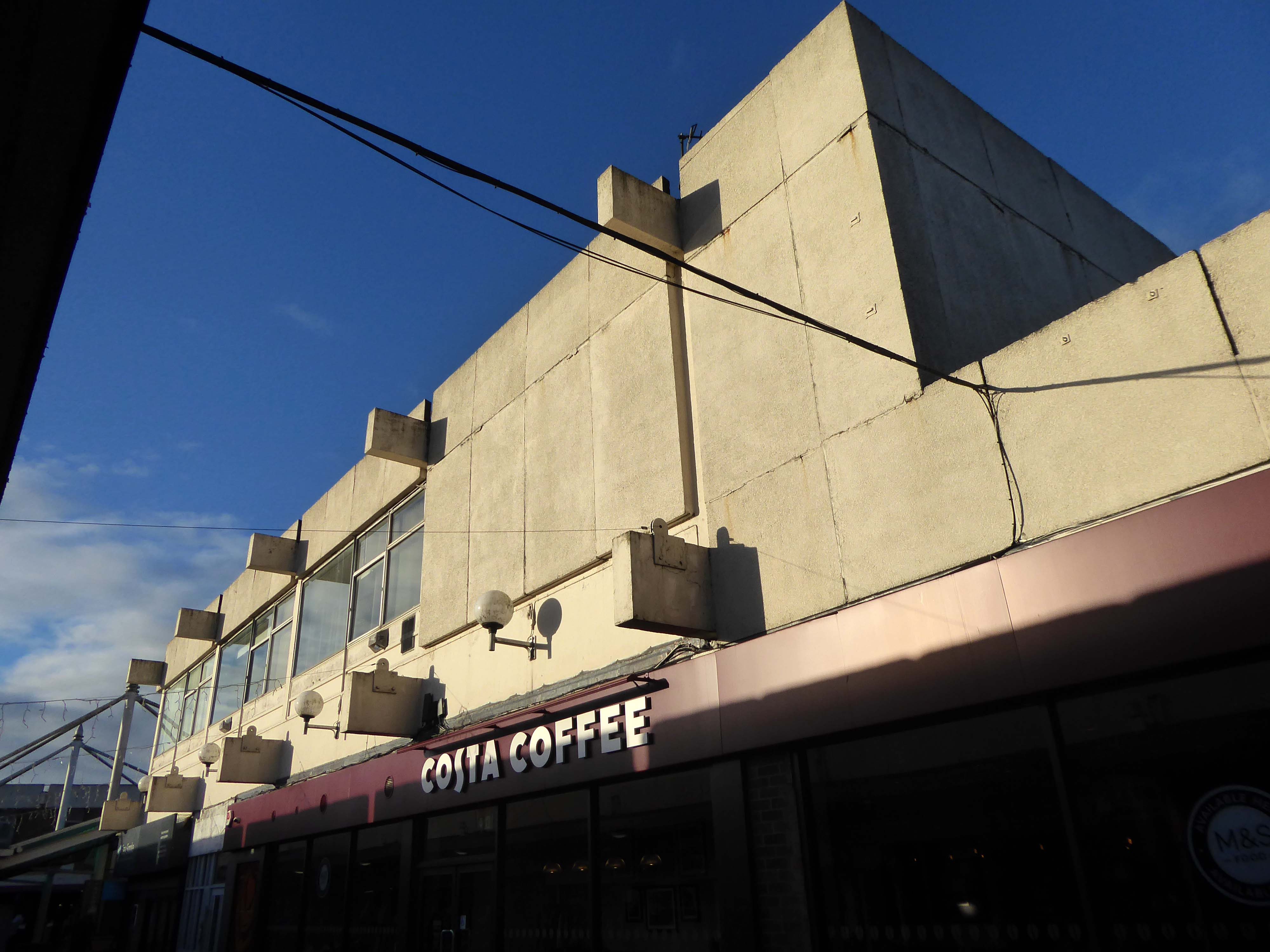
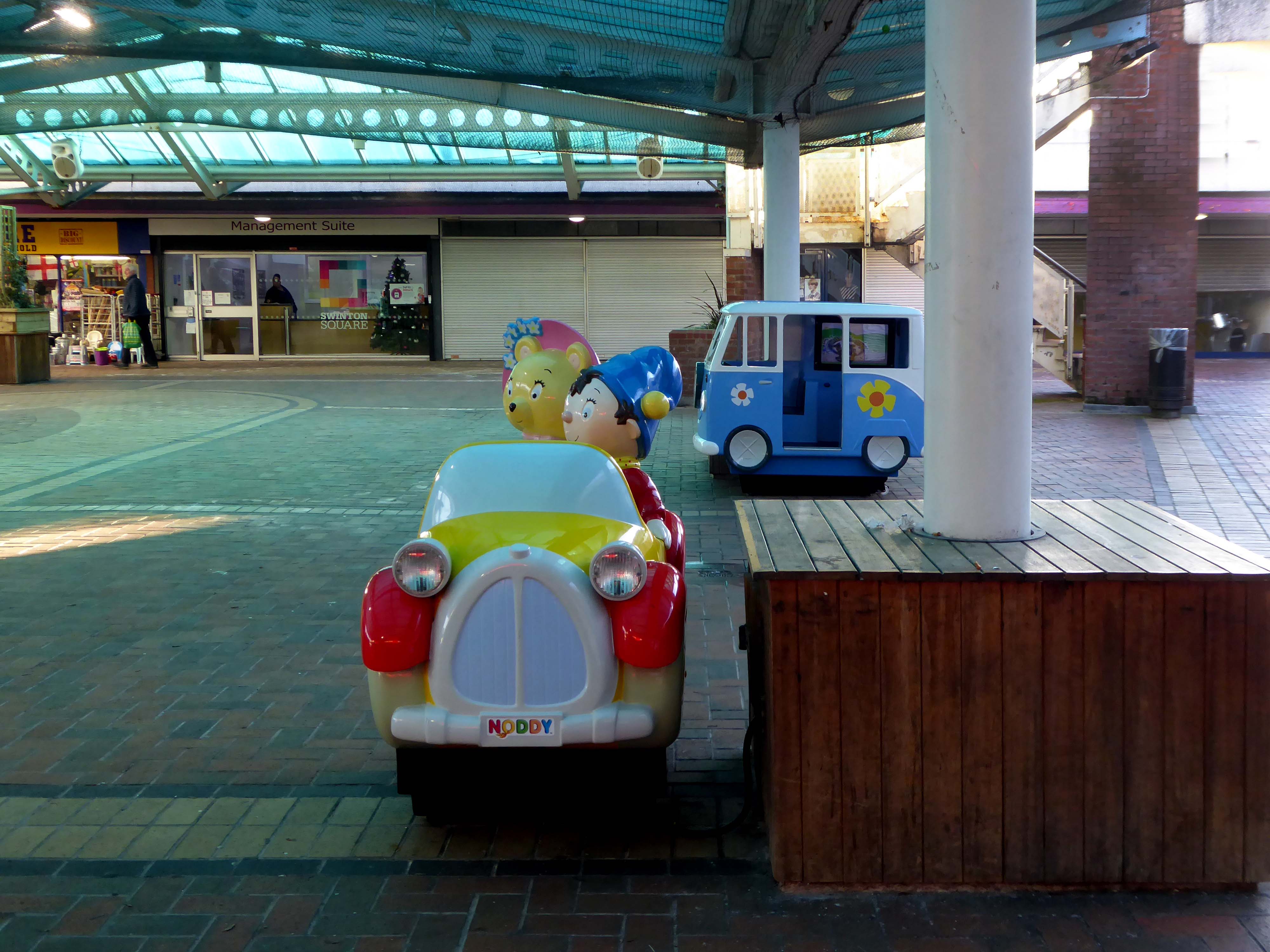
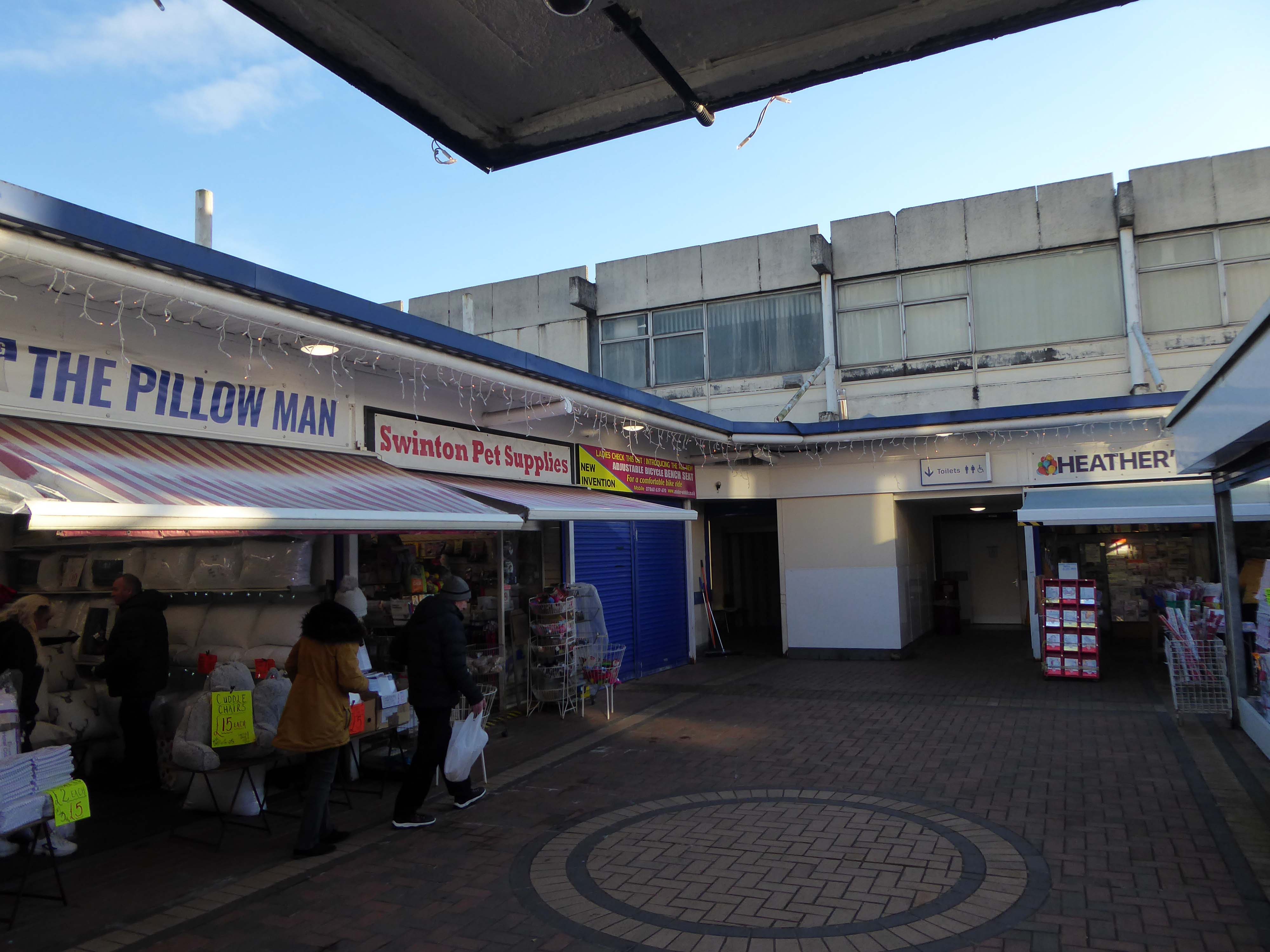
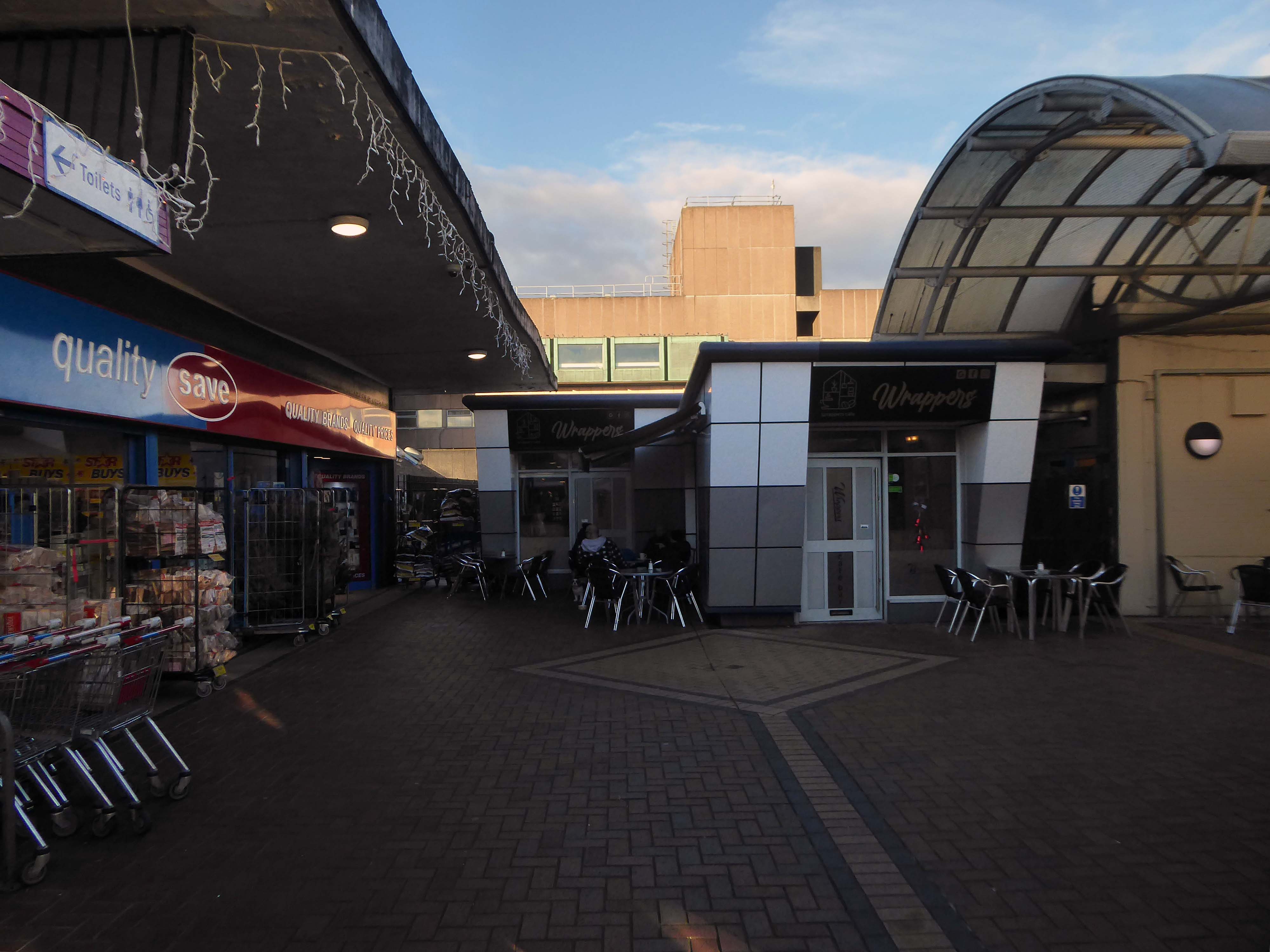
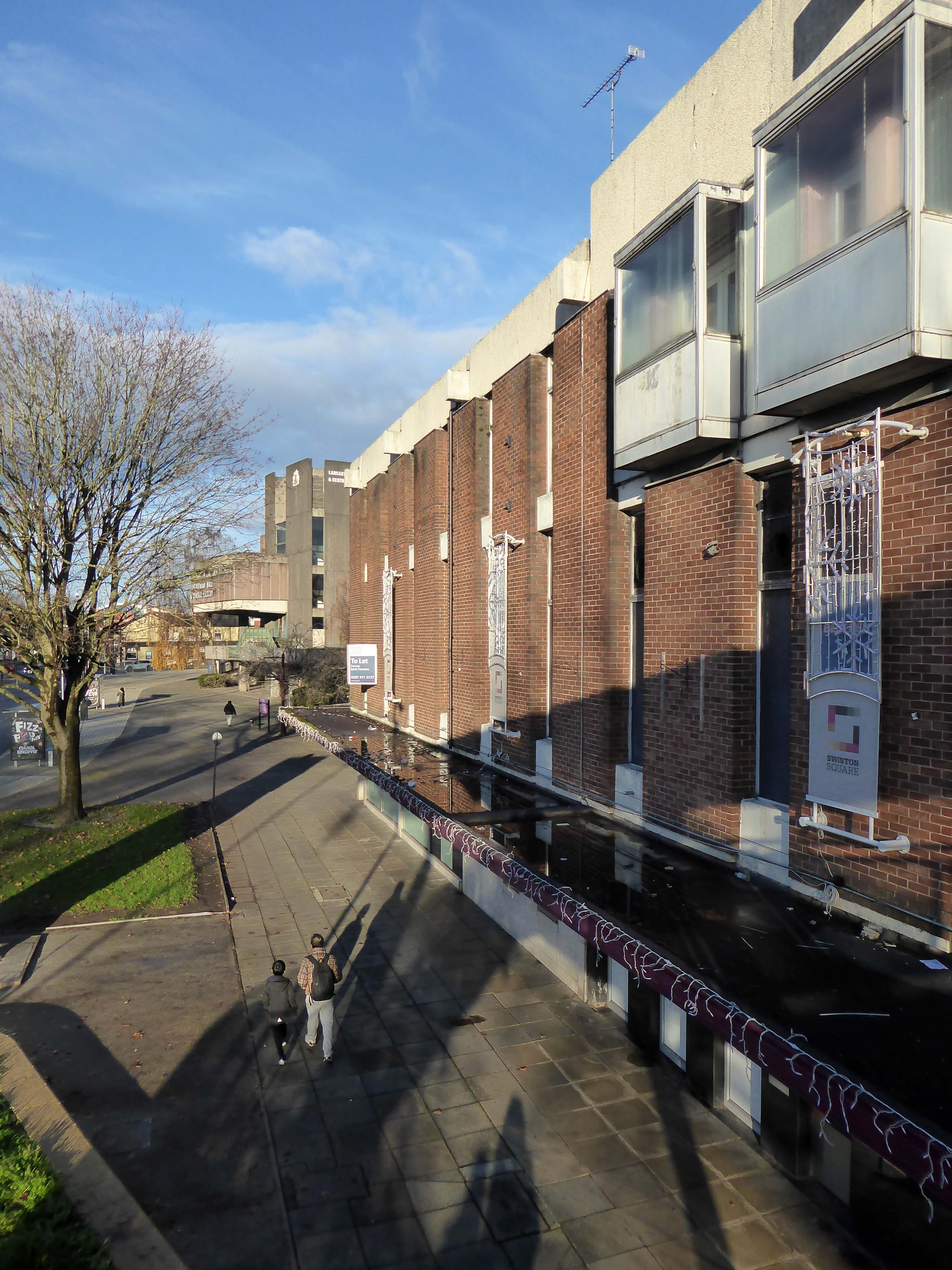
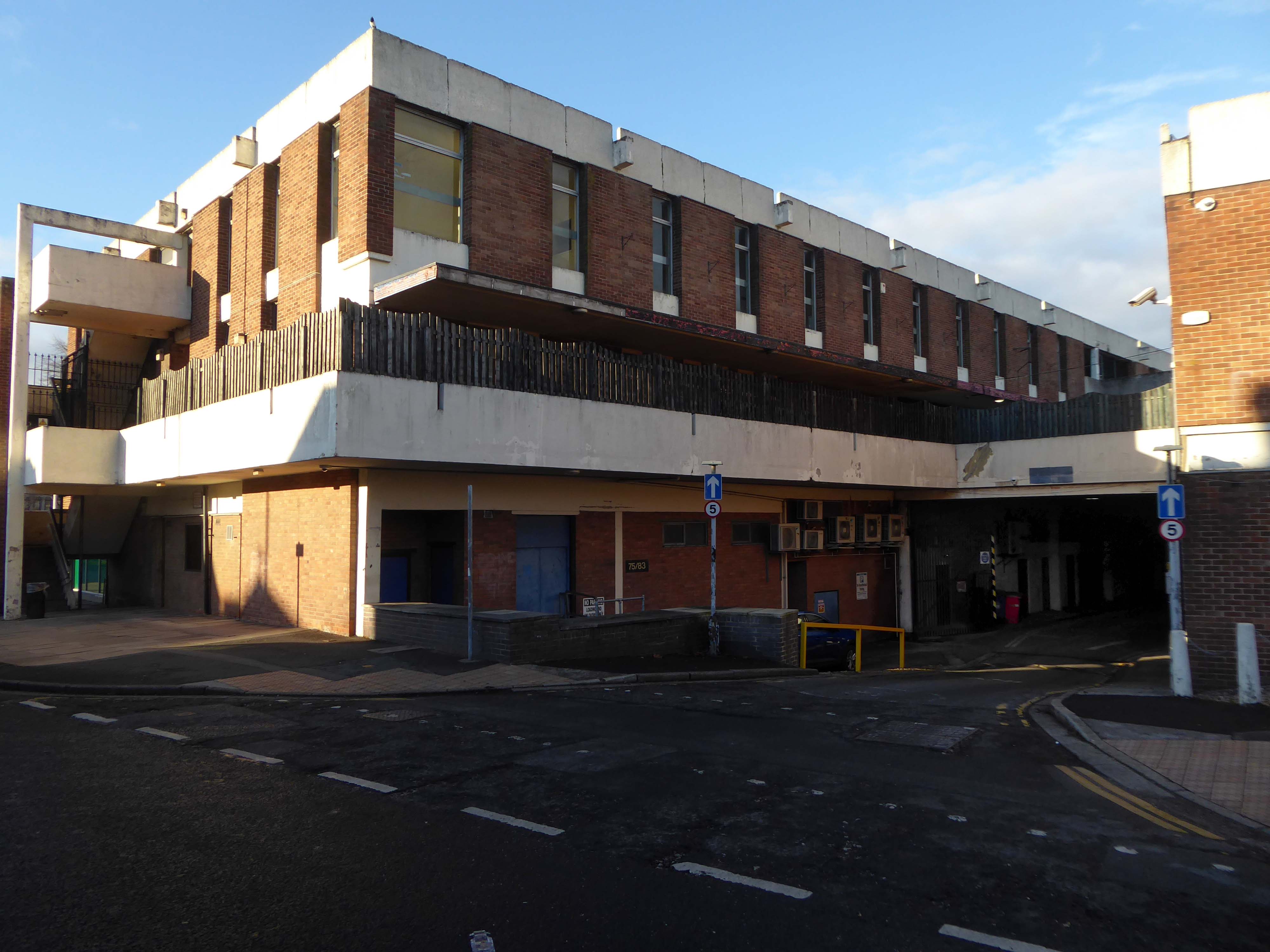
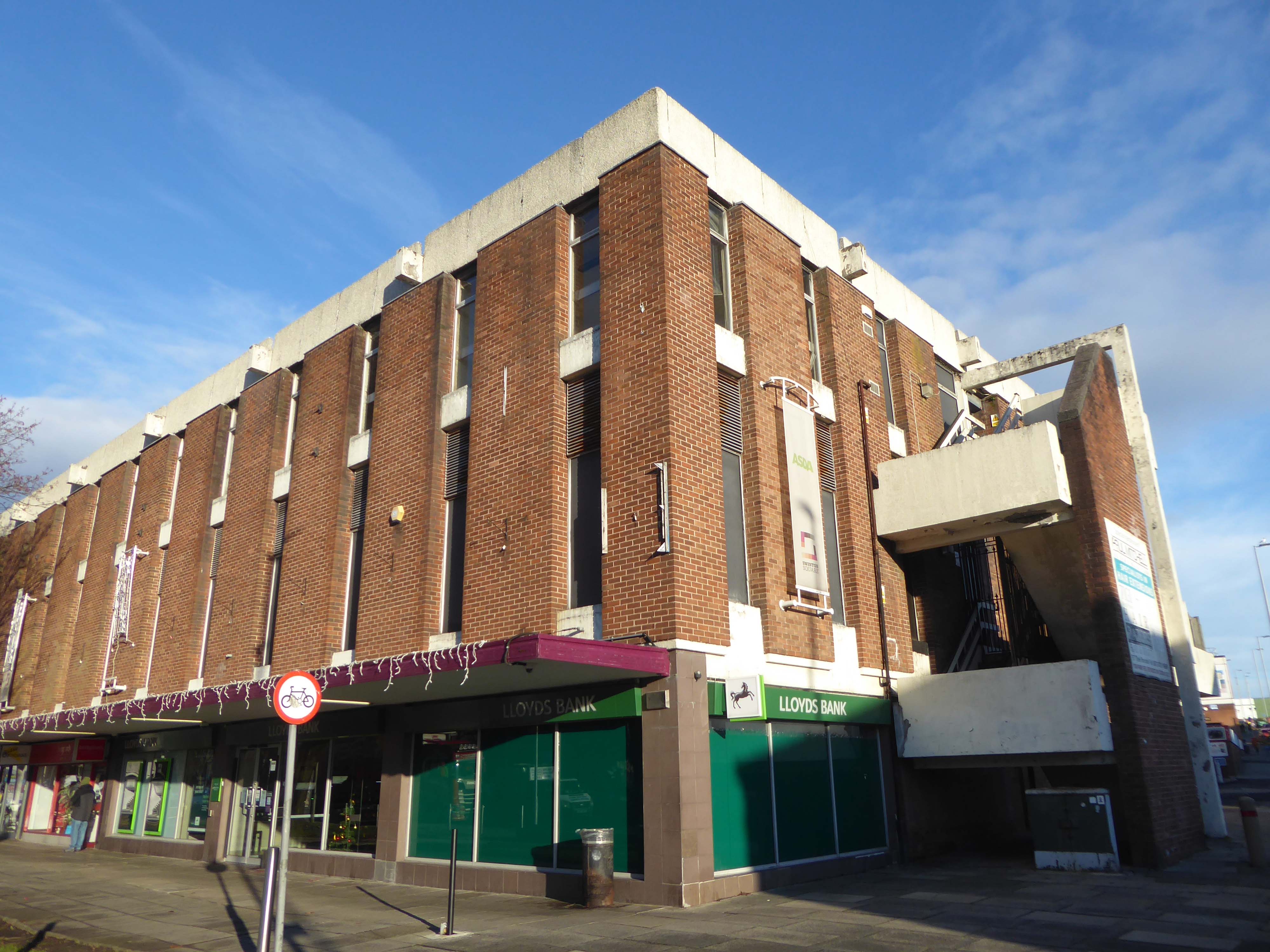
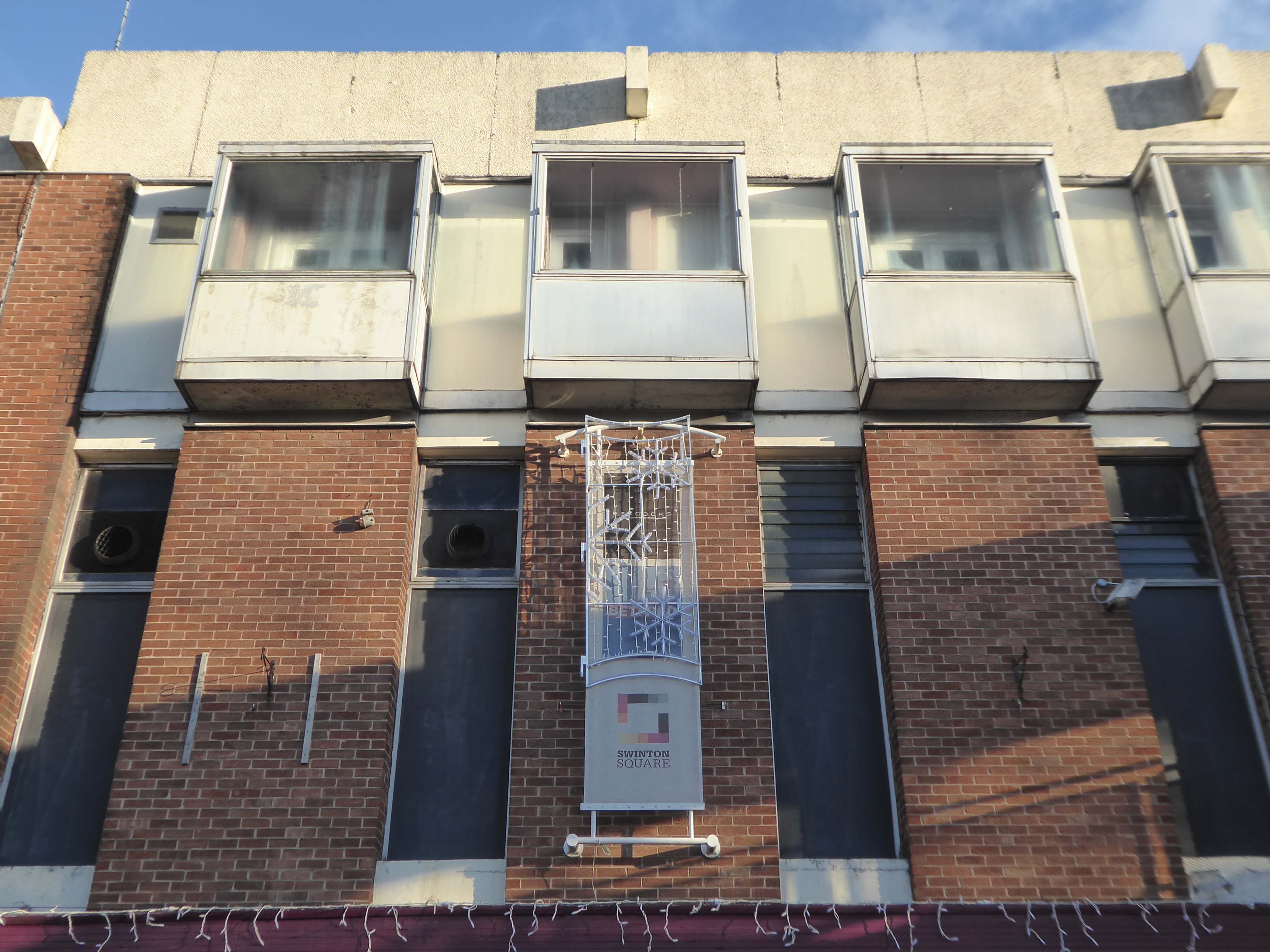
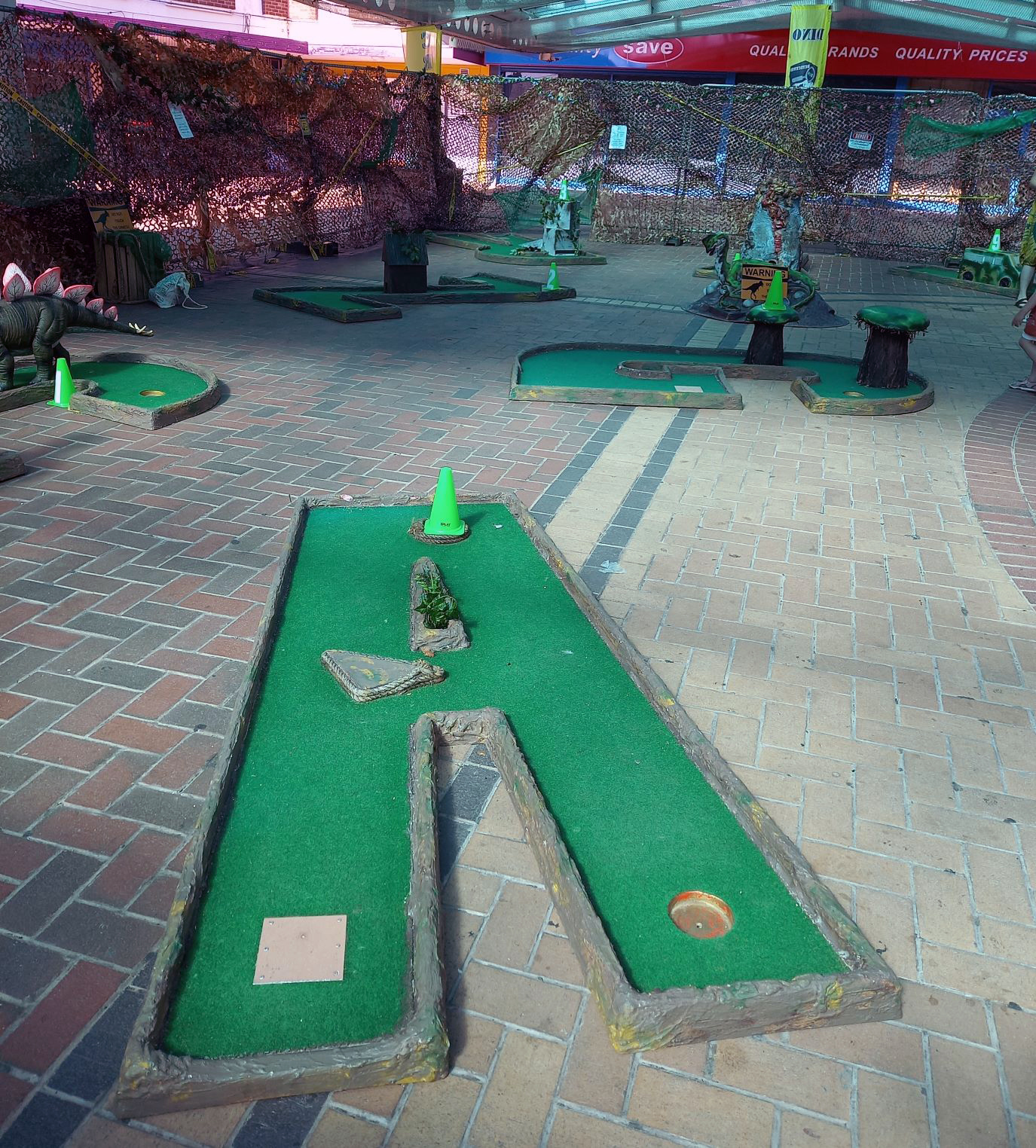
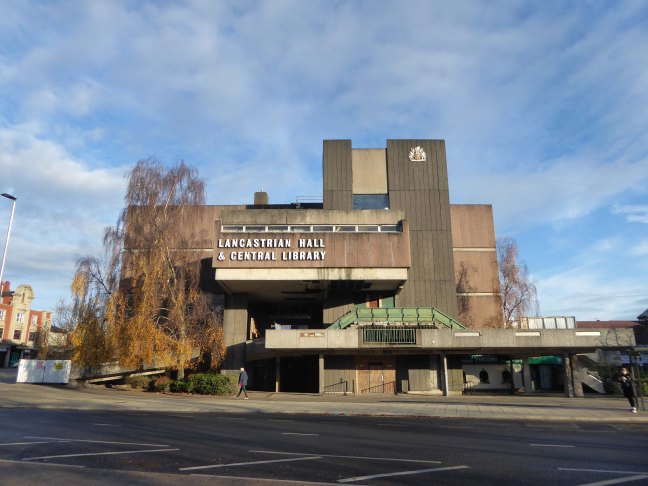
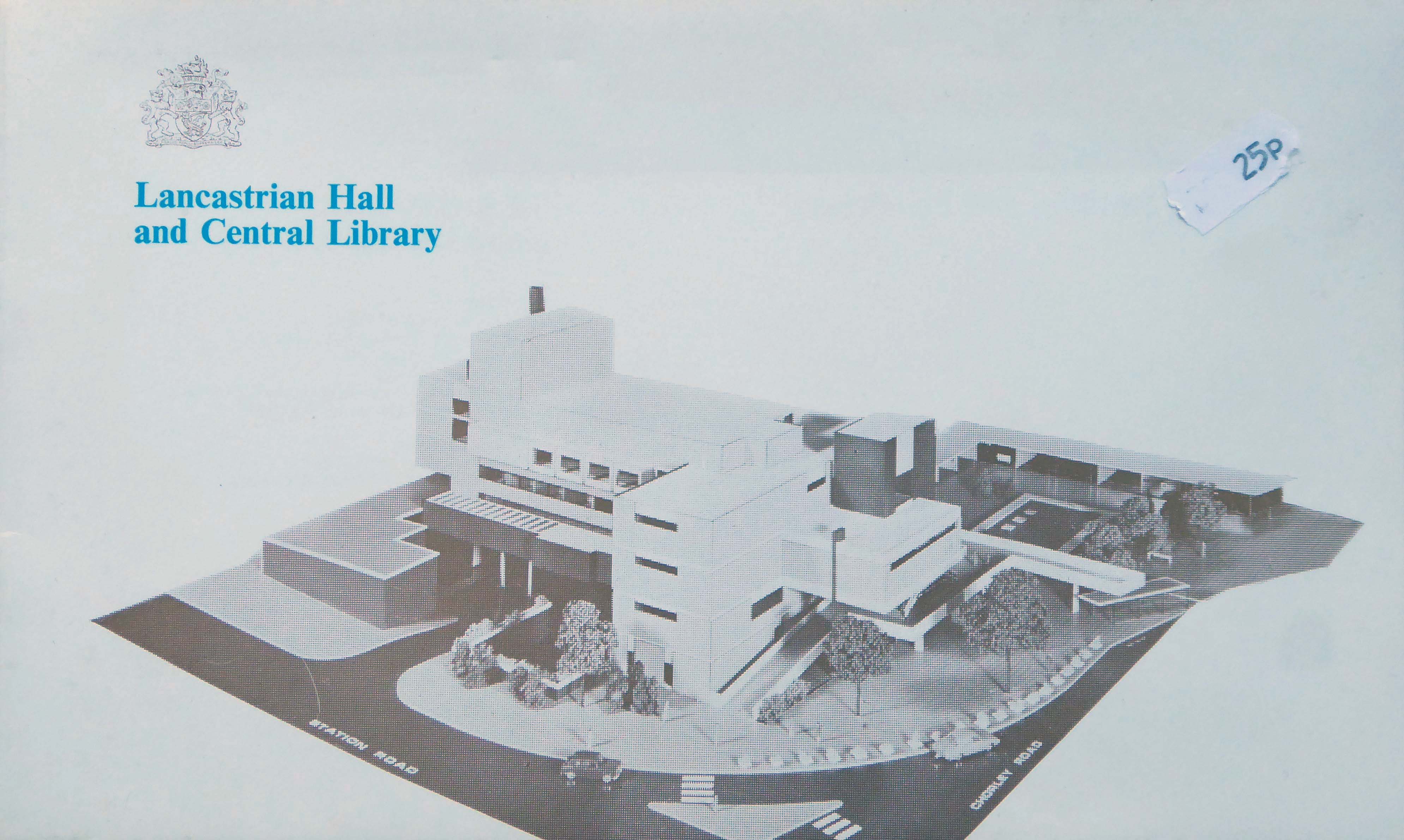
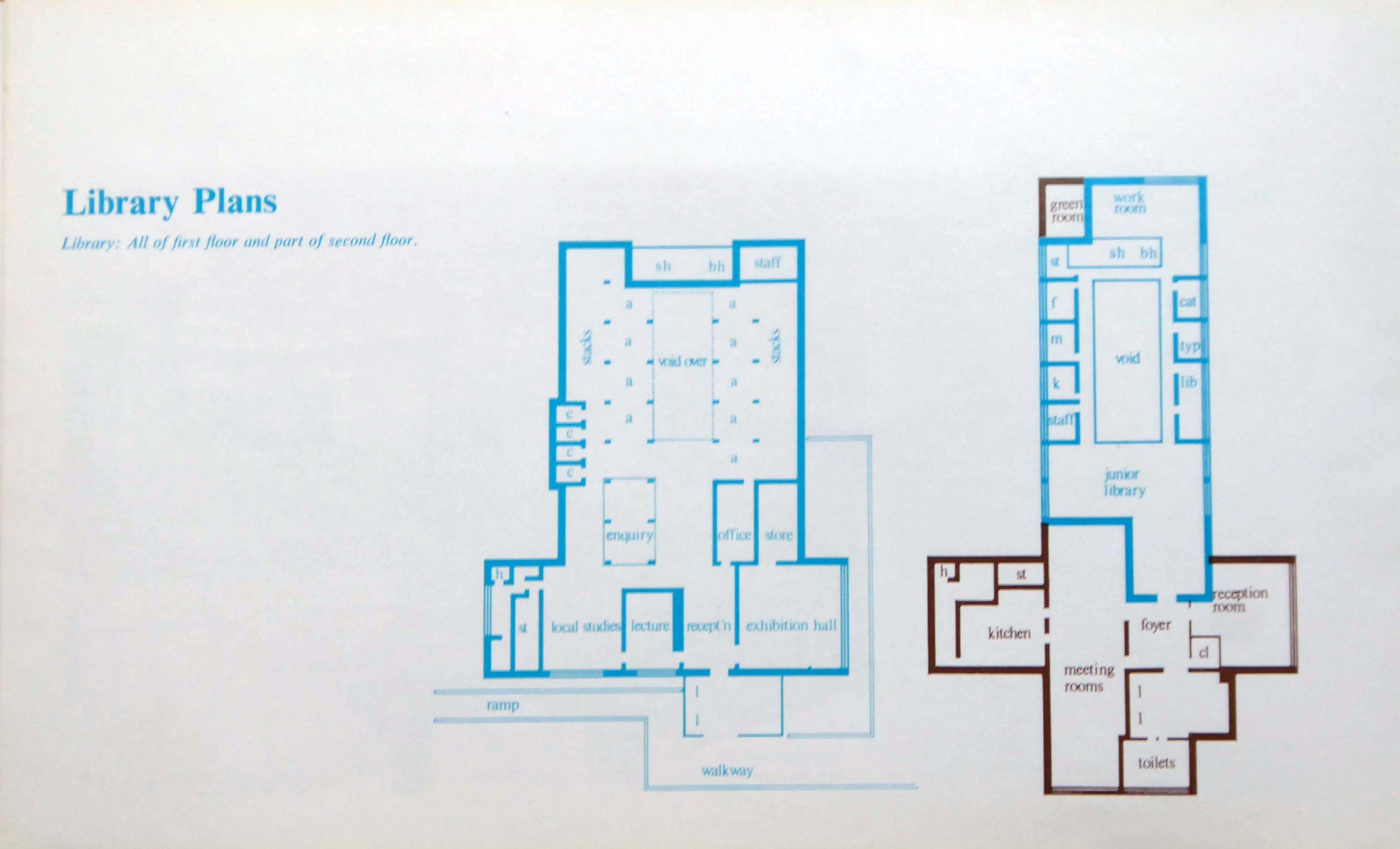
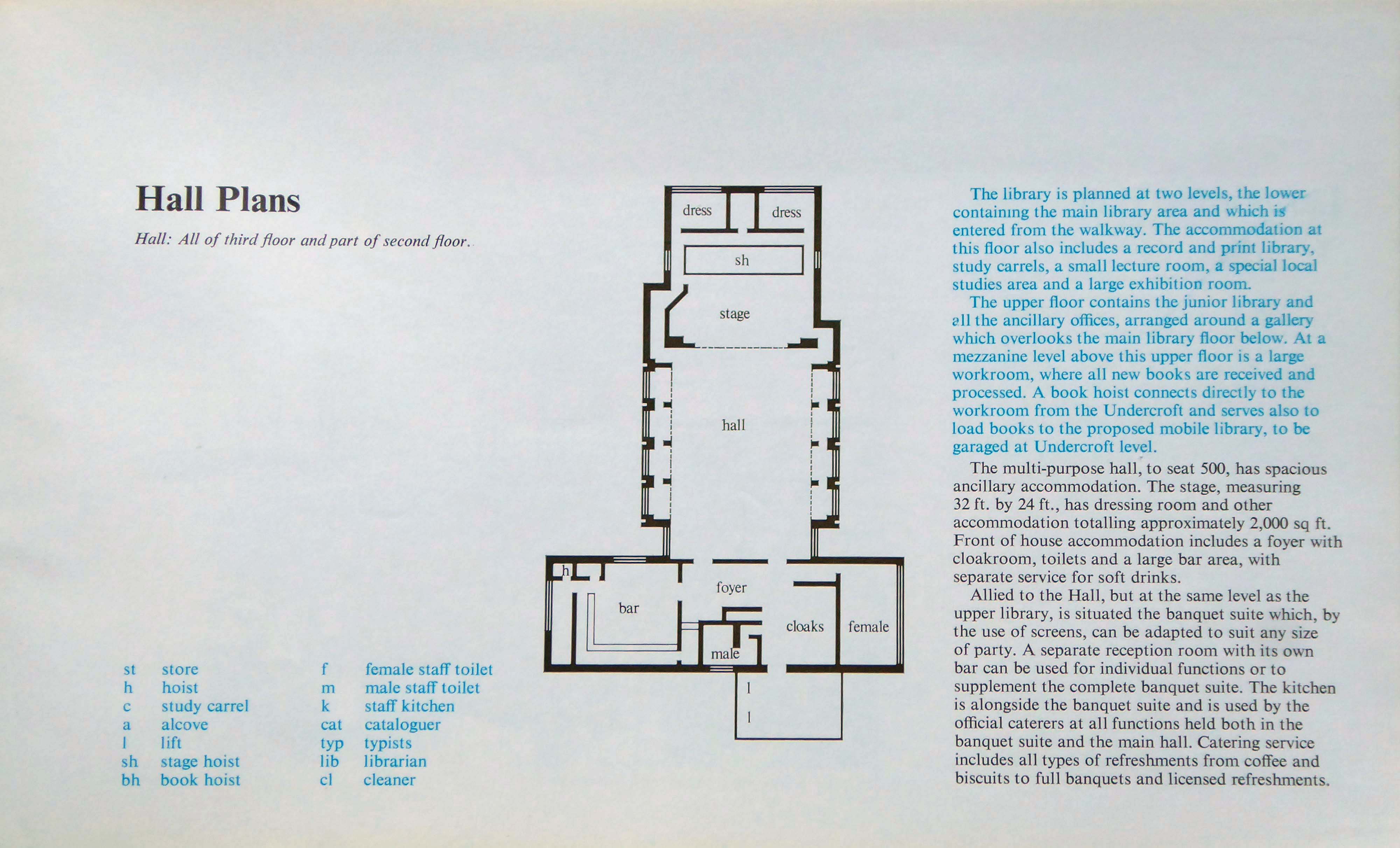
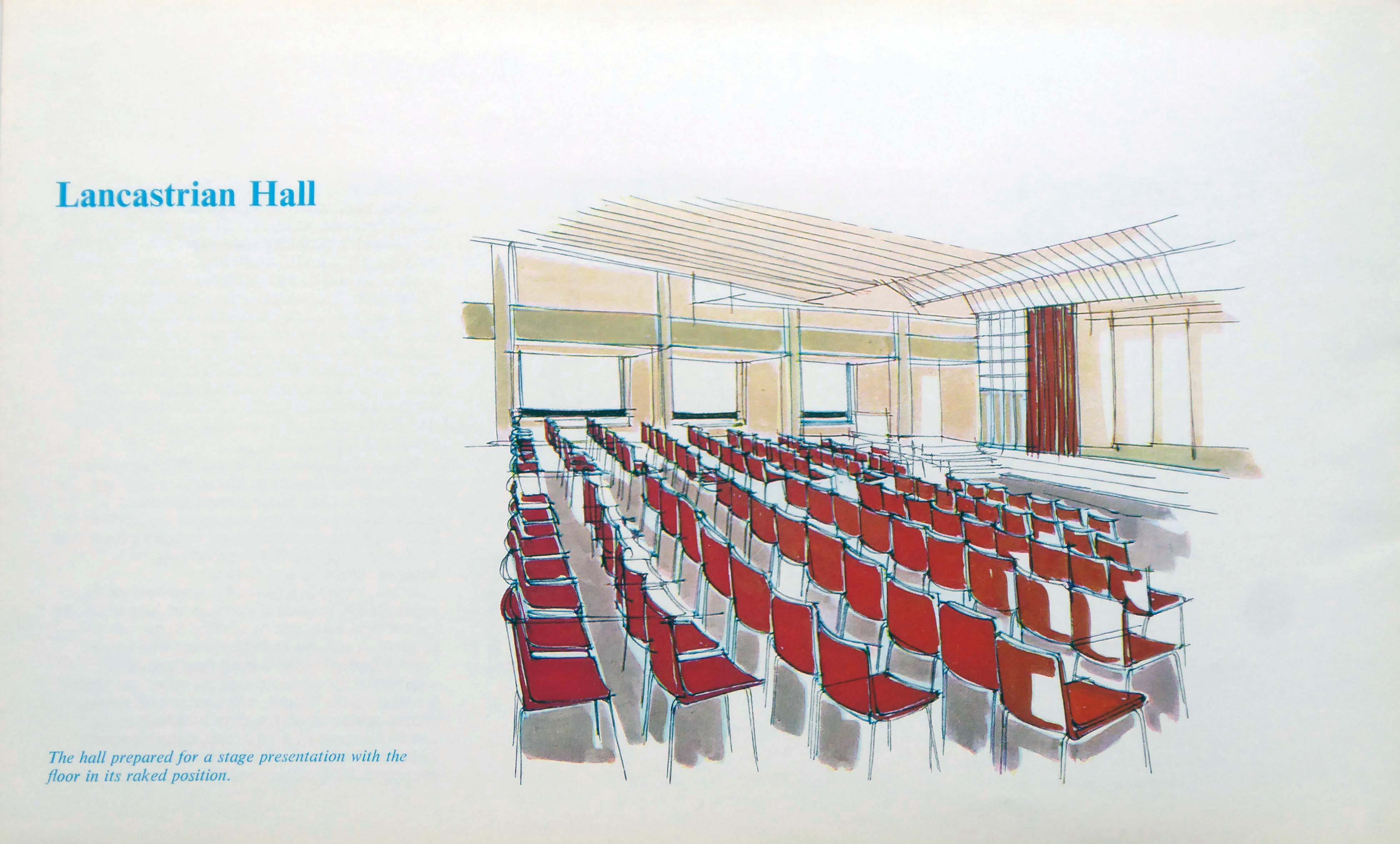
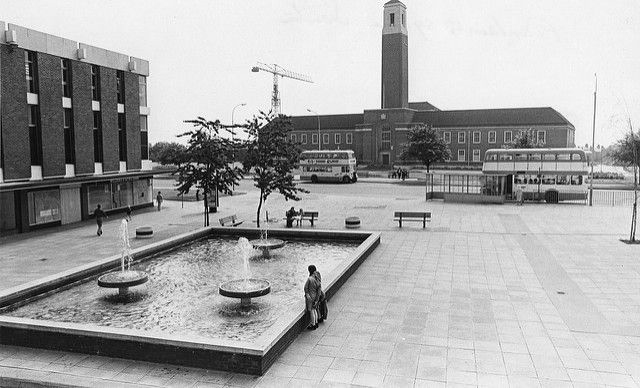
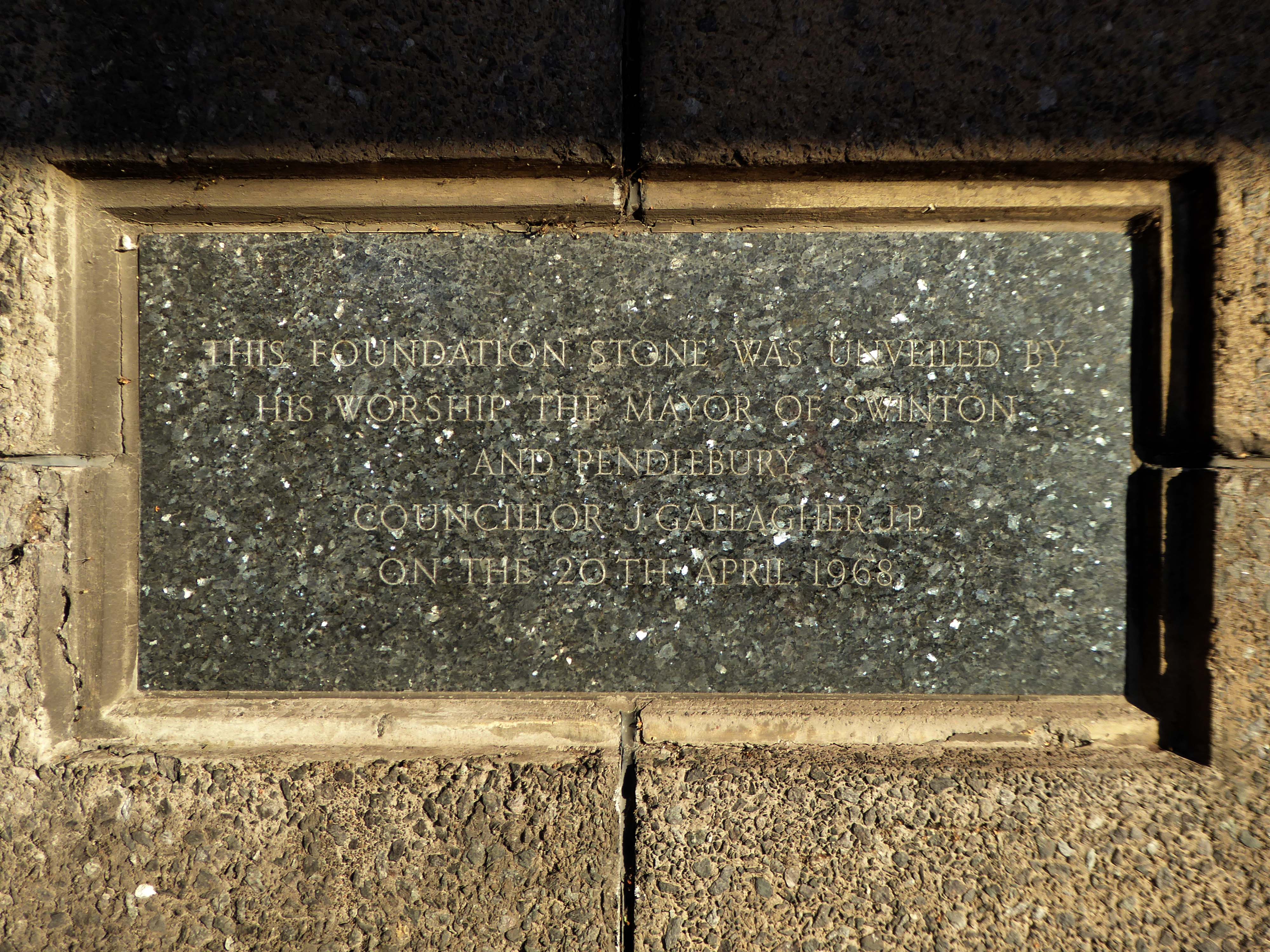
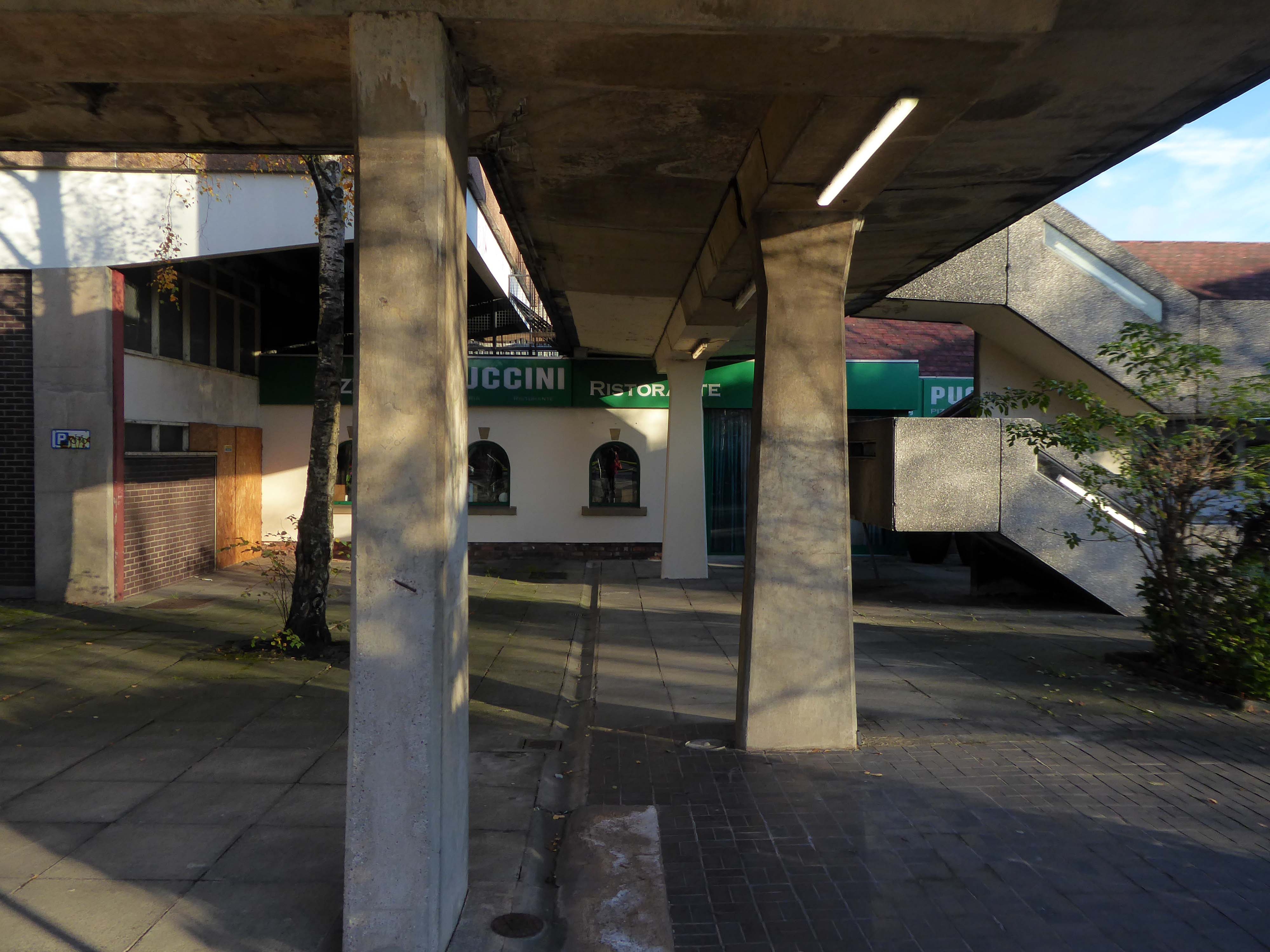
Opened in 1966 along with the slightly later Lancastrian Hall and Library, the Swinton Square shopping precinct provided an integrated modern setting for shopping, living, learning and entertainment.
The late 60s and early 70s was a time of general prosperity – and the hard landscaping offered a soft option for the local folk.
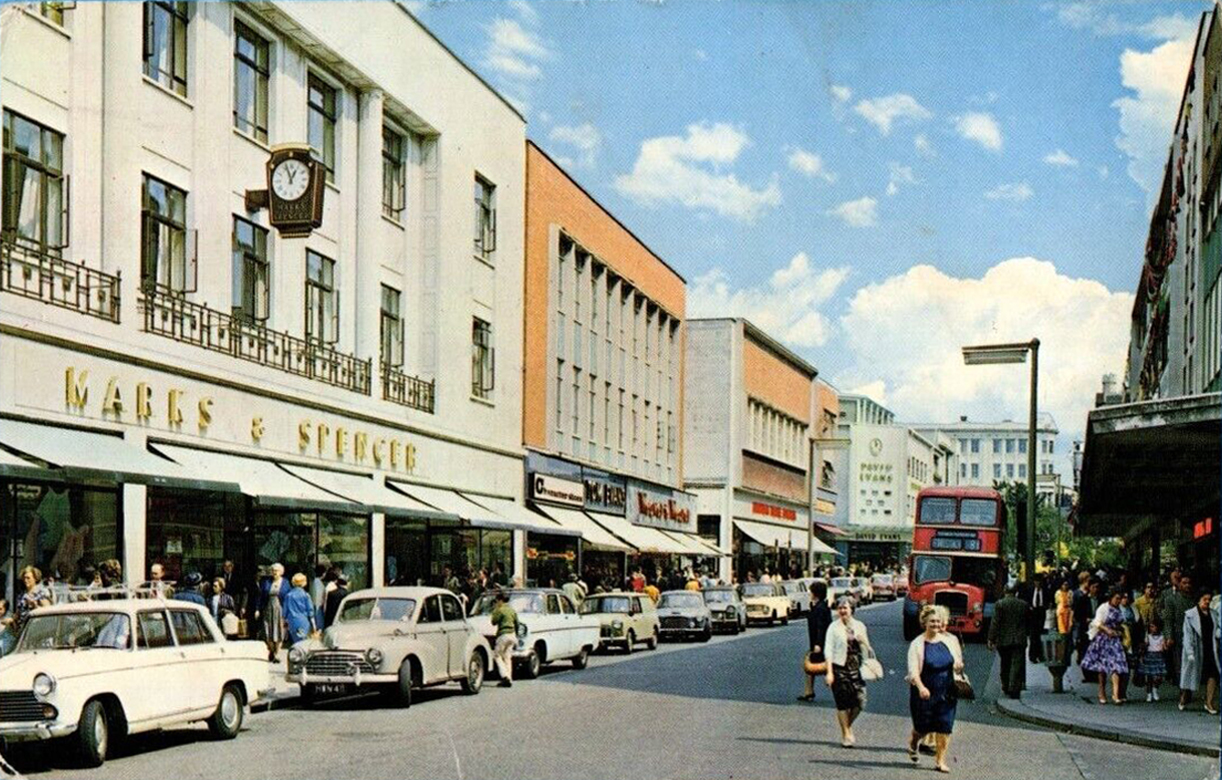
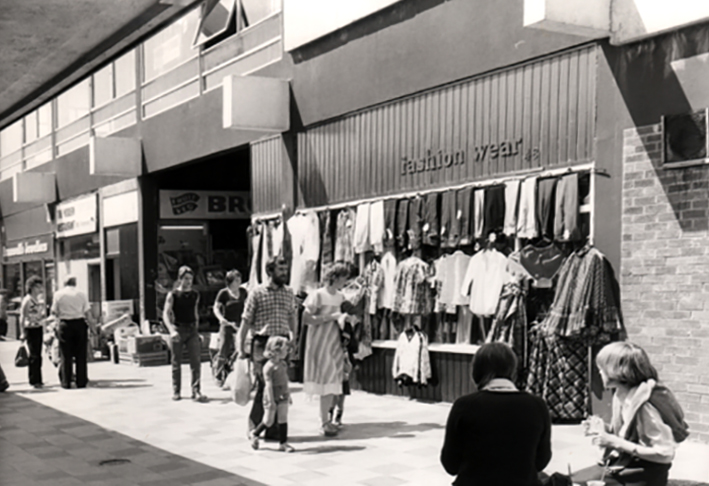
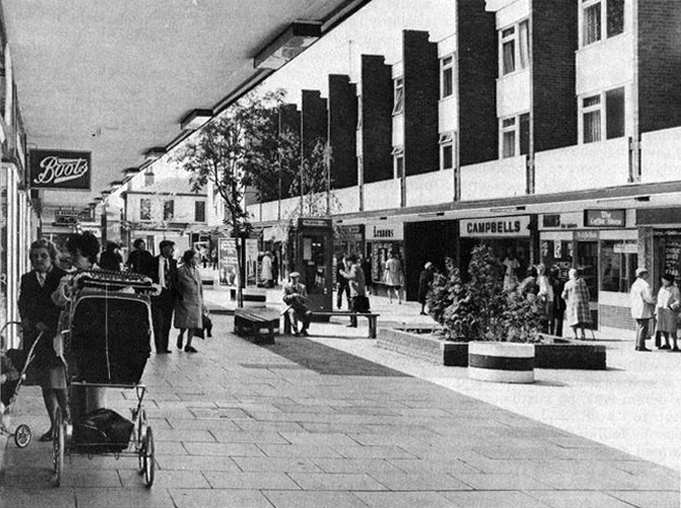
This was the age of the Precinct, celebrated nationally with postcard after postcard.
My local haunt in Ashton under Lyne.
Local traders and national chains rubbed shoulders.
There was even a Job Centre opening- there was even a wide range of vacancies.
Following a challenging year, the letting reinforces Swinton Square as a pillar in the local community. Whilst retail has been heavily affected throughout the Covid-19 pandemic, footfall at the scheme has remained buoyant, with shoppers staying local, favouring the convenience and independent retailers of Swinton Square. Renovations began on the site of the new, temporary job centre at the beginning of the year and is due to be completed in May. The centre is expected to boost footfall and support for local, independent businesses.
Despite Swinton’s many strengths, it faces similar challenges to other towns. The shopping centre and other buildings in the town centre are dated and in need of investment. Demand for local housing has grown by 23% in the last five years, but there is a lack of high-quality family and affordable housing in the right locations in the area.
The vision is just the first step of the journey, the next is to appoint a developer partner who can take this vision and help shape it, through ongoing consultation and engagement with the community, into a framework and plan for Swinton that will guide future investment.
Councillors have approved a compulsory purchase order to complete the land assembly for the £300m Blackpool Central project but still hope to negotiate terms with property owners.
Blackpool Council’s executive unanimously agreed the recommendation towards enabling the Central Car Park to be transformed into a leisure destination boasting a flying theatre, virtual reality rides, a thrill and gaming zone, multi-media exhibition space and themed dining areas.
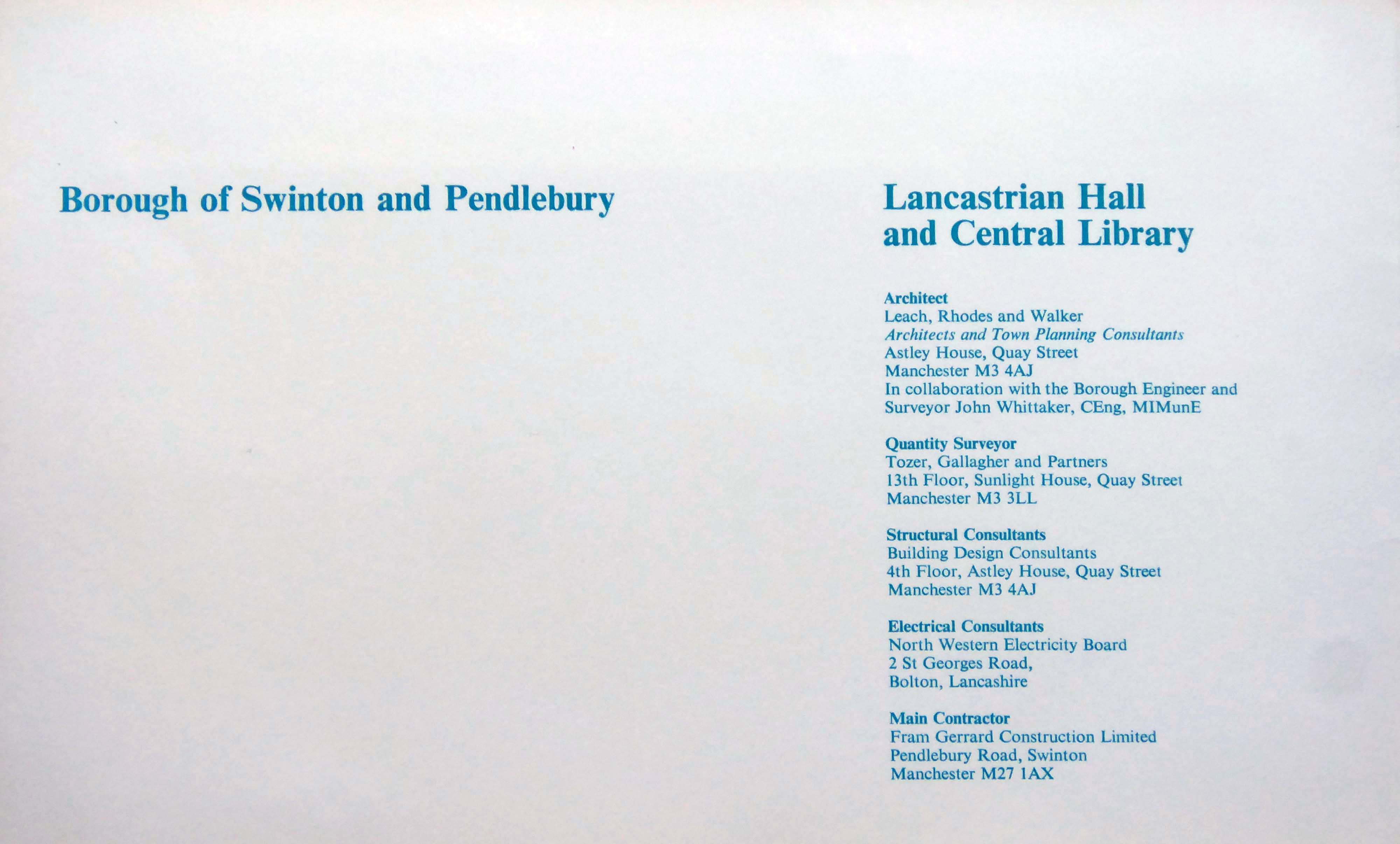
Completed in 1969 to designs by Leach Rhodes and Walker in collaboration with the Borough Engineer John Whittaker
Constructed at the tail end of the Sixties – the last gasp of Municipal Modernism in the Borough, providing education, edification and entertainment for the local population.
The fountain is gone, the building is closed – the party’s over.
The Fast Cars are history – well they were history, until I was told that they are still speeding along!
A council has spent £348,000 on a masterplan for a town centre that the public has never seen.
Consultants have been used to come up with ideas to regenerate Swinton in Salford.
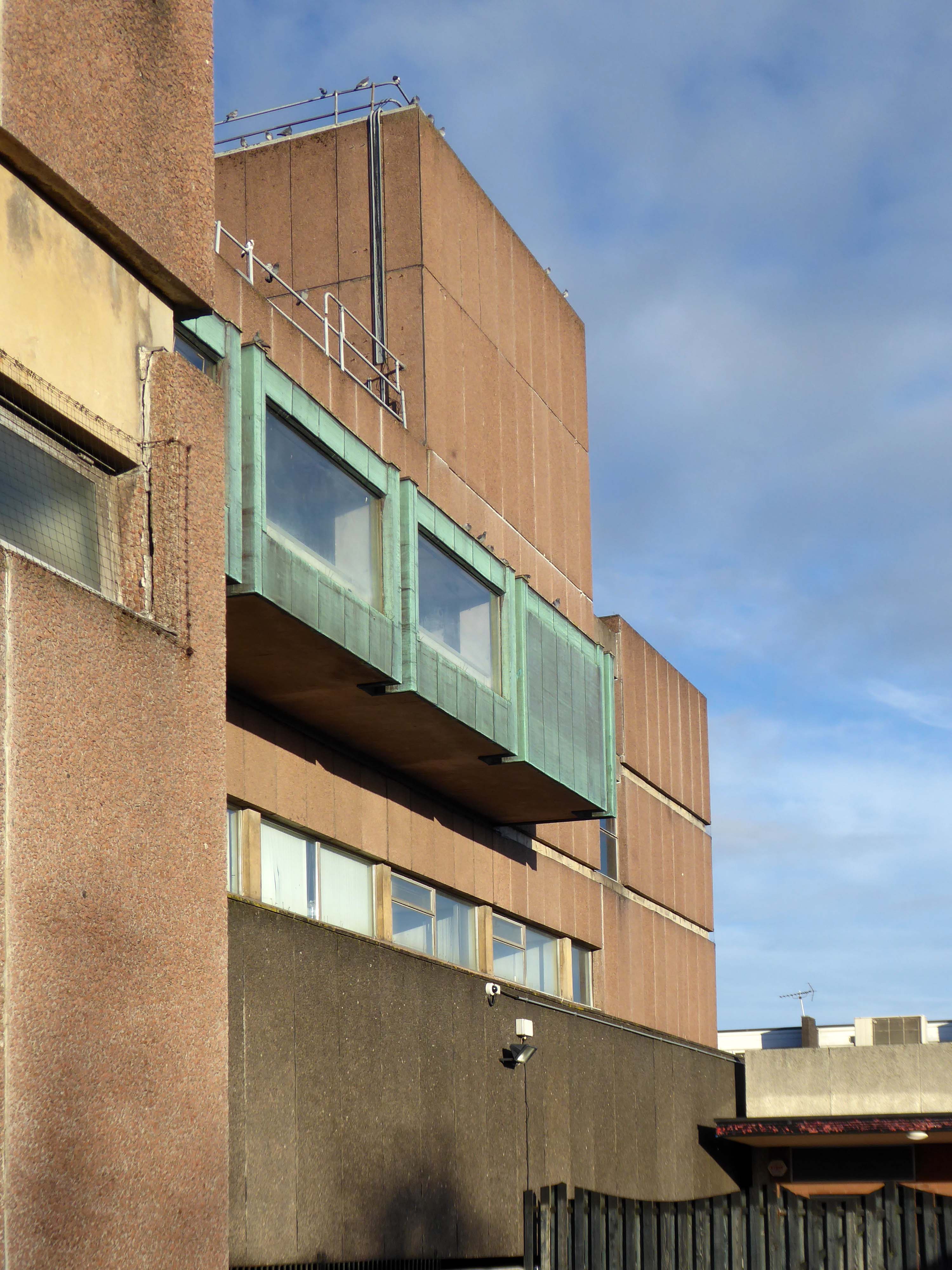
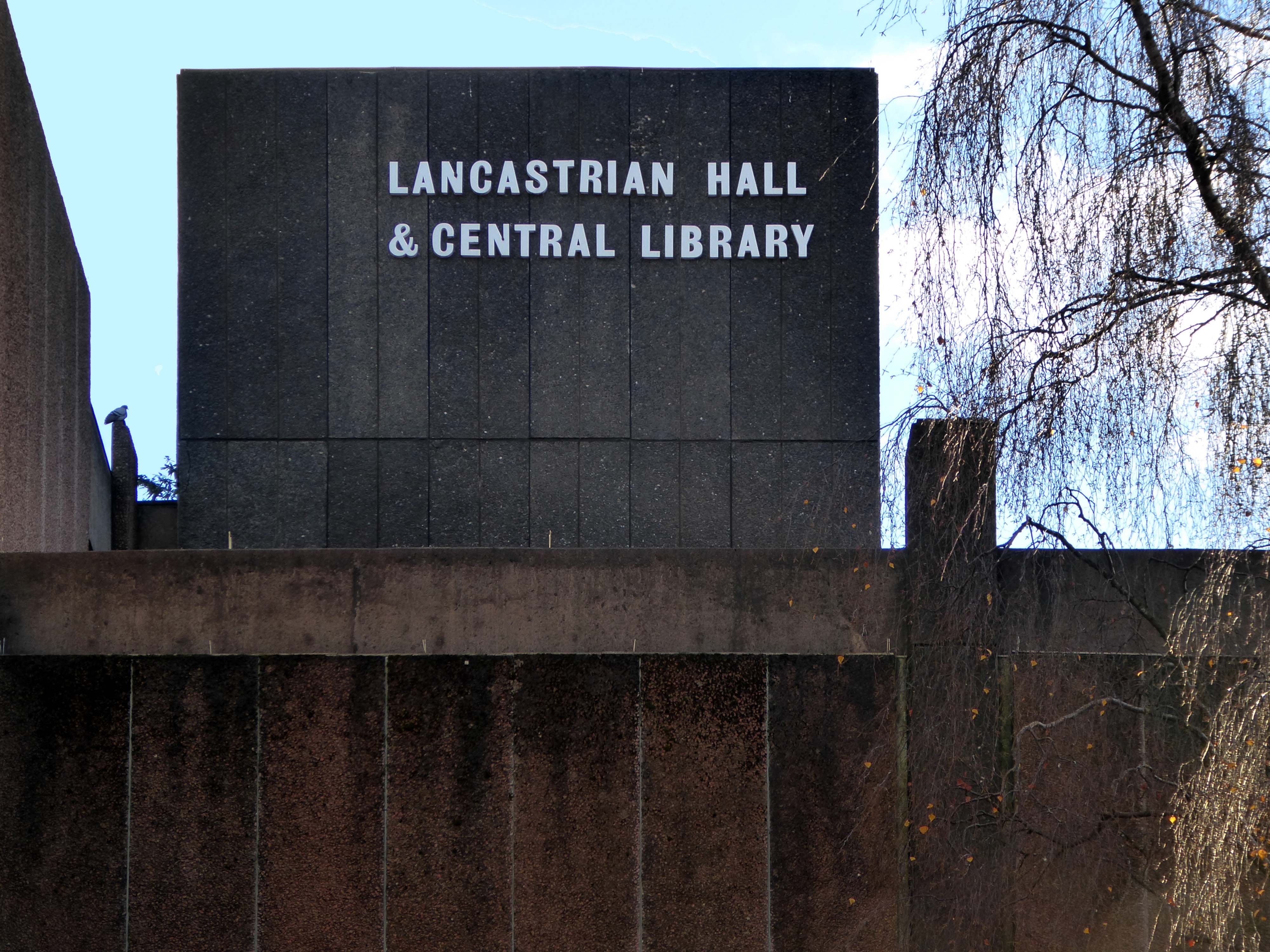
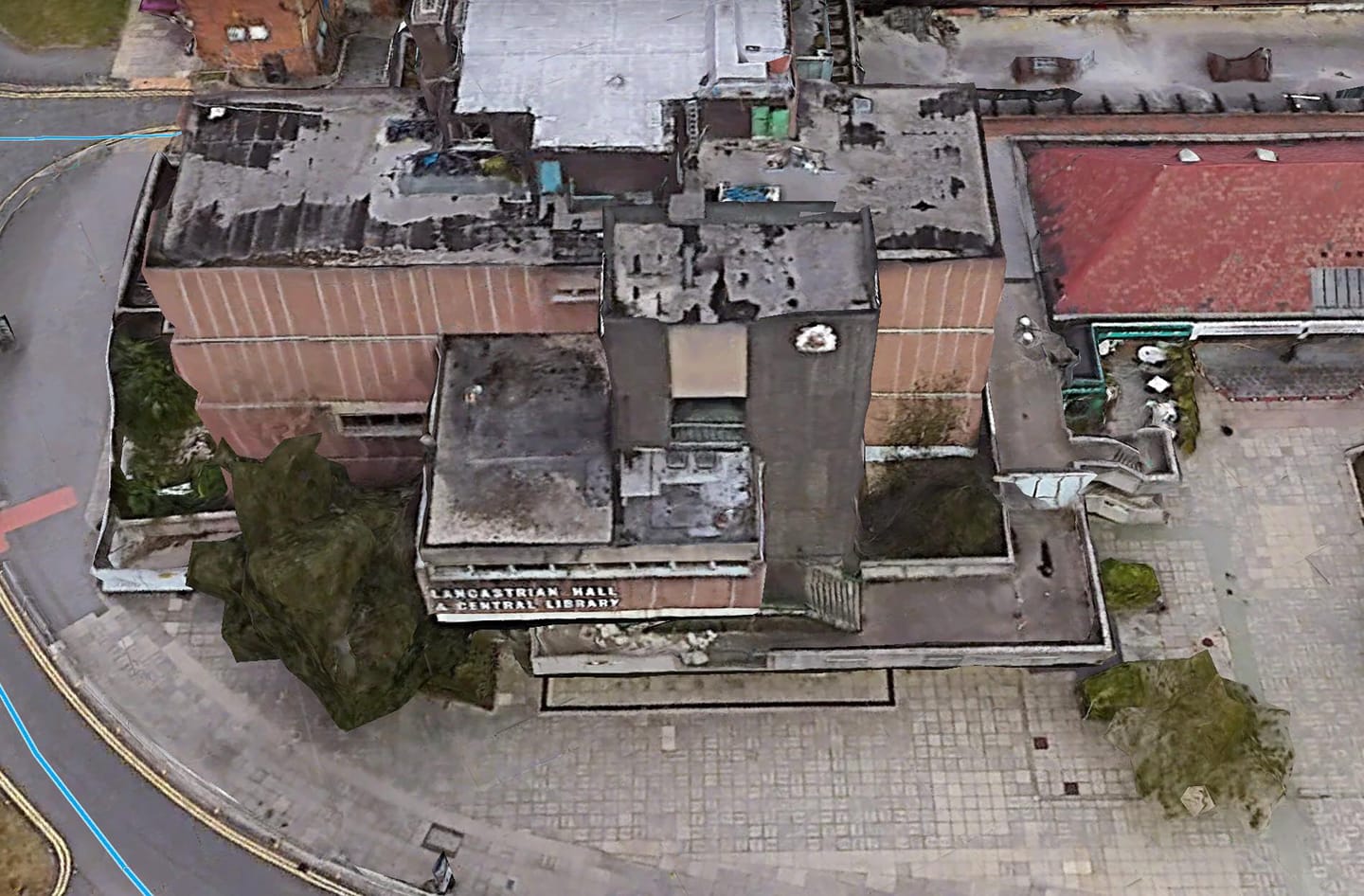
The town centre is dominated by the imposing Lancastrian Hall, opened in 1969, with an adjoining shopping mall.
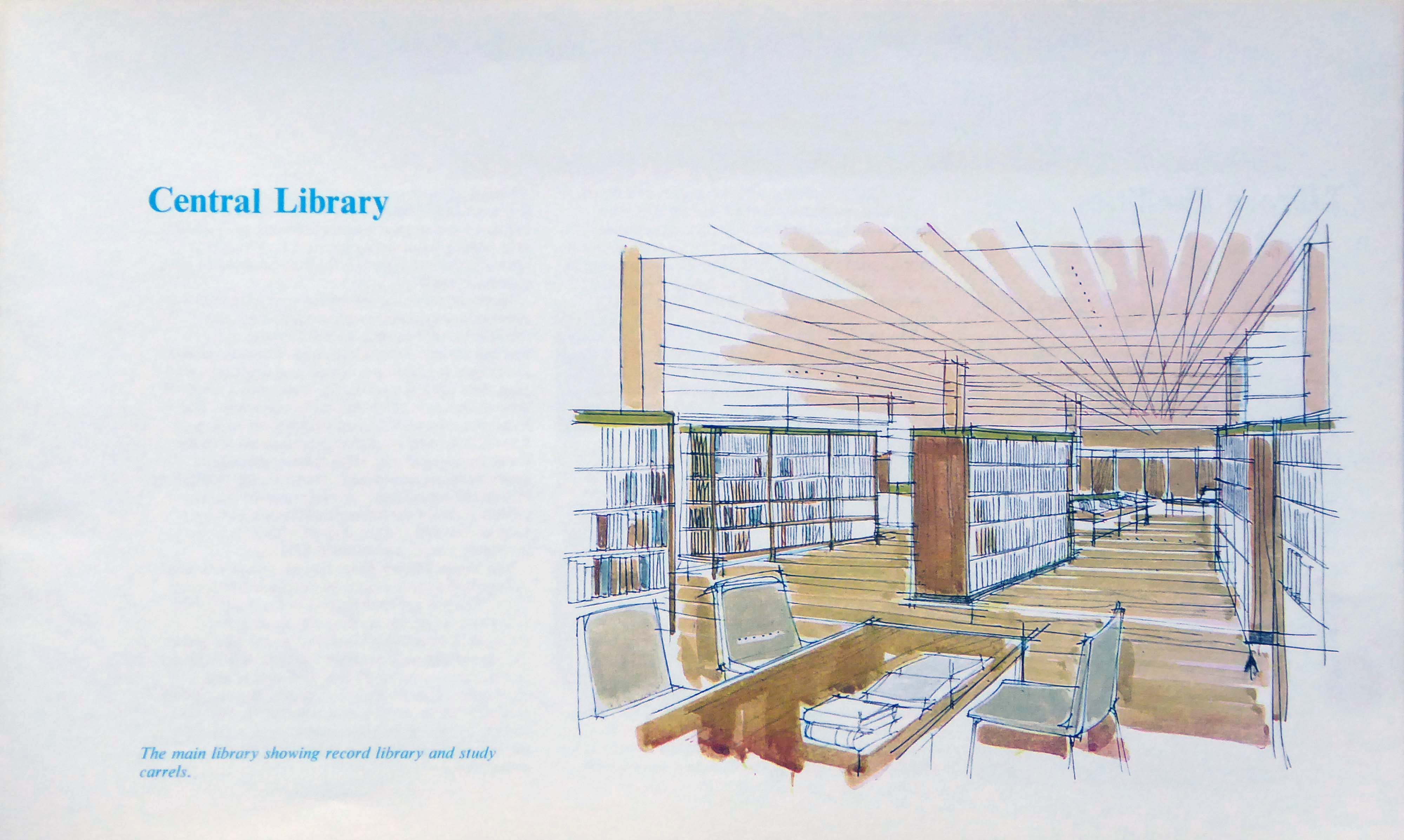
The hall housed a council library and was used for civic and community meetings, wedding receptions and election counts.
But it has been closed since 2015 after the library moved to the new Gateway Building on the other side of Chorley Road.
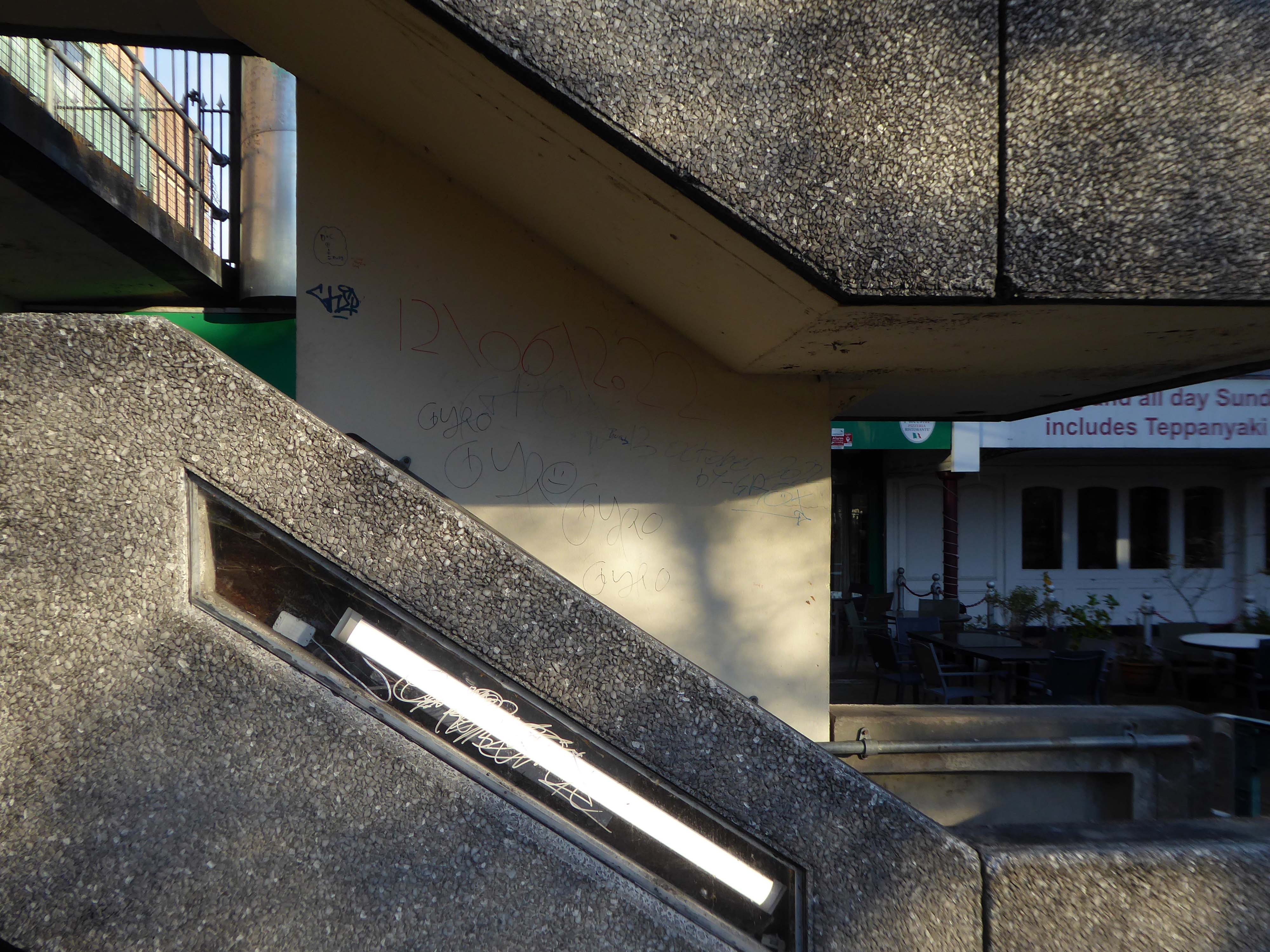
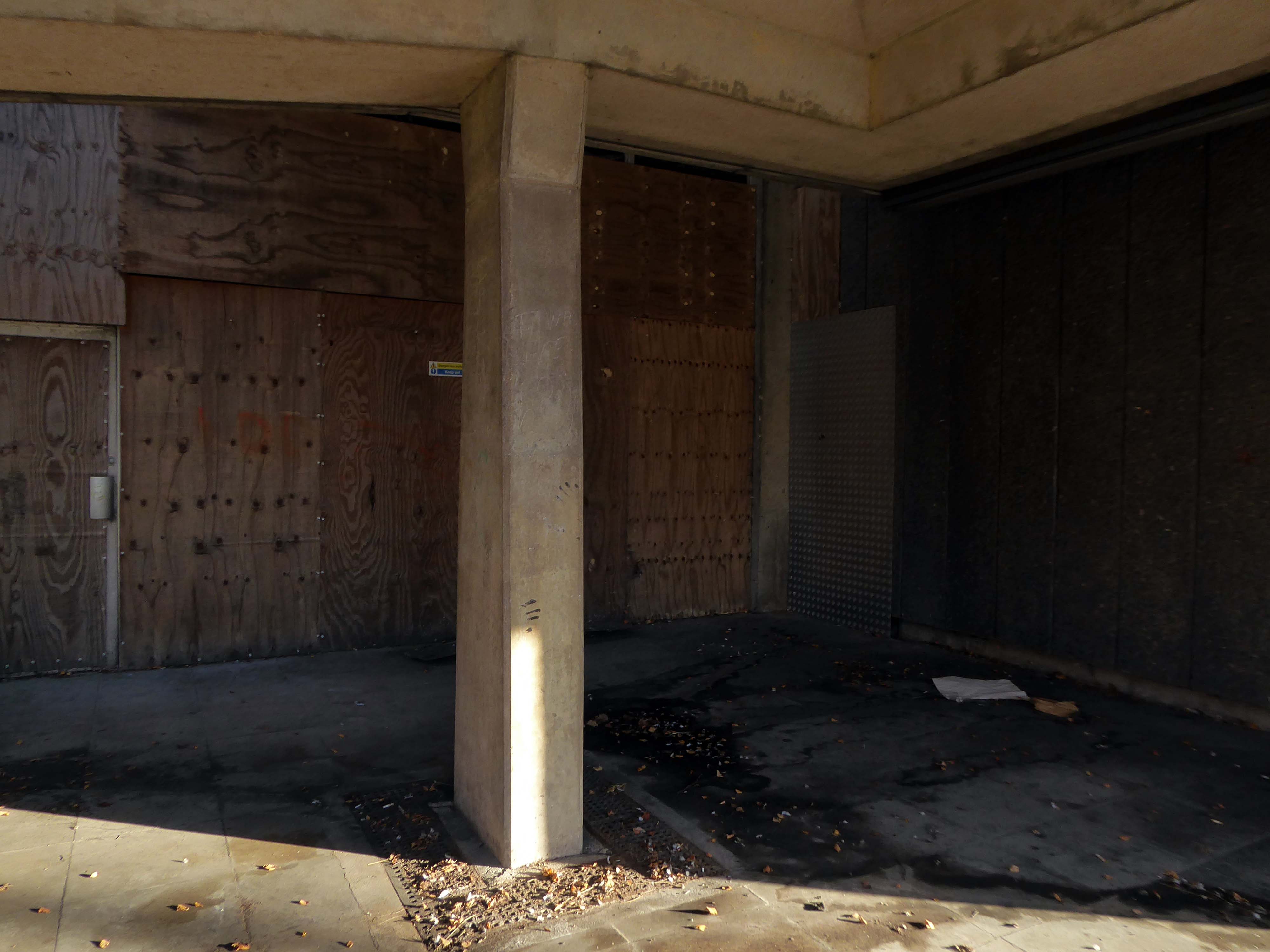
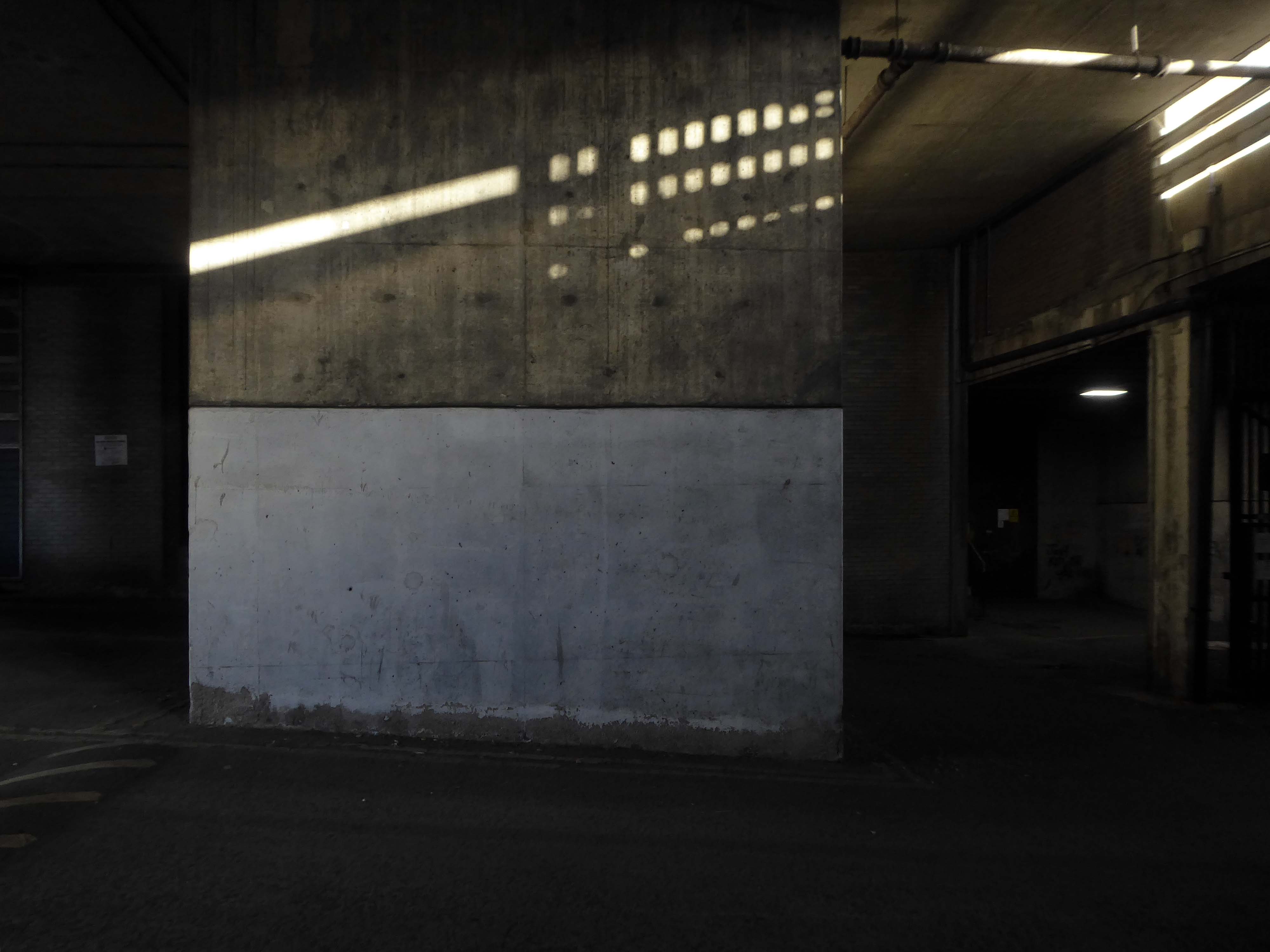
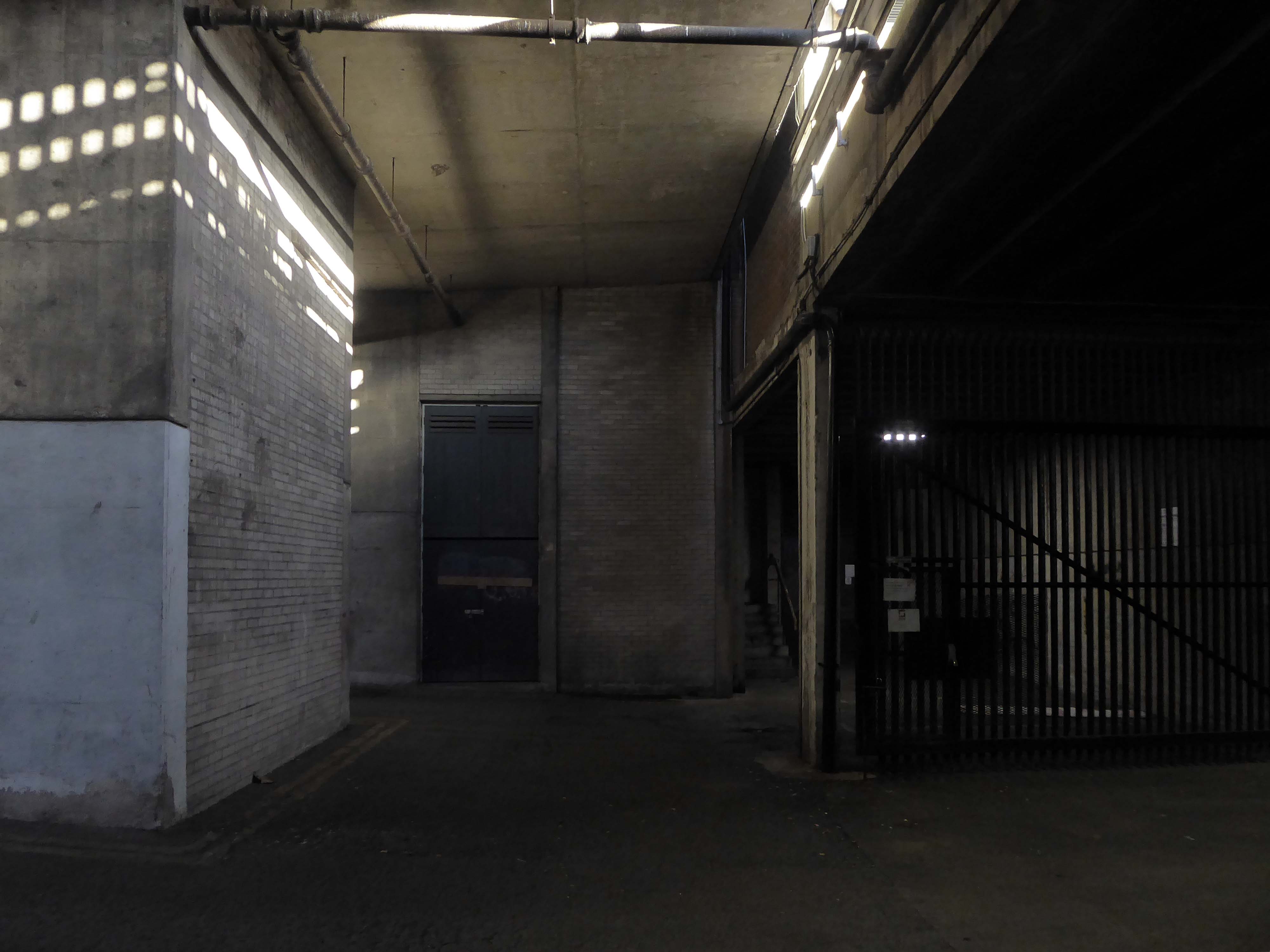
So this magical structure of stairways, undercrofts, elevated walks and majestic concrete clad volumes is under threat.
Swinton and the Lancastrian Hall deserve much better.
Over 550 people took part in the recent visioning work, and we are grateful for their time and valuable contributions.
An overwhelming majority of those who shared their views saw Swinton as a good place to live and bring up a family – somewhere friendly, with a strong sense of community.
People valued their local green spaces, but strongly felt that there needed to be more investment in the town centre, and a plan to tackle empty buildings and shops.
Overall, people felt that Swinton needed to be a more vibrant place, with more going on – and more reasons for people to visit and spend their leisure time there.
This is an opportunity to create tomorrow’s local centre, but that does rely on removing the Lancastrian Hall, rethinking the shopping centre, and repurposing the Civic Centre and the spaces around it.
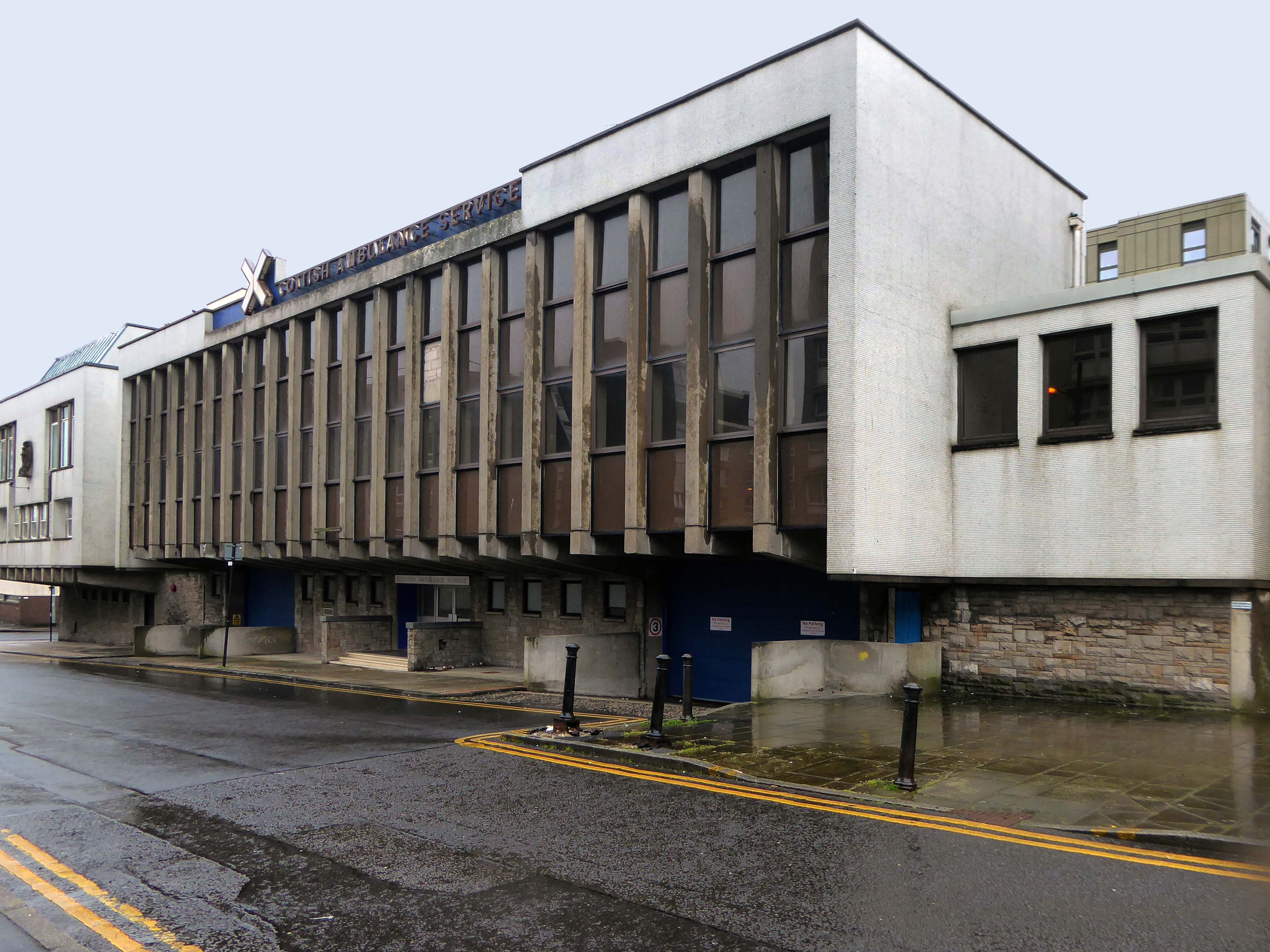
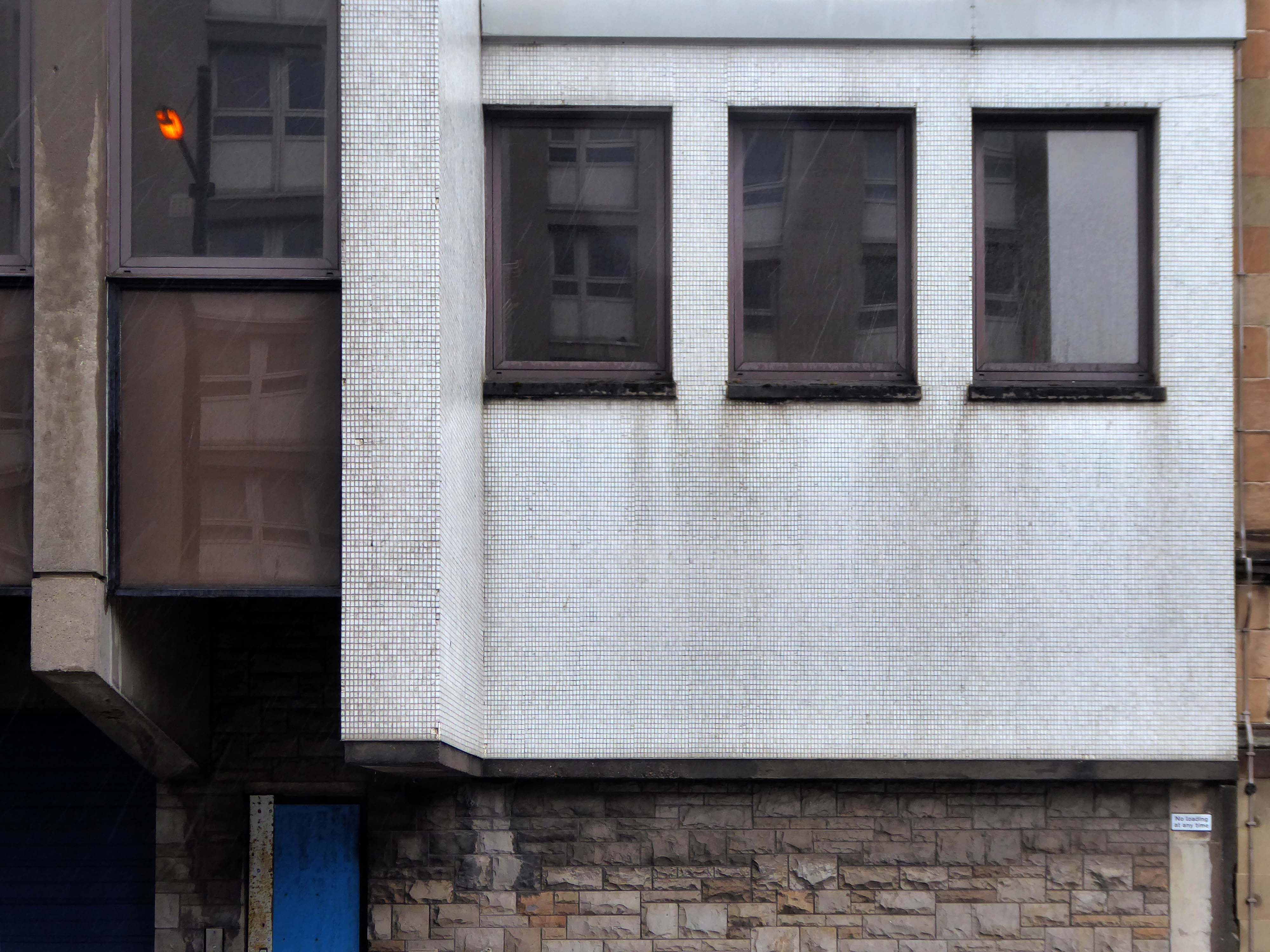
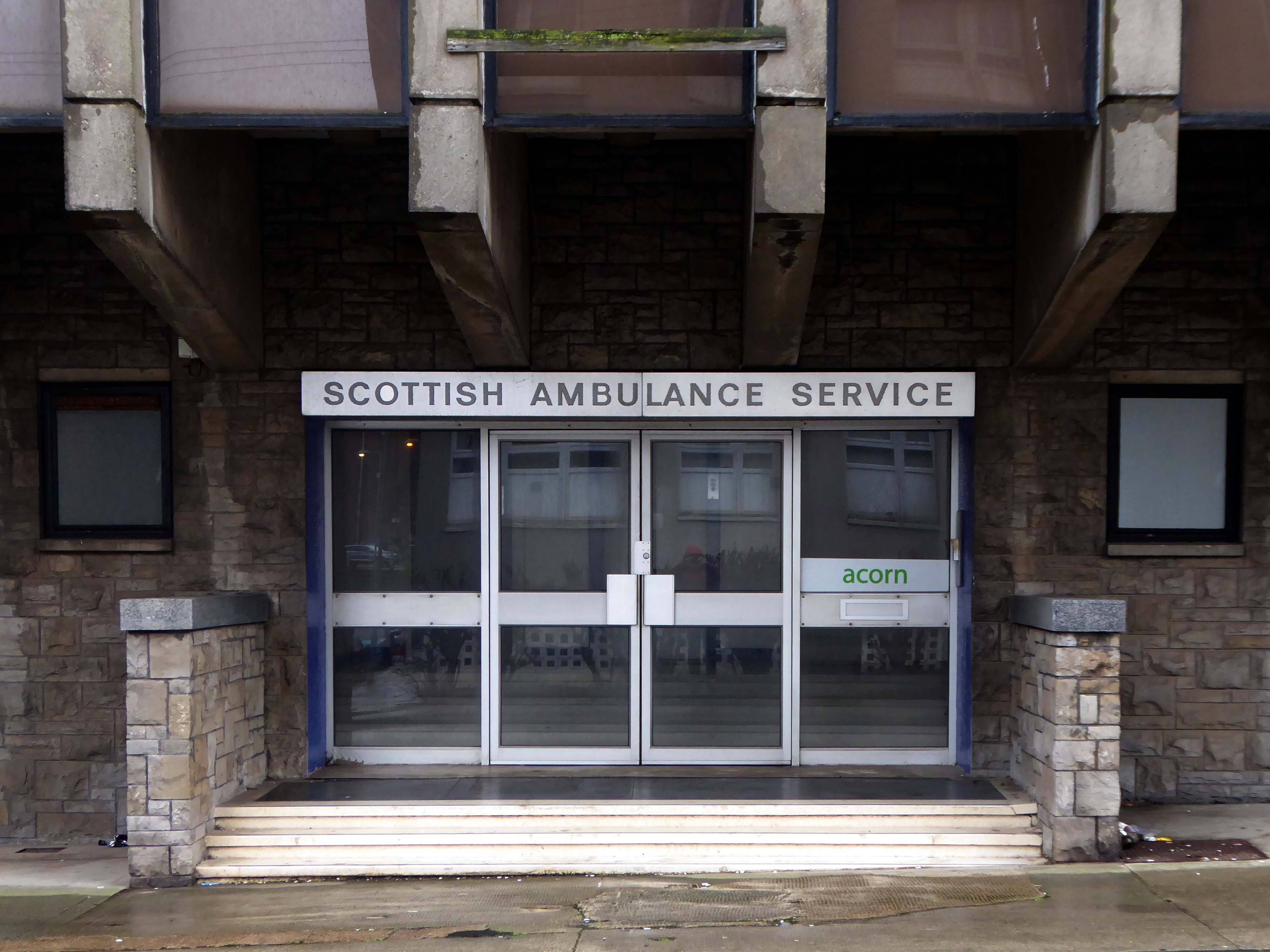
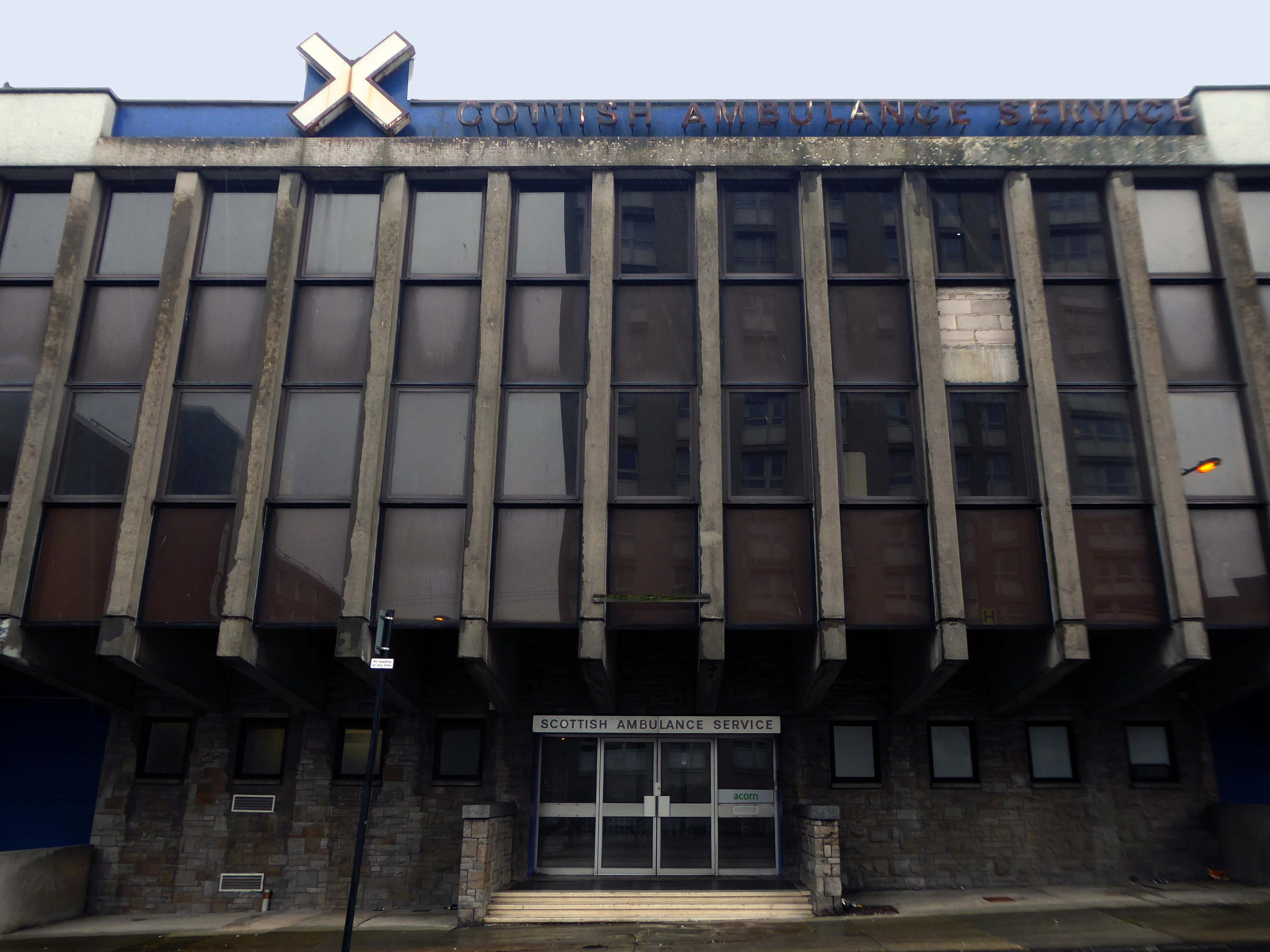
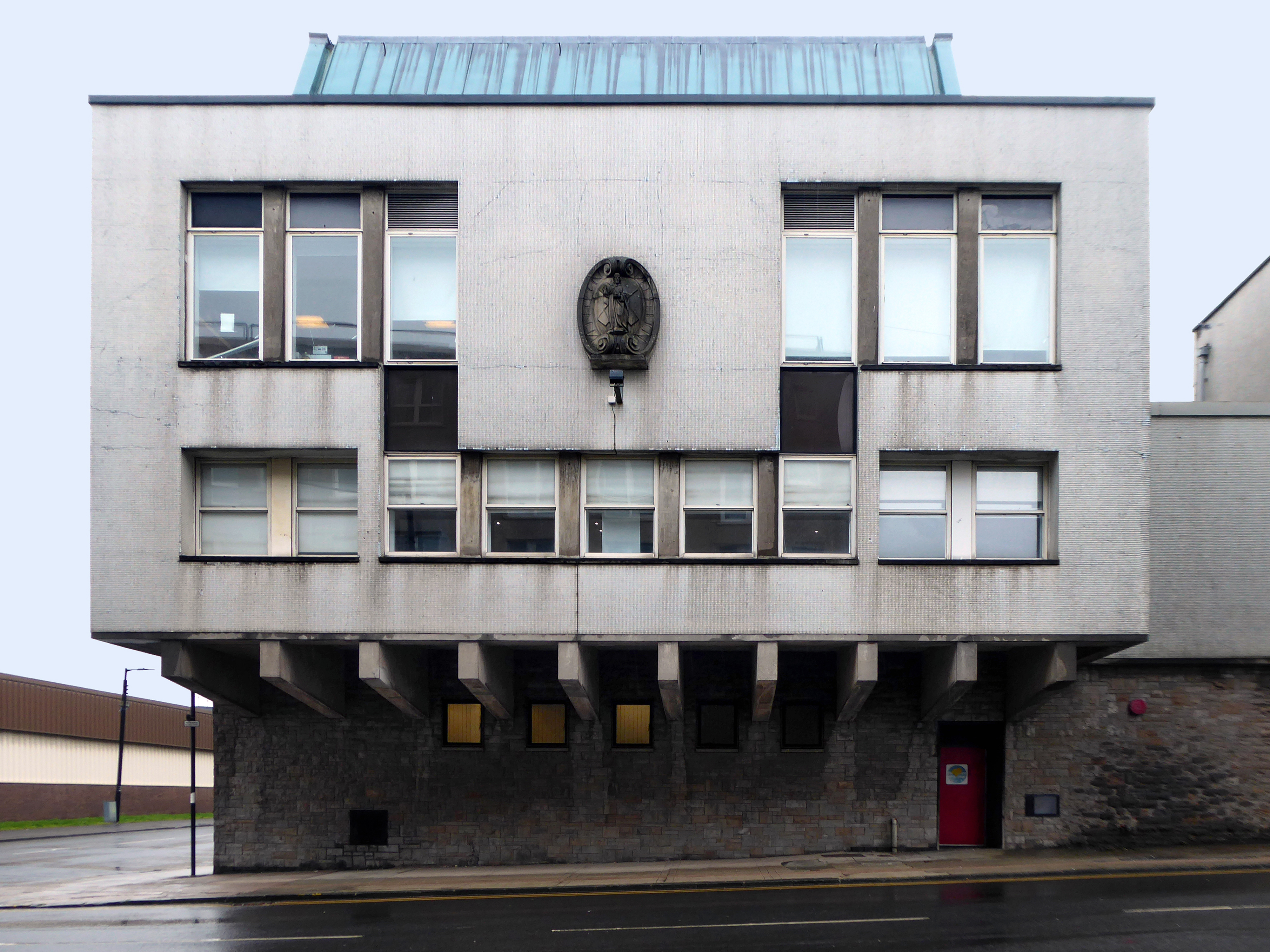
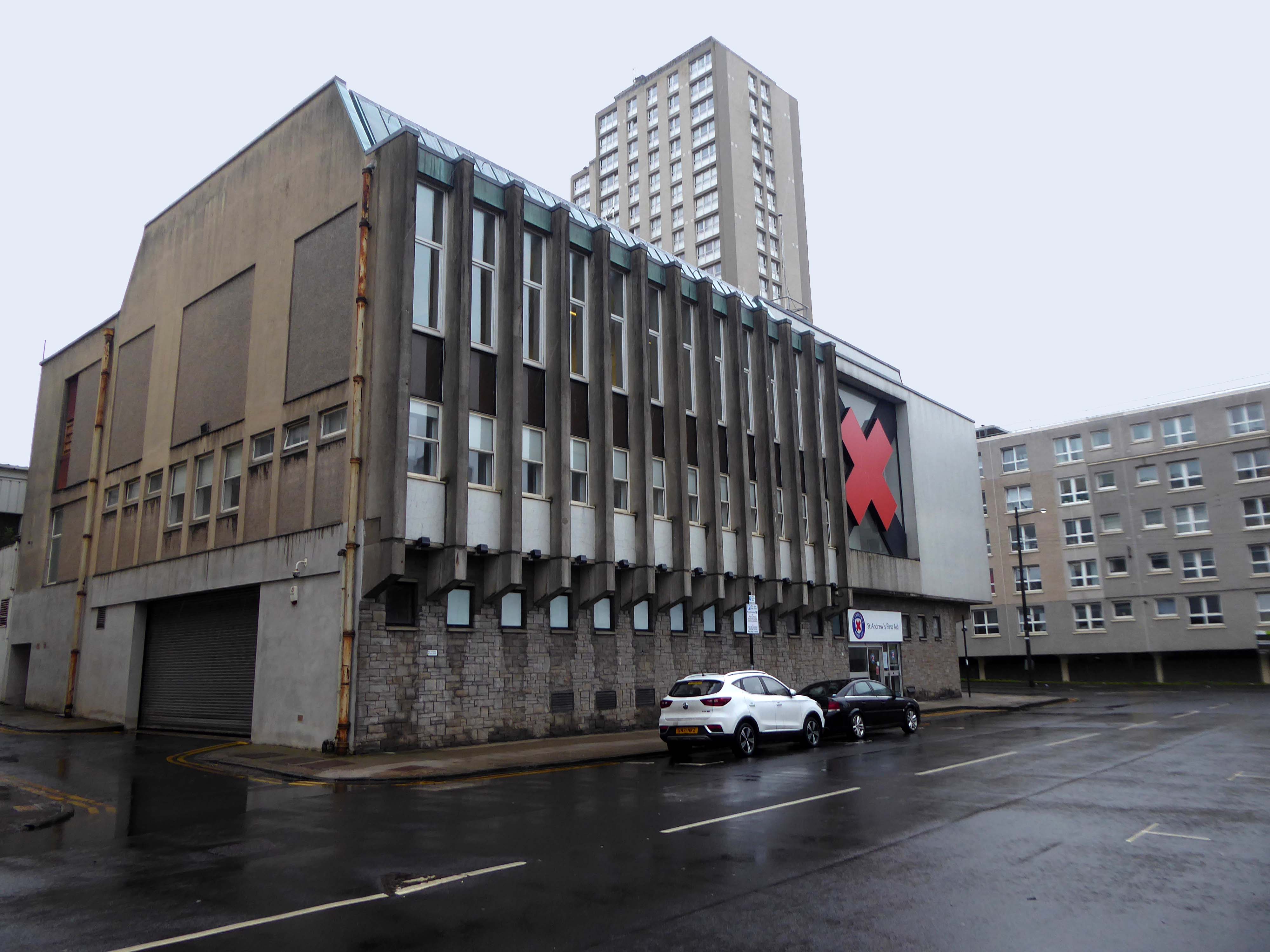
48 Milton Street and Maitland Street Glasgow G4 0LR
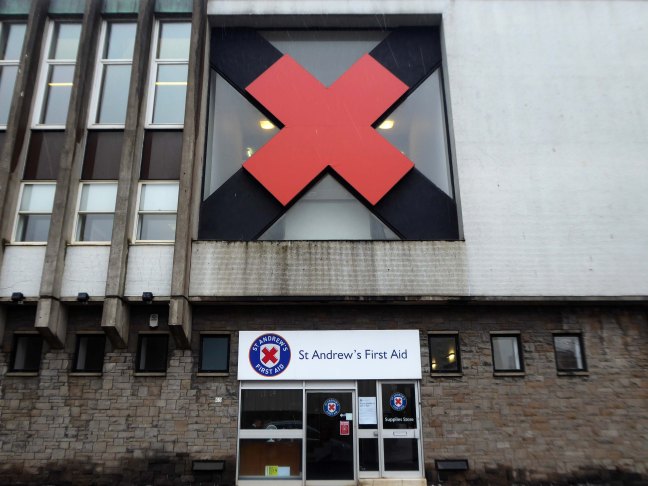
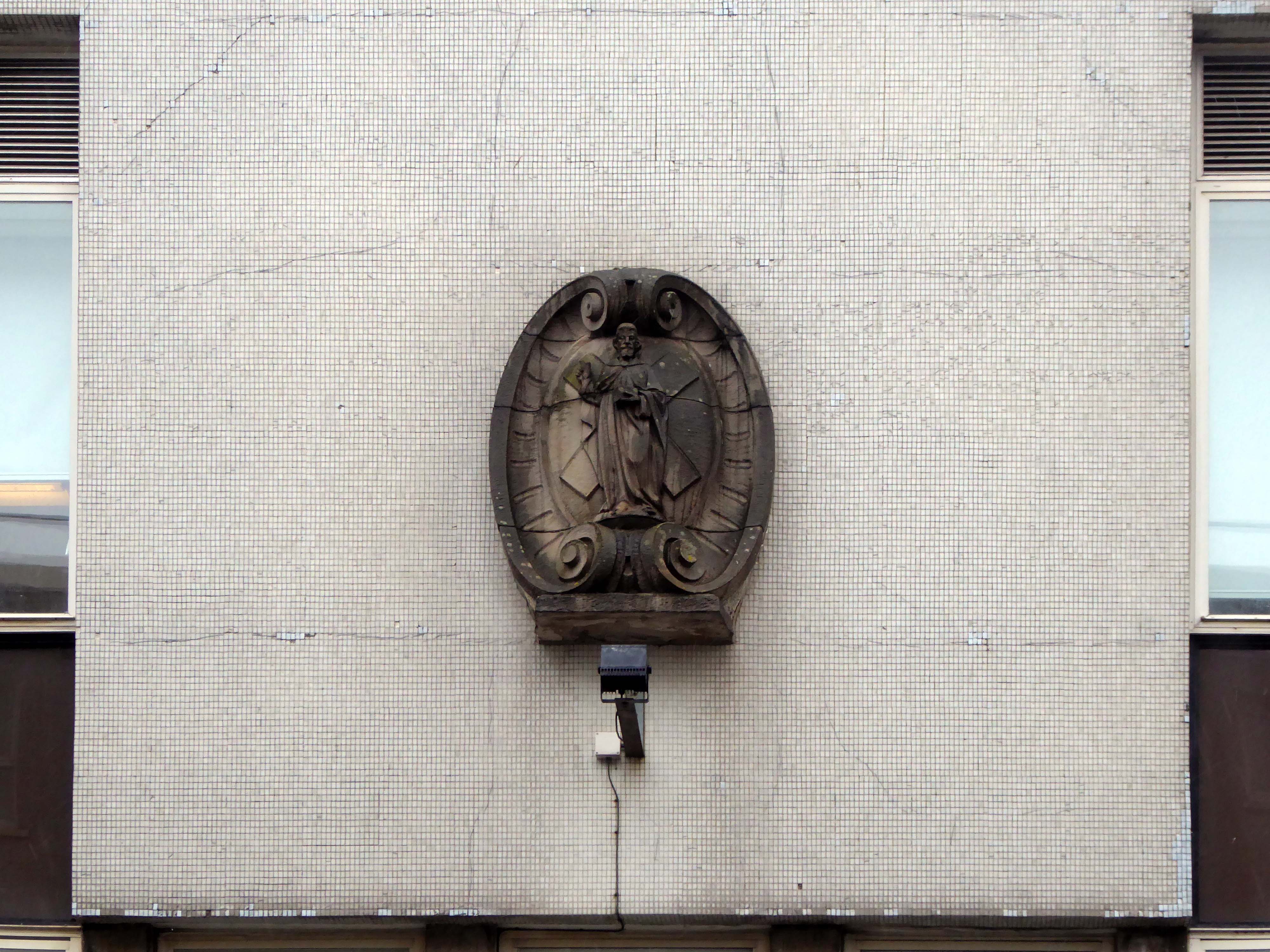
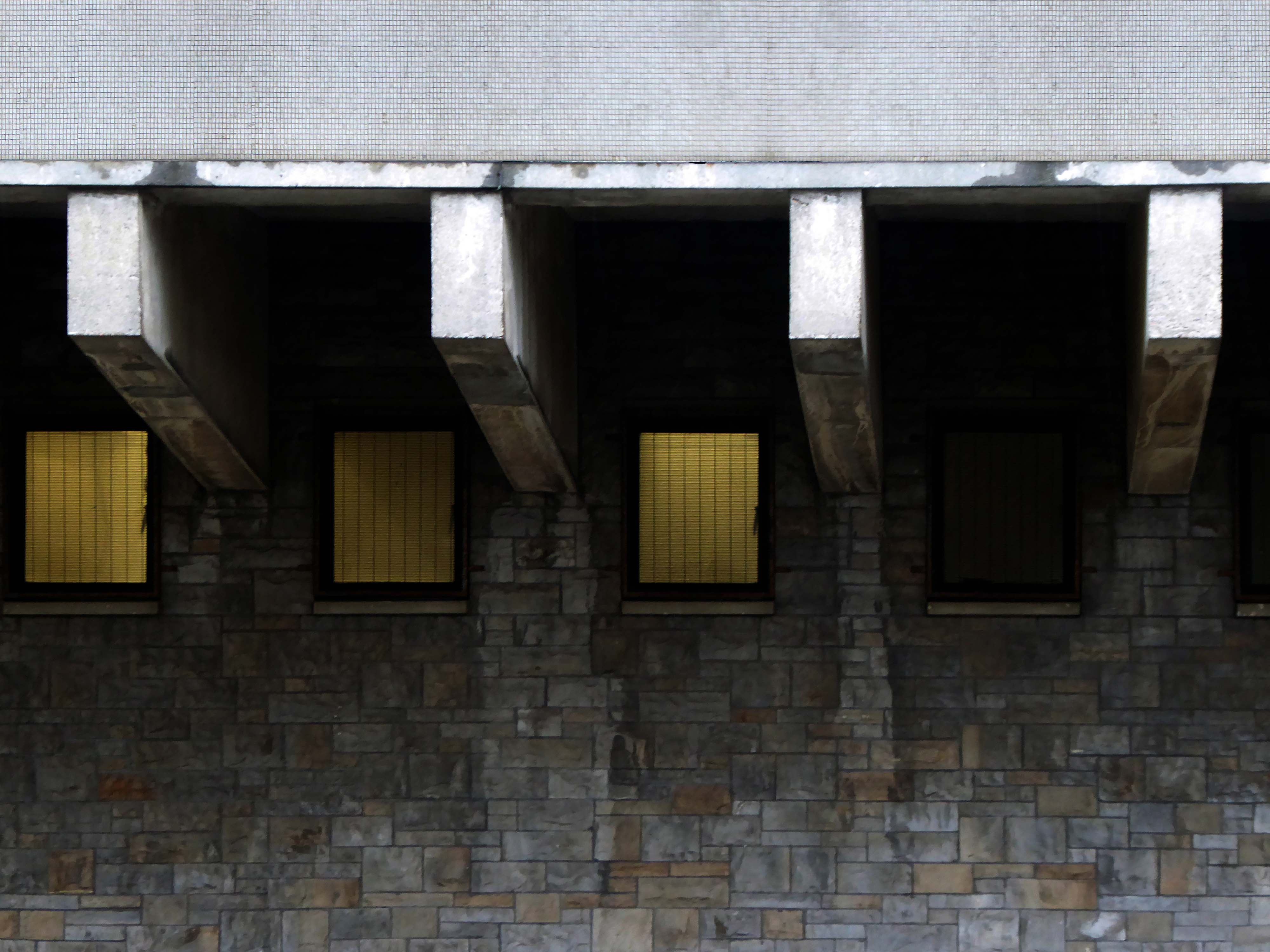
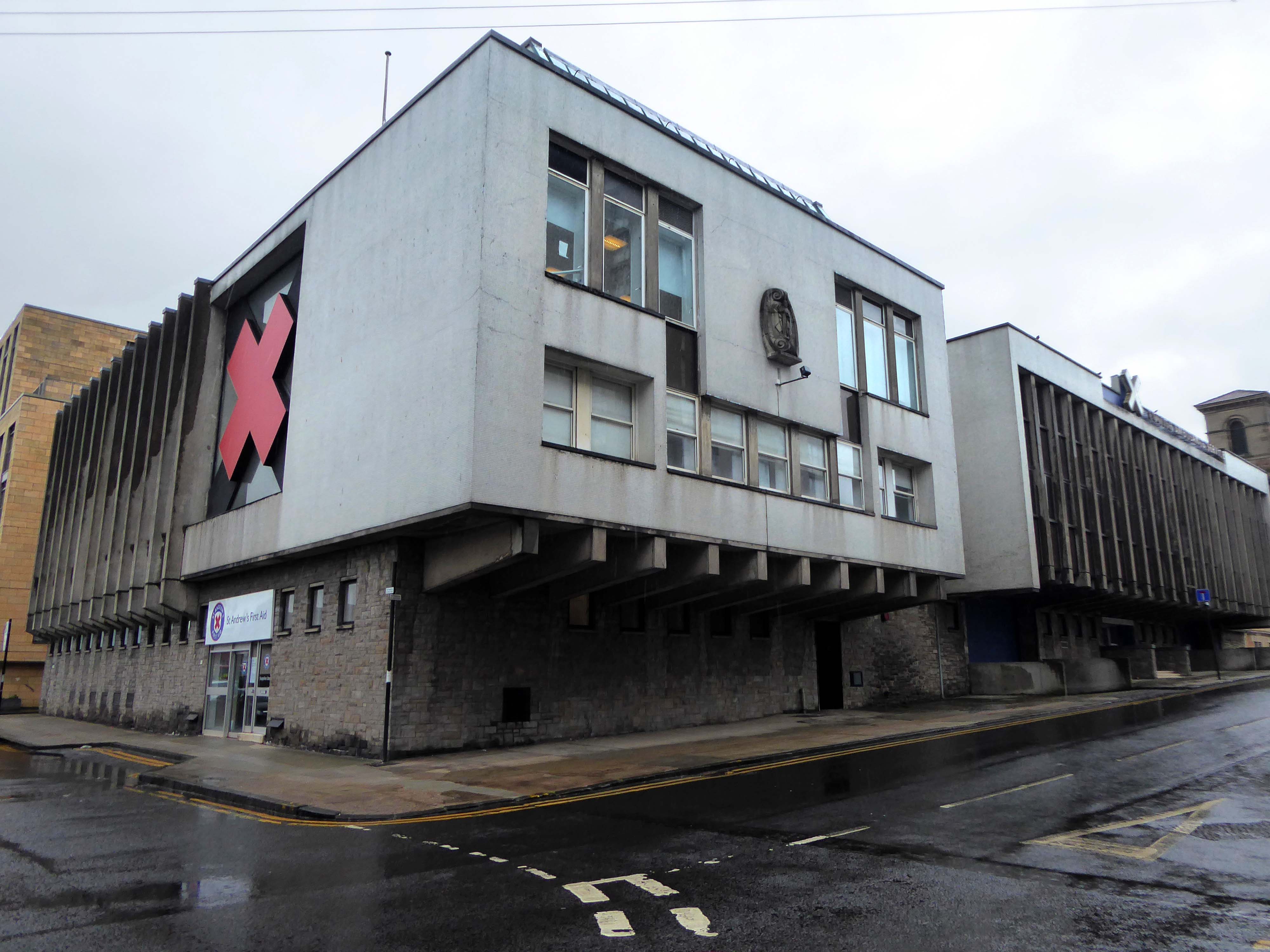
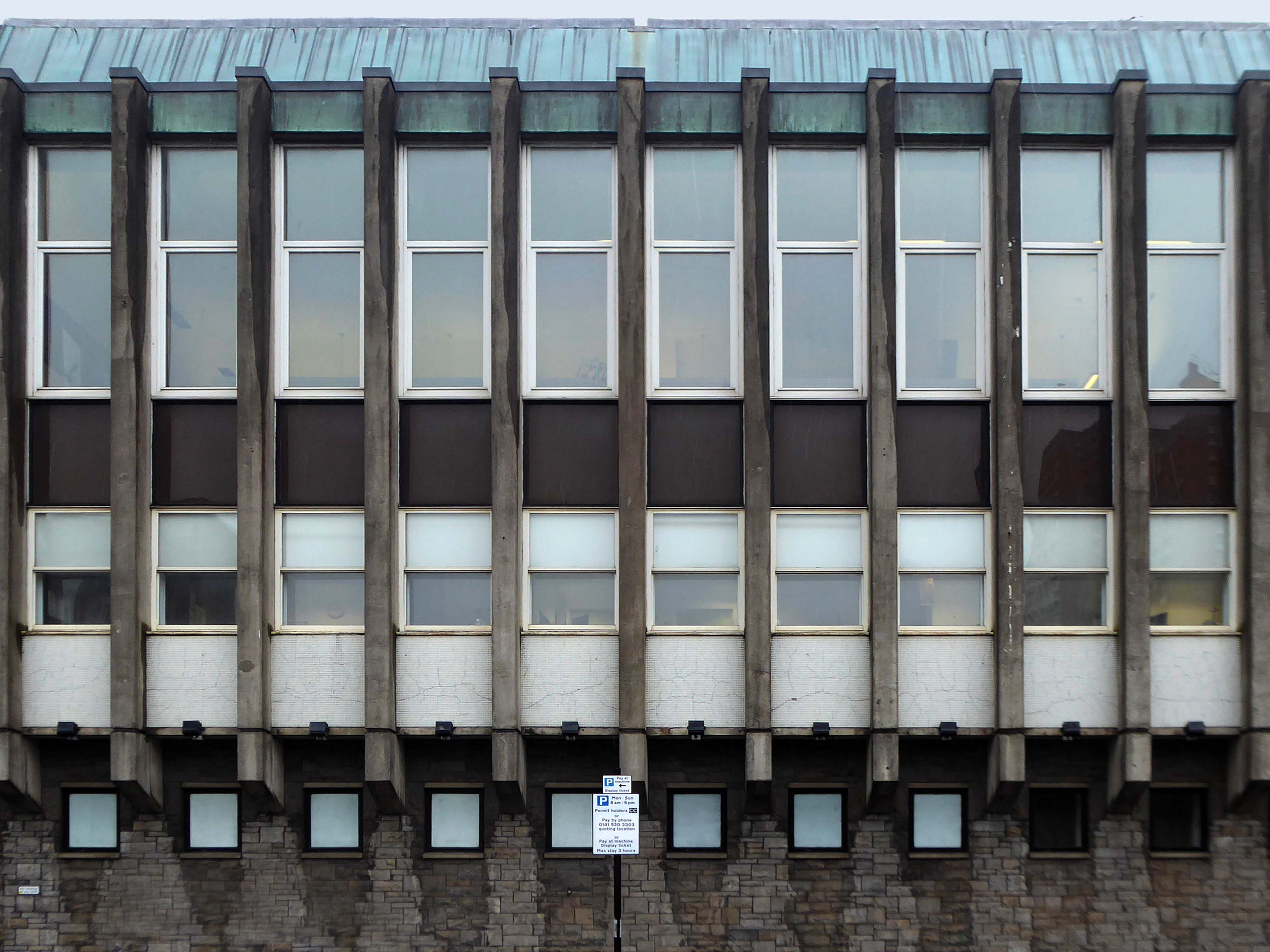
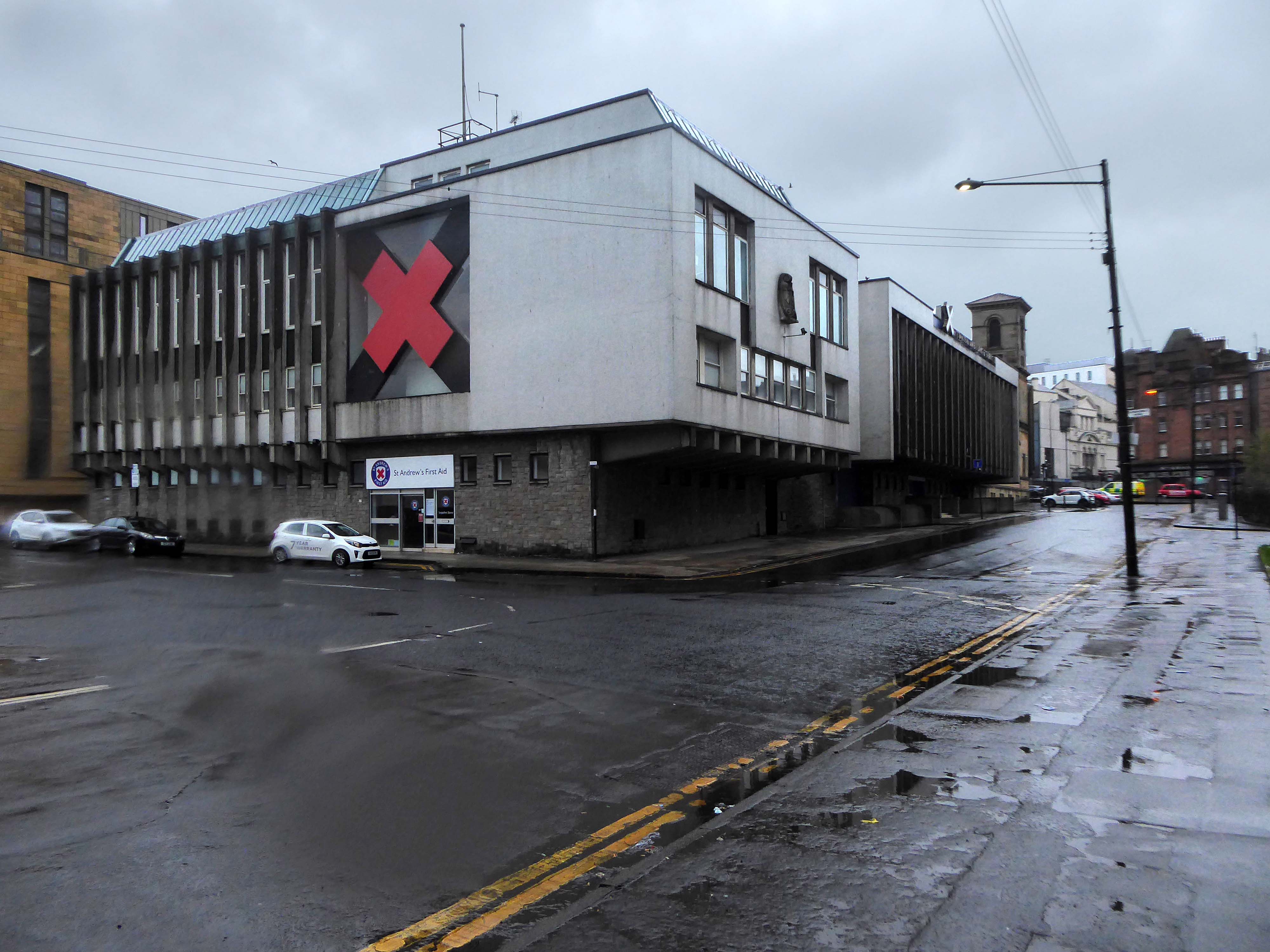
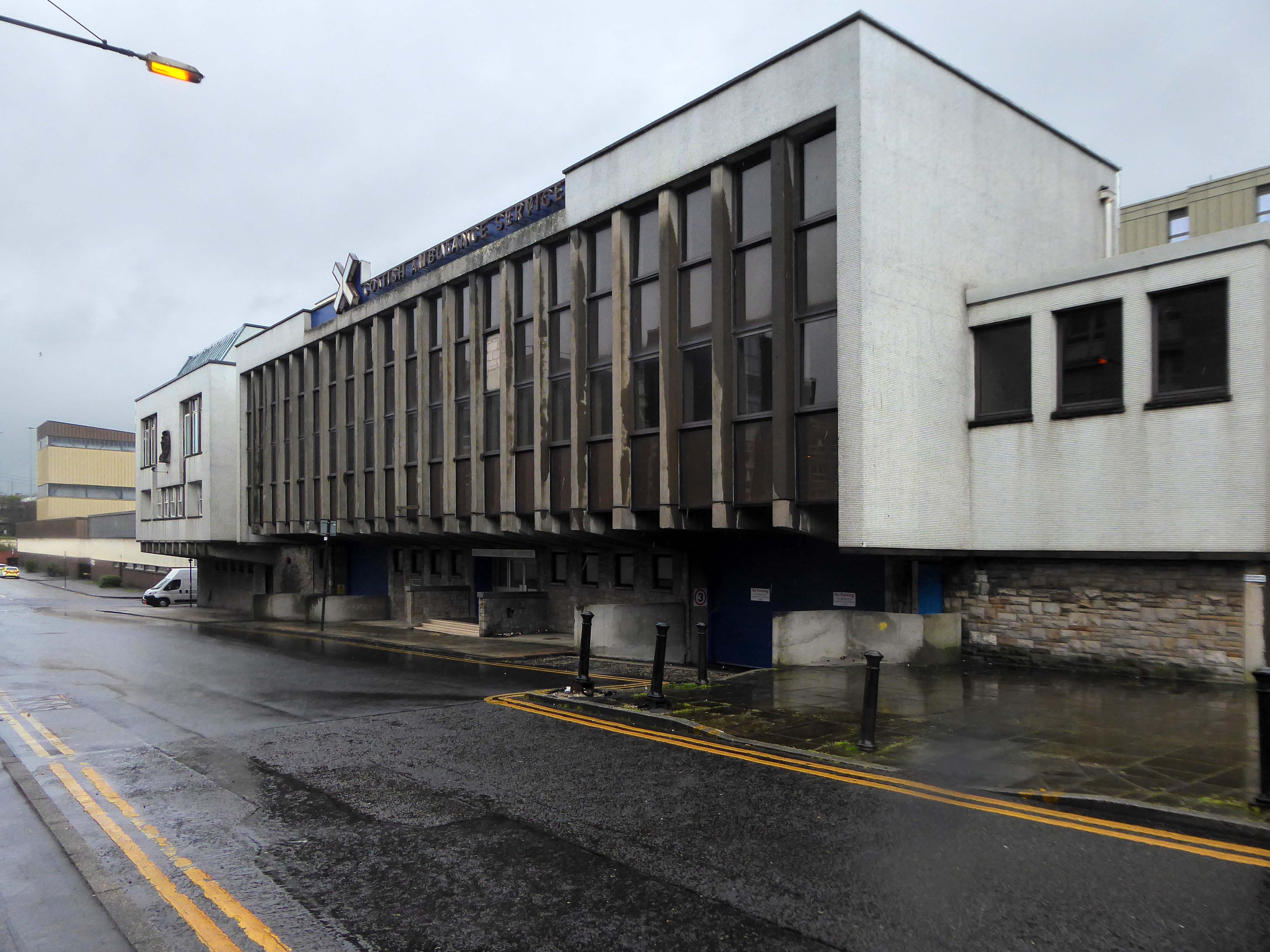
Scottish Ambulance Headquarters on Maitland Street and the adjoining St Andrew’s House with it’s entrance on 48 Milton Street. Designed by Skinner, Bailey & Lubetkin in the late 1960s. Originally two linked buildings, they now act independently with St Andrew’s House occupied by St Andrew’s first aid and the Headquarters next door currently lying vacant April 2011.
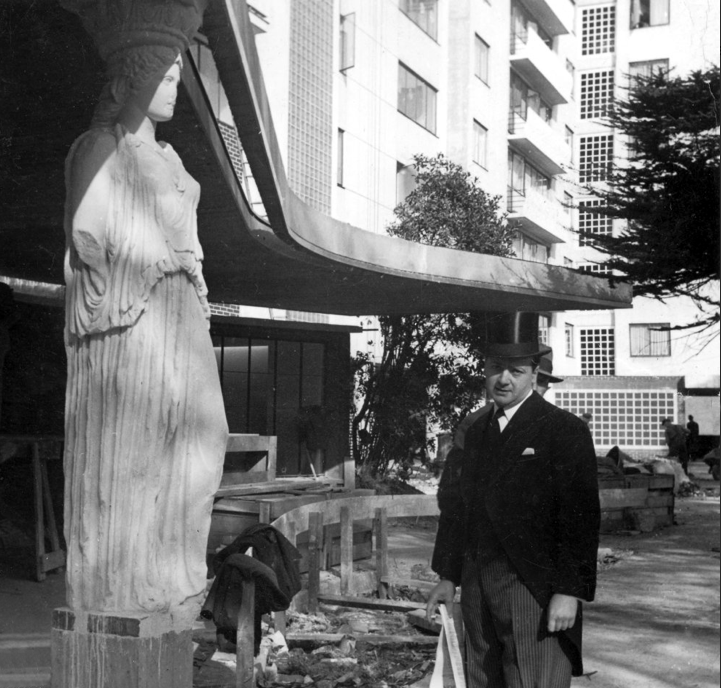
Berthold Lubetkin in top hat beside caryatid at the entrance to Highpoint Two – North Hill Highgate London.
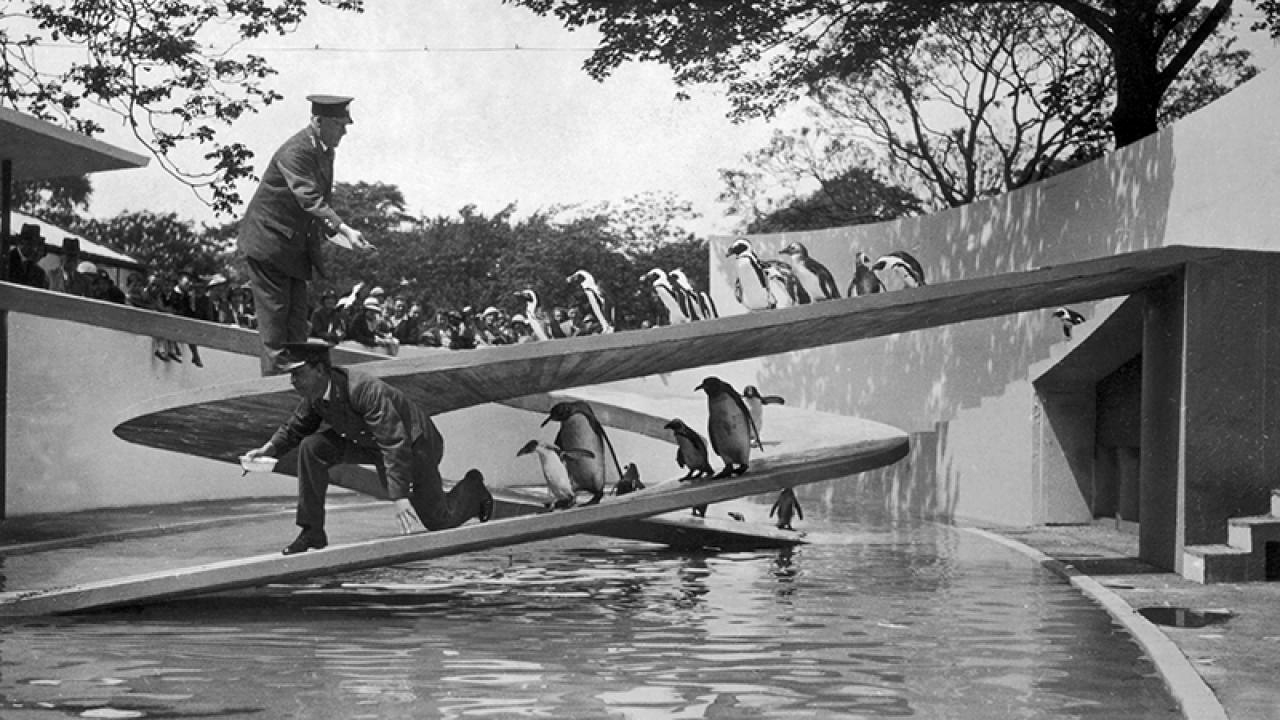
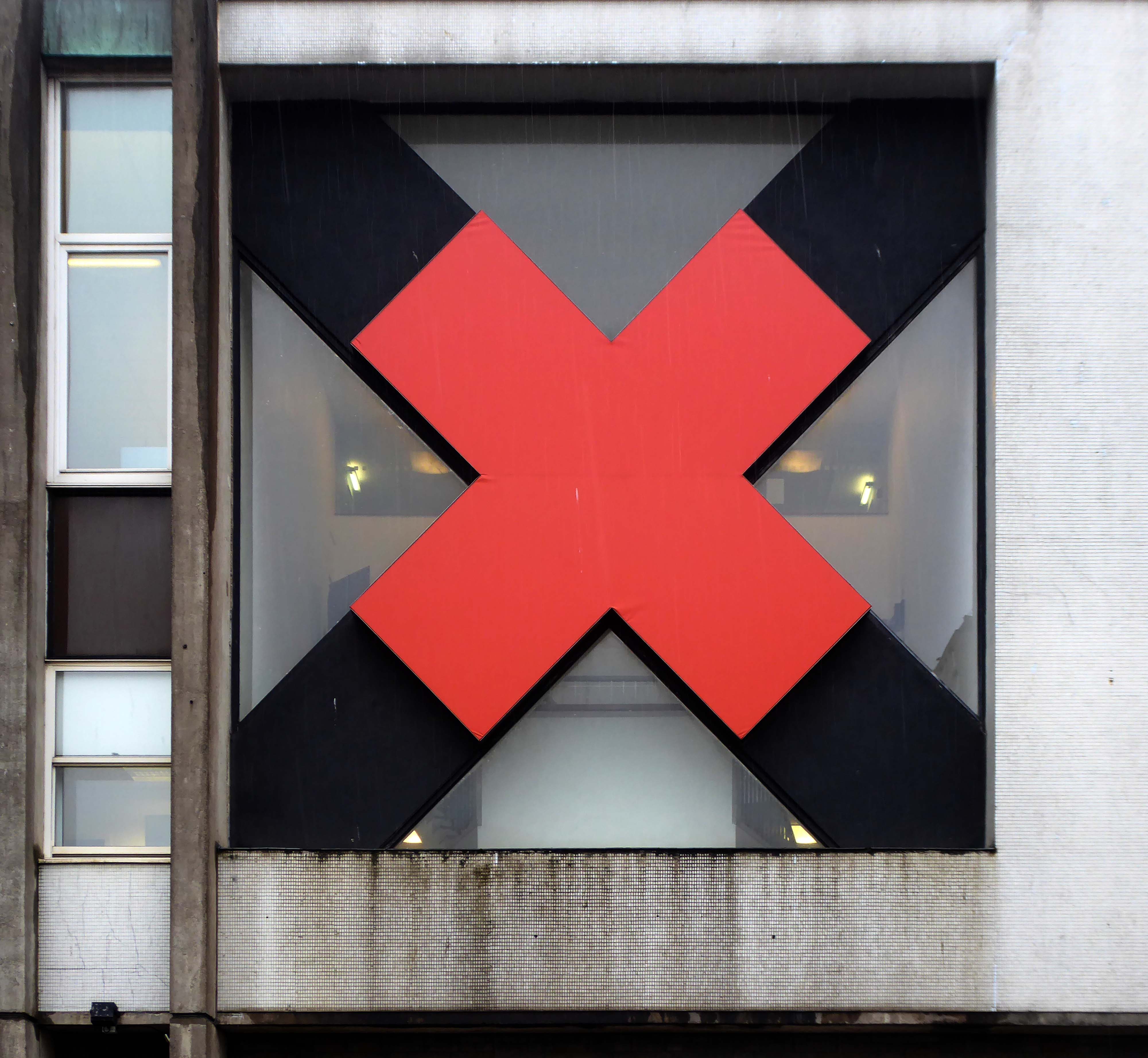
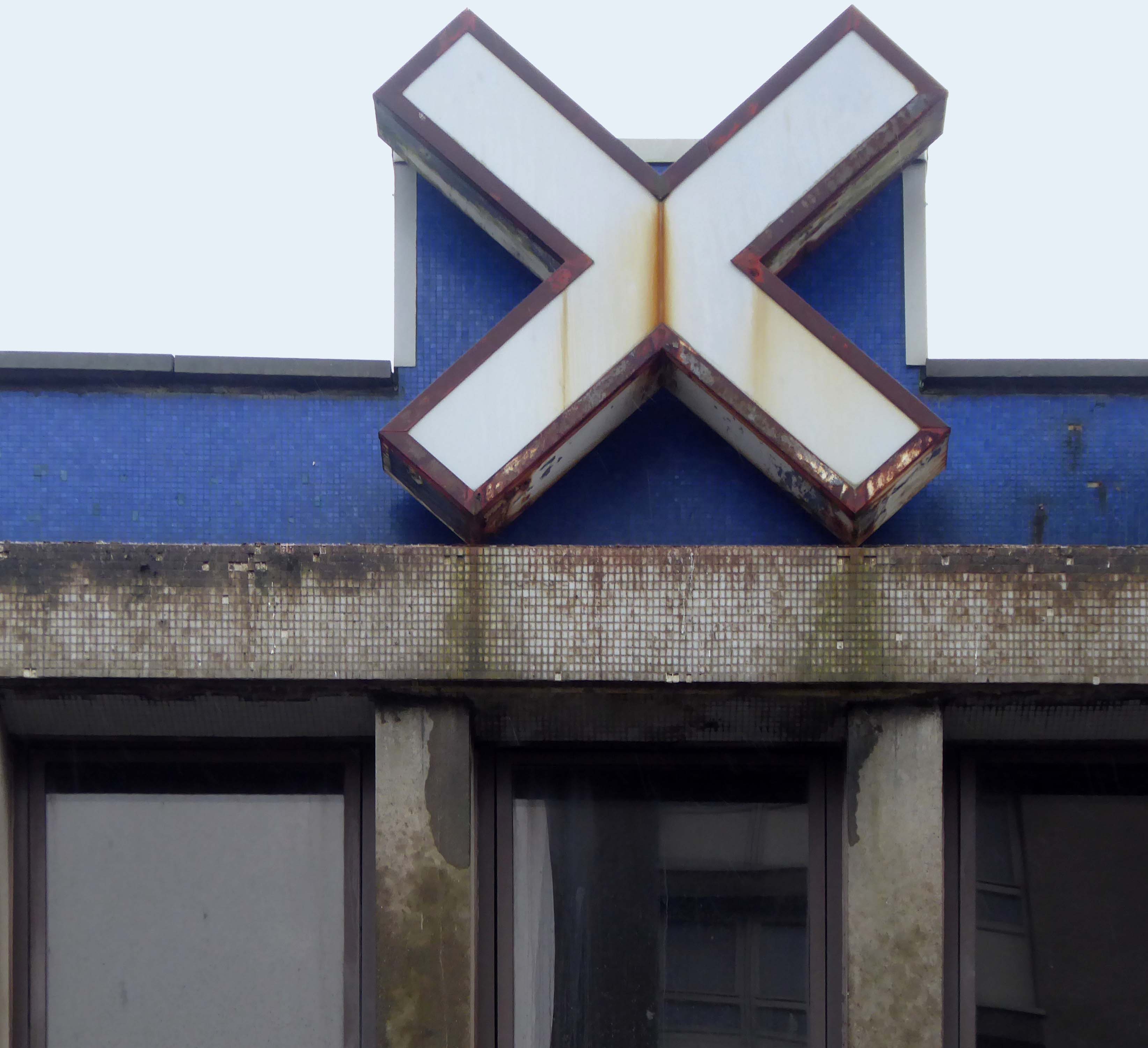
One of the only two buildings in Scotland designed by this architectural practice with Lubetkin acting as a consultant. Lubetkin is one of the outstanding figures of pre-war British architecture – penguin pool, London zoo & Highpoint Flats, London. Lubetkin designed the main cross of the north elevation and the main staircase, Bailey was the lead architect on this project. Both buildings are A listed.
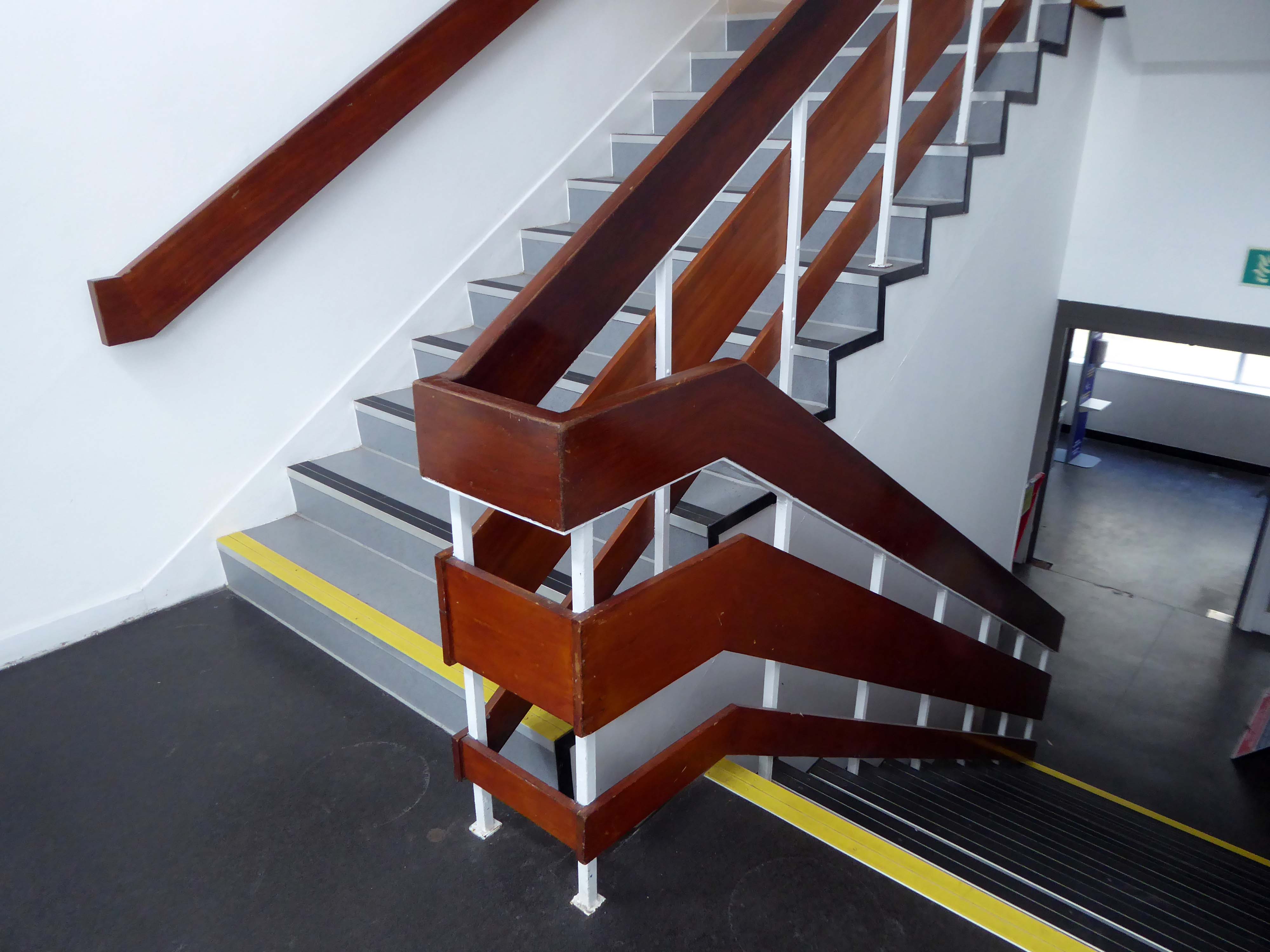
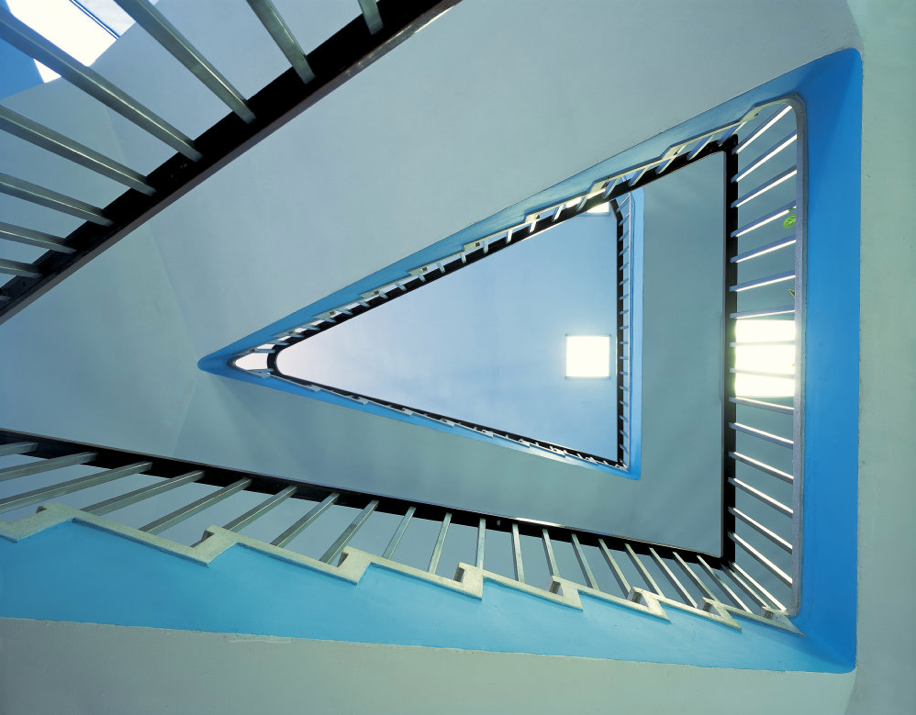
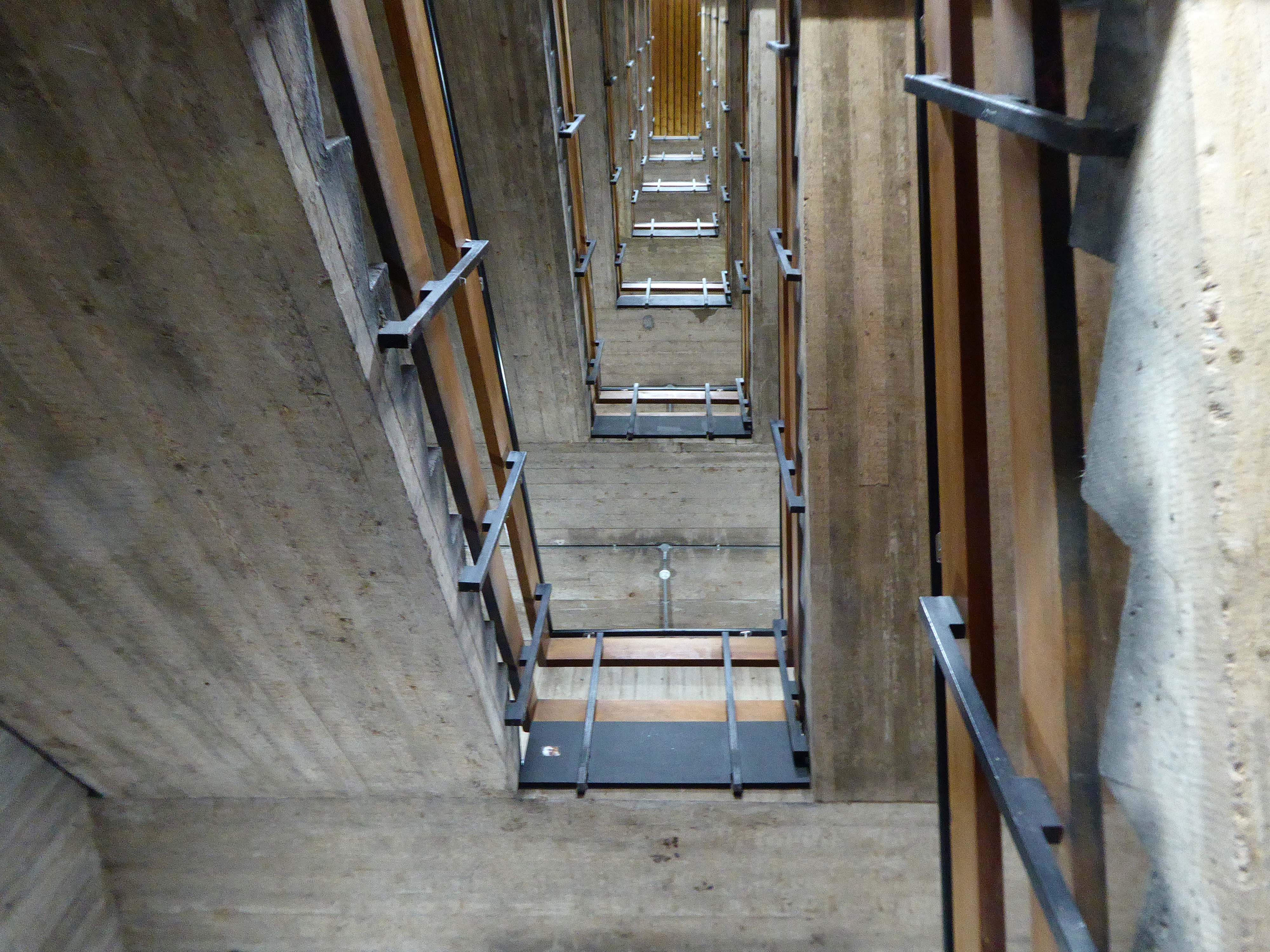
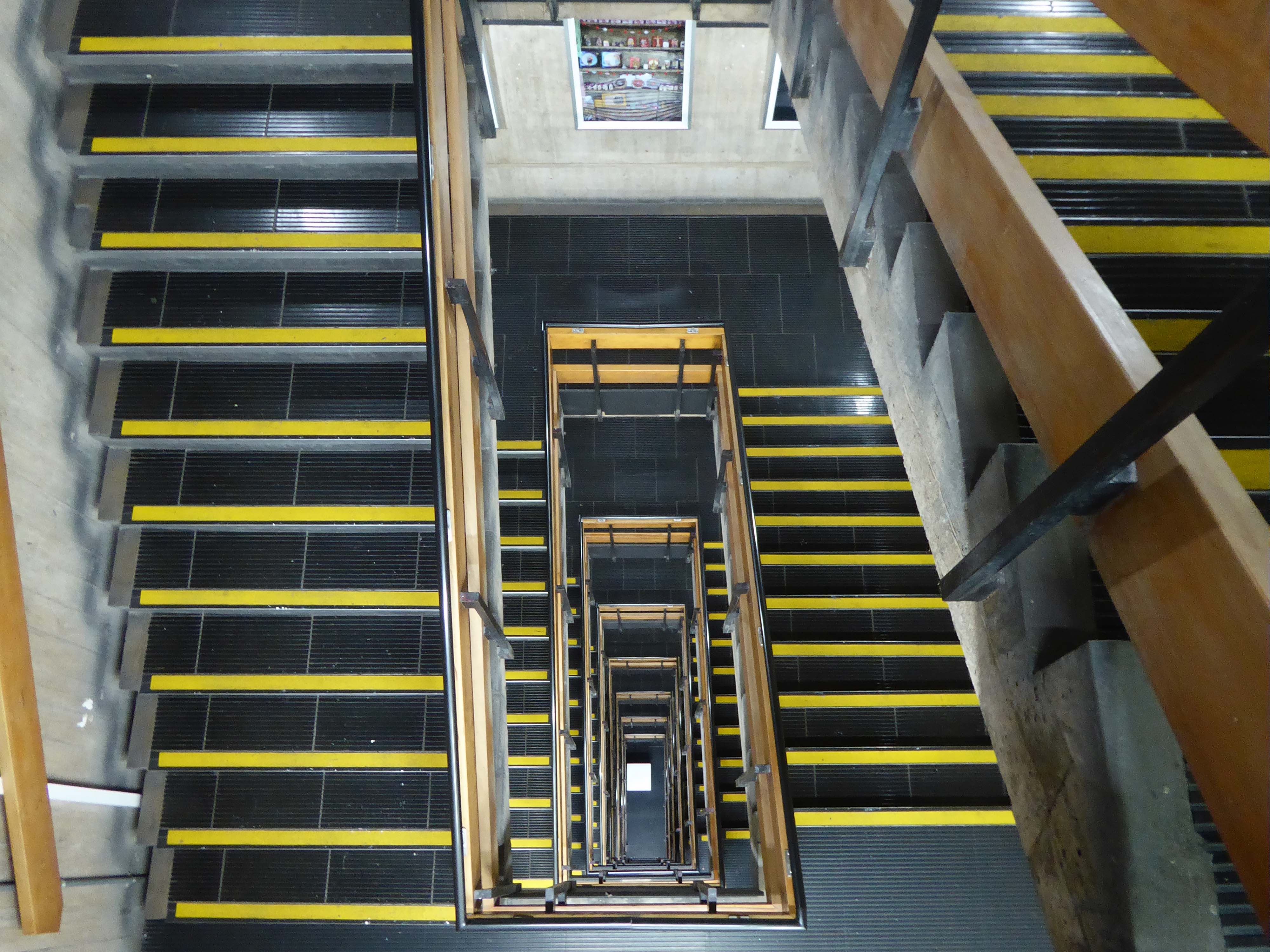
By the mid 1960s, Lubetkin was based at his farm in Gloucestershire, Skinner in London and Bailey in Glasgow. Bailey asked Lubetkin to work out the design of the main staircase and parts of the principal elevation, notably the large cross. Lubetkin’s staircases are particularly spectacular and the St Andrew’s one is no exception. Allan notes that the Lubetkin leitmotif was the controlled collision of straight and curved geometry and this would appear to be exemplified here in the triangular plan geometric staircase which ends in a gentle curve at the ground floor. It is possible that Lubetkin may have influenced the vertical timber panelling in the boardroom. While that in the main hall is smooth and varnished, the boardroom has been sandblasted to present a weathered appearance. At Highpoint Two Lubetkin designed the interior and furniture for the penthouse flat with walls of vertical roughened sand-blasted pine panelling.
This is a walk around the street view of the building during my first visit to Glasgow in April 2022 – there was no evidence of any redevelopment work taking place.
The police station and magistrates’ court at Chorley was designed to replace a building from 1896 – a weights and measures plaque from the original building was retained and remounted at the foot of the new building.
The two buildings were set adjacent one another and around a newly formed square with one side made up of the rear of the existing town hall. This small civic group was intended to relate to one another in scale, but was markedly contrasting in its material make-up.
County Architect’s Report: 1963-64.
The design team was Roger Booth, Lancashire County Architect; C.A. Spivey, Assistant County Architect; D.B. Stephenson, Design Architect; and D.G. Edwards, A.G. Gass, responsible for the detailed design and construction. The seven-storey in-situ concrete framed main block was the last bespoke police station to be built in Lancashire, following this the department developed a systemised concrete construction method which was deployed across the county. The dramatic cantilevers gave the new building a stature and presence that signalled authority. The lower levels were accessed by ramps and provided space for police vehicles. To enter the police station one ascended a set of external stairs across a pool that once contained koi carp – fittingly, one boy described the new building as a ‘fishtank’ upon its completion. The magistrates’ court was finished externally in a grey brick and carried the signature pyramid rooflights that were synonymous with the Department.
Coun Alistair Bradley, Leader of Chorley Council, confirmed that the council had enquired to take ownership of the building but that this was knocked back.
He said: We’ve enquired about taking the building on but the owners, the Ministry of Justice, has said they want to take it to market.
The building is being advertised as a potential site for a future office, residential, restaurant and bar, leisure, entertainment, and hotel.
Asked about its future, Chorley councillor Aaron Beaver told Lancs Live he had heard no news of developments but desperately wanted to see something happen with the building, he said:
It’s a perfect location. There’s lots of things it could be used for.
If you were to knock it down, there’s all sorts of things which could be built there. If you were to convert it to something like flats, it could be tricky because there’s not many windows.
Commenting on the progress of the sale since it’s closure, he added:
I wouldn’t say it’s slow moving, I’d say it’s not moving.
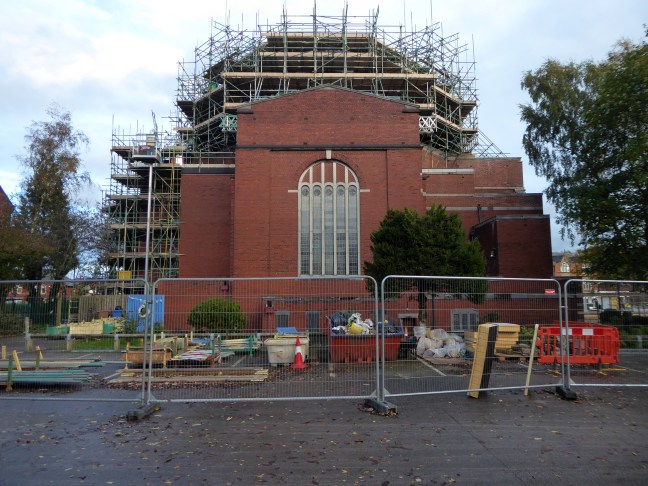
I was last here in 2020 – made ever so welcome in this Byzantine cathedral like church.
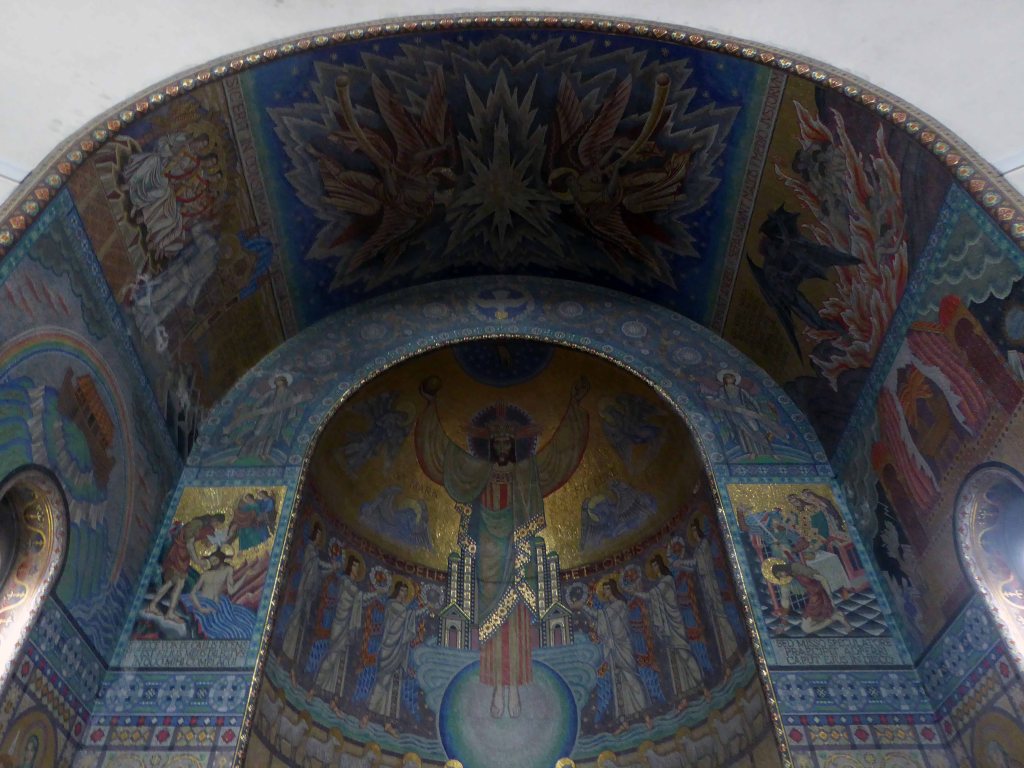
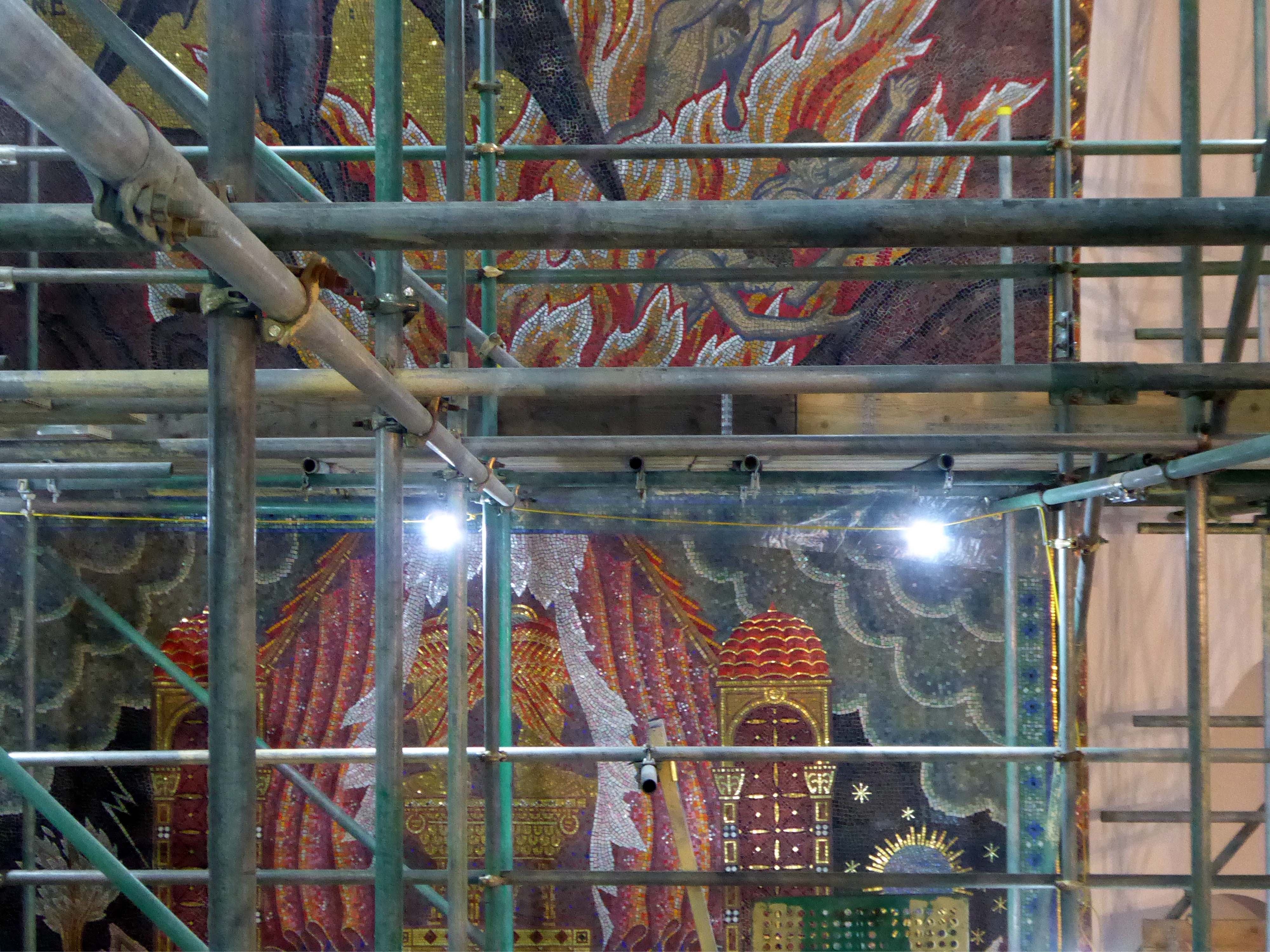
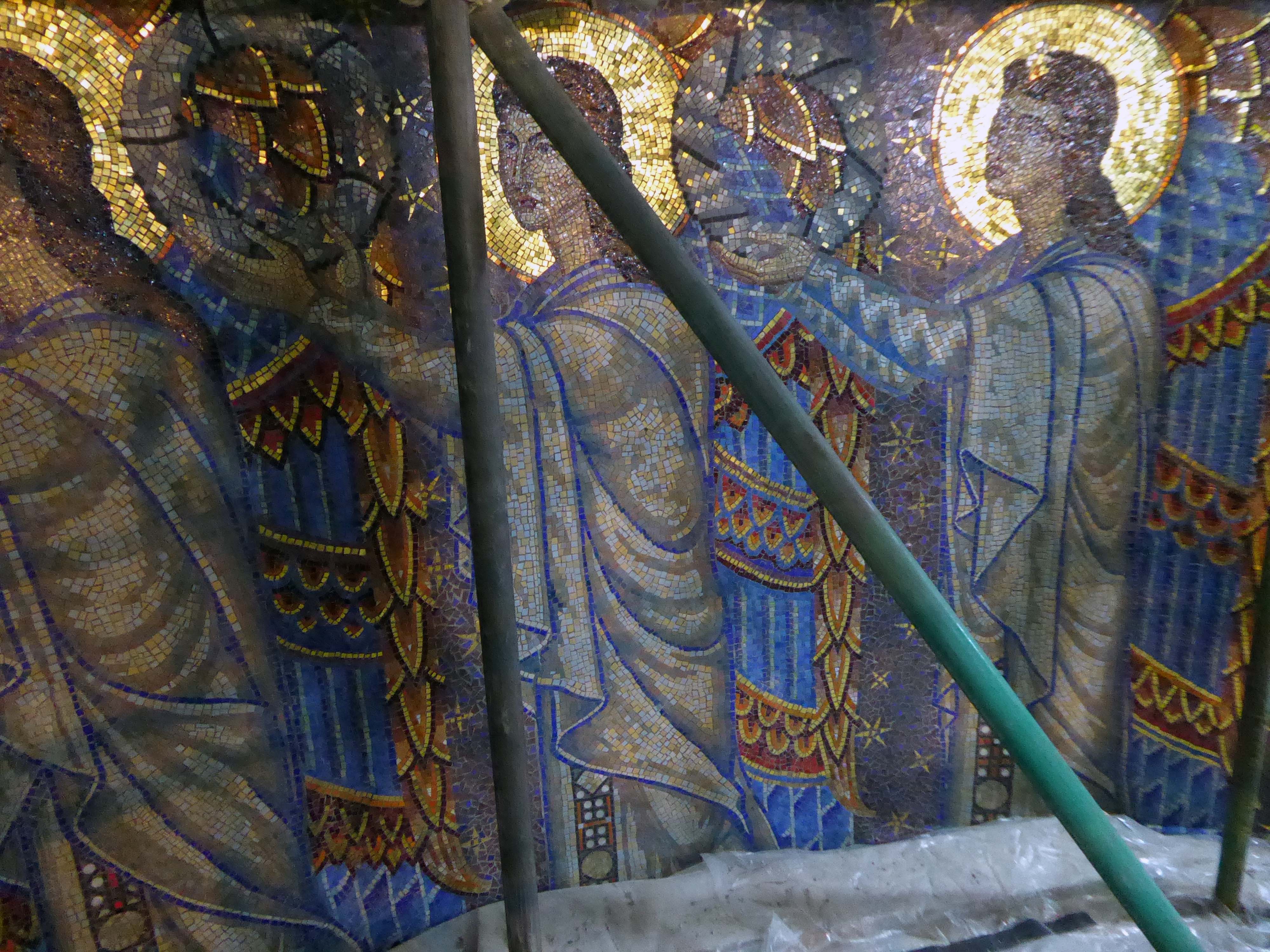
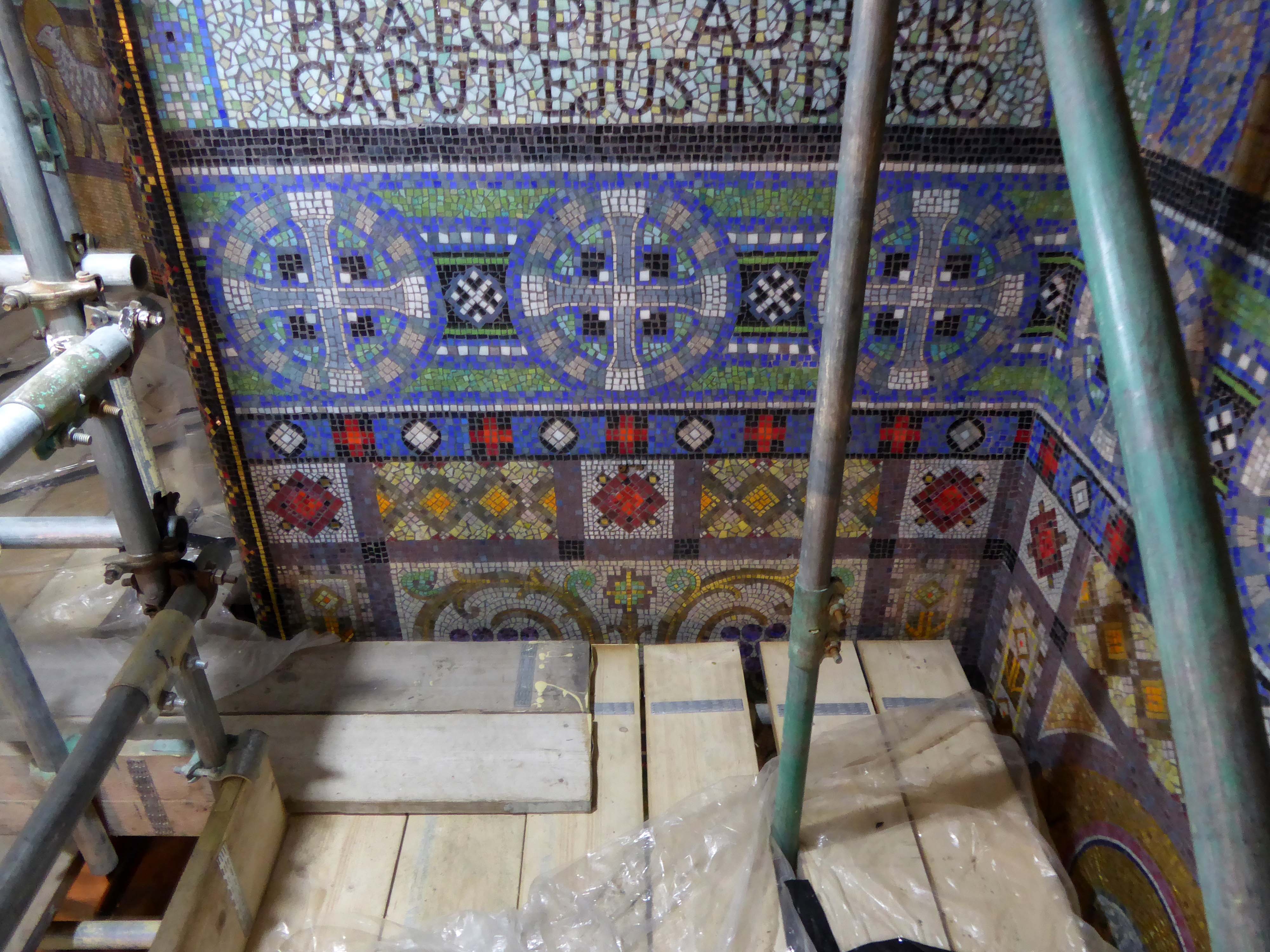
The apsed sanctuary is completely covered in a mosaic scheme with the theme Eternal Life designed by Eric Newton. Newton was born Eric Oppenheimer, later changing his surname by deed poll to his mother’s maiden name. He was the grandson of Ludwig Oppenheimer, a German Jew who was sent to Manchester to improve his English and then married a Scottish girl and converted to Christianity. In 1865 he set up a mosaic workshop, (Ludwig Oppenheimer Ltd, Blackburn St, Old Trafford, Manchester) after spending a year studying the mosaic process in Venice. Newton had joined the family company as a mosaic craftsman in 1914 and he is known to have studied early Byzantine mosaics in Venice, Ravenna and Rome. He later also became art critic for the Manchester Guardian and a broadcaster on ‘The Critics’. Newton started the scheme in 1932 and took over a year to complete it at a cost of £4,000. It had previously been thought that he used Italian craftsmen, but historic photographs from the 1930s published in the Daily Herald show Oppenheimer mosaics being cut and assembled by a Manchester workforce of men and women. It is likely, therefore, that the craftsmen working on St John the Baptist were British.
There had, as ever, been issues with the structure, water ingress and such, given several flat roofs and a temperamental ferro-concrete dome.
Happily, a successful Lottery Heritage Fund grant has covered the cost of two phases of repair to the physical fabric.
Thanks to the Parish Team, for once again making us all feel so welcome, and thanks also for their efforts in securing the finances which have made the restoration possible.
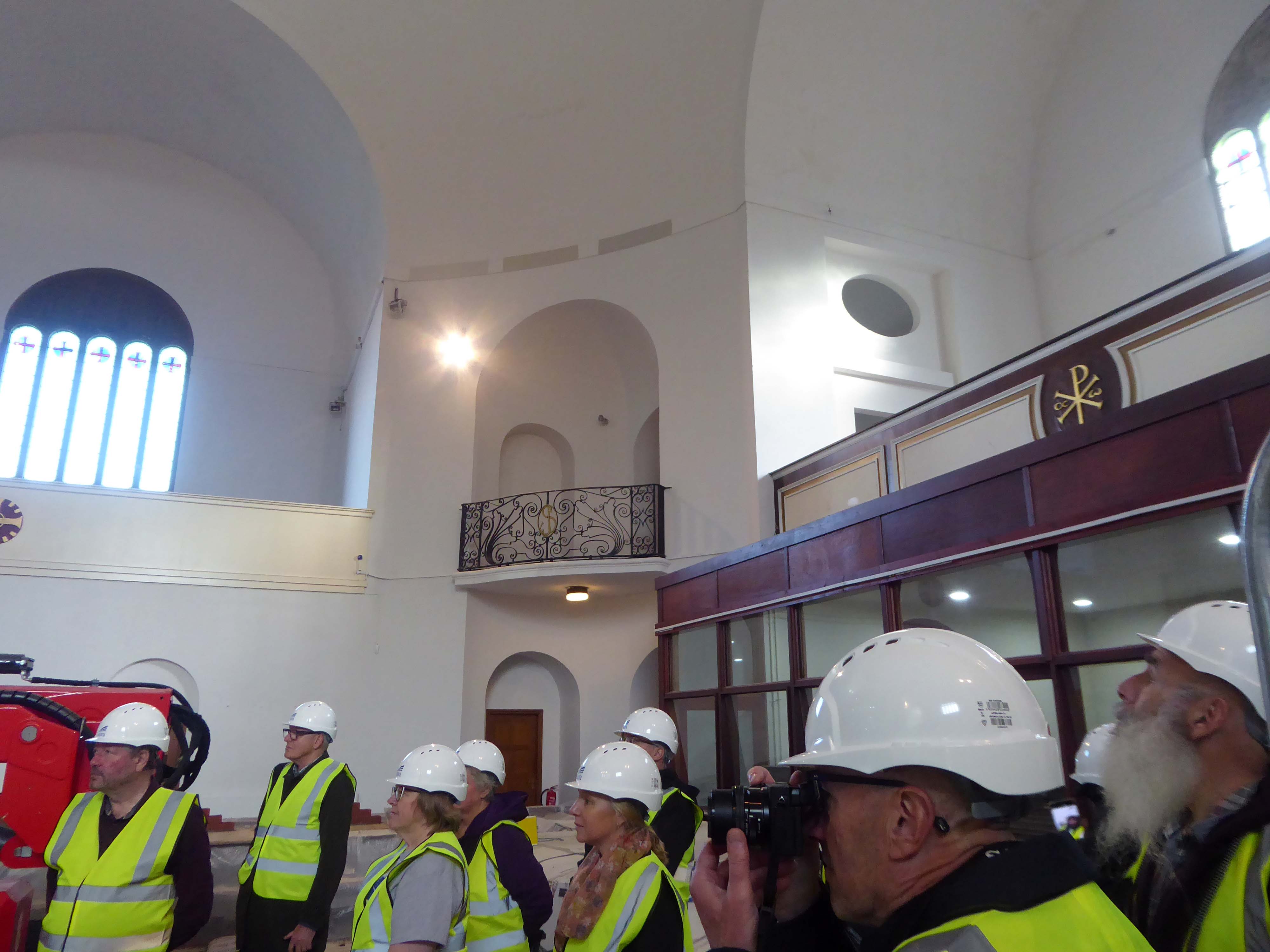
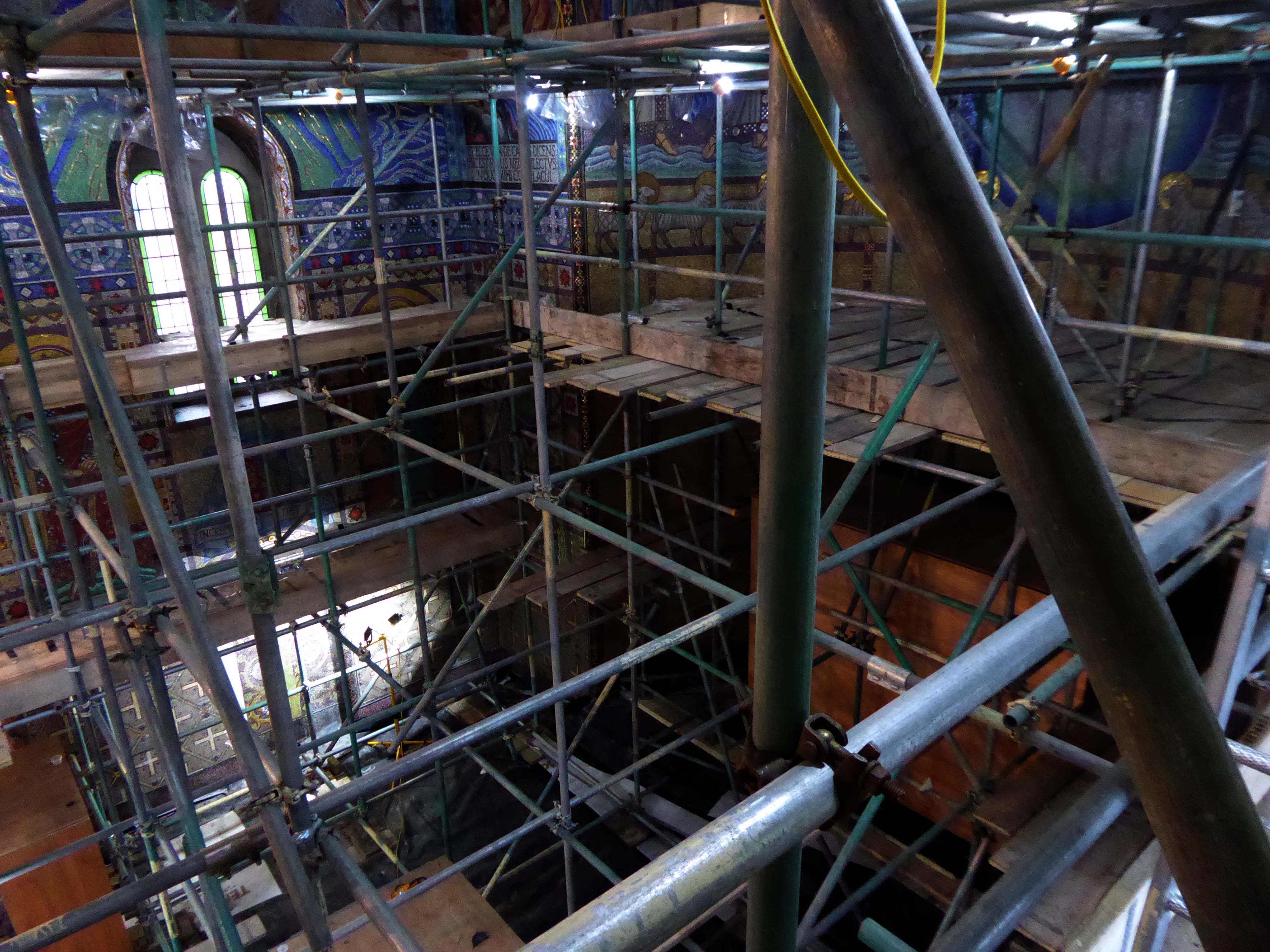
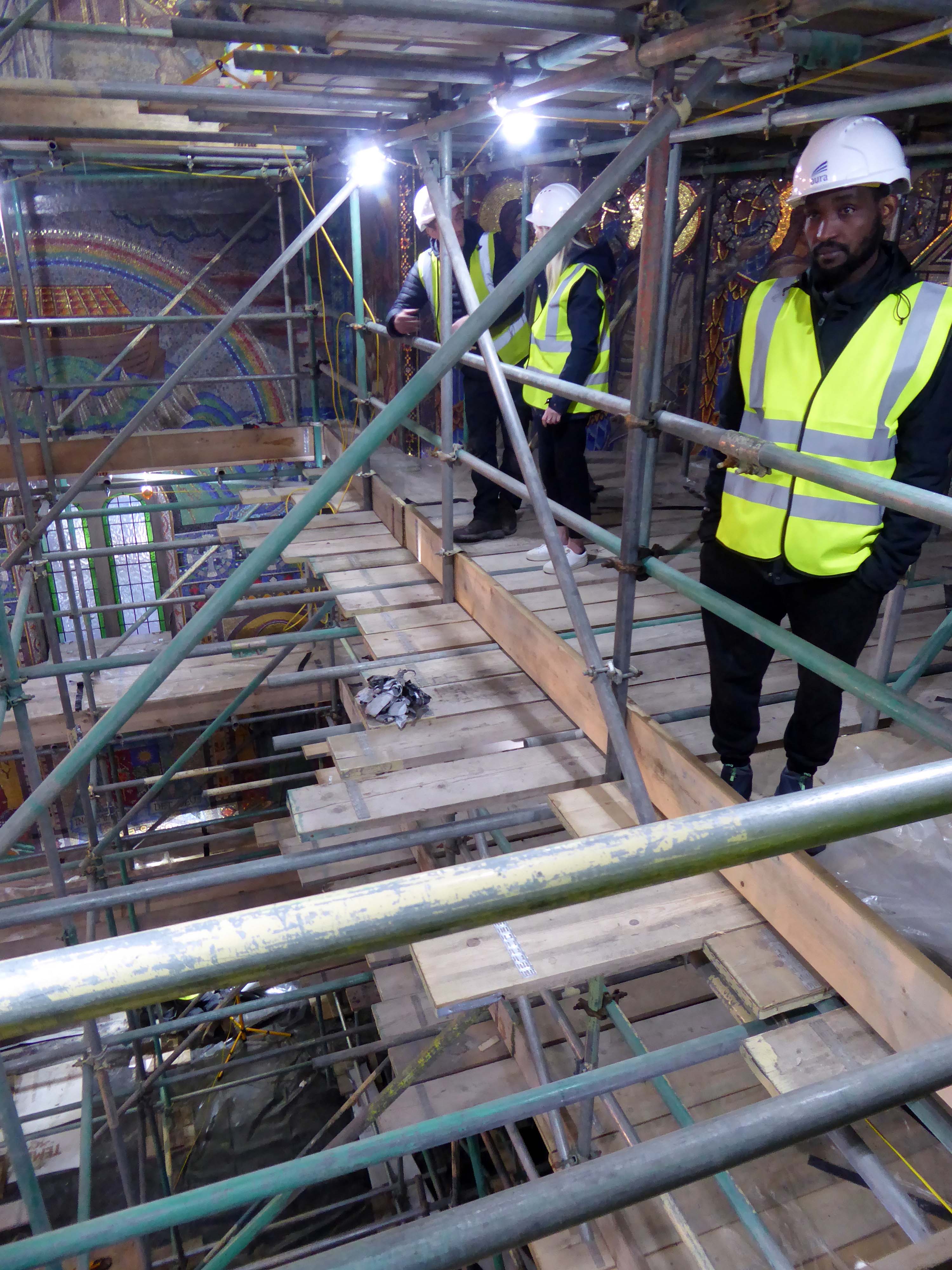
We were all issued with our hard hats and hi-vis at the comprehensive and informative introductory talks.
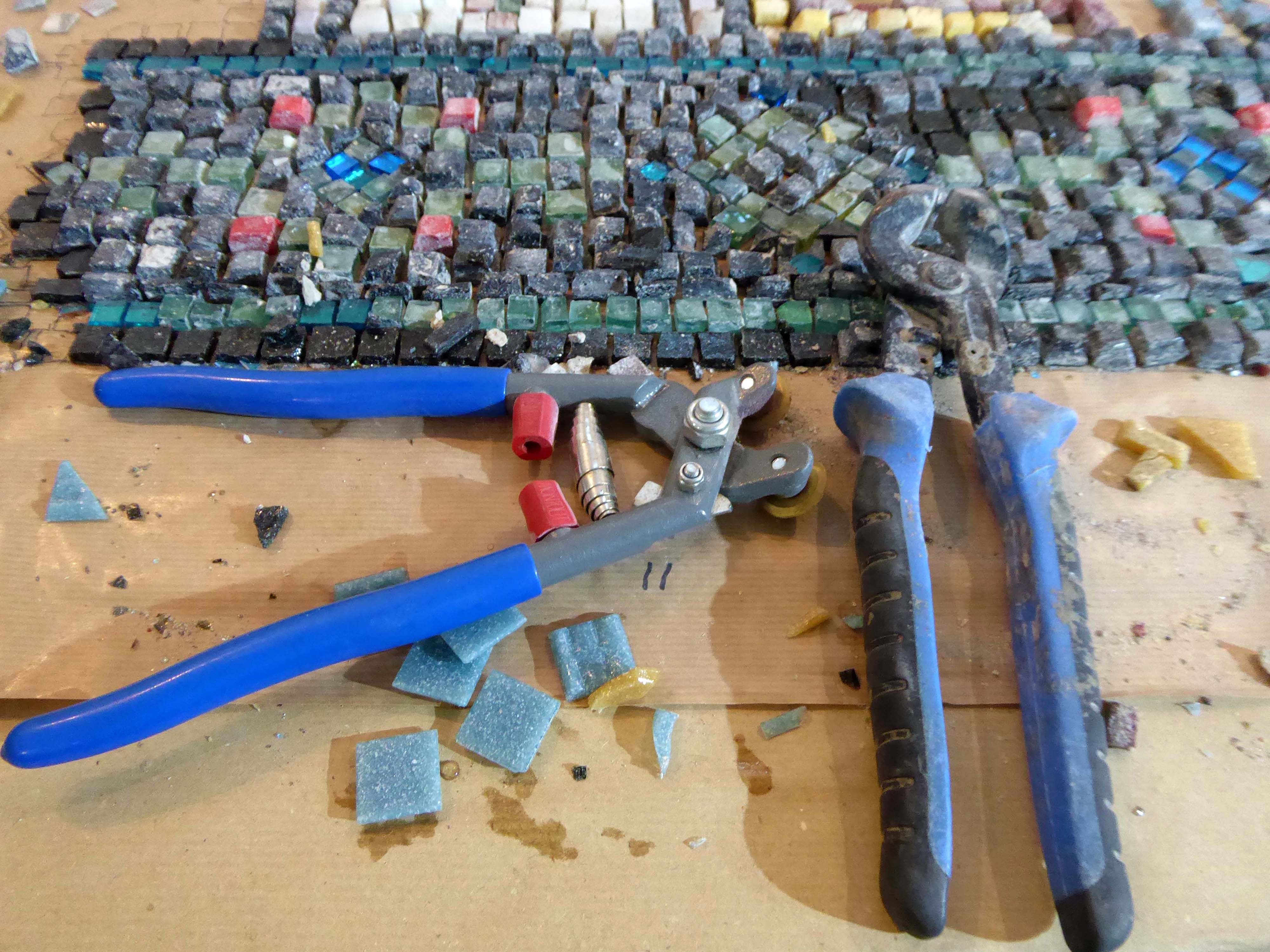
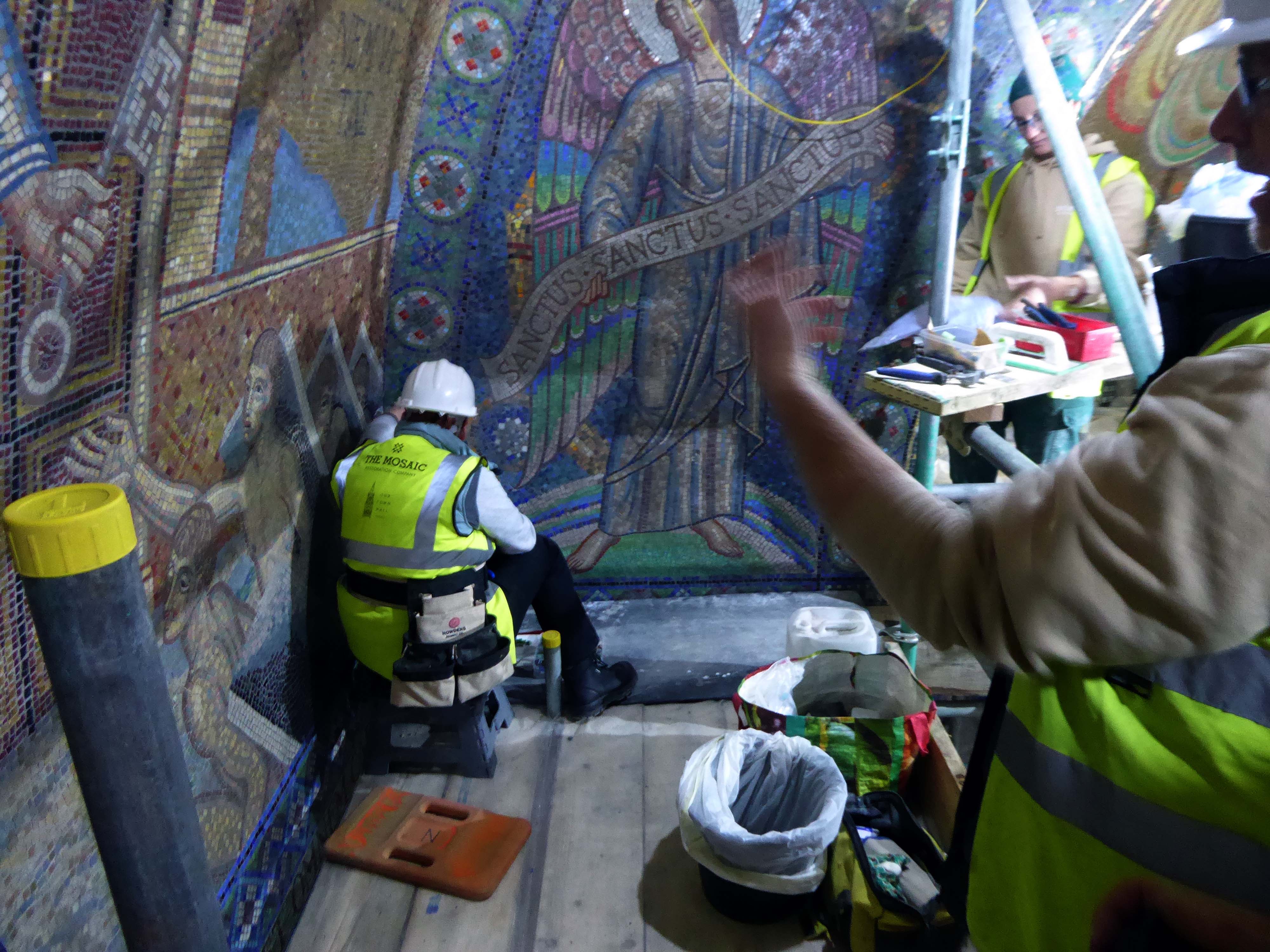
Followed by a detailed explanation of the mosaic work being undertaken by Gary and his team from the Mosaic Restoration Company.
This involves skilfully cleaning the whole work, whilst repairing and replacing any damaged areas.
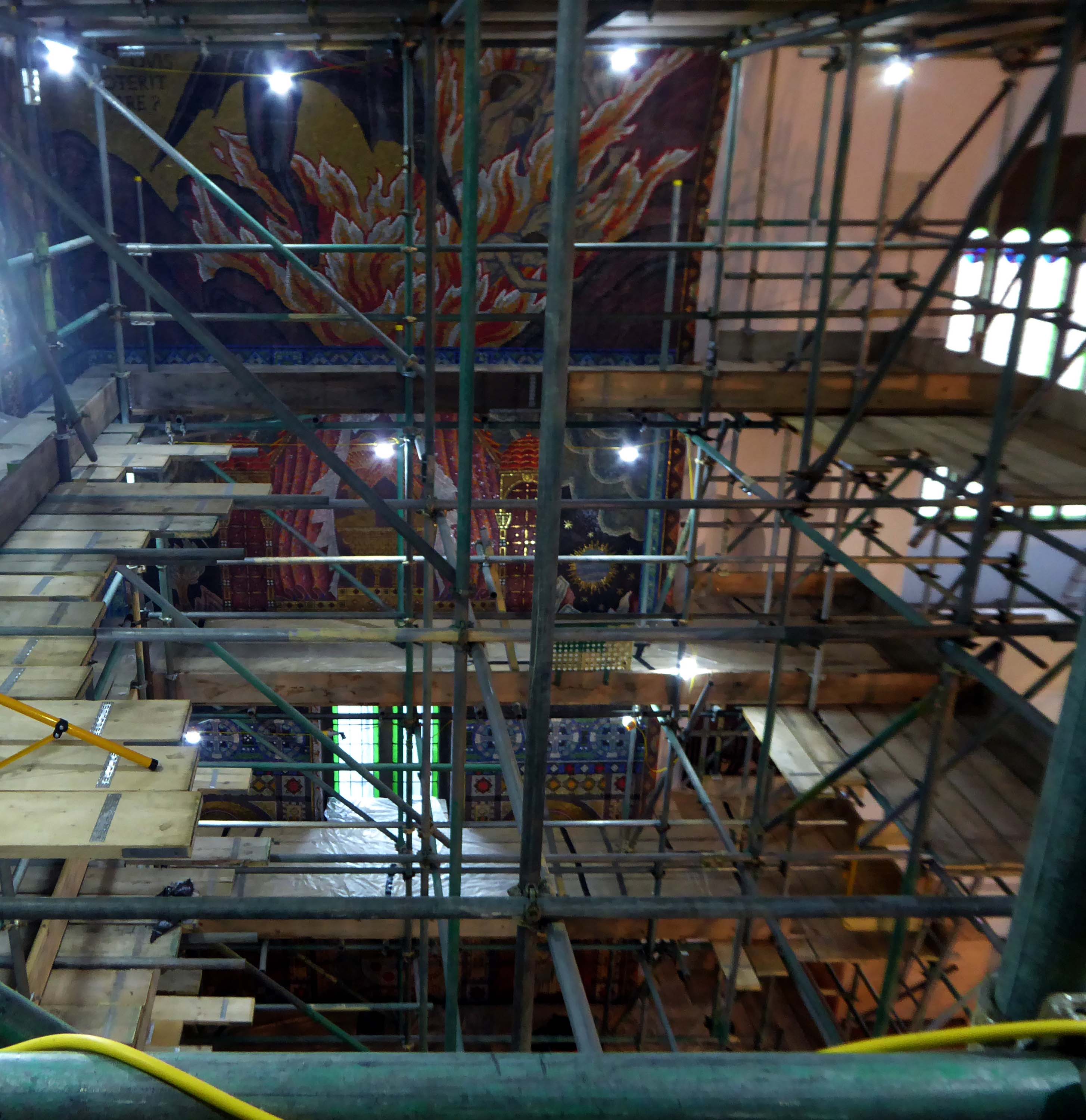
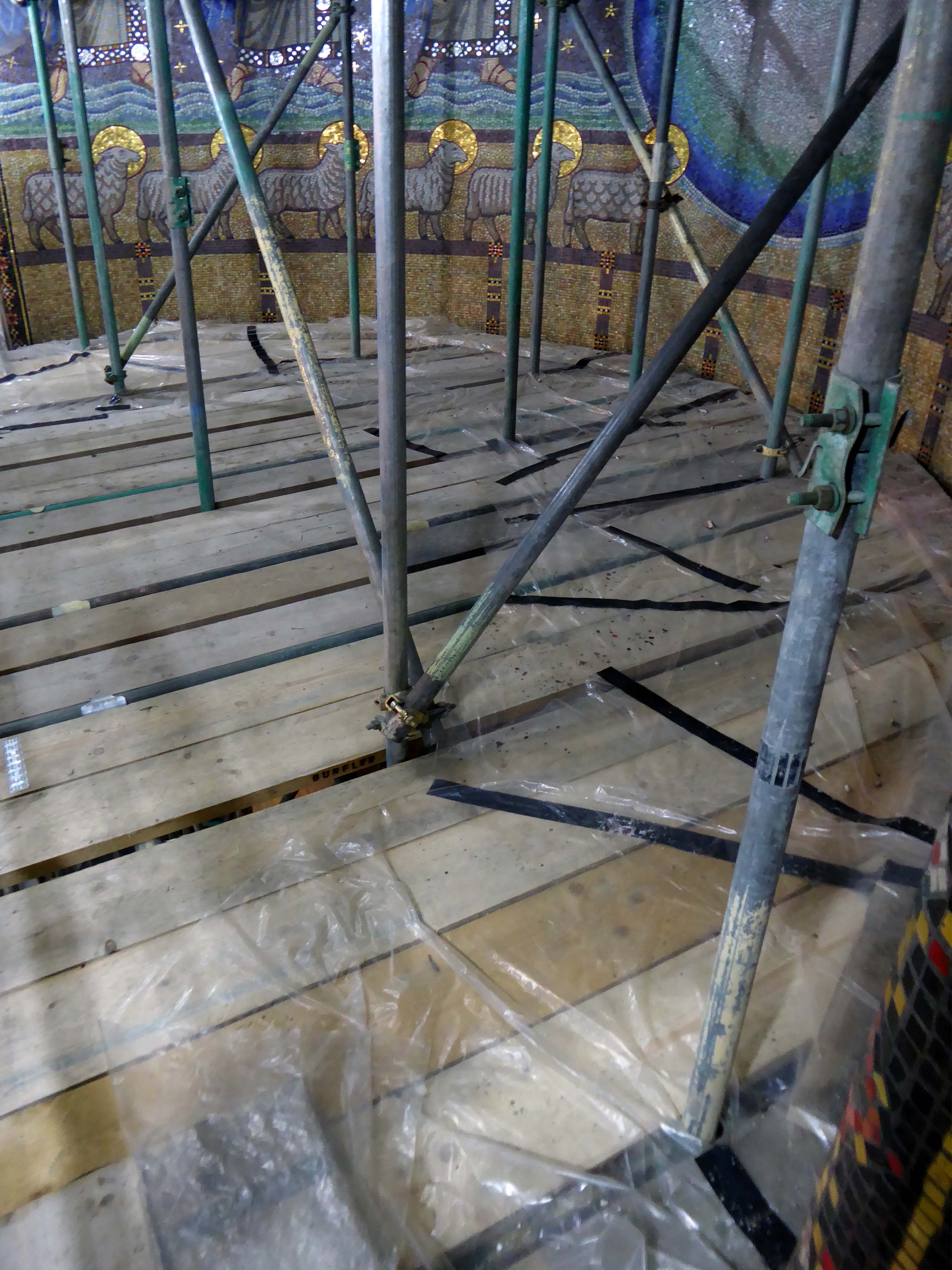
We were then privileged to ascend the vast scaffold, the better to inspect the work up close and personal.
And this is what we saw.
Many thanks again to our hosts, the contractors and all those involved with this spectacular undertaking.
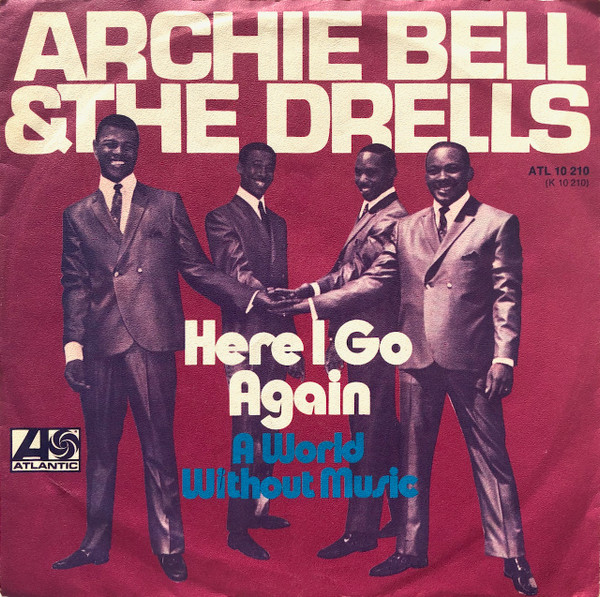
Here I go again – just like Archie Bell minus the Drells.
Here I go again, thinking with my heart
But every time I see ya, I keep running back for more
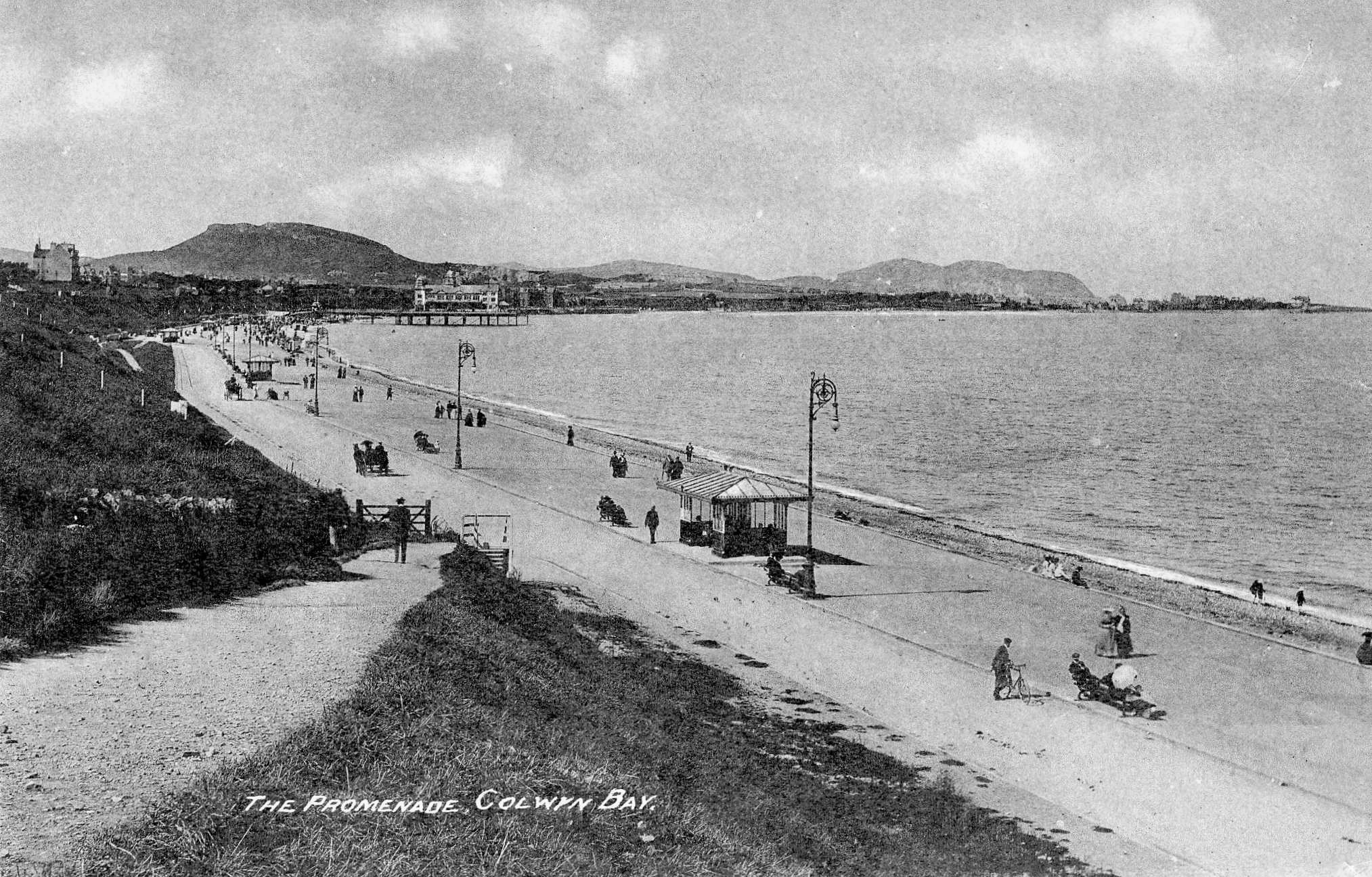
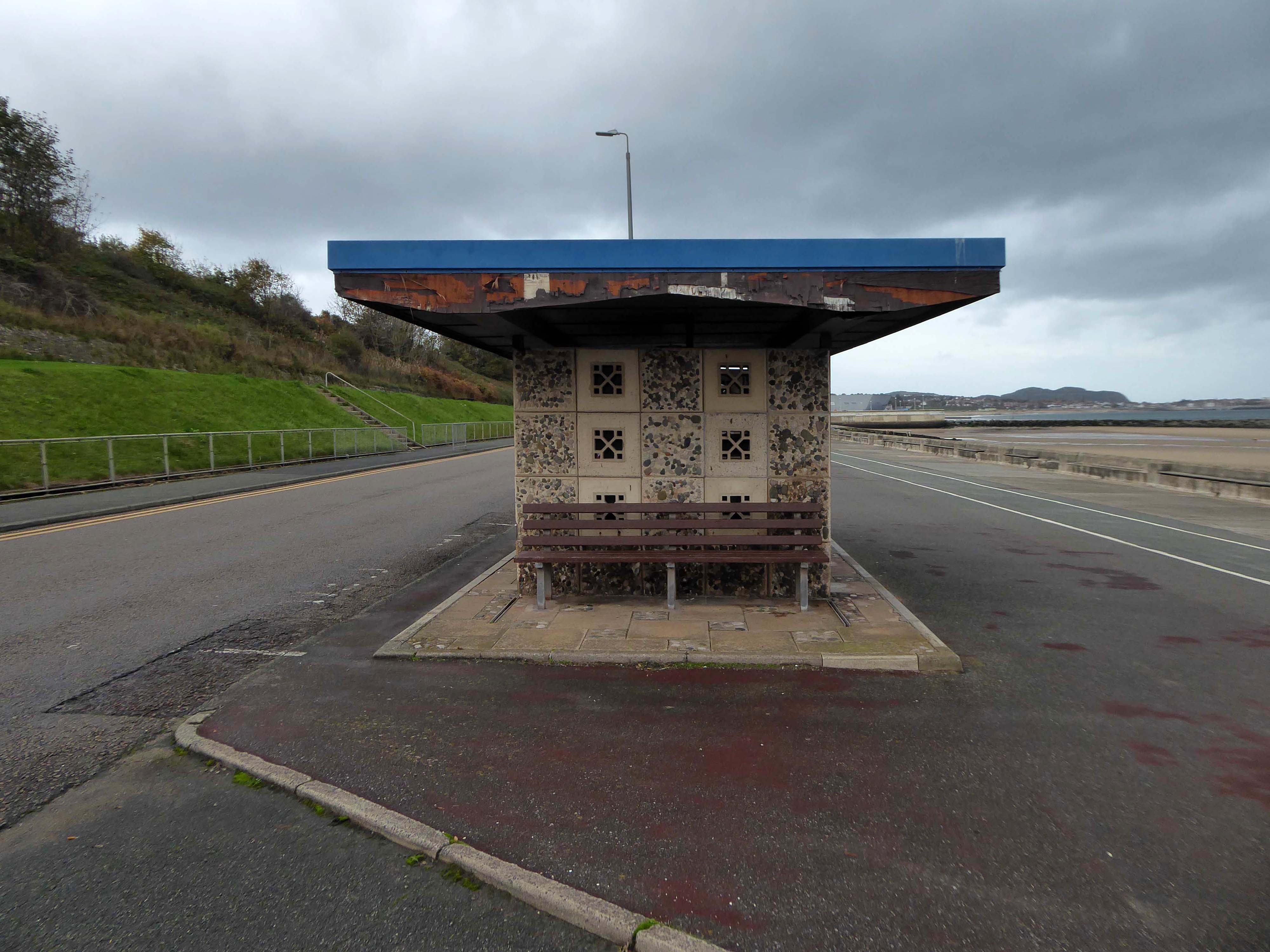
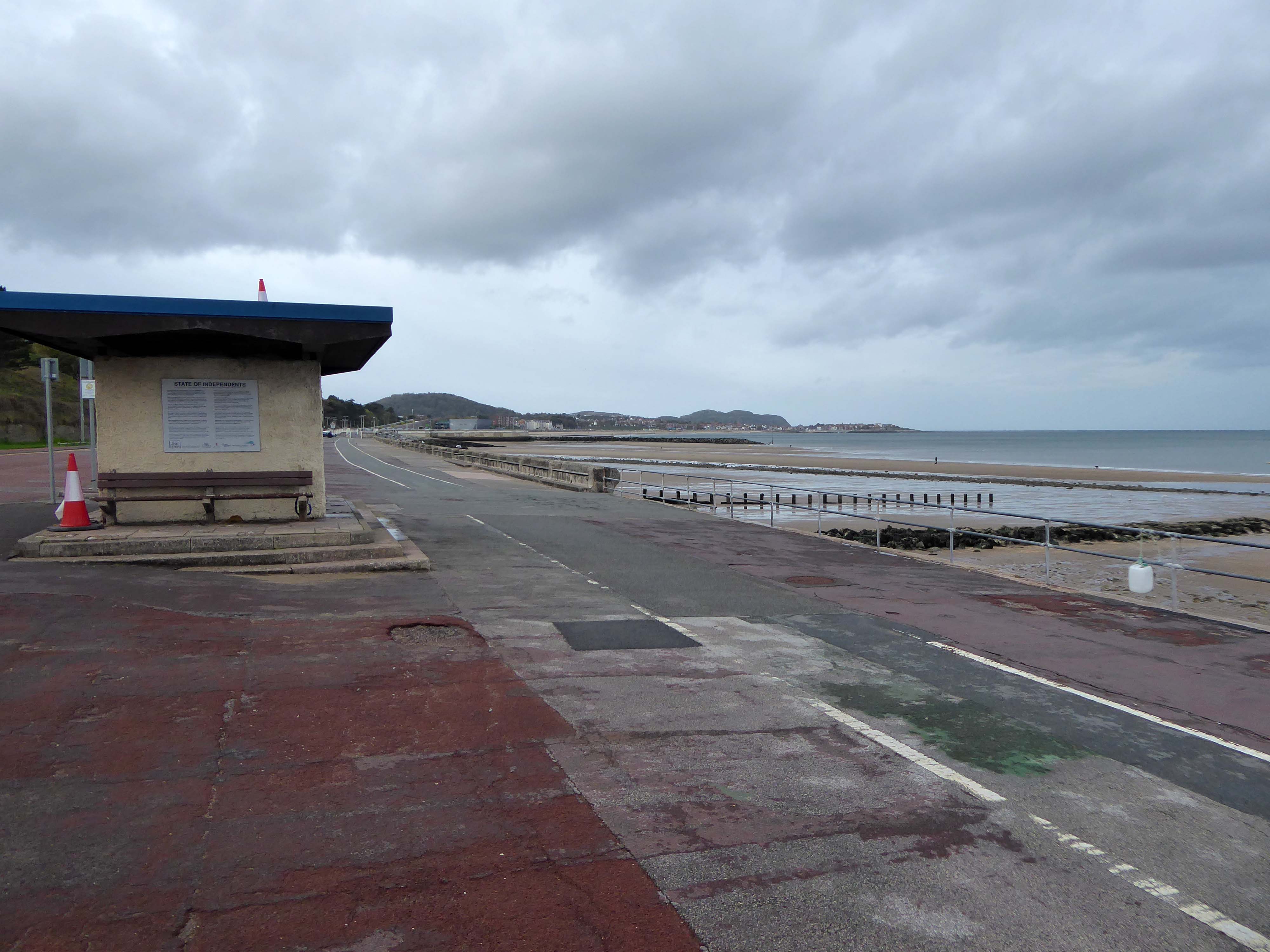
April and October 2019 walking from Rhos to Colwyn.
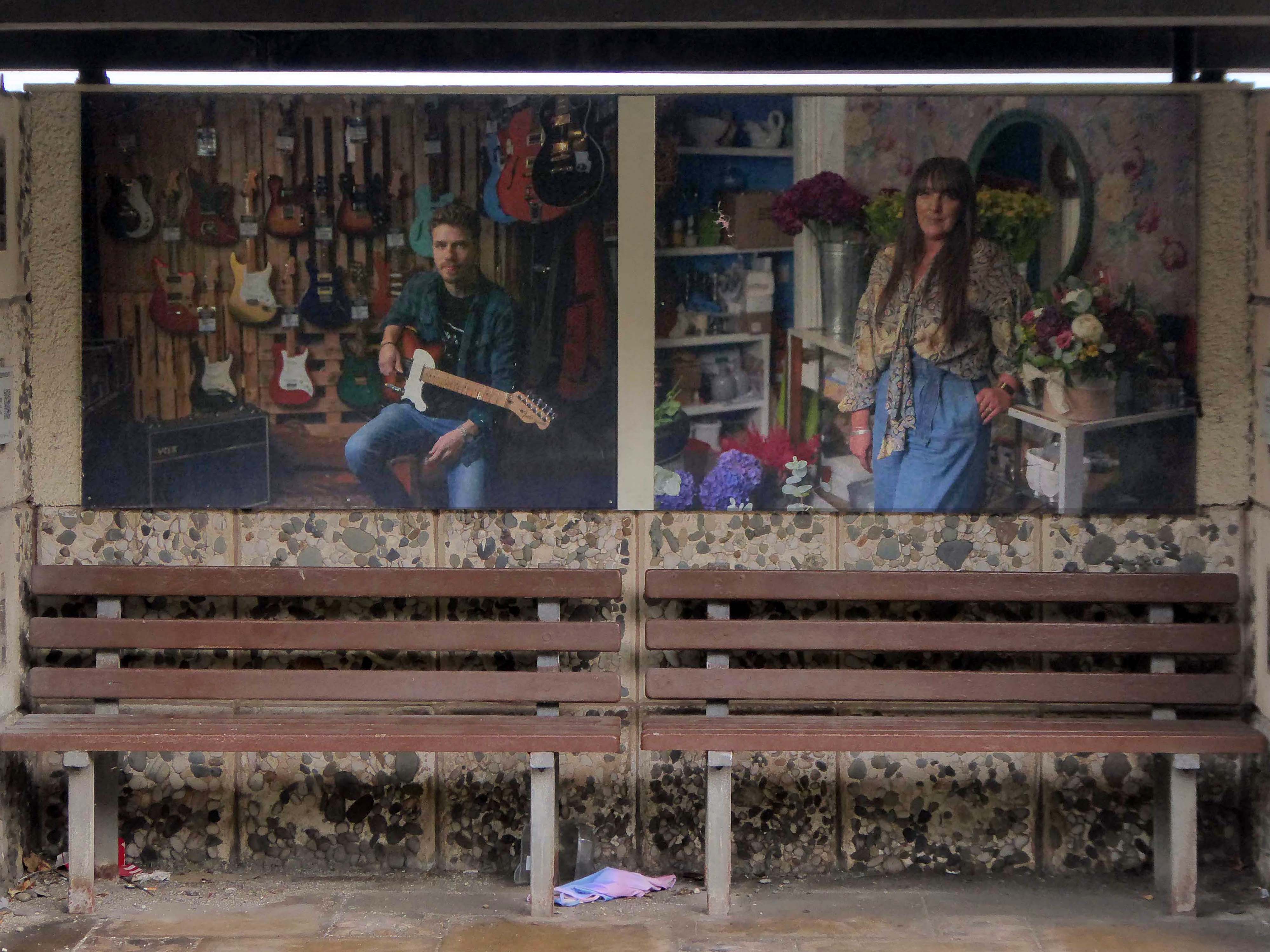
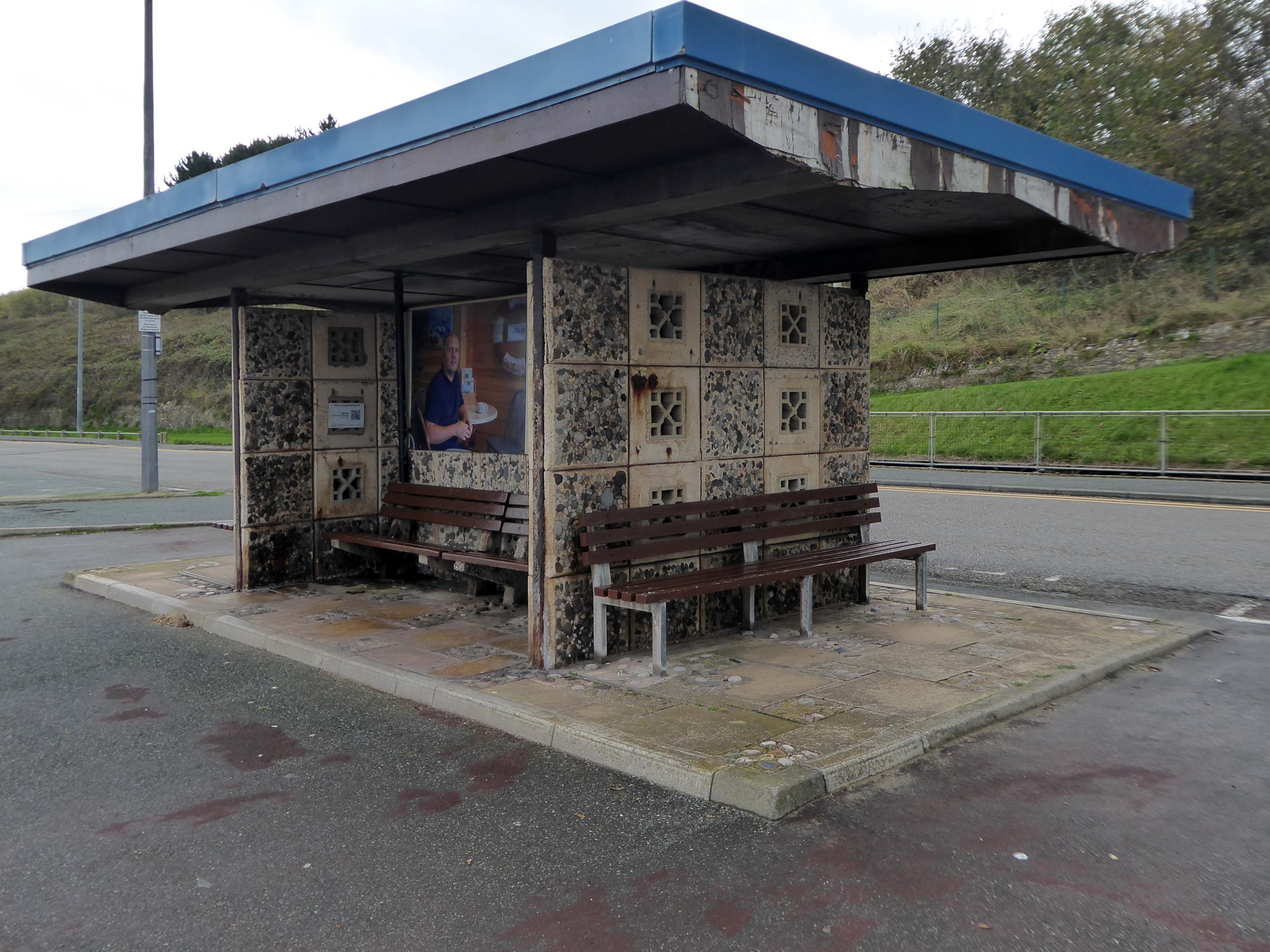
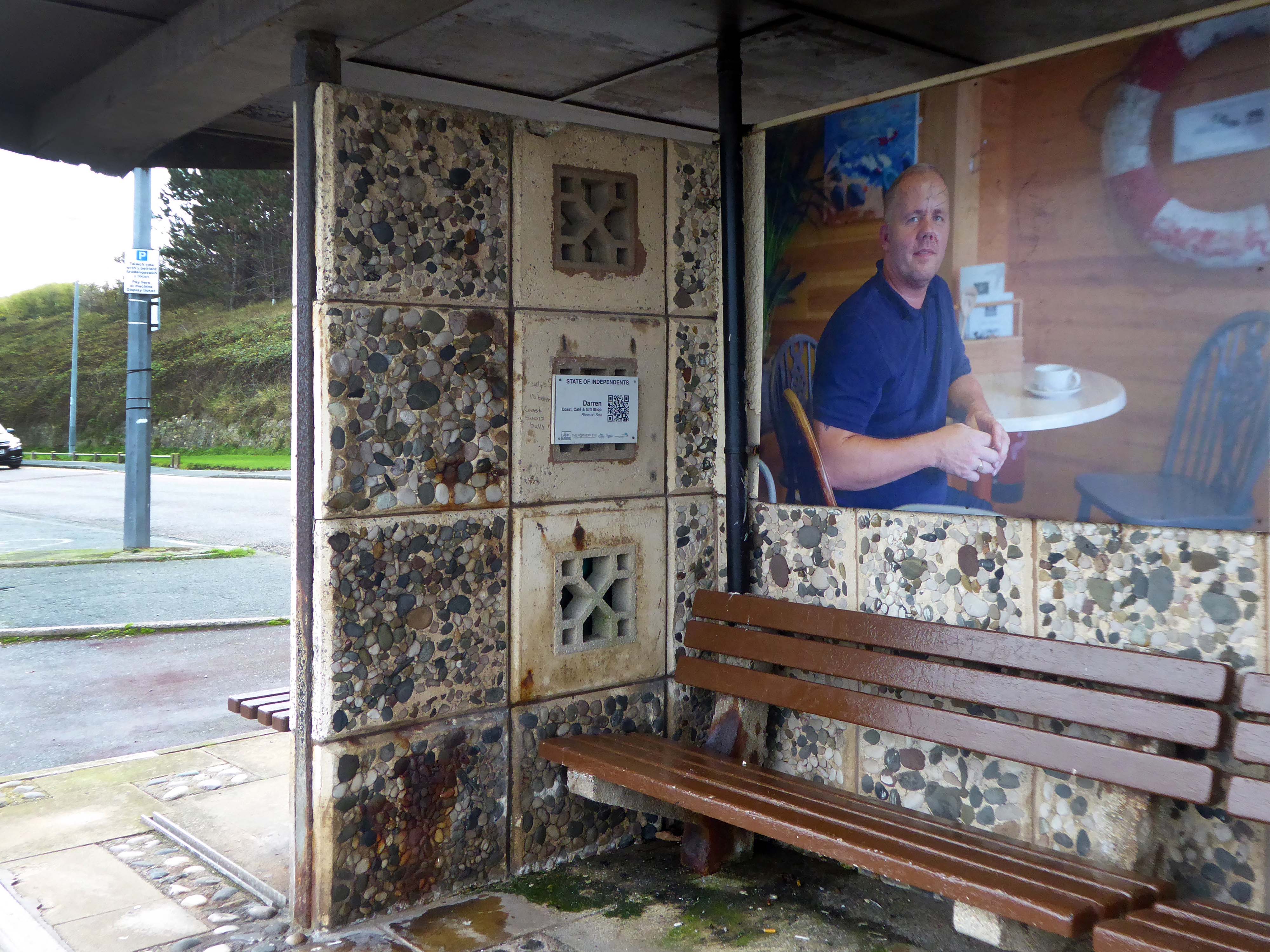
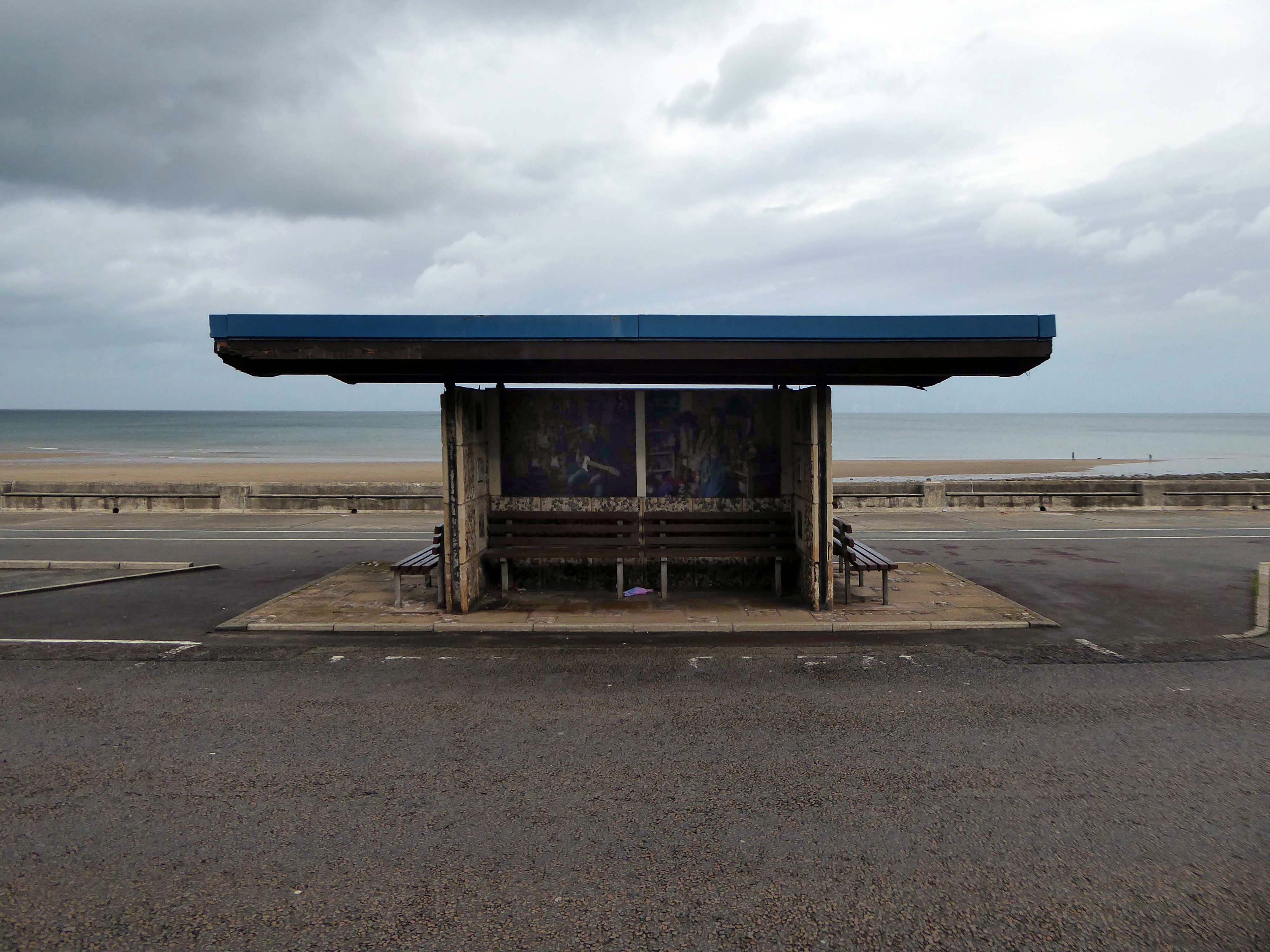
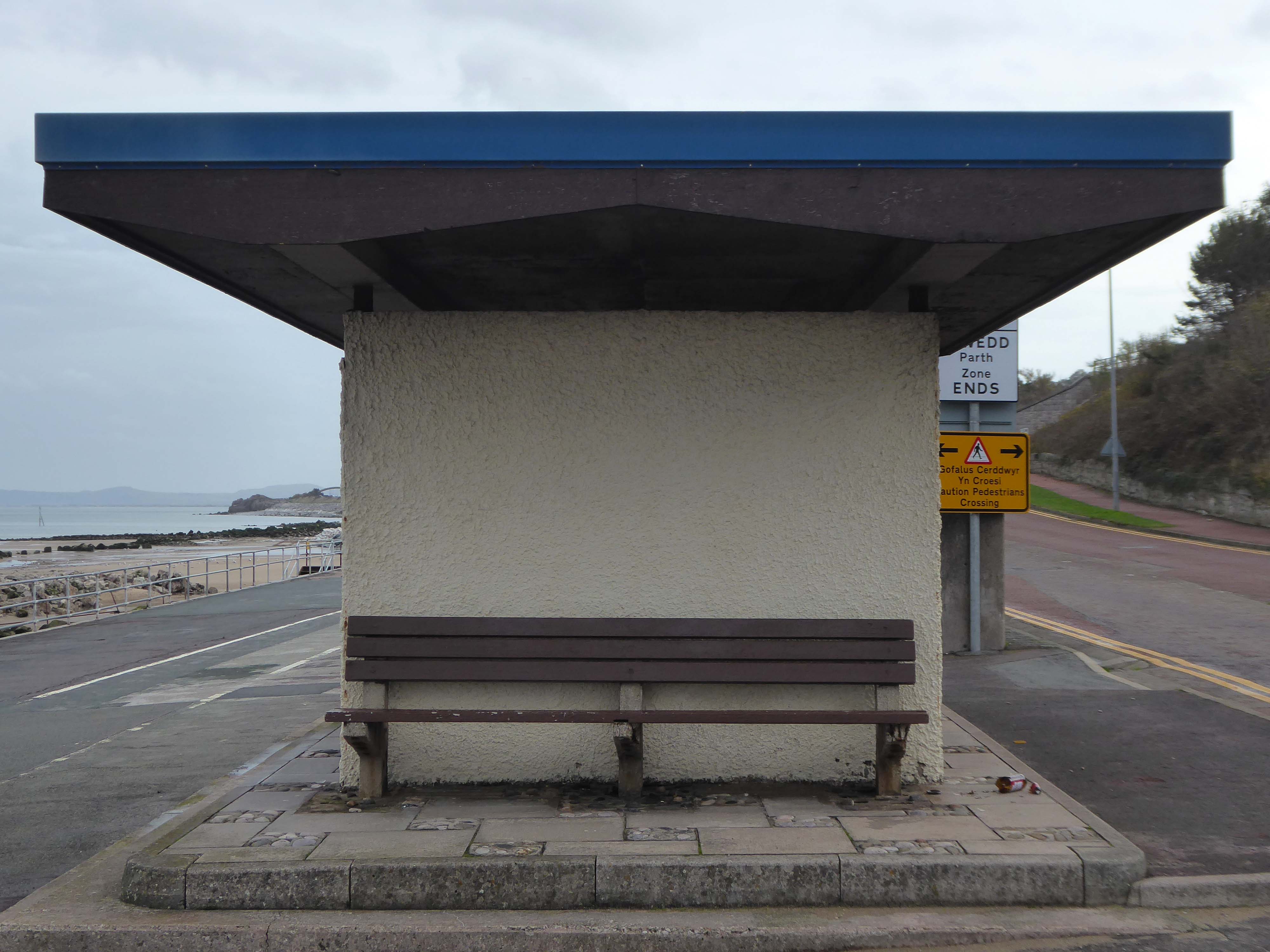
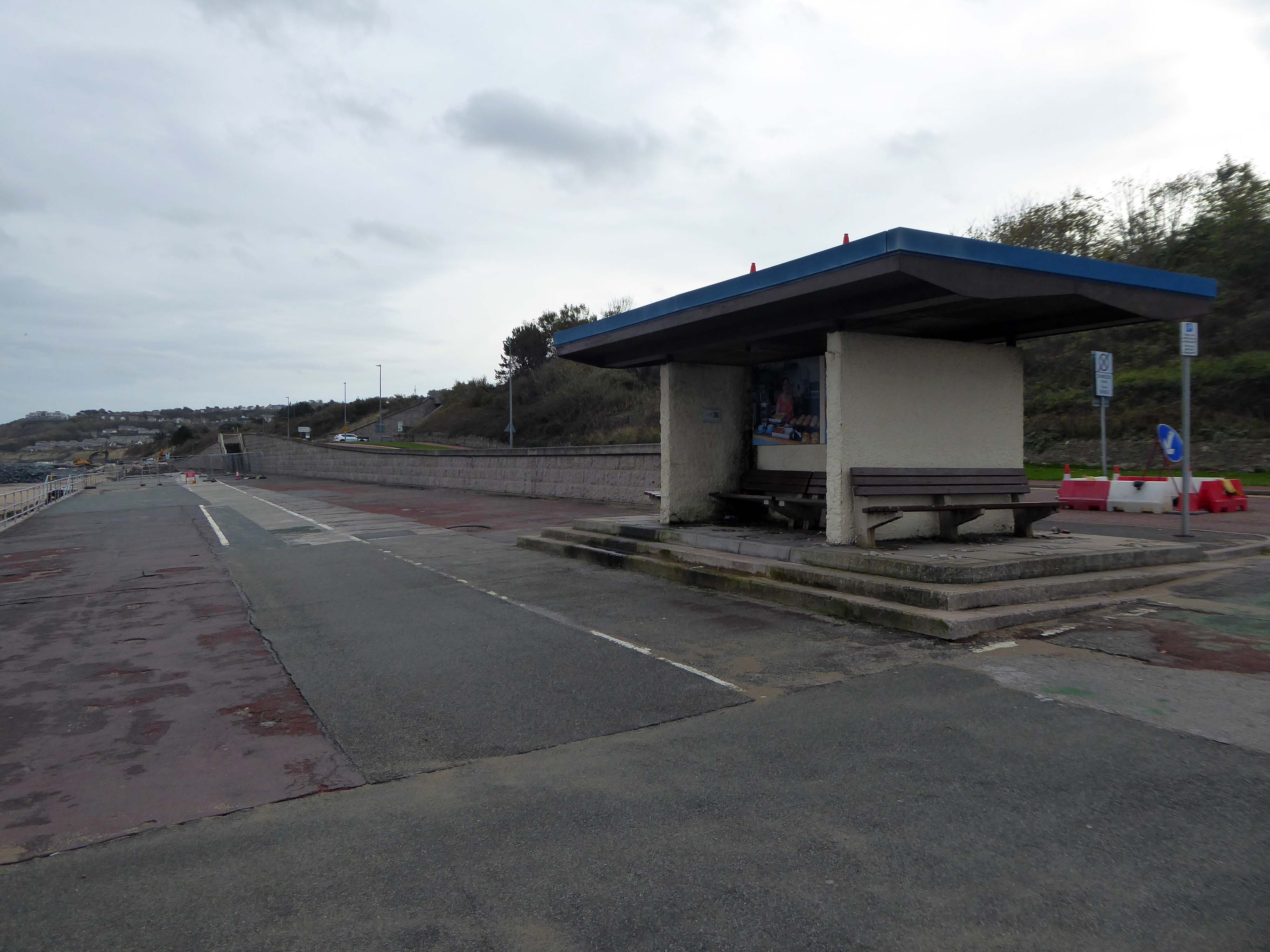
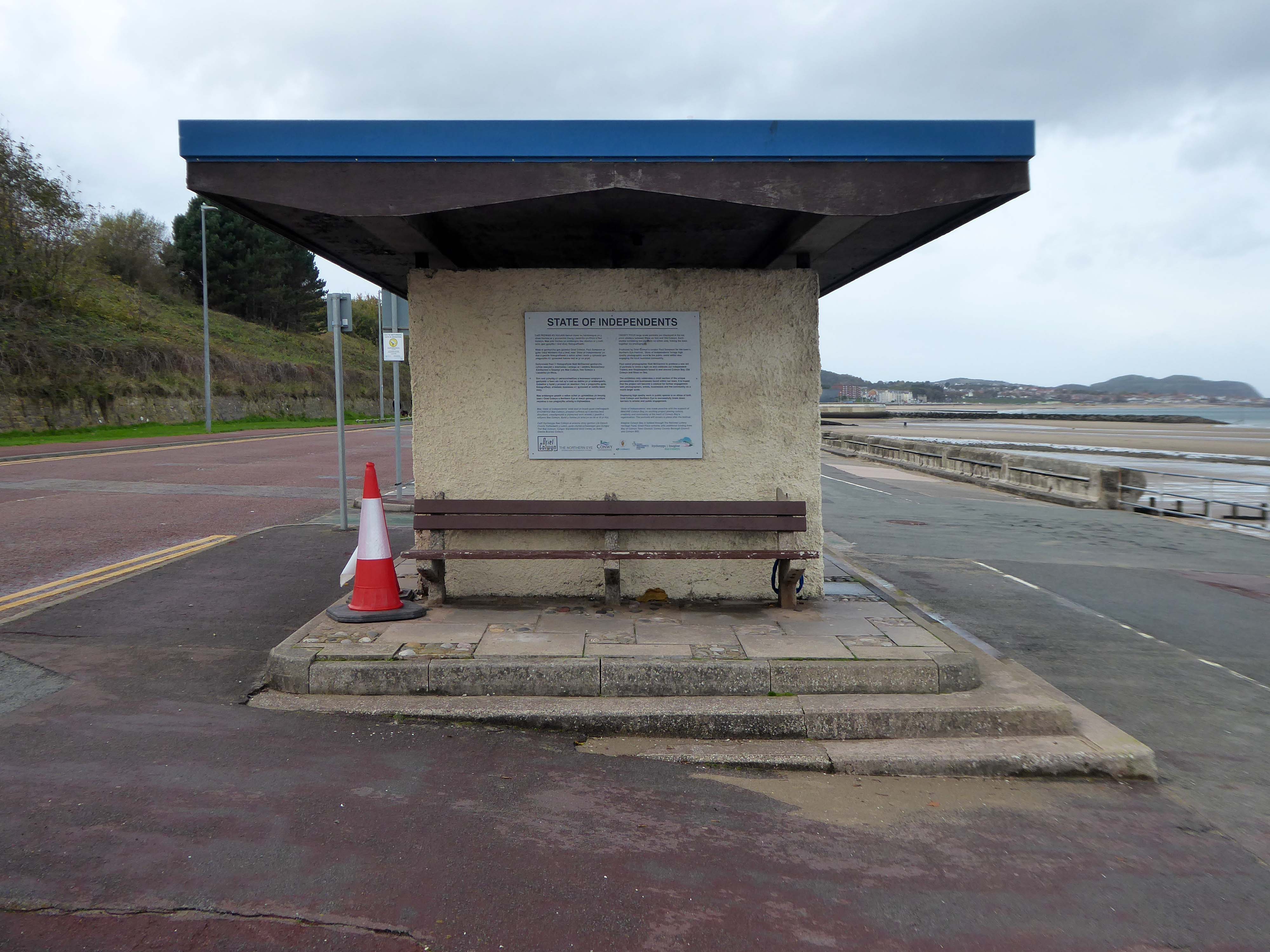
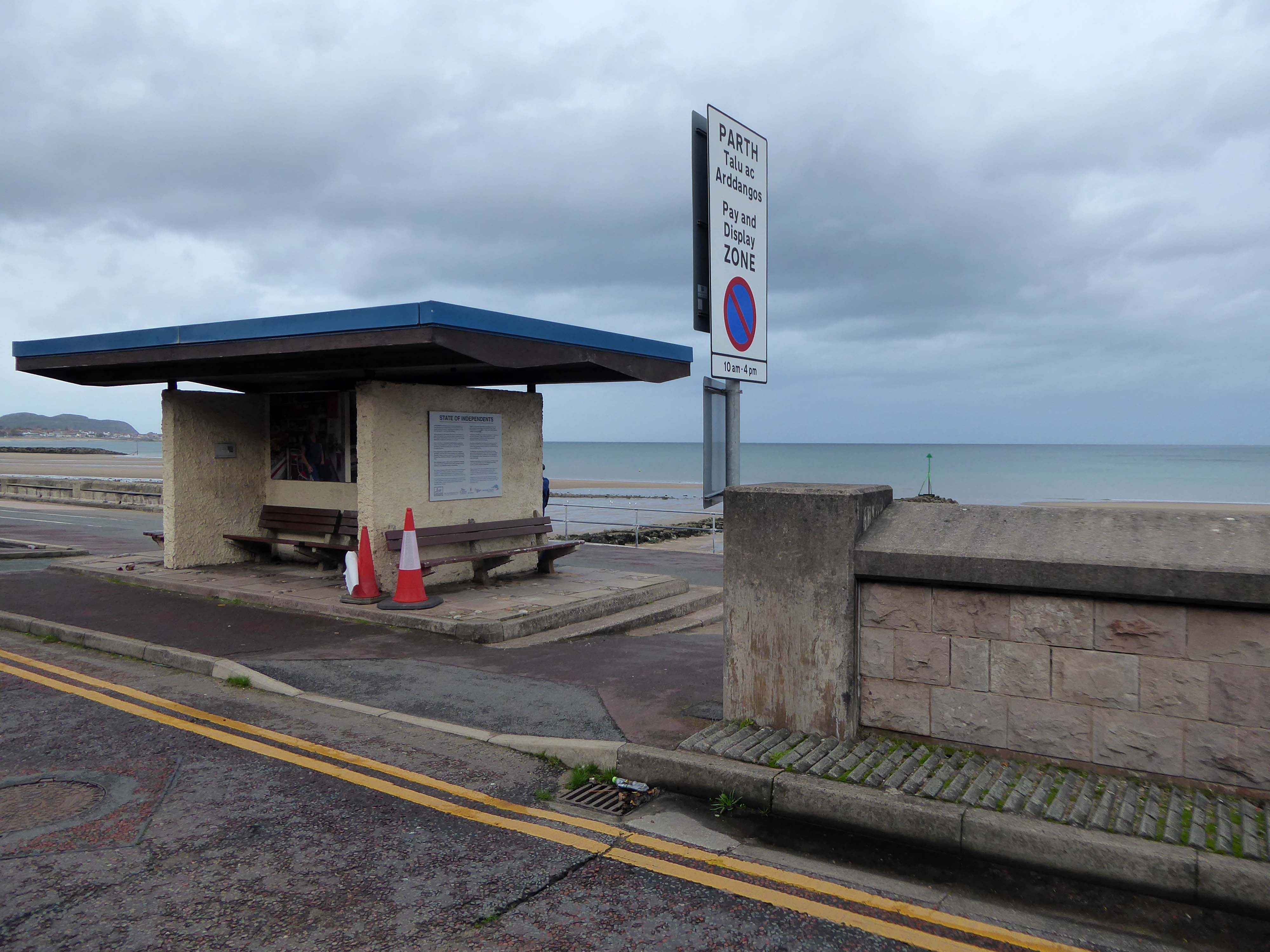
Pandemics come and almost go – as do seaside shelters it seems.
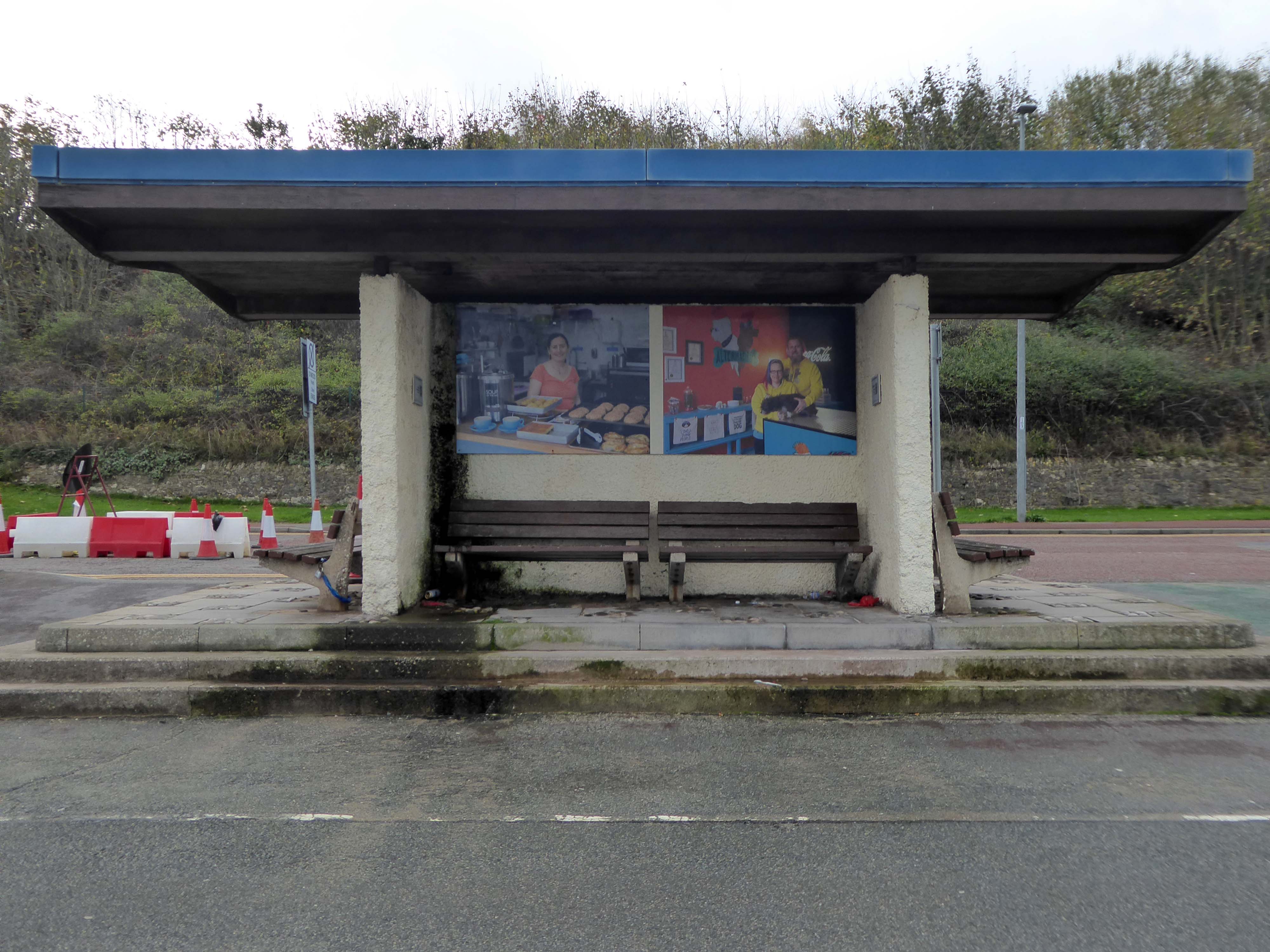
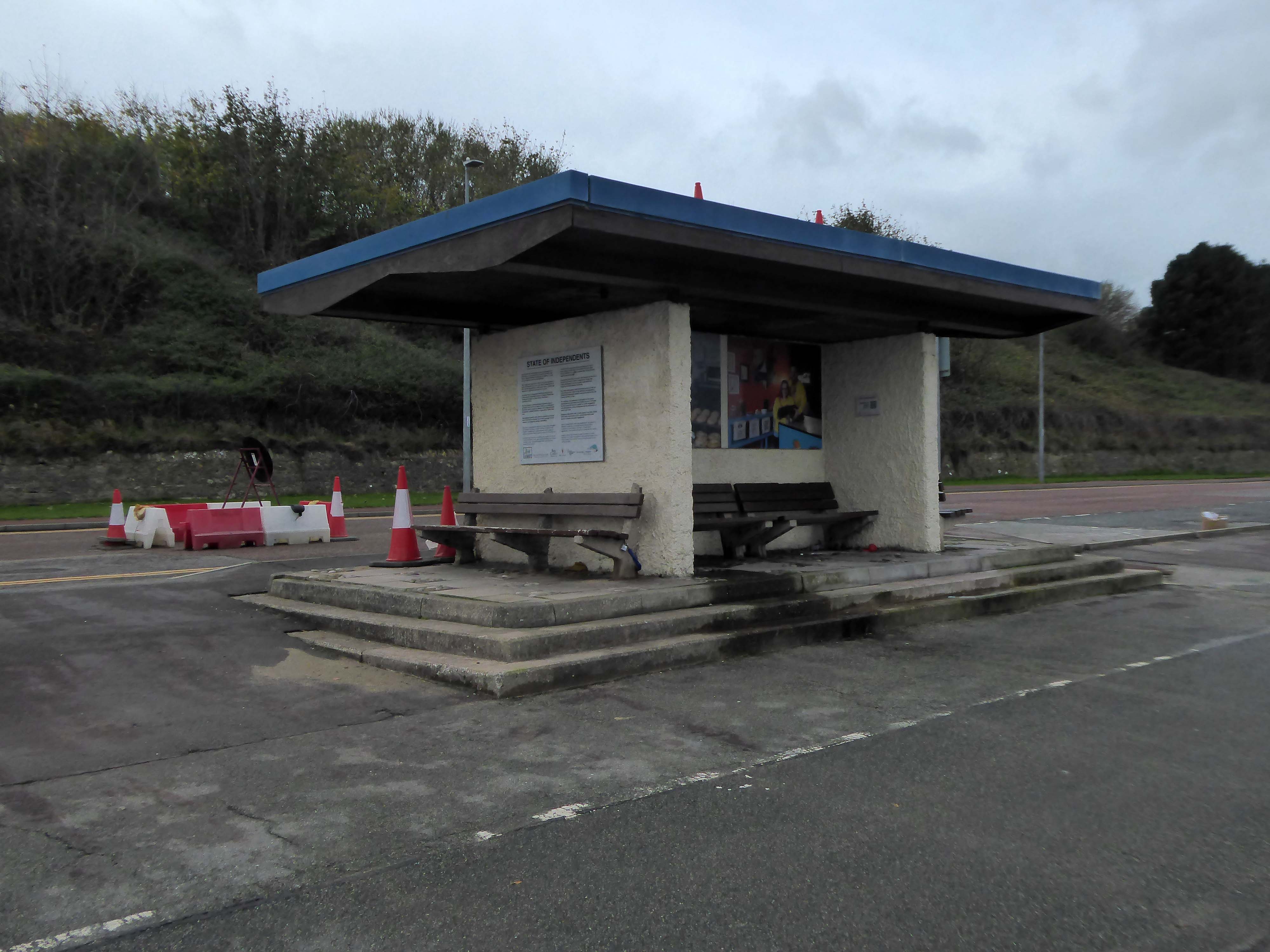
The shelters of 1860 are quite literally a thing of the past.
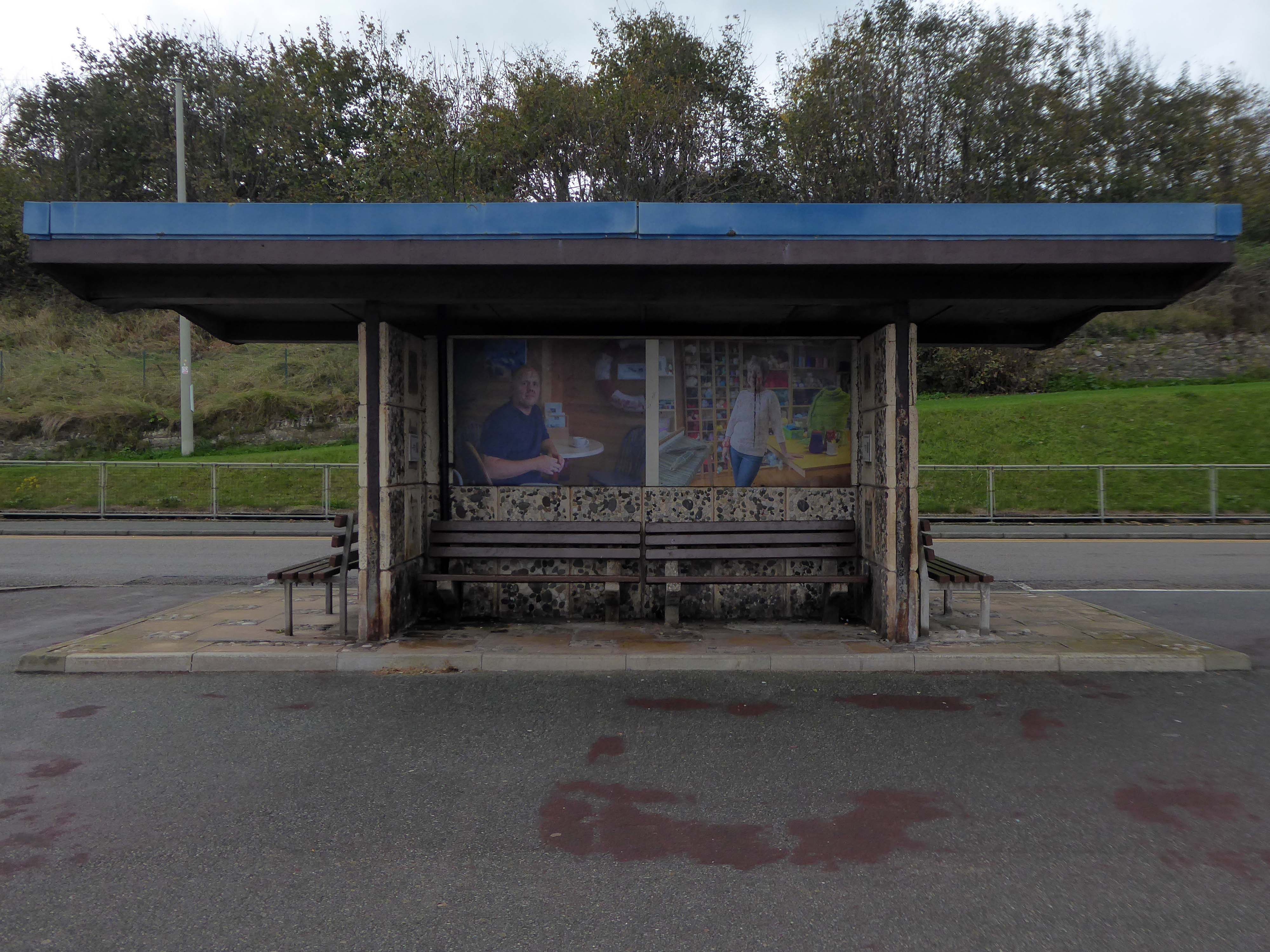
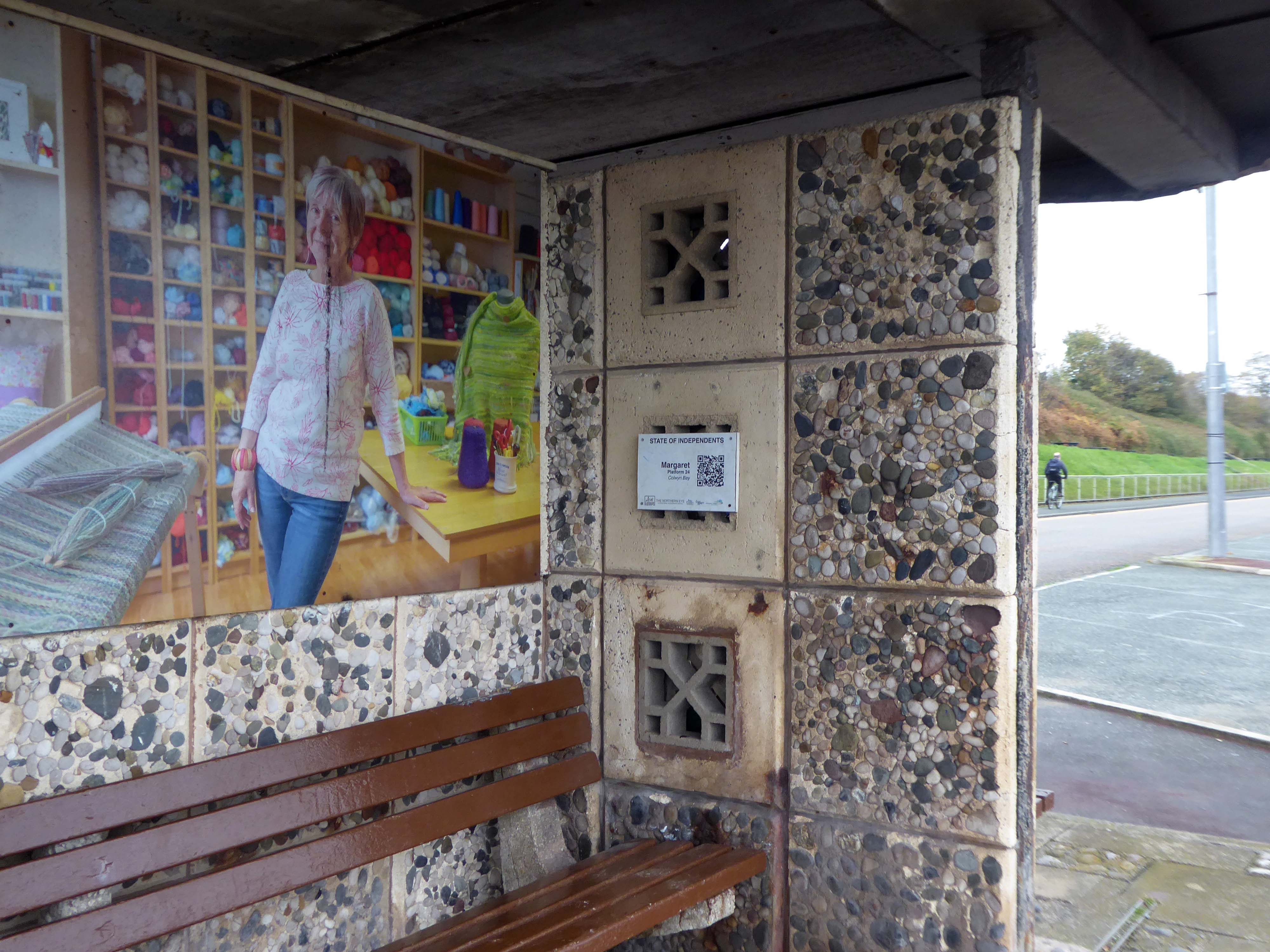
Thye have become host to Niall McDiarmid‘s snaps of local business folk – the project developed when local residents raised concerns about the appearance of the shelters on the promenade.
Cllr Roger Parry said
The shelters are nearing the end of their lifespan and these sections of the prom will be upgraded as part of the waterfront project.
In the meantime, State of Independents will make great use of the shelters; celebrating our hardworking local businesses and hopefully encouraging footfall from the promenade to our high streets.
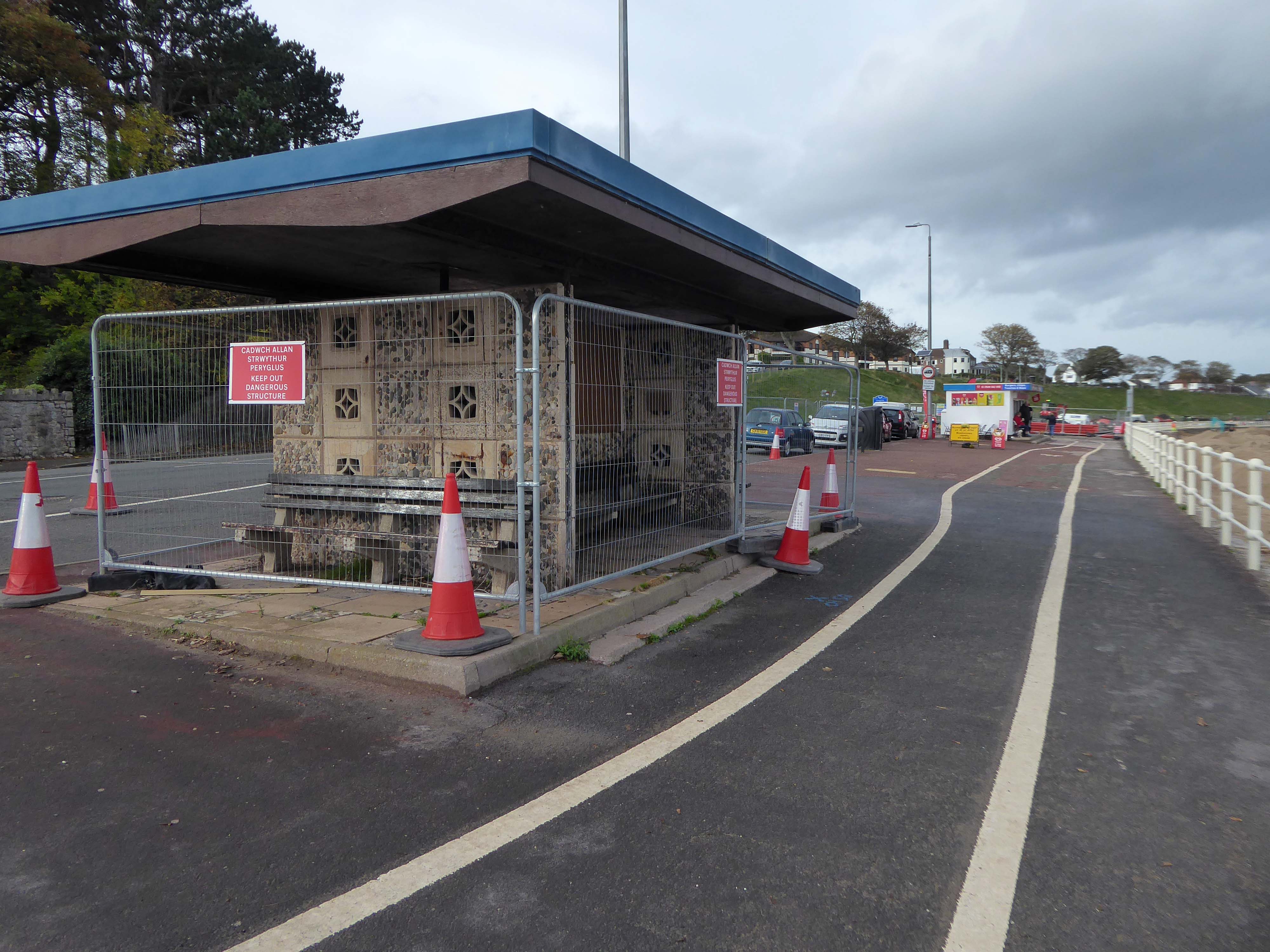
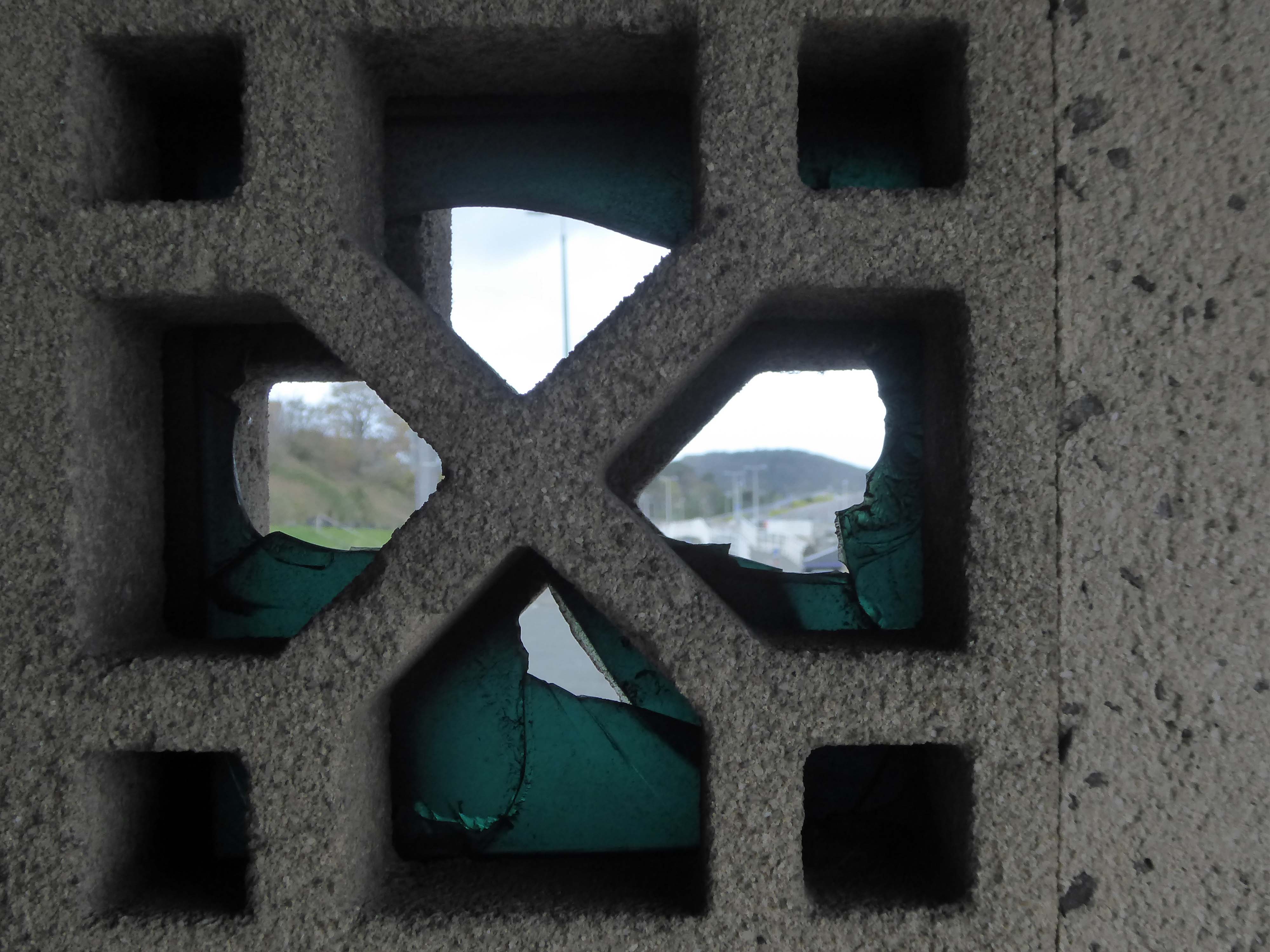
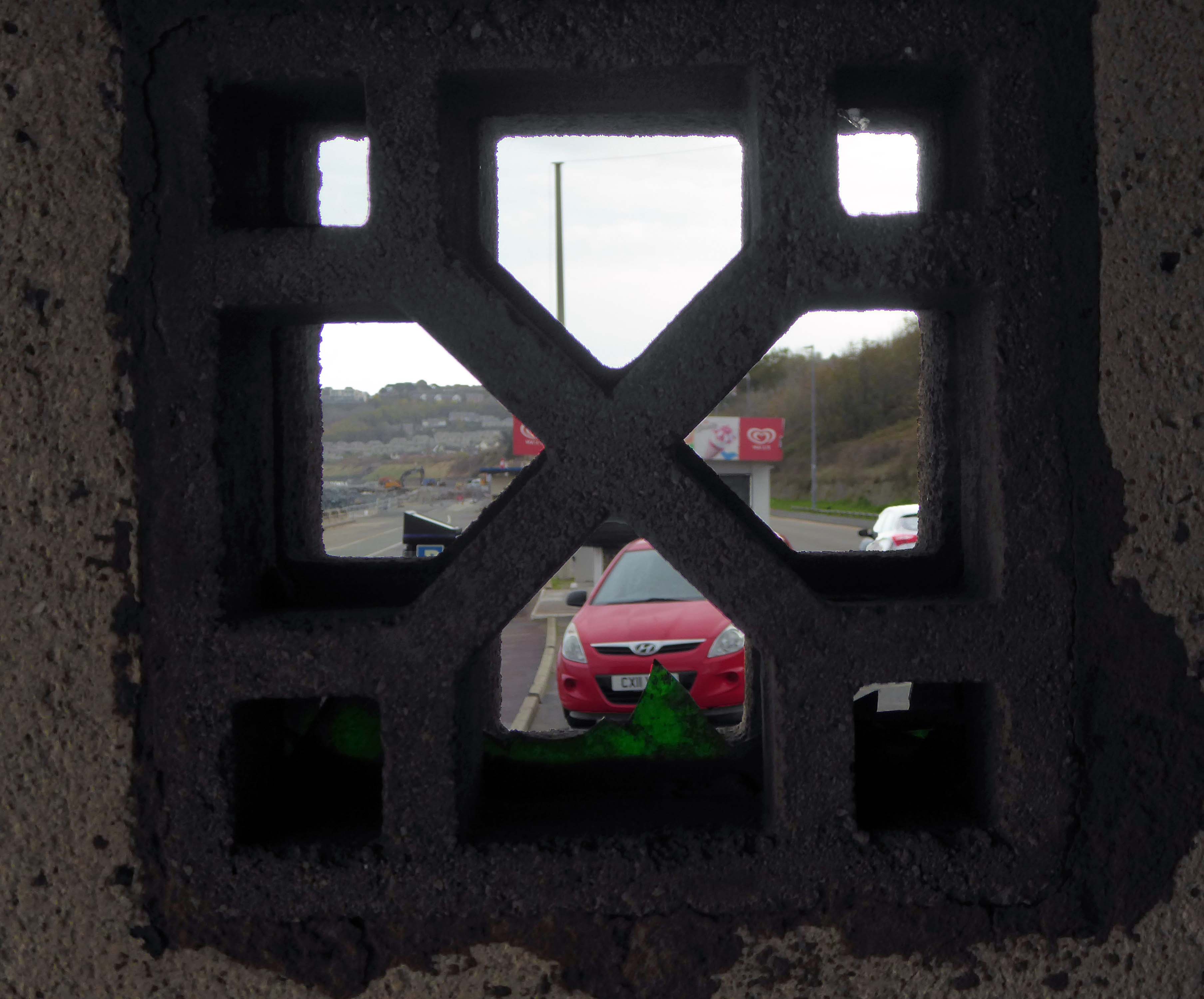
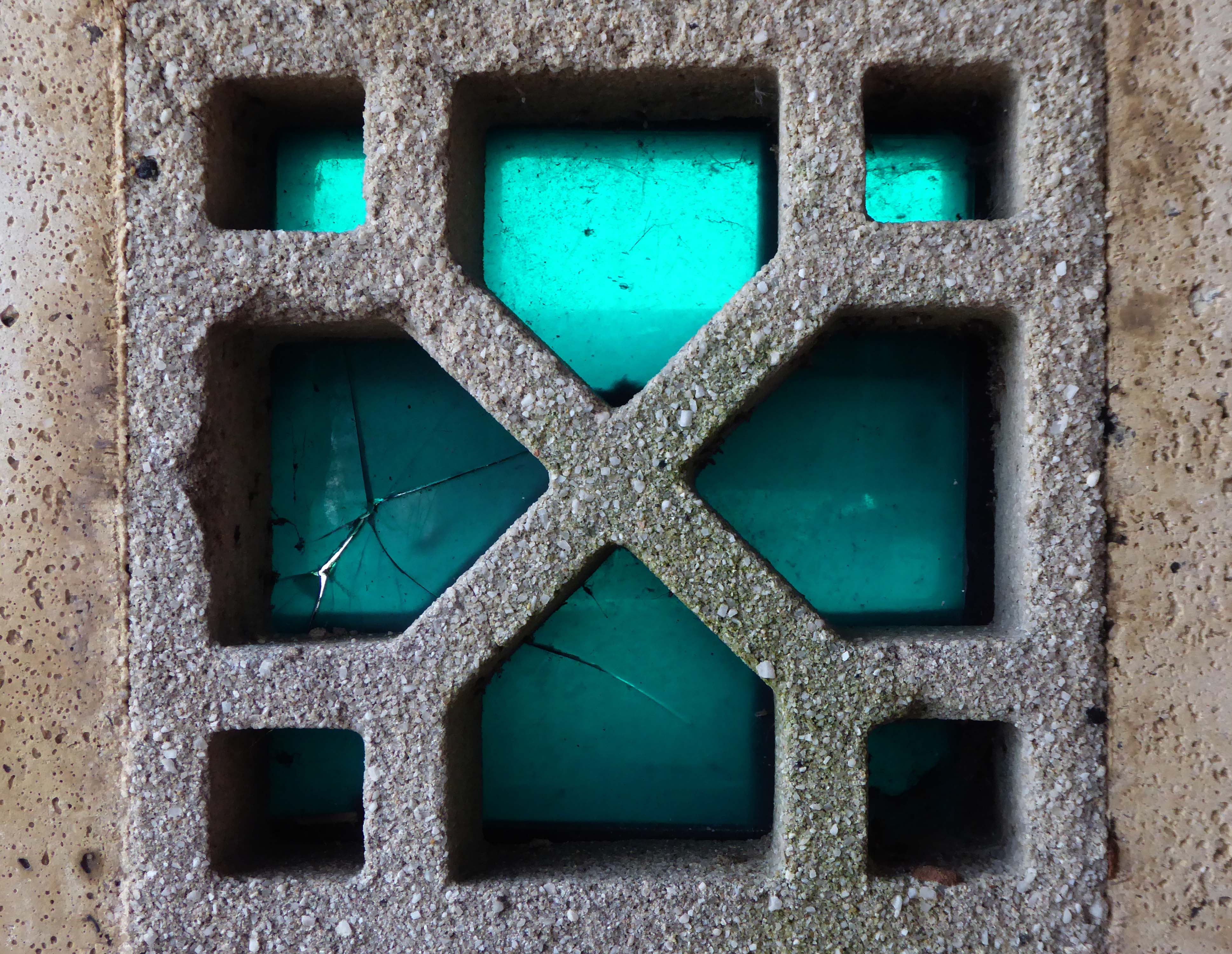
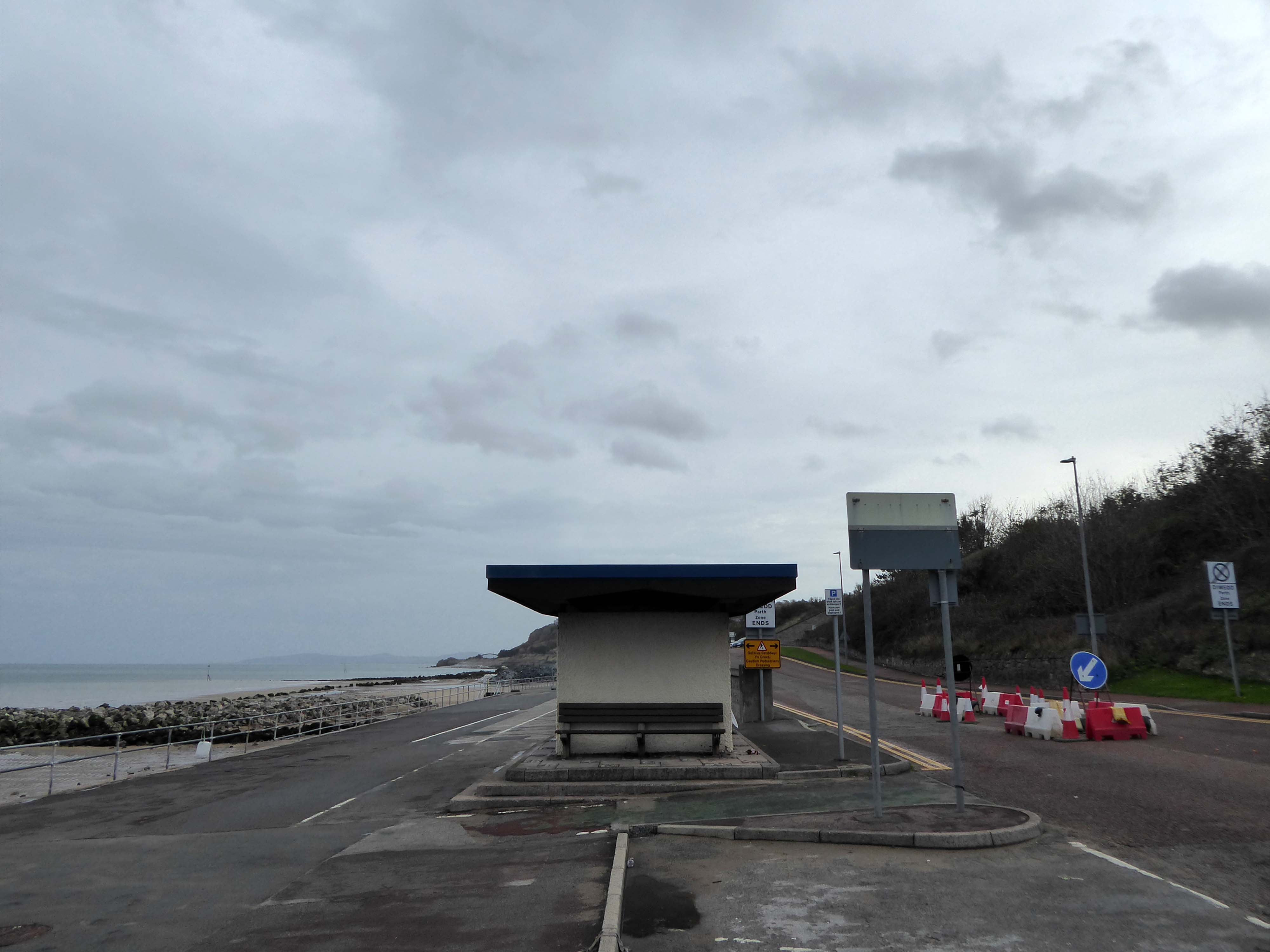
The last of the Rhos on Sea shelters is a dangerous customer suitably secured.
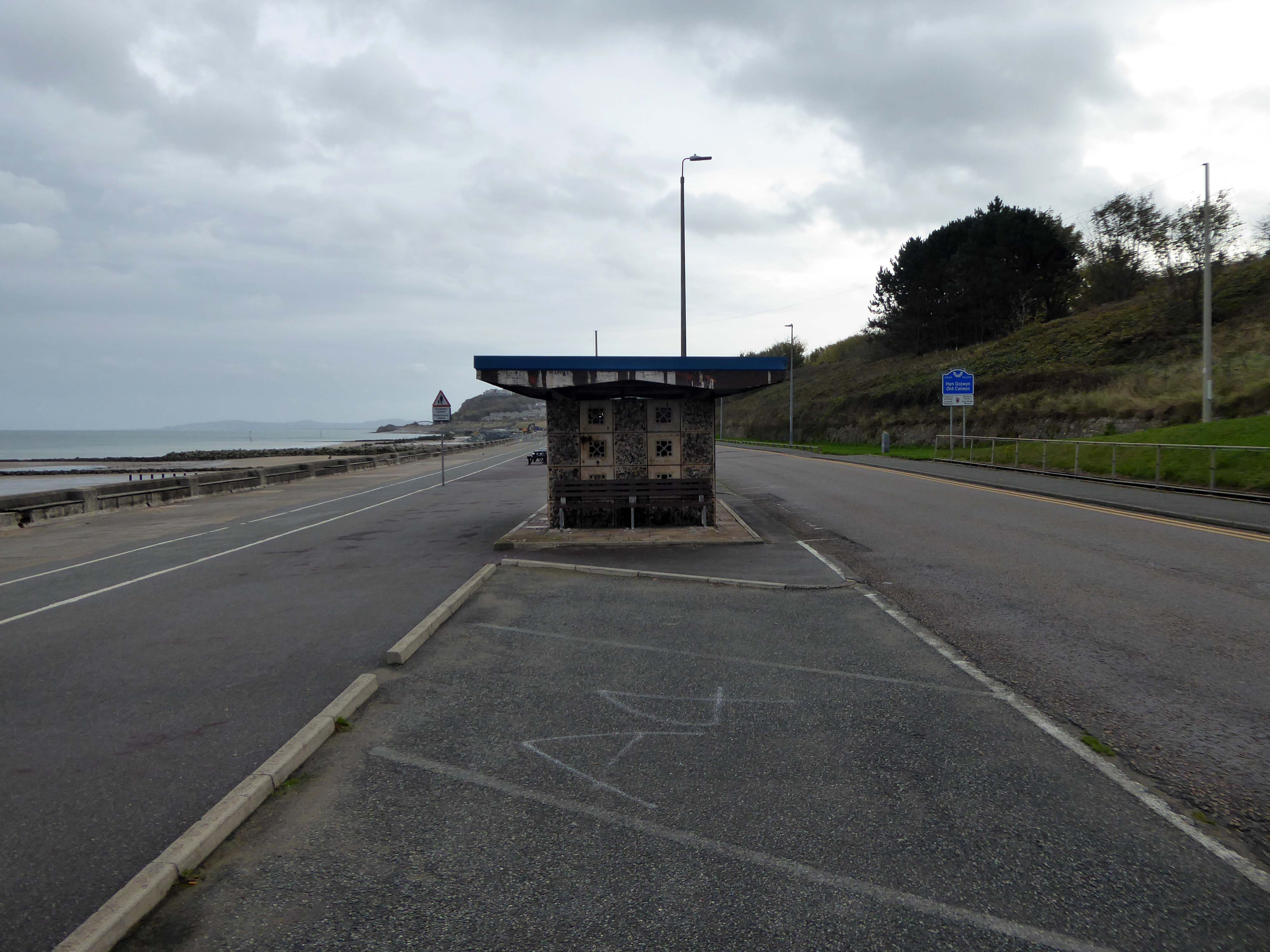
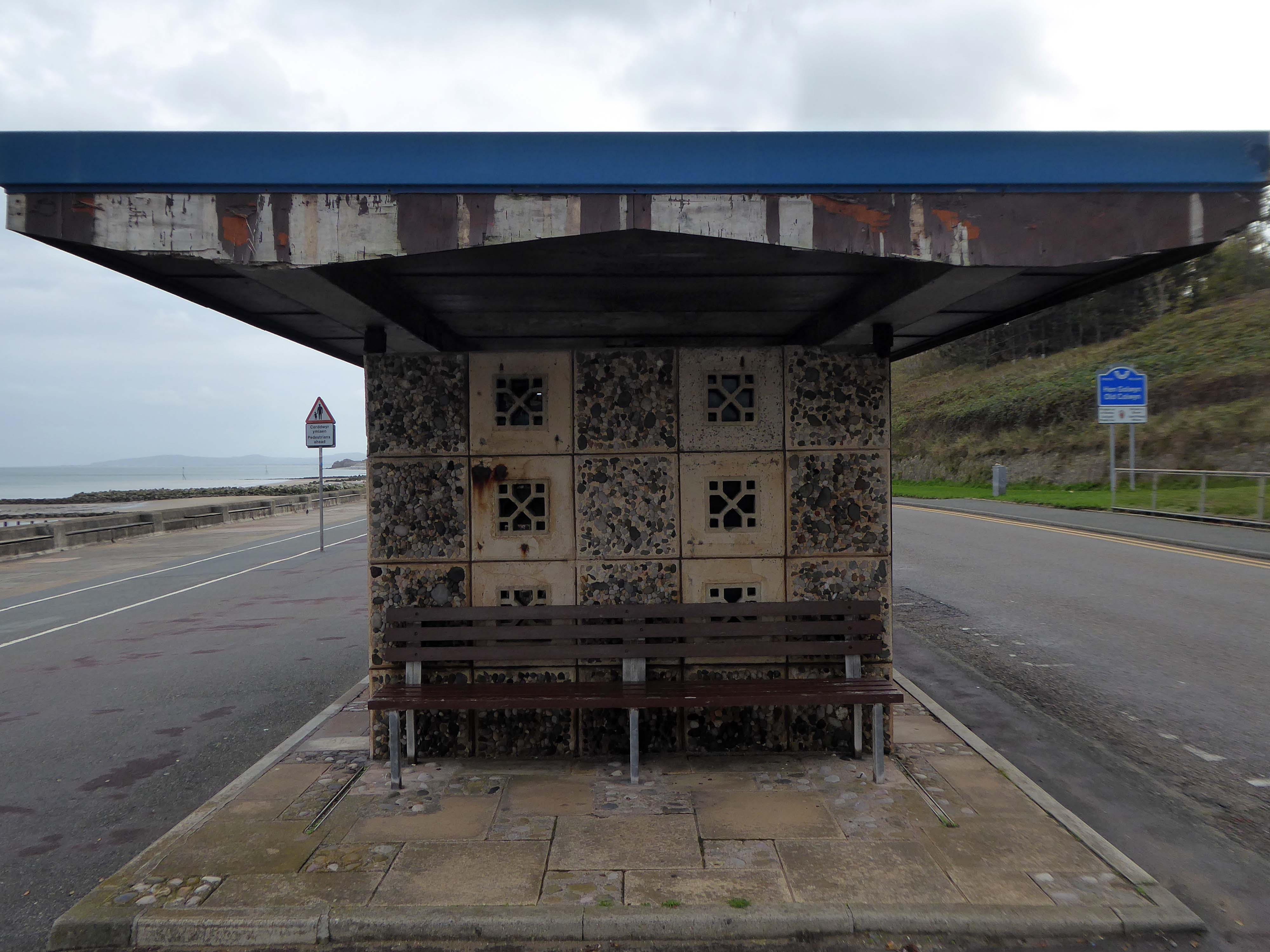
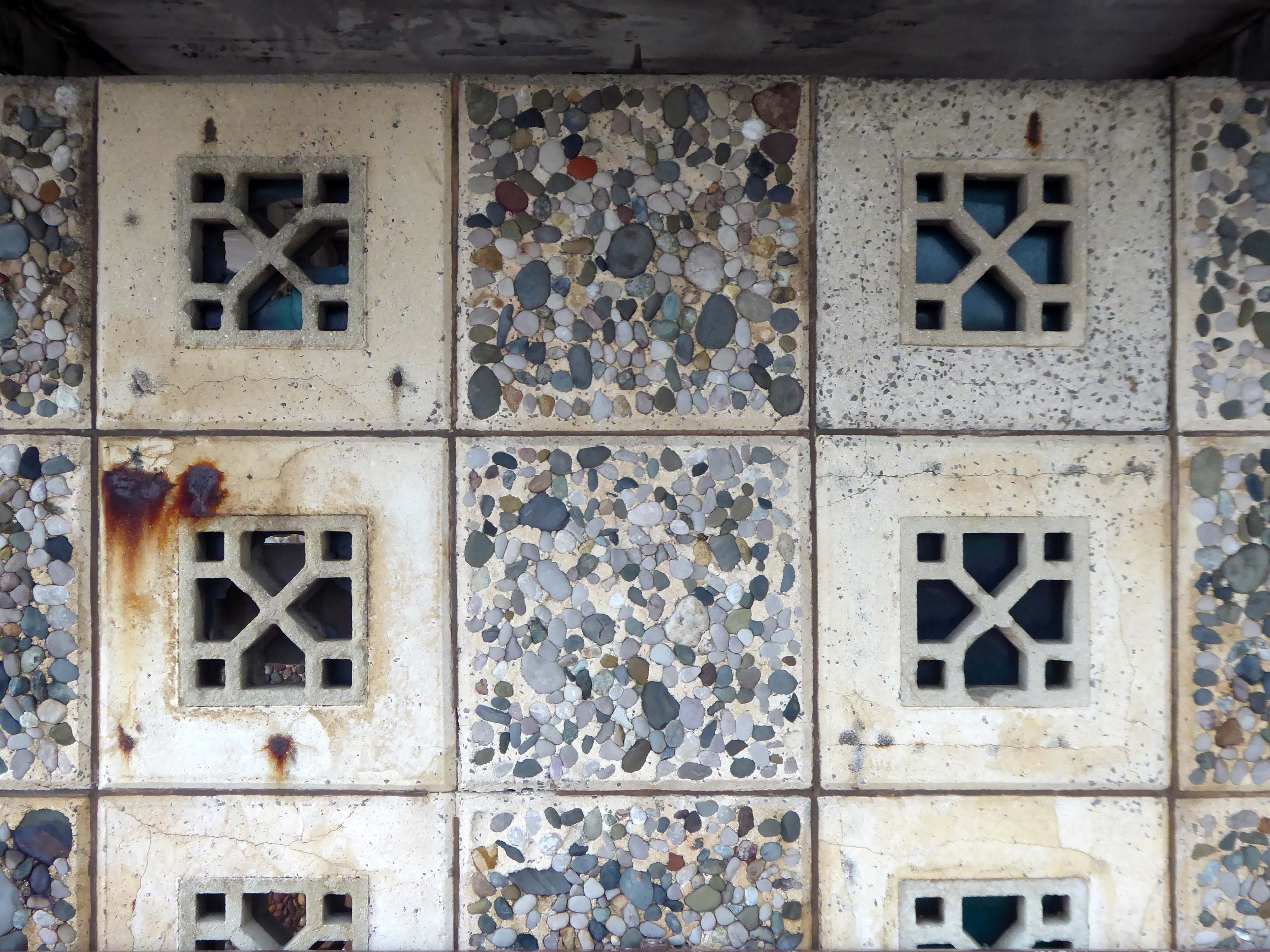
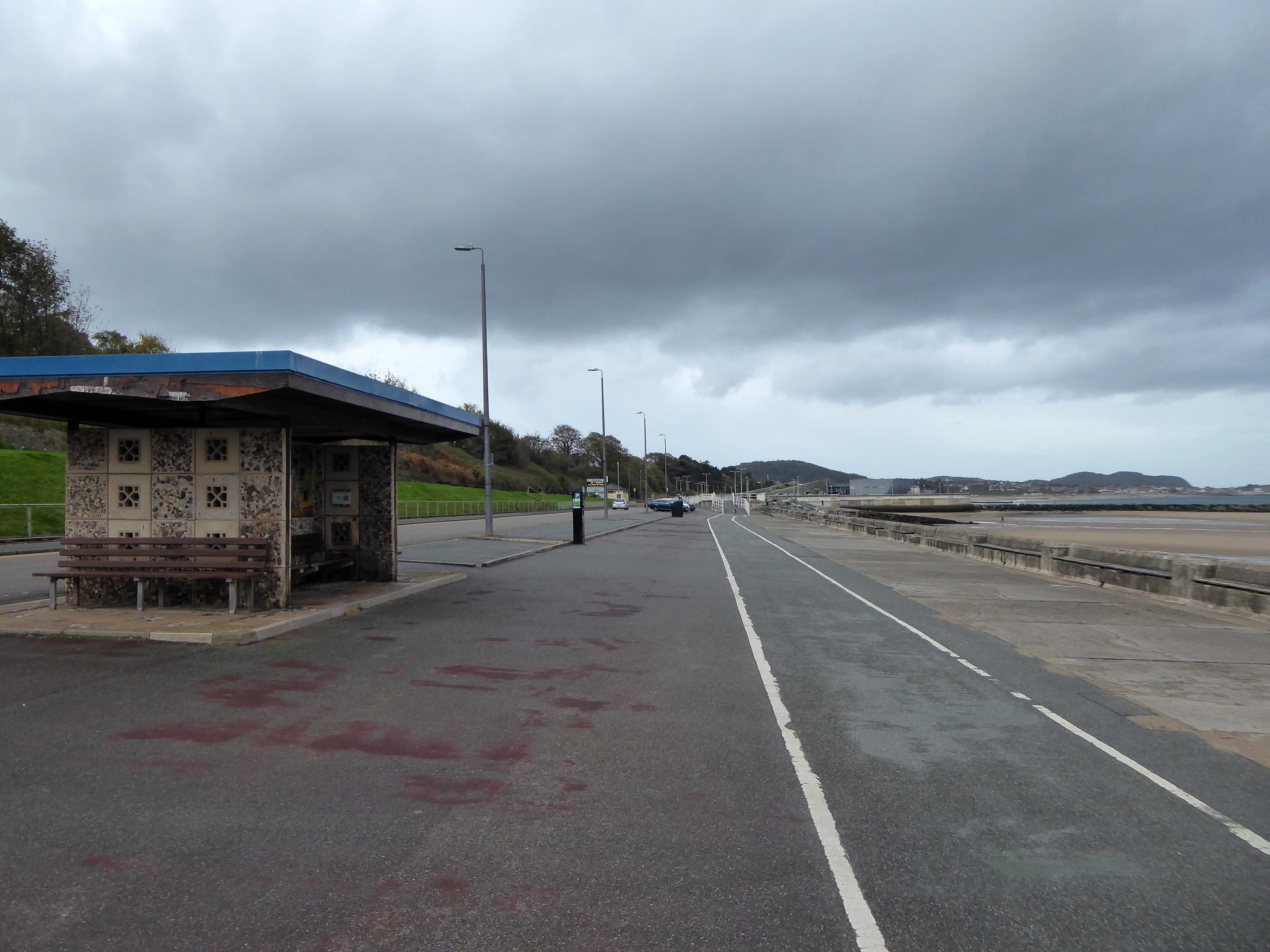
There remains two exemplars of the typology located at the Colwyn end of the bay.
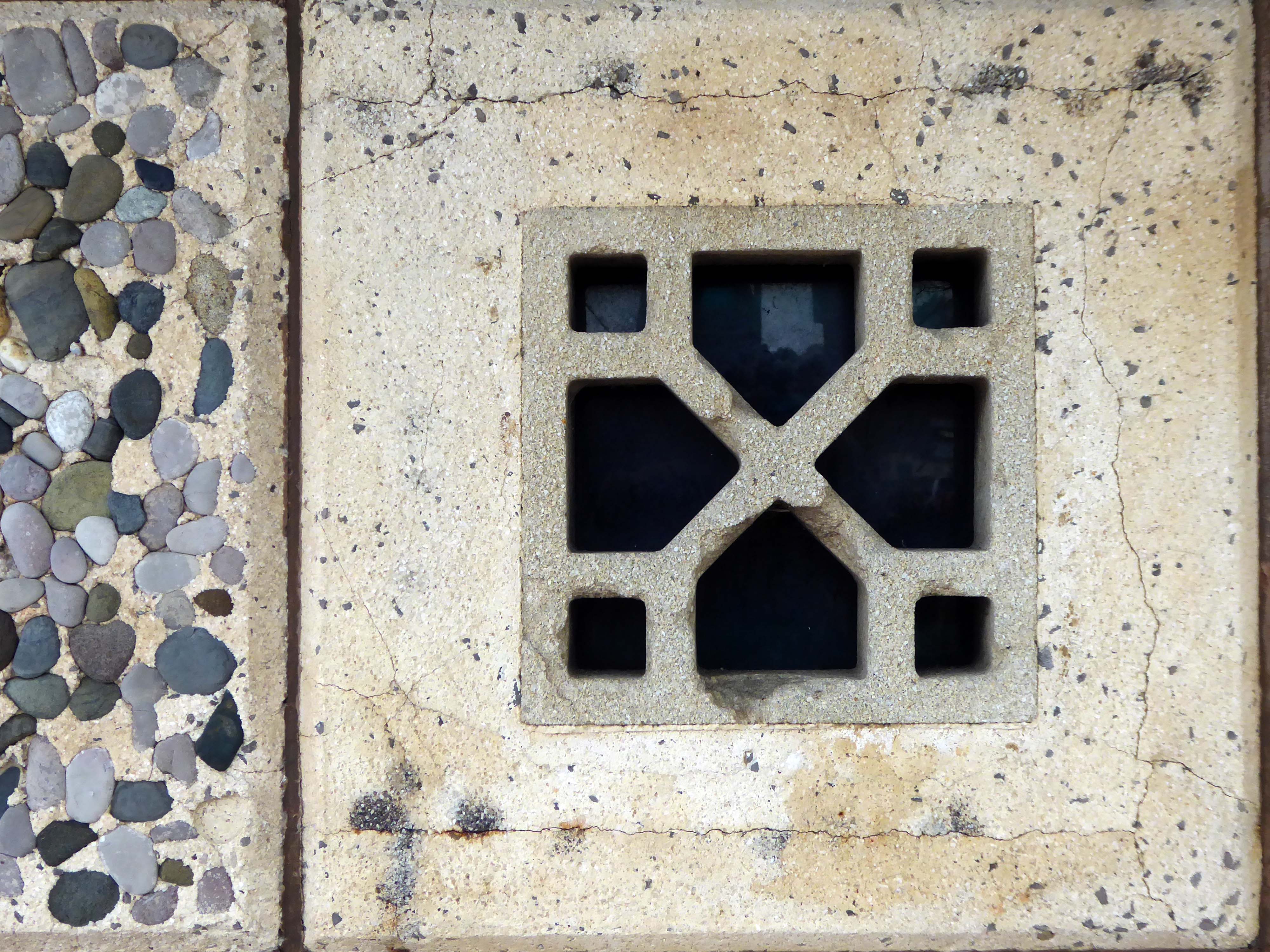
The second shelter lacks the pierced concrete blocks.
So work progresses on the coastal defences, the promenade is refashioned after a fashion in the fashion of the day.
There is no longer a place for these unique exemplars of Municipal Modernism.
Before the work began, the promenade was a tired, uninviting and underused public space. Poorly lit and often host to anti-social behaviour, the uneven surfacing and crumbling shelters were the results of years of patchwork repairs.
The project has transformed the area into a public space which the local community can take pride in and make use of all year round.
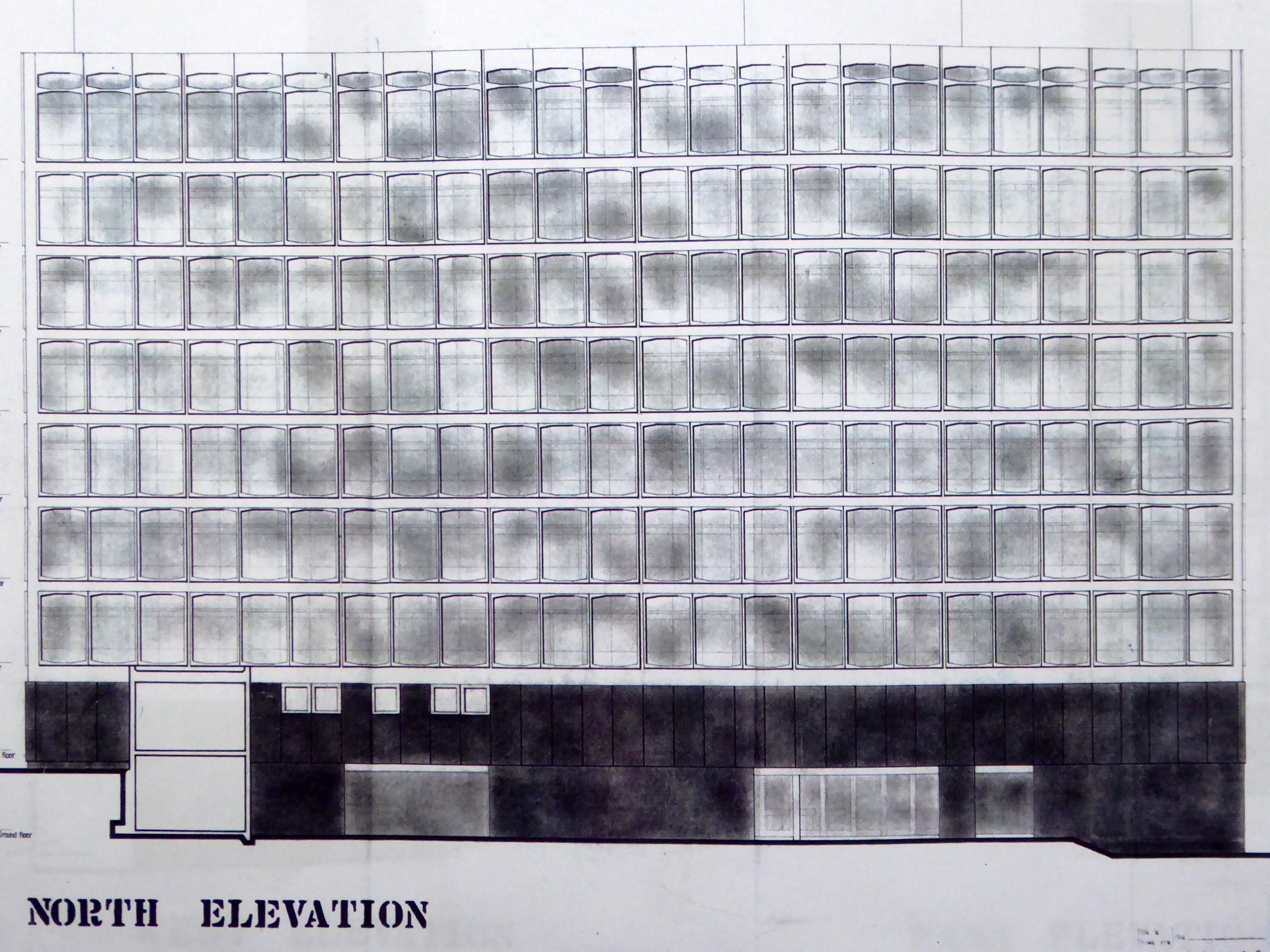
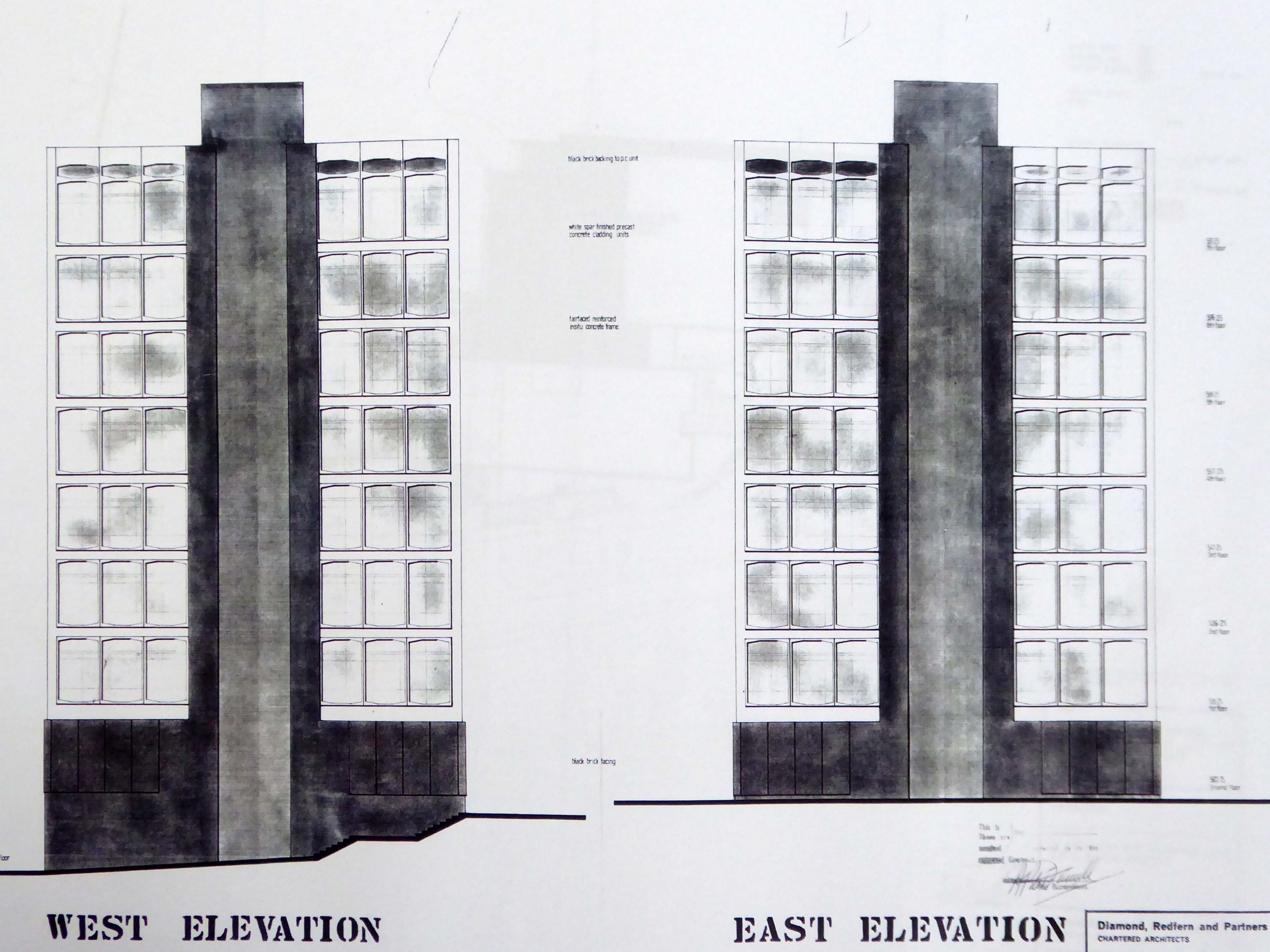
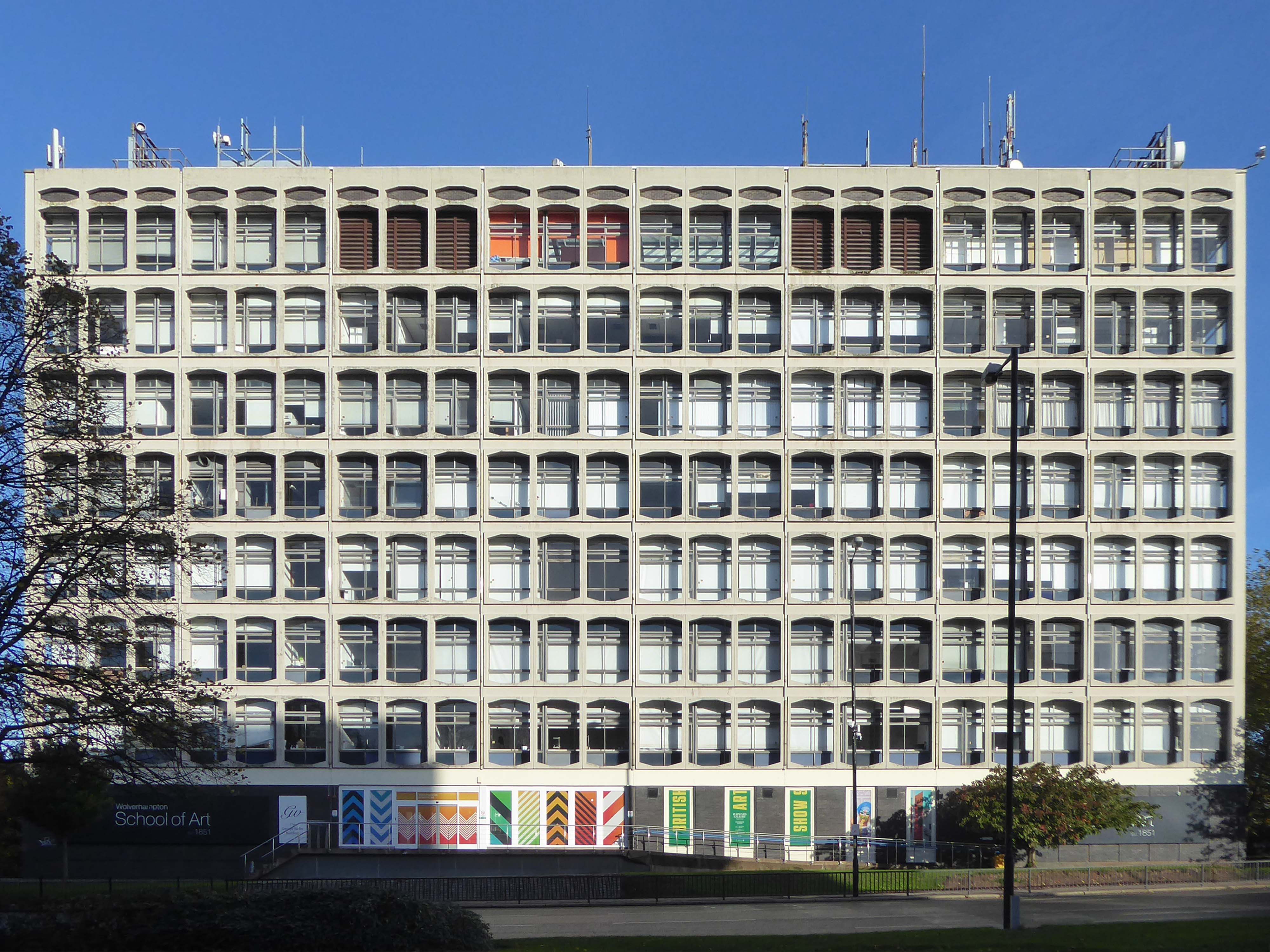
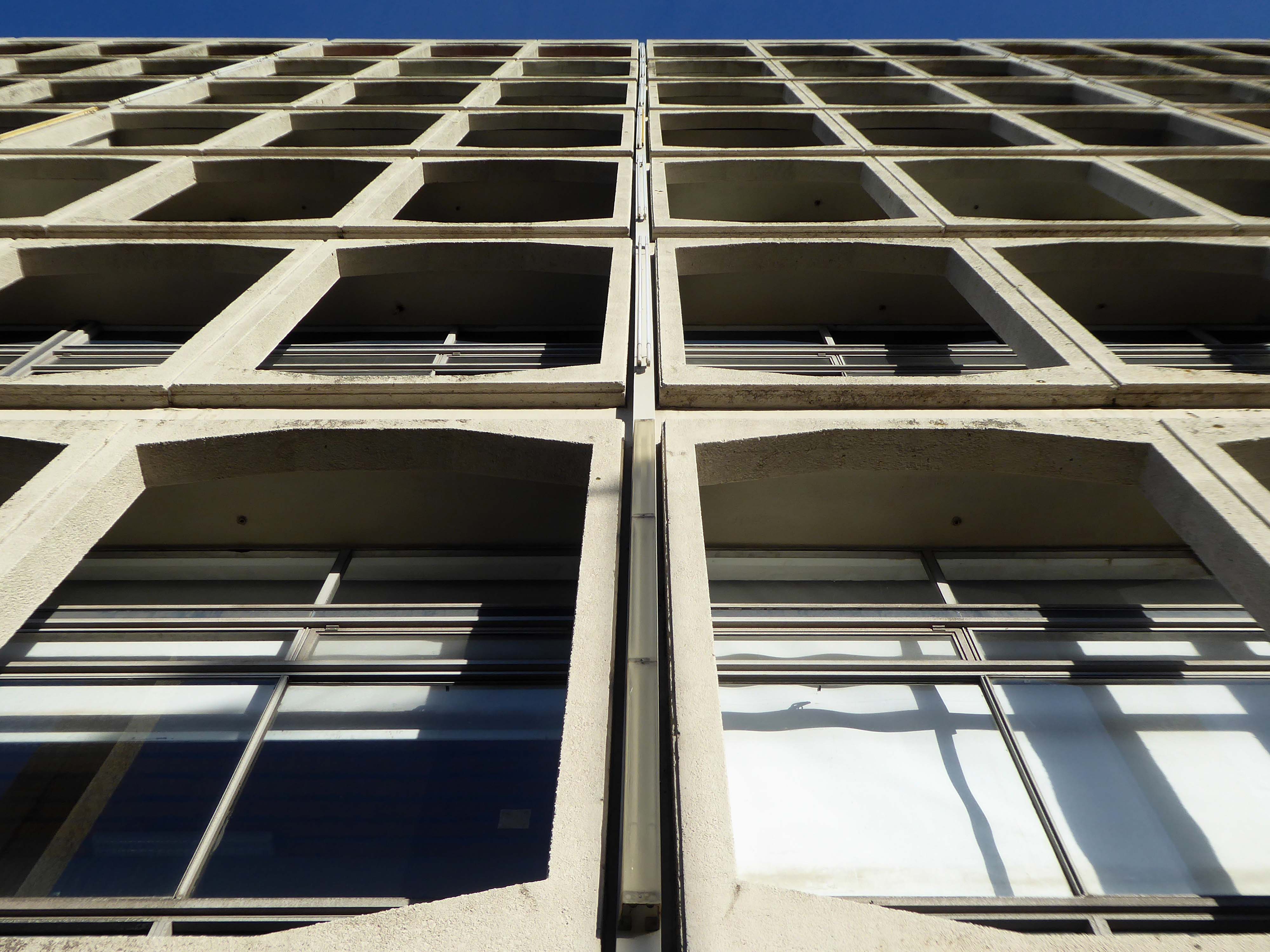
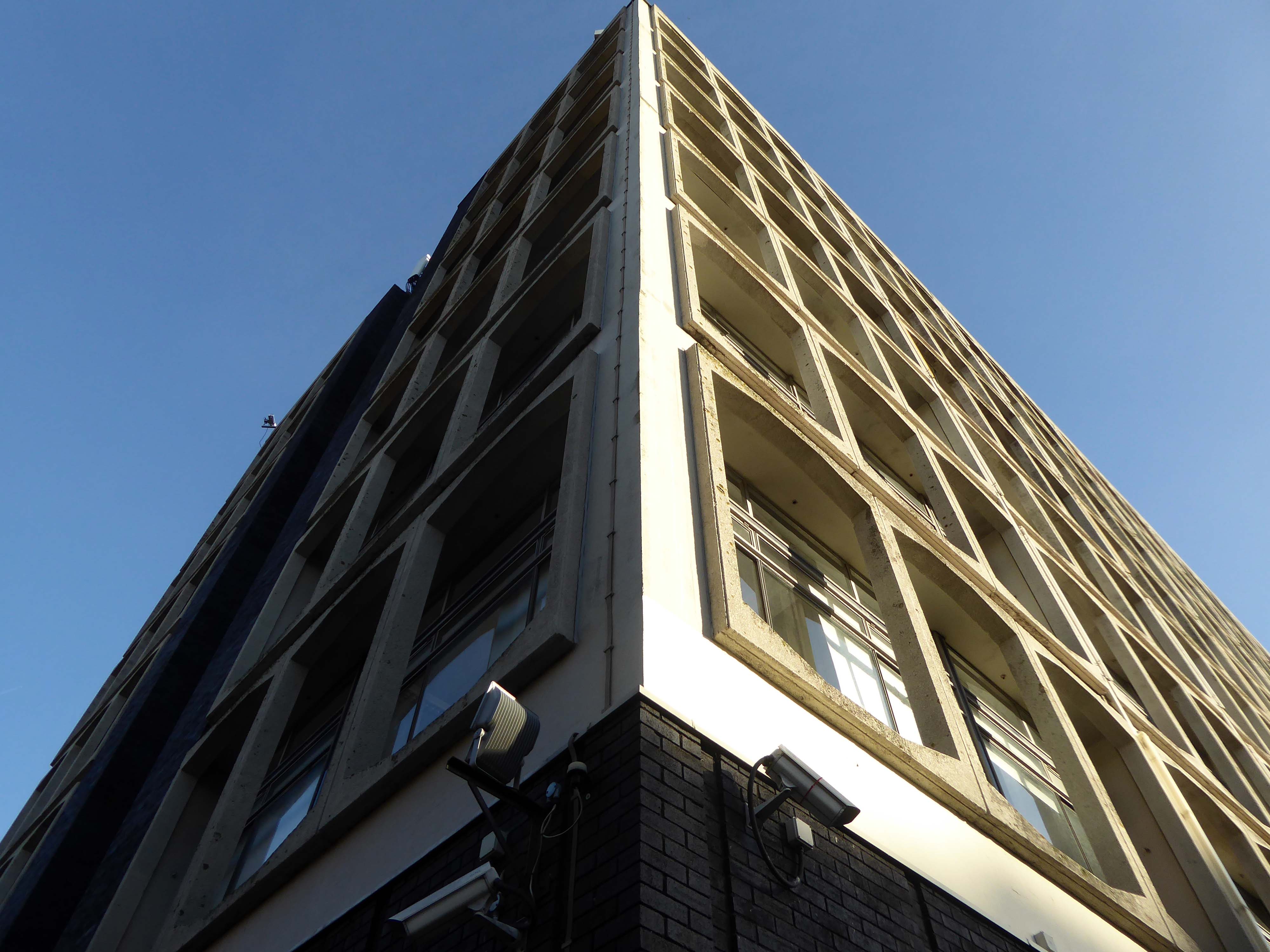
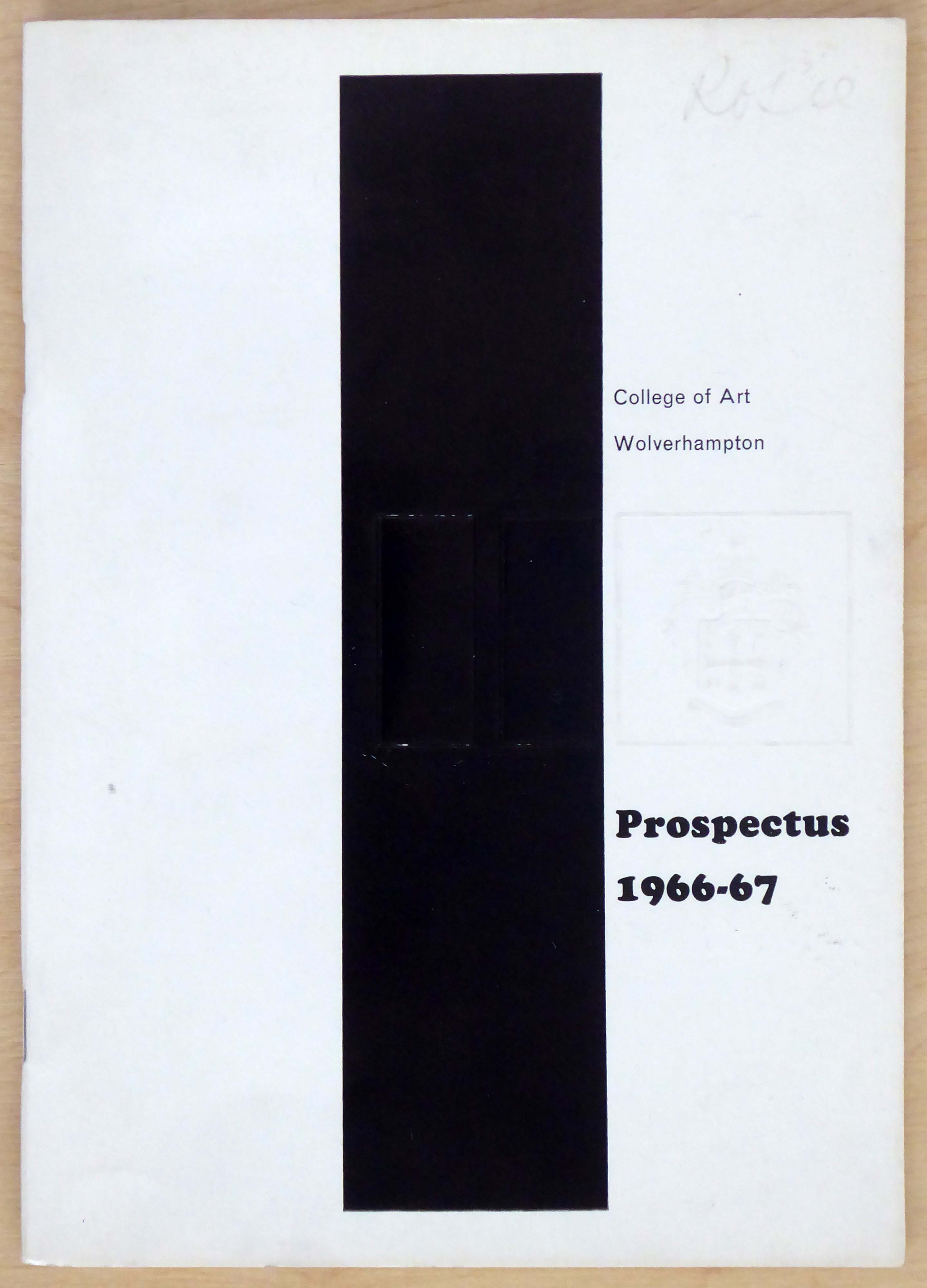
In May 1950 the School of Art and Crafts became Wolverhampton College of Art.
Its aims were to maintain and develop the closest possible relations with industry, collaborate with employers to develop new training courses, and to maintain a high level of achievement in the fine arts.
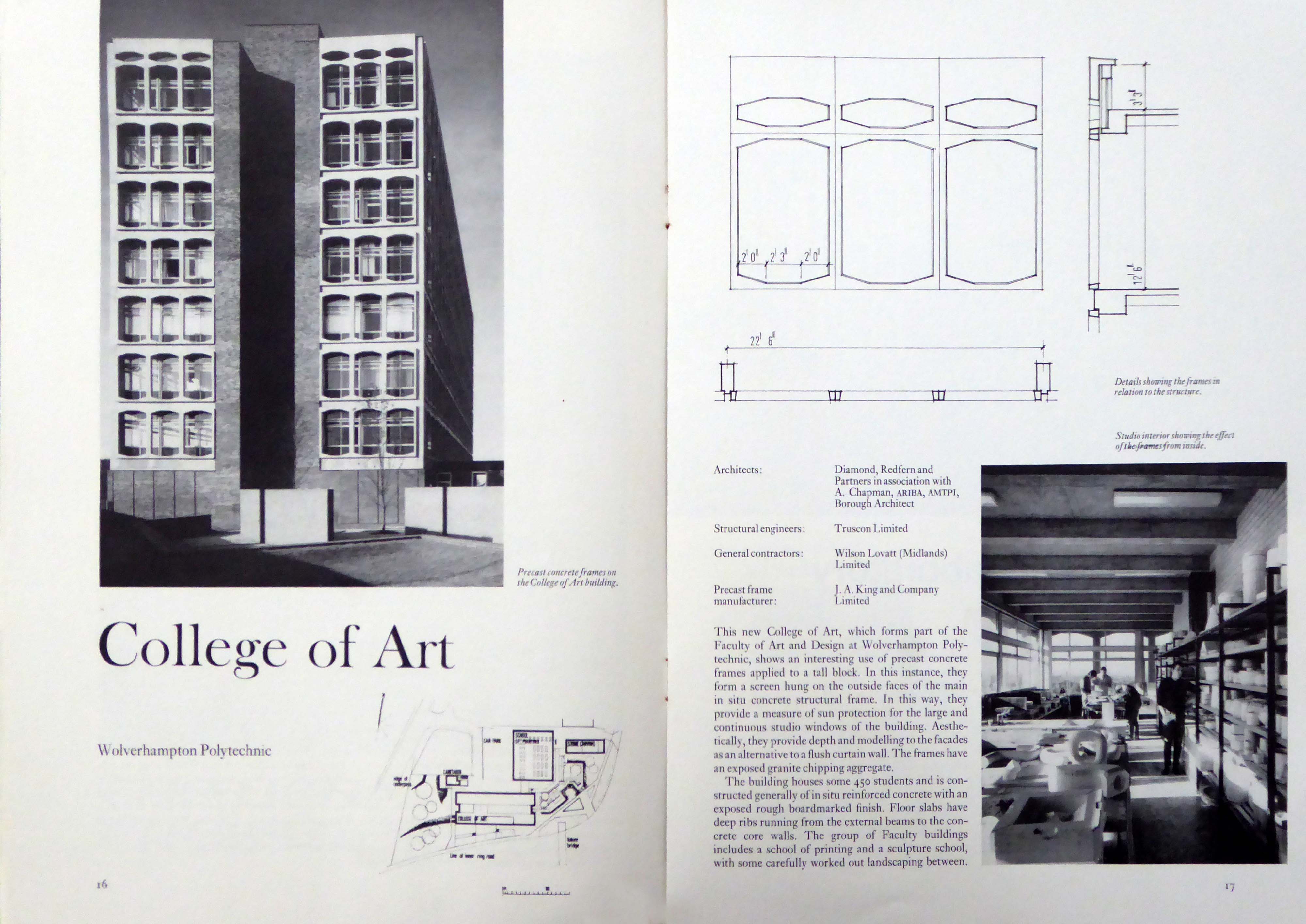
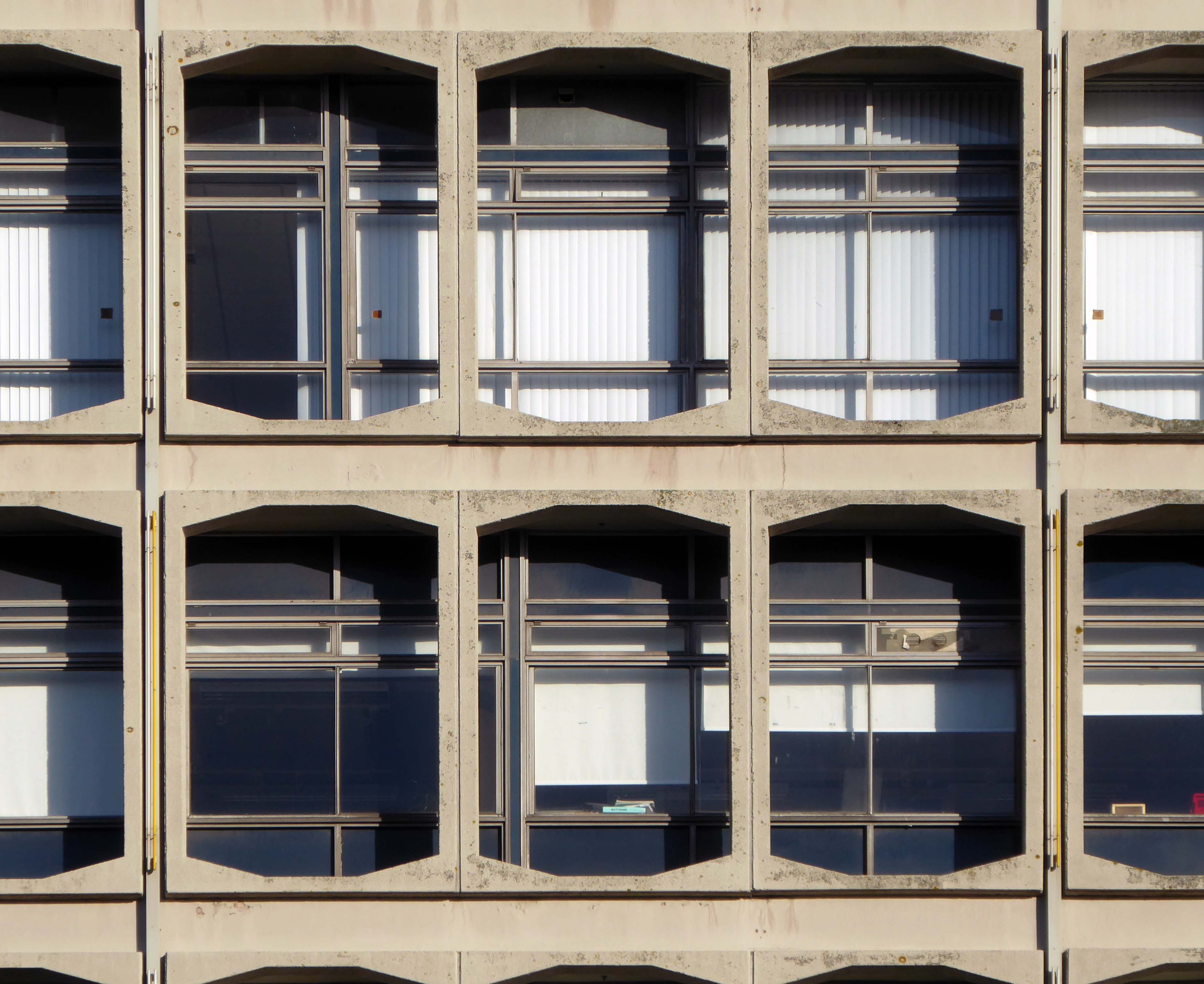
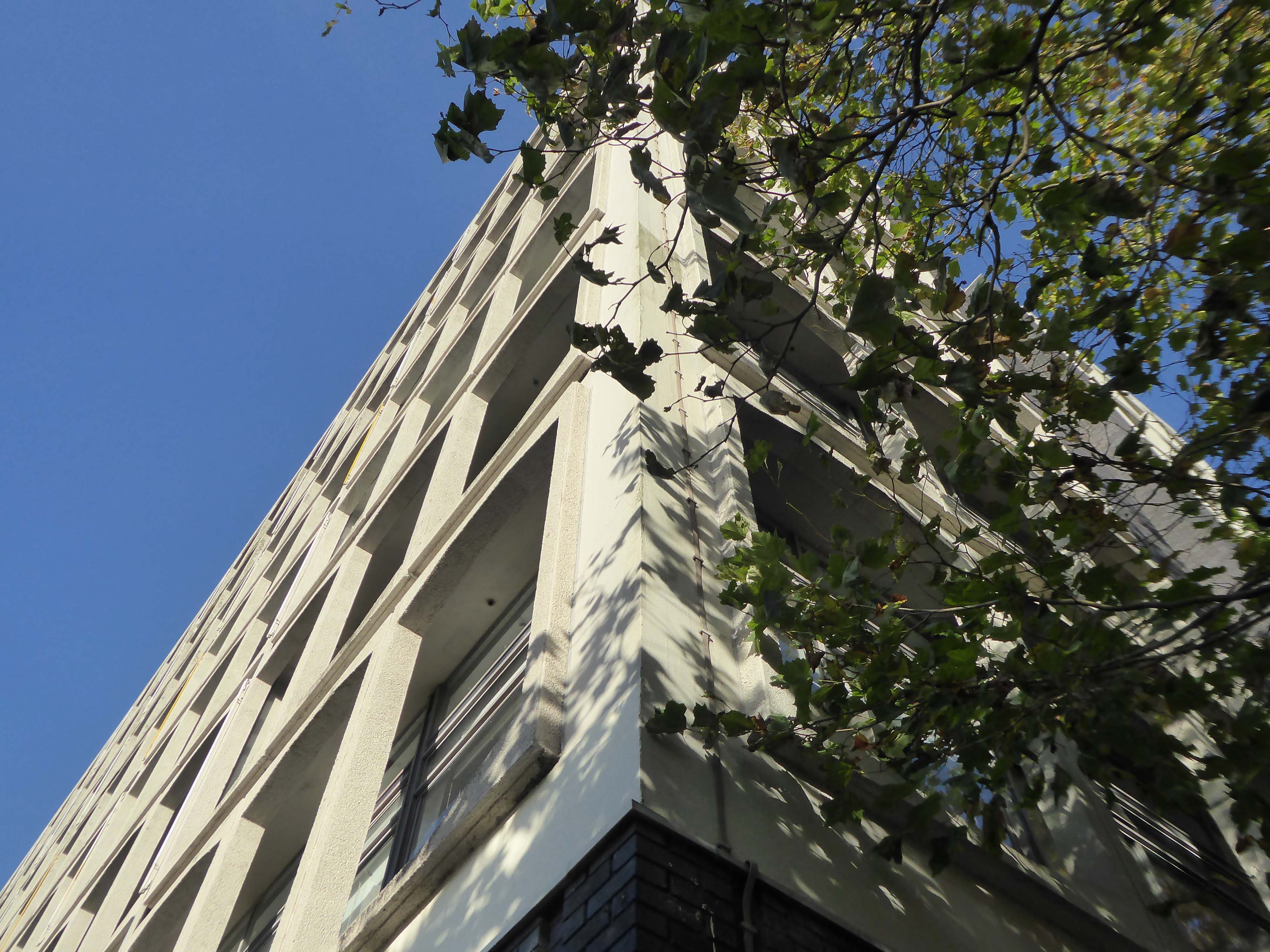
In 1963 the college began running its first degree-level course in the form of a Diploma in Art and Design. Three years later the college had a new Principal, Robin Plummer who oversaw the building of a new college alongside Ring Road St Peters. Work on the new site began in the summer of 1967, and by early 1969 the new building had appeared.
Architects: Diamond Redfern and Partners with A Chapman Borough Architect
The first degree show was held there on 12th June, 1969 and the first full academic year started in September 1969. The building was officially opened by an ex student, Sir Charles Wheeler on 23rd October, 1970.
Wolverhampton College of Art merged with Wolverhampton College of Technology to form The Polytechnic Wolverhampton – which was founded on 1st September 1969.
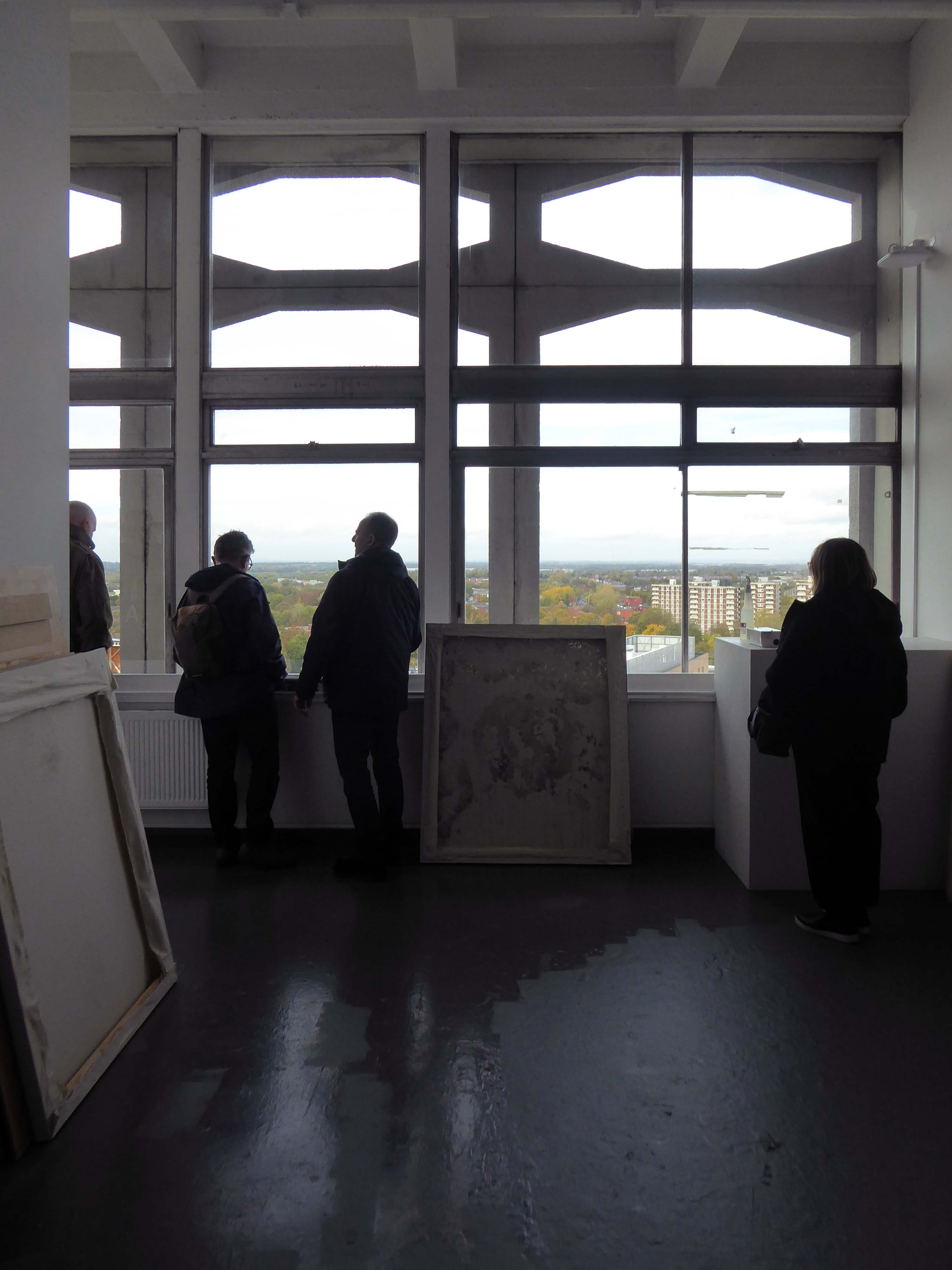
A group of interested parties visited the College, as part of a photographic walk lead by Black Country Type aka Tom Hicks with the cooperation of the School of Art, organised by the Modernist Society.
Being a product of the Great British Art School Challenge I was delighted to find the college to be in rude health. Floor after floor of well equipped studios and workshops which service the needs of hoards of eager students.
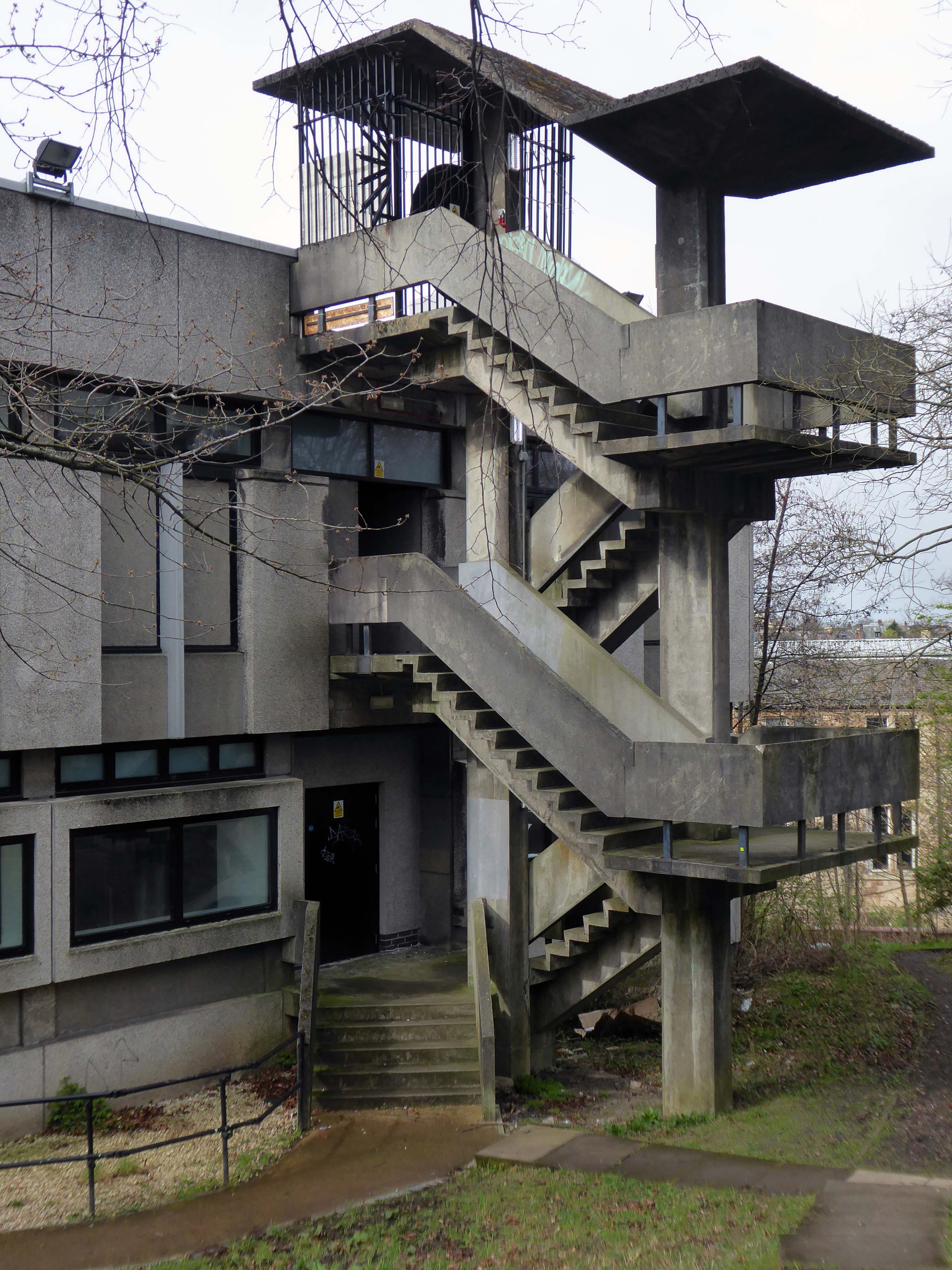
Accessed by raw shuttered concrete stairwells.
As a historically inky individual I was particularly taken with the extensive printmaking facilities.
And the city a heritage of angular, jangly guitar Power Pop.
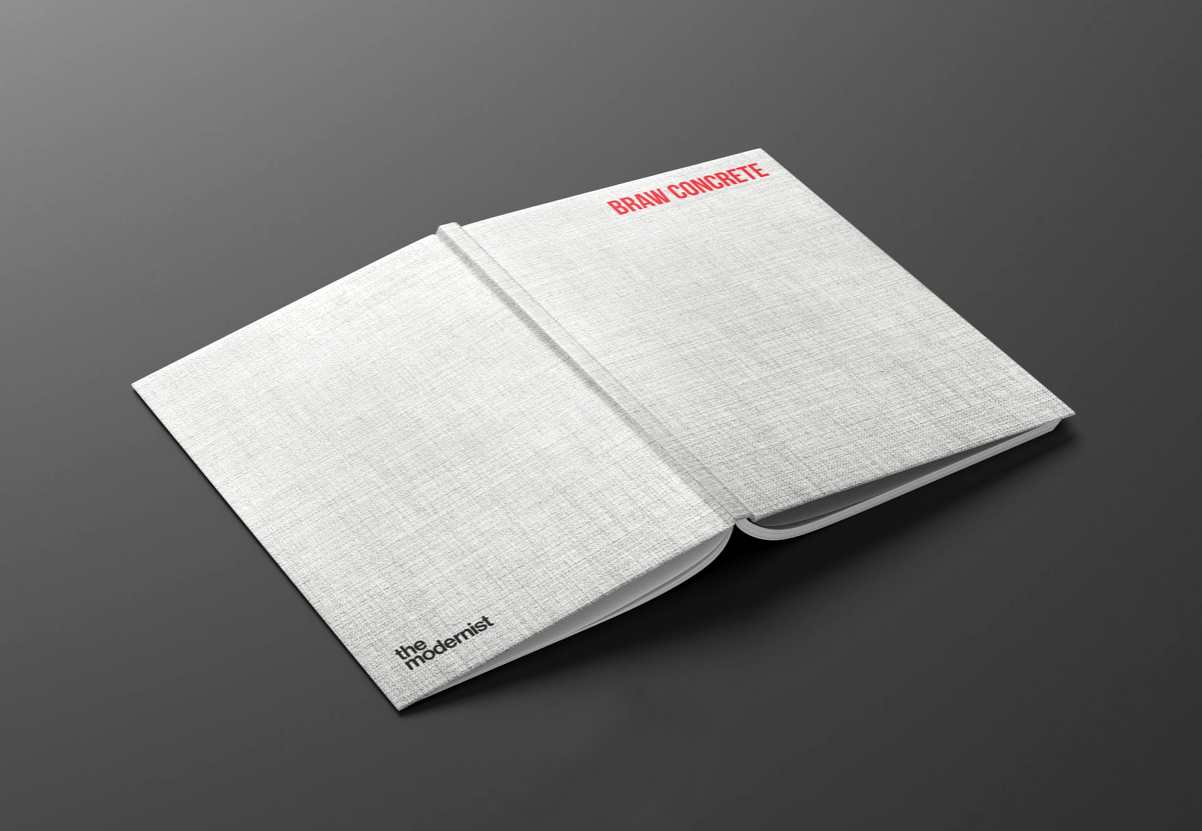
It is now renowned and venerated as a Brutalist landmark – featuring in the modernist society publication Braw Concrete by Peter Halliday and Alan Stewart – available right here.
Let’s take a look at how it looked way back in April 2022.
In addition, if you nip around the back you get to go up and down a delightful concrete staircase!
Whilst Oxford Road echoes to the sound of Freshers fleet of foot.
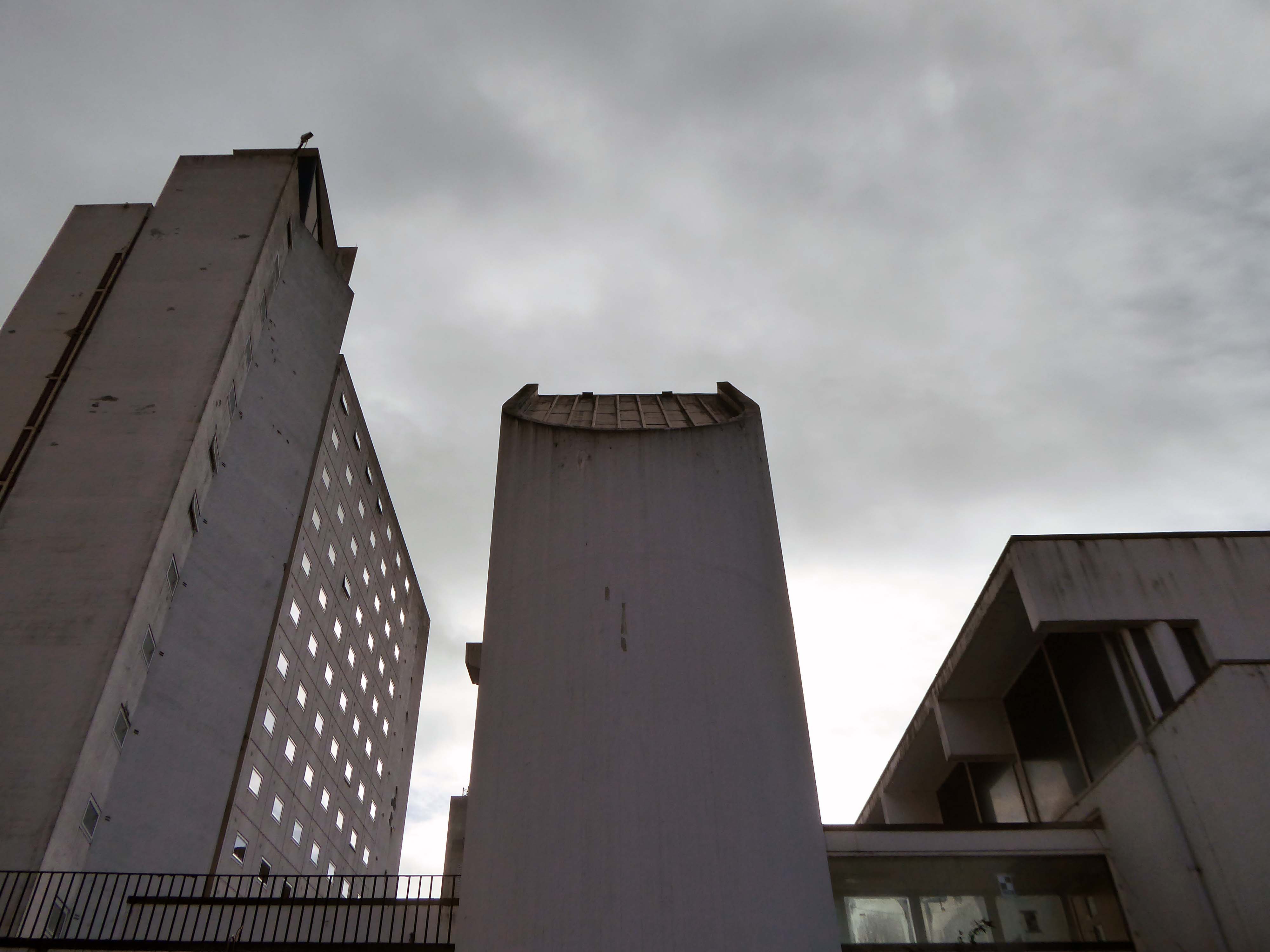
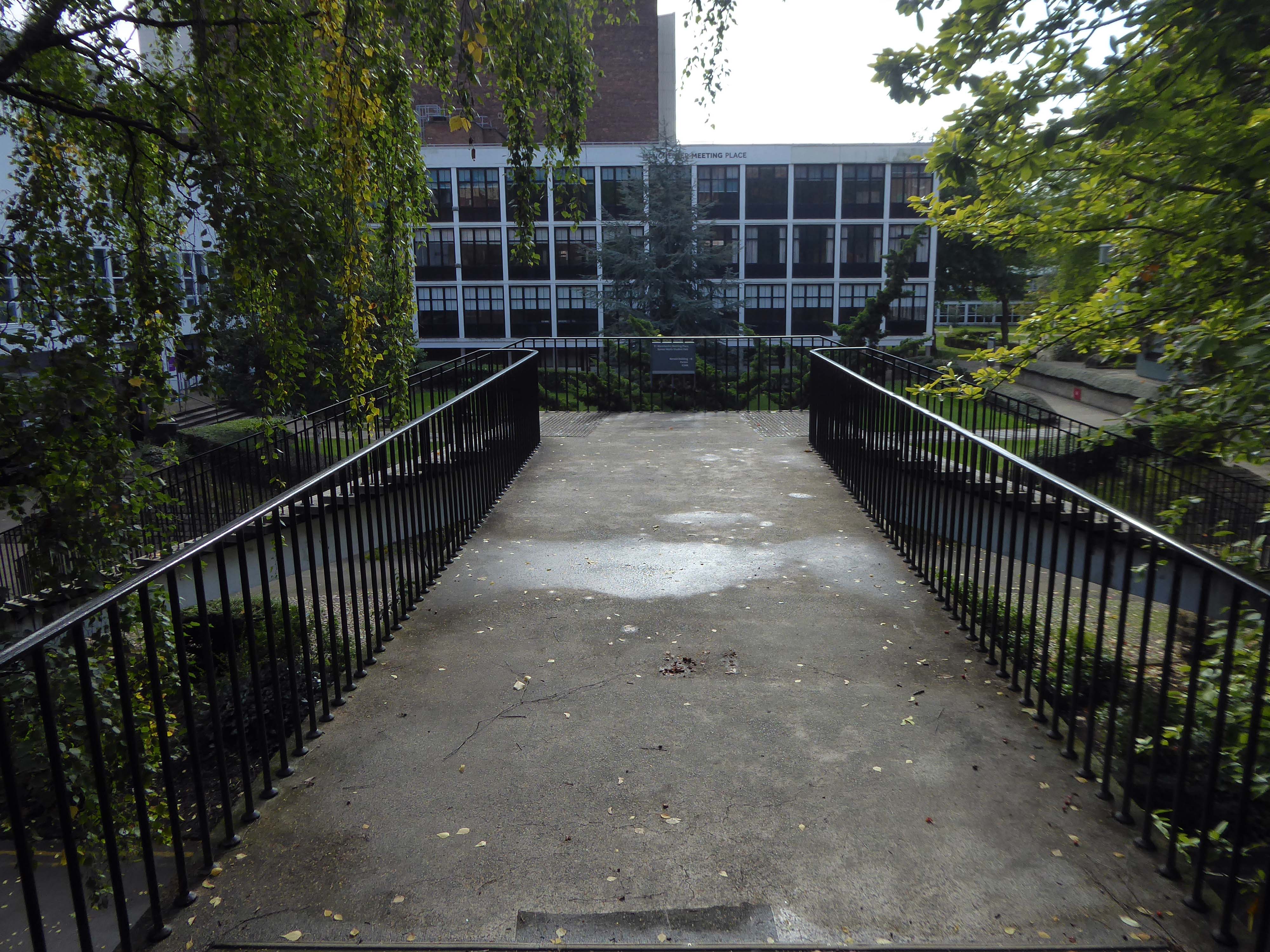
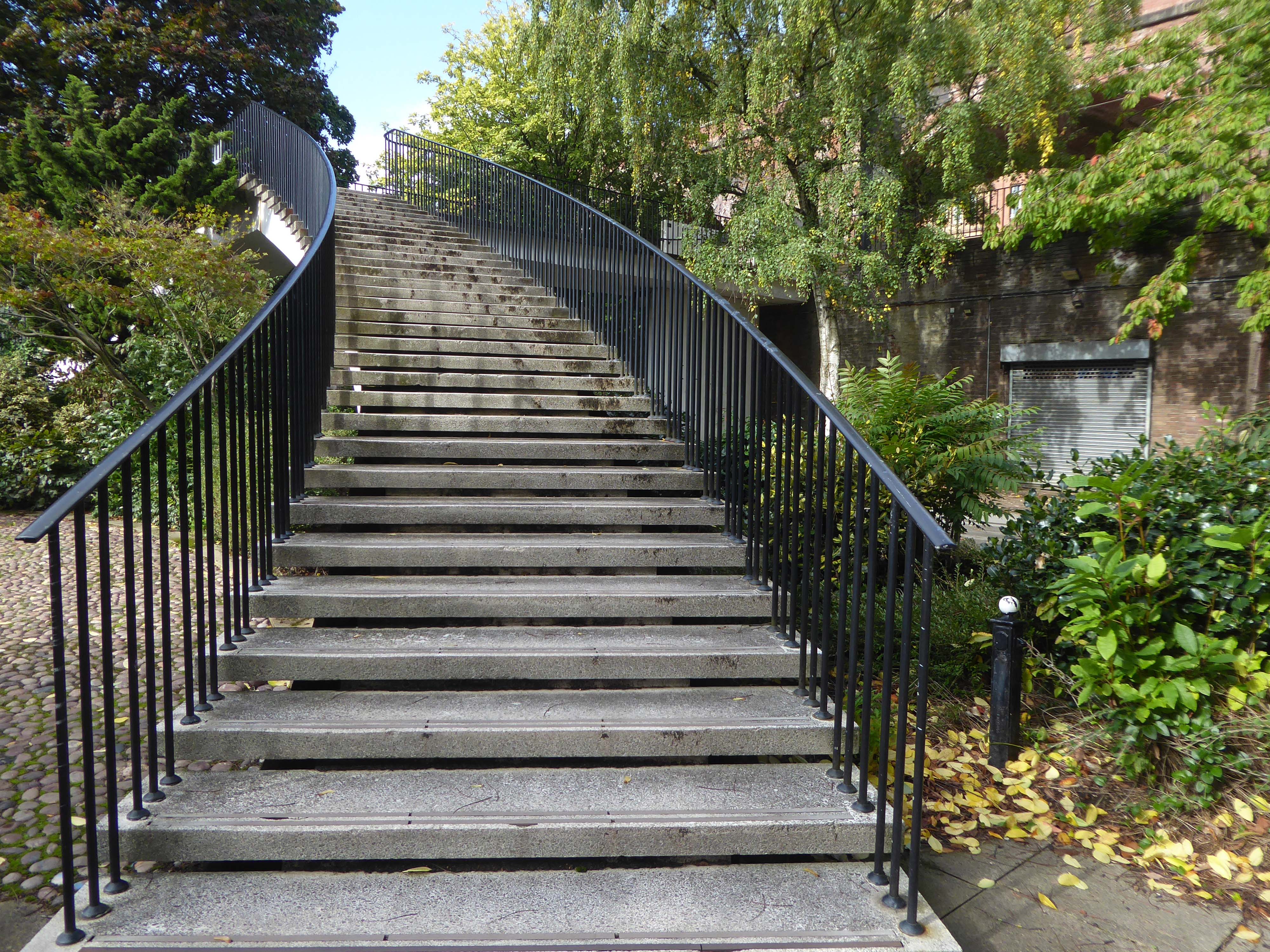
UMIST is only home to fallen leaves and a palpable air of melancholia.
The last of the students have left and a crew of hi-vis workers are busy stripping the remains of days long gone.
We have all walked on by before and will again – though with heavier heart, into an all too uncertain future – for only the Holloway Wall is listed.
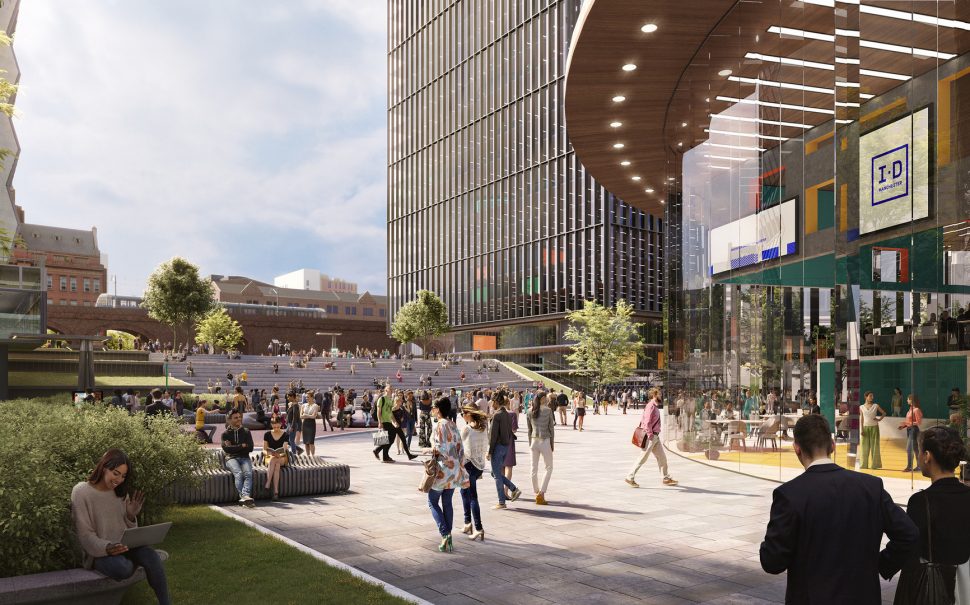
Now a grand redevelopment project has been unveiled to tend to that. According to the developer’s website, the plan promises to accelerate growth, partnership and collaboration.
Christened ID Manchester, the plans could see the area hacked into a glass maze of ultra-modern offices, apartments and hotels.
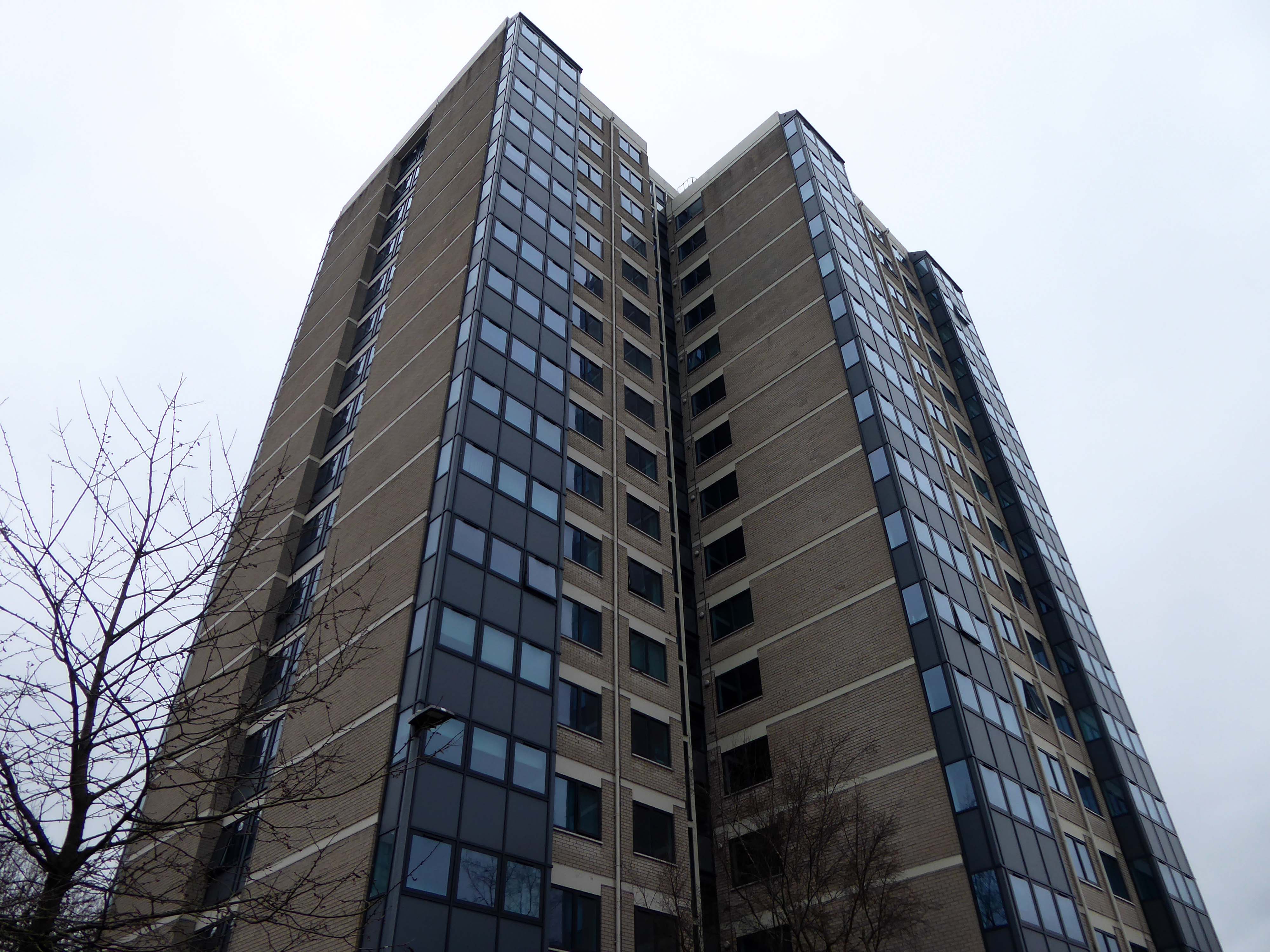
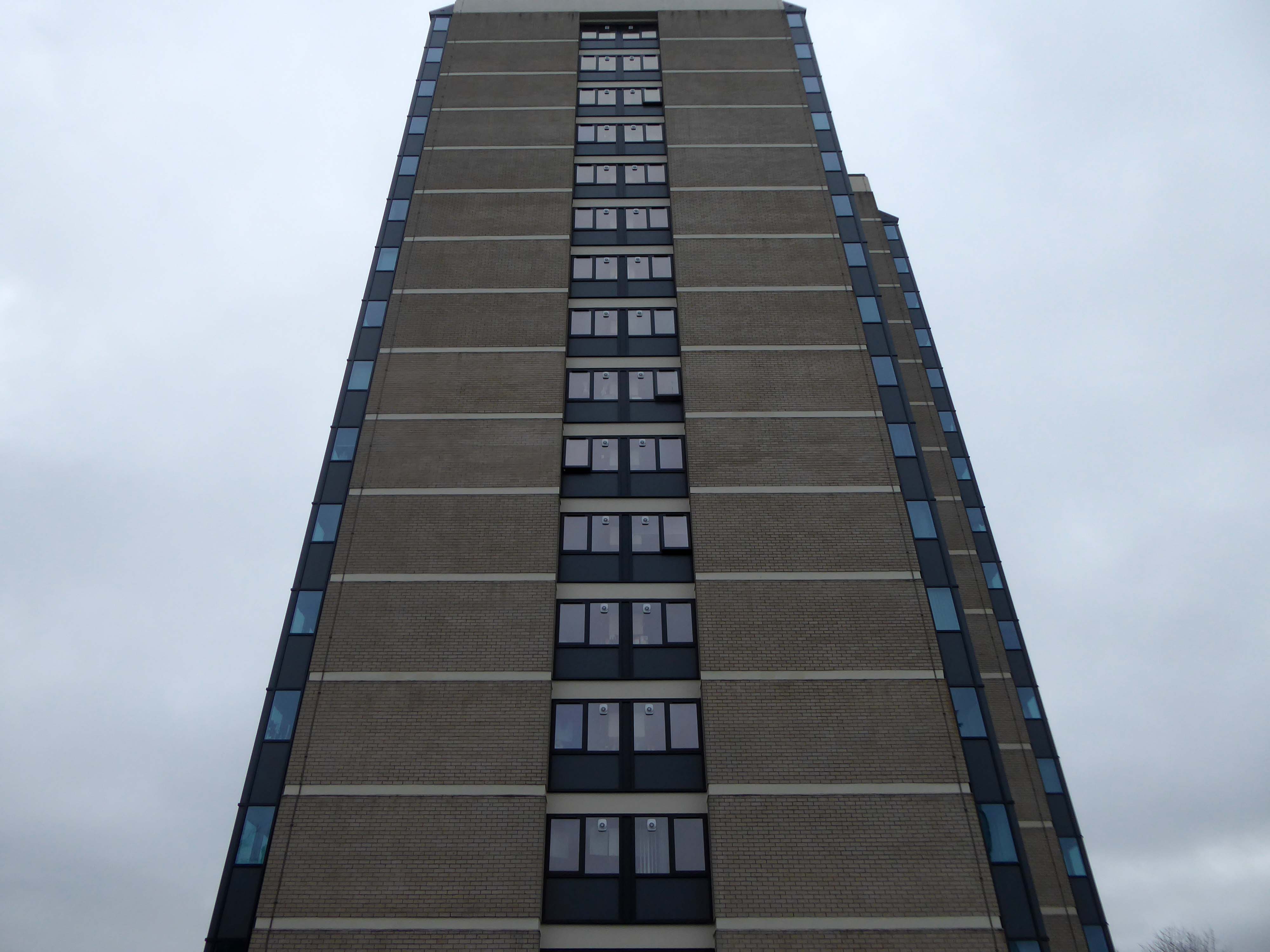
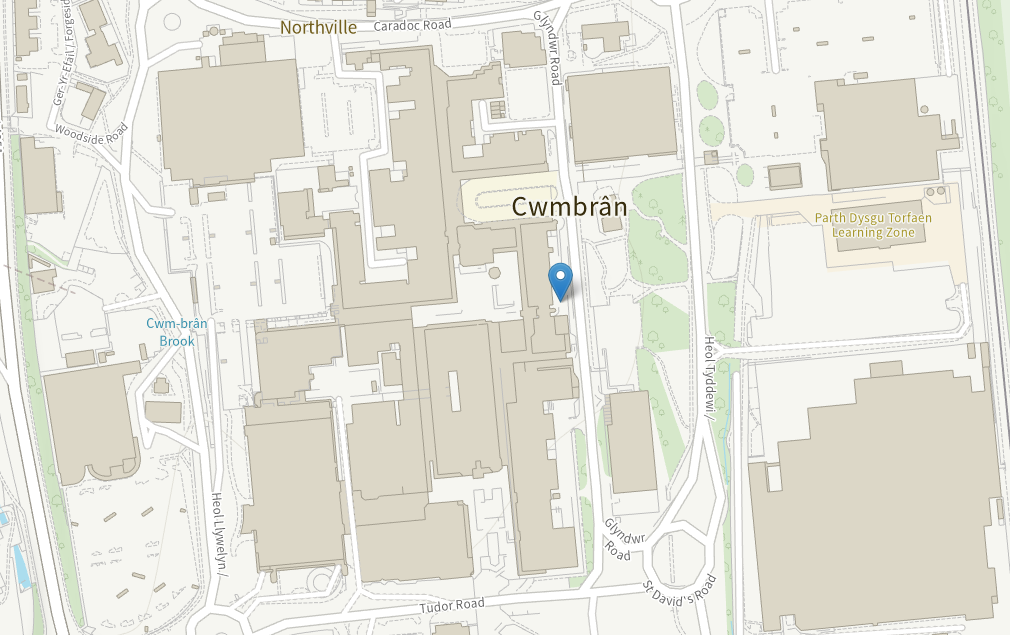
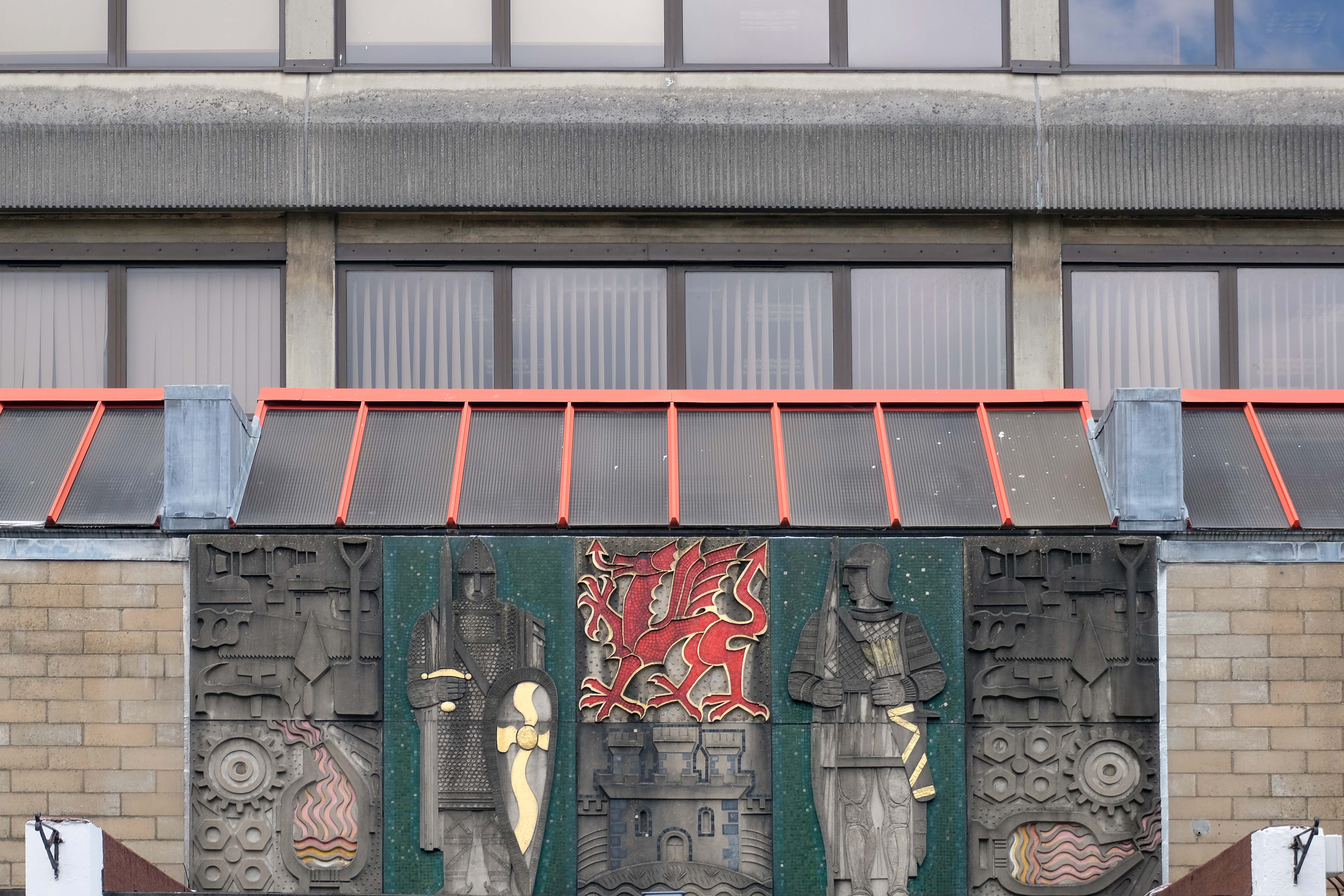
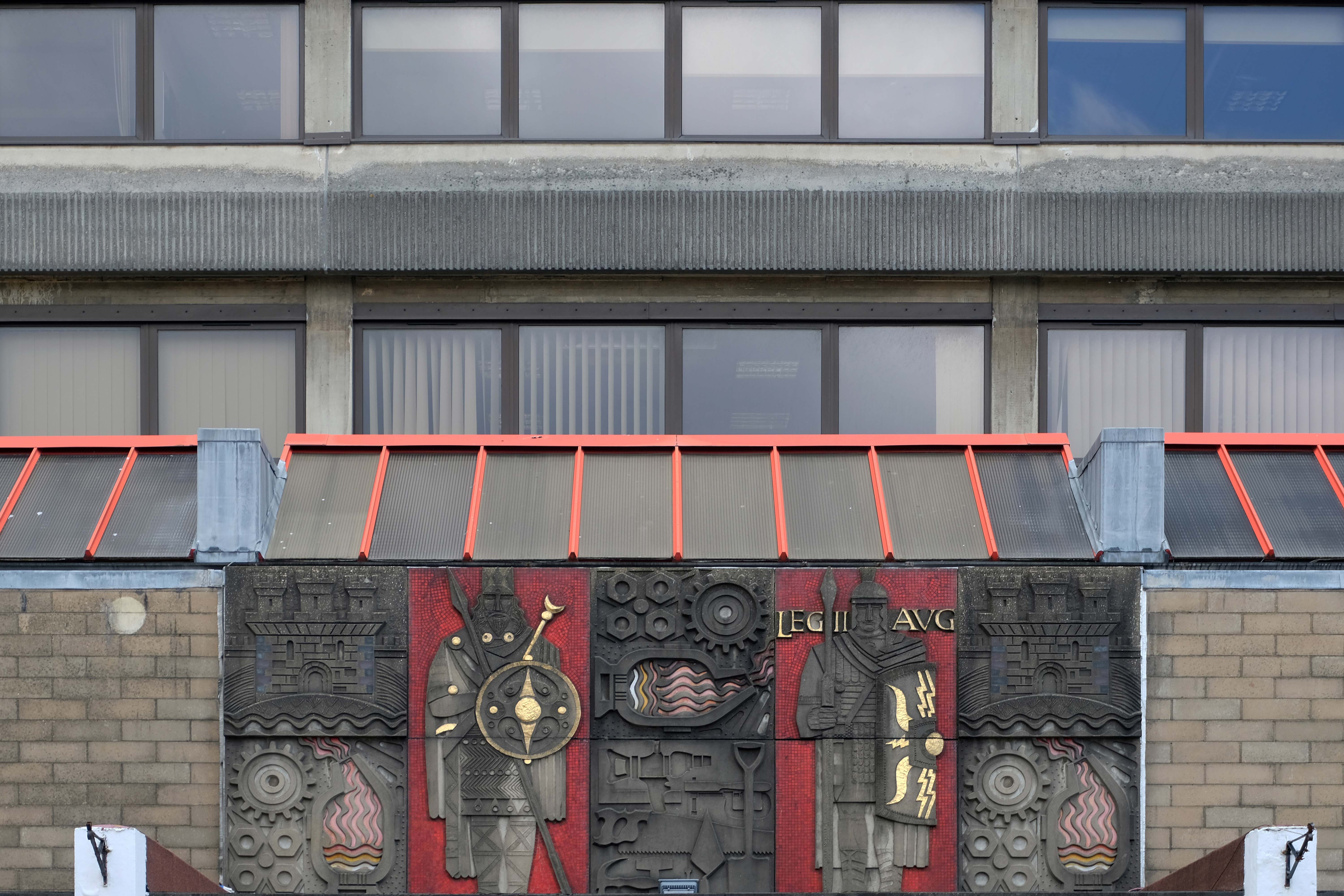
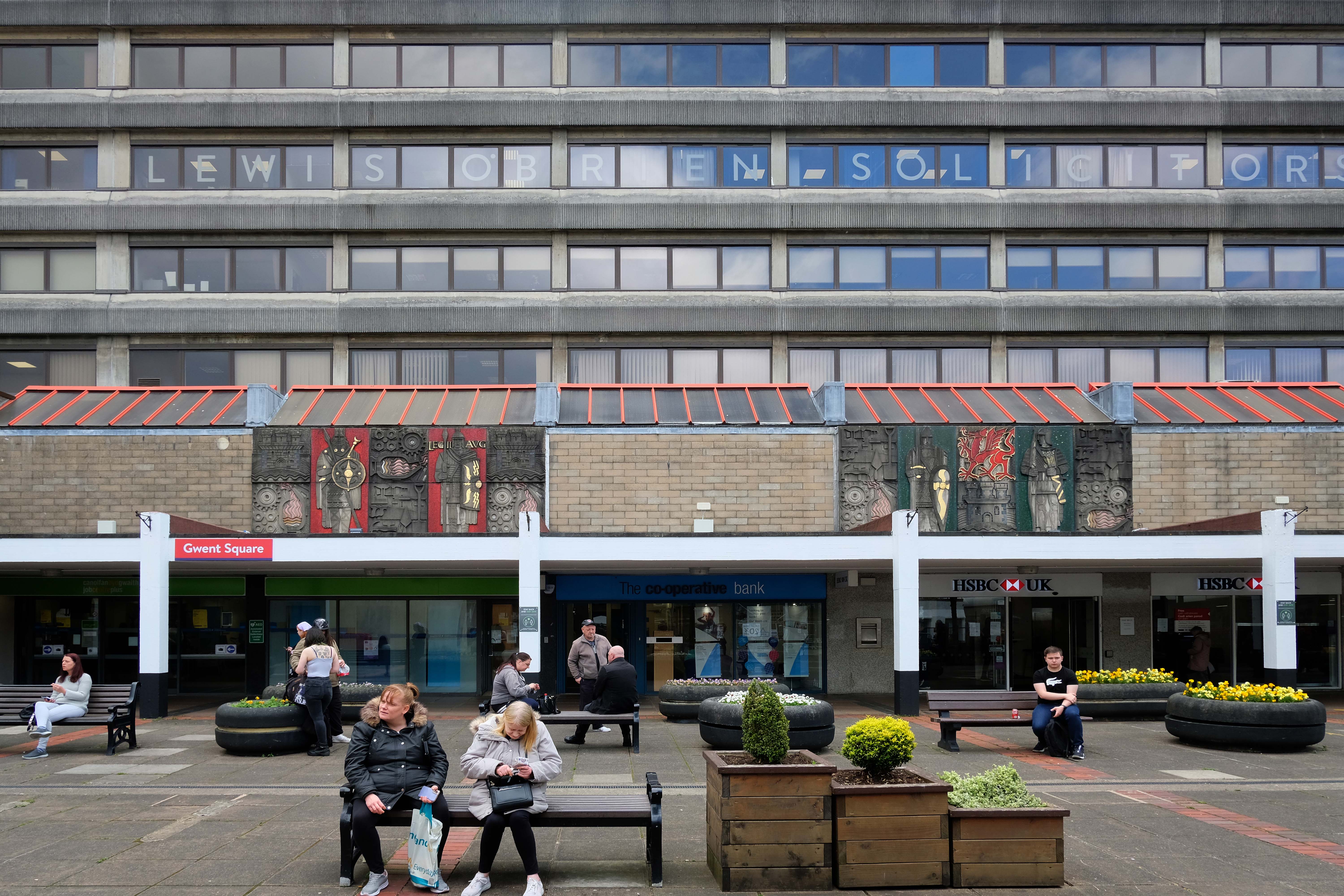
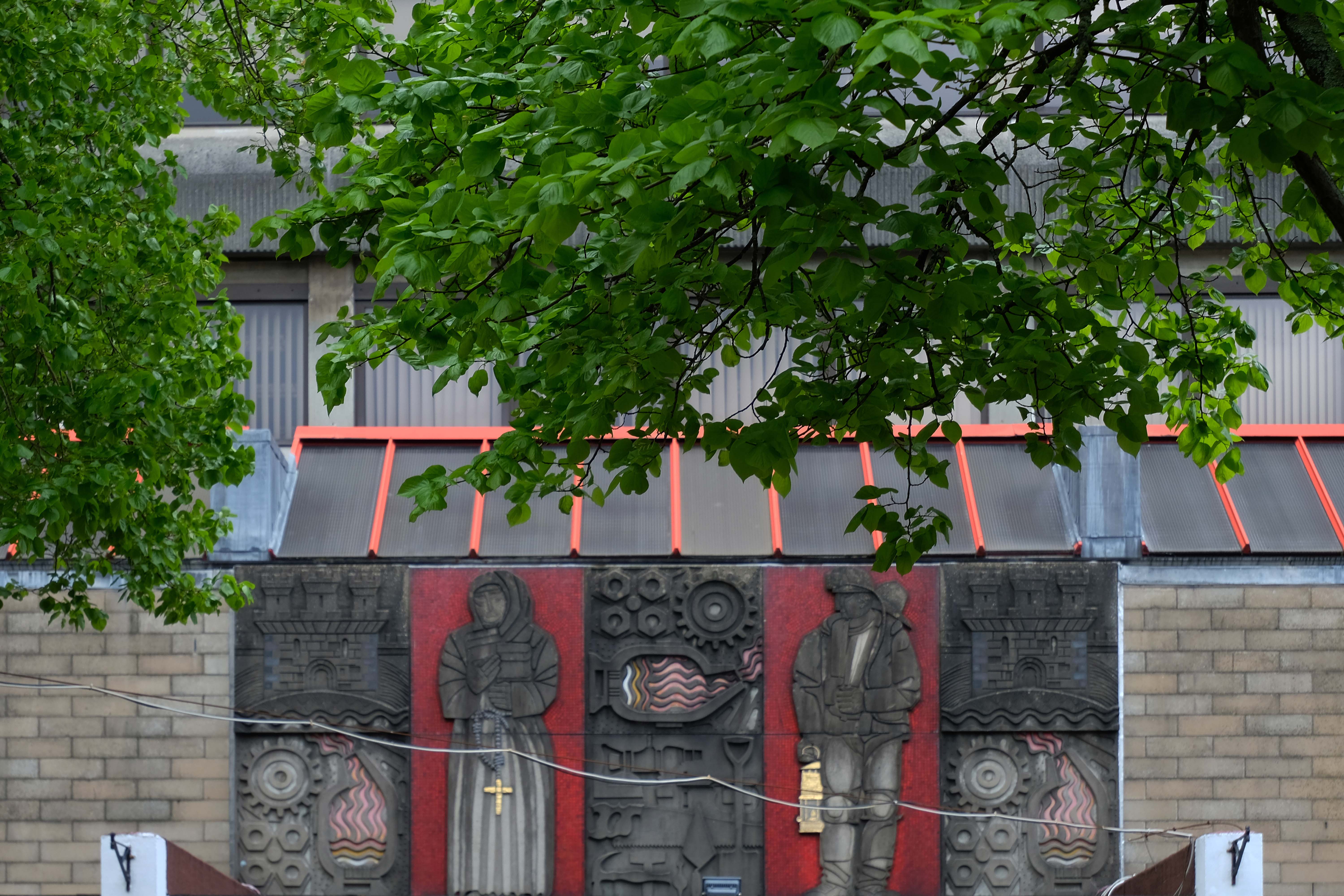
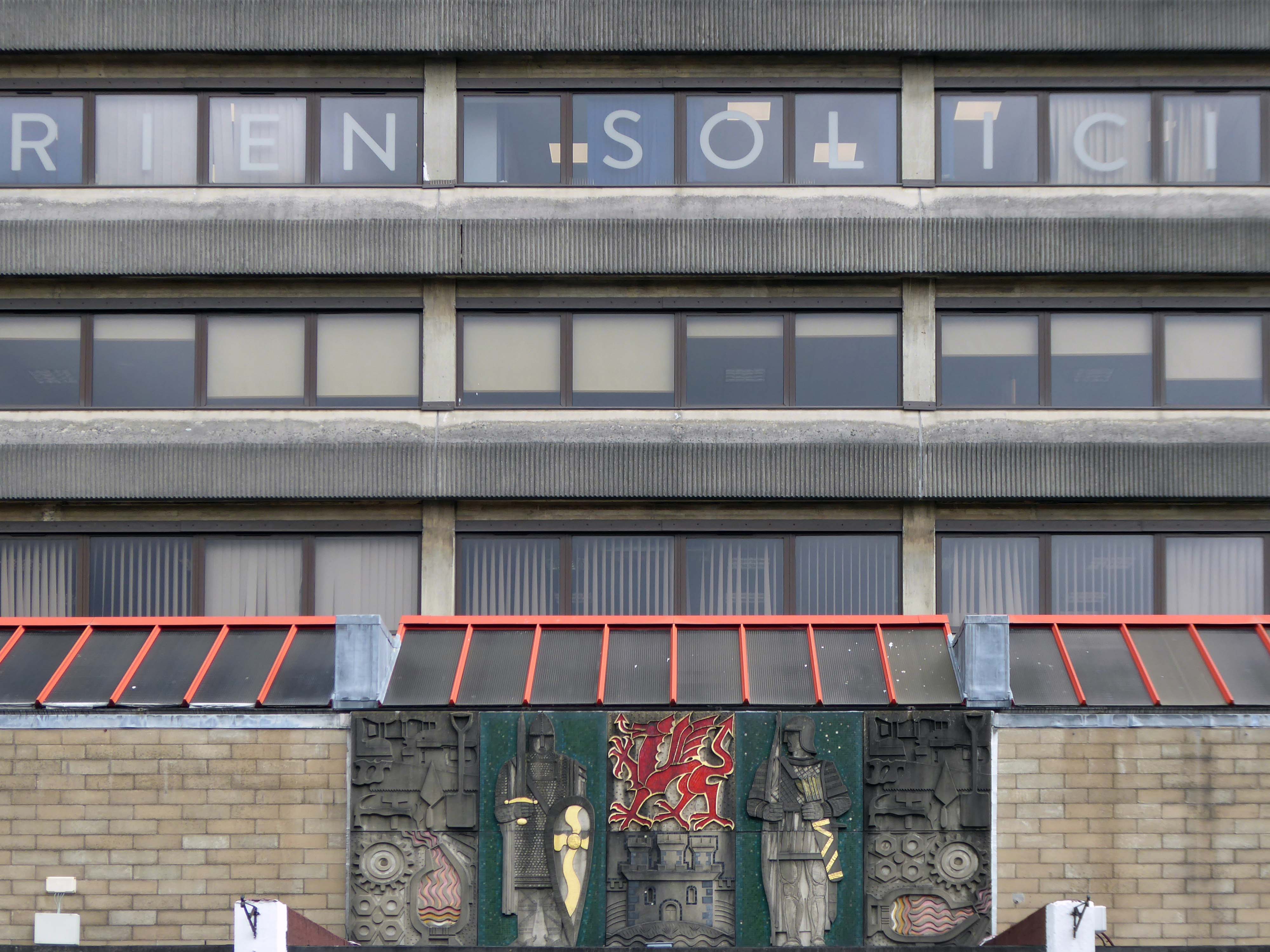
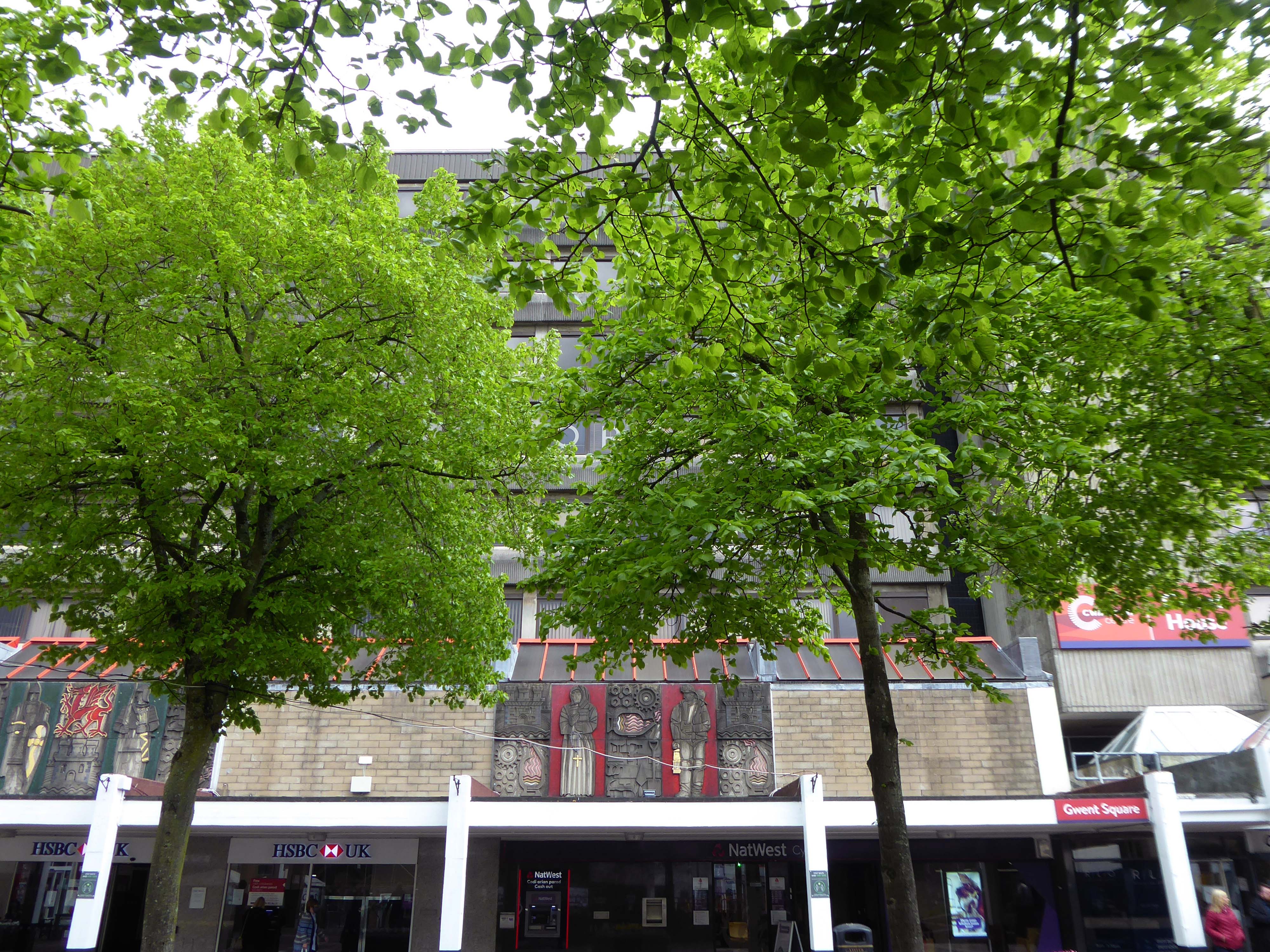
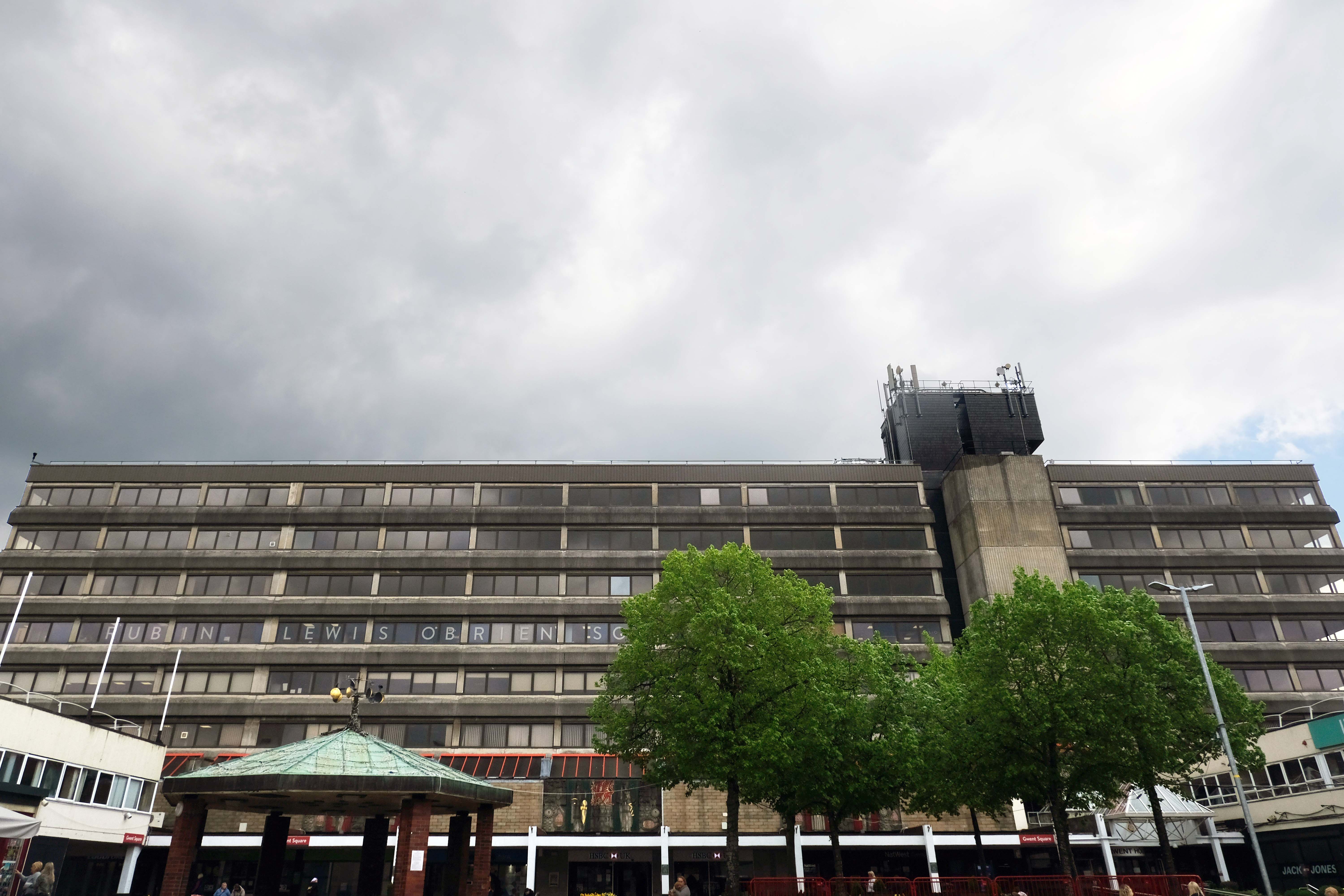
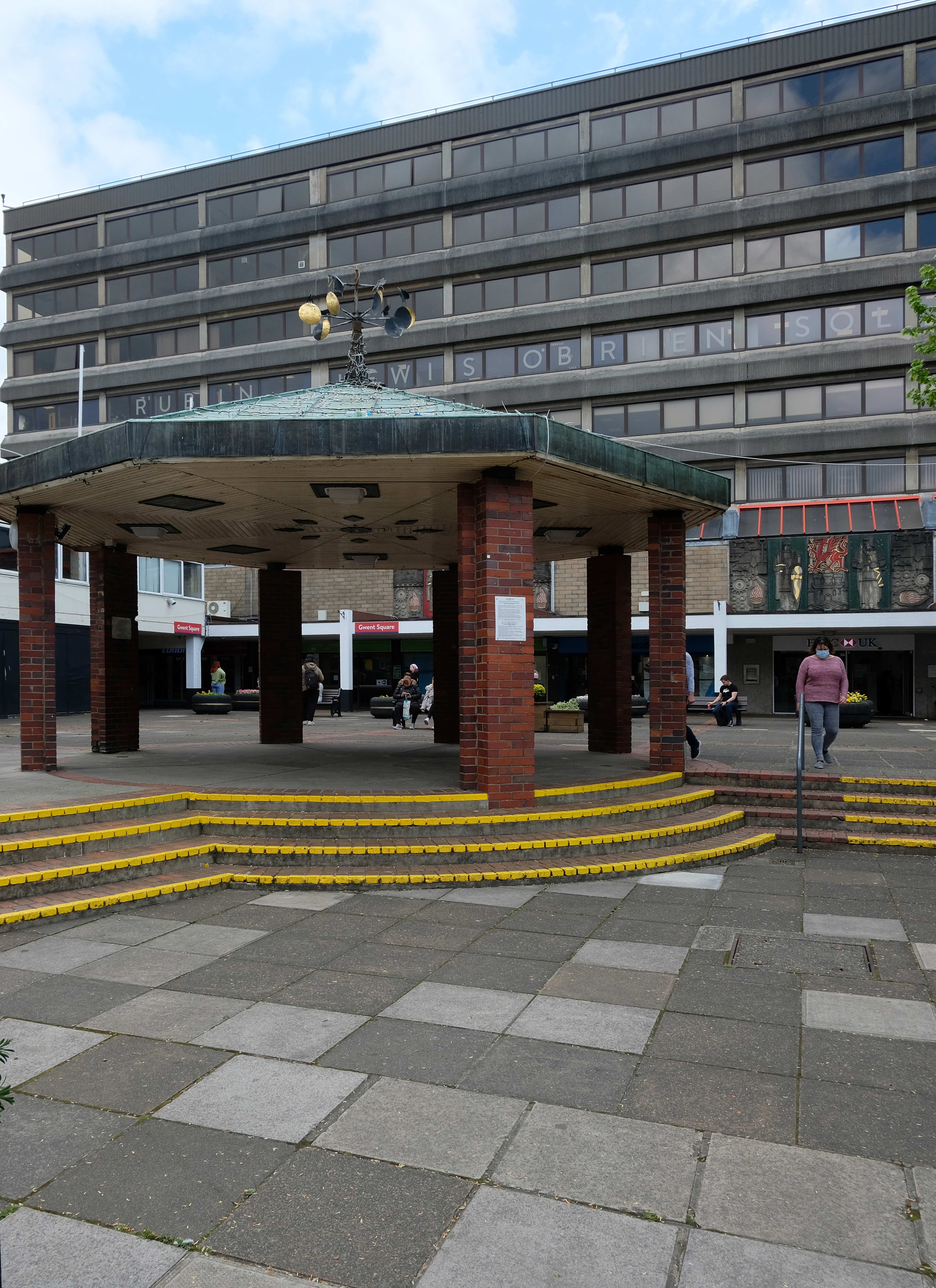
Gwent House is the home of the District Council Offices for Torfaen and the Public Library. Used by HM Courts Service and HCMS – South East Wales, the building is a seven story structure with retail space on the ground floor and open plan office space above. Built during the 1970s as a local government building, it is constructed with a steel and concrete frame with wall to wall double glazed windows and a flat roof.
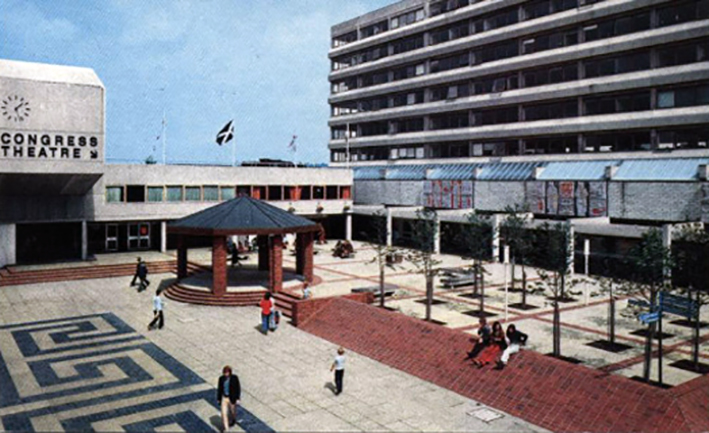
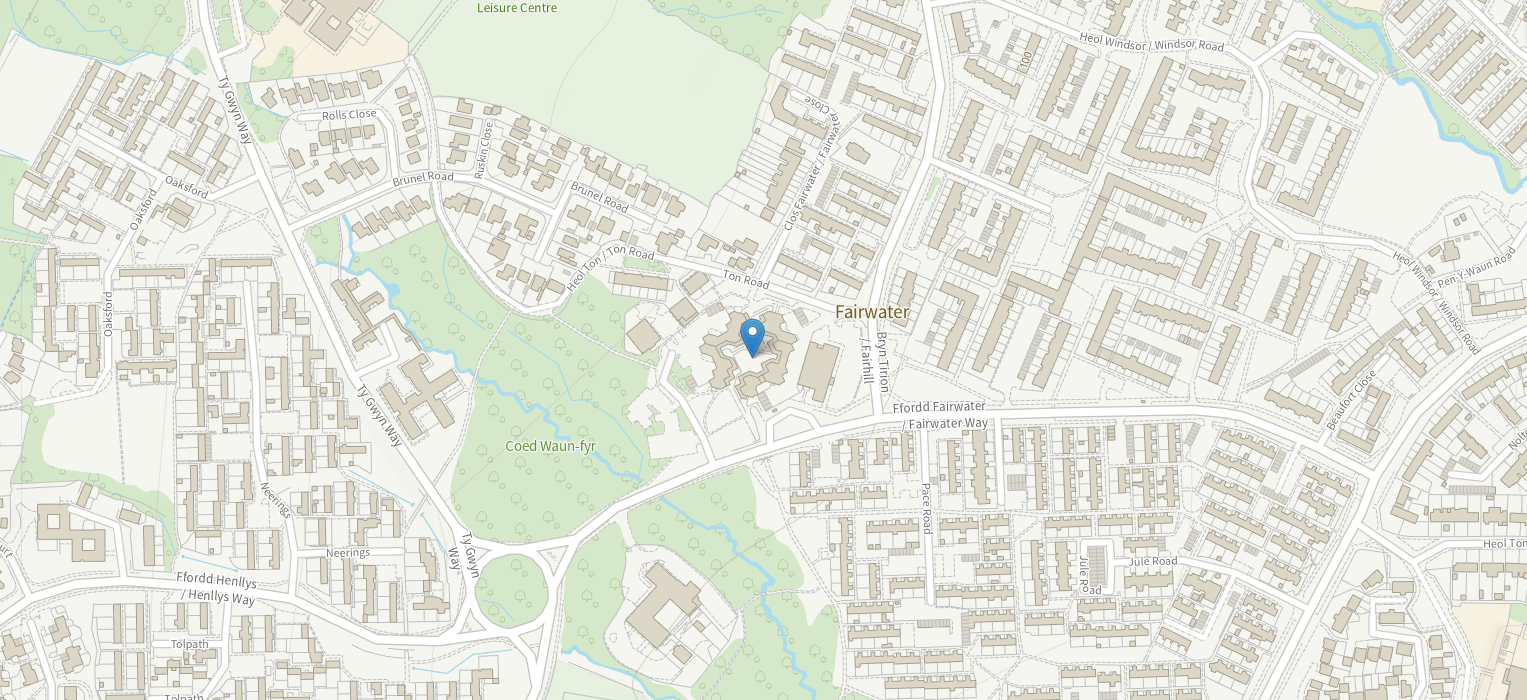
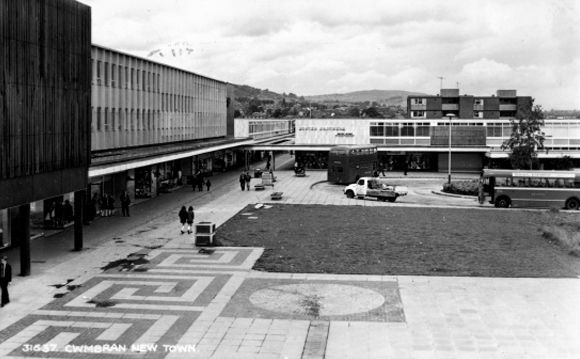
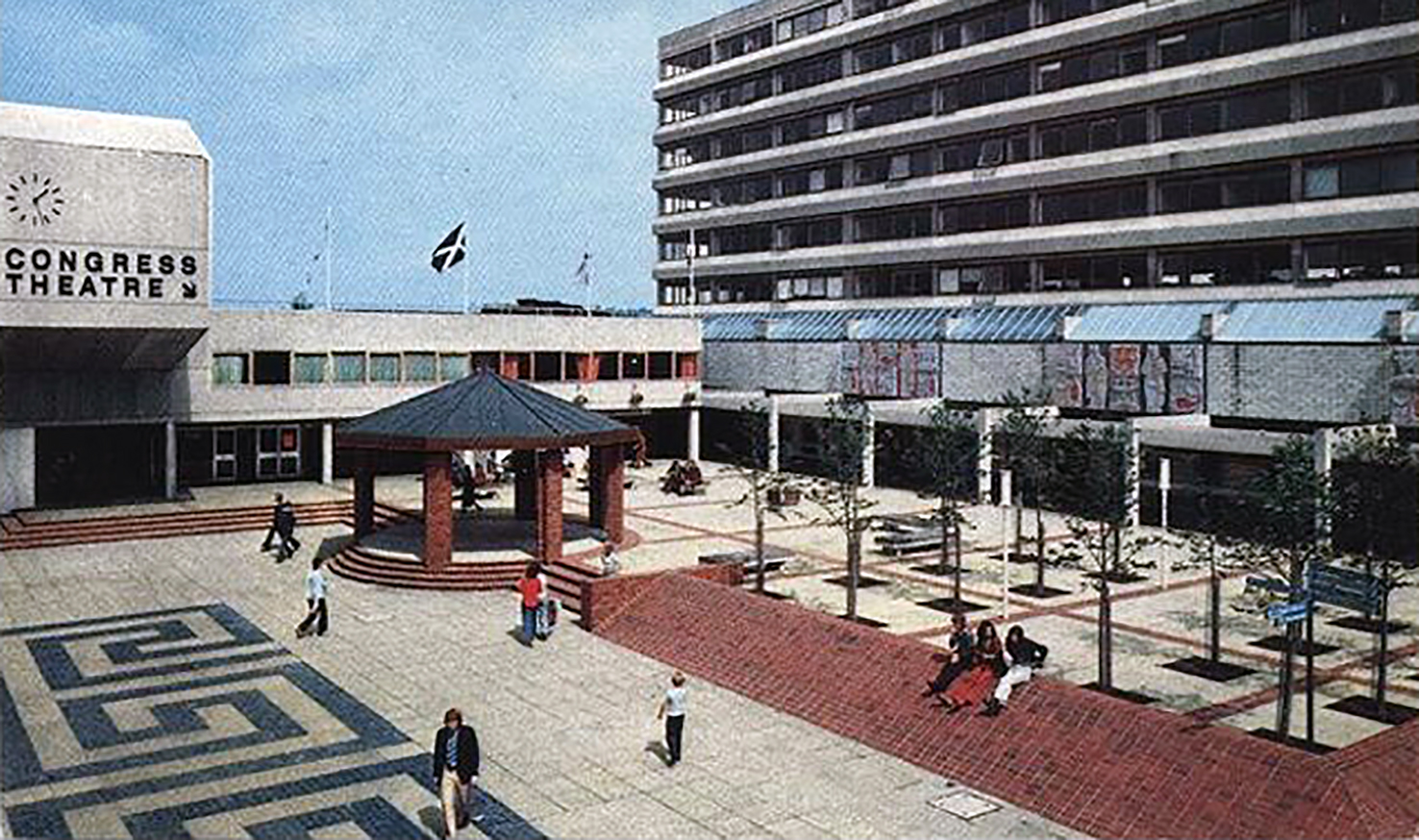
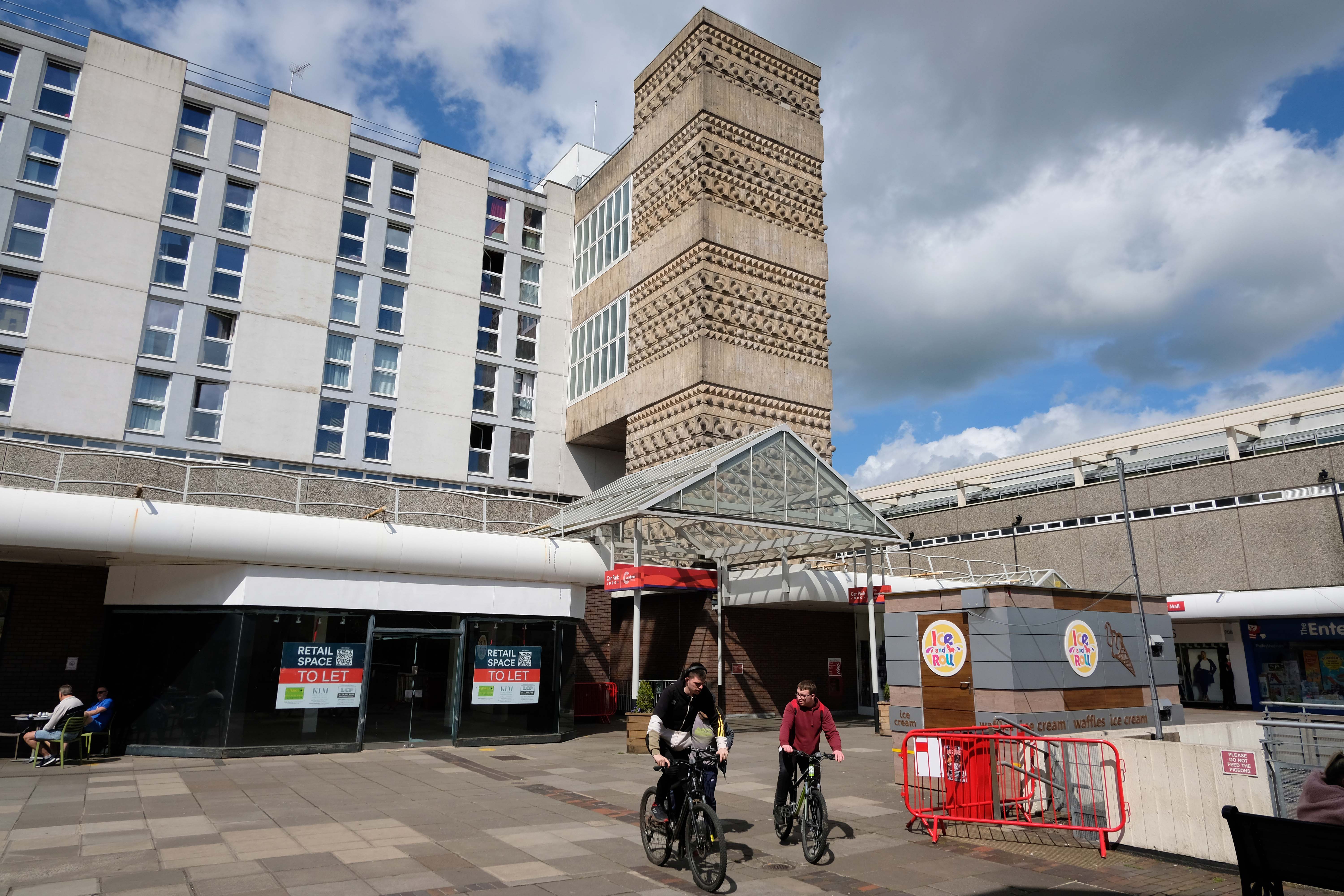
Gwent House sits on the east side of Gwent Square at the heart of Cwmbran New Town’s centre. The ‘Central Building’ as it was known during development was conceived by the Cwmbran Development Corporation, as a mixed development of leisure (including a club, dance hall and hotel) and office accommodation with retail to the ground floor. this was to expand the function of the town centre beyond purely a shopping centre, and to address the perceived lack of ‘professional’ office jobs. In the event, the offices proved difficult to let and were occupied by the CDC and Cwmbran Urban District Council.
The building was designed by Sheppard, Robson & Partners and opened on the 18th January 1973. The eight-storey, concrete framed block included a job centre, the library, a conference and exhibition hall, and three restaurants catering for different tastes and age ranges, including the ‘Sign of the Steer’.
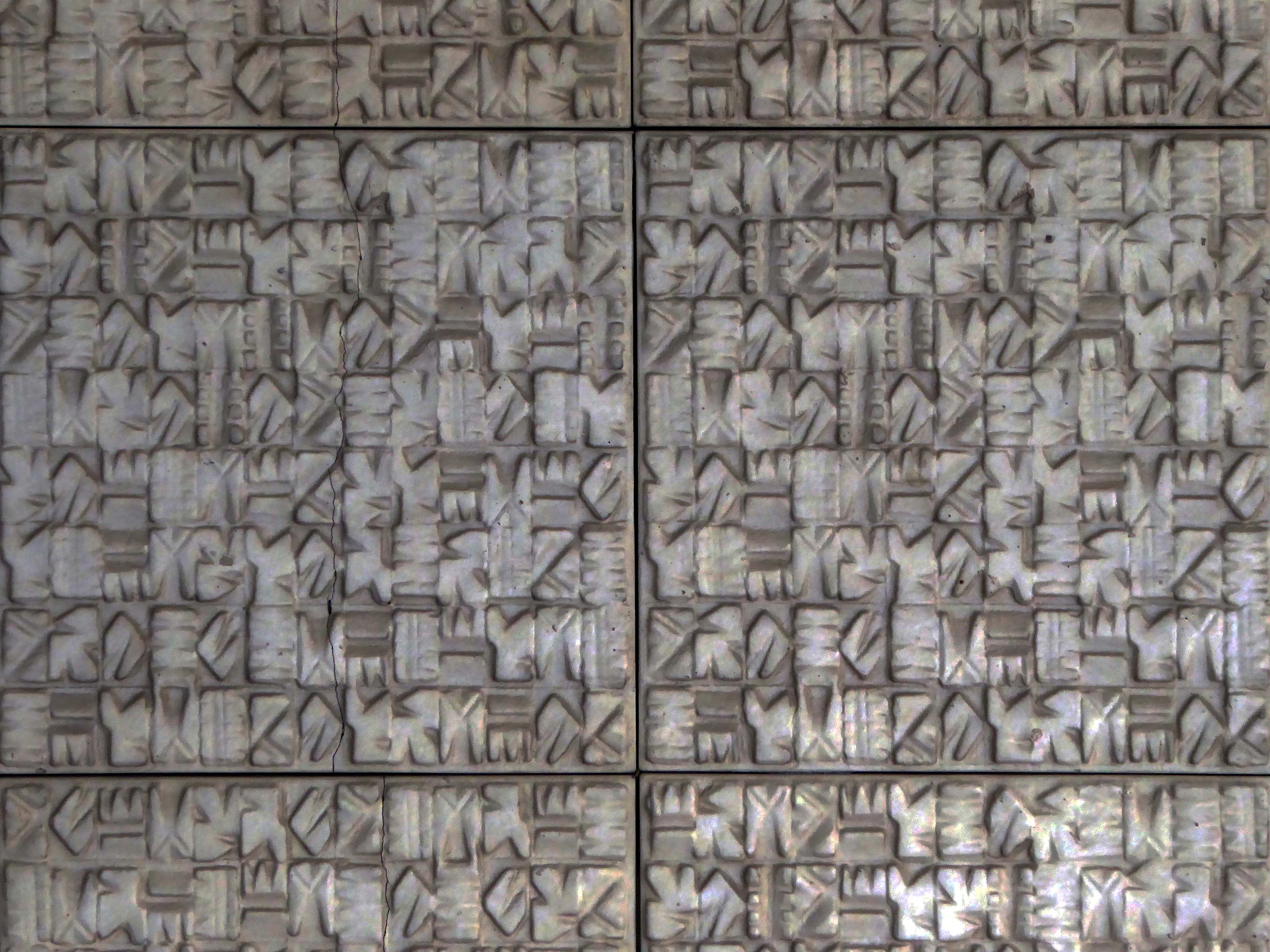
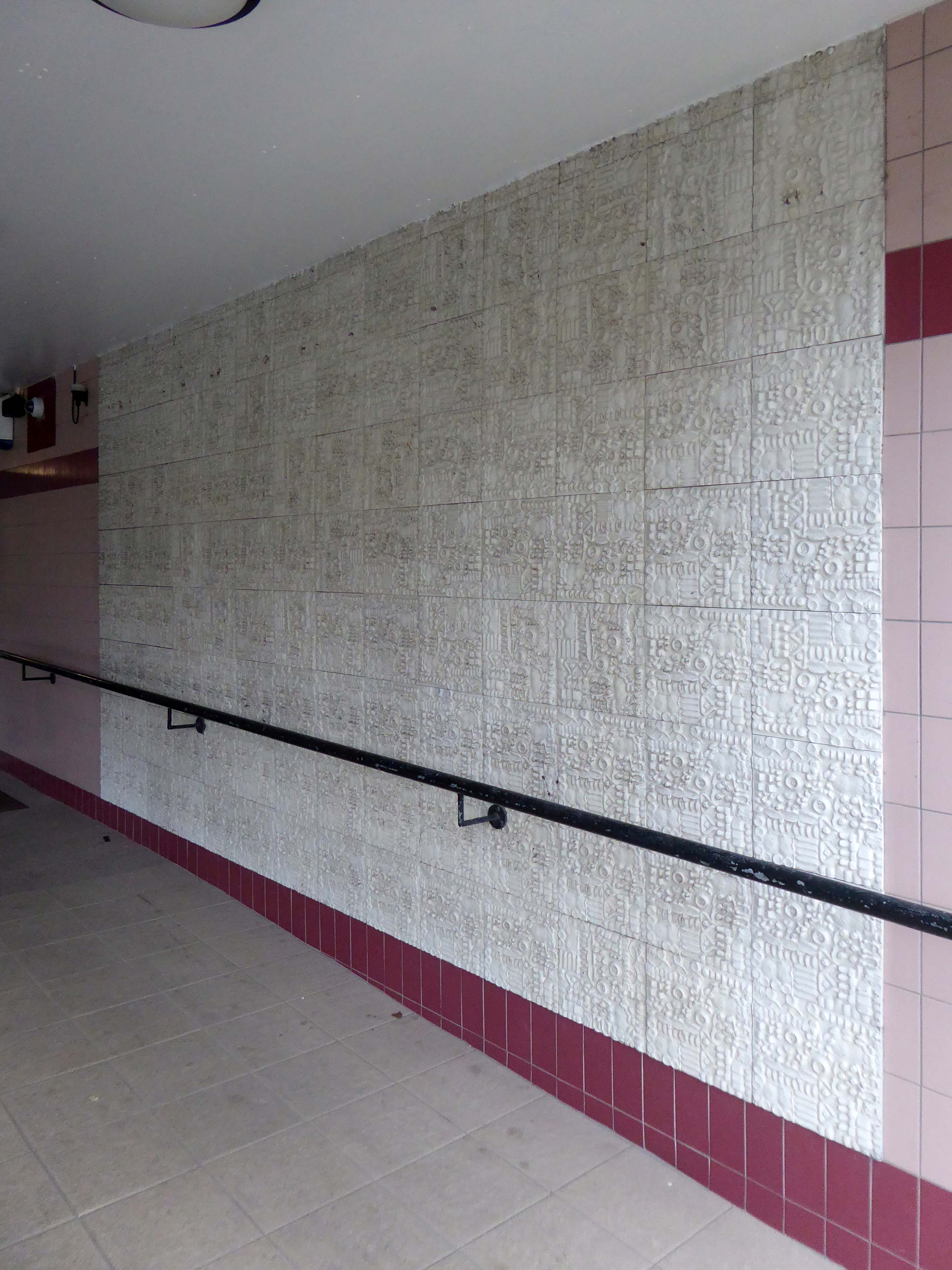
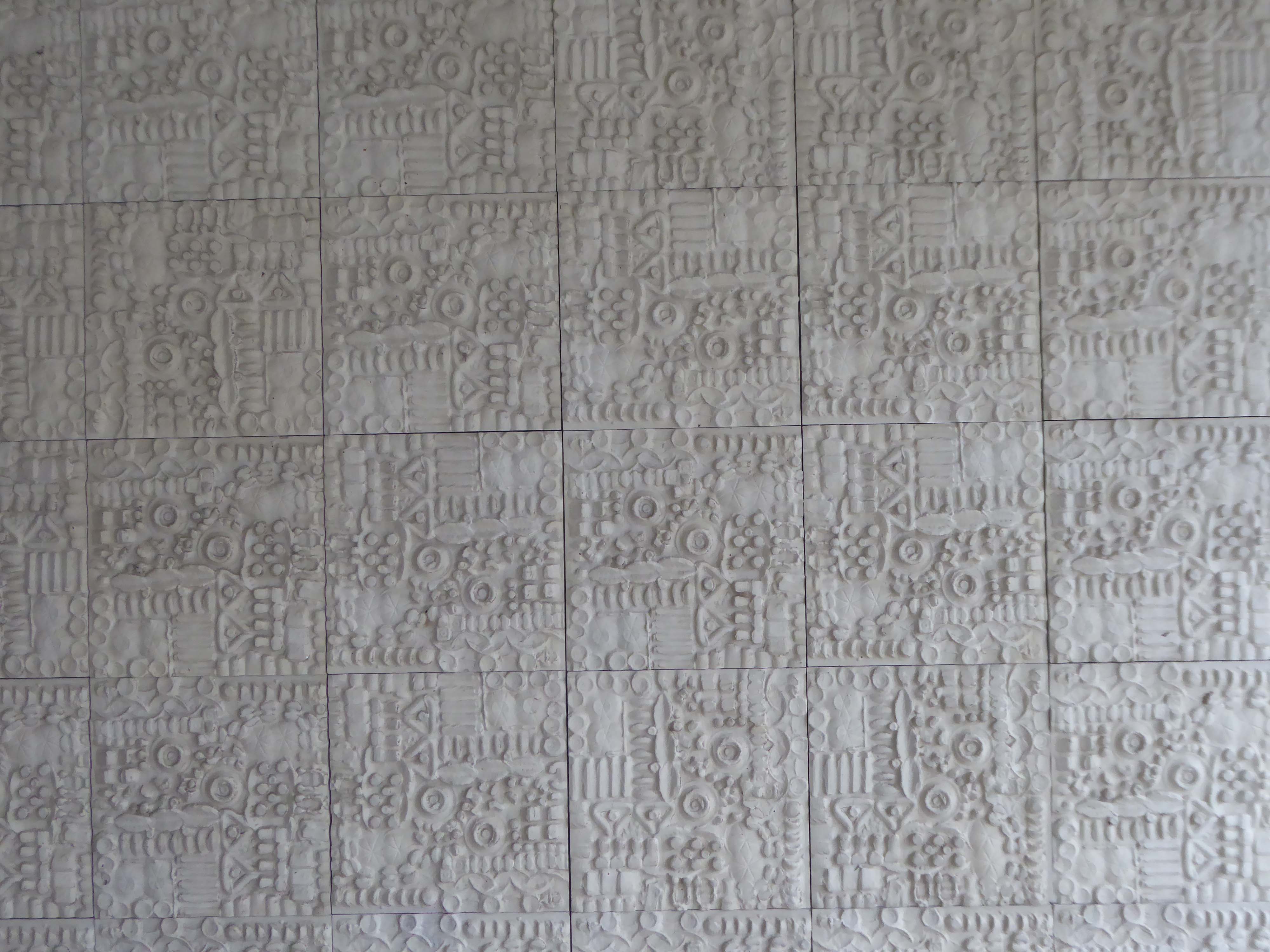
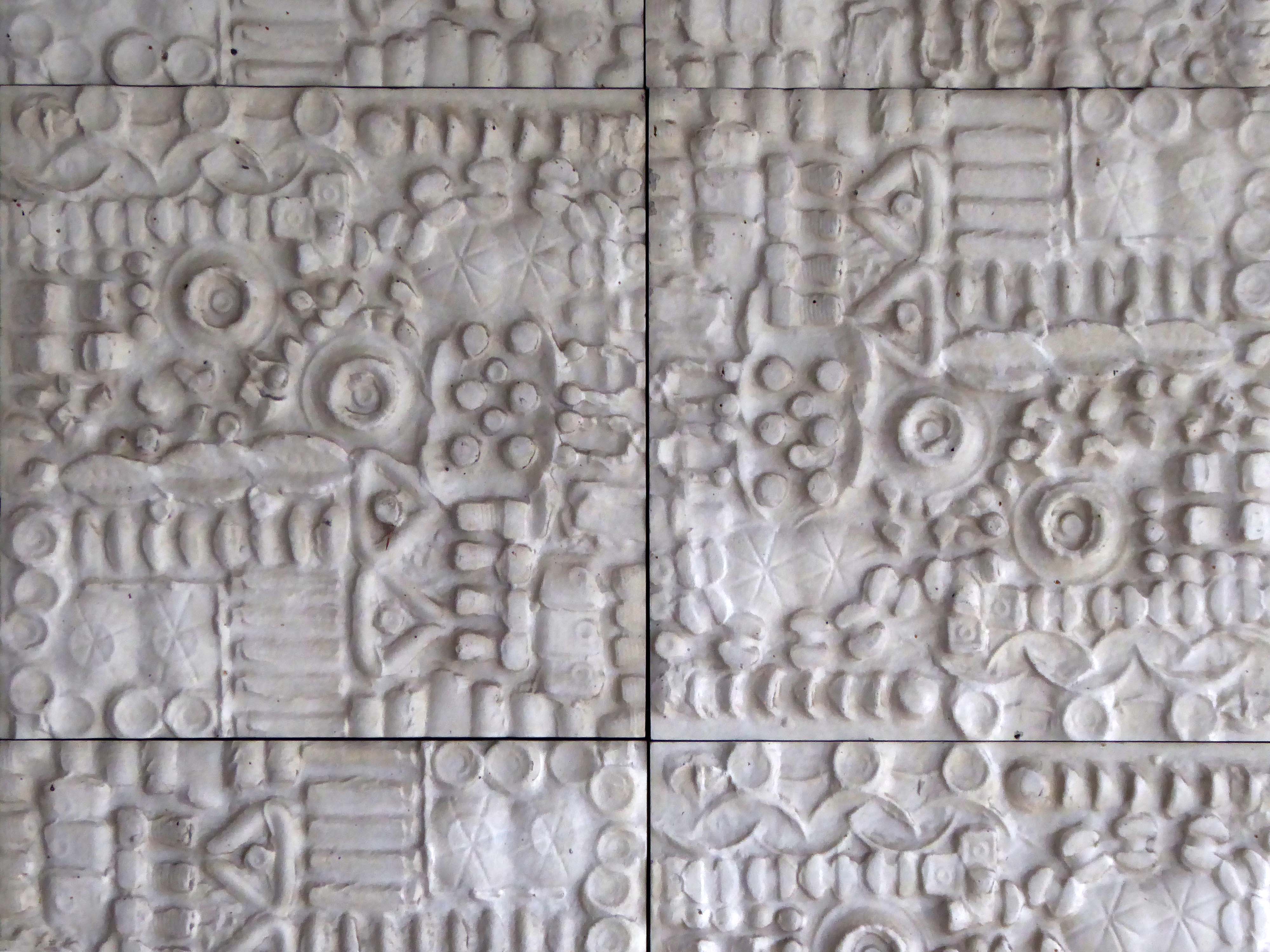
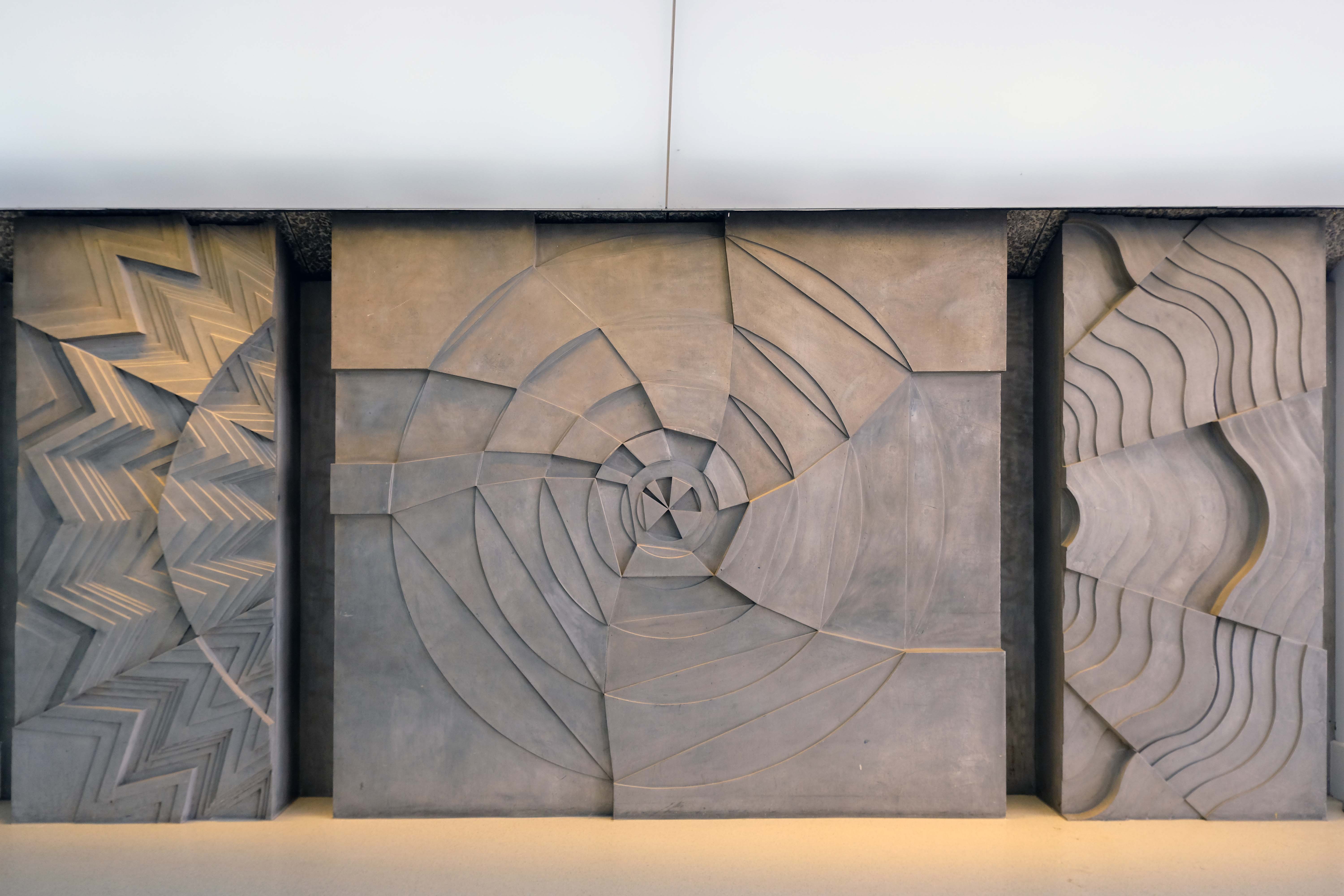
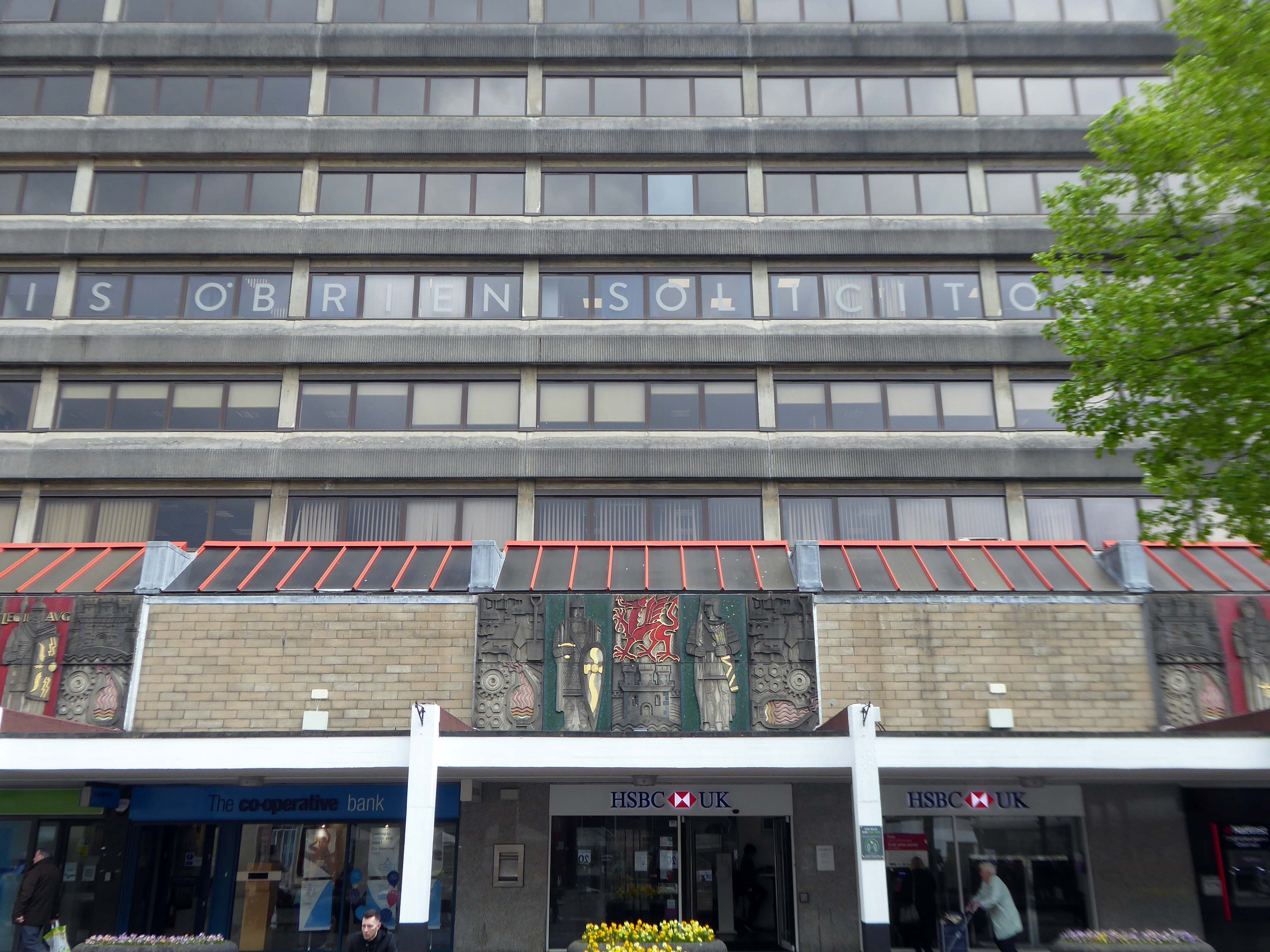
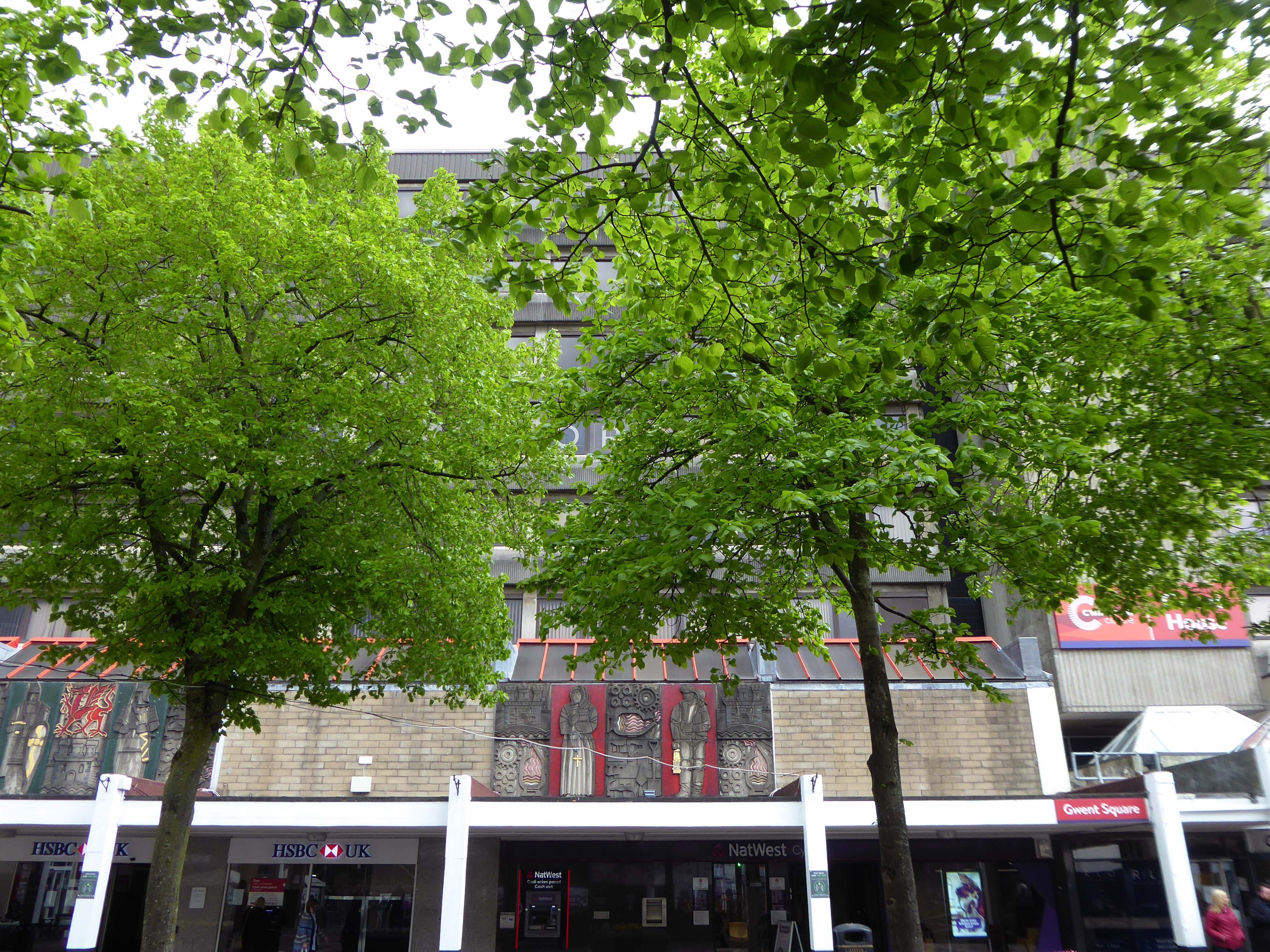
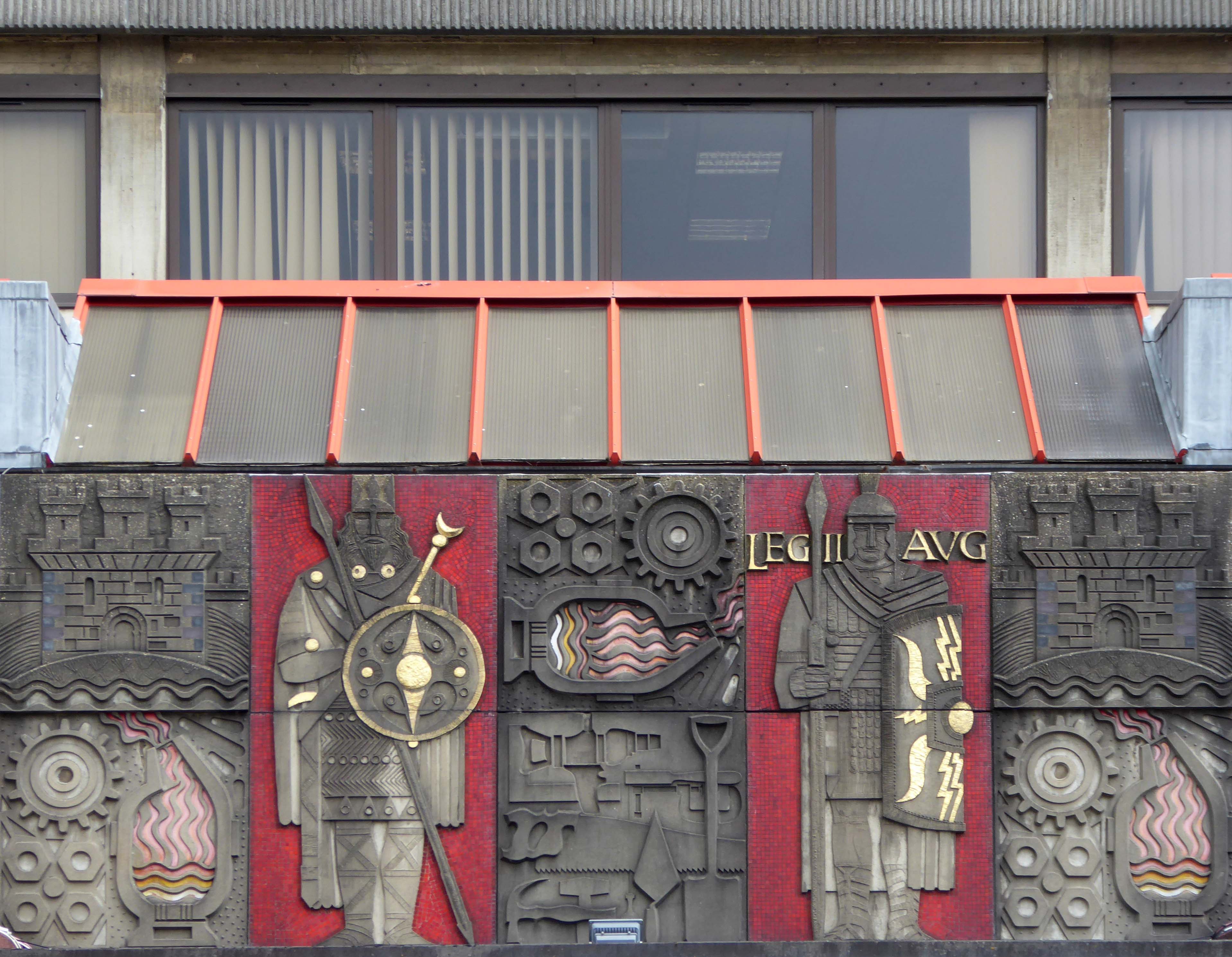
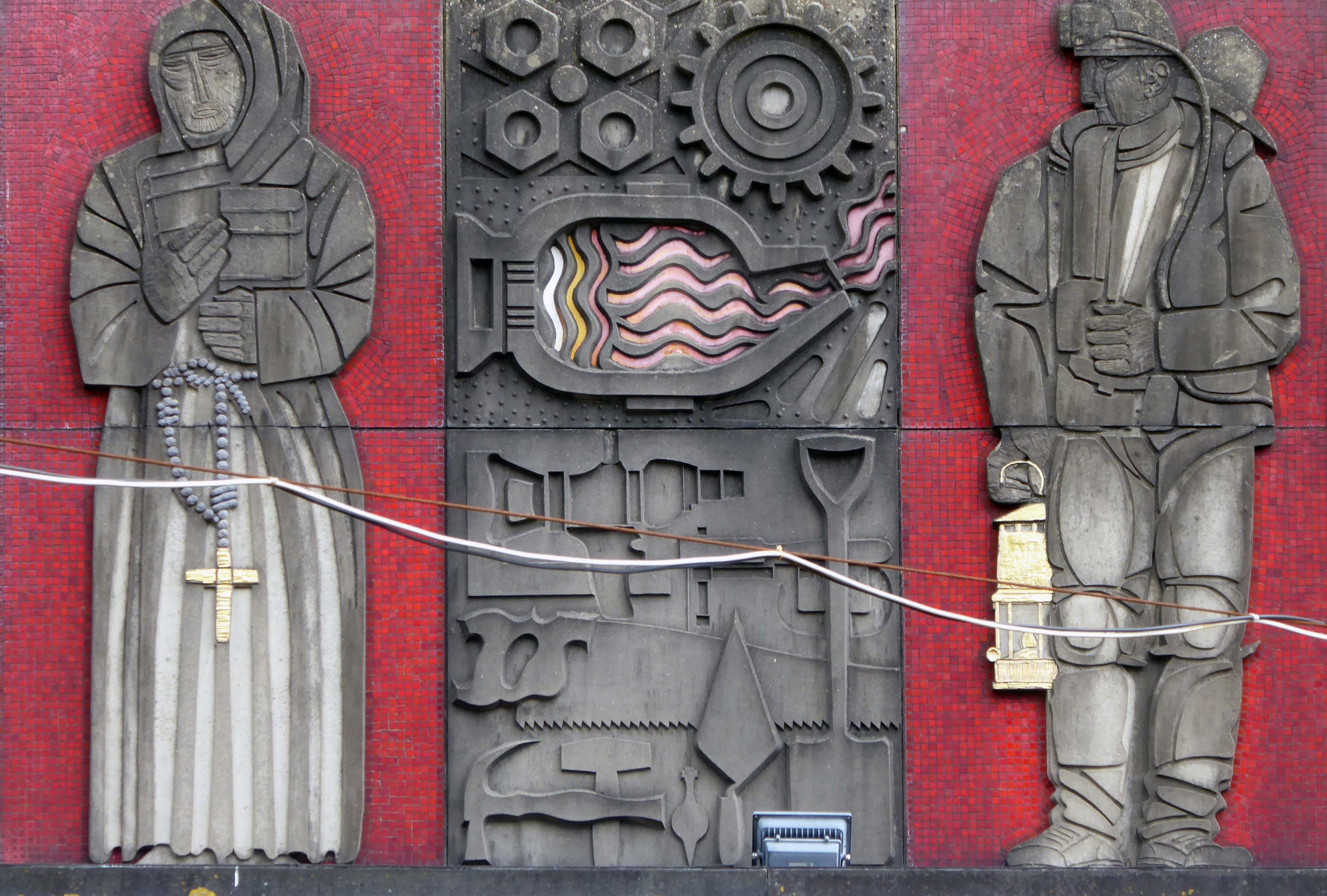
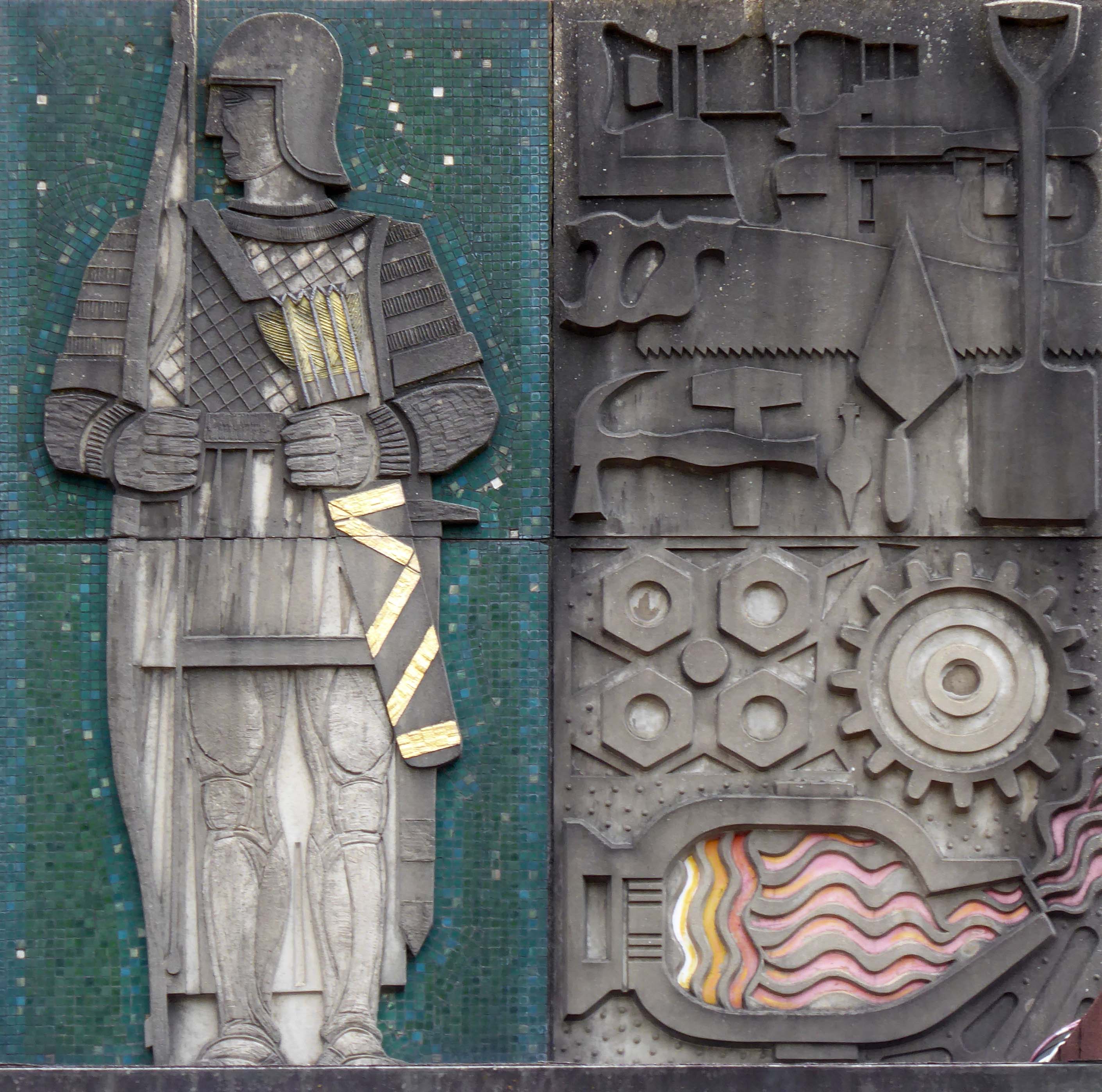
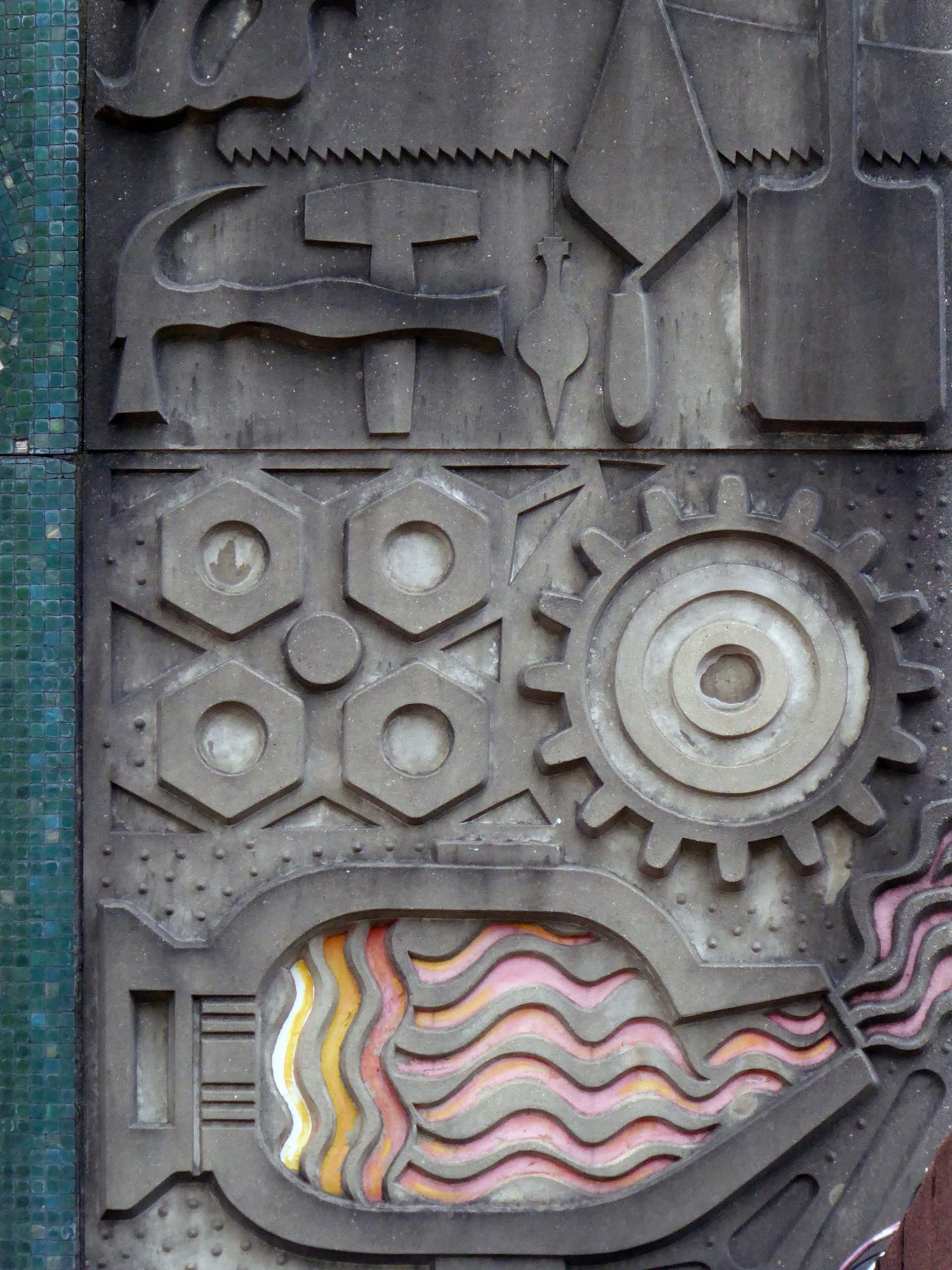
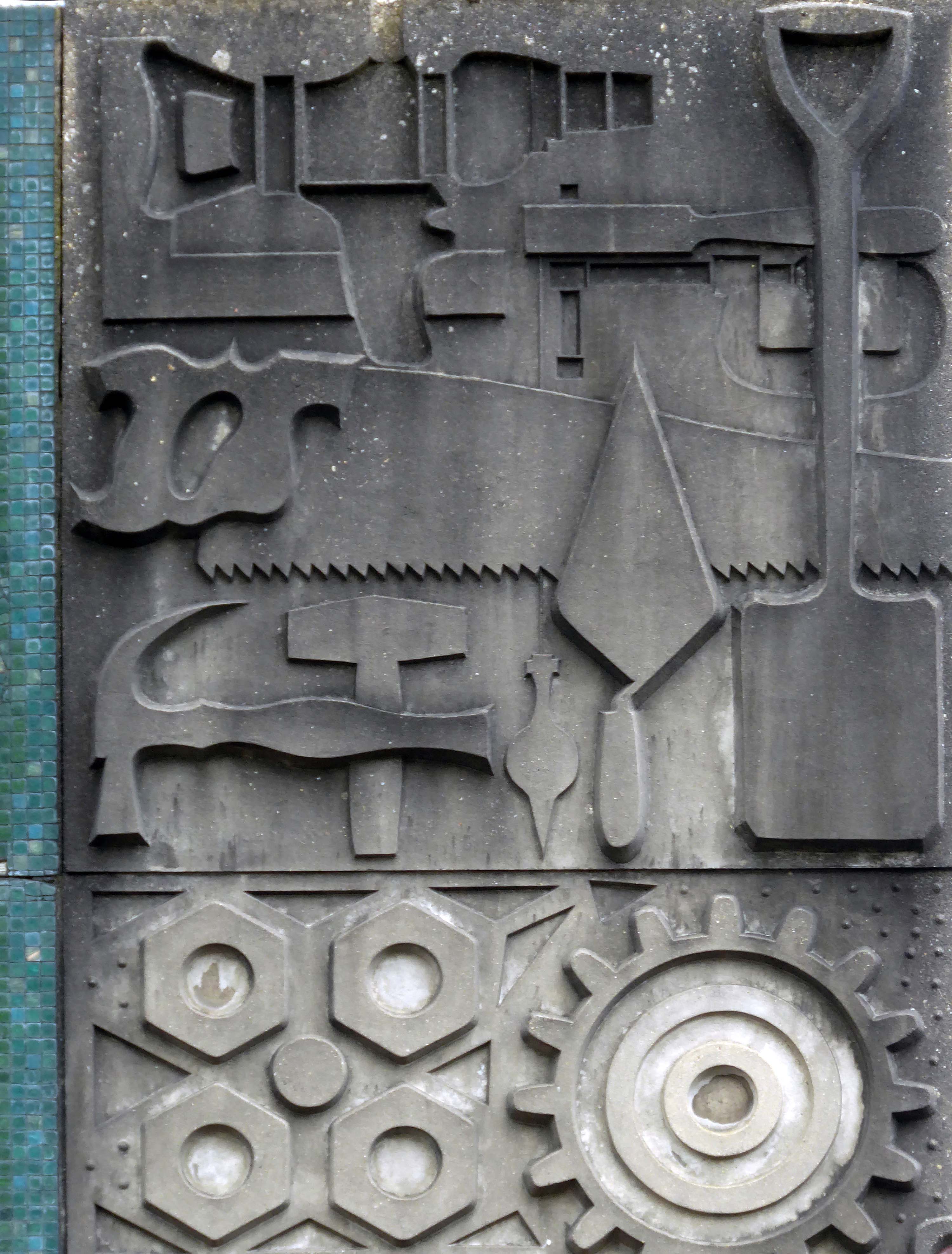
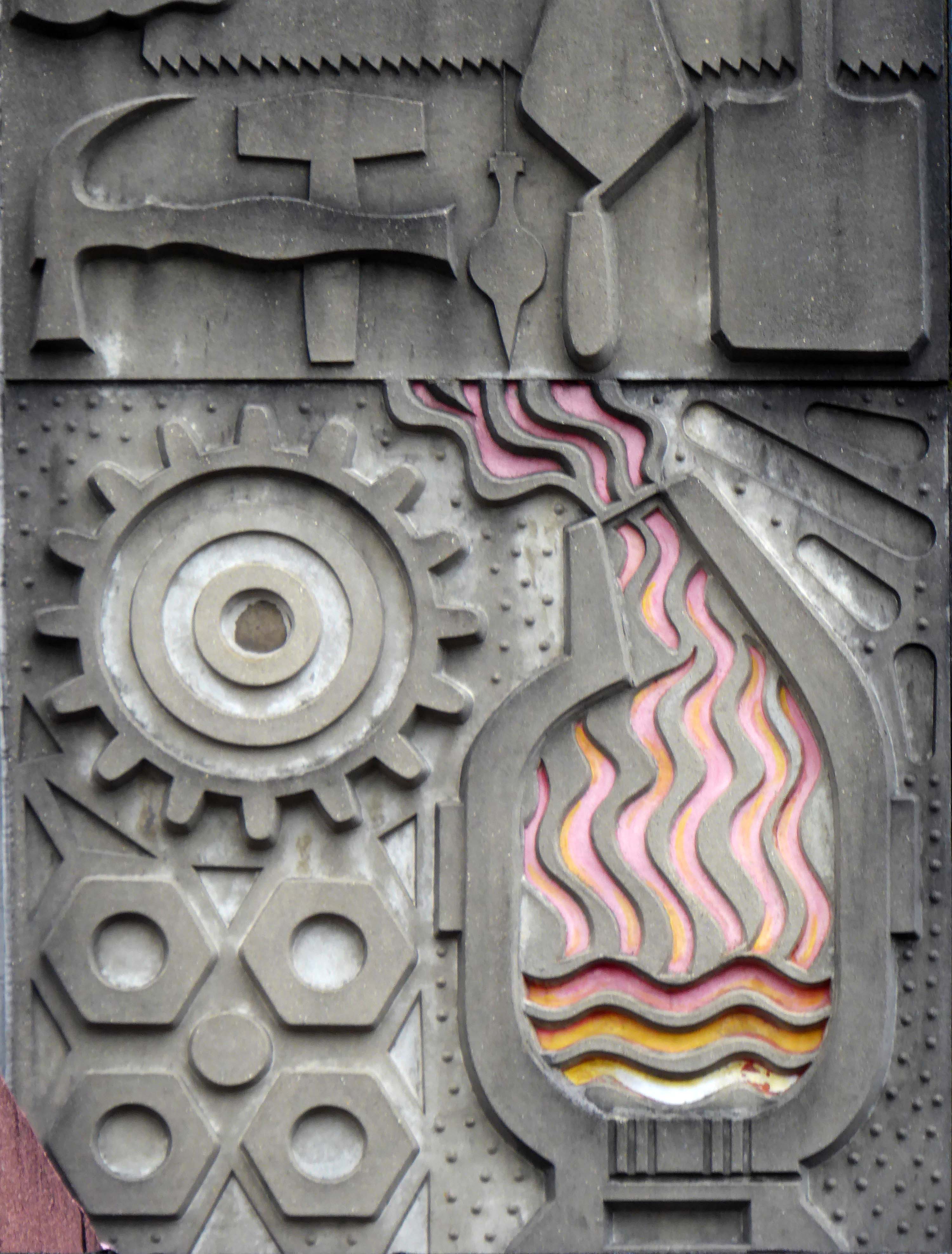
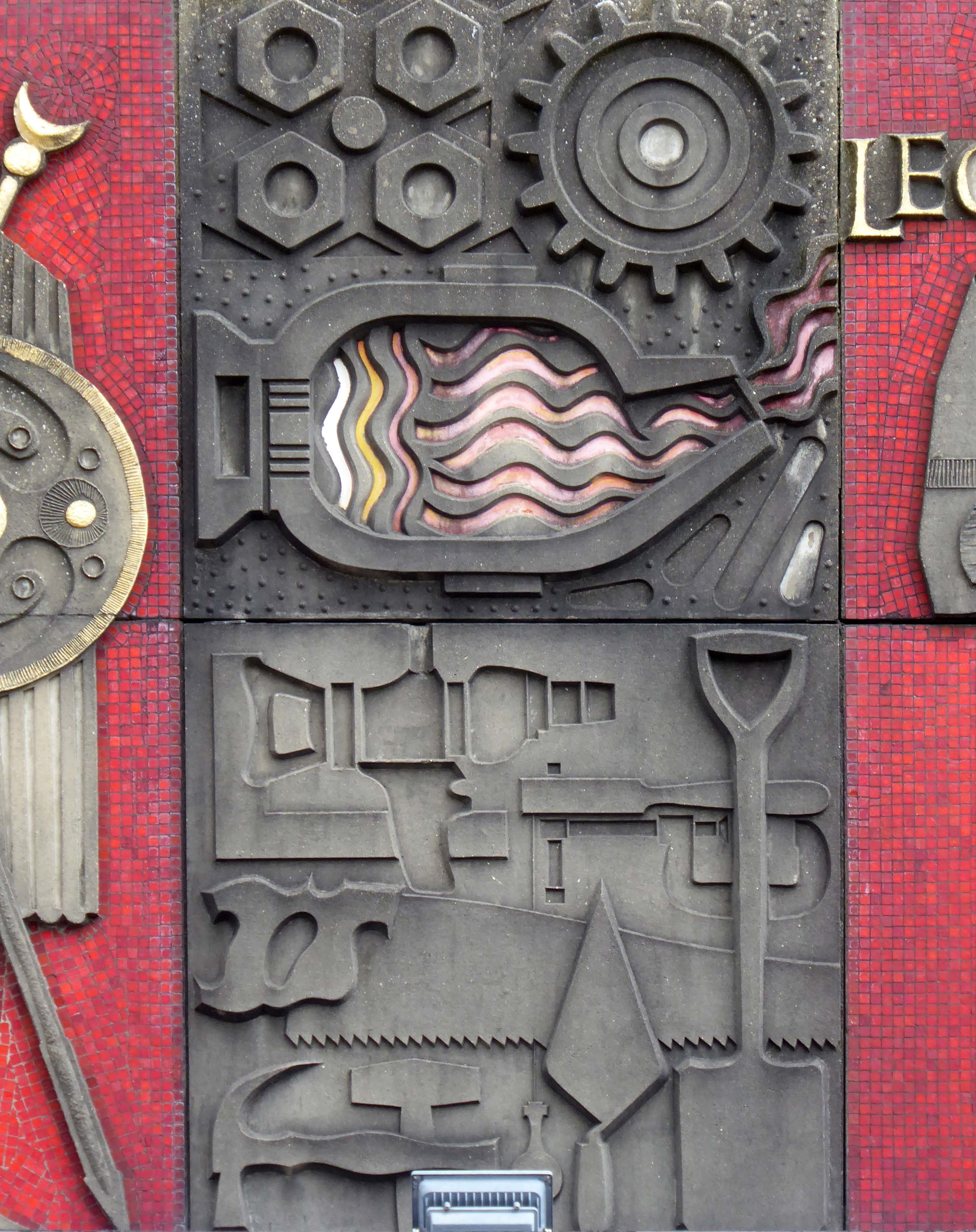
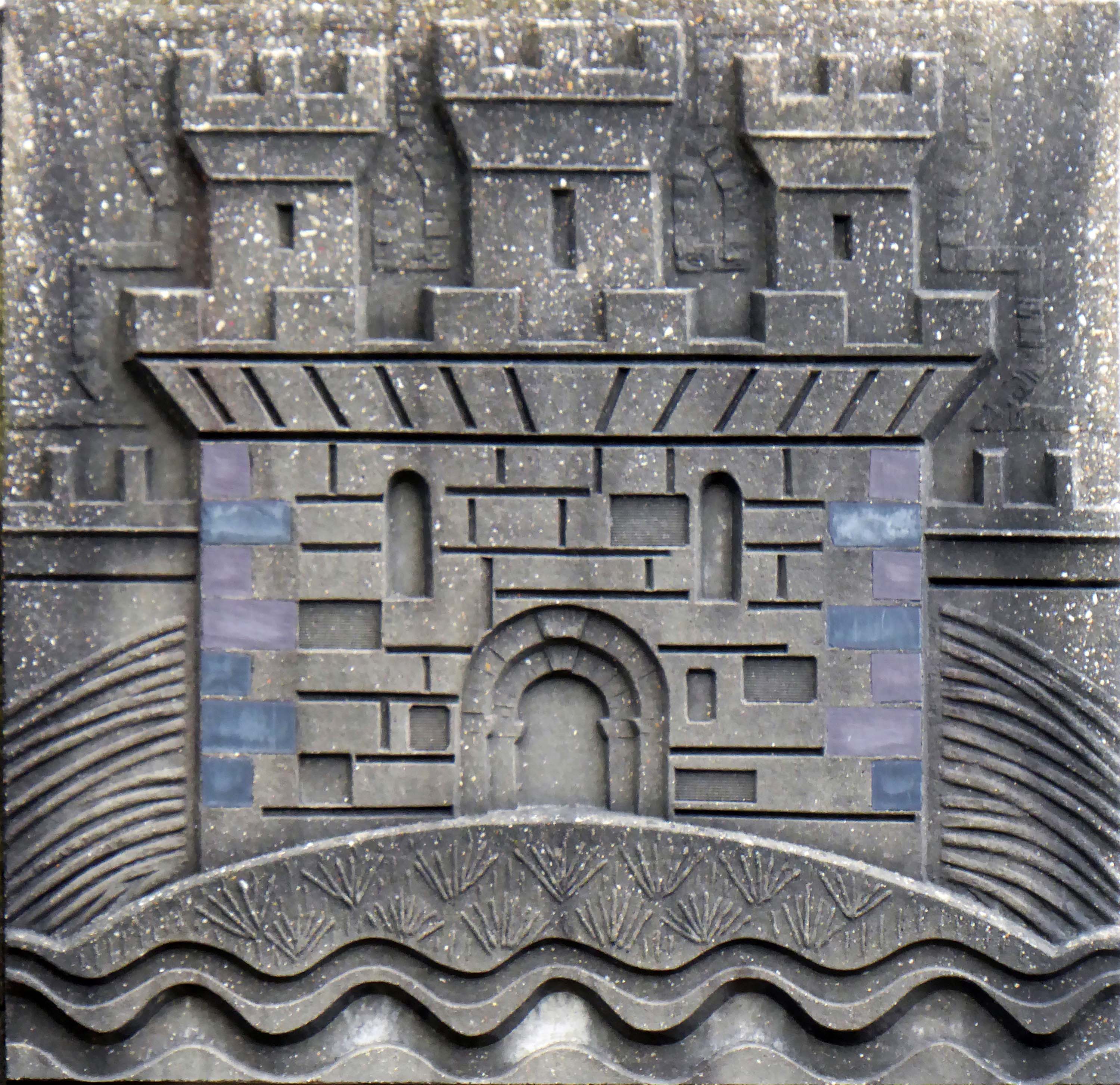
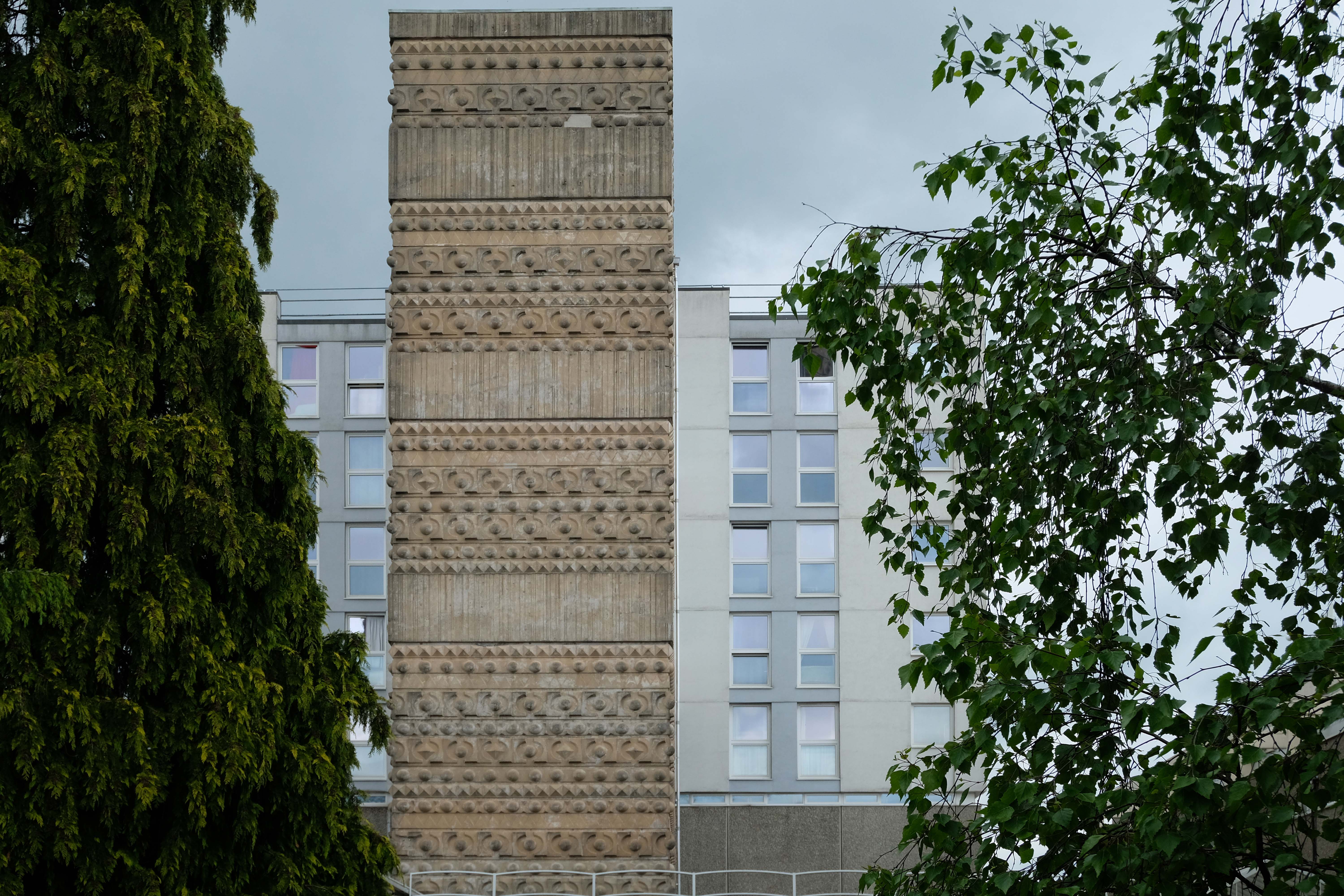
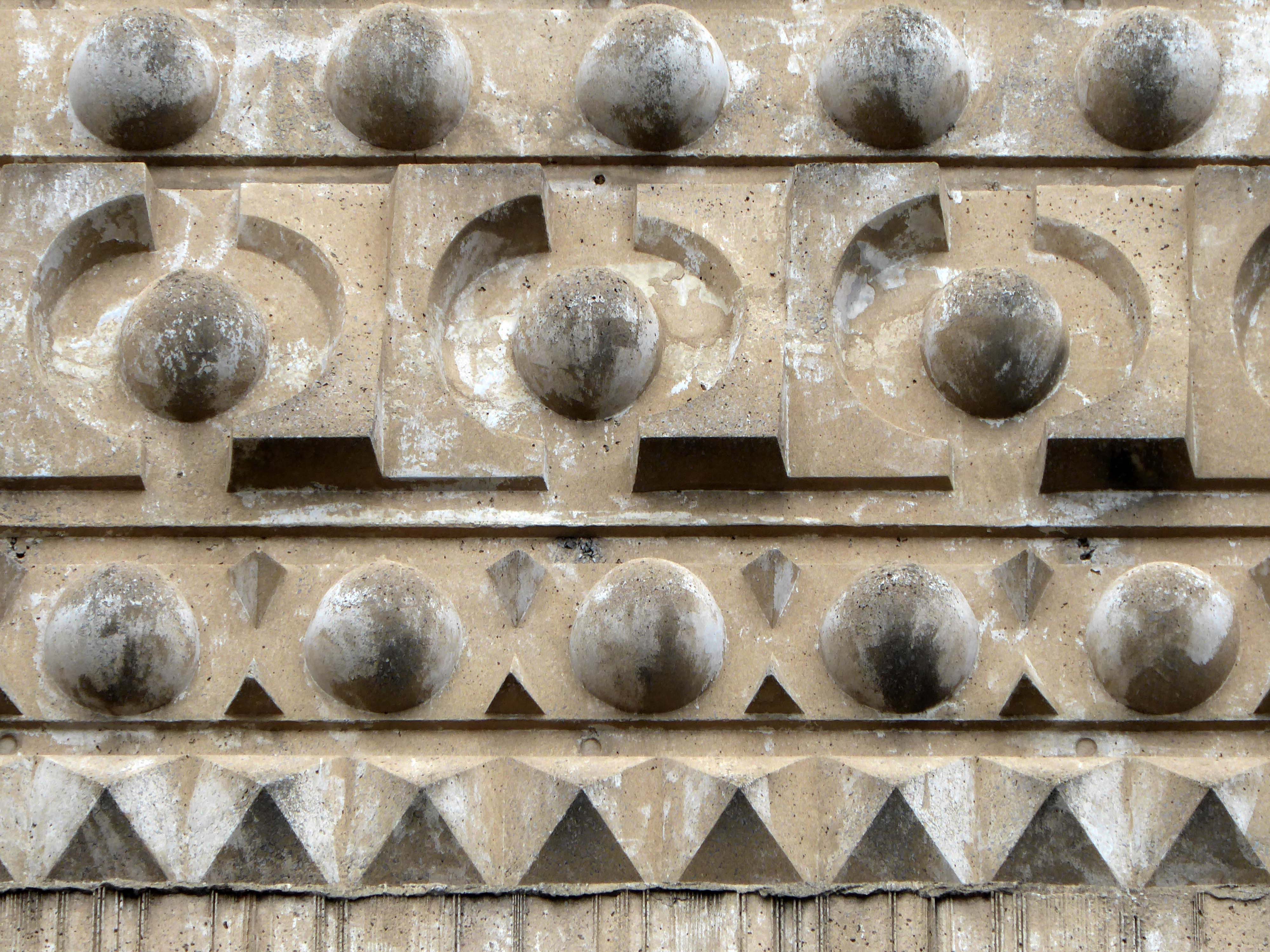
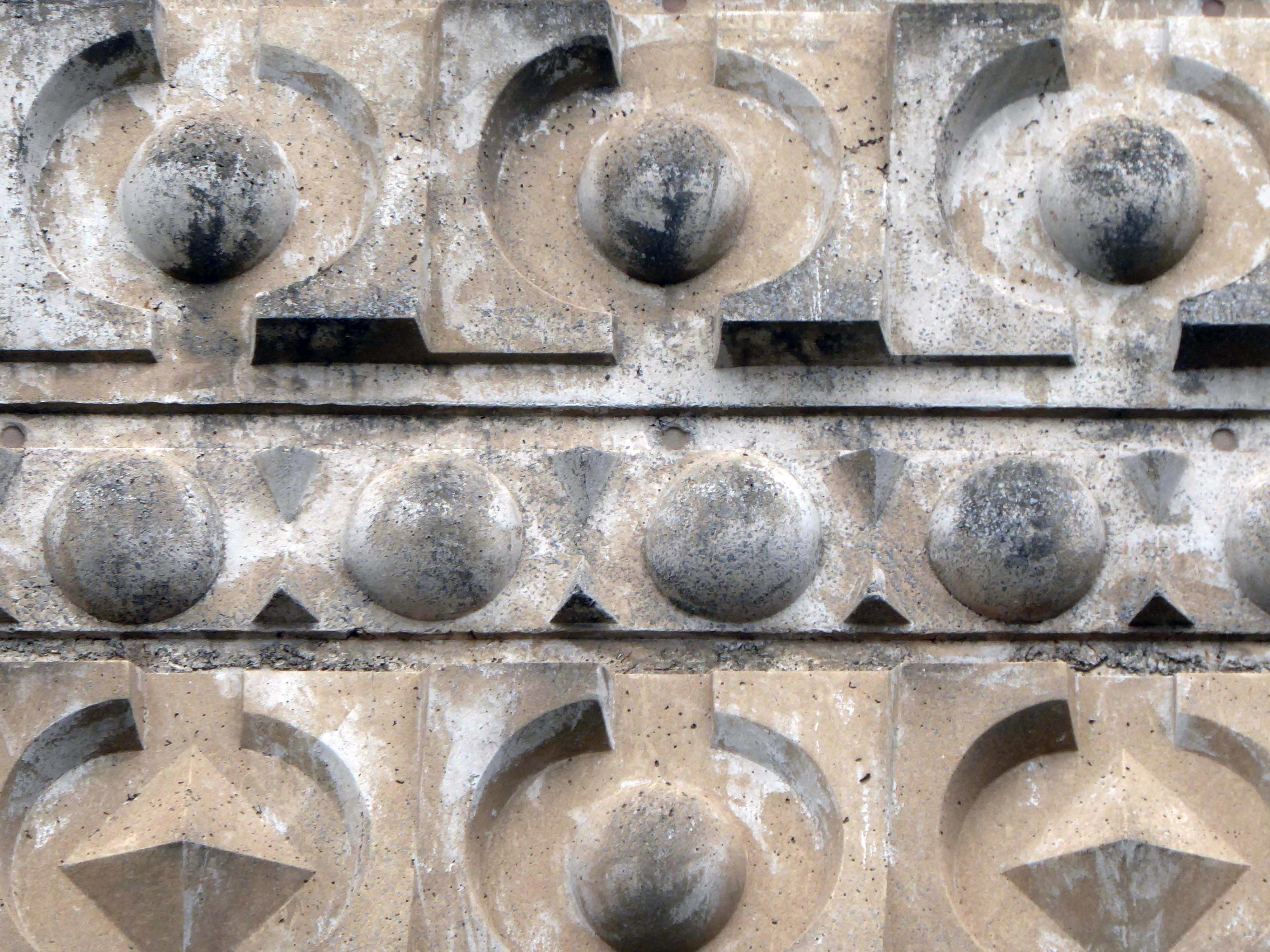
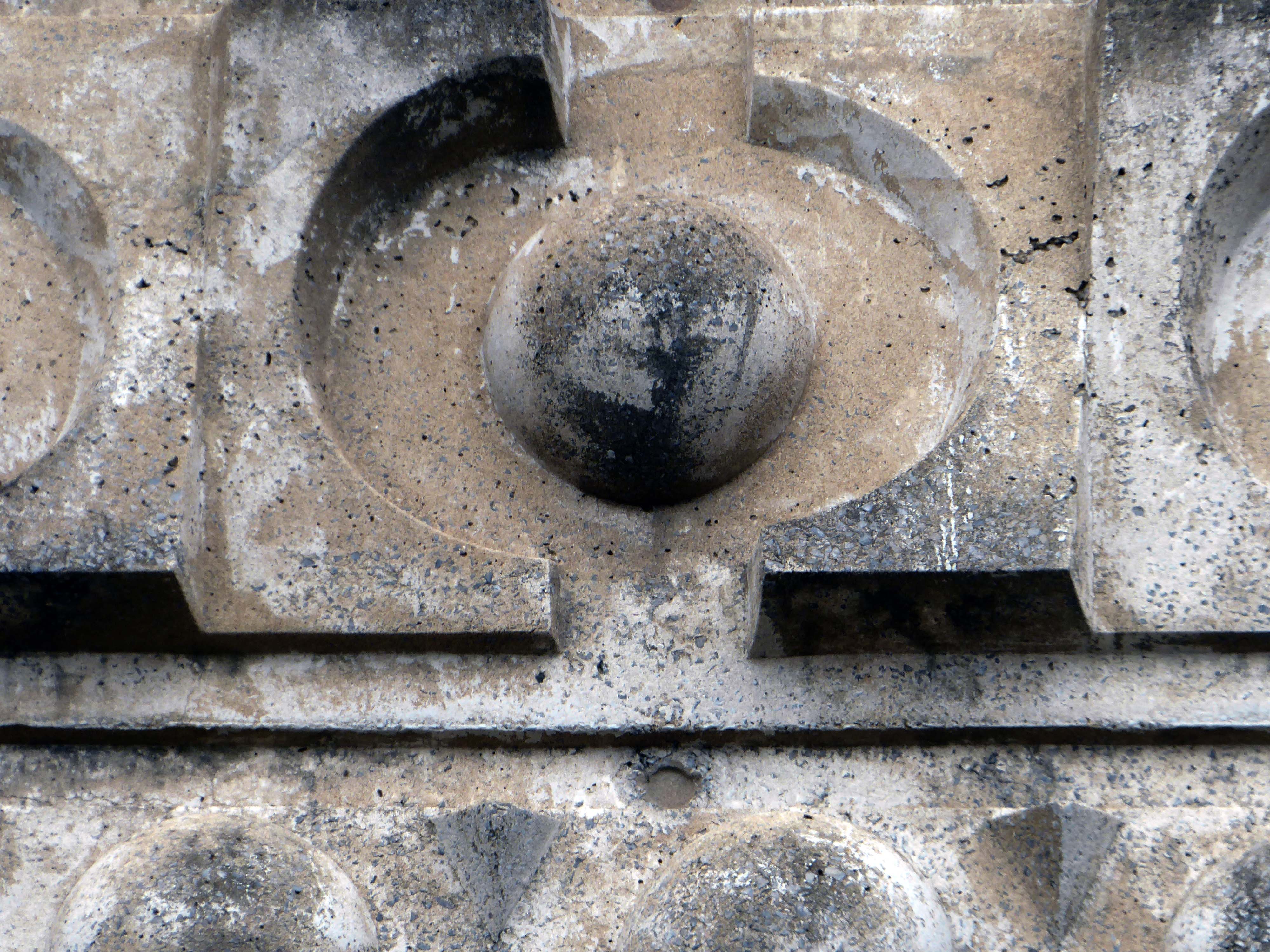
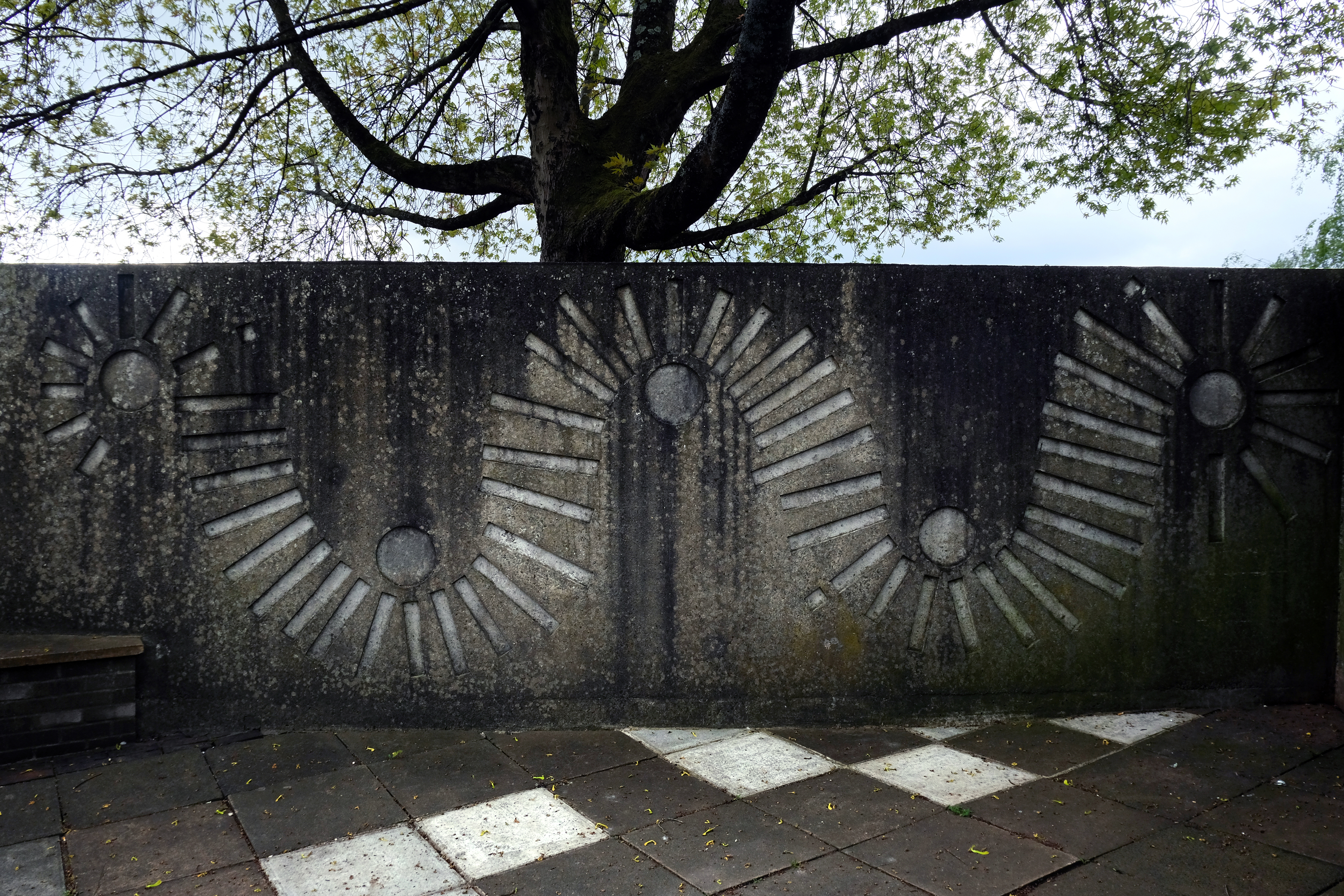
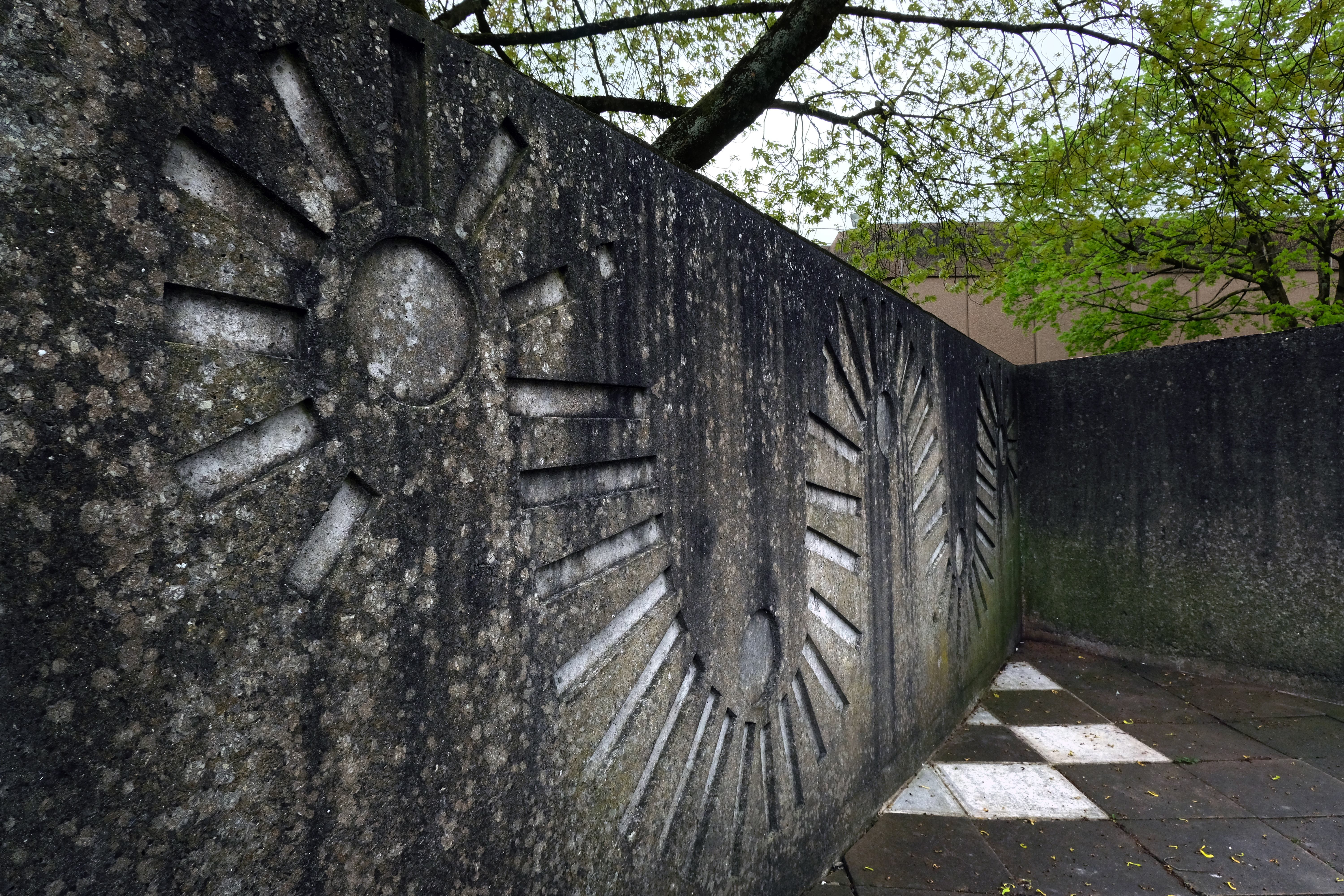
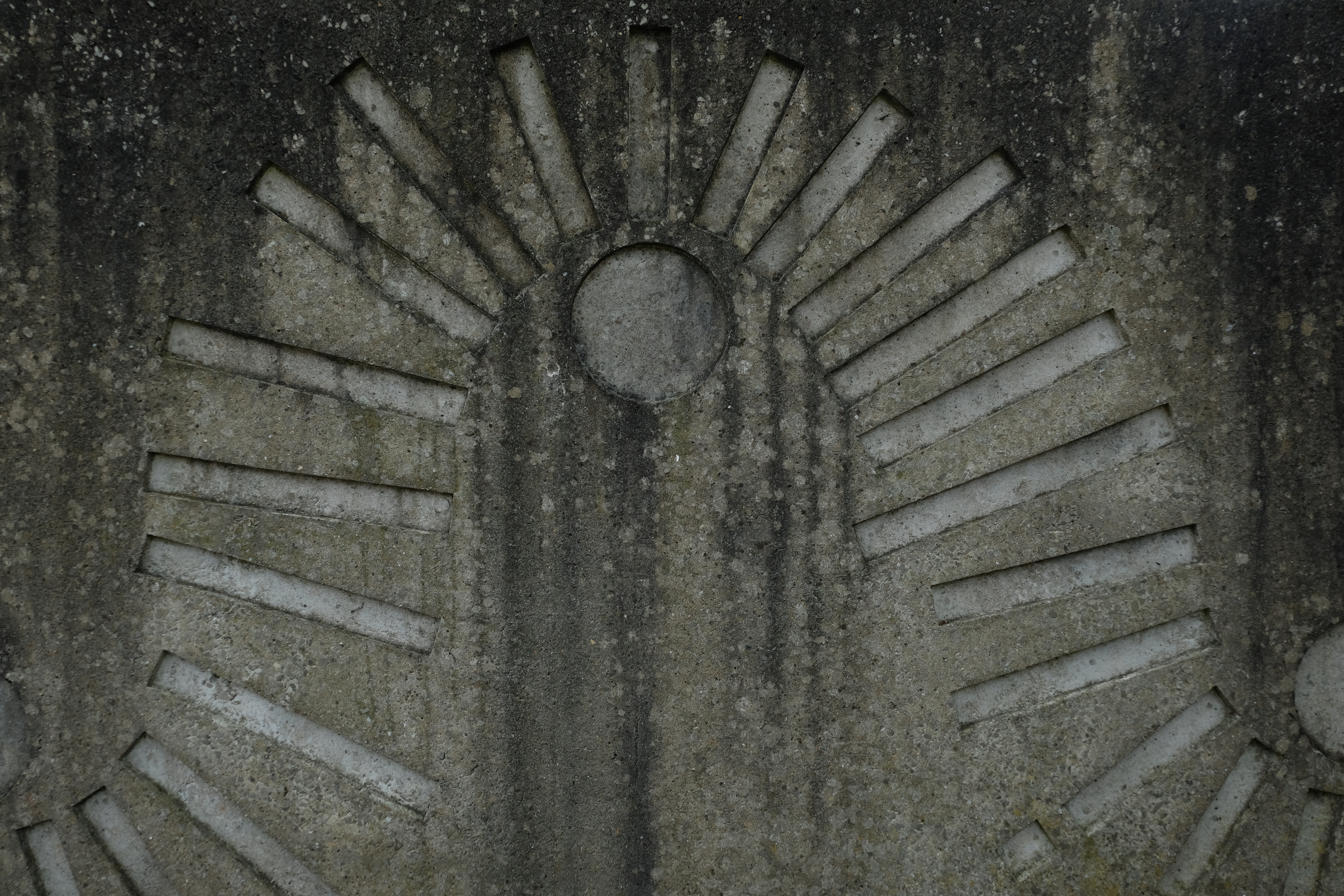
On the west side of the building are a series of three moulded concrete relief panels designed by Joyce Pallot and Henry Collins for the MEPC, the Cwmbran Development Corporation and the Cwmbran Arts Trust in 1974. The panels depict scenes representing different phases of the history of Gwent: Iron Age and Roman, Medieval and Industrial.
The work of Joyce and Henry is well known here at the modern mooch having visited Newcastle, Bexhill and of course Stockport. There are also examples in their hometown Colchester, Gloucester and Southampton.
Joyce Pallot 1912-2004 and Henry Collins 1910-1994 – two artist/designers, who along with John Nash, established the Colchester Art Society, during the 1930s.
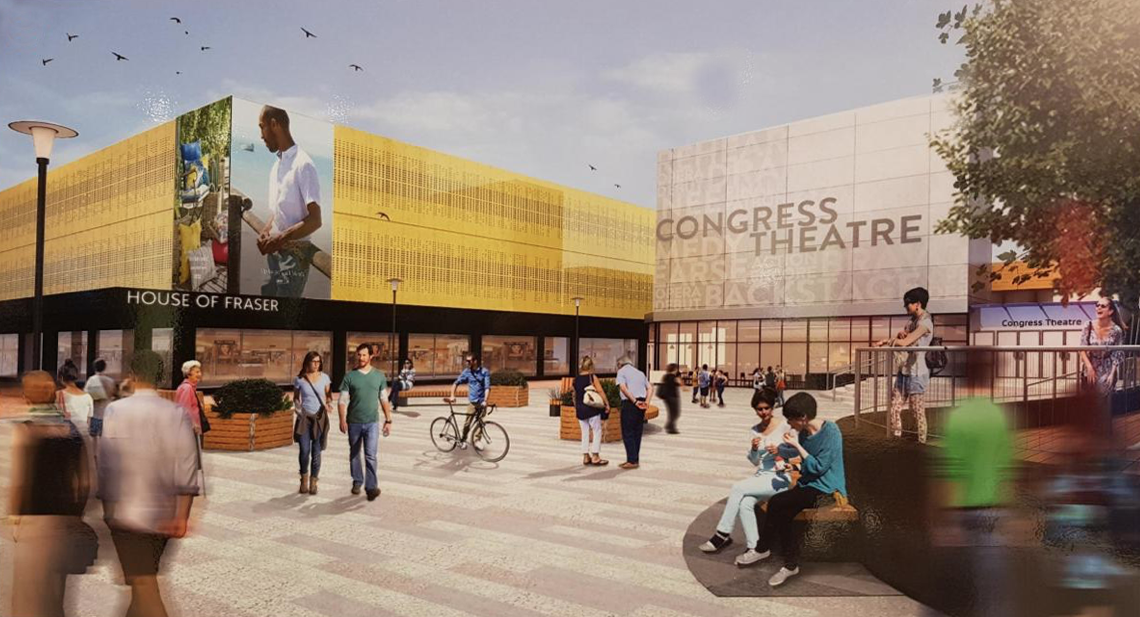
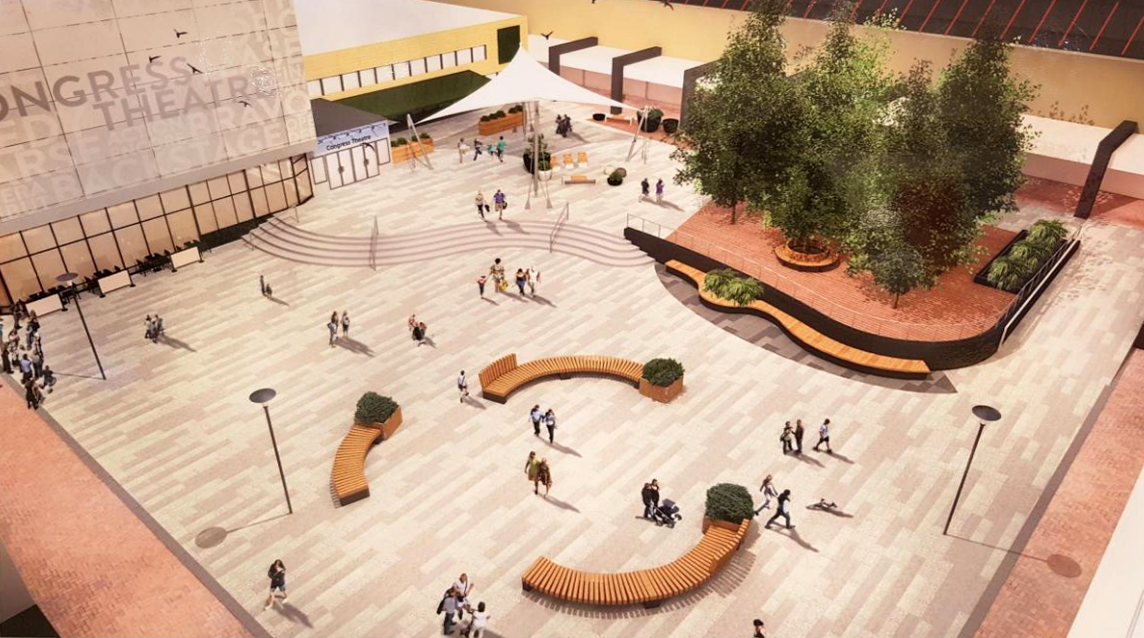
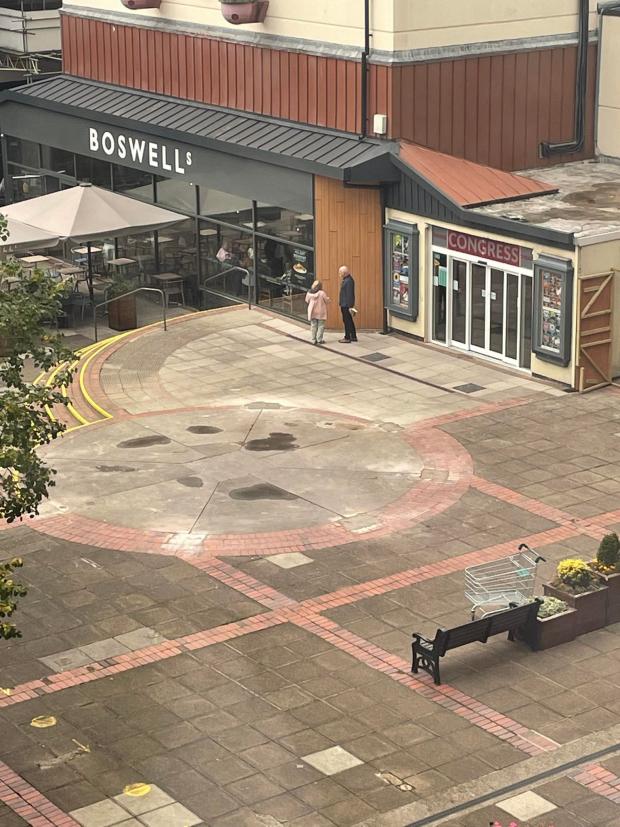
The square it seems is due to be revamped as part of the broader regeneration plans.
Literature displayed at the public consultation said improvements in Monmouth Square aim to -introduce colour into what is a lacklustre space.
One hopes that these important public arts work survive the transformation.
September 2022 the bandstand was demolished.
Photo: Rhiannon Jones
Lia Jones said:
The bandstand was a well-known centre point for the area. I really wish it had been kept in the design for the area, they should have relocated it instead of getting rid of it all together.
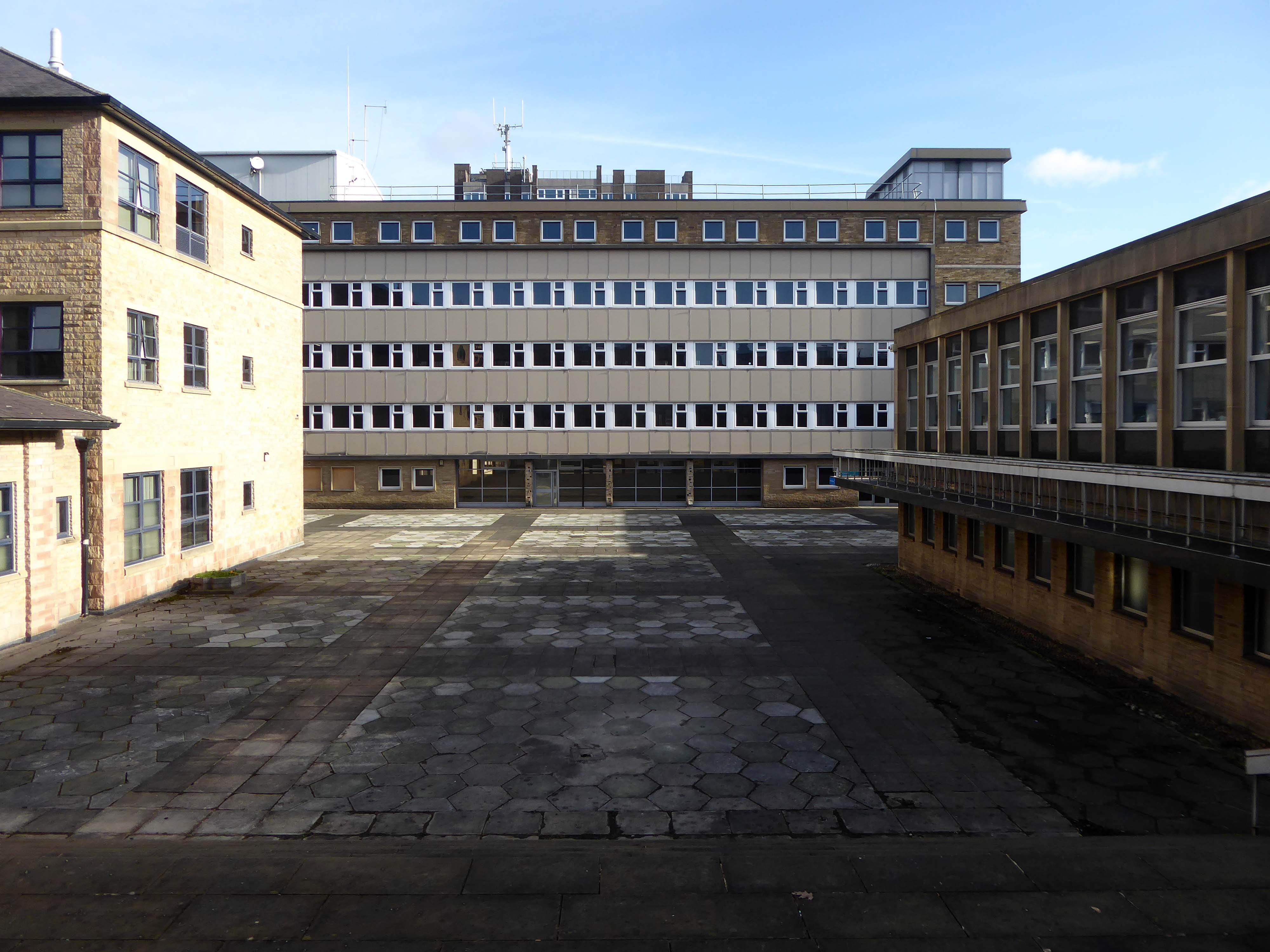
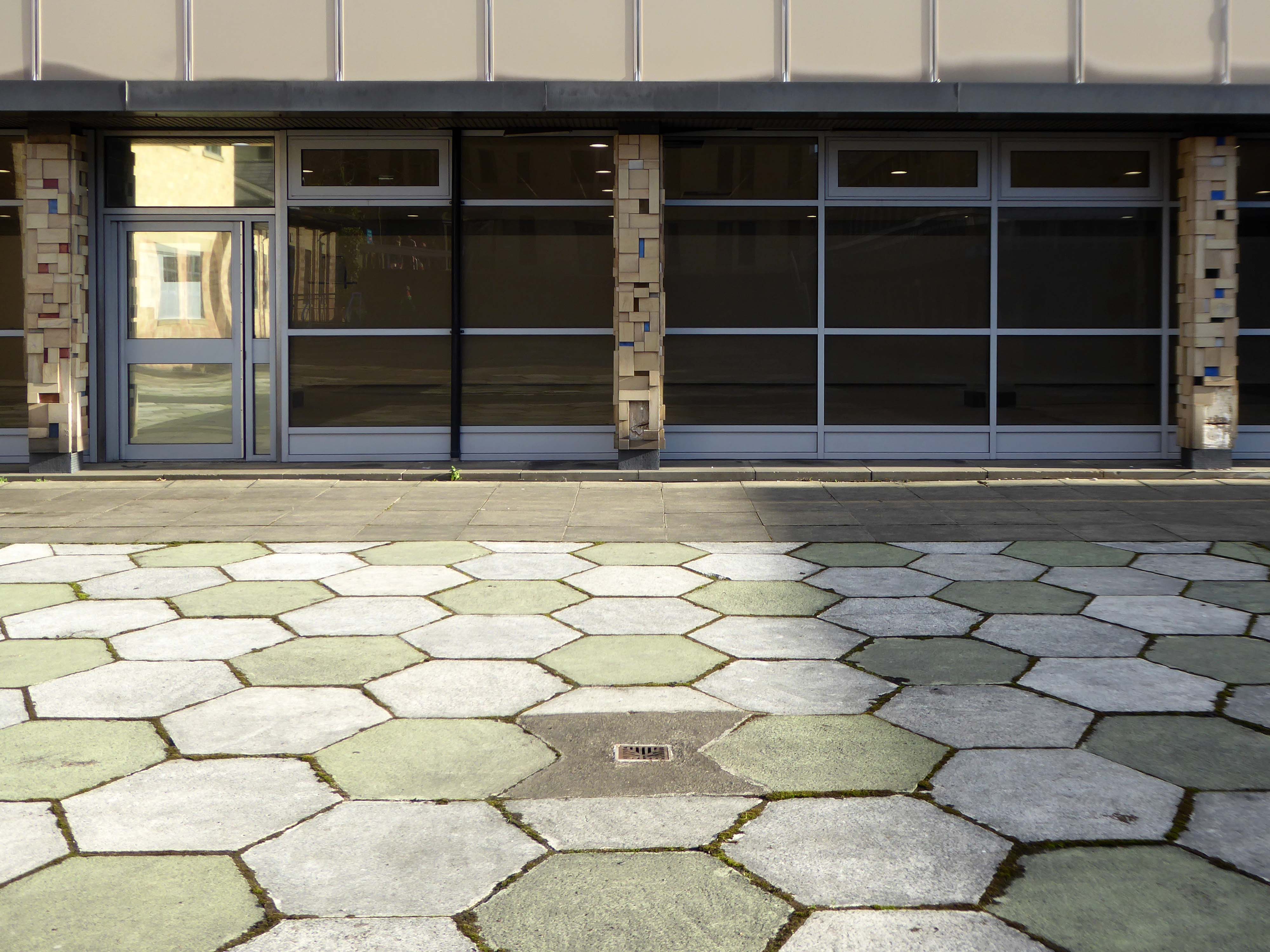
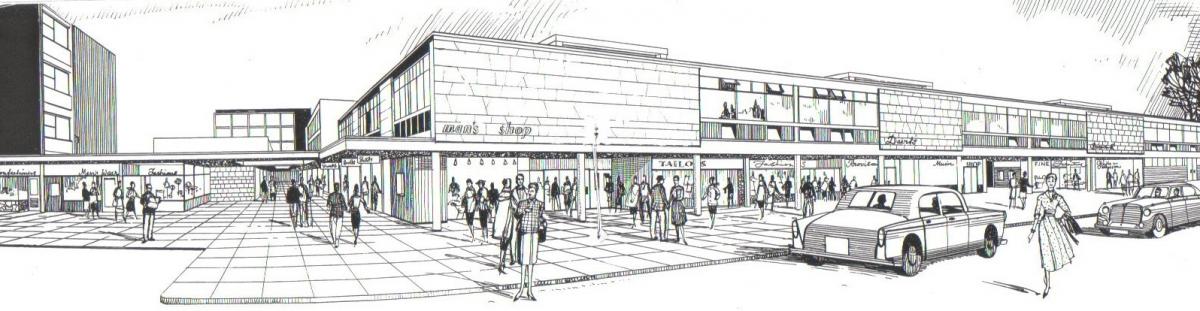
Built between 1963 and 1967, the centre comprised 18 shops, a childrens playground, public toilets, a health and dental centre, and a combined public house and community centre. The unit centre was designed by Chief Architect of the CDC, Gordon Redfern, and was architecturally the most innovative and ambitious unit centre within Cwmbran New Town. To combat the exposed nature of the site together with the ‘high rainfall, mists and variable winds’ prevalent in the area, Gordon Redfern designed an enclosed, high-sided space that would physically and mentally shield shoppers during their visits. This protective environment extended to creating a central play area that could be viewed from the shops, allowing a more enjoyable experience for children. Four different shops types were provided on increasing floor footage for facilities ranging from barbers to grocery shop, all with storage to the first floor and eight, on the south-west side, with a two-bedroom maisonette above. To enhance the architectural impact of the scheme, Redfern created each unit on an hexagonal plan despite the inefficiences in floor space usage and additional costs in creating the fixtures and fittings. The CDC also fitted out each of the uits to a customised requirement – for example the Post Office unit was pre-fitted with a telephone booth, posting box, stamp machine and half-glazed panel for advertising services.
The structural engineers were Ove Arup & Partners, the builders were Gee, Walker & Slater. Construction costs for the scheme were estimated at £214,106. The unit centre was opened 12 September 1967, shared with the opening of Monmouth House, both undertaken by Rt. Hon. James Callaghan, M.P. A scathing article written the following month by architectural critic Ian Nairndismissed the design as a ‘kind of in-turned medieval village … an oasis of picturesqueness in a desert of statistical units’ designed for, rather than with, the inhabitants and therefore destined for commercial failure.
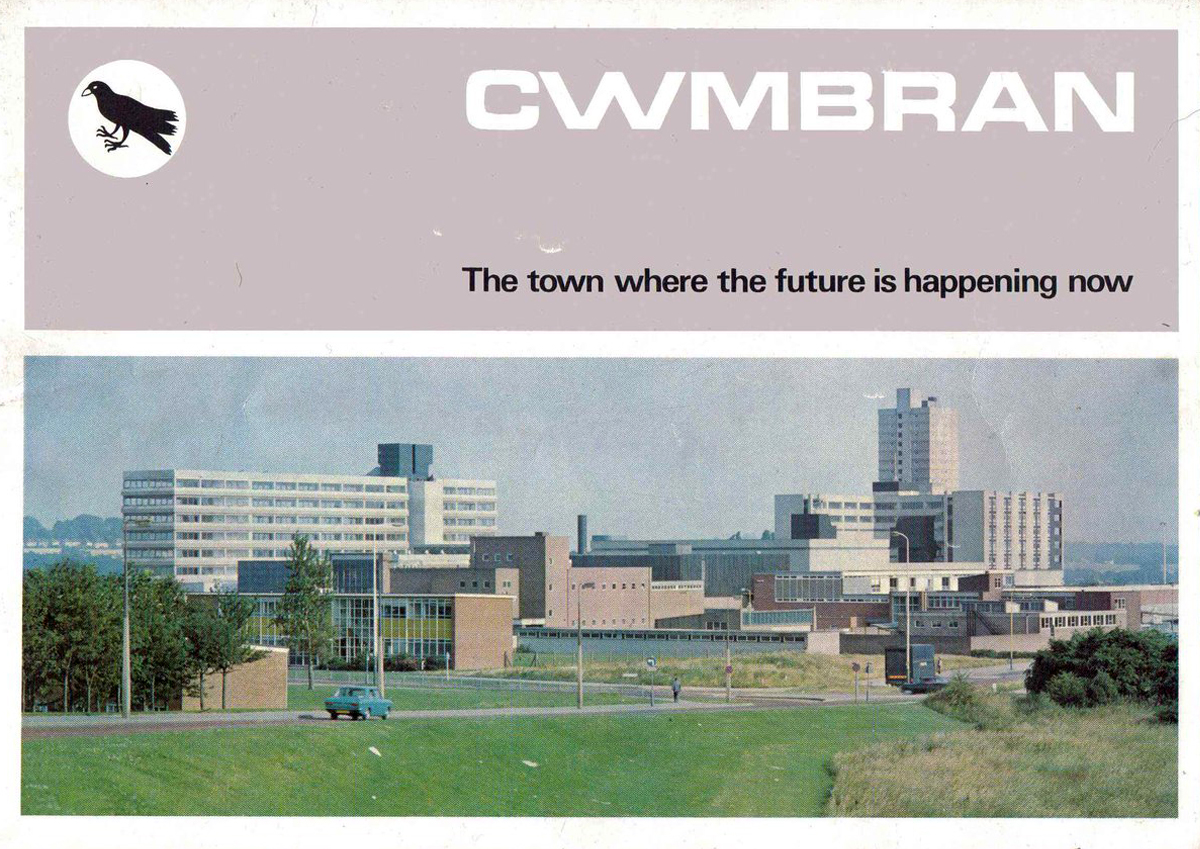
In 1949, the then Minister for Town and Country Planning, John Silken, designated an area of 31,000 acres surrounding the village of Cwmbran to be the first new town in Wales. Unlike the first generation new towns, the aim of Cwmbran was to provide housing and a range of facilities for those employed in existing industry but who lived in poor housing in the neighbouring valleys.
A master plan was implemented to achieve the objective for the town. However, as the town developed, the projected size of the town had to increase and many of the plans ideals were diluted as the Southwest expansion area was approved in 1977.
In fact, due to the planned nature of Cwmbran, there now exists few opportunities for new development within the town. This has meant intense development pressure on the outskirts of Cwmbran from house builders and developers.
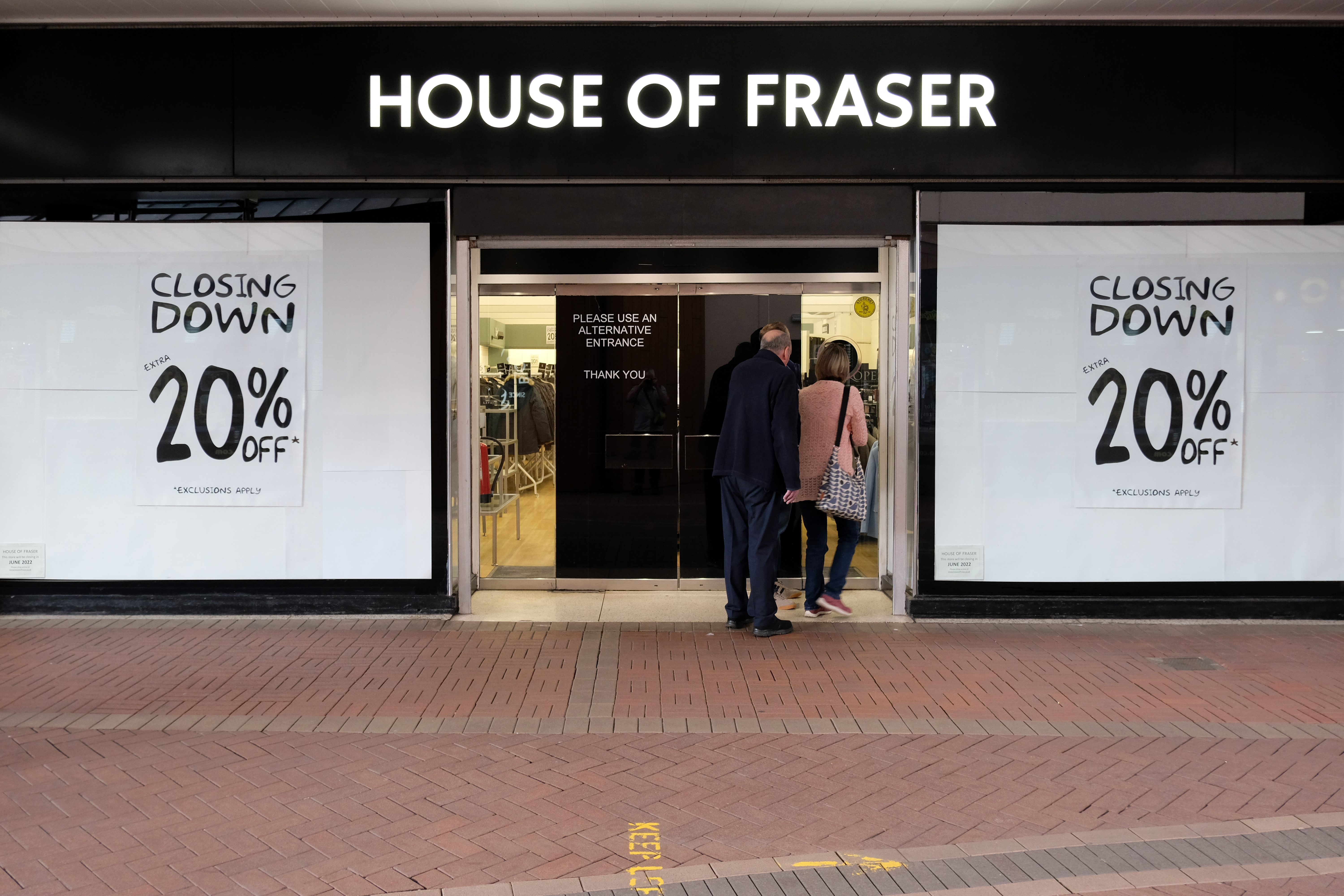
On the day of my visit the centre was busy with happy shoppers happily shopping – there were major works underway in line with the town’s new plans.
Cwmbran has also prospered from having a vibrant retail core. The Shopping Centre has a fully pedestrianised, multi purpose centre with covered shopping malls. There are over 170 retail outlets covering a total area of 700.000 sq. ft, including a number of popular high street retailers, restaurants, a theatre and cinema. Accordingly, the town is now considered to be a sub regional centre, and the intention is that this retail focus will be increased by regeneration of the eastern side of the town.
Now 50 years on parts of the town are in need of renovation. Through various public and private partnerships the aim of the Cwmbran Project Team is to set out a 15 year strategy for the regeneration and development of the new town, and begin its implementation.
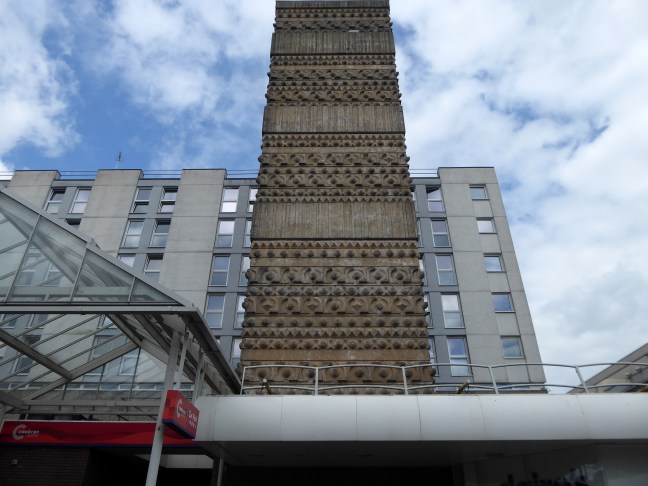
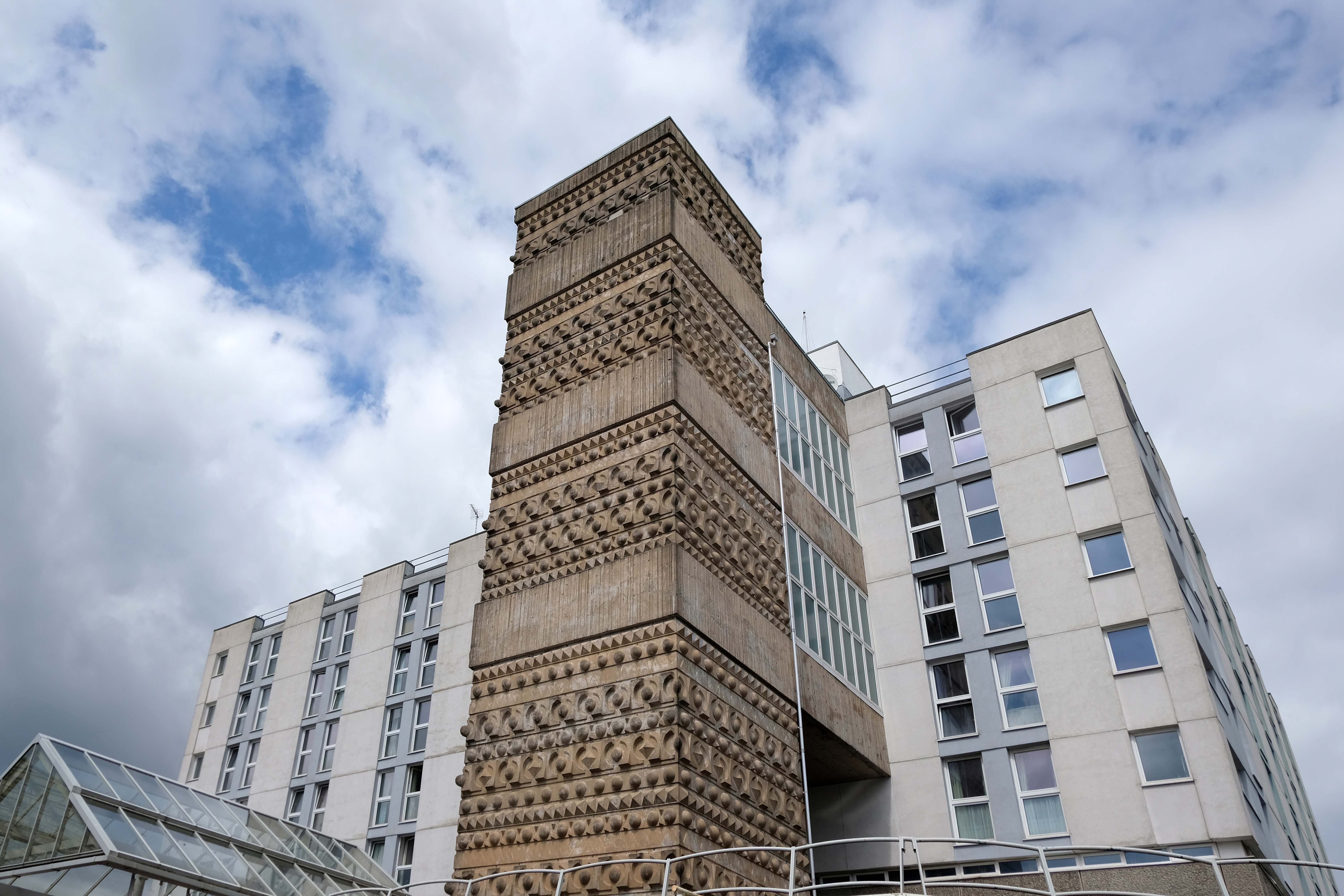
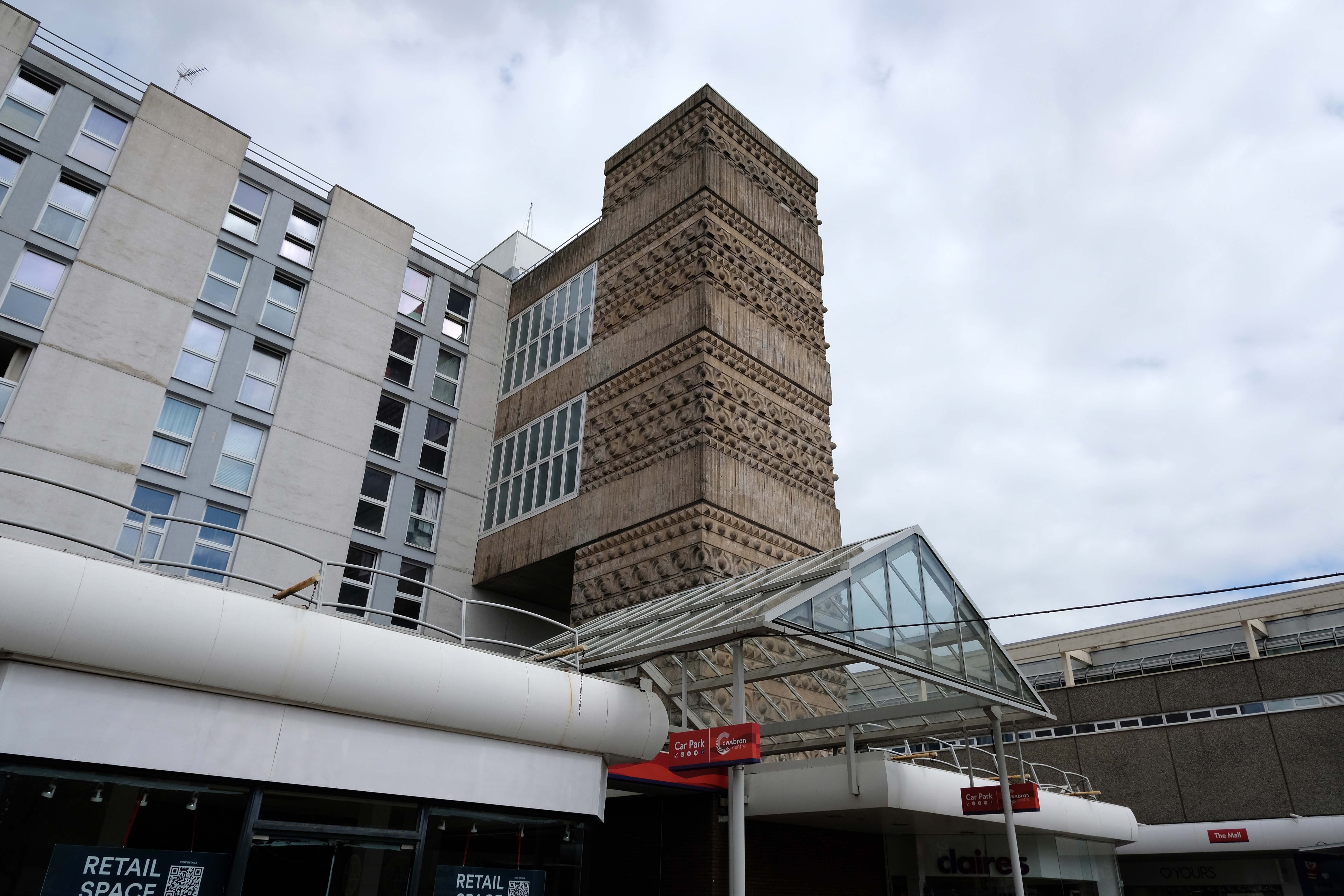
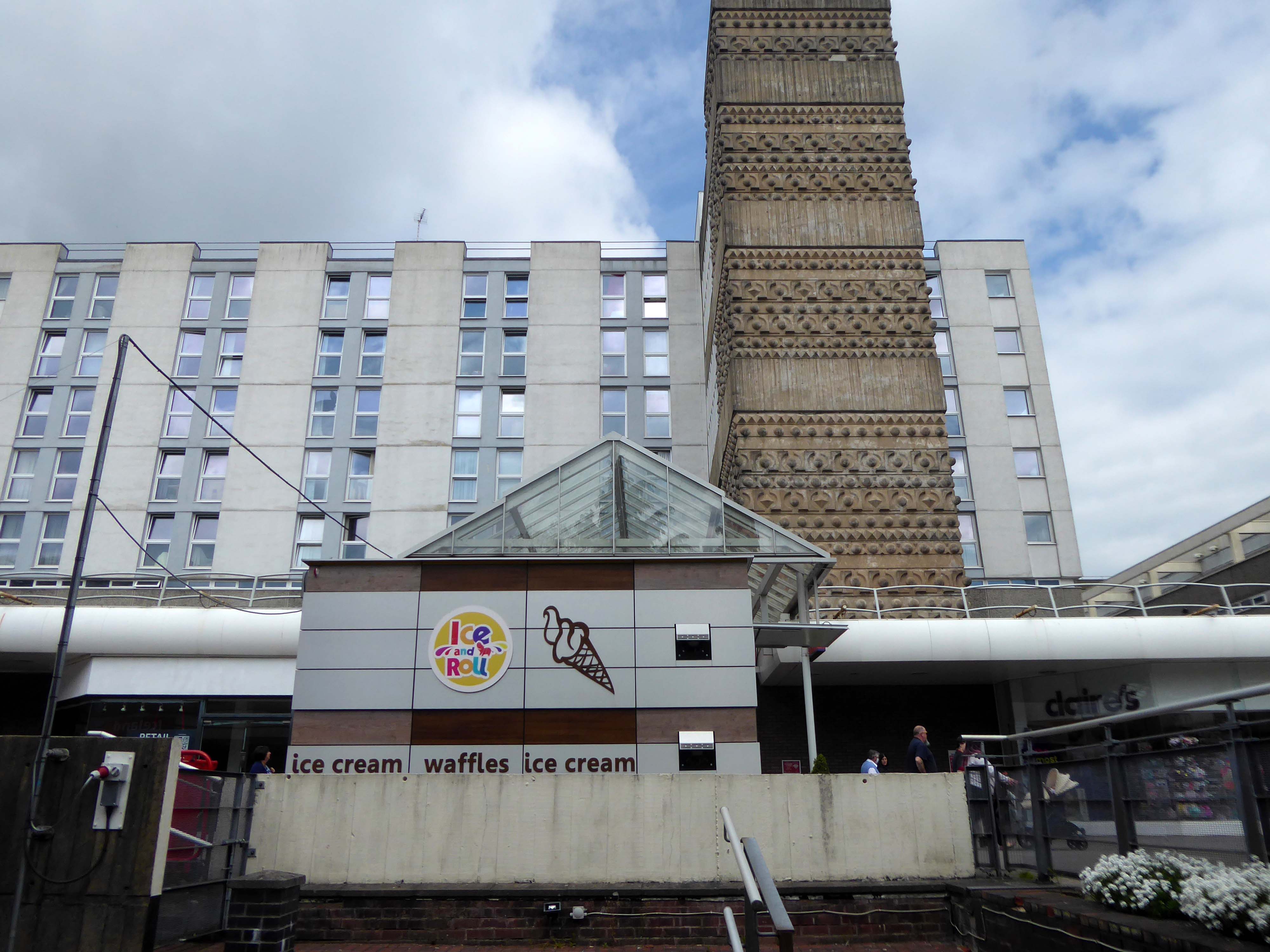
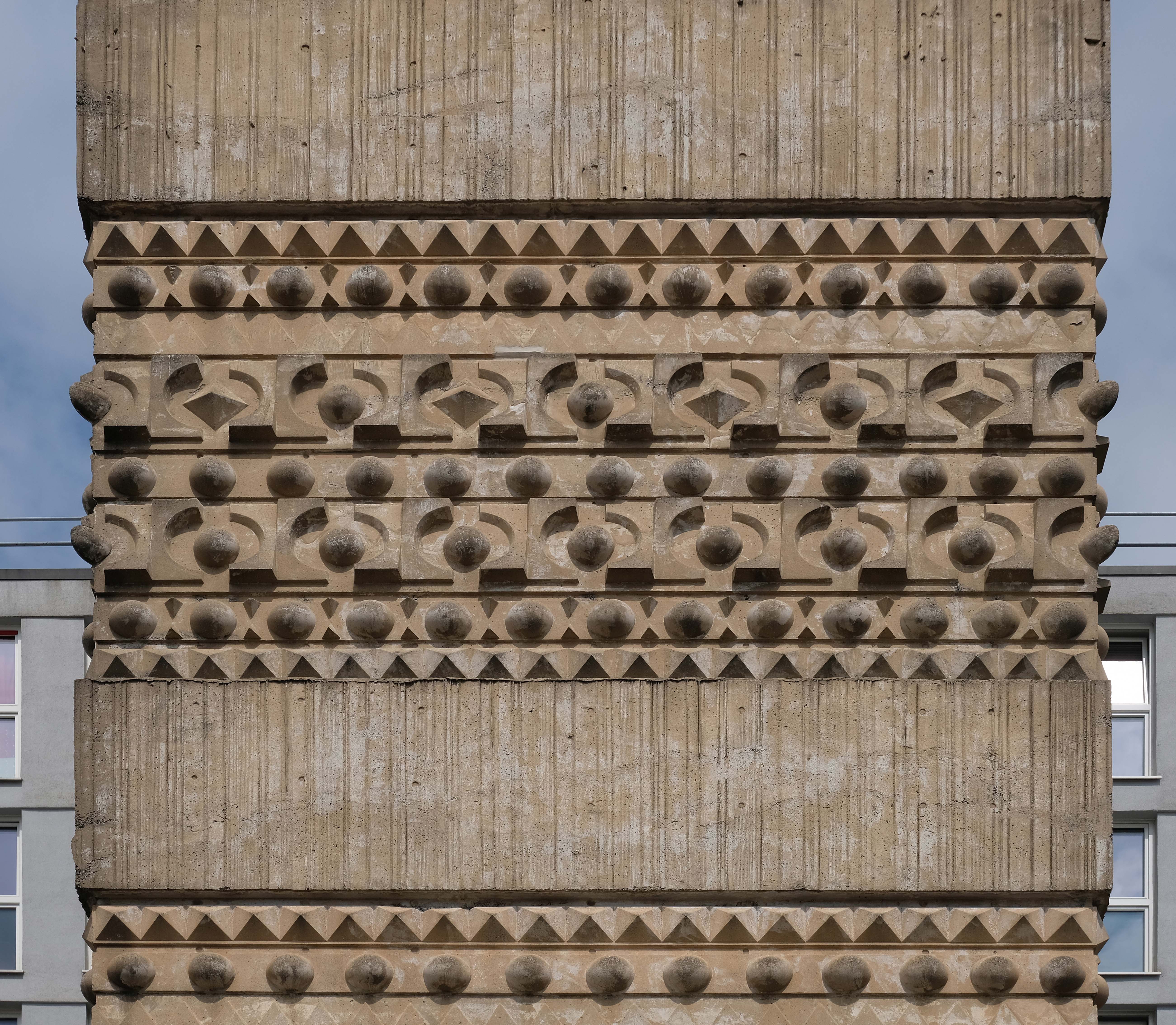
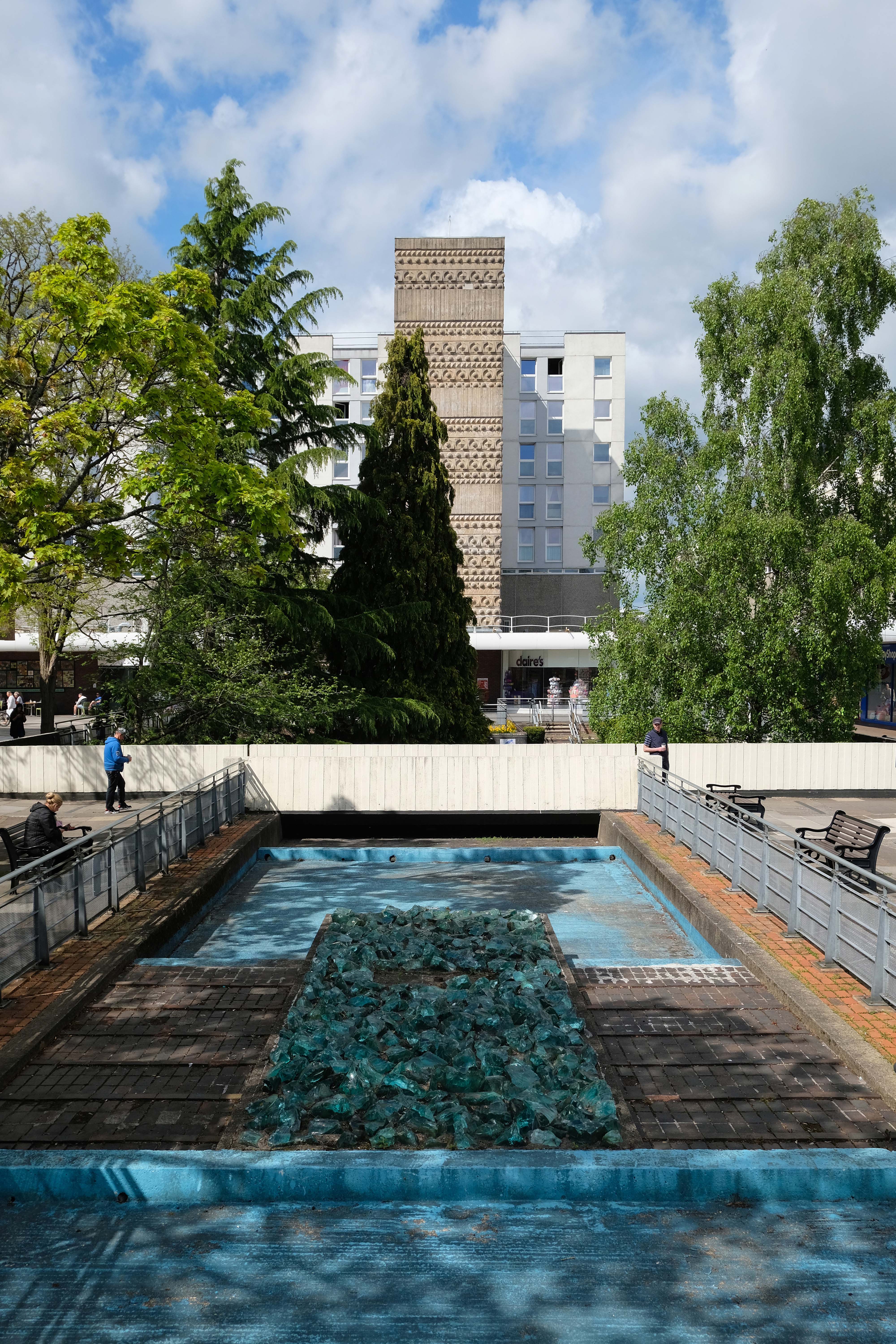
My primary interest concerned the public art in Monmouth Square – William Mitchell’s concrete clad lift shaft.
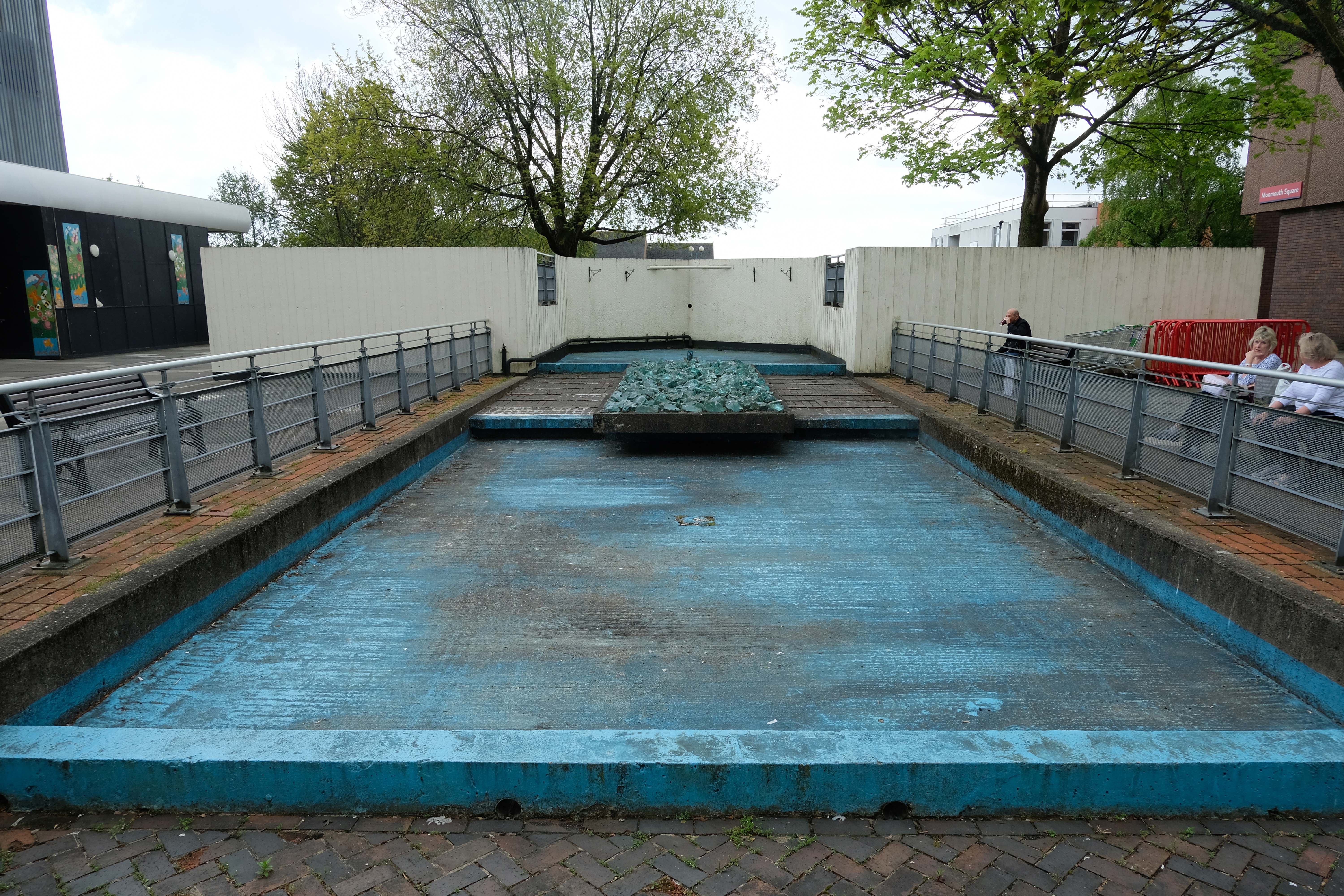
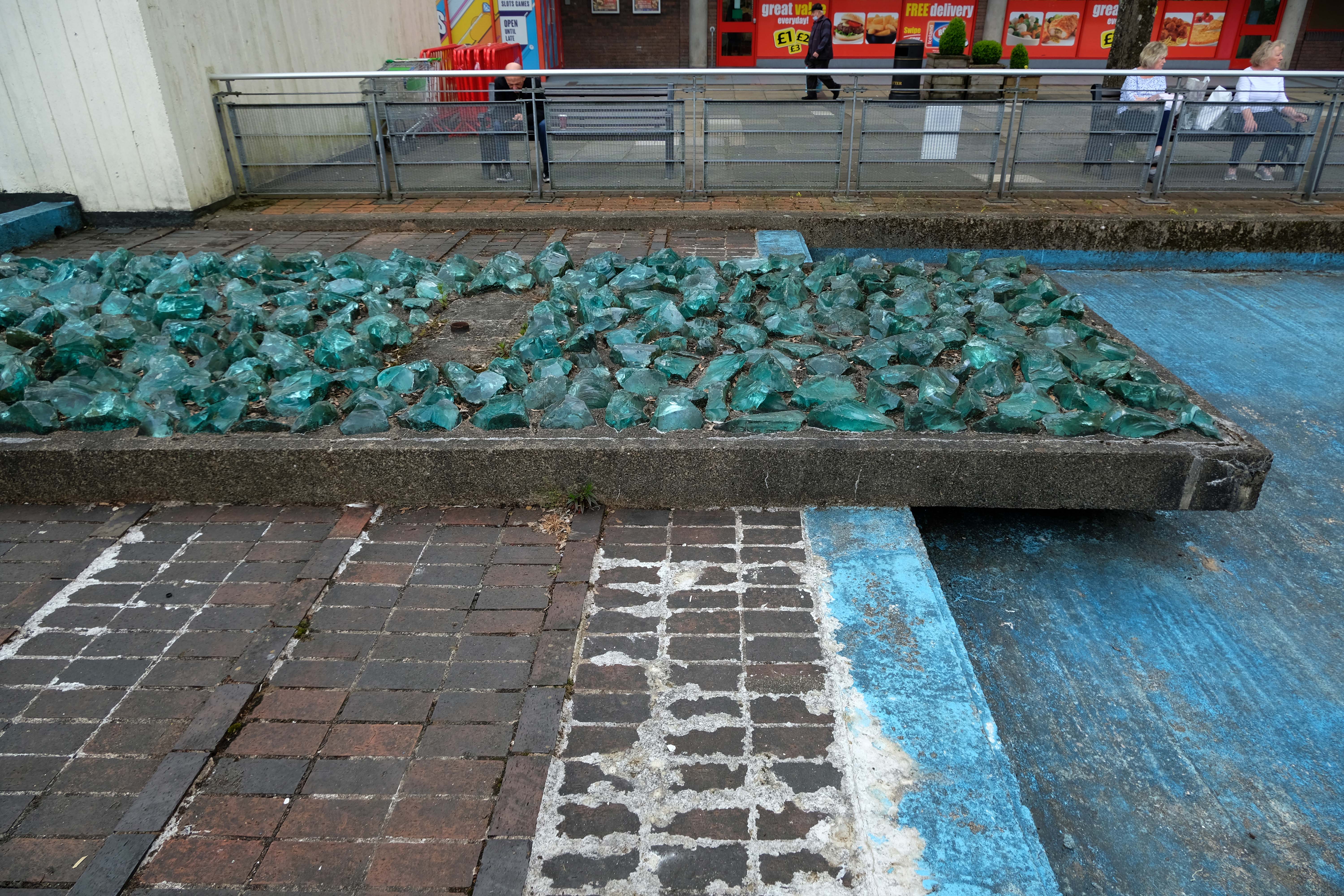
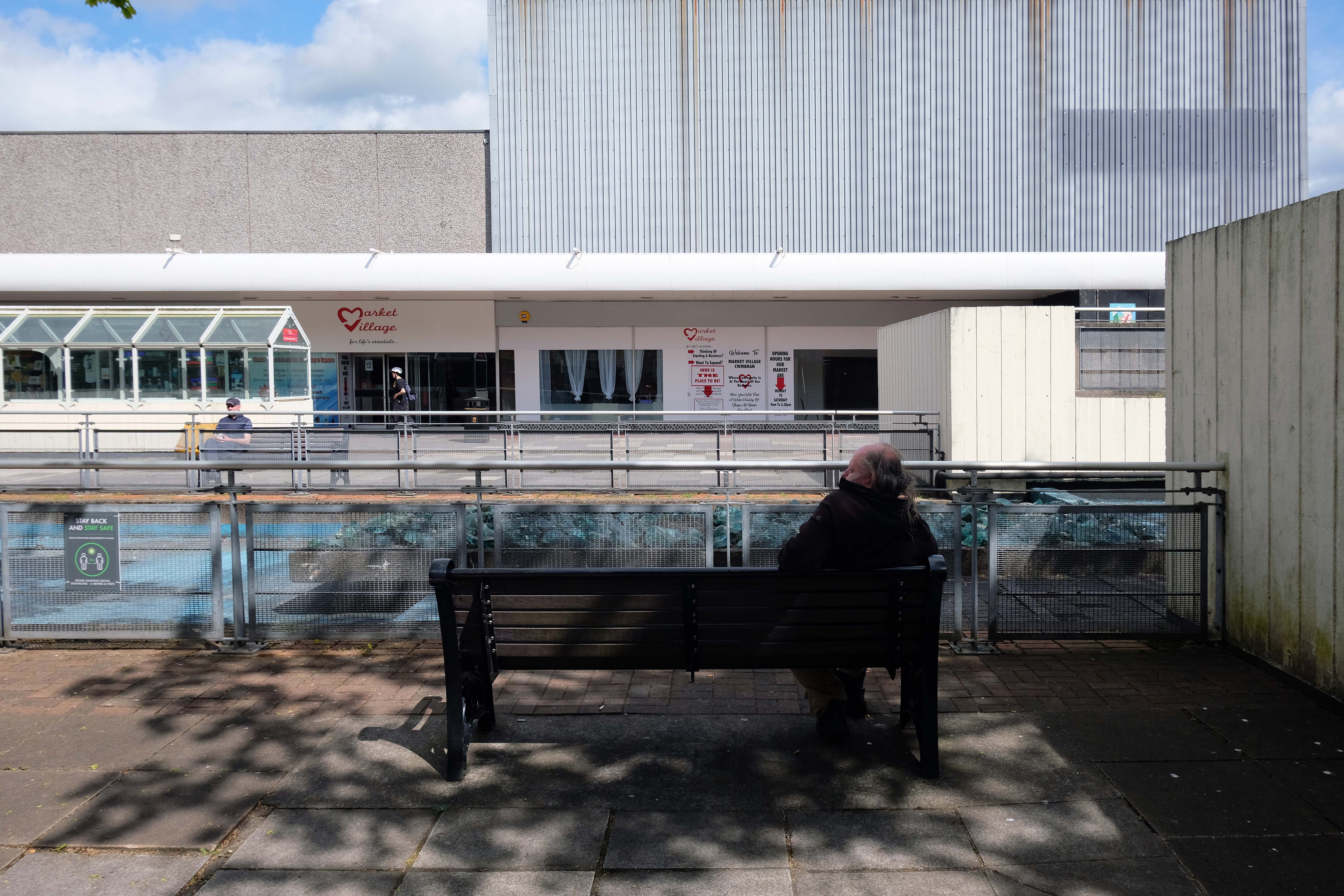
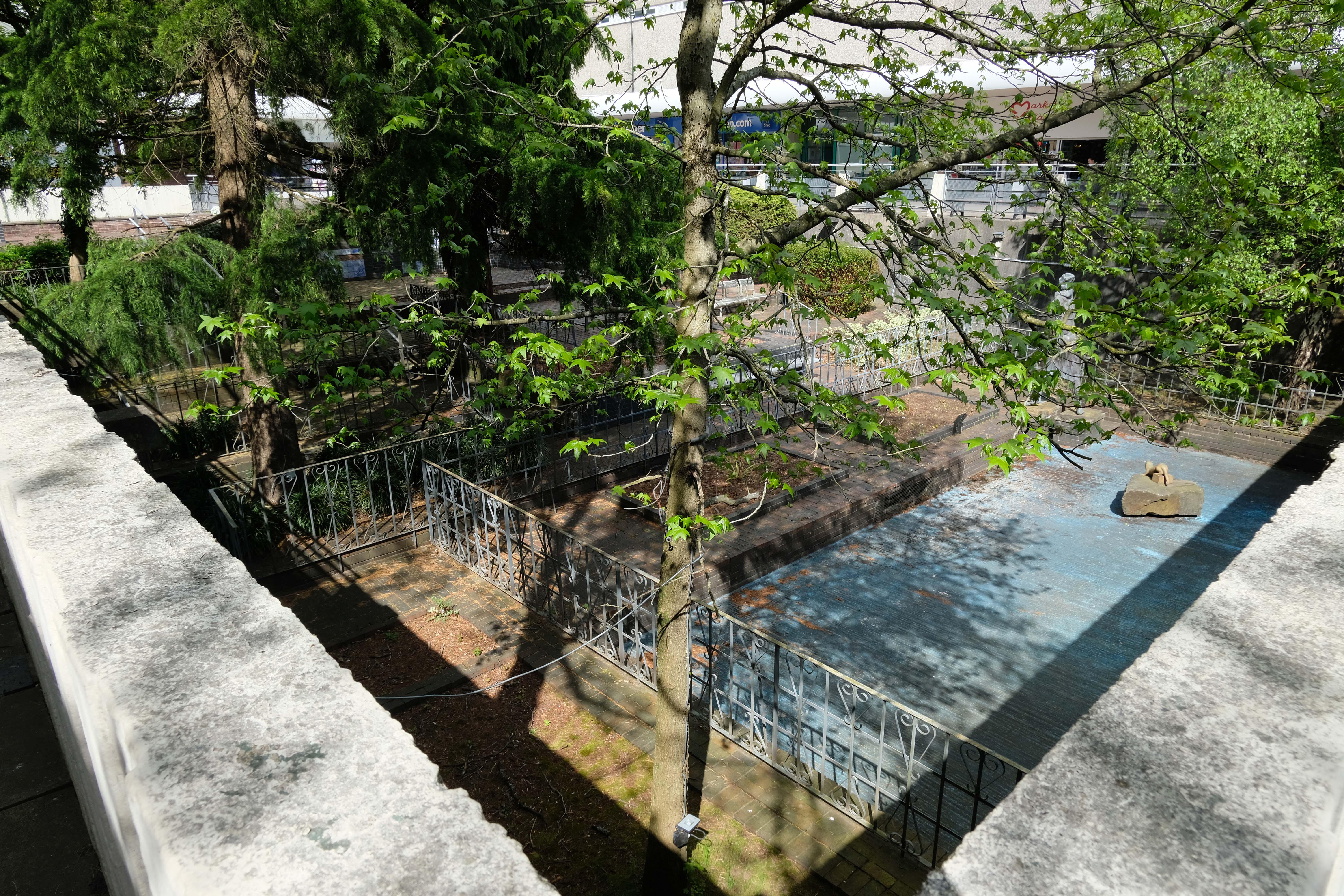
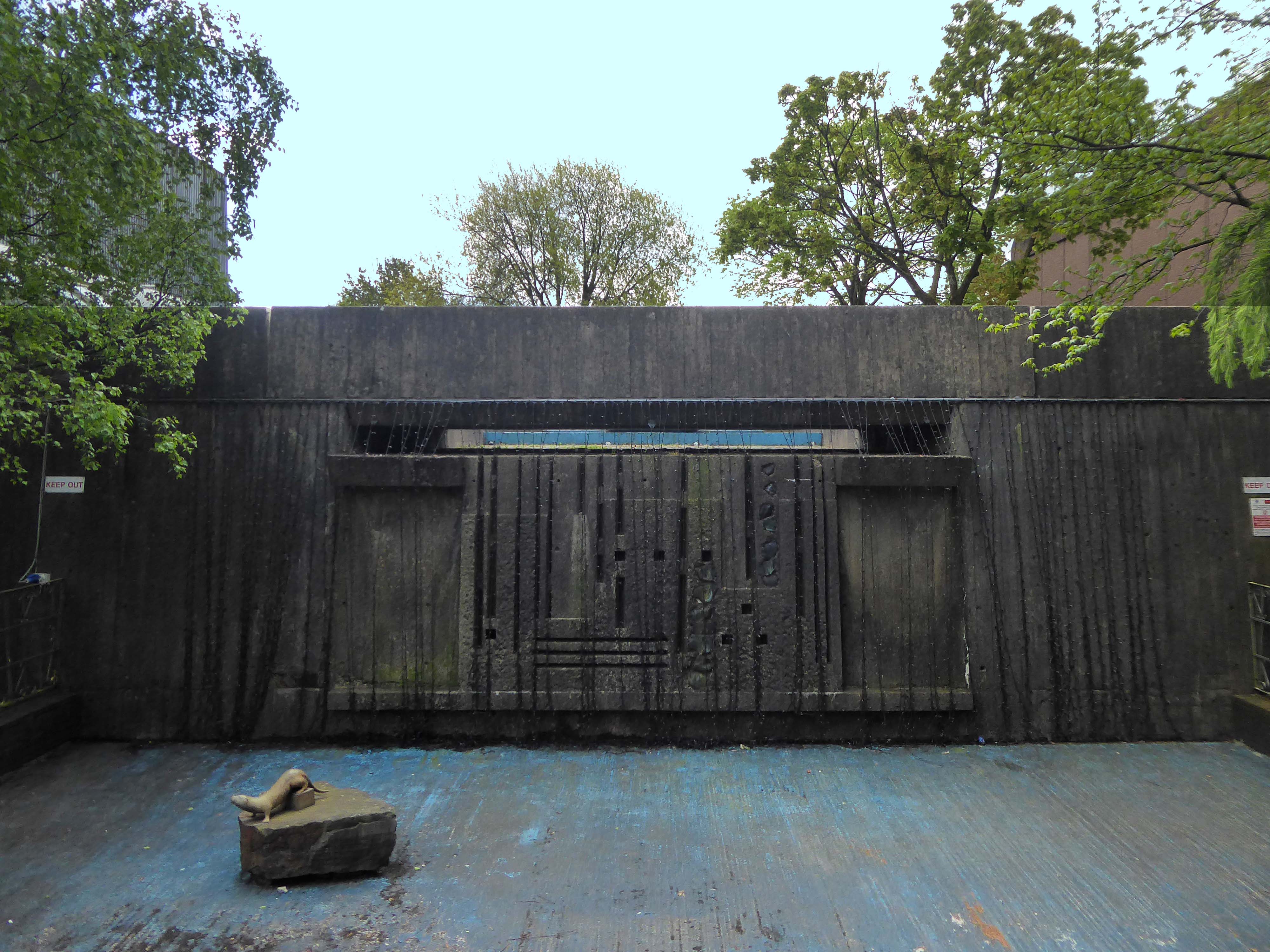
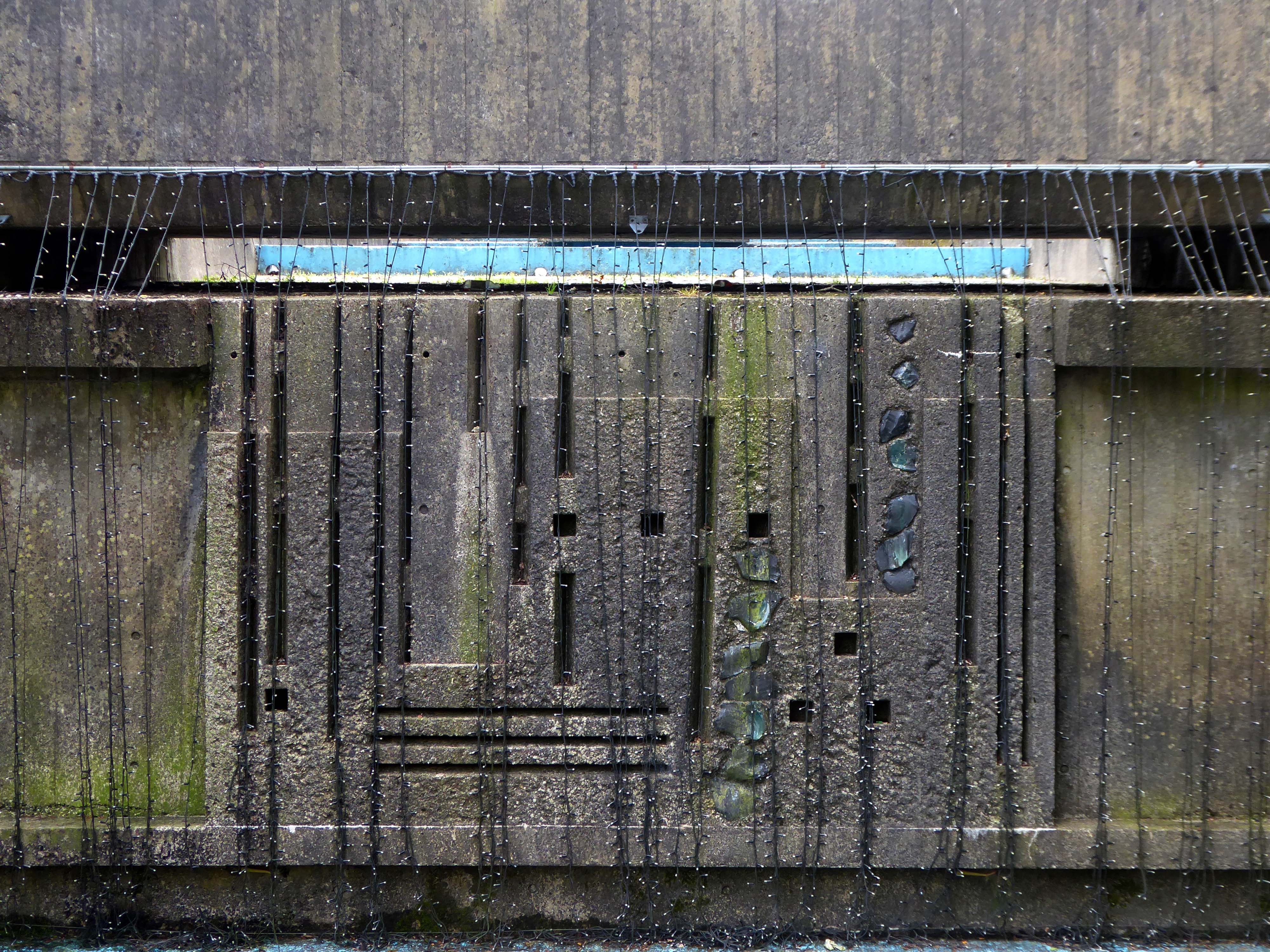
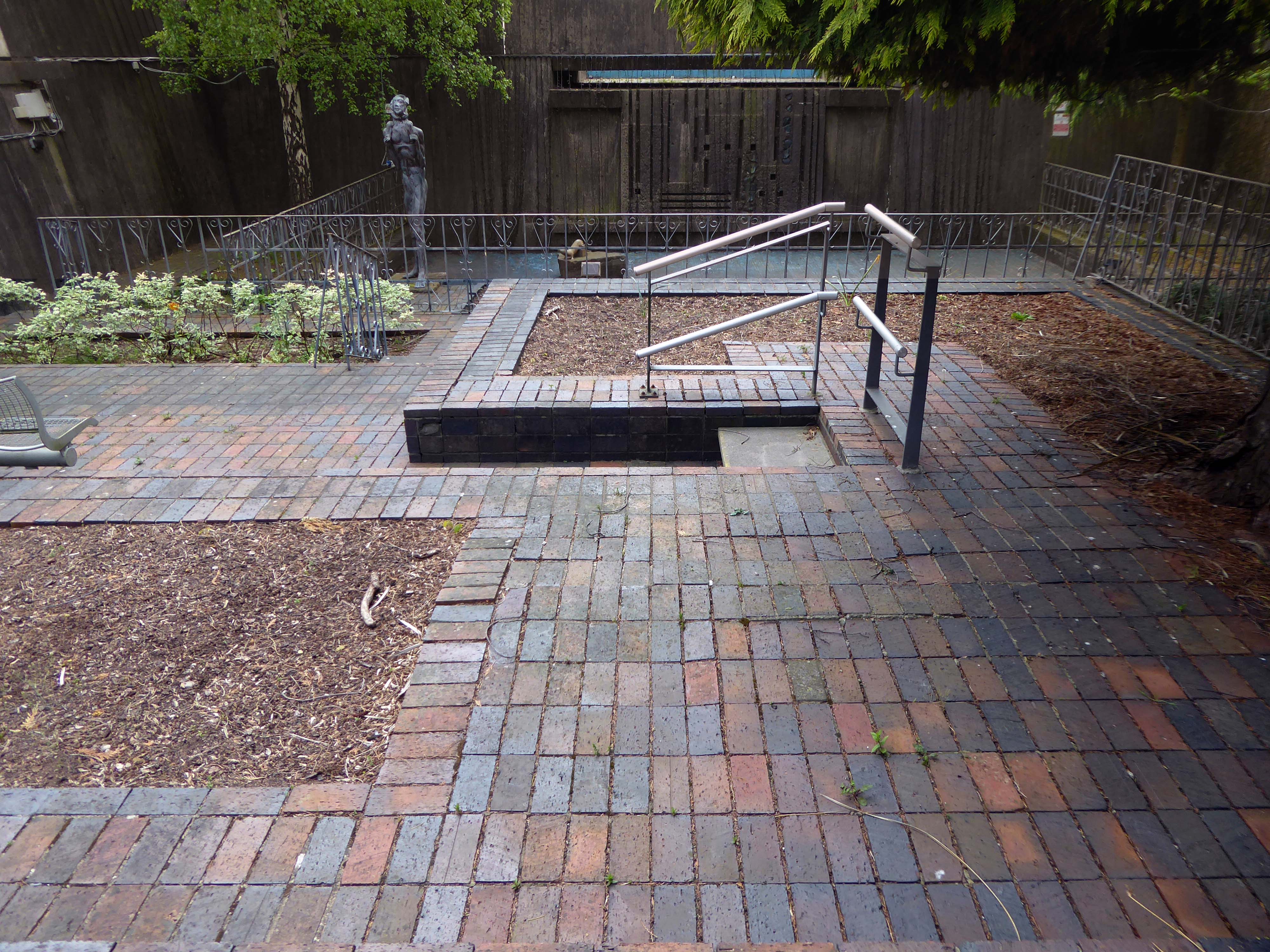
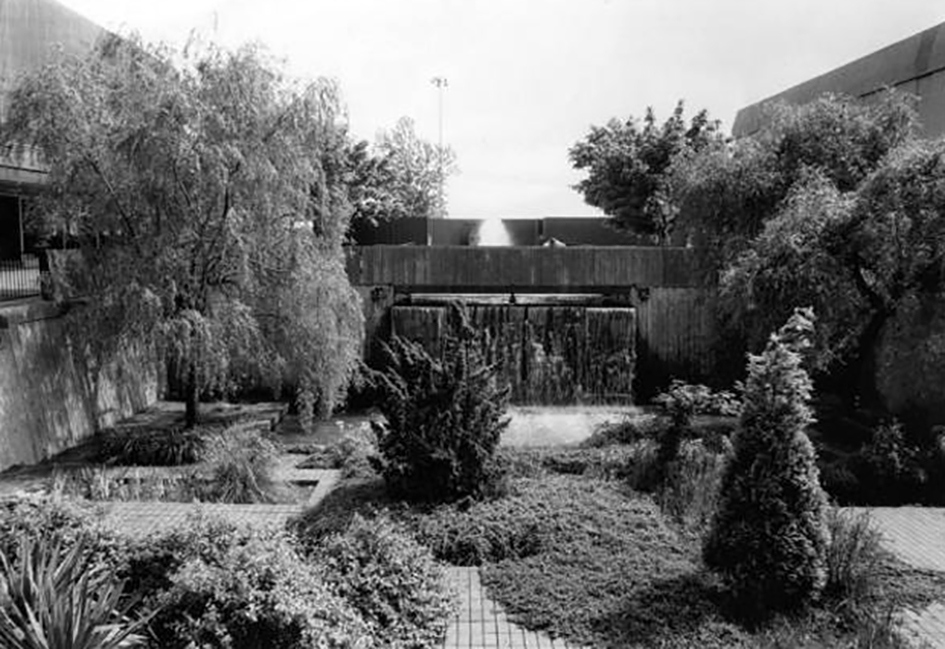
There is a water feature currently off limits and without the water that would elevate the feature to a fully functioning feature.
Plans proposed in 2018 could may herald the demise of this important public work of art.
Plans to level the water gardens in Monmouth Square at the Cwmbran Centre will be reviewed by Torfaen council’s planning committee.
The proposal also includes a modern café with a glazed front, the development of an events space to house farmers markets and street theatre and a green area.
Rebecca McAndrew, Torfaen council’s principal planning officer, said in the report that the water feature would be filled in and flattened as part of “an ongoing renovation programme”.
The application states that the area has a ‘weary and dated appearance’ and do not meet disability access requirements.
According to the report, the water gardens last flowed 13 years ago and its demolition would lead to further improvements at Wales’ second largest shopping centre.
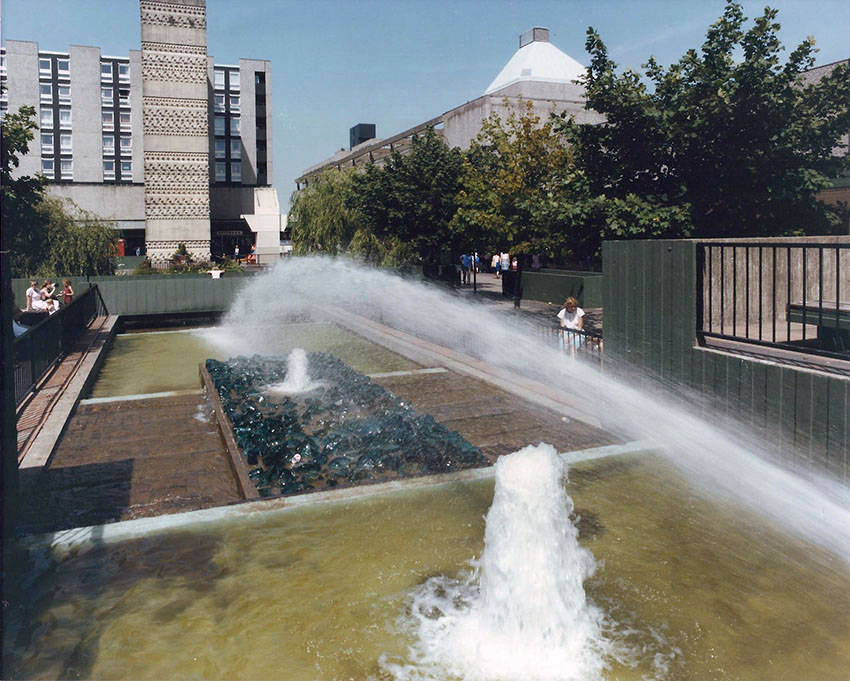
The Water Gardens were designed by the CDC Chief Architect Gordon Redfern as a key visual and recreational element of the Town Centre. His focus was on combining different textures in the form of hard landscaping and planting, with the sense of movement and sound created by running water. At the upper end a pool, containing an artwork created from Pilkington Glass, was fed by a horizontal water jet which was in turn led by a small ‘canal’ to the lower, sunken garden. With water cascading down the southern retaining wall, consisted of moulded concrete sporting abstract geometric form, and variety of trees and shrubs, this formed an area for busy shoppers and families to relax and socialise.
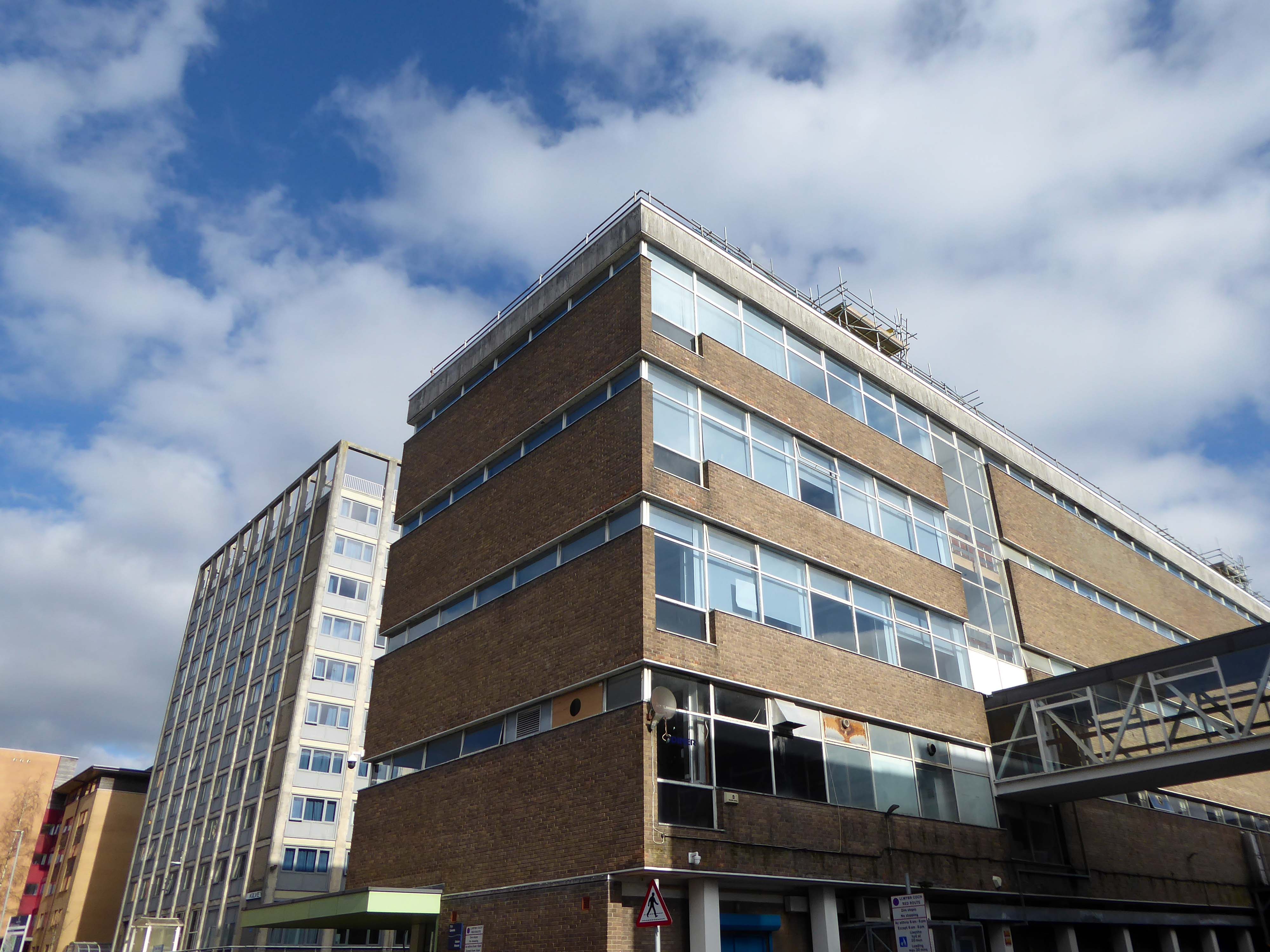
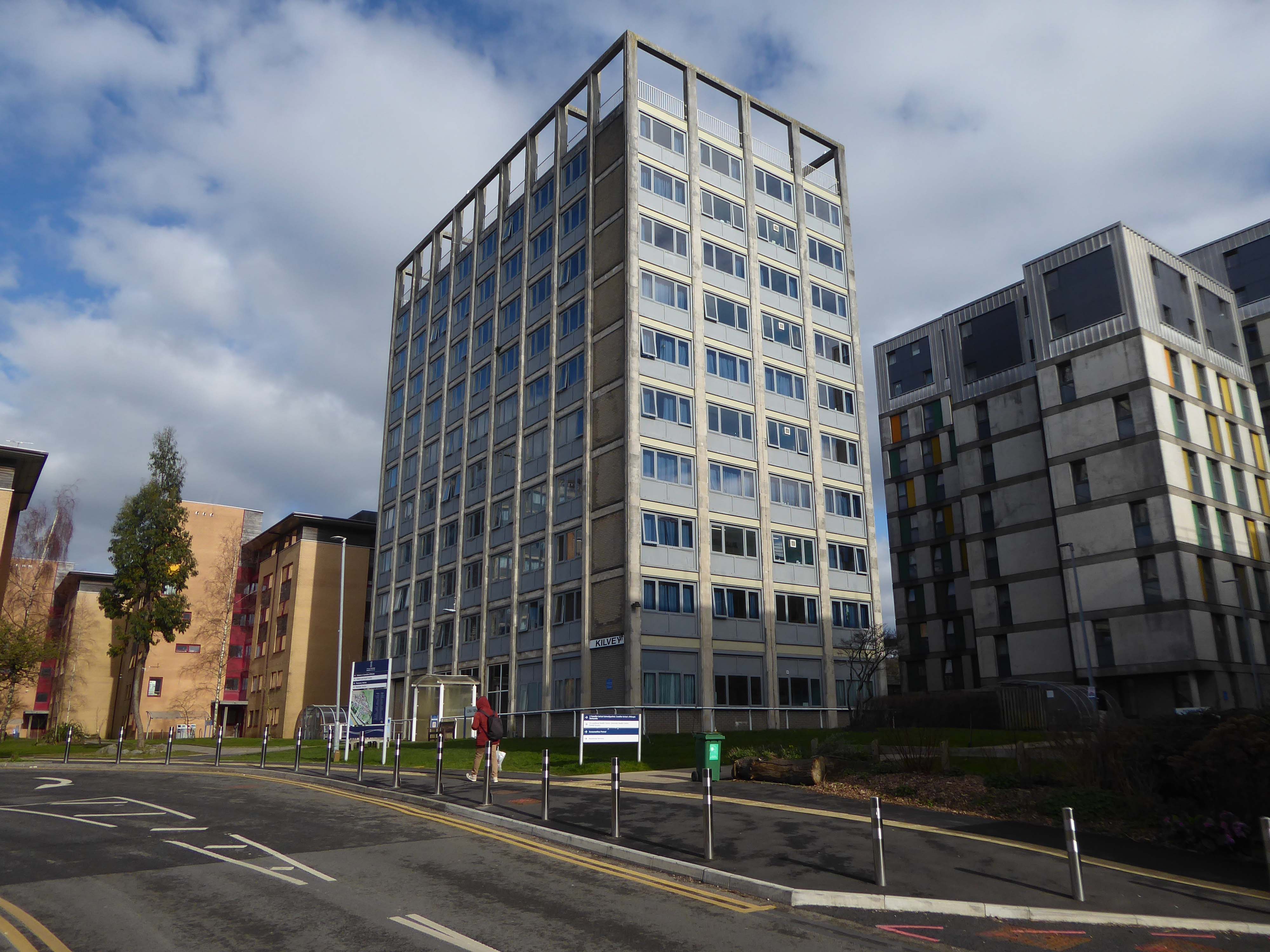
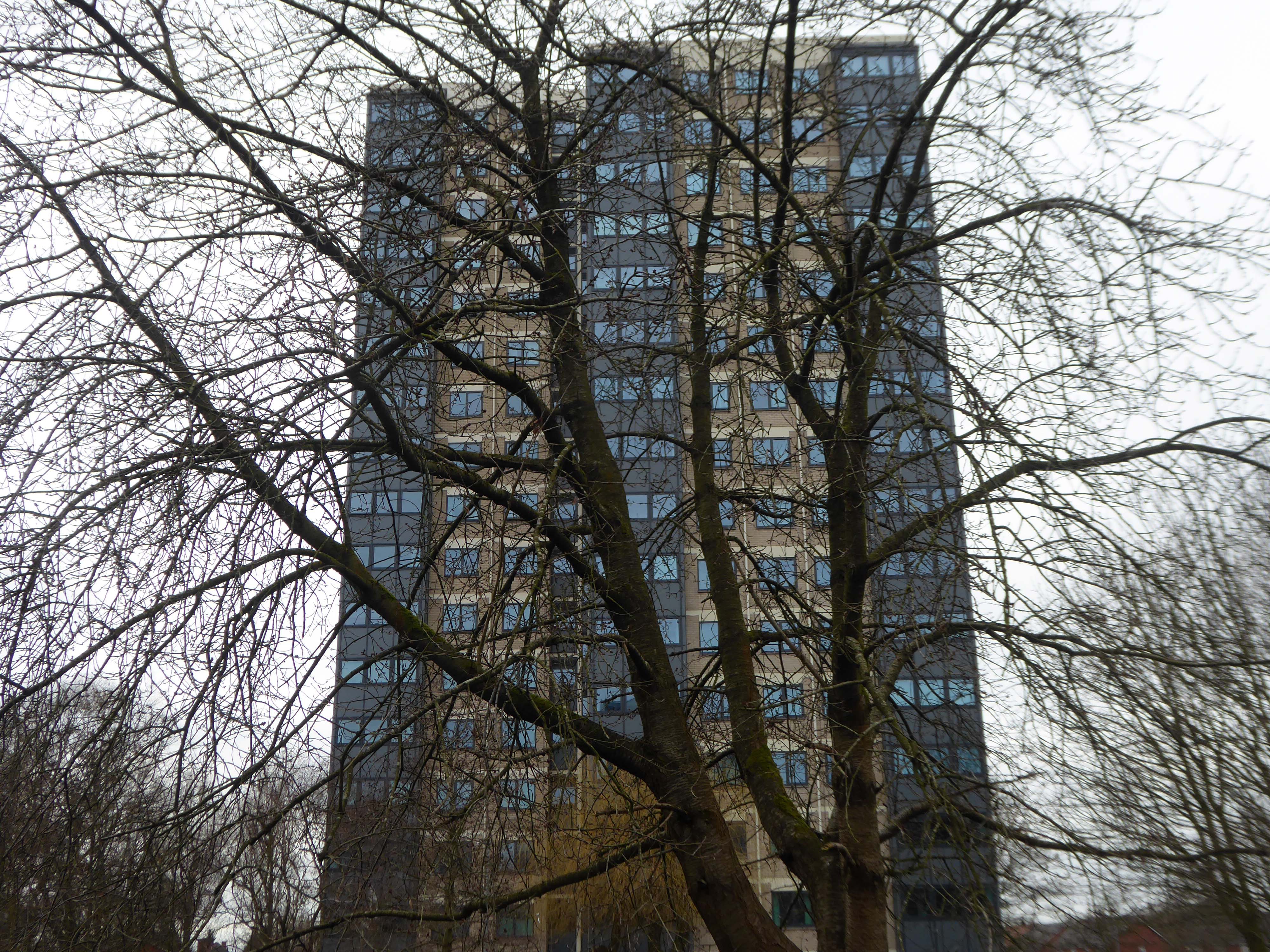
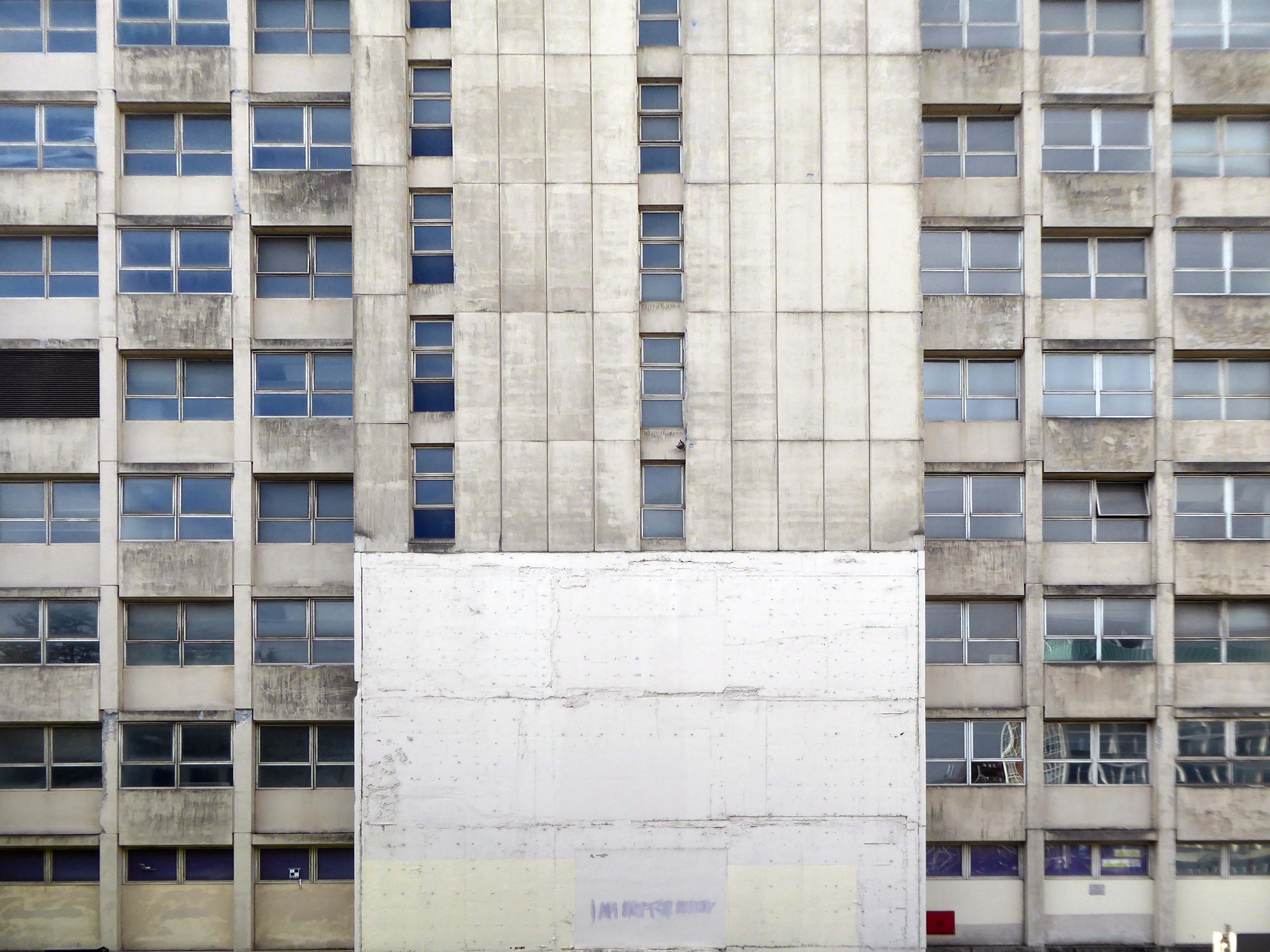
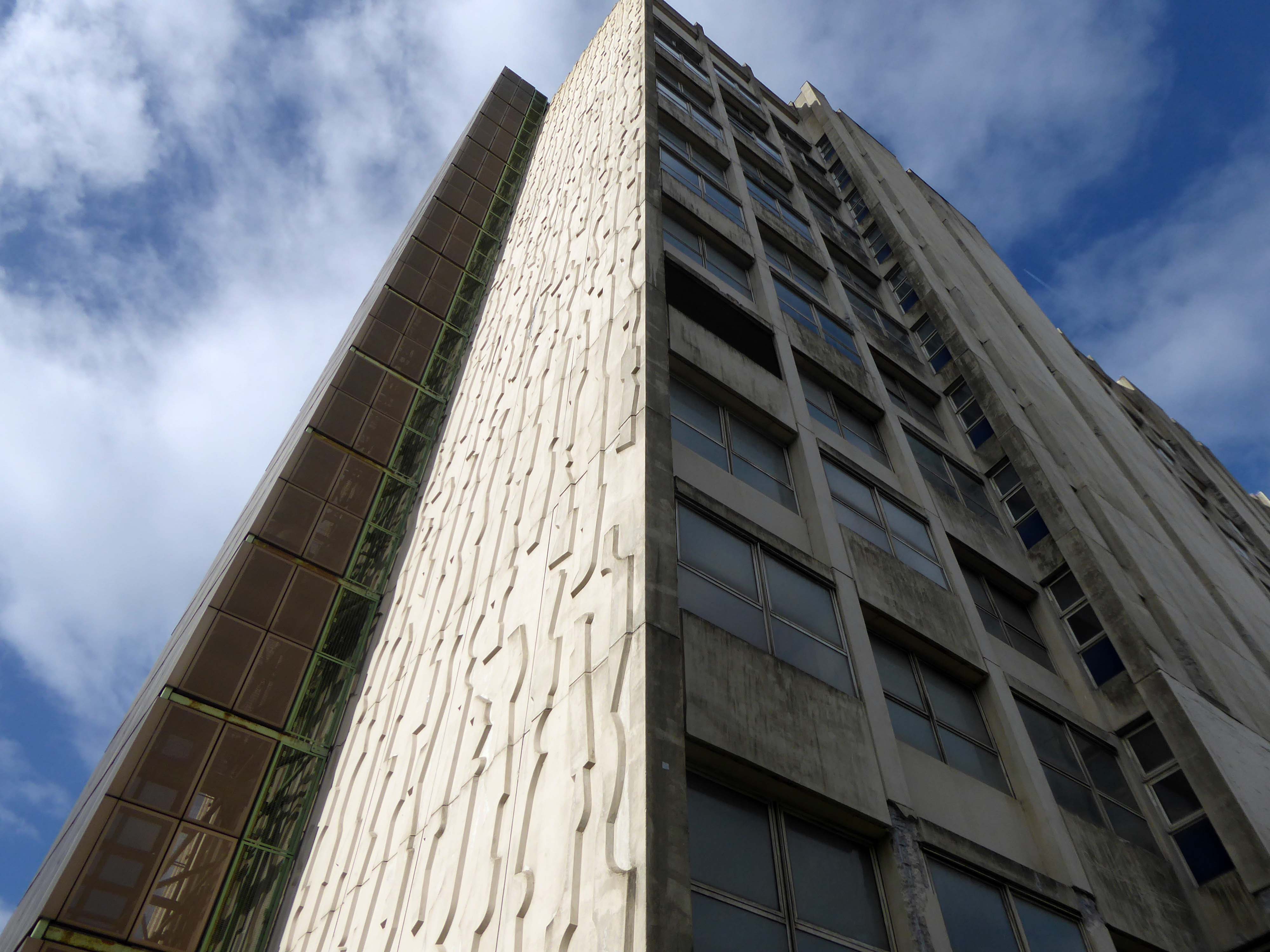
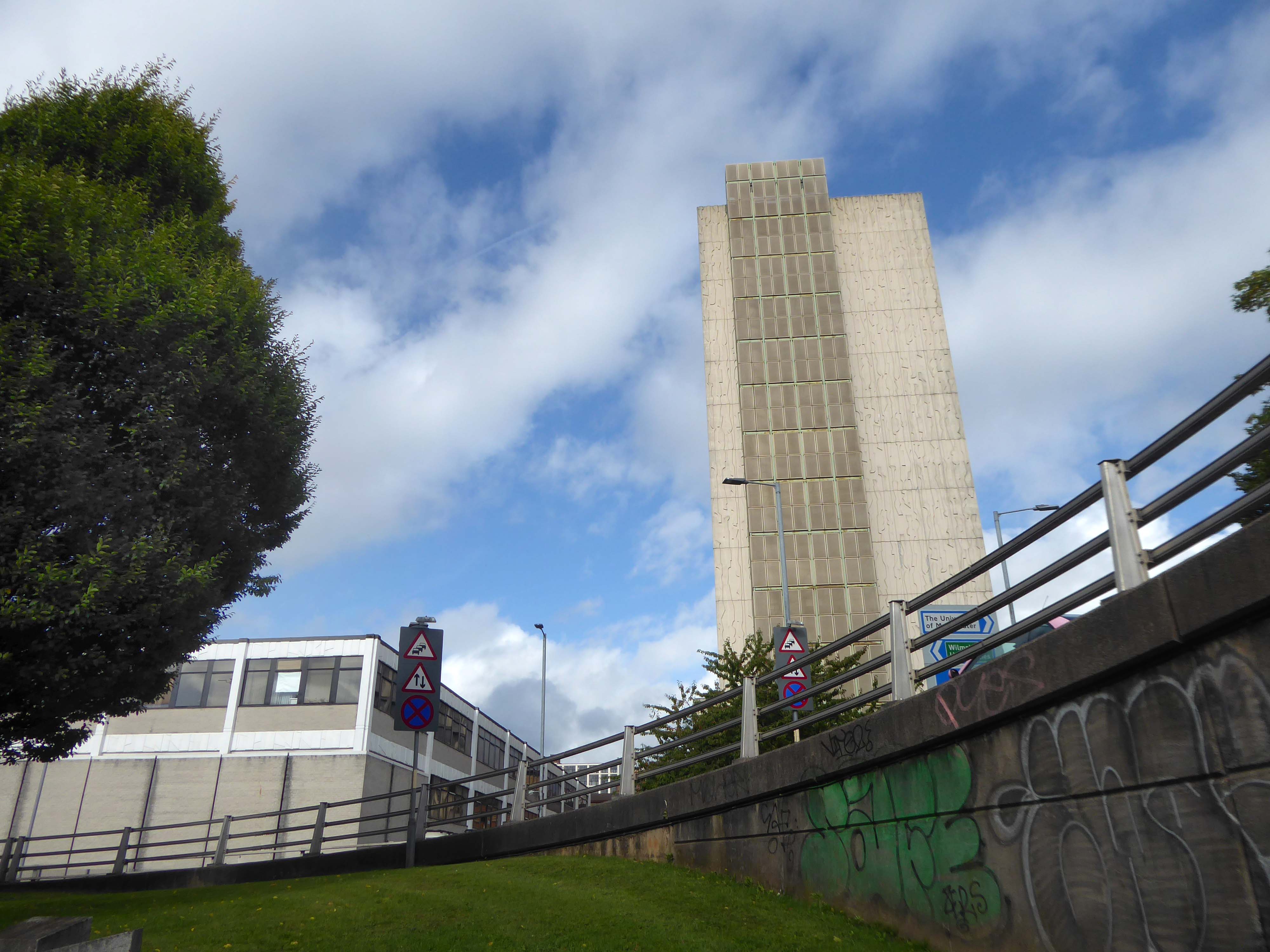
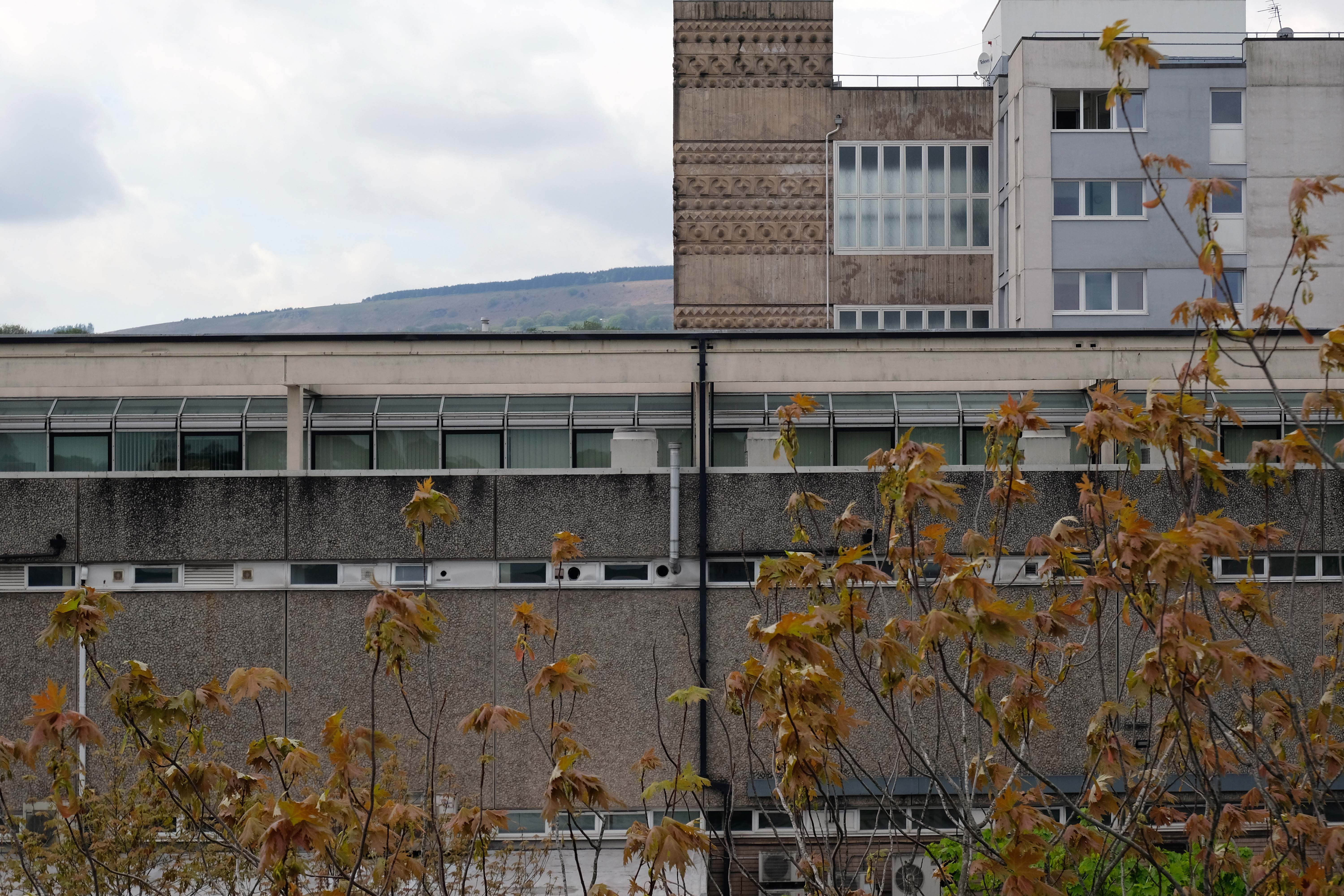
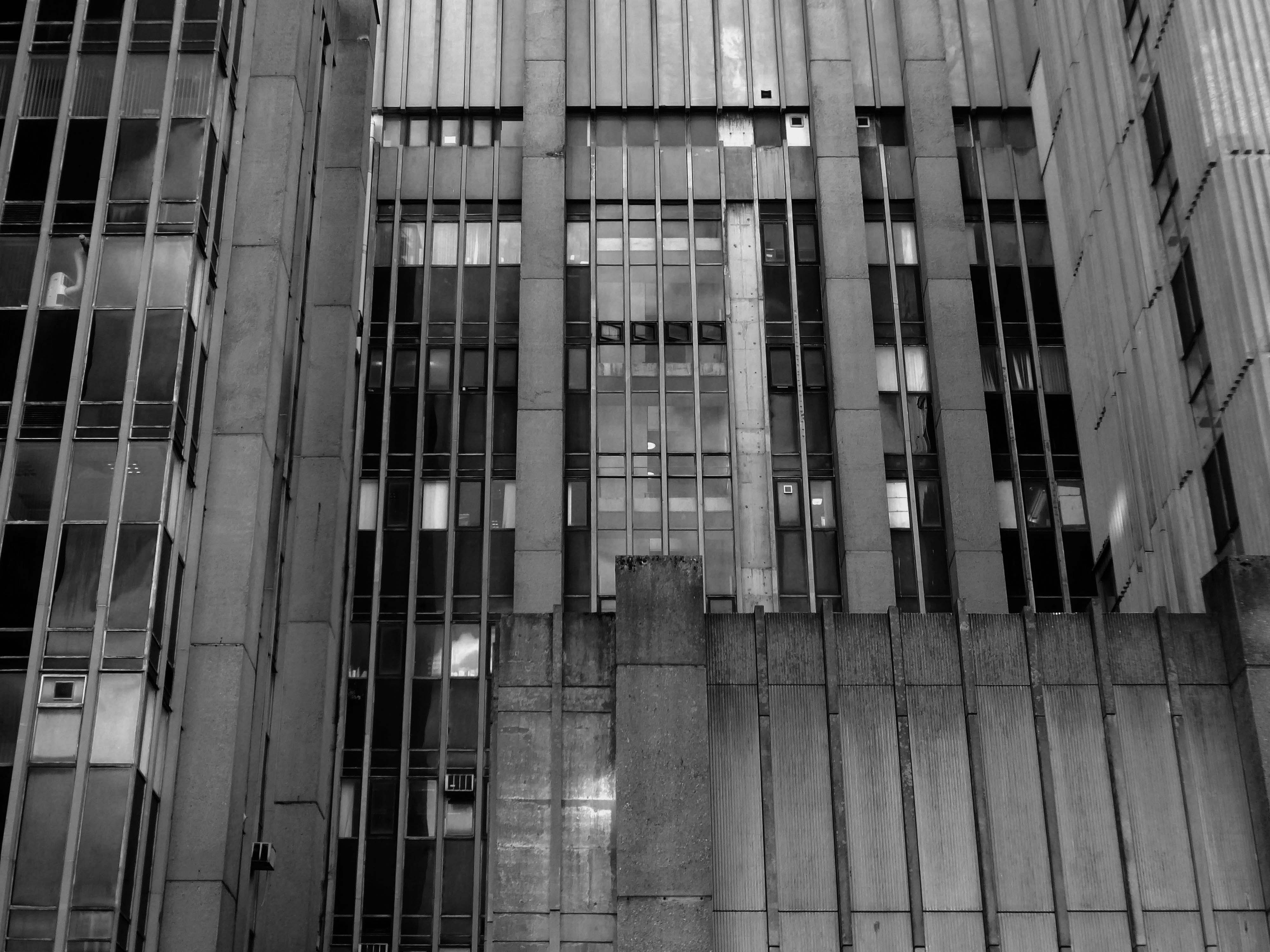
The old Royal building opened in 1978 and has served the city ever since – despite ongoing infrastructure problems. Looking at the crumbling, unsightly building, it is clear why Liverpool is desperate for its sparkling new facility to finally open.
When the new build plans were first announced, the Trust stated: “Once the new hospital is constructed, our existing hospital will be demolished. In its place, there are plans to develop a world-class health campus, as well as landscaping green space, roughly the size of Chavasse Park.”
In January 2020, two years after Carillion’s collapse, a report from the National Audit Office, projected the overall costs of the new Royal could tip over the £1.1 billion mark. It also commented on the plans for the old building, stating: “Further work to demolish the old hospital and create a new underground car park and public plaza, was not included in the PFI project and is currently unfunded. The cost of this was not included in the PFI project and is currently estimated at £38 million.”
The Royal Liverpool – it’s amazing that people are supposed to get better there. Then again, what motivation it must be to get yourself back home! No wonder it’s being replaced.
J Carter, Aigburth
In 2011 the Echo’s readers voted it the ugliest building in town.
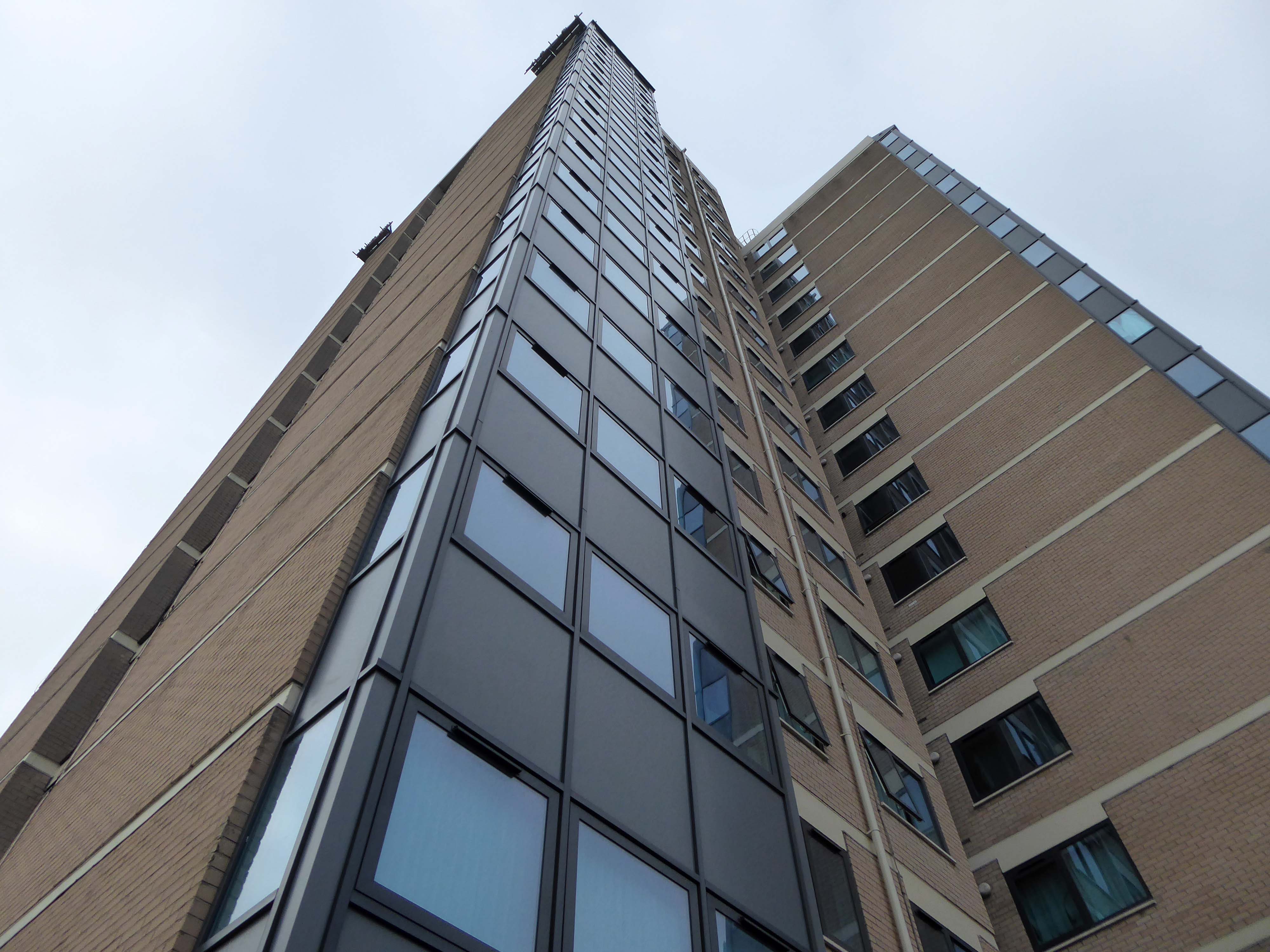
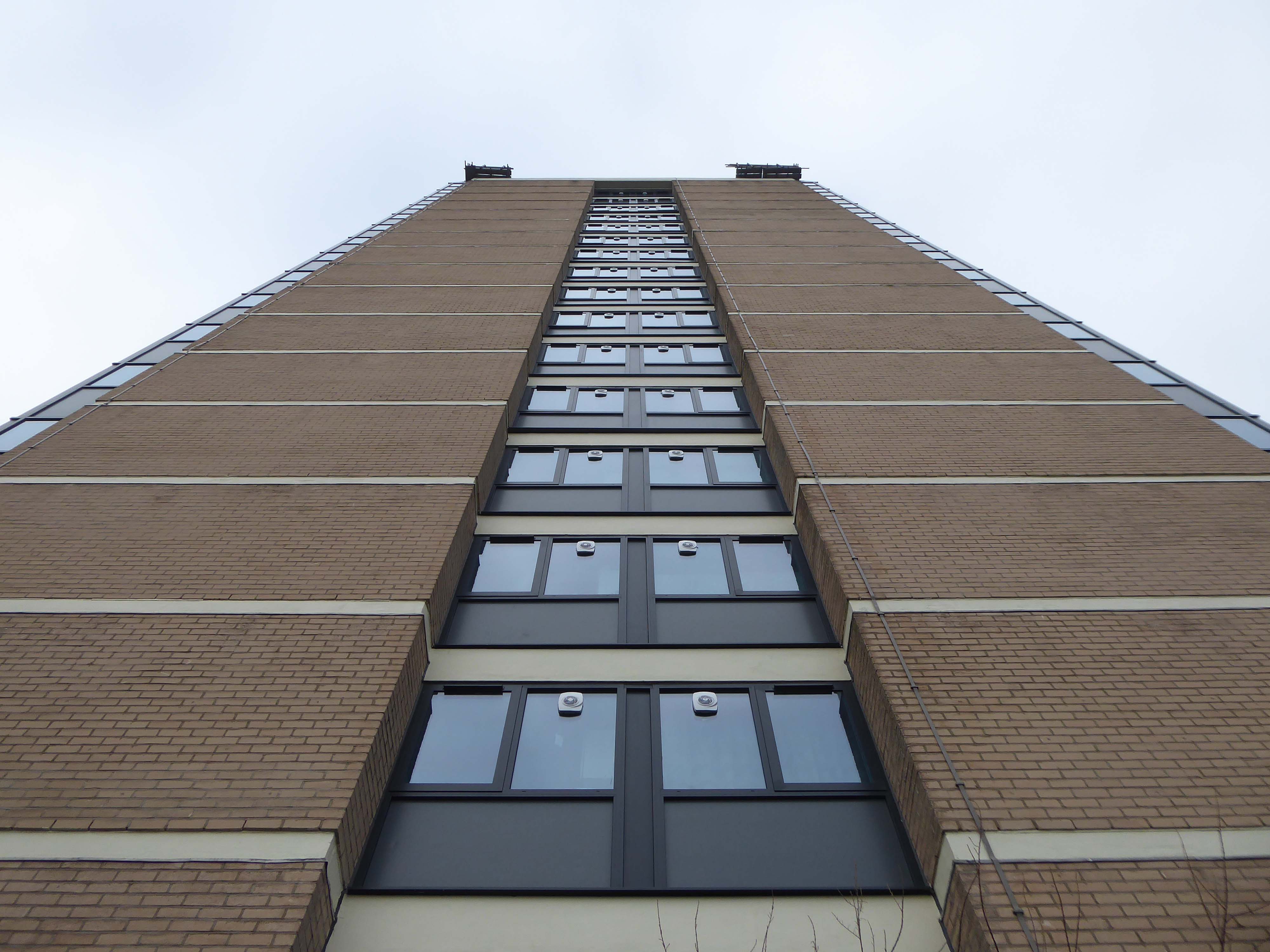
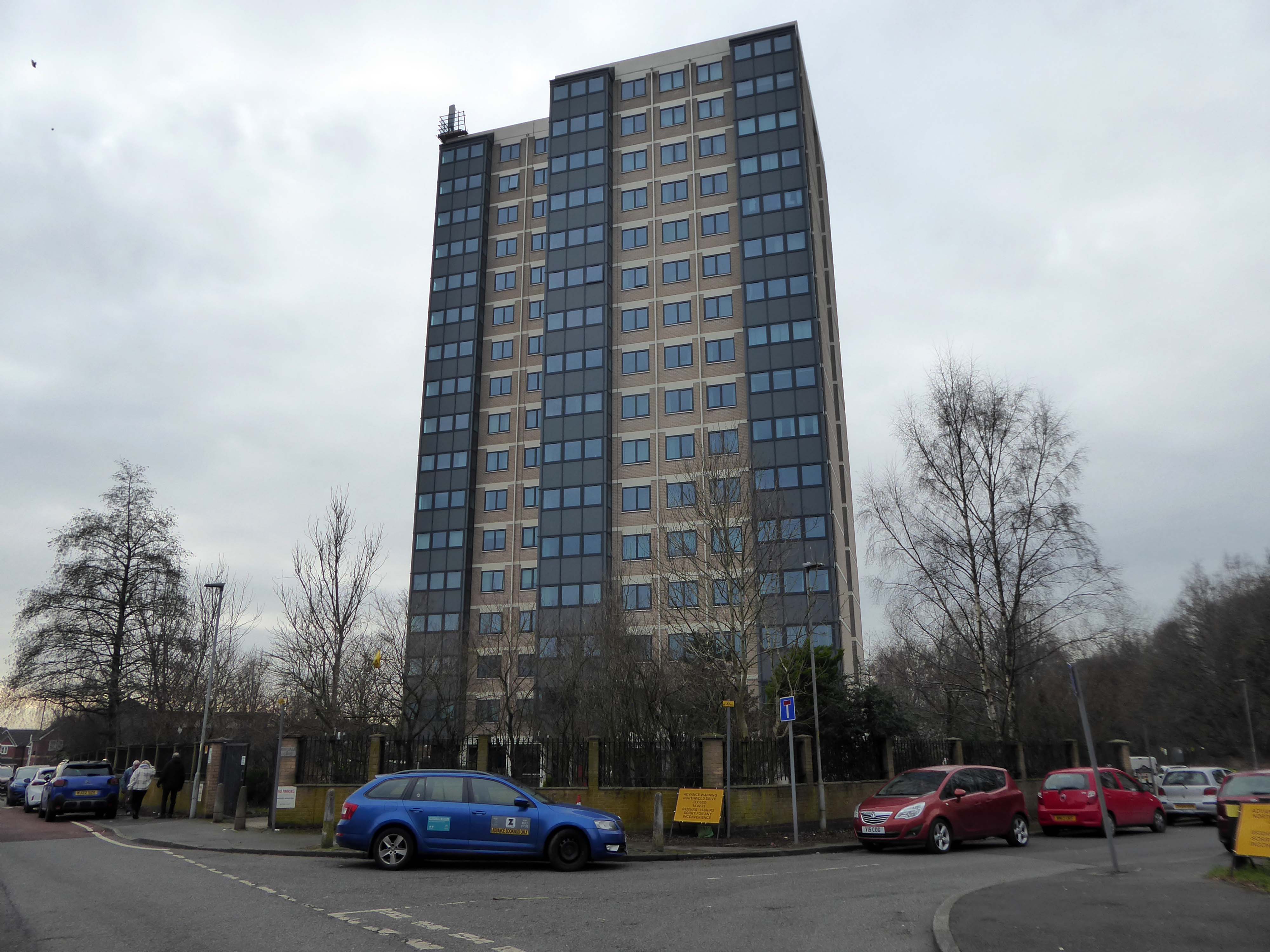
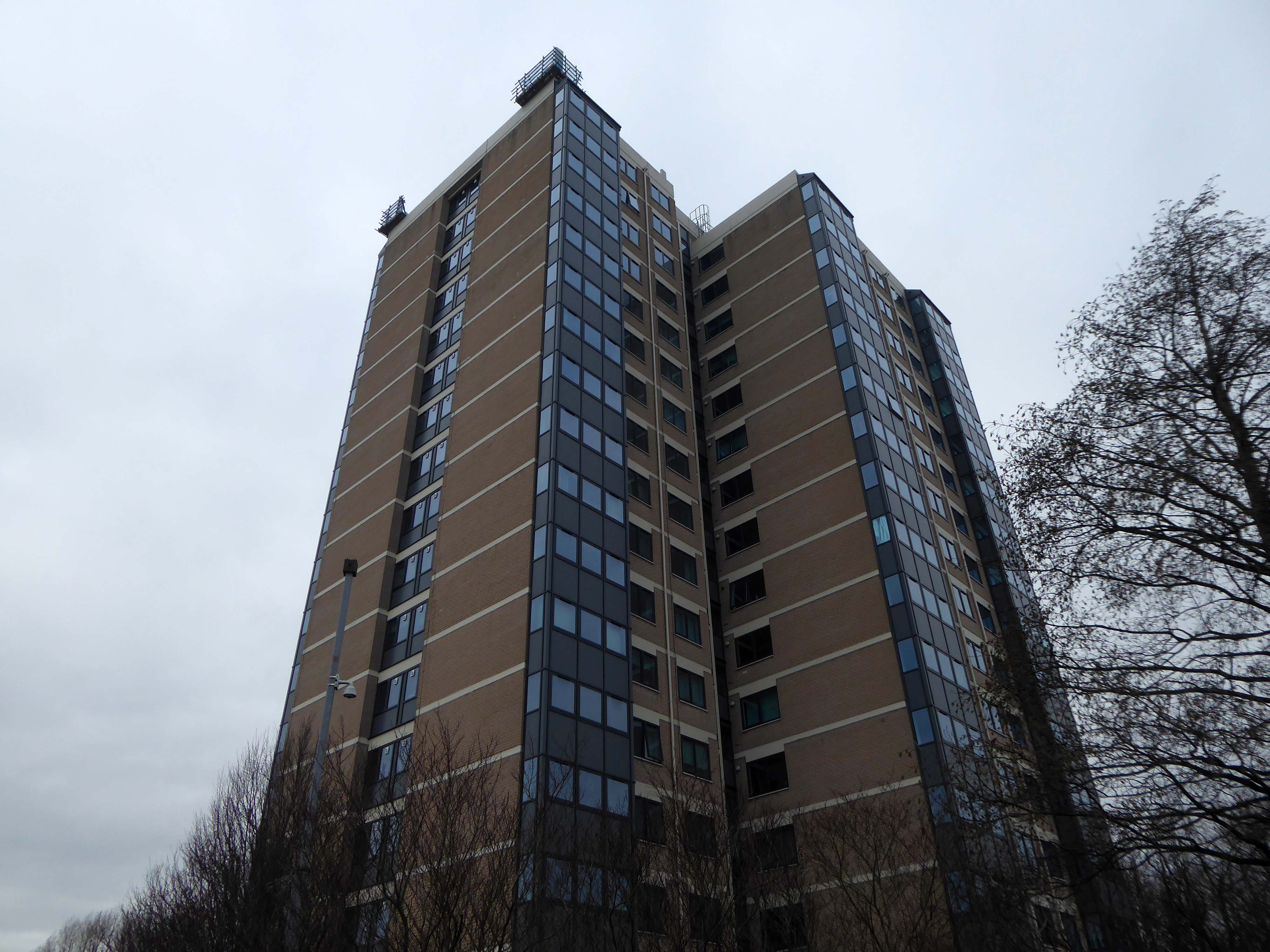
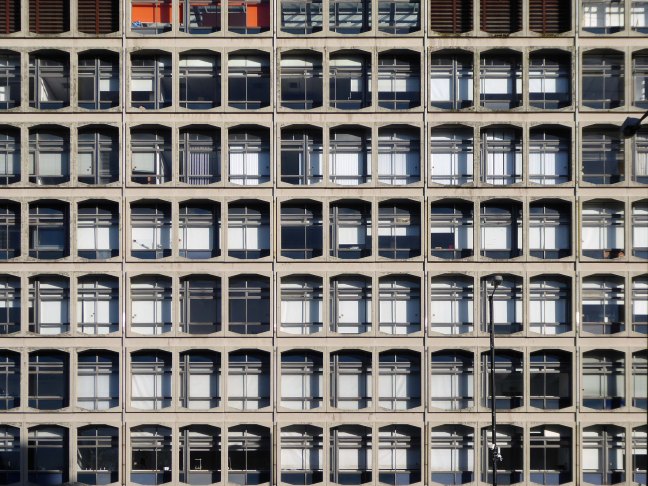
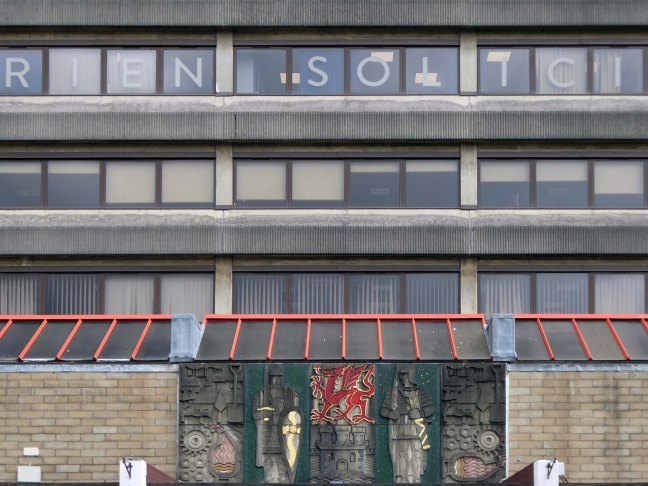
Unloved and due for demolition just as soon as the money can be found – though it may be around for some time to come – go and have a look.










































































 Modern Mooch