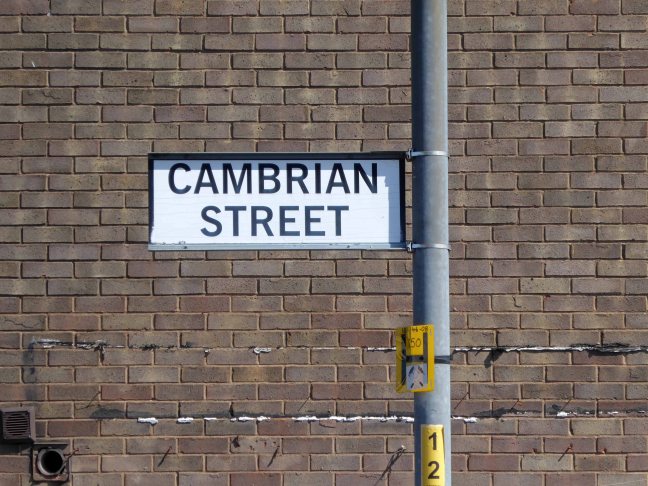
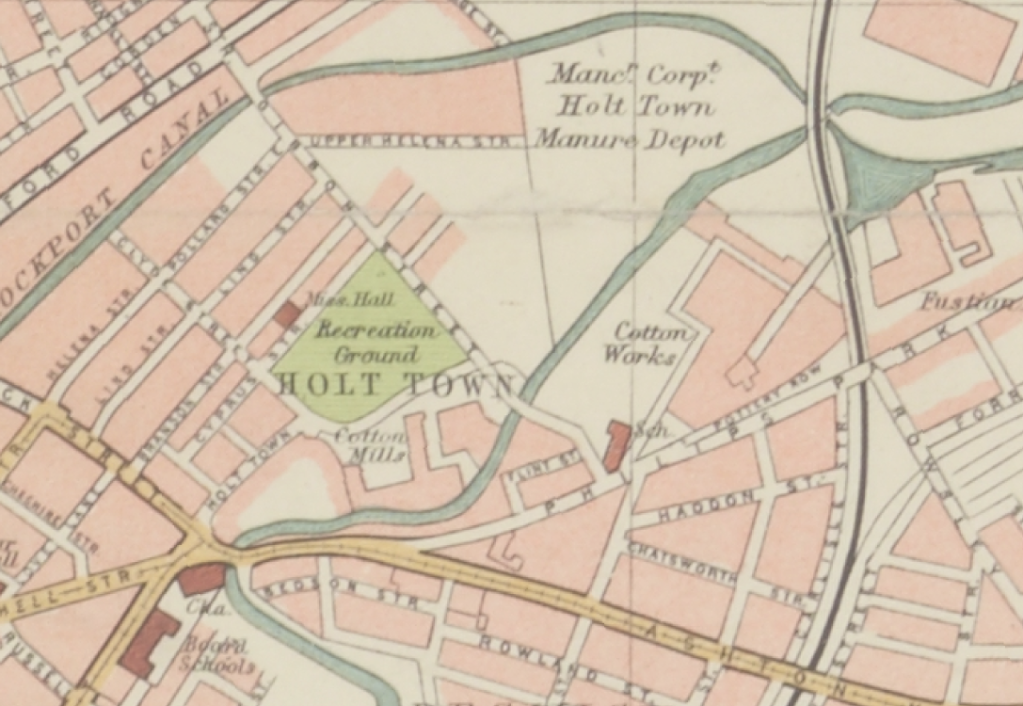
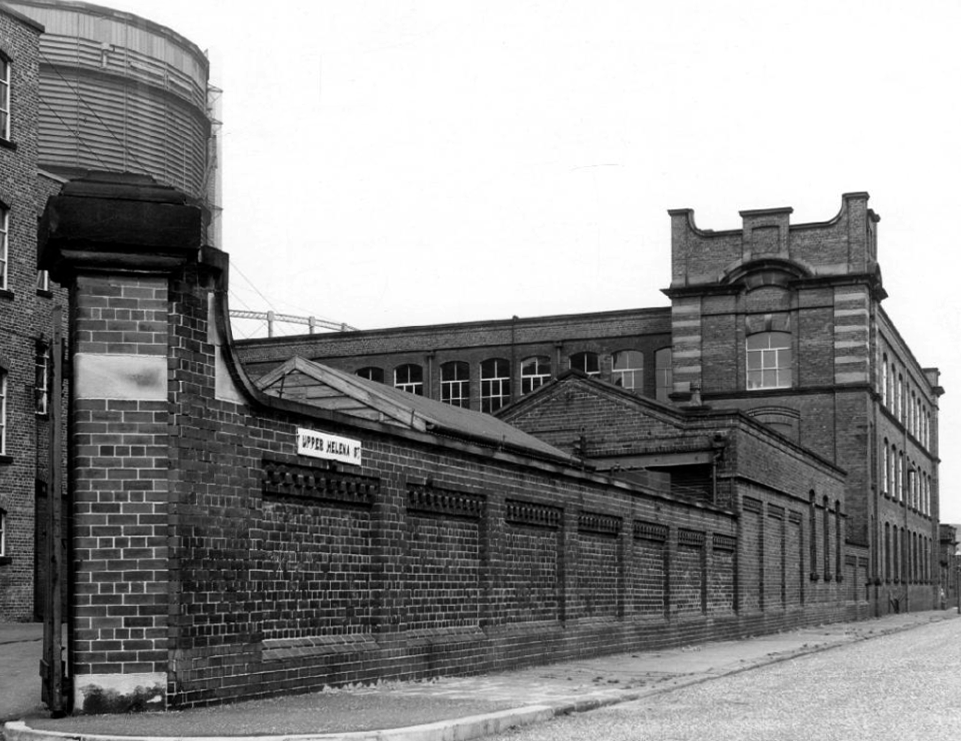
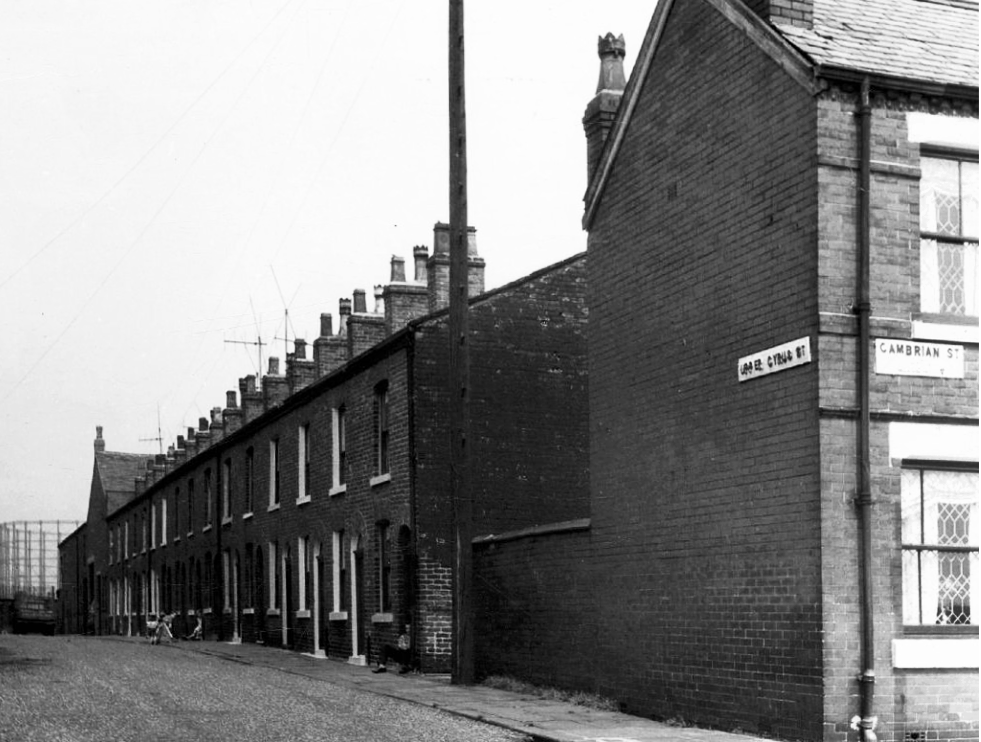
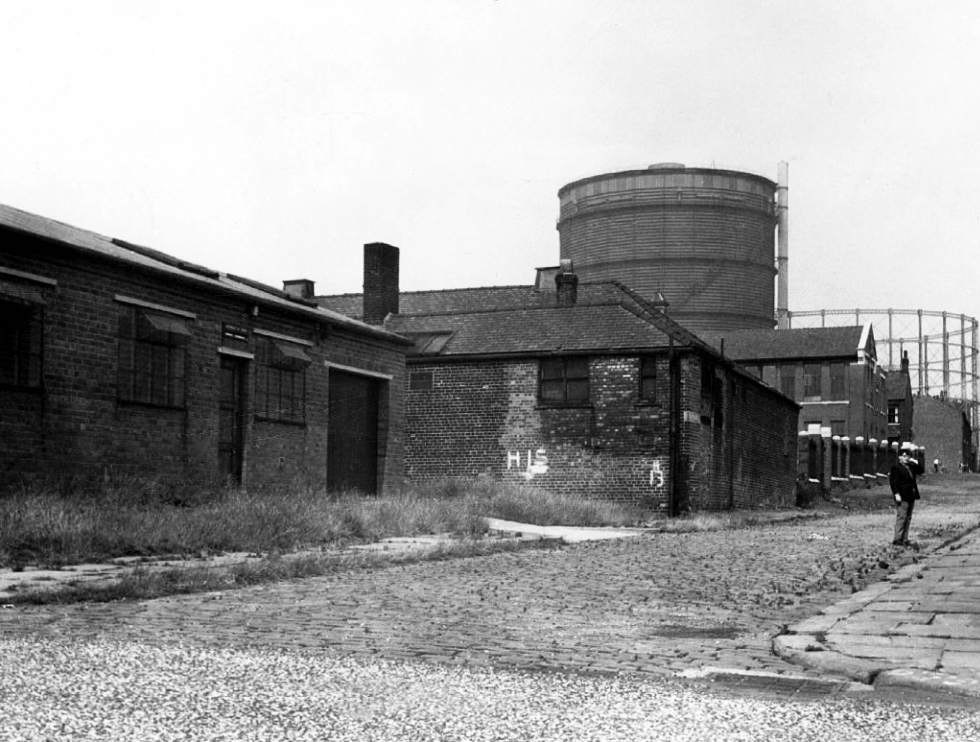
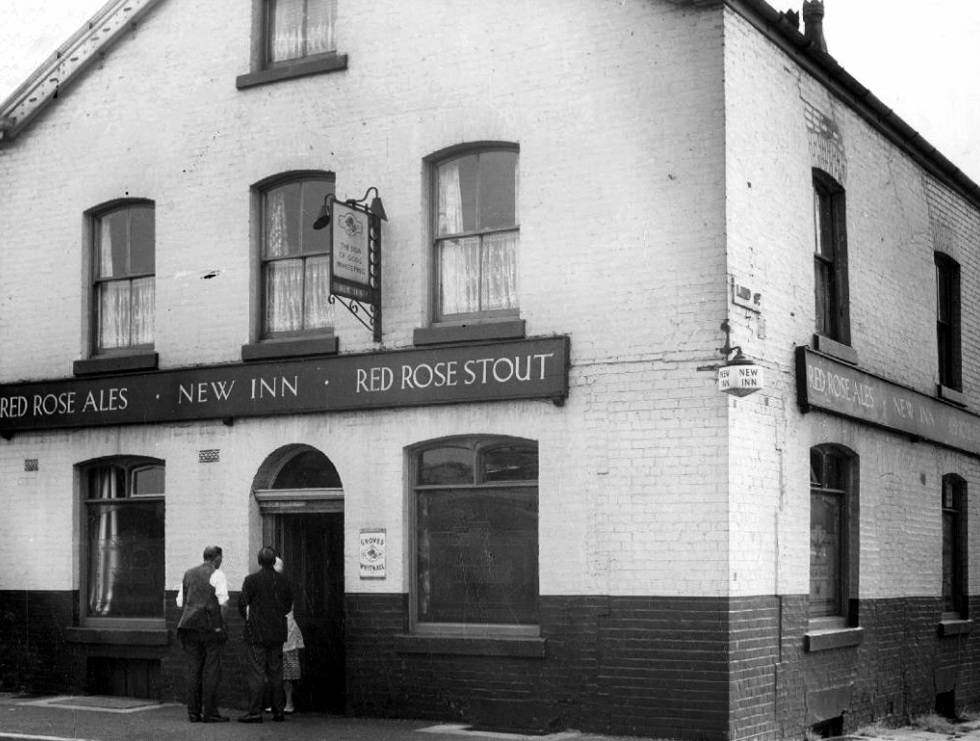
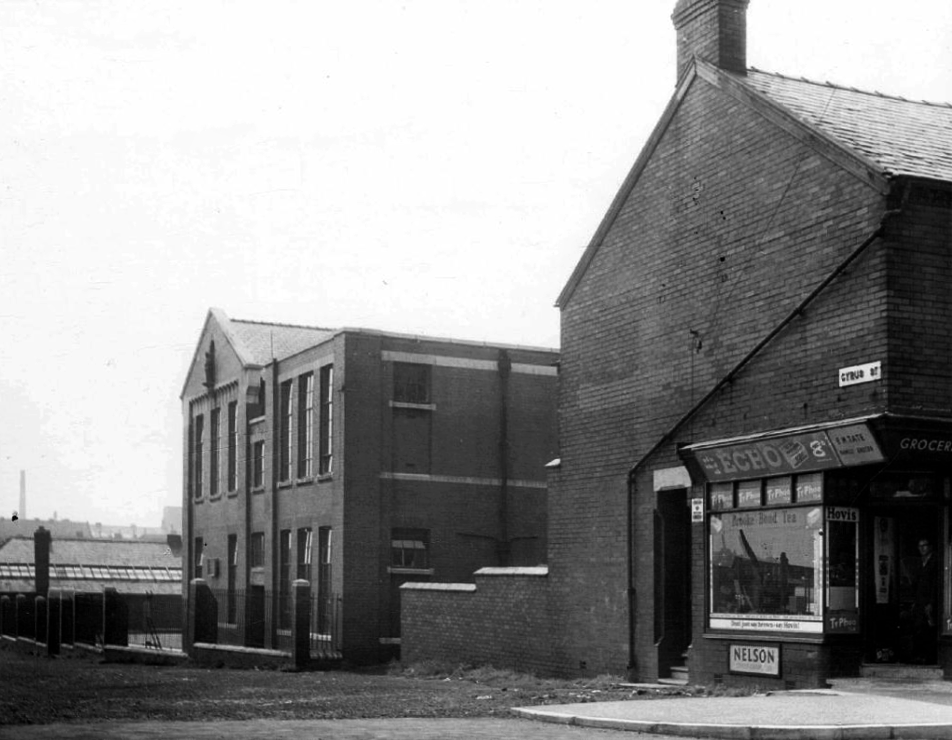
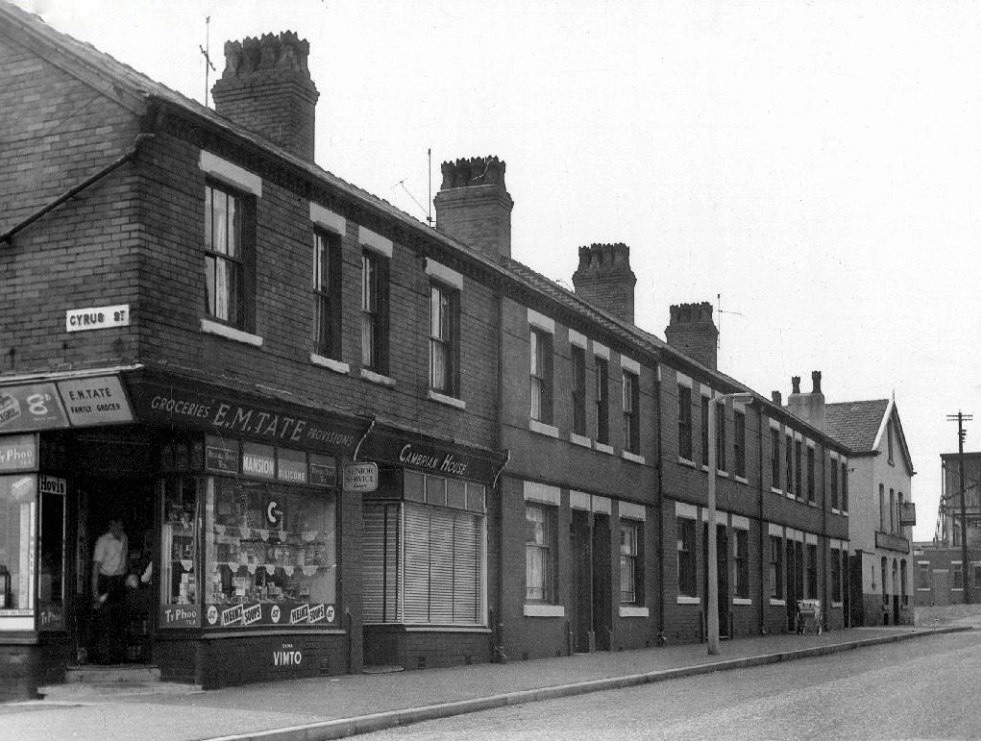
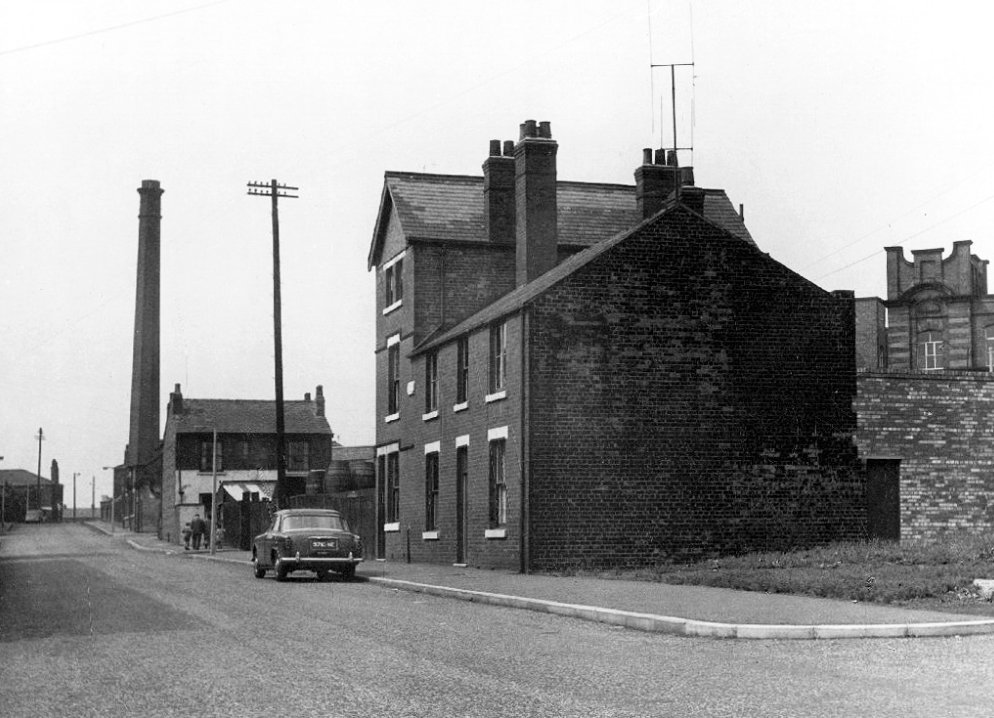
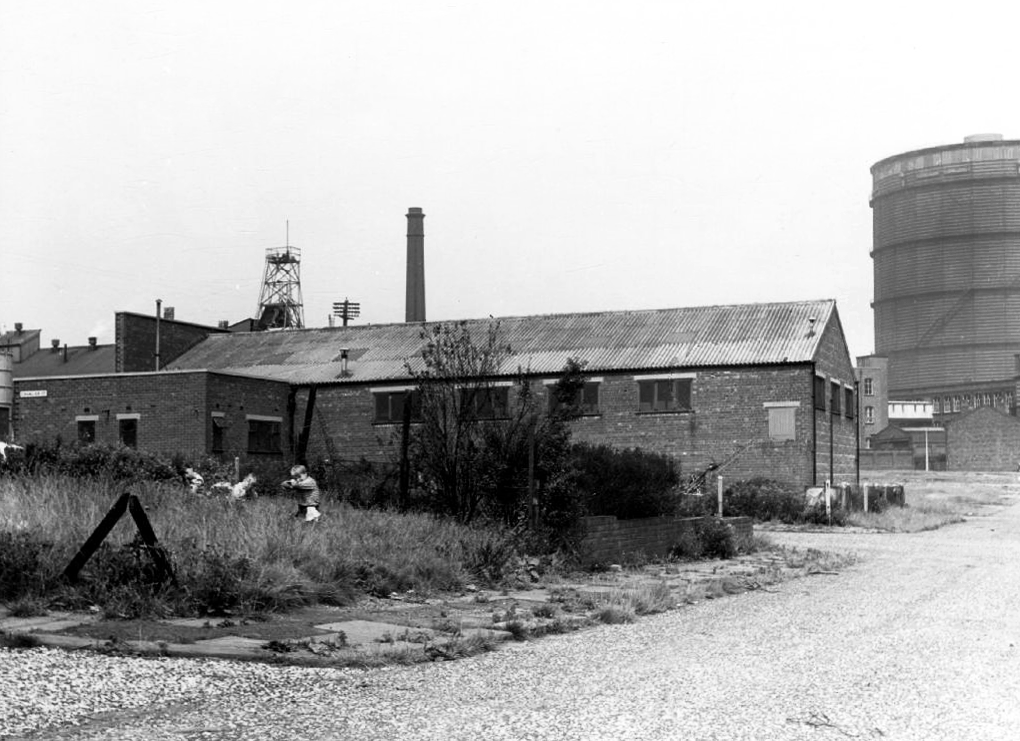
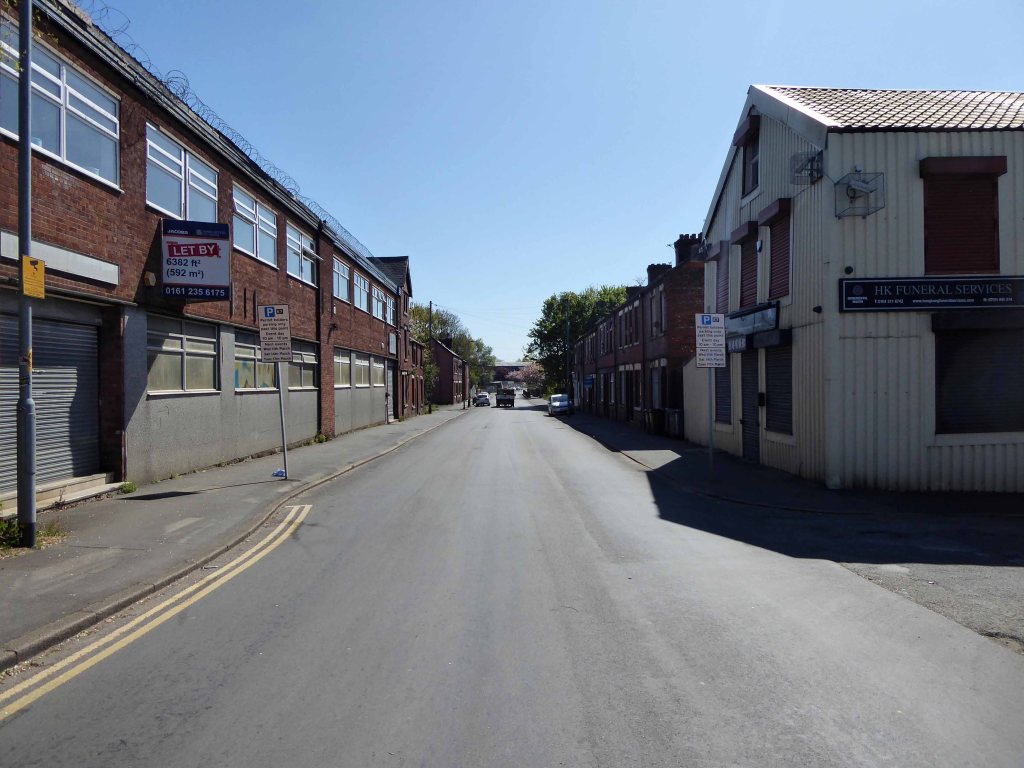
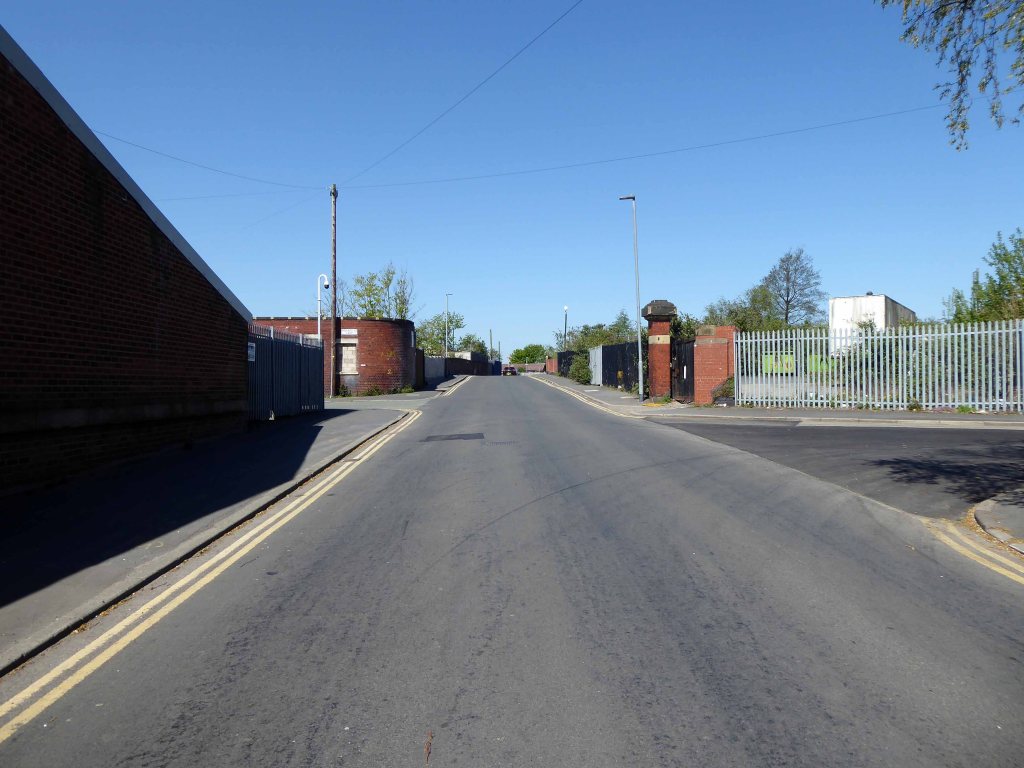
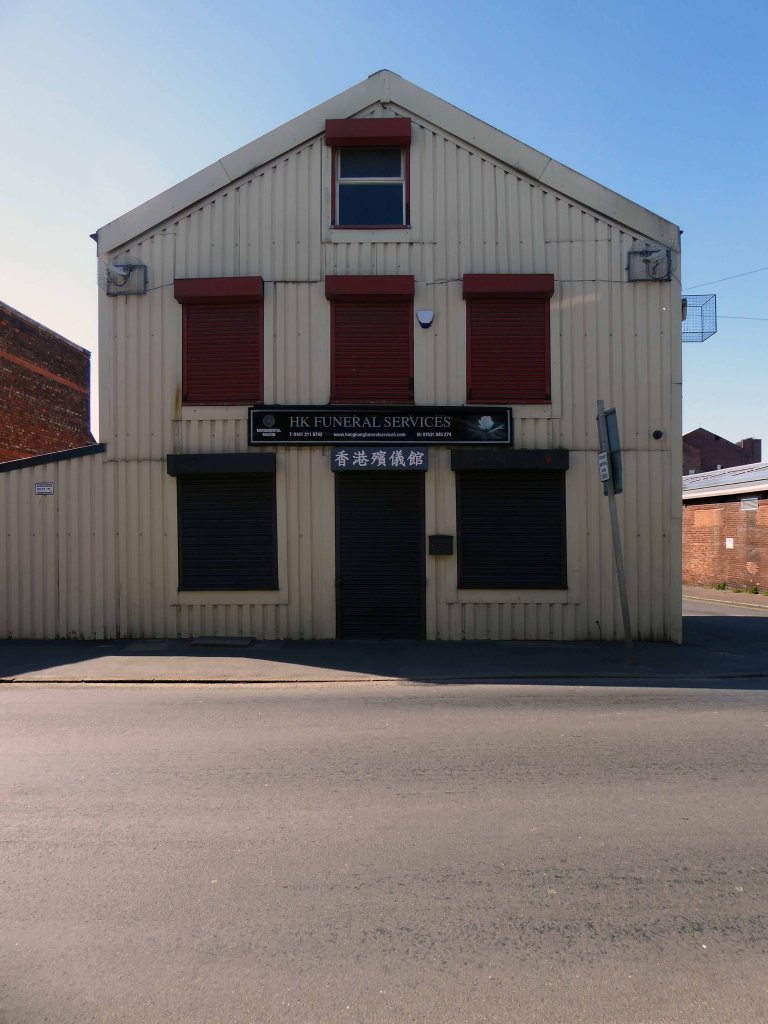
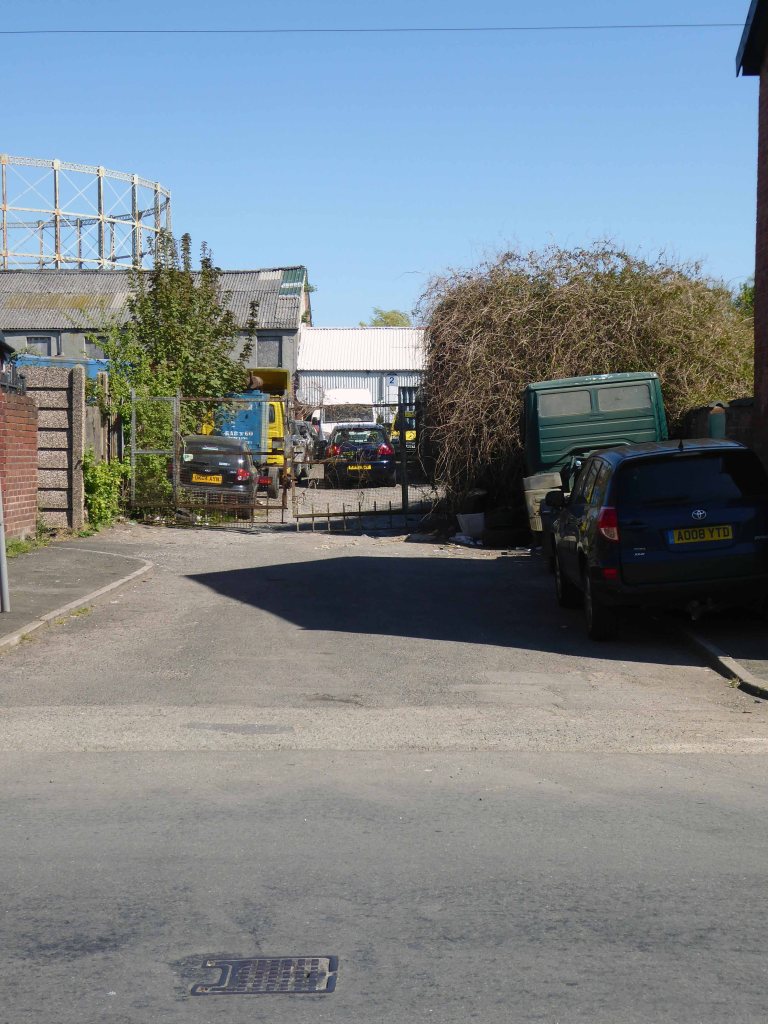
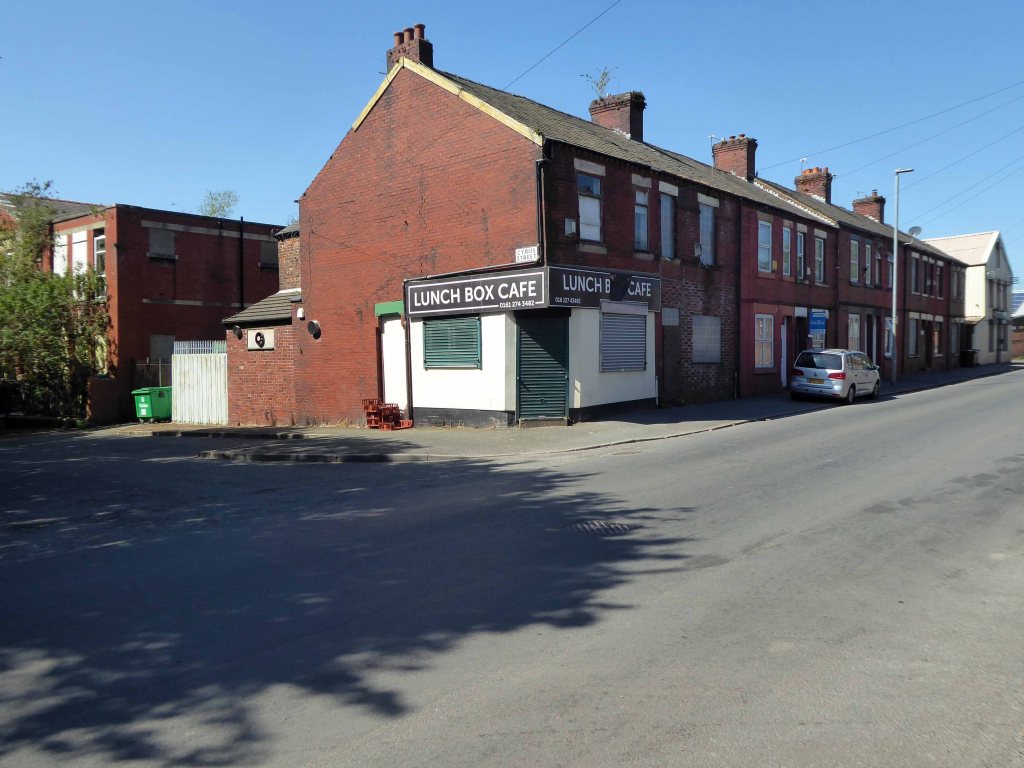
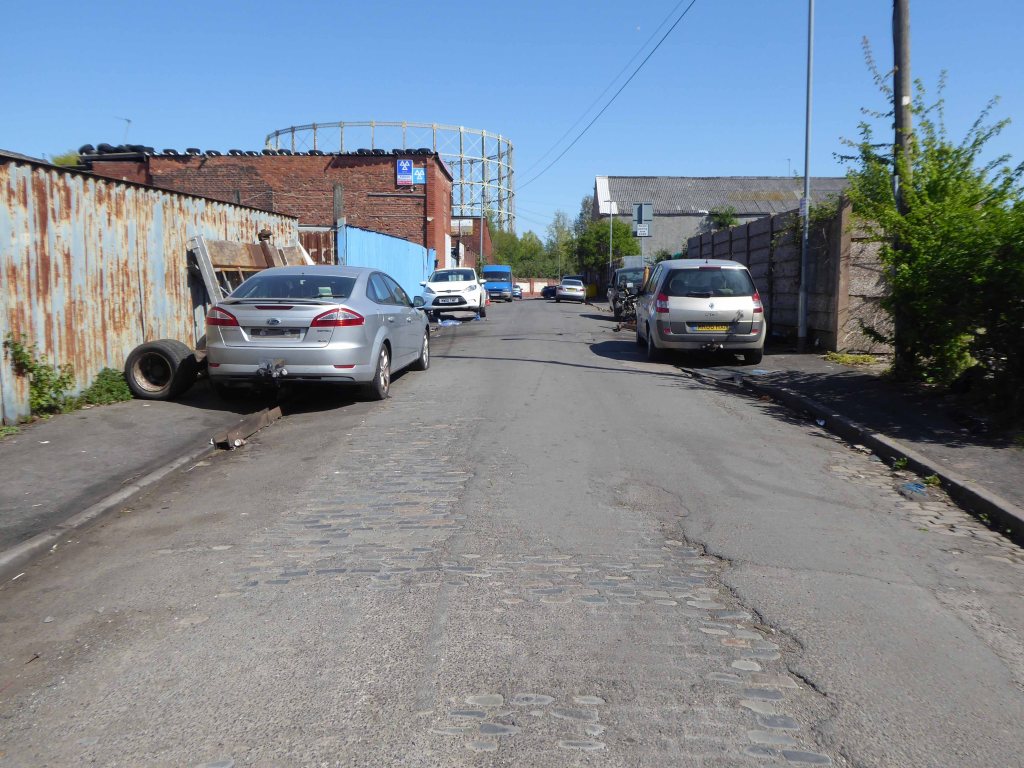
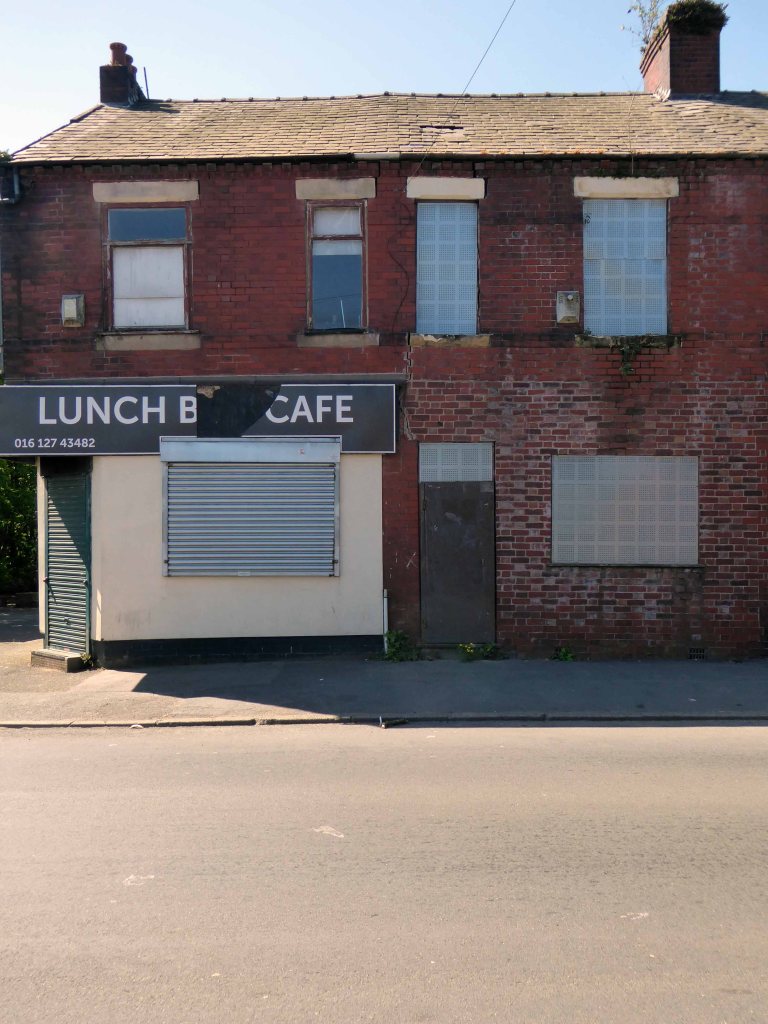
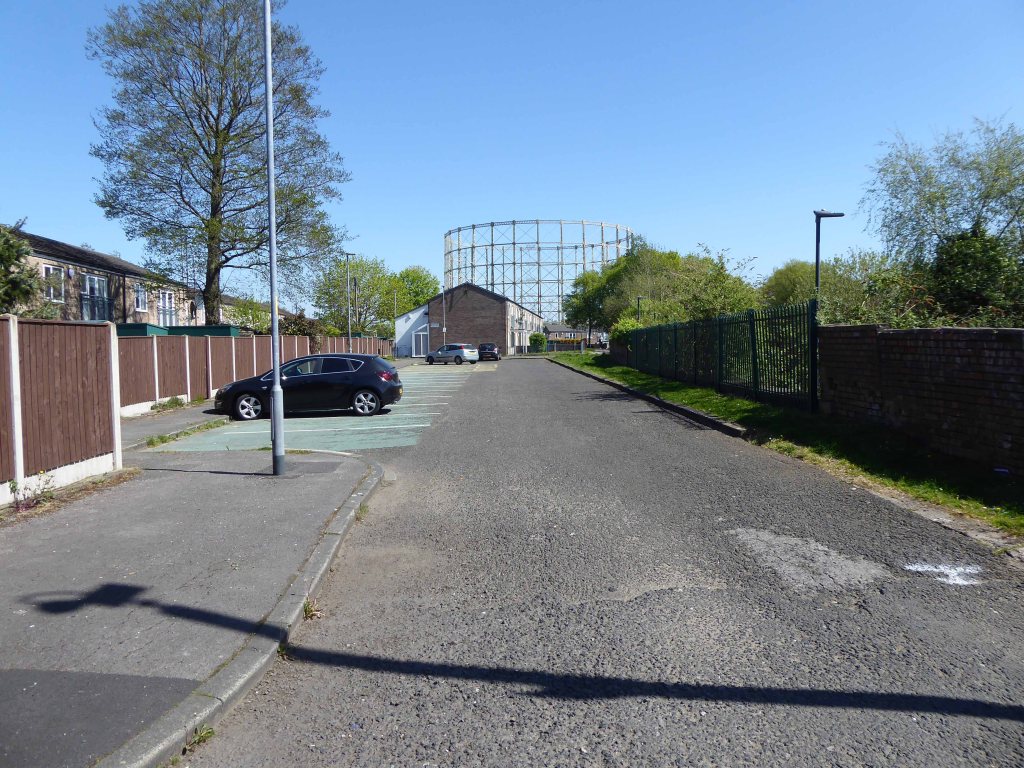
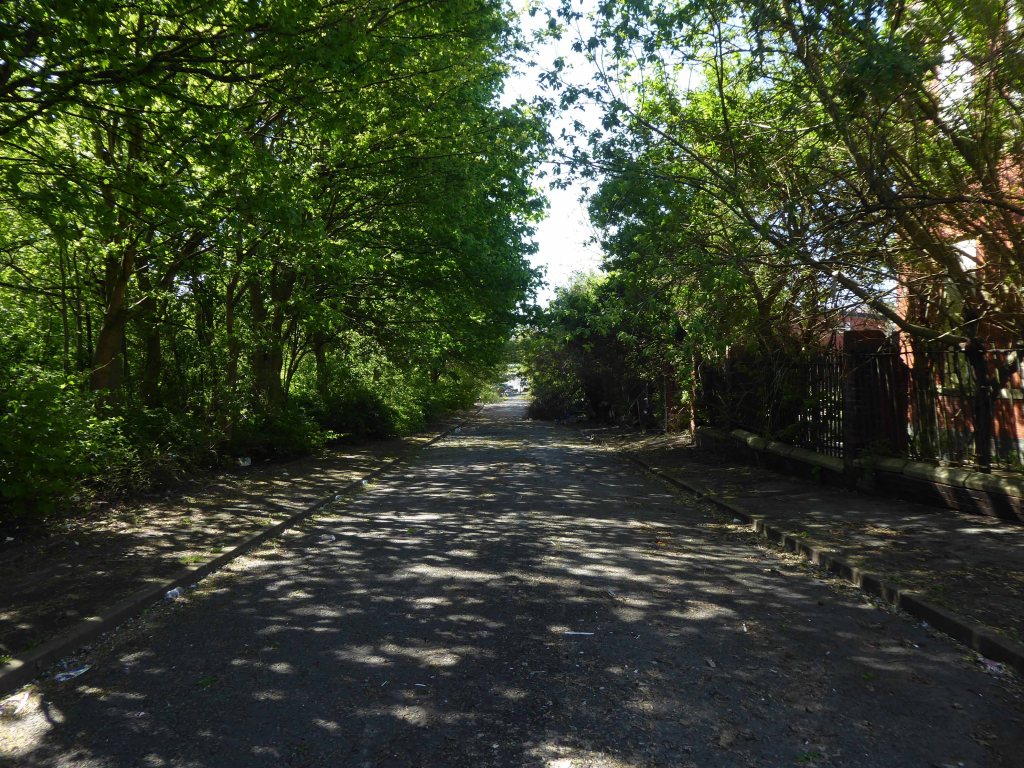
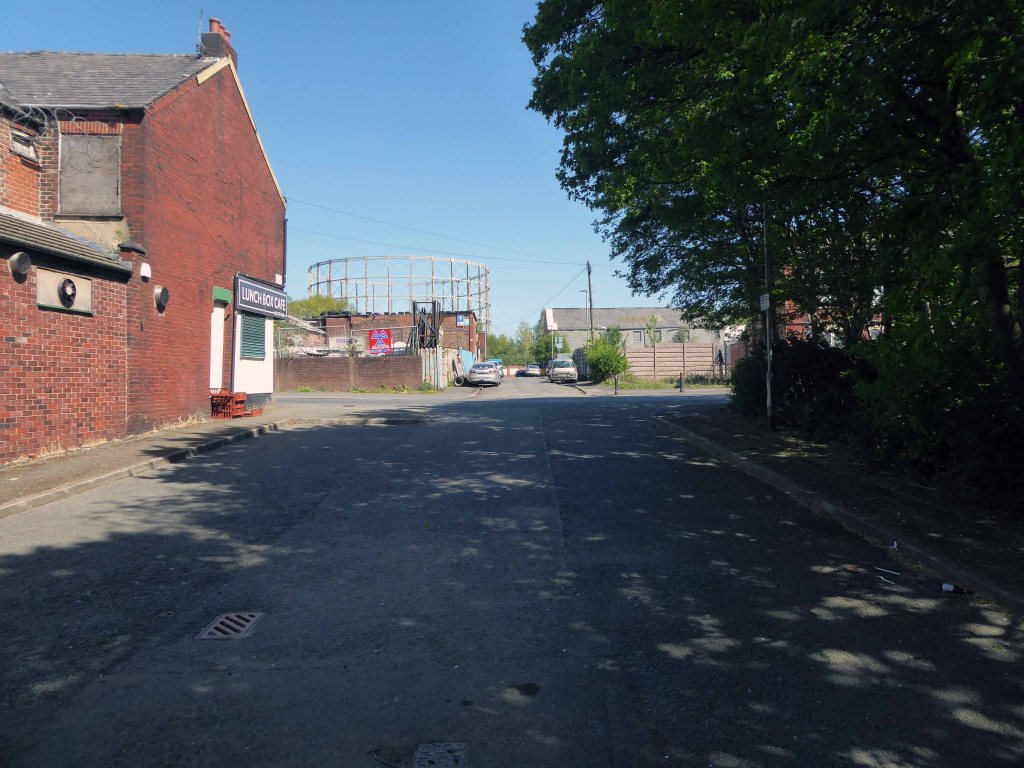
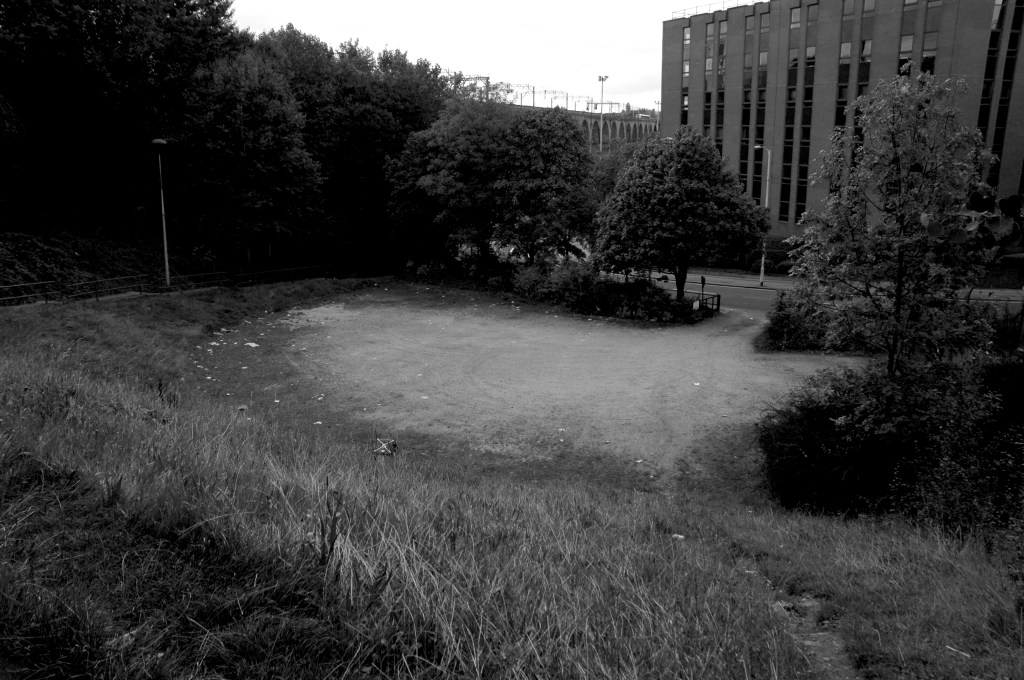
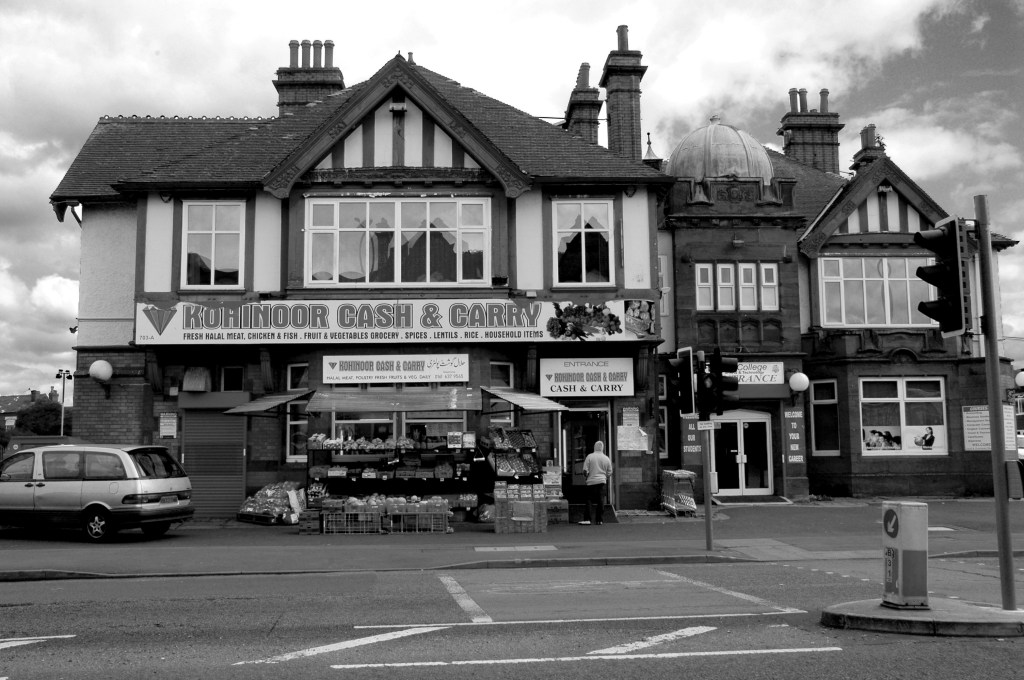
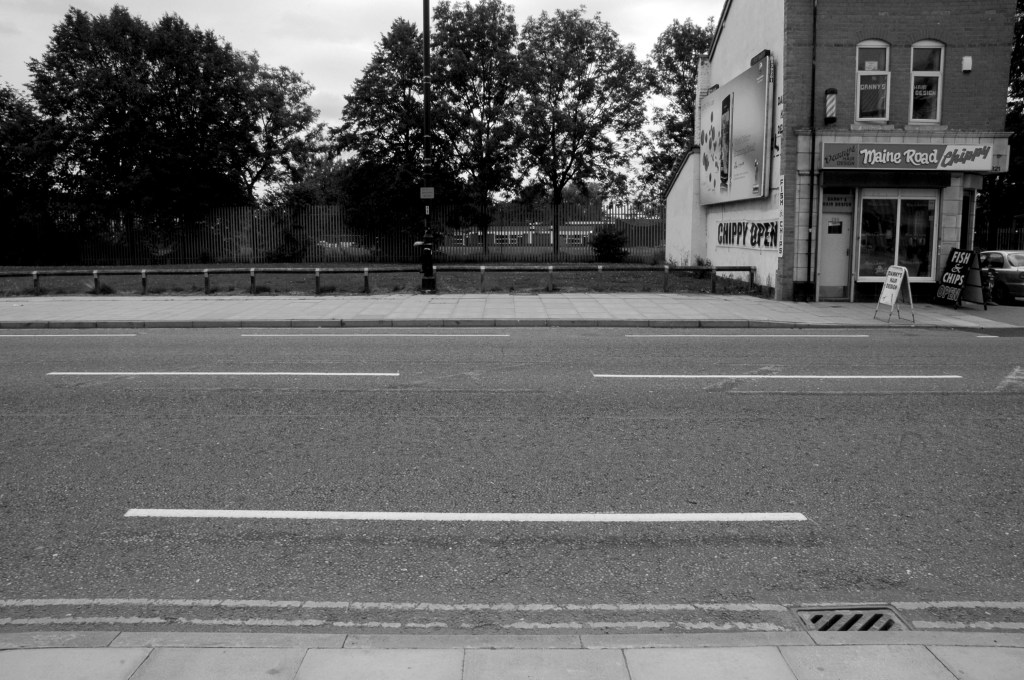
Nothing now remains of this mill complex on Upper Helena StreetThe homes on Upper Cyrus Street are long goneCyrus Street now over grown and Big Bertha demolishedThe New Inn now the Hong Kong Funeral HomeSt Annes School and the shop now closedIt had become the Luchbox Café now also closedStill standing
The area was my playground. Holt Town was always a but scary, there were old factories along the opposite side with wartime helmets in. A scrap yard under the arch. I remember sucking up mercury off the floor with a straw obviously from a spillage, no thoughts of danger, I’m alright now. The Seven Wonders, as we knew it, River, canal, railway, road, waterfall all crossing each other, not sure why? A fantastic industrial area to grow up in. The Don Cinema at the top corner at Mitchell Street and Ashton New Road.
I could go on.
Philip Gregson
Time’s up for the tiny urban cowboys.
Let’s see what’s going on.
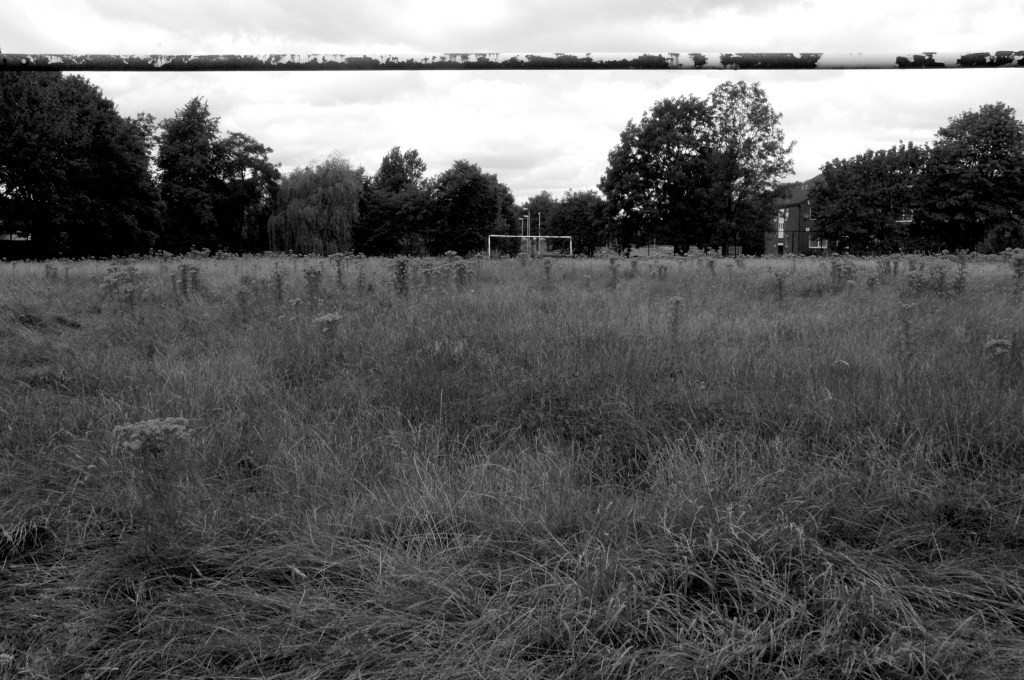
Former football fieldUpper Cyrus StreetLind StreetUpper Helena StreetPollard StreetLanstead DriveCyrus StreetSt Annes SchoolCyrus StreetDevil’s StepsRiver Medlock
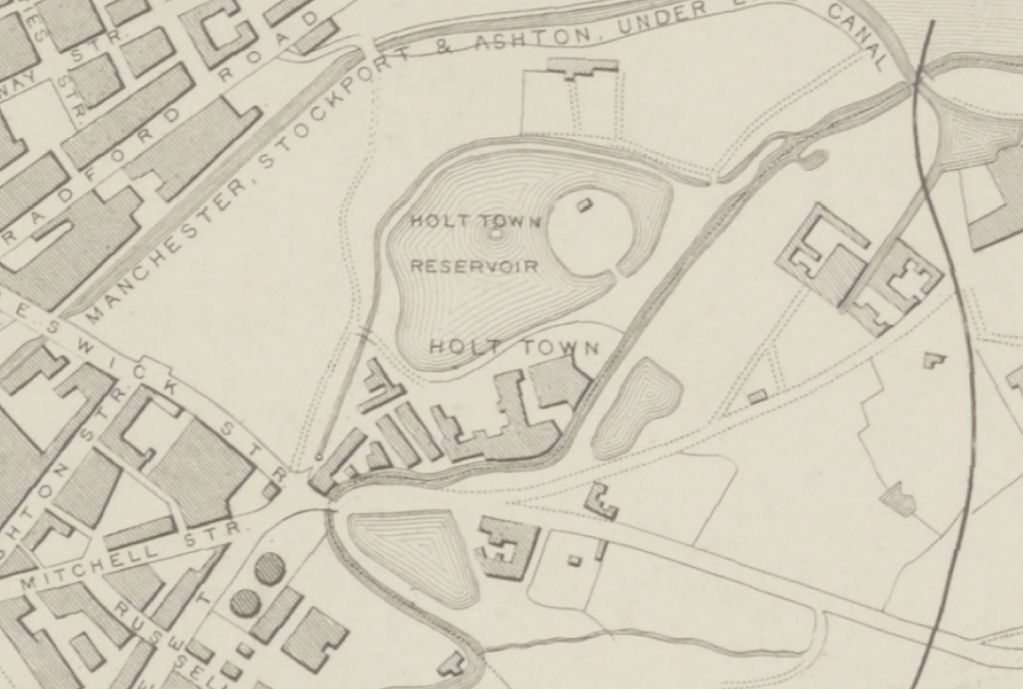
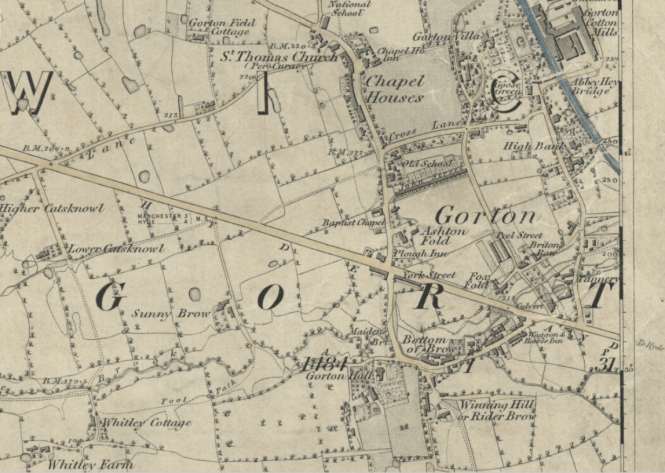
We are travelling backwards and forwards in time – firstly back to 1845 when the street was yet to be built, before the Industrial Revolution created the need for workers’ homes, to house the workers from the newly built workplaces, which also did not yet exist.
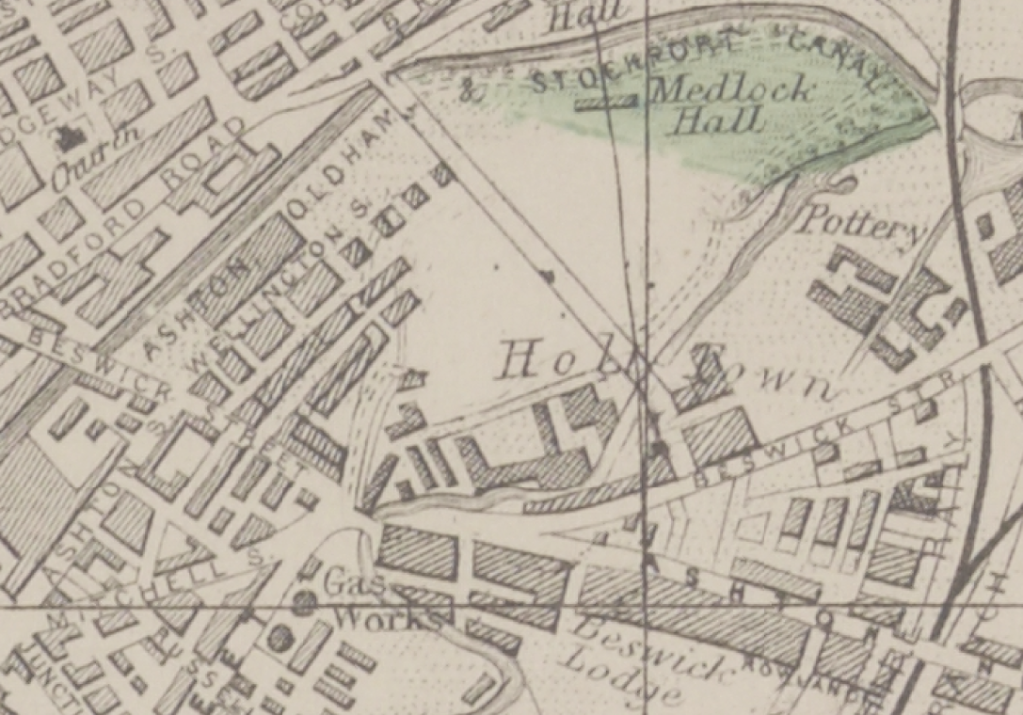
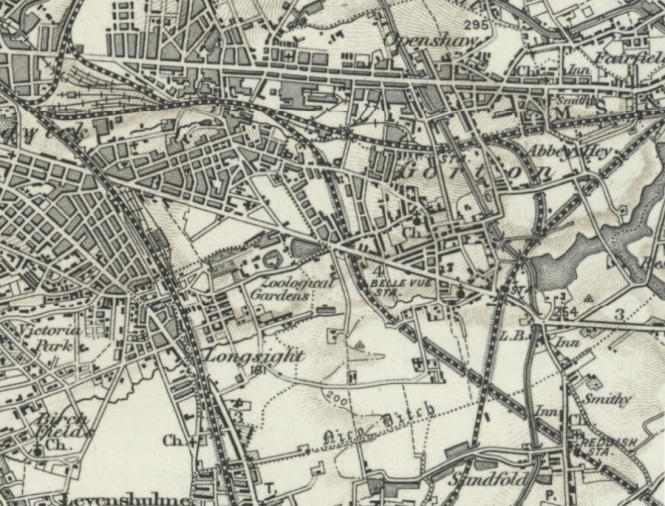
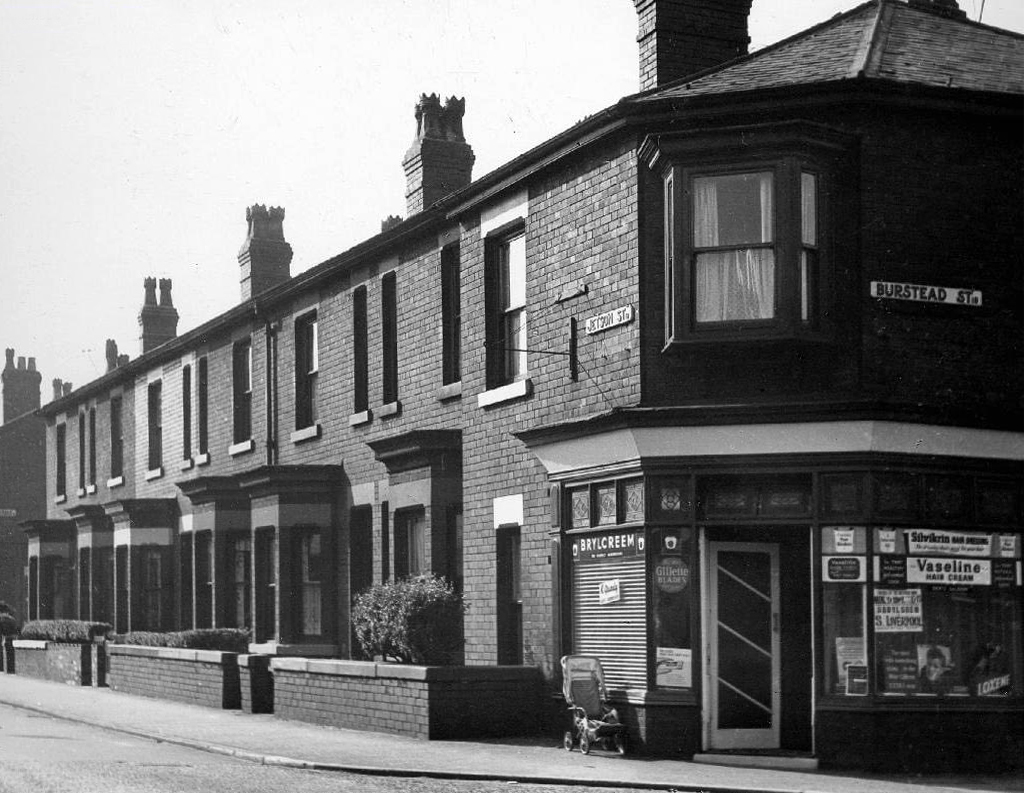
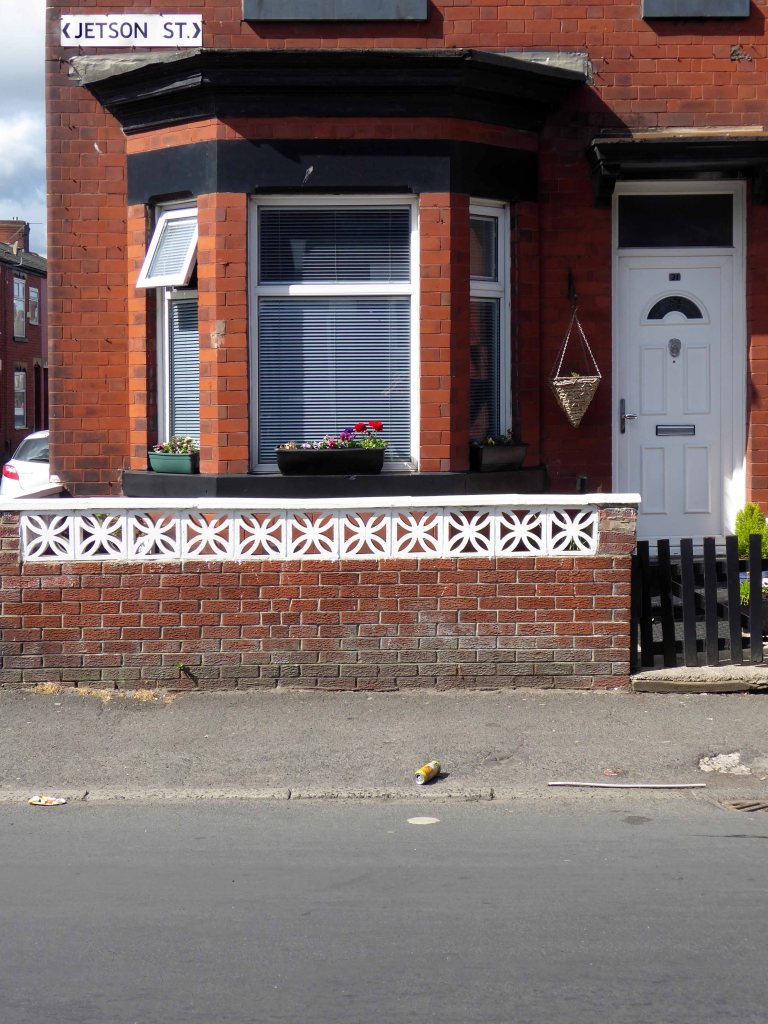
A little further forward to 1896 when Jetson Street has emerged fully formed from the fields, along with rail, road, amusement and industry.
1896
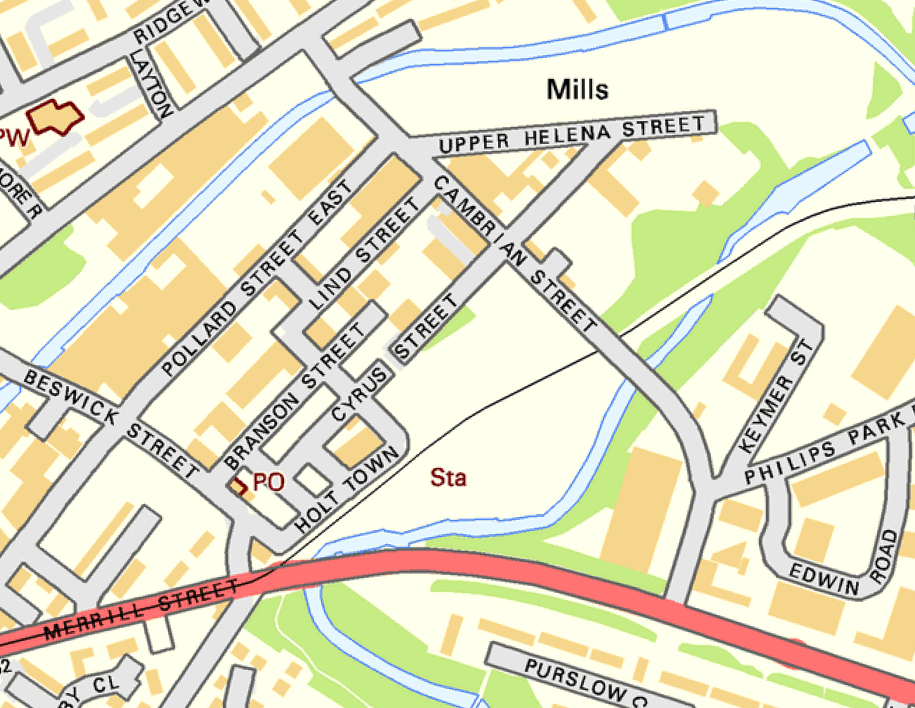
Fast forward to today and it’s all almost still there – though most of the work and the majority of the amusement has evaporated into a cloud of post-industrial, Neo-Liberal economic stagflation.
So why am I here – fast forward to the fictional future!
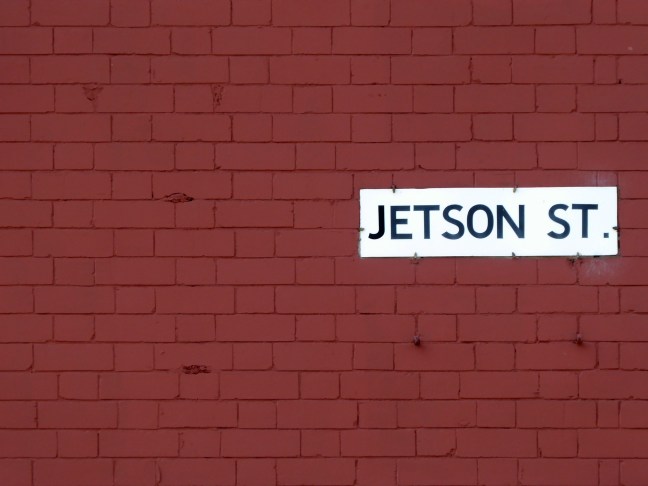
As a kid I watched as the Jet Age emerged before my very square eyes, giving the street a certain cosmic charm – I was curious.
I have searched online – this seems to be the one and only Jetson Street in the whole wide world – I searched online for its origins.
The name Jetson means Son Of Jet and is of American origin.
Which quite frankly seems unreasonably glib.
The name Jetson is from the ancient Anglo-Saxon culture of the Britain and comes from the names Judd and Jutt, which are pet forms of the personal name Jordan. These names are derived from Jurd, a common abbreviation of Jordan, and feature the common interchange of voiced and voiceless final consonants.
The surname Jetson was first found in Hertfordshire where they held a family seat from very ancient times, some say well before the Norman Conquest and the arrival of Duke William at Hastings in 1066 A.D.
Which quite frankly seems unreasonably obscure.
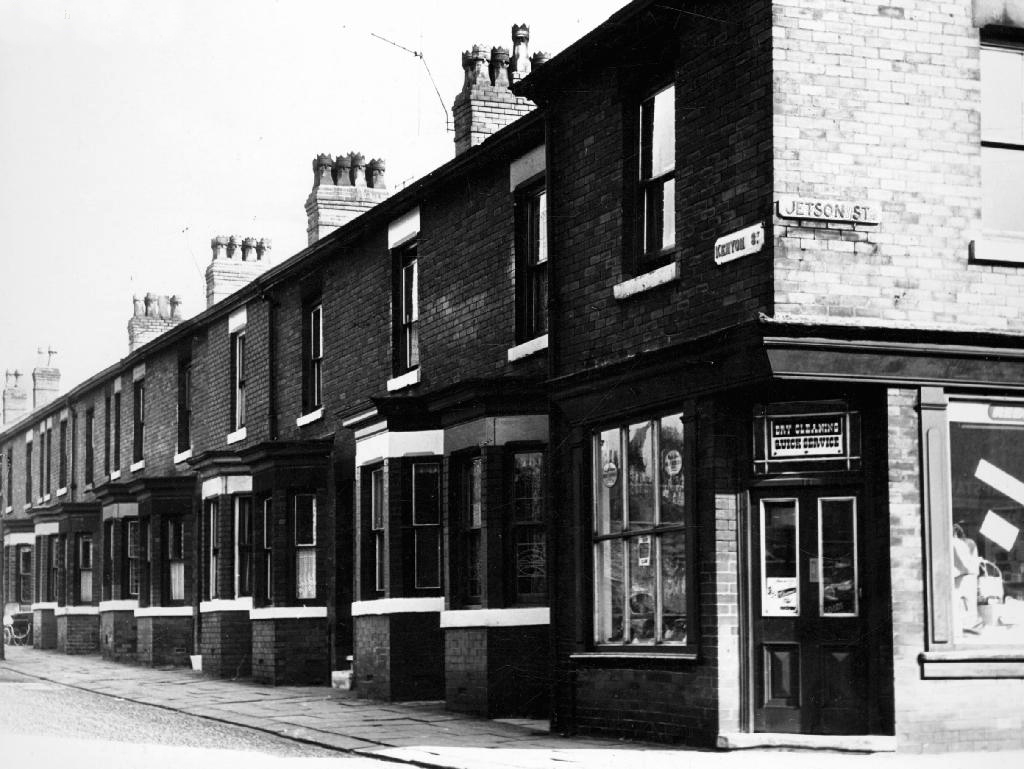
Let’s jet back to 1964.
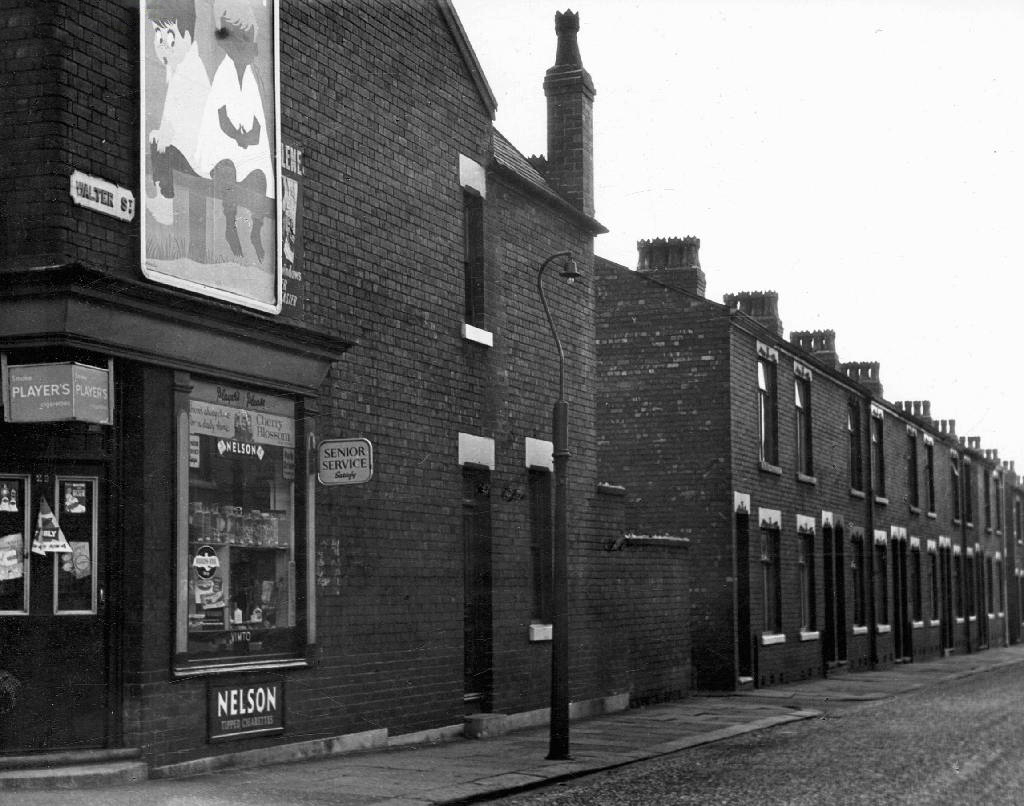
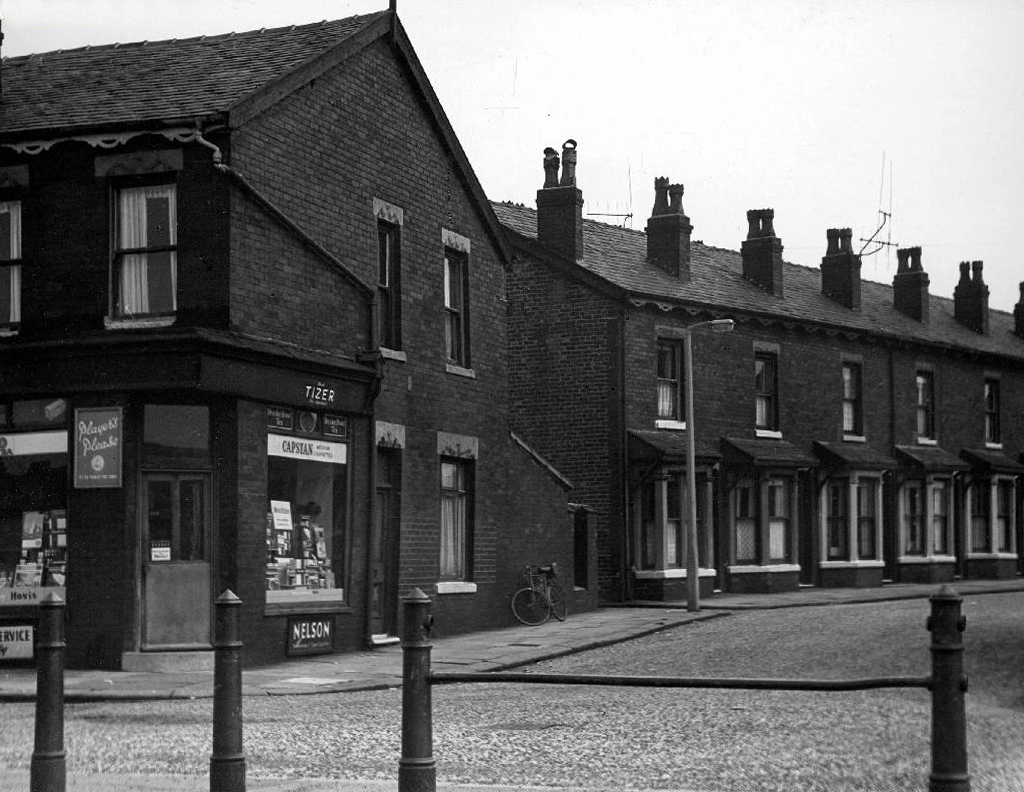
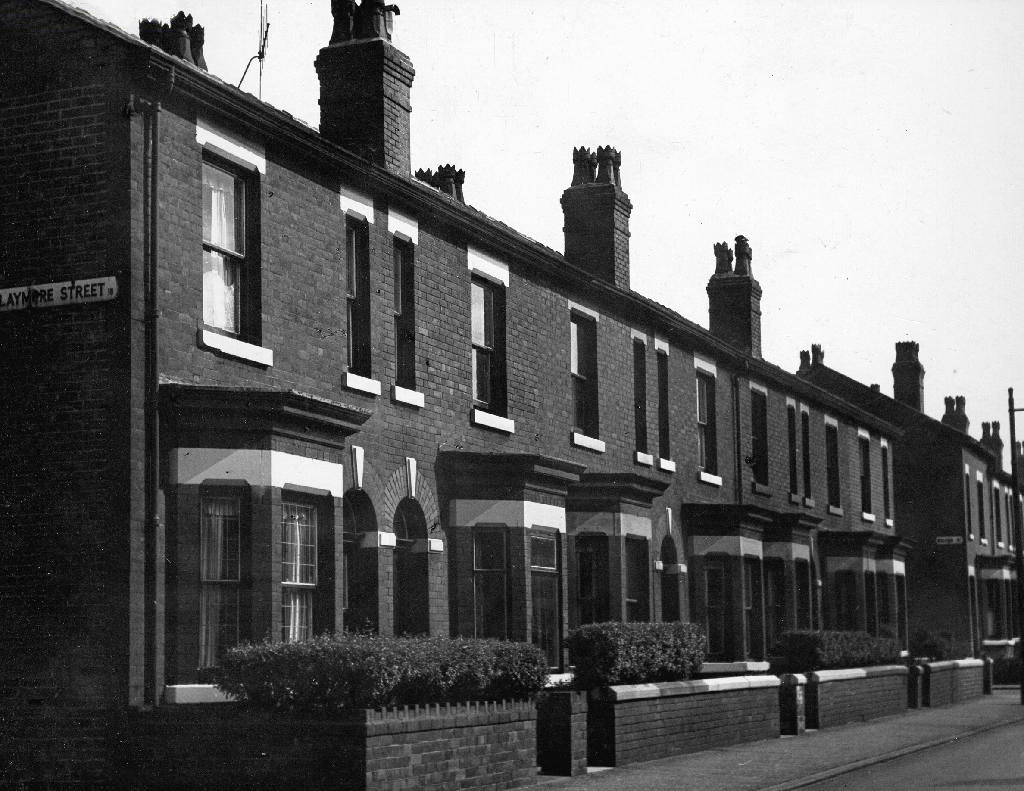
T Brooks wandered these streets taking thousands of photographs for the Manchester Corporation, possibly the housing or highways departments – they all still exist here on the Local Image Collection.
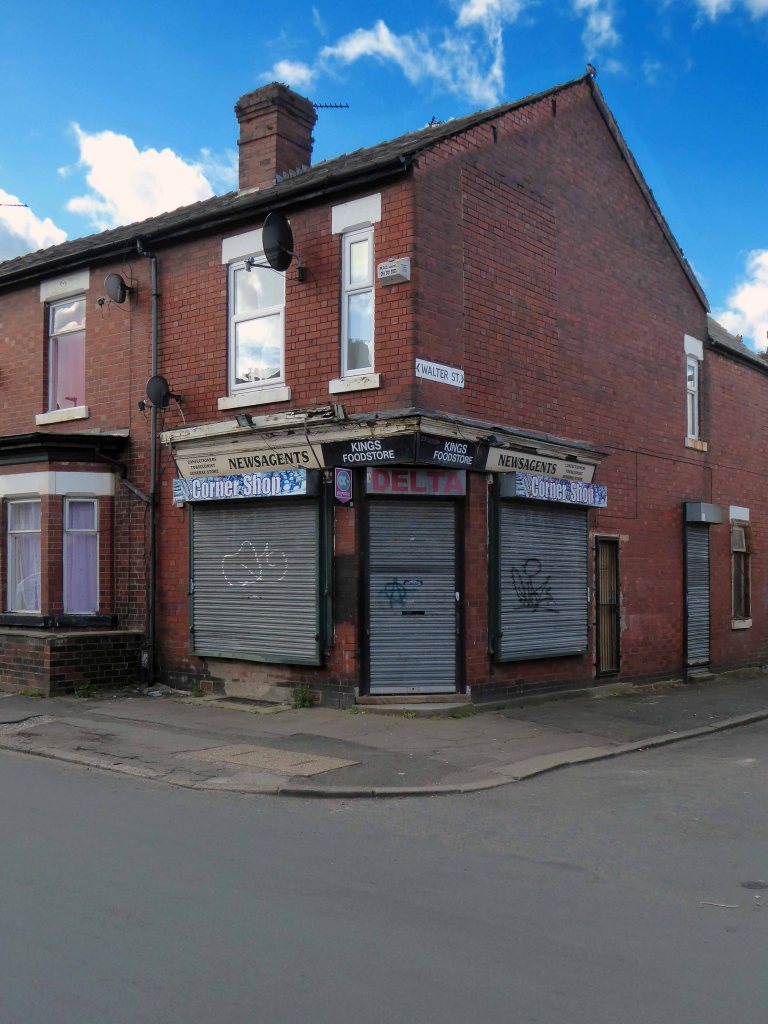
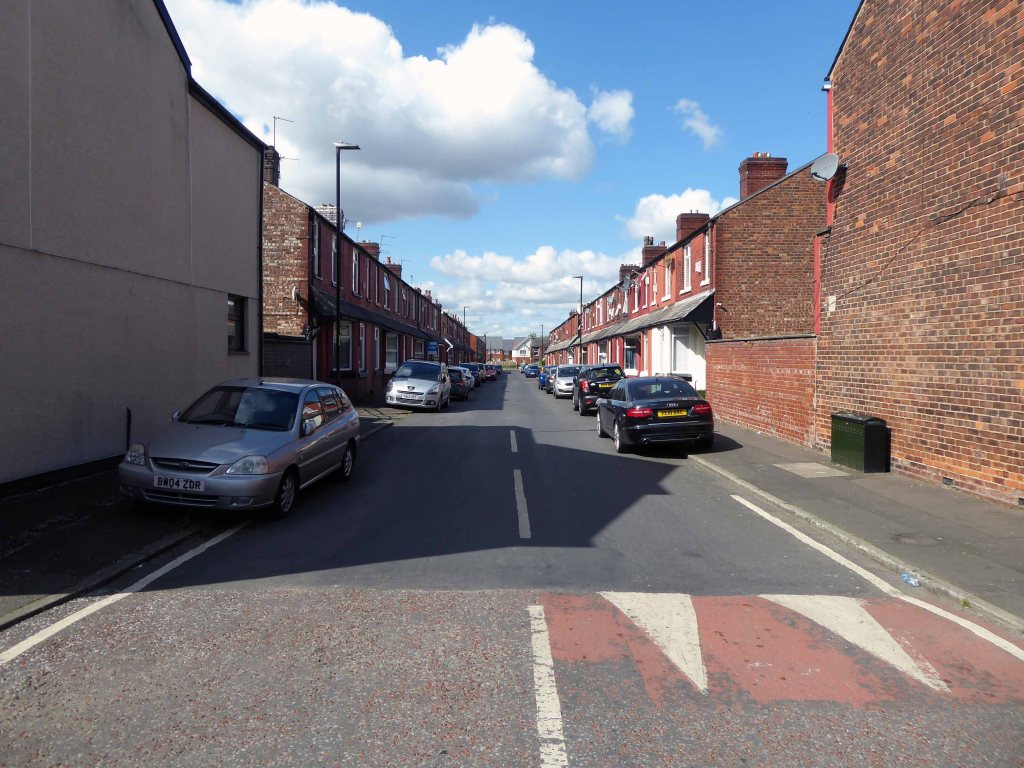
This was a world of corner shops on ever corner, settled communities full-employment, neatly ordered rows of sturdy brick-built homes.
I follow in his hallowed footsteps, what if anything remains of this world – fast forward to 2015 my first fleeting visit.
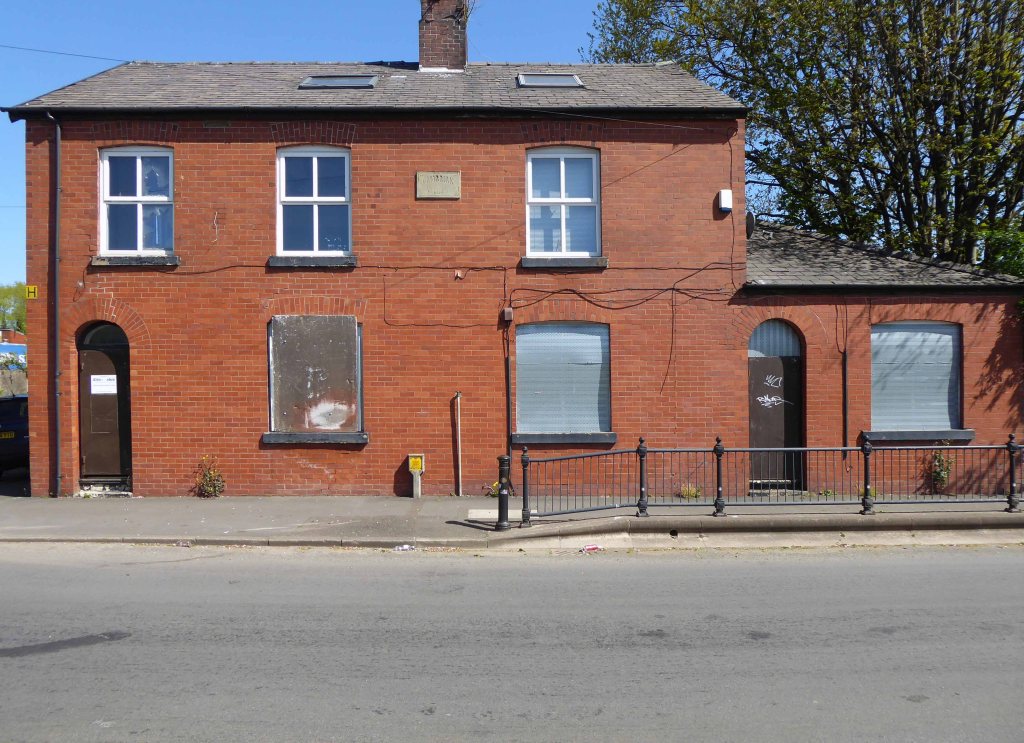
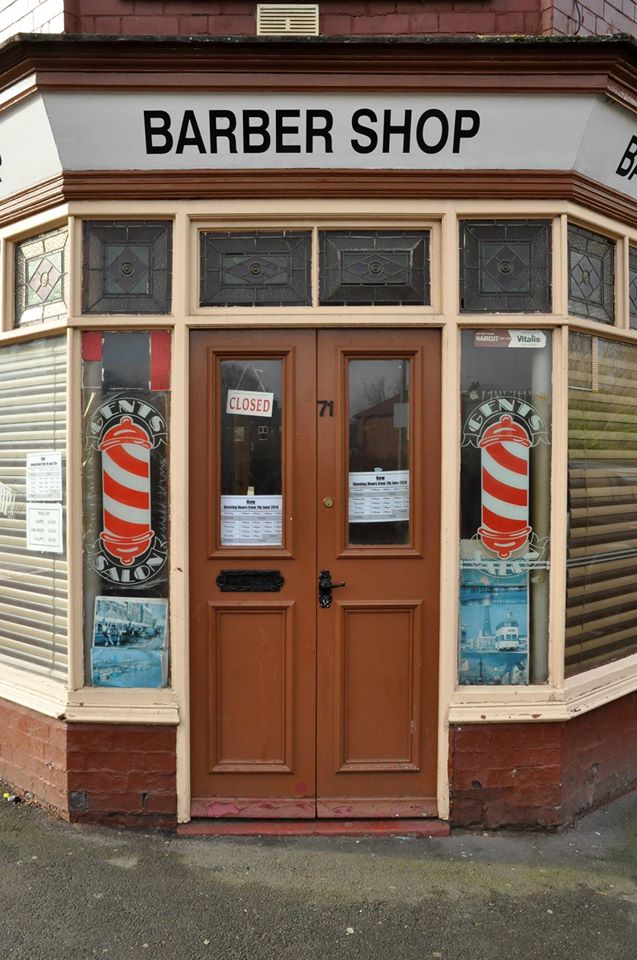
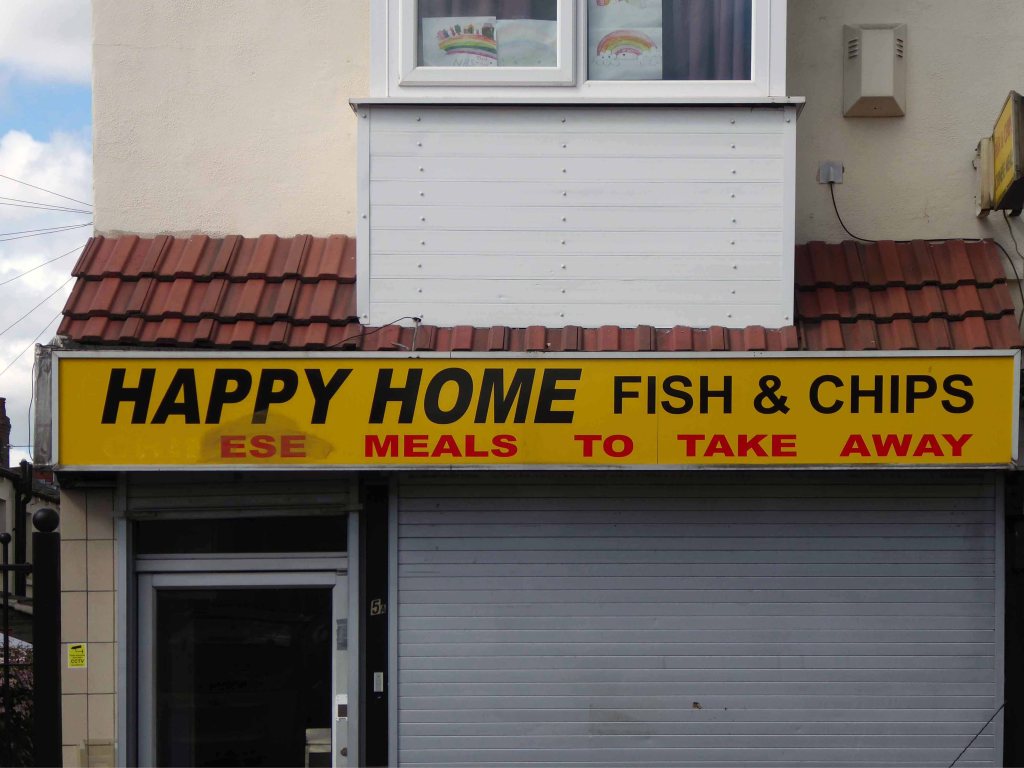
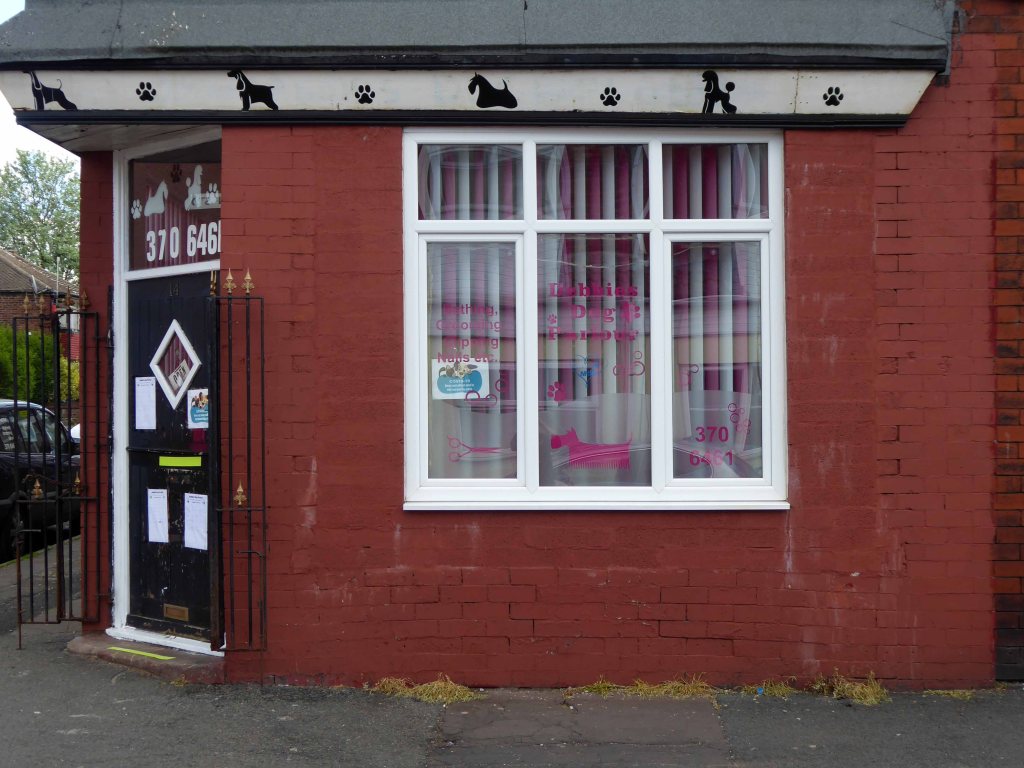
Now trading as Happy HomeA barber shop no more
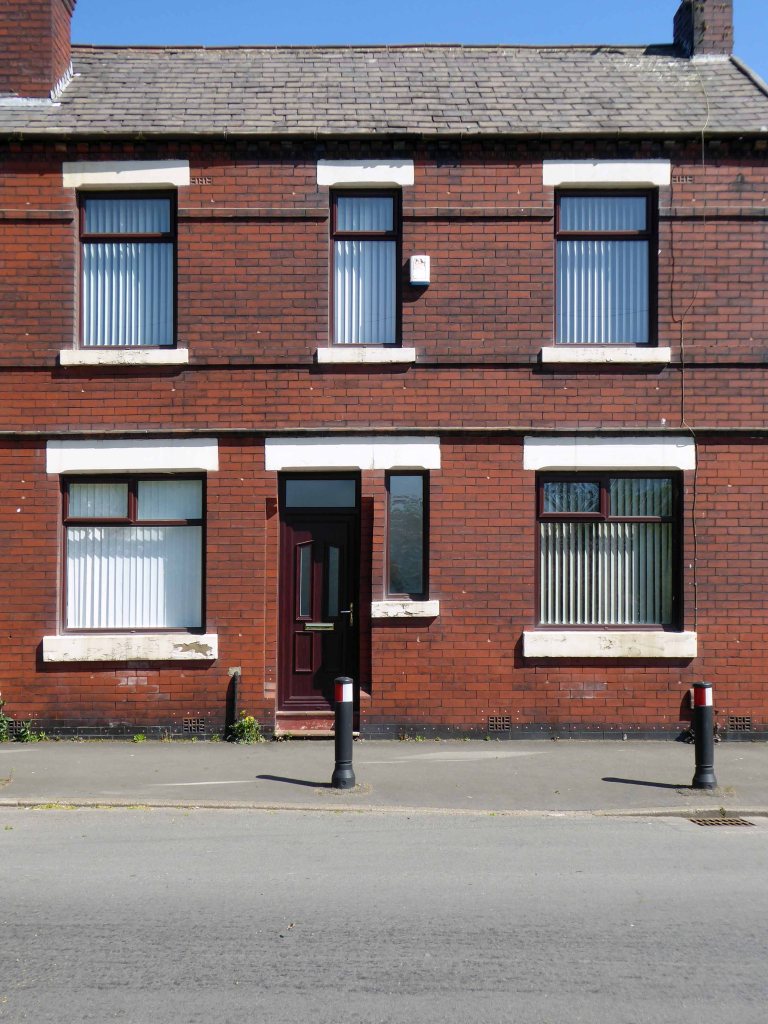
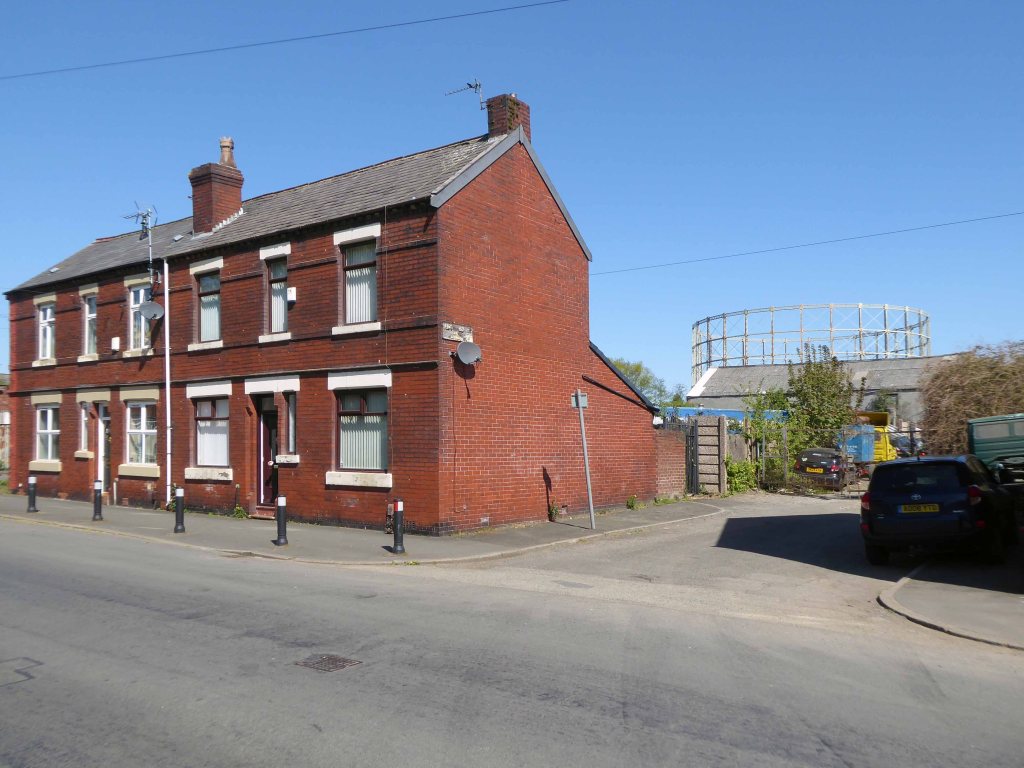
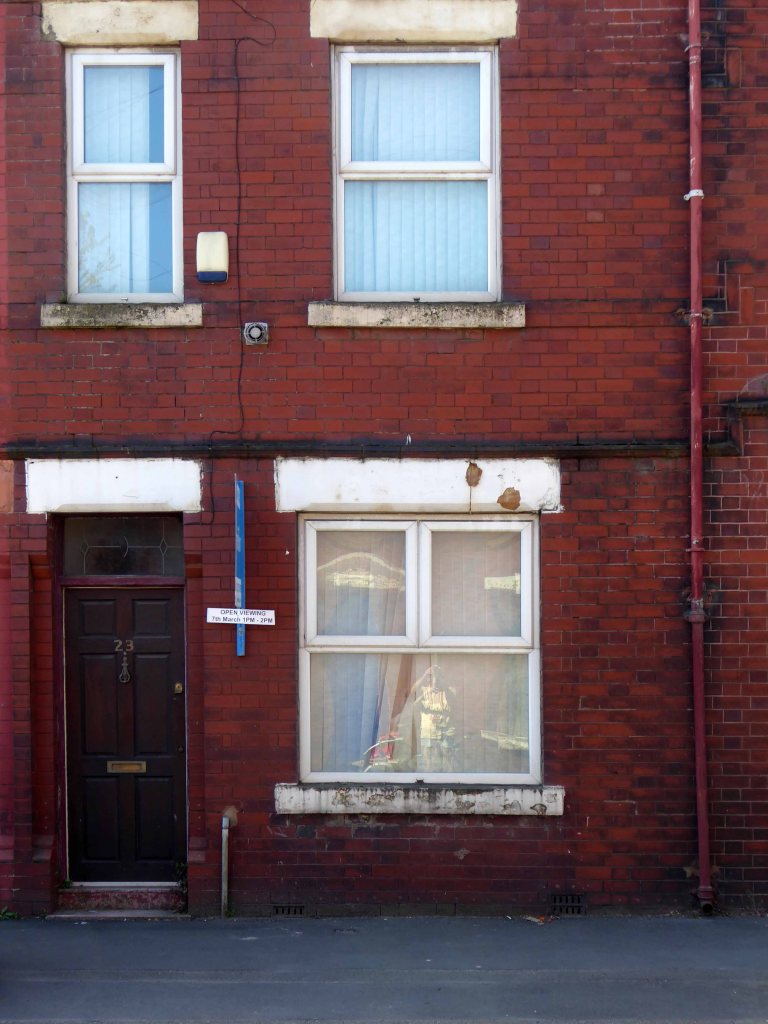
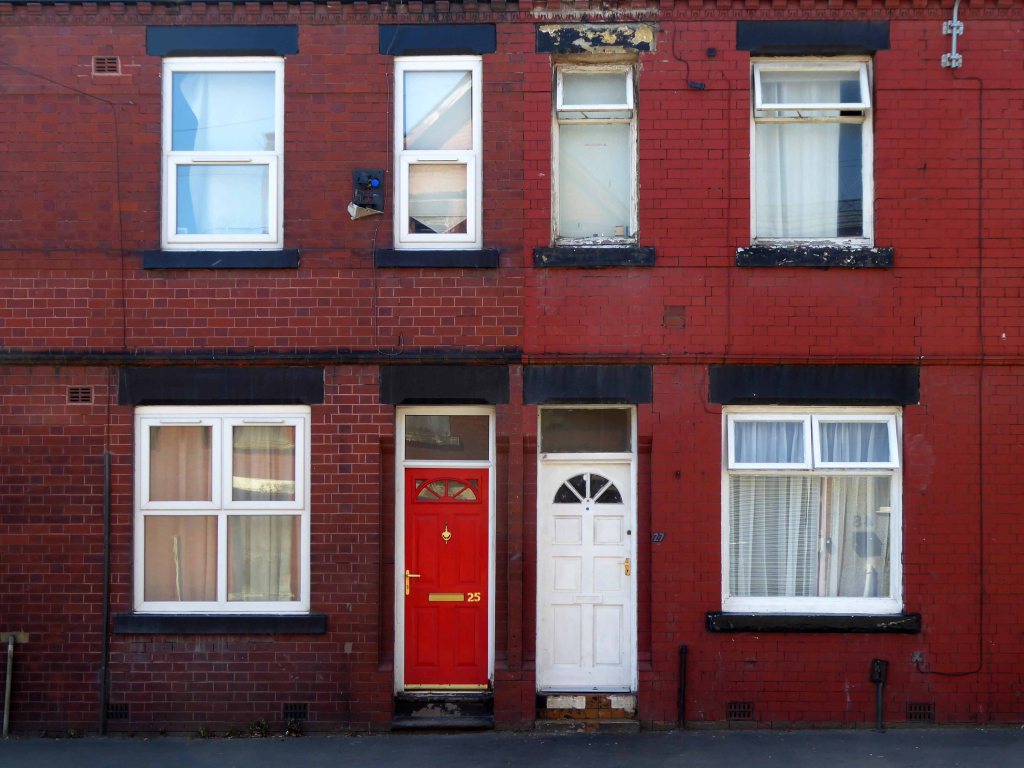
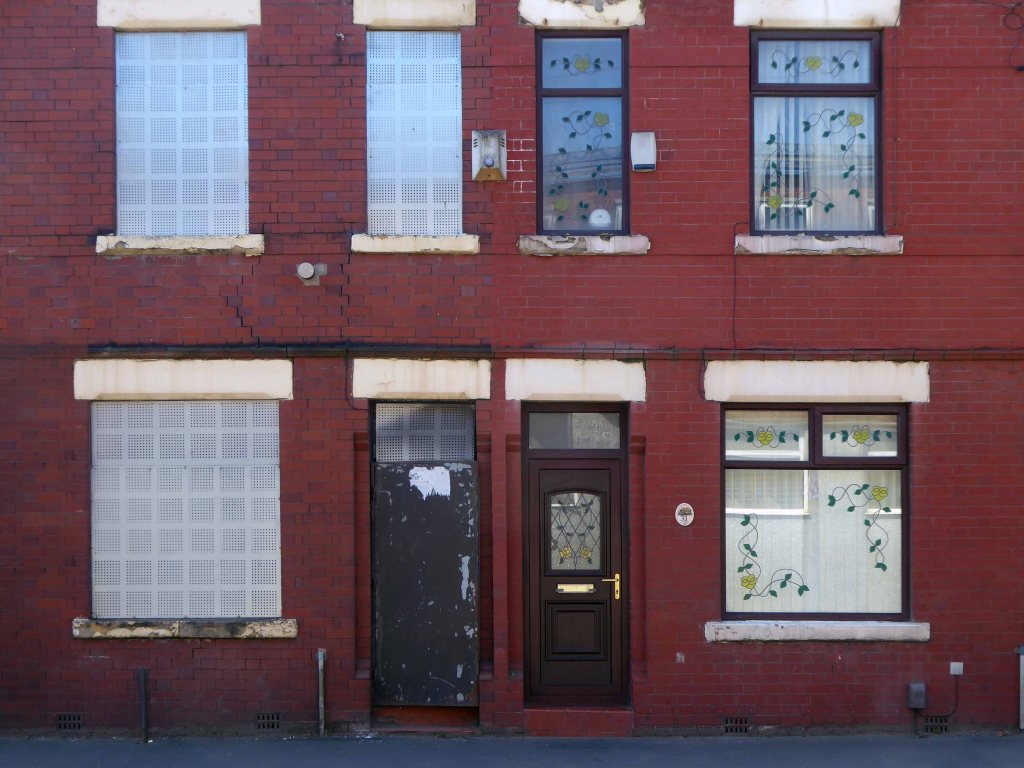
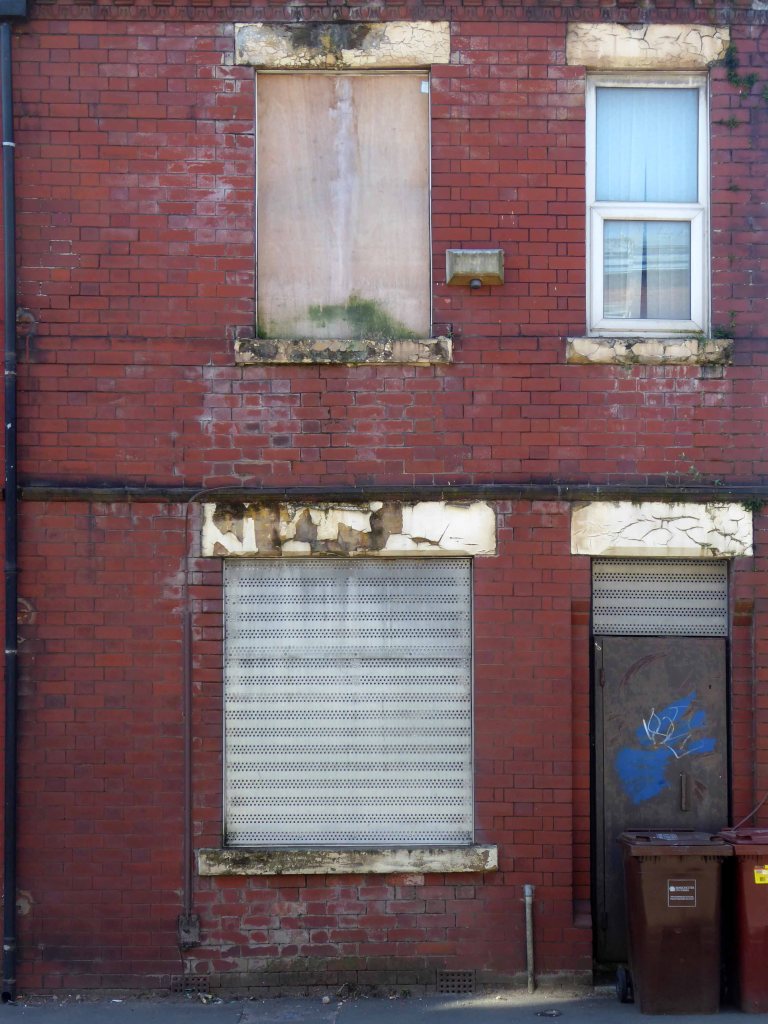
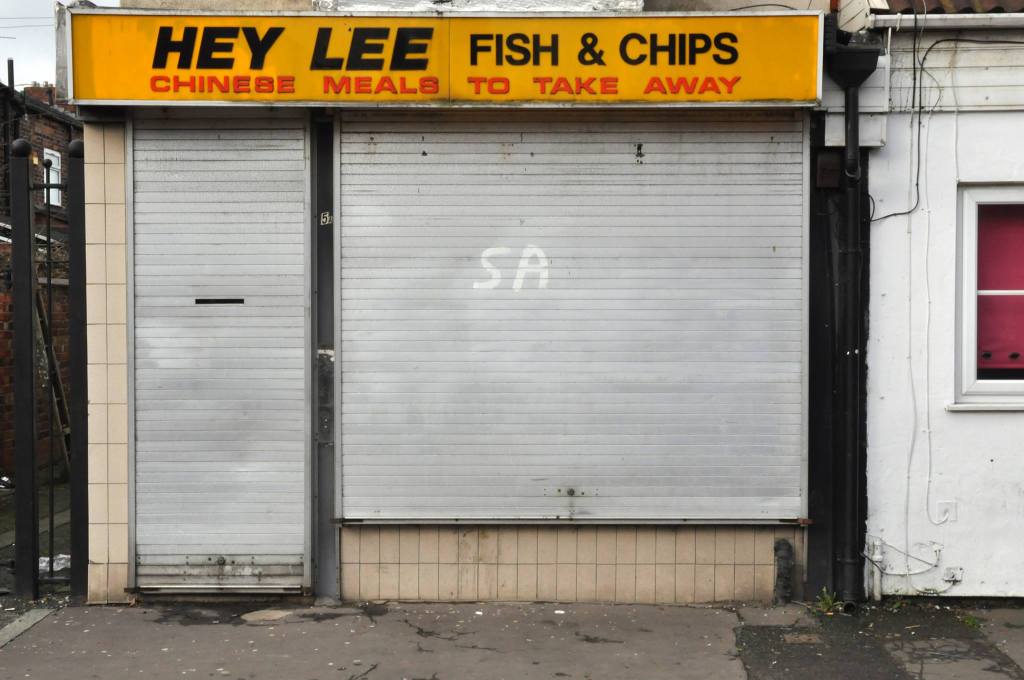
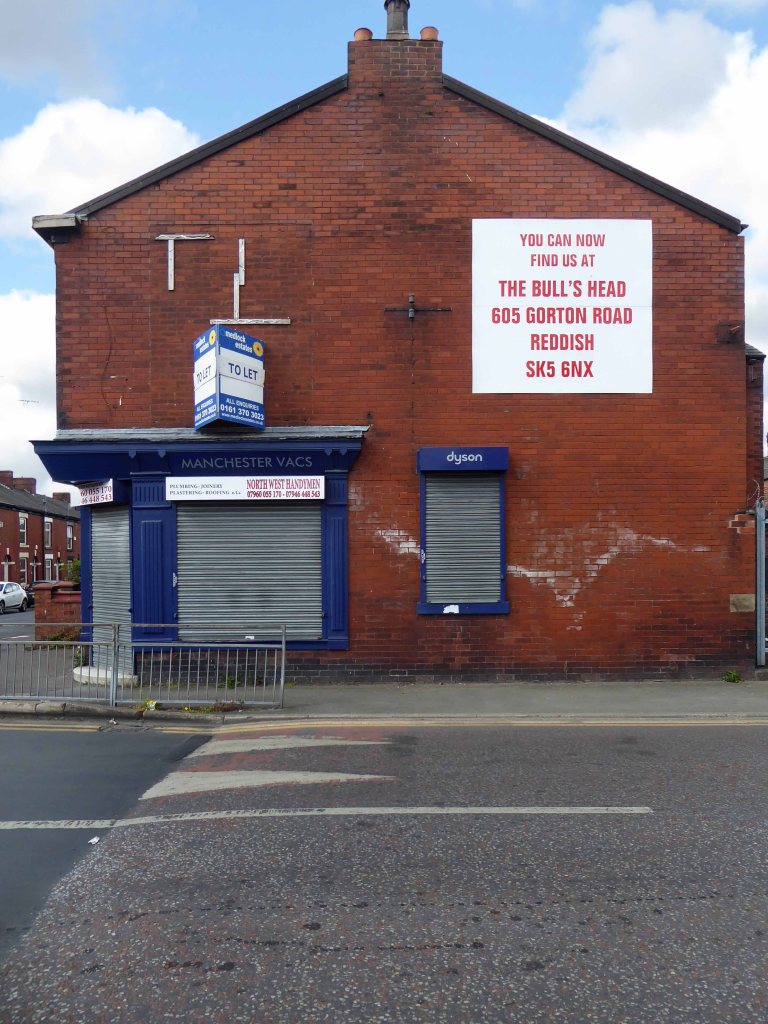
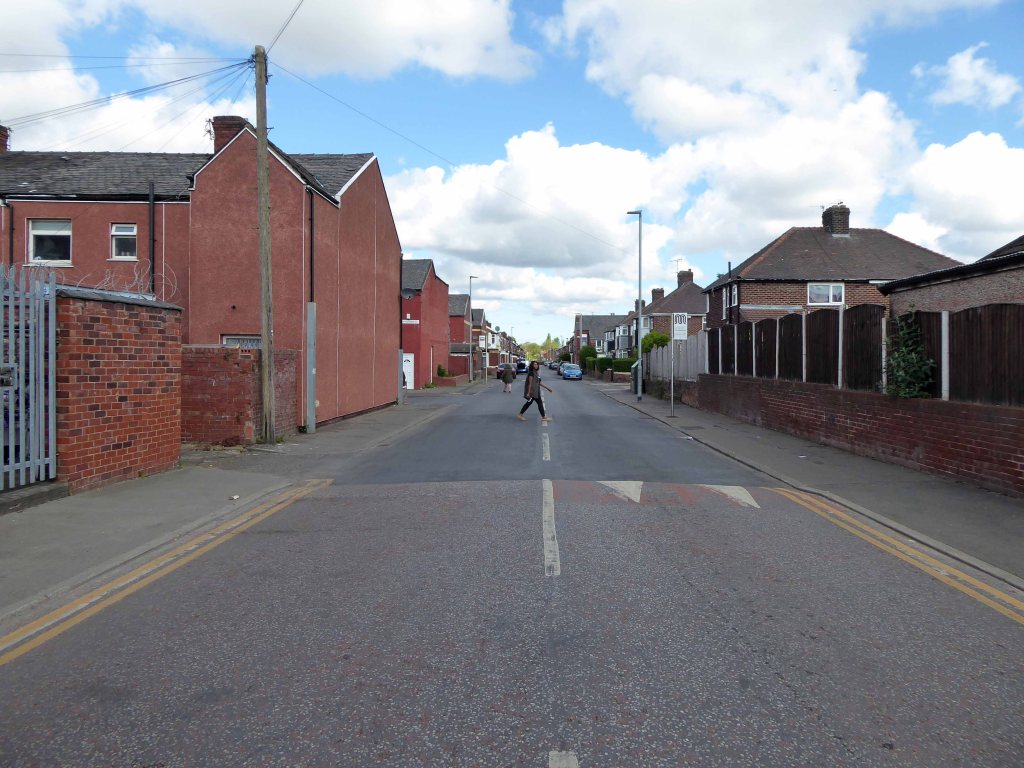
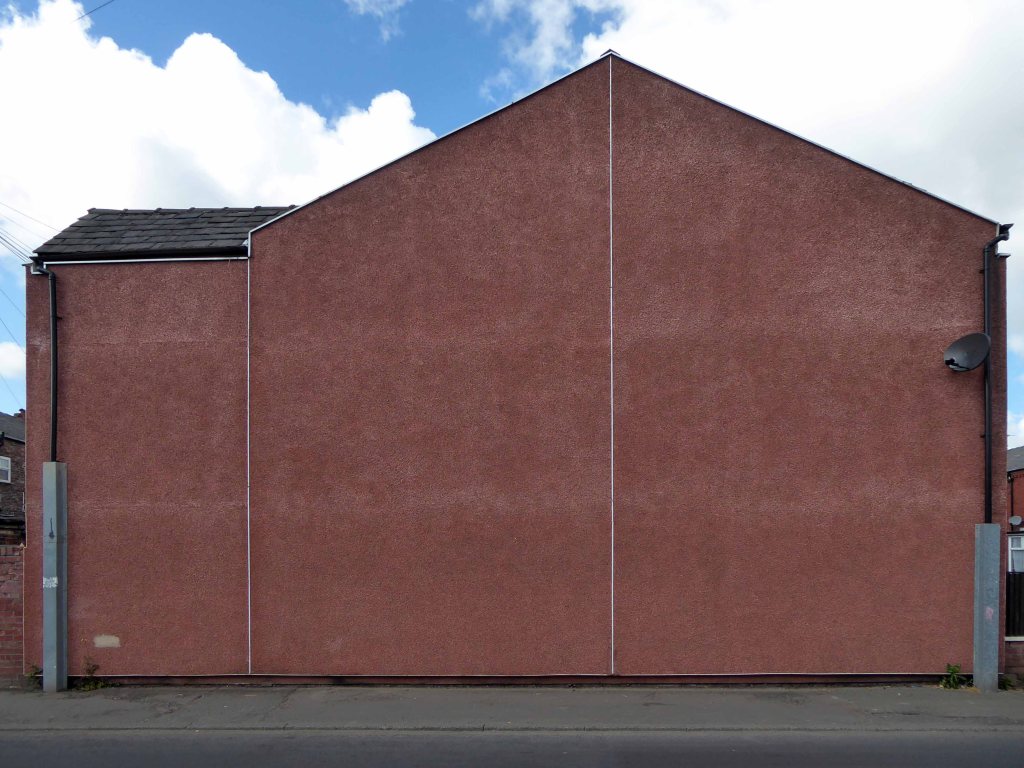
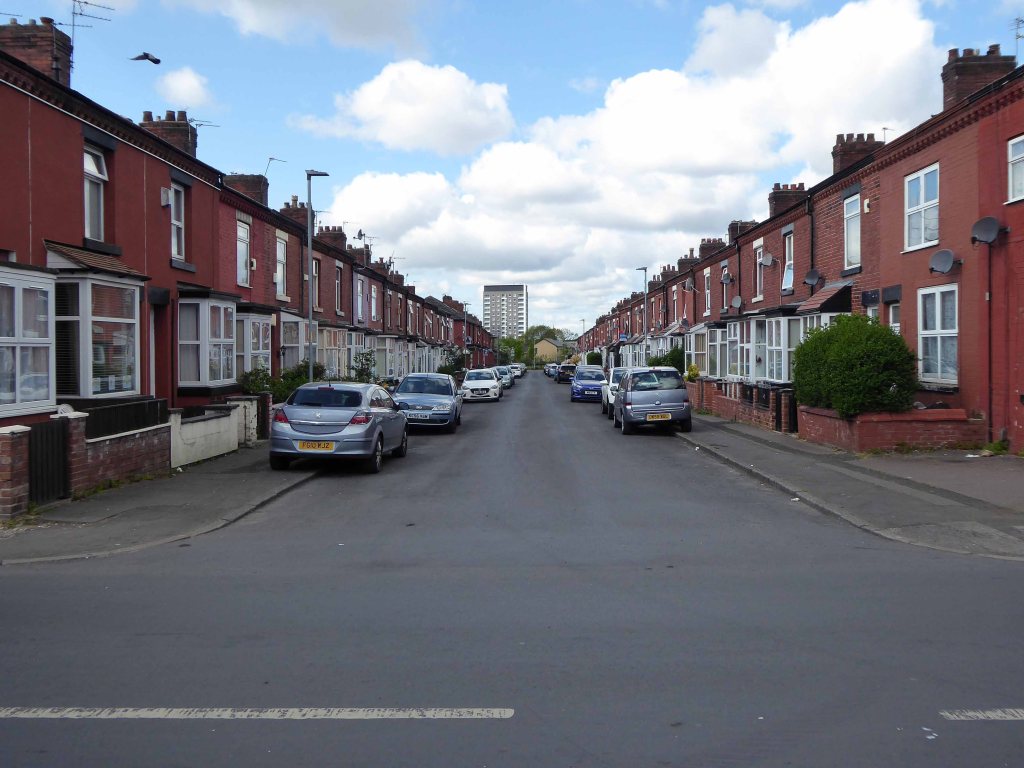
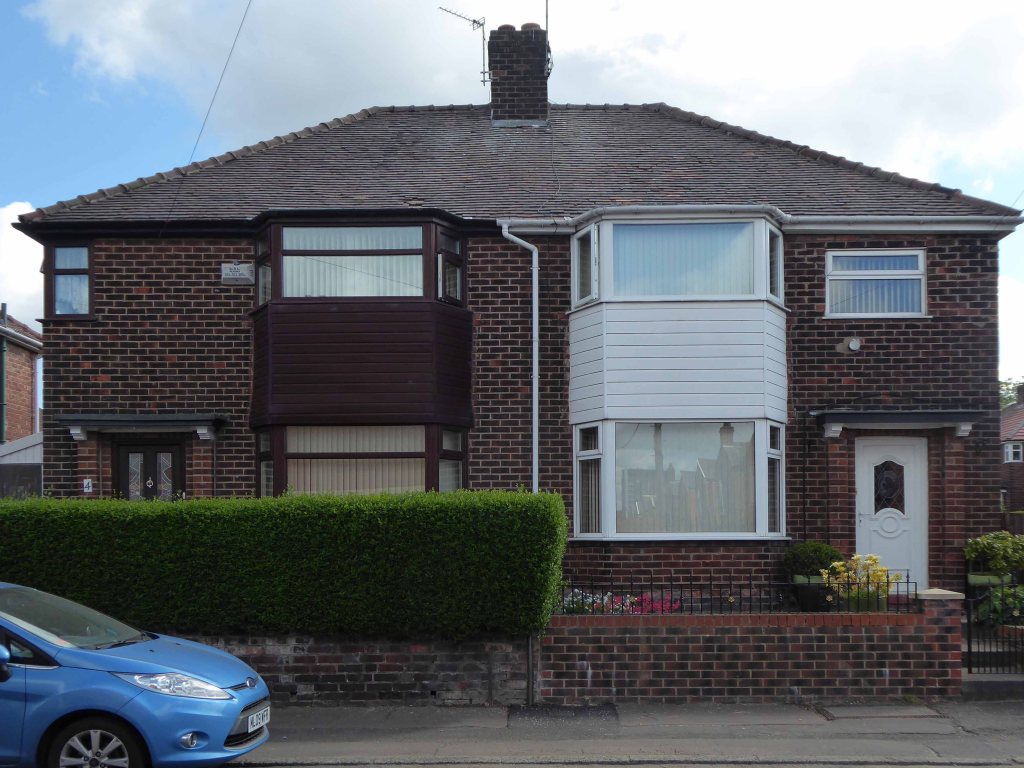
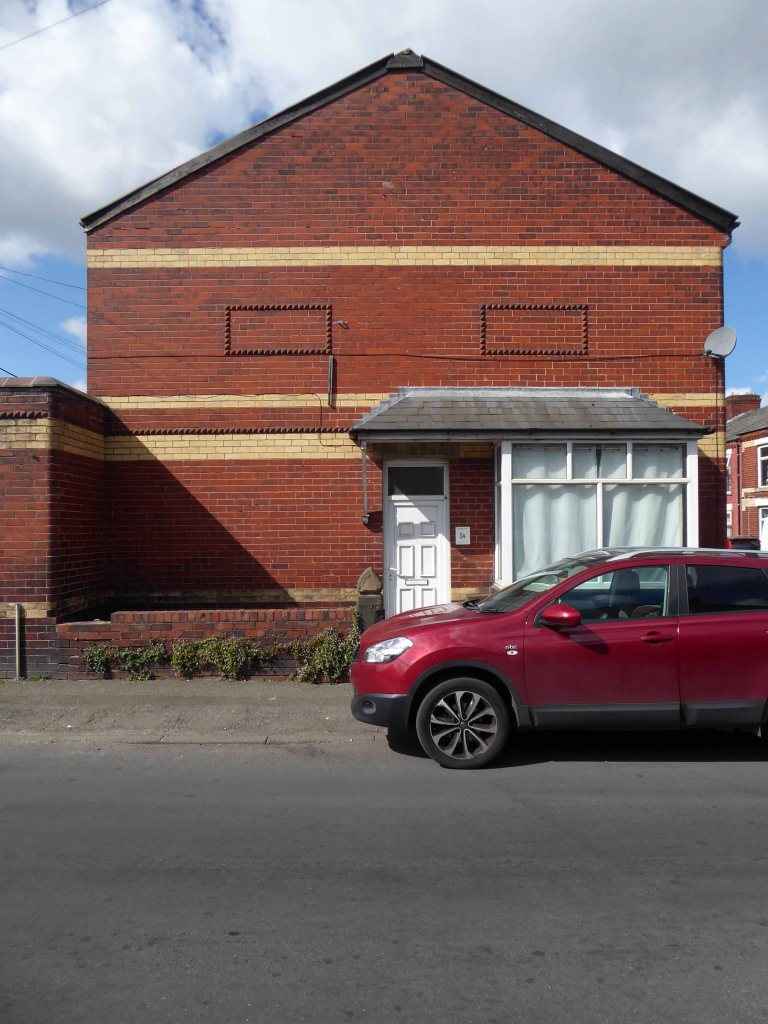
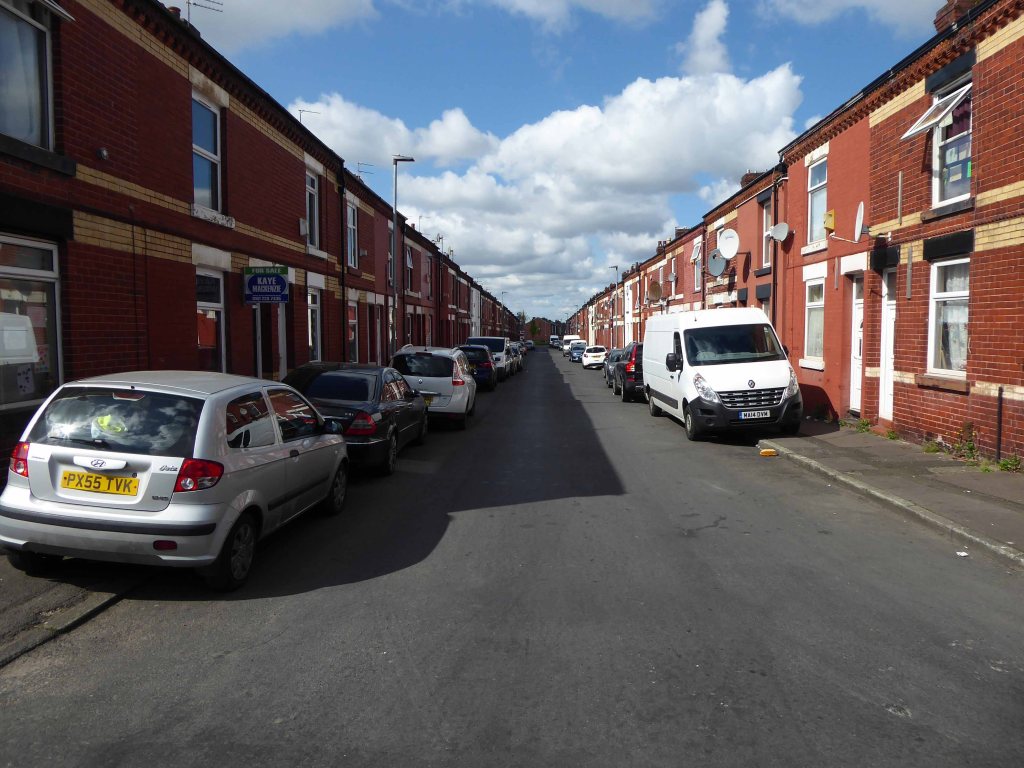
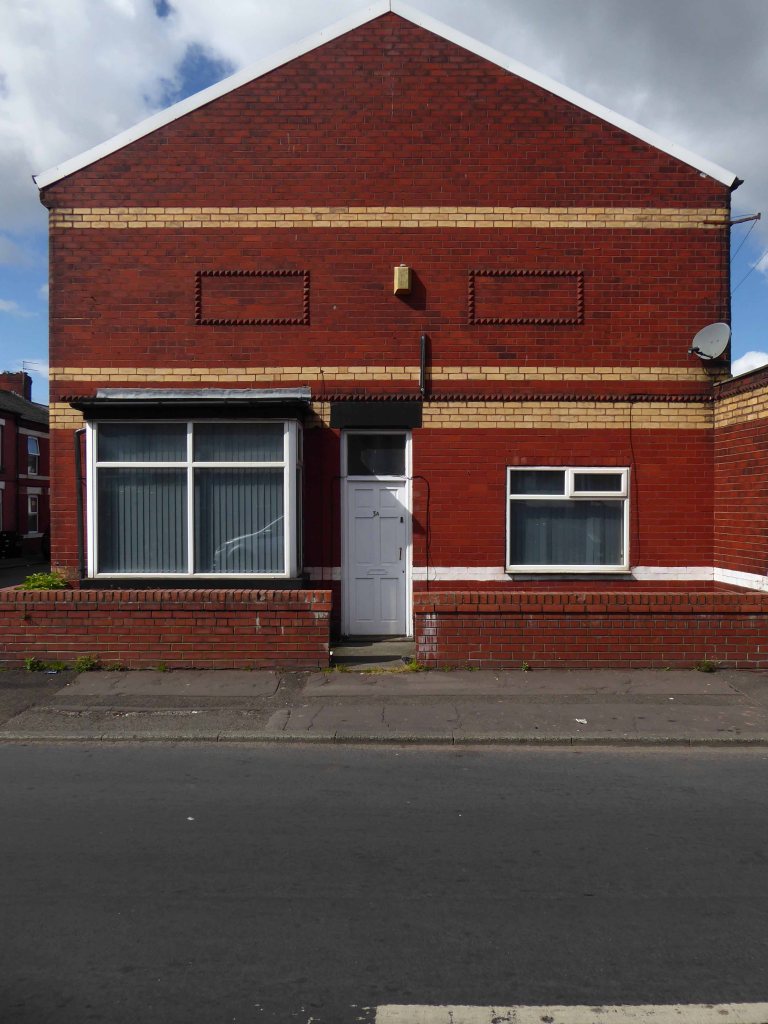
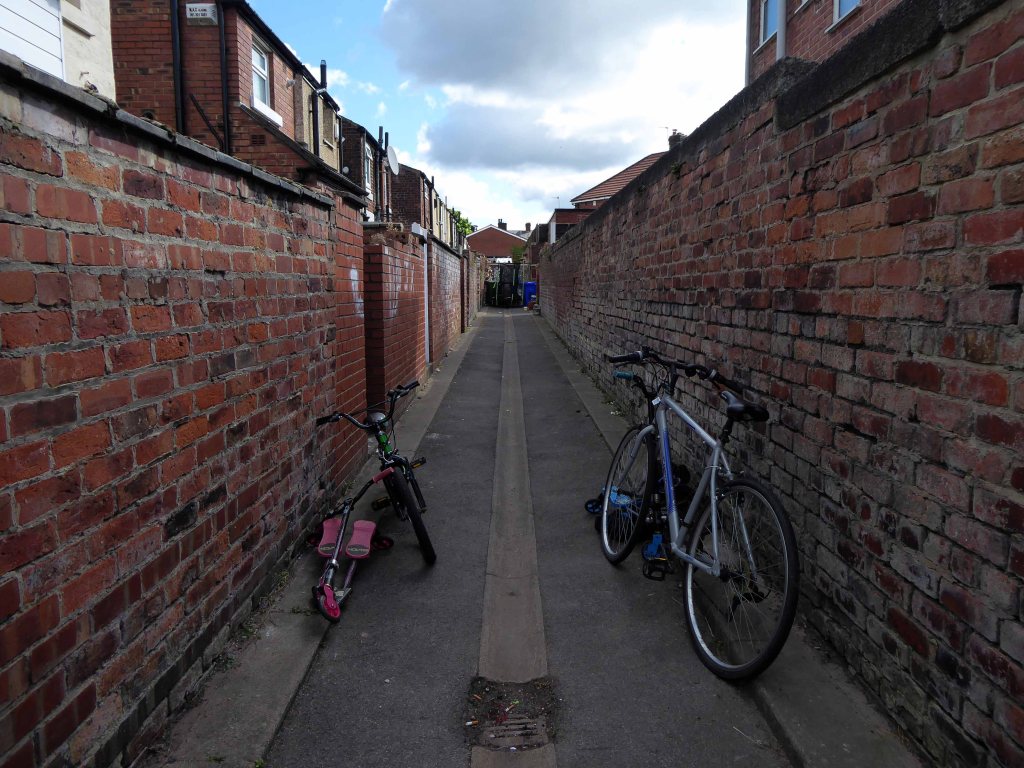
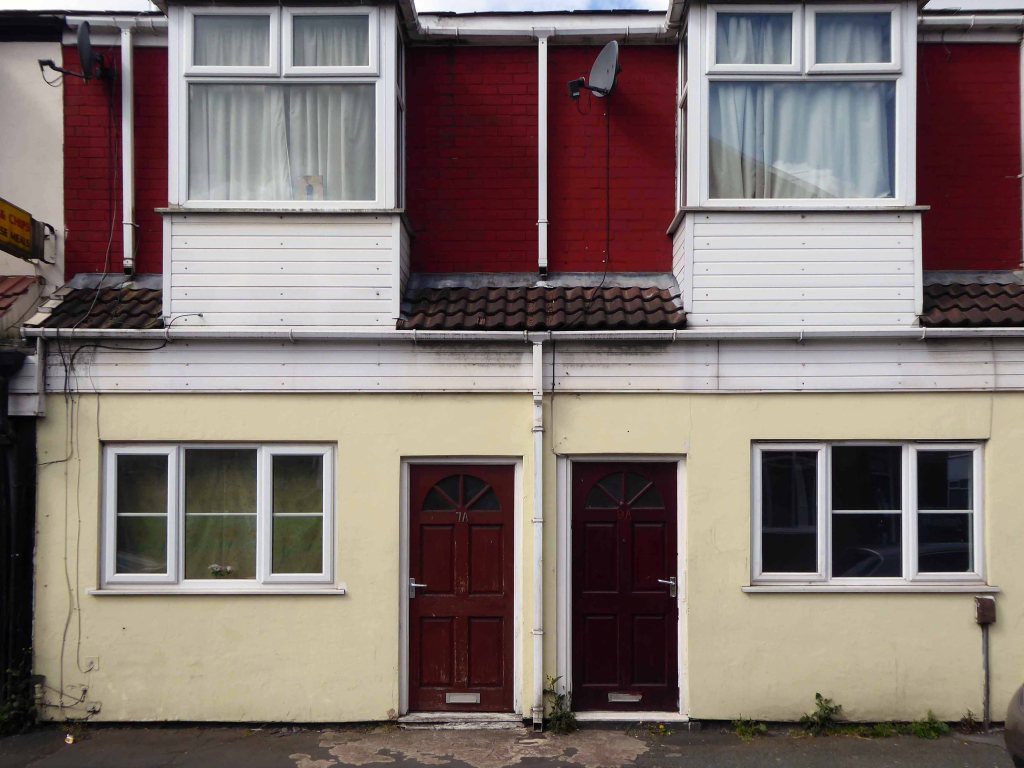
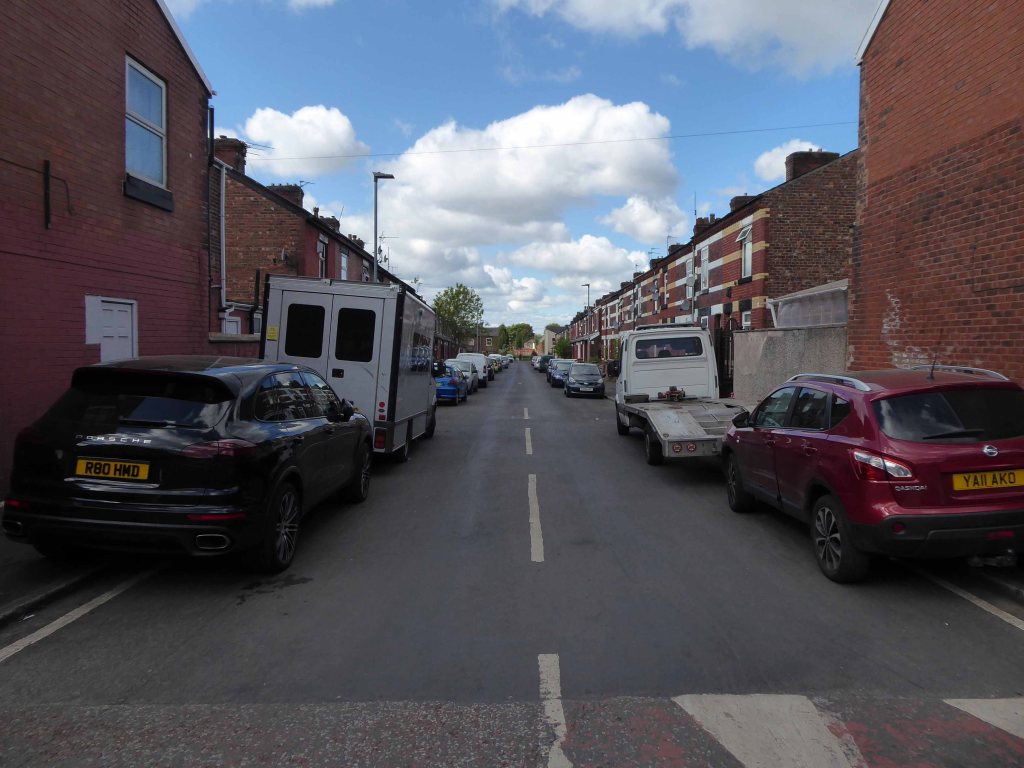
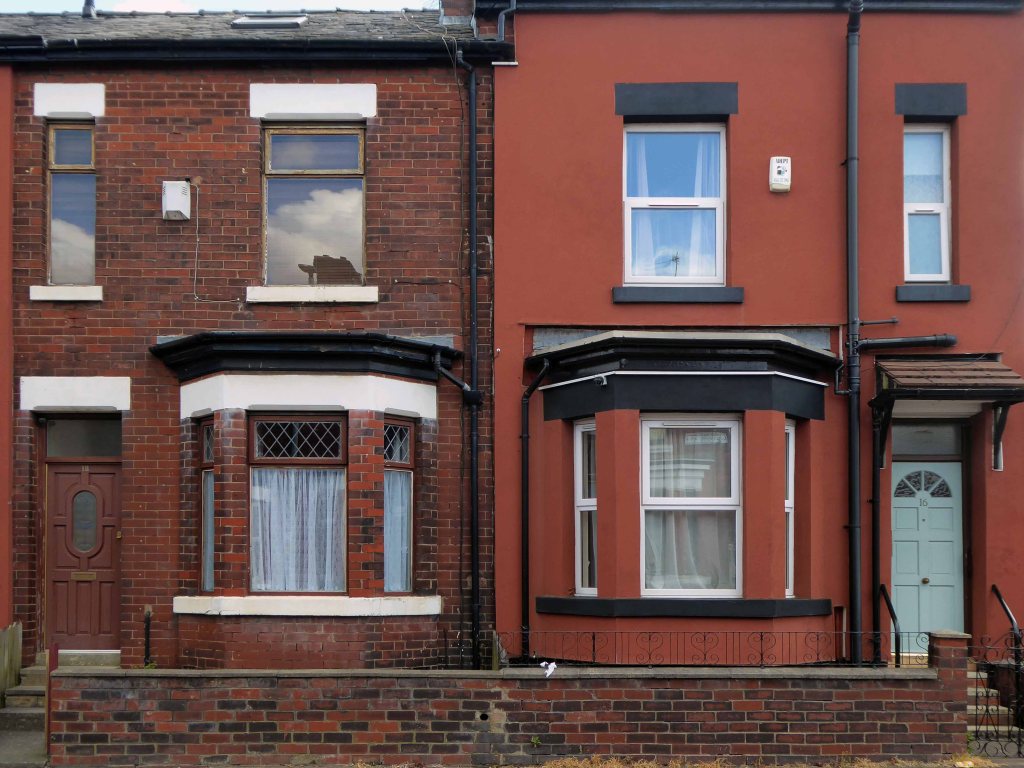
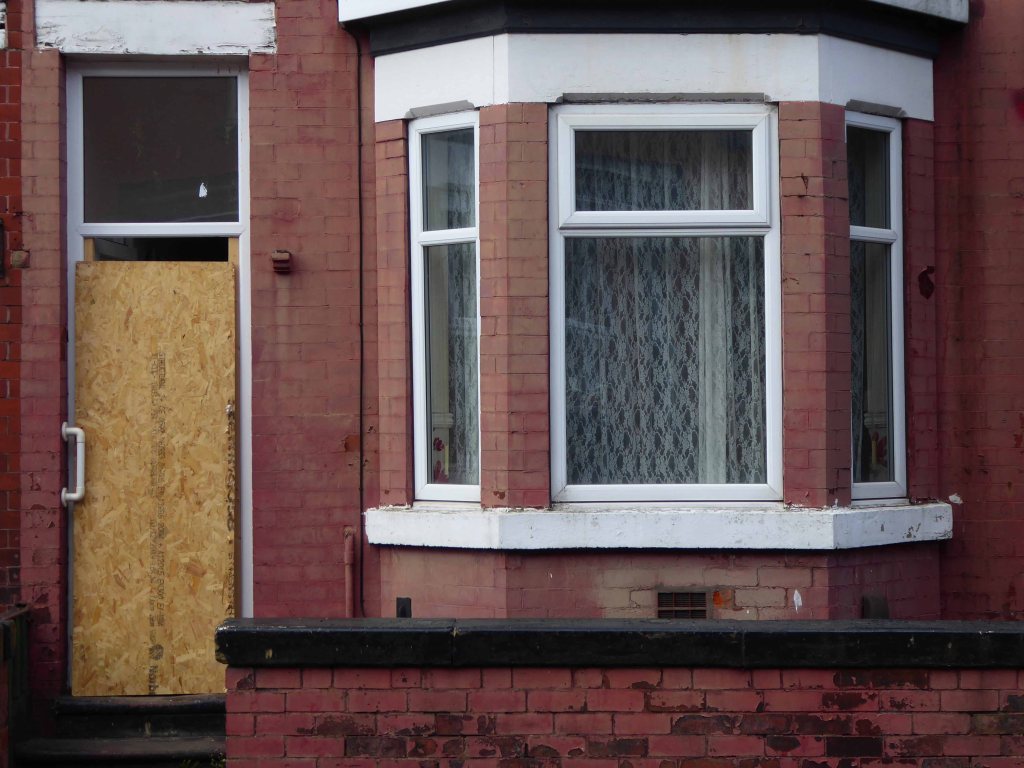
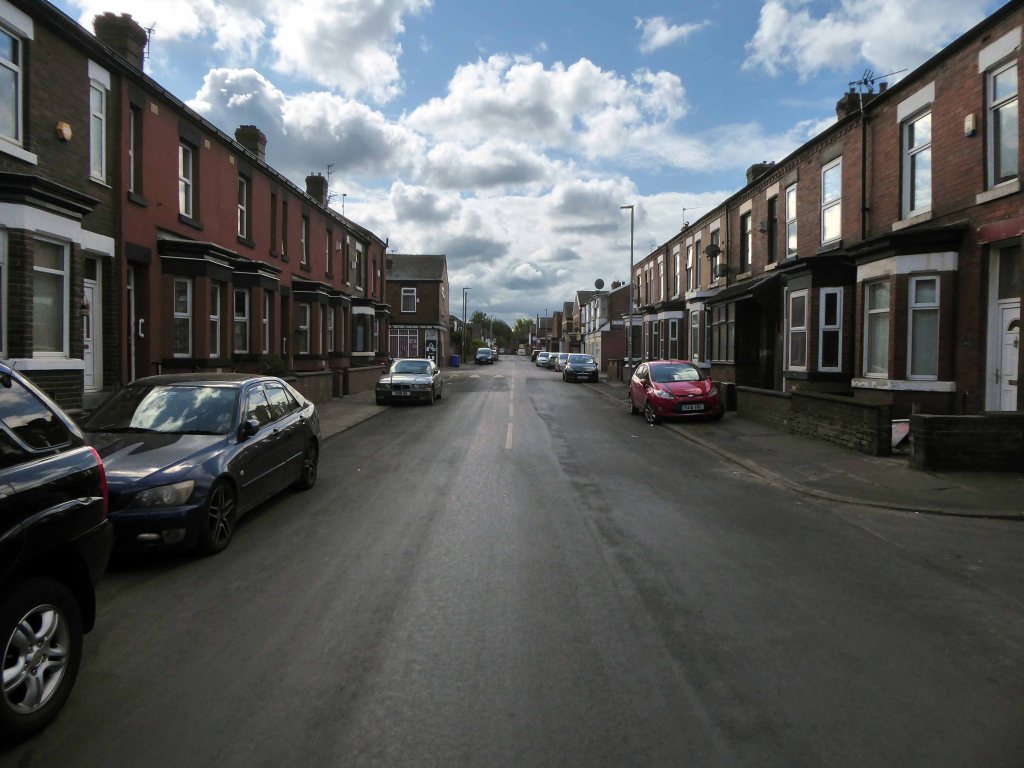
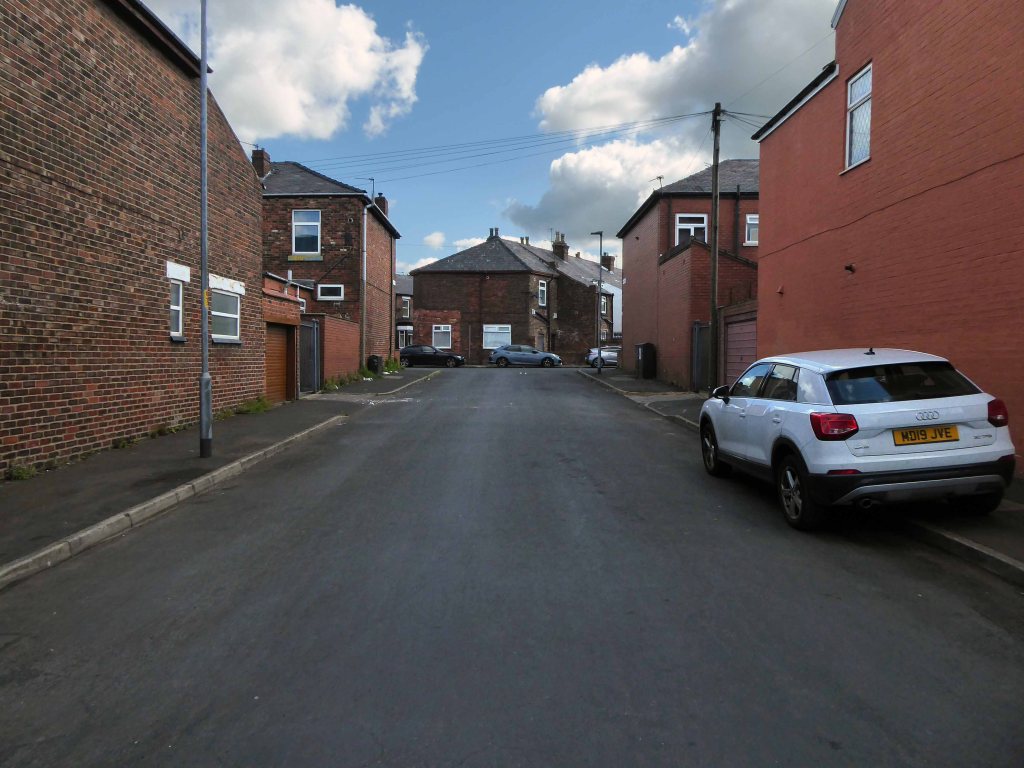
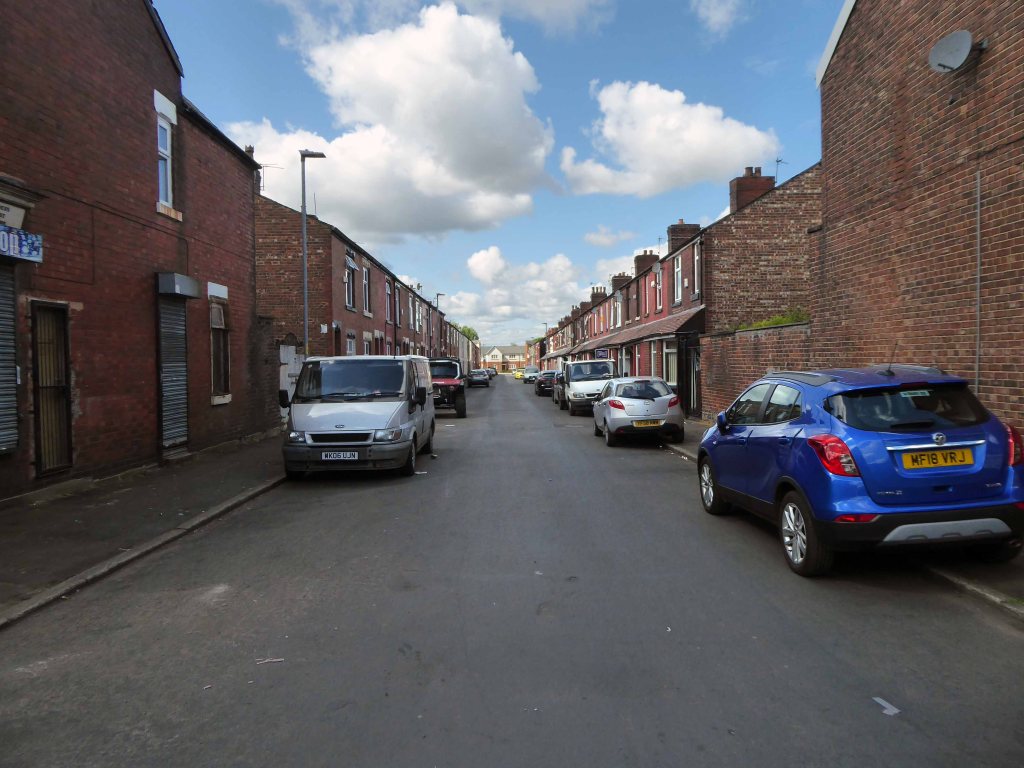
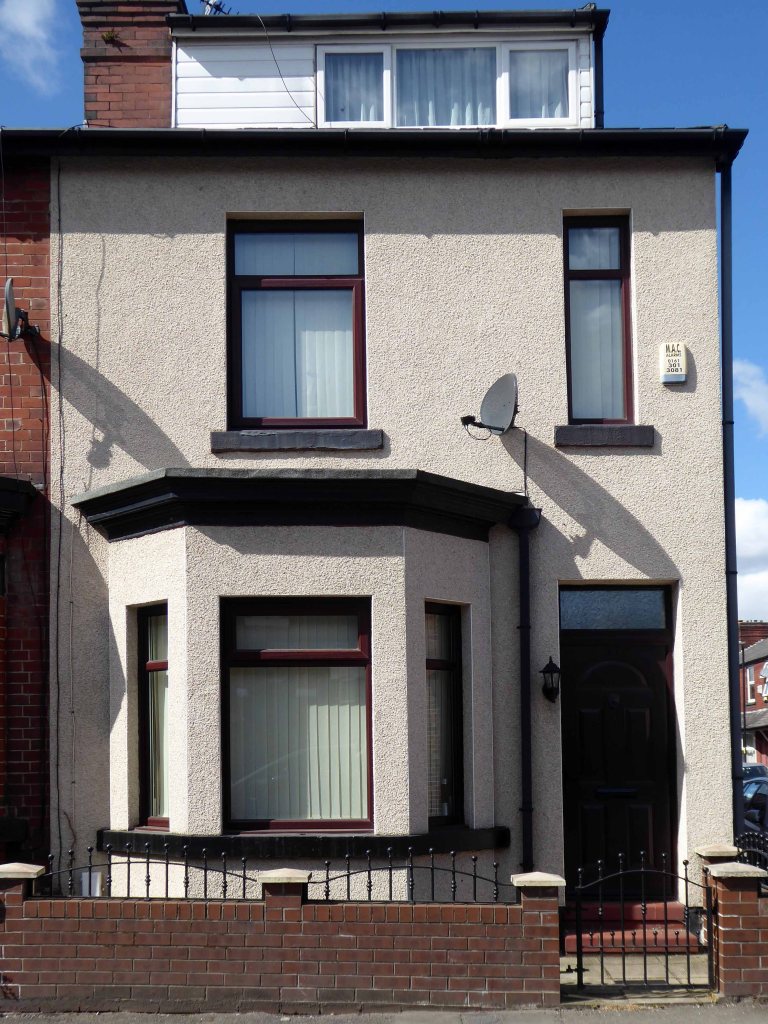
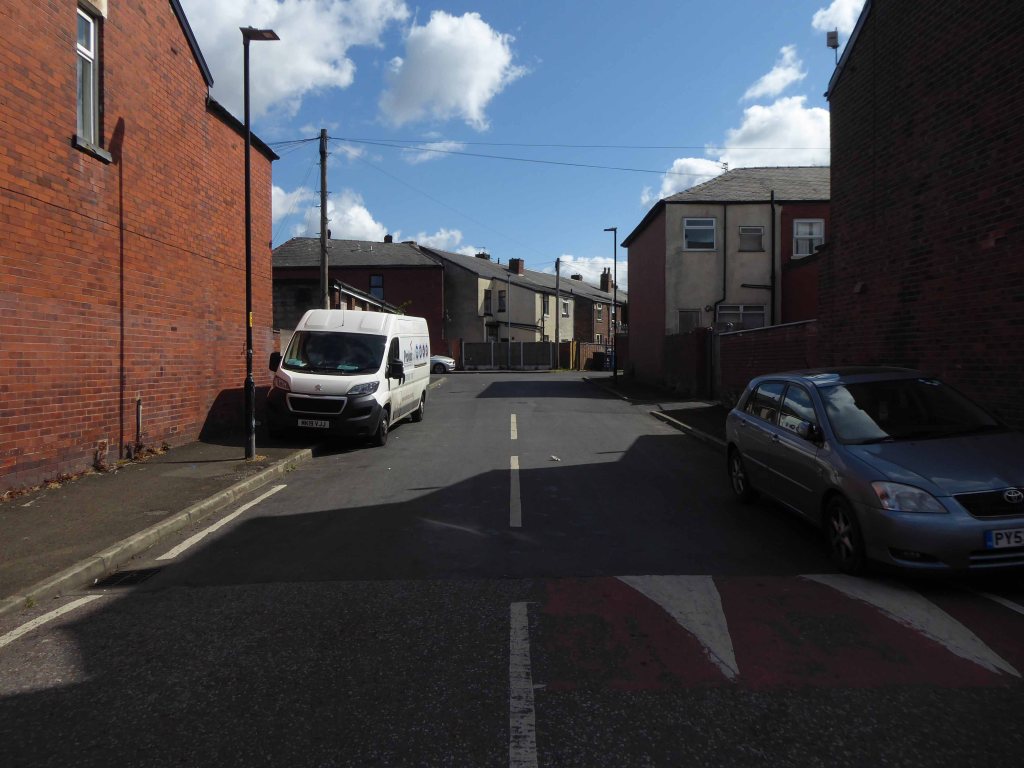
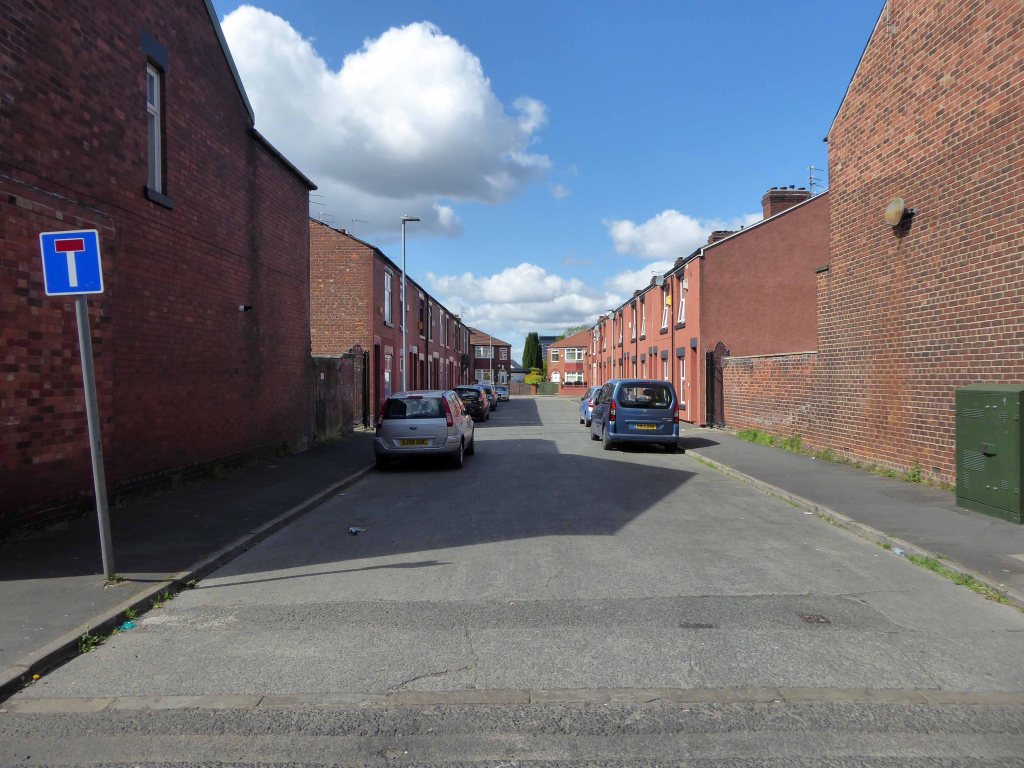
The area now has a richer racial mix – having recently become home to many African and Eastern European families. The architectural consistency of the houses has been swamped by render, window frame replacement, addition and extension, and the arrival of a plethora of motor cars. The majority of shops now long gone, as the once pedestrian community spread their retail wings and wheels elsewhere.
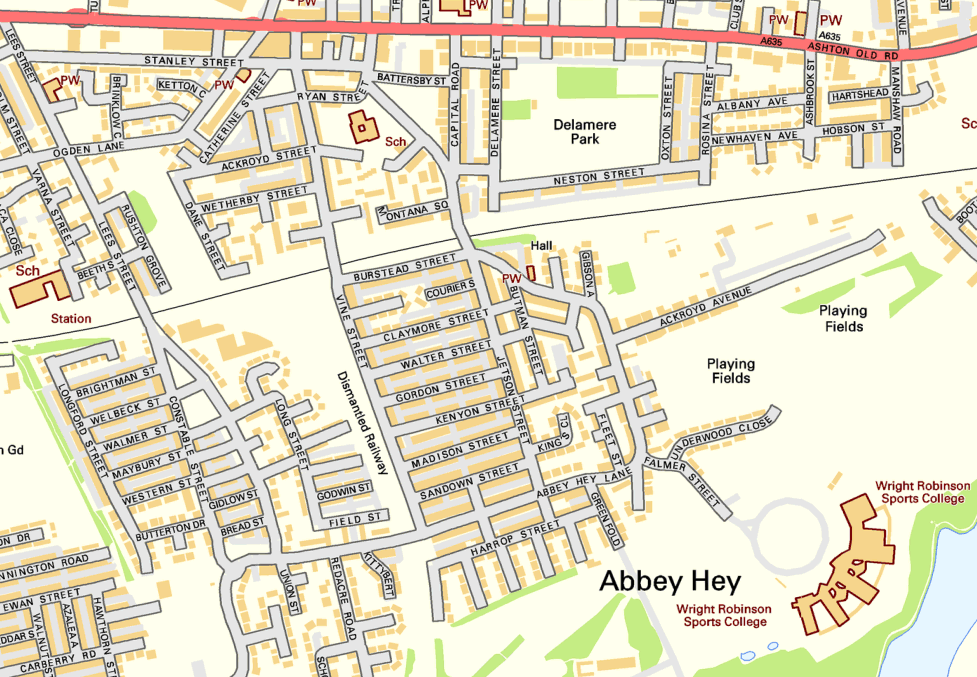
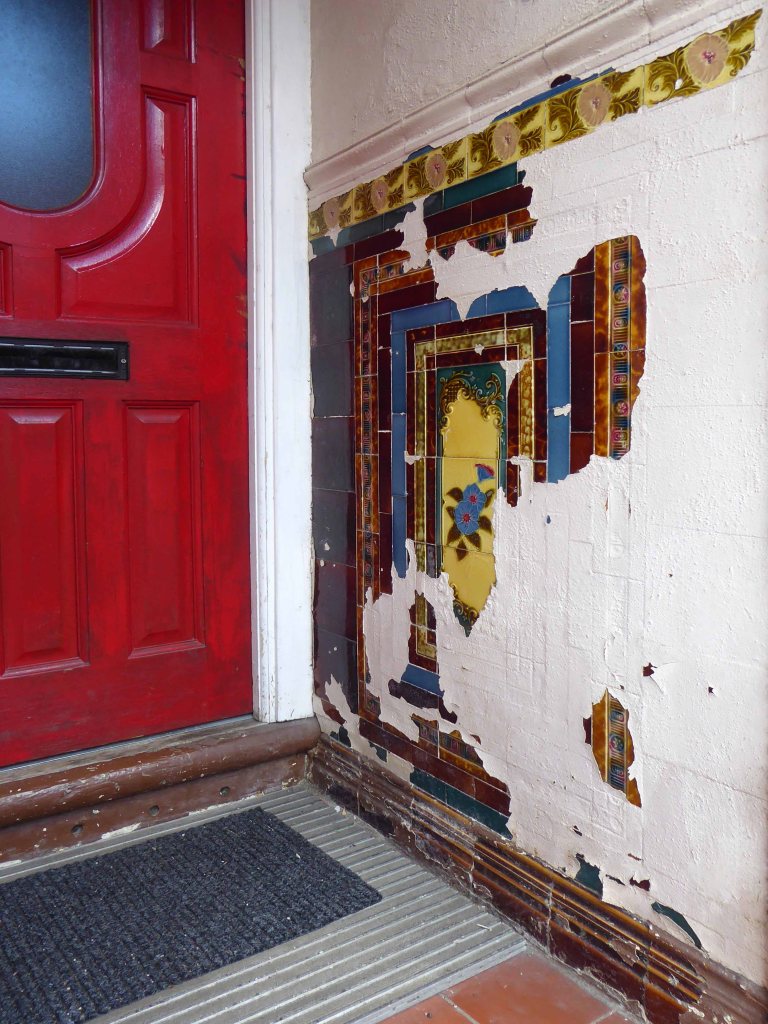
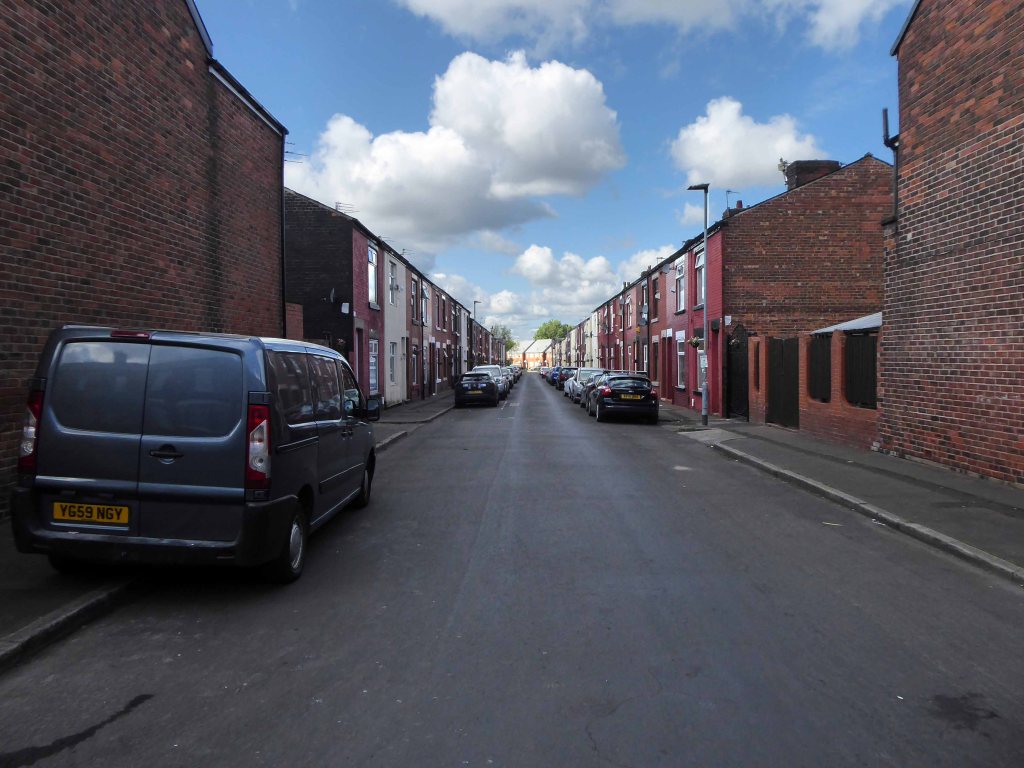
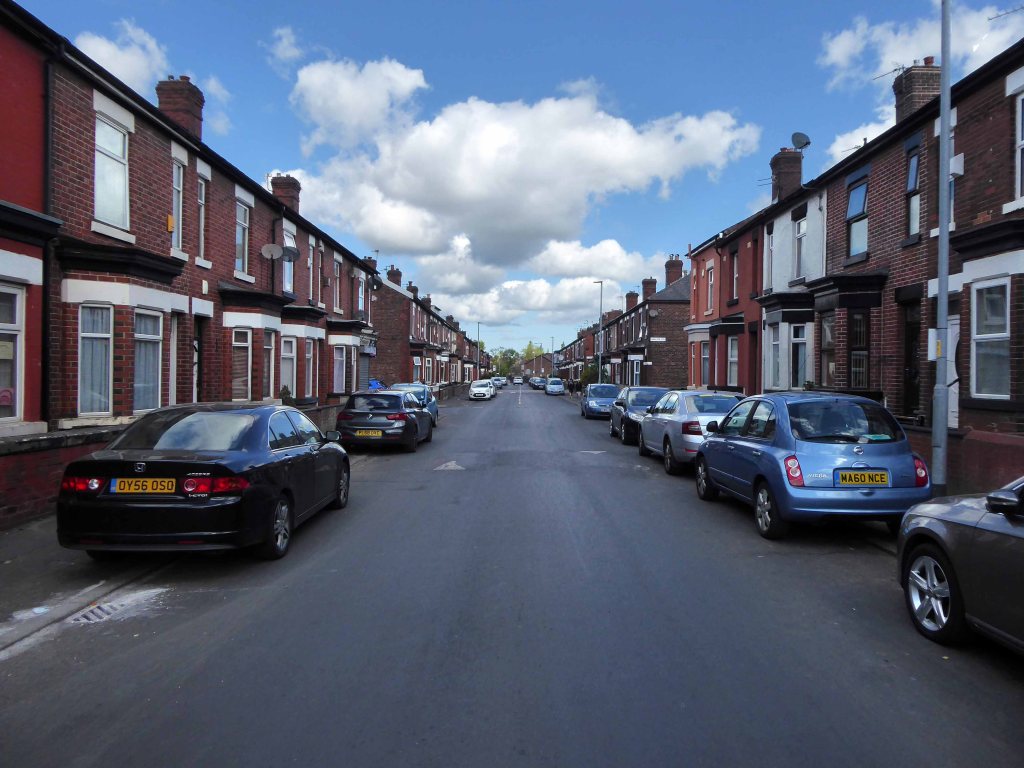
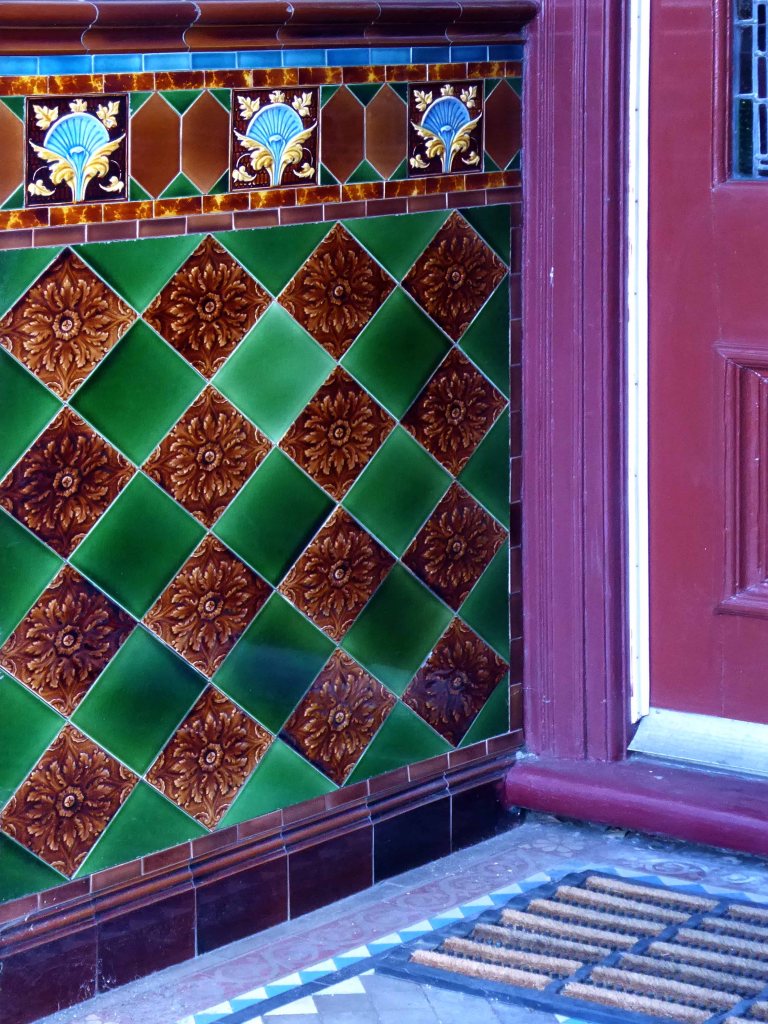
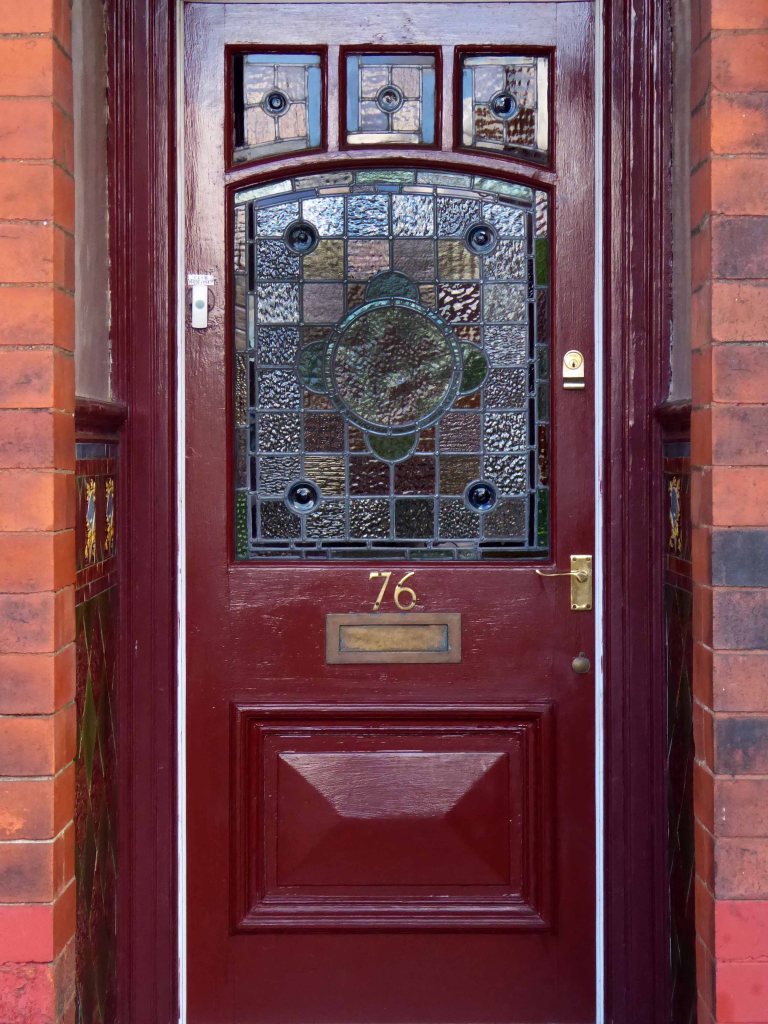
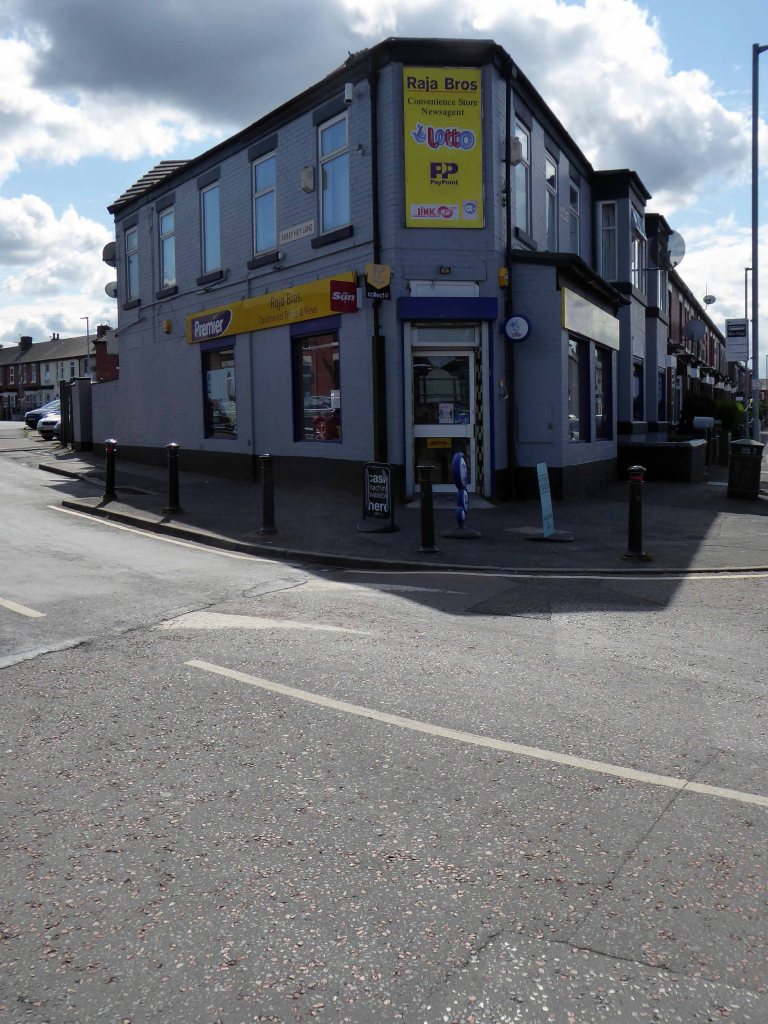
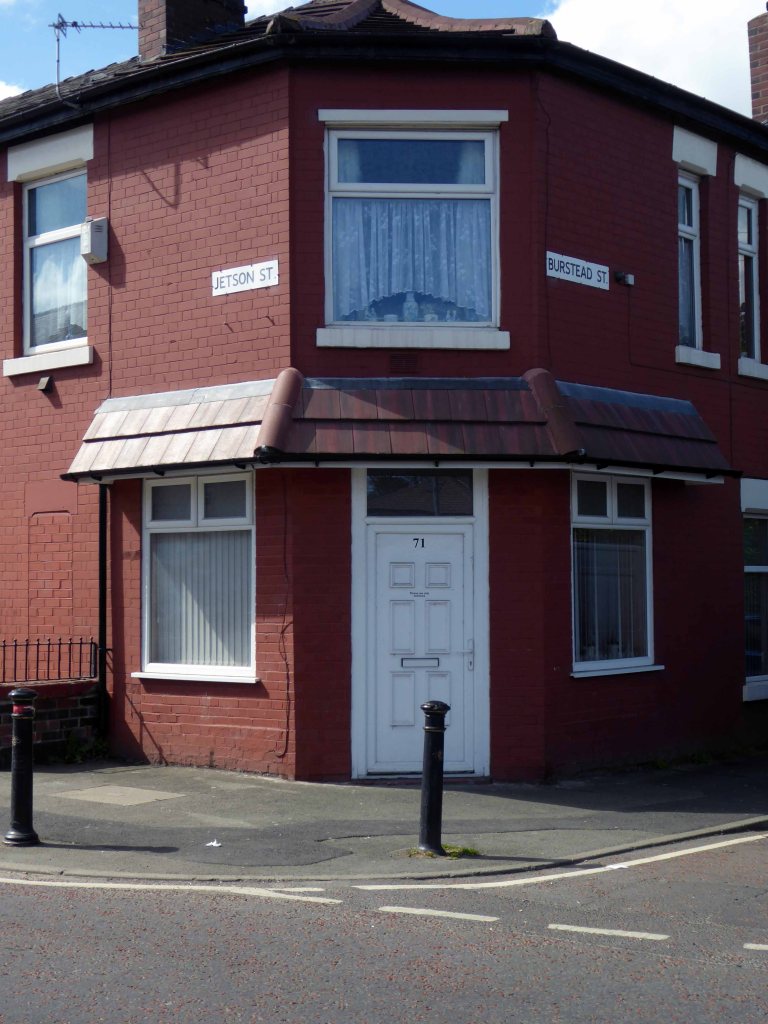
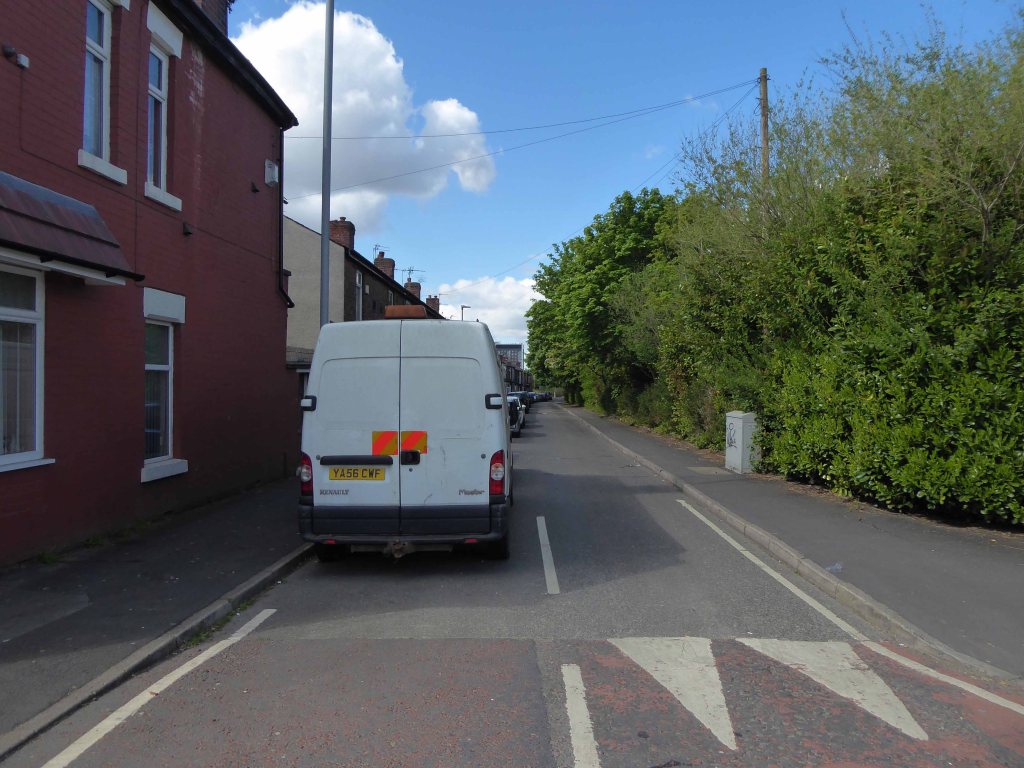
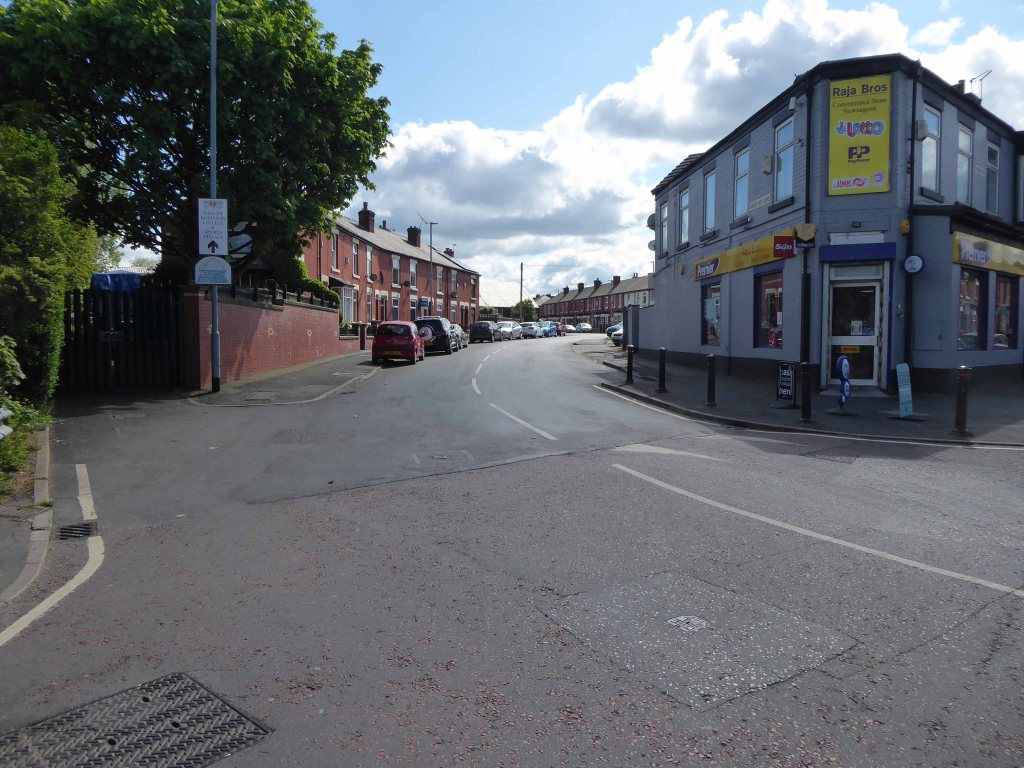
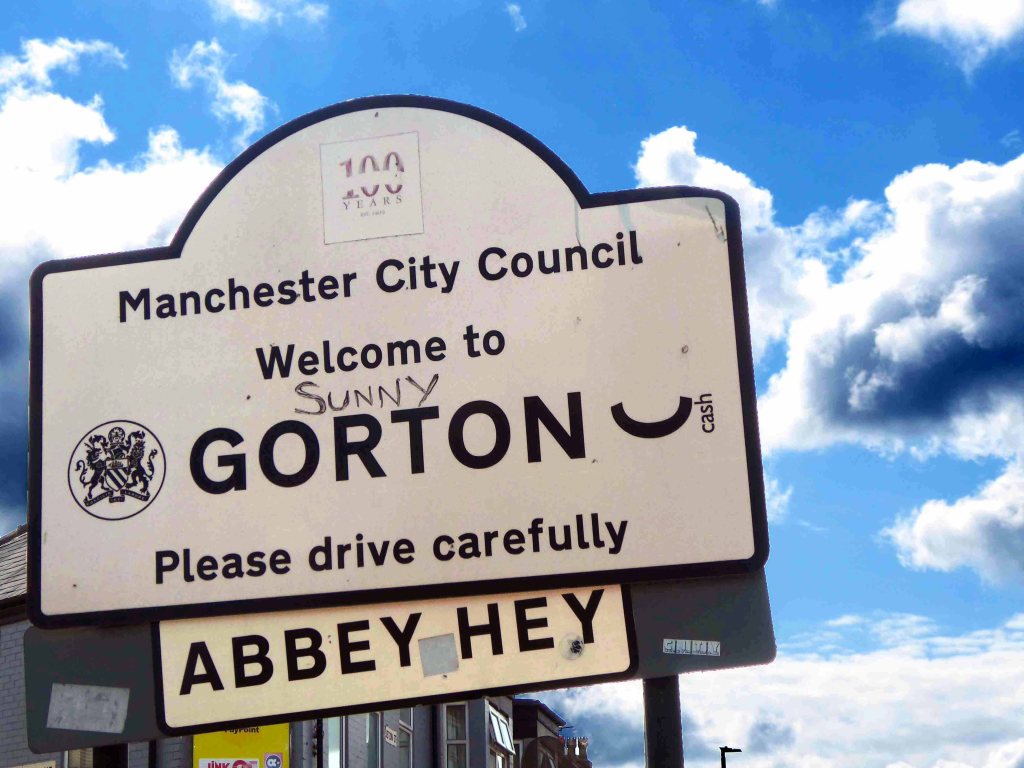
Jetson Street – NorthSandown StreetKings CloseMadison StreetKenyon StreetKenyon StreetSign of the timesGordon StreetJetson Street – NorthJetson Street – SouthWalter StreetWalter StreetClaymore StreetClaymore StreetCourier StreetThe only remaining front doors and tiled porch every other having been given over to the allure of uPVC and the enclosed doorwayMy on street correspondent congratulated the Raja Brothers on the sound service they had provided during these difficult times.Where the barbers wasBurstead StreetAbbey Hey Lane
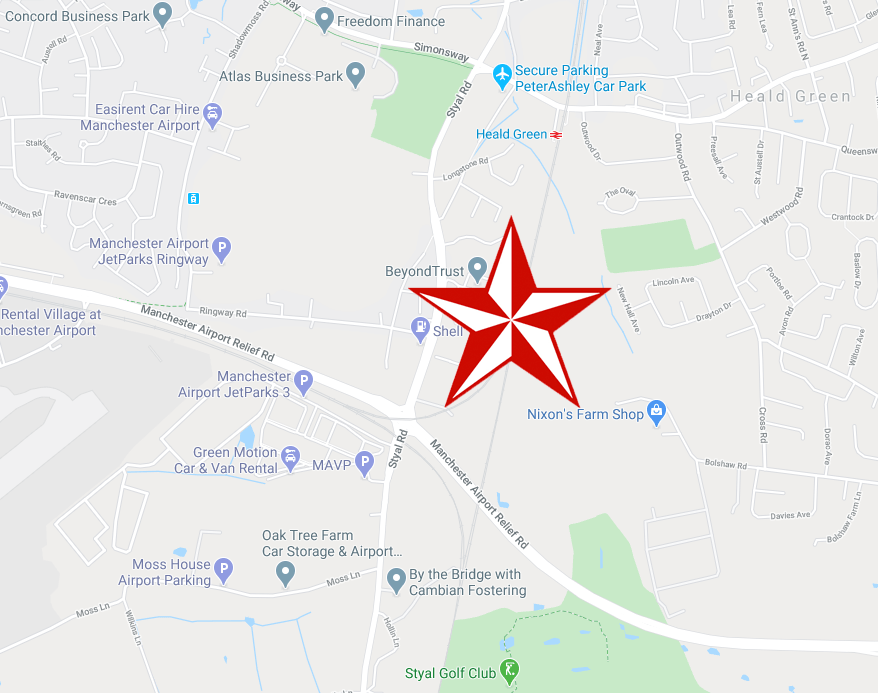
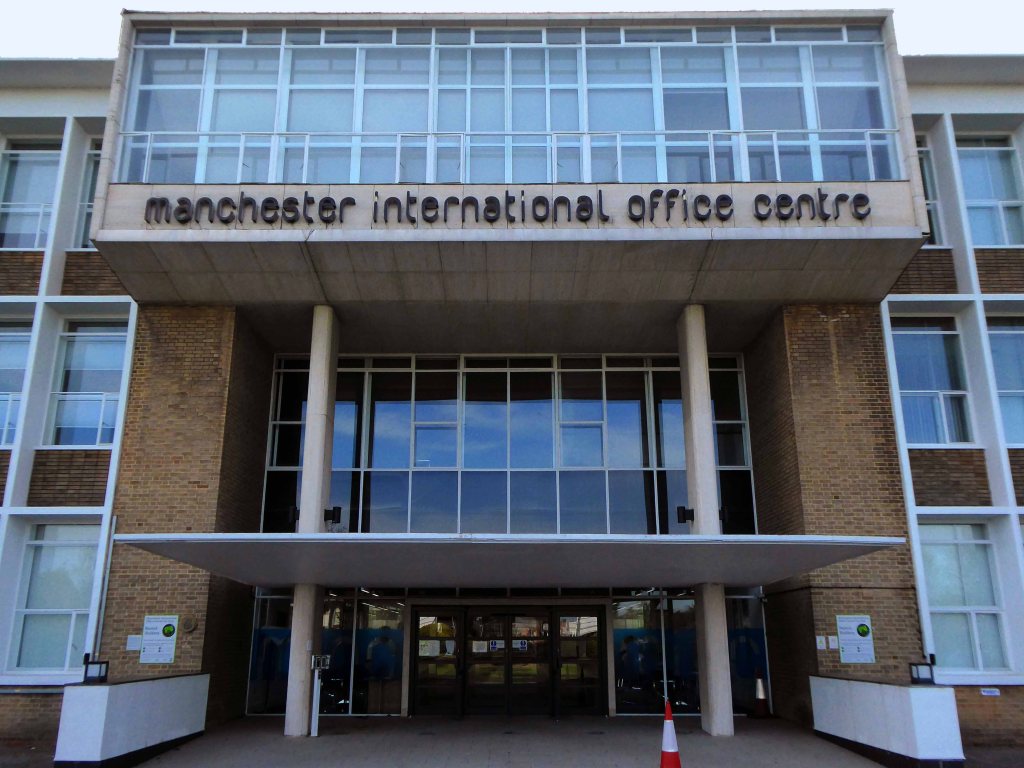
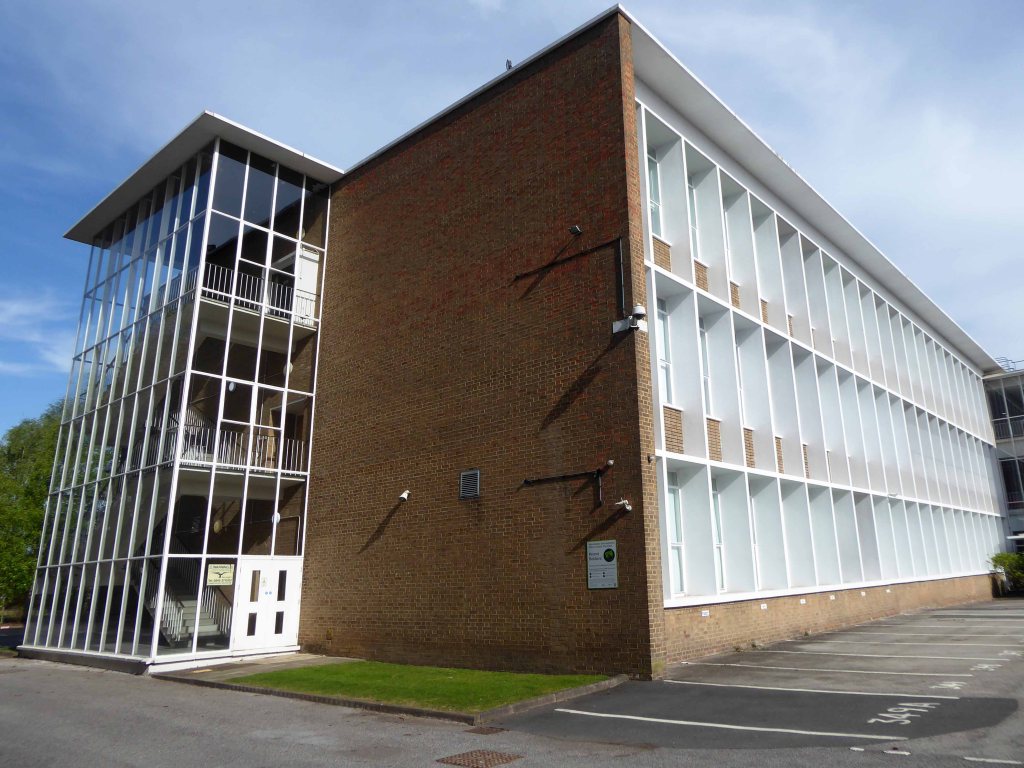
Manchester International Office Centre 11 Styal Rd Wythenshawe Manchester M22 5WB
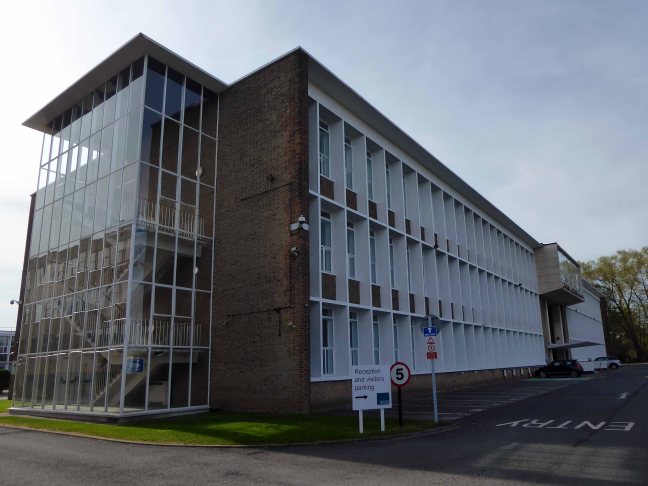
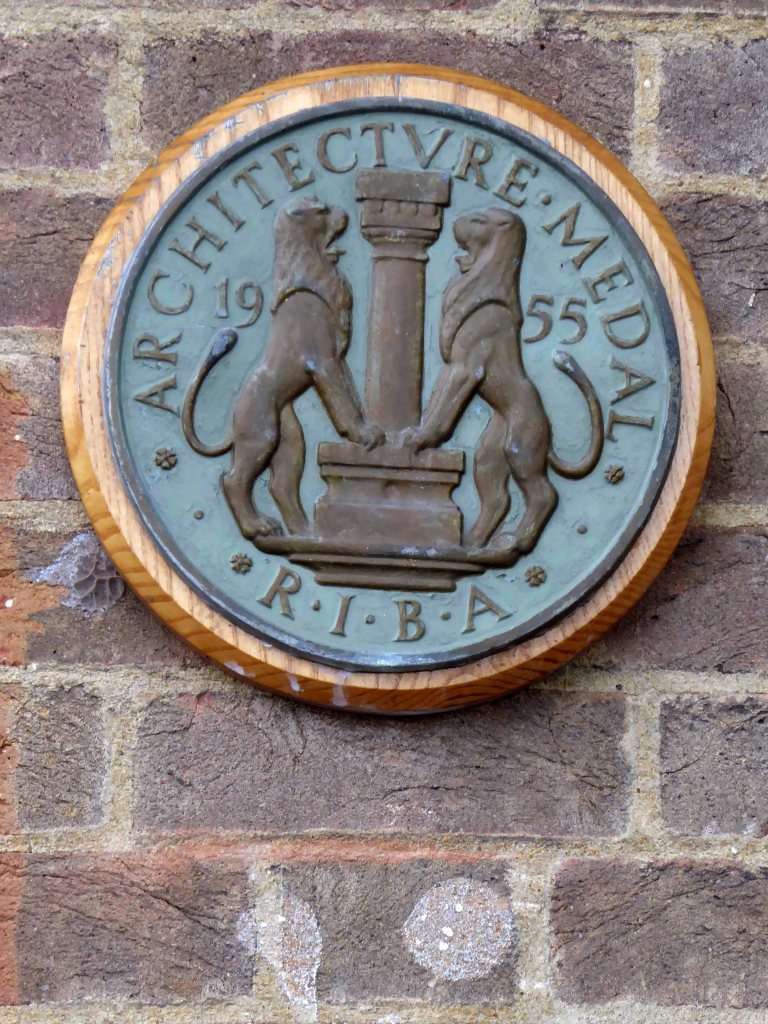
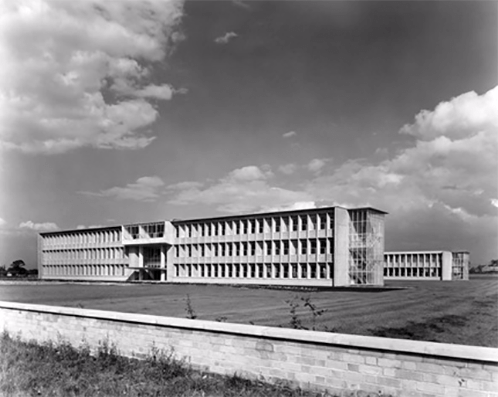
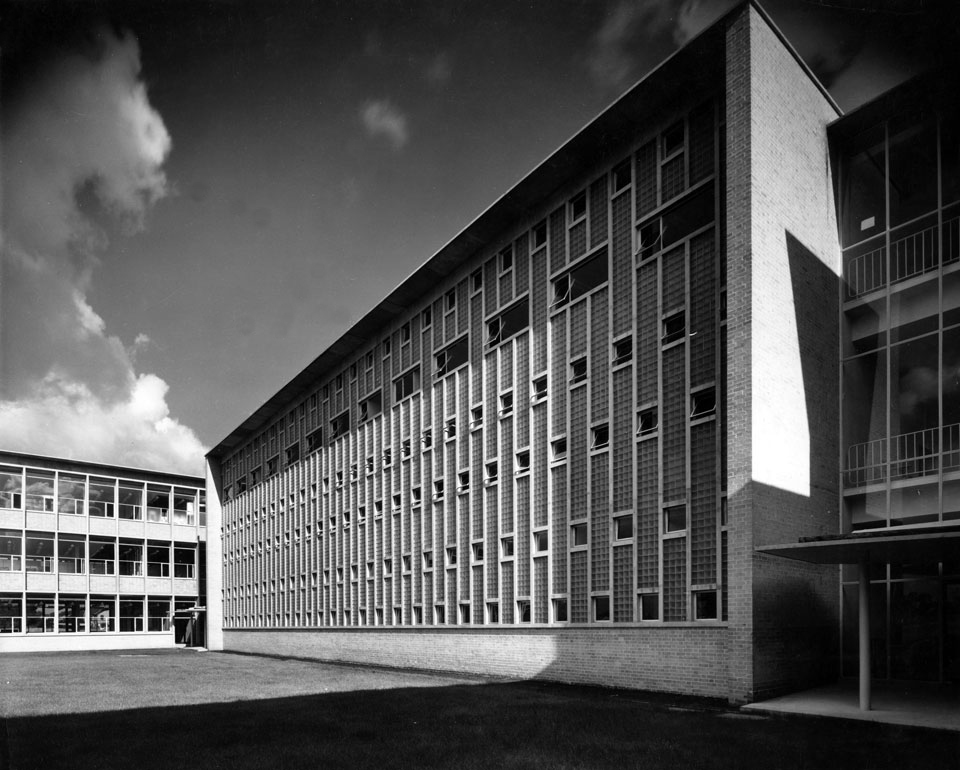
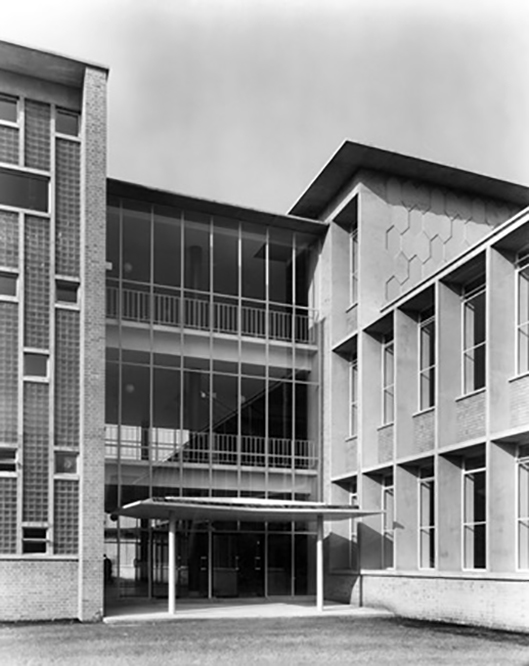
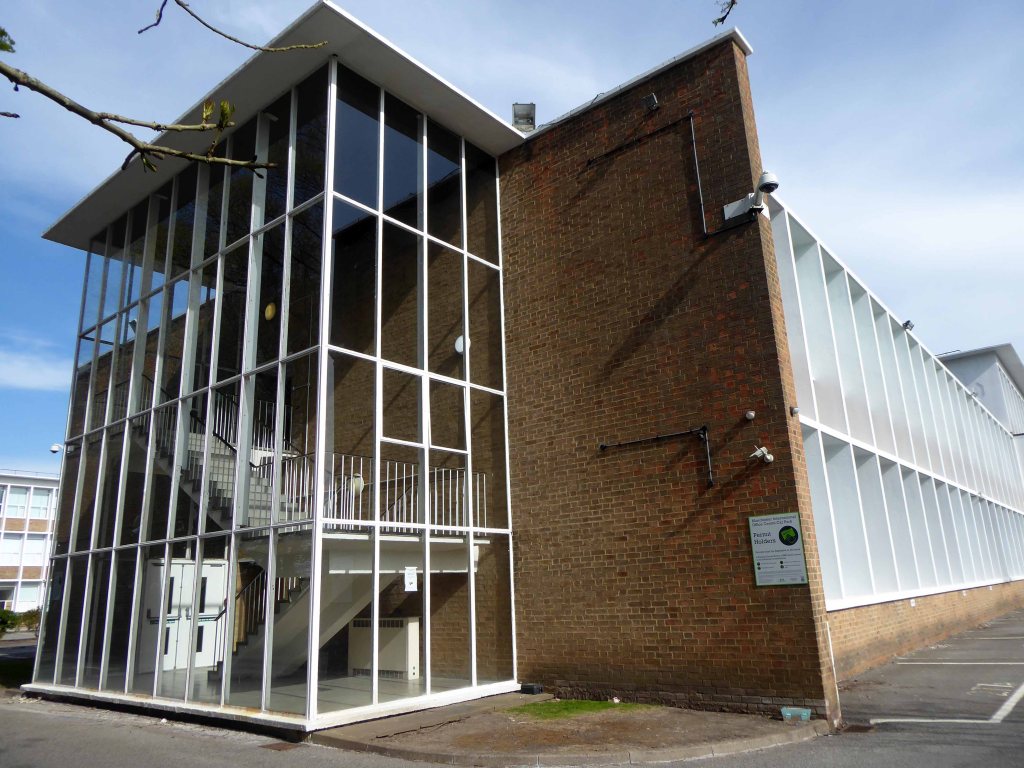
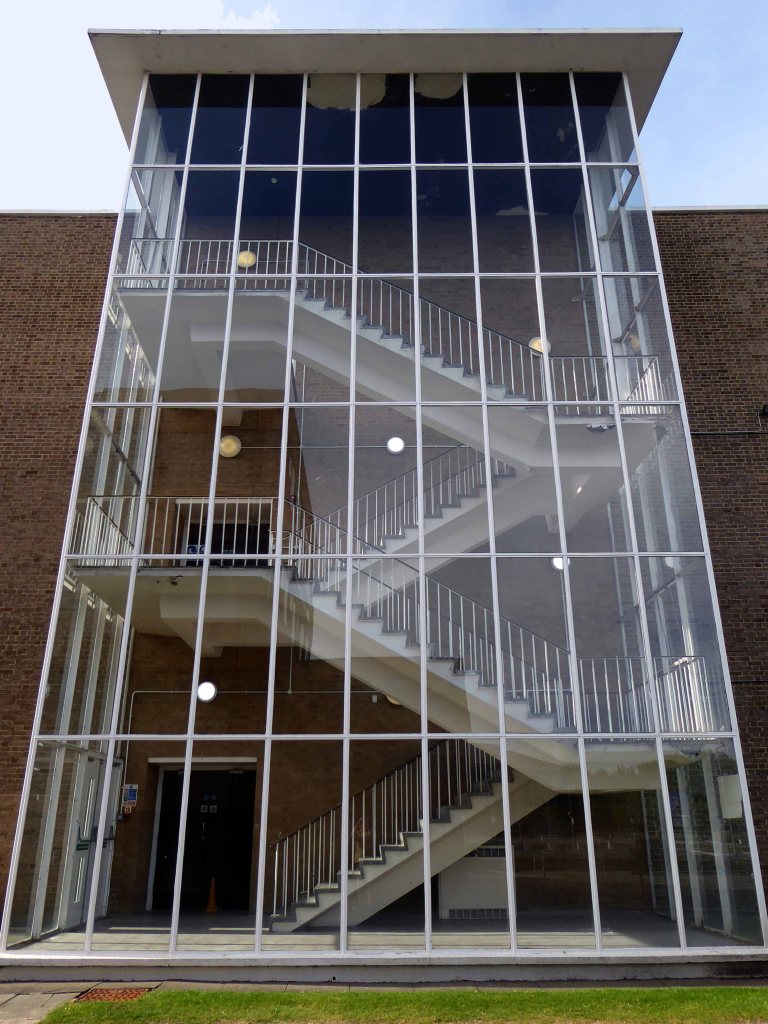
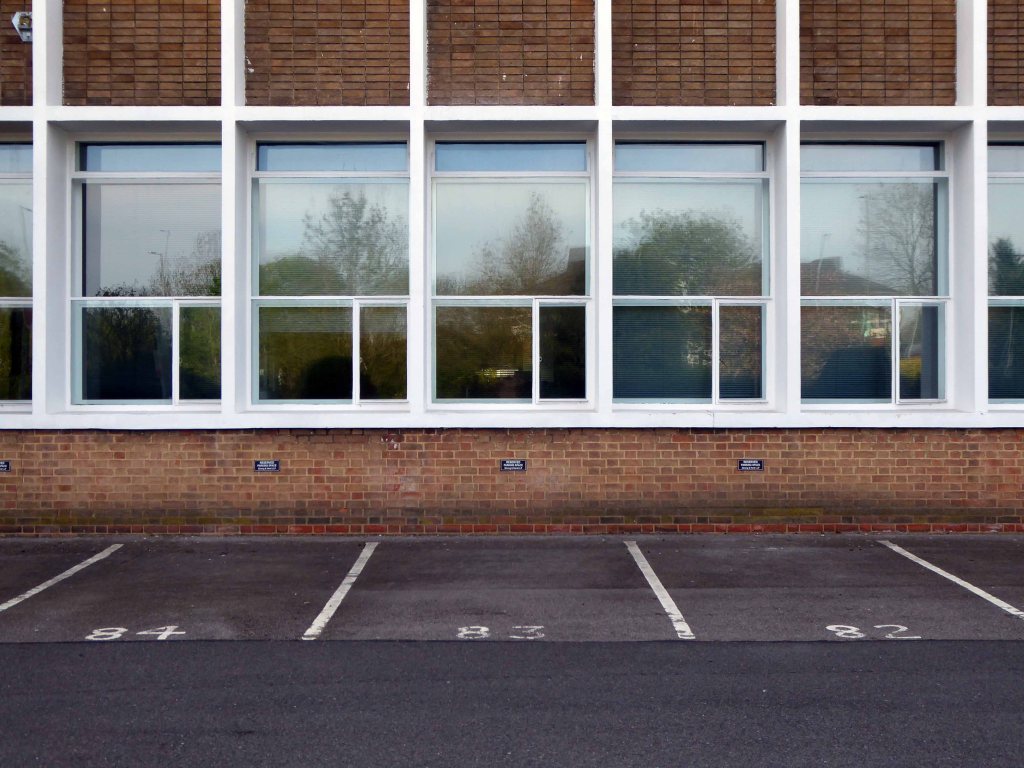
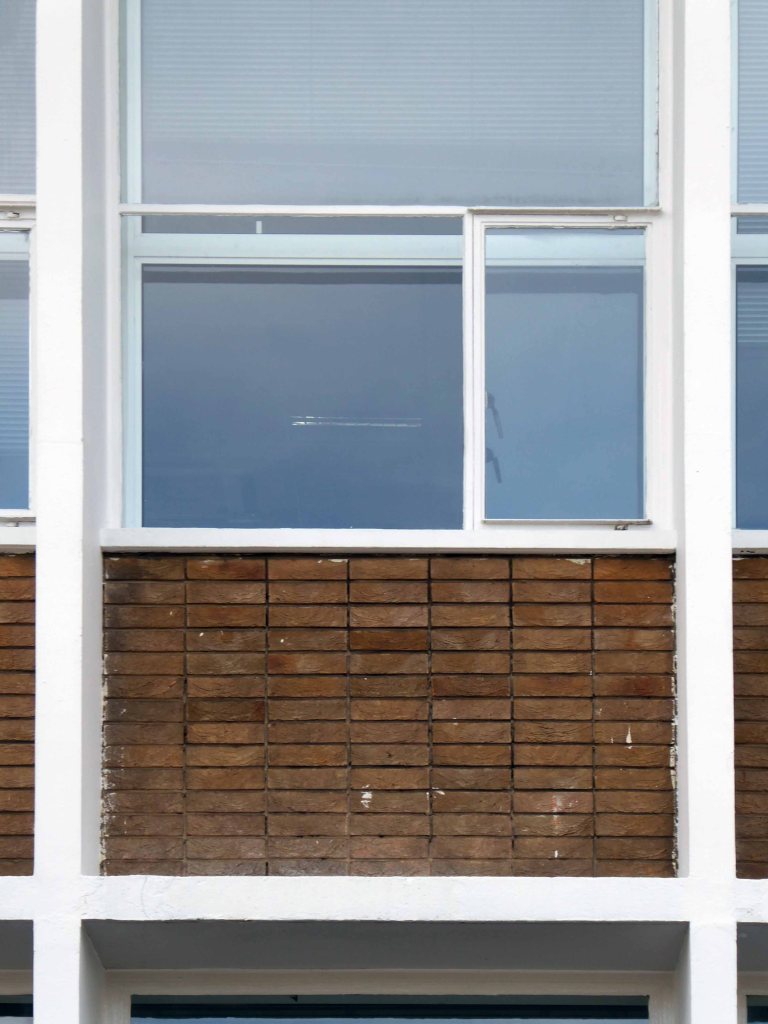
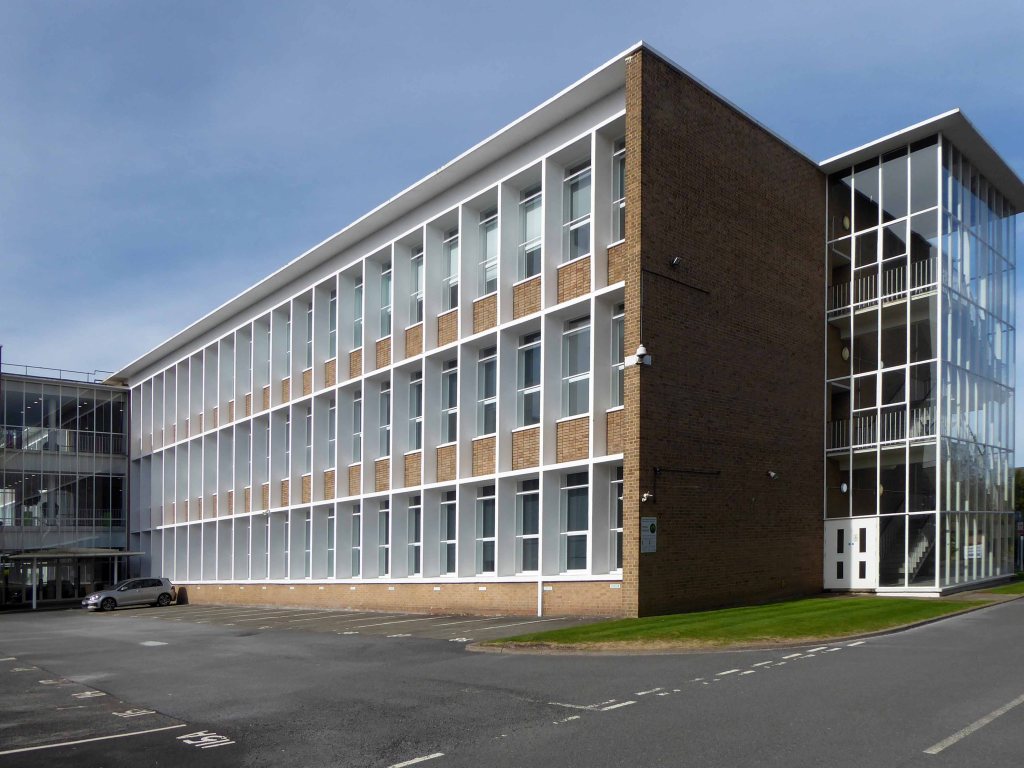
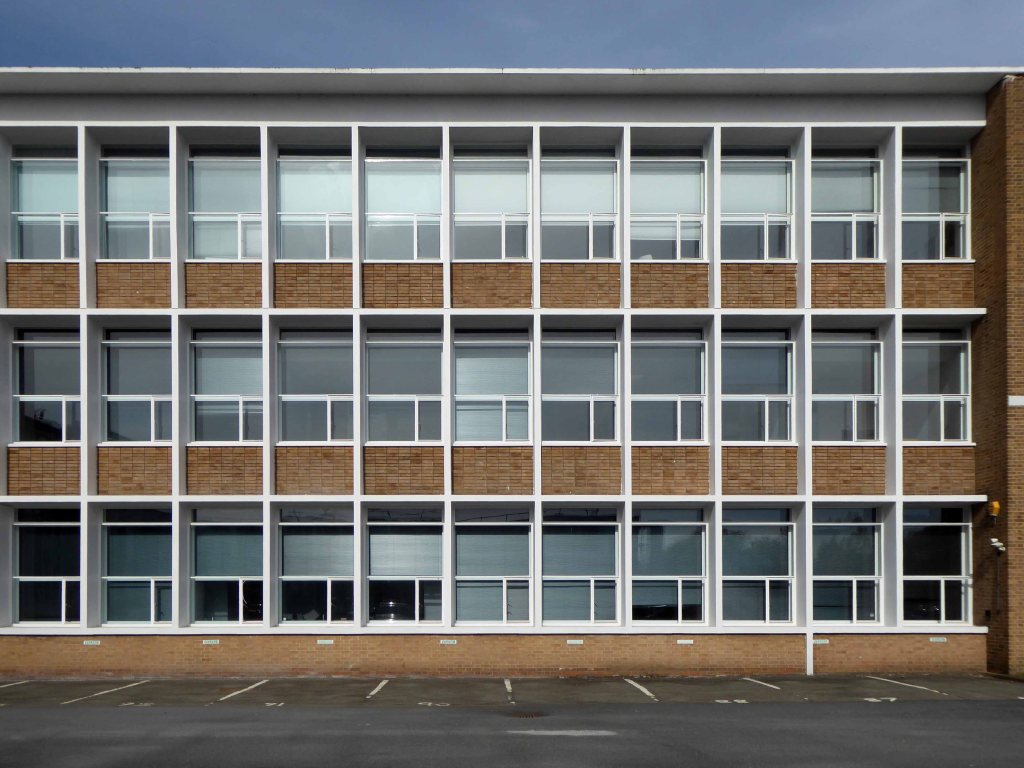
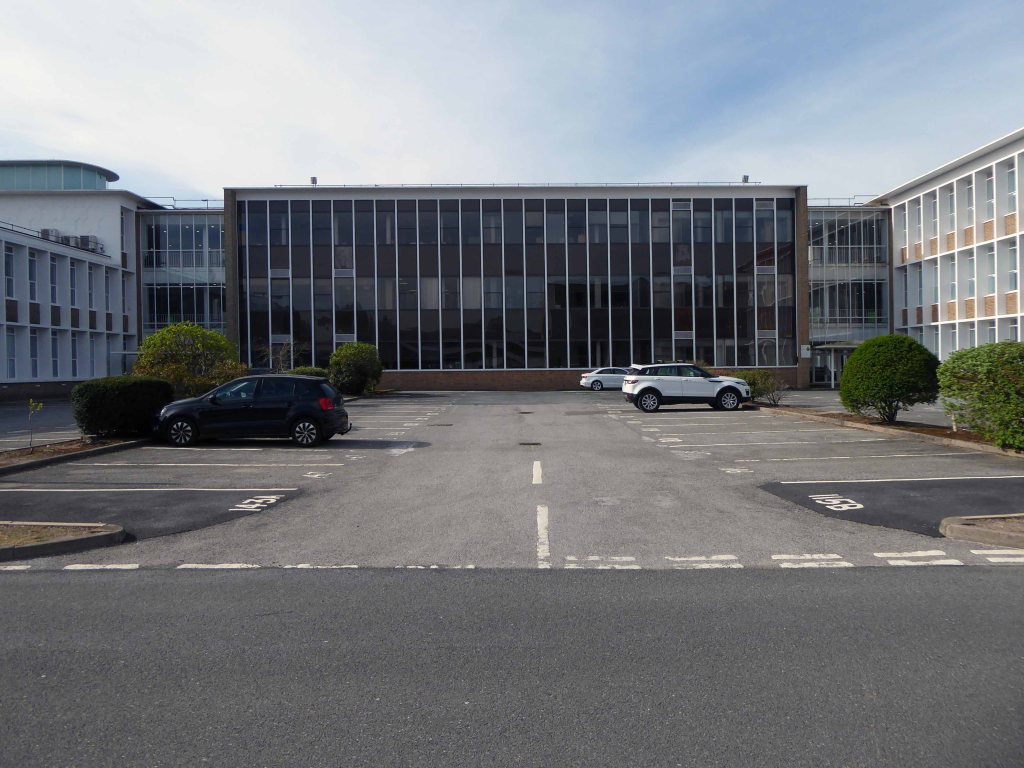
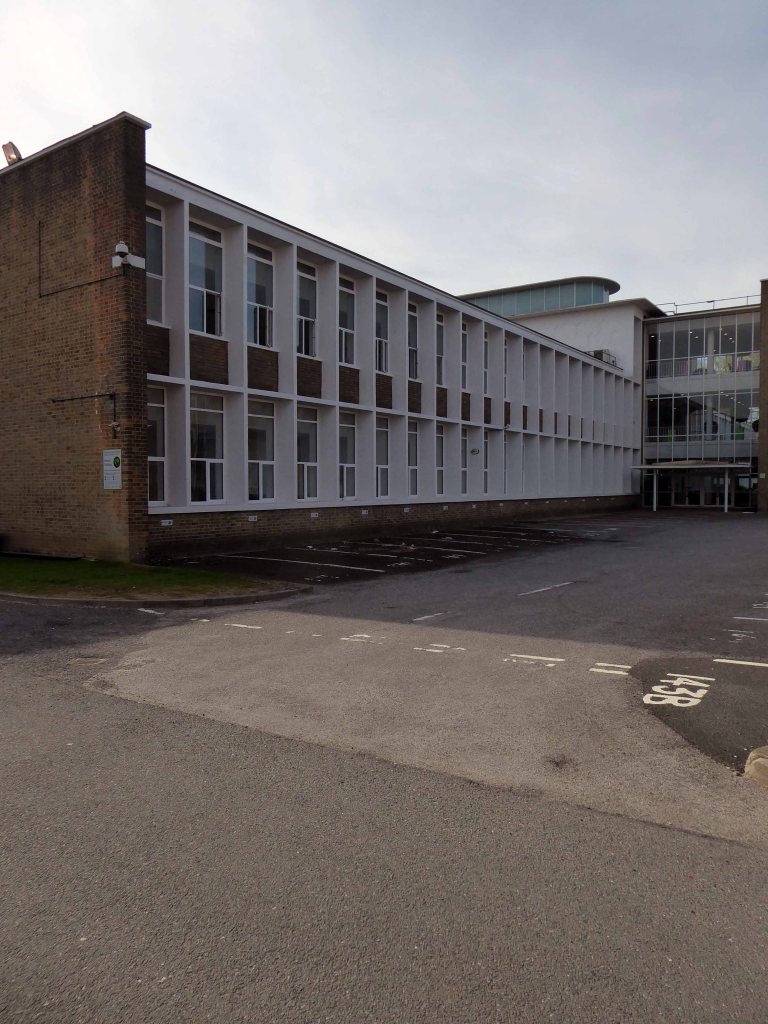
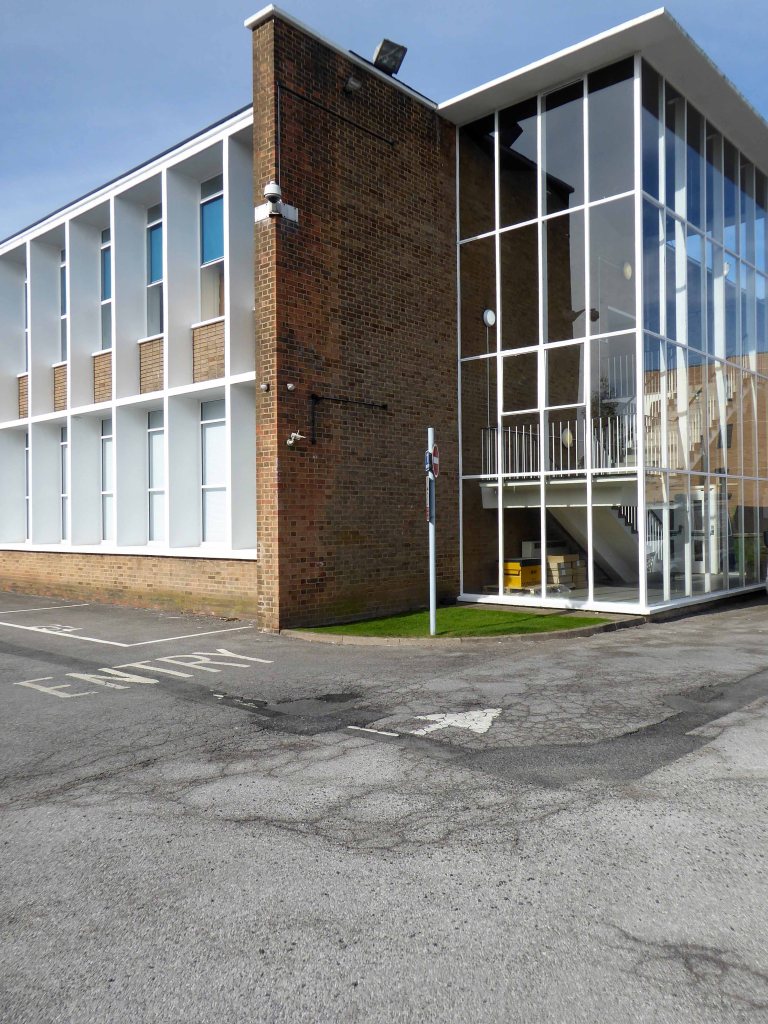
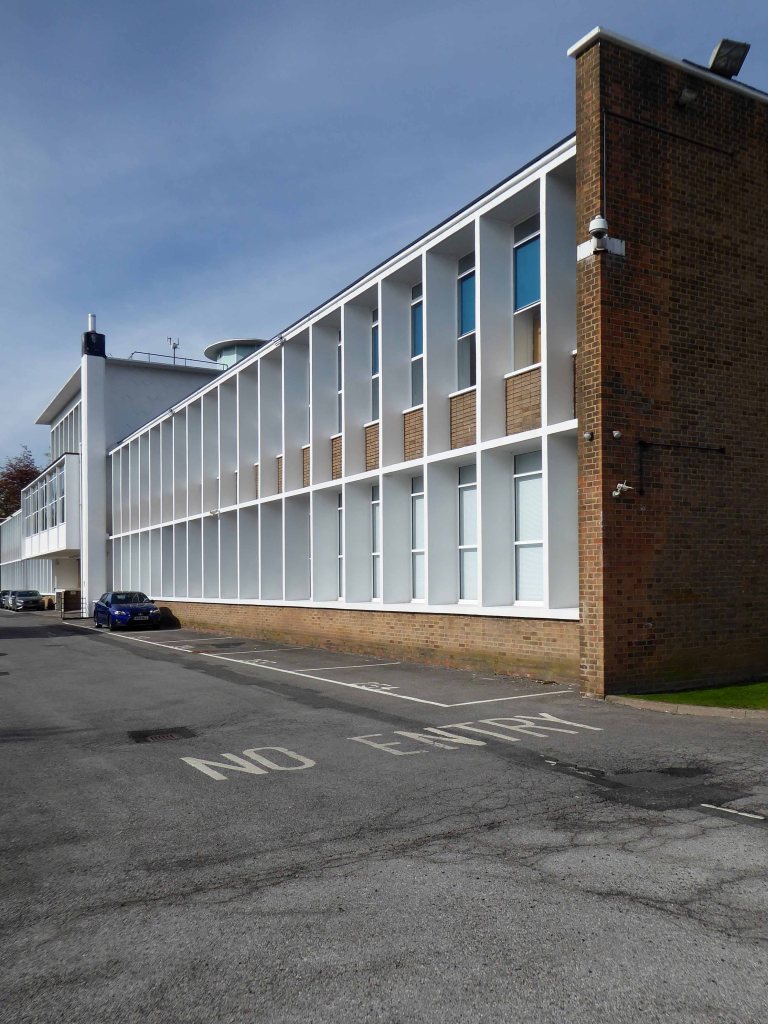
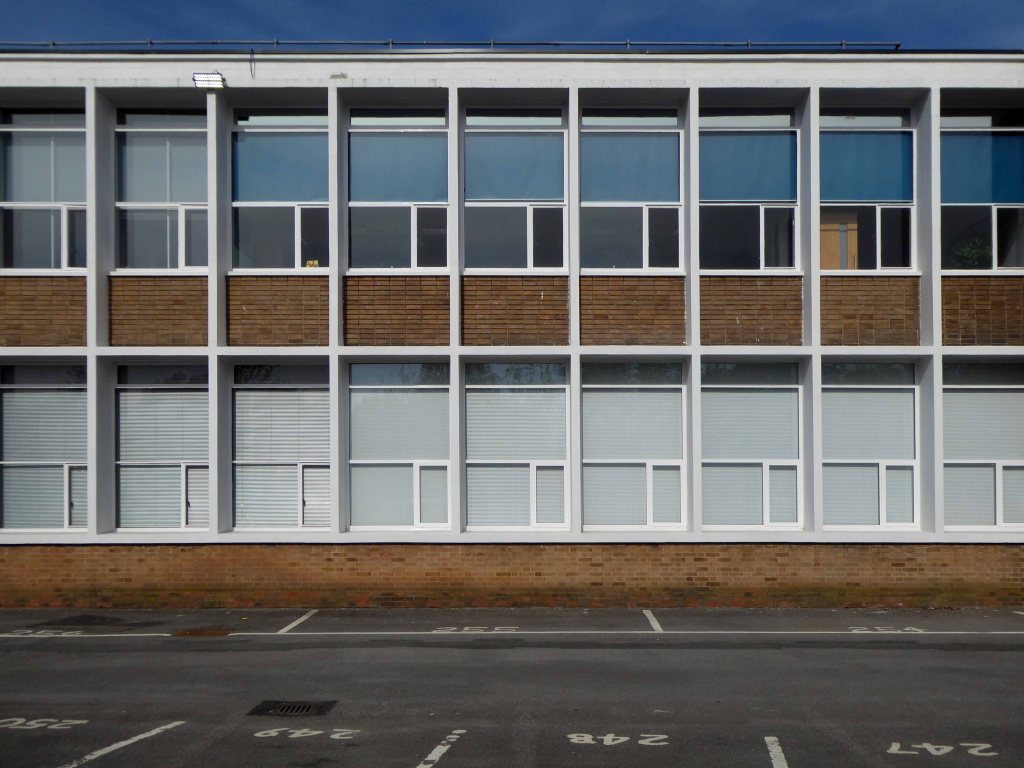
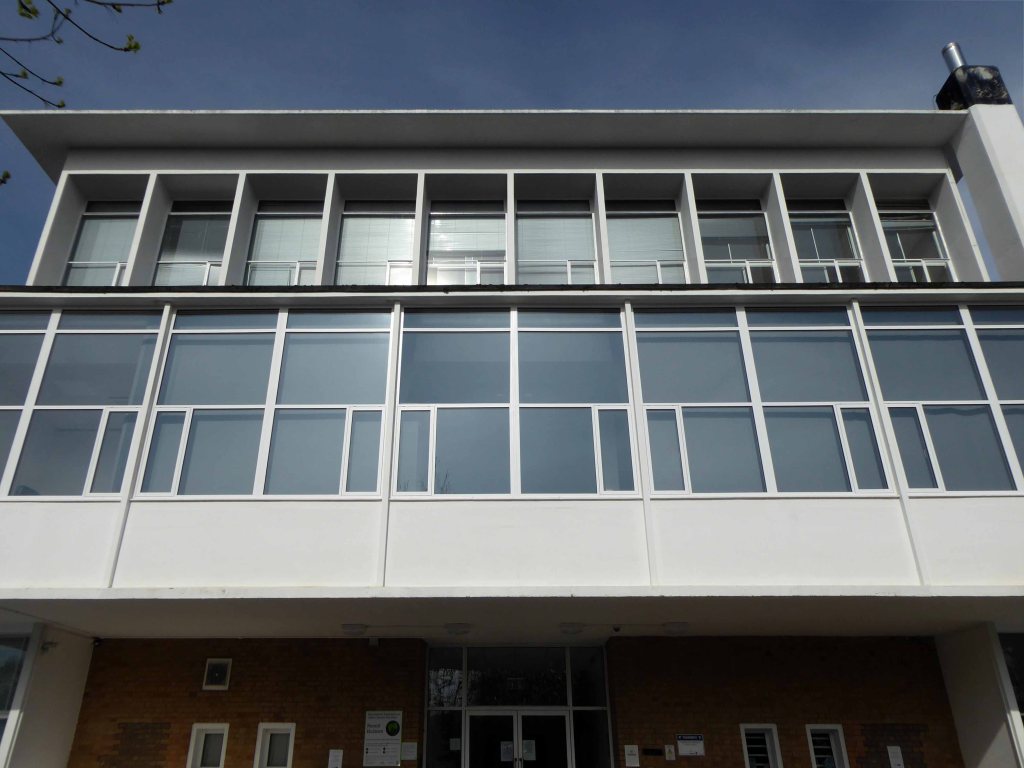
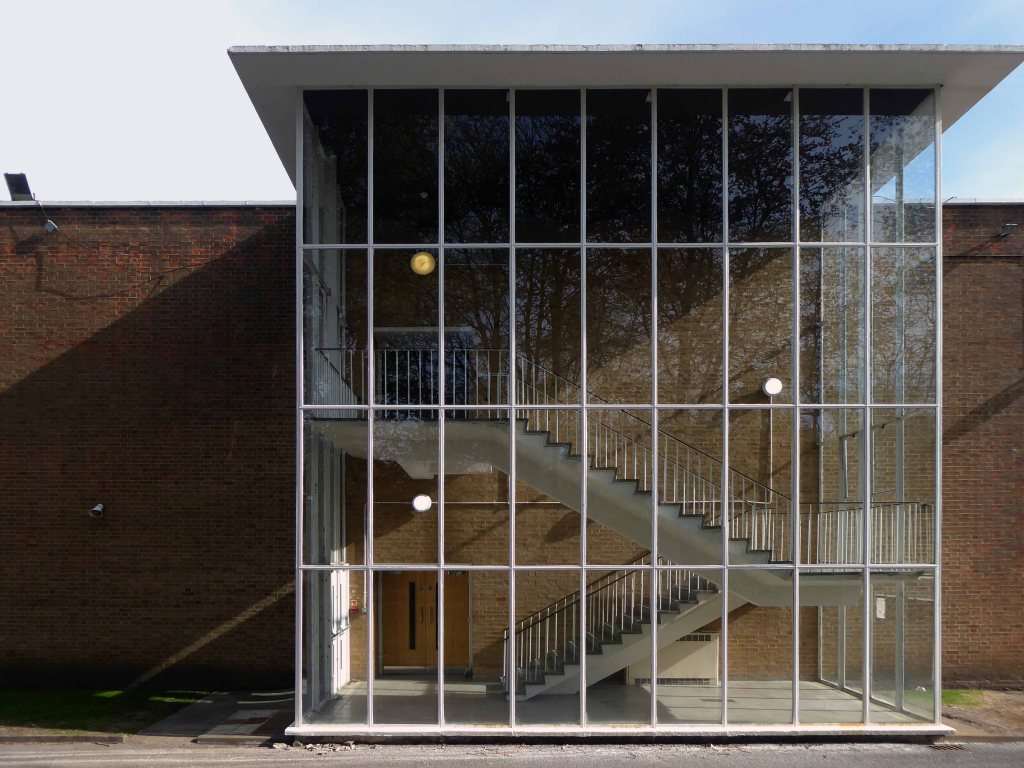
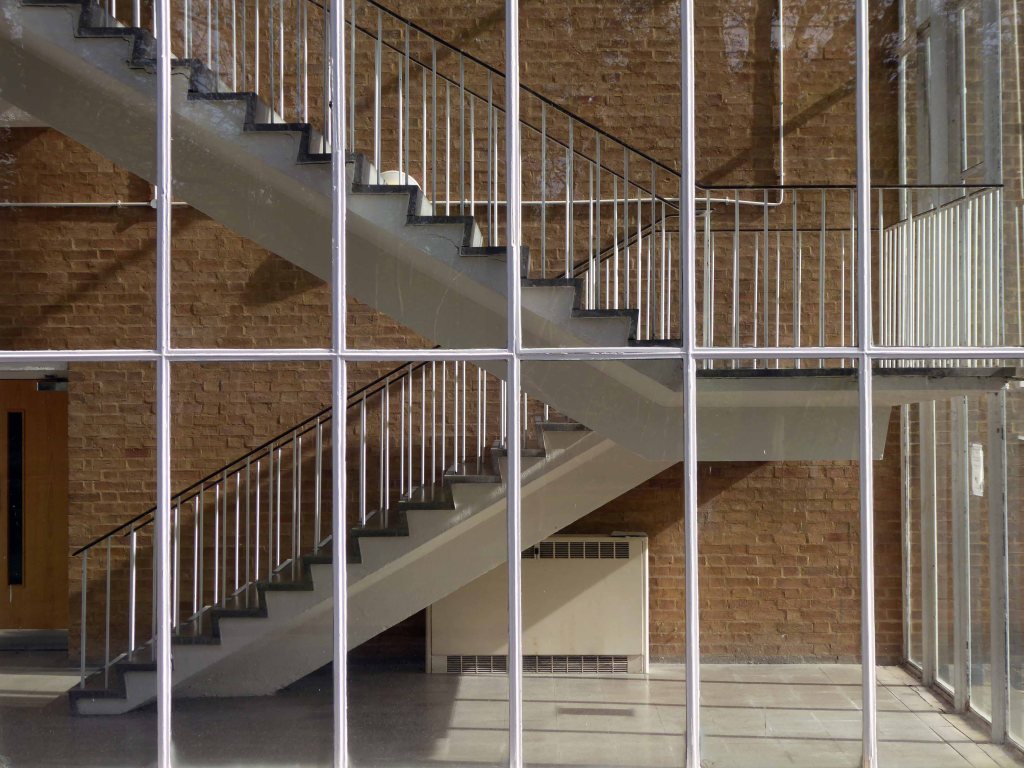
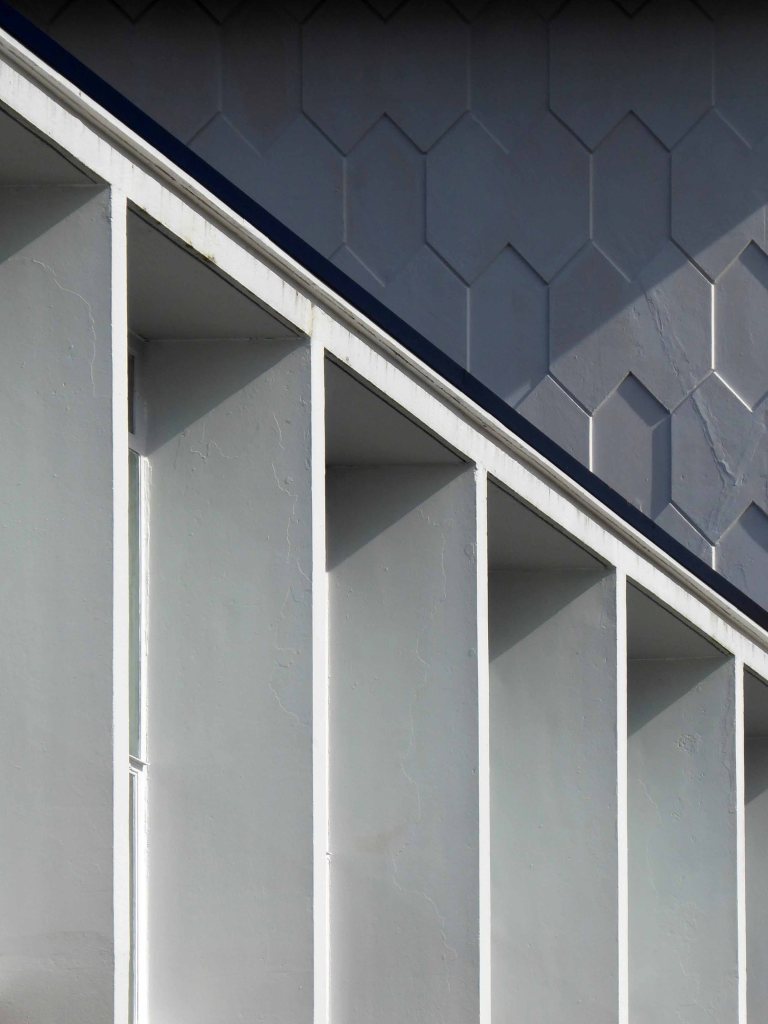
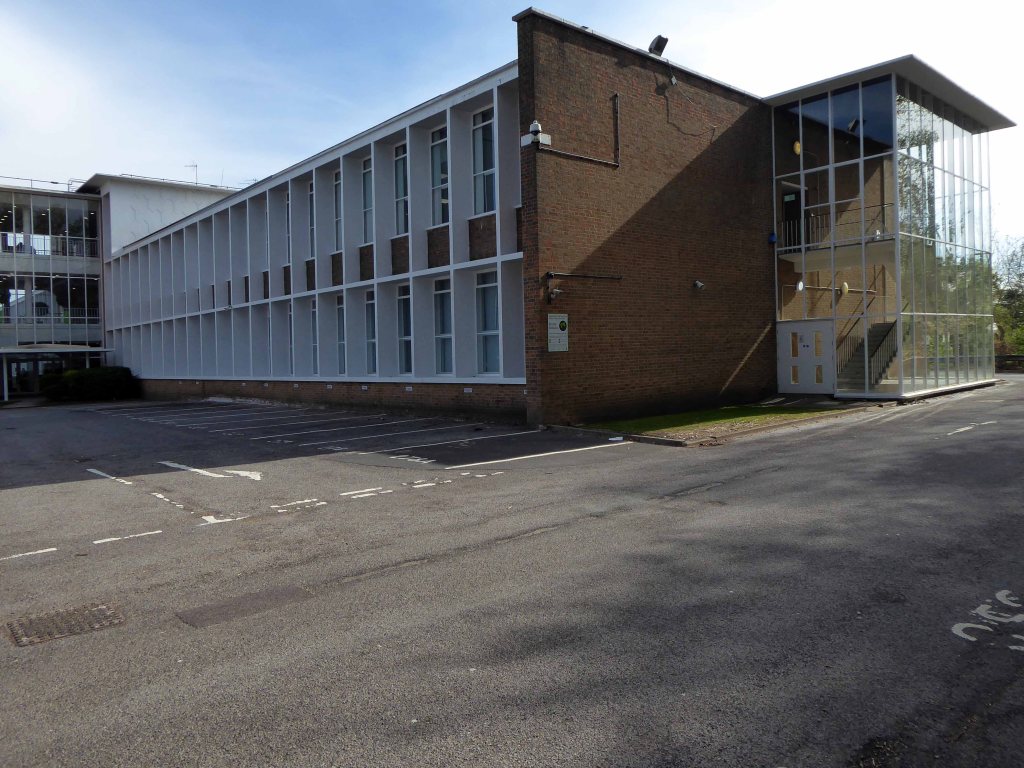
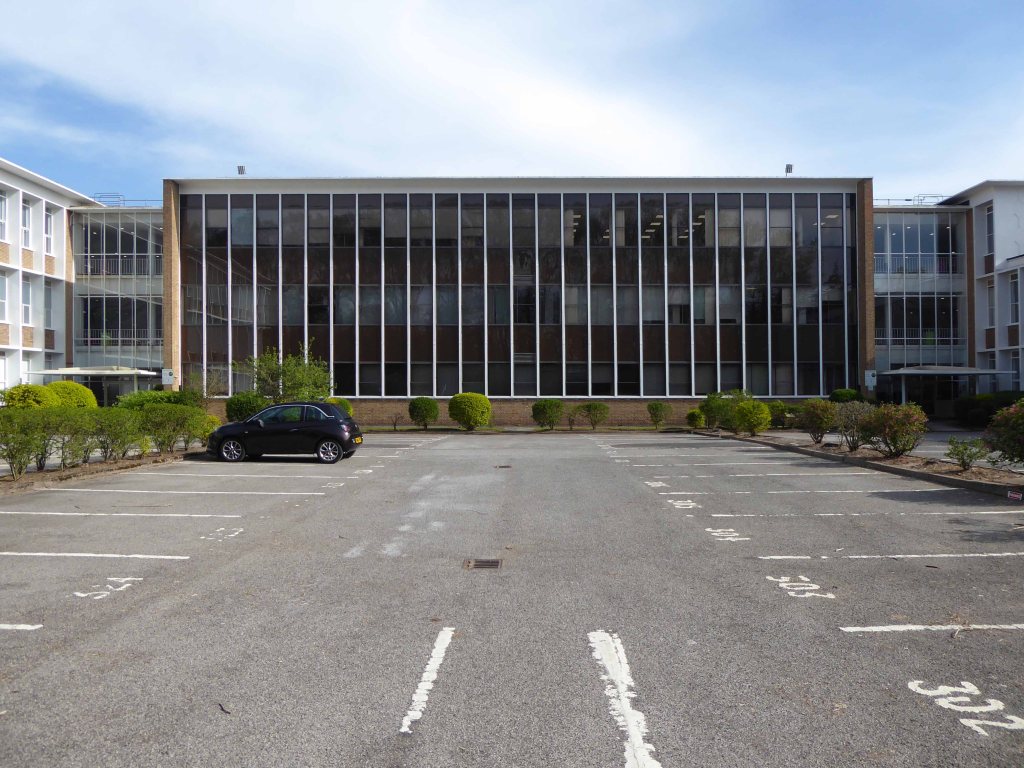
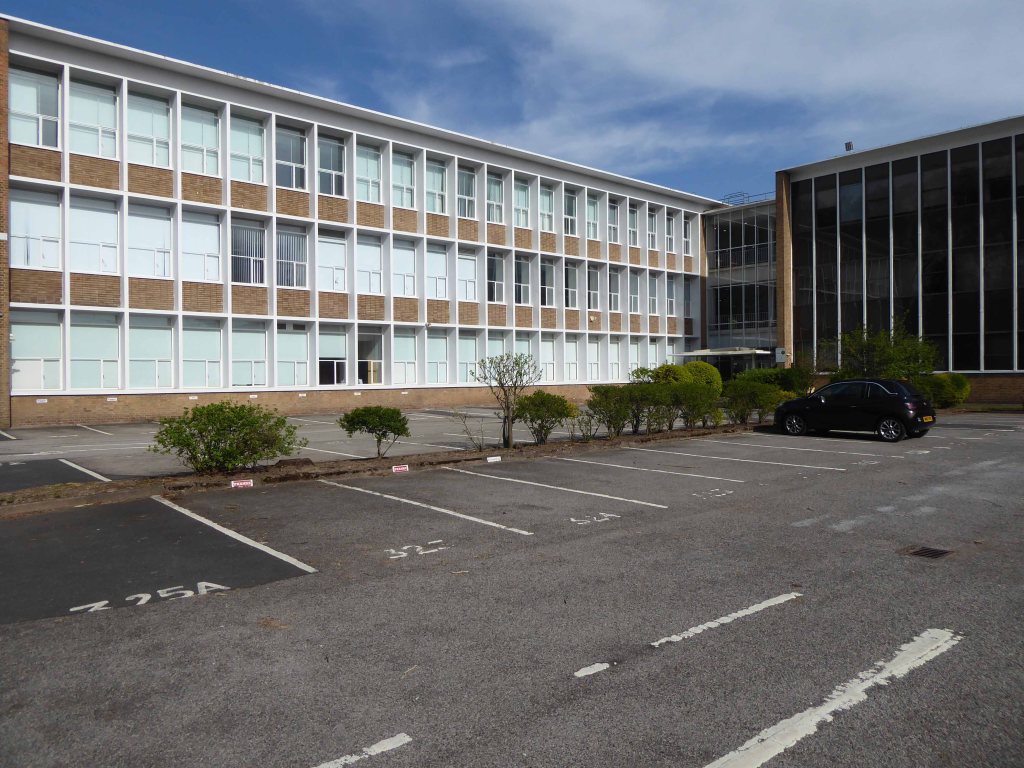
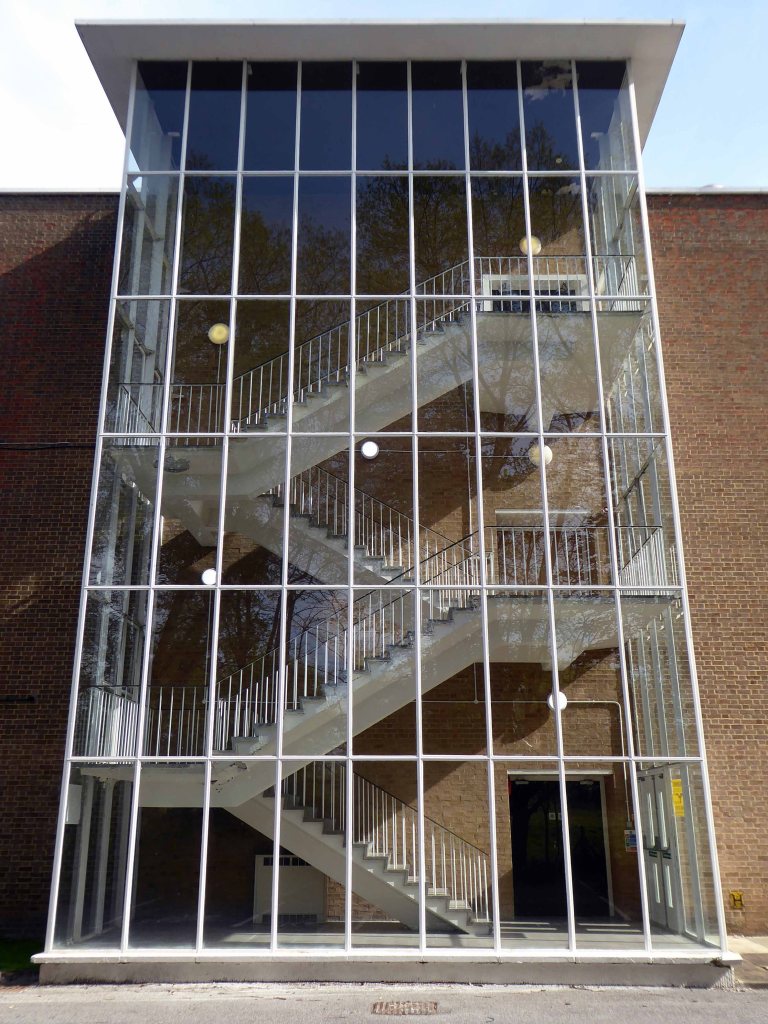
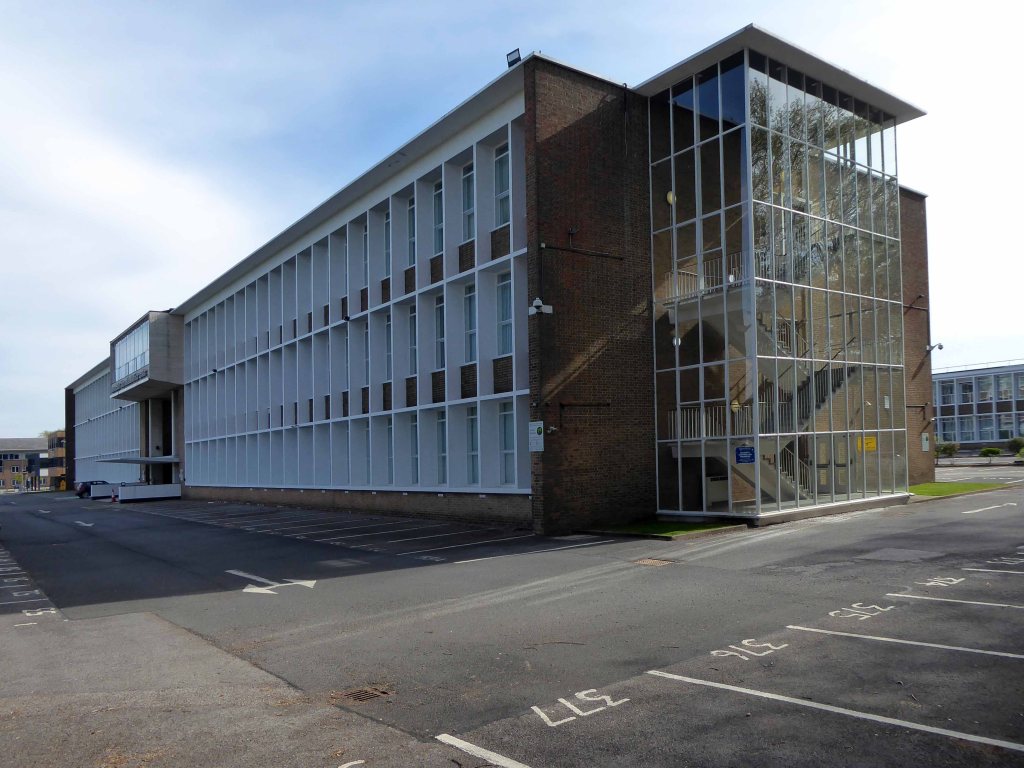
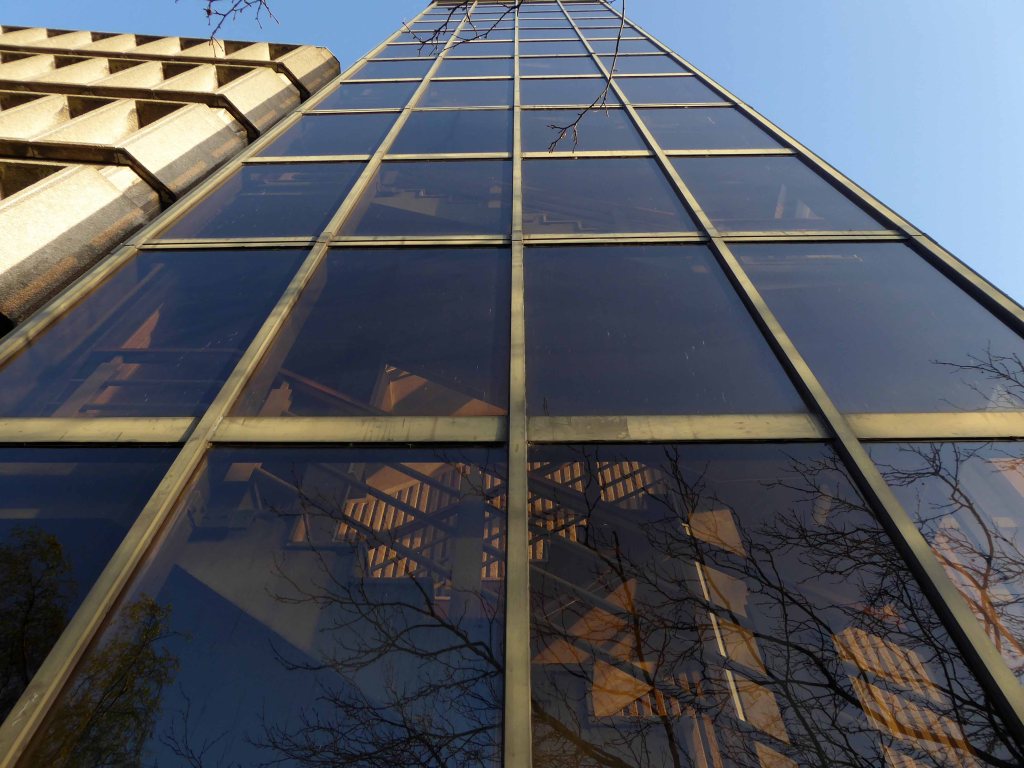
Renold Chains were once a huge firm employing thousands in south Manchester, their main factory at Burnage, now demolished to make way for a supermarket. This grouping was designed as the administrative headquarters for the company and was in receipt of an RIBA Architecture Bronze Medal in 1955. The scheme, of two parallel wings connected by a central hub running perpendicular, now seems fairly pedestrian, though still exudes some presence by virtue of the evident control in the design and construction of relief within the main façade. This building, though, actually points toward the moment where Cruickshank & Seward were turning, with the rest of the profession, toward new engineered, curtain walling solutions. The three storey glazed stair towers are made of a relatively fine steel section glazing bar and are clearly expressed at the ends of the blocks; these perhaps pre-empt the altogether more refined towers at the Renold Building and Roscoe Building of the Universities. The third floor boardroom was also positively expressed as a curved solid, cantilevered above the entrance canopy. That the building was developed in such close proximity to the airport has ensured its continued viability as office and conferencing space. The firm also delivered the adjacent building for the same client in the 1970s.
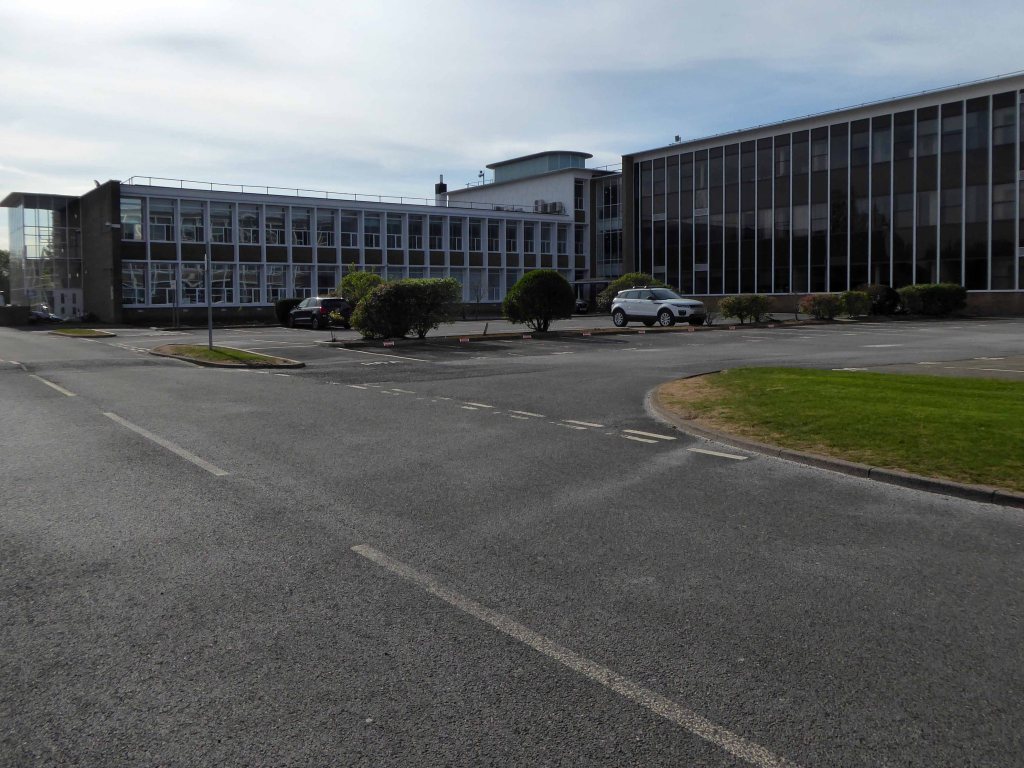
Four weeks into a pandemic – cycling somewhere else. I turned off and into the grounds of the former Renold House, currently trading as Manchester International Office Ccentre.
Manchester International Office Centre (MIOC) is a prominent landmark office building extending to some 100,000 sq ft which provides occupiers with high quality space ranging from suites of 450 to 8,000 sq ft.
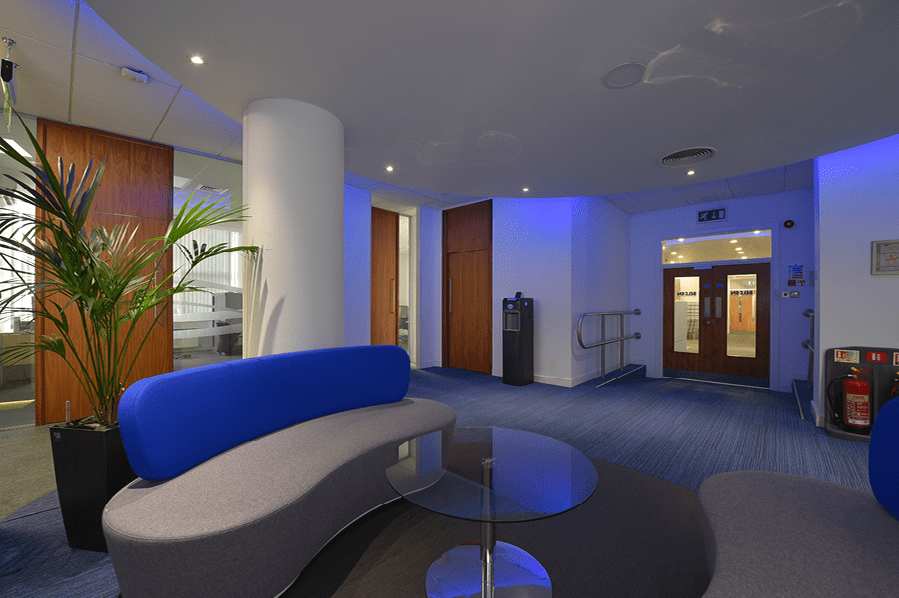
The building has undergone a complete internal transformation with a total refurbishment of the reception and common areas. The office suites provide a superb working environment in line with the demands of todays occupier.
On arriving home I hungrily rustled up a few RIBA Archive images from 1954.
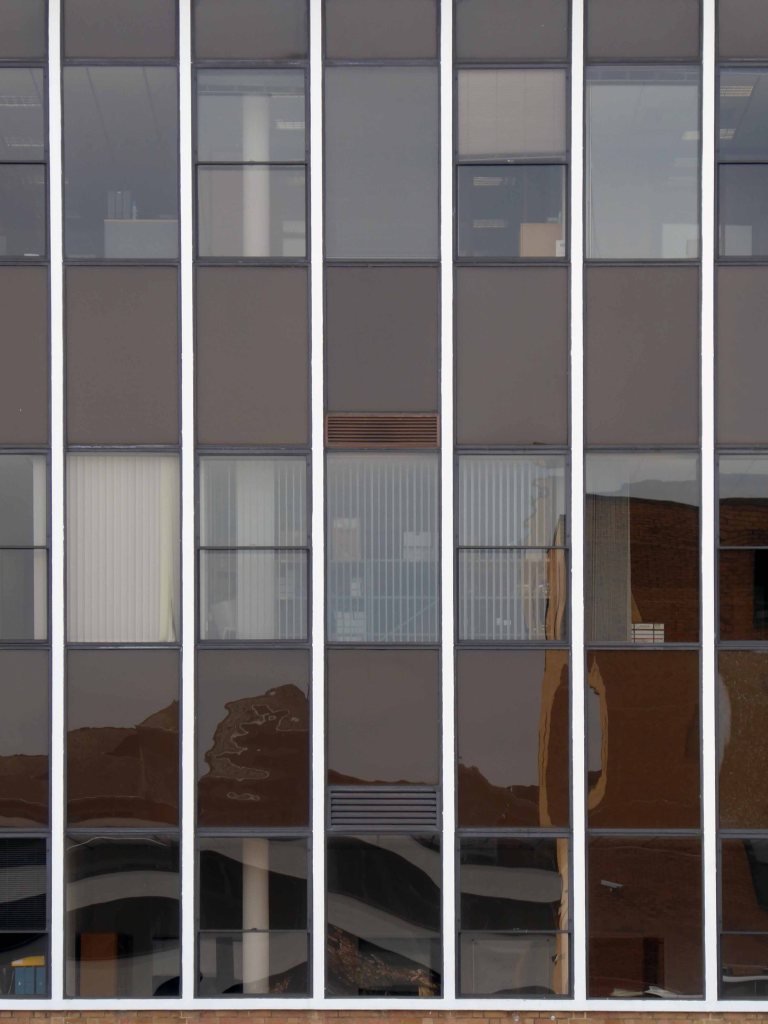
Much remains intact – though gone is the concrete grid and glass brick insertions of the 1954 central section – replaced with a slick glass and steel skin.
And there are unpleasant intrusions made by the fitting of contemporary security and lighting – using intrusive exterior conduit.
It’s a sunny day with a southwest light – there’s nobody about, let’s take a look around.
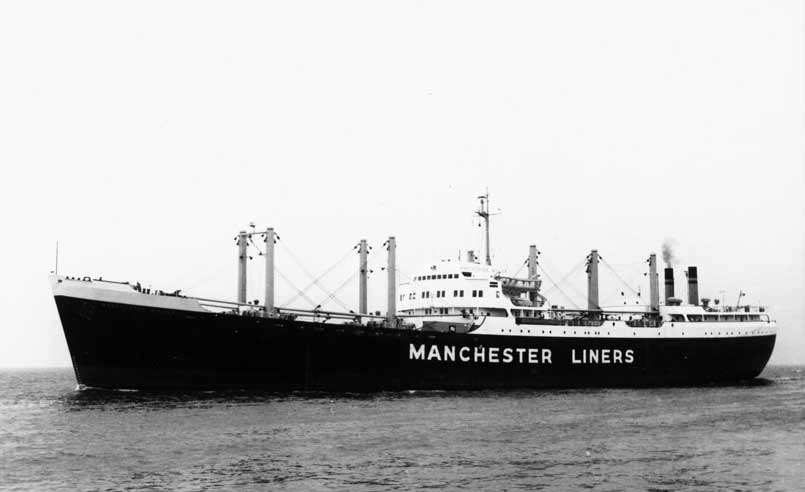
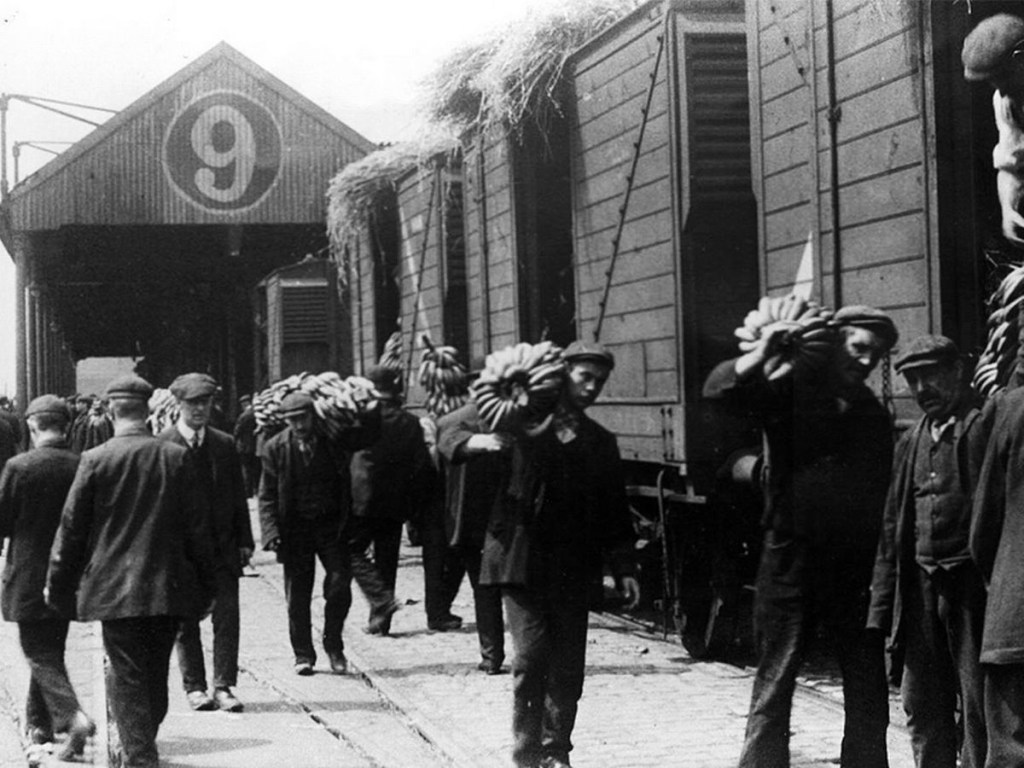
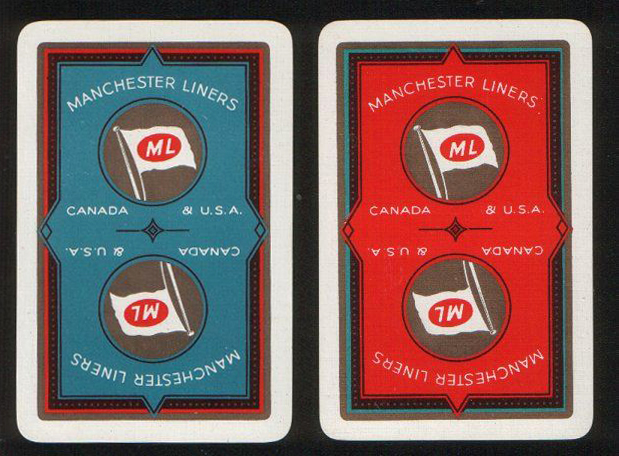
In 1898 Manchester Liners Ltd was launched, four second hand ships were purchased and the company naming policy of applying the prefix Manchester was established.
The company began to operate services to Canada and the USA. Manchester Liners started WW1 with 15 ships in its fleet. During the war 10 ships were lost to enemy action, but because of the purchase of replacements the fleet was at 12 in 1918.At the outbreak of WW2, Manchester Liners had 10 ships in service. War losses were 7 ships, but the delivery of war-standard ships maintained the fleet at 8, which was sufficient to resume a weekly service to Canada.
The Manchester dockworkers strike record became so bad, that in 1973 the company decided to move half of its container services to Felixstowe. Furthermore, to obtain lower costs per unit, container ships were becoming bigger than the Canal limits.
This was a history of economic growth and prosperity, for some. Tangible commerce, the wealth of a nation built on making things, moving things. Cranes, ships, stevedores and sailors, the world and his wife converging at the base of the Manchester Ship Canal.
All this is long gone, containerisation, recession and state engineered shifts in global manufacture and trade.
They took away the cranes.
The area is now awash with intangible activity – what goes on behind the smoked and mirrored glass?
Just who is moving what around, how, where and why?
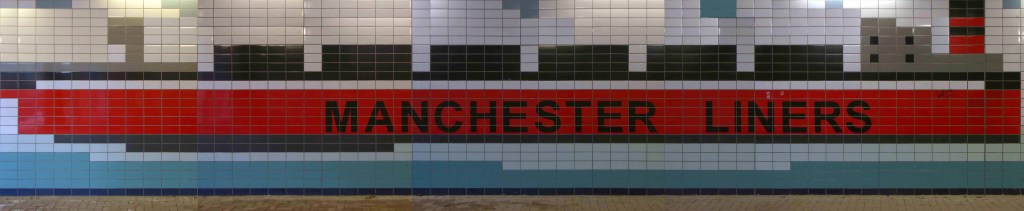
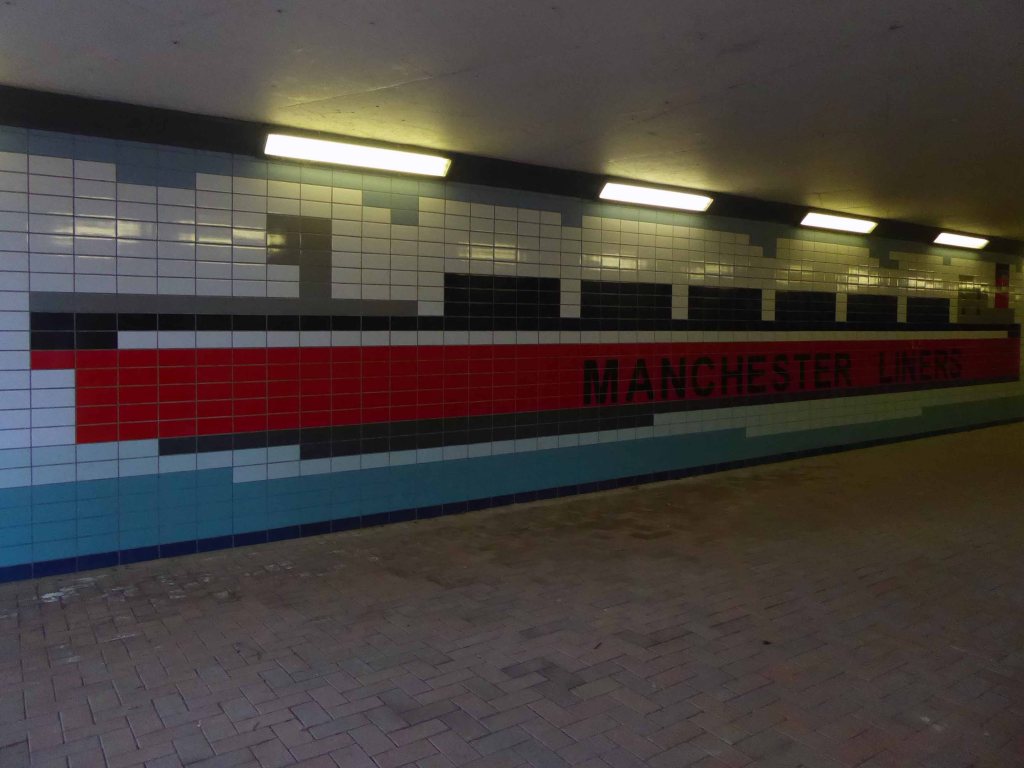
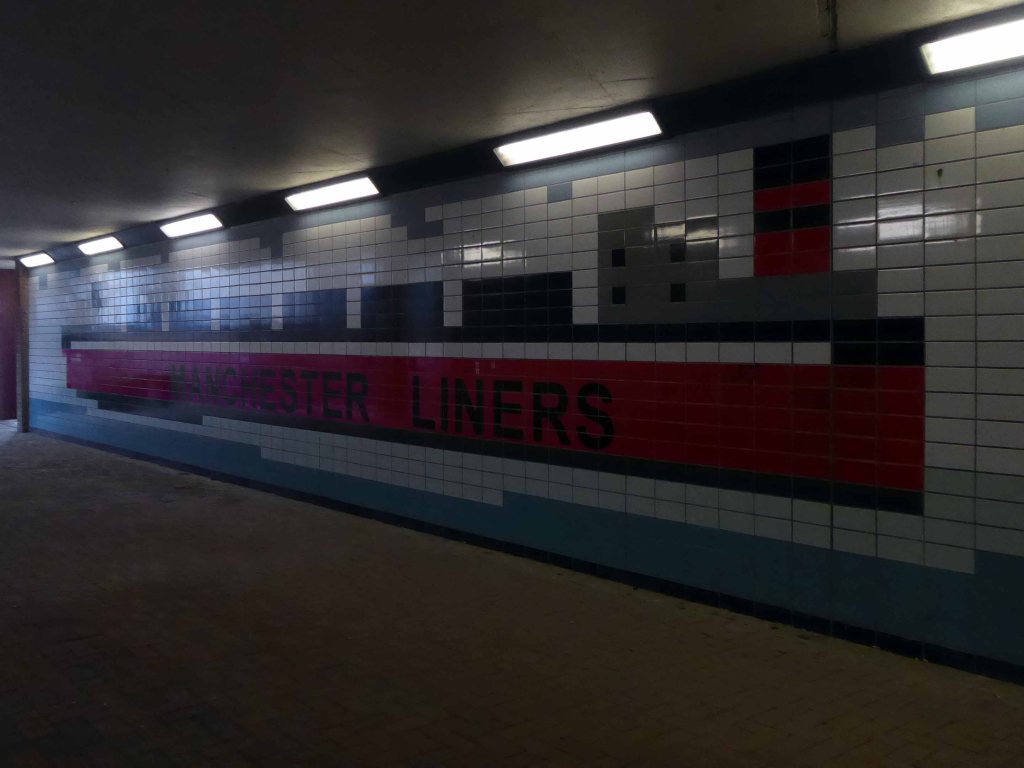
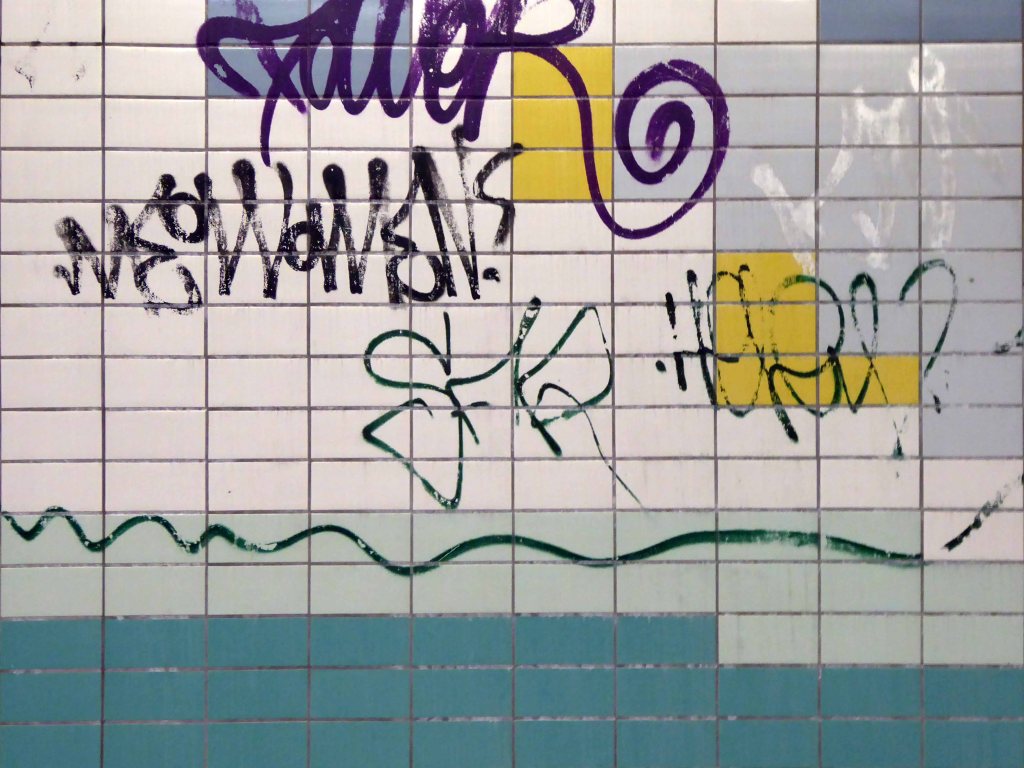
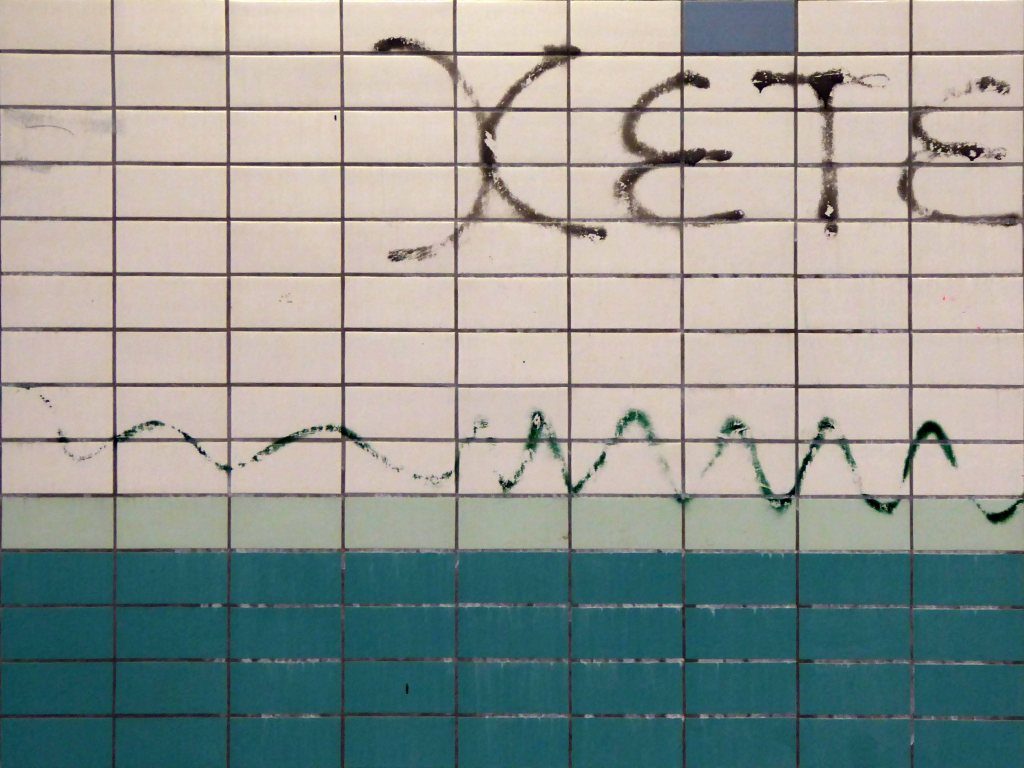
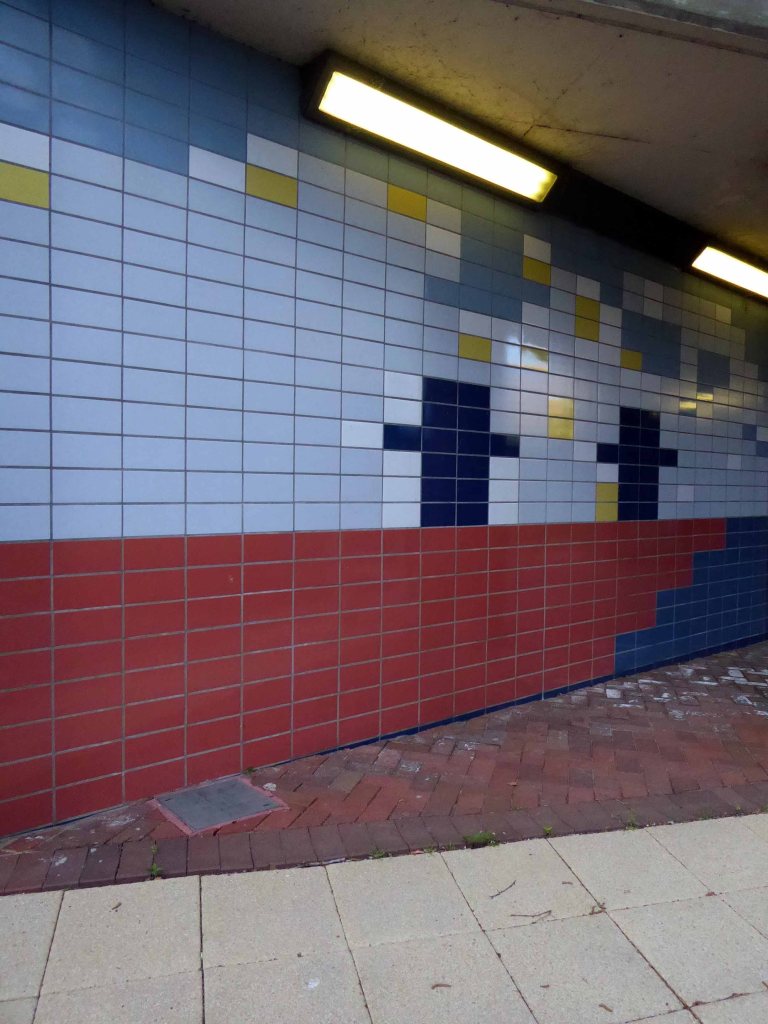
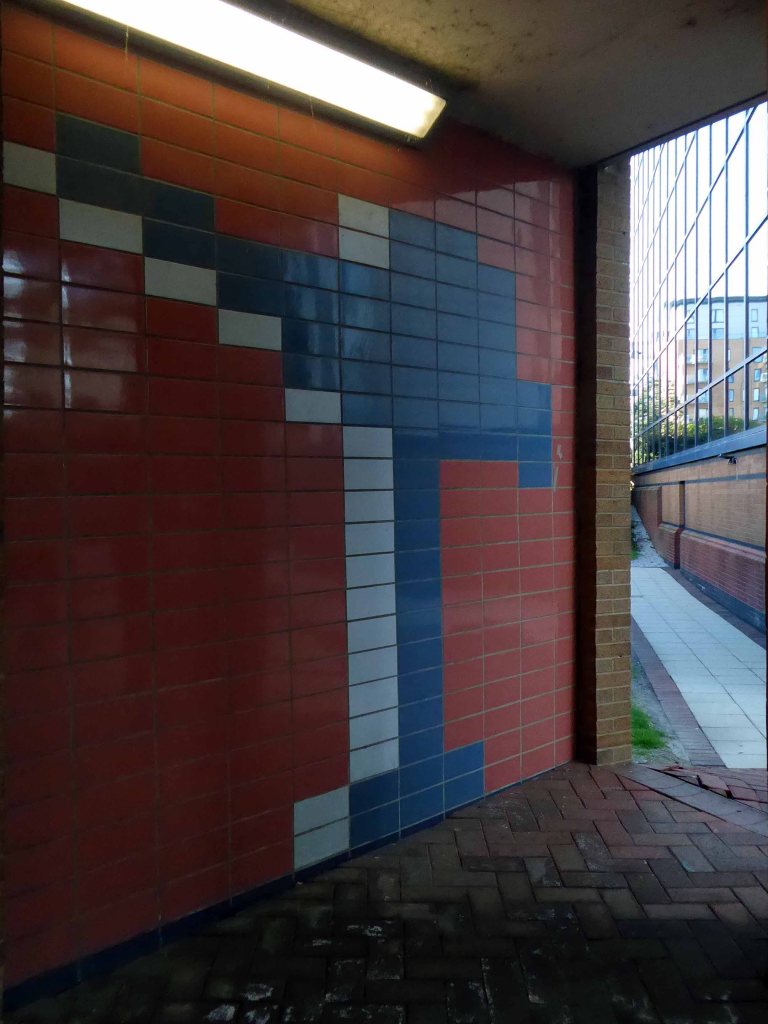
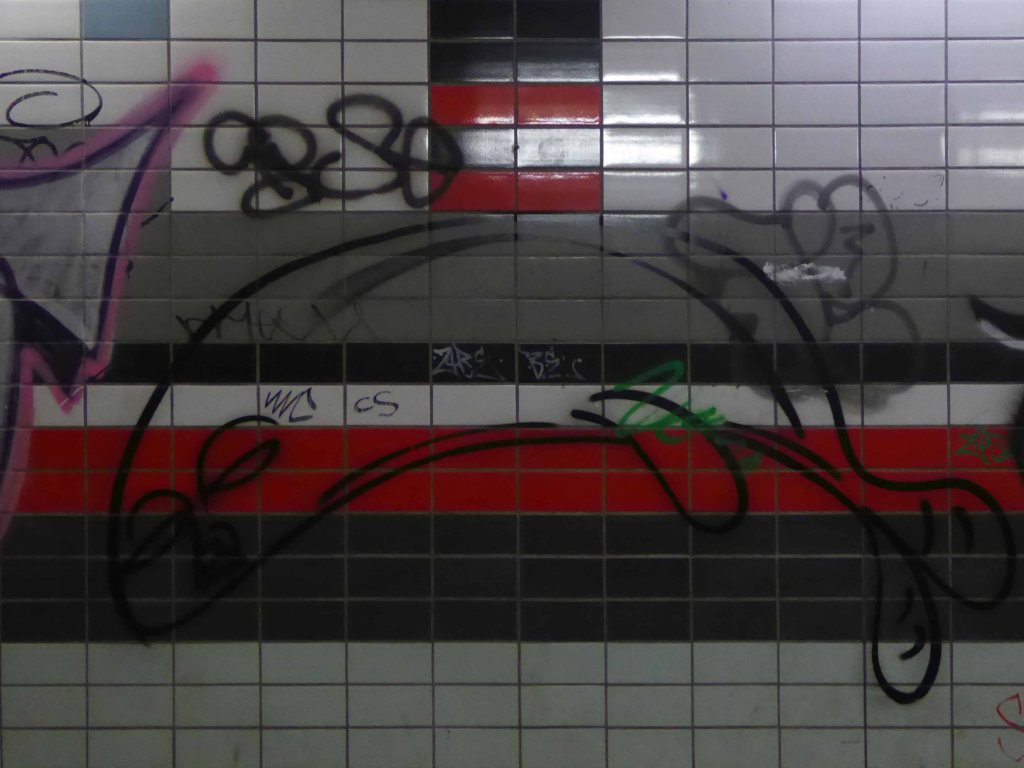
But hidden away between here and there is a tiled underpass.
A permissive path.
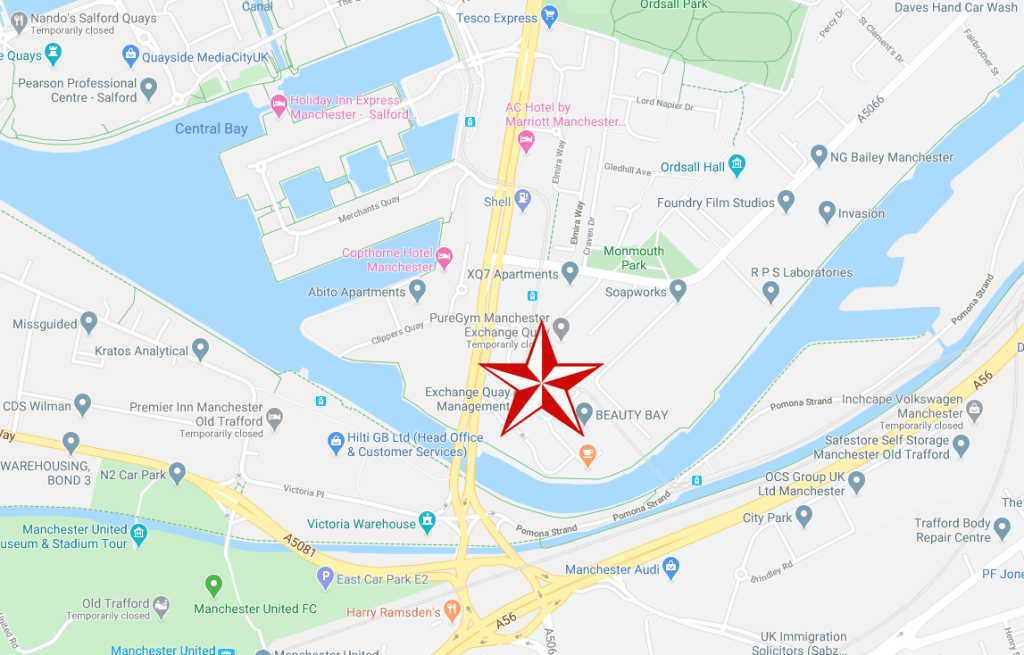
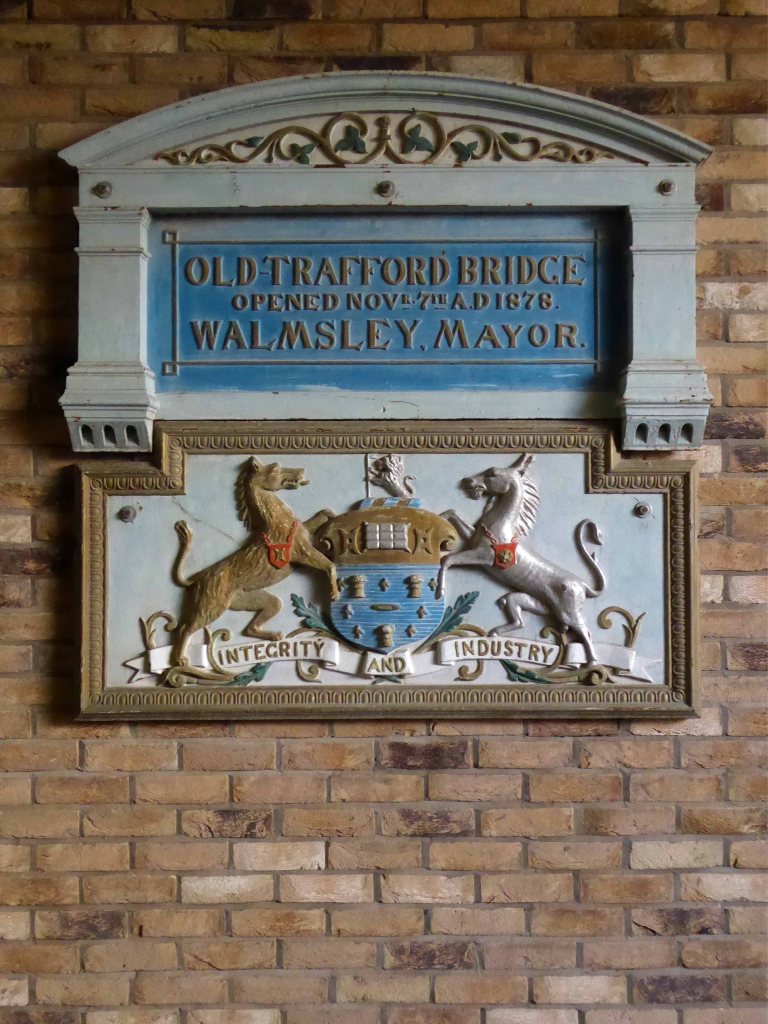
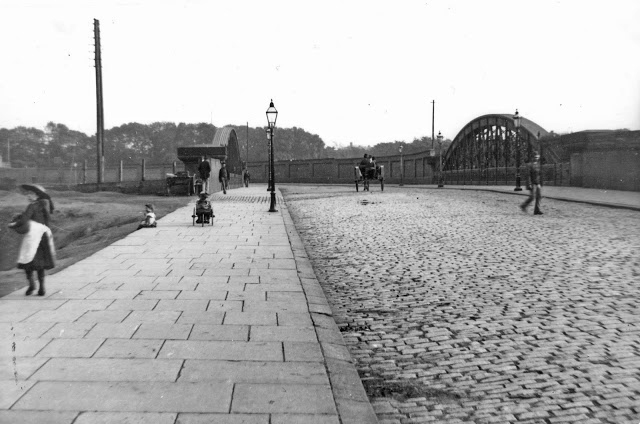
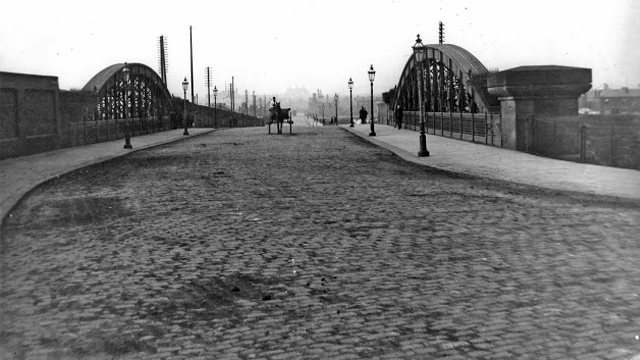
Where once there was a bridge – before the Manchester Ship Canal was built, the course of the River Irwell was approx. 50-100 yards further north of where the Ship Canal now passes under Trafford Road. This plaque is next to a pedestrian tunnel under Trafford Road, roughly on the line of the old navigation.
So here it is a hidden, harshly lit, slightly disabused tribute to the brave souls who sailed the seven seas, stayed ashore, weighed, loaded and shifted stuff.
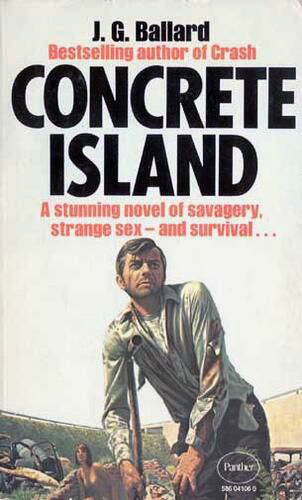
He reached the foot of the embankment, and waved with one arm, shouting at the few cars moving along the westbound carriageway. None of the drivers could see him, let alone hear his dry-throated croak, and Maitland stopped, conserving his strength. He tried to climb the embankment, but within a few steps collapsed in a heap on the muddy slope.
Deliberately, he turned his back to the motorway and for the first time began to inspect the island.
Maitland, poor man, you’re marooned here like Crusoe – If you don’t look out you’ll be beached here for ever. He had spoken no more than the truth. This patch of abandoned ground left over at the junction of three motorway routes was literally a deserted island.
JG Ballard Concrete Island
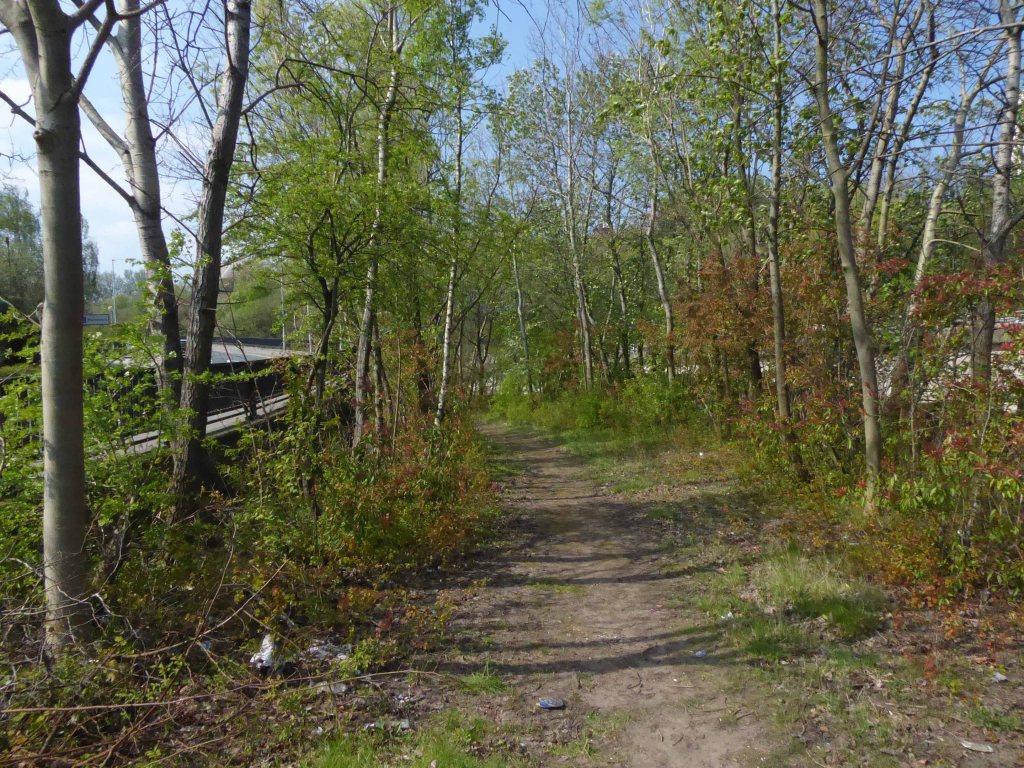
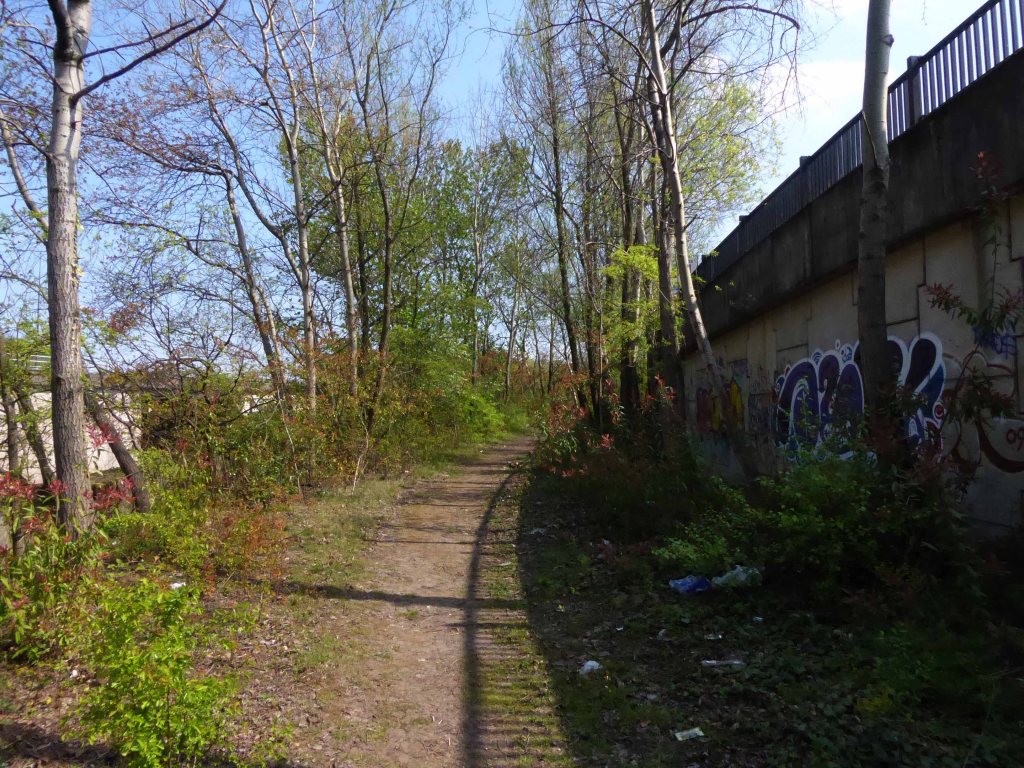
I’m in a different place – the same but different, whilst out walking I went through an open gate, following a well worn path, for the very first time.
Leading who knows where.
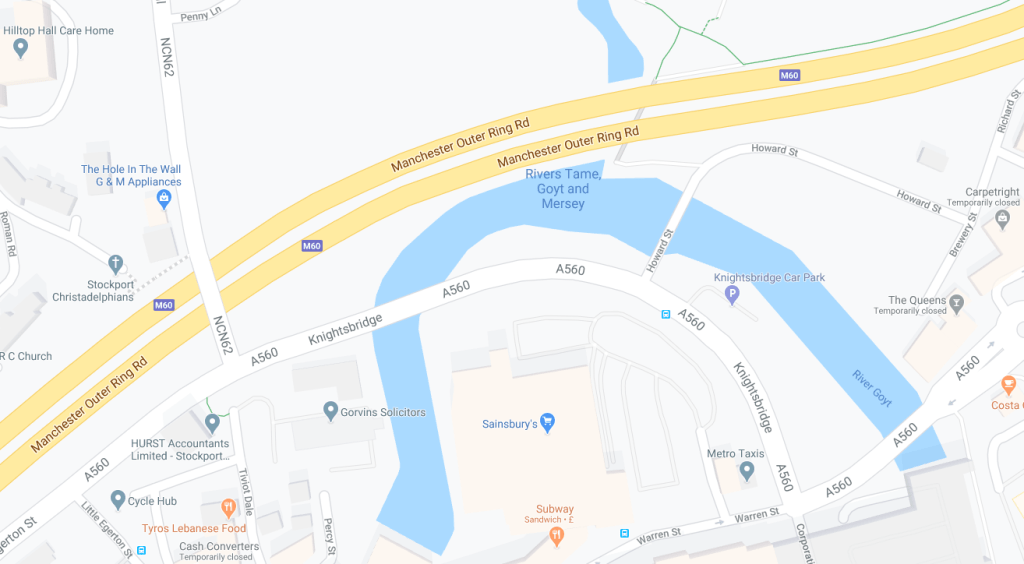
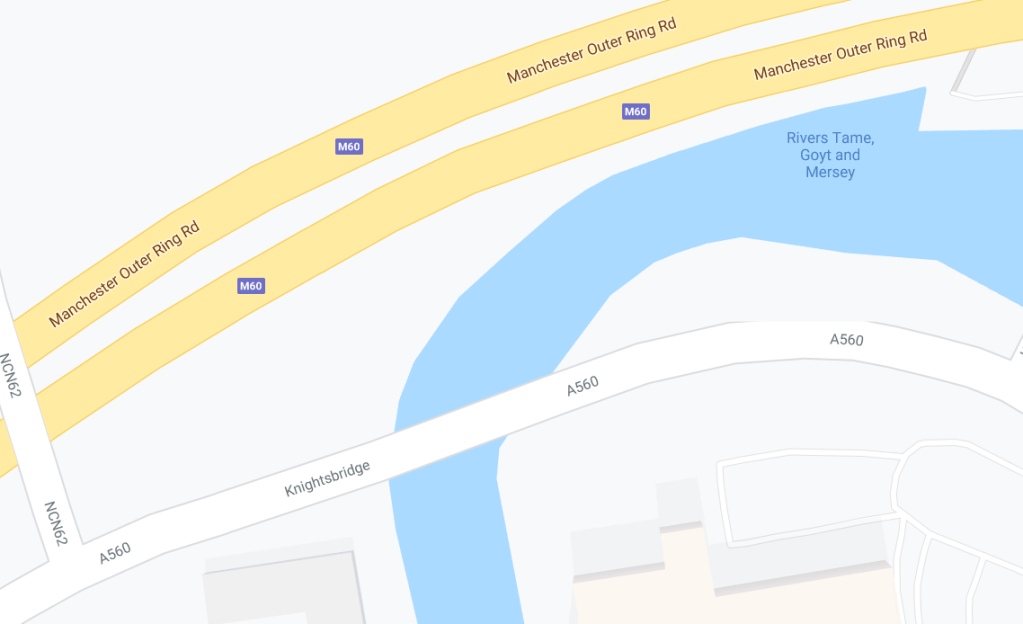
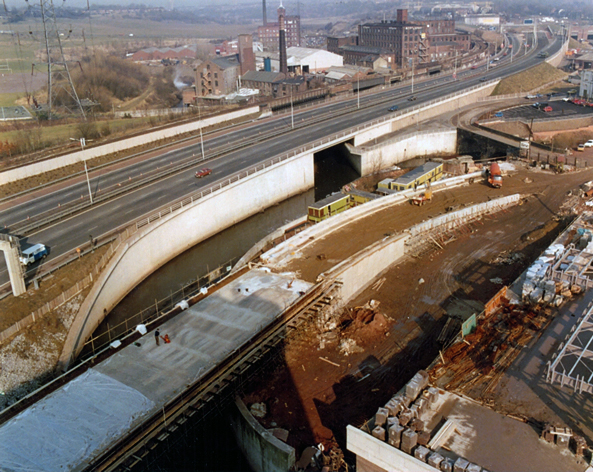
The confluence of three rivers, the meeting of motorway and main road.
I ventured further – where if anywhere are we going?
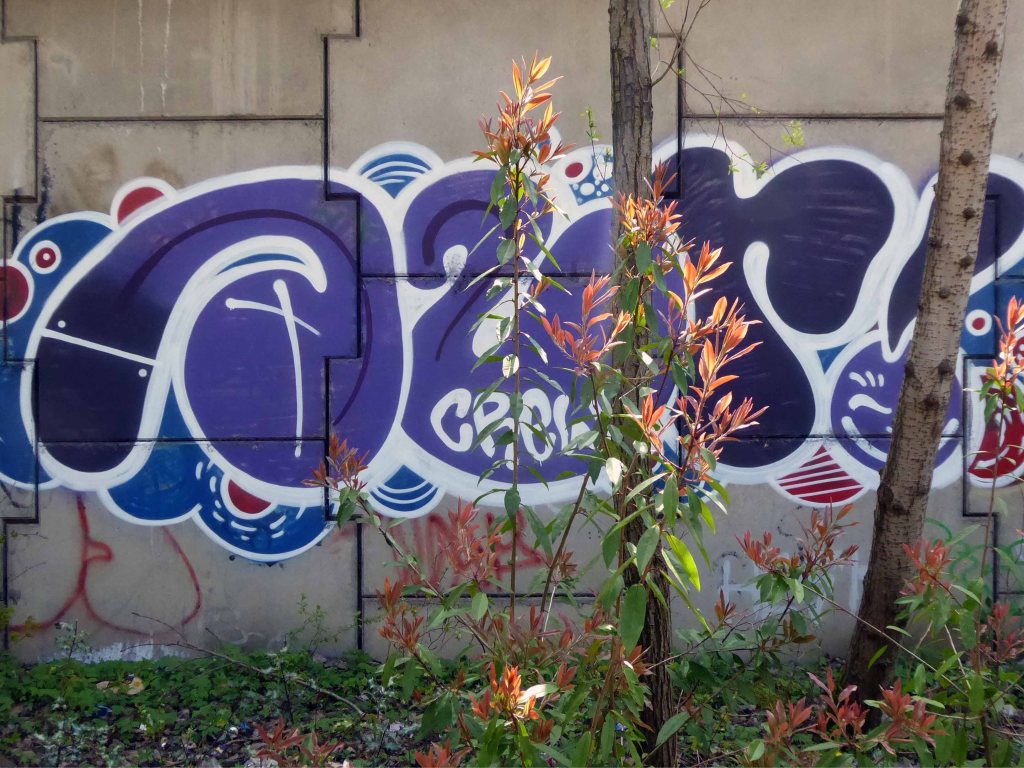
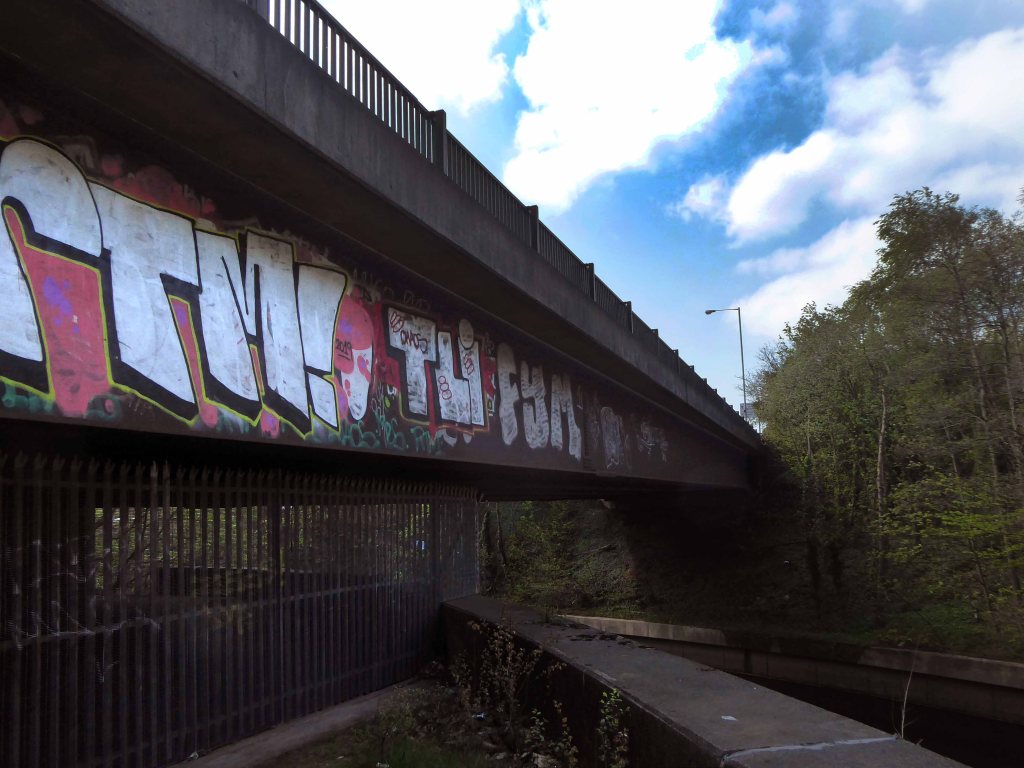
This tight tree lined and paint daubed triangle offers no answers.
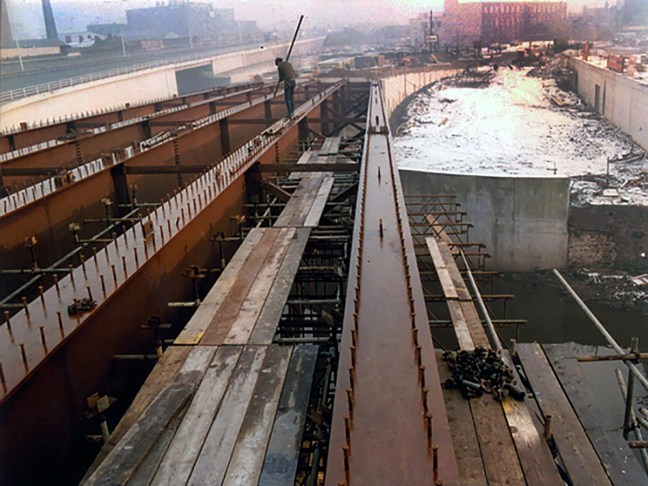
Tamed thirty years or so ago, with concrete and steel.
Further and further.
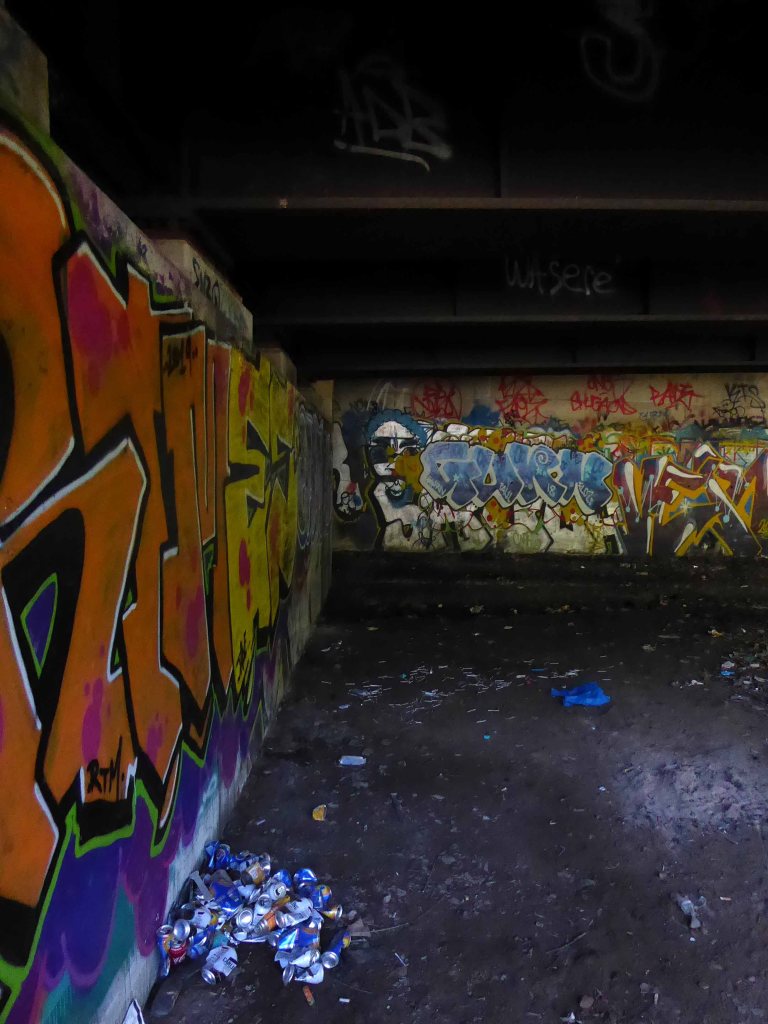
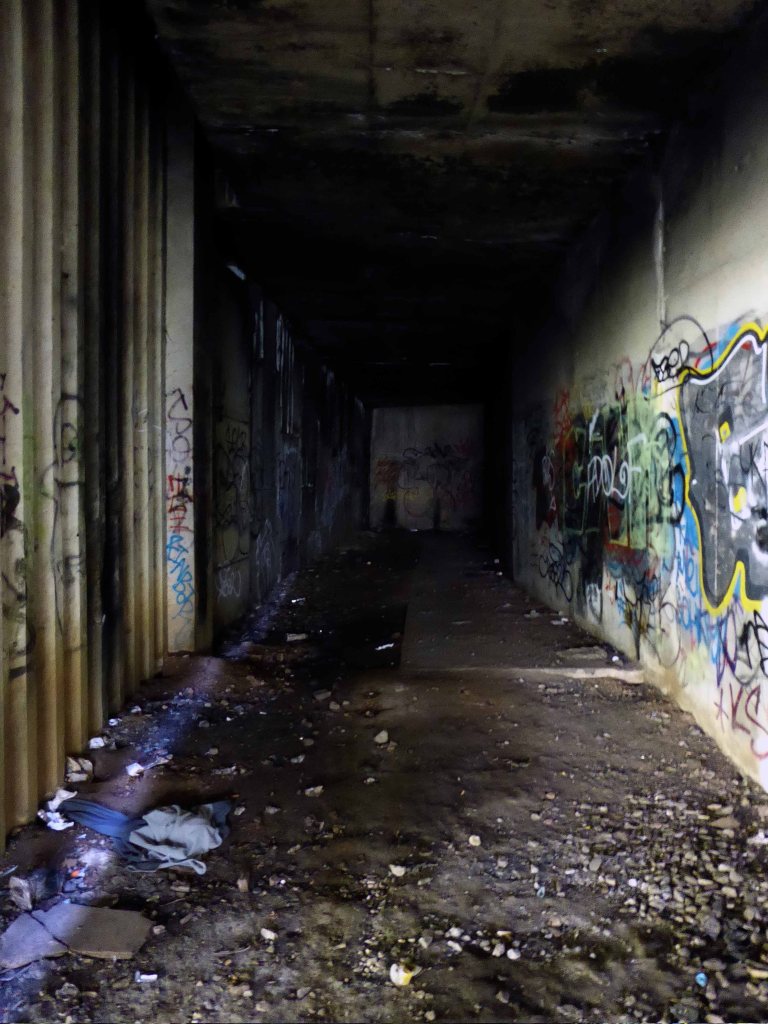
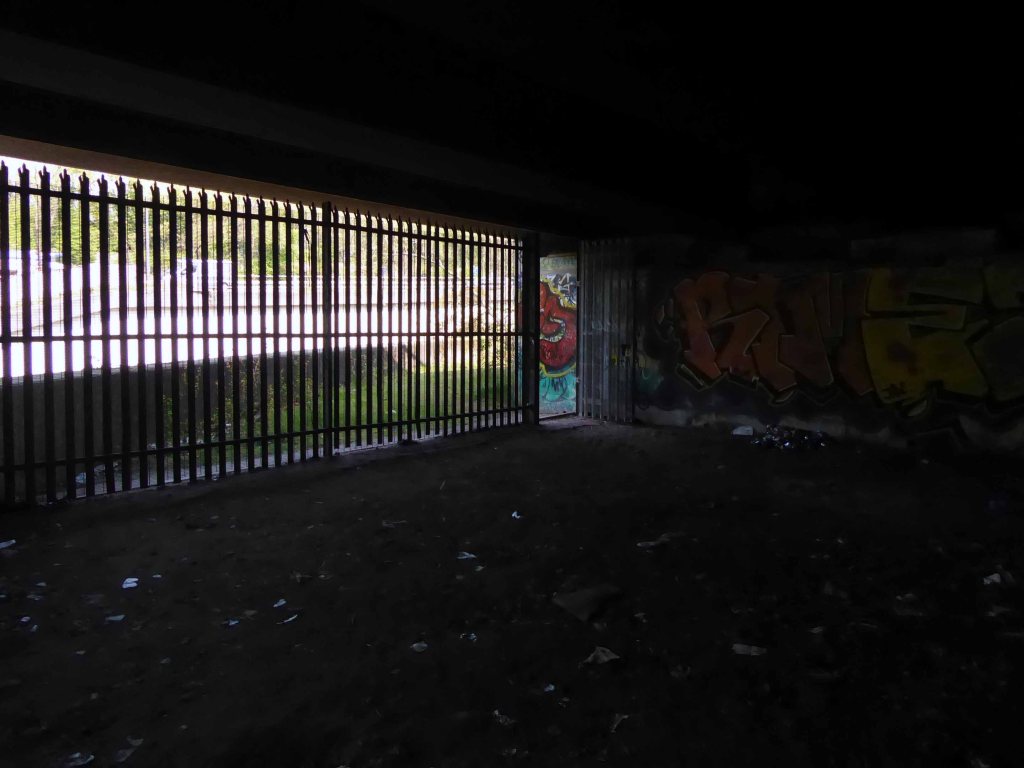
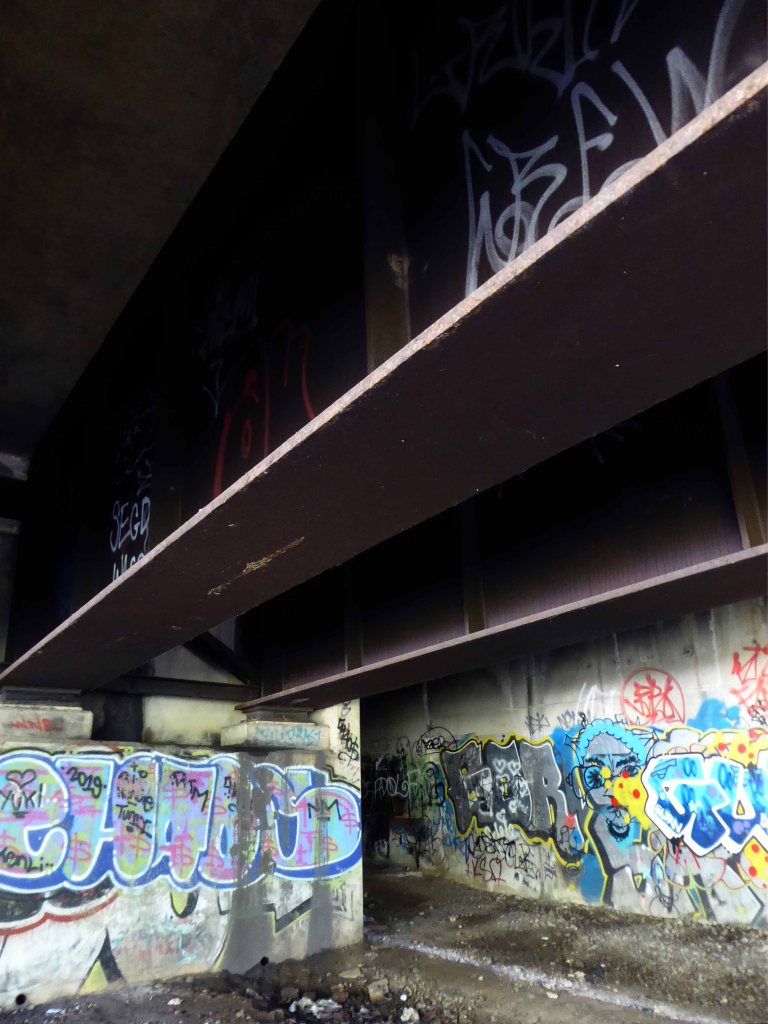
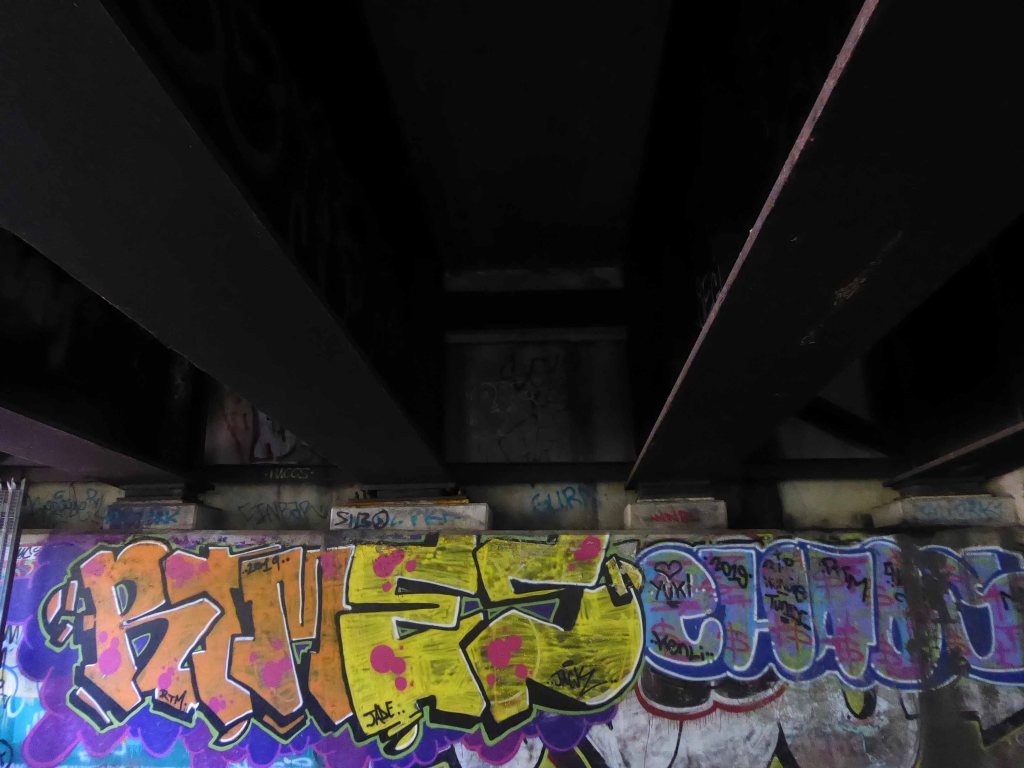
Into an underground world.
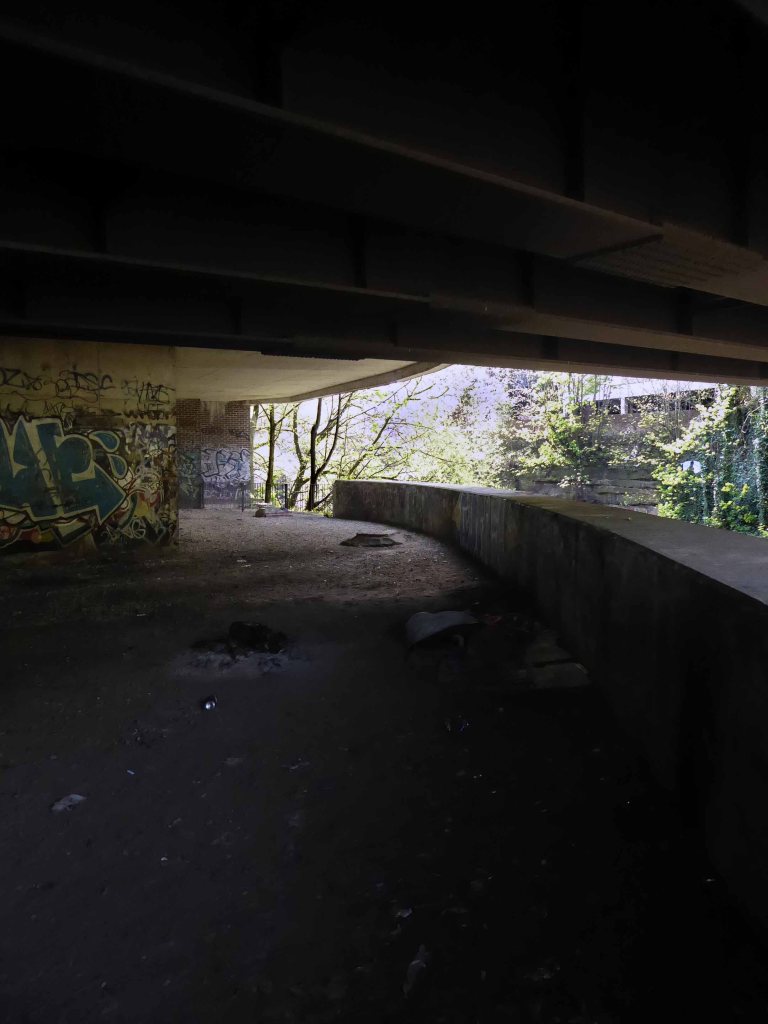
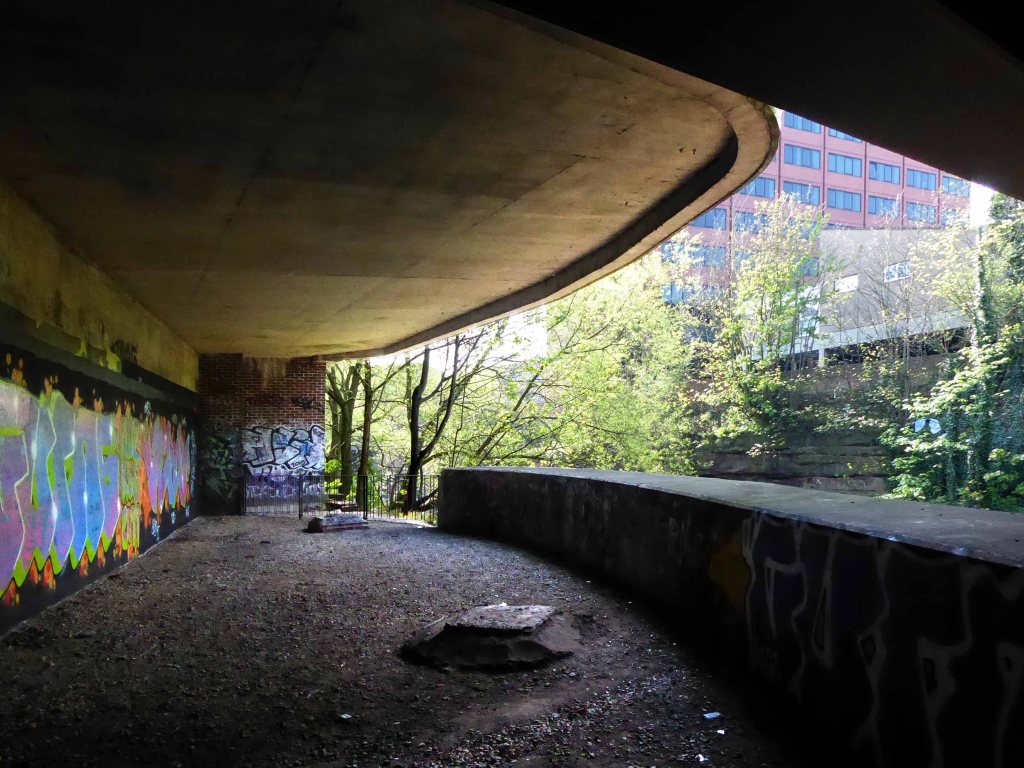
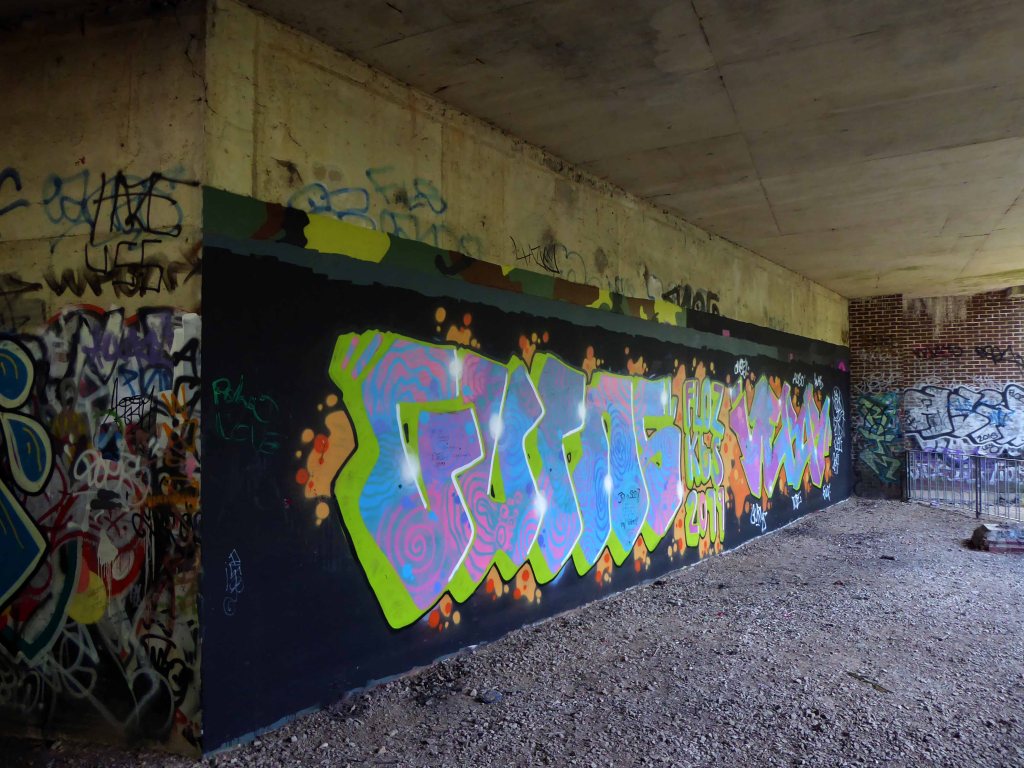
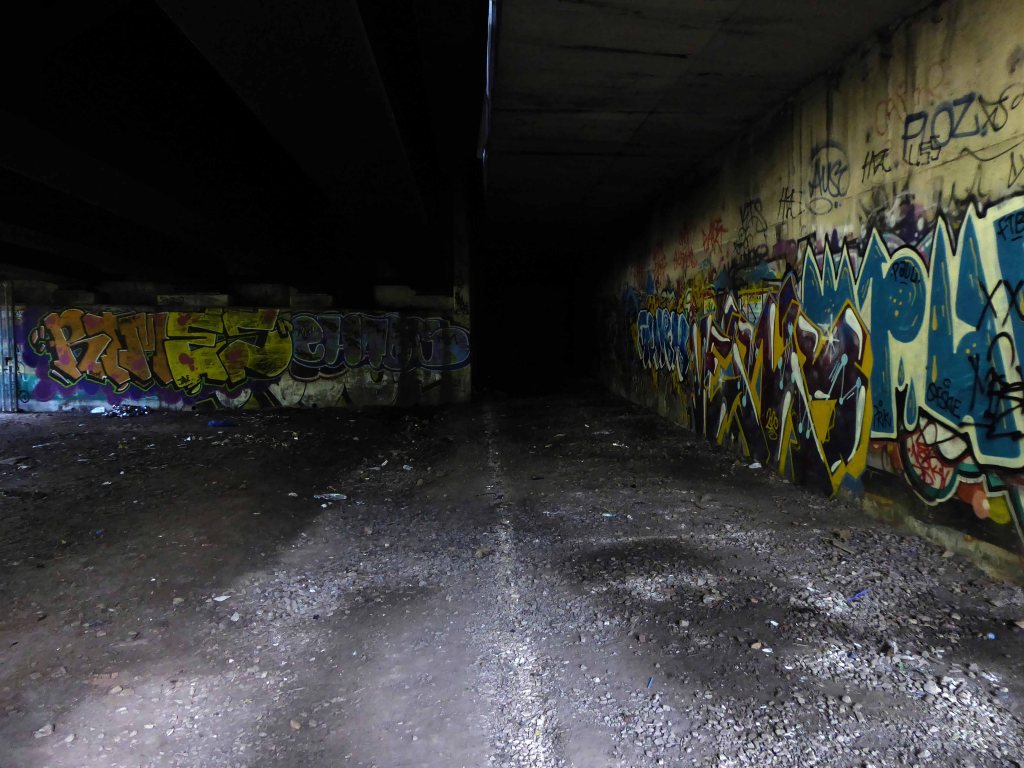
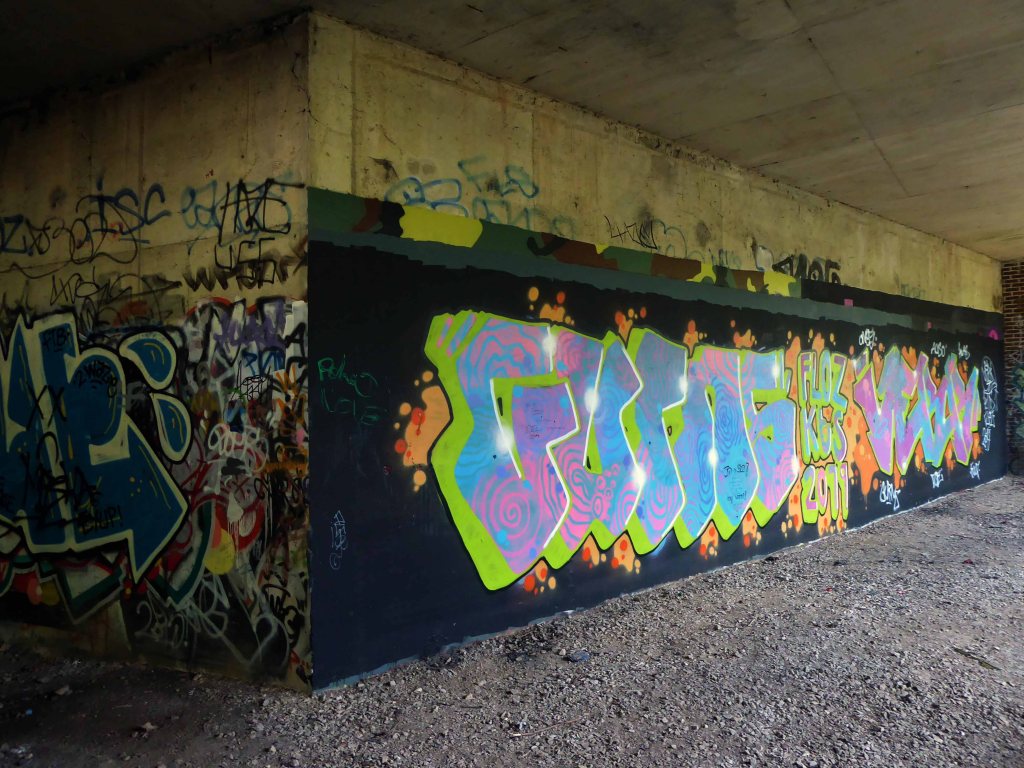
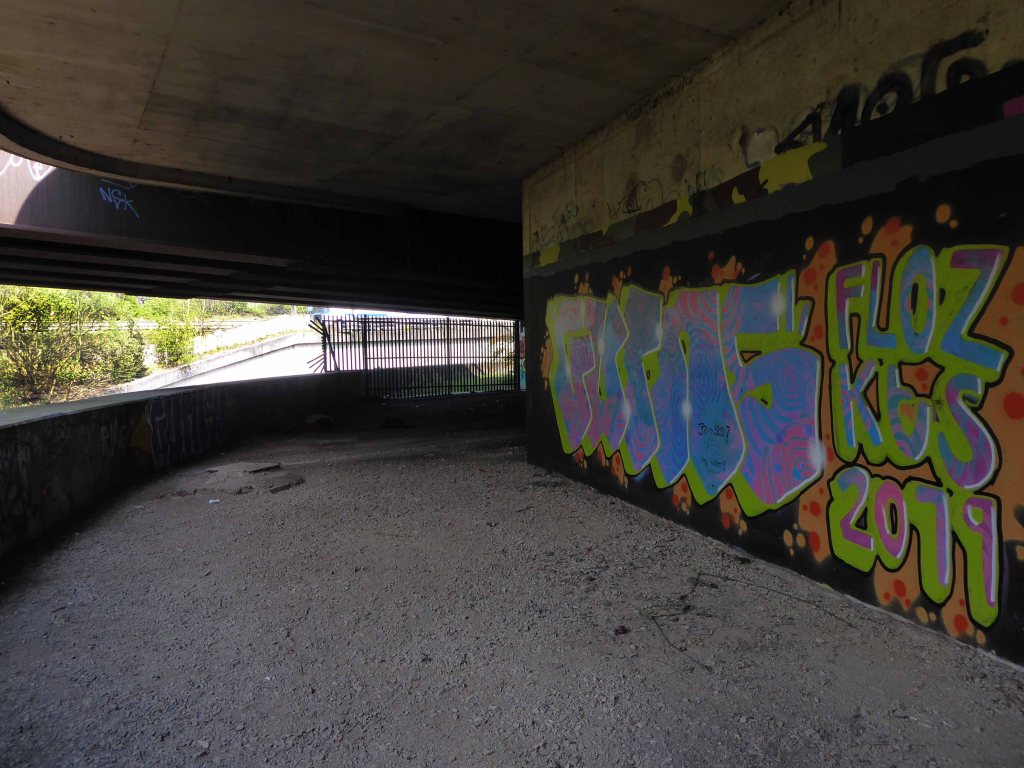
Through the railings and into a void – a void that had become home to the otherwise engaged, seeking solace somewhere, finding shelter from the storm. A storm of Twenty First Century austerity, man made – moving money around until those without are out, out in the open, nowhere else to go but here.
How often have I lain beneath rain on a strange roof, thinking of home.
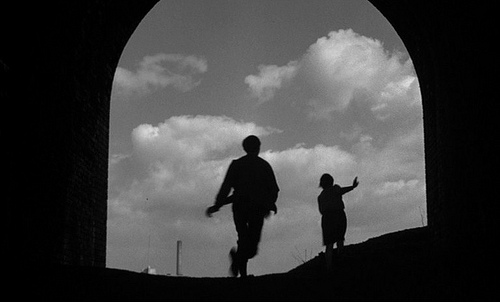
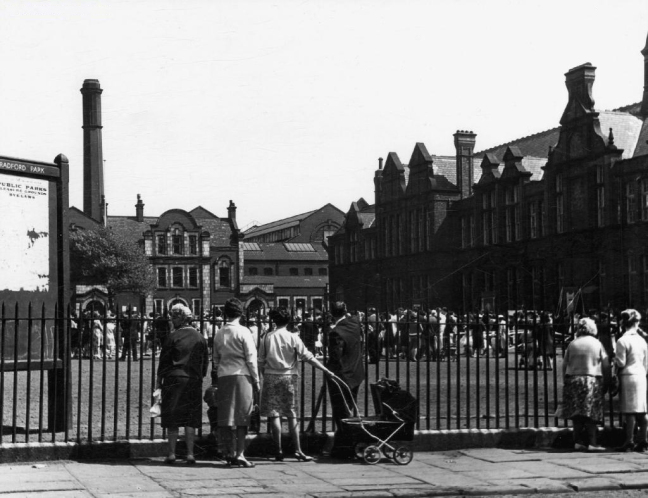
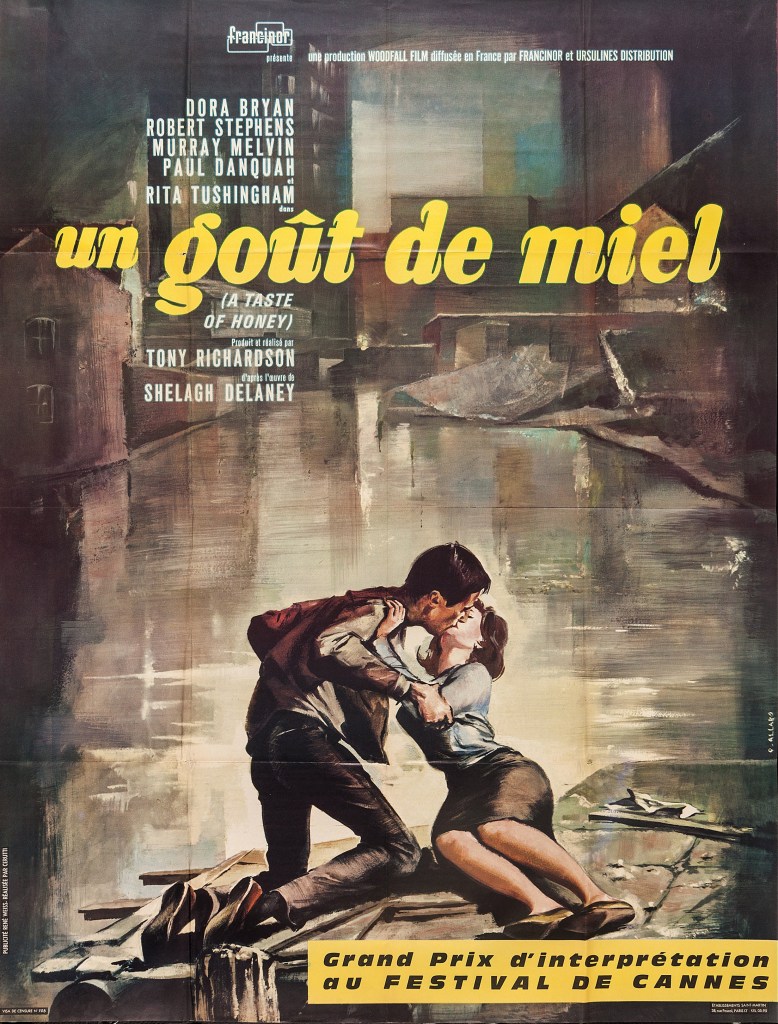
This is a film that has stayed with me for most of my life – first seen as a nipper, fascinated by the fact that it was shot in a very familiar landscape.
As years have passed I have watched and rewatched it, finally resolving to track down the local locations used in its filming.
Studying and pausing the DVD, making thumbnail sketches of frames, researching online – referring to Reelstreets.
I have previously written about the way in which the movie shaped a particular image of the North.
And examined particular areas of Manchester such as Barmouth Street.
The film generated world wide attention and remains just as popular today.
Still watched, still loved, still relevant – here are a selection of photographs I took in 2011 – cycling around Manchester, Salford and just a little closer to home in Stockport.
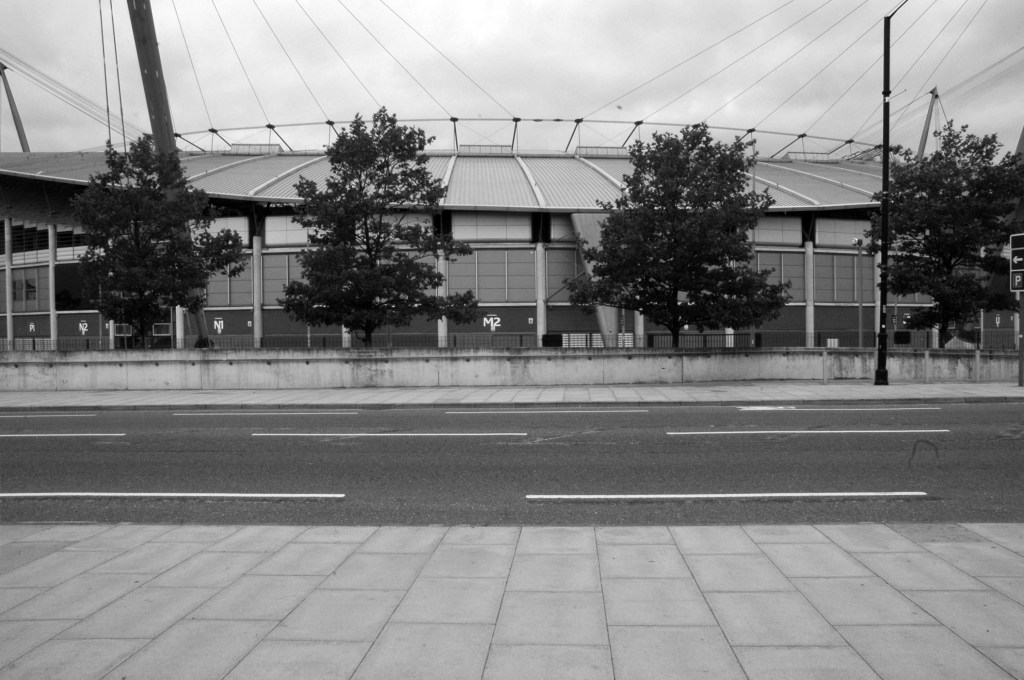
Timpson’s shoe shop now demolished opposite the Etihad
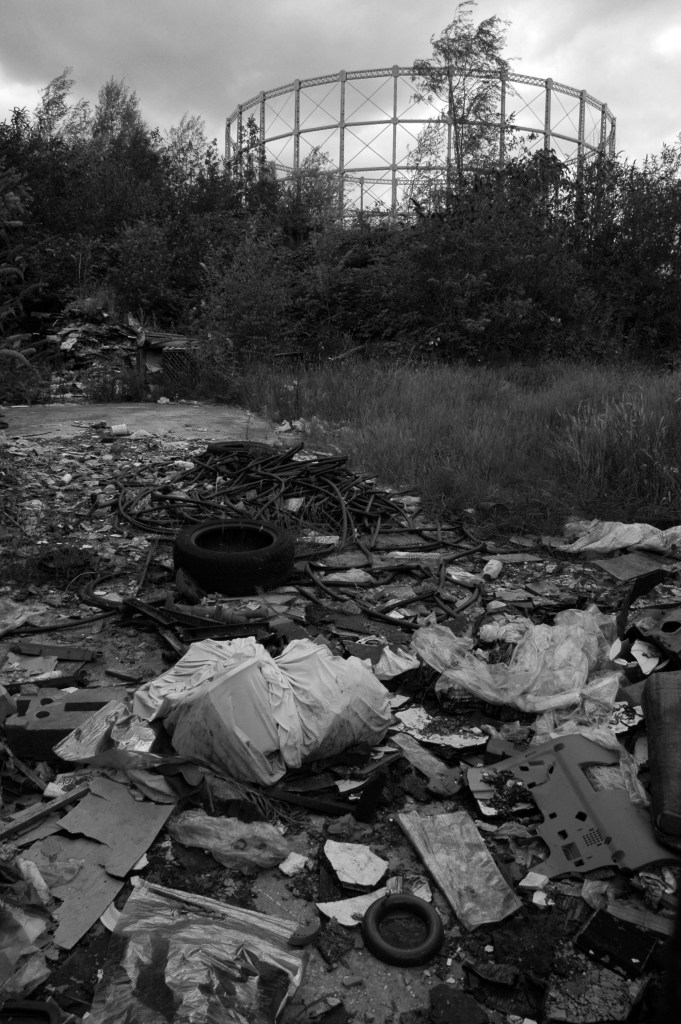
Phillips Park the back of the gas works in Holt Town
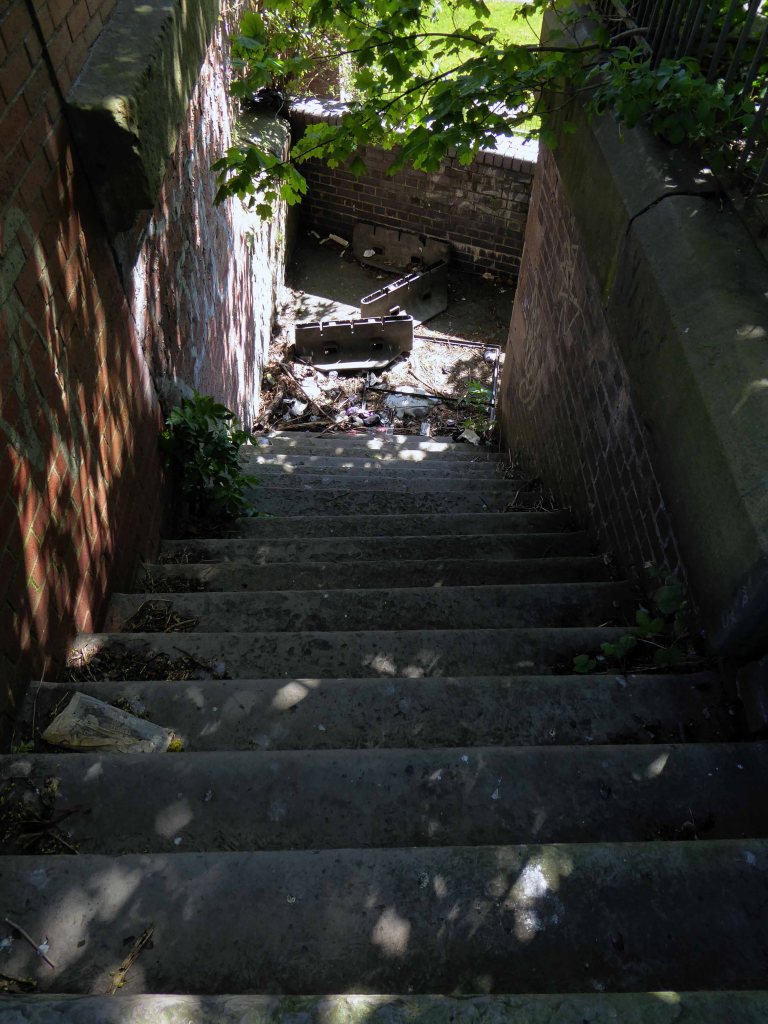
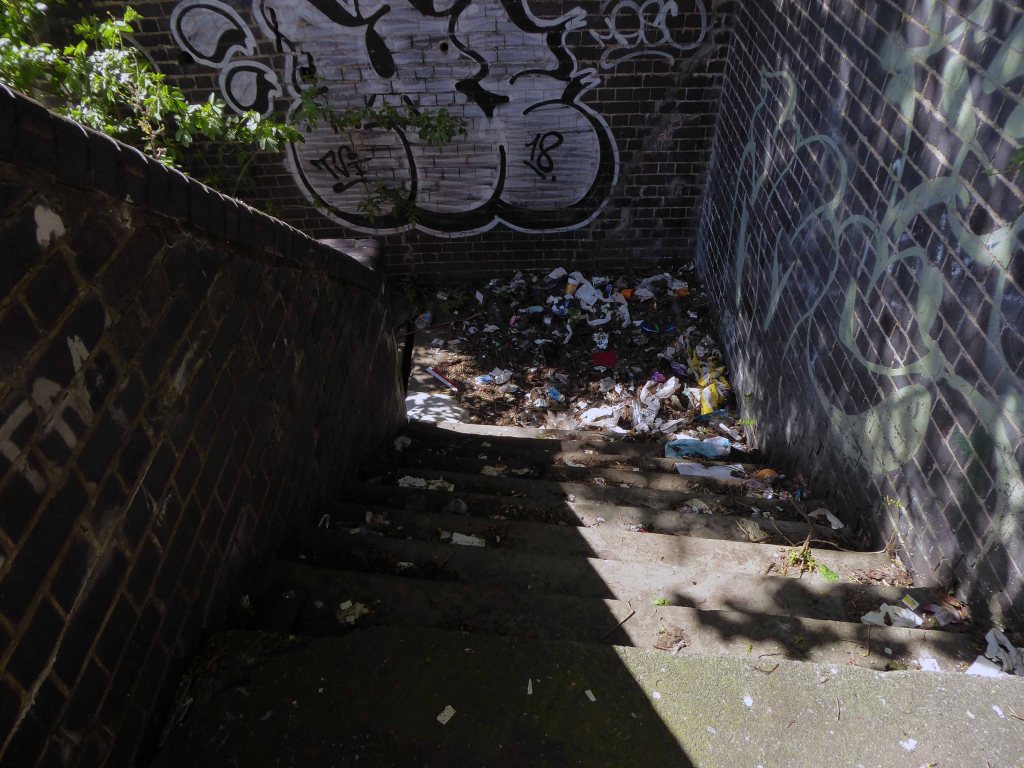
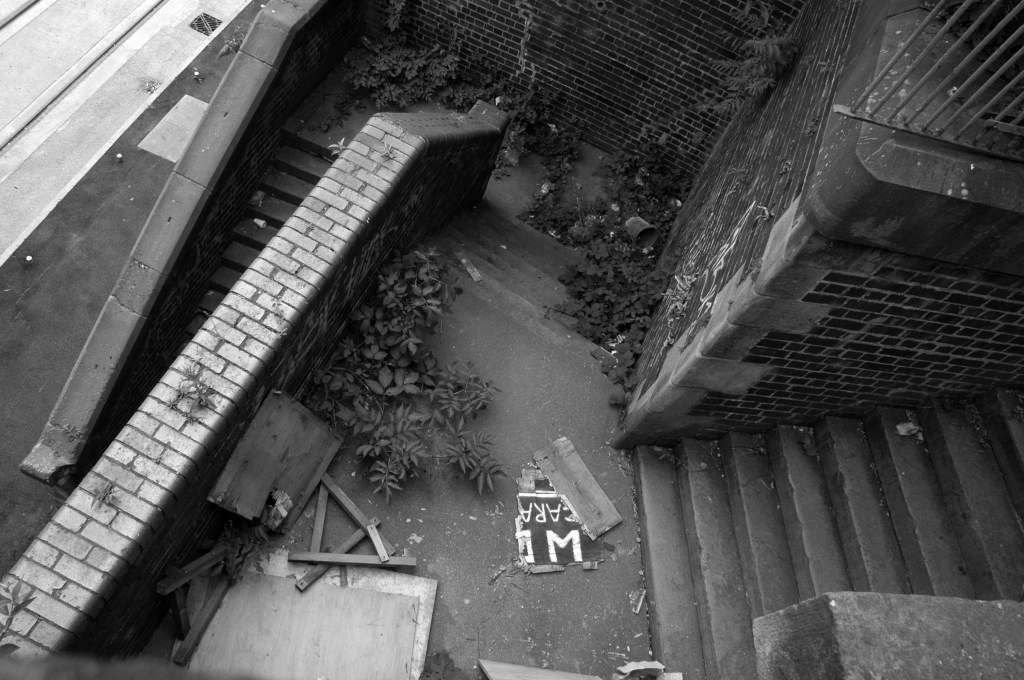
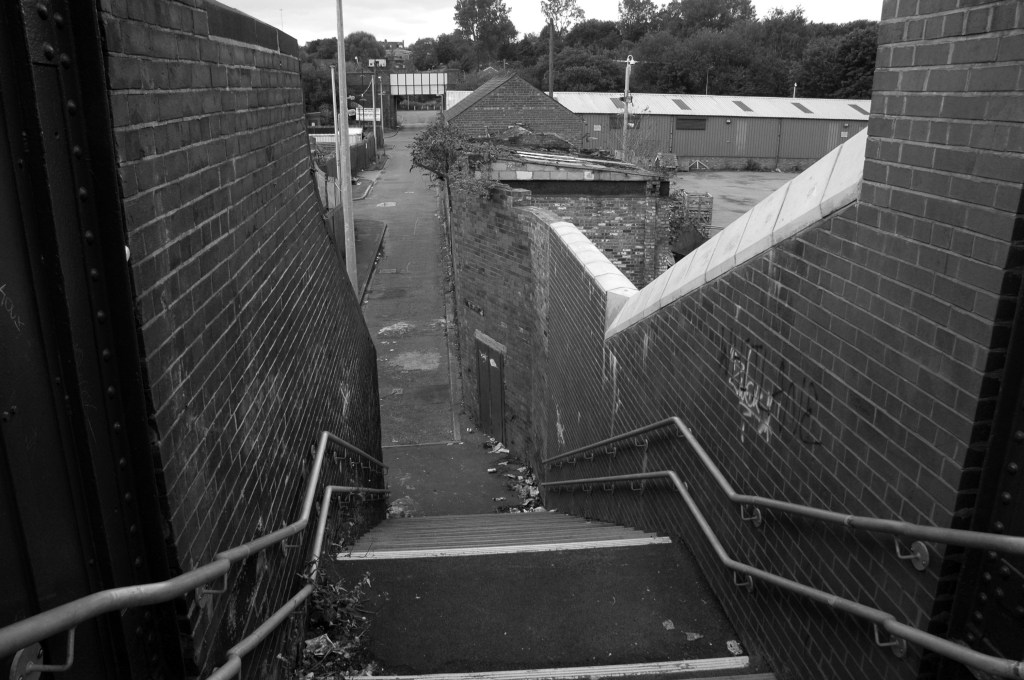
The Devil’s Steps Holt Town
Rochdale Canal
Ashton Canal
All Souls Church Every Street Ancoats
Piccadilly Gardens as we view the city from a moving bus.
Manchester Art gallery – where they watched the Whit Walks.
Albert Square part of the earlier bus ride.
Trafford Swing Bridge
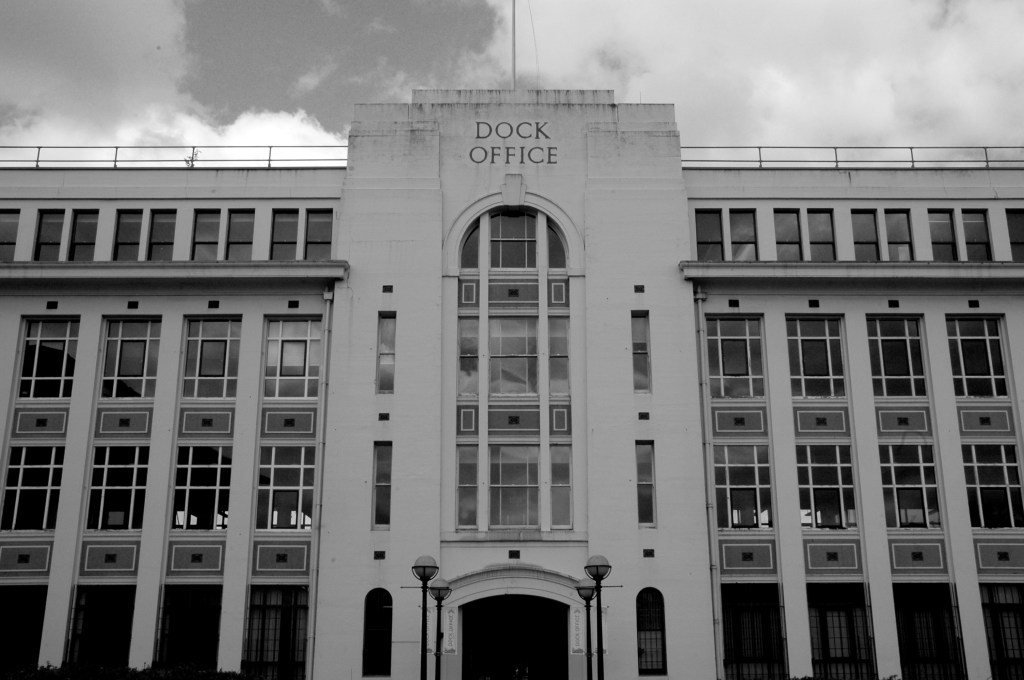
Dock Offices
Chimney Pot Park Salford
Pendleton
Barton Aqueduct
Through my tour I have attempted to capture a sense of the settings as they are – how, if at all, the areas have changed.
There may be some minor inaccuracies or omissions which I am happy to amend.
You may wish to visit the sites yourselves, the majority of which are easily accessible, above all watch the film and appreciate that which is around you.
It’s lockdown so we can’t go far, so from home in Stockport to Collyhurst is within my daily exercise allowance.
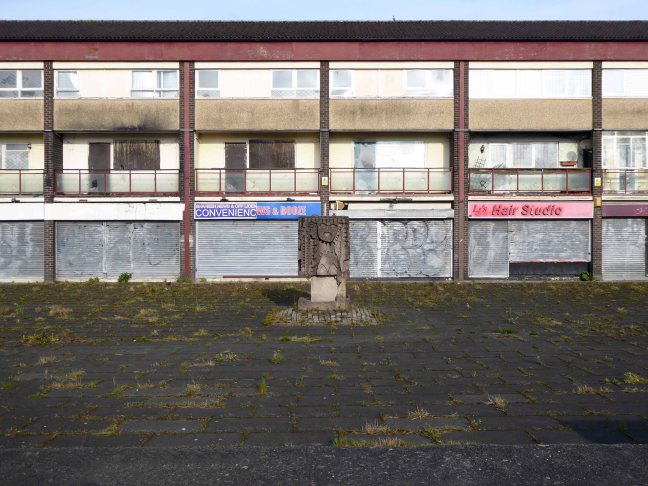
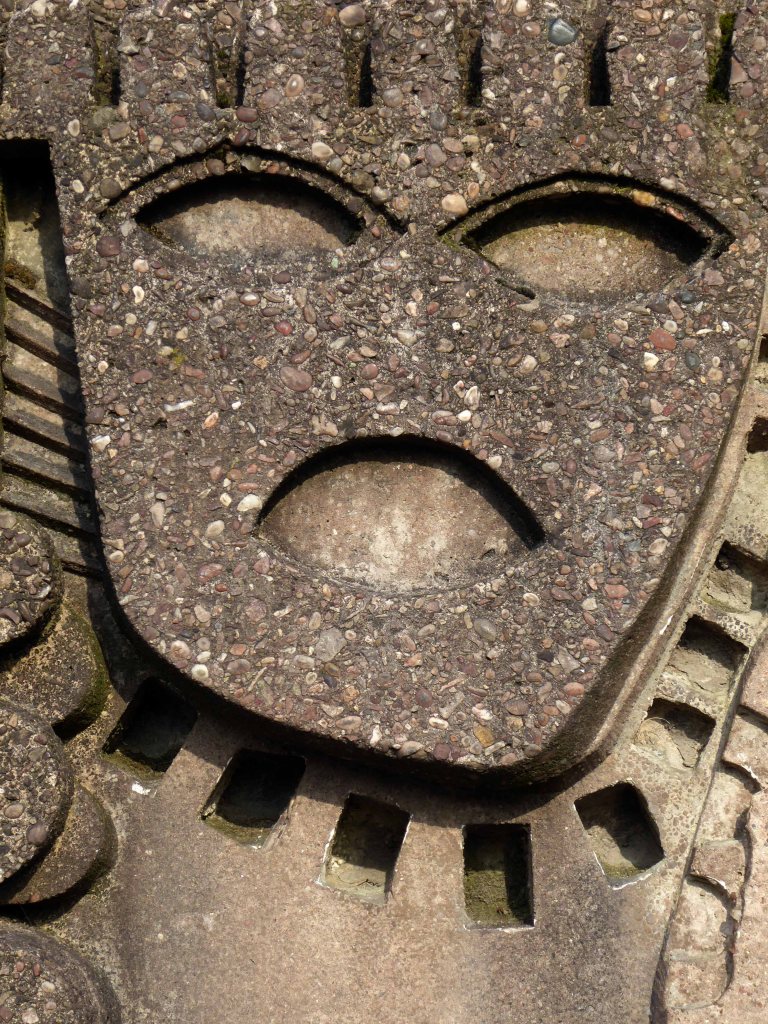
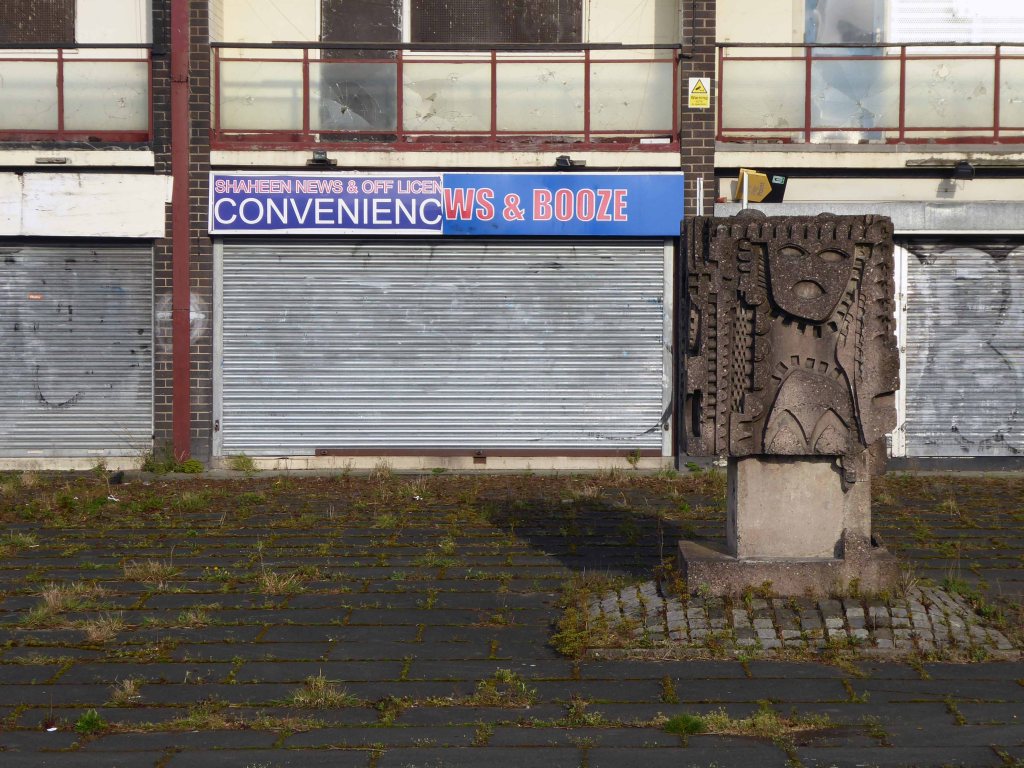
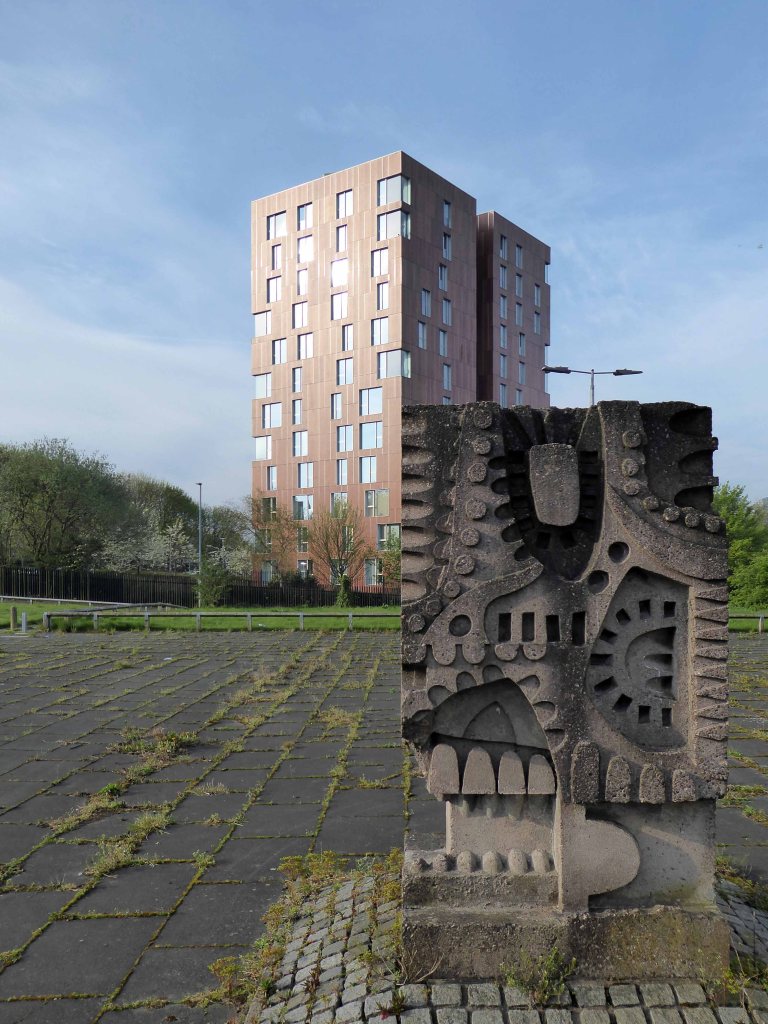
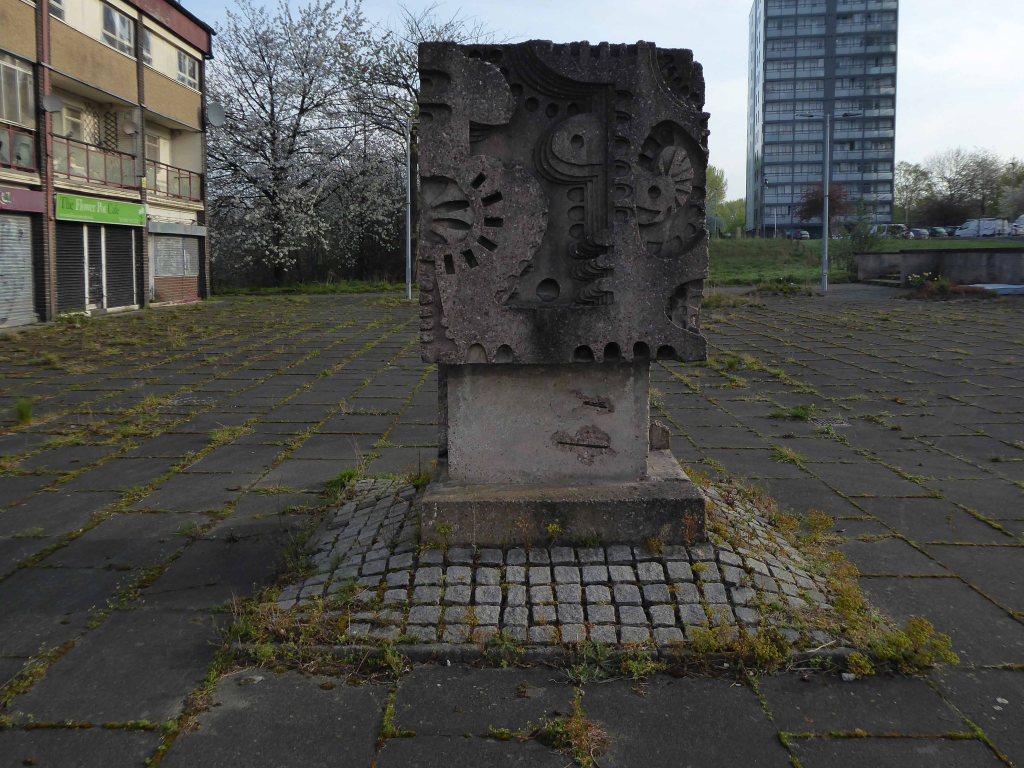
There is talk of relocation for the diminutive Mitchell totem, but as of today no sign of any action – all is in abeyance.
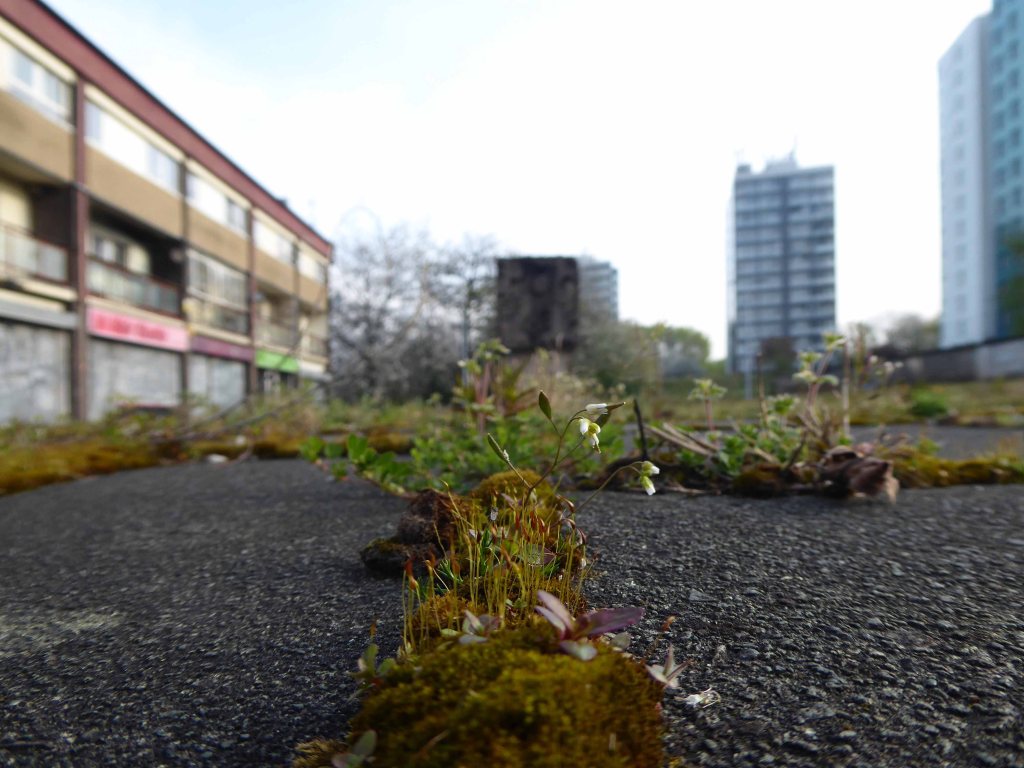
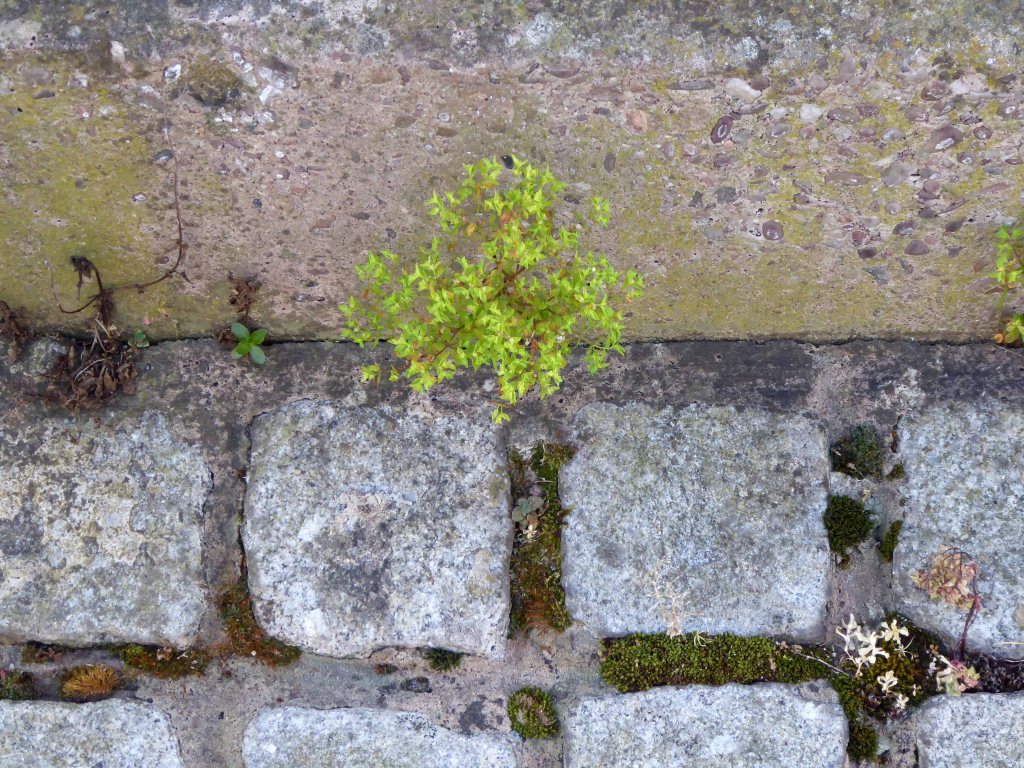
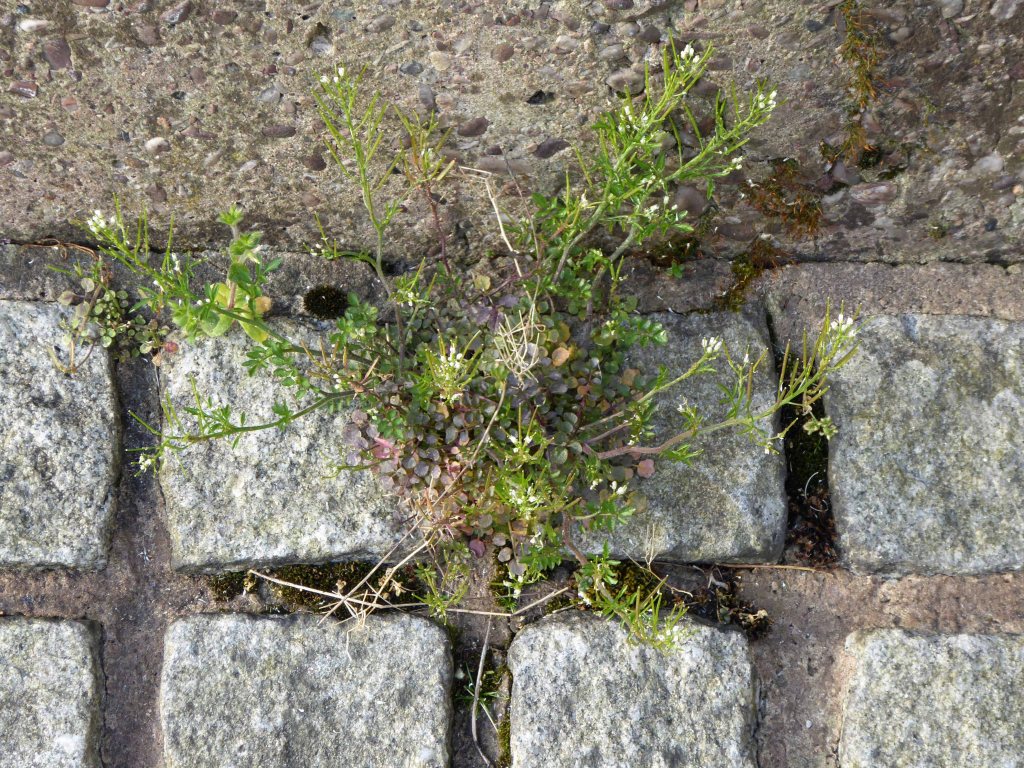
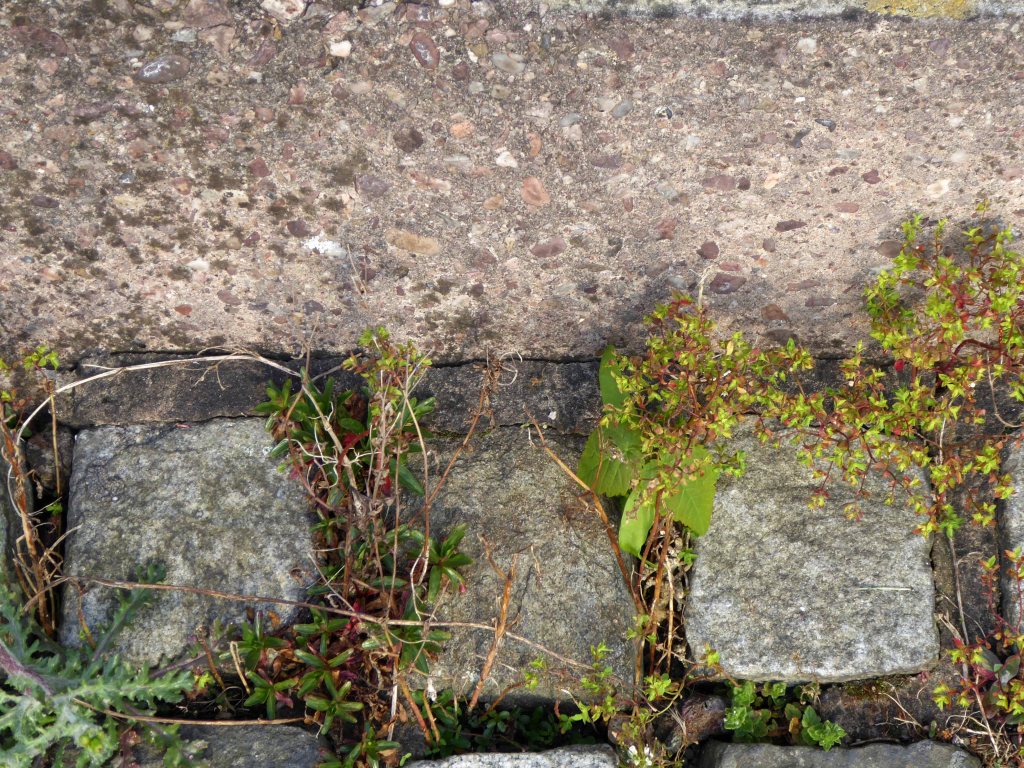
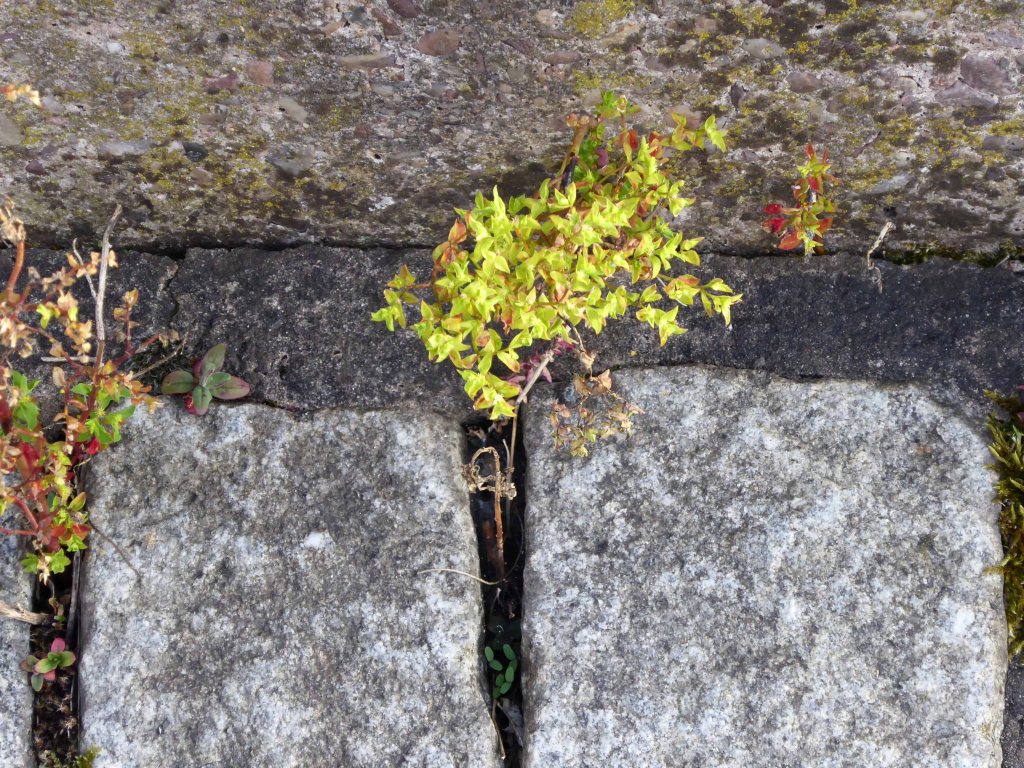
What we do see is the encroachment of flora, cleaner air, low or no level human activity encourages growth between the cracks.
And at the base of the plinth
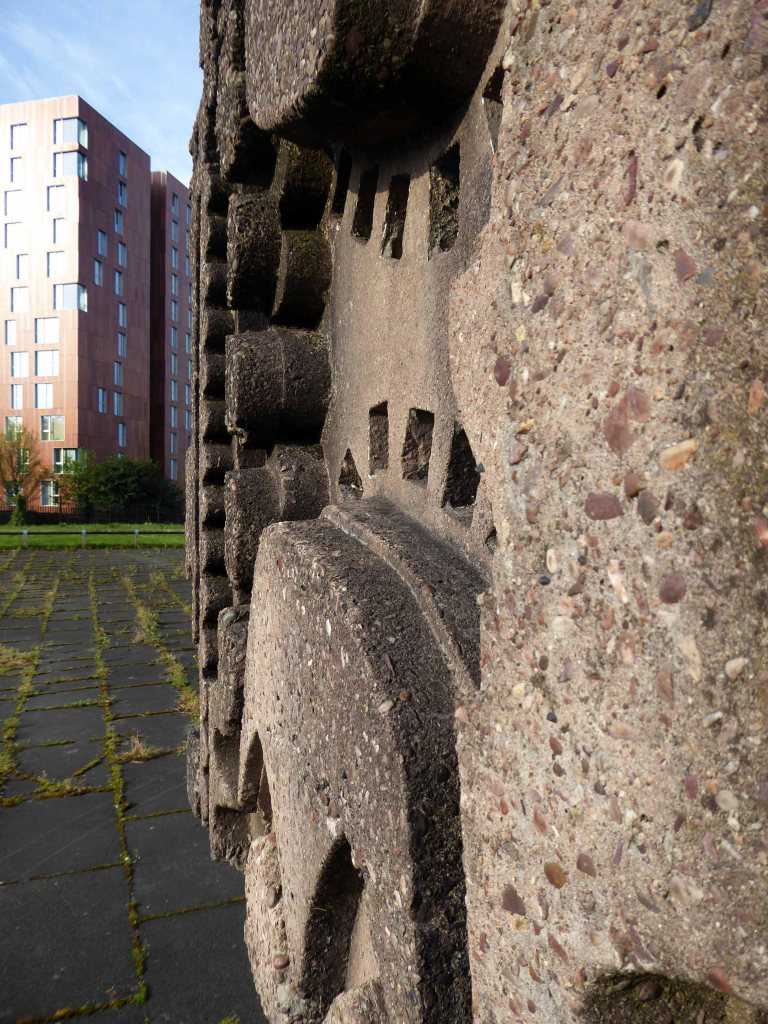
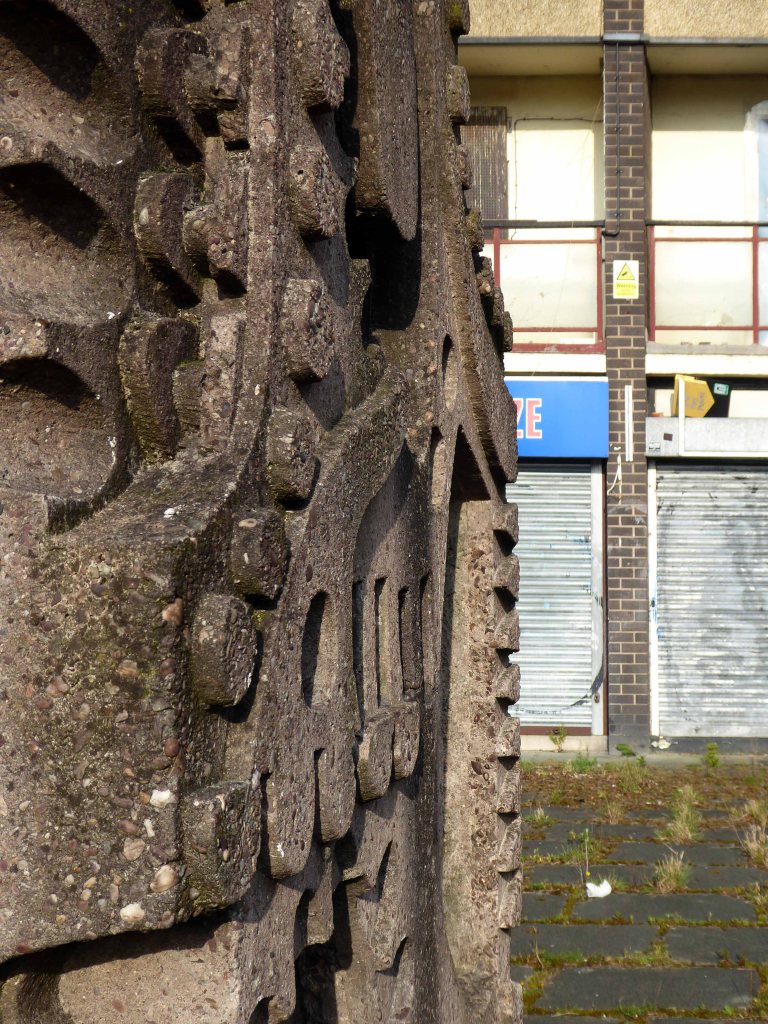
I took the opportunity to get in close.
Move around in a merry dance.
Quite something to spend time in an ever changing urban space – devoid of company, save for the calming sound of birdsong and the distant rumble of a distant train.
Third time around – on a late lockdown April evening.
I’ve been here before and before, yet I come back again and again.
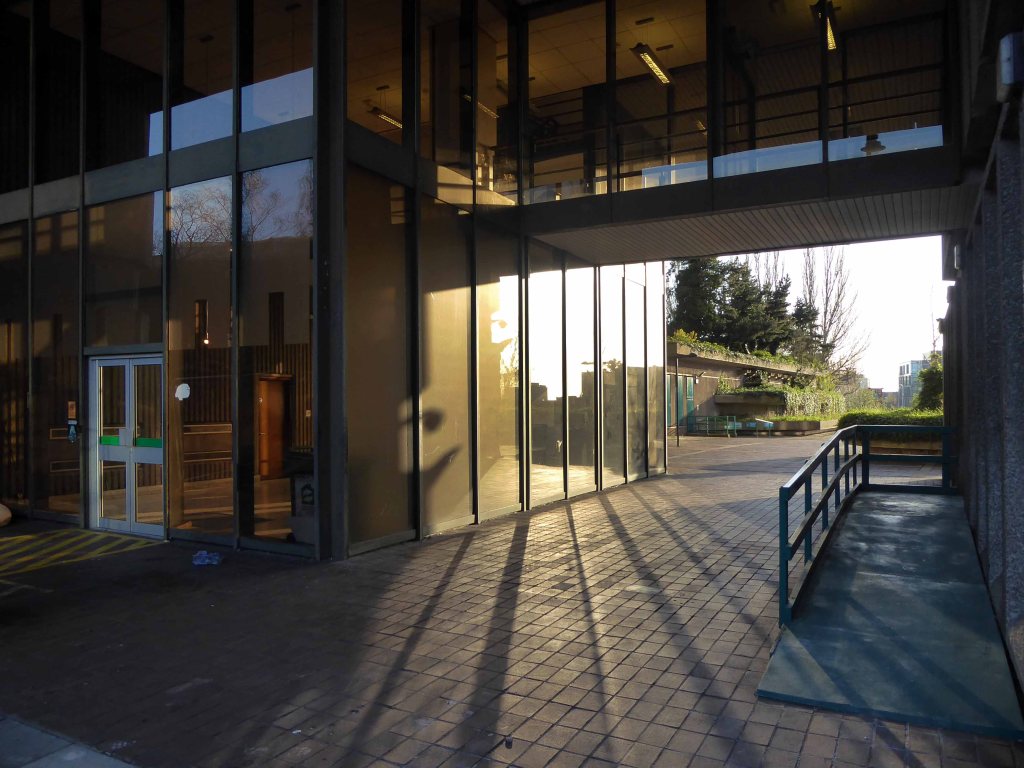
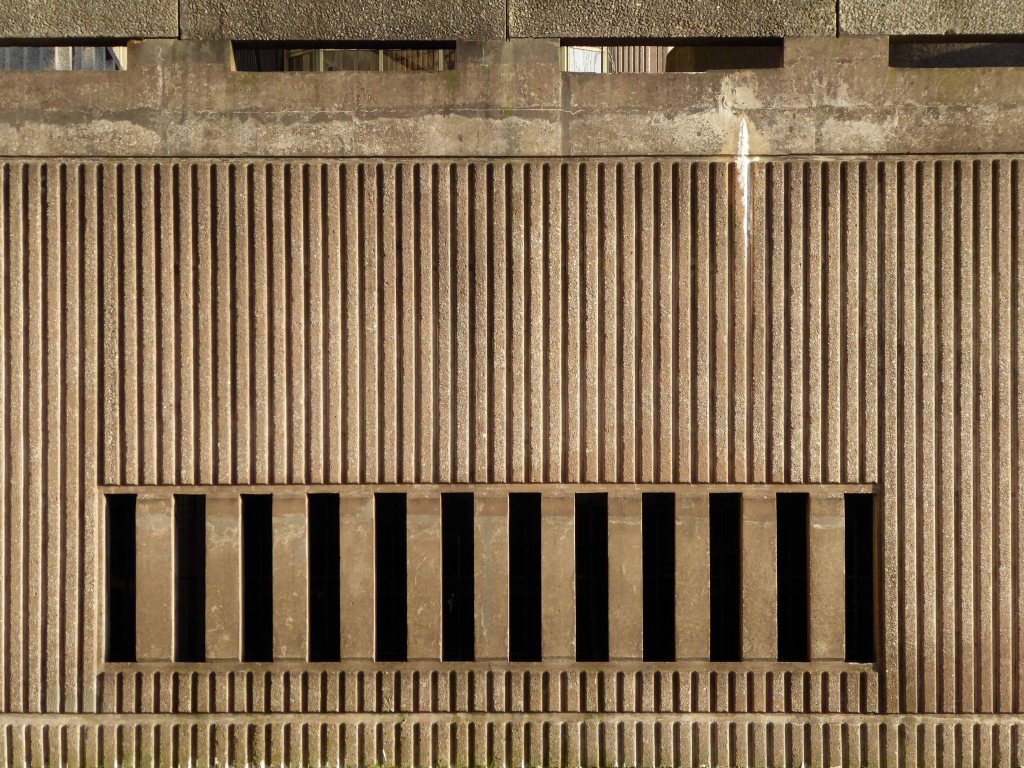
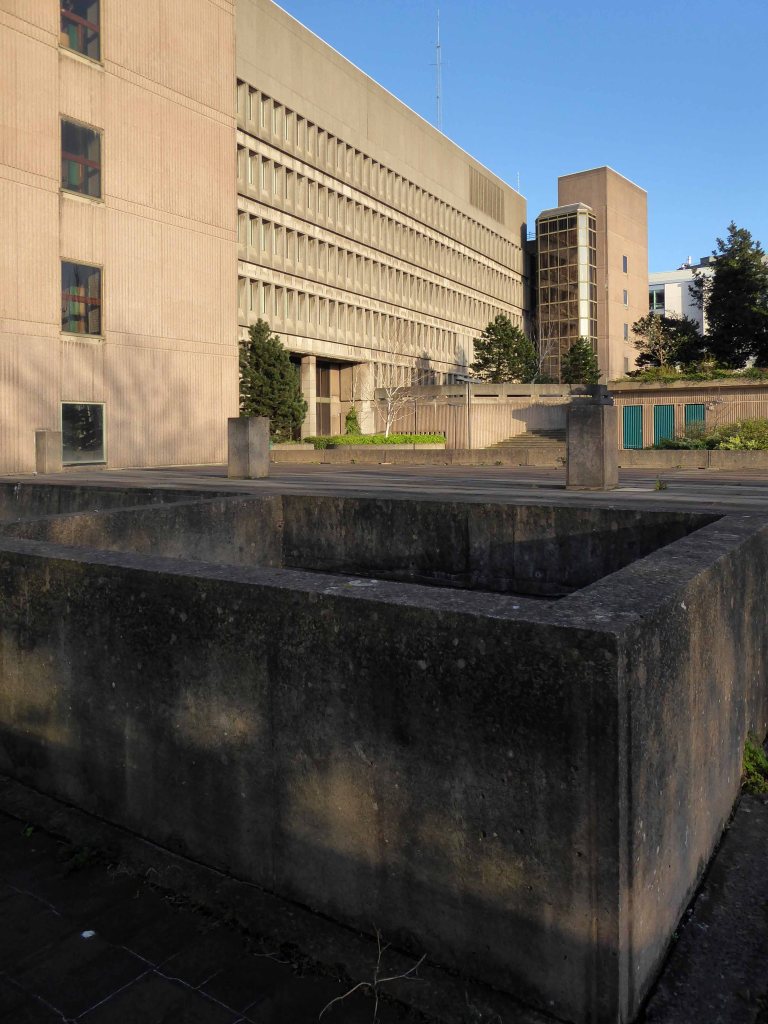
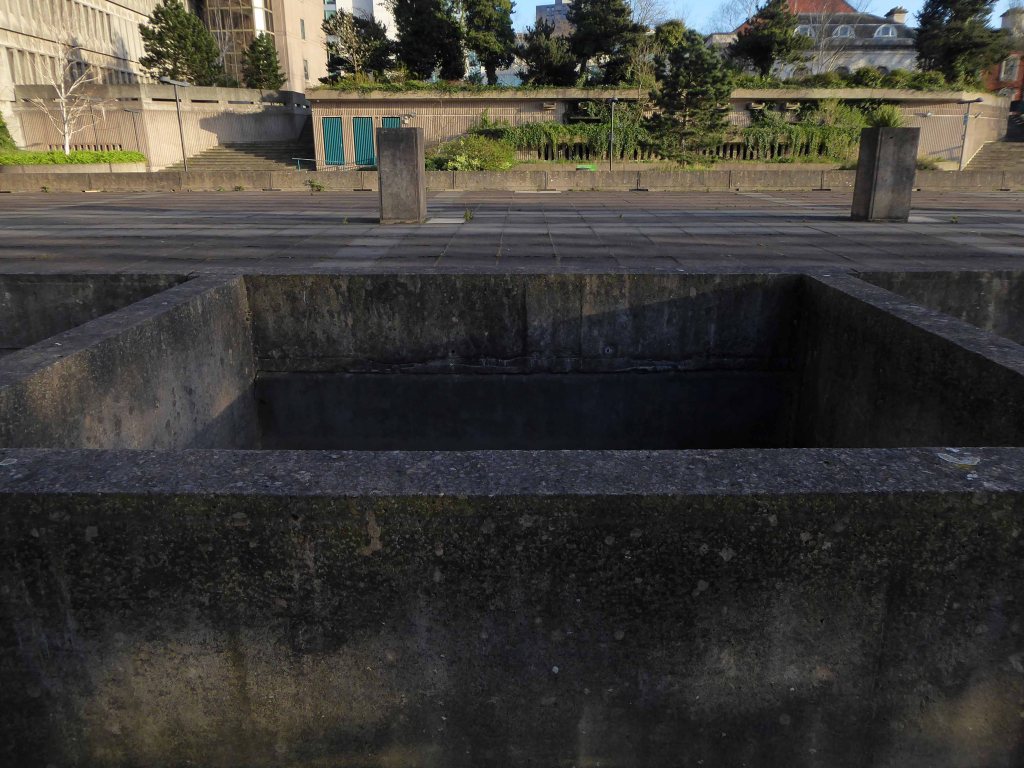
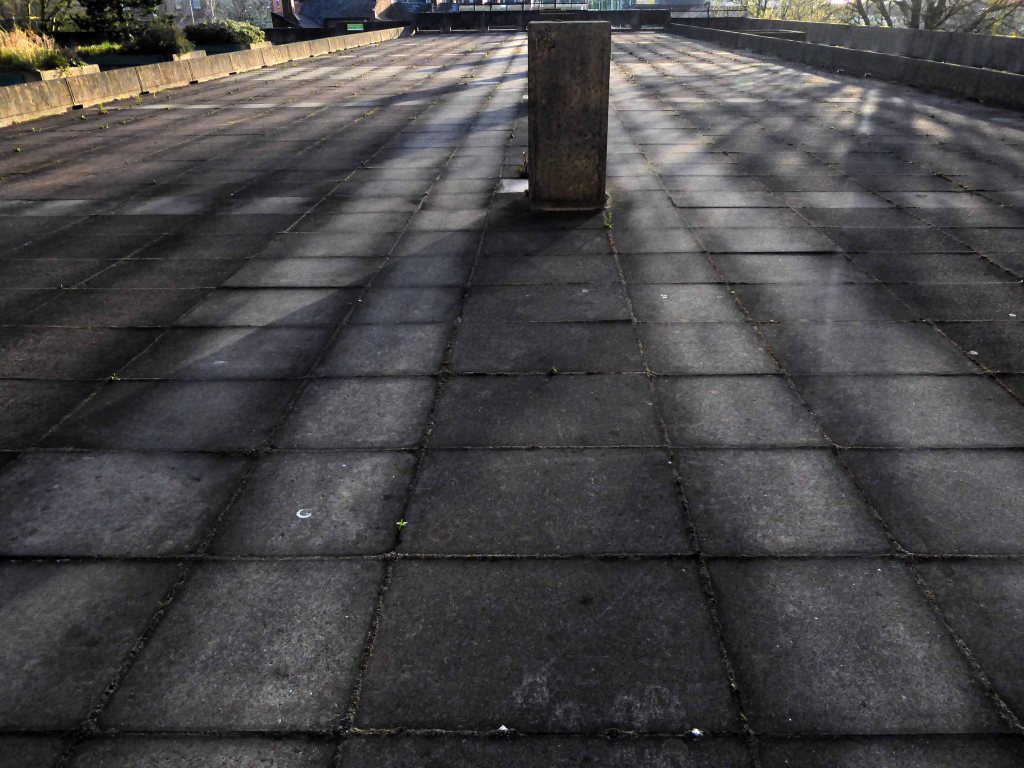
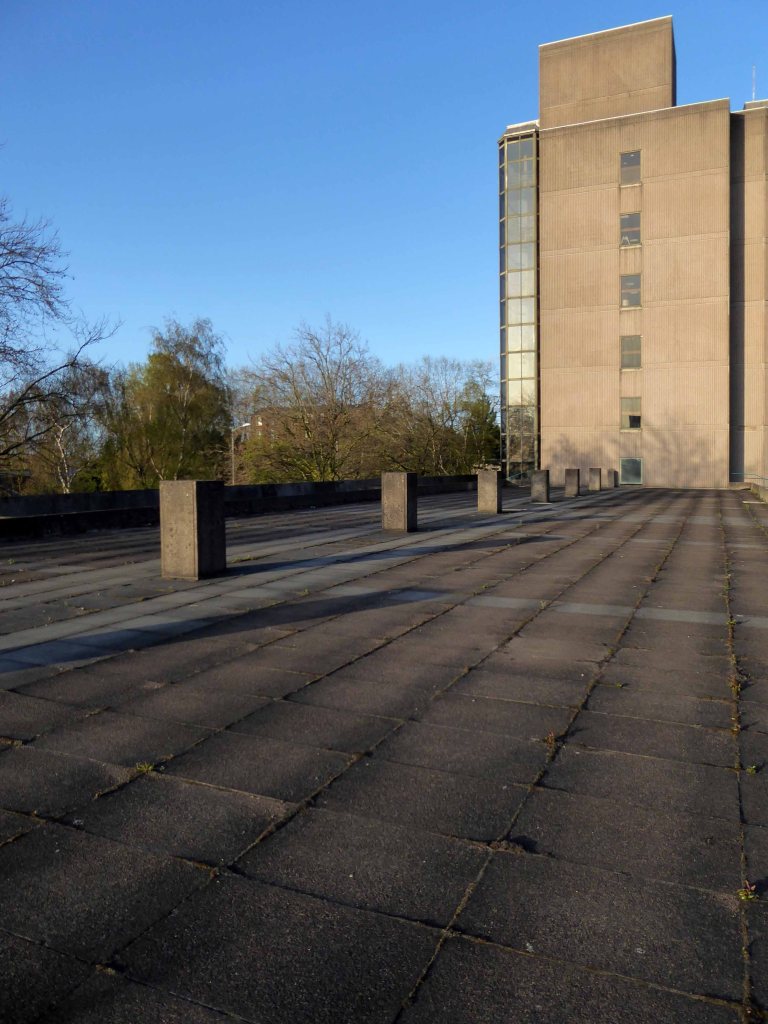
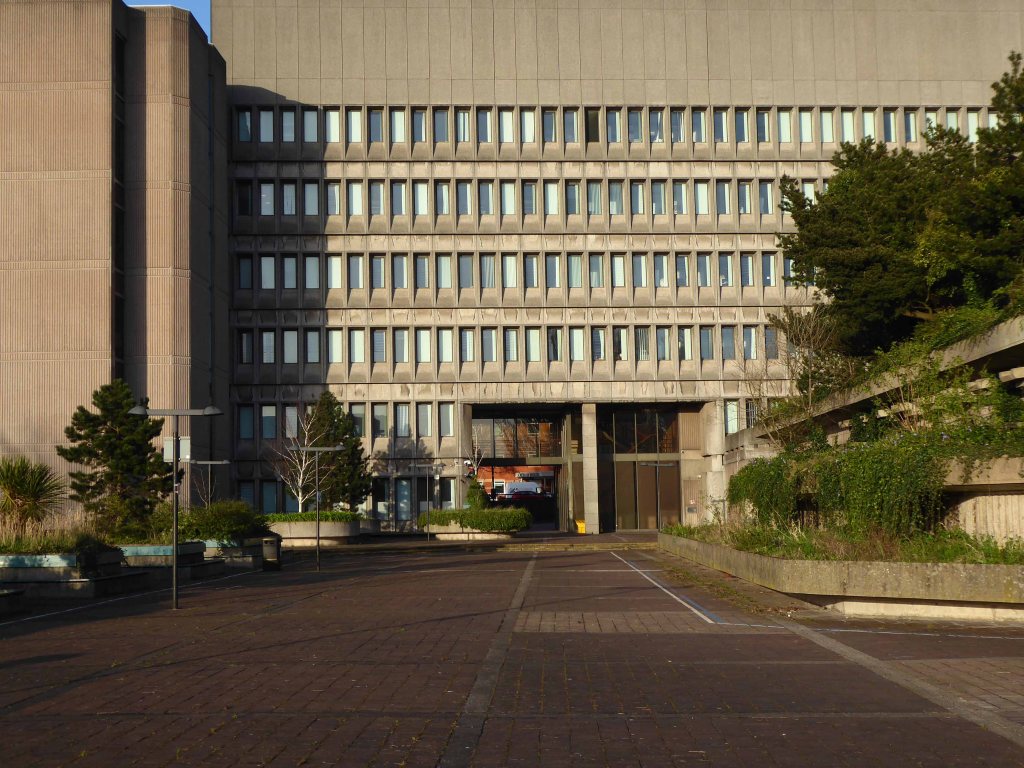
It’s different every time, deserted at the best of times, during the worst of times it seems even more so – not a soul in sight. The low warm sun affords the bare concrete a pale pink and orange glow.
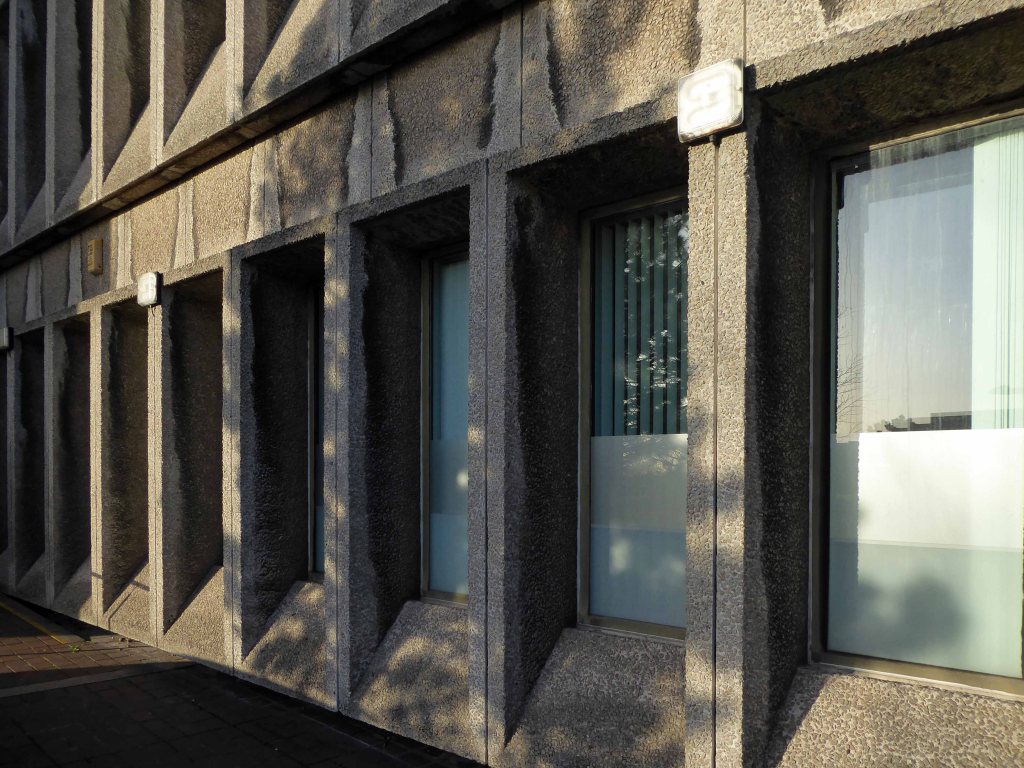
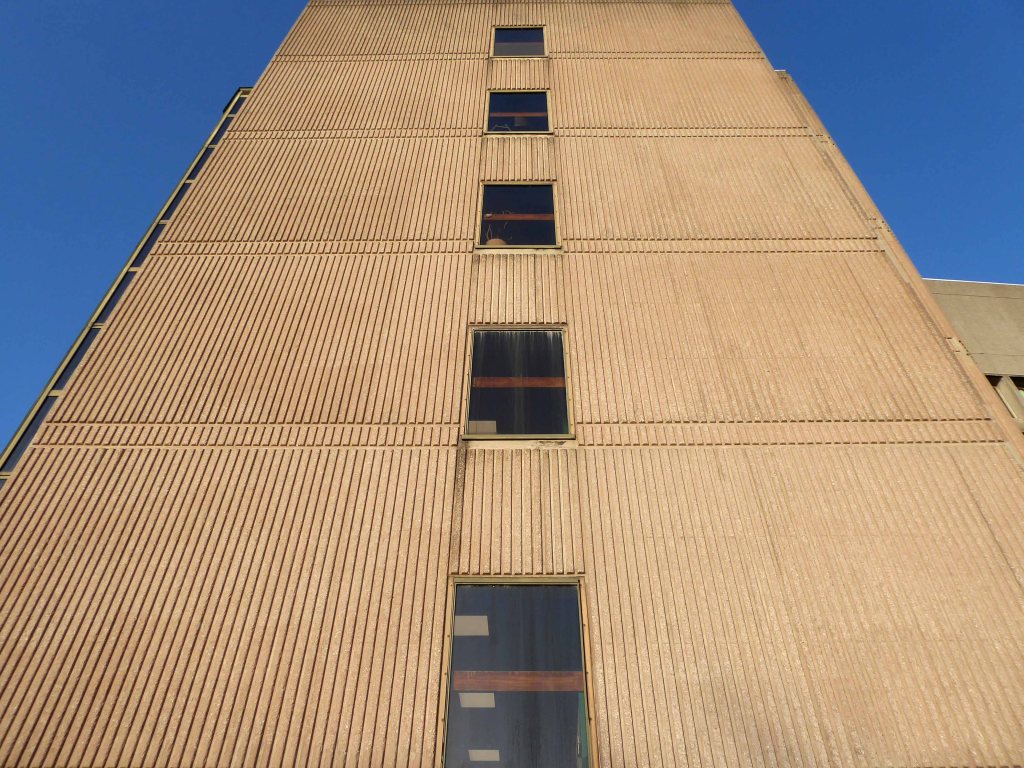
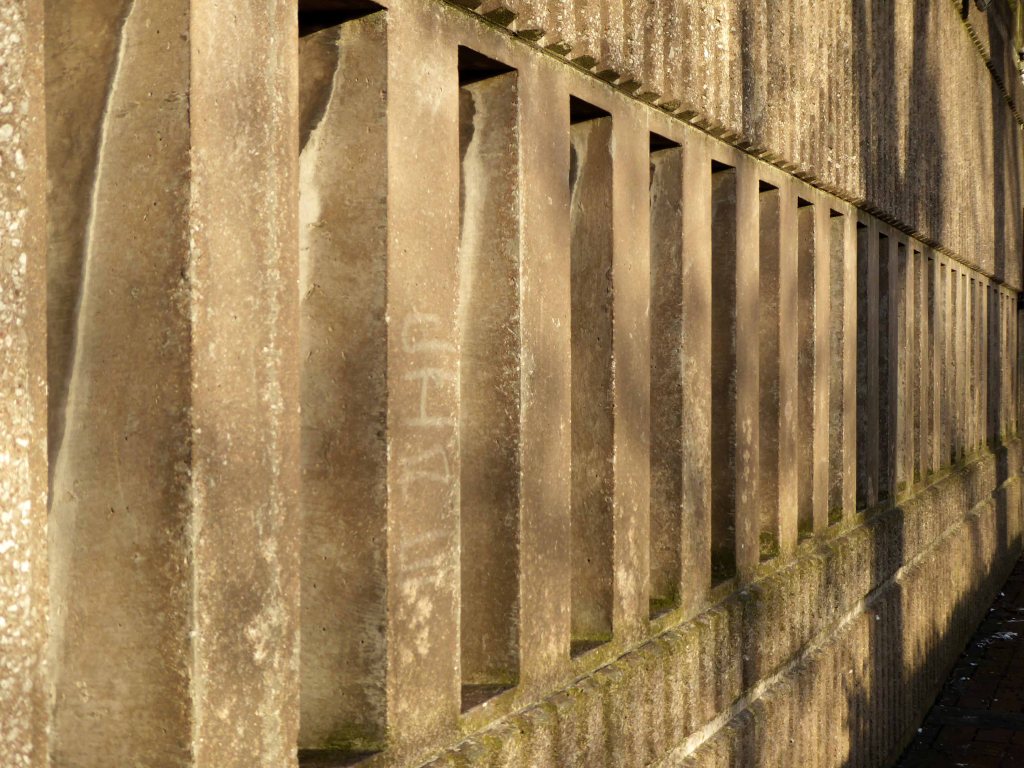
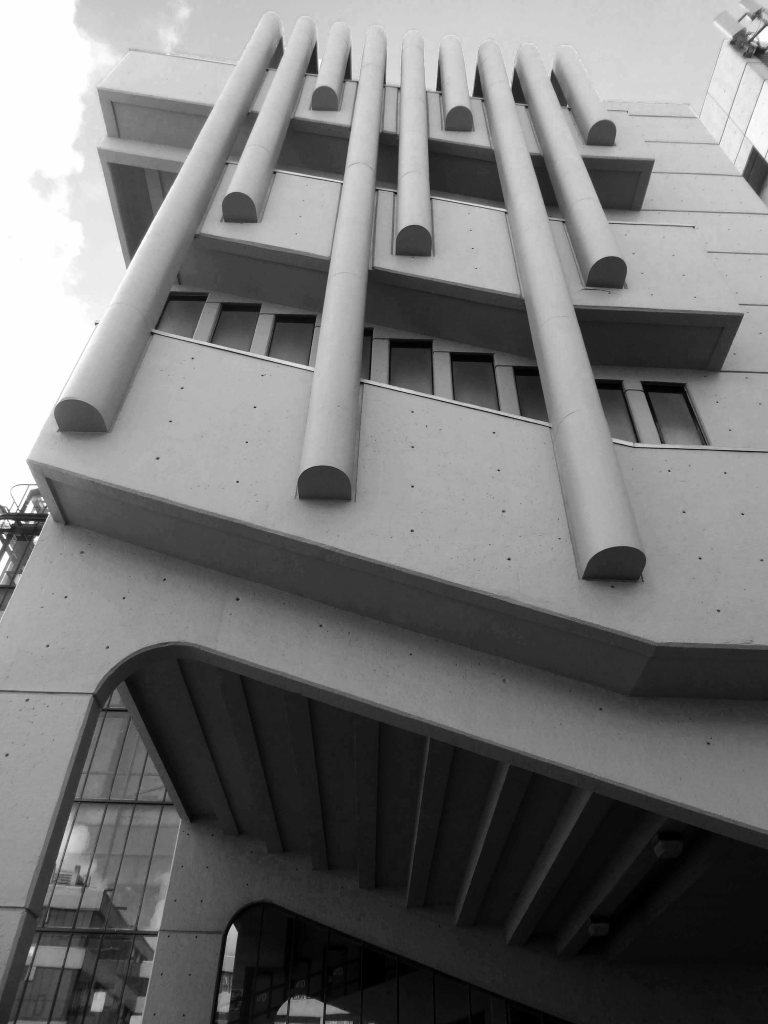
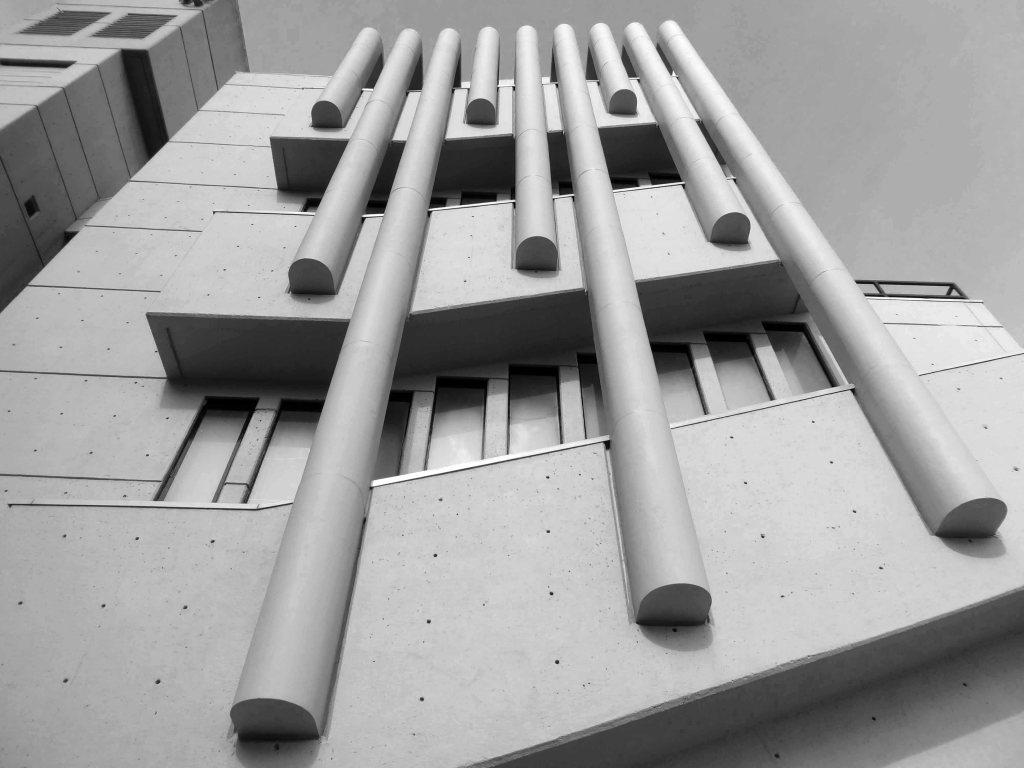
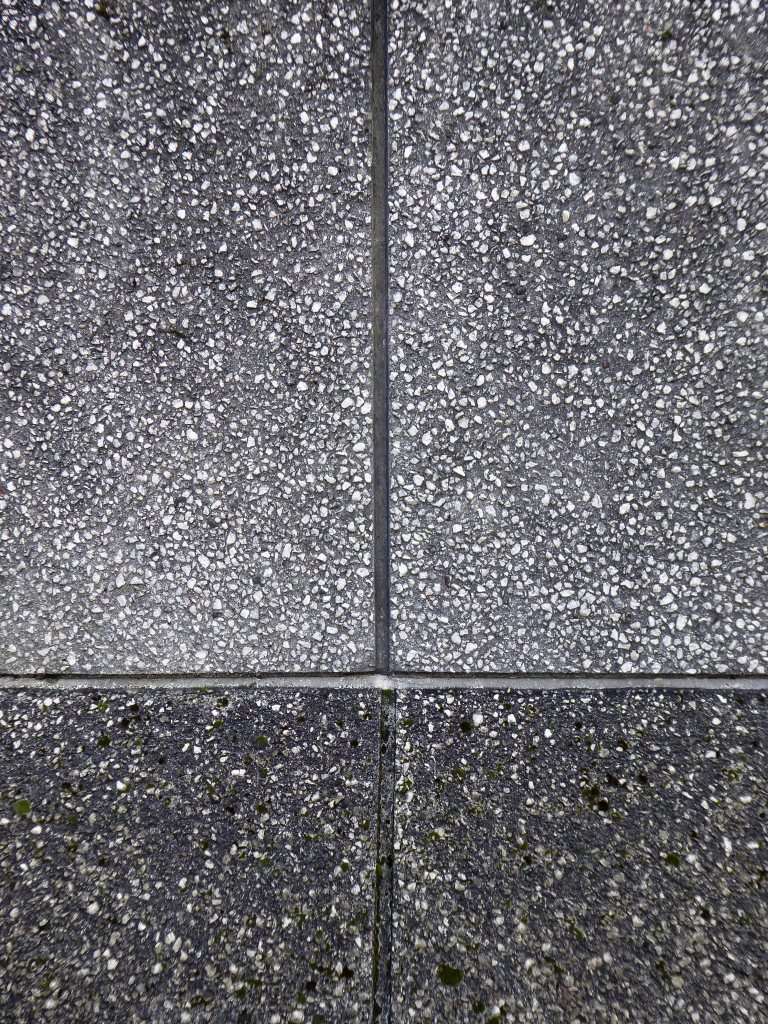
The mix contained coarse aggregate from the Scottish Granite Company of Creetown, a fine Leemoor sand from the Fordamin Company, together with white cement.
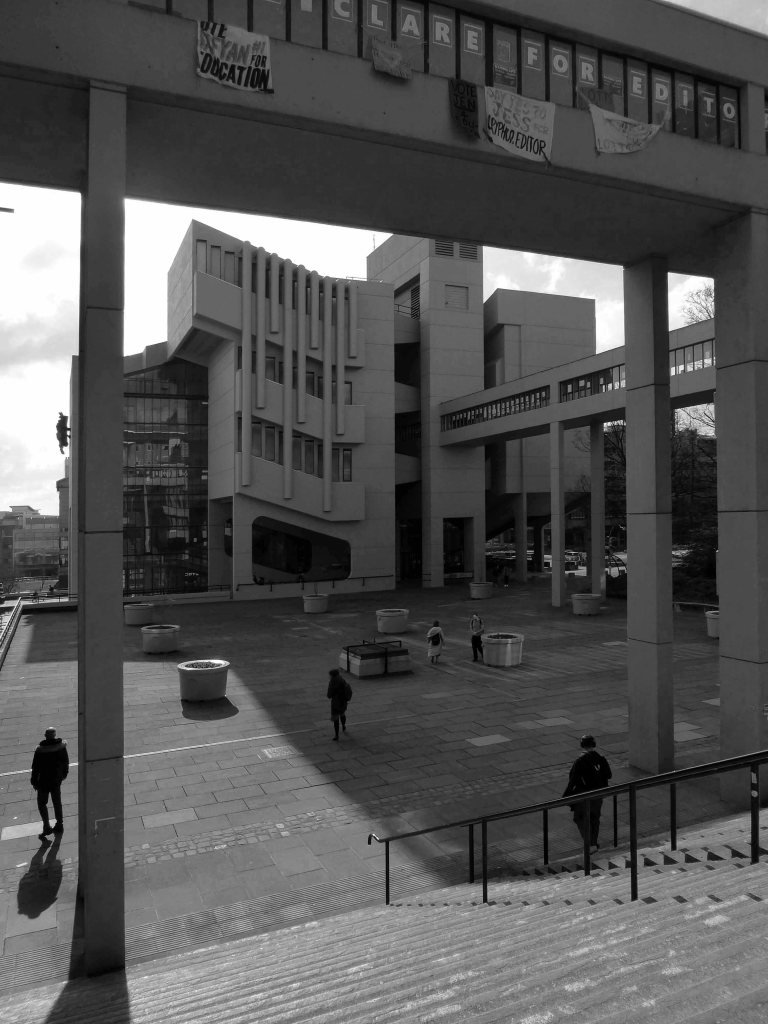
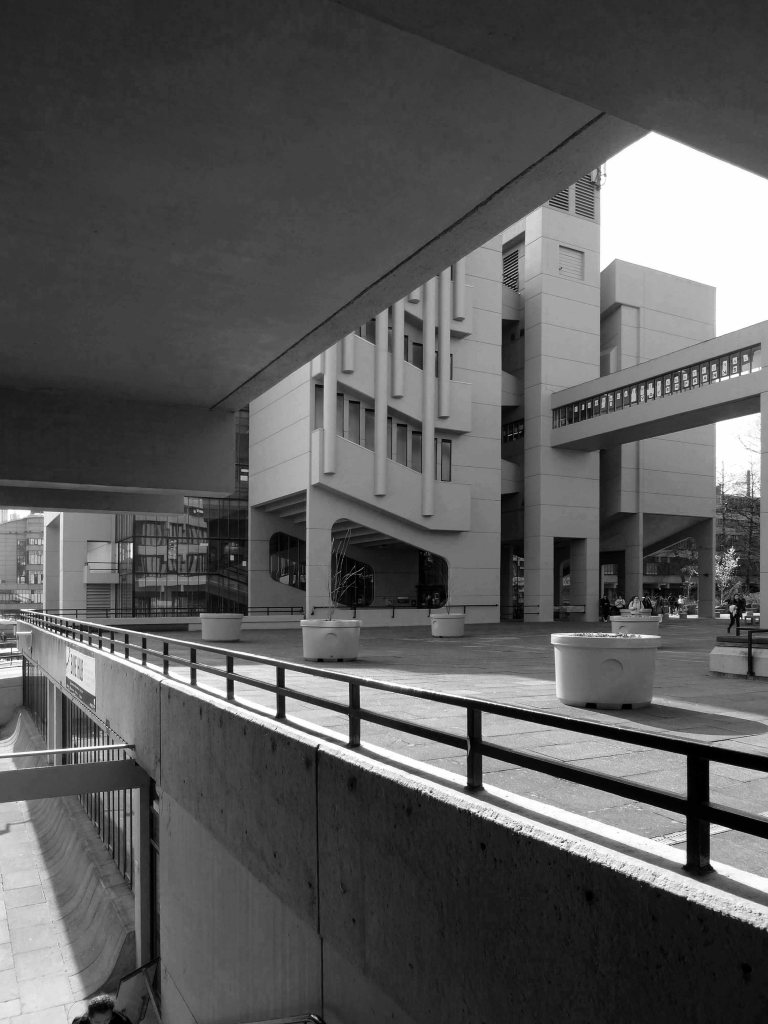
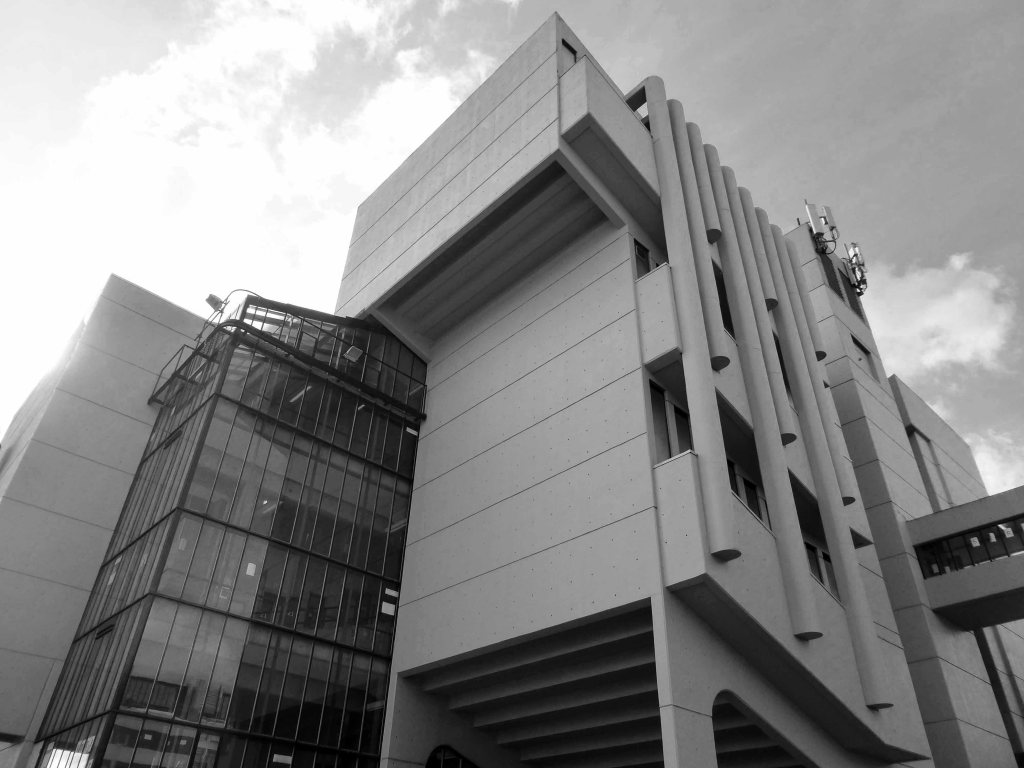
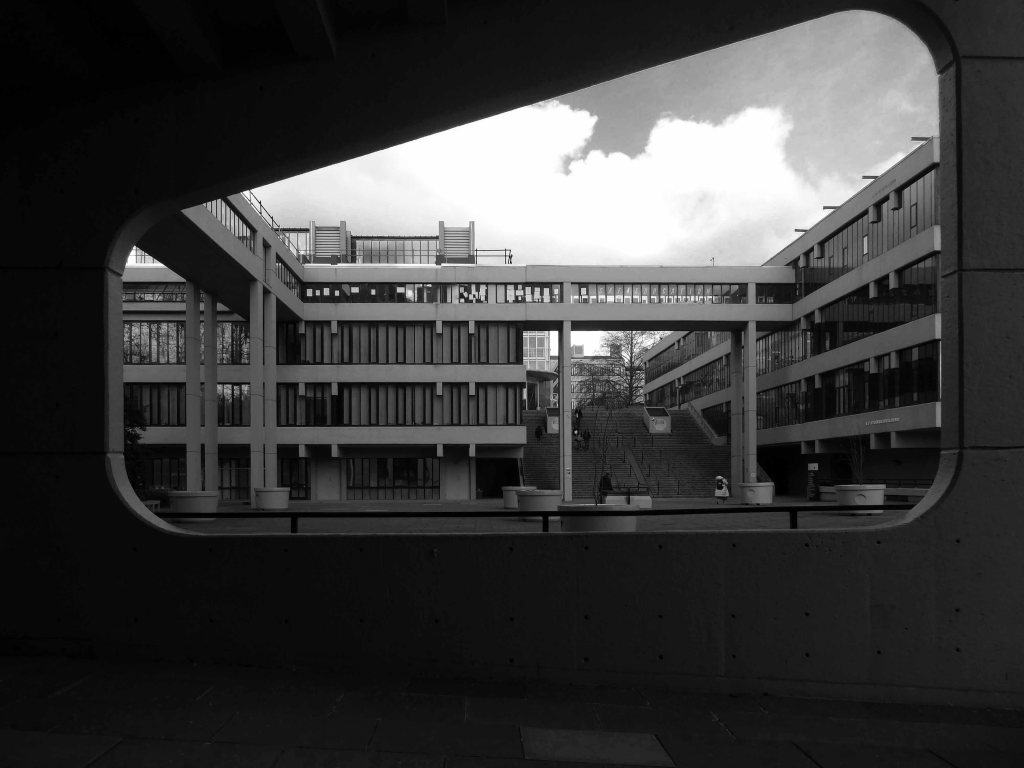
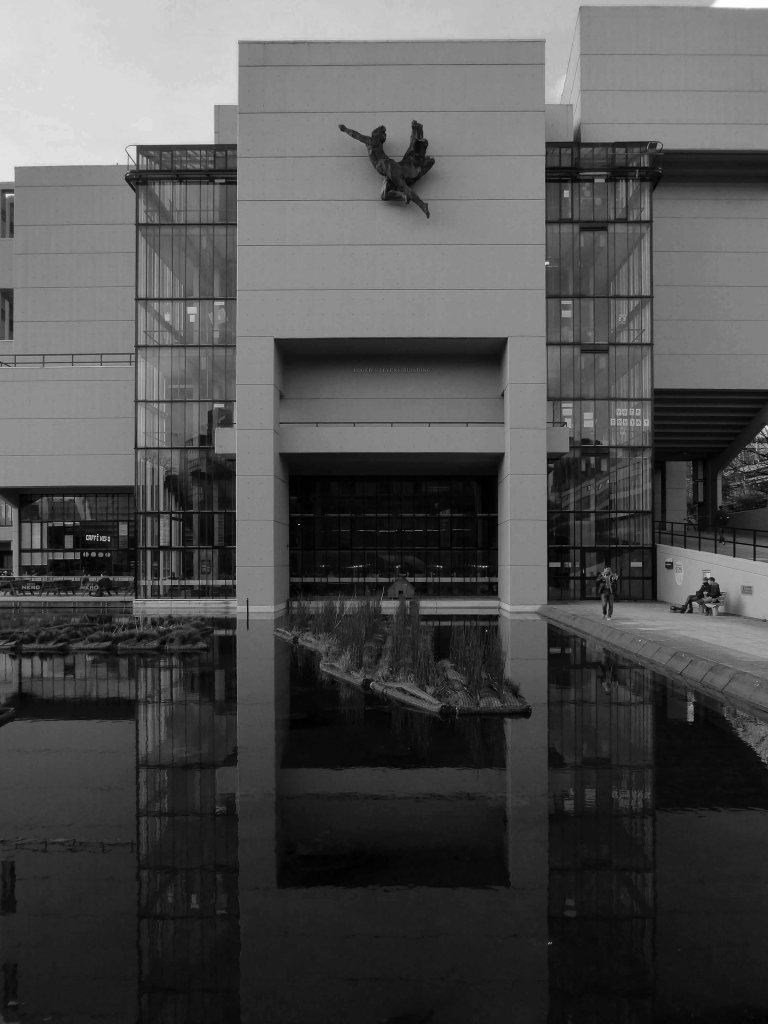
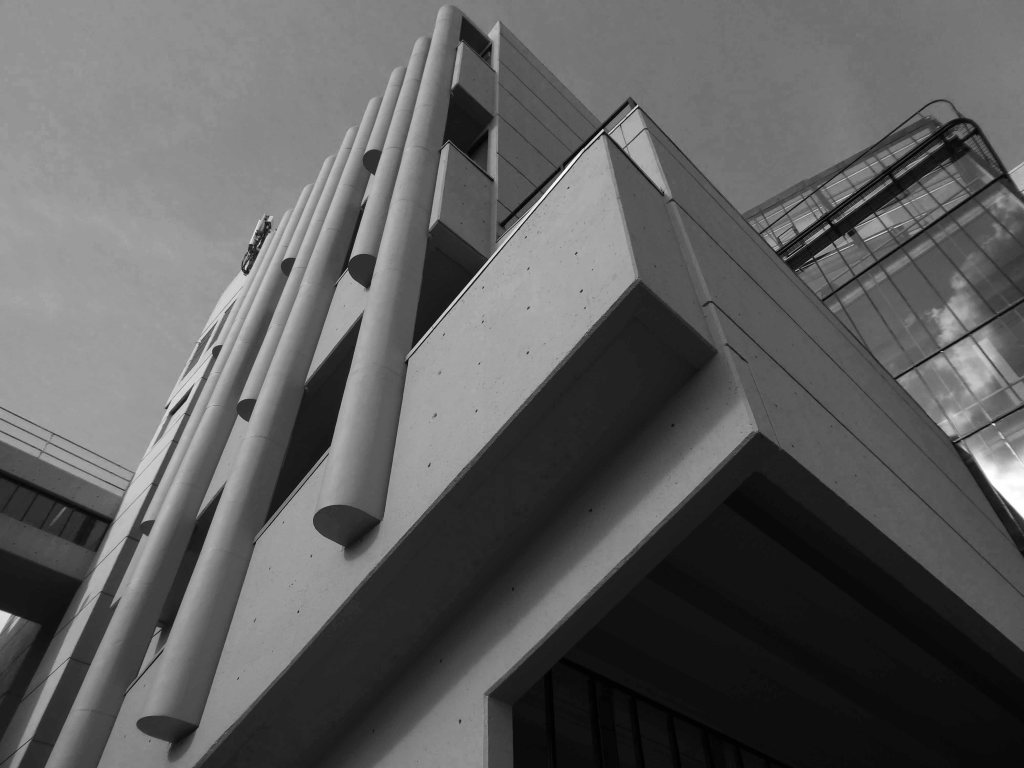
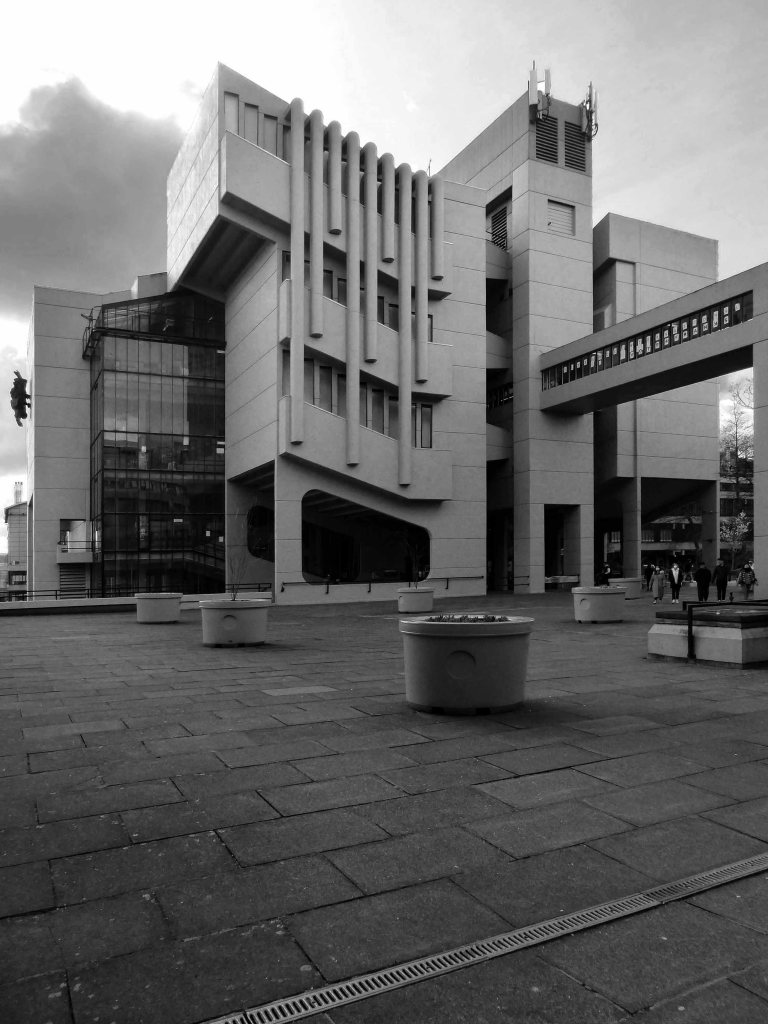
The Roger Stevens Building 1970 – by Chamberlin, Powell and Bon for Leeds University South Campus is designated at Grade II
The building represents the high point of their Leeds University work.
Architecture: the building is an outstanding and individual design with bold external shapes and carefully designed interiors
Planning: the internal spaces are the result of extensive research on the requirements of the university and introduce innovative and influential features such as individual doors into the lecture theatres, and external links intimately with other buildings on the campus by means of multi-level walkways
Intactness: despite the changing requirements of universities, the building has remained largely unchanged, proving the success of its design
Group Value: the building provides a fitting centrepiece to the group of university buildings on the South Campus at Leeds, also recommended for designation.
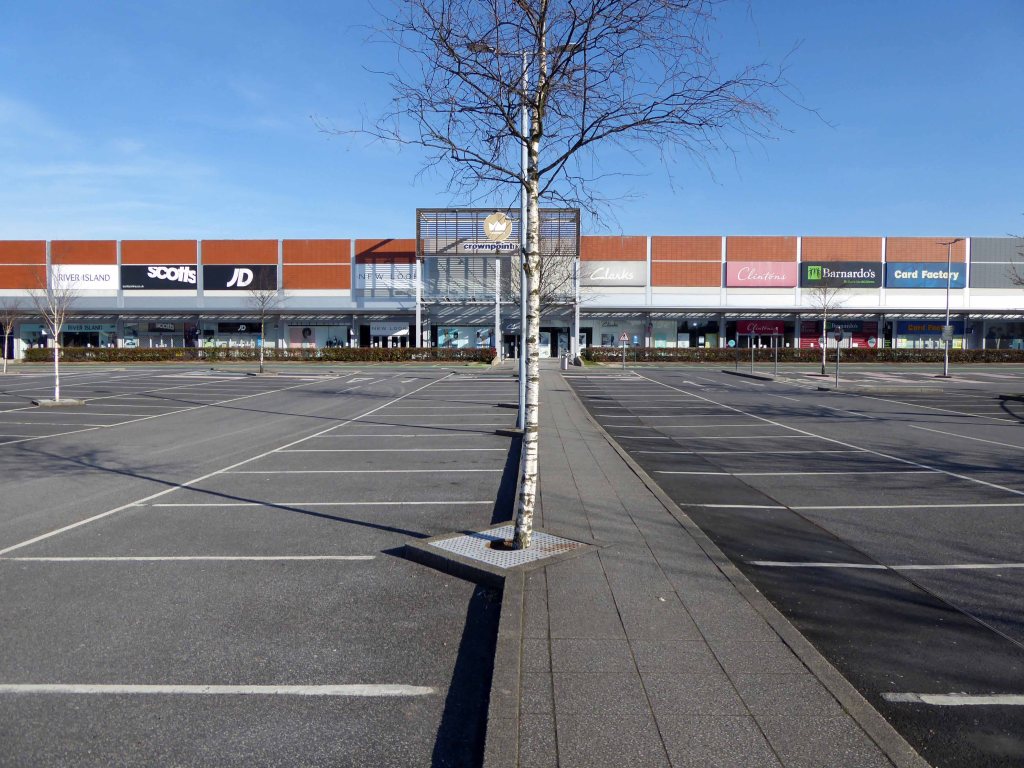
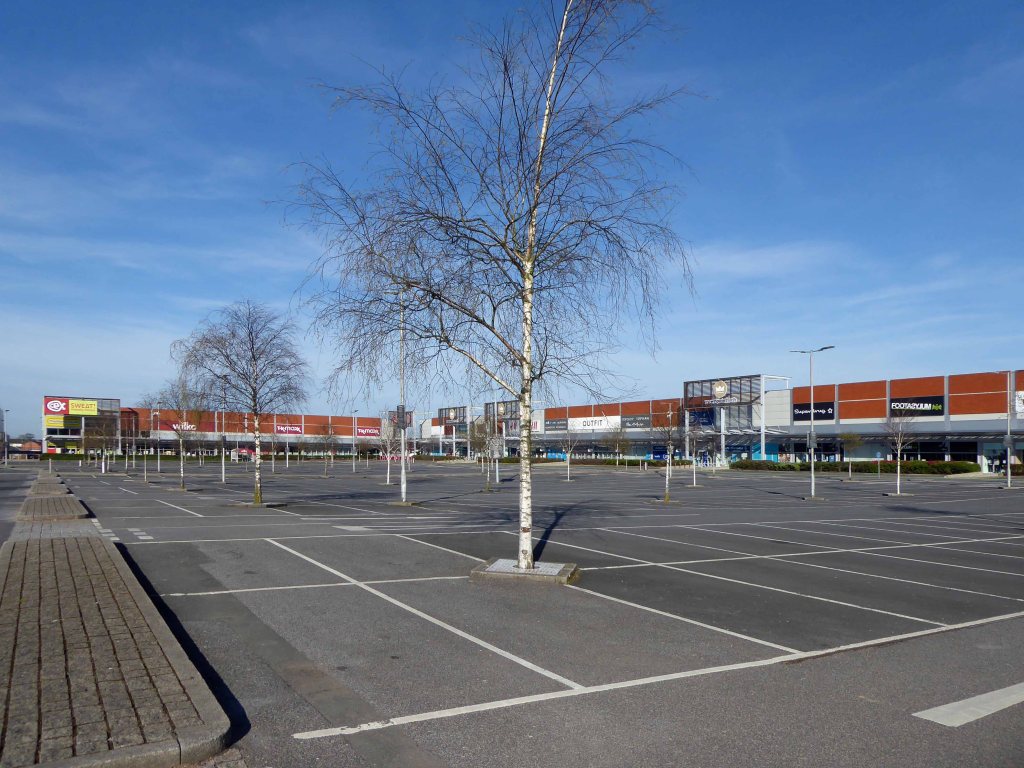
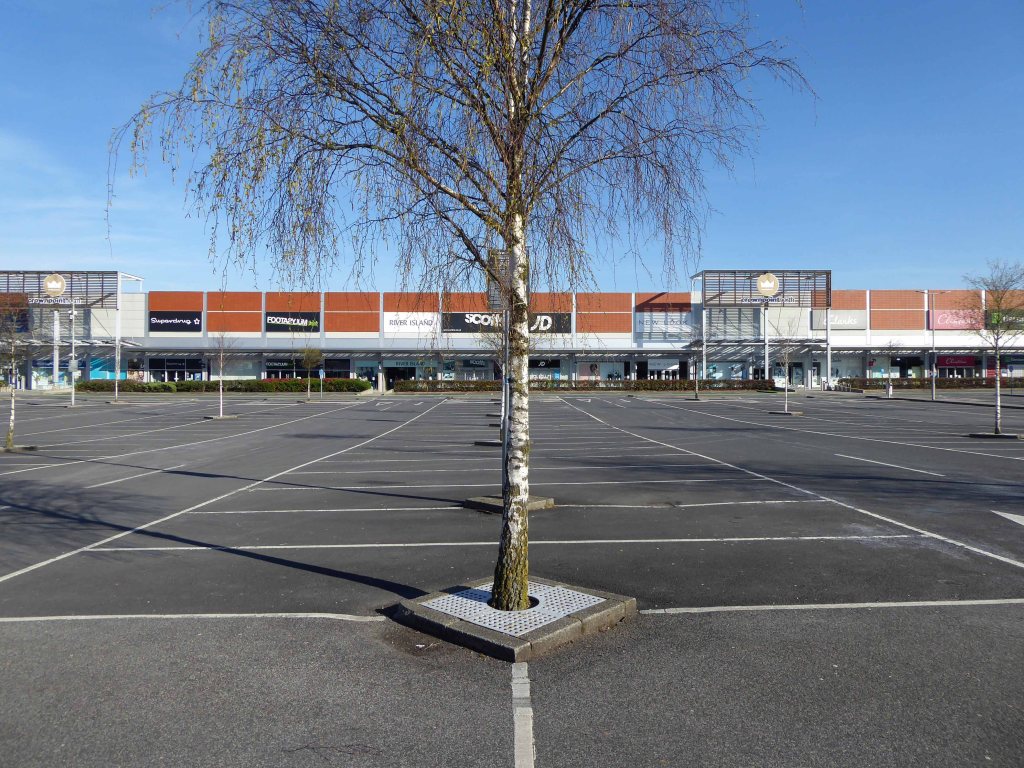
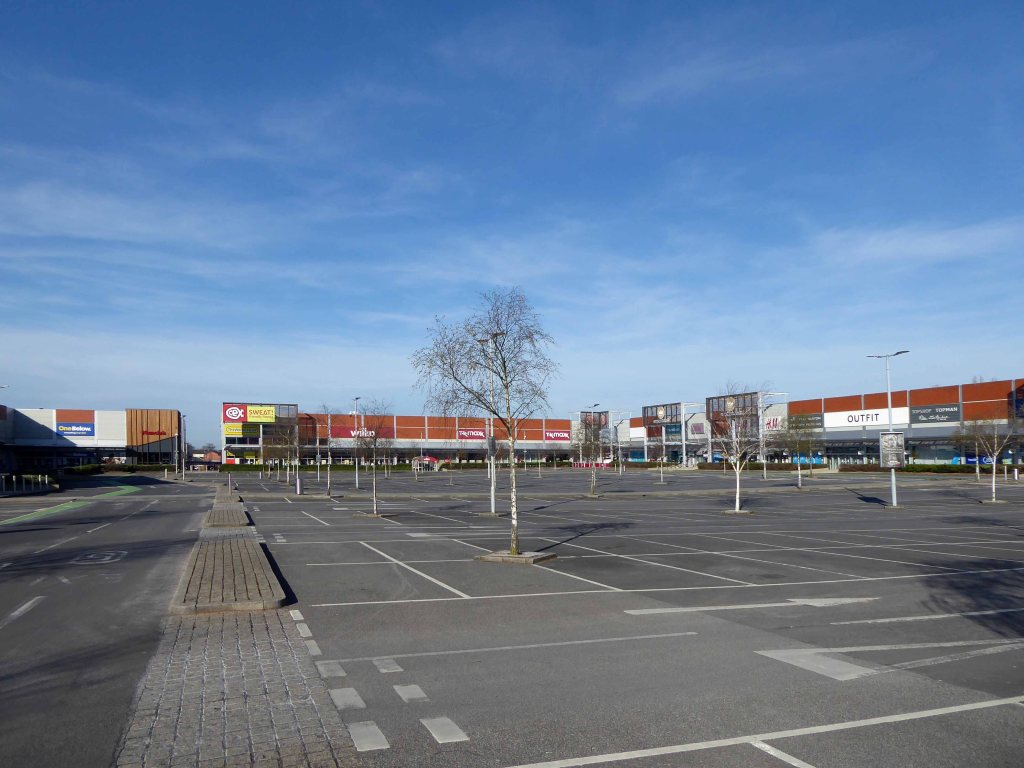
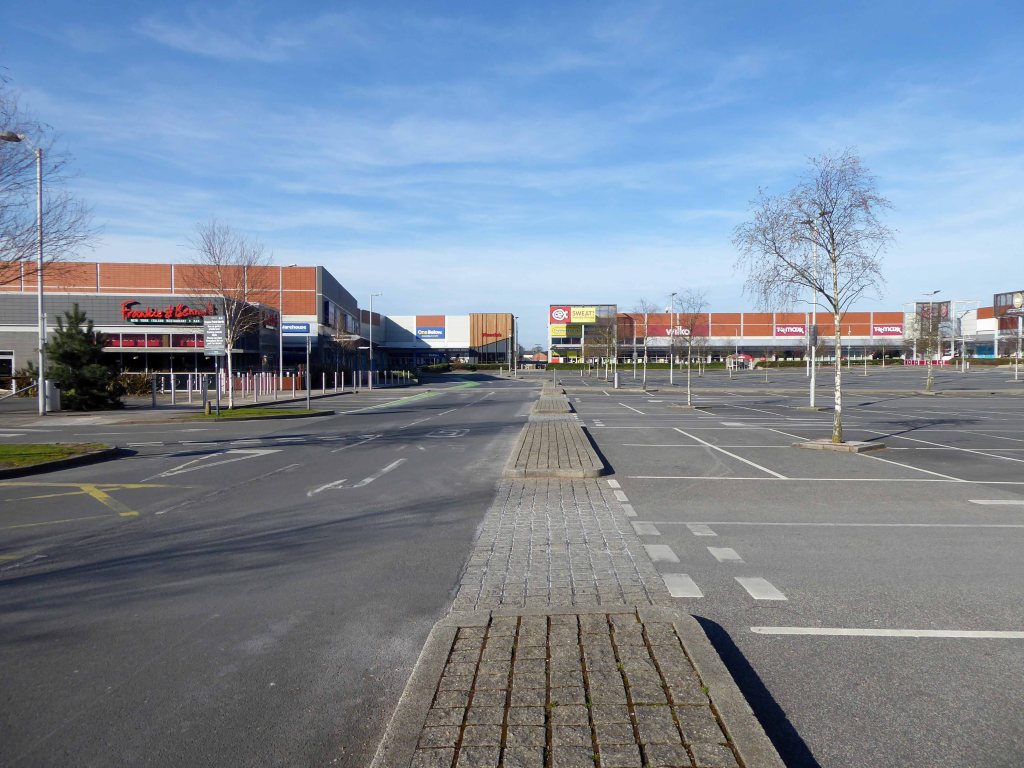
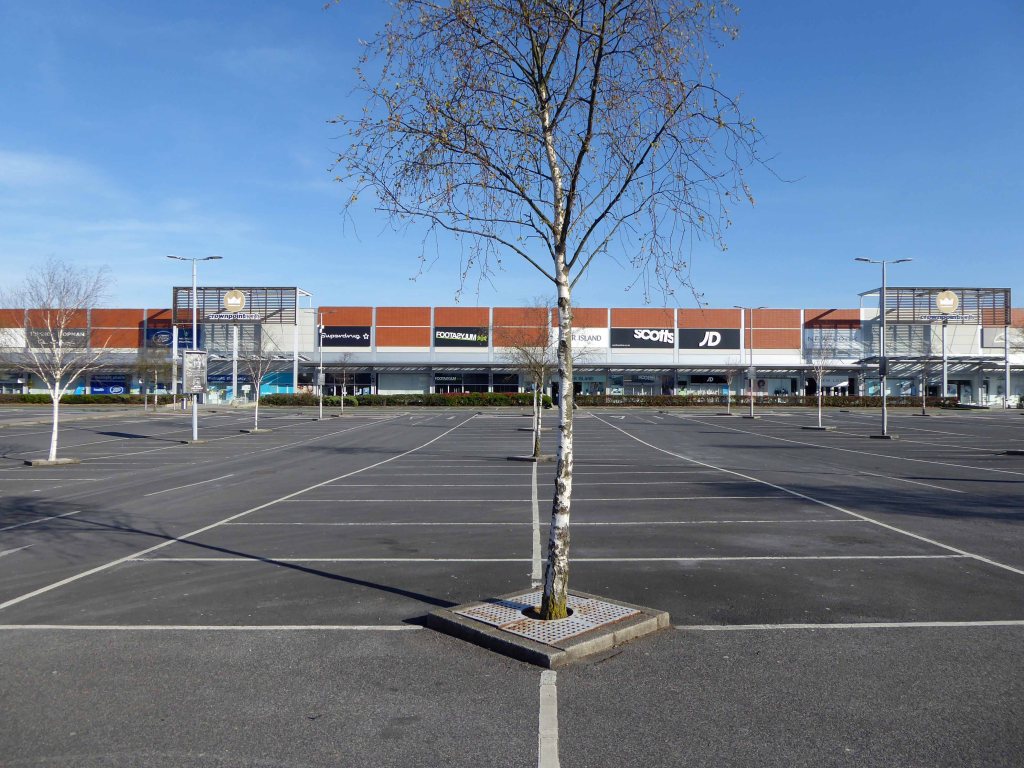
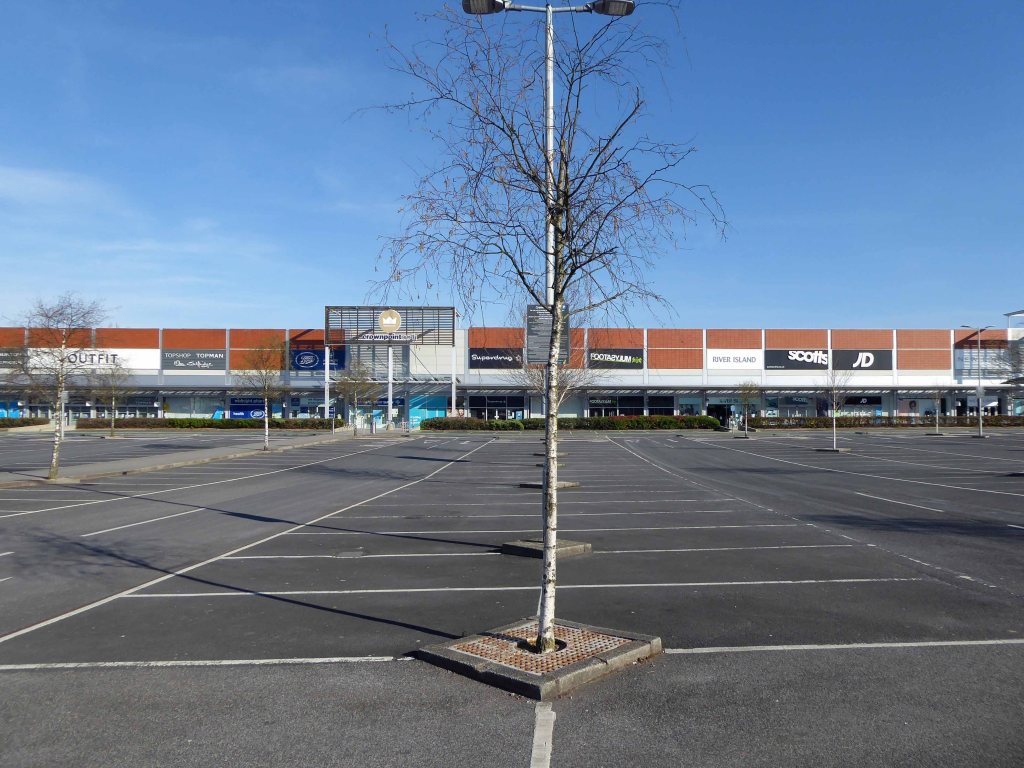
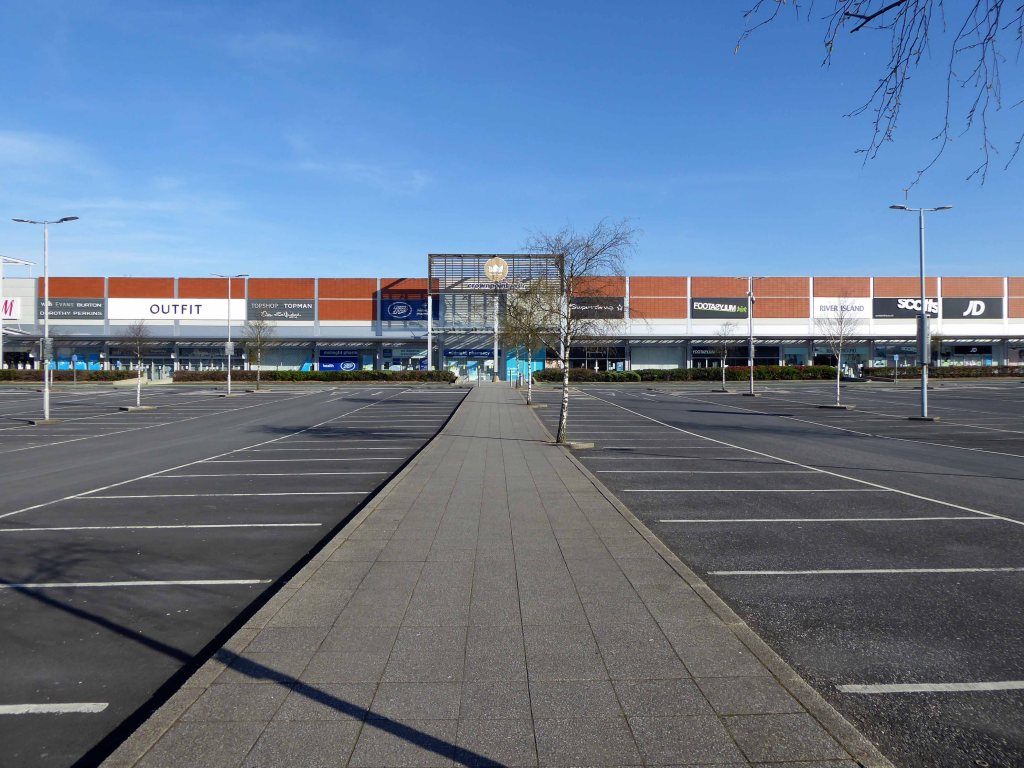
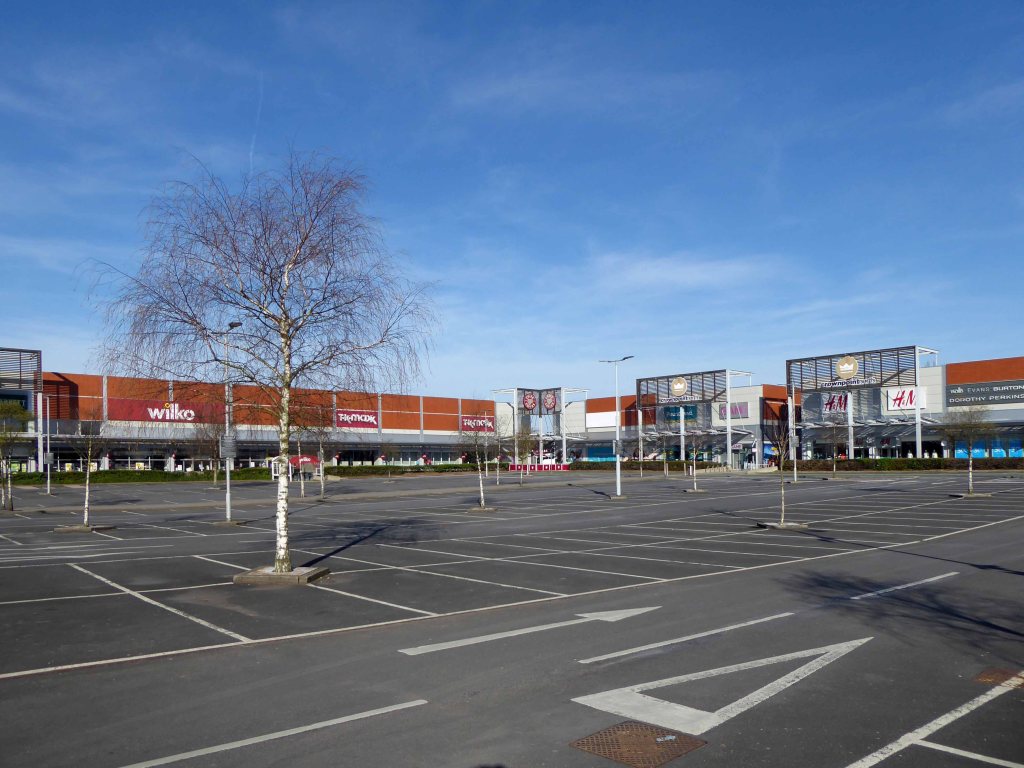
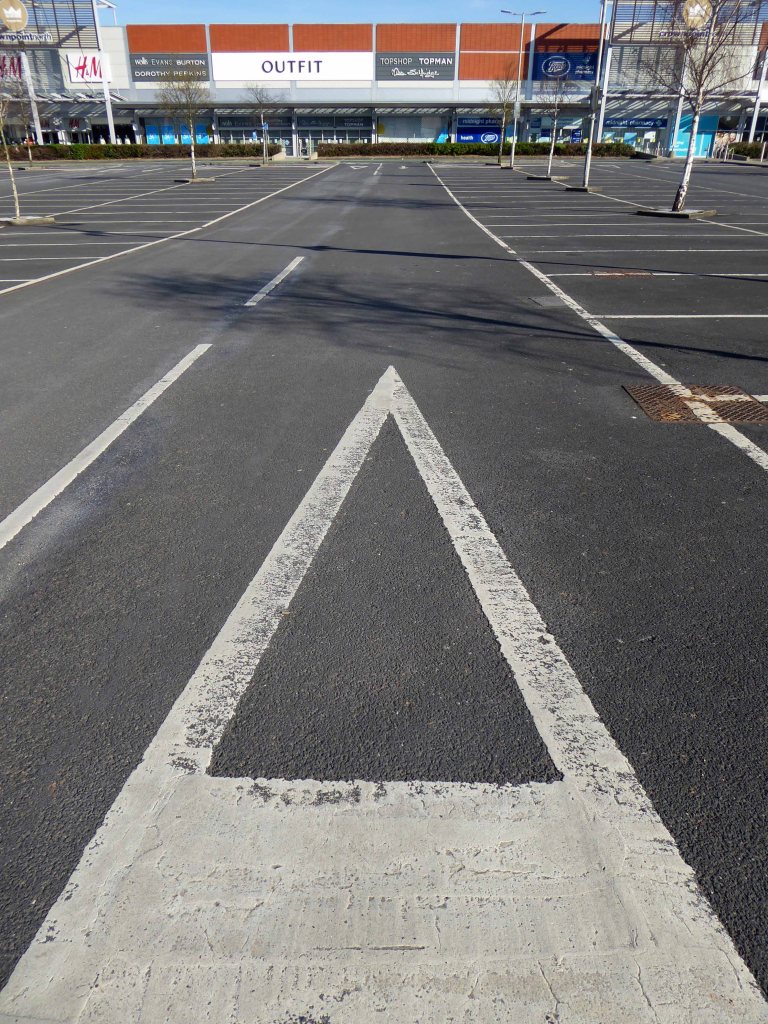
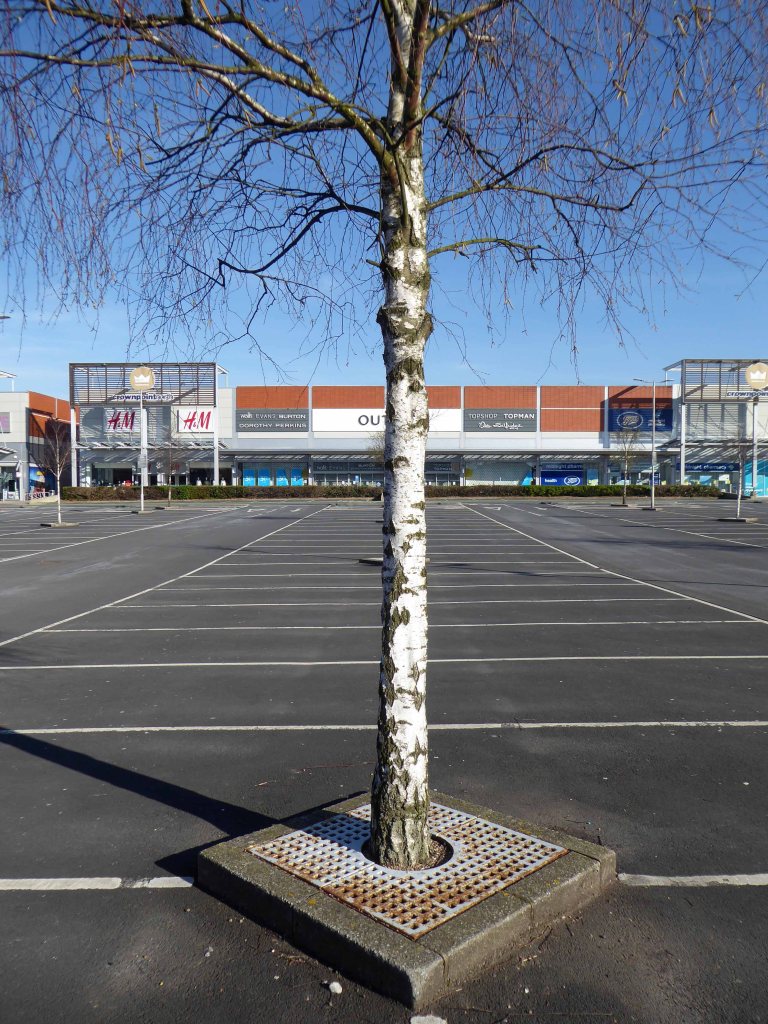
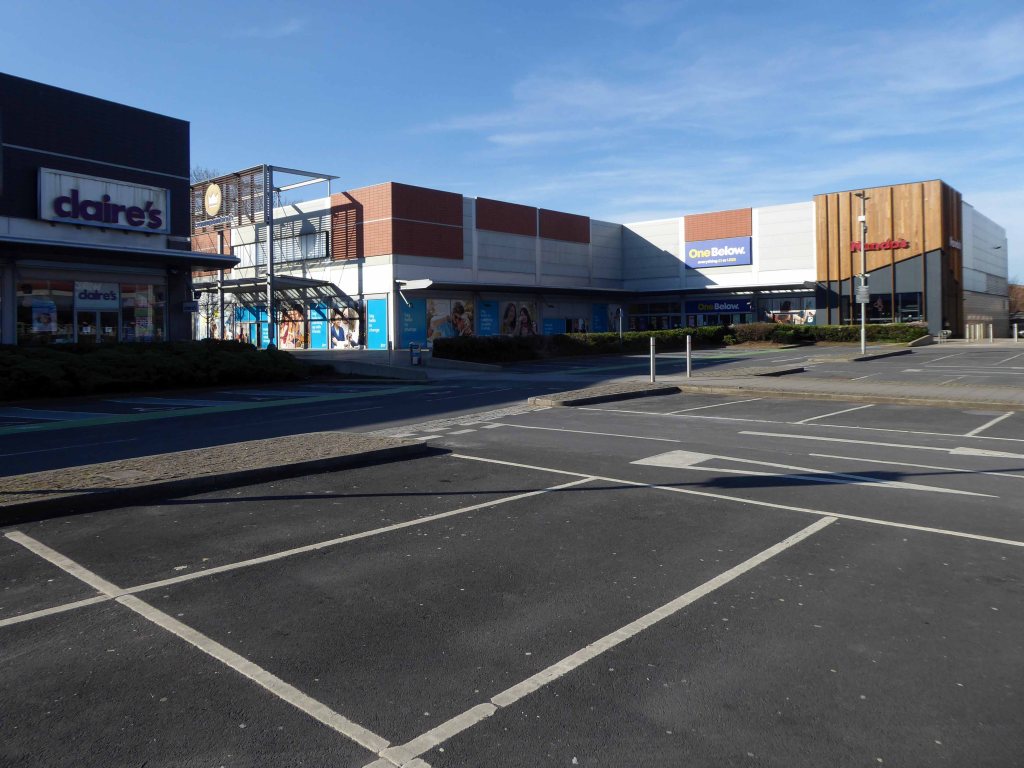
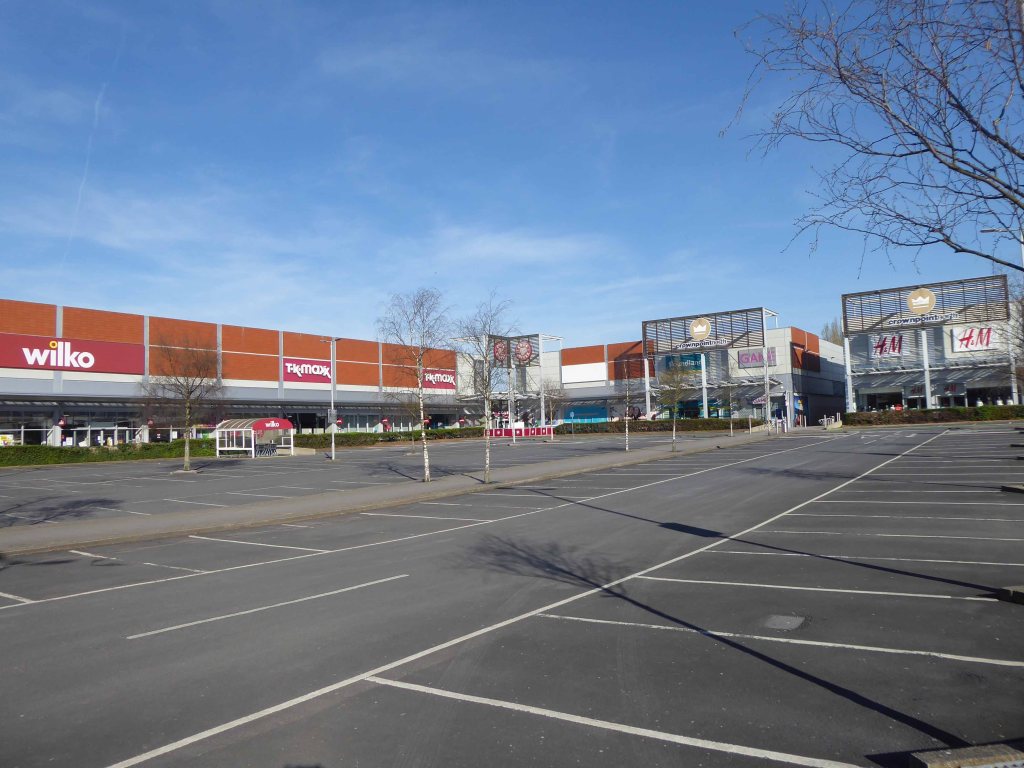
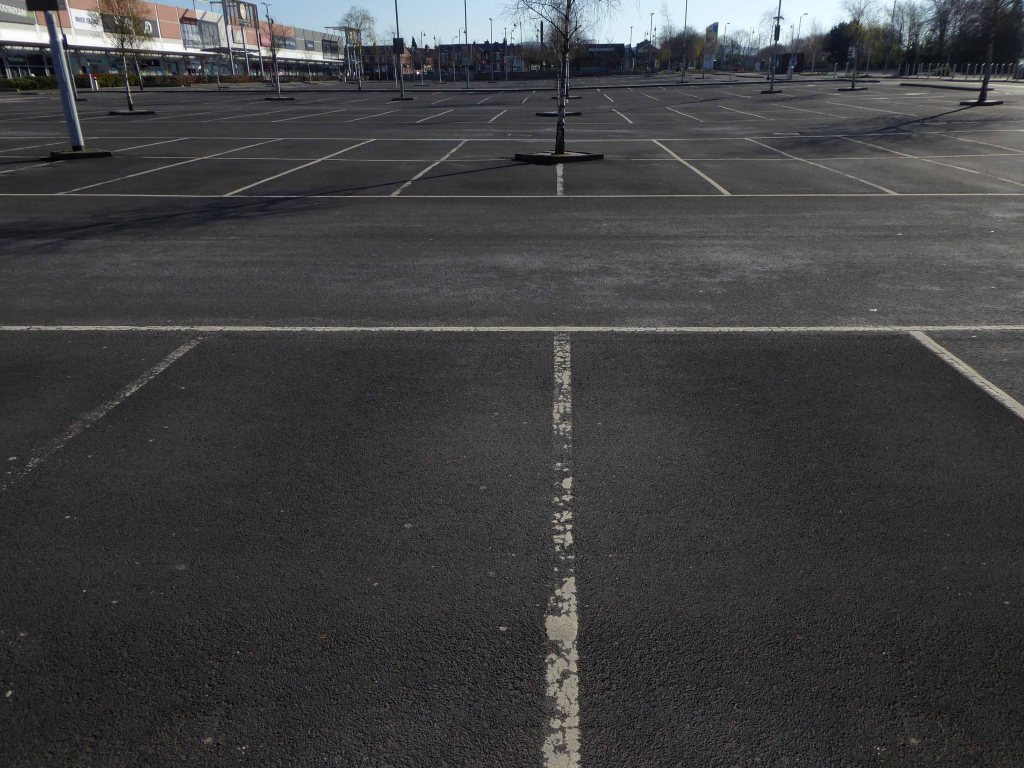
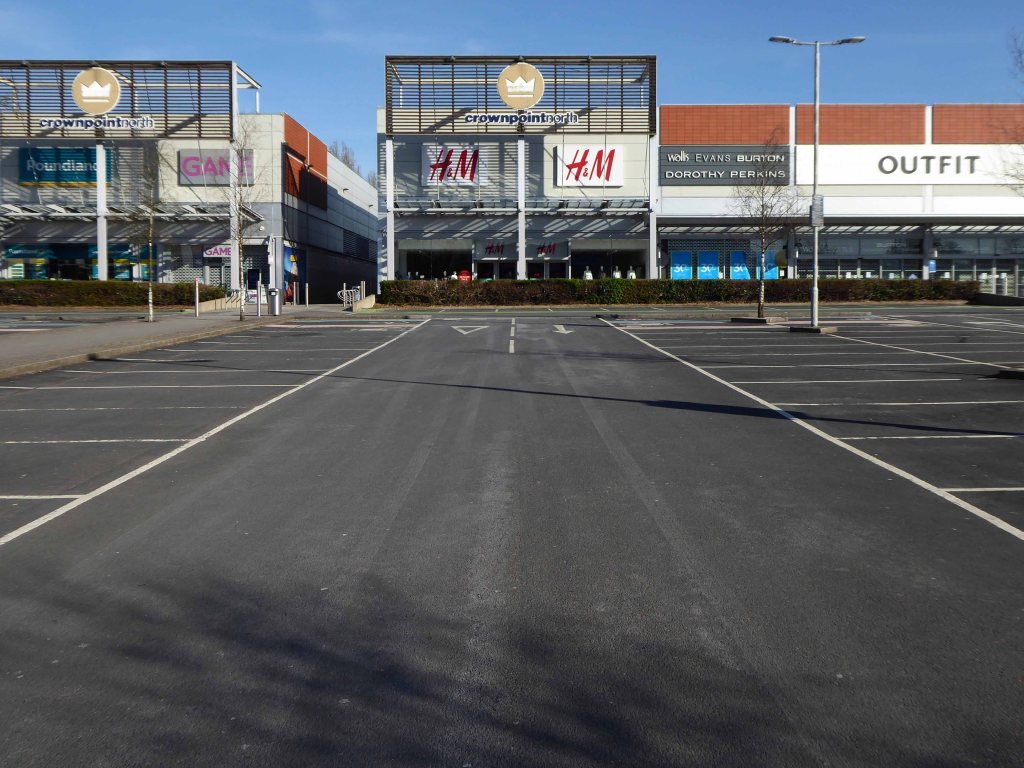
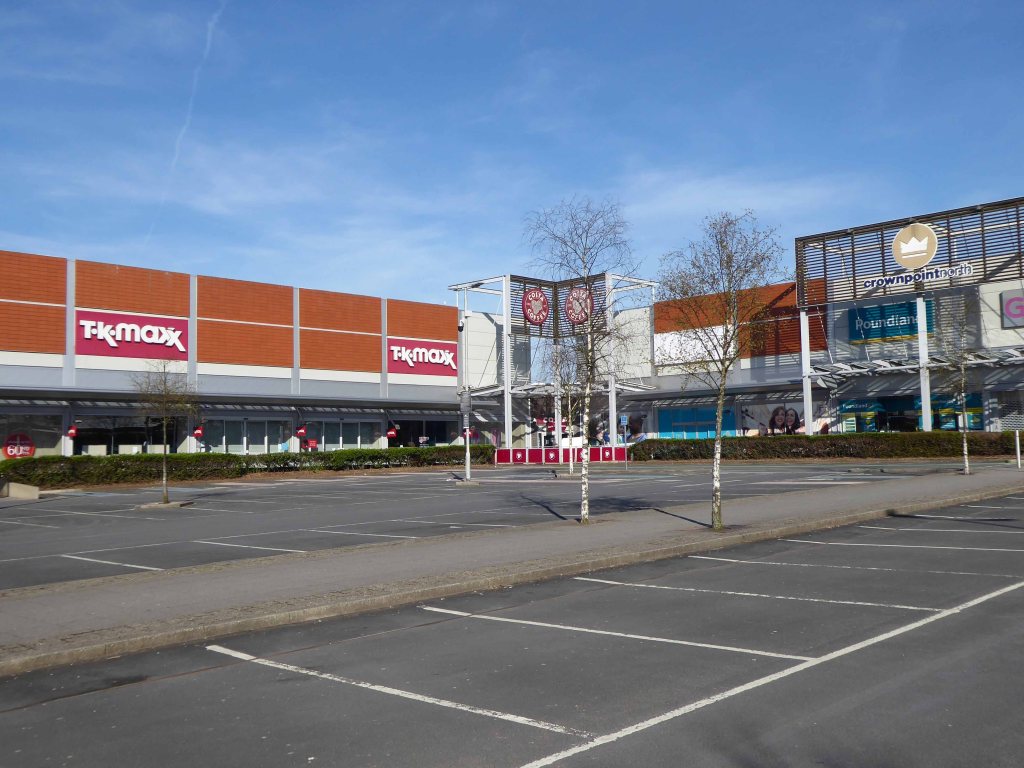
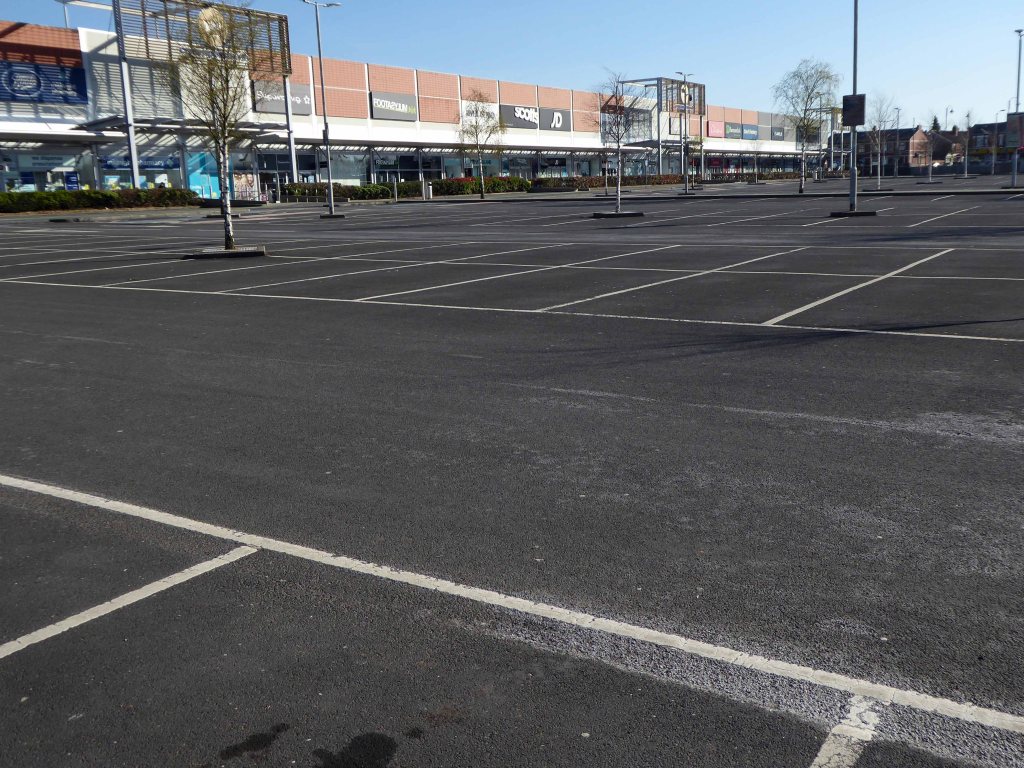
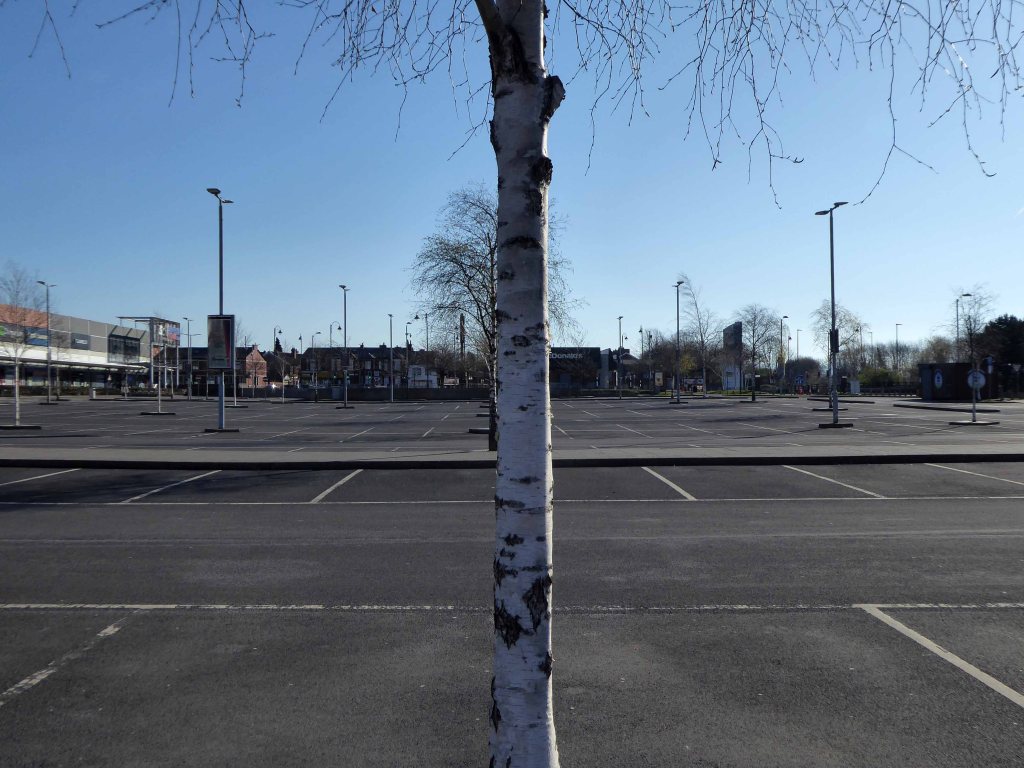
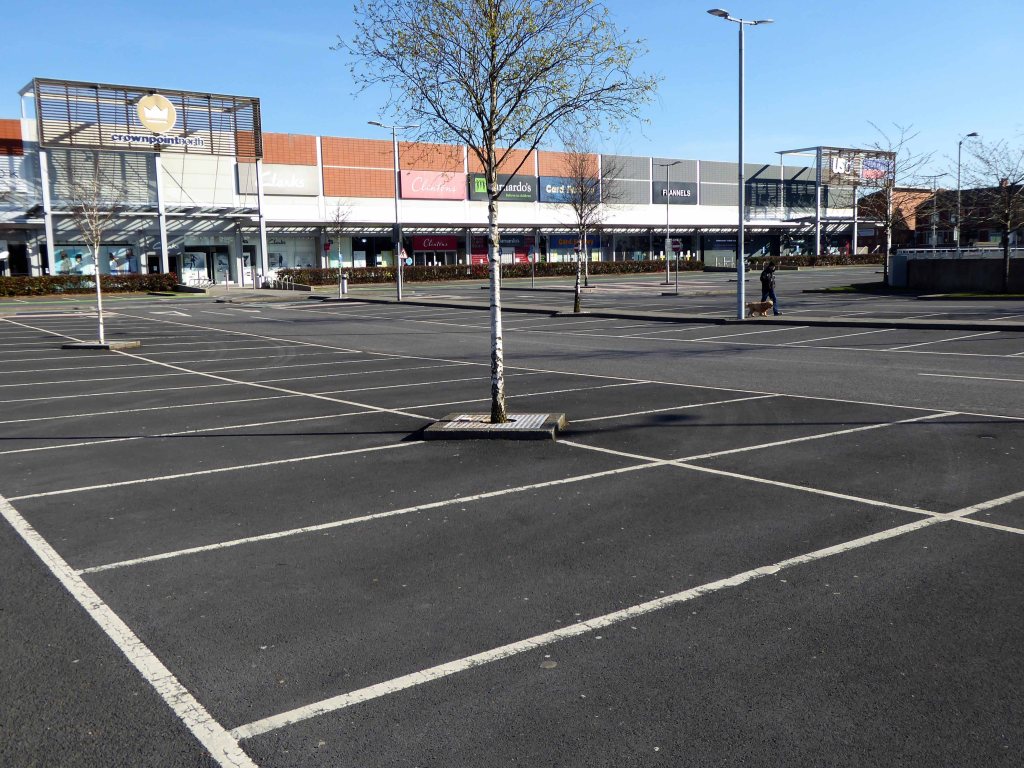
The court heard the accused had agreed to detonate a bomb at Crown Point North as a diversion before driving to their school, murdering teachers and pupils and then killing themselves.
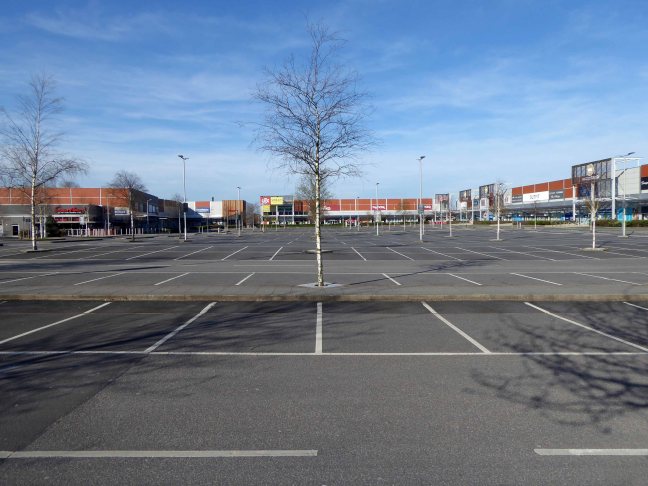
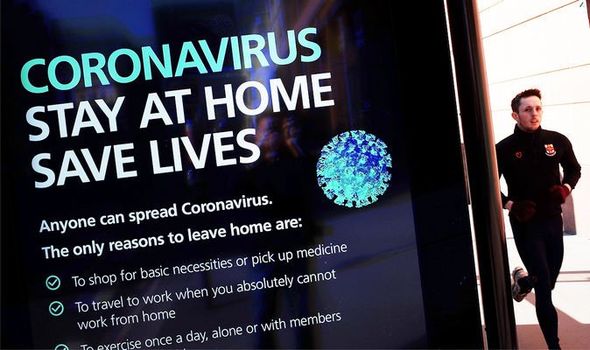
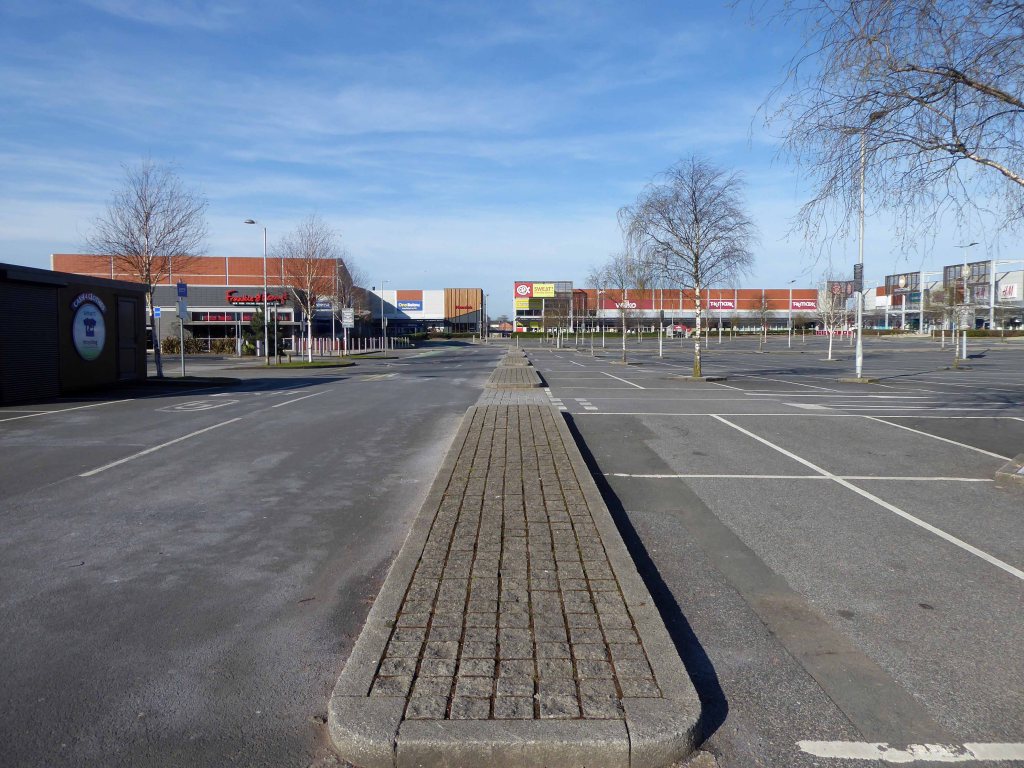
We live in strange and troubled times, the urban landscapes we have created are often far from convivial.
Deserts possess a particular magic, since they have exhausted their own futures, and are thus free of time. Anything erected there, a city, a pyramid, a motel, stands outside time. It’s no coincidence that religious leaders emerge from the desert. Modern shopping malls have much the same function. A future Rimbaud, Van Gogh or Adolf Hitler will emerge from their timeless wastes.
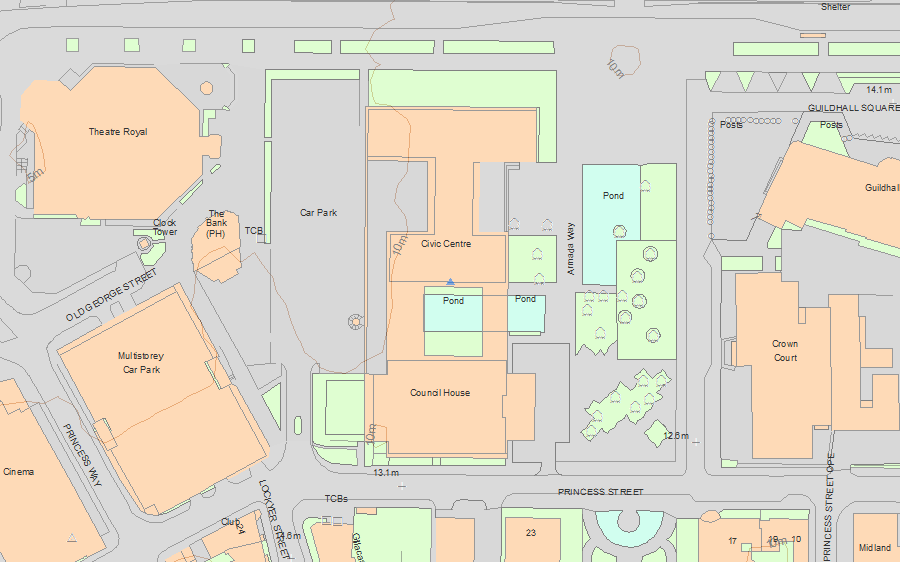
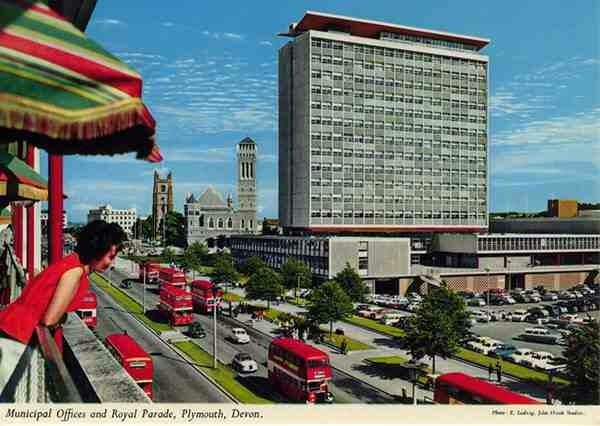
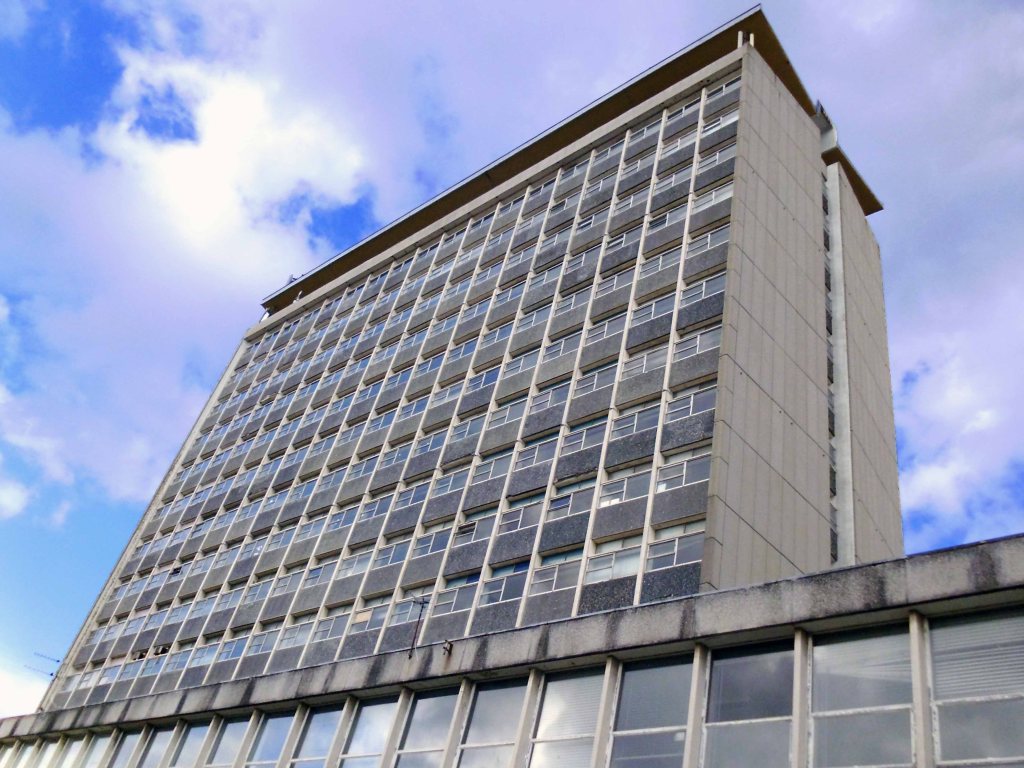
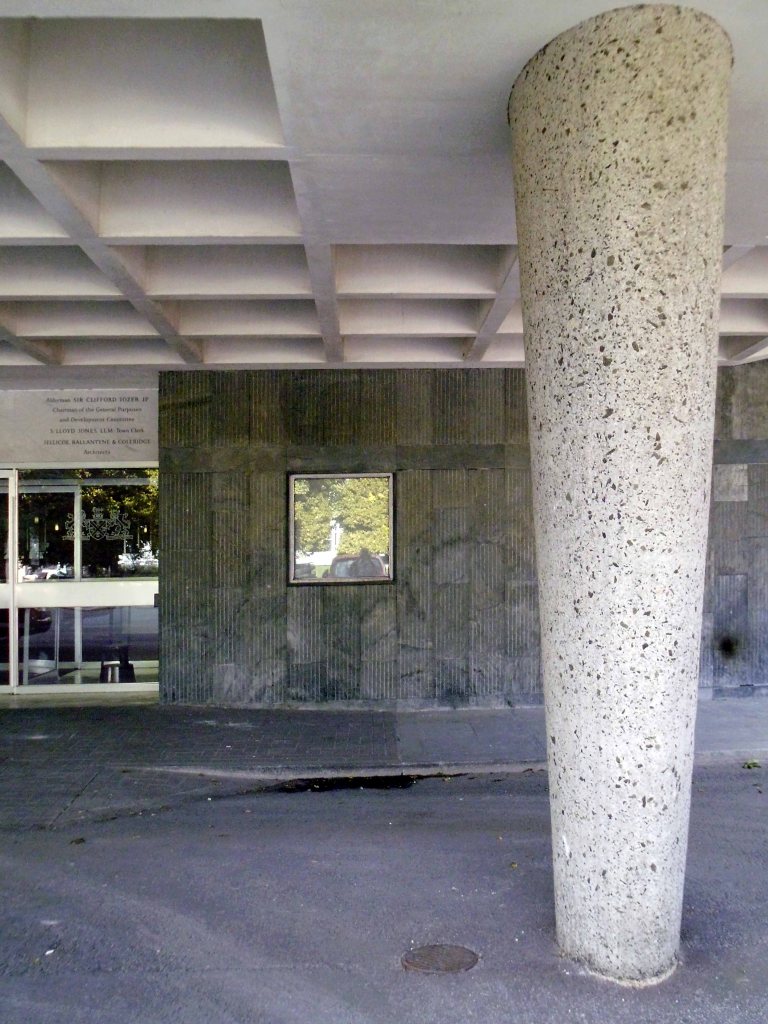
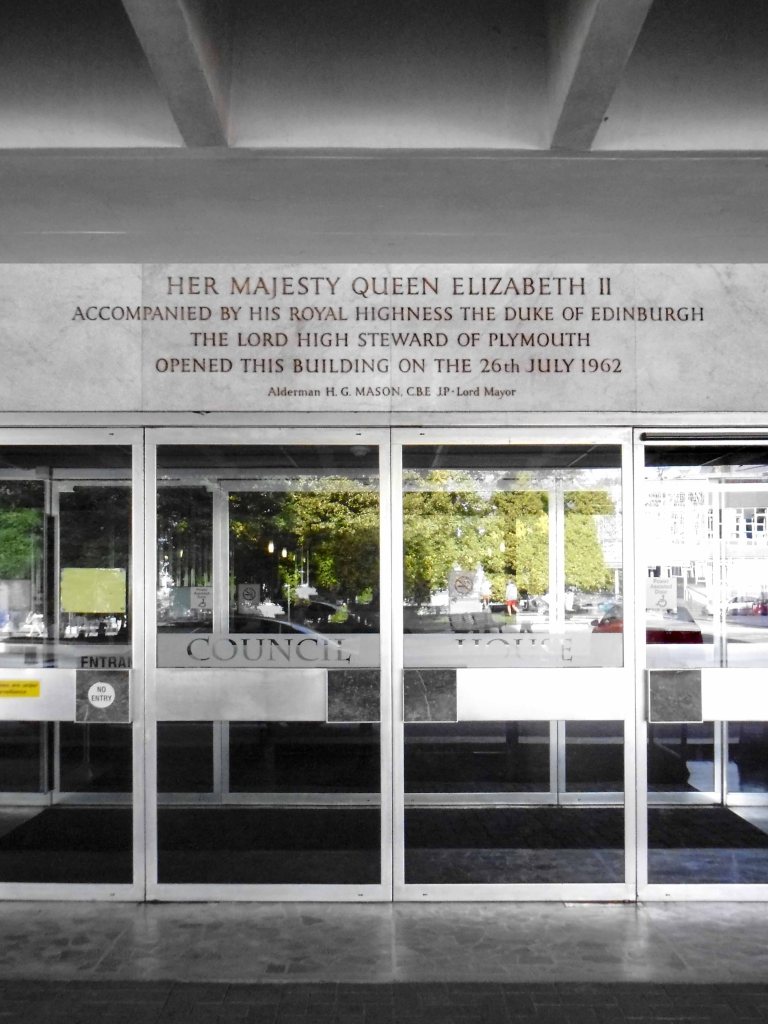
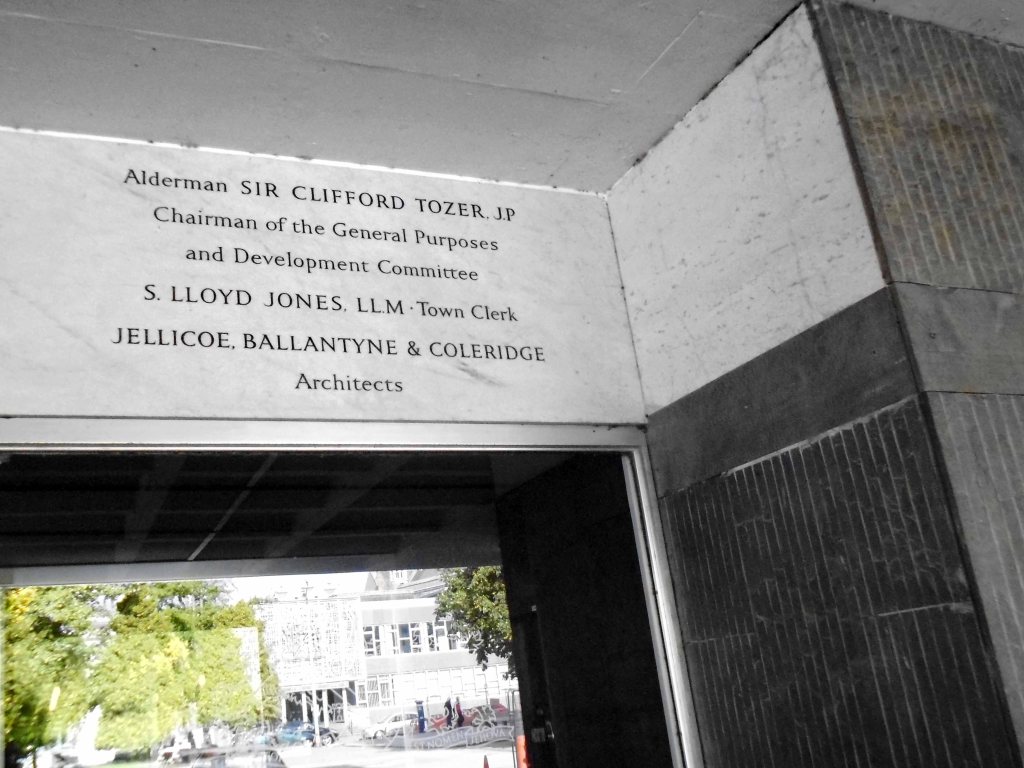
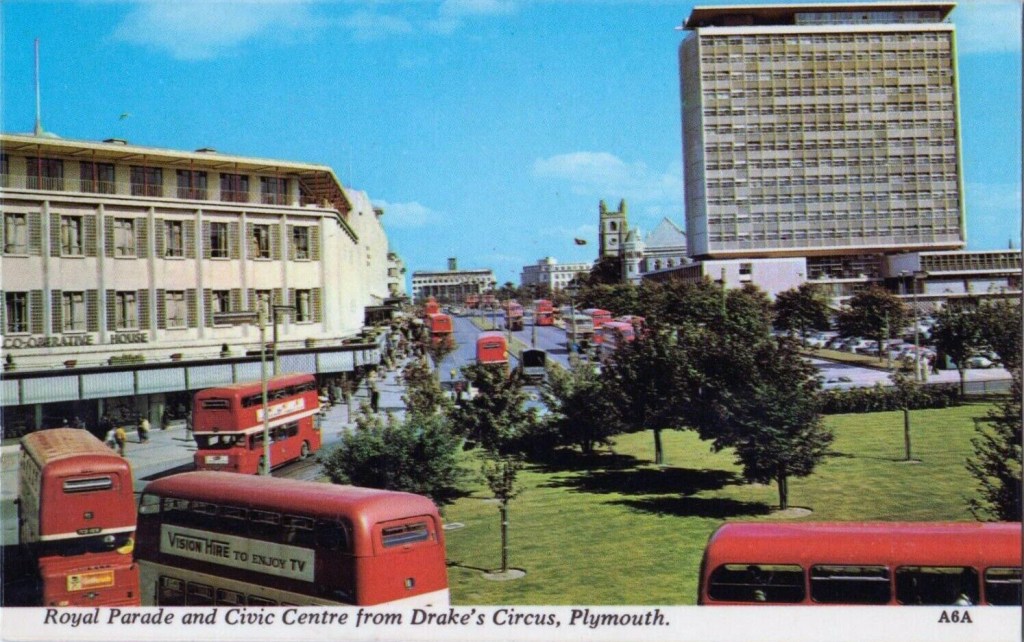
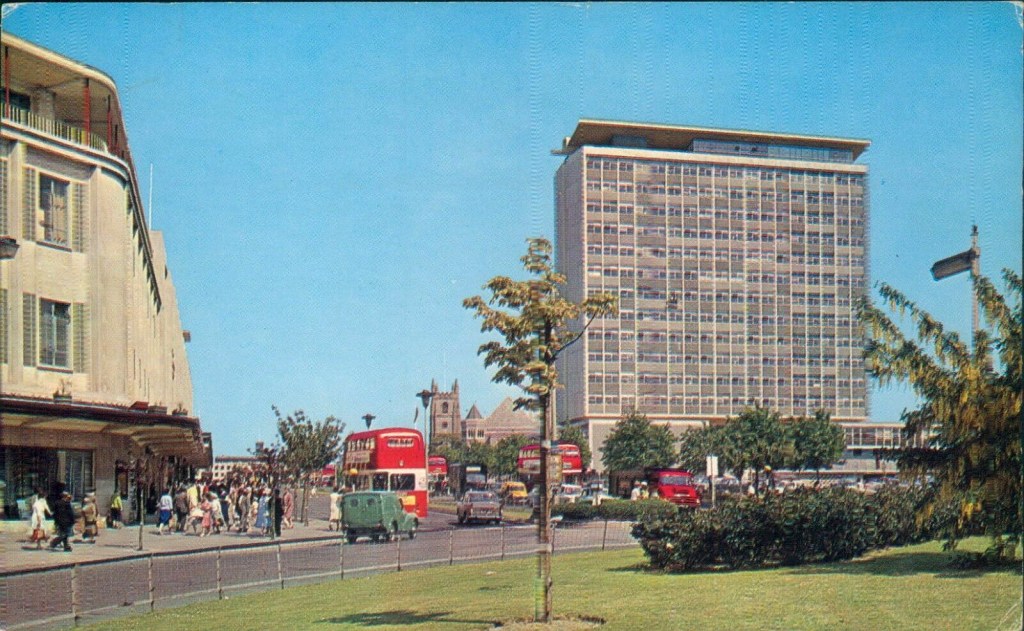
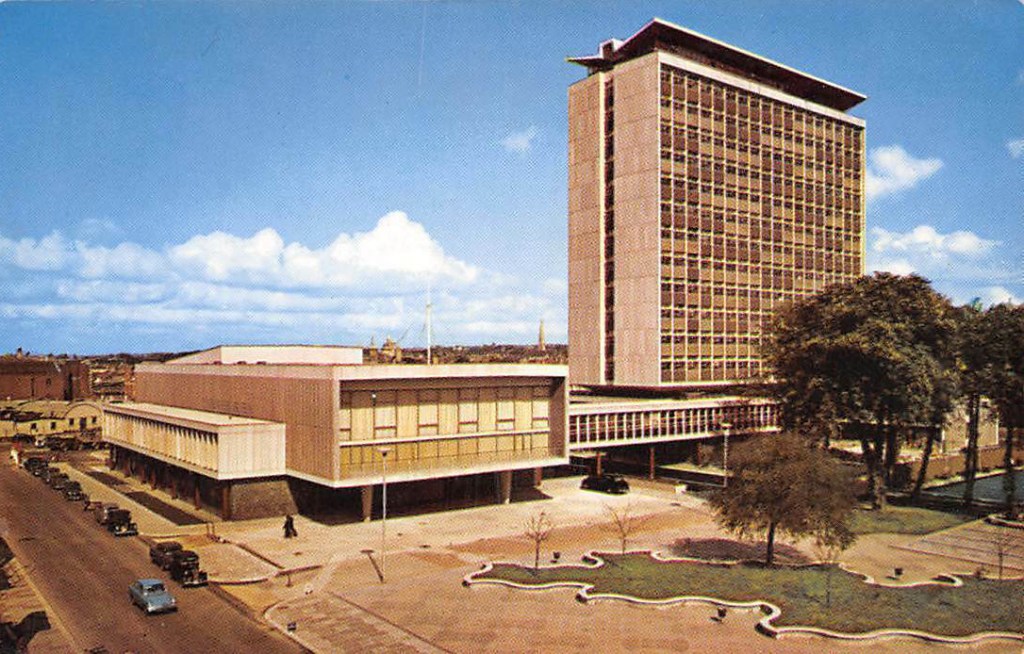
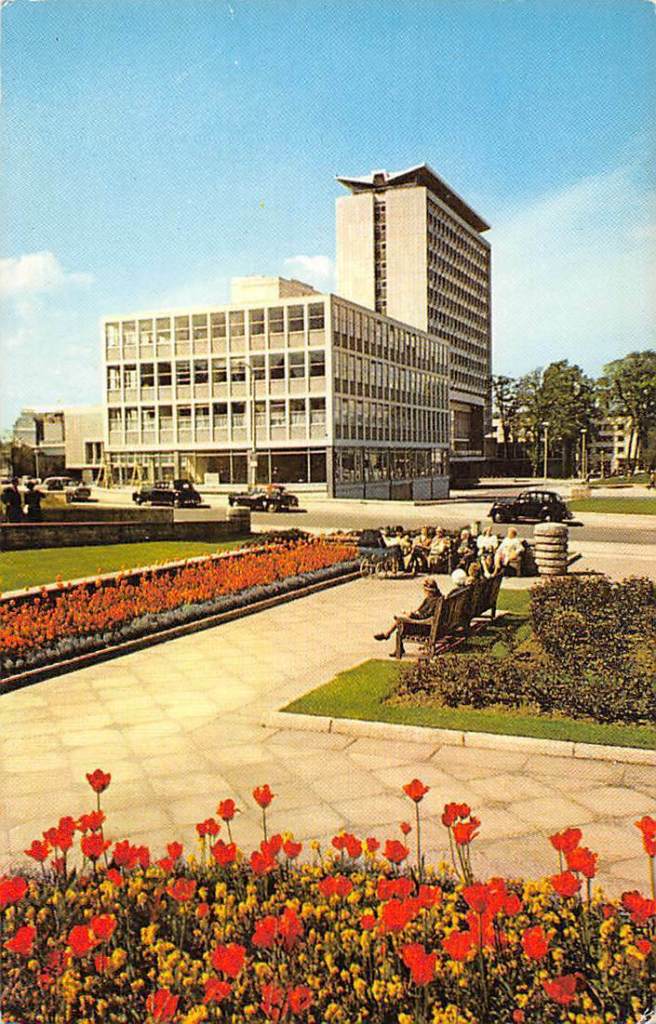
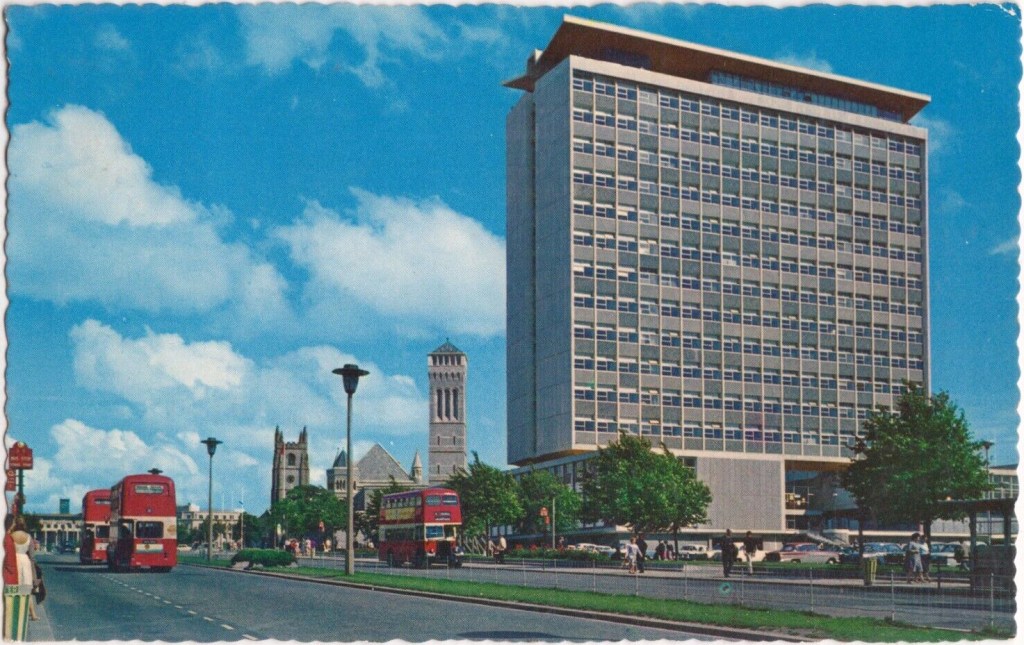
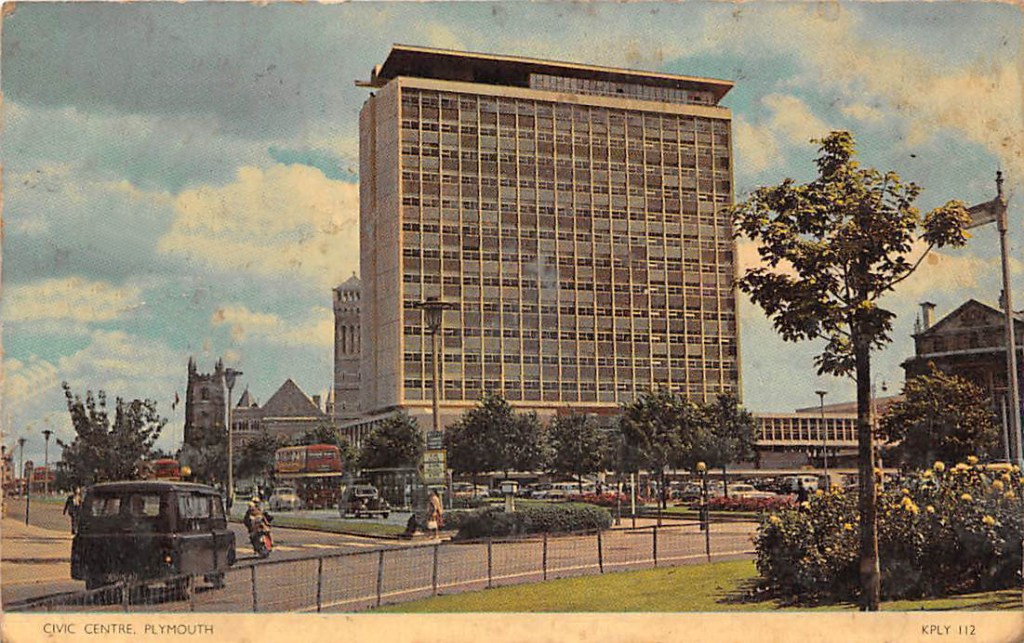
Council House former Civic Centre – Armada Way Plymouth PL1 2AA
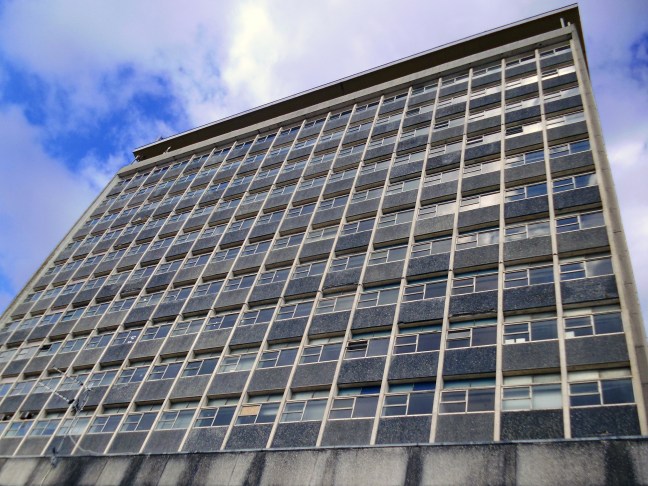
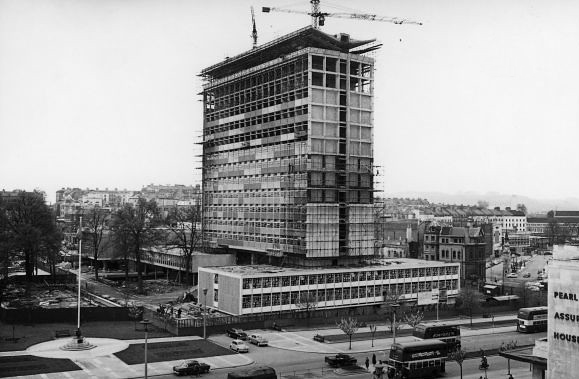
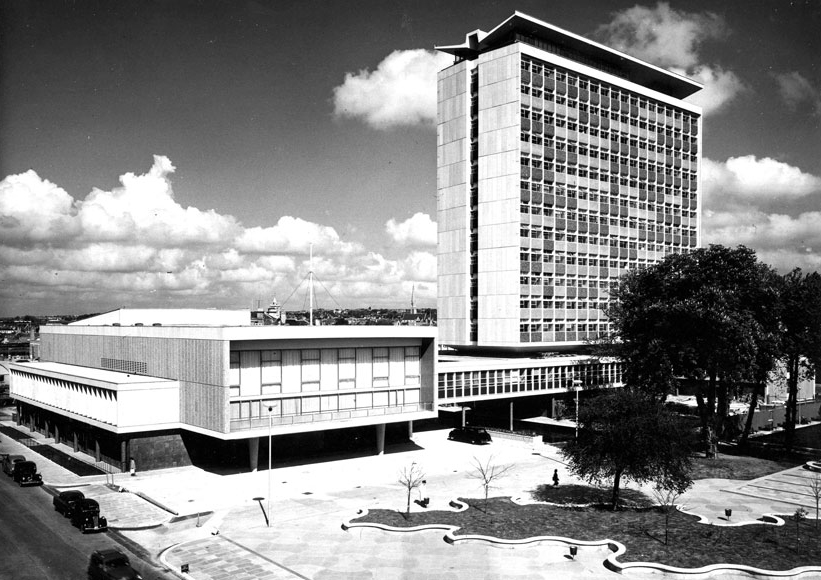
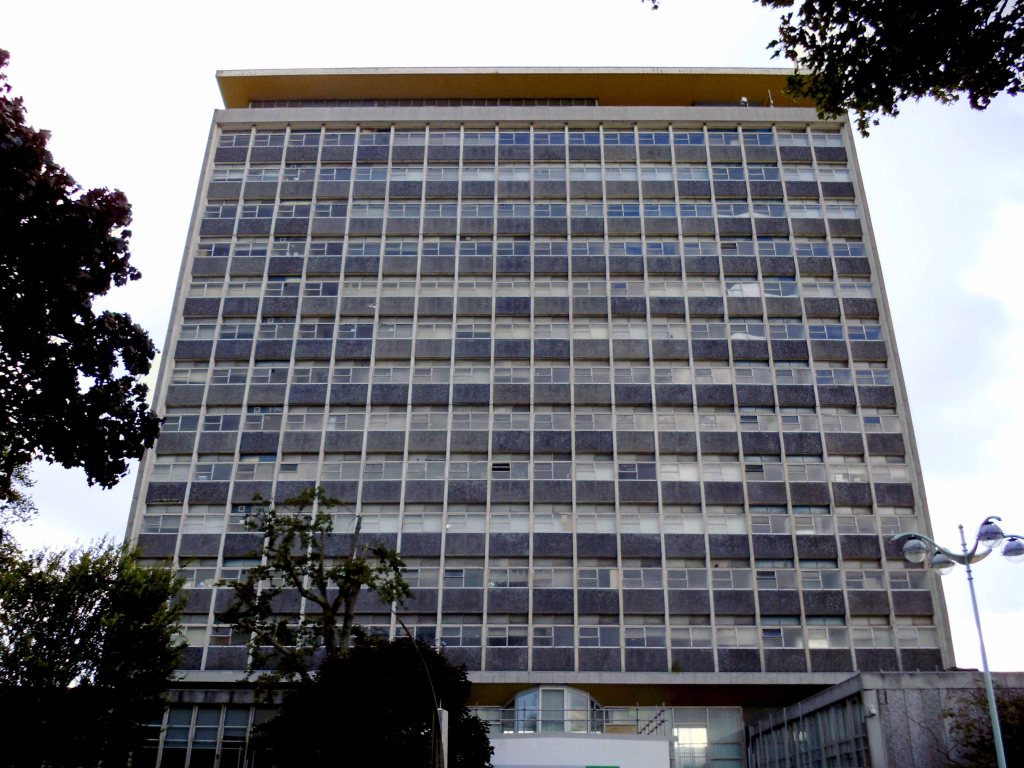
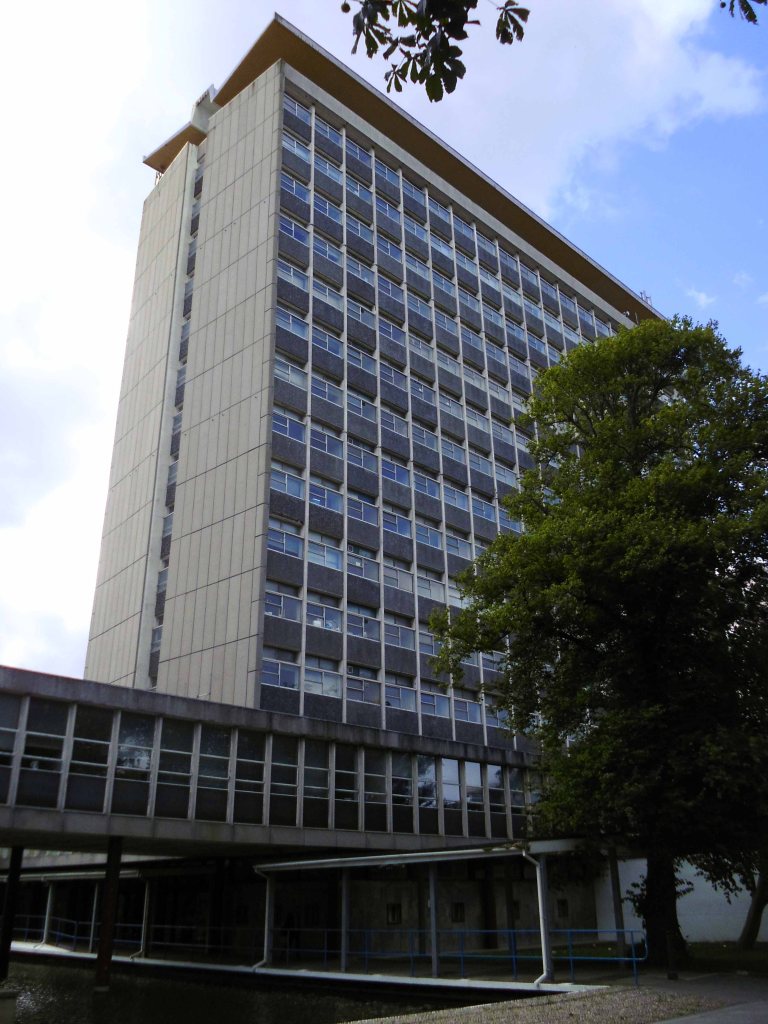
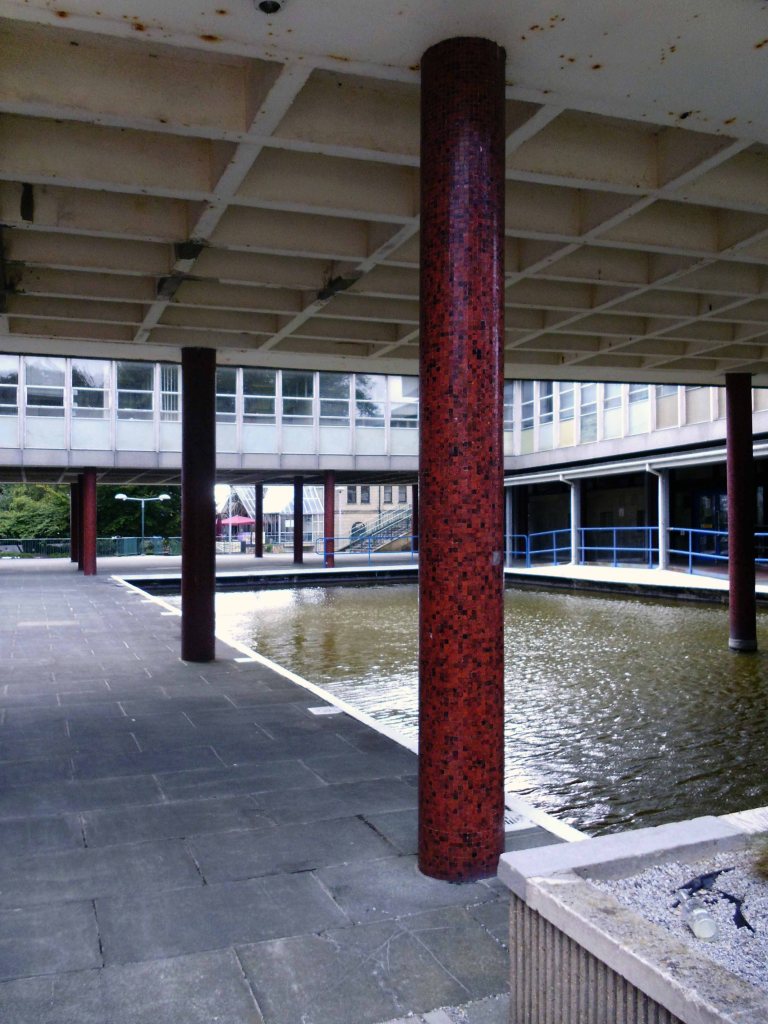
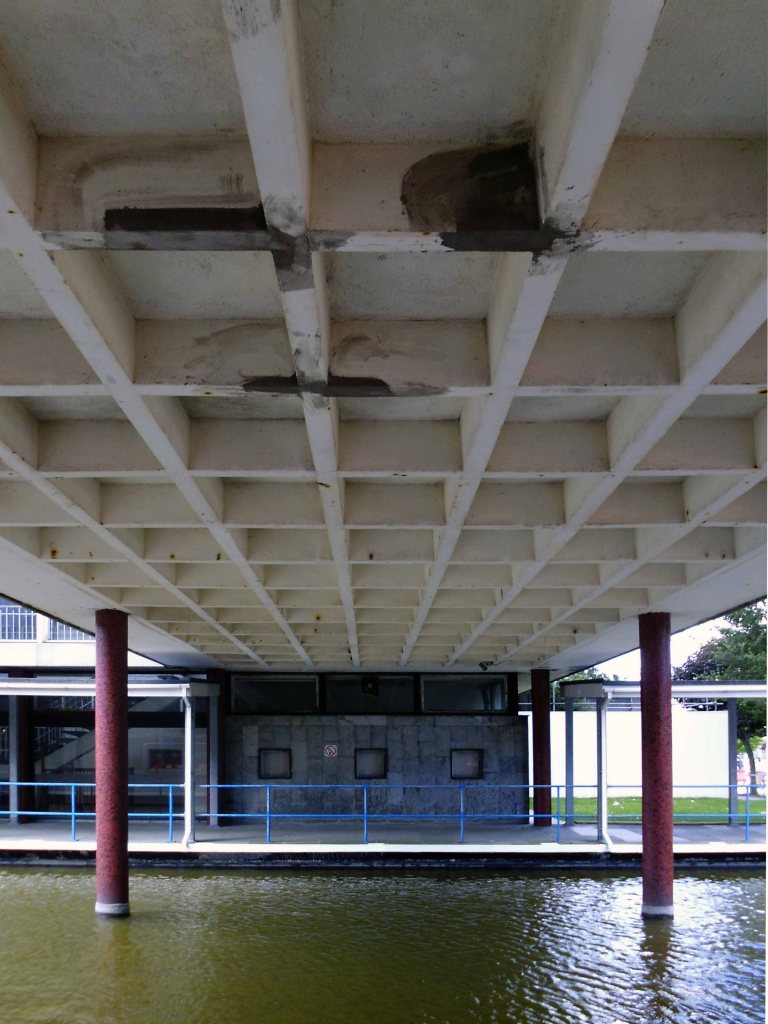
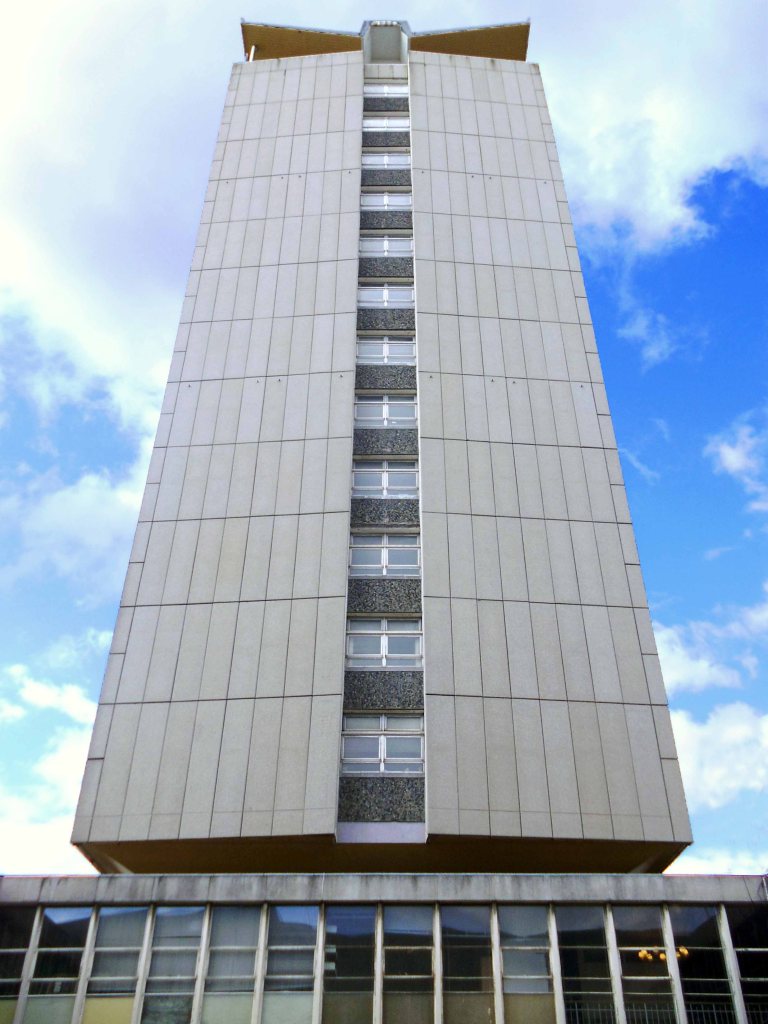
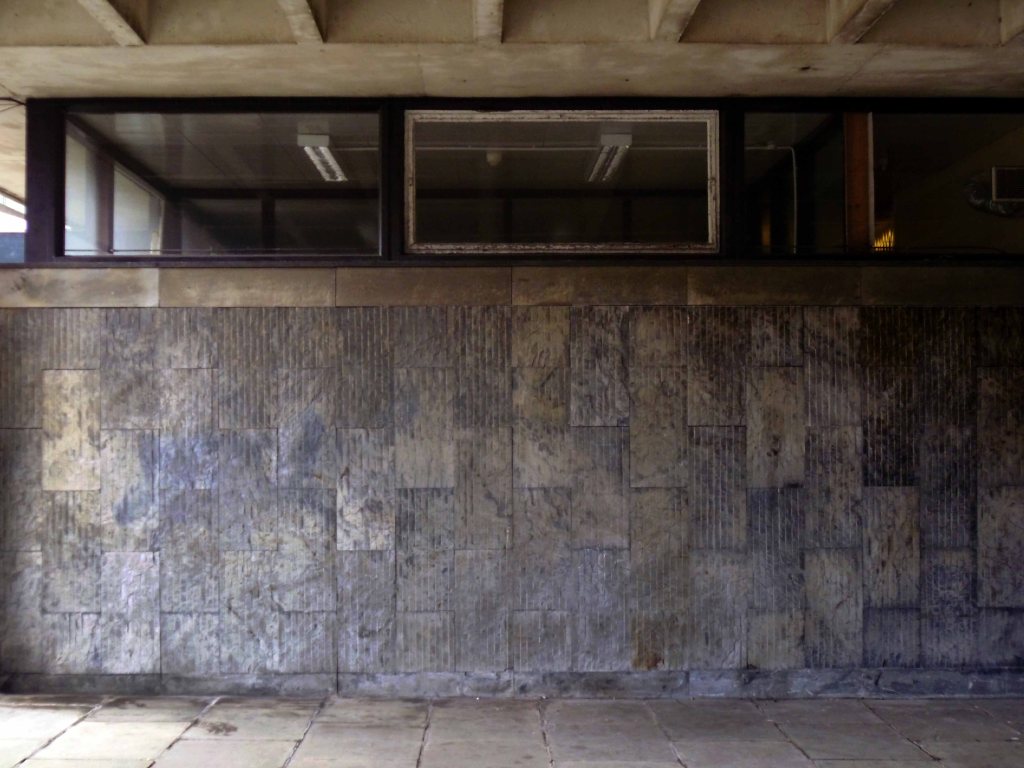
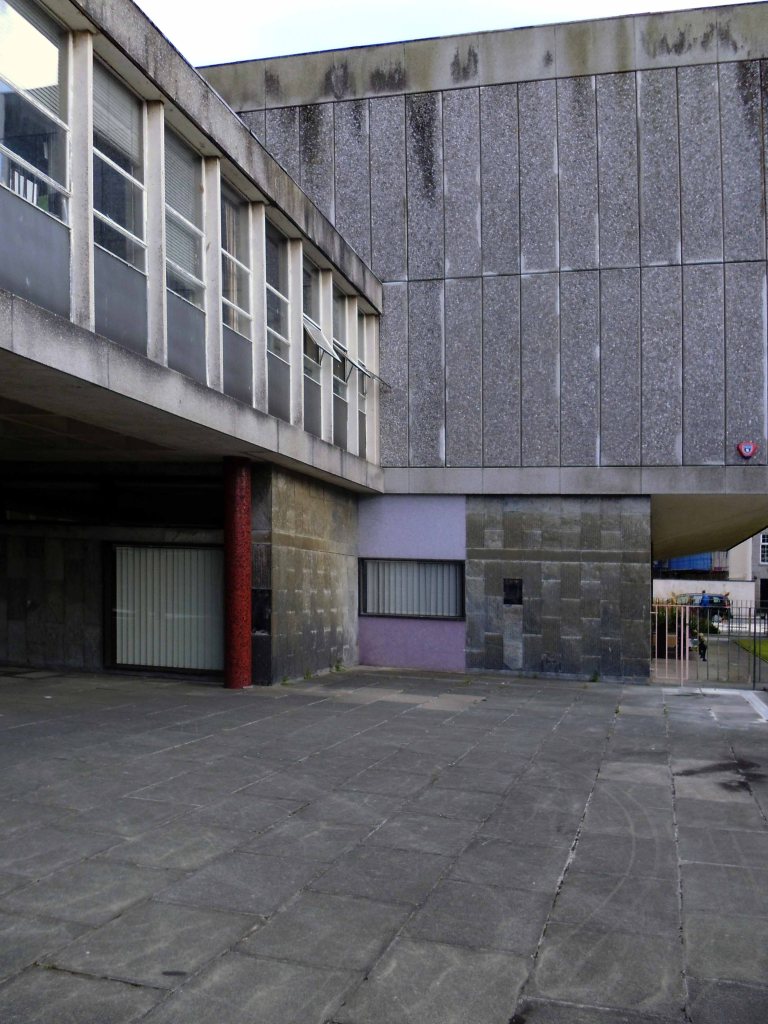
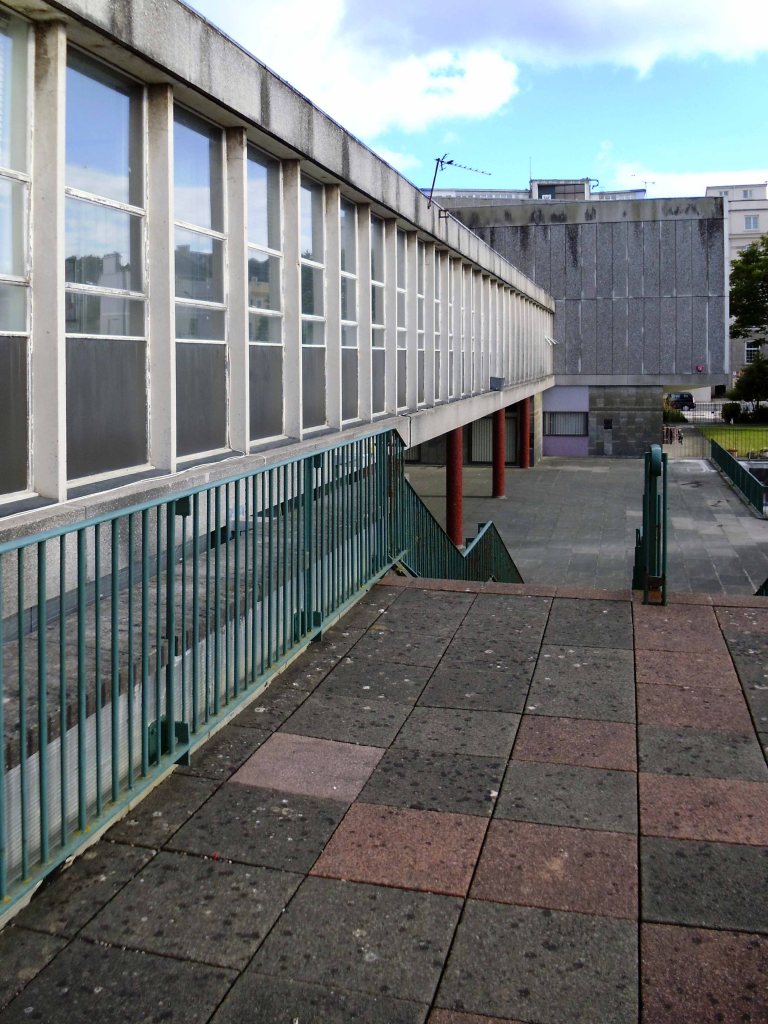
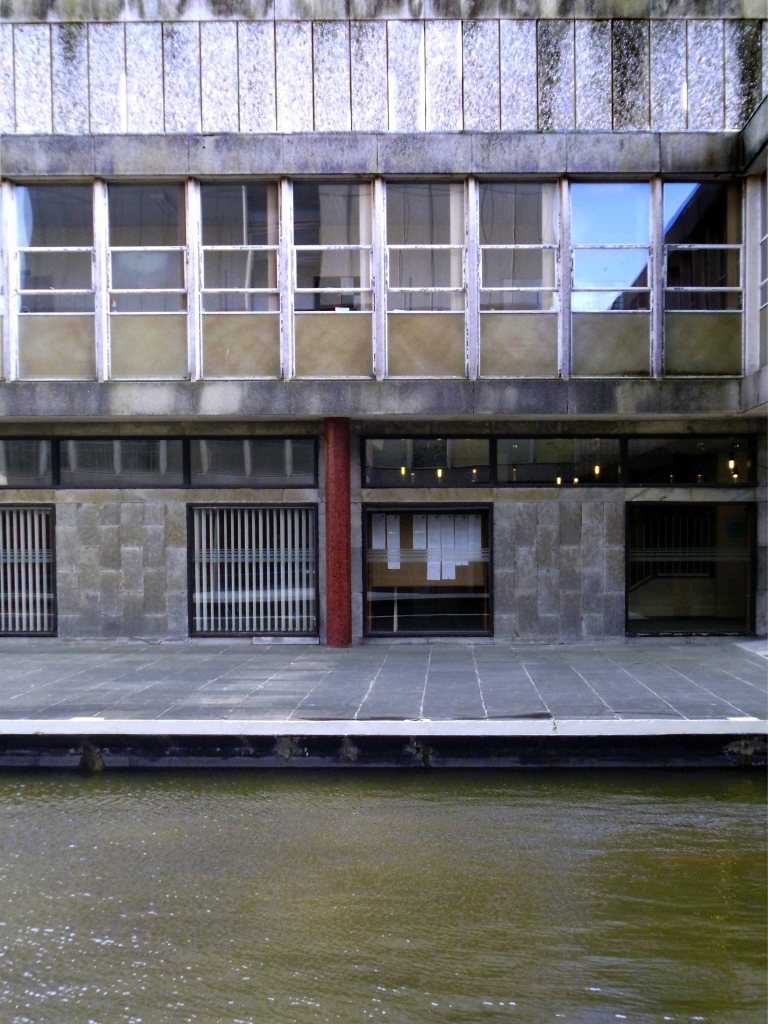
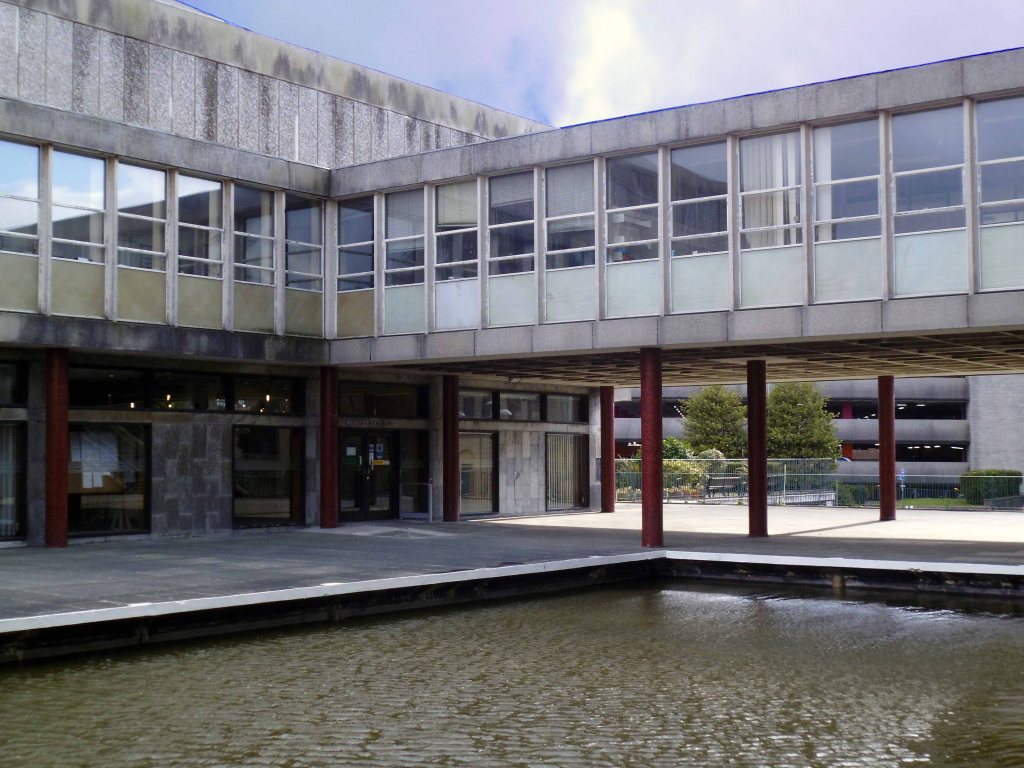
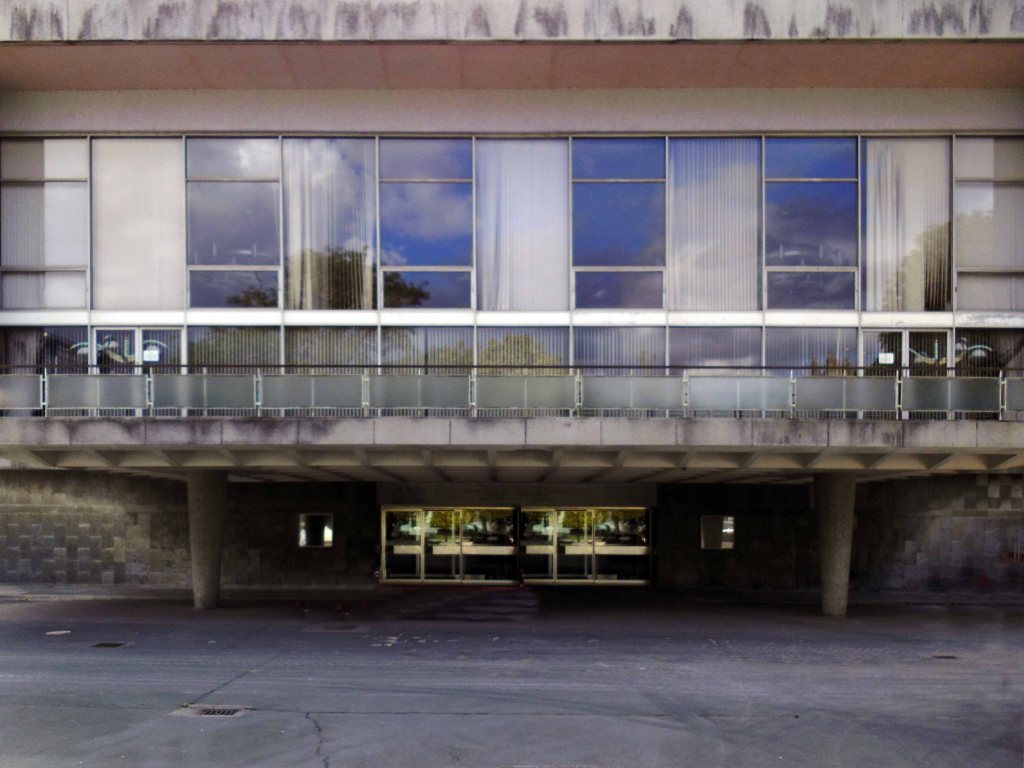
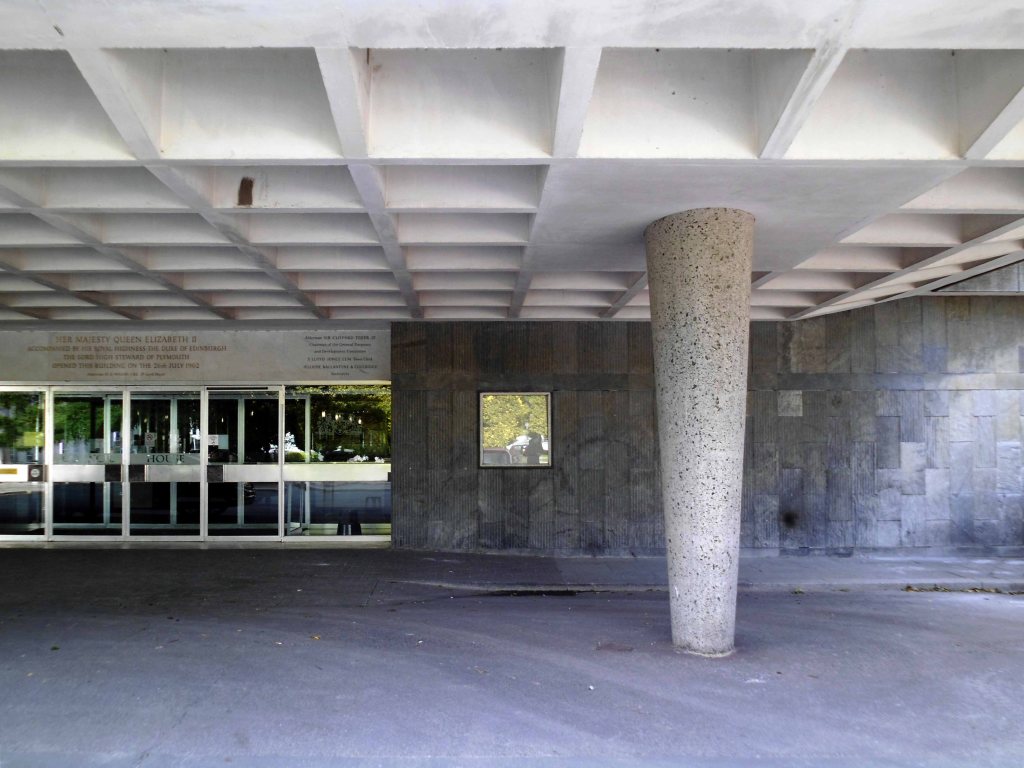
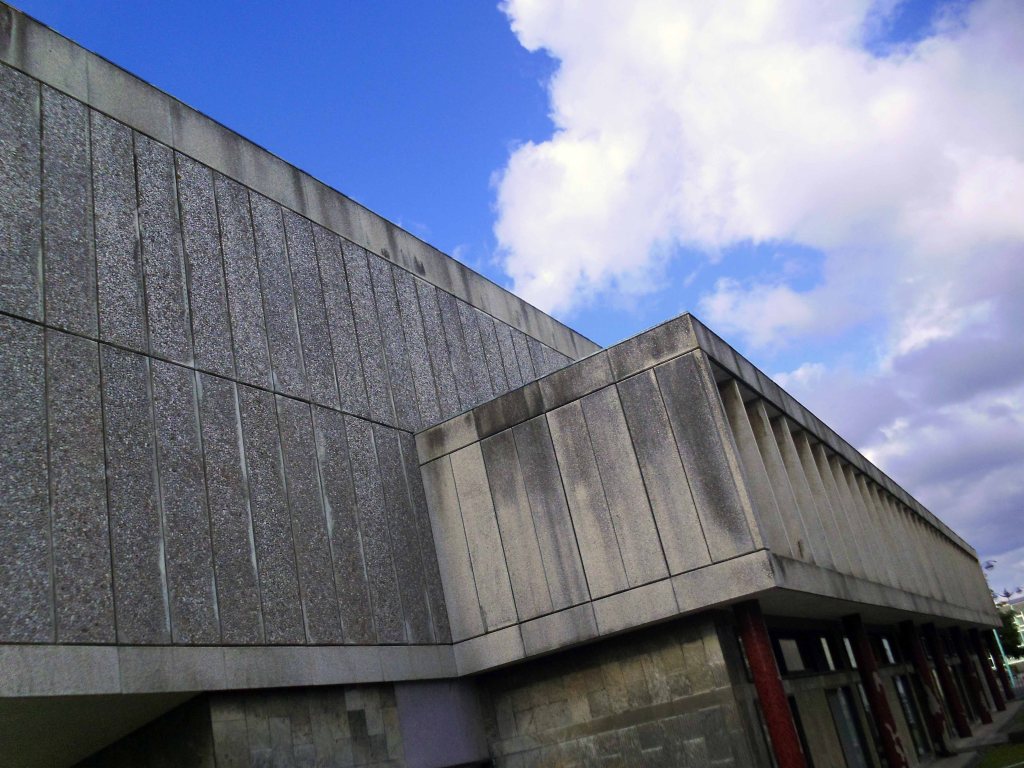
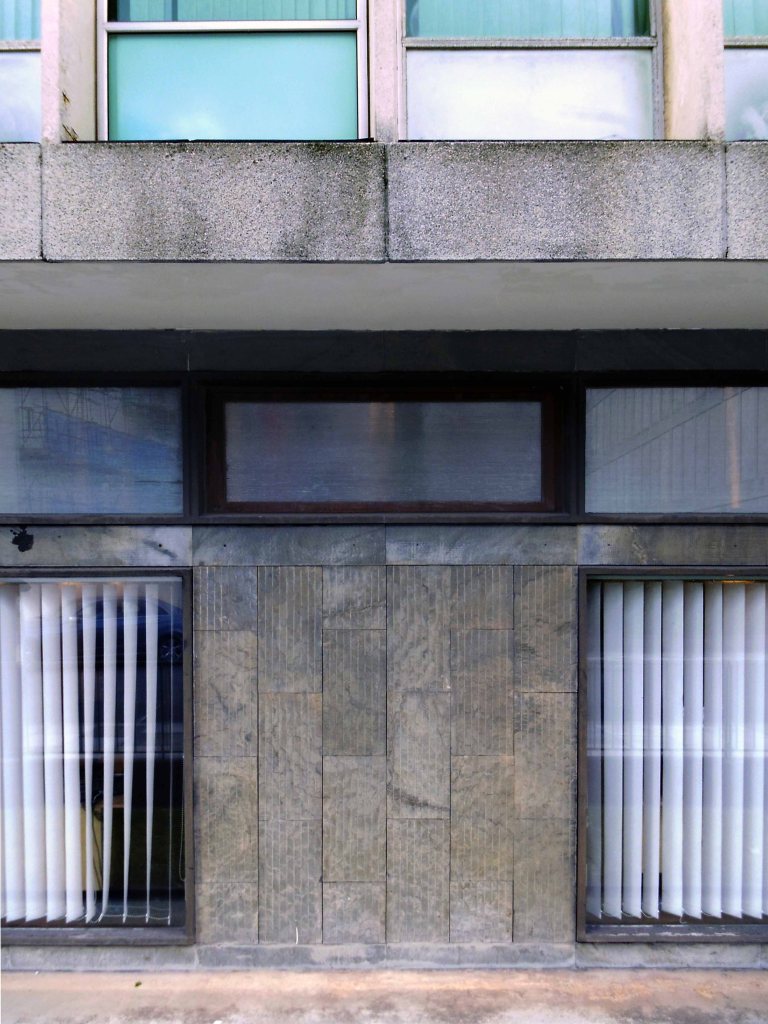
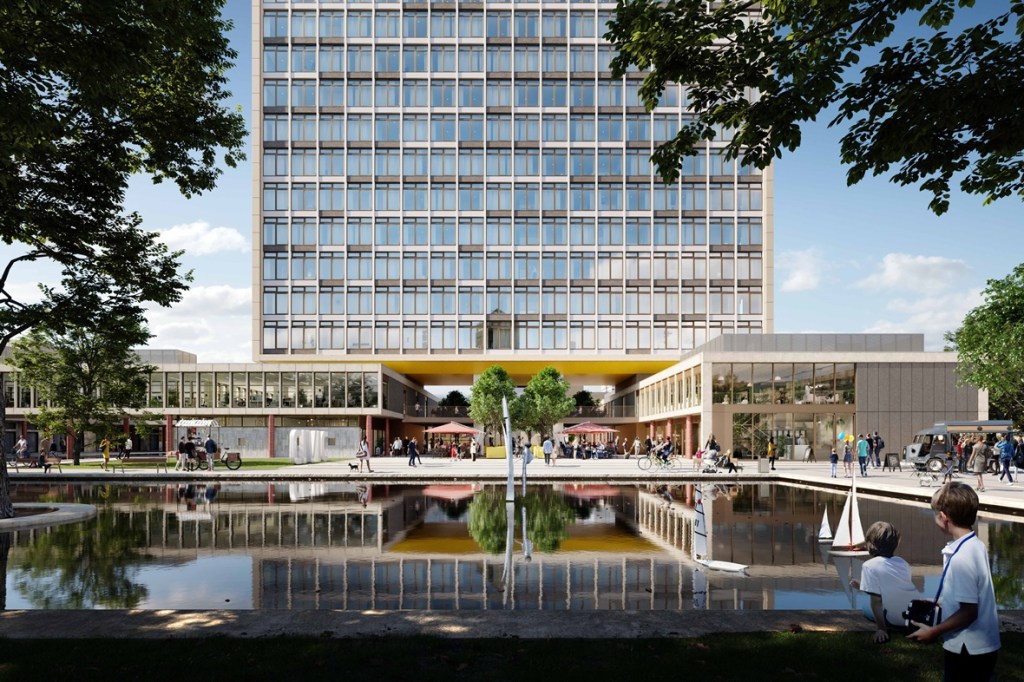
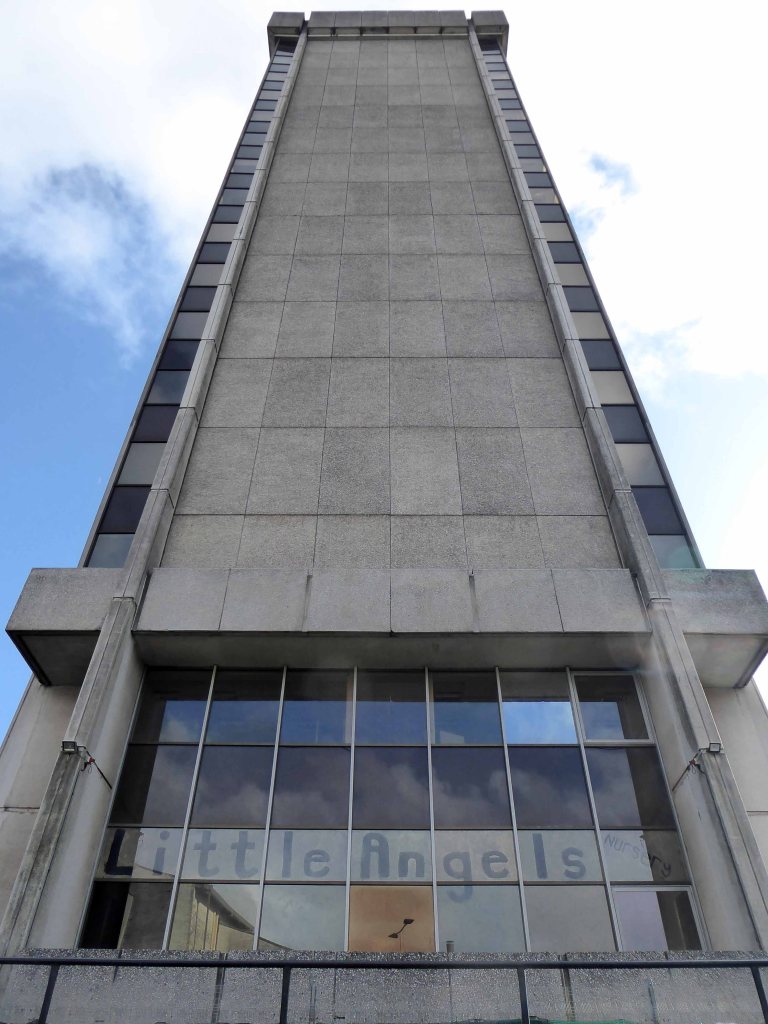
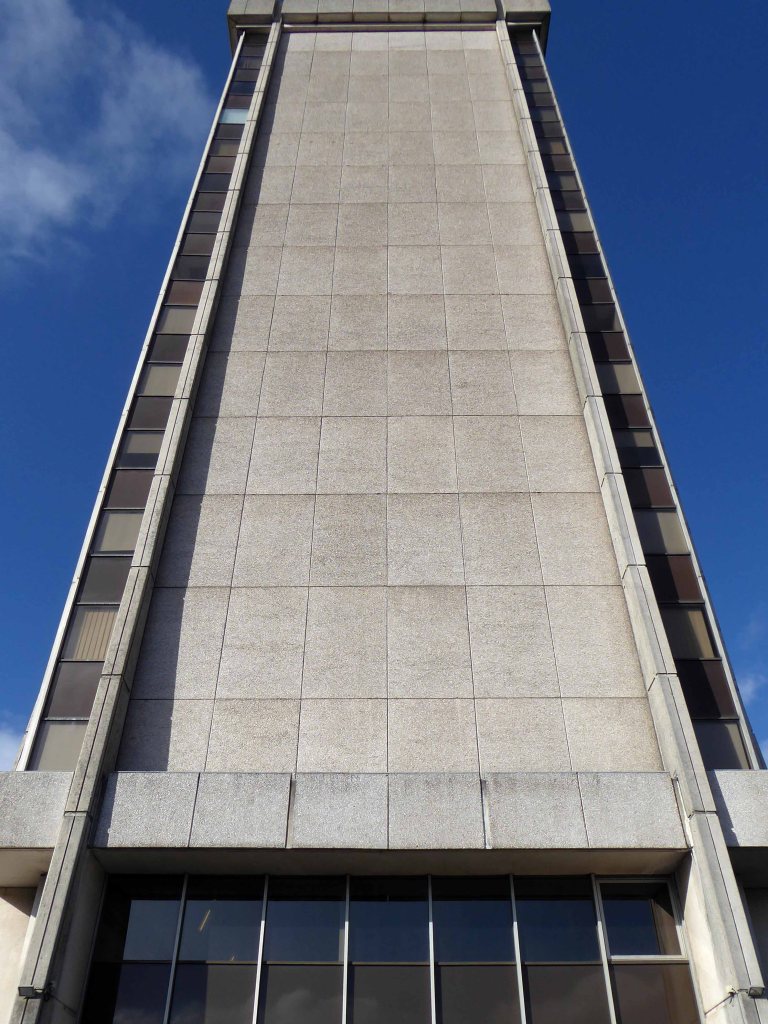
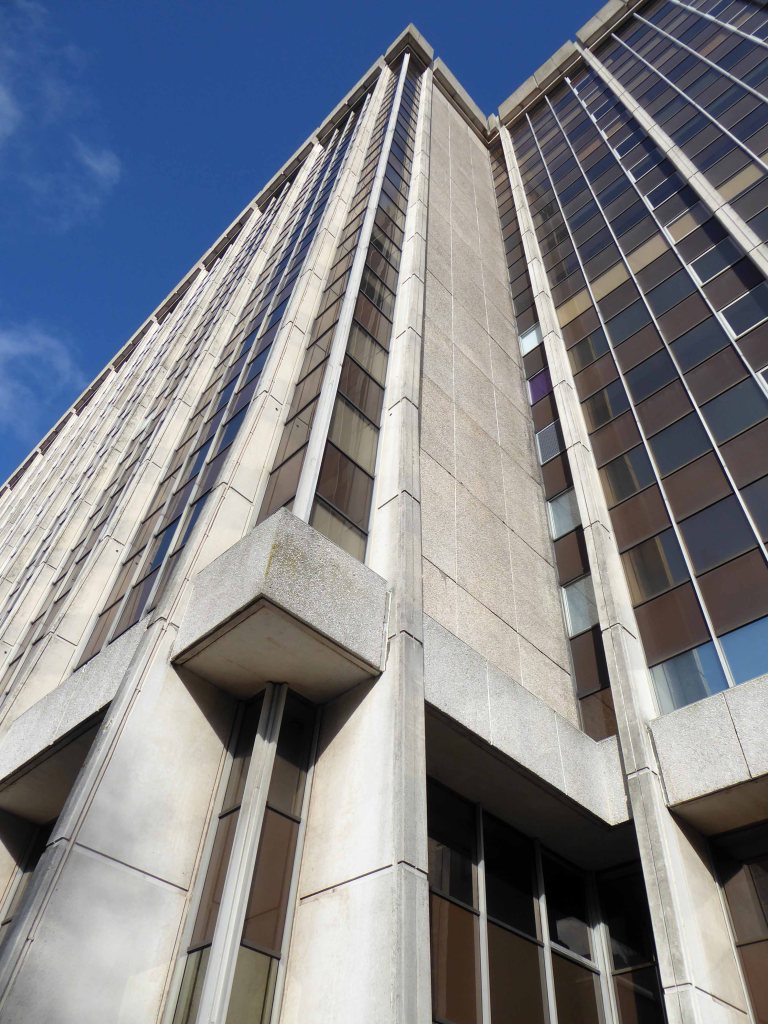
Former Civic Centre 1958-62 by Jellicoe, Ballantyne and Coleridge with city architect HJW Stirling. In-situ concrete structure with pre-cast aggregate panels. It comprises a fourteen storey slab block on a raised raft foundation which straddles a two storey block to the north and a bridge link to the two storey Council House to the south. The bridge link is elevated on pilotis to create an open courtyard with a reflecting pond, part of the designed landscape of the civic square.
I rode into town on my bicycle en route from Weston super Mare to Hastings one sunny afternoon in 2015. The pictures I took that day were largely left untouched, until today. I was prompted by an online postcard search to finally put them to some good use.
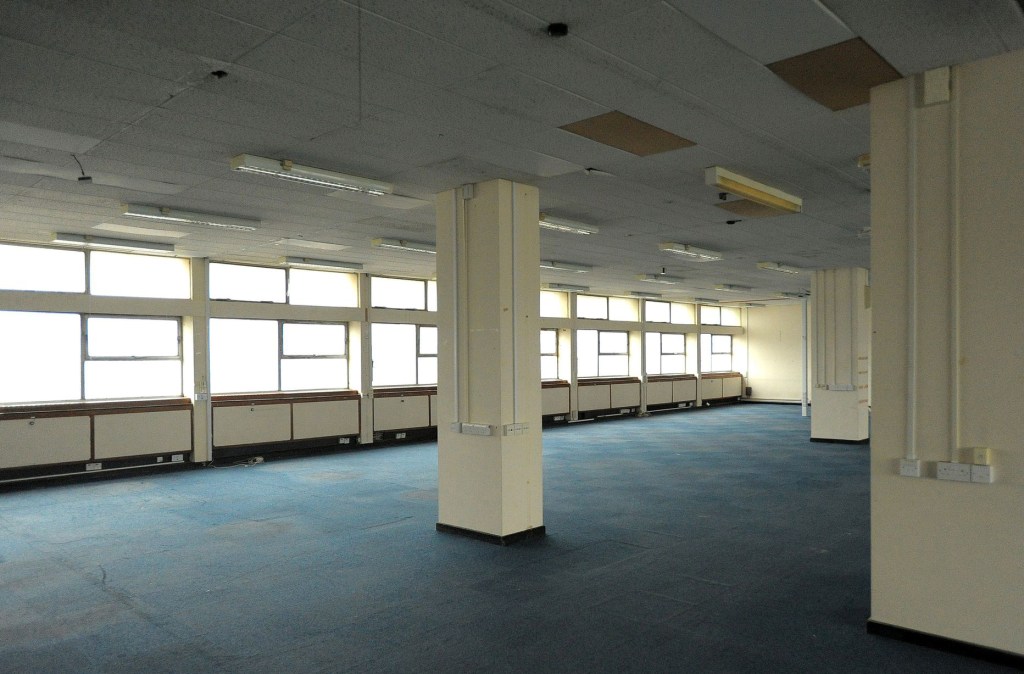
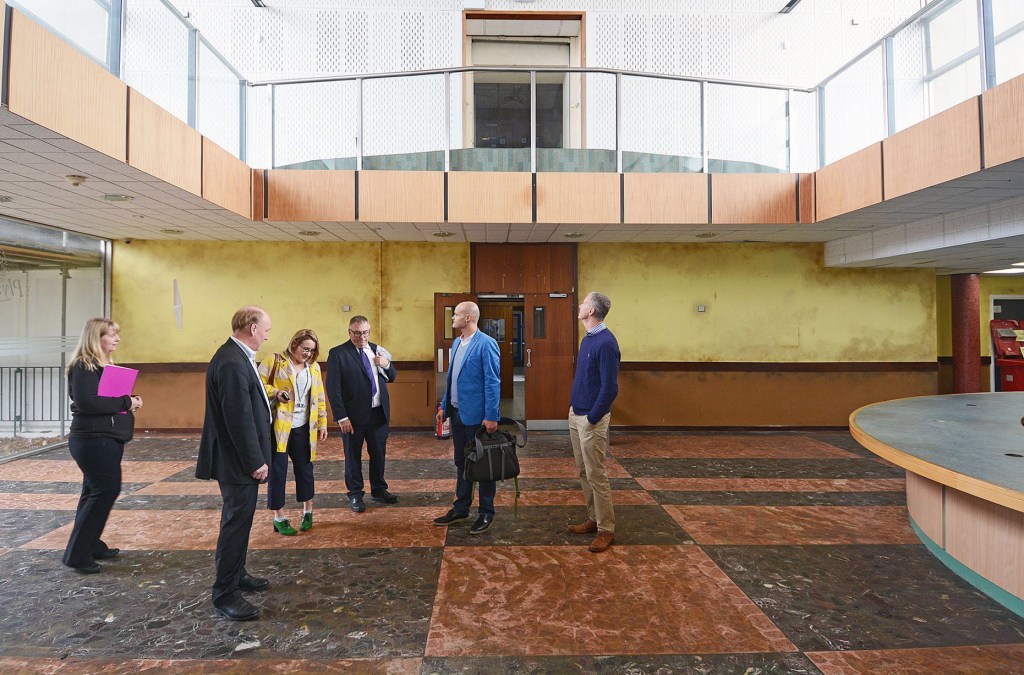
On the day of my visit the building was well and truly closed, and its future uncertain.
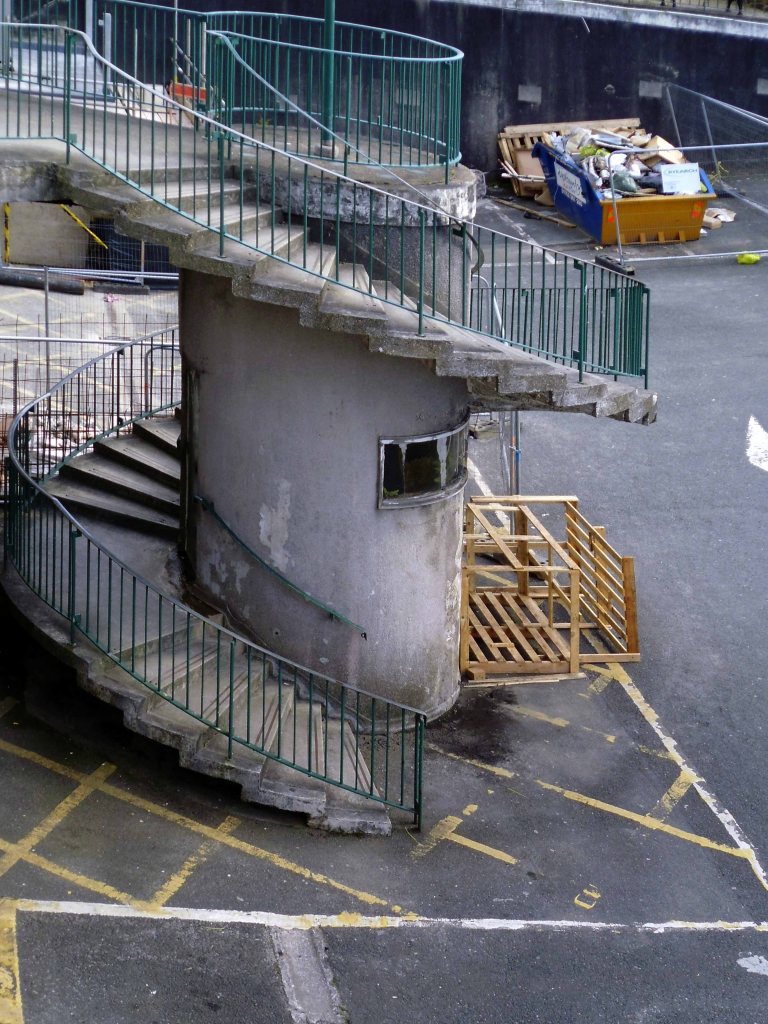
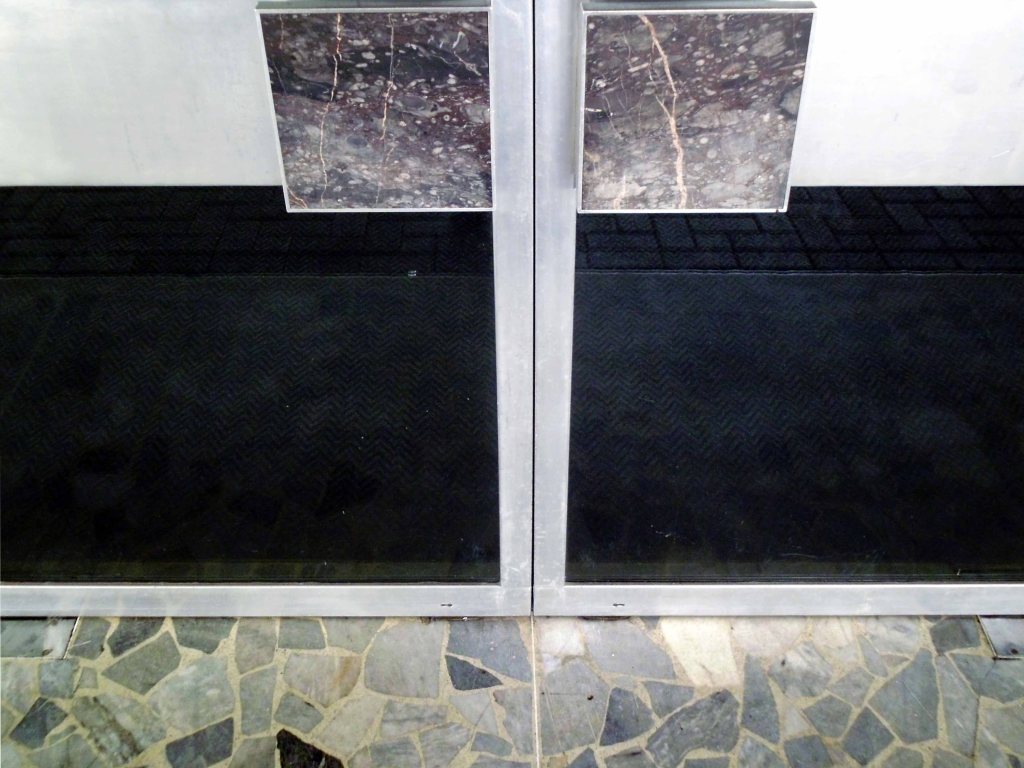
I took my time and explored the site, here is what I saw:
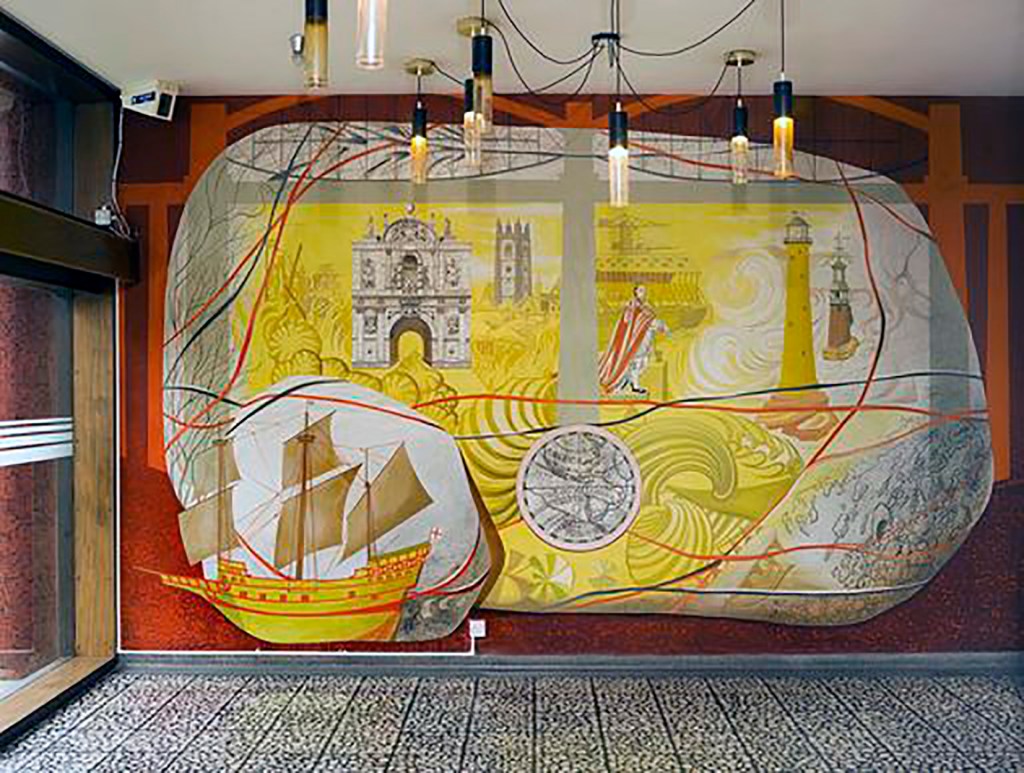
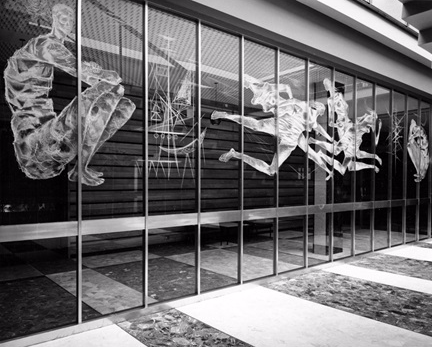
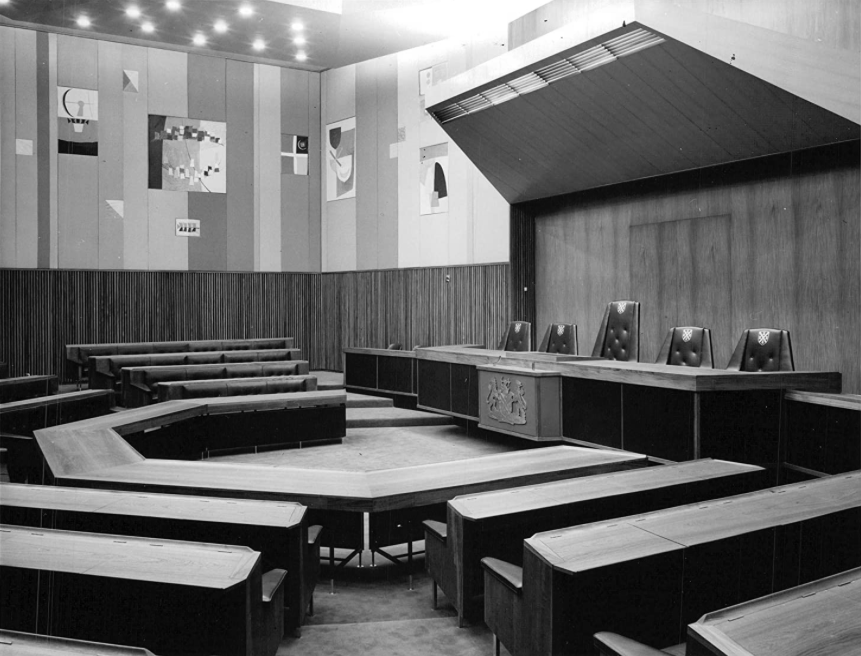
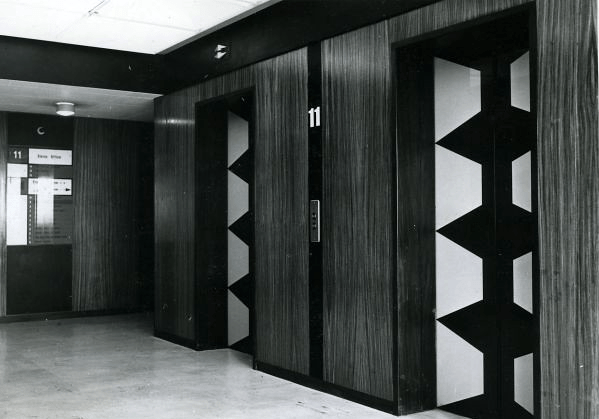
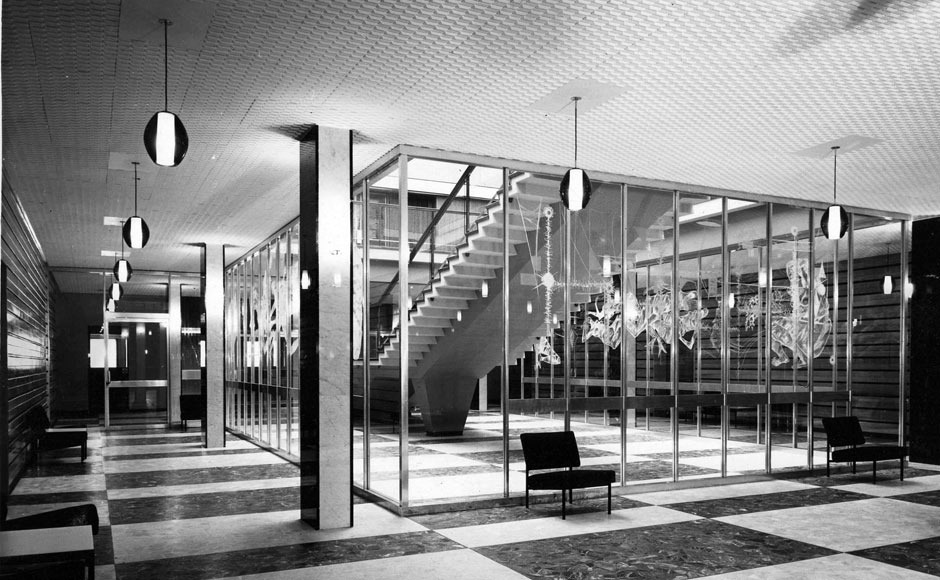
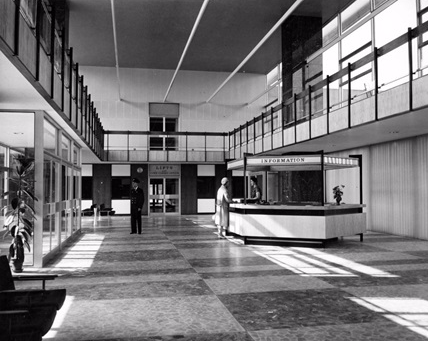
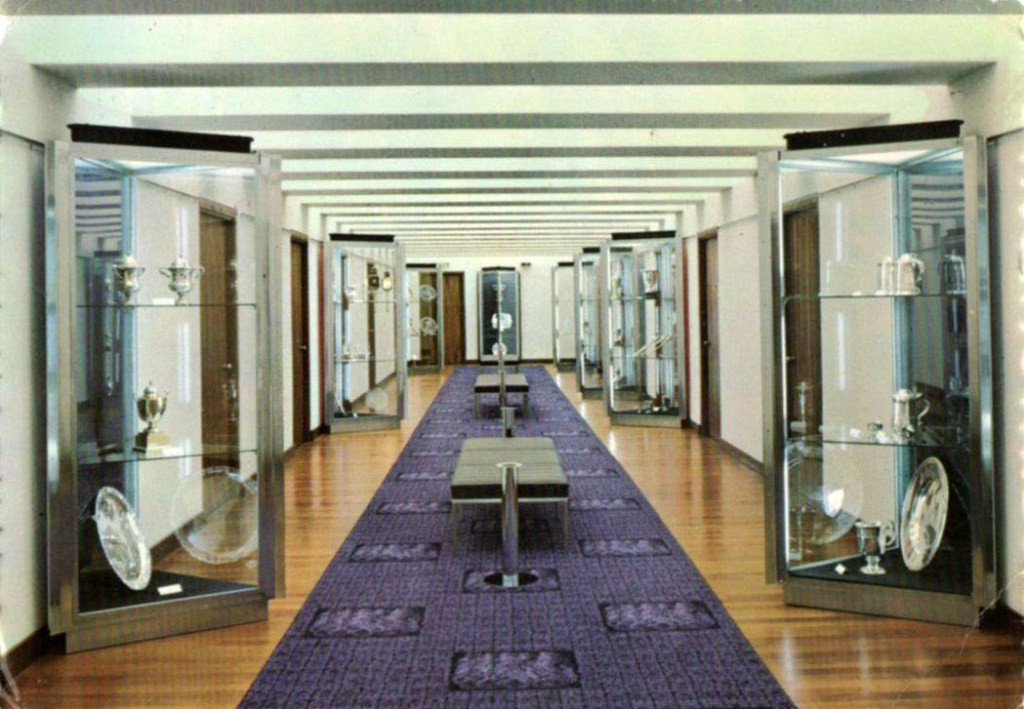
I subsequently found archival image of the interior – including examples of applied decorative arts.
Post War Buildings, Elain Harwood.
Plymouth Civic Centre, Royal Parade, Plymouth, Devon.
Interior, members entrance hall, detail of mural by Mary Adshead with light fittings by Chelsea glassware.
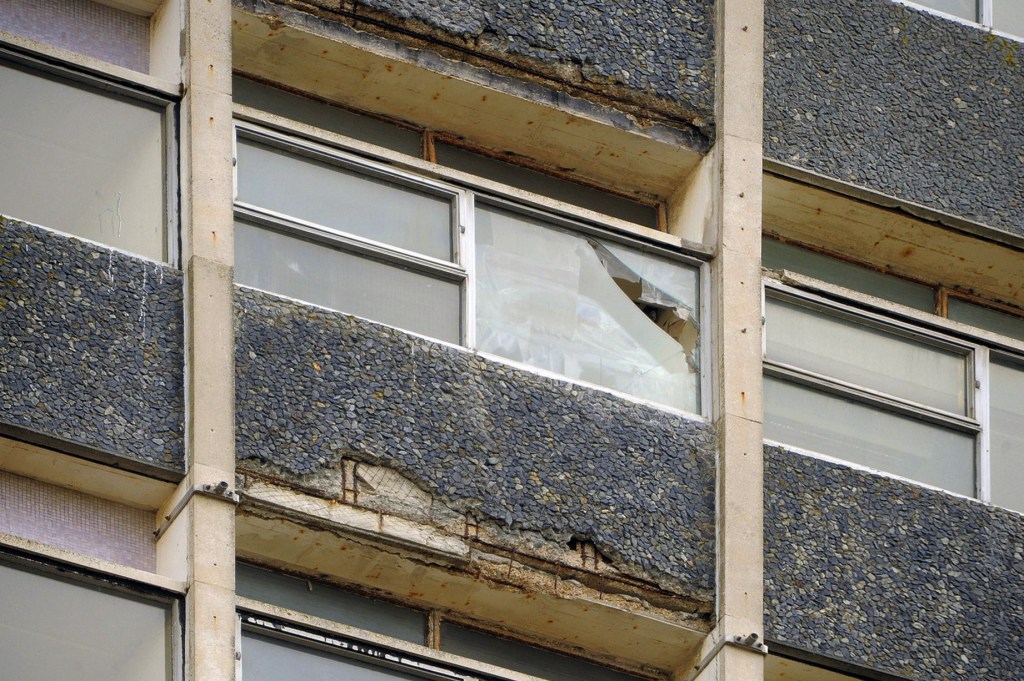
The building has suffered of late, from poor maintenance and general neglect.
Love it or hate it, it’s one of Plymouth’s most iconic post-war buildings – and it towers over the city centre. But the Civic Centre has been empty since 2015, with sad images revealing parts of the outside literally crumbling.
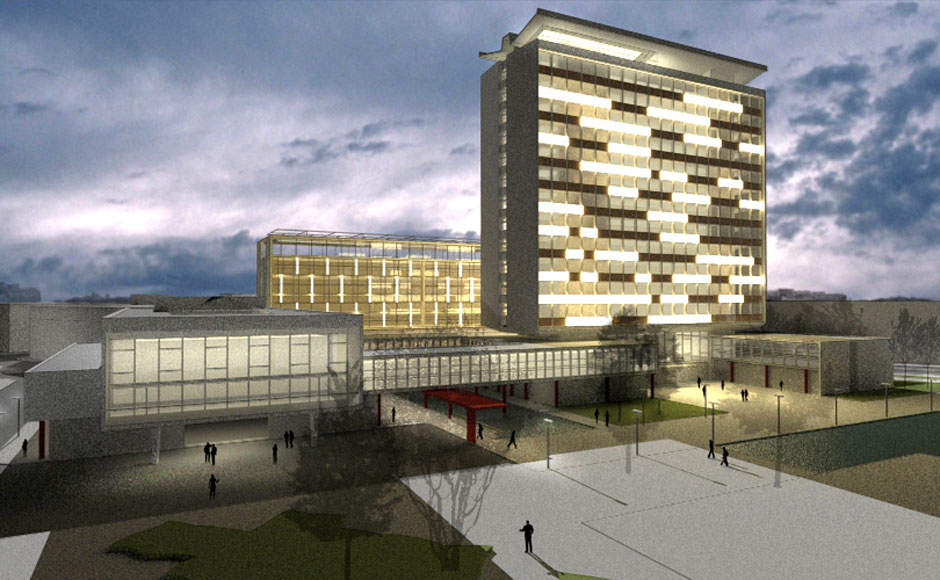
Today is the day Plymouth will finally discover what developer Urban Splash plans to do with the landmark 14-storey tower block it bought for £1.
Urban Splash are in the house – plans are to go ahead.
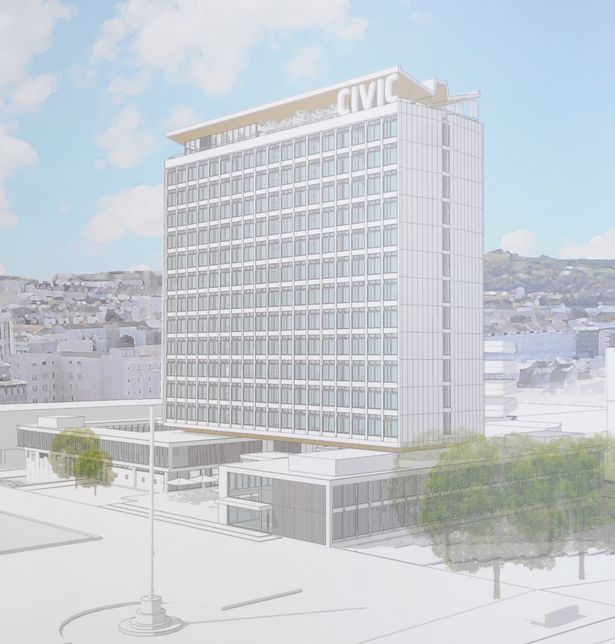
The proposal, by Gillespie Yunnie Architects, will see the 14-storey former council headquarters converted into 144 one and two-bedroom flats with the ground floors of the lower blocks providing about 4,600m² of office, retail and leisure space.
Unanimously approved last week, the scheme will open up the ground floor, making it ‘an active public space filled with outside seating for cafés, bars and restaurants’ and reuse the existing landscaped pools, while creating new pedestrian connections through the scheme from the Theatre Royal and Civic Square.
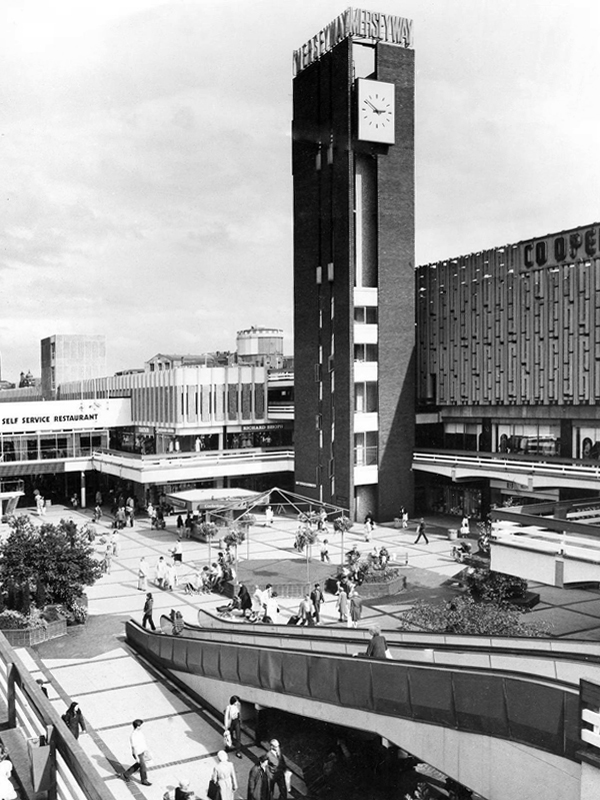
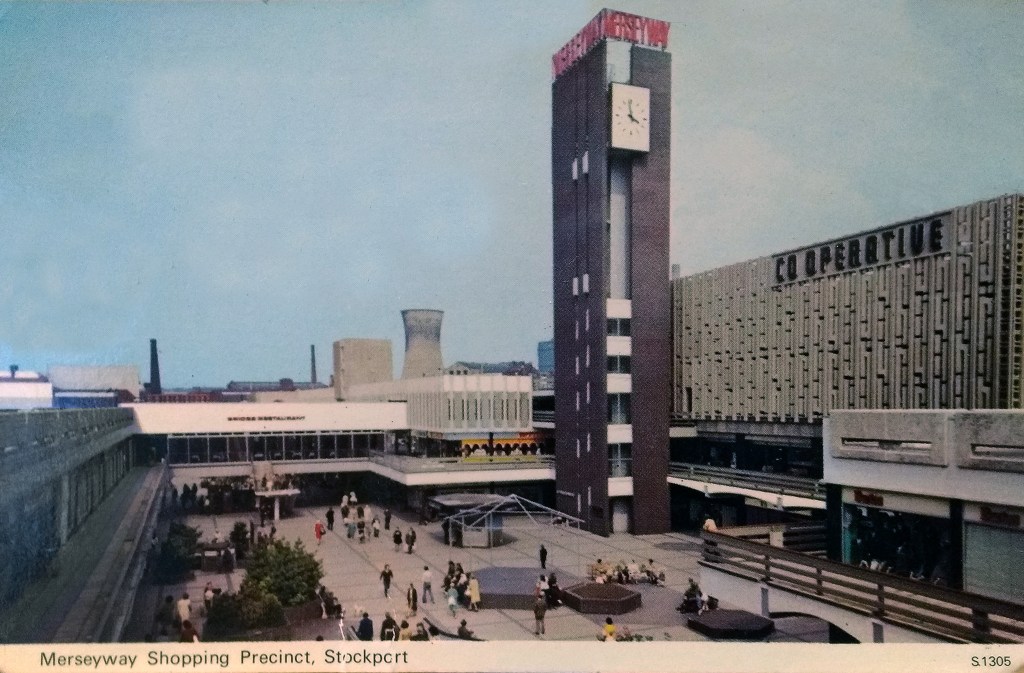
I’m more than partial to a picture postcard – I have penchant for the picaresque.
And in these troubled times there’s no safer way to travel.
I have some previous experience, exploring the precincts of our fair land – here and there.
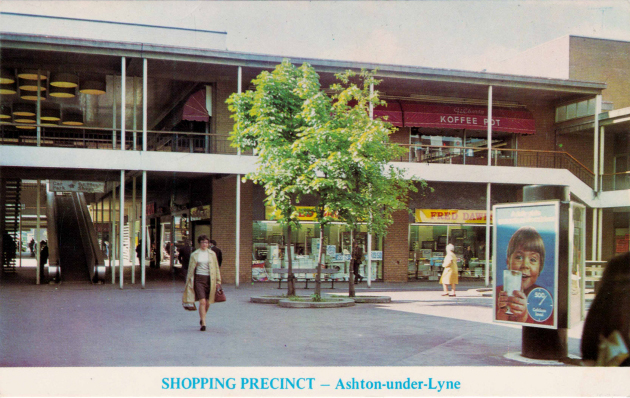
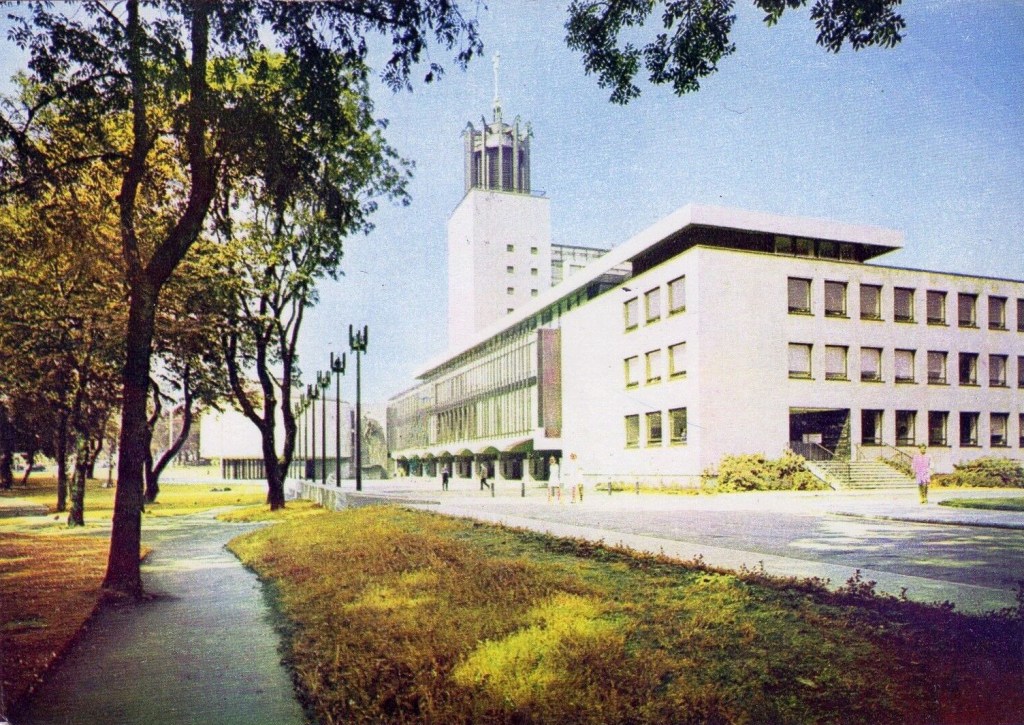
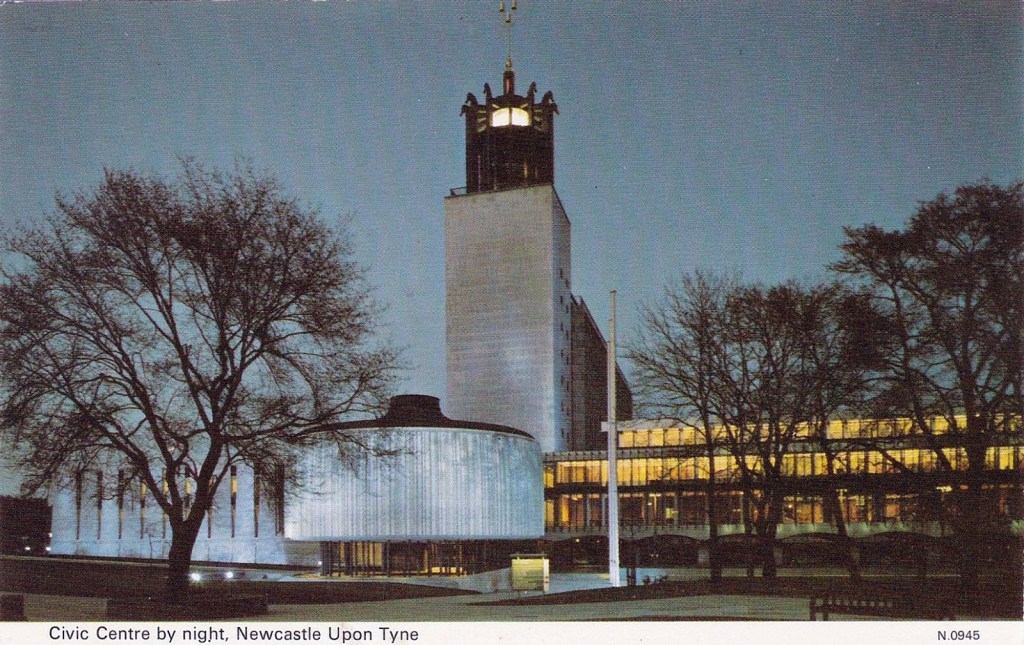
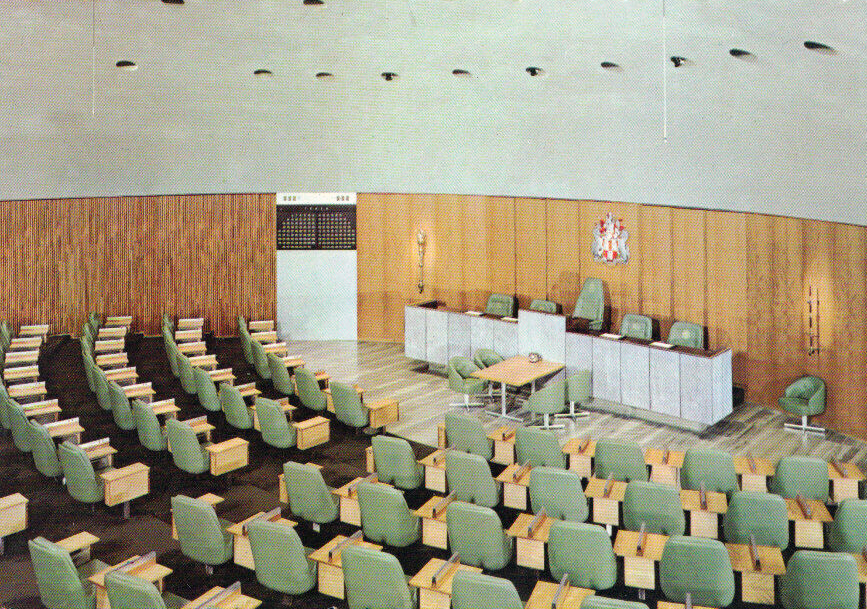
Prompted by a post from Natalie Bradbury – I became intrigued by Newcastle Civic Centre cards, I have visited the site, but in this instance, we are taken there thus:
The scheme also proposes a mix of uses for the ground and first floors including shops, offices, cafes and restaurants, bars, hot food takeaway, art gallery, gym, creche and day nursery.
Well of course we’ve all been here before, haven’t we?
Well I have – I even wrote all about it right here.
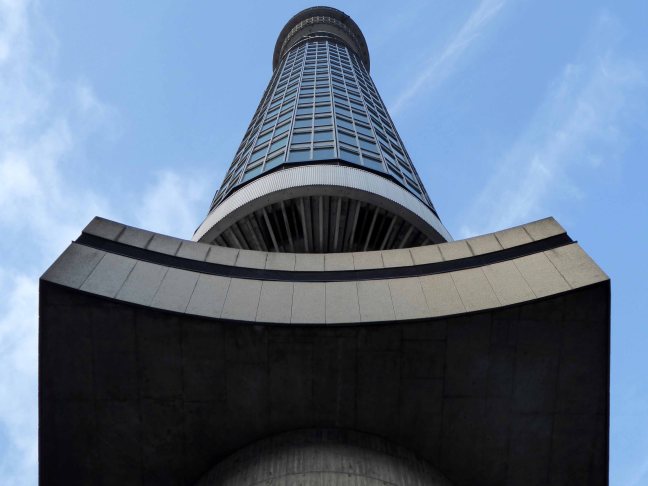
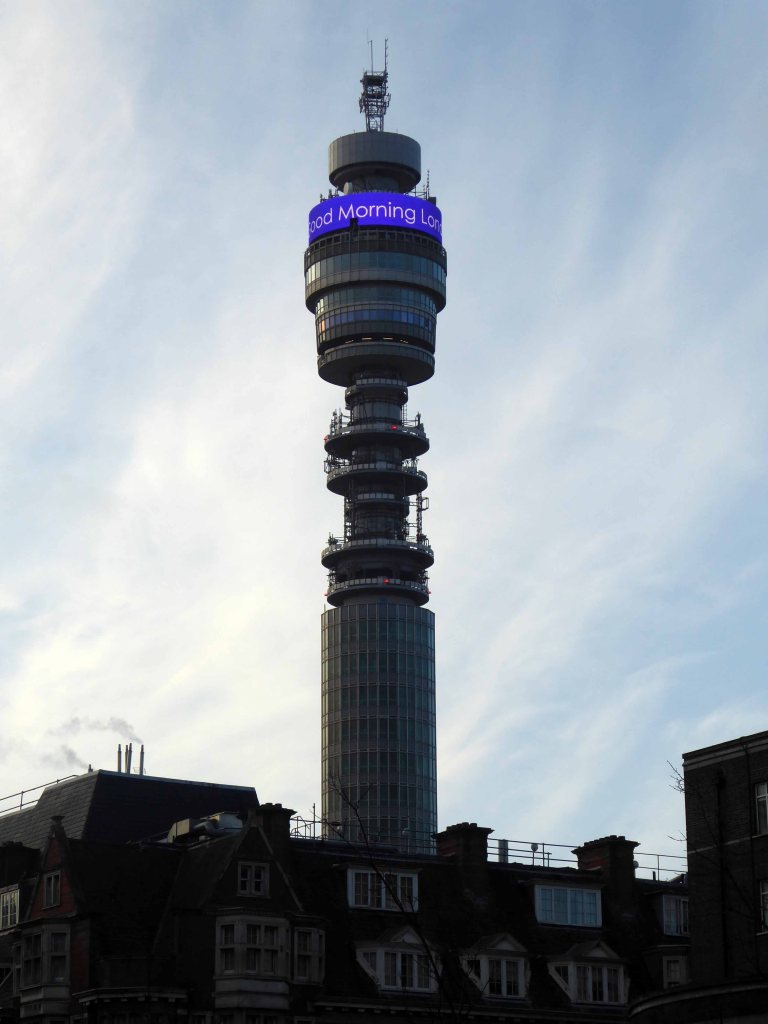
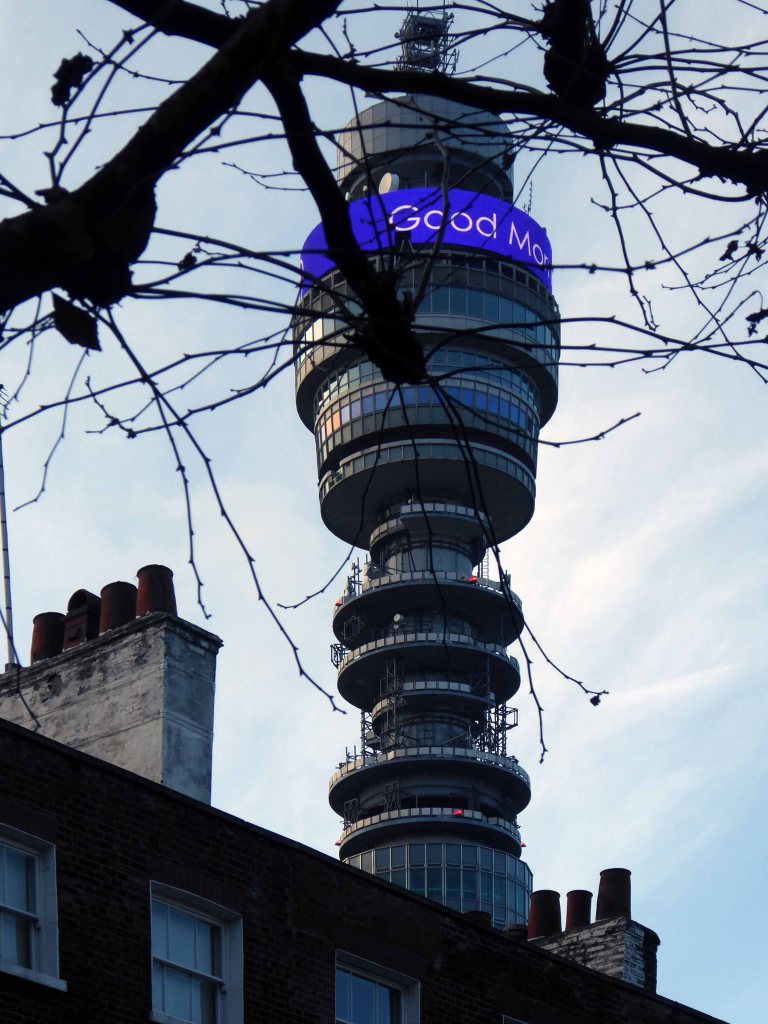
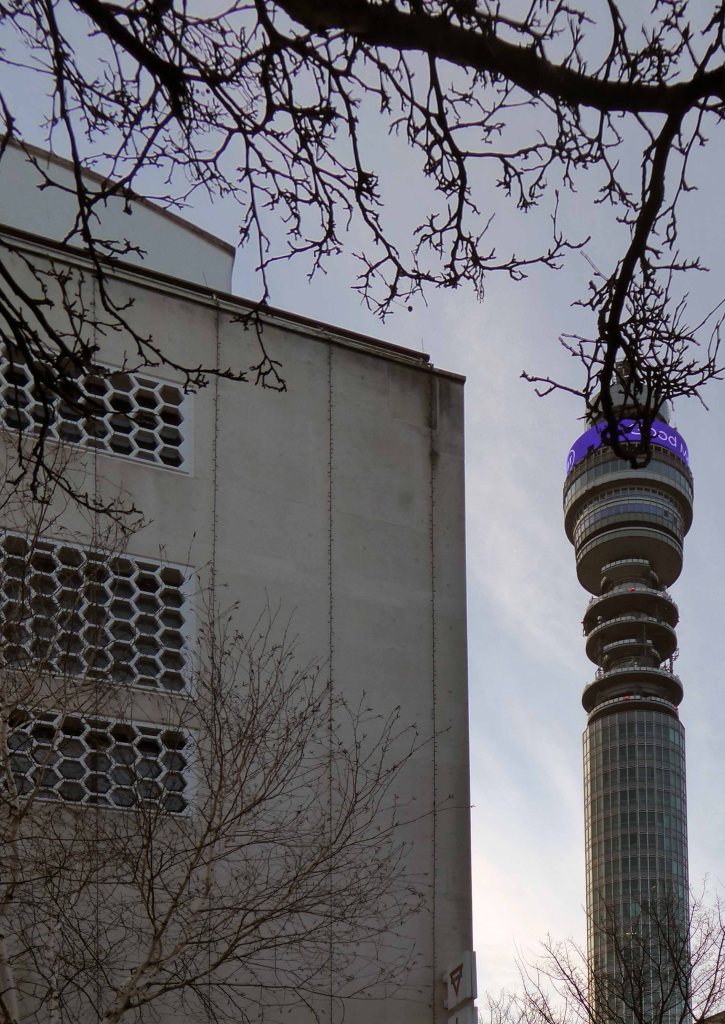
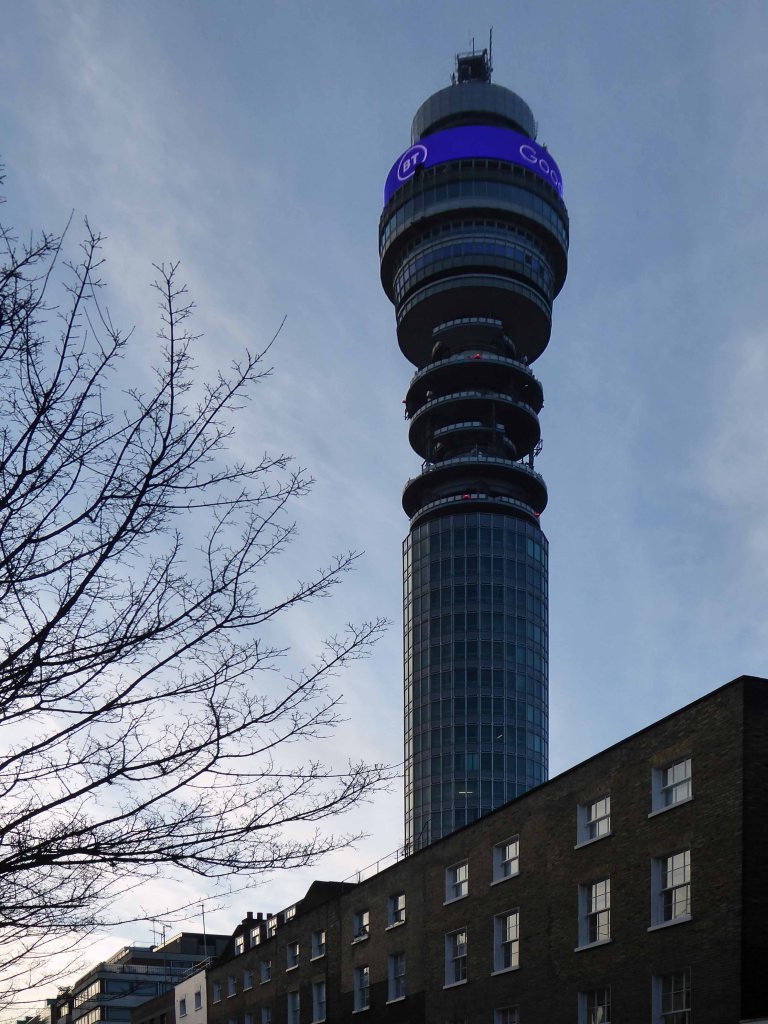
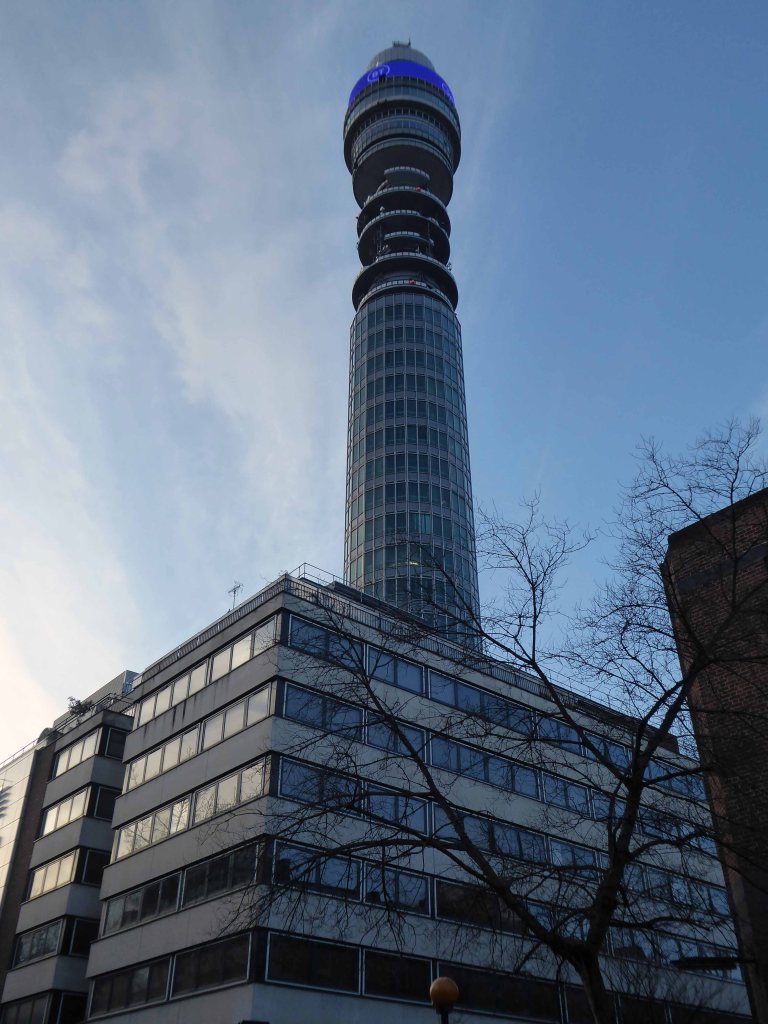
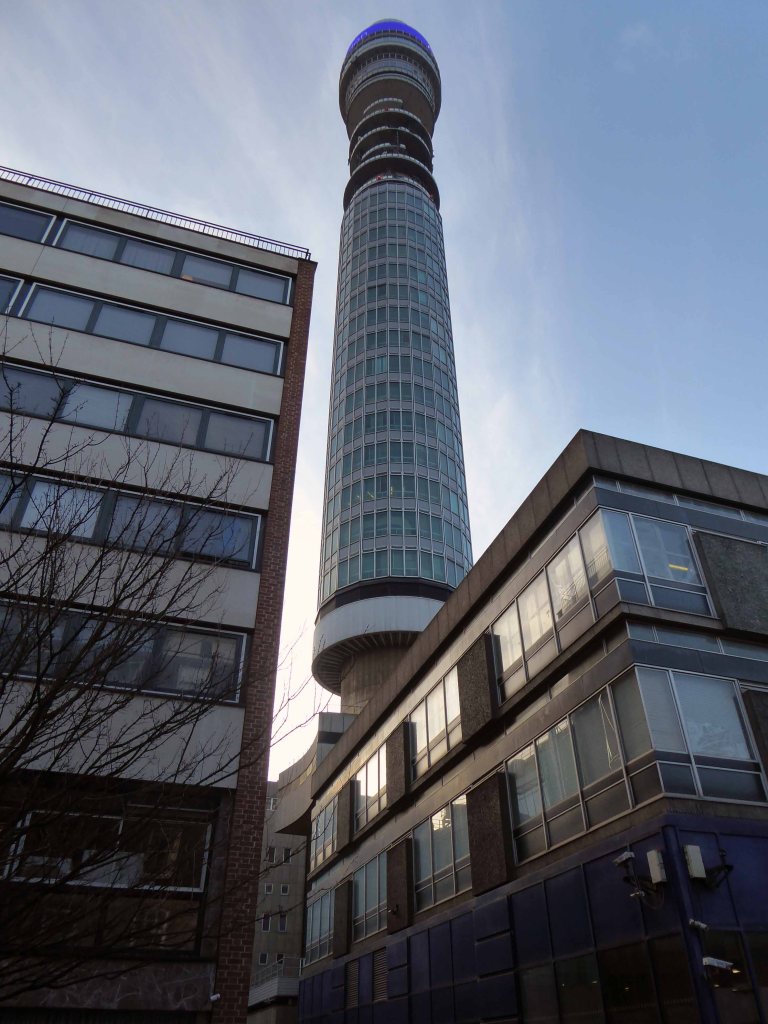
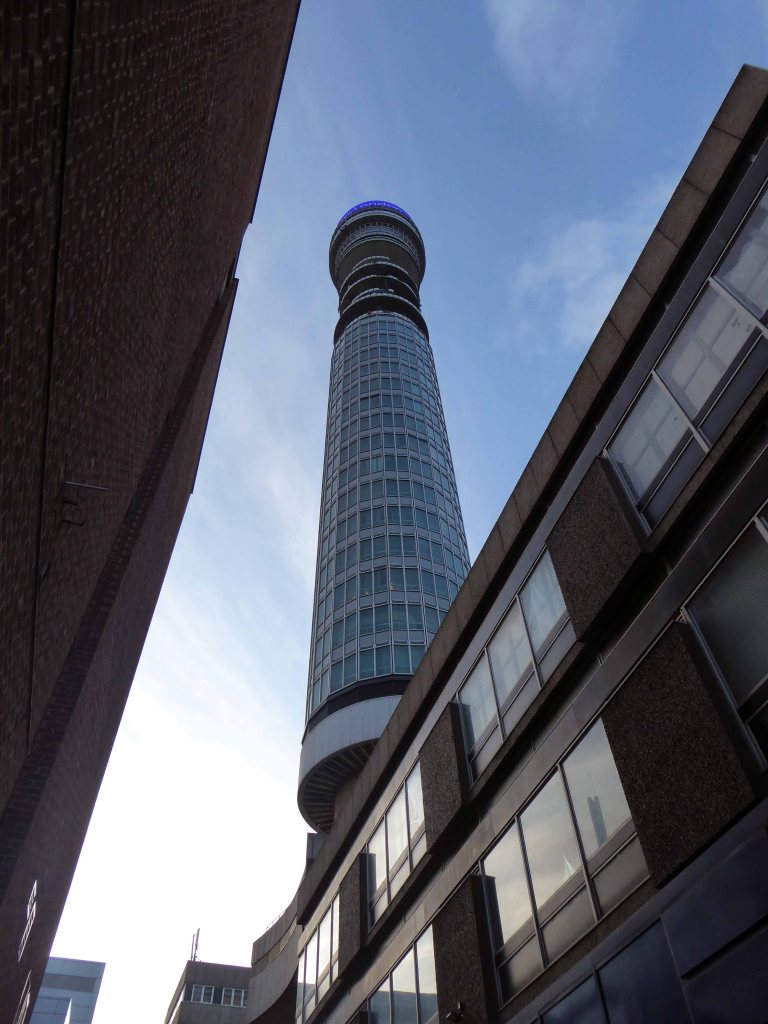
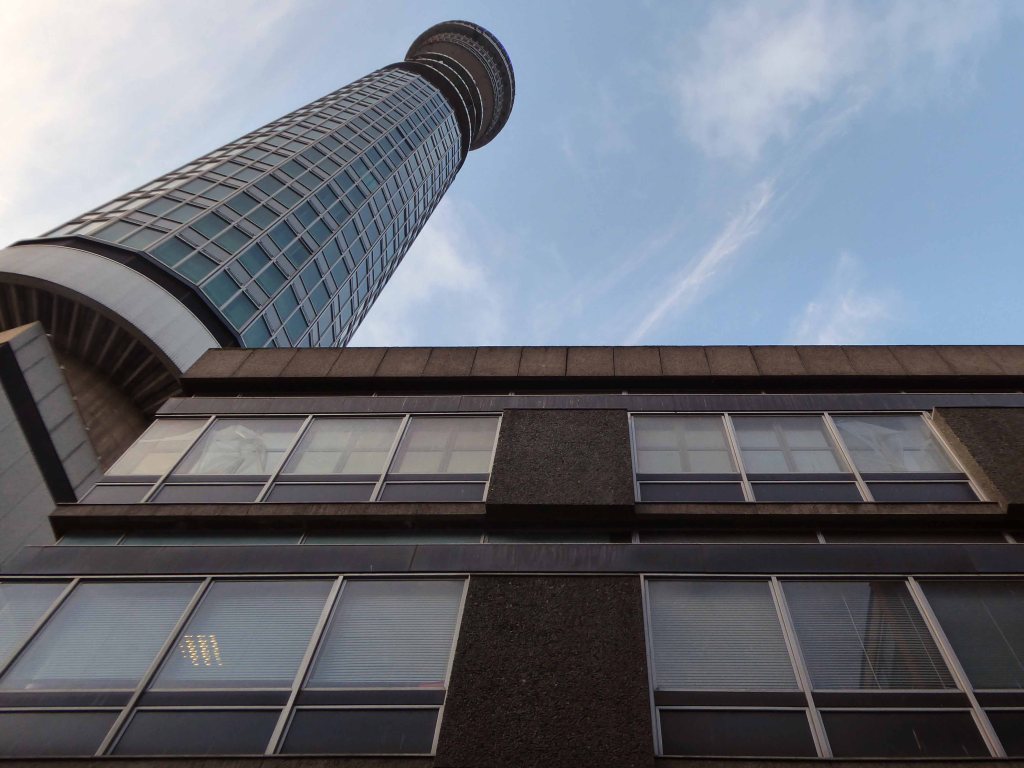
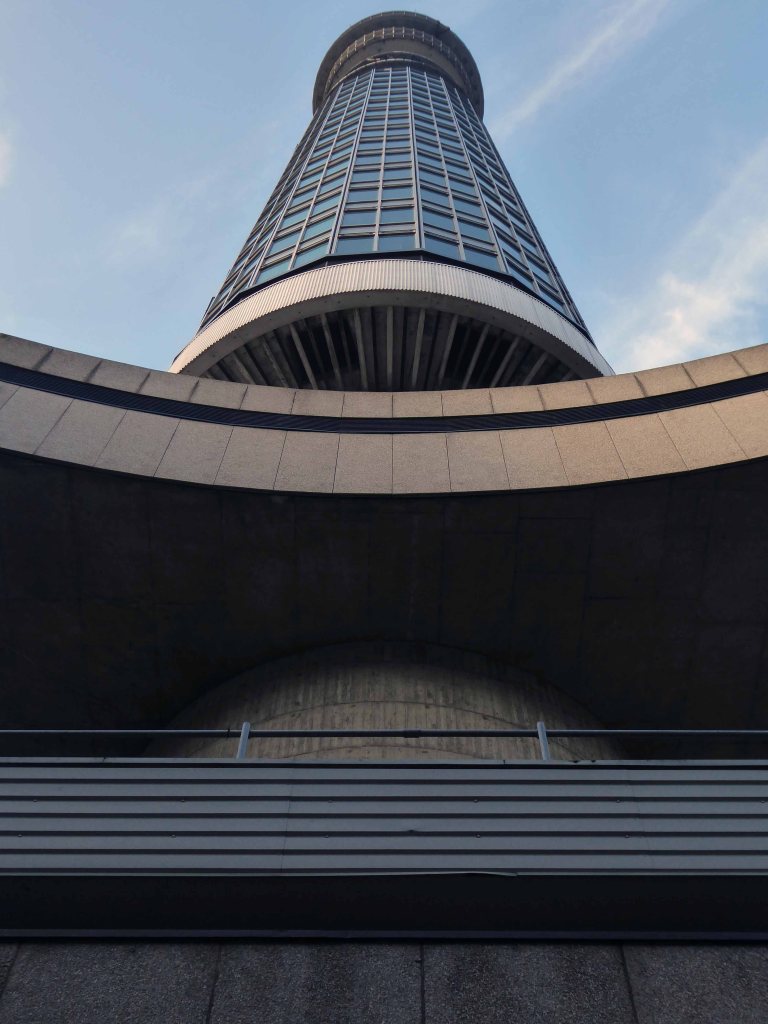
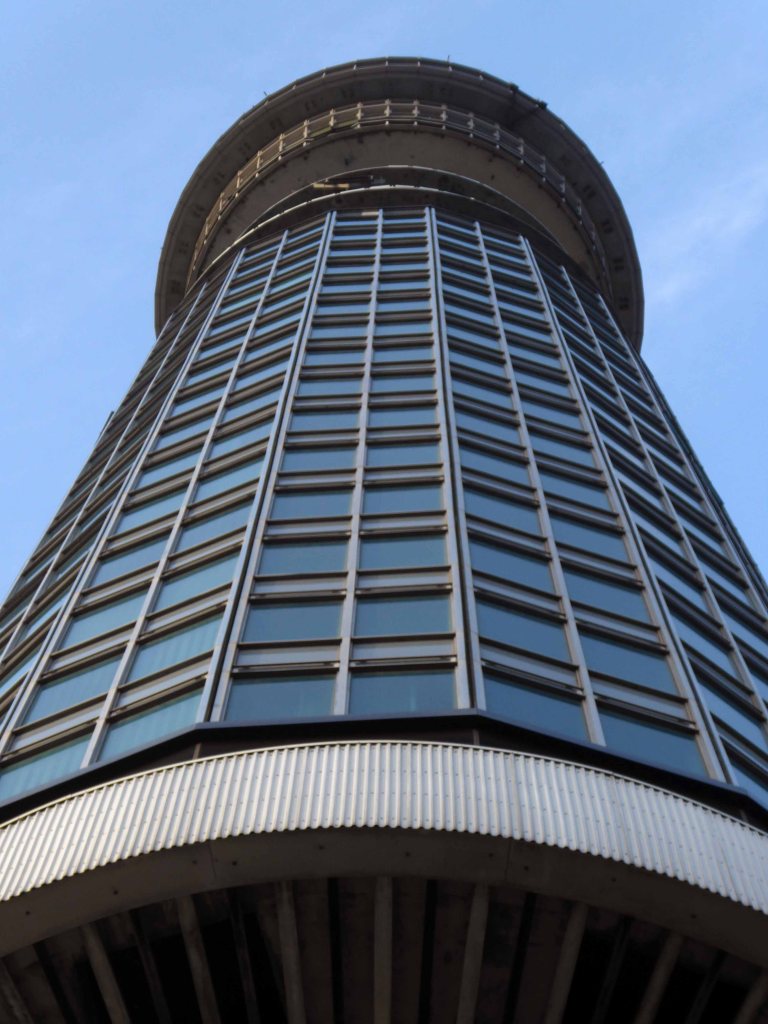
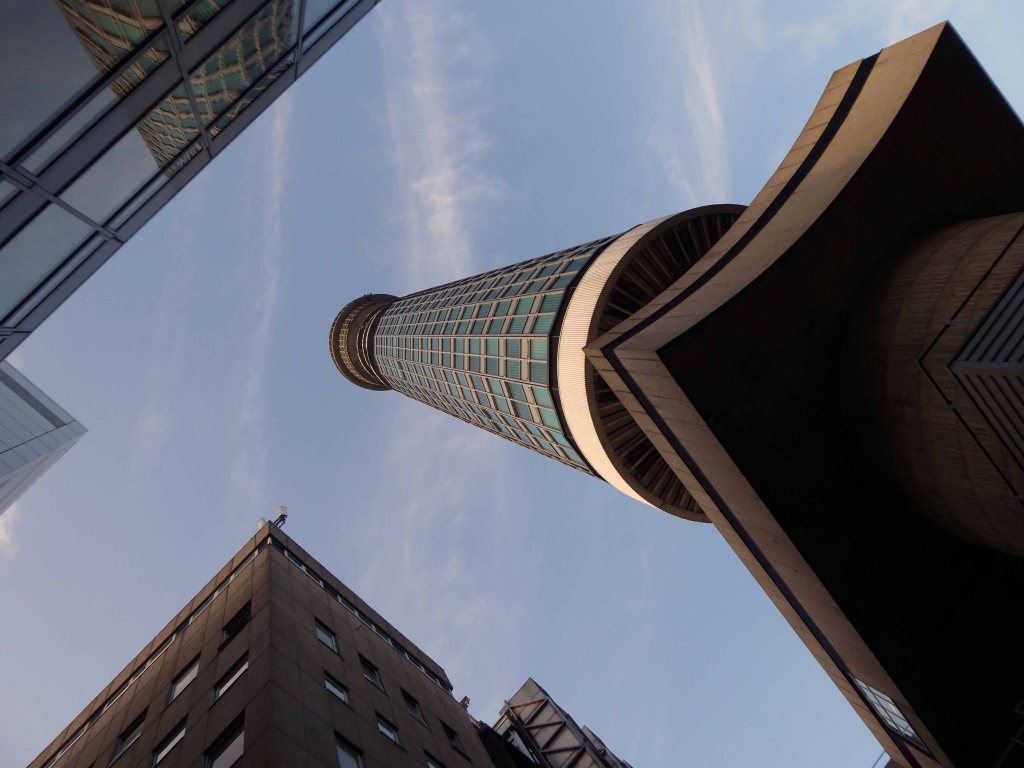
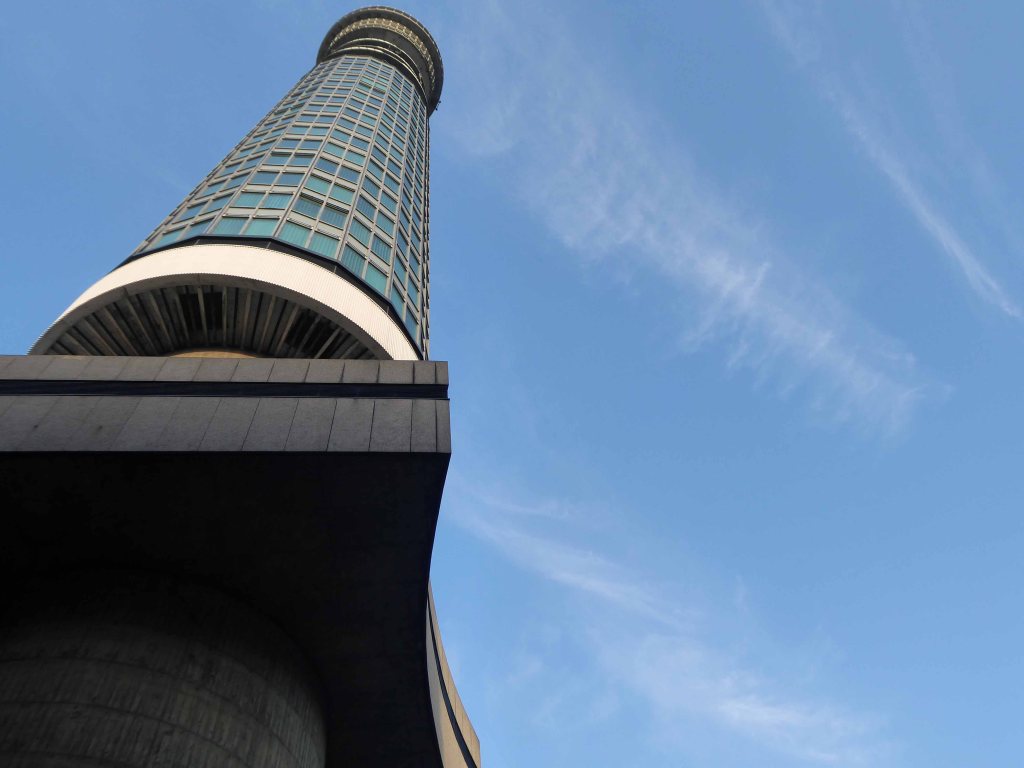
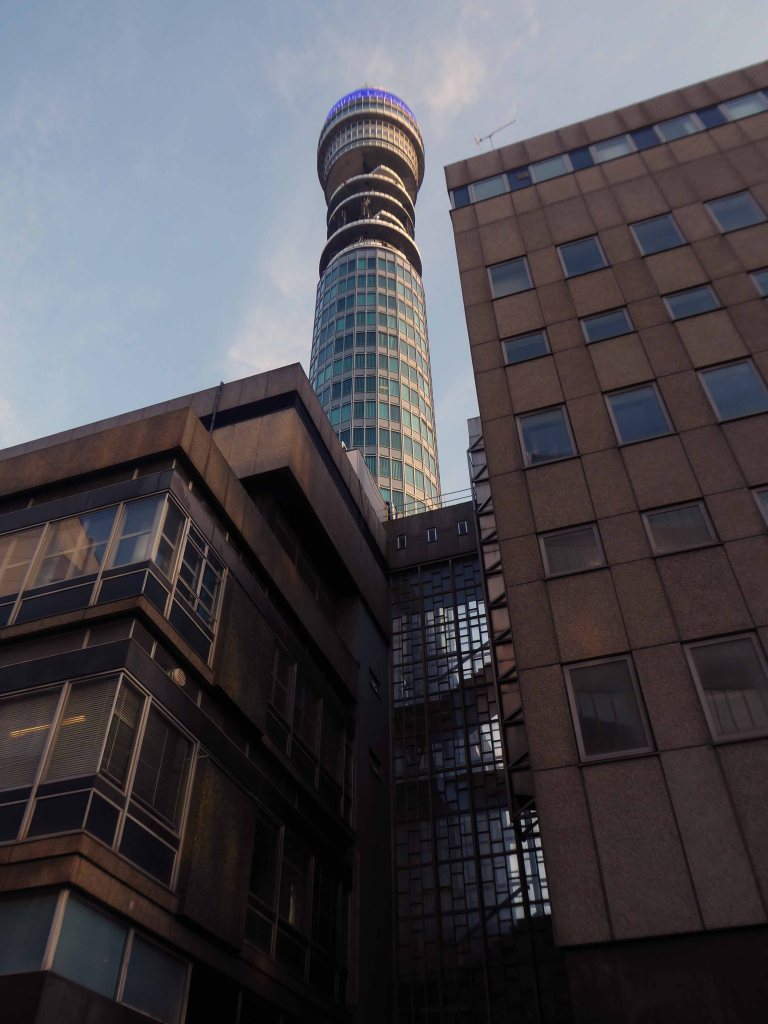
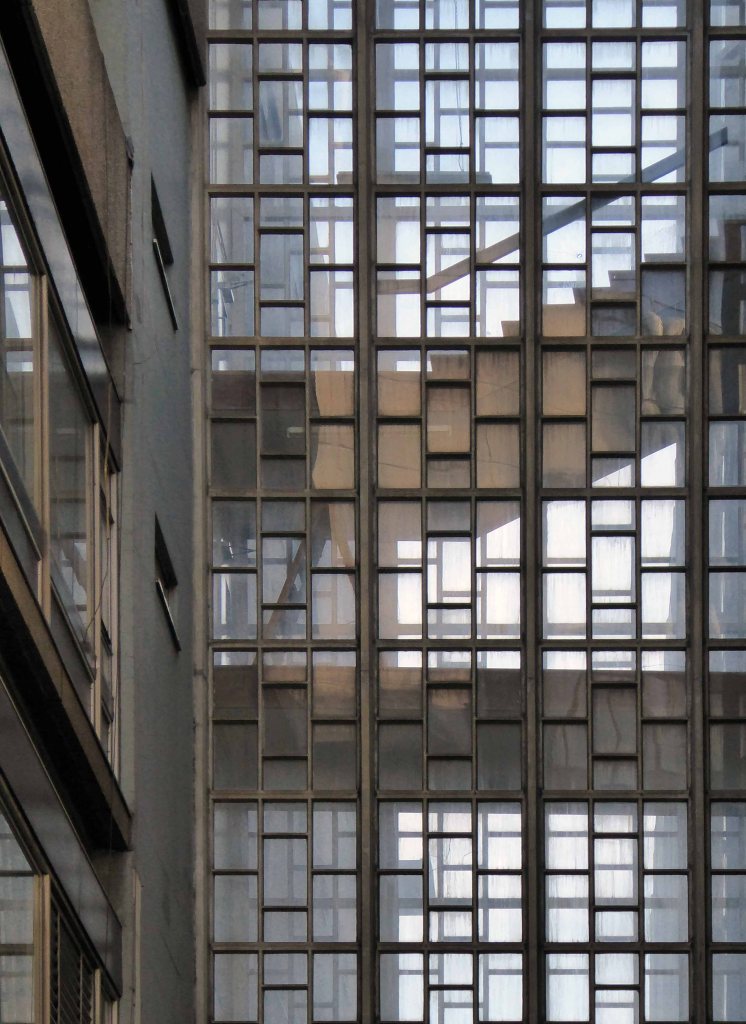
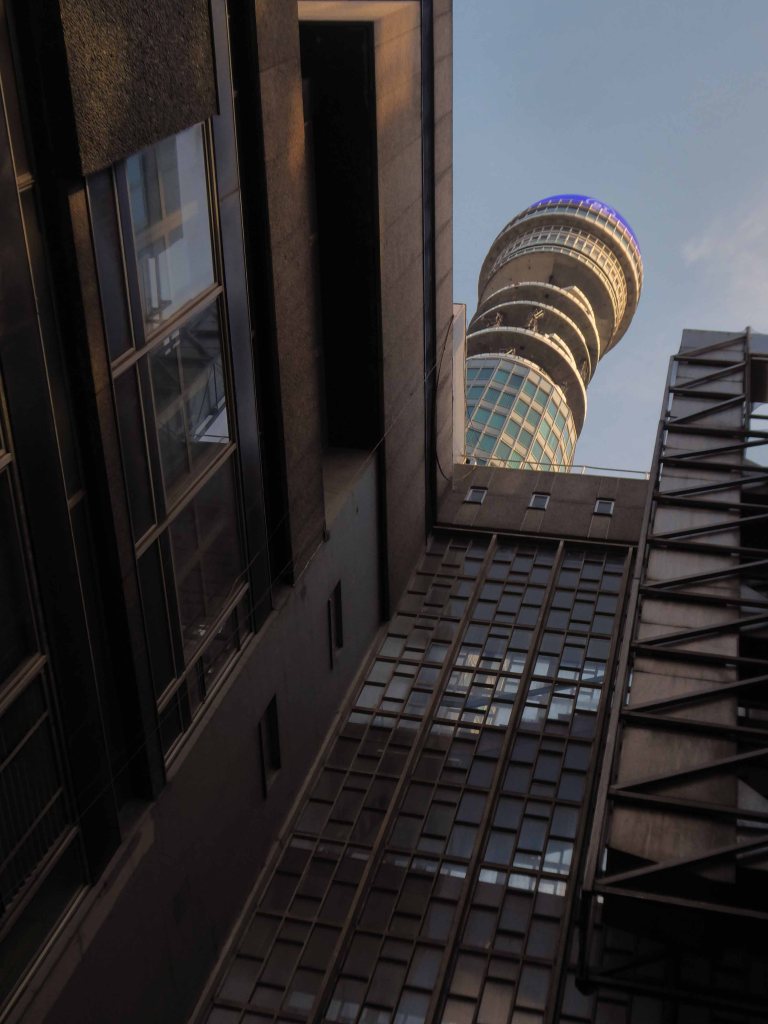
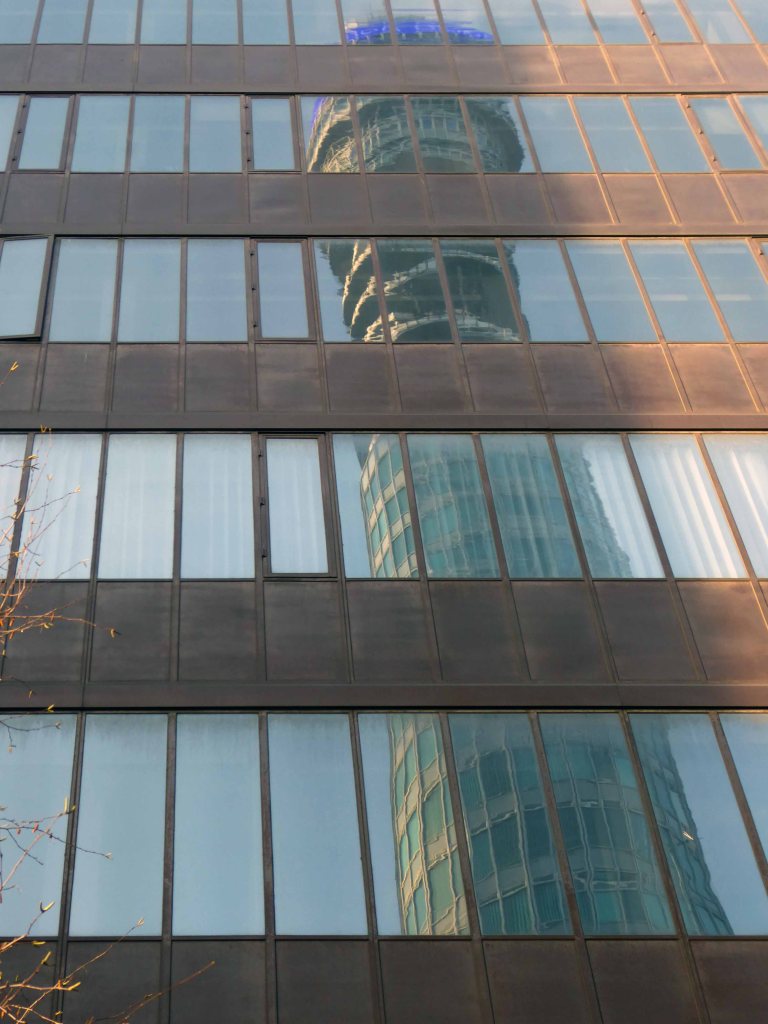
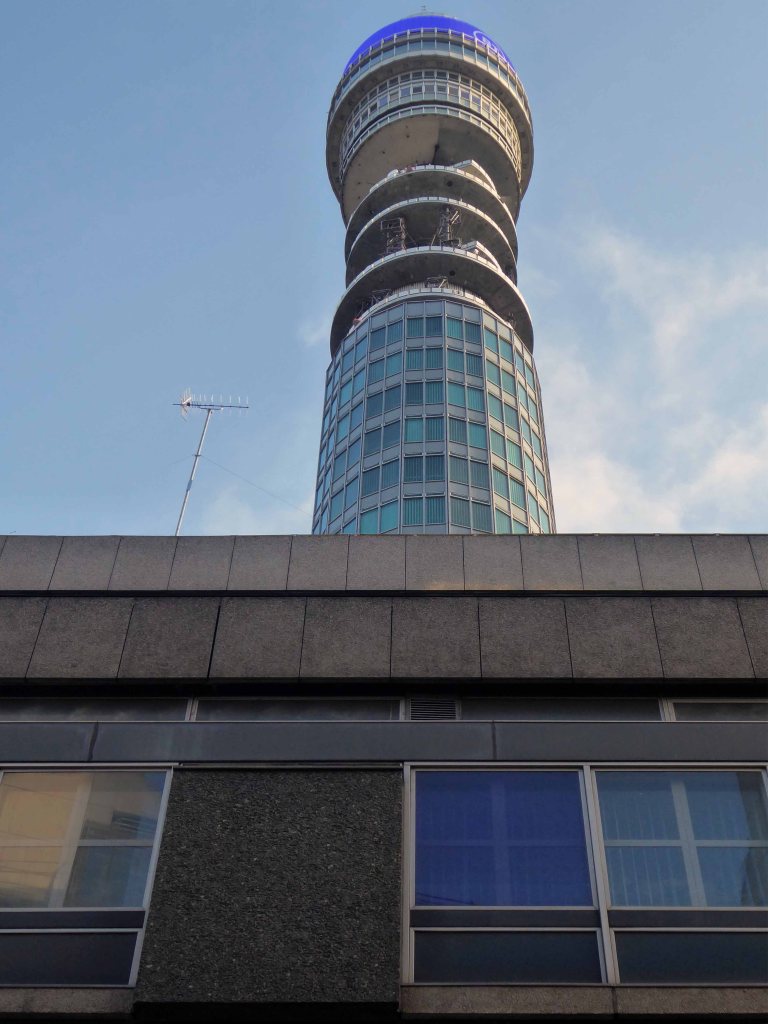
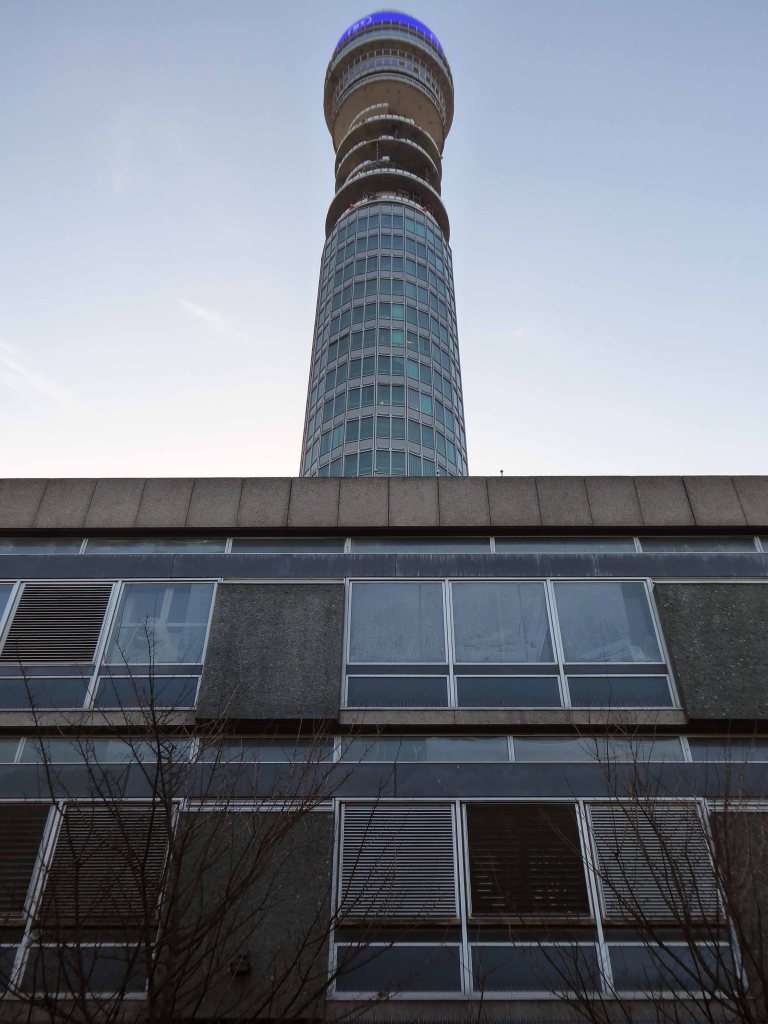
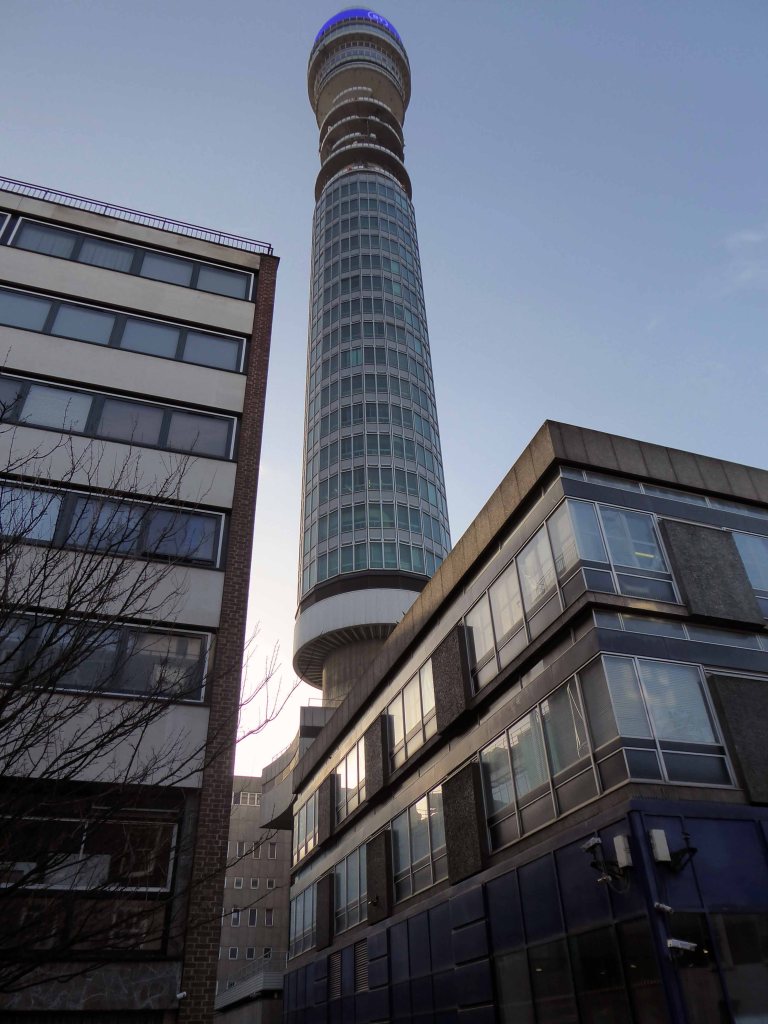
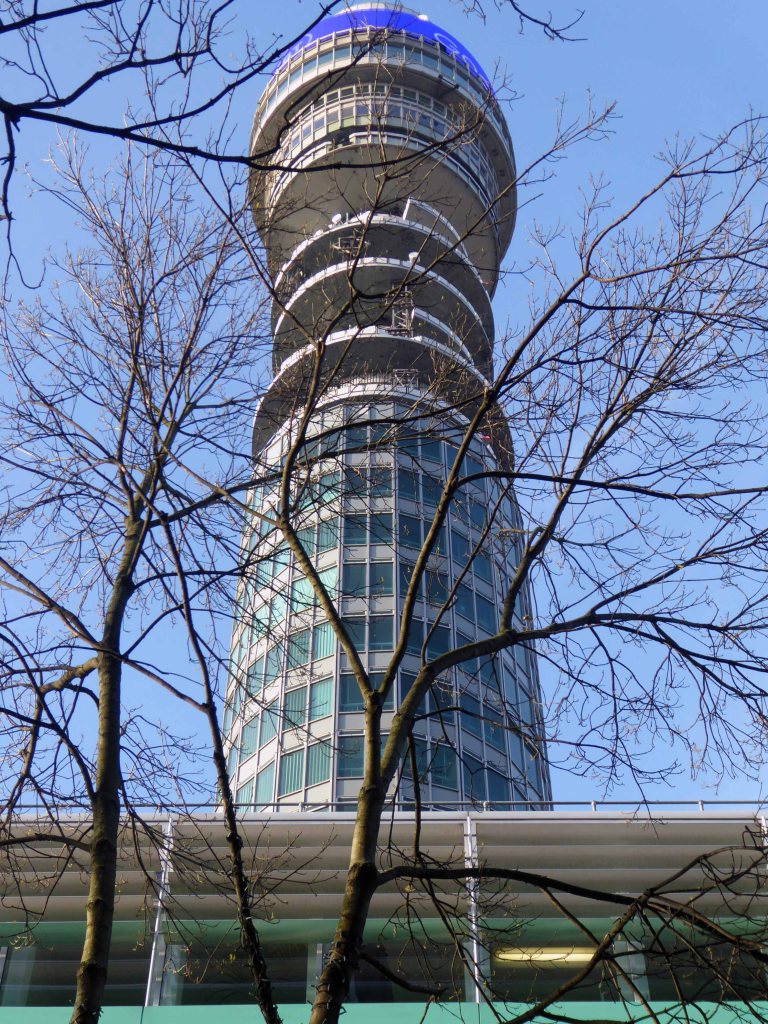
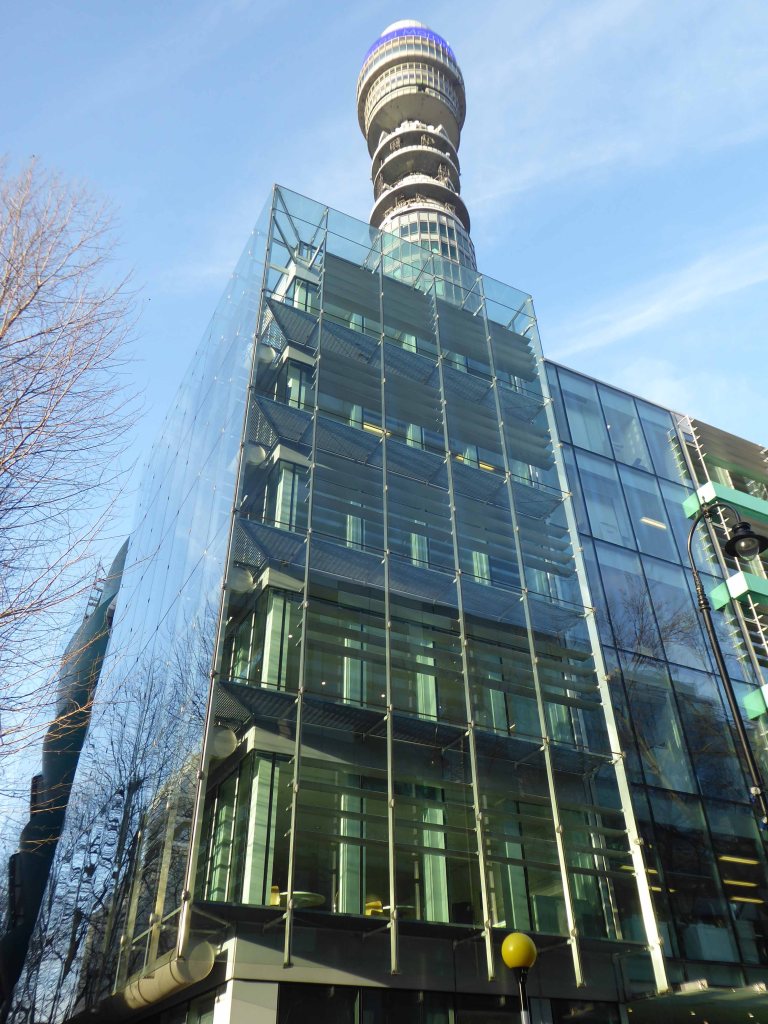
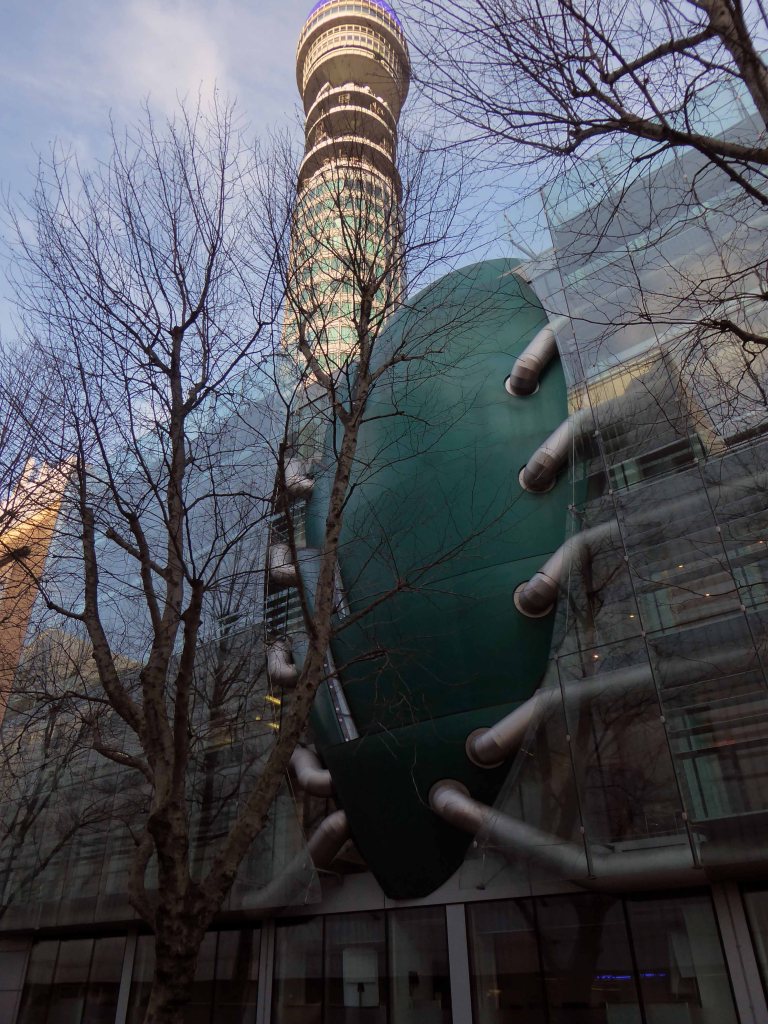
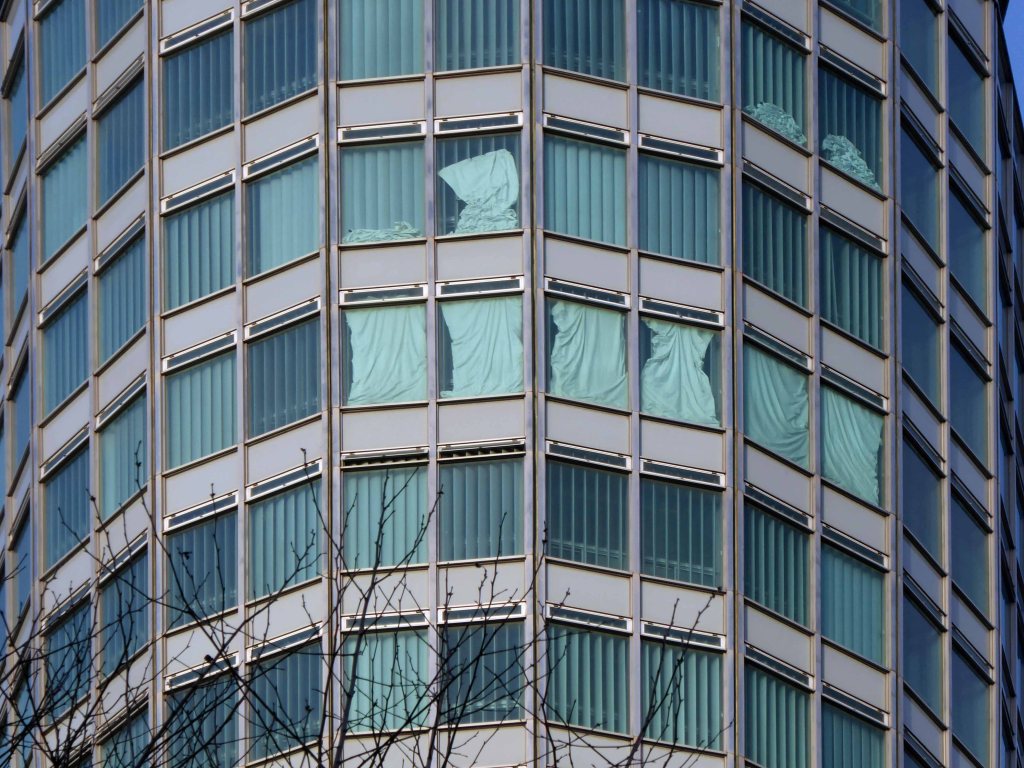
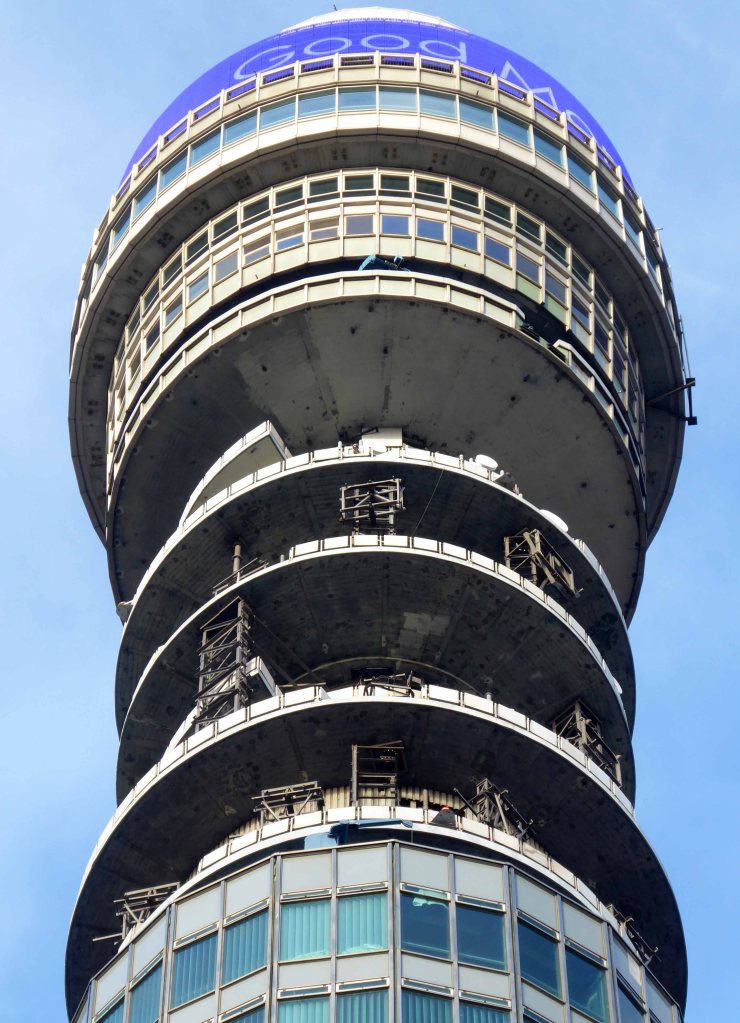
The tower was designed by the architects of the Ministry of Public Building and Works: the chief architects were Eric Bedford and G. R. Yeats. Typical for its time, the building is concrete clad in glass. The narrow cylindrical shape was chosen because of the requirements of the communications aerials: the building will shift no more than 25 centimetres in wind speeds of up to 95 mph. Initially, the first 16 floors were for technical equipment and power. Above that was a 35-metre section for the microwave aerials, and above that were six floors of suites, kitchens, technical equipment and finally a cantilevered steel lattice tower. To prevent heat build-up, the glass cladding was of a special tint. The construction cost was £2.5 million.
The tower was topped out on 15 July 1964, and officially opened by the then Prime Minister Harold Wilson on 8 October 1965. The main contractor was Peter Lind & Co Ltd.
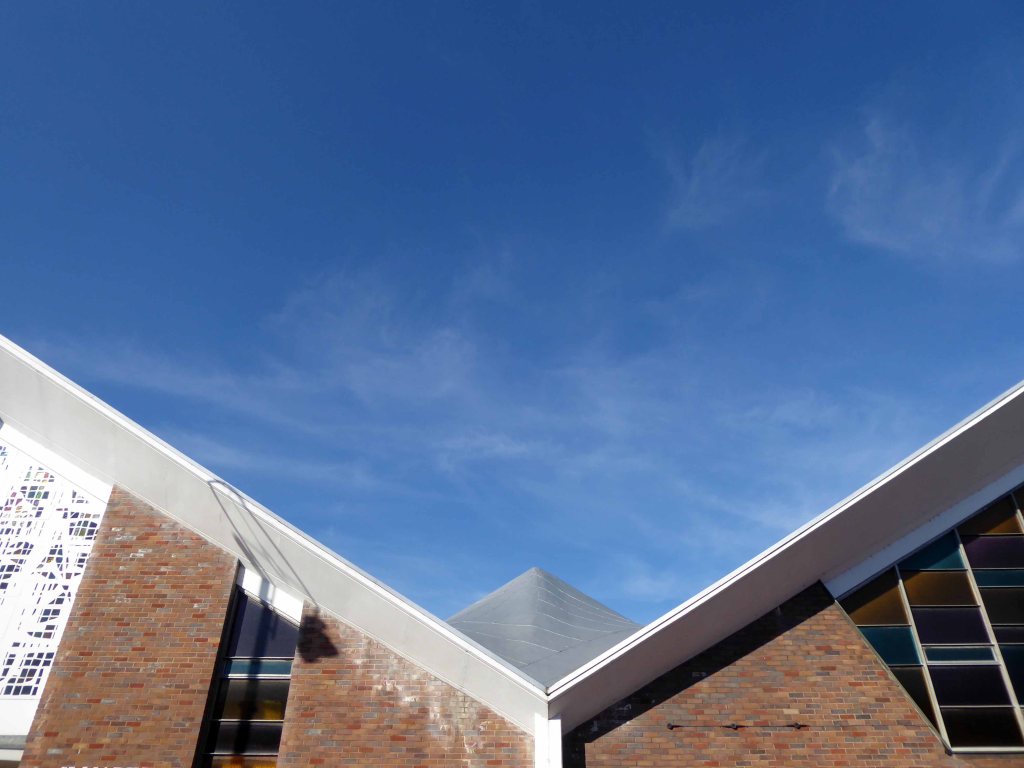
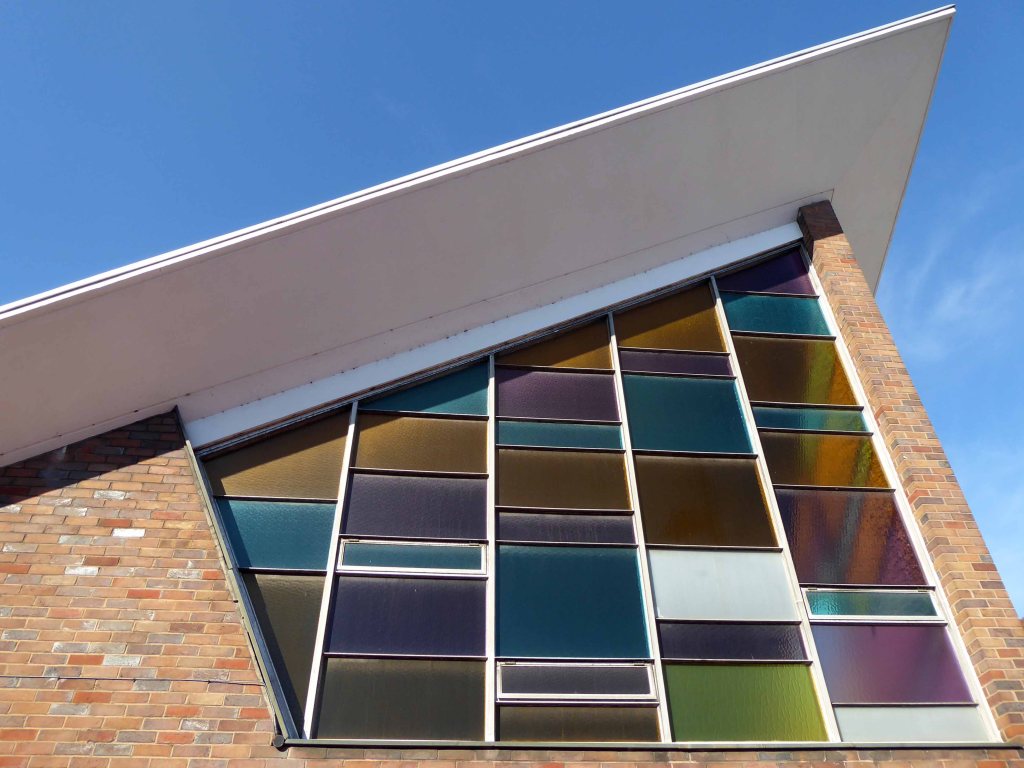
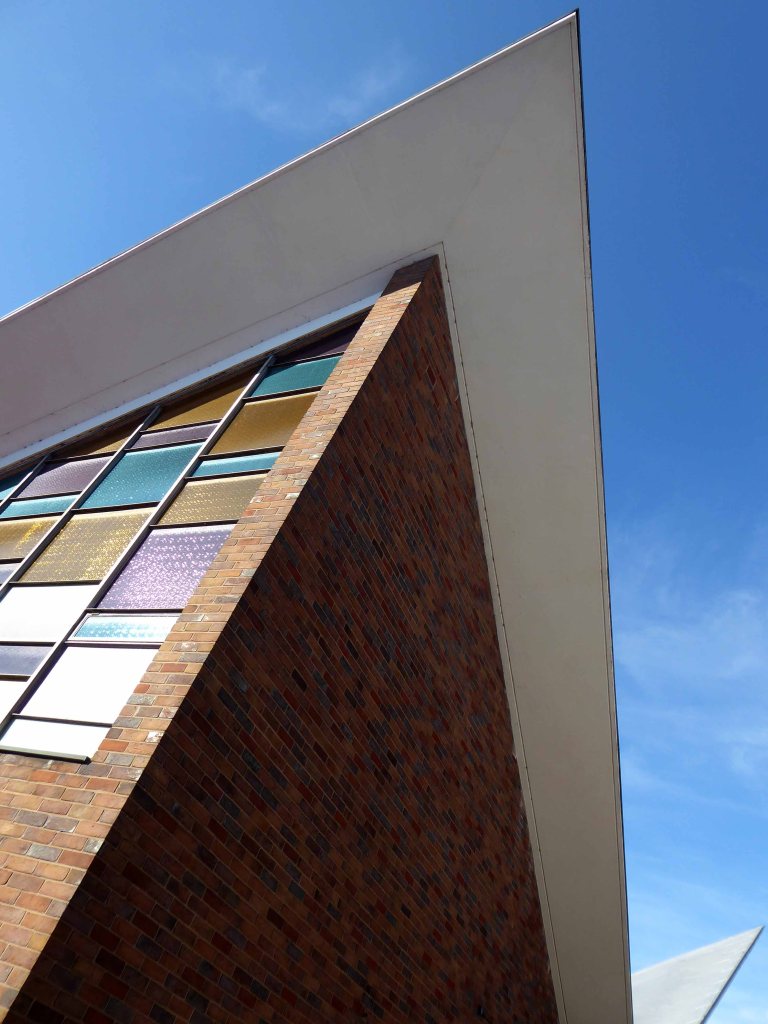
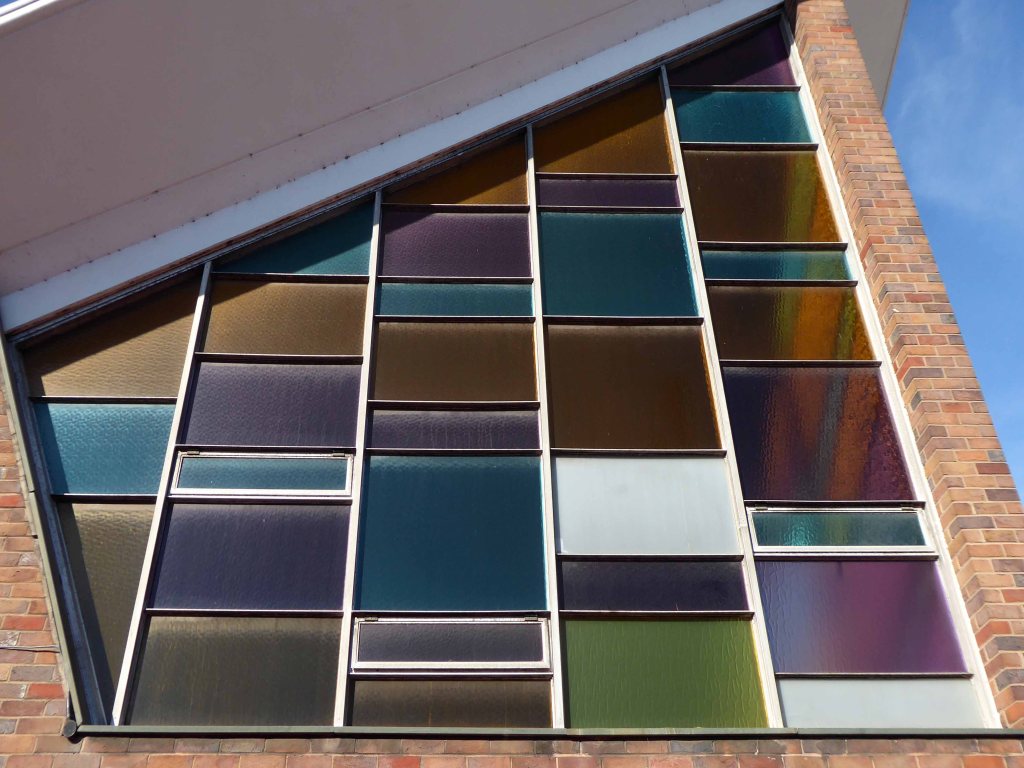
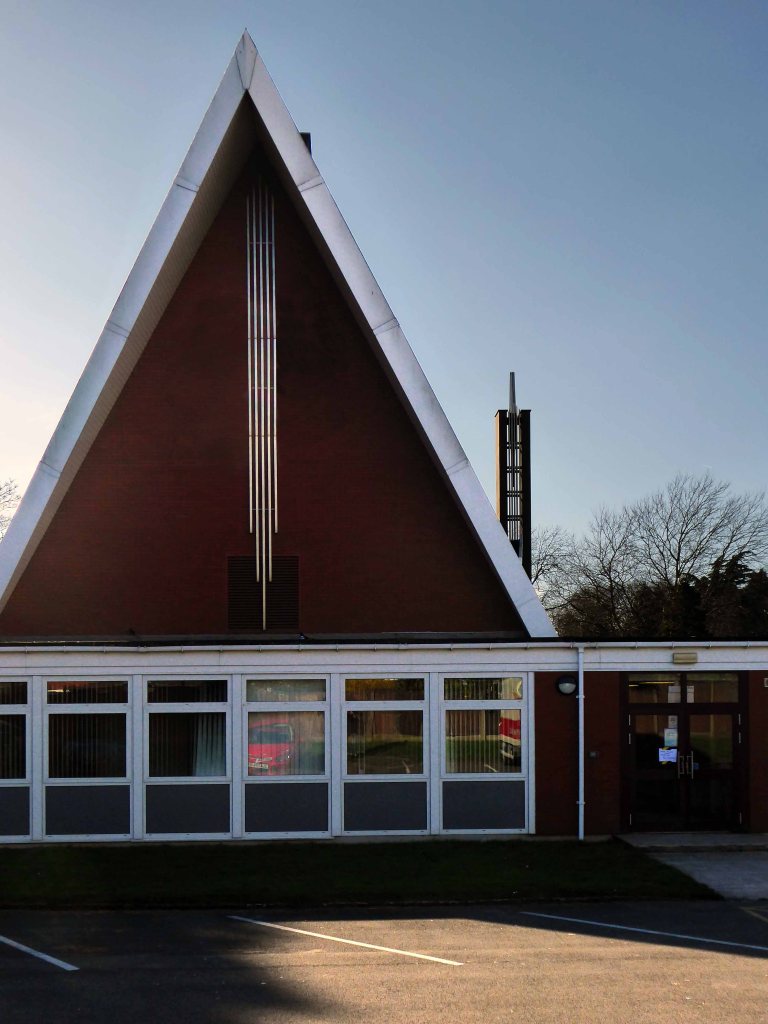
Built 1961-1963 – architects Ivan Johnston & Partners of Liverpool.
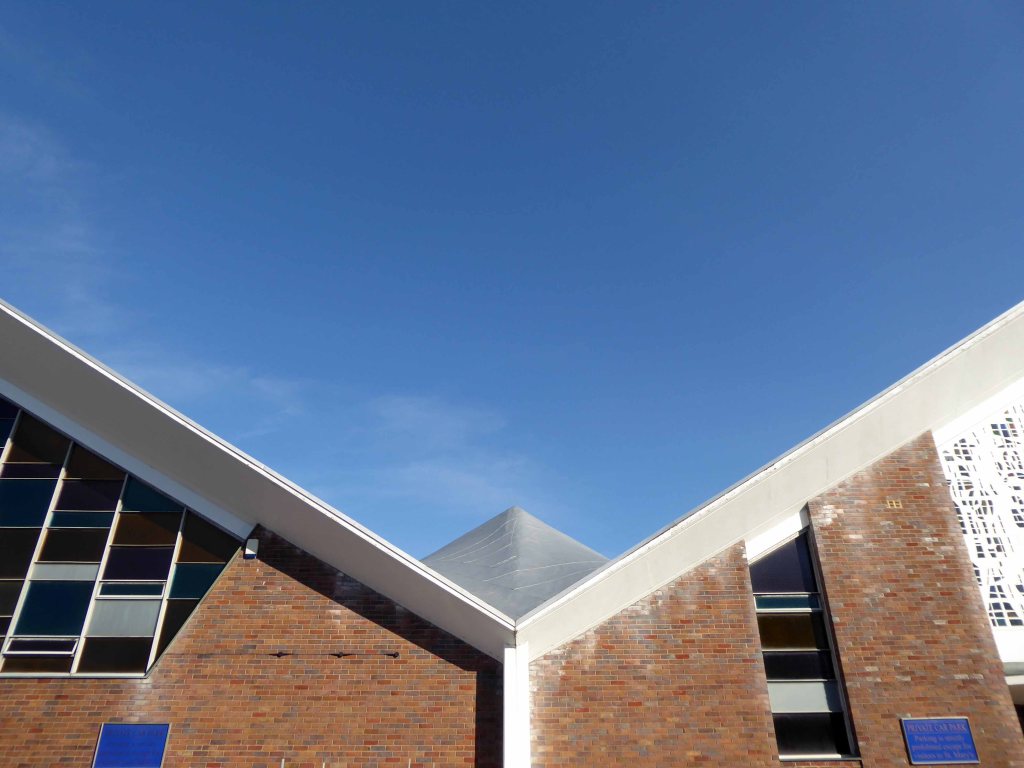
The proposed modernistic architecture of the building, caused some qualms among members of Stockport’s Planning and Development Committee, which was still discussing the plans early in 1962, but in the end it was built much as the architect had intended.
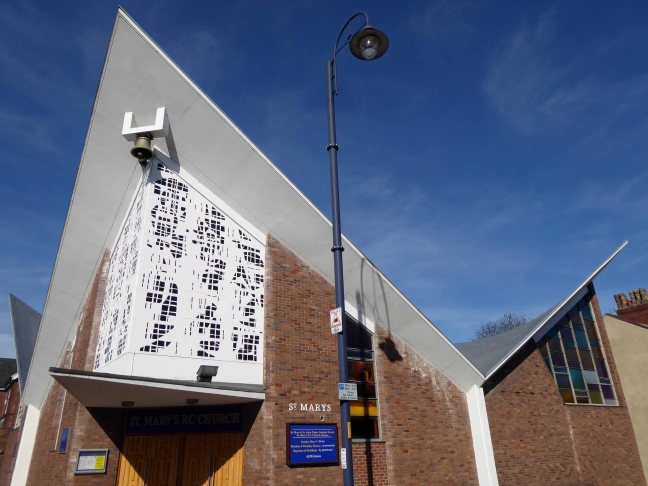
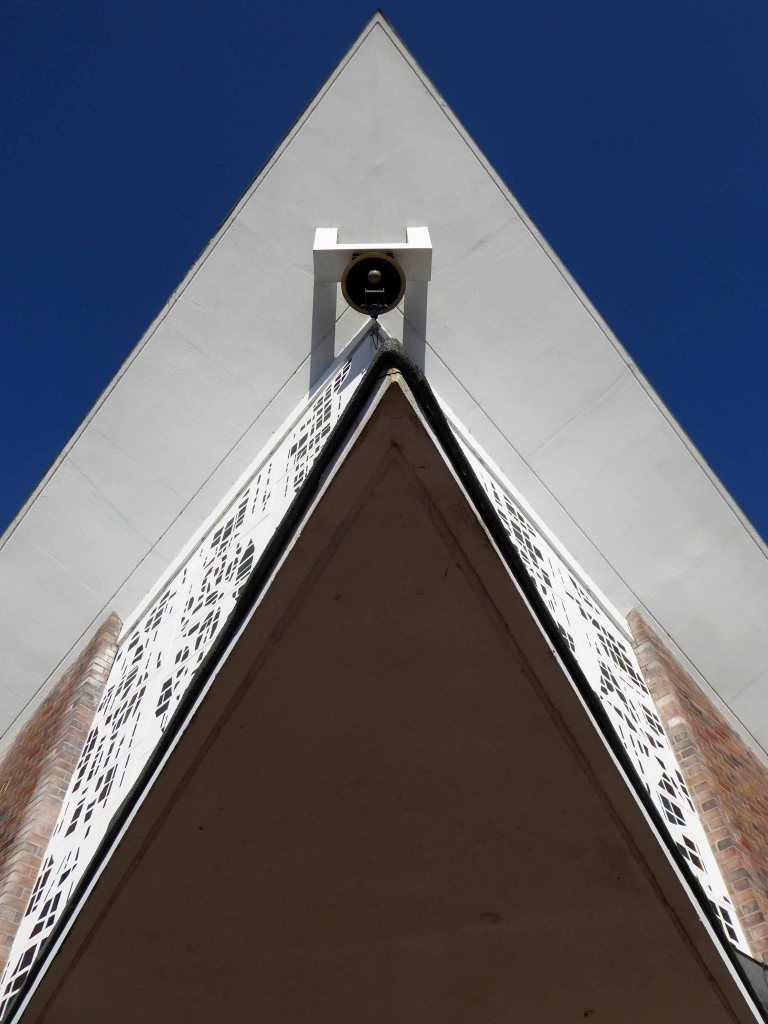
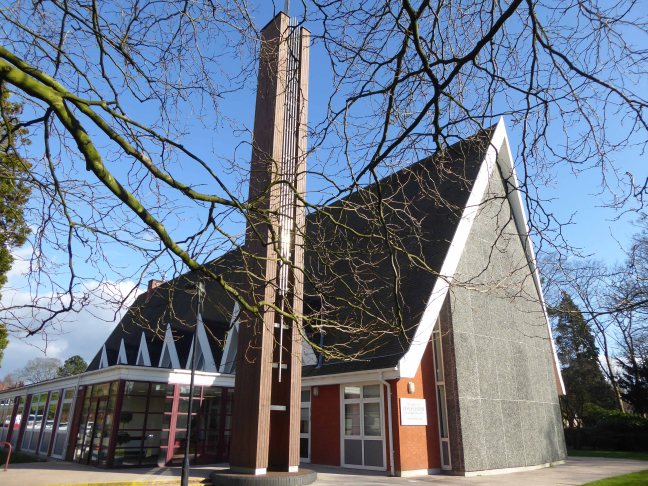
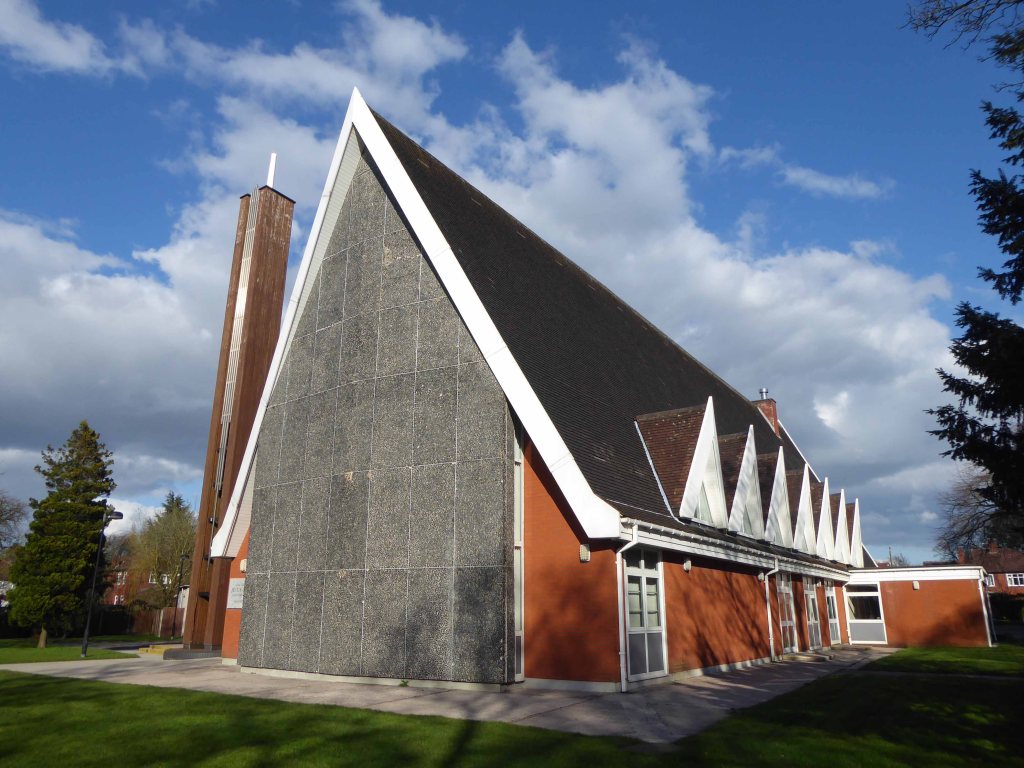
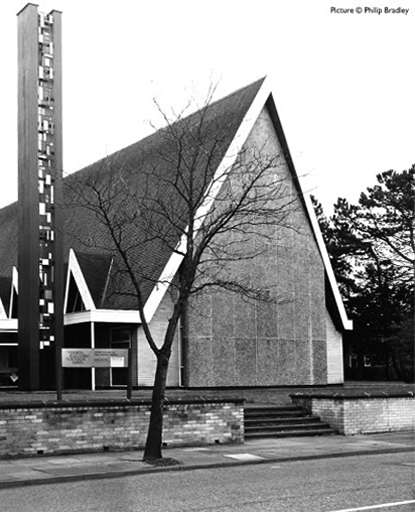
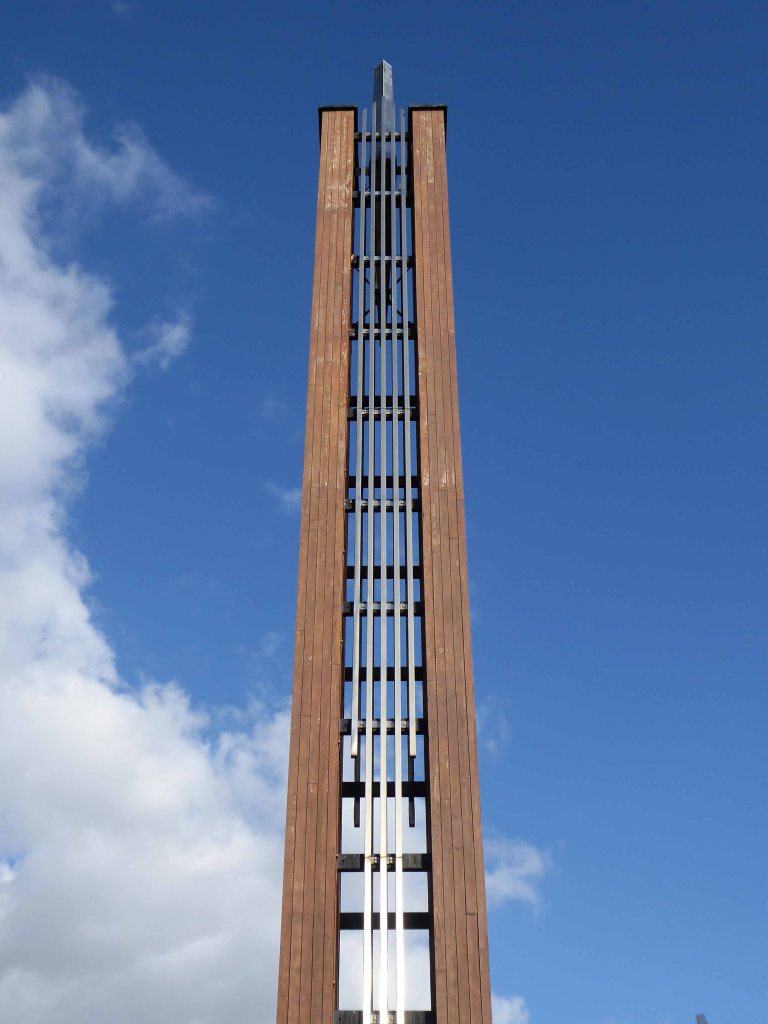
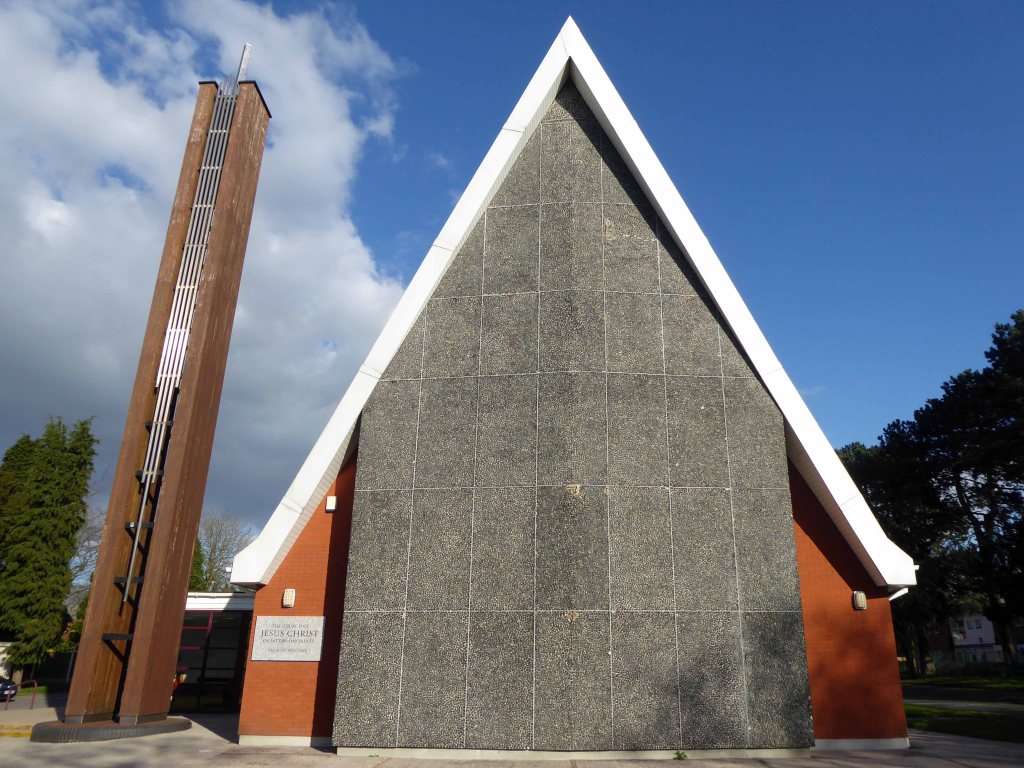
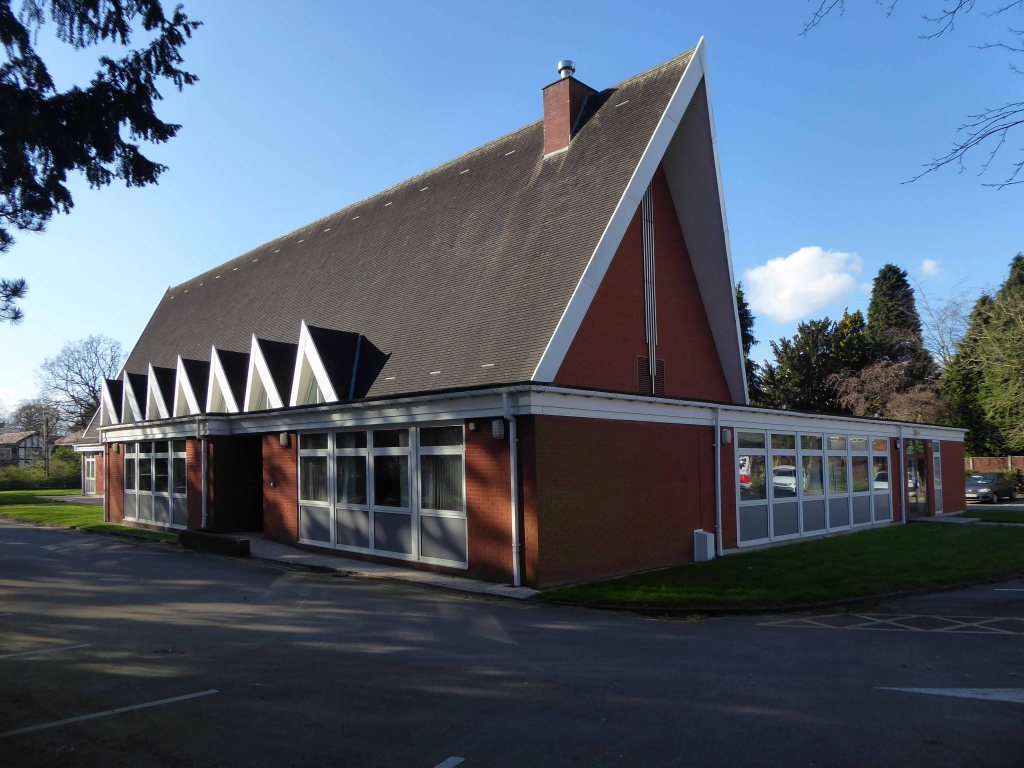
A 70ft. spire on Bramhall-lane Davenport, will be a new landmark in Stockport next year when the no-labour-cost £41,000 chapel of the Mormons – The Church of Latter-Day Saints, from America – is expected to be complete. The Stockport branch of 150 members will fund over £8000 of the cost and will provide food, shelter and pocket money for volunteer builders from all over the country.
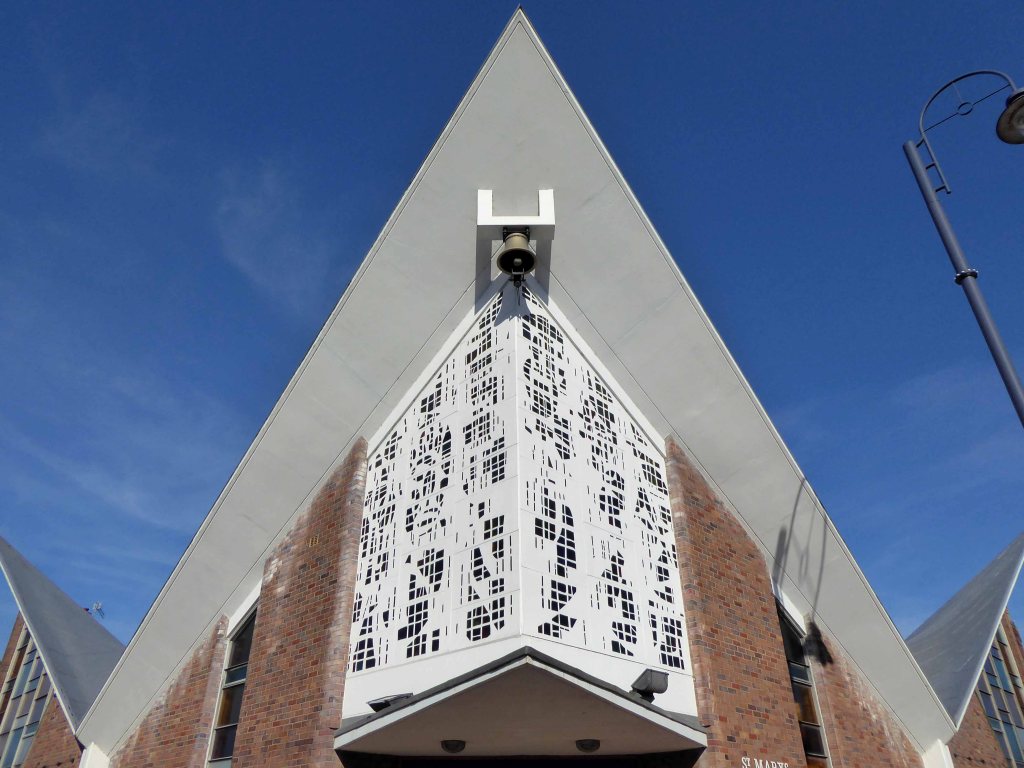
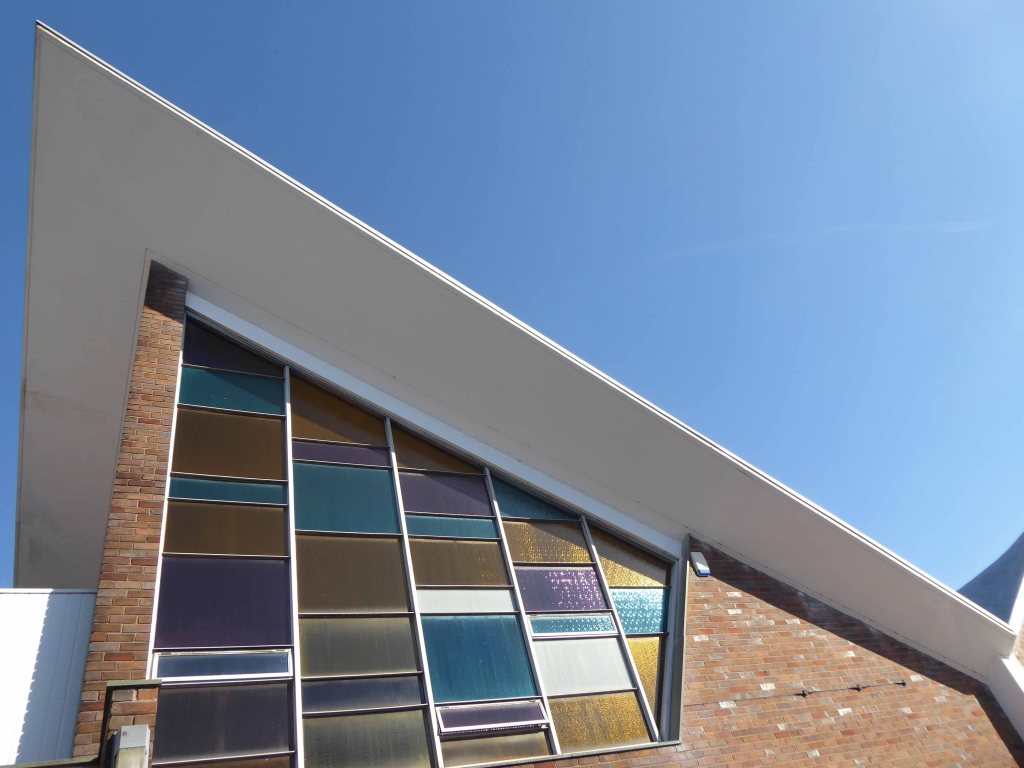
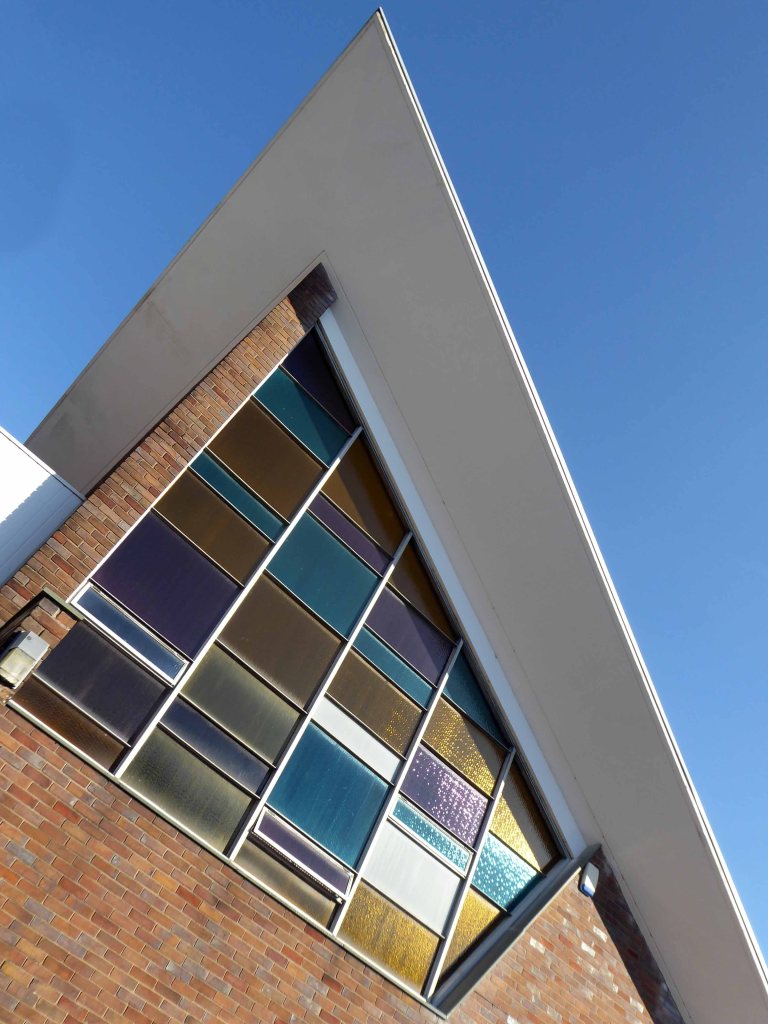
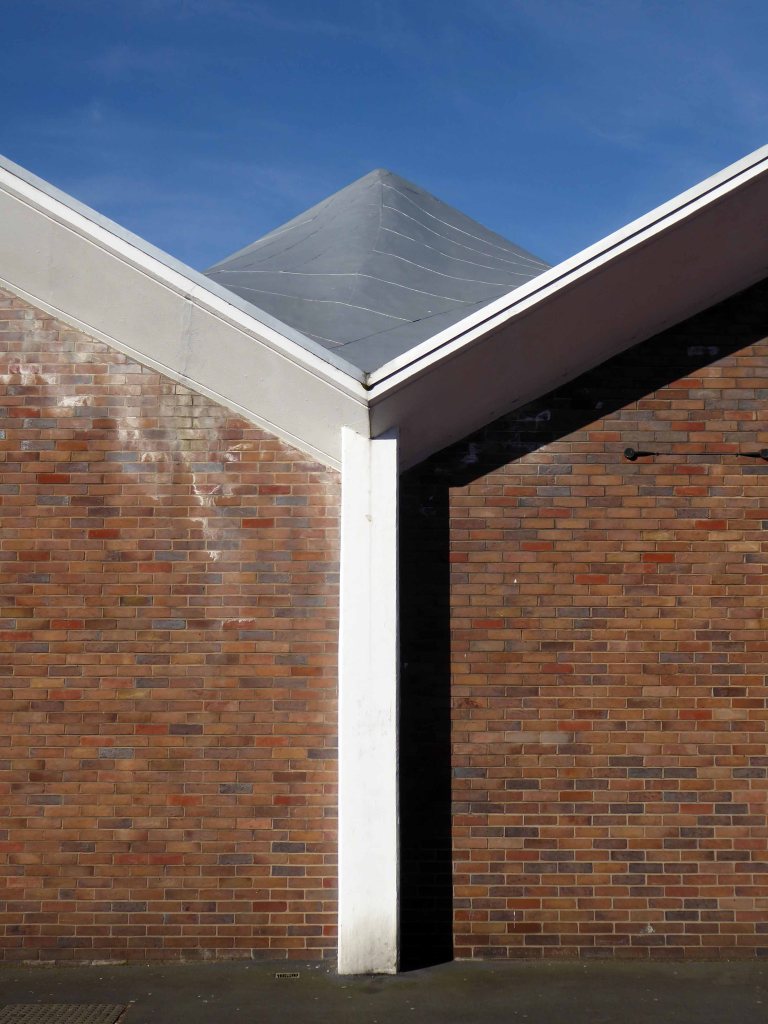
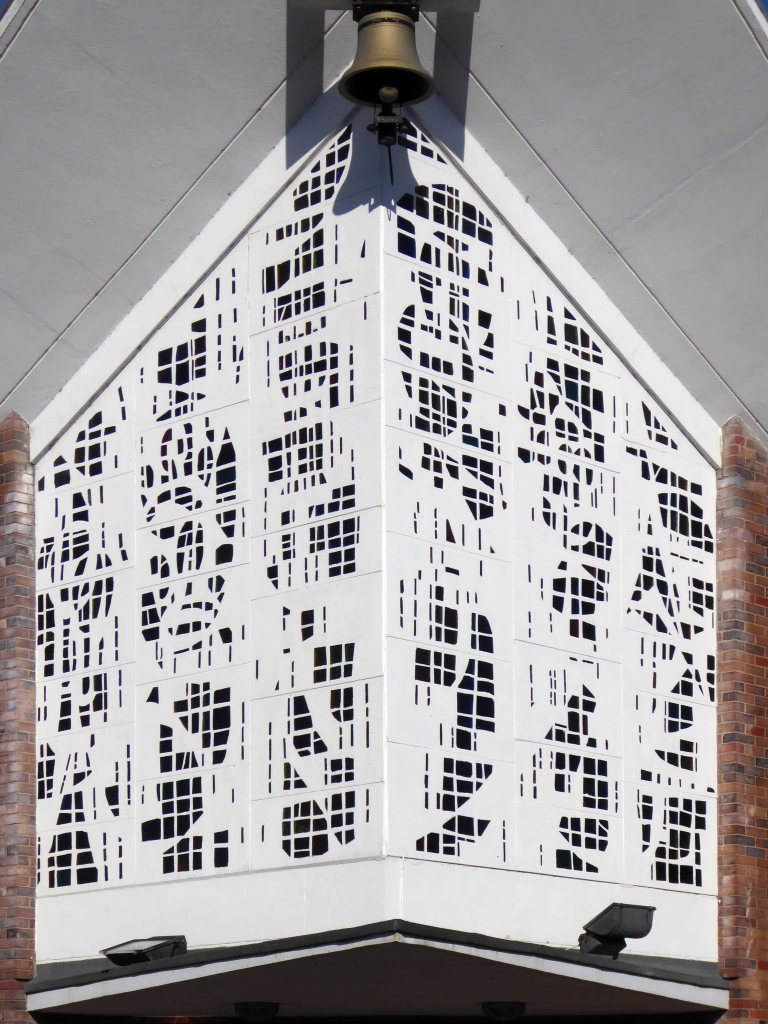
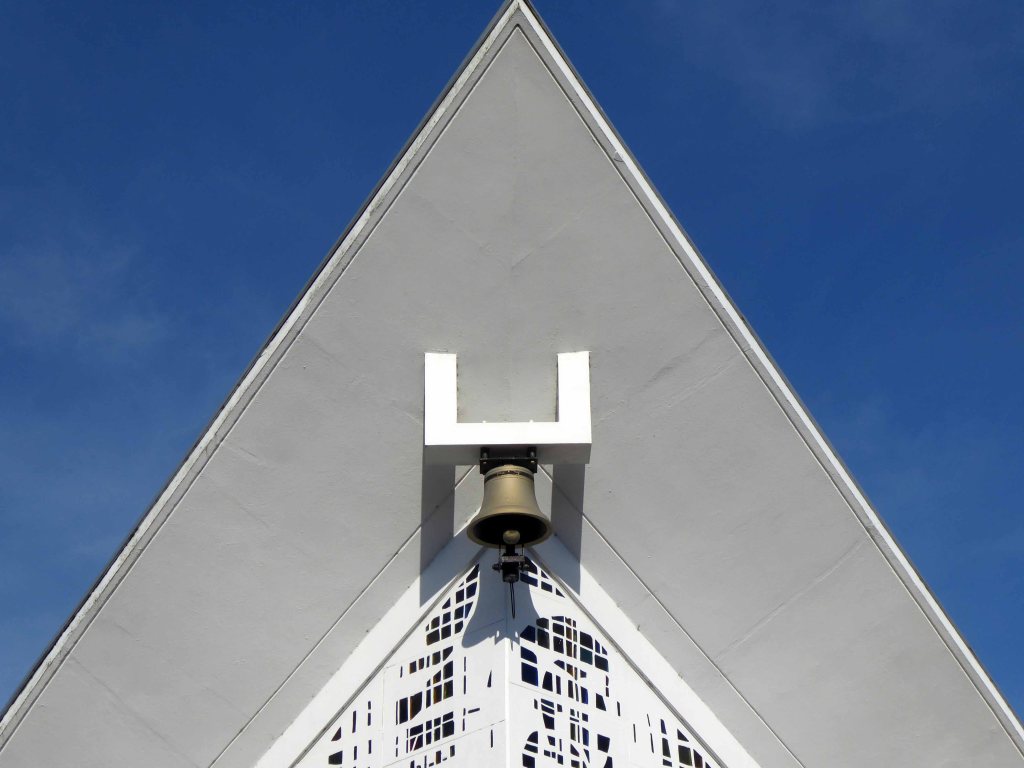
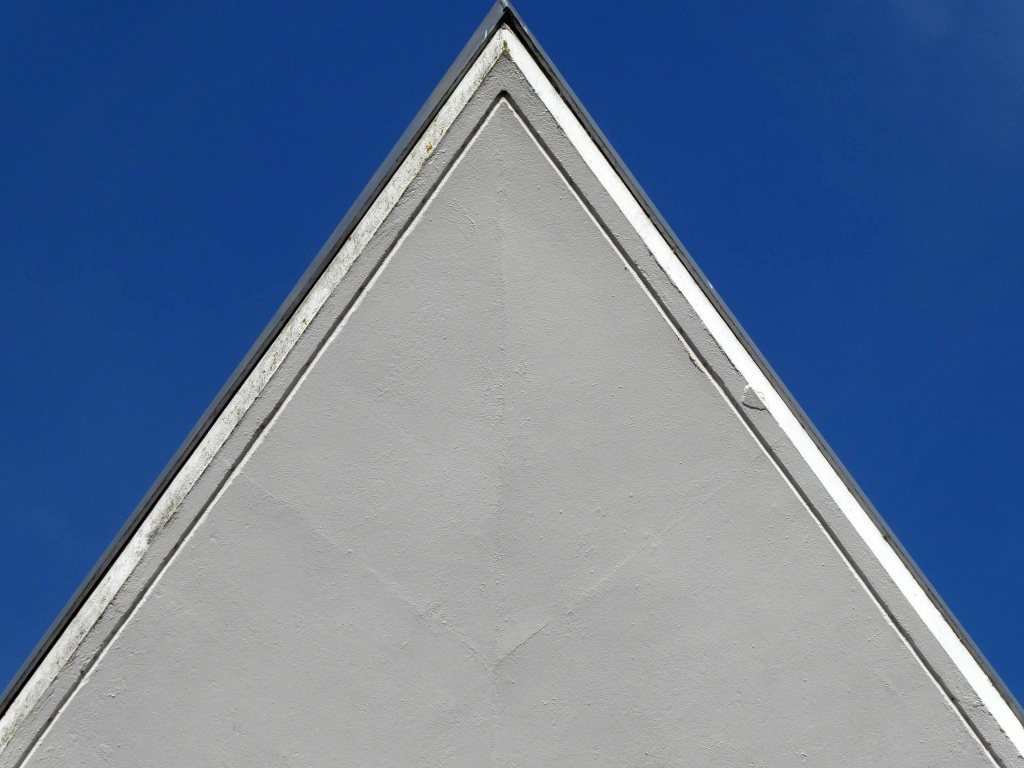
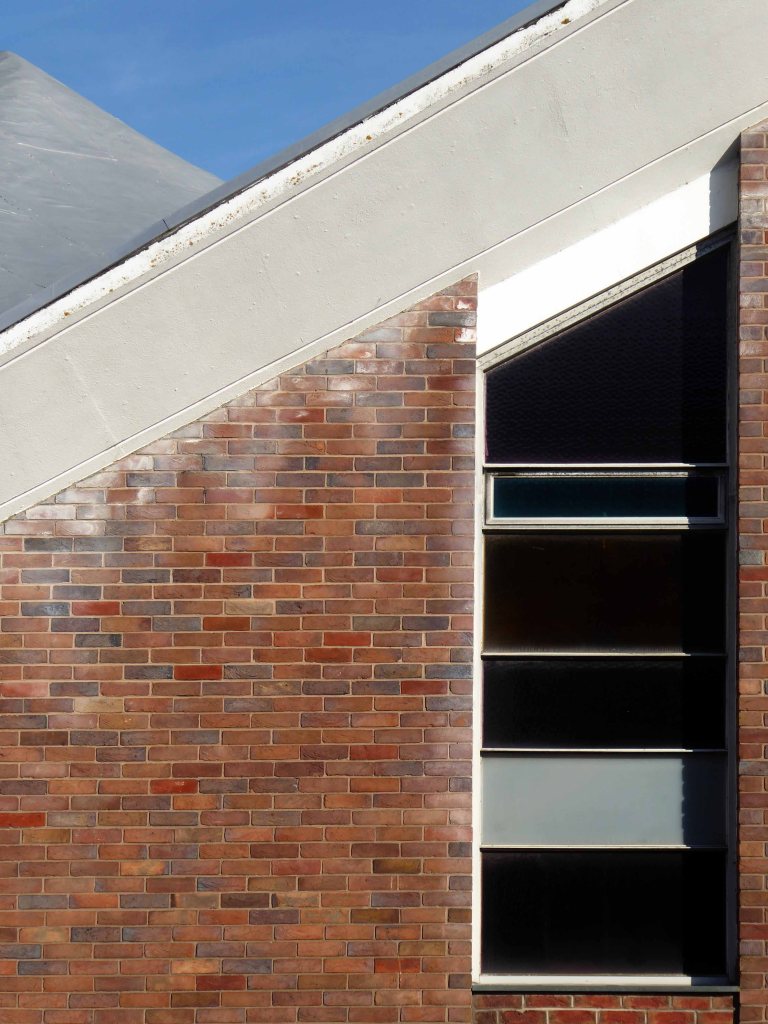
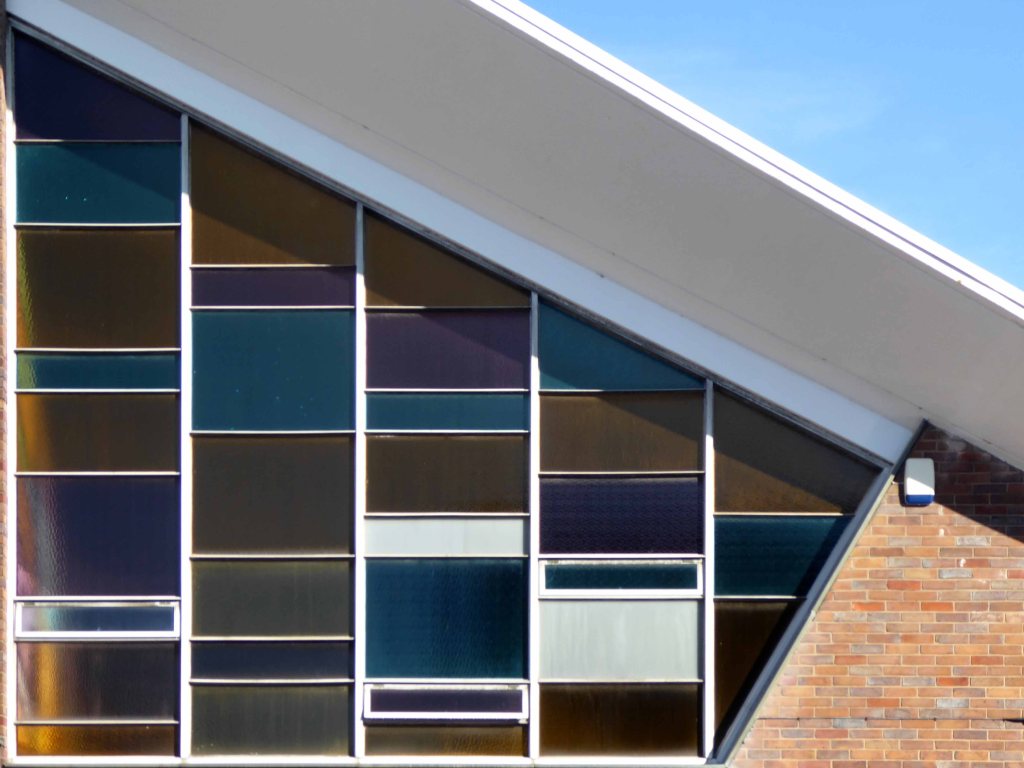
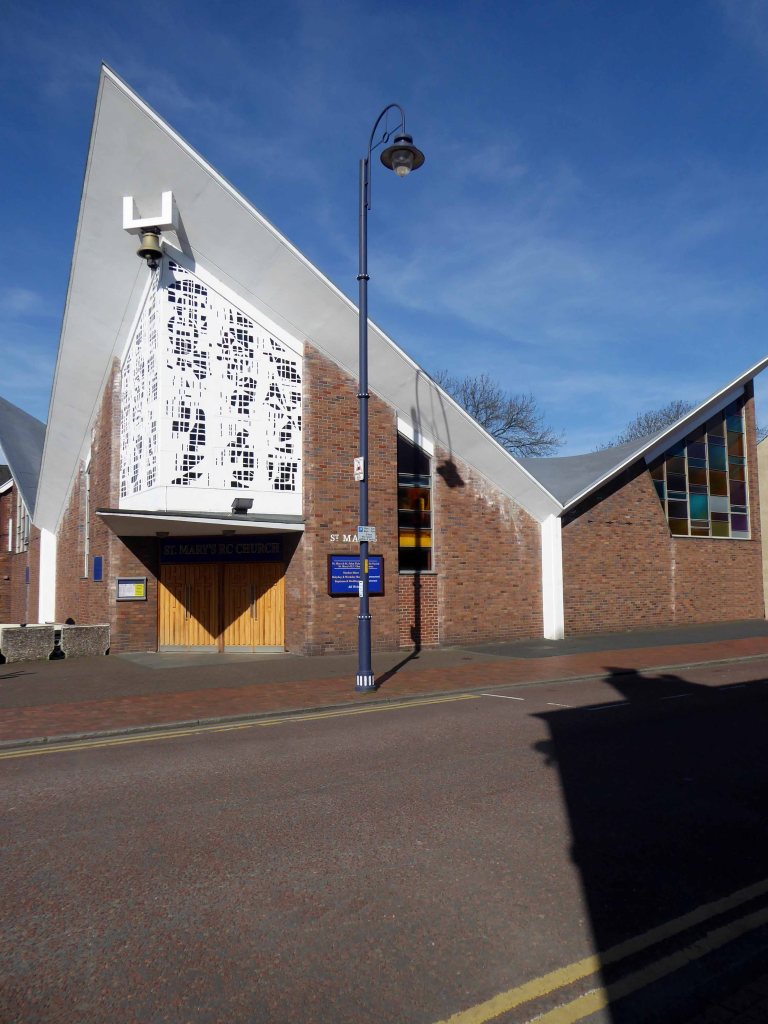
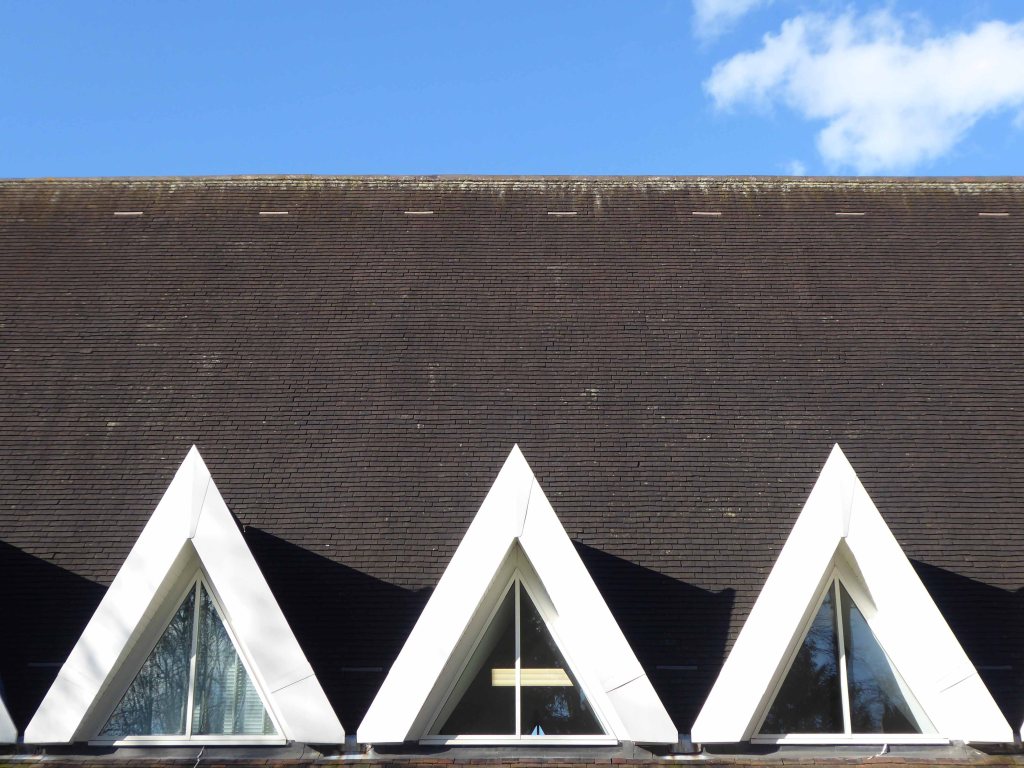
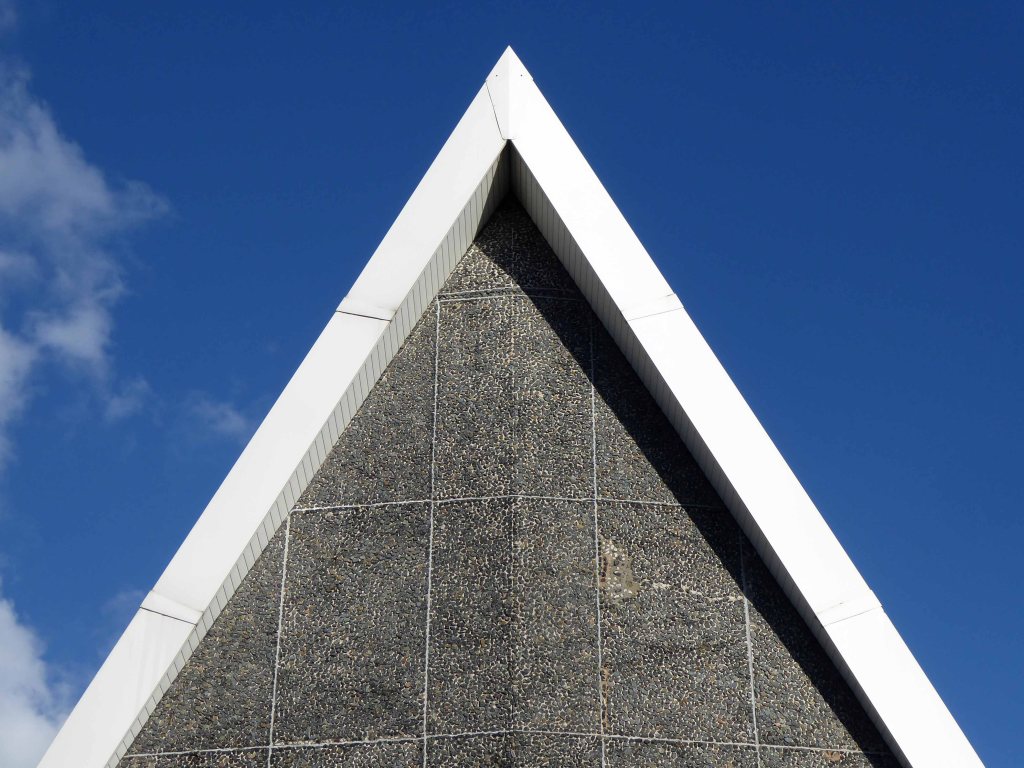
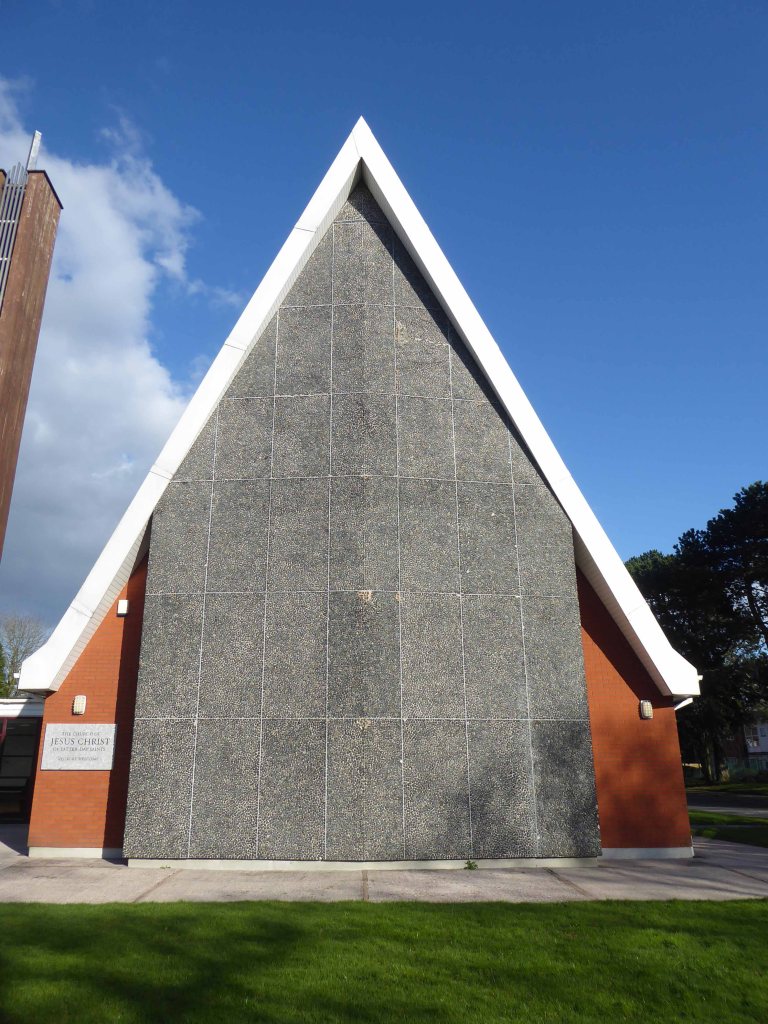
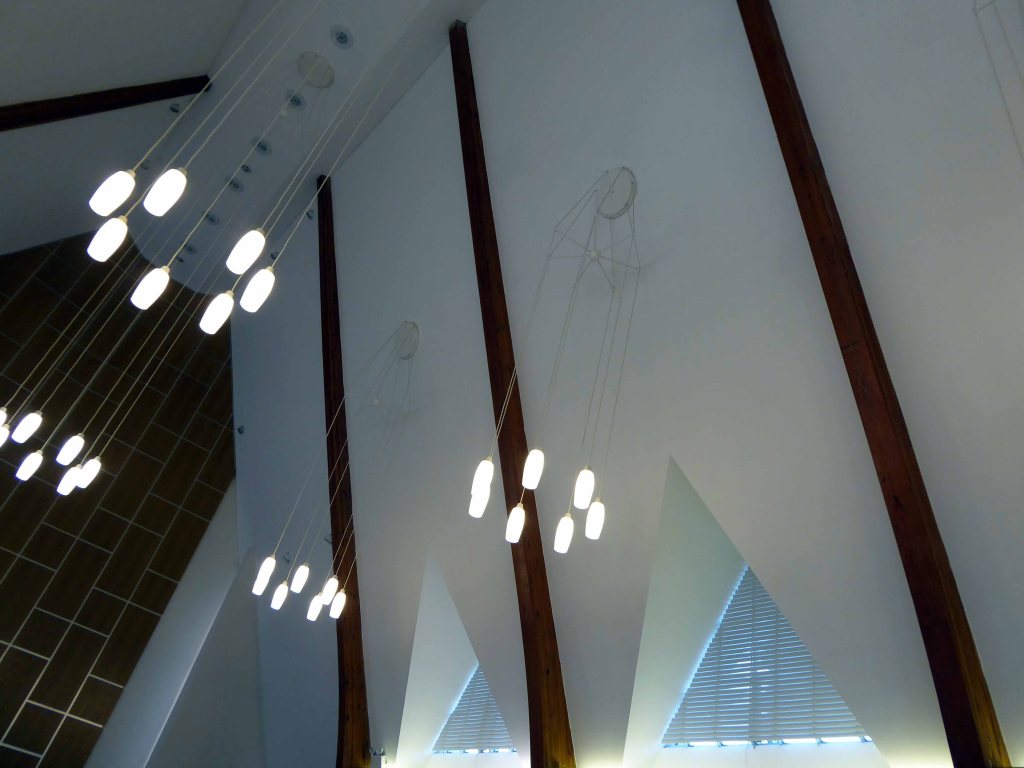
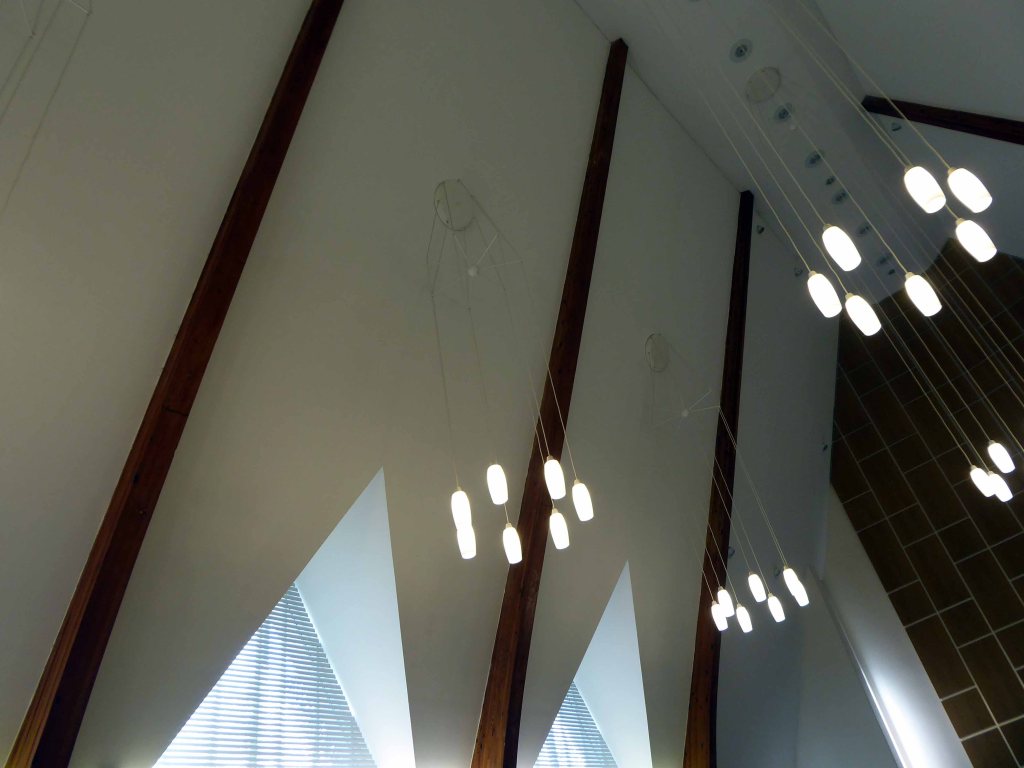
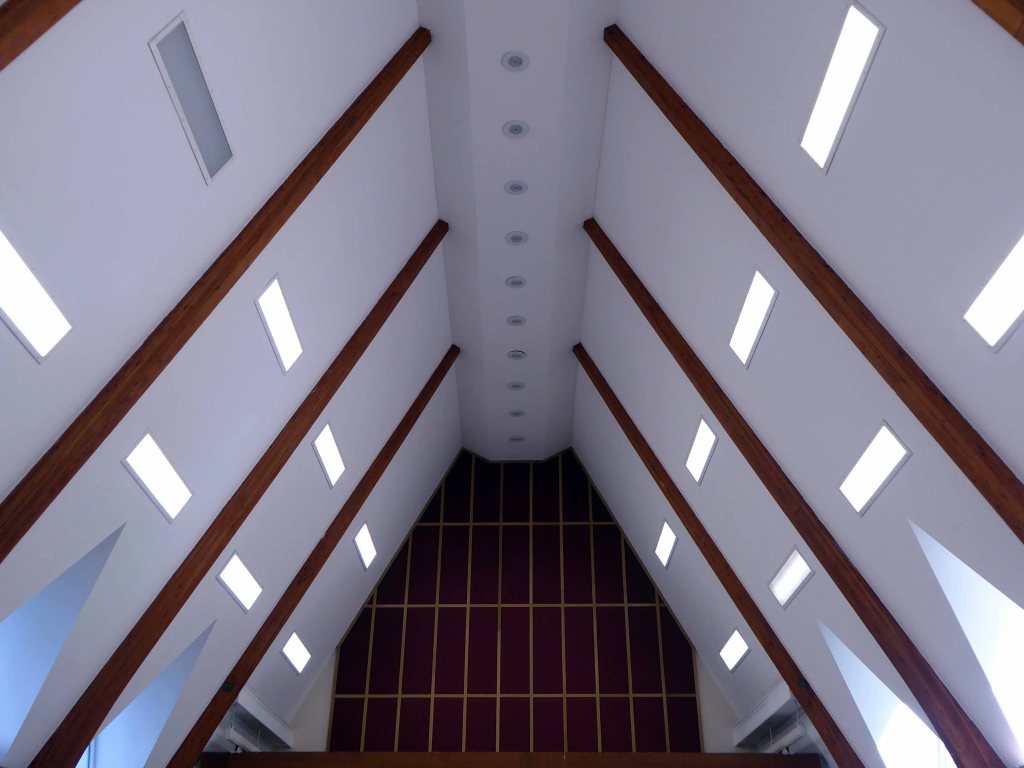
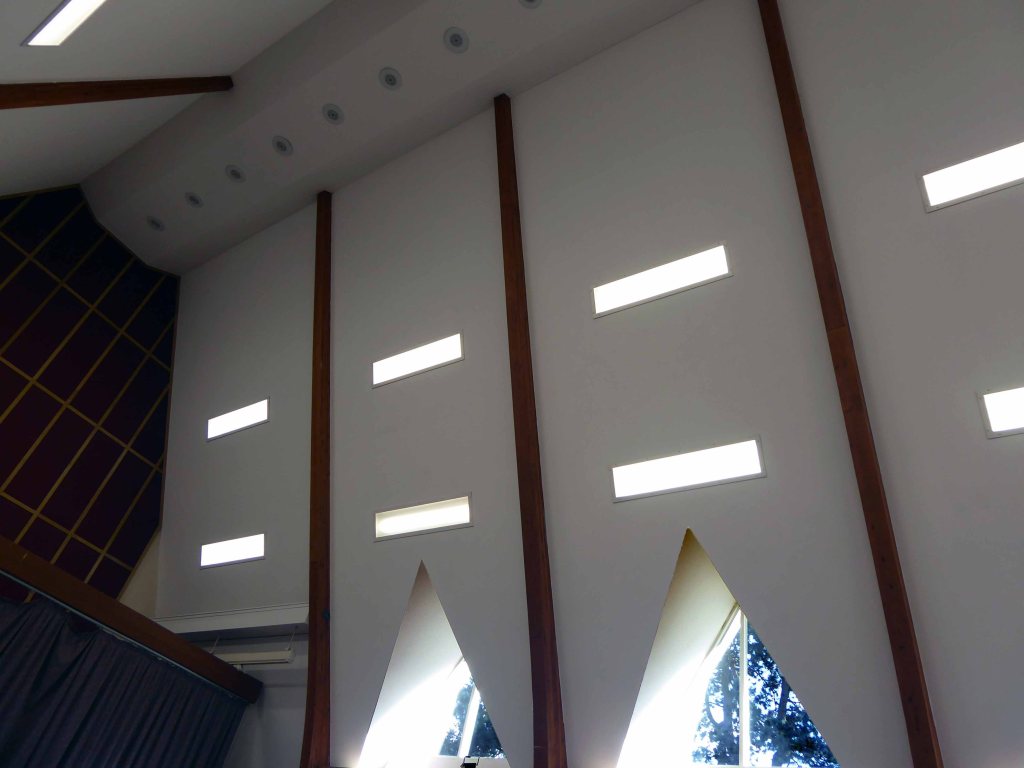
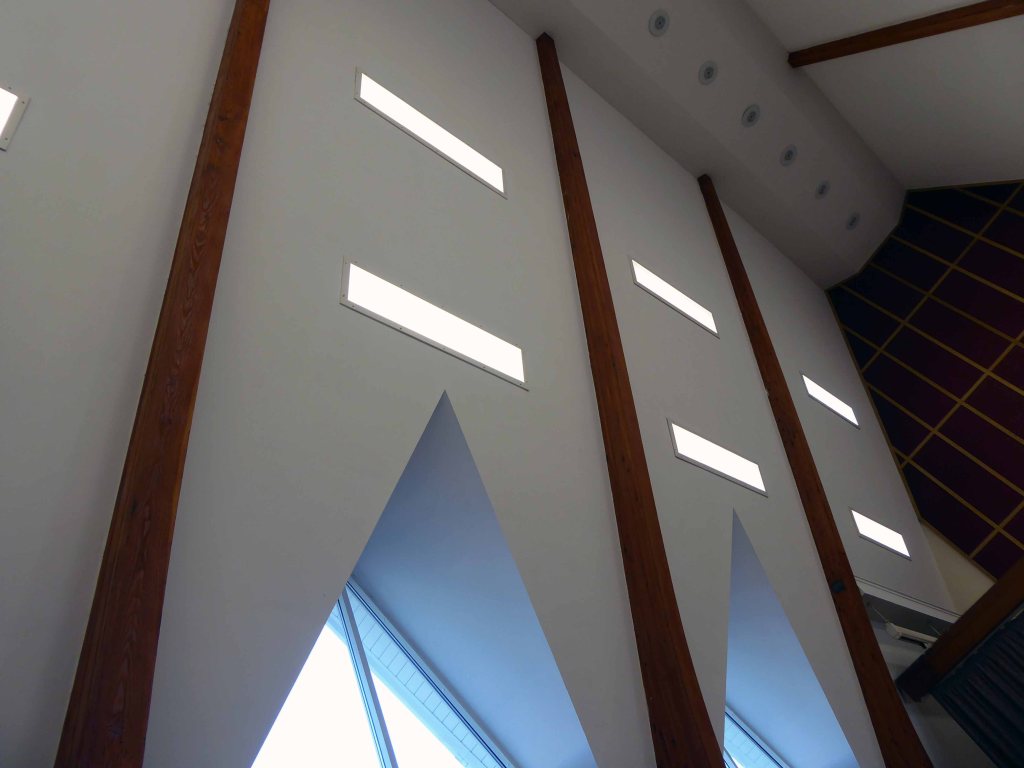
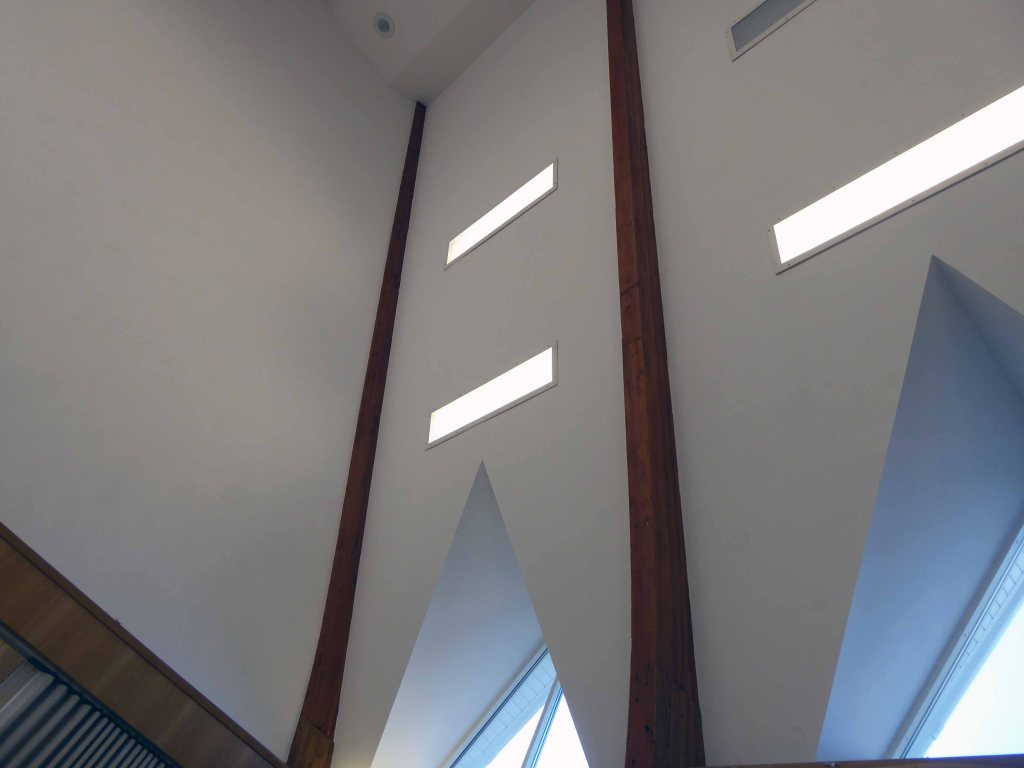
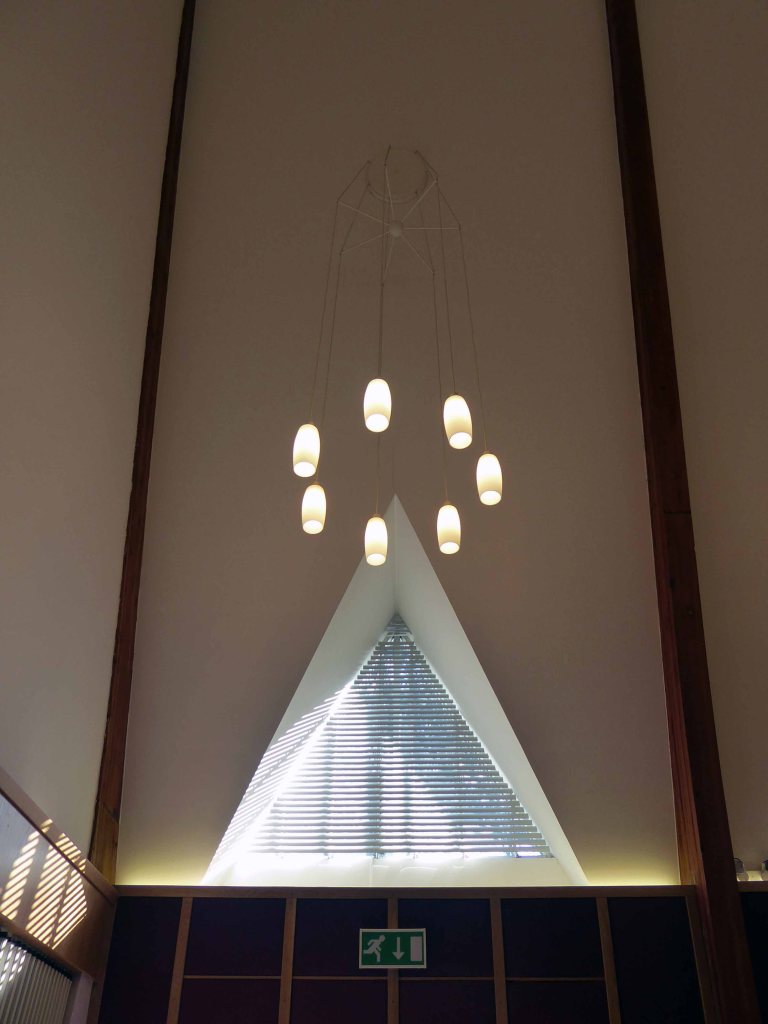
A striking A Line addition to the Stockport skyline – its steeply pitched roof punctuated by prominent triangular bays, and partnered with a prominent remote tower of wood and steel.
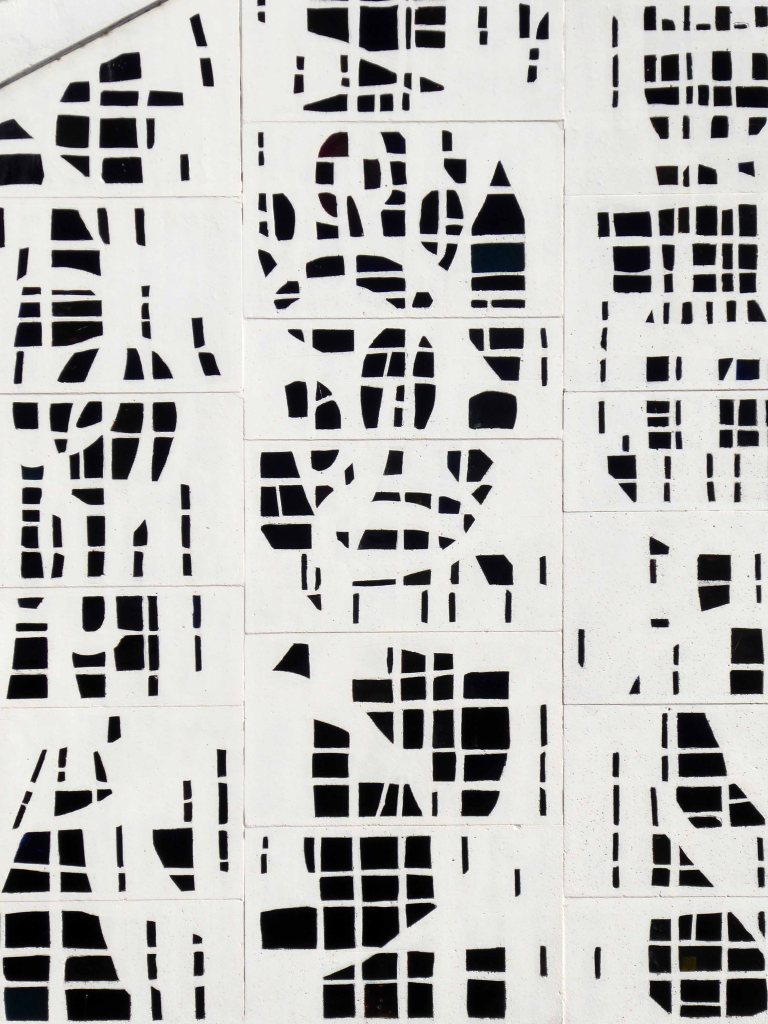
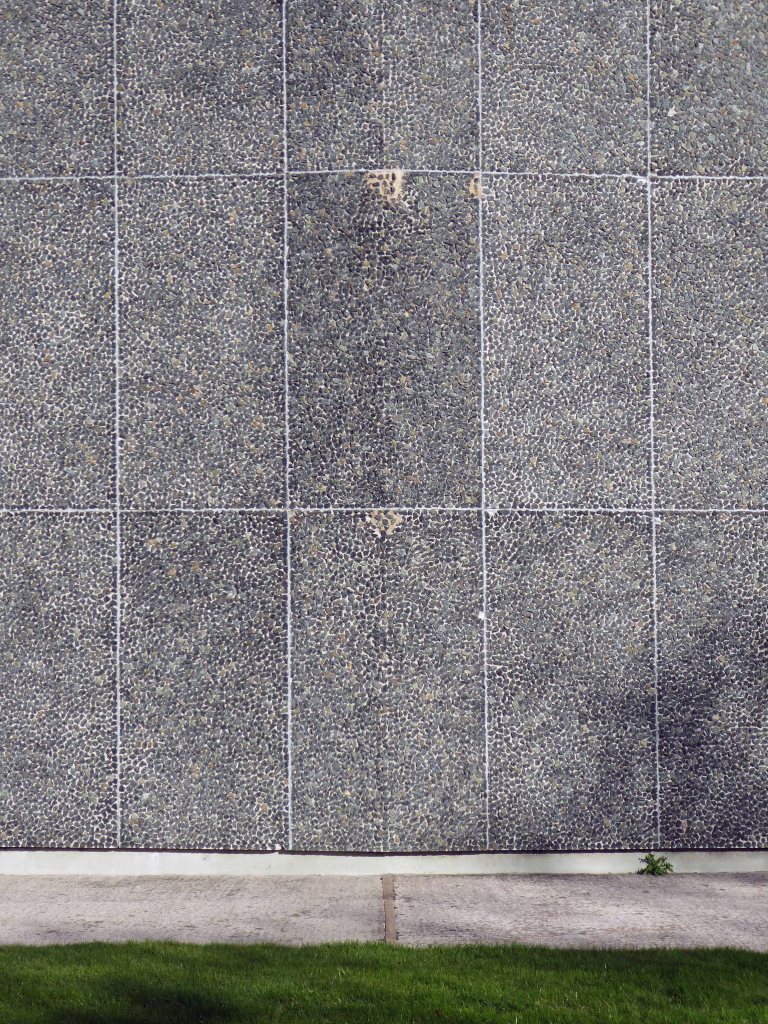
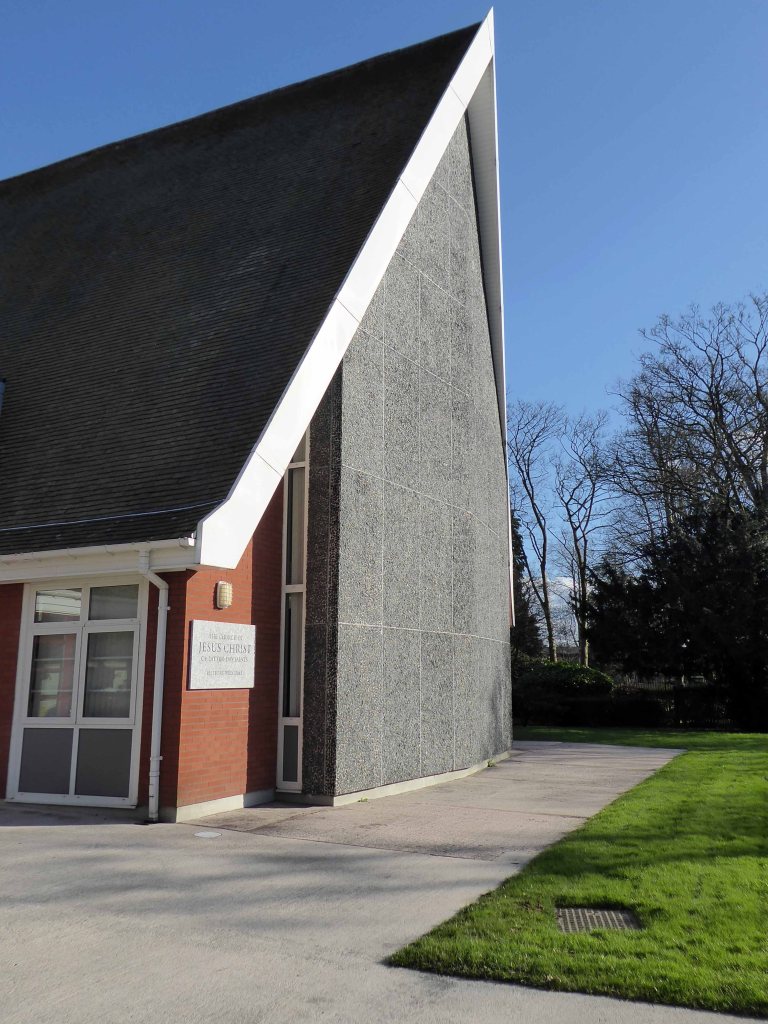
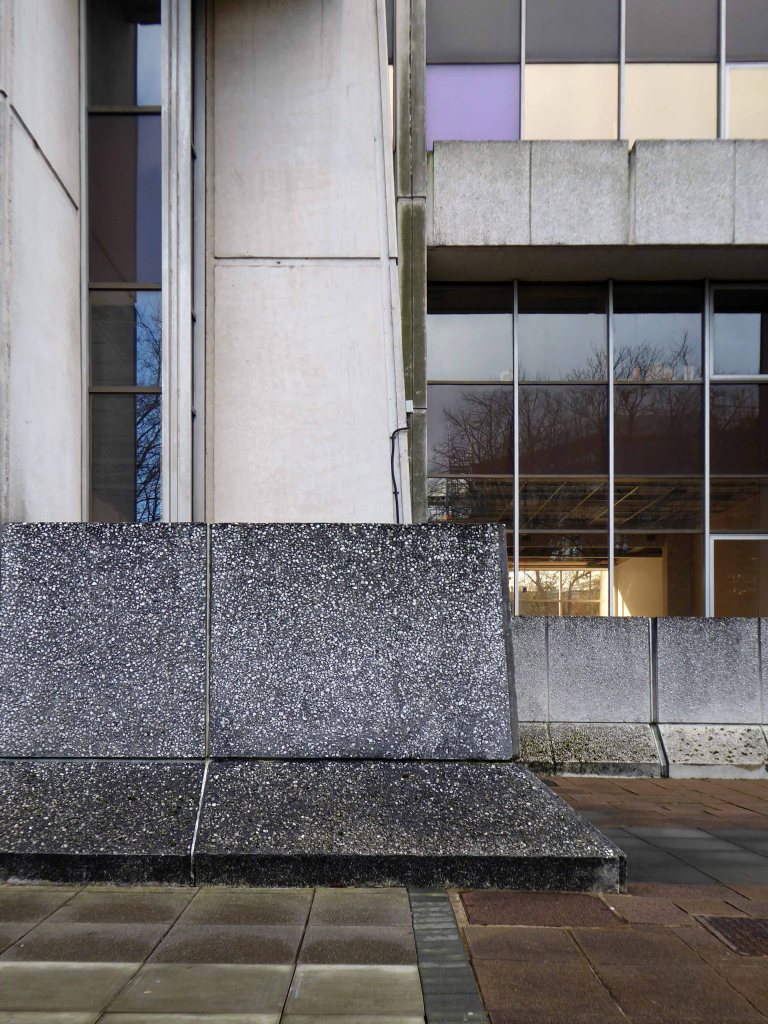
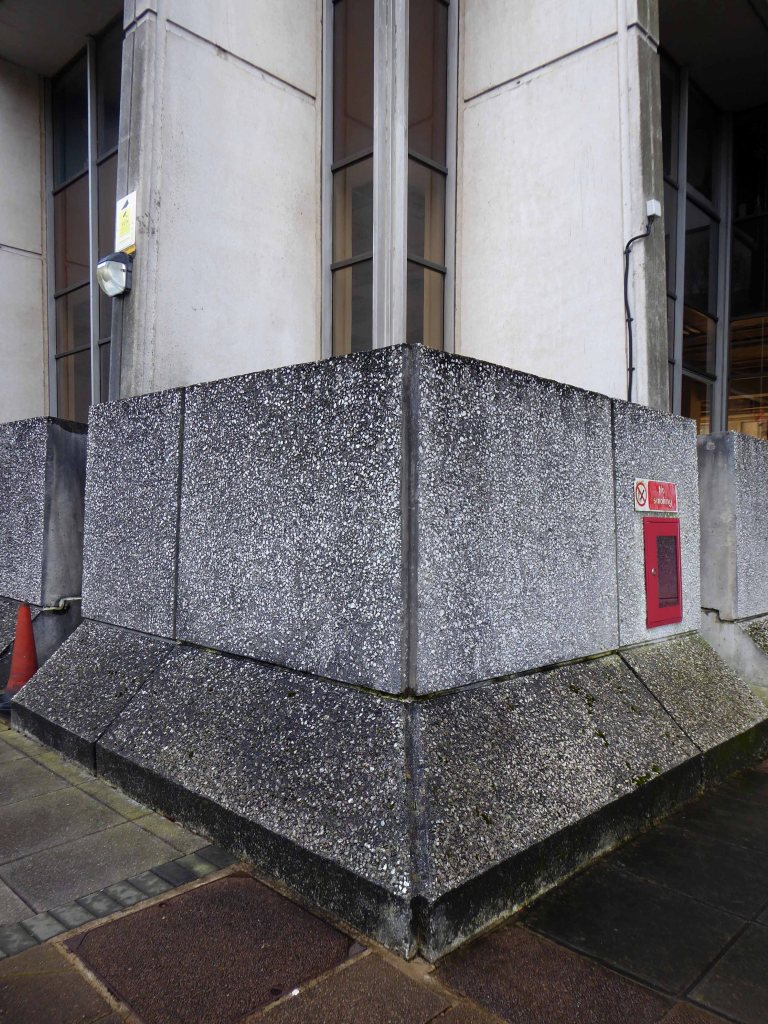
The front elevation is of concrete, constructed with panels of a rough grey aggregate.
Take a walk around, there have been some additions of single storey ante rooms.
This remains a simple, confident and assured building.
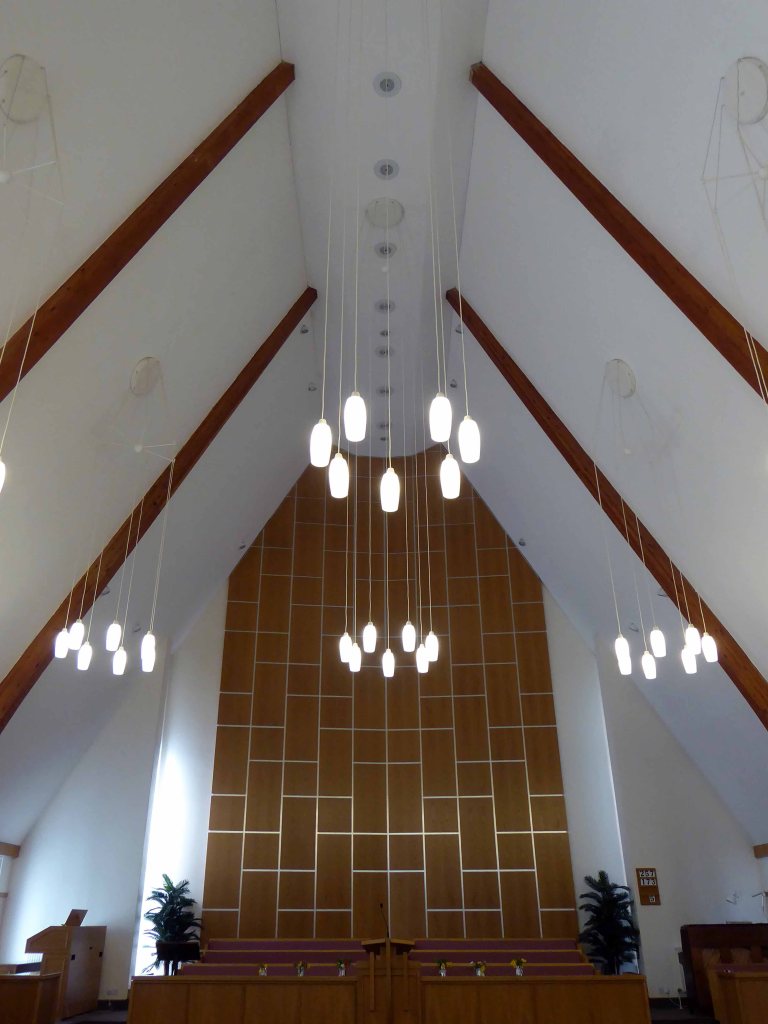
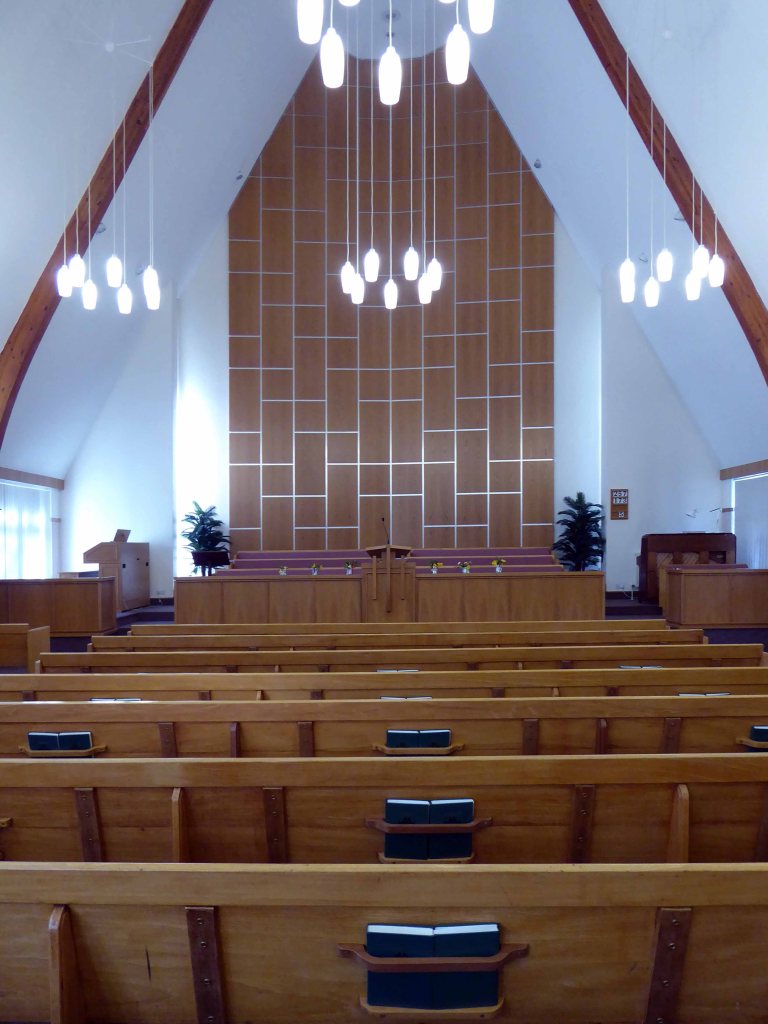
I had gone along today as a blood donor – so granted access to the splendid, elevating well-lit interior.
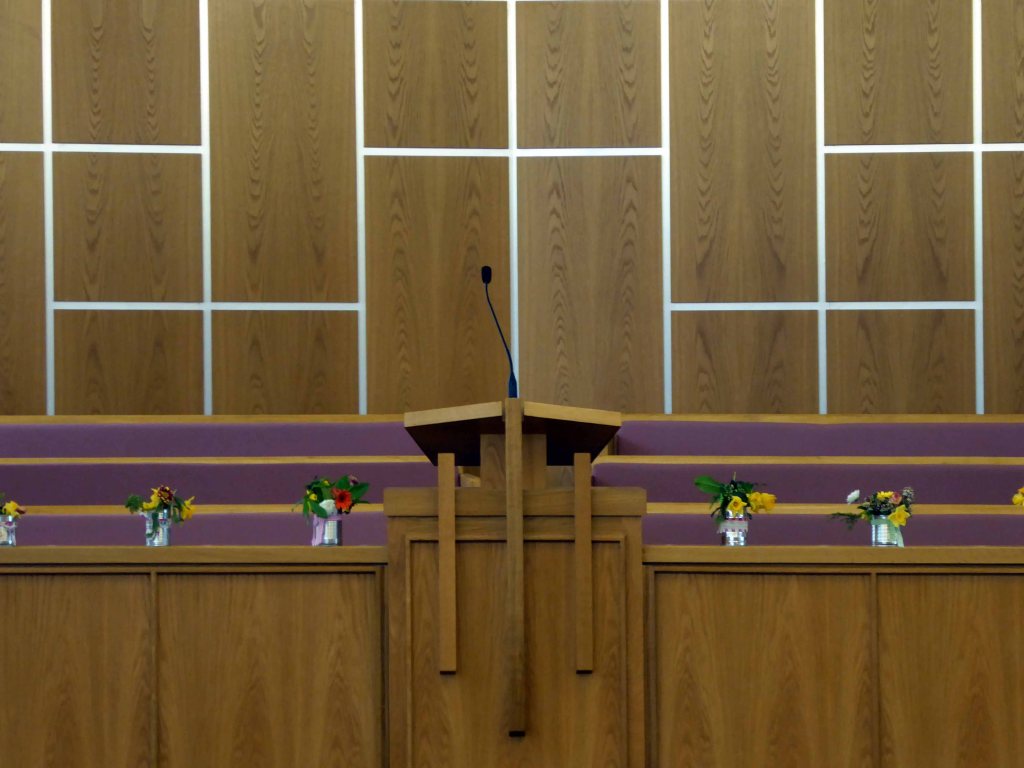
The front portion of the main body is given over to worship, furnished with light wood pews, altar and panelling.
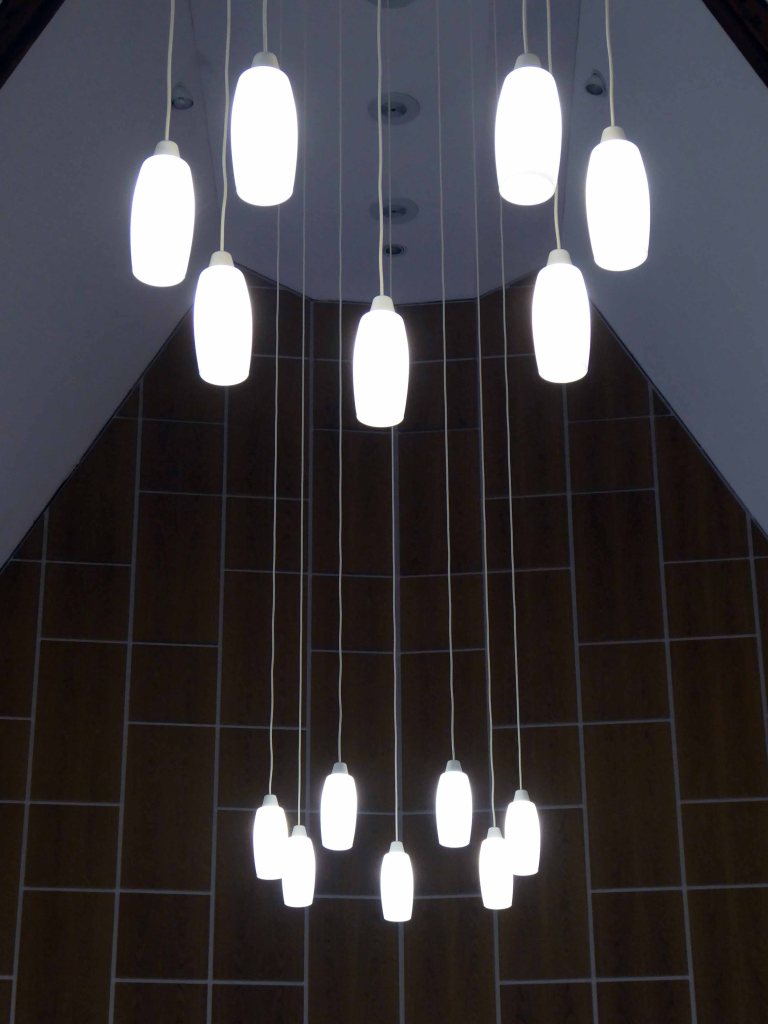
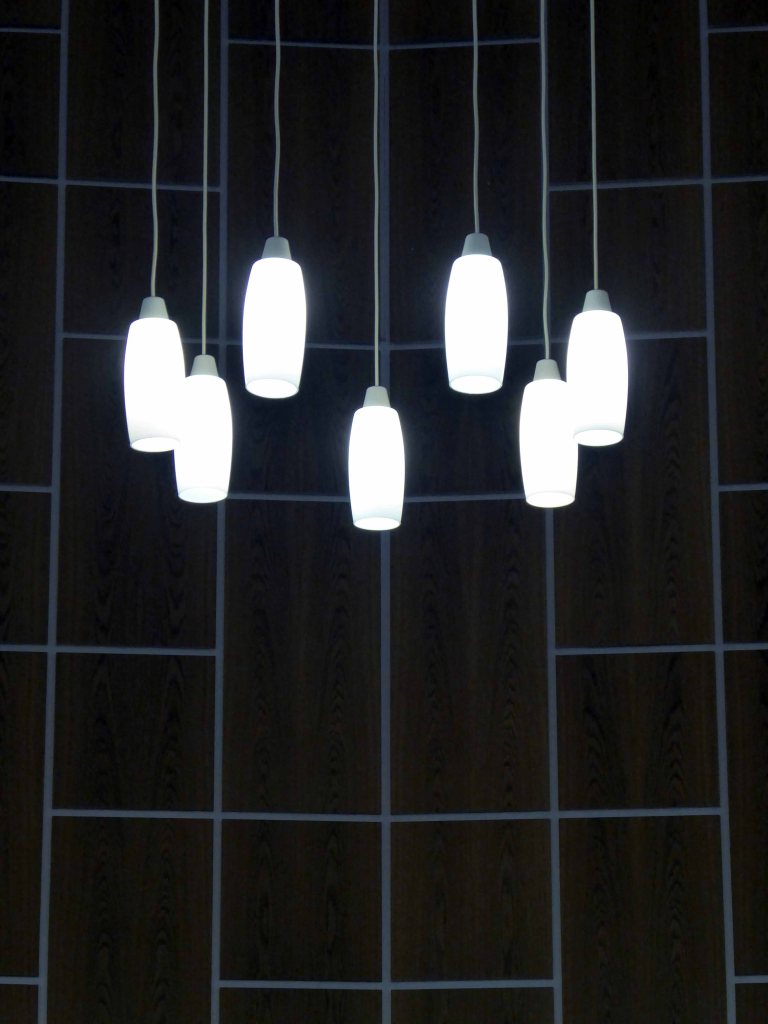
The suspended lighting groups are of particular note.
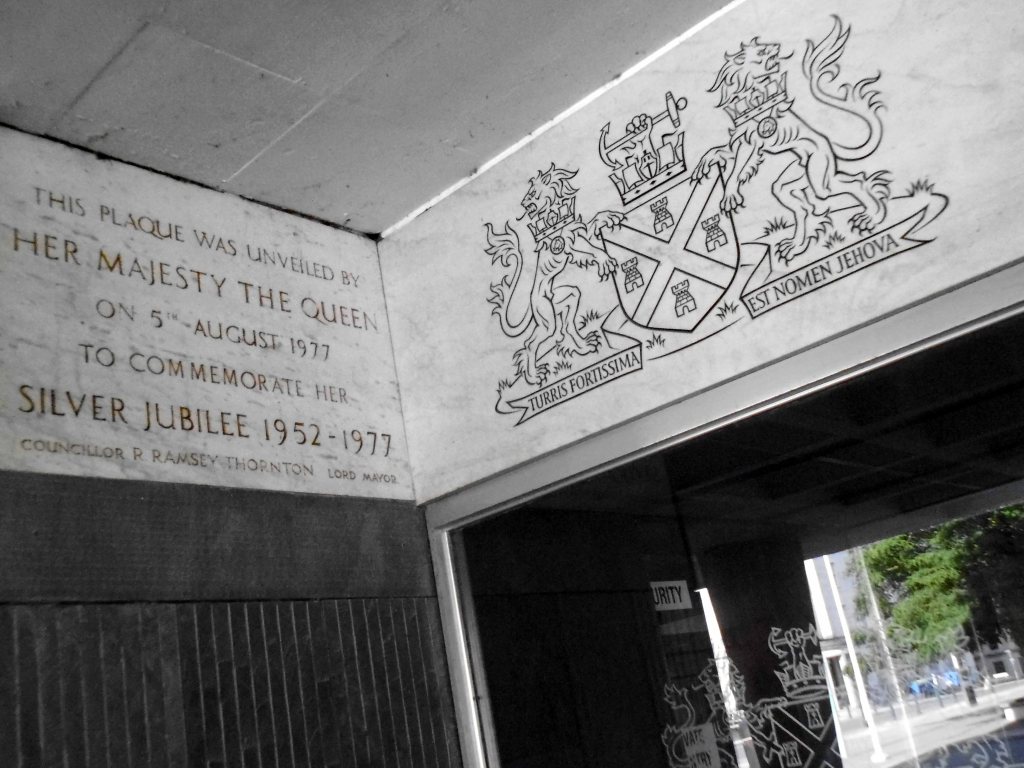
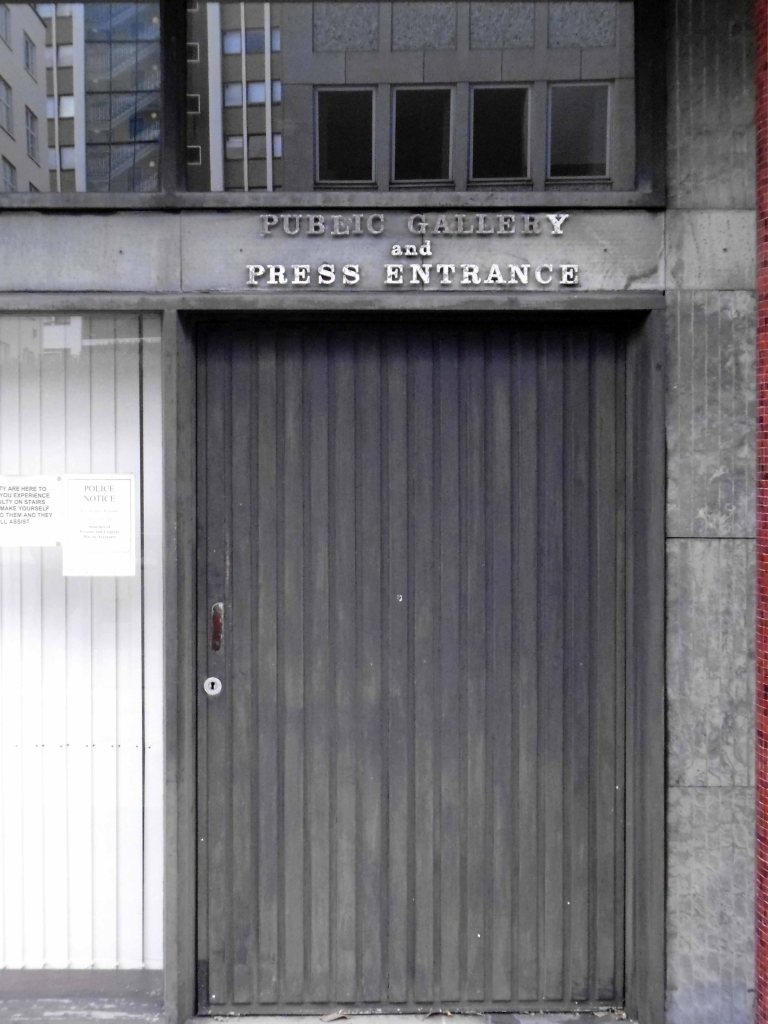
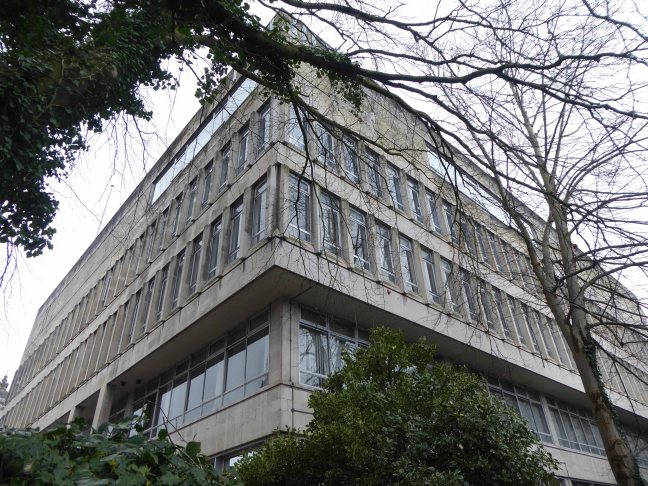
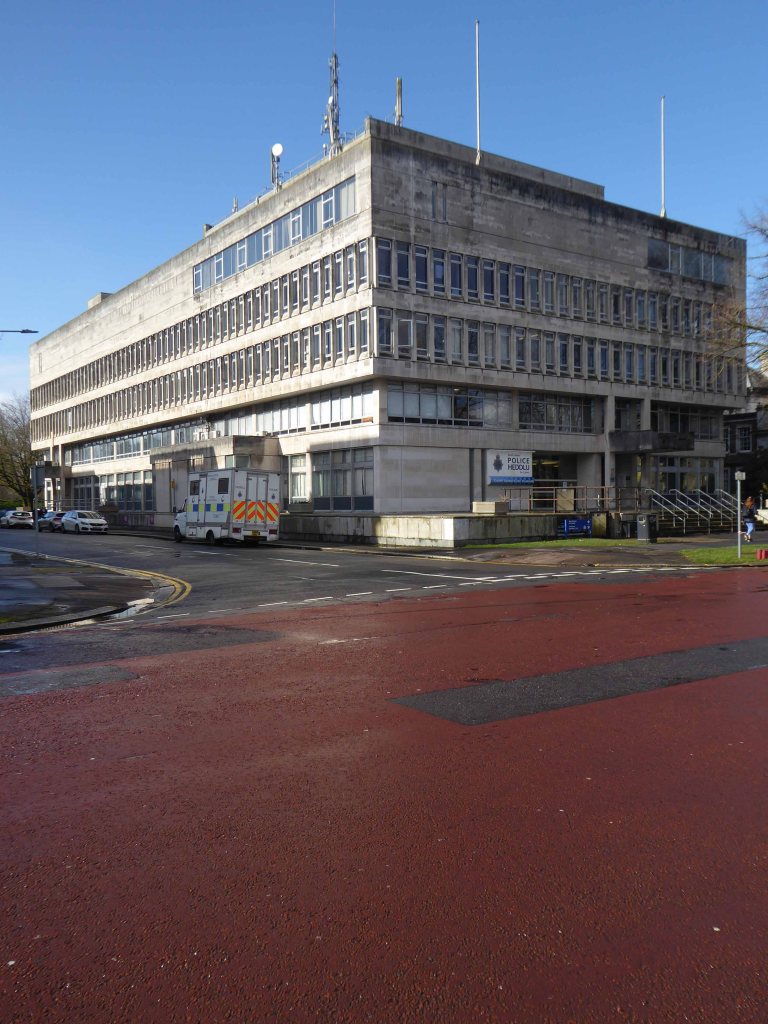
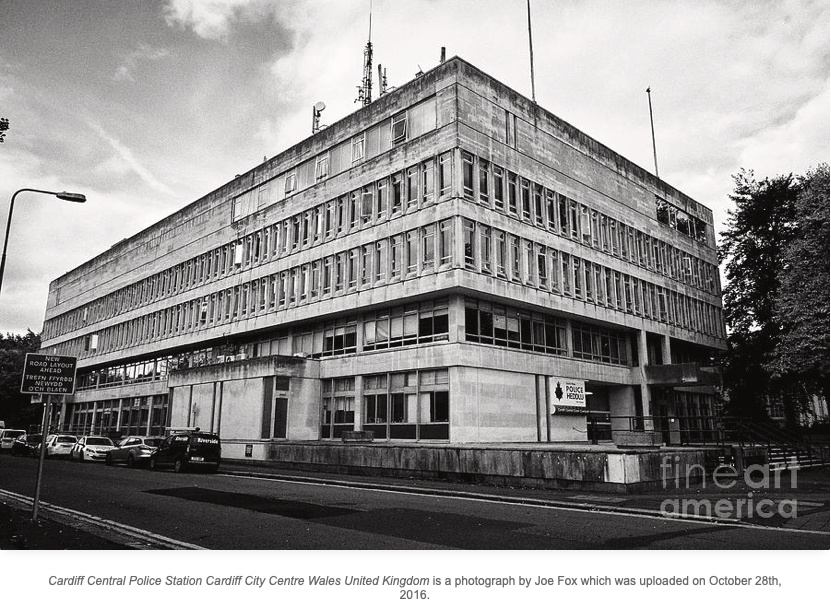
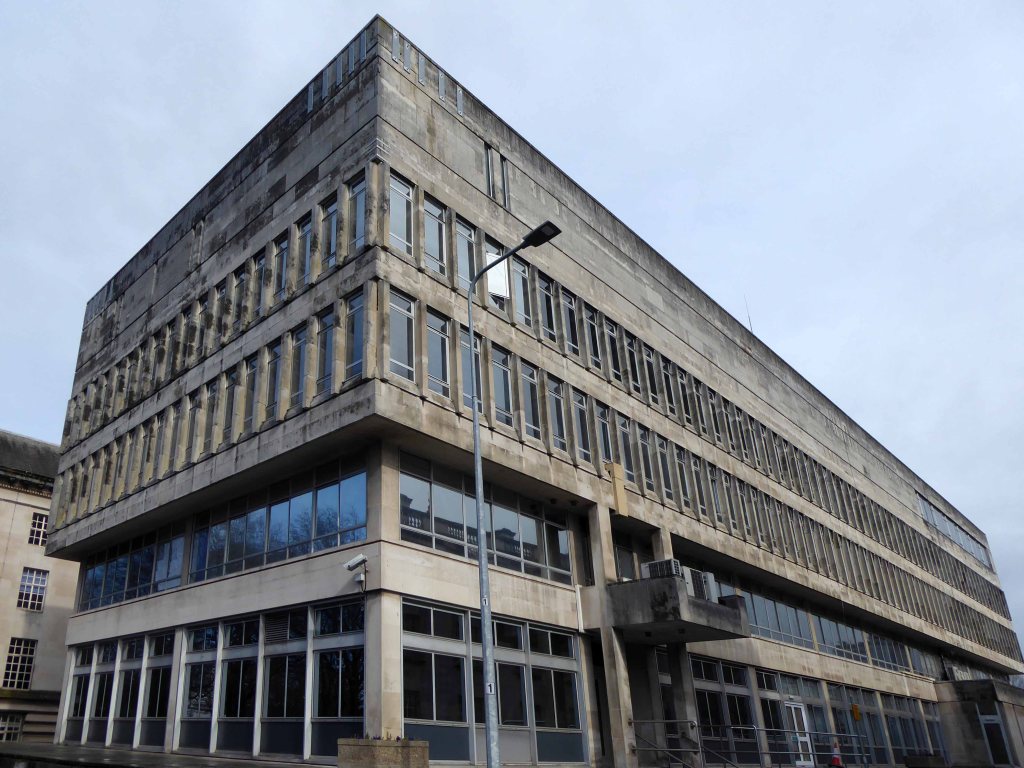
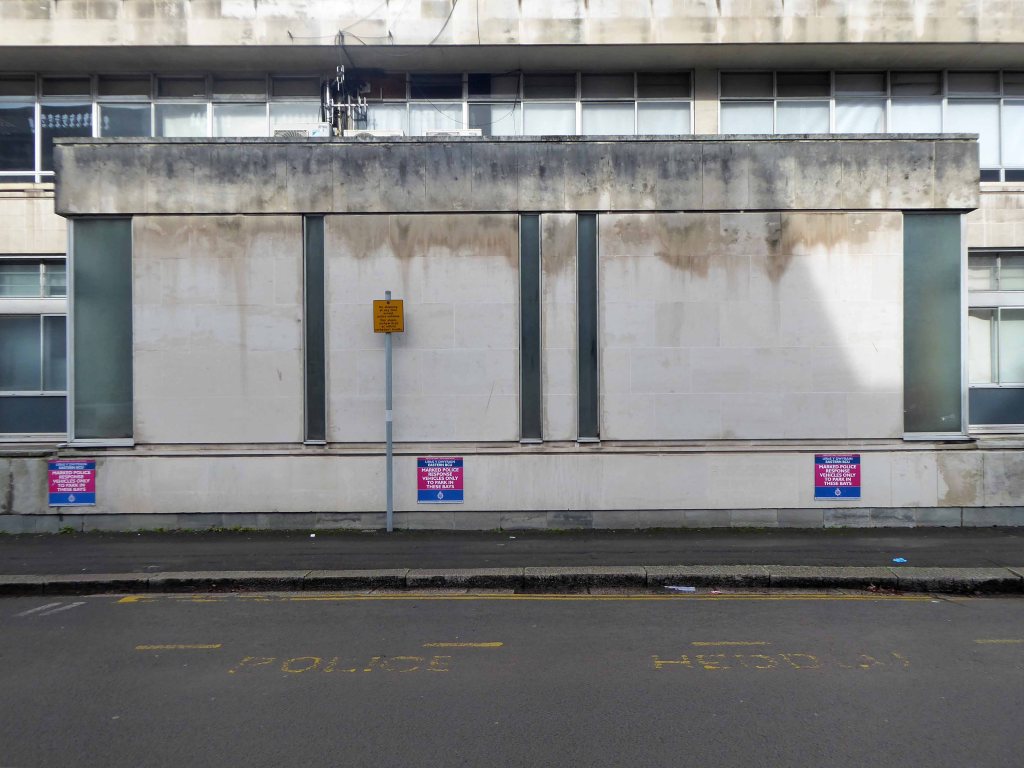
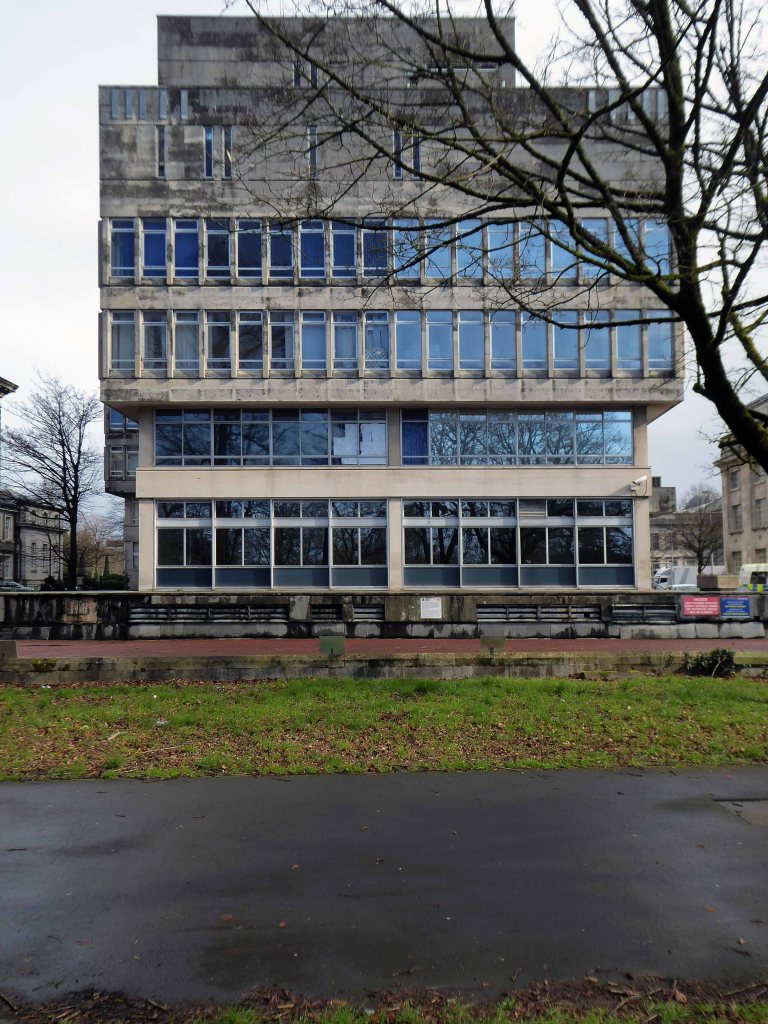
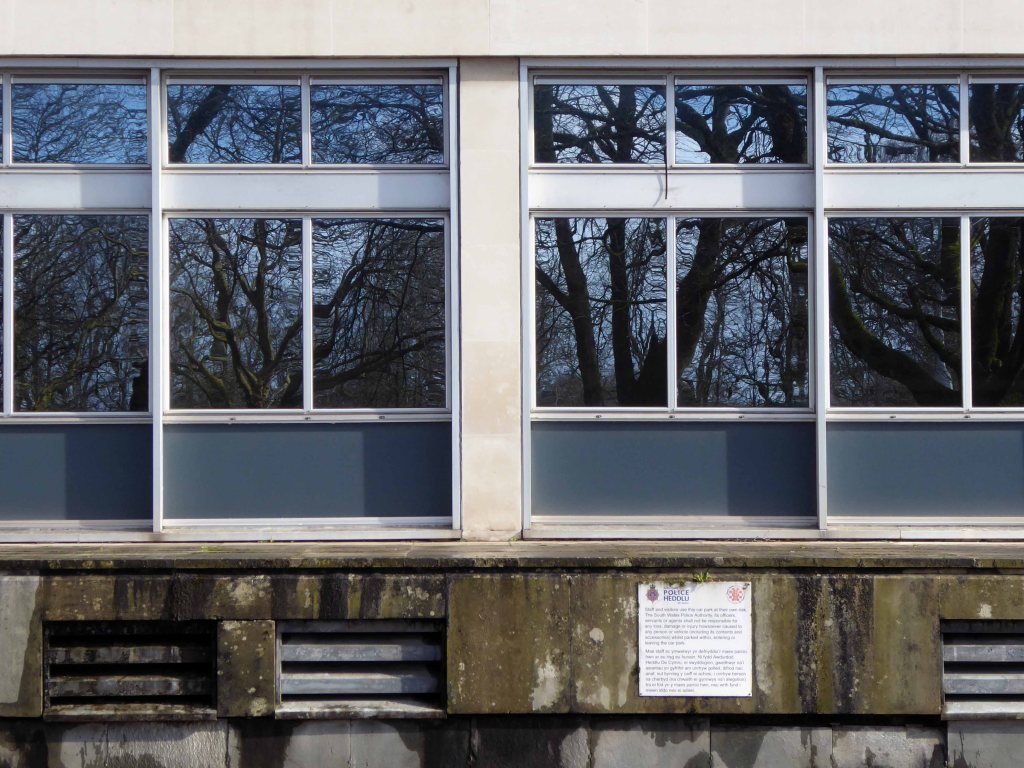
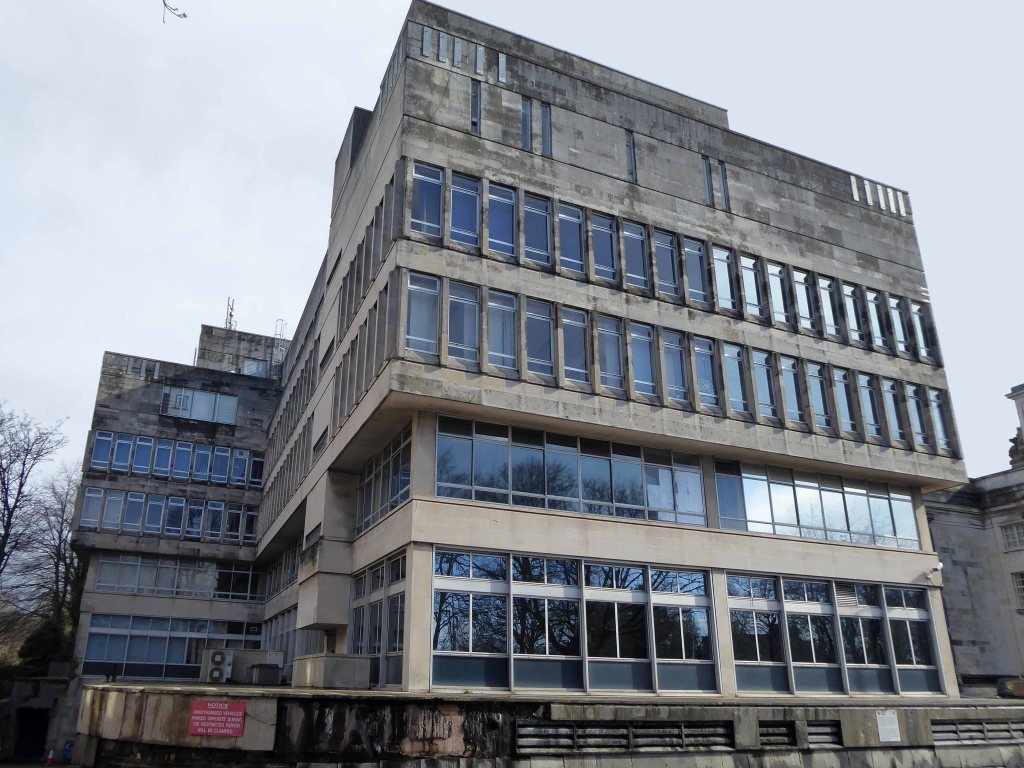
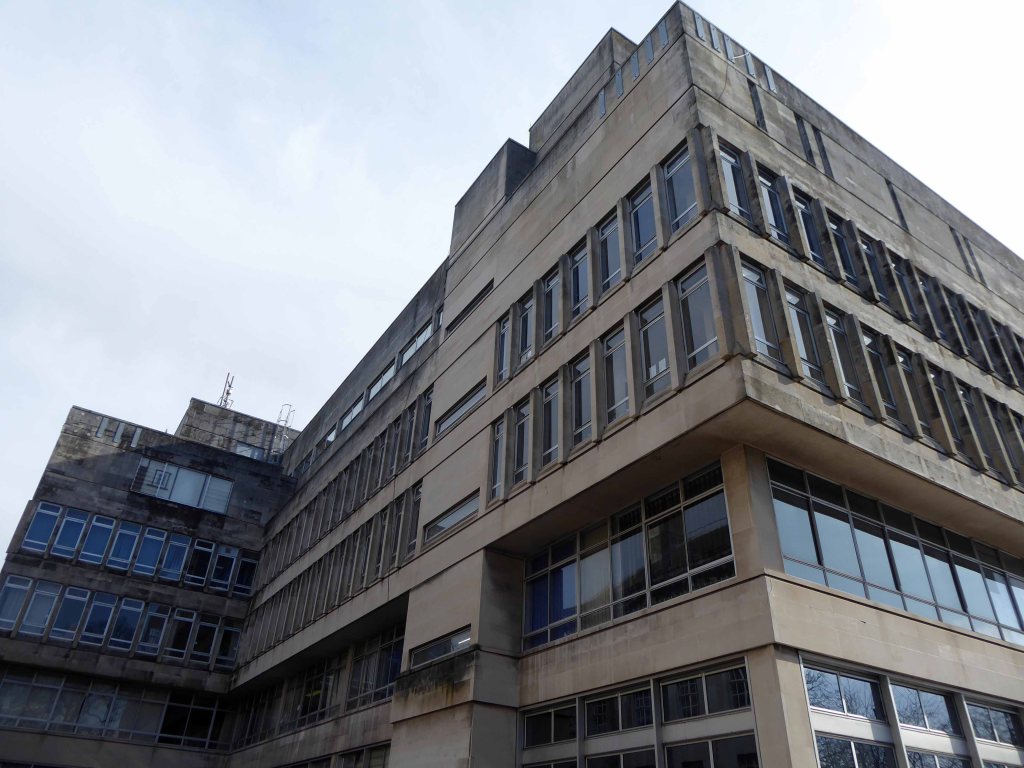
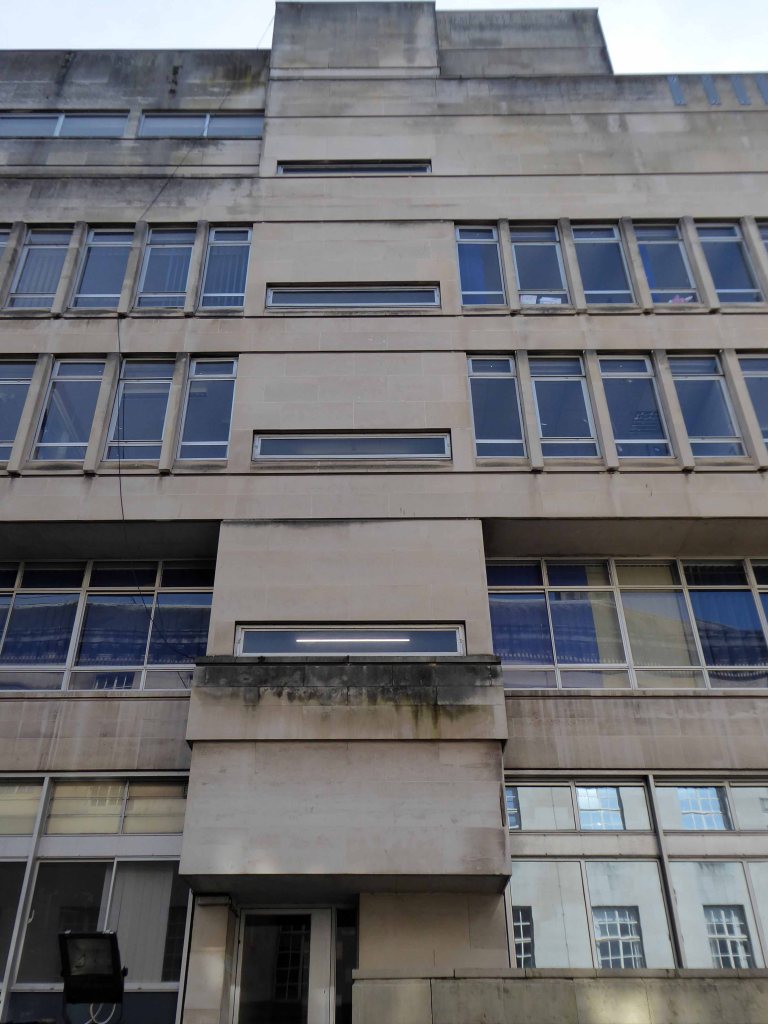
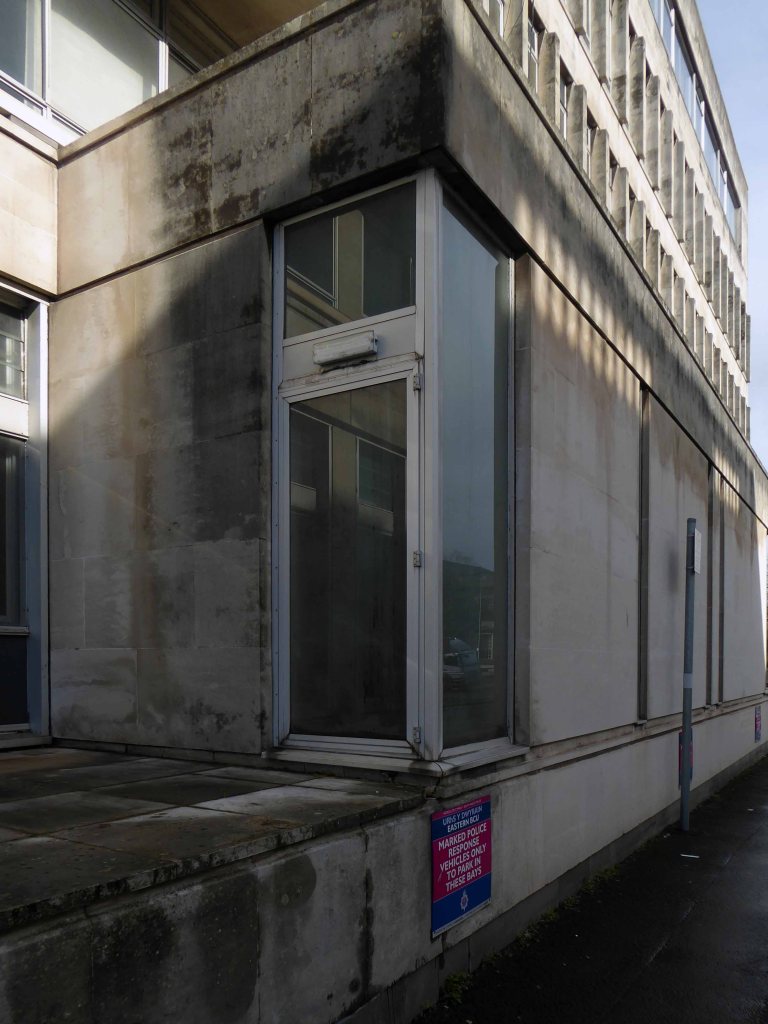
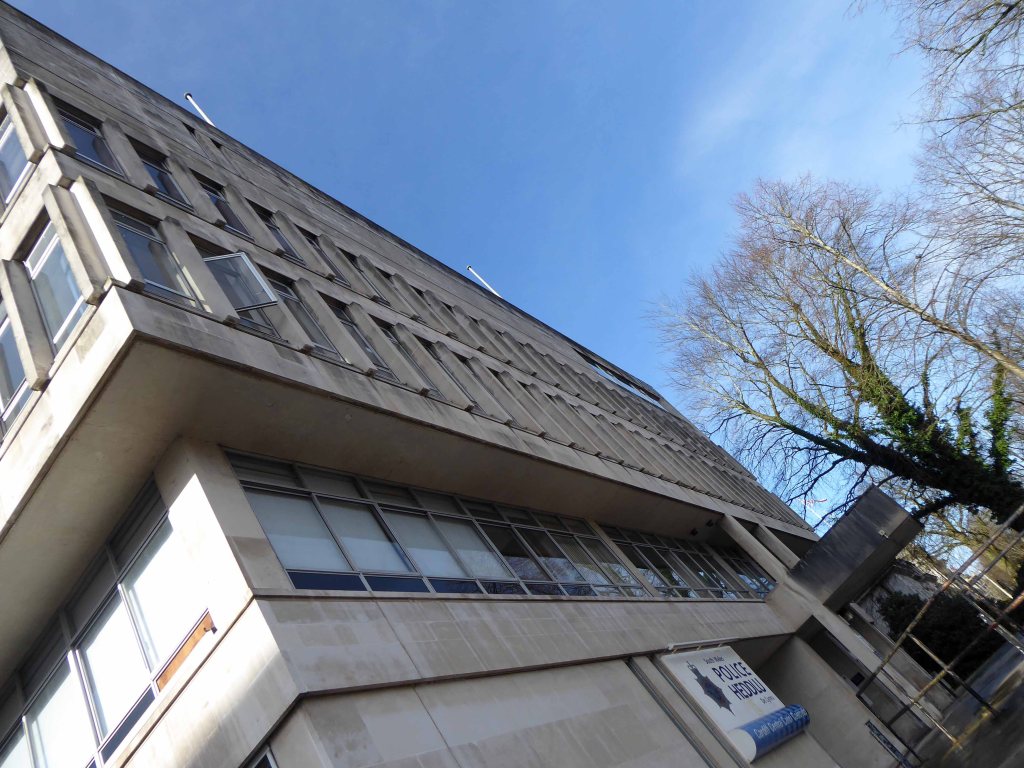
The current five storey Cardiff Central police station was designed by Cardiff’s city architect John Dryburgh and built on the southern corner of Cathays Park between 1966 and 1968. It is described as: The most successful post-war building in Cathays Park and the only post-war building in the area: To be both modern and majestic
The detention facilities at the station were inadequate with only four cells. These were replaced by sixty cells at the new Cardiff Bay police station, which opened in 2009.
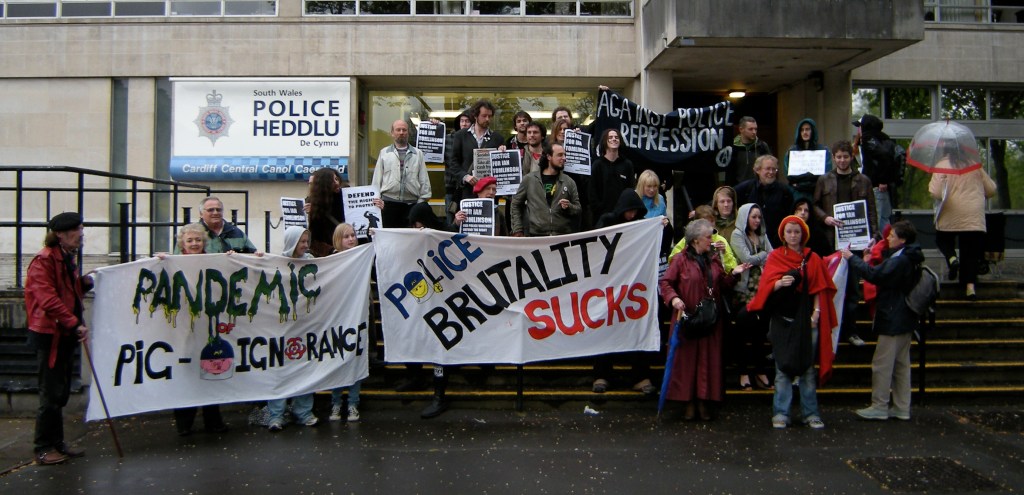
This year’s Mayday protests in Cardiff took place outside Cardiff Central Police Station to show the opposition to the increasing criminalisation of public protest.
No Borders South Wales activists were in attendance to show solidarity with fellow protesters and register our opposition to repressive police tactics at all forms of public demonstrations.
The protest was good natured and lively, with lots of music and singing.
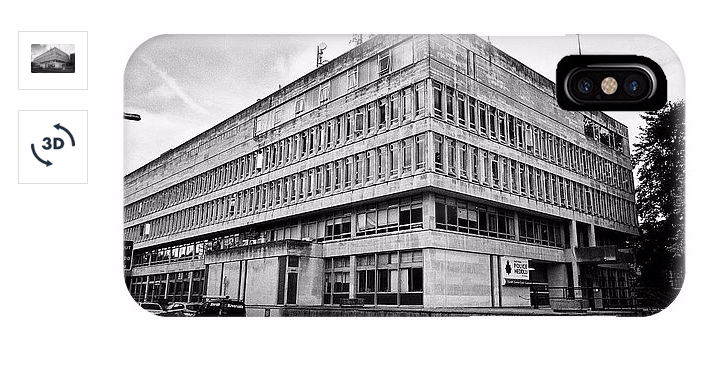
The building is celebrated by photographer Joe Fox via Fine Art America
Who are happy to reproduce the image in the form of this delightful phone case, for the princely sum of twenty two pounds.
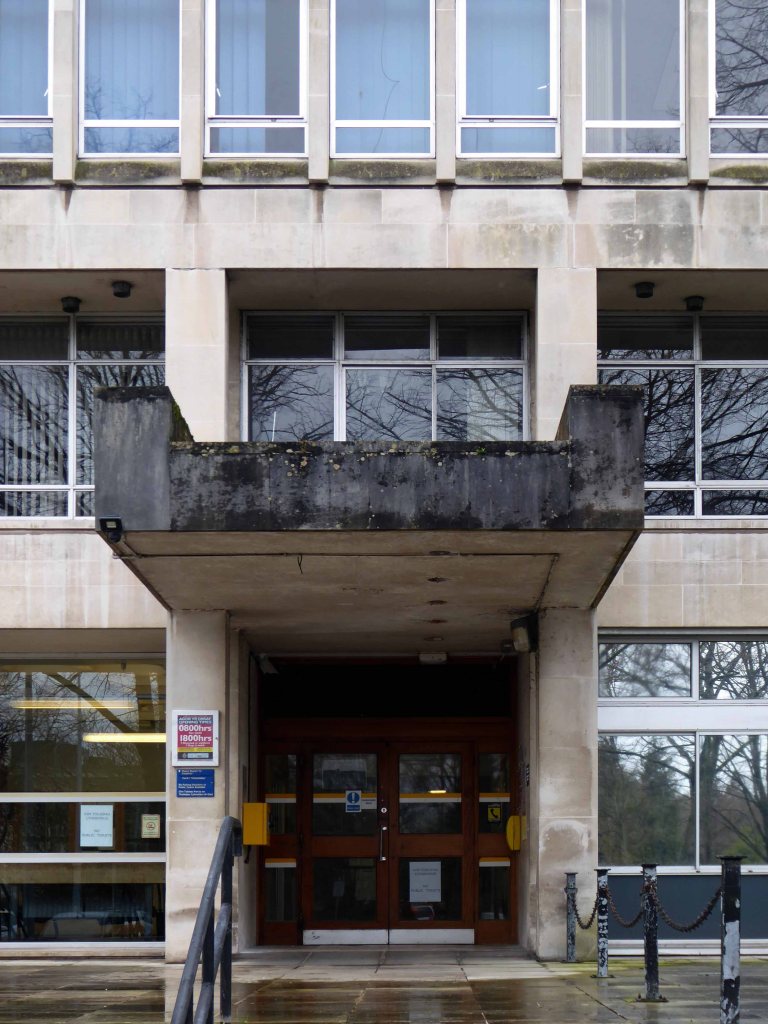
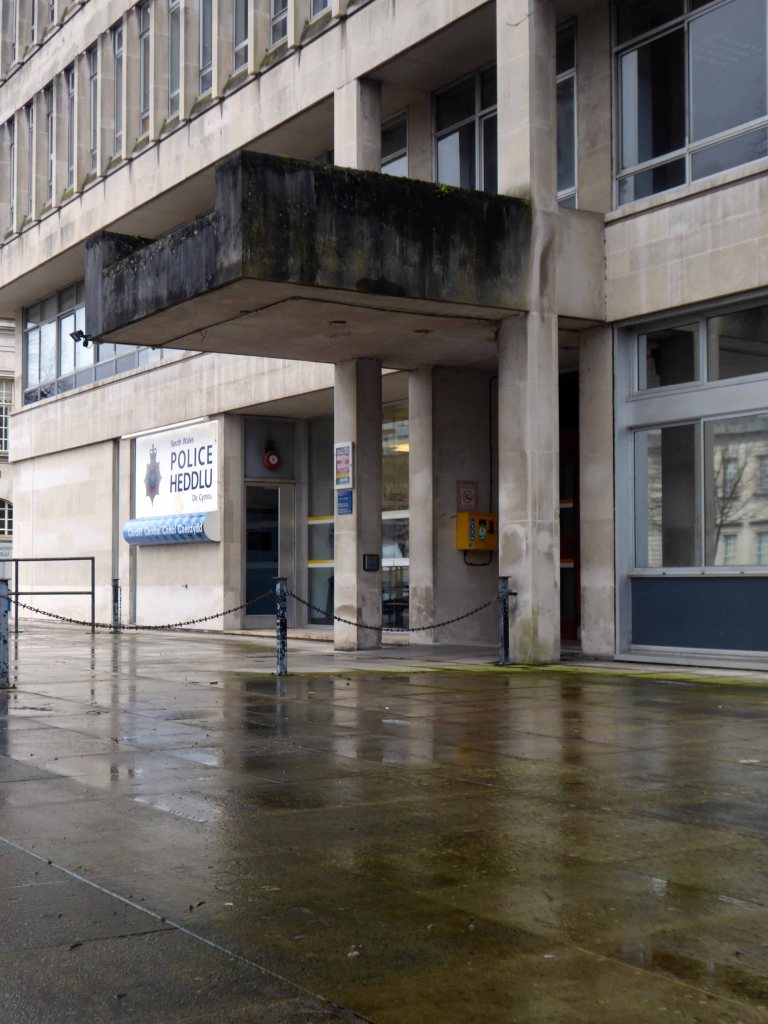
I myself was taken by its unapologetic system built panelling, all-round convivial confidence and cantilevered porch.
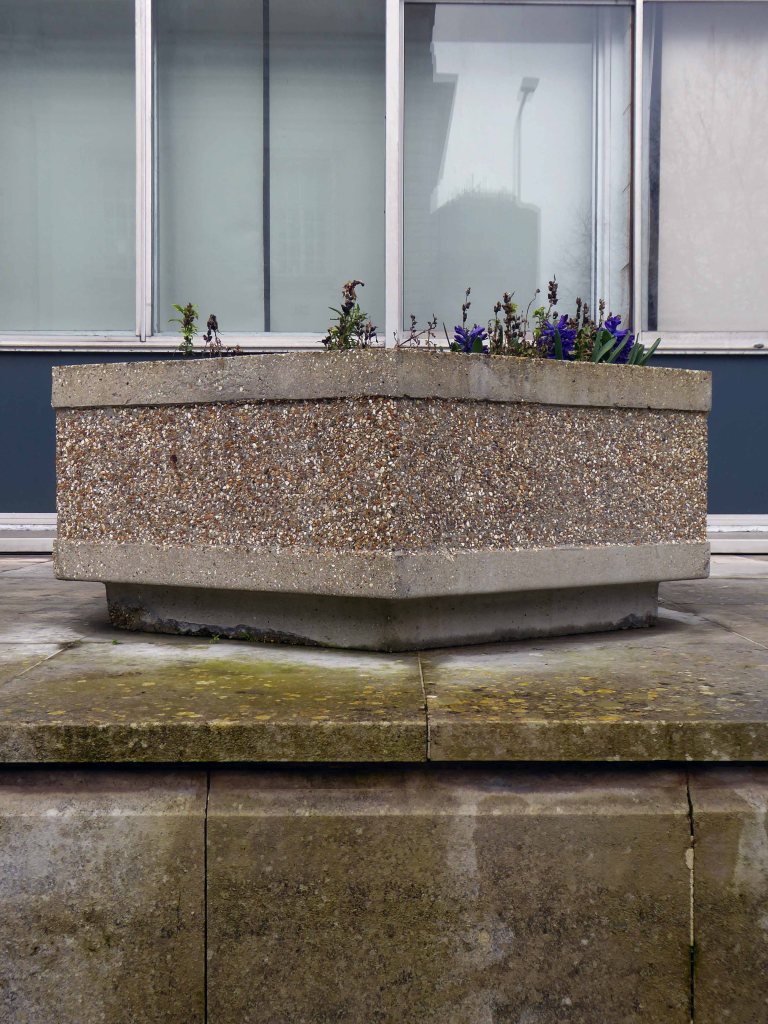
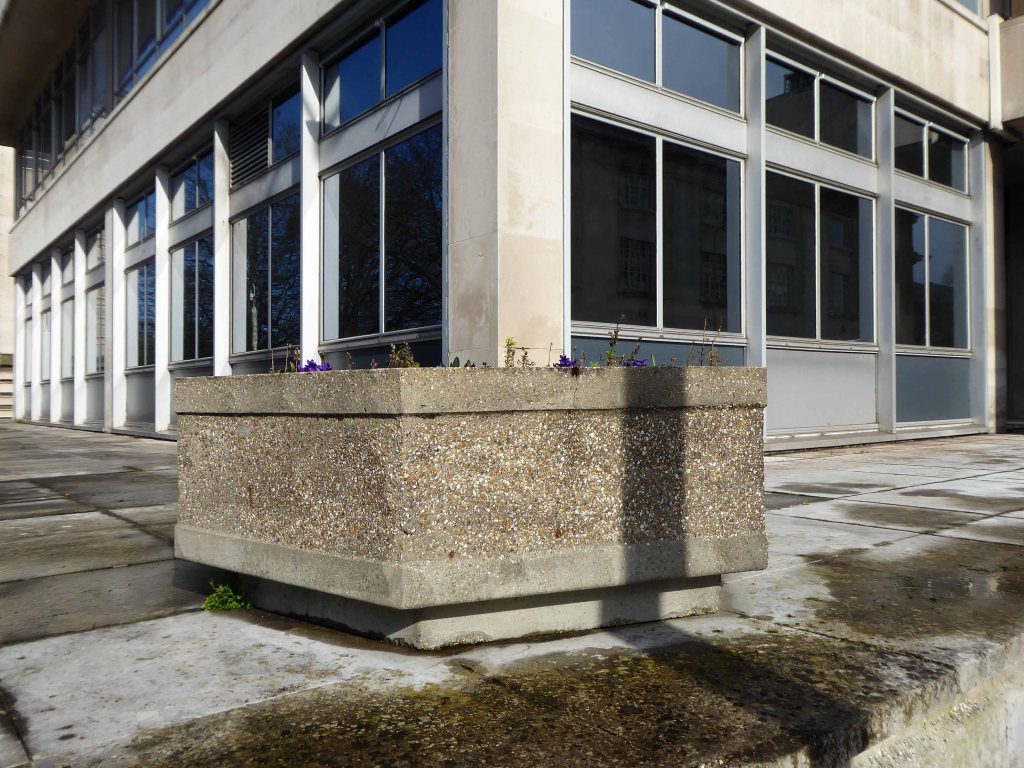
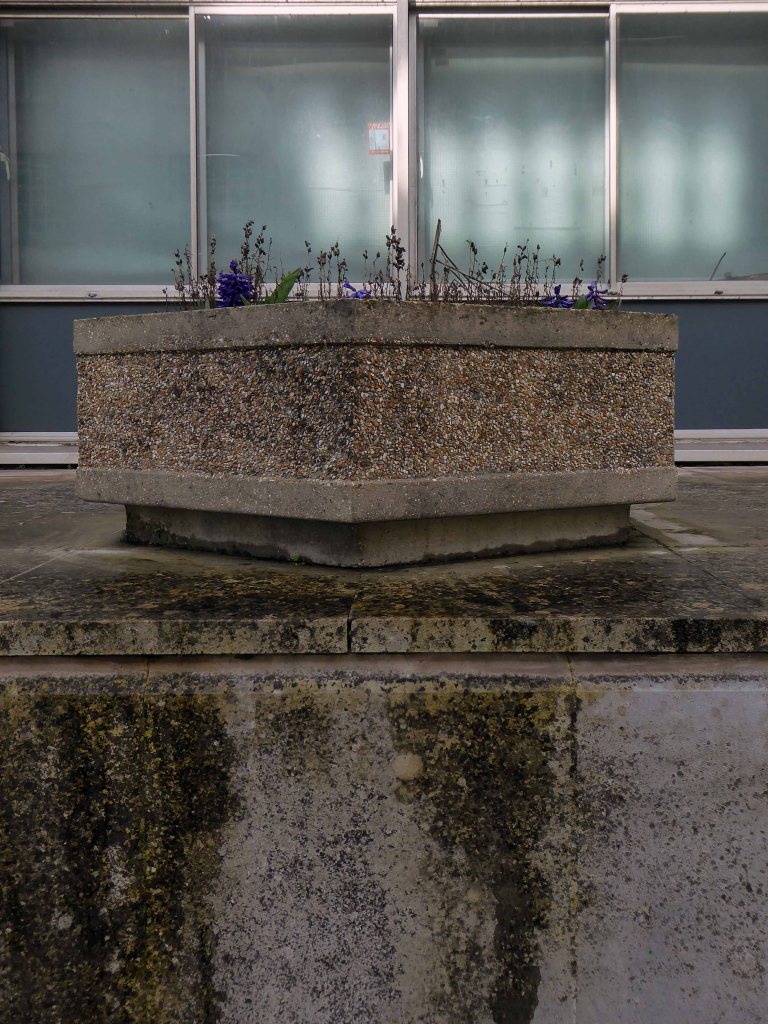
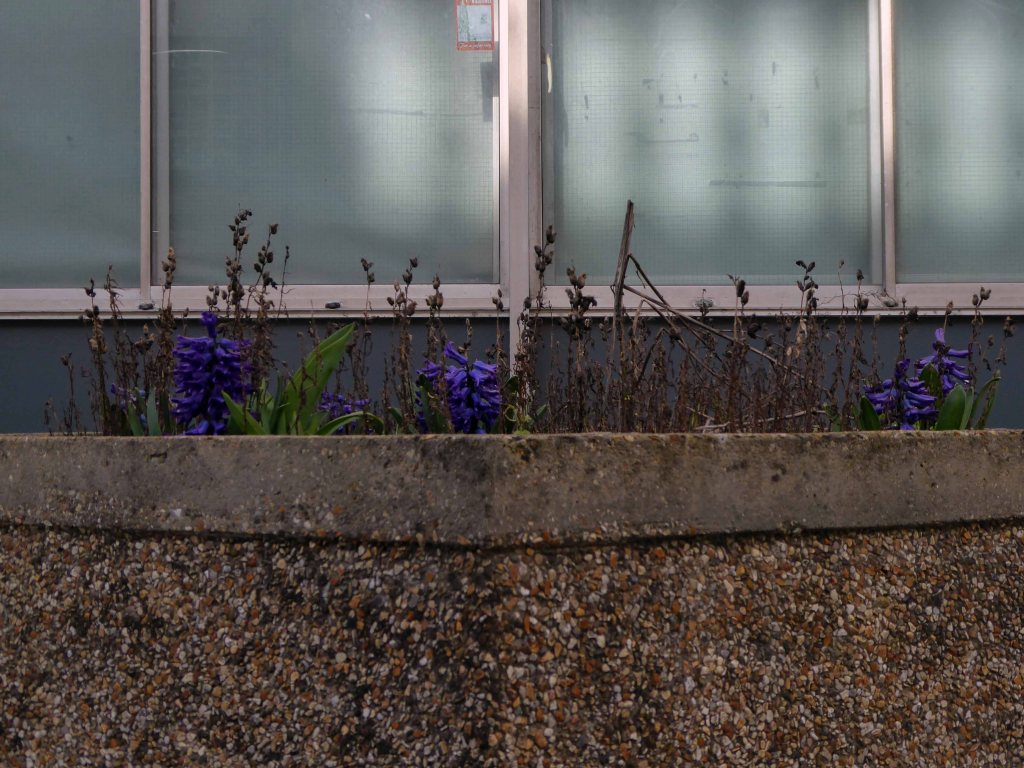
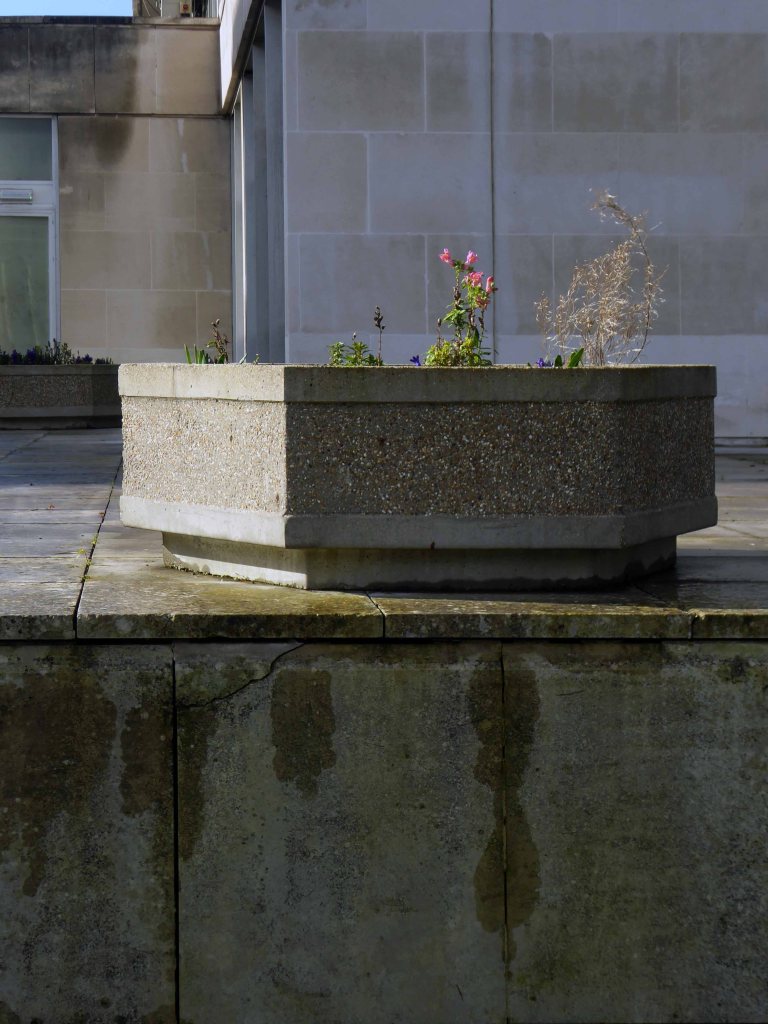
Plus an exciting array of concrete planters – exhibiting an exciting array of seasonal planting schemes.
Well with a wander around should you find y’self down that end of town.
I have even ventured as far afield as Huyton in search of other exemplars.
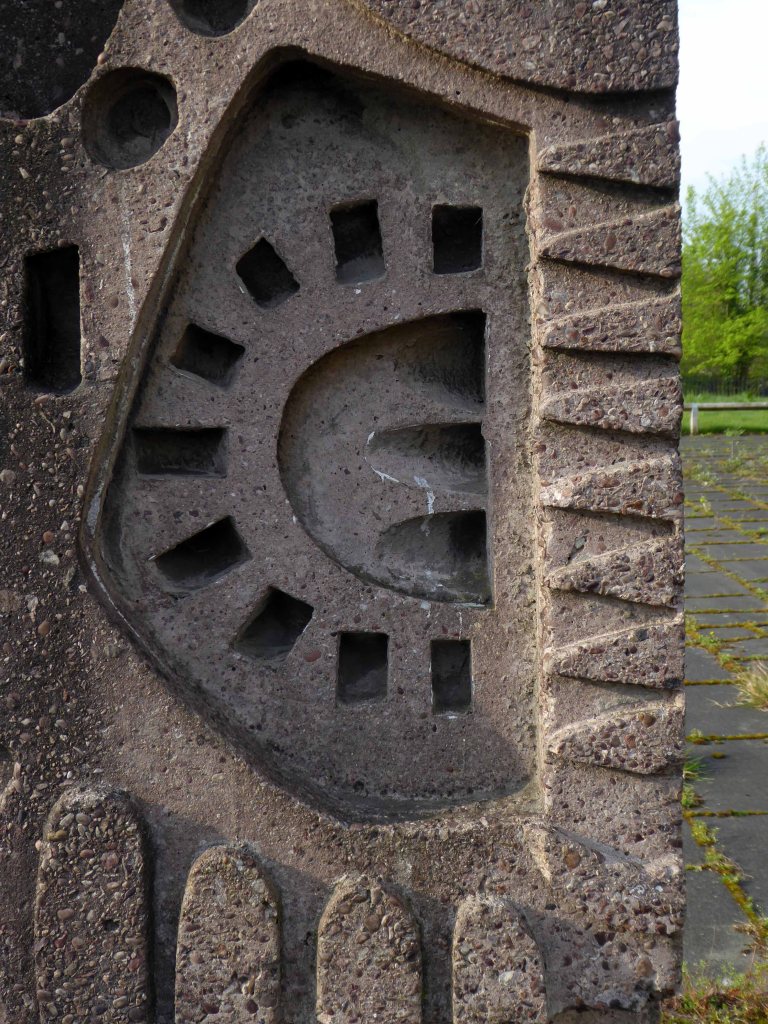
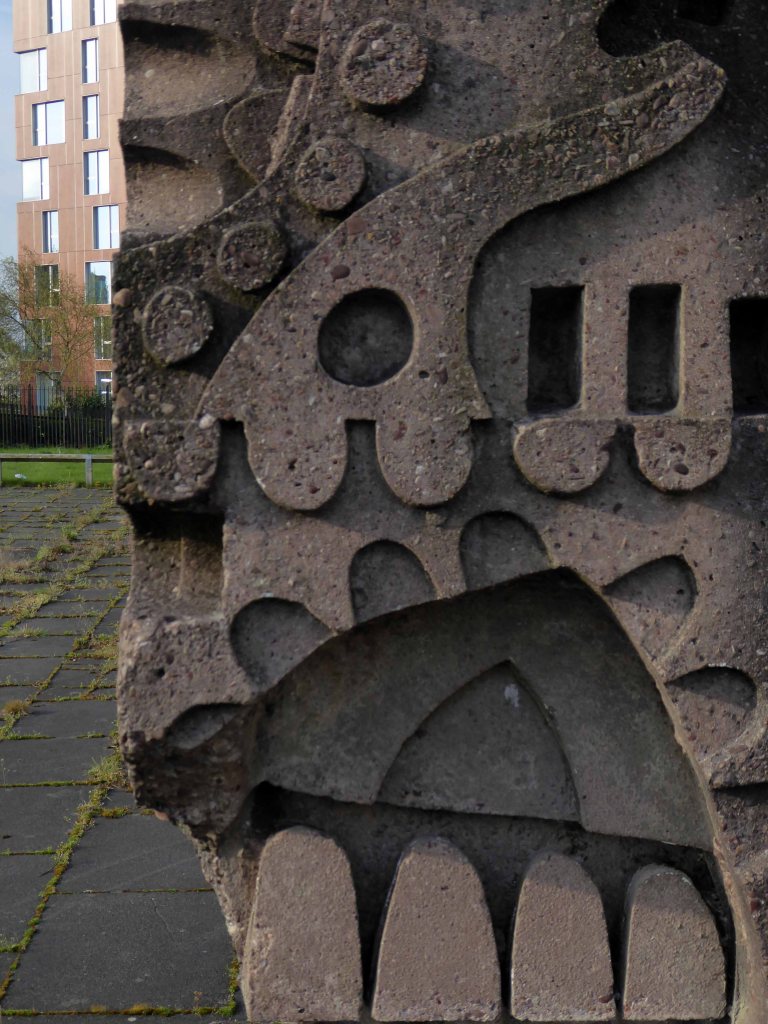
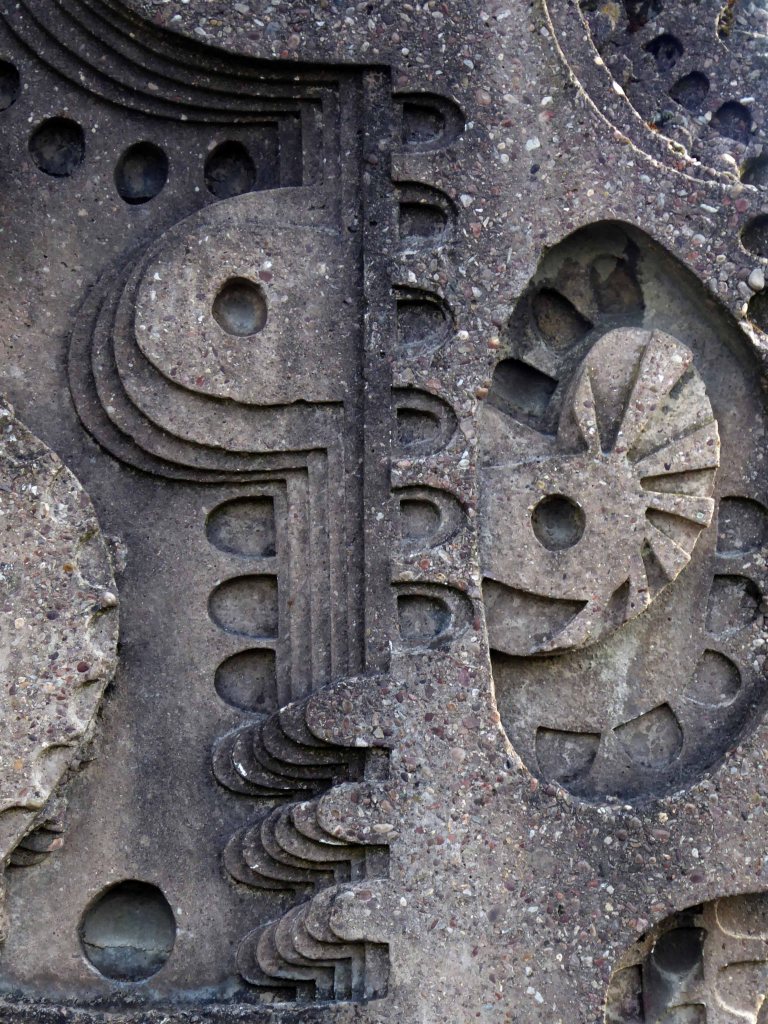
This is work of the highest order and importance.
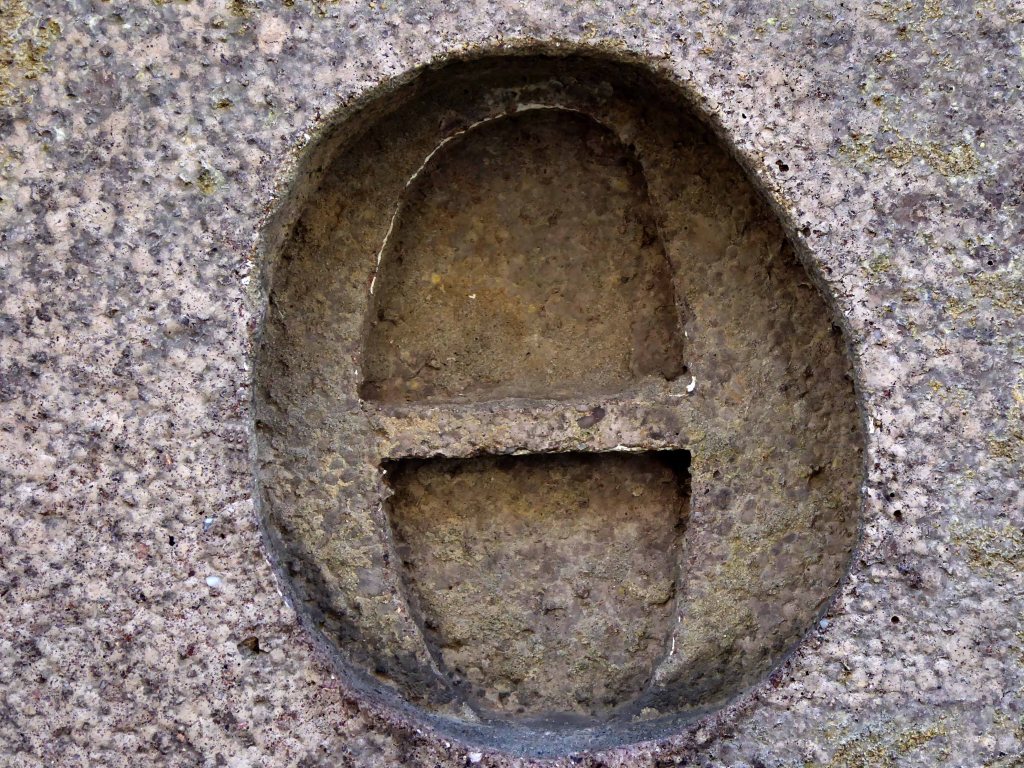
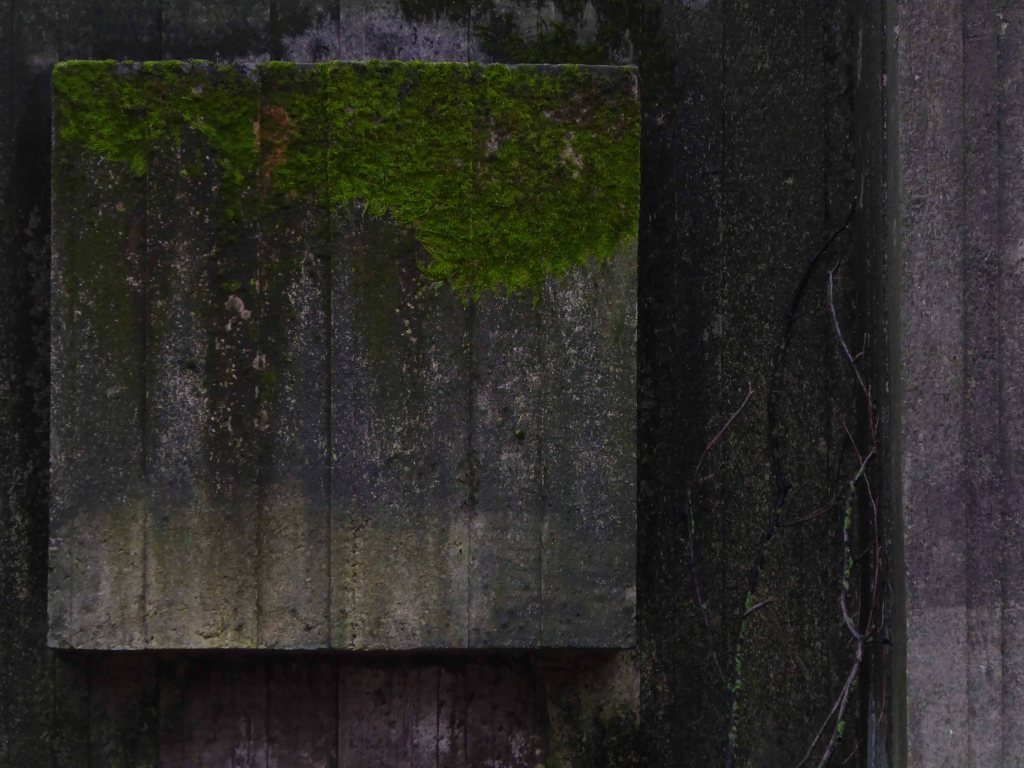
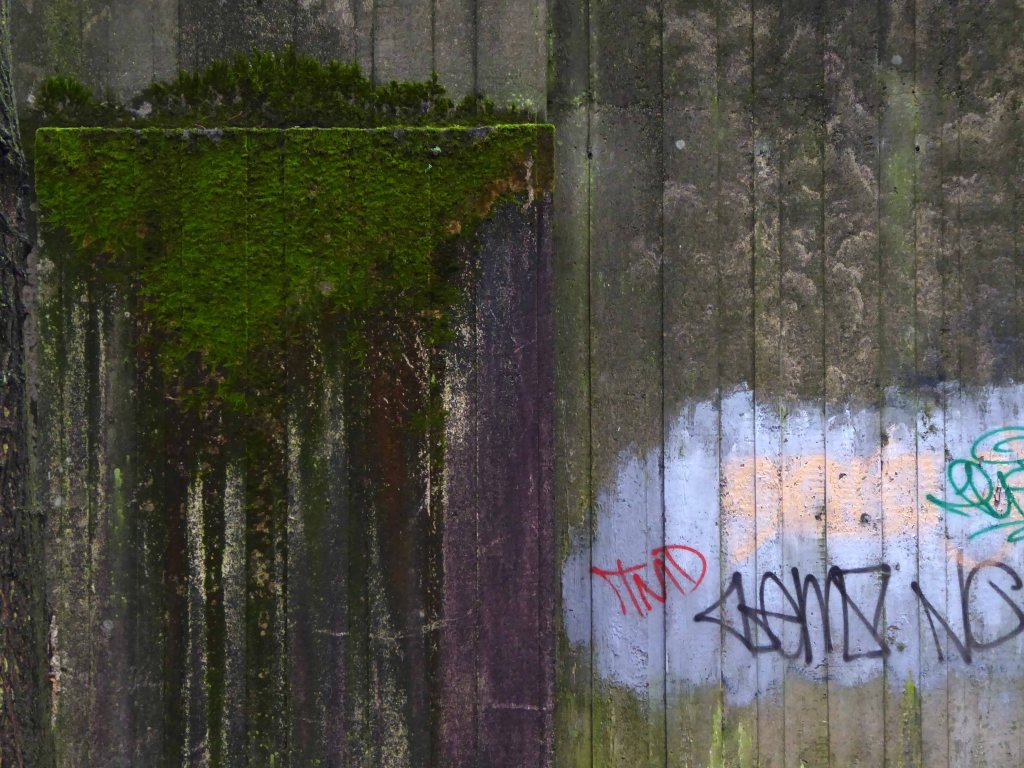
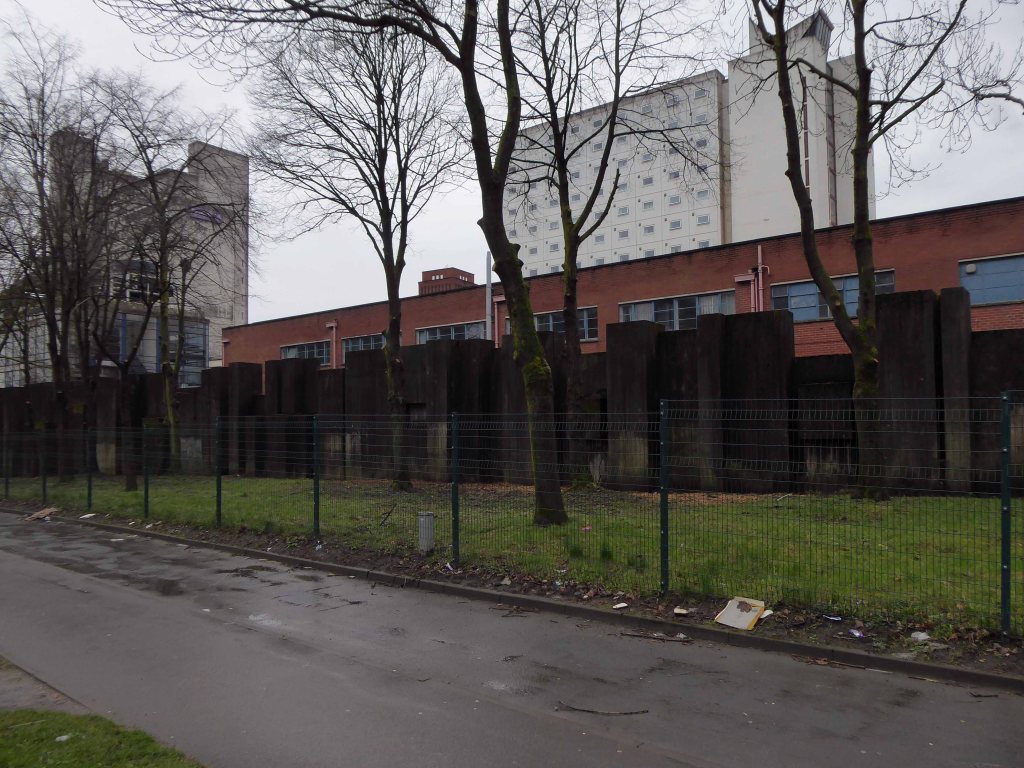
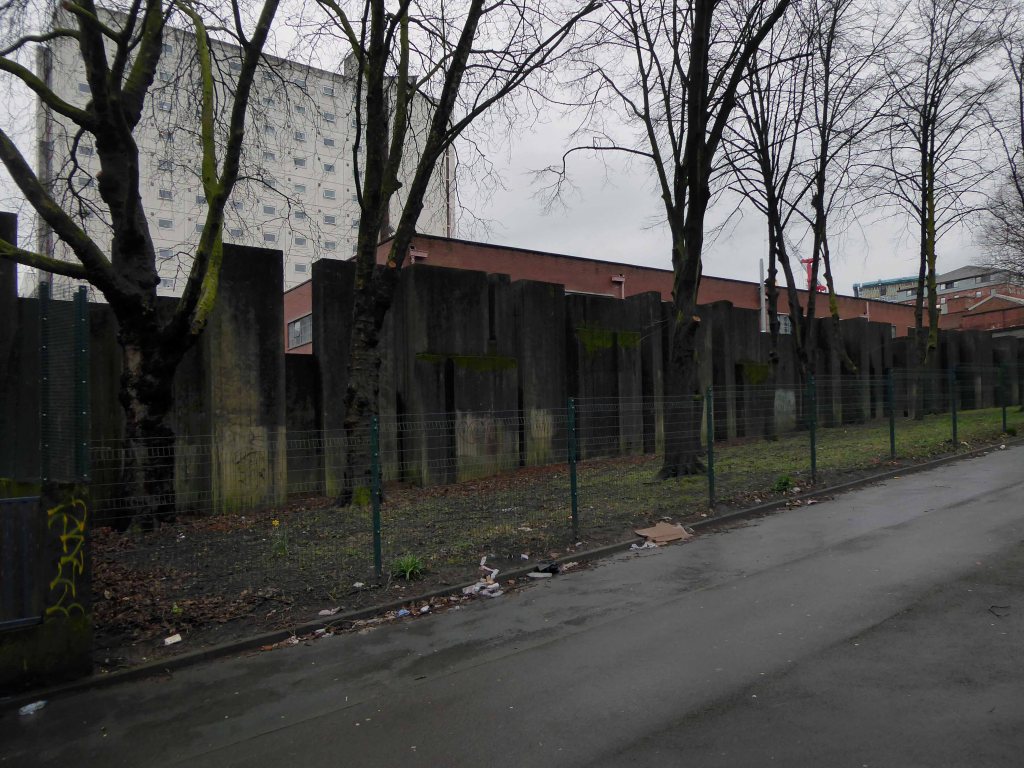
It sits by a busy London Road, behind an intrusive green steel fence, slowly acquiring a green patina – as moss and lichen attach themselves to the well weathered concrete.
Receiving occasional visits from the errant urban tagger.
It deserves much better – a lush grassed apron, discrete public seating, regular tree maintenance – respect.
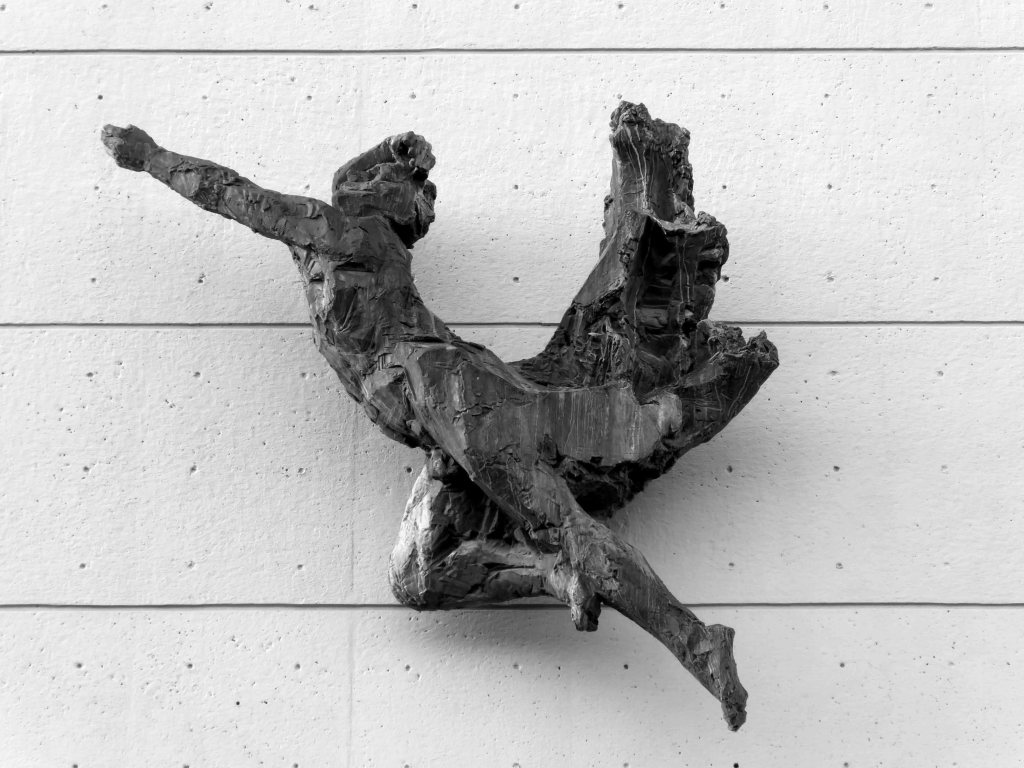
We do not suffer from a surfeit of significant mid-century public art – its guardians should straighten up and fly right.
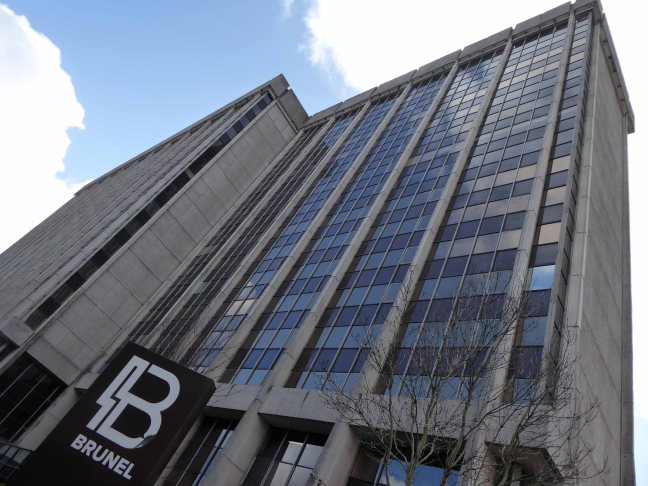
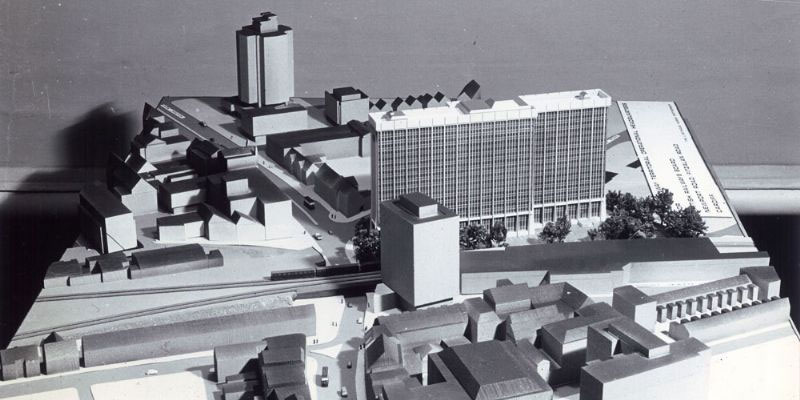
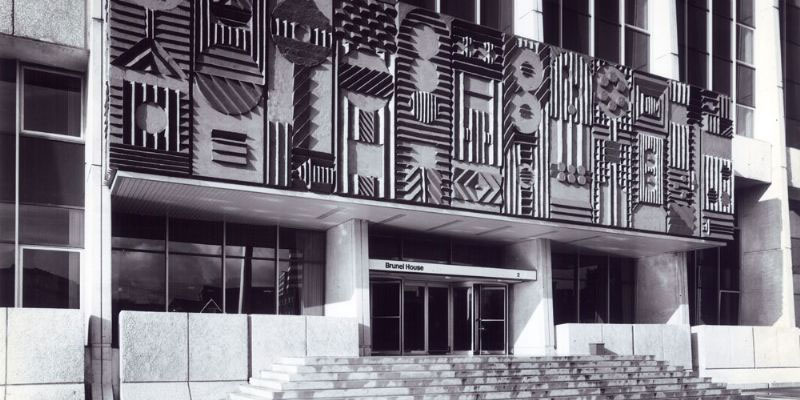
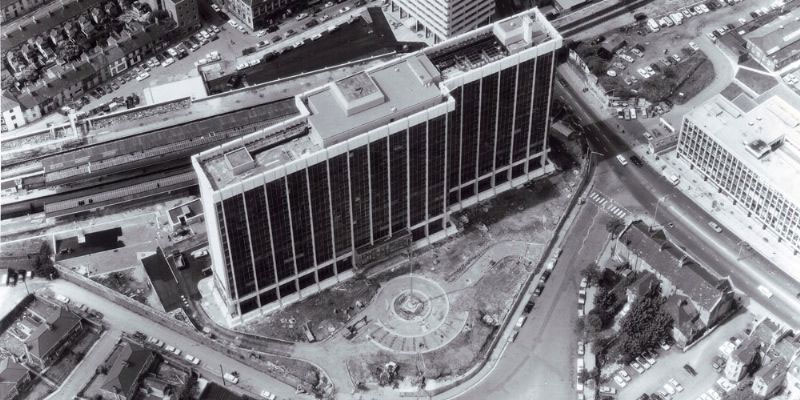
Originally built to house the regional British Rail offices – it seems that Great Western House has always been Brunel House.
Designed by Seymour Harris – who have also been responsible for the recent refurbishment.
The building is now in multiple occupancy, used for a wide range of services and uses, bringing new life to fine mid-century structure.
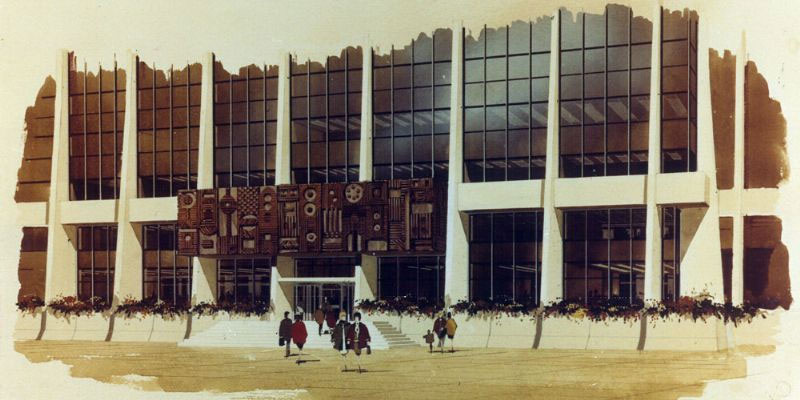
Sadly its entrance relief is now nowhere to be seen.
Archive photographsSeymour Harris Architects
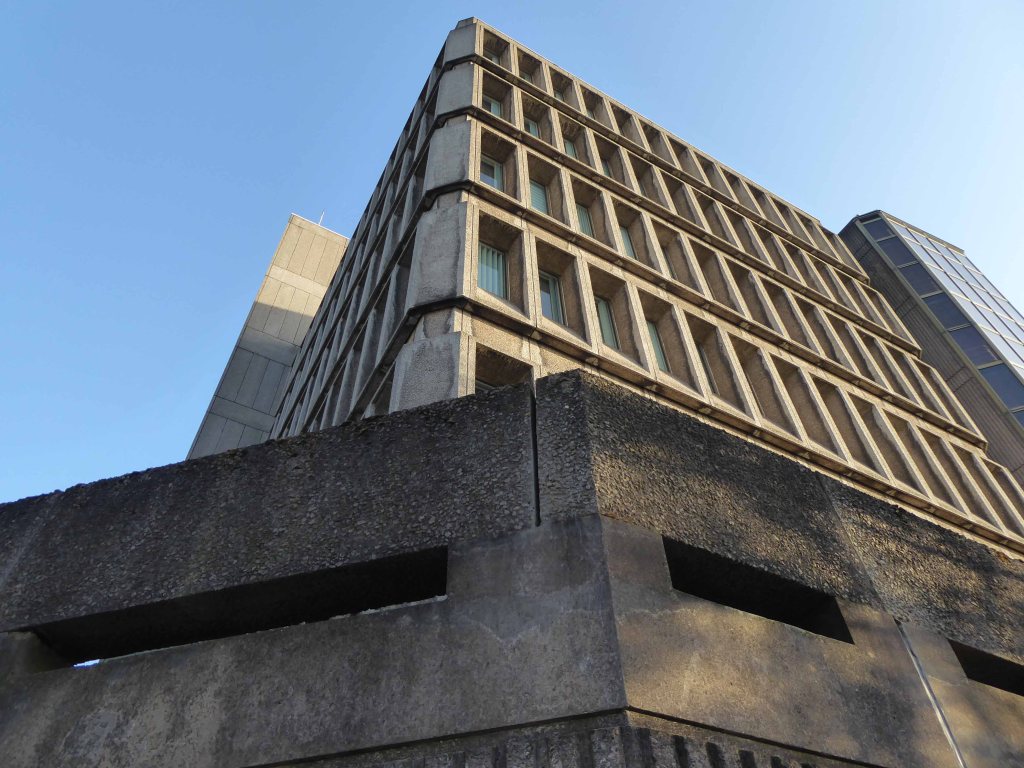
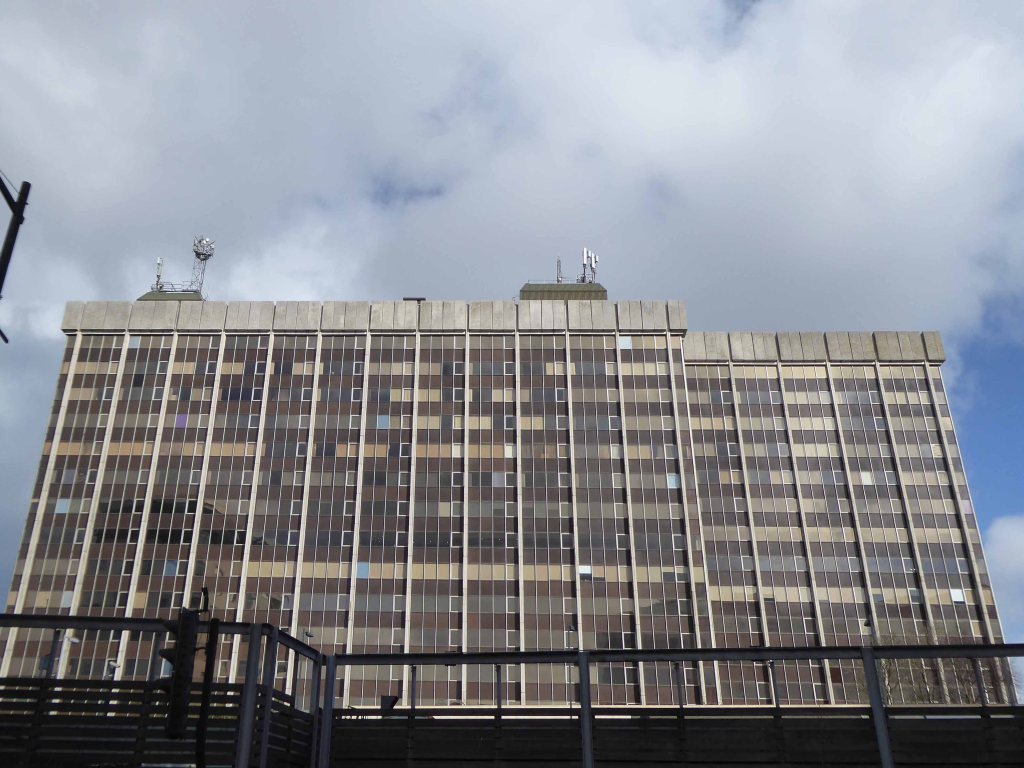
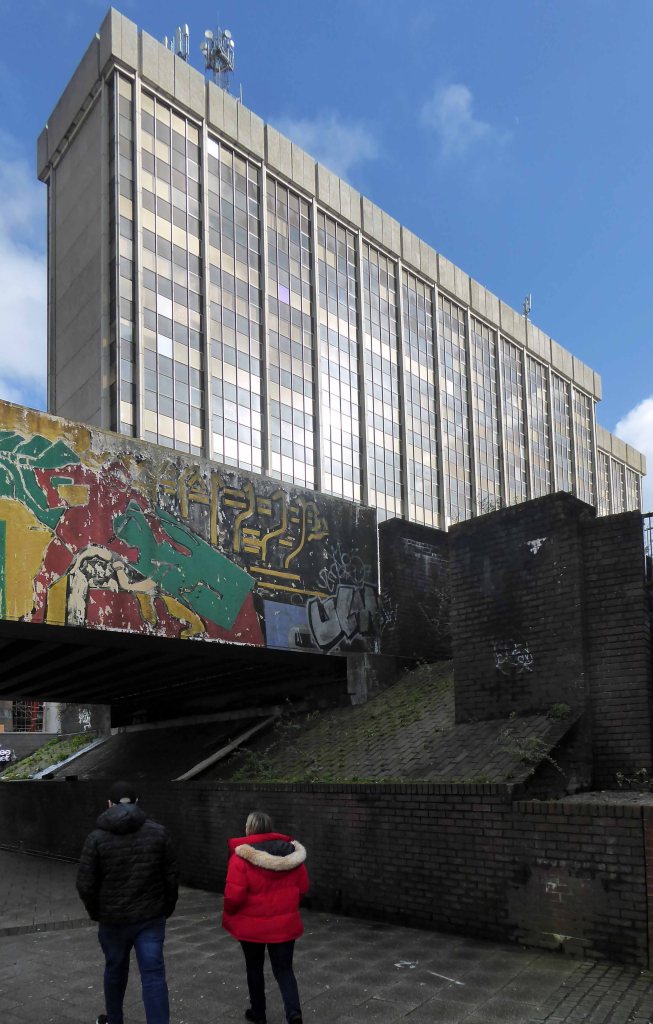
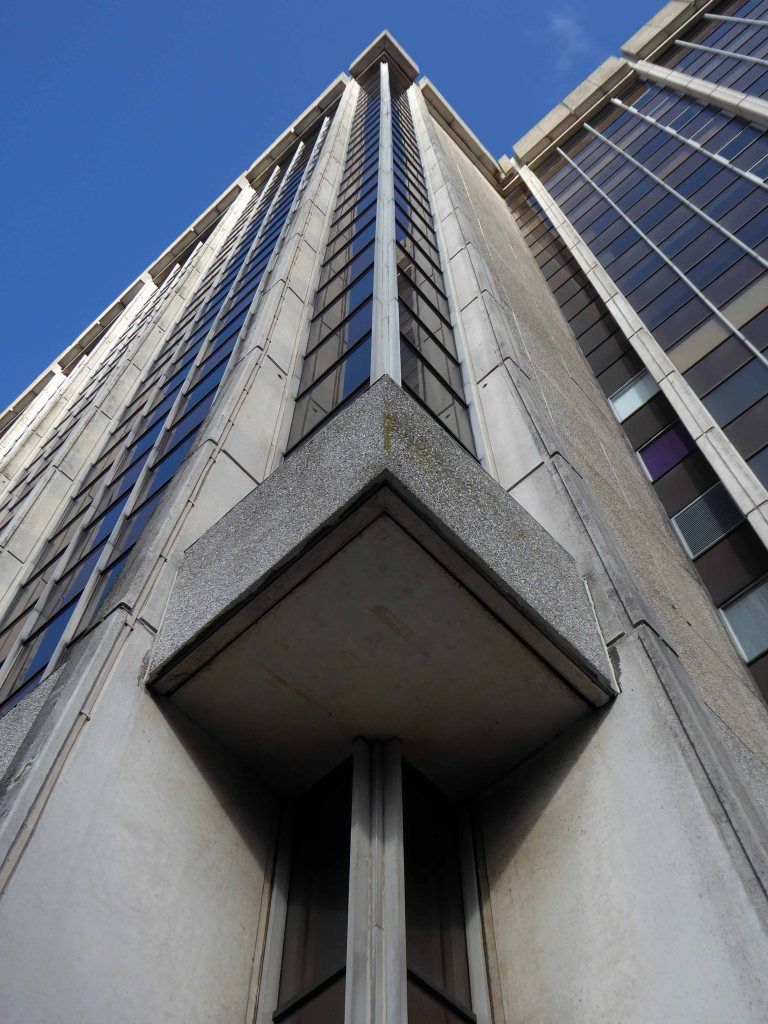
Sixteen floors standing at 190 feet, two enormous interlocking slabs – it is the largest commercial property in Wales.
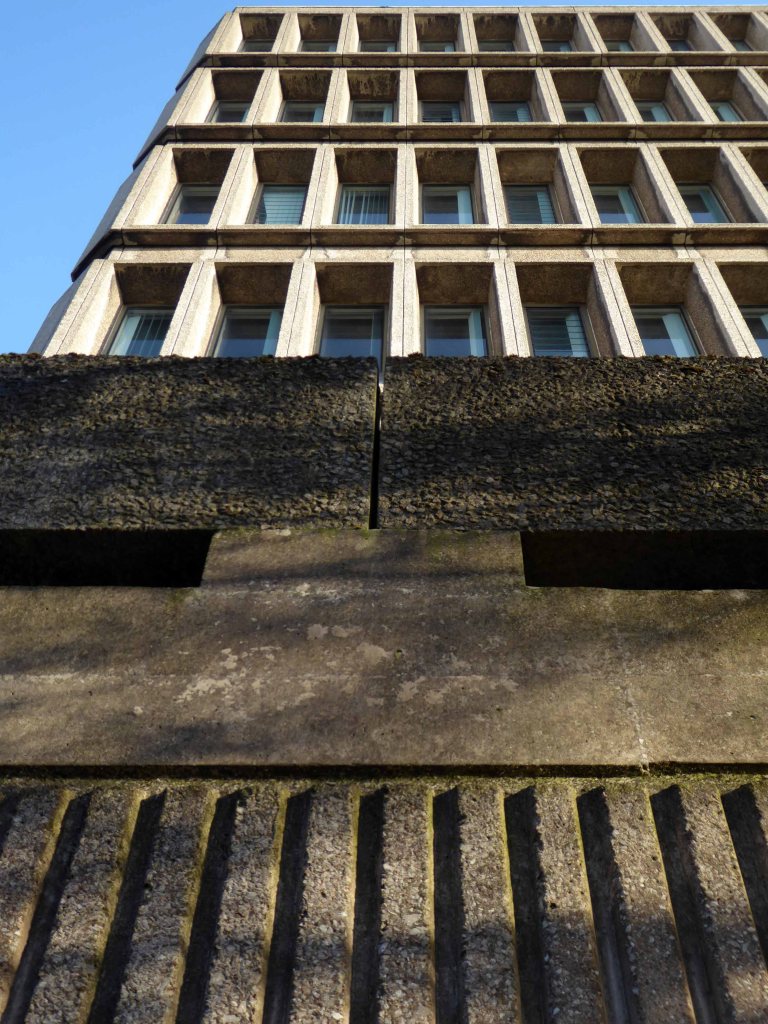
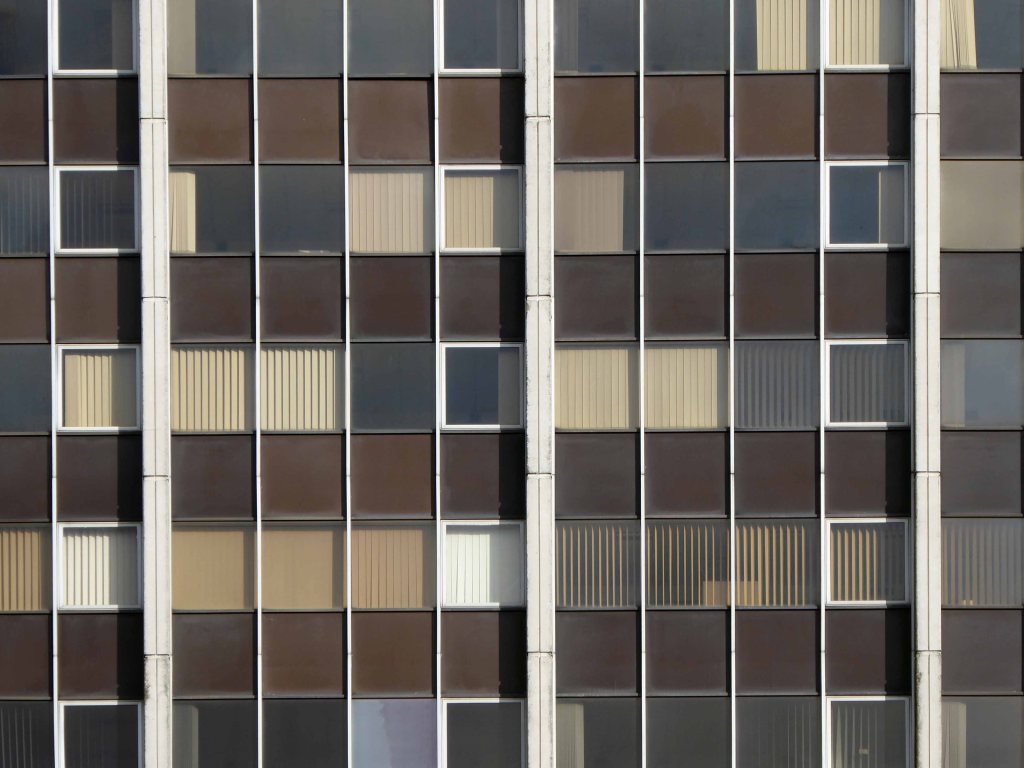
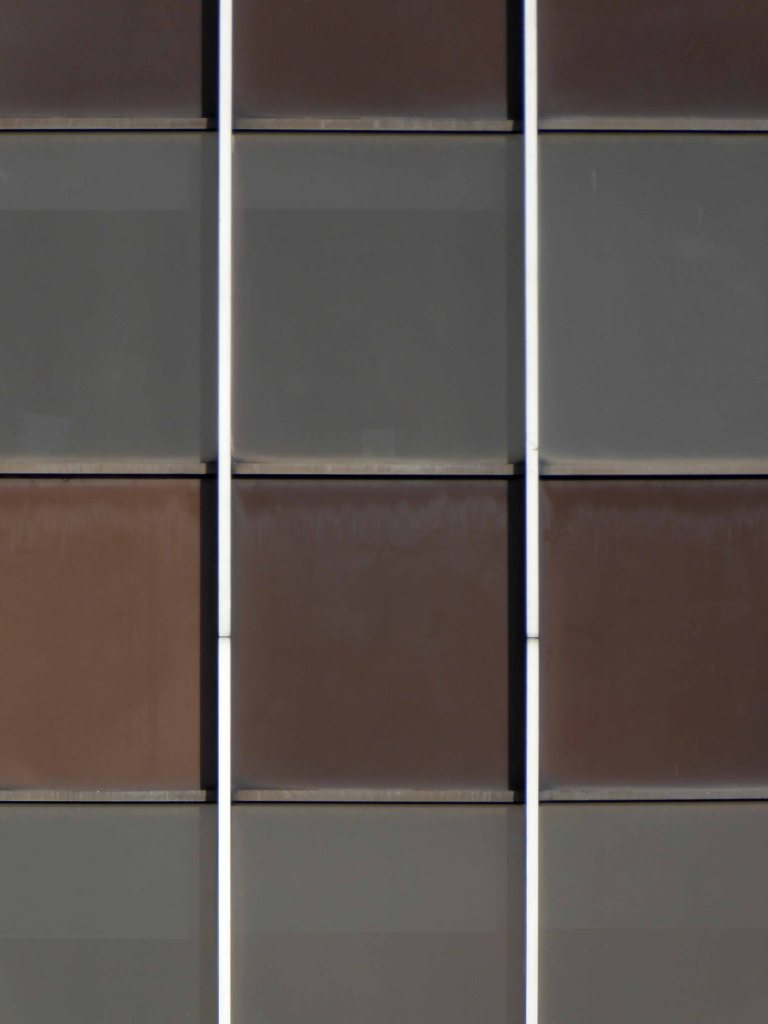
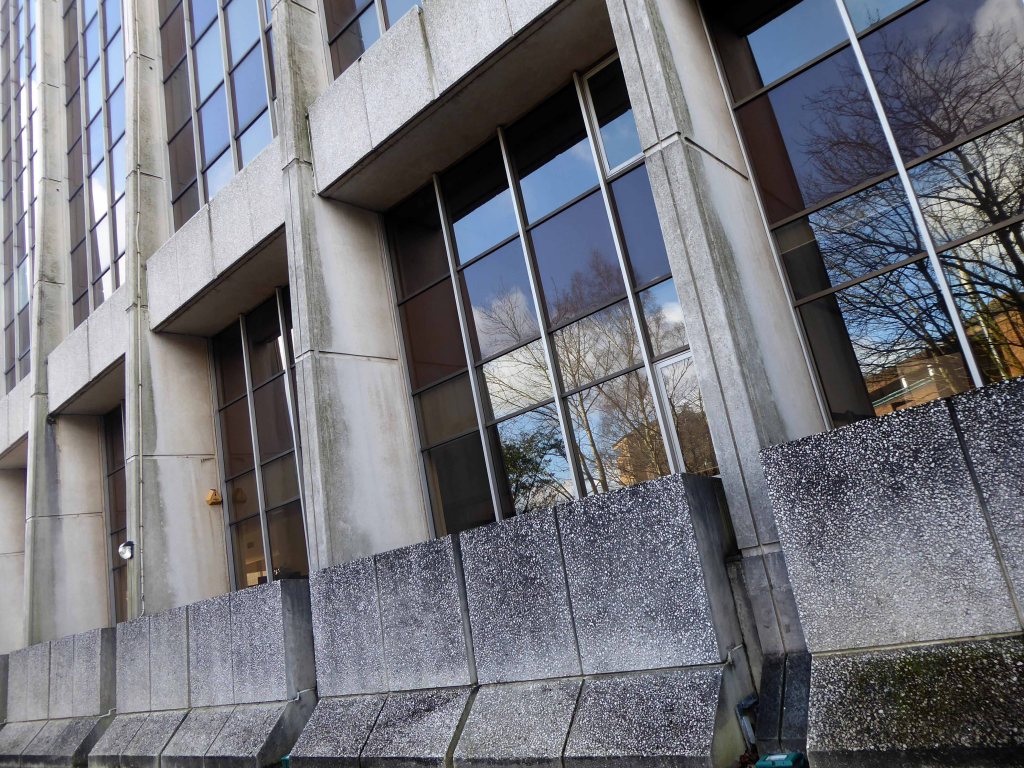
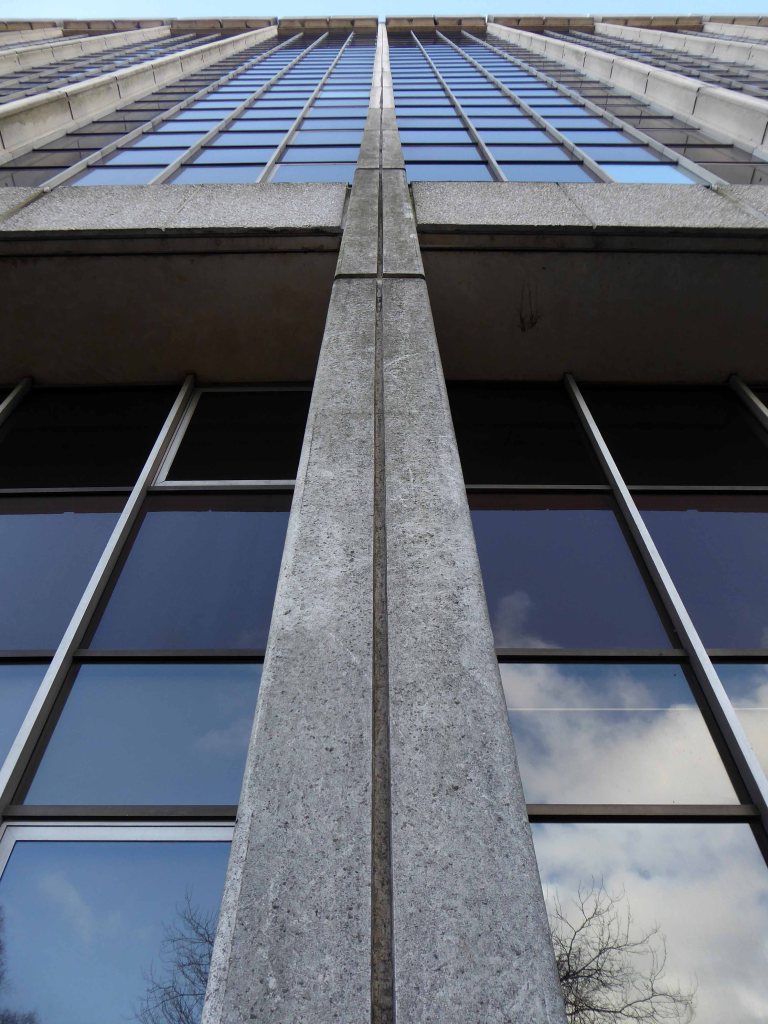
Seen from afar your are hit by its impressive rear elevation, with a distinctive grid defined by the slender window frames and a restrained yet earthy palette.
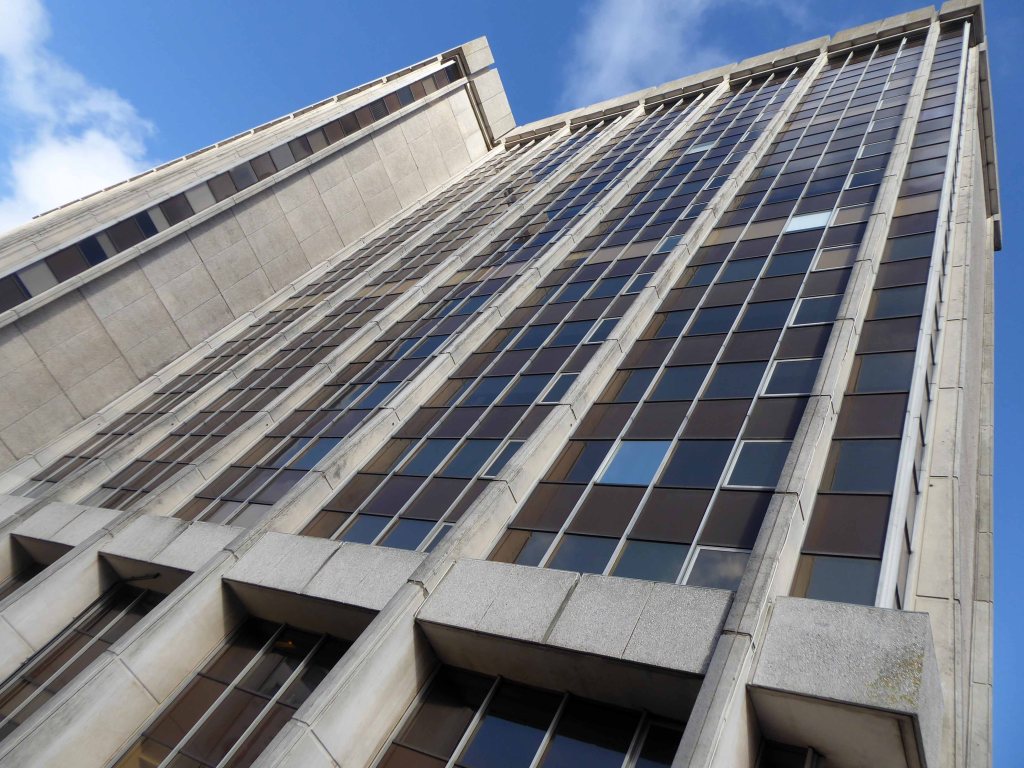
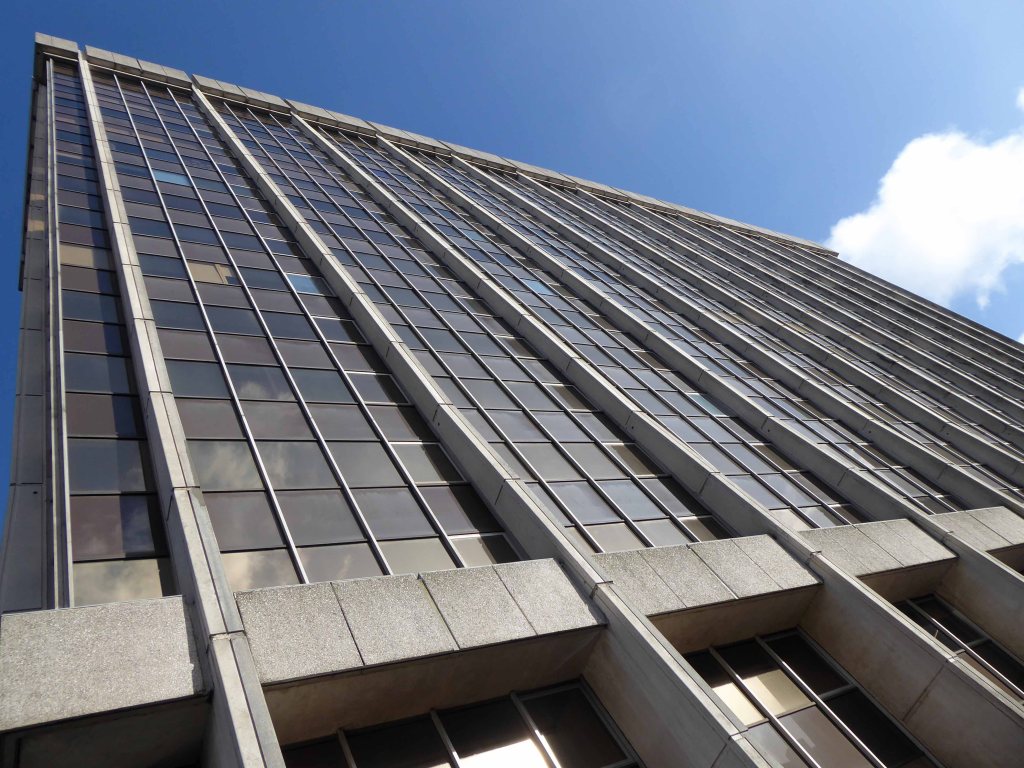
This is then broken up by strong vertical concrete columns.
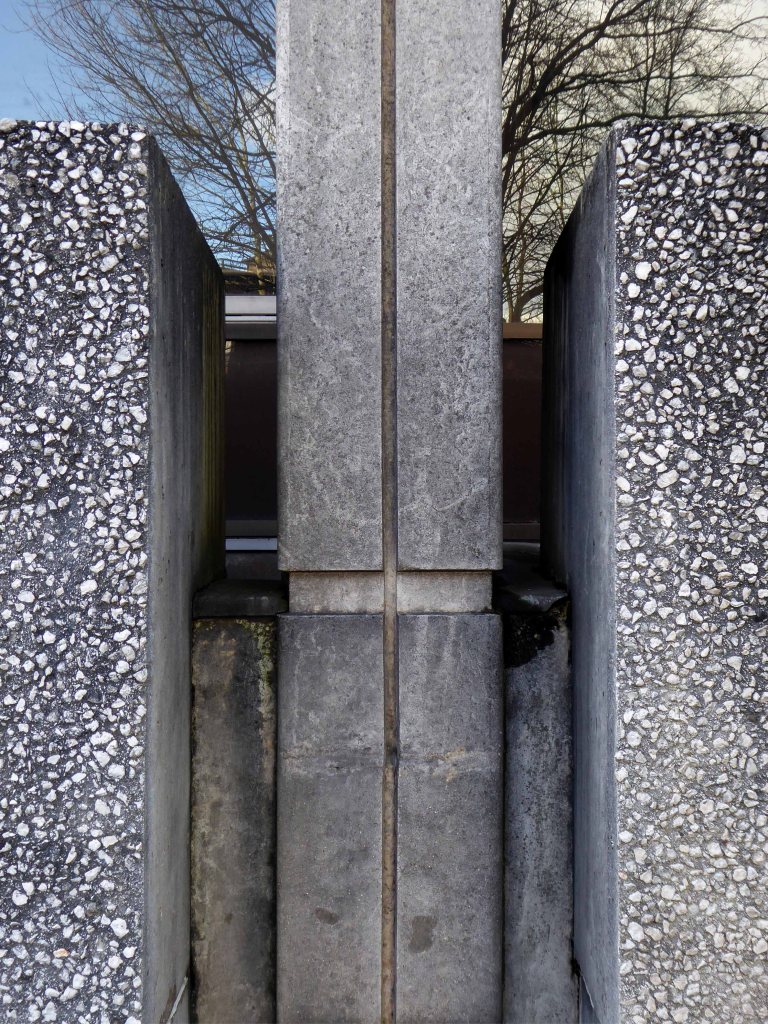
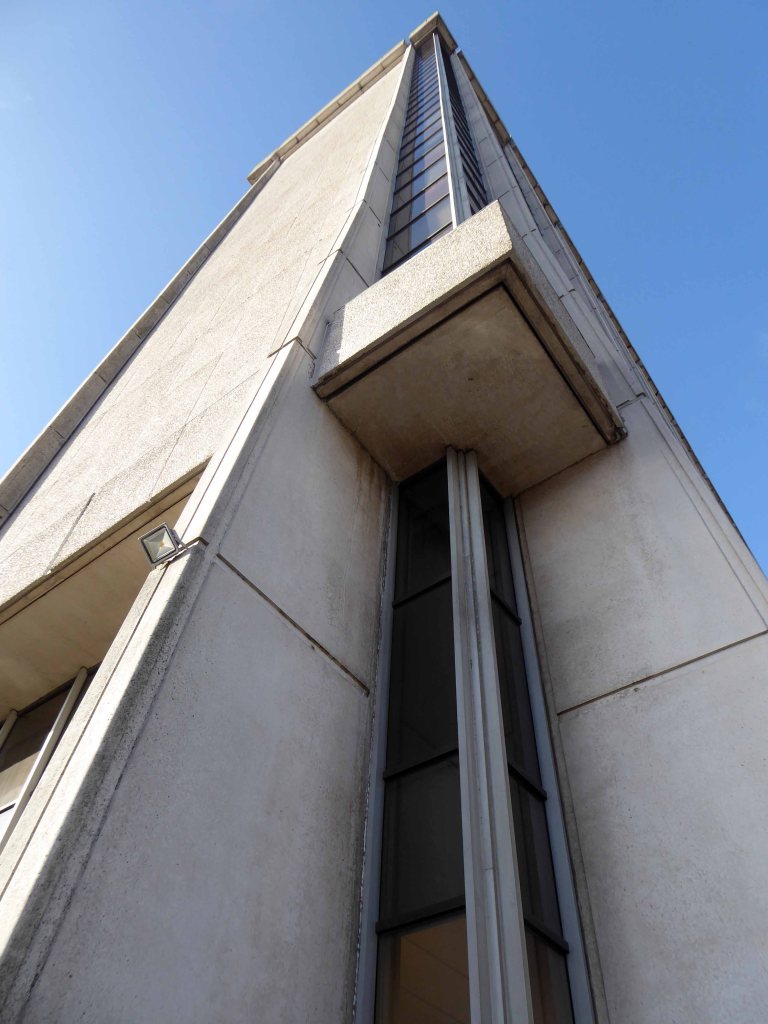
With bold structural detailing, using a variety of aggregates and finishes.
Side elevations are brut concrete, with limited window space.
Where surfaces and volume conjoin there is further interesting structural detail.
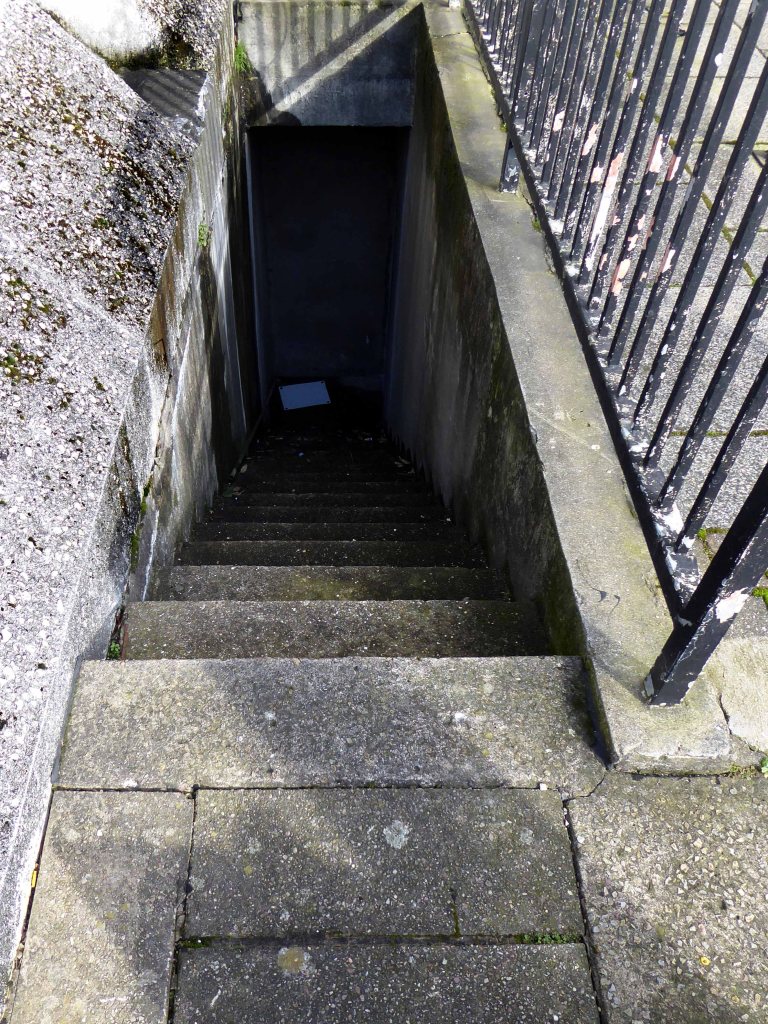
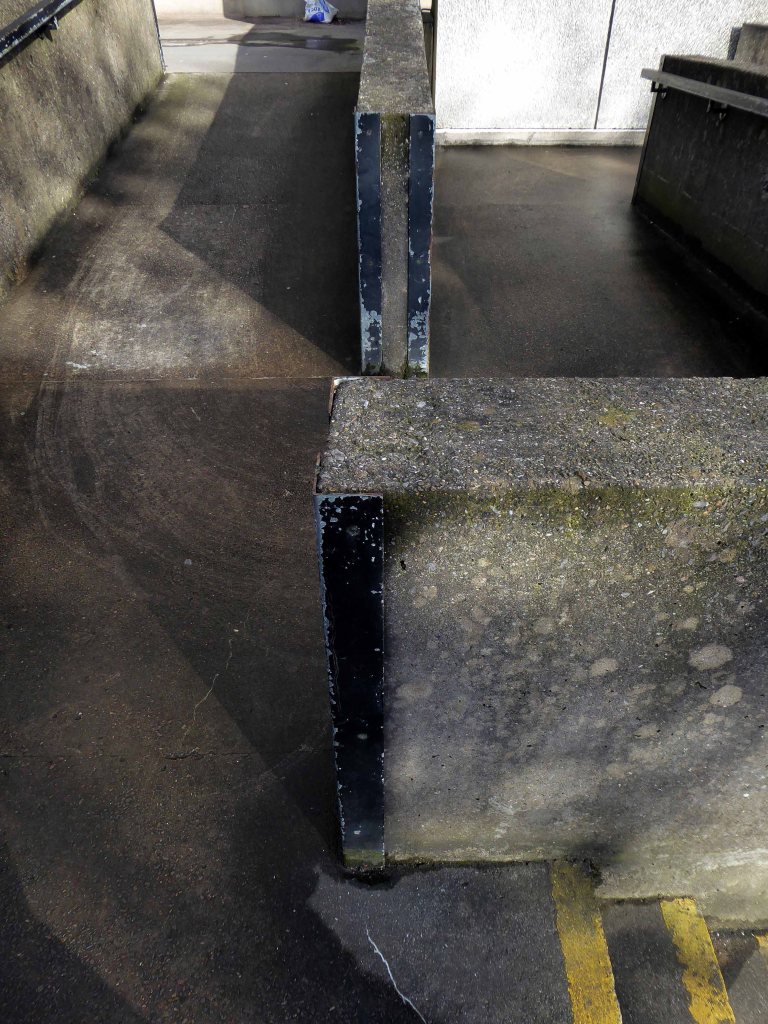
Service areas to the rear.
An exciting encounter with a building of substance and quality – go take a look for y’self.























































 Modern Mooch