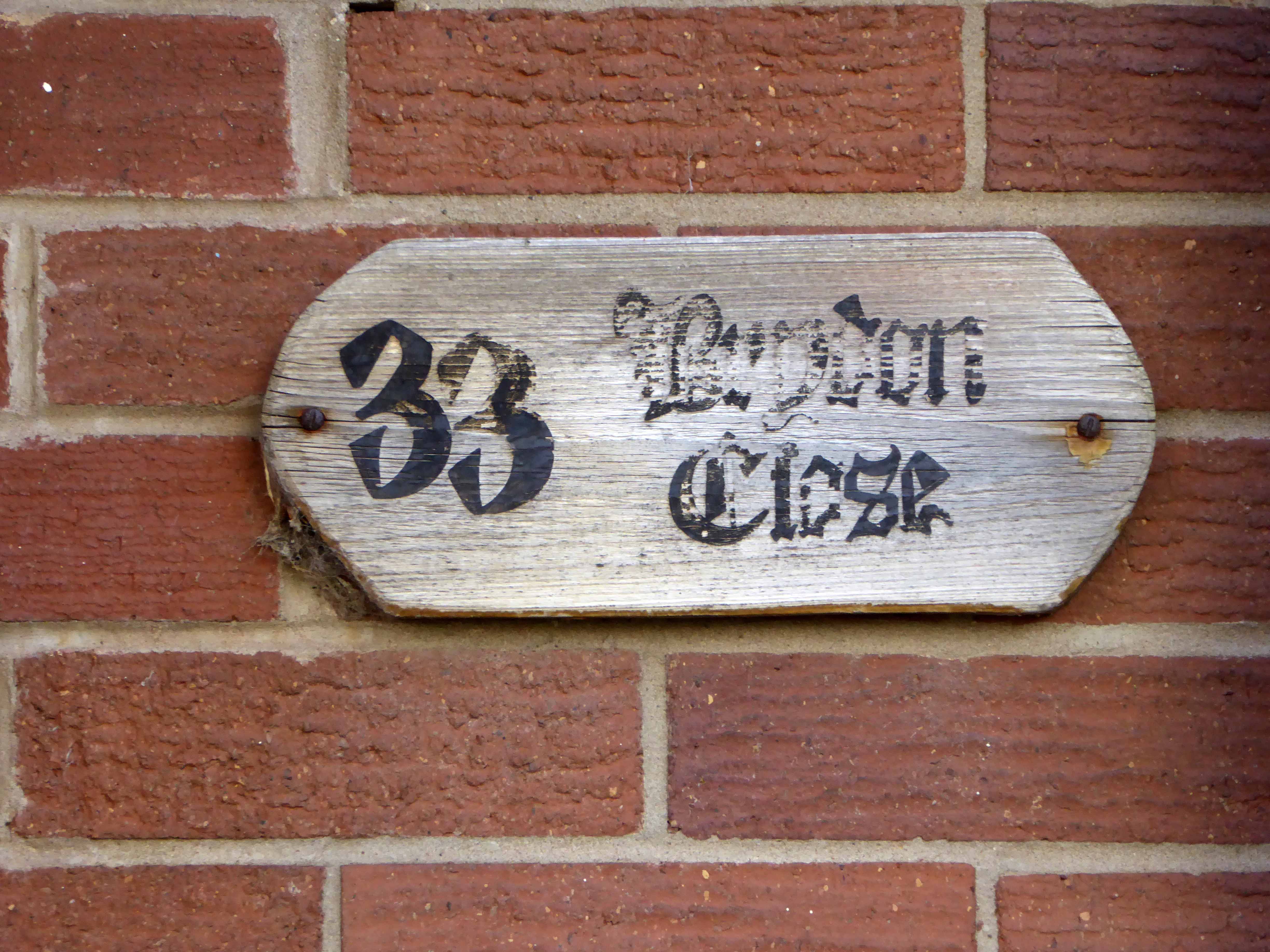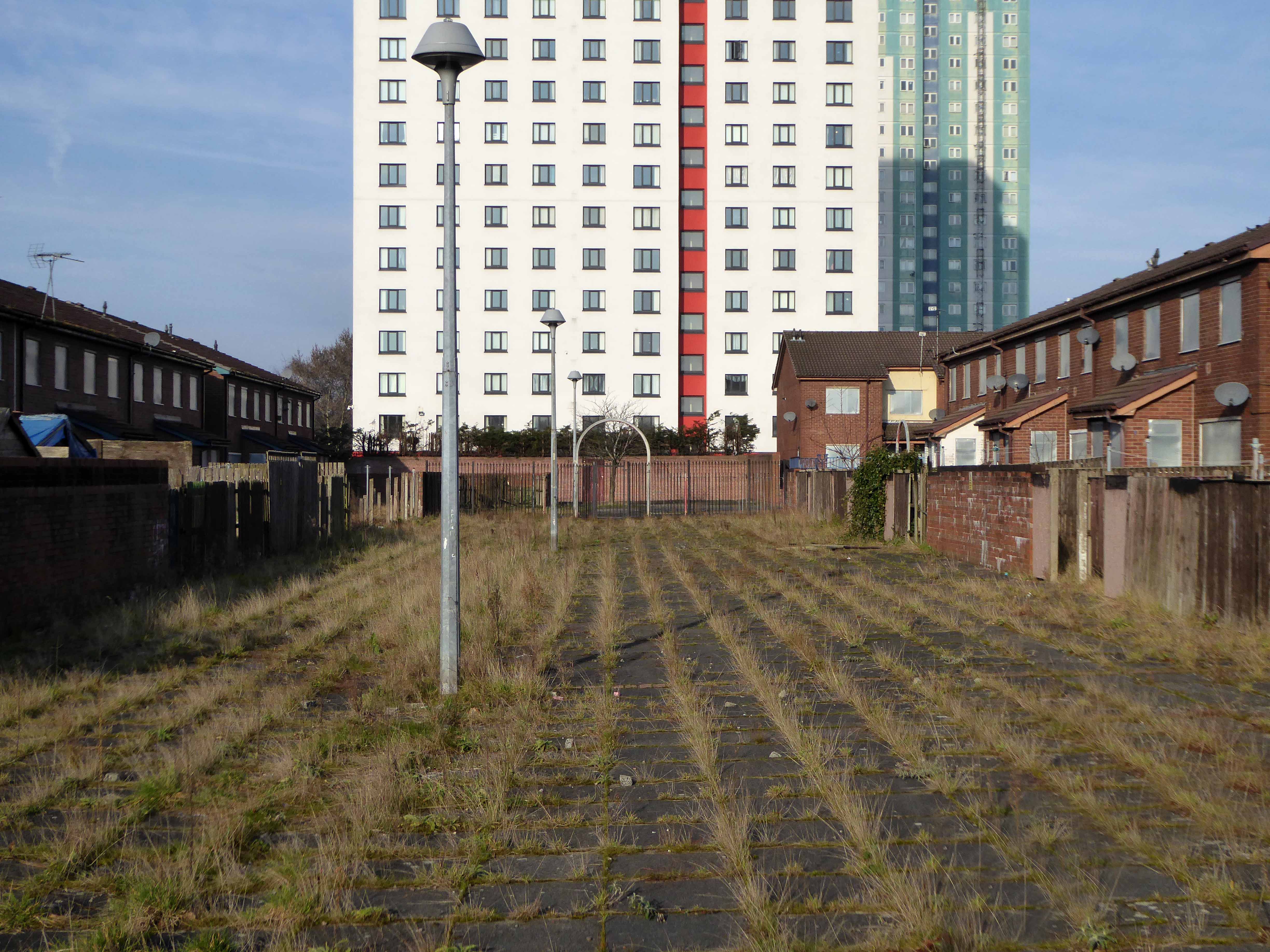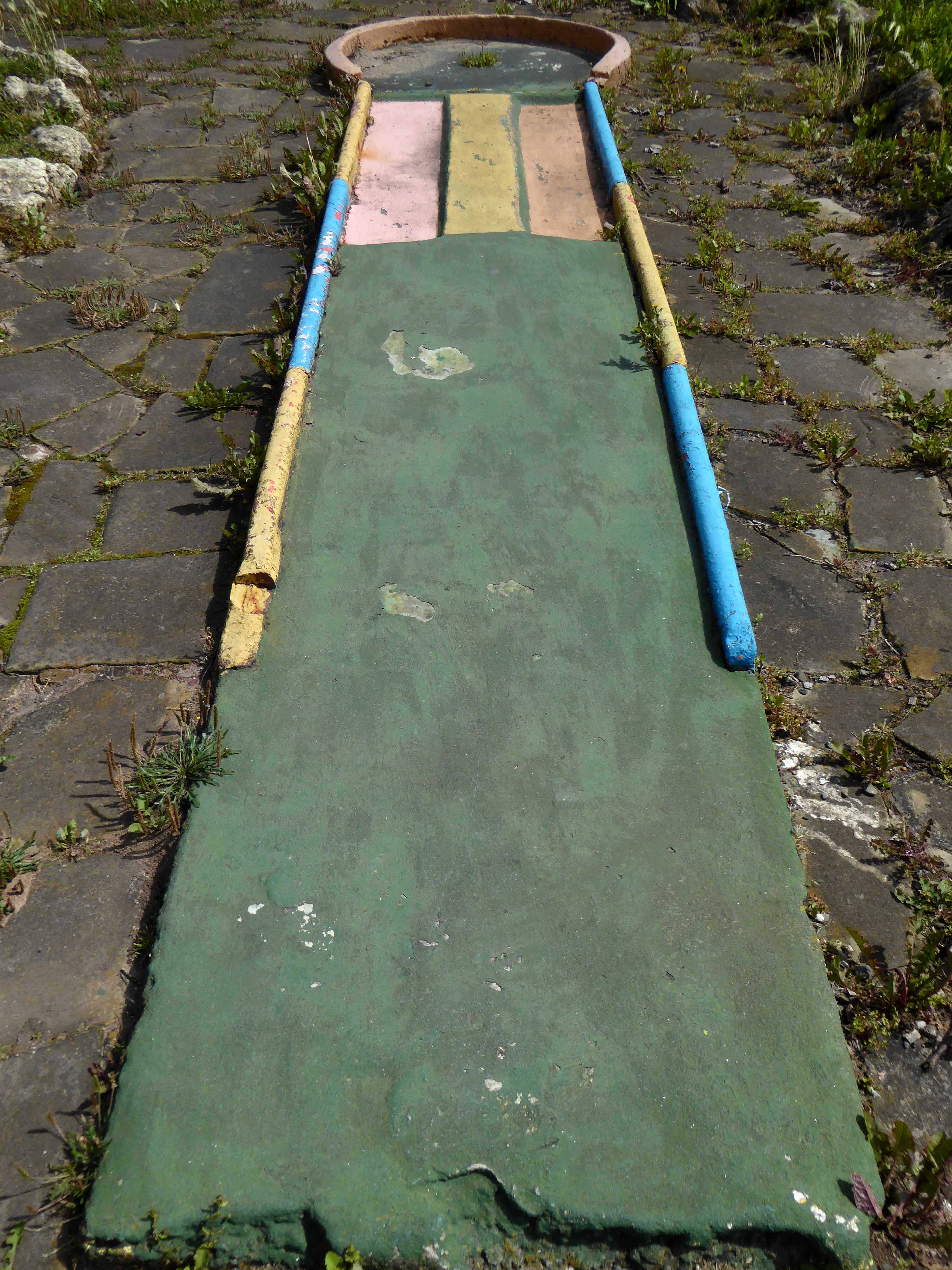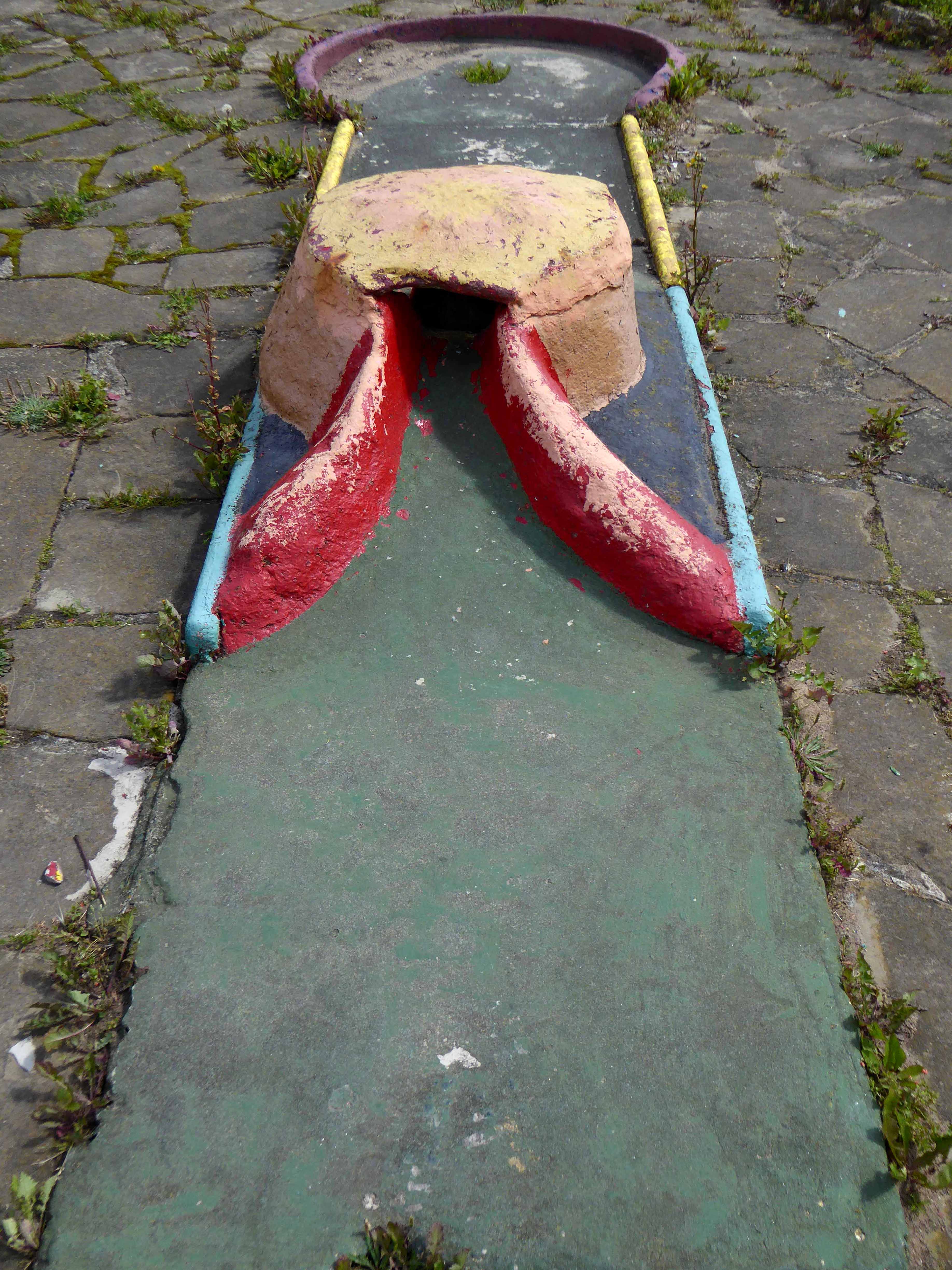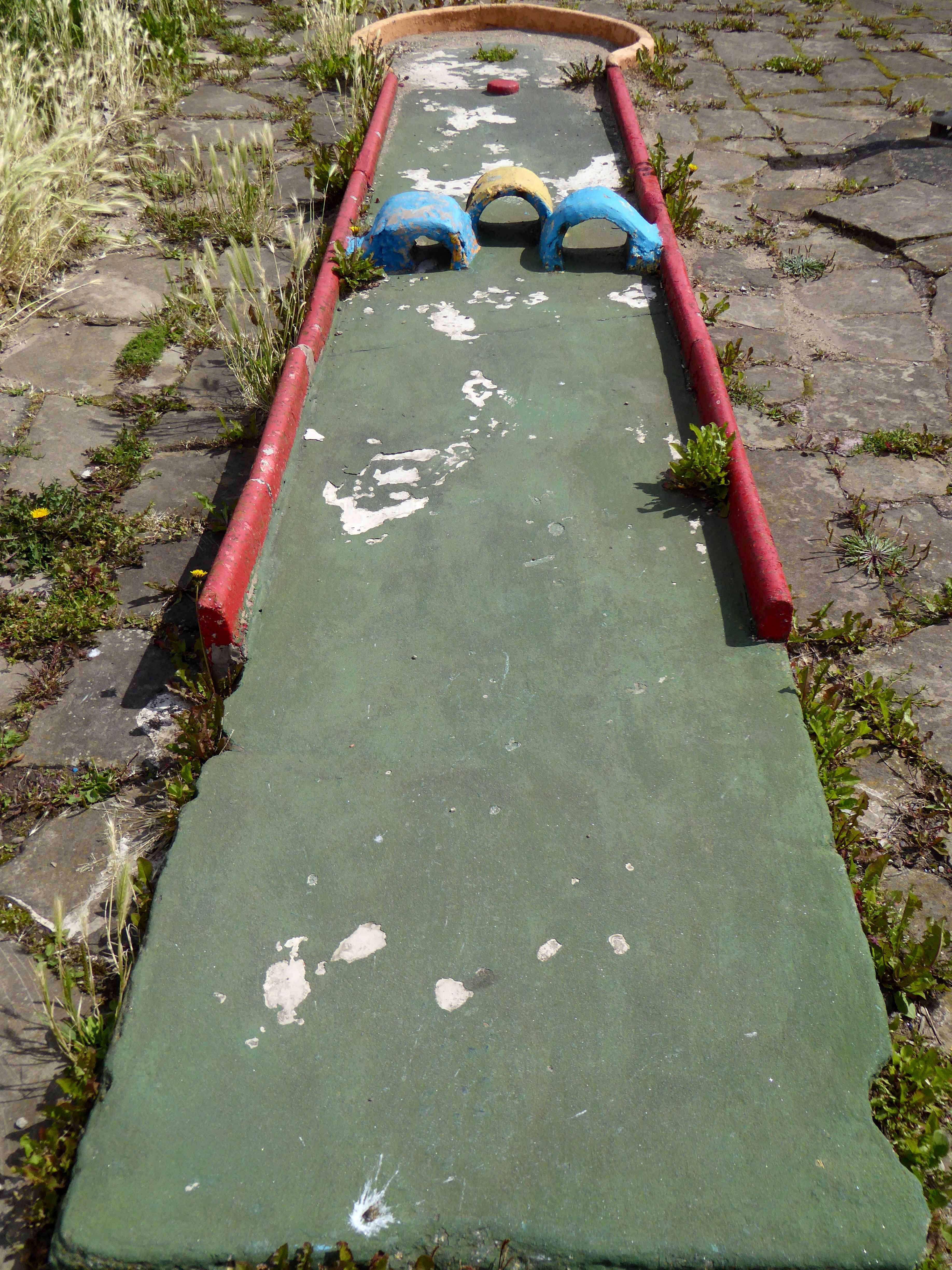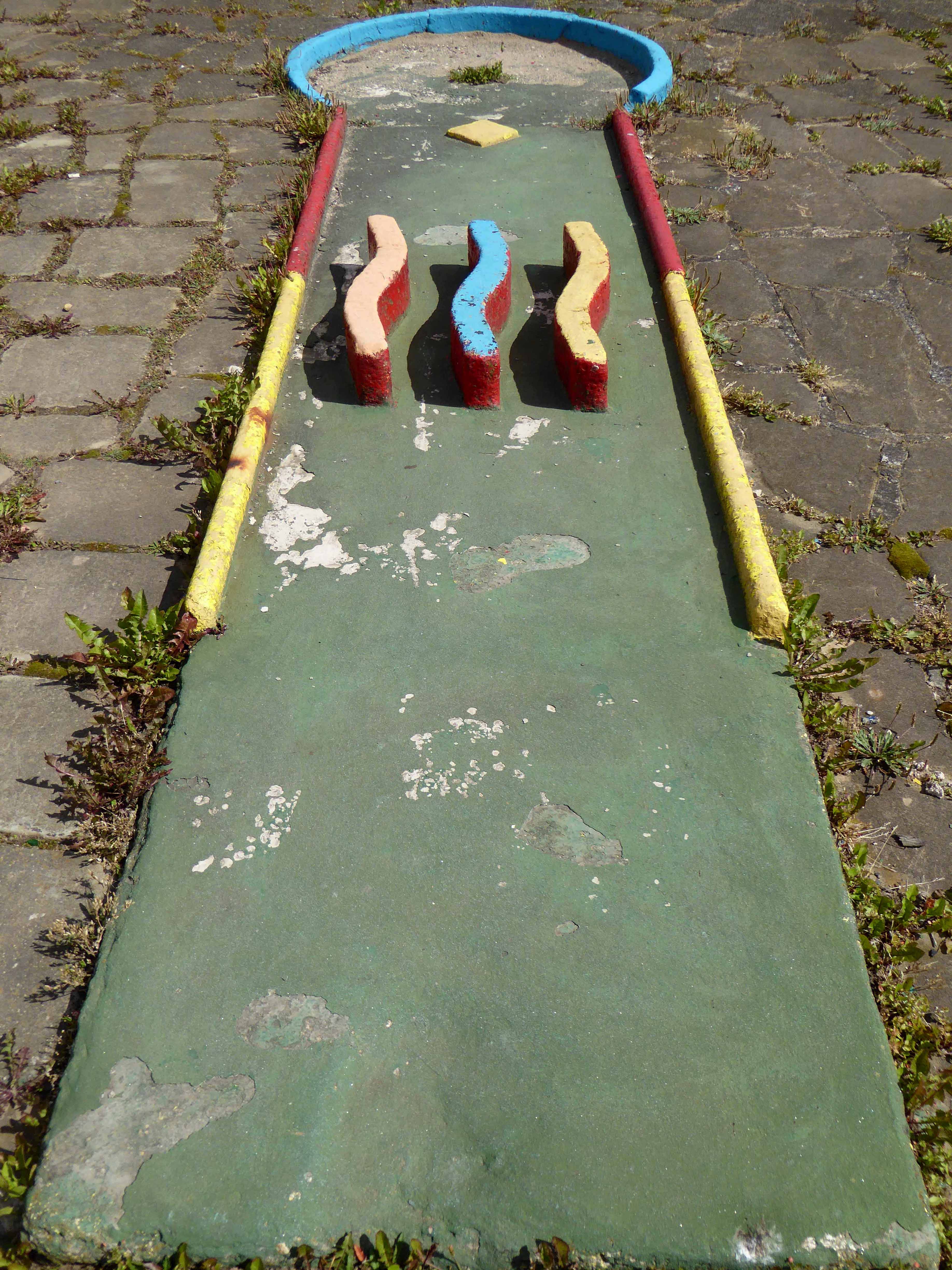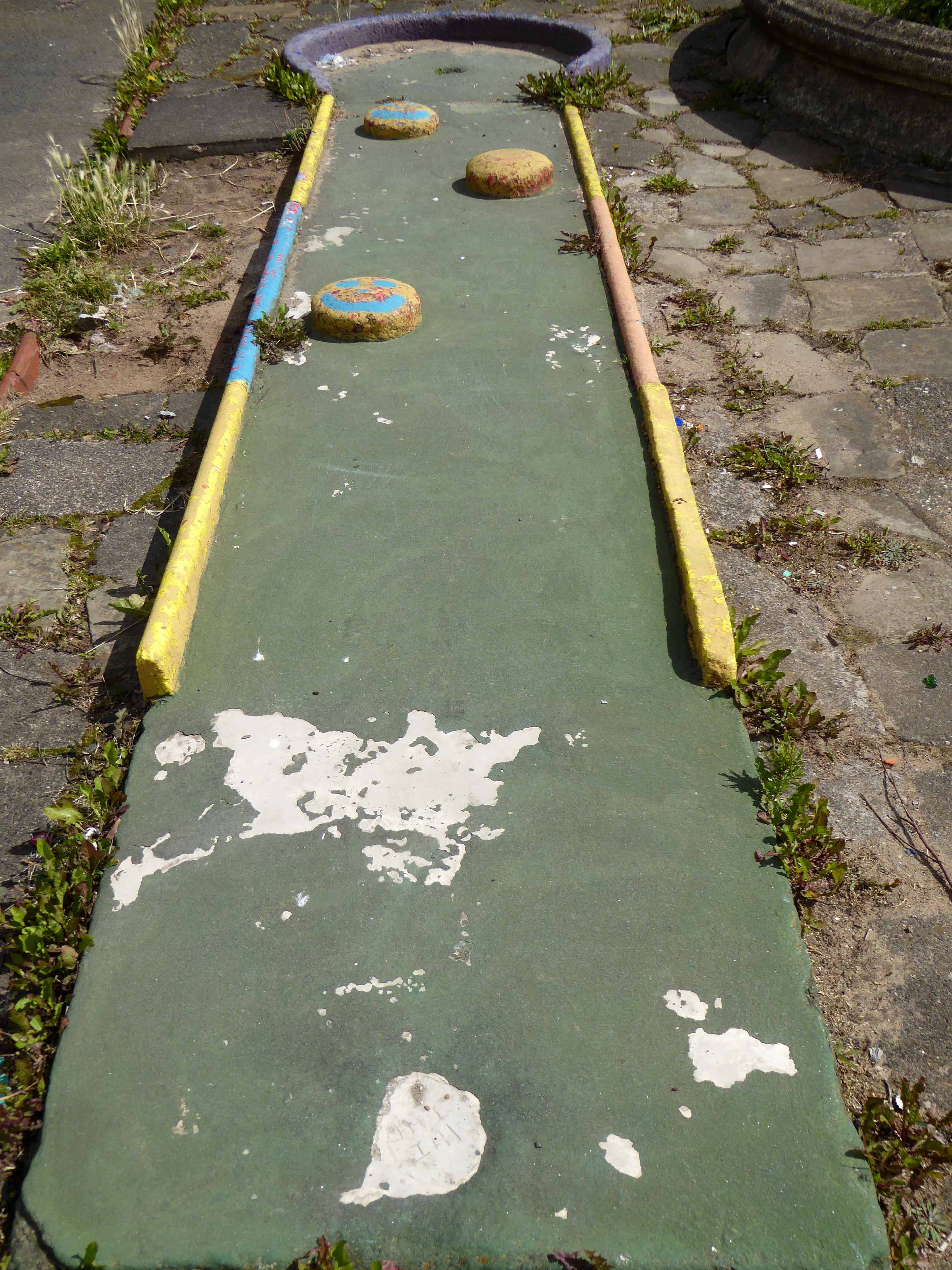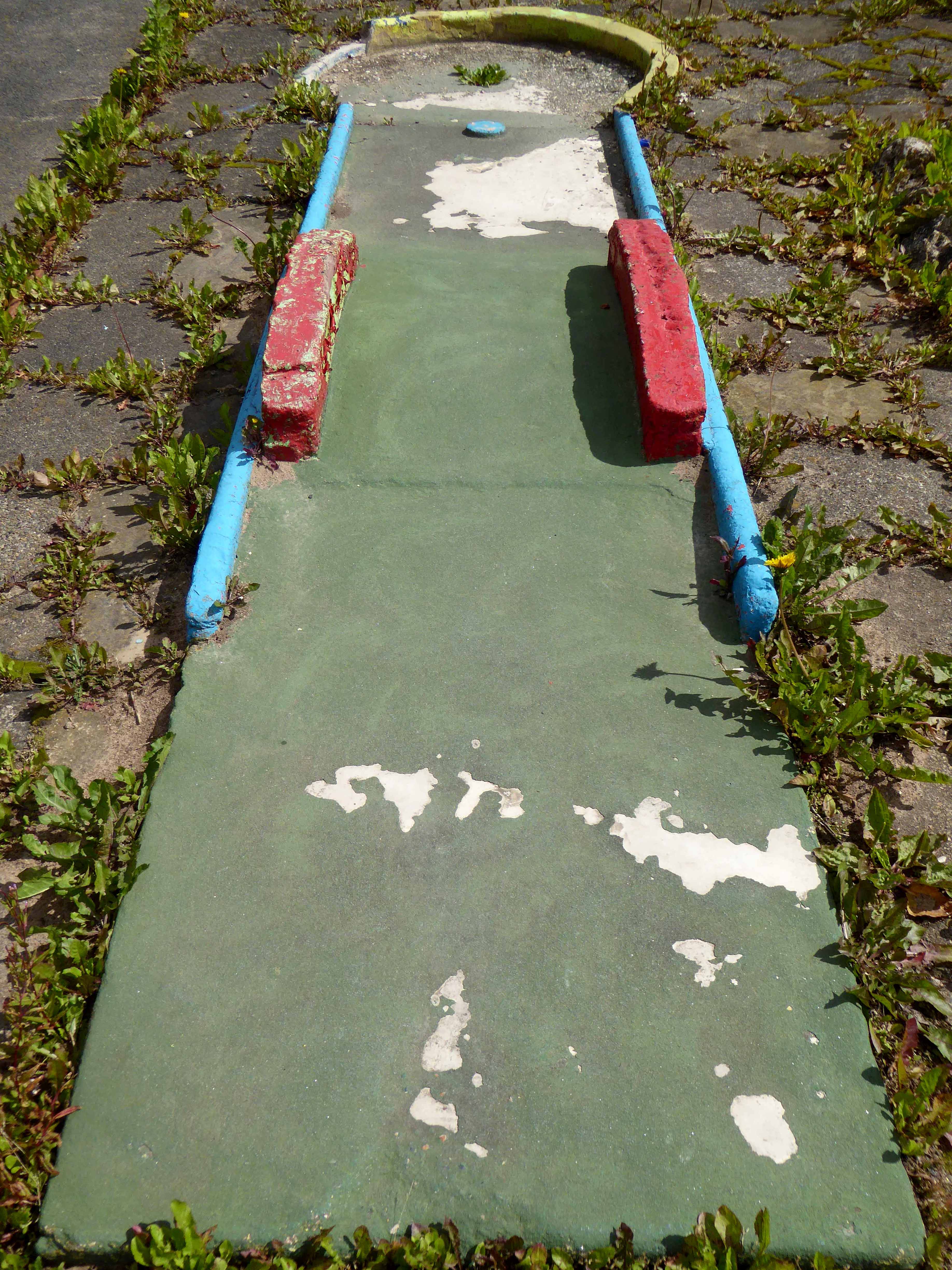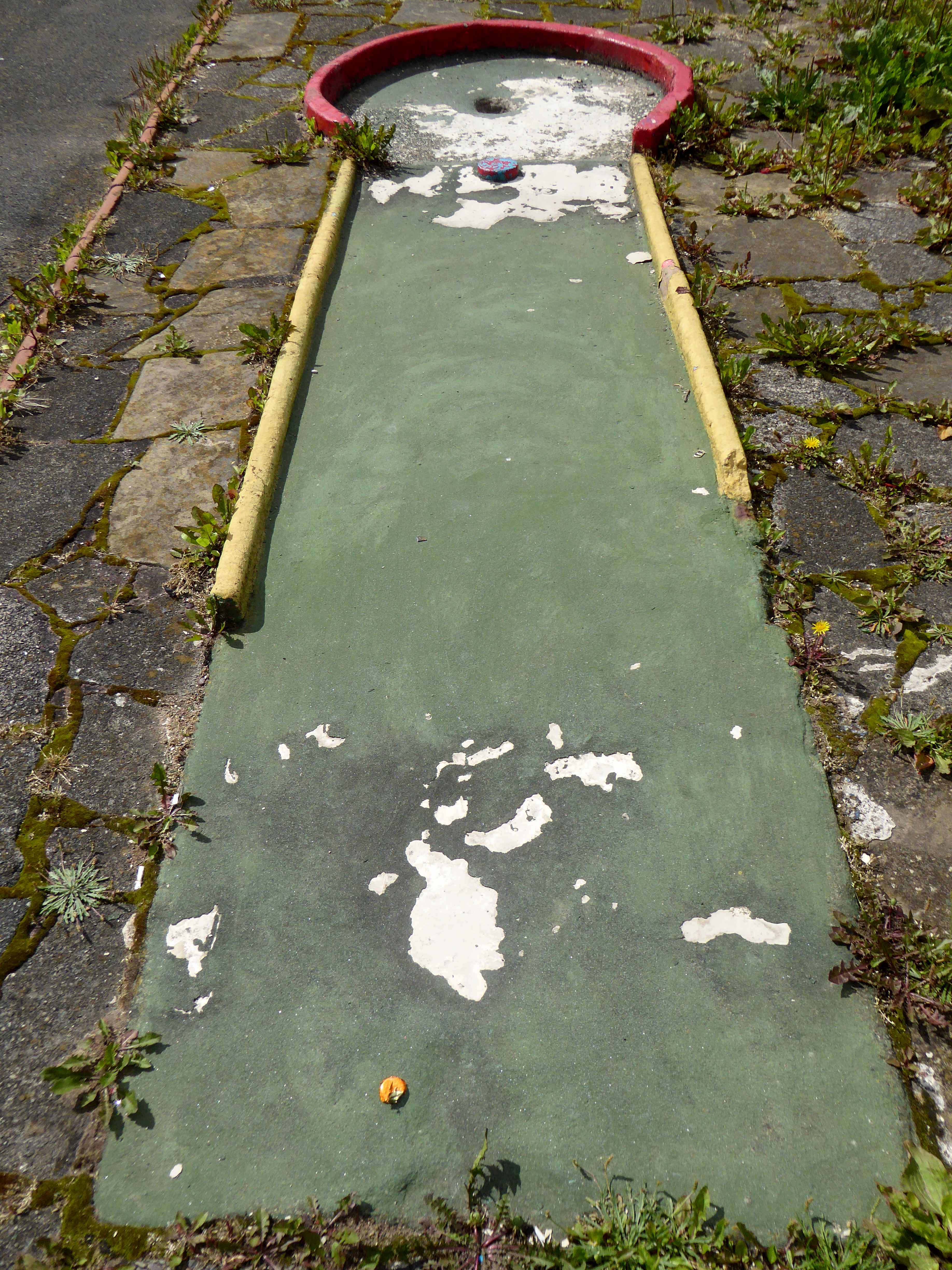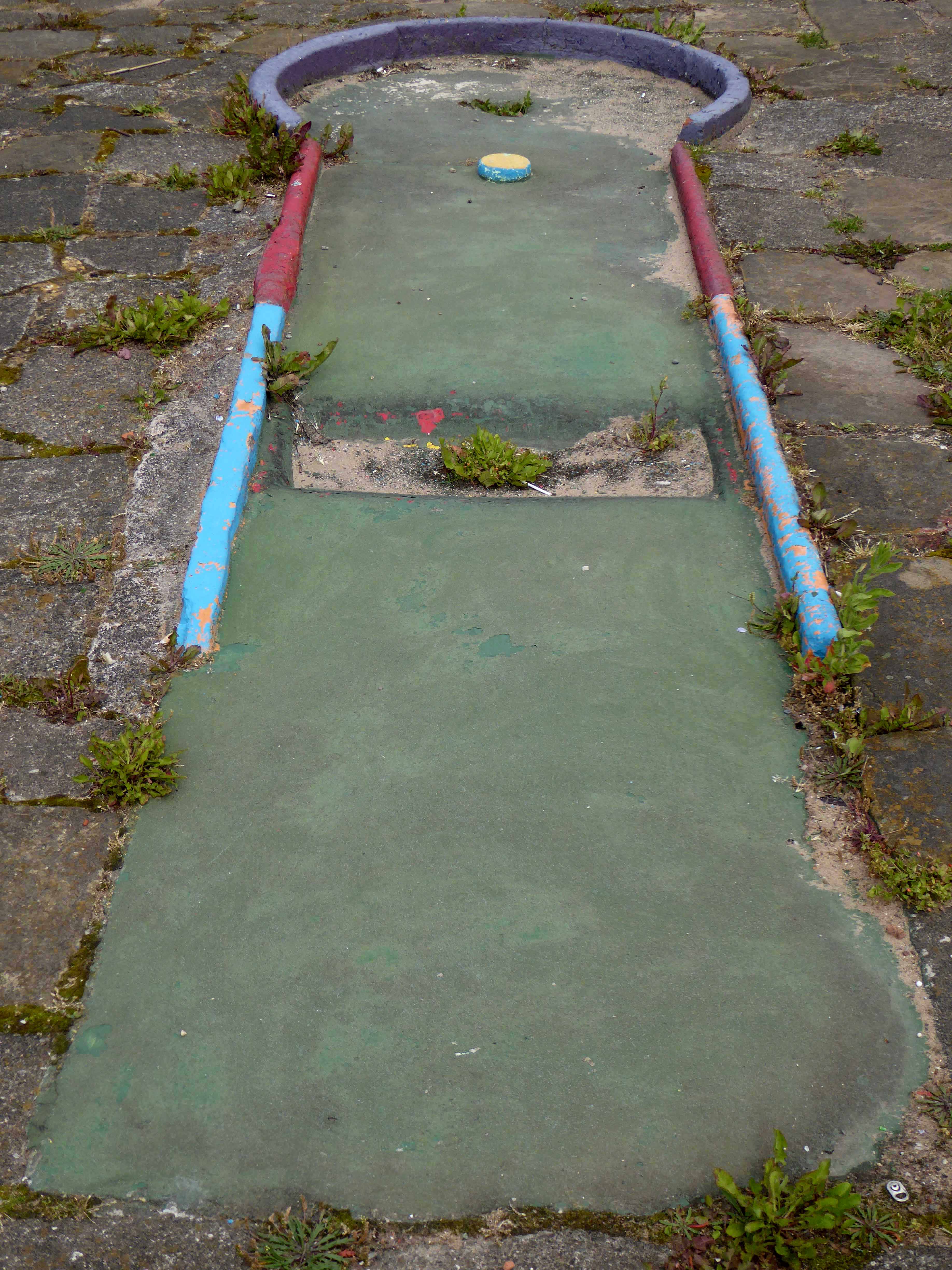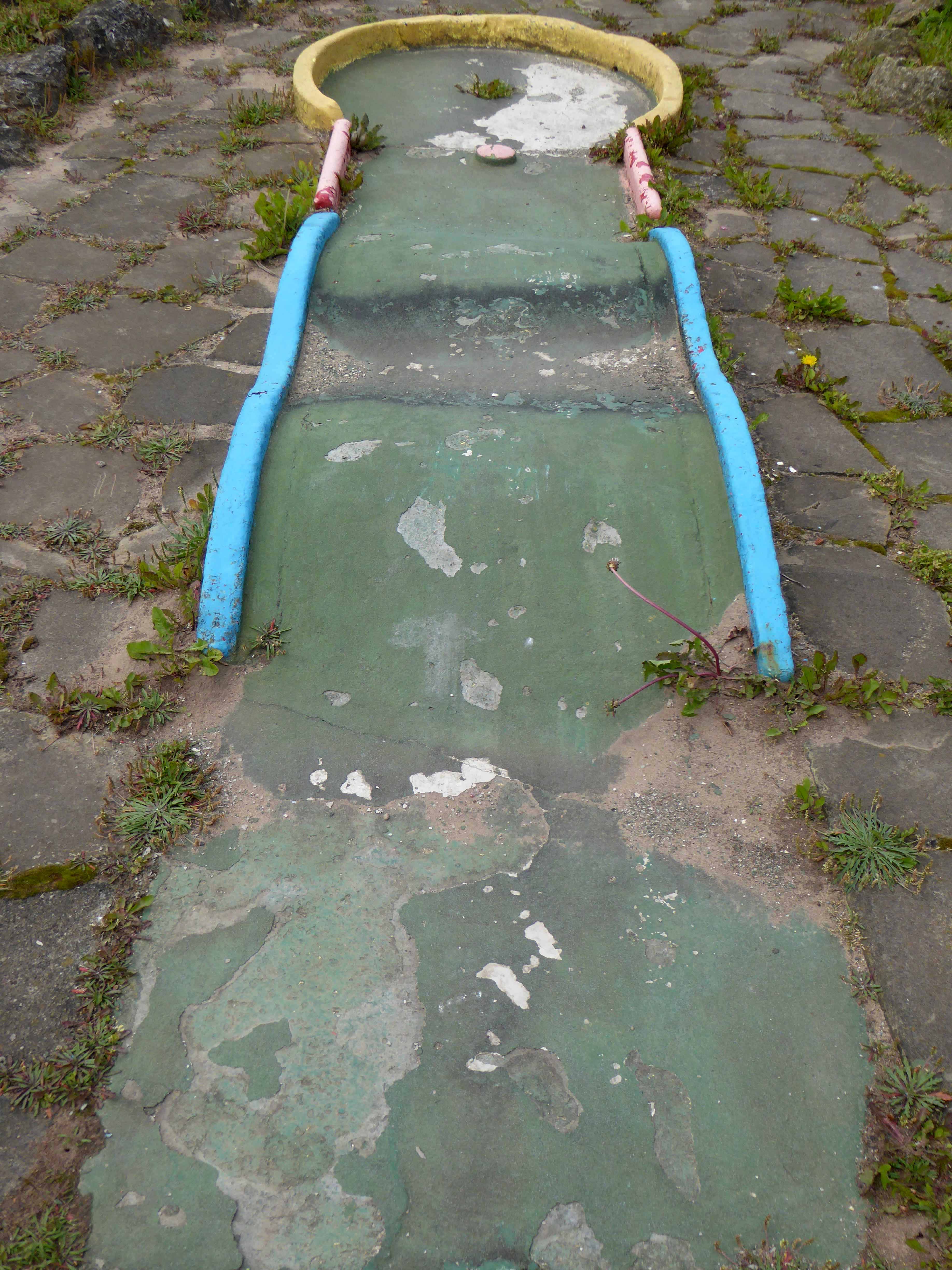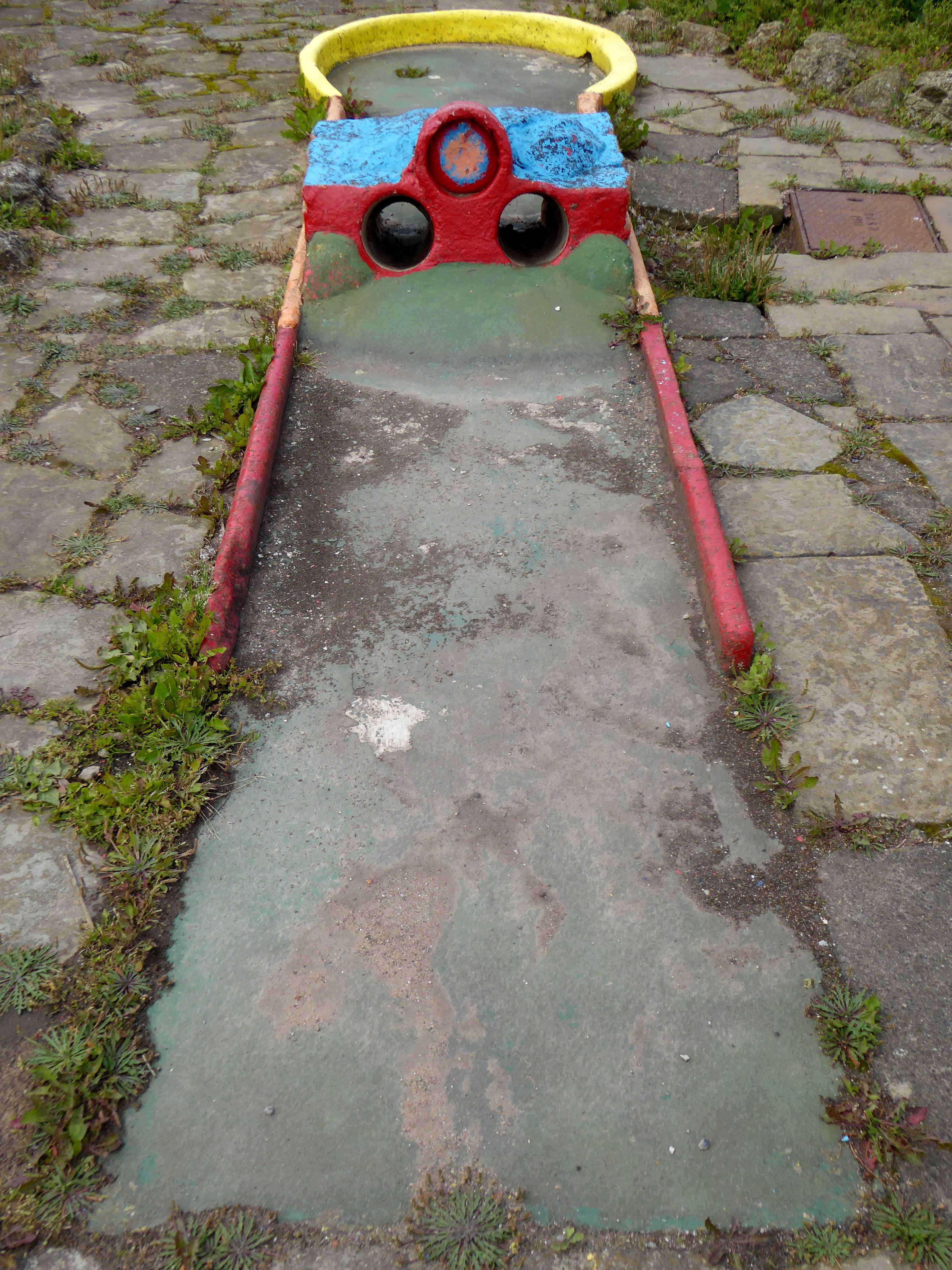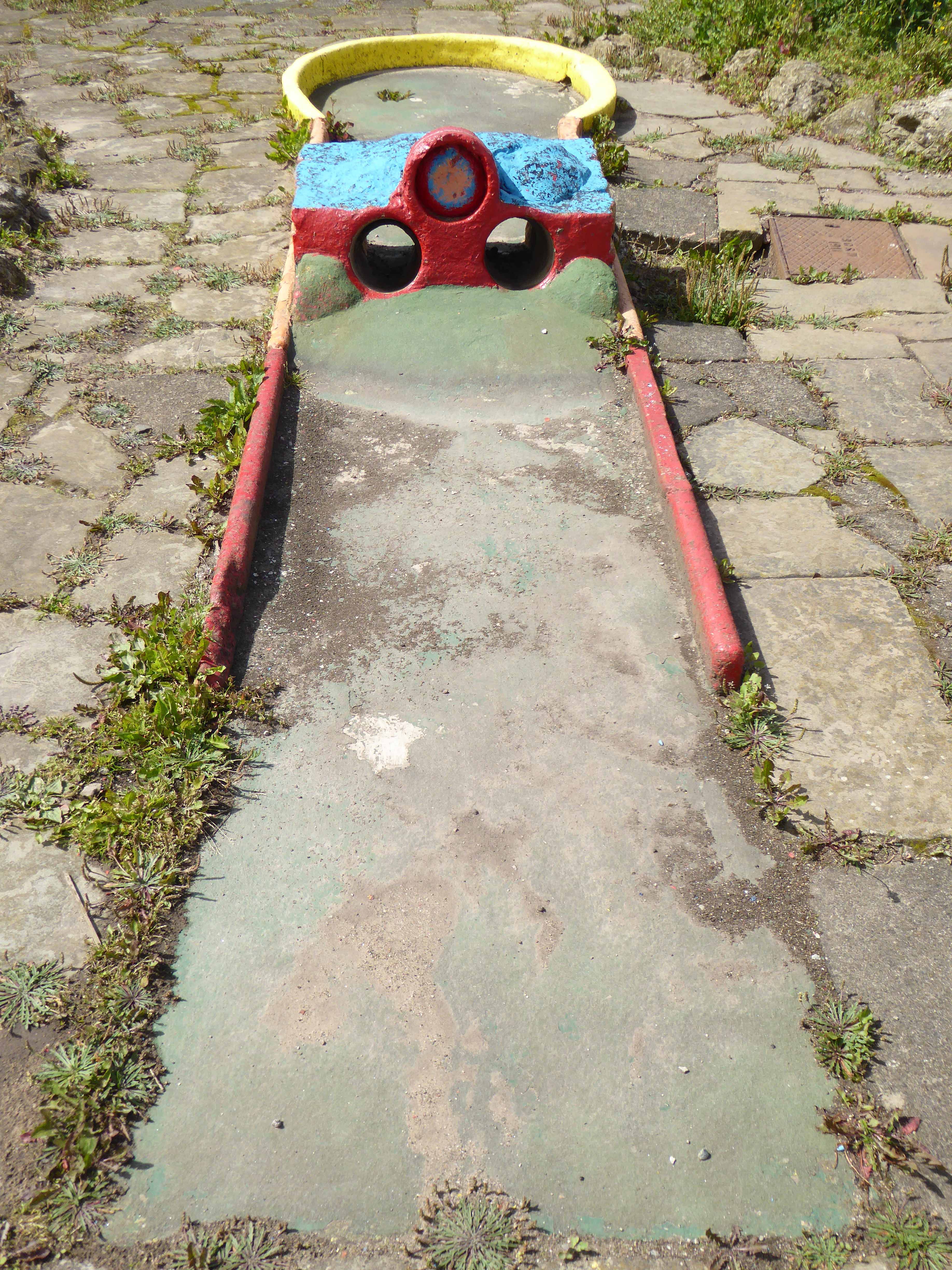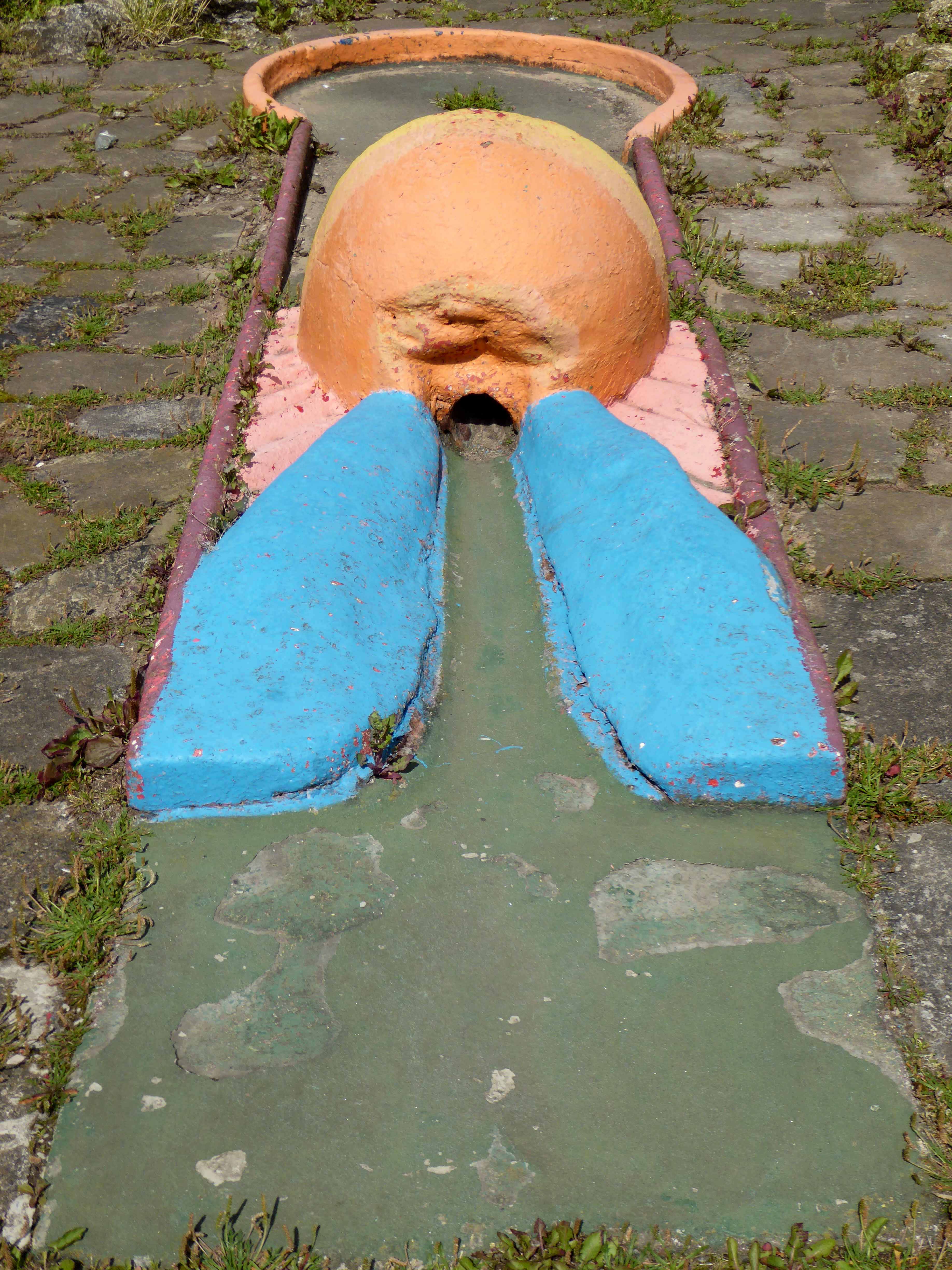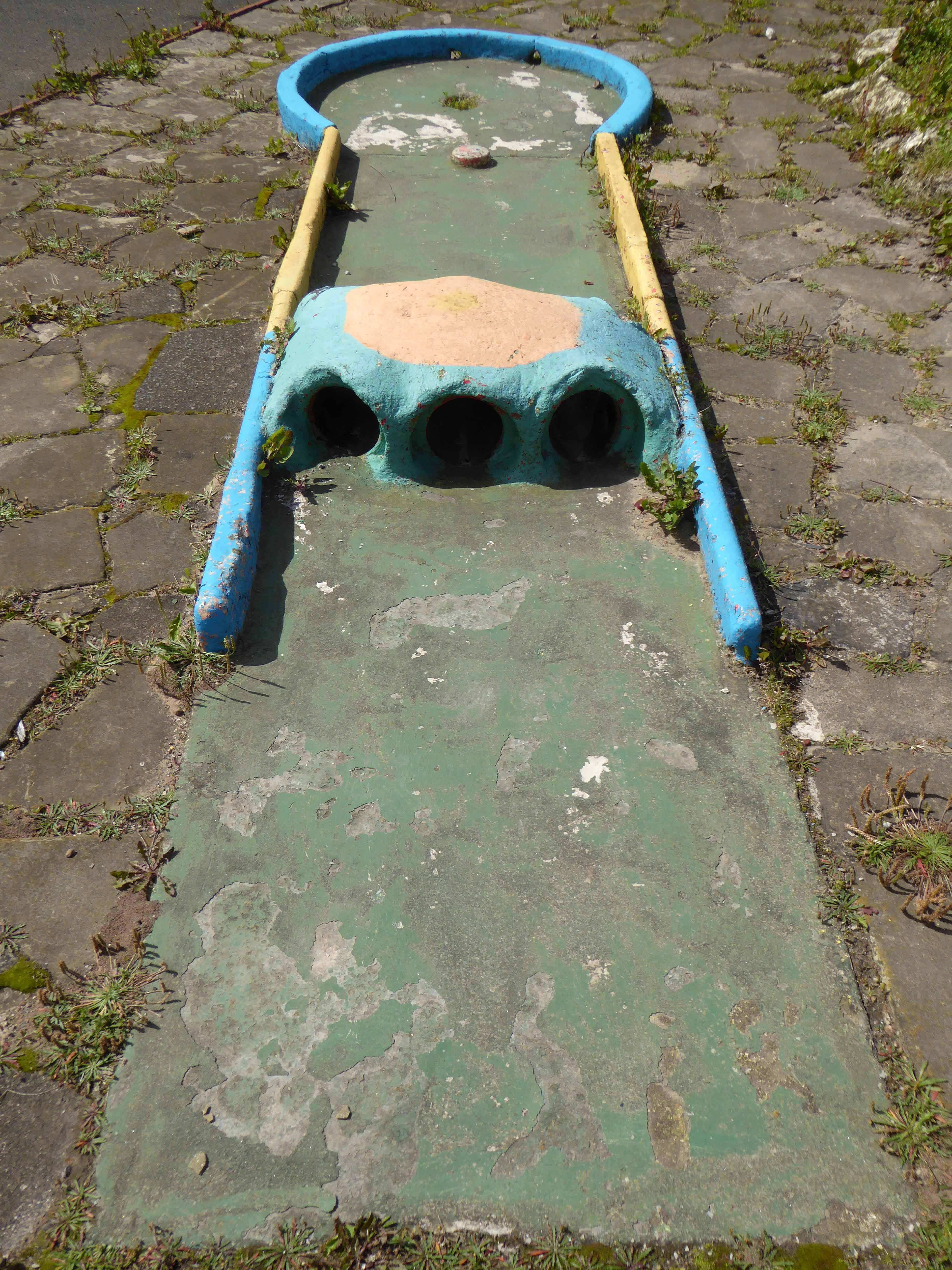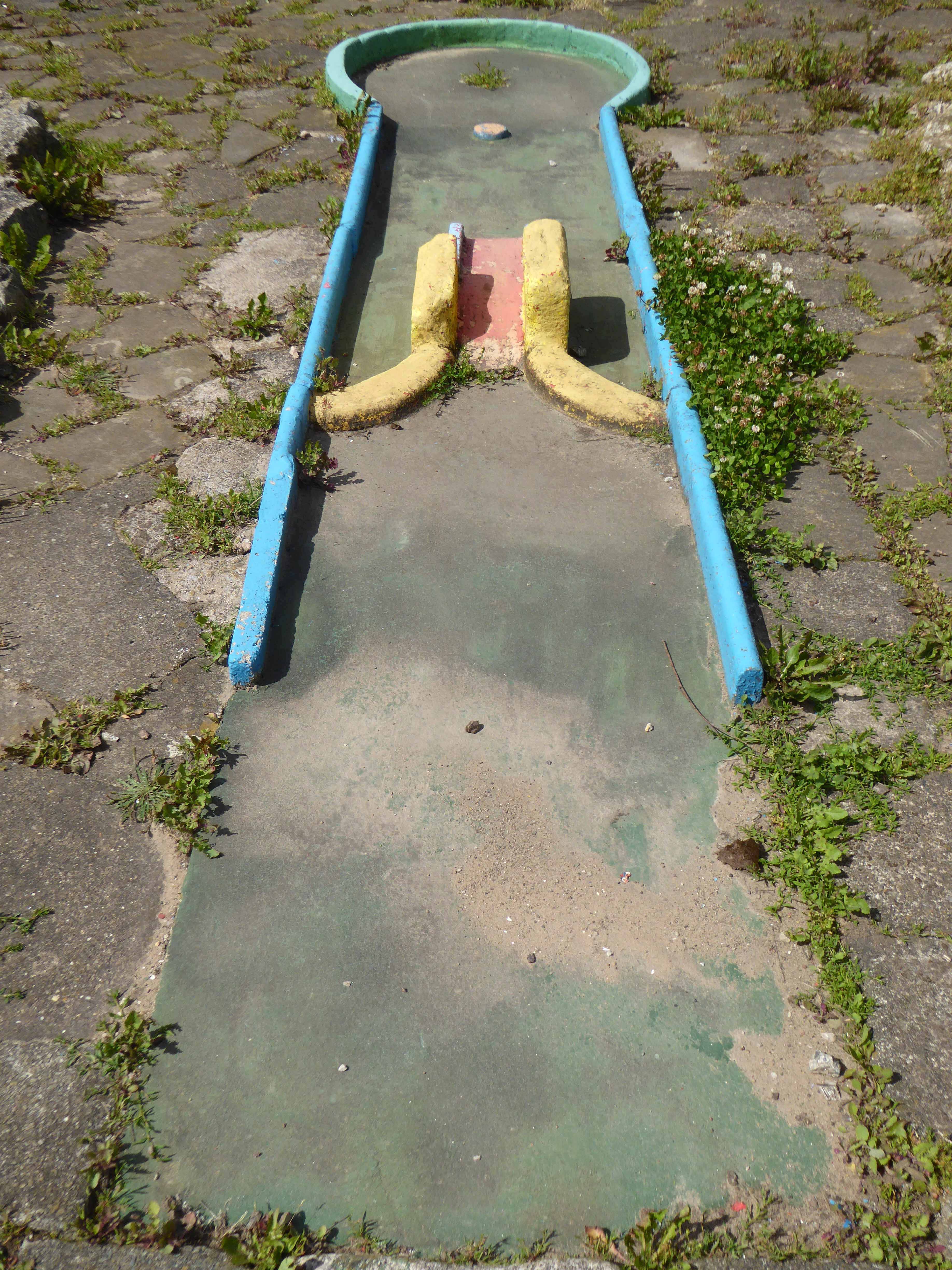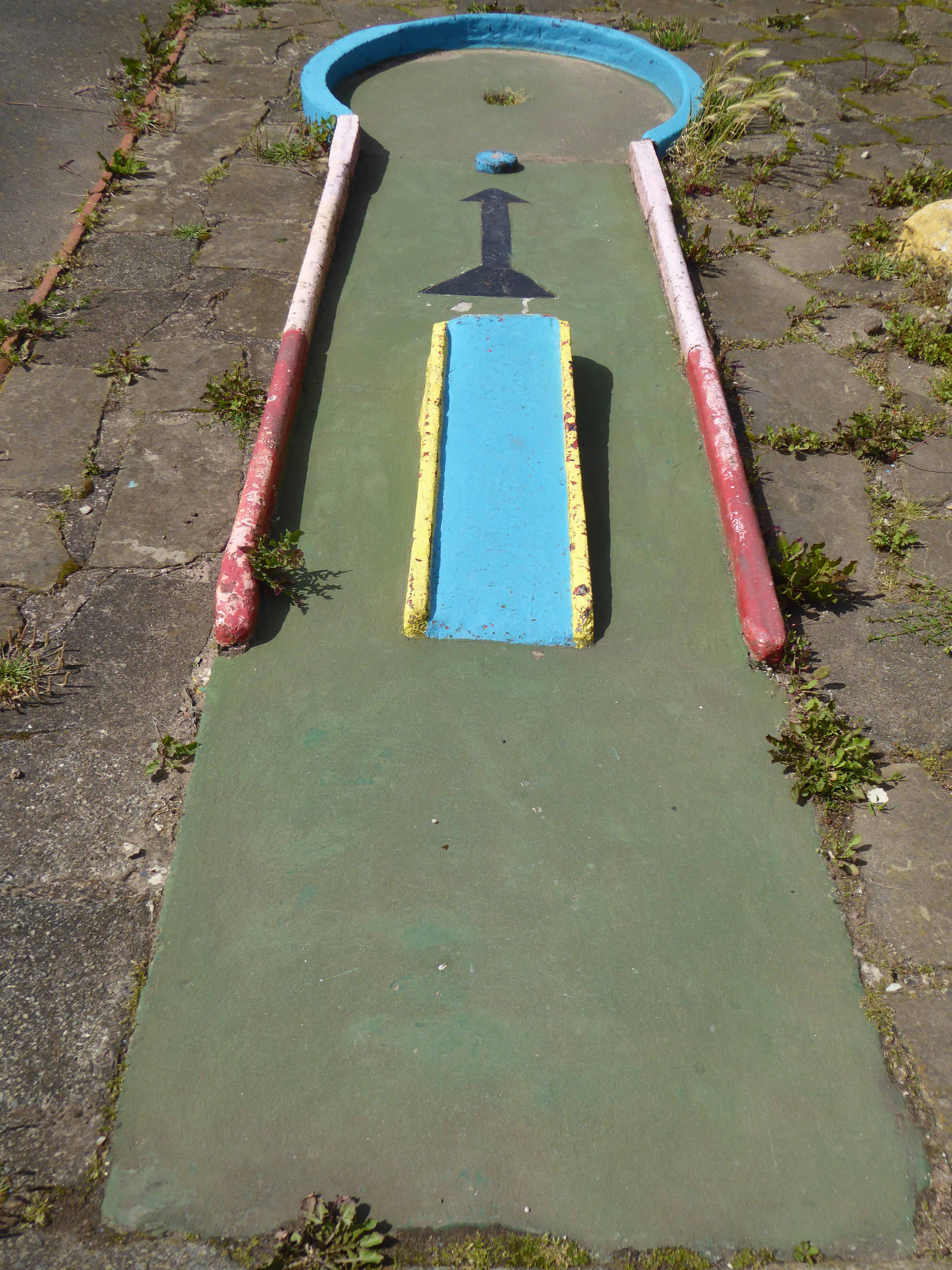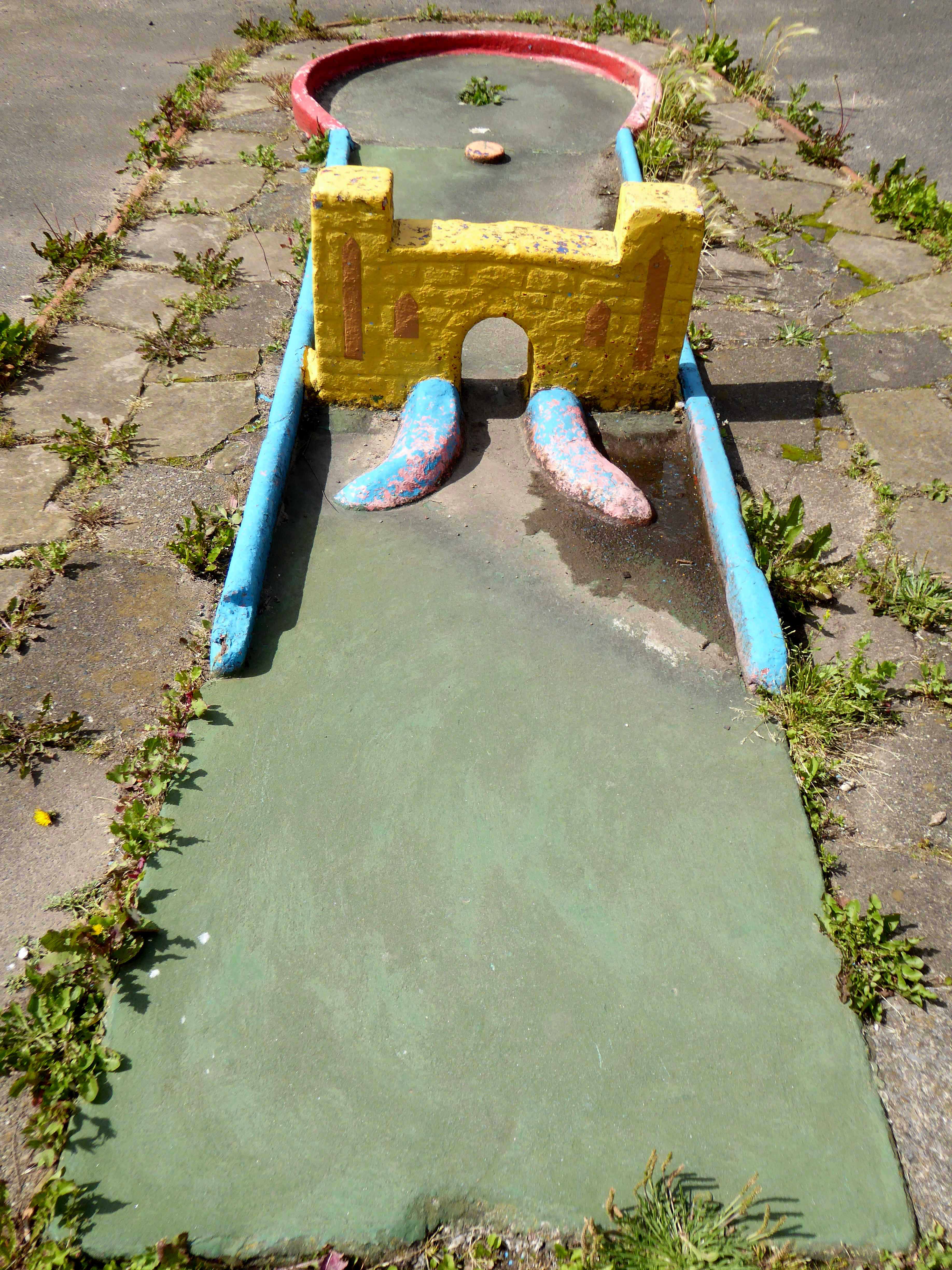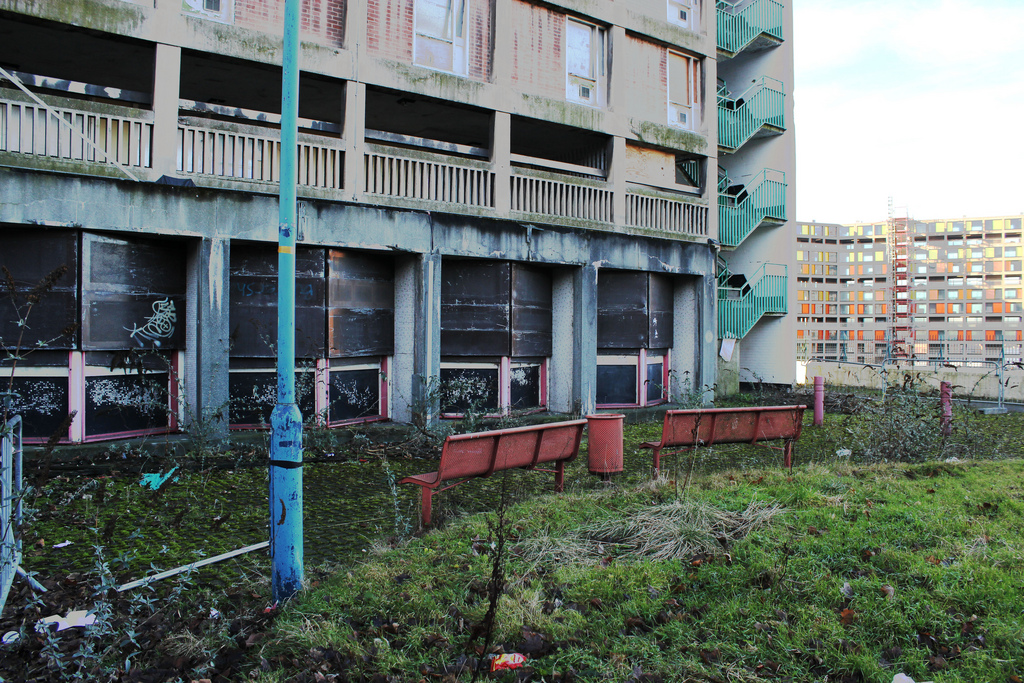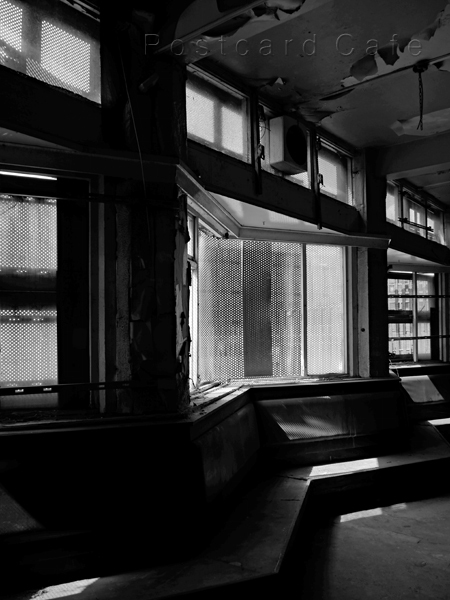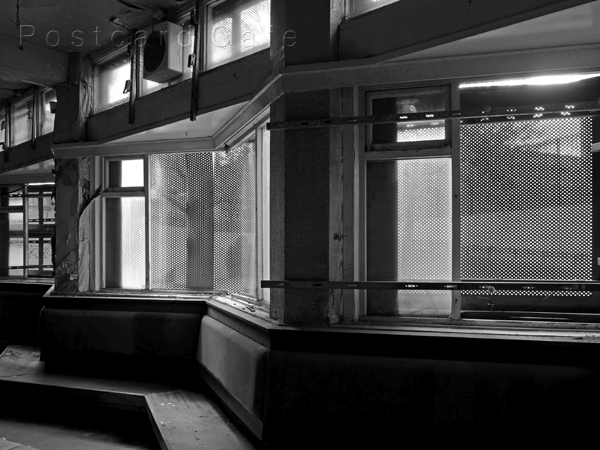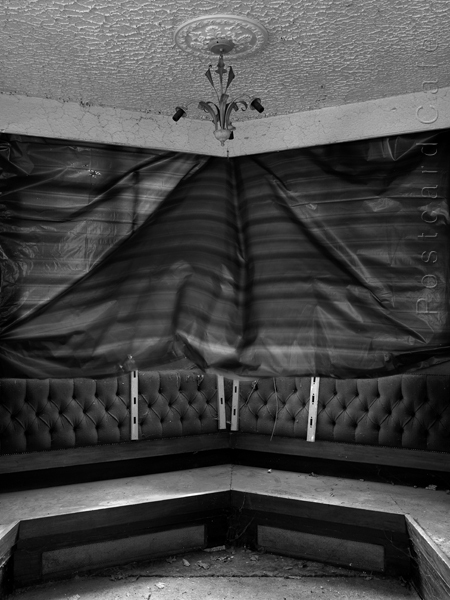
Crazy Golf – Postcards From Blackpool

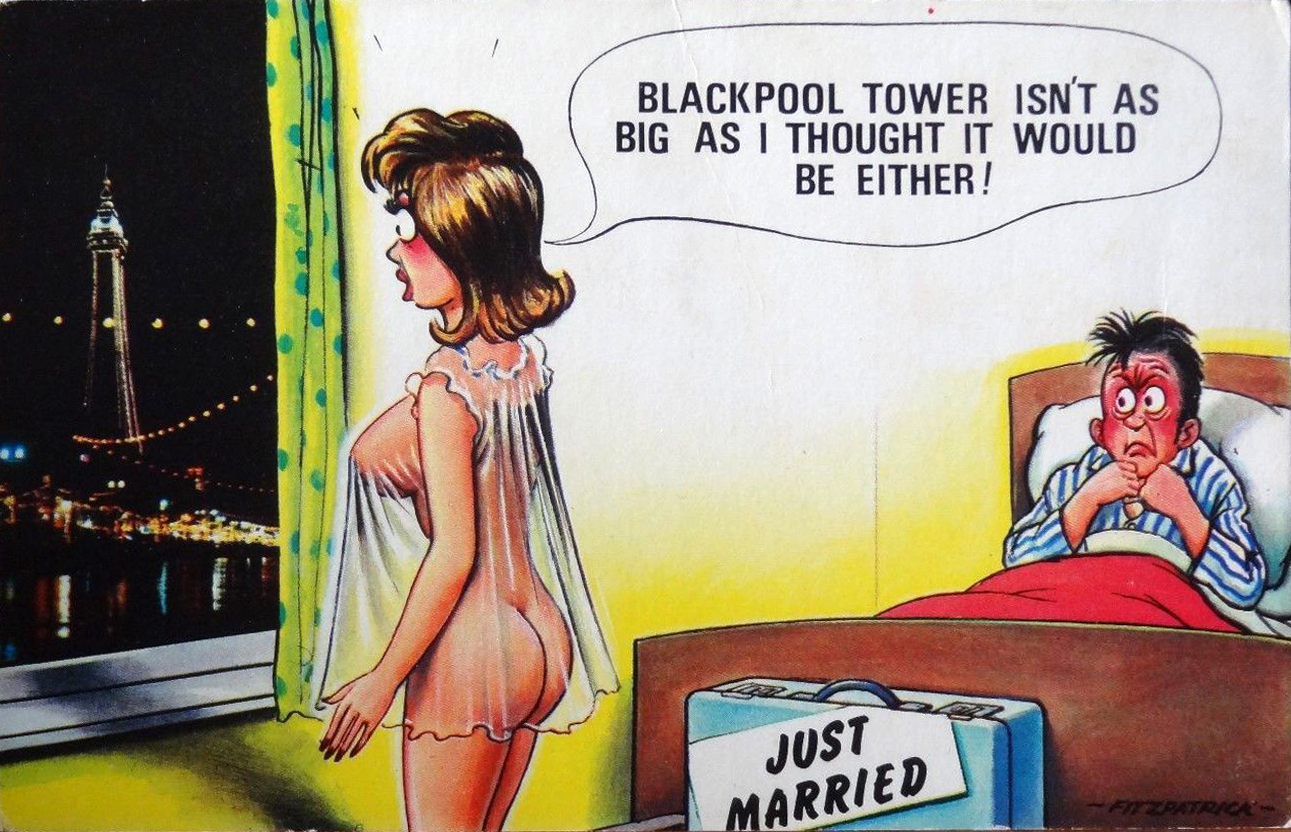
This in so many senses is where it all began – my first encounter with the visual arts was through my Aunty Alice’s postcard album. Predating visits to Manchester City Art Gallery in my mid-teens, I was lost in a world of post WW1 printed ephemera, rendered less ephemeral by careful collection and collation. Sitting entranced for hours and hours absorbing the photography, text and illustration of hundreds of unseen hands.

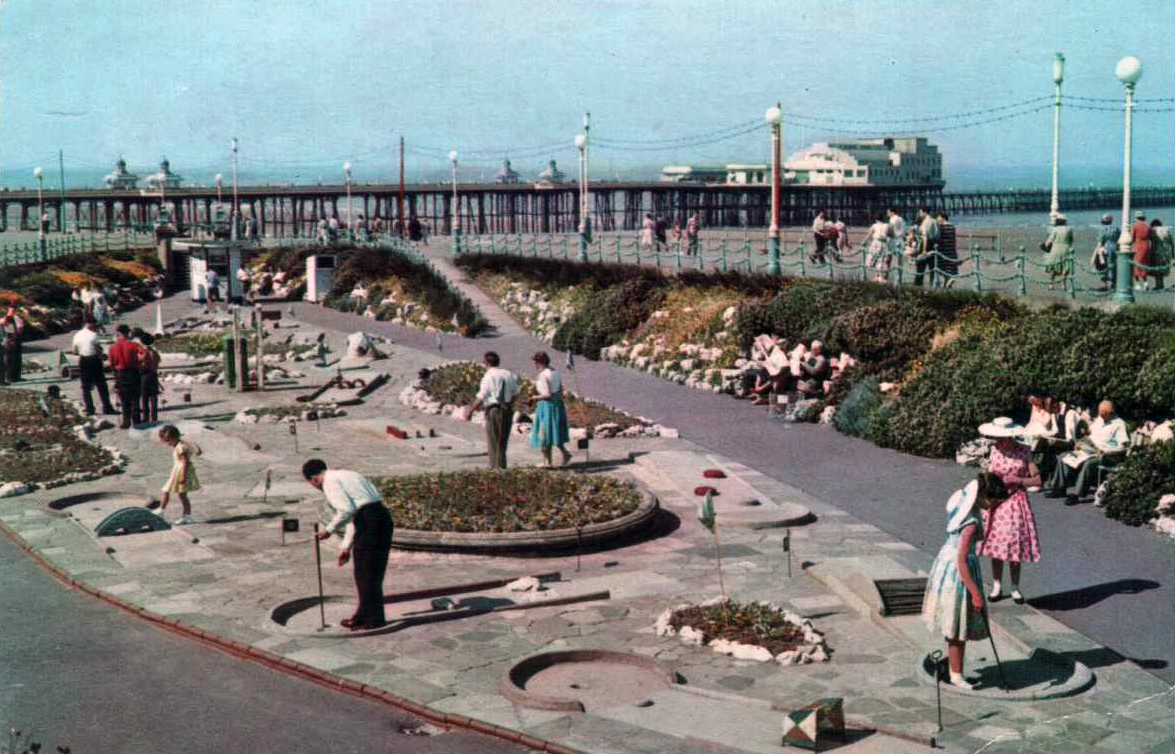
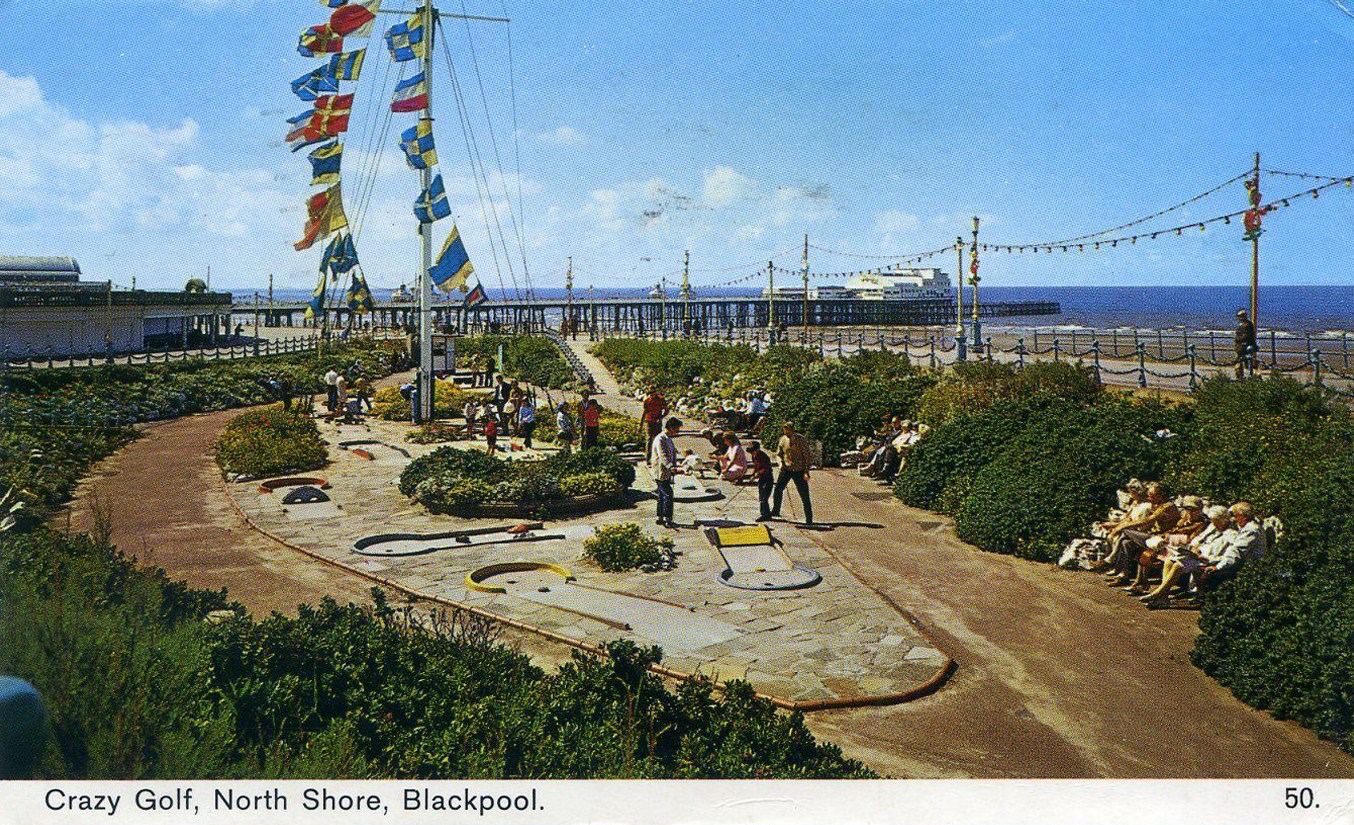
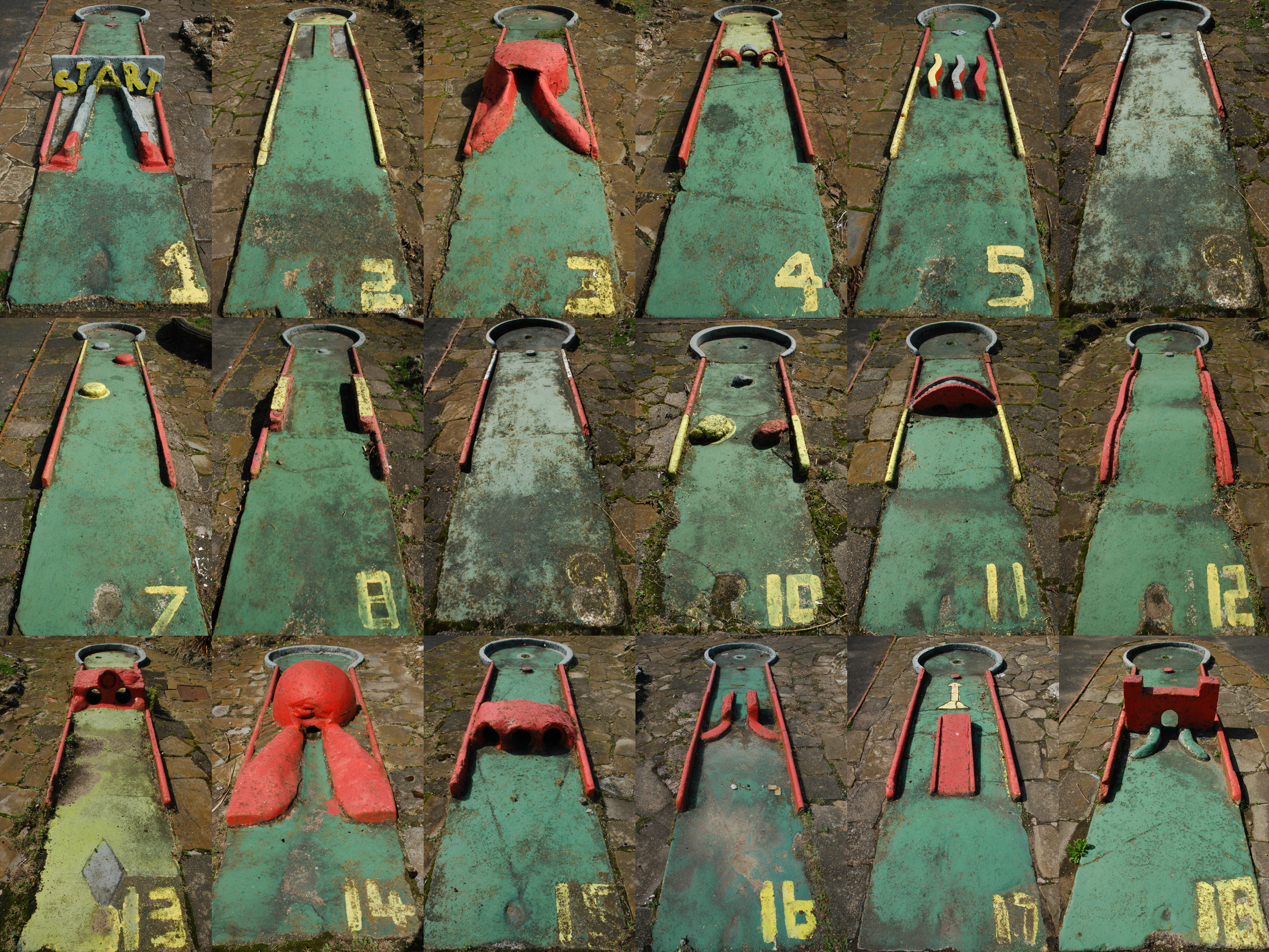
This is North Shore Blackpool – behind the Metropole in the early 60s.

The colour is muted by the then state of the art colour reproduction, the holiday dress is constrained by the codes of the day. Light cotton frocks and wide brimmed sun hats, shirts tucked in belted slacks, sandals and shorts – purely for the pre-teens.

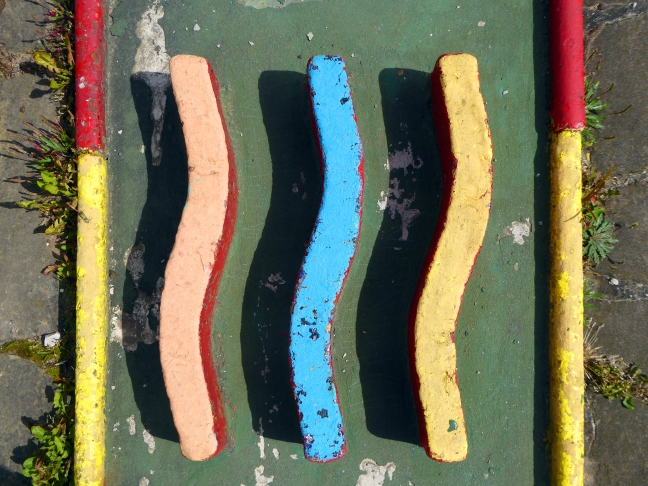
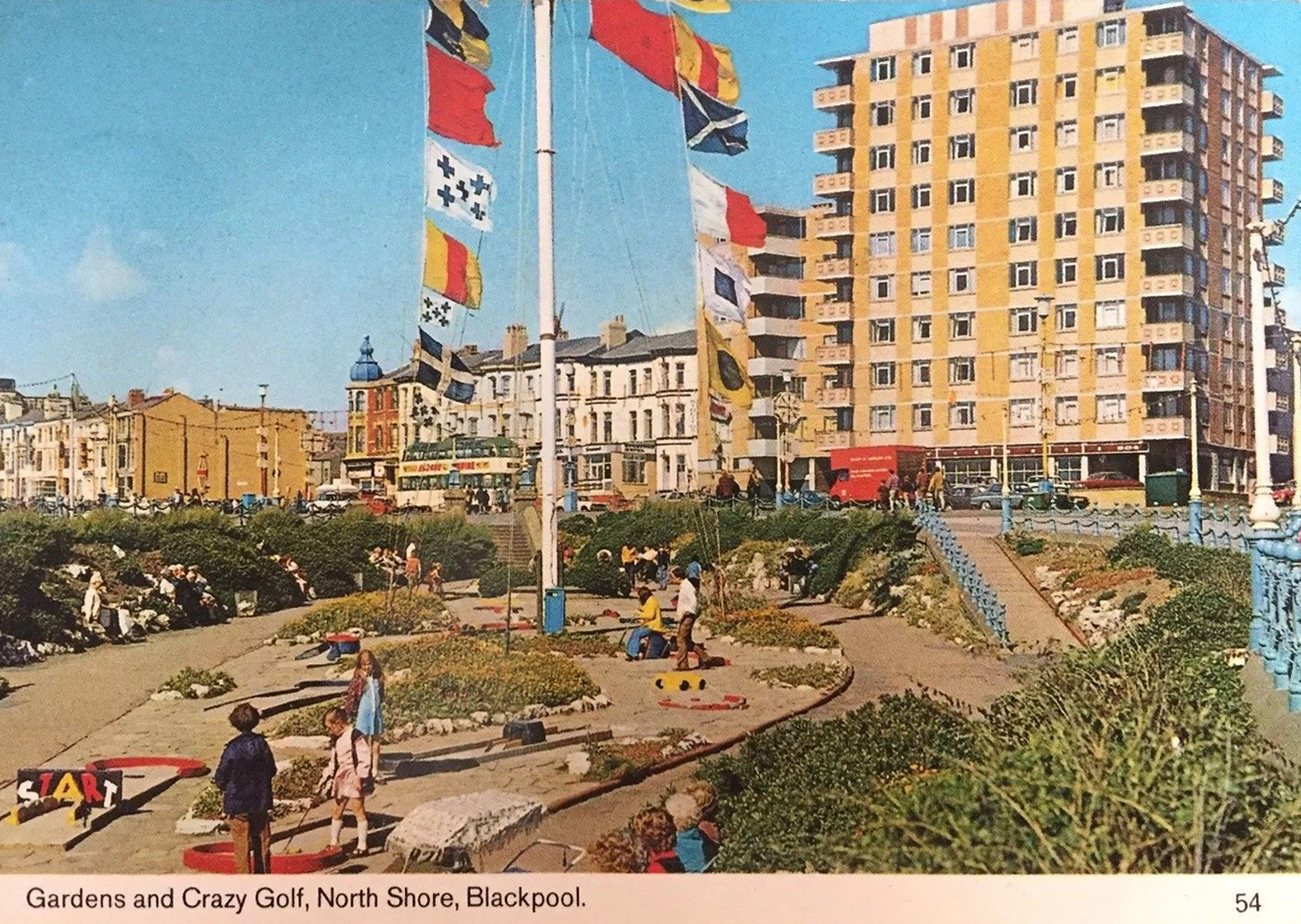
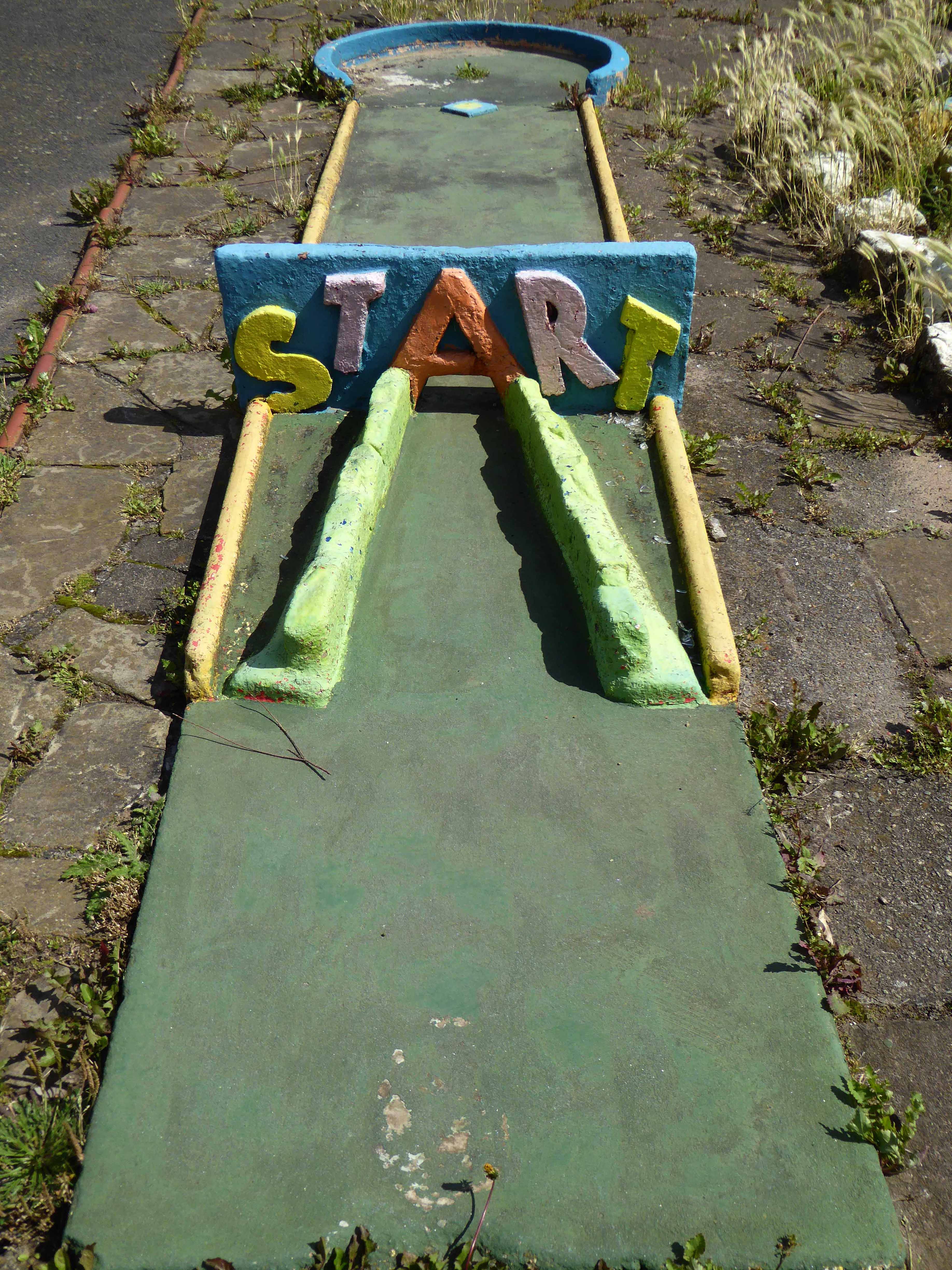
The focus and locus of fun is located on the prom and what better way to squander a moment or eighteen, than with a pleasurable round of crazy golf. Municipal Modernist frivolity rendered corporeal in corporation concrete, repainted annually ahead of the coming vacationers.

Domesticated Brutalism to soften the soul.

And there can be no better away to inform the awaiting world of your capricious coastal antics than a picture postcard, so playfully displayed on the corner shop carousel – 10p a pop.

Stopping to chuckle at the Bamforth’s mild mannered filth, yet finally purer of heart, opting for the purely pictorial.

Man and boy and beyond I have visited Blackpool – a day, week or fortnight here and there, the worker’s working week temporarily suspended with a week away.

Times have now changed and the new nexus is cash, all too incautiously squandered – Pleasure Beach and pub replacing the beach as the giddy stags and hens collide in an intoxicating miasma of flaming Sambuca, Carling, Carlsberg and cheap cocktails – for those too cash strapped for Ibiza.

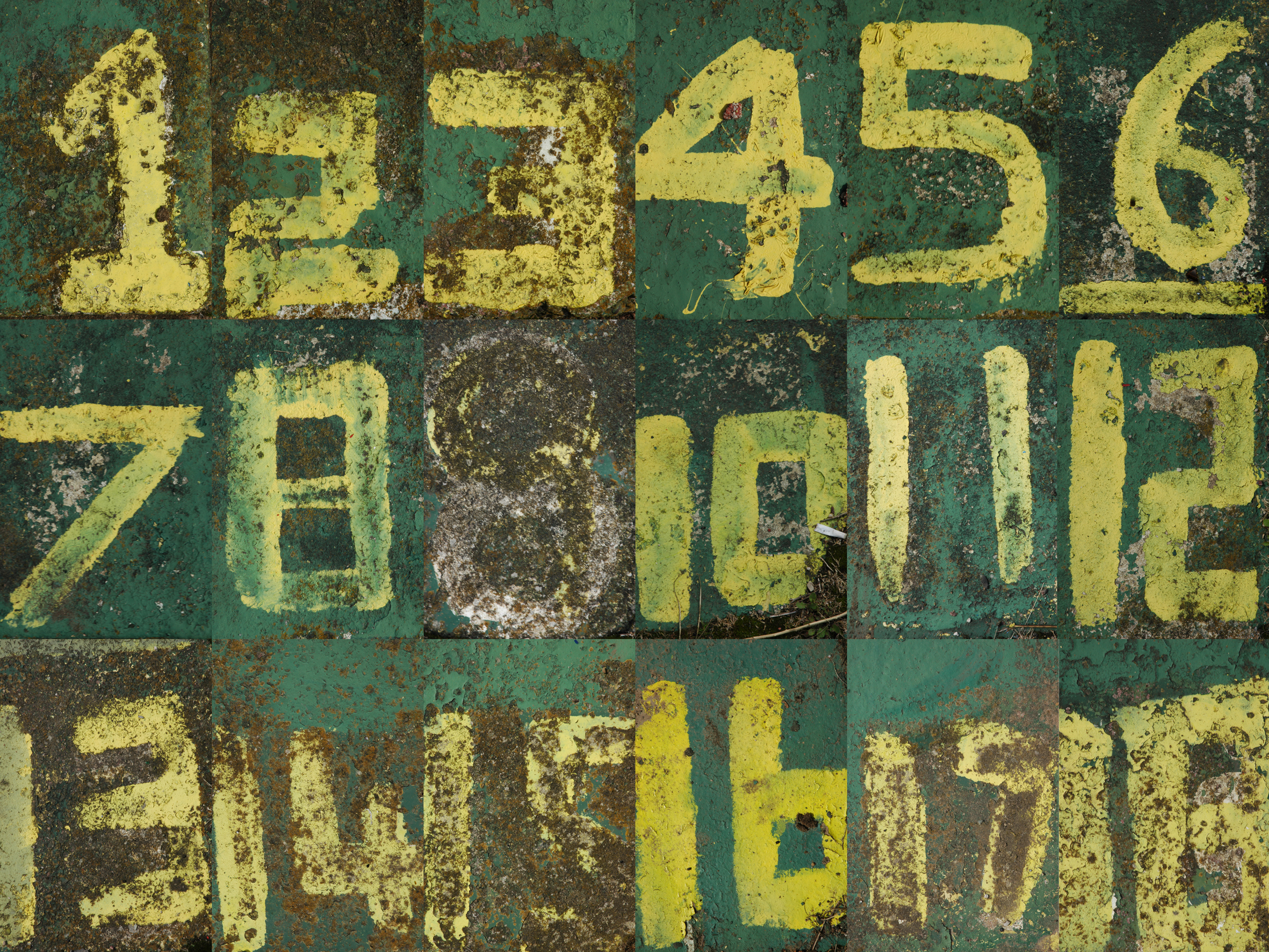
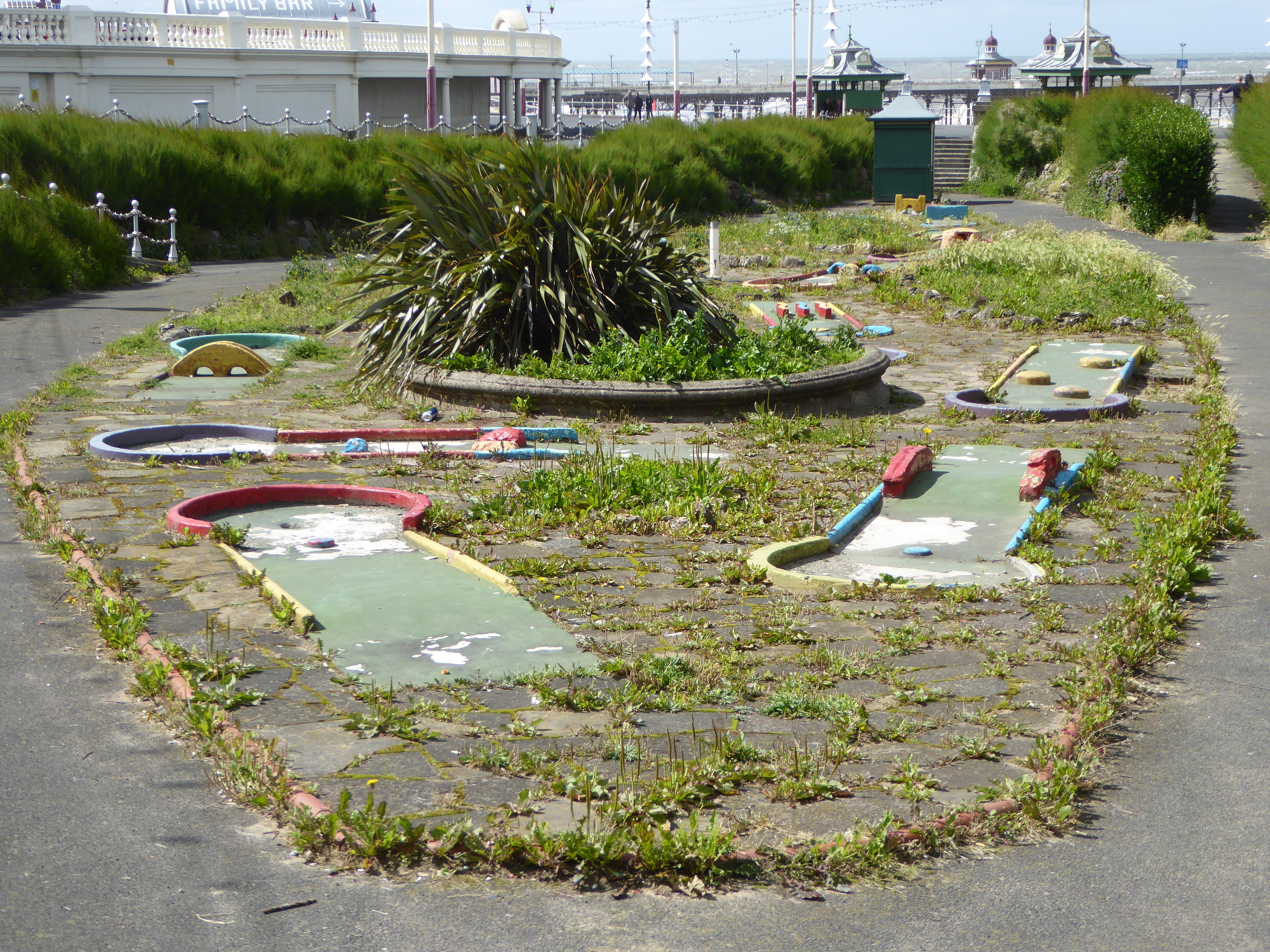
The numbers are up – 18 times nothing is nothing – each year as I revisit, the primarily primary colour paint wears a little thinner in the thin salt air and the whining westerly wind, of the all too adjacent Irish Sea.

Overgrown and underused awaiting the kids and grown ups that forever fail to show. On one visit the sunken course had become the home of the daytime hard drinkers, they suggested we refurbish and run the course as a going concern. I declined lacking the time, will and capital for such a crazy enterprise.

The starting has finally stopped.

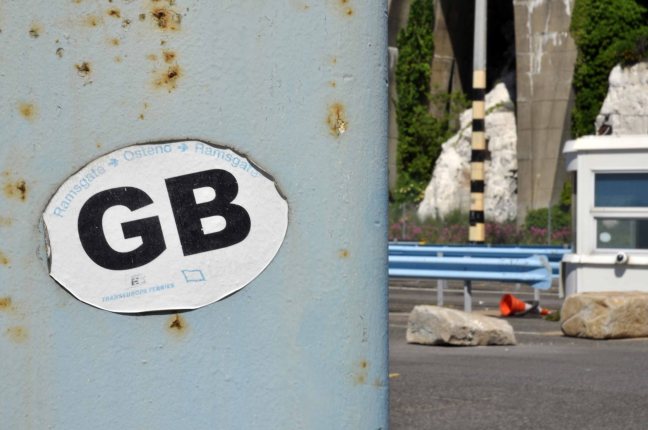
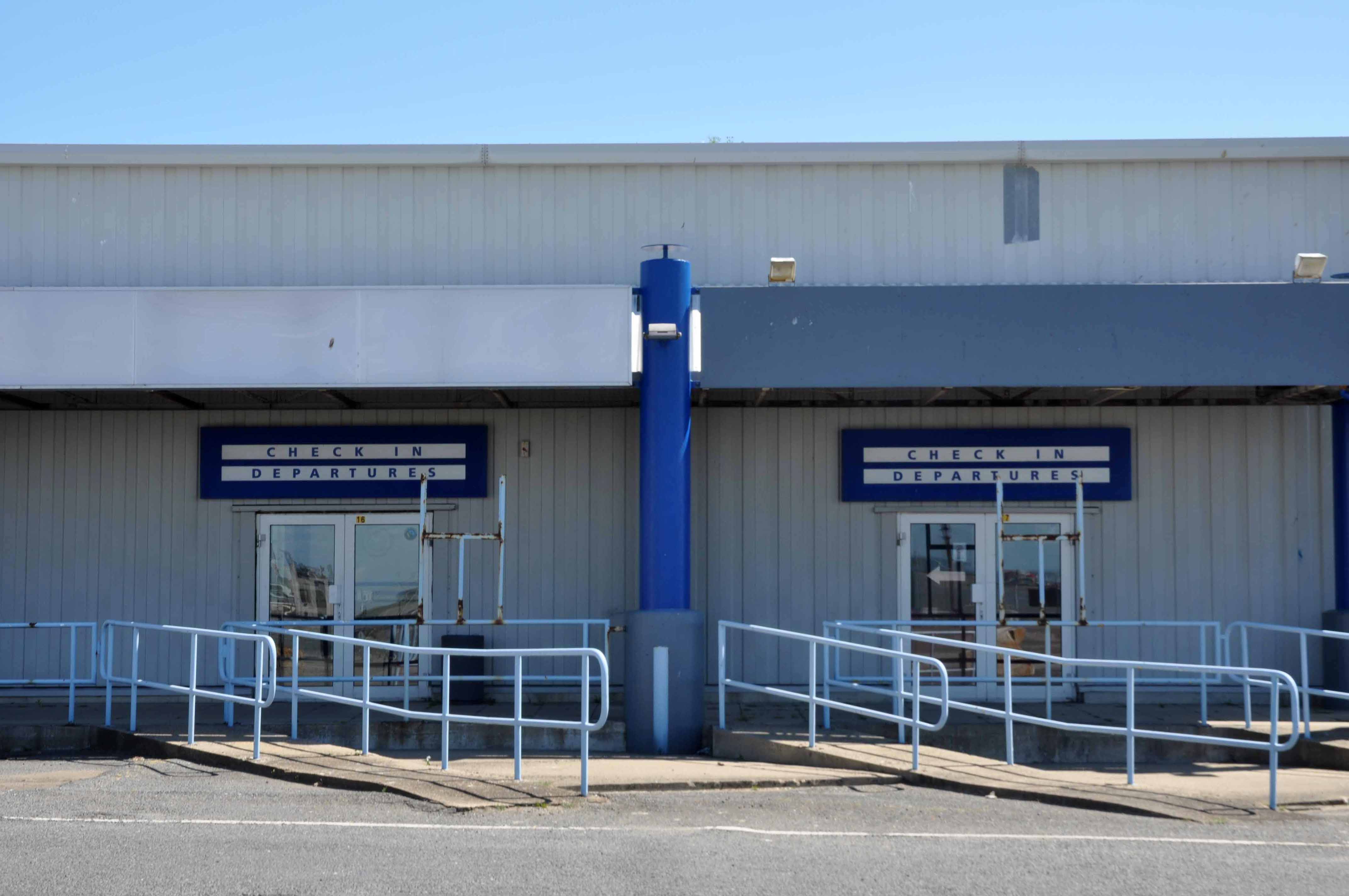
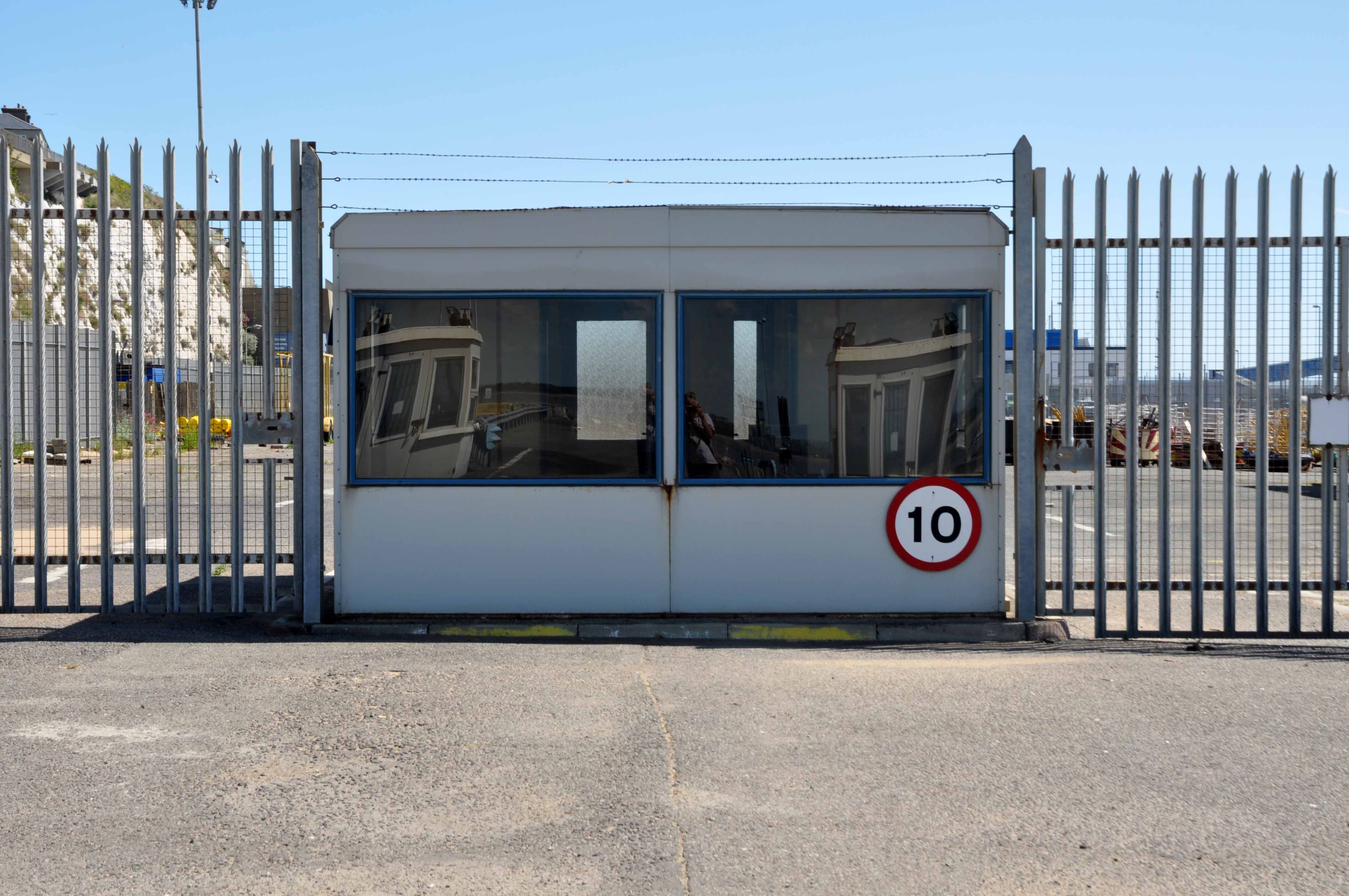
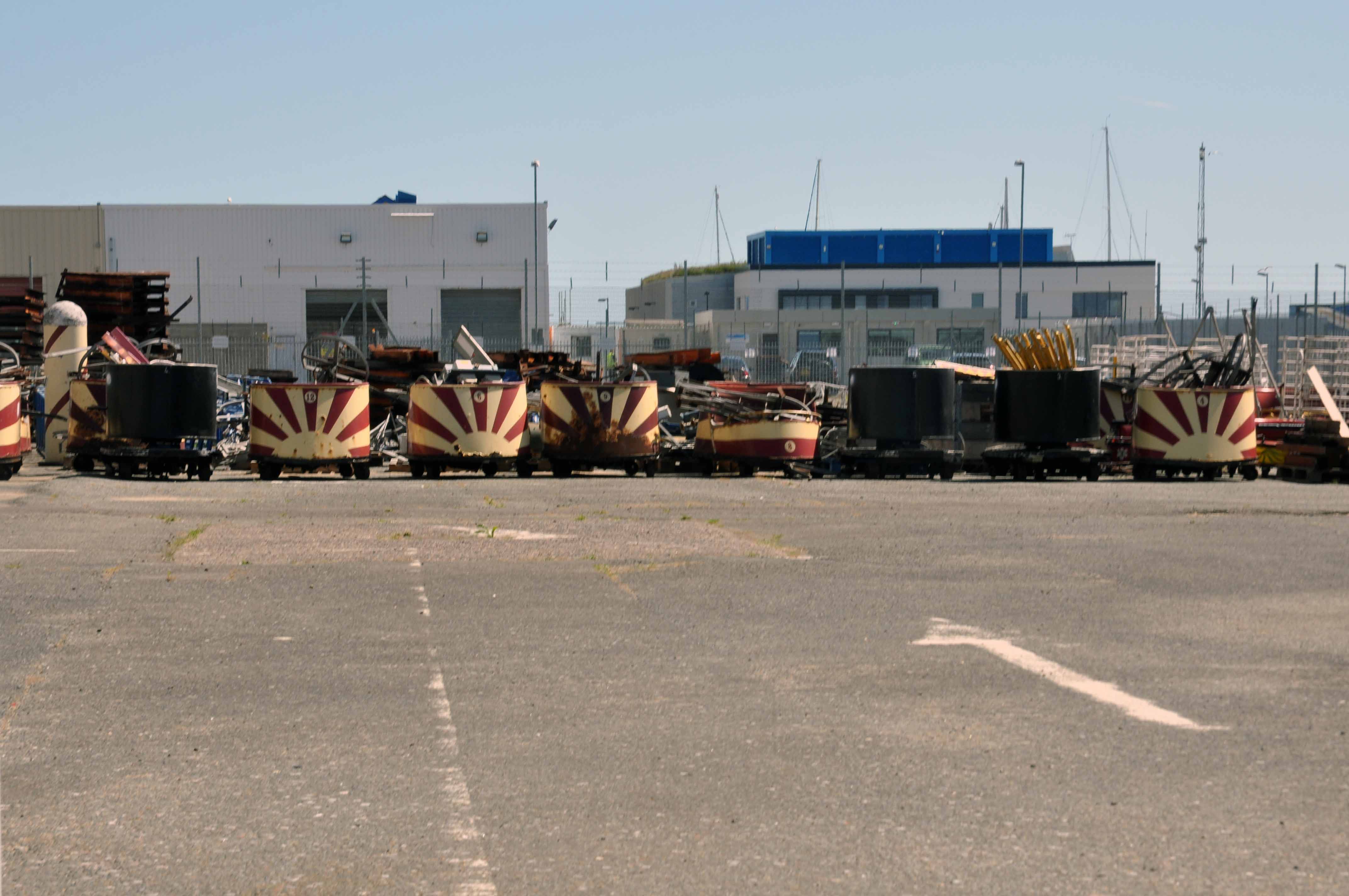
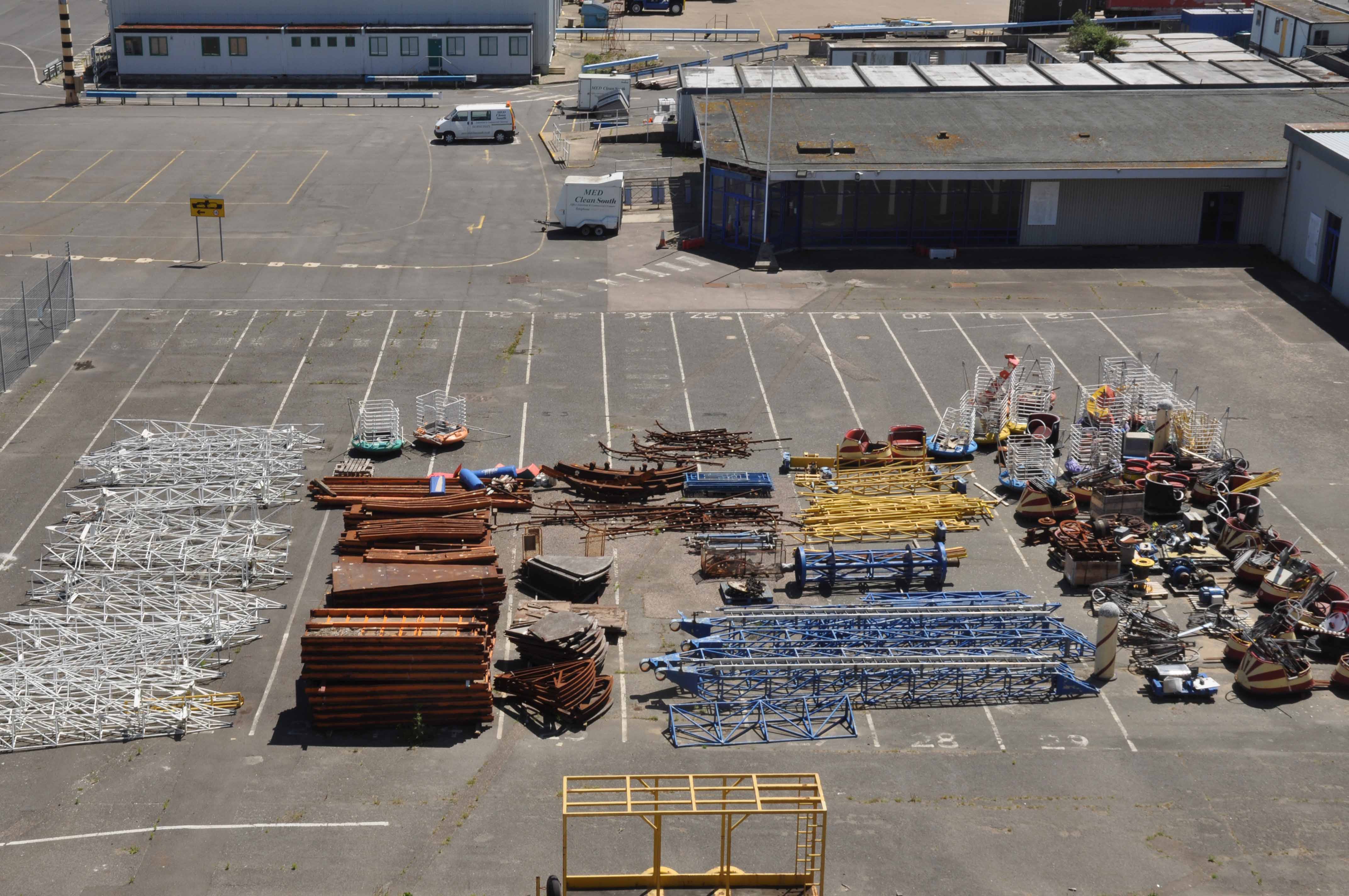
Ramsgate Harbour

The construction of Ramsgate Harbour began in 1749 and was completed in about 1850. The two most influential architects of the harbour were father and son John Shaw and John Shaw Jr, who designed the clock house, the obelisk, the lighthouse and the Jacob’s Ladder steps.

The harbour has the unique distinction of being the only harbour in the United Kingdom awarded the right to call itself a Royal Harbour. This was bestowed by King George IV after he was taken by the hospitality shown by the people of Ramsgate when he used the harbour to depart and return with the Royal Yacht Squadron in 1821.

Because of its proximity to mainland Europe, Ramsgate was a chief embarcation point both during the Napoleonic Wars and for the Dunkirk evacuation  in 1940.

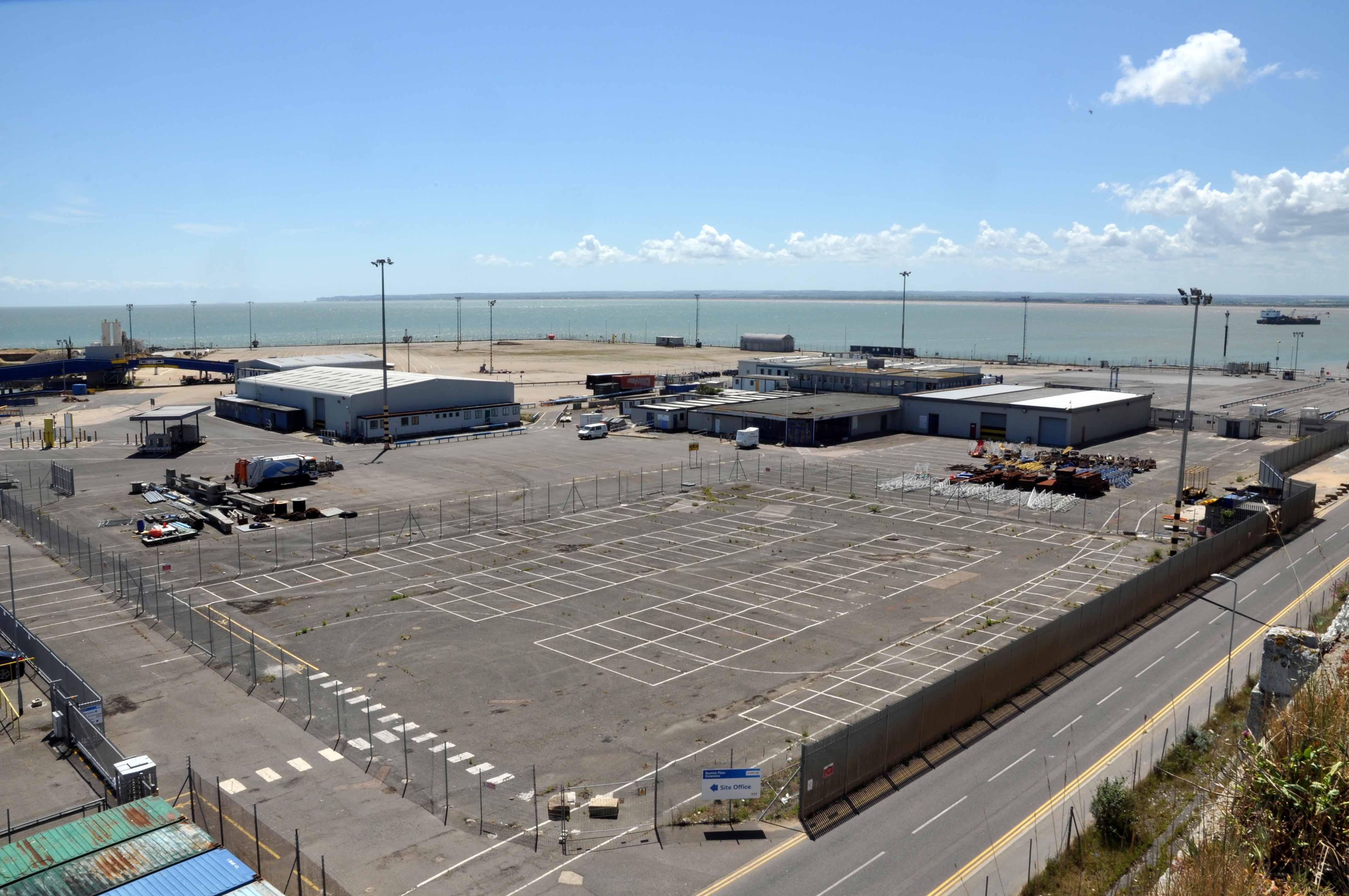
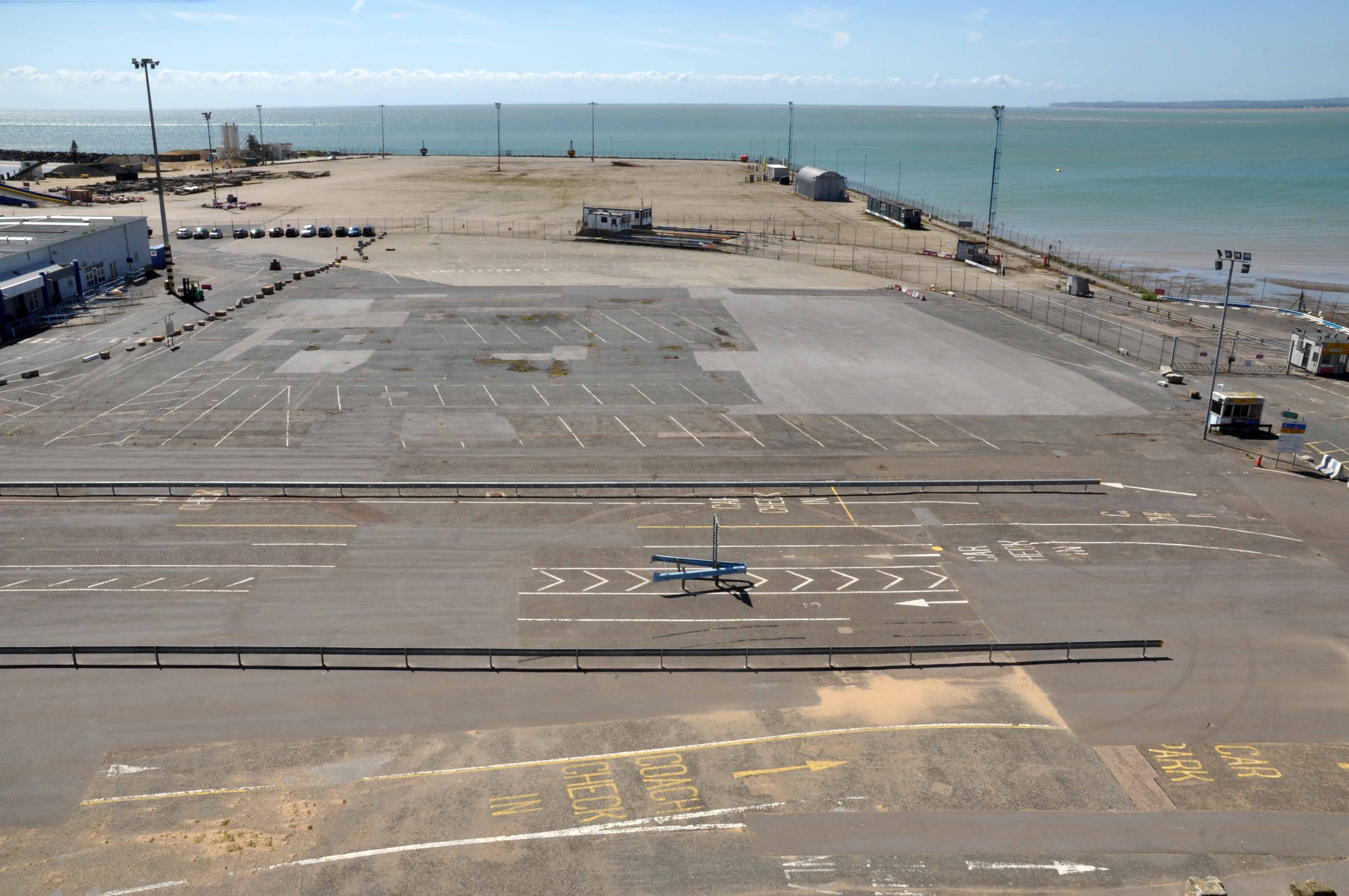
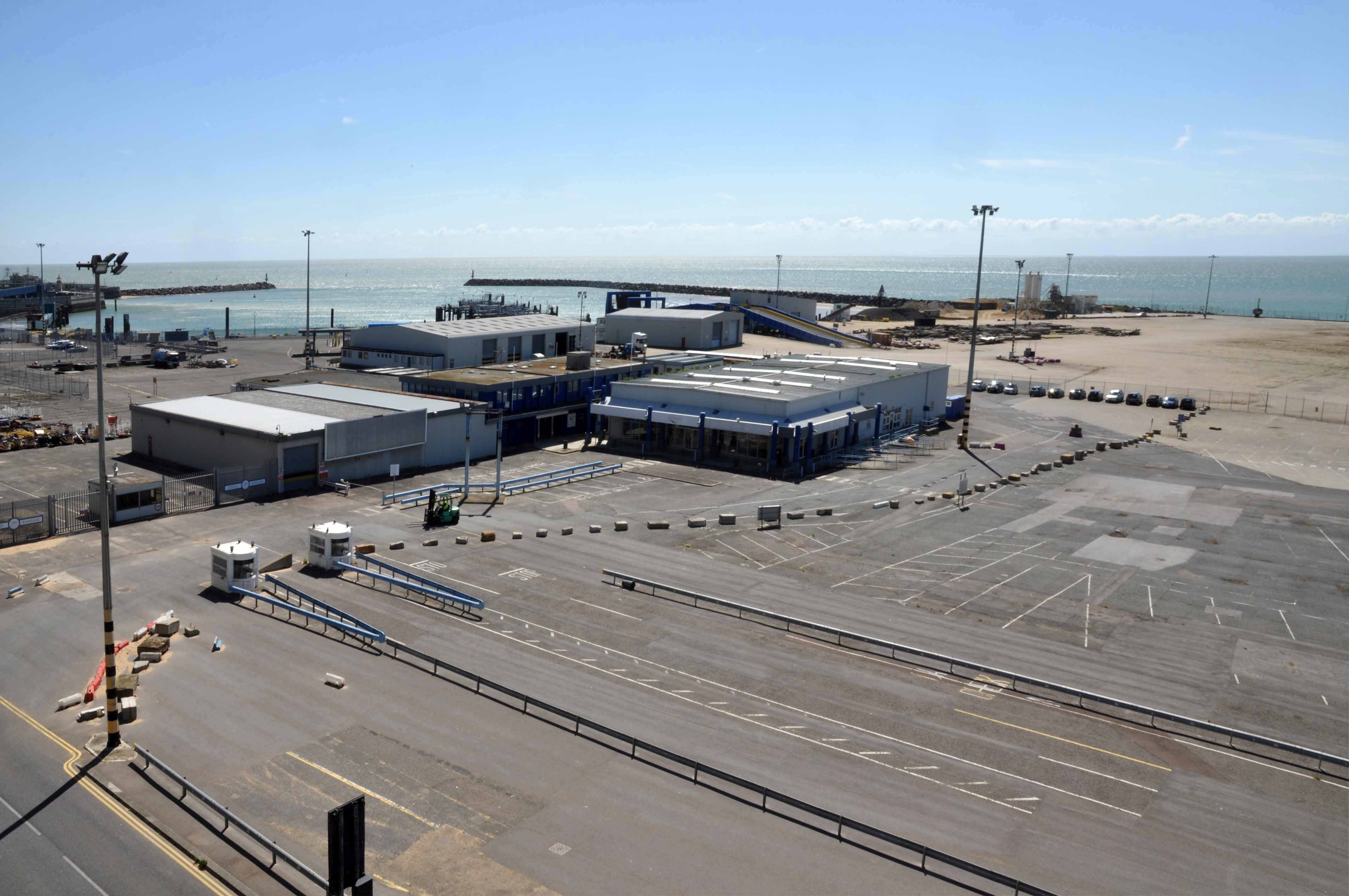
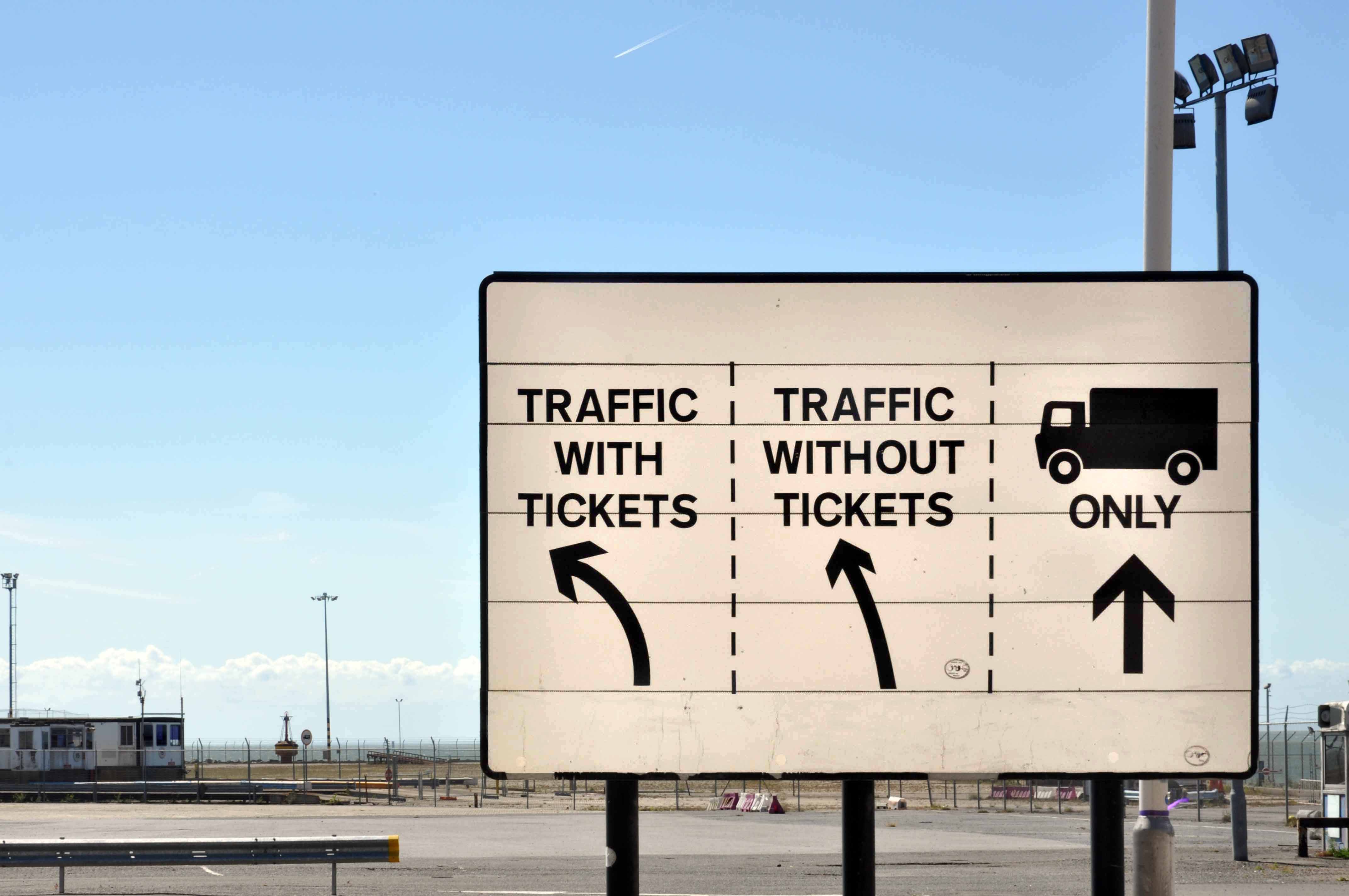
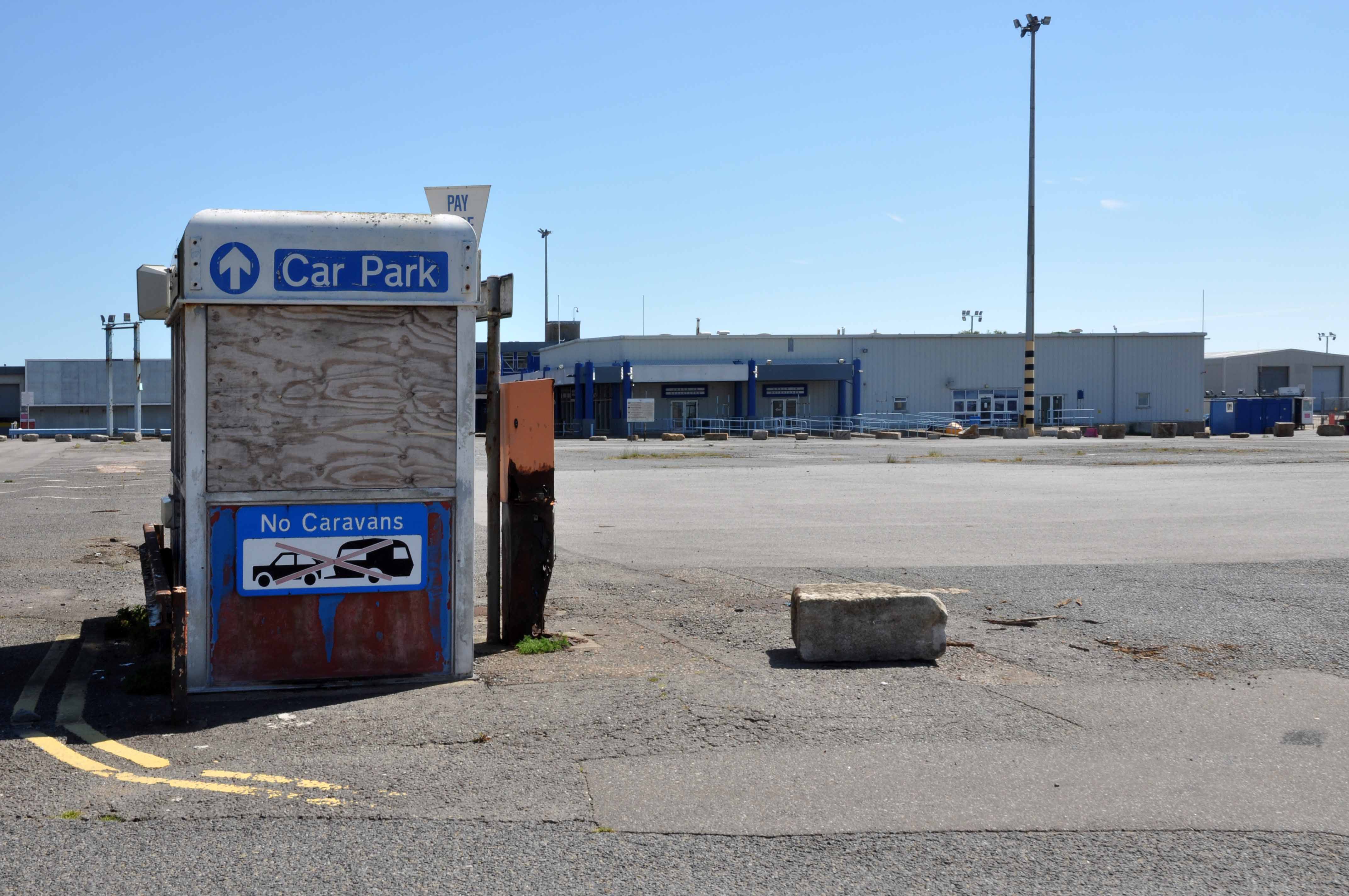
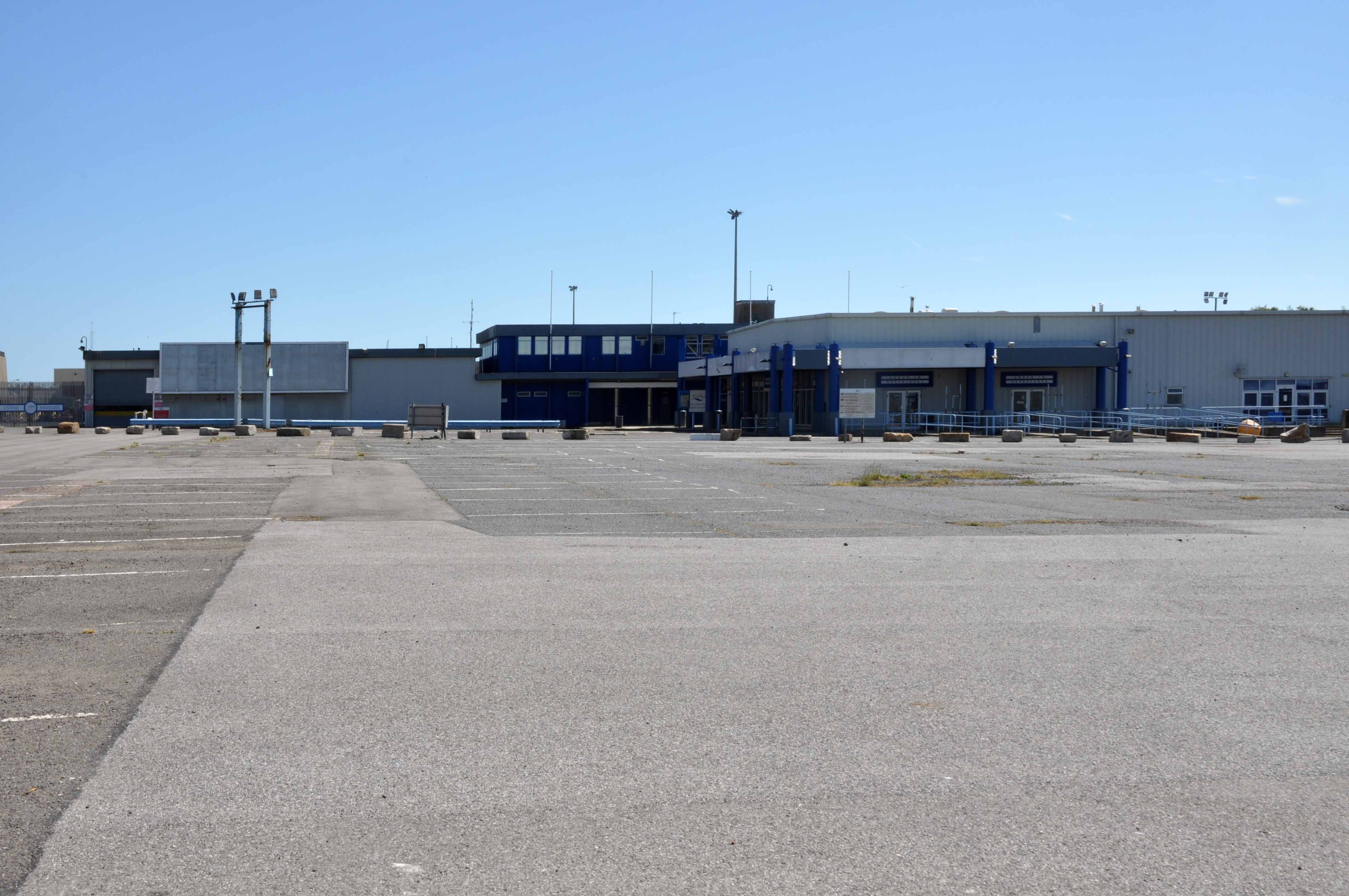
The ferry terminal area is built upon reclaimed land.

History is written on shifting sands and stormy seas.

The port has had it’s ups and downs the ferry terminal closing following a tragic accident

On 14 September 1994 there was a failure of a ship to shore structure for the transfer of foot passengers onto ferries. It collapsed in the early hours, causing the deaths of six people and seriously injuring seven more. The investigation into the accident revealed that the same basic miscalculation had been made by both the designer – Swedish firm FKAB, a subsidiary of the Mattson Group and certifying organisation Lloyd’s register. The parties involved, including the client, Port Ramsgate, were prosecuted and fined a total of £1.7m, which at the time was the largest fine in the United Kingdom for a breach of health and safety laws. The Swedish firms refused to pay the £1m fine and as result pan-European law enforcement was changed in 2005.

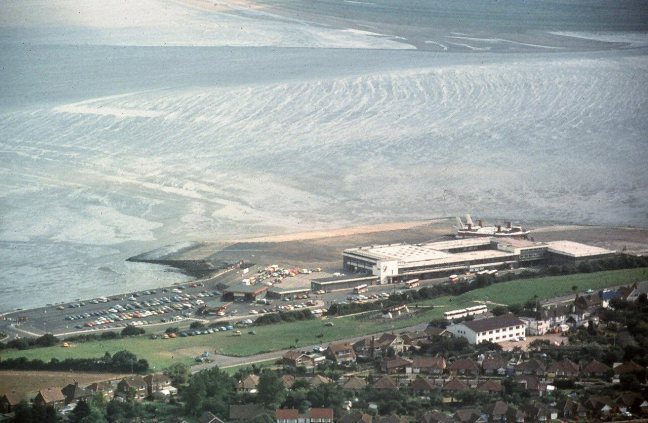
Hoverlloyd ran a crossing from Ramsgate Harbour to Calais Harbour from 6 April 1966 using small, passenger-only SR.N6 hovercraft. When the much larger SR.N4 craft, capable of carrying 30 vehicles and 254 passengers, were delivered in 1969, Hoverlloyd moved operations to a purpose built hoverport in Pegwell Bay, near Ramsgate.
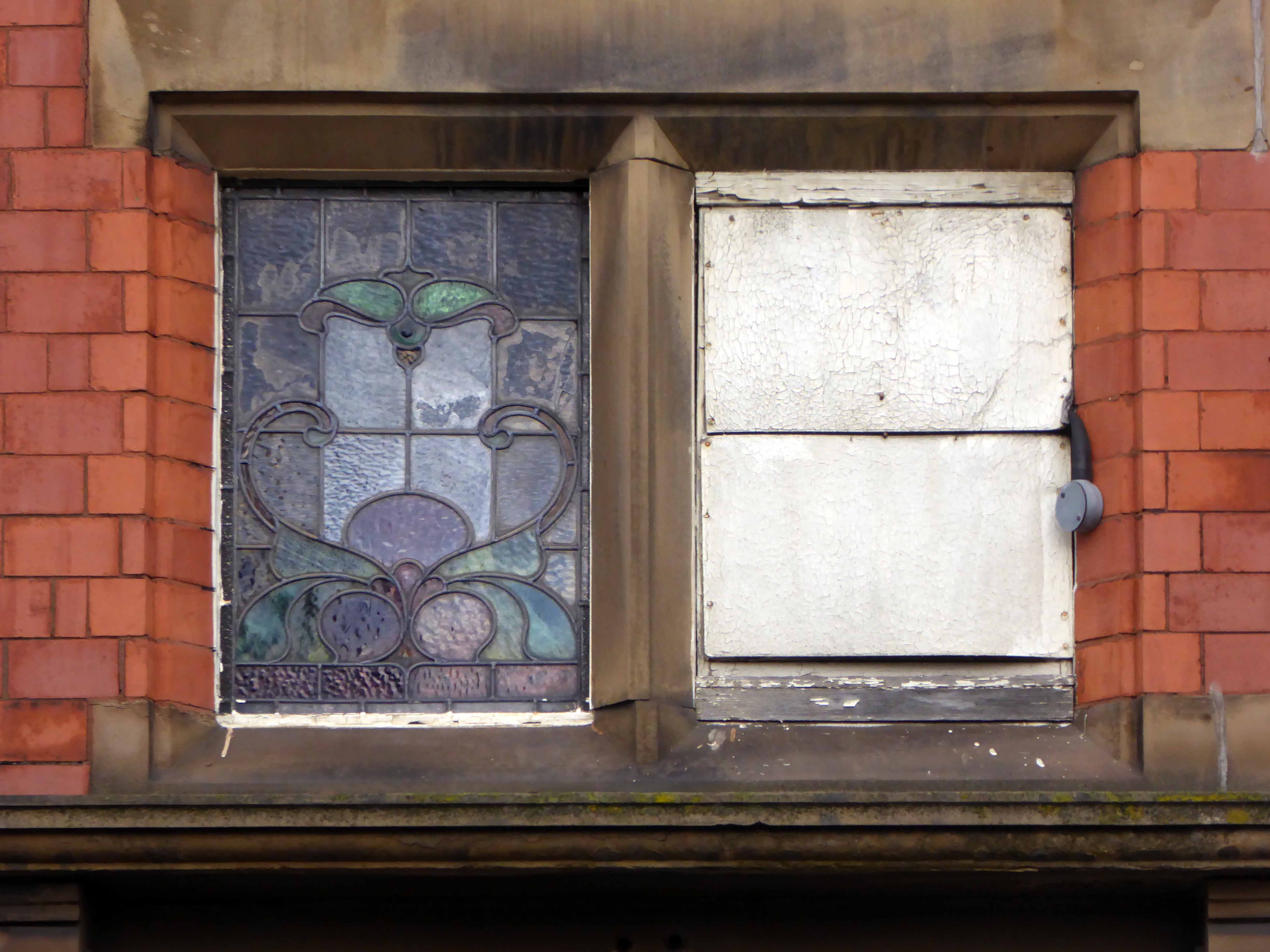
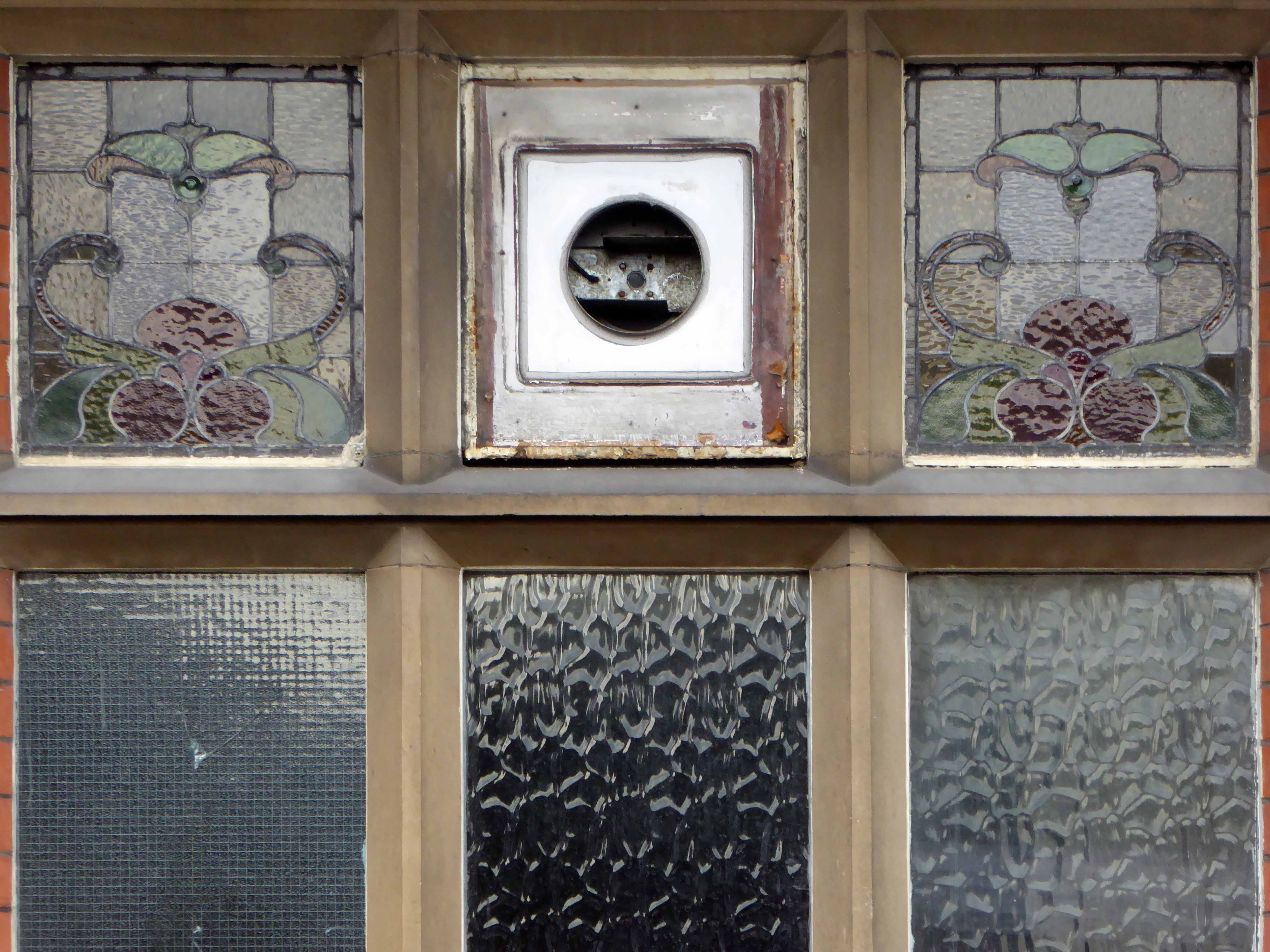
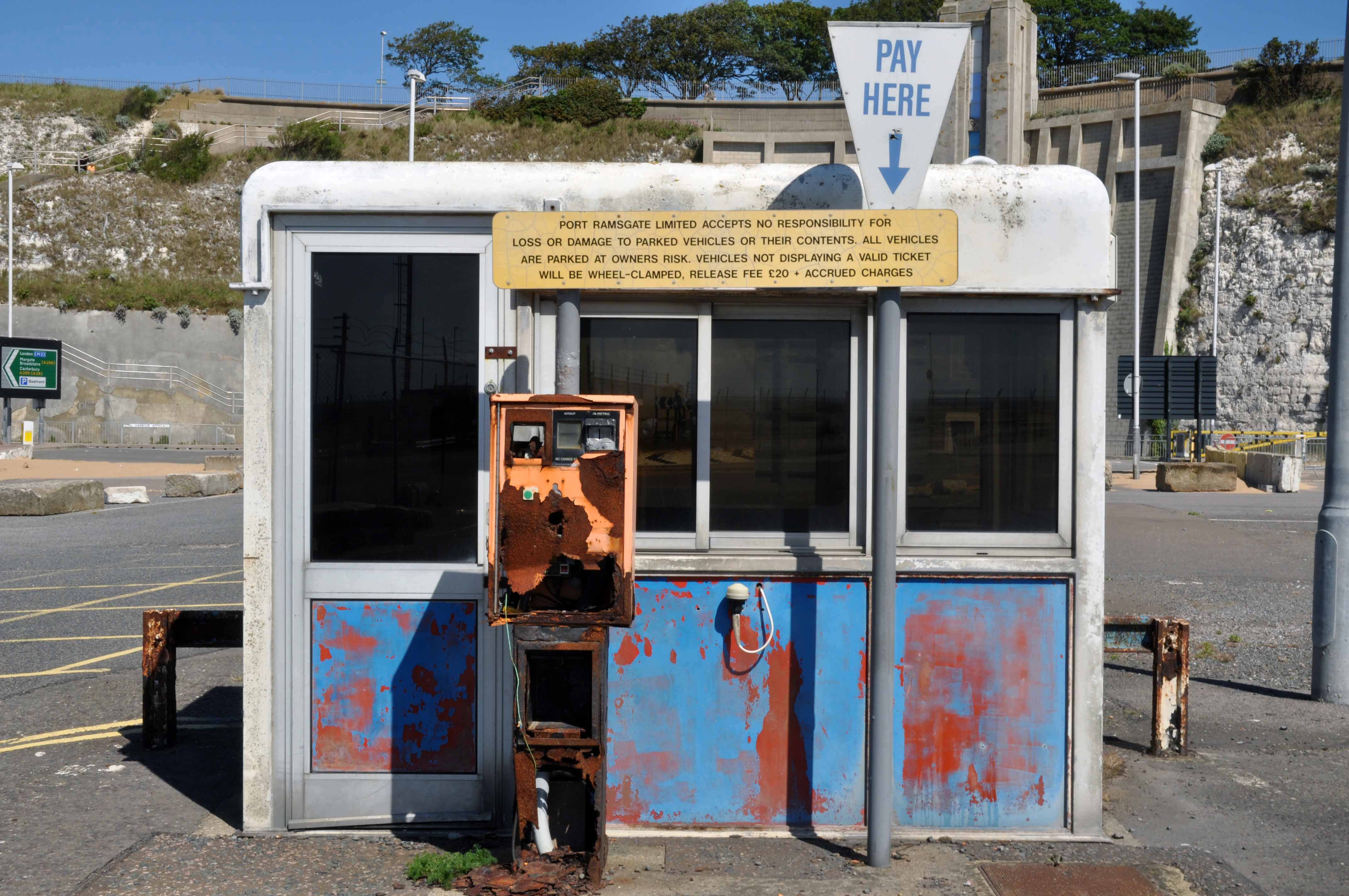
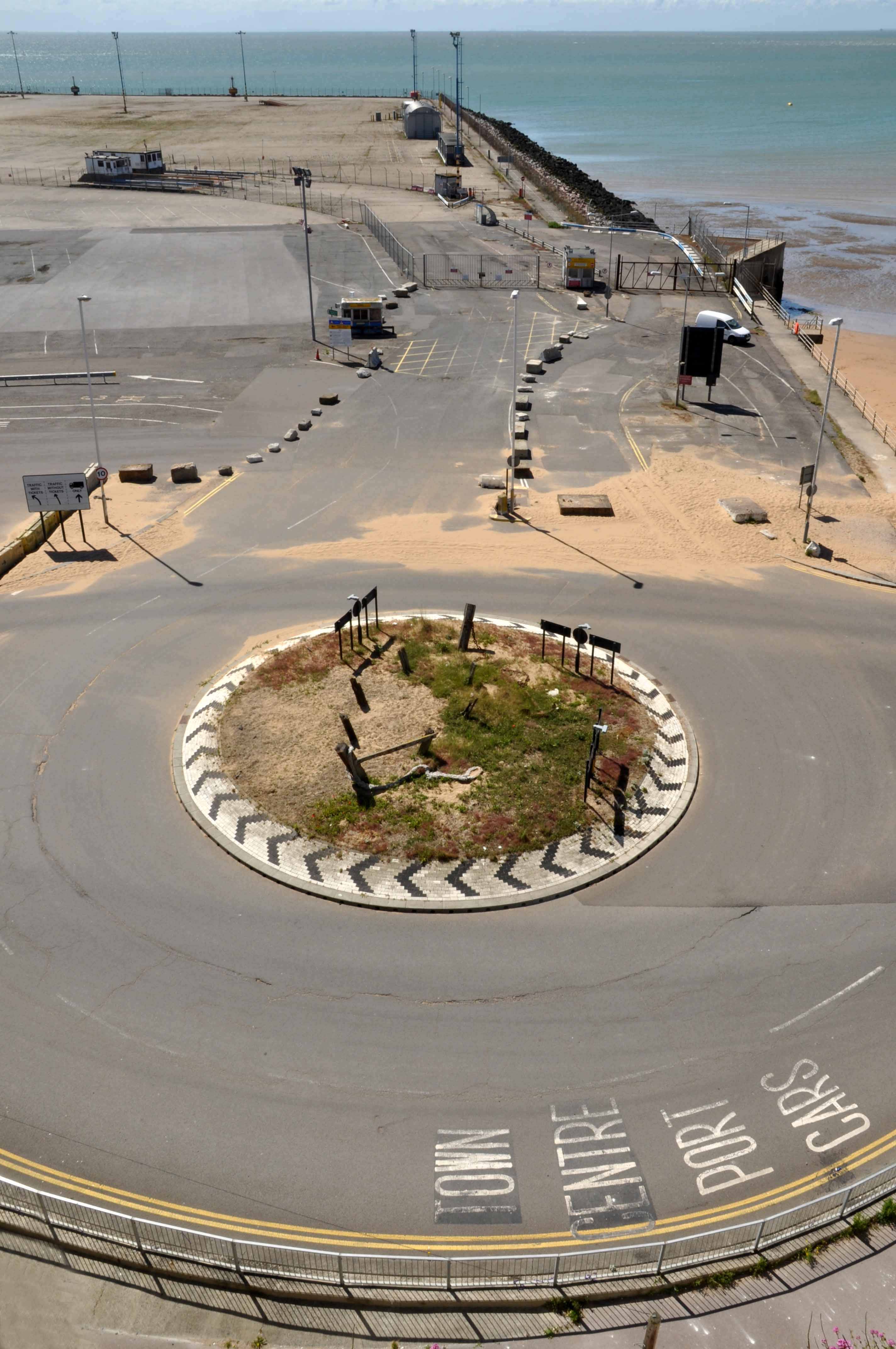
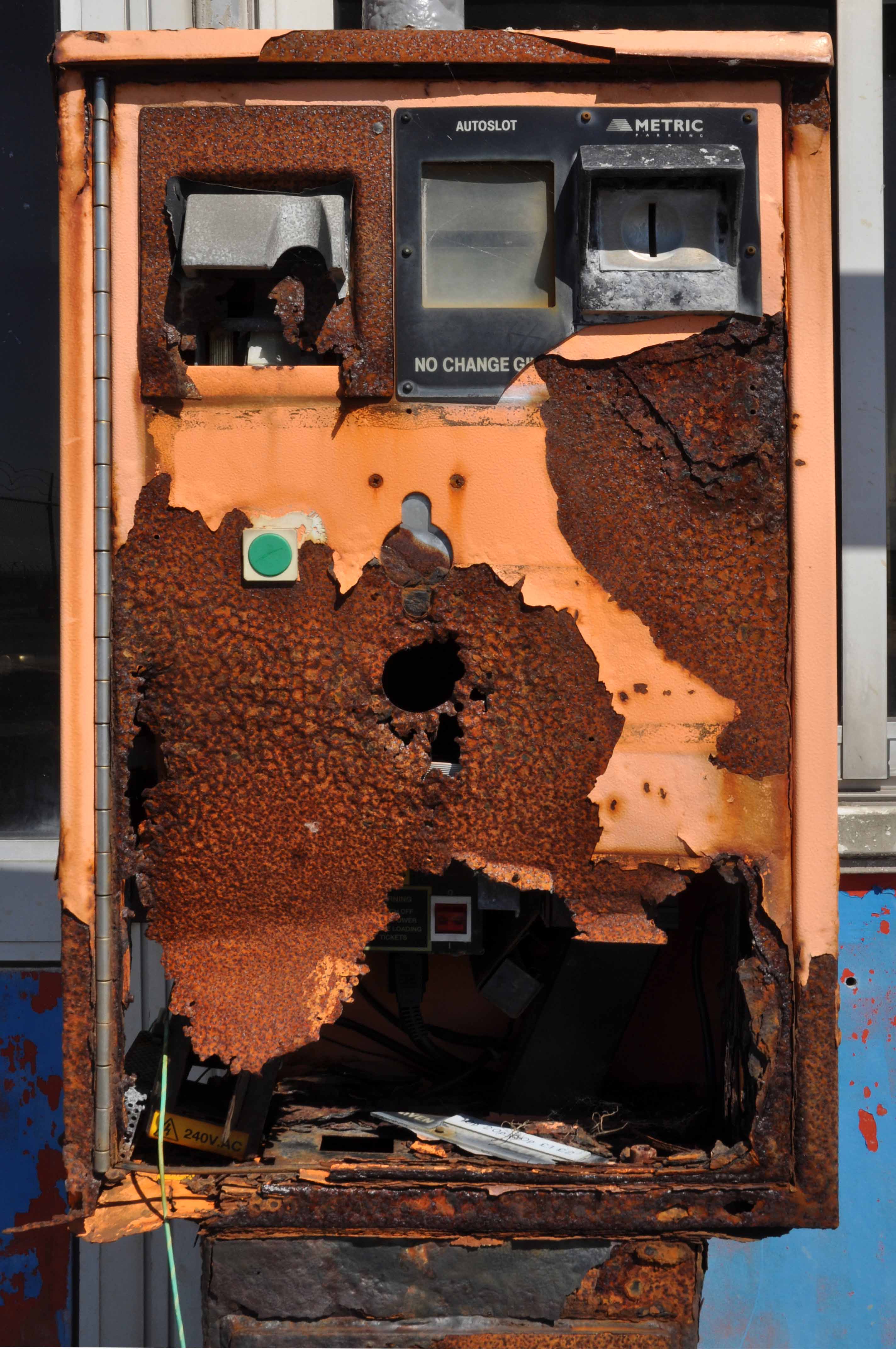
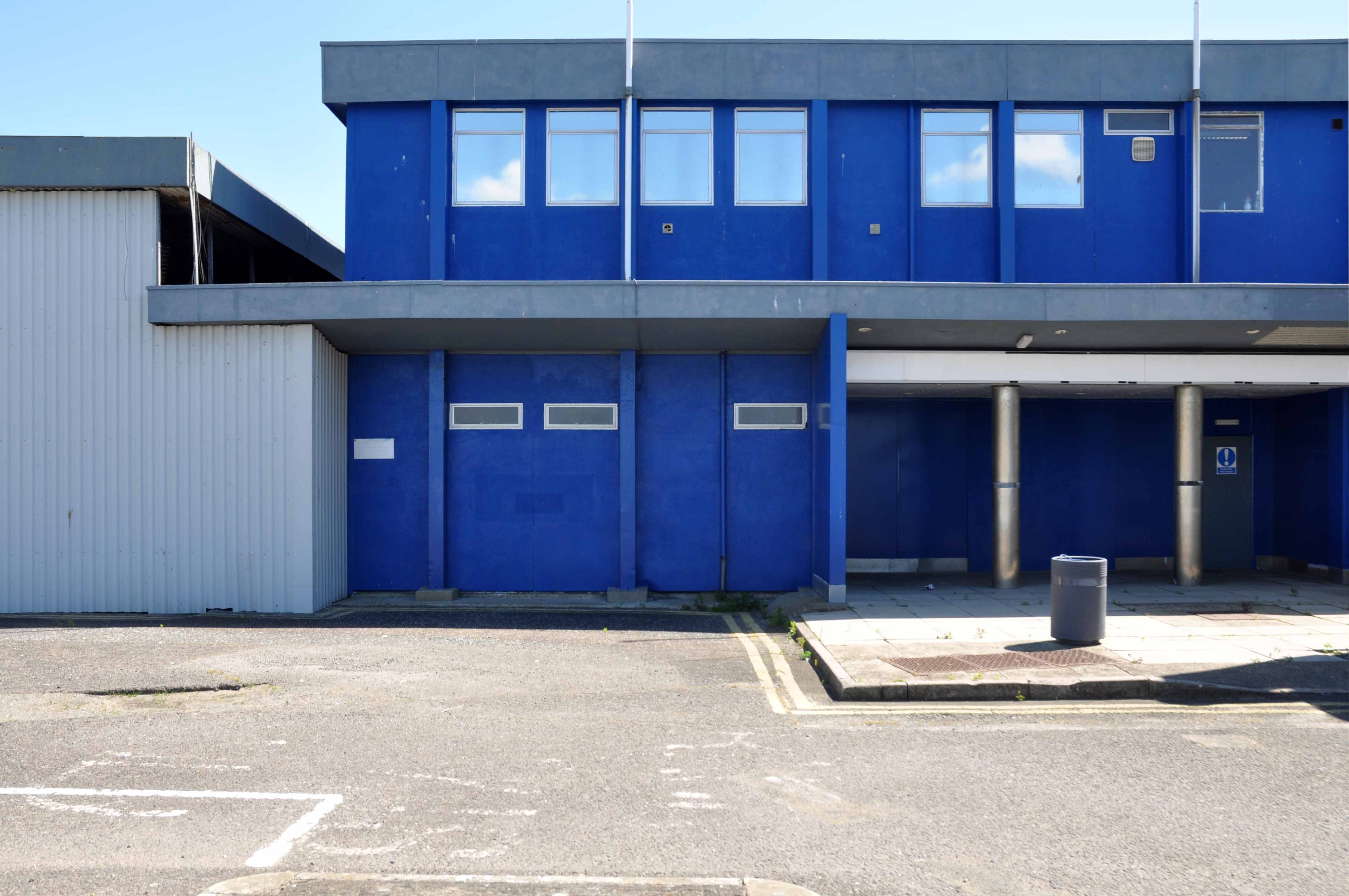
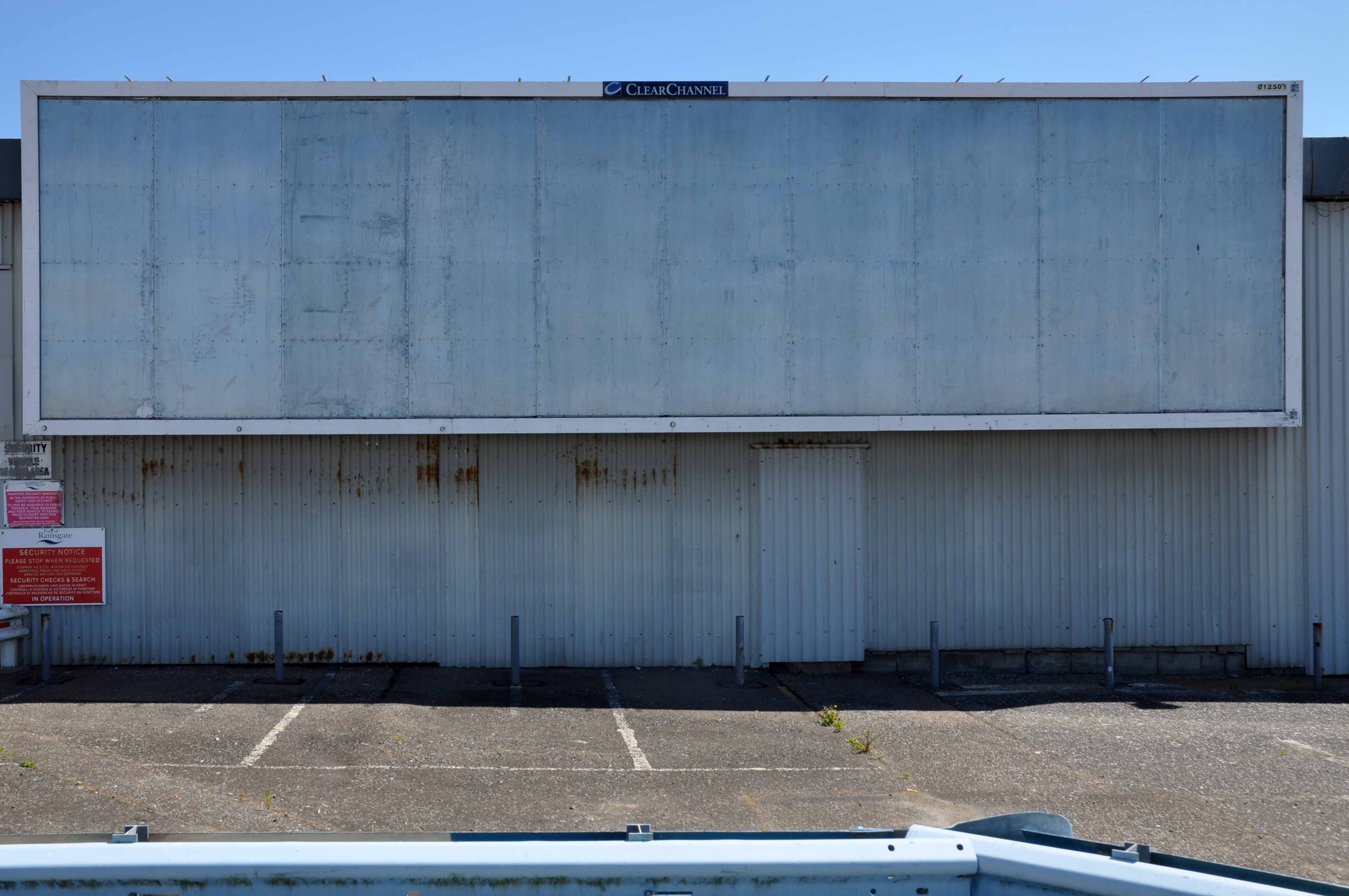
Mothballed and unloved standing largely unused 2019 has seen the winds of change forge a new dawn for the fading fortunes of Ramsgate Harbour. Transport supremo Christopher Grayling MP has summoned the dredgers to clear a way through the confusing clutter of post Brexit Britain.

Seaborne Freight has three months to source the vessels, recruit and train staff, and put all the infrastructure in place to launch the service before we leave the EU – it sounds like a very tall order – Richard Burnett

A company with no vessels a port currently with no access.

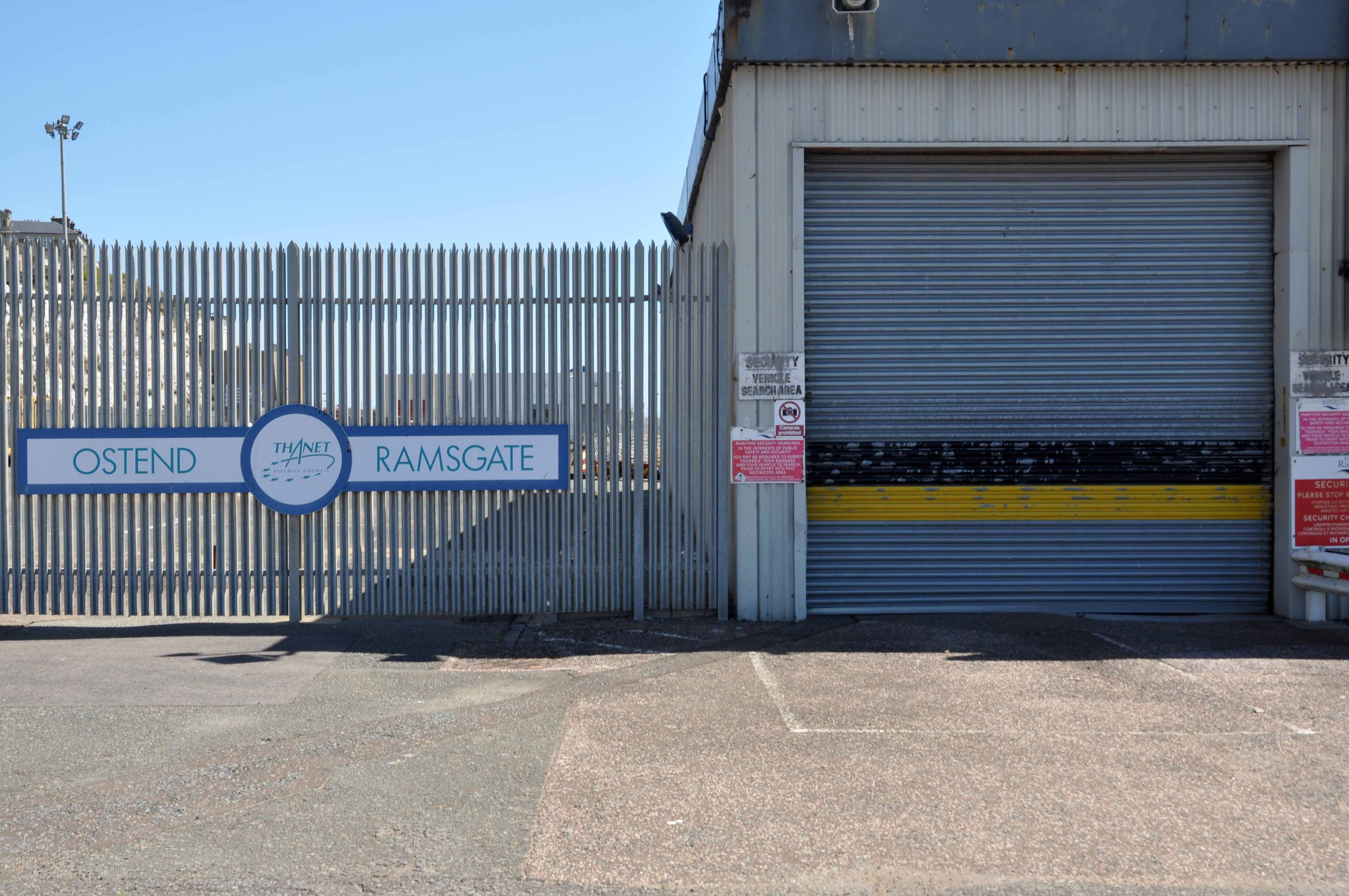
There’s only one pilot and that is the Harbour Master. The security fencing is laughable – travellers broke into the port and occupied it for a week not so long ago.

So all is well with the world – we await further developments with a fervour unseen since the previous fervour.

Let’s take a short walk back to my walk around in 2015 – see you on the other side.

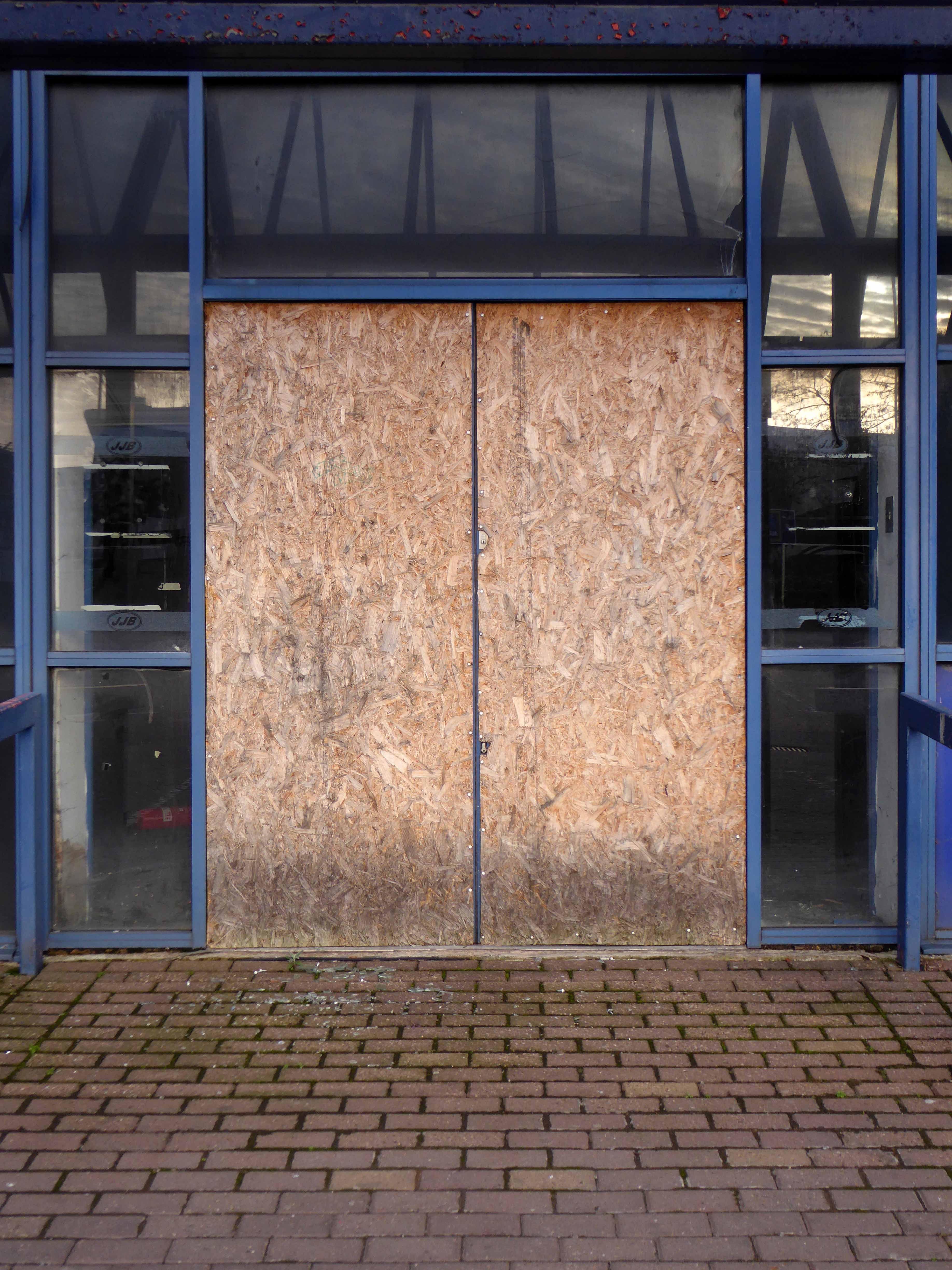
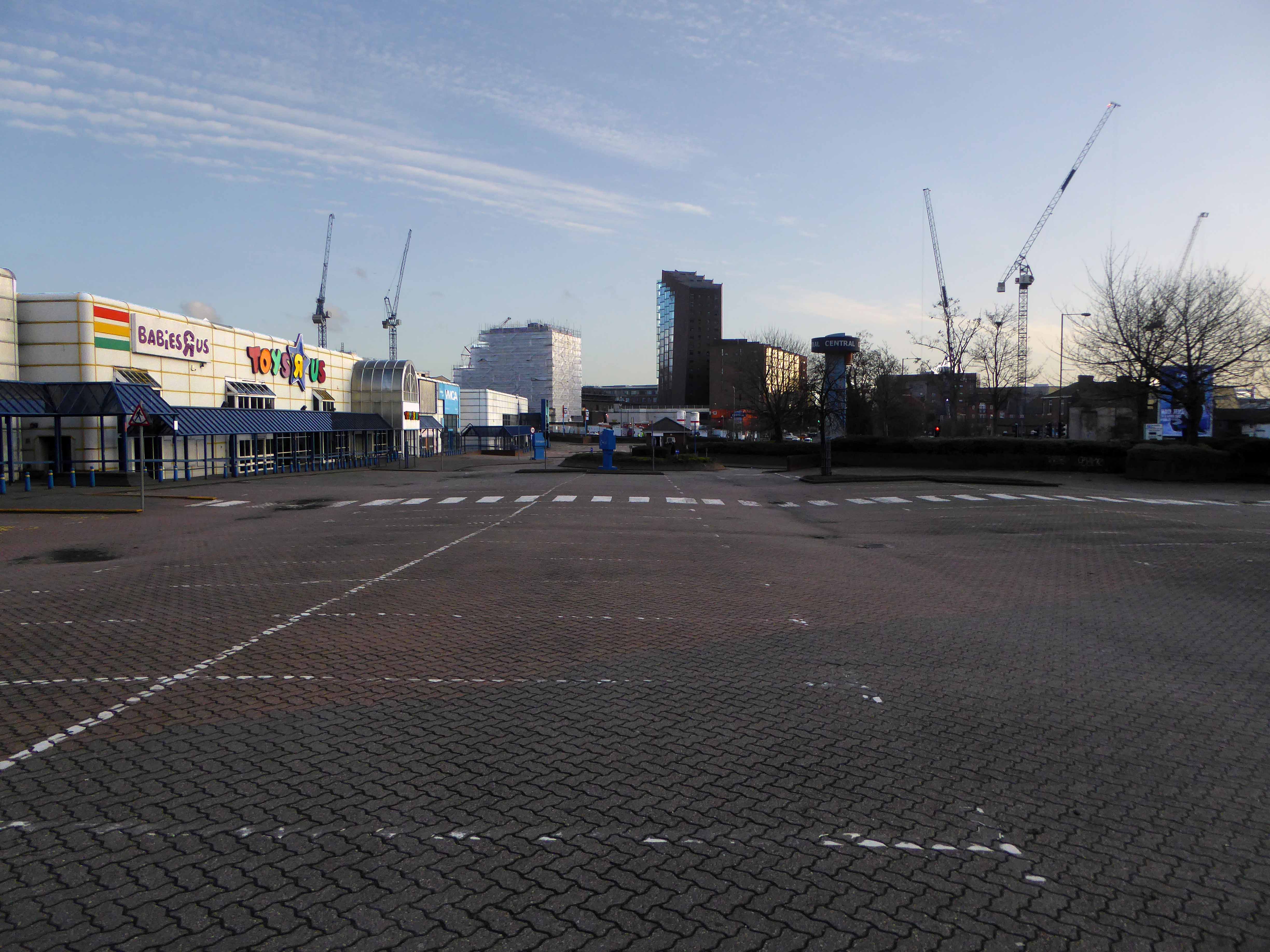
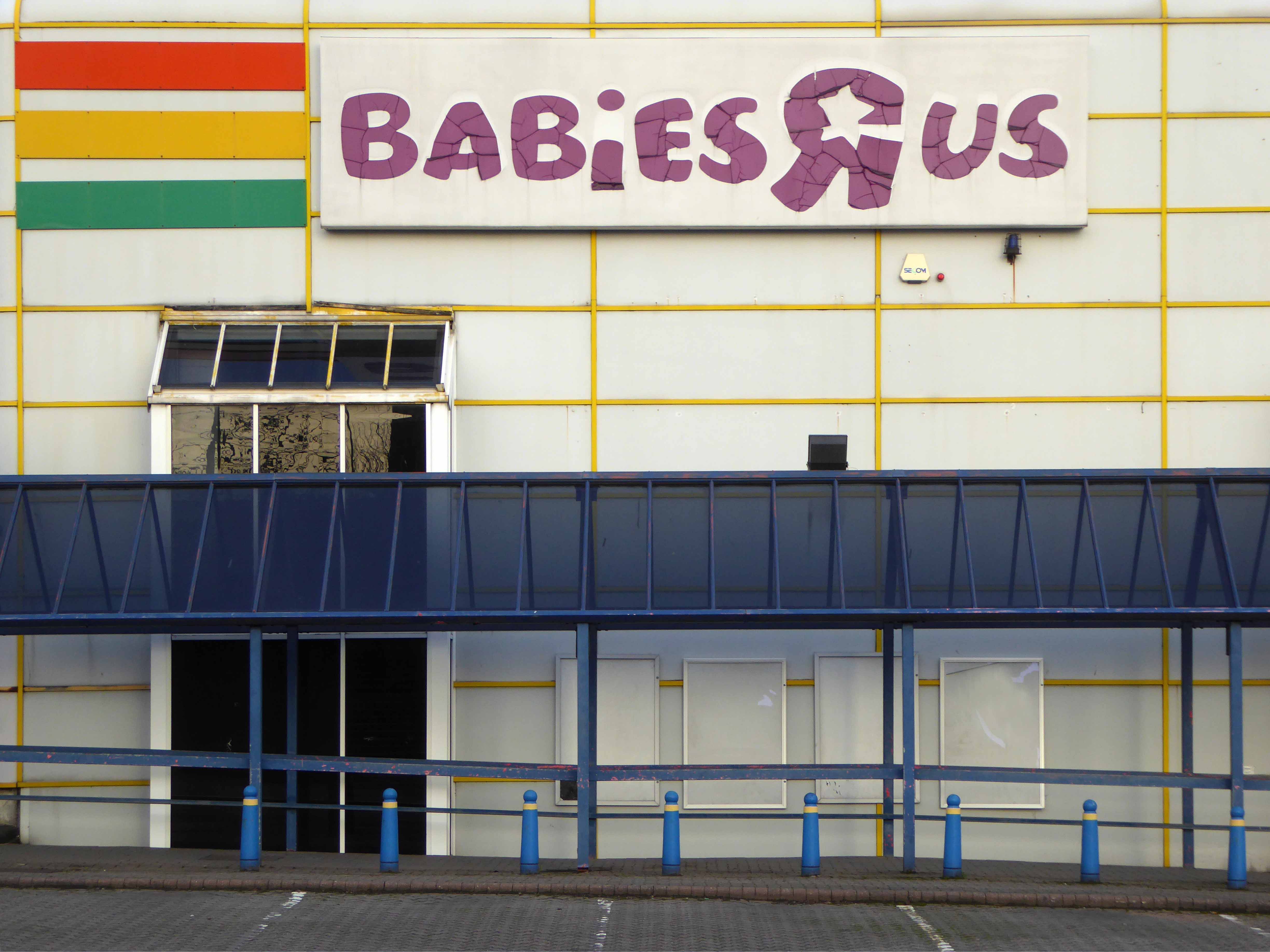
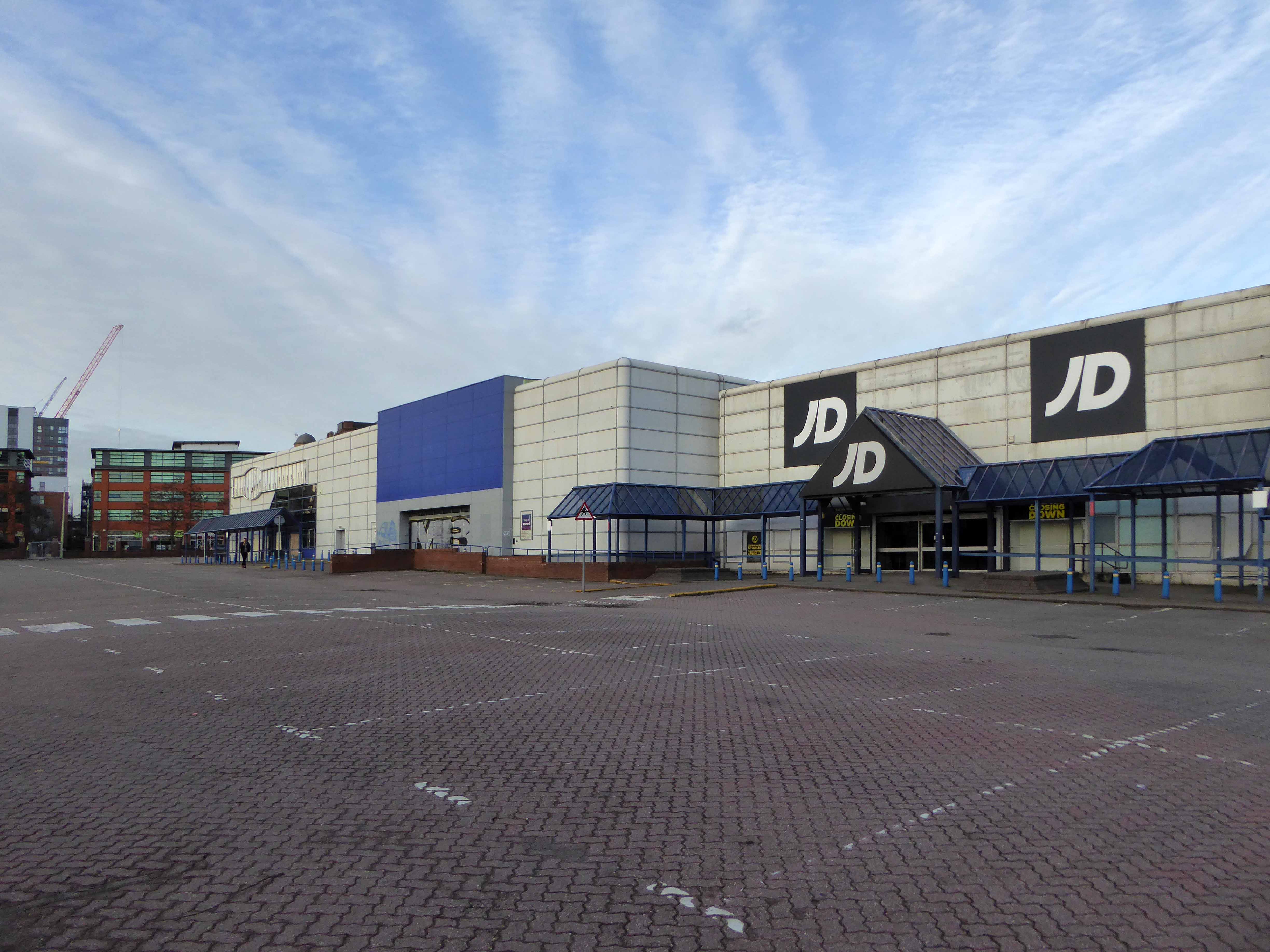
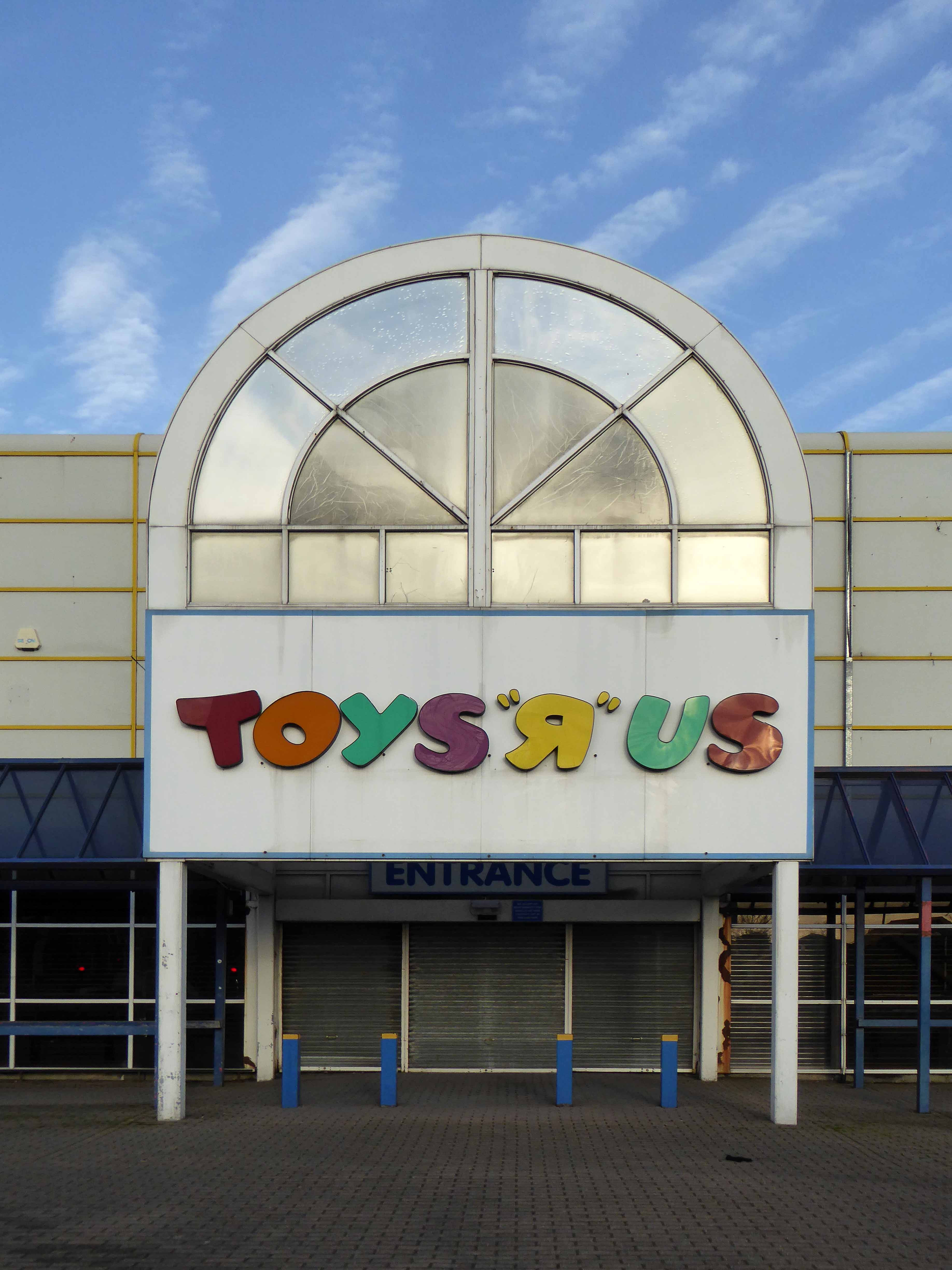
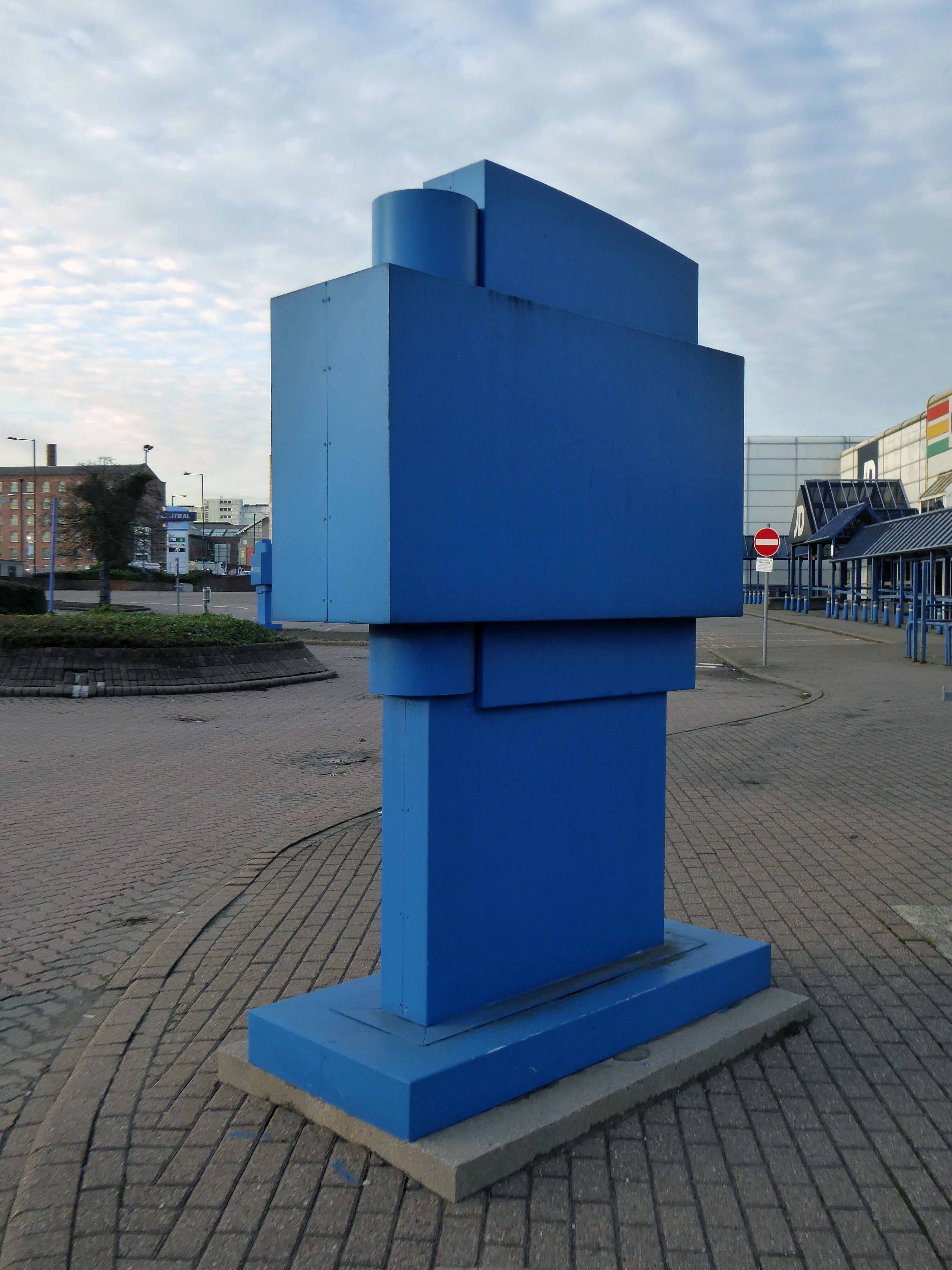
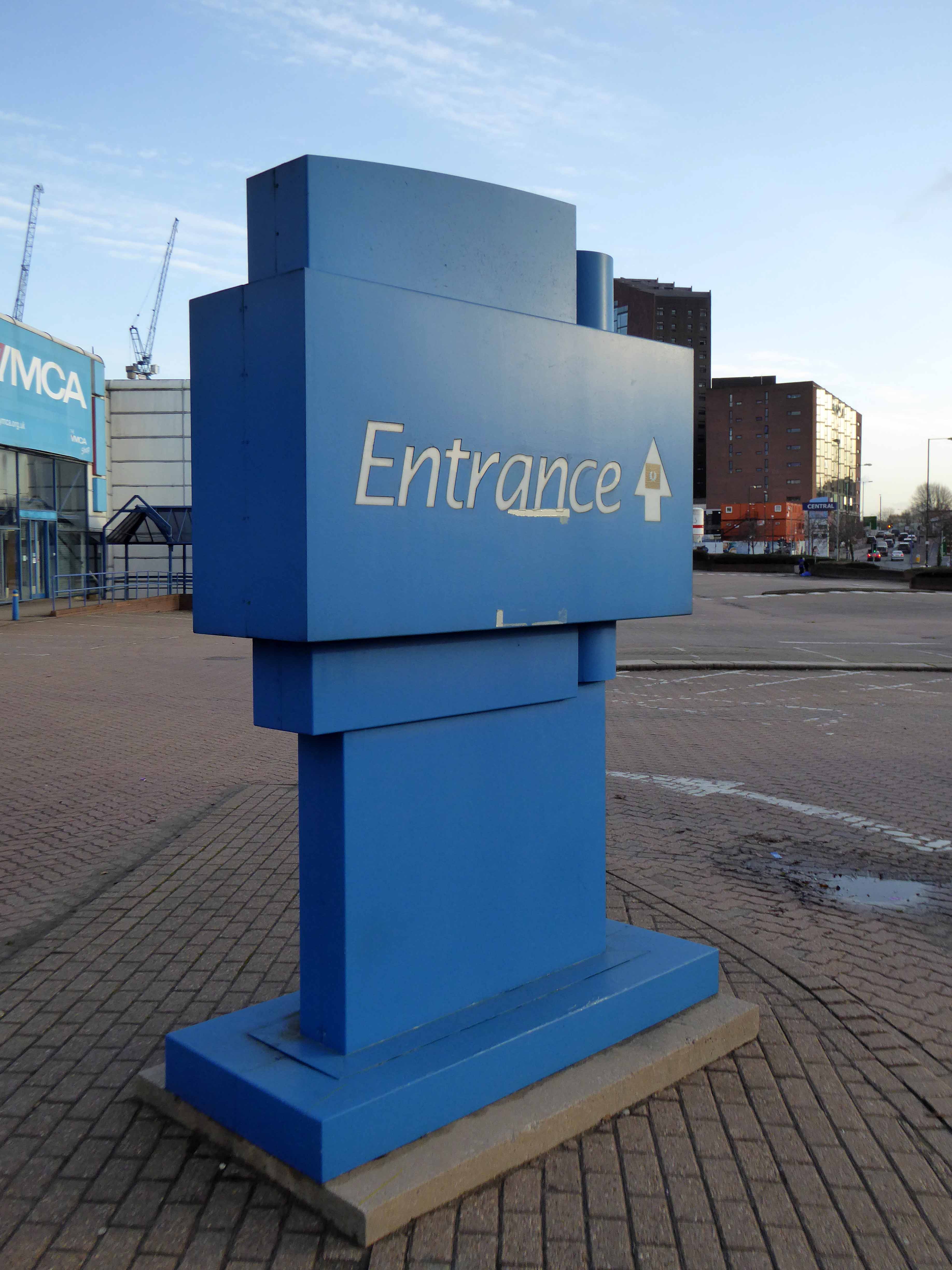
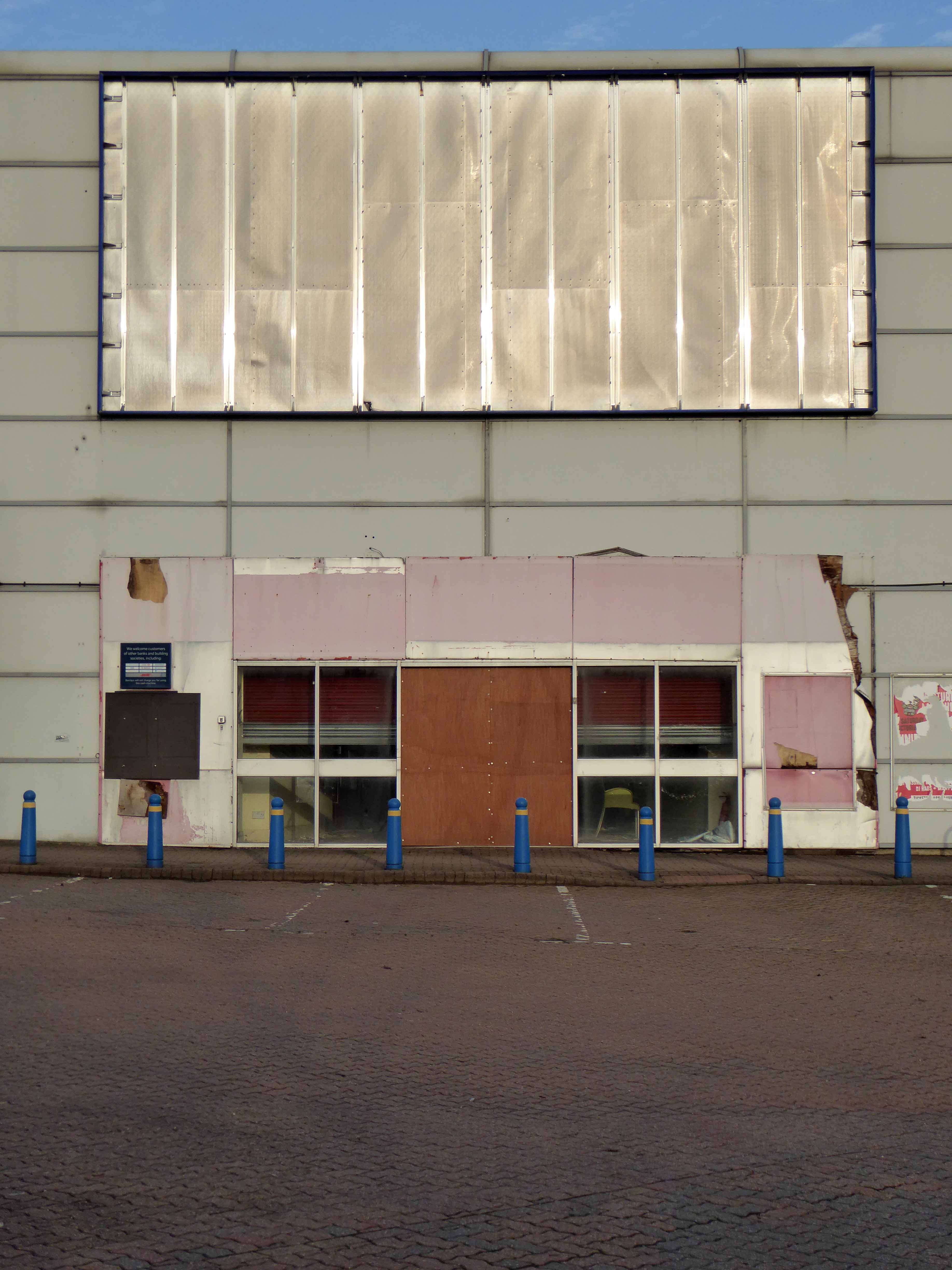
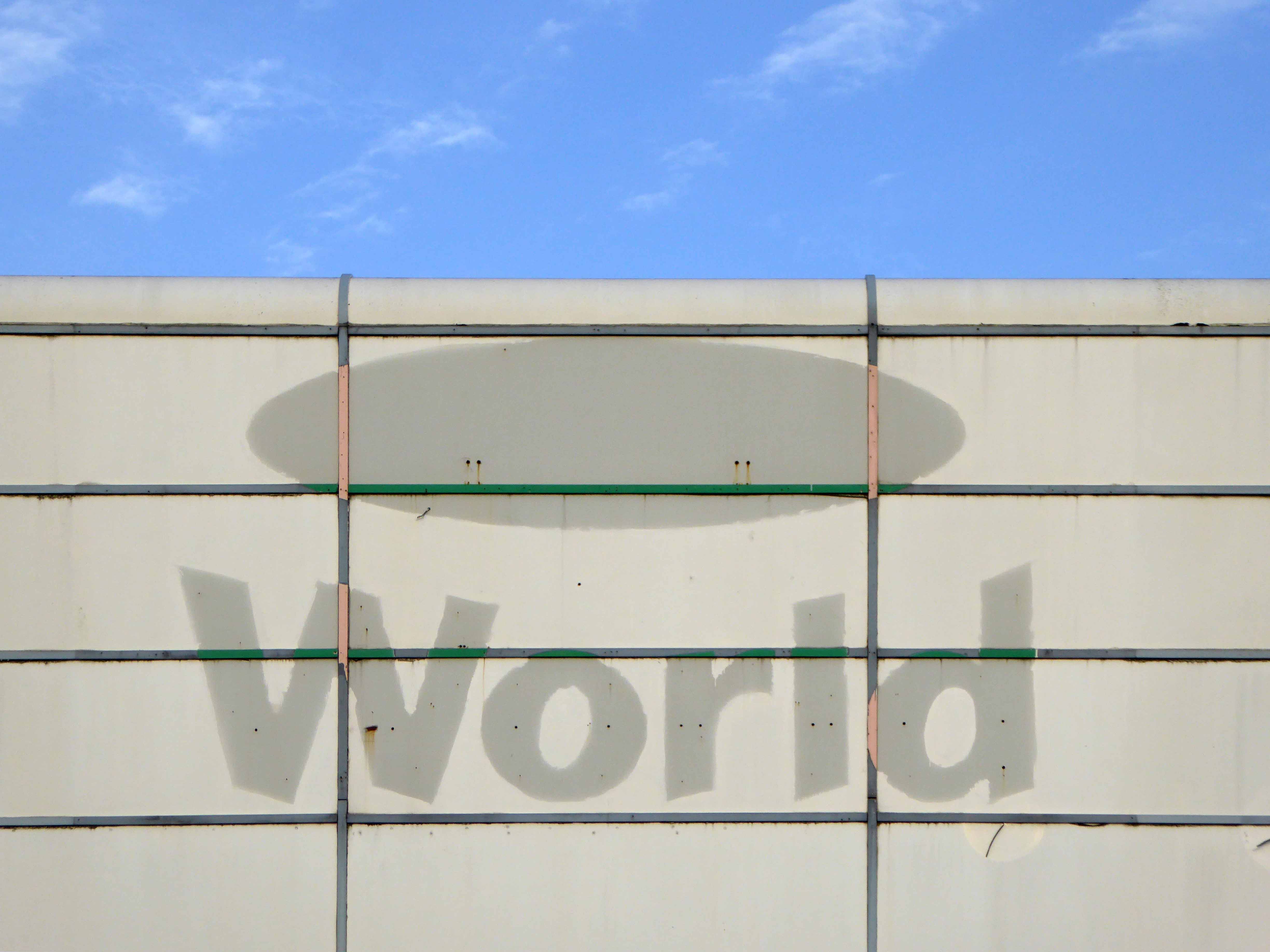
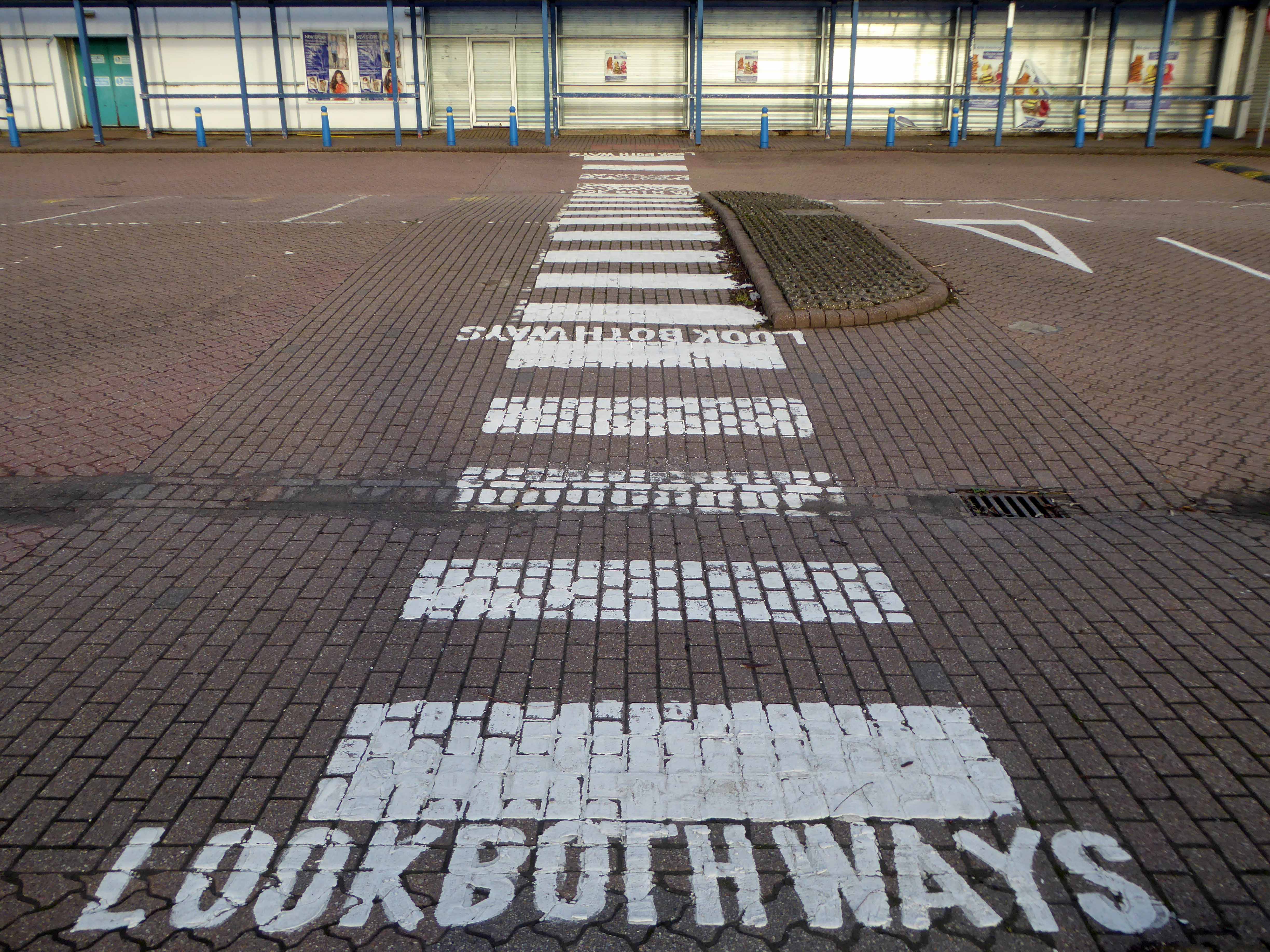
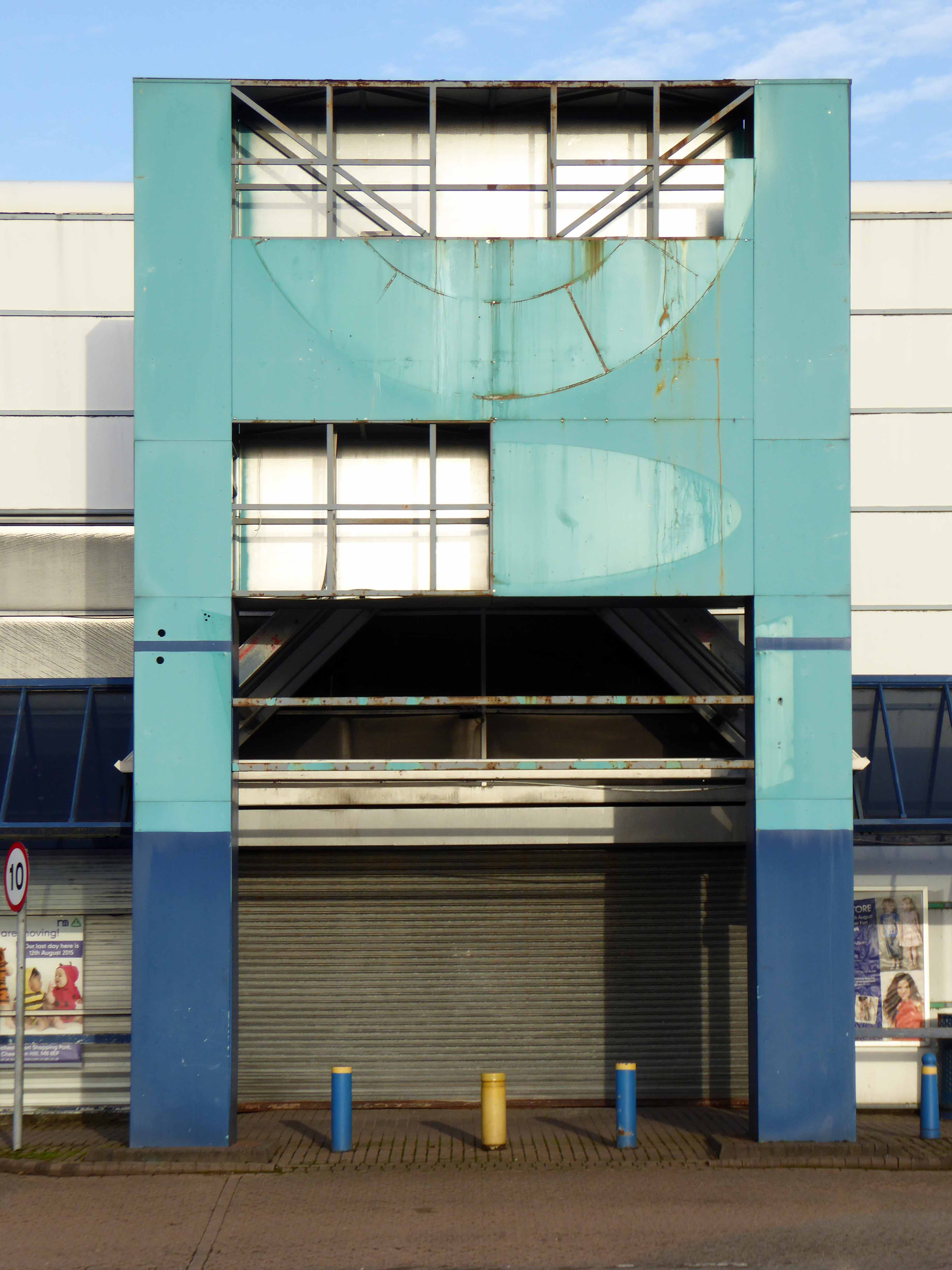
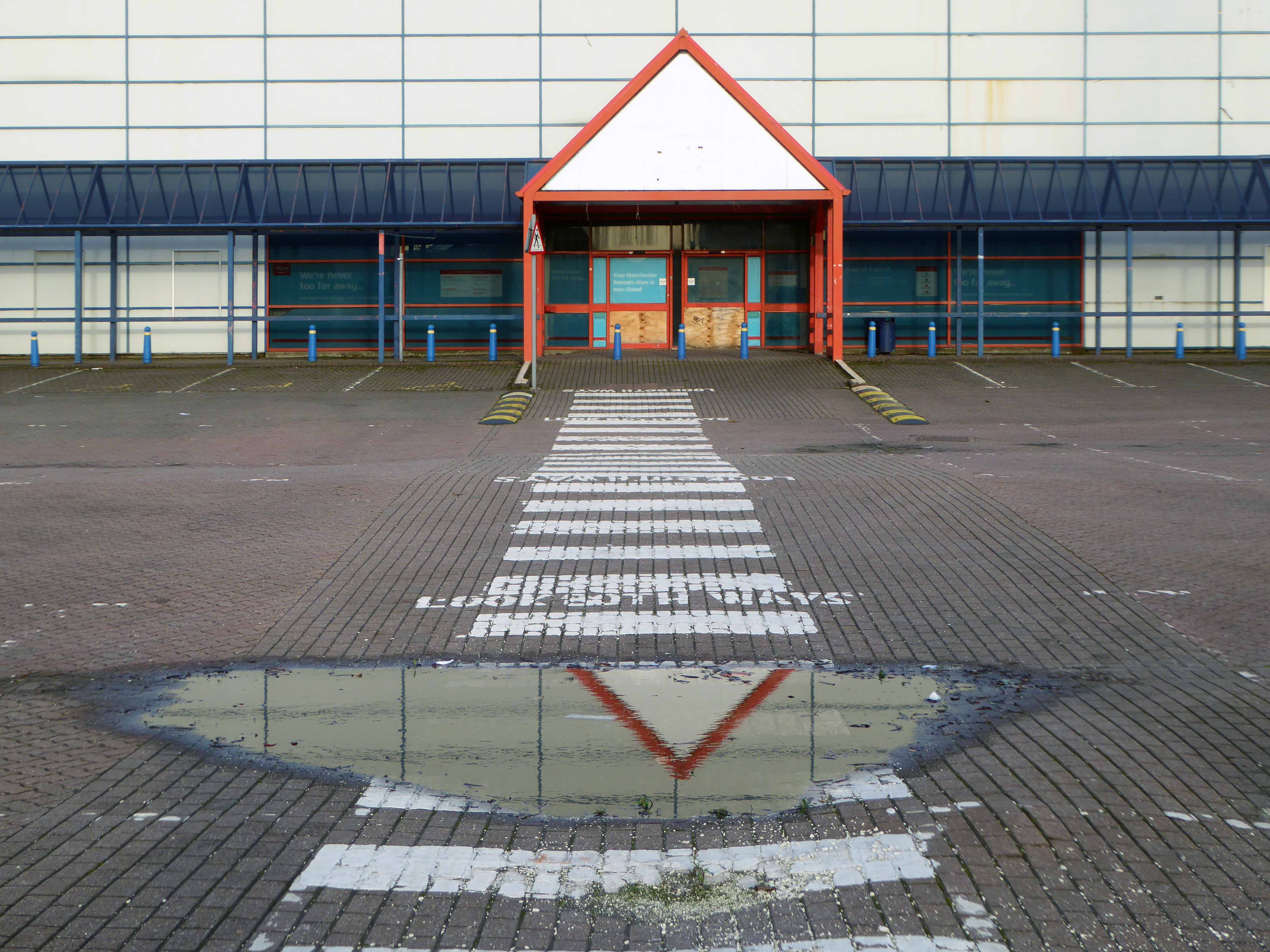
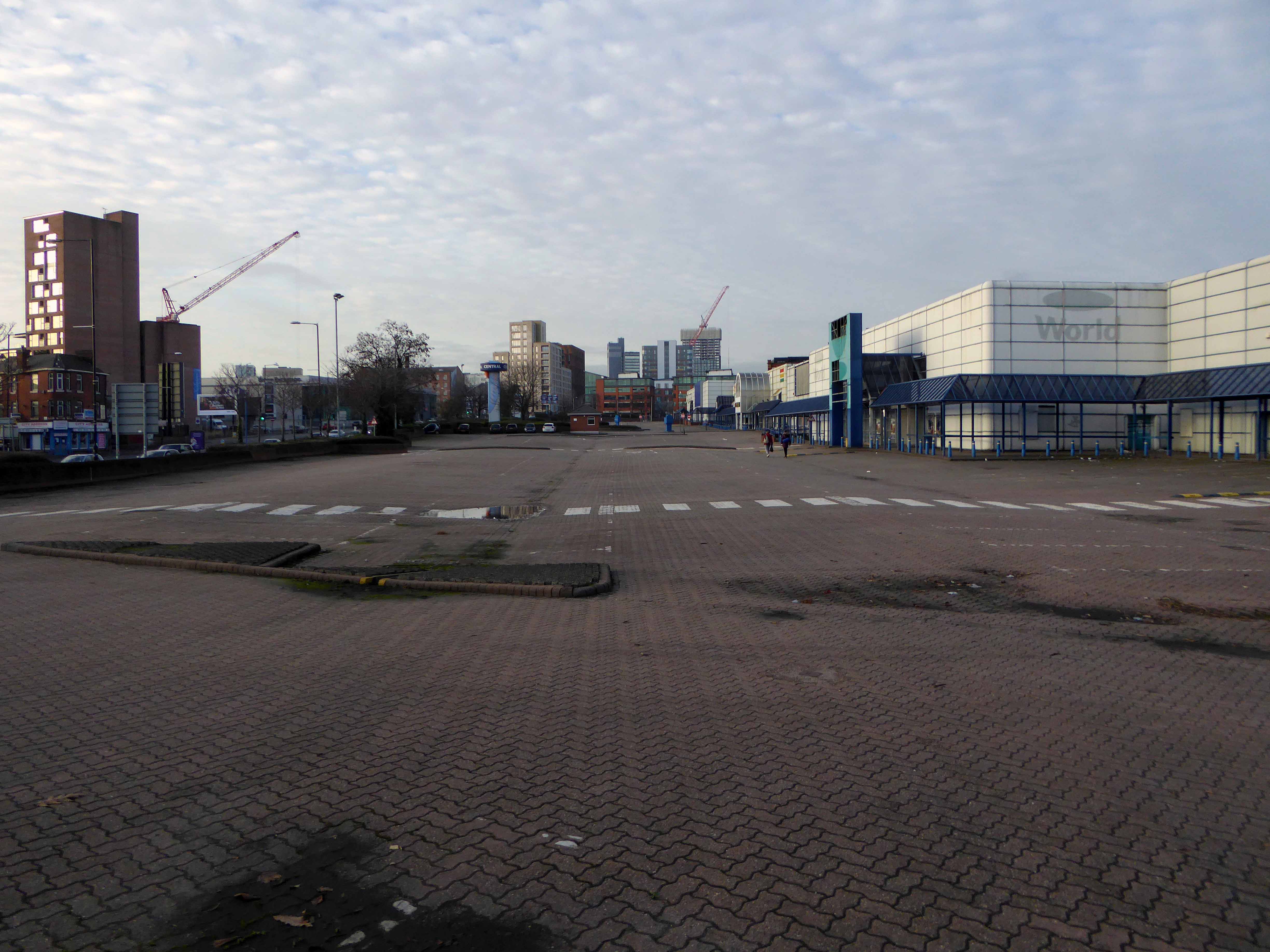
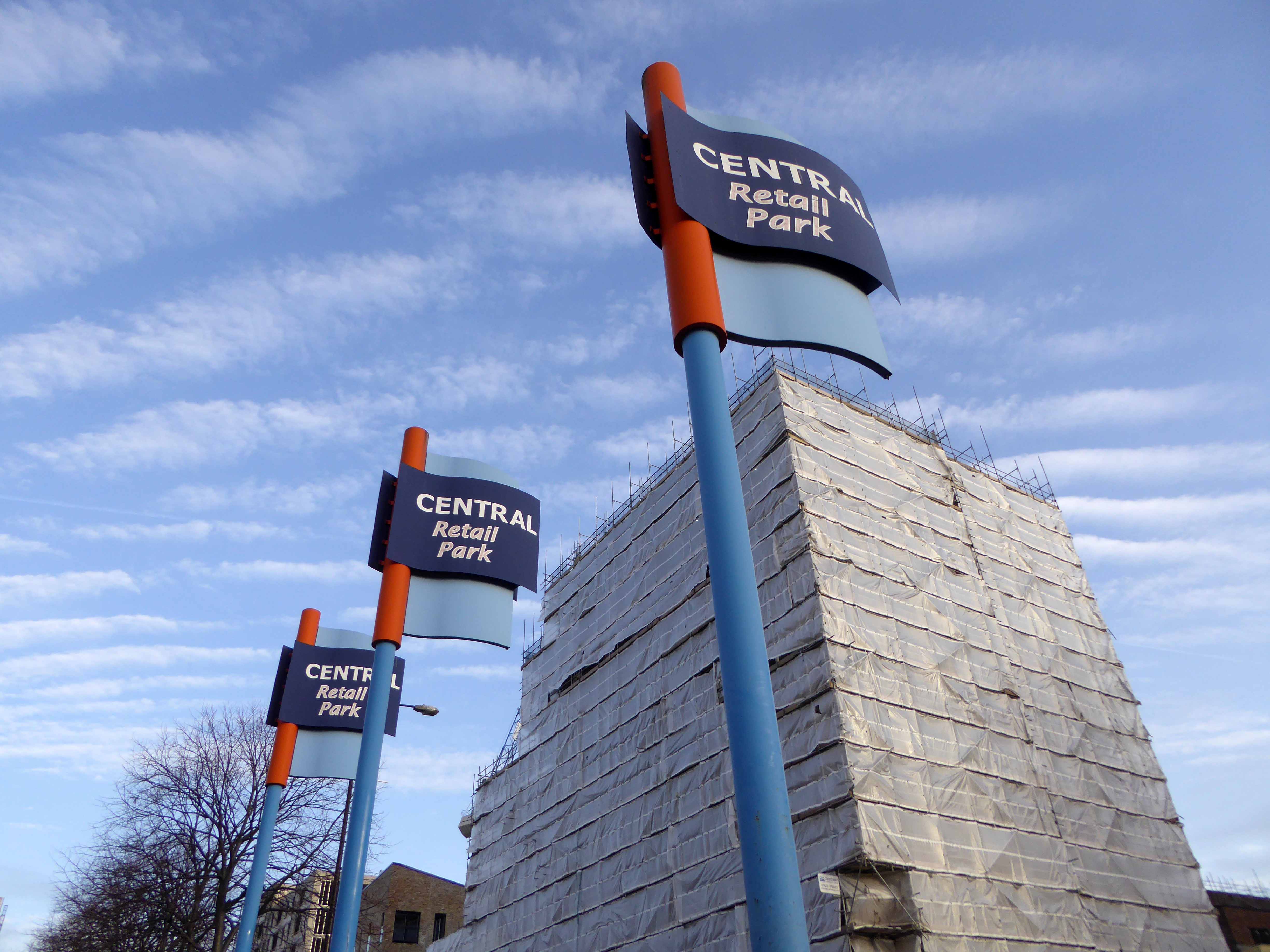
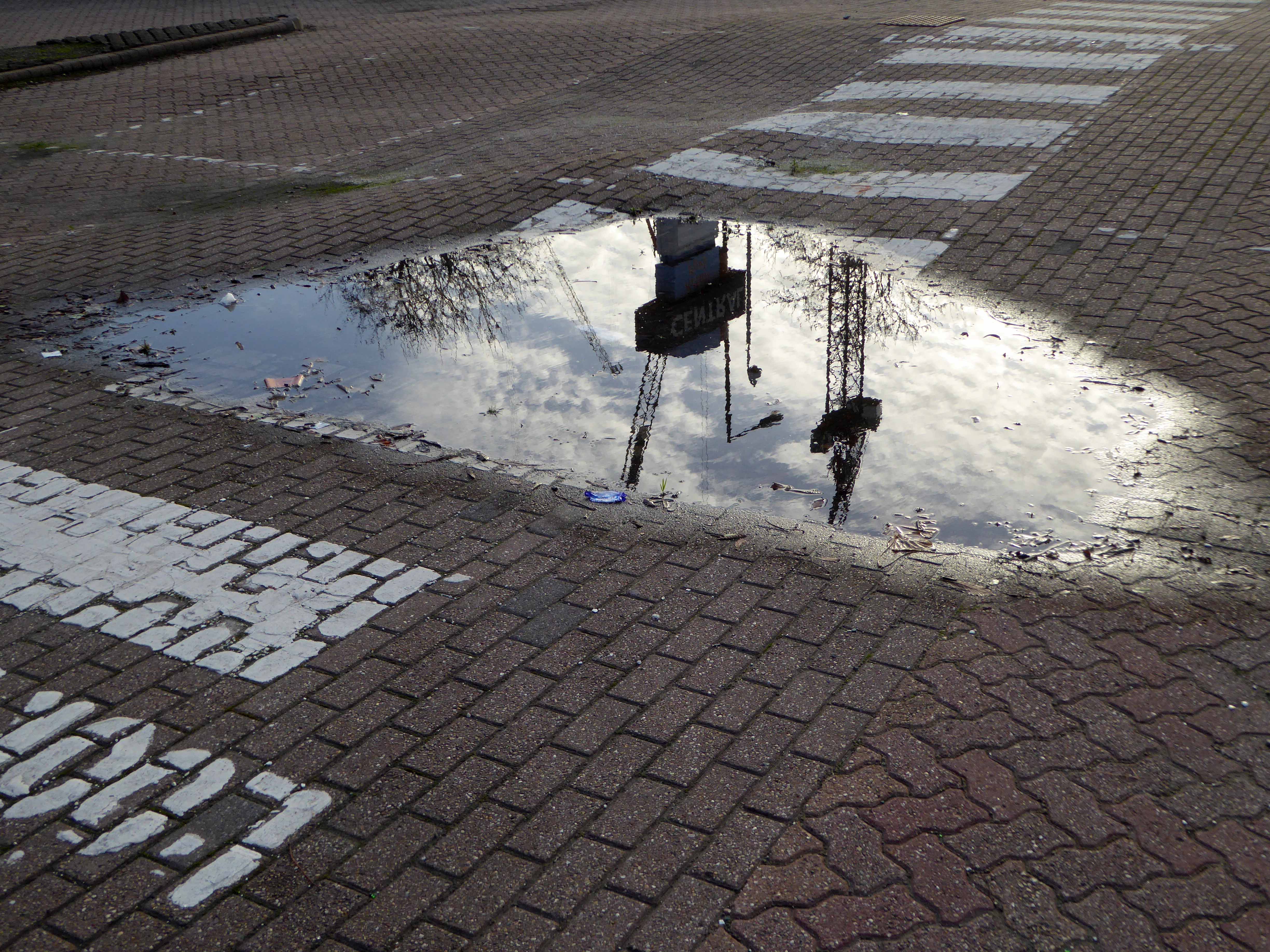
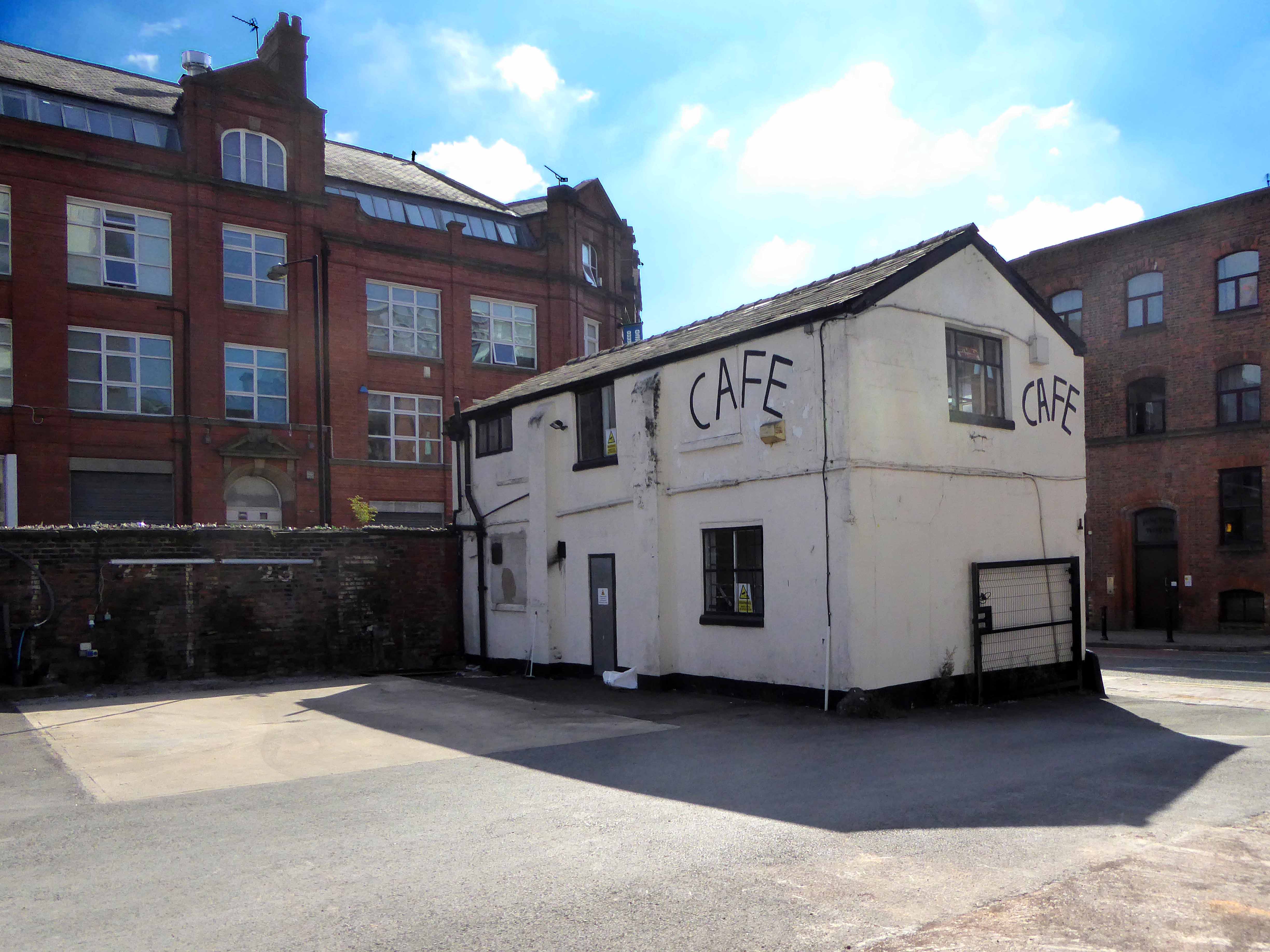
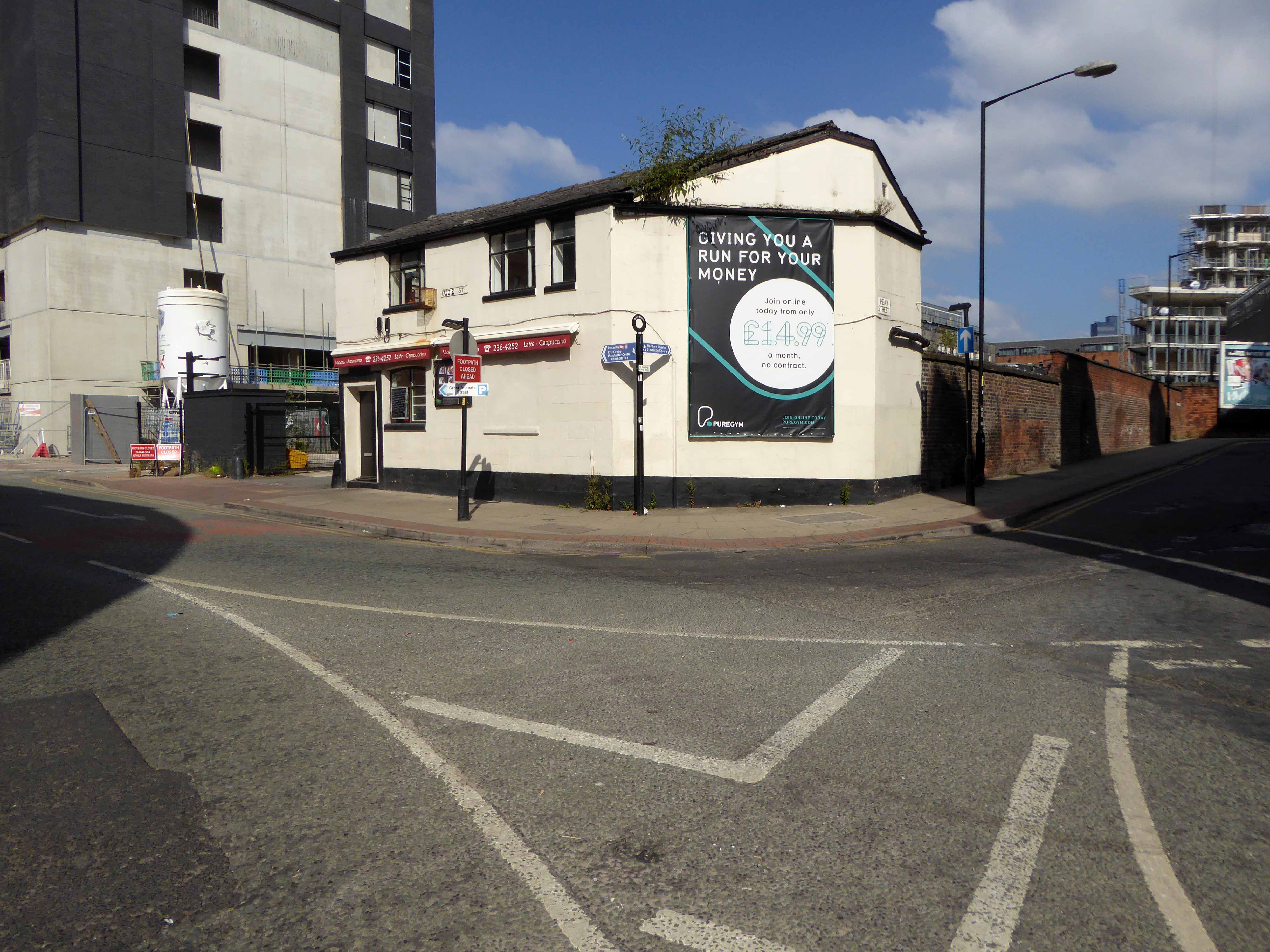
Central Retail Park – Great Ancoats Street Manchester

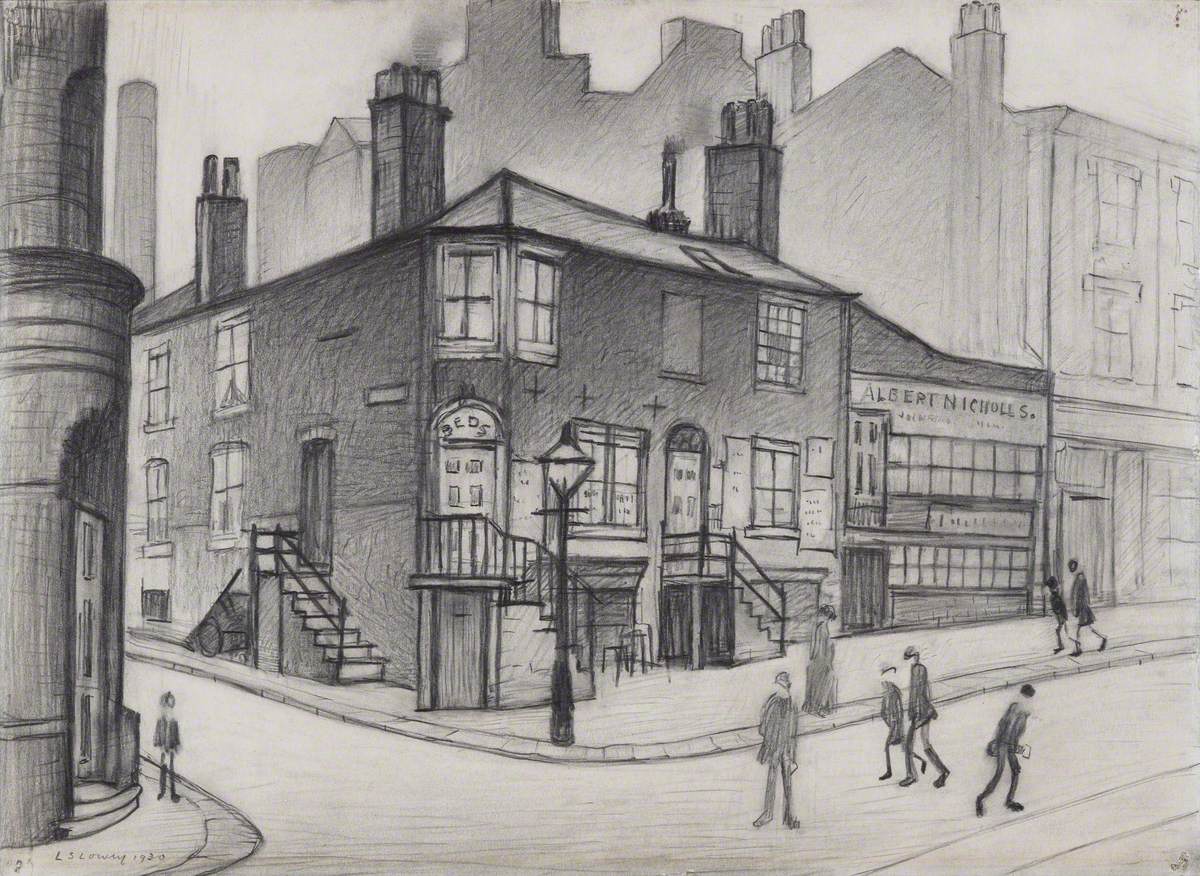
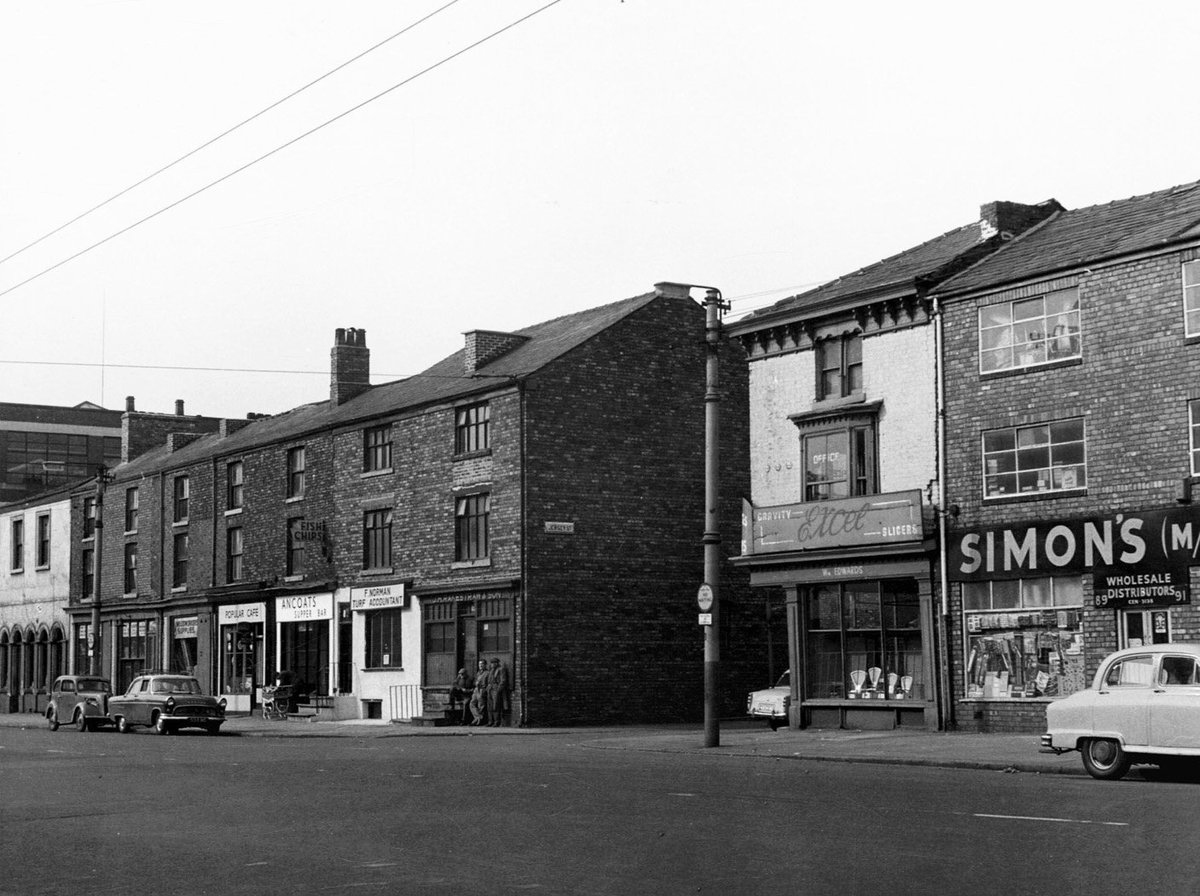
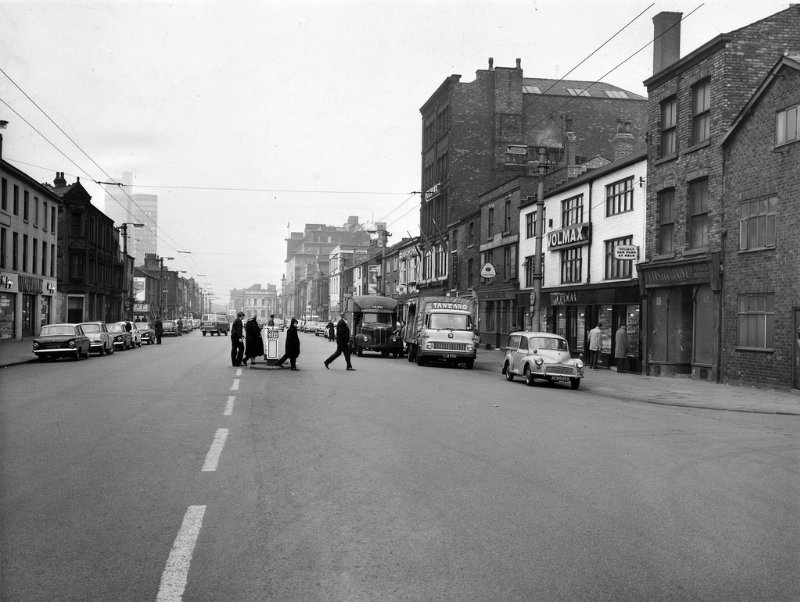
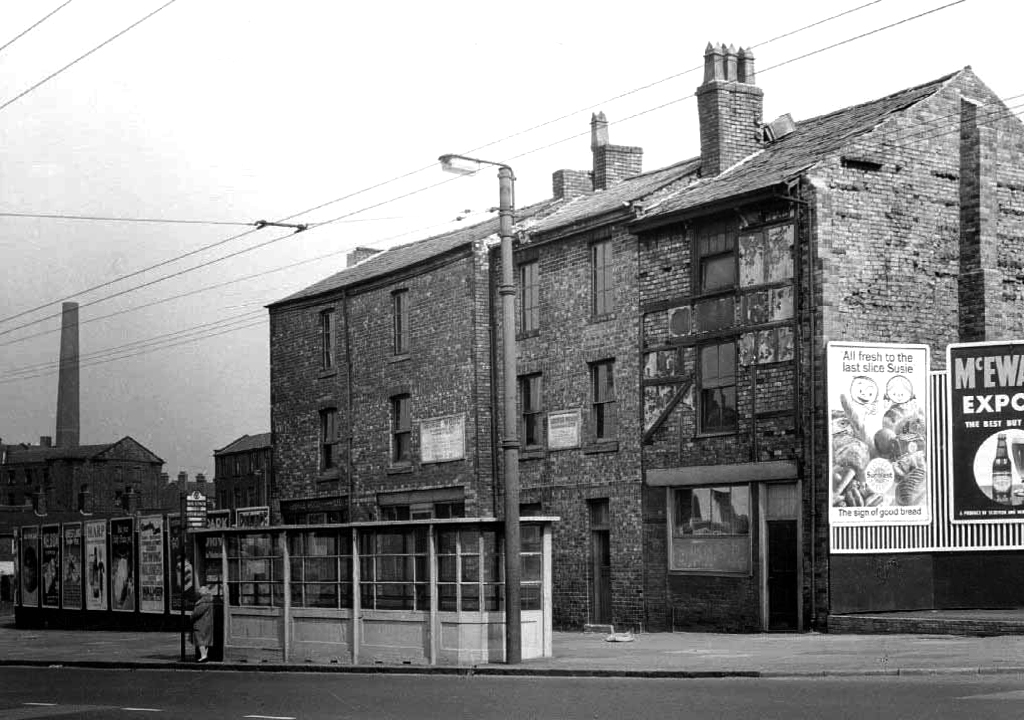
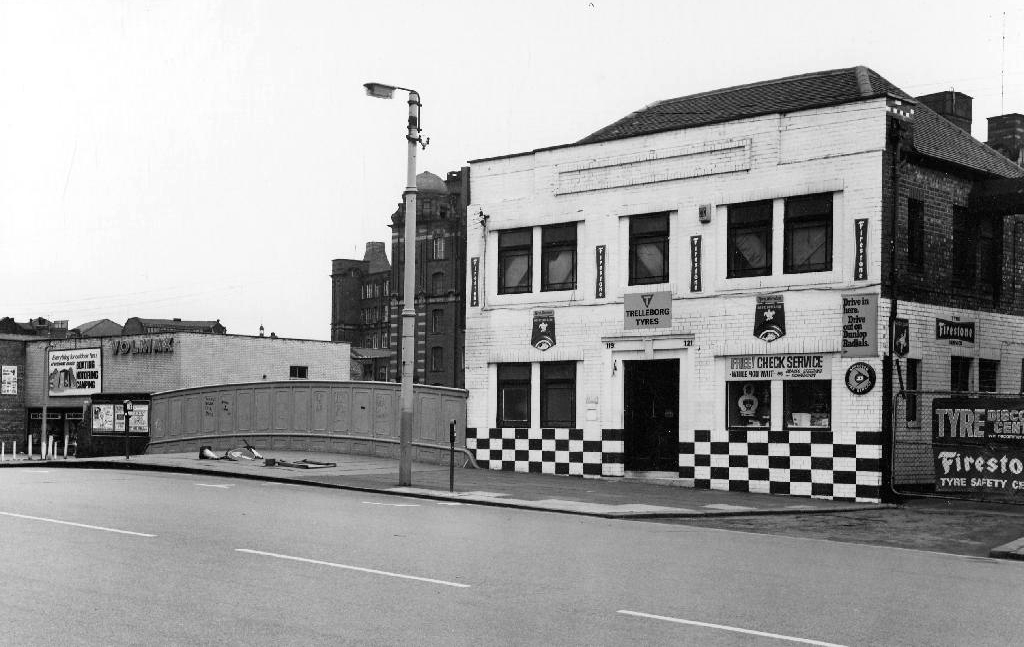
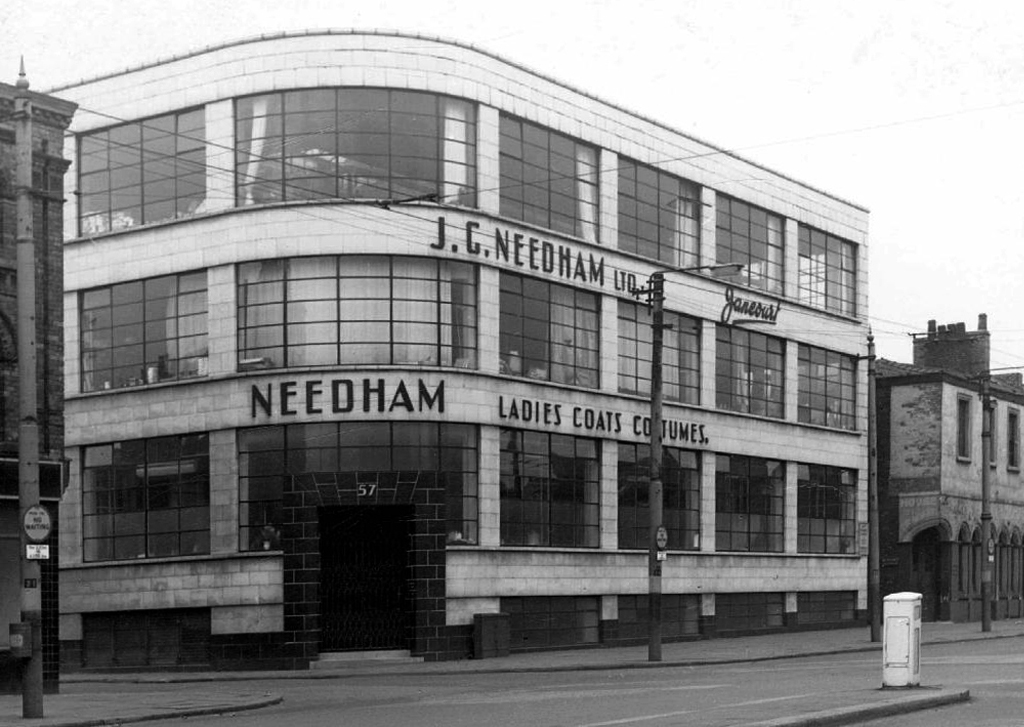
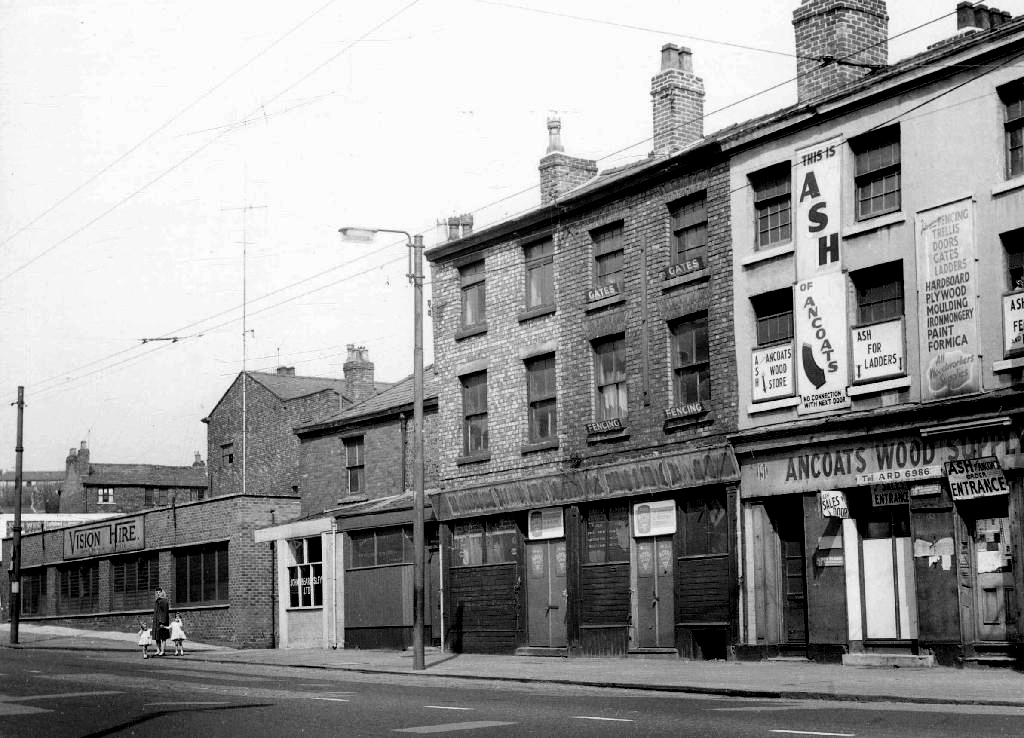
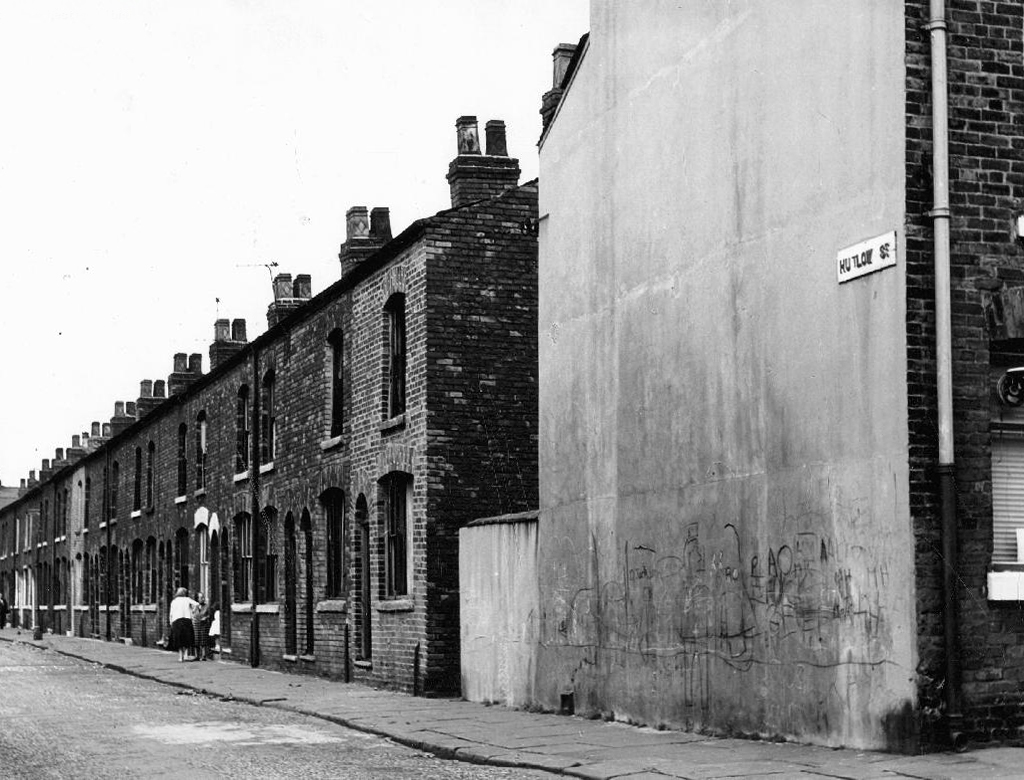
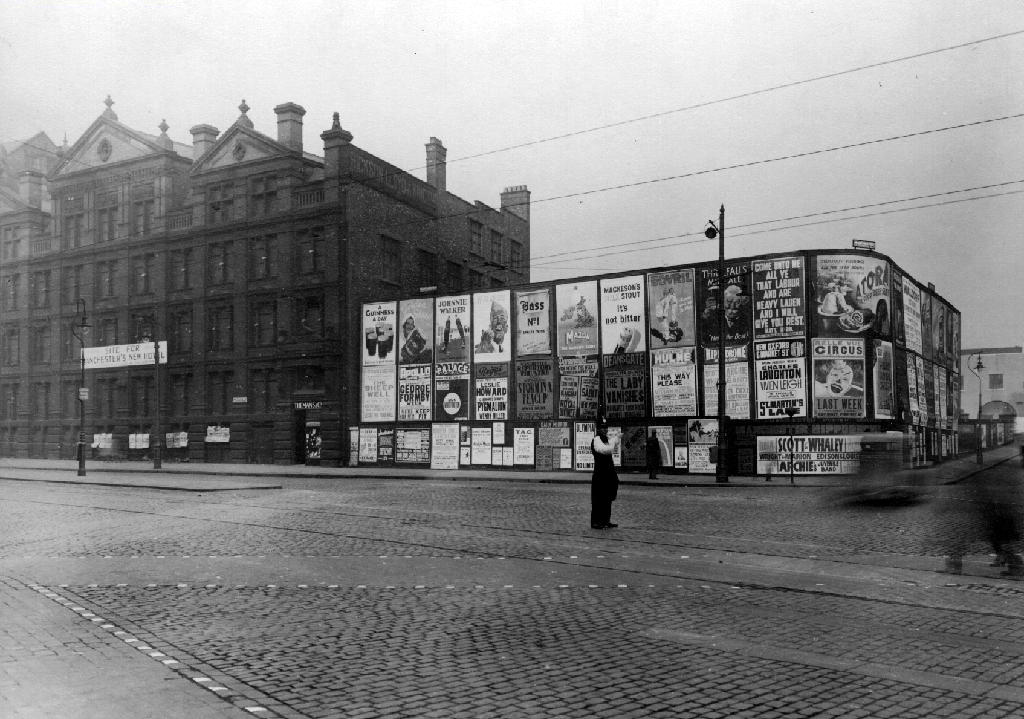
Way back when, when the city was a maverick mixed up maze of citizens, industry, pubs, shops and places of worship the world looked a lot like this.

Local Image Collection

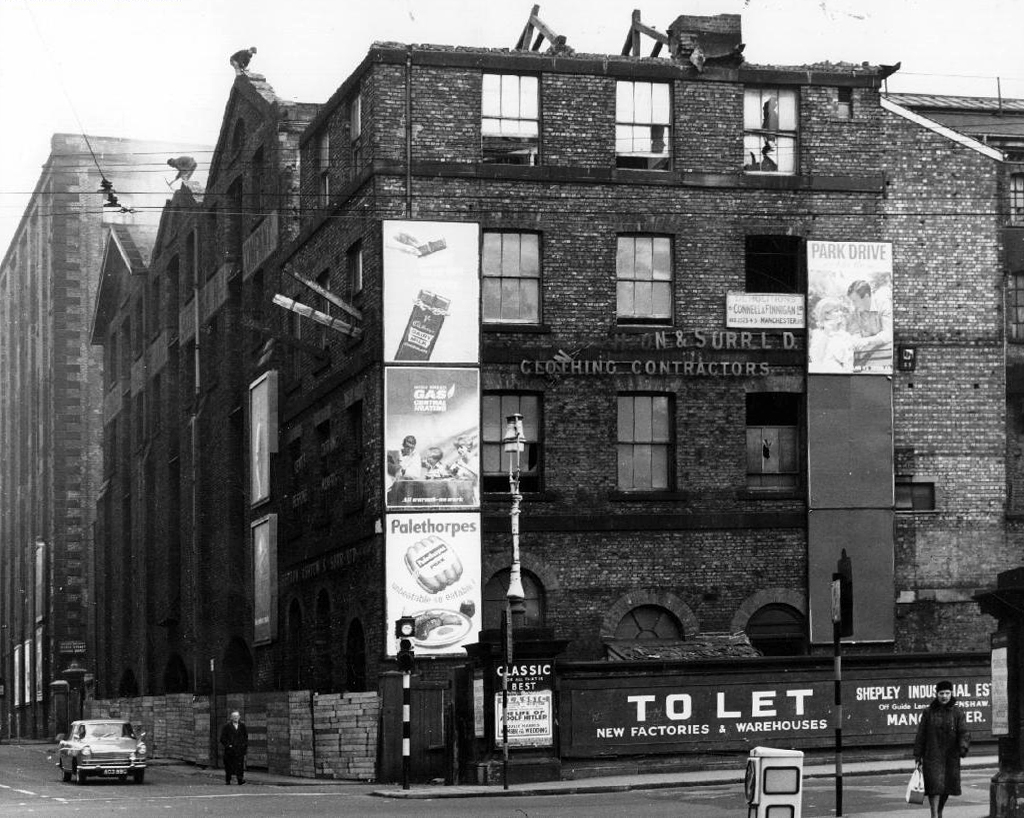
However the process of clearance and redevelopment radically changed and reduced the population and appearance of Great Ancoats Street and its environs.

The back to backs aren’t coming back and their occupants shifted from pillar to post along with the businesses that served them. Following years of decline Manchester takes a long hard look at itself and decides to modernise.

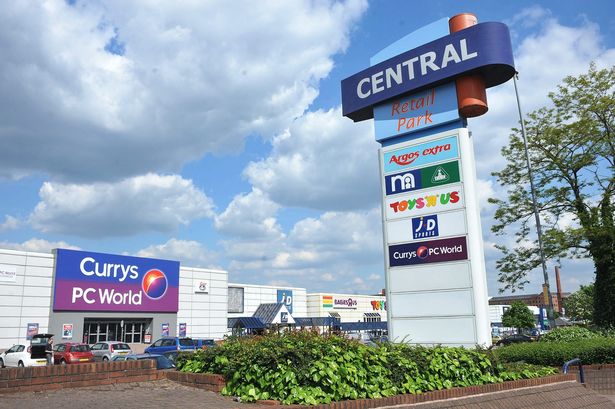
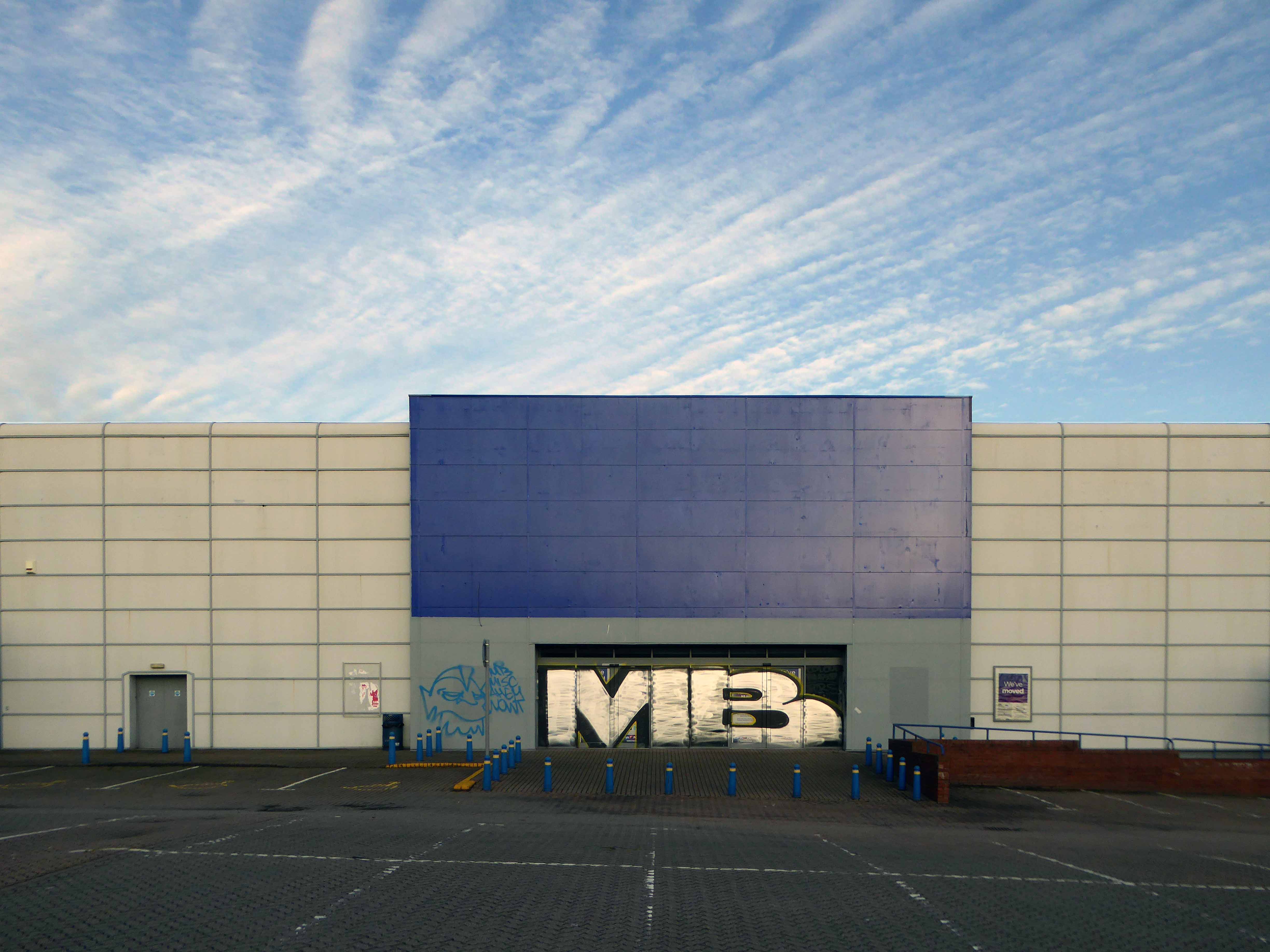
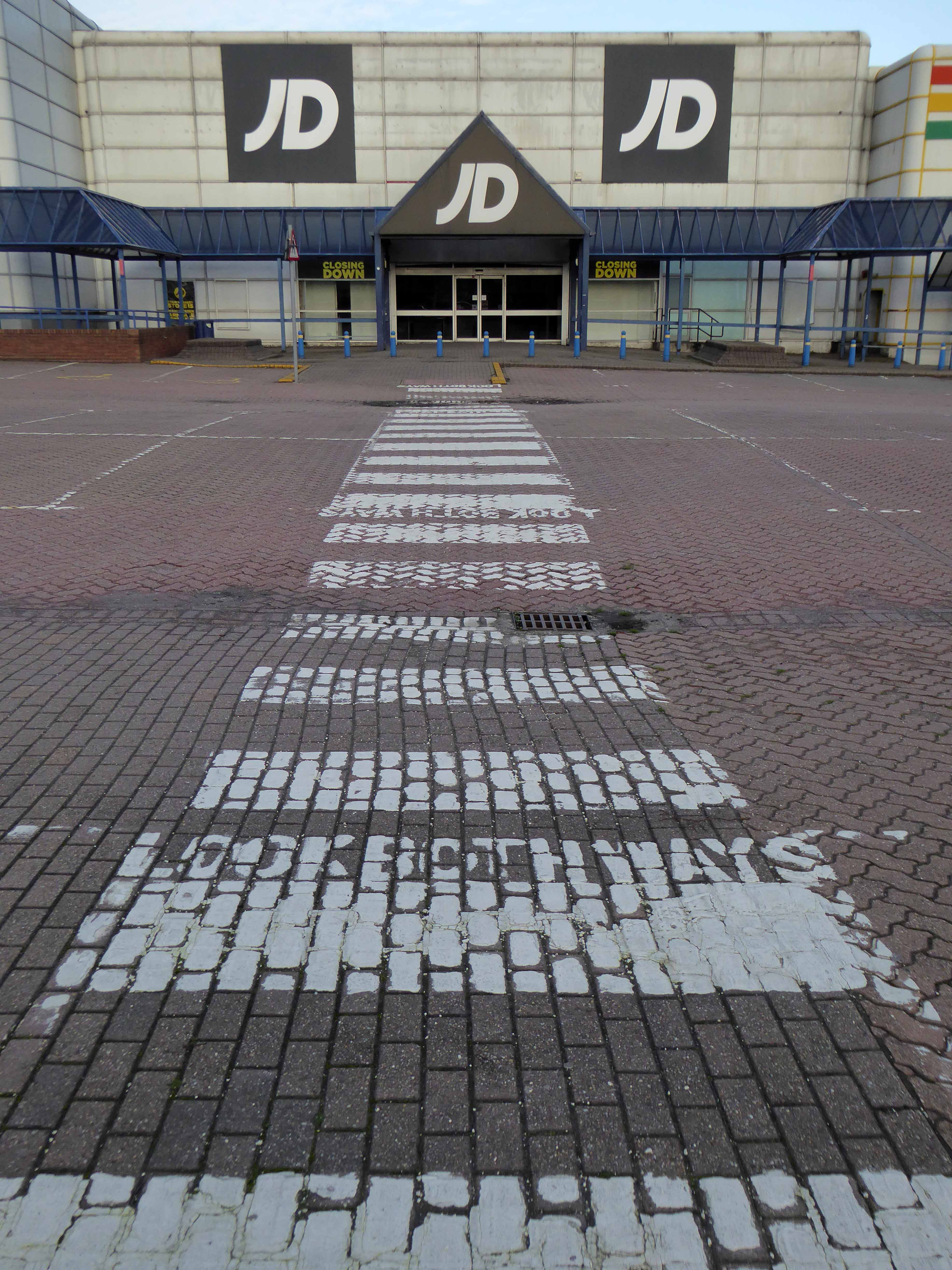
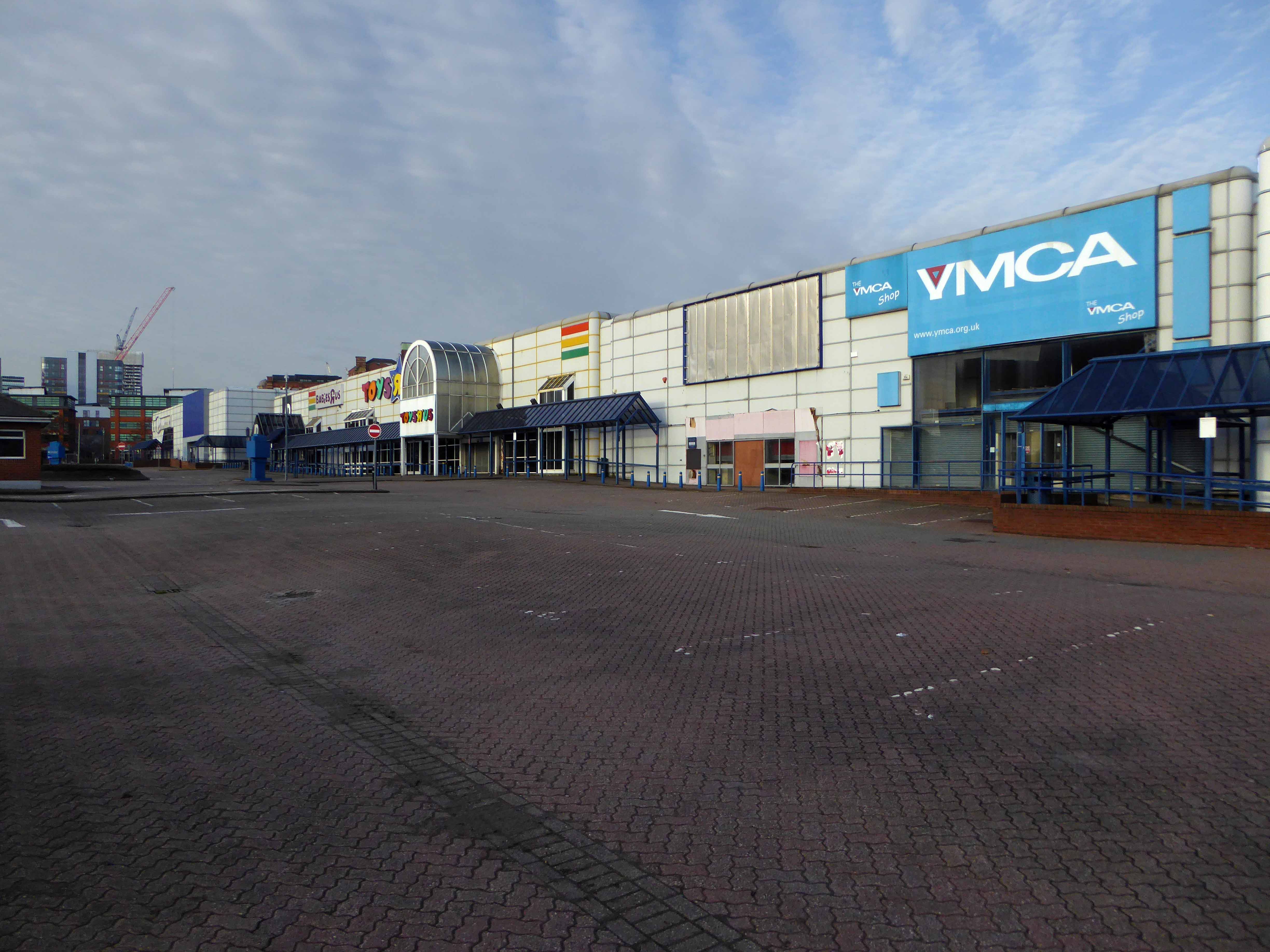
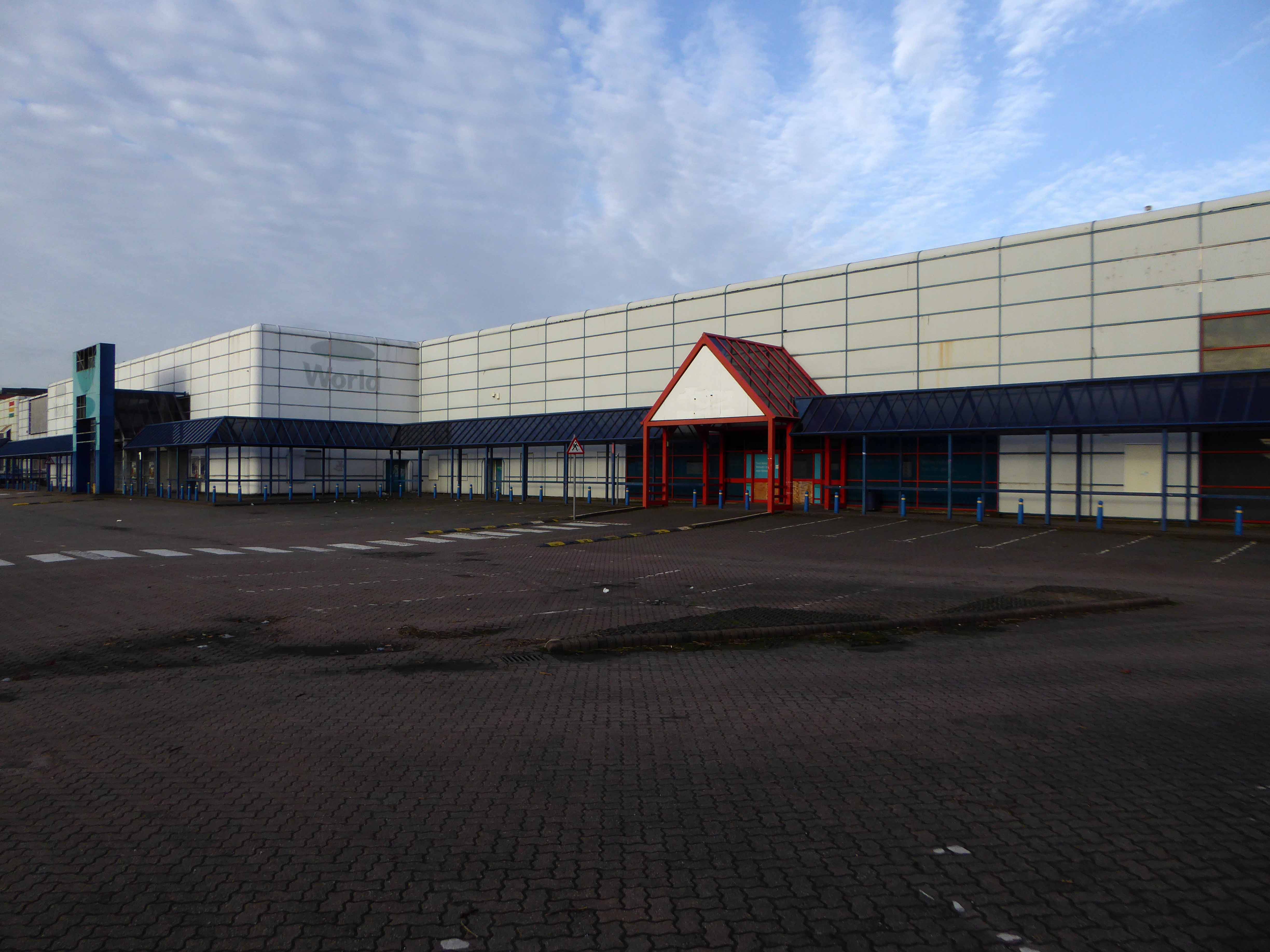
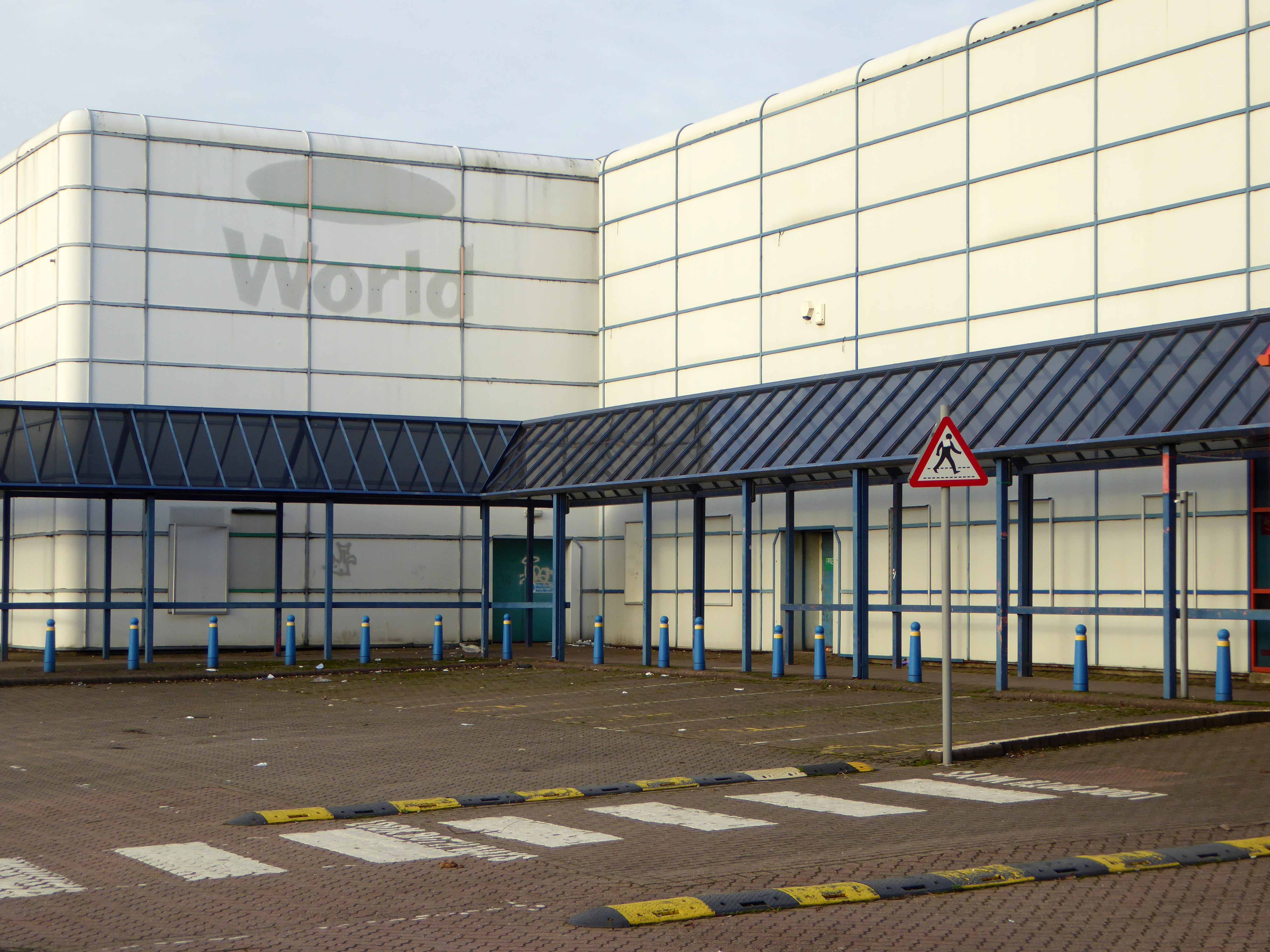
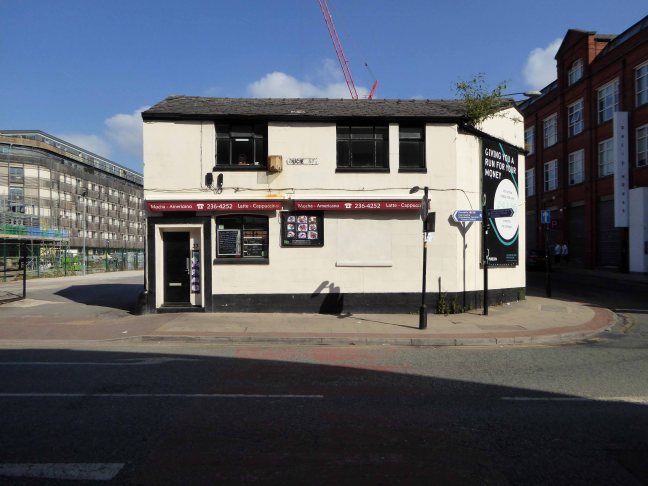
In 1989 an out of town inner ring road shopping centre in the architectural style de jour is built – the anonymous industrial retail hangar appears.

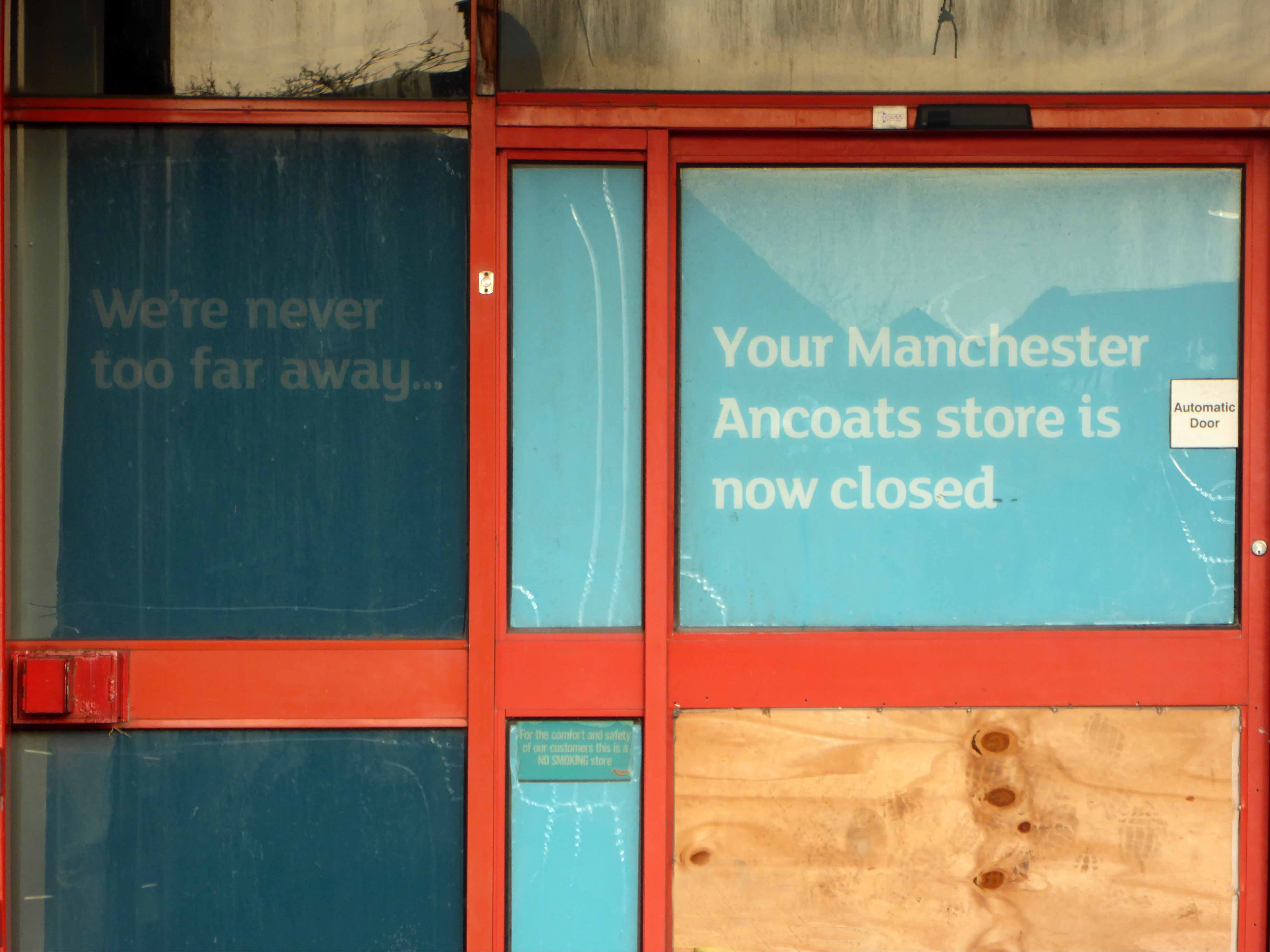
2018 and the nexus of the city has shifted yet again – Ancoats is designated as the hippest place on earth and has no time for an outmoded shopping experience.

All these developers have a certain sensitivity towards this history of the area without neglecting modern tastes. 

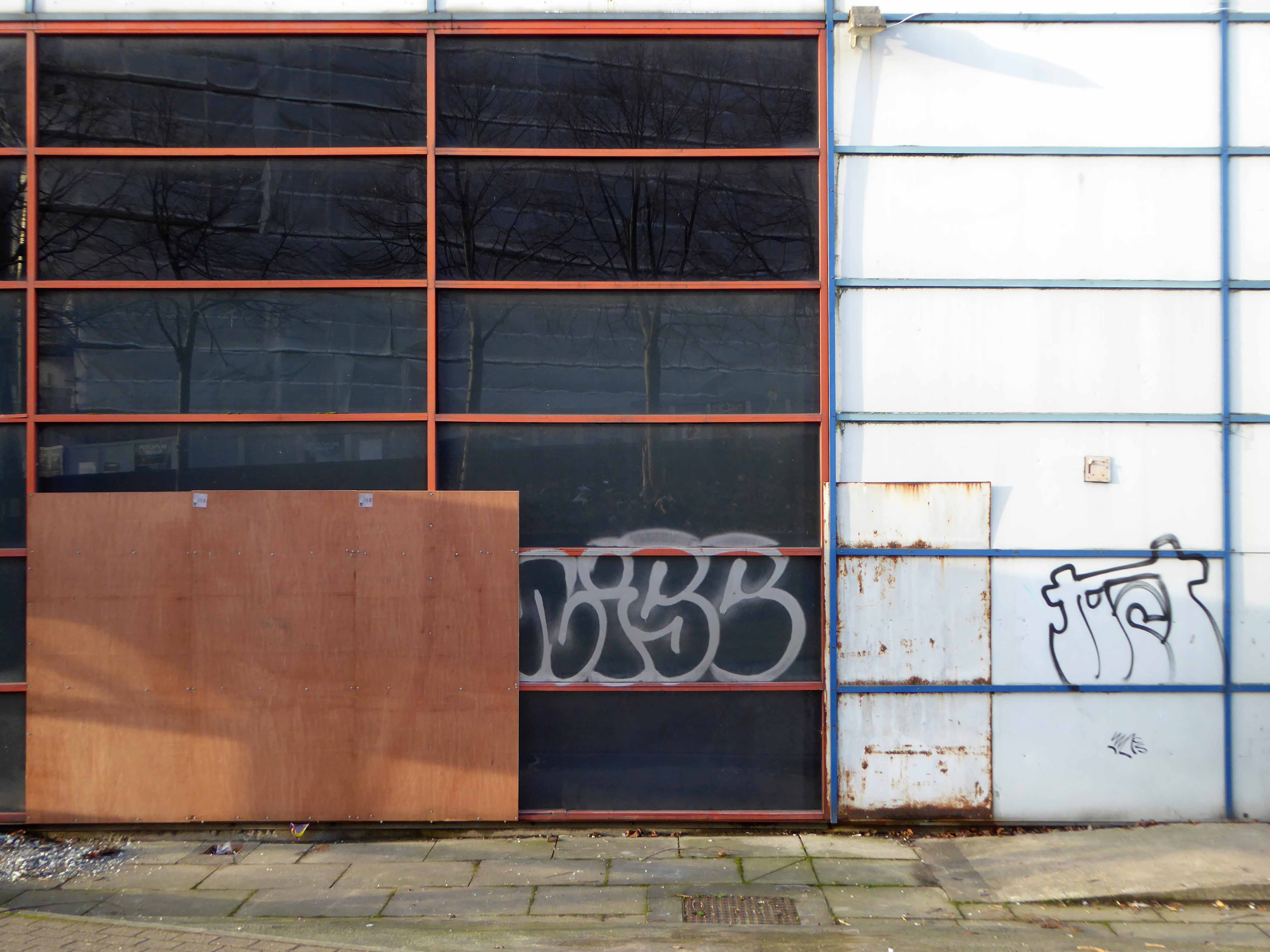
So the Central Retail park awaits its fate.

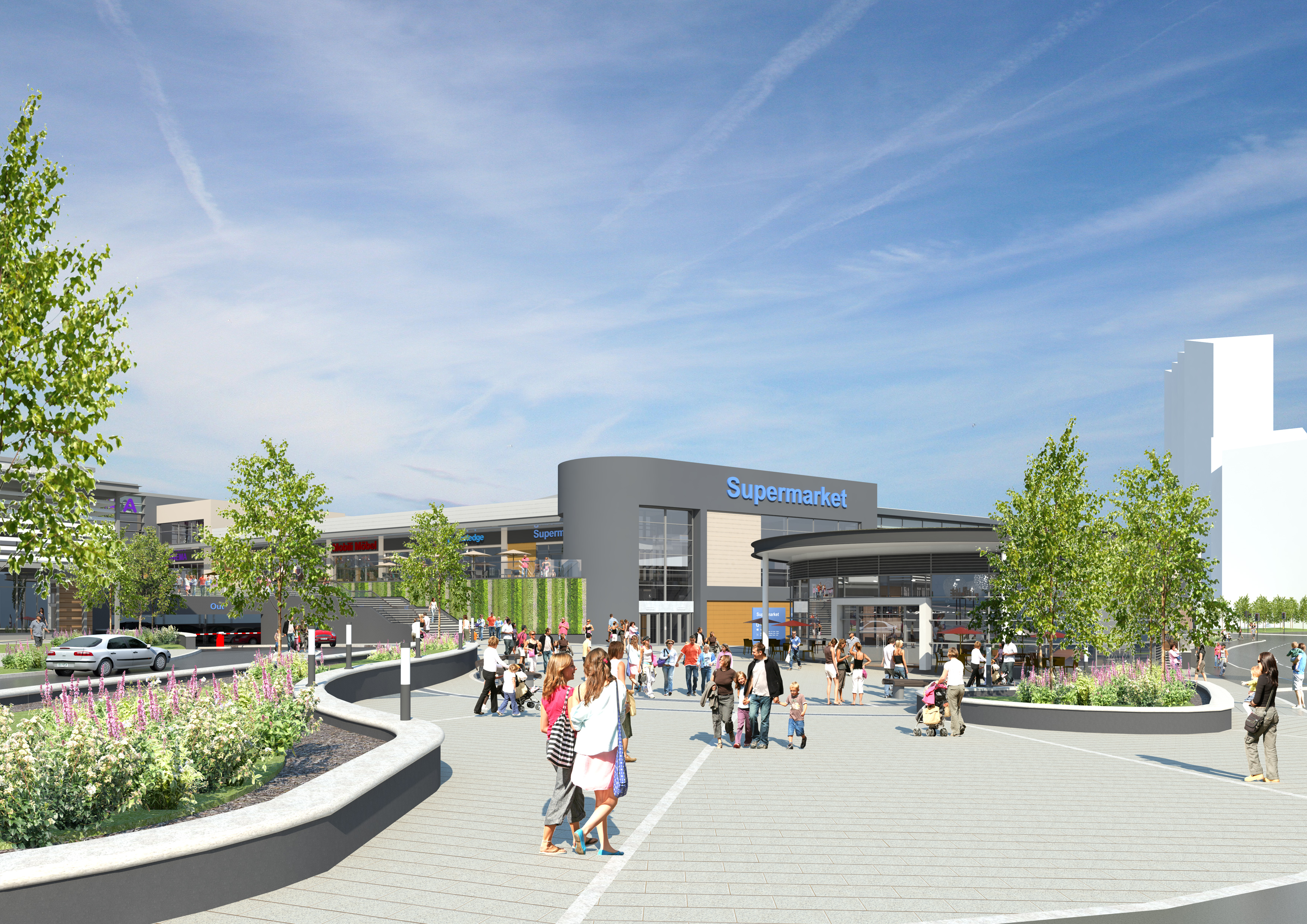
There was to have been another retail complex.

Henderson Global Investors, on behalf of its flagships £1 billion Retail Warehouse Fund, has received detailed planning permission for a food store led regeneration at Central Retail Park, Manchester, investing £40 million in the scheme.

Though nothing lasts forever and the scheme came to nothing.

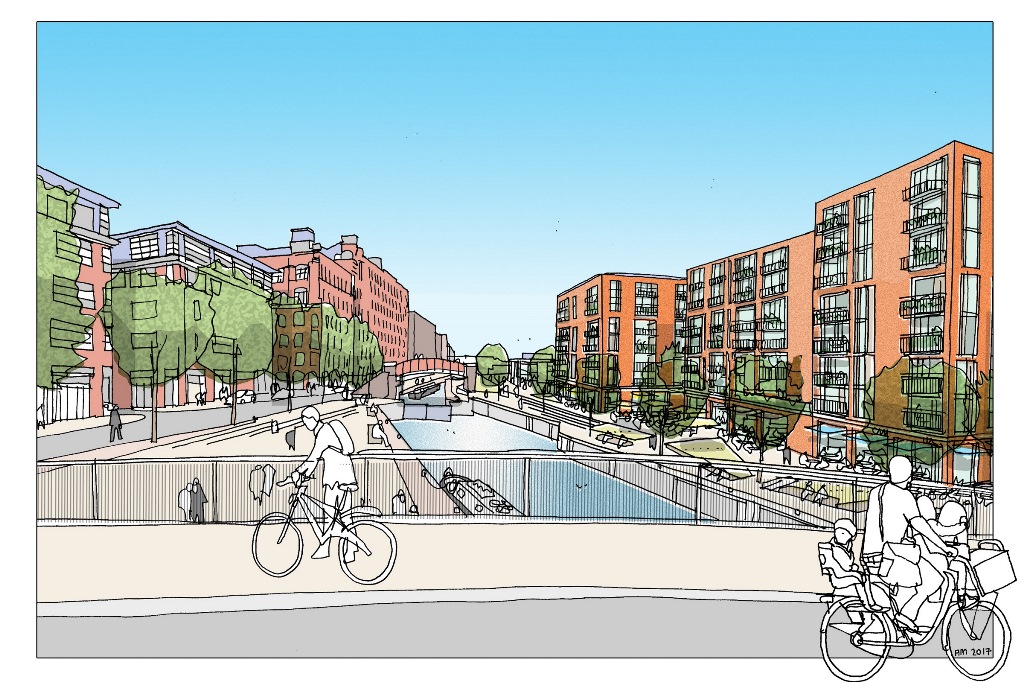
The latest proposal according to Place North West is for housing – with the attendant heated debate regarding affordable homes.

Of the 61 big residential developments granted planning permission by Manchester city council’s planning committee in 2016 and 2017, not one of the 14,667 planned flats or housesmet the government’s definition of affordable, being neither for social rent nor offered at 80% of the market rate.

Demolition of the former retail units would enable the development of the site by Manchester Life, the city’s joint venture with Abu Dhabi United Group. Previous site owner TH Real Estate, was unable to deliver the project, finally sold the Central Park site to the city council in November 2017.

The long awaited development of the site on Manchester’s inner ring road has edged closer, with site notices posted declaring that demolition is to start on 20 August.

As of last week the lone security guard at home in his brick cabin informs me that demolition has been delayed by the discovery of asbestos on the site.
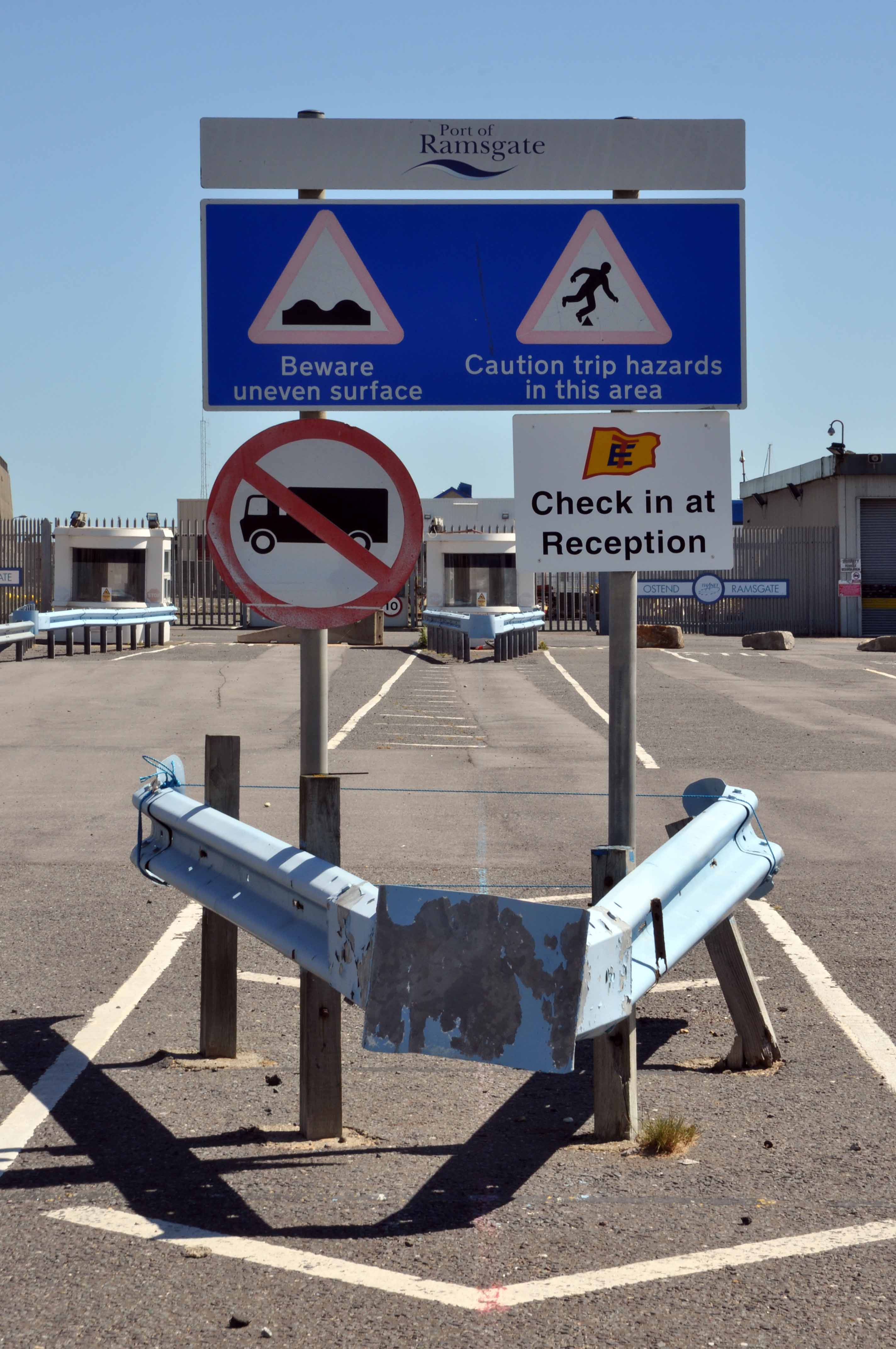
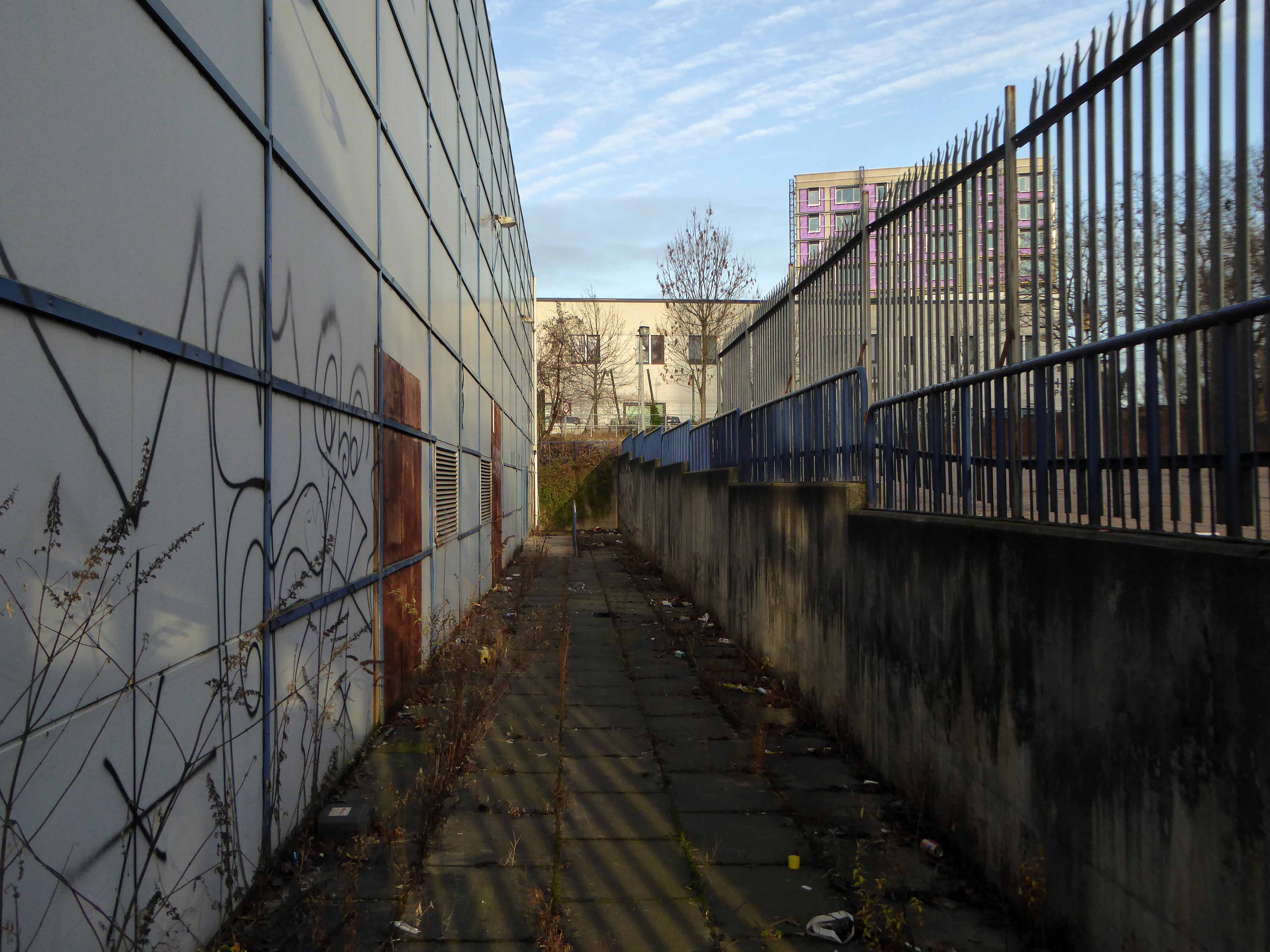
Watch this forlorn windswept wet space.

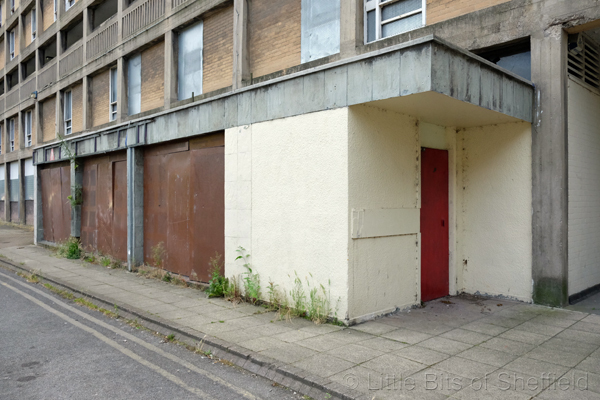
Park Hill Pubs – Sheffield

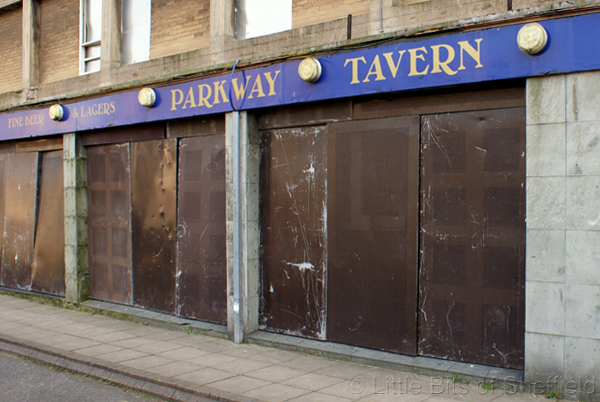
I’m a virtual visitor to the four pubs that served the population of Park Hill Estate.

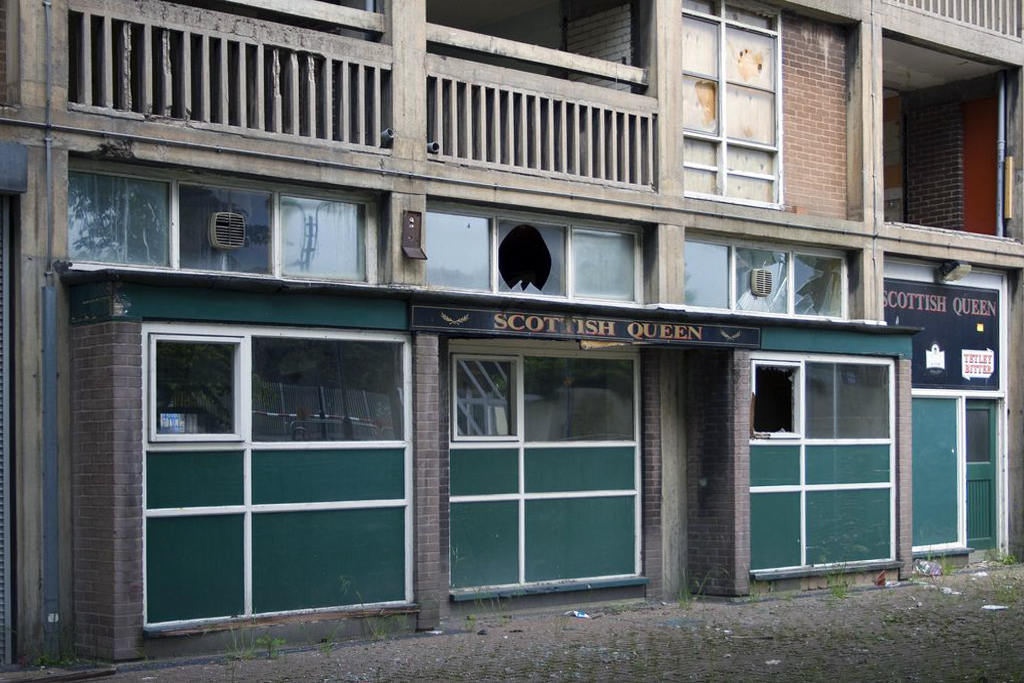
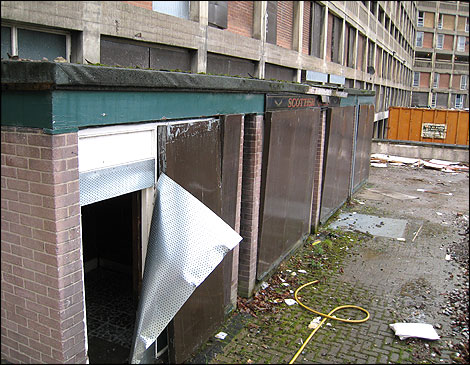
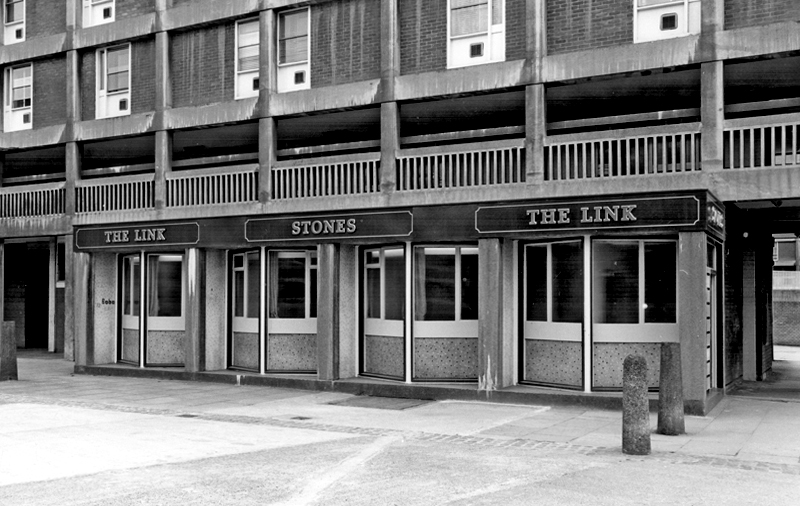
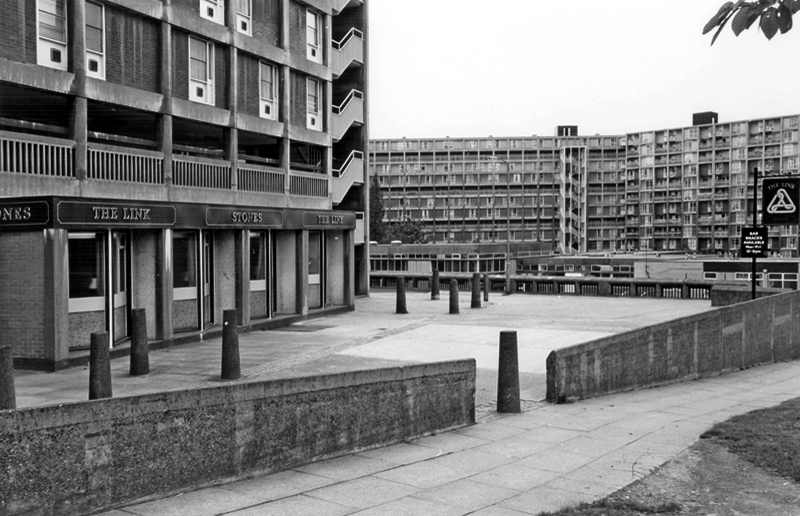
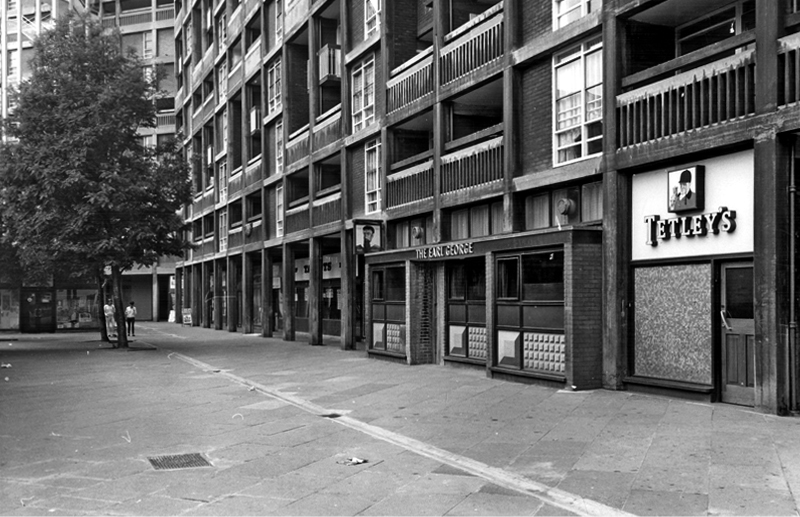
I arrived late on the scene from not too distant Manchester, sadly much too late to stop and have a pint in The Parkway, Scottish Queen, Link or Earl George.

Built in the 1960s when municipal architecture spoke of optimism and innovation, the story of the estate is an oft told tale of decline and renovation.

Grade II* listed the building’s structure has prevailed, the original social structures, tenants and consequently their pubs have not.

DSC_0049 copy

Bewitched by the fragments which I photographed on my belated visits, I have searched the archives of Picture Sheffield, Postcard Cafe and Little Bits Of Sheffield.

Piecing together photographs and the distant reminiscences of those that lived, breathed and drank in their pubs beneath the streets in the sky.

The Link on Park Hill had some colourful characters.

If you want any info on the Link next time you are in town see the man selling fishing tackle outside Castle Market ,he is called Chris Hardy his dad ran the link in the 60’s they used to have the Sun Inn on South St before Park Hill was built, tell Chris that Alan Betty’s cousin told you about him.

I once did a job outside the Scottish Queen and had a lump of concrete thrown at me! it landed about 2m away, that made me jump!

Joe Fox used to be the landlord in the George in the 70s, didn’t stand for any messing about.

Sheffield Forum

Earl Francis! Of course! That was driving me mad; I was just going to ring my mum and ask her if she could remember what it was called. I think it closed in the early 90s, at the same time as the renovations of Hyde Park Walk and Terrace – 1990/1991, if I remember correctly.

The Earl Francis was still open in 1994 – the last time I went in there, but was dying on its feet.

Park Hill is empty, and due to be refurbished.

It’s amazing to think that each complex had all these pubs and people actually went in them! Drove past Park Hill a few months ago at night and it didn’t look like a soul lived in them.

Not surprised the Tavern has closed down. Don’t know whether people are happy or sad about it…They looked like an absolute dive, but I’ve always wanted to go and have a look around them to see what they’re like close up!

Why is it amazing to think that?

Sheffield Forum

The Parkway

s21979

Picture Sheffield 1965

Picture Sheffield © S Cole 2011

SONY DSC

sdscf0757e

sdscf0759e

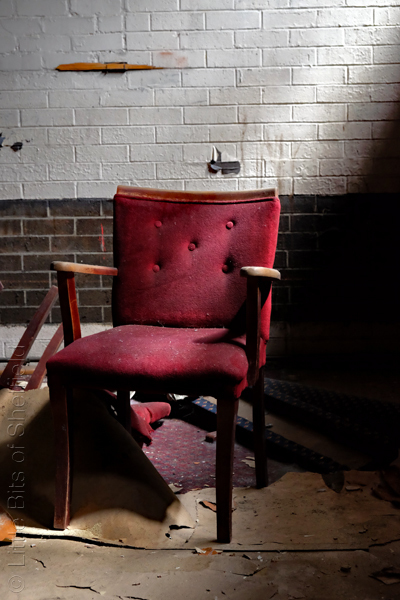
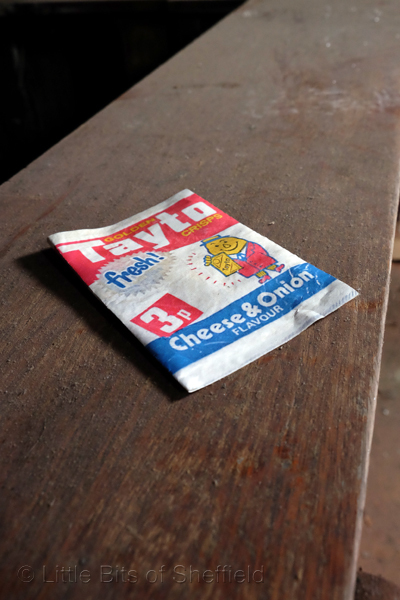
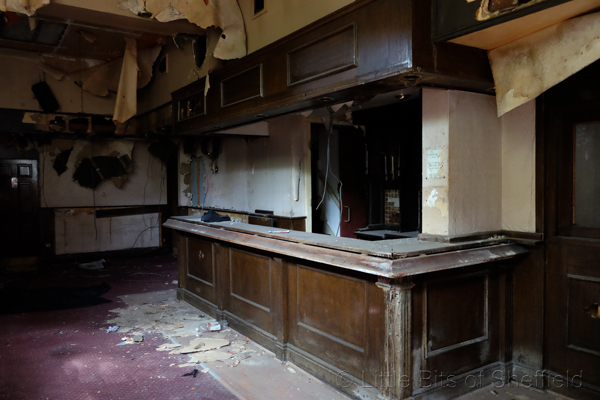
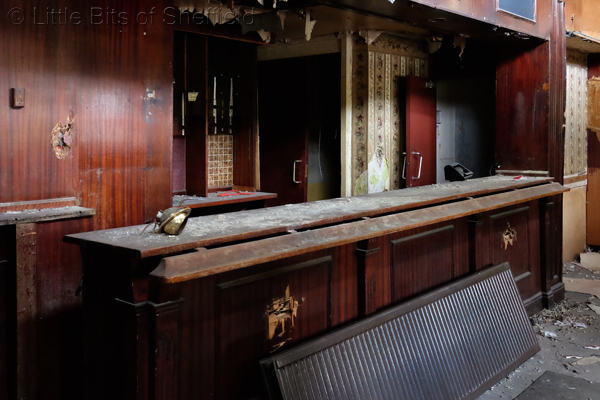
The flats and in particular the Parkway Tavern were used in the 2014 film ’71 – which was set in Northern Ireland.  So this photograph showing the bar with a packet of crisps is actually slightly misleading because the crisp bag was only a printed film prop and what looks like broken glass on the bar is fake! – Mr C

sdscf0760e

sdscf0768e

sdscf0773e

sdscf0778e

sdscf0783e

sdscf0789e

© Little Bits of Sheffield

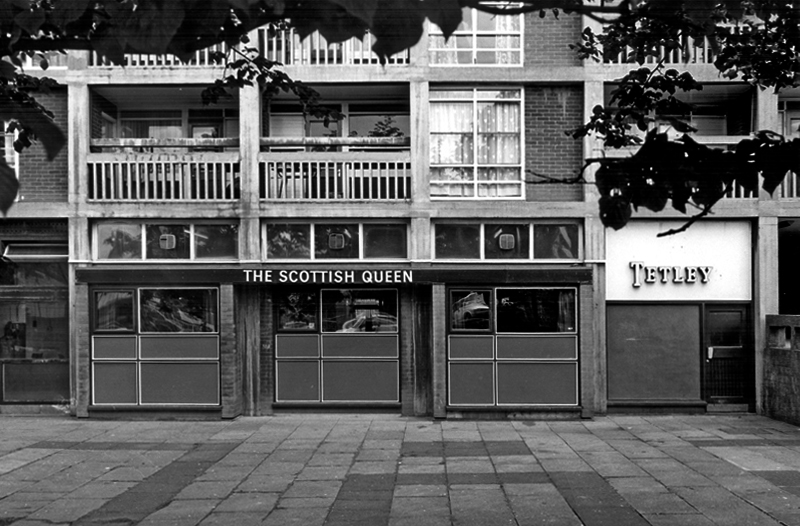
The Scottish Queen

s21985

s24491

s21984

5bf62d22a42f5e6e3bdebc9c073fdacc

a5a522862a866a1f06e484b2716c9ff5

A new pub could open on the site of what was once voted Britain’s second most dangerous watering hole. The Scottish Queen at Park Hill was notorious for violence, with only the most hardy drinkers brave enough to cross its threshold.

ec6d8981fcb209d3058c7f9228f61b919c181421

April 2015 saw the launch of a new exhibition space in Sheffield, housed within the former Scottish Queen pub at the Brutalist icon that is the Park Hill estate. The Scottish Queen hosted a temporary programme of exhibitions, events and residencies in partnership with a range of artists and organisations from across Sheffield supported by S1 Artspace.

Possibly the second toughest art space in Britain.

The Link

s21978

s21976

Picture Sheffield

matt surgeon

© Matt Surgeon

sheffield history

Sheffield History

s_1060819e1

s_1060824e

s_1060825e

s_1060856e

s_1060865e

P1020447.JPG

© Postcard Cafe

The Earl George

s21980

Picture Sheffield

In the 1960s 70s I used to go in the Link pub, I liked the Scottish Queen pub as well.

Do you think they’ll open all the pubs again when all the work is finished?


Three Lost Pubs – Sheffield

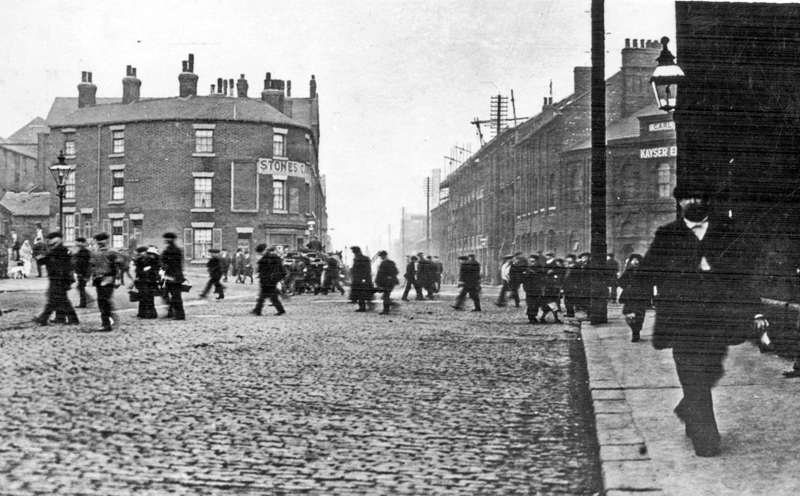
A city once awash with industry and ale – a myriad of pubs slaking the thirst of the thirsty steel workers.

A liquid equilibrium flowing and flowering for over a century.

s12659

s09074

dusty miller

s14108

The Lower Don Valley once home to a wealth of boozers, tells a different tale today.

A fall in production produced a proportionate reduction in consumption.

The clatter of clogs on cobbles, metal on metal is but a distant memory, along with the sound of pints pulled and hastily glugged.

The architecture of ale still prevails – now purveying pleasures and delights of a different stripe, whatever takes your fancy, as long as it’s not too fancy.

And doesn’t involve taking a drink.


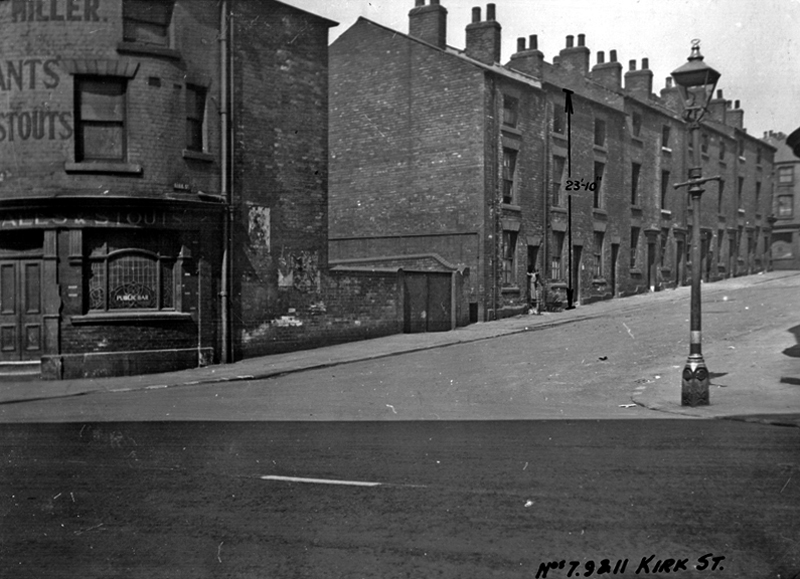
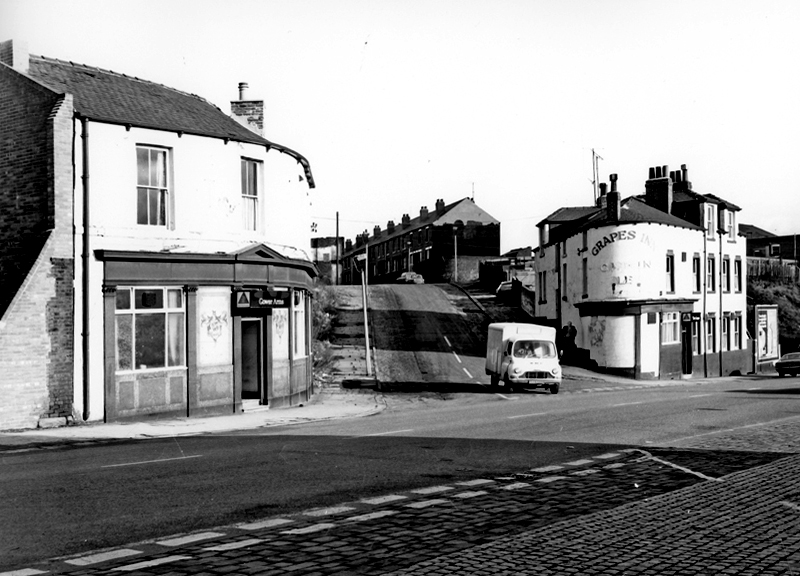
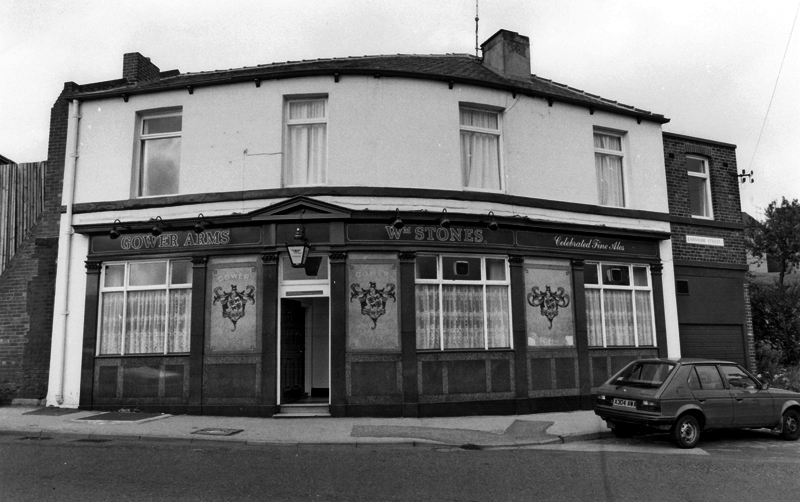
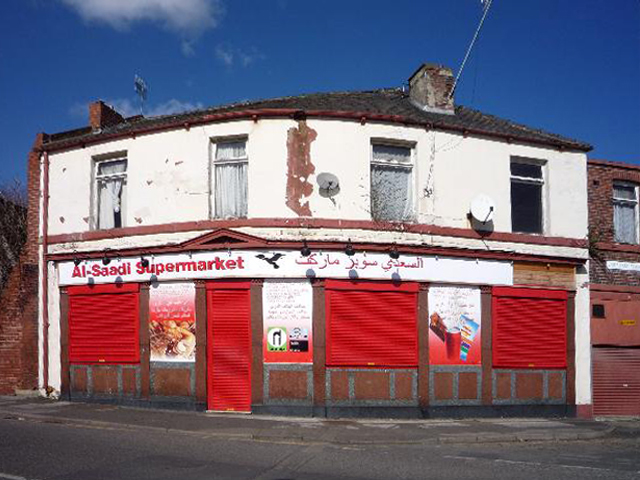
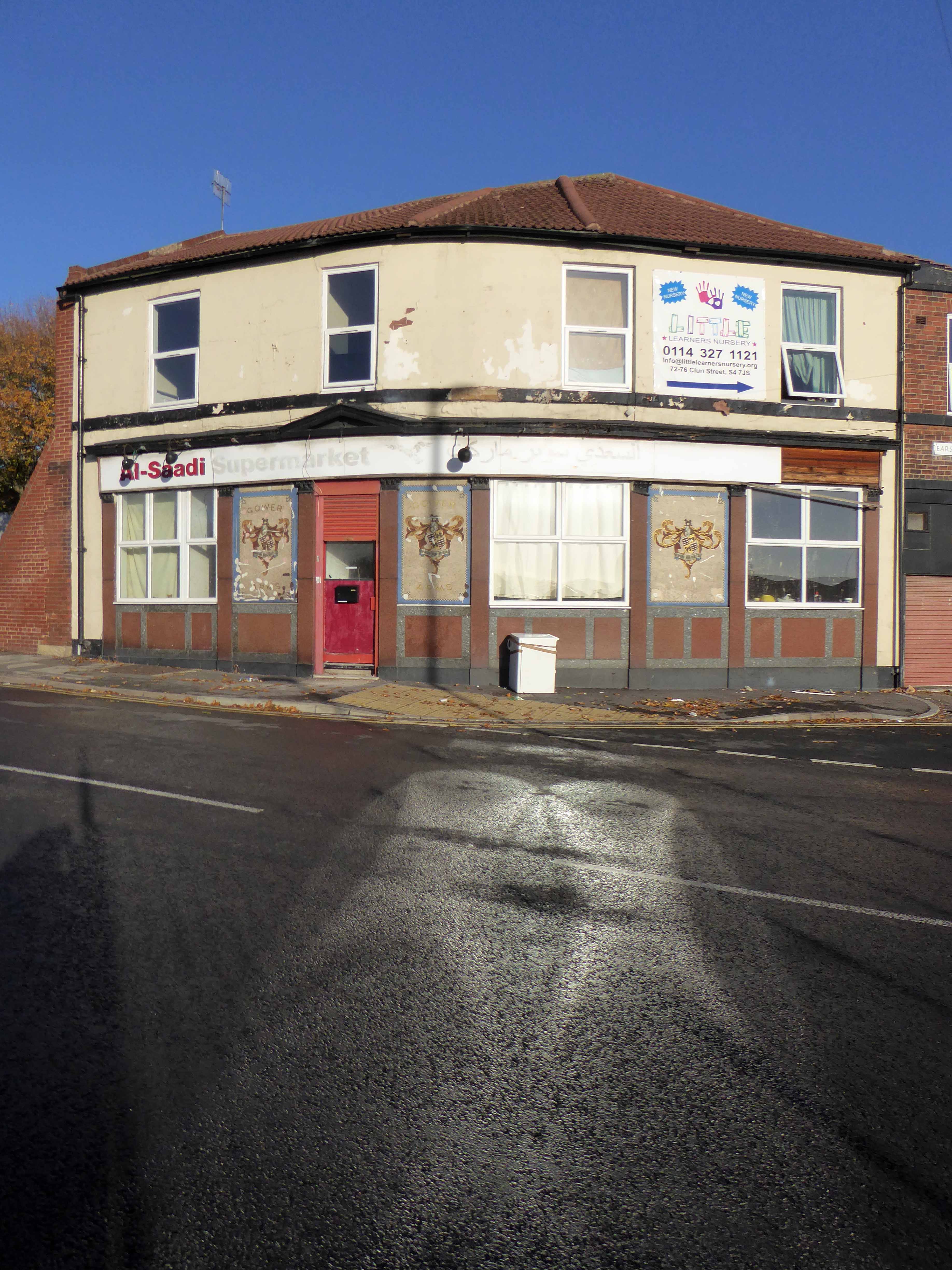
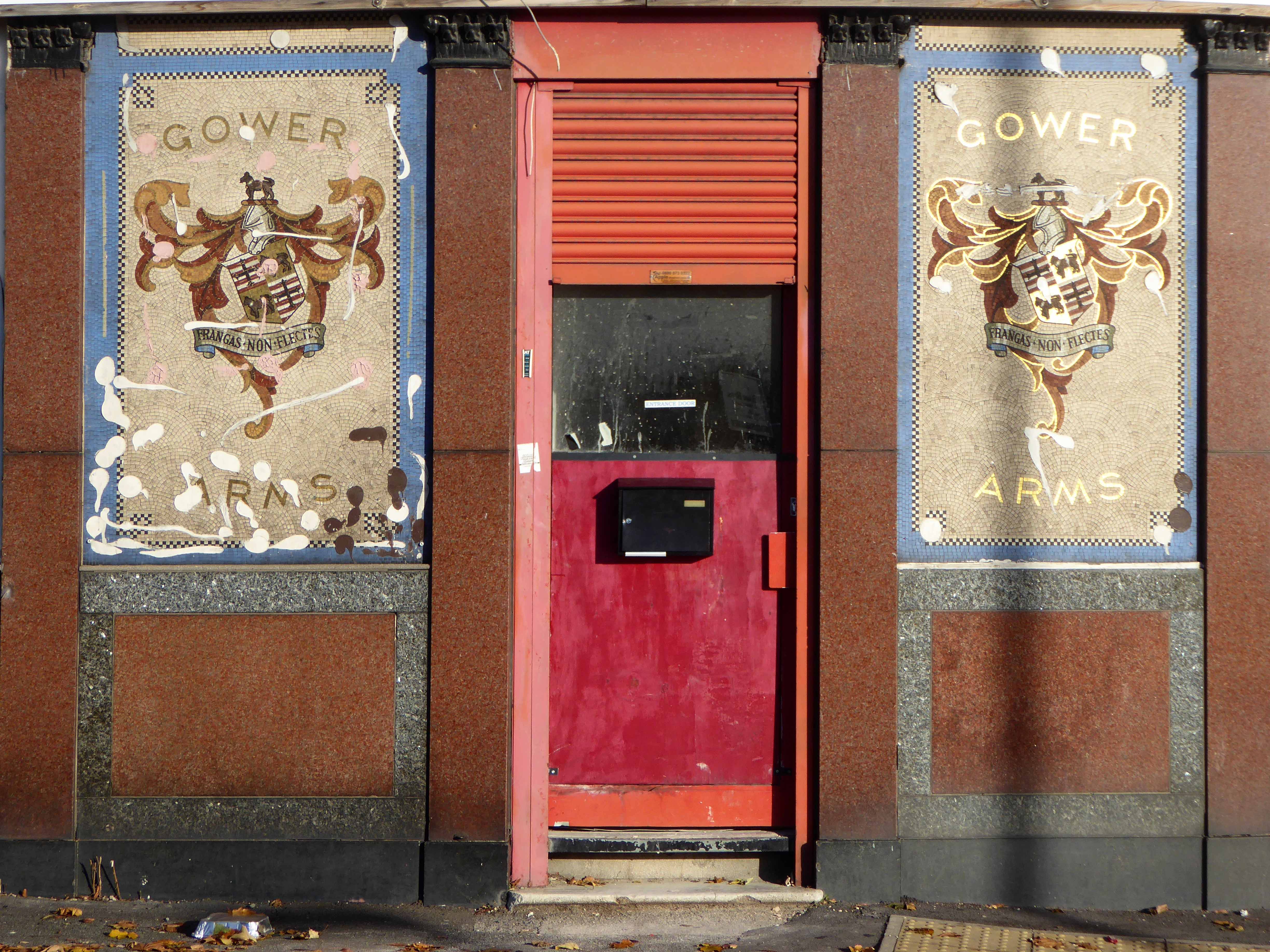
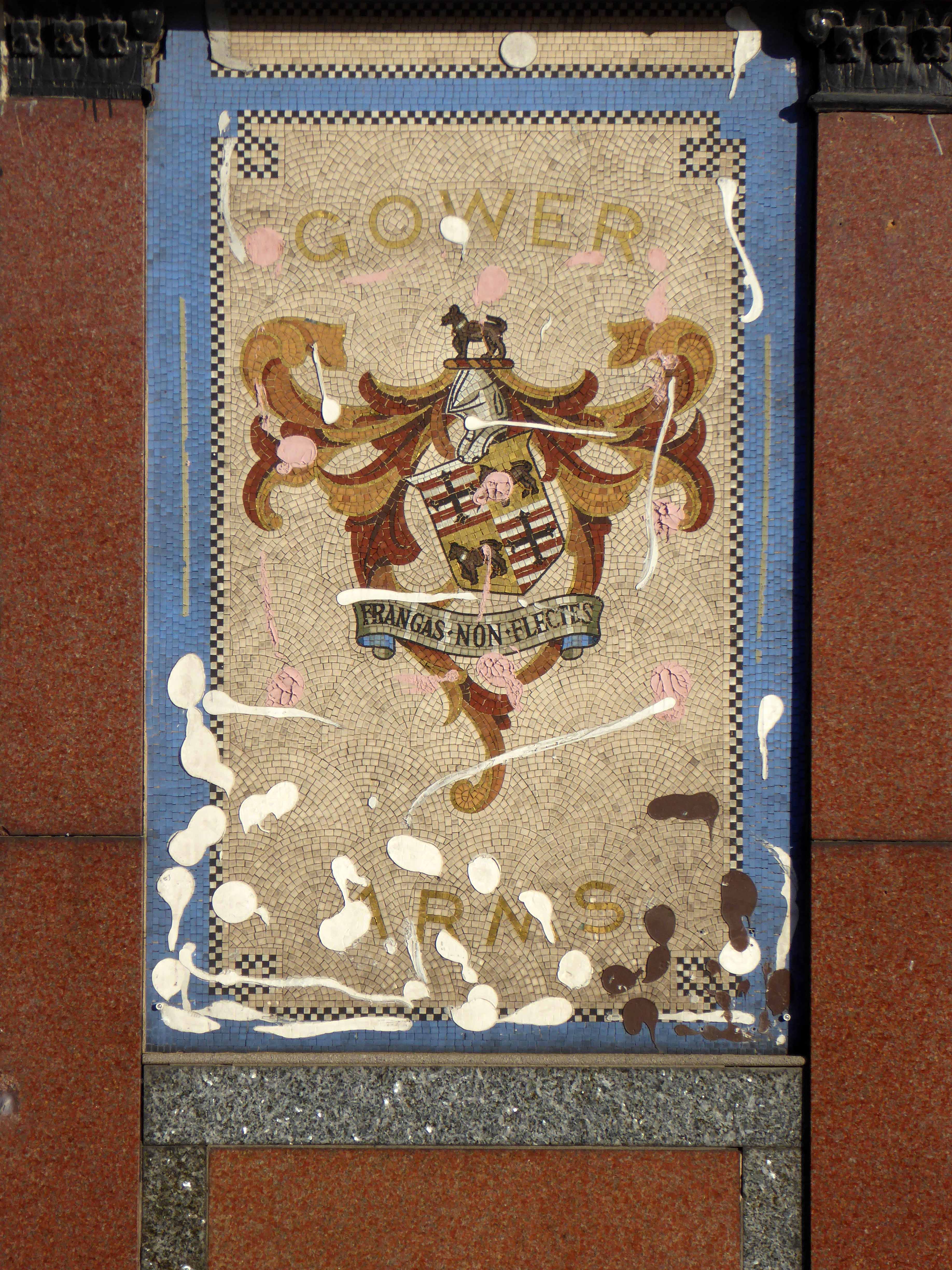
The Gower Arms – 47 Gower Street Burngreave Sheffield S4 7JWblanku01838

s22109

sheffield_s4_gowerarms


I drink down there – top pubs methinks. They are old fashioned pubs with some real characters. Will be there Friday night in the Staff first, Royal Oak, Gower, Grapes and back to the Staff till I drop.

Blade Bloke 2007

From top pub to closed corner supermarket in two shakes of a monkey’s tale.

P1300841

P1300838

P1300839

P1300840


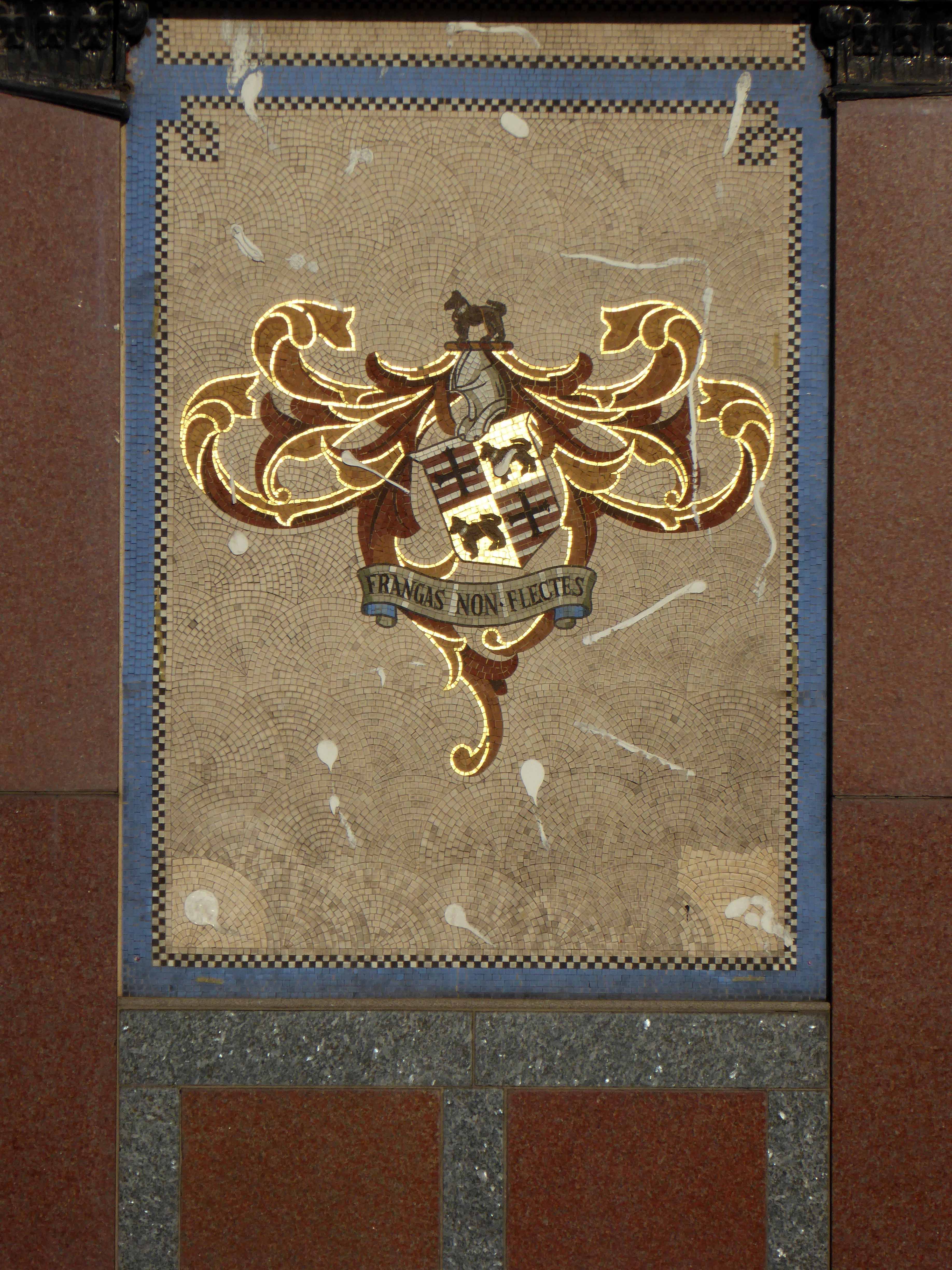
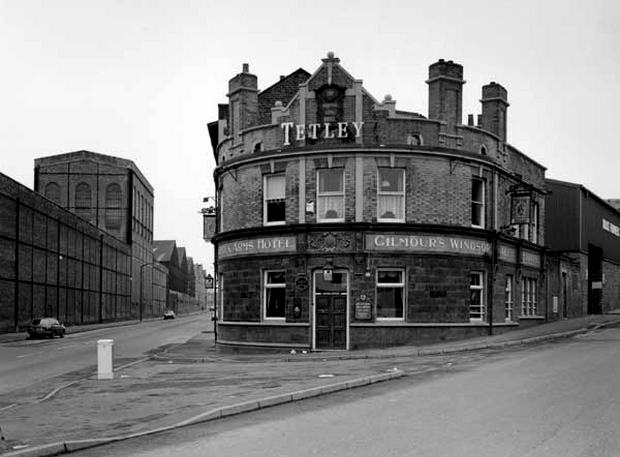
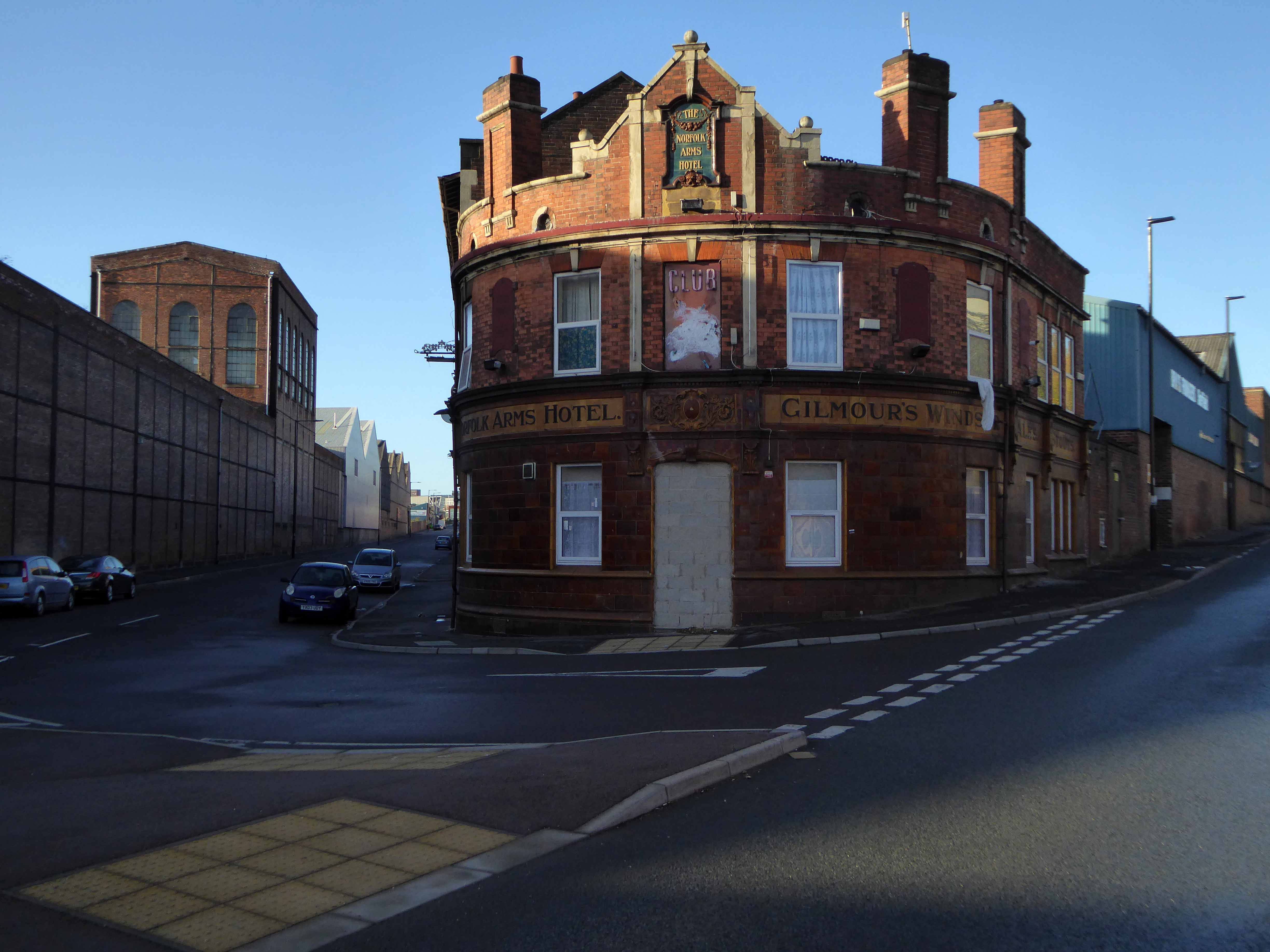
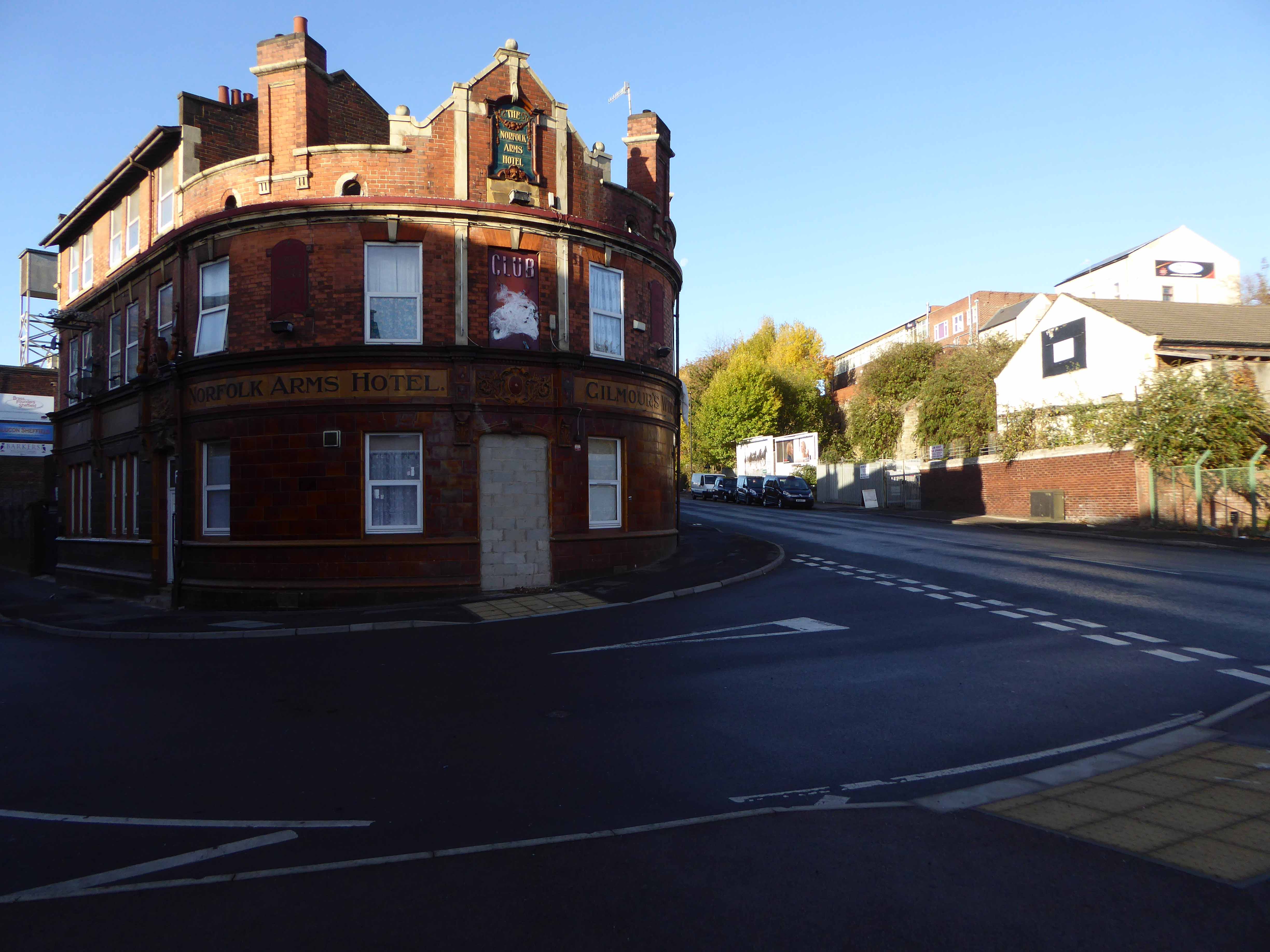
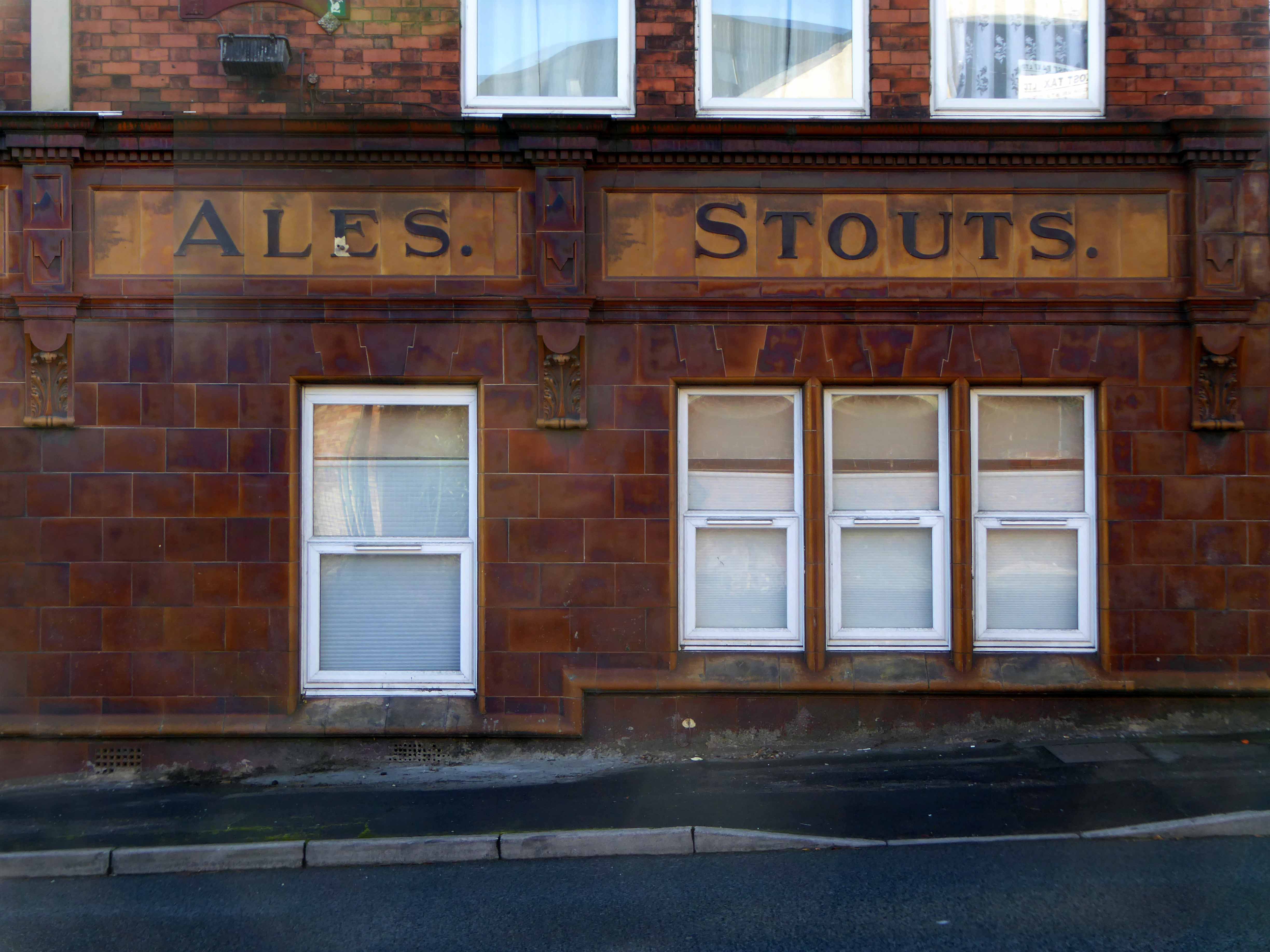
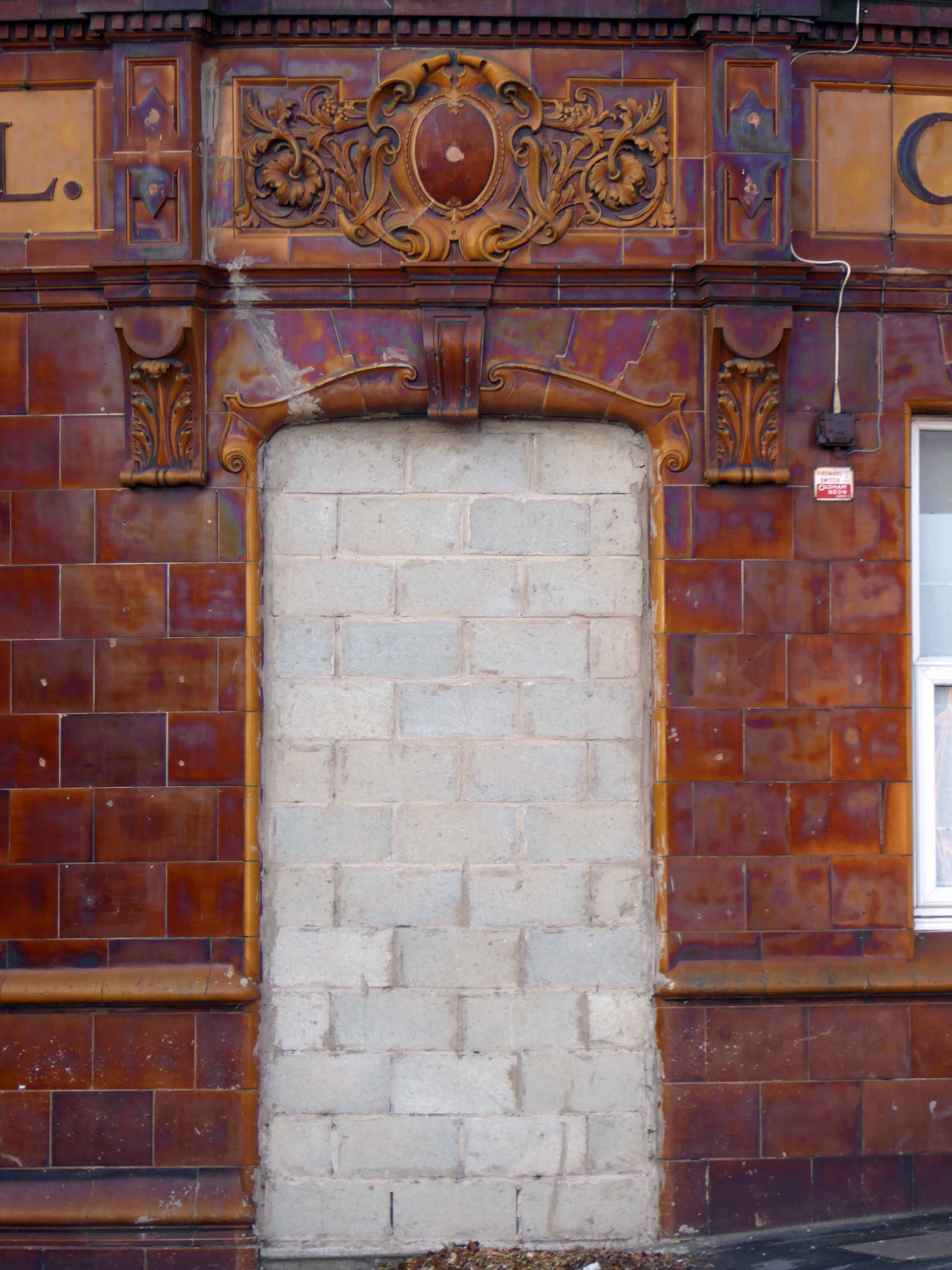
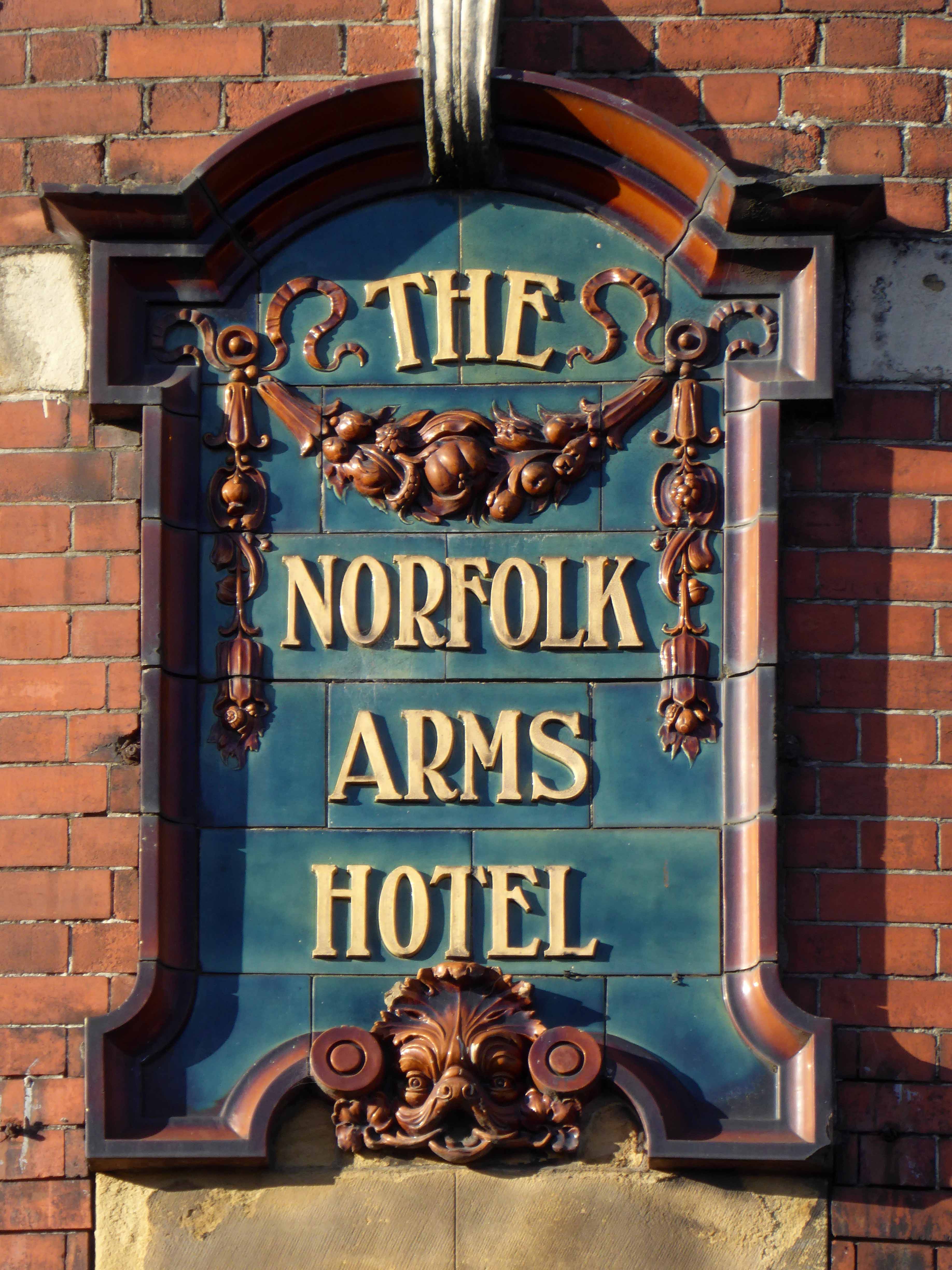
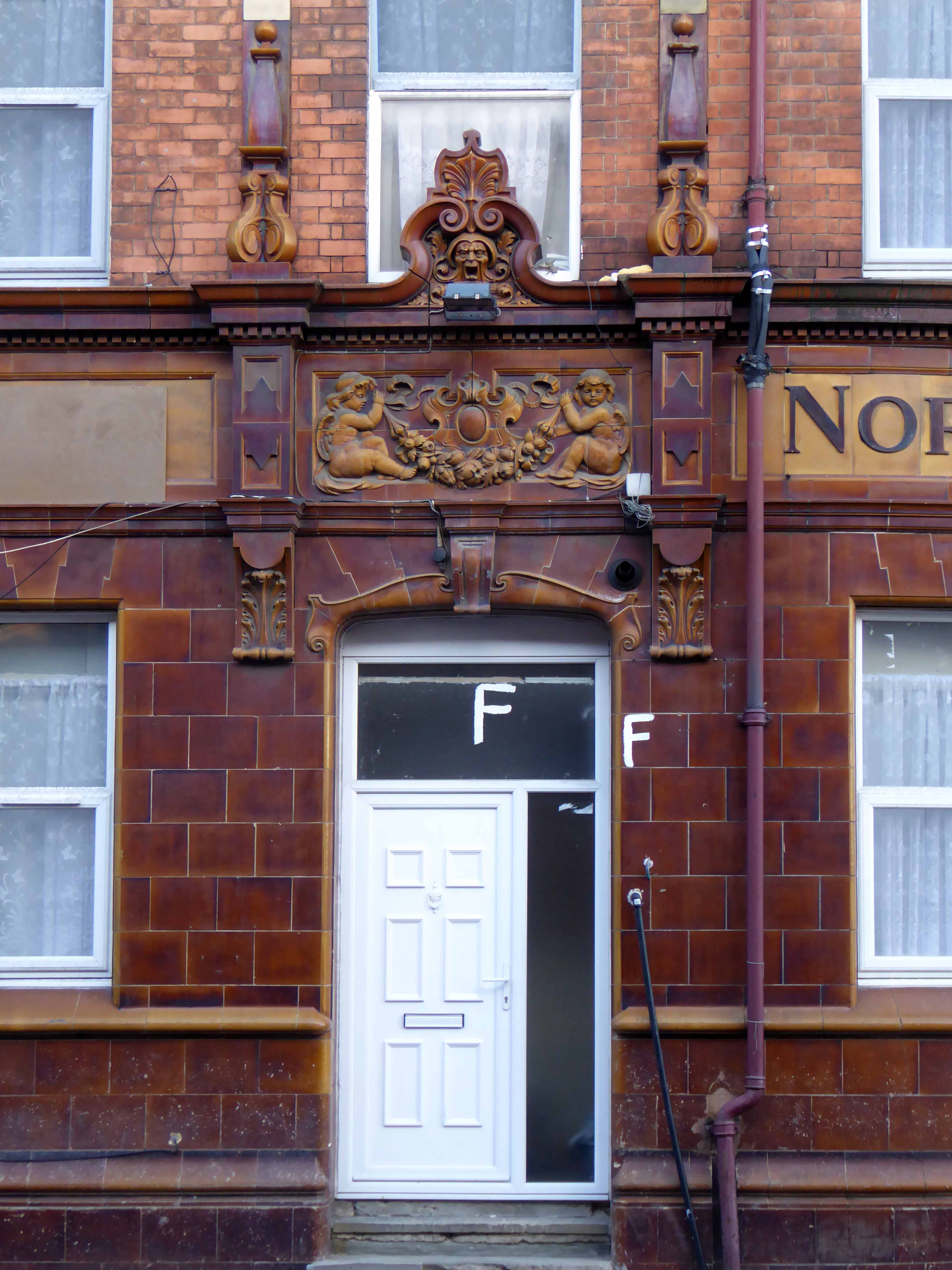
The Norfolk Arms Hotel – 195/199 Carlisle Street Sheffield S4 7LJblanku08444

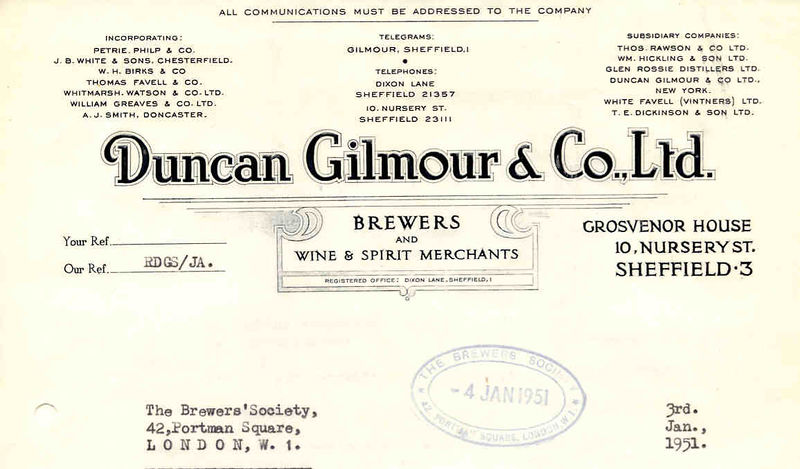
From a Gilmour’s tap, Tetley tavern to a temple of trendy funk.

800px-Gilmour_Sheffield


Club Xes is a nightclub in Sheffield  described as a vibrant and thrilling, and full of Sheffield’s young and trendy crowd.  The DJs are renowned for providing the newest funkiest records.

Premises Type – This place does not serve real ale.

Premises Description – Gay nightclub.

P1300851

P1300855

P1300849

P1300852

P1300853

P1300858


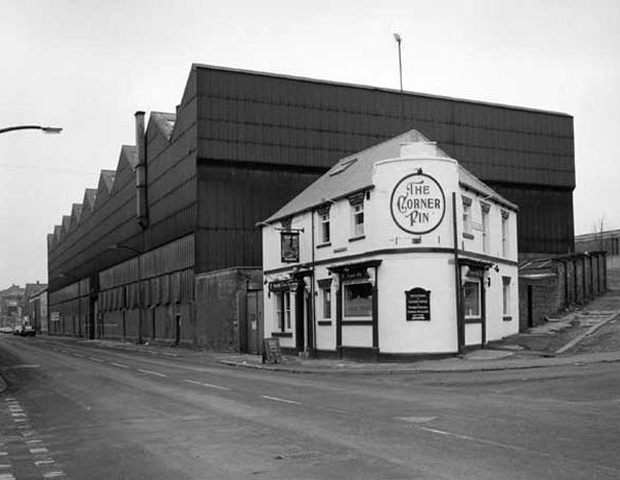
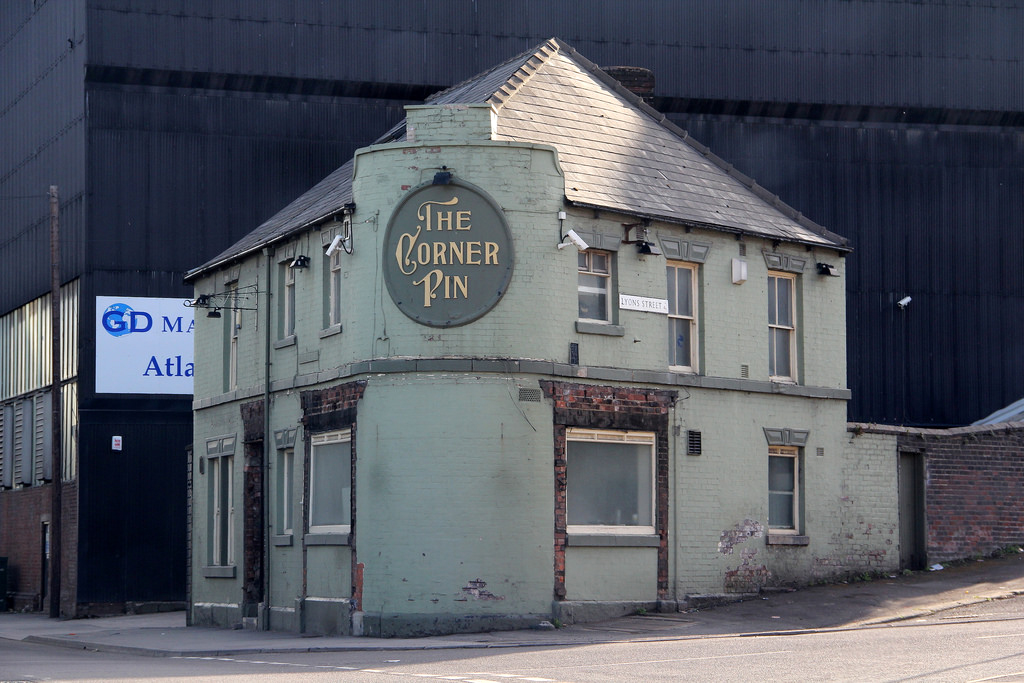
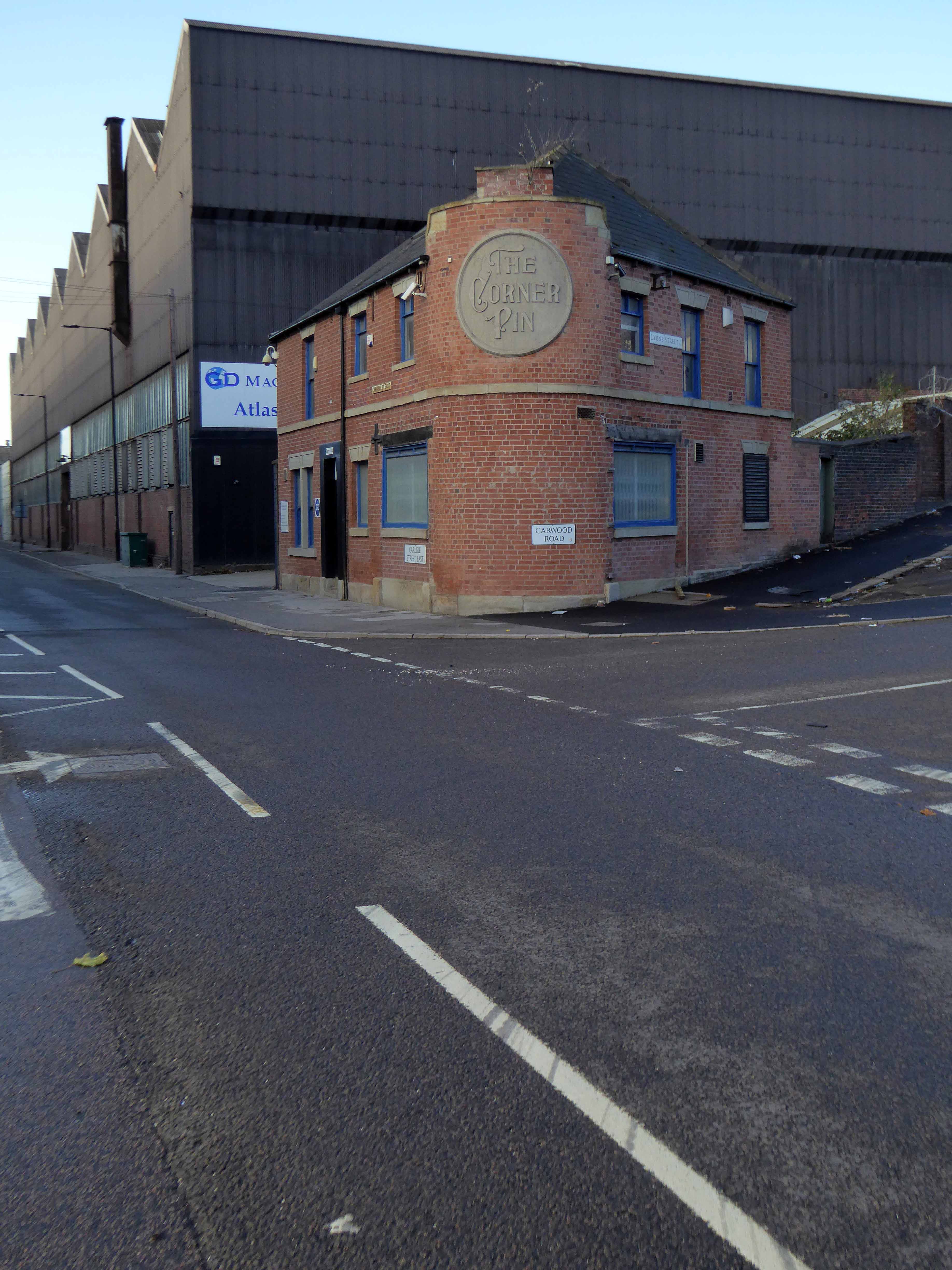
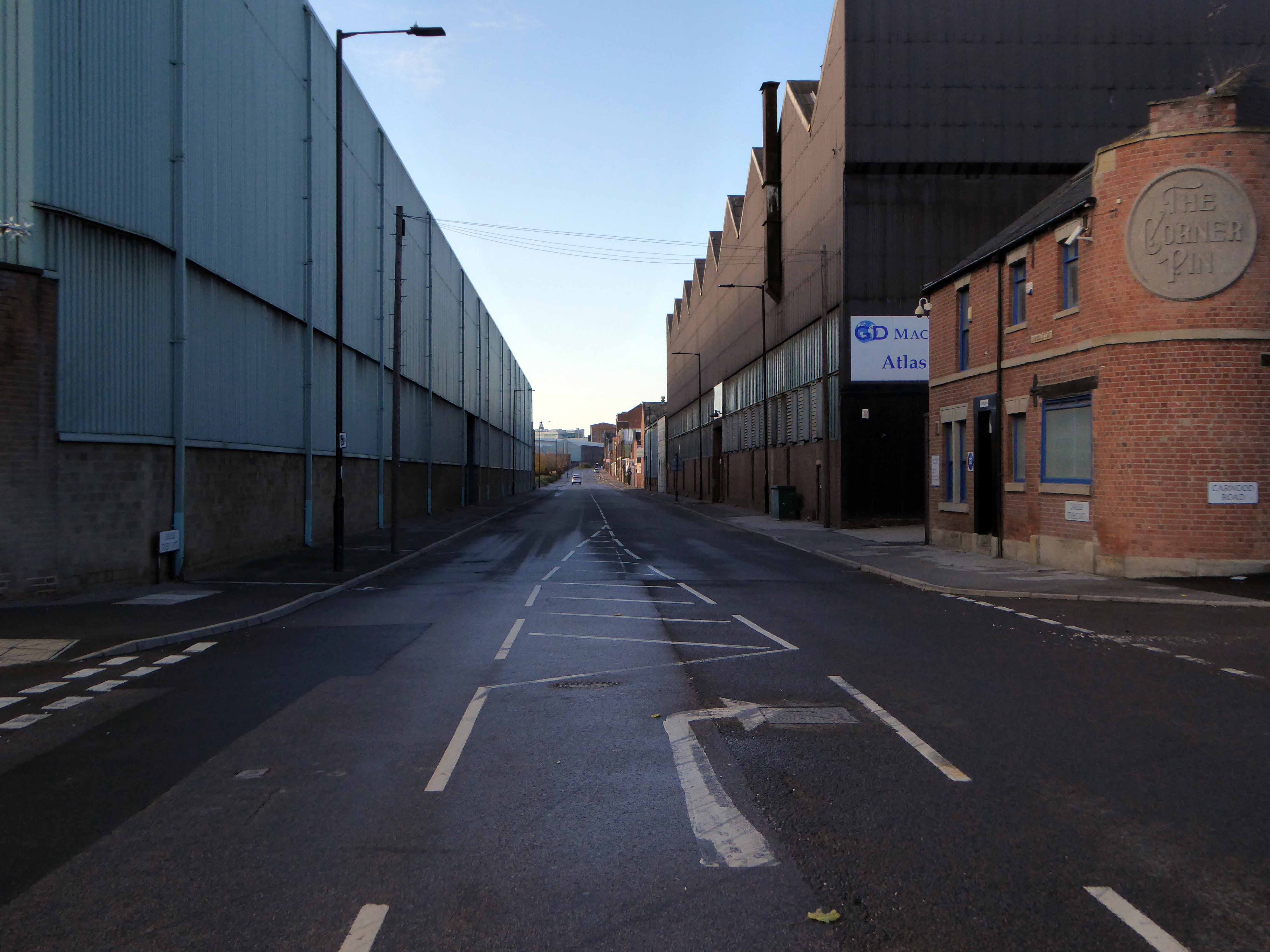
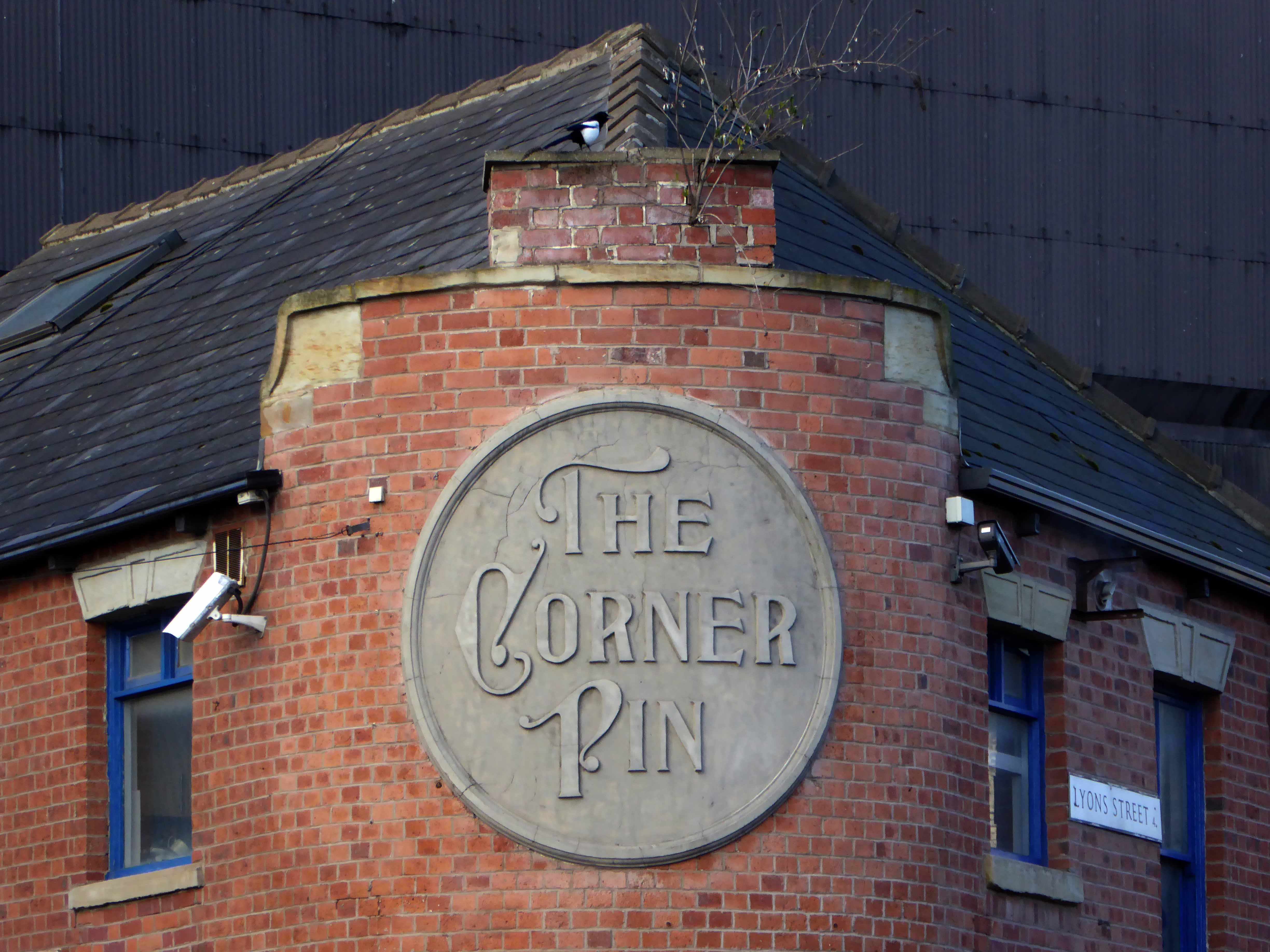
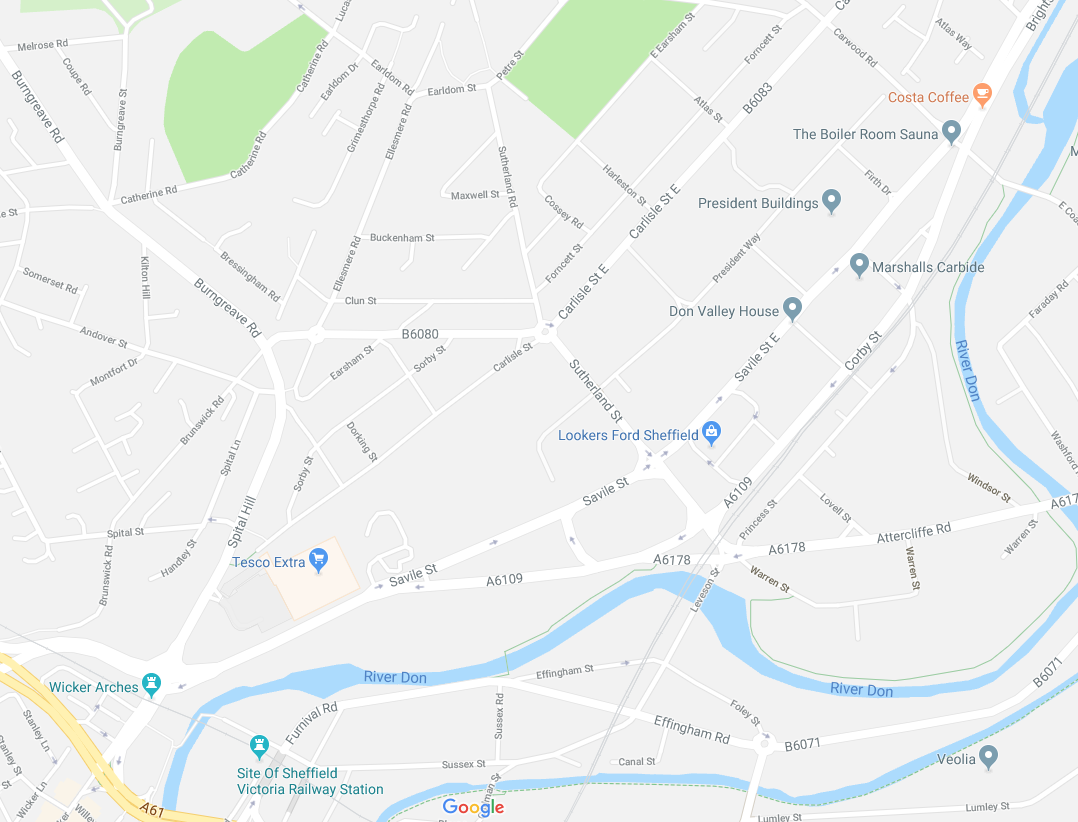
The Corner Pin – 231-233 Carlisle Street East Sheffield S4 7QN


ac229678e50108e3e4380cb9edb50f8a

15518868742_a2ba0d7f9e_b

First licensed to sell beer in 1840. One of 26 public houses serving the steel industry along a three- quarter mile stretch of Carlisle Street. It is said to have a ghost who likes to turn the lights on in the middle of the night and footfalls can be heard.

The Corner Pin was the last of the Steelmakers pubs in Sheffield and was one of my favourite places to visit for a real good pint! I would come over from Melbourne once or twice a year, still do, and meet up with Chris Payling and many others still left over from the days of Sheffield Steel, but now all gone. 

They even took away your window frames, along with your dignity once a pale green shadow of yourself, stripped back to brick.

Stop dreaming of a foaming pint right now – you’re an office.

Not a pub.

P1300885

P1300886

P1300887

All B&W photographs copyright Picture Sheffield 

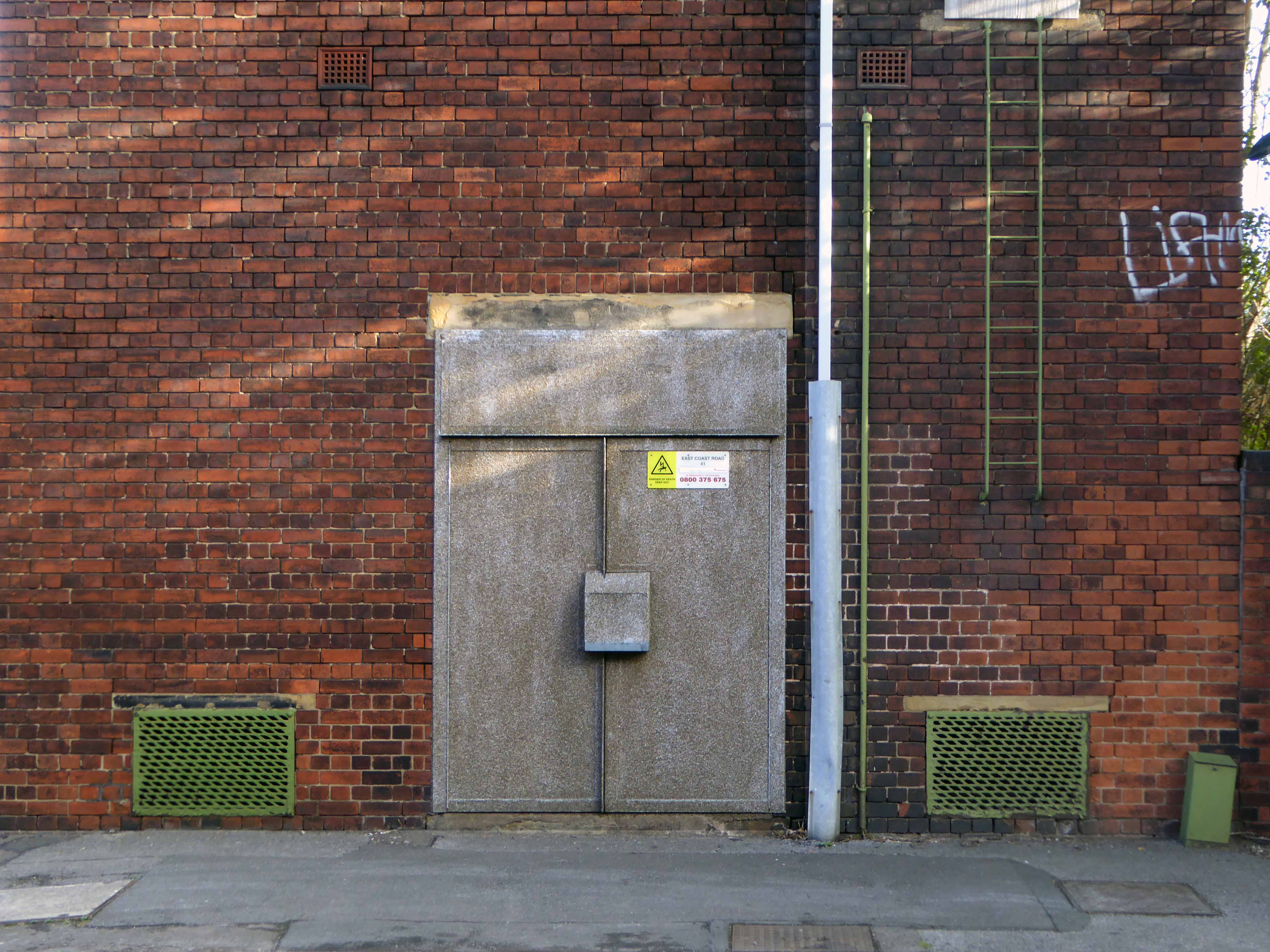
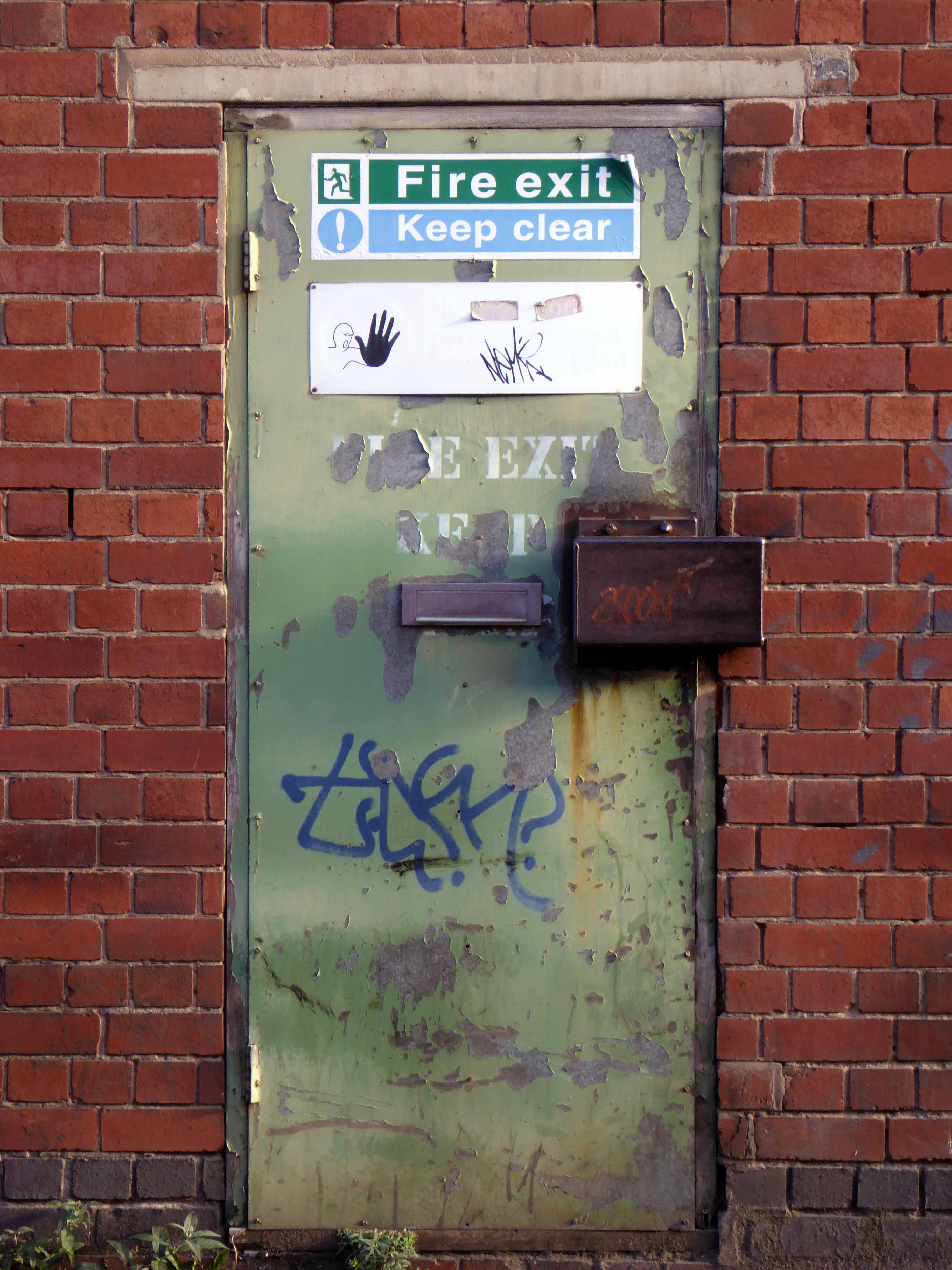
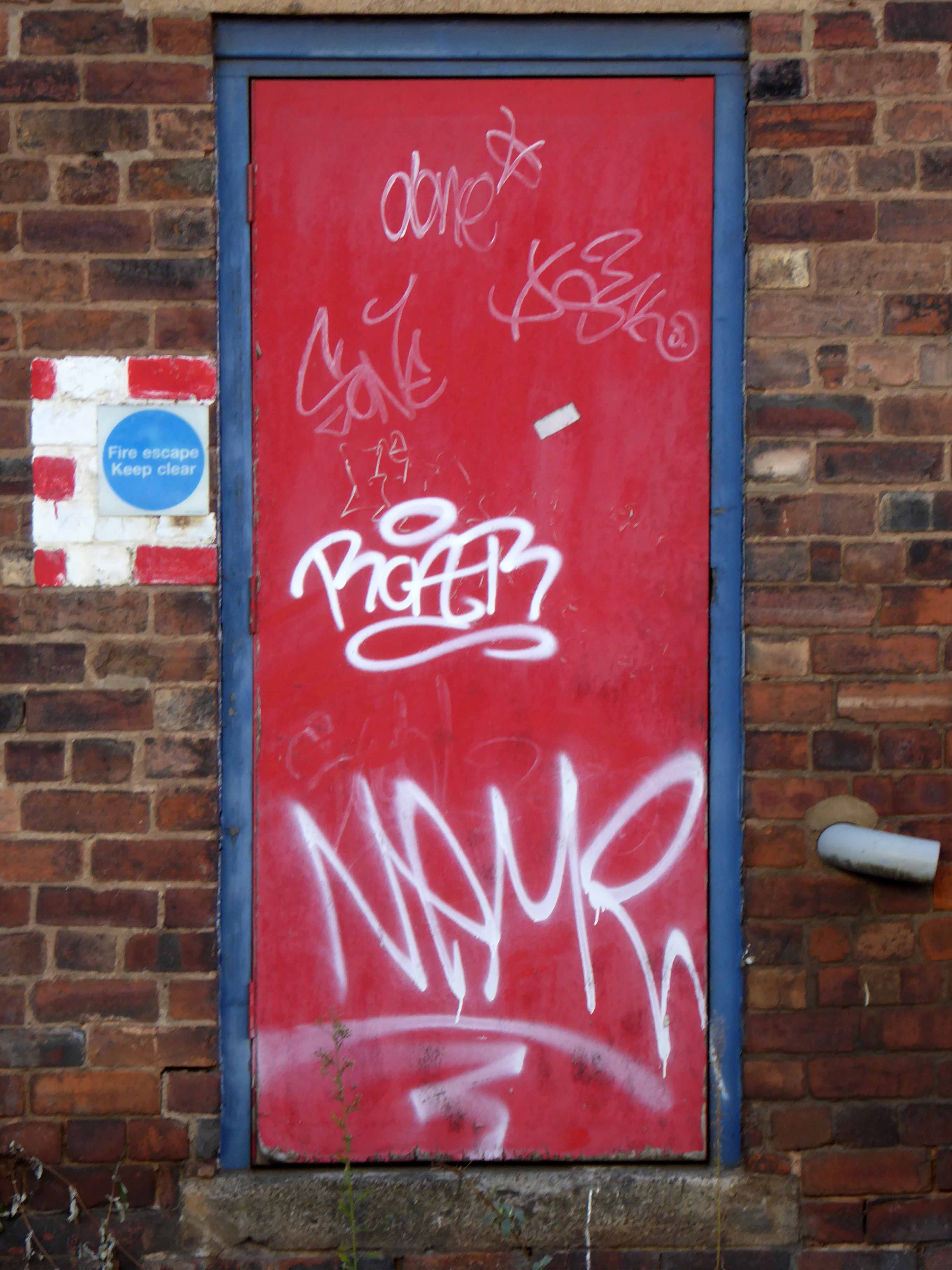
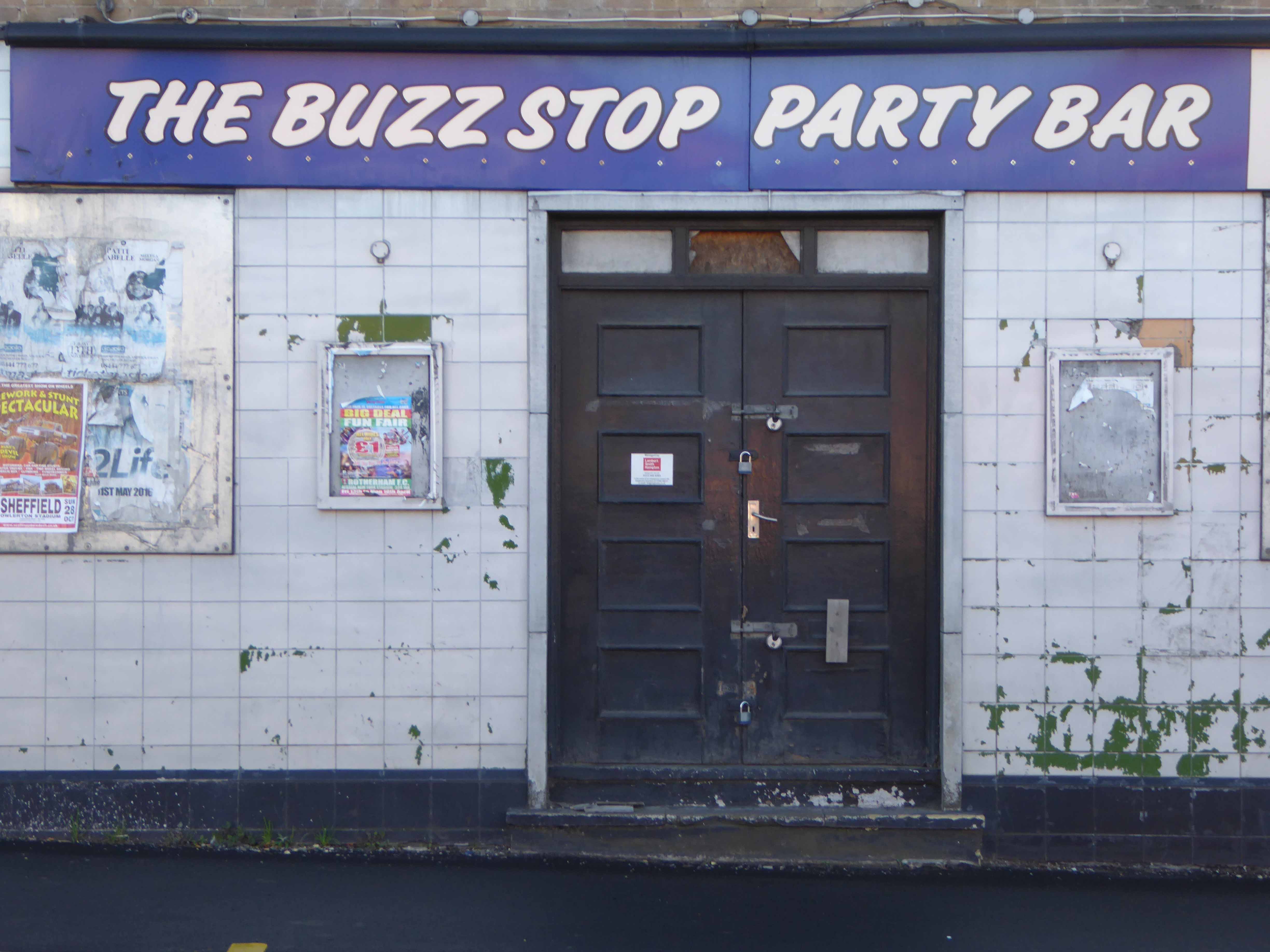
Gates and Doors – Sheffield

Early one morning – just as the sun was rising.

I took to the sunny Sunday October streets of Sheffield, bound I knew not where.

In search of something and nothing, which I possibly never ever found.

Following secret signs, symbols and words, doors and gates shut in my face.

Before I knew it I was back where I started.

Screenshot 2018-11-02 at 15.43.45


P1300852

P1300867

P1300878

P1300881

P1300893

P1300898

P1300902

P1300914

P1300930

P1300938

P1300941

P1300942

P1300946

P1300959

P1300960

P1300966

Sunday Walk – Park Hill Sheffield

My thanks to all those happy souls who braved the cold winds, sunshine and threat of snow on Sunday 28th October 2018 – Steve.

Sharing ideas, memories and animated conversation, as we circumnavigated the fenced perimeter of Europe’s largest listed structure. In search of a personal photographic response to the site.

This was the online outline plan.

These are the results.

Lynne Davis


Gary Wolstenholme


Jenny Owen


Peter Clarke


Brian Parkinson


Jacqui Dace


John Gibson


Michael Ford


Julia Beaumont


Ruth Robson


Linus Westwood


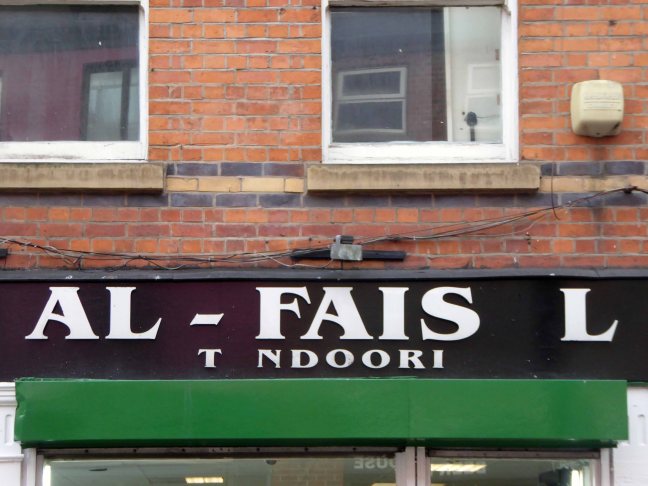
Al Faisal – Thomas Street Manchester

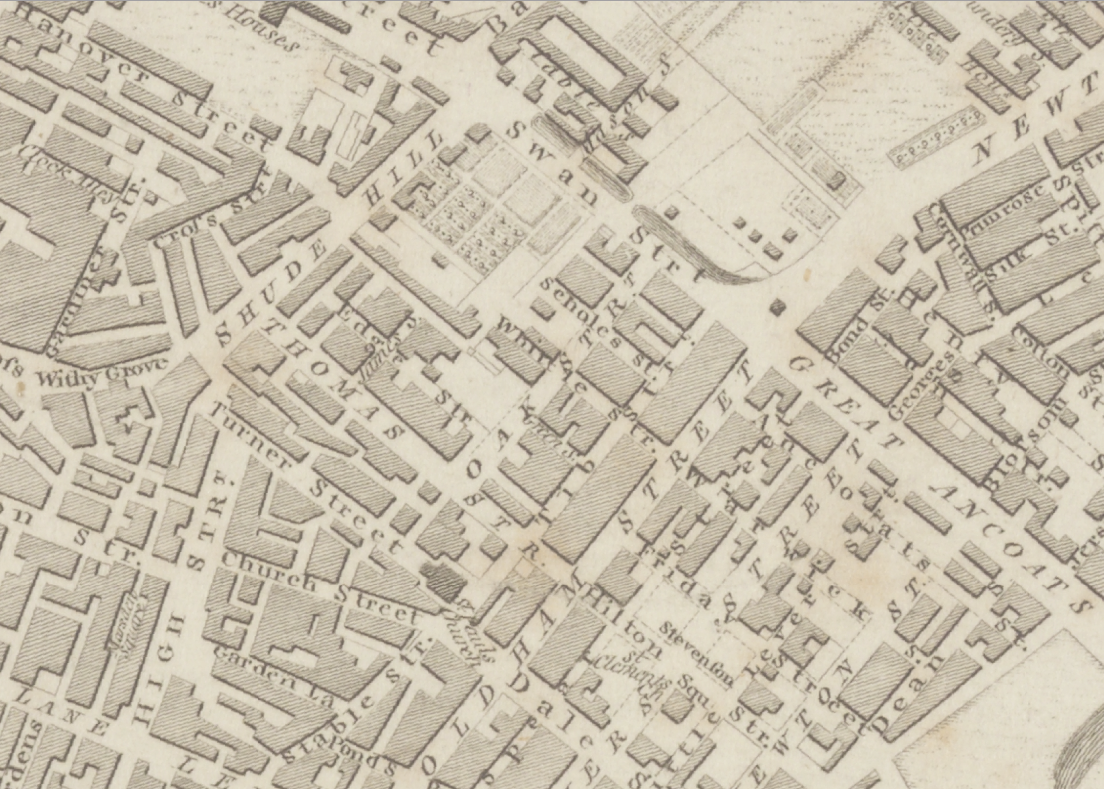
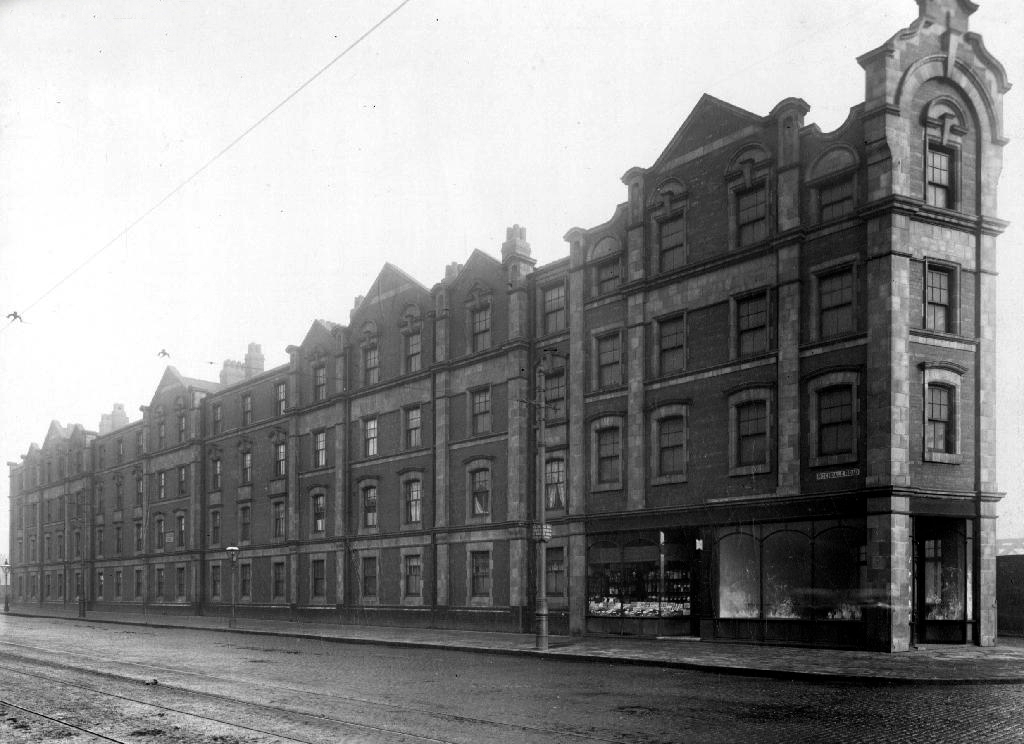
Things, as we know, come and go – by 1807 Thomas Street had arrived.

roper 1807

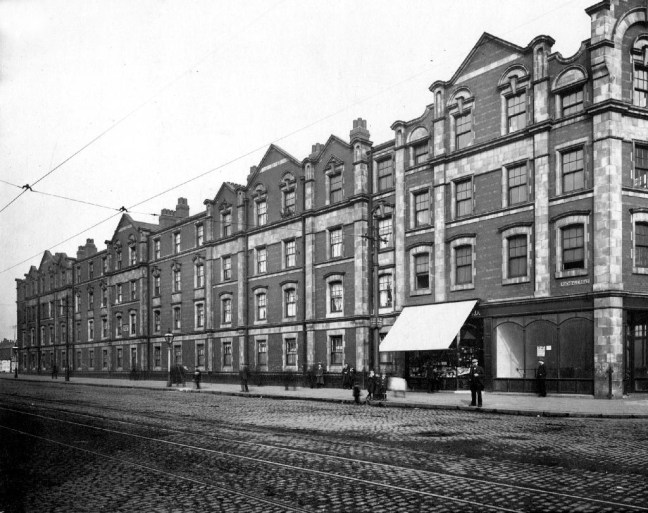
At the heart of the new Manchester – providing dwellings, shops, pubs and manufacturing premises for the masses.

One of the earliest architectural complexes of the Industrial Revolution.

1905

1908

2445_l

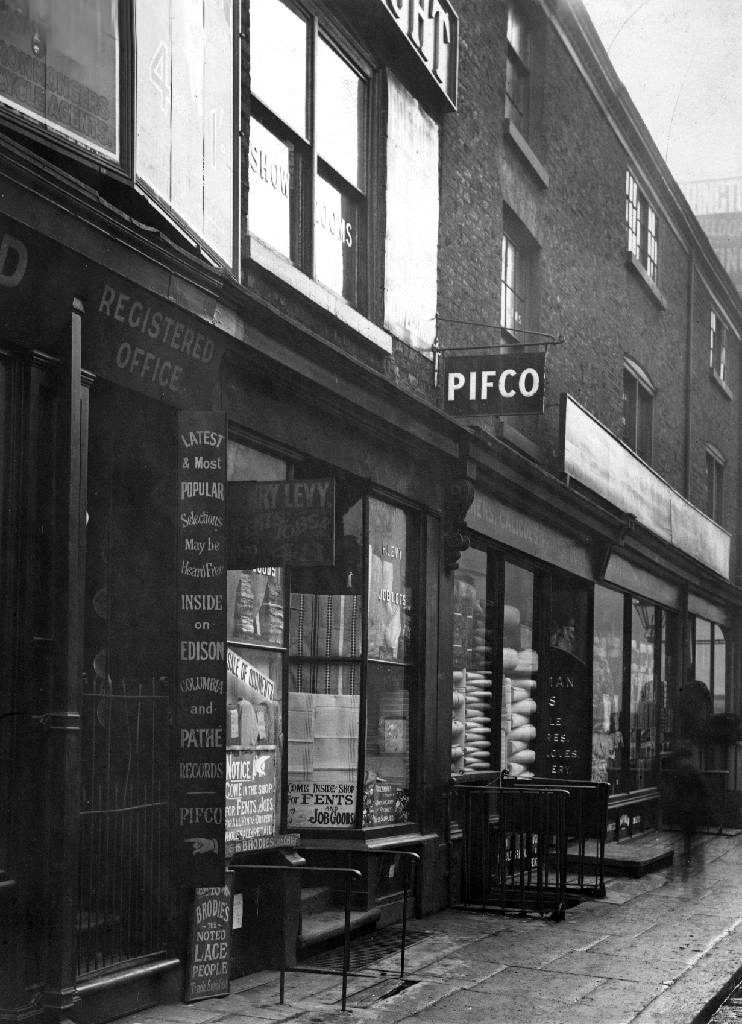
Pifco – Manchester Manufacturing

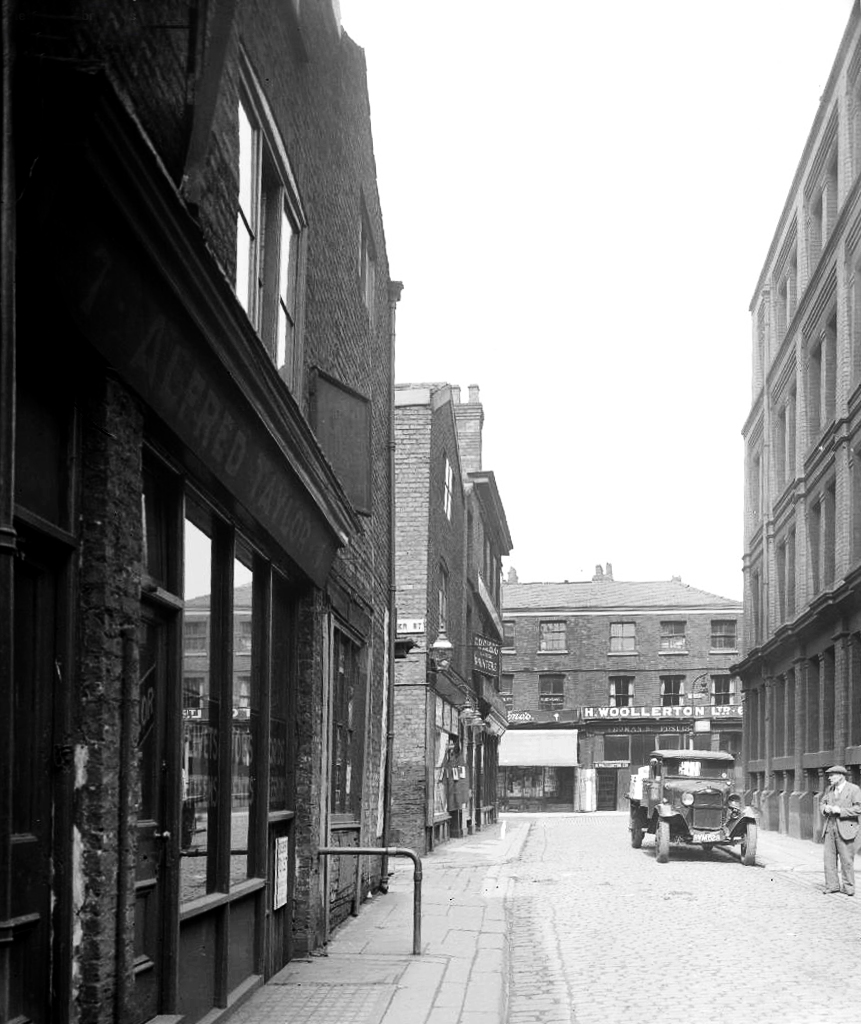
1938

1938

1970

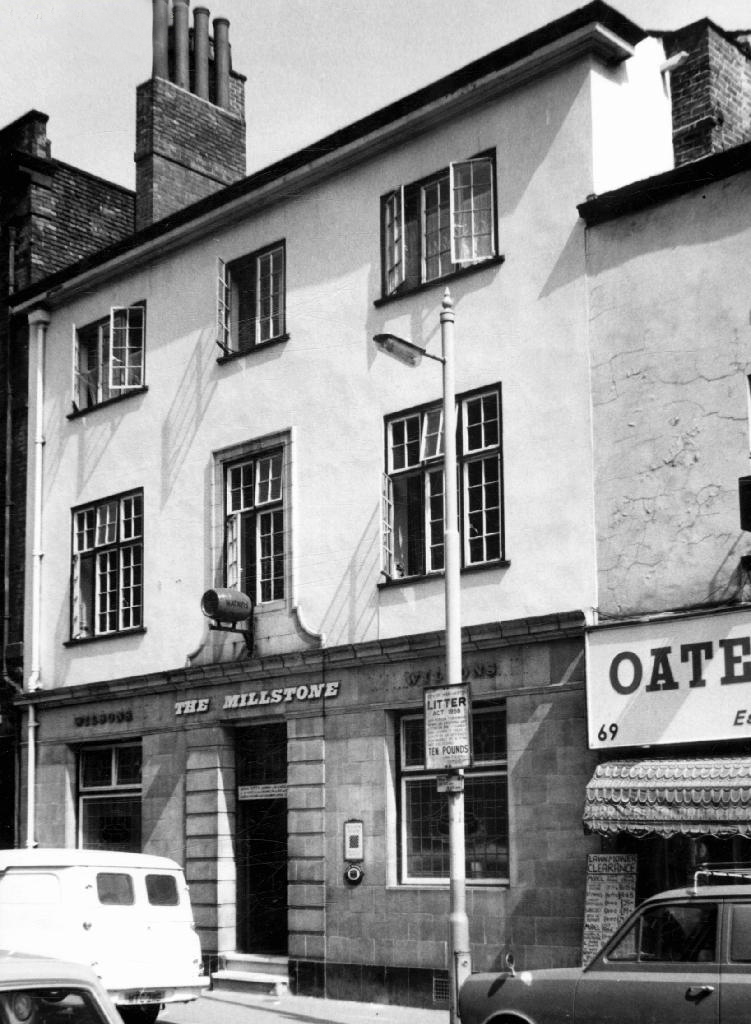
The Millstone 1970

bay 70

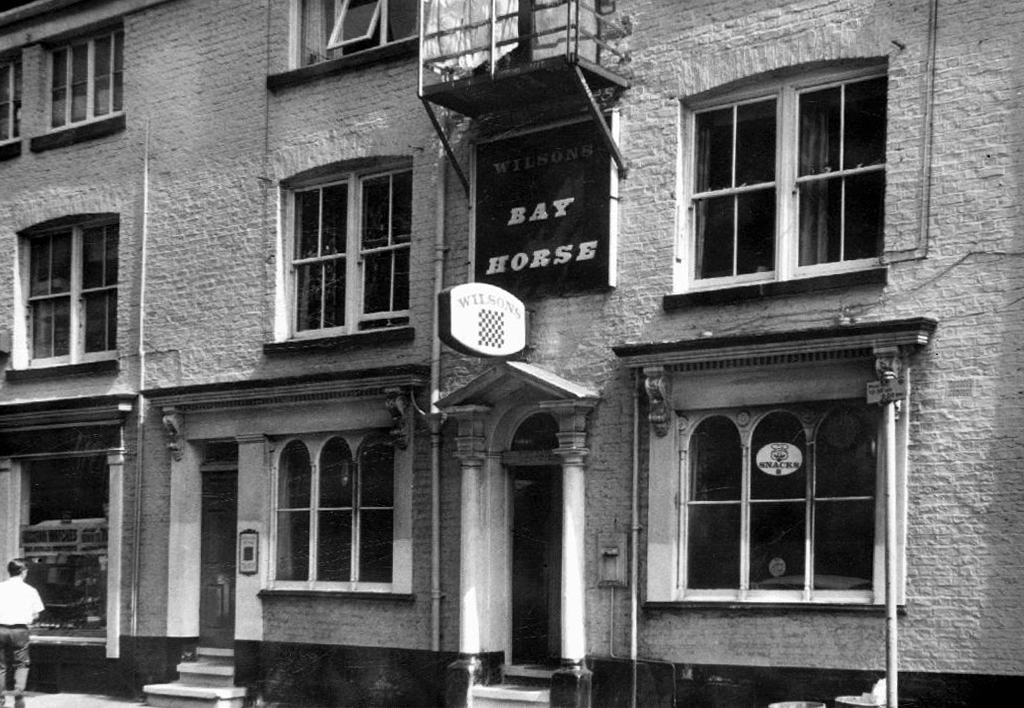
Bay Horse 1970

Both pubs have survived and the street is home to several relative newcomers, including the Richard Goodall Gallery and celebrated men’s outfitters Oi Polloi.

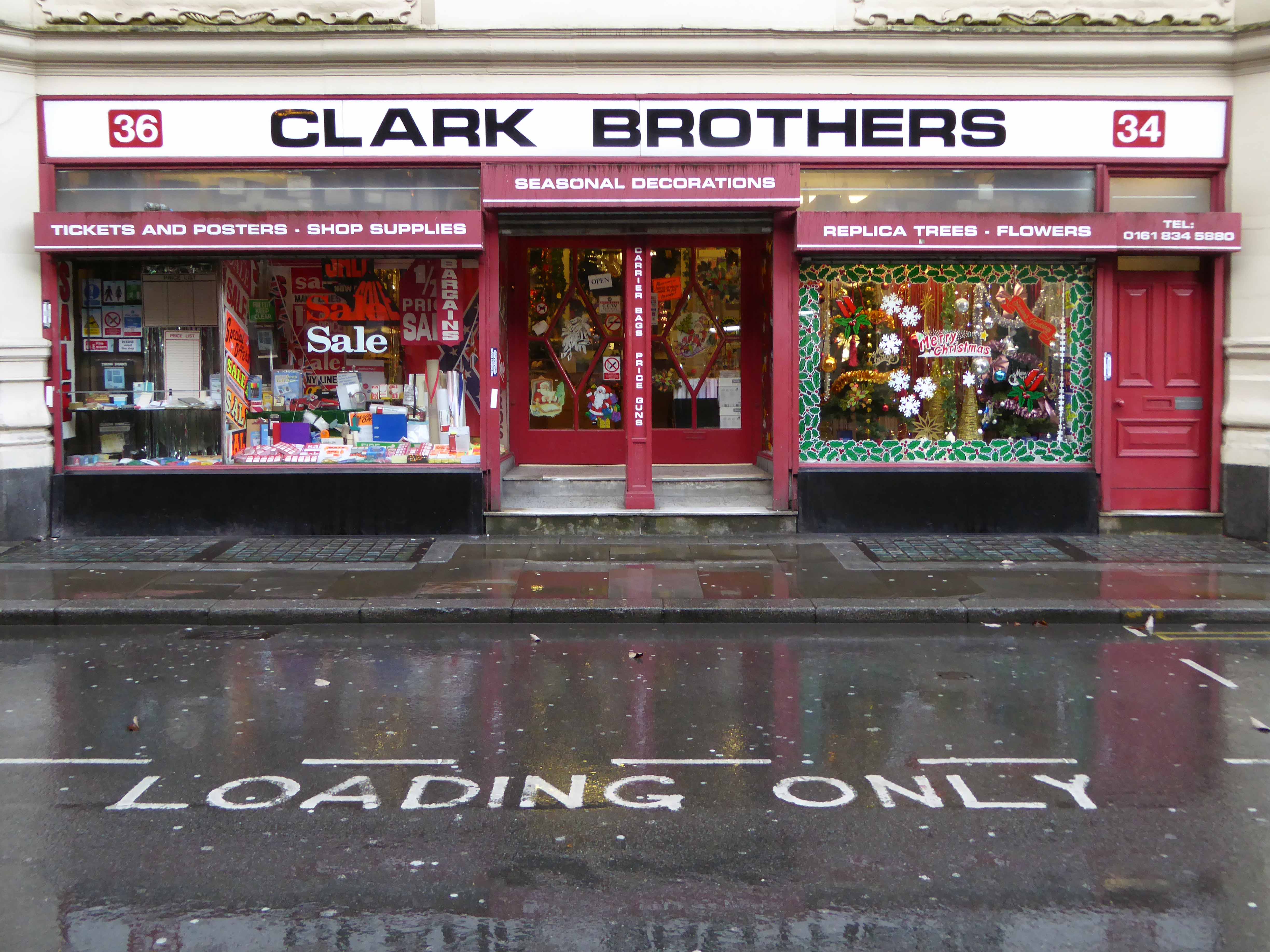
Also the location of my most favourite shop in the whole wide world.

P1110739 copy

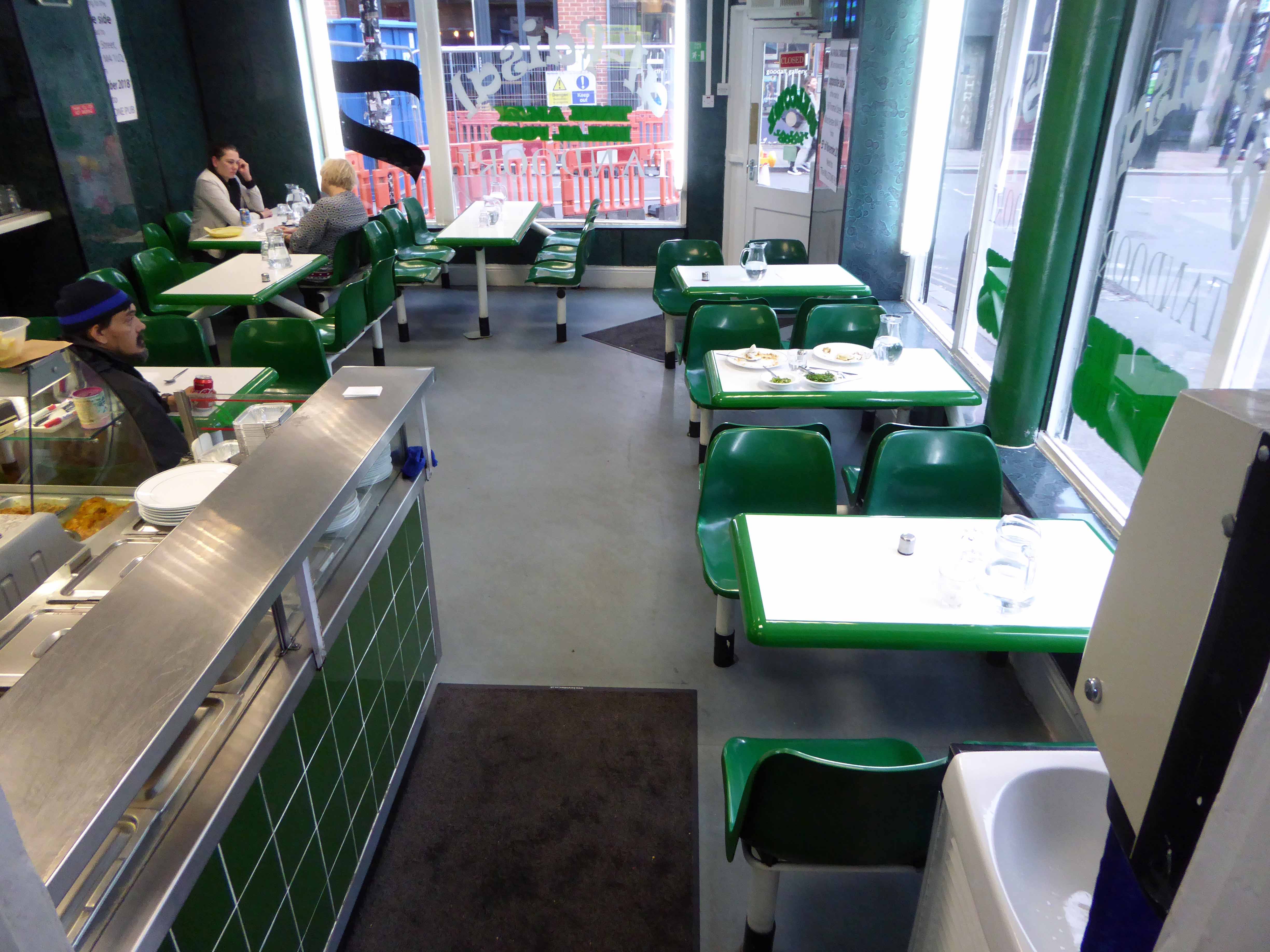
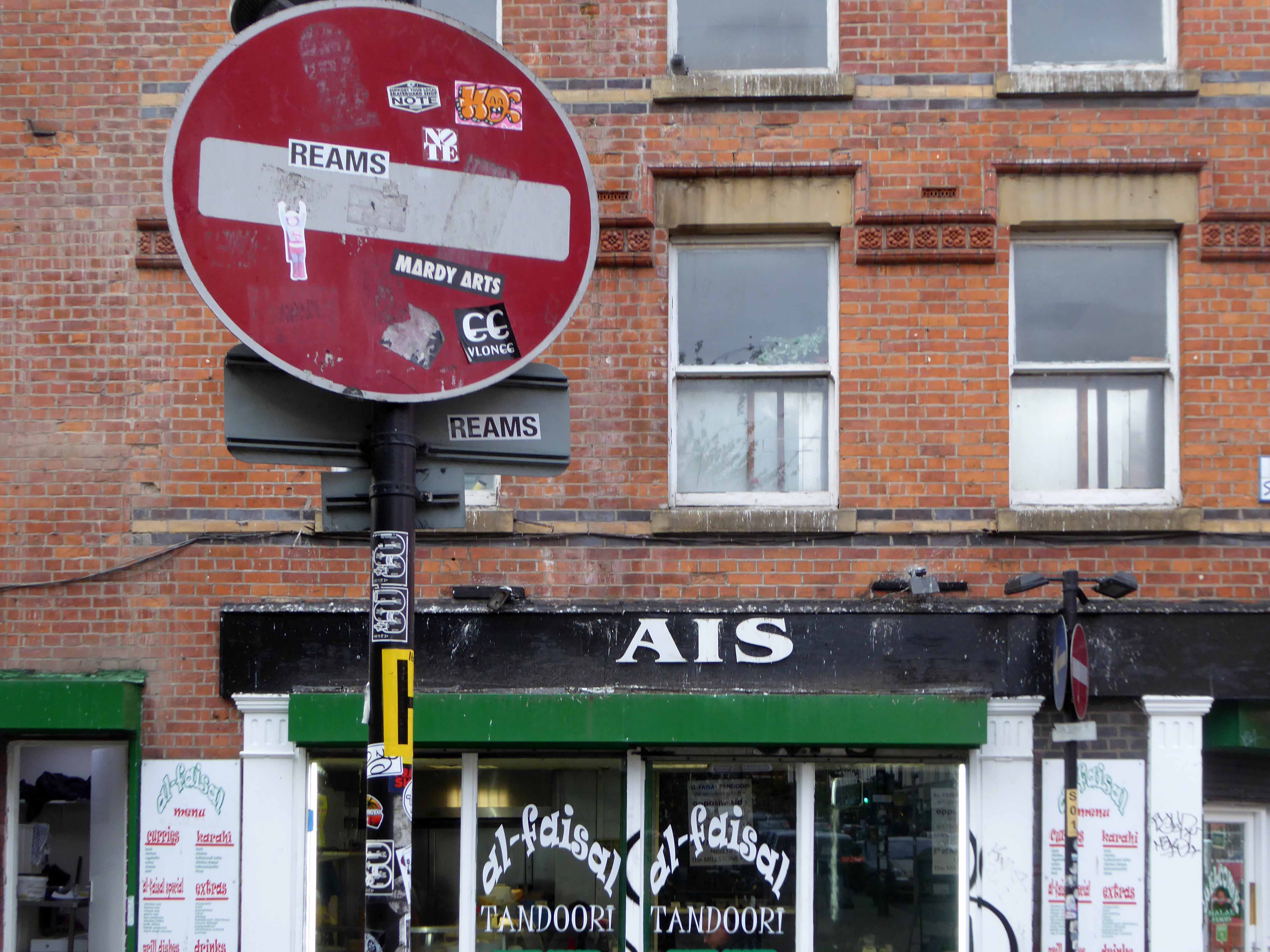
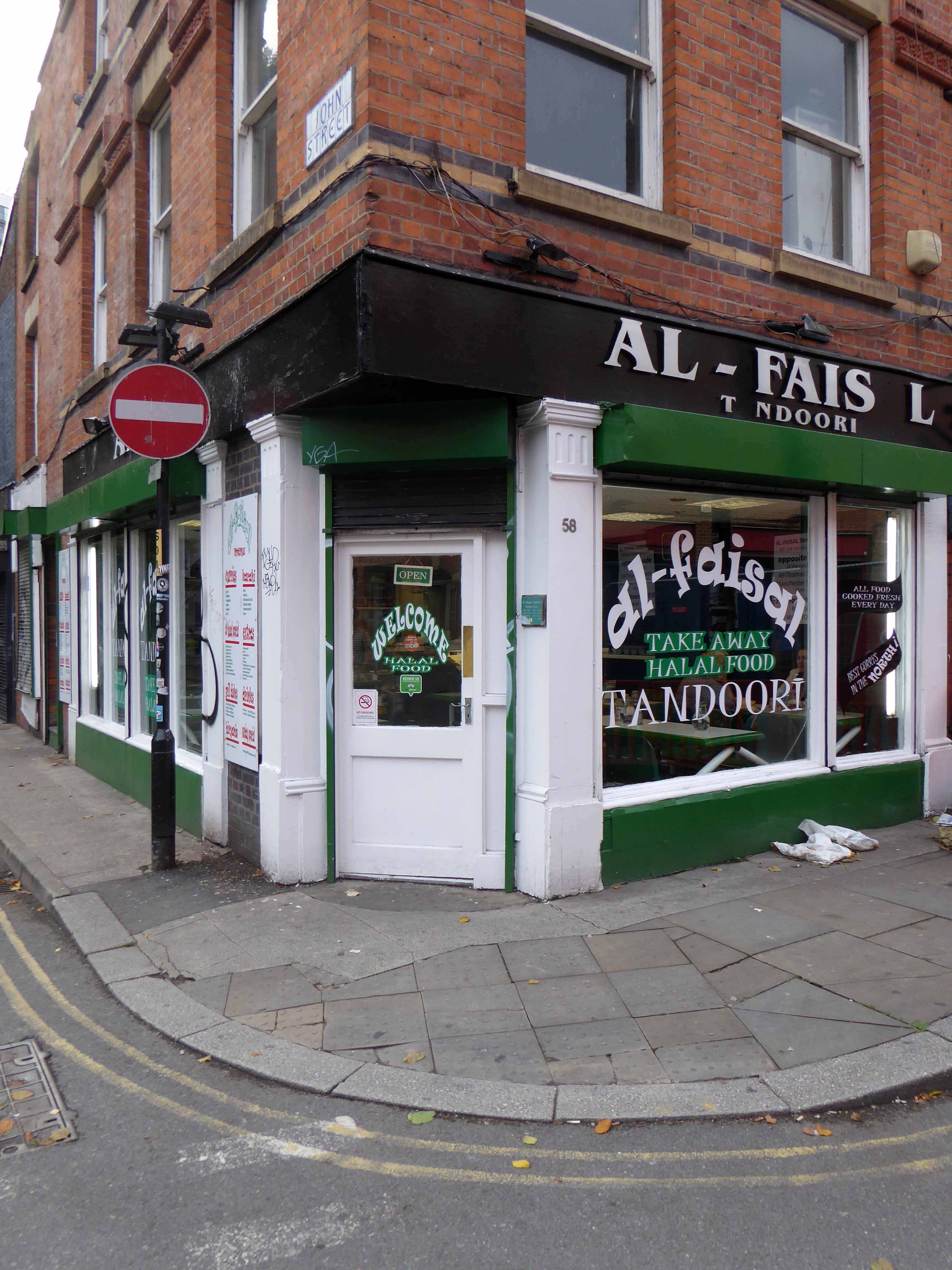
From the 70’s onwards the area had been at the centre of the Asian garment trade – and so it came to pass some 26 years ago the Al Faisal arrived, one of several curry cafés, feeding the faces of the passing parade.

I’ve eaten there for most of that time, fed very well indeed thank you very much, for way less than a king’s ransom.

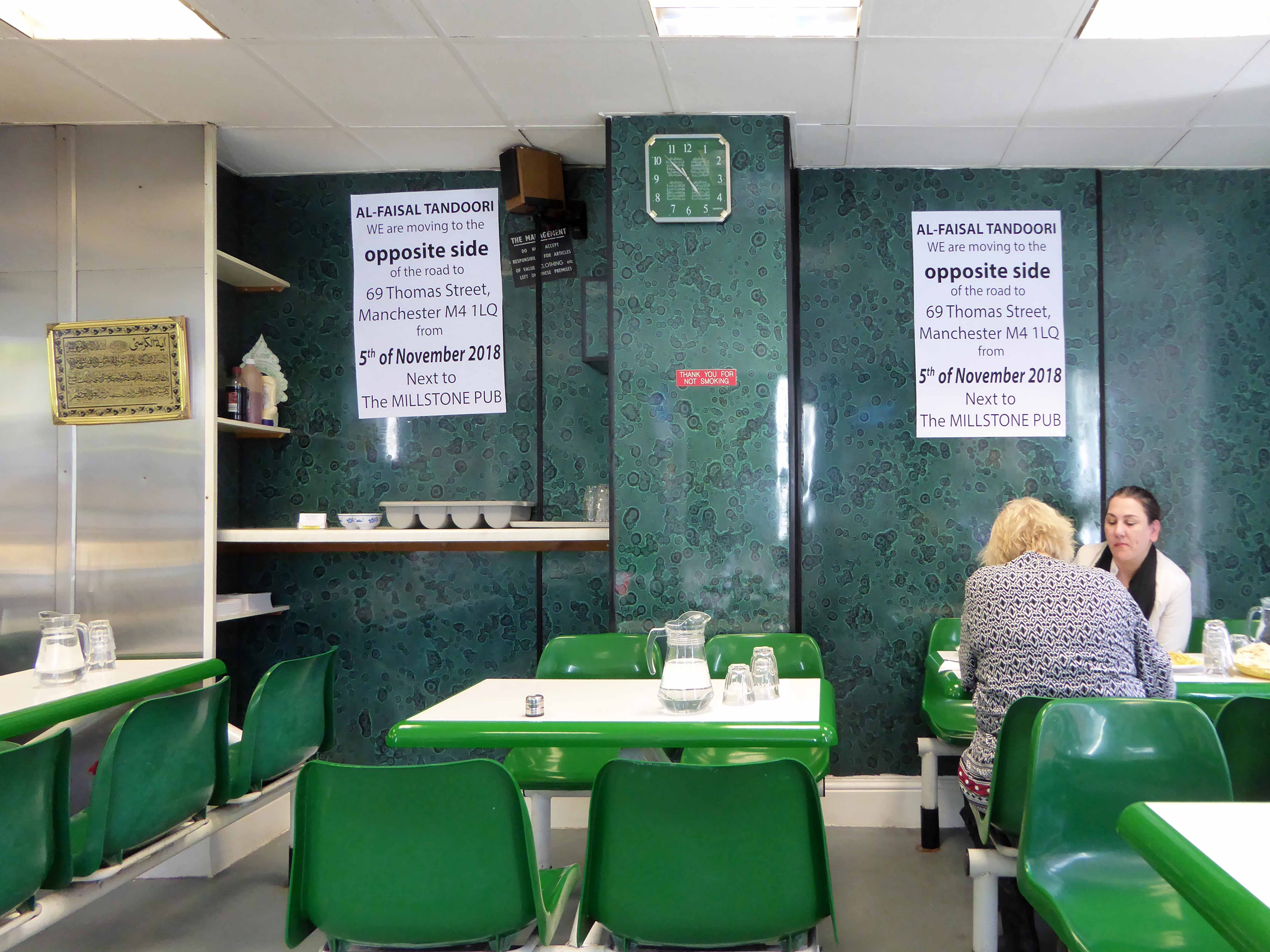
Yesterday I popped in at teatime, for my tea – posters proclaimed an imminent move.

P1290999

The whole block is to be demolished and a hotel to be built – there is naturally a suspicious resistance to such change, what was a protected area of historical interest, is fast becoming a deregulated playground for the avaricious developer.

A Manchester council spokesman said:

Our building control officers have been engaged with owner of the property on Thomas Street for some time.

The condition of the building means there is an imminent danger of collapse and a potential threat to pedestrians. Unfortunately, the poor weather has only served to add to our concern over the safety of the building.

A conservation specialist will be on site working closely with the building owner to ensure as much of the fabric of the property can be retained as possible, and only parts that are unsalvageable will be removed to ensure public safety.

Manchester Evening News

Rumours have also been rife concerning the fate of the nearby This & That – an essential part of the heartbeat of the city – the affordable independent trader.

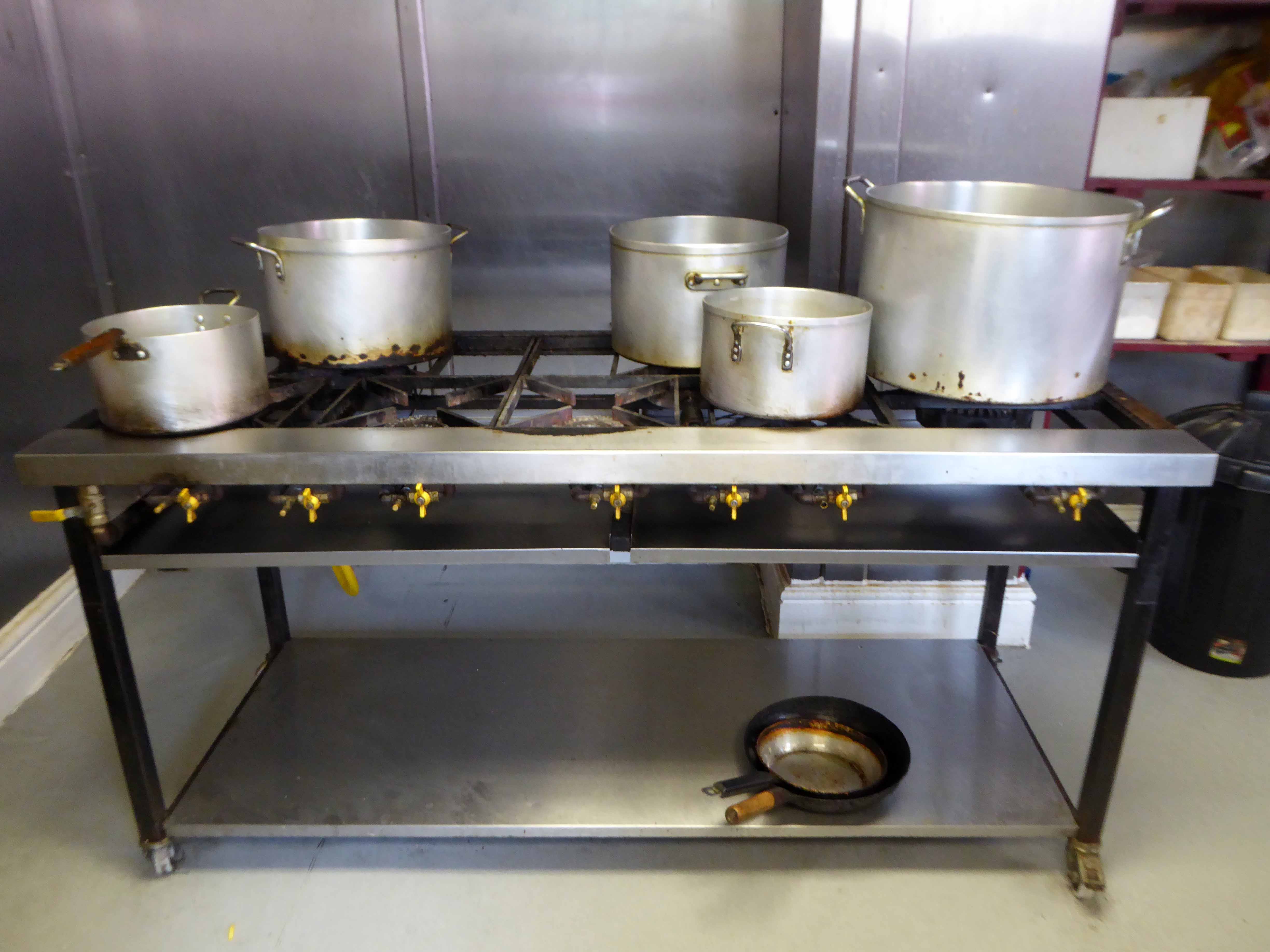
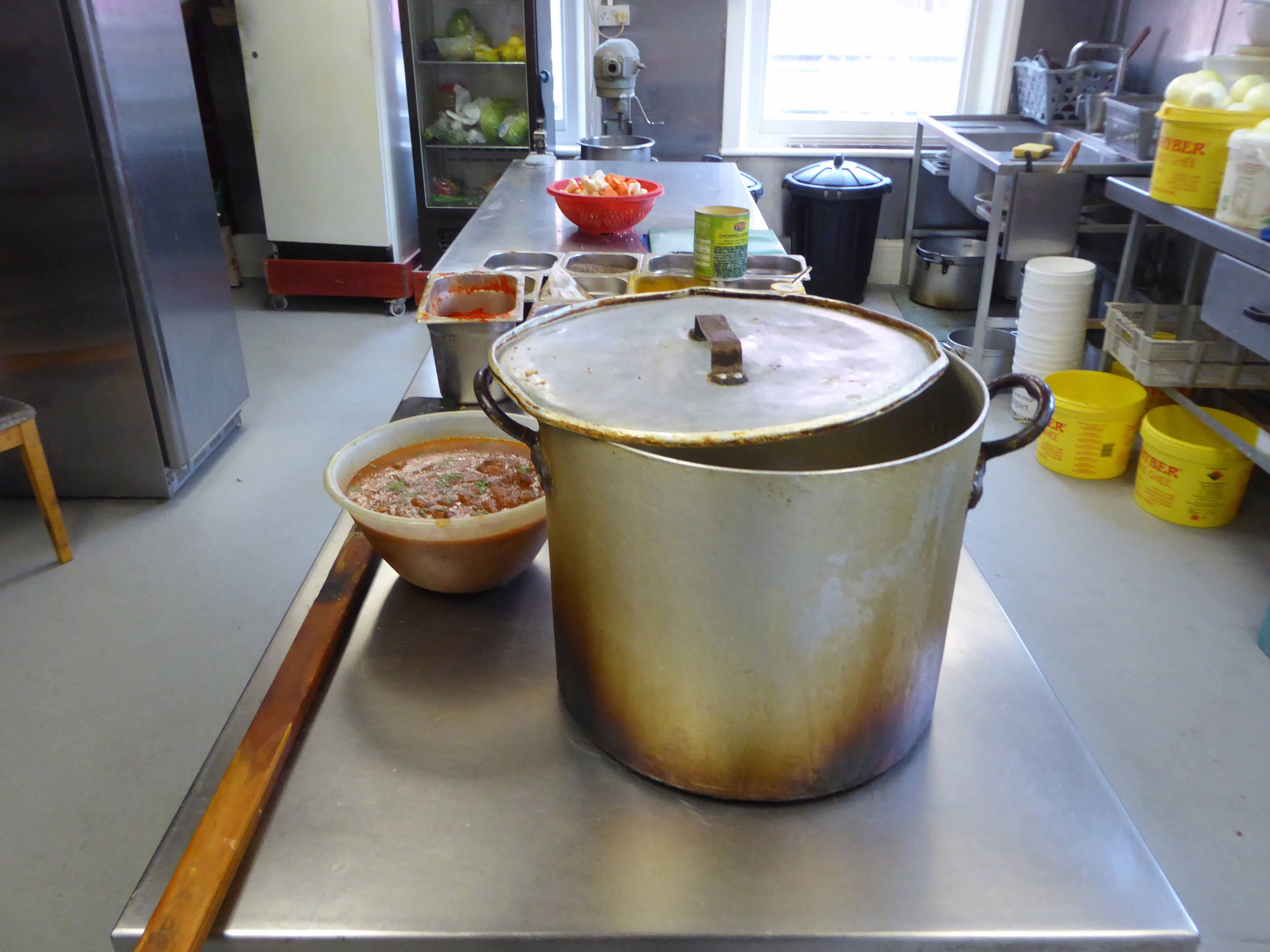
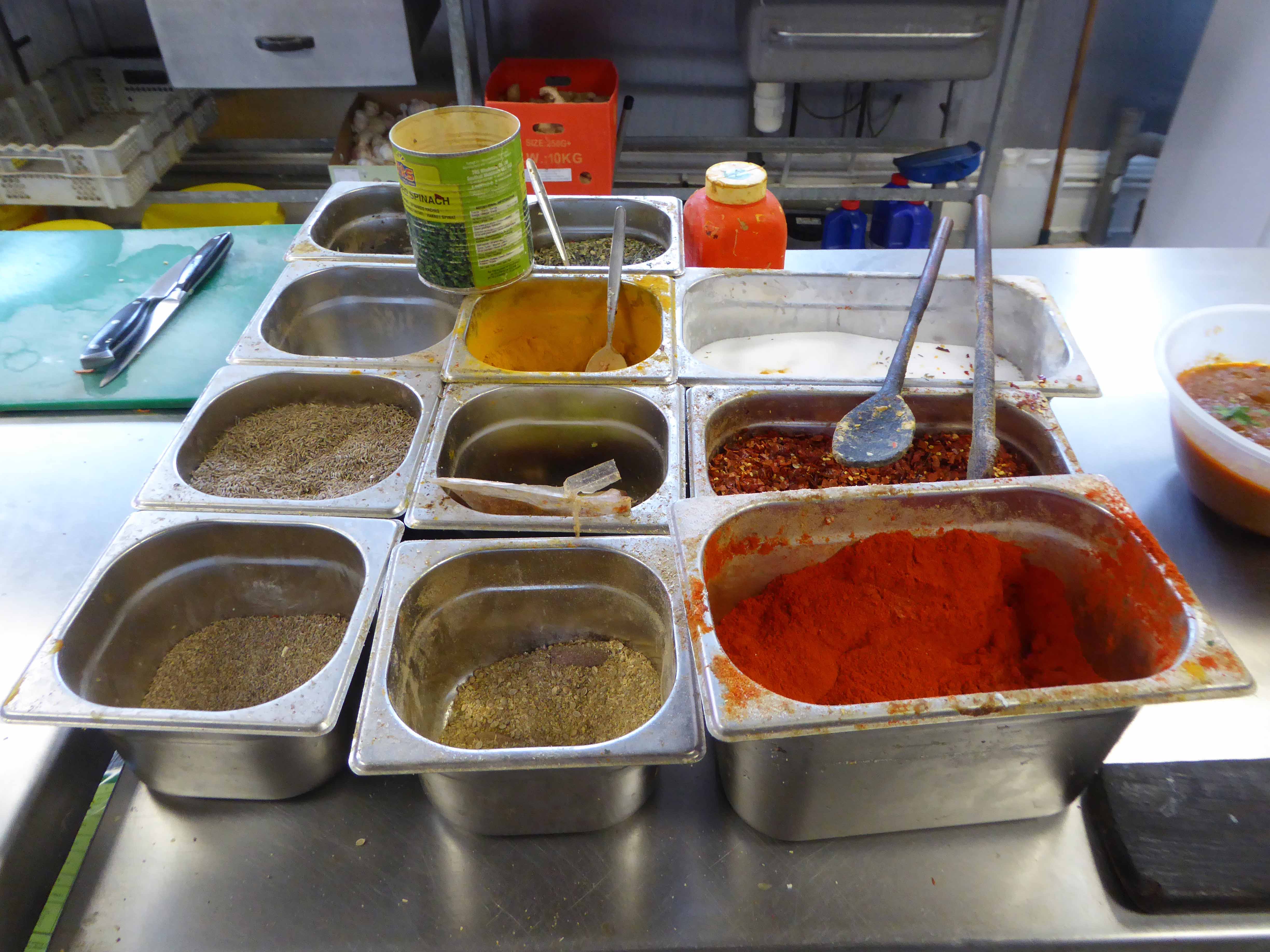
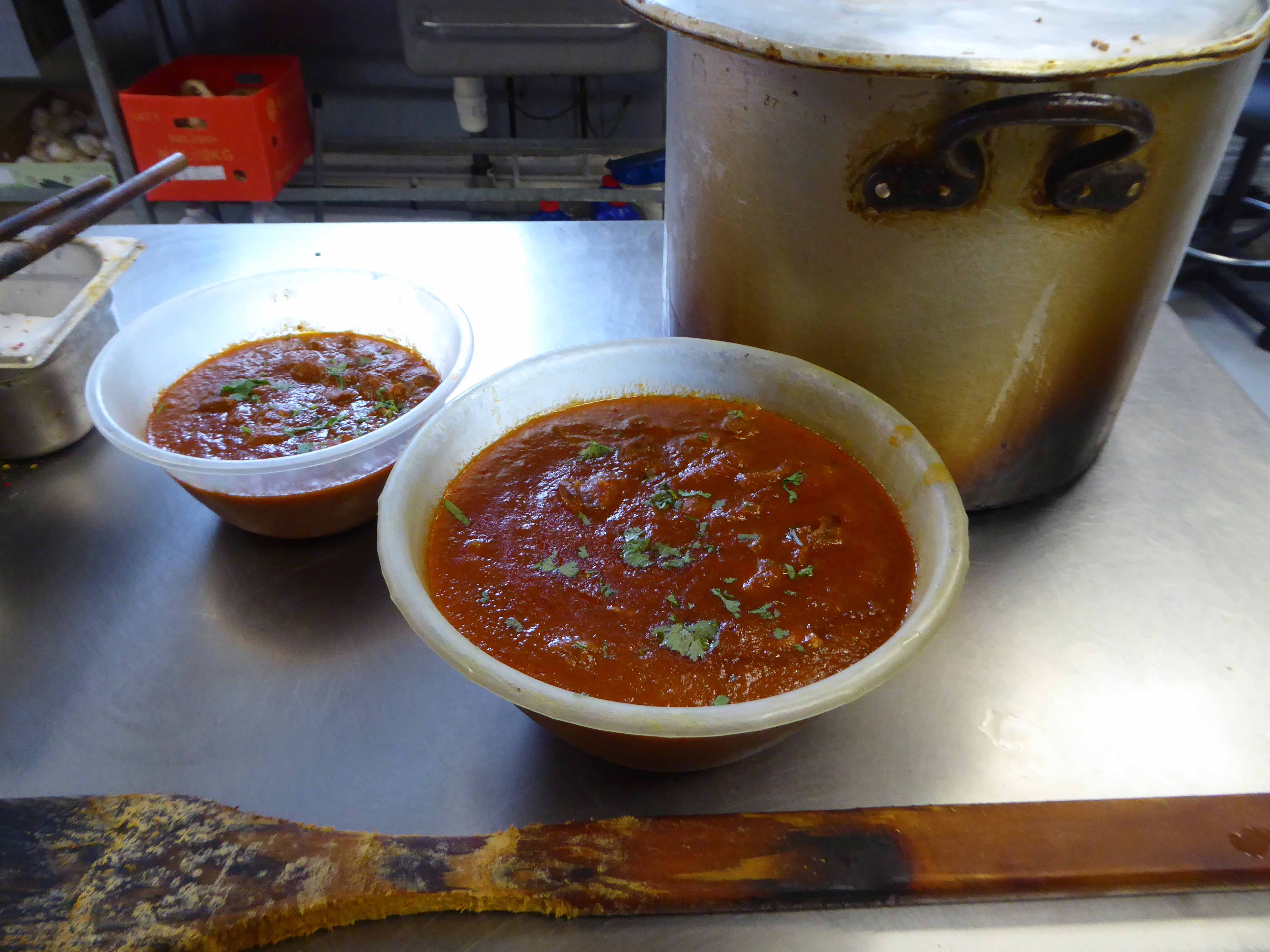
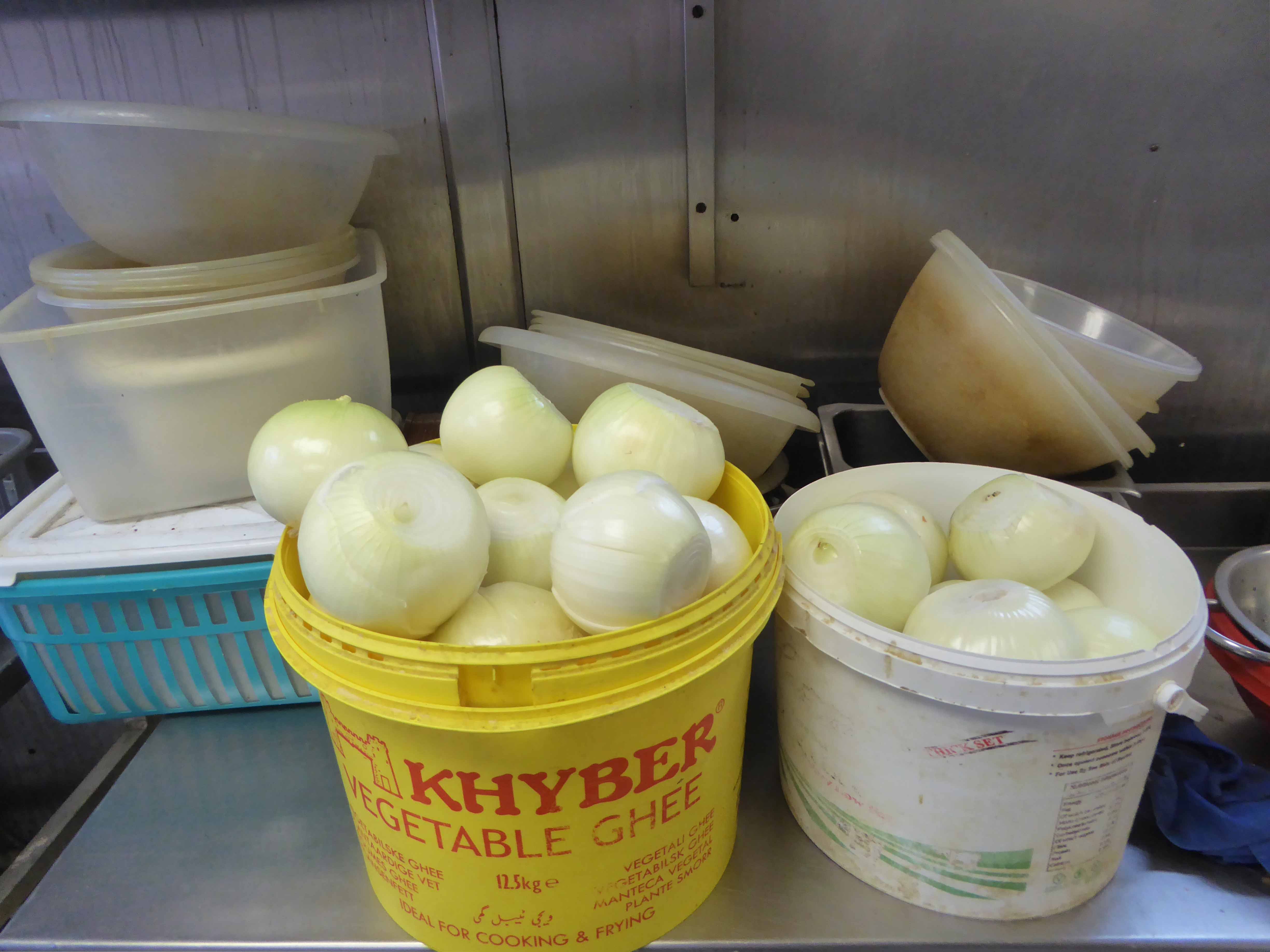
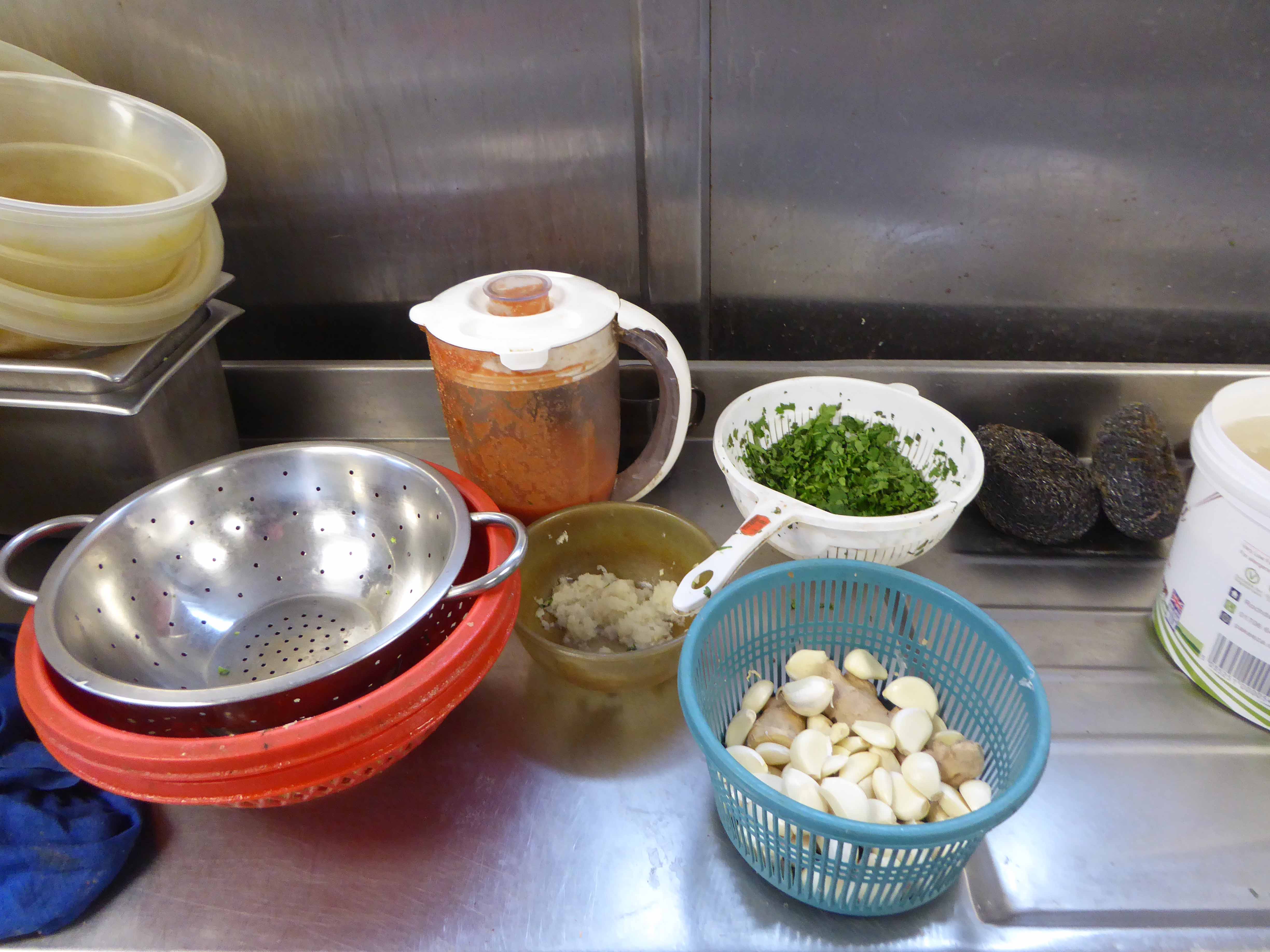
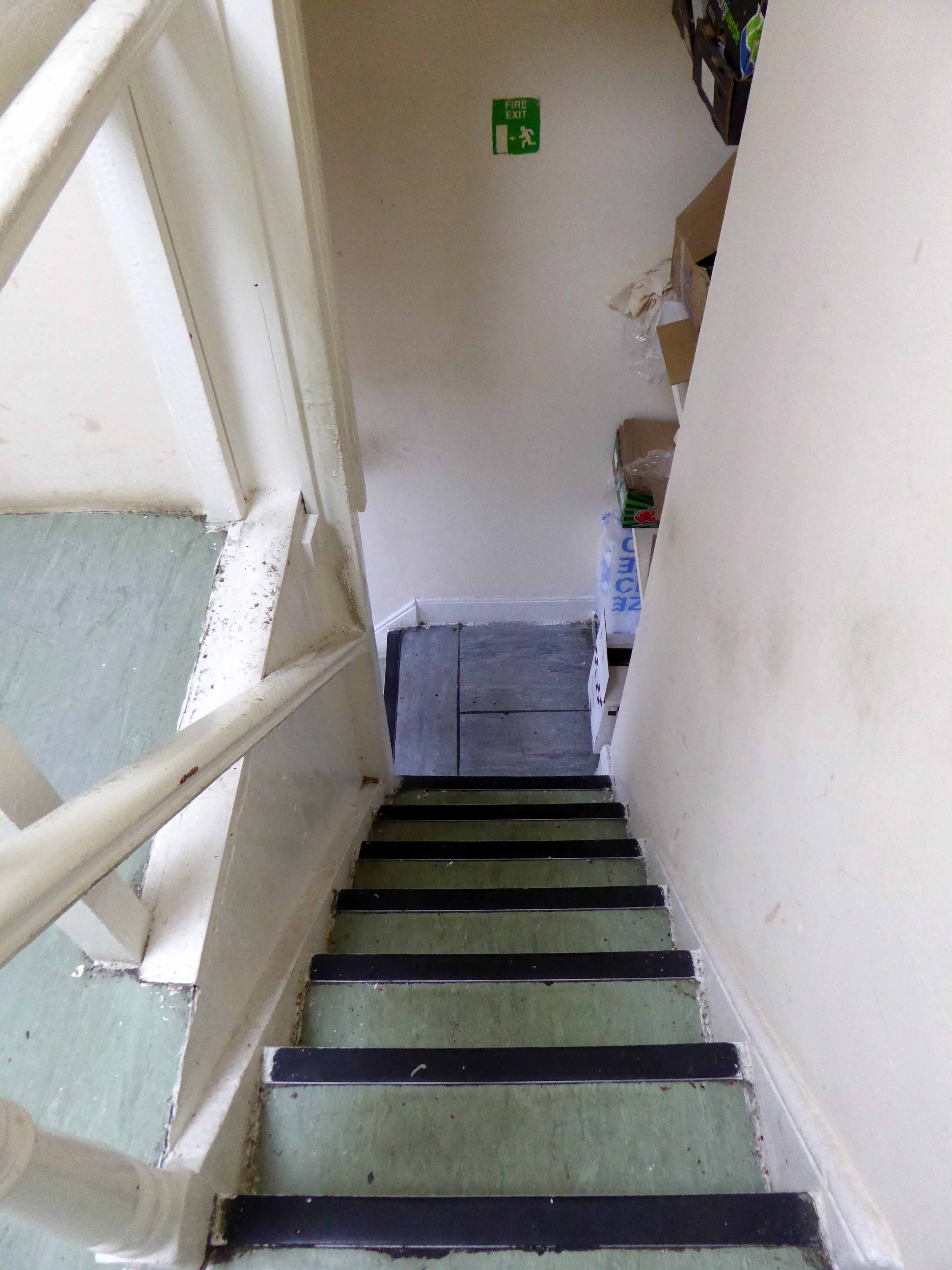
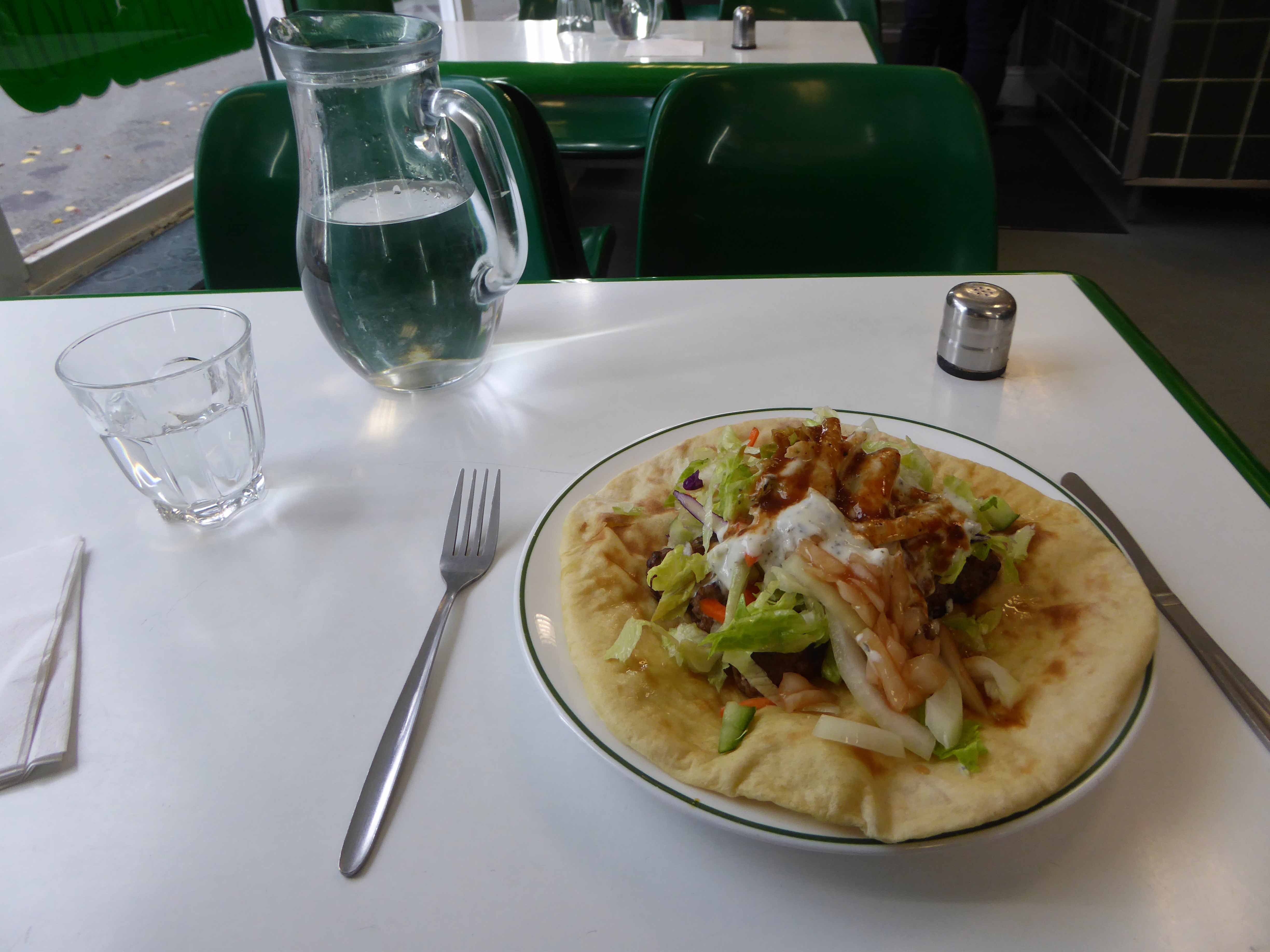
I sat and ate happily, and was privileged to be given a tour of the kitchens by owner Tariq, recording for posterity a site of some culinary and social consequence.

Let’s take a look around and look forward to a meal just across the road real soon.

P1300012

P1300013

P1300014

P1300015

P1300016

P1300017

P1300019

P1300020

P1300021

P1300022

P1300023

P1300024

P1290997

P1300008

P1300010


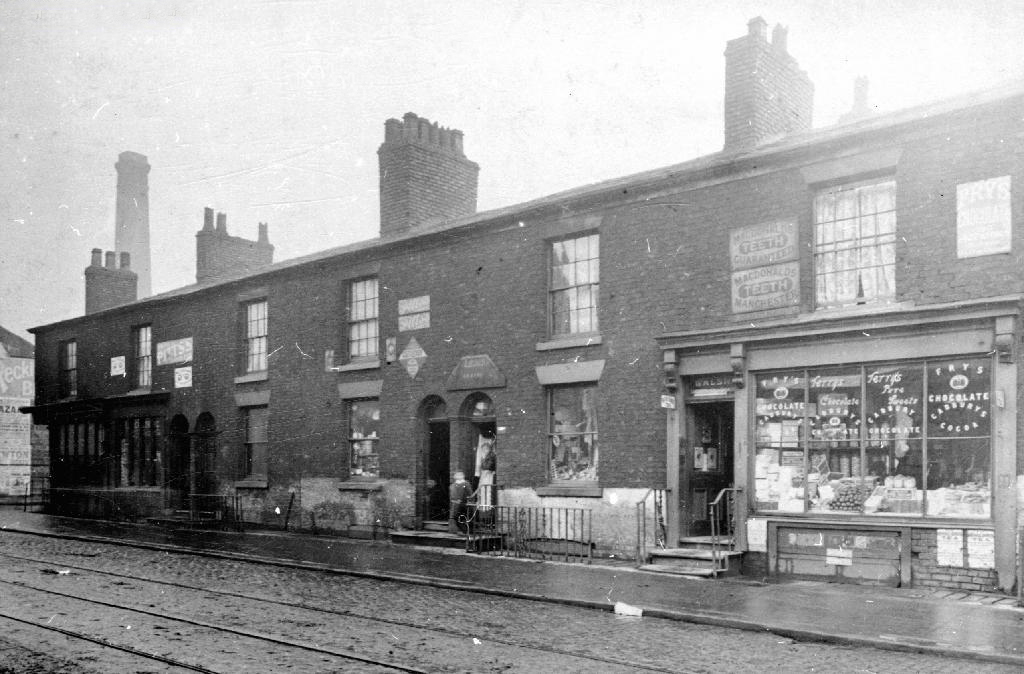
Rochdale Road – Manchester

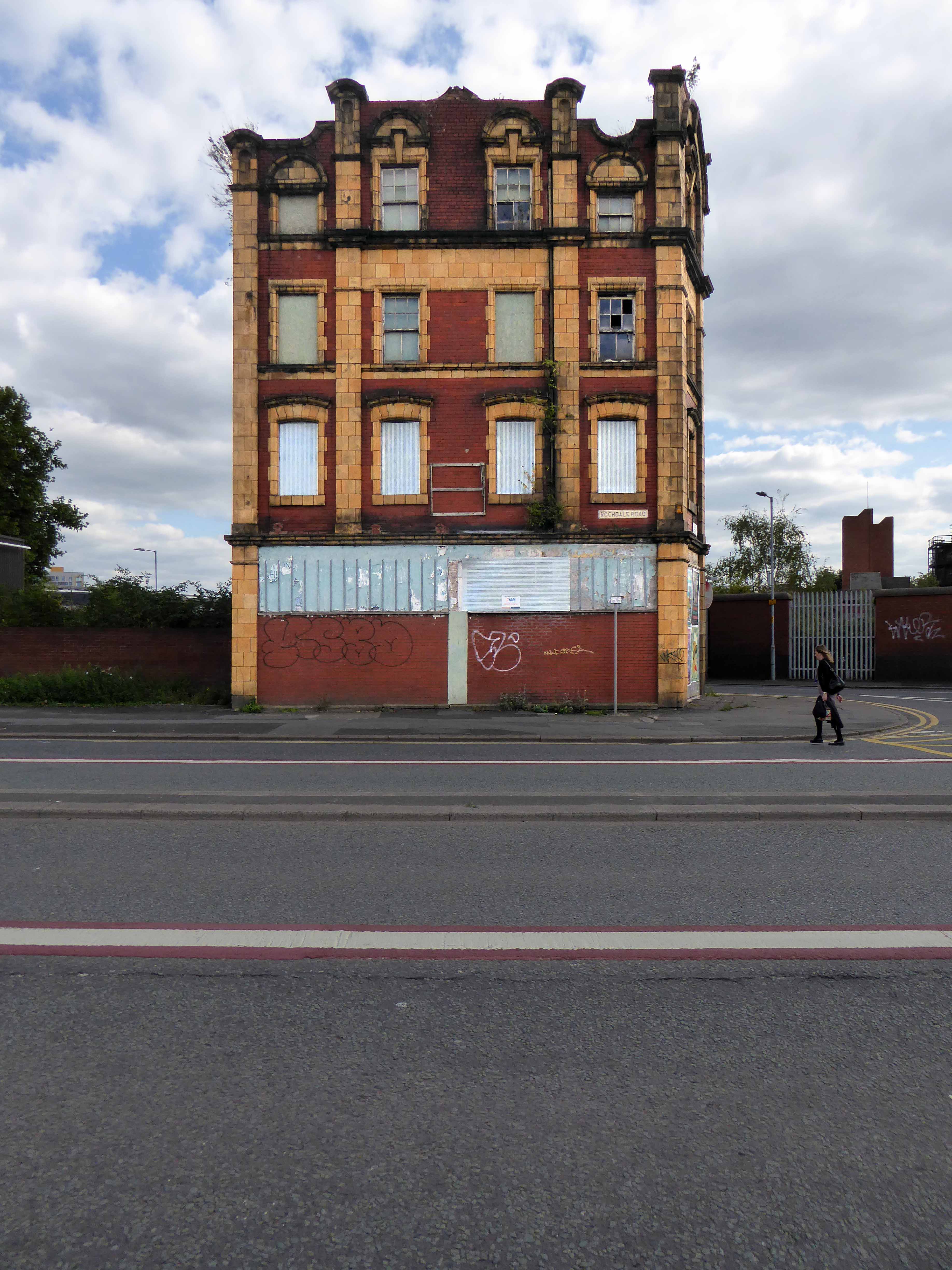
Each and every time I wandered by, I wondered.

The whys and wherefores of your seemingly unknowable comings and goings.

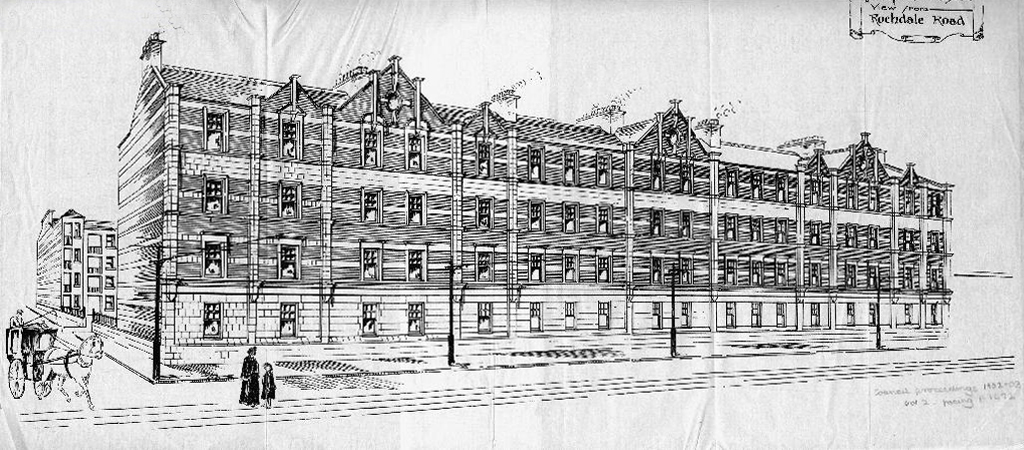
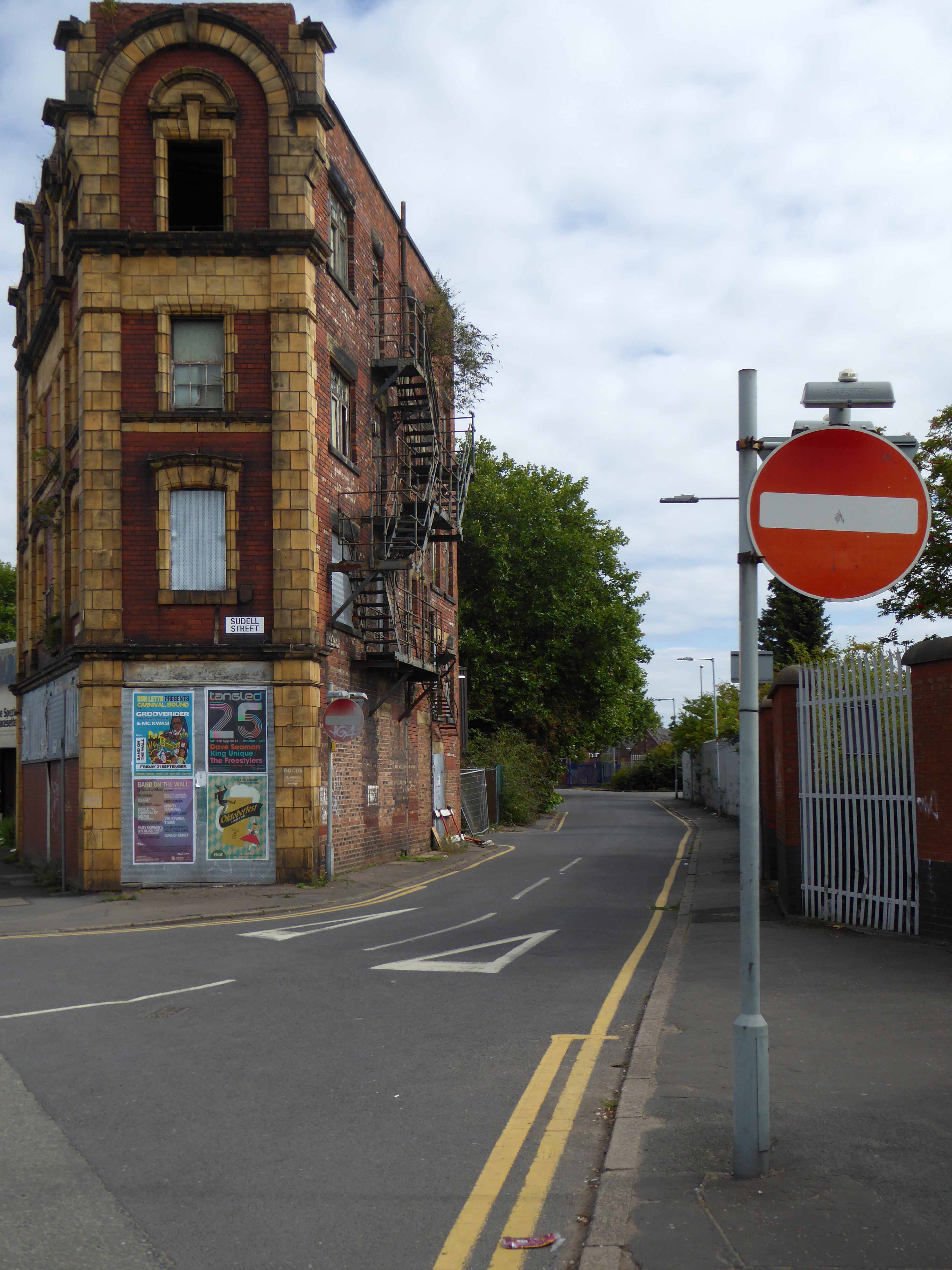
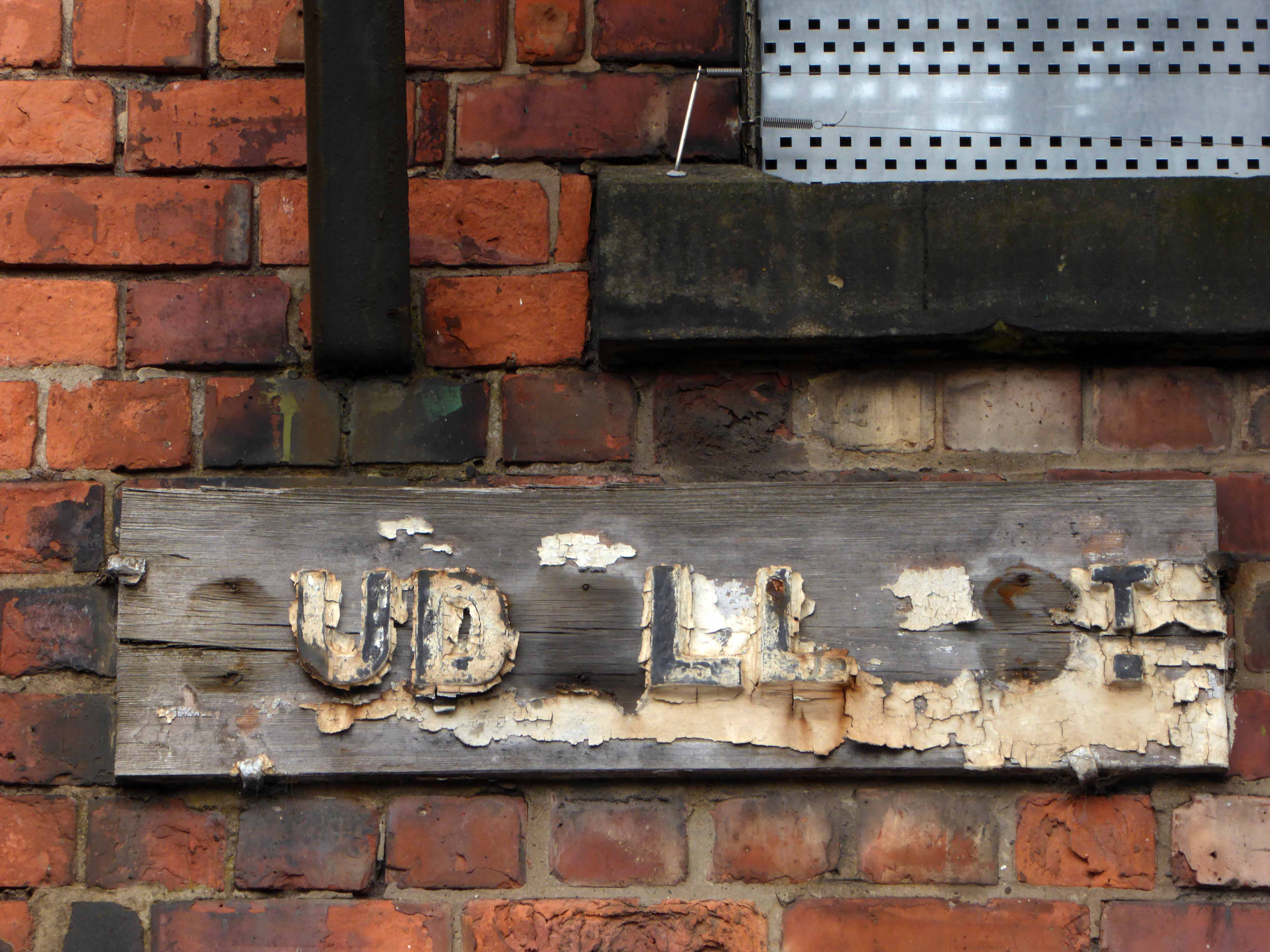
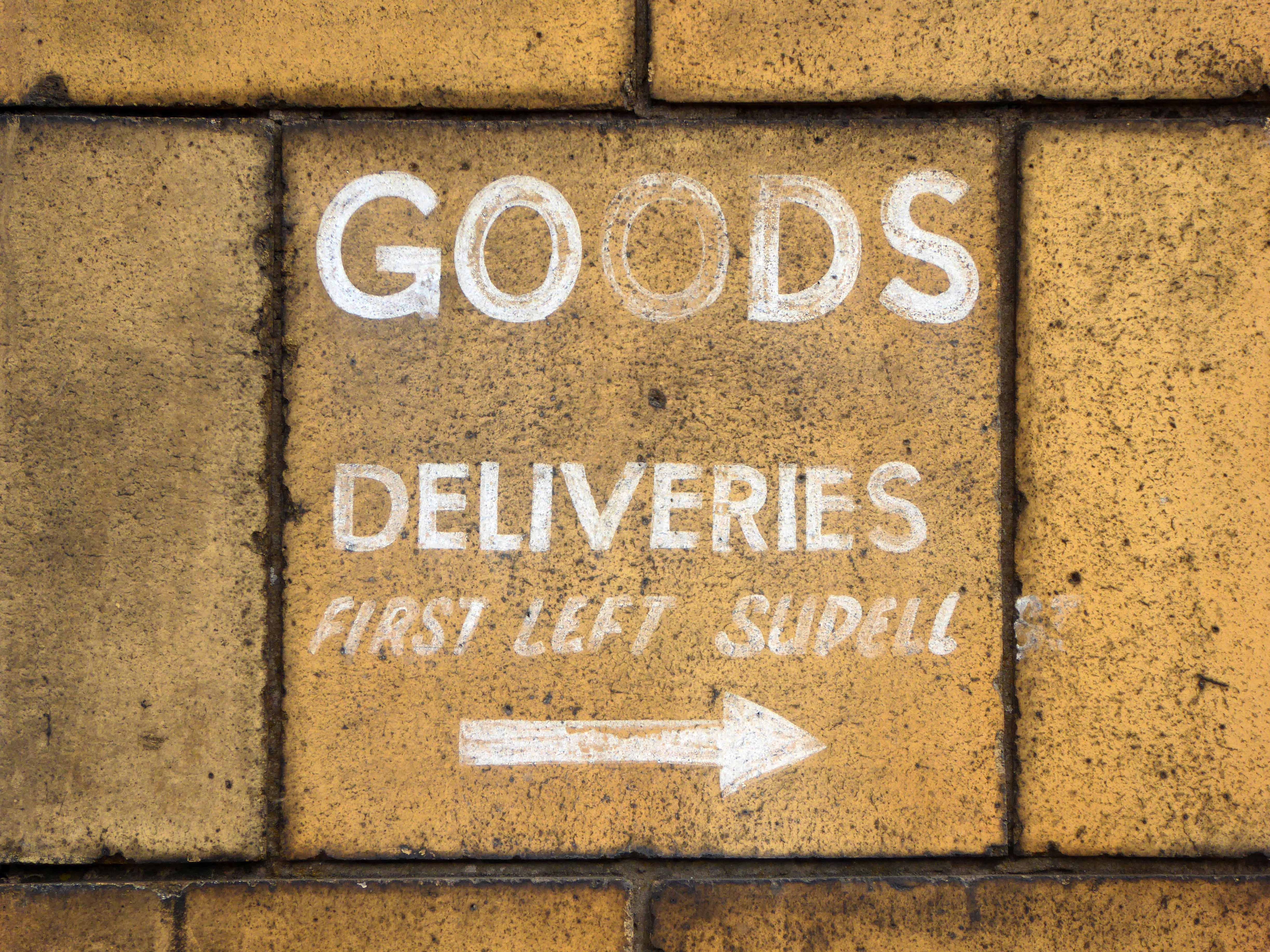
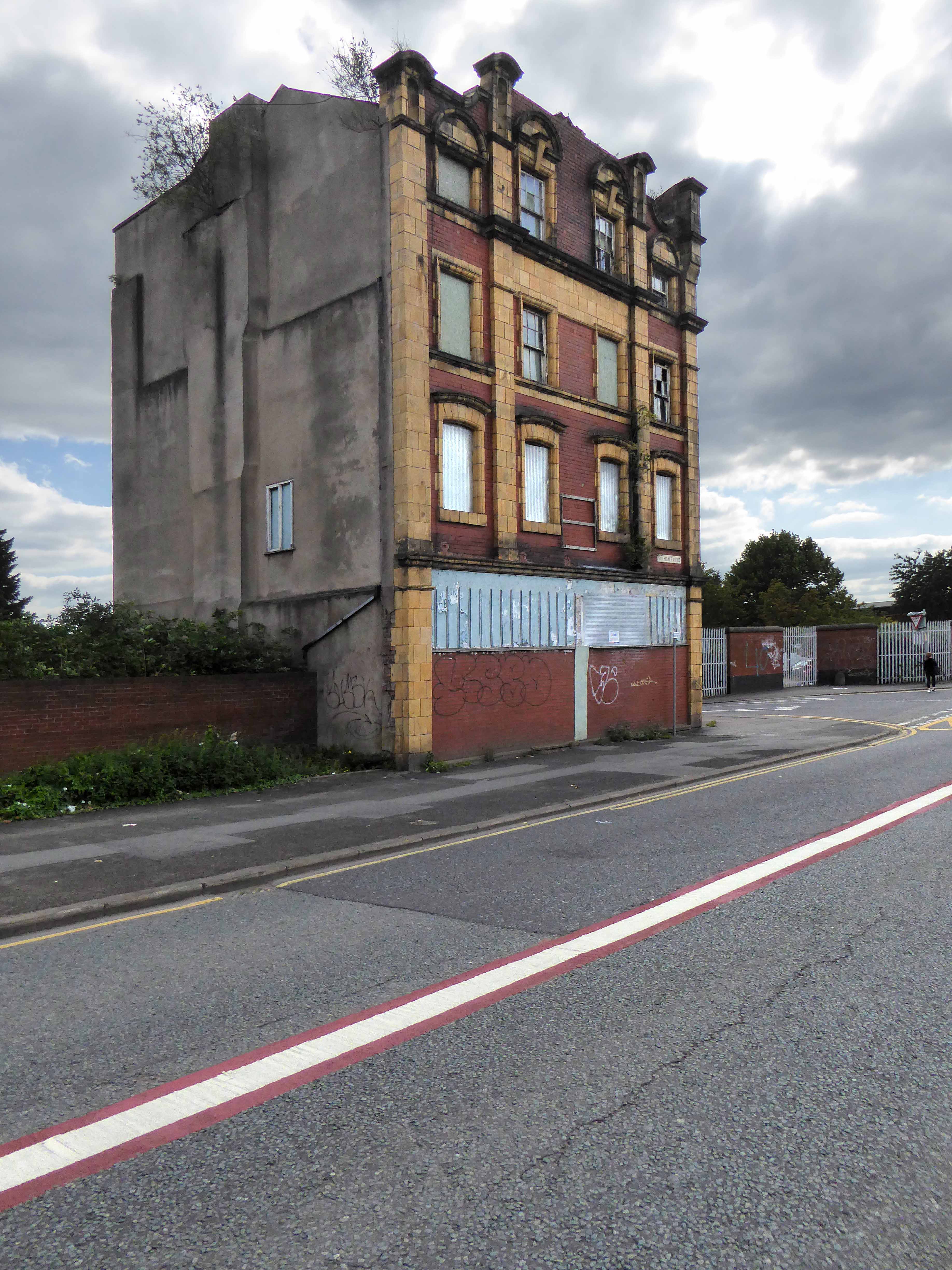
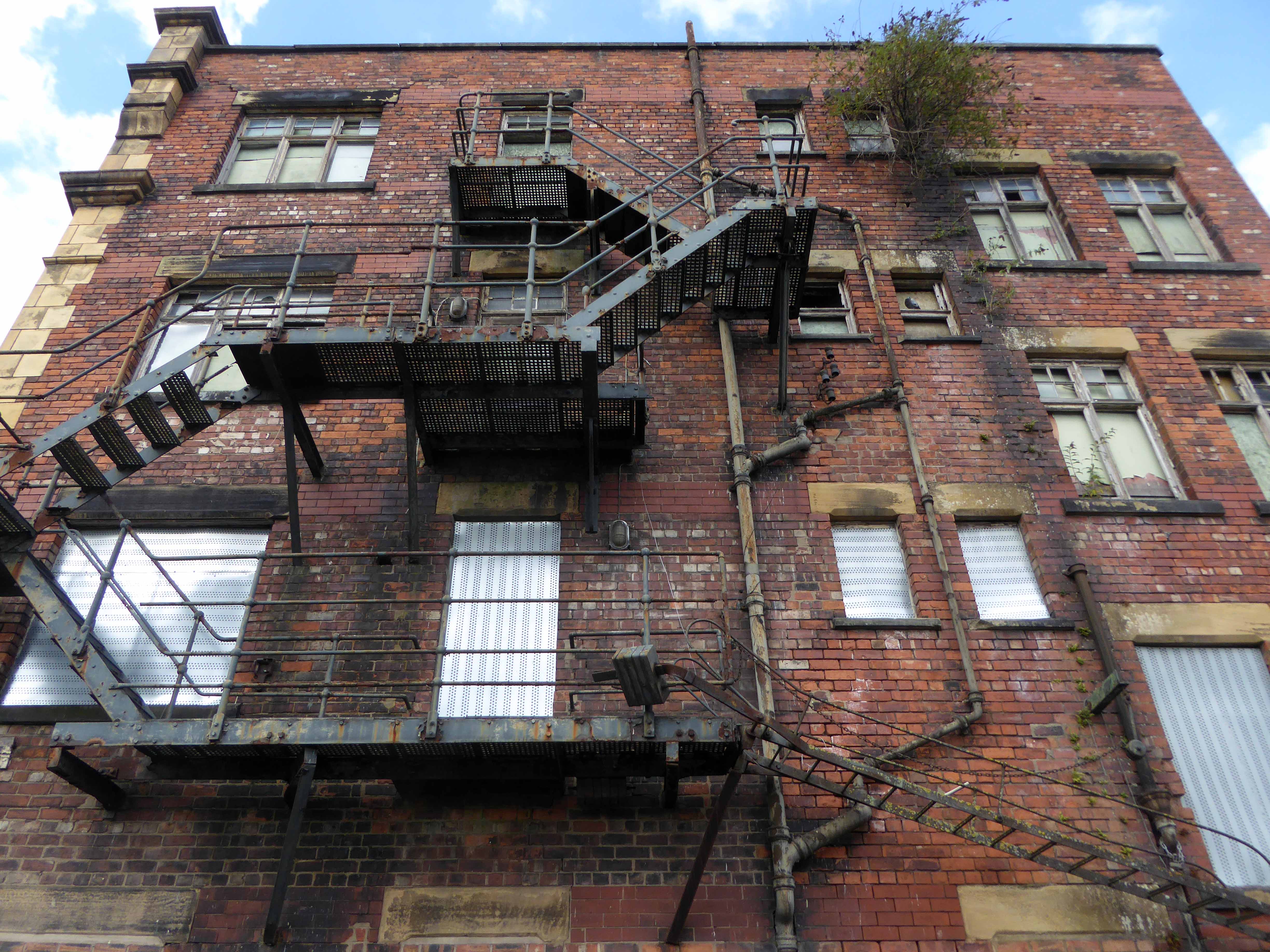
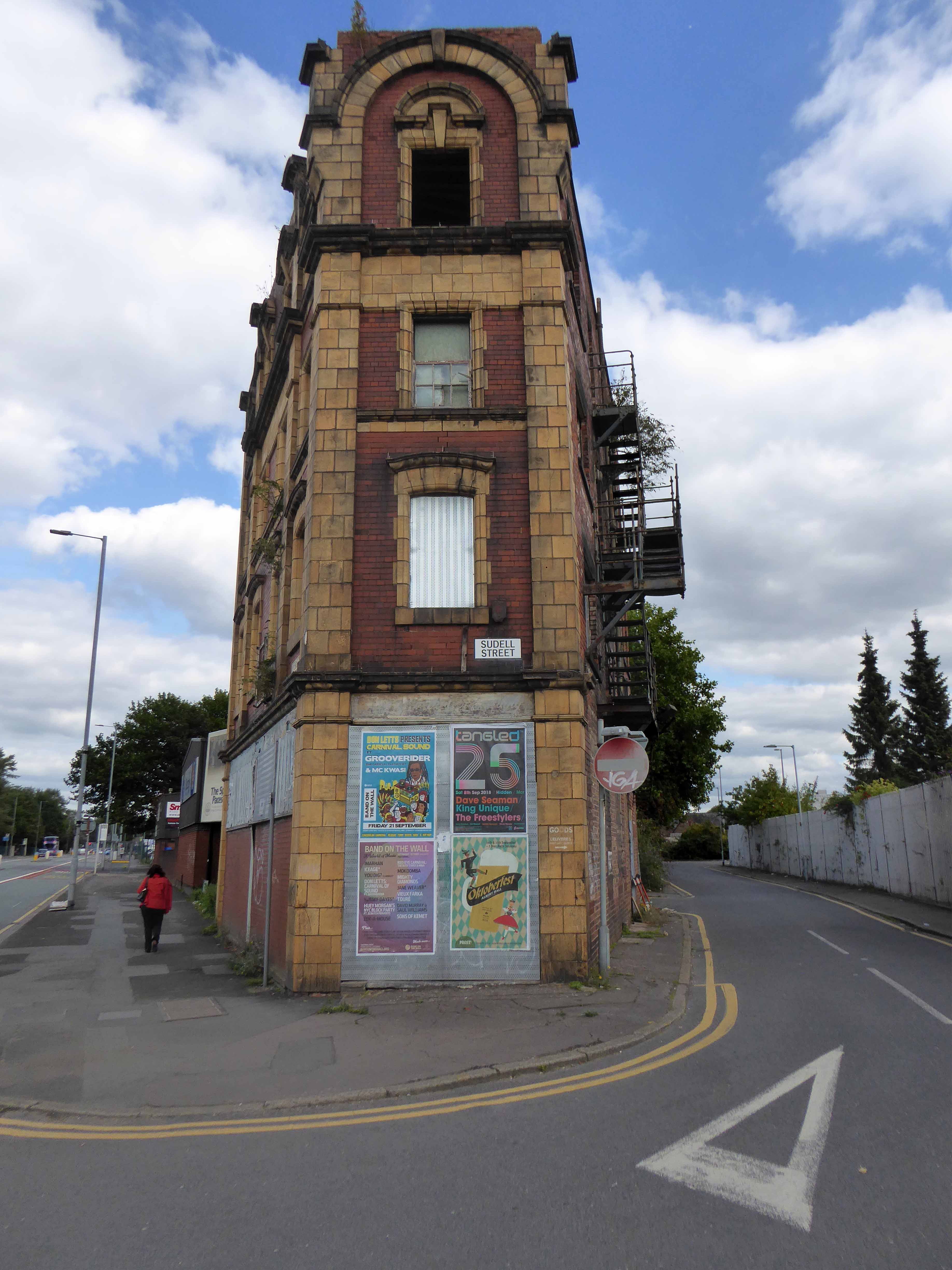
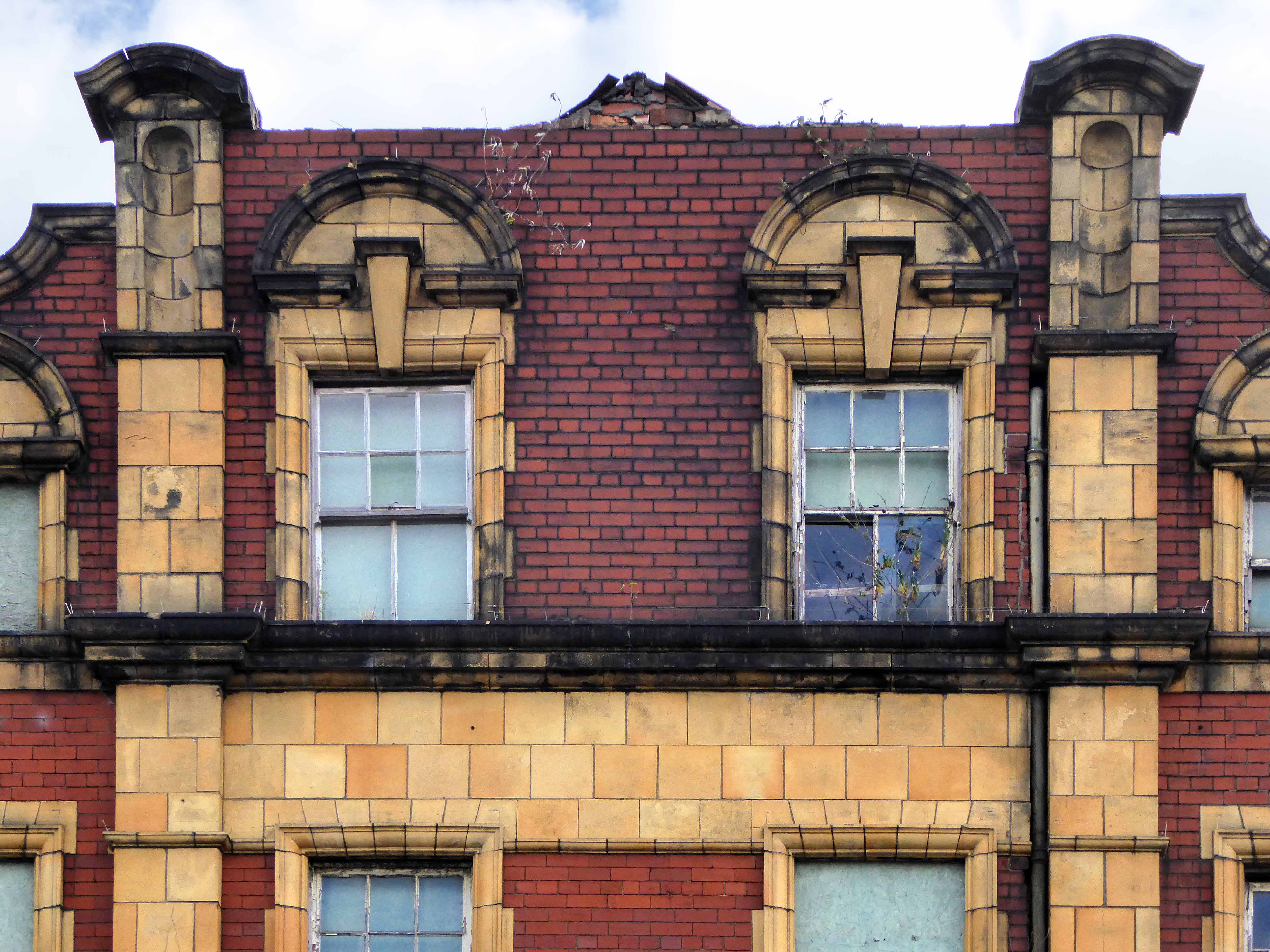
Standing alone, aloof and unloved on the corner of Rochdale Road and Sudell Street.

Something was missing.

I was missing something.

1813

In 1813 there’s a field

1836

In 1836 something’s there, but not it’s you.

Yet.

1900

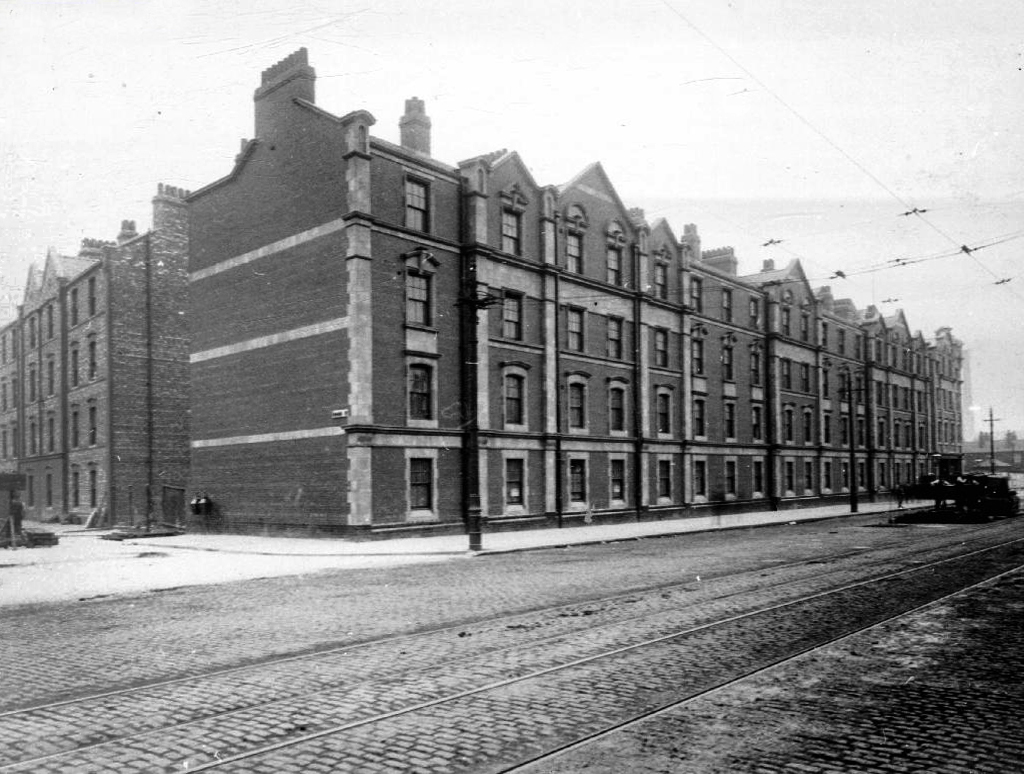
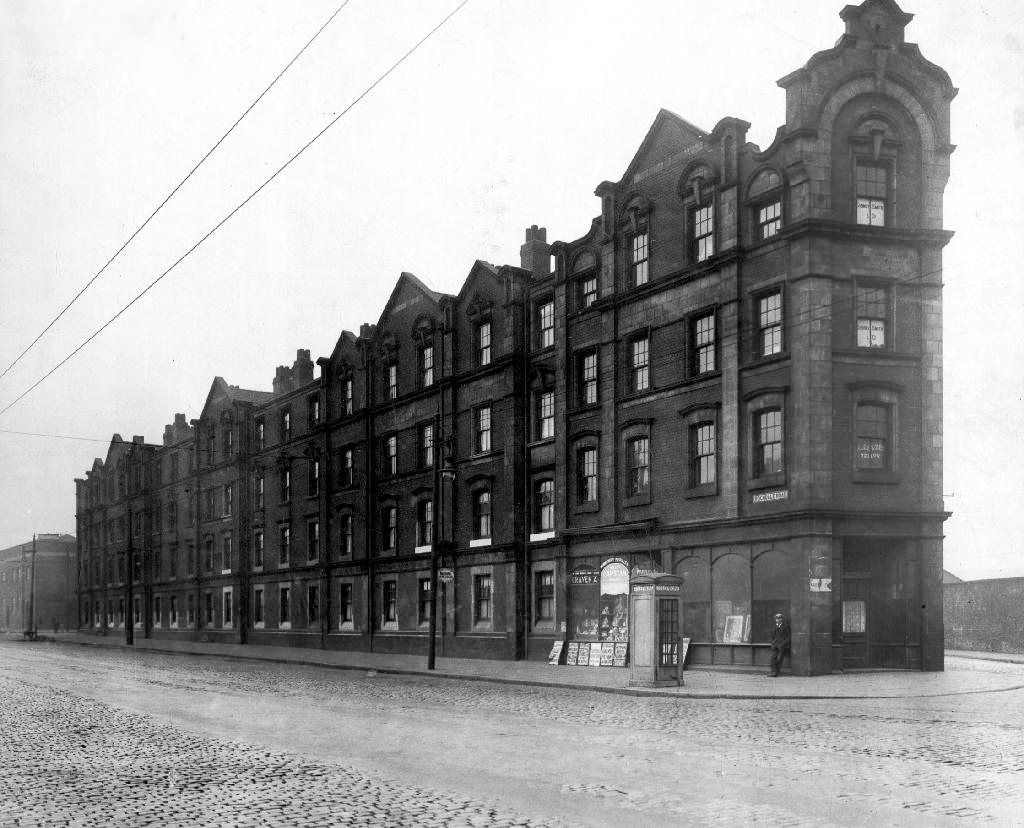
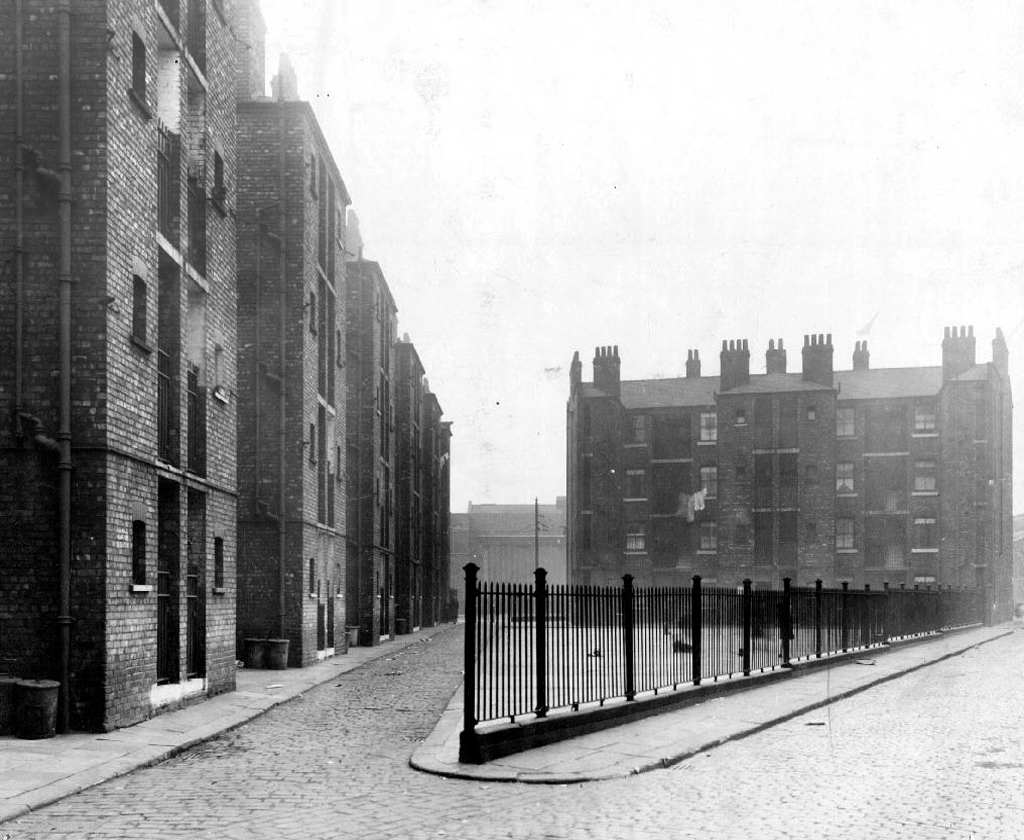
By 1900 the days of the two up, two downs are numbered – sanitary dwellings are the order of the day, plans are drawn up, the local council have decreed that workers dwellings are to be built.

webmedia-2.php

1905

1912

1932

back 38

Local Image Collection

Known as Alexandra Place or The Dwellings.

You must have been home to many too many to recall, then you were gone again.

Save for one old triangle, refusing to jingle jangle to the modern dance.

I do not know what fate awaits you, I only know you must be strong.

A change is gonna come.

P1290088 copy

P1290089 copy

P1290090 copy

P1290357

P1290358

P1290359

P1290360


P1290362

P1290363

P1290364

P1290365

P1290366

P1290367

P1290368


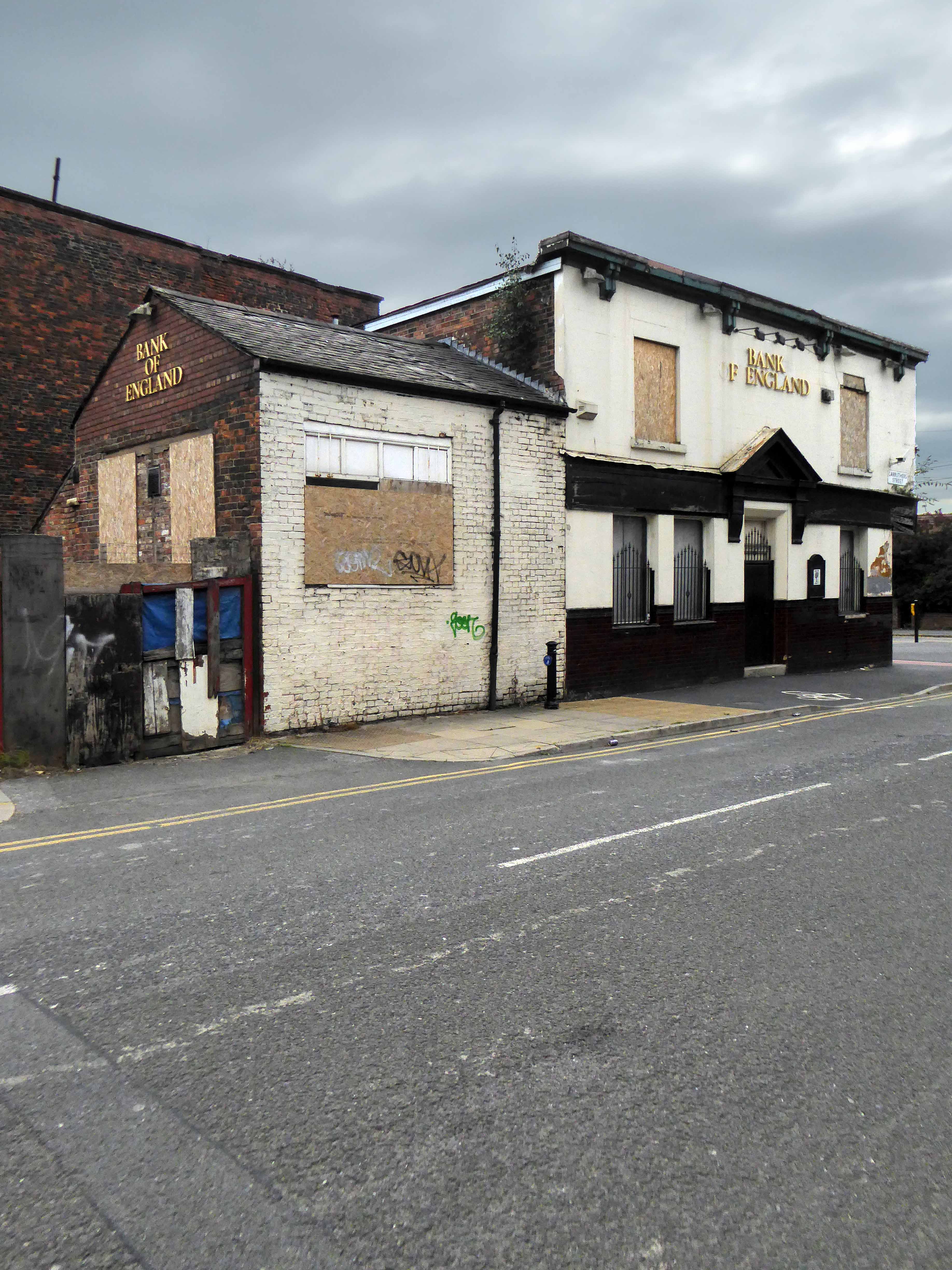
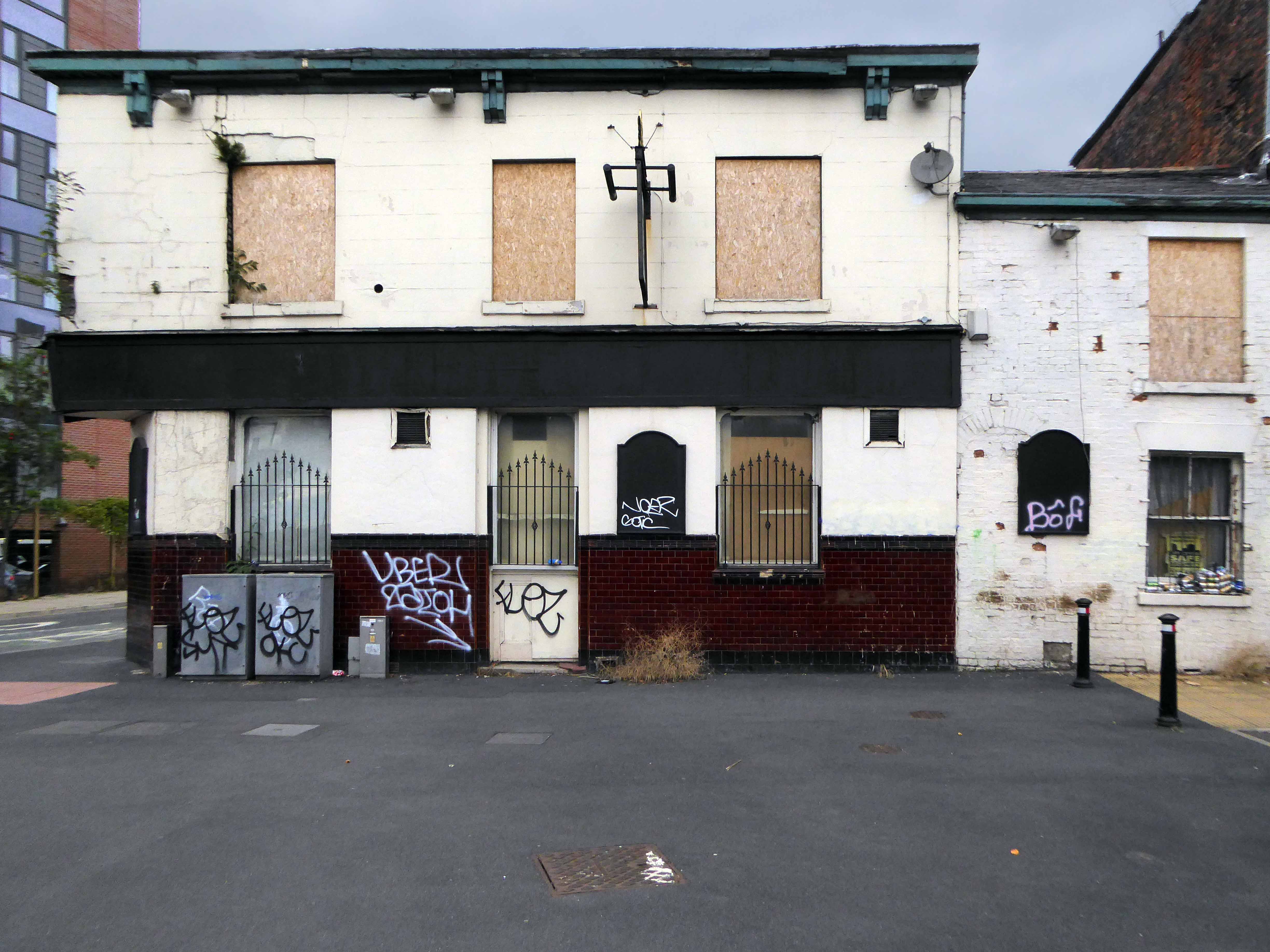
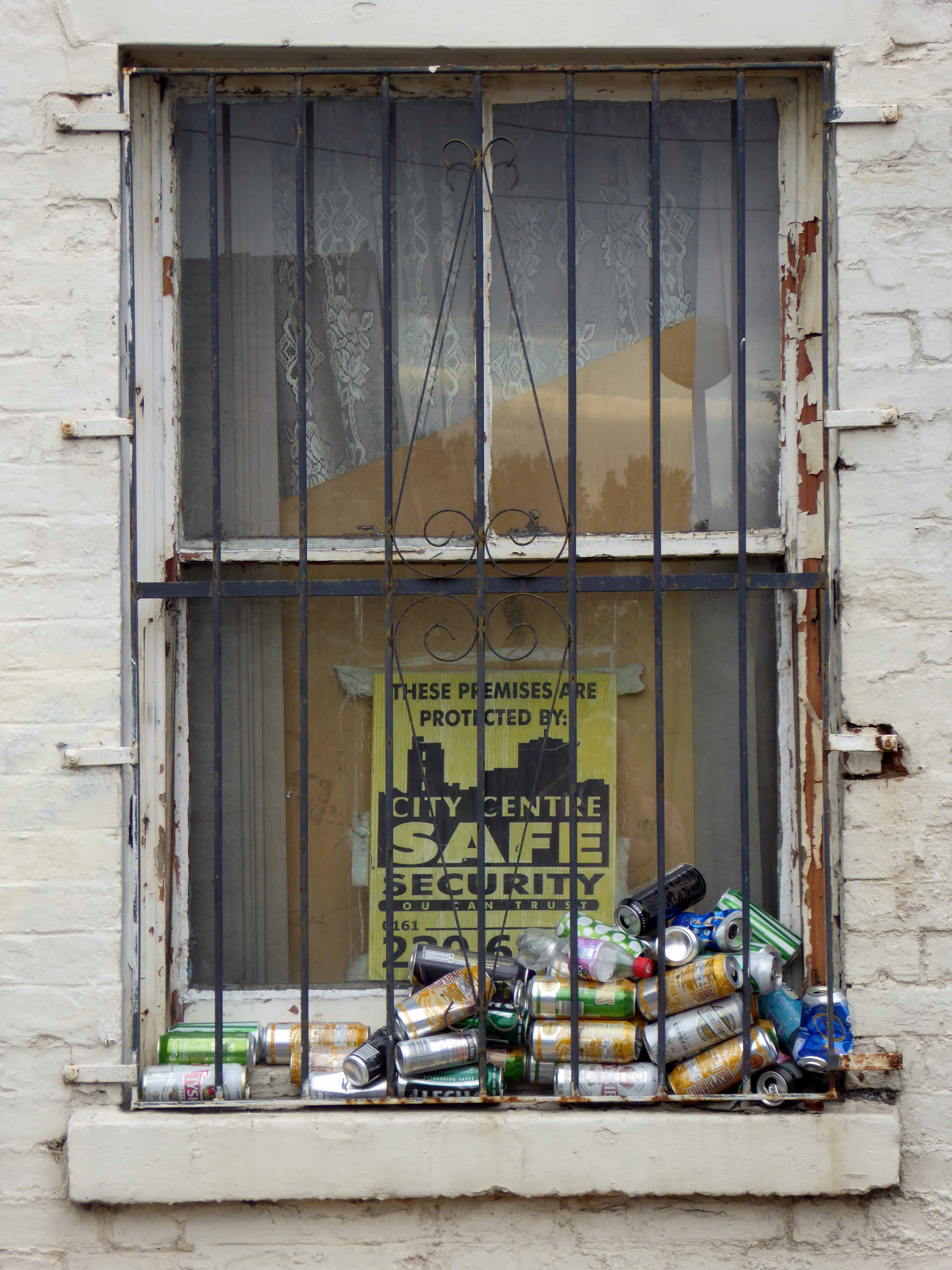
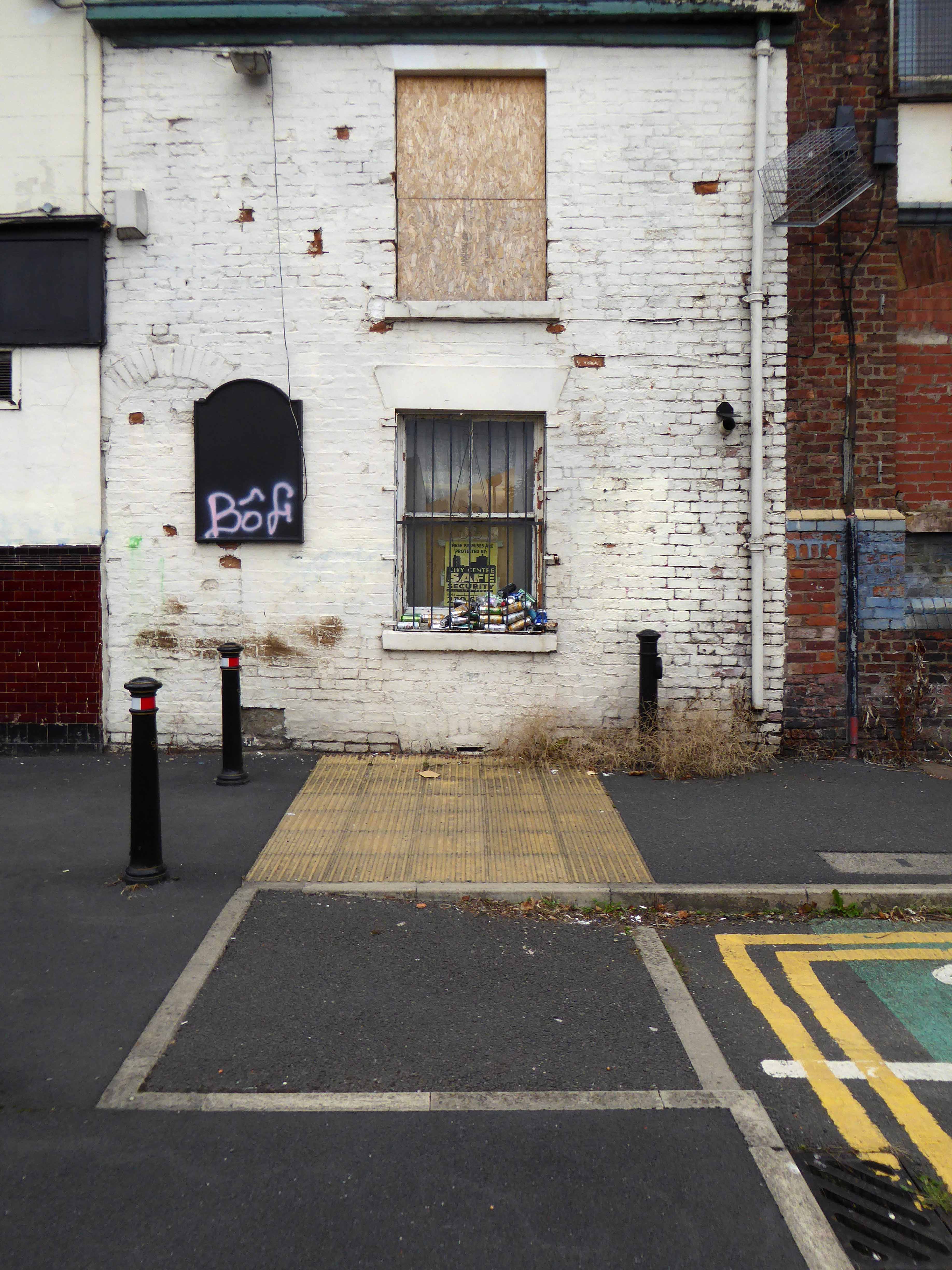
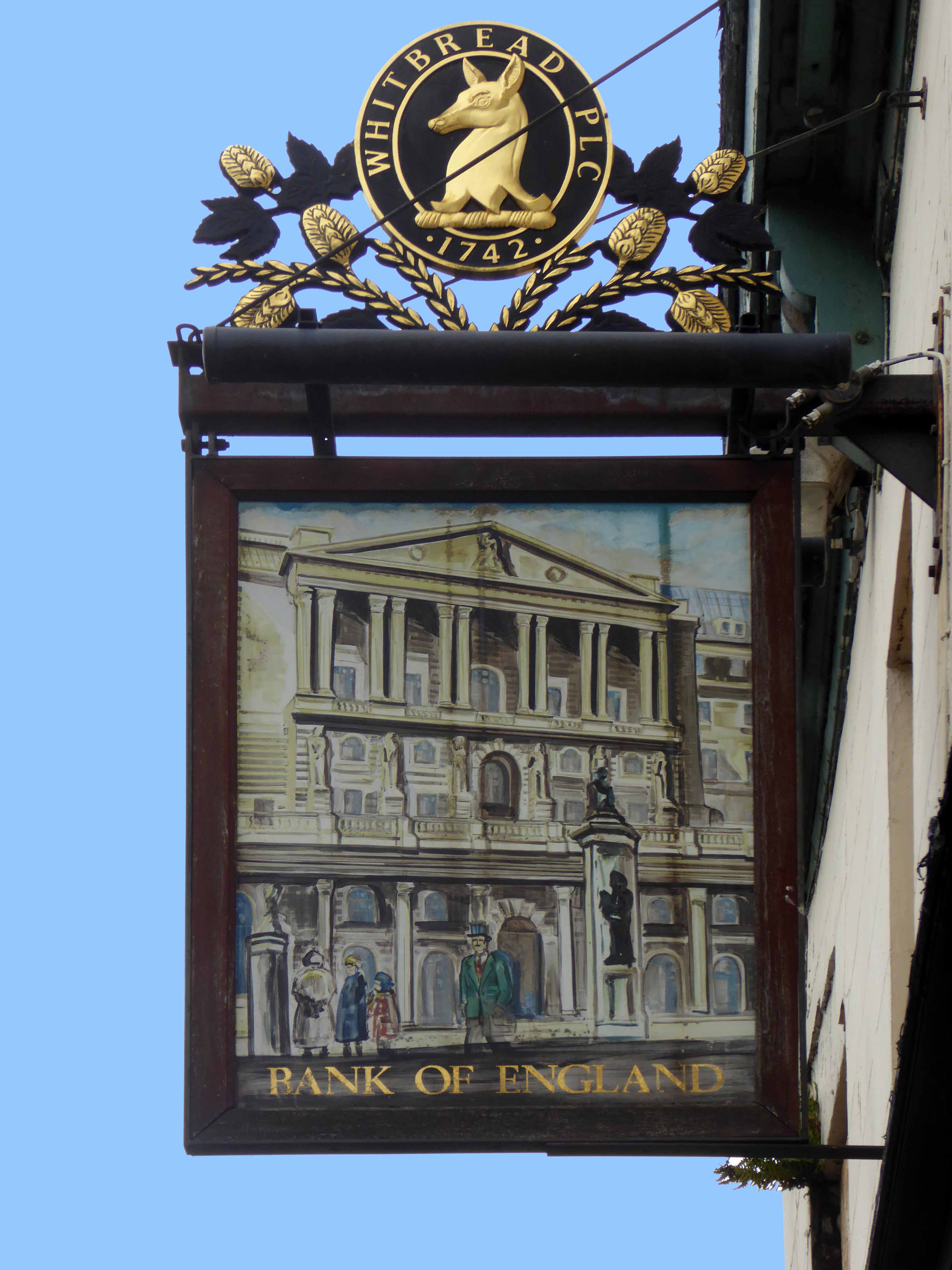
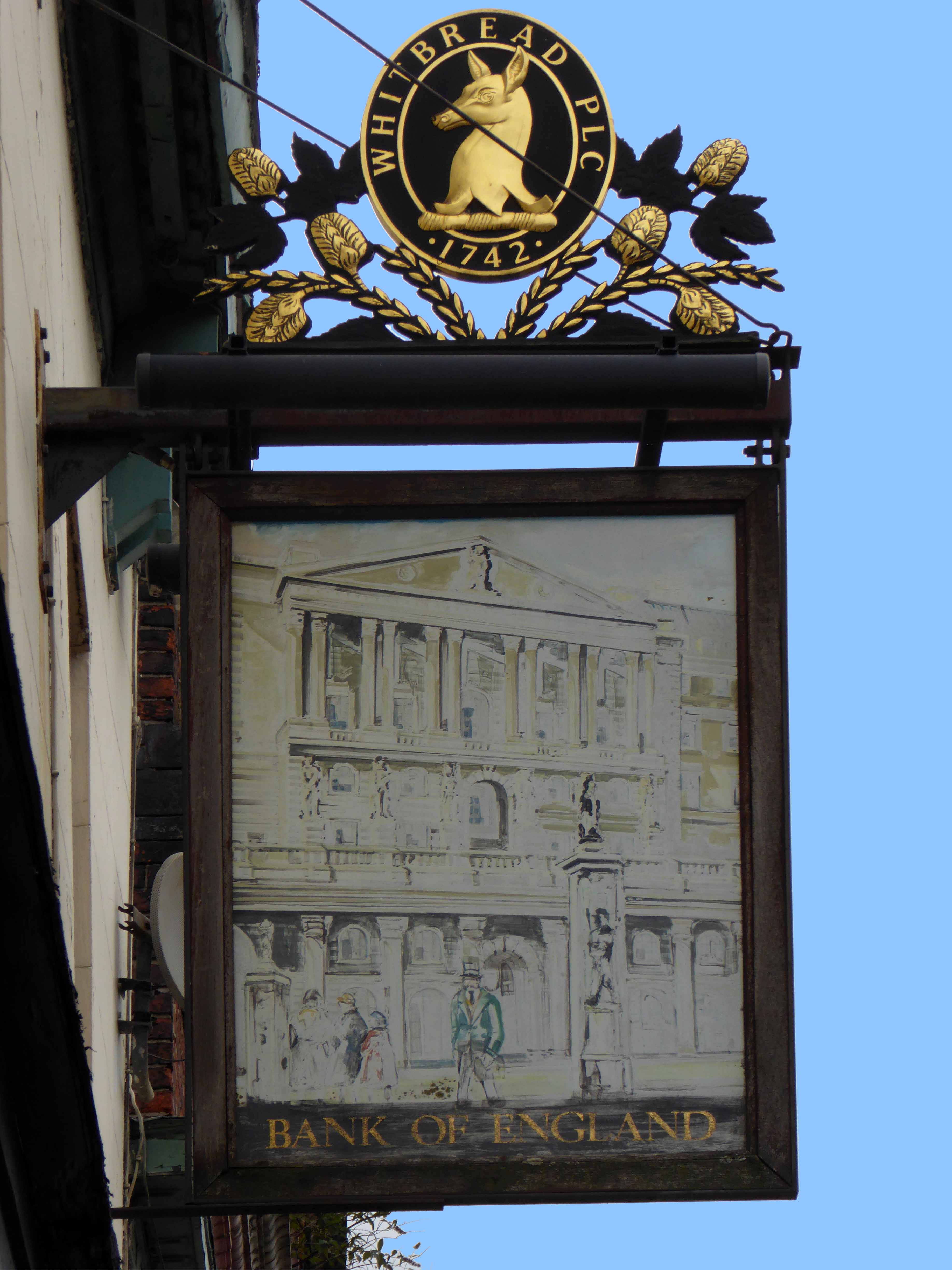
The Bank Of England – Manchester

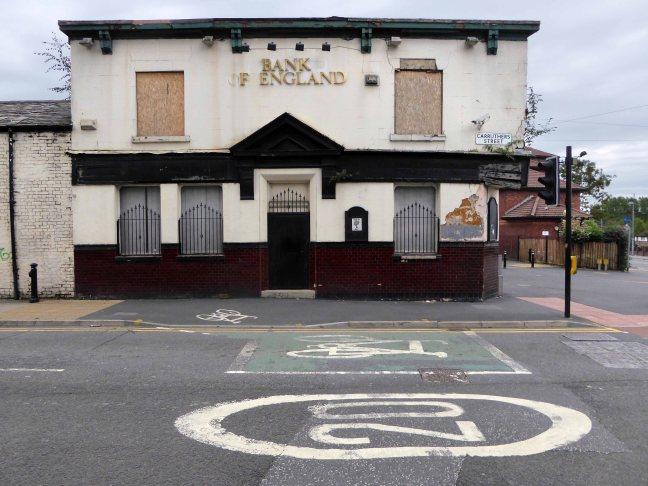
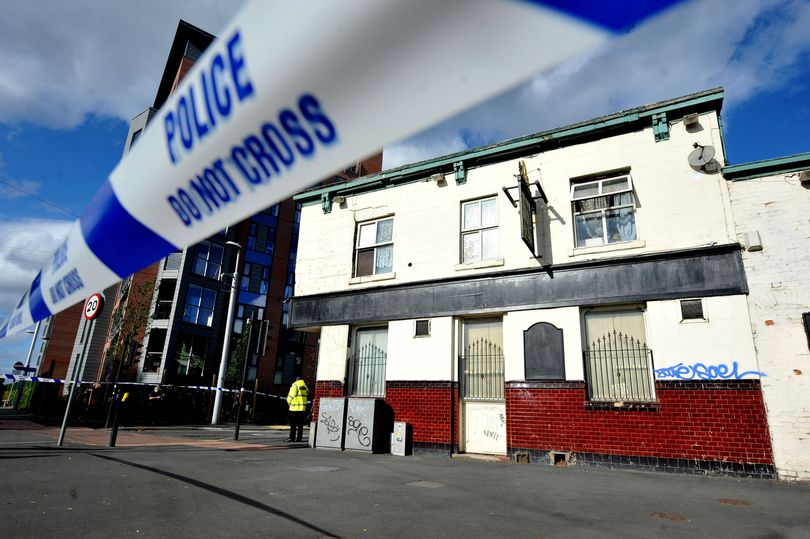
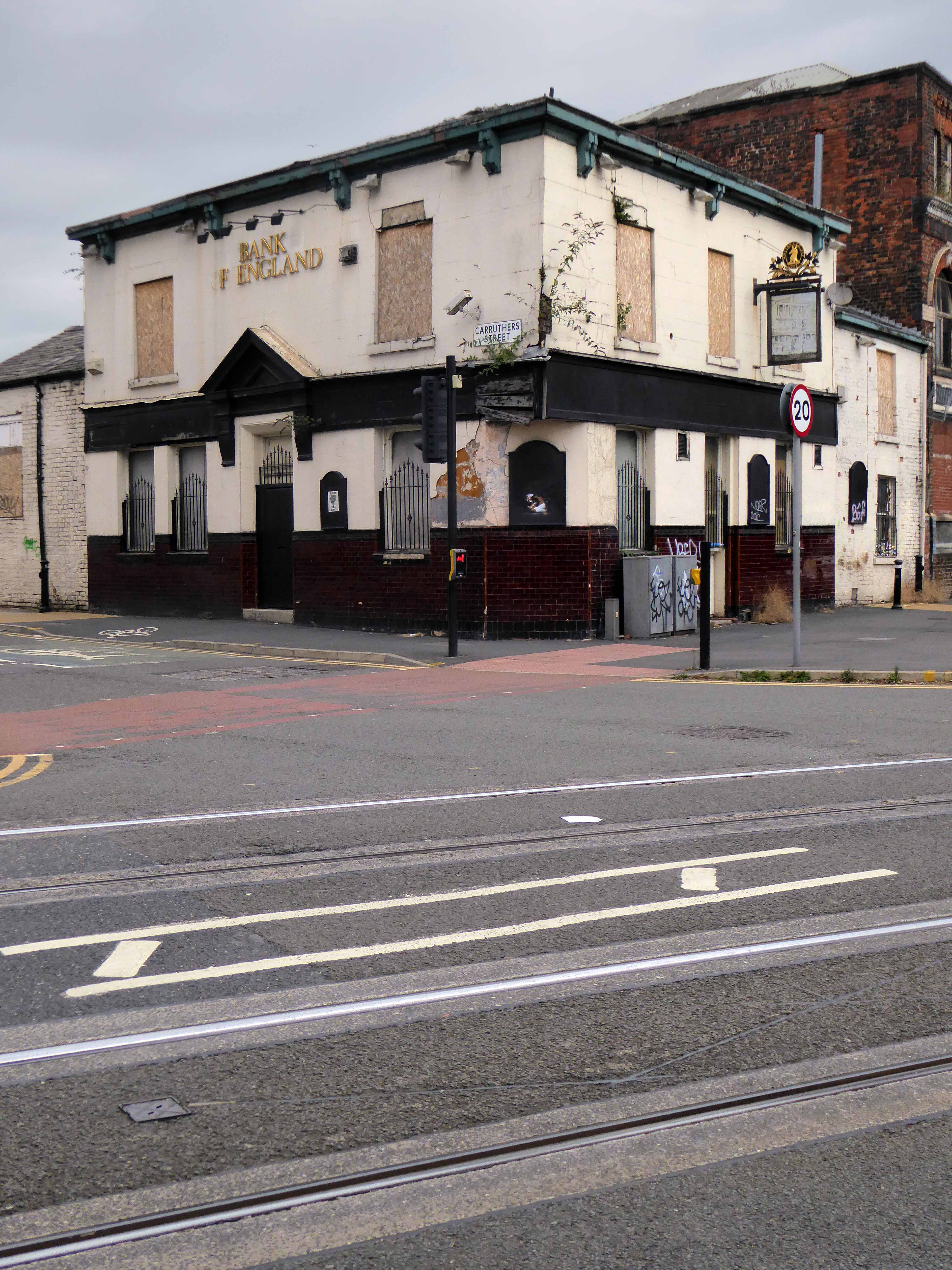
Standing stately on the corner of Carruthers and Pollard Street, safe as houses.

As safe as the houses that are no longer there, along with the other public houses, along with the jobs, along with the punters – all long gone, it’s a long story.

Look out!

Mind that tram, full of the boys and girls in blue, off to shriek at a Sheikh’s shrine.

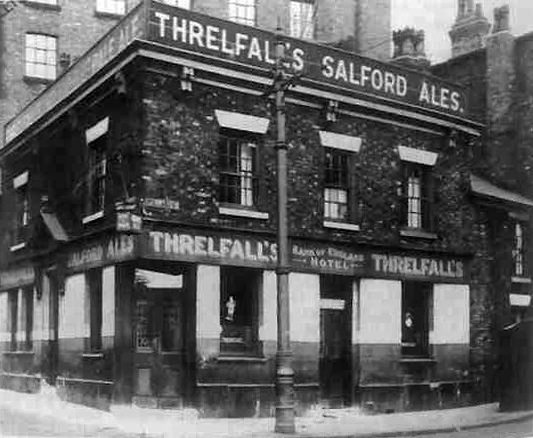
The Bank of England was one of Ancoats’ first beerhouses, licensed from 1830 and ten years later it was fully licensed with attached brewhouse.  The brewery did well, in fact it had another tied house, the Kings Arms near Miles Platting station nearby.  The brewery was sold off in the 1860s but continued as a separate business for a few years.

Pubs of Manchester

Bank of Enland 30s

Ancoats, the core of the first industrial city, a dense cornucopia of homes, mills and cholera – its citizens said to find respite from disease, through the consumption of locally brewed beer.

Once home to a plethora of pubs, now something of a dull desert for the thirsty worker, though workers, thirsty or otherwise are something of a rarity in the area.

One worker went missing, some twenty years ago Martin Joyce was last seen on the site, the pub grounds were excavated – nothing was found.

JS101647765

Manchester Evening News

When last open it was far from loved and found little favour amongst the fickle footy fans.

Screen Shot 2018-09-03 at 14.14.03

To the north a tidal wave of merchant bankers, to the east redundant industry.

The Bank of England has gone west.

So clean the mills and factories 

And give me council houses too

And work that isn’t turning tricks

Like building homes and making bricks.

Danny Moran

P1290007

P1290009

P1290010

P1290011

P1290012

P1290013

P1290014

P1290015

P1290016

P1290017

P1290018

P1290019


Eva Brothers – Clayton Manchester

Eva Brothers of Crabtree Forge, Crabtree Lane, Clayton, Manchester.

Im1960Ry-Eva

1909  The partnership of James Eva, Archibald William Eva, Victor Eva, Arthur Eva, and Frank Eva, carrying on business as Forge-masters, at Crabtree-lane, Clayton, Manchester, under the style or firm of Eva Bothers was ended. All debts due would be settled by Archibald William Eva, Victor Eva, Arthur Eva, and Frank Eva, who continued the business under the same style.

By 1953 The EVA group of companies was the largest edge tool makers in the world, exporting most of their products. The associated companies included: Chillington Tool Co, Edward Elwell Limited of Wednesbury, A. W. Wills and Son Limited of Birmingham, John Yates and Co Limited of Birmingham, and the Phoenix Shovel Co Limited of Cradley Heath.

1958 Acquired T. Williams Drop forgings and Tools of Small Heath, Birmingham

1959 Planned to convert into a holding company; depressed demand for heavy engineering but continued group prosperity were anticipated.

1960 Eva Brothers paid dividends and made scrip issue; changed the name to Eva Industries as the holding company.

1976: Eva Brothers continued to be a part of Eva Industries.

Graces Guide – for further information.

P1270879

This is where Manchester’s prosperity was created, engineering along with King Cotton, formed the financial foundations of the city. These industries are now all but vanished, along with the communities and skills that created them, work and wealth are elsewhere.

Years of free-market economics, acquisition, asset stripping, amalgamation and monopoly have bequeathed a legacy of loss.

Once bustling and business like sheds and yards, are now forests of buddleia and bramble. The sound of metal on metal, but a dull memory, amidst the wilder side of wildlife and the gentle whisper of peeling paint.

Come with me now to the Kingdom of Rust.

P1270883

P1270882

P1270881

P1270880

DSC_0091

DSC_0086

DSC_0083

DSC_0080

DSC_0079

DSC_0072

DSC_0070

DSC_0066

DSC_0061

DSC_0060

DSC_0058

DSC_0057

DSC_0050

DSC_0056

DSC_0053

DSC_0051

DSC_0047

DSC_0045

DSC_0041

DSC_0040

DSC_0037

DSC_0035

DSC_0033

DSC_0032

DSC_0029

DSC_0028

DSC_0026

DSC_0025

DSC_0022

DSC_0021

DSC_0020

Chantry House – Wakefield

Soft wind blowing the smell of sweet roses to each and every one,
Happy to be on an island in the sun.

An island in Wakefield.

An Island in a sea of dual-carriageways.

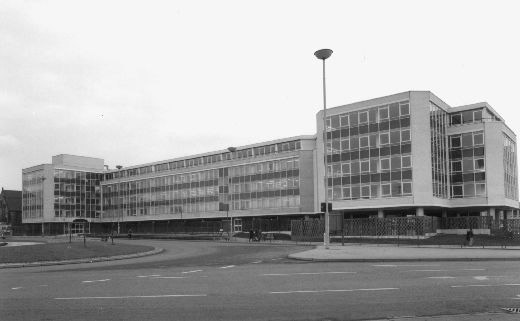
Sixties built municipal modernism, hovering on slim stilts above the ground level carpark, complete with pierced brick screen.

The future was bright the future was red – for a short while.

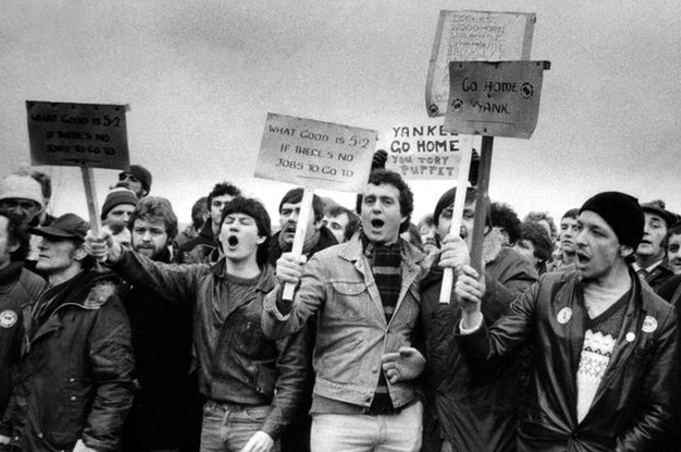
Over the horizon came Sir Ian Kinloch MacGregor KBE.

Lady Thatcher said:

He brought a breath of fresh air to British industry.

03bf8c_b009bc98d4c8425e8e66e53d30ac4be8

The fifth horseman of the industrial apocalypse – bringing pit-closure, redundancy the deindustrialisation of a whole area.

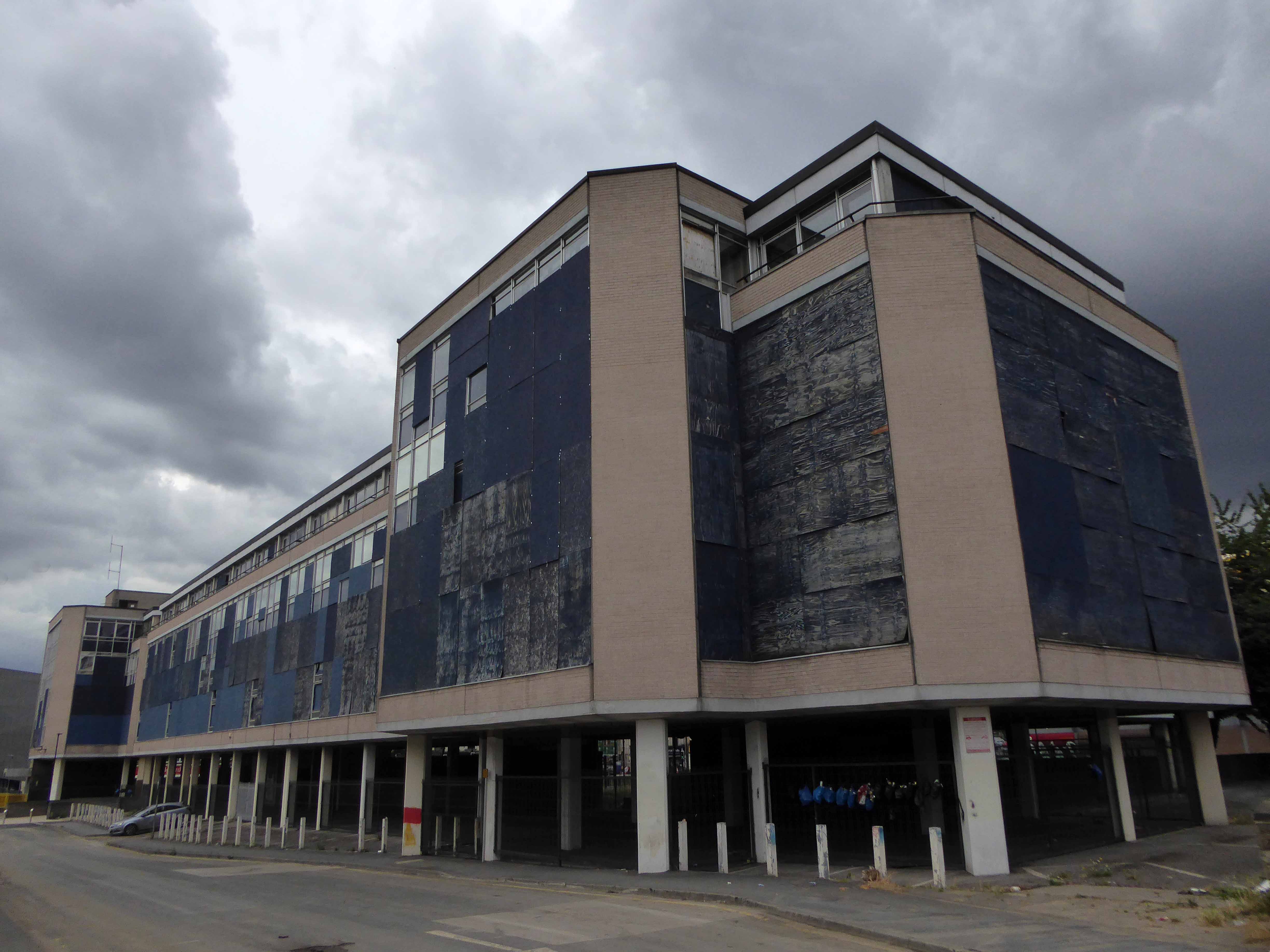
Offices and citizens are tinned-up, brassed-off and abandoned.

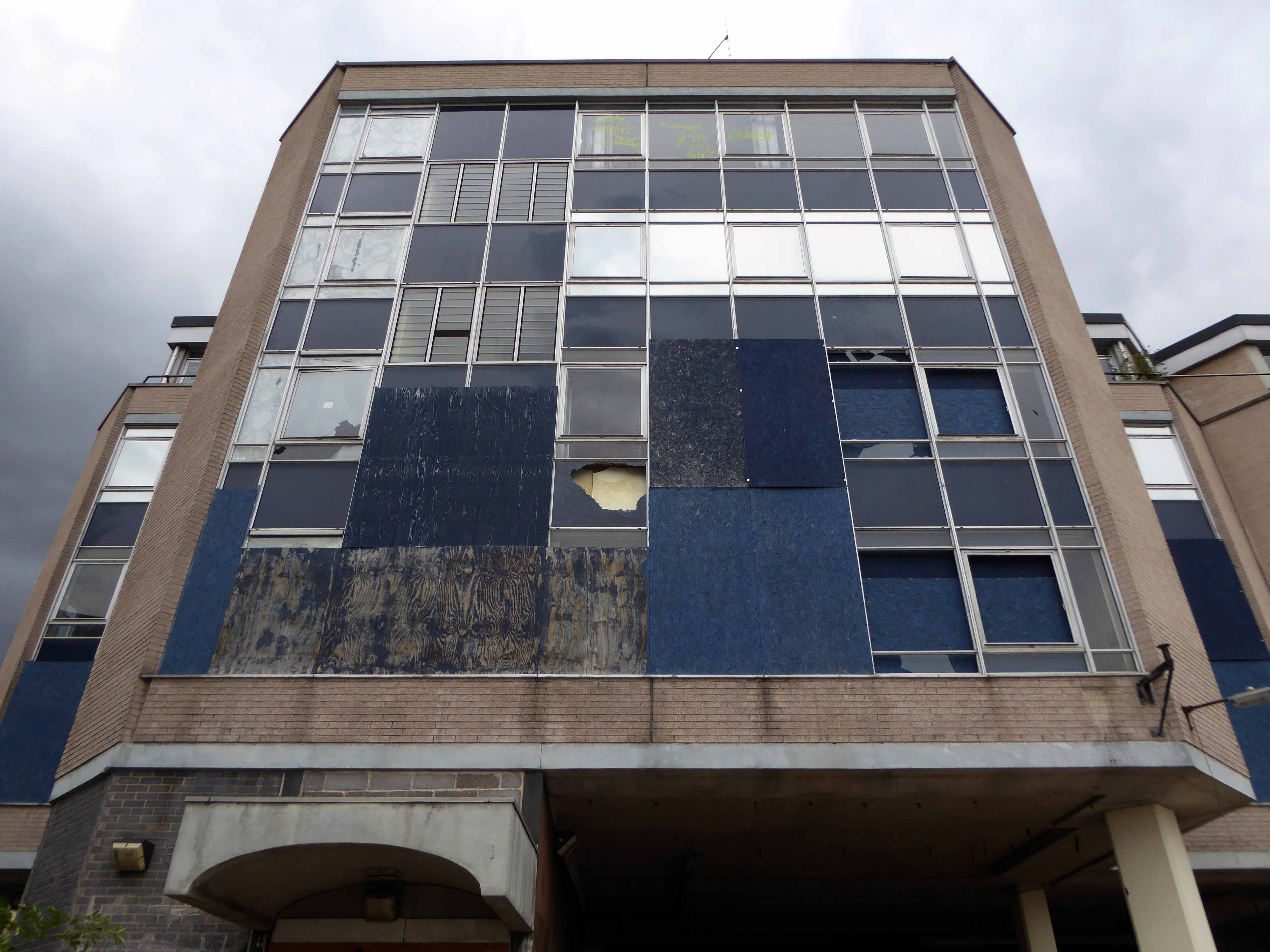
This is now the architecture of civic optimism eagerly awaiting repurposing.

There is talk of conversion to housing, talk is cheap.

A planning application has been drawn up requesting permission to change the use of Chantry House from offices to one and two bedroom residential units. The application has been submitted by The Freshwater Group, the development arm of Watermark Retirement Communities.

Wakefield Express

Currently home to the determined, hardened daytime drinker, street-artist and curious passerby.

P1280260

P1280240

P1280241


P1280244

P1280245

P1280246

P1280247

P1280252


P1280256

P1280257

P1280264

P1280265

P1280266

P1280267


P1280270

P1280271

P1280274

P1280277

Return To Palmerston Street – Beswick

Having traced a lengthy history of the shortish Palmerston Street – I returned to take a snapshot of the current state of affairs.

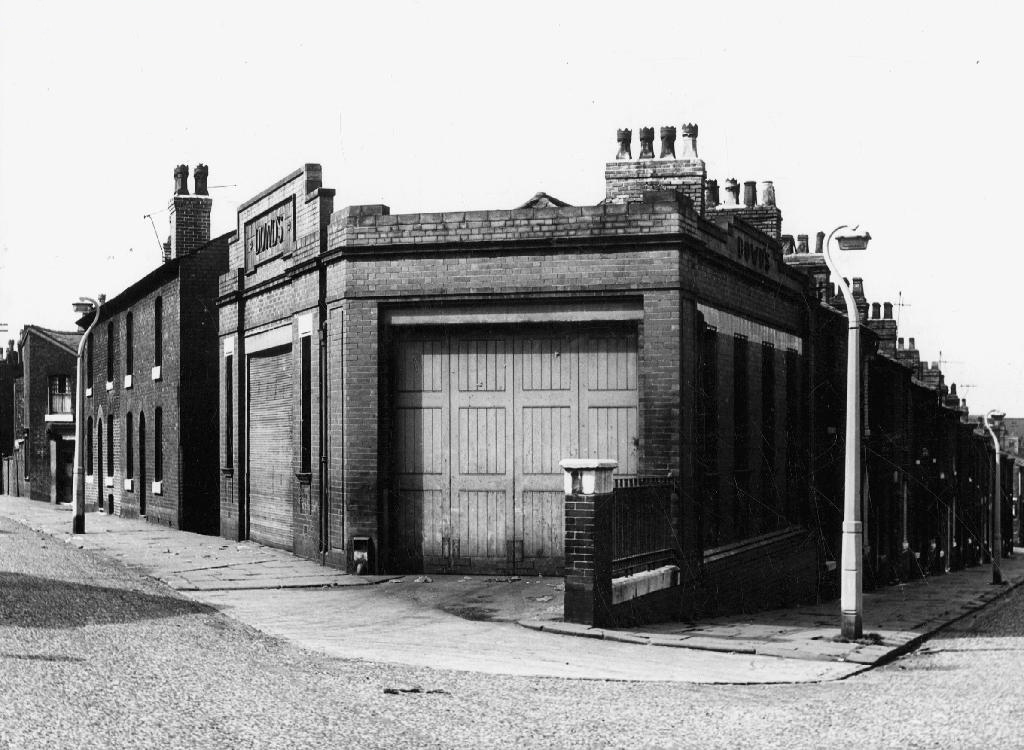
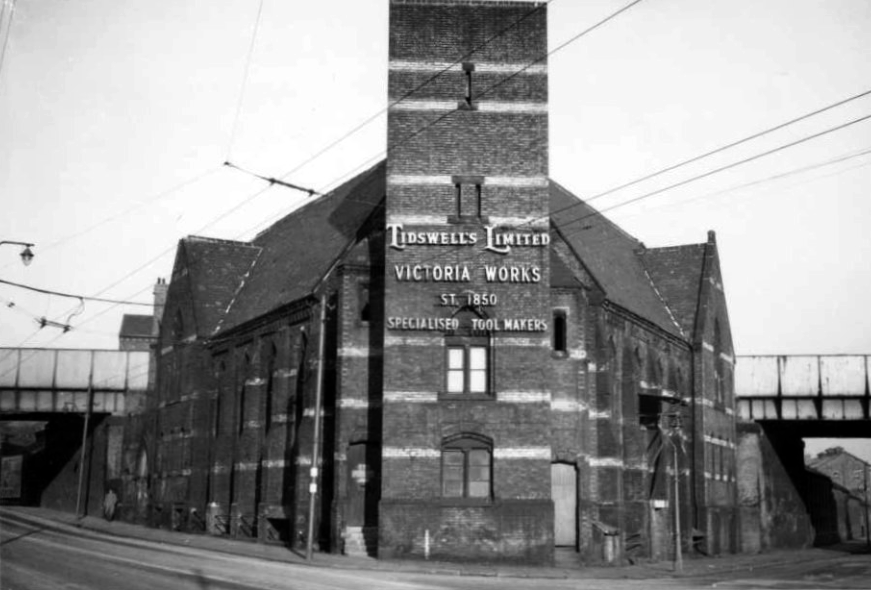
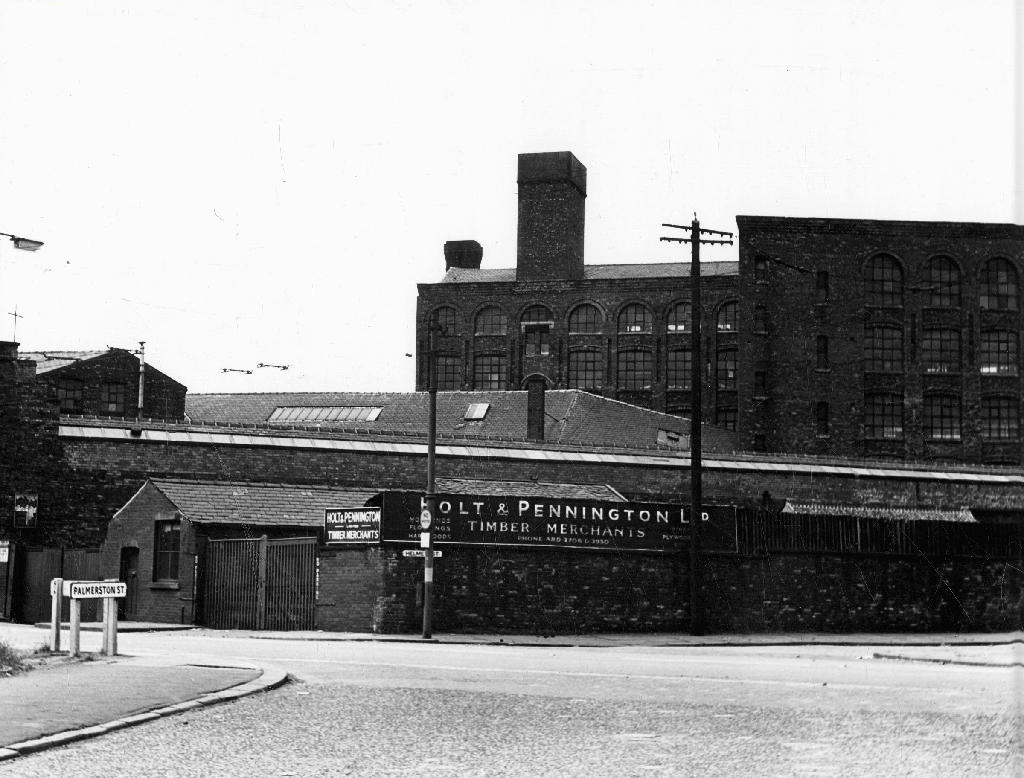
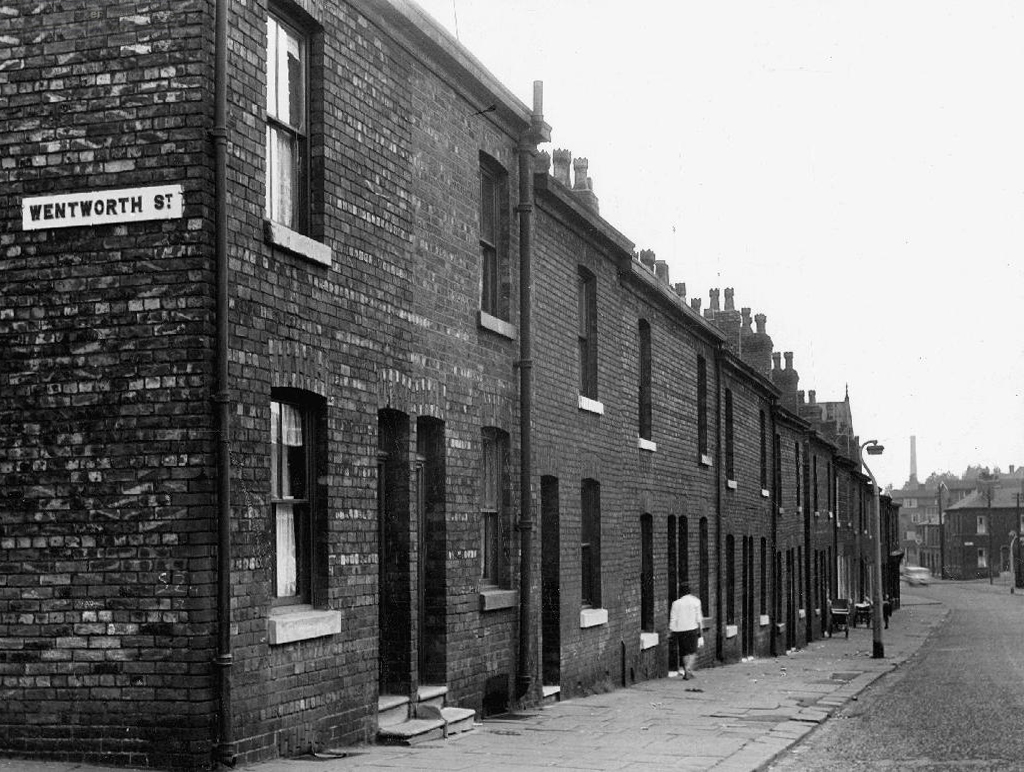
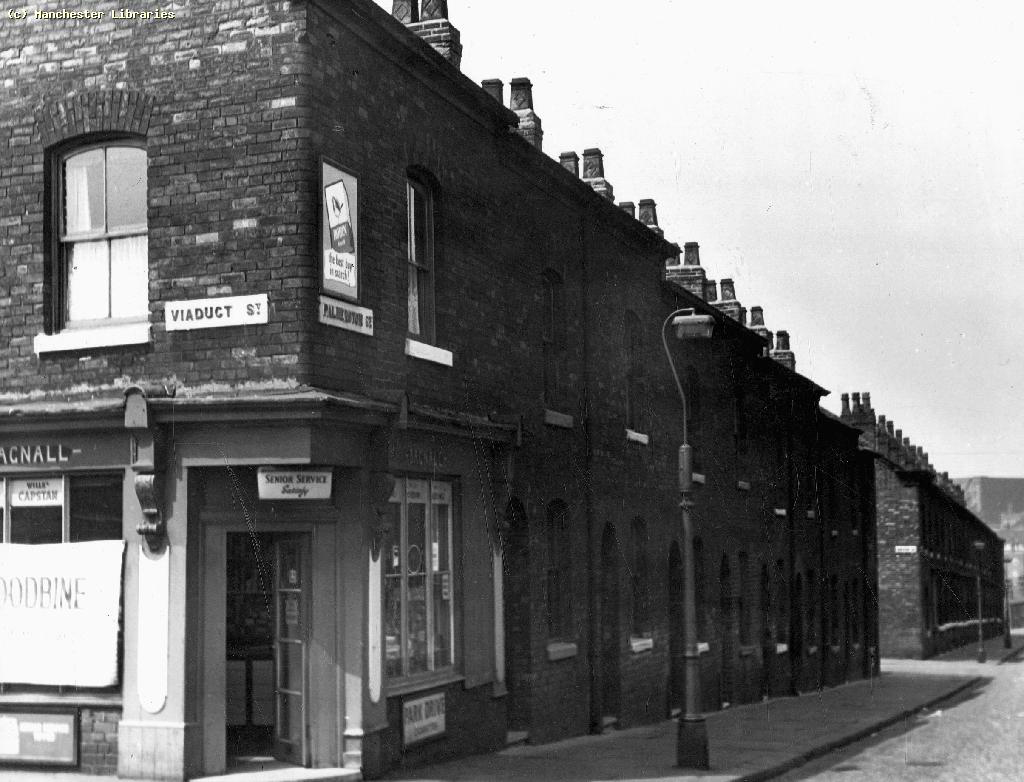
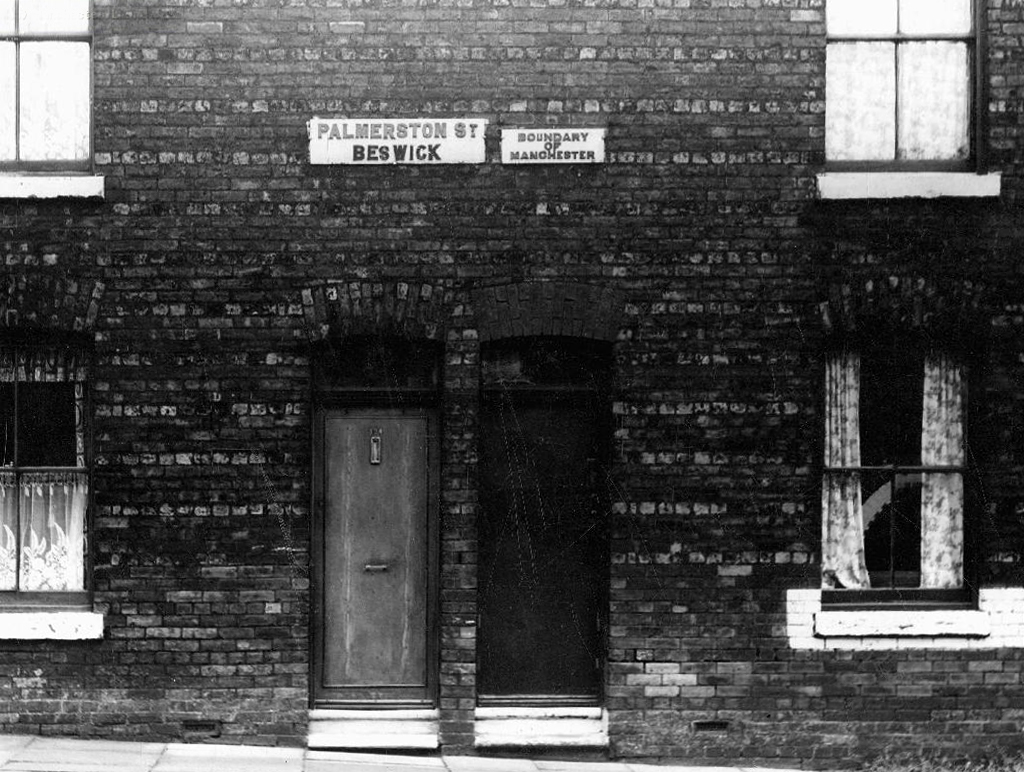
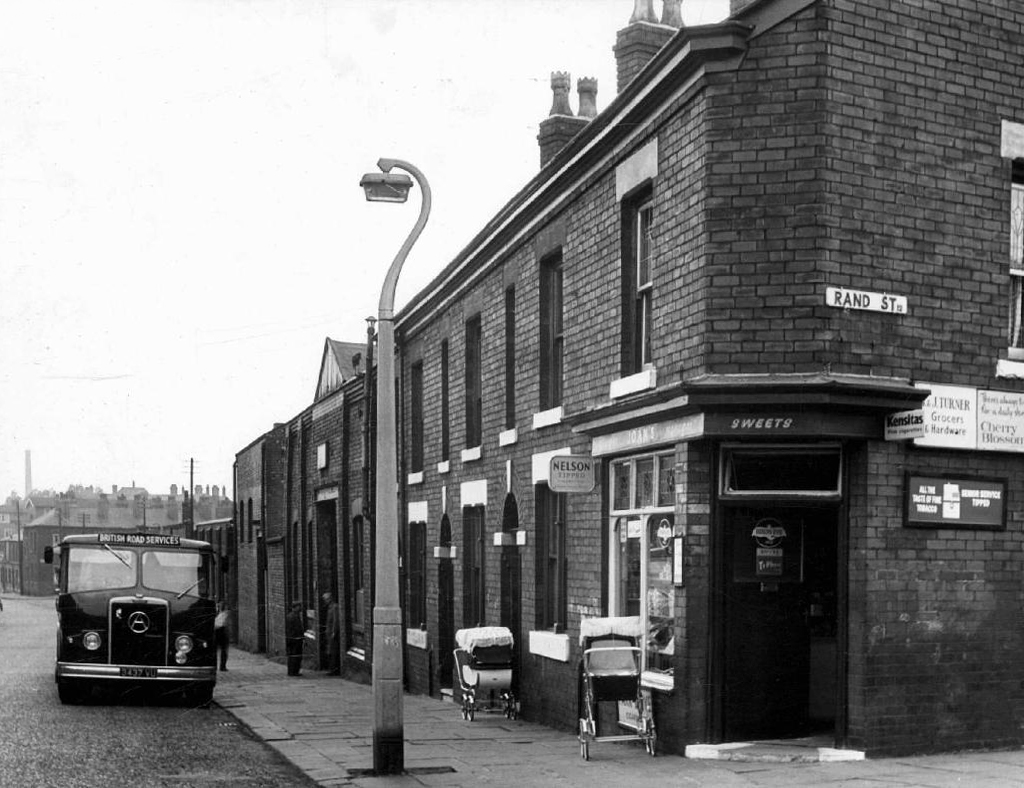
So much has gone an Art Museum, Lads Club, churches, homes, schools, industry and pubs – much of this now indistinct scrubland, fenced and walled, neither use nor ornament, save as an unofficial wildlife garden for feather, fowl and flower.

There  are small groups of more recent housing developments with the promise of more on the way, though this as ever is contentious – the story of conflicted interests betwixt and between developer, local authority and the would be affordable homes and their occupants.

The council says – Manchester’s Affordable Housing Programme will ensure more than 2,200 homes by March 2021 through a £250m programme funded through a variety of sources including Homes England grant funding, Council borrowing and land or property sales and Registered Providers. The Council is also backing the programme through the release of suitable council-owned land.

Which seems barely adequate to meet the needs of those on lower incomes.

The Guardian says – Of the 61 big residential developments granted planning permission by Manchester city council’s planning committee in 2016 and 2017, not one of the 14,667 planned flats or houses met the government’s definition of affordable, being neither for social rent nor offered at 80% of the market rate.

Manchester has changed, constantly changed – often overlooking the needs of its citizens to the north and east of the city. The areas crippled by recession, deindustrialisation and demolition have yet to see the benefits of the city’s recent regeneration.

What was once a community overflowing with rough and tumble, hustle and bustle, now seems to have become a contested area for match day parking and non-existent urban renewal.

Let’s take a look down Palmerston Street.

P1280052

P1280053

P1280060


P1280063

P1280064

P1280082

P1280093

P1280096

P1280097

P1280098


P1280103

P1280104

P1280106

P1280108

P1280110

P1280112

P1280114

P1280115

P1280118

P1280119

P1280121

P1280123

P1280127

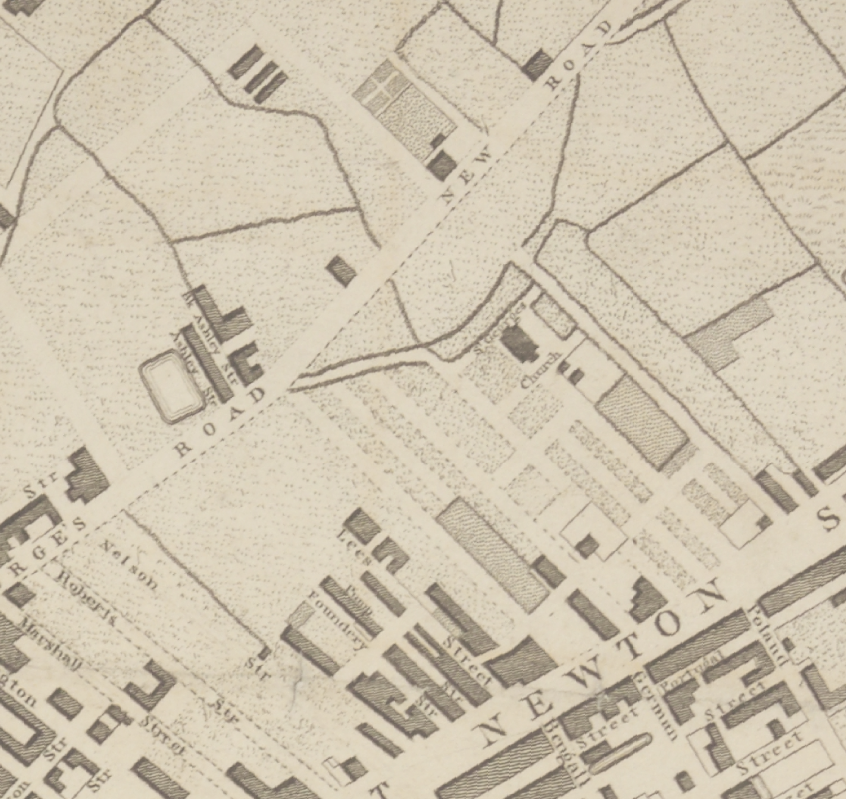
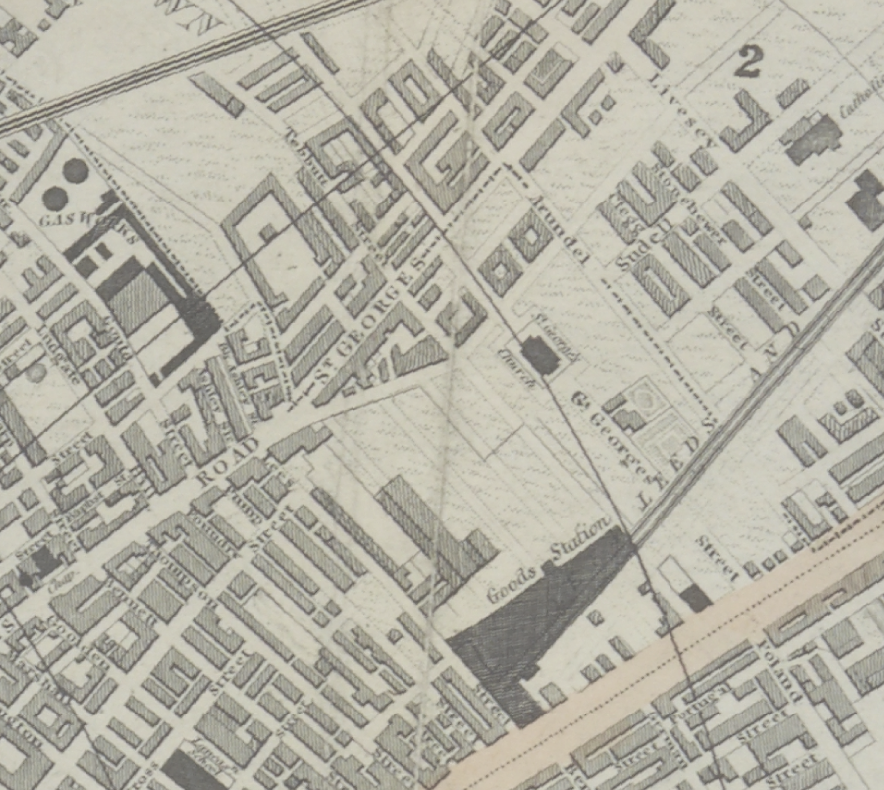
Palmerston Street – Beswick Manchester

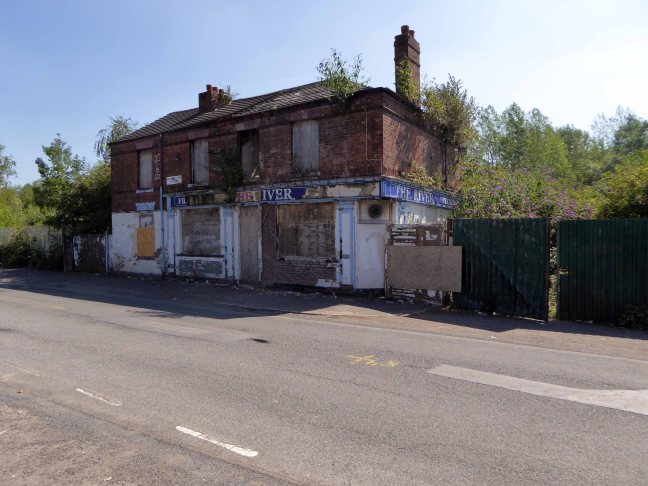
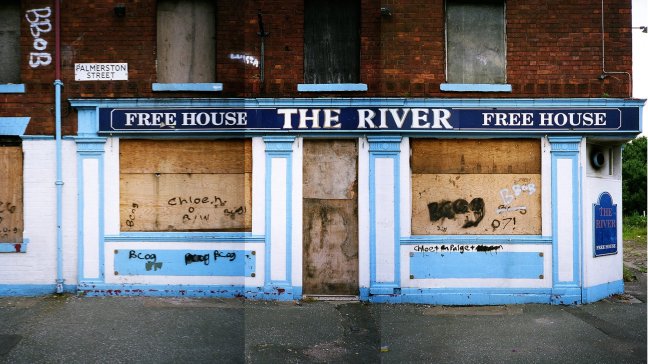
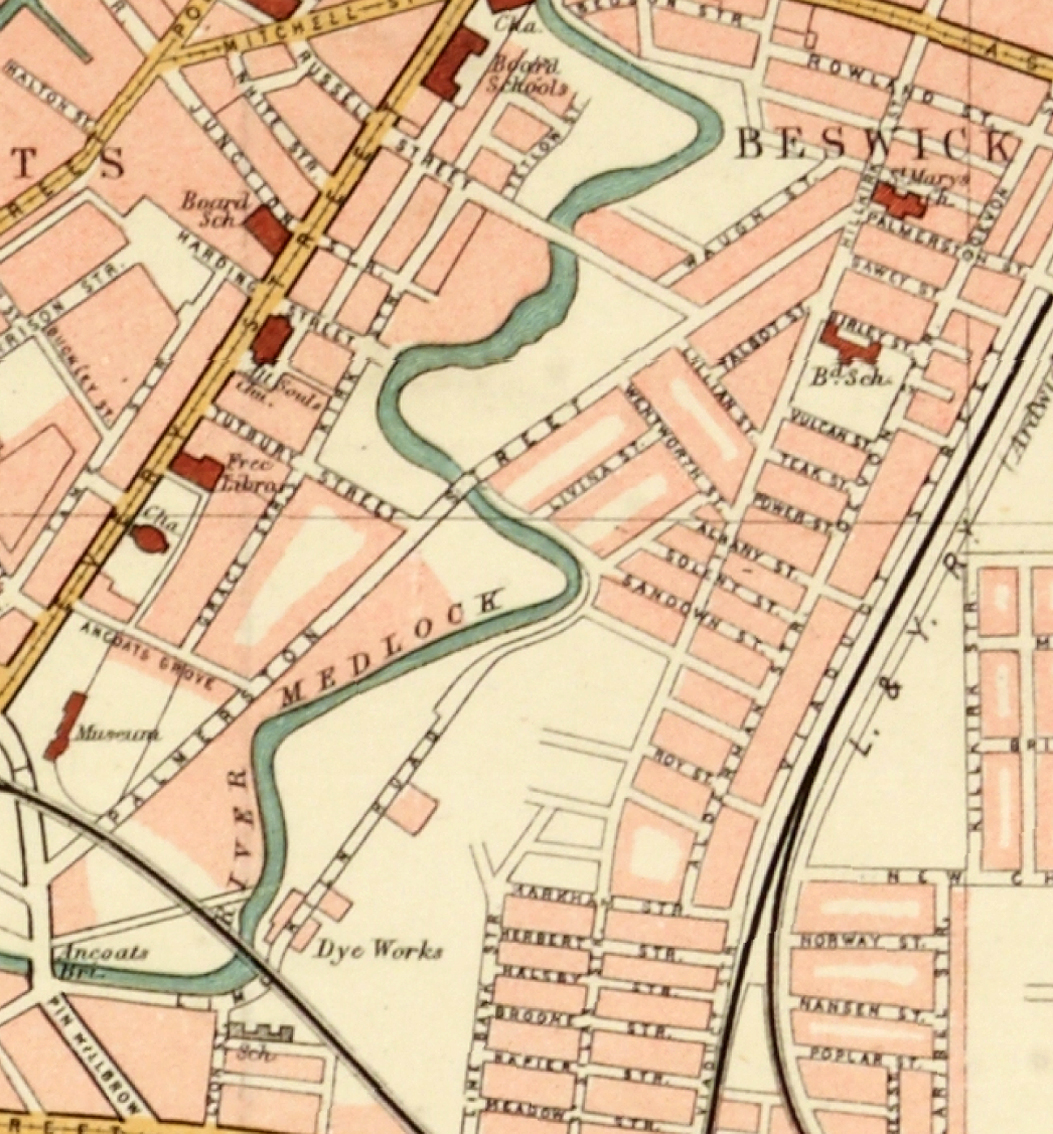
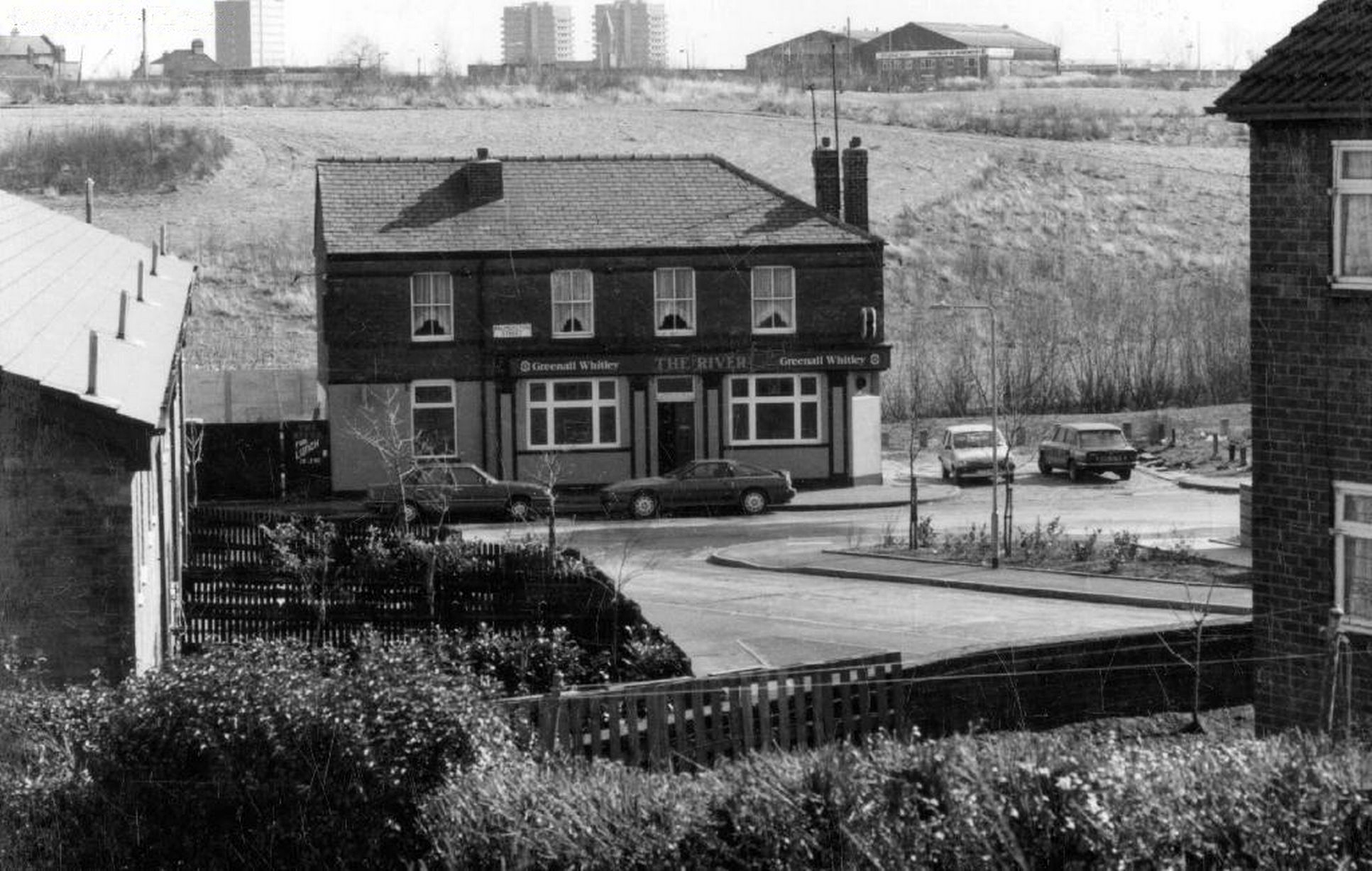
To begin at the beginning – some years ago I traced the route of the River Medlock, I chanced upon a forlorn pub called The River, all alone, desolate and boarded up, presiding over an area that I assumed, would once have supplied ample trade to a busy boozer.

I returned last week in search of some rhyme or reason, for such a seemingly sad and untimely decline.

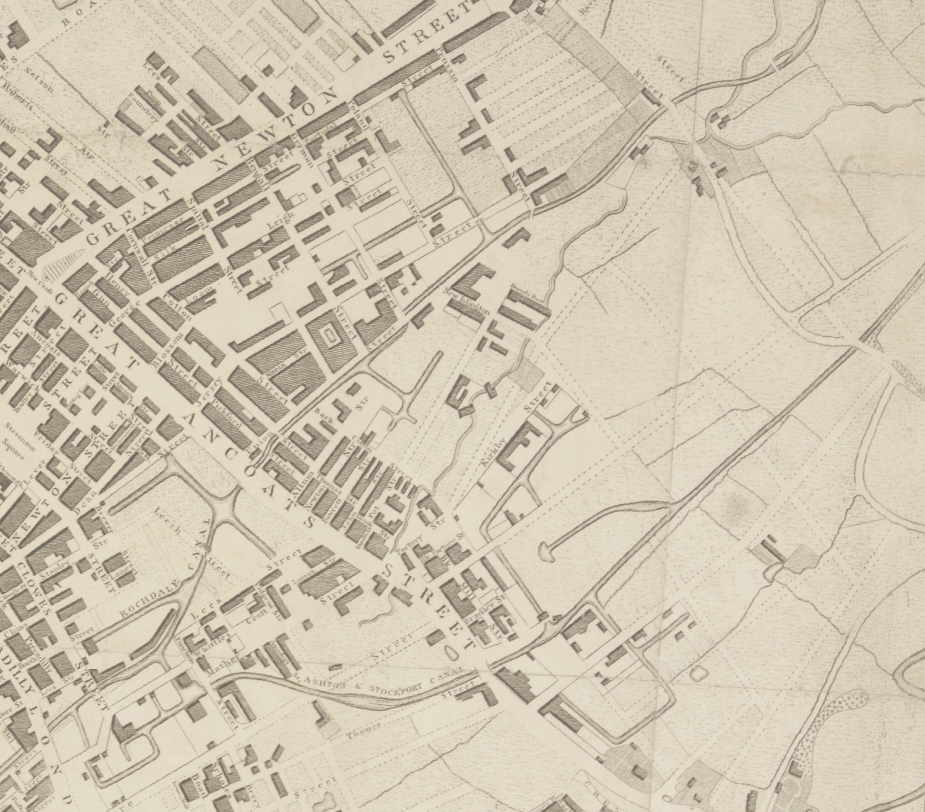
So here we are back at in Manchester 1813, the seeds of the Industrial Revolution sewn in adjacent Ancoats, the fields of Beswick still sewn with seeds, the trace of Palmerston Street nought but a rural track.

Screen Shot 2018-08-07 at 15.25.02

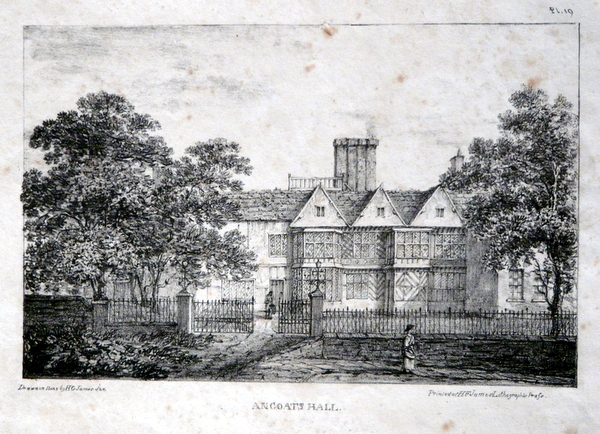
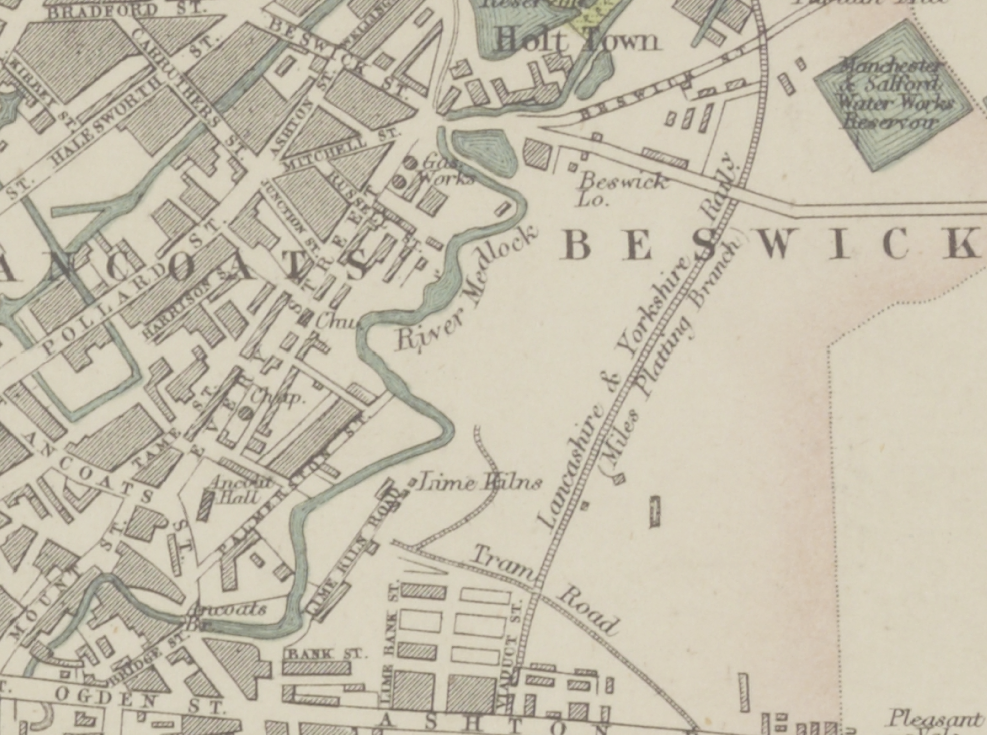
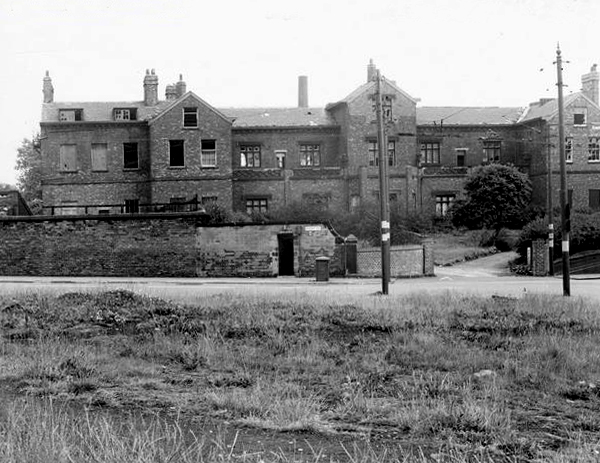
Sited on land between Great Ancoats Street and Every Street was Ancoats Hall, a post-medieval country house built in 1609 by Oswald Mosley, a member of the family who were Lords of the Manor of Manchester. The old timber-framed hall, built in the early 17th century, and demolished in the 1820s was replaced replaced by a brick building in the early neo-Gothic style.

1-P1100618

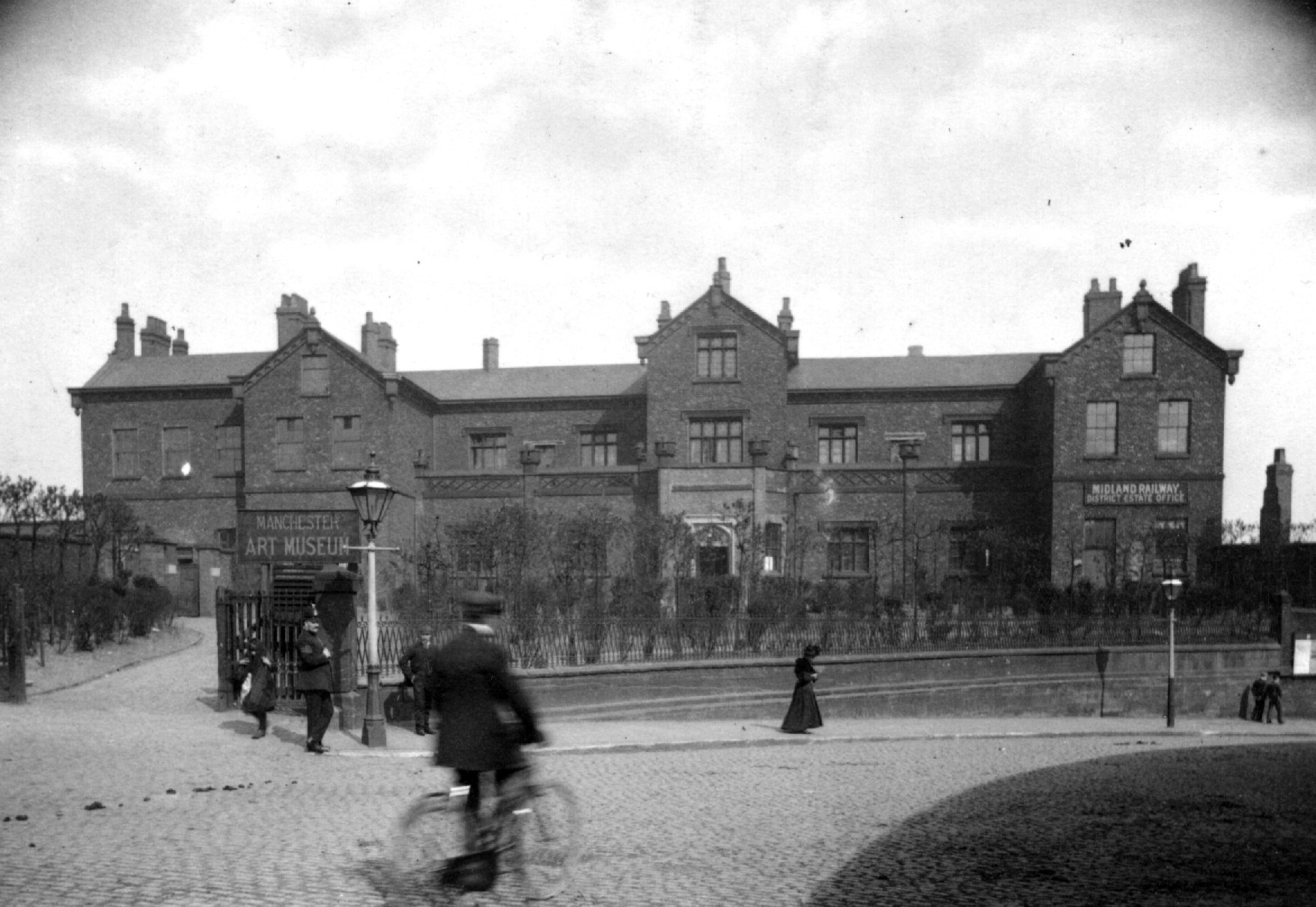
This would become the Manchester Art Museum, and here the worst excesses Victorian Capitalism were moderated by philanthropy and social reform.

When the Art Museum opened, its rooms, variously dedicated to painting, sculpture, architecture and domestic arts, together attempted to provide a chronological narrative of art, with detailed notes, labels and accompanying pamphlets and, not infrequently, personal guidance, all underlining a sense of historical development.

m08910-ancoats-old-hall-manchester-archives-photo-by-anderton

Housing and industry in the area begins to expand, railways, tramways, homes and roads are clearly defined around the winds of the river.

1870

In 1918 the museum was taken over by the city, it closed in 1953 and its contents were absorbed into the collection of Manchester City Art Gallery, as the State increasingly took responsibility for the cultural well being of the common folk.

ancoatshall-1964

The building was finally demolished in the 1960’s – just as the area, by now a dense warren of back to back terraces, was to see further change.

map

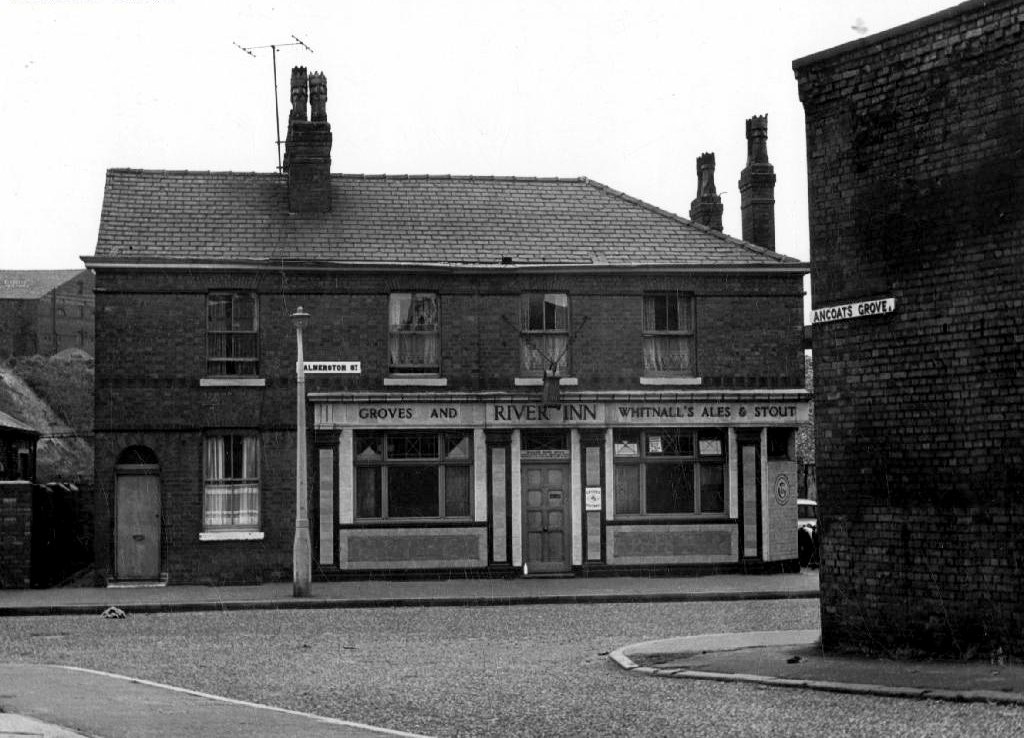
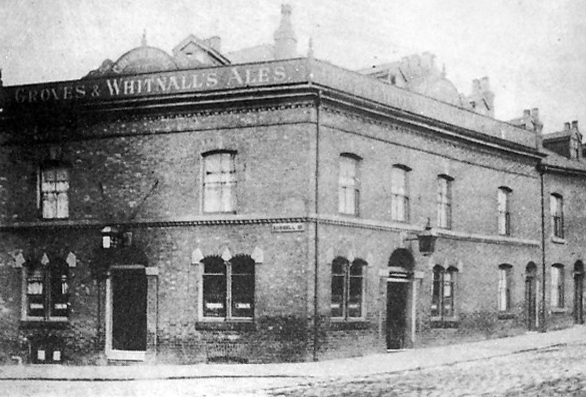
Along the way was the the River Inn, seen here with a fine Groves and Whitnall’s faience tiled frontage.

webmedia-4.php

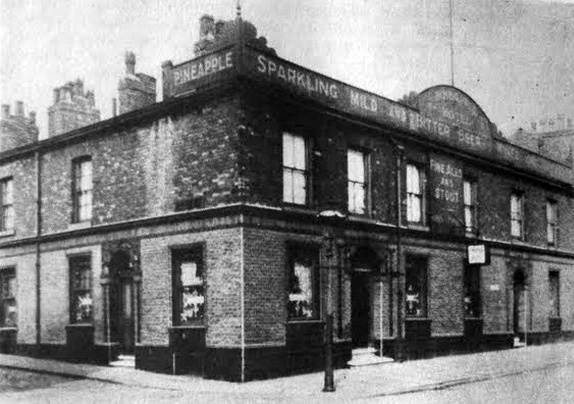
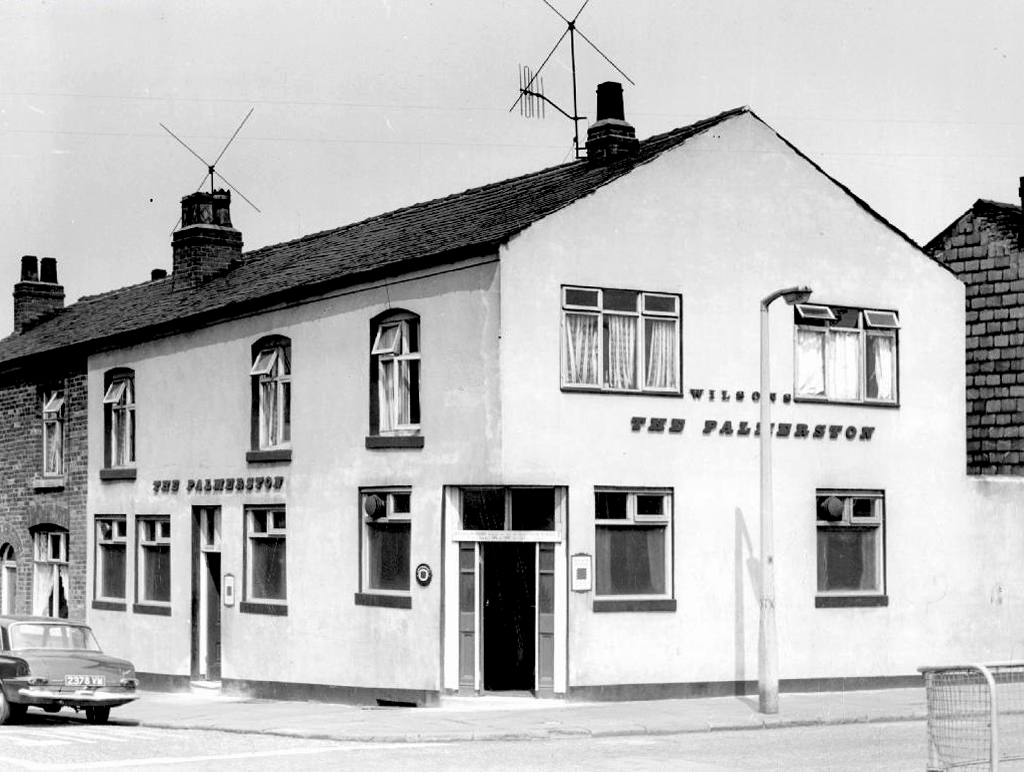
The street also offered rest, relaxation and refreshment through the Church, Pineapple and Palmerston pubs, as recored here on the Pubs of Manchester blog.

Church Palmerston

Pineapple Palmerston St

webmedia.php copy

The River seen here in the 1970’s struggled on until 2007.

webmedia-2

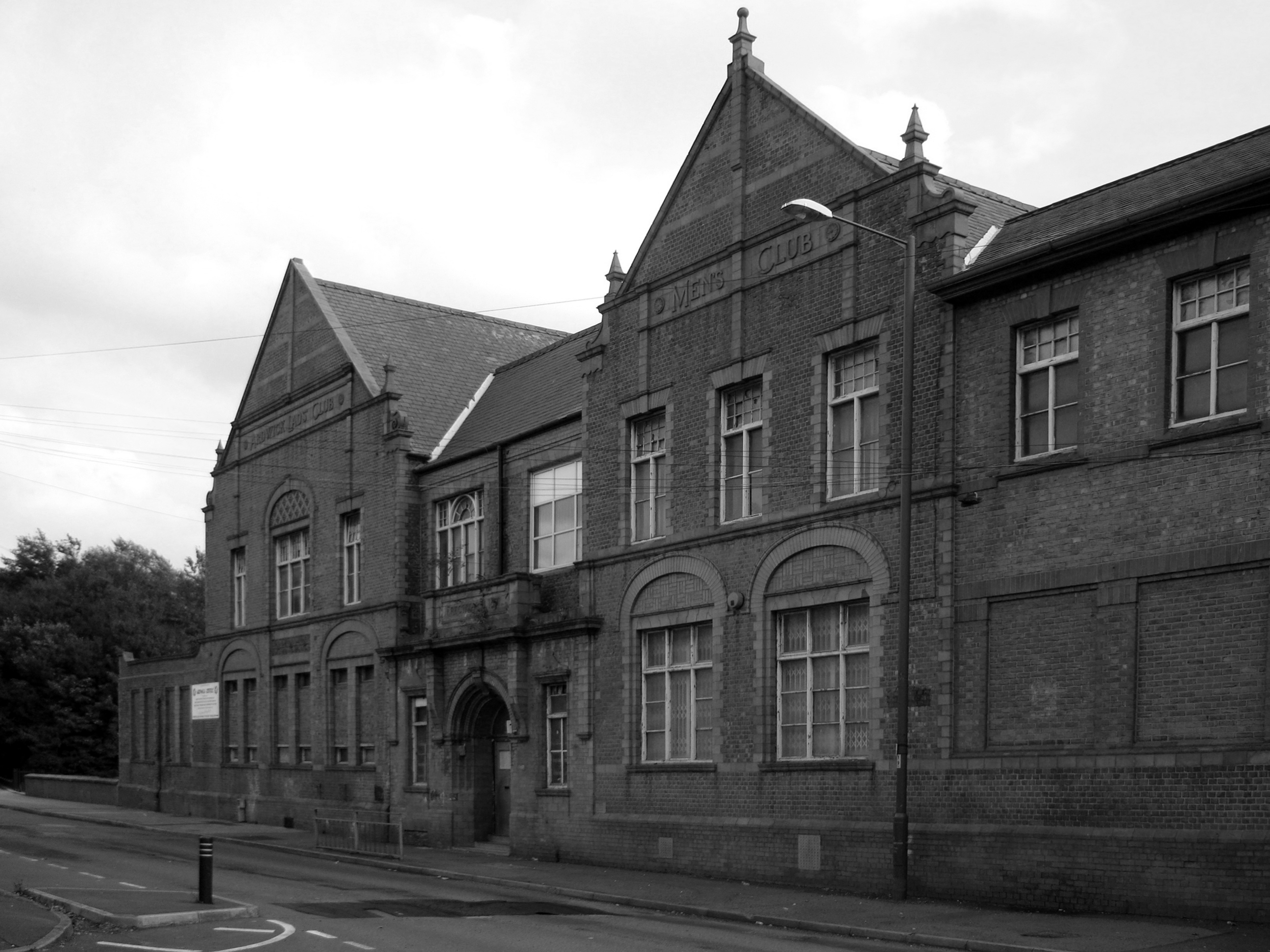
Further along we find the Ardwick Lads Club, further evidence of the forces of social reform, that sadly failed to survive the forces of the free market and the consequent Tory cuts in public spending and wilful Council land-banking.

The Ardwick Lads’ and Mens’ Club, now the Ardwick Youth Centre, opened in 1897 and is believed to be Britain’s oldest purpose-built youth club still in use [and was until earlier in 2012]. Designed by architects W & G Higginbottom, the club, when opened, featured a large gymnasium with viewing gallery – where the 1933 All England Amateur Gymnastics Championships were held – three fives courts, a billiard room and two skittle alleys (later converted to shooting galleries). Boxing, cycling, cricket, swimming and badminton were also organised. At its peak between the two world wars, Ardwick was the Manchester area’s largest club, with 2,000 members.

44551888

On the 10th September 2012 an application for prior notification of proposed demolition was submitted on behalf of Manchester City Council to Manchester Planning, for the demolition of Ardwick Lads’ Club  of 100 Palmerston Street , citing that there was “no use” for the building in respect to its historic place within the community as providing a refuge and sporting provision to the young of Ancoats.

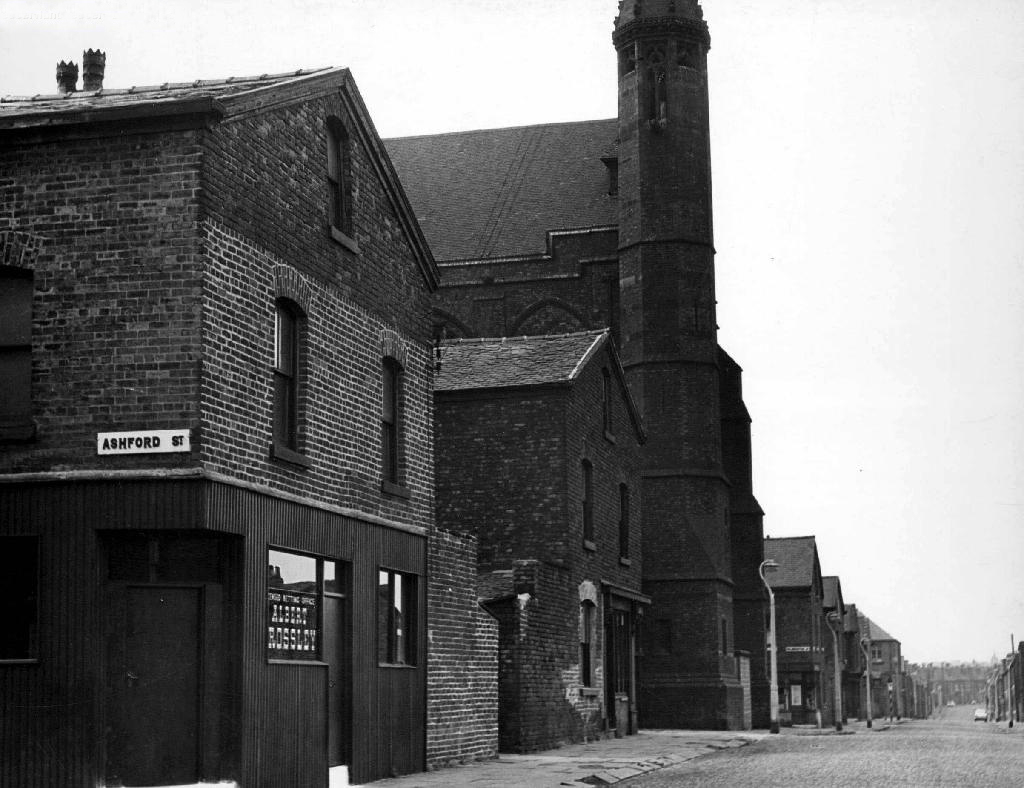
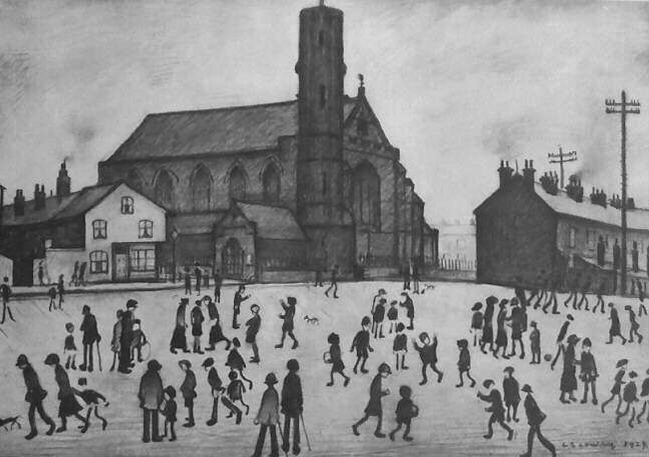
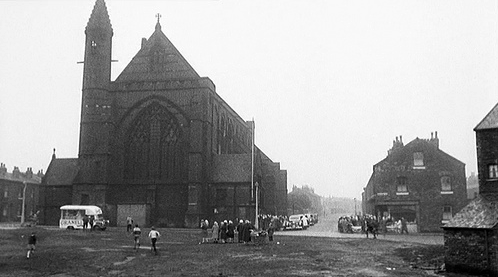
At the top turn of the street stood St Mary’s – the so called Lowry church.

marys

Screen Shot 2018-08-03 at 14.43.17

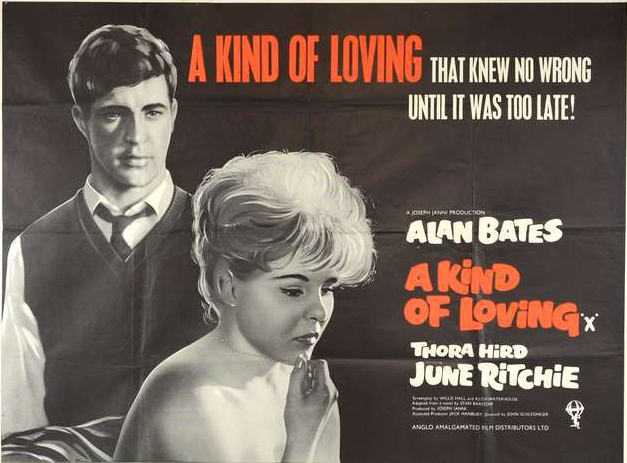
Used as a location for the film adaptation of Stan Barstow’s A Kind Of Loving

st mary's

nr003658-54_1

The homes and industry attendant schools and pubs were soon to become history, all that you see here is more or less gone. Slum clearance, the post-war will to move communities away from the dense factory smoke, poor housing stock and towards a bright shiny future elsewhere.

Whole histories have subsequently been subsumed beneath the encroachment of buddleia, bramble, birch and willow.

hillkirk

Screen Shot 2018-08-03 at 14.44.39

webmedia-3.php

webmedia-1.php

webmedia-2.php

webmedia-6.php

webmedia-7.php

webmedia.php

The land now stands largely unused and overgrown, awaiting who knows what, but that’s another tale for another day.

Archive images from the Manchester Local Image Collection.


Linda’s Pantry – Manchester

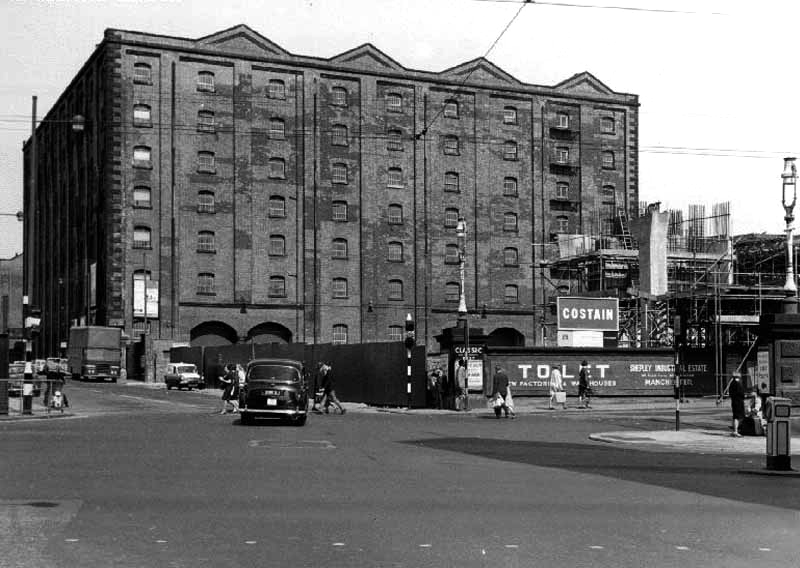
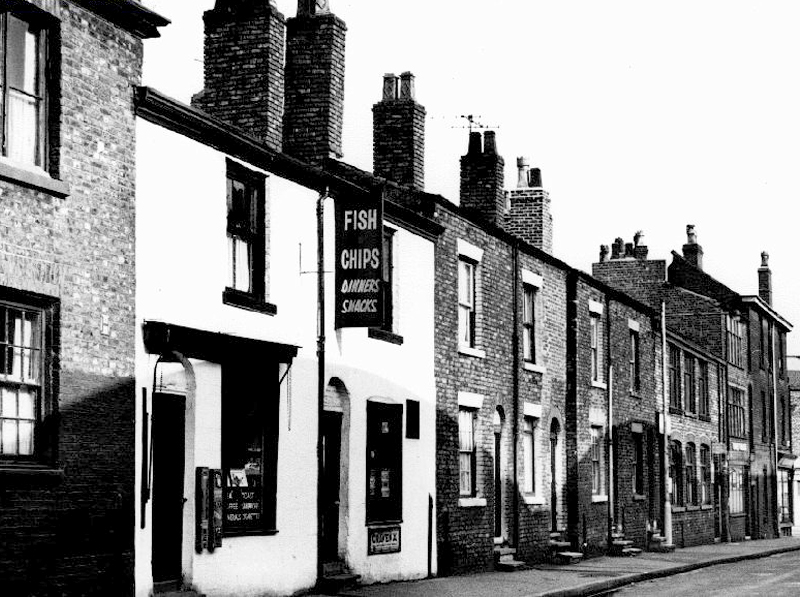
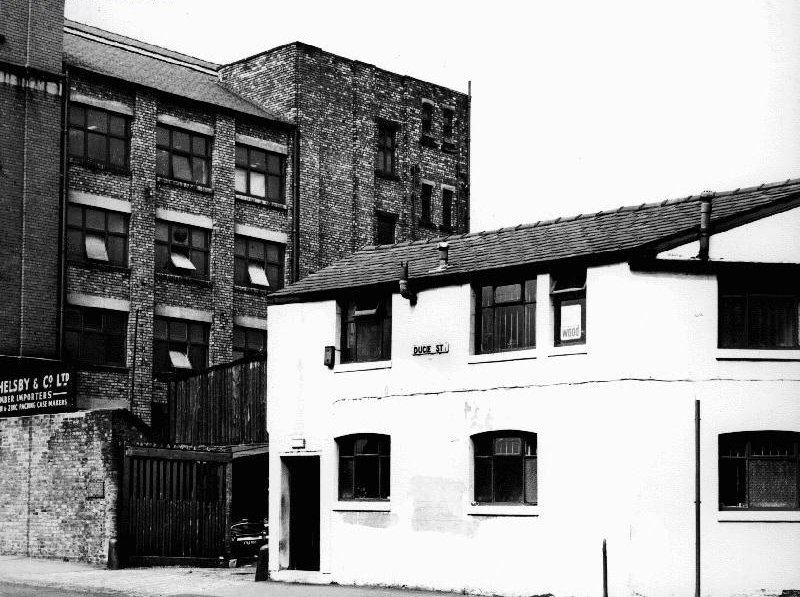
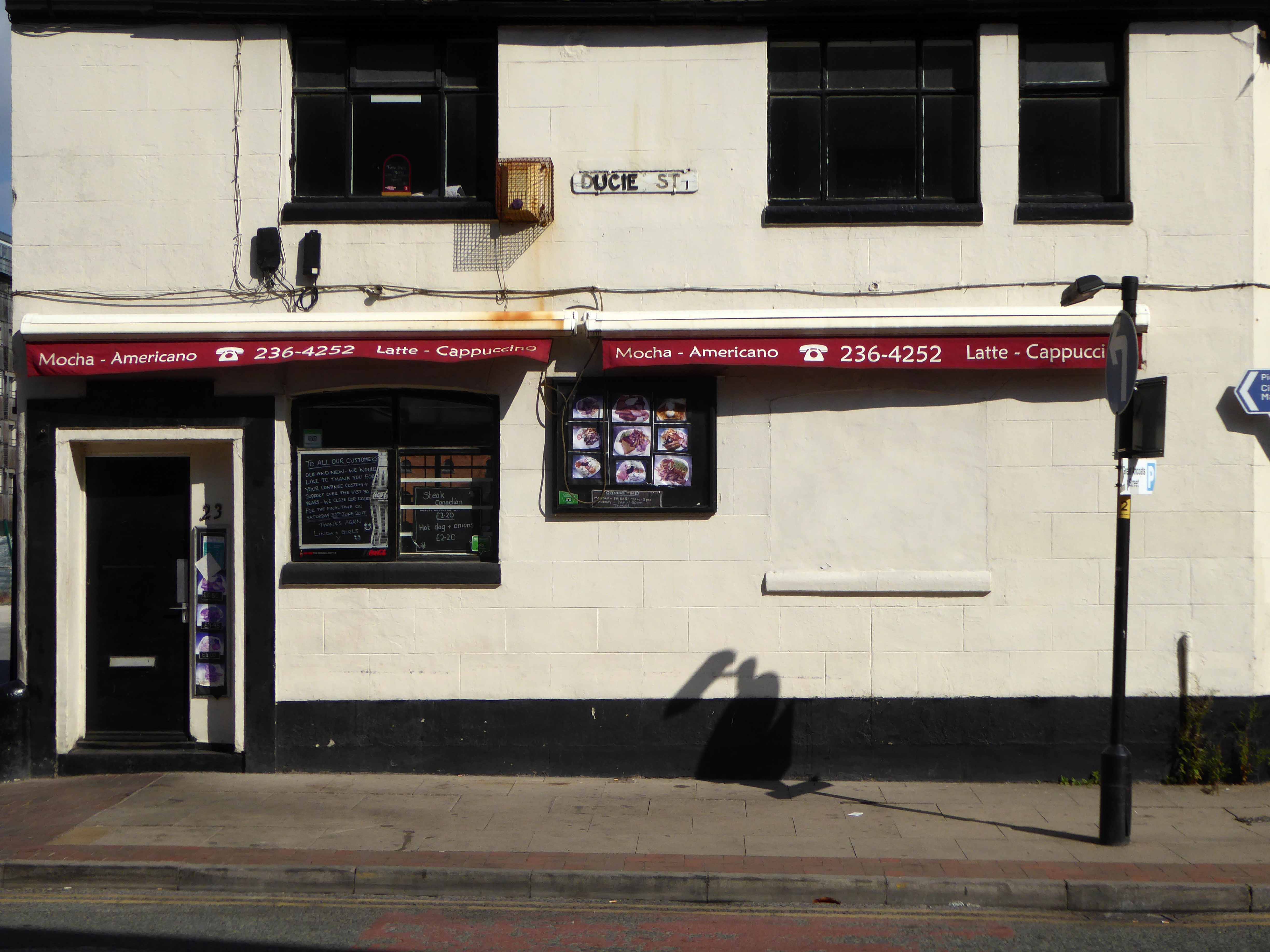
Turn off London Road and into Ducie Street, it’s just around the corner from Piccadilly Station.

Enter a world of warehouses, homes and industry.

webmedia-1.php

webmedia-4.php

webmedia-1.php

webmedia-3.php

webmedia-2.php

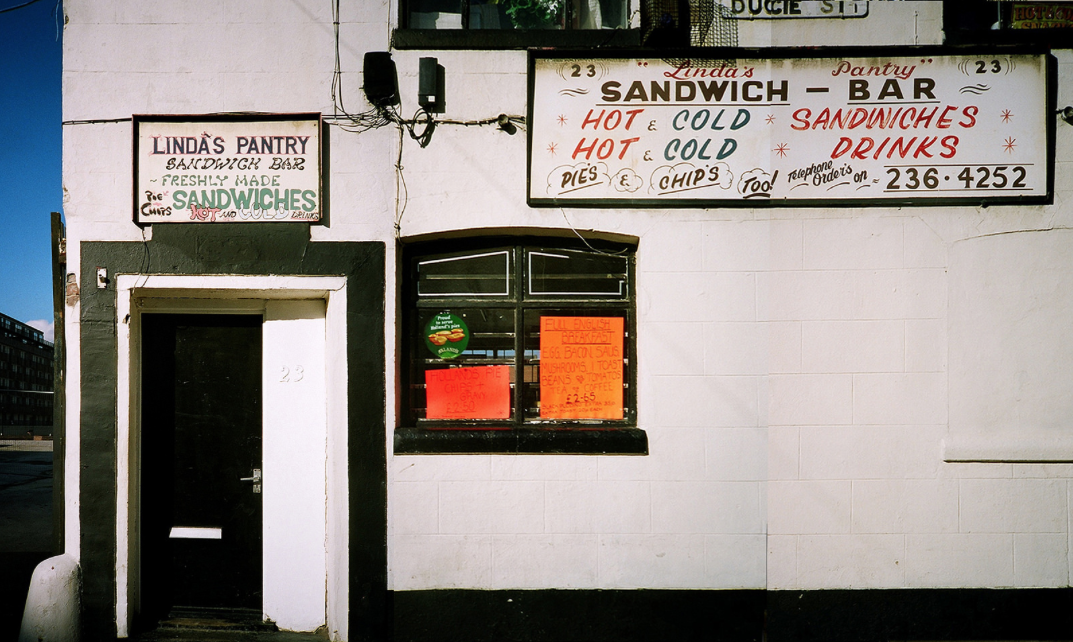
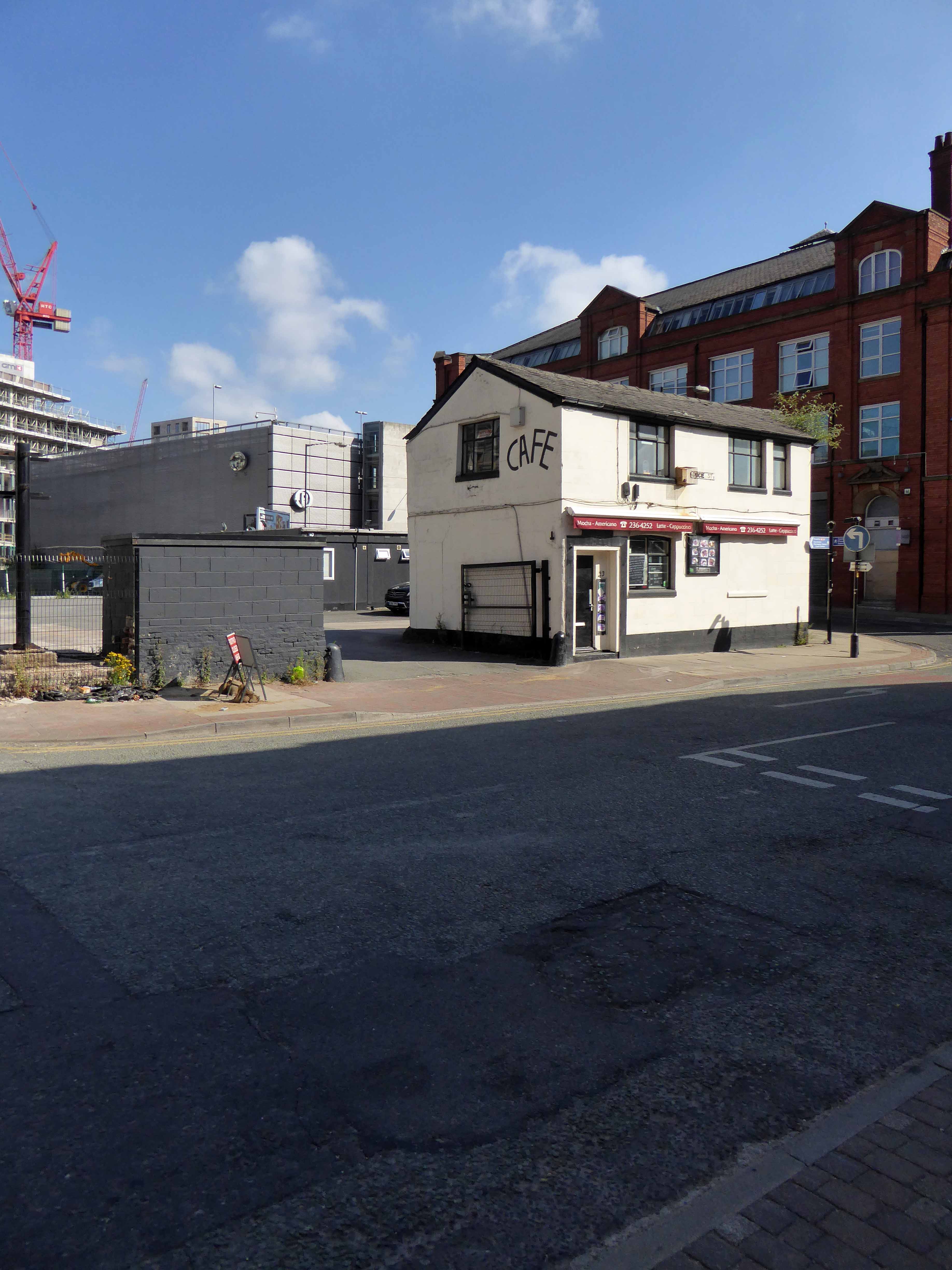
Return some fifty years later and you’ll find a café on the corner.

Screen Shot 2018-07-09 at 19.55.53

Return last Saturday you’ll find that it’s gone.

P1270029

No more of this.

b872c05fb8251eb973cf30b3cee7e421


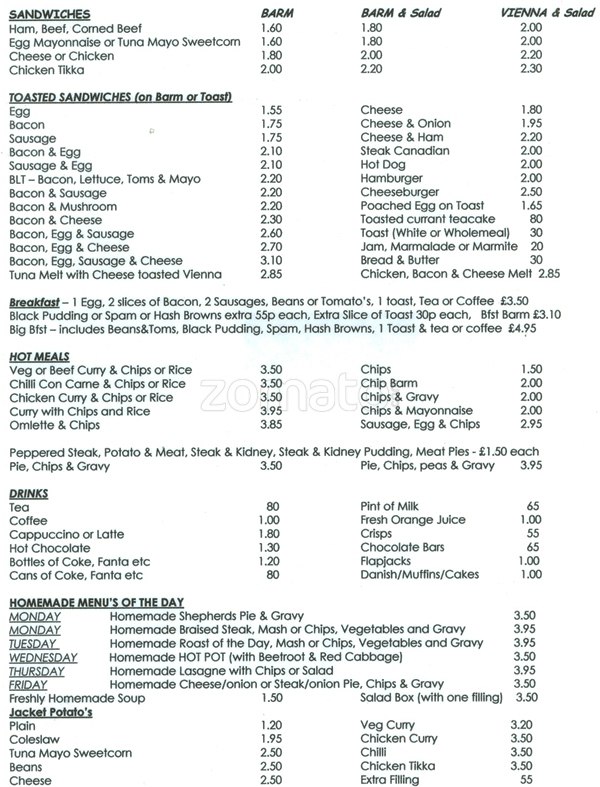
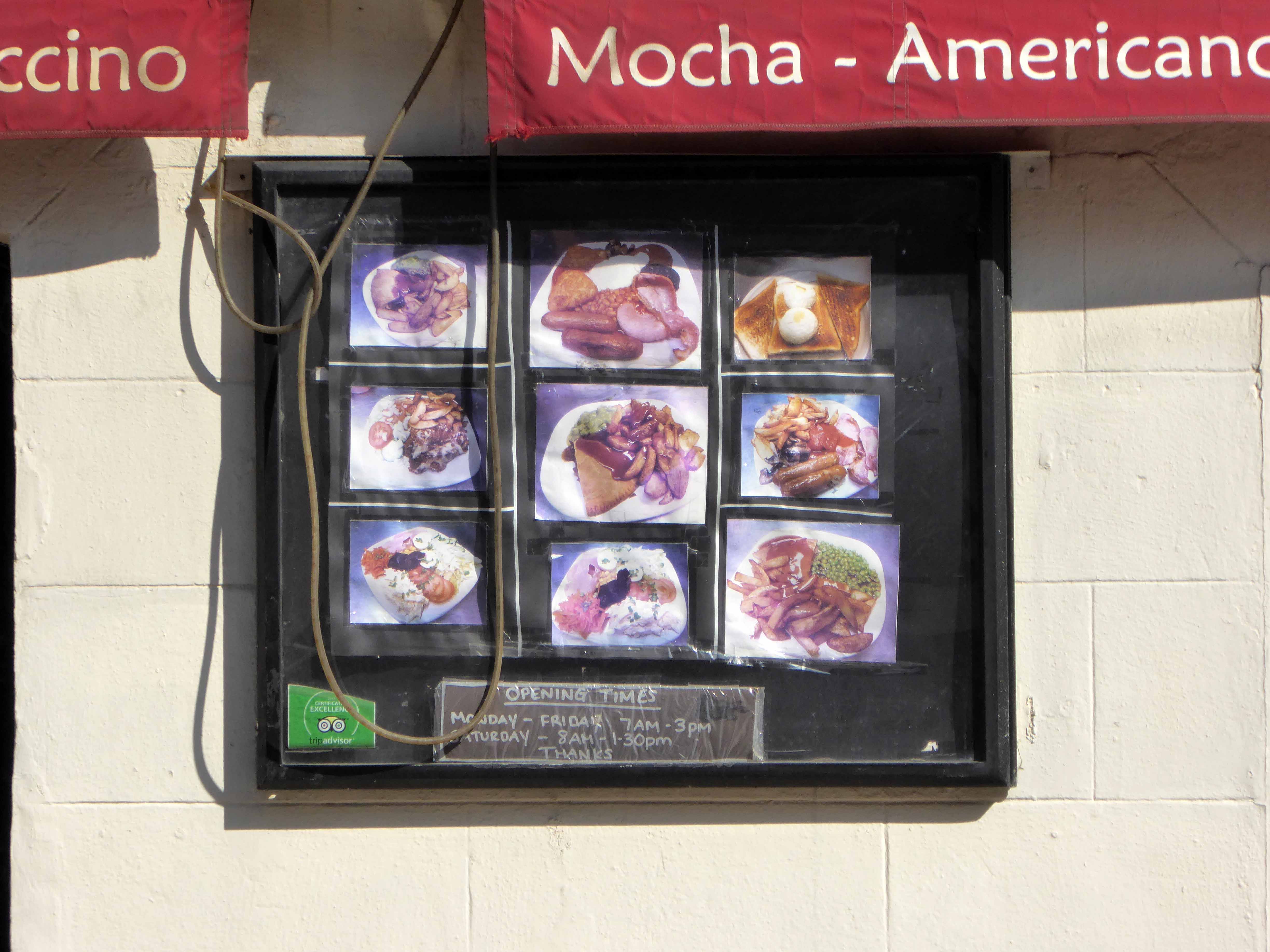
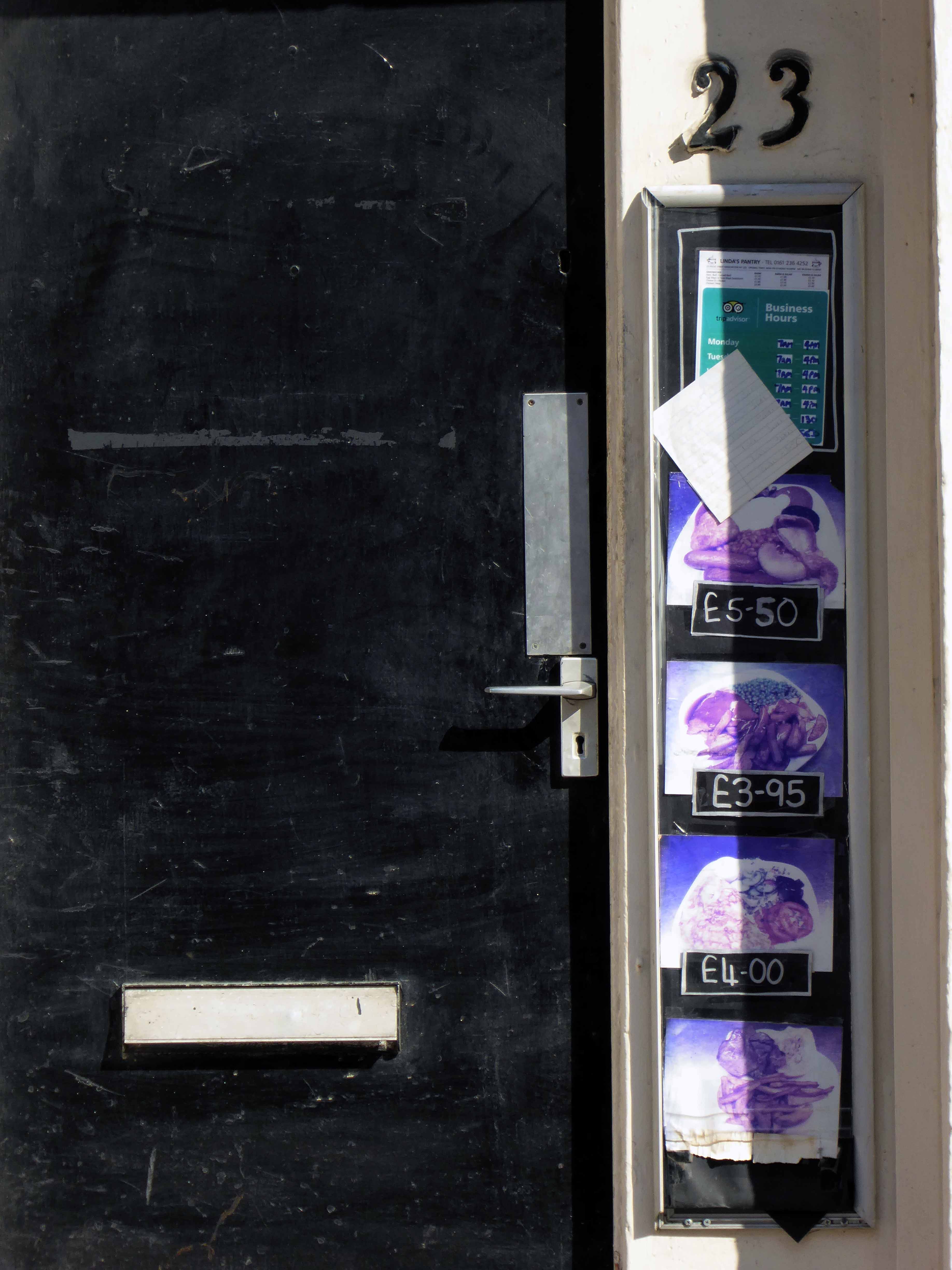
Top class scran at prices to suit all pockets.

EGP_MEN_LindasPantry_201017_007JPG

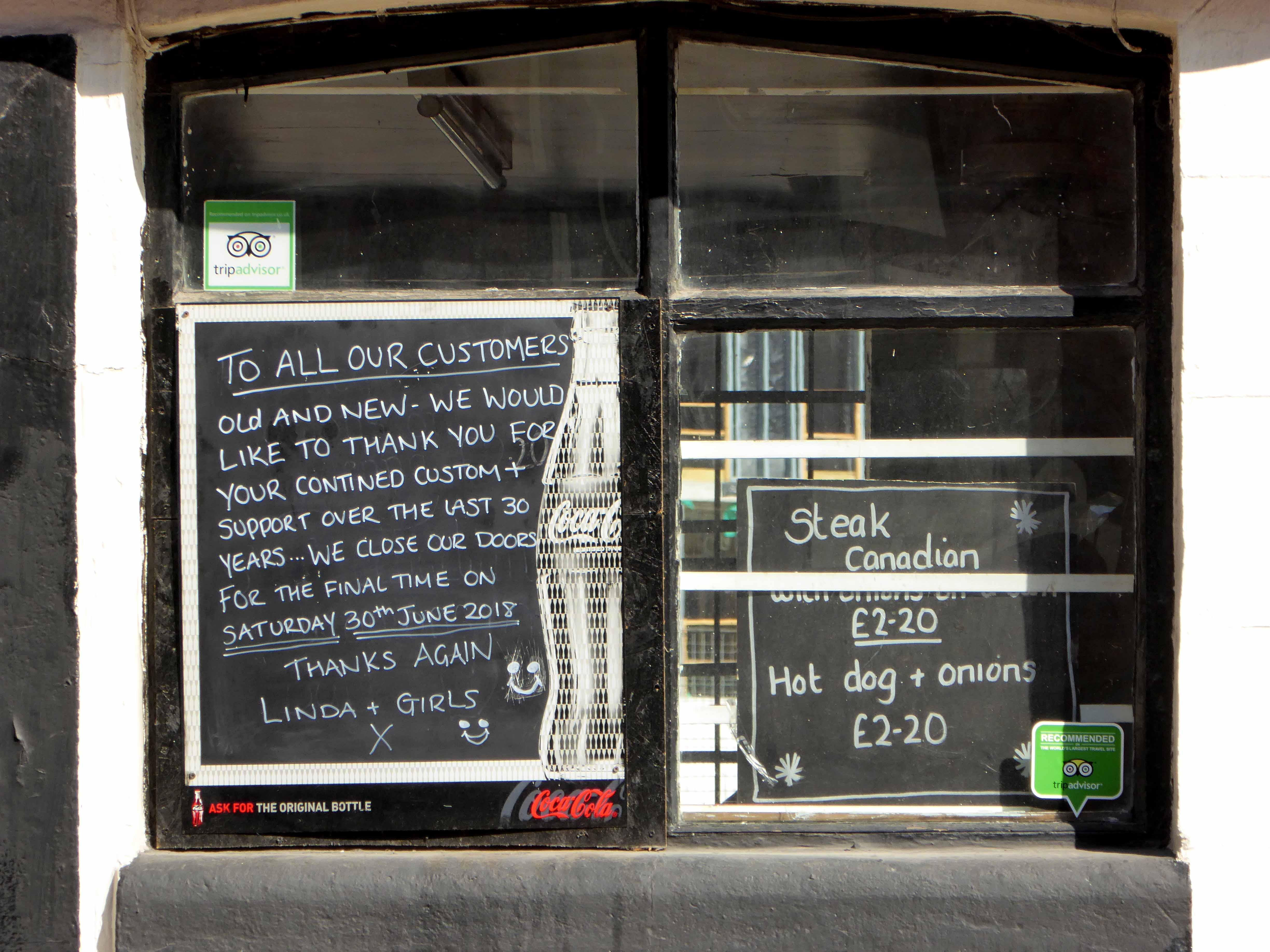
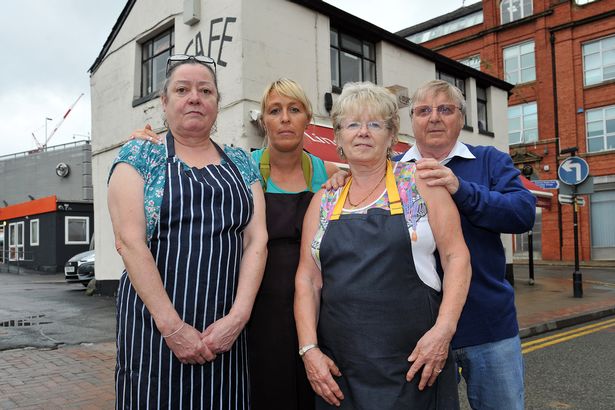
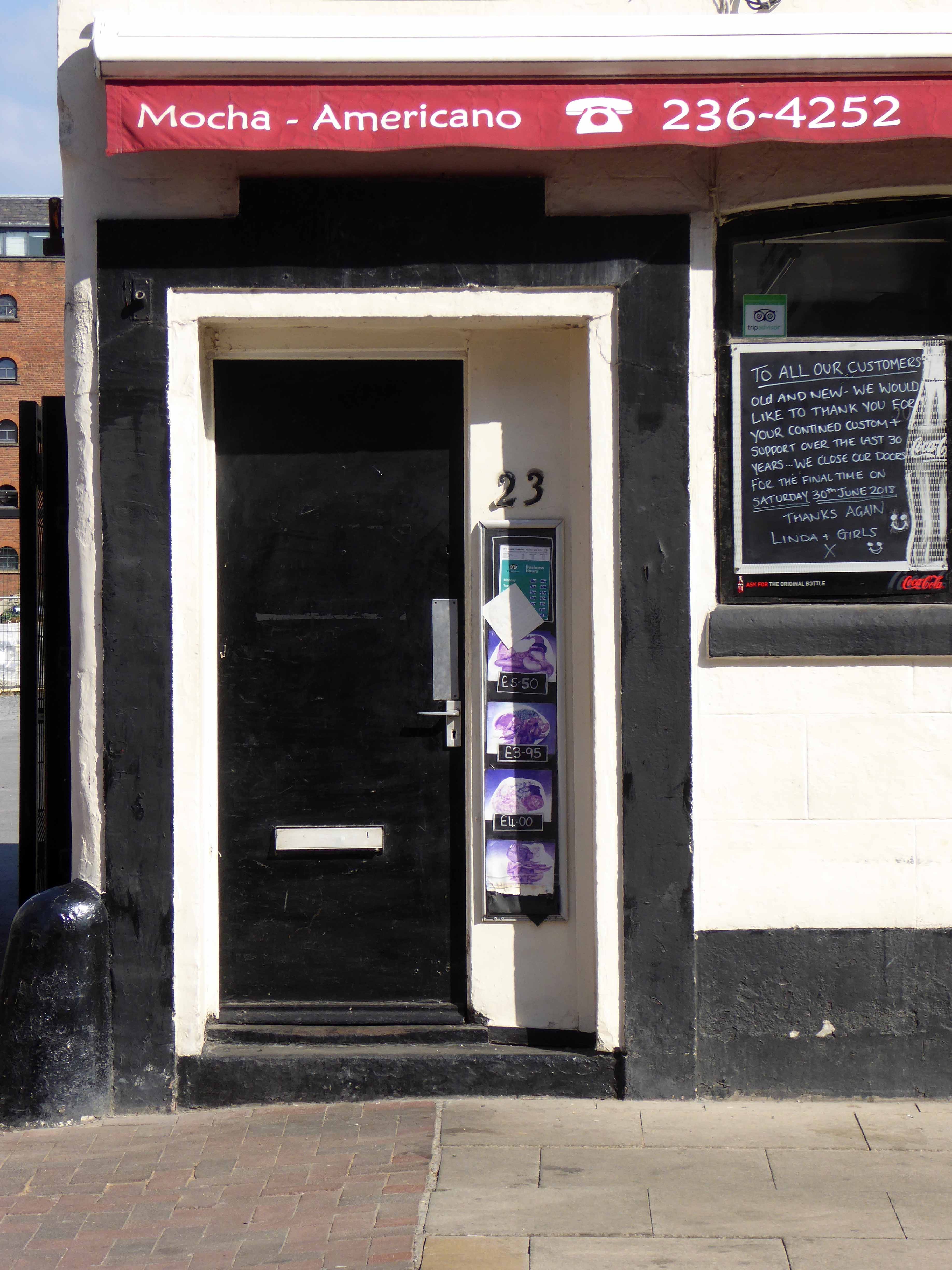
Linda and her crew have packed up the pans and scrammed.

Read all about it – Manchester Evening News

The face of the city changes, as one by one faces and places disappear, new build and mass tourism making ever new demands on space.

The rag trade is in tatters and the tatters are long gone.

It would seem that there is no place for the traditional café or its customers.

So thank you and goodnight, the last pie, chips and gravy has left the counter.

Shut the door and turn out the lights.

P1270025

P1270027

P1270028

P1270033

P1270034

P1270035

P1270038

P1270039

P1270042

P1270044

P1270048

P1270051

P1270052


Underpass – Scarborough

I’ve been here before.

In and out of the underpass from shore to mighty sea.

I’ve come back again, fascinated by the barely illuminated utilitarian infrastructure that seems so rarely used, alone in world of my own.

Take a closer walk and look with me.

The light at the end the tunnel is another tunnel.

P1260862

P1260863

P1260864

P1260865

P1260866

P1260867

P1260868

P1260869

P1260870

P1260871

P1260872

P1260873

P1260874

P1260875

P1260877


P1260879

P1260880

P1260881

P1260885

P1260890

P1260951 copy

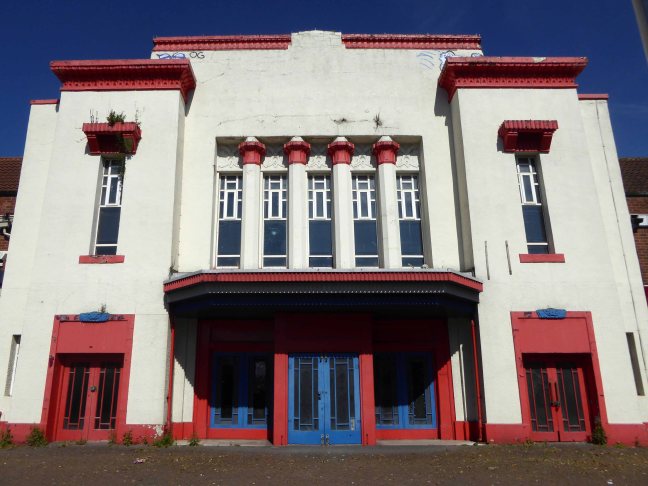
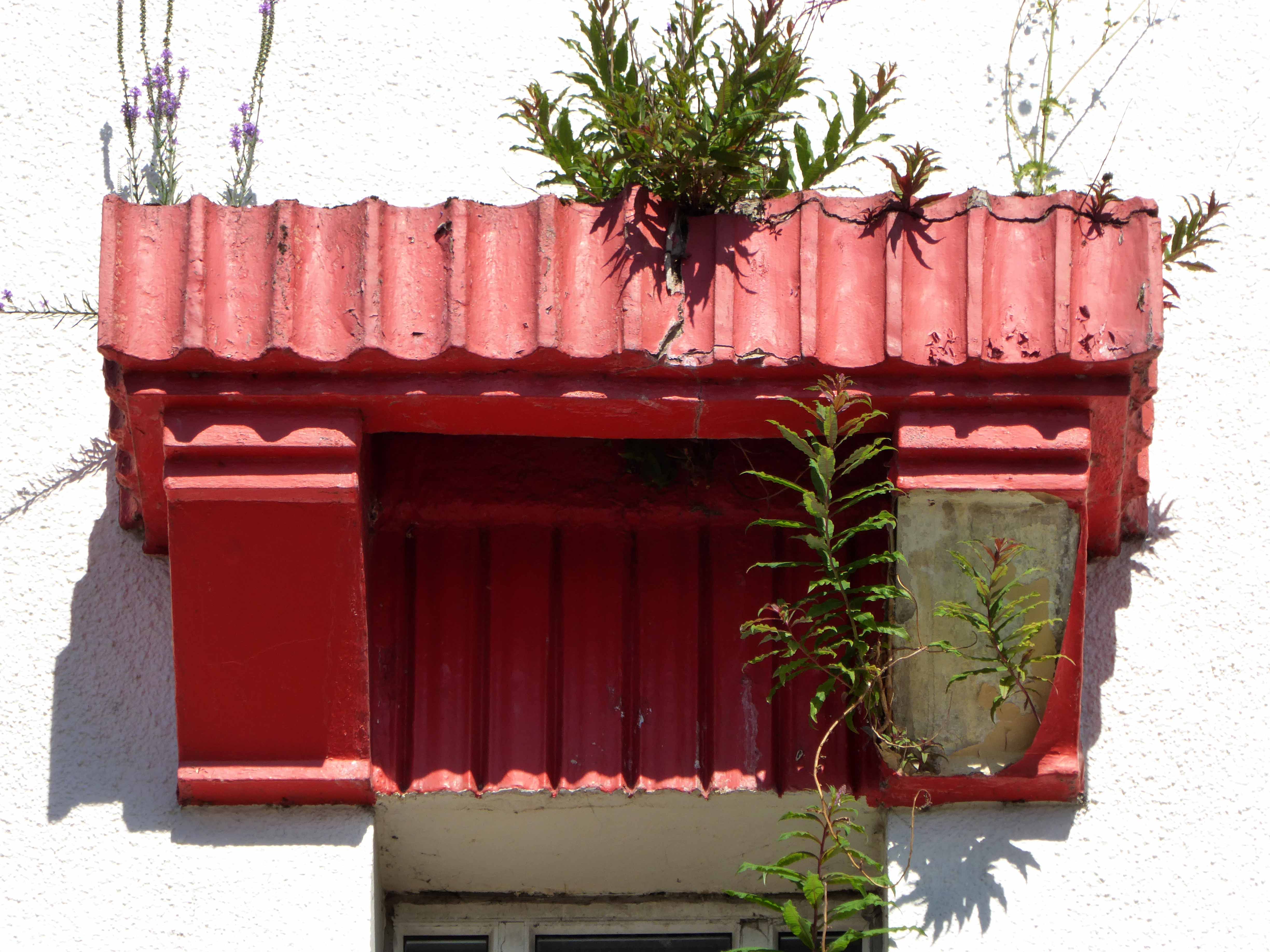
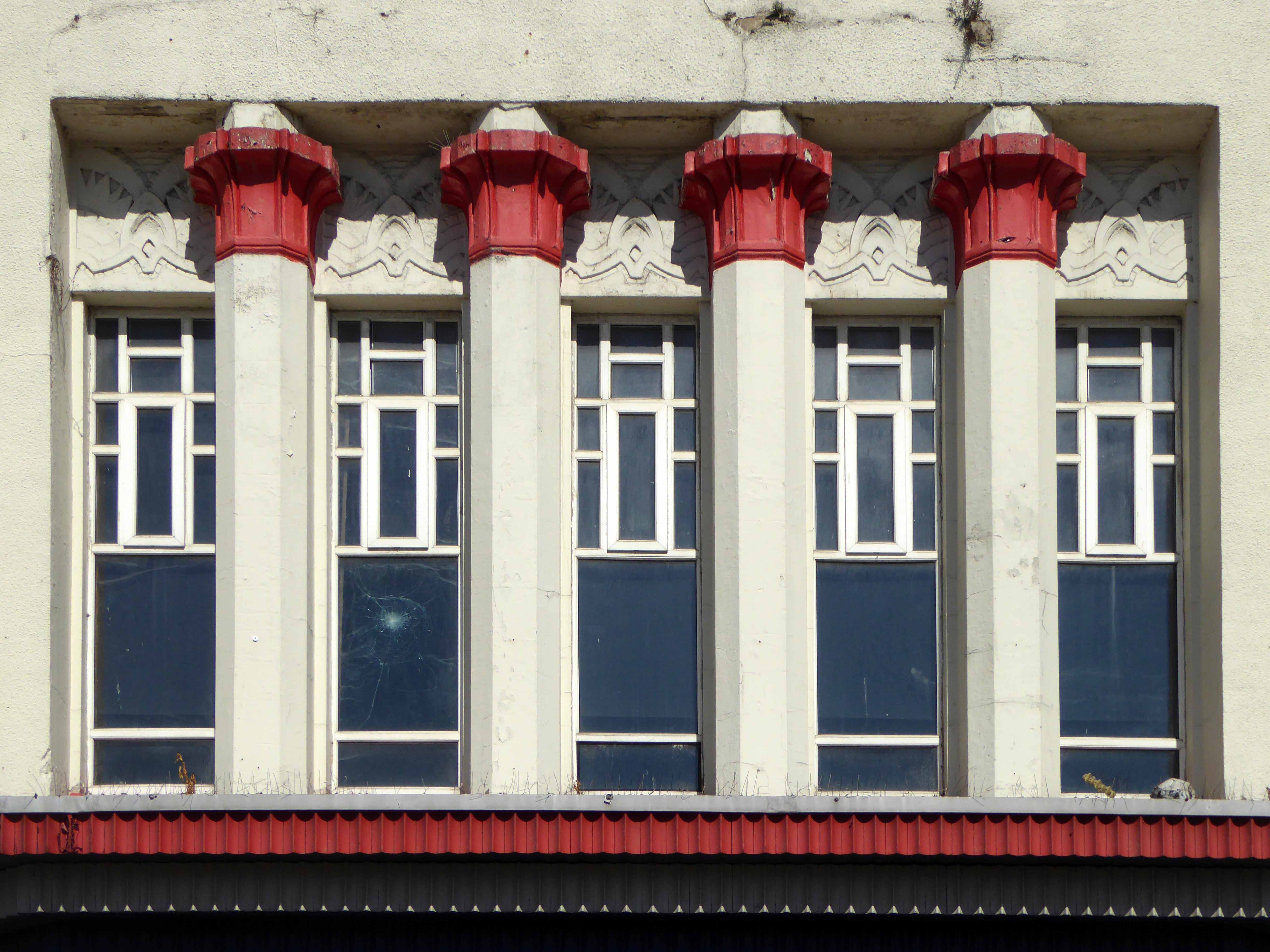
Sale Pyramid Odeon Cinema

Cinema Treasures

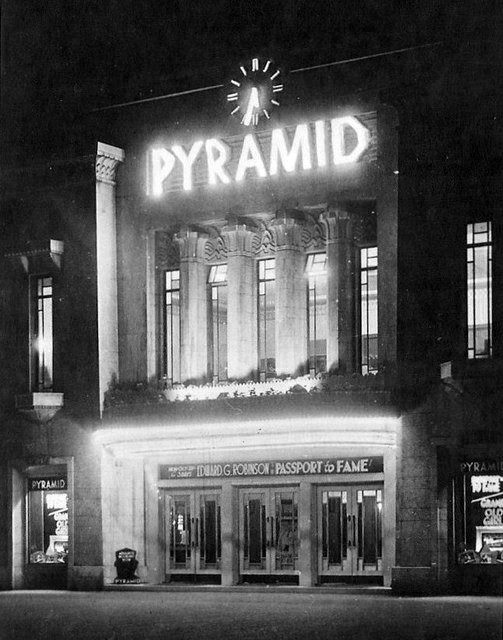
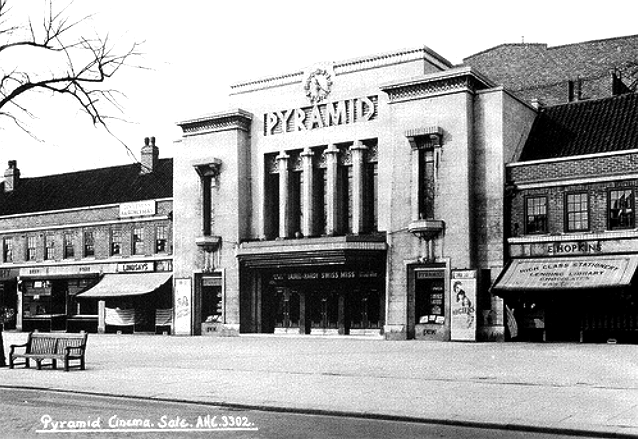
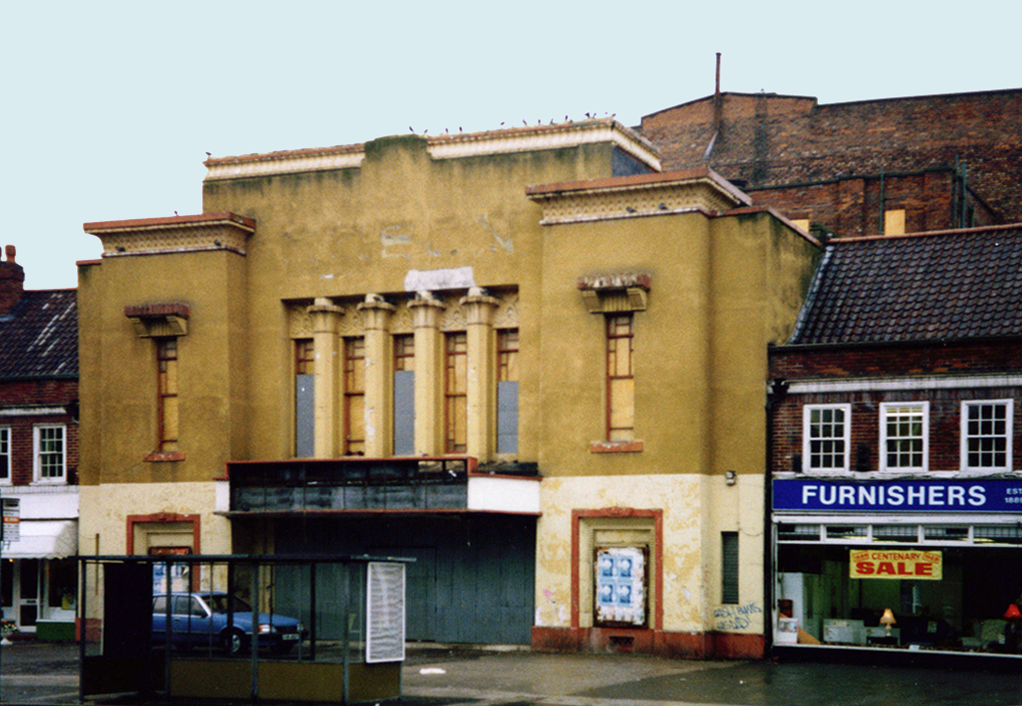
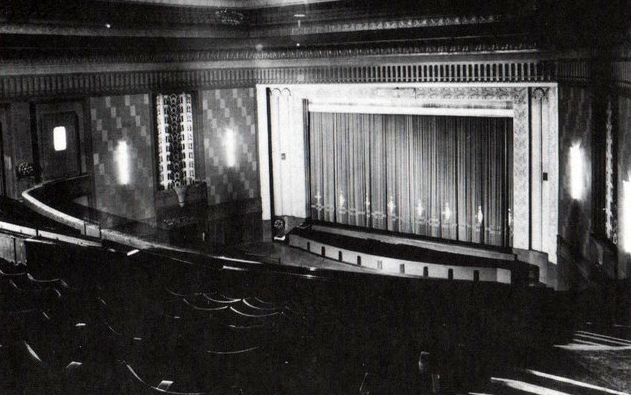
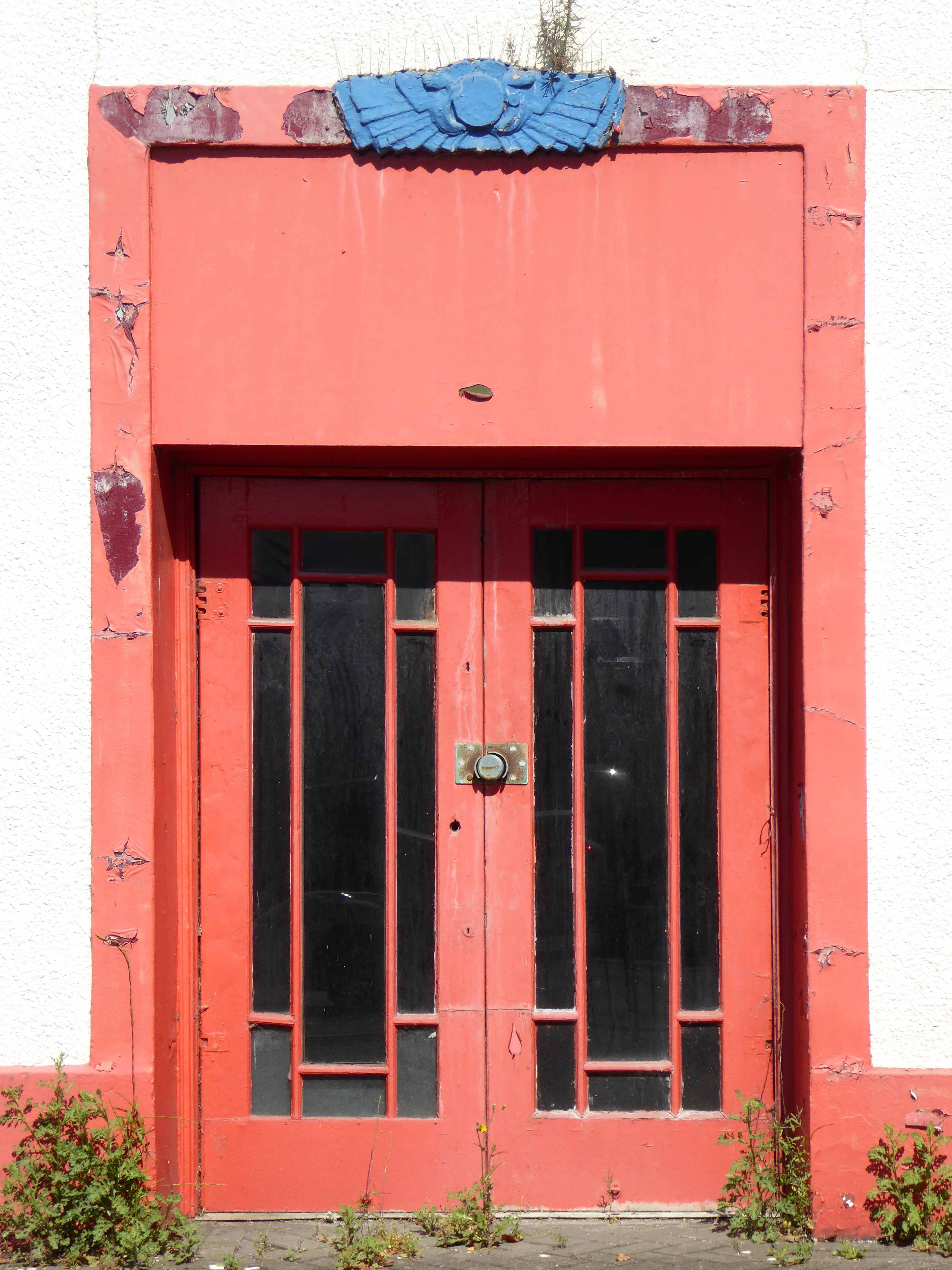
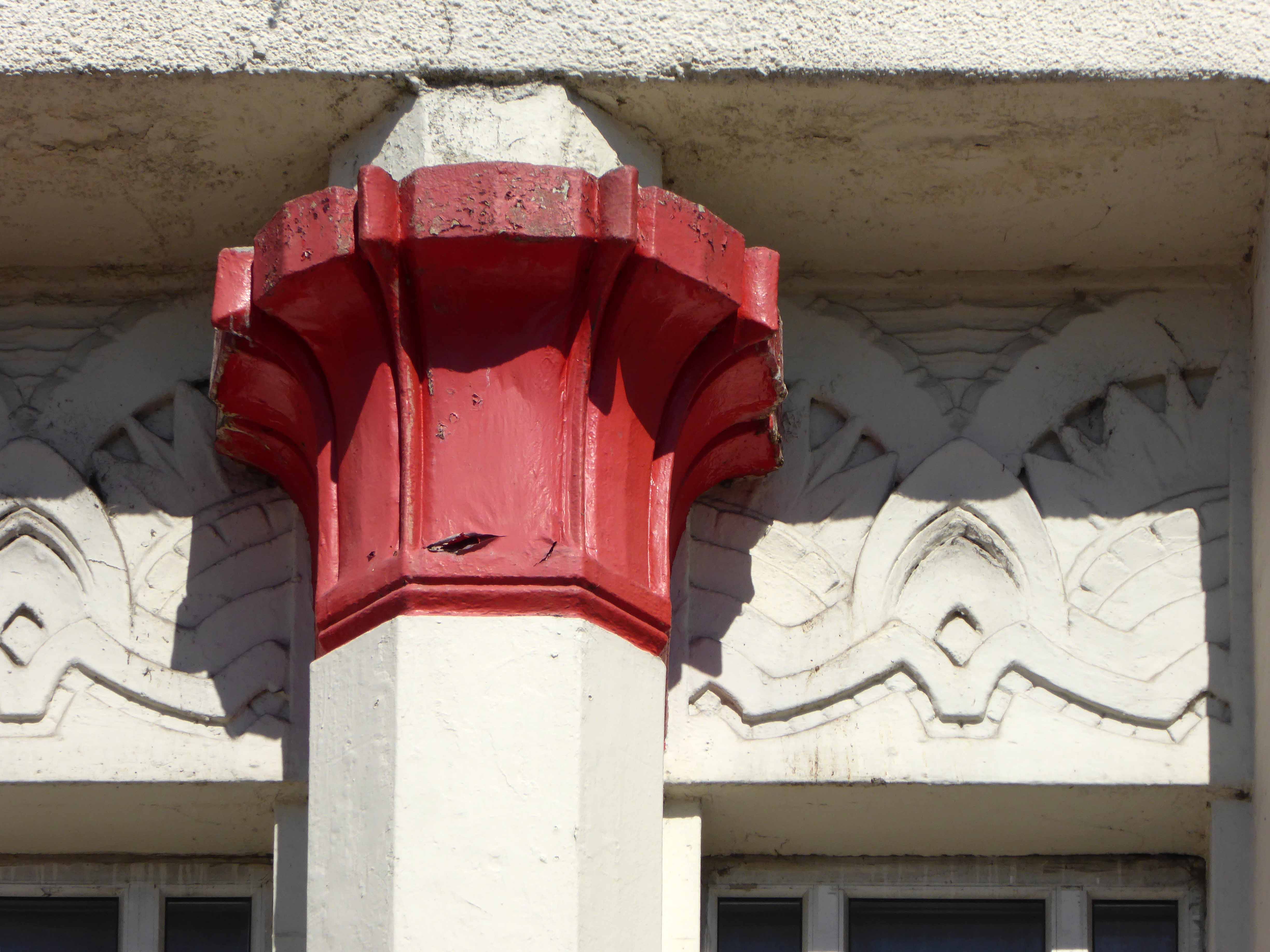
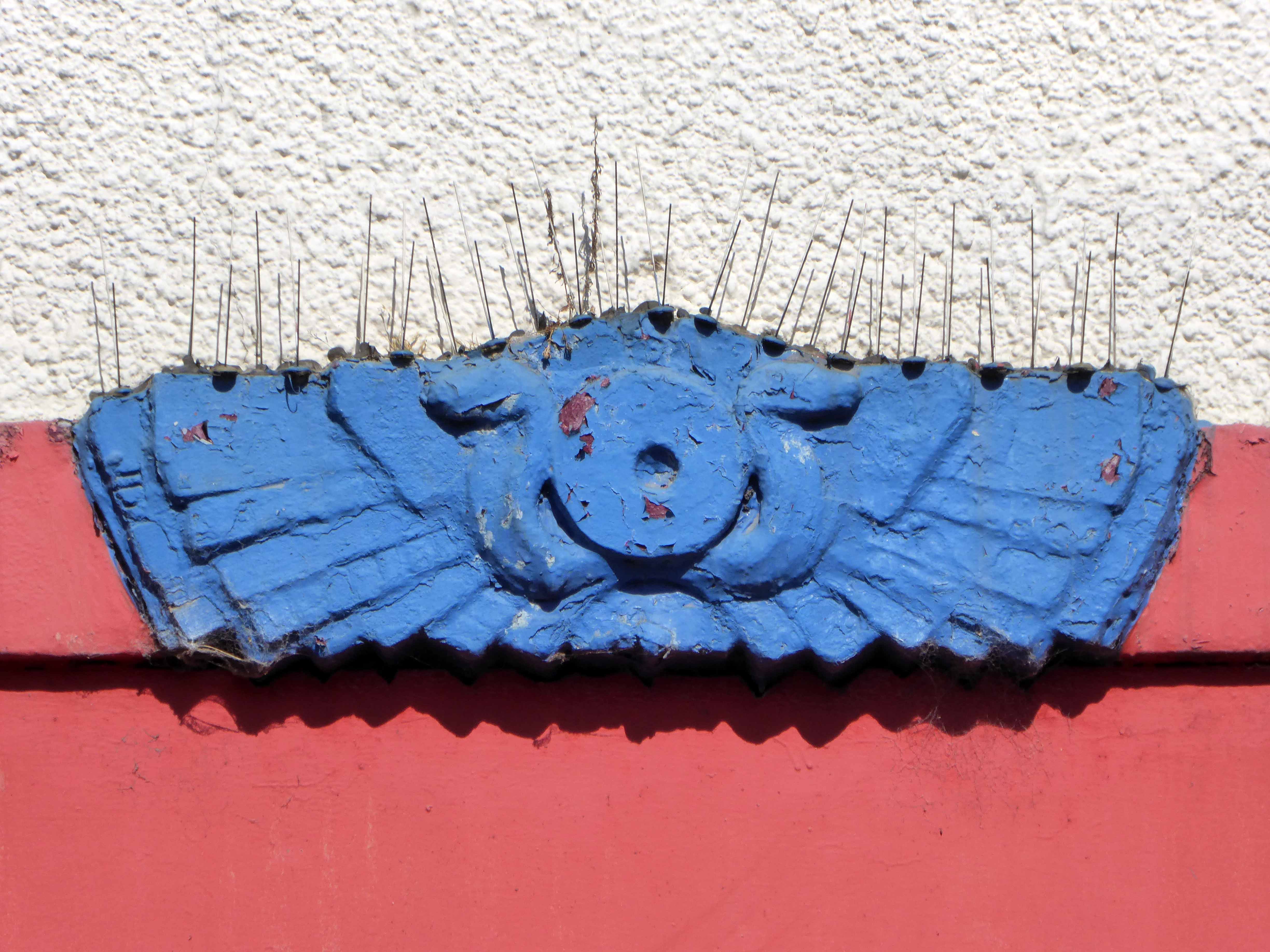
Located in Sale, Cheshire, now part of Greater Manchester. Designed by the famous British cinema architectural firm, Drury & Gomersall, the Pyramid Theatre is a classic example of an Egyptian-style cinema in Britain and had a 1,940 seating capacity.

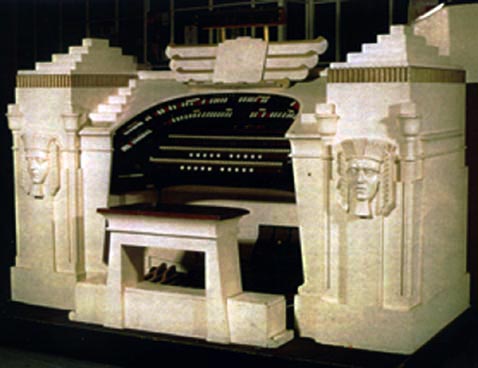
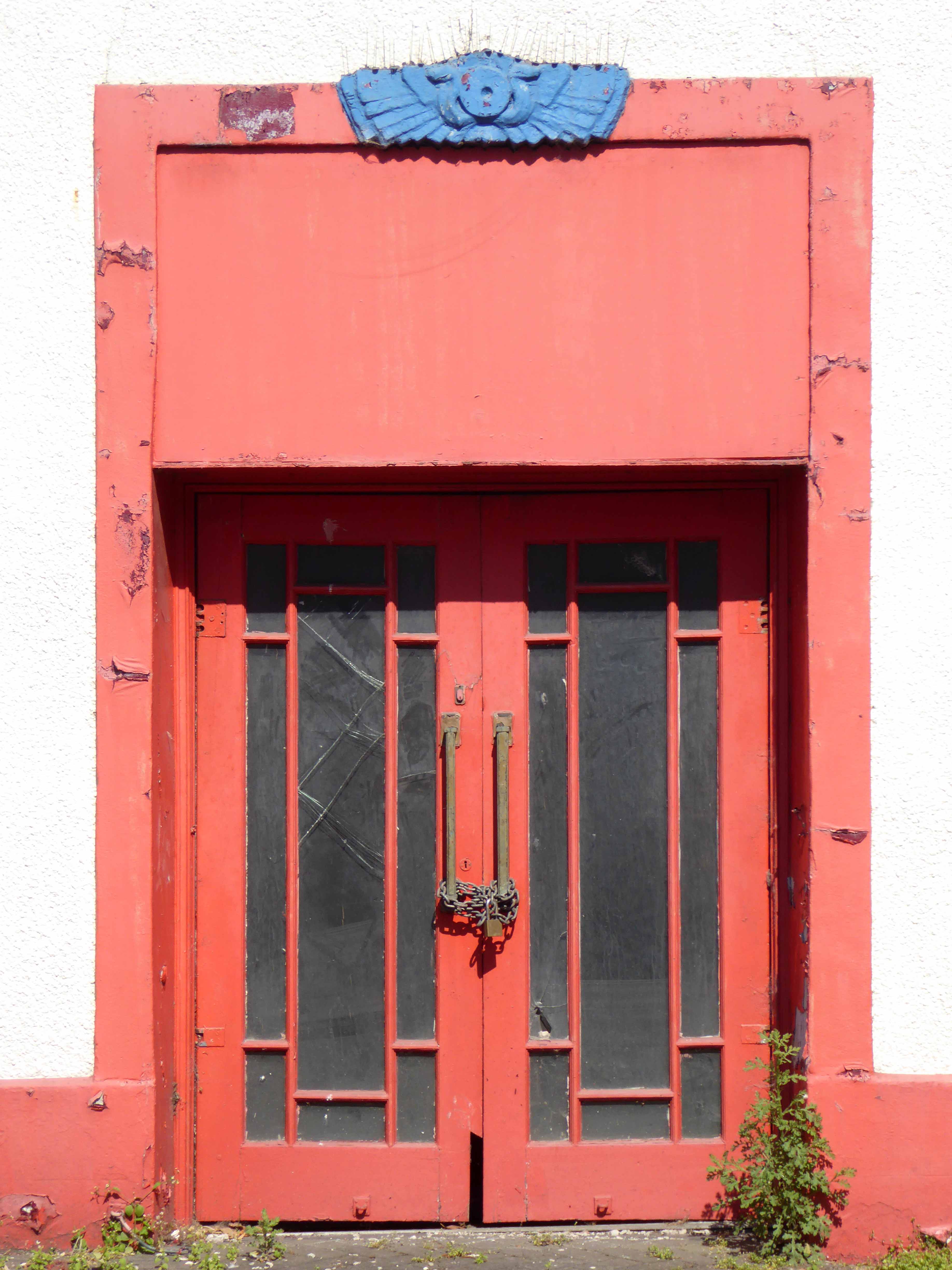
The frontage although not particularly Egyptian in overall design does have various Egyptian style mouldings and fluted pillars. Internally, the Egyptian theme was again largely mouldings and finishes like Graumans Egyptian Theatre in Hollywood. The theme was included in the specially designed Christie Organ, which was installed in the Blue Coat School in Oldham.

Following a request by the school to remove the organ in 2008, the organ was in storage for five years. The Christie has now been donated to the Lowe Side Trust, by the LTOT,  along with funding for refurbishment and installation, of both consoles, into Lowe House Catholic Church, St. Helens, Lancashire. As of the beginning of 2018 the the original pit console is now fully functioning in the Church. The Egyptian style stage console is now under refurbishment to full theatre specification. Website for this project will be available shortly.

Lancastrian Theatre Organ Trust

bccolcr

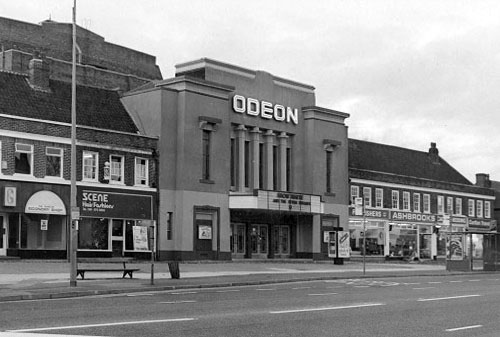
The Pyramid Theatre changed hands a couple of times between its opening on 24th February 1934 and 21st December 1942 when it was taken over by Oscar Deutsch’s Odeon Theatres Ltd. chain. It was re-named Odeon on 18th June 1945.

large-1

In 1981, the Rank Organisation closed 29 of its Odeon cinemas and the lease for the Odeon Sale was bought by the Tatton Cinemas group and it was re-named Tatton Cinema. Stage shows returned to the theatre, however the runing costs caused the lease to revert to Rank in 1984 and the building was closed.

Screen Shot 2018-06-28 at 07.51.12

odsastr

The cinema was purchased by Trafford Borough council for £200,000, but by 1987 the costs to the council were estimated at £1.5 million. A campaign was started to save it from demolition.

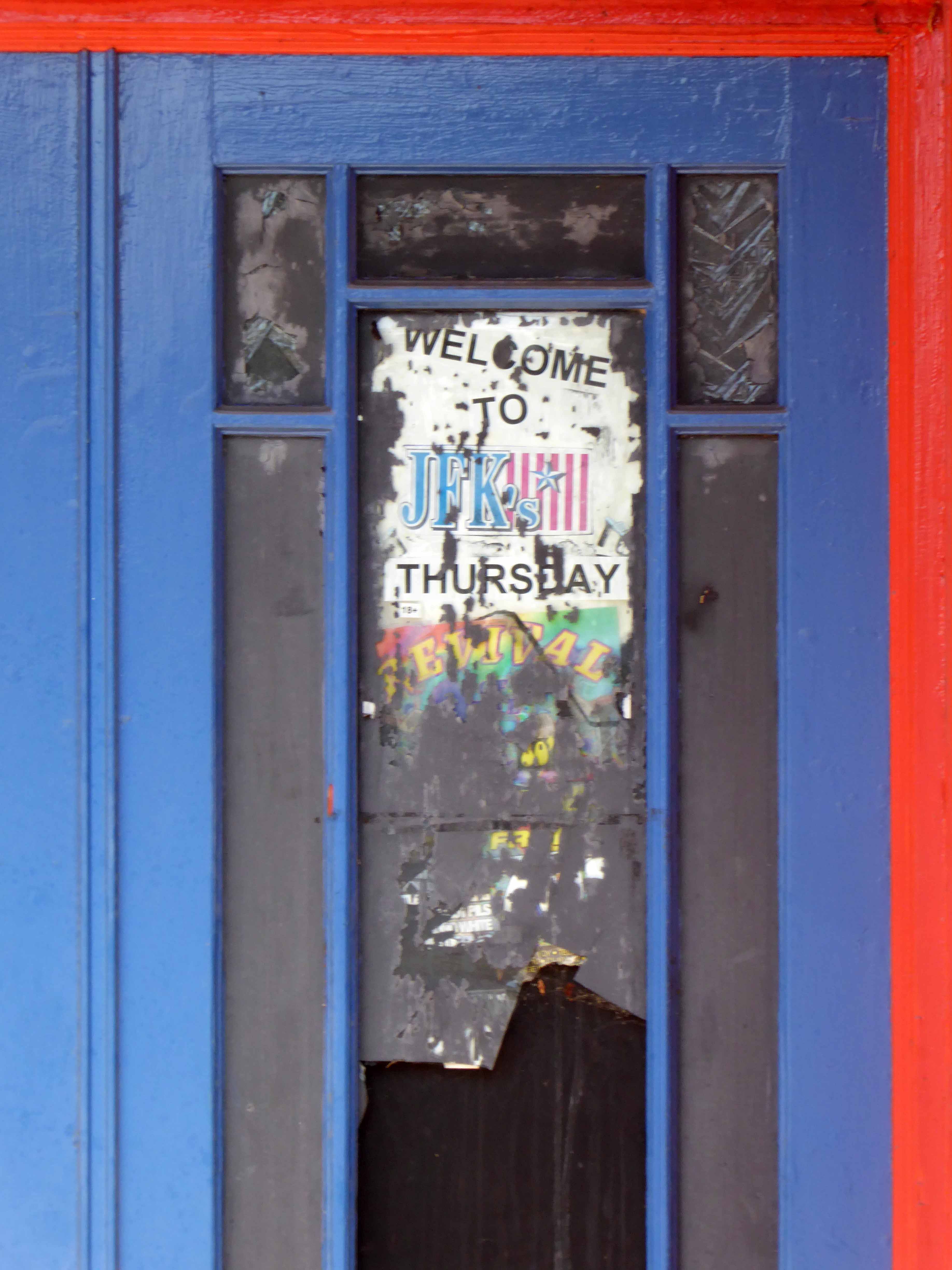
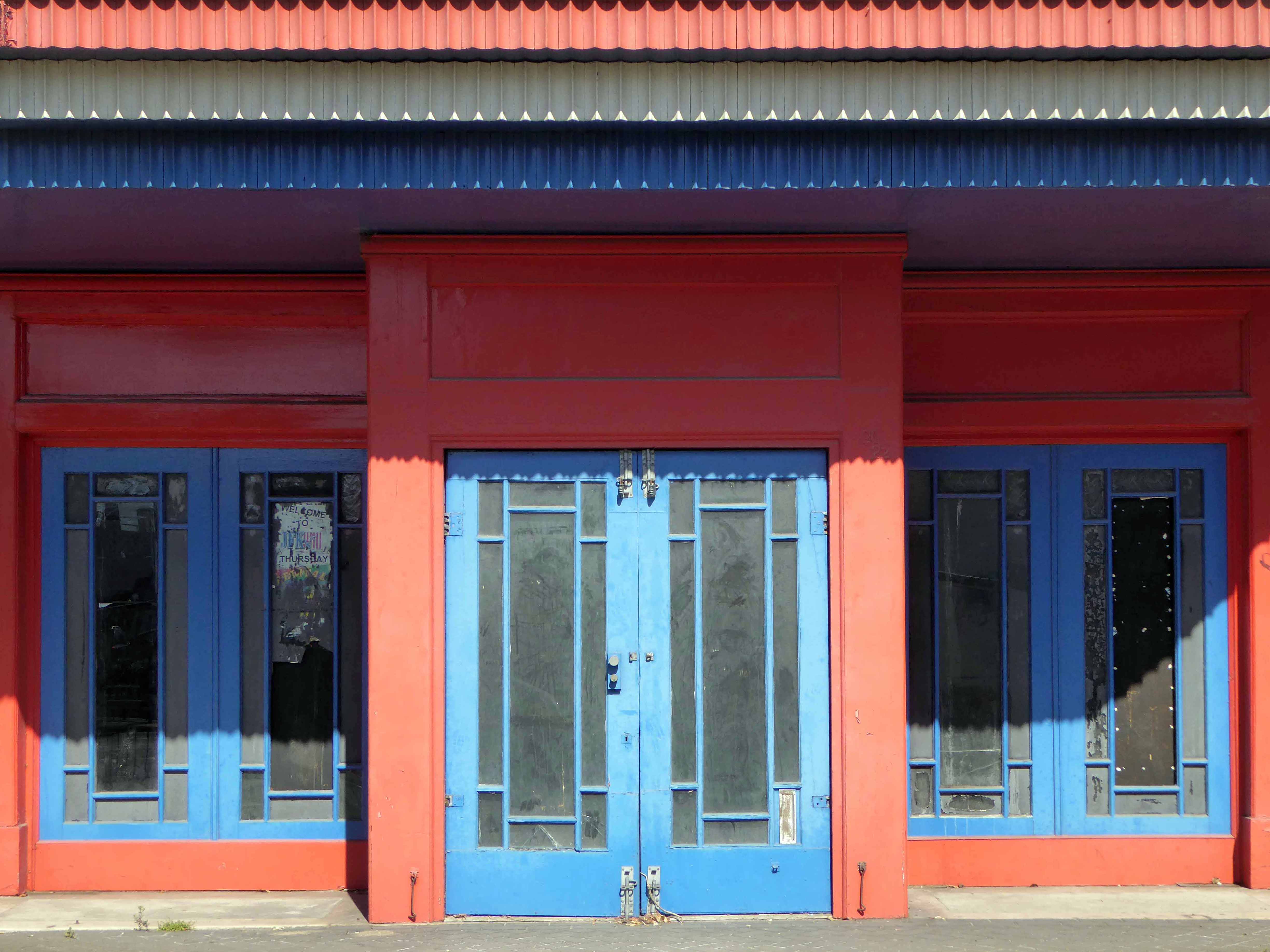
In 1988, it was advertised for sale by tender and by 1990 the cinema was converted into an American themed nightclub, known as JFK’s

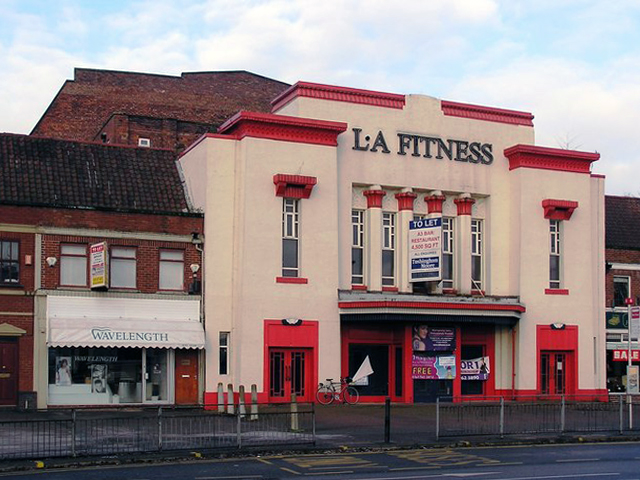
The nightclub closed around 2001 and the auditorium was transformed into a franchised L.A. Fitness Centre, using a former front stalls exit as its entrance. The main entrance and foyers are currently unused. In 2013 it became a Sports Direct Fitness Club.

The Pyramid Theatre was designated a Grade II Listed building in November 1987.

It is currently closed and seemingly unused.

OLYMPUS DIGITAL CAMERA

Screen Shot 2018-06-28 at 07.51.49

I often cycle passed and wonder about your past, and a possible future.

large

Our cinema heritage is and always had been under threat, listed and unloved desperately seeking the care and attention to survive into another other century. Subsequent repurposing has proved temporary and unsustainable, without the concerted efforts of local authority, charitable trust and enthusiastic amateurs, you will remain a silent pharaonic sentinel by the side of Washway Road.

Forever.

“Only the best is good enough for Sale”


P1260515

P1260517


P1260519

P1260520

P1260521

P1260522


P1260524

P1260525

P1260527

P1260529

P1260514


Taylor Street Gorton – The Pineapple

Screen Shot 2018-06-11 at 17.33.47

To begin at the beginning or thereabouts, Taylor Street was at the heart of Gorton to the east of Manchester city centre.

webmedia-1.php

webmedia-2.php

webmedia-3.php

webmedia-6.php

webmedia-7.php

webmedia-8.php

webmedia-9.php

webmedia-10.php

webmedia.php

A typical street of tightly packed brick terraces, dotted with shops, pubs, people and industry. I worked there as van lad for Mother’s Pride bread back in the 70s and saw those shops, pubs, people and industry slowly disappear.

Beyer Peacock whose immense shed dominated the northern end of the street, simply ceased to be, as steam gave way to diesel.

As full employment gave way to a date with the dole.

Adsega opening on nearby Cross Street heralded the arrival of the super fast, self-service supermarket, and sounded the death knell of the cosy corner cupboard.

398912_3820026268527_1203084936_n

The local pub was The Bessemer – its name forging an unbreakable link with the surrounding steel industry, that eventually broke.

webmedia-5.php

To the left of the pub is the Bishop Greer High School construction site  – the first of the new build that would later dominate the area, along with wide open spaces where shops, pubs, people and industry once were.

12932970_10154152981641600_8757469207112330278_n

webmedia.php copy

webmedia-1.php copy

When the school eventually shut its doors, it became an annex of Openshaw Technical College, and I found myself working there in the 80s at the East Manchester Centre, until its eventual closure.

It’s now sheltered accommodation for the lost and lonely:

Located in a quiet suburb of Manchester with excellent links to the city centre, Gorton Parks has an exceptional range of facilities spread out across five separate houses, each offering a different care option. Melland House offers dementia residential care, Abbey Hey provides nursing dementia care, Debdale is the house for intermediate nursing care and Sunny Brow offers general nursing care.

We sought solace in The Pineapple.

Screen Shot 2018-06-11 at 17.33.25

The streets were trimmed and slimmed, much of the past a mere ghostly presence, almost imprinted on the present.

A brave new world of brand new modern housing, with an Estate Pub to match.

The_Pineapple,_Gorton

A busy bustling boozer – lots of live and local action for the lively locals, latterly seeing out time as a house of House – a real bangin’ Bashment, bass-man bargain basement.

Until time is finally called – no more four to the floor, last one out shut the door.

1512347_516327525148853_492482006_n

Nothing lasts forever and a sign of the times is an upended pub sign, lying dormant in the dust.

The Chunky no longer a great big hunk o’funk.

10 Gorton pineapple pub

The big screen TV forever failing to deliver all the action, live or otherwise.

P1050836

p1050838.jpg

Latterly transformed into Dribble Drabble.

DSC_0074

And so the beat goes on as successive waves of success and recession, boom and bust free-market economics, wash over the nation and its long suffering folk.

Its enough to drive you to drink.

The George Hotel – Stockport

Screen Shot 2018-06-02 at 13.57.42

15 Wellington Road North Stockport SK4 1AF.

Time changes everything except something within us which is always surprised by change.

A delightful interwar pub on the corner of Heaton Lane and Wellington Road North, I moved to Stockport some forty years ago and was mightily impressed by the restrained exterior Deco design, wrought and hewn from soft pale sandstone. Equally impressive was the wood panelled, open, spacious interior space.

The George was always something of an anomaly, being the only Greater Manchester pub owned by Higson’s Brewery, our almost next door Liverpool neighbour.

P1200475 copy

Higsons_72

Higsons was founded in 1780 – 1974 saw the brewery merge with James Mellor & Sons. In 1978, Higsons acquired the Bent’s Brewery, which was based next to its North Street head office. Boddingtons of Manchester acquired Higsons in 1985 but decided to abandon brewing in 1989 to focus on its pubs.

They have/had fine former offices on Dale Street

venues_7

Boddingtons’ brewing arm was sold to Whitbread in 1990 which then subsequently closed the Higsons Stanhope brewery and then reopened by new owners as the Cains Brewery in 1991. Higsons beer was brewed in Sheffield and Durham for a few years after closure before being discontinued. The beer brand was revived in the current century and reborn in 2017, now served in the swish Baltic Triangle based Higson’s Tap & Still with an interior order that leaps backwards head first, into an imagined future of raw brick, reclaimed wood and industrial flourishes.

DcL2r33W0AARIGU

The George prospered – a town centre pub surrounded by workers in search of a wet and shoppers shirking their retail duties in favour of draught bitter or Cherry B.

1960

Its interior however did not fair so well, ripped out in the 80s – remade remodelled, in the deeply unattractive, anti-vernacular, sub-disco style de jour.

Renamed The Manhattan, riding the fun-pub wave, closed reopened as The George – there followed thirty year of uncertainty, struggling to find an identity throughout a time of ever-changing moods.

Screen Shot 2018-06-02 at 13.53.28

It became a daytime haunt of the hardened, shattered glass, blood on the tracks class of drinker, its reputation in tatters along with yesterday’s fish and chip papers.

The last time I came by you were still open for business.

P1160554

I bided a wee while, without imbibing, all the better to record your disabused Art Deco details.

P1160541

P1160542


P1160544

P1160545

P1160550


P1160552

I came by yesterday and you were all tinned-up with nowhere to go.

Premises To Let as of 13th May 2018 – on the 2nd April 2018 the licence has lapsed, so this will be a further barrier to it re-opening.

And so your faux nowheresville interior will pass into yet another of somebody’s history, along with your fine Deco detail and disco destruction.

This a tale of our age – of monopoly capitalism, stay at home Bargain Booze tipplers, demographic shifts, de-populated town centres, fashion fads and cheap cladding.

Time changes everything except something within us which is never surprised by change.

P1250771


P1250776

P1250778

P1250781

P1250783

P1250785

P1250786

P1250789

P1250794

P1250796


Heaton Mersey Vale – Stockport

A mighty river valley was formed in the second Ice Age, as the glaciers receded and rushed seaward.

The mighty River Mersey was formed on the eastern edge of Stockport, at the confluence of the Tame and Goyt/Etherow rivers.

Thousands of years in the making, as the water-powered mills of the adjacent Pennine Hills migrate to the lower reaches of the towns, in search of water, workers and steam, the full force of the Industrial Revolution takes shape in the west.

The mixed farming of the alluvial valley, which opens up onto the Lancashire and Cheshire Plains, meets and greets the incursion of dye and brick works, mills and manufacturing.

31891

Fred Schofield’s farm 1930

1963

View towards Stockport from Heaton Mersey Park

Serviced by a complex and competing rail system based around Heaton Mersey Shed.

edgeley2016-11

Opened in 1889 and served until May 1968 operating steam locomotives to the end -Coded 9F.

Heaton_Mersey rail map

Here we were at the centre of a rail hub spreading out in all directions, to and from the ports, cities and resources of the country and beyond.

Great movements of steel, cotton, coal, people and manufactured goods.

Screen Shot 2018-05-16 at 19.27.37

38106

Fireman Eddy “Ned” Kelly

heaton(nigel_bruce7.1965)mersey_old7

Heaton Mersey railway station was opened on 1 January 1880 by the Midland Railway and lay on the newly opened line which ran from Heaton Mersey East Junction to Chorlton Junction and on to Manchester Central station.

The station was situated at the southern end of Station Road which still exists. The station was later operated by the London Midland and Scottish Railway and was closed by the London Midland Region of British Railways on 3 July 1961.

The area was criss-crossed by railways – its bridges traversing the roads, fields and river, dominating the landscape in a wild flurry of steam and smoke.

2633

32822

32625936_2079214925657568_2140863625928114176_o

HeatonMerseyHLBridge3

Screen Shot 2018-05-16 at 10.04.03

Further photographs from Grip 99

Crossing the Mersey – the link between Gorsey Bank and the Shed

10220

Surviving until 2007

screen-shot-2018-05-16-at-10-17-14.png

B&W photographs Stockport Image Archive

The end of steam – as drivers, fireman and staff were transferred to Newton Heath, was followed by the slow demise of the rail network, freight moved to road and passengers purchasing their first cars and a passport to illusory freedom.

The mighty Mersey is now flanked by newer neighbours, a shiny blue administrative pyramid, business park, car showrooms and nature reserve, the only certainty is change.

Screen Shot 2018-05-16 at 10.19.19

P1220916 copy

P1220917 copy

Great volumes of earth are moved to from a new topography a topography of leisure – the gentle stroll, jog and cycle replaces the clank of fire doors and shovel on coal.

NEW-GWEB

But take a look around you and you will see the remnants of the industrial age, shrouded in fresh hawthorn and enshrined in birch and beech.

P1250163

P1250164

P1250169

P1250178

P1250179

P1250180

P1250182

P1250185

P1250186

P1250187

To walk this landscape is to traverse geological, agrarian, industrial and post-industrial time – they all coexist and coalesce. Have an eye, ear and heart open to their resonance and presence, transcend time and space in the Mersey Valley today, you’re part of the leisured generation.