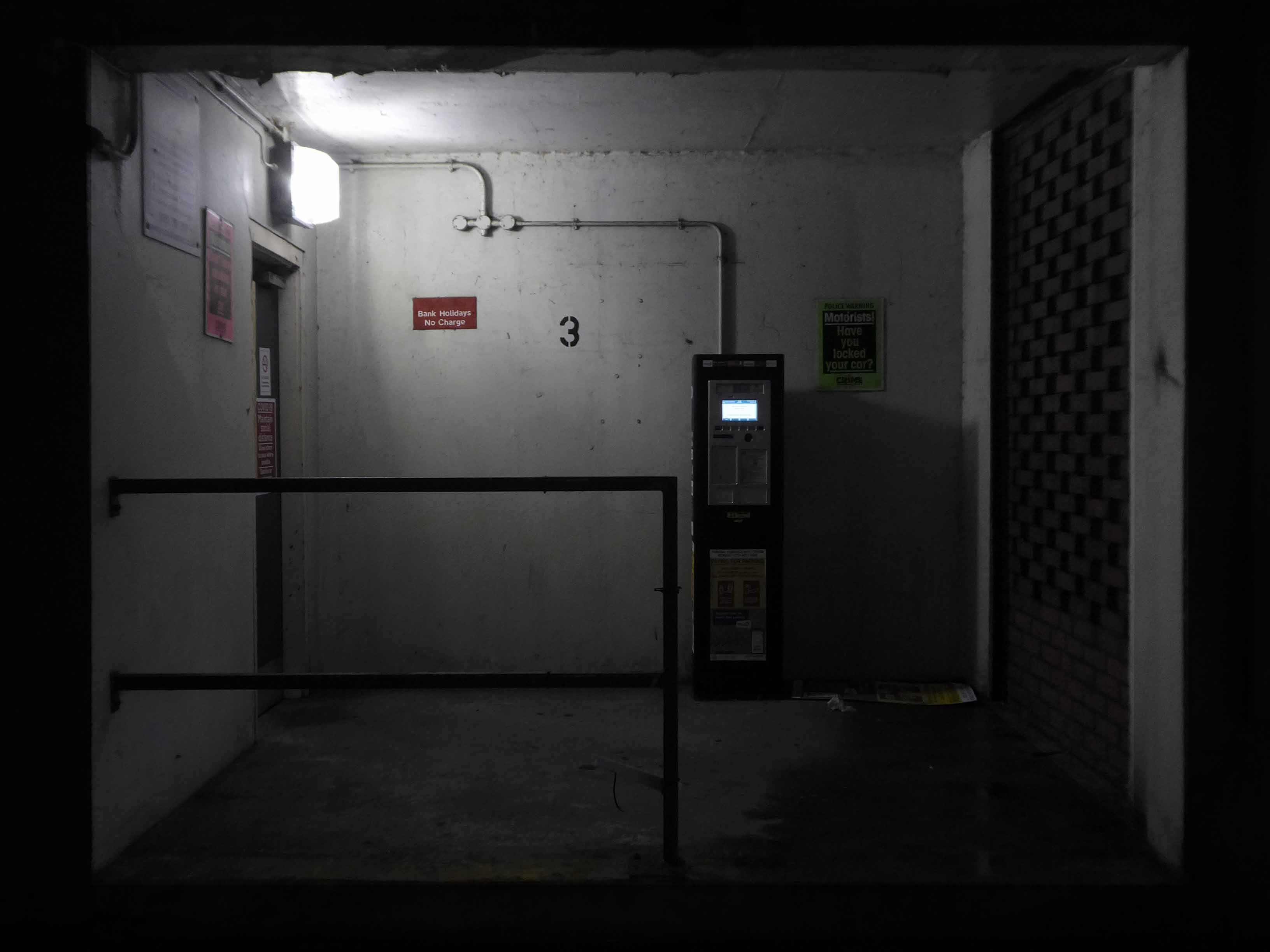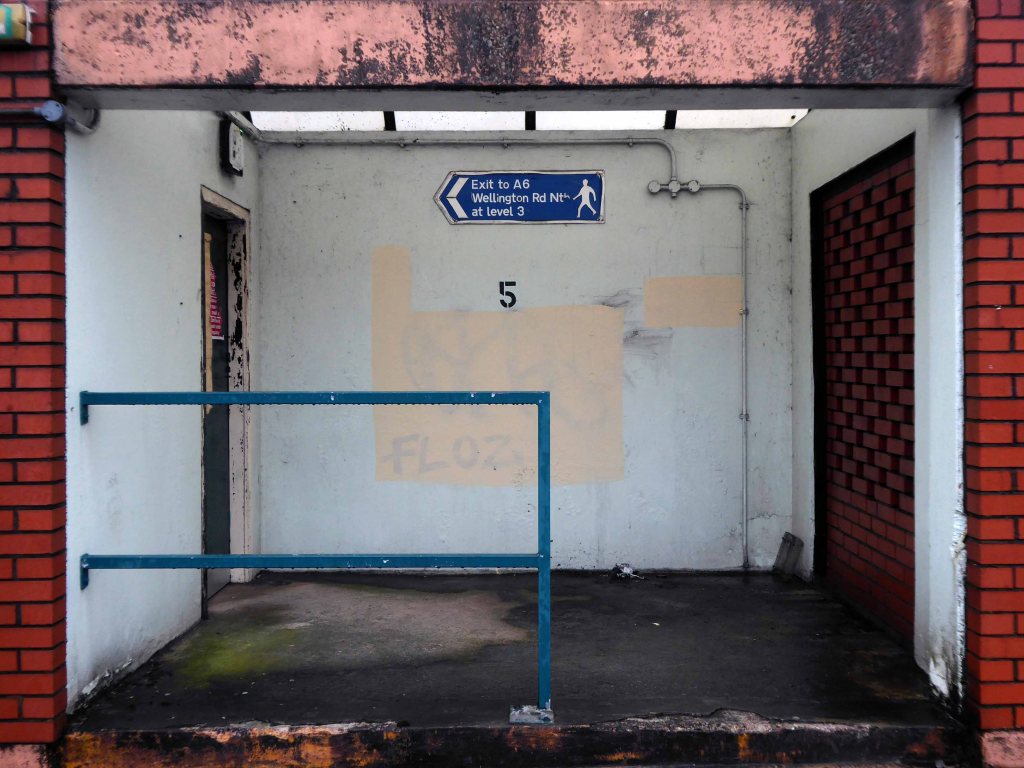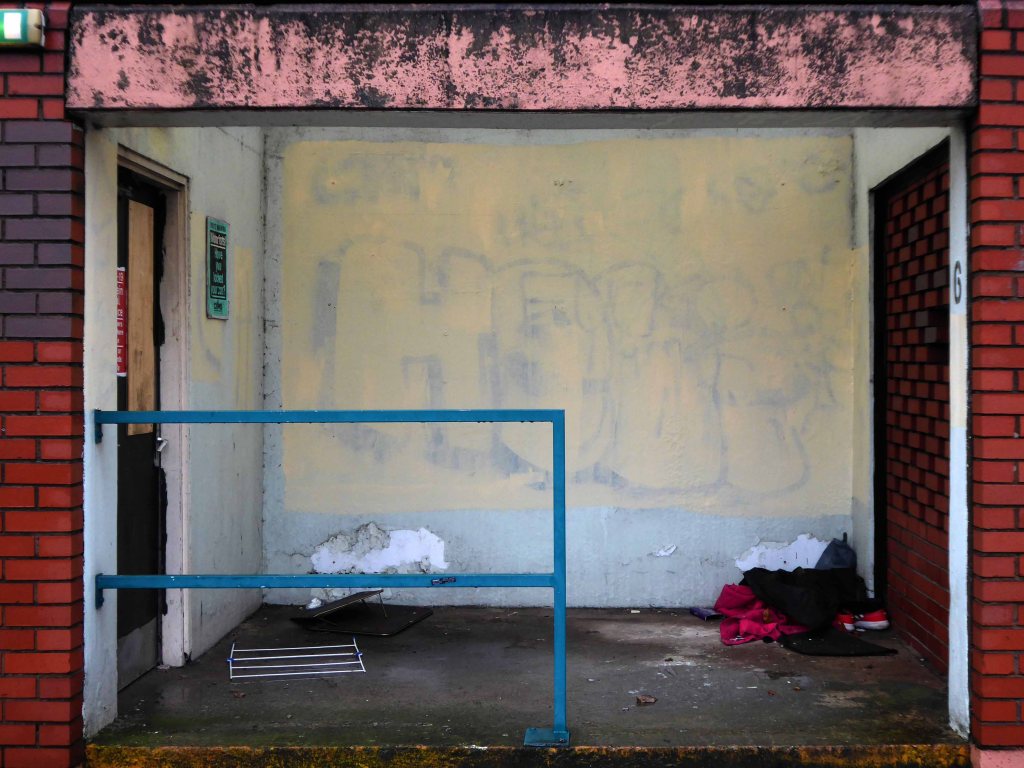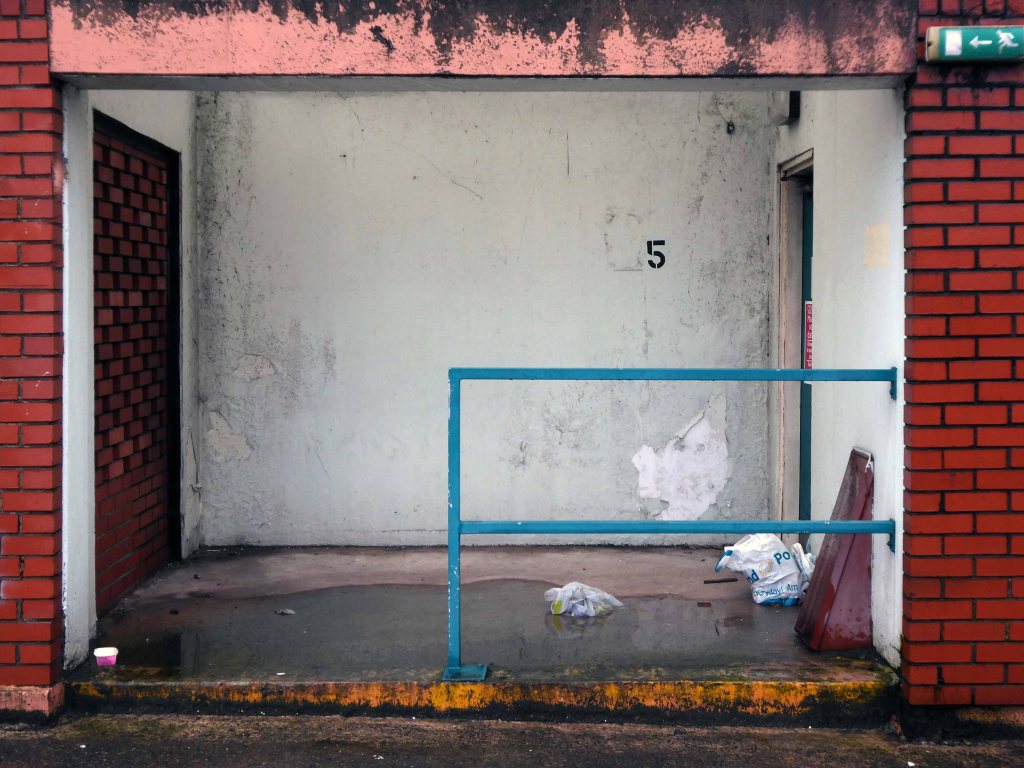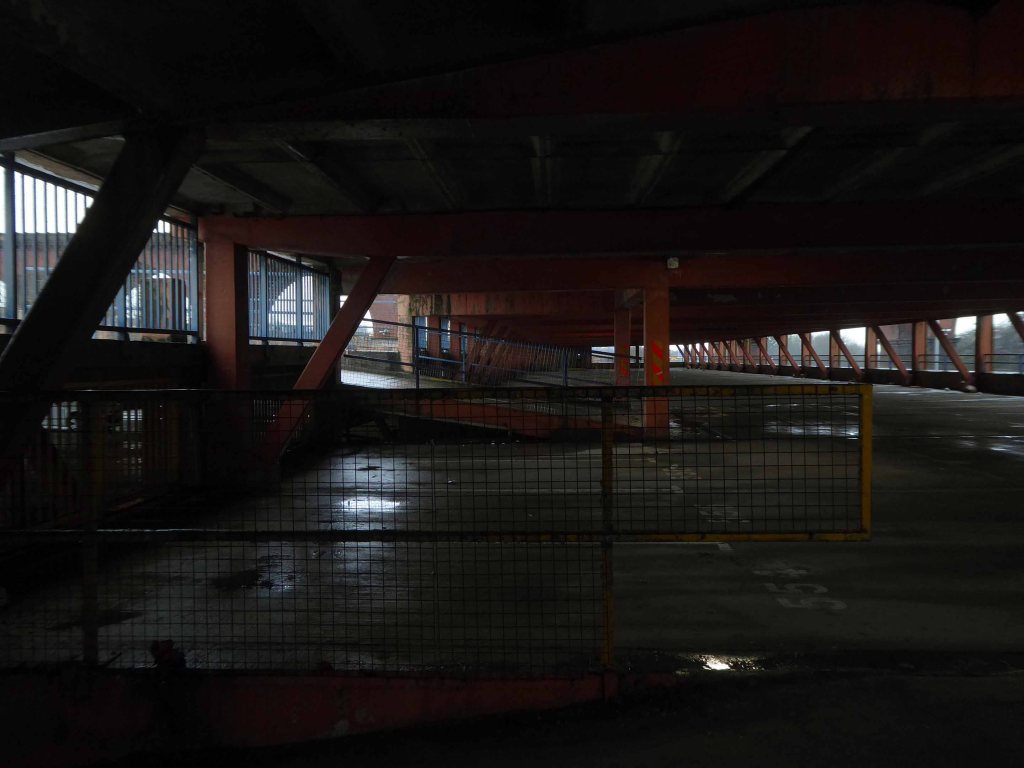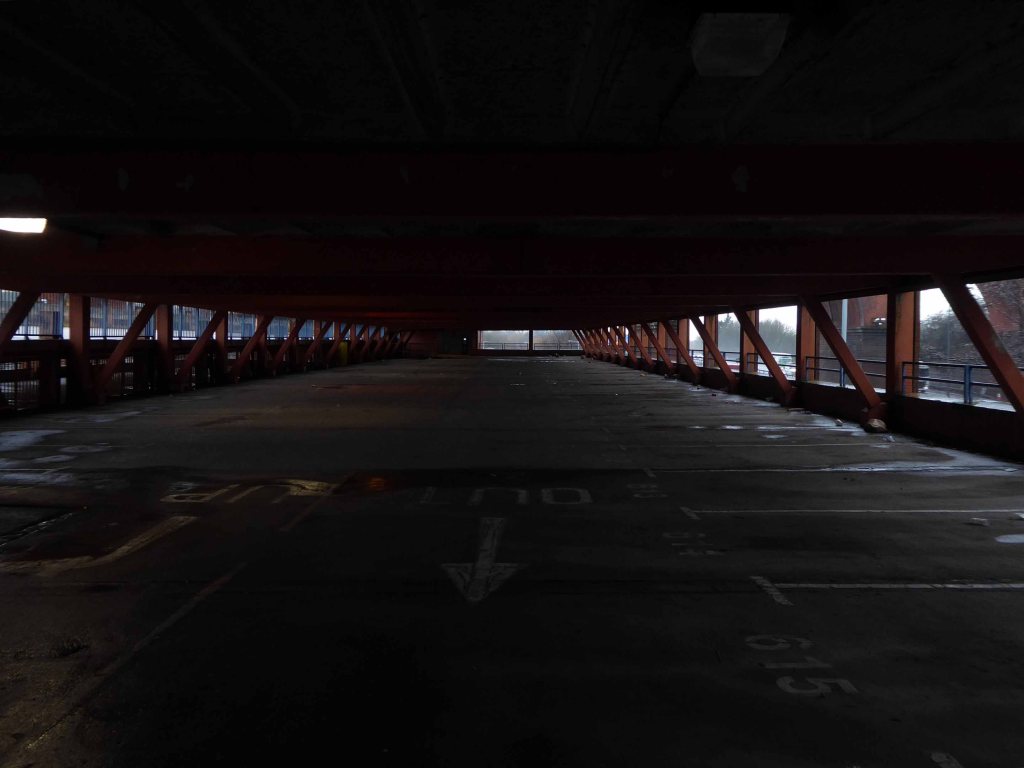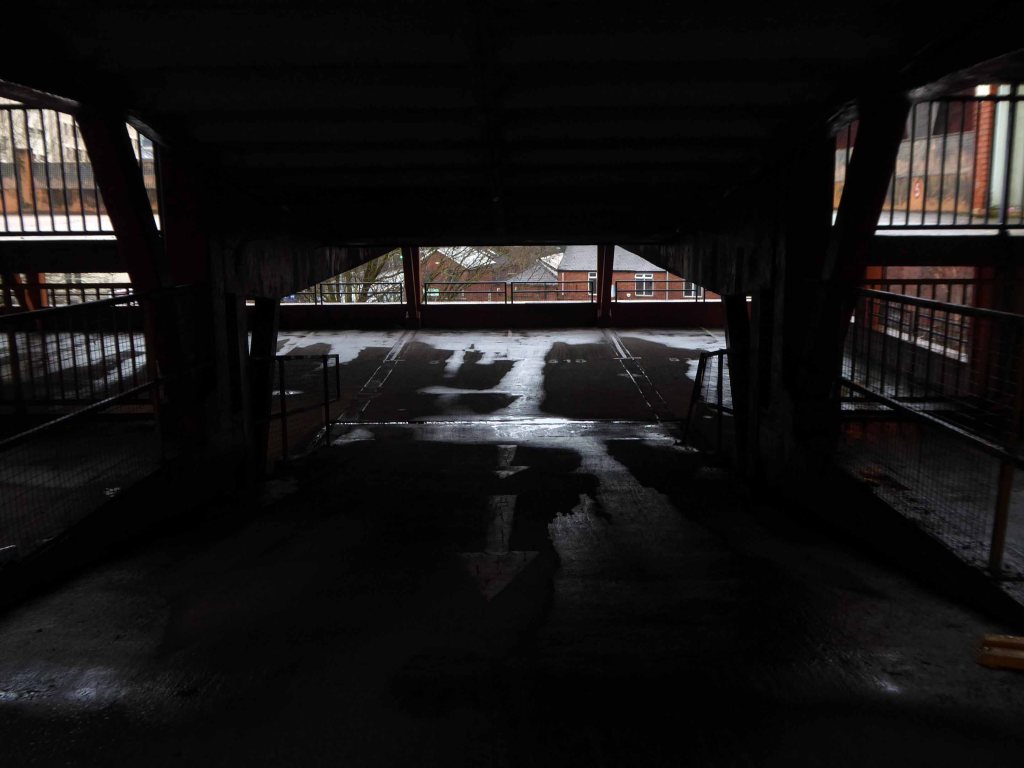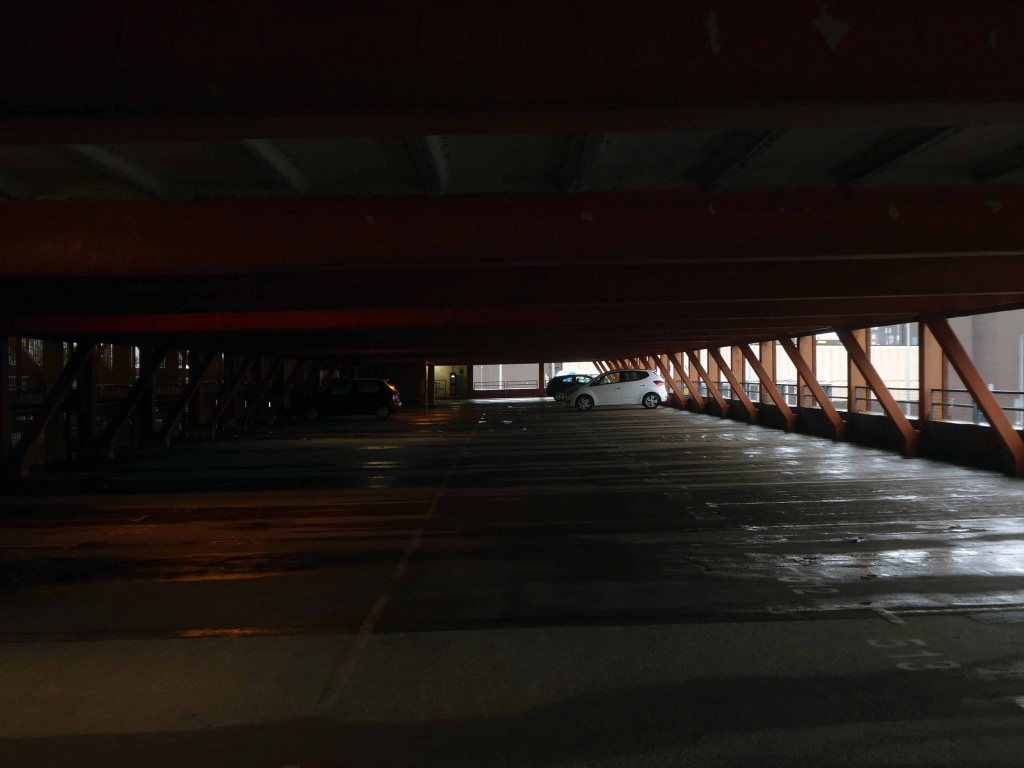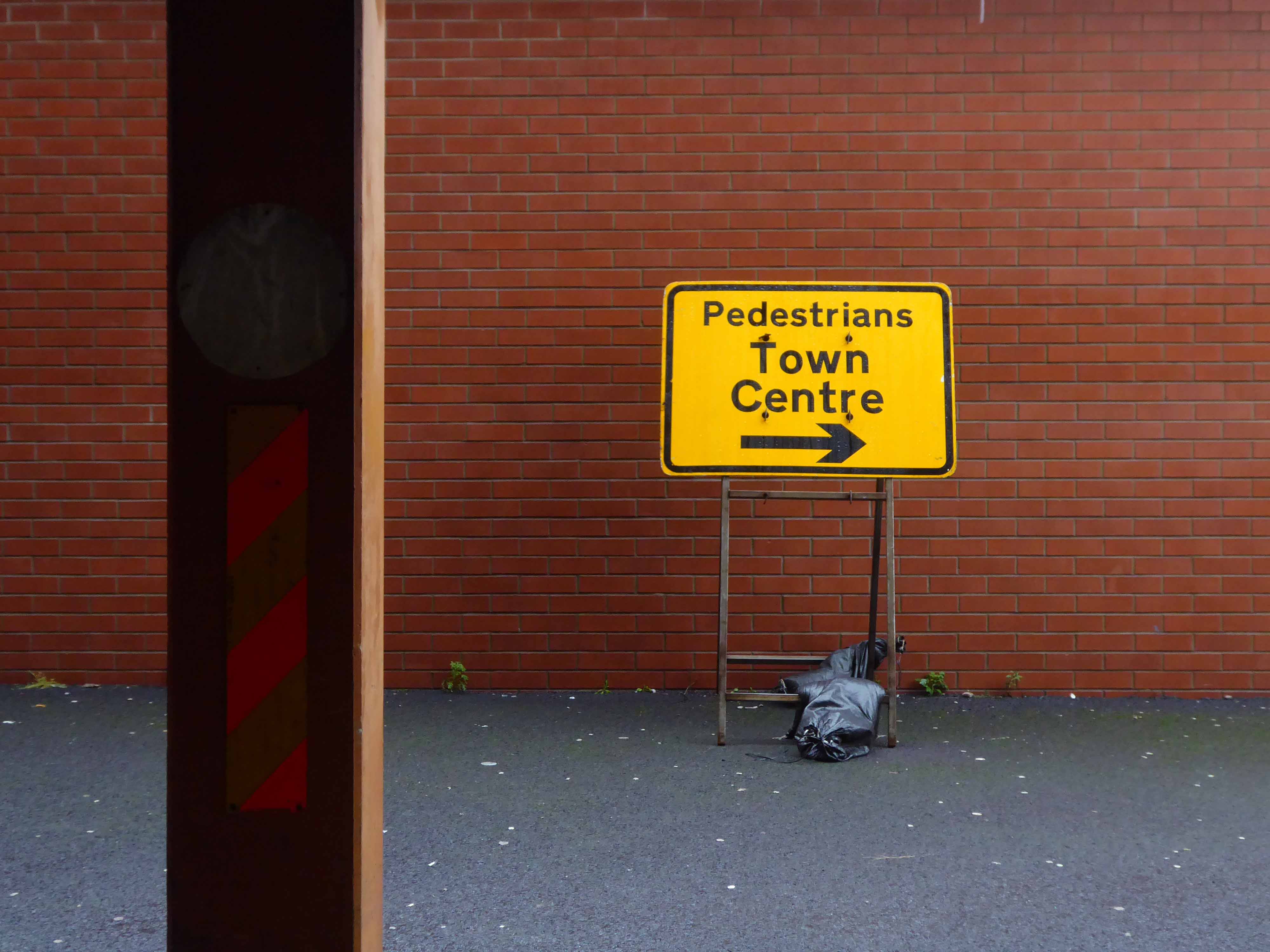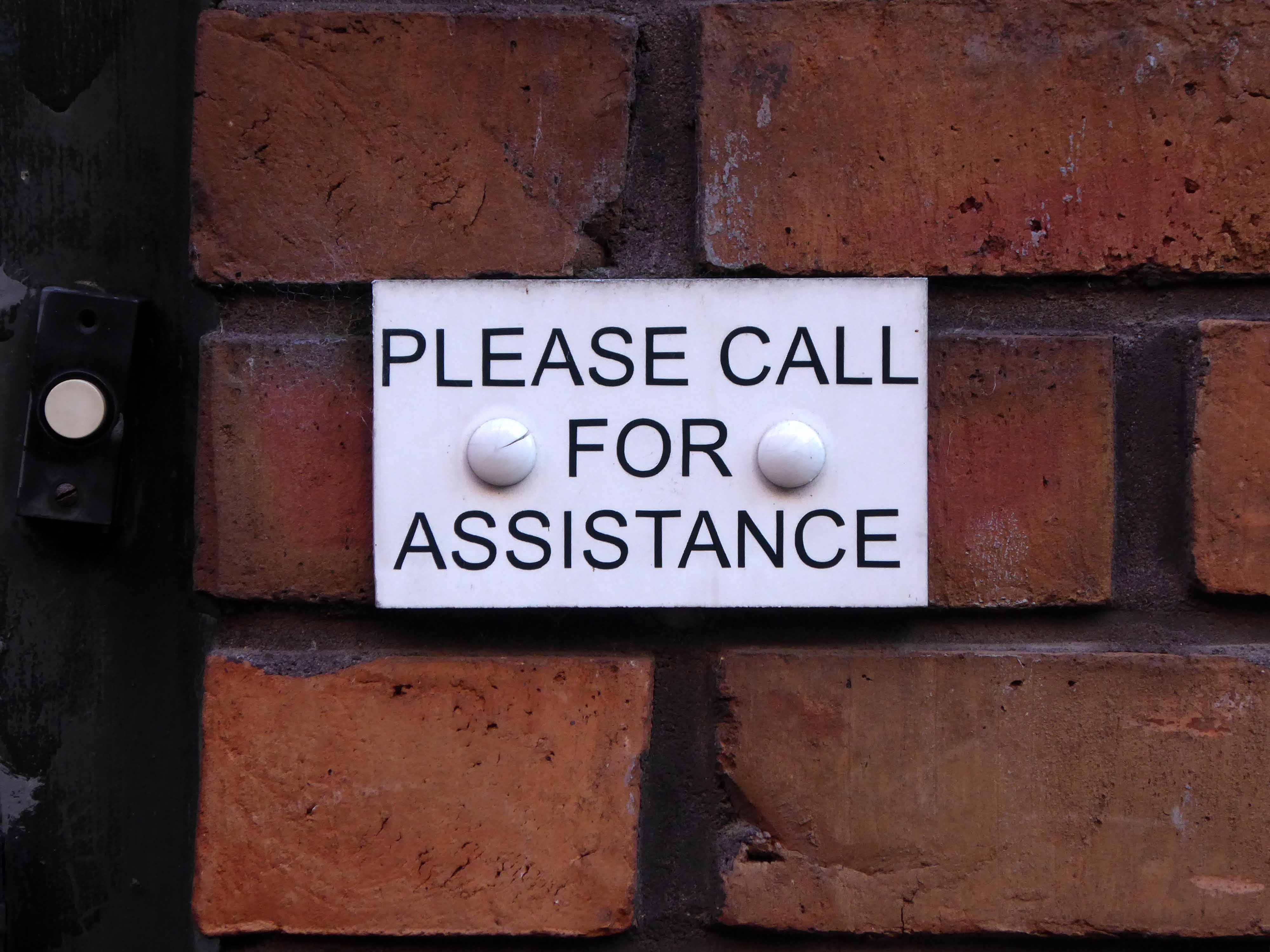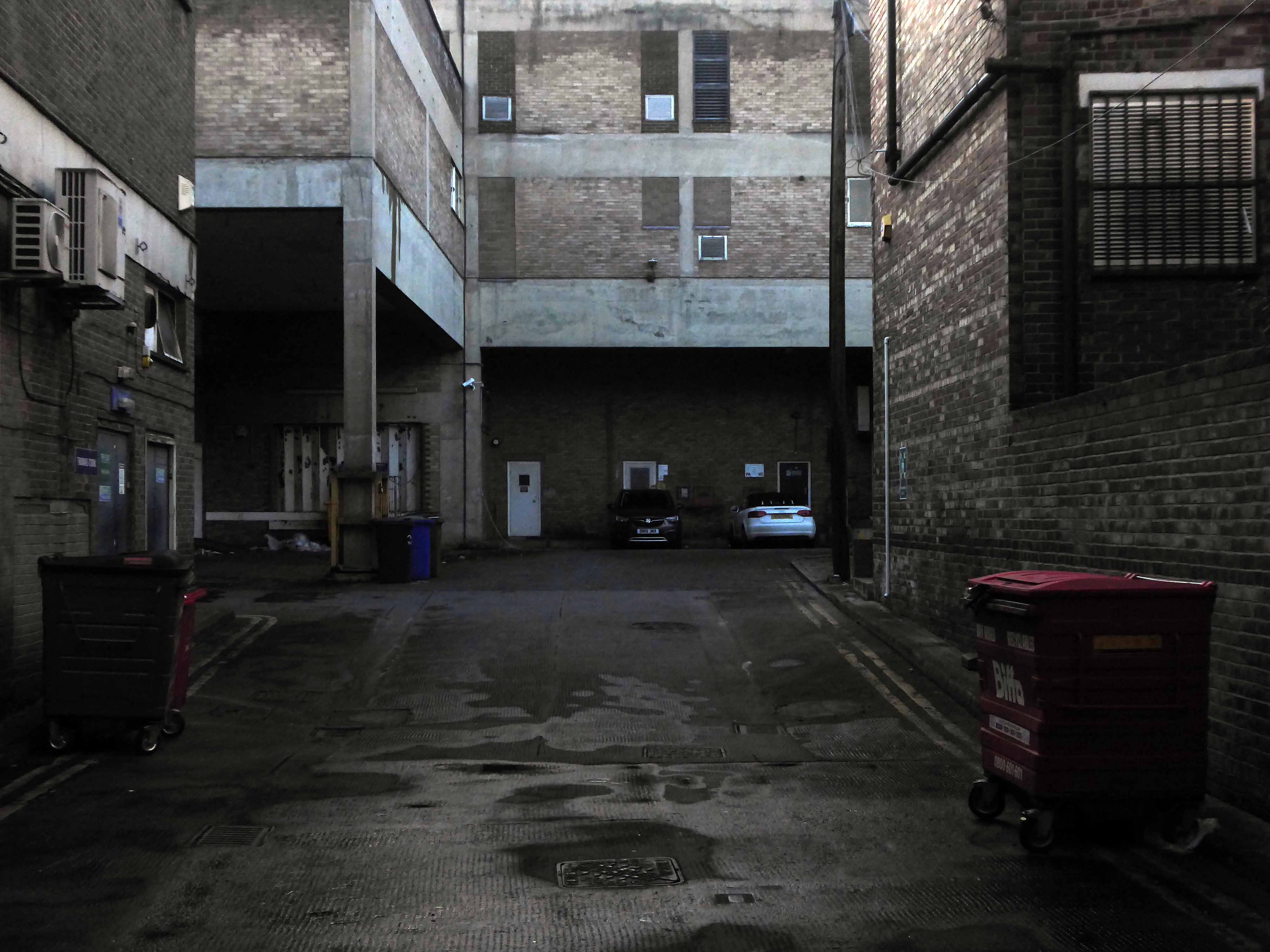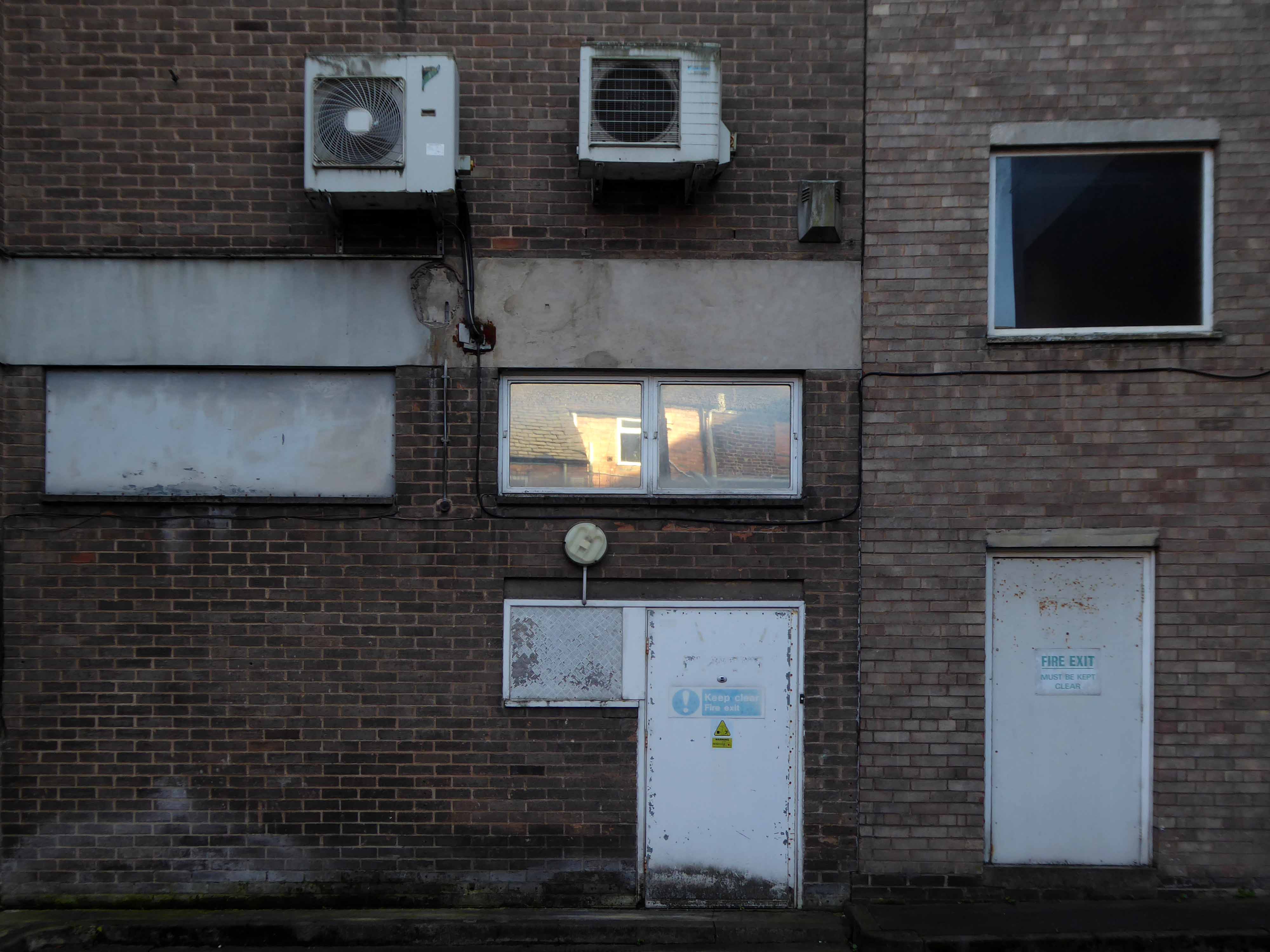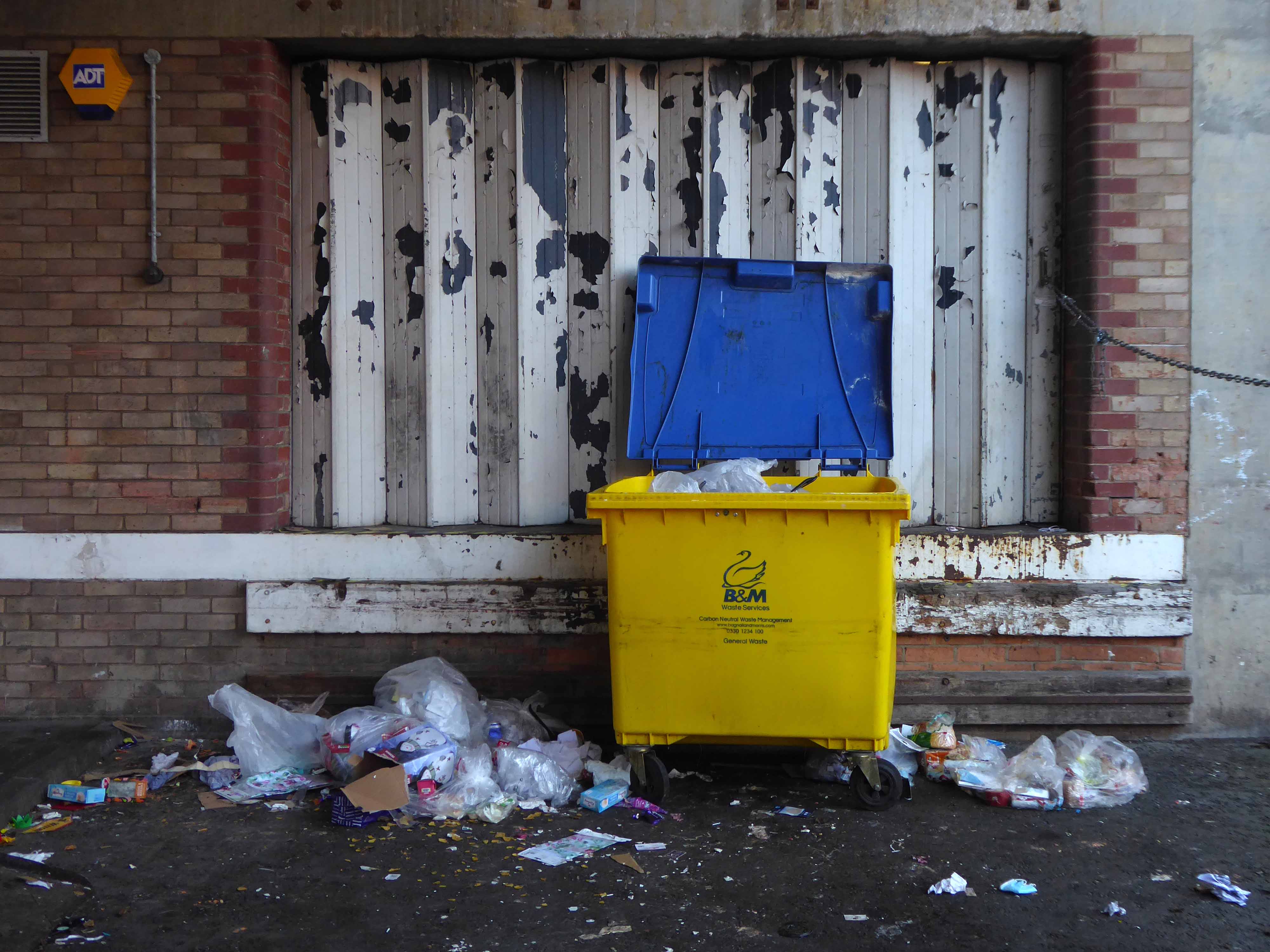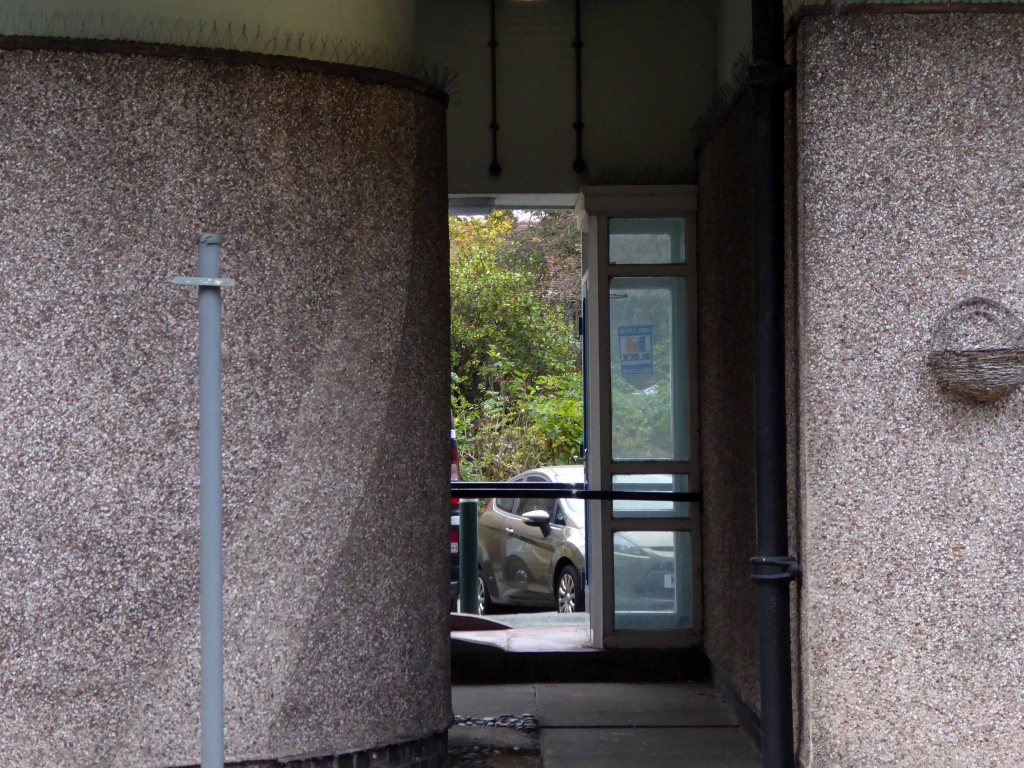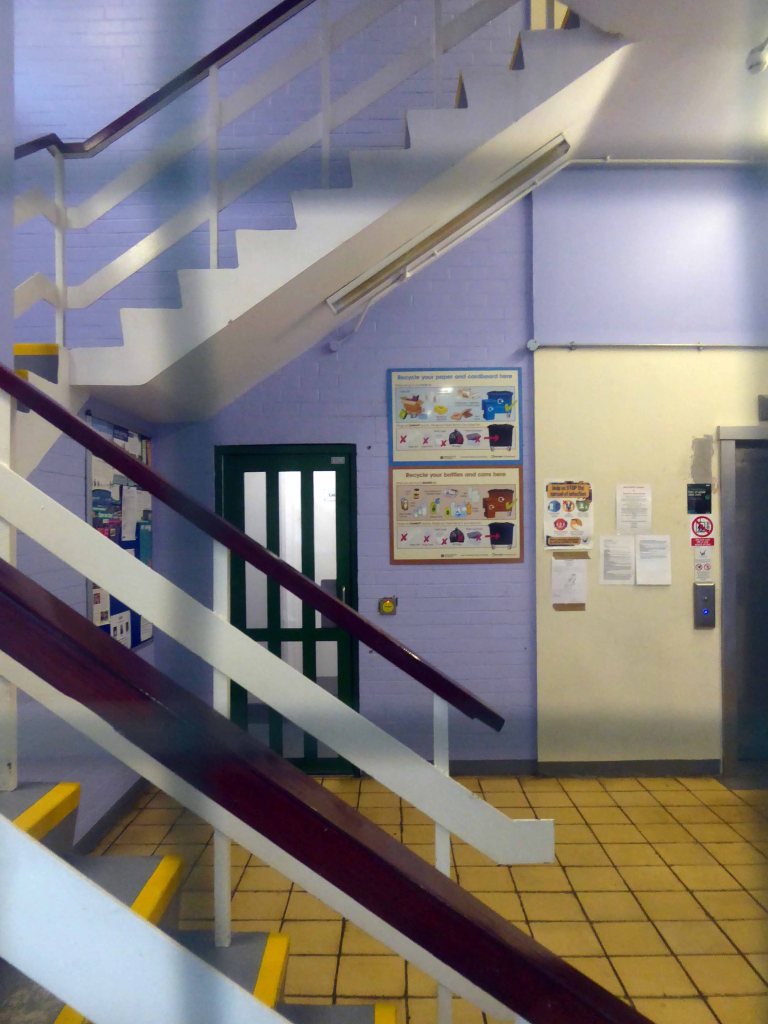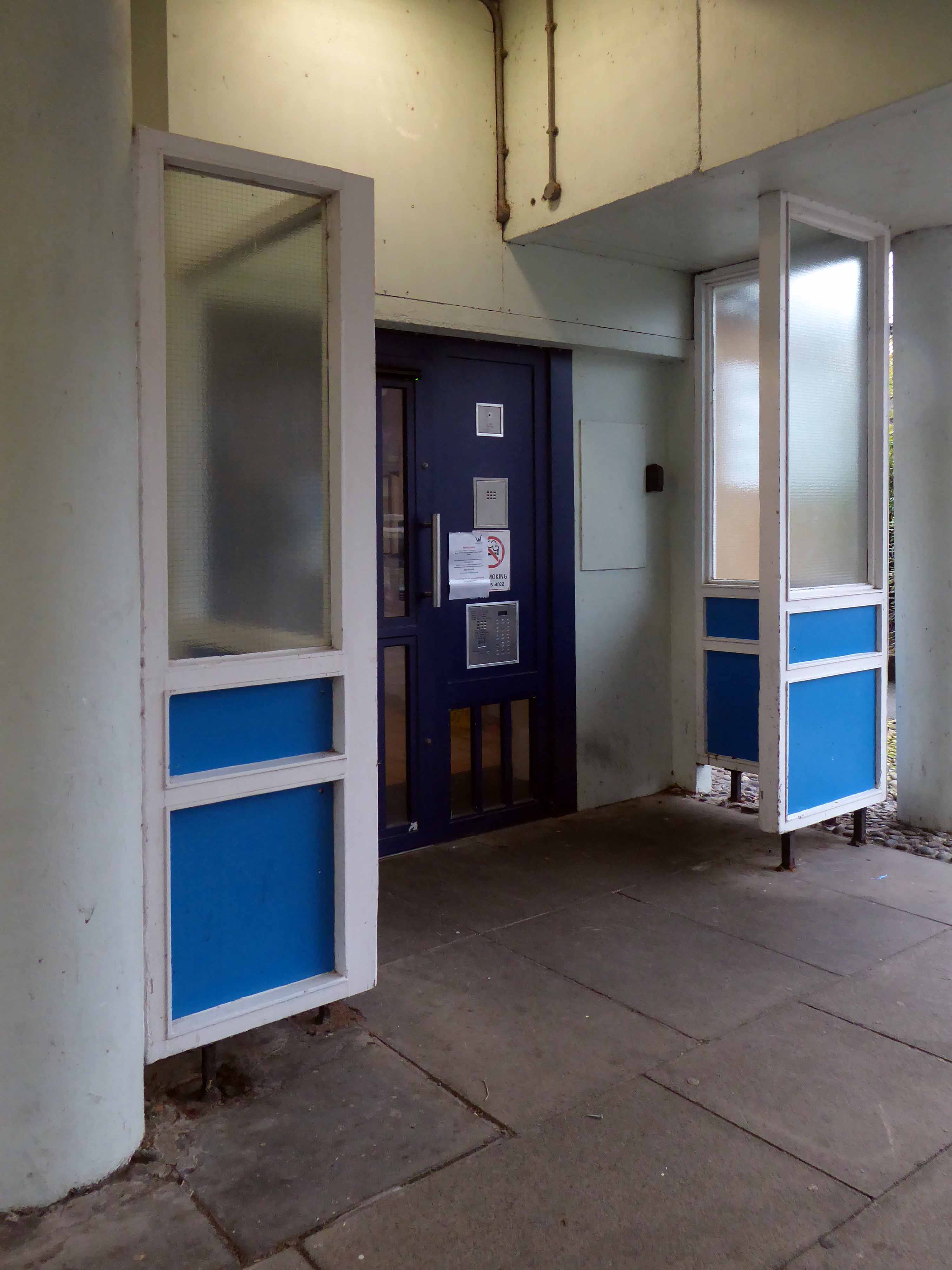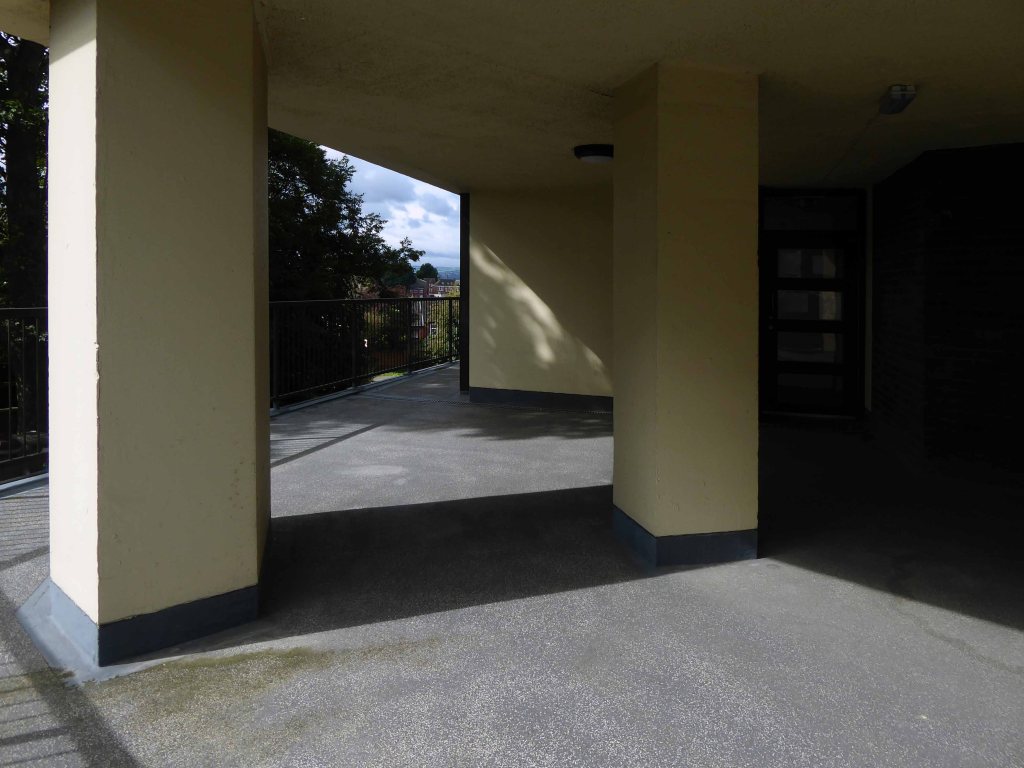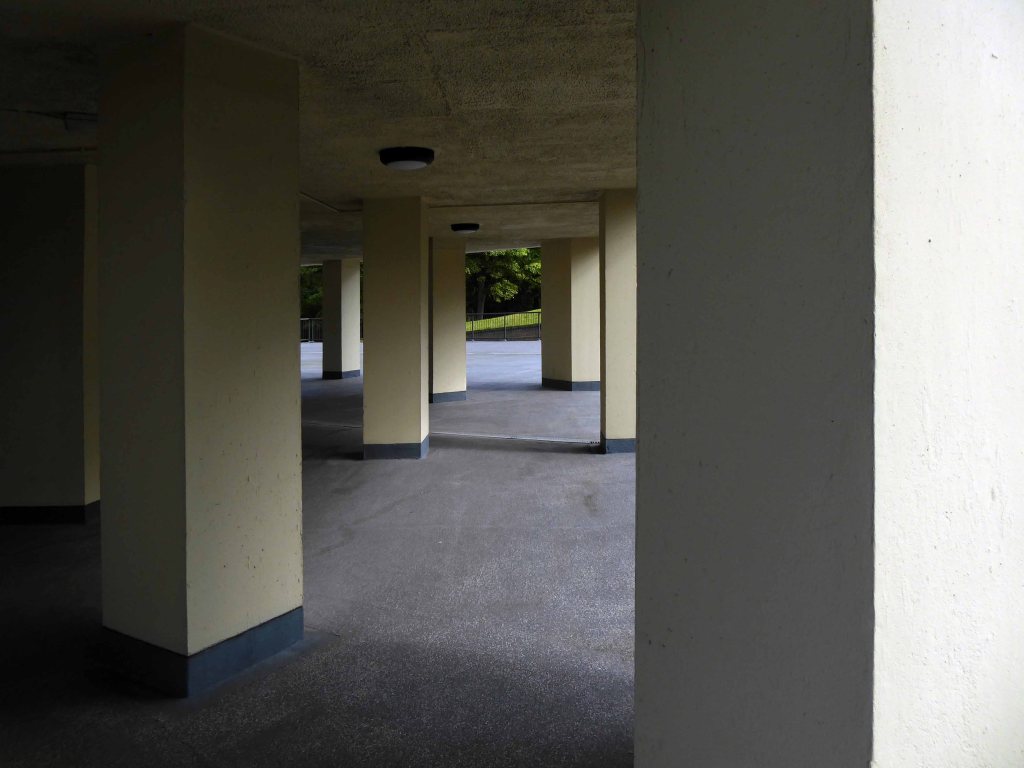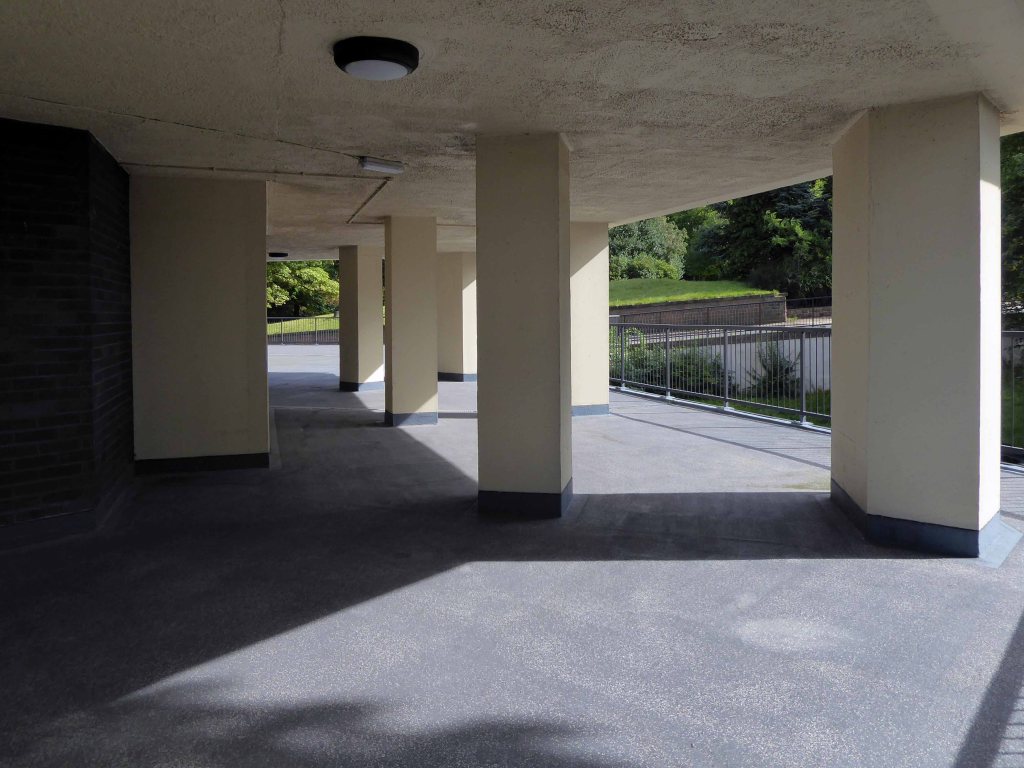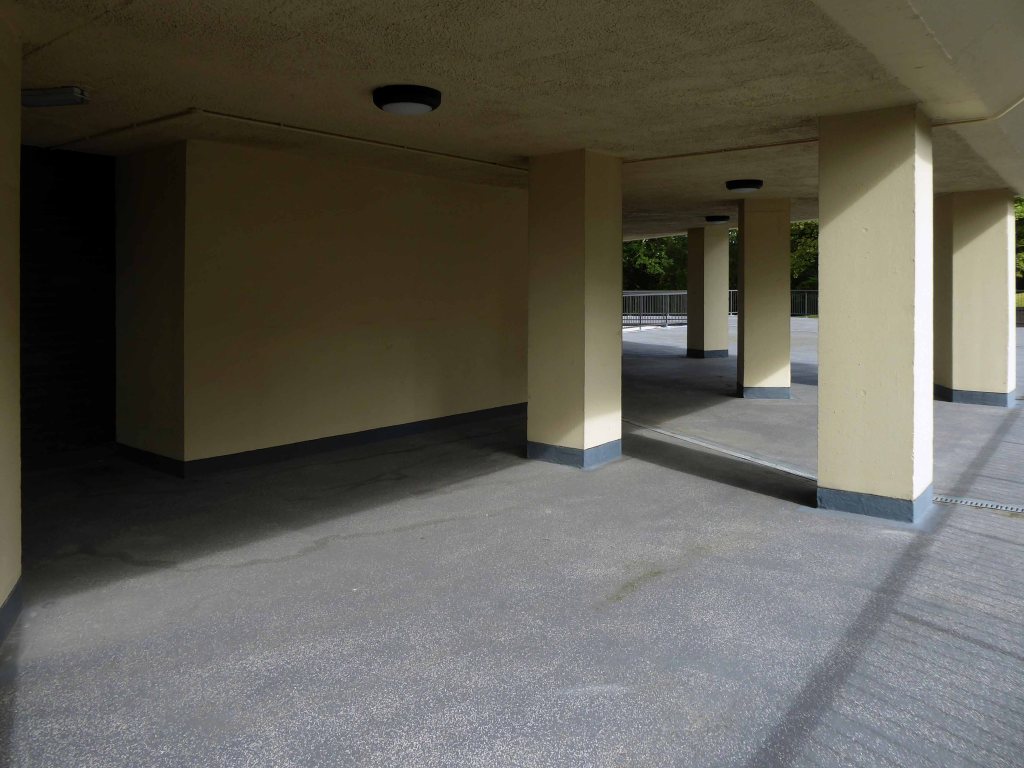
Pedestrian In A Car Park

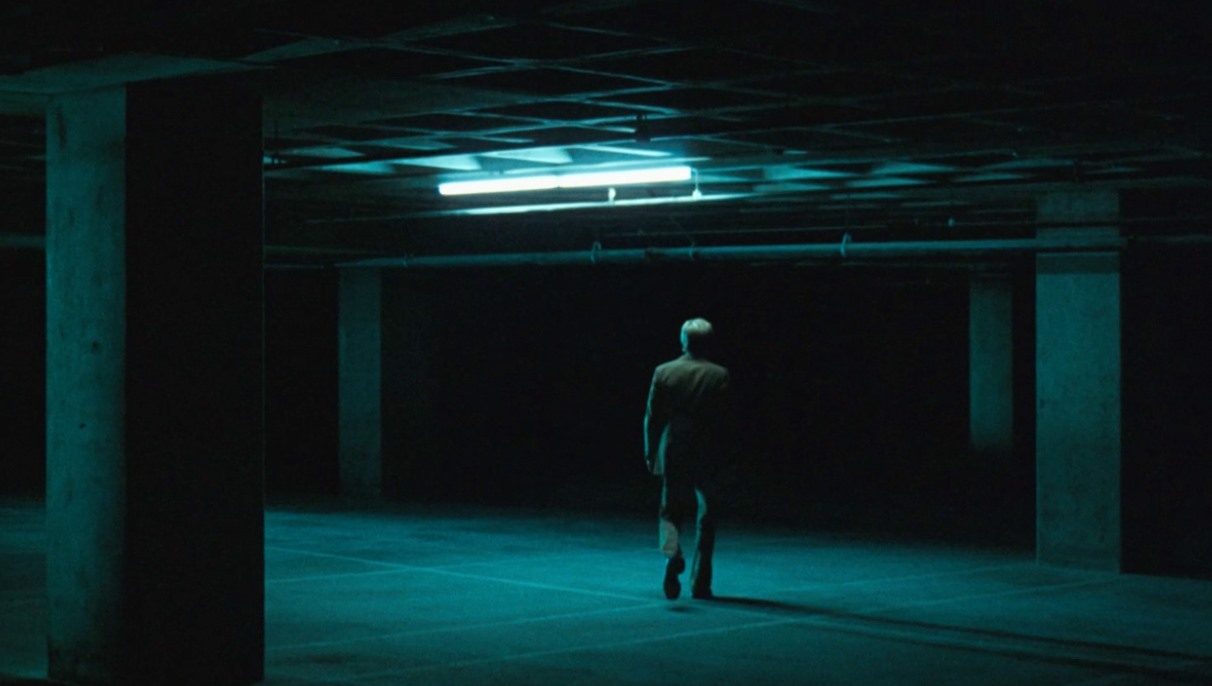
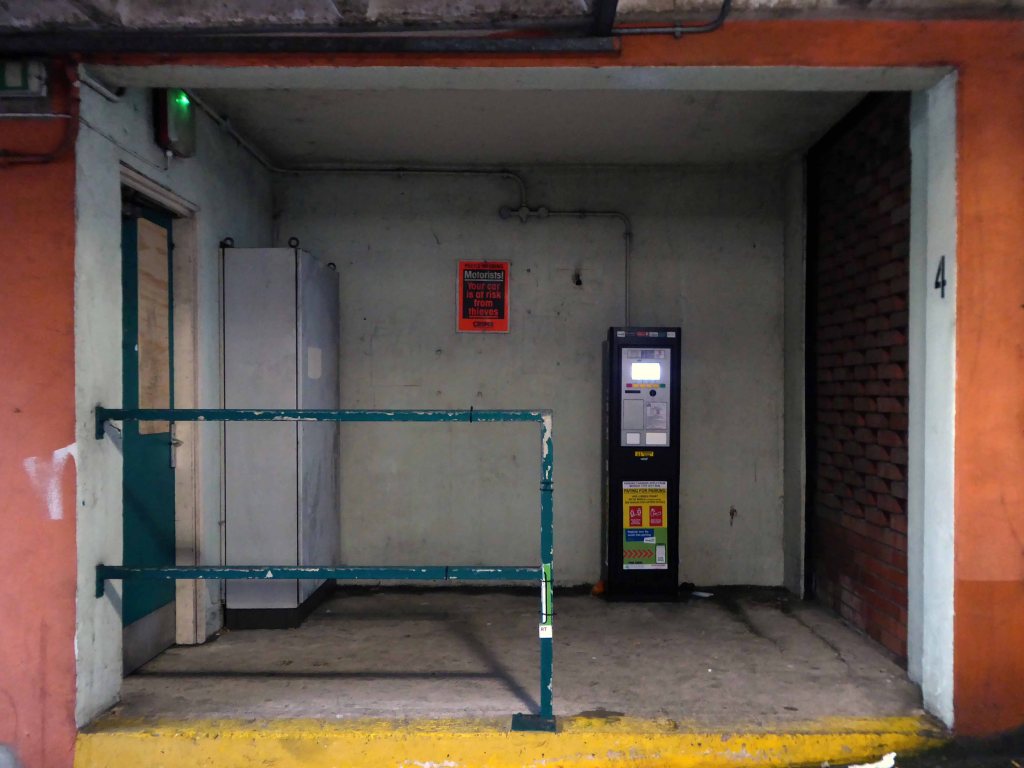
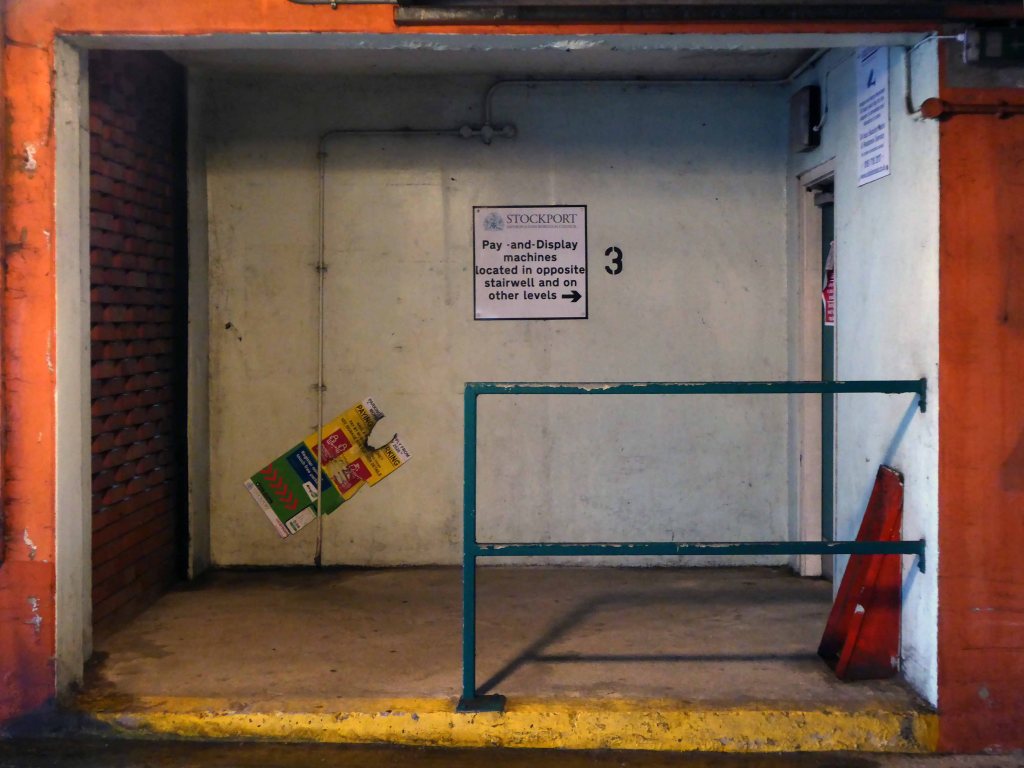
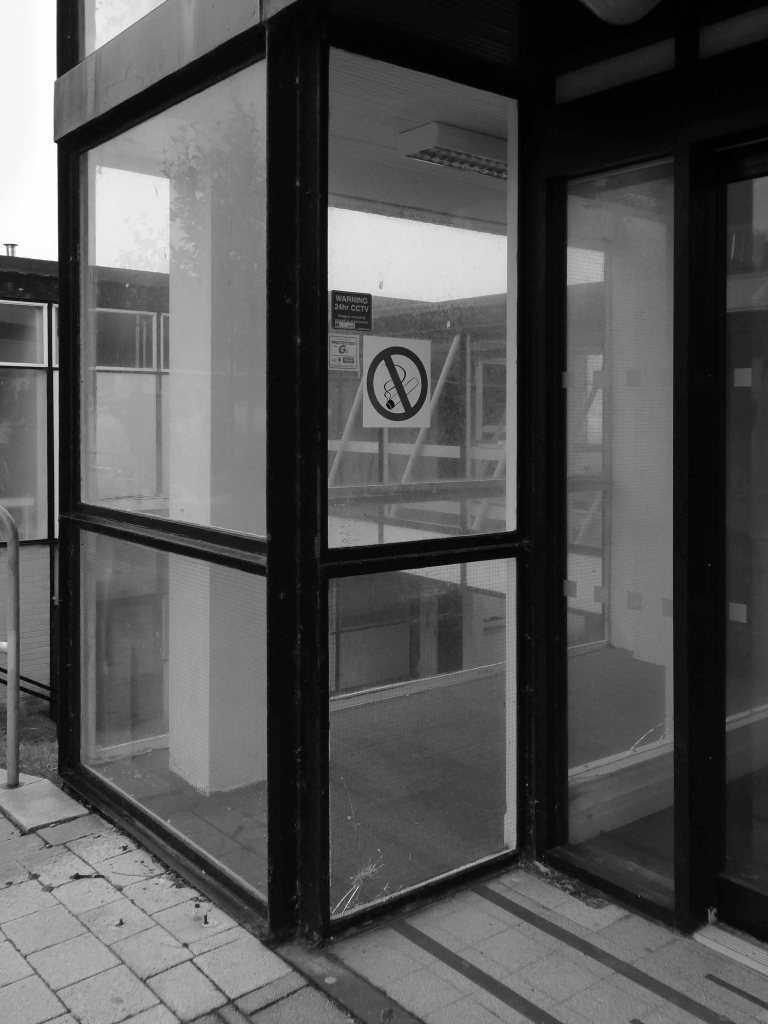
One of the great glories of cinema is that it has the power to take the mundane and make it magical. To most of us, car parks signify a world of pain, where fearsome red-and-white crash barriers dictate our fate and where finding a space is often like finding meaning in the collective works of Martin Lawrence. To others, they meant lost Saturday afternoons spent waiting for your mum to finally come out of Woolworths so you could rush home to catch Terrahawks.

Either way, car parks are grey and dull. In the movies, however, they are fantastic places, filled with high-level espionage, and high-octane chases. 

According to The Guardian

I beg to differ, the cinema and TV has helped to define our perception and misconception of the car park.

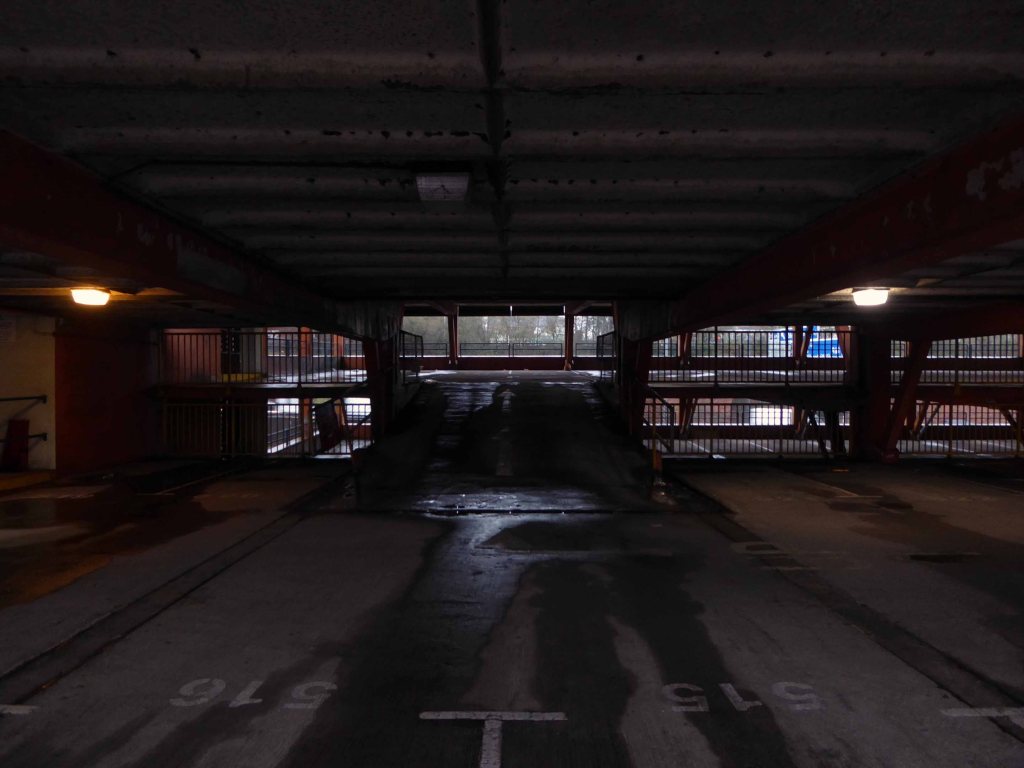
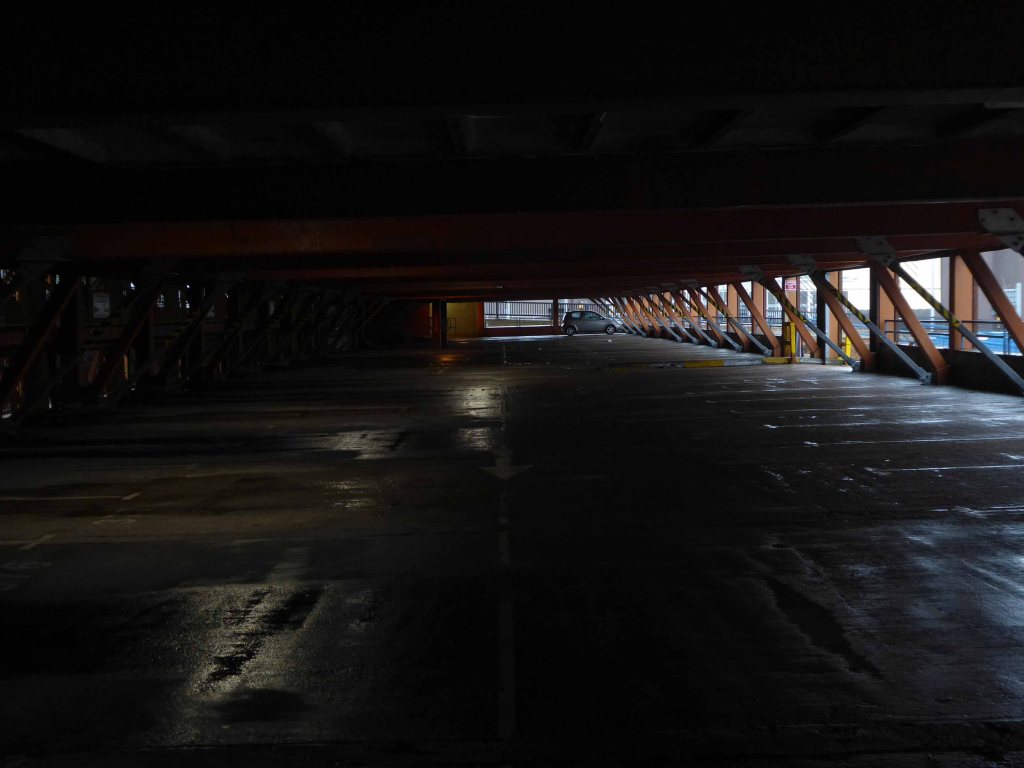
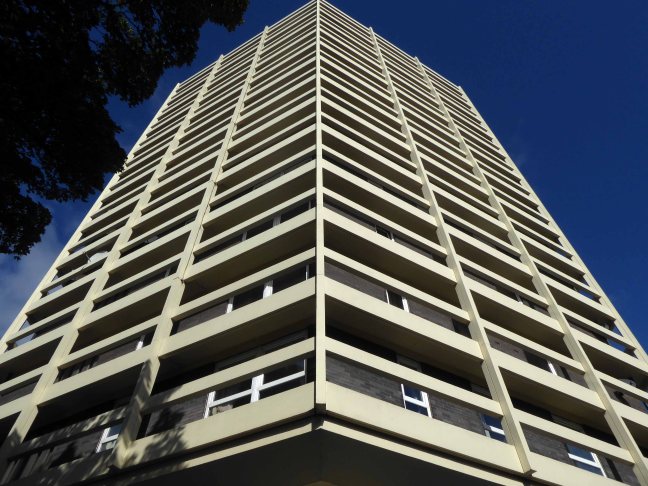
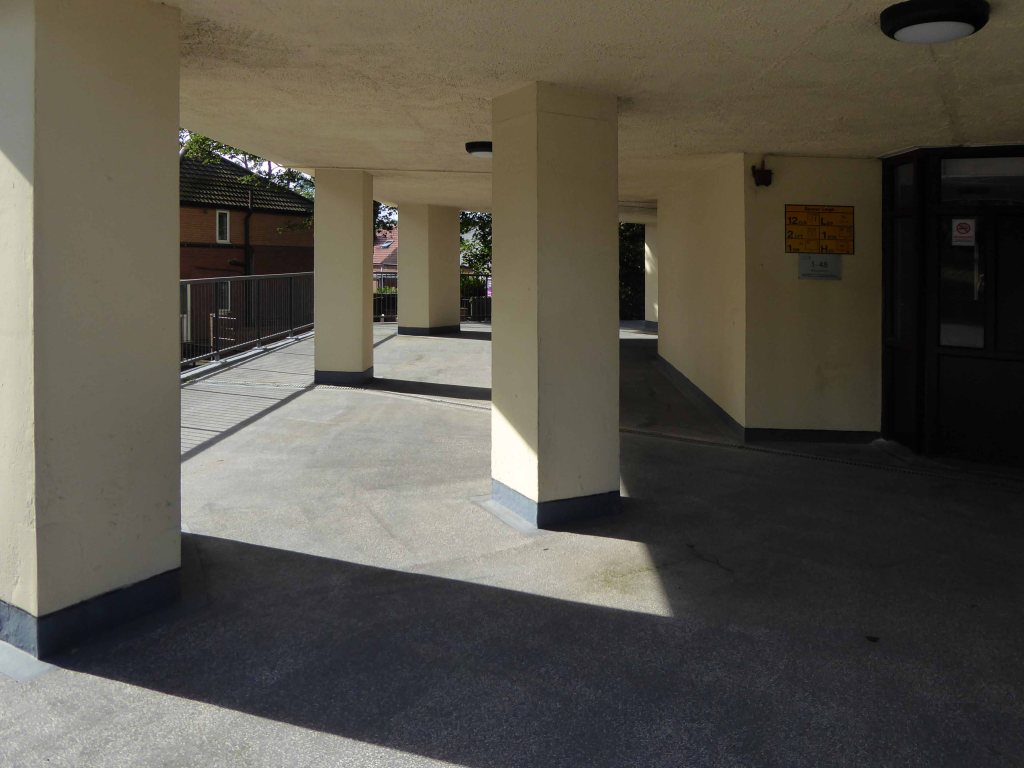
The modern day pedestrian may reclaim, redefine and realise, that far from mundane each actual exemplar is different, in so many ways. The time of day, weather, light, usage, abusage, condition, personal demeanour and mood all shape our experience of this particular, modern urban space.

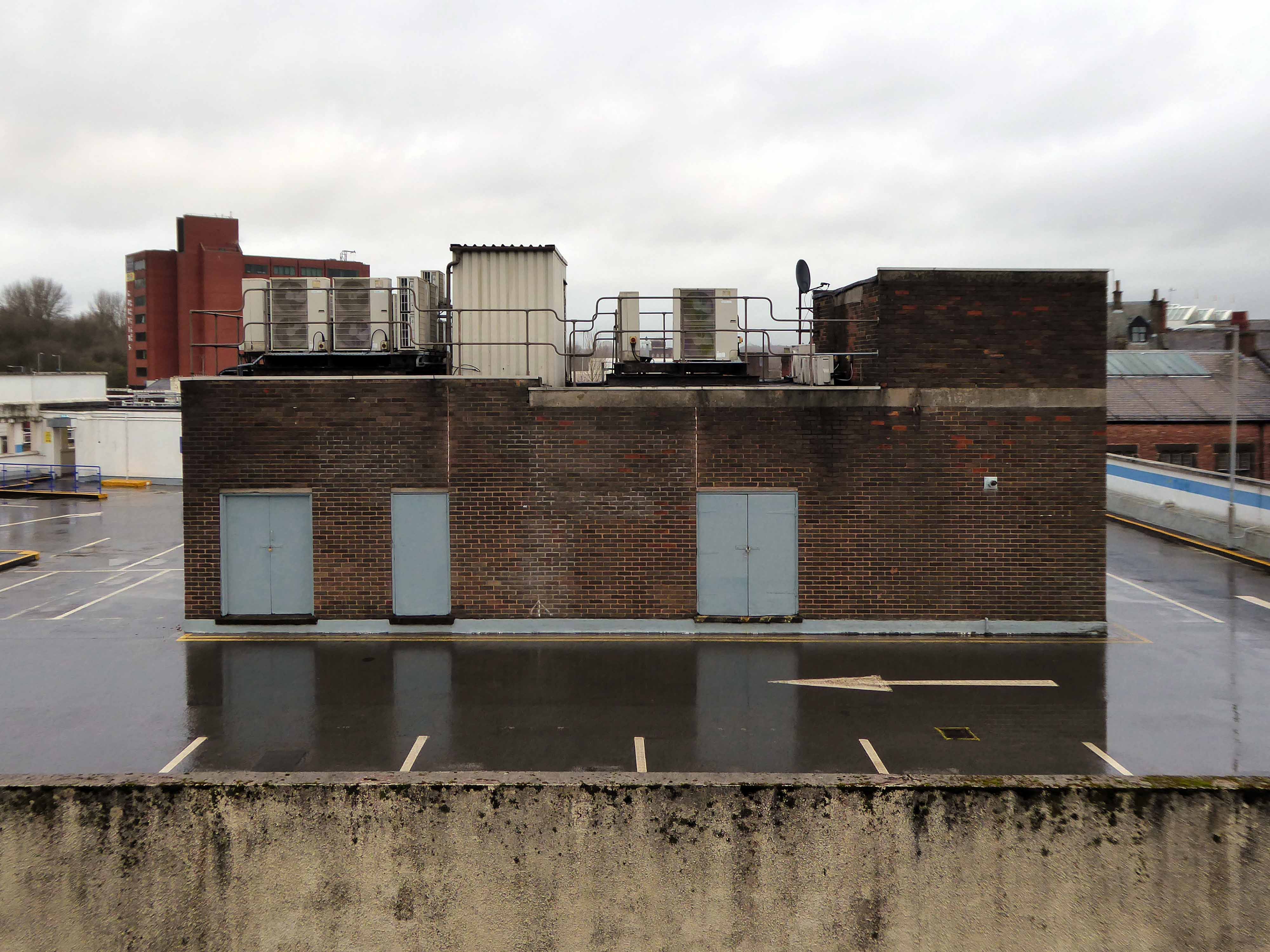
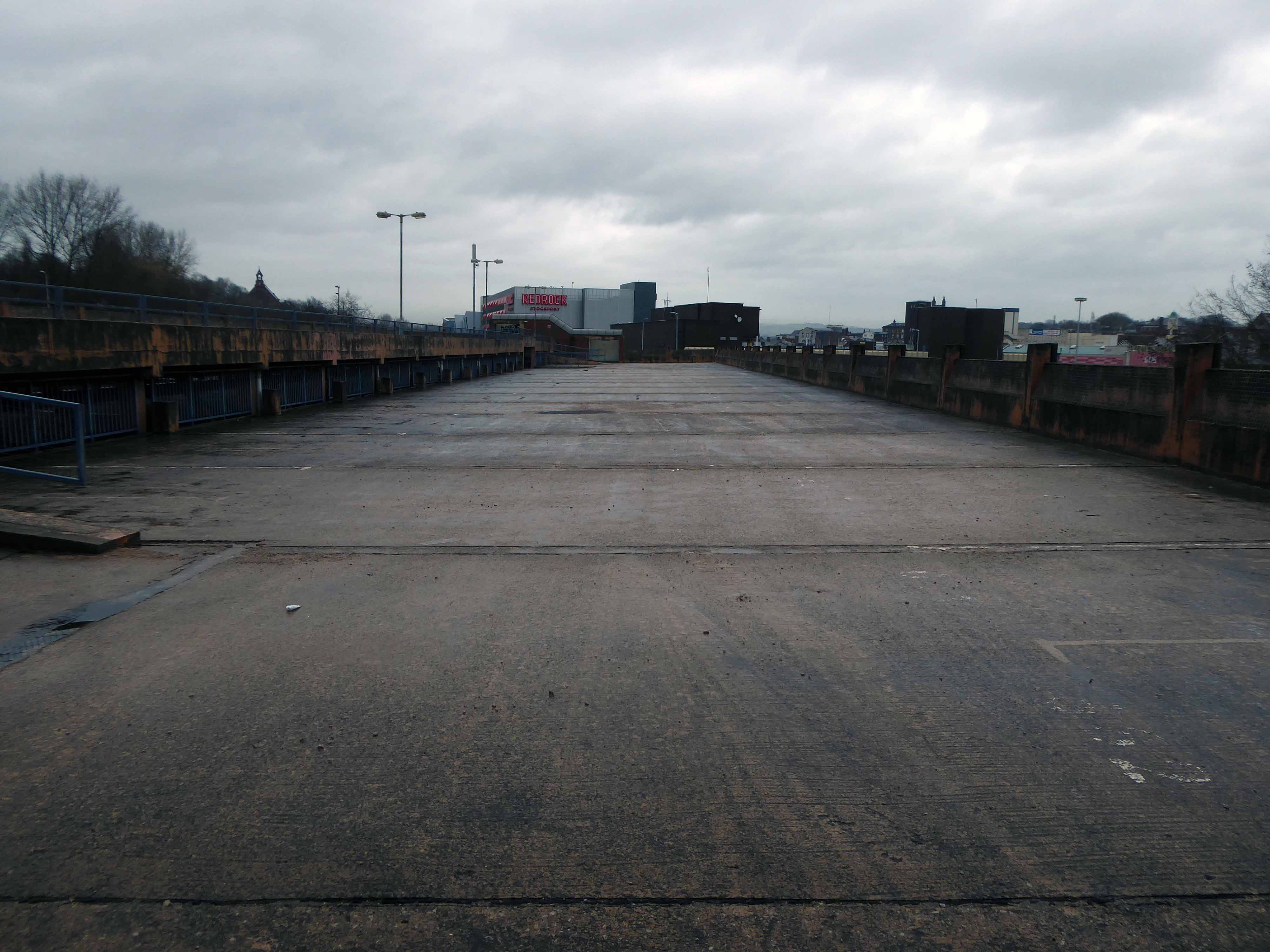
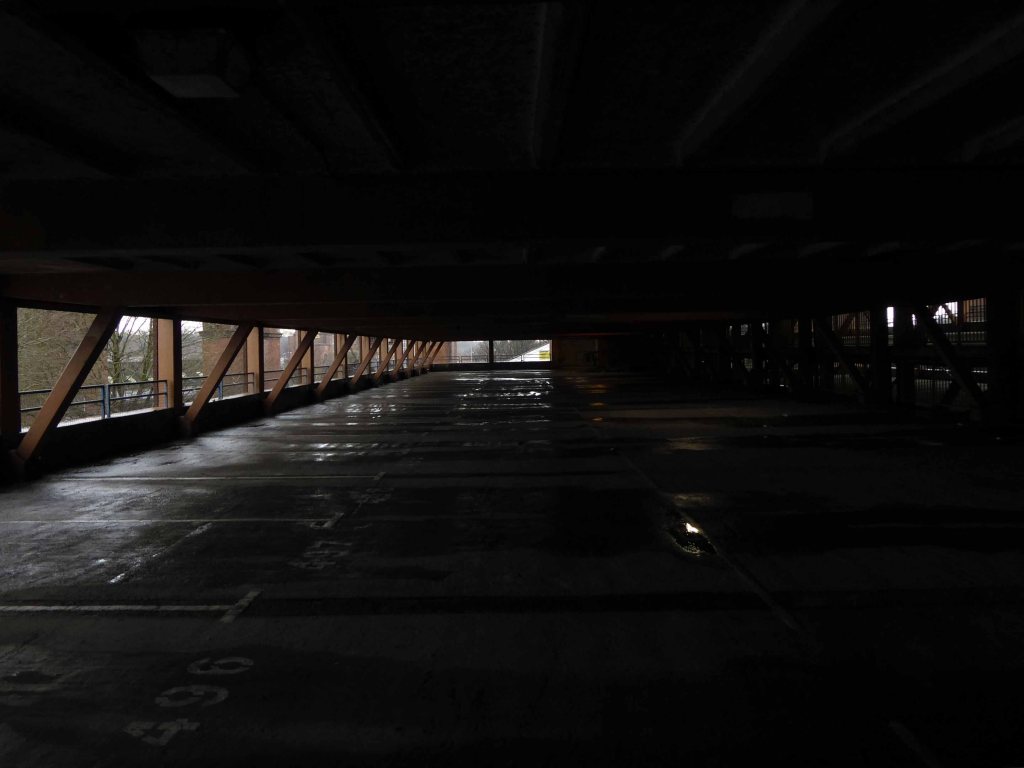
To walk the wide open spaces of the upper tier, almost touching the sky.

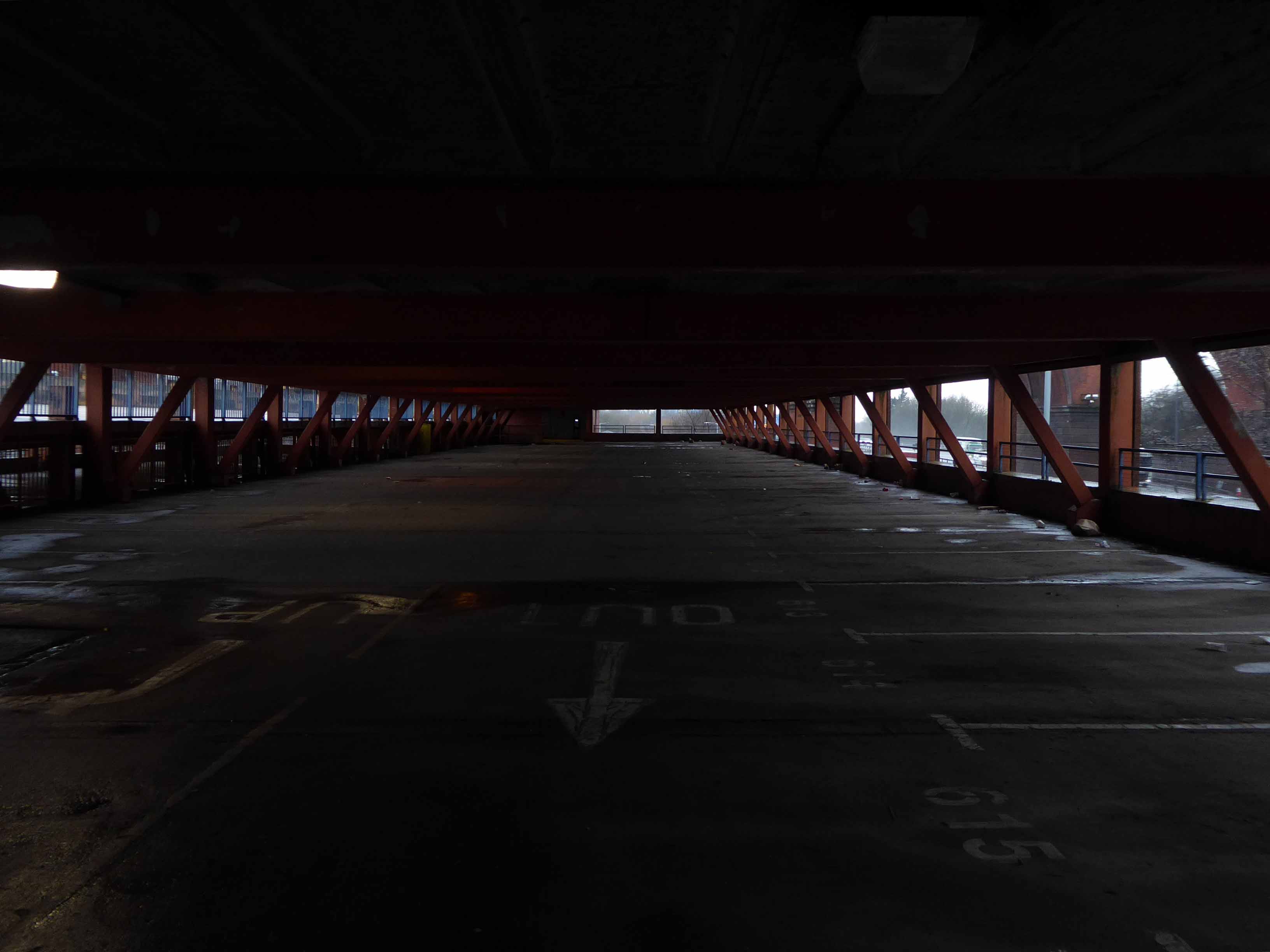
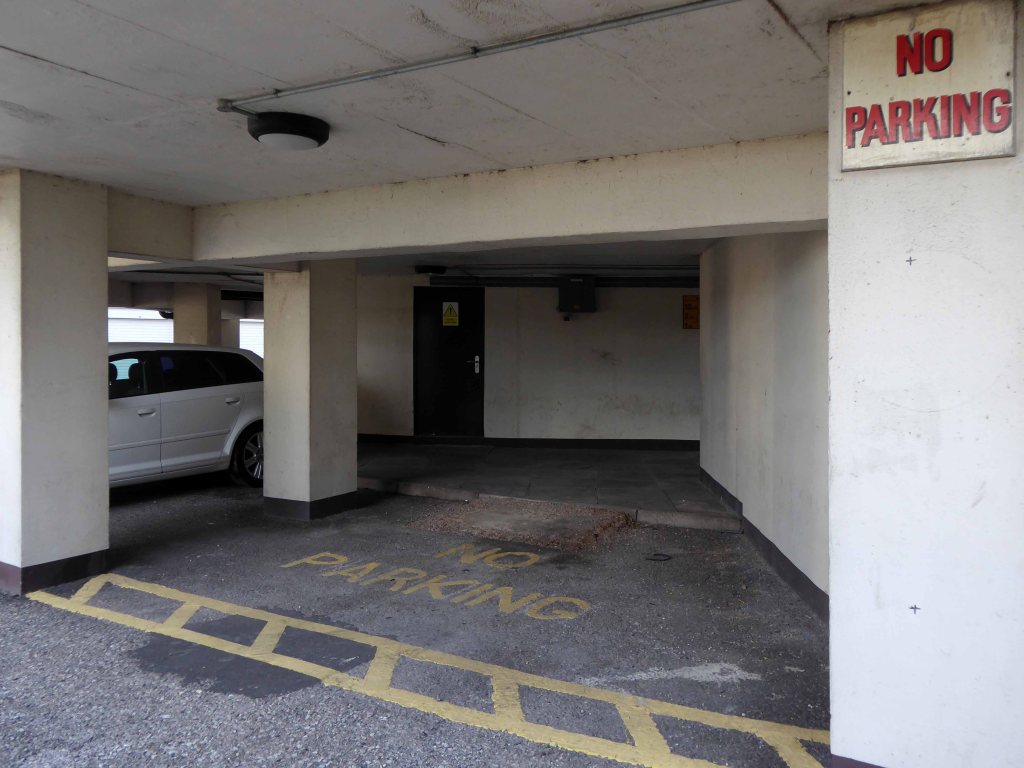
Is a far cry from the constrained space of the lower levels.

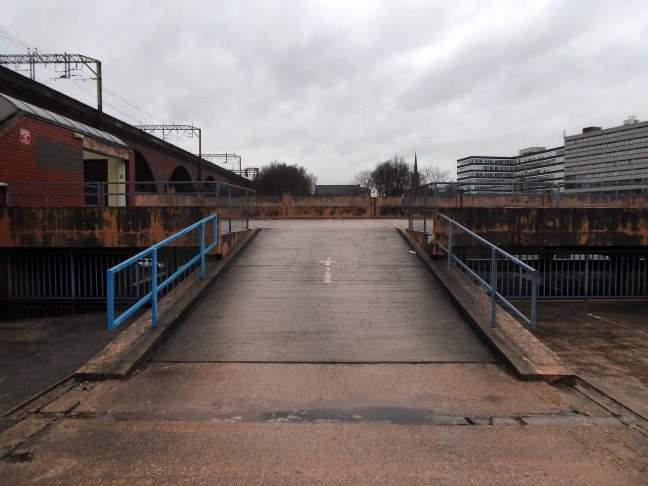
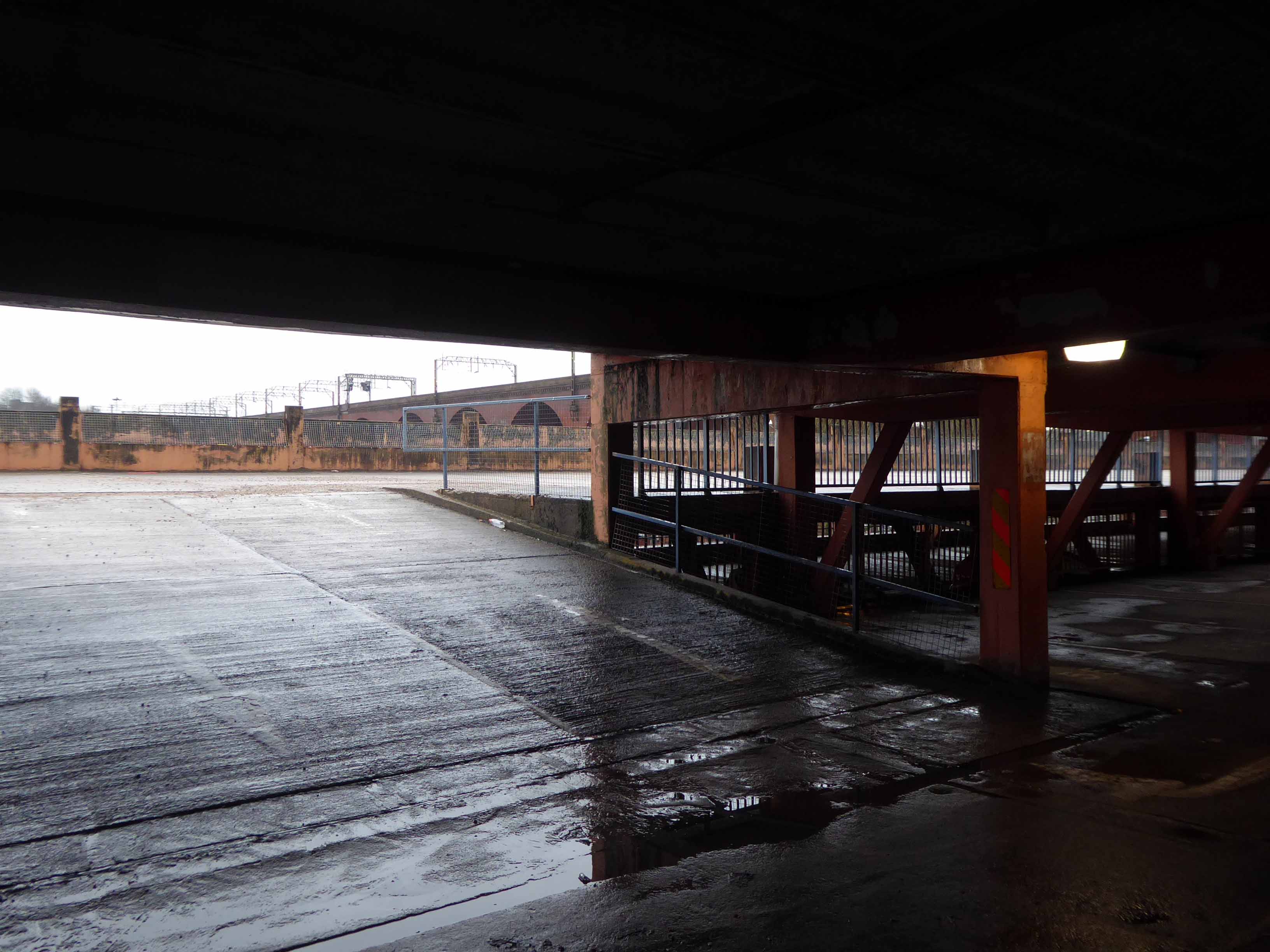
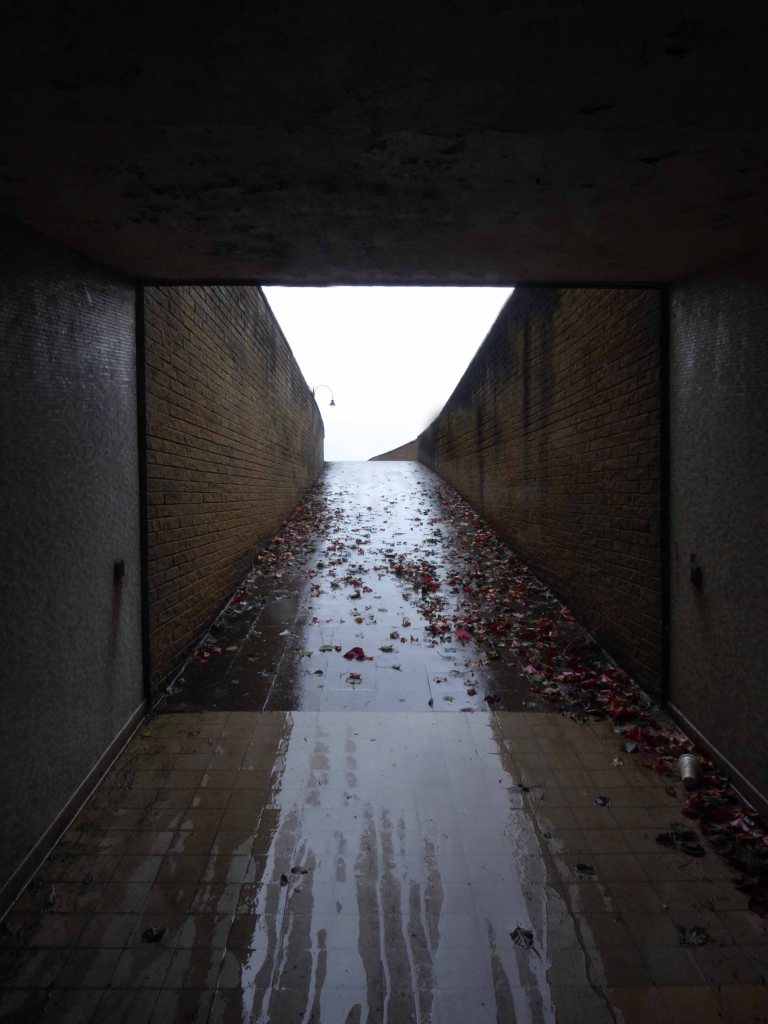
To walk the ramps with a degree of trepidation, visceral and fun.

This is an inversion of the car-centric culture, walking the concrete kingdom with a carbon-free footprint.

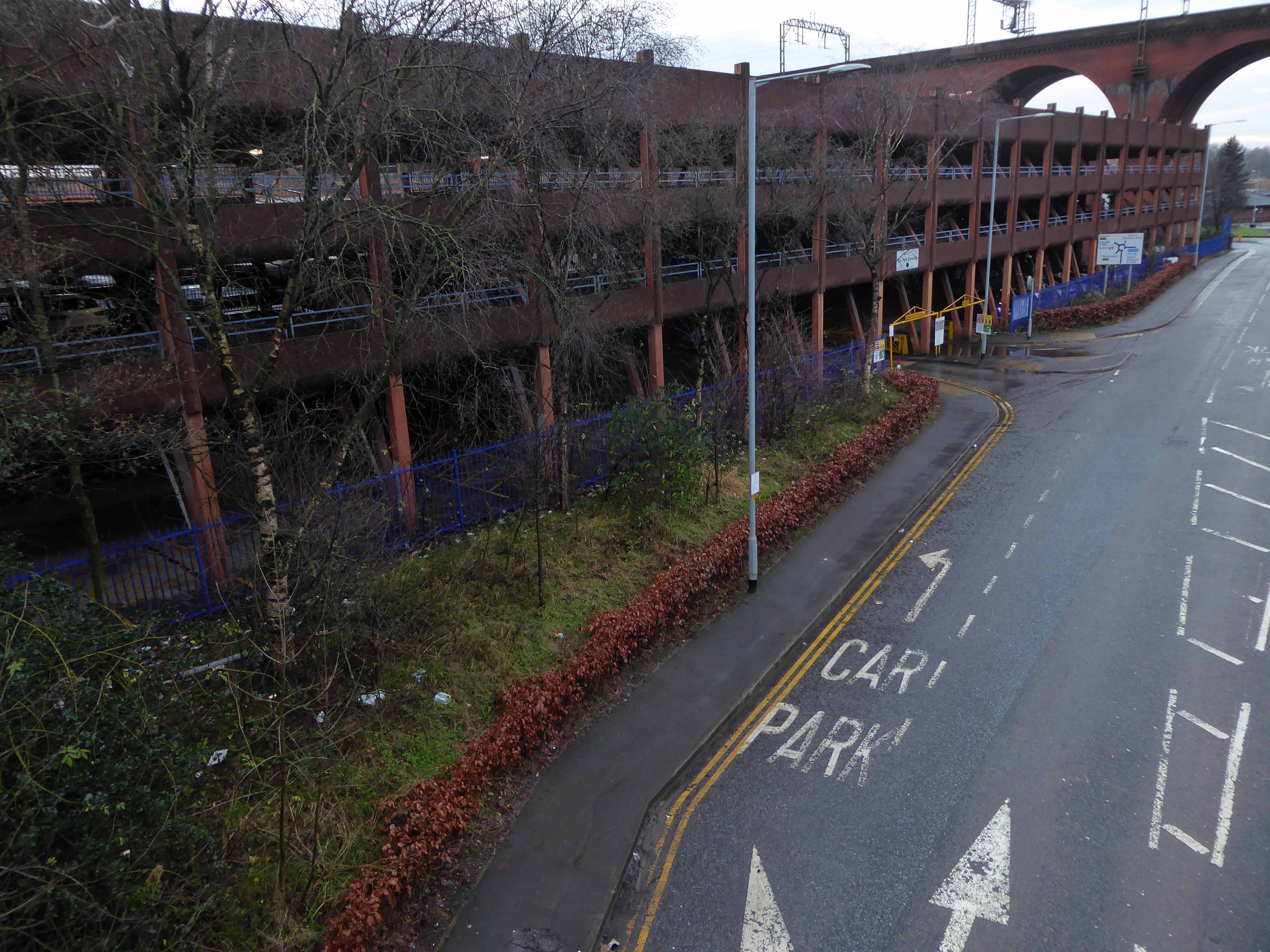
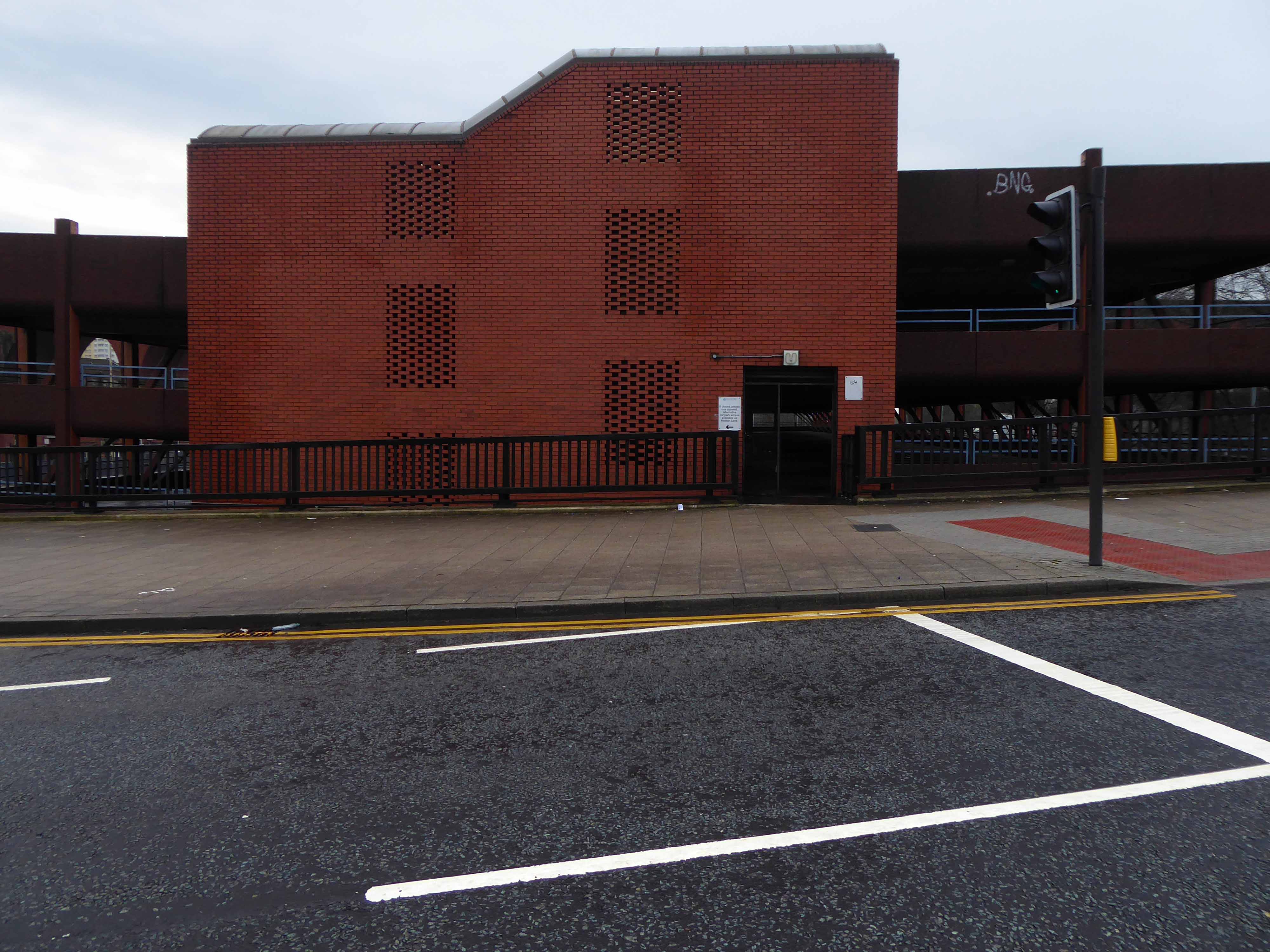
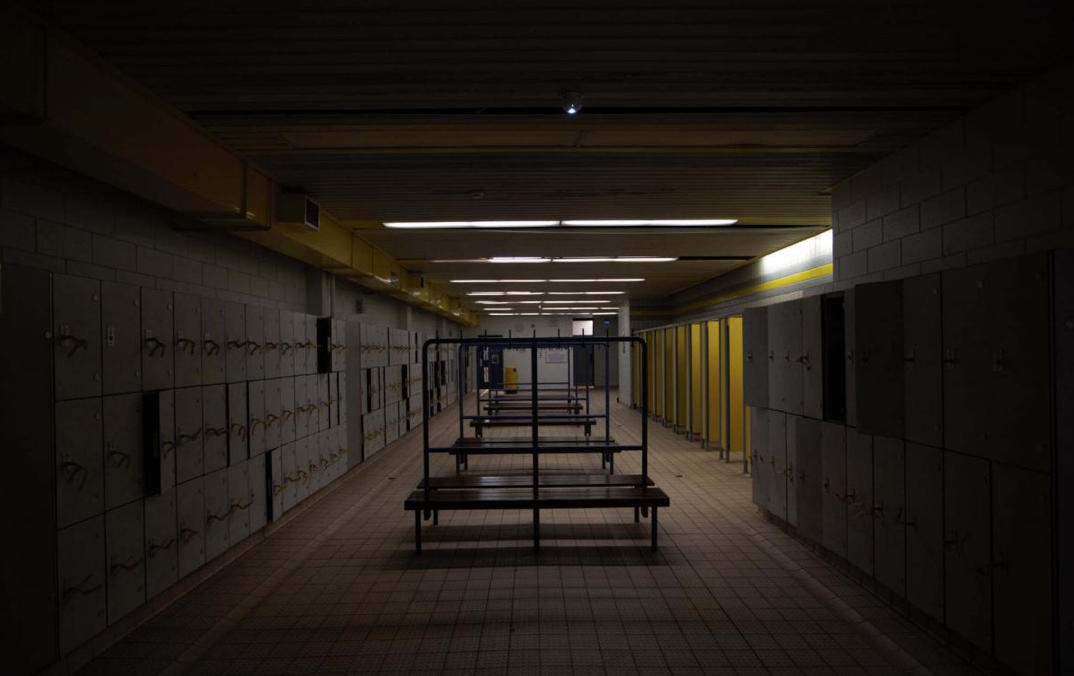
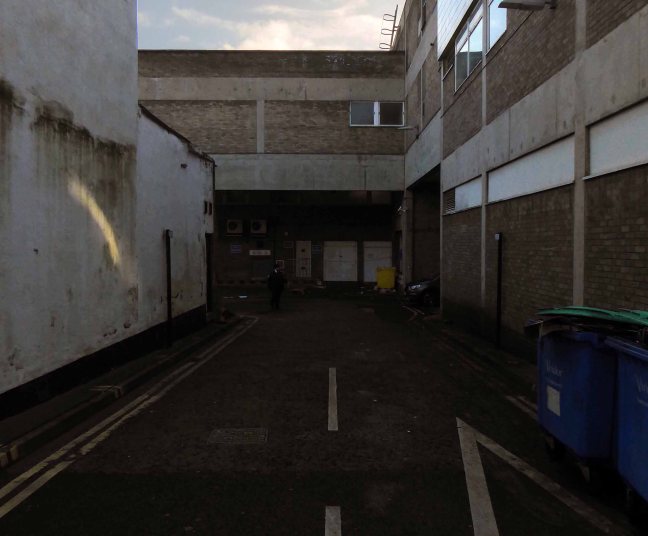
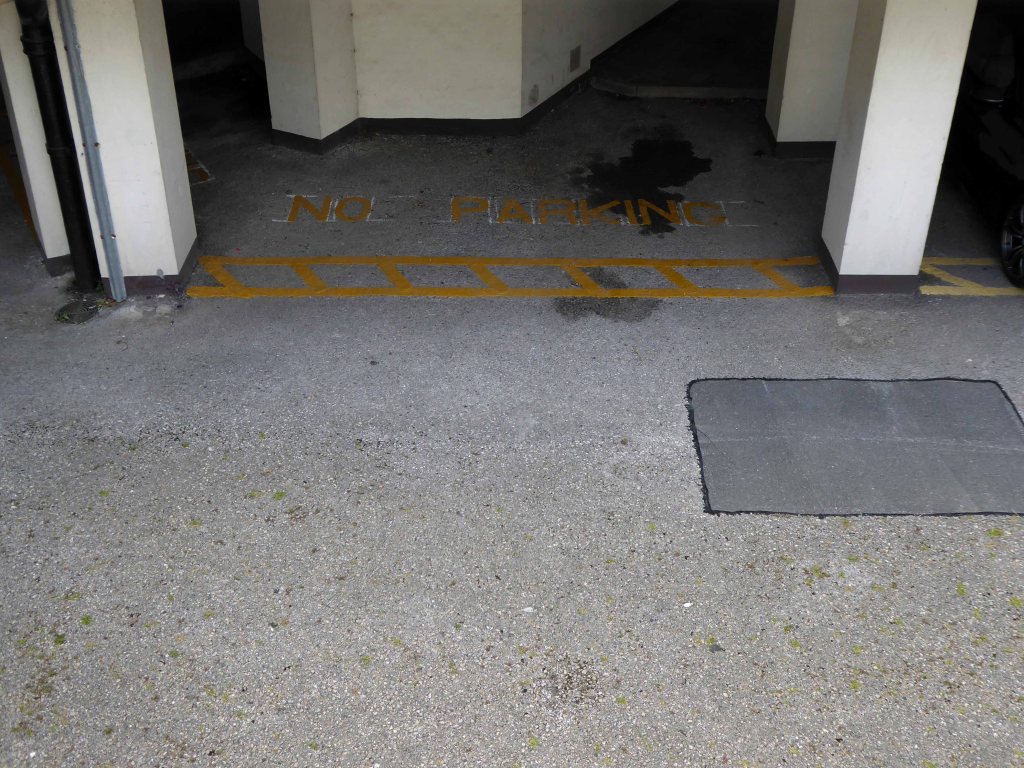
I was inspired by a recent viewing of All The Presidents Men to revisit my local multi-storey on Heaton Lane Stockport.

Cinematographer Gordon Hugh Willis Jr constructs a shadow world where informer and informed meet to exchange deep secrets, ever watchful, moving in and out of artificial light, tense and alert.

Look over your shoulder- there’s nobody there, and they’re watching you.

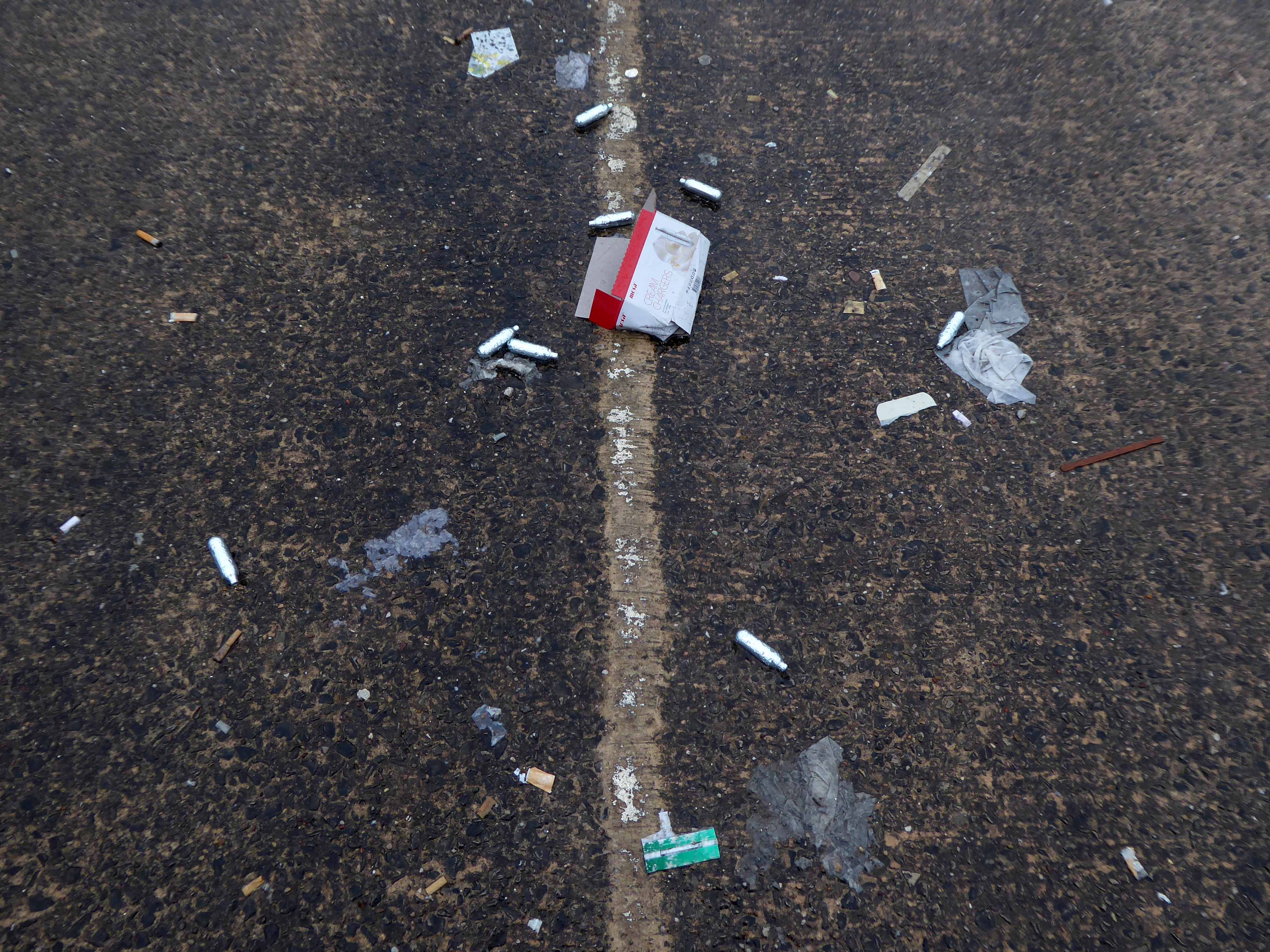
But they have been here.

To party.

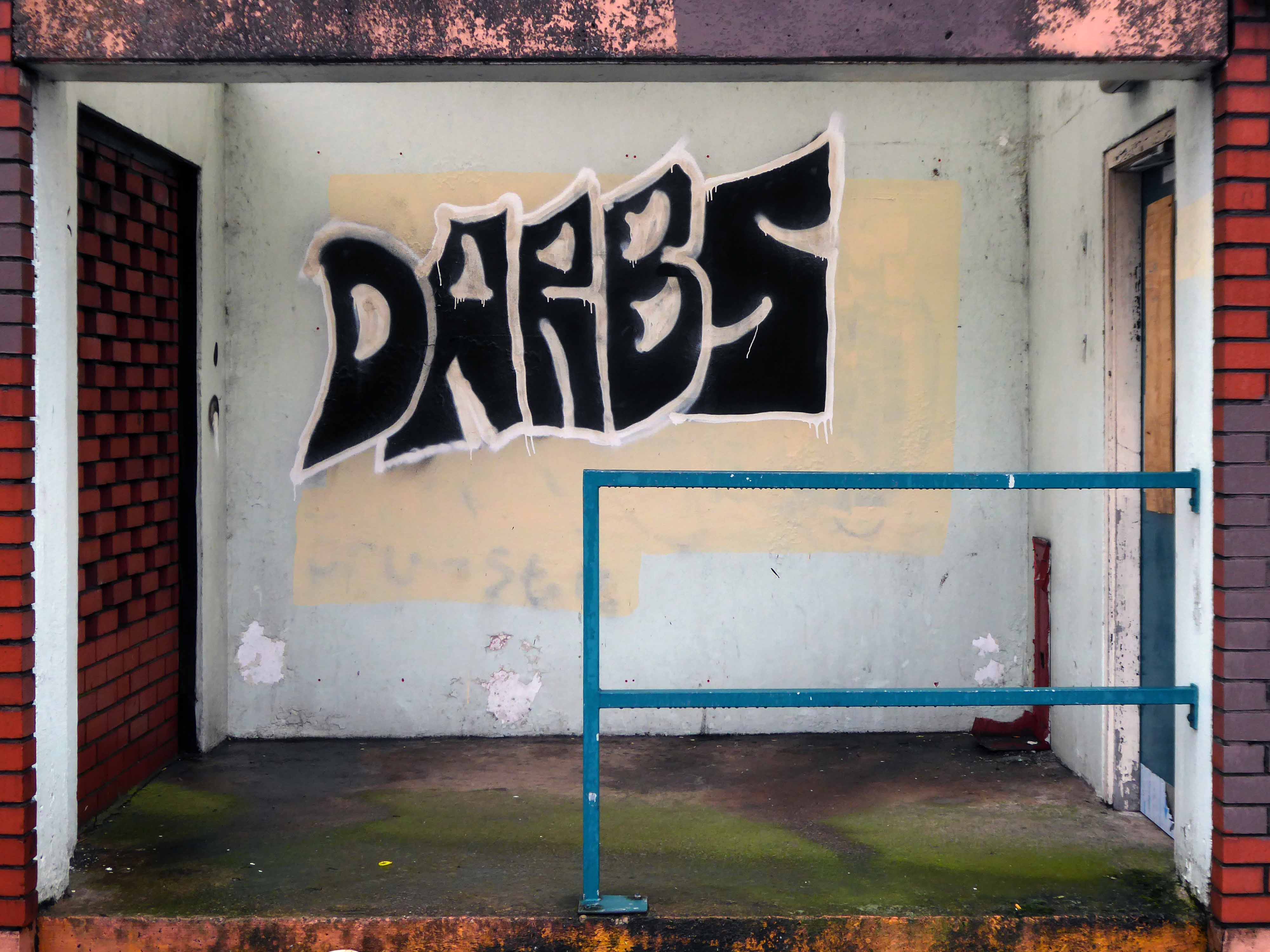
To tag.

To live.

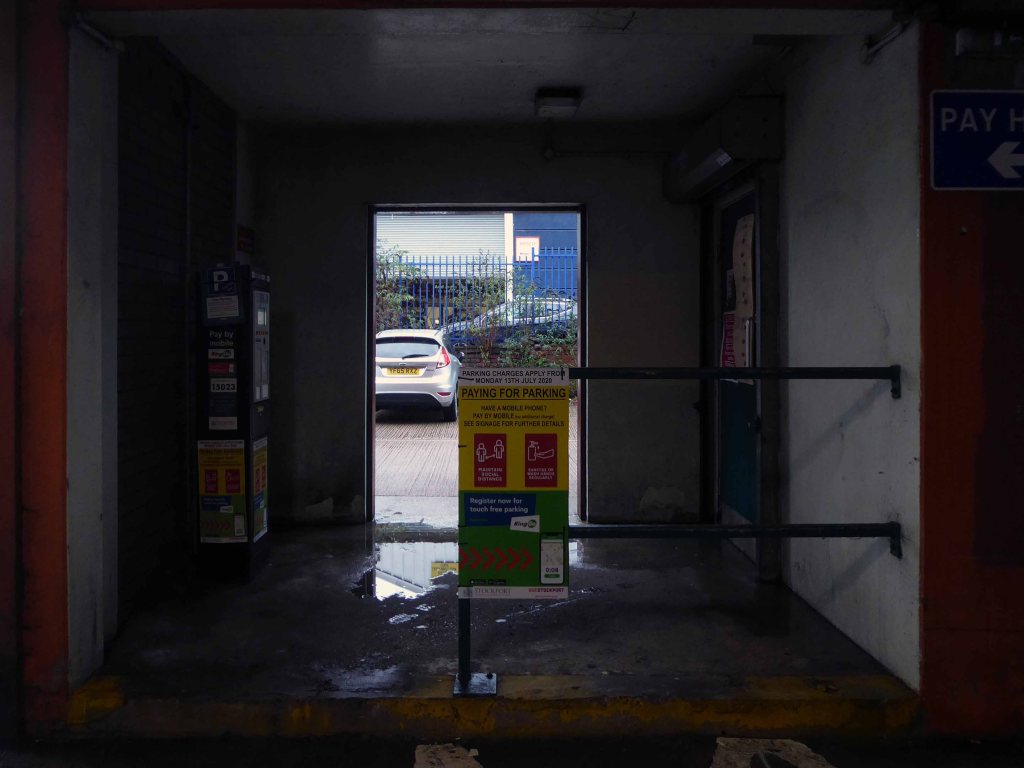
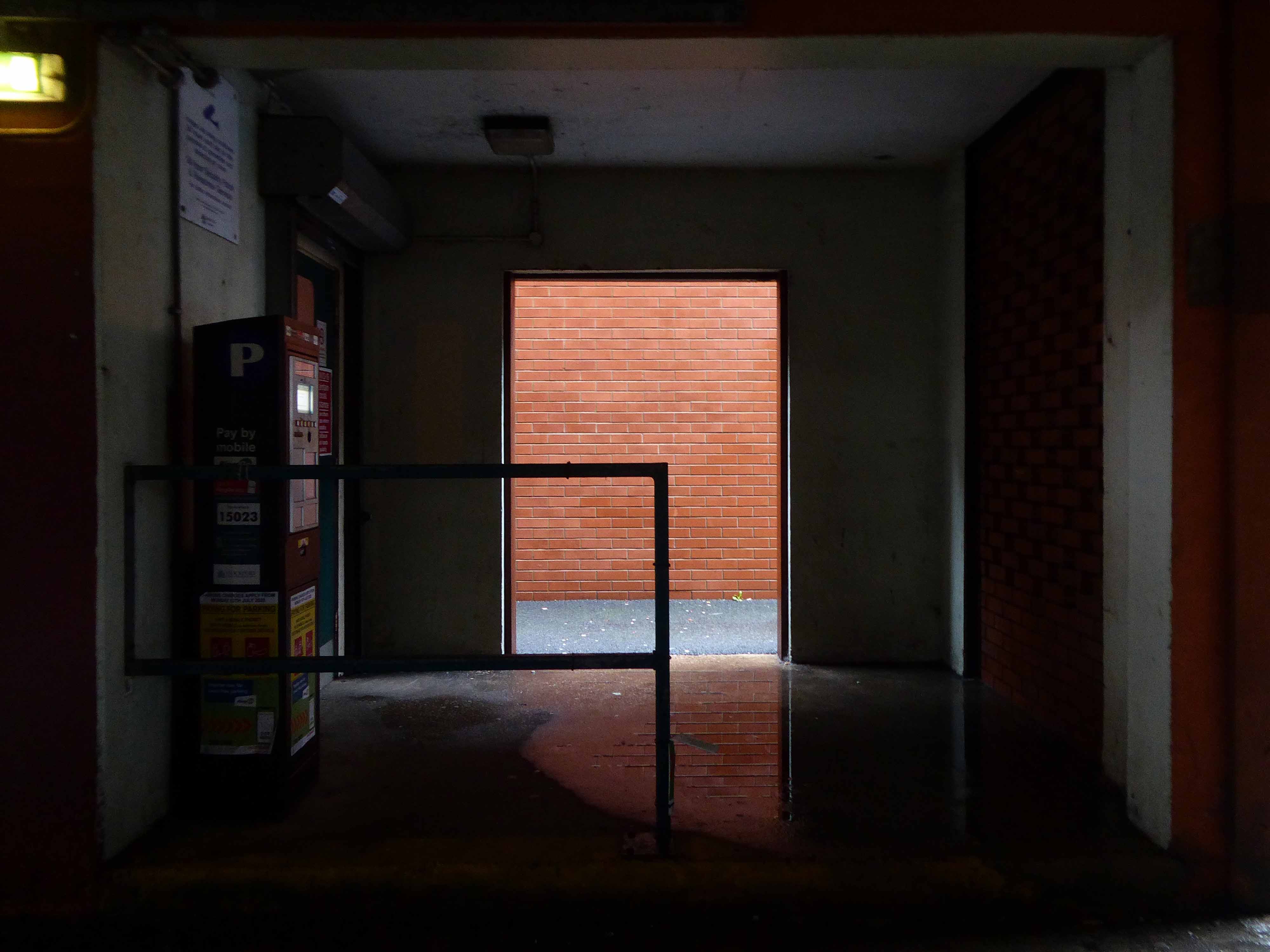
Pay here, your time is time limited, your presence measured.

Let’s explore this demimonde together, wet underfoot, lit laterally by limited daylight, walking through the interspersed pools of glacial artificial glow.

Time’s up, check out and move on – tomorrow is another day, another car park; in a different town.

Cinema and car parks wedded forever in the collective popular cultural unconscious.

Bonny Street Police Station – Blackpool

We are here are again – you Bonny Street bobbies, it seems, are not.

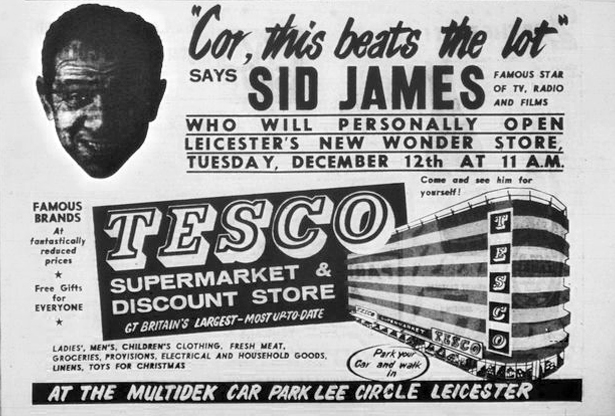
Departed for pastures new – to Marton near to the big Tesco. 

As well as a front counter, the new headquarters provides a base for some of the local policing and immediate response teams, an investigations hub and 42 custody cells.

Live Blackpool

On my previous visit I was in fact apprehended by a uniformed officer, perturbed by my super-snappy happy behaviour. Following a protracted discussion, I convinced the eager young boy in blue, that my intentions were entirely honourable.

Having visited the Morecambe site un-accosted.

And witnessed Bury’s demise.

I’m something of a Roger Booth aficionado, largely still at large.

Whilst Richard Brook is something of an expert.

Suffice to say I pay a visit to see my old pal the cop shop, whenever I find myself in town, stop to chat and snap – how are things, what’s happening?

Blackpool Central that’s what!

It seems that you are to become an Alien Diner.

Themed bar and event restaurant concept with roller coaster service, hourly special effects shows and exploration tours.

The £300m Blackpool Central development will bring world-class visitor attractions to a landmark site on the famous Golden Mile. Along with new hotels, restaurants, food market, event square, residential apartments and multi-storey parking.

Chariots of the Gods inspires the masterplan for the long-awaited redevelopment. It’s the global publishing phenomenon, written by Swiss author Erich Von Däniken. Exploring alien encounters and unsolved mysteries of ancient civilisations.

Chariots Of The Gods will be the main theme for Blackpool Central. Including the anchor attraction – the UK’s first flying theatre.

A fully-immersive thrill ride that will create the incredible sensation of human flight.

Time it seems changes everything, stranger than fiction.

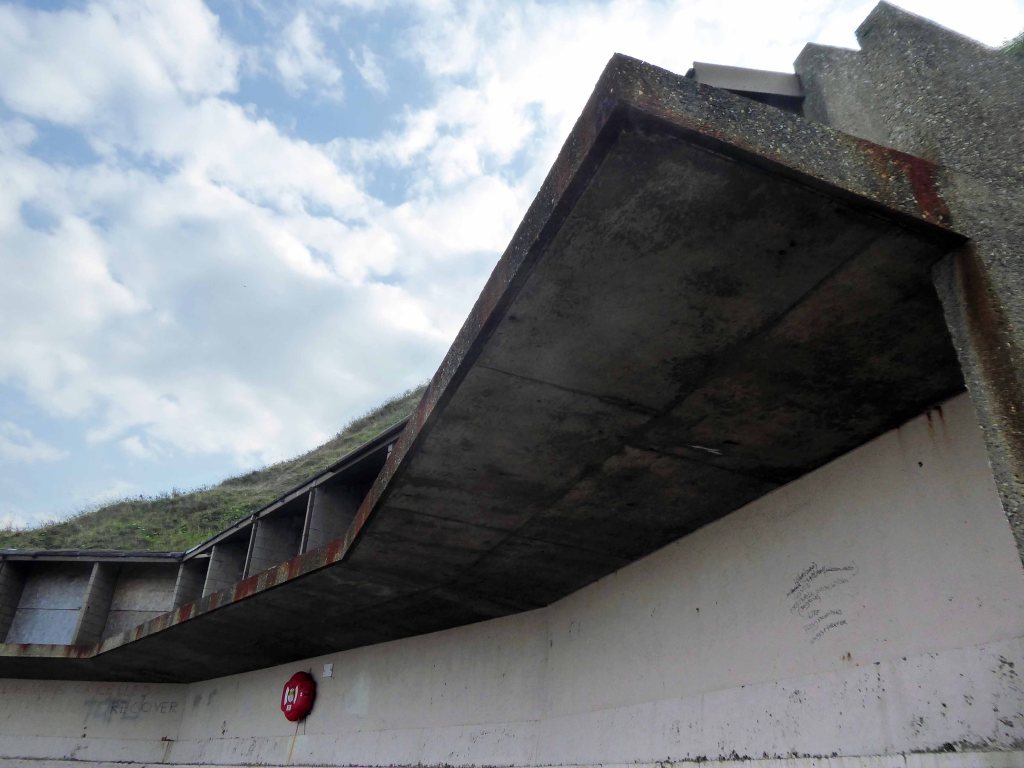
The Bonny Street Beast’s days are numbered – your local Brutalist pal is no more, wither Wilko’s?

Your piazza planters are waterlogged.

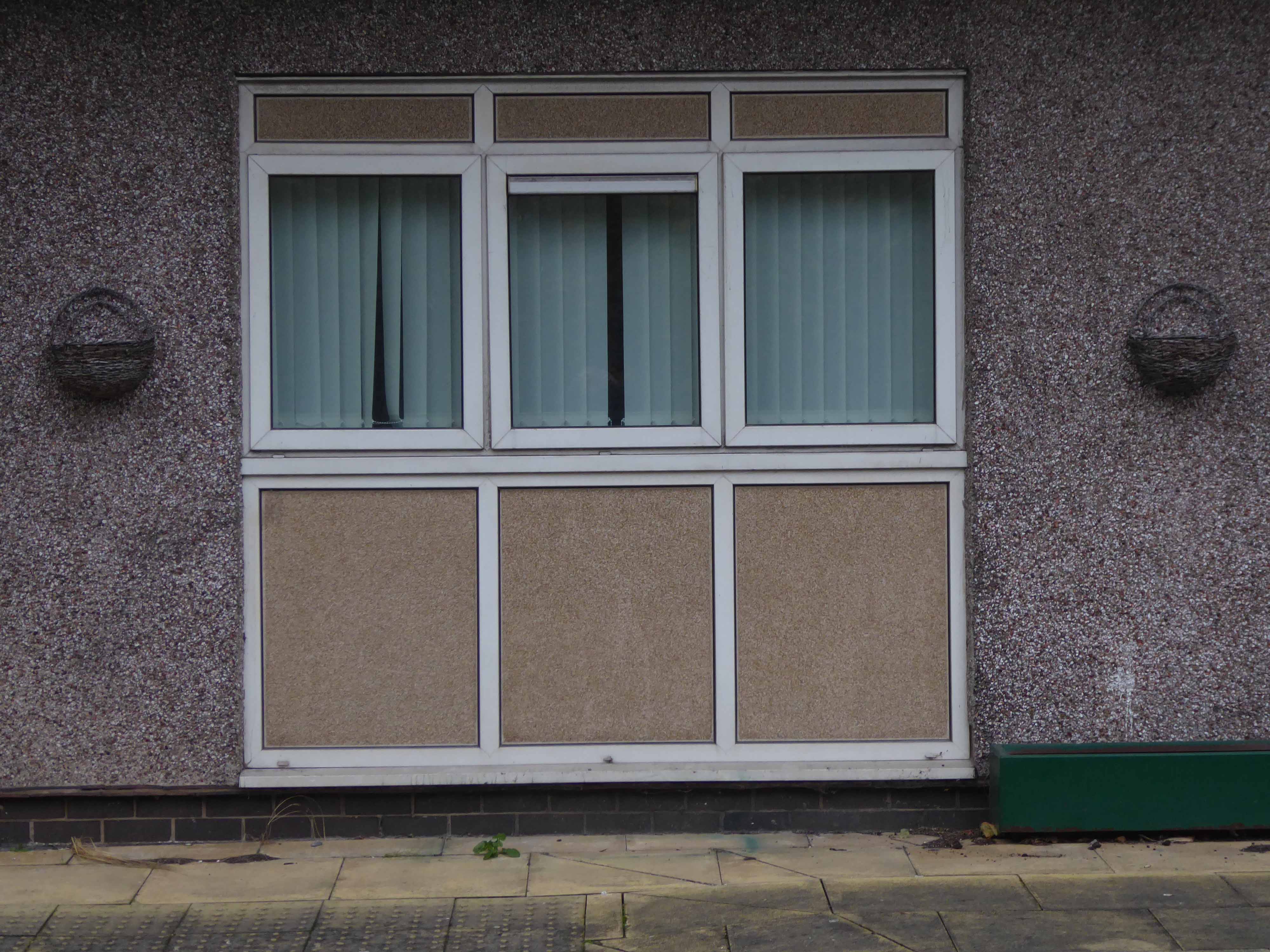
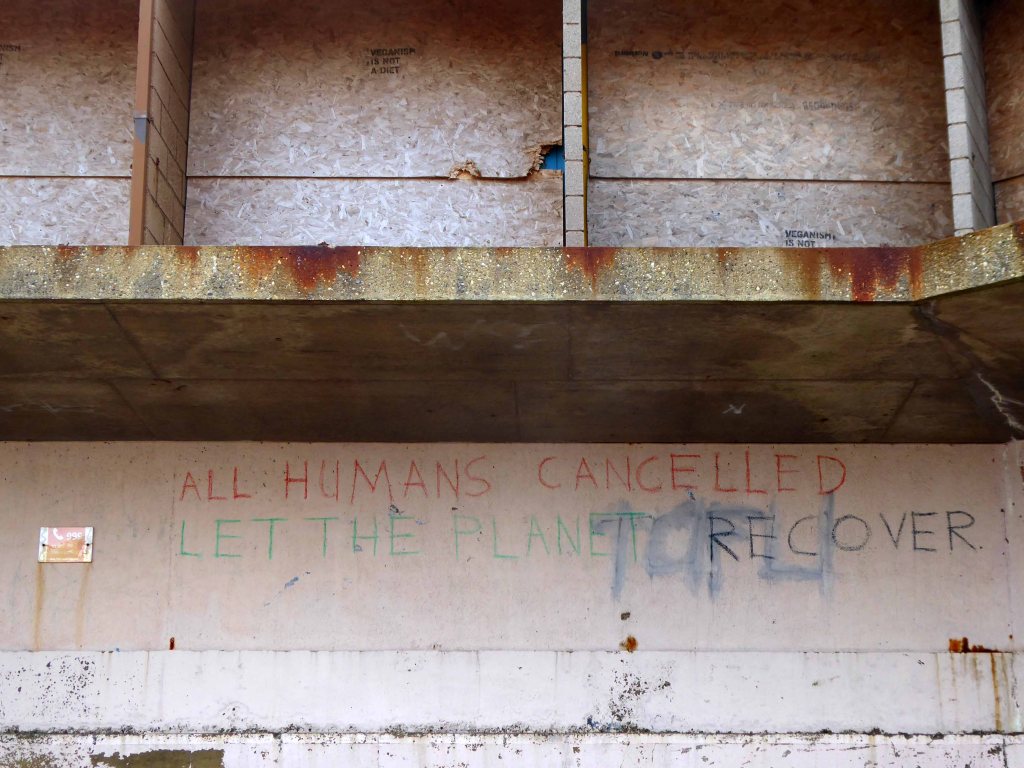
Your lower portals tinned up.

Your curious sculptural infrastructure sunken garden neglected and forlorn.

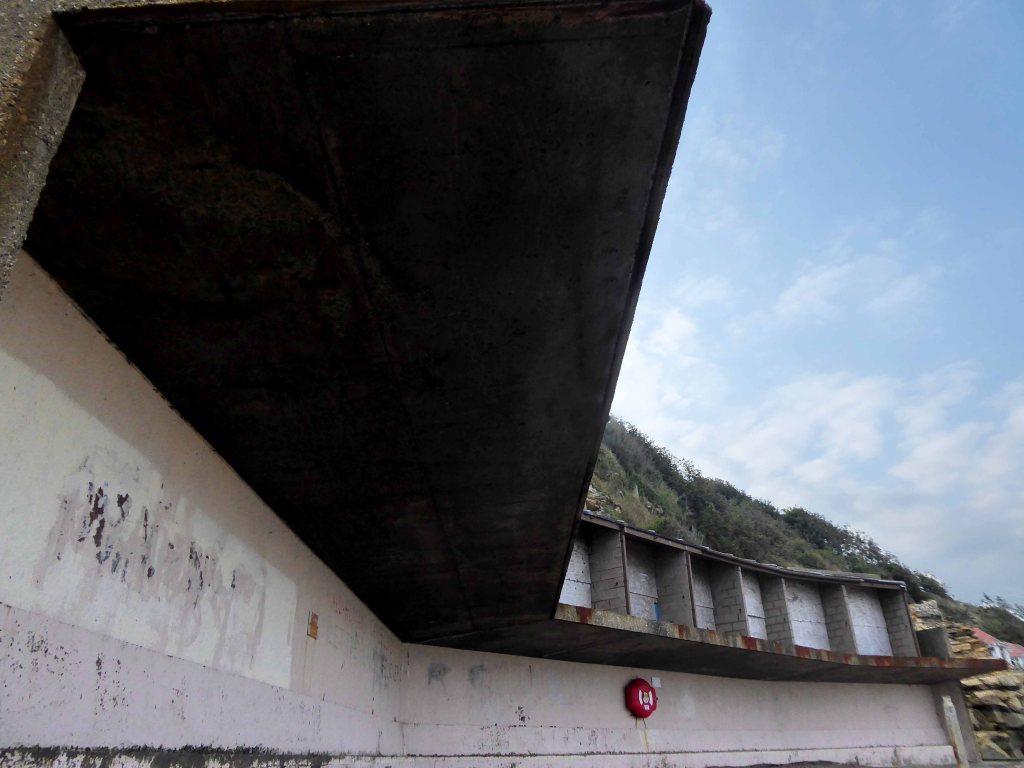
Your low lying out-rigger stares blankly yet ominously into space.

Likewise your tinted windows.

Your subterranean car park access aromatic and alienating.

So farewell old pal, who knows what fate awaits you, I only know you must be strong.

Not until we have taken a look into the future shall we be strong and bold enough to investigate our past honestly and impartially. 

How often the pillars of our wisdom have crumbled into dust! 
 

Erich von Däniken

North Shore Blackpool

Here we are again, having posted a post way back when – on Seaside Moderne.

Where the whole tale is told – the tale of Borough Architect John Charles Robinson‘s inter-war Deco dream tempered by Municipal Classicism. A stretch of Pulhamite artificial rock cliffs 100ft high between the new gardens and the lower promenade constructed in 1923. The lower promenade at sea level was remodelled during 1923–5 with a colonnaded middle walk.

So here we are again September 2020, a country in Covid crisis bereft of crowds.

I took a short walk along its length – to the lift and back.

The Cabin Lift is designated at Grade II for the following principal reasons: * It is a nationally rare type of seaside structure that is of interest as part of the history and development of certain seaside resorts * It is of a well-executed design and uses good-quality material to good effect that can be particularly appreciated from the upper promenade * It is a conspicuous and eye-catching structure especially when viewed to maximum effect from the lower promenade * The Cabin Lift’s architectural merit contributes significantly to Blackpool’s importance as a holiday resort of national and international renown.

Historic England

This is where they stop to stare, to stare at the sea, shaking solace in distant waves, lapping gently on soft sands.

The rusting rails, beleaguered benches and stolid junction boxes, calmly resist the erosion of sea and salt airs with grace.

Returning to the tower and the outstretched pier, southbound.

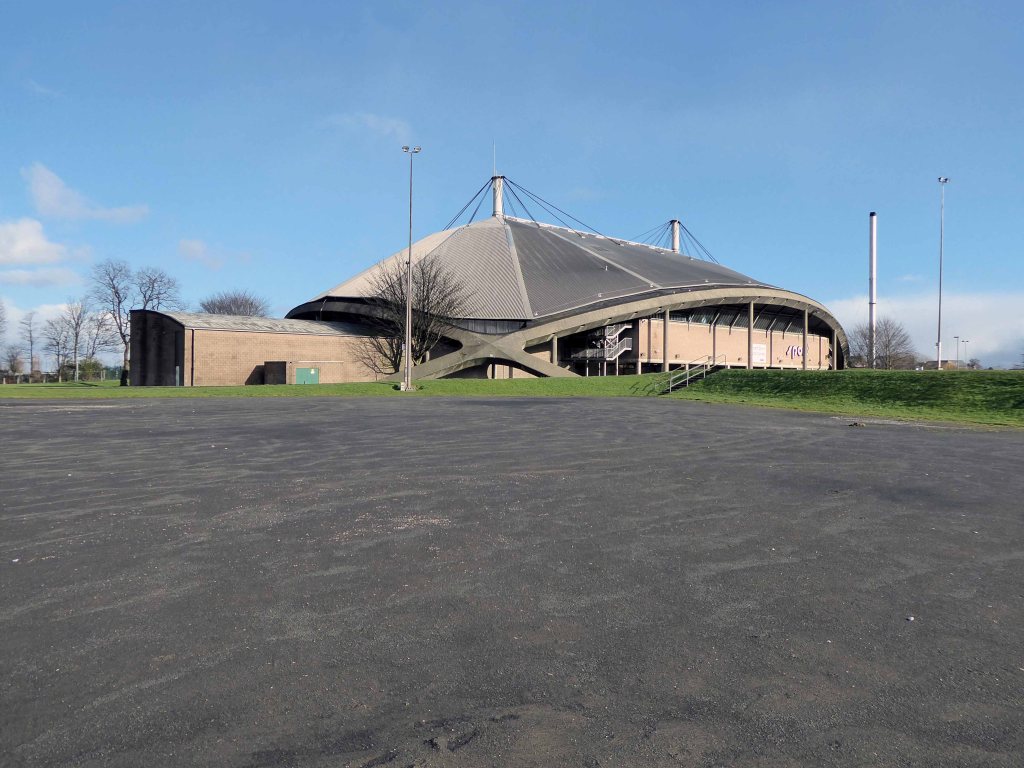
Richard Dunn Sports Centre – Bradford

Rooley Avenue Bradford West Yorkshire BD6 1EZ

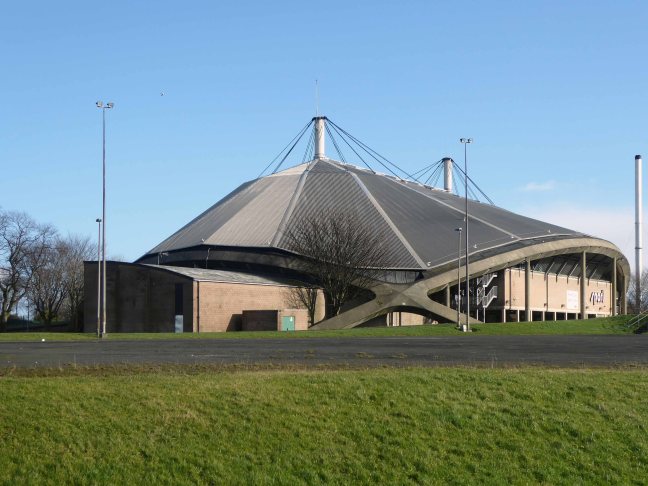
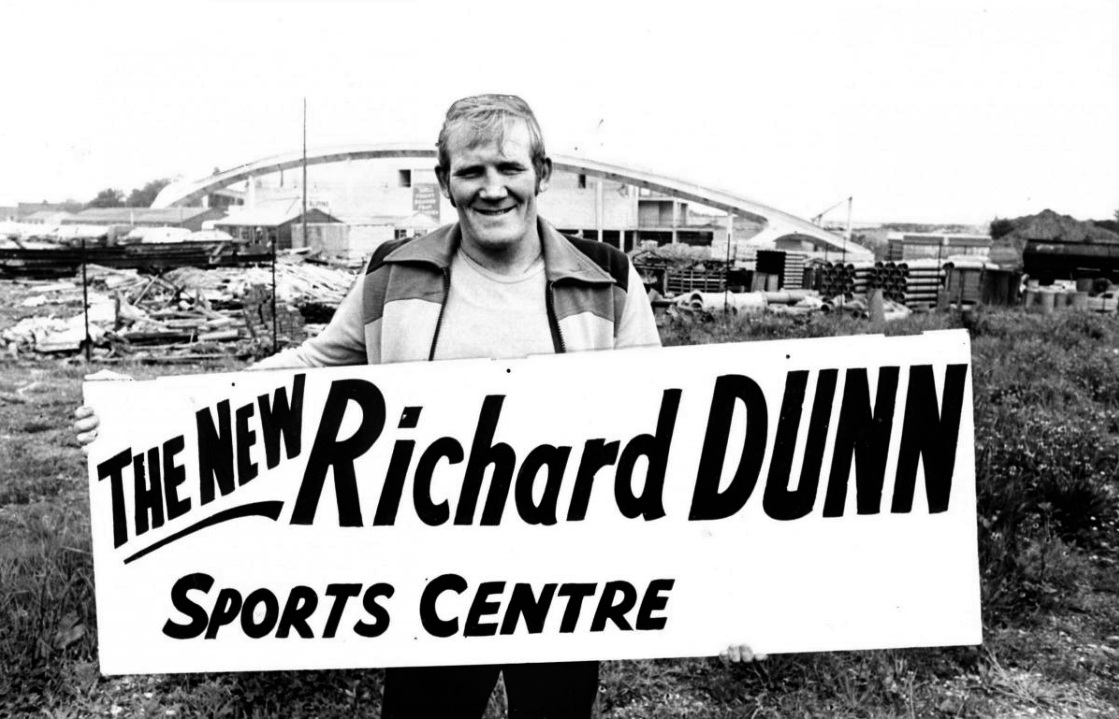
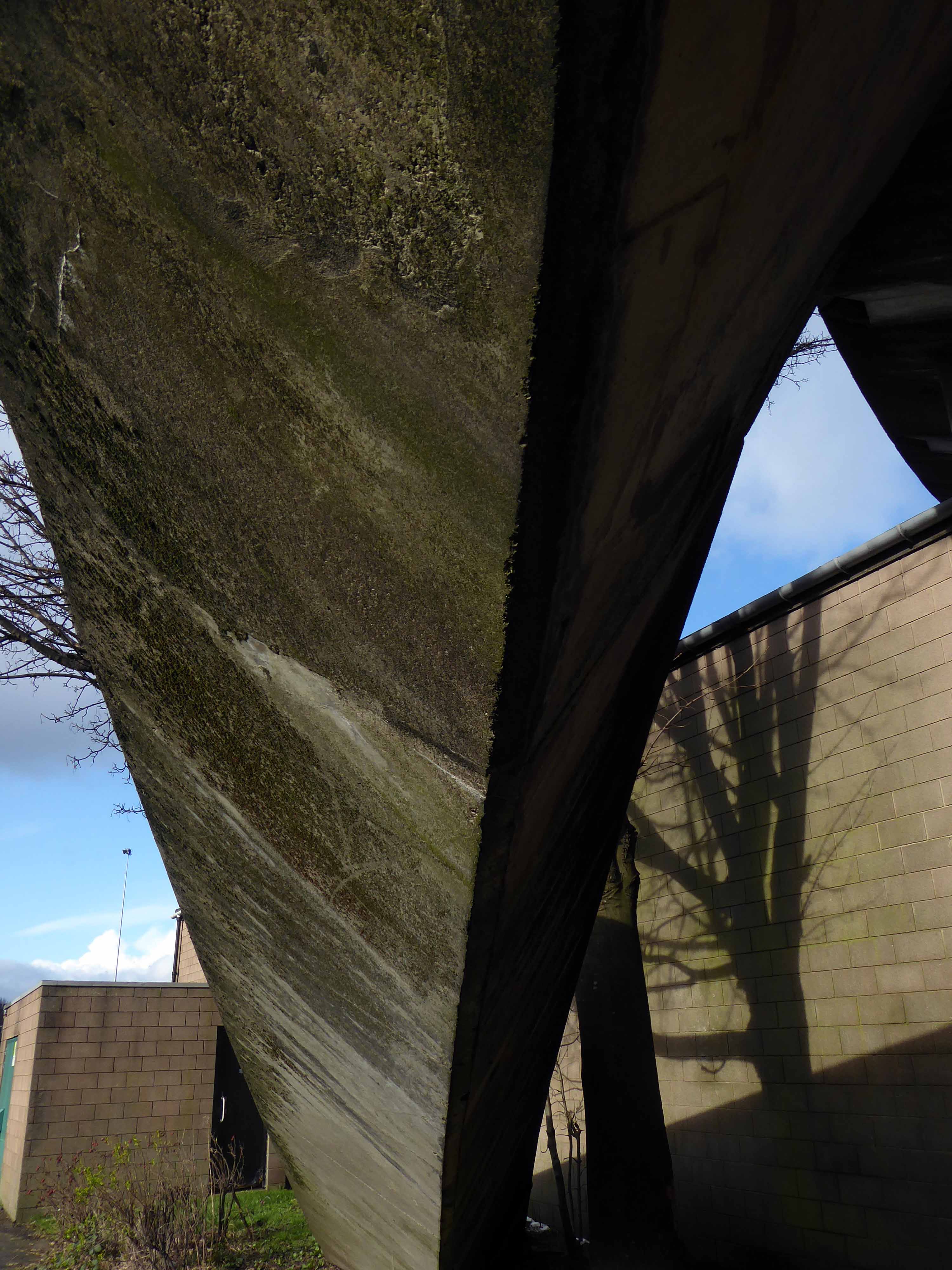
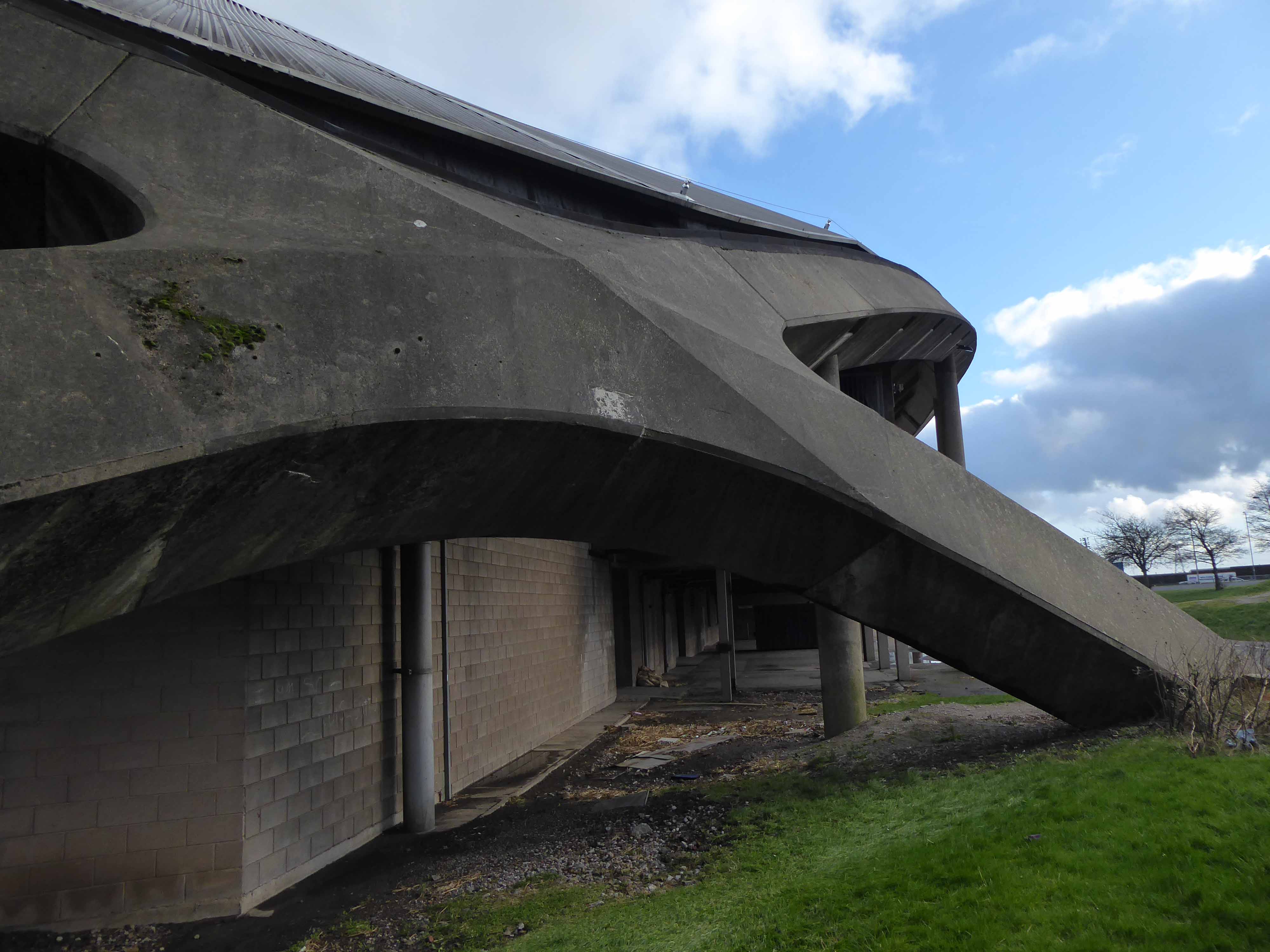
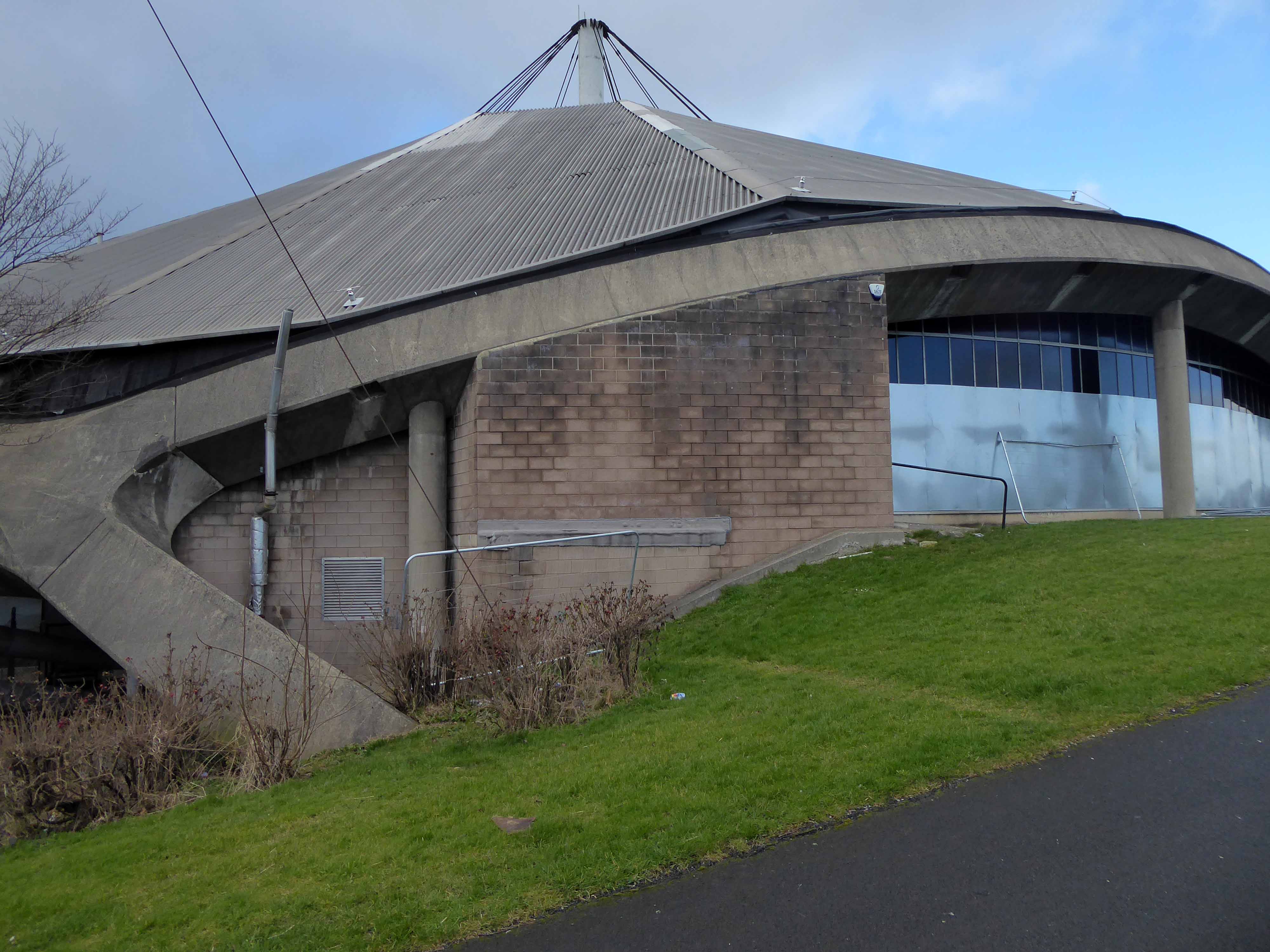
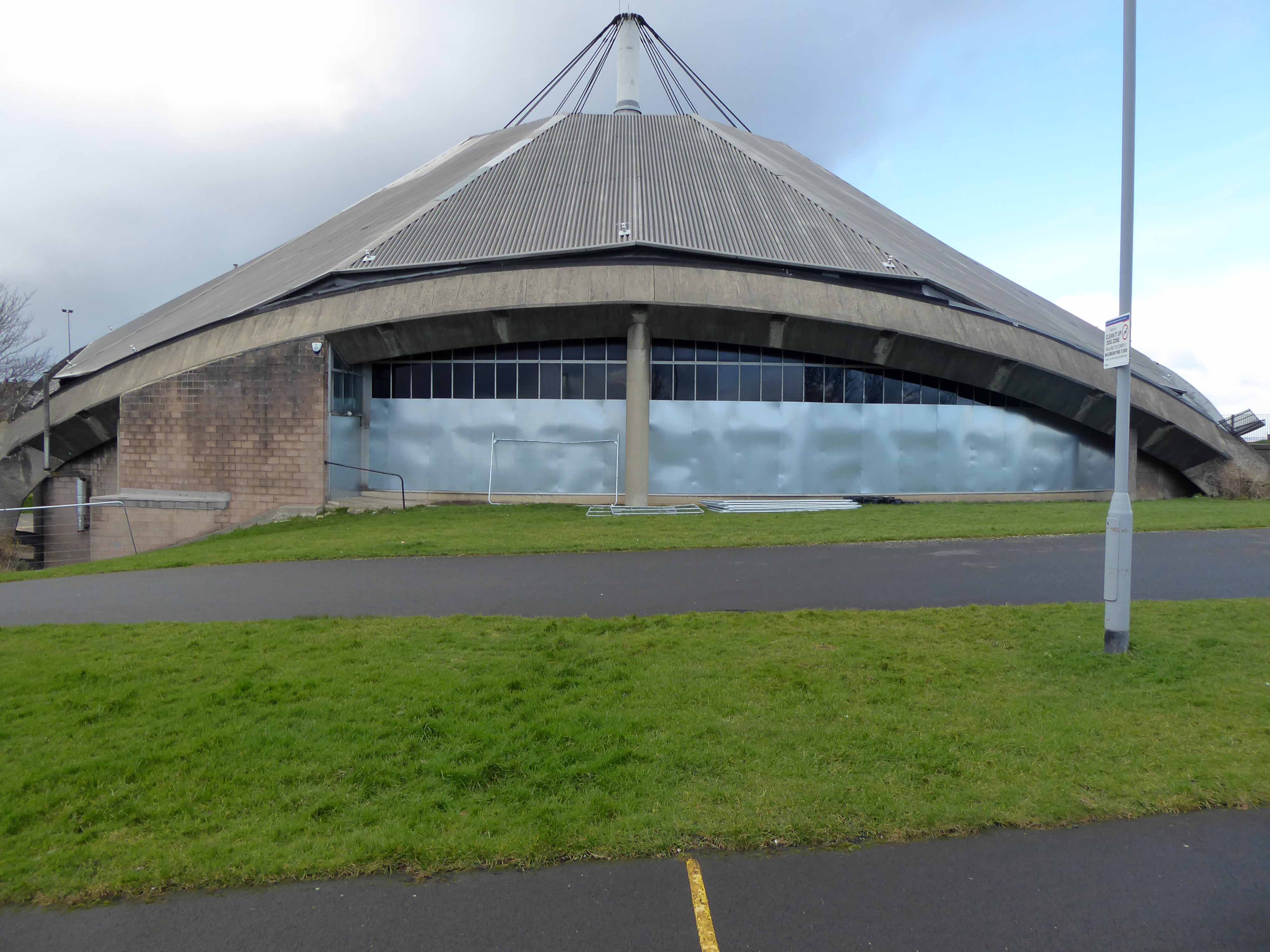
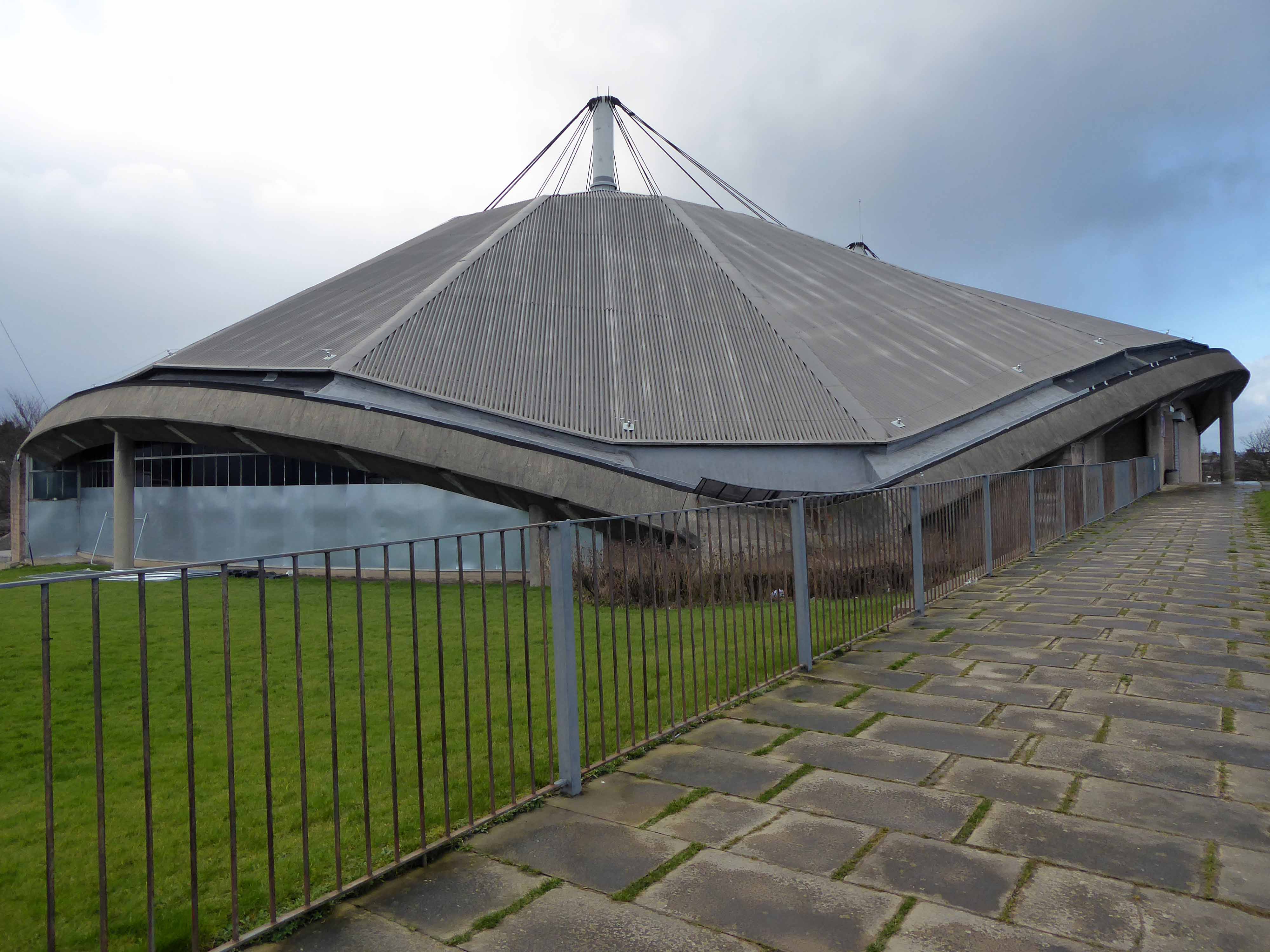
Named for local lad pugilist Richard Dunn, the ambitious imagining of architect Gordon Elliott – the sports centre opened in 1978.

The Richard Dunn Sports Centre, originally Odsal Sports Centre, was designed by myself Trevor Skempton, as part of a team in the office of Owen Perry, Bradford City Architect until 1974.

Gordon Elliot then took over; as Chief Architect for the Met District, after the construction contract had been let.

Comprising pools, sports hall, dance studio, sauna, gym and ancillary facilities the centre was certainly state of the art.

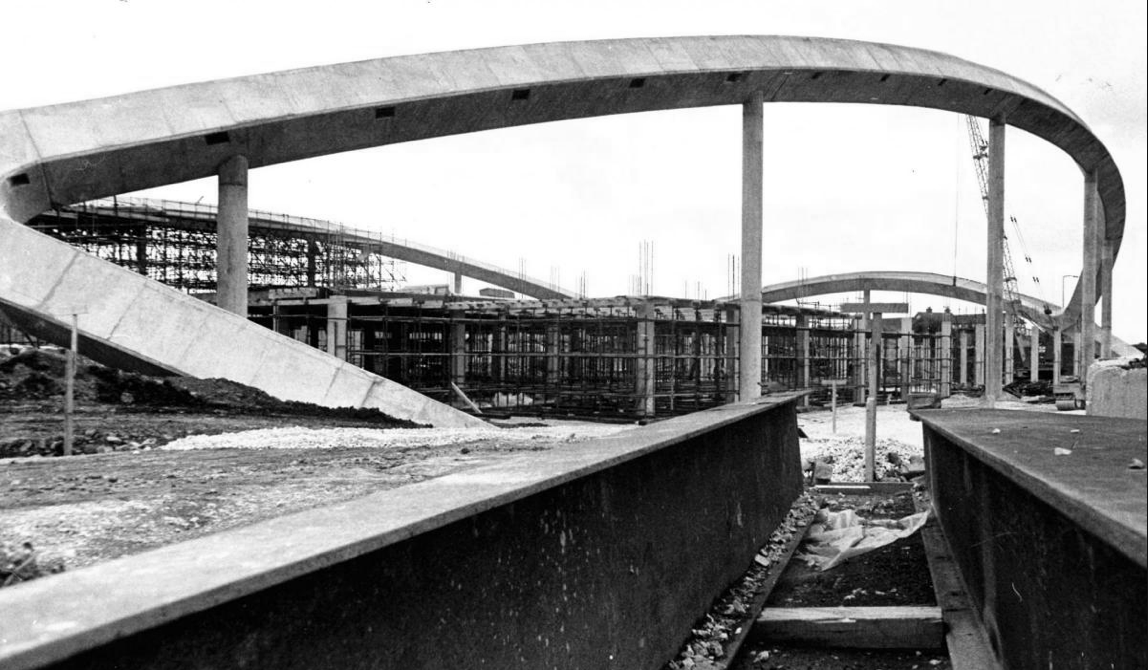
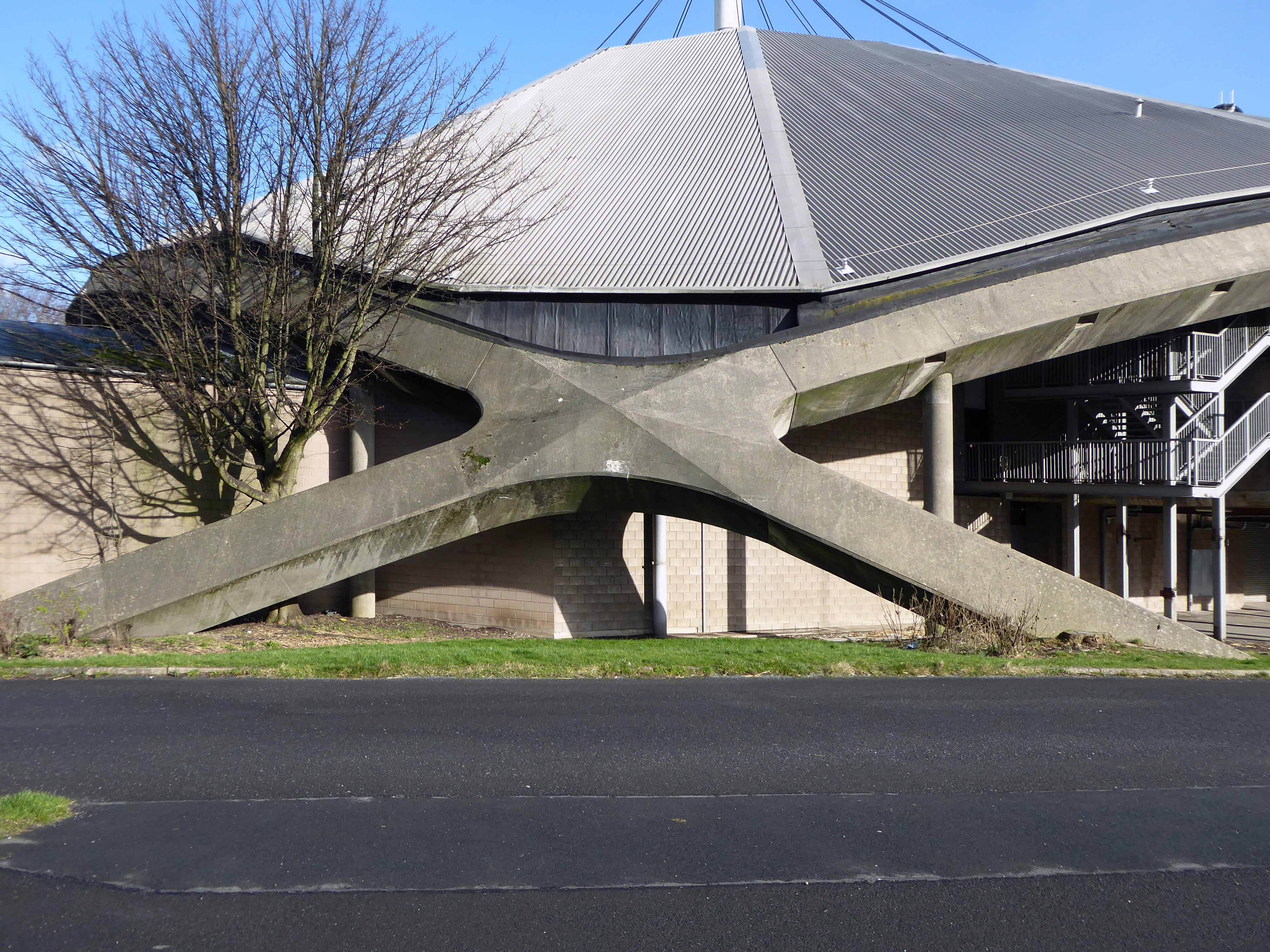
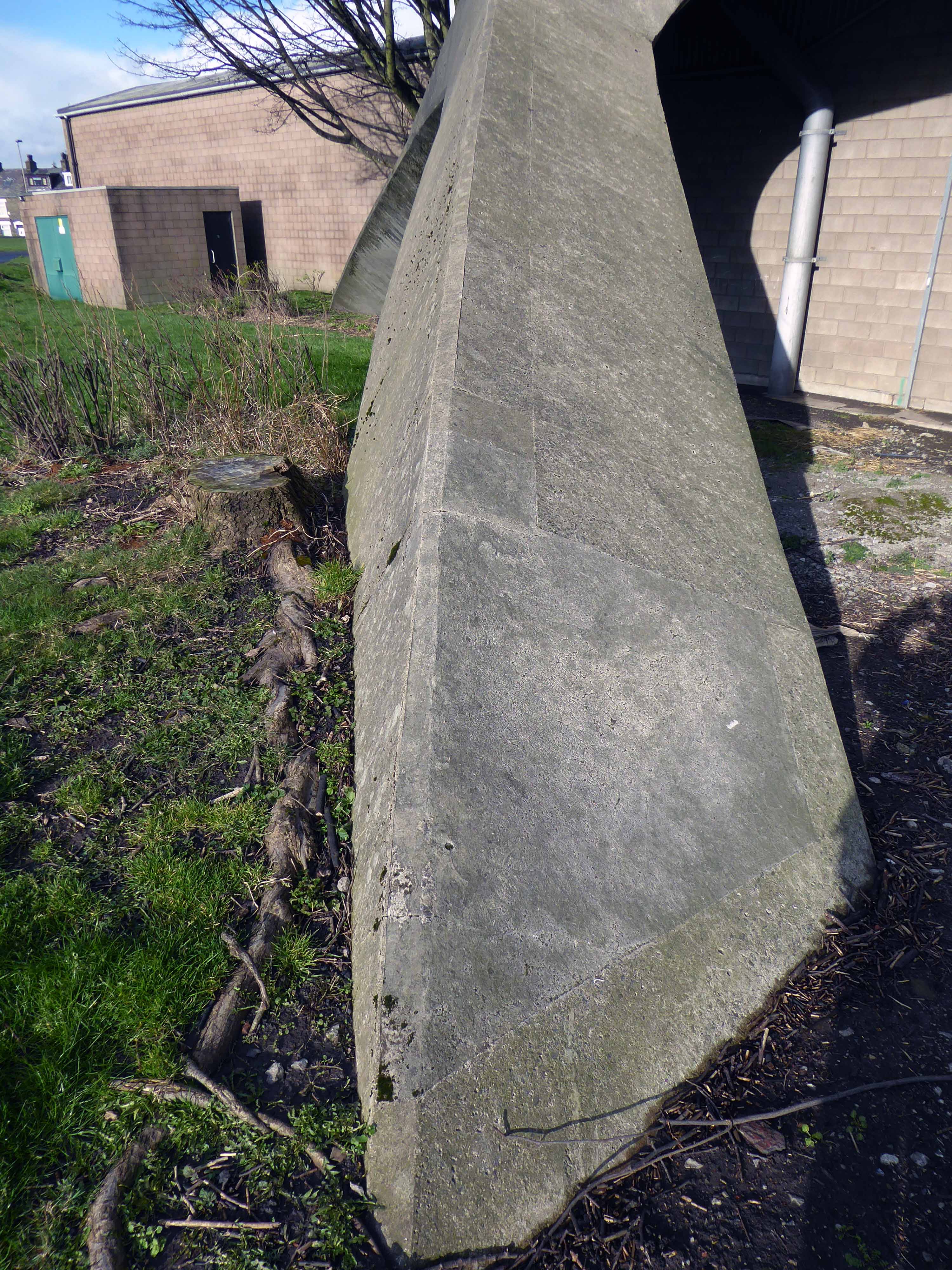
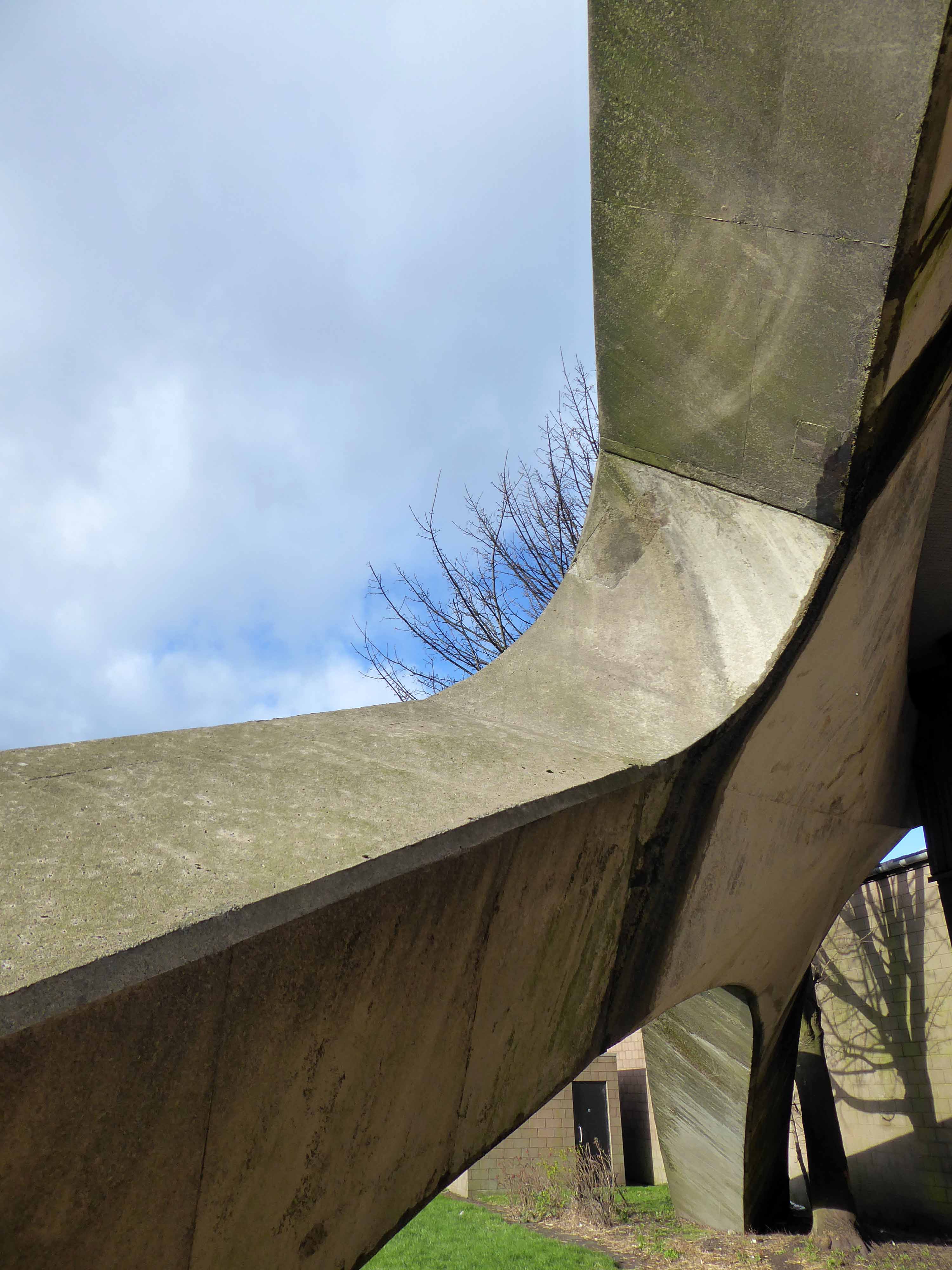
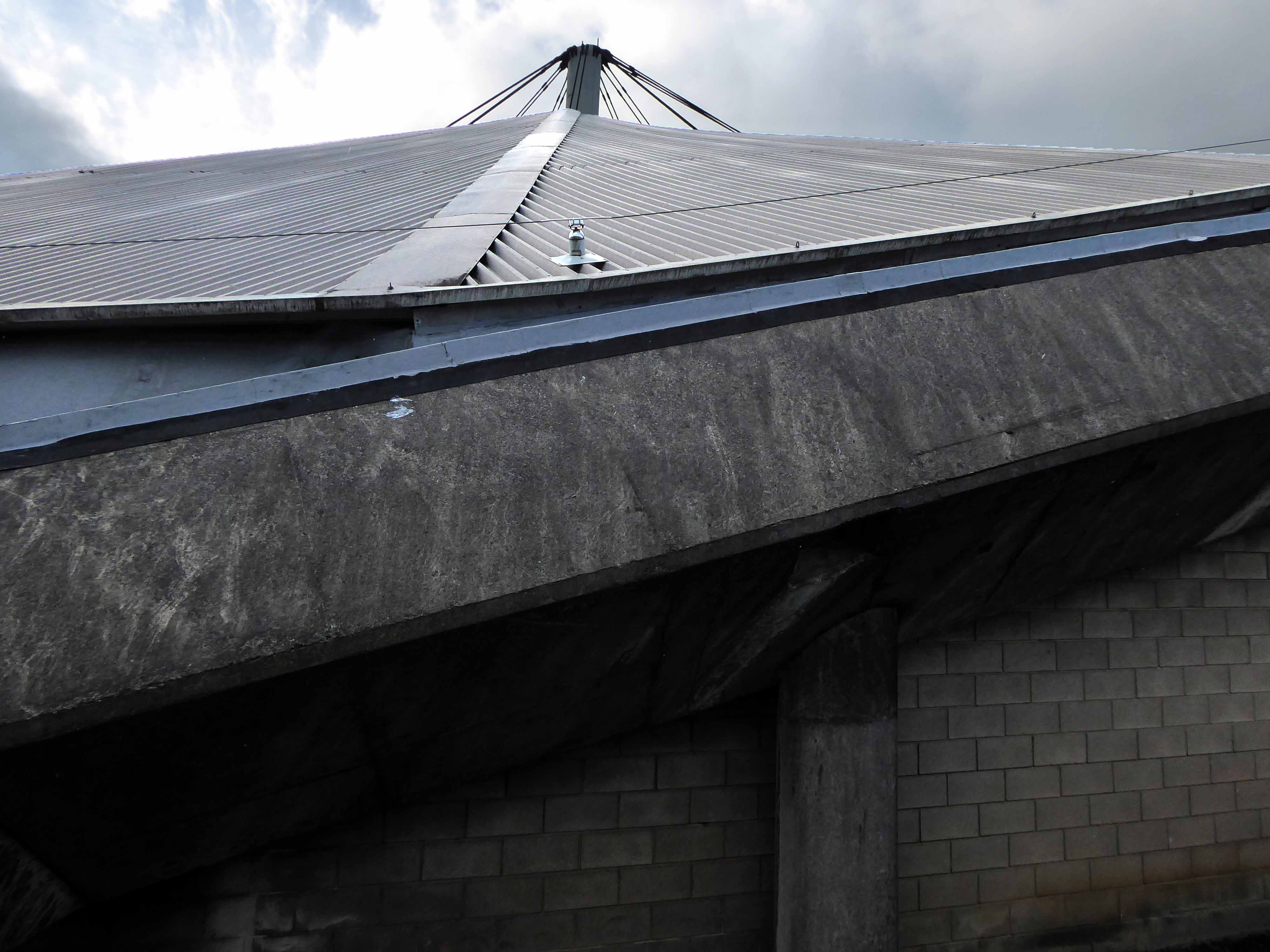
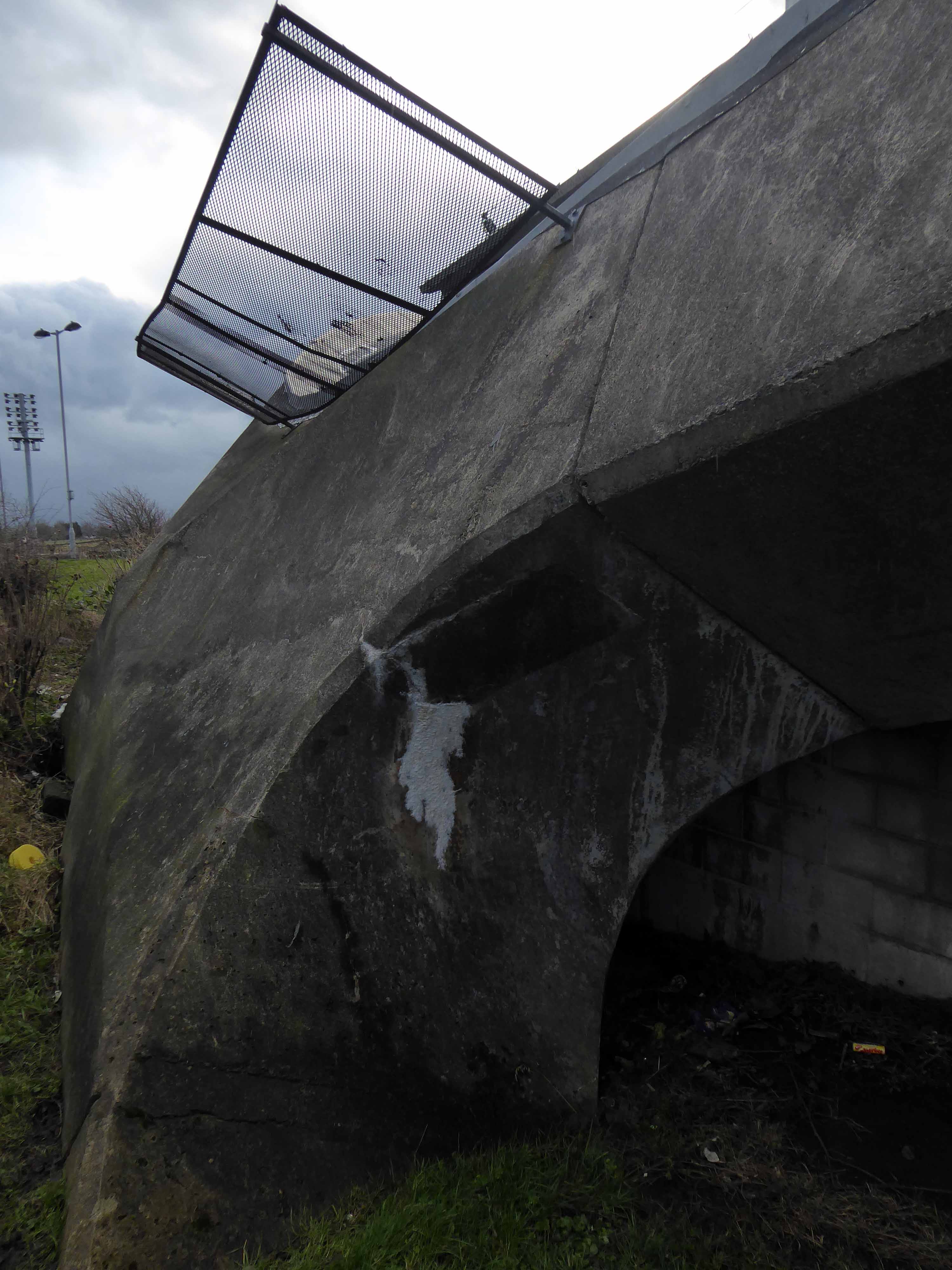
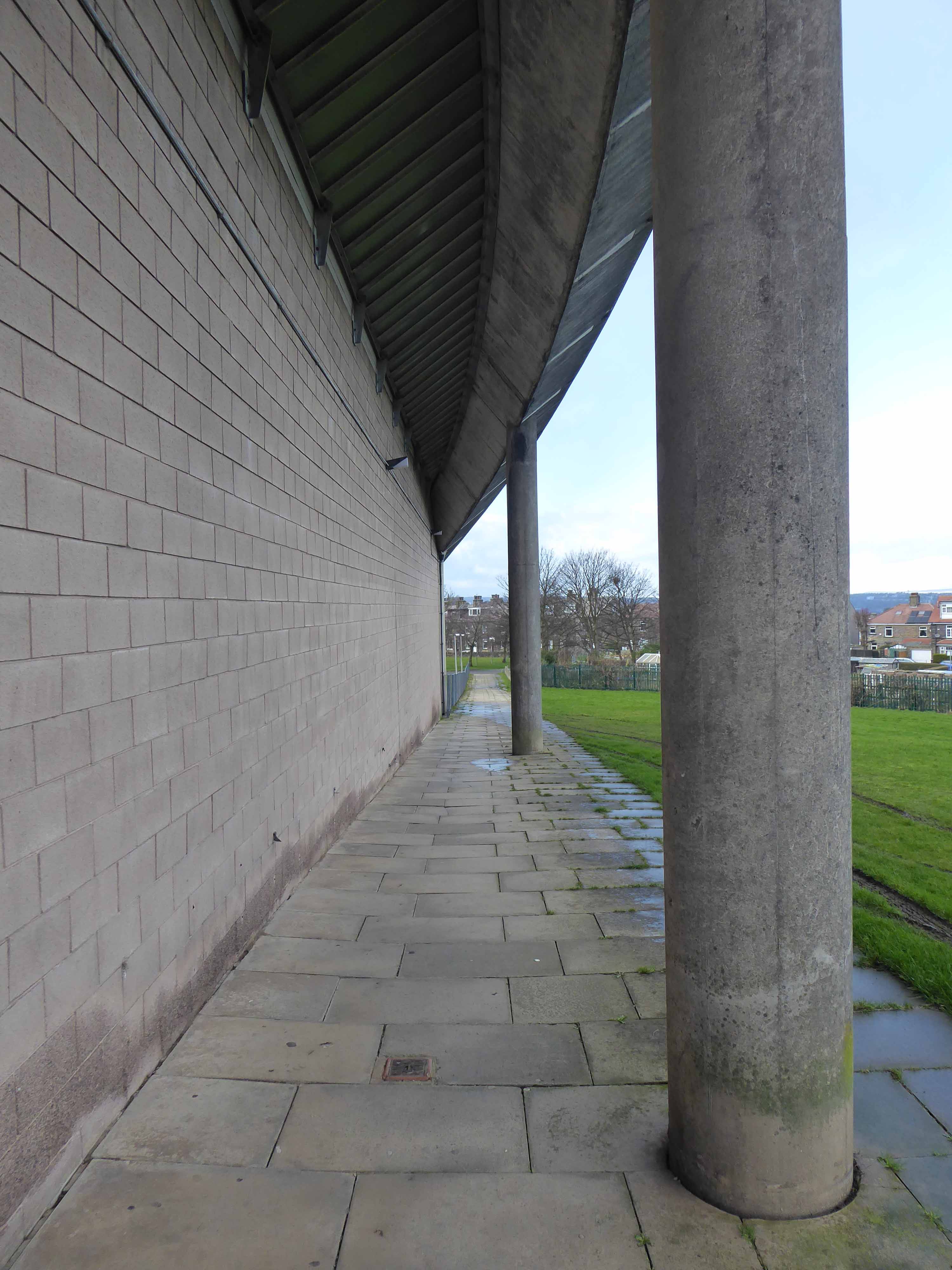
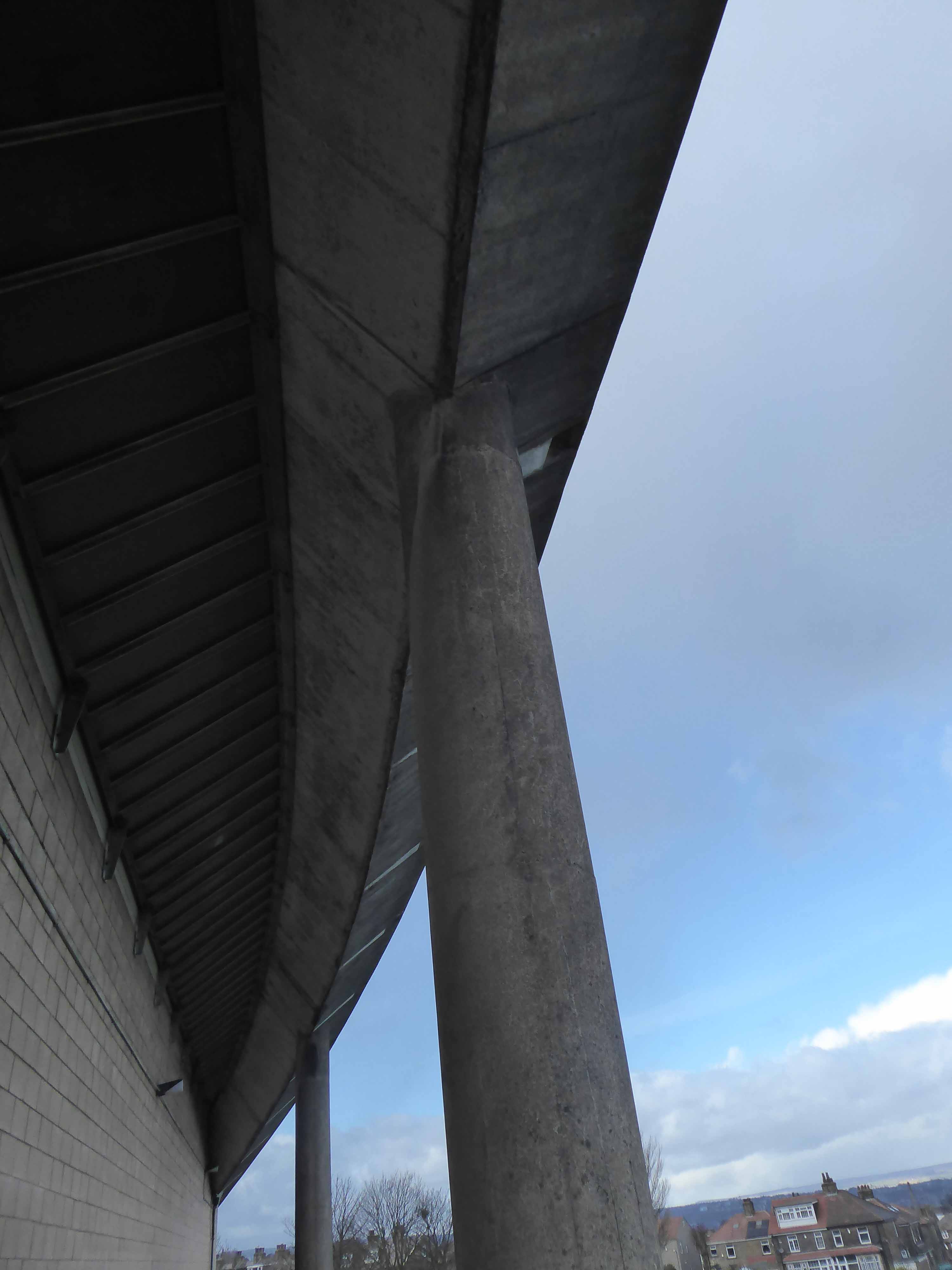
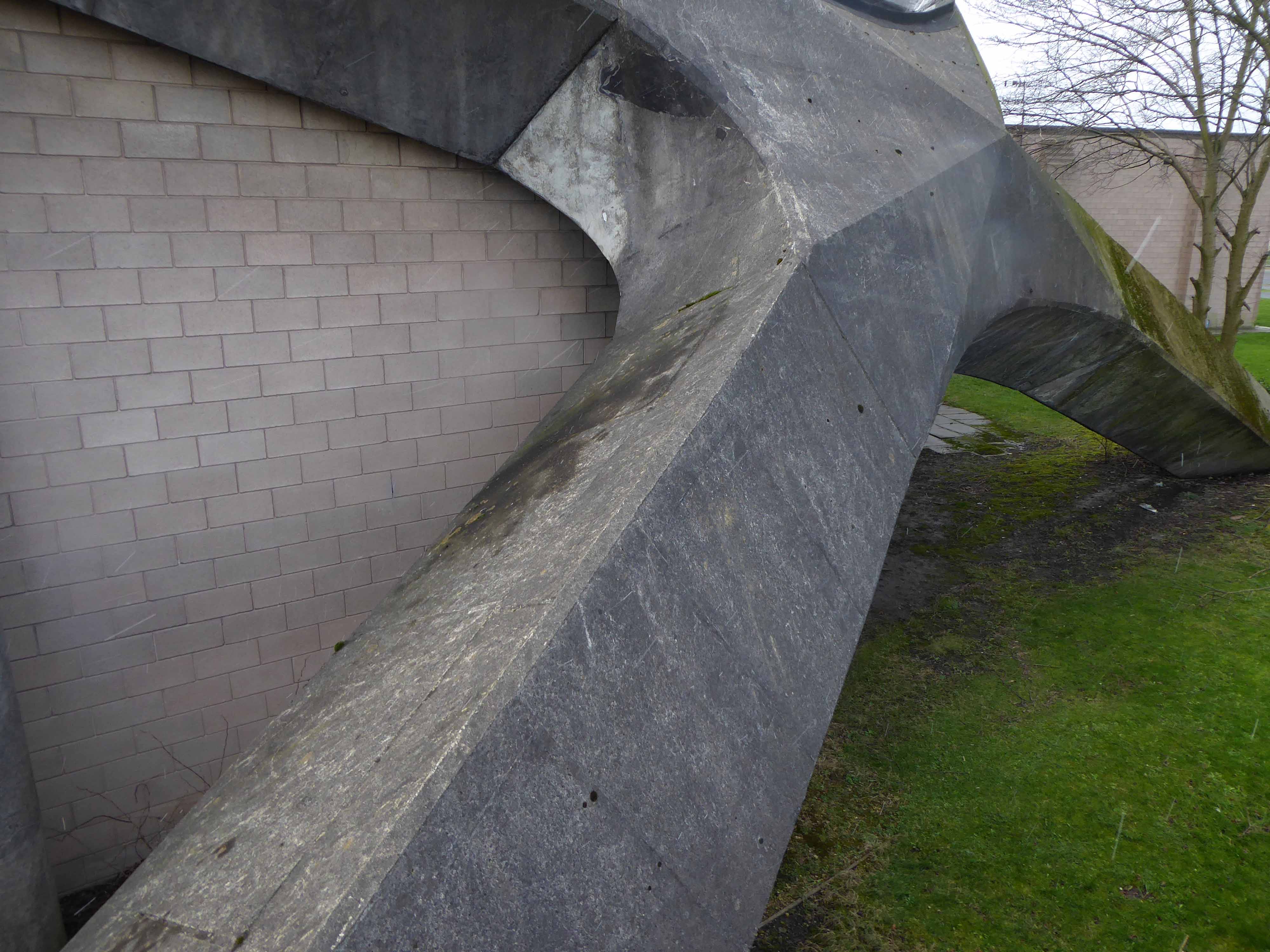
Sweeping interlocking arcs of concrete, were at the heart of the structure.

Topped out with a suspended canopy.

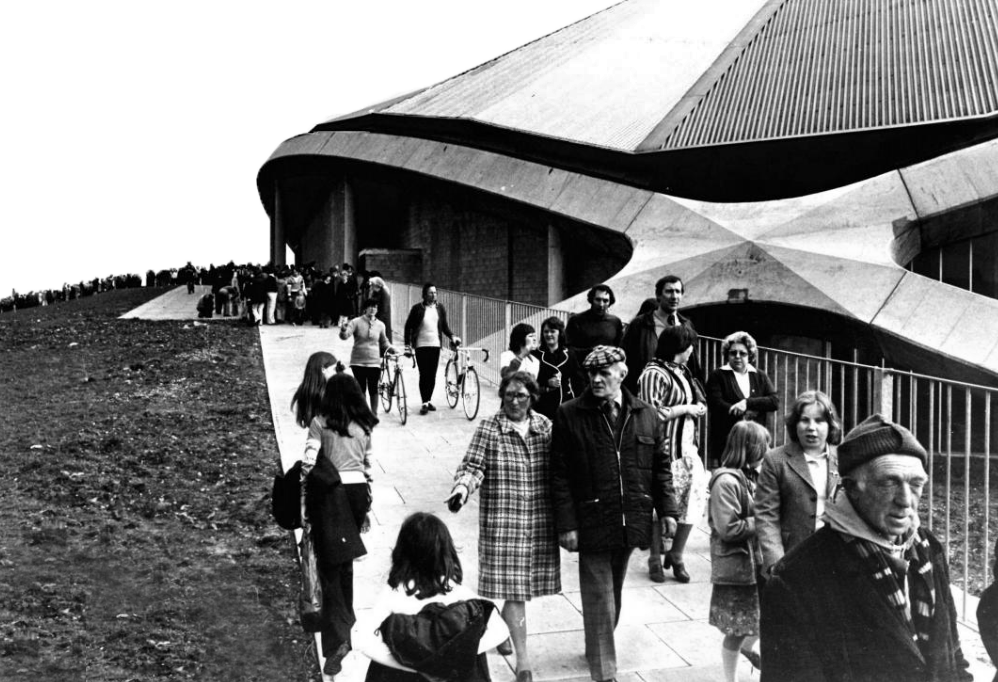
Attracting huge crowds on the occasion of its opening.

Images The Telegraph and Argus.

The building was to be demolished in April of this year – it closed in November 2019.

I assume that the state of the art became less state of the art – as running costs grew and newer greener technology became state of the art.

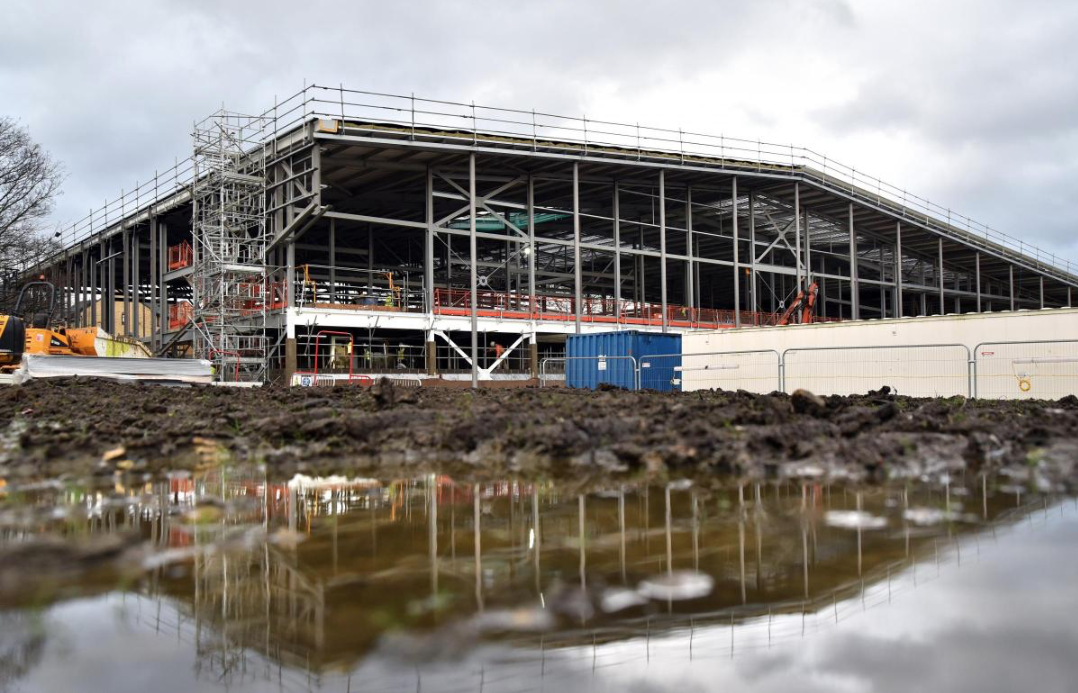
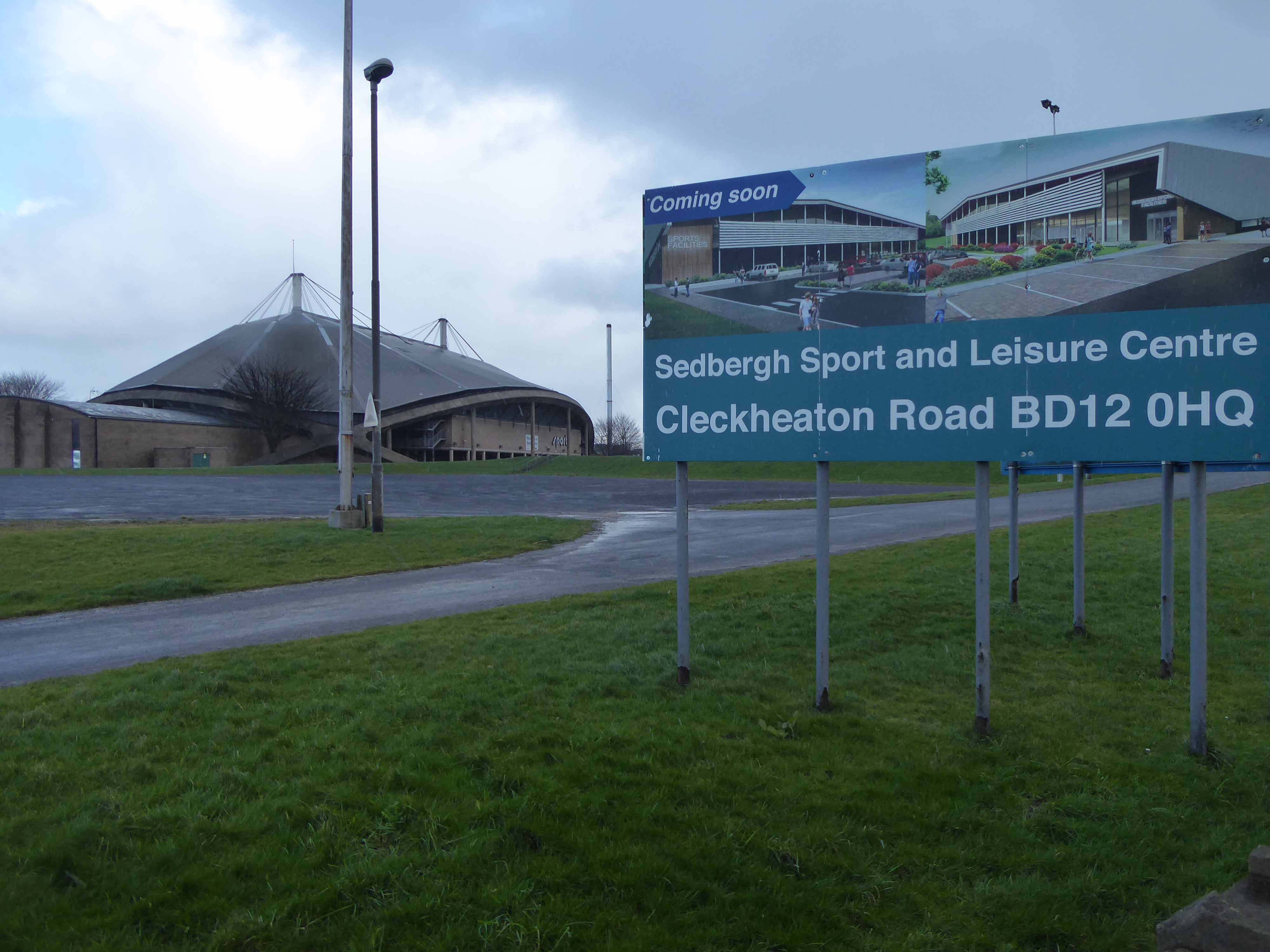
The state of the art Sedbergh Sports and Leisure Centre opened in September 2019.

Initially the Richard Dunn site was to be sold for development, this along with plans for demolition seem to be in abeyance.

Arrangements are being made to turn Bradford’s Richard Dunn Sports Centre into a temporary mortuary should the current Coronavirus crisis escalate.

April 2020

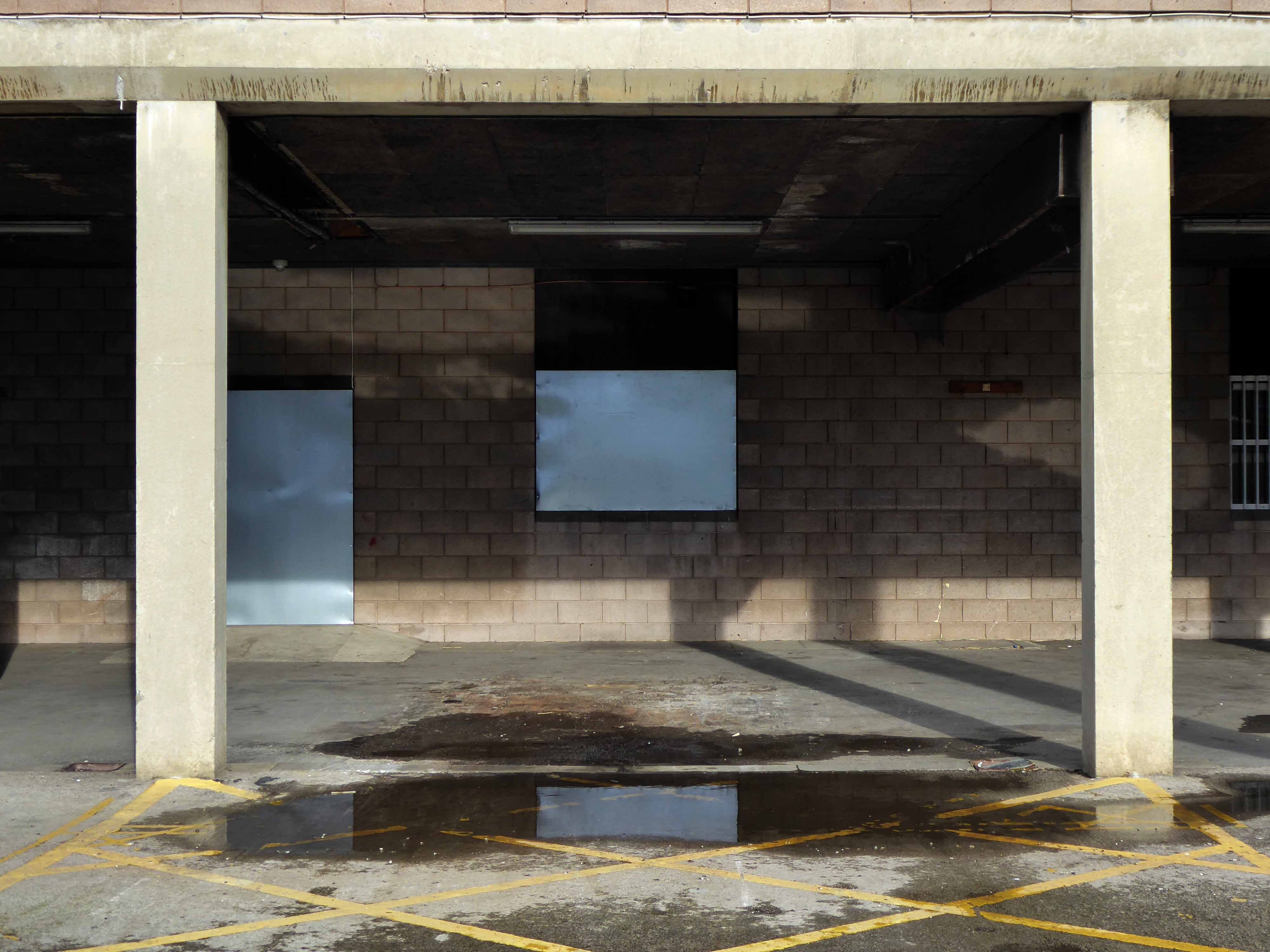
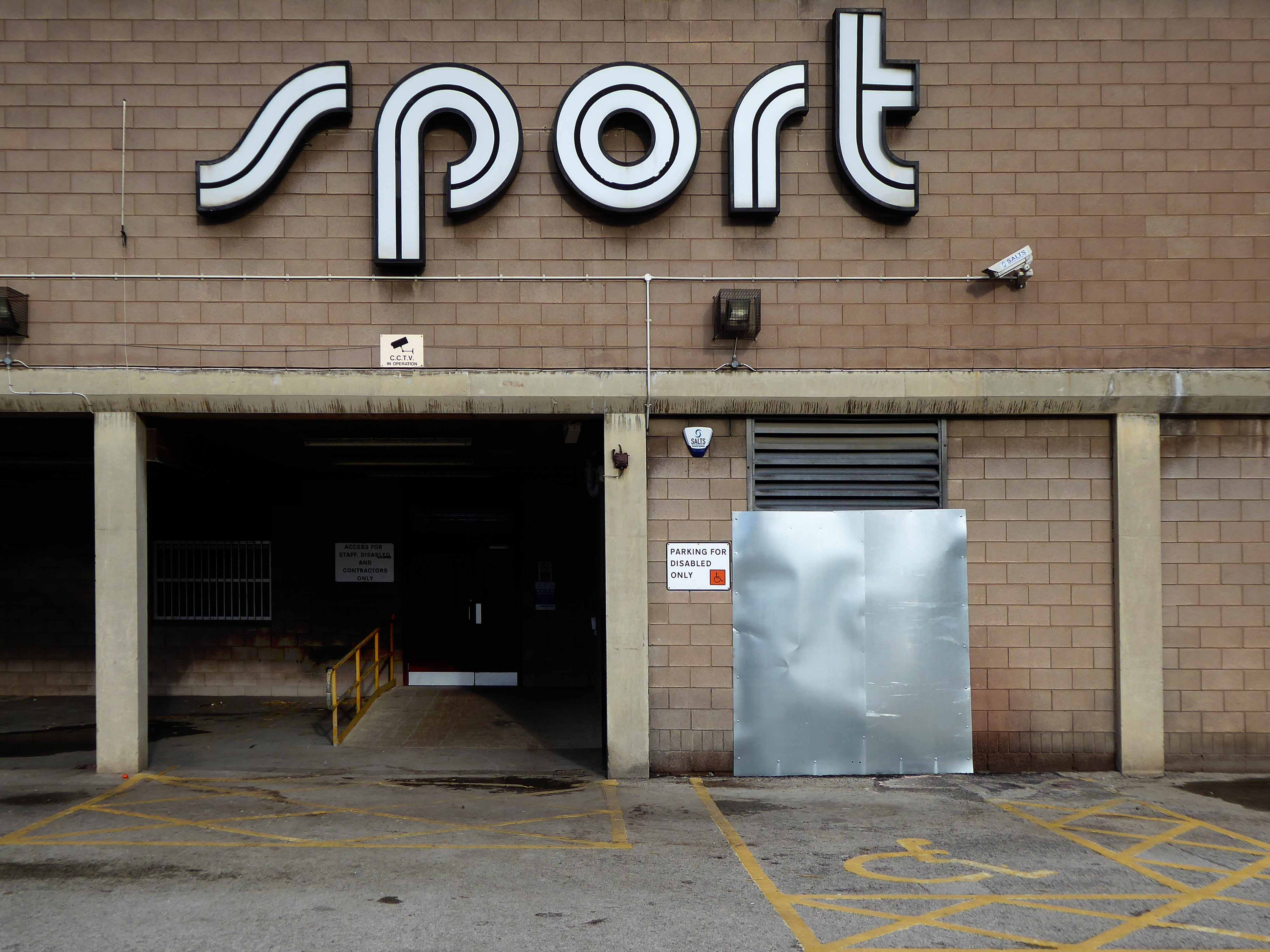
It’s remarkable – here are my photographs from February 2020.

I advise you to get along and take a look, just as soon as humanly possible.

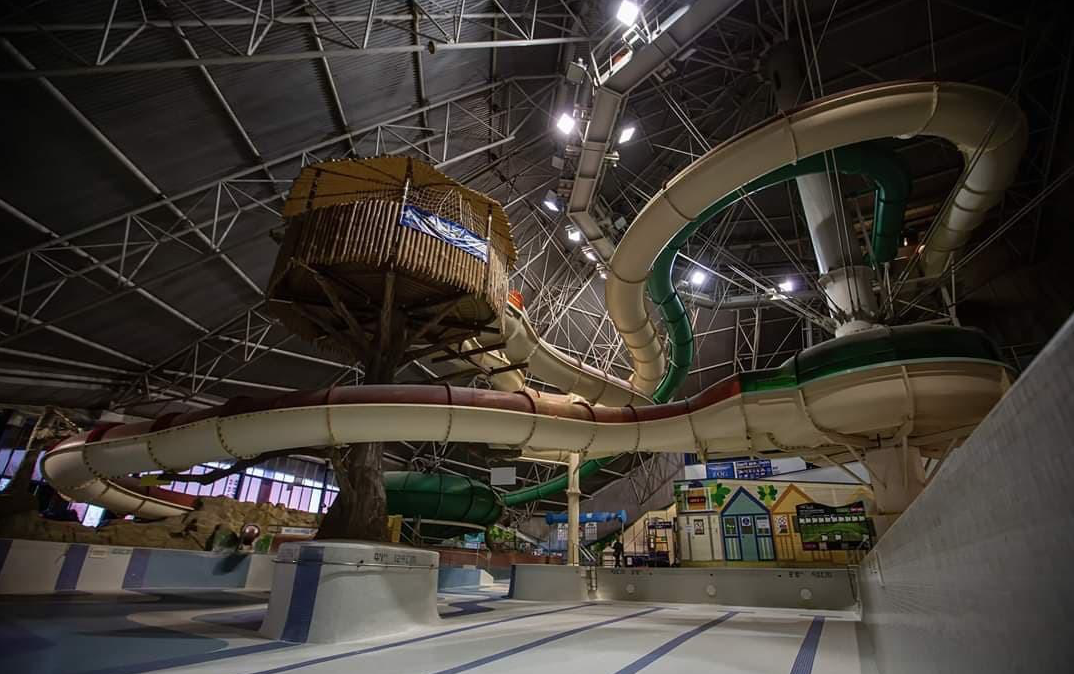
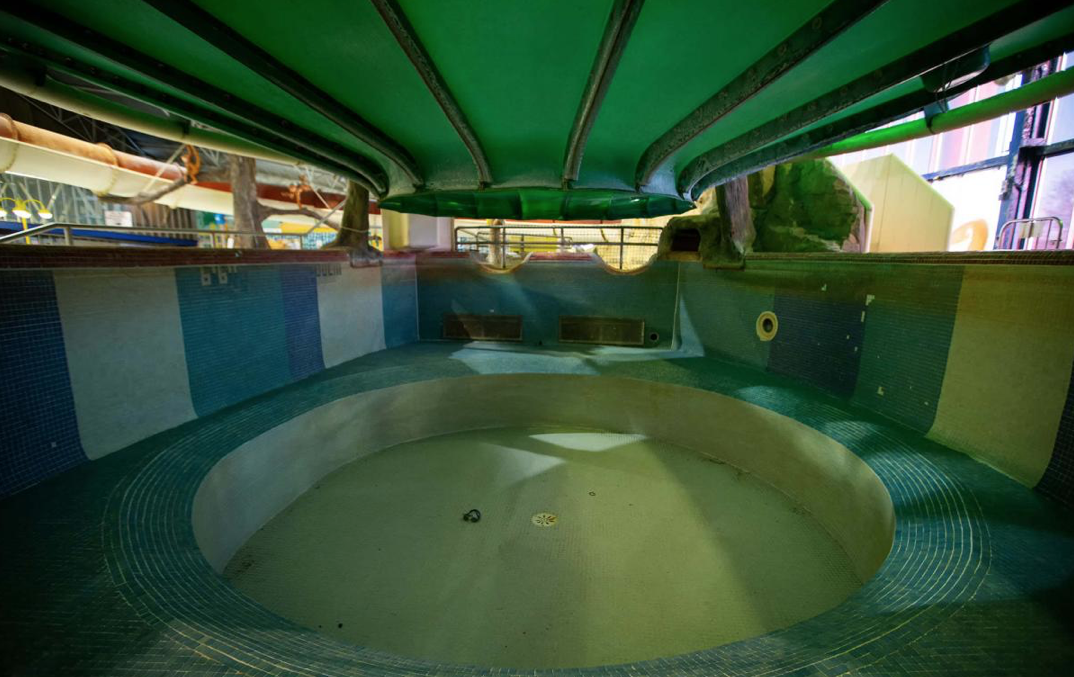
Recently John Mann was granted permission to snap the deserted interior.

The ghostly gasps of the exercising public exorcised forever.

Eileen Ayres, who has worked at Richard Dunns from before it even opened to the public said:

When I came here this place was super, super modern – state of the art. Now we’re moving to Sedbergh it is great to be in a state of the art facility again. The younger staff are so excited about the move to a new, modern sports centre.

I have a lot of memories of here, a lot of staff I’ve met and become friends with over the years. We’ve had a lot of events here, international events that have taken place here over the years. When Richard Dunn was new a lot of people wanted to hold these events here. Now we have a new leisure centre I hope some of these events come back to Bradford.

I started at 23, I said I was just coming for a year. Here we are 41 years later.

When asked if she thinks it is right to be closing down Richard Dunn she said:

In my heart no, but realistically it has to go. It is run down – it would be way too expensive to run or refurbish. You can’t keep putting money into old things.

Telegraph and Argus

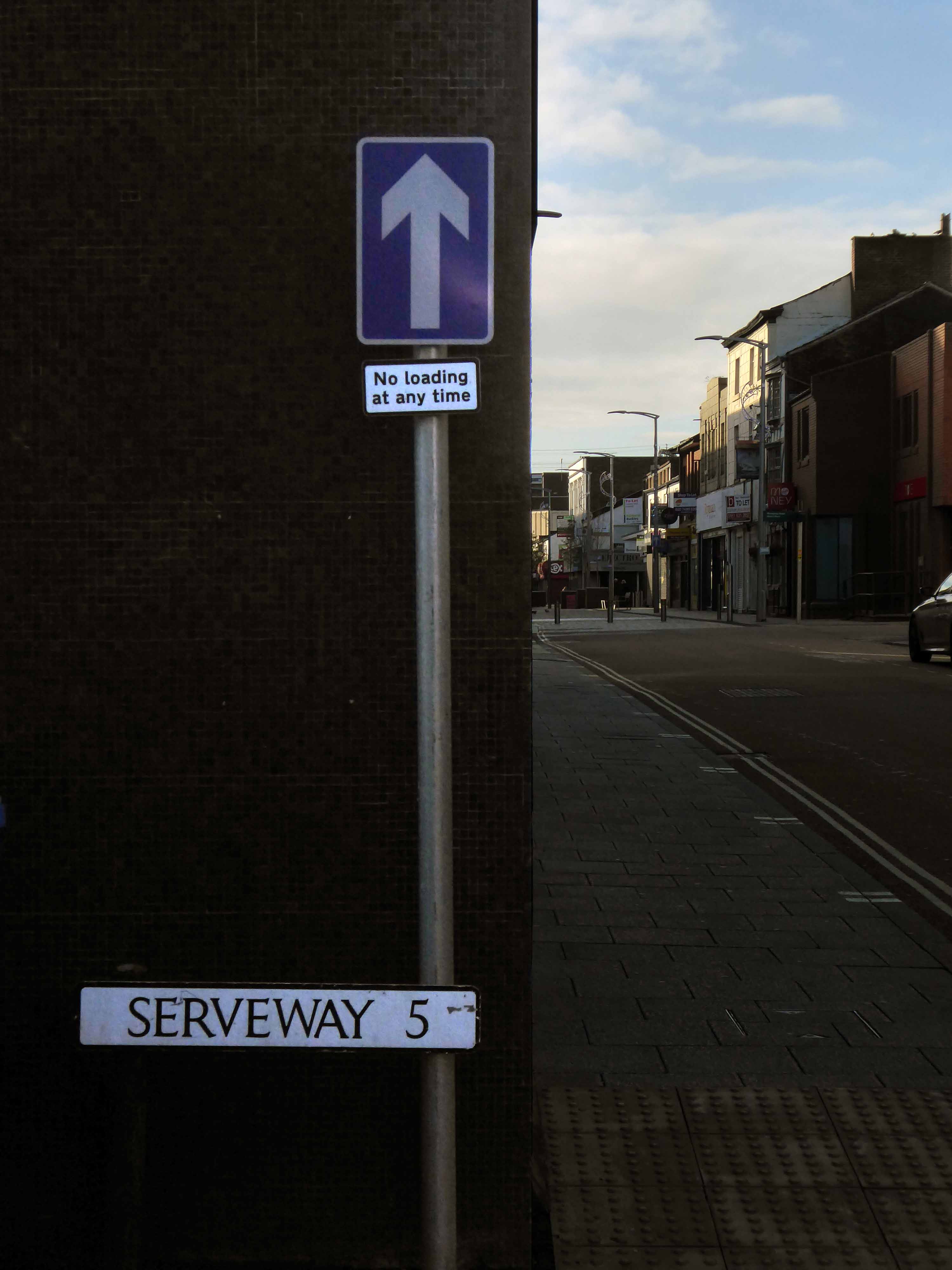
Serveway Five – Merseyway

There comes a time in very life when you finally go where you have never been before – even though you have walked by that very same place almost every day.

That’s how I found myself in Serveway Five.

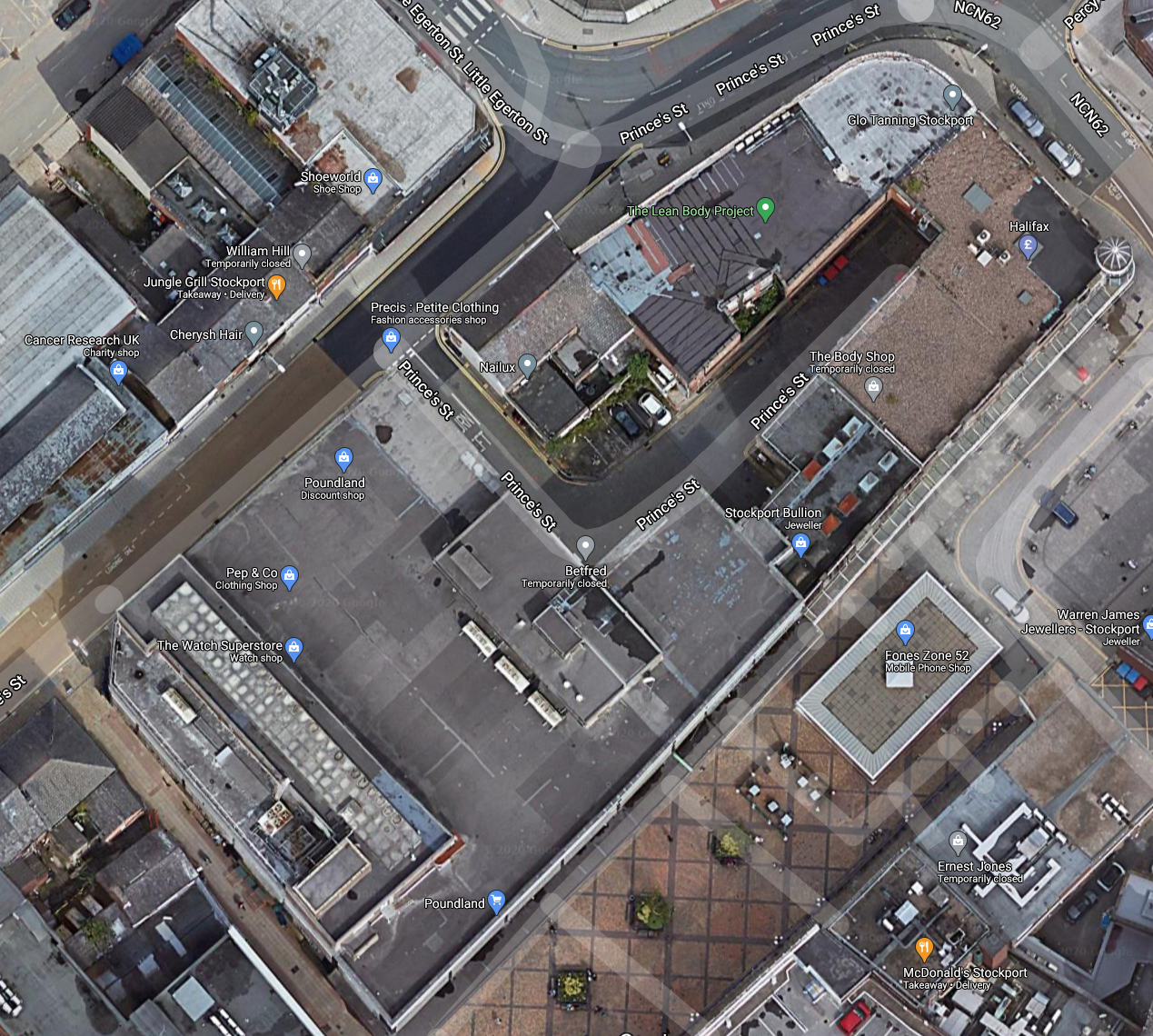
Situated on the north east corner of Merseyway.

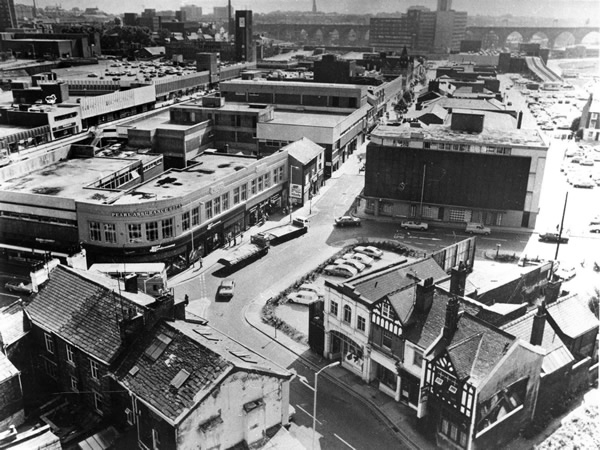
1984 – Stockport Image Archive

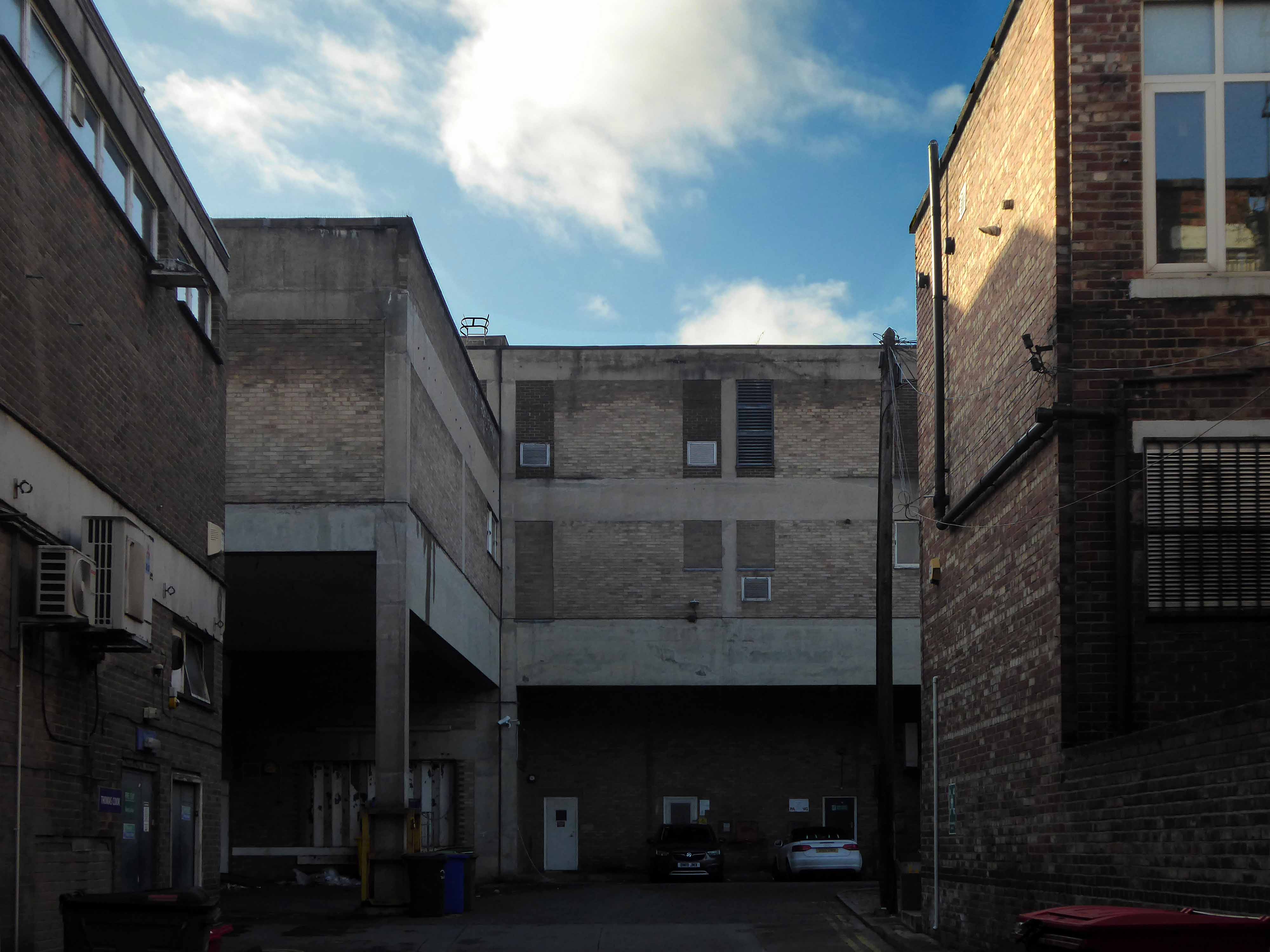
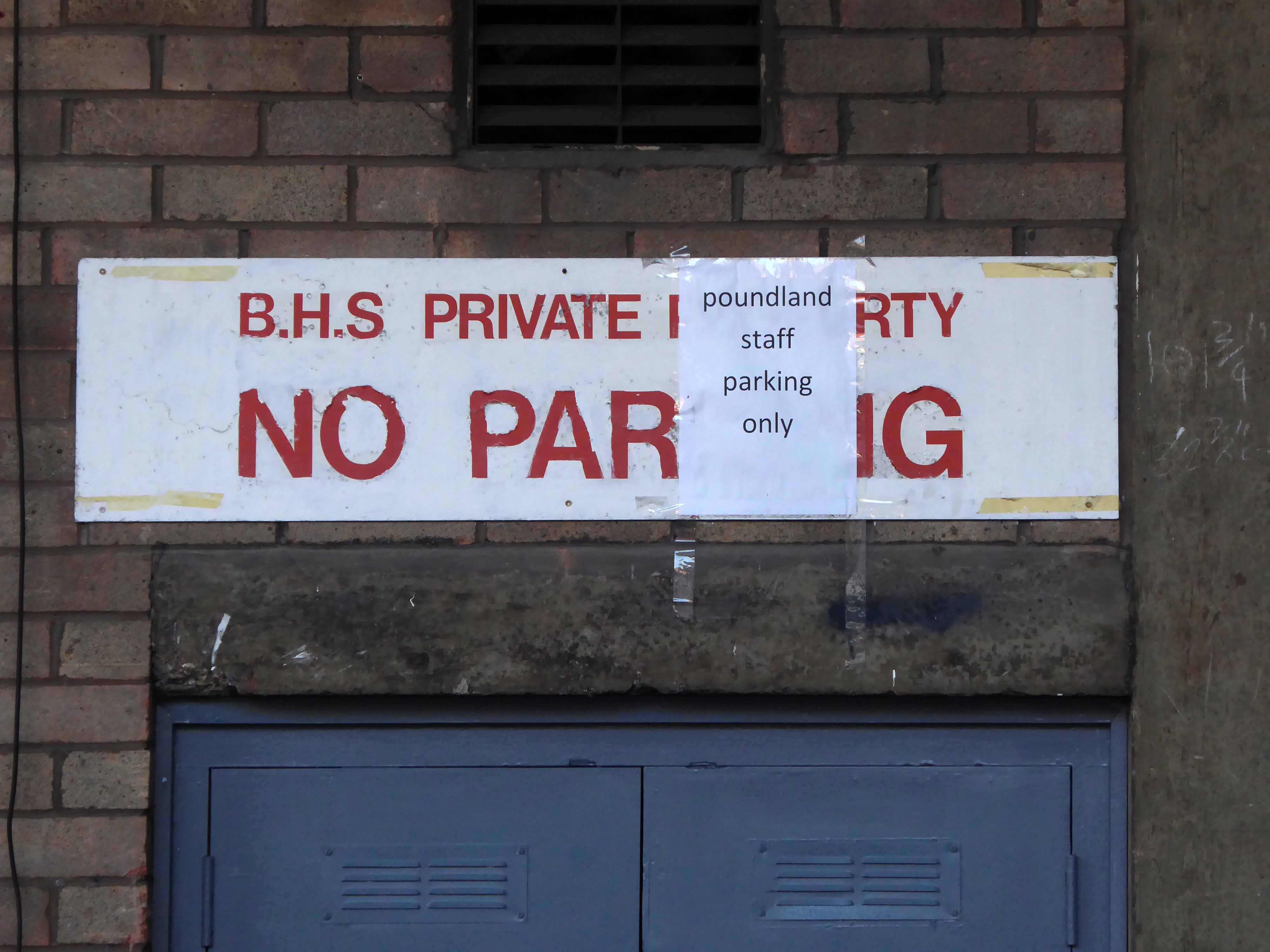
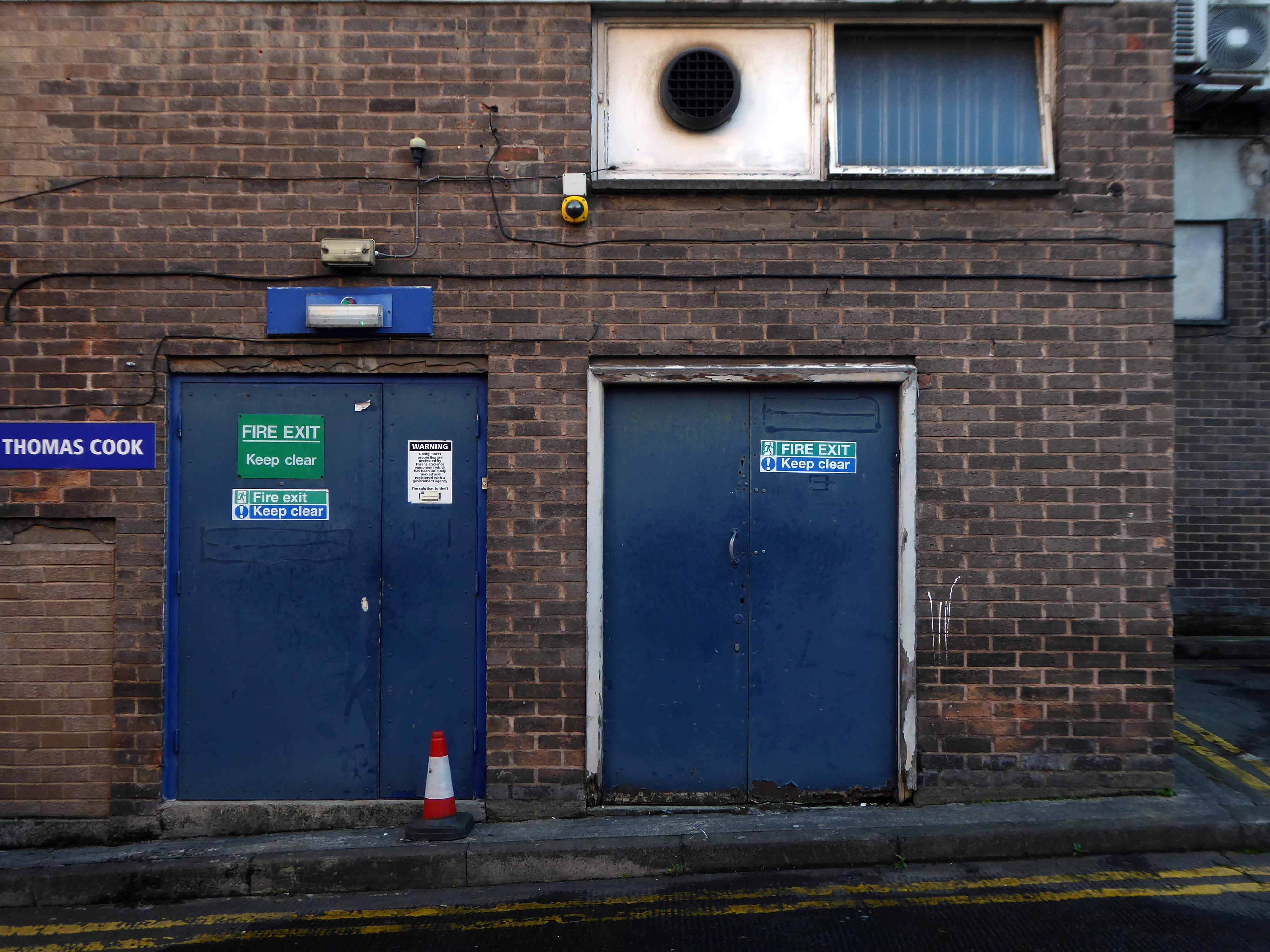
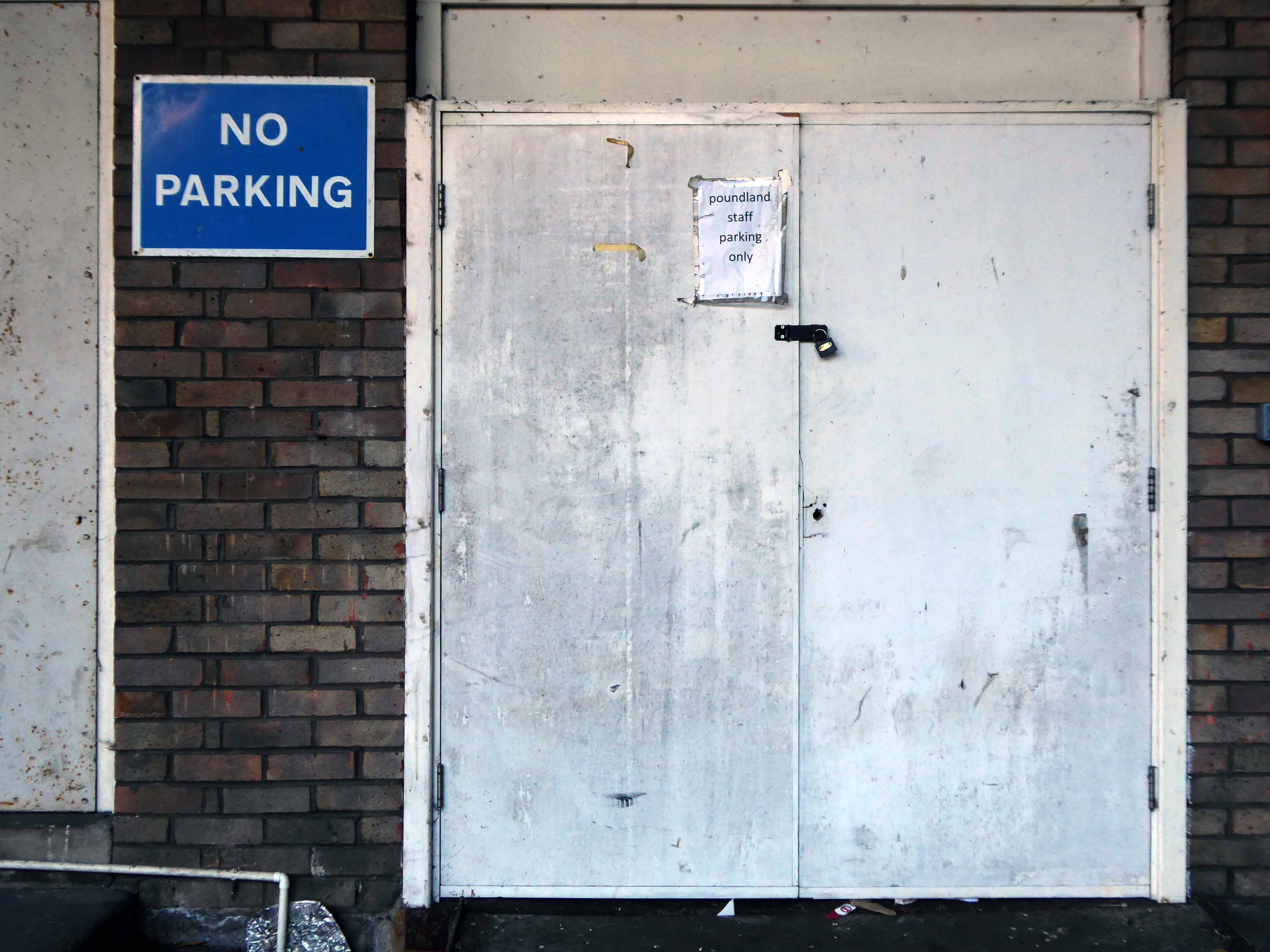
It is bounded by the former Burton’s store, the long gone BHS now home to Poundland, a later extension to the precinct and a Nineteenth century building. Illustrating the mongrel nature of many English towns, the result of world wars, speculative development and town planning.

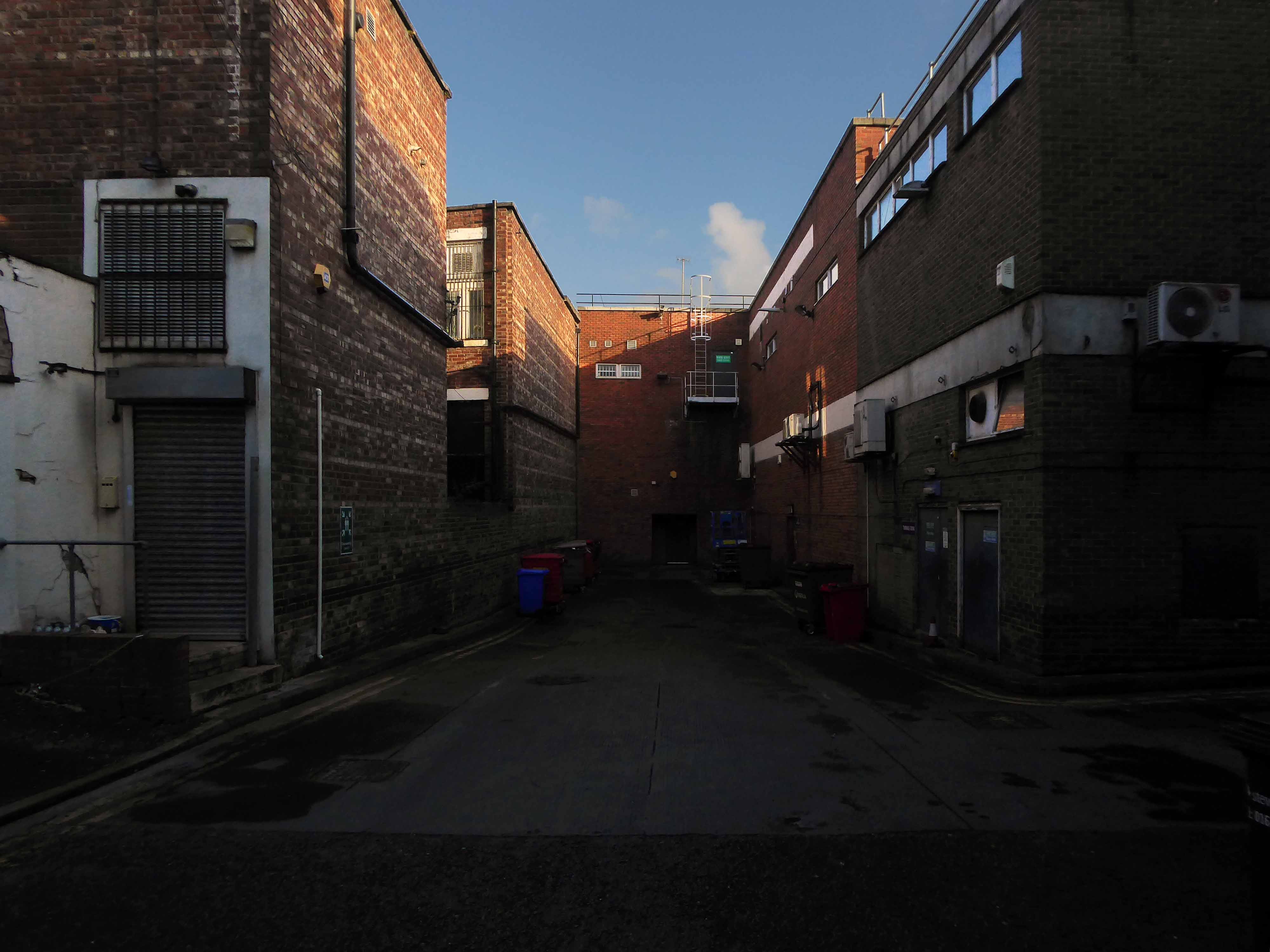
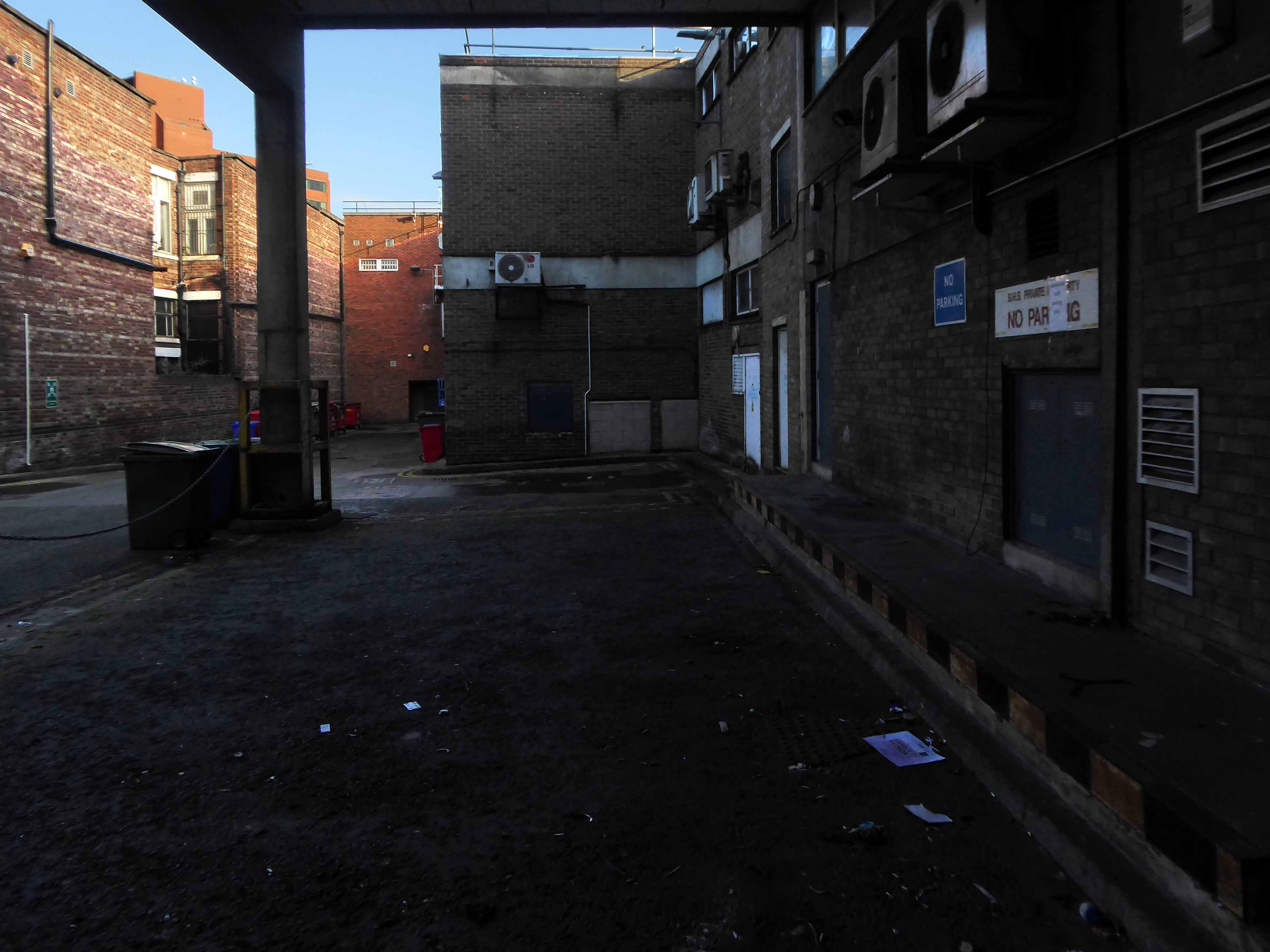
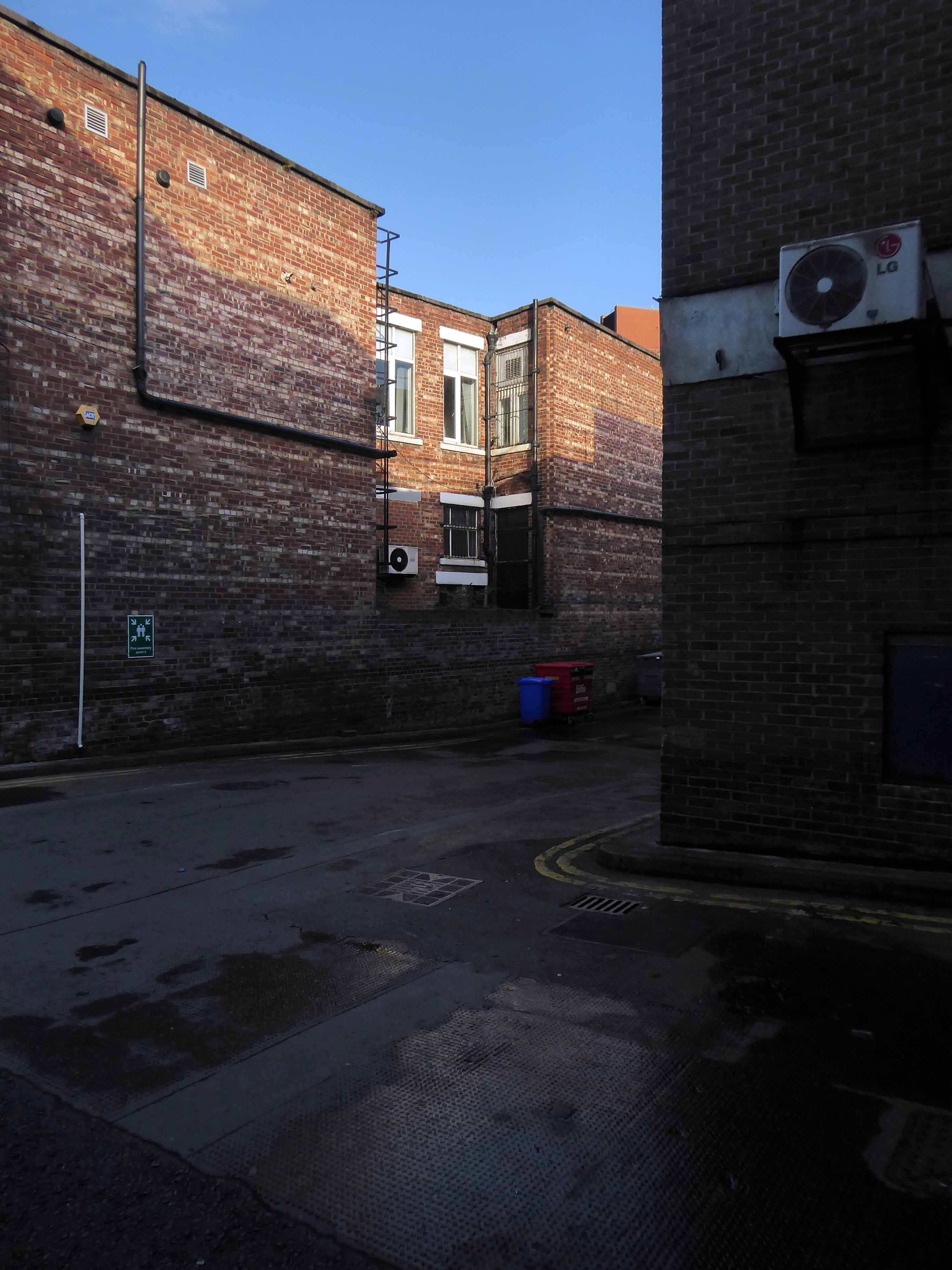
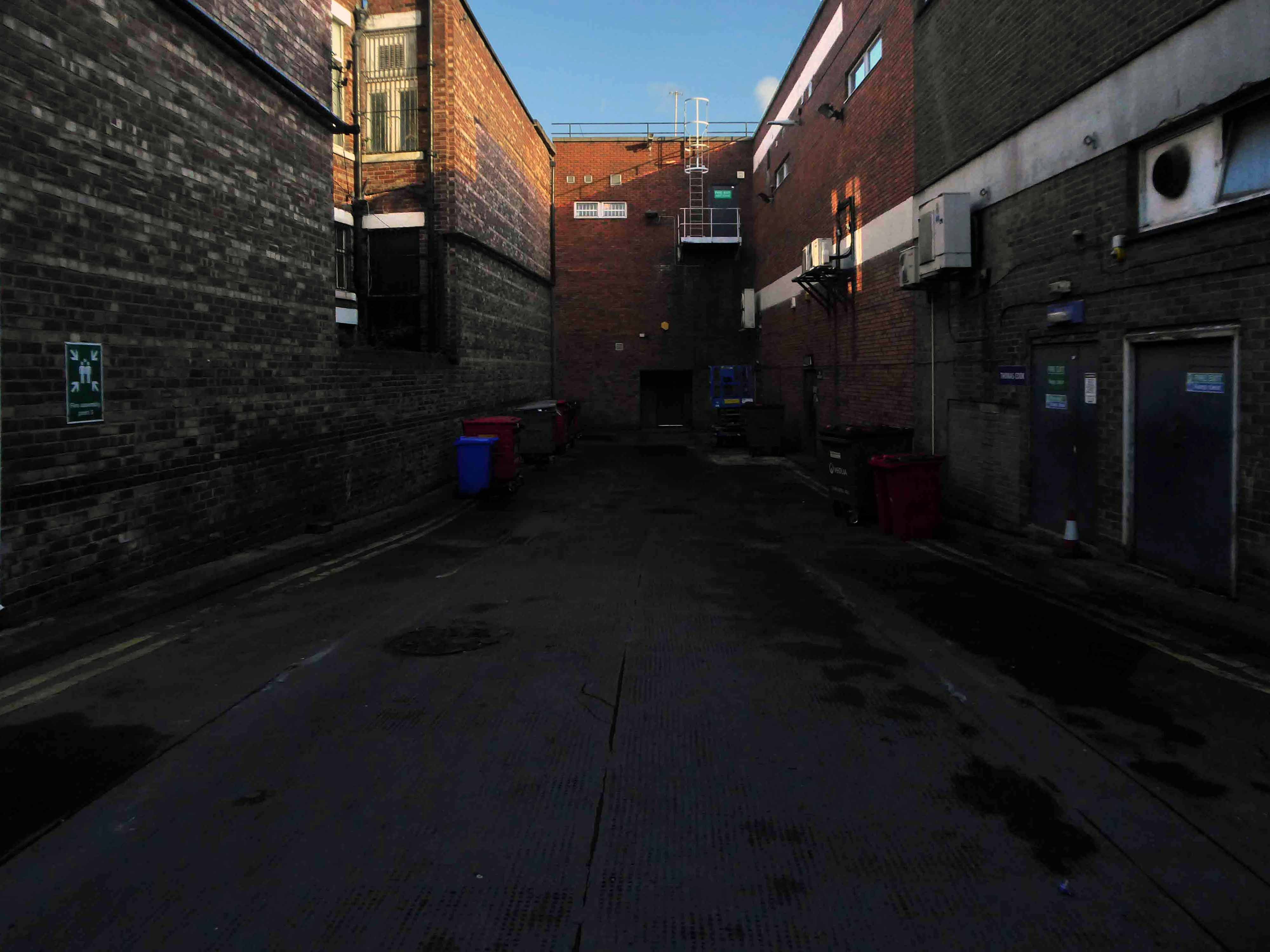
It’s a self contained world of loading, unloading unloved and overused.

Home to the pirate parker, carelessly avoiding the imposition of the municipal surcharges.

Shops and goods come and go part of the merry retail gavotte.

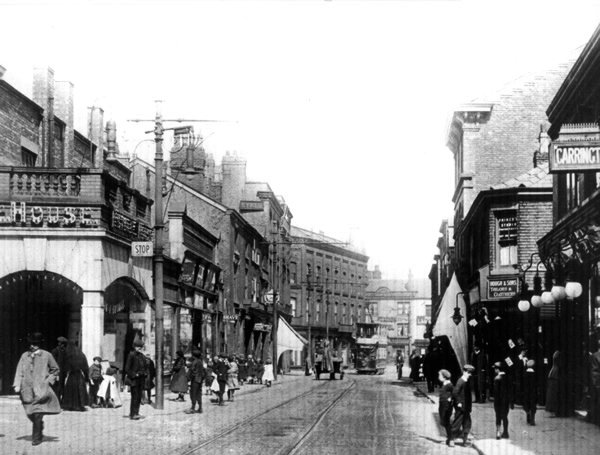
The trams once clang, clang, clanged along and the Picture House opened 2nd June 1913, later The Palladium, finally closing in 1956 – now occupied by a huge Charity Shop – Highway Hope.

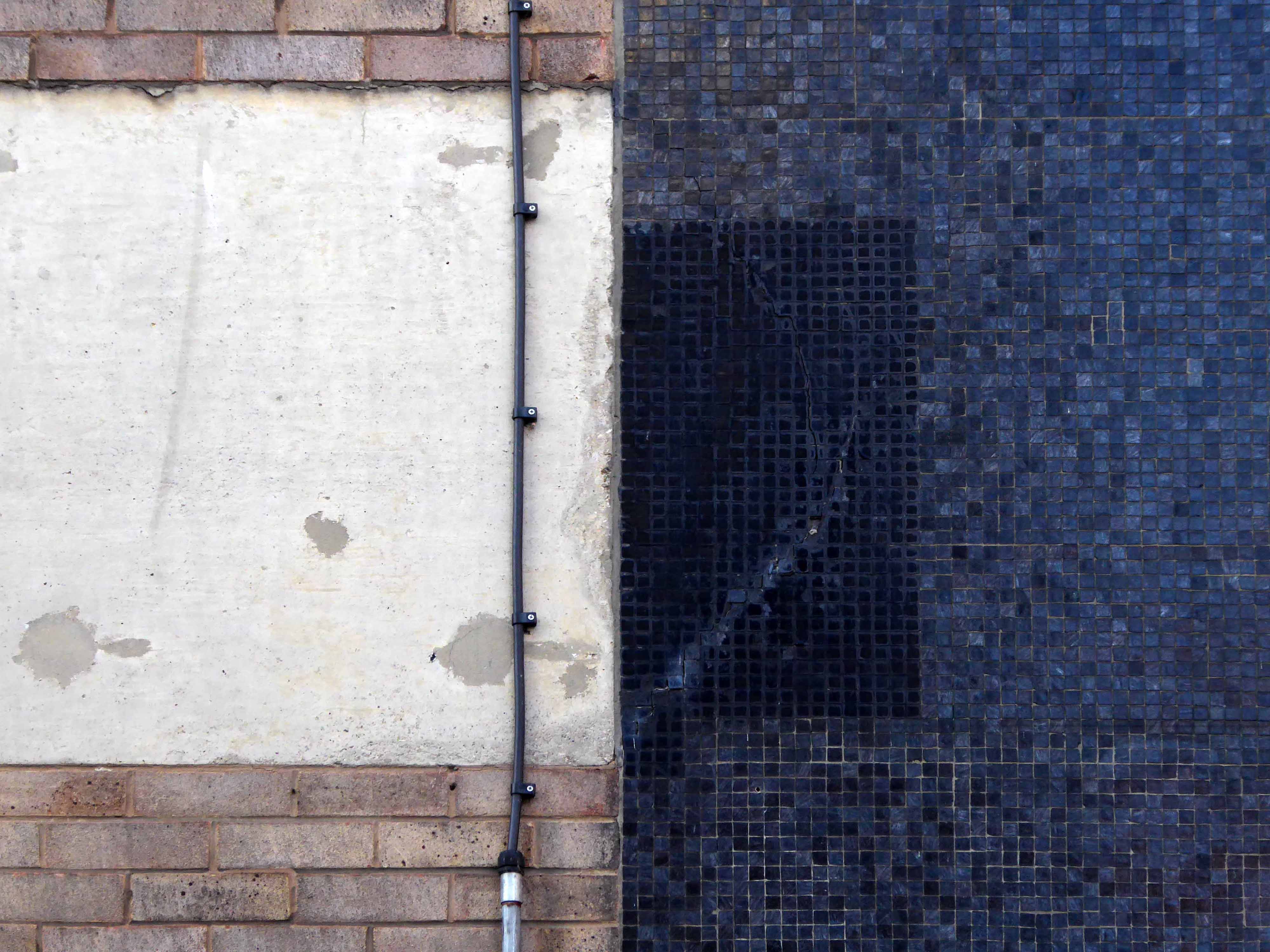
The Merseyway construction is a modern amalgam of mosaic, brick and cast concrete.

The older brick building now almost rendered and coated in off white exterior emulsion.

There are signs of life and former lives.

This is a nether world that never really was a world at all.

The place where the sun almost doesn’t shine.

And the blue sky seems like an unwelcome intrusion.

So as the retail sector contracts and the virus remains viral – wither Serveway Five?

The Council purchased the development at no cost to taxpayers via the current income stream. The rationale for purchase was to create a sustainable future for the centre via a series of targeted redevelopments. Key aspirations for the centre will be to fully integrate it into the town centre. We also want it to complement our exciting ownerships such as Debenhams, Redrock and Market Place and Underbanks.

The investment will seek to change perceptions of not only the retail offer but also Stockport as a whole. It will ultimately create a town centre that will benefit the local business community and Stockport residents.

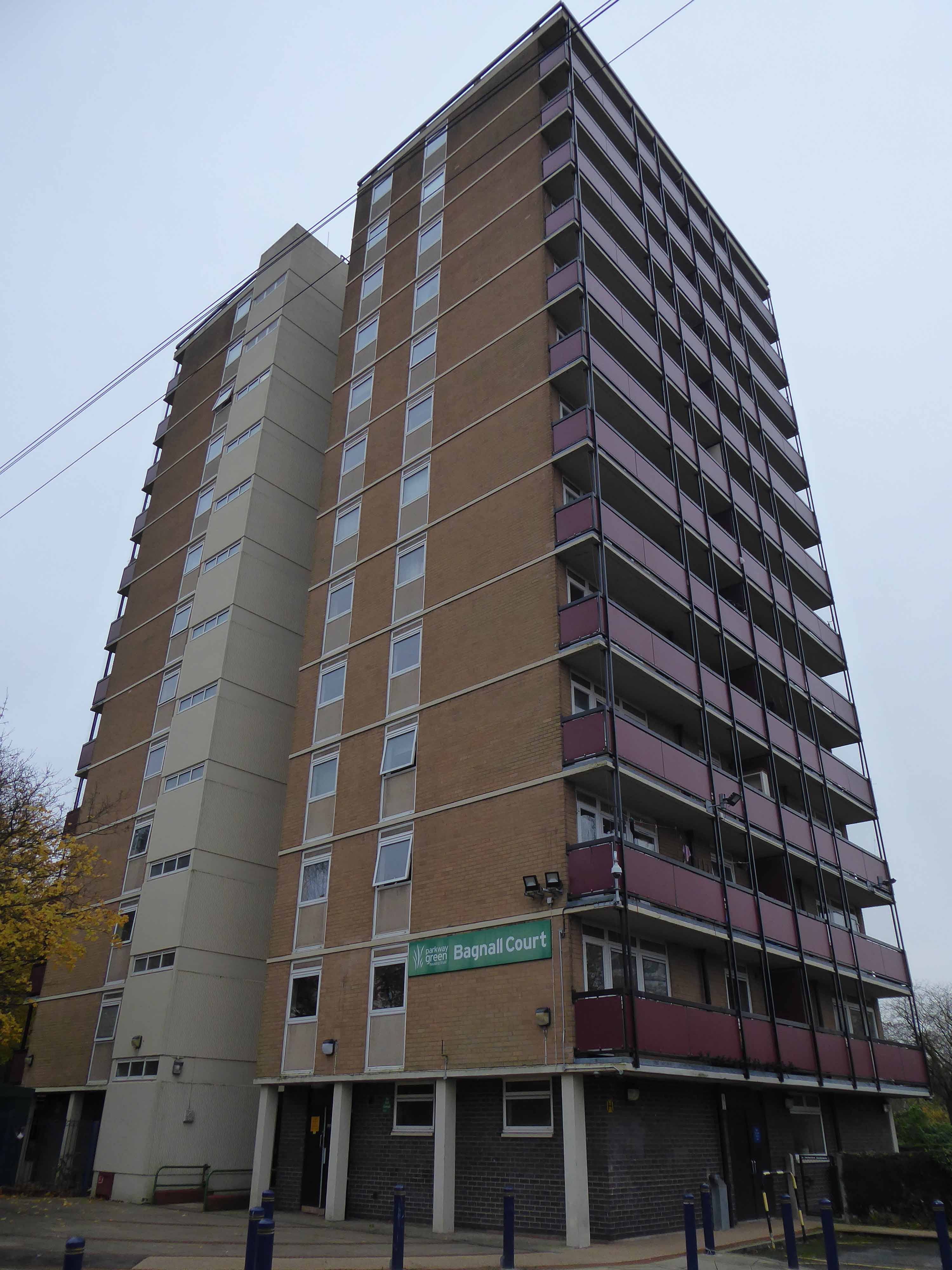
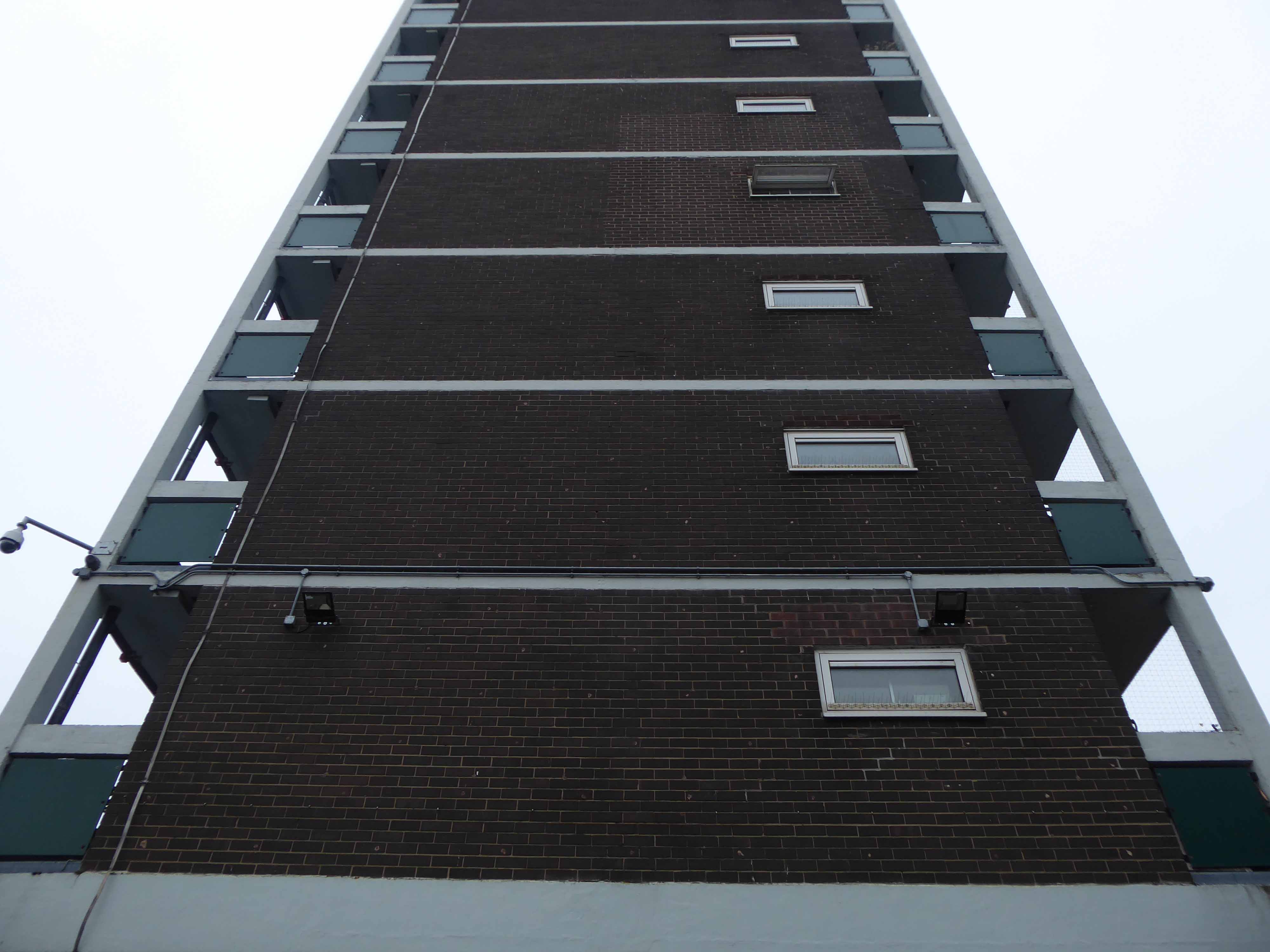
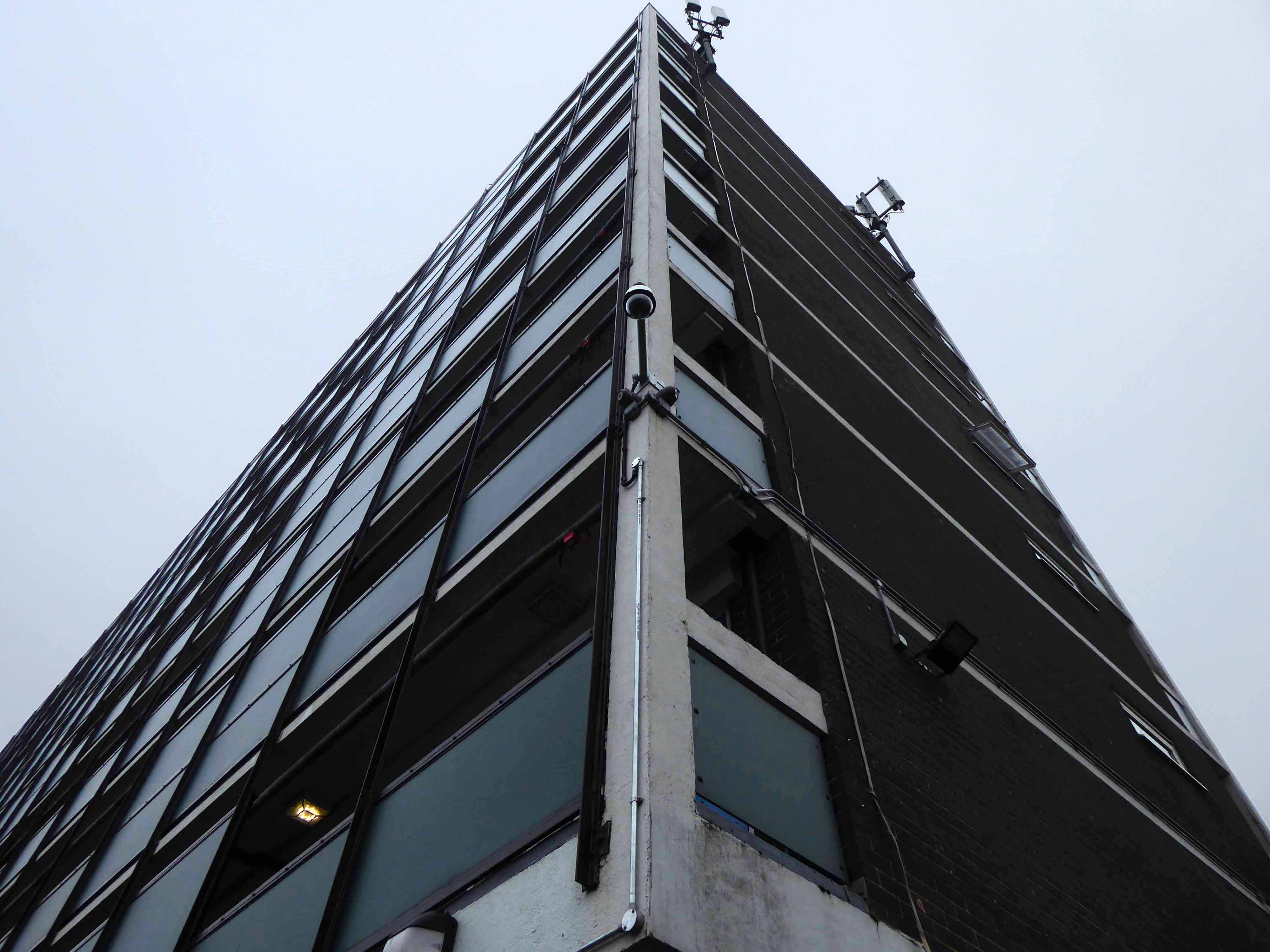
Bagnall Court and West View Court – Manchester

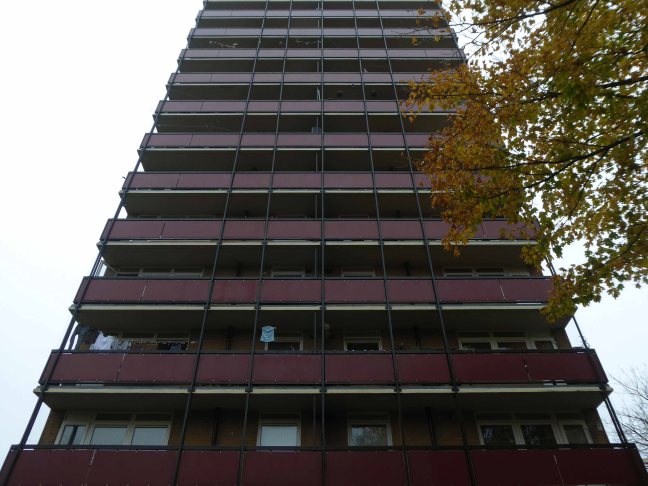
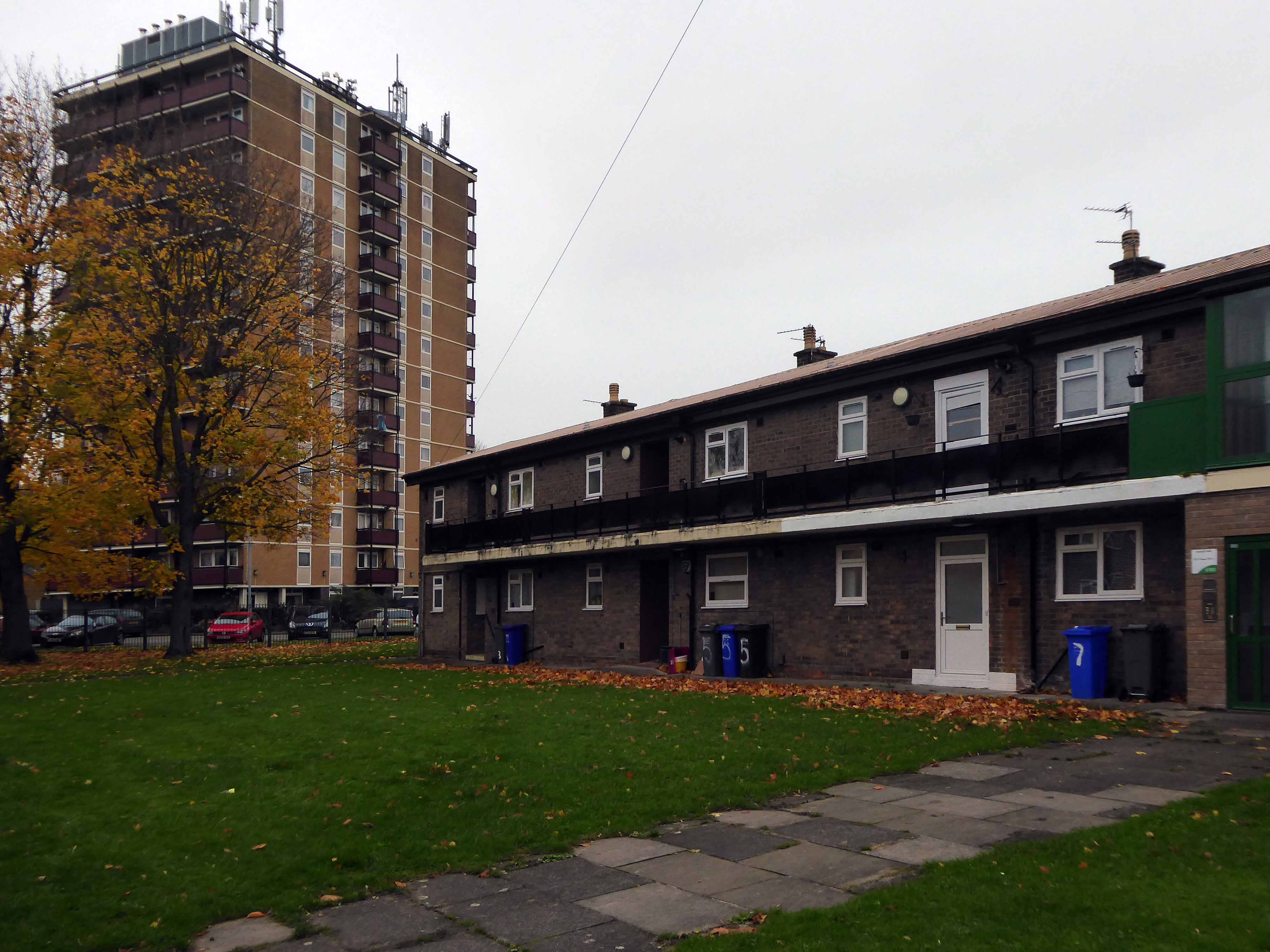
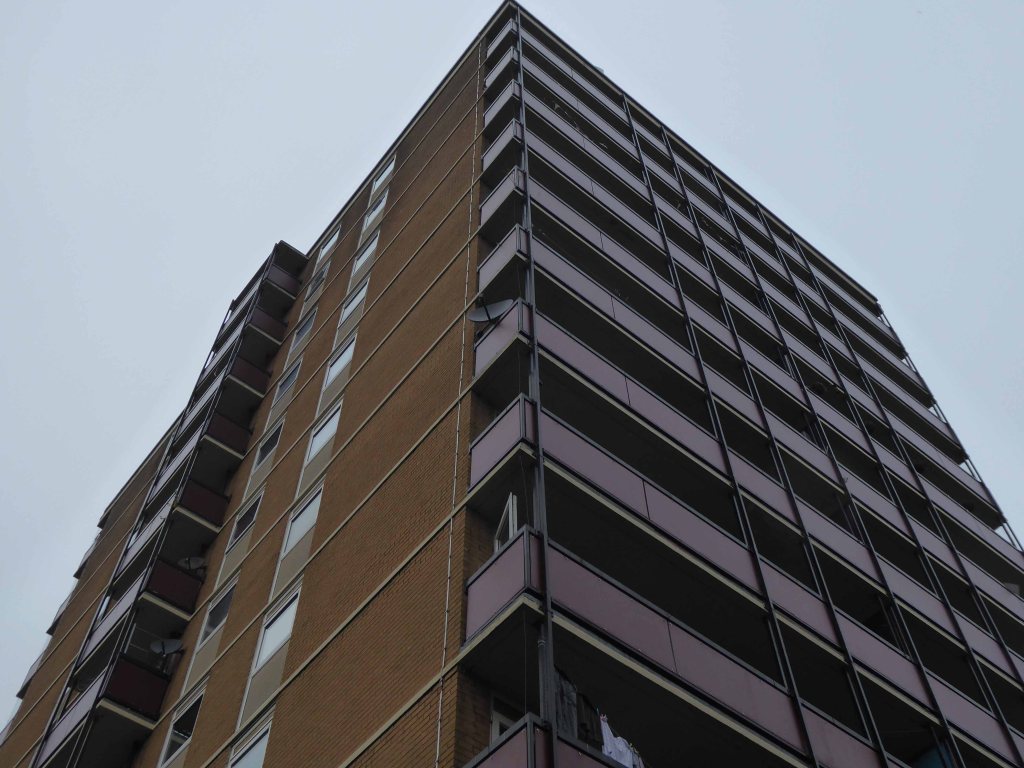
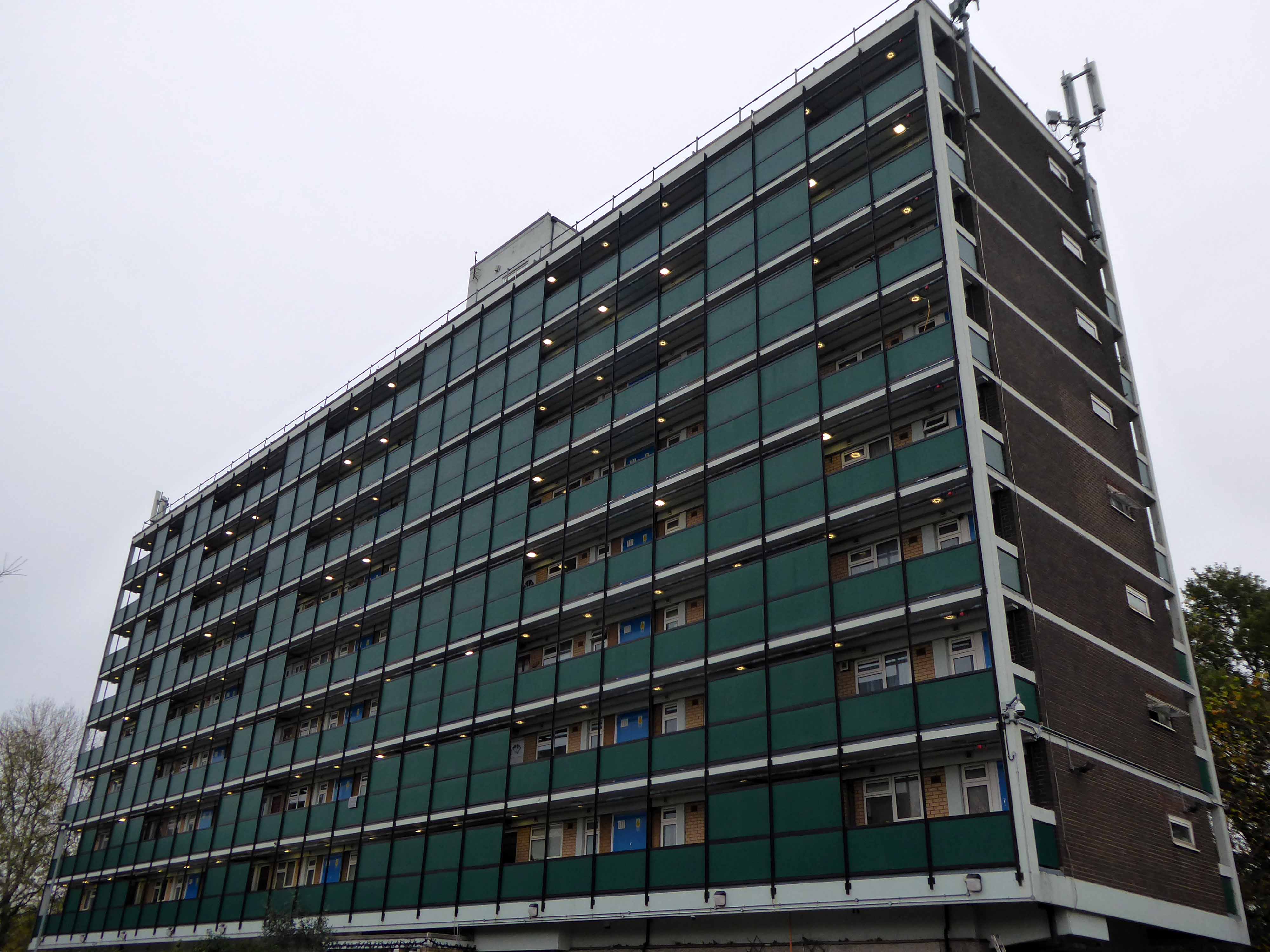
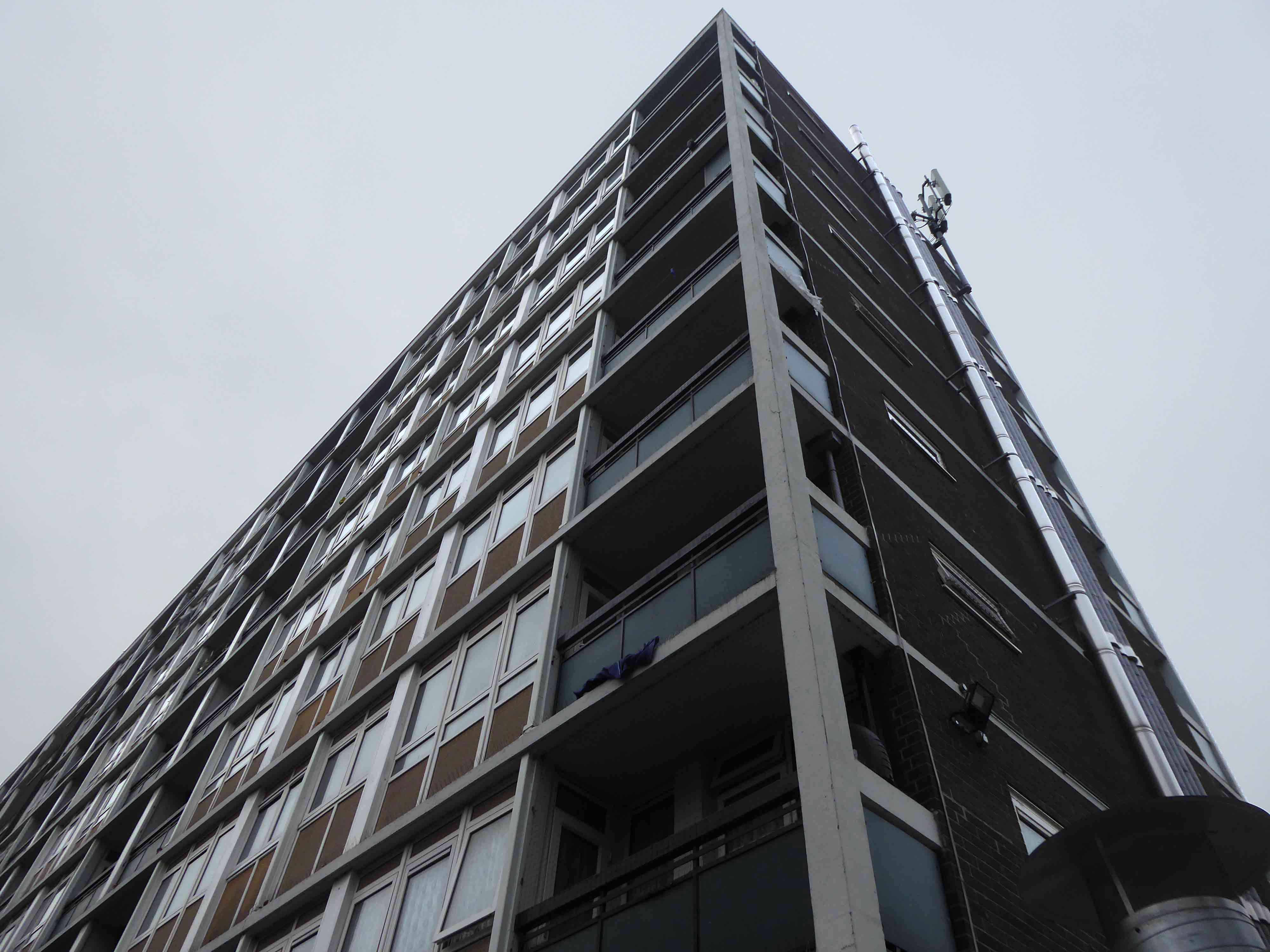
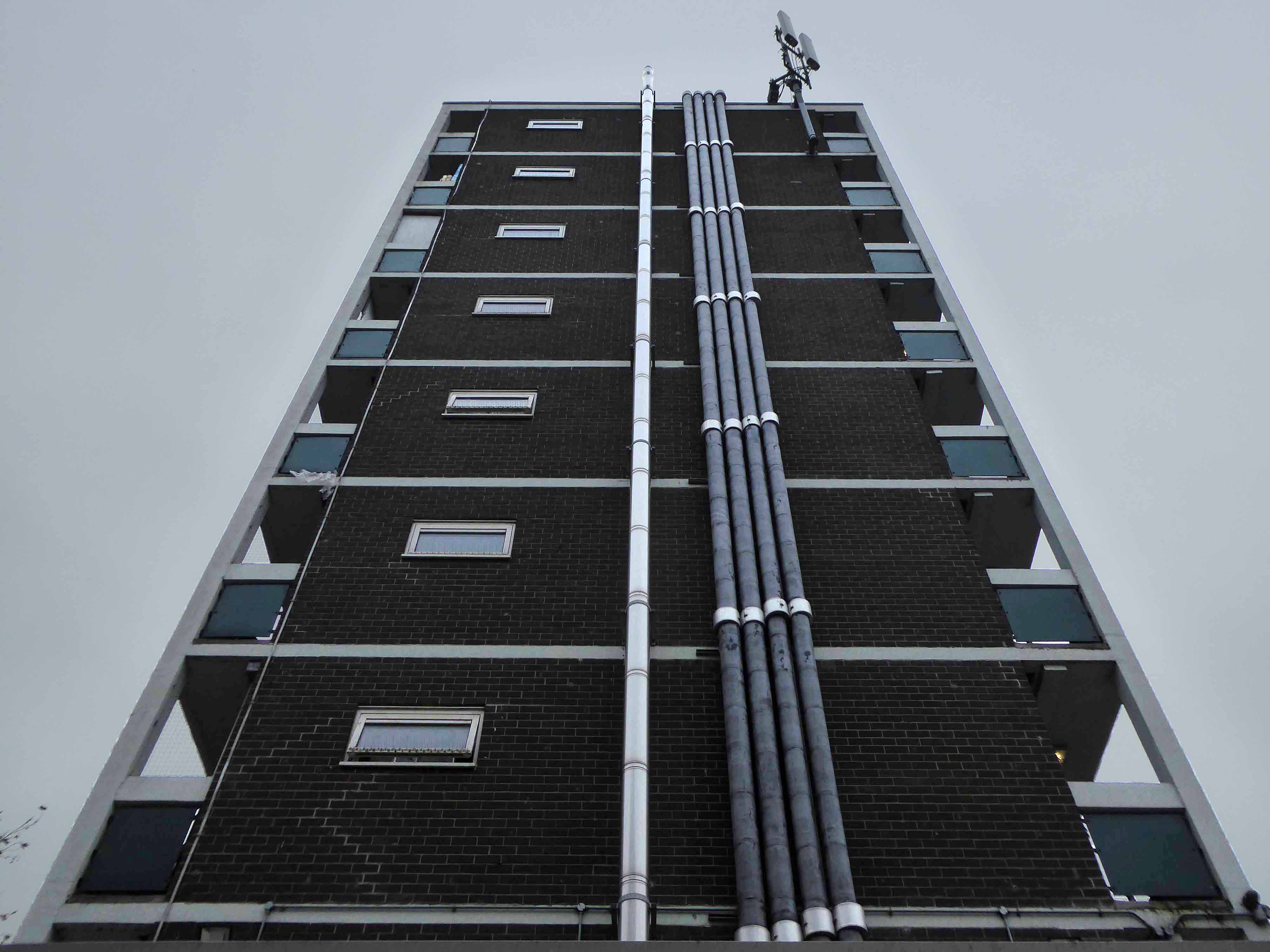
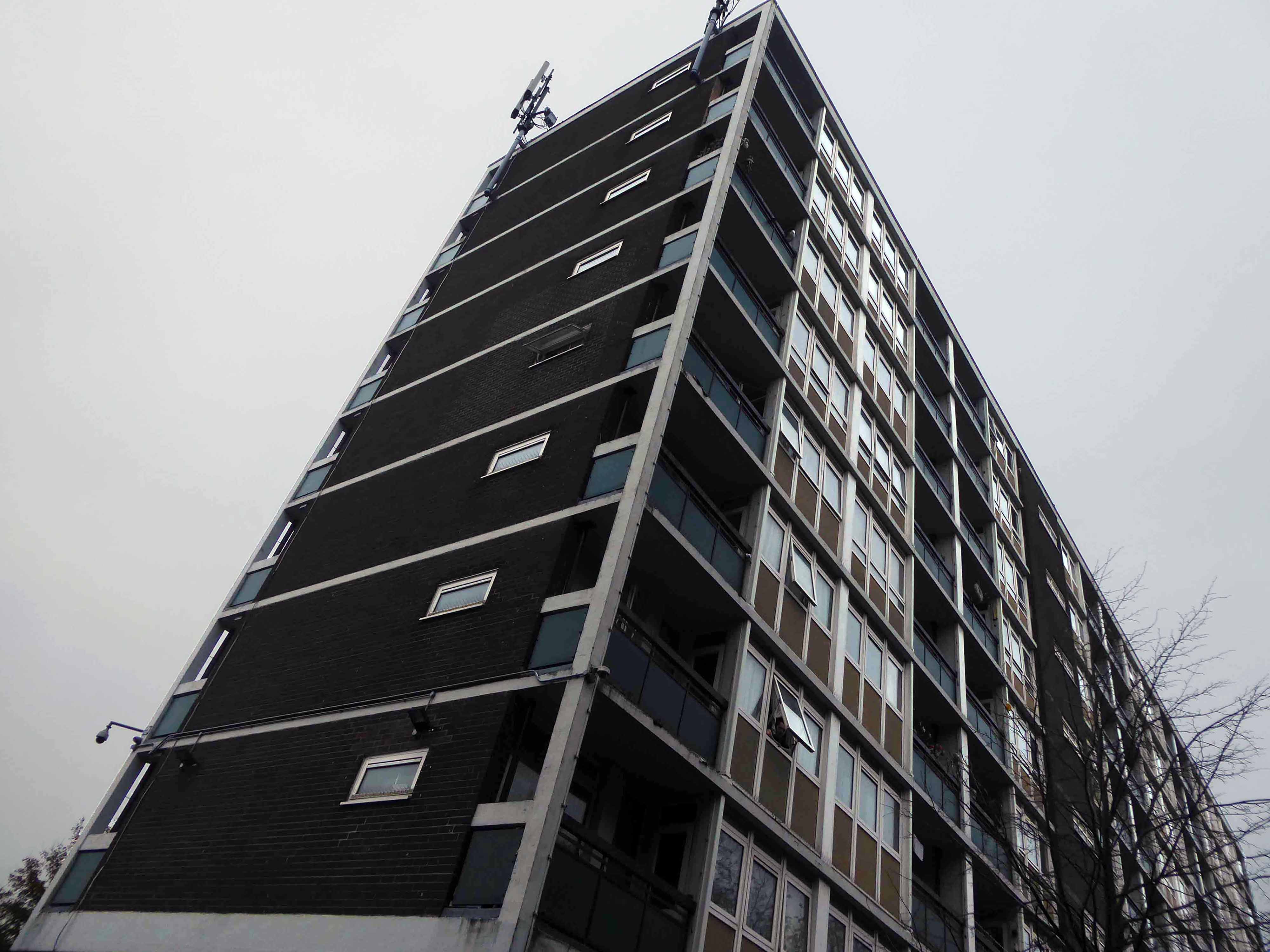
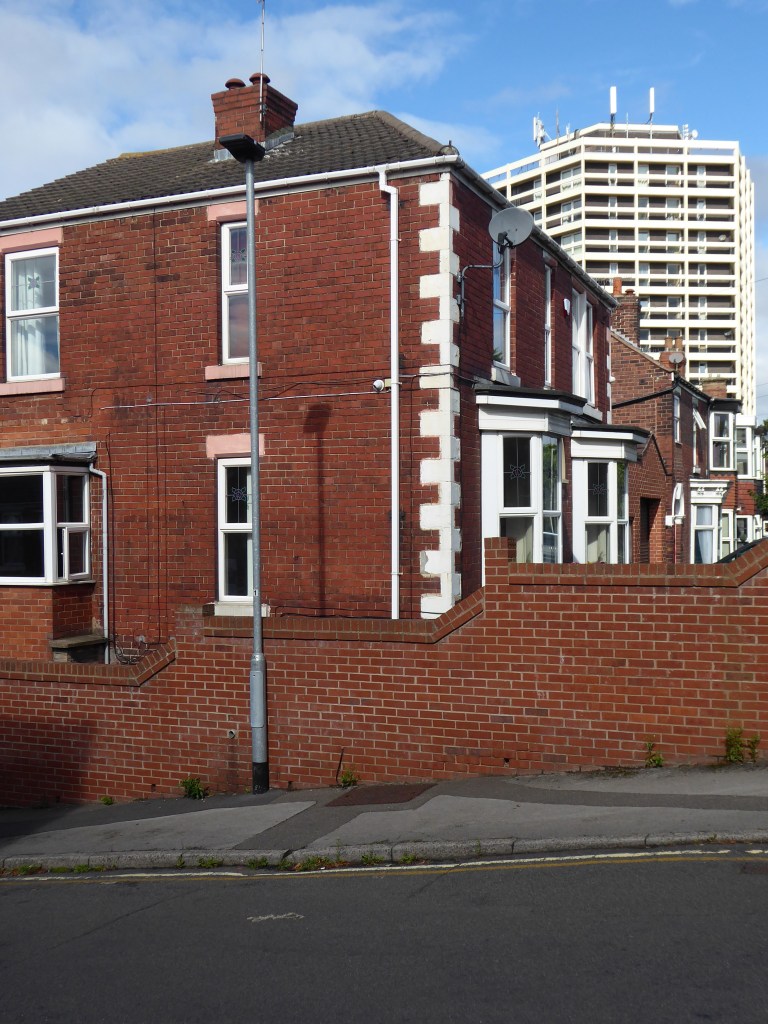
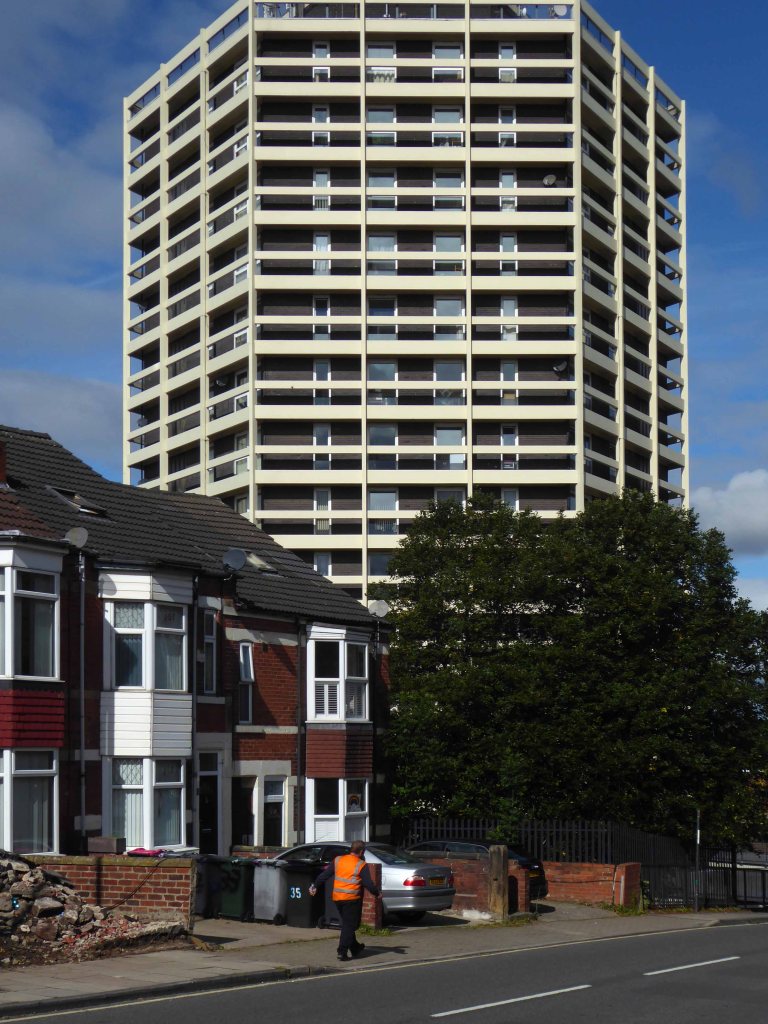
Tucked in the crook of West View Road and Shawcross Lane a tower block and an adjacent slab block can be found.

For twenty years or so I’d cycled close by, either on Longley or Ford Lane on my way back and to from work.

By night the blocks are a sight to be seen, illuminated alongside the nearby M60.

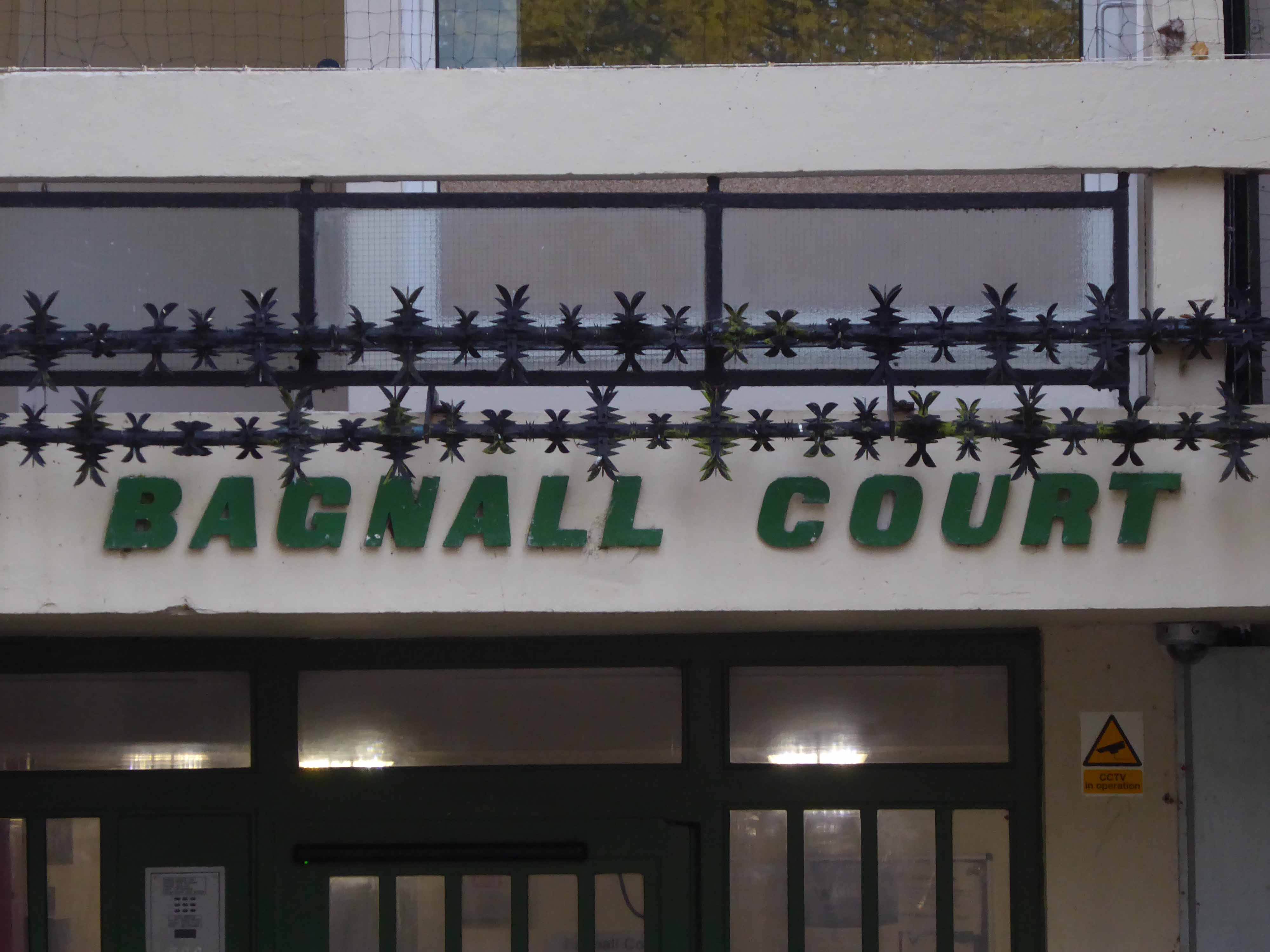
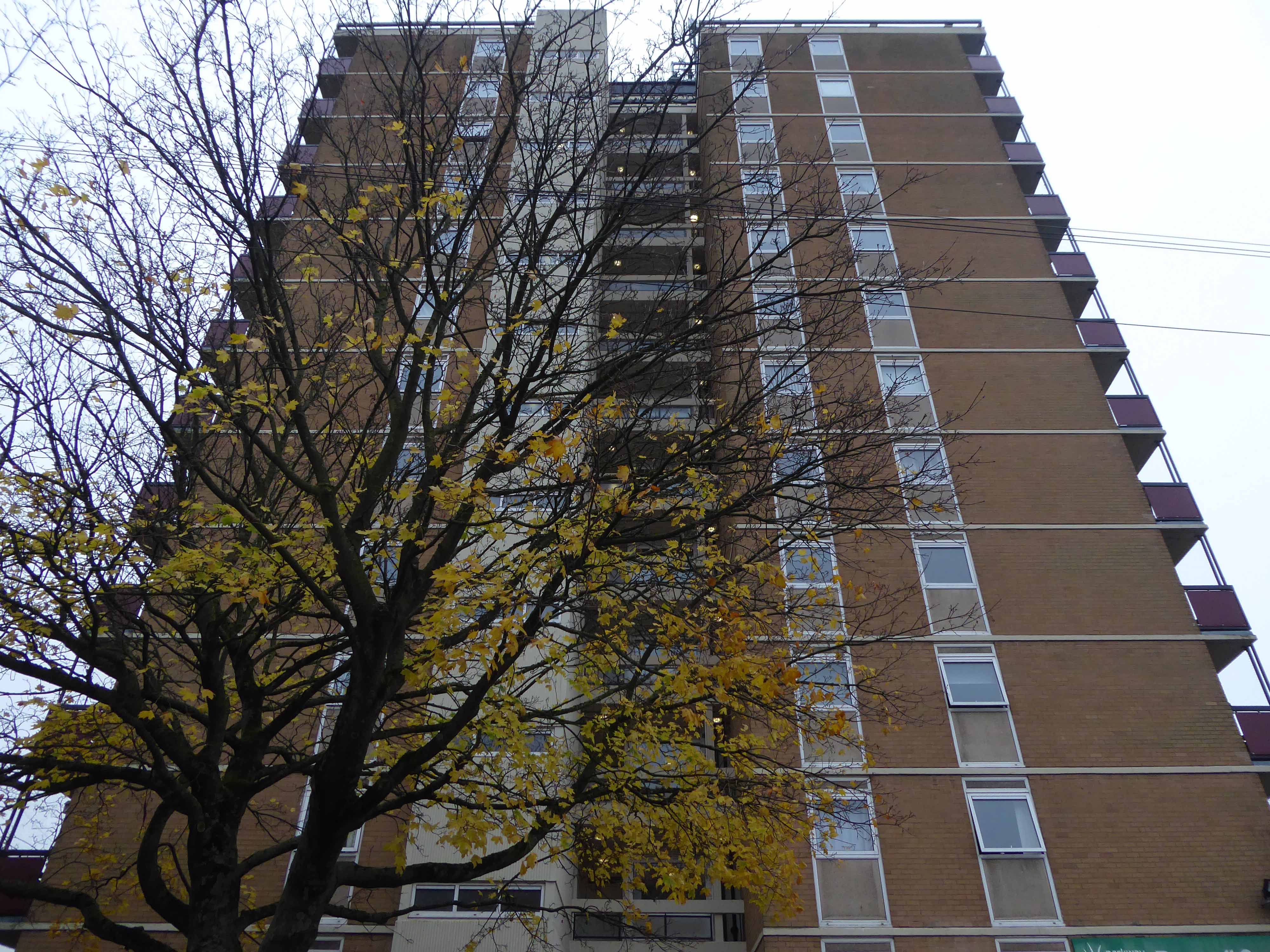
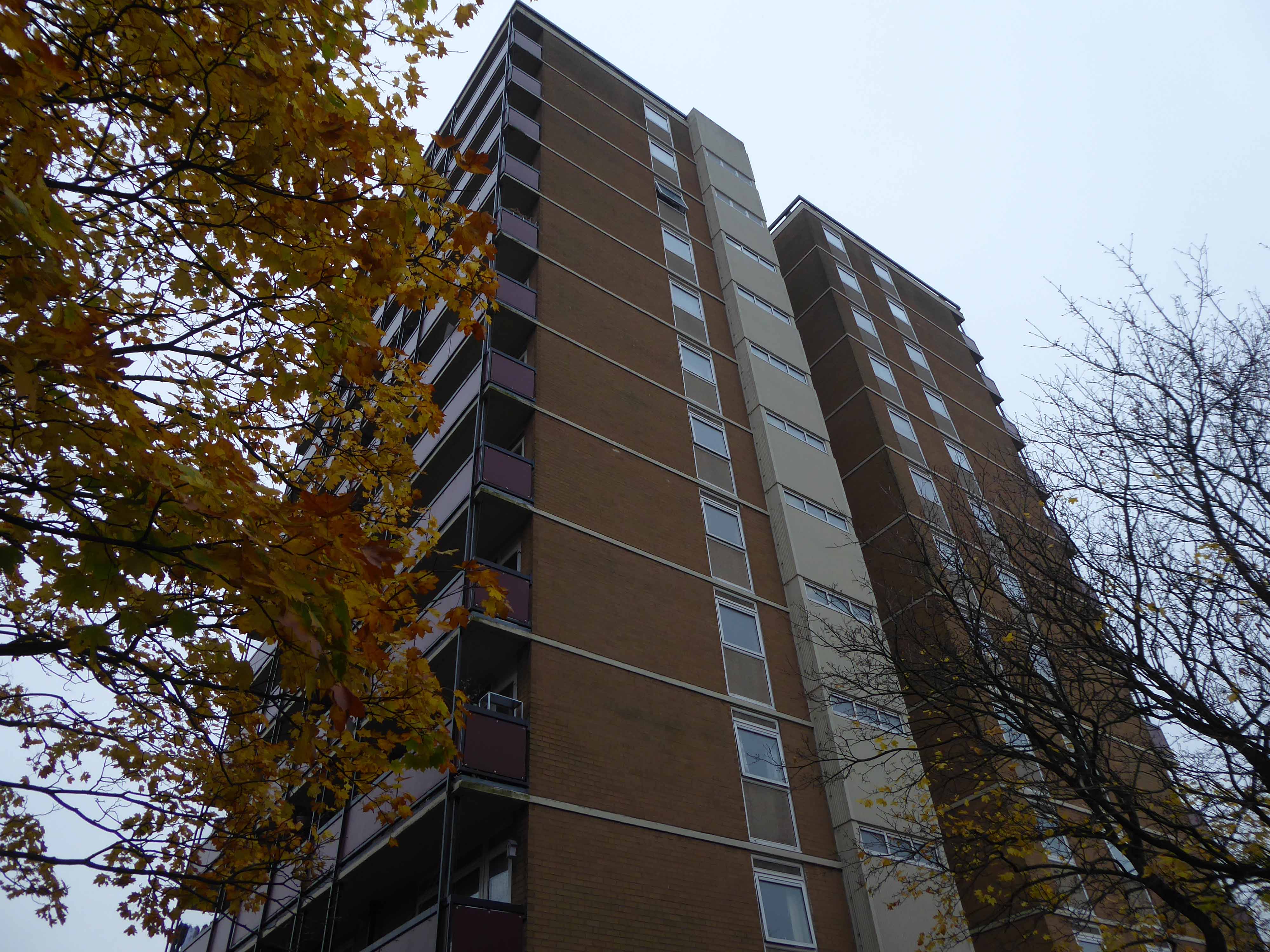
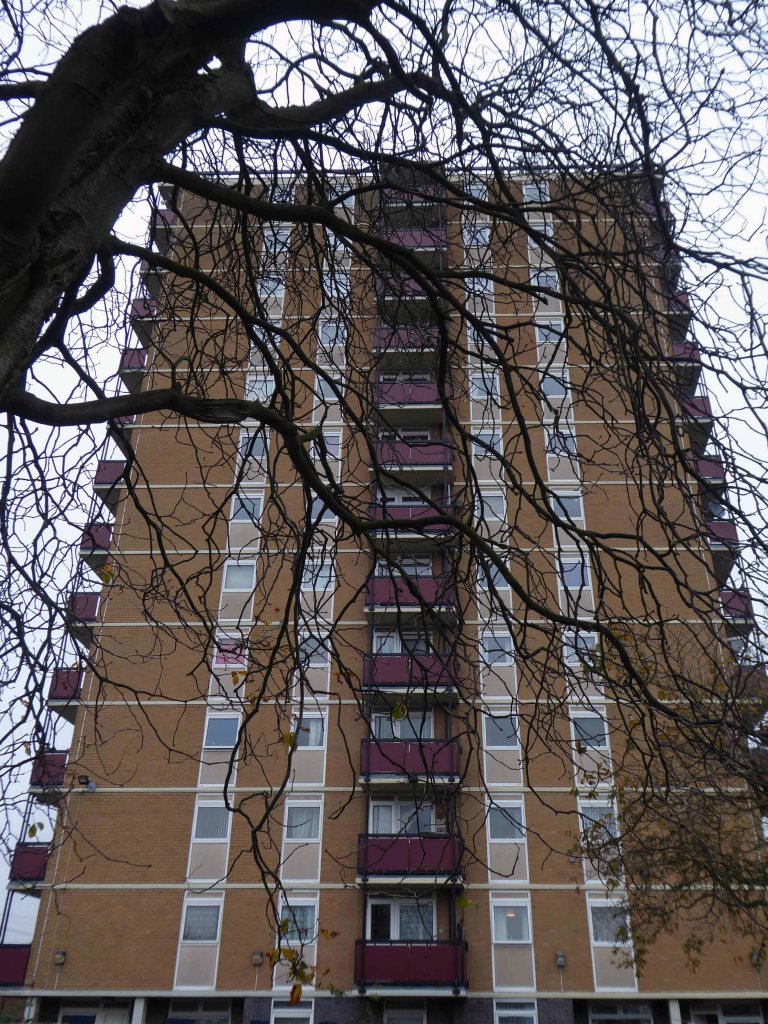
Let’s take a look at Bagnall Court.

Originally commissioned by Manchester Borough Council, built by Direct Works and contractors Holst, currently managed by Parkway Green.

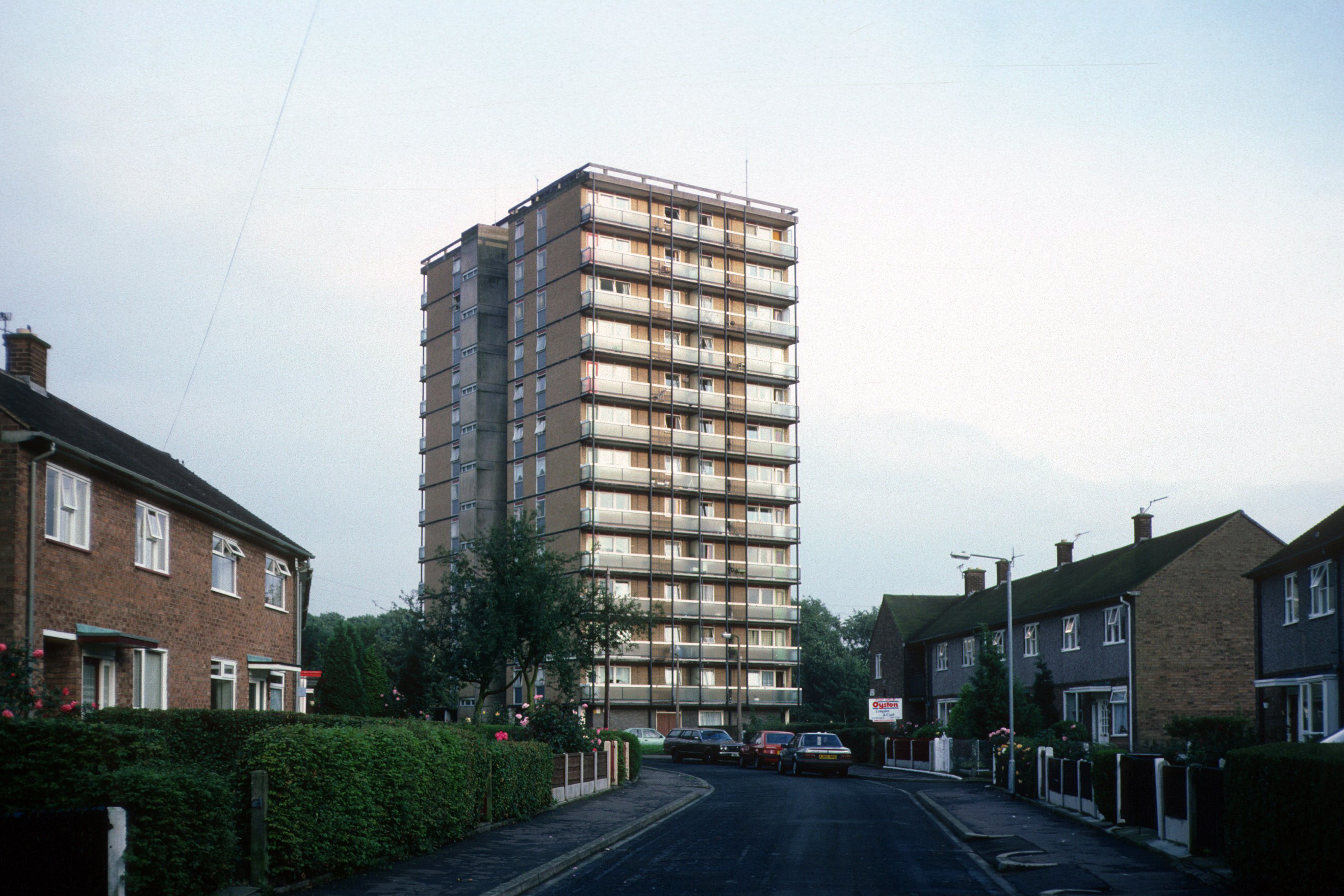
Consisting of thirteen storeys and sixty two homes.

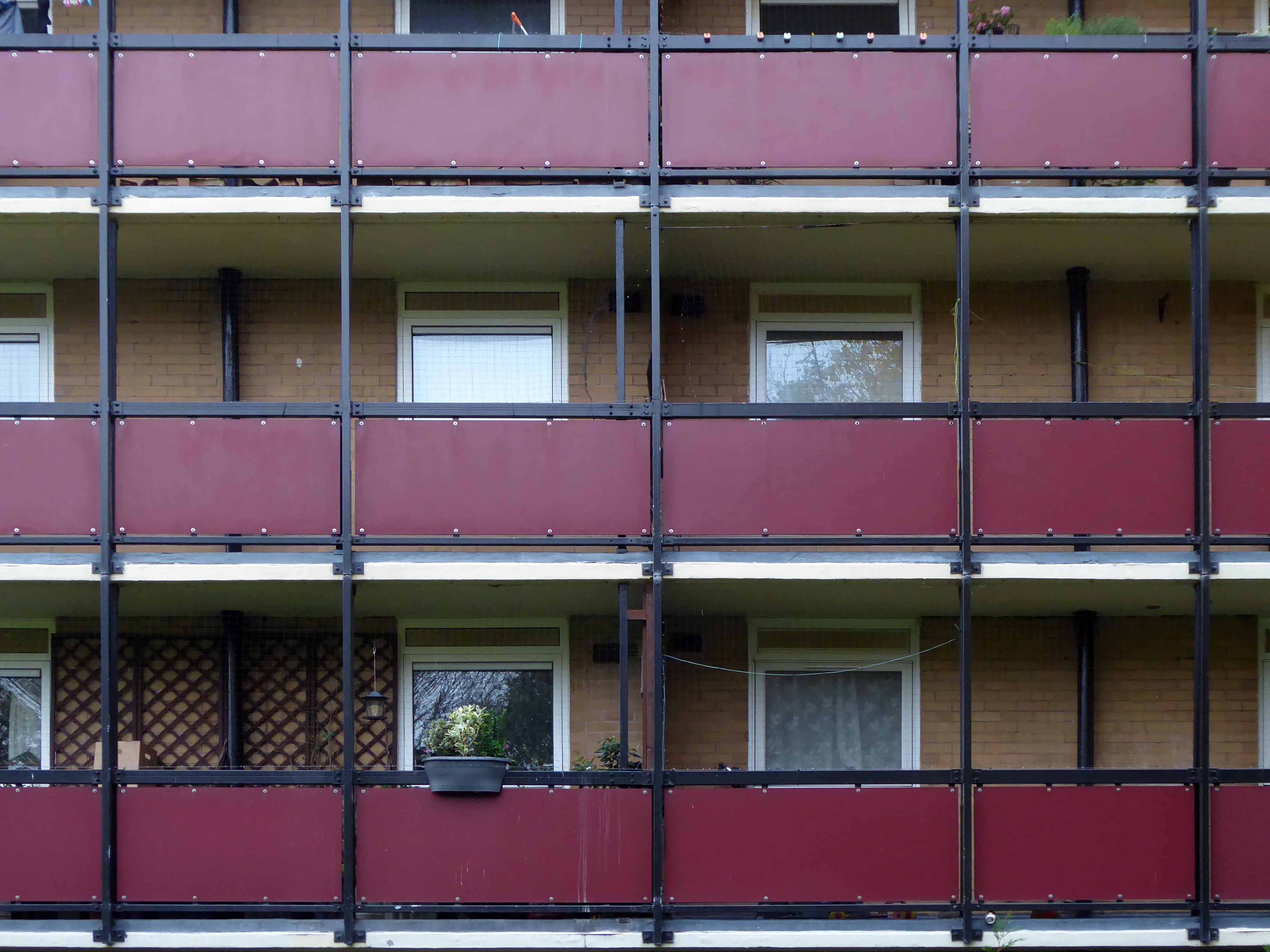
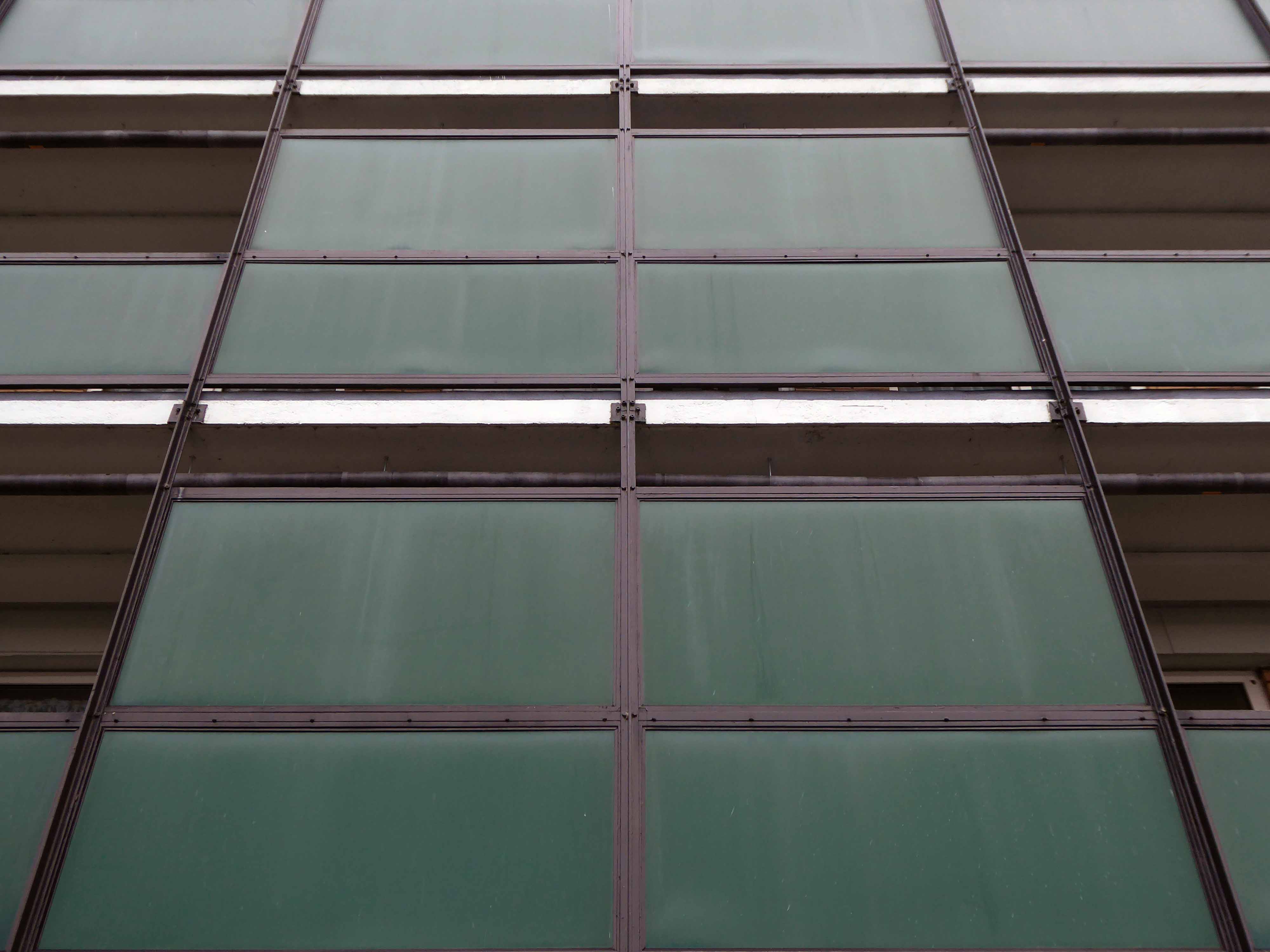
The balconies were open and shielded in glass, later to be replaced by thick metal sheeting.

1987 – Tower Block

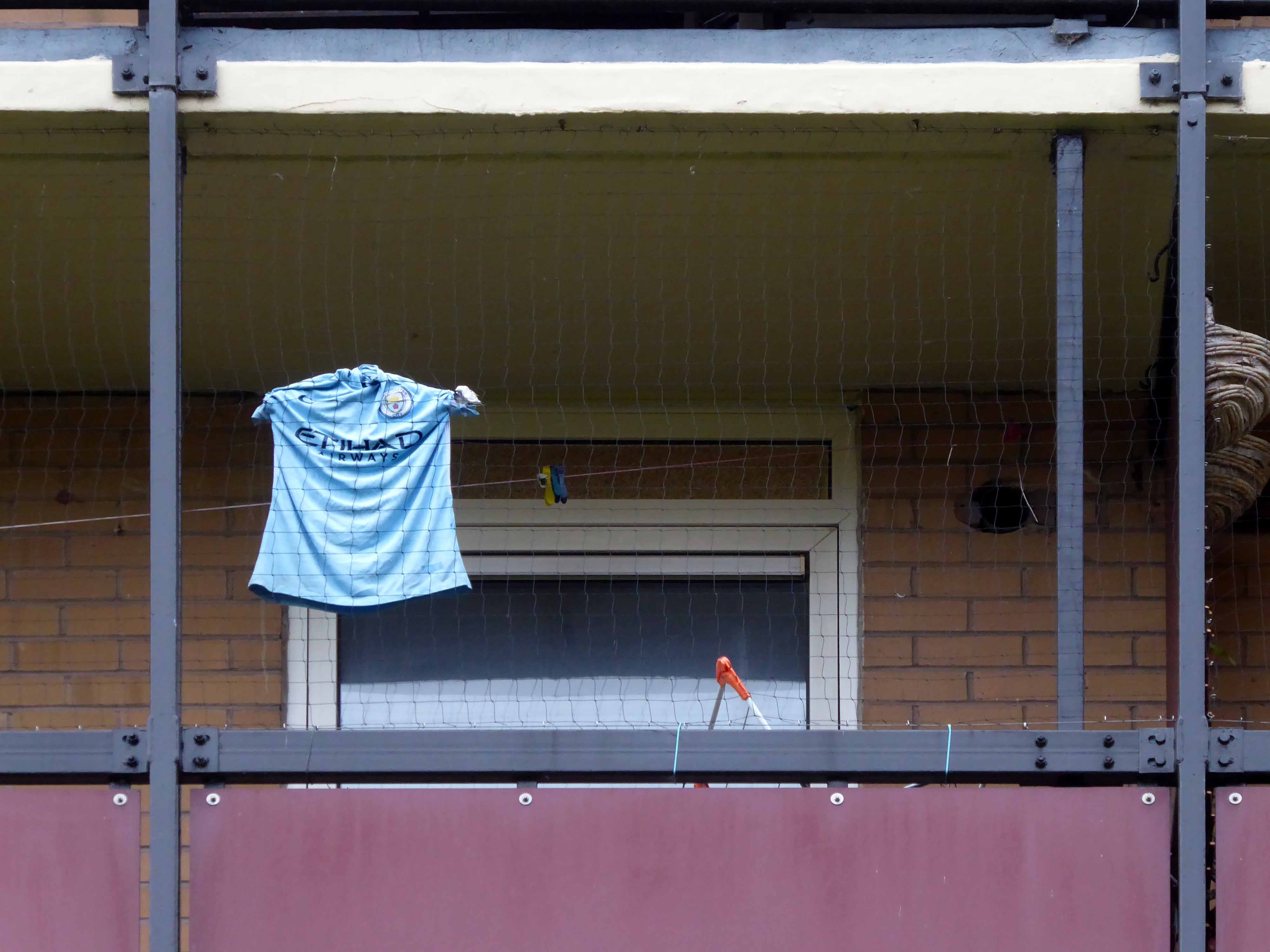
2020

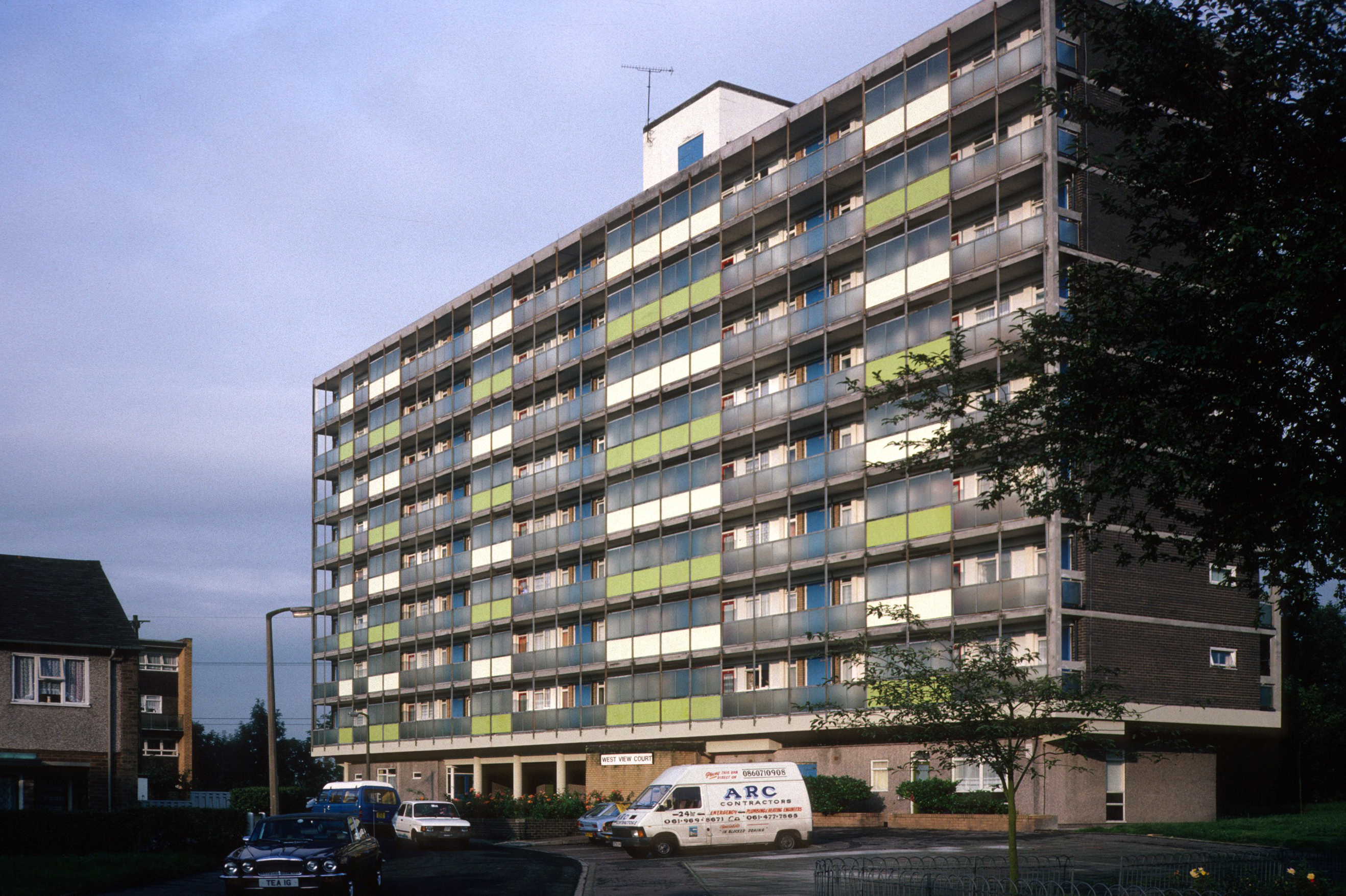
Around the corner to West View Court – also commissioned by Manchester Borough Council, built by Direct Works and contractors Holst, currently managed by Parkway Green.

Nine storeys in height containing seventy three homes.

1987 – Tower Block

2020 – the distinctive coloured panels and glass shields now replaced.

Beneath the block an amazing void, entrance and stairway.

West View Court has an amazing community cinema The Block.

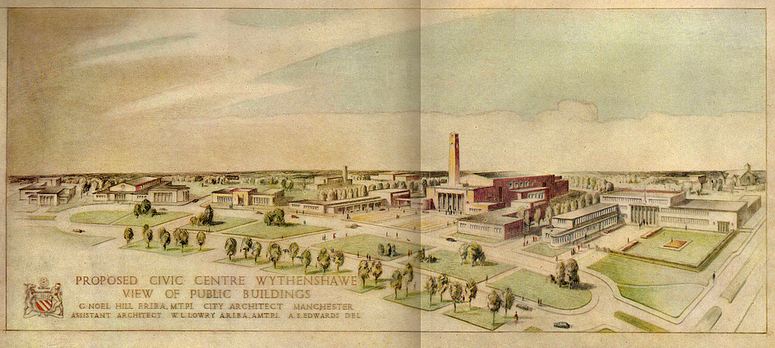
Wythenshawe Civic Centre

A social history of Wythenshawe and its Civic Centre can be found here at Archives +.

A general history of the garden city’s development can be found here at Municipal Dreams.

Lest we forget, the story begins with a level of overcrowding and human misery that is – thankfully – almost unimaginable in Britain today. In 1935, Manchester’s Medical Officer of Health condemned 30,000 (of a total of 80,000) inner-city homes as unfit for human habitation; 7000 families were living in single rooms.

The estate was always considered to be, in some sense, the realisation of an ambitious vision.

The world of the future – a world where men and women workers shall be decently housed and served, where the health and safety of little children are of paramount importance, and where work and leisure may be enjoyed to the full.

Cooperative Women’s Guild

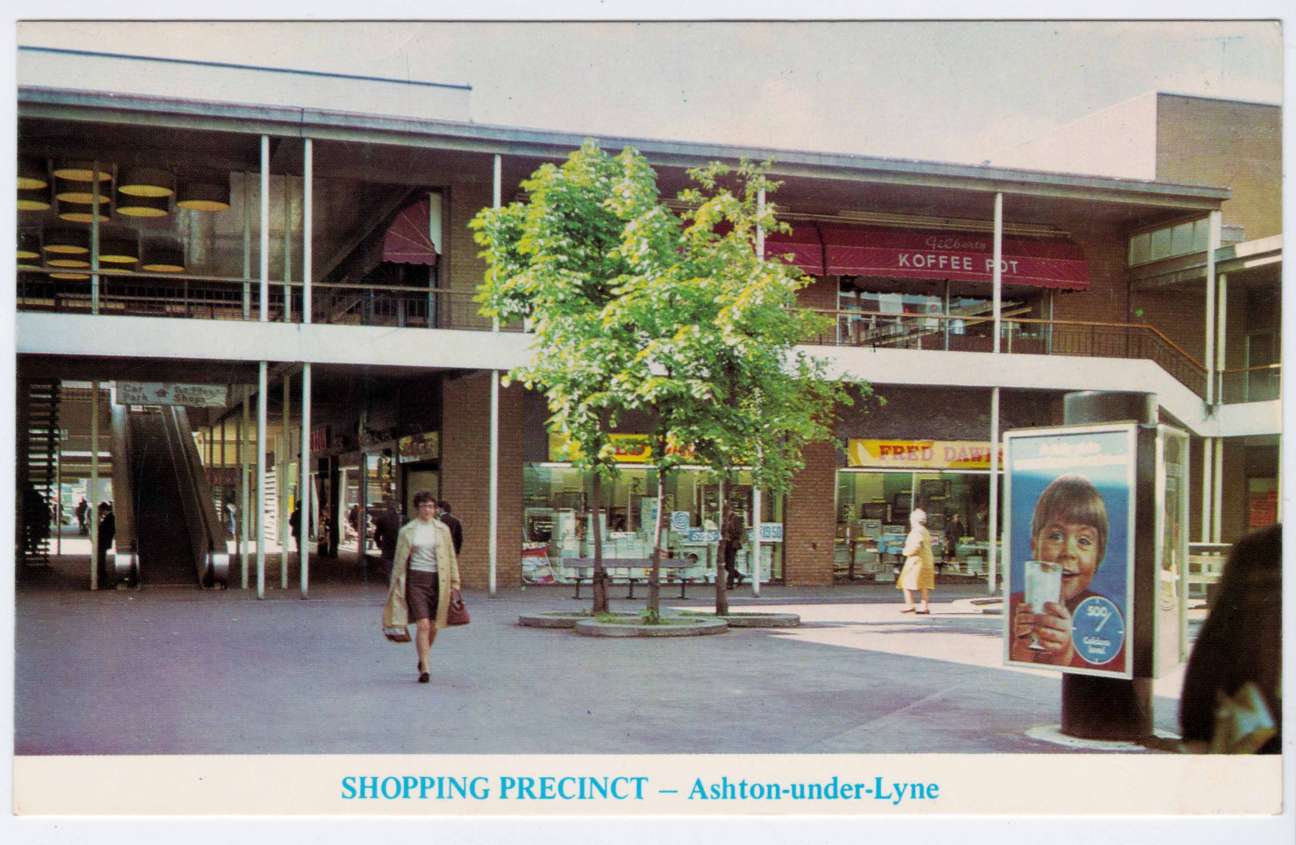
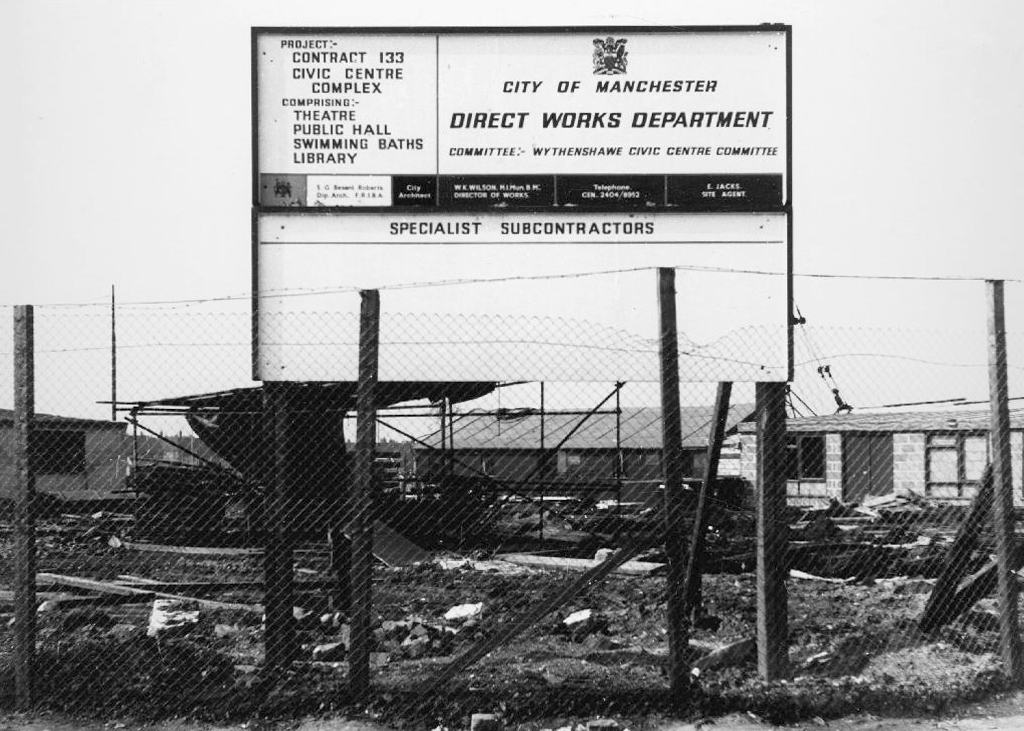
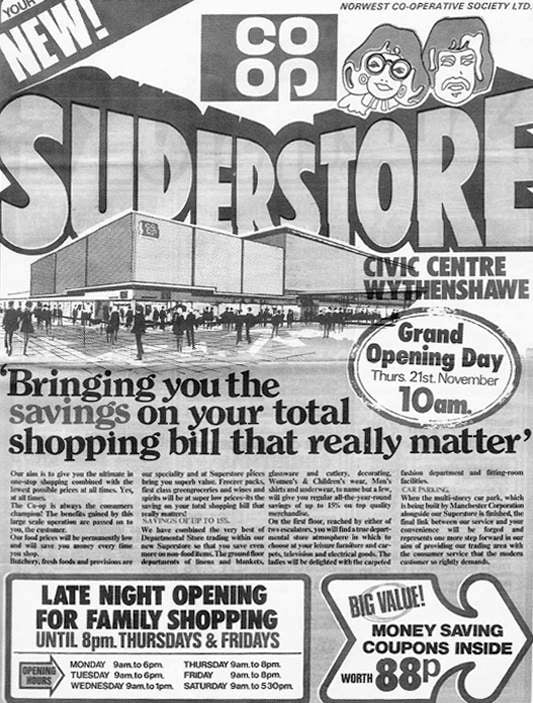
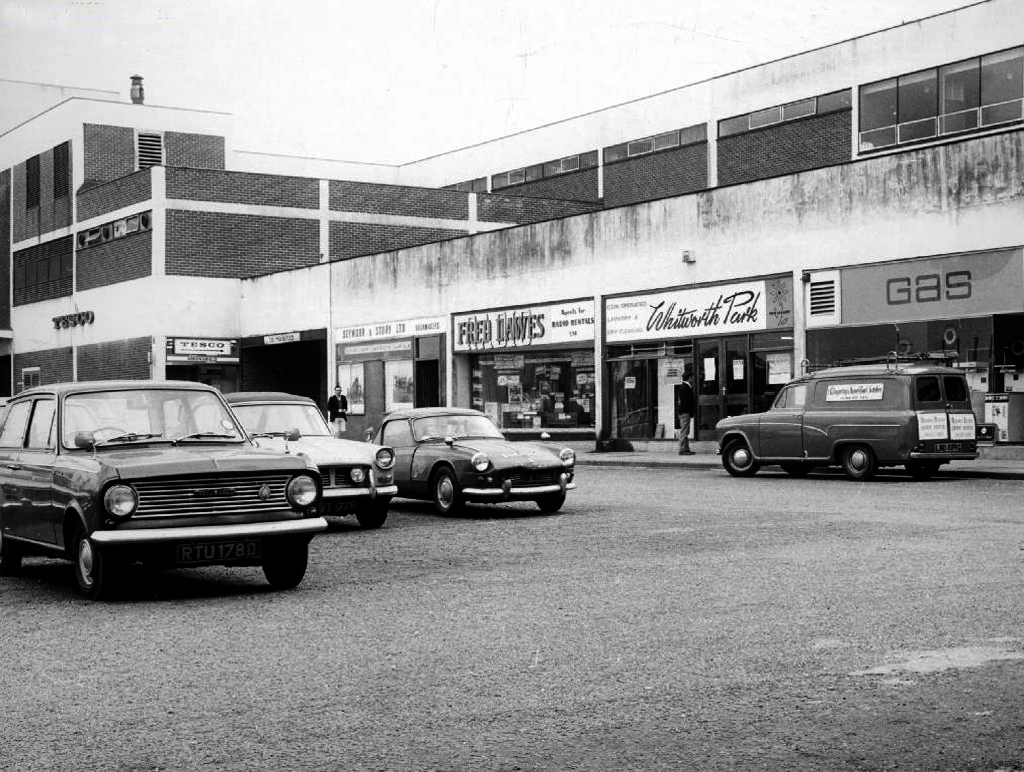
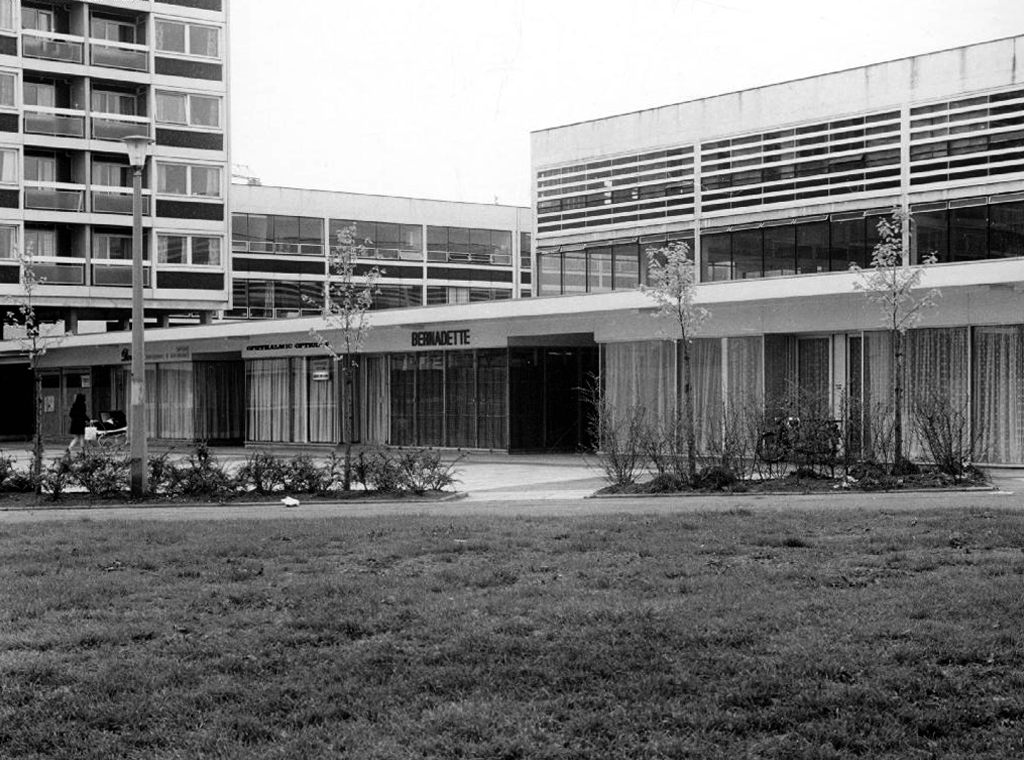
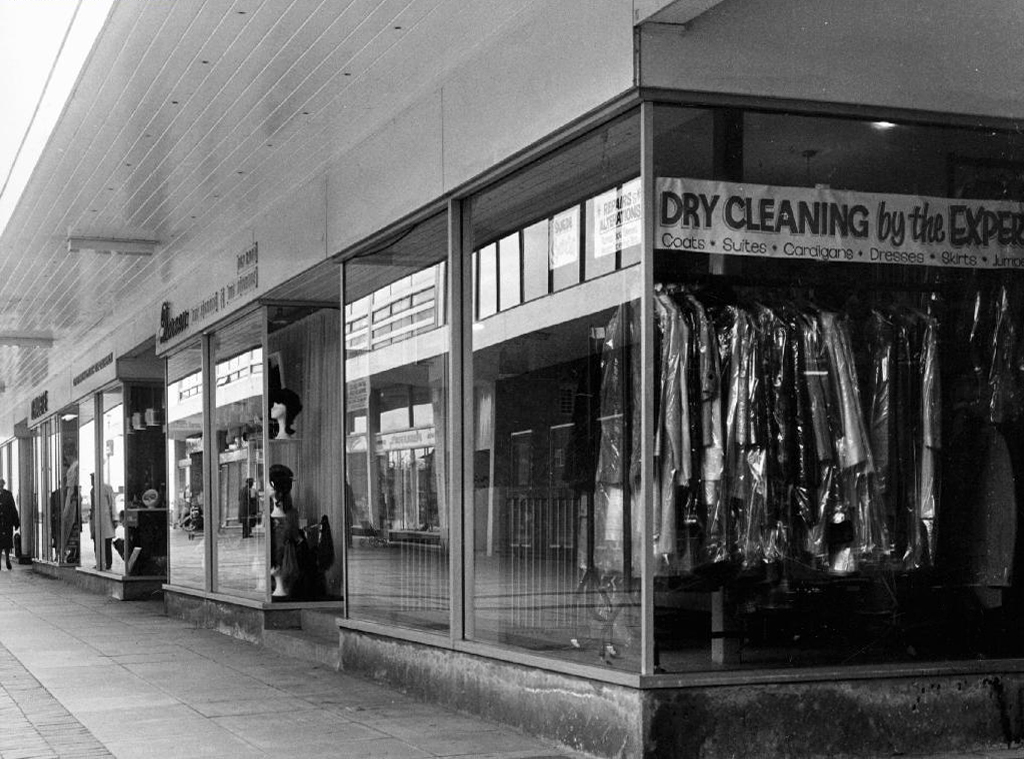
Work began in the interwar years, and continued following the hiatus of 1939-45. The shopping centre named the Civic Centre was open in 1963, the actual Civic Centre containing a swimming pool, theatre, public hall and library in 1971.

A triumph for Municipal Modernism conceived by the City Architects and realised by Direct Works. This post war development owed more to the spirit of Festival of Britain optimism, new construction methods and materials, rather than the grandiose functionalist classicism of the original scheme.

The Co-operative Superstore was a key element in the provision of provisions.

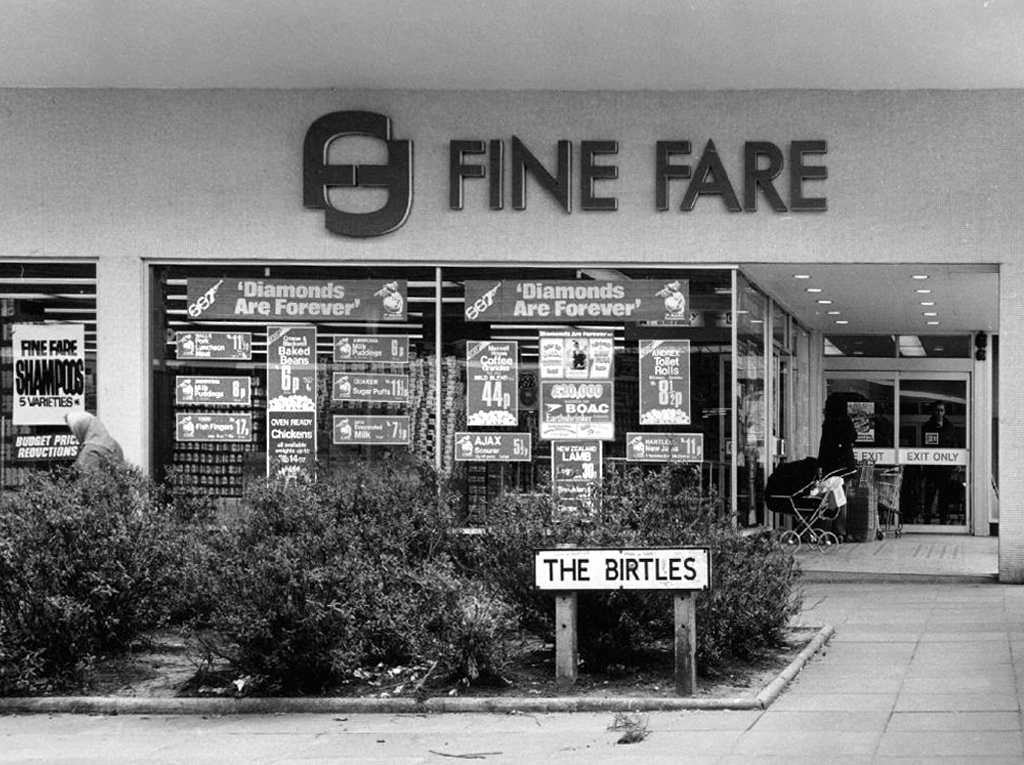
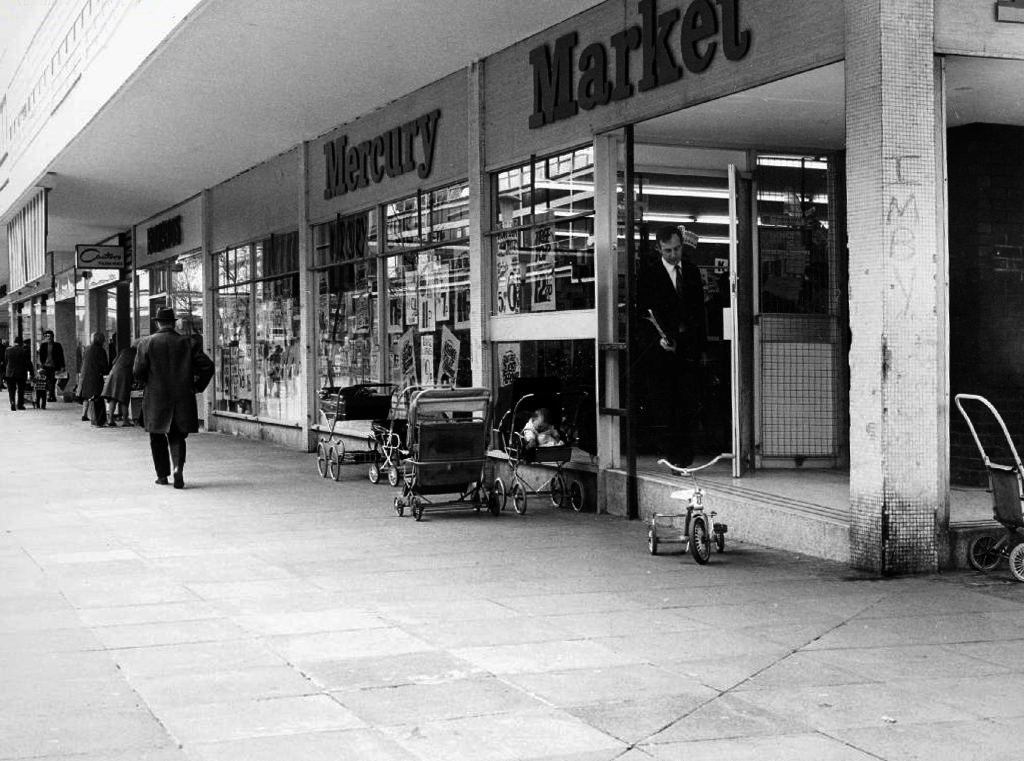
Along with Fine Fare and Mercury Market.

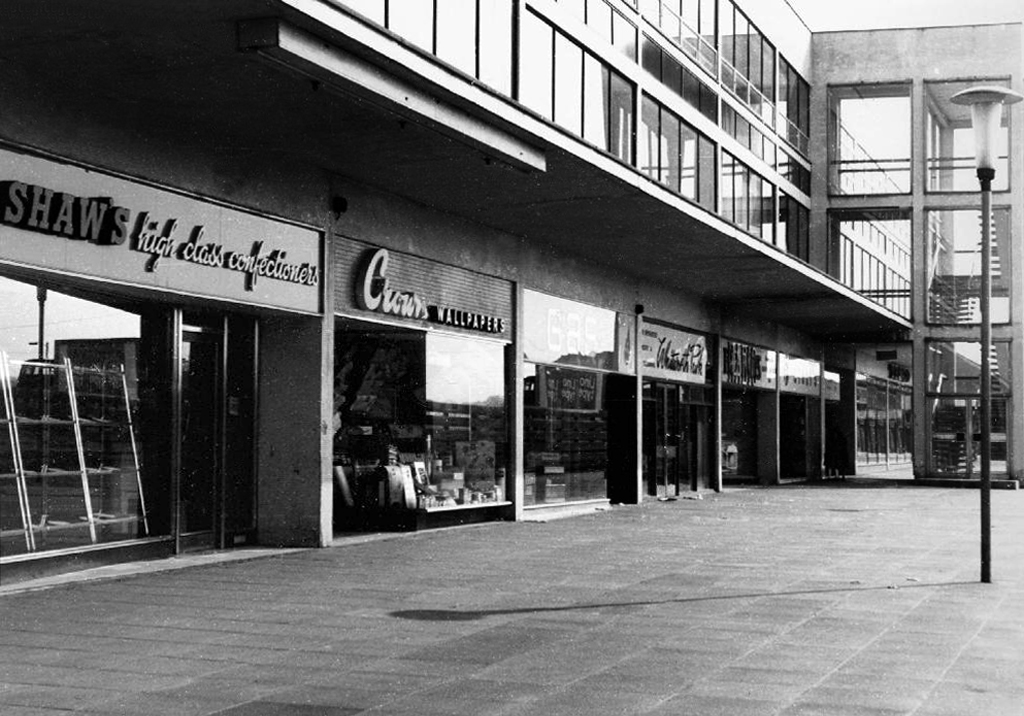
Cantors

Shaw’s

Fred Dawes Whitworth Park Gas Showrooms

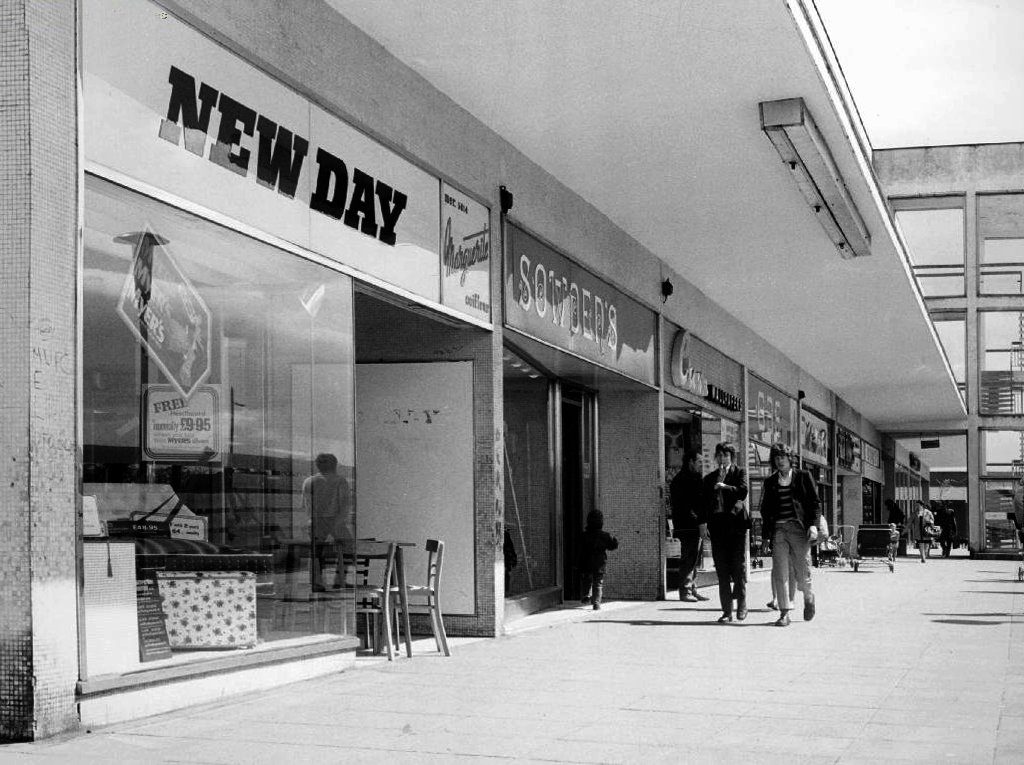
New Day furnishing the local HQ was at Hilton House Stockport

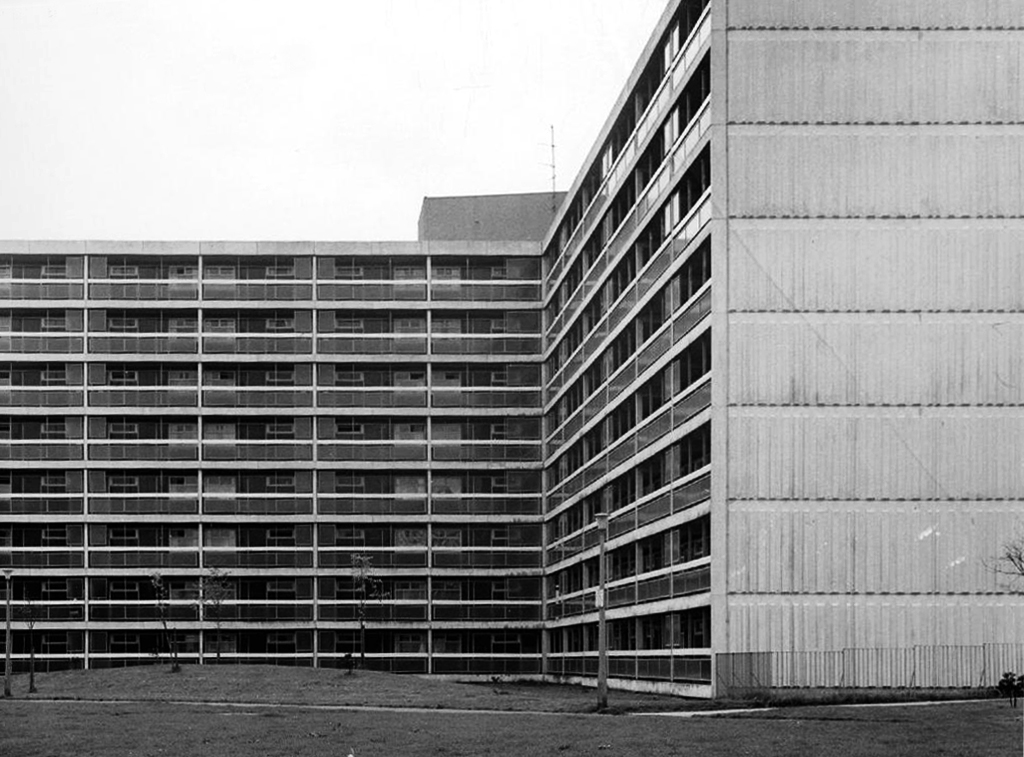
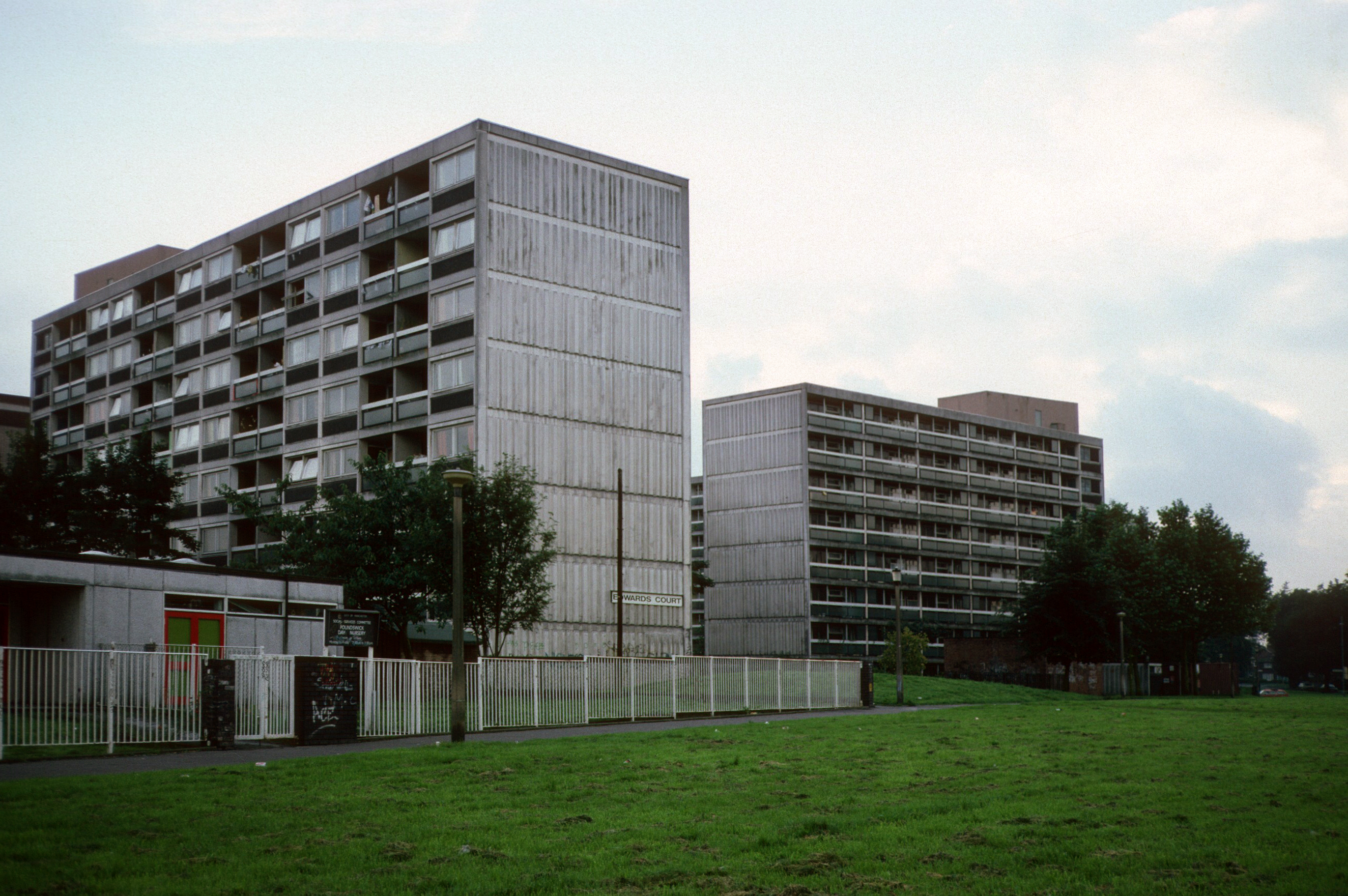
The flats were demolished in 2007

Edwards Court and Birch Tree Court 1987 – Tower Block

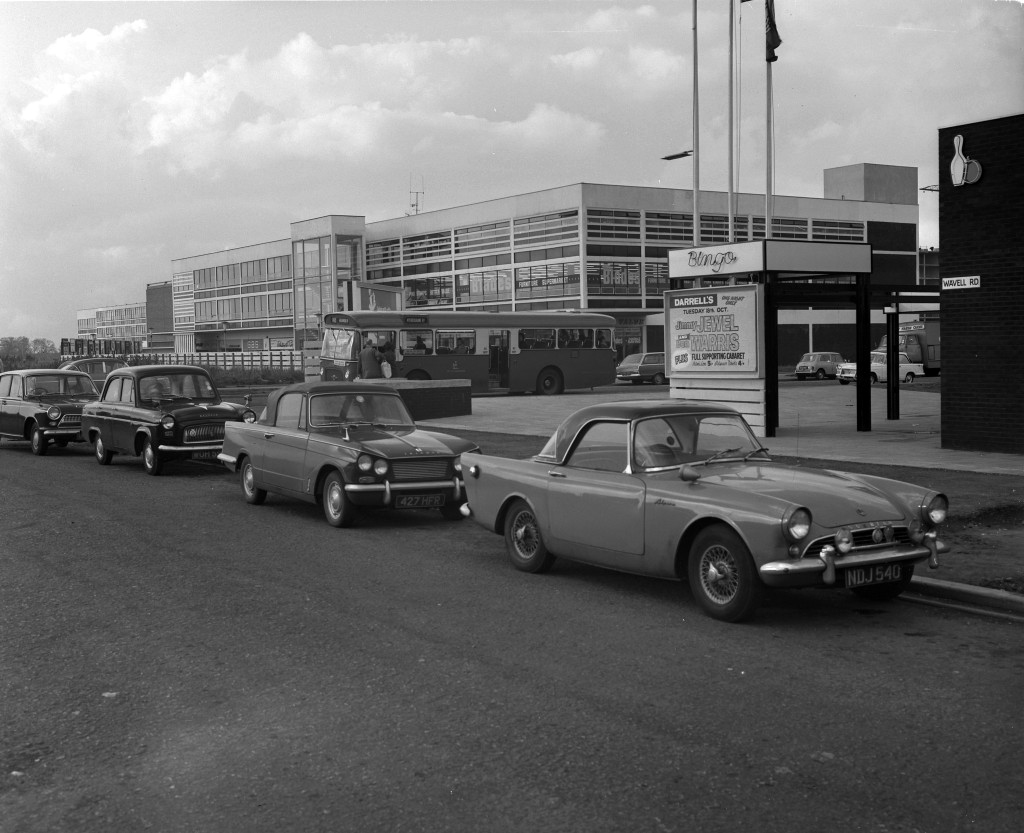
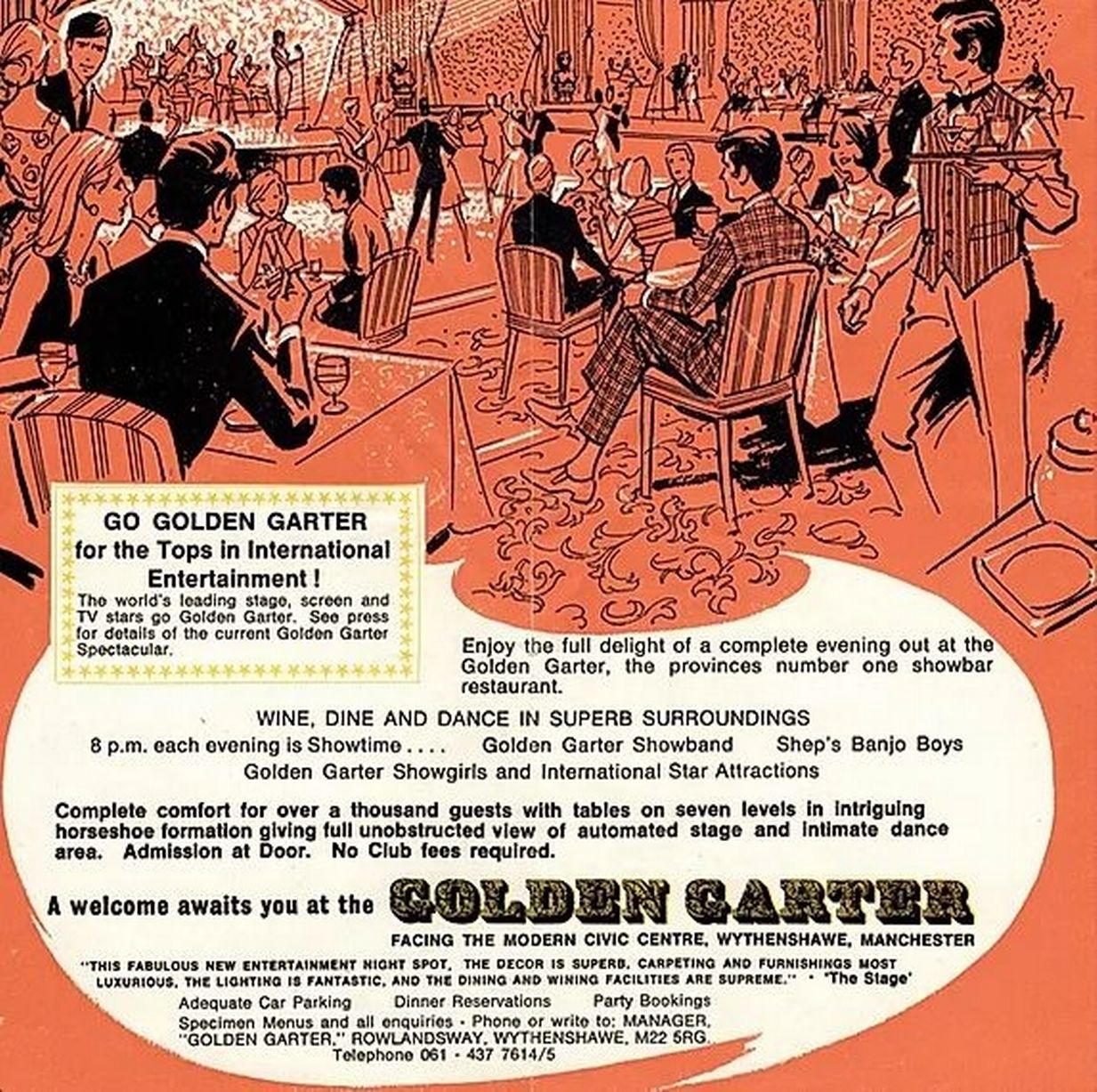
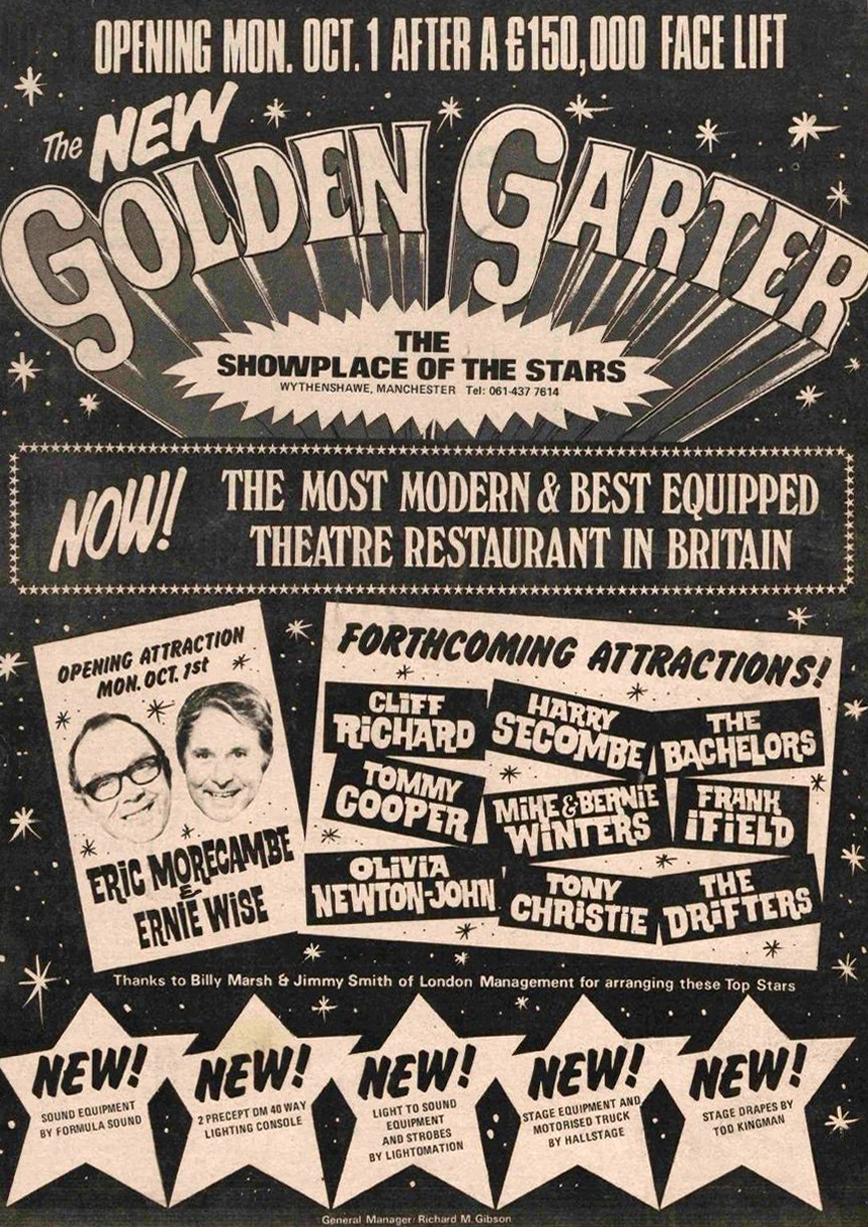
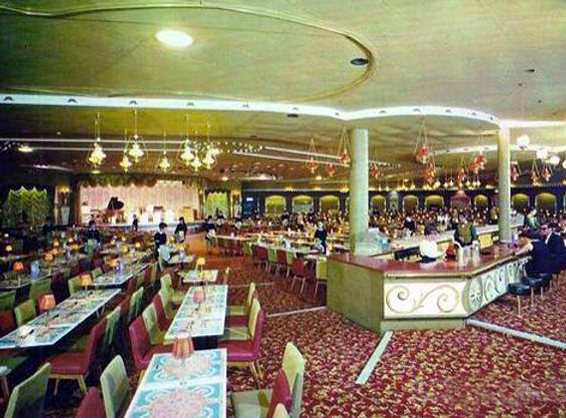
First there was a bowling alley.

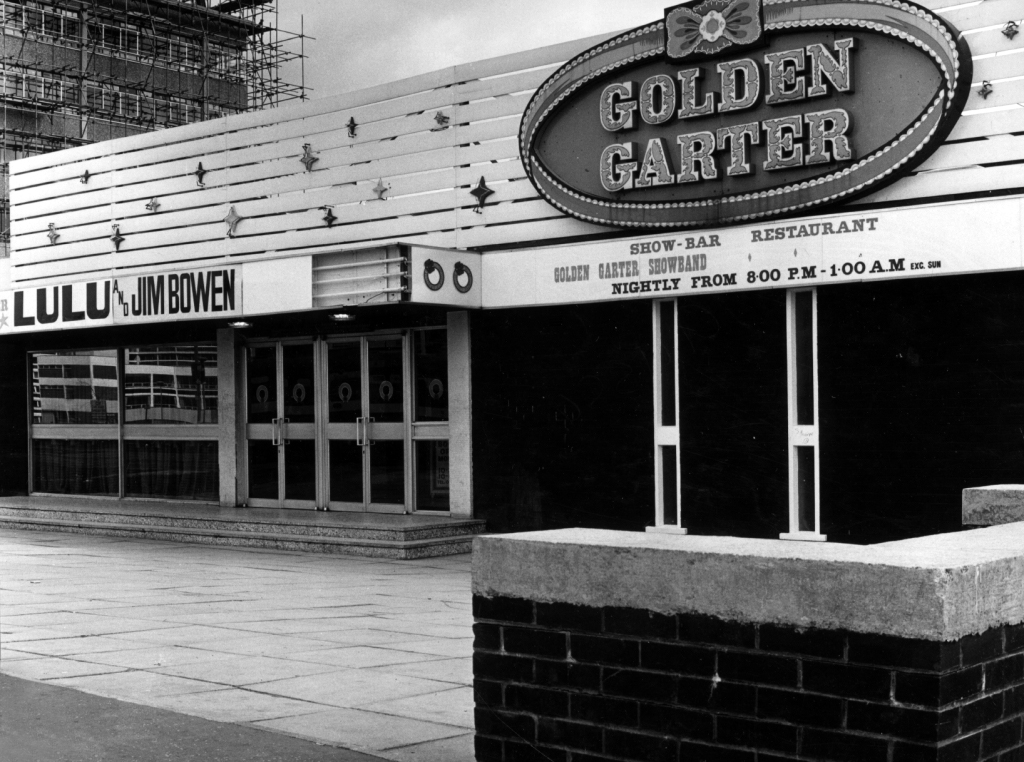
Which became the Golden Garter

Closed 3rd January 1983

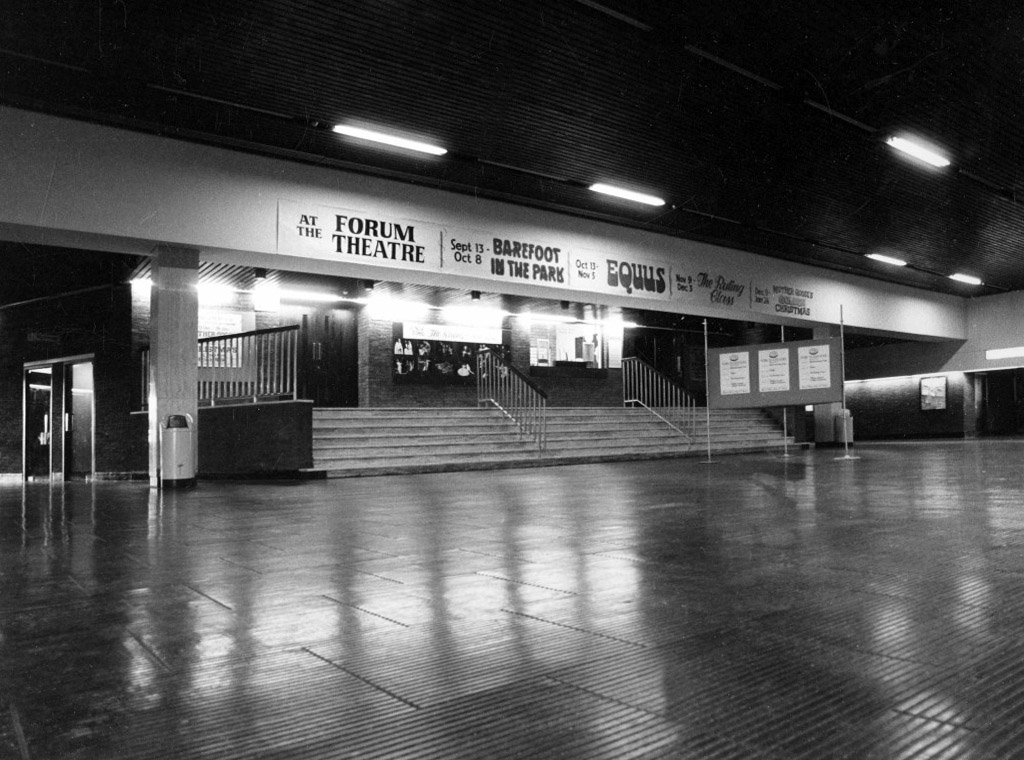
Then there was a theatre The Forum

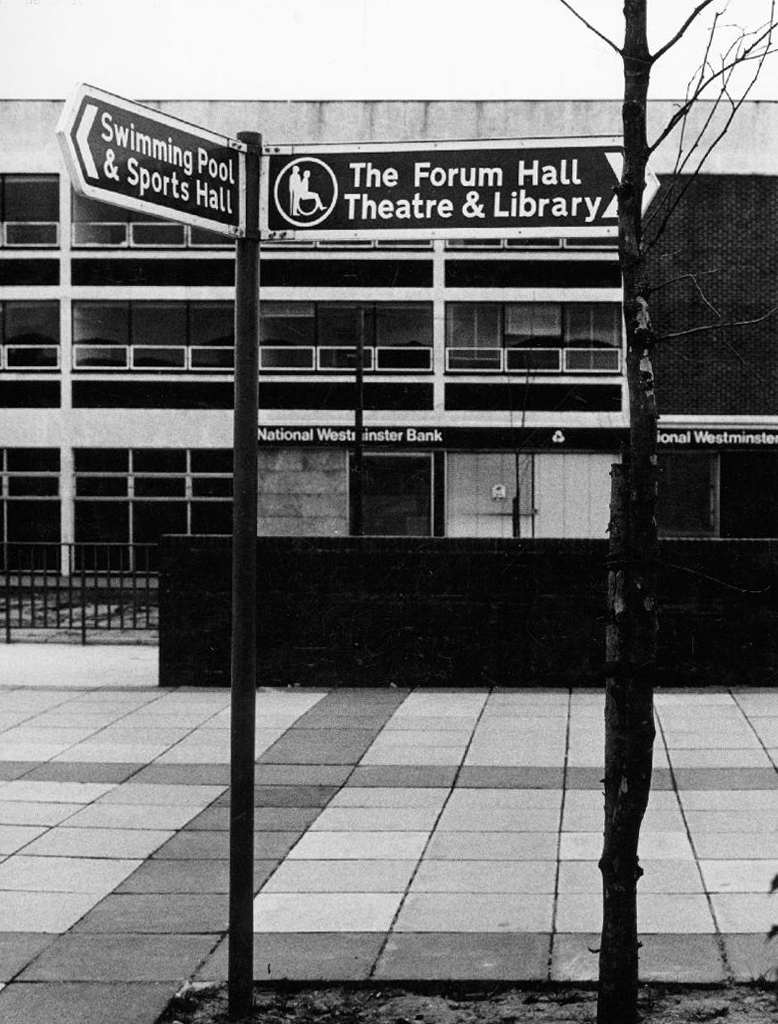
There still is – The Forum is a bright and modern hub for co-located services used by community and business.

The original Forum opened in 1971. One of Manchester’s largest public buildings, it had a leisure centre, library, theatre, main hall and meeting rooms. By the mid 1990’s it was under used, had deteriorated internally and externally and needed substantial investment.

The new Forum, along with a new police sub-divisional headquarters and improved transport link was designed to help strengthen the town centre, and provide a landmark project to raise Wythenshawe’s profile within Manchester and beyond.

In the 1980’s they put on a superb array of shows including Roll on 4 O’Clock which starred John Jardine, Jack Smethurst and Glynn Owen. Oh What a lovely War; What the Butler Saw and Habeas Corpus by Alan Bennett.  Bury’s own Victoria Wood starred in Talent which she wrote.  Another Manchester icon Frank Foo Foo Lammar, famous as the top drag queen of the North-West  whose club was re-known for its great party nights appeared in The Rocky horror Show.

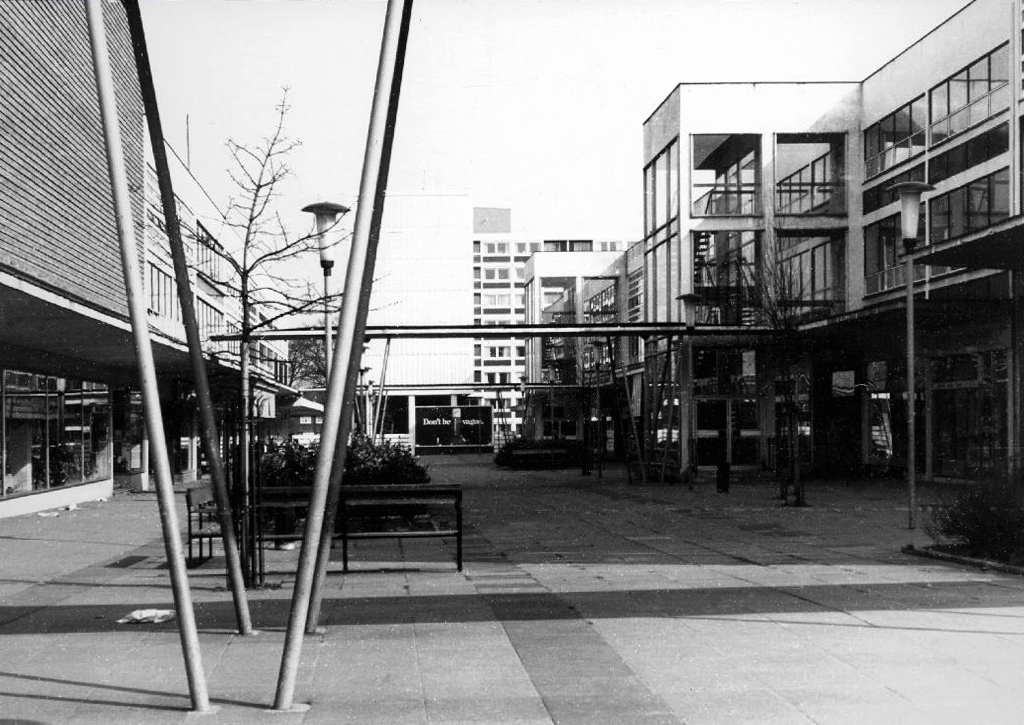
A land of elegant covered walkways and raised beds.

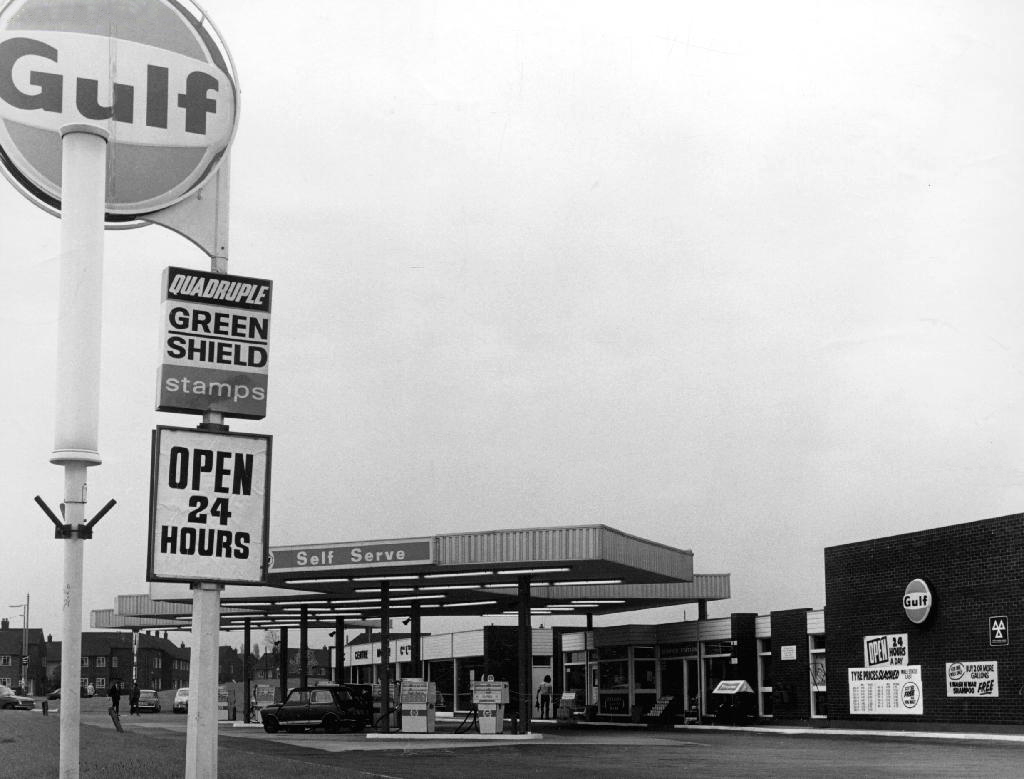
A land of 24 hour petrol stations and quadruple Green Shield Stamps.

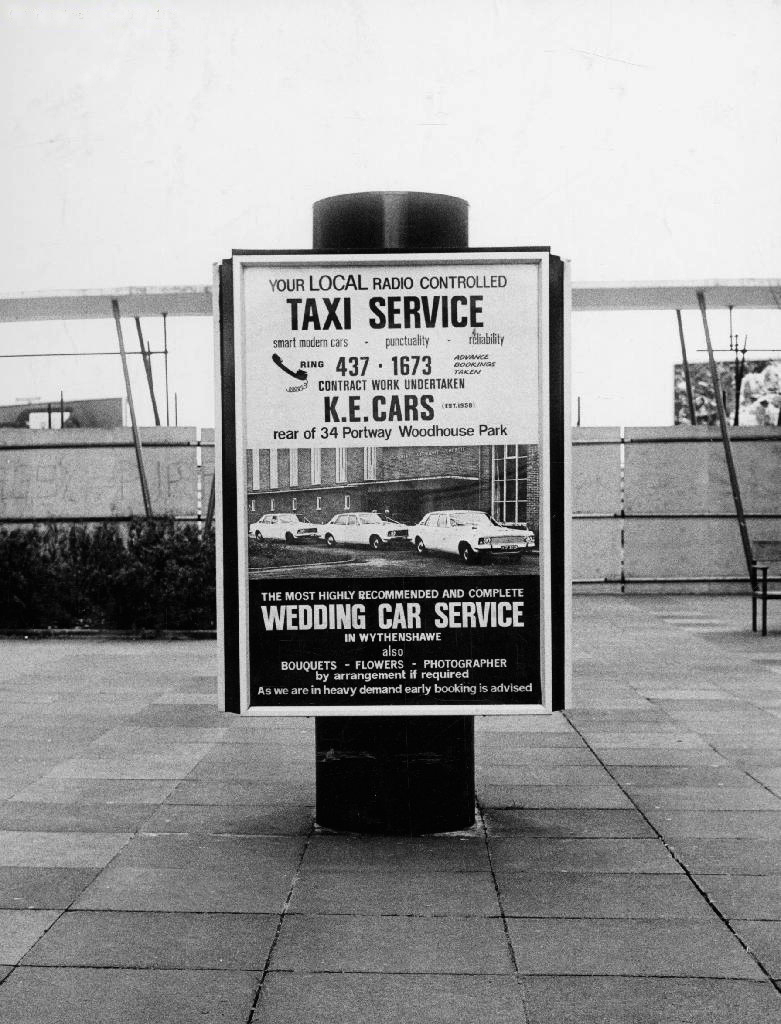
Some where along the way we lost our way – taxi!

Photographs Manchester Local Image Collection

Sharston Bus Depot – Manchester

Bradnor Rd Sharston Industrial Area

Wythenshawe Manchester M22 4TE

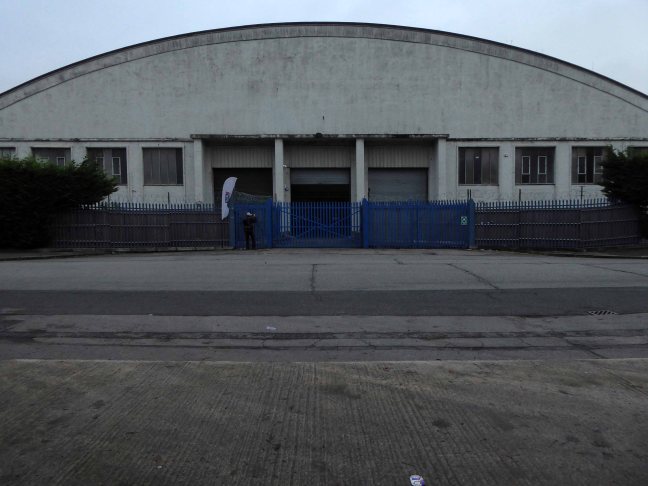
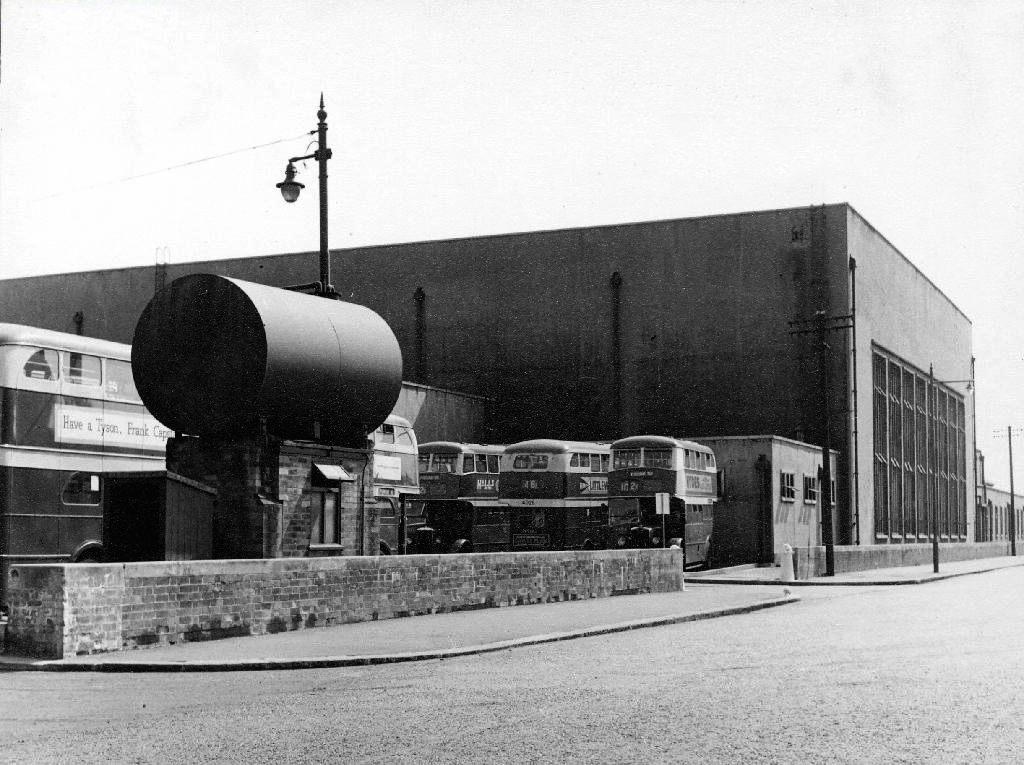
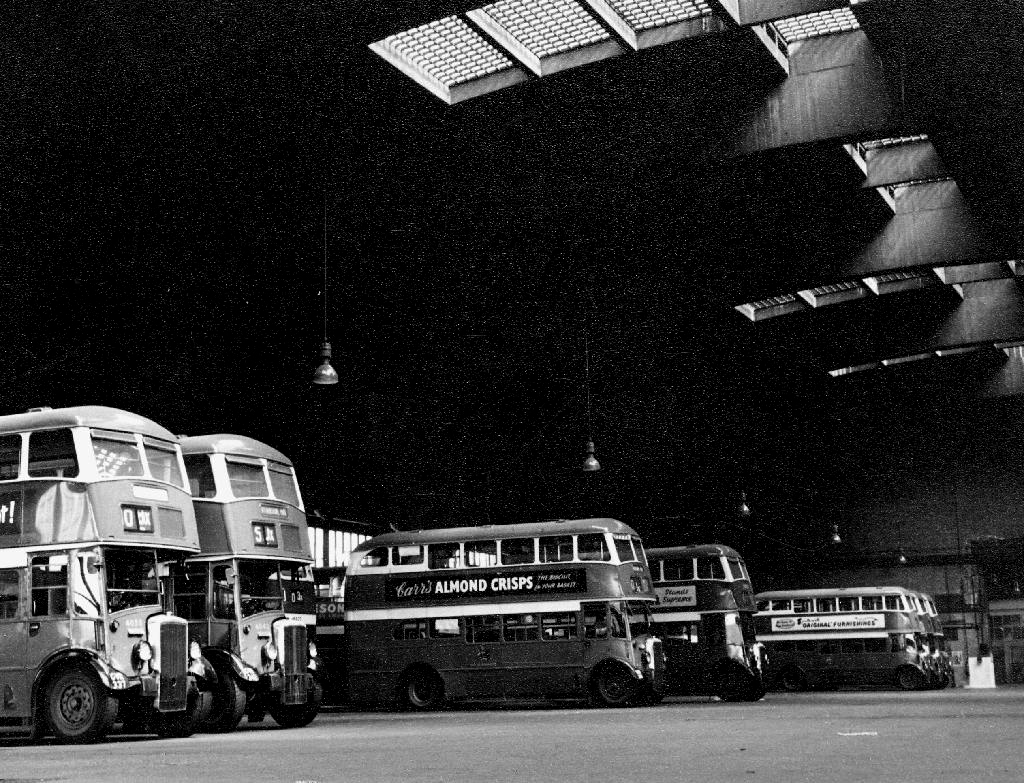
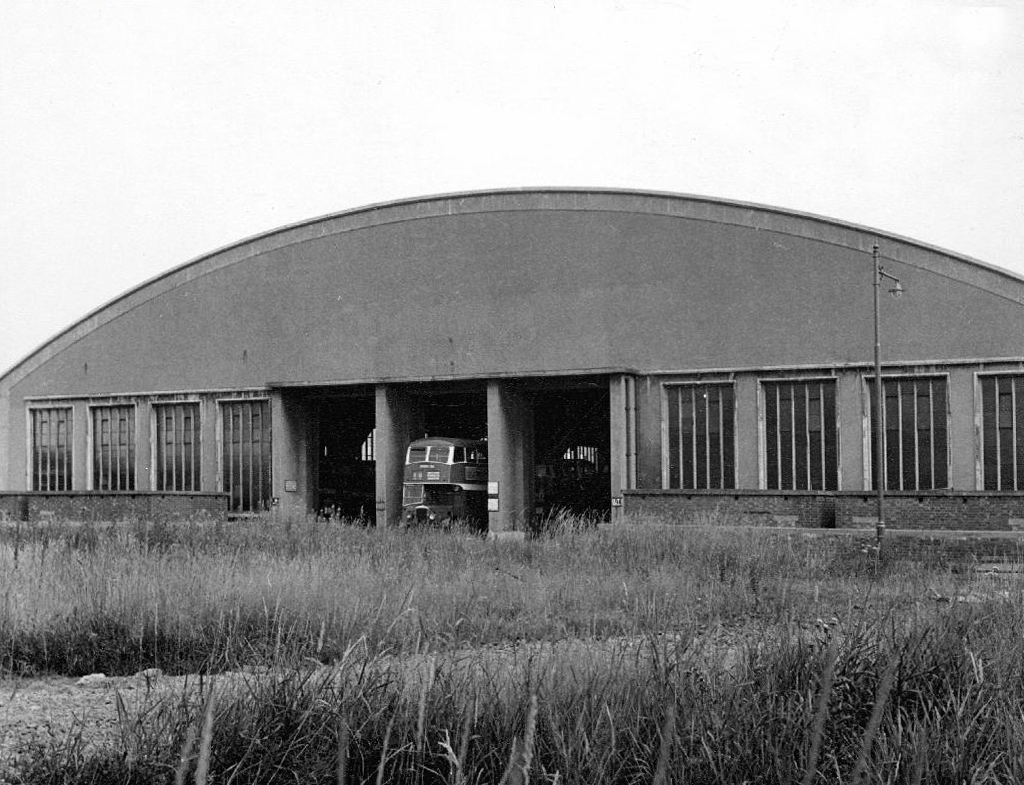
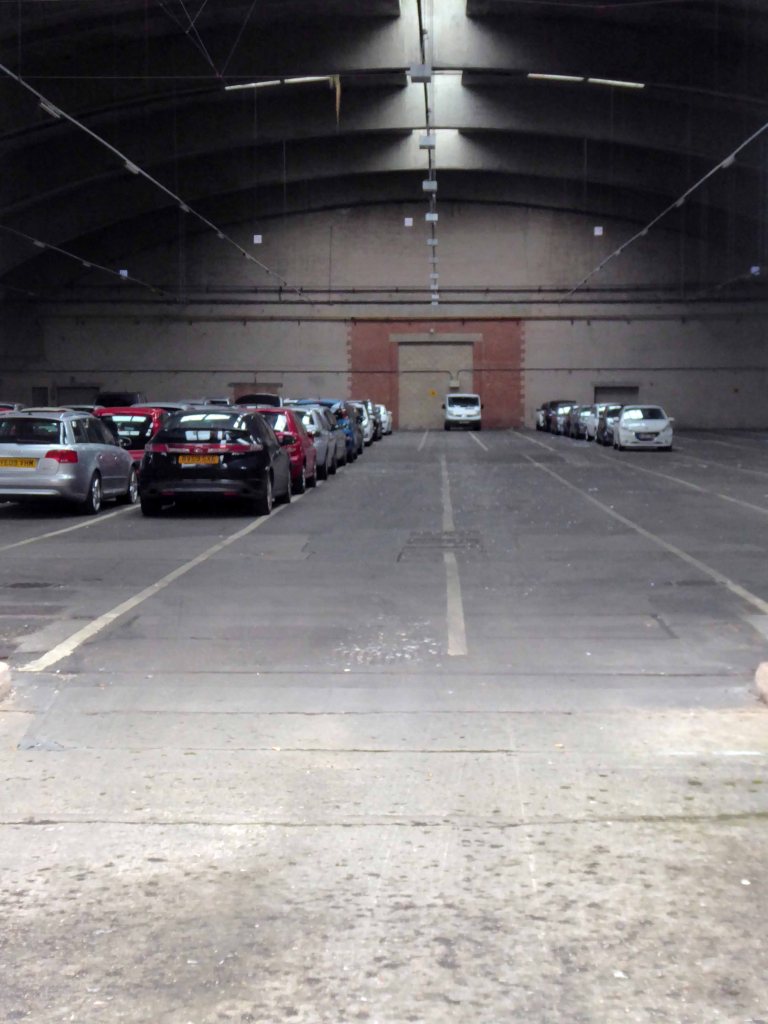
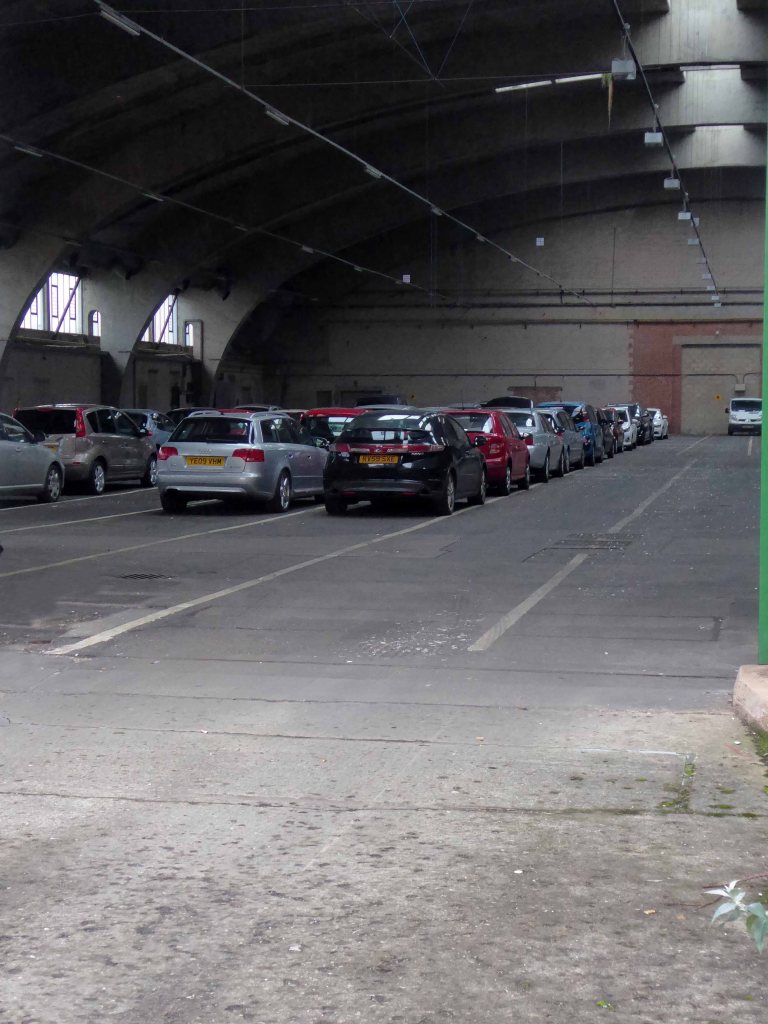
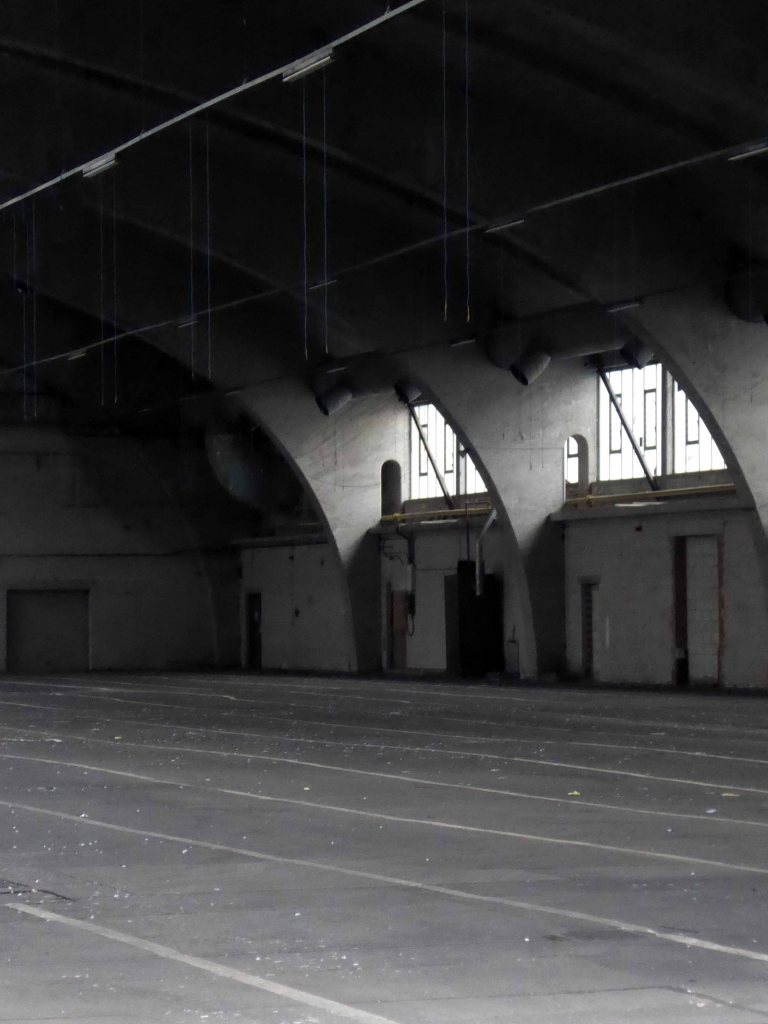
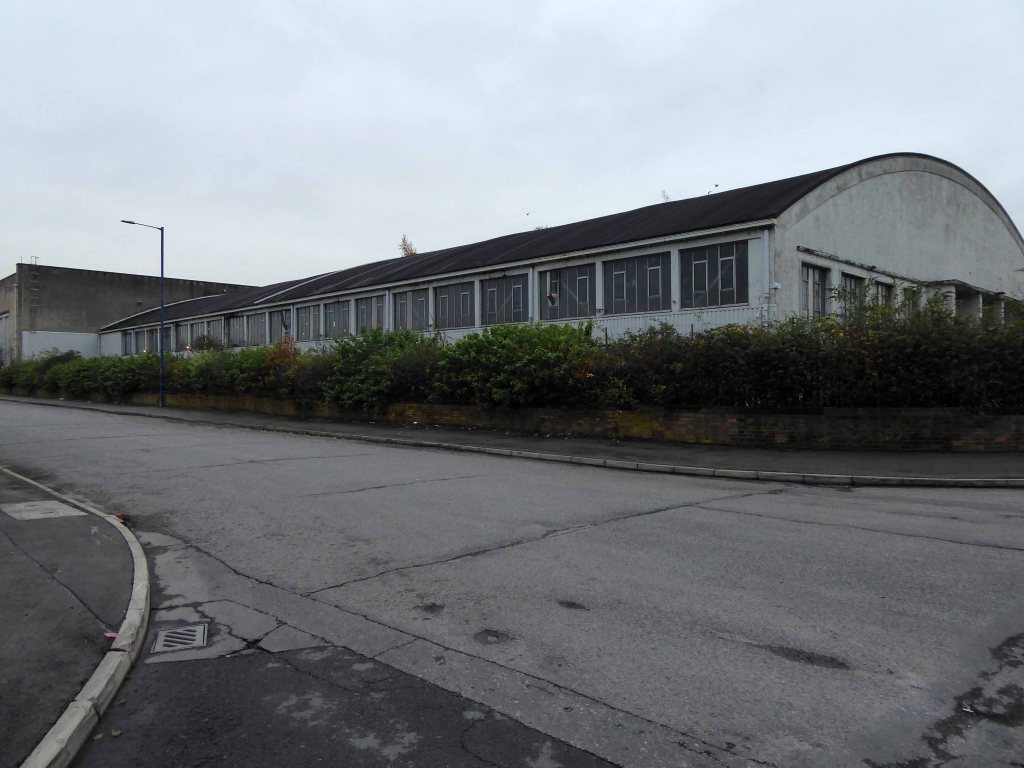
This building formed part of the later phasing of the proposed Garden Suburb of Wythenshawe. It was intended to house up to 100 double-decker buses but was put to use as a factory for components for Lancaster bombers during the war. It is included here for the functionalist qualities of the building and the acknowledgement of the daring of the City Architects Department. Academic papers, as late as 1952, cited this simple structure as exemplar of its type; Elaine Harwood notes, ‘this was the pioneering example of the means of construction, and the model for larger shells at Bournemouth and Stockwell’. The arches that support the shell have a span of over fifty metres and are spaced at twelve metre intervals. The concrete shell roof is of the short-barrel type commonly used on single span buildings such as hangars, it is uniformly around seventy millimetres thick. The only single span structure larger than this was indeed an aircraft hangar, at Doncaster Airport, demolished around 1990. This building is now in the ownership of an airport parking company that utilise it as vehicle storage; close to its original function.

Mainstream Modern

The building is Grade II* listed

Historic England

Manchester Local Image Collection1954

Walking from our house to Sharston, this was the furthest point west – I kept on walking towards the security gates, they opened – I snapped, they closed.

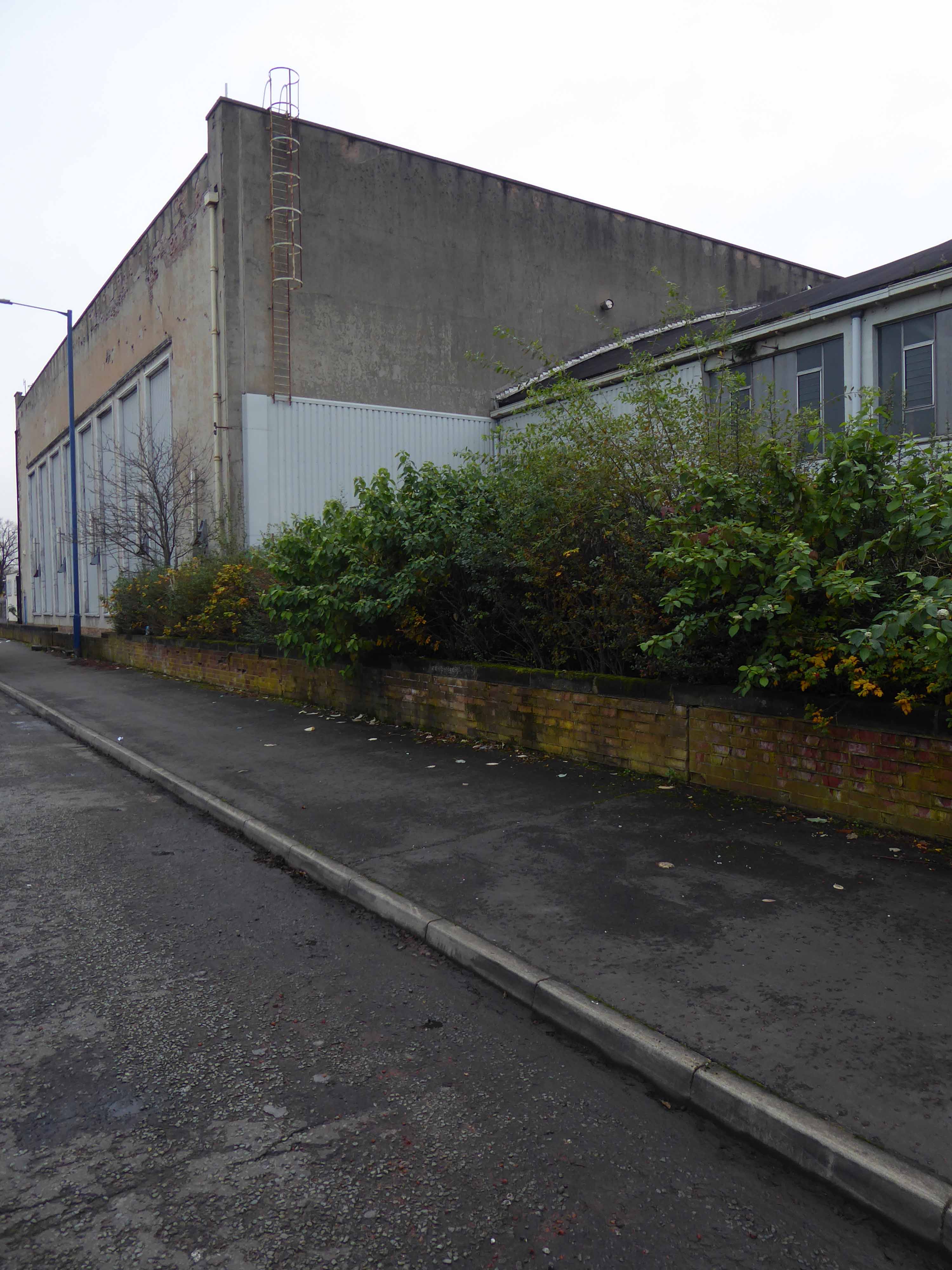
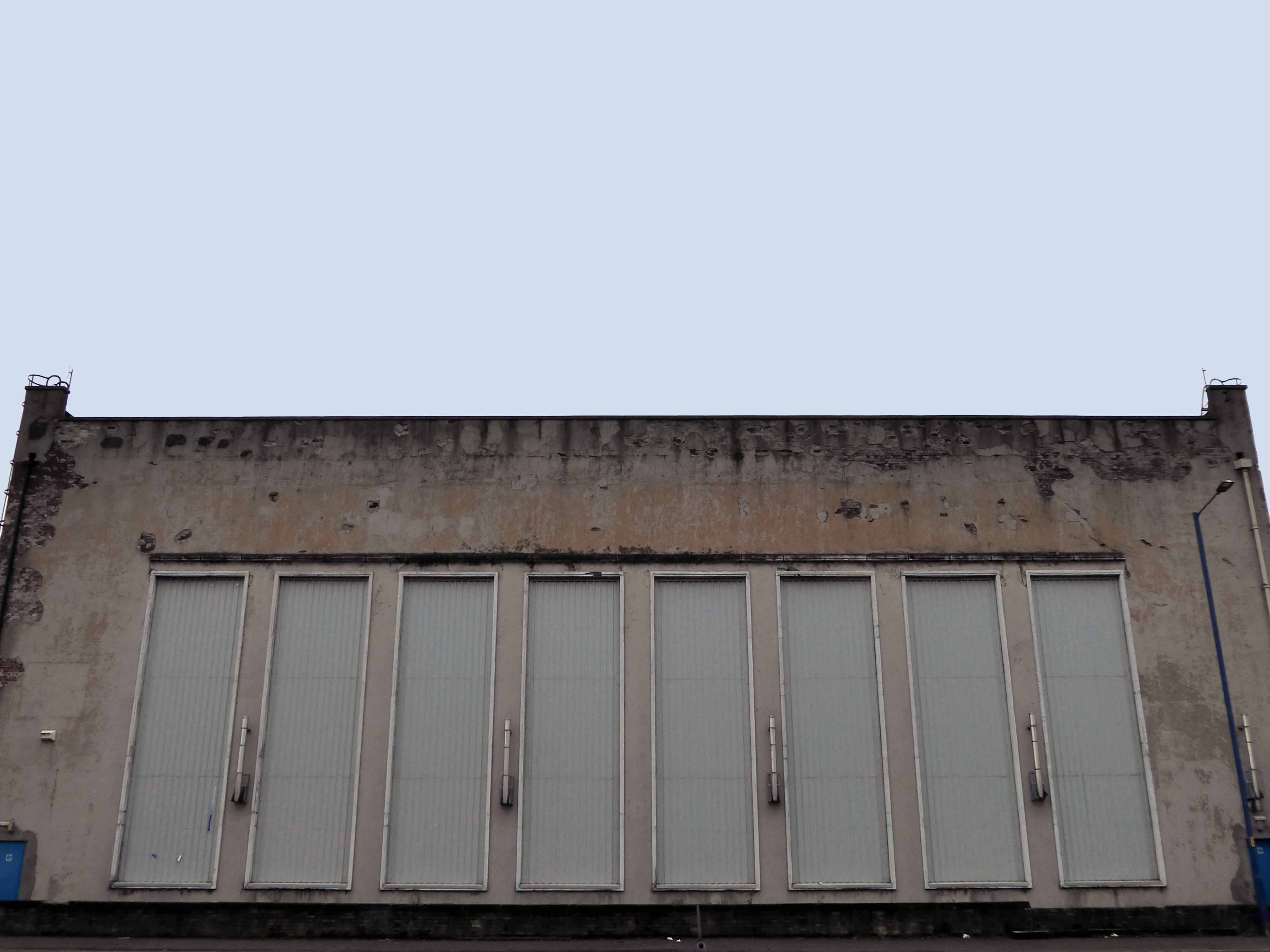
This is now the home of Manchester Airport Parking – no place for a pedestrian, I walked away, slowly circumnavigating this uplifting, uplifted behemoth.

I walked home.

I once was glazed but now I’m clad – how sad!

Elaine Harwood

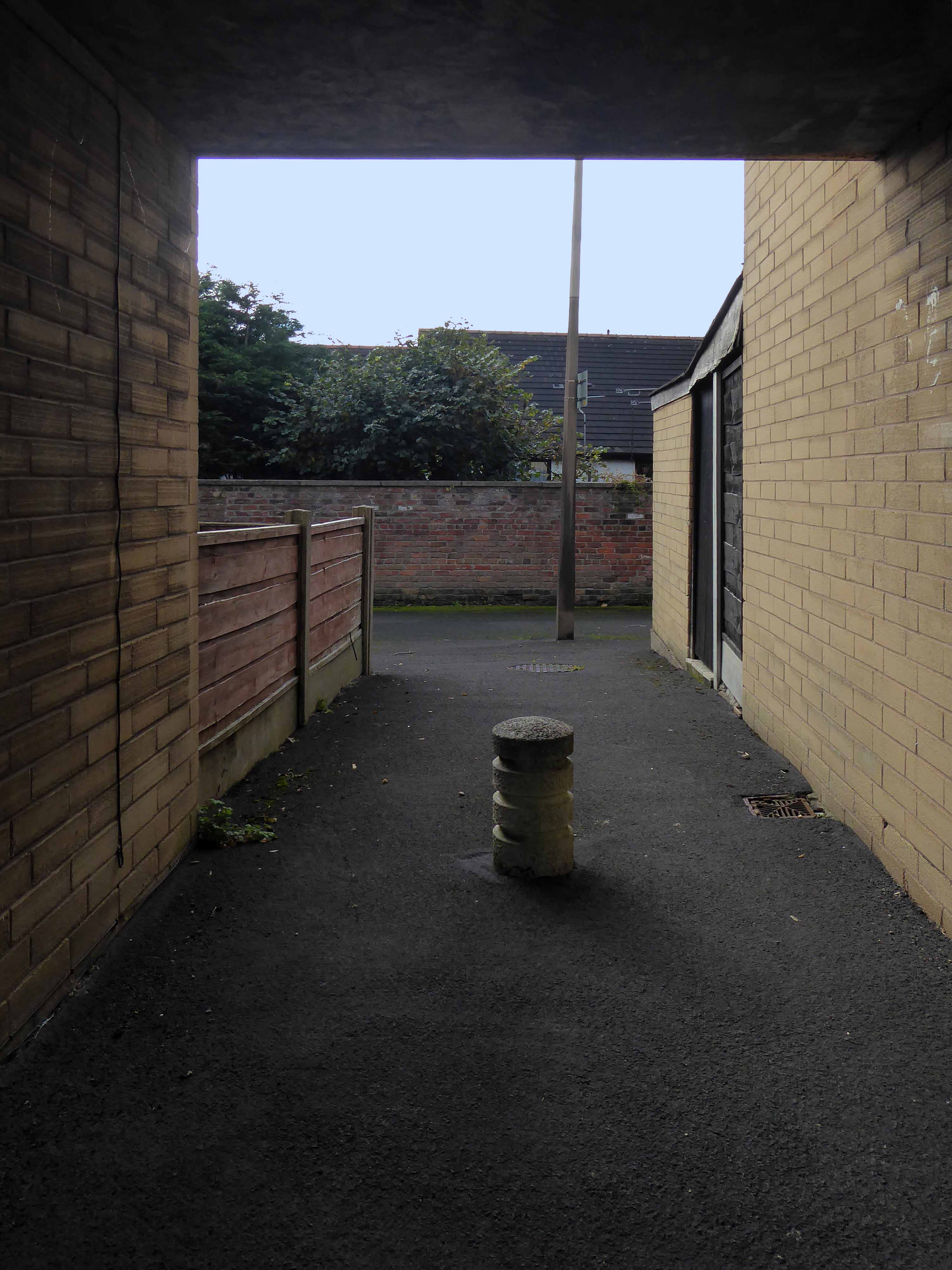
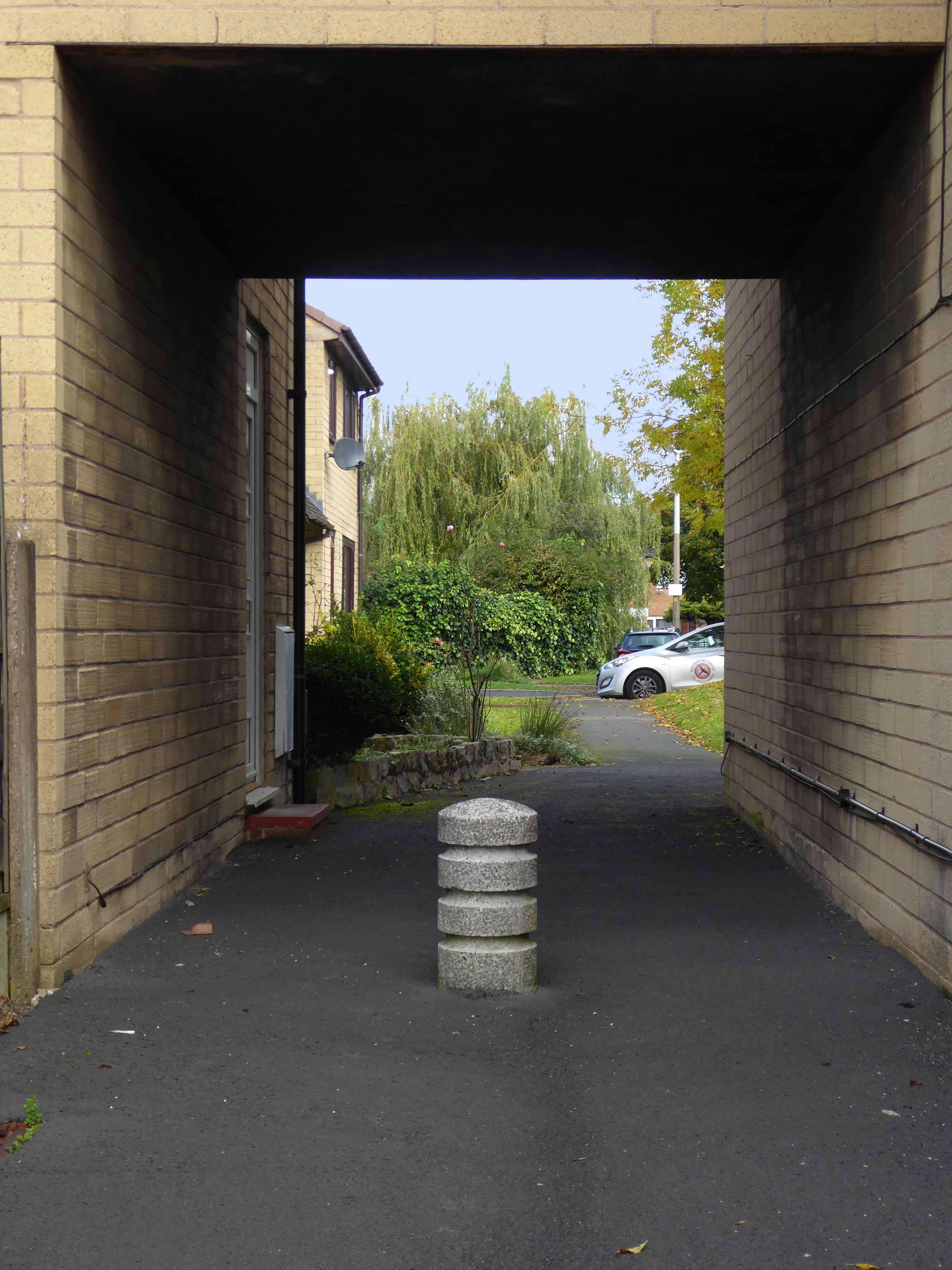
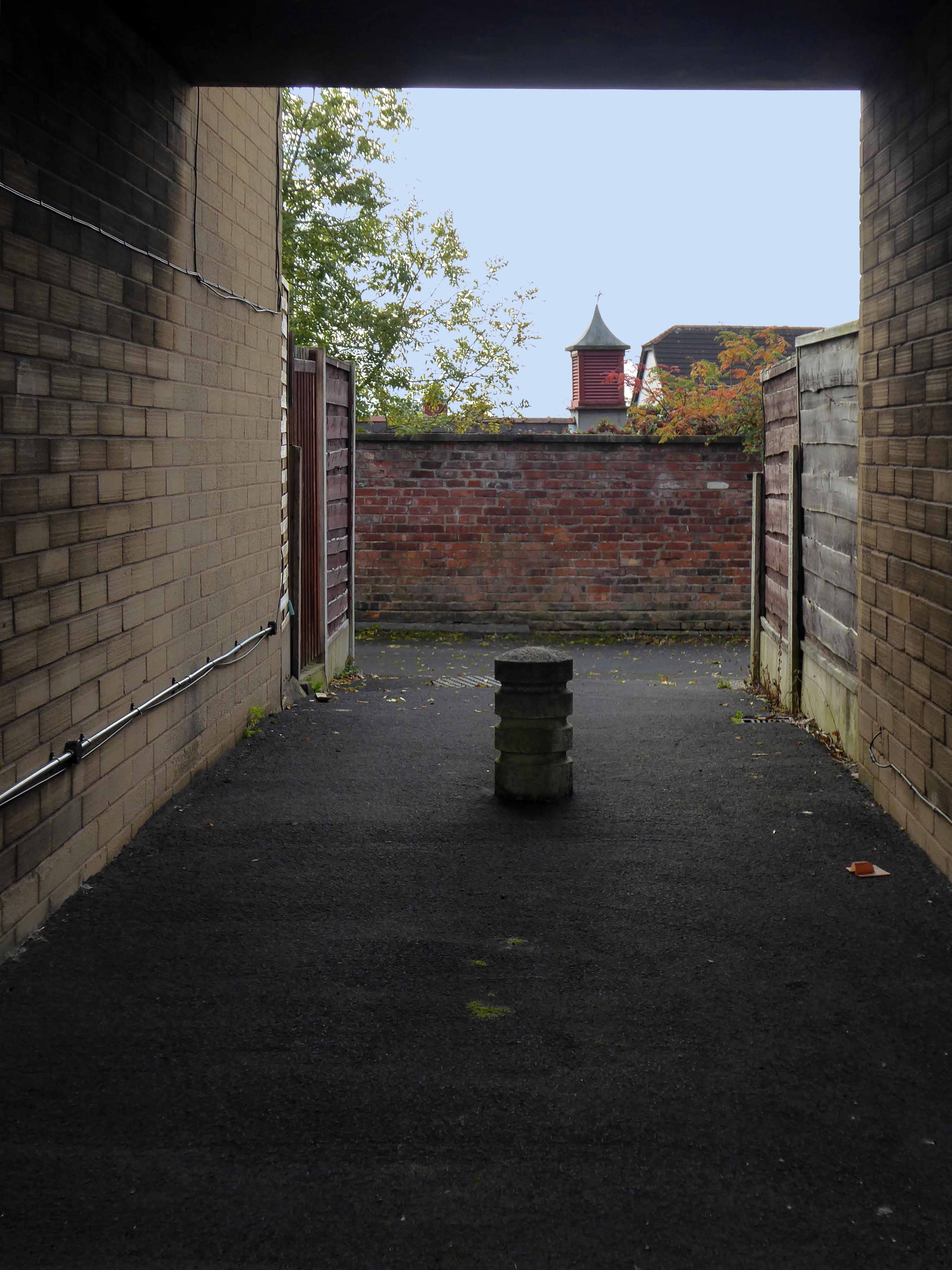
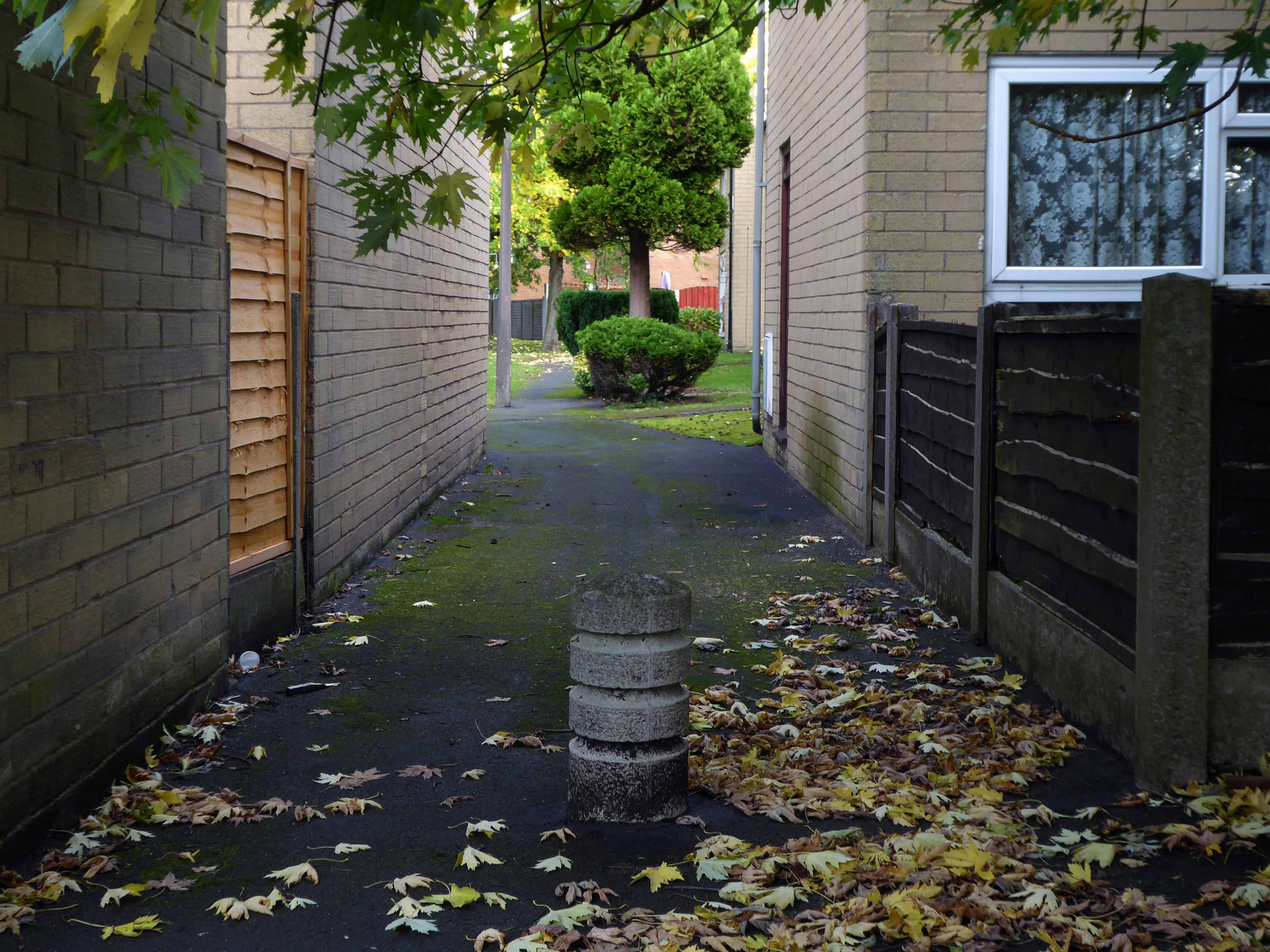
Bollards

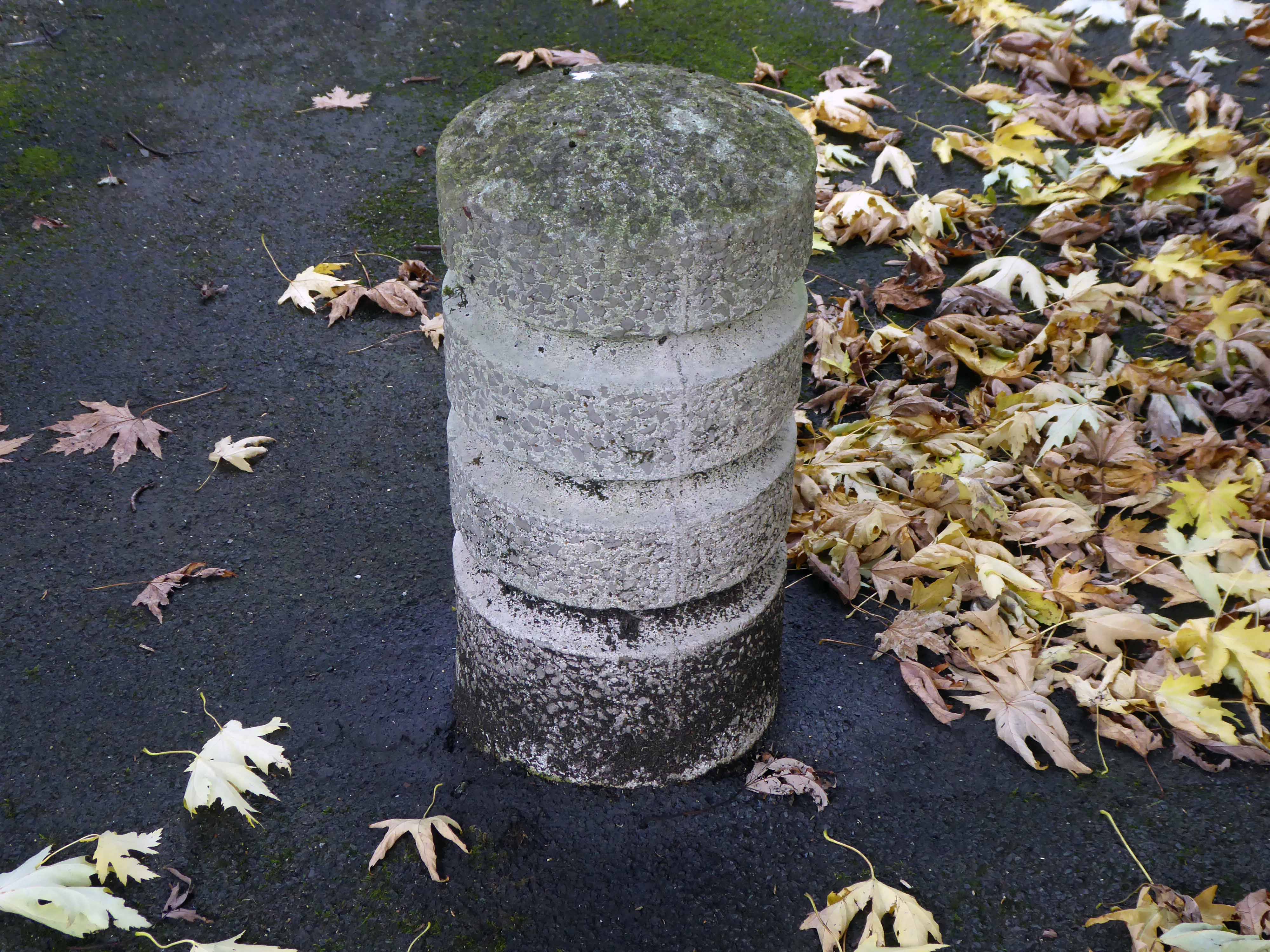
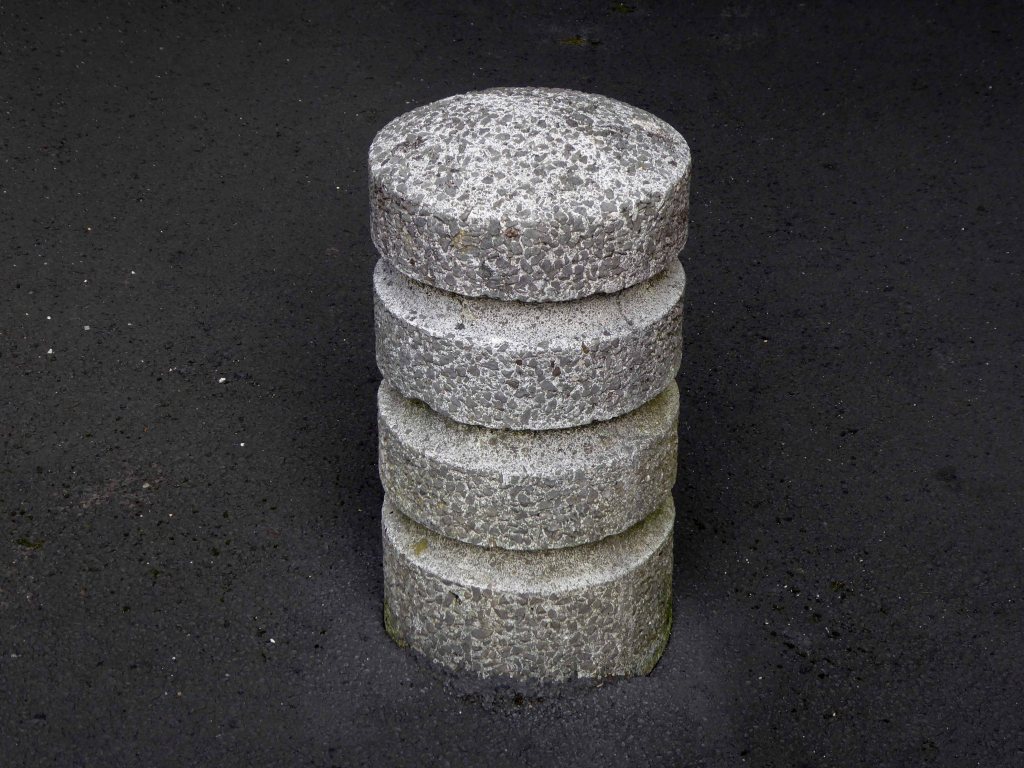
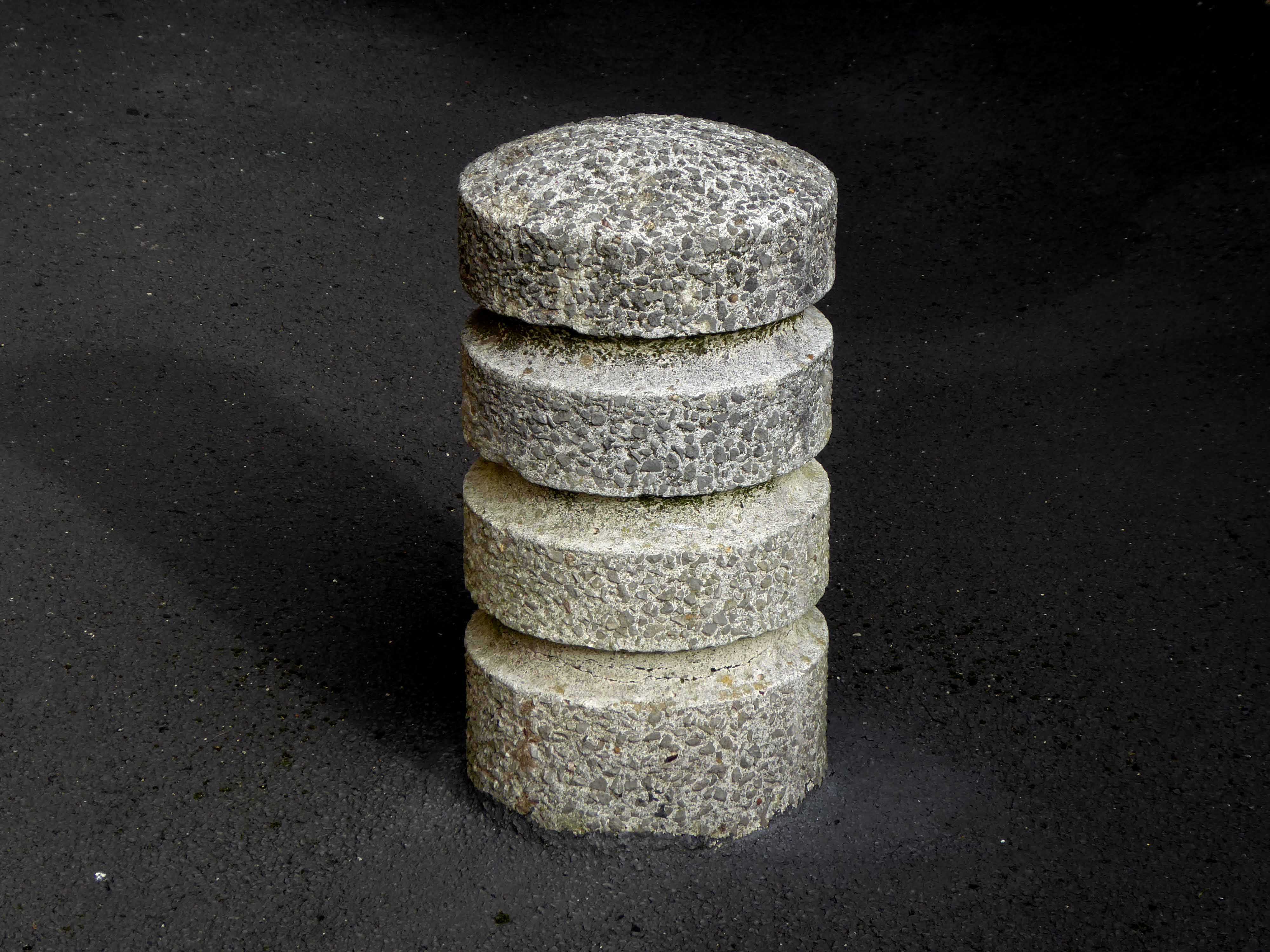
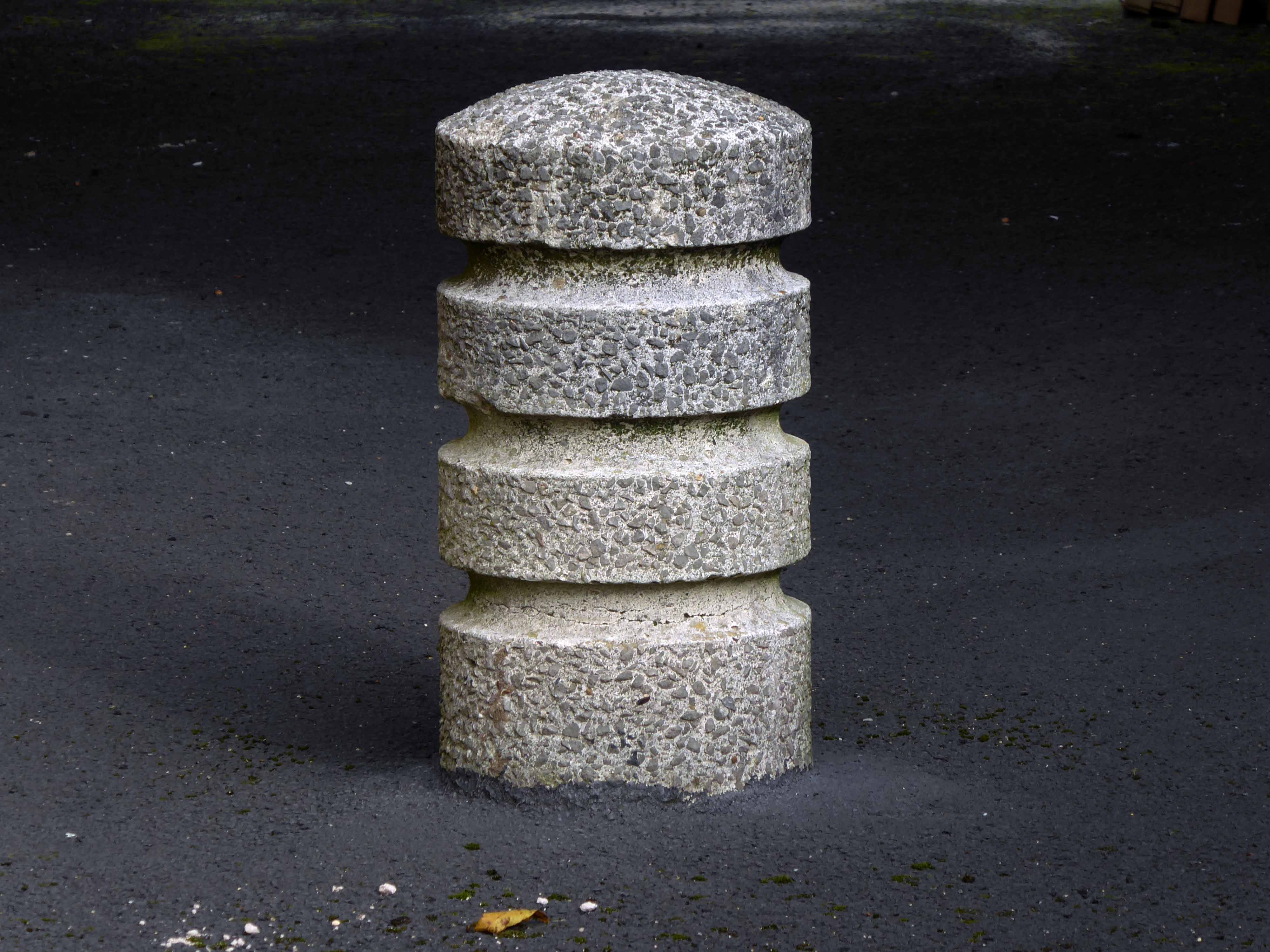
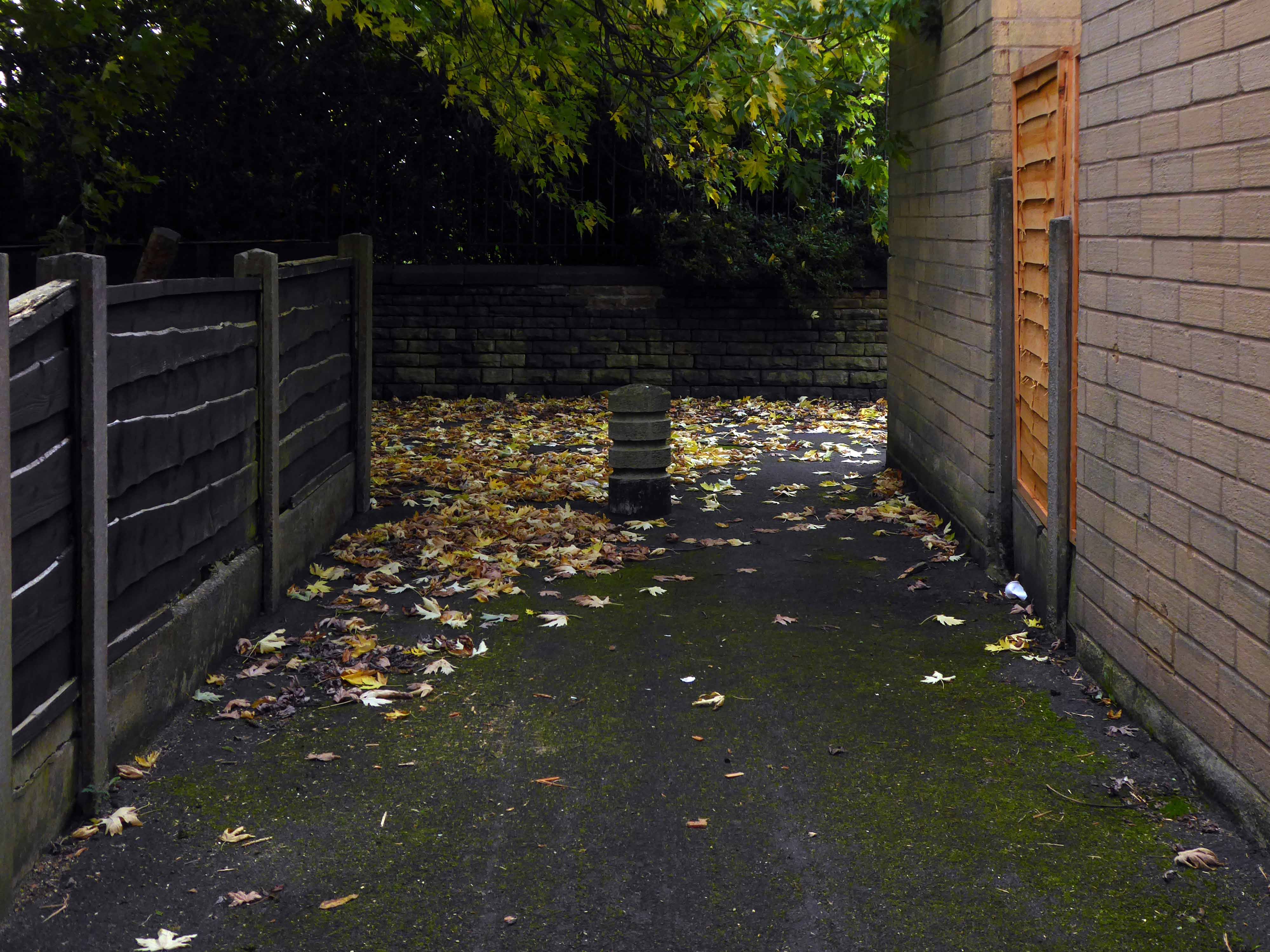
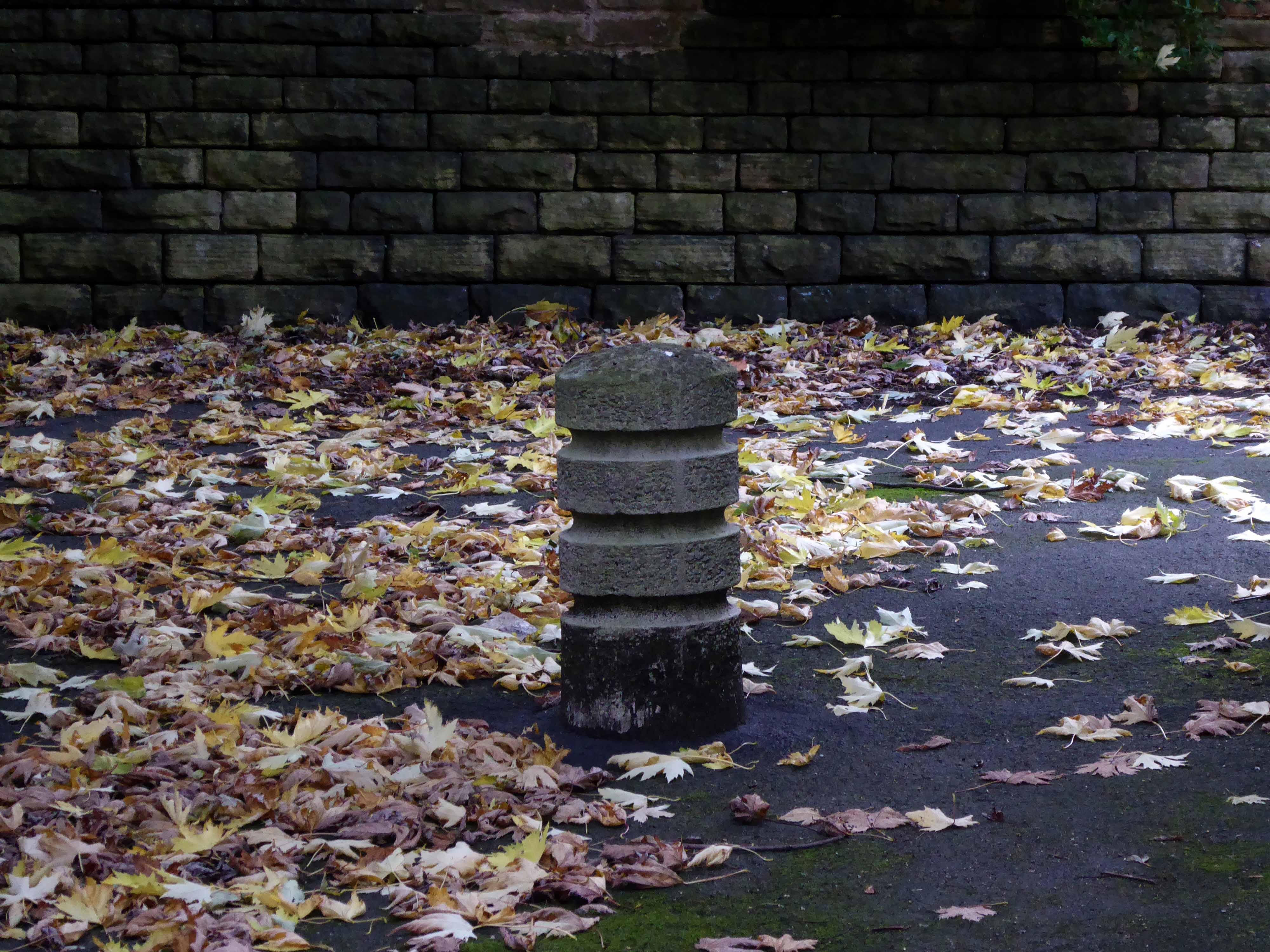
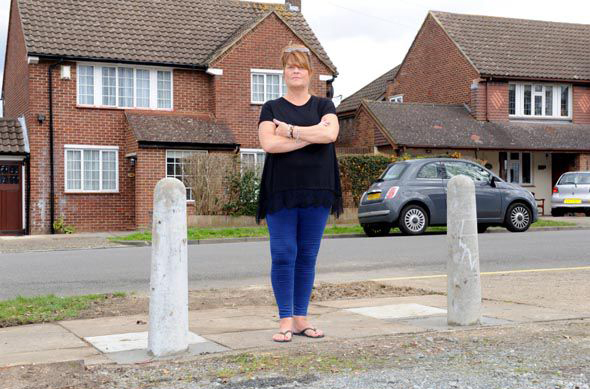
As I was out walking on the corner one day, I spied an old bollard in the alley he lay.

To paraphrase popular protest troubadour Bob Dylan.

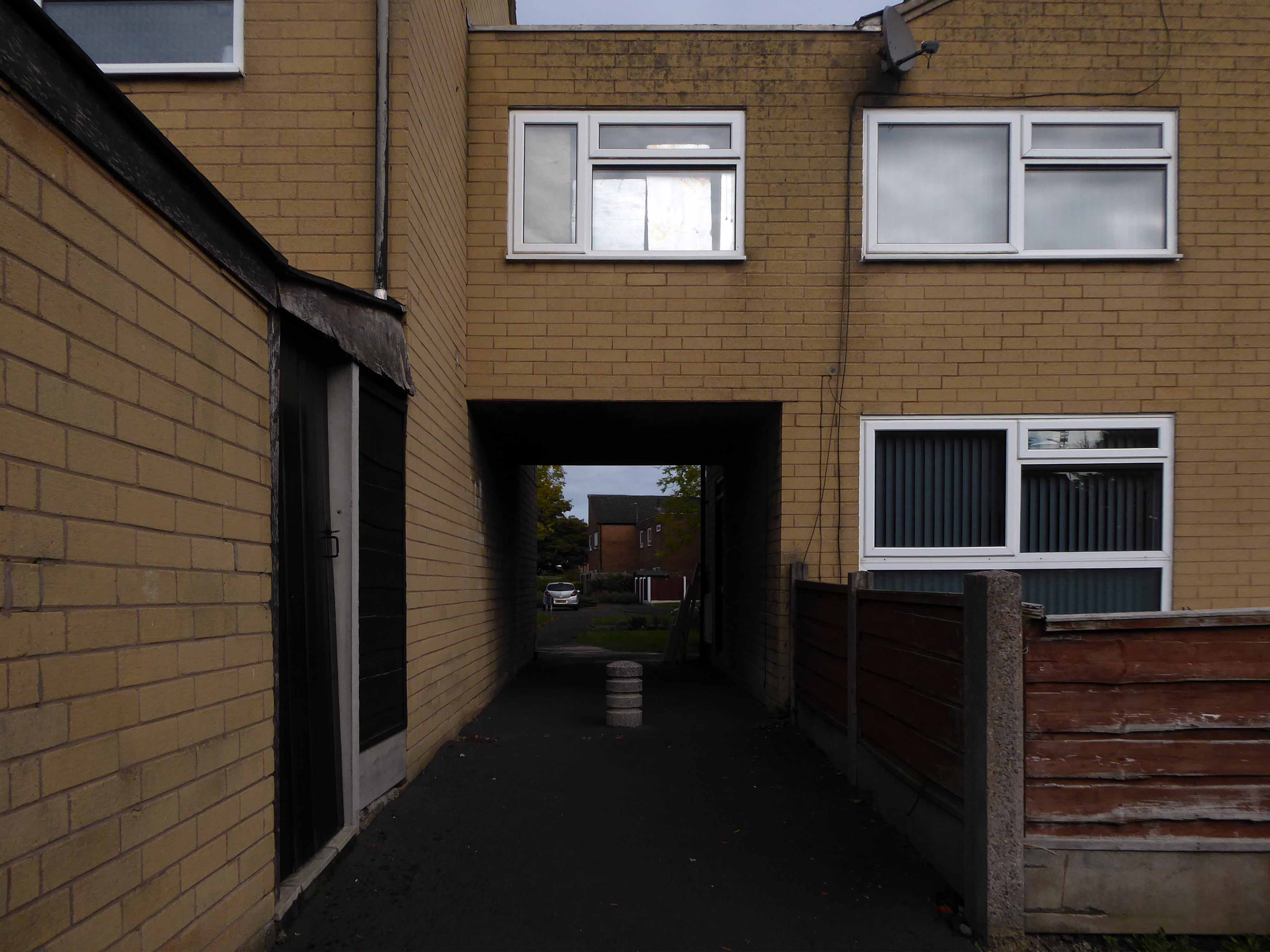
I was struck by the elegant symmetry and rough patinated grey aggregate.

To look up on the world from a hole in the ground,
To wait for your future like a horse that’s gone lame,
To lie in the gutter and die with no name?

I mused briefly on the very word bollards, suitable perhaps for a provincial wine bar, Regency period drama, or family run drapers – but mostly.

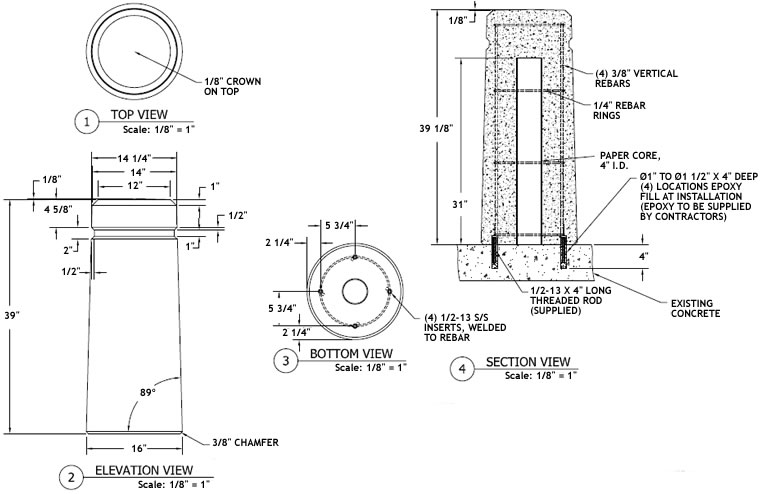
bollard is a sturdy, short, vertical post. The term originally referred to a post on a ship or quay used principally for mooring boats, but is now also used to refer to posts installed to control road traffic and posts designed to prevent ram-raiding and vehicle-ramming attacks.

The term is probably related to bole, meaning a tree trunk.

Wikipedia

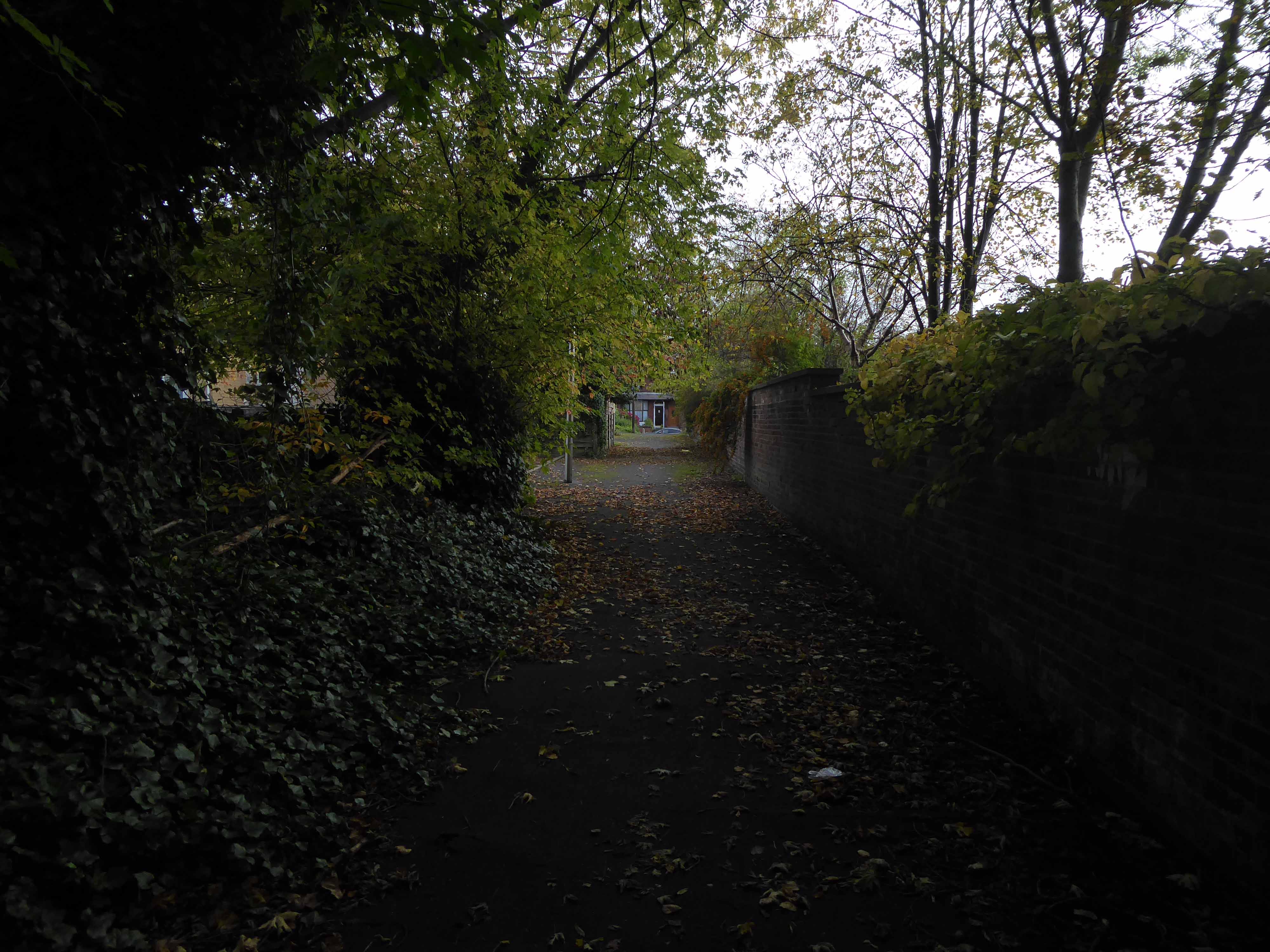
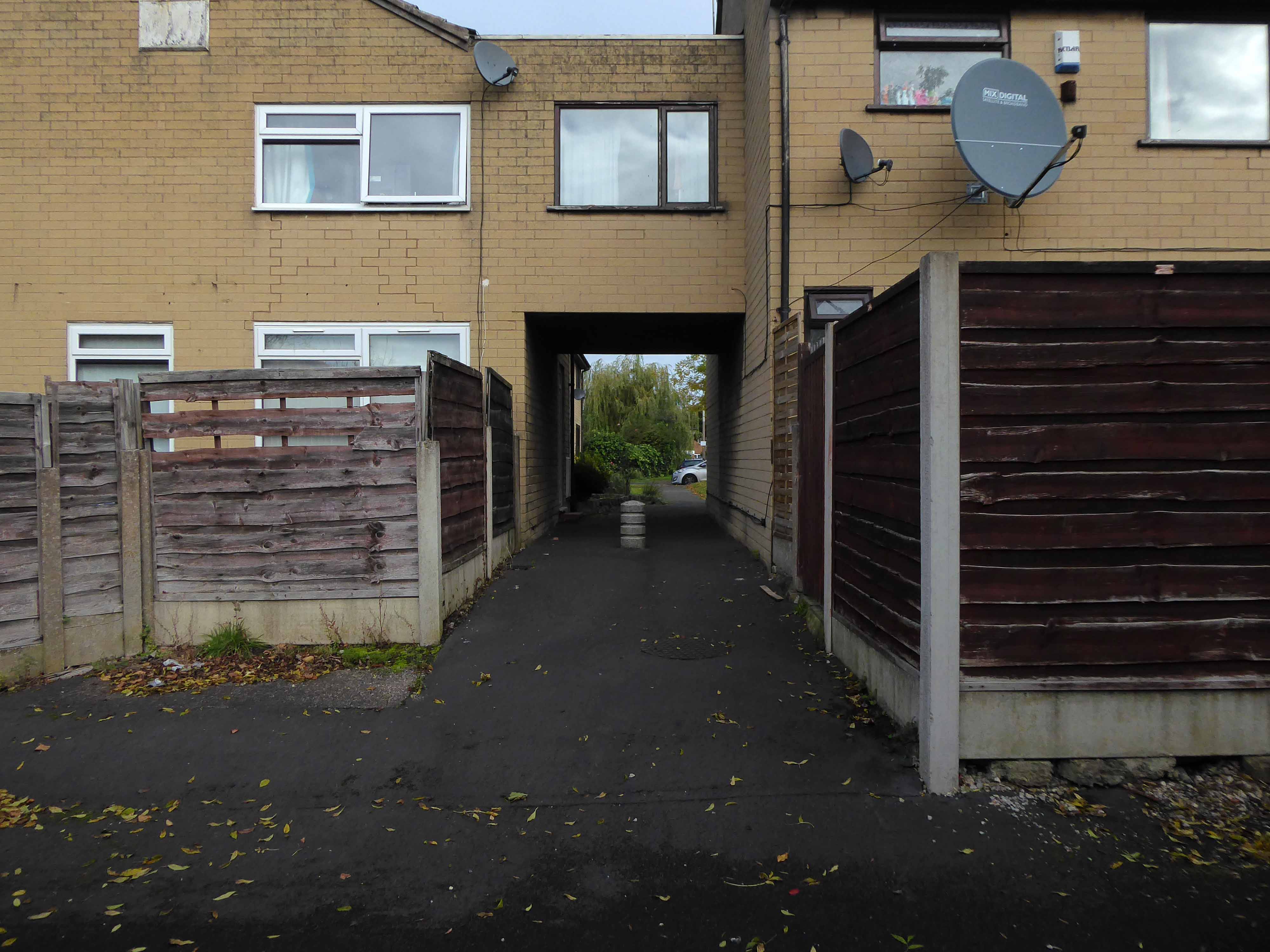
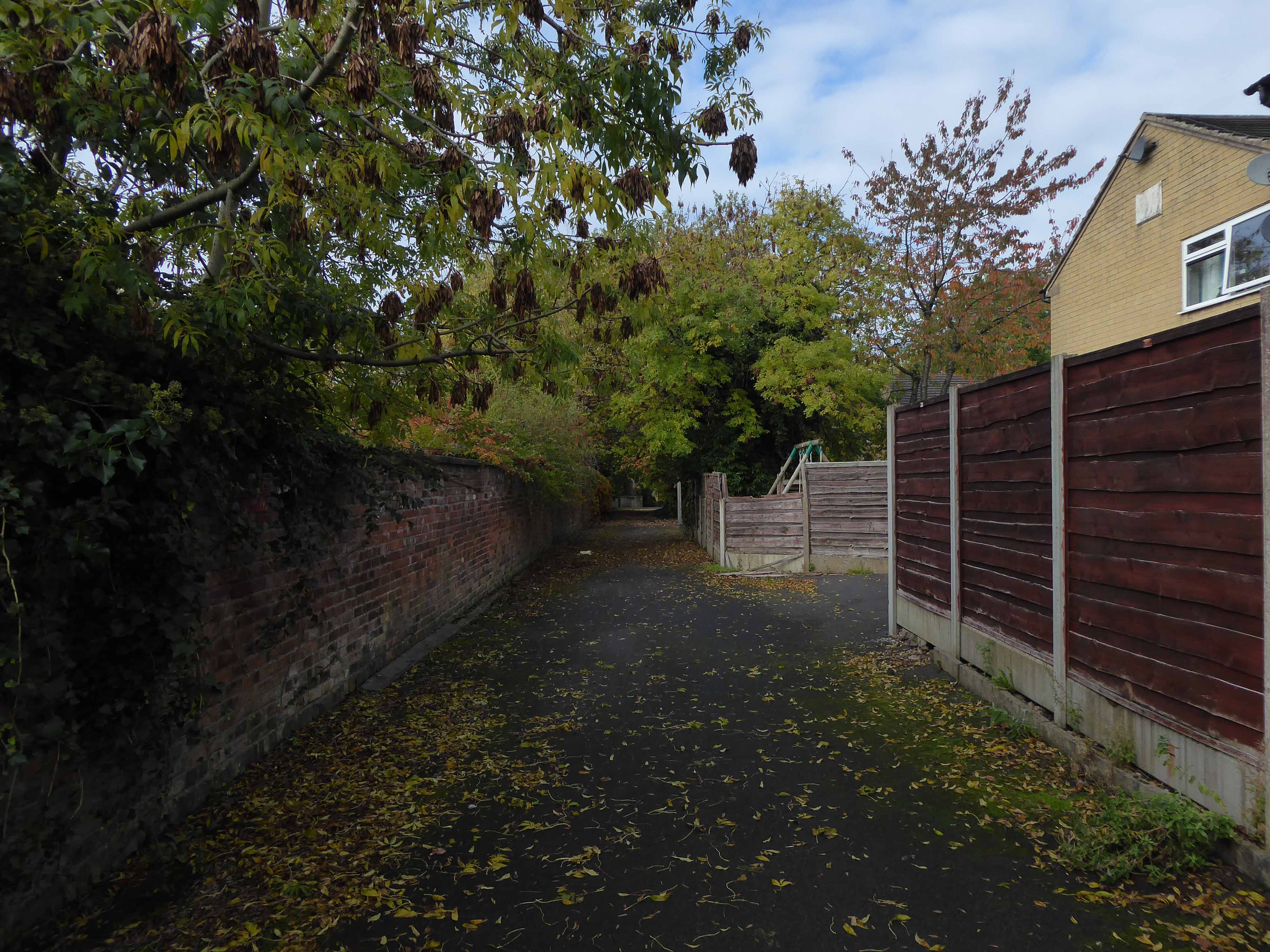
Having so mused I began to wander a tight little island of alleys and homes, discovering three of the little fellas, each linked by typology and common ancestry, steadfastly impeding the ingress of the motor car.

Yet also presenting themselves as mini works of utilitarian art – if that’s not a contradiction in terms.

Having returned home I began another short journey into the world of bollards, where do they come from?

Townscape Products

Hostile Vehicle Mitigation

Huge range • Fast delivery • Right on price

PAS 68 approved protection for your people and property combining security, natural materials and style.

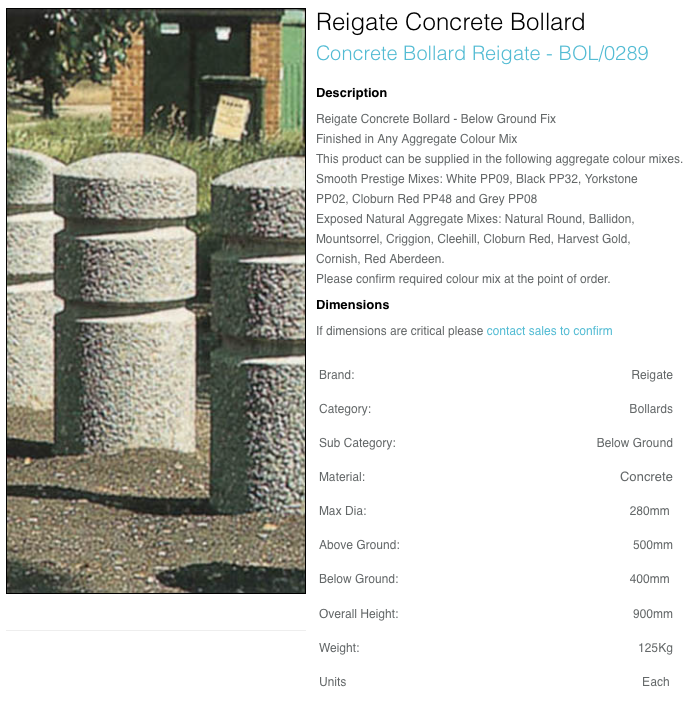
My new pals seem to be closely related to the Reigate.

Available in a mind boggling range of finishes.

Bollards can be our friends, an expression of personal freedom and security.

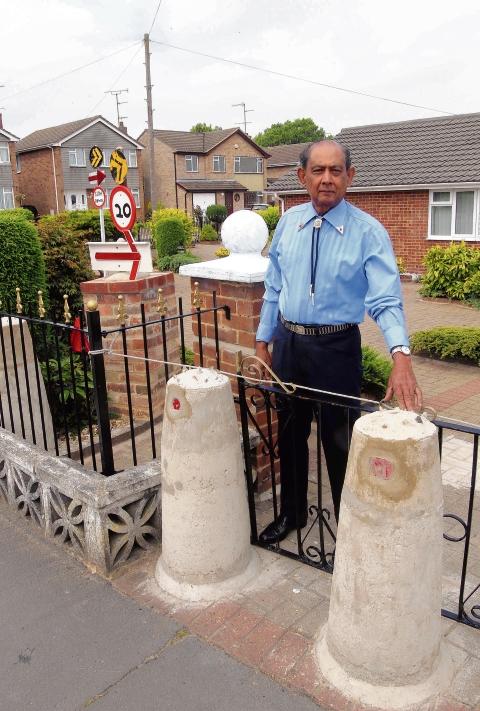
A pensioner says he will go to court if necessary after putting up concrete bollards in a last-ditch attempt to protect his home.

Owen Allan, 74, of Beaufort Gardens, Braintree, claims motorists treat the housing estate like a race track, driving well in excess of the 20mph speed limit, and that the railings in front of his home have regularly been damaged by vehicles leaving the road.

He was worried it would only be a matter of time before a car came careering off Marlborough Road and flying through the wall of his bungalow.

Braintree and Witham Times

Though on occasion may be perceived as an enemy of personal liberty, precipitating a head on collision with the local authority.

A furious family have been stopped from parking on their own driveway after bullyboy council officials installed concrete bollards outside their home.

We’re stuck between the devil and the deep blue sea here what the with yellow lines and the bollards.

Daily Express

I have cause to thank the humble concrete bollard, having suffered an assault on our front wall from a passing pantechnicon, I subsequently petitioned the council, requiring them to erect a substantial bollard barrier.

Which was subsequently hit by a passing pantechnicon.

They are our modernist friends, little gems of public art and should treated with due respect – think on.

You hostile vehicles.

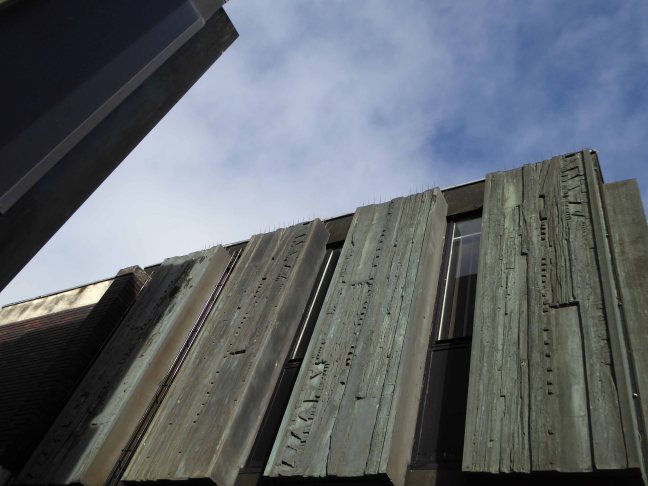
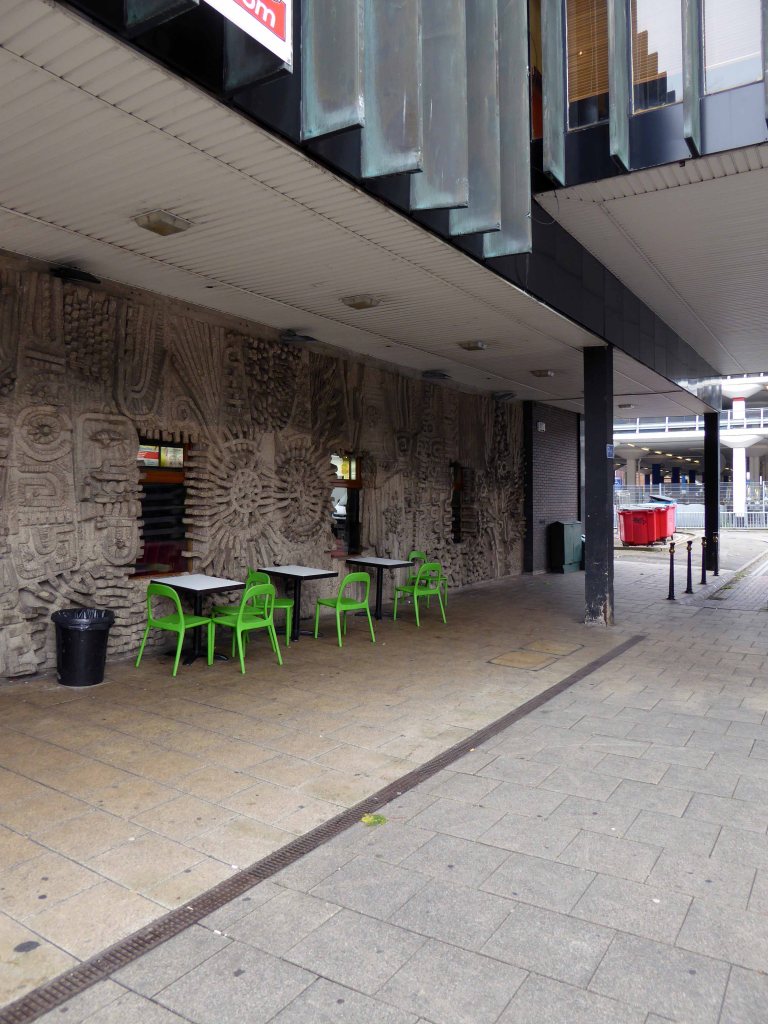
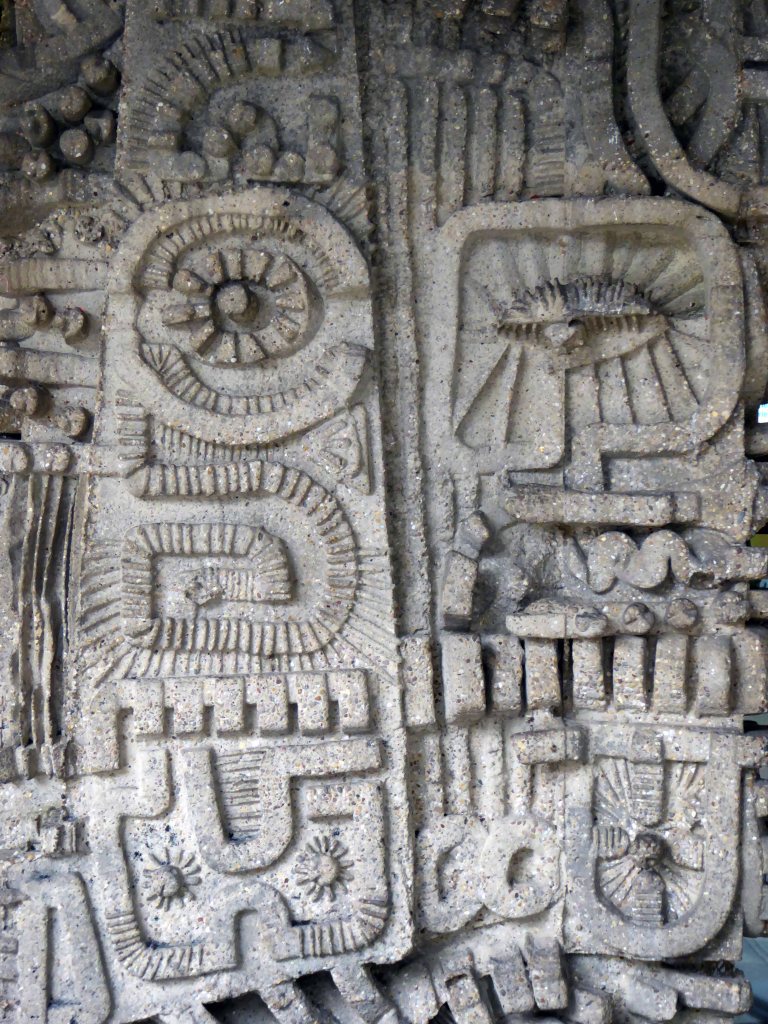
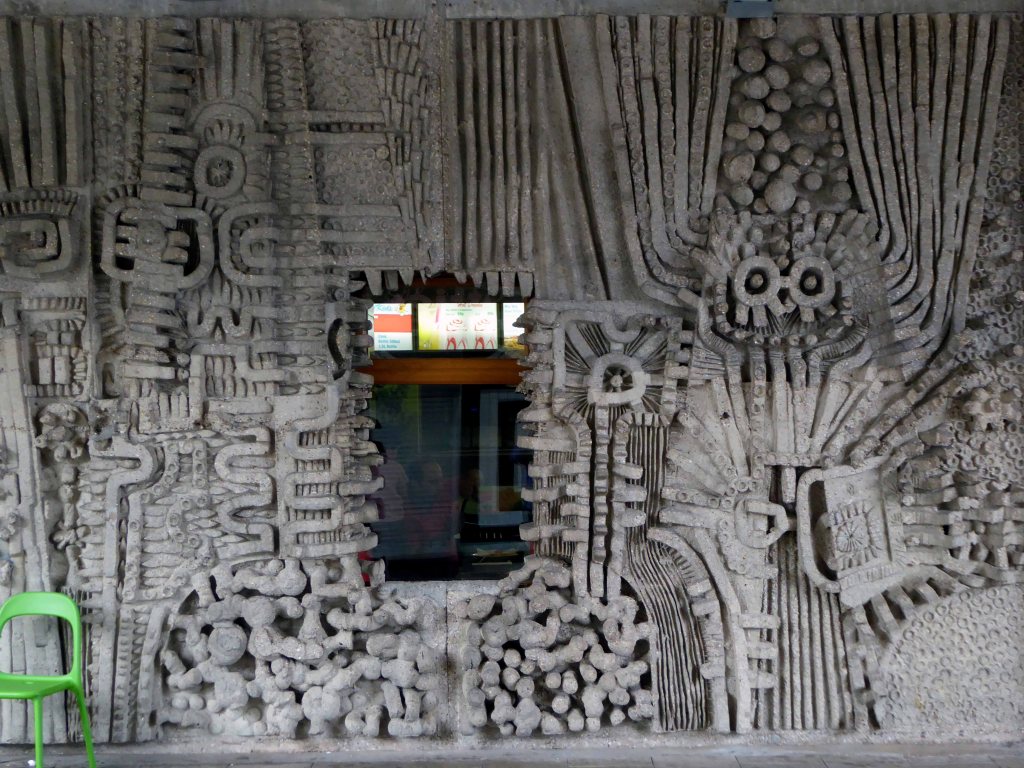
William Mitchell – Bradford

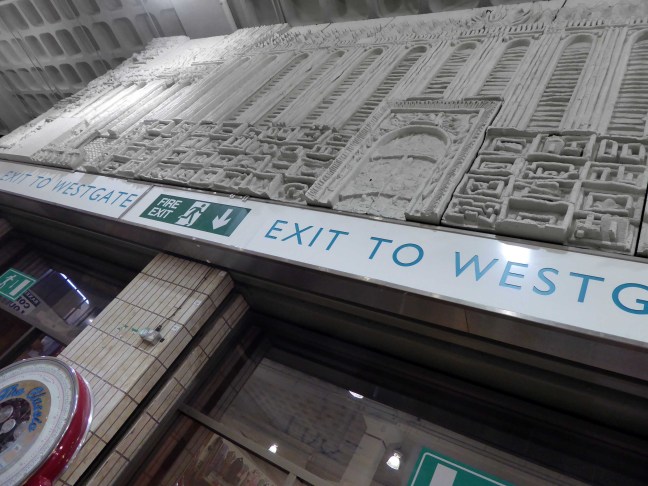
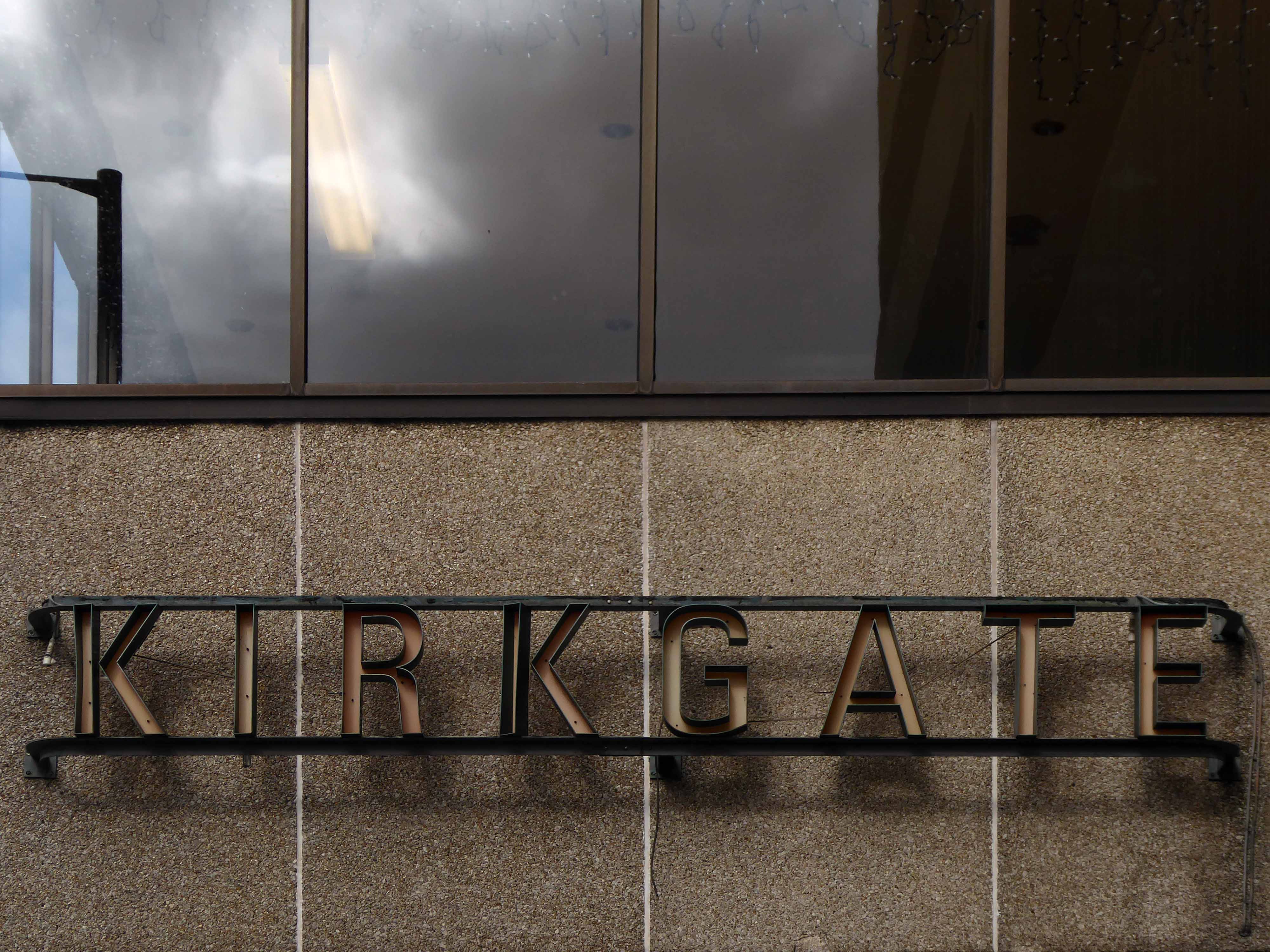
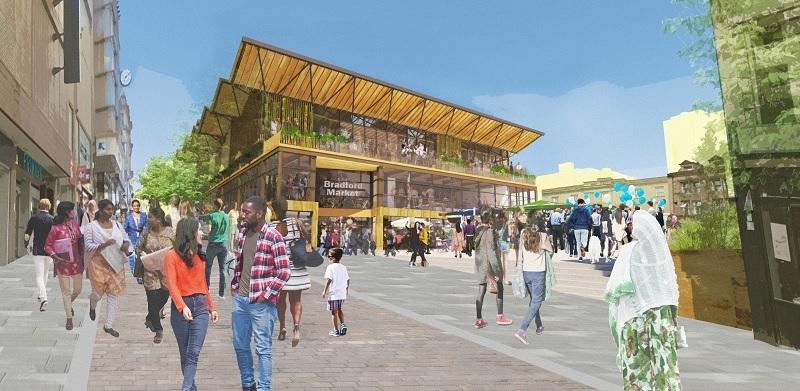
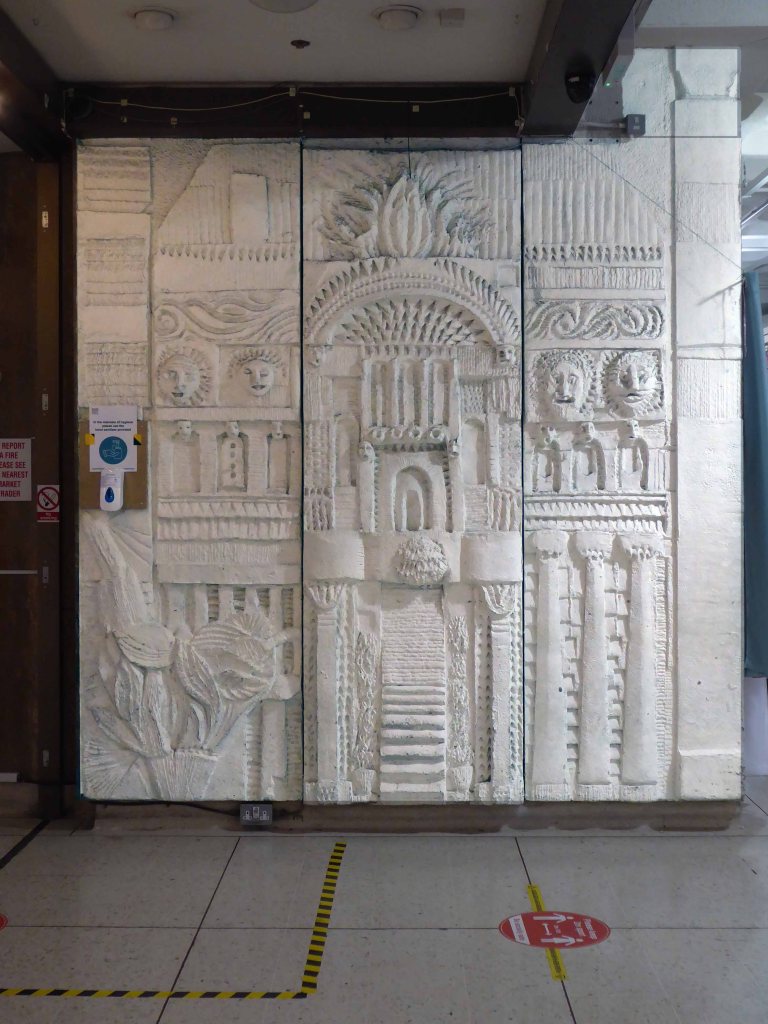
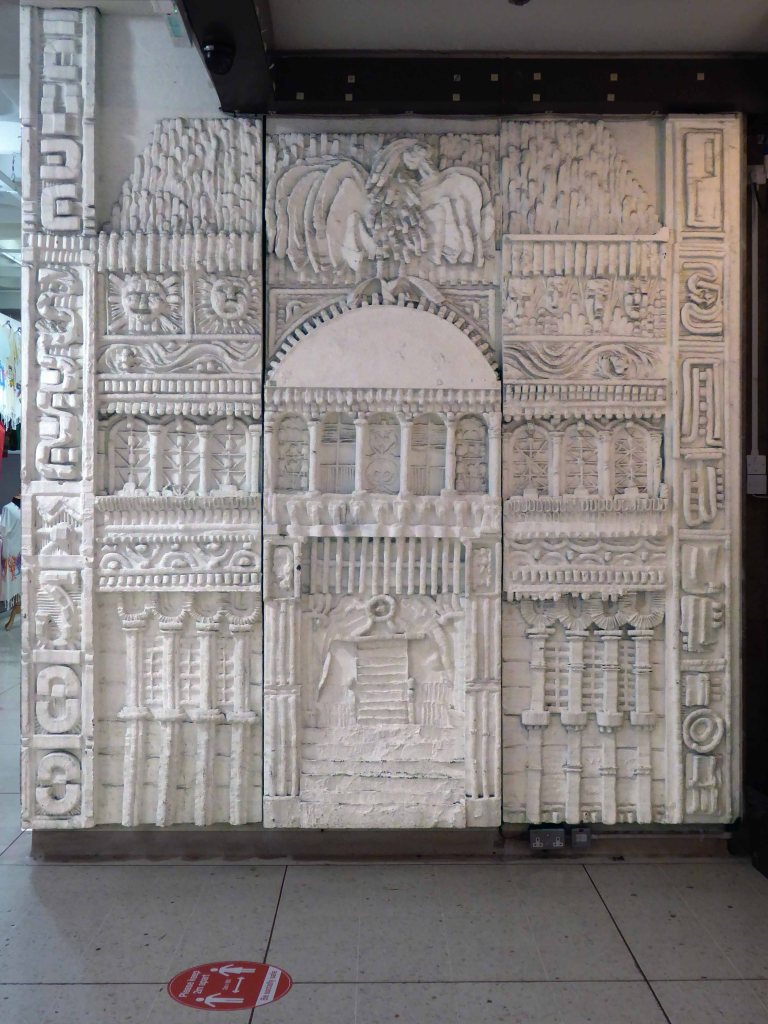
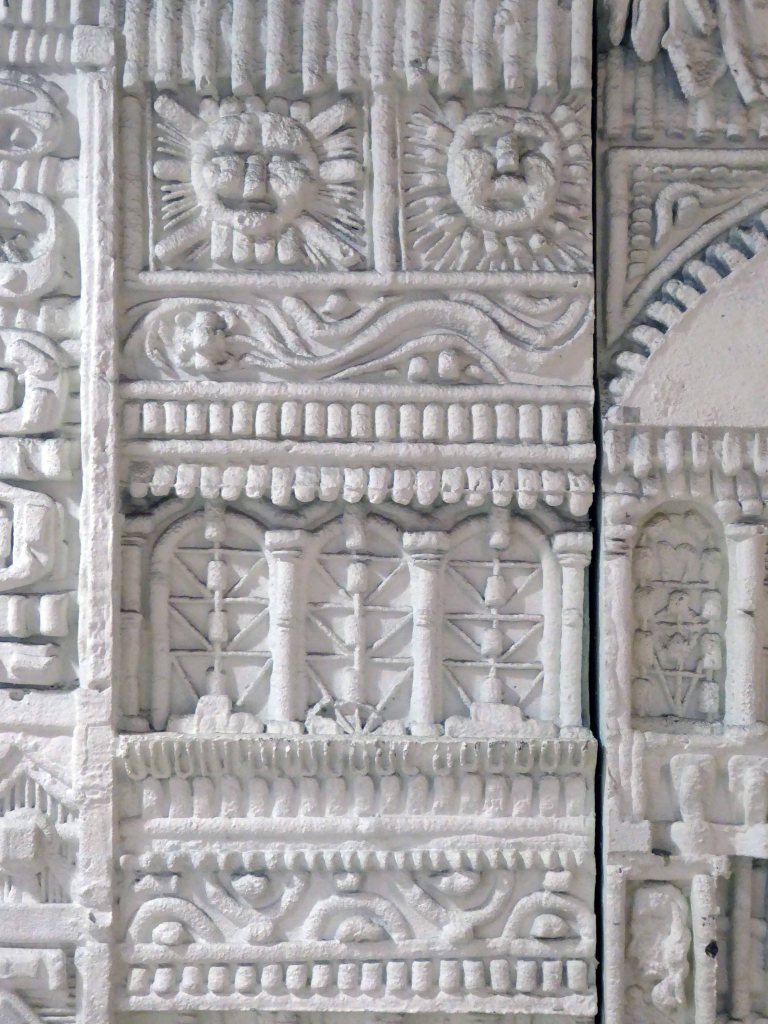
This is one of many visits to the Kirkgate Market in Bradford, in order to take a look at the William Mitchell murals.

Positioned above the entrance/exit and either side of the exit/entrance.

They have had over time various companions to keep them company.

They are currently friendless – the Kirkgate Market is to be closed, its future uncertain – and by inference Big Bill’s public art is under threat too.

The Council has announced to its traders in Kirkgate Market and the Oastler Centre that it will not be carrying out the proposed refurbishment of Kirkgate Market as the new market in Darley Street will now accommodate non-food sales on one trading floor with the other trading floor being dedicated to fresh foods and the 1st floor for hot food and beverage sales.

The Telegraph and Argus

We don’t want to eliminate existing customers, or the low income customers who use the existing markets.

Mr Wolstenholme

Do they however wish to eliminate the murals?

As per they are unlisted, largely unnoticed and as such very vulnerable, get it while you can, take a trip to Bradford real soon.

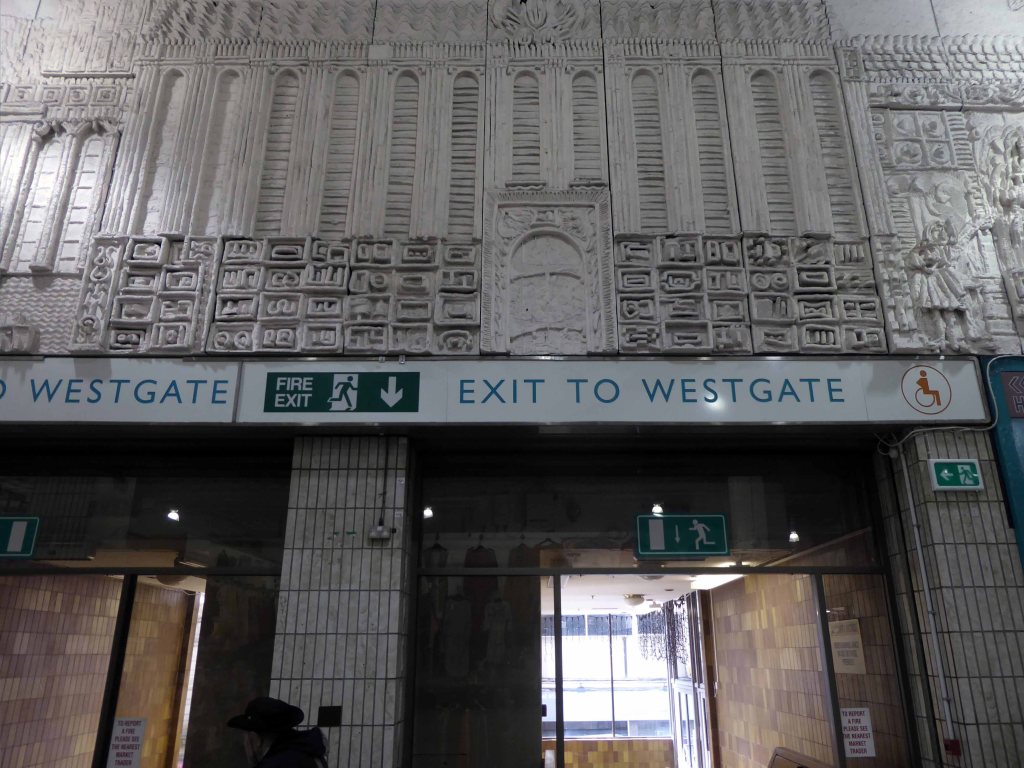
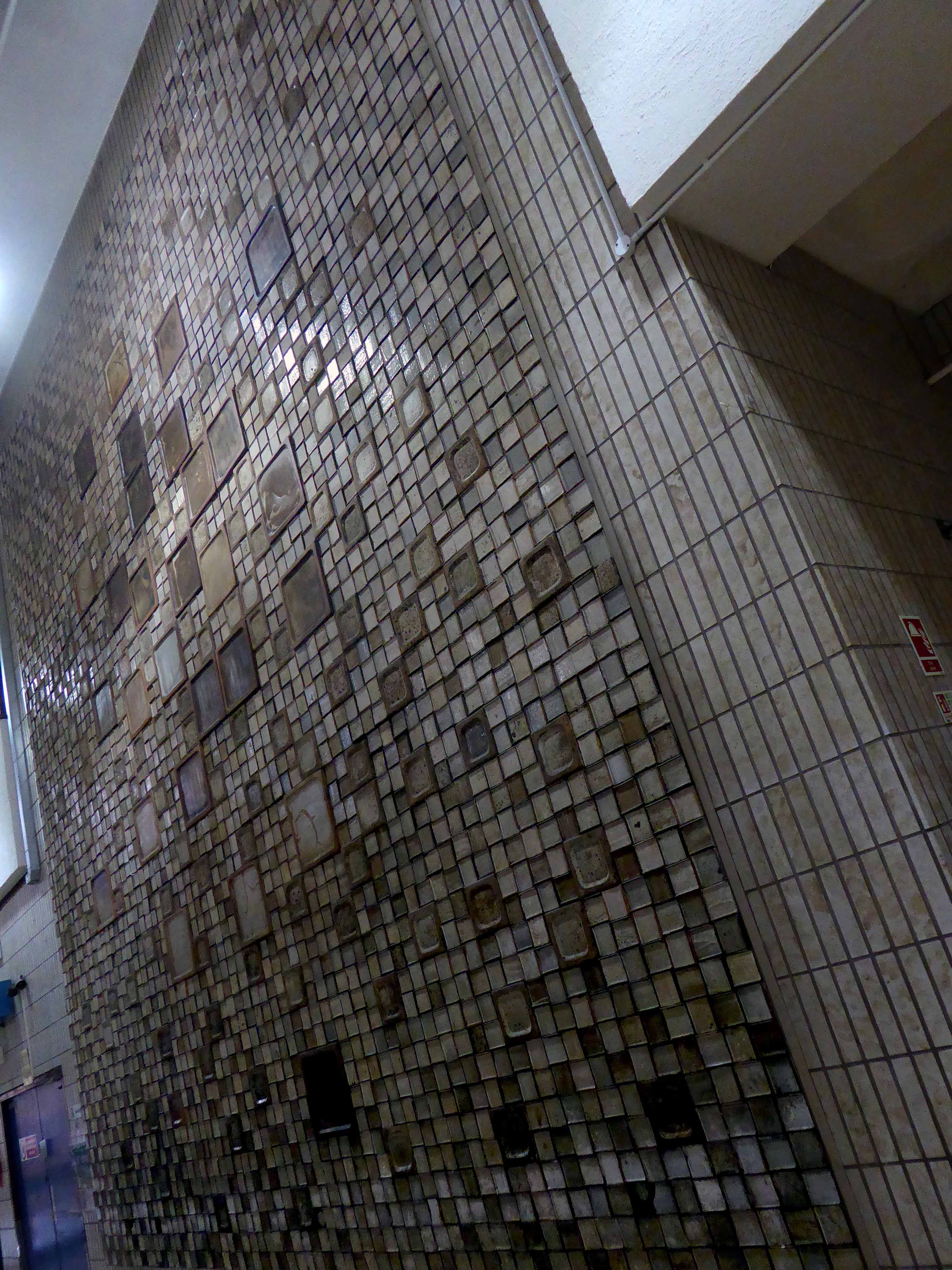
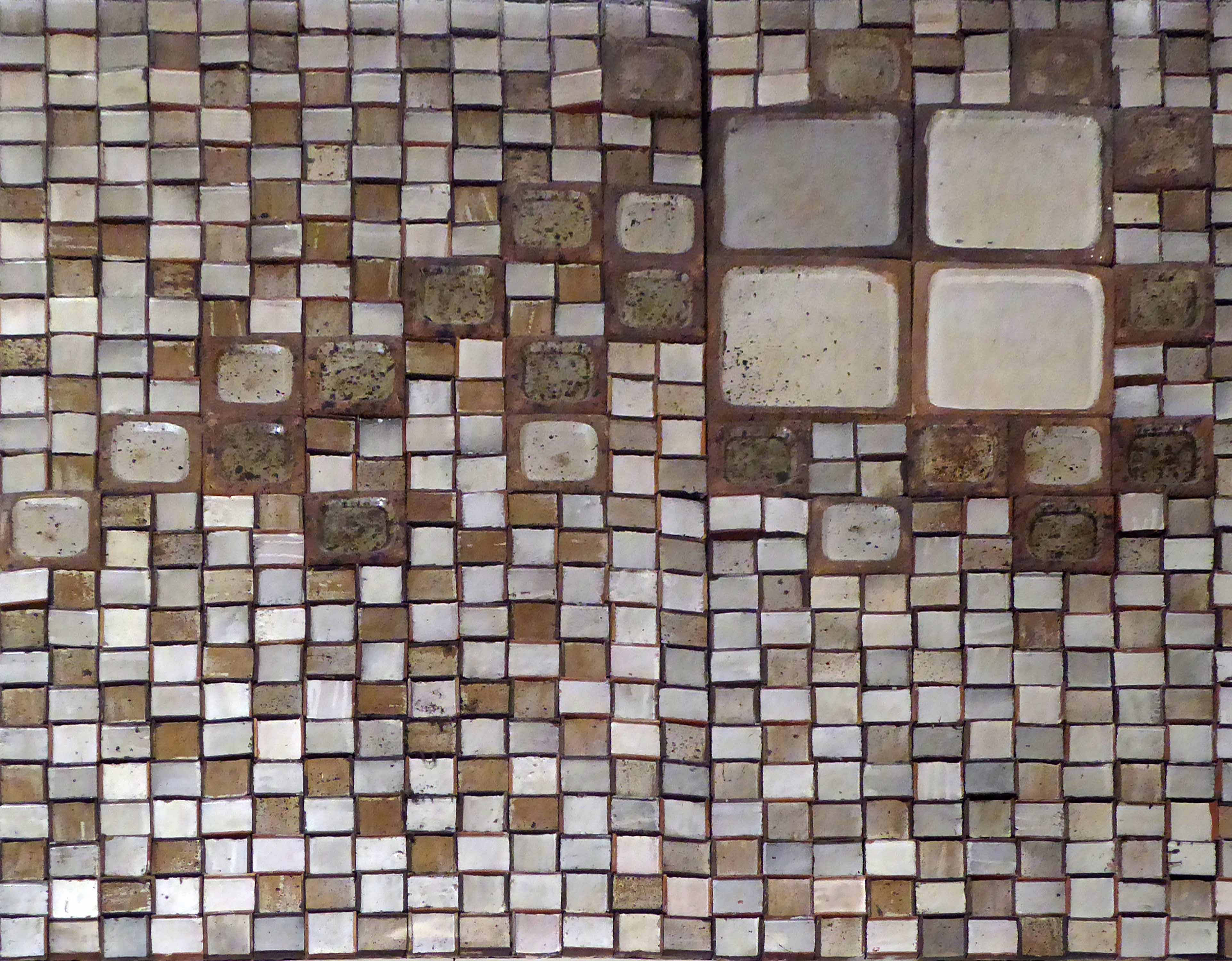
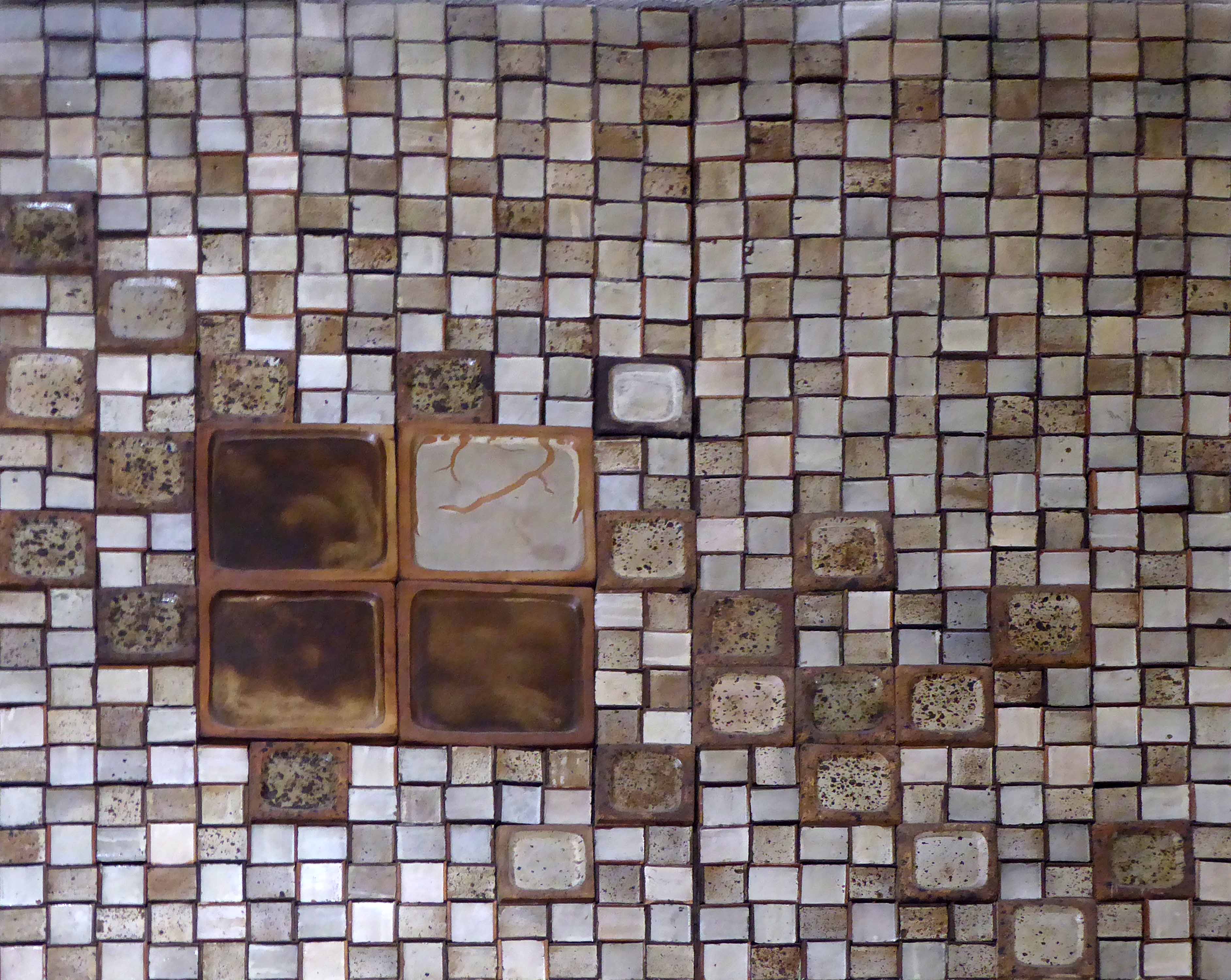
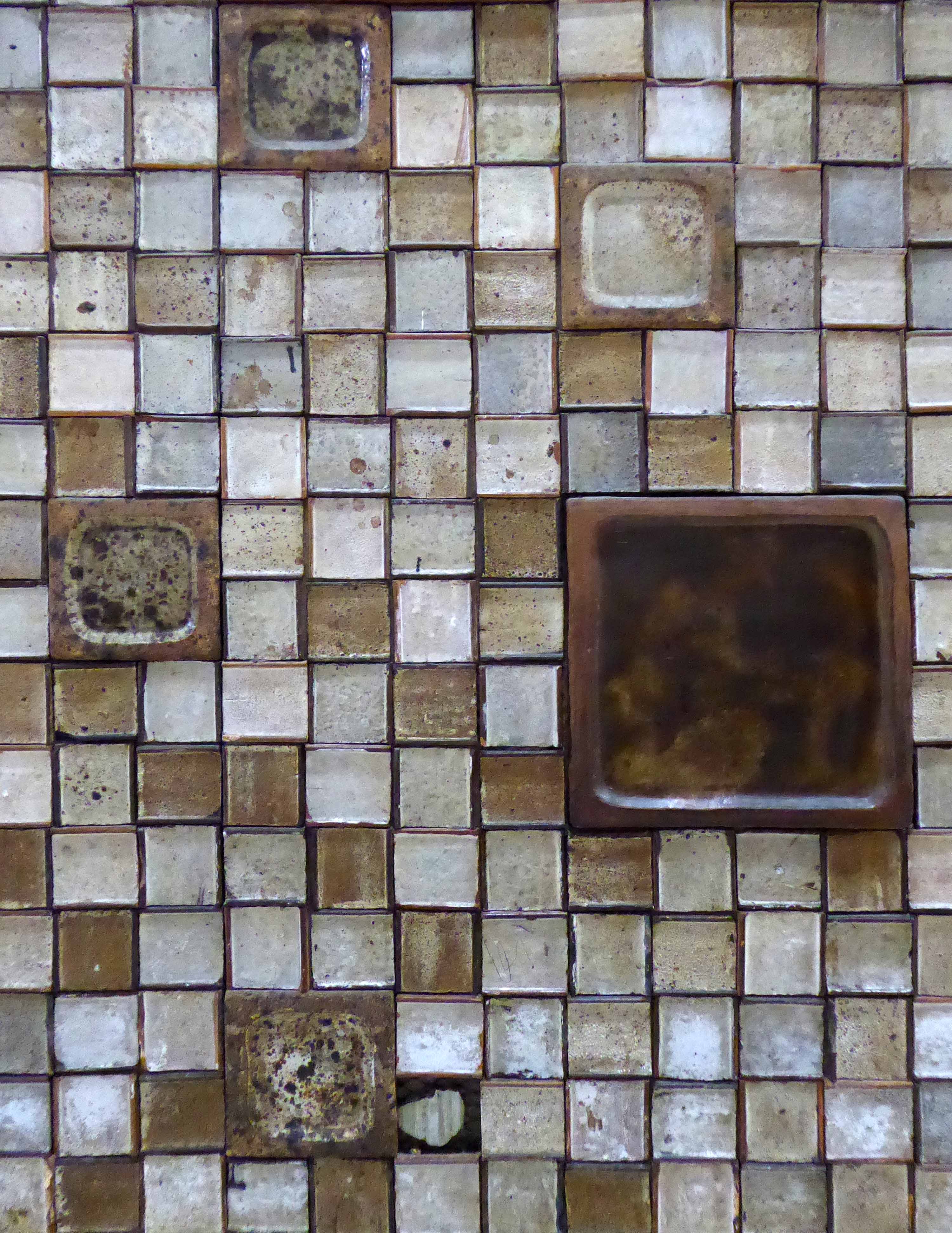
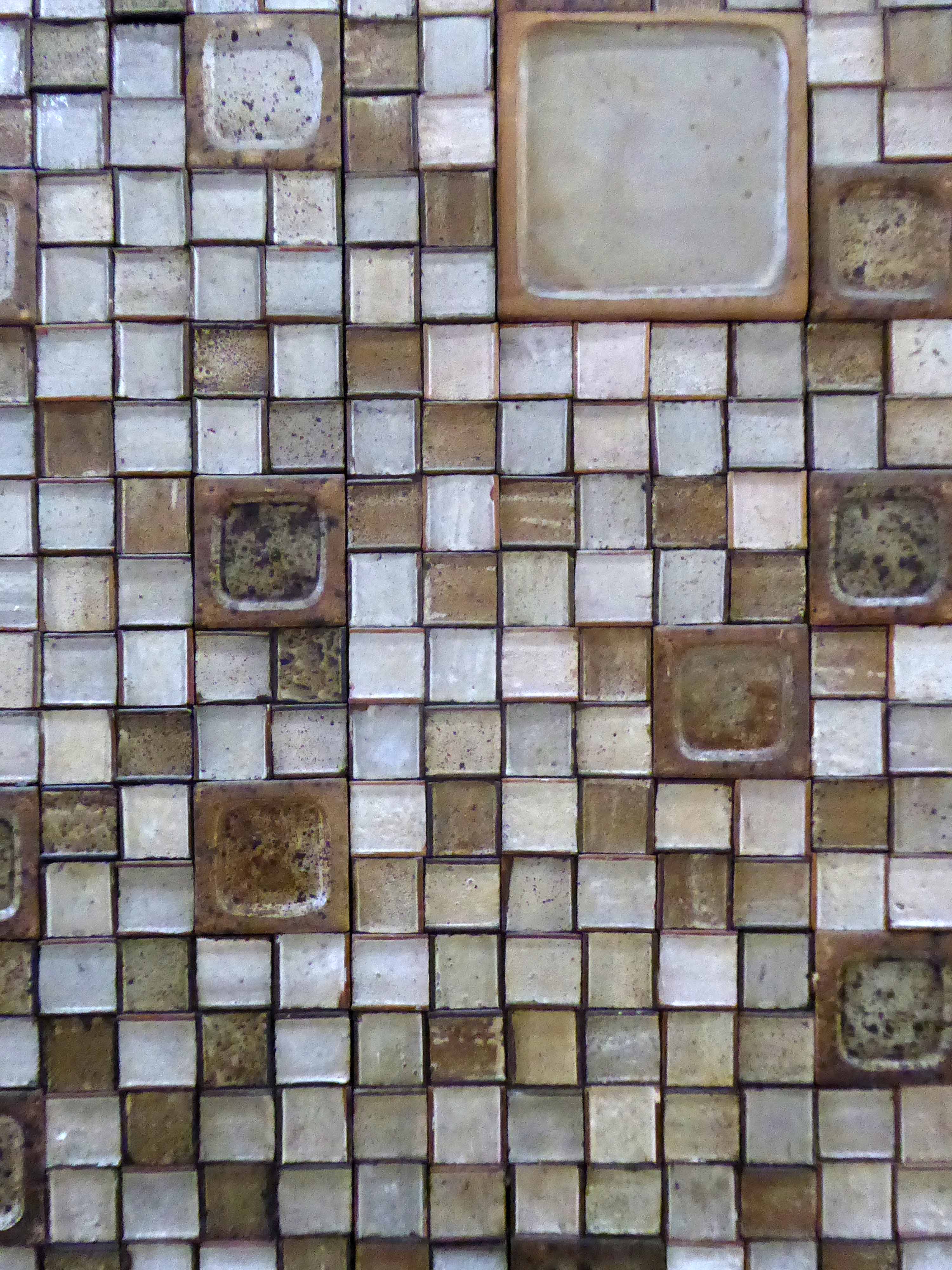
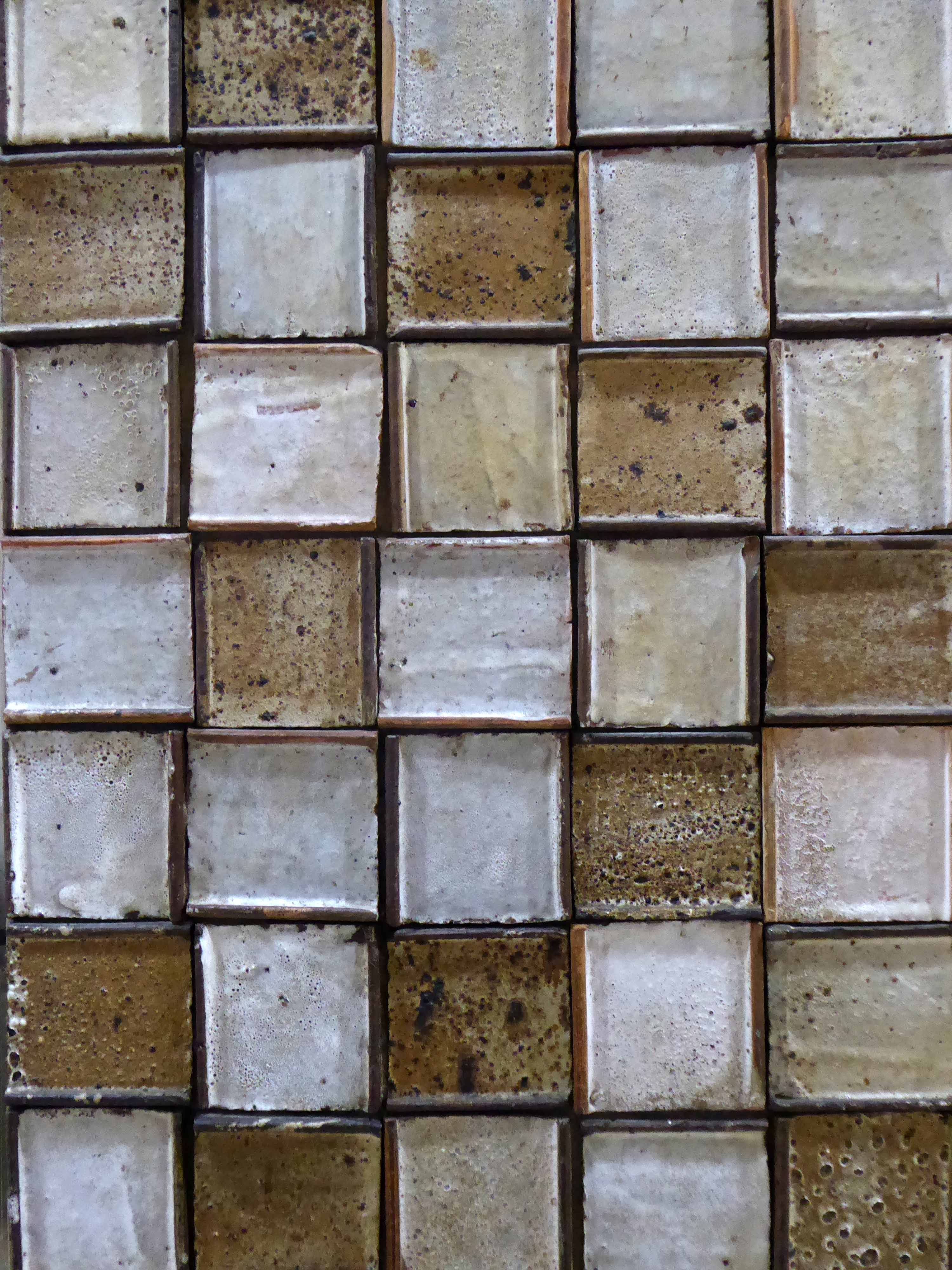
Mention must also be made of the tiled ceramic mosaics which adorn one wall and the three panels on the raised area above the stalls.

Authorship unknown.

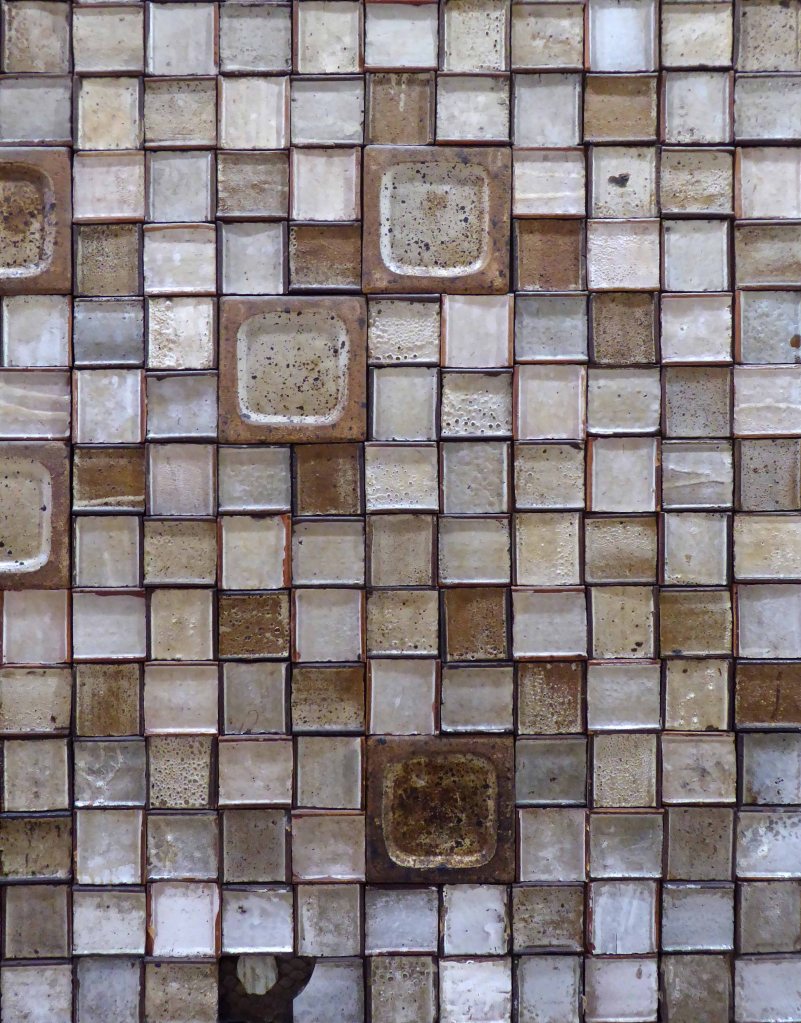
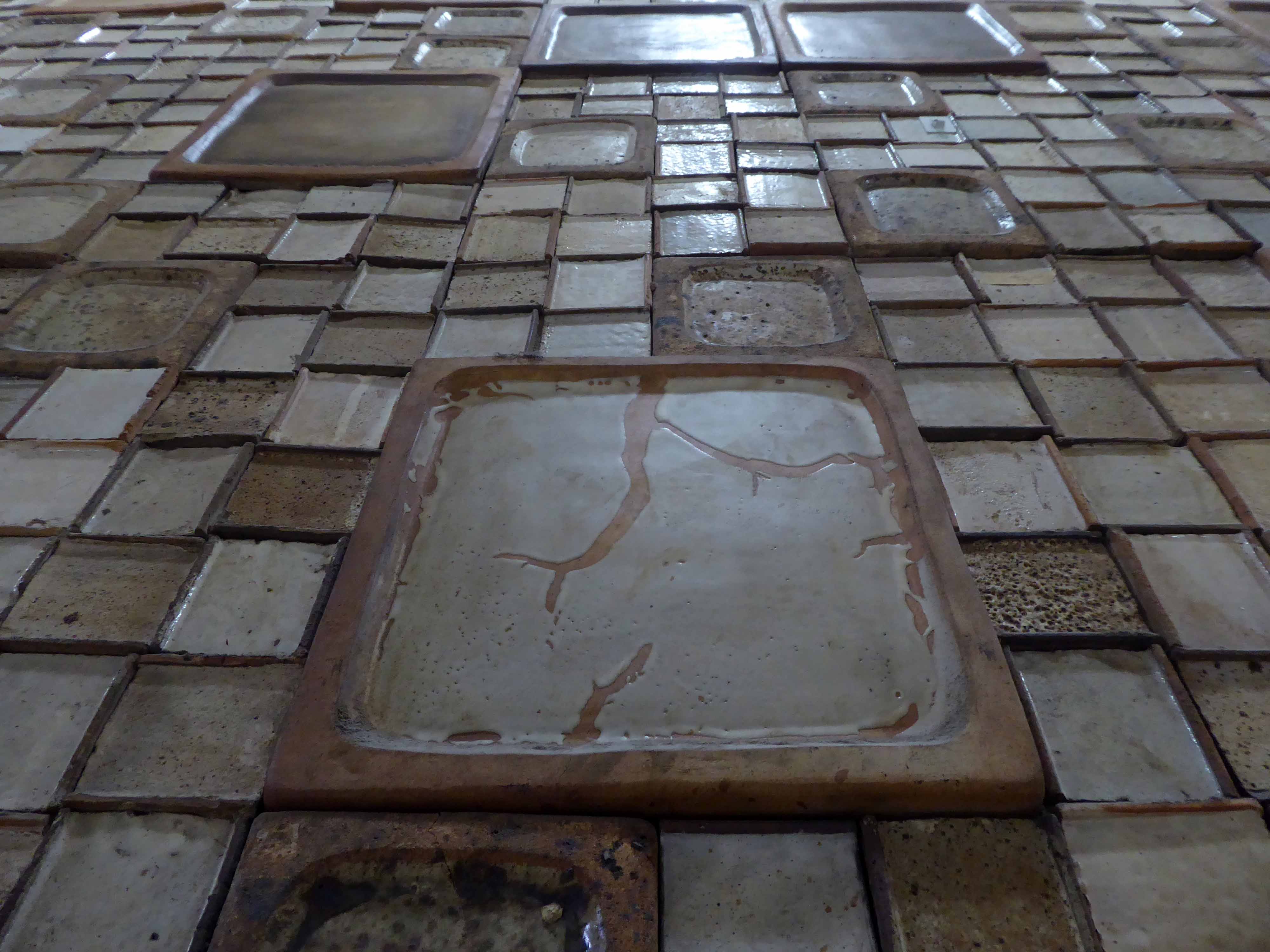
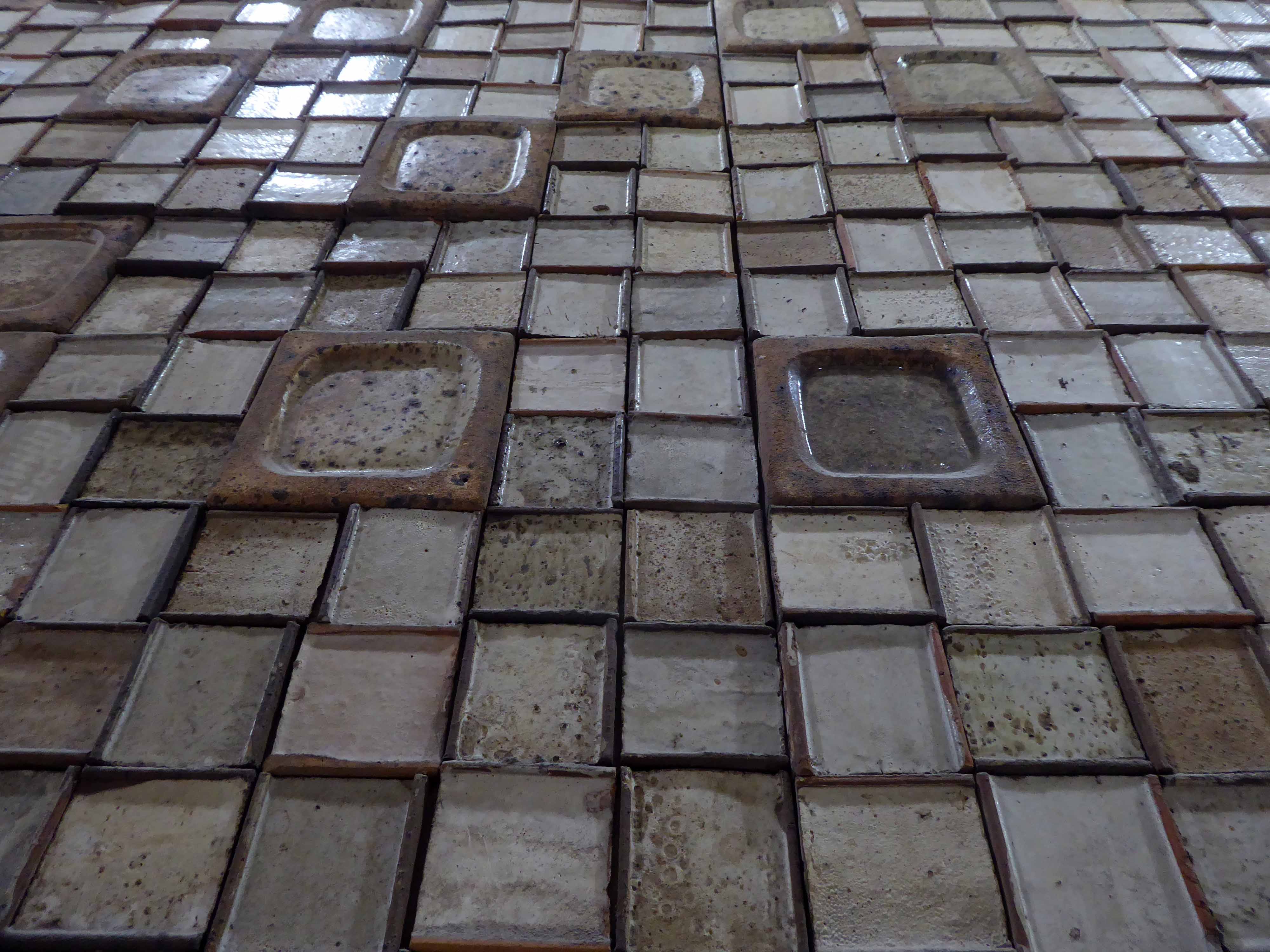
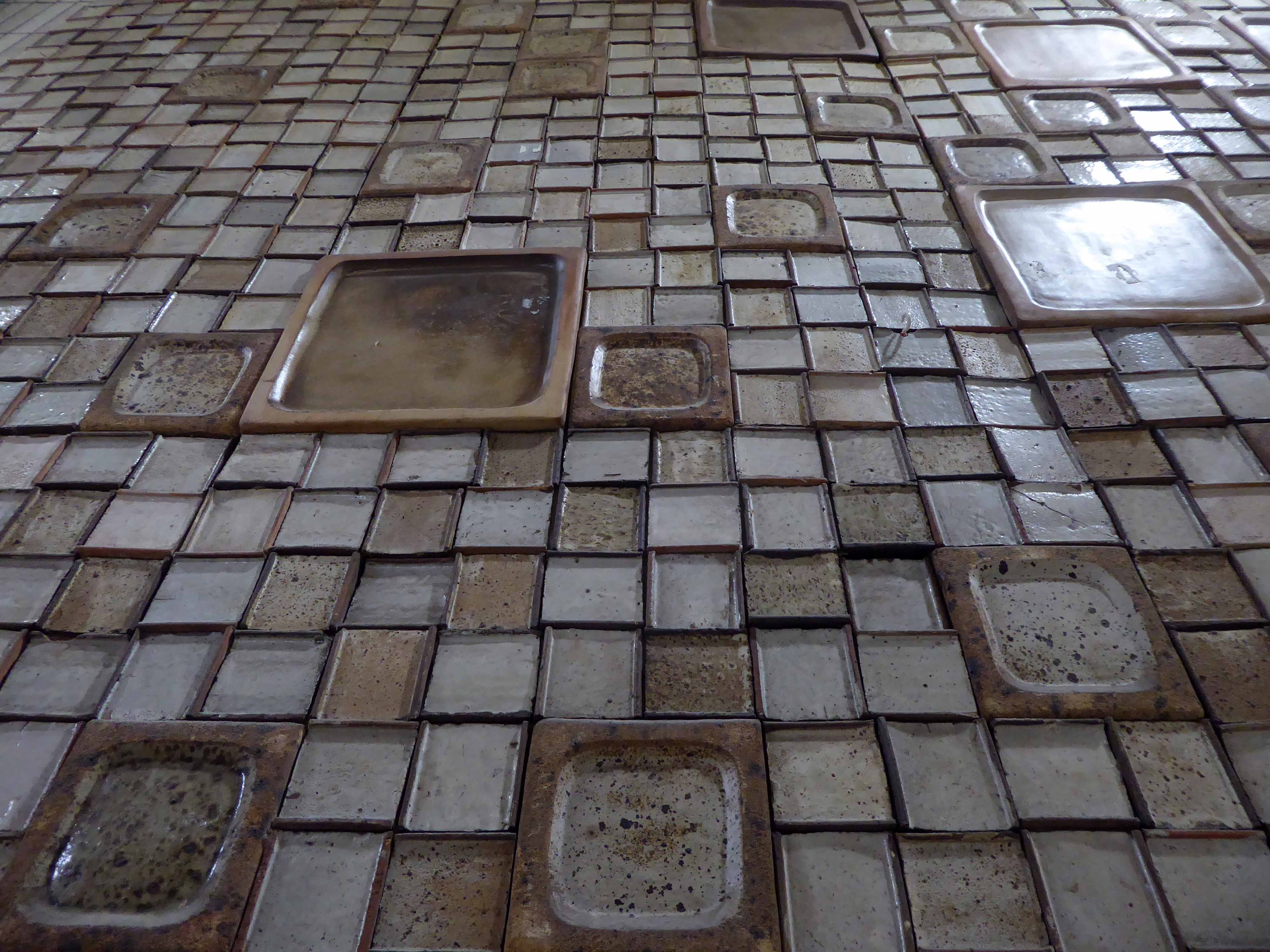
I was most intrigued by these tiles – I have not seen this type before – they have a resemblance to to Transform tiles that were produced in Staffordshire in the 1970s, but they are different in several ways.

The November 1973 T&A microfilm appears to have been stolen from Bradford Library so I can’t check reports and features from the time of the opening of the market on November 22 1973.

I would be grateful for any memories and news.

Christopher Marsden 2012

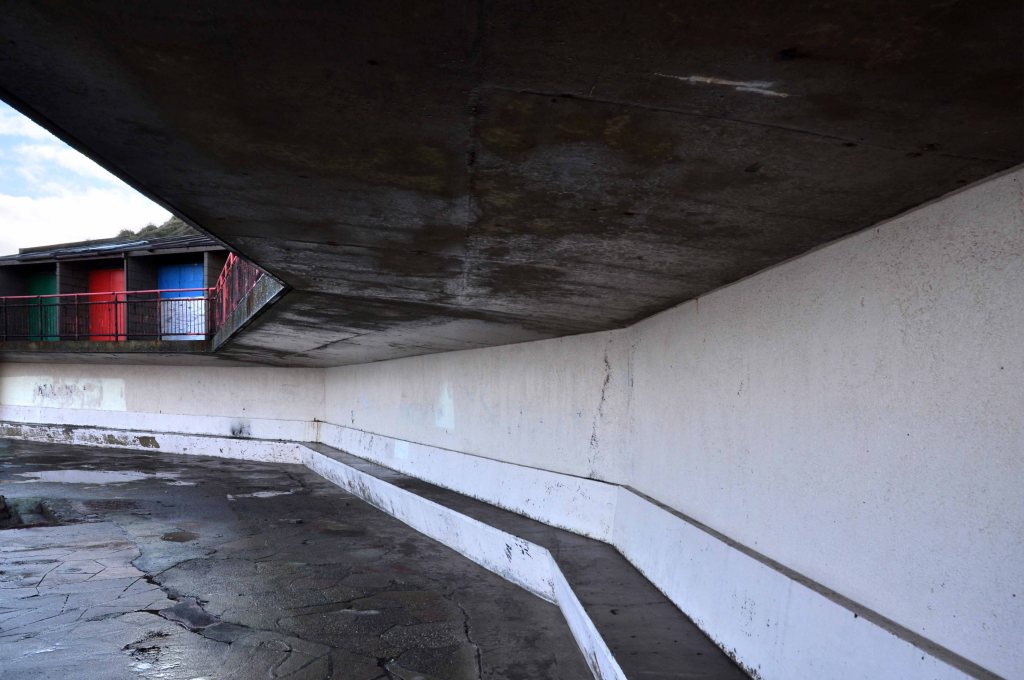
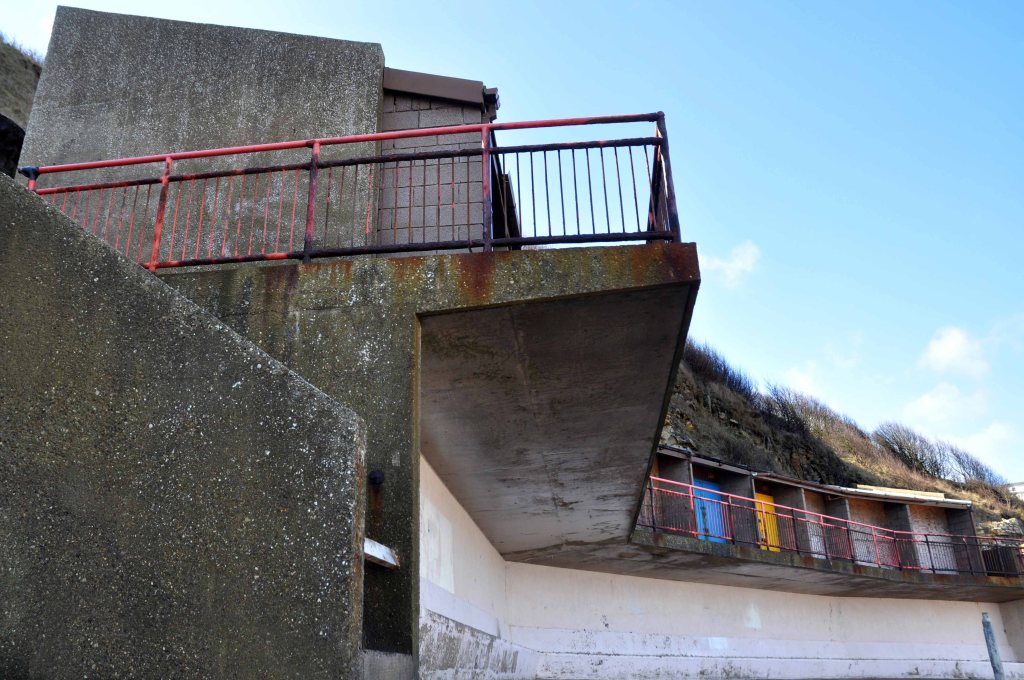
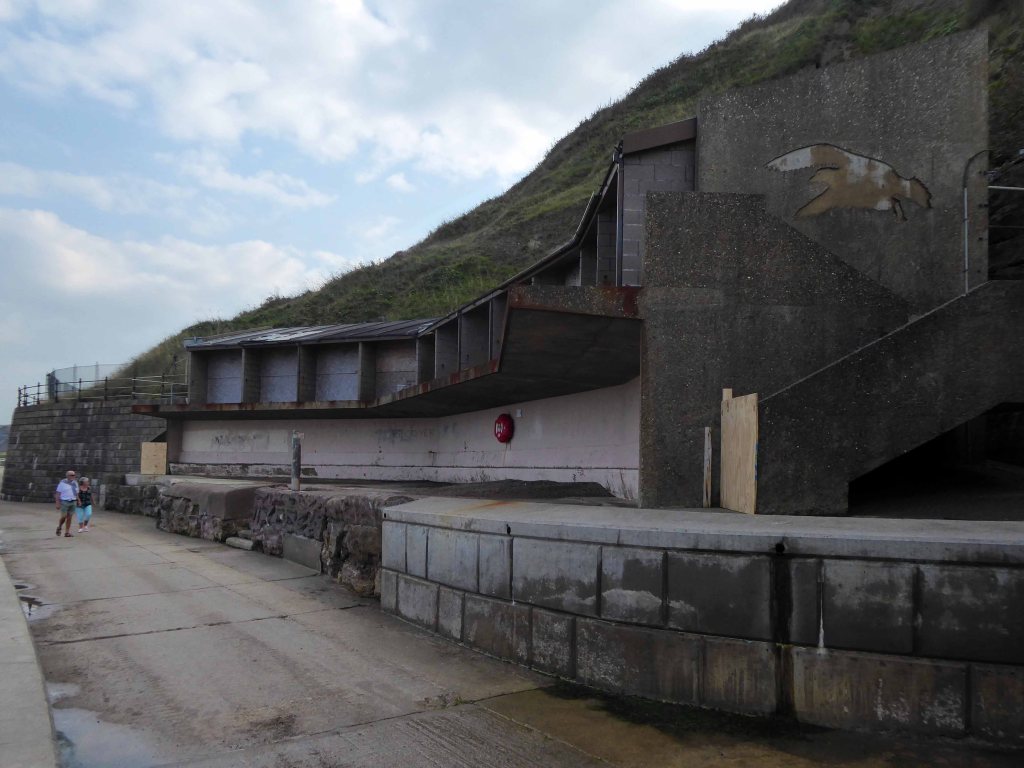
South Bay Scarborough – Chalets

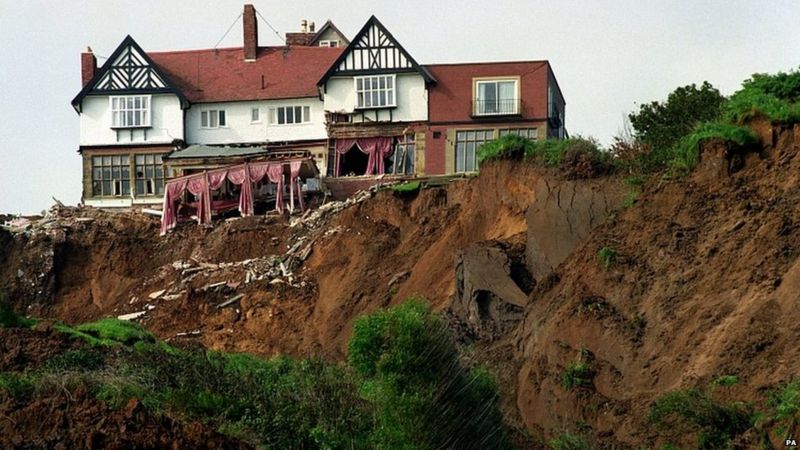
The world is inherently unstable, along comes a train a resort appears, along comes a ‘plane a resort disappears, along comes a virus and people disappear.

Whole chunks of the land fall in the sea, eventually.

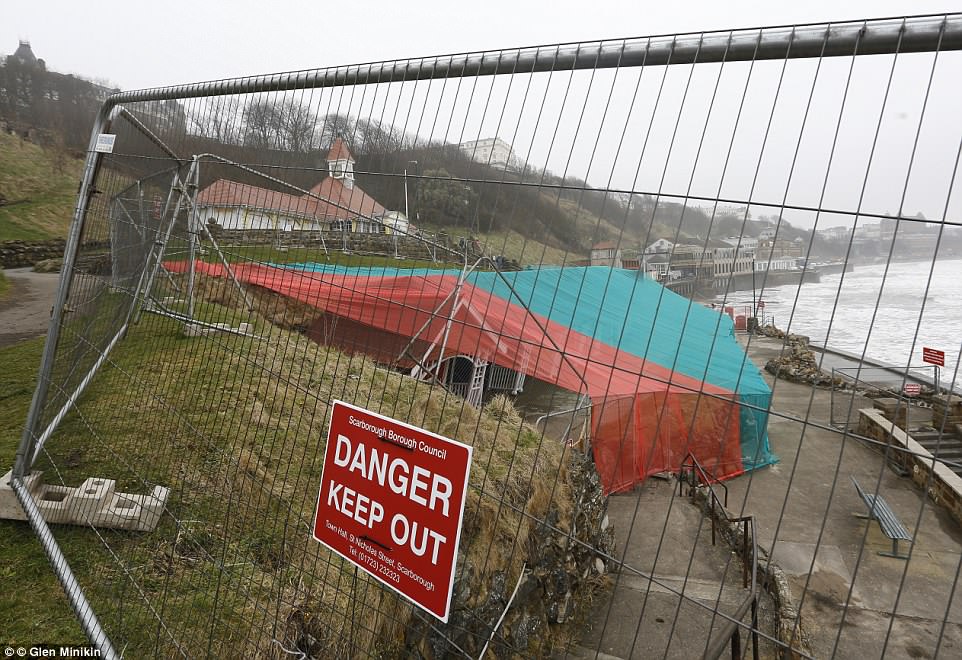
The South Bay Gardens were slipping away.

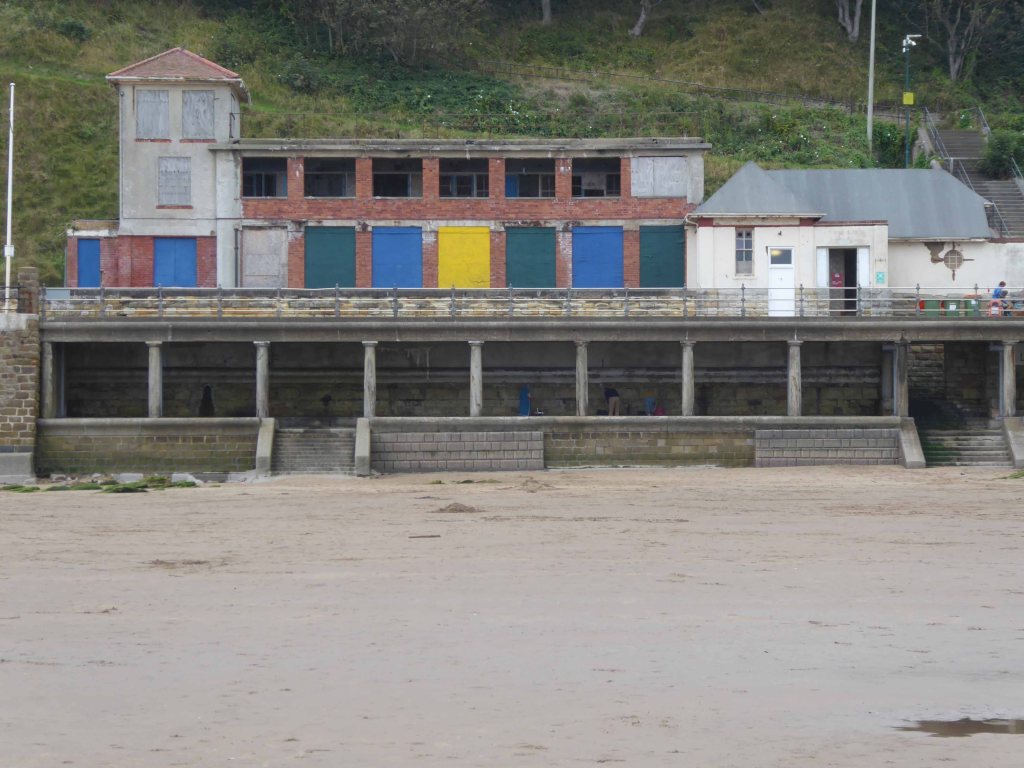
Some of the oldest sun bathing chalets almost became an Arts Hub.

Seaside chalets were under threat, with the cause believed to be the failure of a retaining wall.

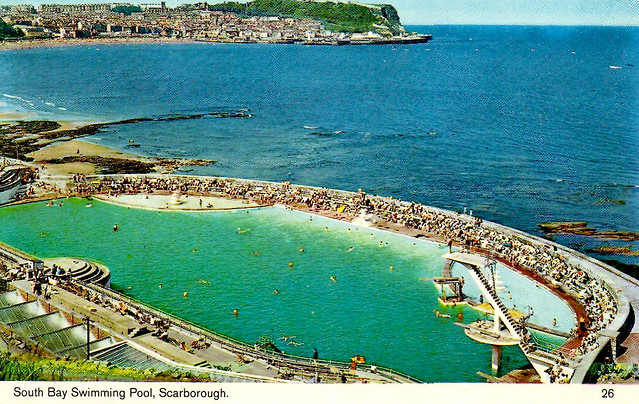
The swimming pool has been and gone, only an empty shell remains.

There are speculative plans and piecemeal repairs, but these are difficult times, and attracting substantial finance and flocks of tourists to revitalise the town, is no simple matter.

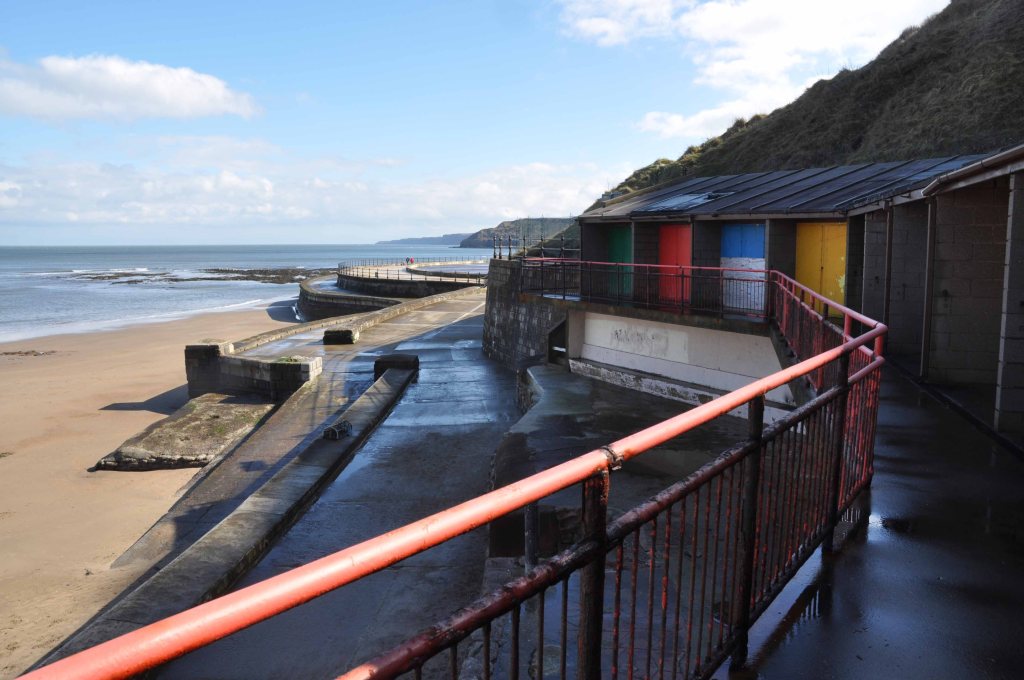
From 2011 I have visited South Bay, intrigued by all the above, but there’s a special place in my heart for these concrete chalets.

They never get a mention.

Here they are some years ago.

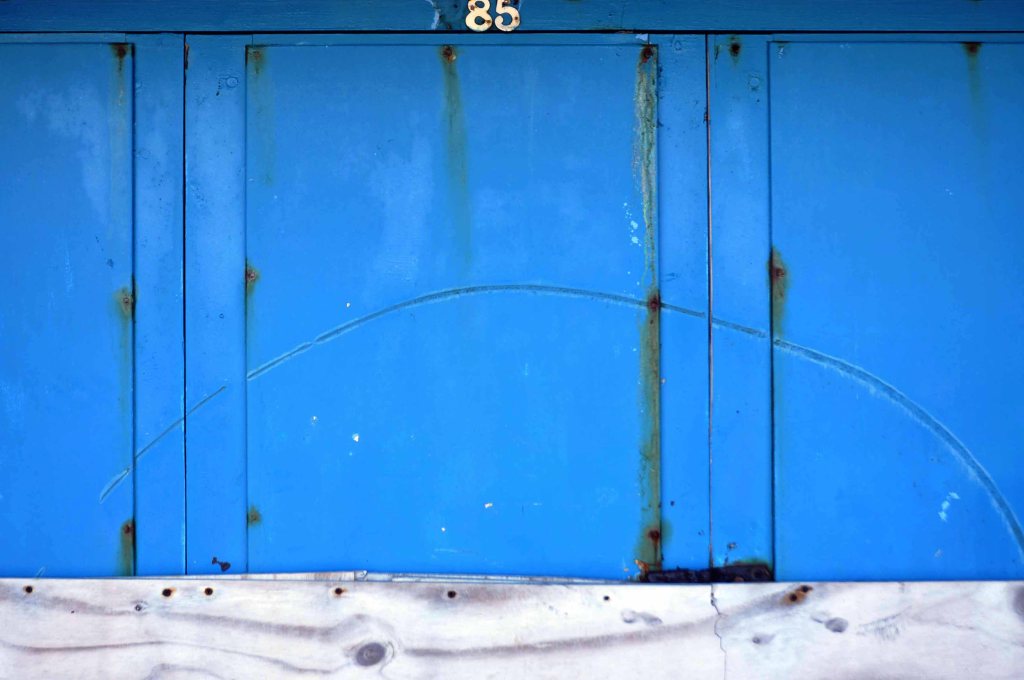
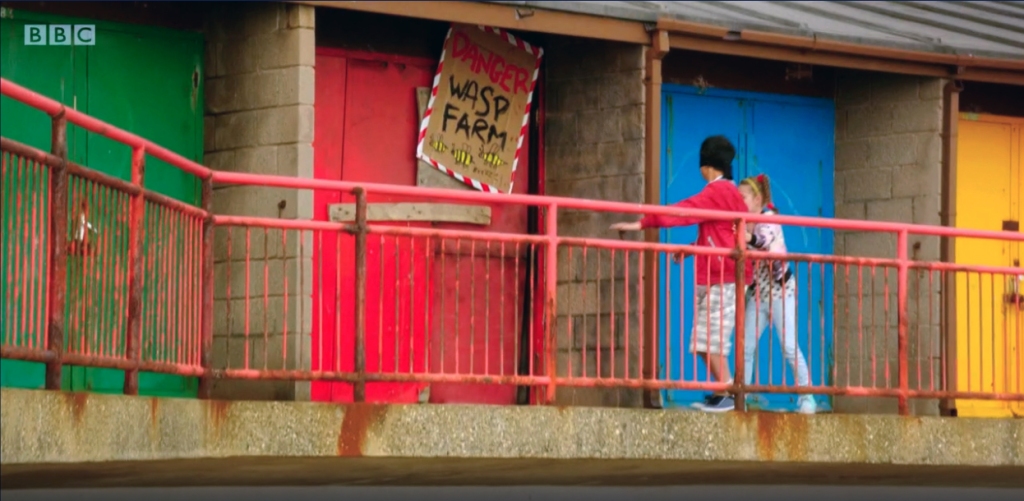
The primary coloured paint almost still fresh on their well locked doors.

They stand forlorn on the concrete shore overlooking an indifferent North Sea, hoping for a future in an uncertain age.

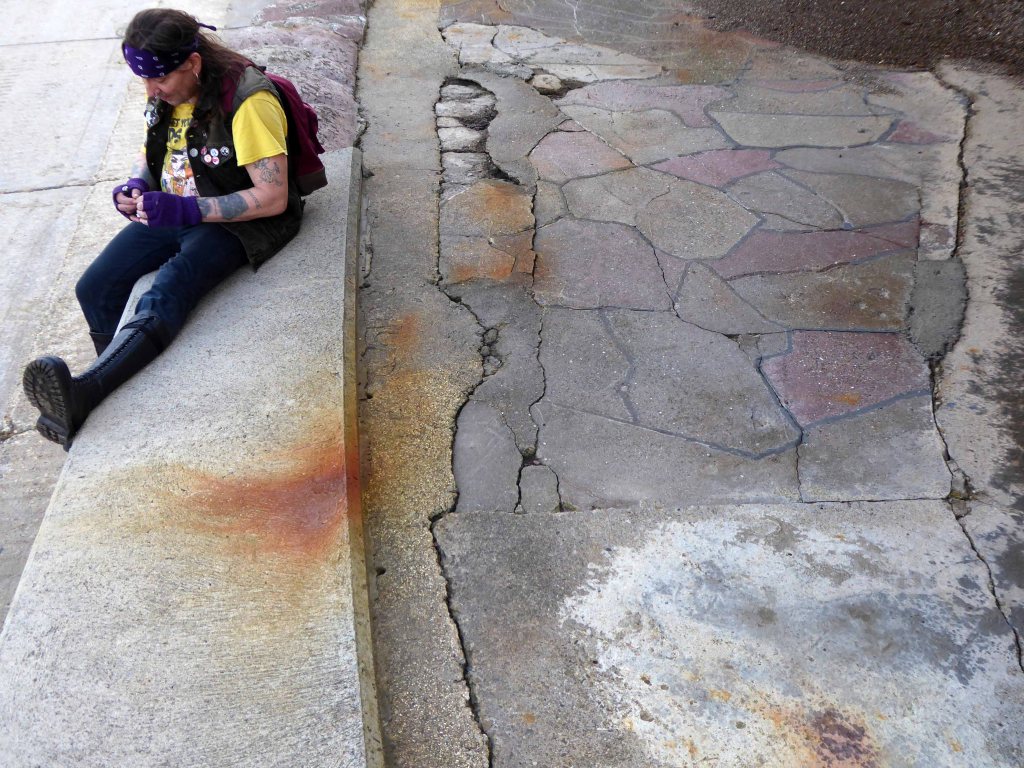
As I snapped I chatted to a local ANTIFA Anarcho Punk – ex Mansfield Miner and political activist, he feared that they would be swamped by some tidal wave of gentrification.

If so when, not soon.

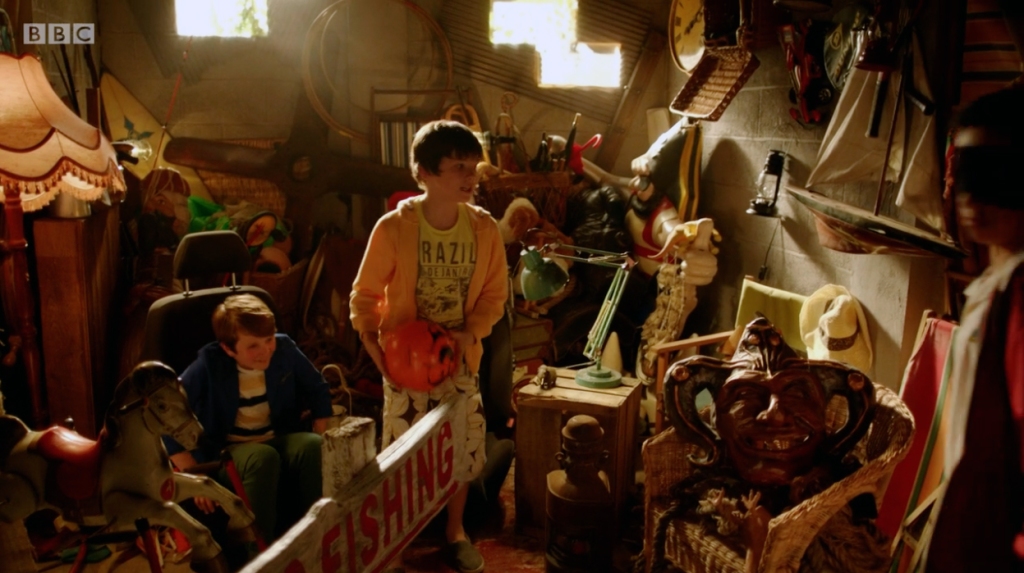
As a post script I have been informed that the site was used as a kid’s den in the CBBC TV series All at Sea!

Scarborough Technical College

Gollins Melvin Ward & Partners 1961

Scarborough TEC formerly known as Yorkshire Coast College, Scarborough Technical College, Scarborough Technical Institute, and Scarborough School of Art is a further education college located on Lady Edith’s Drive Scarborough. It is a constituent college of the Grimsby Institute of Further & Higher Education.

Yorkshire Coast College was originally an independently controlled institution, but due to consistently poor results and long-term financial difficulties was taken over by the Grimsby Institute in January 2010.

In November 2016, the name was changed from Yorkshire Coast College to Scarborough TEC, with the TEC standing for Training, Education, Careers.

Wikipedia

Now it’s closed, the land to be sold for a housing development.

Colleges, once under the stewardship of the local authority are now independent businesses and as such subject to mergers and acquisition, for better or for worse.

1961

This is a building of architectural significance, GMW being responsible for several other ground breaking curtain wall towers and blocks – including Castrol House, now Marathon House one of the first curtain wall buildings in the UK, along with the Arts Tower in Sheffield.

In August 2015, GMW was taken over by another business, Scott Brownrigg, “as part of plans to move into the airport sector.”

It represents a time when vocational education was in the ascendancy, building for a manufacturing future with forward thinking, open, democratic and accessible architecture.

That optimism along with the attendant architecture are no longer, it seems – dish of the day.

It was a proud boast for many people in Scarborough that Robert Allen Palmer, the pop music icon, was raised and schooled there. Robert went to Scarborough Boys’ High School and studied art at Scarborough Technical College.

Photograph copyright Brian Cooke 2011

He played in his his first band there, The Mandrakes evolving from a gathering of pupils from the Scarborough High School for Boys during the summer of 1964.  Meetings and practice under the work in progress title of The Titans, first in the crypt of a church and then a former chicken hut, took place.  Allen – to become Robert in 1969 Palmer, joined after a successful audition and the first gig took place in a local youth club towards the end of the year.

British Music Archive

Robert’s Mum says fame never changed him, “He never seemed any different, he took us on Concorde two or three times and the Orient Express and we always celebrated birthdays, anniversaries and Christmas, everything, together.”

BBC

So I bowled up last Thursday following a tip from local lad Mr Ben Vickers, it rained and rained, armed with a Poundland one pound umbrella I took my chances and took some snaps.

Broken and boarded windows, spooky drips dripping and ghosts for company, heavy hearted marking the passing of an abandoned future and rapidly receding past.

Underpass – Scarborough Again

I’ve been here before on a much sunnier day.

Avoiding heavy showers and even heavier seas, I’m here again.

Three ways in and out of a doughnut on Scarborough’s South Bay.

One way in and out of the North Sea.

The underpass it seems is generally under threat, unsafe, often unloved and underground – often underused.

Once thought to be the answer to the threat posed to the pedestrian, by increased motor traffic, they are now deemed unsafe – poorly lit, badly maintained and scenes of anti-social activity.

Havens for those who are a threat to themselves.

Don’t let that put you off, get down and get with it!

Why not treat yourself to a walk around the South Bay Underground Car Park?

Then get out of it rapido.

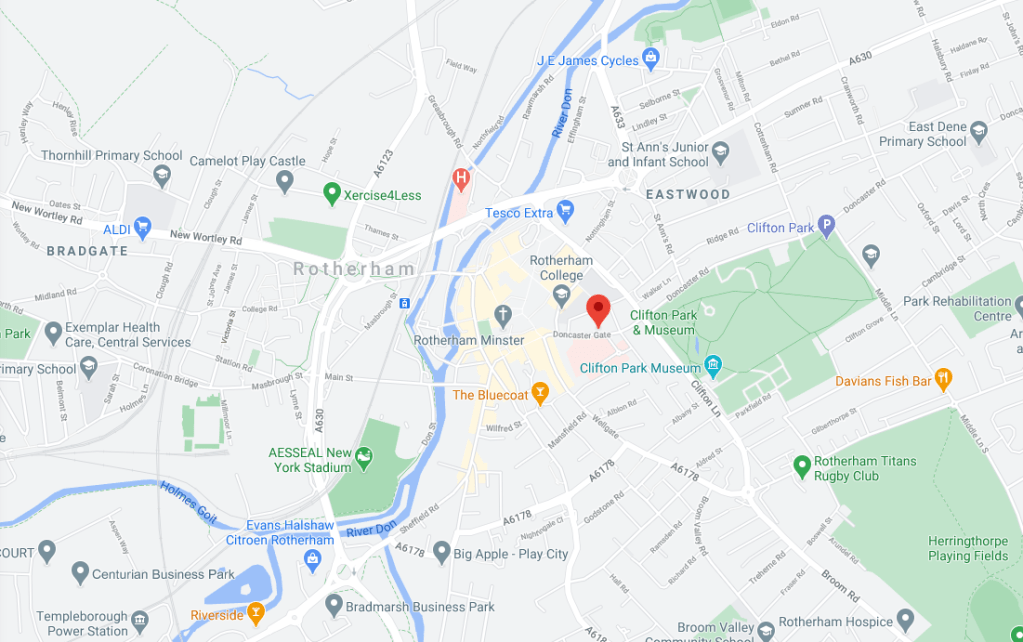
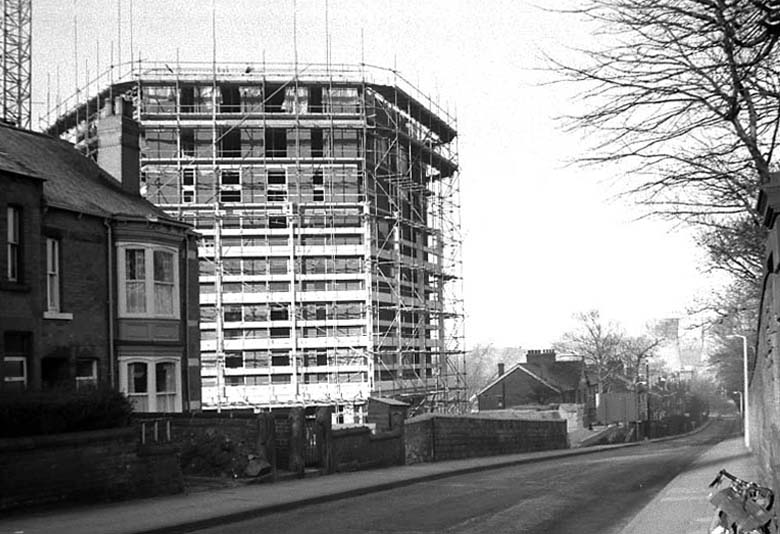
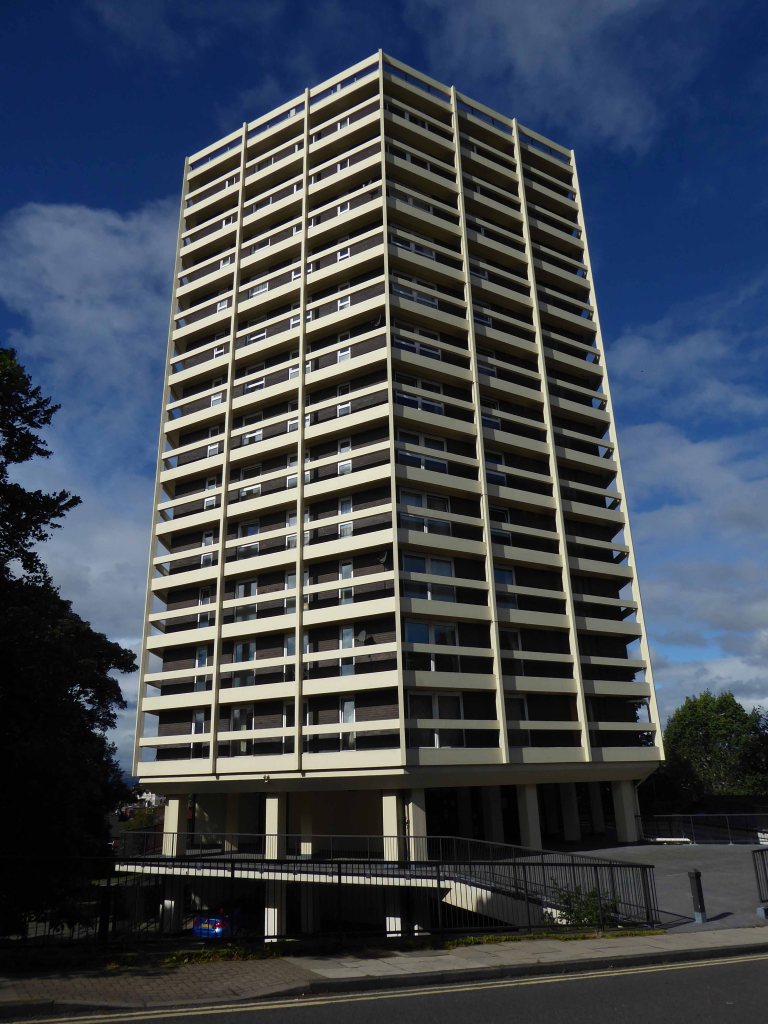
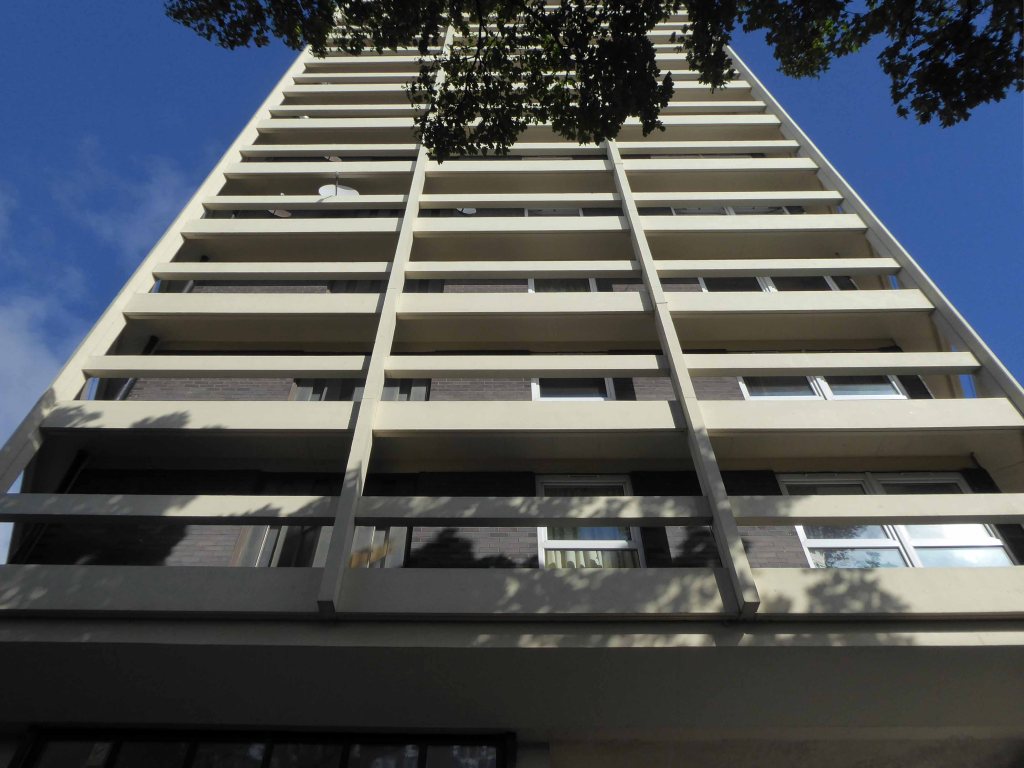
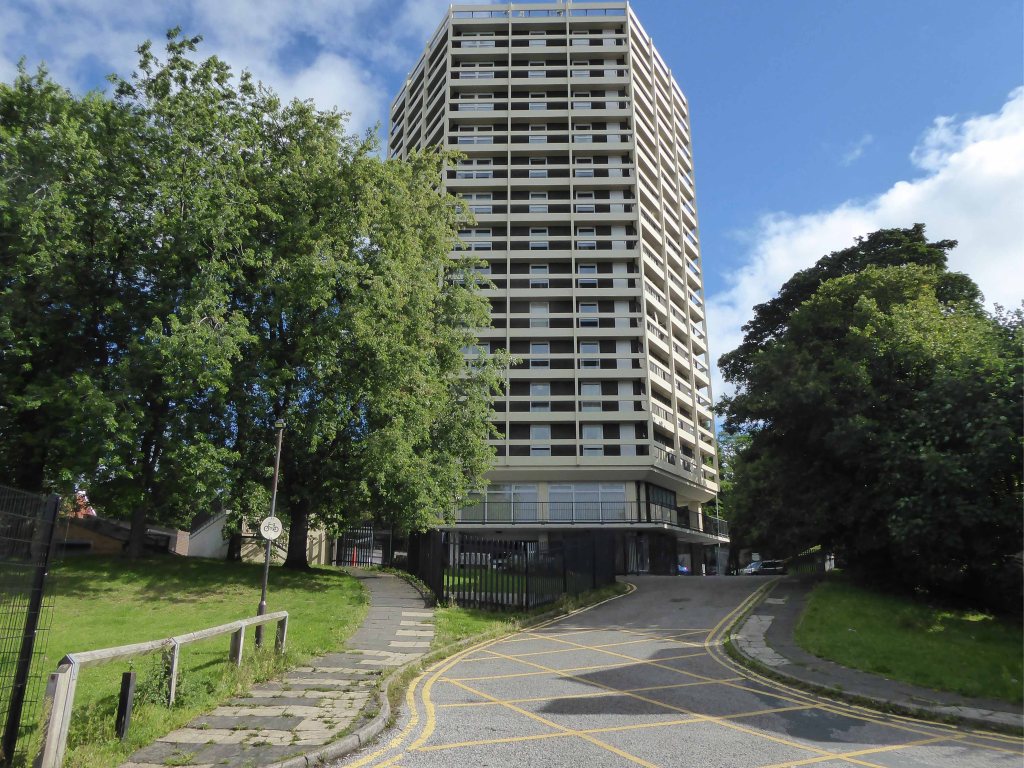
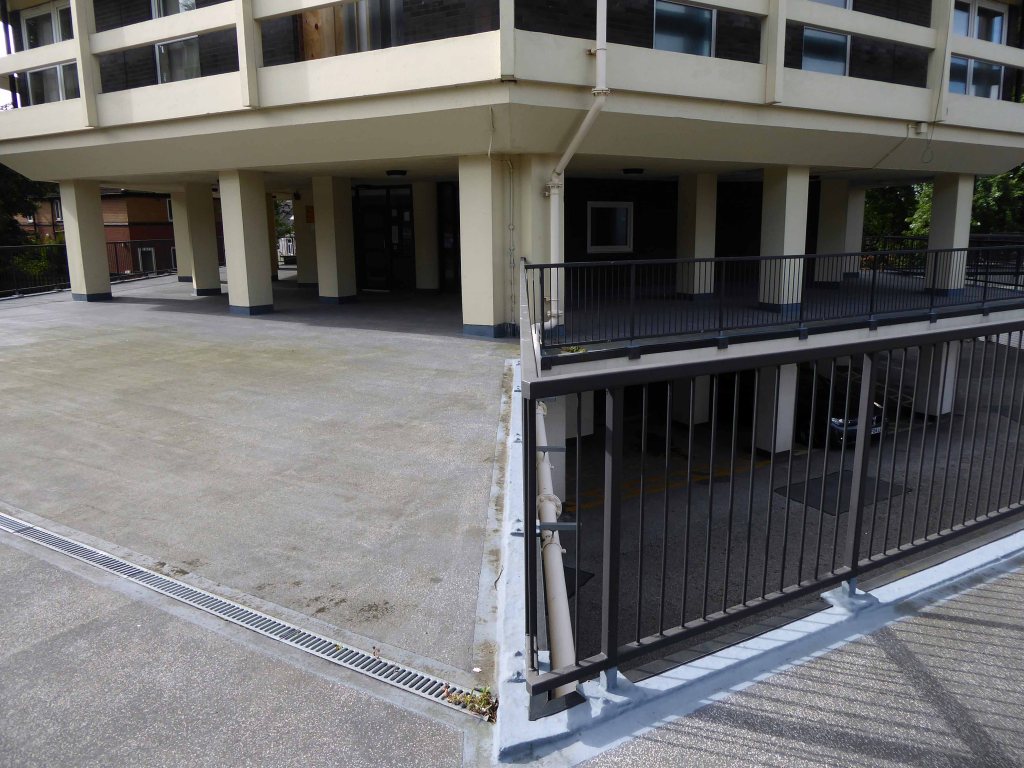
Beeversleigh Flats Clifton Rotherham

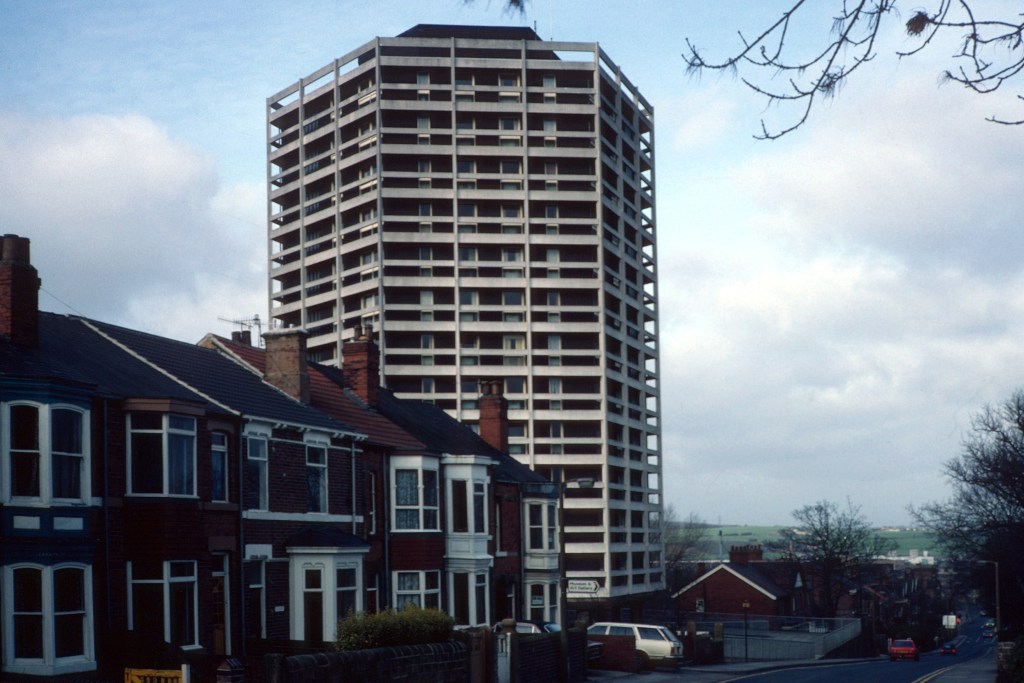
What’s got six faces and several legs and stands next to Clifton Park?

The Beeversleigh tower block that’s what!

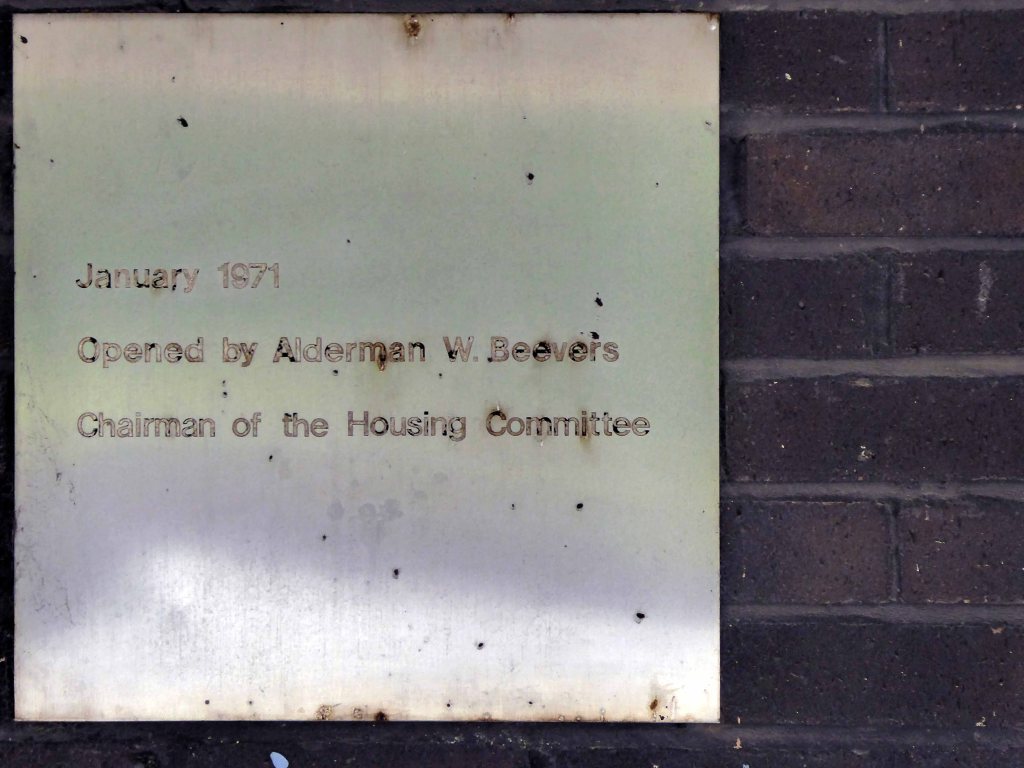
Built between 1968-71.

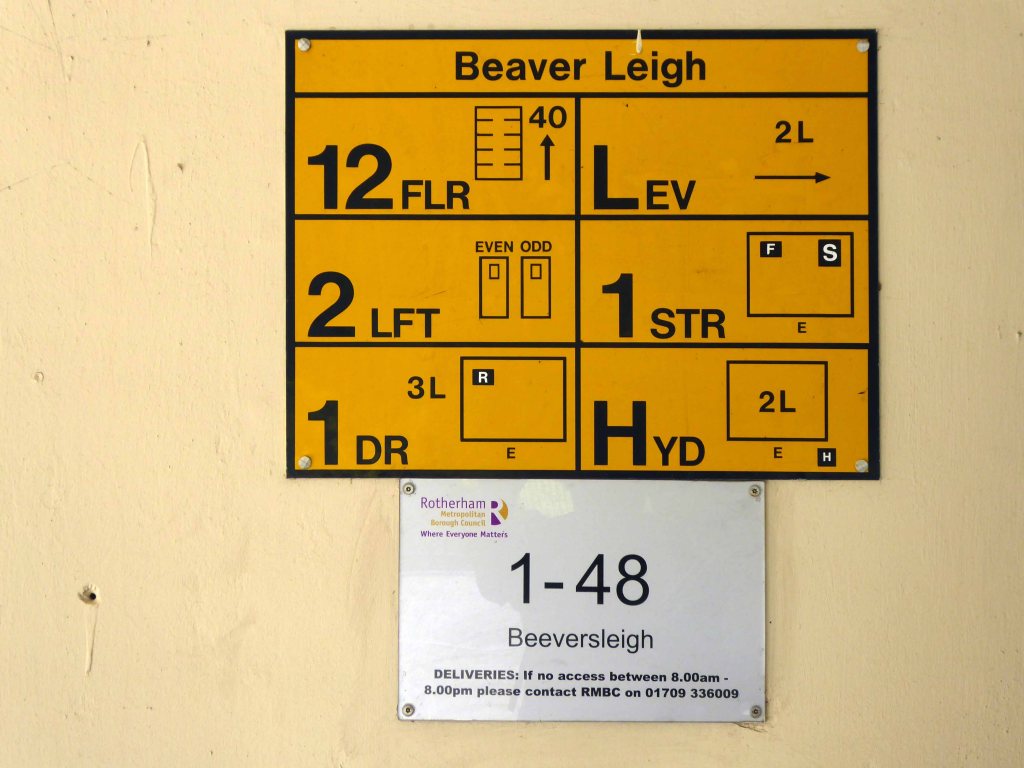
Main contractors J. Finnegan it’s thirteen storeys high – housing forty eight dwellings.

Tower Block

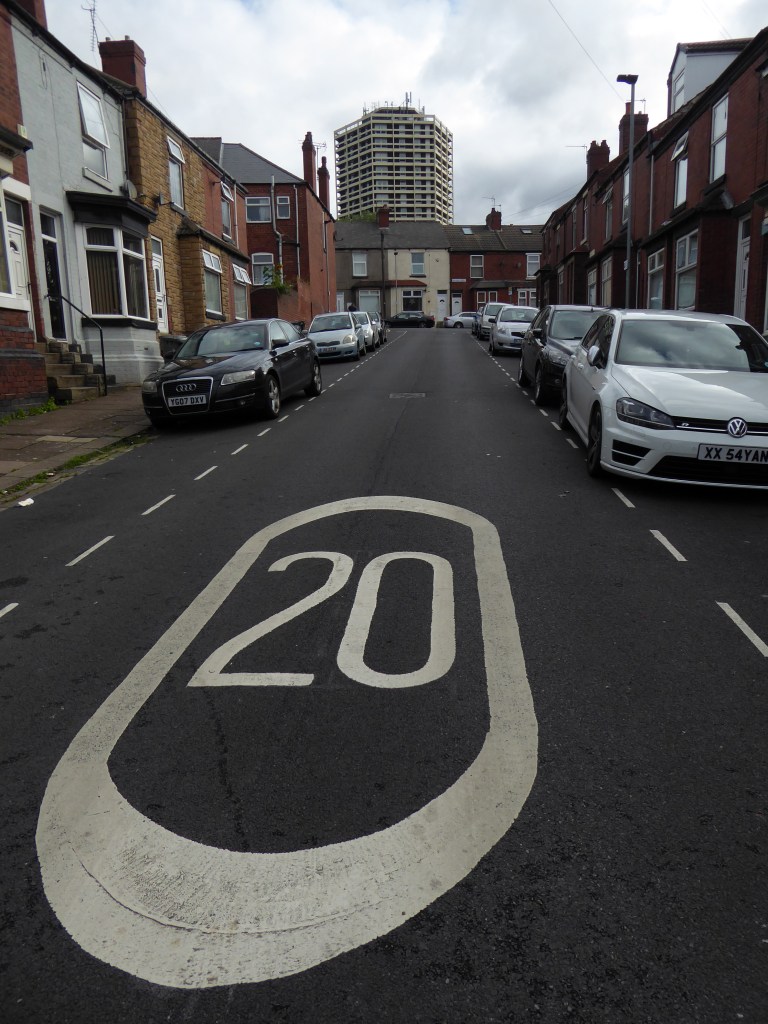
It can be seen clearly from the town below, Rotherham’s only high rise.

I wandered on.

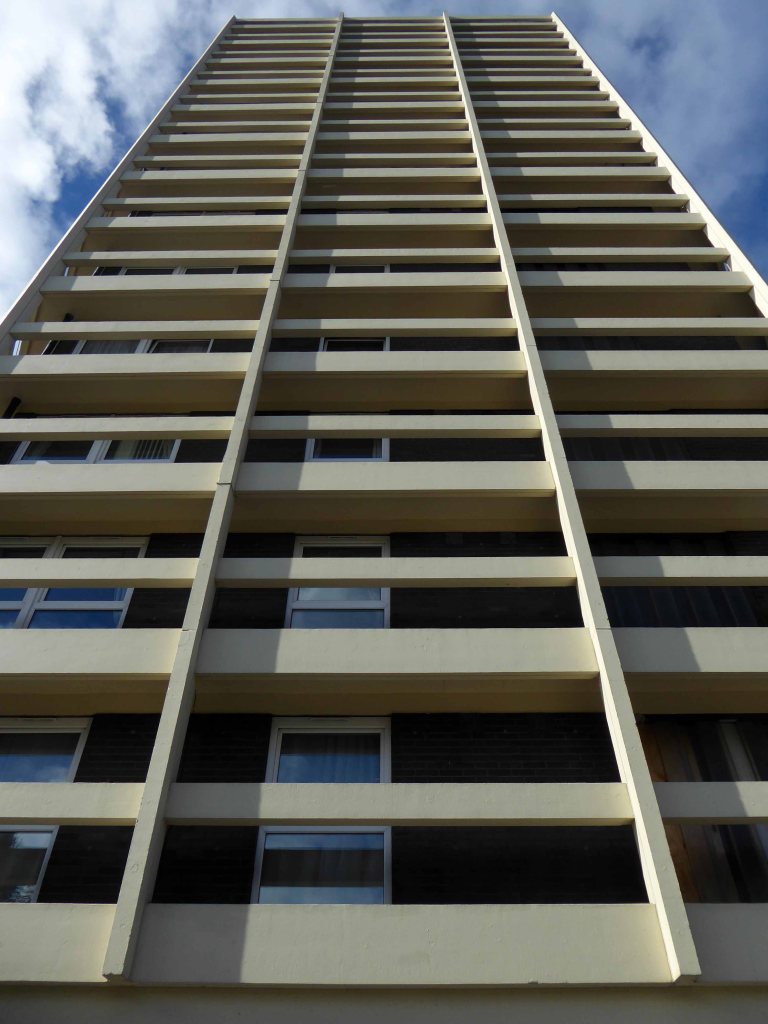
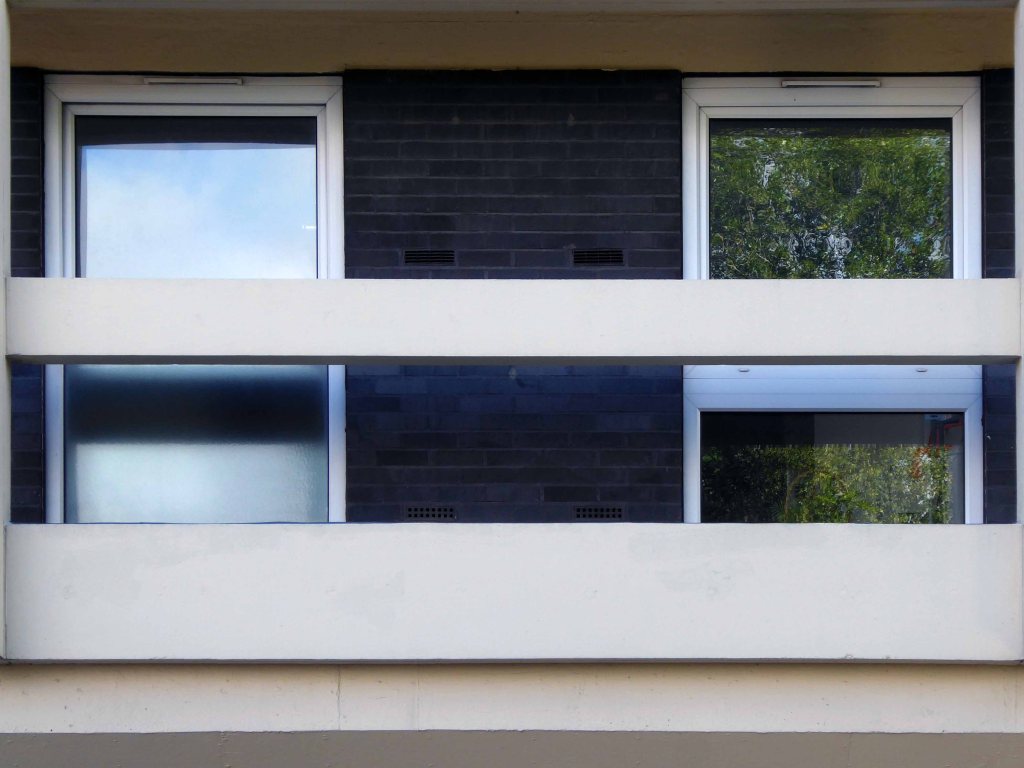
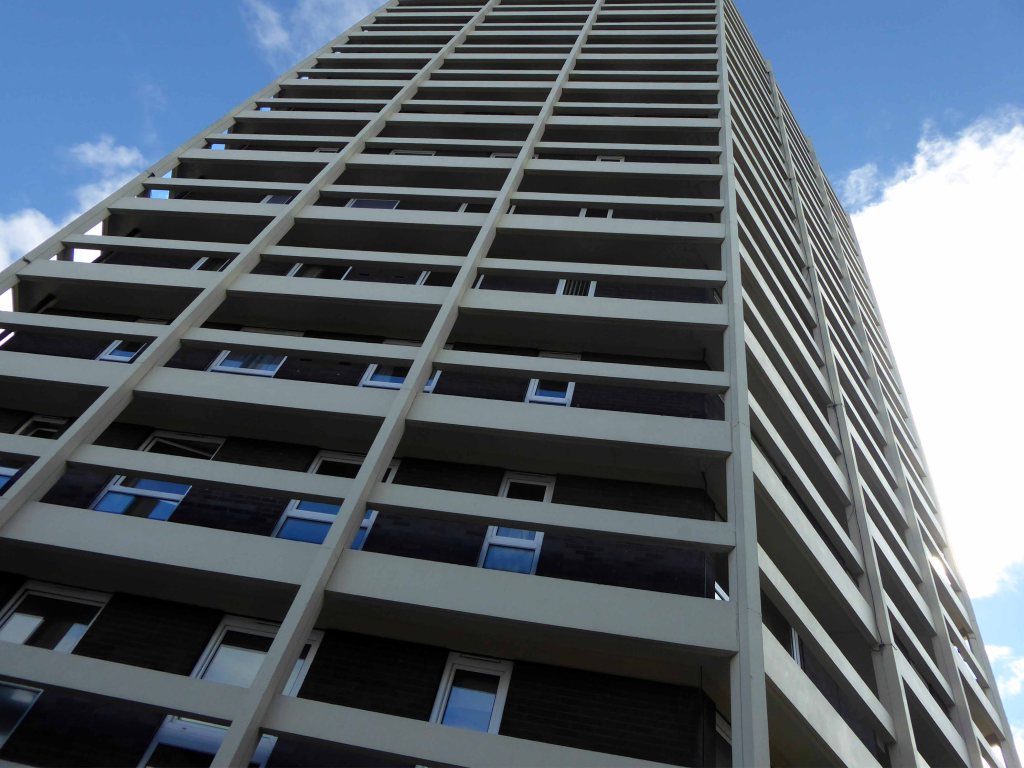
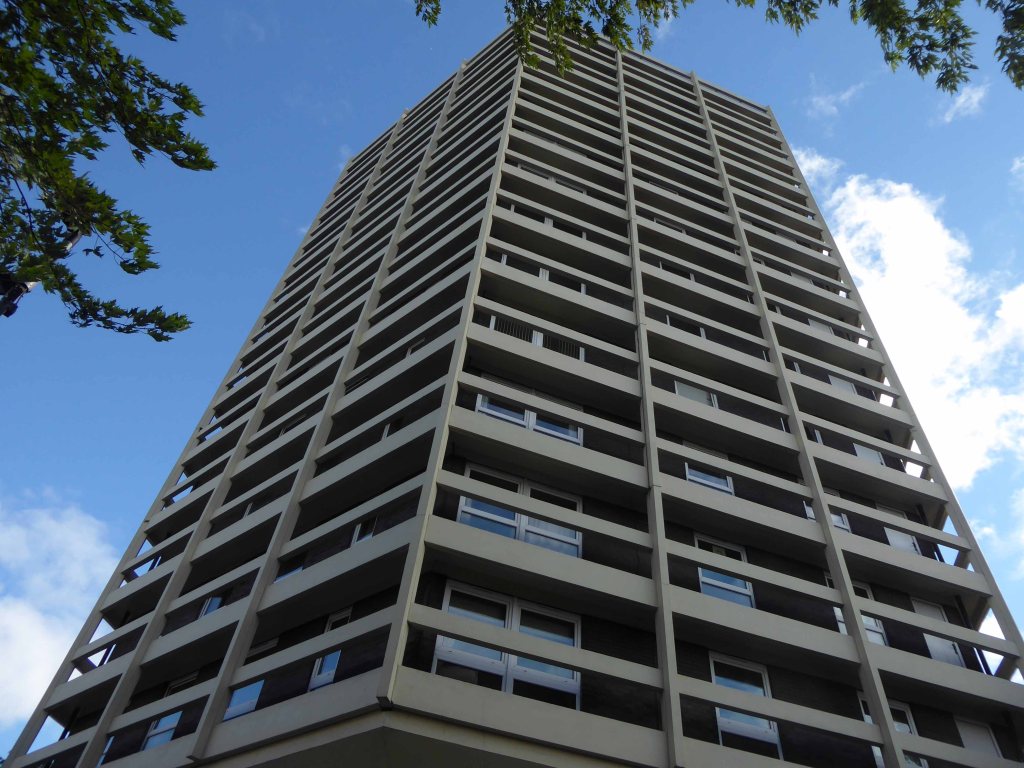
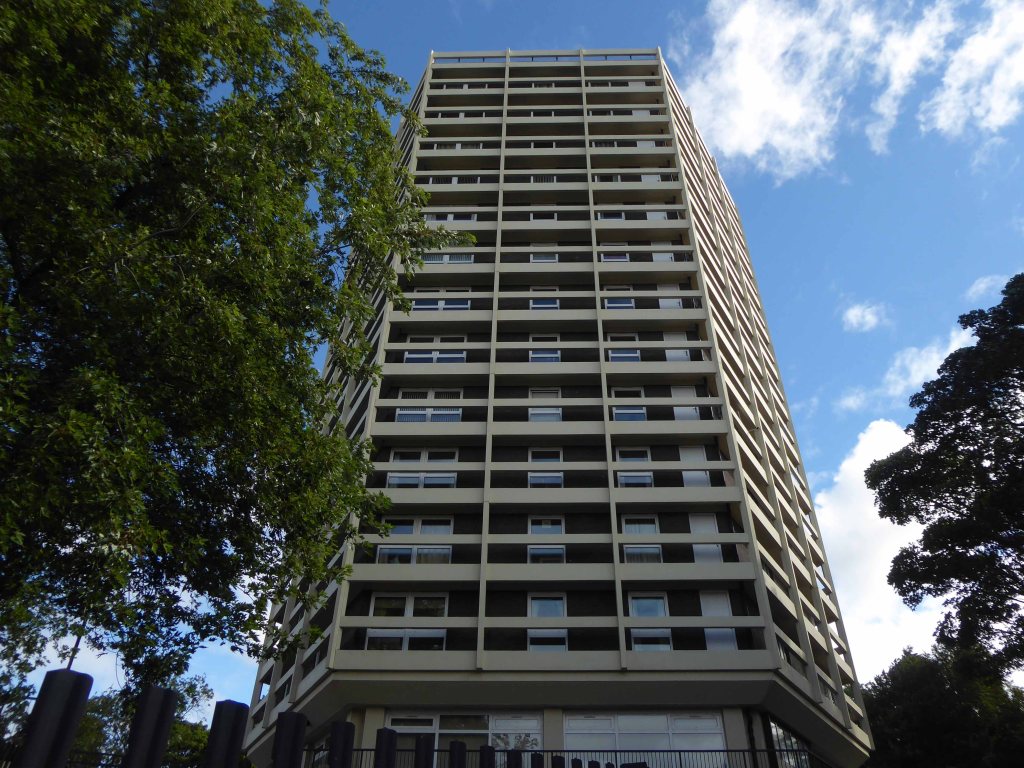
With an unusual exterior grid of concrete encasing the central hexagonal structure, creating balconies which encircle the homes.

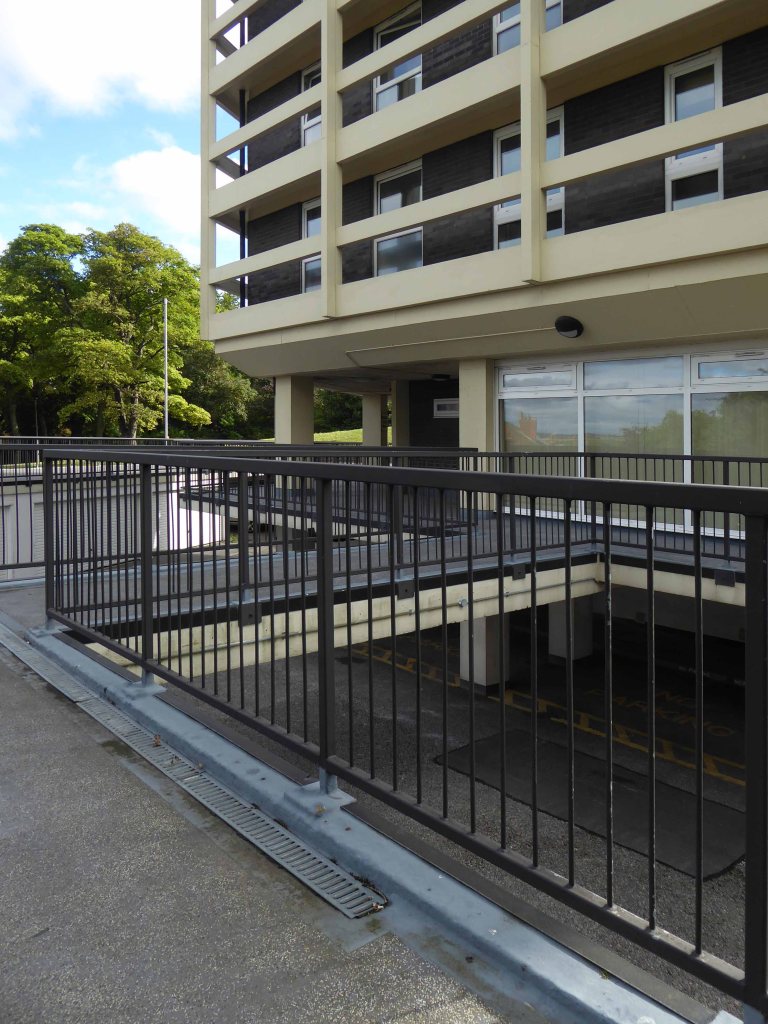
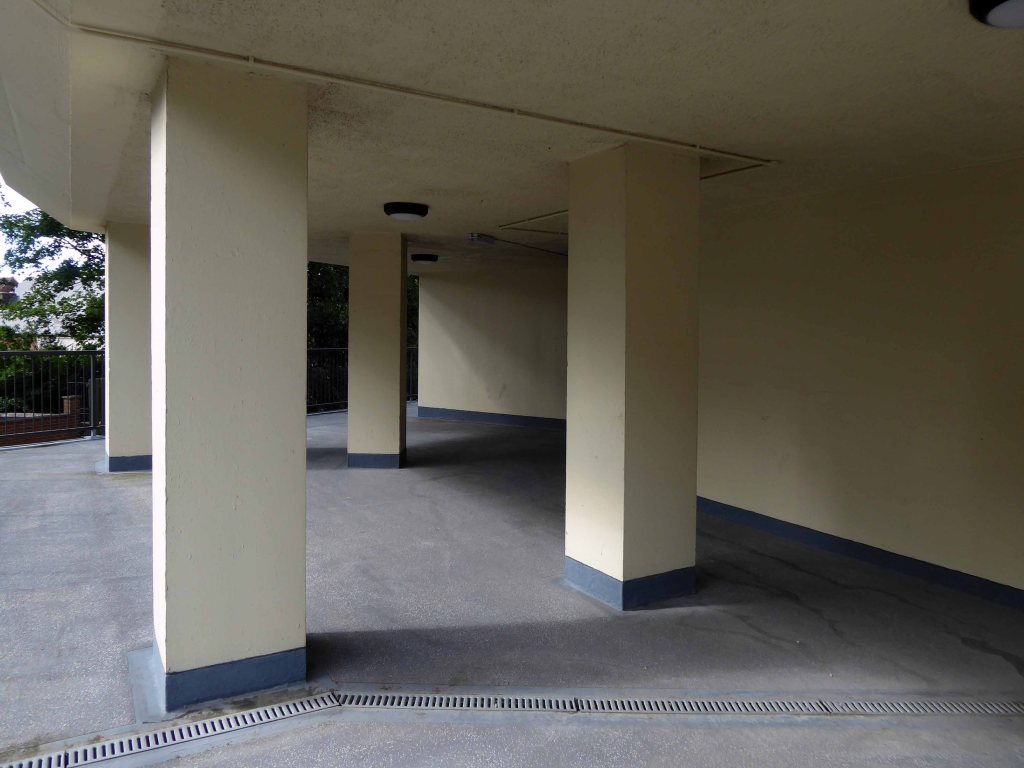
Perched on two levels of concrete columns, on a sloping site.

Looking luminous on a bright August morning.

I was enchanted and amazed, taking time to walk around look and snap.

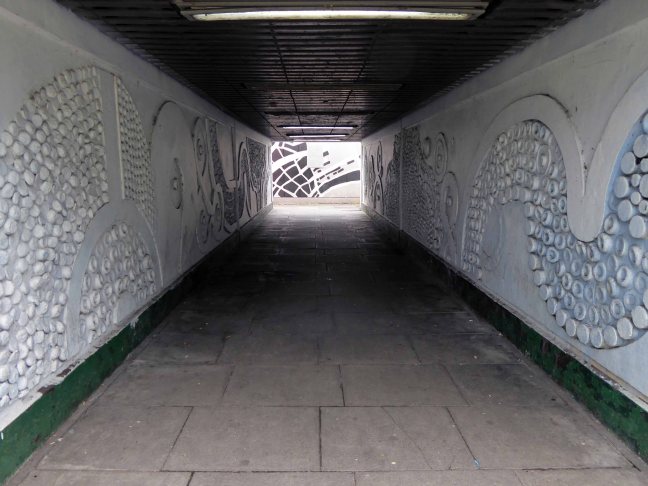
Rotherham Underpass #3

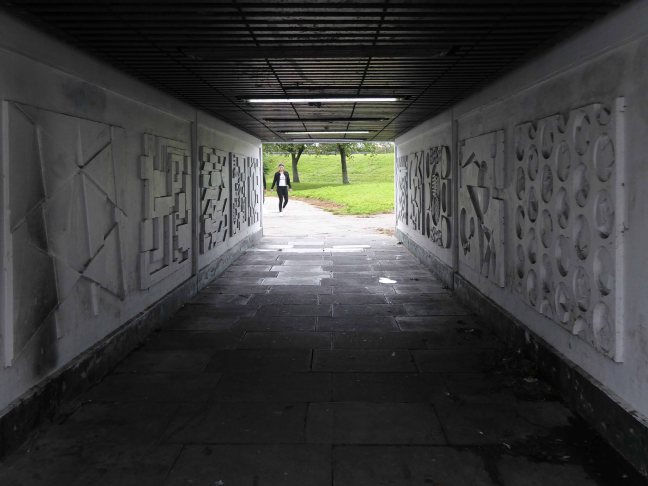
First there was the first, then secondly the second – this is the third and last underpass.

A fitting finish to the series as we pass through the final subterranean frontier out into the clear light of the South Yorkshire day.

Each one is a neglected gem of municipal modernism, the underpass a feature under threat, the pedestrian often subsumed by the drive to accommodate the motor car.

As of last Wednesday, we all seem to have tenuously hung on in there.

Oh we’ll hear the thunder roar, feel the lightning strike.
At a point we’ll both decide to meet at the same time tonight
.

Rotherham Underpass #2

Having posted the first underpass – let’s take a look at the second.

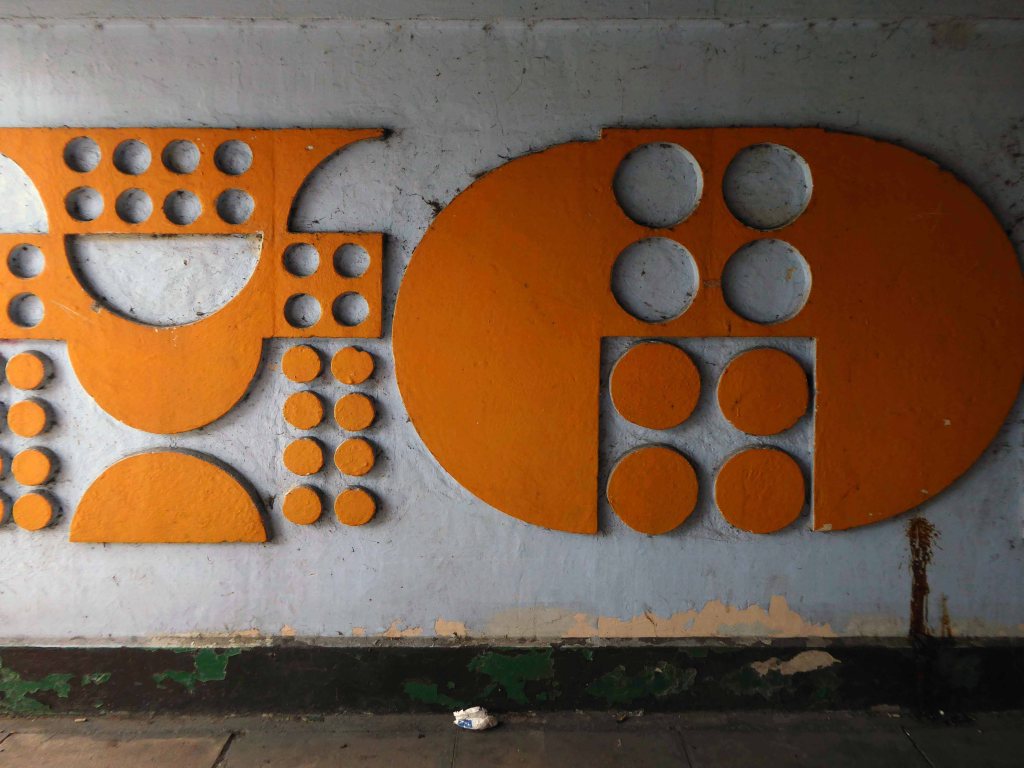
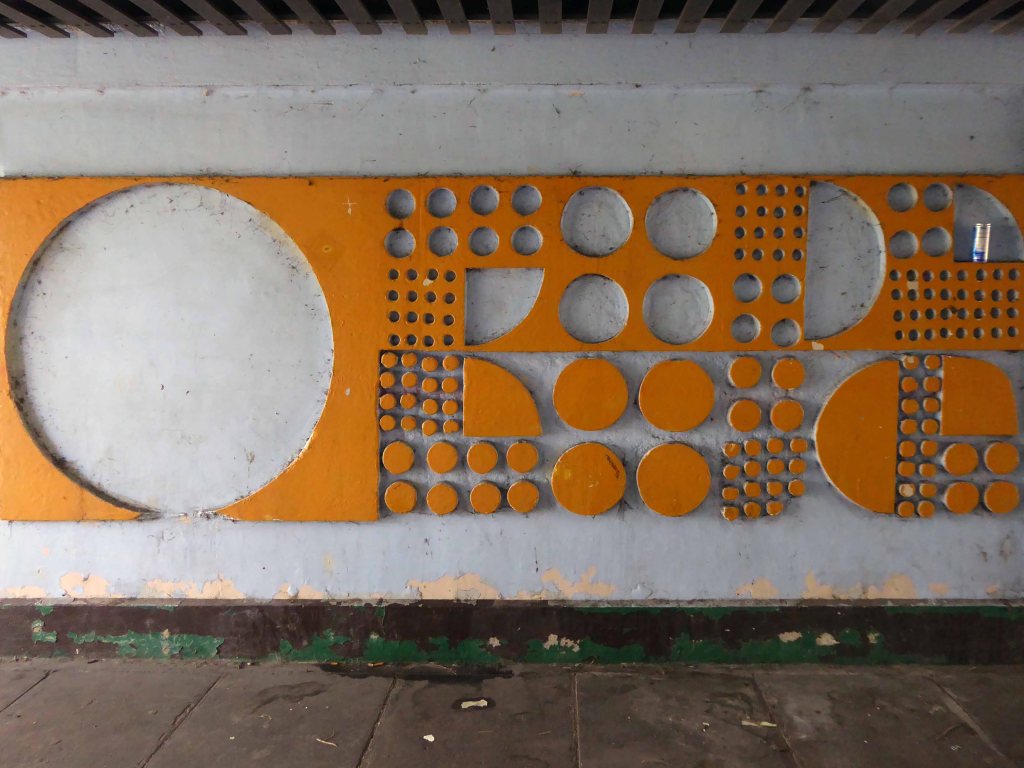
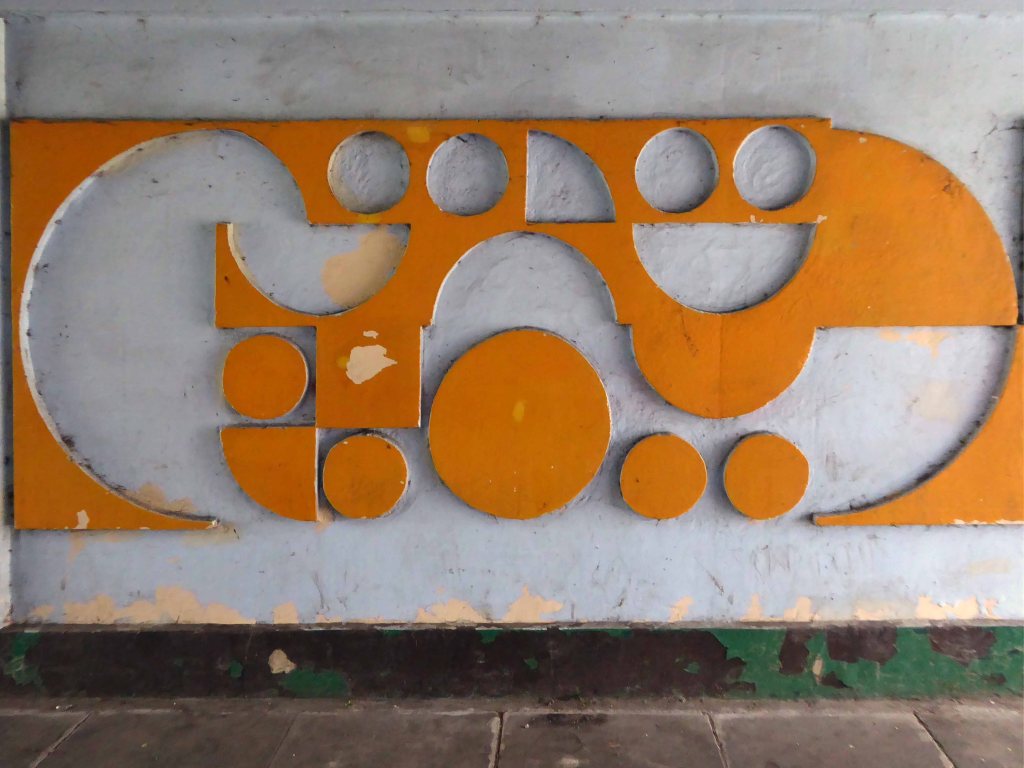
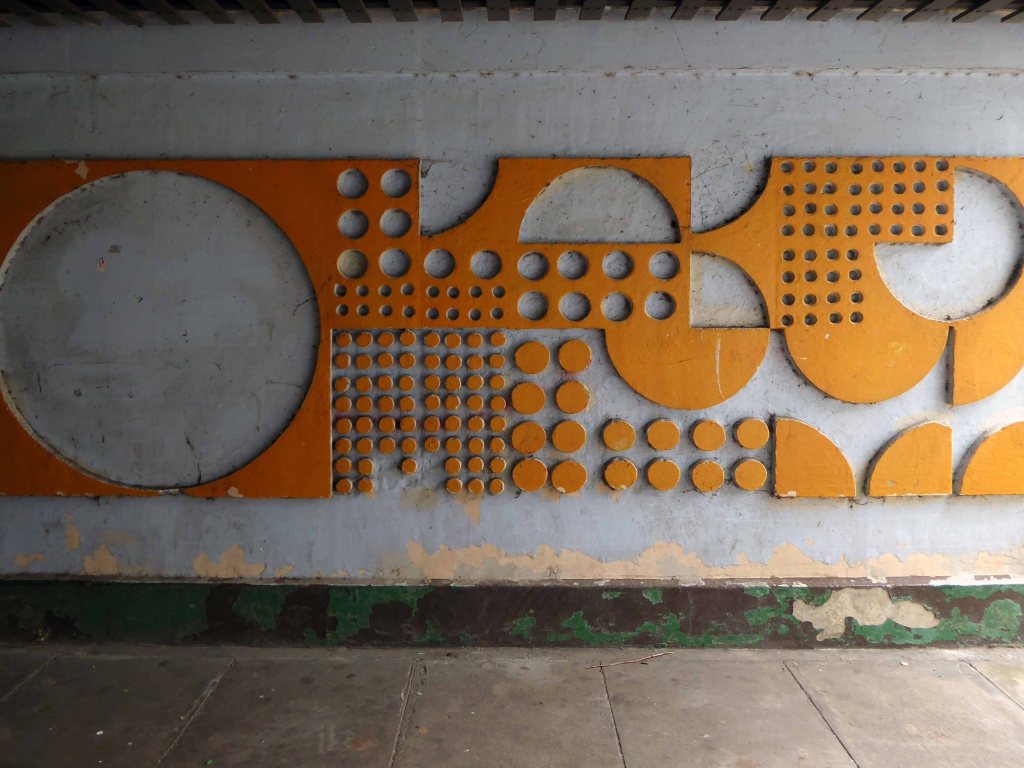
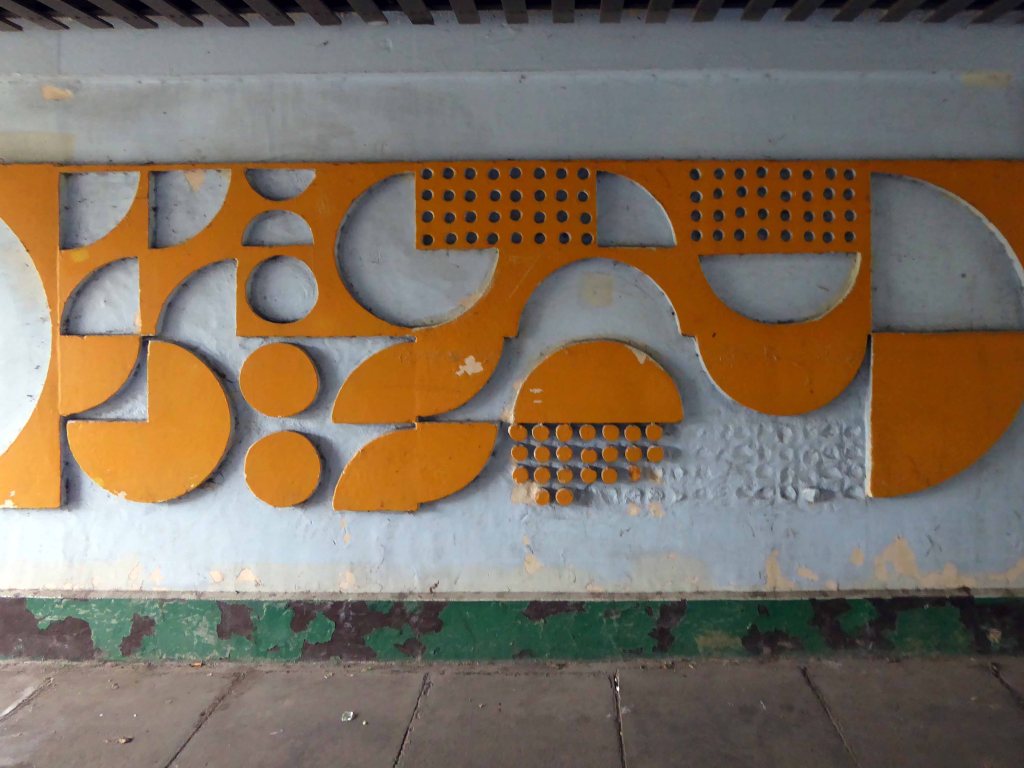
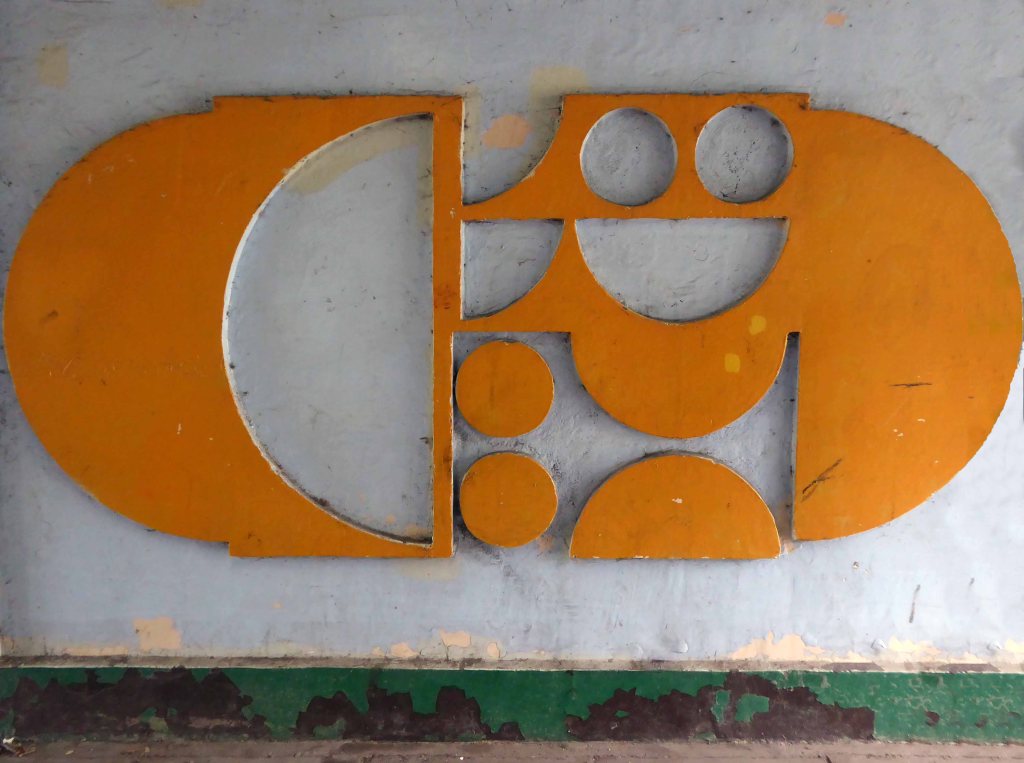
Orange on white, circles within circles squared.

Rotherham Underpass #1

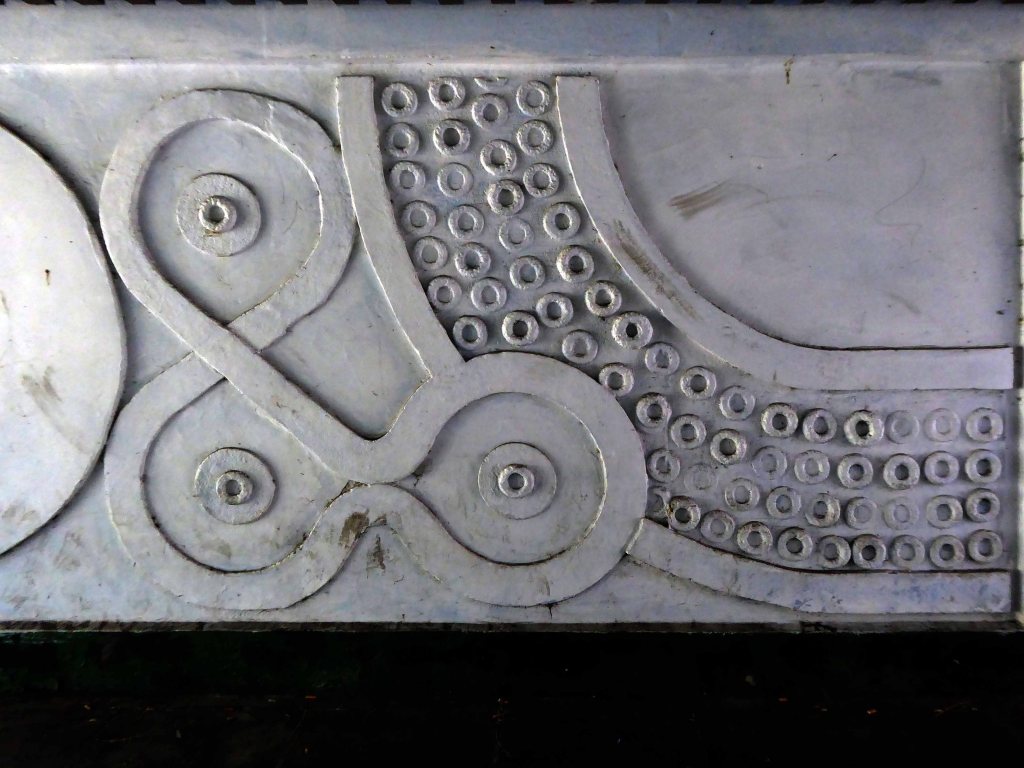
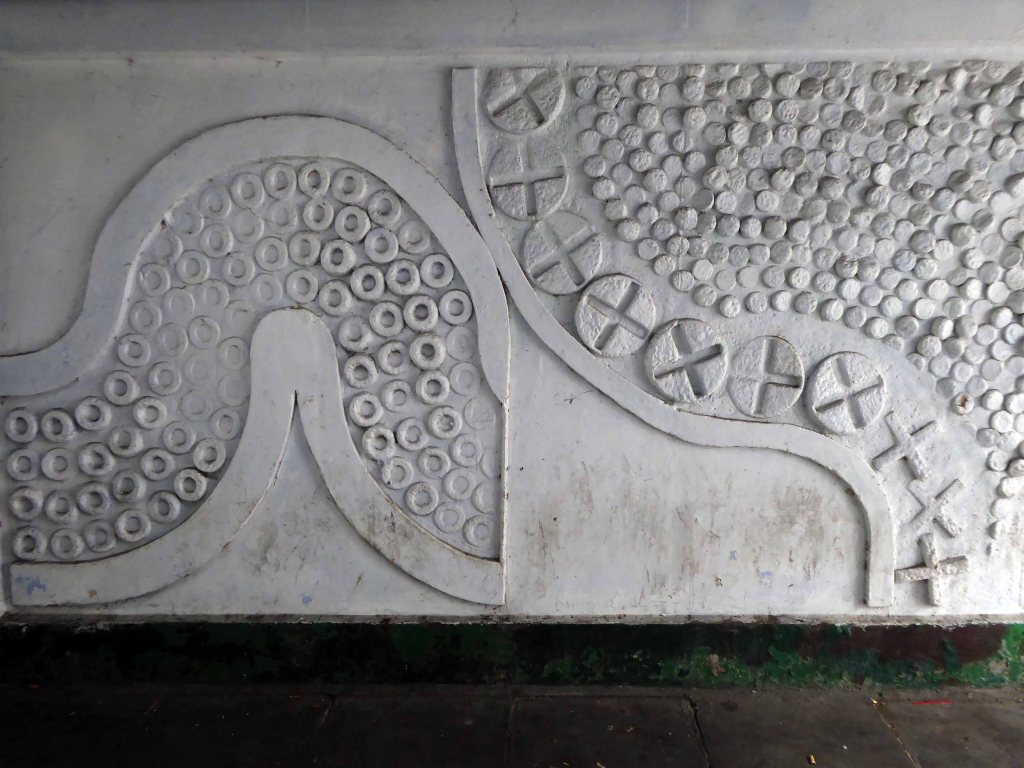
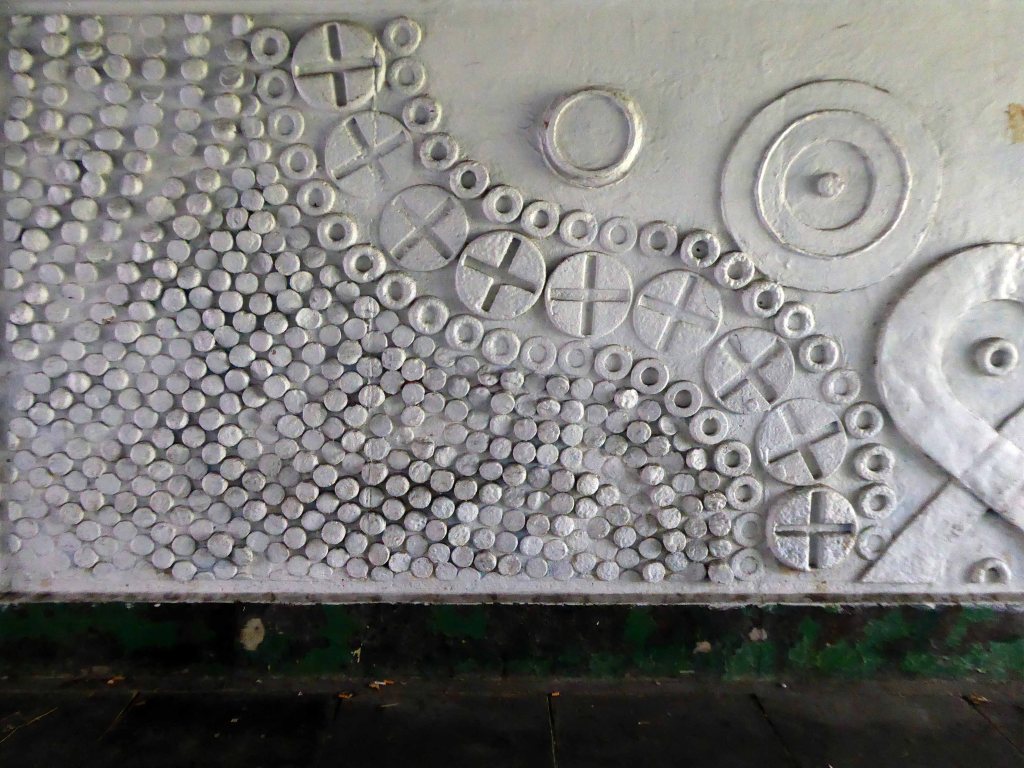
I had seen a photograph posted by Mandy Payne of an underpass in Rotherham – illustrating a delightful concrete relief.

Enlisting the assistance of friend and local resident Helen Angell, we set out on a mission to visit the roundabout in back of the big Tesco, which housed the three underpasses.

This is the first – painted white, well whiteish – more than somewhat disabused by the passage of time and the passage of users of the underpass.

Brute and angular, incised and cursive and currently lacking authorship or attribution.

Russell Gardens – Stockport

I live just around the corner and often walk by, intrigued by this small rectangle of rectangular sheltered homes, I chose to take a closer look.

On adjoining Craig Road there are a group of interwar semi-detached homes, social housing built in 1930, facing on to open ground which leads down to the Mersey.

There is an arc of post war social housing on Hamilton Crescent, which surrounds Russell Gardens.

The homes that constitute Russell Gardens built in 1947 were illustrated in the town’s 1948/49 guide book, considered to be something of value.

Designed as a diminutive Garden Village, smaller in scale to those found in Burnage or Fairfield, but based on the principle of shared green space and community services.

In the 1970s the land to the south, now occupied by the Craig Close development, was yet to be built upon.

And the Cadbury Works still stood close by on the Brighton Road Industrial Estate:

Built in the late 1800s this was originally Silver Spoon (Pan) Fruit Processing Works, then in the 1920s was Faulders’ Cocoa and Chocolate Works. By the 1930s it was Squirrel Chocolate Works and in 1960s became a distribution depot for Cadbury’s. A friend remembers playing among the pallets of the ‘chocolate factory’ in the 1950s. Later it was occupied by small businesses. The works comprises a large rectangular block with sawtooth roof, and central entrance house with tall chimney. The adjacent rail line, built in 1880, branched into the site.

28 Days Later

Recently replaced by a car dealership.

Though many of the surrounding homes were sold off during the Right to Buy era:

After the election of May 1979 a new Conservative government drafted legislation to provide a Right to Buy but, because this would not become law until October 1980, also revised the general consent (May 1979) to enable sales with higher discounts matching those proposed in the new legislation. The numbers of sales completed under this general consent exceeded previous levels. Between 1952 and 1980 over 370,000 public sector dwellings were sold in England and Wales. Almost a third of these were in 1979 and 1980 and it is evident that higher discounts generated and would have continued to generate higher sales without the Right to Buy being in place.

Russell Gardens remains the estate of Stockport Homes managed as sheltered housing for the over 60s.

  • Retirement housing
  • 33 one bedroom flats built in 1947
  • Non-resident part time management staff and Careline alarm service
  • Lounge, Laundry, Garden

The houses are now some fifty years old and in good order, the residents with whom I spoke, seemed more than happy with their homes.

Would that more and more affordable homes for folks of all ages could be built.

The post-war consensus and political will that created this upsurge in construction, has been swept away by market forces.

Let’s take a look at the vestiges of more enlightened times.

Wythenshawe Park – Bowls Pavilion

We were on a journey – retracing the route of Yuri Gagarin’s 1961 visit to Manchester, from Ringway to Brooks Bar.

Then all of a sudden we weren’t, having deviated from Princess Parkway into Wythenshawe Park.

Missing the opportunity to pass under the underpass.

A collective decision was made to pass under the cantilevered and much revered bowls and tennis pavilion.

The building opened in 1960, designed by L.C. Howitt City Architect.

In striking contrast to Wythenshawe Hall of 1540 – recently restored following an arson attack, the bowls and tennis pavilion shows no inclination toward Tudor-bethan revivalism.

Sleek and aloof, supported by a single piloti, offering elevated and ground level views of the sporting areas.

Archive photographs of 1969 from the Local Image Collection.

Time, central government austerity and changes in leisure habits have not been kind to the building.

The manufacturers of security railings, grilles and shutters however, have continued to prosper unfettered.

A sadly tamed and poorly fed creature, standing next to the un-mown lockdown crown green arenas.

We were nonetheless arrested by what was and what may yet still be.

Bognor Regis to Eastbourne

It’s Tuesday 5th August 2015 and the taps don’t match – is this a good omen?

Or simply proprietorial pragmatism?

And why is the sink a funny shape?

Any road up we’re off up the road, the sun’s a shining and here we are in Littlehampton.

Looking at a pale blue gas holder, some way off in the middle distance.

Staring up at a fishmonger’s ghost.

Passing by an ultra-squiggly seaside shelter as a runner passes by.

The Long Bench at Littlehampton is thought to be the longest bench in Britain and one of the longest in the world. The wood and stainless steel bench ‘flows’ along the promenade at Littlehampton in West Sussex – curving round lamp posts and obstacles, twisting up into the seafront shelters, dropping down to paths and crossings.

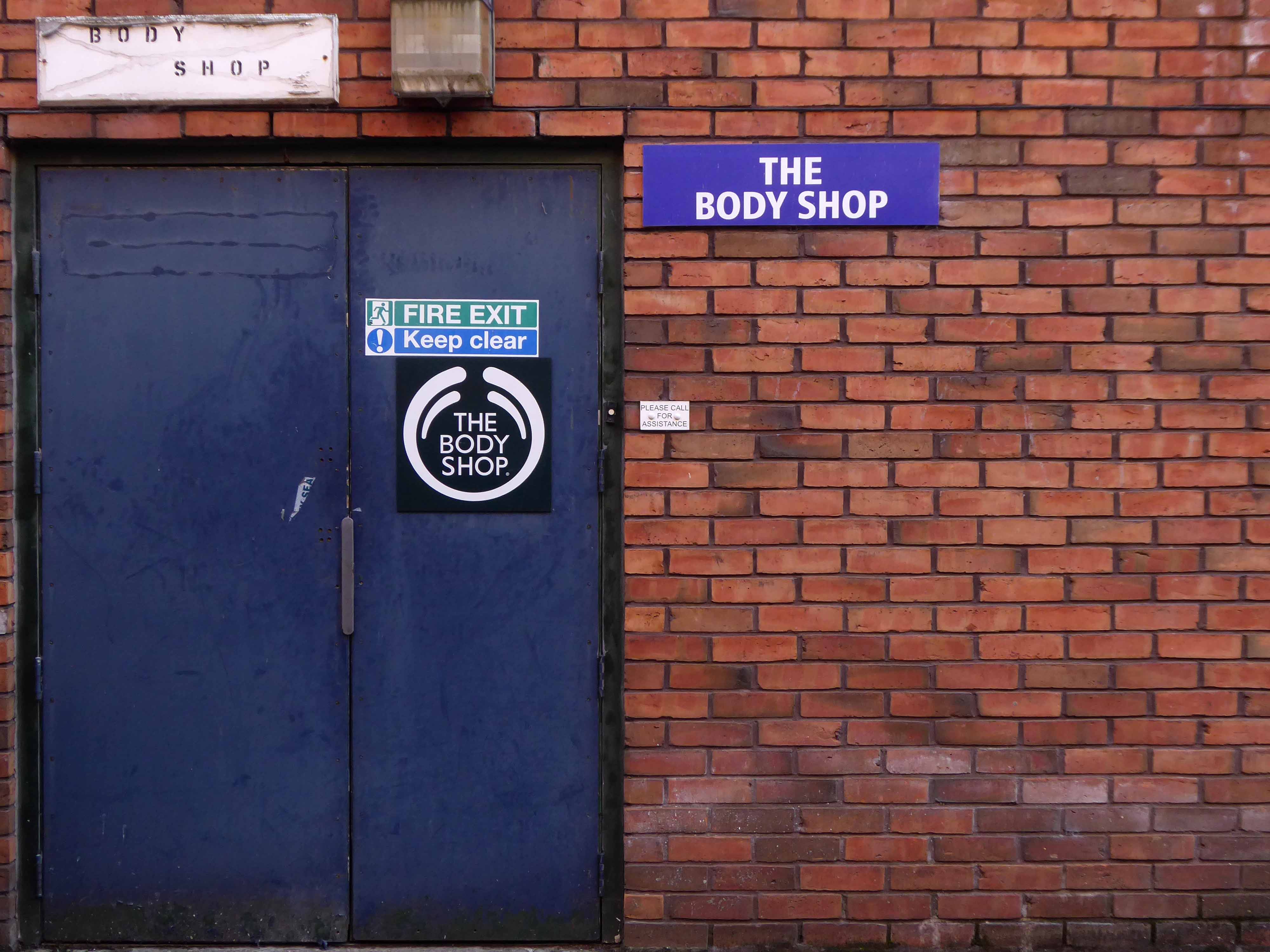
The bench was opened in July 2010 and can seat over 300 people. It was funded by Arun District Council and CABE’s ‘Sea Change’ capital grants programme for cultural and creative regeneration in seaside resorts. The bench was also supported by a private donation from Gordon Roddick as a tribute to his late wife Anita, the founder of the Body Shop, which first began trading in Littlehampton.

Water treatment plant.

Nothing lifts the spirits quite like a wildflower meadow.

Imagine my surprise having gone around the back – an expressionist concrete spiral stairway.

Letting the sky leak in here at Burlington Court in Goring on Sea

The phrase deceptively spacious is one that is often overused within the property industry, however it sums up this ground floor flat prospectively. Offering a great alternative to a bungalow and providing spacious and versatile living accommodation, this is an absolute must for your viewing list.

Prime Location £250,000

What a delightful Modernist frieze on the side of Marine Point – Worthing!

With lifts to all floors this triple aspect corner apartment is situated on the fifth level and has outstanding panoramic sea views across from Beachy Head to Brighton through to the Isle of Wight. It is also benefits from stunning South Down views to the west and north. The property has been recently refurbished to a high specification and includes features such as: Quick-Step flooring, security fitted double glazed windows, a hallway motion sensor lighting system, extensive storage space and two double bedrooms.  

On The Market £450,000

Fox and Sons are delighted to offer For Sale this immaculate seafront penthouse located within the highly desirable Normandy Court situated on the sought after West Parade, Worthing. Upon entry you will notice that the communal areas are kept in good condition throughout.

Fox and Sons £325,00

The finest N in the land!

One of the finest modular pre-cast concrete car parks in the land.

Borough council officers have recommended developing the Grafton car park, with a fresh study recommending that building new homes there is key – saying it is important to help revitalise the town centre and bring in new cutlural and leisure activities.

The car park is currently undergoing essential maintenance to be able to keep it open in the short term but the recommendation is that it should eventually be demolished to make way for the new development.

Spirit FM

In the meantime they have painted it a funny colour.

On the concrete Undercliff on my way out of Brighton.

The Seven Sisters in view.

Before you know it you’ve booked into an Eastbourne B&B enjoying the multiple benefits of the complimentary biscuits and a mini-kettle brew.

Followed by a pint in the delightful Dolphin.

A stroll around town.

Returning to the backyard of The Dolphin.

Another pint then.

Night night.