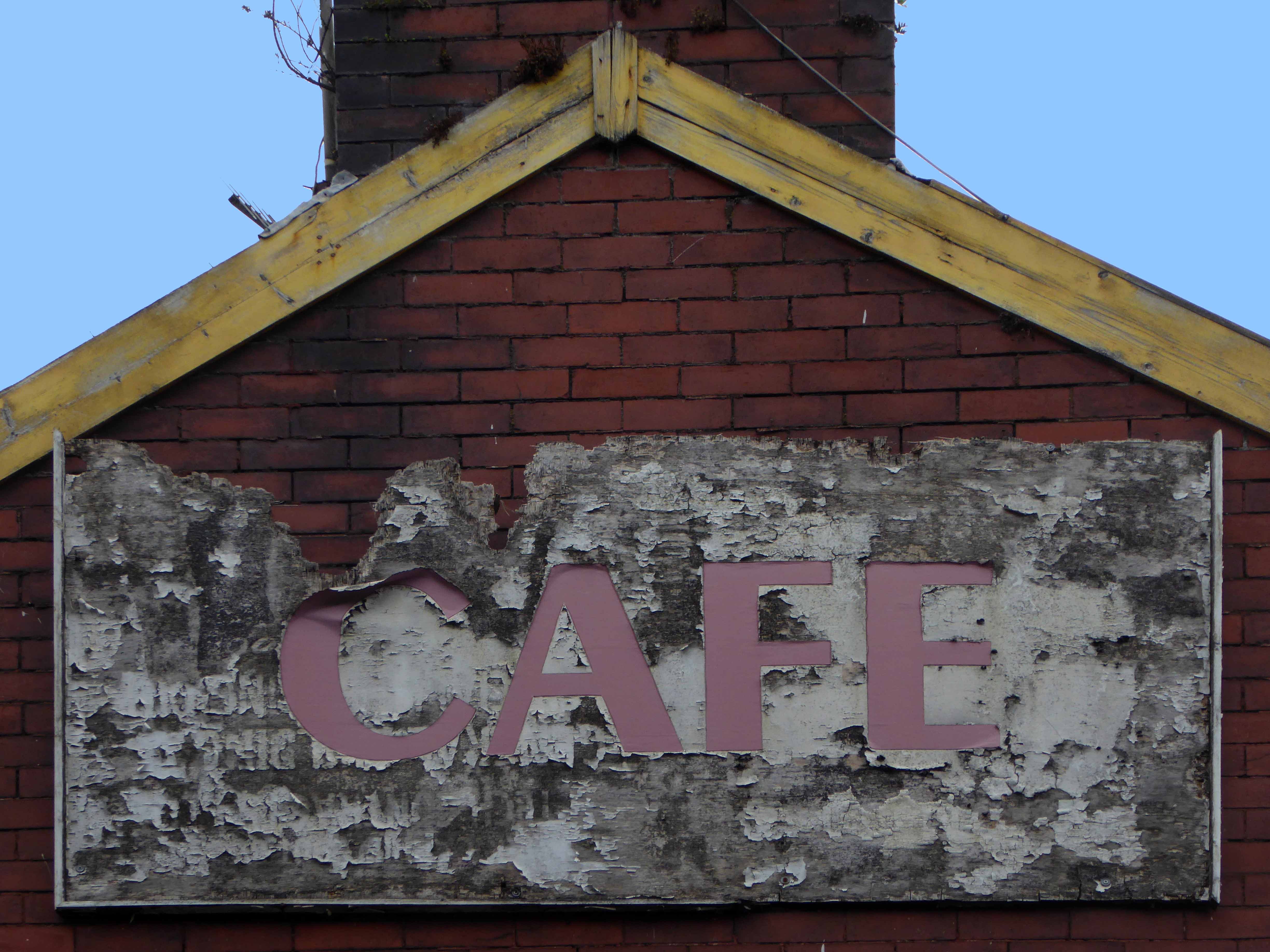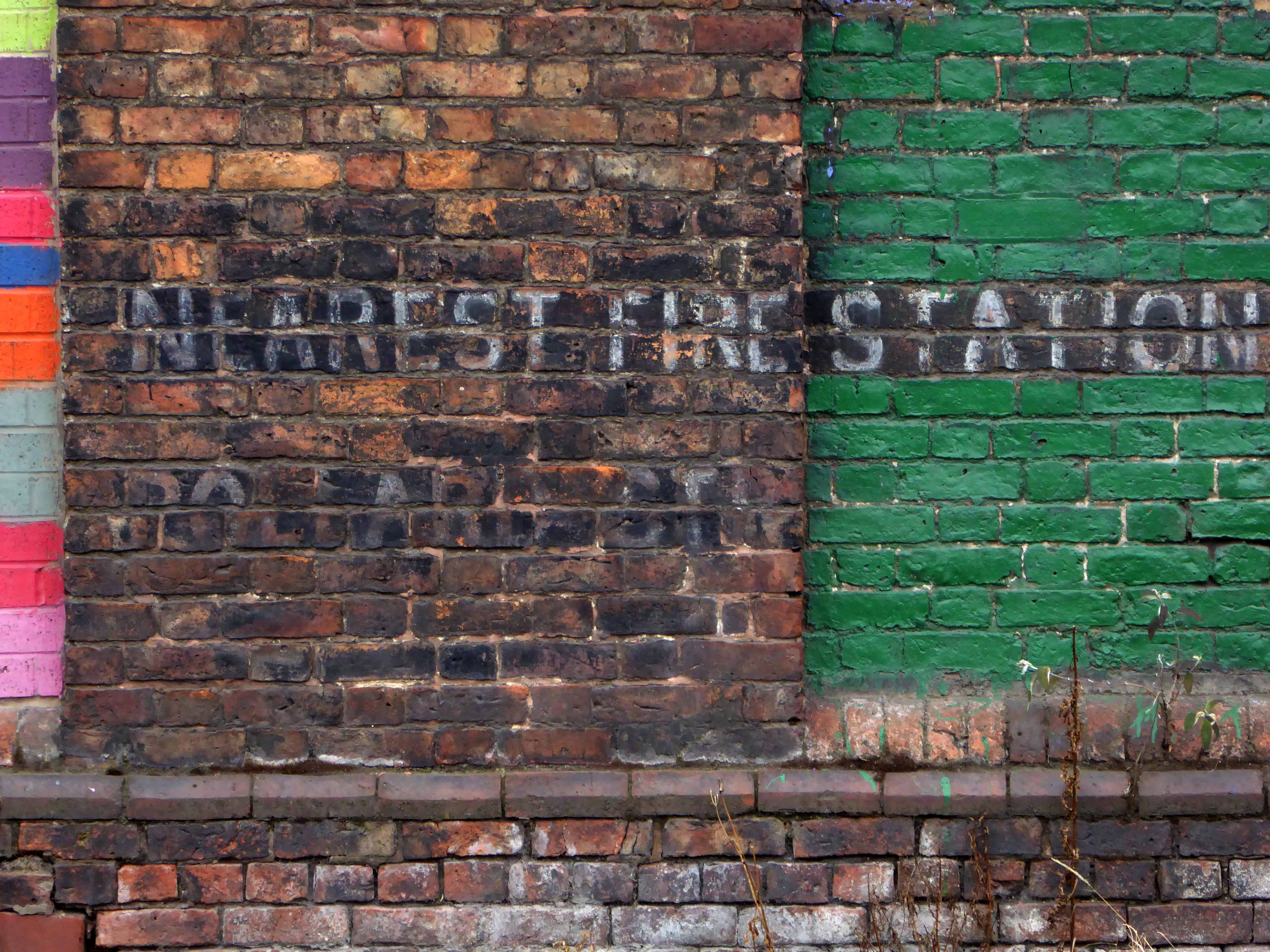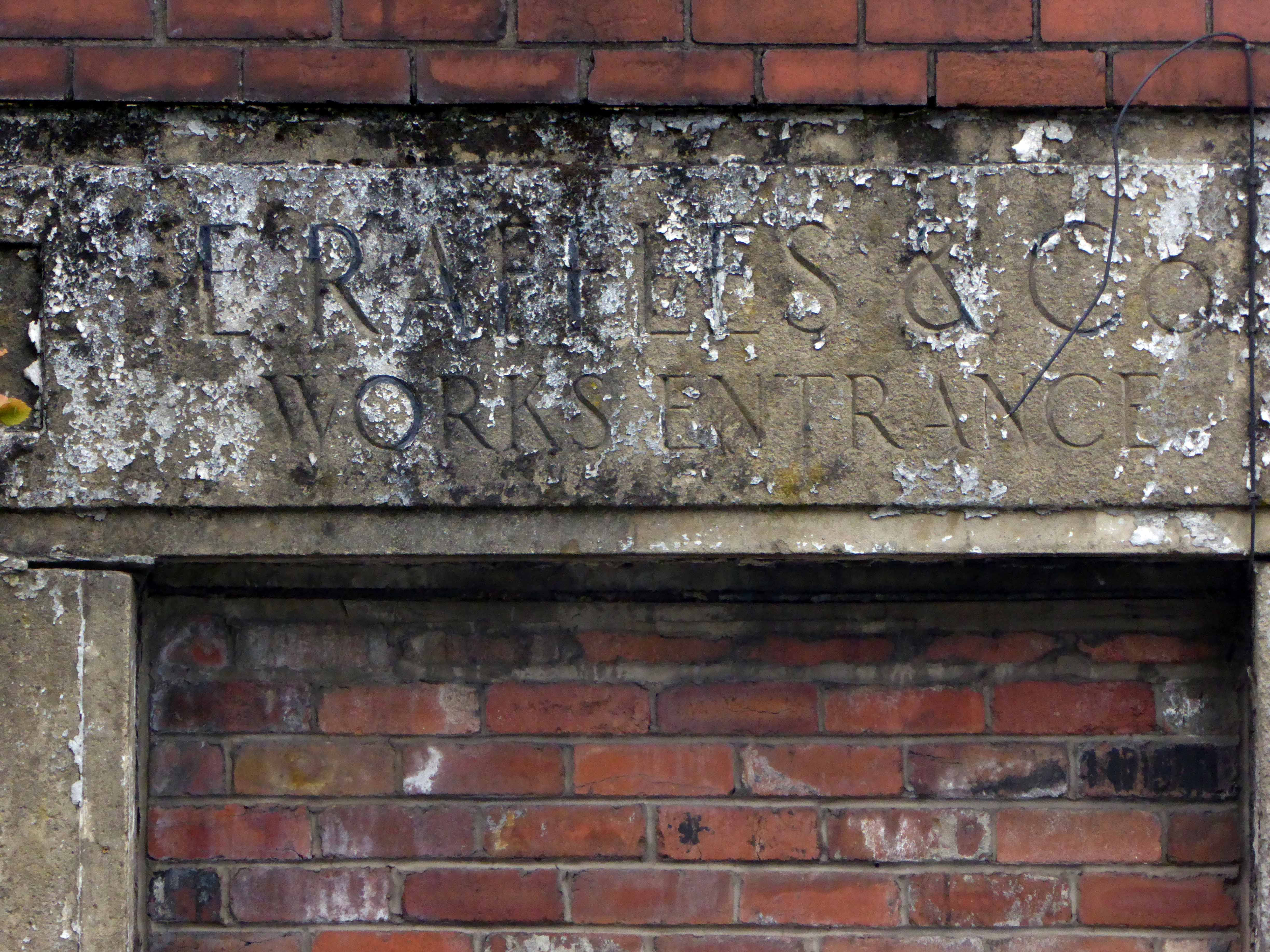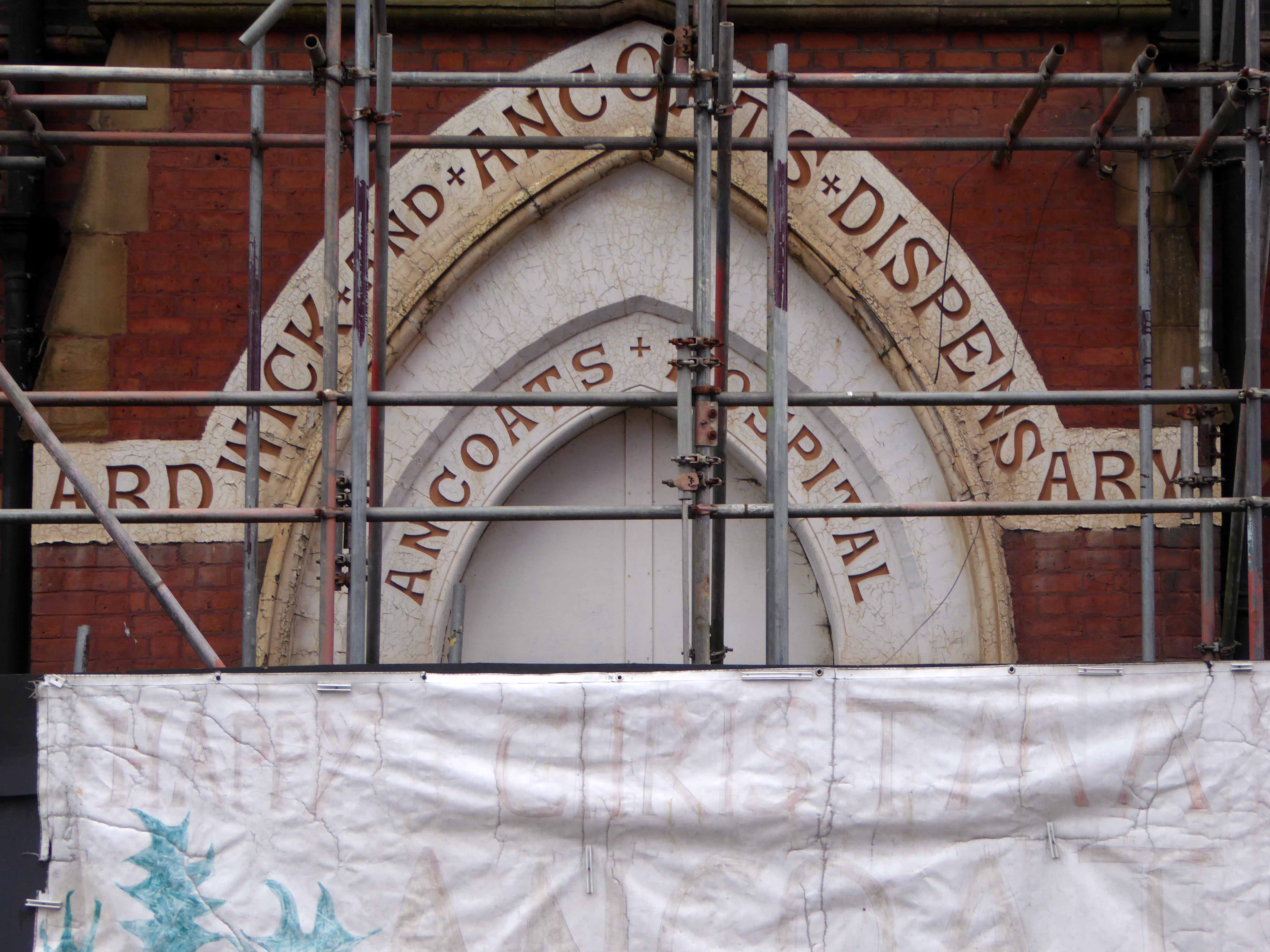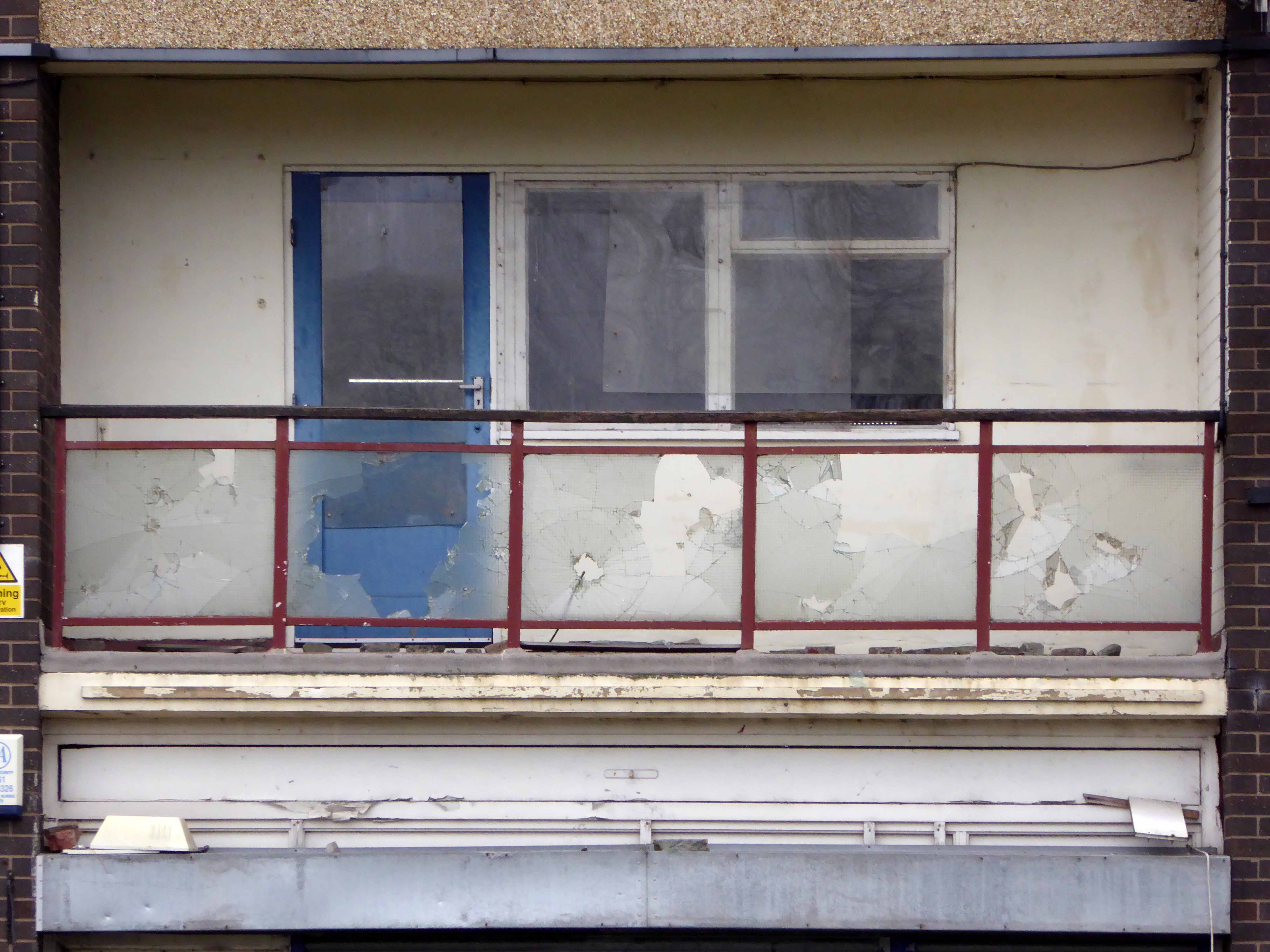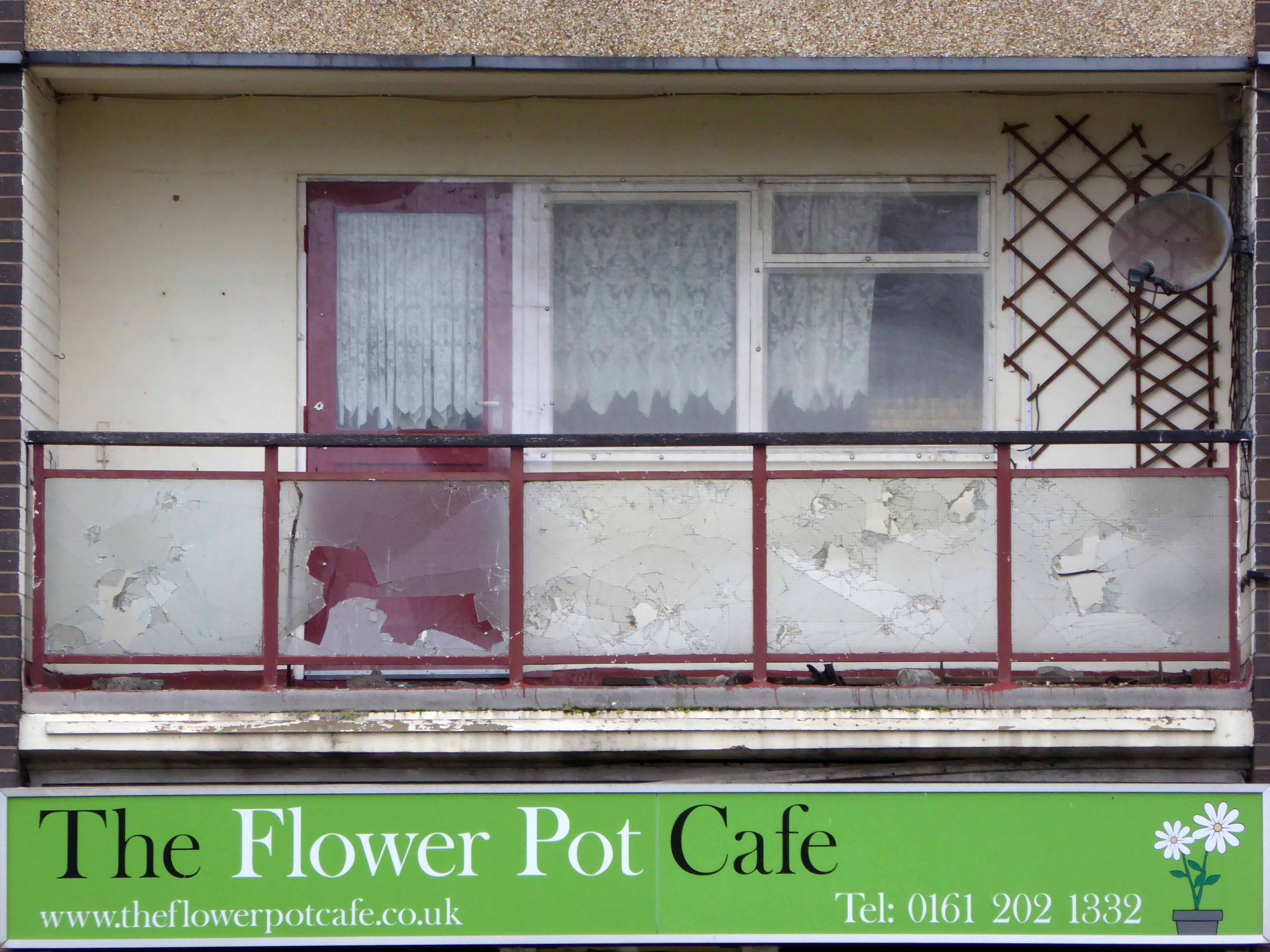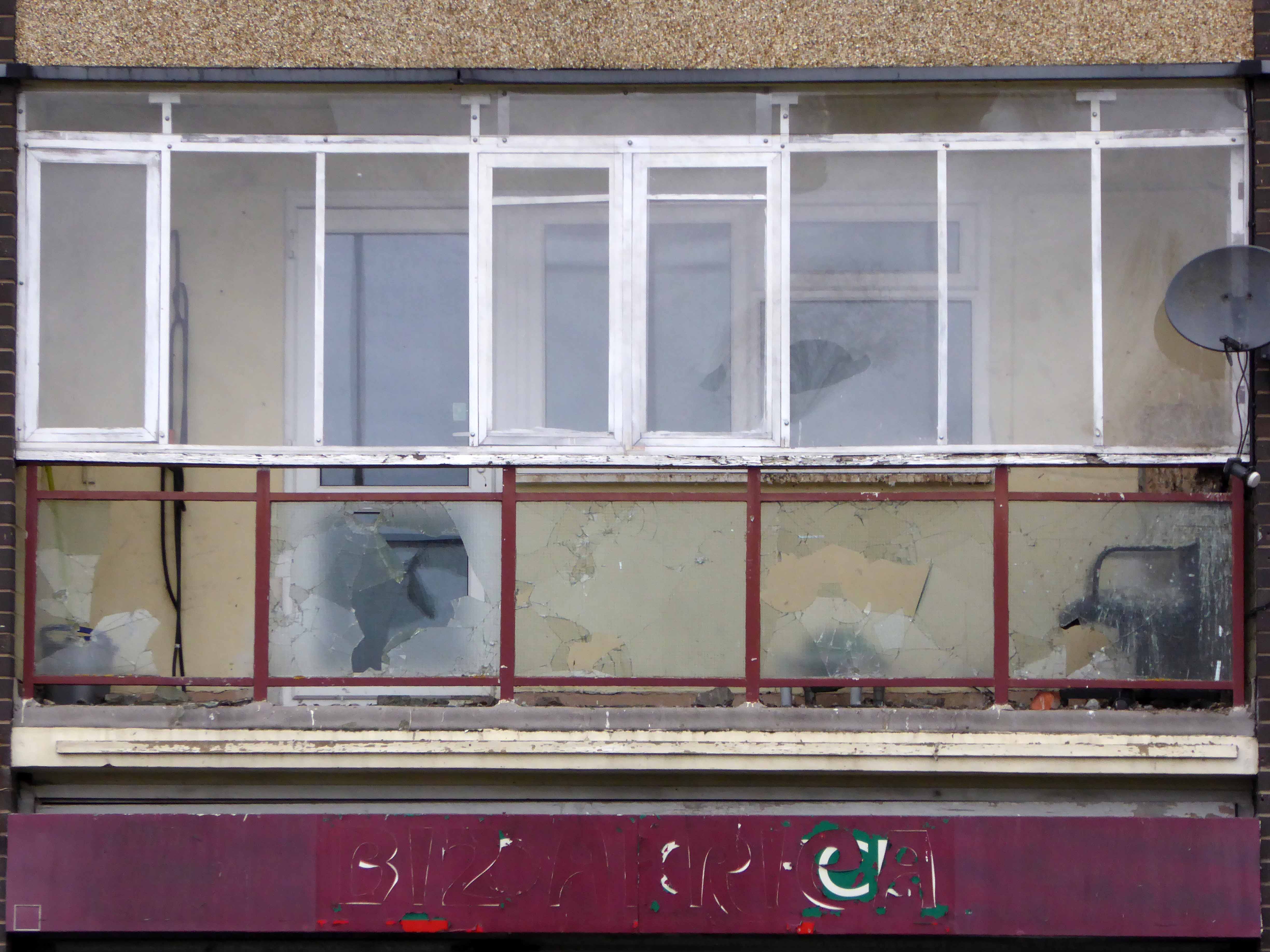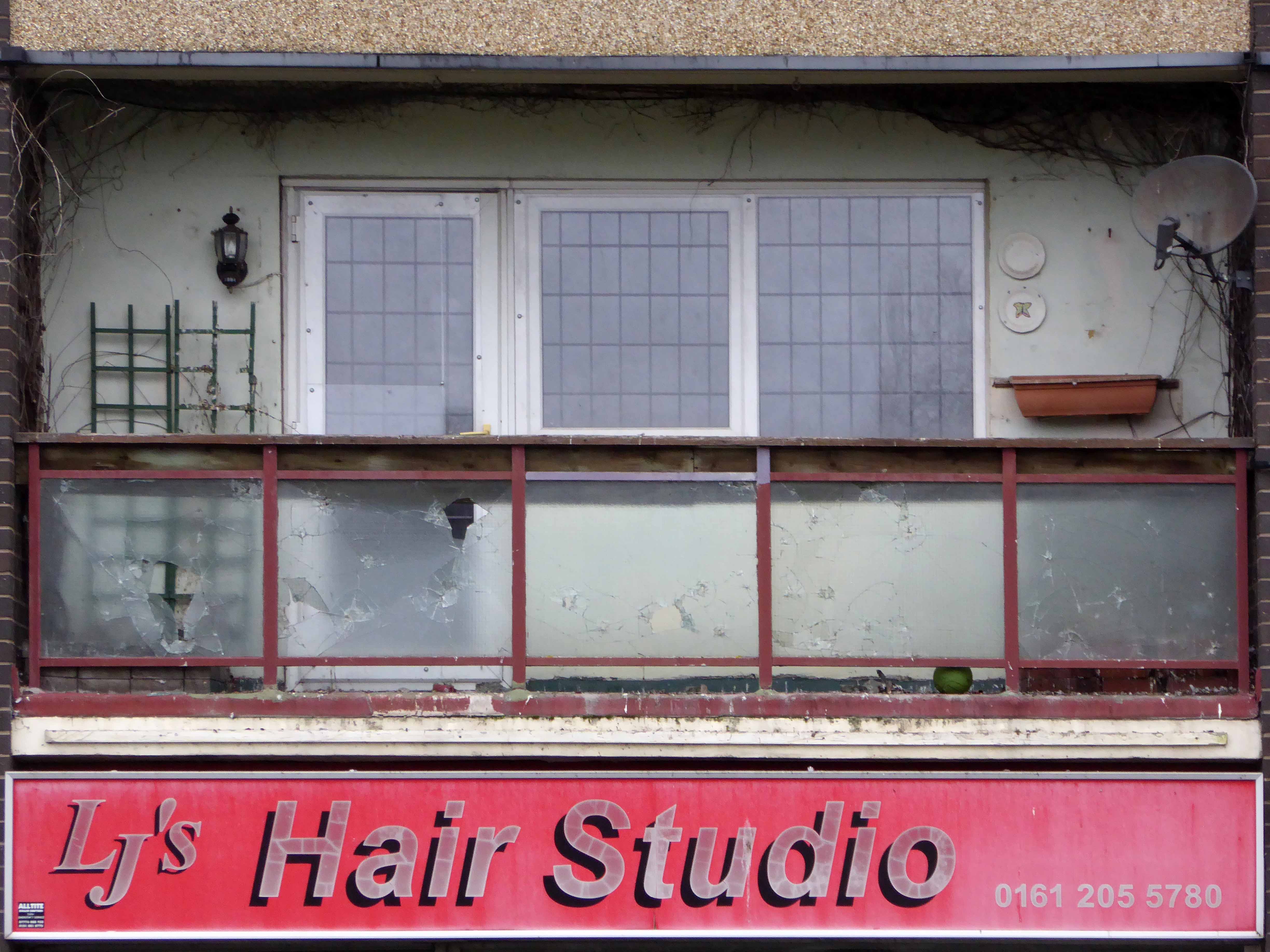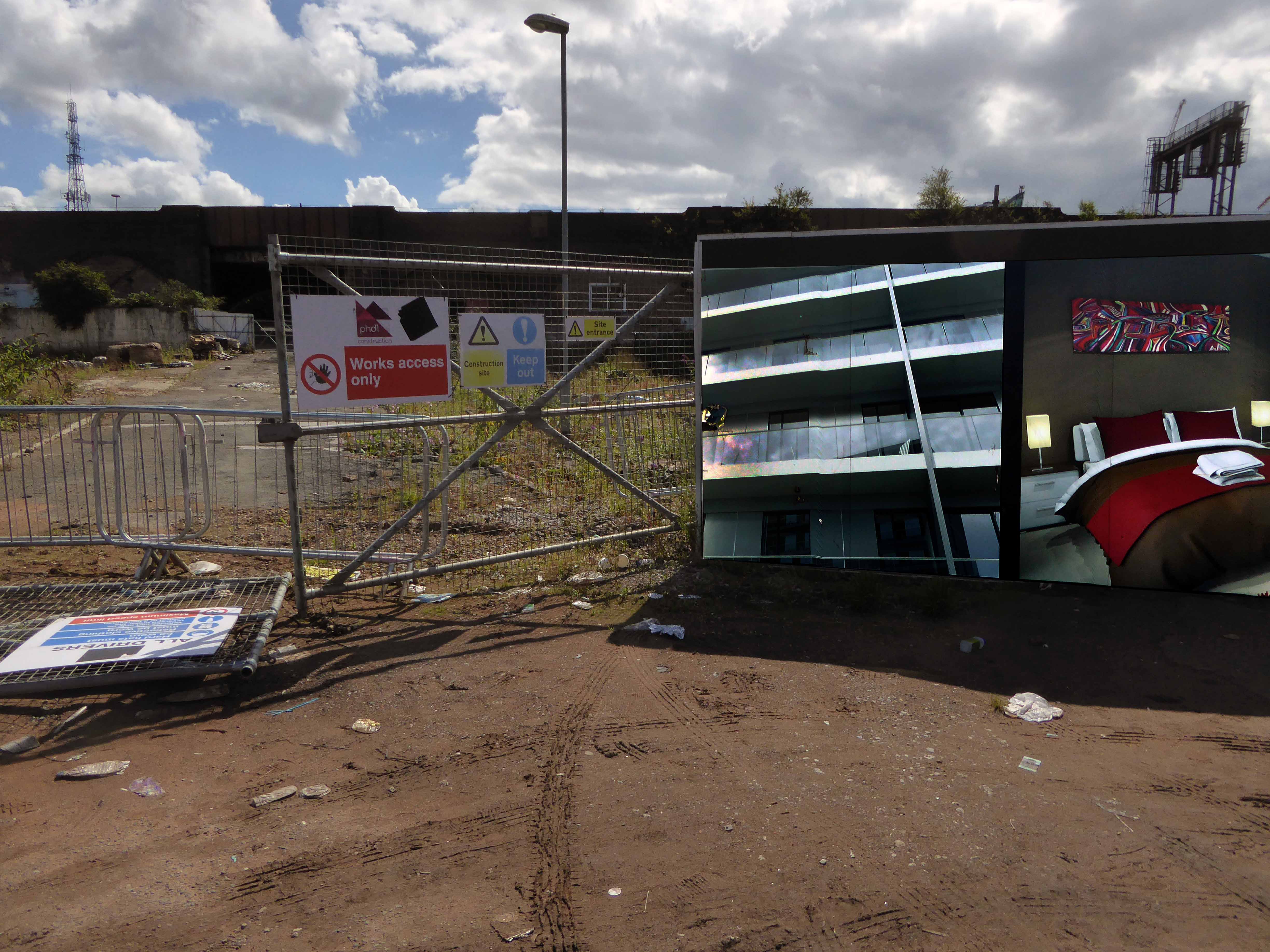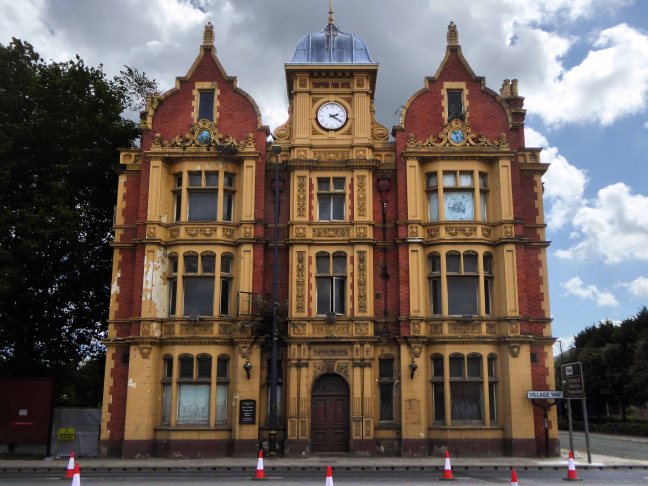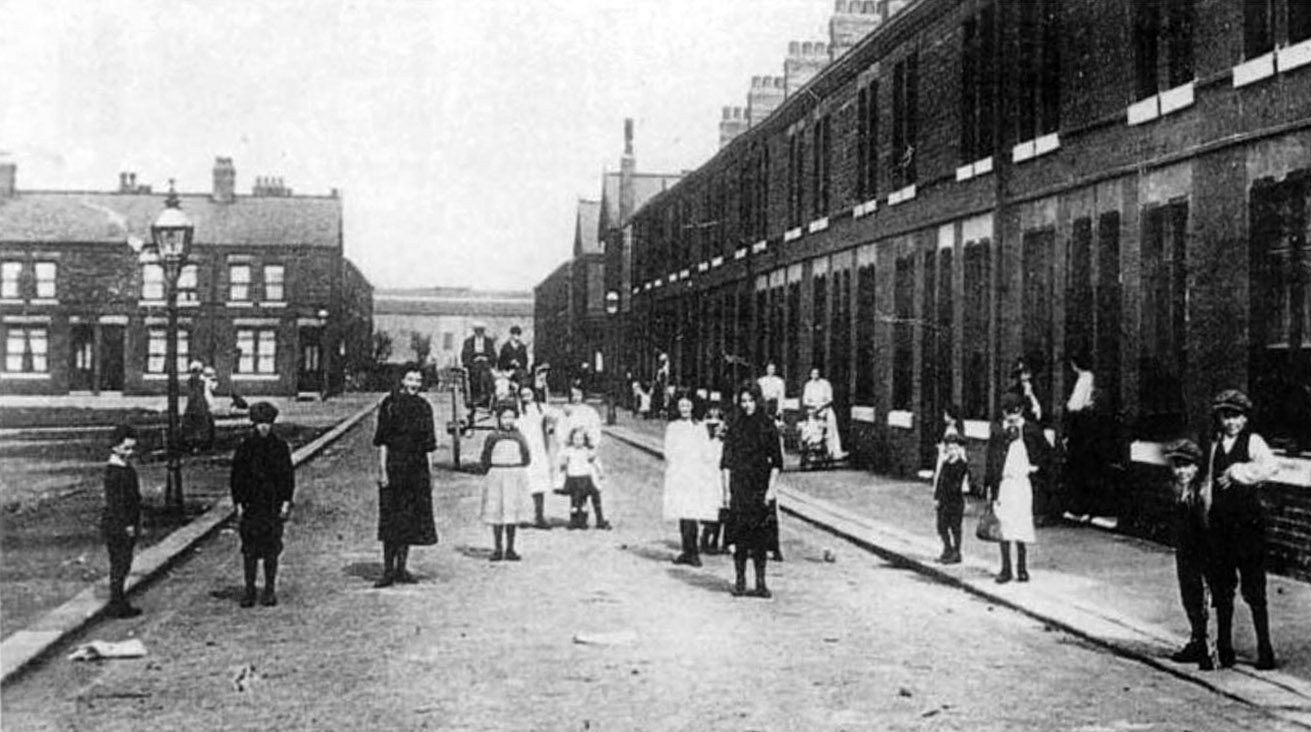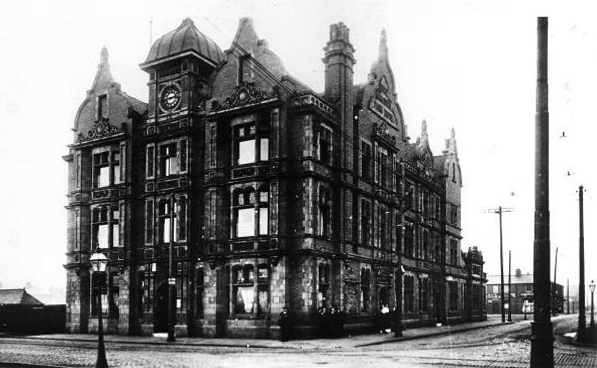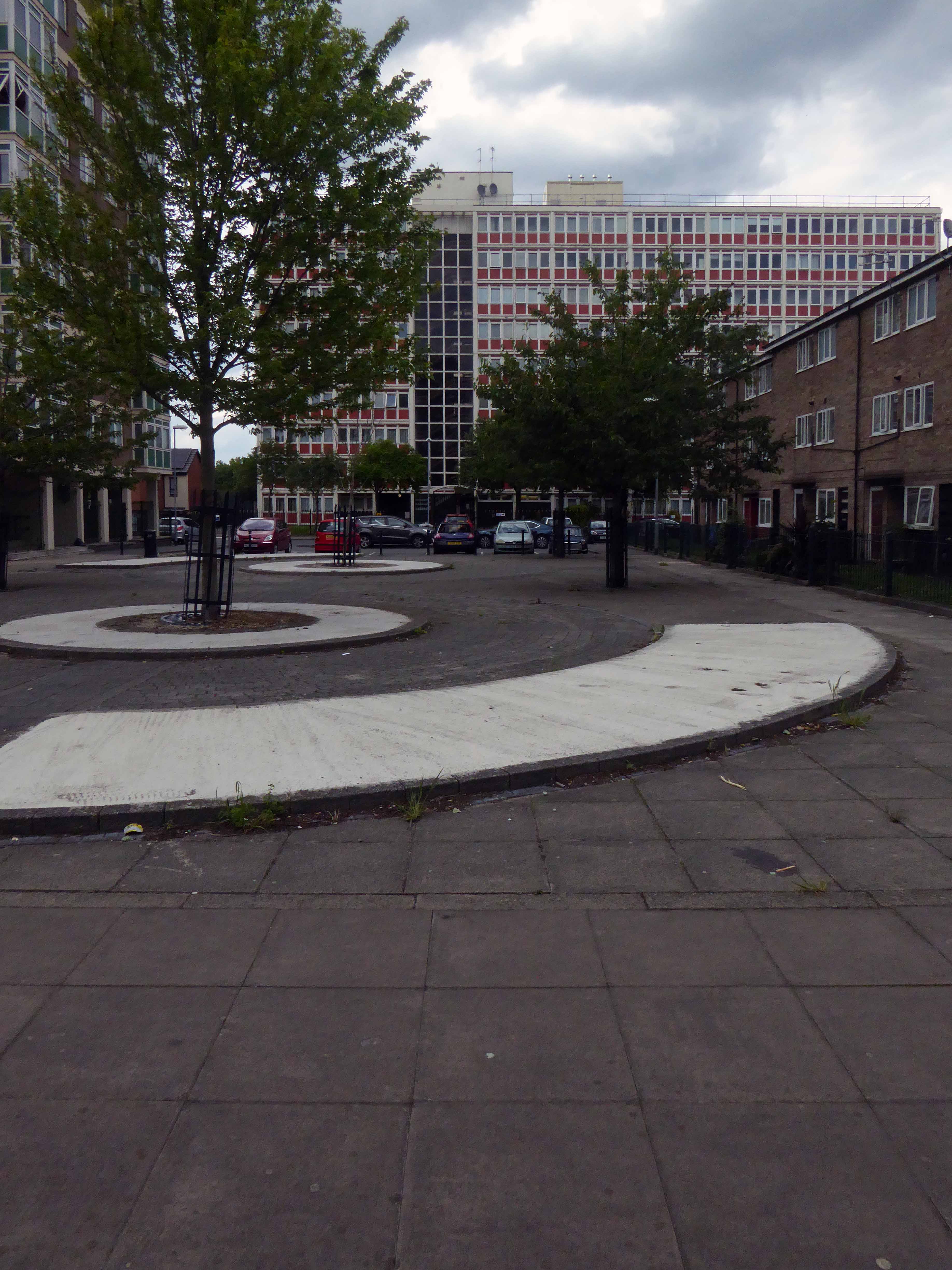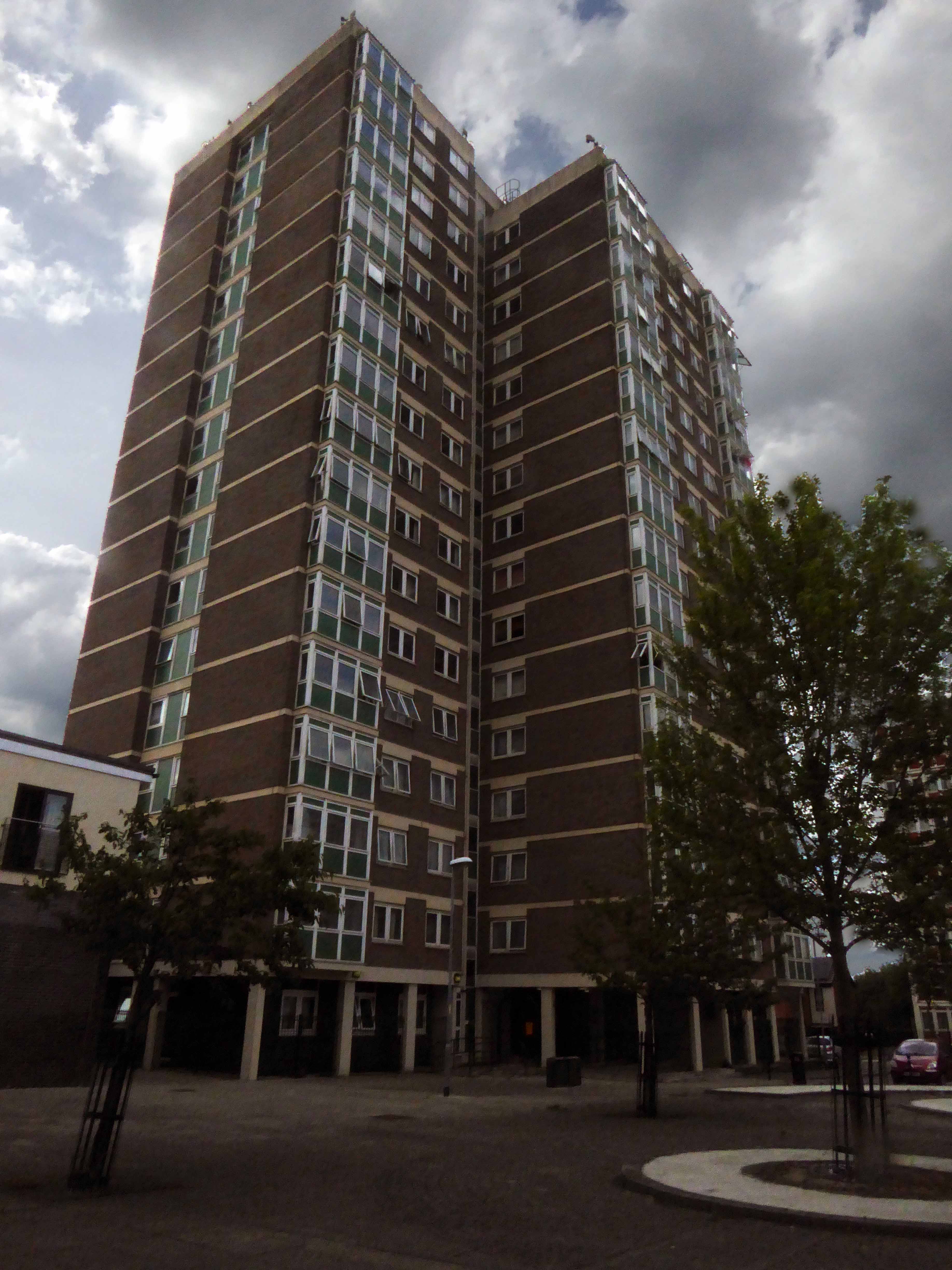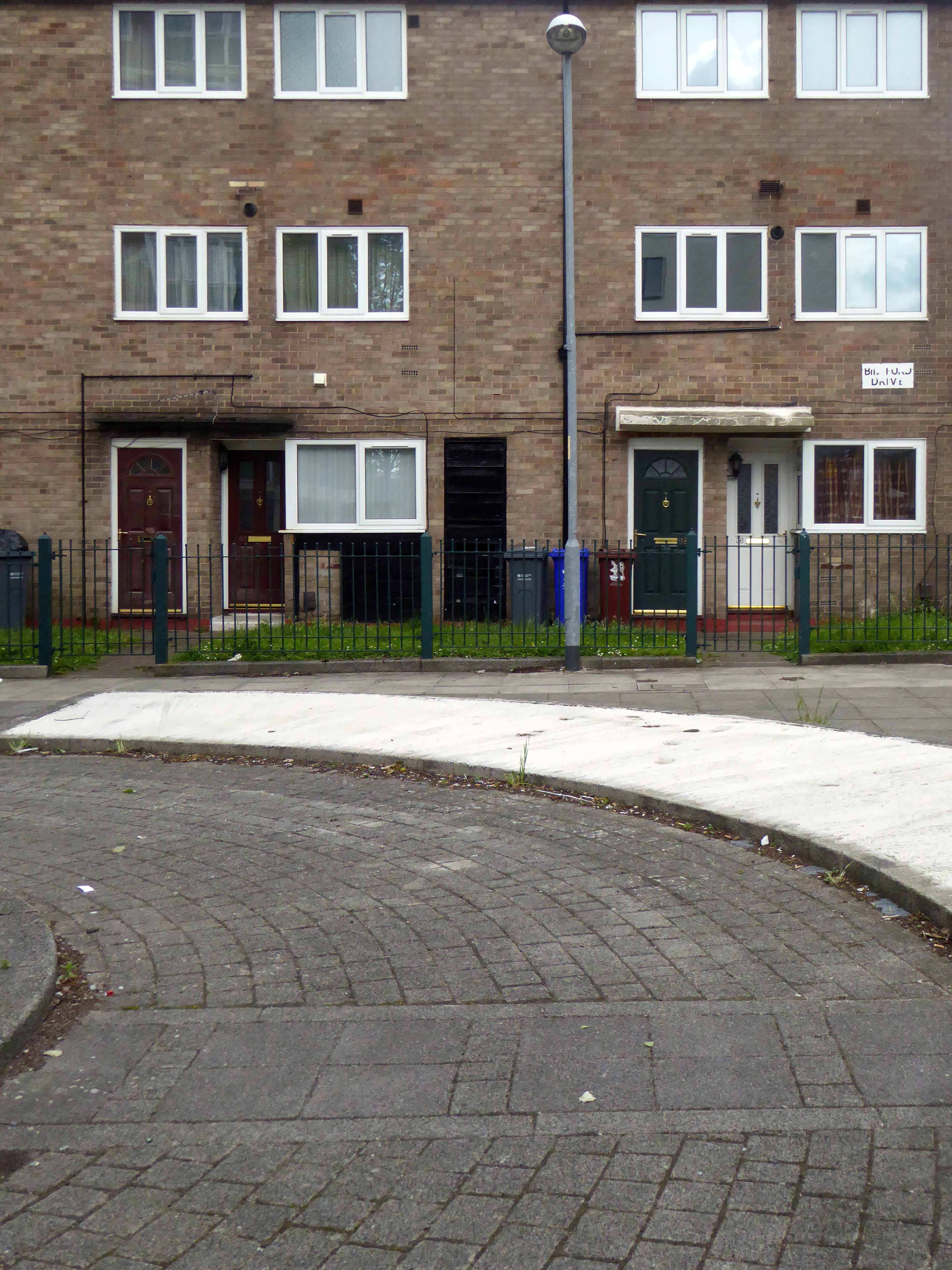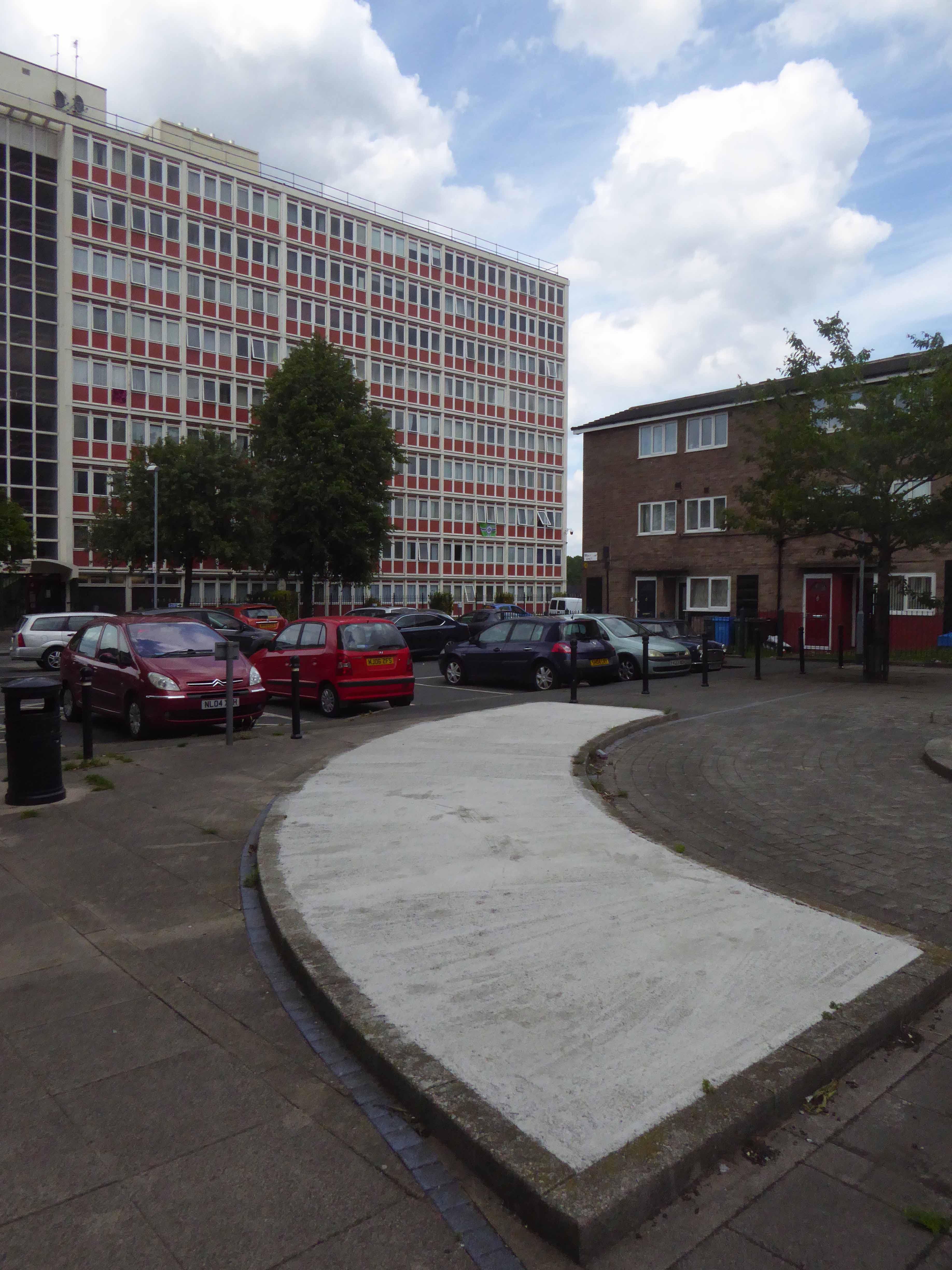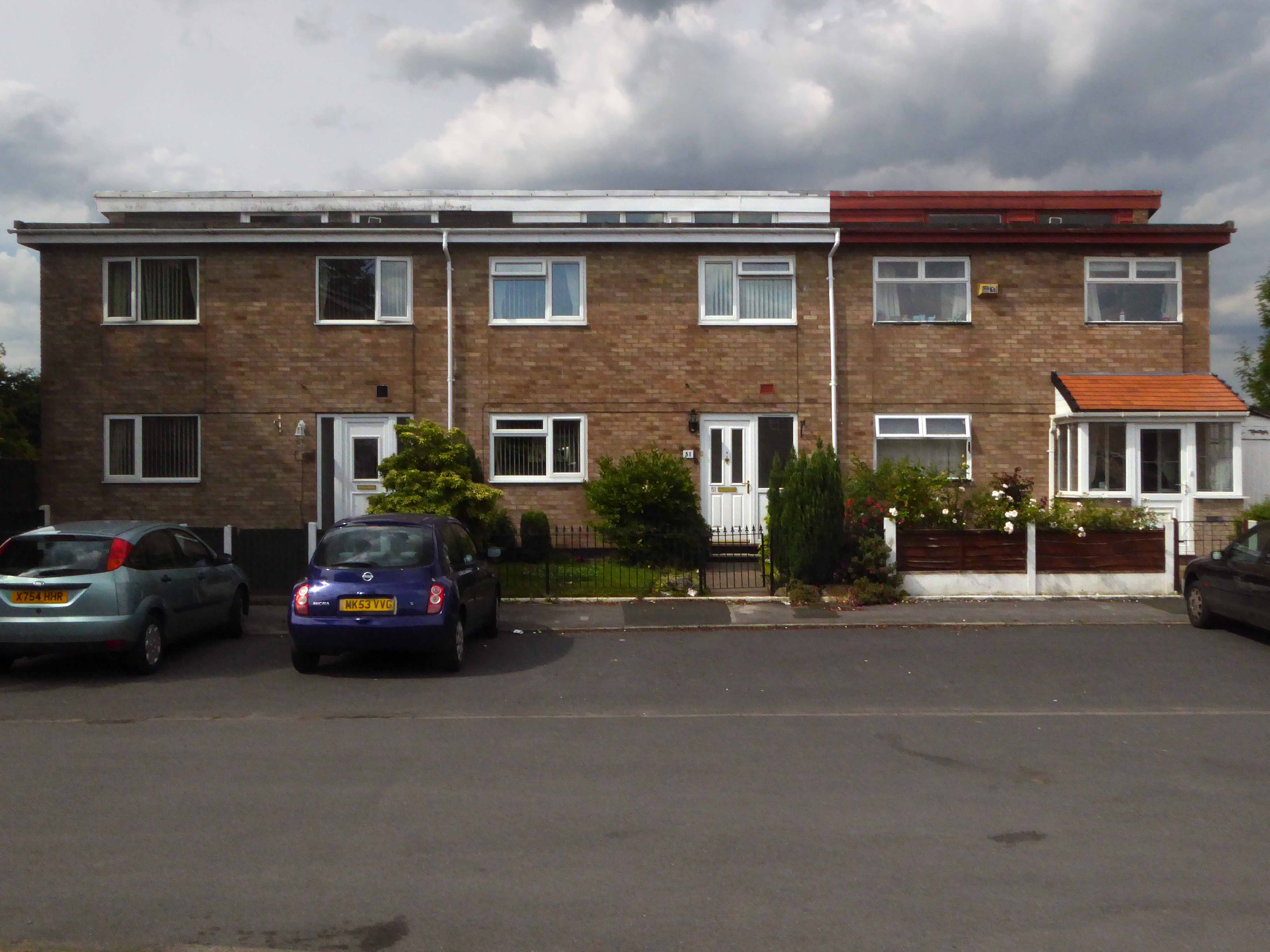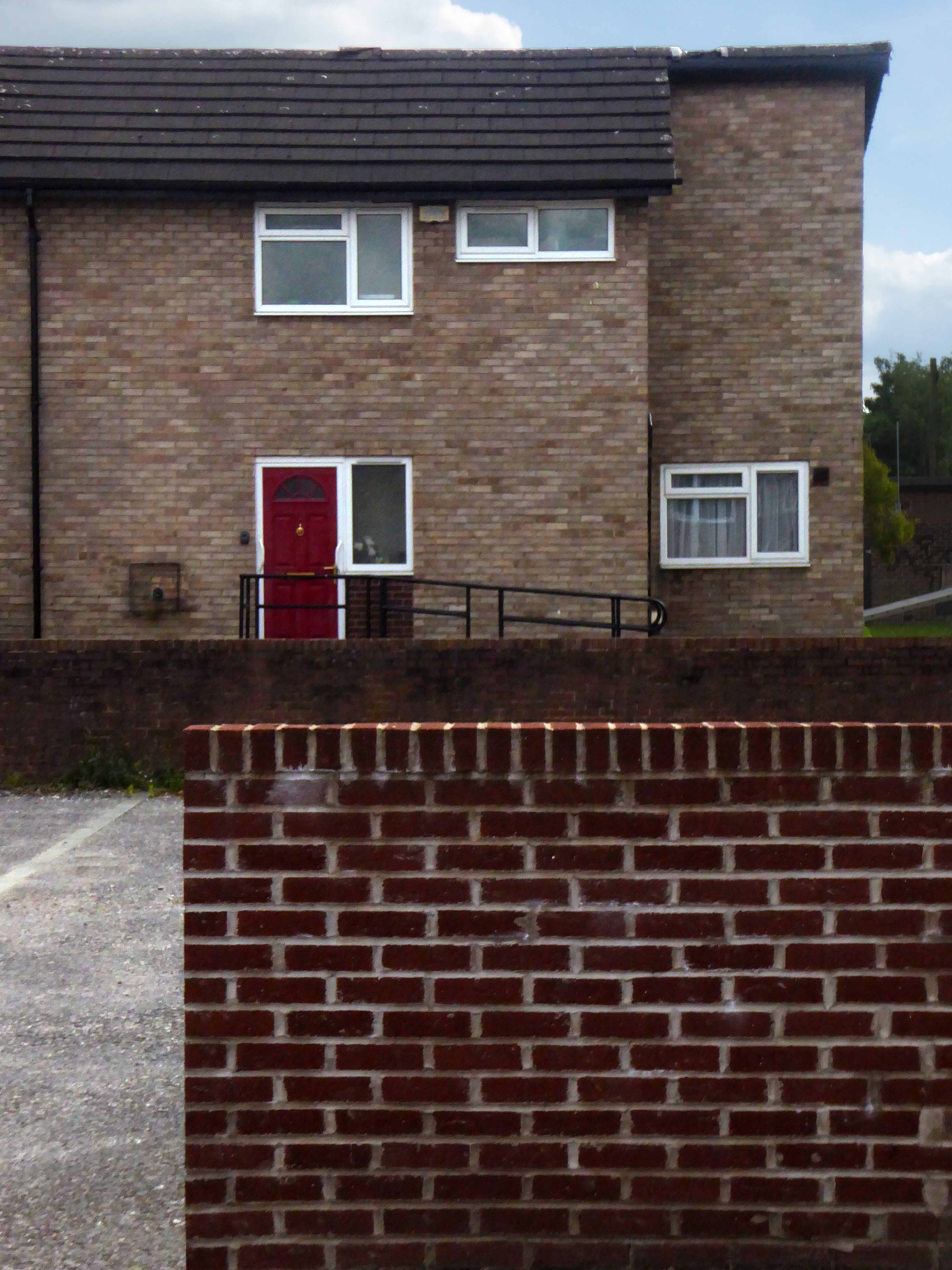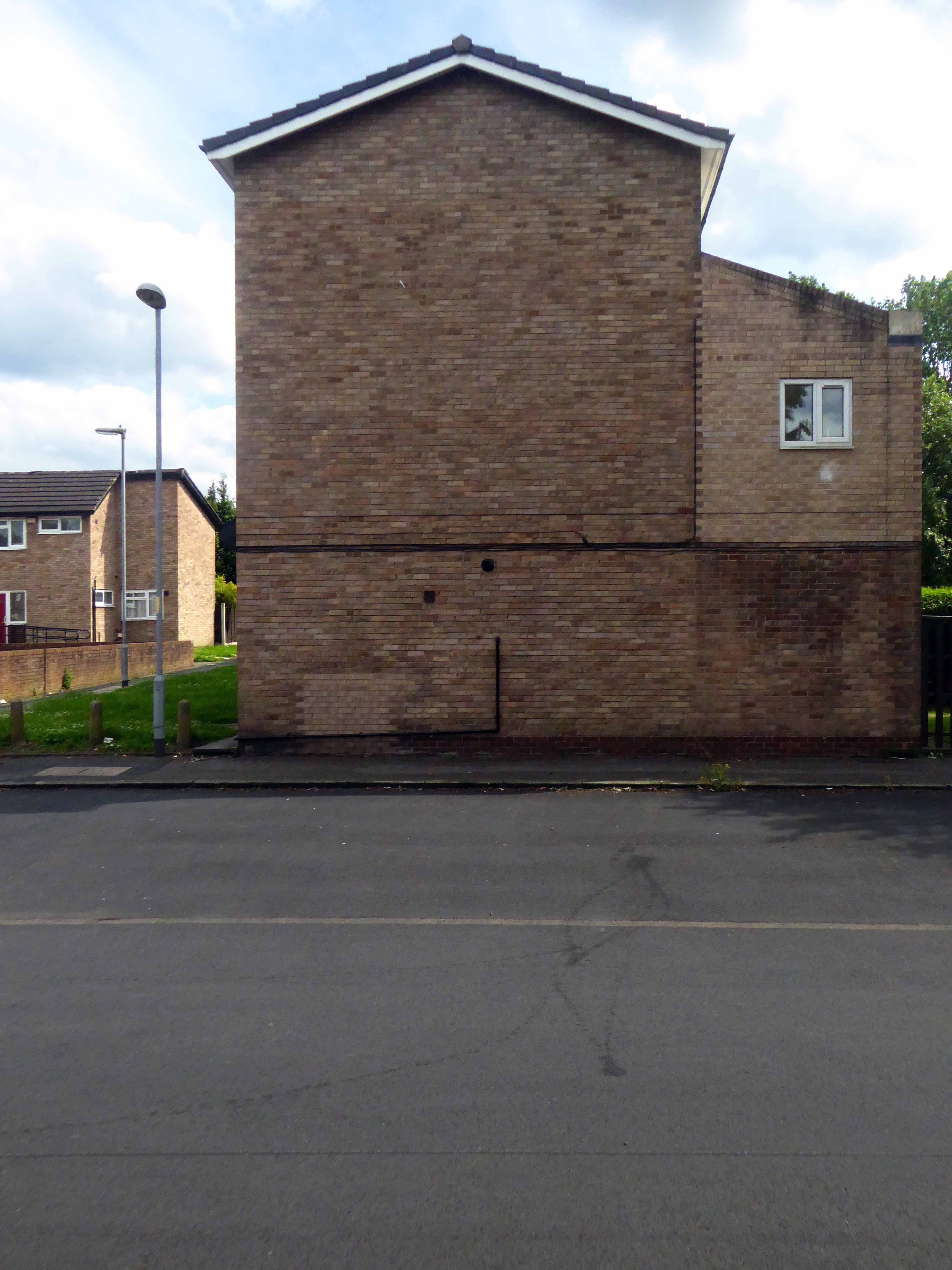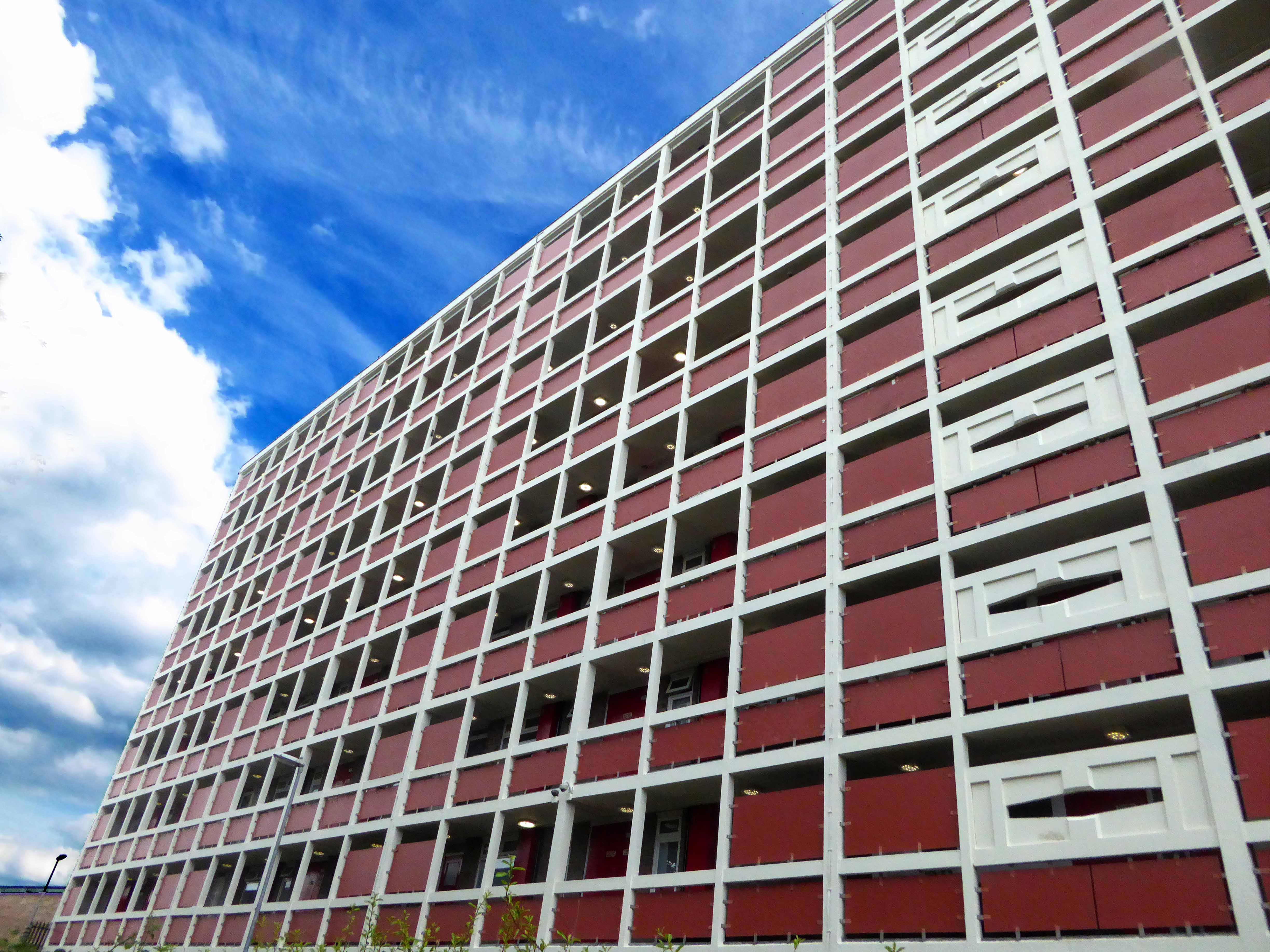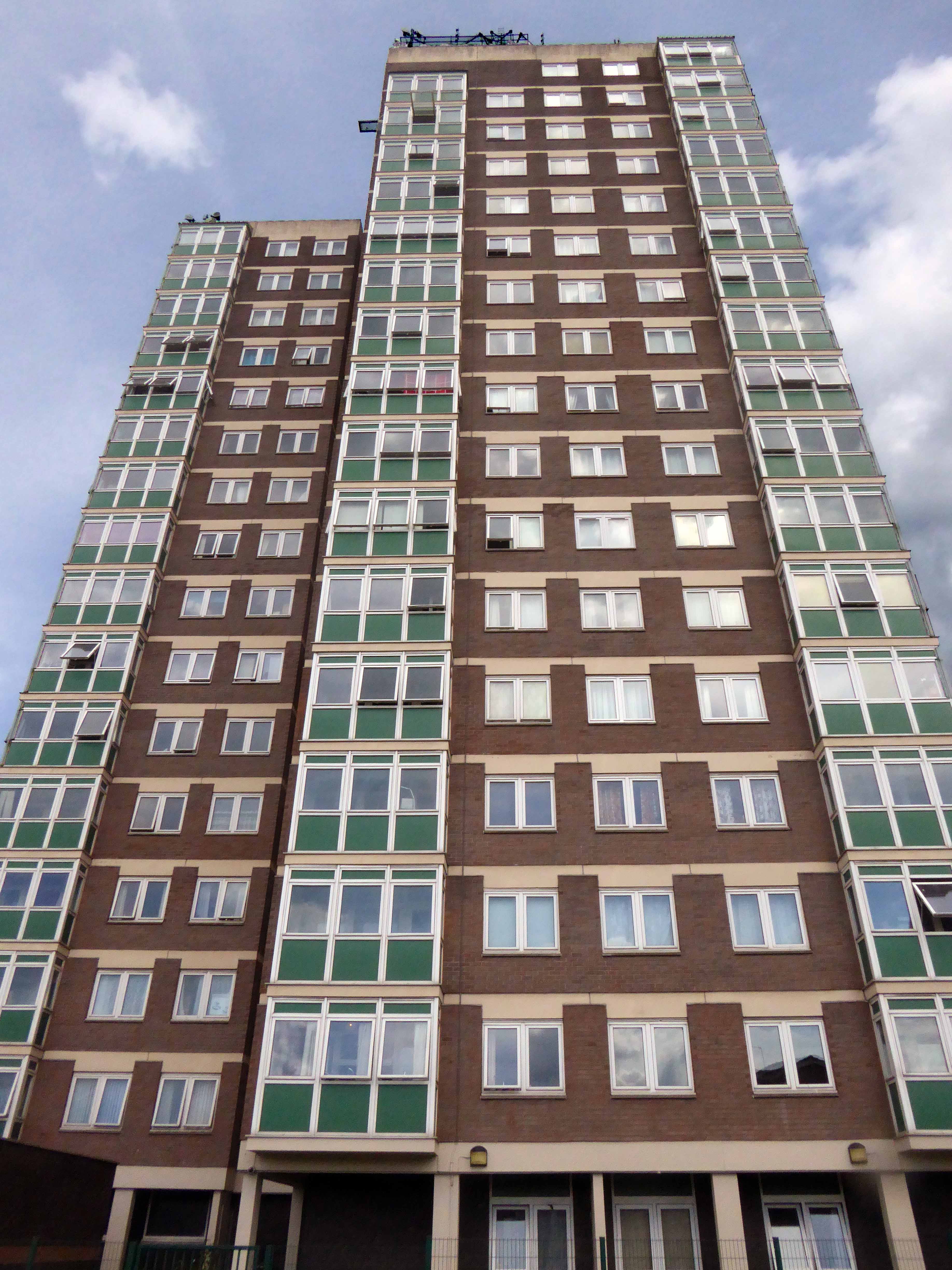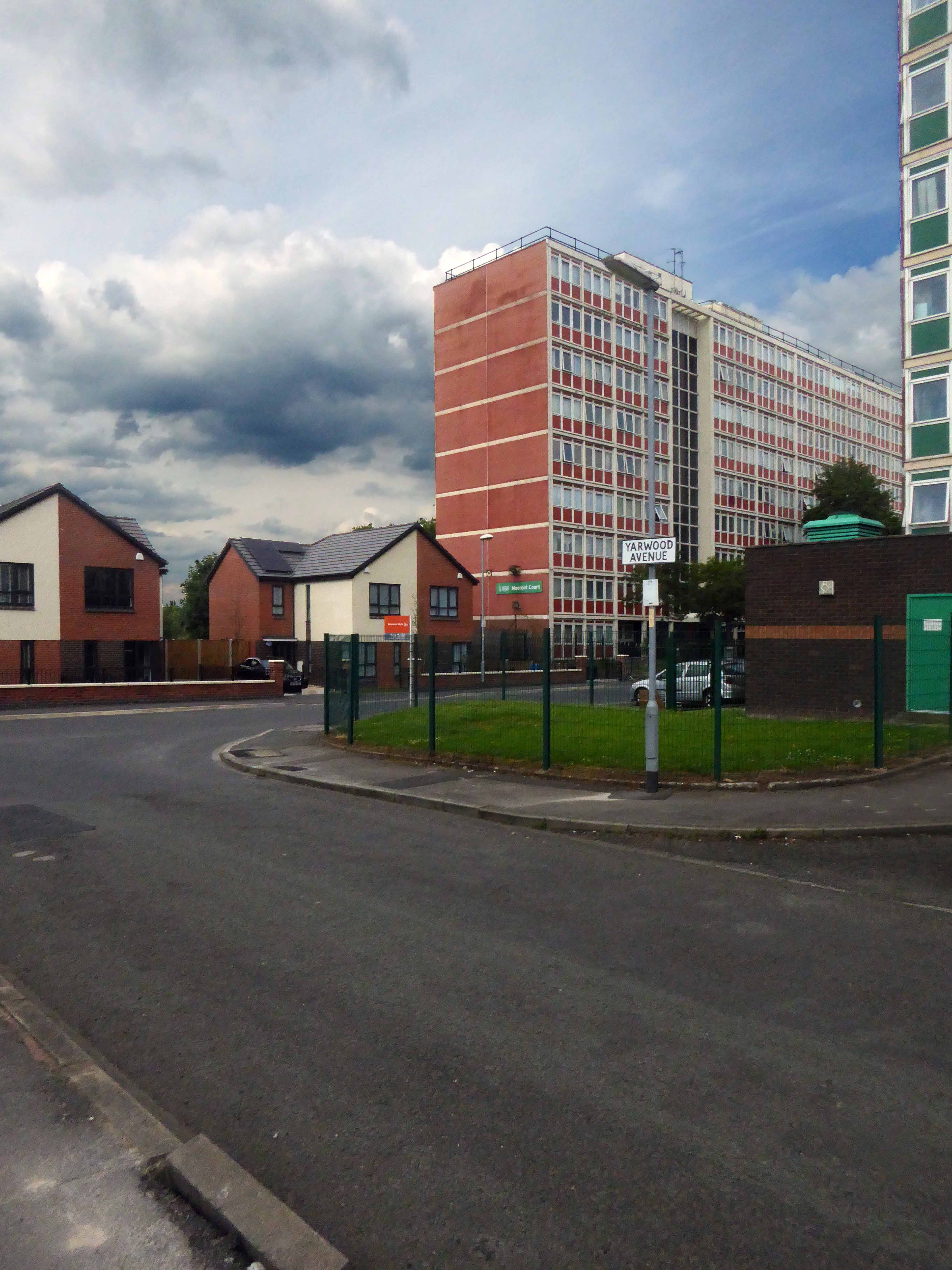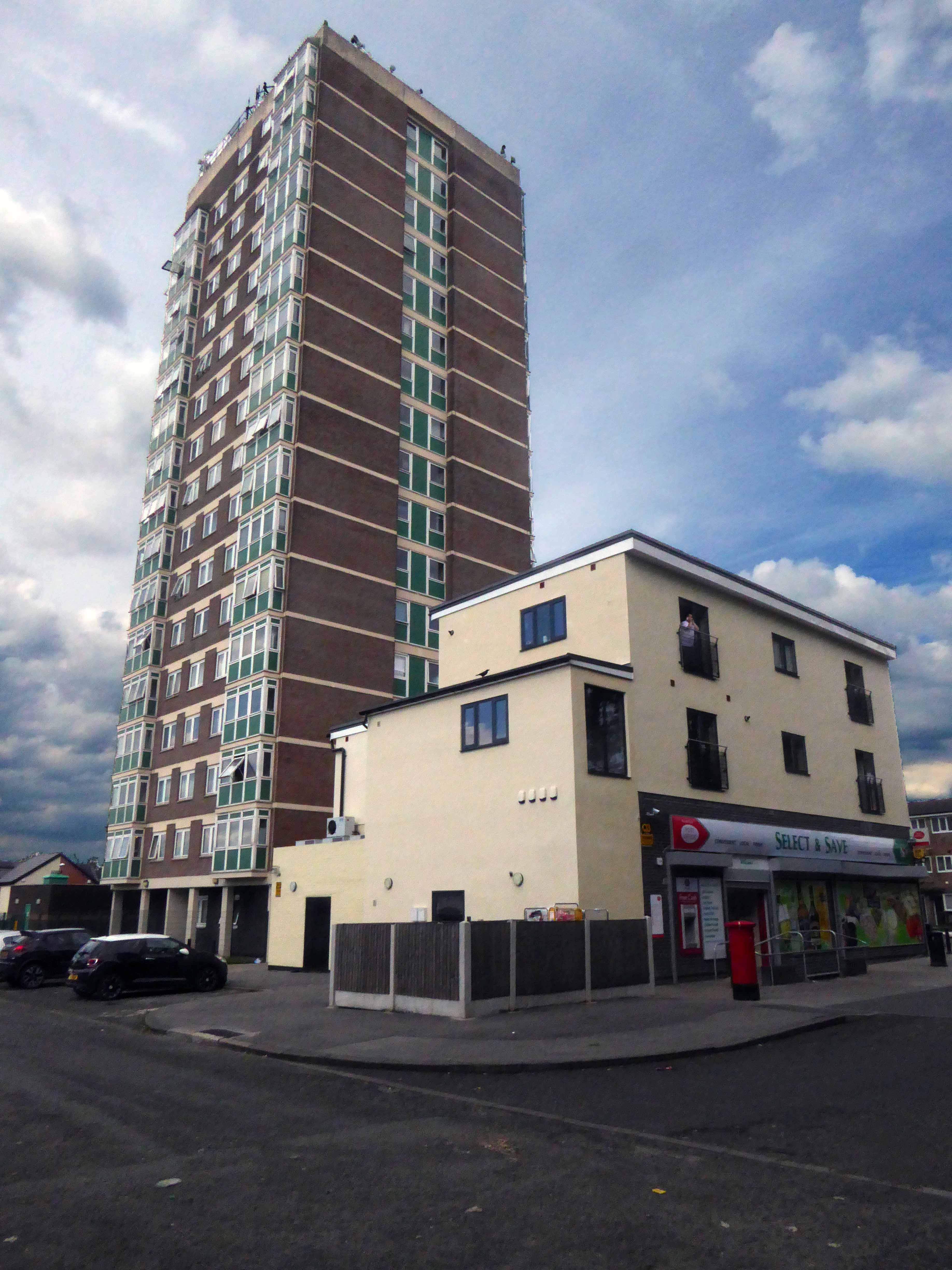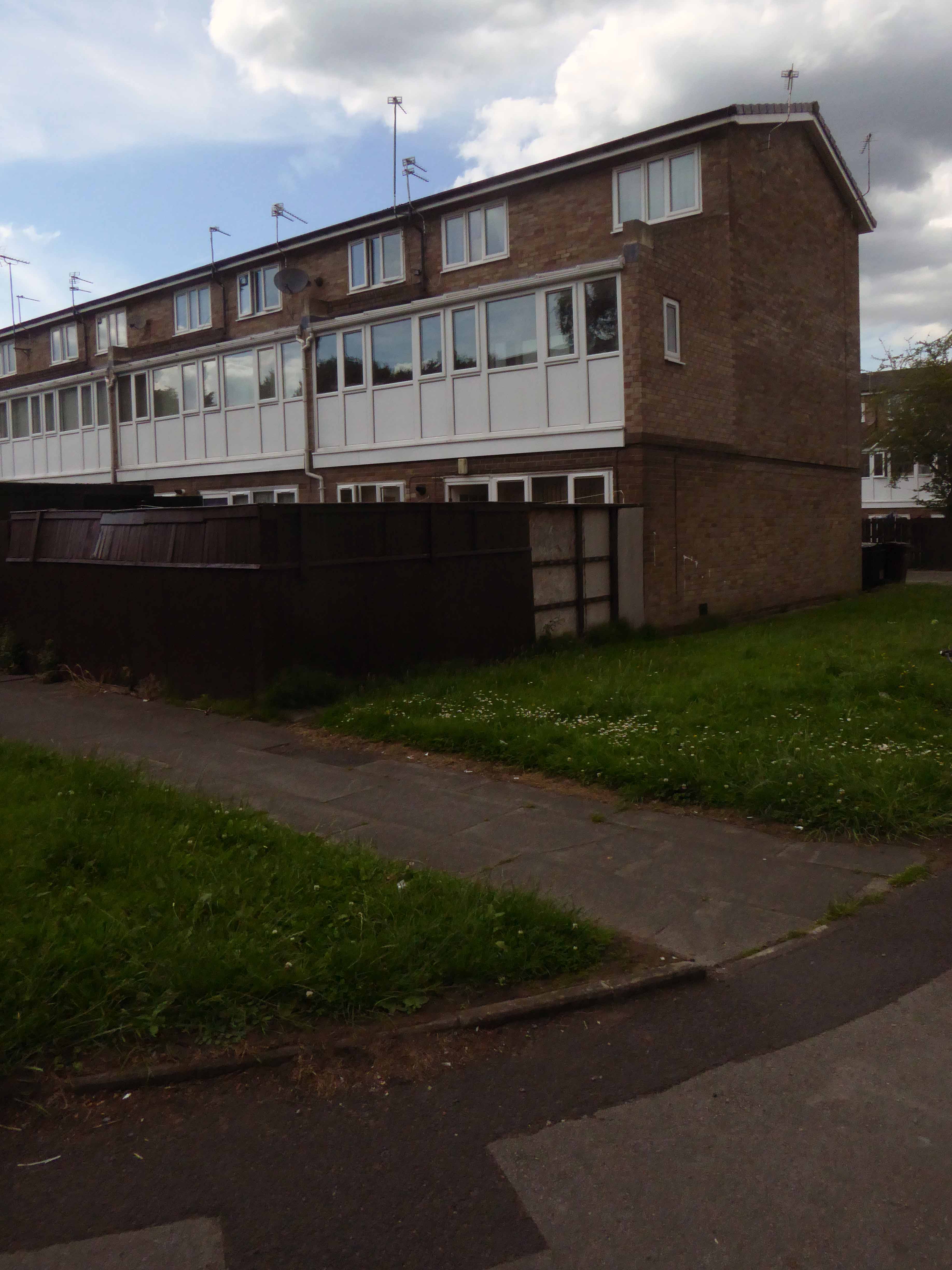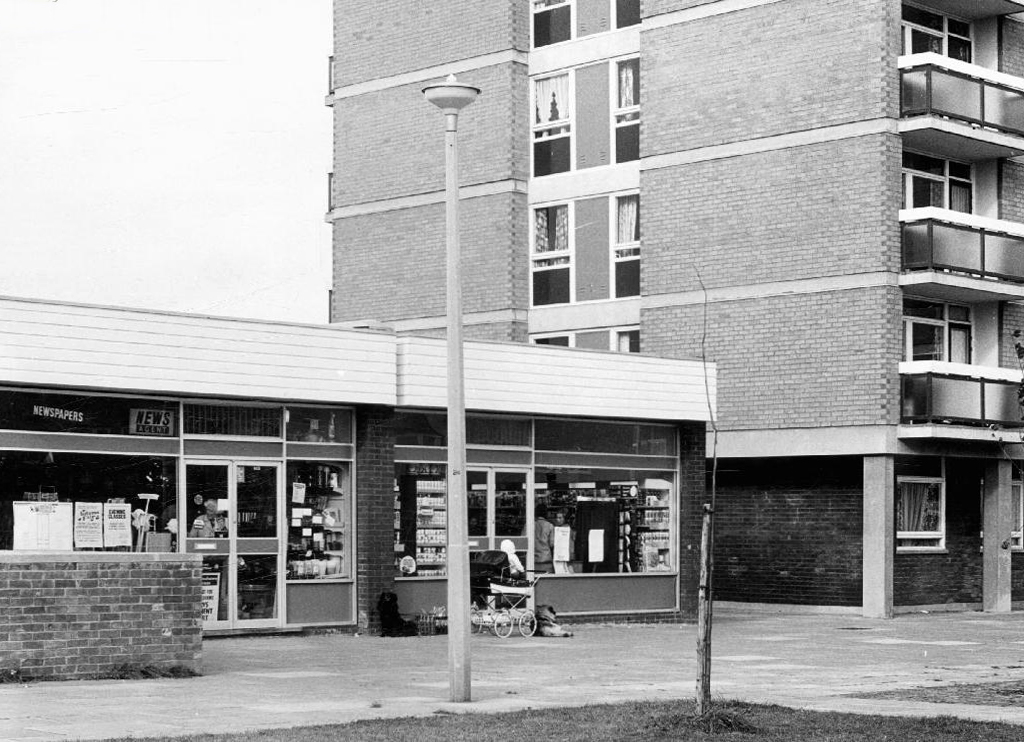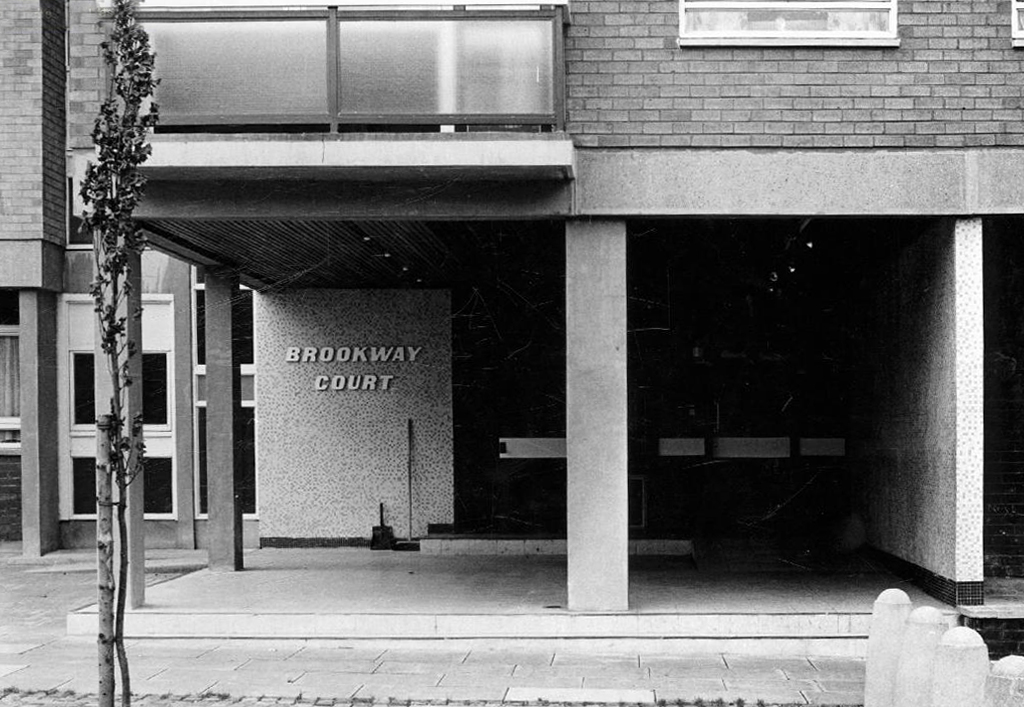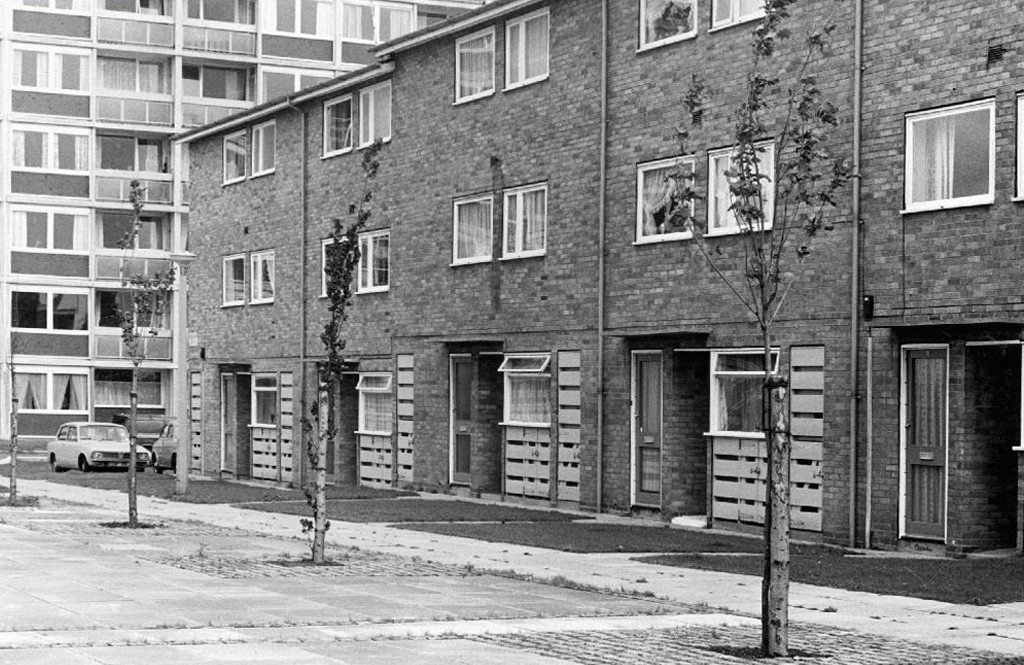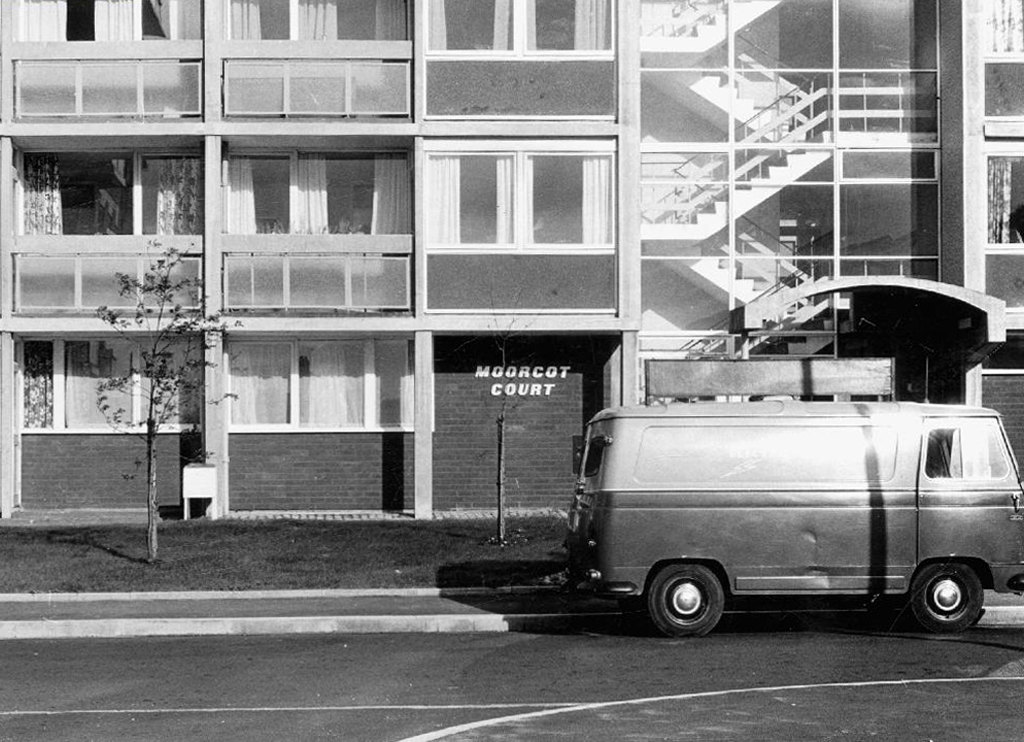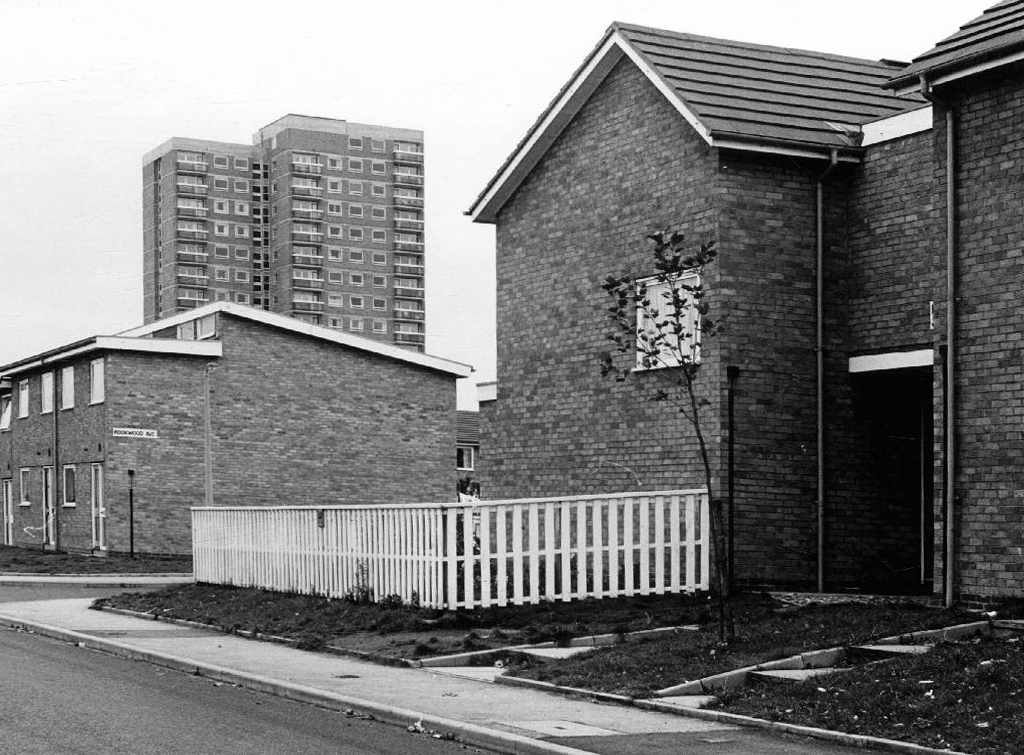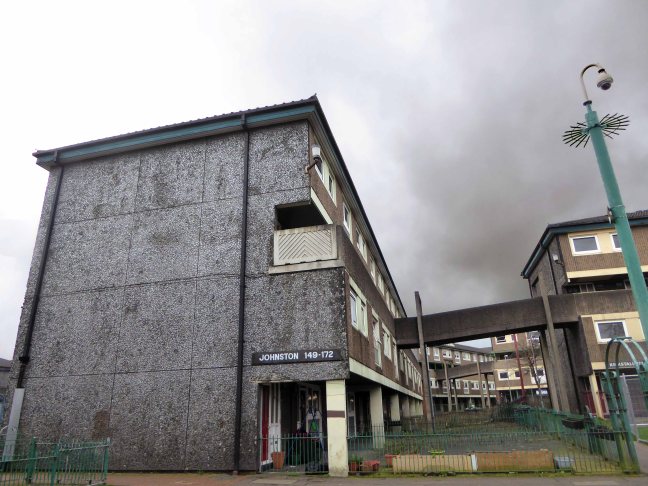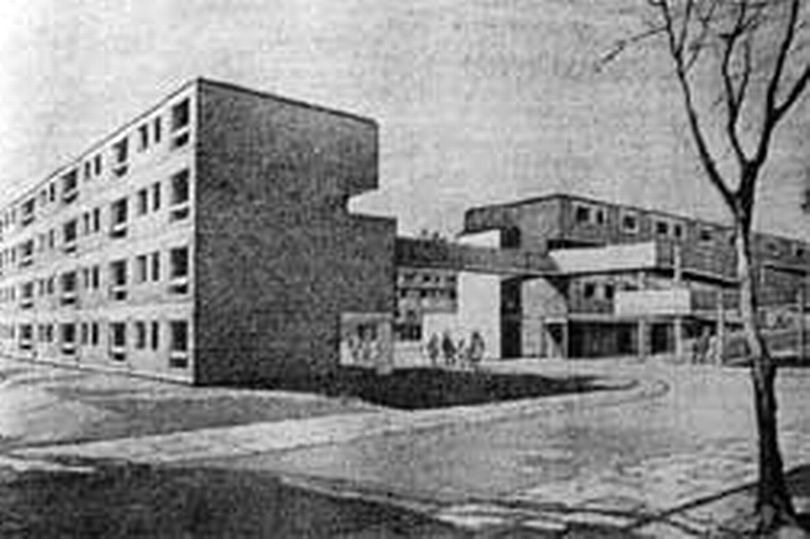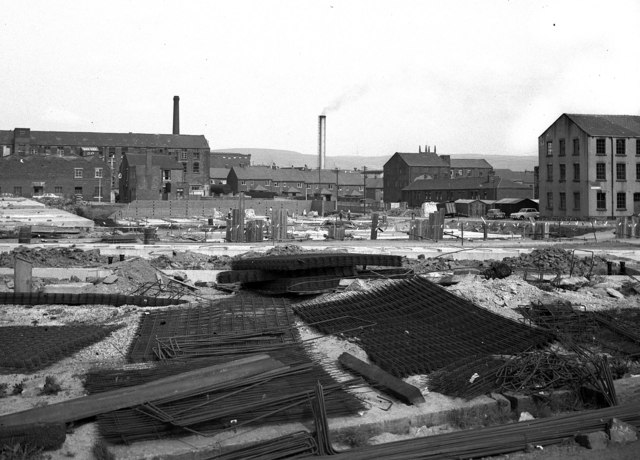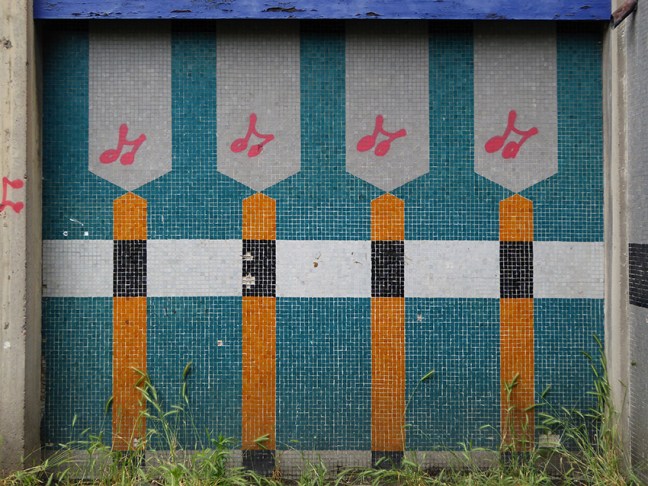
Park Hill Pubs – Sheffield

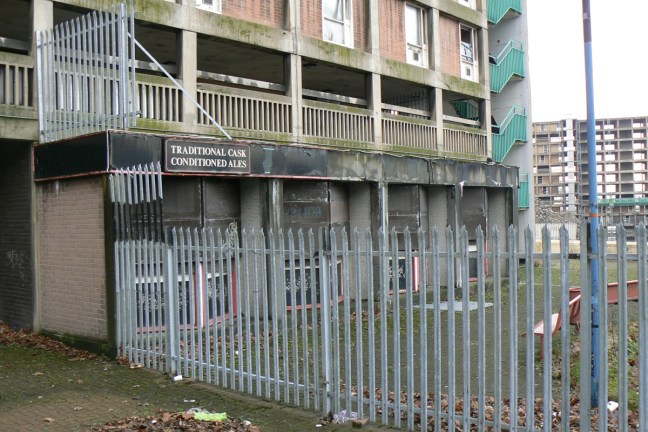
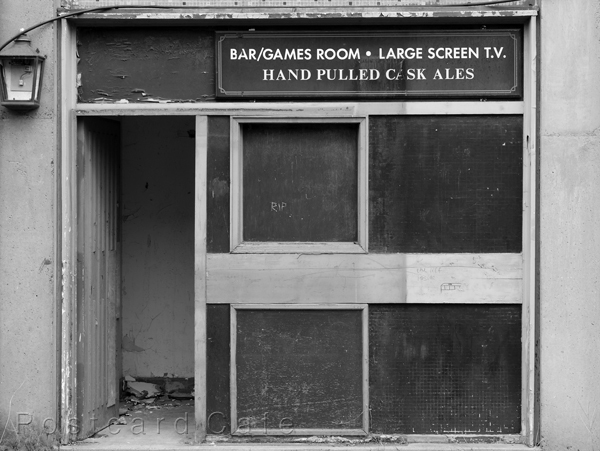
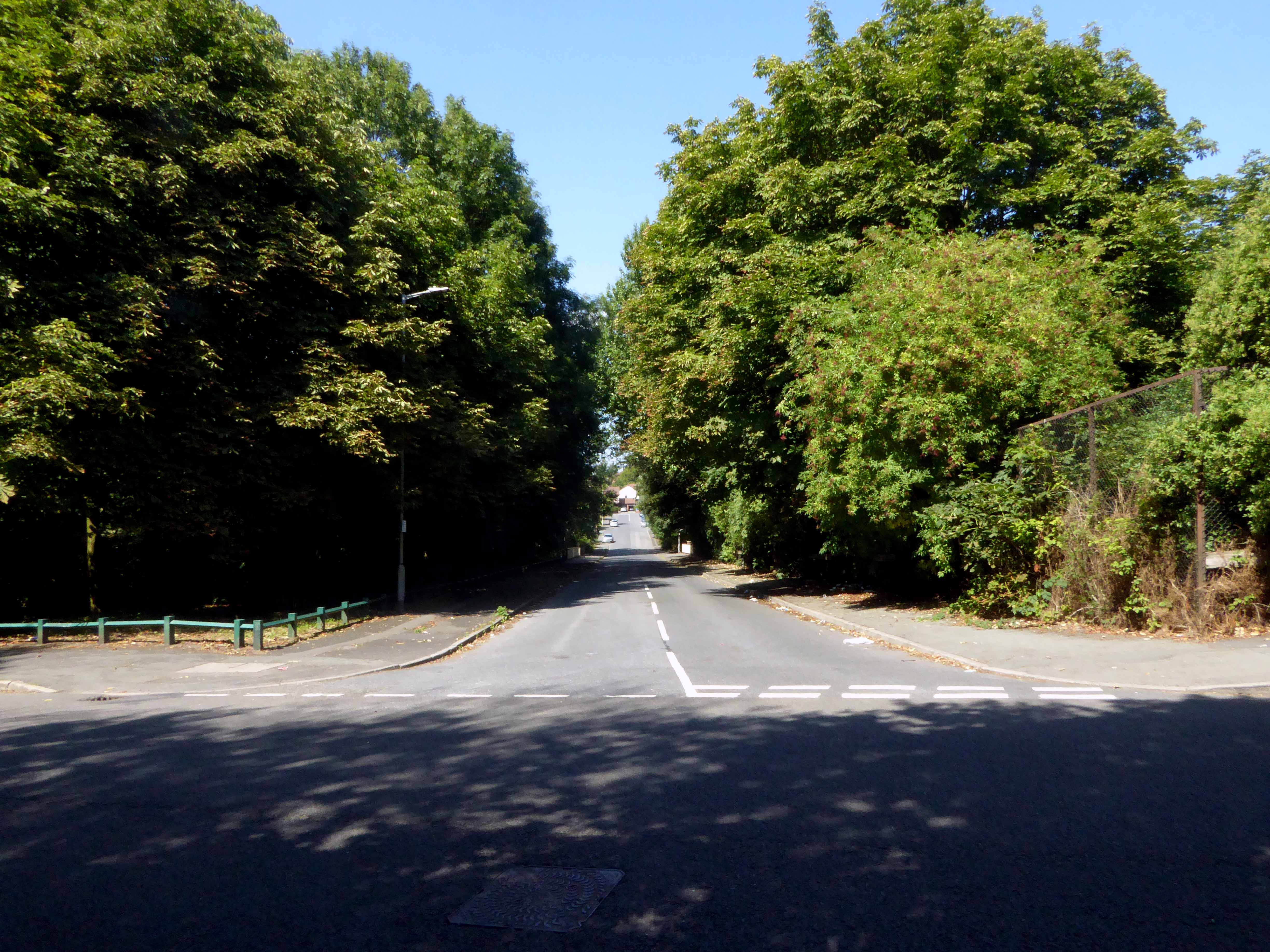
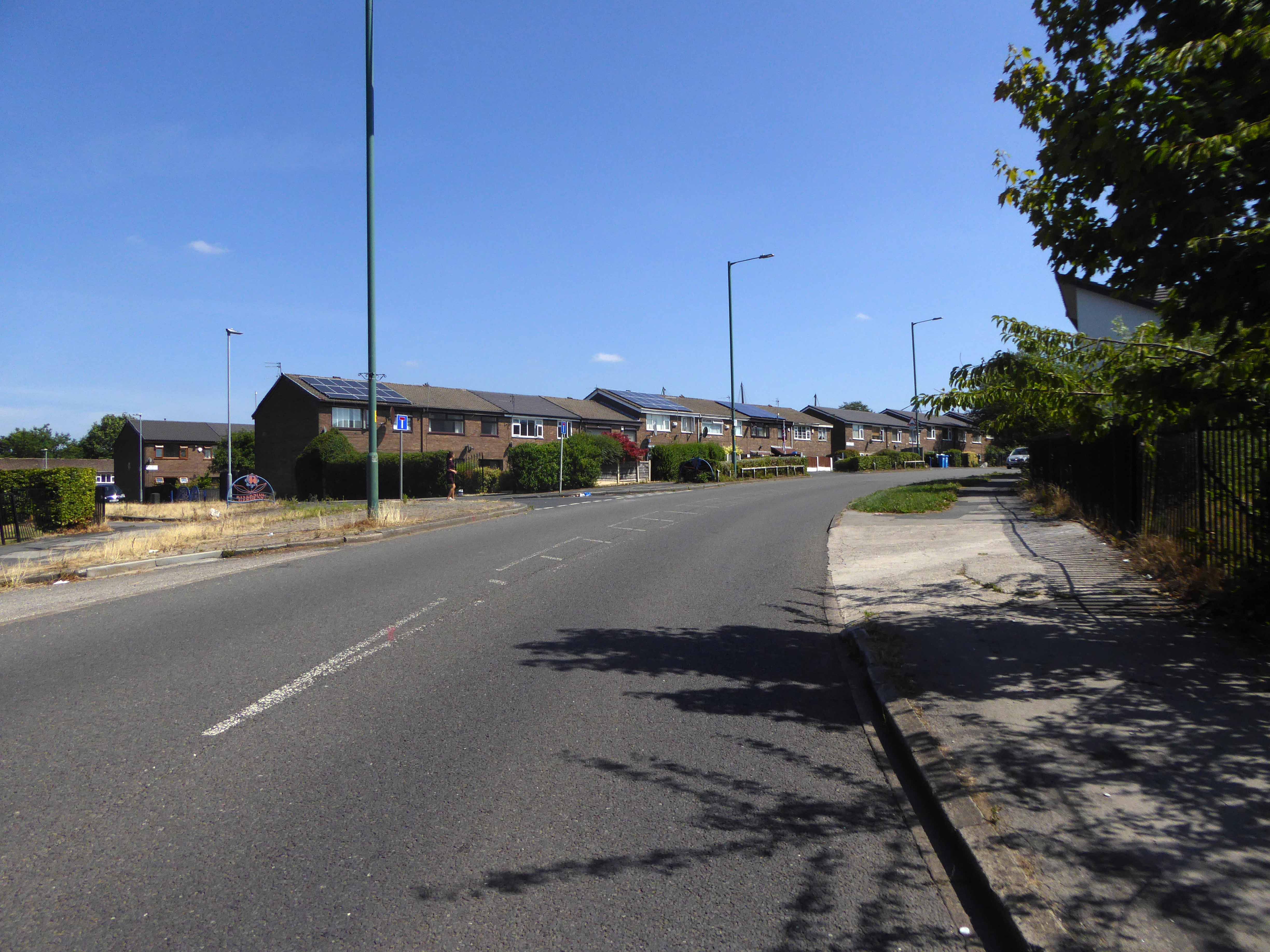
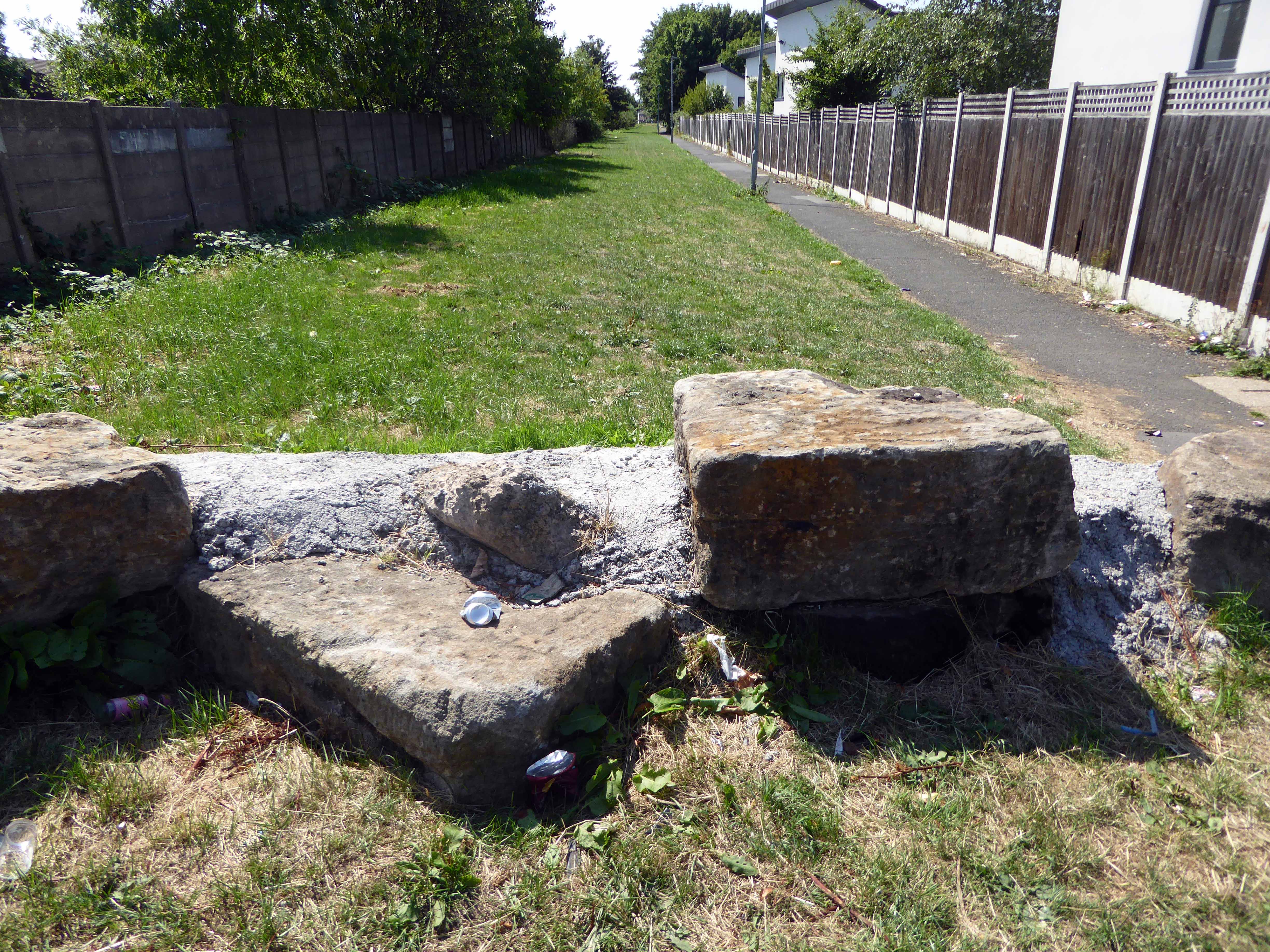
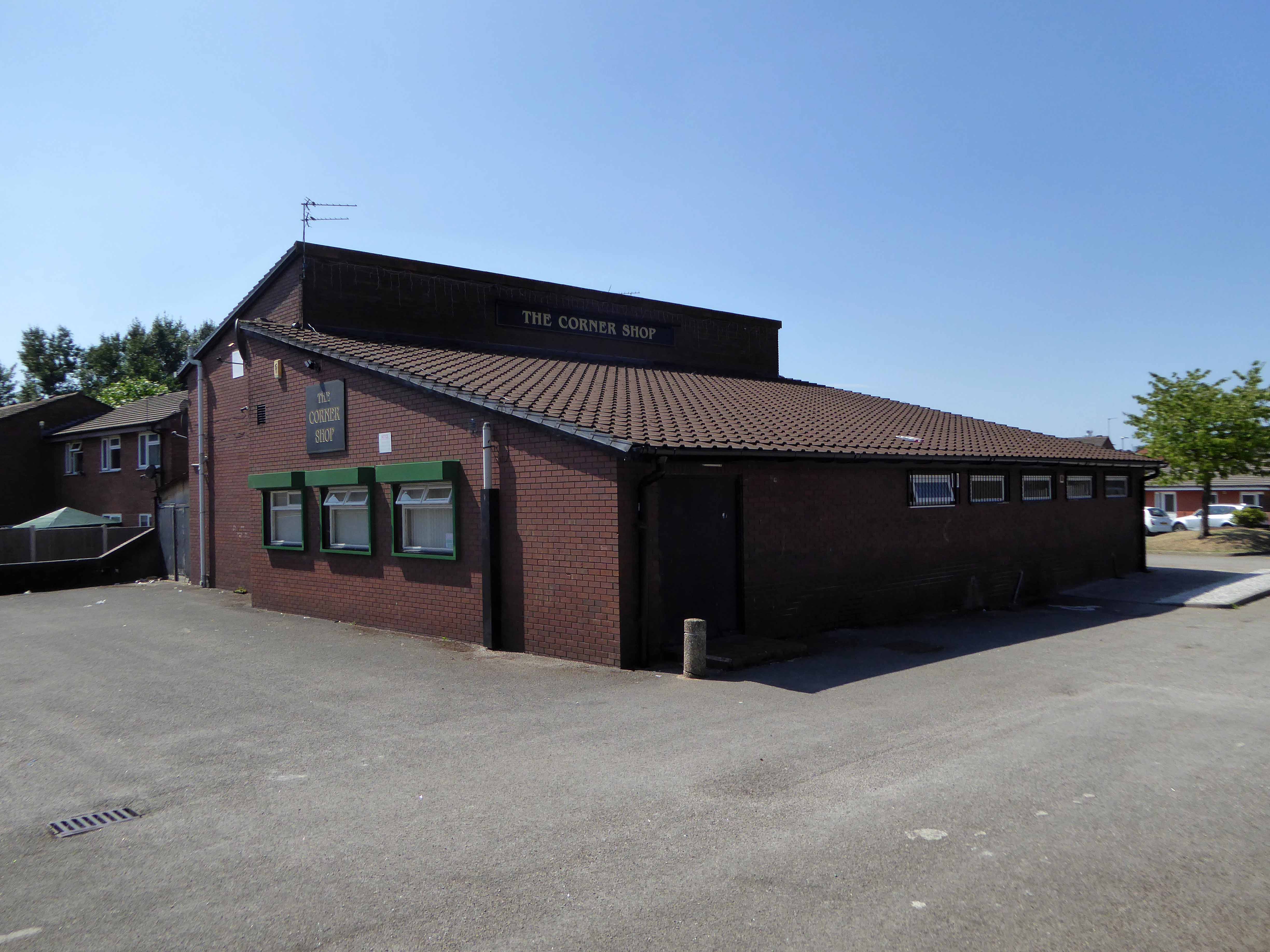
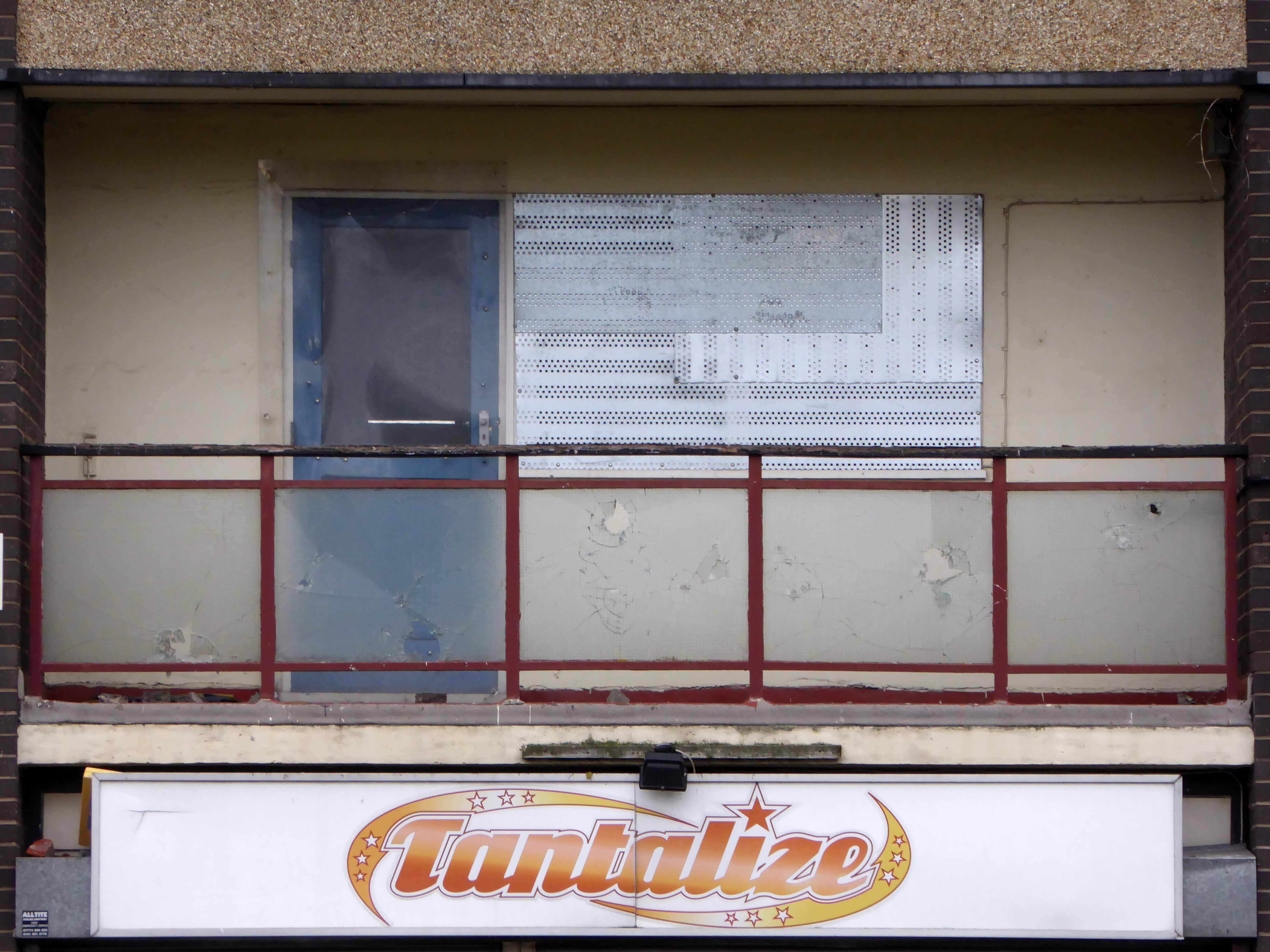
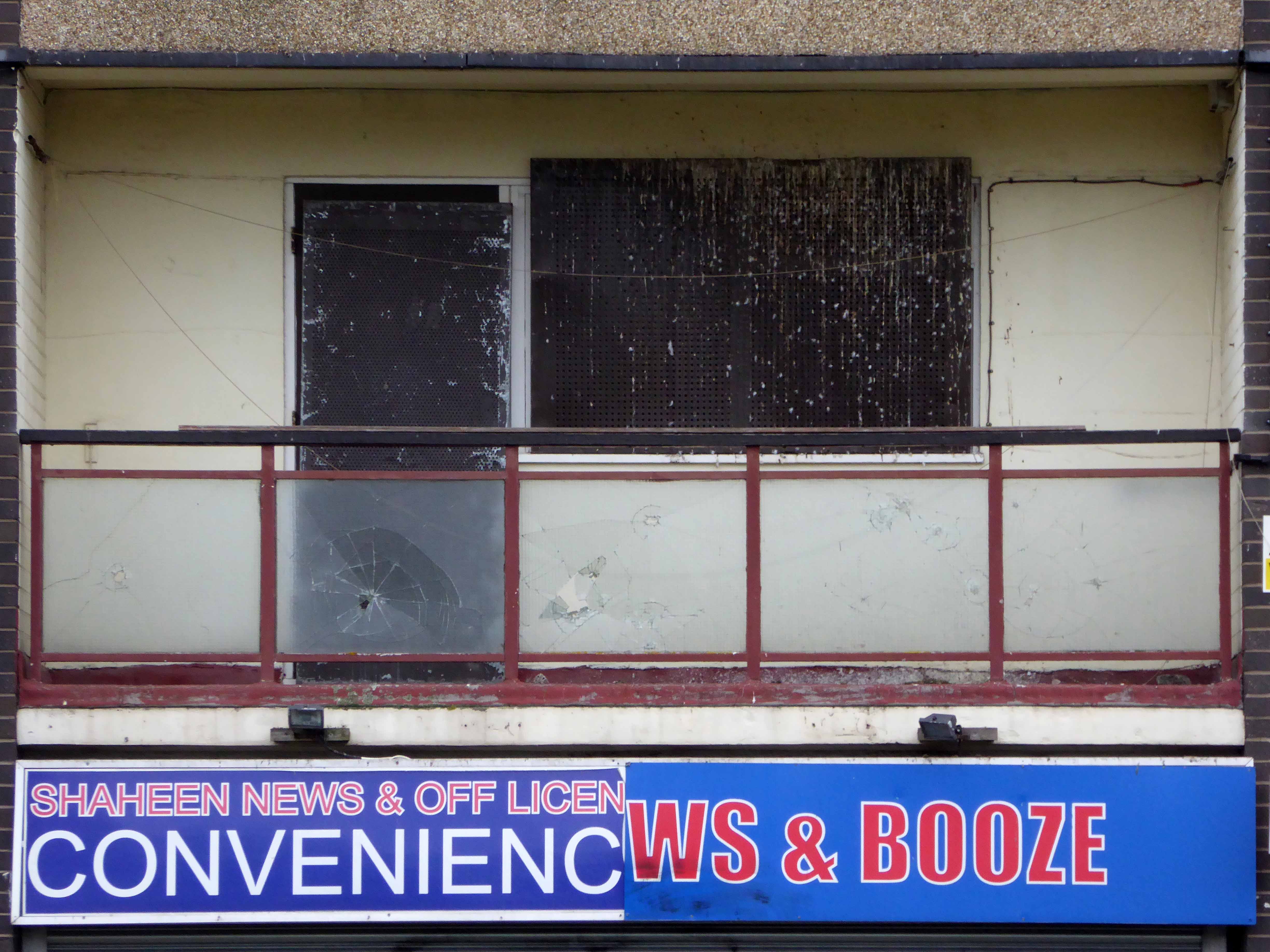
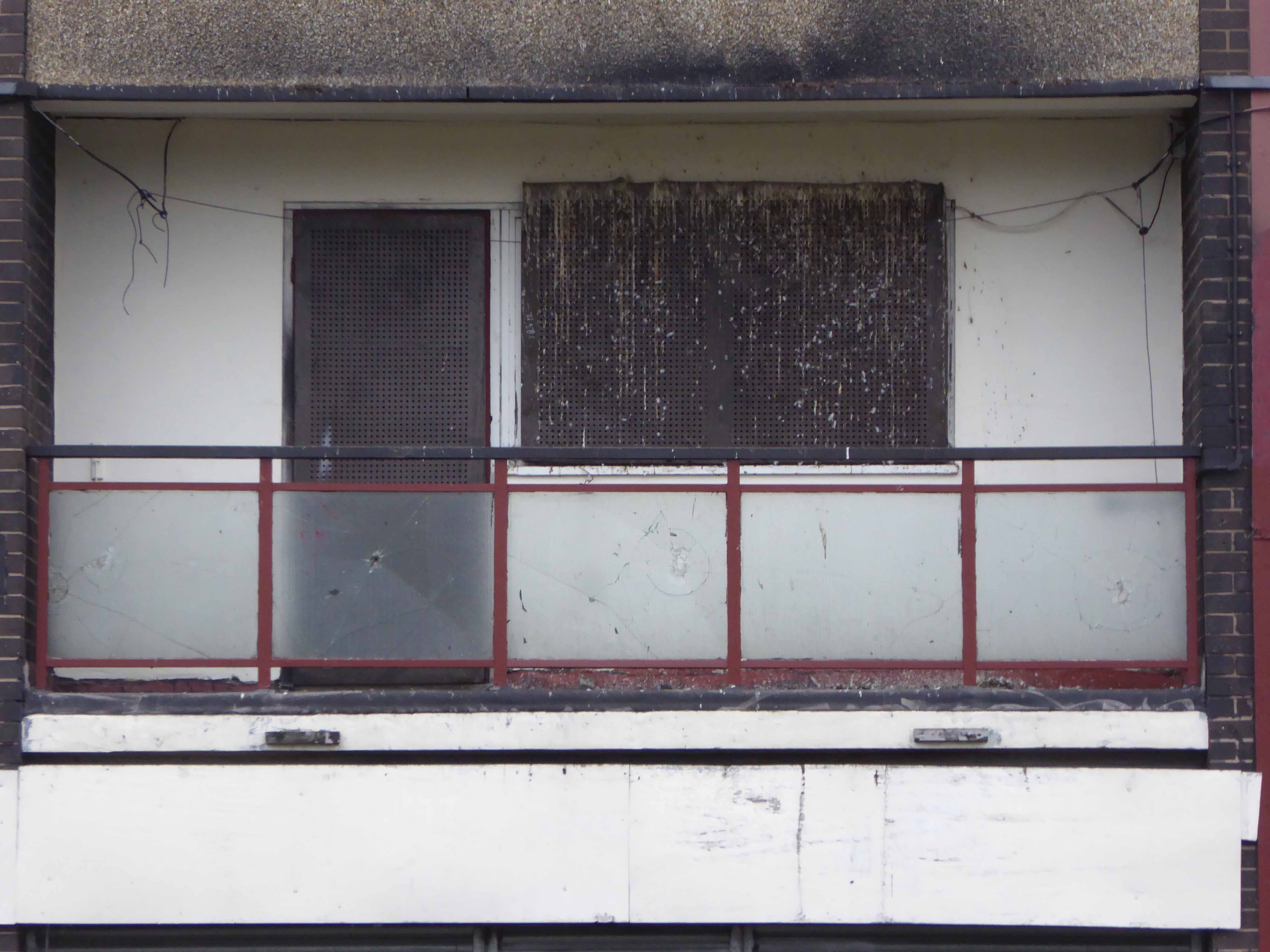
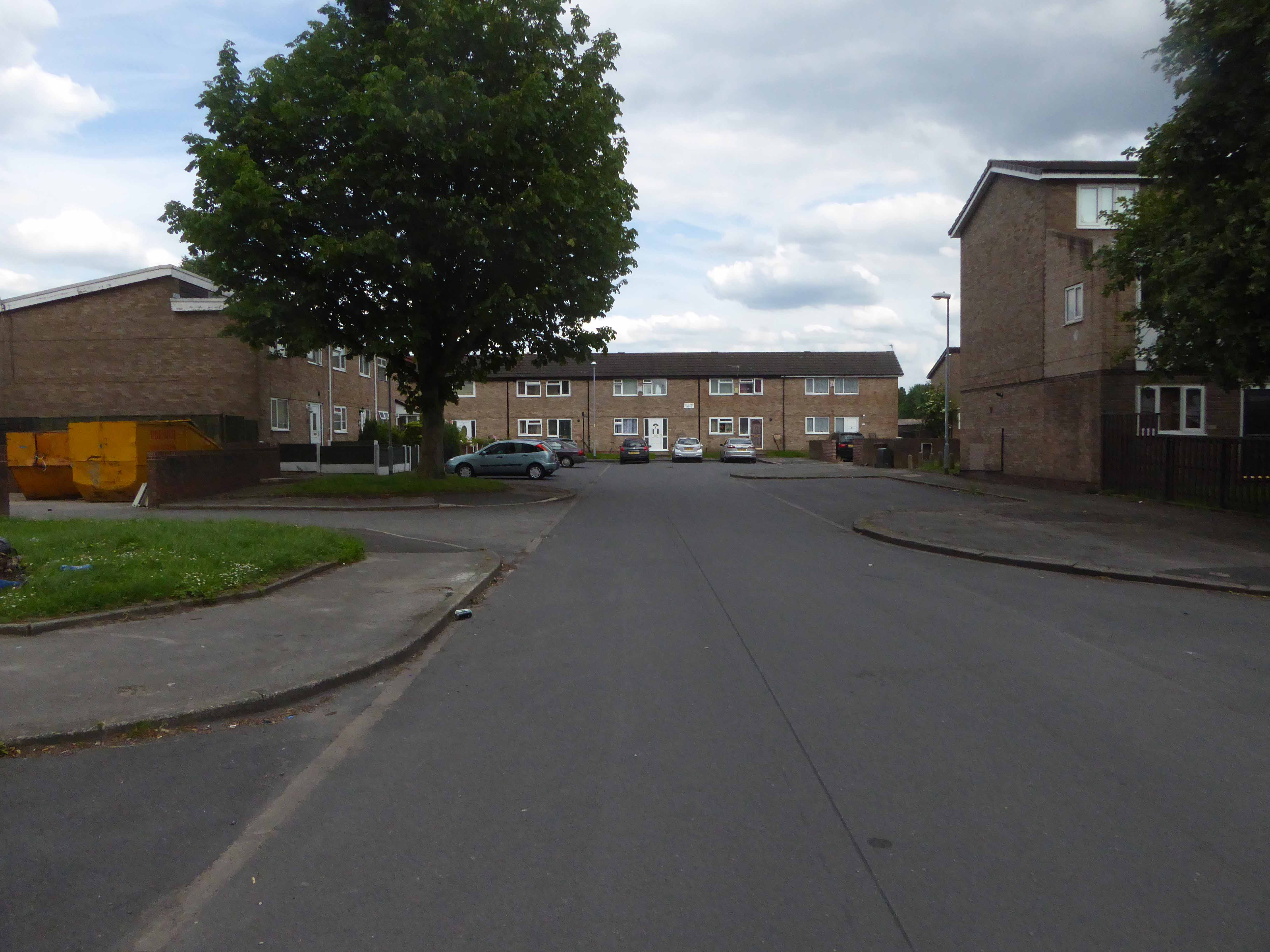
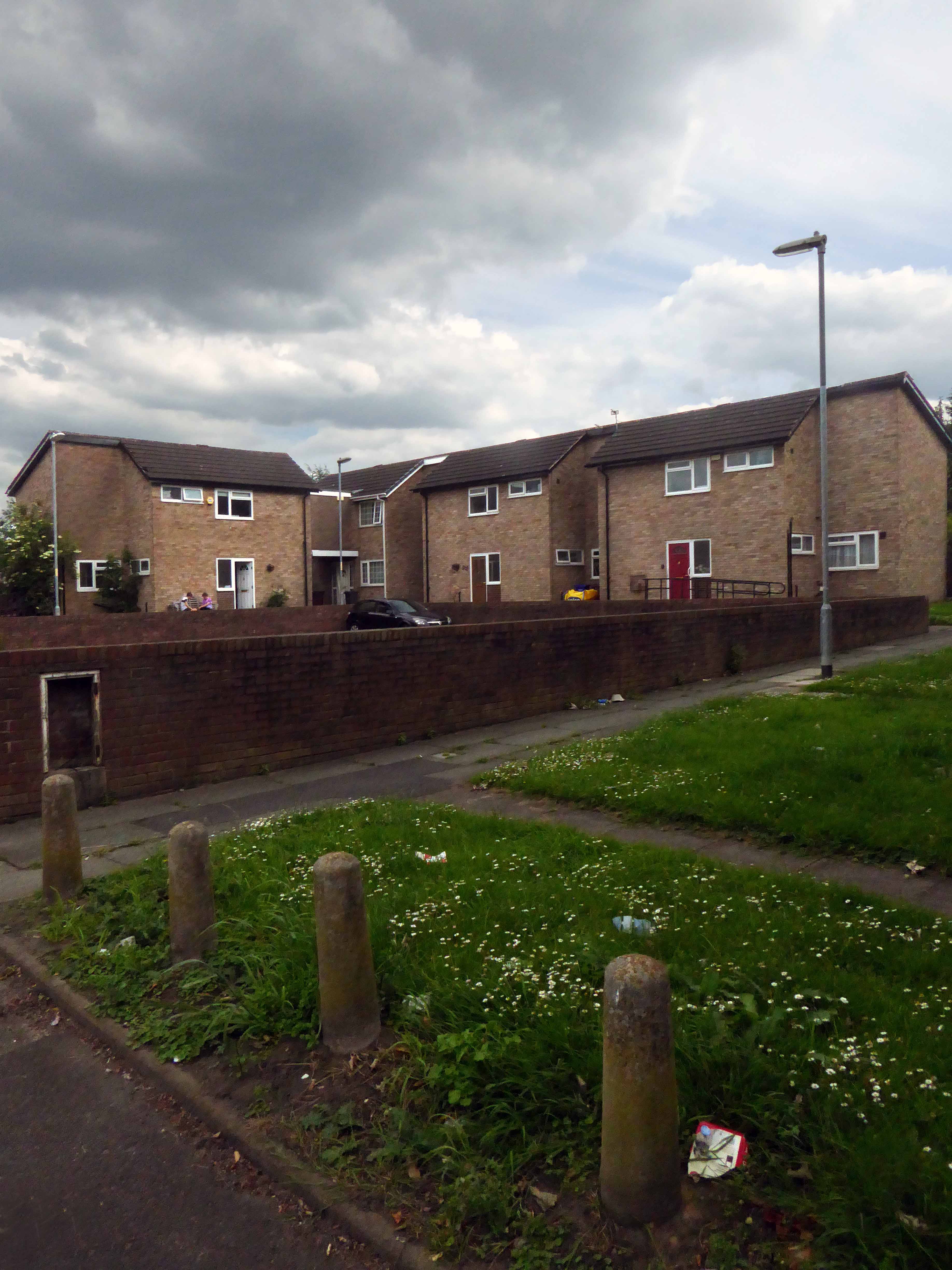
I’m a virtual visitor to the four pubs that served the population of Park Hill Estate.

I arrived late on the scene from not too distant Manchester, sadly much too late to stop and have a pint in The Parkway, Scottish Queen, Link or Earl George.

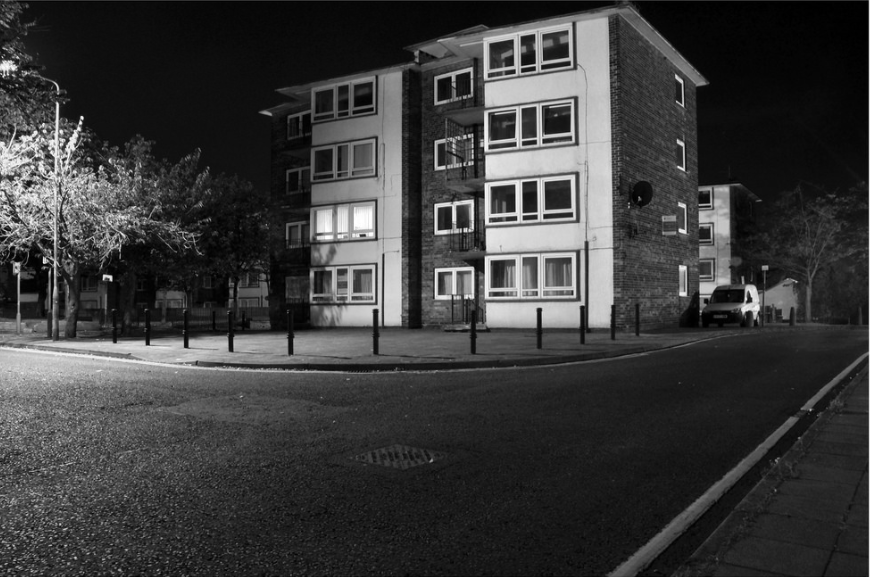
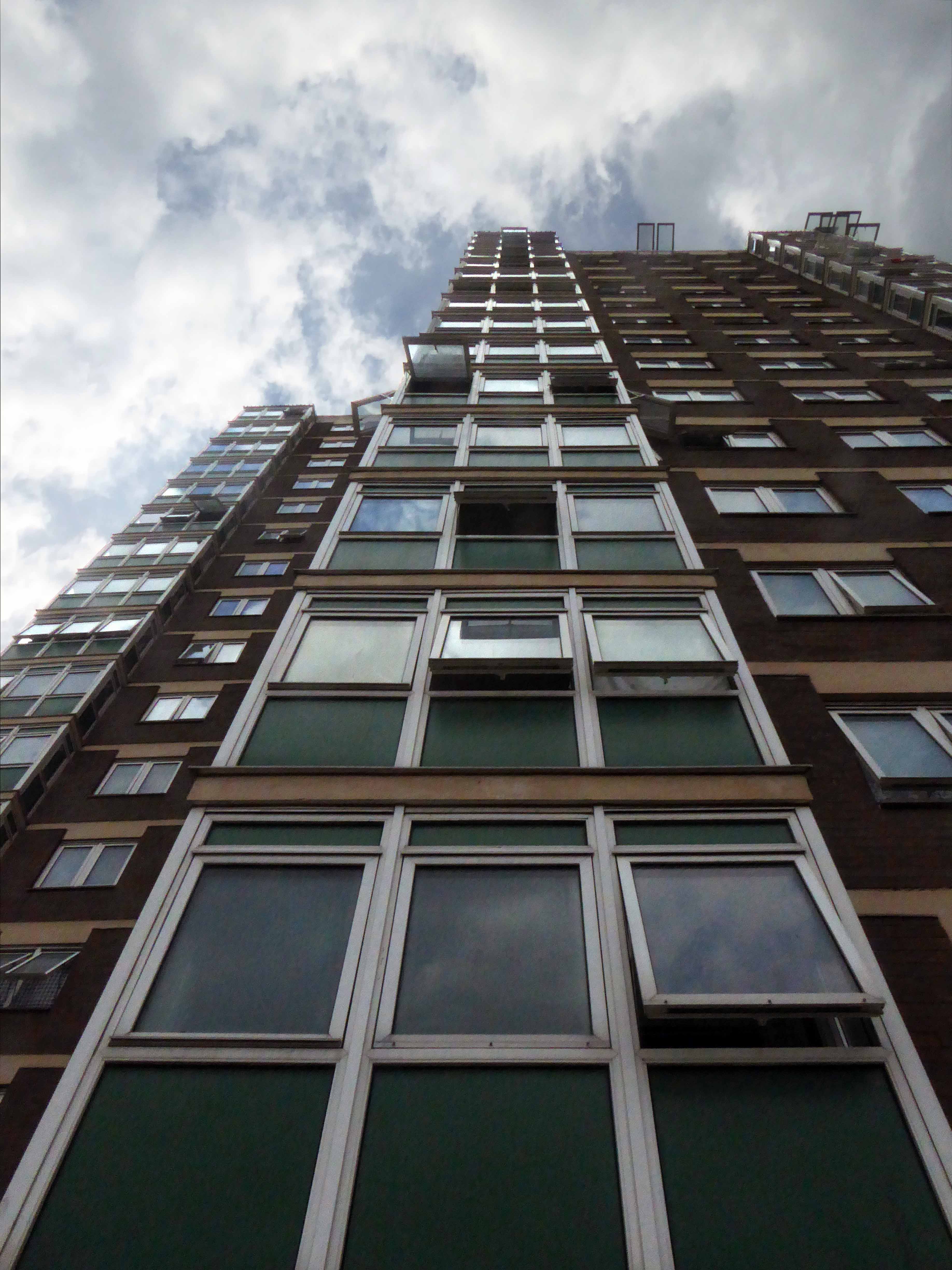
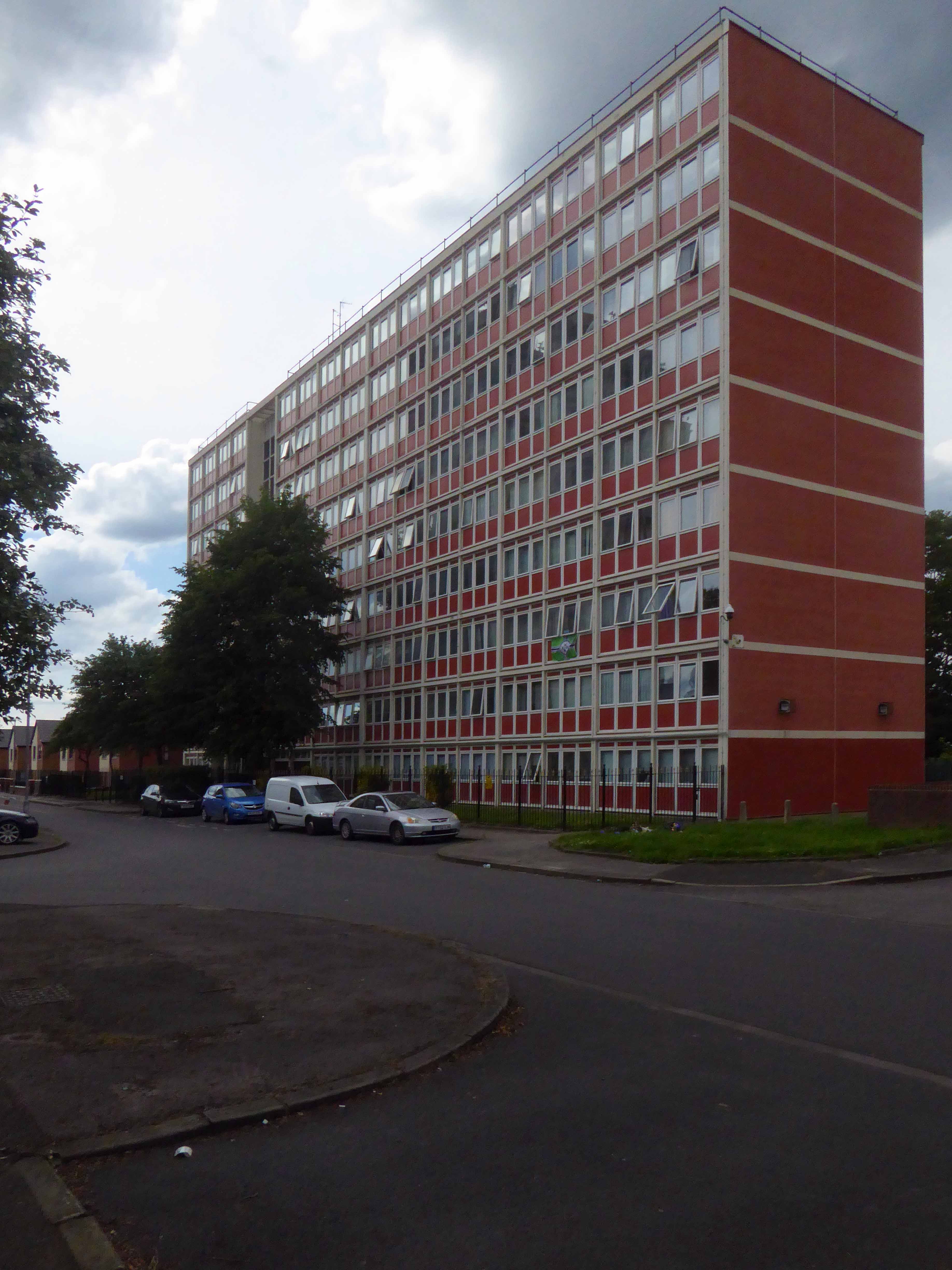
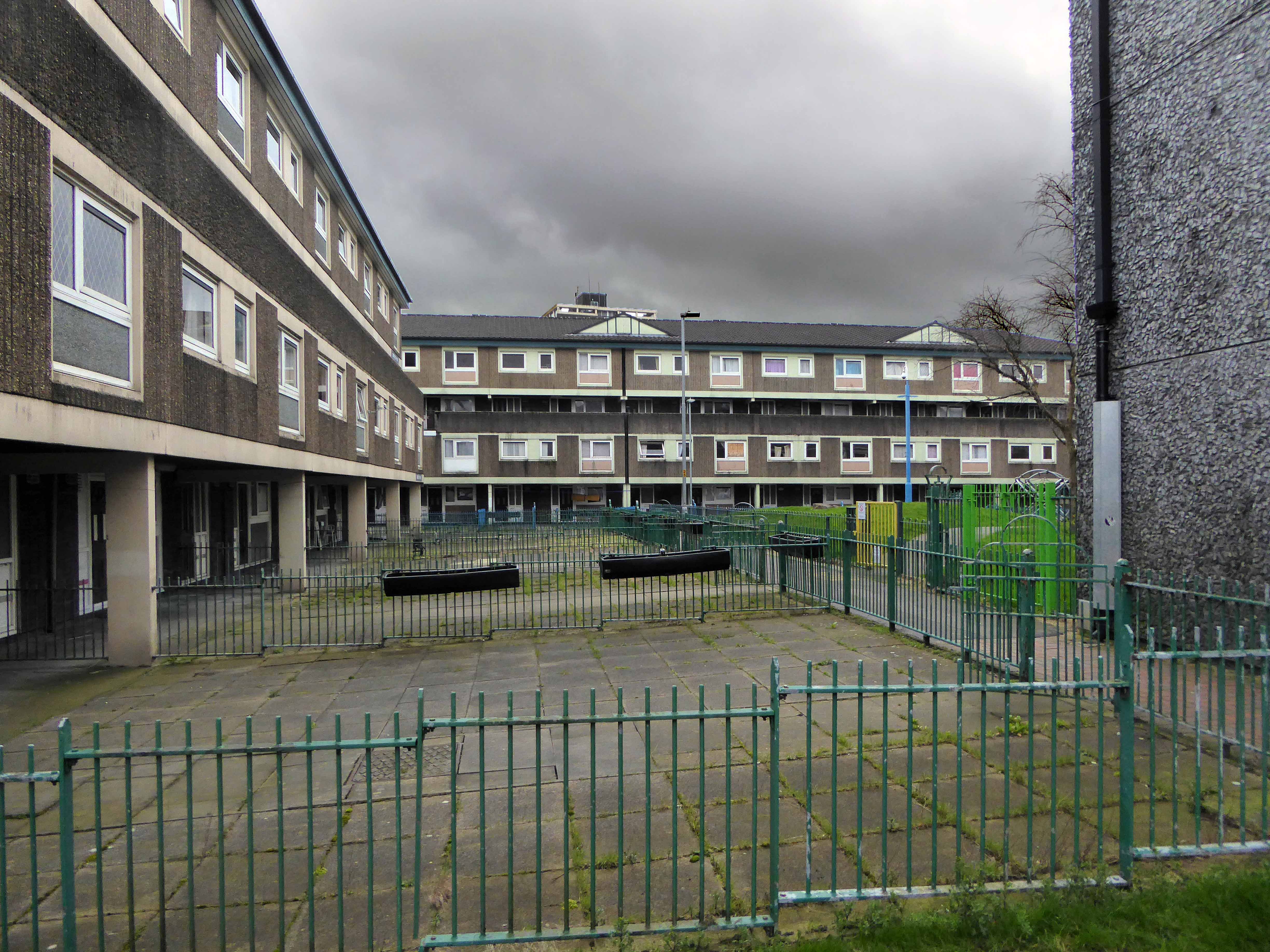
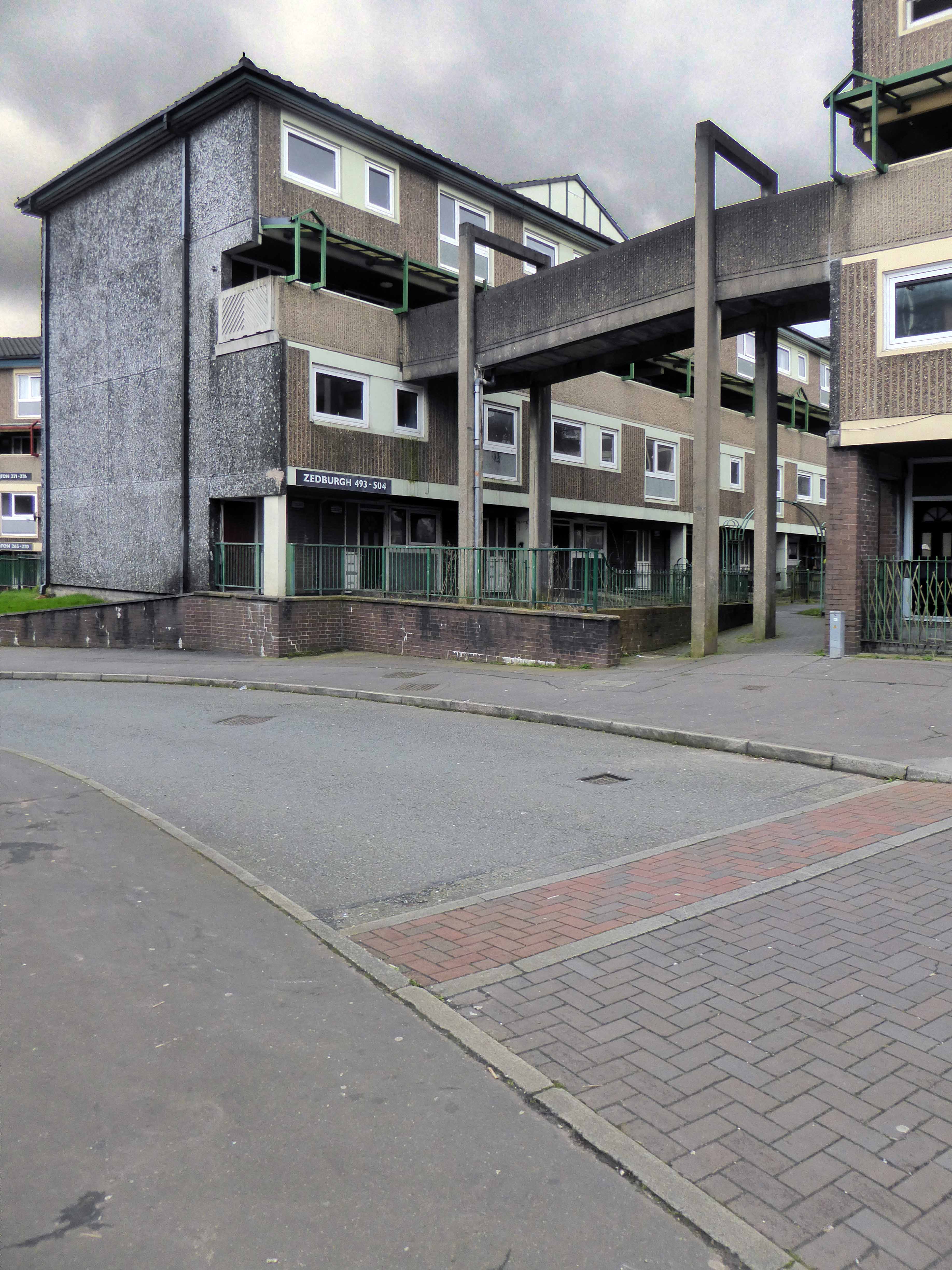
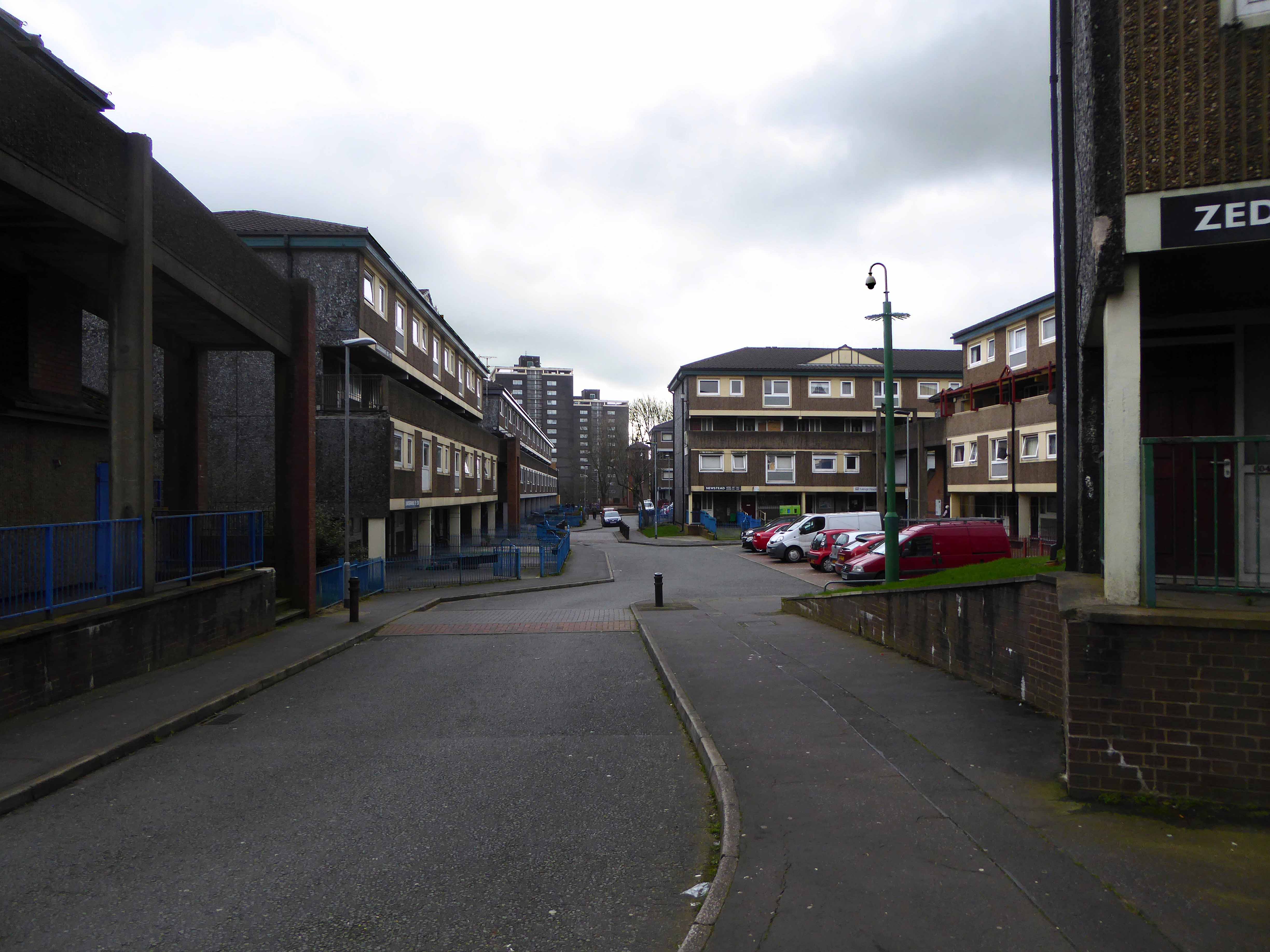
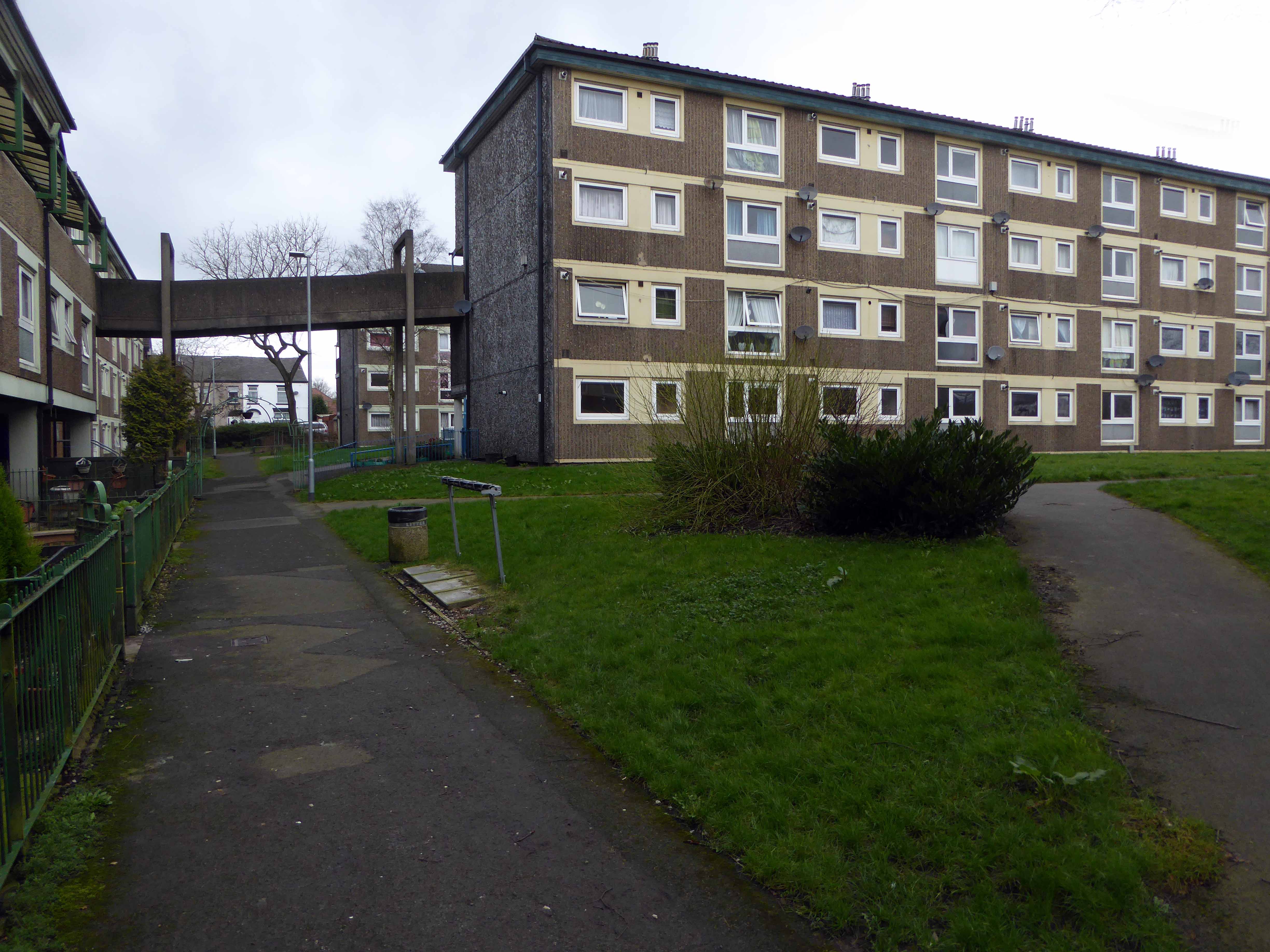
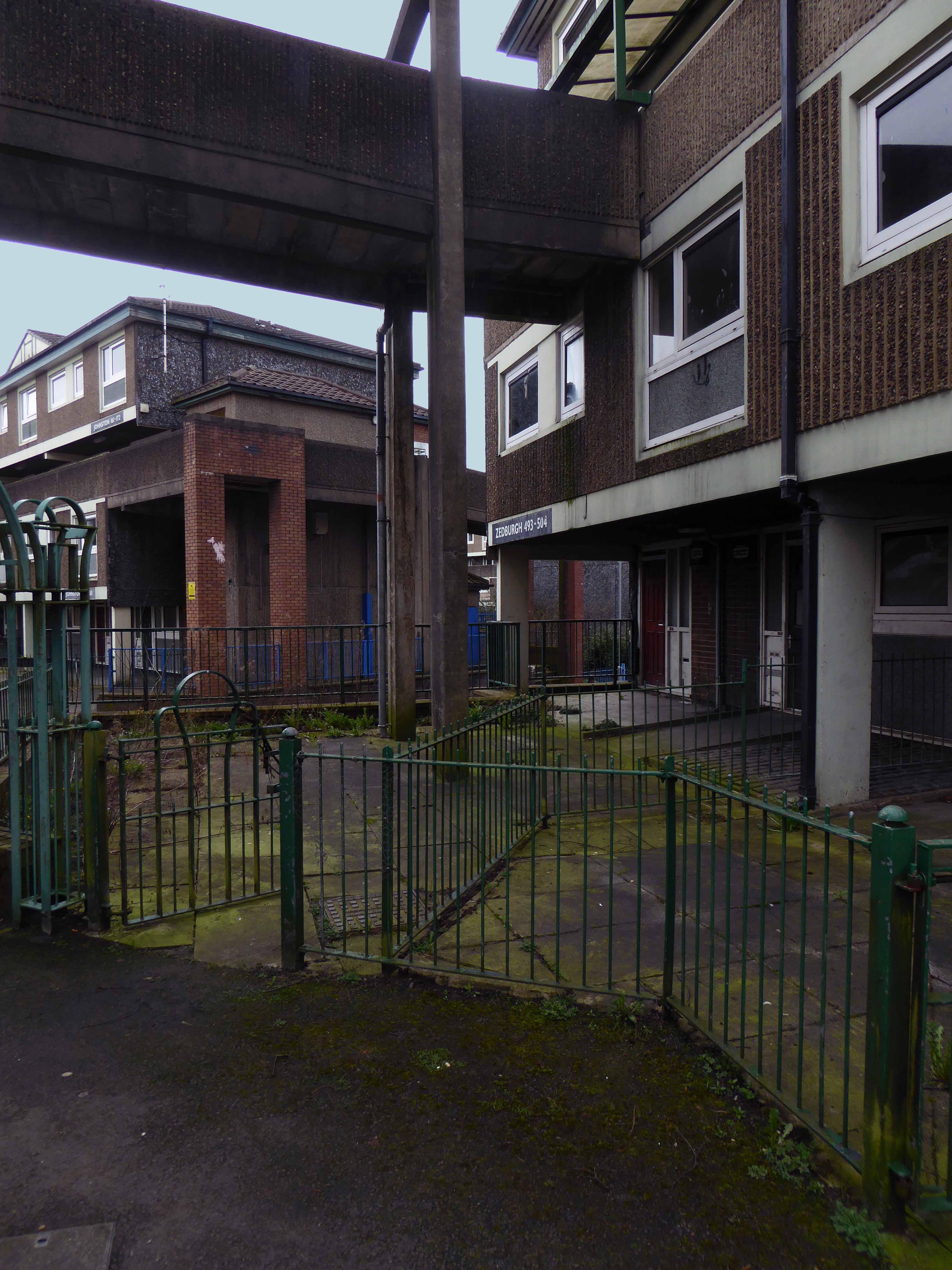
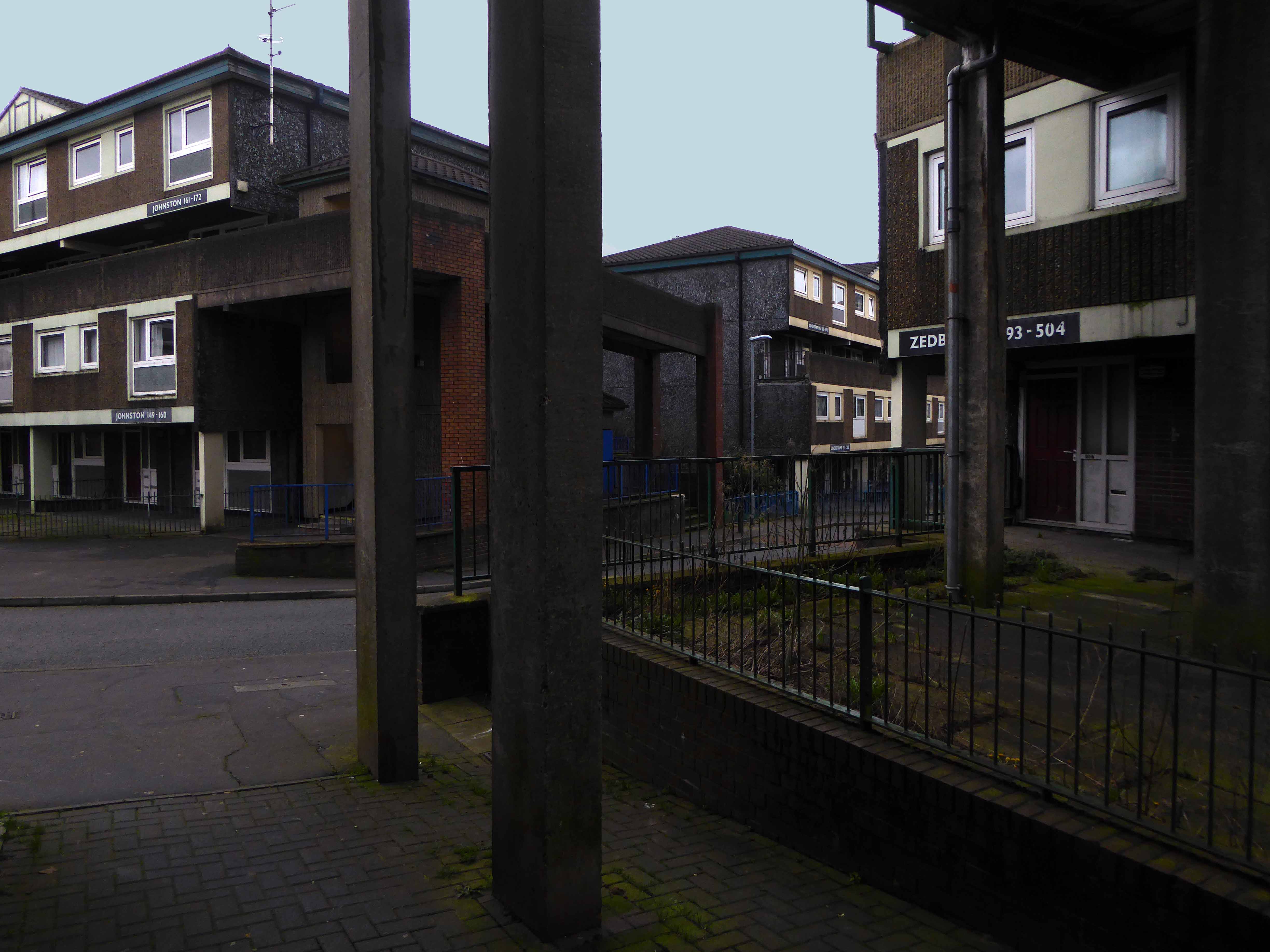
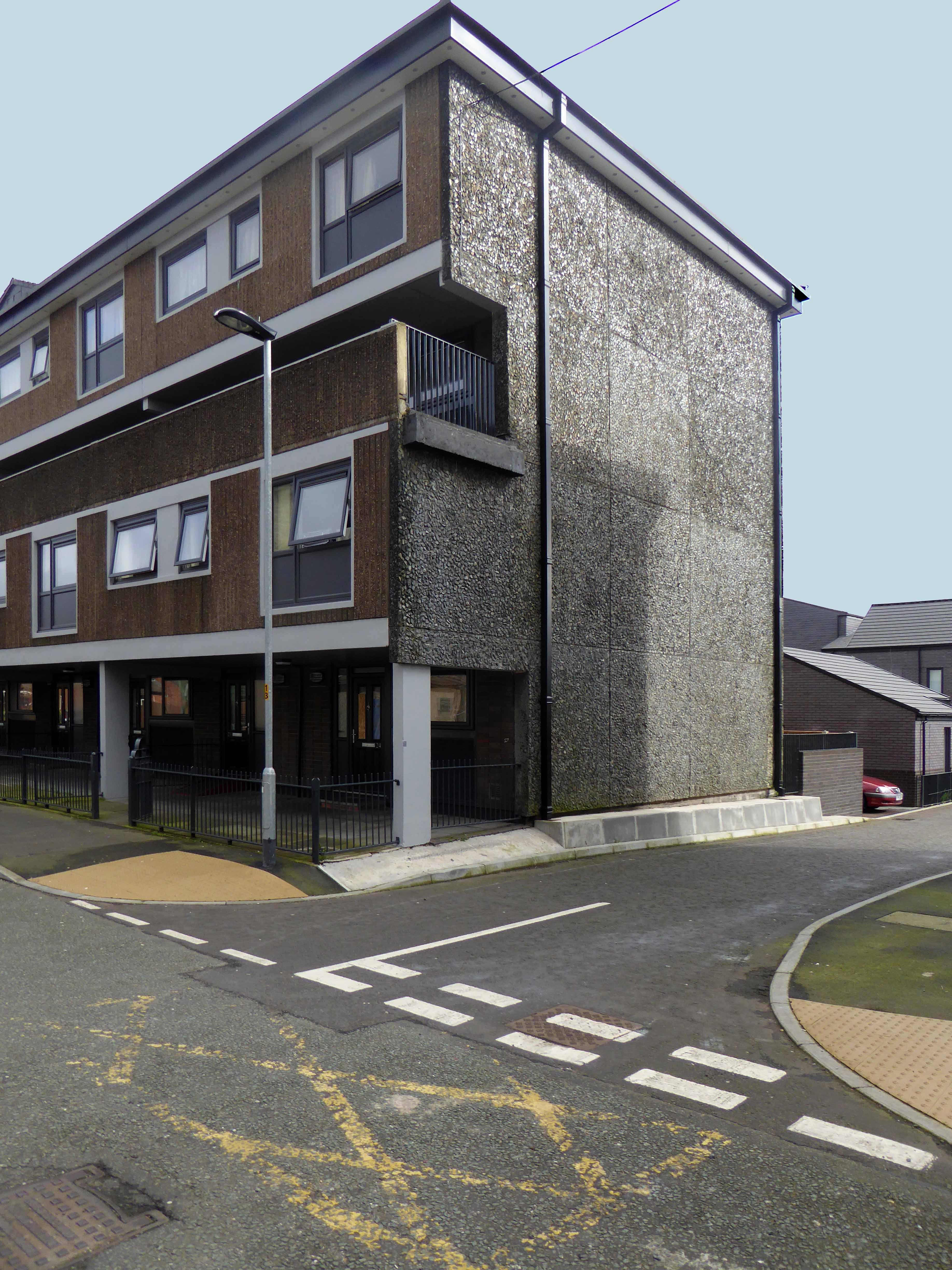
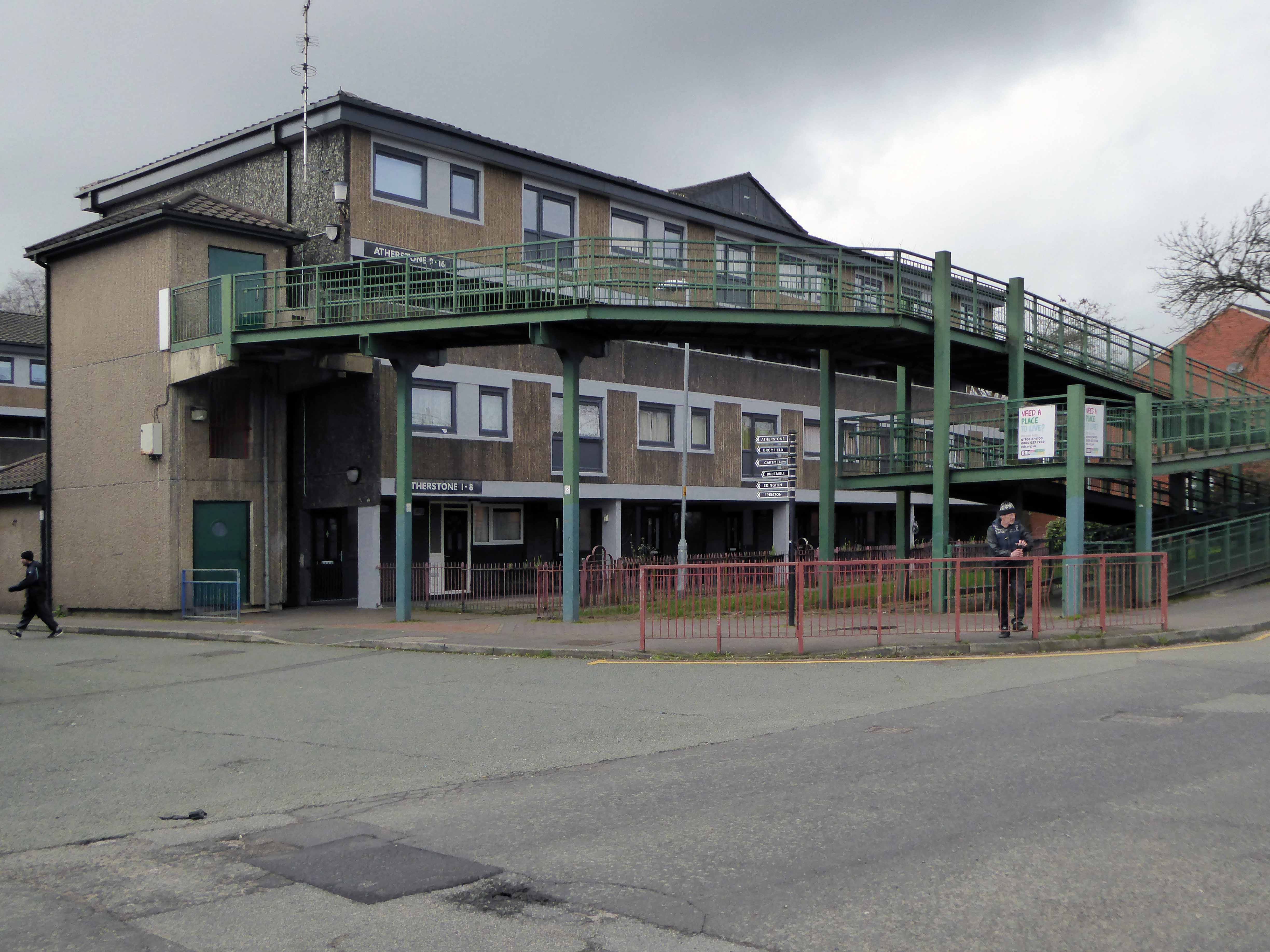
Built in the 1960s when municipal architecture spoke of optimism and innovation, the story of the estate is an oft told tale of decline and renovation.

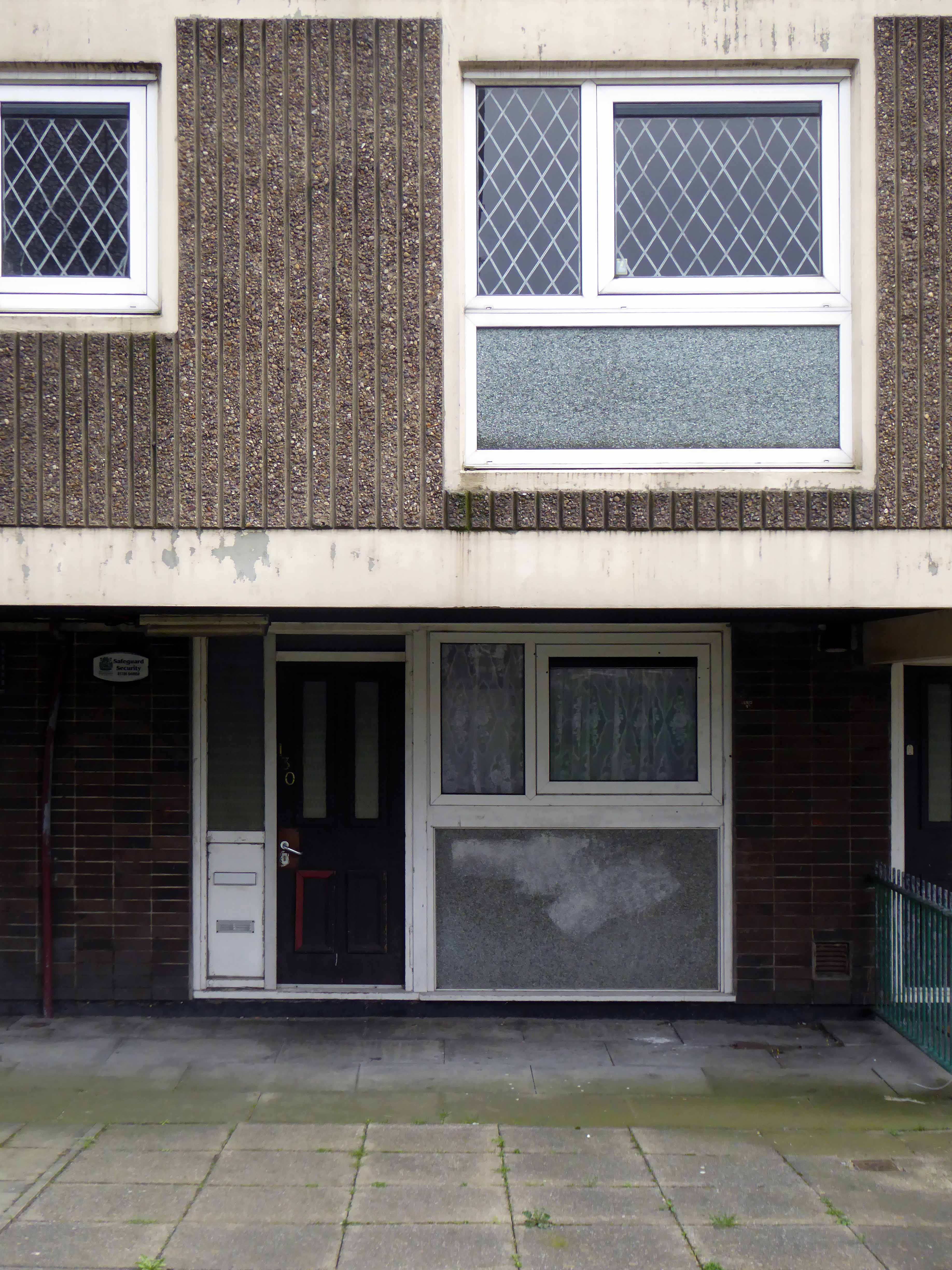
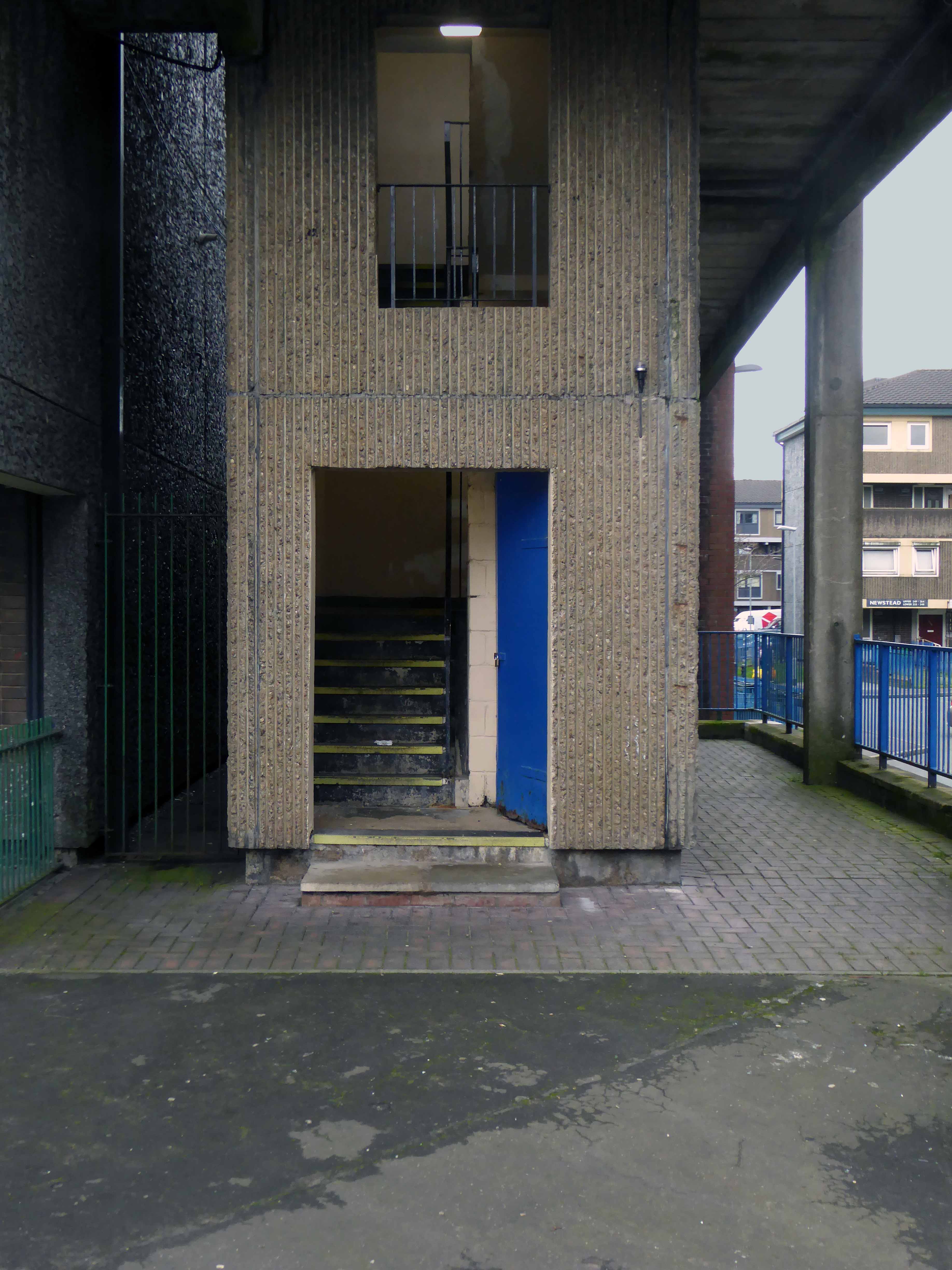
Grade II* listed the building’s structure has prevailed, the original social structures, tenants and consequently their pubs have not.
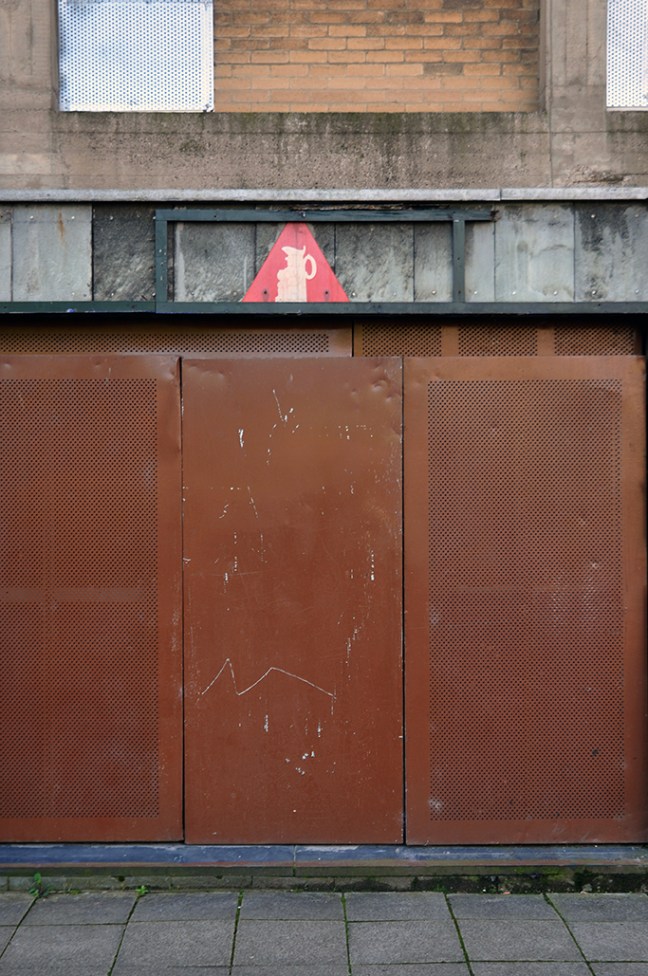
DSC_0049 copy

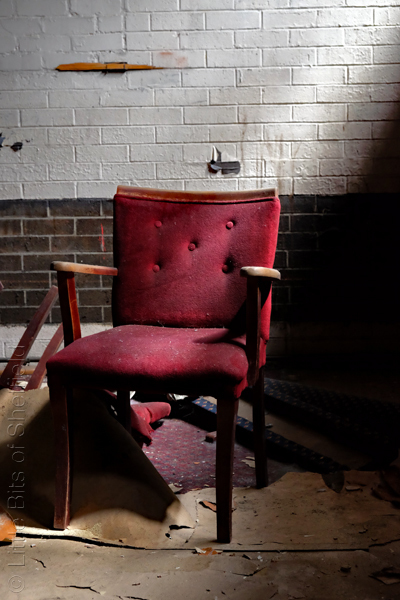
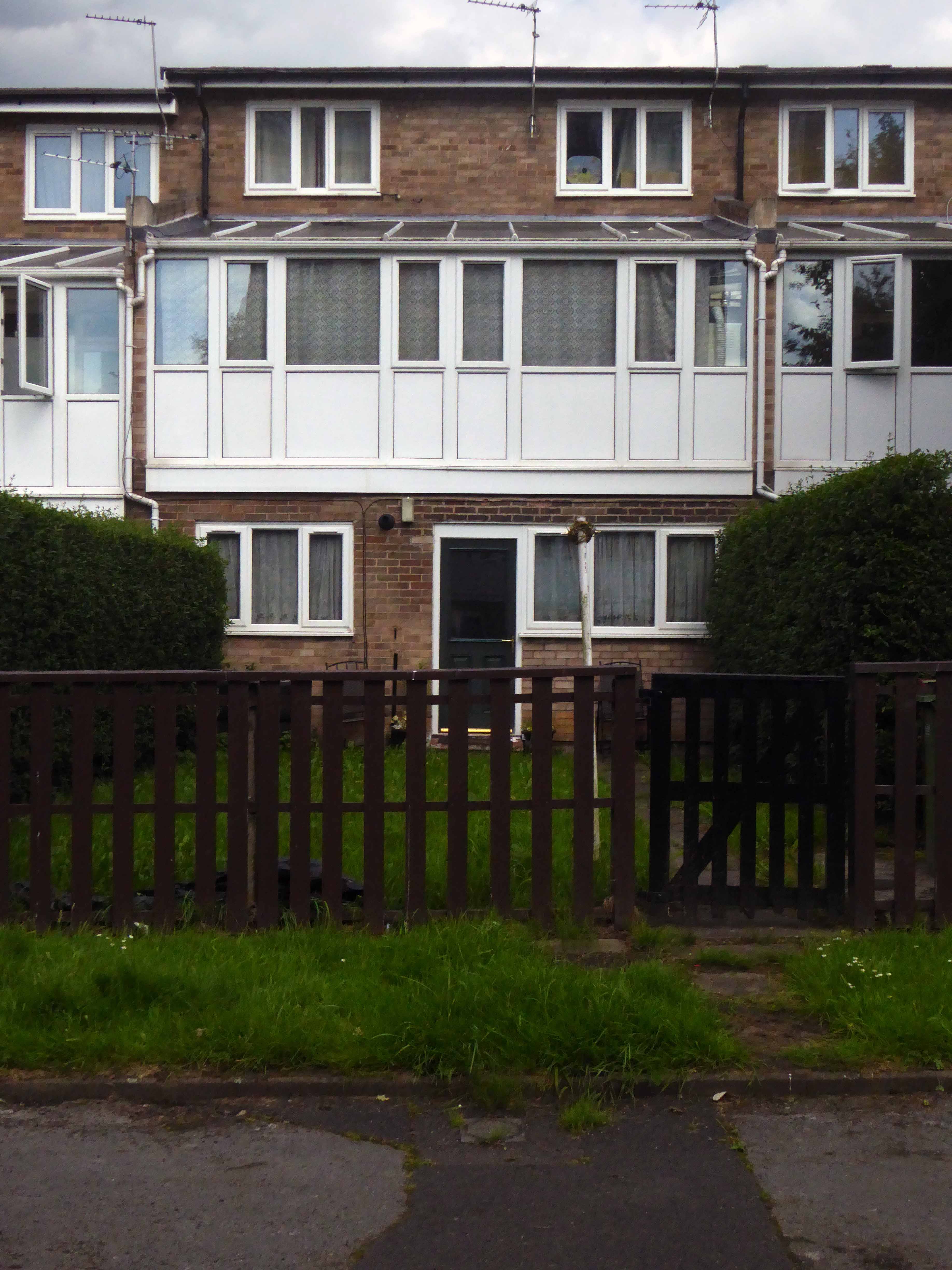
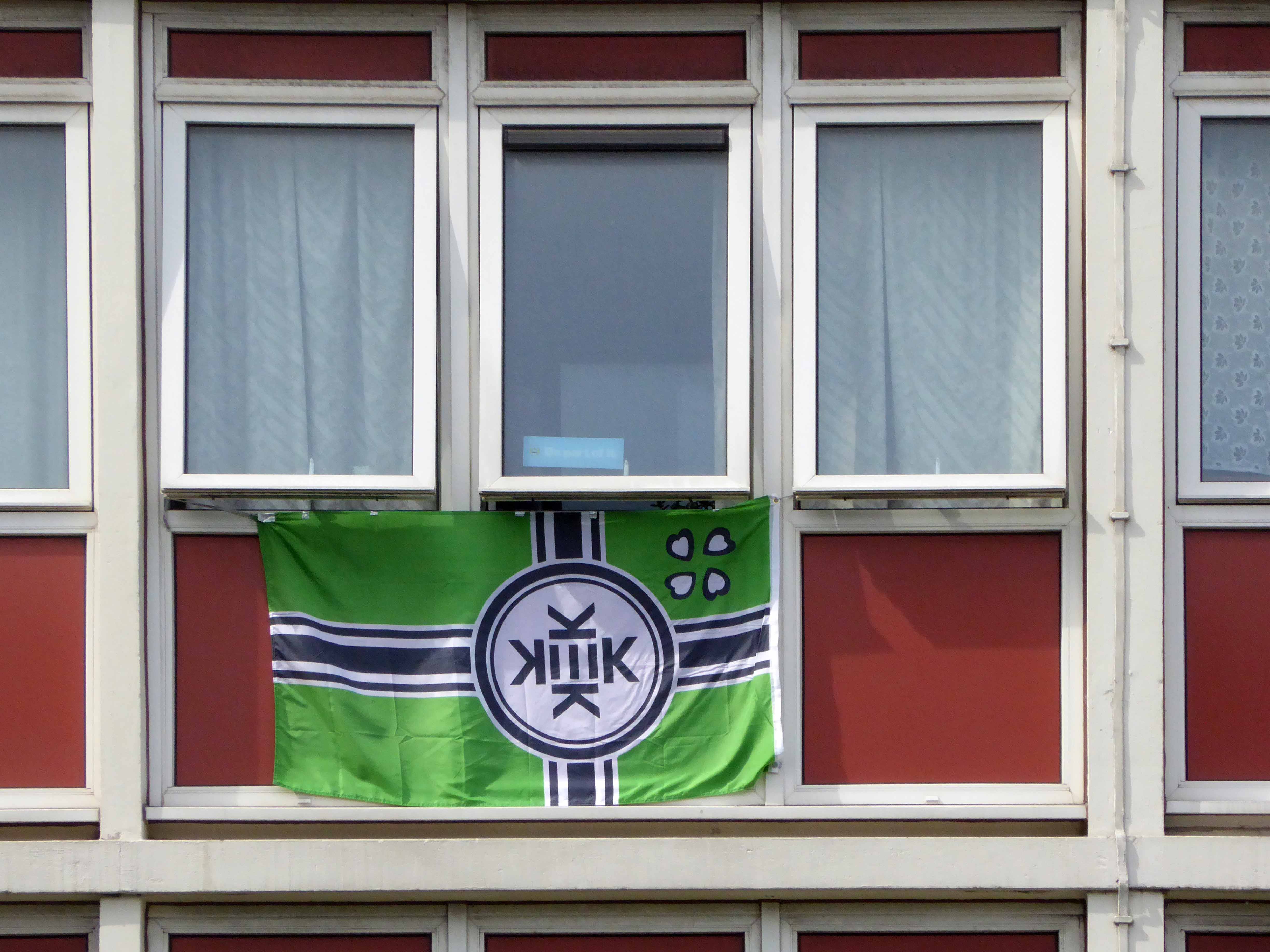
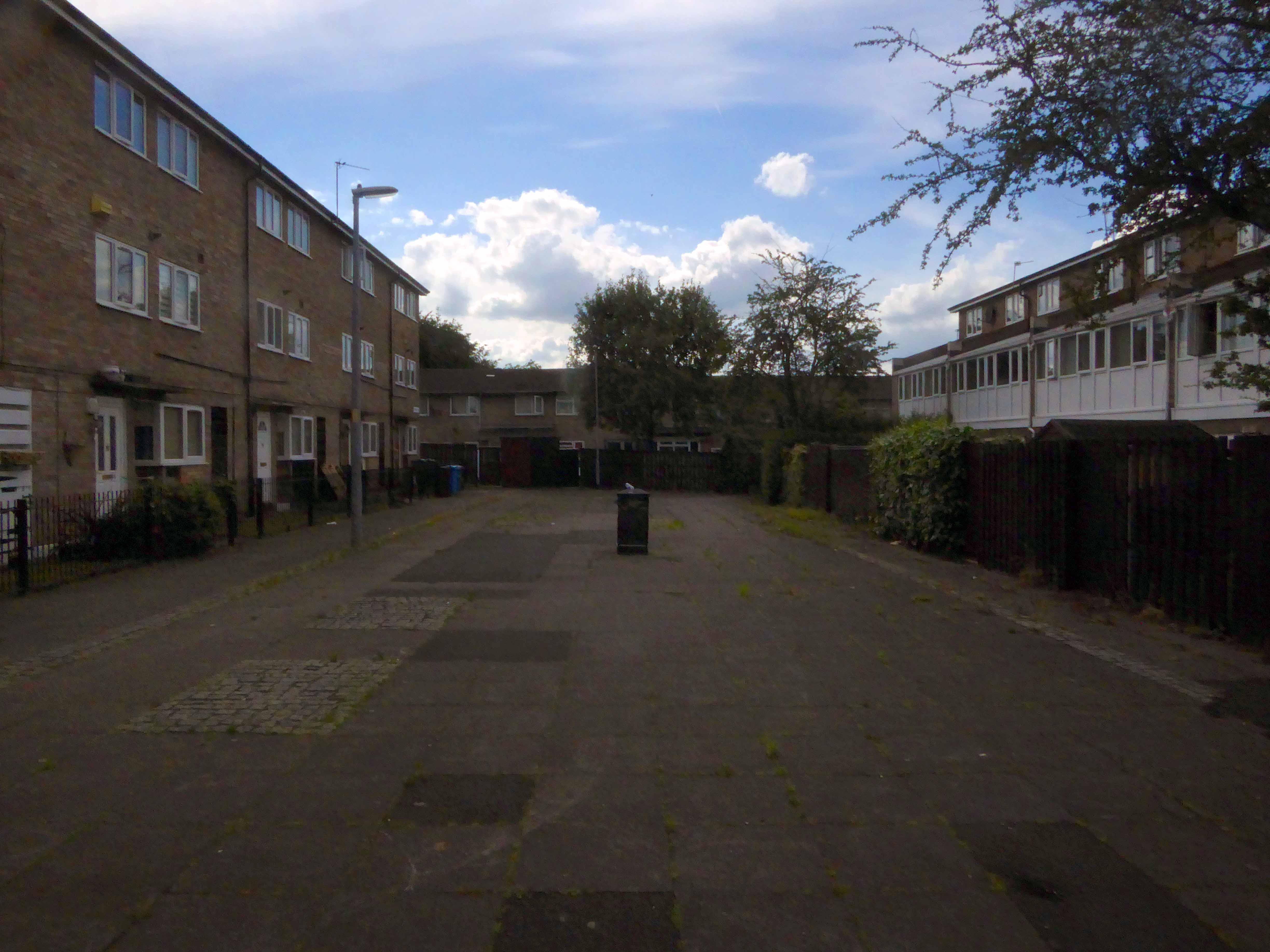
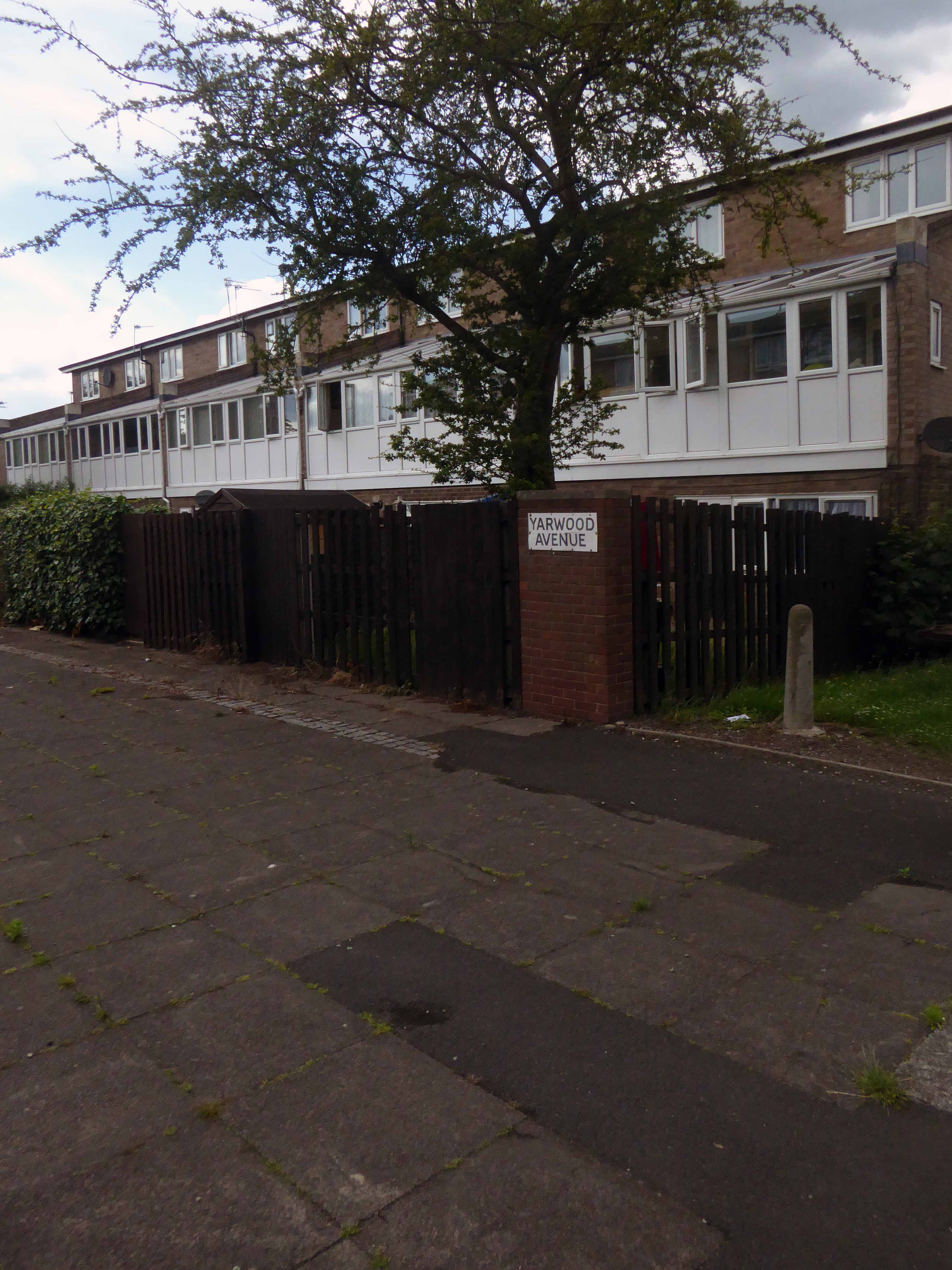
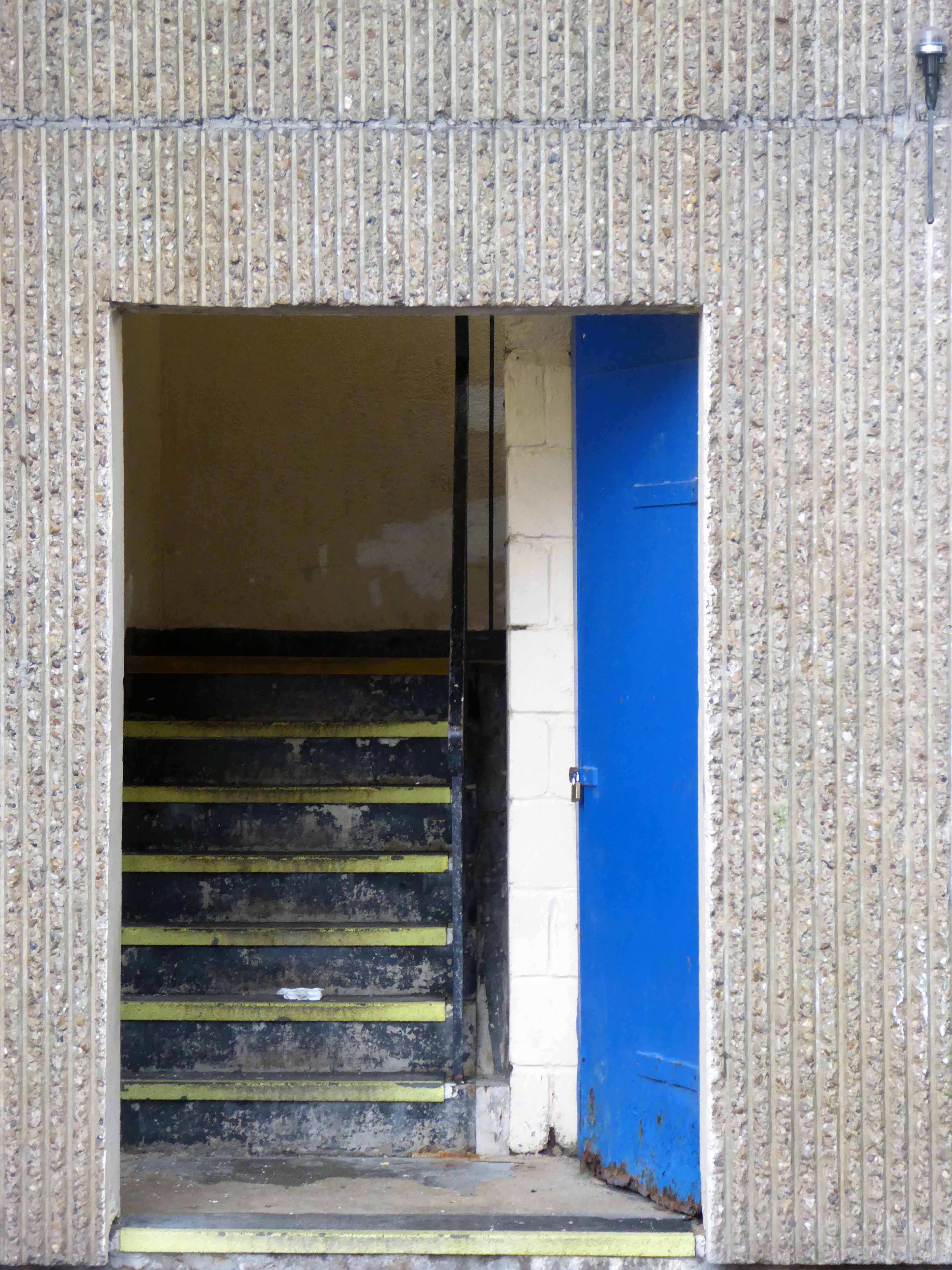
Bewitched by the fragments which I photographed on my belated visits, I have searched the archives of Picture Sheffield, Postcard Cafe and Little Bits Of Sheffield.

Piecing together photographs and the distant reminiscences of those that lived, breathed and drank in their pubs beneath the streets in the sky.

The Link on Park Hill had some colourful characters.

If you want any info on the Link next time you are in town see the man selling fishing tackle outside Castle Market ,he is called Chris Hardy his dad ran the link in the 60’s they used to have the Sun Inn on South St before Park Hill was built, tell Chris that Alan Betty’s cousin told you about him.

I once did a job outside the Scottish Queen and had a lump of concrete thrown at me! it landed about 2m away, that made me jump!

Joe Fox used to be the landlord in the George in the 70s, didn’t stand for any messing about.

Sheffield Forum

Earl Francis! Of course! That was driving me mad; I was just going to ring my mum and ask her if she could remember what it was called. I think it closed in the early 90s, at the same time as the renovations of Hyde Park Walk and Terrace – 1990/1991, if I remember correctly.

The Earl Francis was still open in 1994 – the last time I went in there, but was dying on its feet.

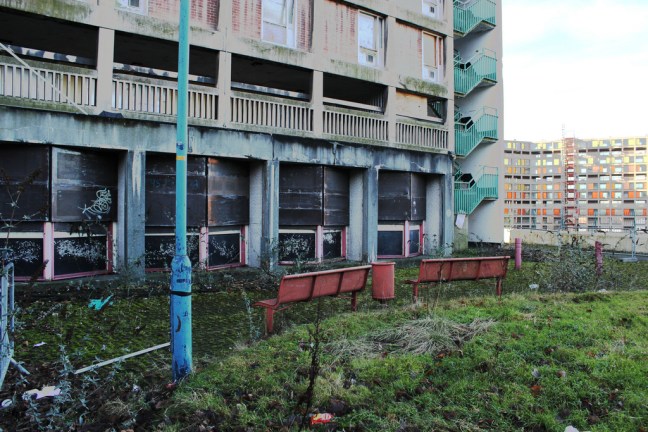
Park Hill is empty, and due to be refurbished.

It’s amazing to think that each complex had all these pubs and people actually went in them! Drove past Park Hill a few months ago at night and it didn’t look like a soul lived in them.

Not surprised the Tavern has closed down. Don’t know whether people are happy or sad about it…They looked like an absolute dive, but I’ve always wanted to go and have a look around them to see what they’re like close up!

Why is it amazing to think that?

Sheffield Forum

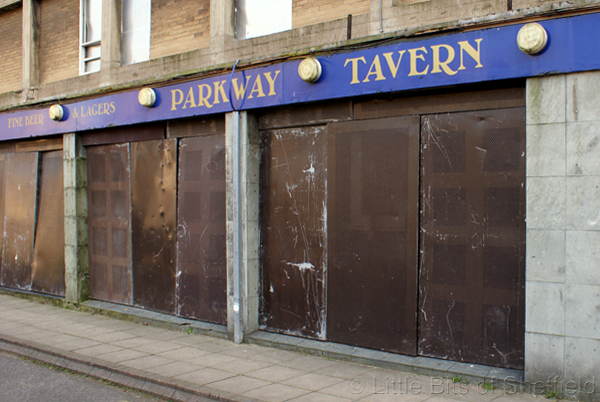
The Parkway

s21979

Picture Sheffield 1965

Picture Sheffield © S Cole 2011
SONY DSC

sdscf0757e

sdscf0759e

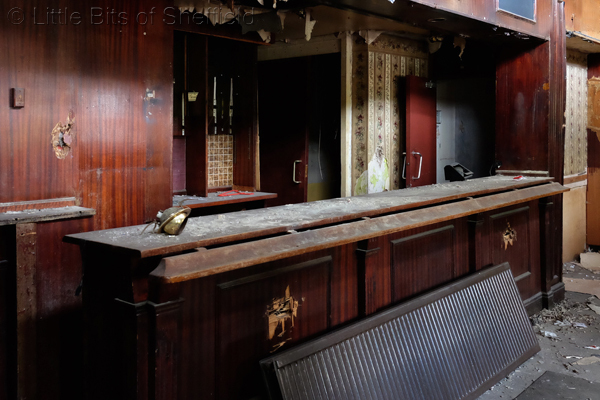
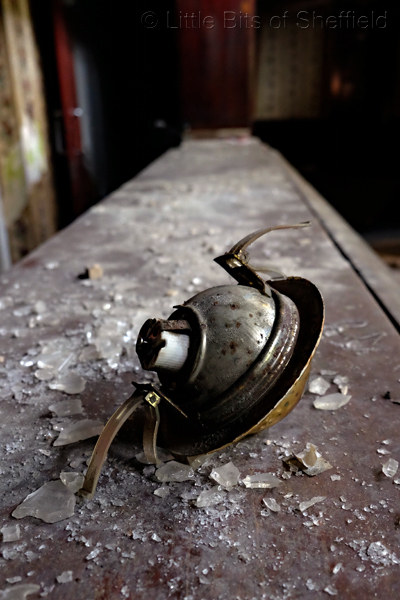
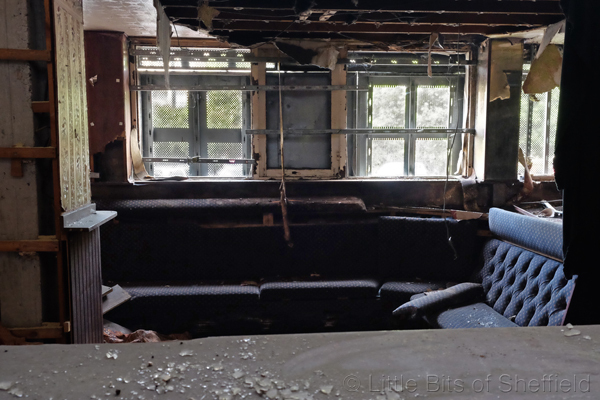
The flats and in particular the Parkway Tavern were used in the 2014 film ’71 – which was set in Northern Ireland.  So this photograph showing the bar with a packet of crisps is actually slightly misleading because the crisp bag was only a printed film prop and what looks like broken glass on the bar is fake! – Mr C
sdscf0760e

sdscf0768e

sdscf0773e

sdscf0778e

sdscf0783e

sdscf0789e

© Little Bits of Sheffield

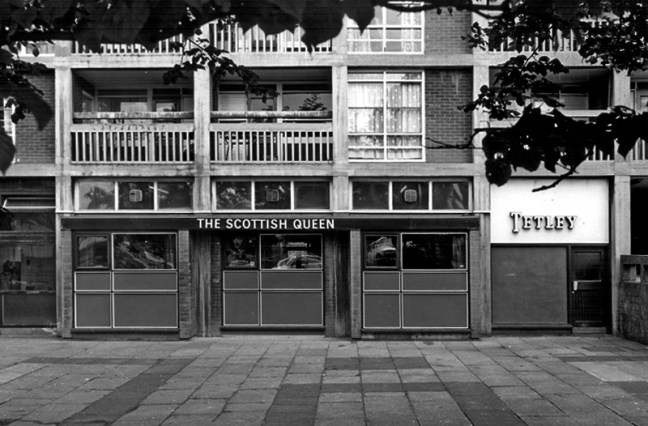
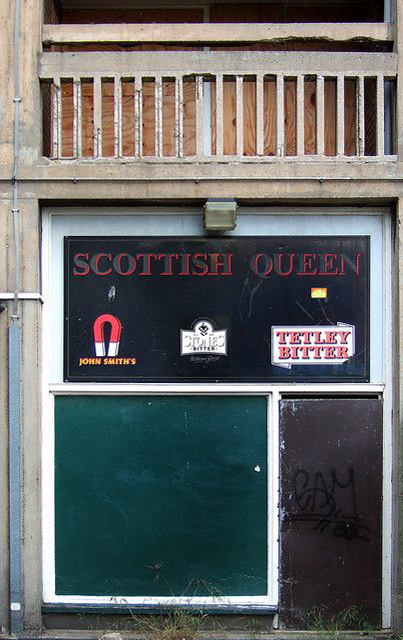
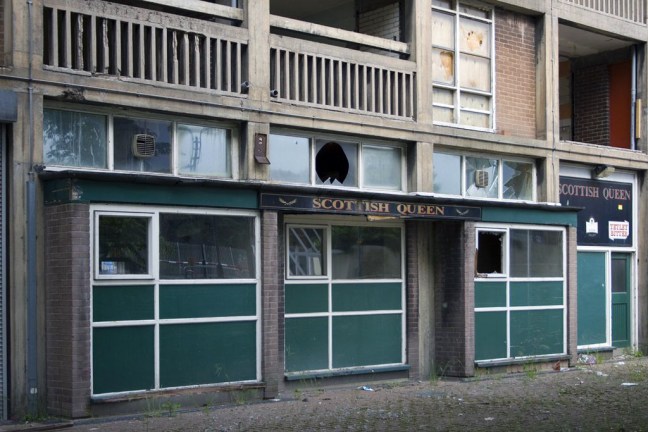
The Scottish Queen

s21985

s24491

s21984

5bf62d22a42f5e6e3bdebc9c073fdacc

a5a522862a866a1f06e484b2716c9ff5

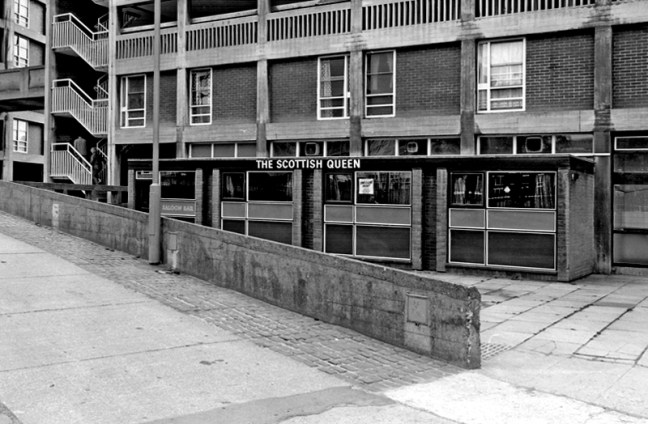
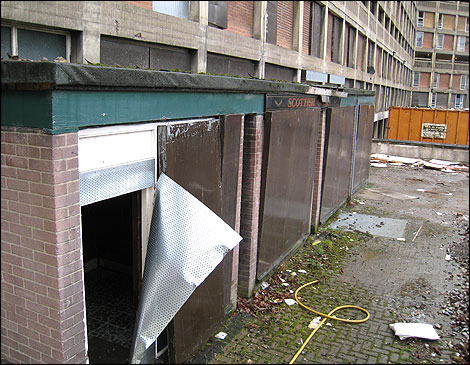
A new pub could open on the site of what was once voted Britain’s second most dangerous watering hole. The Scottish Queen at Park Hill was notorious for violence, with only the most hardy drinkers brave enough to cross its threshold.
ec6d8981fcb209d3058c7f9228f61b919c181421

April 2015 saw the launch of a new exhibition space in Sheffield, housed within the former Scottish Queen pub at the Brutalist icon that is the Park Hill estate. The Scottish Queen hosted a temporary programme of exhibitions, events and residencies in partnership with a range of artists and organisations from across Sheffield supported by S1 Artspace.

Possibly the second toughest art space in Britain.

The Link

s21978

s21976

Picture Sheffield

matt surgeon

© Matt Surgeon

sheffield history

Sheffield History

s_1060819e1

s_1060824e

s_1060825e

s_1060856e

s_1060865e

P1020447.JPG

© Postcard Cafe

The Earl George

s21980

Picture Sheffield

In the 1960s 70s I used to go in the Link pub, I liked the Scottish Queen pub as well.

Do you think they’ll open all the pubs again when all the work is finished?


Type Travel – Manchester

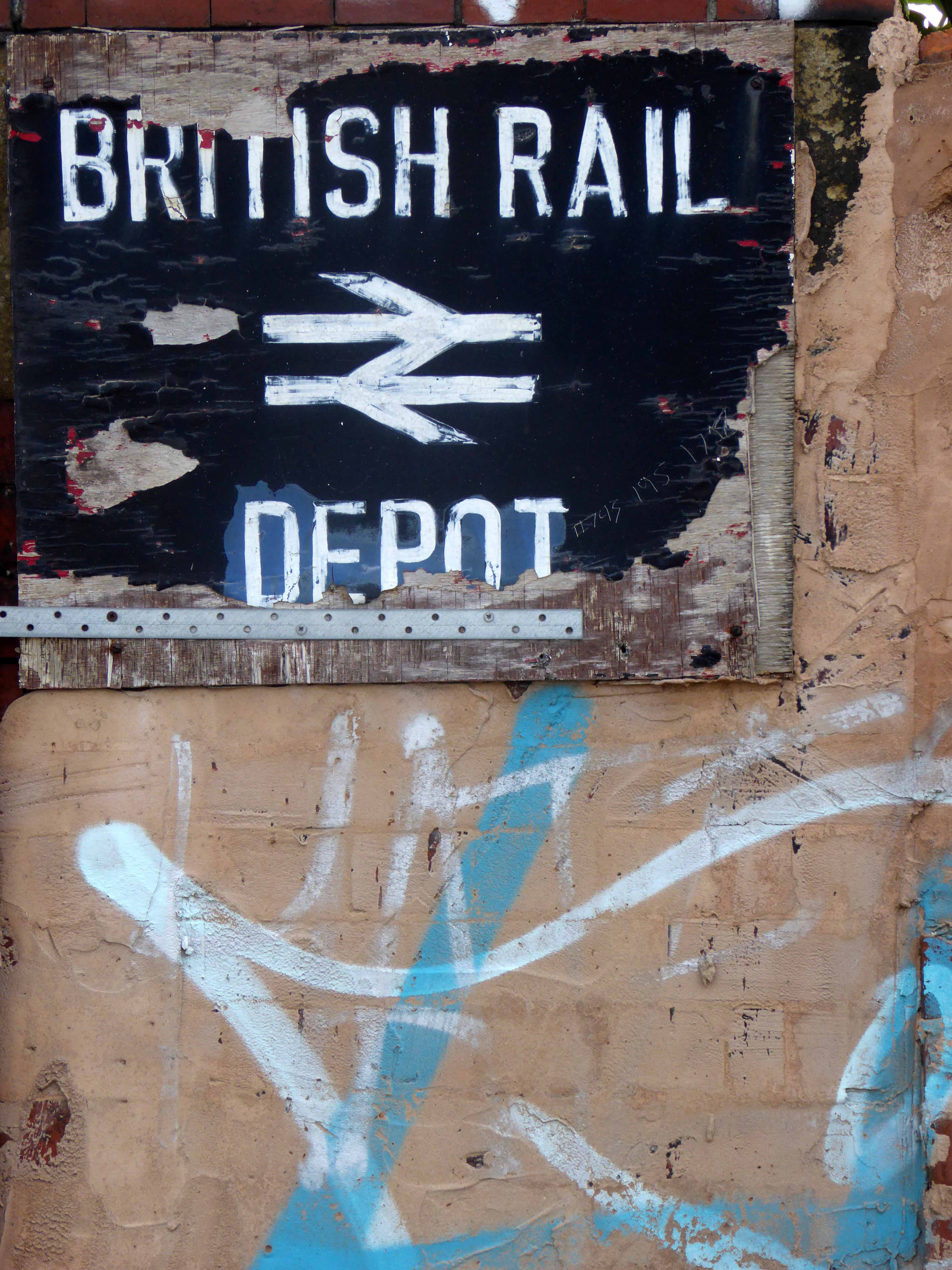
This is a journey through time and space by bicycle, around the rugged, ragged streets of East Manchester.

Undertaken on Sunday September 2nd 2018.

This is type travel – the search for words and their meanings in an ever changing world.

map

Hyde Road

P1280955
P1280956

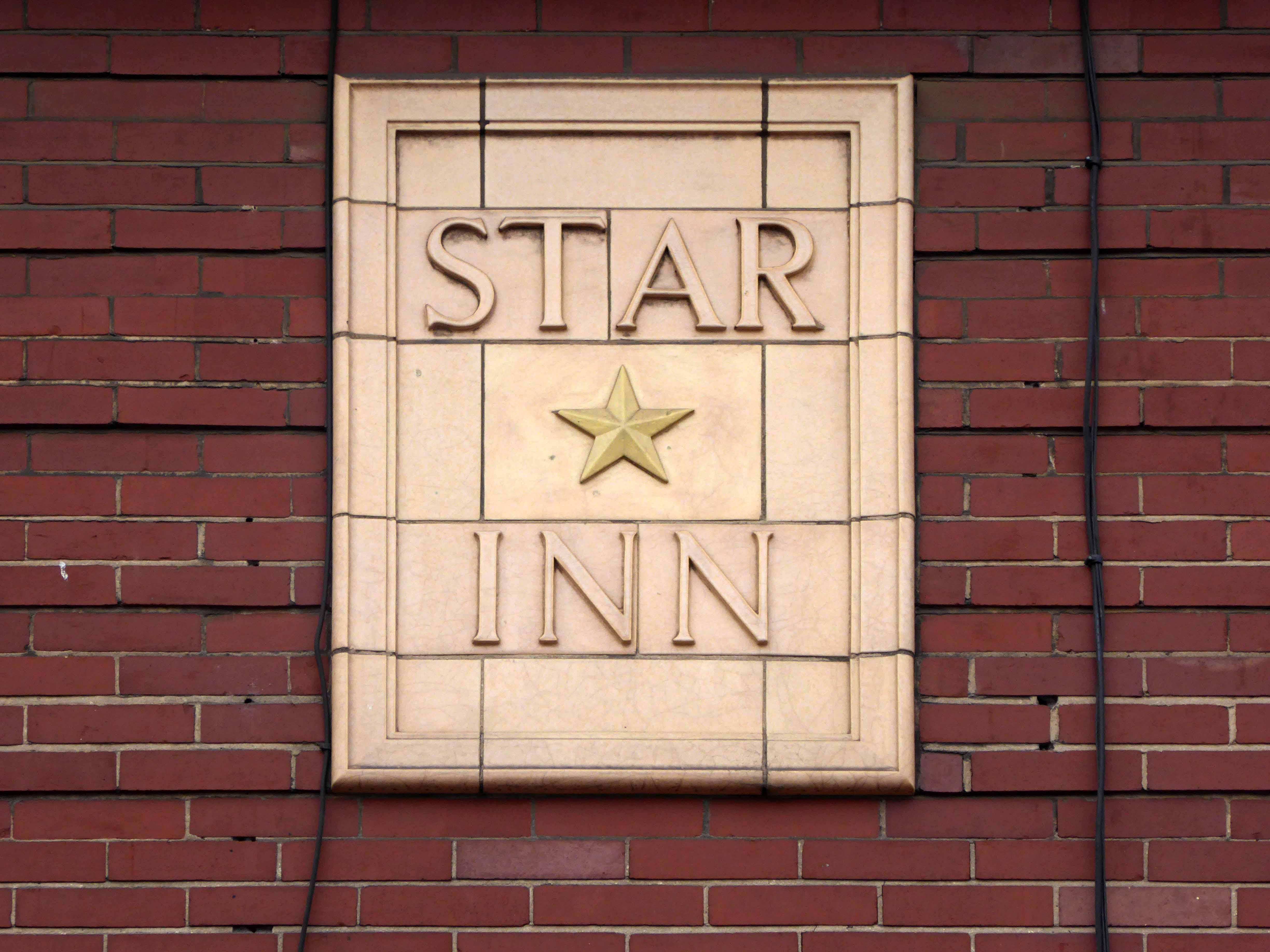
The Star Inn – former Wilsons pub

Devonshire Street North

P1280961

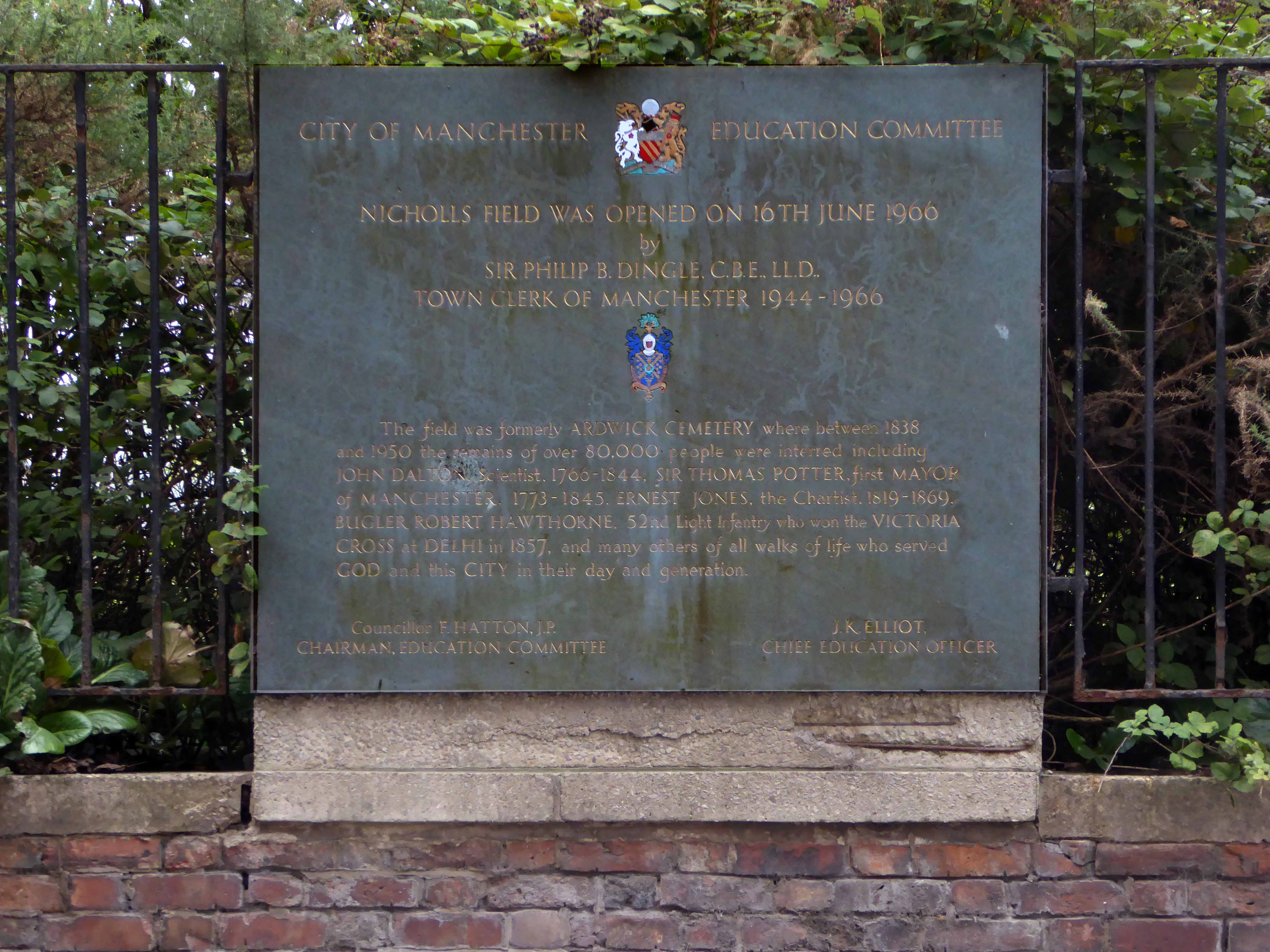
Former Ardwick Cemetery

P1280962

Great Universal Stores former mail order giant

Palmerston Street

P1280979

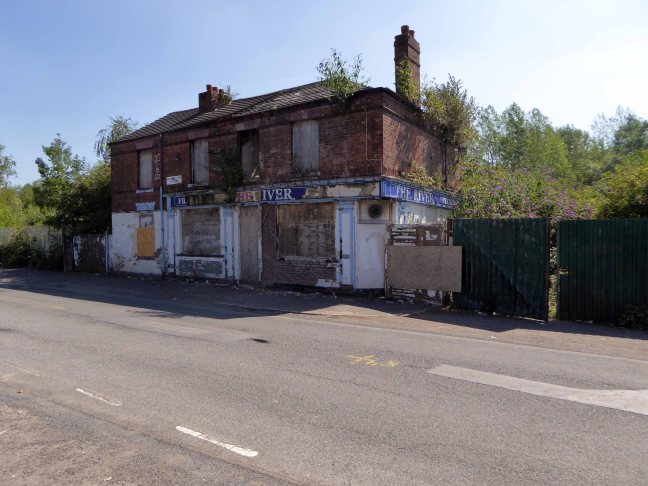
The River Inn abandoned pub

Every Street

P1290001

All Souls Church – listed yet unloved

Pollard Street East

P1290008.jpg
Screen Shot 2018-09-04 at 08.37.57

The Bank Of England abandoned pub

P1290020

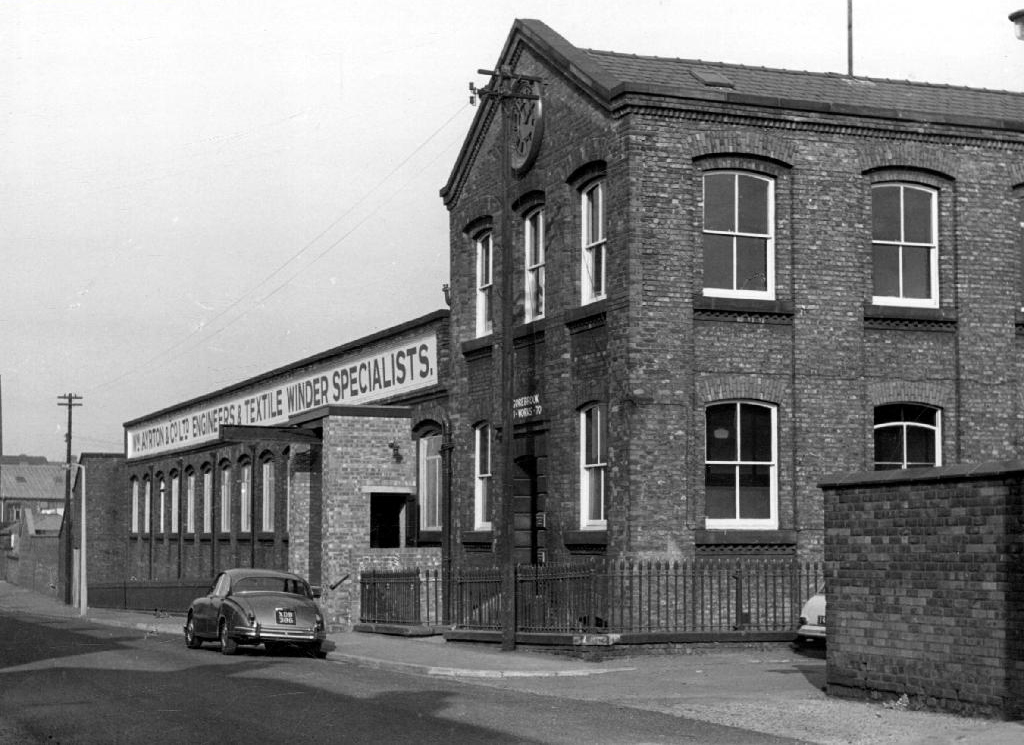
Ancoats Works former engineering company

Cambrian Street

P1290024.jpg

The Lunchbox Café Holt Town

Upper Helena Street

P1290028

The last remnants of industrial activity

Bradford Road

P1290046

Brunswick Mill

P1290048

The little that remains of Raffles Mill

P1290052

Old Mill Street

P1290054

Ancoats Dispensary loved listed and still awaiting resuscitation

P1290056.jpg

New life New Islington

Redhill Street

P1290057

Former industrial powerhouse currently contemporary living space

Henry Street

P1290063

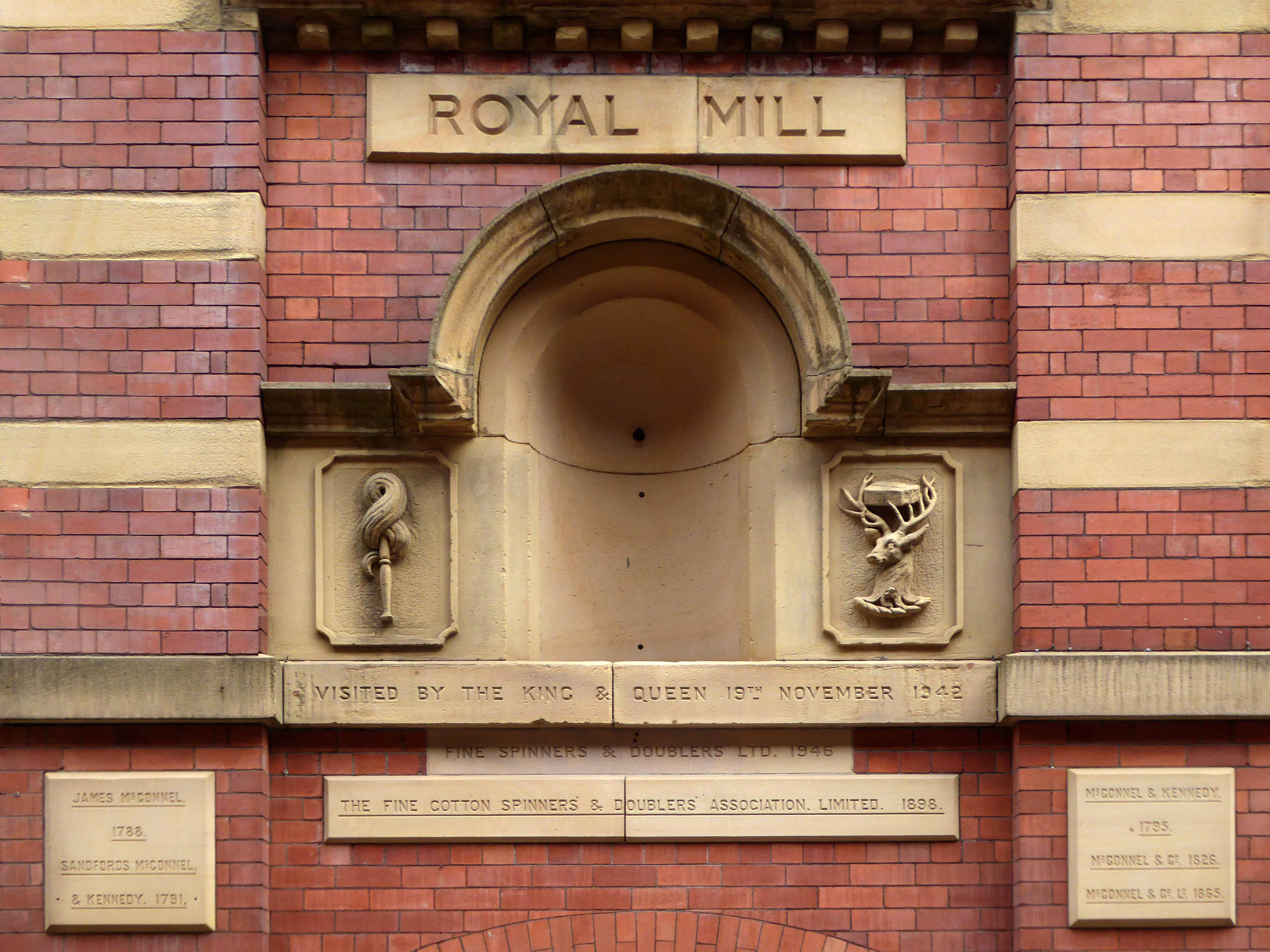
King George VI and Queen Elizabeth passed by in 1942

Jersey Street

P1290064

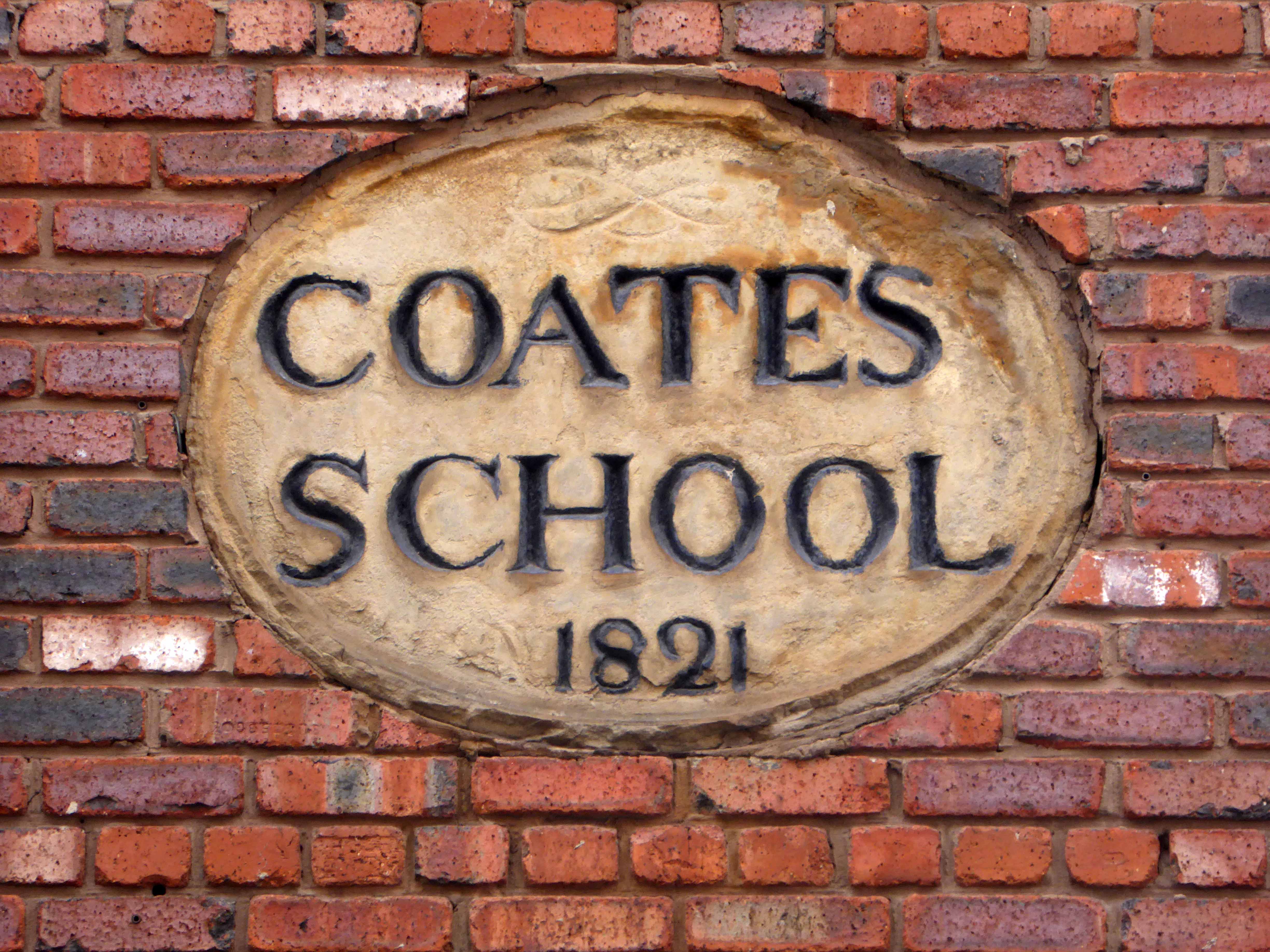
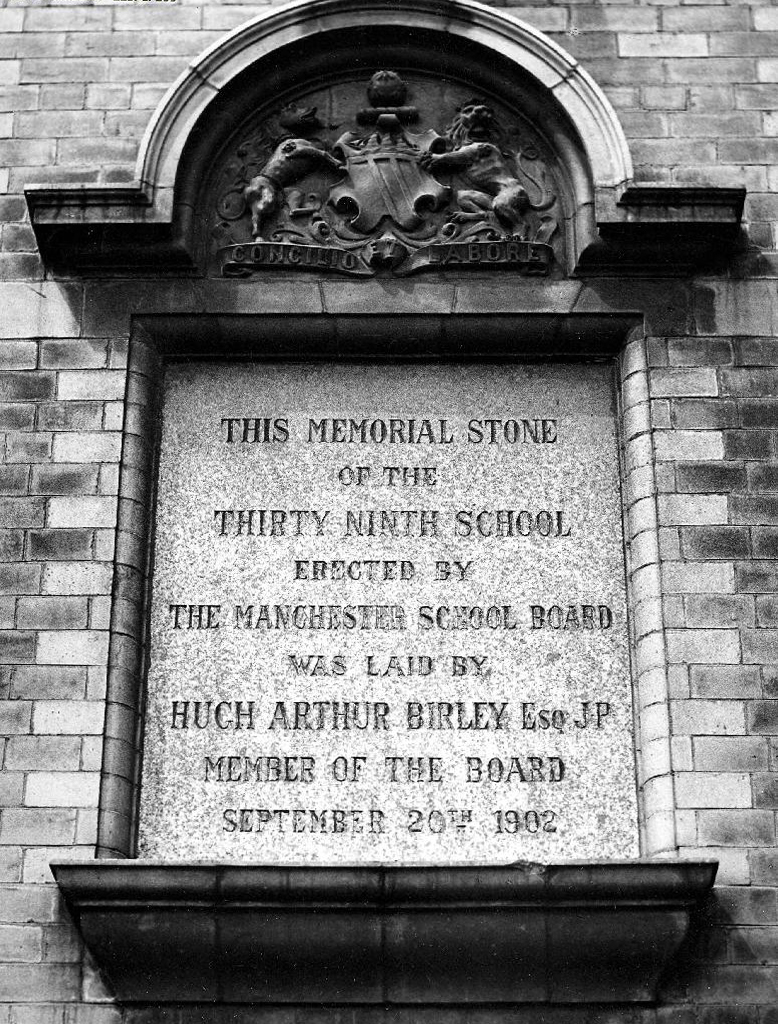
Former School the stone plaque applied to a newer building

Gun Street

P1290065

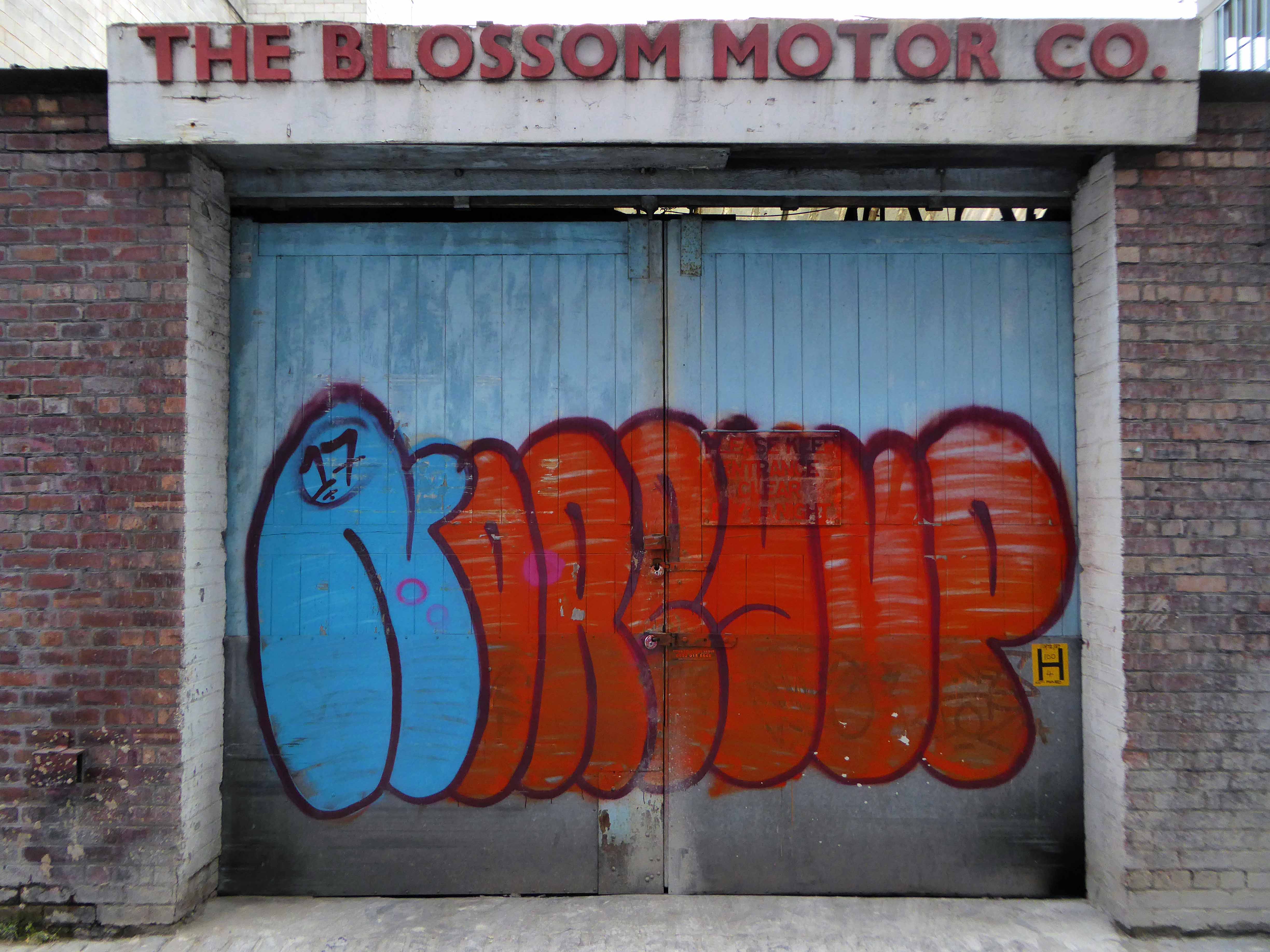
The last of the few Blossom Motors

Addington Street

P1290067
P1290069

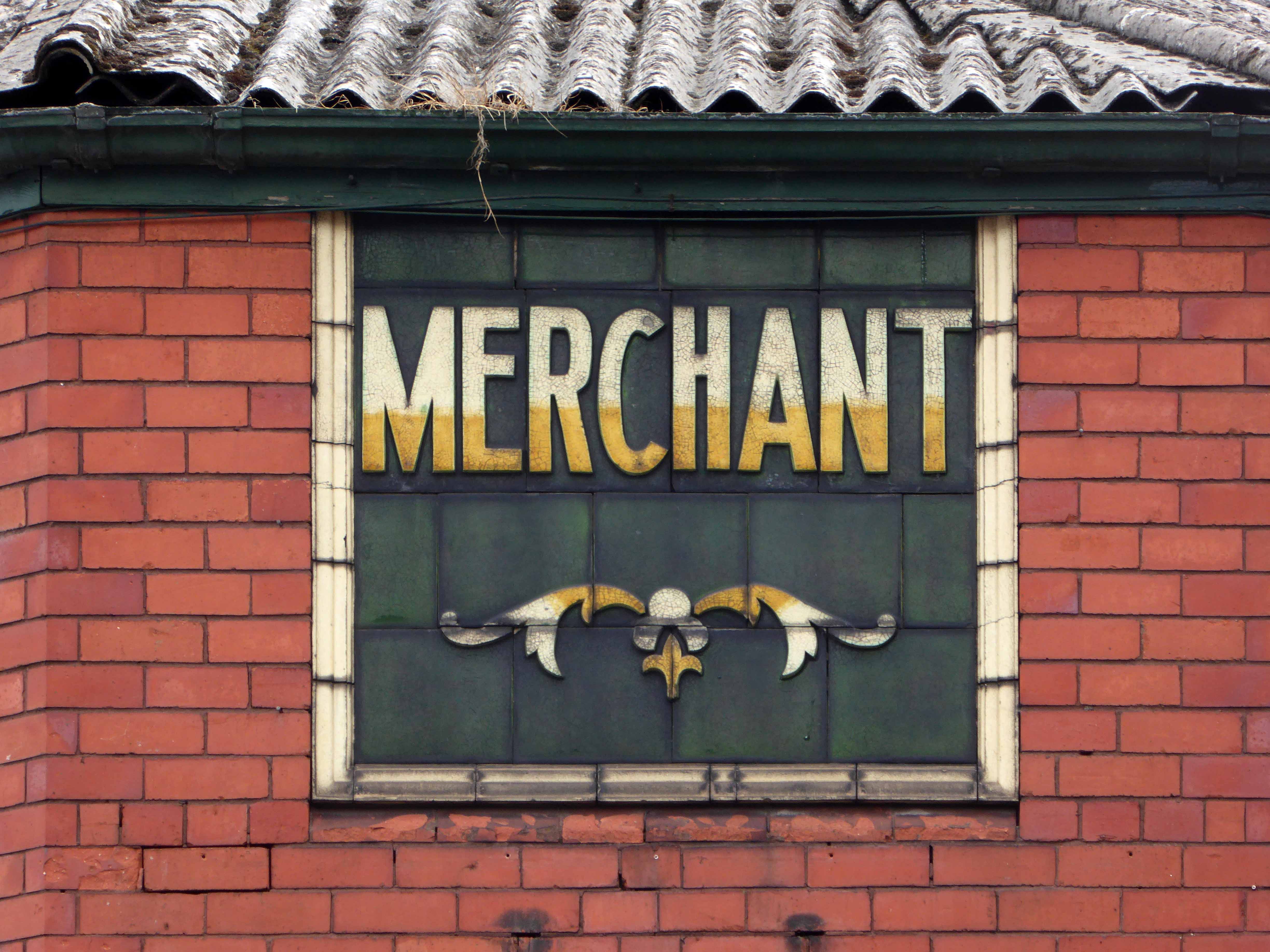
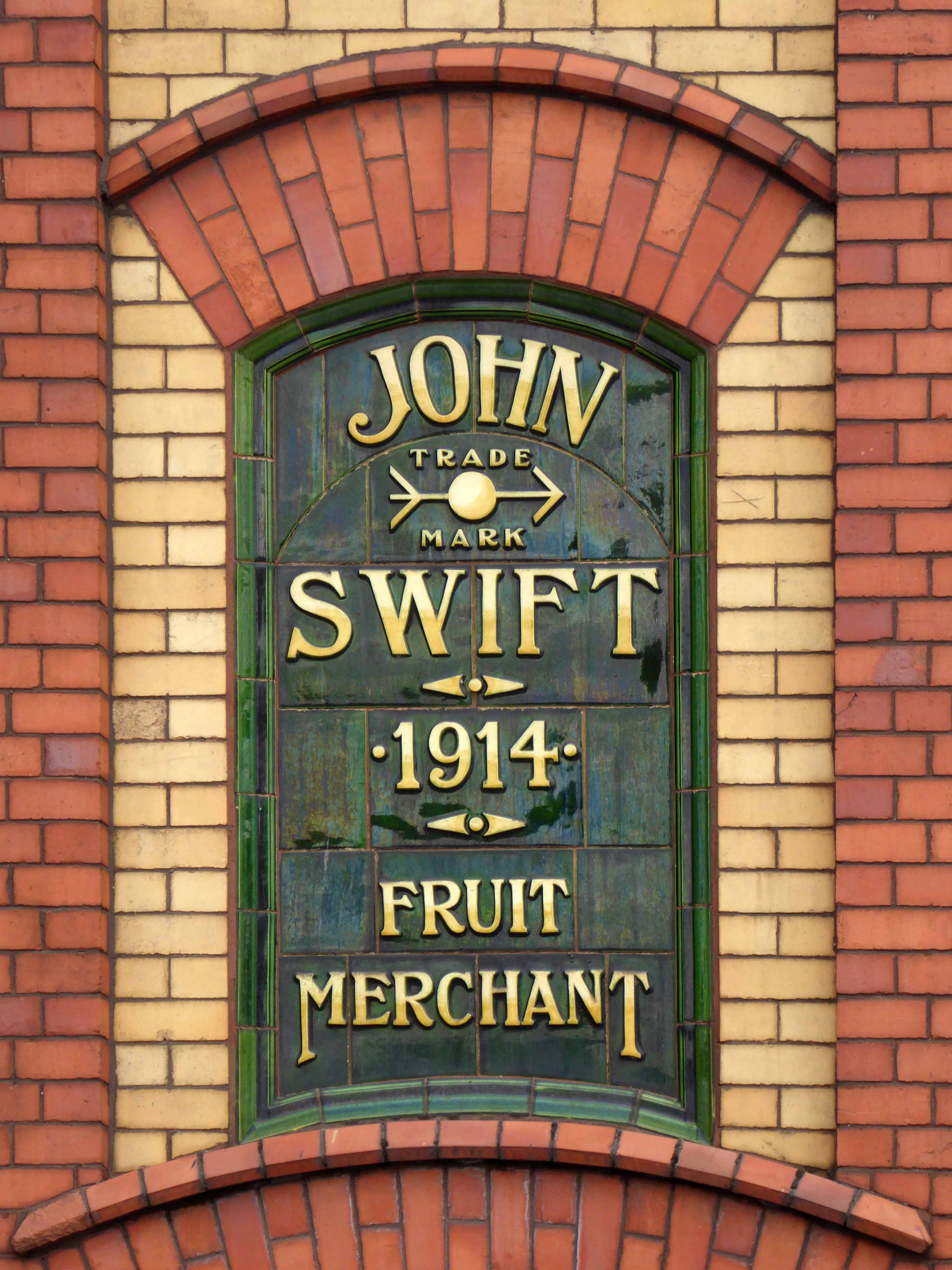
Former fruit merchants – refurbished and home to the SLG creative agency

Marshall Street and Goulden Street area

P1290070
P1290071
P1290073
P1290081
P1290086
P1290087

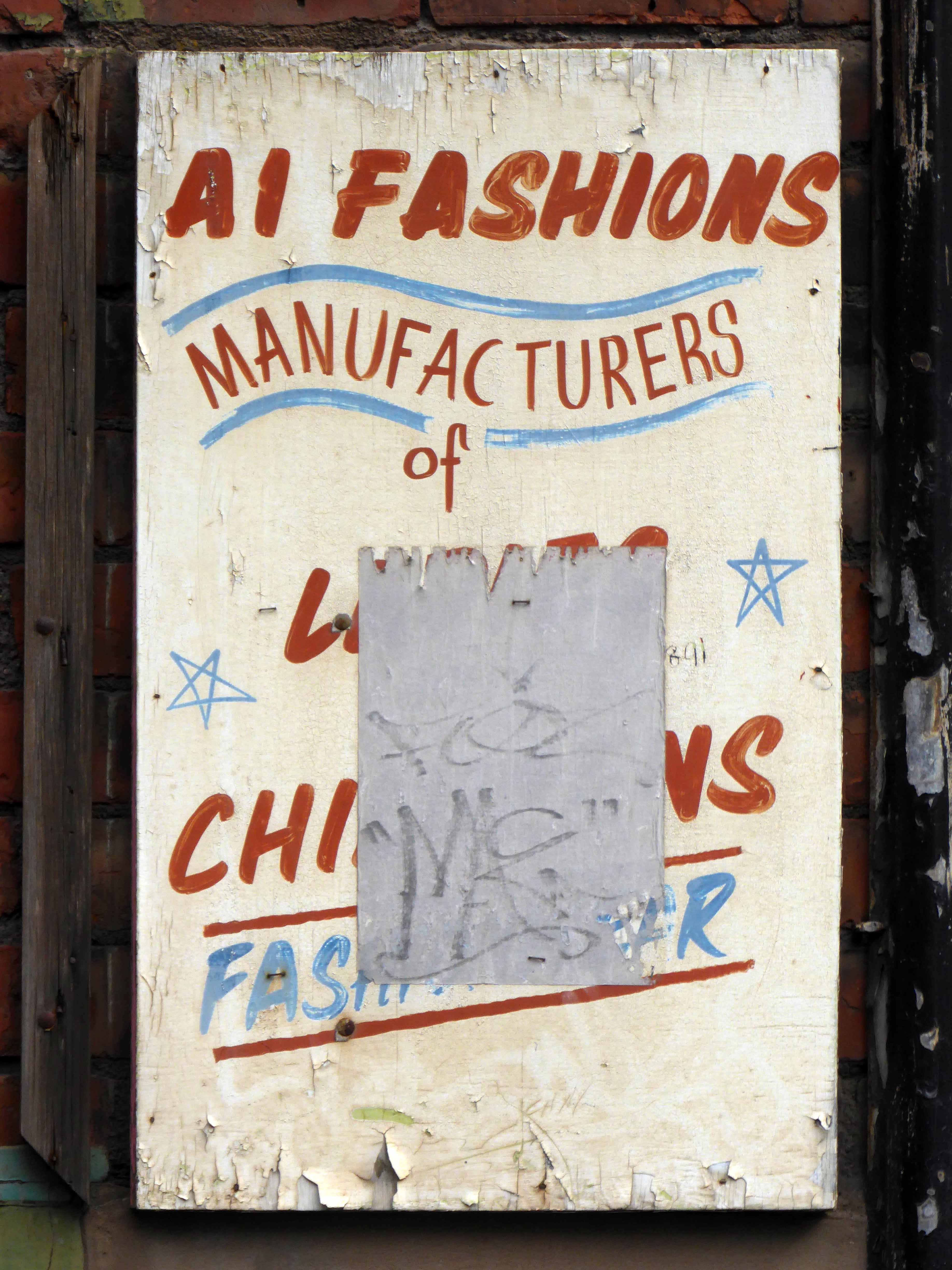
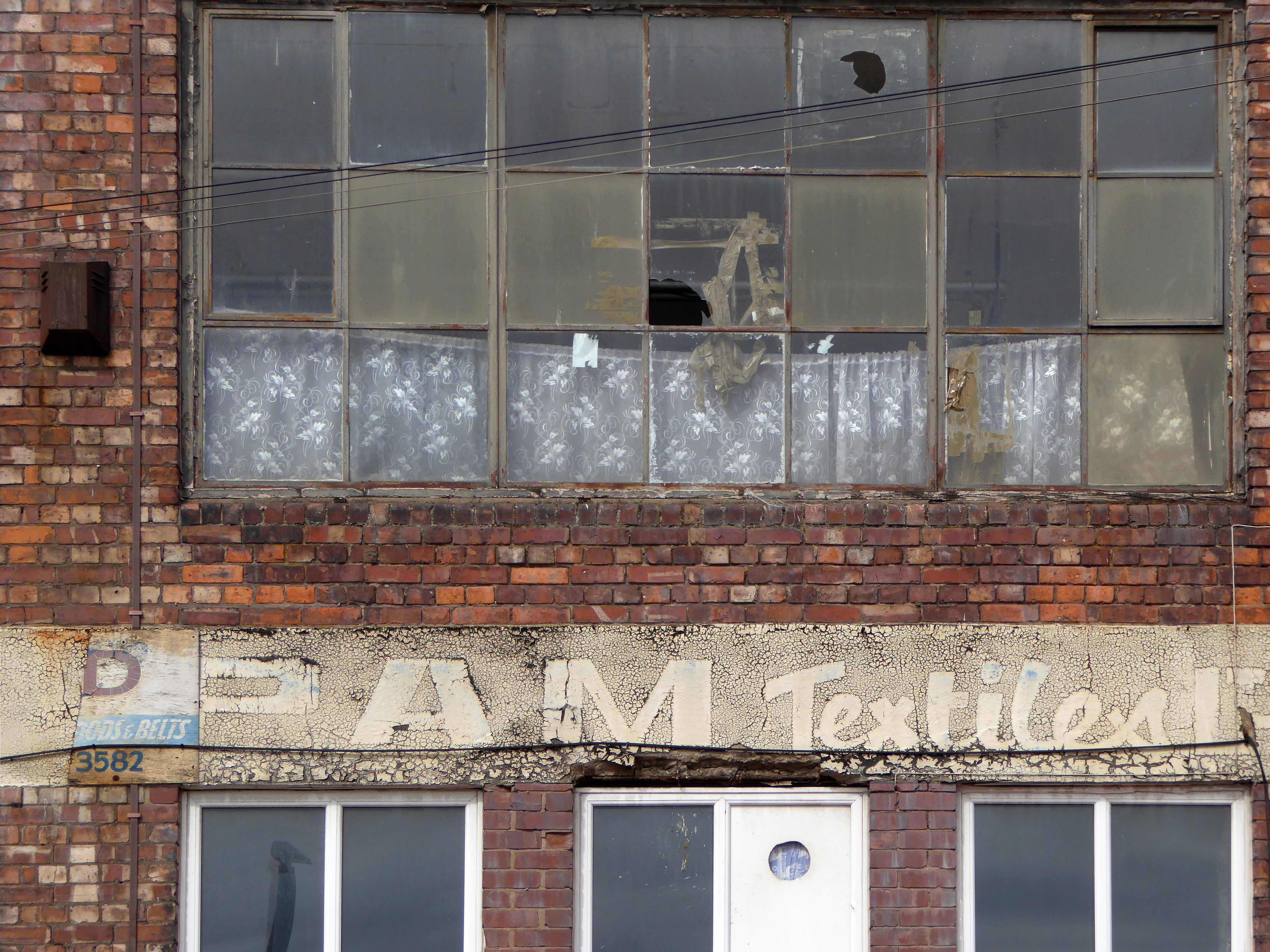
The last remnants of the rag trade

Former bed spring manufacturer – latterly became the County Archive.

Sudell Street

P1290089
P1290090

All that’s left of Alexandra Place

P1290092

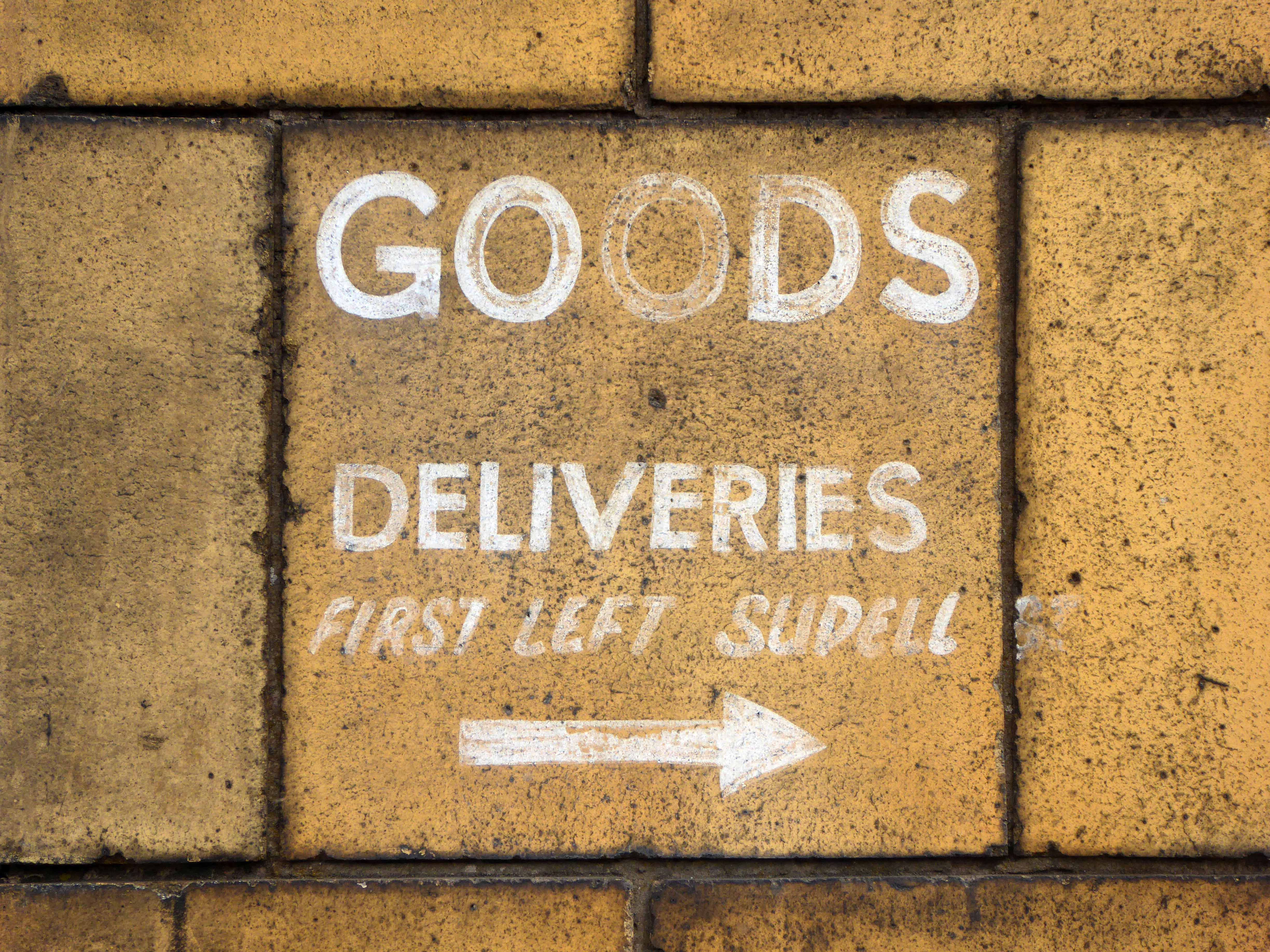
Entrance to the former Goods Yard

Back St Georges Road

P1290096

Sharp Street

P1290099
P1290100

Simpson Street

P1290101

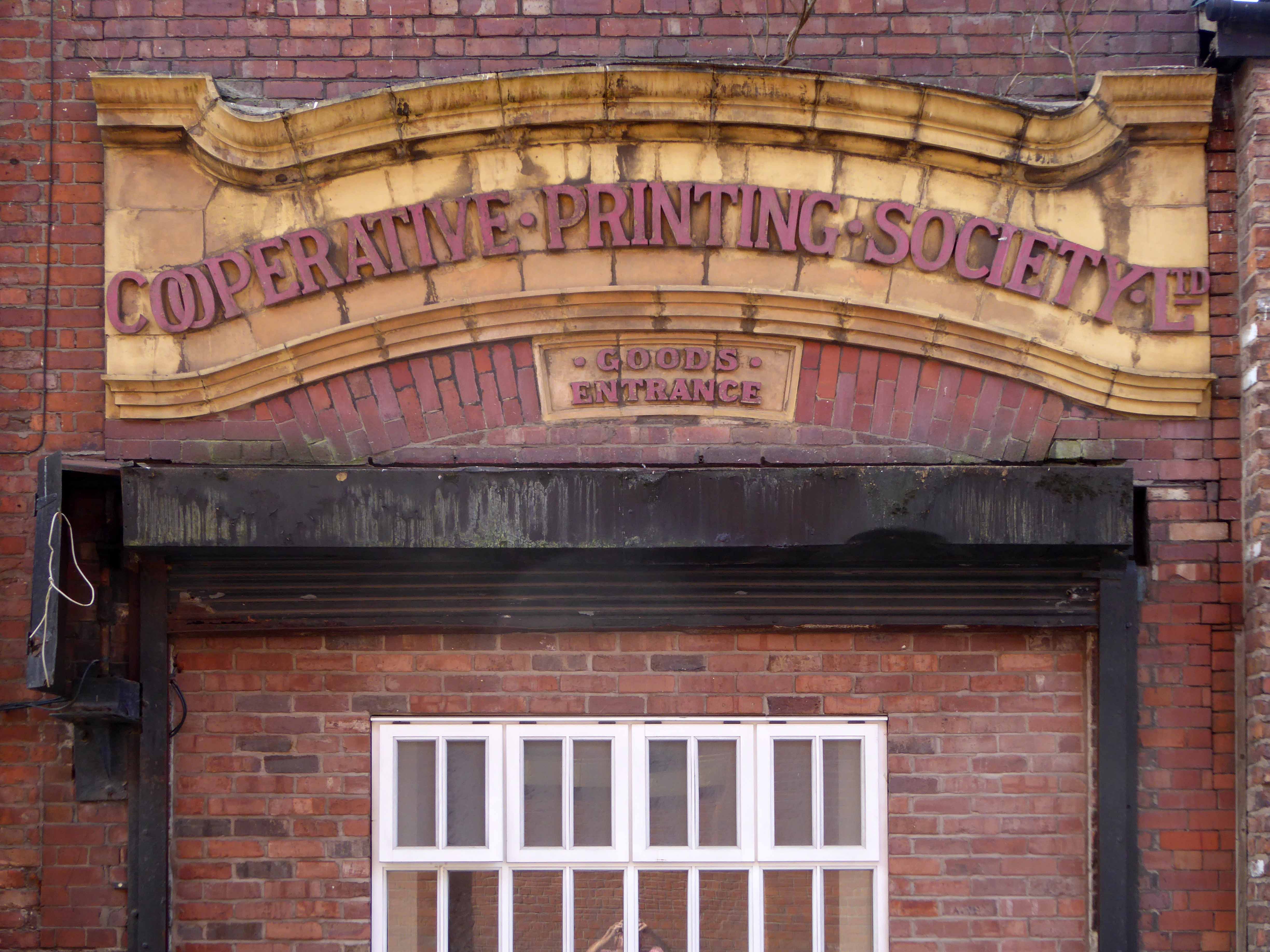
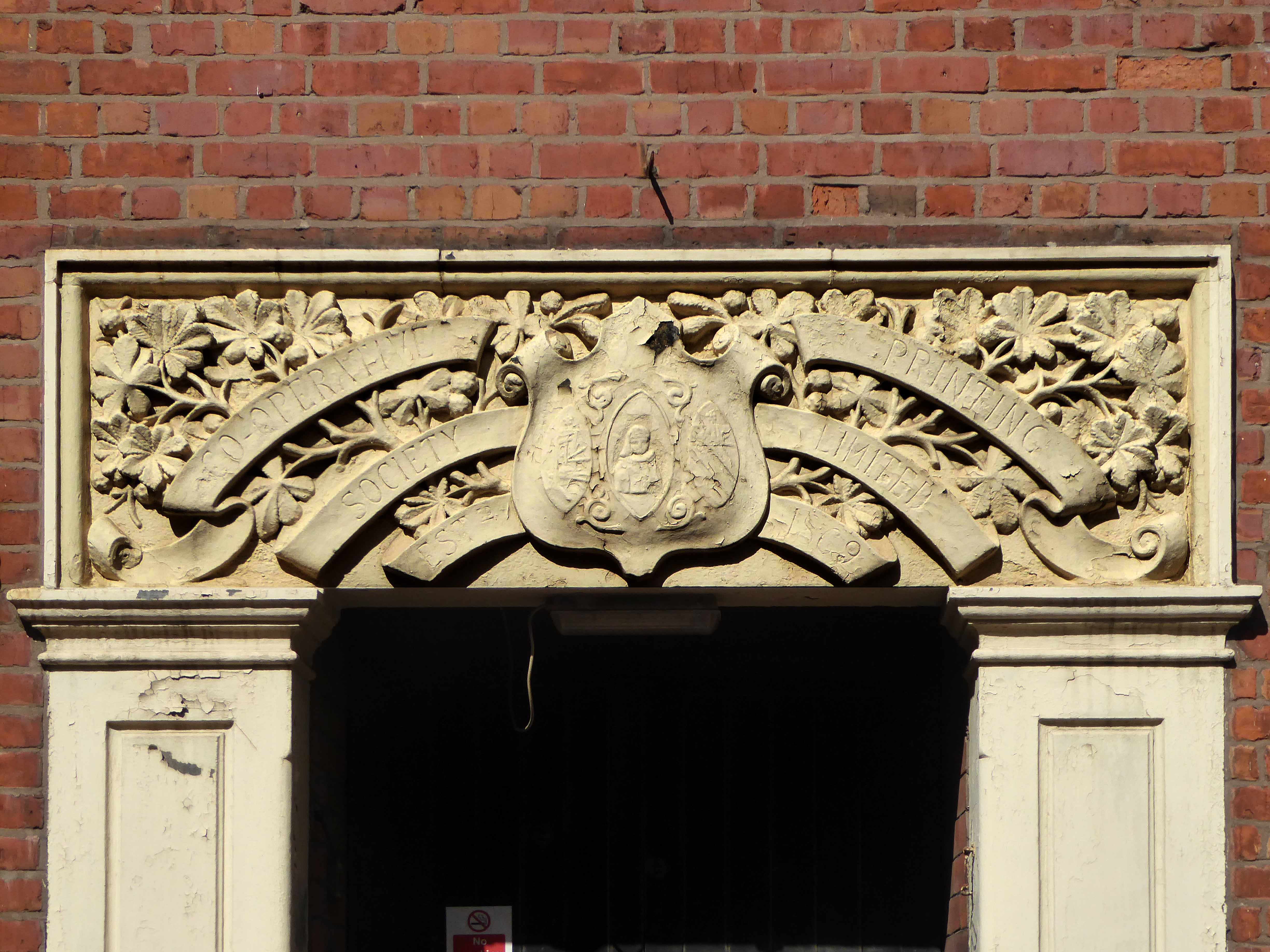
Where once the CWS loomed large

Charter Street

P1290102
P1290107

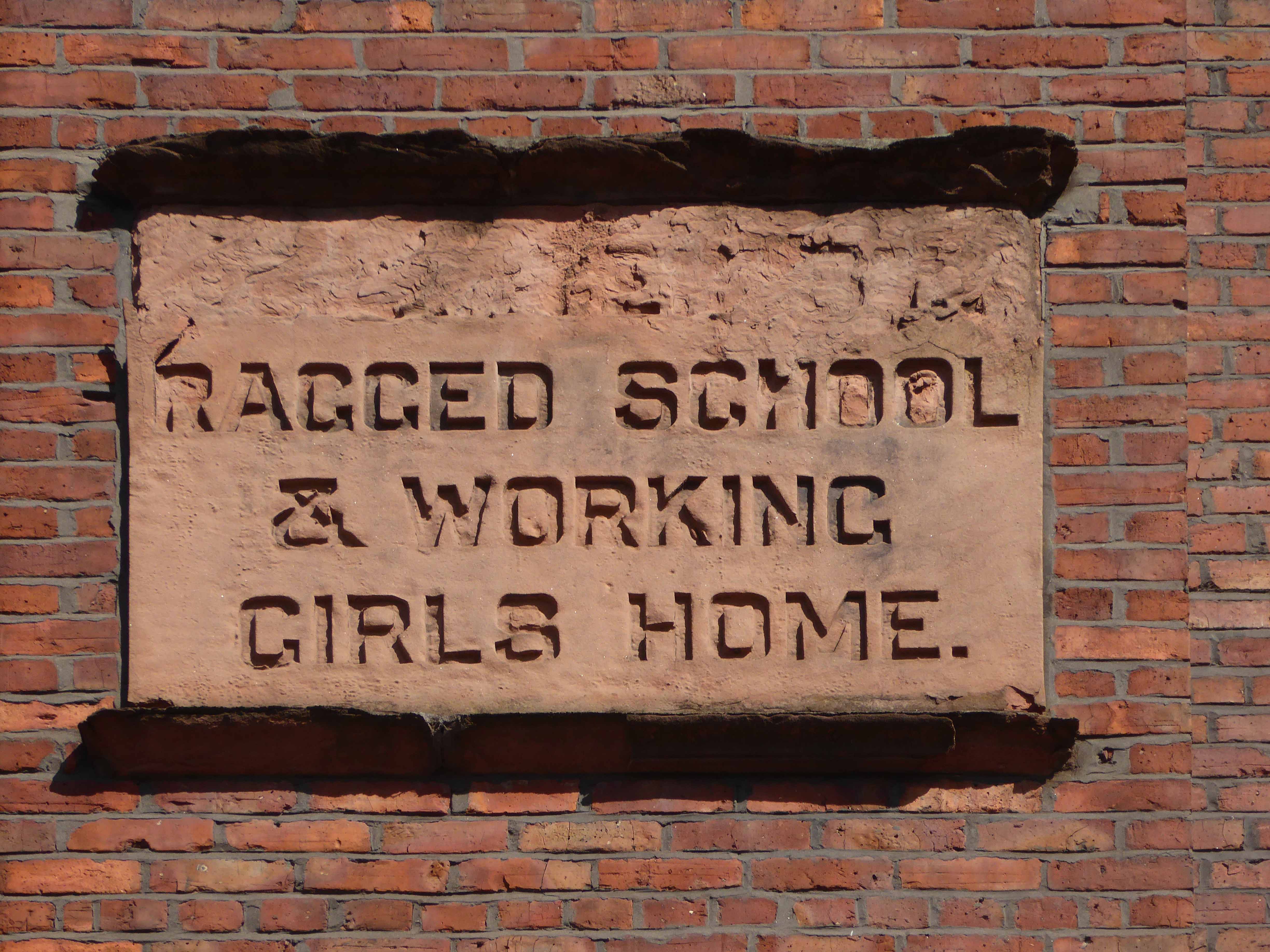
Ragged but right

Aspin Lane

P1290109
P1290117

Angel Meadow 

Corporation Street

P1290118

Return To Palmerston Street – Beswick

Having traced a lengthy history of the shortish Palmerston Street – I returned to take a snapshot of the current state of affairs.

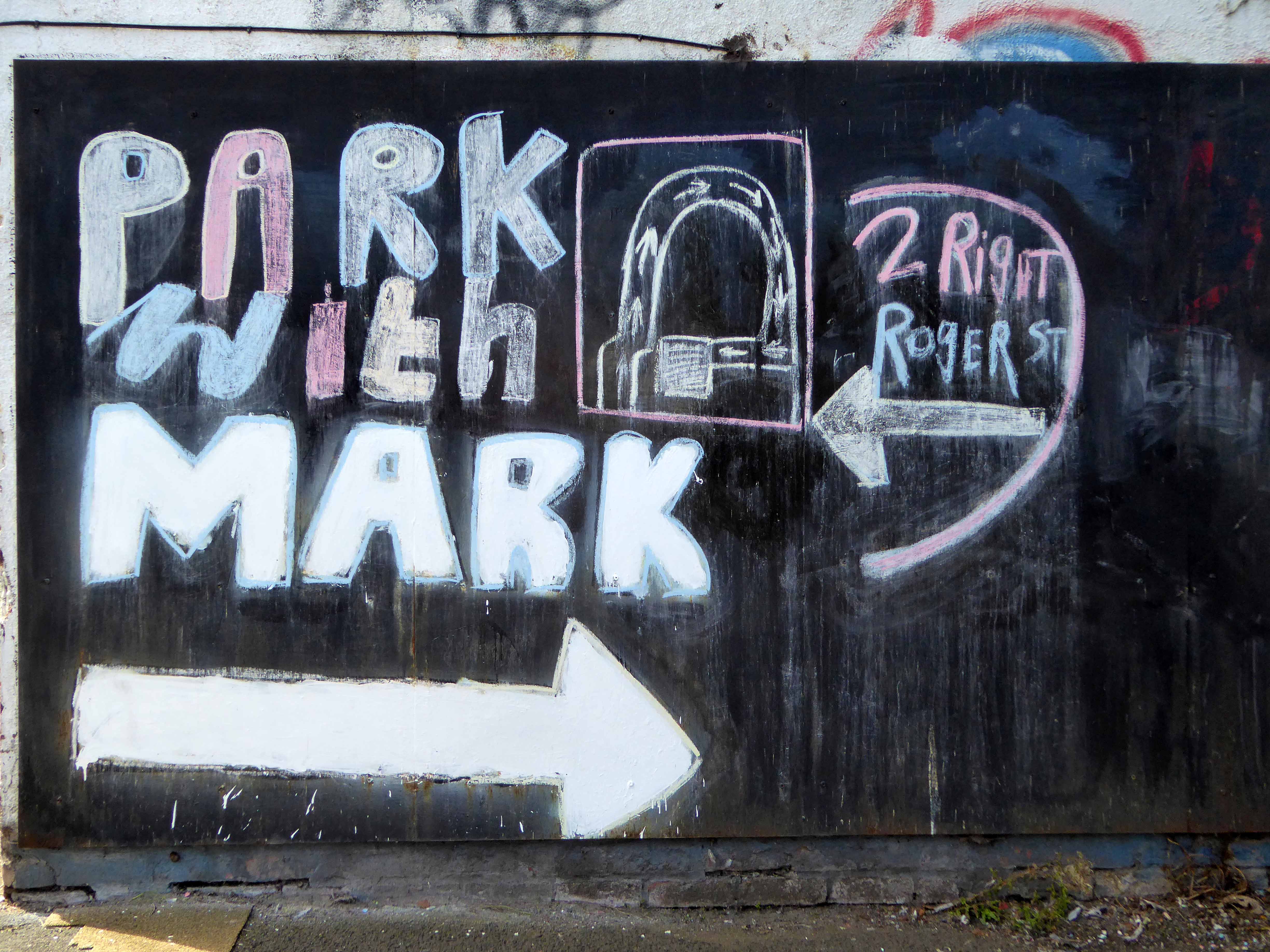
So much has gone an Art Museum, Lads Club, churches, homes, schools, industry and pubs – much of this now indistinct scrubland, fenced and walled, neither use nor ornament, save as an unofficial wildlife garden for feather, fowl and flower.

There  are small groups of more recent housing developments with the promise of more on the way, though this as ever is contentious – the story of conflicted interests betwixt and between developer, local authority and the would be affordable homes and their occupants.

The council says – Manchester’s Affordable Housing Programme will ensure more than 2,200 homes by March 2021 through a £250m programme funded through a variety of sources including Homes England grant funding, Council borrowing and land or property sales and Registered Providers. The Council is also backing the programme through the release of suitable council-owned land.

Which seems barely adequate to meet the needs of those on lower incomes.

The Guardian says – Of the 61 big residential developments granted planning permission by Manchester city council’s planning committee in 2016 and 2017, not one of the 14,667 planned flats or houses met the government’s definition of affordable, being neither for social rent nor offered at 80% of the market rate.

Manchester has changed, constantly changed – often overlooking the needs of its citizens to the north and east of the city. The areas crippled by recession, deindustrialisation and demolition have yet to see the benefits of the city’s recent regeneration.

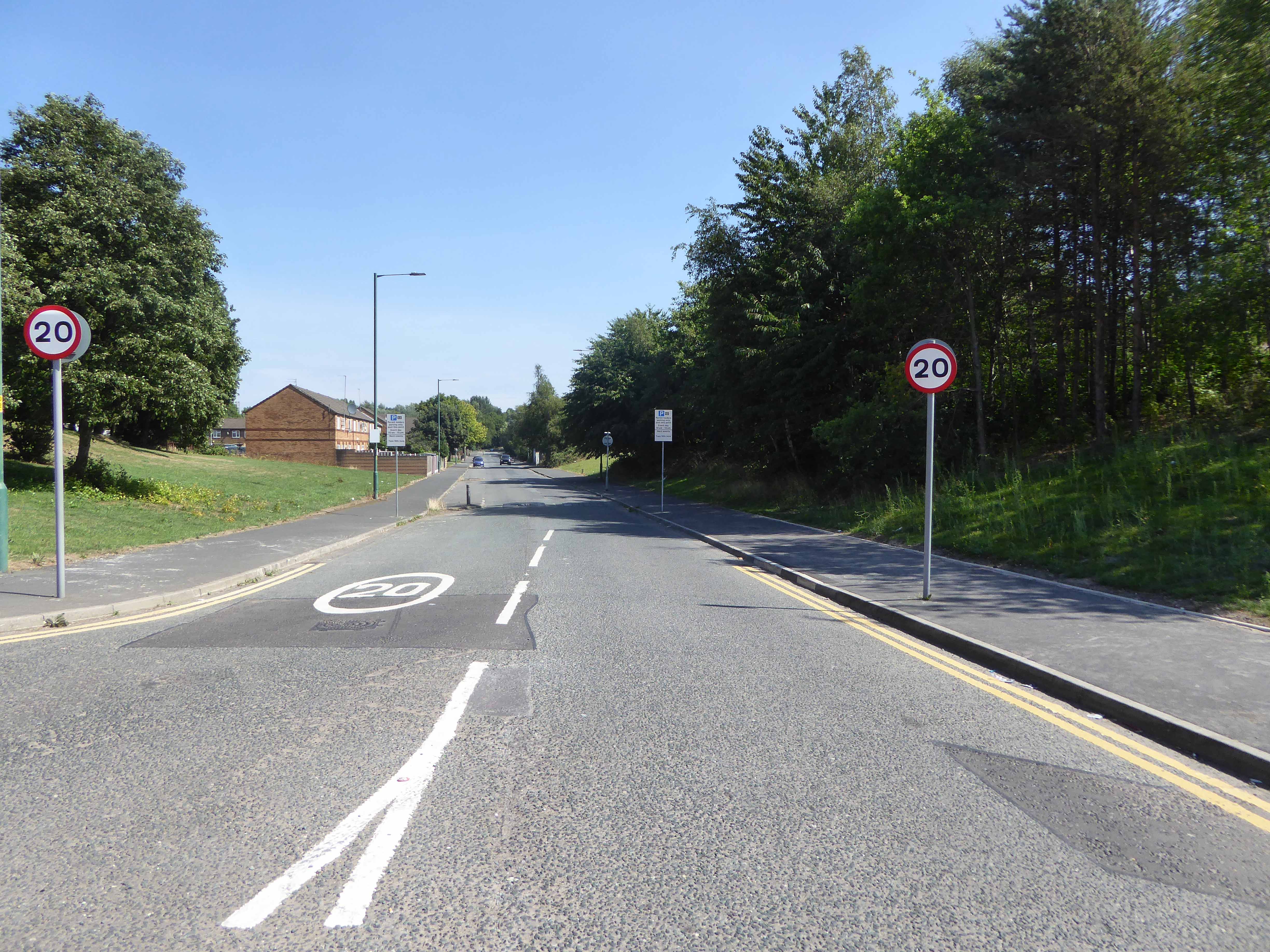
What was once a community overflowing with rough and tumble, hustle and bustle, now seems to have become a contested area for match day parking and non-existent urban renewal.

Let’s take a look down Palmerston Street.

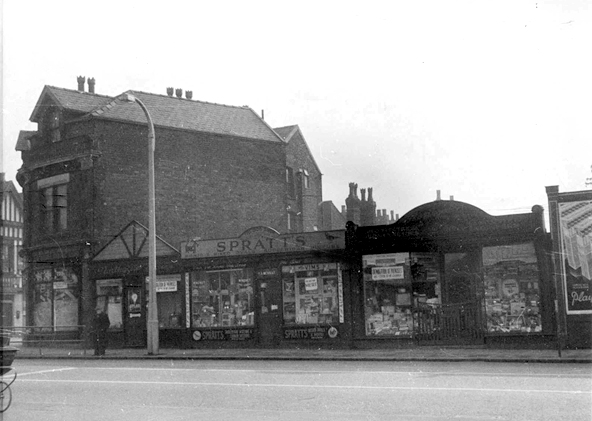
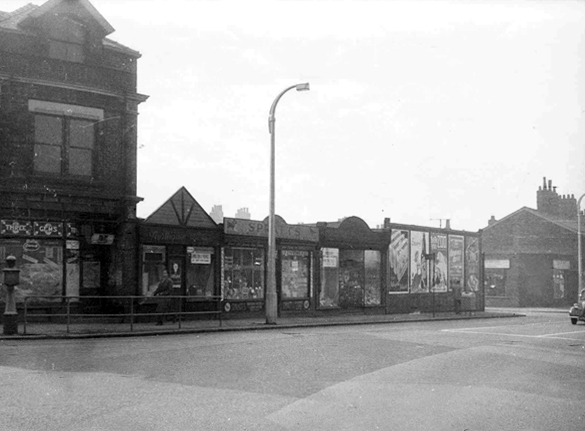
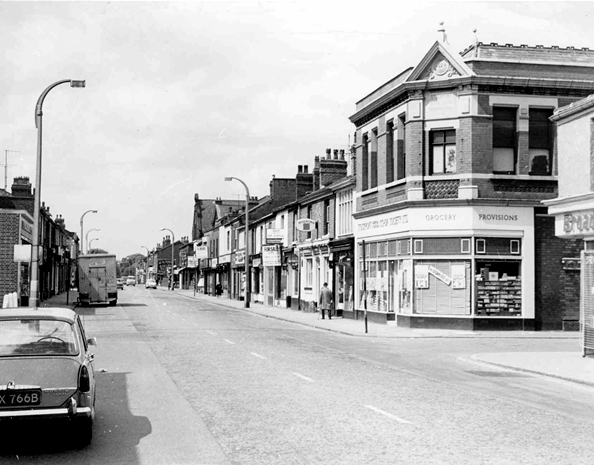
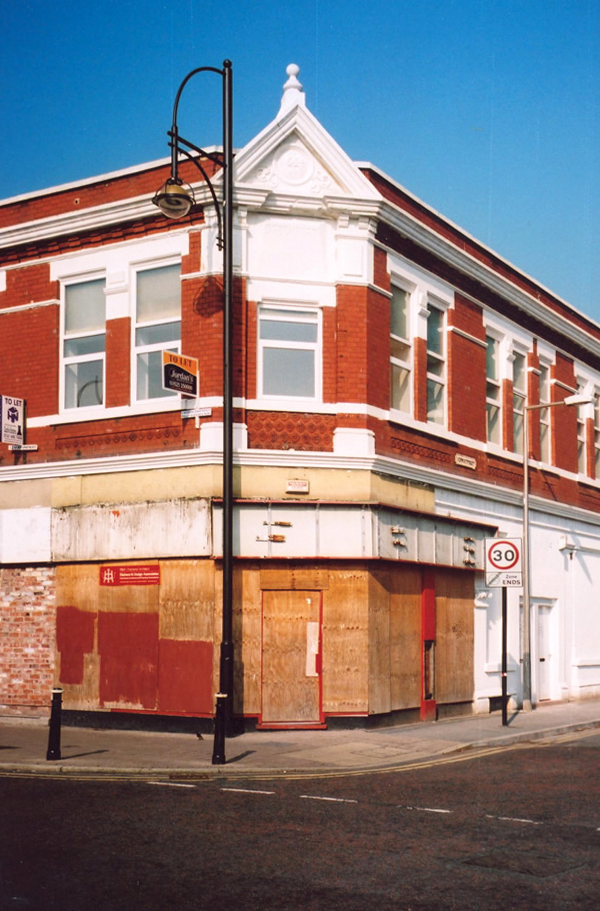
P1280052

P1280053

P1280060


P1280063

P1280064

P1280082

P1280093

P1280096

P1280097

P1280098


P1280103

P1280104

P1280106

P1280108

P1280110

P1280112

P1280114

P1280115

P1280118

P1280119

P1280121

P1280123

P1280127

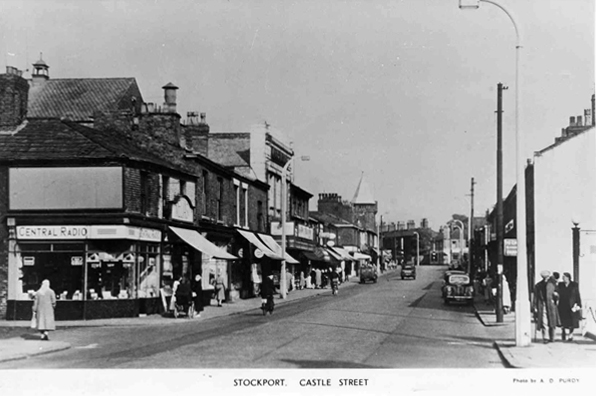
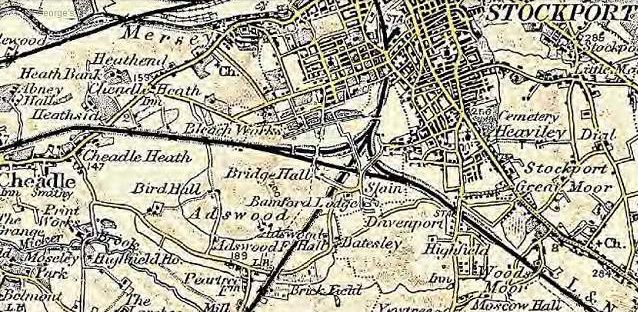
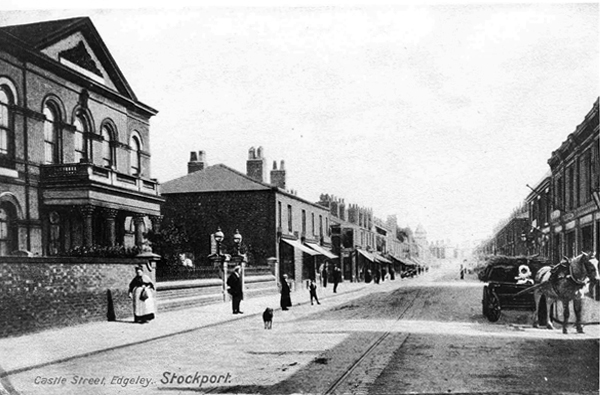
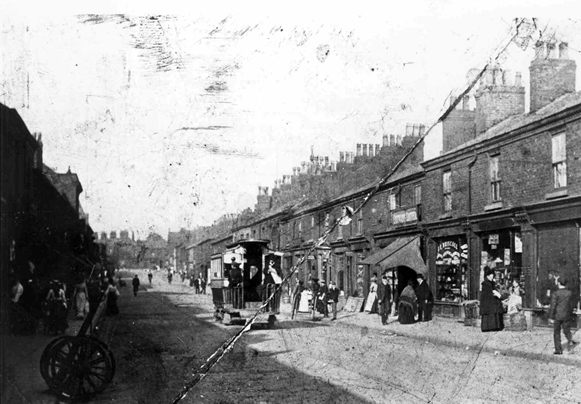
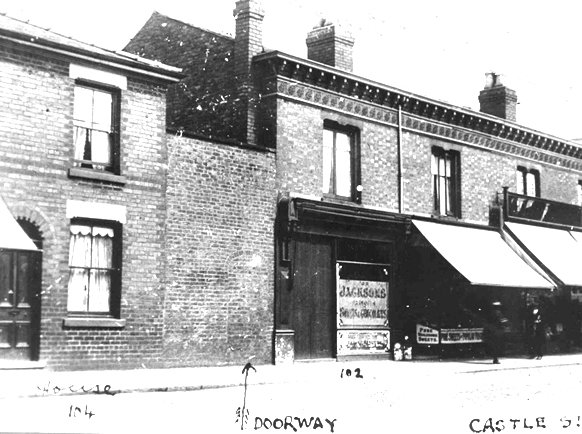
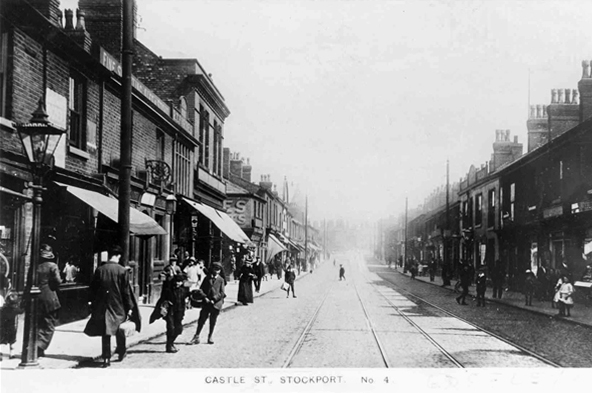
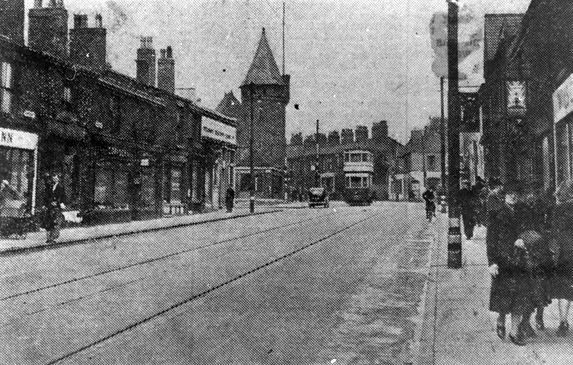
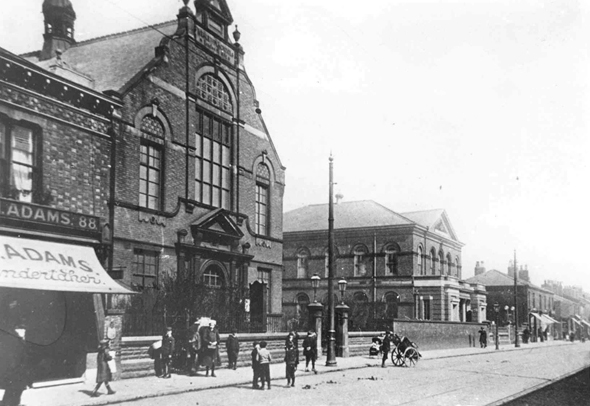
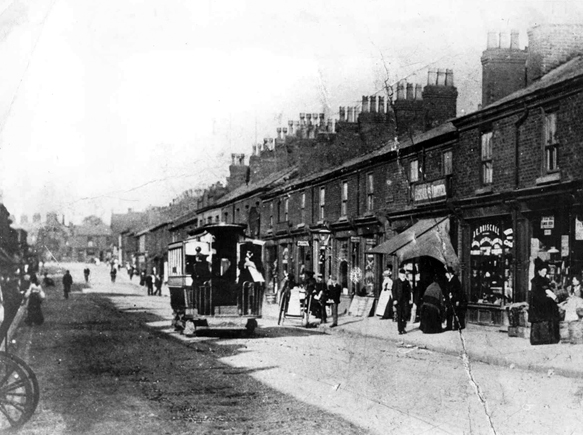
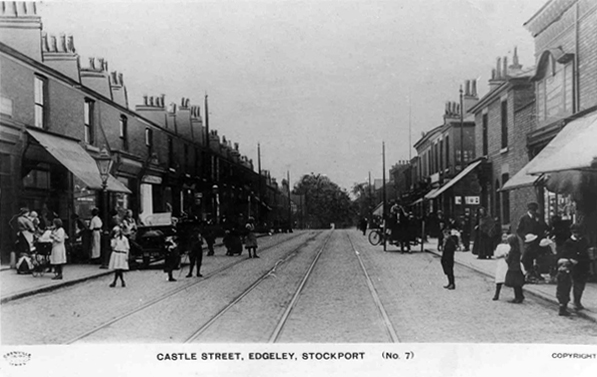
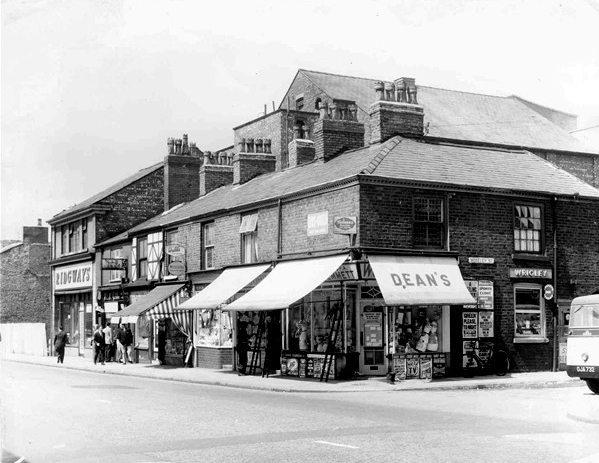
Castle Street – Edgeley #1


adswood2-generalarea.jpg

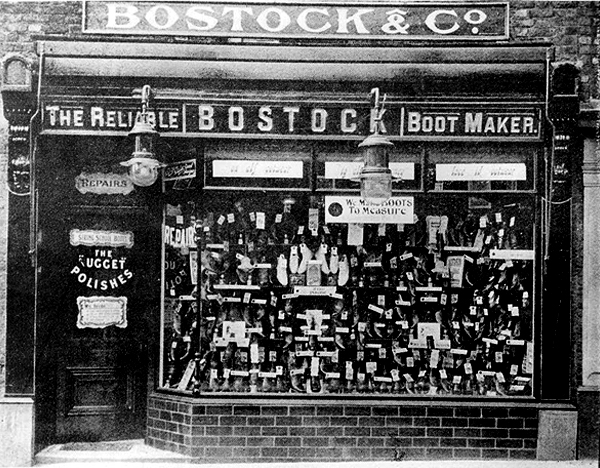
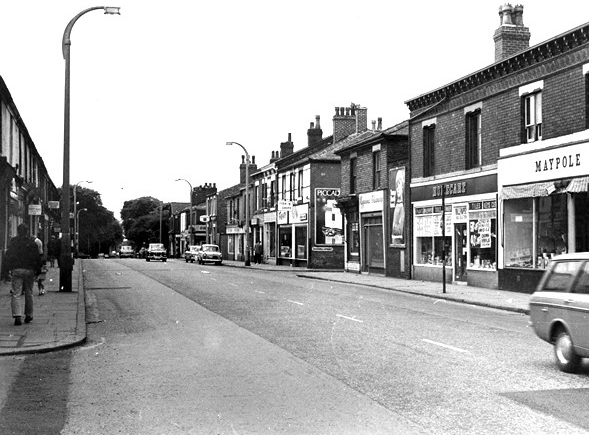
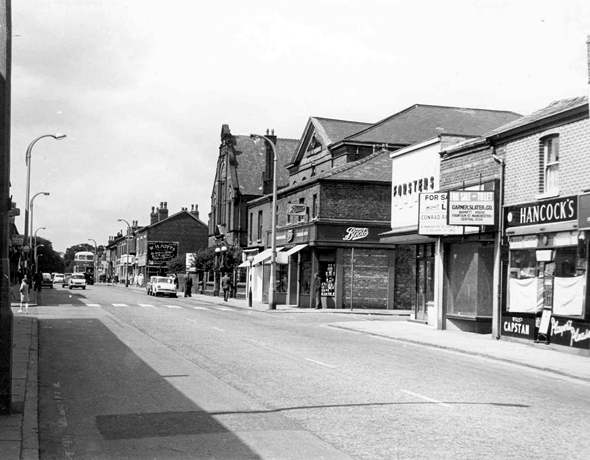
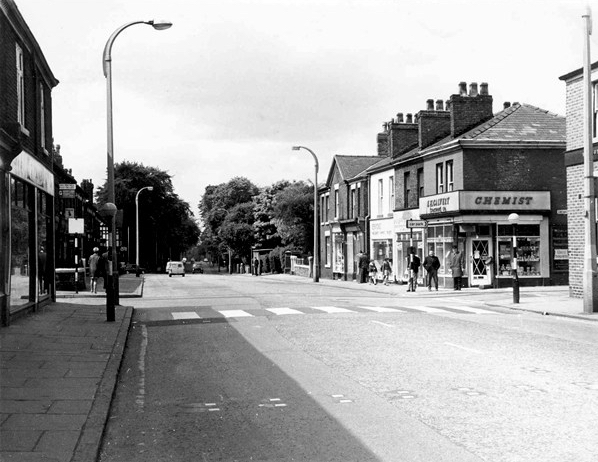
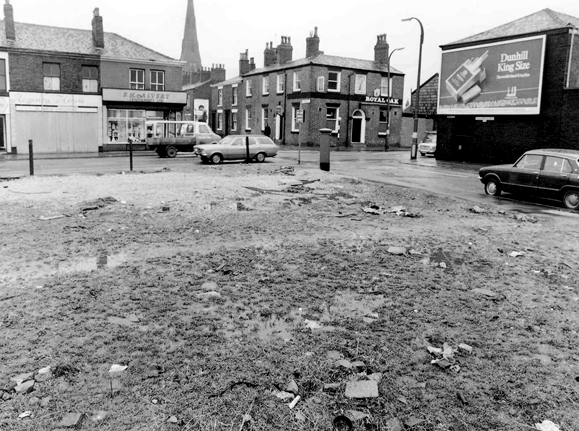
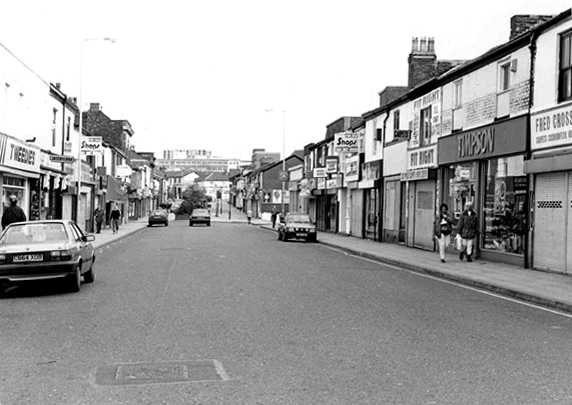
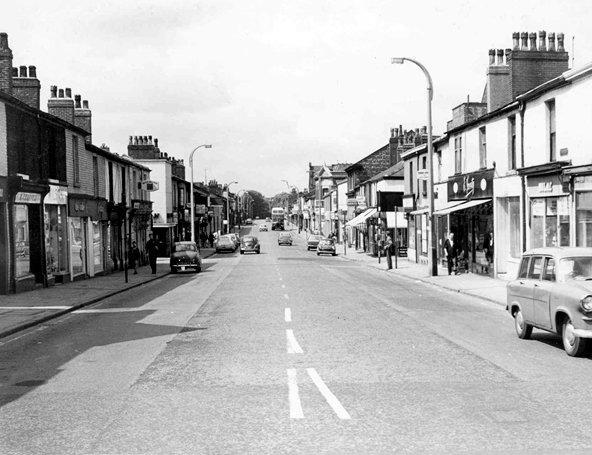
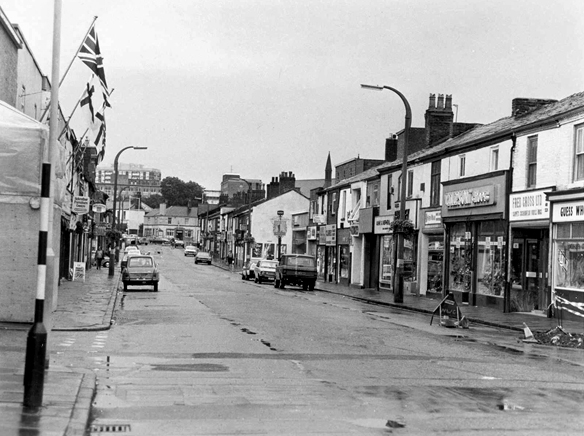
I have shuffled and shopped up and down Castle Street for some forty years or so – things have come and things have gone – and continue to do so. High streets have always been subject to so many external forces, they reshape and reform, in rhythm with the times and tides of history.

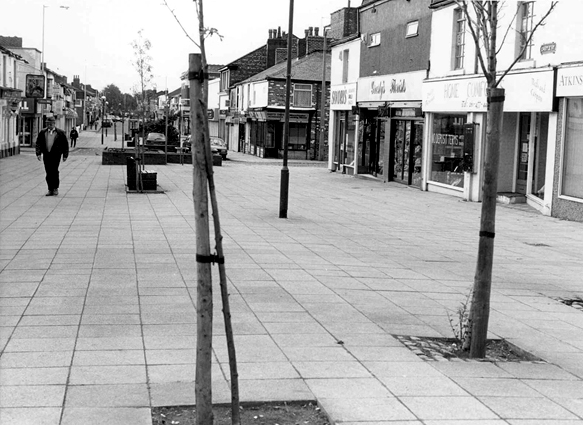
Horse drawn carriages and trams are long gone, along with the double-decker bus, people powered people rule in a pedestrianised precinct, charity begins at Barnardo’s, the Co-op has been and gone and returned, just up the way.

Two whole chapels, pubs and cinemas seem to have just disappeared.

So let’s take a short trip through time and space along a short strip of Stockport’s past.

Get your boots on.

Pictures from Stockport Image Archive

1908

28729

1902

24436

1917a

1950

36876

1890

1917

1962.jpg

1958

1958a

1951

1 6 69

07b

69

69a

69b

74

93c

1969

1981

93

1983

07 a

93a

84

34929235_10216853242823182_2882427370675896320_n

07 copy

C_71_article_1073950_image_list_image_list_item_0_image

Screen Shot 2018-06-13 at 19.59.23

07

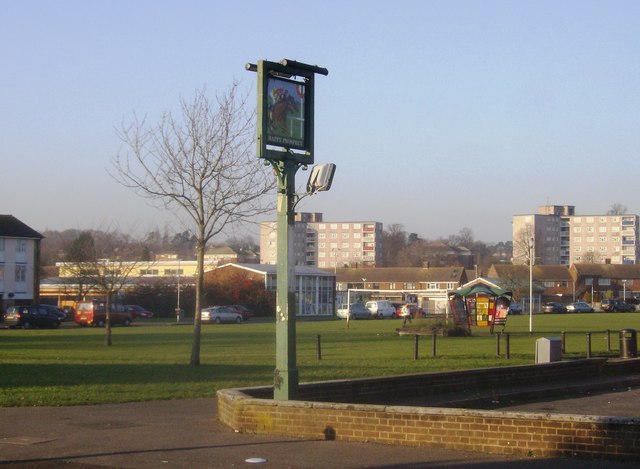
The Happy Prospect – Reading

image014

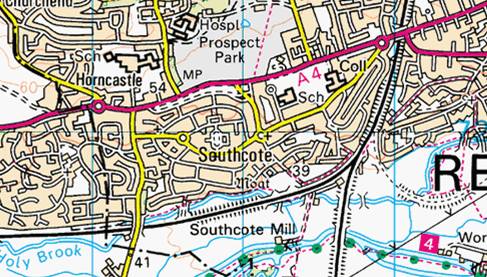
The Happy Prospect, 50 Coronation Square, Reading RG30 3QN

I came here by chance researching Manchester’s Estate Pubs for my blog when up pops The Happy Prospect – what a pleasant surprise!

Having never really visited Reading, this is very much a virtual cut and paste journey through time and space – so apologies in advance for any unforeseen errors.

So let’s see how we got here:

The area was sparsely populated until after the Second World War, though excavations have revealed evidence of Paleolithic and Iron Age activity in Southcote, as well as Roman and Saxon habitation. By the time William the Conqueror undertook the Domesday Survey in 1086, Southcote was sufficiently established to warrant a Lord of the Manor, who at that time was William de Braose. From the 16th century onwards, Southcote Manor was owned by the Blagrave family, who sold the manor house in the 1920s. The area was subsequently developed into housing: much of the land changed from agricultural to residential.

s1309809

cropped-wolseley-street-war-time1

Bucolic scenes of small intimate streets and agrarian activity.

By the advent of World War II, Southcote had begun to experience urban sprawl from Reading and the land bordering the Great Western Railway had begun to be used for housing. Following the war, Denton’s Field on the Bath Road in Southcote was used for celebratory events; Battle of Britain commemorative fêtes were held in September 1949 and 1950, and featured a performance by three Alsatians – Rocky, Lindy and Irma to recognise their work in the war.

Dragged into the ferment of Mid-Century Modernism with the development of new housing, churches and schools.

In the 1950s, a huge building project centred around Coronation Square, named for the 1953 Coronation of Queen Elizabeth II – with hundreds of council houses built to satisfy post-war demand. The residents of many of these had moved from houses in central and East Reading that fell short of sanitation requirements of the Public Health Act 1875, these were compulsorily purchased and later demolished.

s1009857

s1309154

s13081034

s1108309

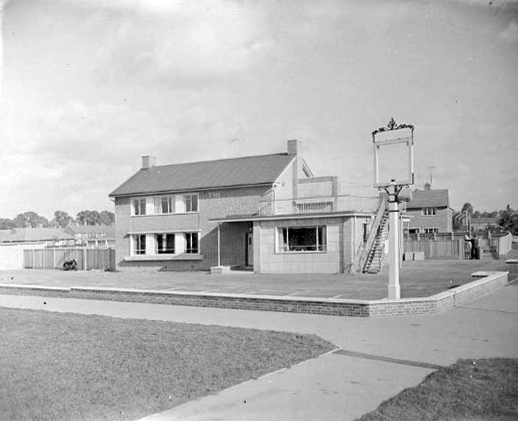
All that was missing was a pub – and so happily the local brewery Simonds built The Happy Prospect.

s1309225

Architecturally very much in the à la mode manner of the Modernist estate pub, plain well-lit brick, tile and concrete volumes, replete with a low perimeter wall and ample car parking space.

Thanks to Boak&Bailey for the background info.

s1009102

Opening in October 1958 – this photograph was taken for the Berkshire Chronicle but was not published.

Archival material from Reading Museums.

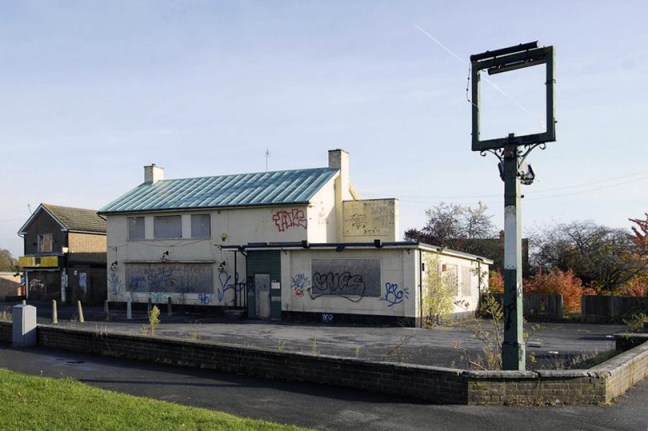
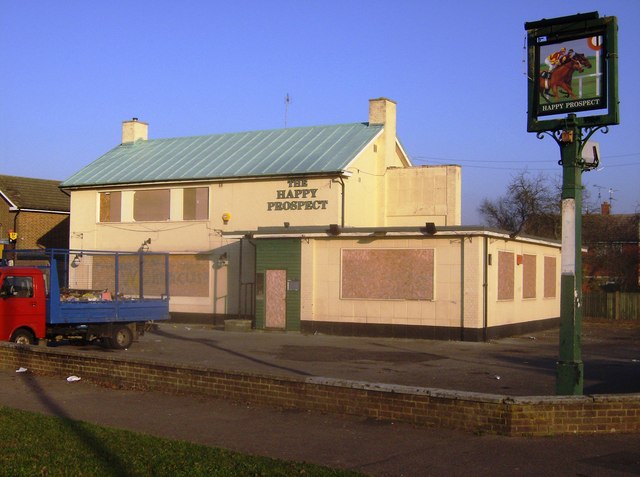
And so for many years the pub prospered – sadly along with so many others of its ilk, the pressures and constraints of social change and economic decline forced closure and demolition despite the protestations of the local community, who fought for its life.

Beverley Doyle, who lives in Southcote, said: “We don’t see the old people anymore because there’s nowhere for them to meet up.They used to be able to come here and play cribbage and cards.There was also Christmas parties and kids’ parties so people could get together and we need something like that again. It was a good pub and we want it back to how it was.”

Campaigner Bobbie Richardson said: “Once you get this place boarded up you wonder what’s going to be next in the community. It starts to look run down and we want to let the owners know Southcote is not a ghetto.”

Inevitably a once fine social asset is no more.

reading_happyprospect

Coronation_Square,_Southcote-1

photo[1]

Covent Garden – Stockport

Last time I was here it was there:

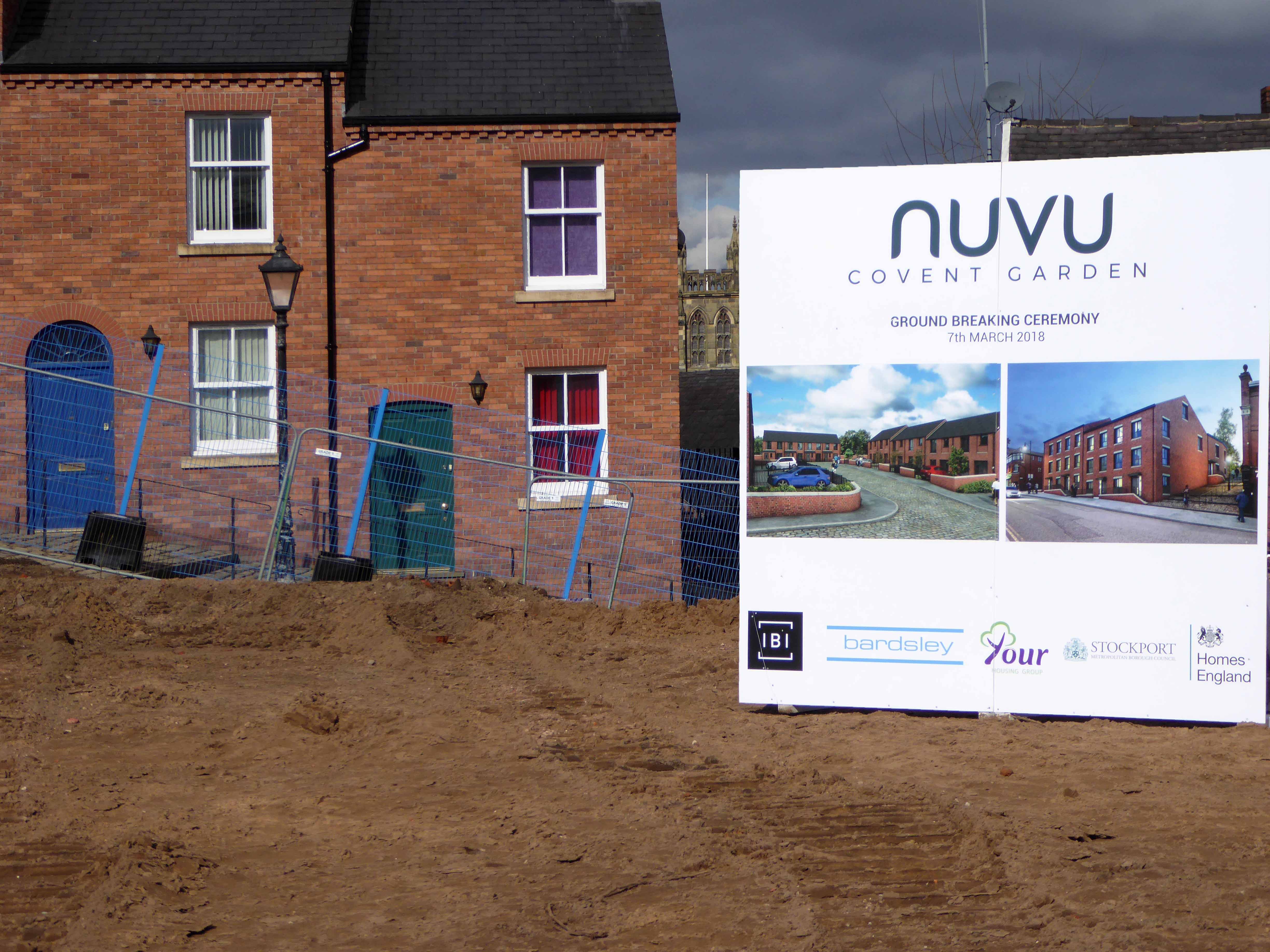
Covent Garden Flats Middle Hillgate in Stockport.

A small but important group of post-war council houses – very much in an inter-war European manner, homes to a settled community of cheerful, chatty residents.

screen-shot-2016-04-14-at-17-20-211

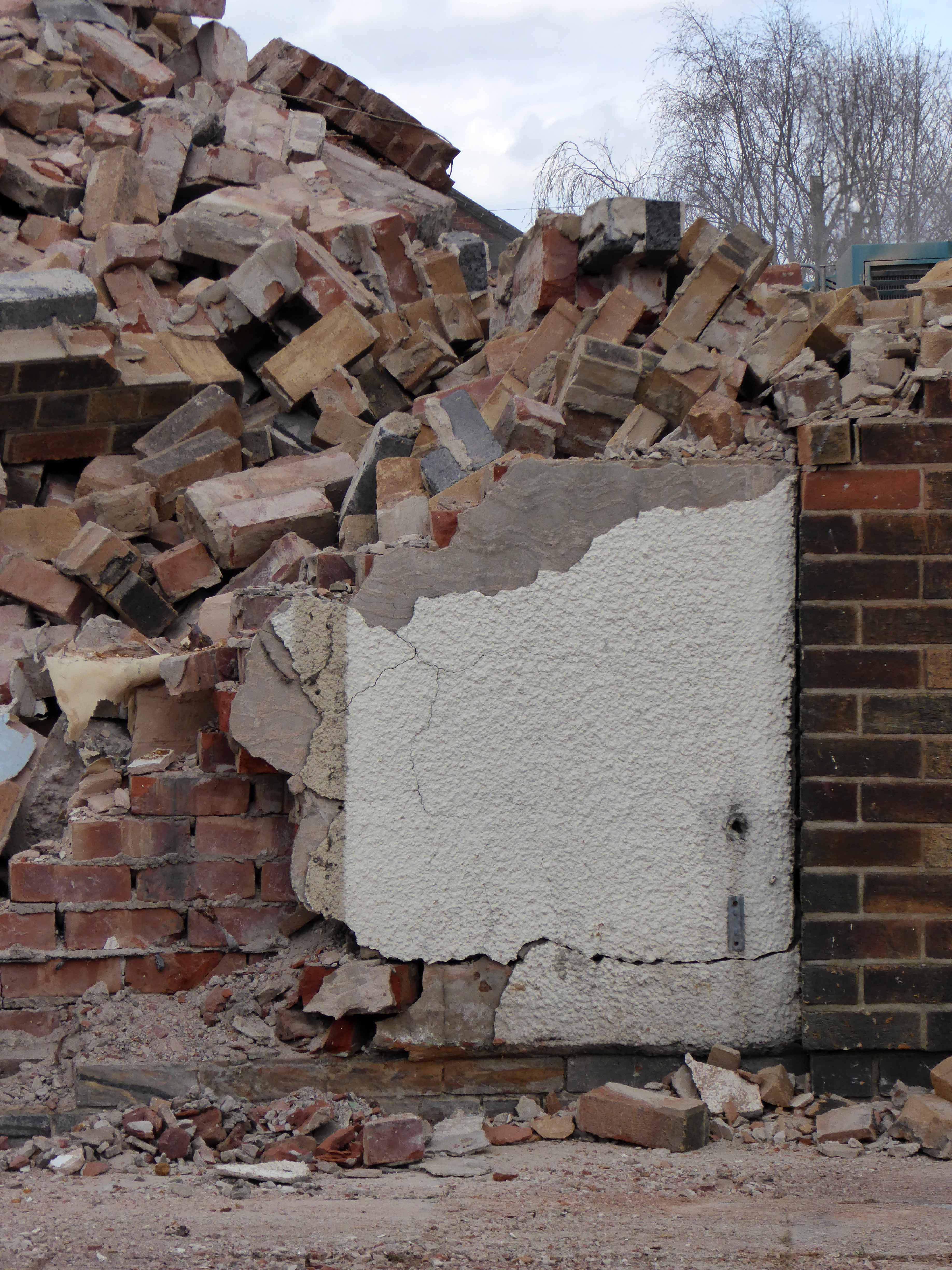
The local authority tinned them up some year ago, ahead of a series of redevelopment proposals – last week that redevelopment reached its logical conclusion.

Demolition.

Whilst accepting the necessity for change, I also recognise the need to preserve what is best of the past, rather than replacing it with the present day architecture of cautiously consensual pastiche.

p1030551-copy

P1230650

nuvu living for the nouveau be-tartaned riche:

Screen Shot 2018-03-21 at 13.37.36

So heavyhearted I circumnavigated the perimeter fence, recording forever that which was no longer there – their there replacing our there.

P1230601

P1230611

P1230613

P1230618

P1230624

P1230626

P1230630

P1230636

P1230639

P1230641

P1230633

P1230645

Screen Shot 2018-03-21 at 15.14.01


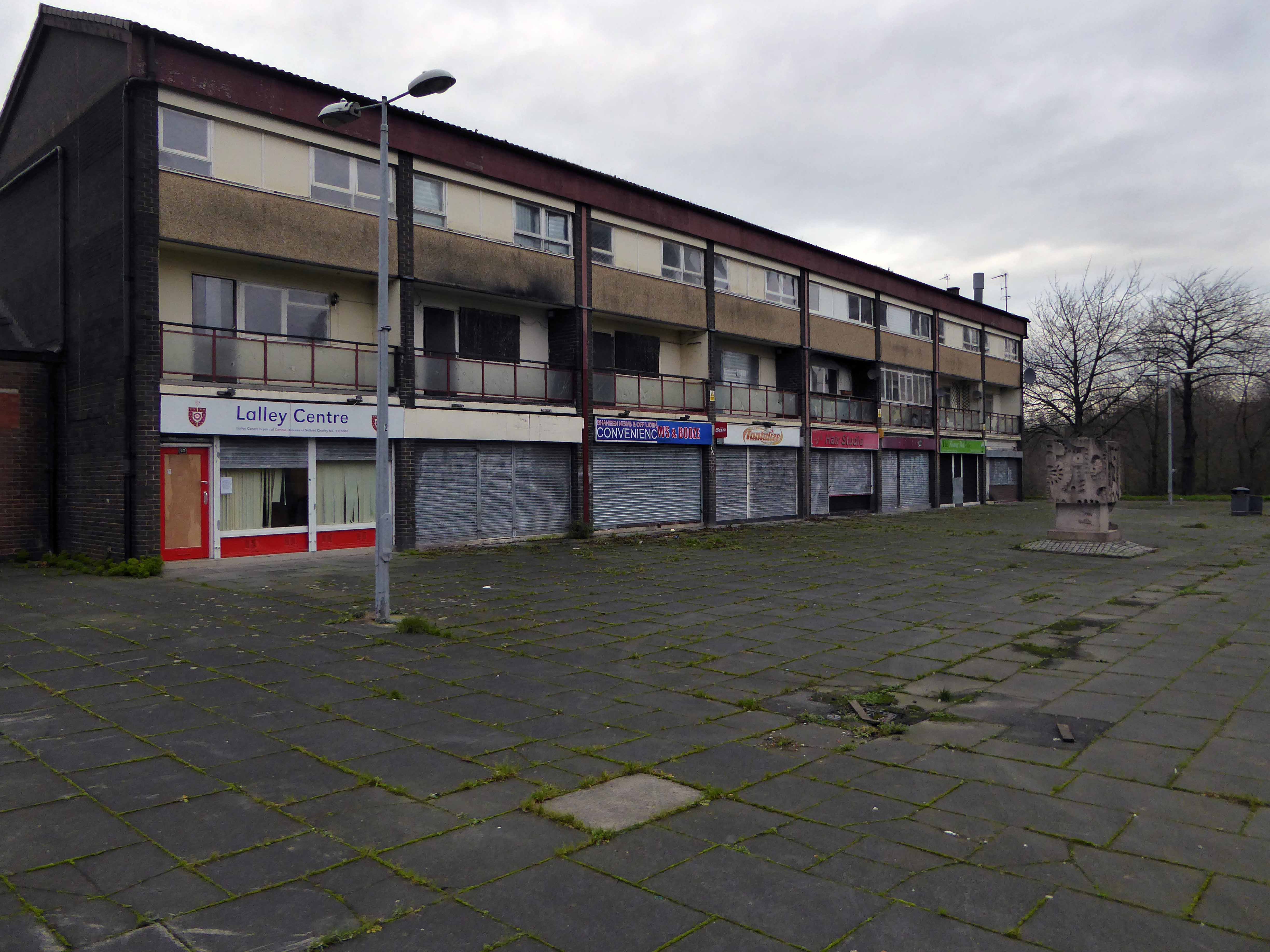
Eastford Square Collyhurst – Slight Return

I’ve been here before and after.

After now seems further away, forever awaiting redevelopment – waiting.

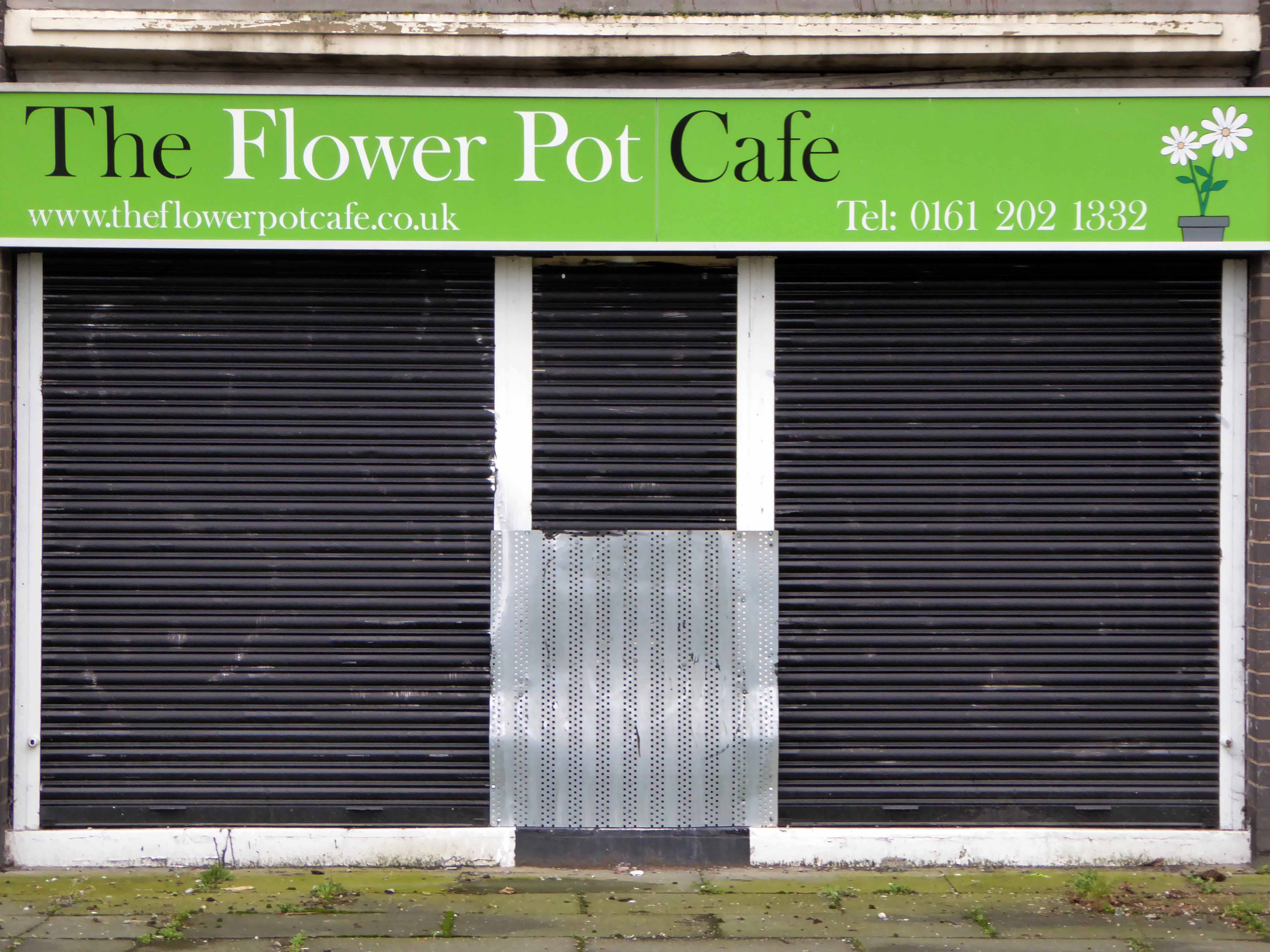
No more Flower Pot Café and a warm welcome from Lee and the lads.

P1220206 copy

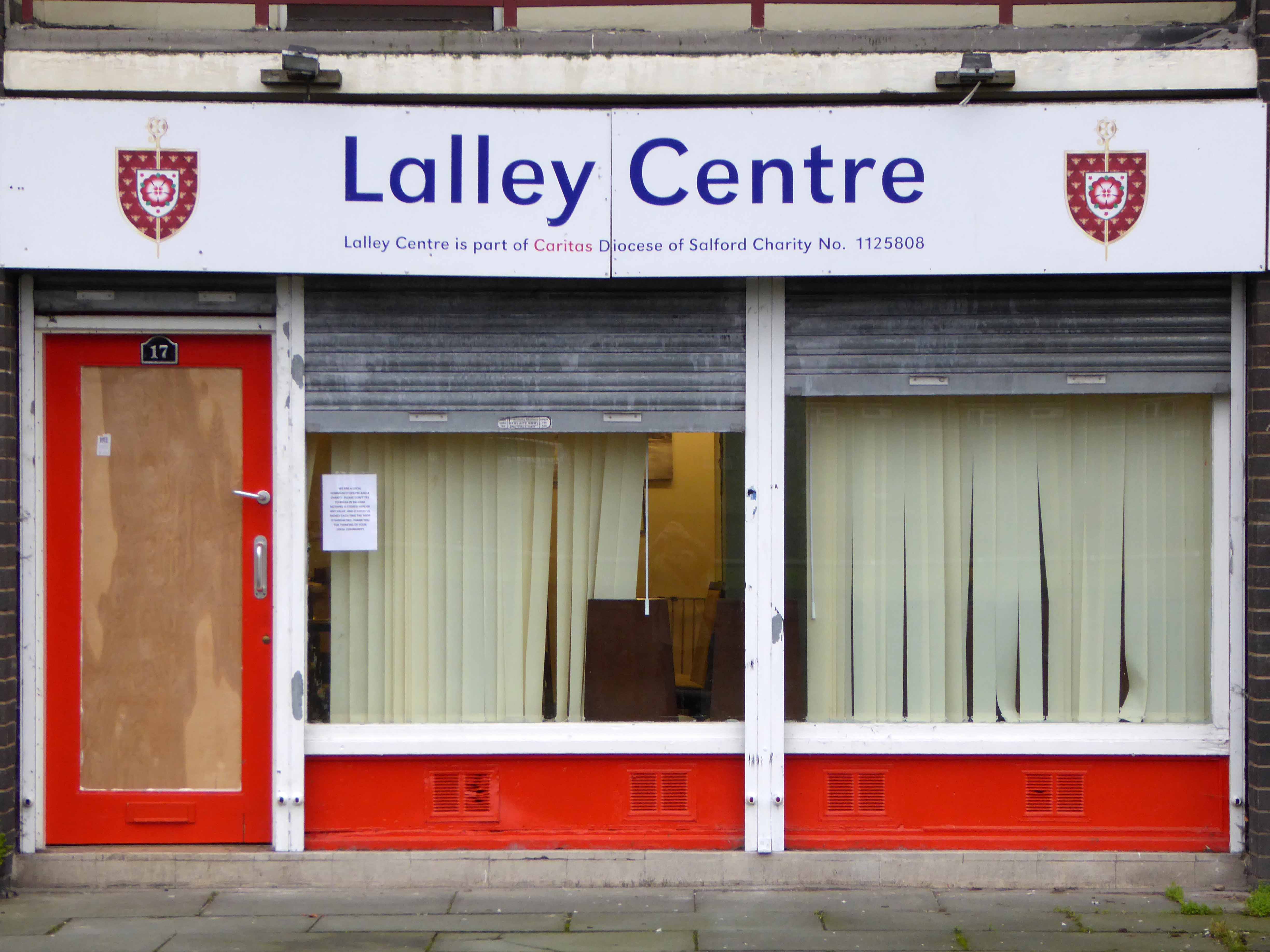
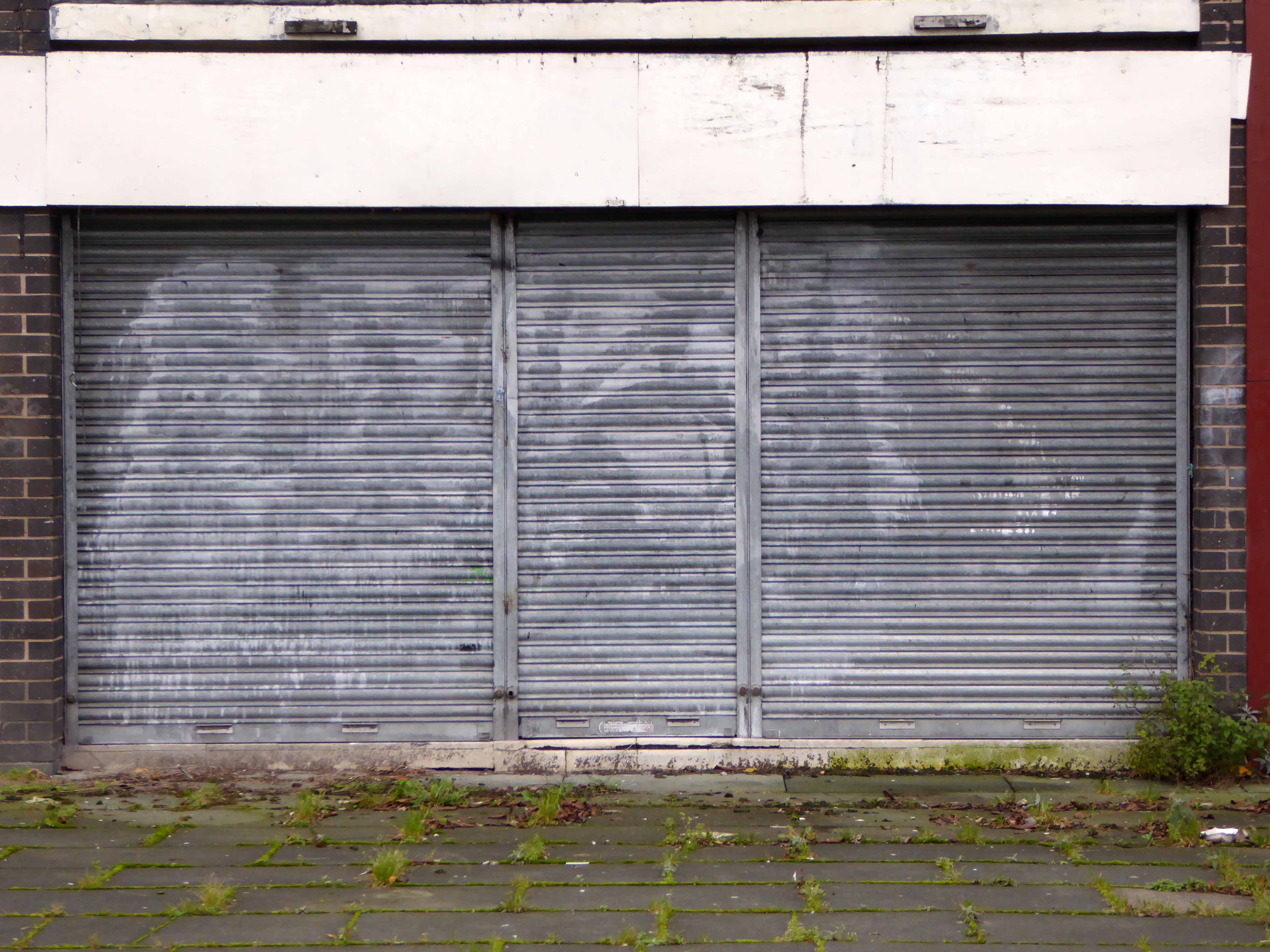
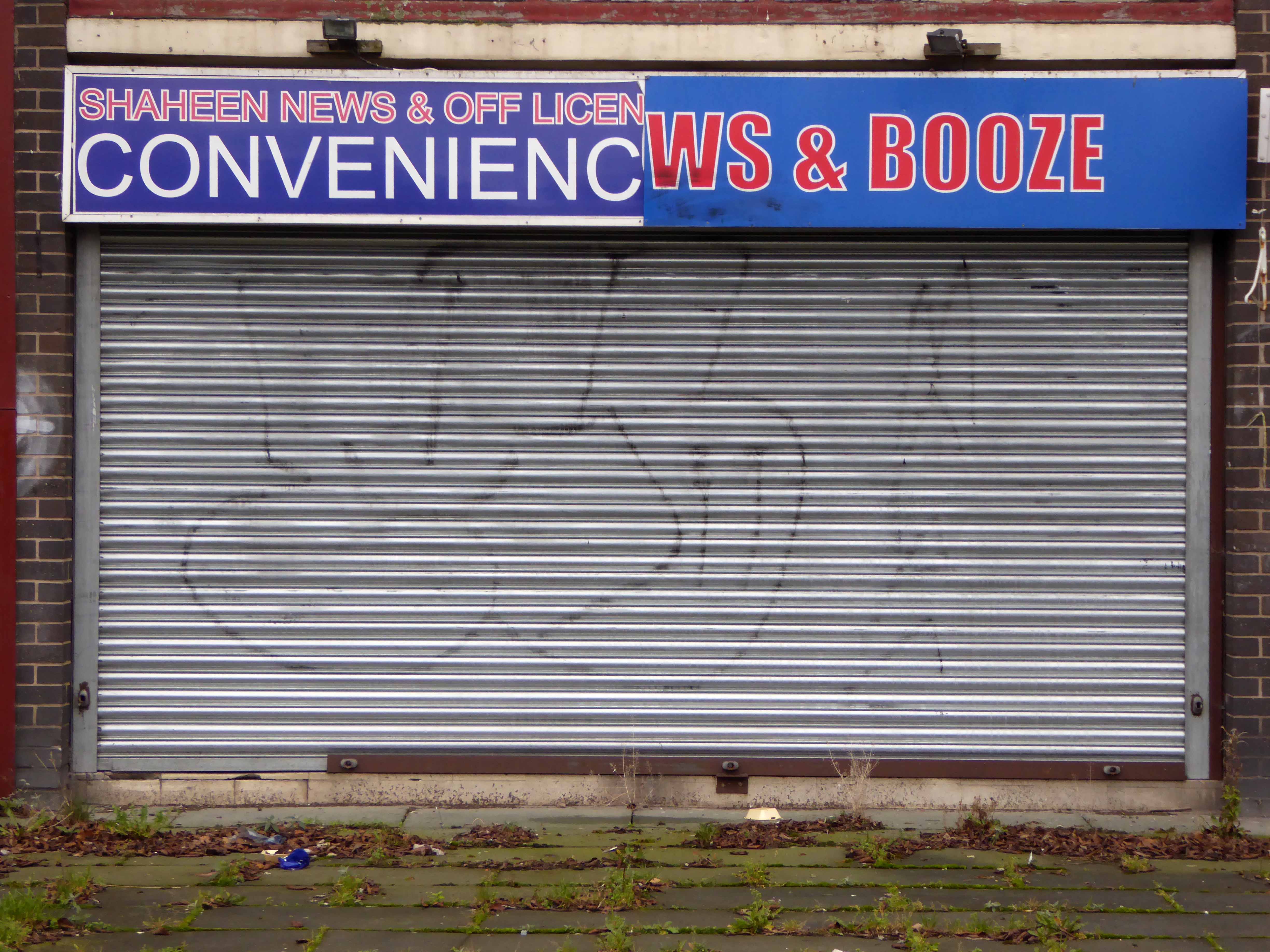
Nearly nine years on – the shutters are down and nobody is home, save for the Lalley Centre – offering food, support and care to the community.

JS79308197

Though Sister Rita Lee has now move on to pastures new.

The homes and shops remain resolutely shut, un-lived in and unloved, though the City plans to re-site the resident sculpture, the residents remain absent without leaving.

P1220207 copy

P1220208 copy

P1220209 copy

P1220212 copy

P1220213 copy

P1220214 copy

P1220215 copyP1220216 copy

P1220217 copy

P1220218 copy

P1220219 copy

P1220220 copy

P1220221 copy

P1220222 copy

P1220223 copy


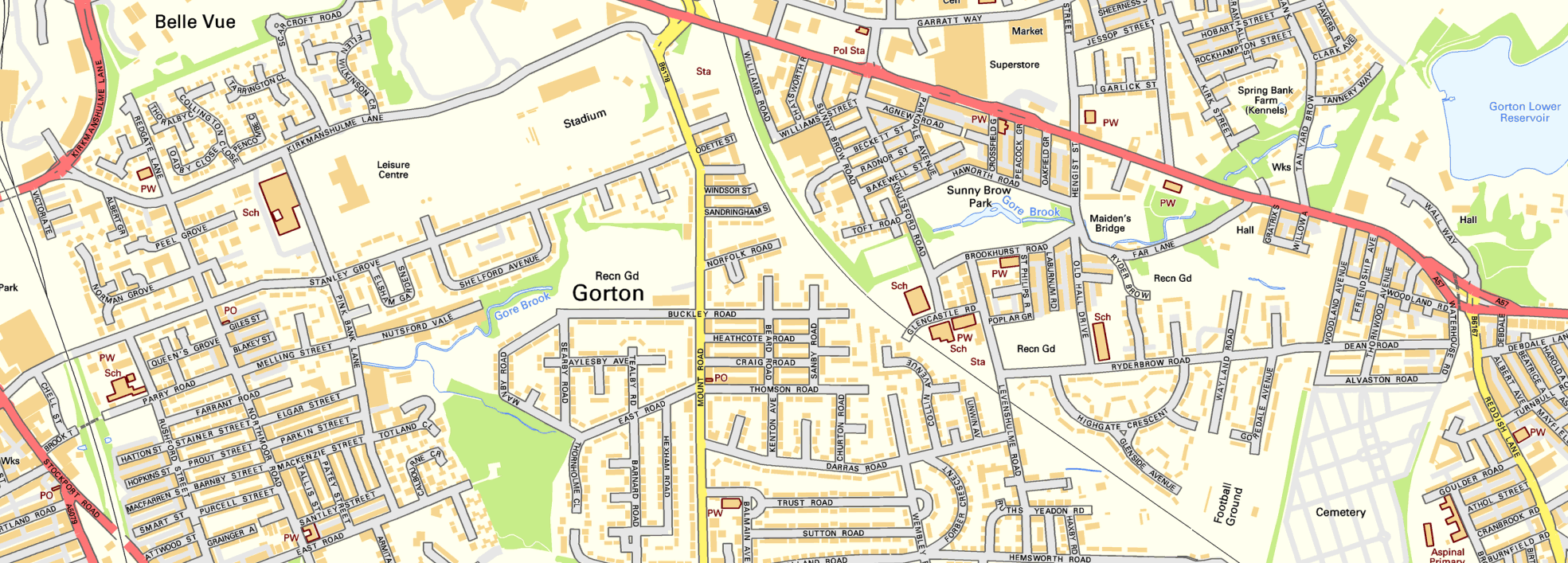
Gore Brook – A History

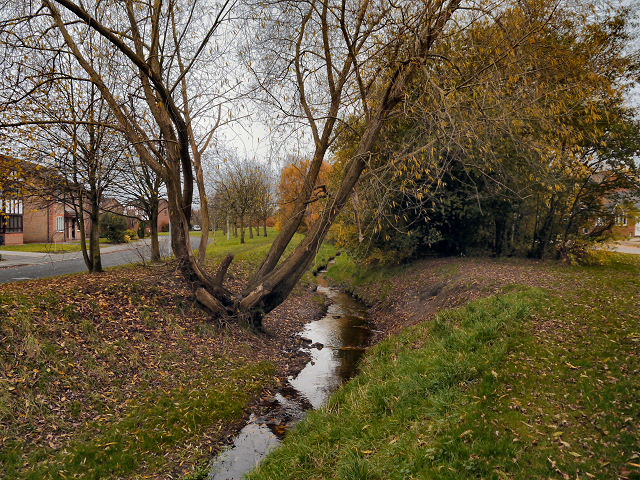
To begin at the beginning, well actually to begin in the middle and walk to the current beginning. The Gore Brook flows from the Lower Gorton Reservoir and from there onwards to meet the Chorlton Brook in the west, though I should imagine that prior to the construction of the waterworks, it was fed by more distant moorland waters.

gore map

Manchester being on the eastern edge of the Lancashire Plain and the western edge of the Pennines is riddled with rivers, rivers which now wriggle in an under and overground web, across heavily developed urban areas. Following the Industrial Revolution former meadow, common and farmland was overwritten by factories, housing and roads, the rural character of the rivers and brooks soon becoming darkened and polluted by the surrounding industries.

I was lead here by my search for a lost pub The Garratt on Pink Bank Lane, then drawn in further by this site The Red Path of Longsight.

The Red Path is a pedestrian link between Pink Bank Lane and the Gorton boundary at Buckley Road. It roughly follows the course of Gore Brook. The original footpath, running from Buckley Road to the bank of the brook, was made using black cinders. It was probably made in the 1940s to provide access to the allotments located on either side. In the early 1950s , a concrete bridge was laid across Gore Brook and the footpath extended to Pink Bank Lane. This section used red bricks in it’s construction, probably supplied by Jacksons brickworks . Crushed bricks were then used as a topping to make the path smoother and fill in any cracks. The thoroughfare soon became known as the Red Path.

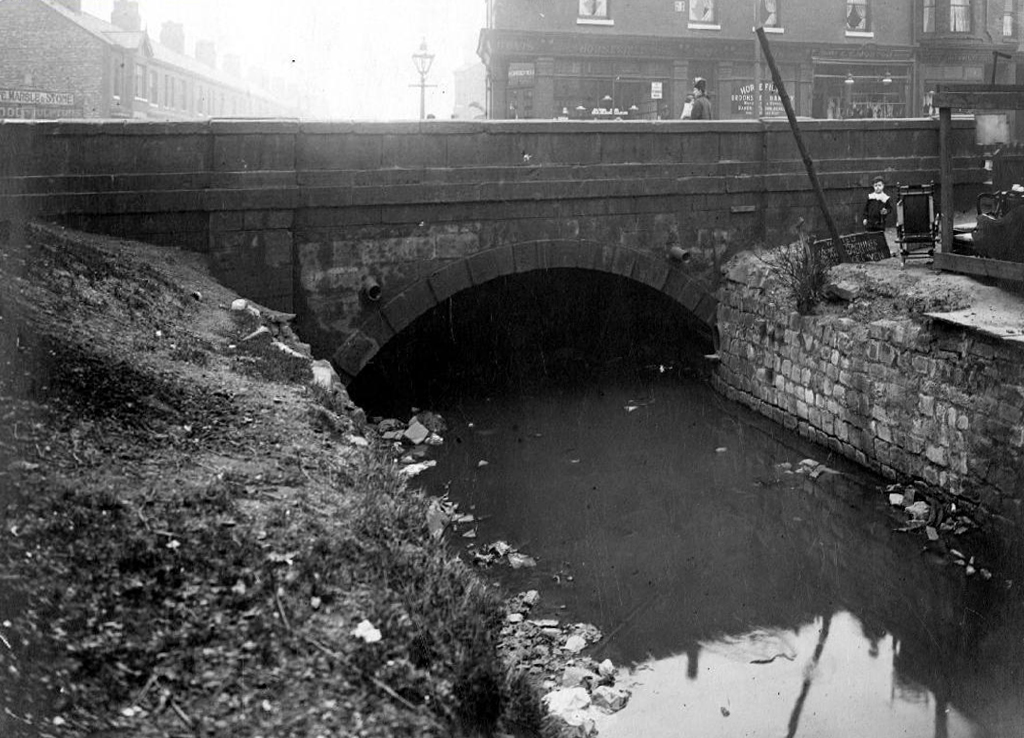
So wide eyed and mapless I bowled up at Brook Terrace, just off Stockport Road Longsight, in search of The Gore and its source.

stockport rd 1911

stockport road

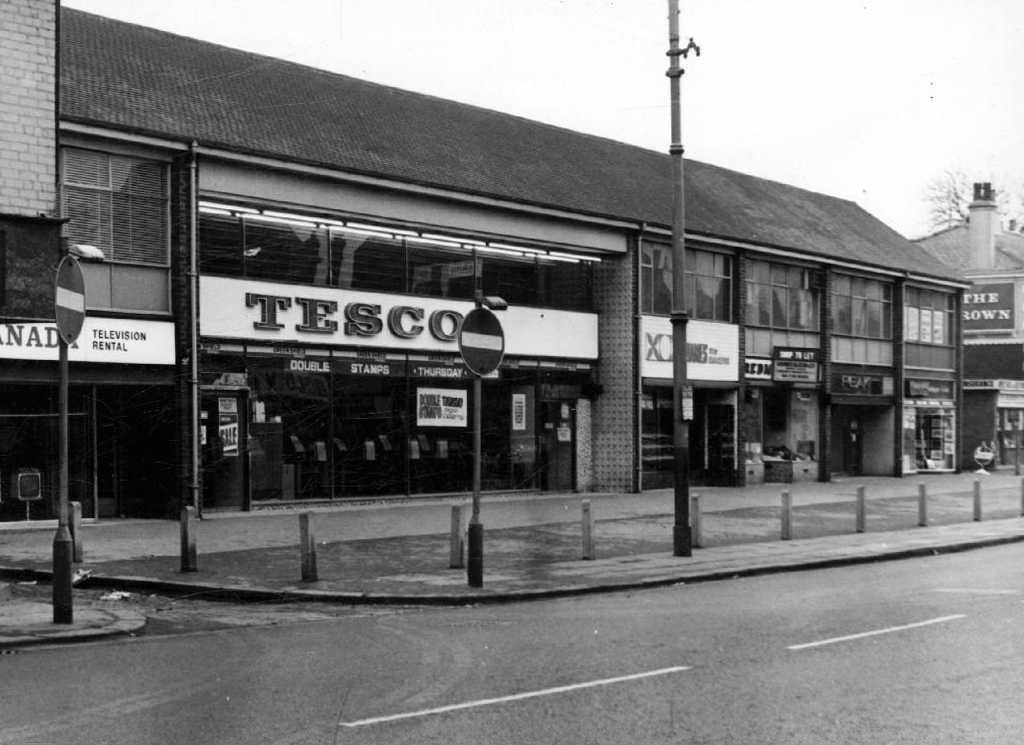
In the early 1900’s the river was still open and bridged, here at Stockport Road, later culverted and covered – anticipating the arrival of Tesco’s and Granada TV Rentals.

beneath

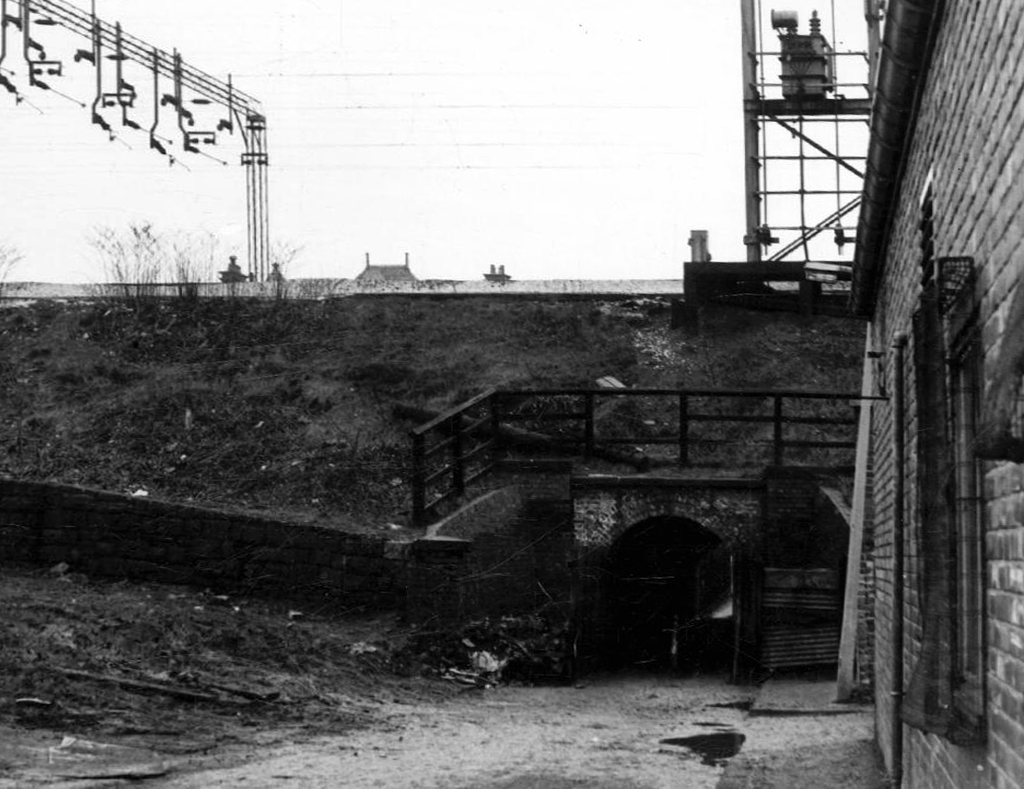
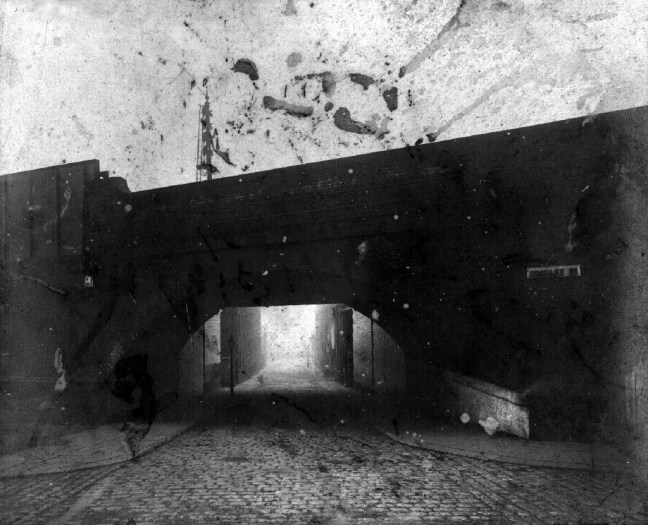
From there we pass under the railway along Brook Terrace and into Parry Road.

brook

The underpass is still there and very much in use, as is Stanley Grove School – the Manchester Central Schools’ Kitchens are long gone, along with the food filled, insulated aluminium cases, that fed the hungry mouths of many, with semolina, pink custard, meat pies and lumpy mash.

parry 64

kitchens 1965

Onwards to Elgar Street and still no sign of the river, hidden beneath our feet, the corner of Northmoor Road, can be seen on the corner, no longer distributing dividends, but now providing social housing.

elgar

We arrive at Pink Bank Lane, a rich mix of terraced homes, flats and factories – and the long lost Garratt, and the long lost Gore.

garratt

pink bank 64

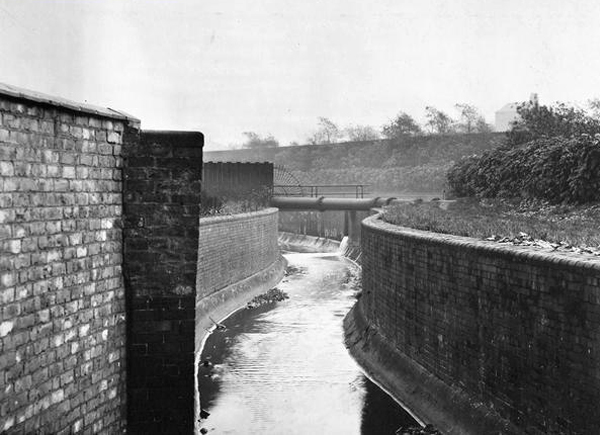
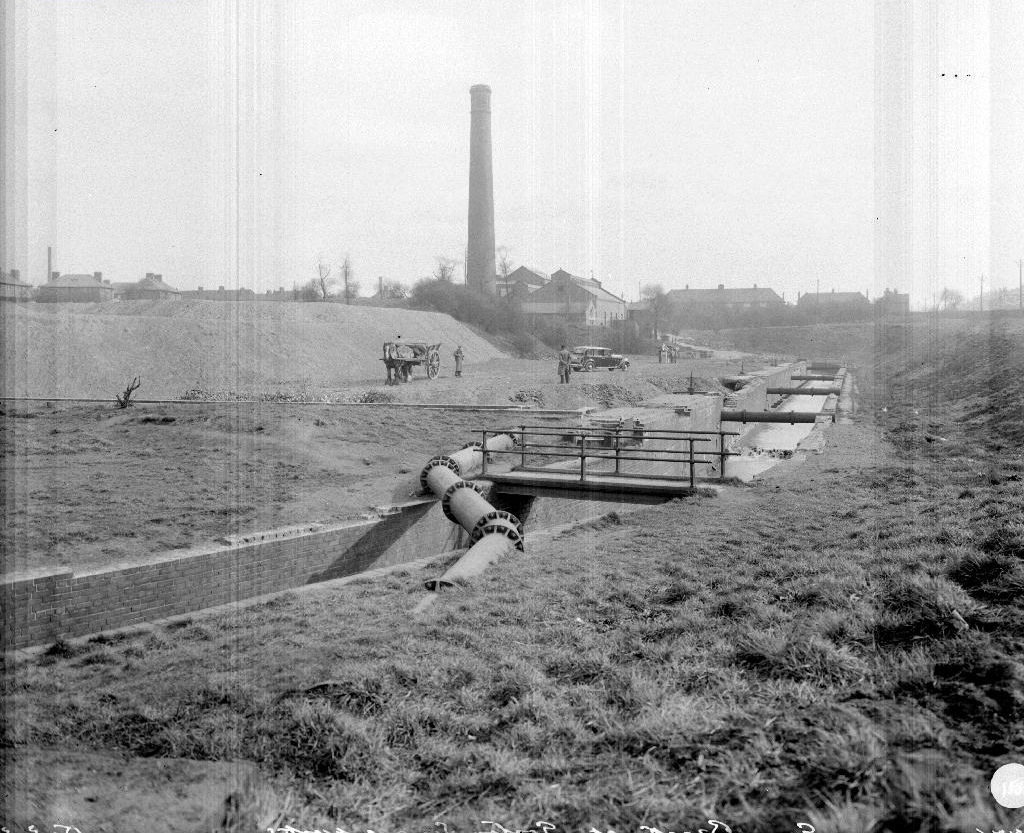
Though the lazy, lazy river has been confined in a brick lined wind, to meet the ever pressing needs of the Gorton Sewage Works.

sewage 1910

sewage works 38

The river then hugs the edge of Annie Lea Playing fields on Buckley Road, until it disappears again as it meets Mount Road, the playing fields are still open ground – the Manchester Cleansing Department, seen on the left – is no more.

annie lea

Here on Knutsford Road we see the construction of the tunnels and culverts, the footbridge to the left spanning the railway, is still there.

knutsfrod 1907

1907

knutt 1911

1911

knut 1914

1914

Finally we see The Gore reemerging clear, clean, wide, proud and resplendent in Sunny Brow Park, where it is still maintained as a decorative, duck-filled lake.

sunny 1907

1907

sunny1910

1910

sunny 1964

1964

Briefly underground again and into the back of Far Lane, skirting the Brookfield Church graveyard.

far 1920

1920

far 1937

1937

fa 64

1964

Then tunnelling under Hyde Road at the back of the church lodge, appearing once again alongside Tan Yard Brow.

webmedia-1.php

ty 1904

1904

tan yard 1922

1922

tan yard brow 1964

1964

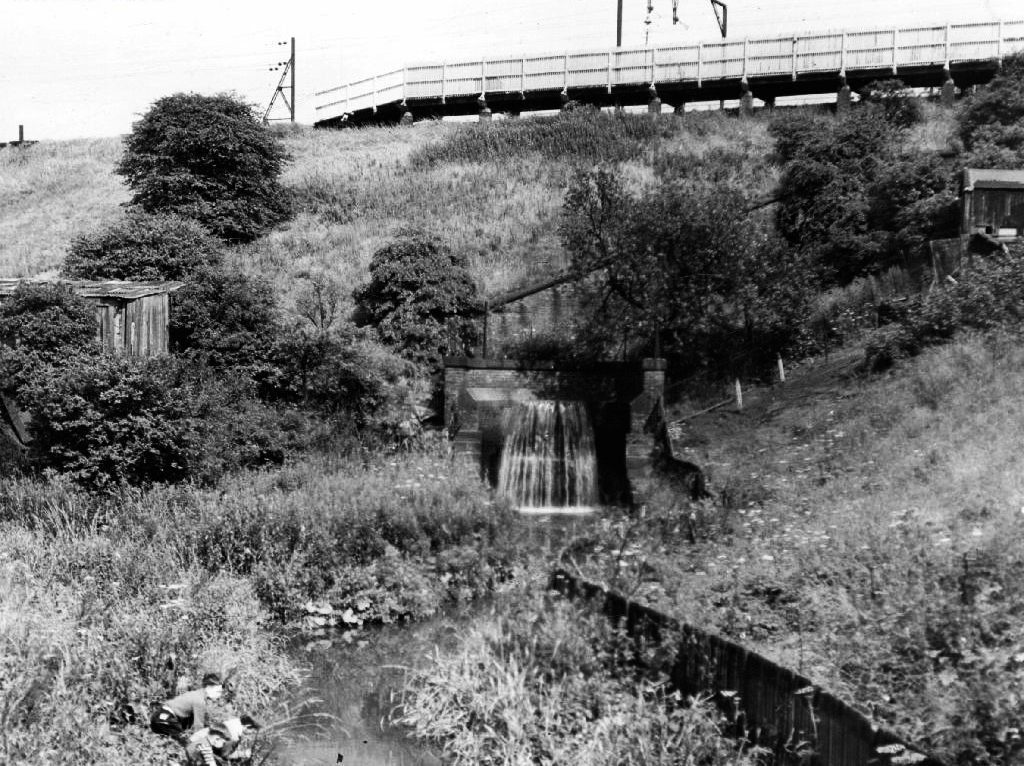
The manmade waterfall continues to cascade, the Fairfield to Old Trafford railway is now the Fallowfield Loop, Manchester Cycleway, young lads no longer mess about in wellies and torn Tek Sac jeans on the bank, the Tannery no longer tans.

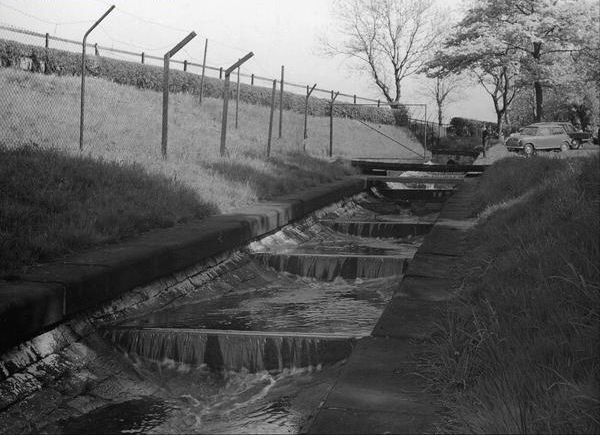
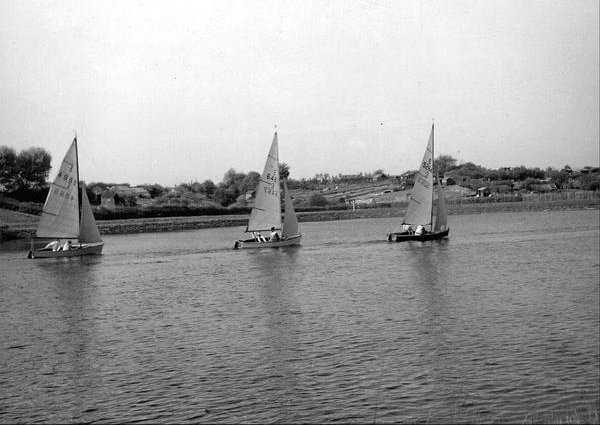
Then we end our journey by the broad expanse of the Lower Gorton Reservoir, implausibly dotted with jolly yachts, and home to a now absent stepped outflow stream. Look up to the east, and there you’ll see the moors, you could go further.

deb 66

deb

All archive photographs from Manchester Local Image Collection.


Bromley Street Manchester

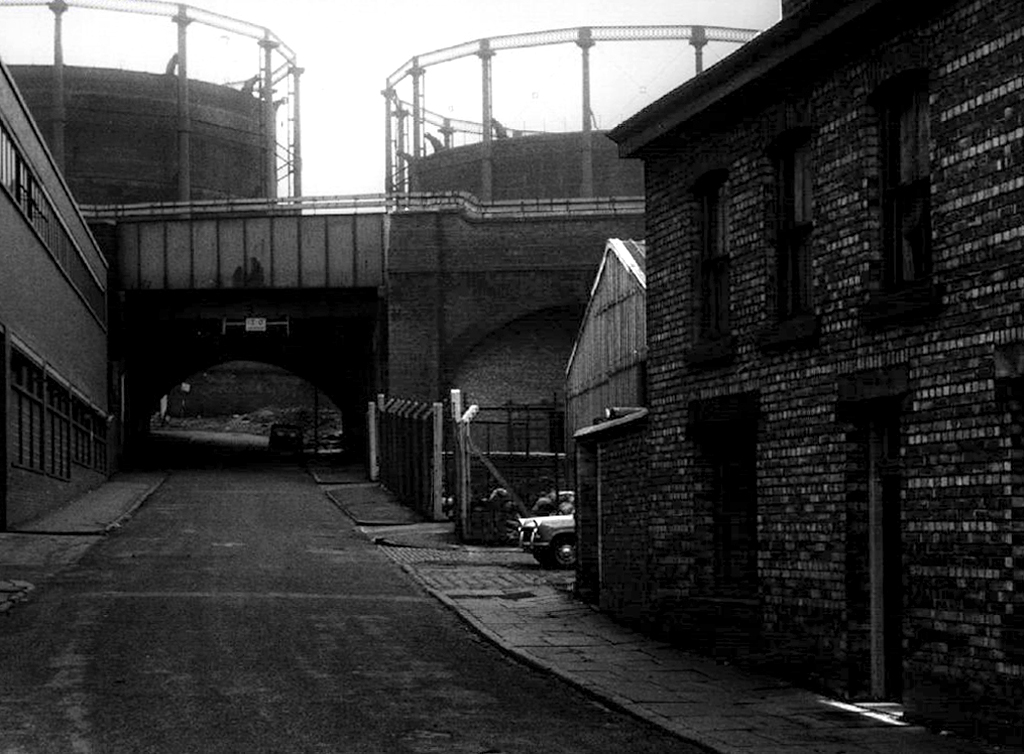
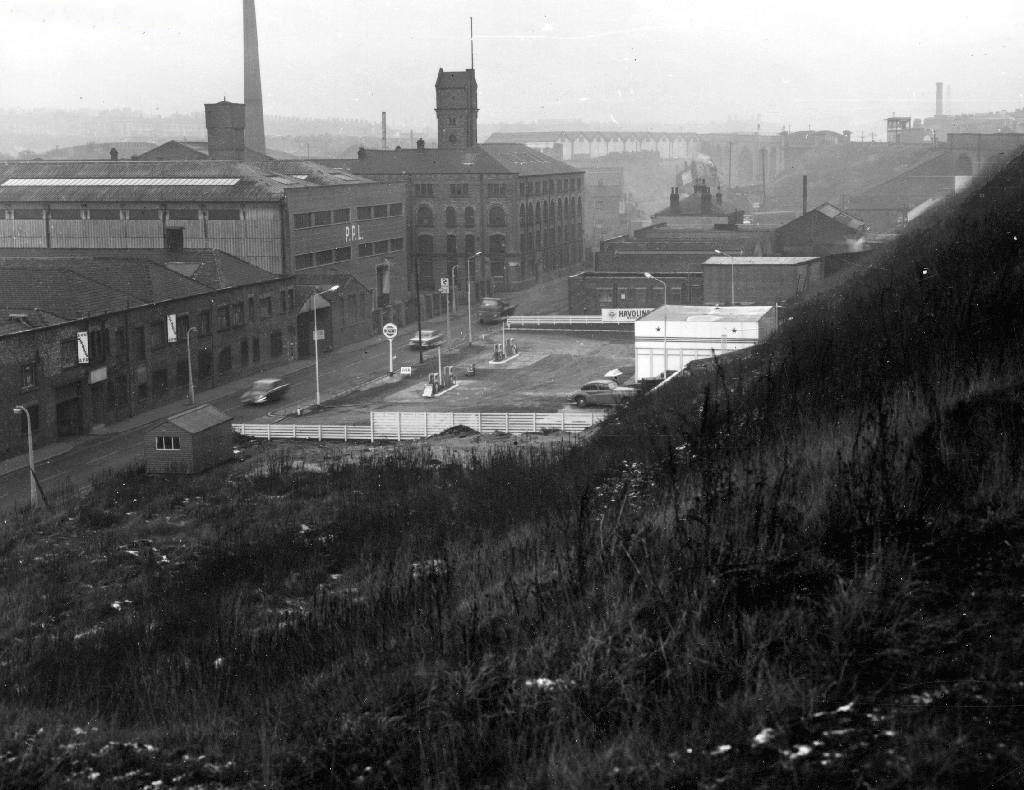
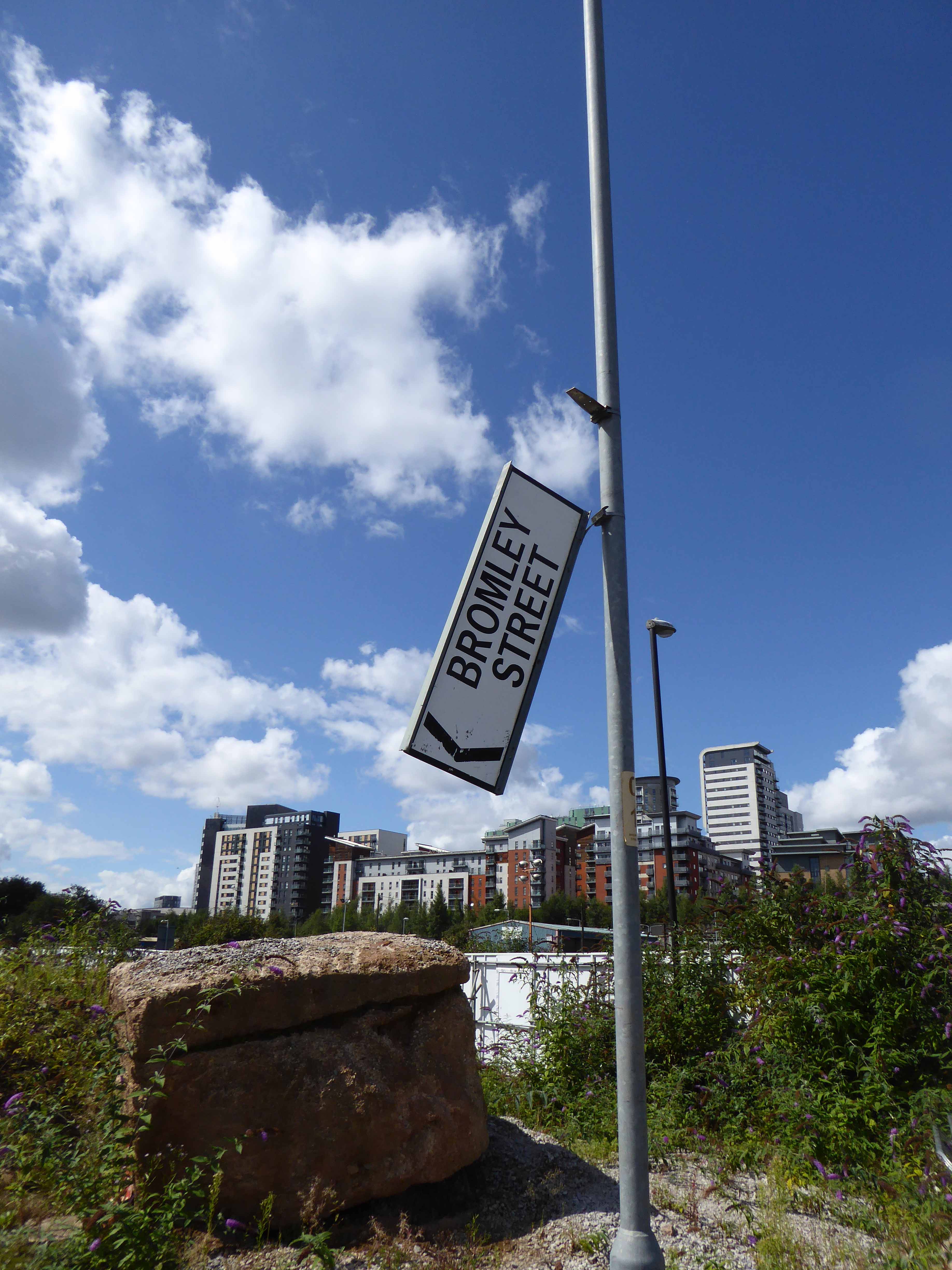
Bromley Street – its northern tip joining with Dantzic Street in the valley of the River Irk, so far so very bucolic, so very, very nice, the street that was going places, tucked cosily beneath the shade of the old L&Y bridge.

webmedia-5.php

The south bank of the Irk is here very steep and between fifteen and thirty feet high. On this declivitous hillside there are planted three rows of houses, of which the lowest rise directly out of the river, while the front walls of the highest stand on the crest of the hill in Long Millgate. Among them are mills on the river, in short, the method of construction is as crowded and disorderly here as in the lower part of Long Millgate. Right and left a multitude of covered passages lead from the main street into numerous courts, and he who turns in thither gets into a filth and disgusting grime, the equal of which is not to be found – especially in the courts which lead down to the Irk, and which contain unqualifiedly the most horrible dwellings which I have yet beheld. Below it on the river there are several tanneries which fill the whole neighbourhood with the stench of animal putrefaction. The view from Ducie Bridge, mercifully concealed from mortals of small stature by a parapet as high as a man, is characteristic for the whole district. At the bottom flows, or rather stagnates, the Irk, a narrow, coal-black, foul-smelling stream, full of debris and refuse, which it deposits on the shallower right bank.

So said Mr Friedrich Engels.

“Not only the blackest but the most sluggish of all rivers” – was surrounded by road, rail, dwelling and factory, high density industrialisation through most of the last century.

webmedia-1.php

Then all of sudden along came a series of events, that saw a shift away from inner-city manufacturing, the outsourcing of all sorts and the demolition of homes. The area and the city became a pale shadow of its former self. Help however was at hand, the boom in buy to let, overseas investment and an ever expanding professional middle class, eagerly  paddled up the murky Irk, emulating the massed forces of 7th Cavalry and the Lone Ranger combined – hurrah!

Screen Shot 2017-08-16 at 15.19.42

If you earn a minimum of £300,000 a year, have a net worth in excess of £3m and want an exceptional mortgage service that is designed to suit your individual needs, get in touch.

160317_DSR_MEN_Angelgate

What have you got to lose?
It’s the gravy train as thick, dark and rewarding as the very inky Irk itself!

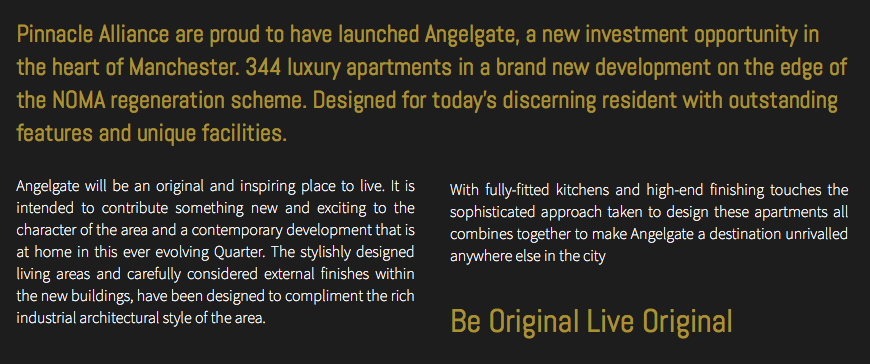
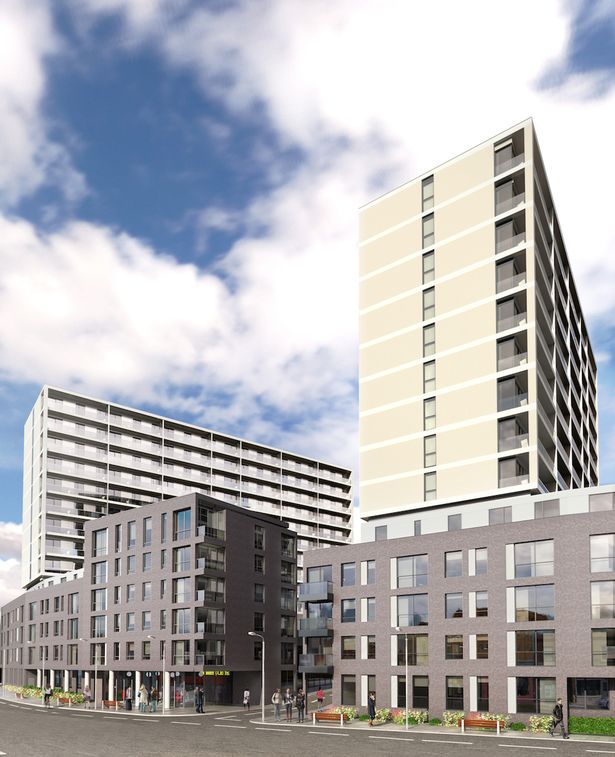
The stylishly designed living areas and carefully considered external finishes within the new buildings, have been designed to compliment the rich industrial architectural style of the area.

A development that even Mr Friedrich Engels himself would be proud of.

But wait, all is not rosy in the digitally constructed flower box garden, that you may see before you, in our online presentation and brochures.

Pinnacle Alliance plans to build 344 luxury apartments on a site near Dantzic Street, as part of the ‘Northern Gateway’. Dozens of investors have paid up to £350,000 for the off-plan apartments in the proposed scheme. But two years since many first paid out for their home, no work has actually begun on the £30m scheme.

The dispute has led to a demonstration in Hong Kong, where around 50 buyers took to the streets over Christmas urging local authorities to take up their concerns. And in an unusual twist, protestors even recorded their own campaign song – to the tune of Jingle Bells – criticising Pinnacle.

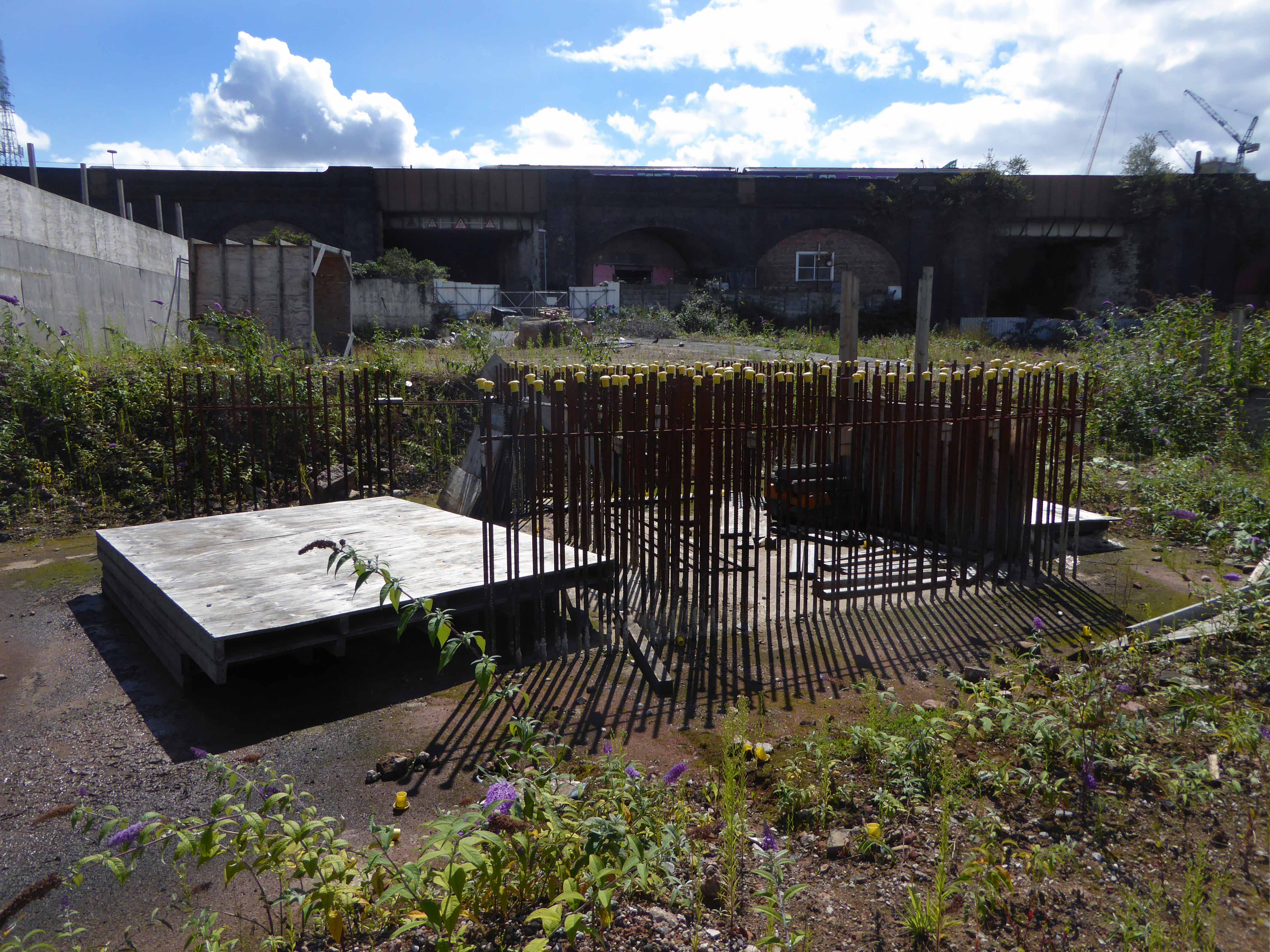
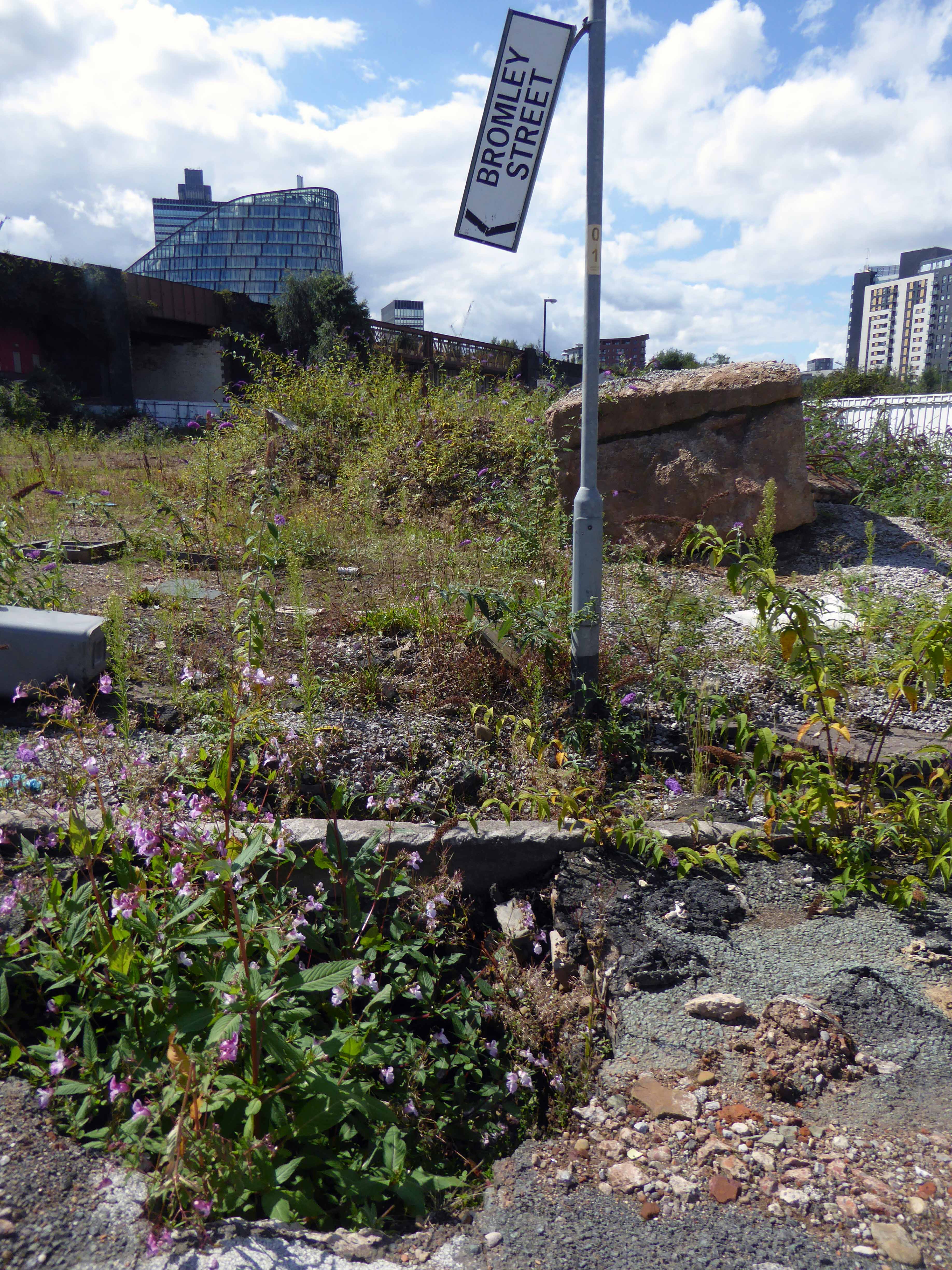
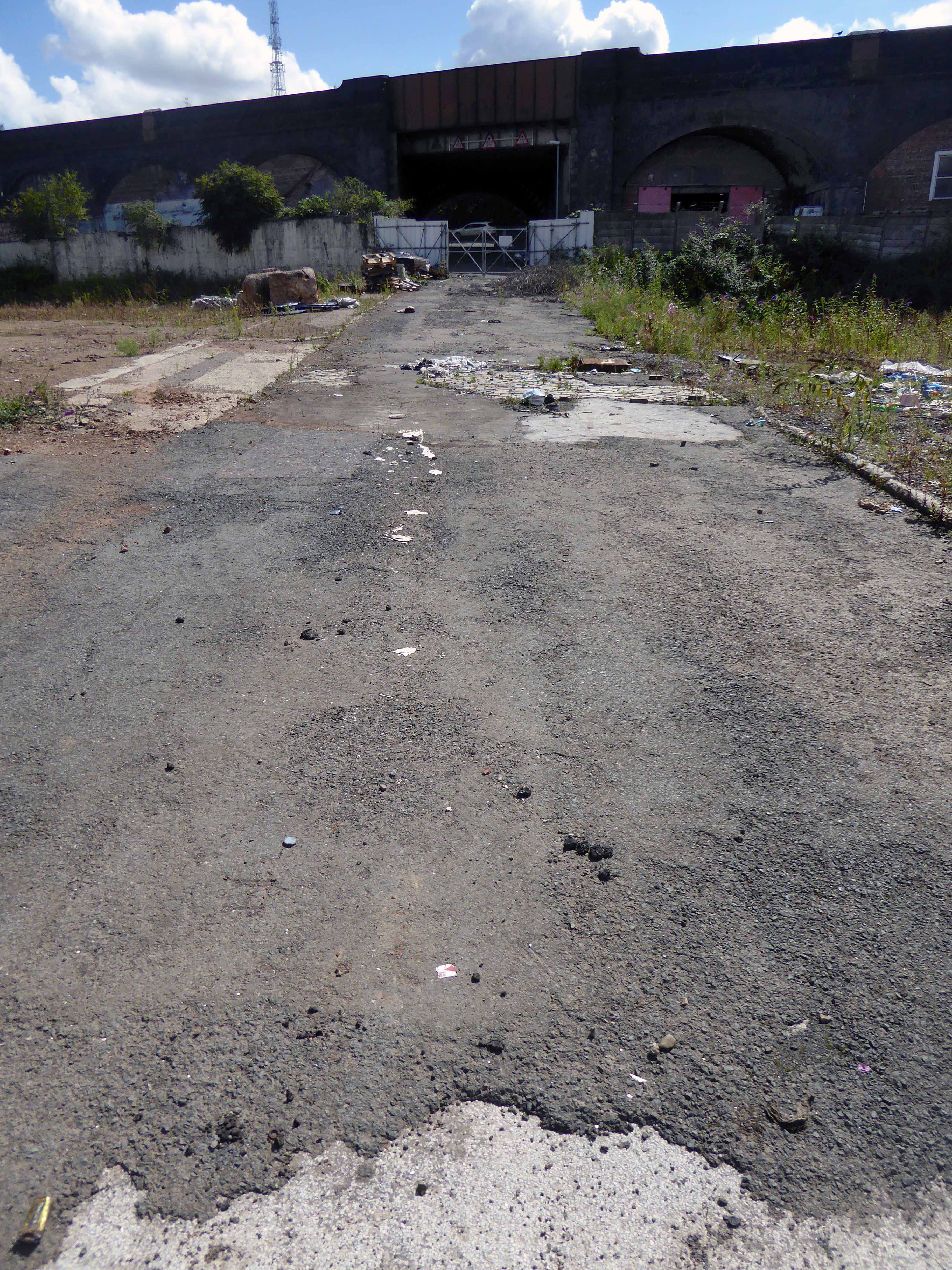
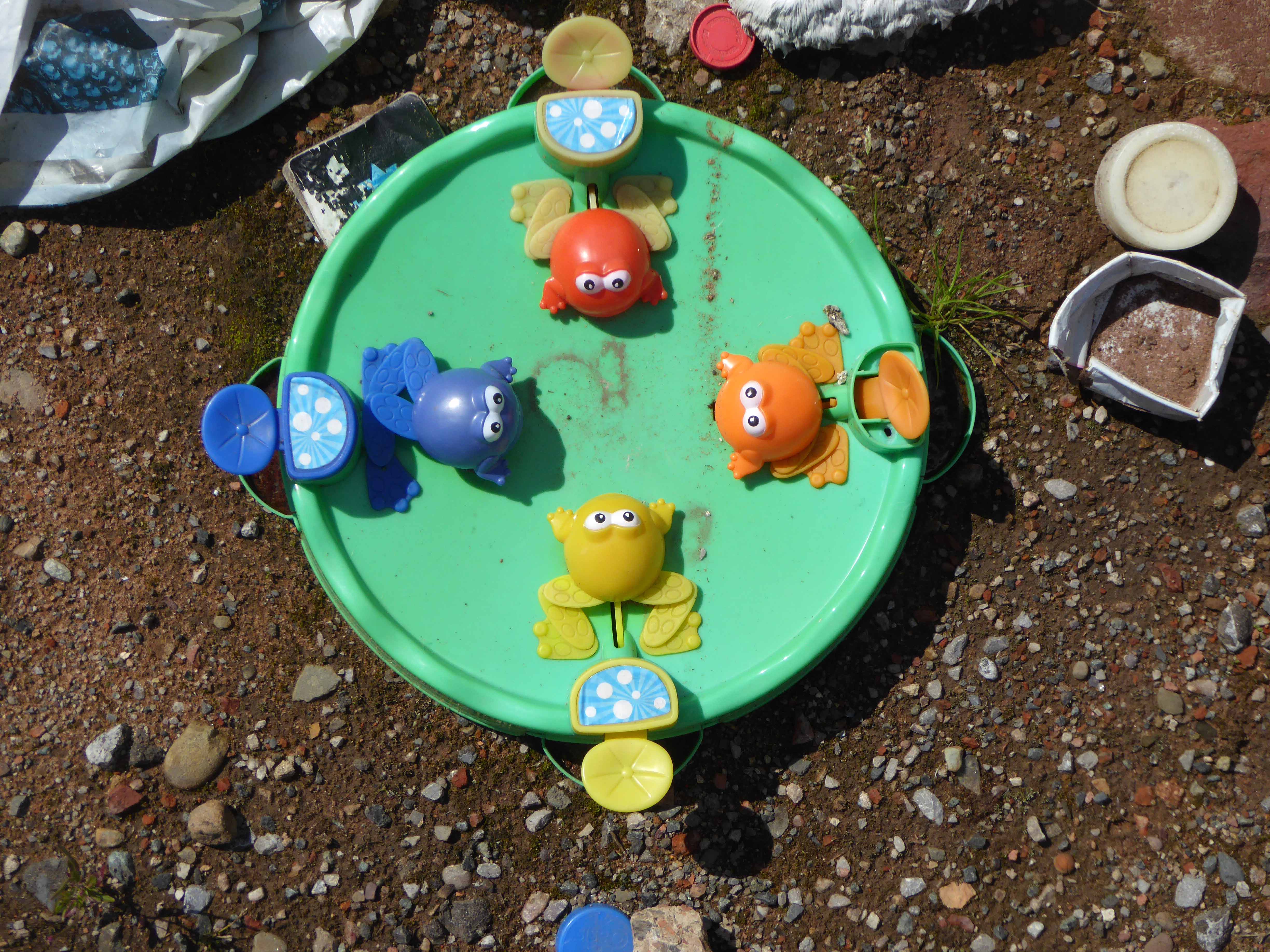
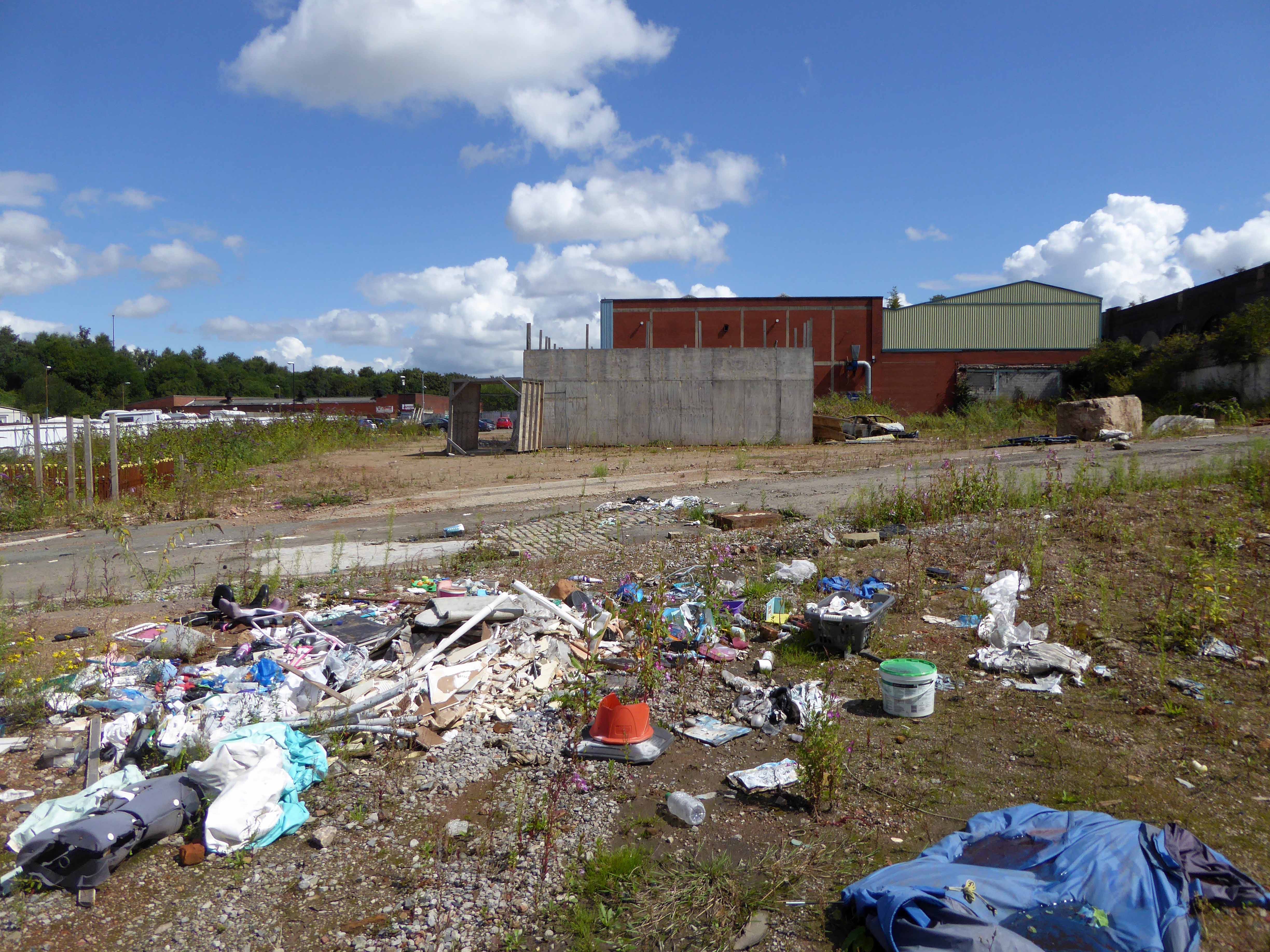
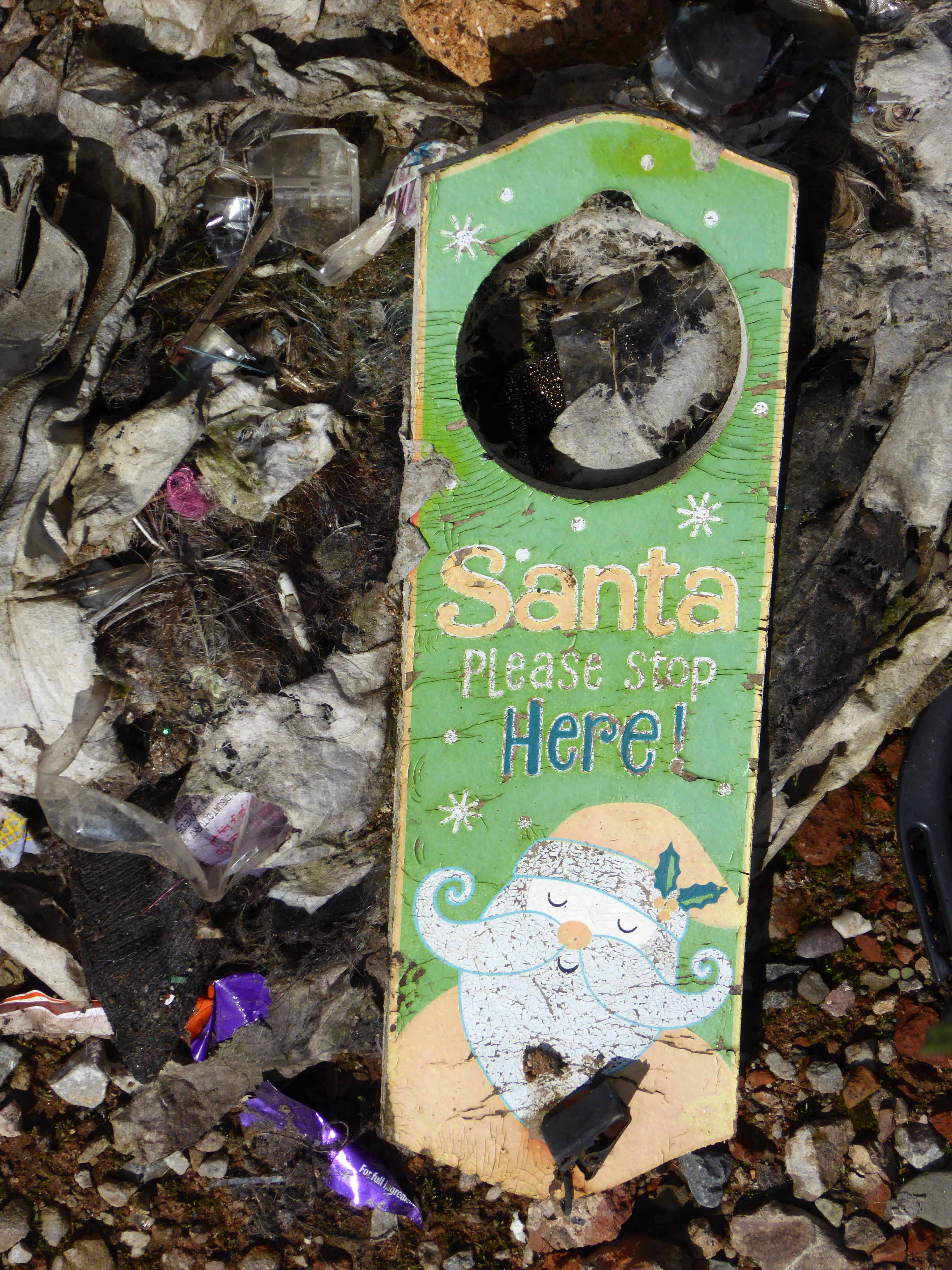
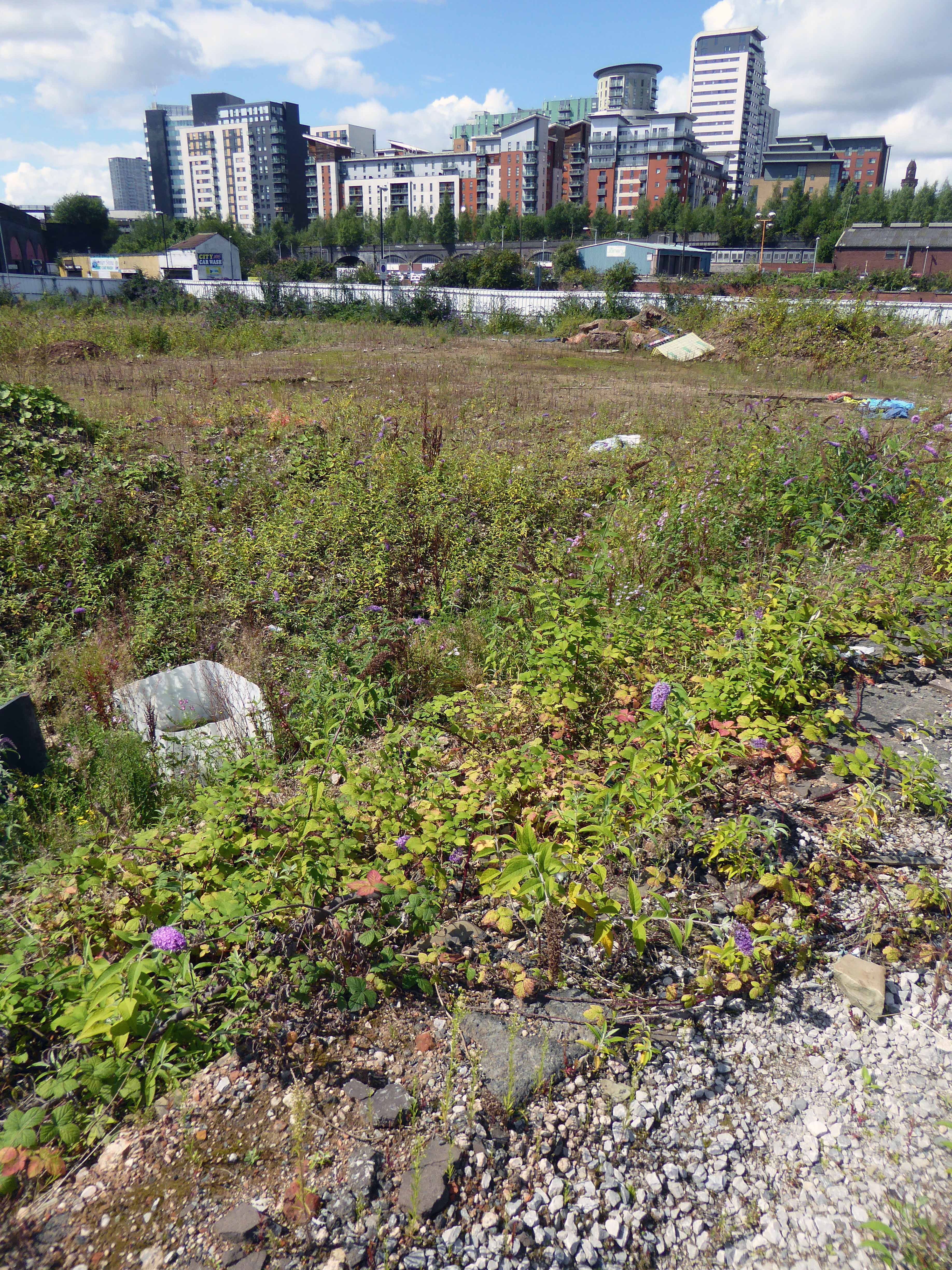
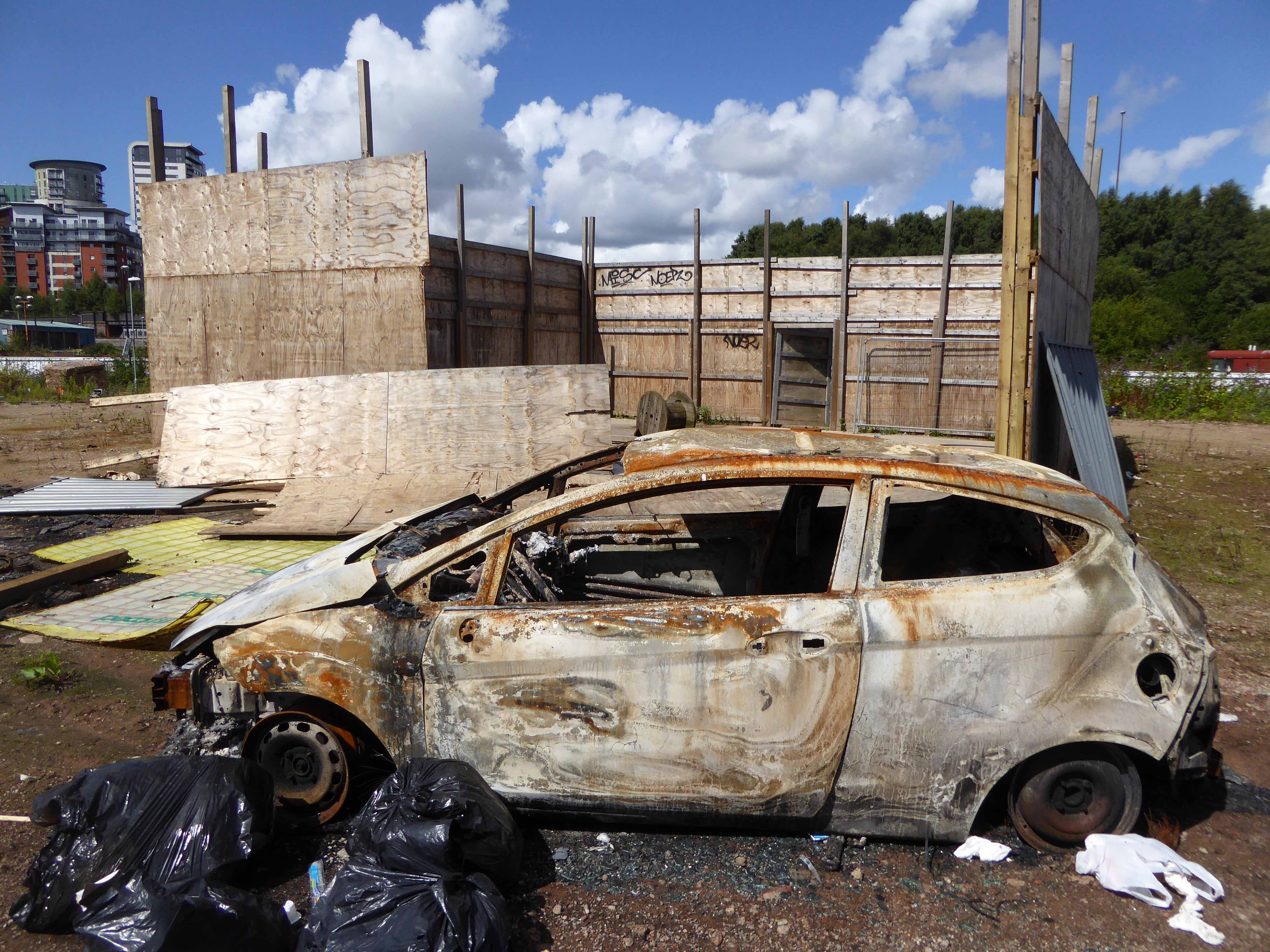
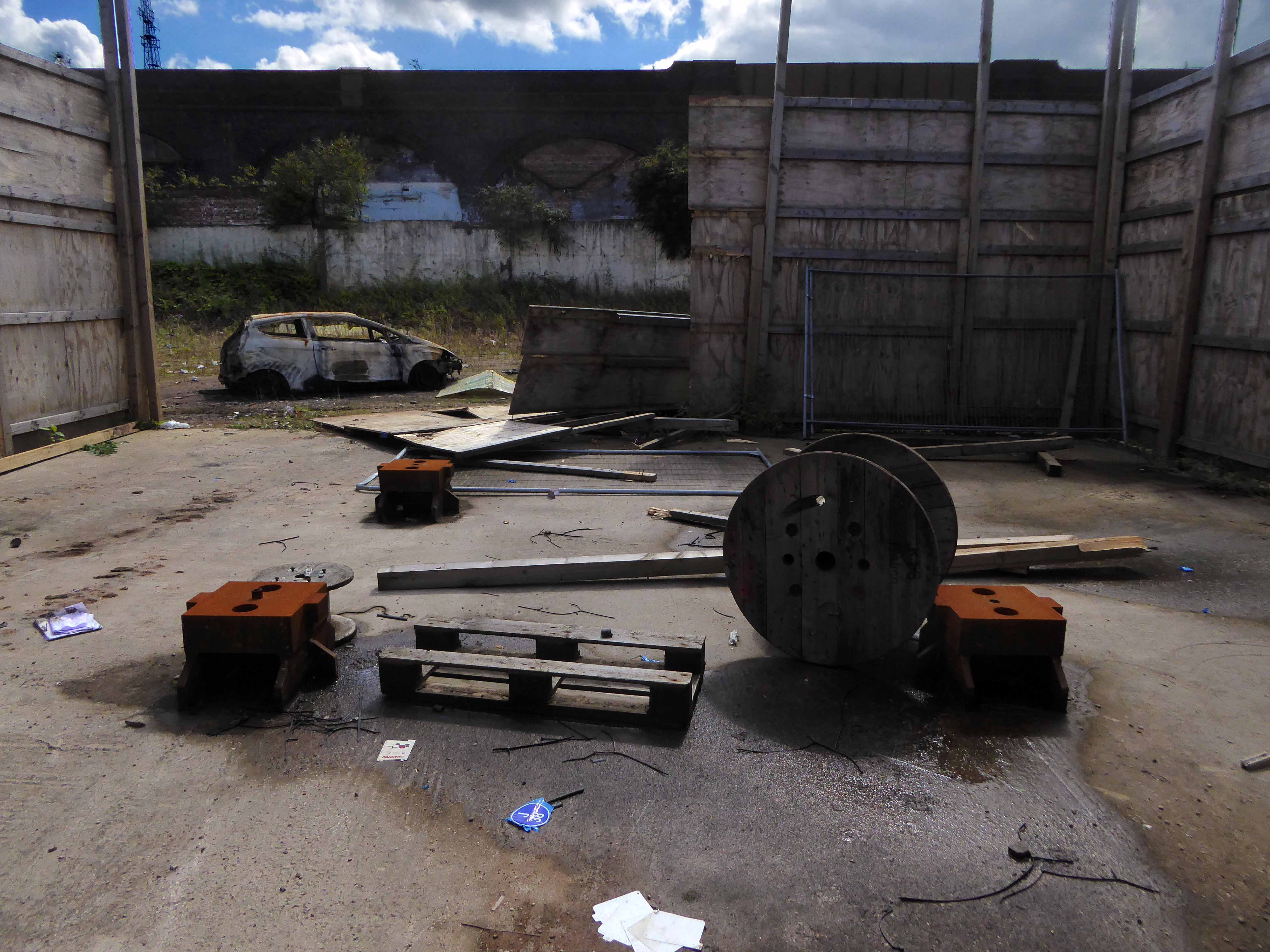
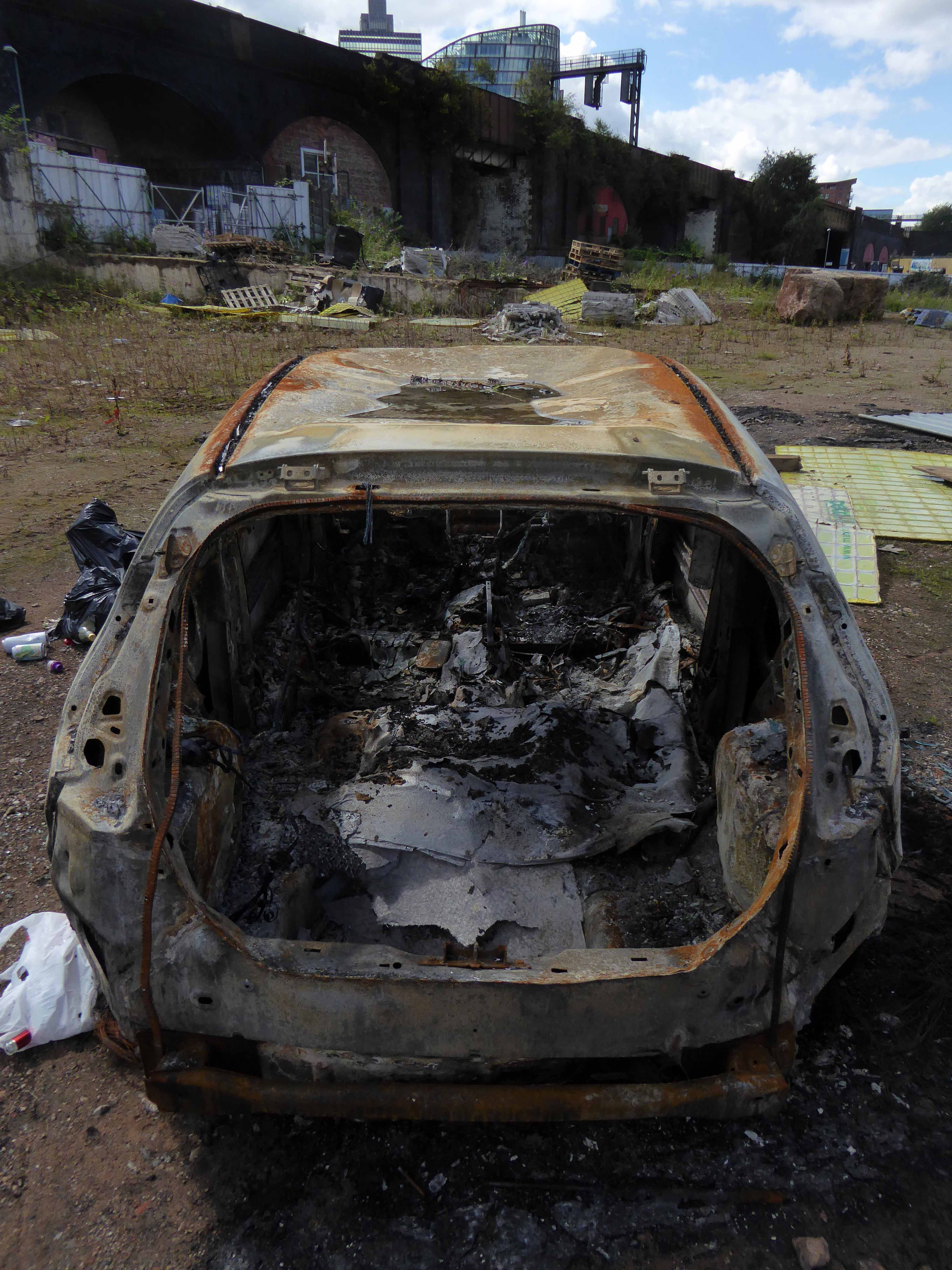
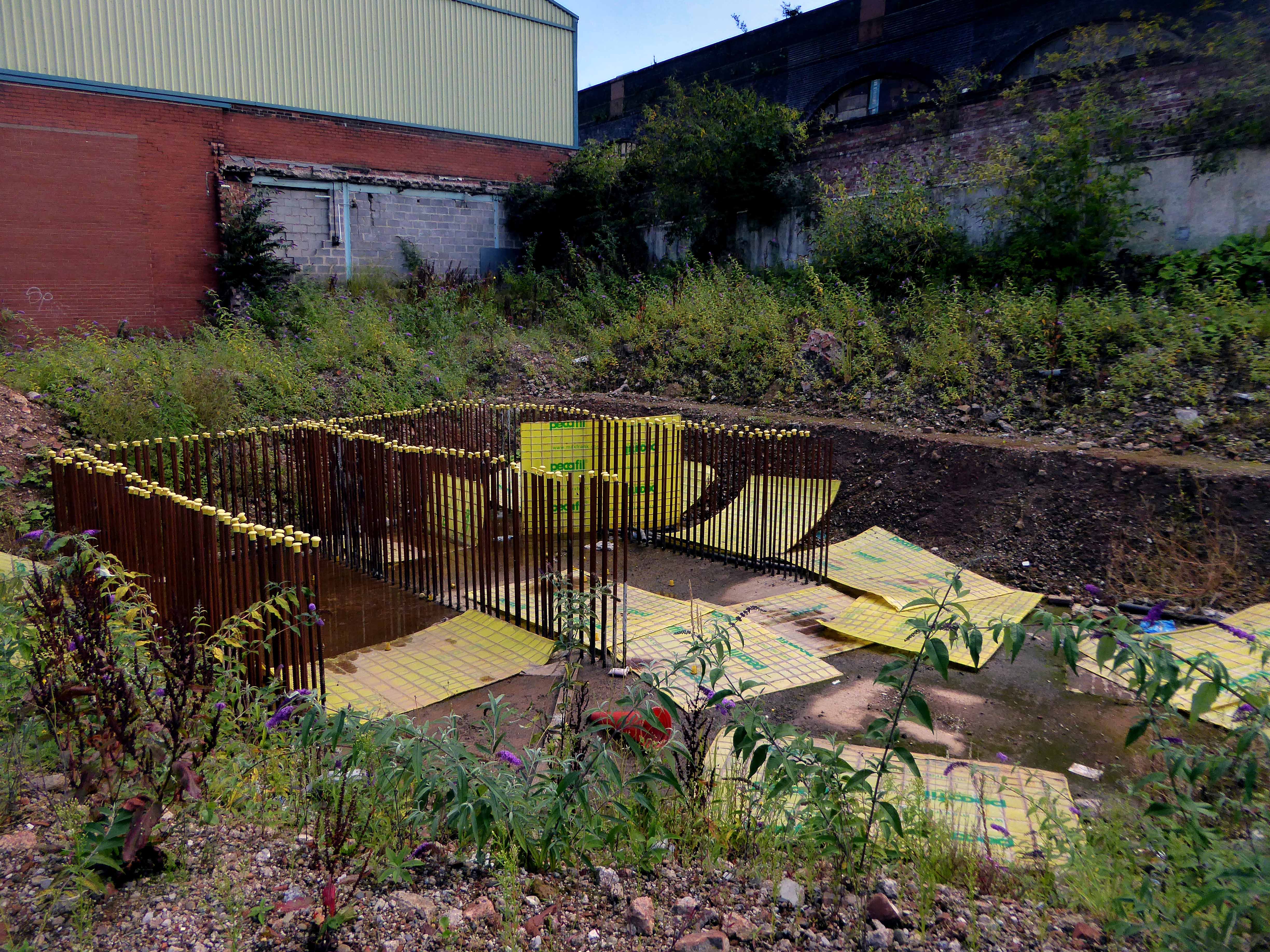
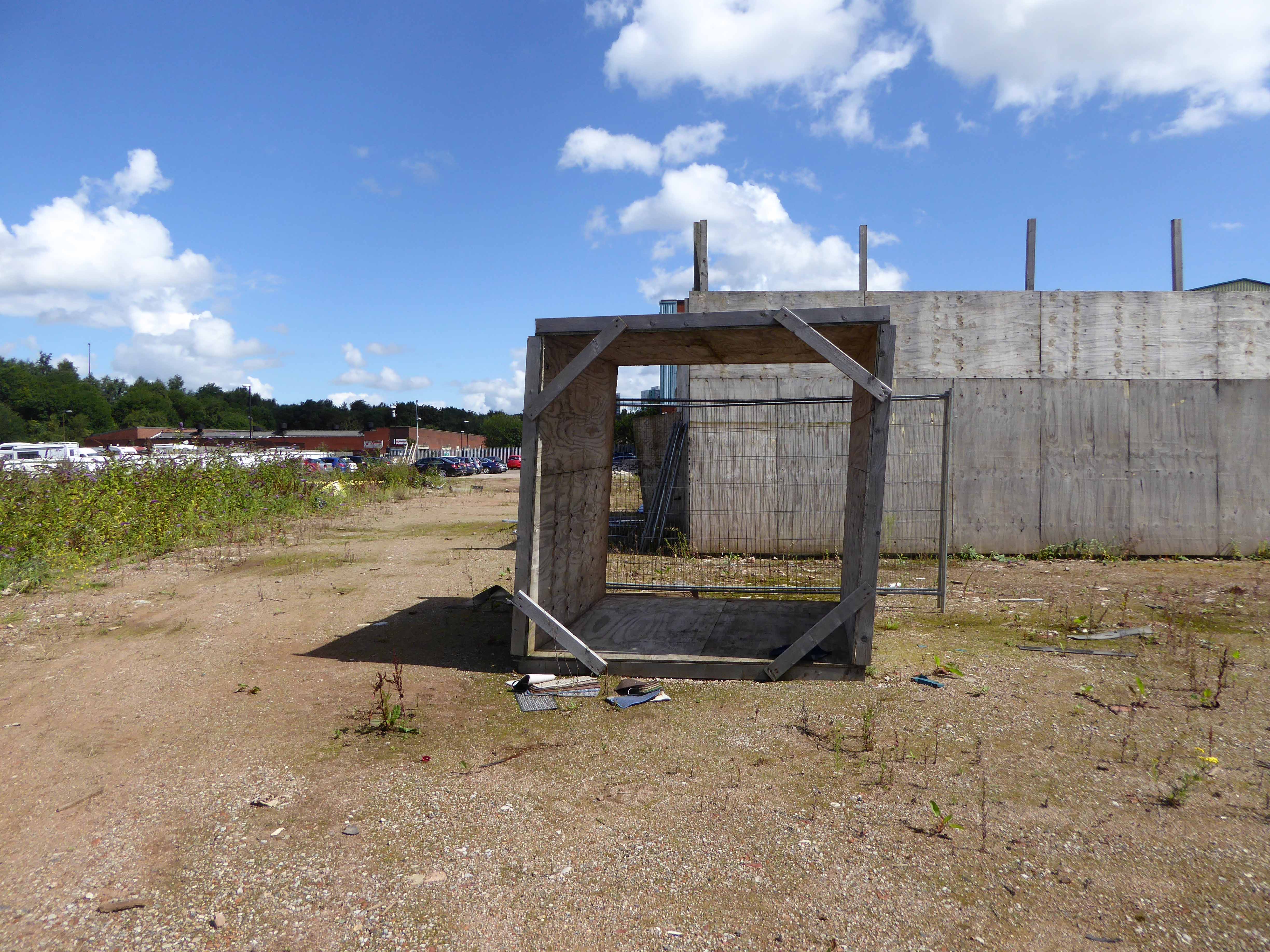
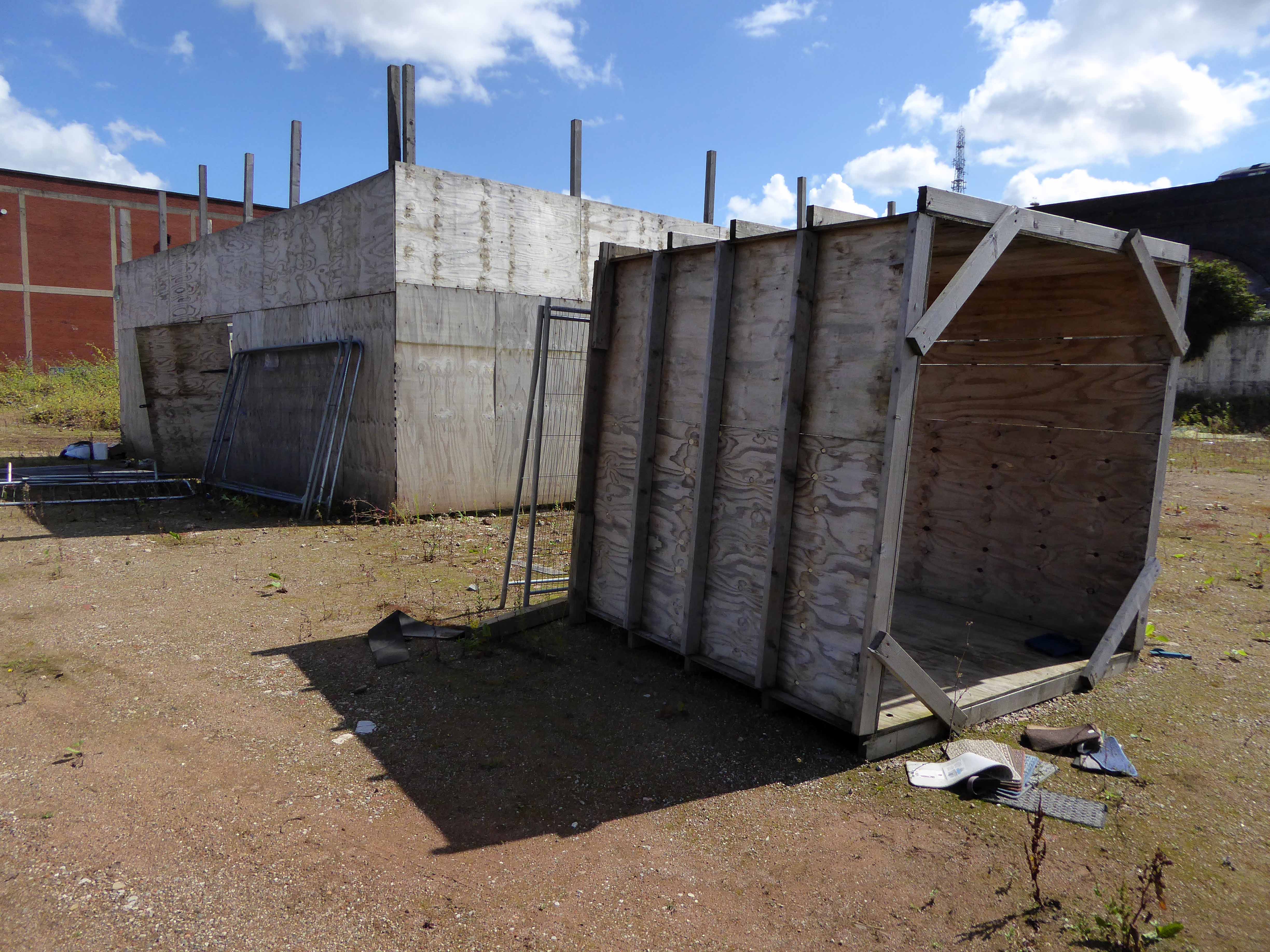
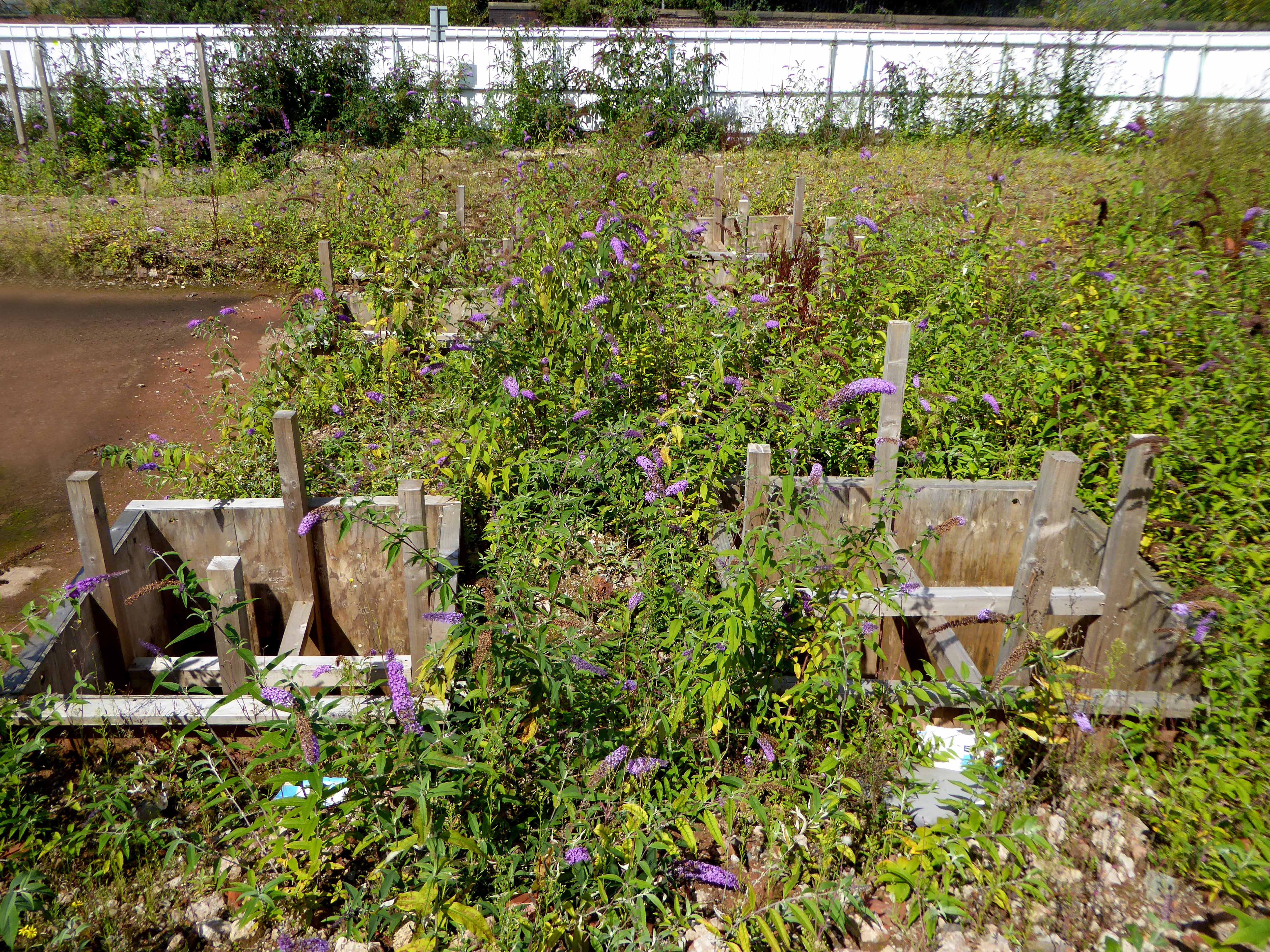
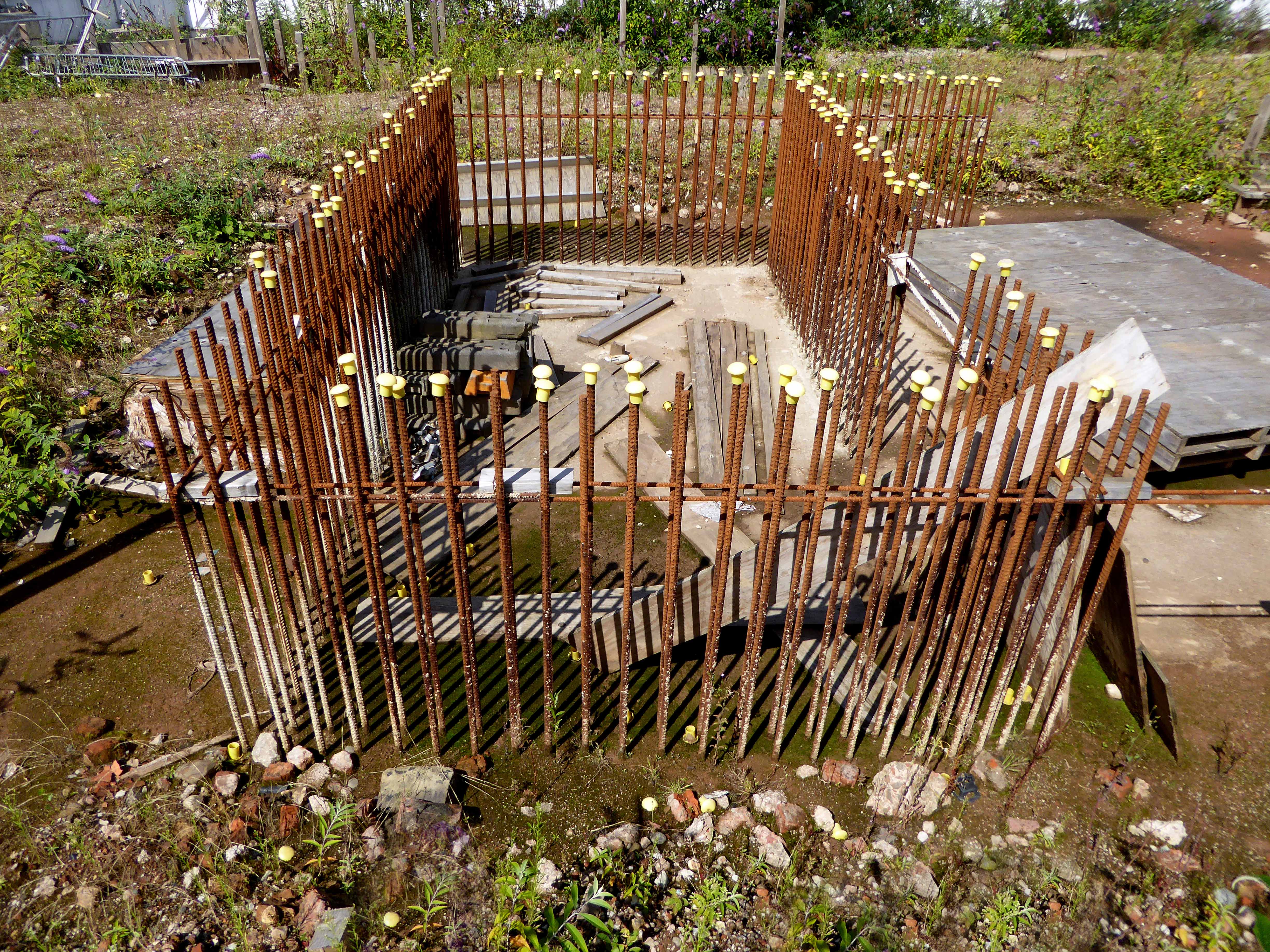
On the day of my visit the site was home to several jackdaws, the charred husk of a burnt out car, hastily discarded childrens’ toys, the most curious of plywood constructs and a sense of anything and everything, ceasing to make any sense whatsoever.

This stunning development will be an original and inspiring place to live.

P1190415

P1190418

P1190419

P1190420

P1190424

P1190428

P1190429

P1190432

P1190438

P1190440

P1190441

P1190442

P1190444

P1190445

P1190446

P1190447

P1190448

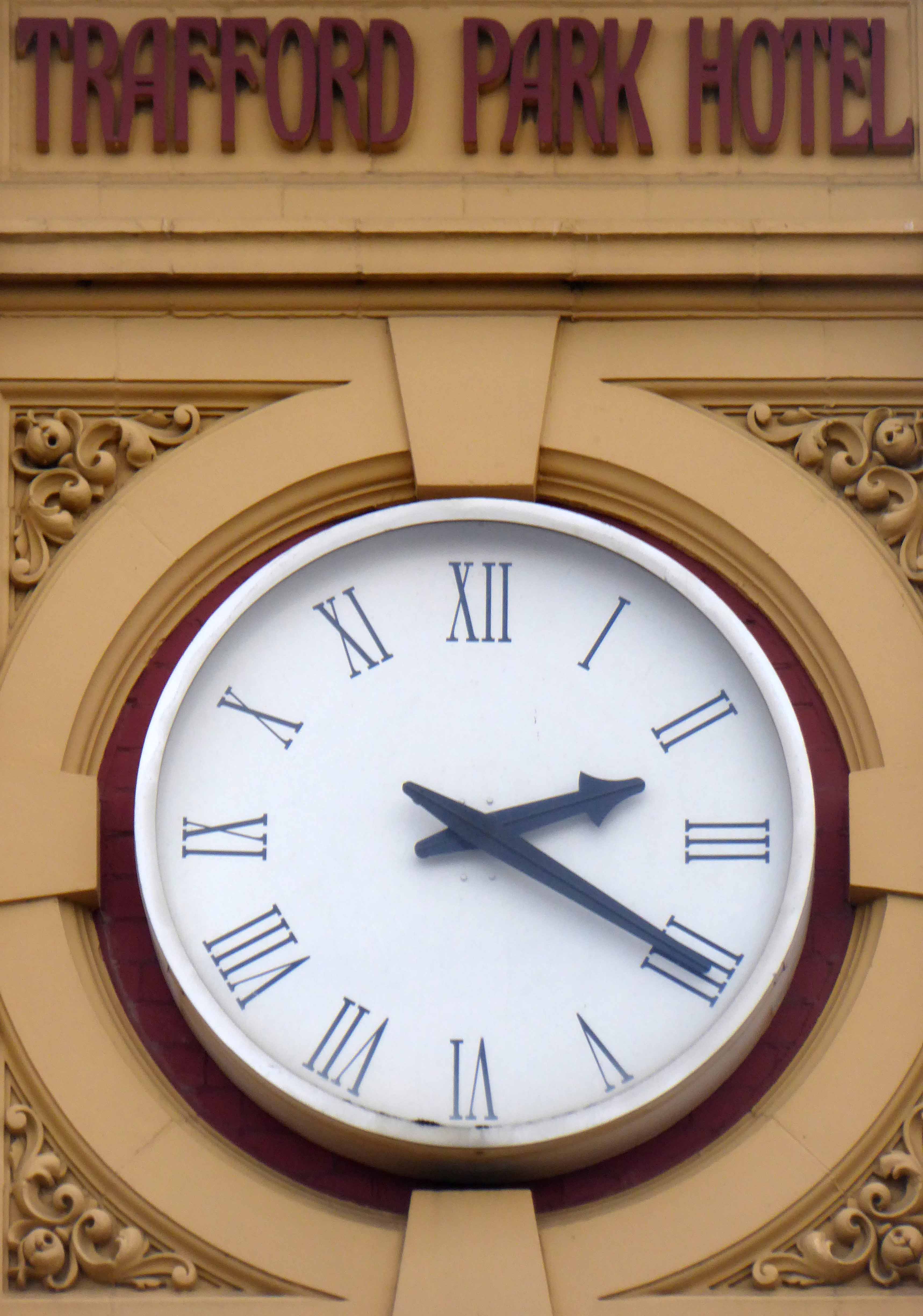
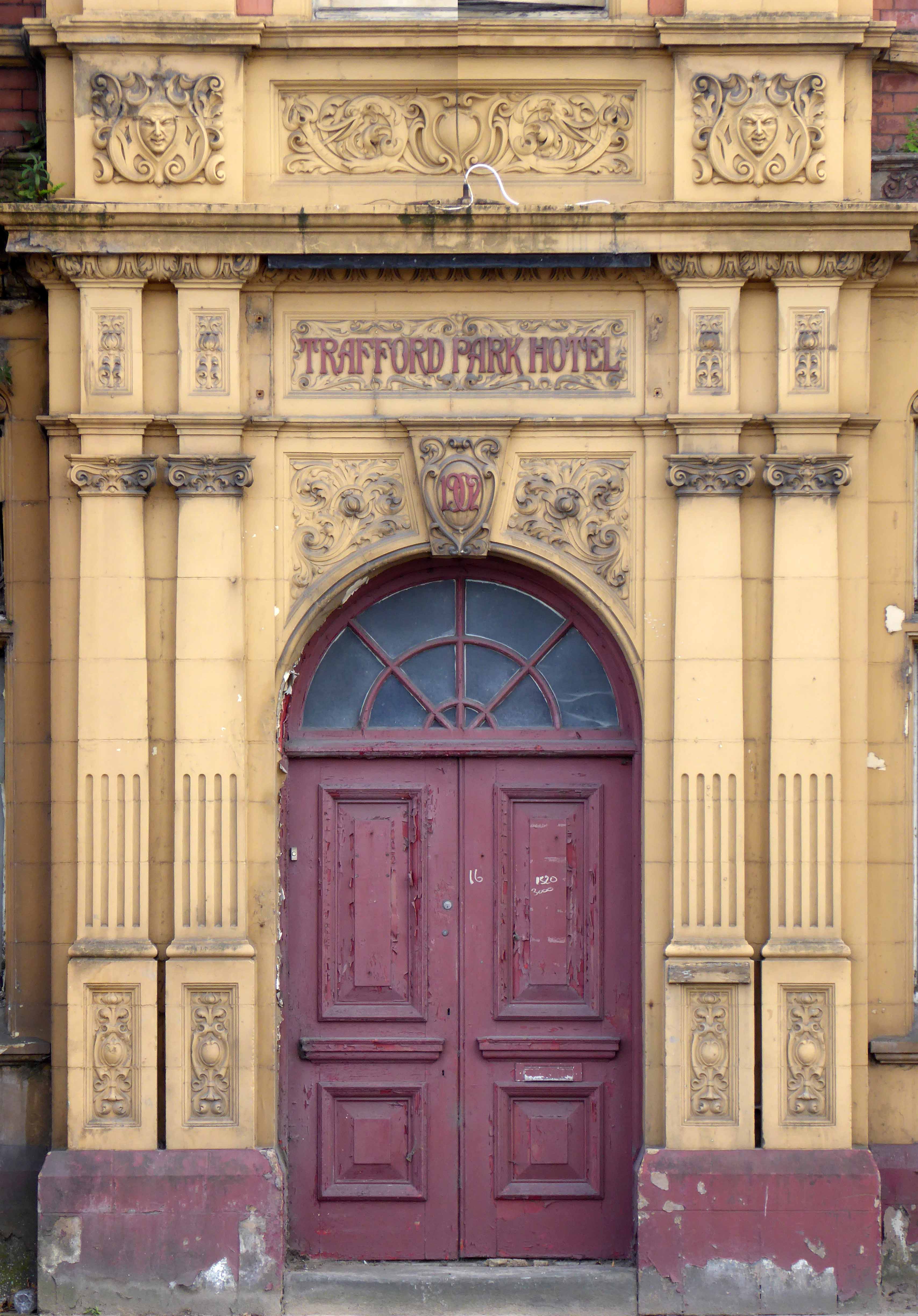
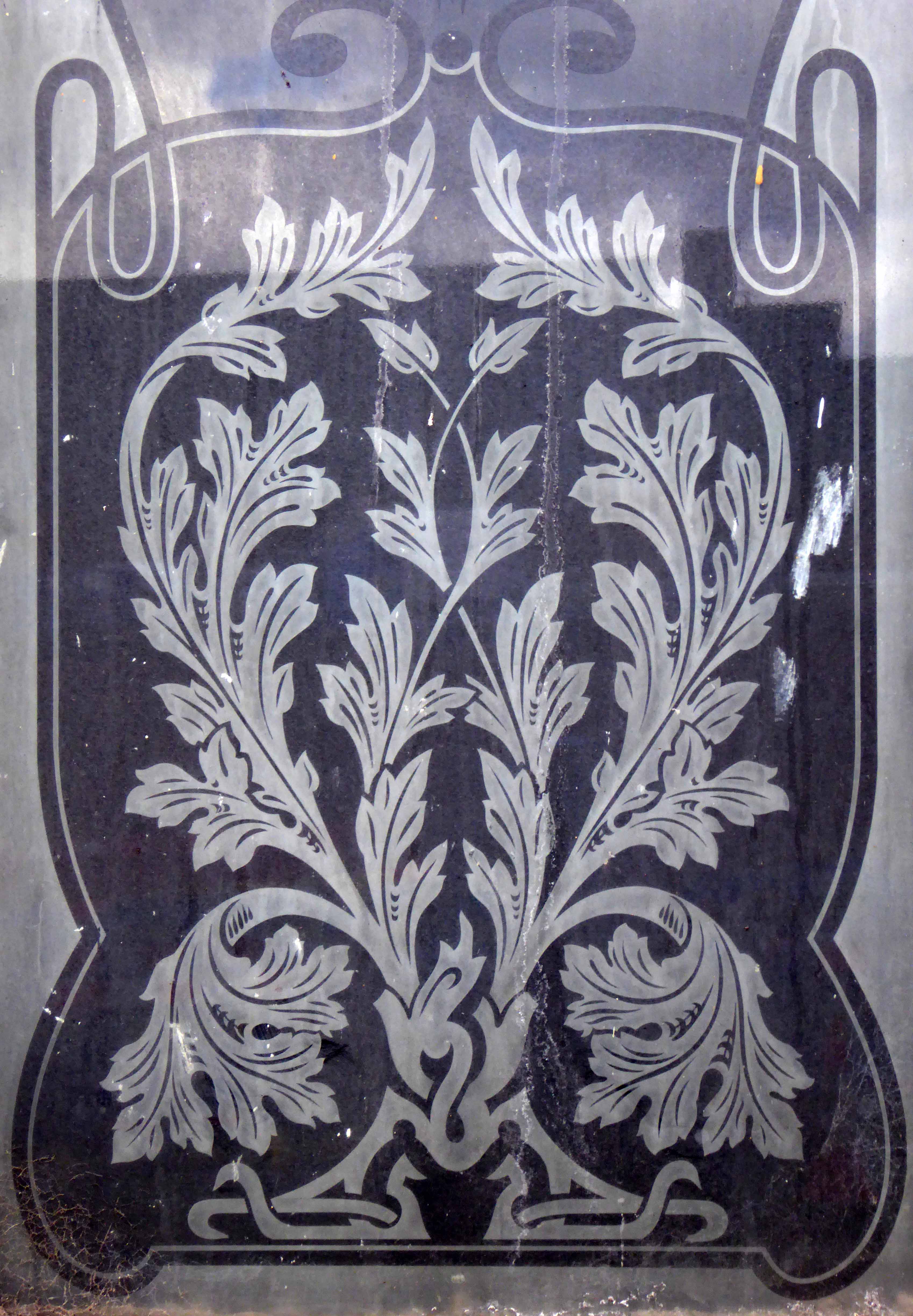
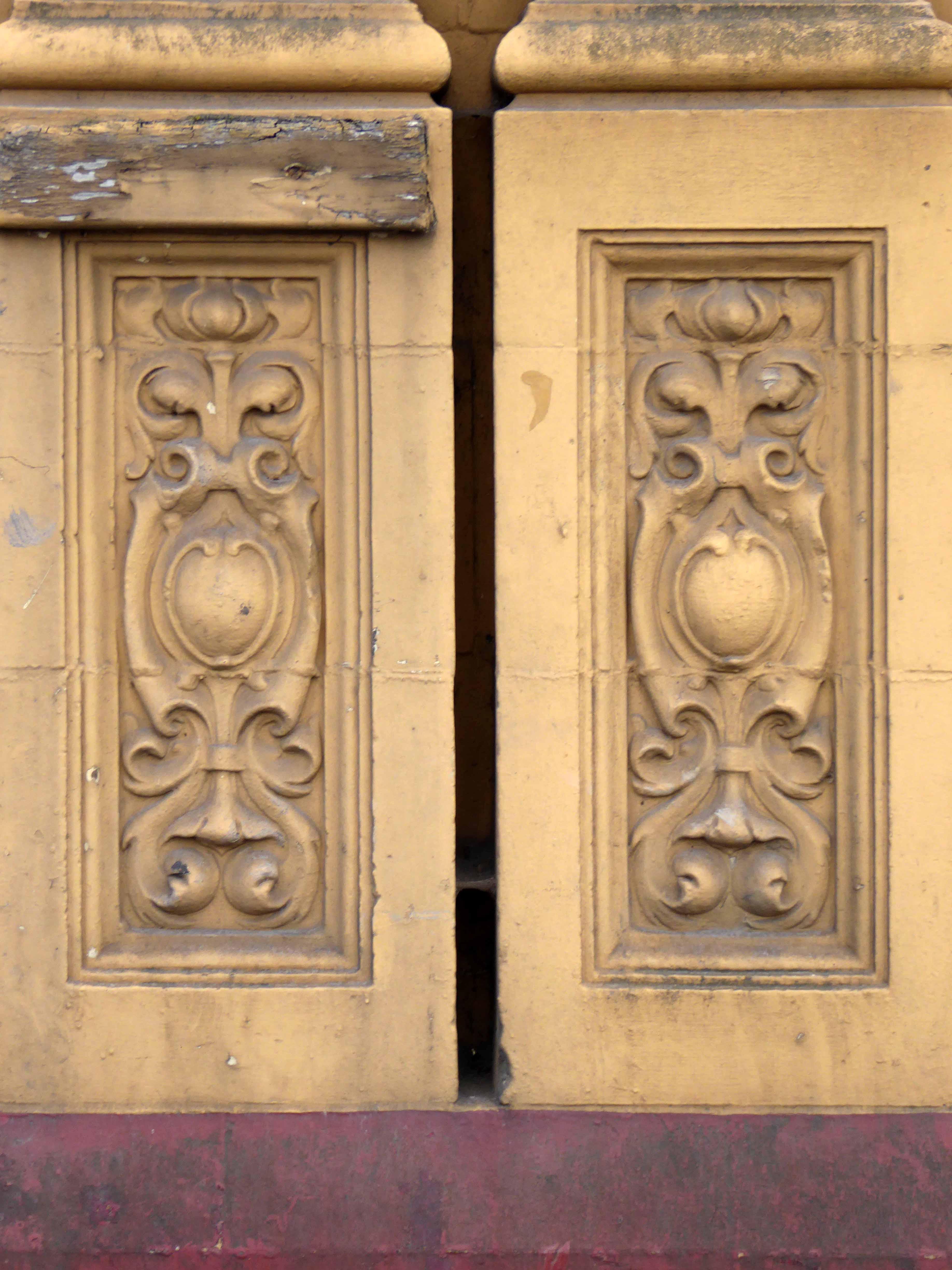
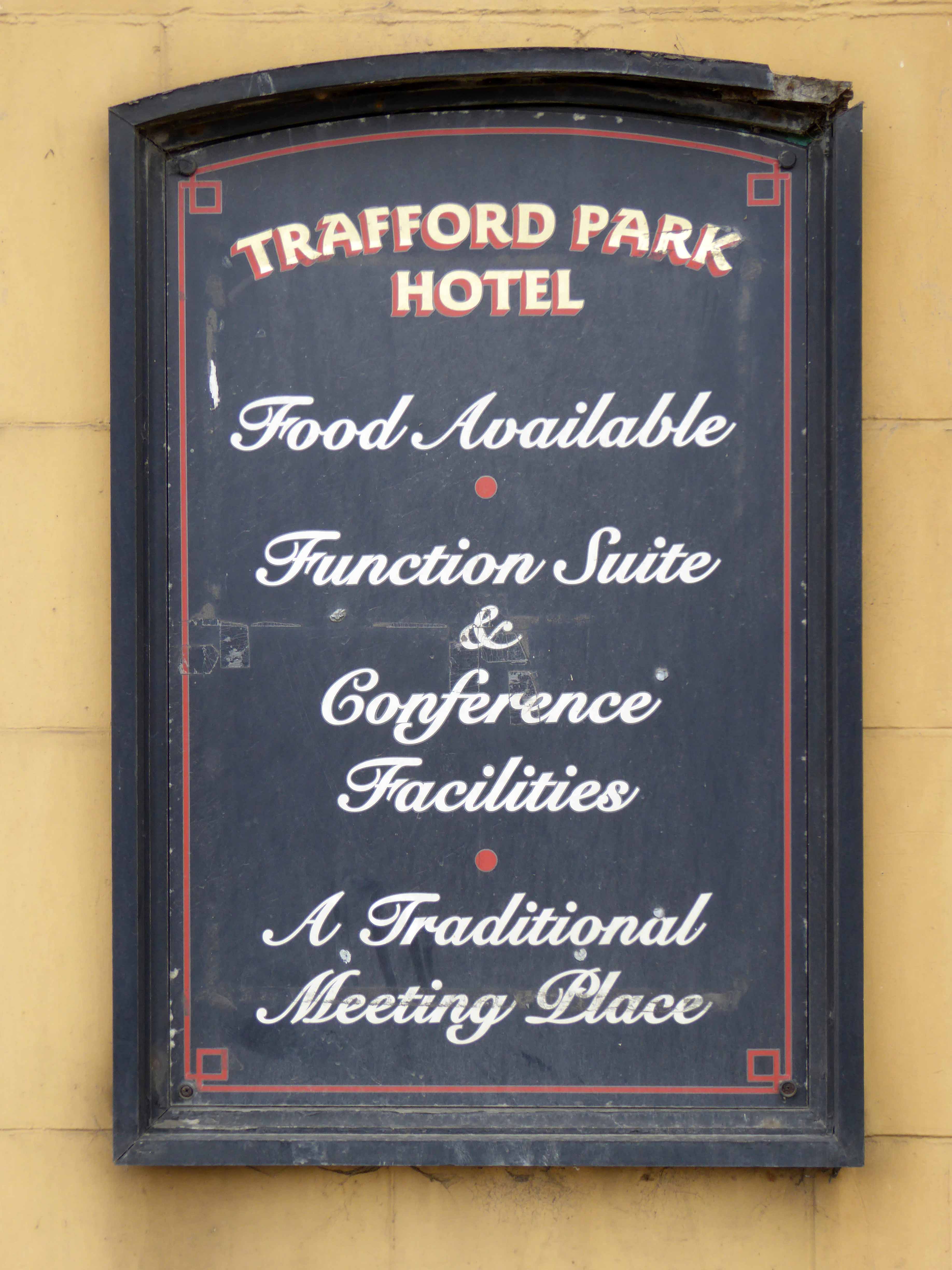
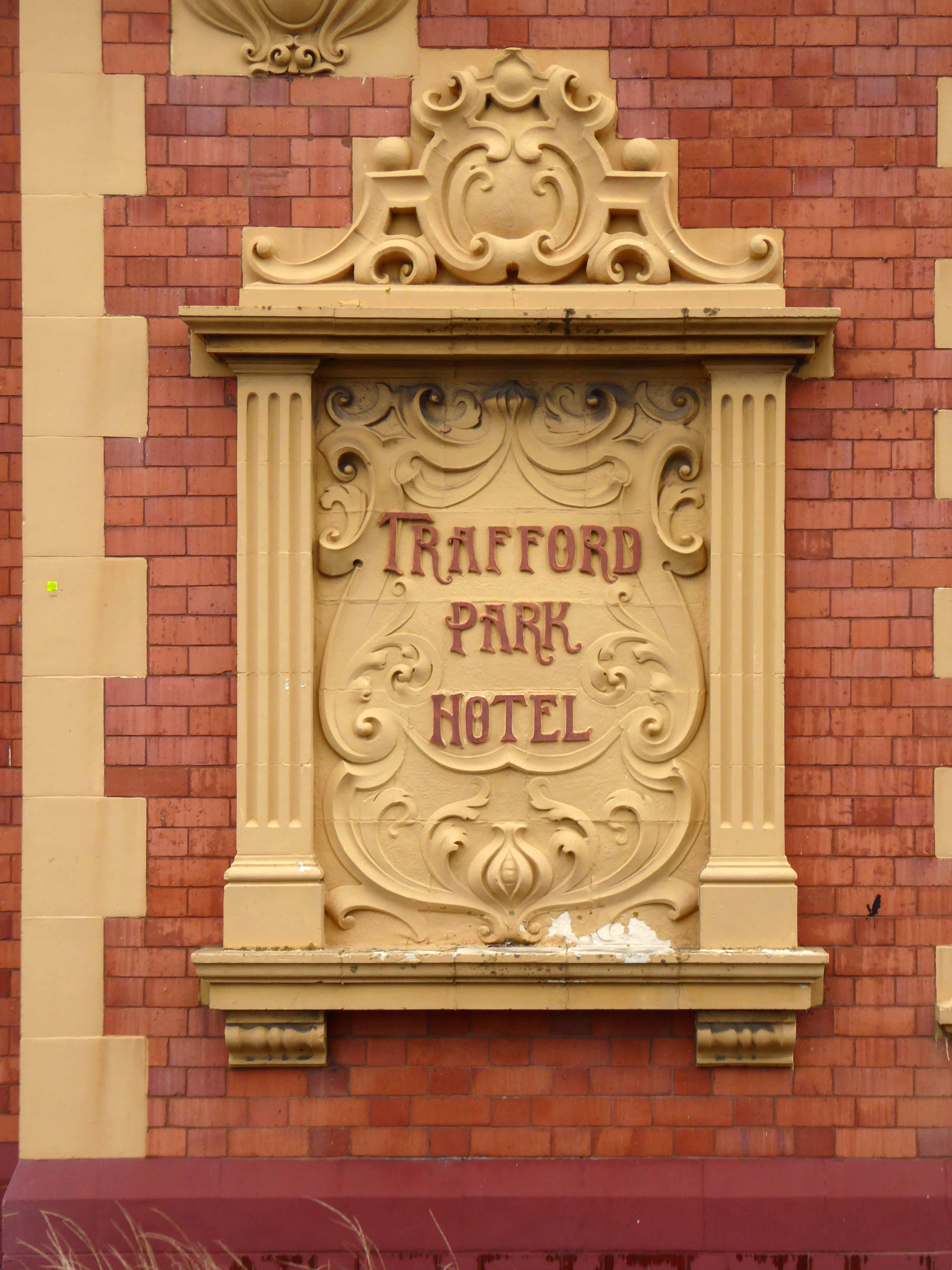
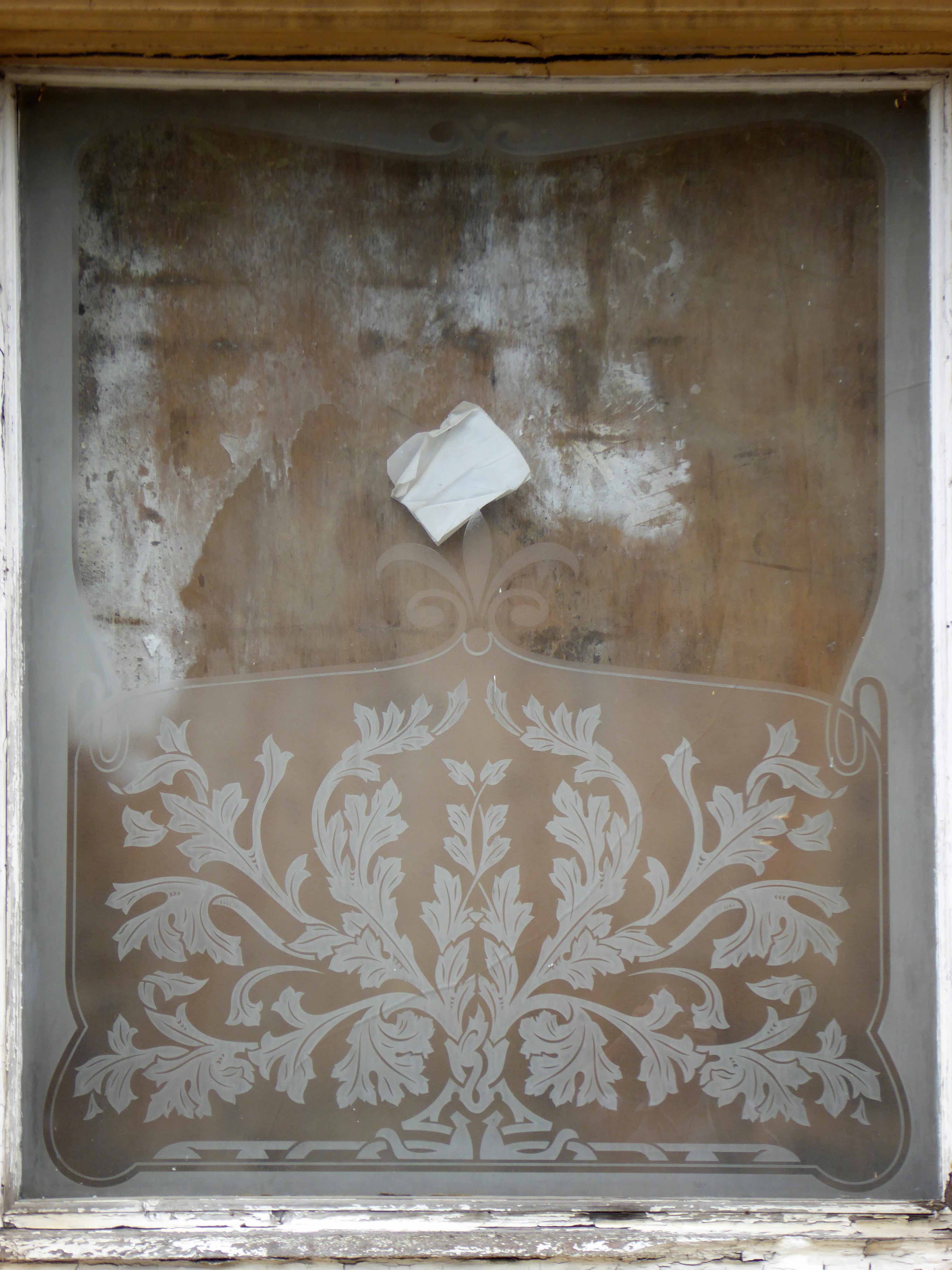
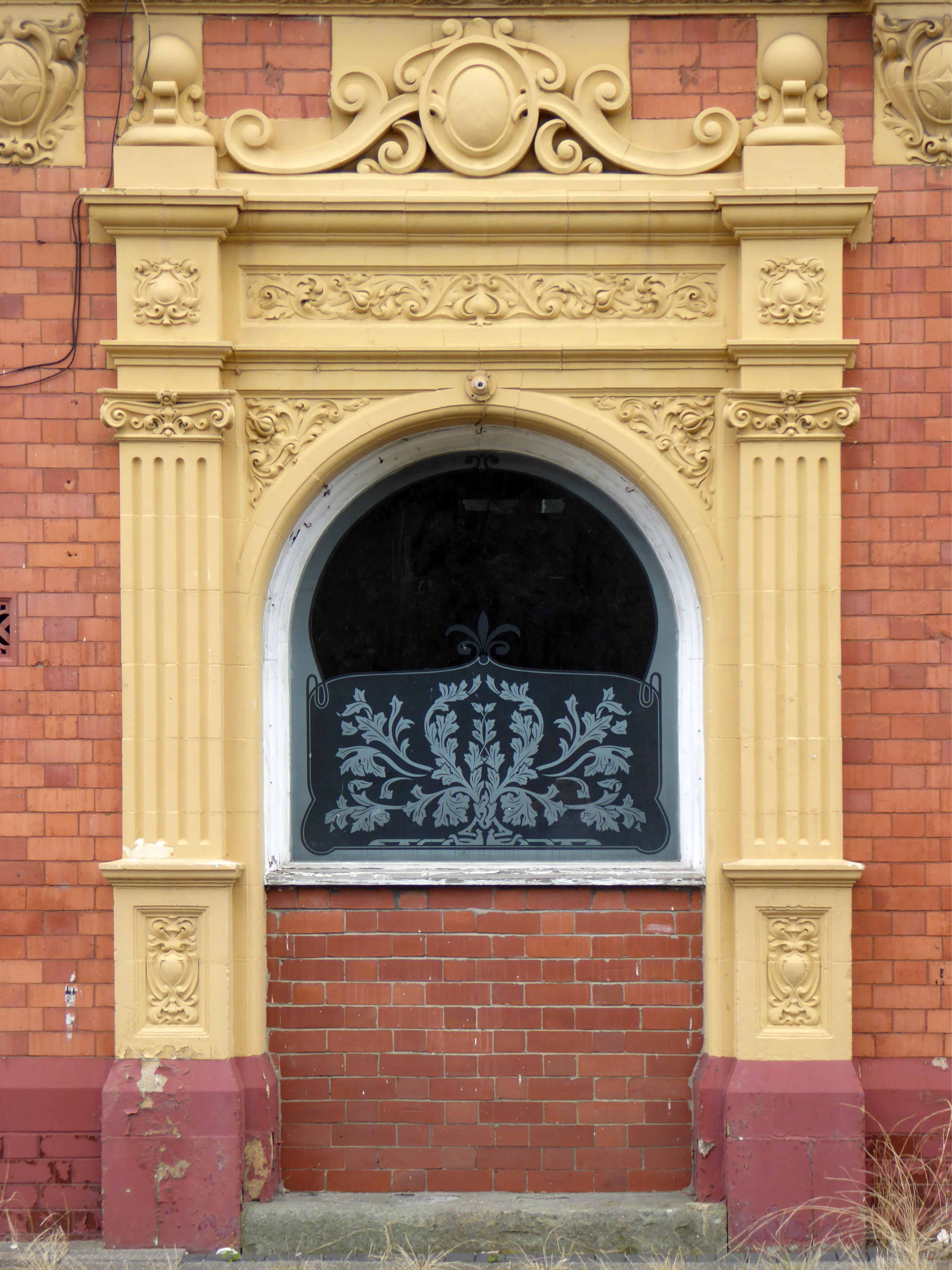
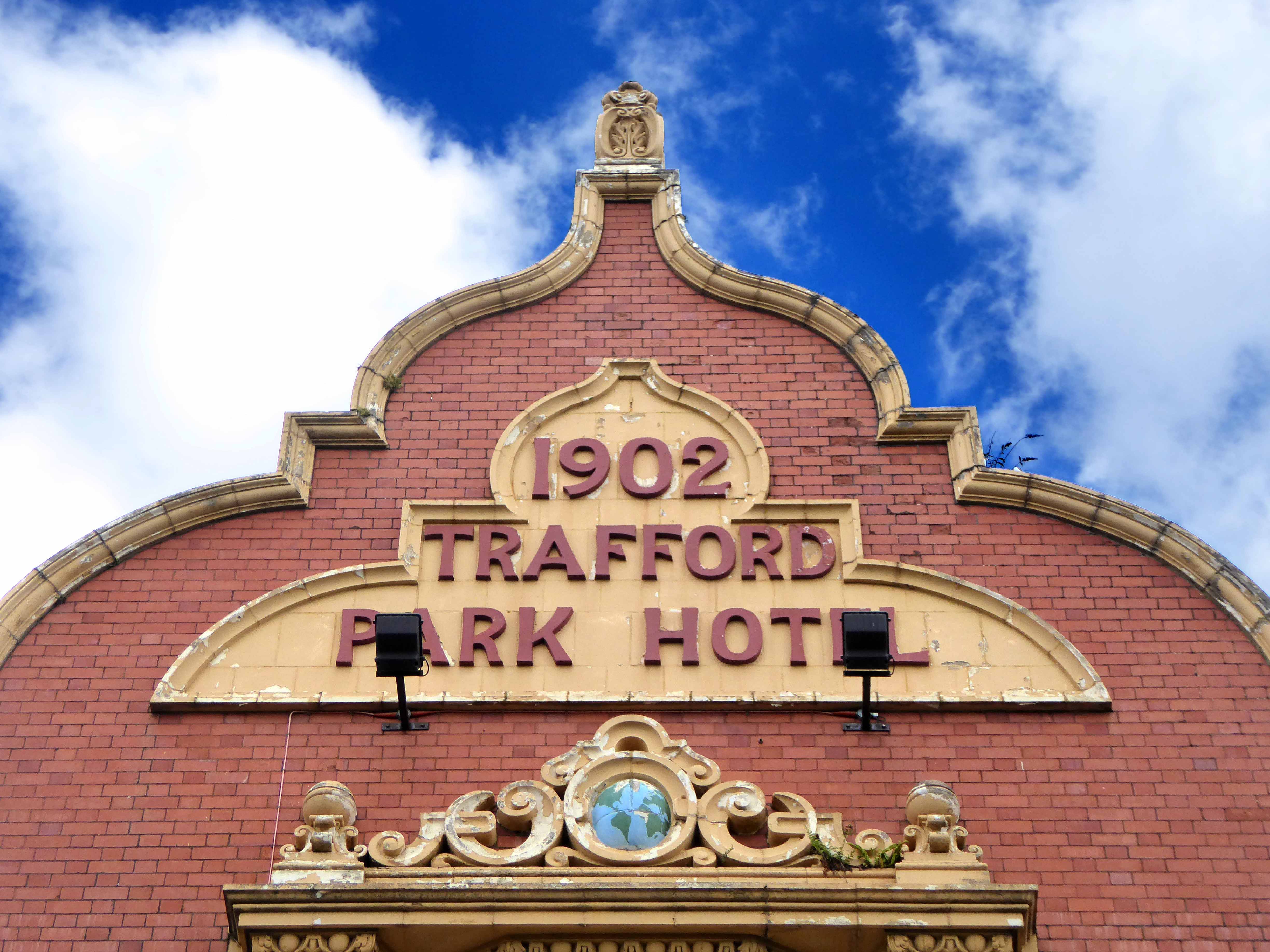
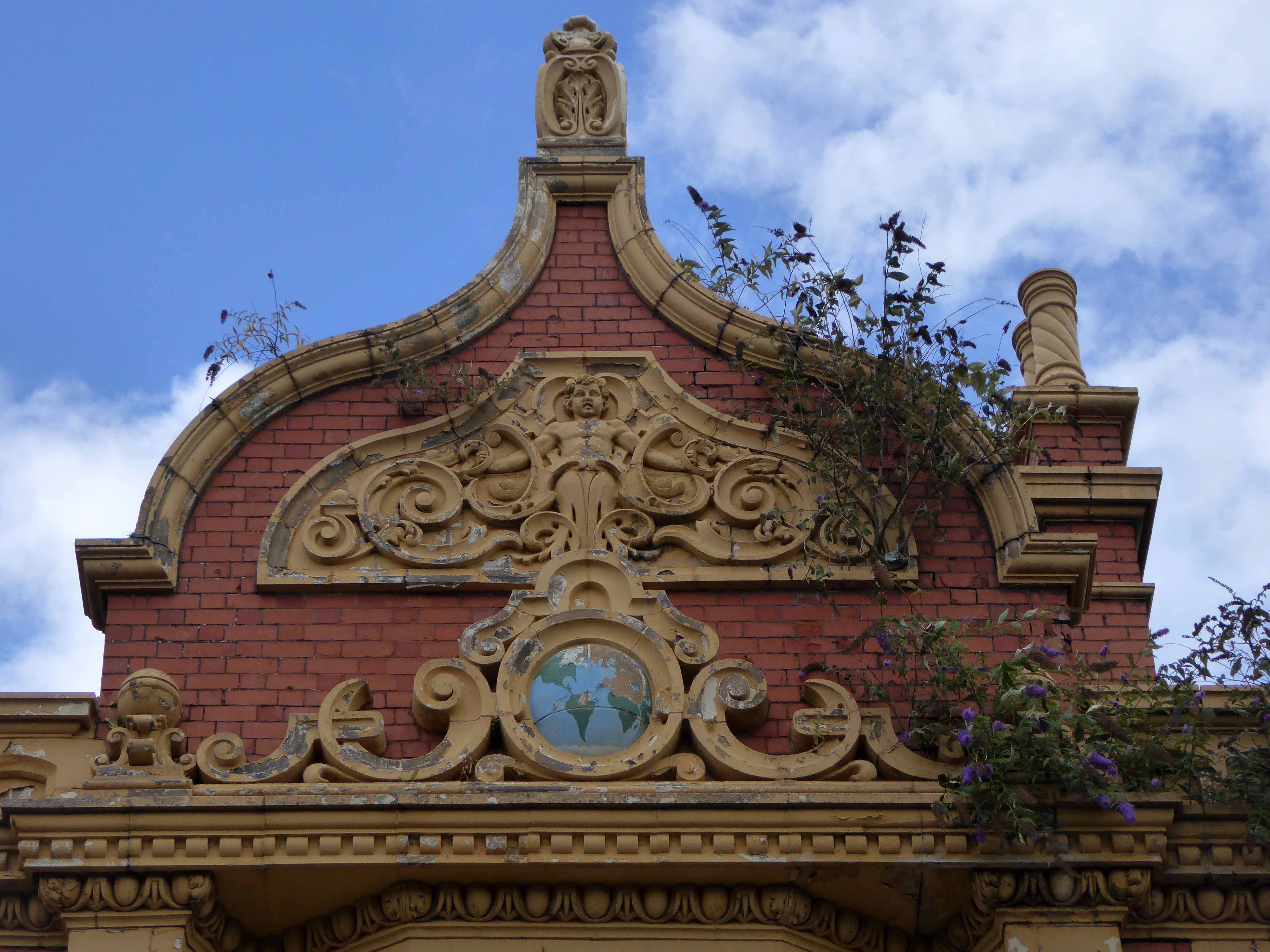
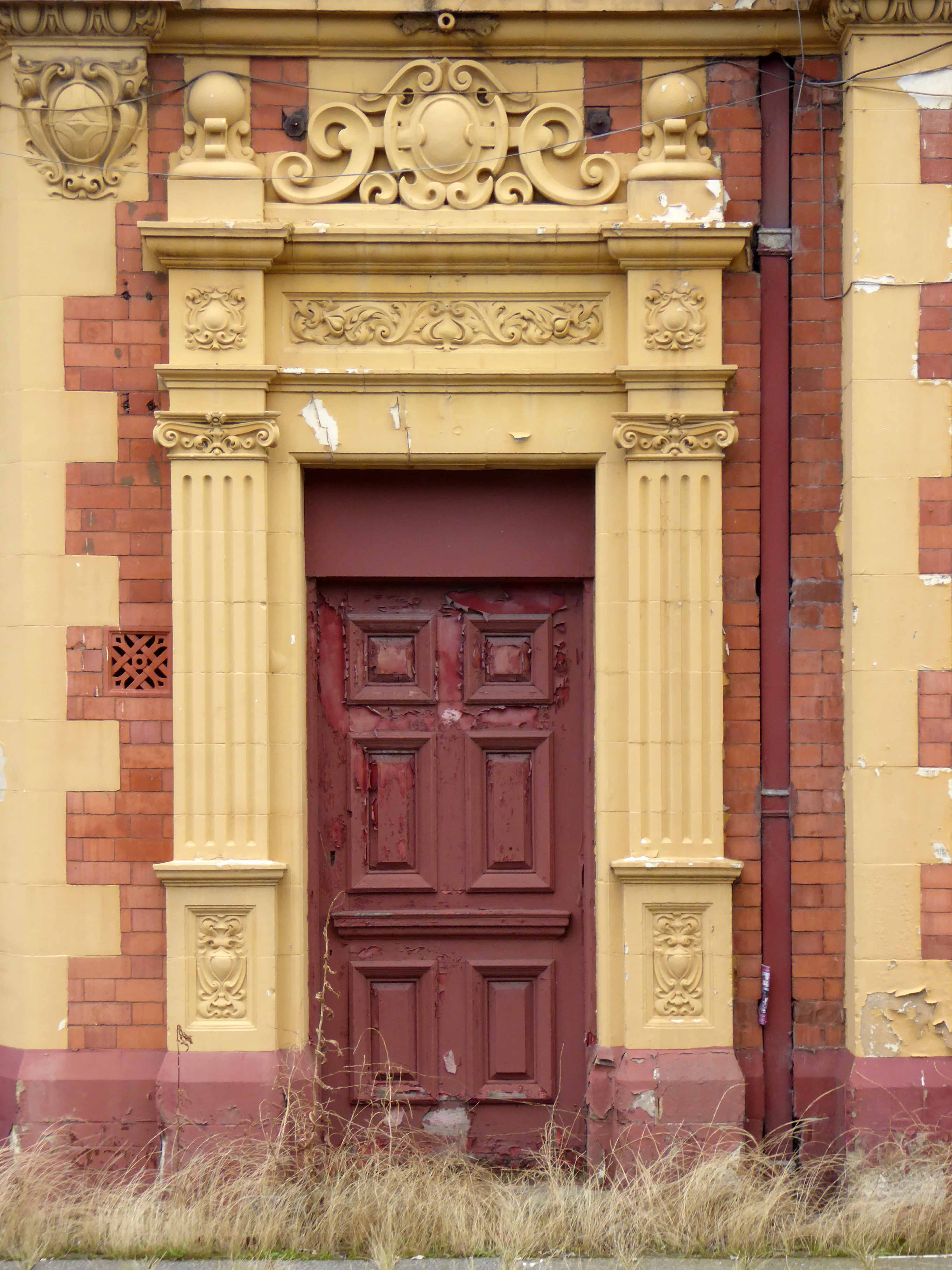
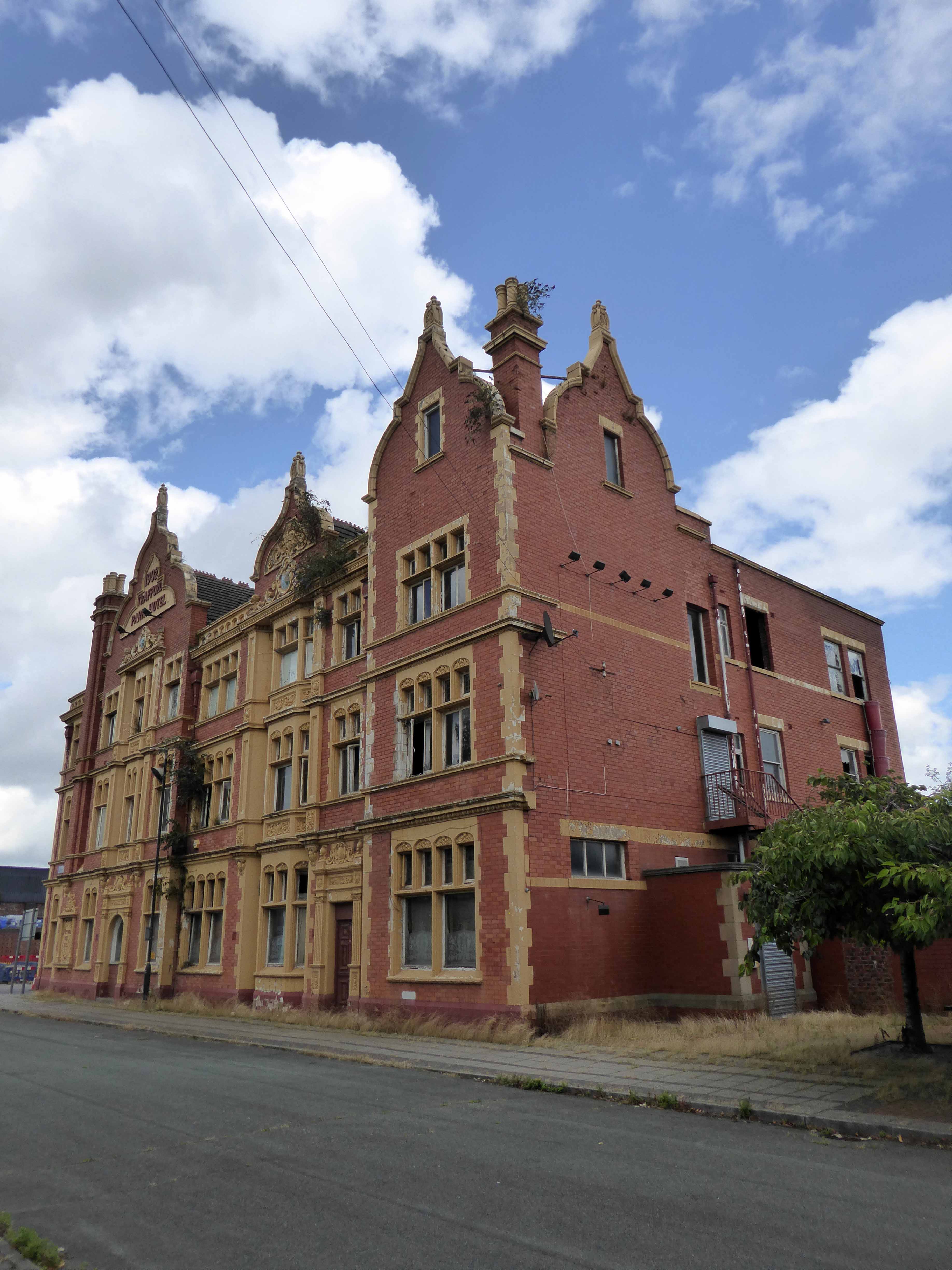
Trafford Park Hotel

It takes a whole corporation to raise a village:

The first American company to arrive was Westinghouse Electric, in 1899, and purchased 130 acres on two sites. Building work started in 1900, and the factory began production of turbines and electric generators in 1902. By the following year, British Westinghouse was employing about half of the 12,000 workers in Trafford Park. Its main machine shop was 899 feet long and 440 feet wide; for almost 100 years Westinghouse’s Trafford Park works was the most important engineering facility in Britain.

In addition to the factory Westinghouse built a village for his workers on the American style grid system of avenues and streets.  The community had shops, eating rooms, a dance hall, schools, a church, and a cinema.

Eleventh_avenue_trafford_park_1910

And where there is people there is almost inevitably pubs, as sure as night shifts follow day shifts.

Trafford Park Hotel

Built in 1902 to keep the Trafford Park industrial dust down, quenching the thirst of the workers employed in the world’s first and largest industrial estate – get in and get outside a pint or two.

Speed headlong through the years and by 1984, a mix of industrial and economic decline and the general move away from the urban mix of housing and factories, the end is in sight for most of the Village’s homes.

Untitled-3

Photograph Nigel Richards

Move a little further along the line and by 2009 and the pub is closed, temporarily home first to a marijuana farm, and subsequently squatters.

Paul, 46, originally from Chew Moor, Bolton, was left homeless in May when his house was repossessed after he lost his job as a mechanical engineer. He found The Freedom Project through its Facebook group and was invited to move in to the Trafford Park Hotel. He said: “The group is apolitical – it’s about freedom of expression, activity and thought.” Enterprise Inns have taken members of The Freedom Project to Salford County Court where a judge gave the brewery an order for possession of the building. 

Enterprise Inns declined to comment.

It takes a whole judicial system and corporate clout to deny a man home.

In February 2017 pub was sold for £900,000, though on the day of my August visit there were few signs of the planned conversion to flats or hotel.

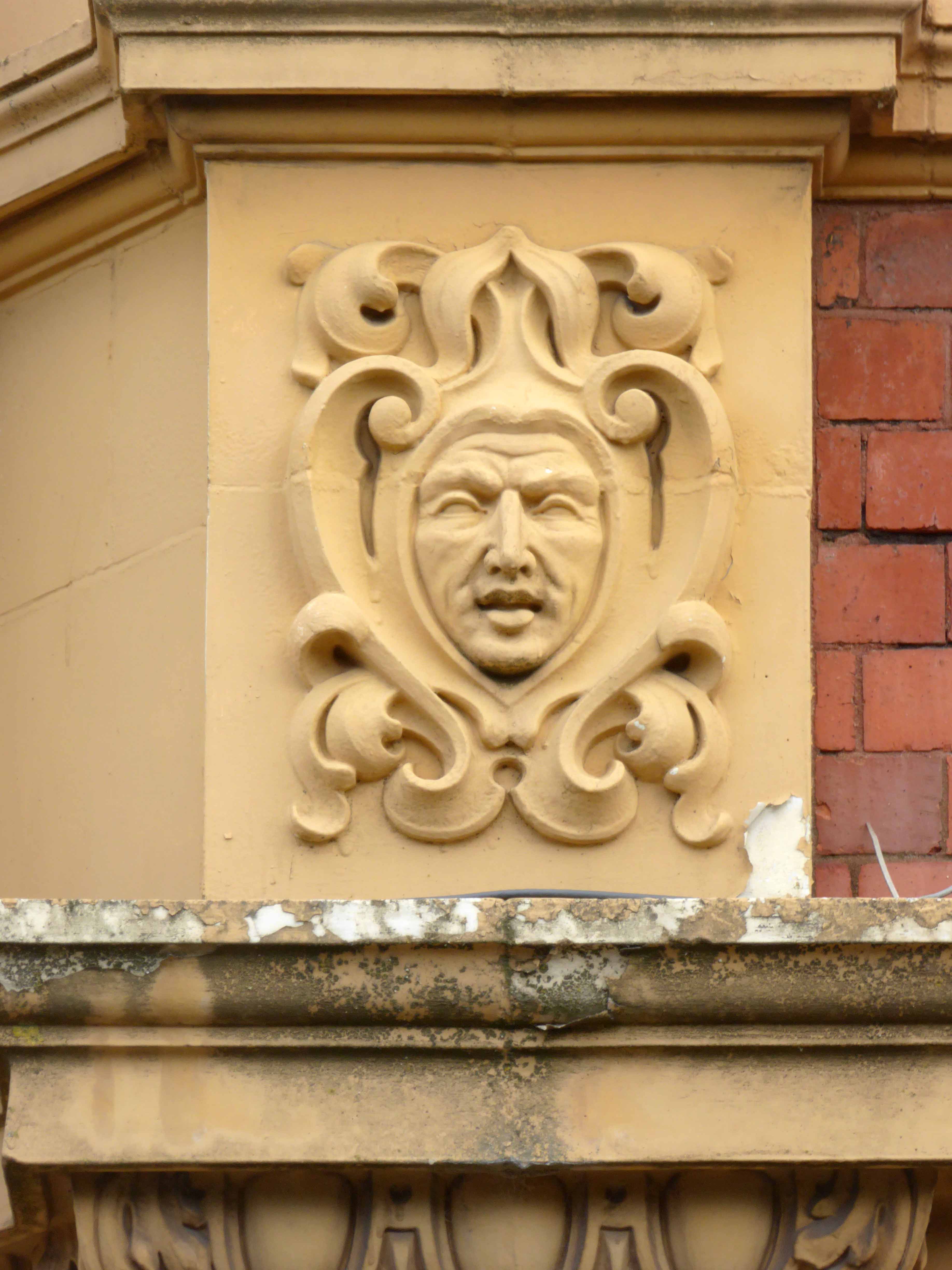
One day time will be called on time itself, in the meantime take a walk down the Avenue and feast your eyes on a Grade II  listed terracotta and brick behemoth.

P1180834

P1180832

P1180836

P1180837

P1180838

P1180839

P1180840

P1180841

P1180842

P1180843

P1180844

P1180845

P1180847

P1180848

P1180849


P1180860

P1180861

P1180862

P1180852

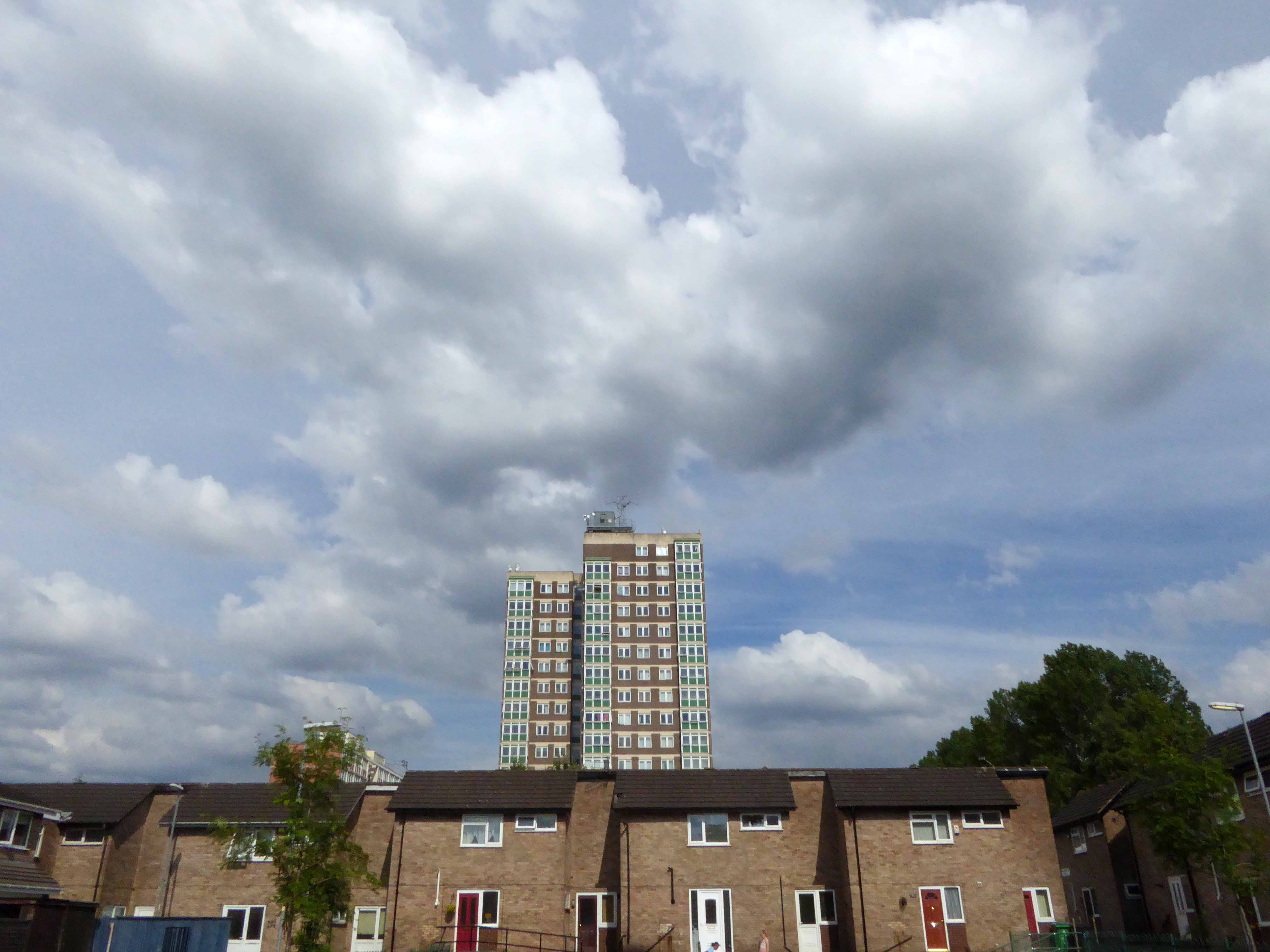
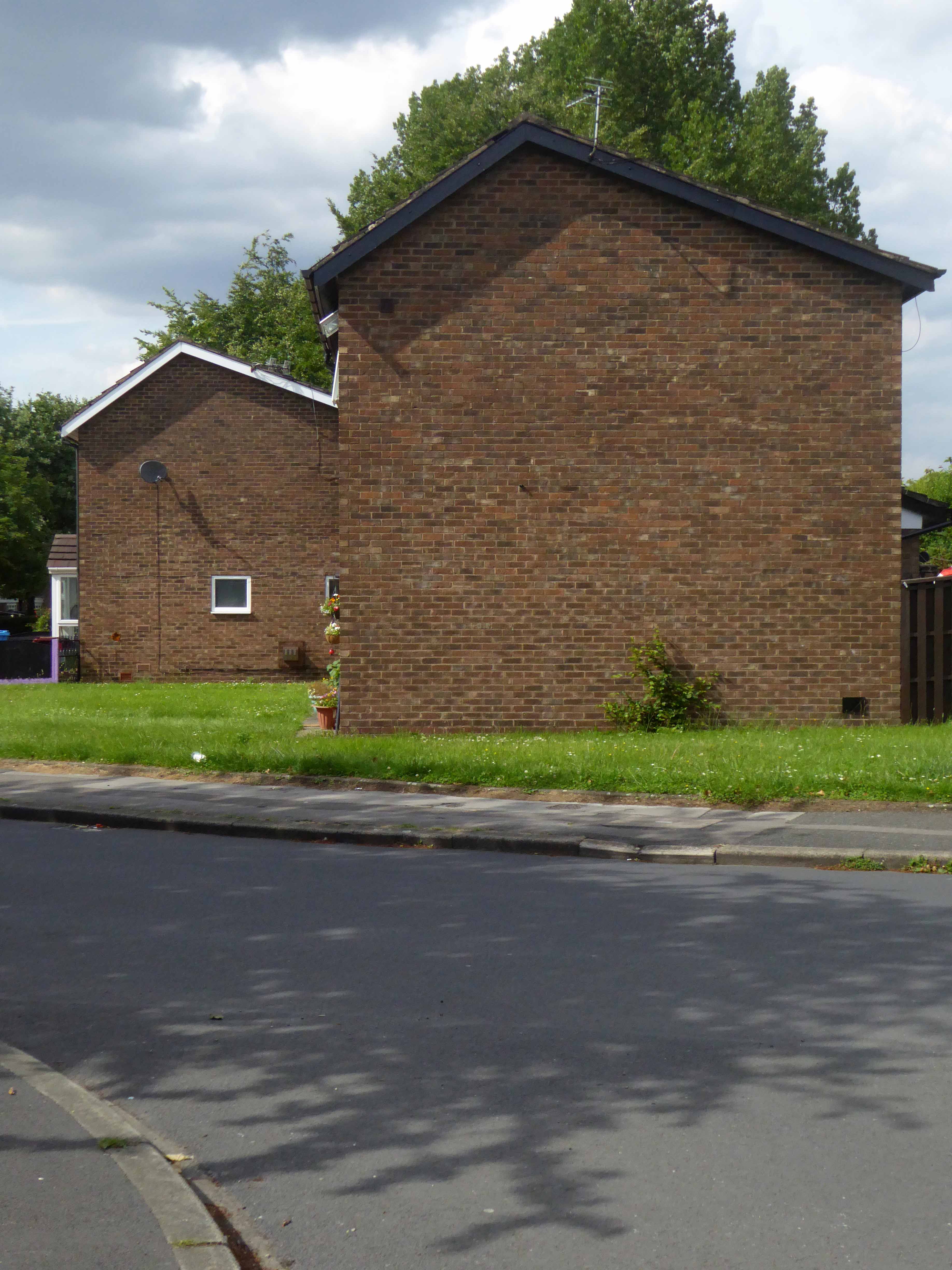
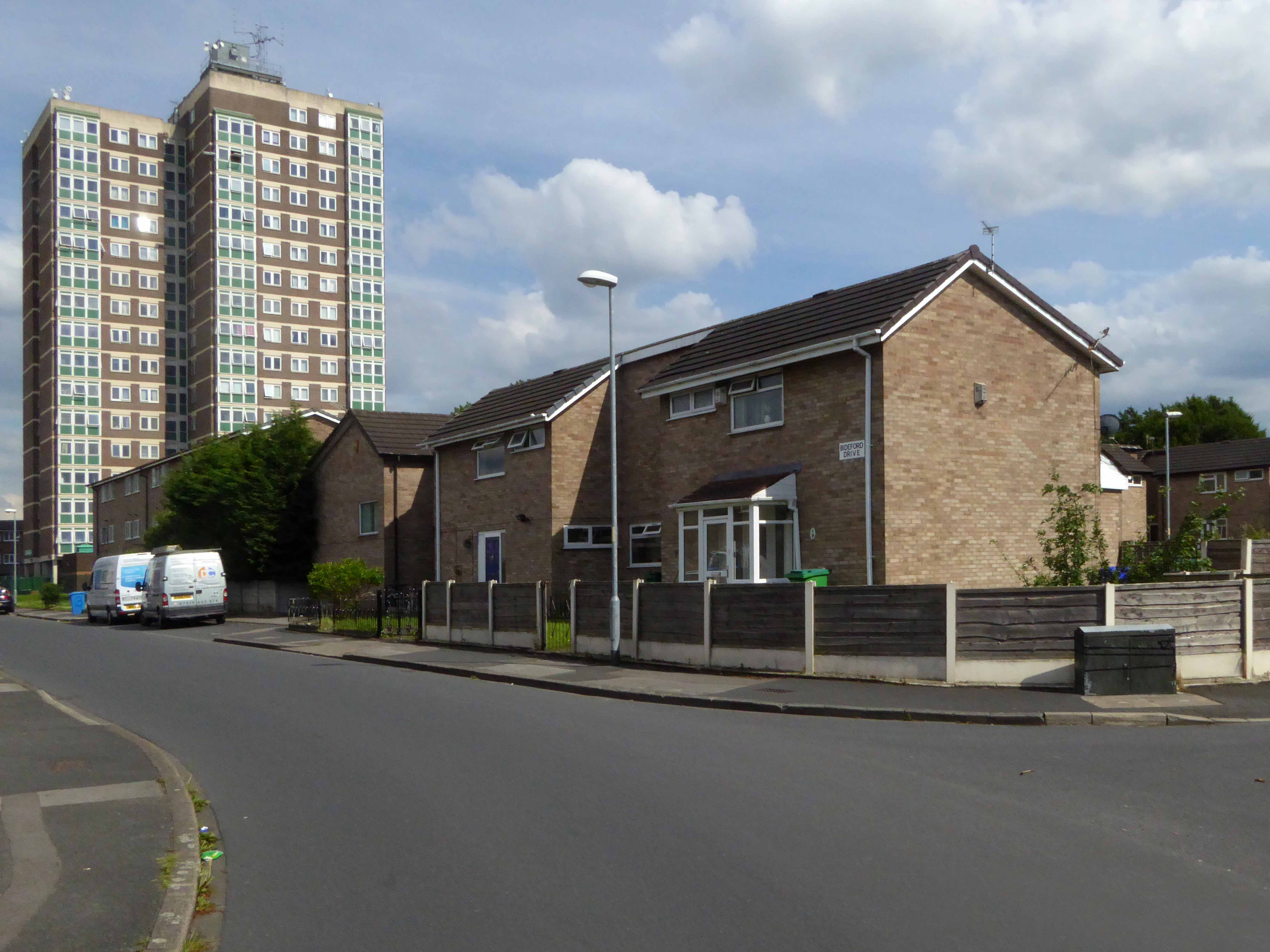
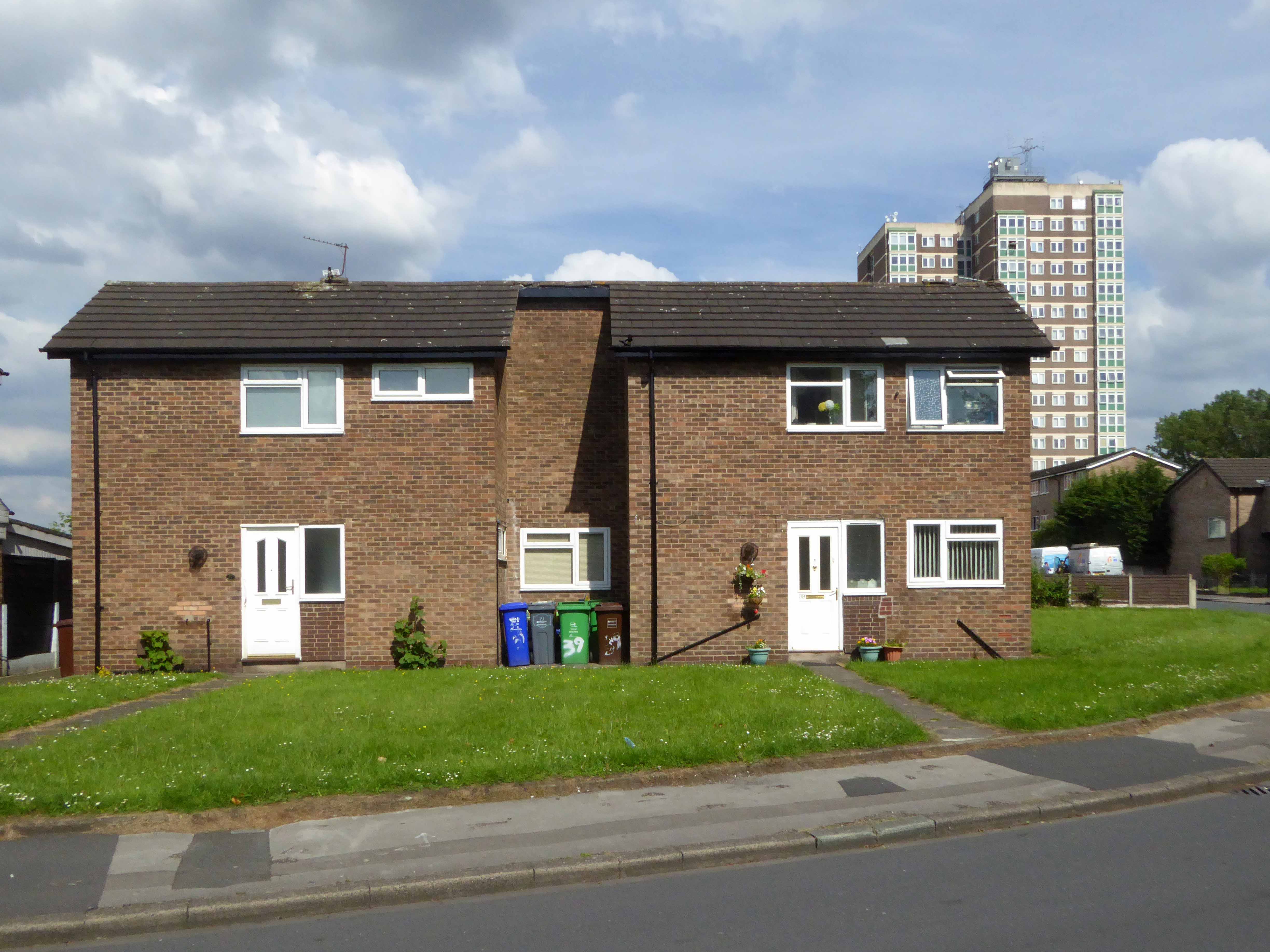
Back to Bideford Drive – Baguley

Screen Shot 2017-06-16 at 11.05.28

Here we are again – having previously travelled back to the inception of the estate in the 1970s.

Structurally little has changed, politically and economically things have shifted.

Tectonically:

The Conservative Party had committed itself to introducing a Right to Buy before Margaret Thatcher became Party leader. After the election of May 1979 a new Conservative government drafted legislation to provide a Right to Buy but, because this would not become law until October 1980, also revised the general consent to enable sales with higher discounts matching those proposed in the new legislation. The numbers of sales completed under this general consent exceeded previous levels. Between 1952 and 1980 over 370,000 public sector dwellings were sold in England and Wales. Almost a third of these were in 1979 and 1980 and it is evident that higher discounts generated and would have continued to generate higher sales without the Right to Buy being in place. 200,000 council houses were sold to their tenants in 1982, and by 1987, more than 1,000,000 council houses in Britain had been sold to their tenants.

The Right to Buy: History and Prospect

The post war policy of building and renting local authority housing was swamped by the phrase property owning democracy, on which the popular conservatism of the 20th century rested, and with it a vision of the good society, was coined by the Scottish Unionist Noel Skelton in a quartet of articles for the Spectator entitled Constructive Conservatism, written in the spring of 1923. The appeal of Popular Capitalism proved compelling, however the periods of de-industrialisation, and the subsequent lull in the building of new affordable homes, has created a myriad of obstacles for those simply seeking somewhere to live and work.

The estate illustrates this historic shift, replete with homeowners decorative amendments and addenda, managing agents and trusts and an end to the architectural integrity of the development.

One could become all Ian Nairn about this, swathed in Outrage.

I myself feel that despite the cosmetic surgery, this remains a homely enclave, residents going about their business in a relatively orderly and happy manner.

Take a look:

P1170298

P1170299


P1170303


P1170306

P1170307

P1170309

P1170312

P1170313

P1170315

P1170318

P1170319


P1170325

P1170327

P1170329

P1170331

P1170335

P1170337

P1170338

P1170339

P1170343

P1170345

P1170348

P1170349

P1170351

P1170353

P1170354

P1170356

P1170358

P1170359


Bideford Drive – Baguley

Baguley is derived from the Old English words Bagca, badger, and Leah, wood.

Historically in Cheshire, Baguley is mentioned in the Domesday Book of 1086, it was incorporated into Manchester in 1931.

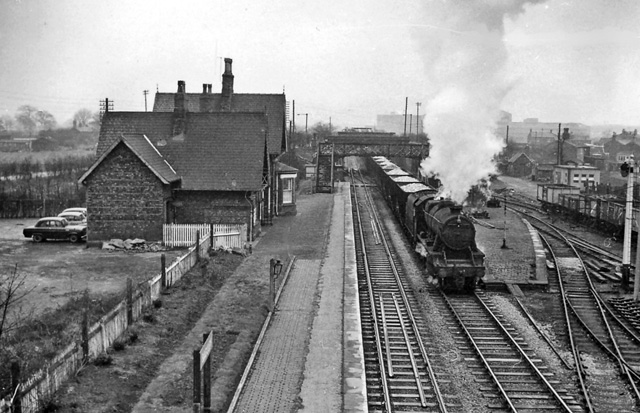
It has a Brook though babble heard I none, it had a Station now long gone.

3223992_1f0fdafd

EPSON scanner image

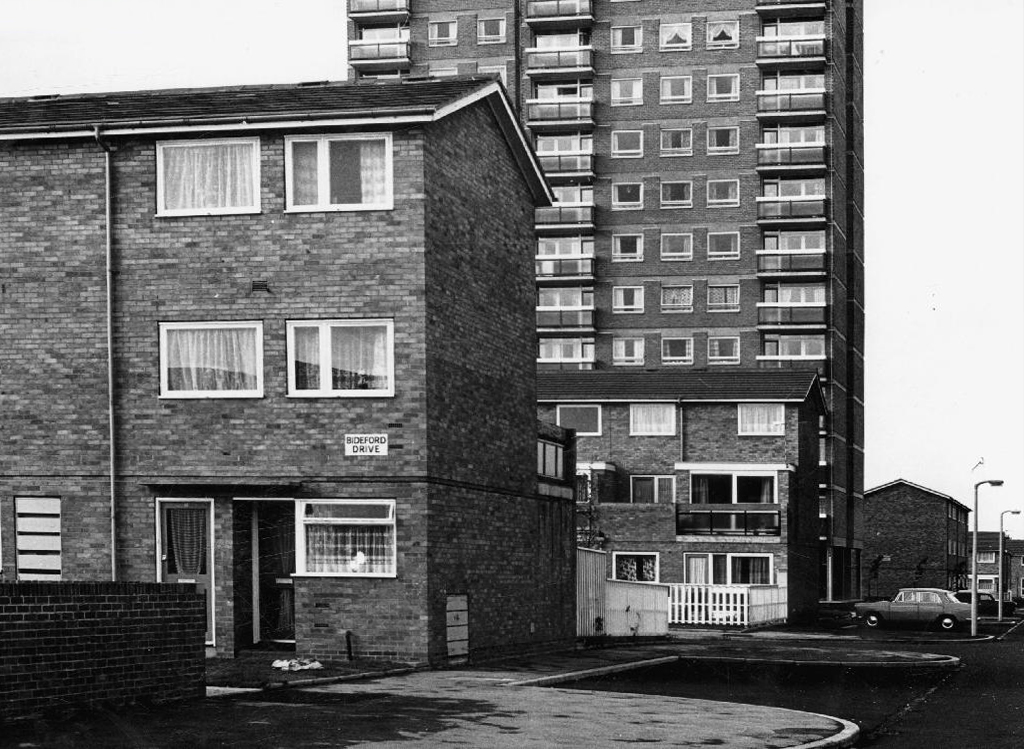
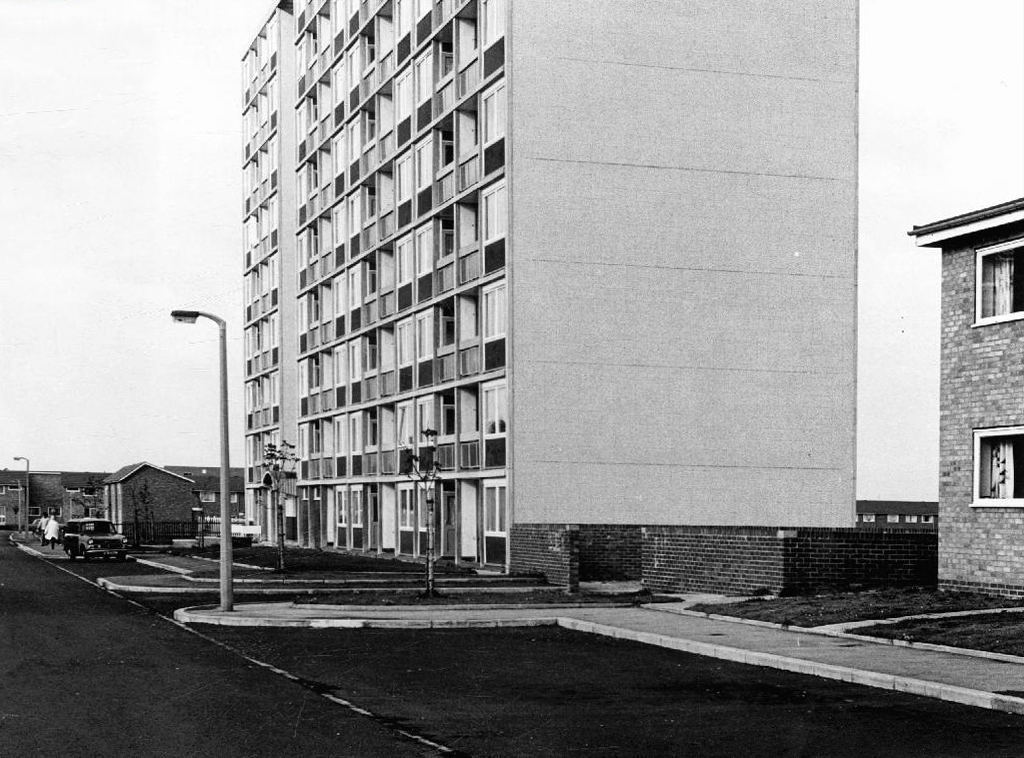
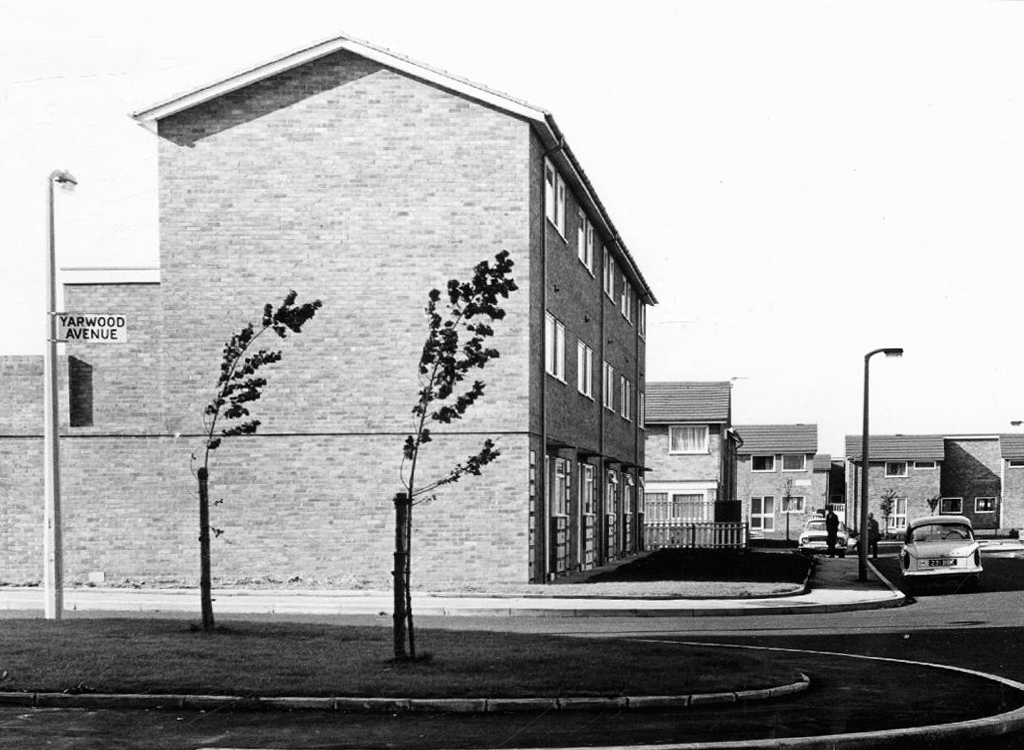
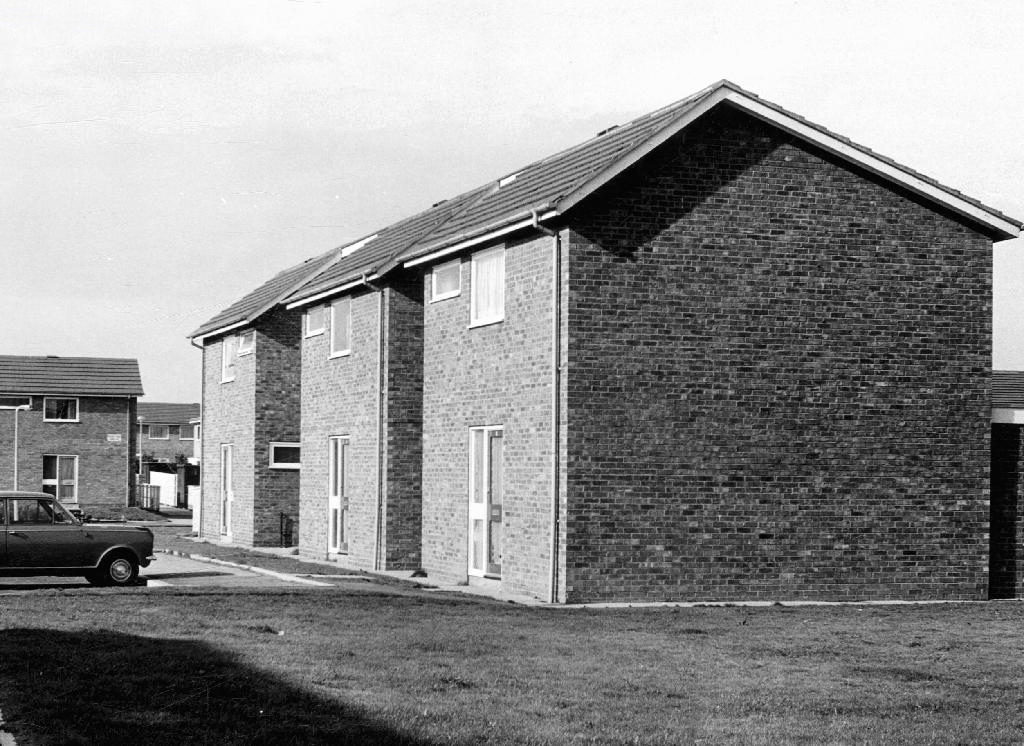
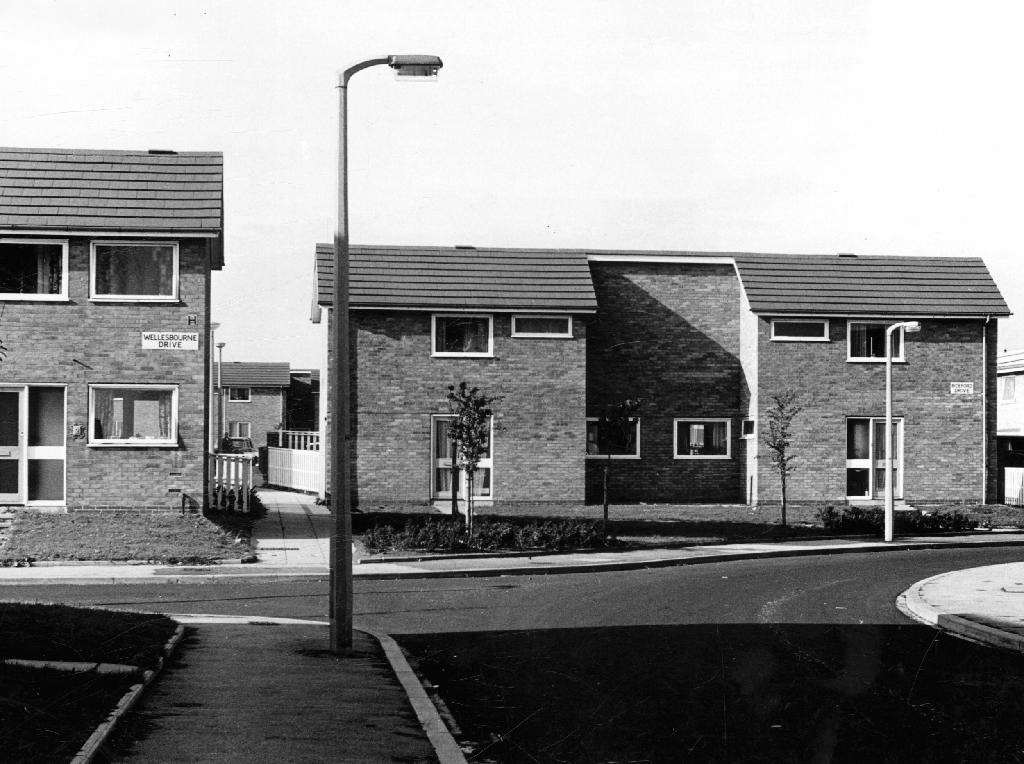
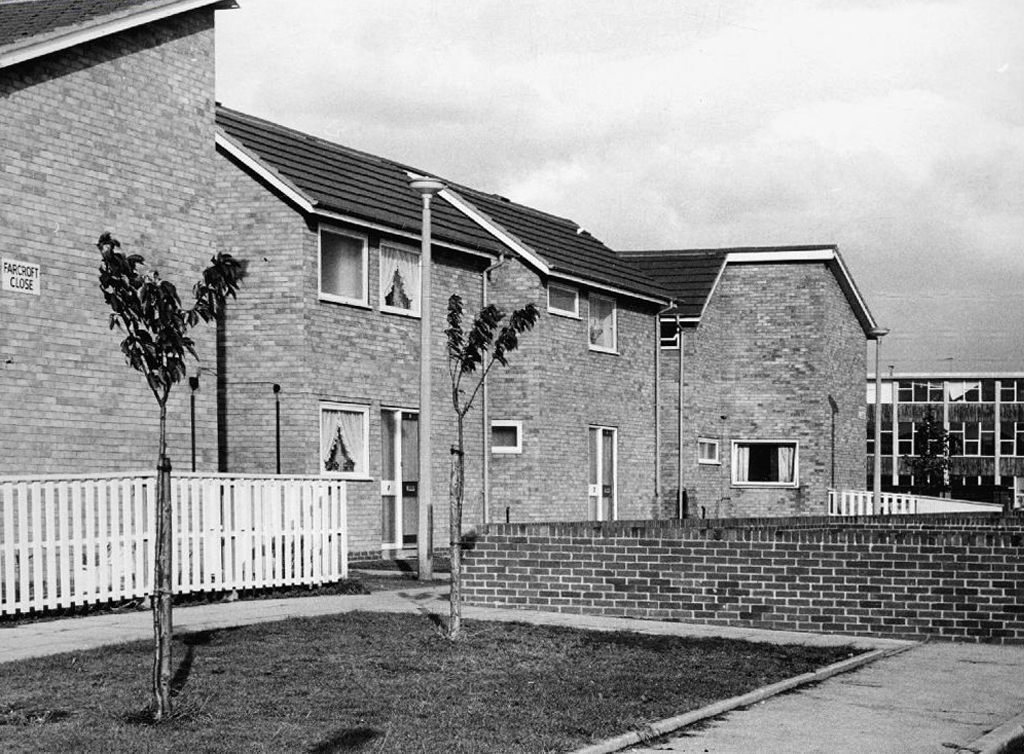
I idled by on my bike to snap the homes around Bideford Drive, which I dutifully did. My curiosity suitably aroused I perused the Manchester Local Image Archive, in search of clues. Planned in 1969 complete in 1971 main contractor Laing architects the City Office.

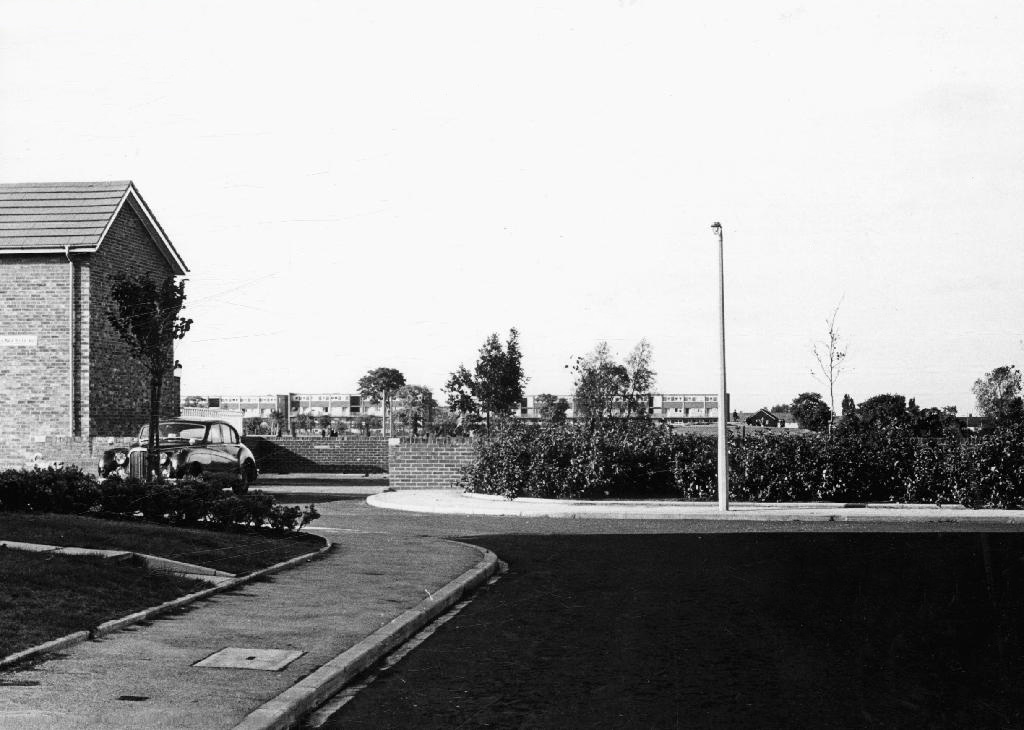
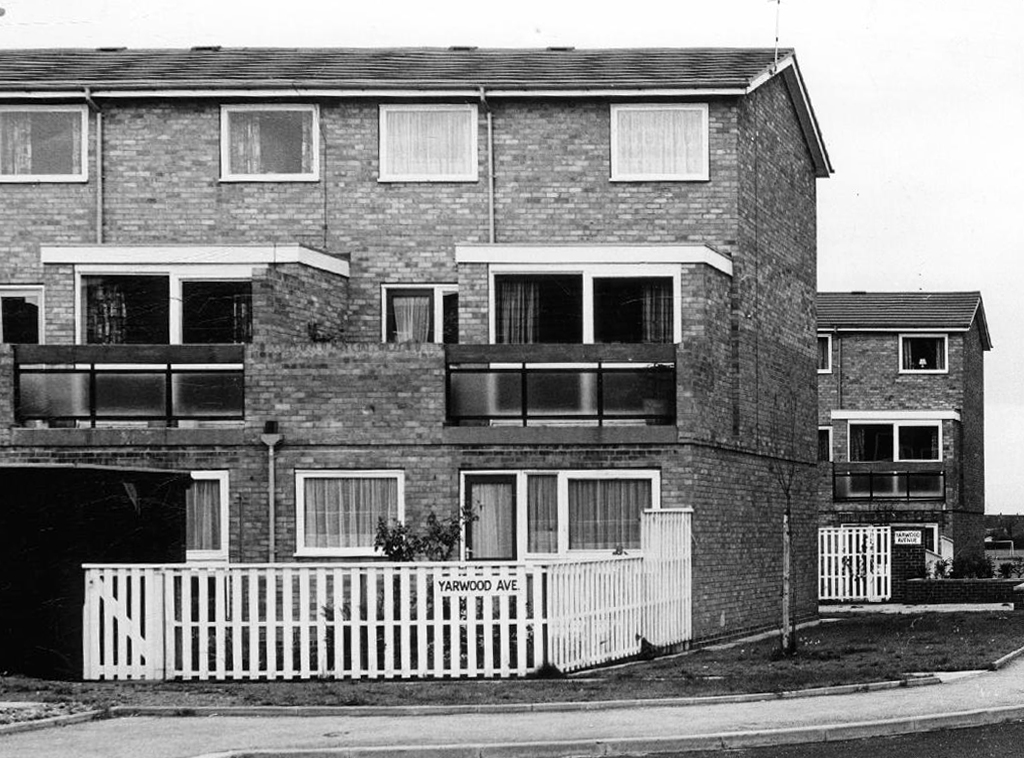
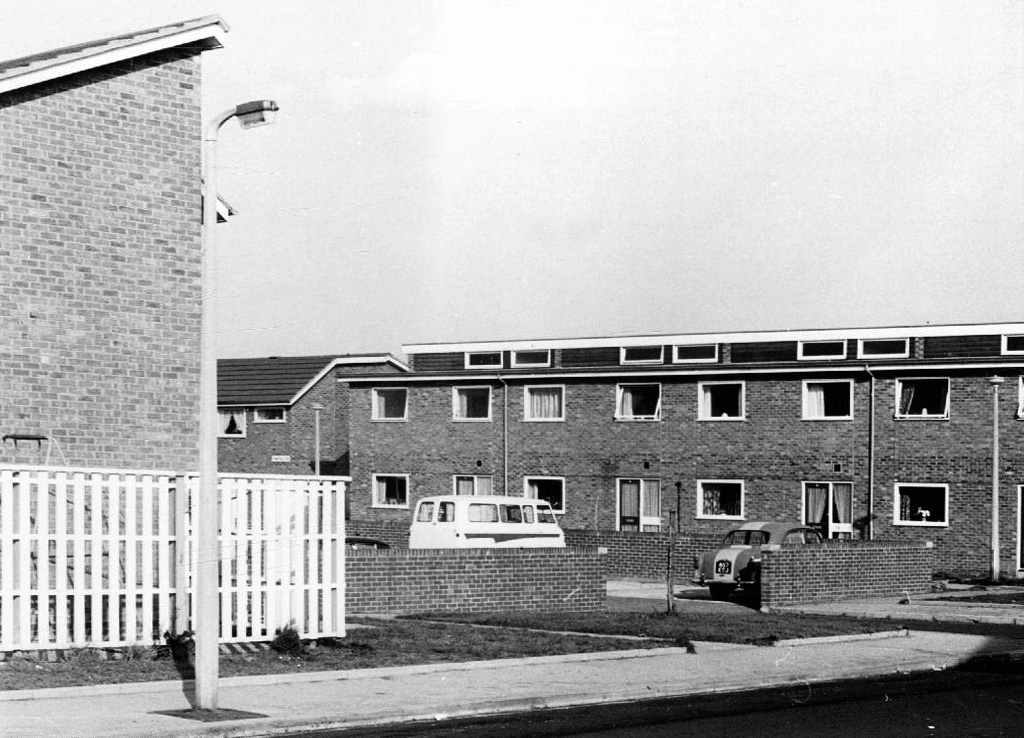
A rich mix of scale and typology, two differentiated blocks, tower and slab, short rows of compact terraces, open spaces, shops, car parking and limited planting. The interlocking geometries, paths and walkways make it an intriguing and entertaining estate, full of small surprises and ideas – these pictures are of 1971.

There is a sharply attenuated and clean feel in the air, optimism on a largely overcast day, a totality – planned integration – homes and architecture of distinction.


webmedia-2.php

webmedia-3.php

webmedia-4.php

webmedia-5.php

webmedia-6.php

webmedia-7.php

webmedia-8.php

webmedia-9.php

webmedia-10.php

webmedia-11.php

webmedia-12.php

webmedia-13.php

webmedia-14.php

webmedia-15.php

webmedia-16.php


webmedia.php


Lower Falinge – Rochdale

Walking between College Bank flats and St Patrick’s church you and I will almost inevitably pass through Lower Falinge.

In April 1967 Rochdale Council’s Estates Committee considered a proposal to build 750 dwellings in four-storey deck access flats in the Falinge area. By November the £1,810,000 scheme for the area bounded by Spotland Road, Hudson Street and Toad Lane was given the thumbs up.

C_71_article_515340_body_articleblock_0_bodyimage

The four-storey development was to provide 527 dwellings with deck access, ramps and overheard walkways. It was planned so people could walk from any point in the area to another without having to return to ground level. Work began in early 1968 and was completed in three stages. More recently they have been up-graded and now have pitched roofs. Freehold Flats were built in the early 1970s. Eleven of the eventual 19 blocks were occupied by August 1971. 

Redevelopment_in_Falinge,_Rochdale,_Lancashire_-_geograph.org.uk_-_1395299

Built at a time when full employment was a tangible reality rather than a fondly recounted folk memory, the area was buoyant and relatively prosperous.

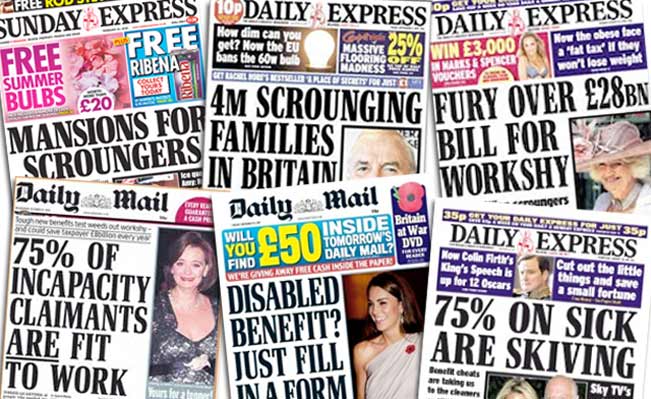
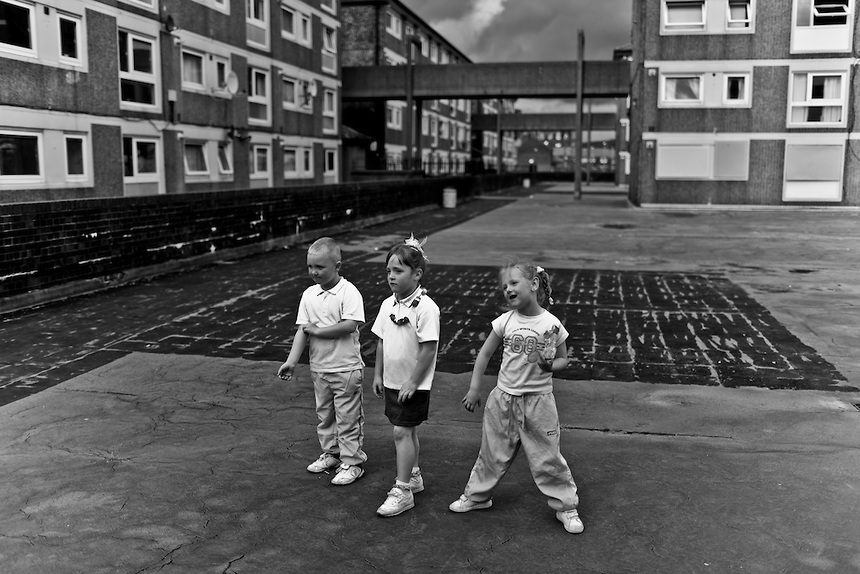
Time, the free market, and casualised labour has not been kind to Lower Falinge and many other post-industrial estates. The Thatcherite press conveniently badges the residents as scum, scroungers and frauds, a carefully conceived sleight of hand, transferring responsibility onto those careless enough to become the victims of an uncaring economic system.

scroungers_headlines_lg

Demonising and dividing working people regardless of ethnicity, ability, sexuality or ability – the equal opportunities abuser.

A few years ago there was even a national news story about a Falinge café serving fry-ups with a can of Stella for £2.50, this was untrue.

So Lower Falinge and its like become the convenient exemplar for the inconvenience of Broken Britain, a PR device to whitewash the very dirty hands that authored its very dirty demise. Those very dirty hands that have no viable solution to a very real problem, of resolving poor peoples’ uncertain futures.

Meanwhile the journalists form a disorderly queue to file the next in line, online assessment of an awful situation devoid of resolution, short of revolution.

2008826_152139

2016126_162425

Transferred from local authority control to charitable trust, forever shape shifting its hard lines to a softer, home made, fluffier image as limited resources, chase limited opportunities, all around the deck access landings.

Life goes on, we live in hope or Lower Falinge.

Limbo-5880

Mishka Henner

The estate is now post-post modern, acquiring another veneer of refurbishment over the now tarnished green of the cover all, all purpose un-repurposed steel railings.

P1140380

P1140381

P1140382

P1140383

P1140384

P1140385

P1140386

P1140387

P1140388

P1140397

P1140399

P1140401

P1140403

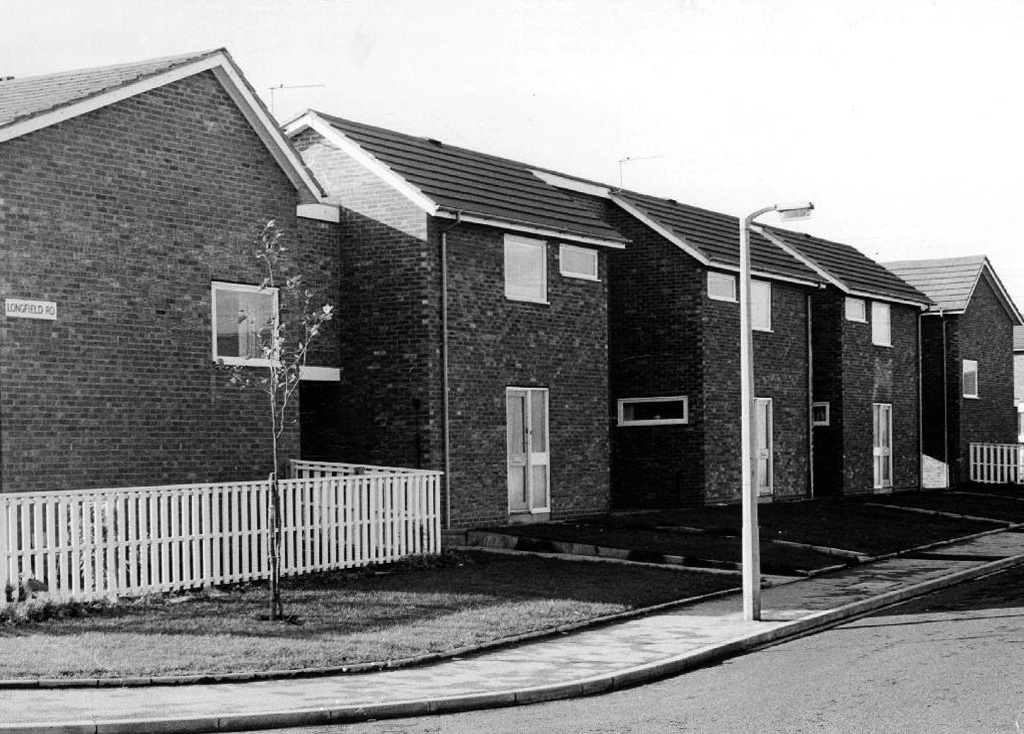
Longfield Open Air School – Stockport

Happy days!

I was a delicate child with bronchitis, must have done me good as I went on to serve 39 years in the army!

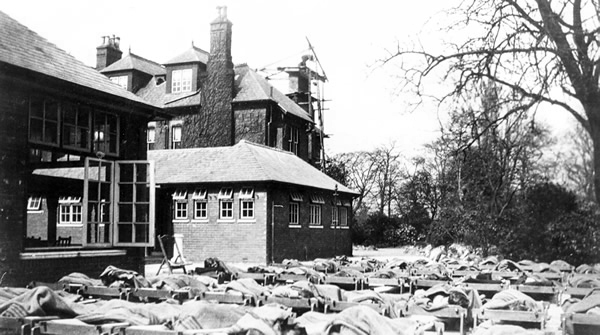
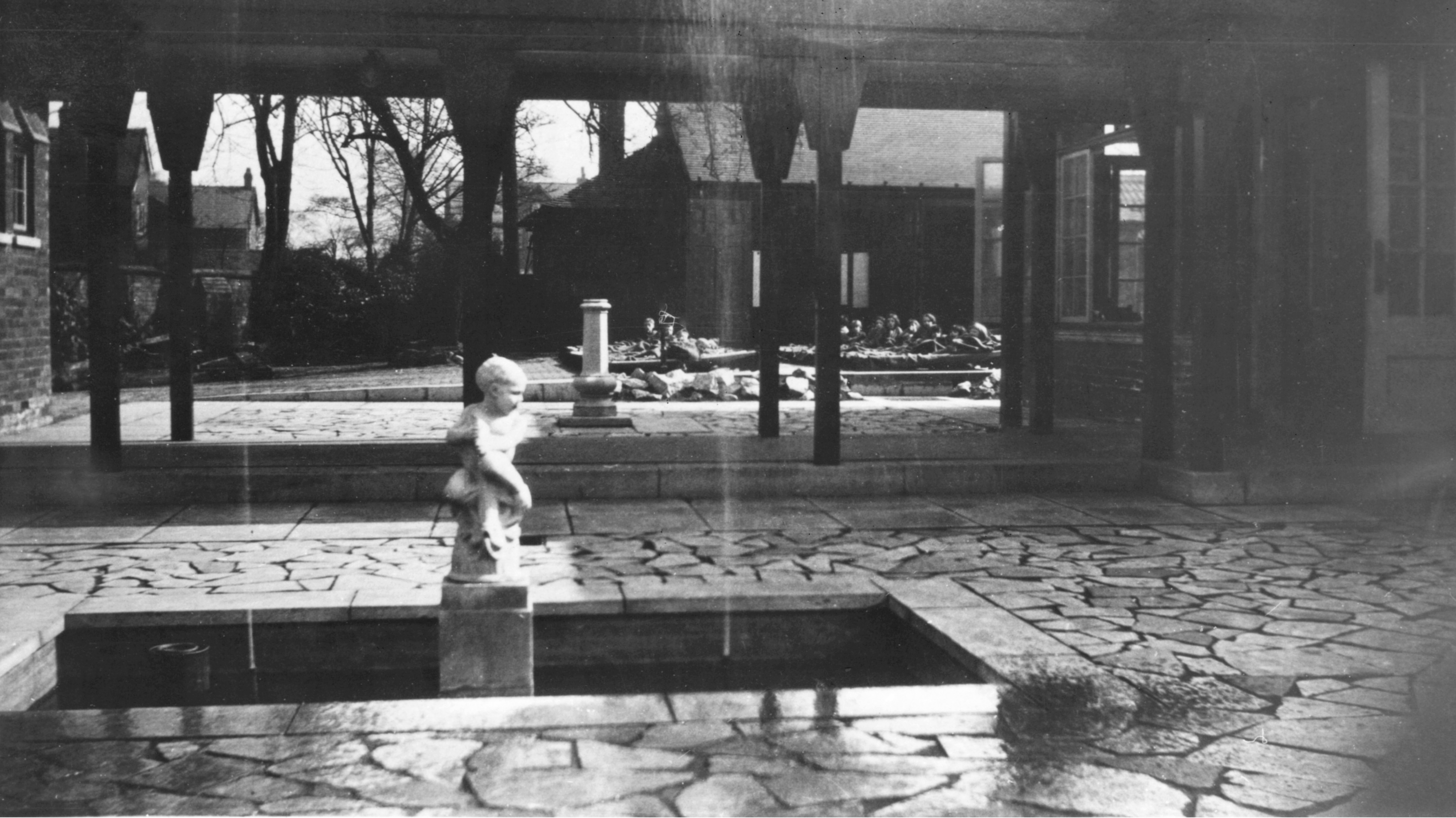
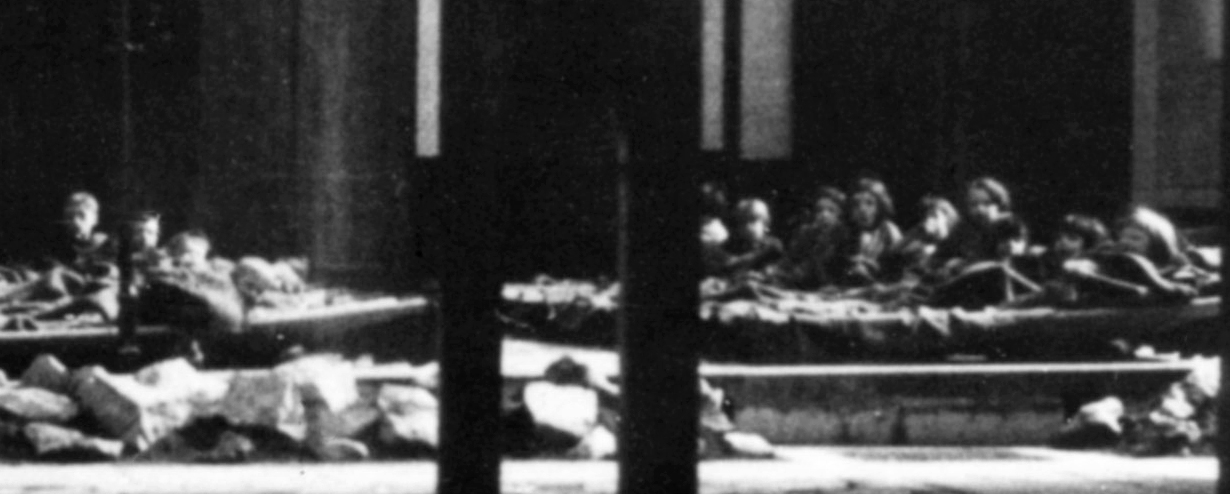
We lay on camp beds for an hour in the afternoons, on bad days on blankets on the floor in the main building.  

Michael Dooley  10/03/2013

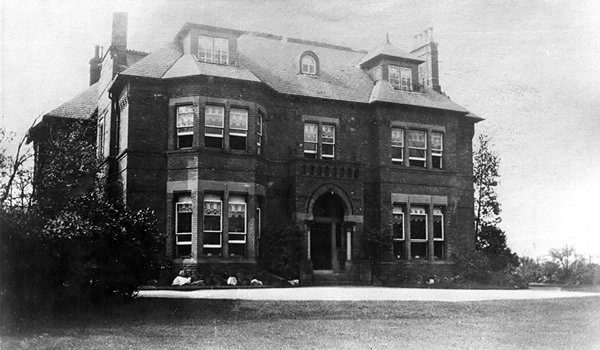
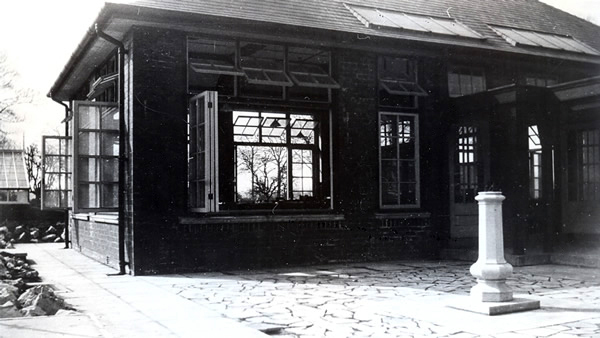
Tithe Barn school stands on land which was originally a house called Longfield, the house sign is on the wall near the side entrance to TBS, which was built around 1871 for John Brown who owned Afleck and Brown’s department store in the centre of Manchester. The gardener for the house lived at what is now known as Tithe Barn Cottage.

19800

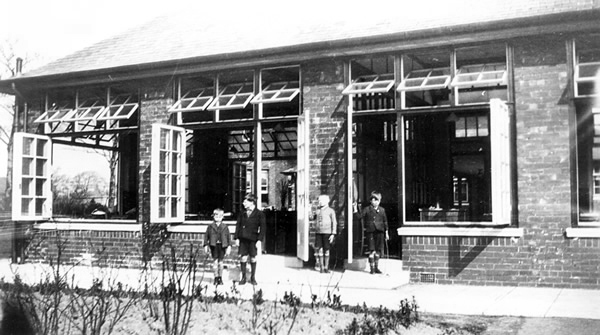
John later sold the house to his brother William whose wife sold it very cheaply to Stockport Education committee in 1929 to be used as an open air school for children who suffered ill health in the town, mainly through smoke pollution. This was called Longfield Open Air School. Pupils travelled there by bus before breakfast, from Portwood and other parts of the town. Most of them had a sleep outside in the afternoon so that they could take advantage of the clean air of Heaton Mersey. As the town became healthier and the chimneys stopped belching out black smoke, the need for an open air school lessened and it closed in 1968.

The original house was demolished and some of the beautiful wooden interior offered to museums in York where the original bath with its enameled sides and copper shower canopy is now on display in the Castle Museum. The only part kept and used by the architect  was the Venetian glass bathroom window which Mrs Brown had made to remind her of the beautiful water scenes in Venice. This glass panel was installed outside the Headteacher’s office and is still there today.

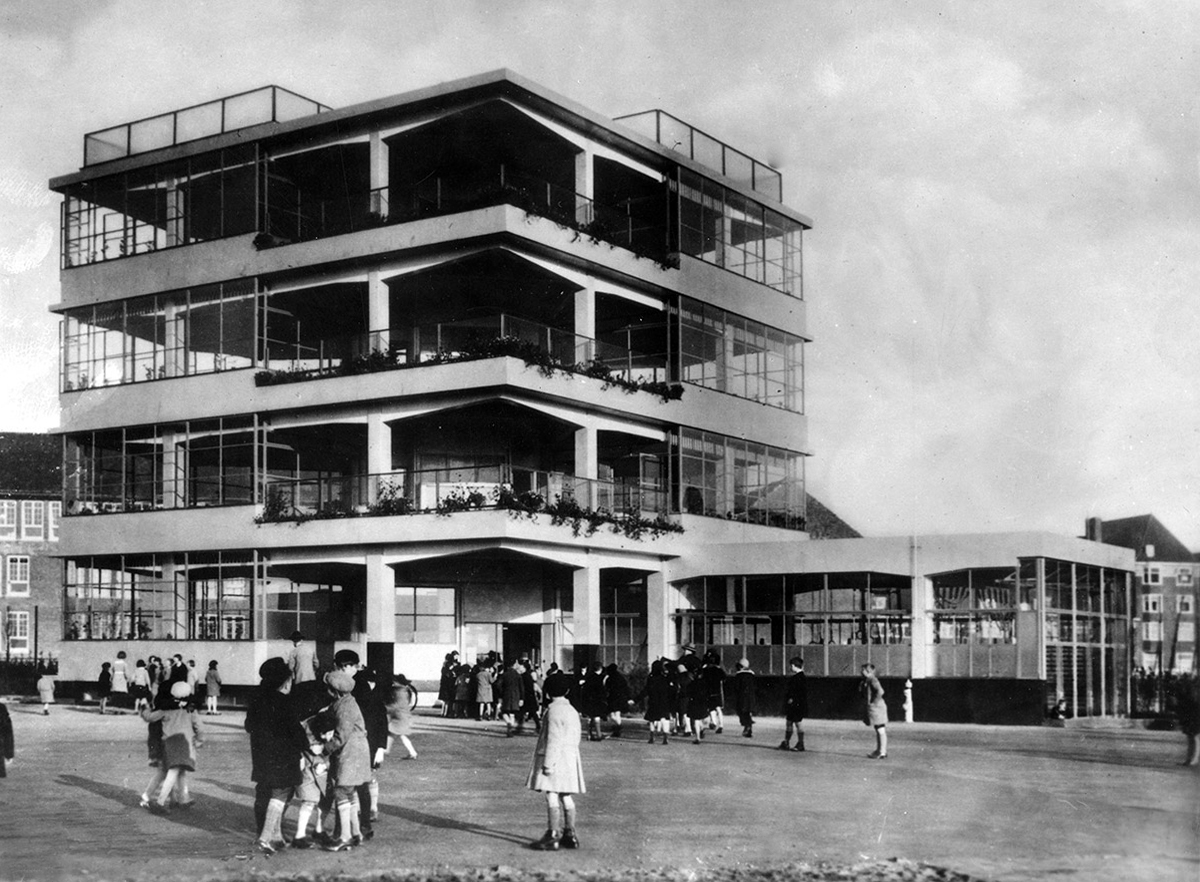
Penluchtschool – Open Air School

An idea that found its way from continental Europe to the British Isles.

Amsterdam – Johannes Duiker 1930

outddoorclassroom 

Longfield School in the 1930s

19802

26707

I was lead here on finding this print for sale in Stockport Local Studies Library.

school

Here are the pupils seen in detail.

children

The school in 1968

48786

48787

Manchester – Tanzaro House

A chance meeting with two aged cordial bottles, a little nudge in the right direction from Christine Studley-Yates, encouragement from Natalie Ainscough, and learned guidance from this erudite site:

http://manchesterhistory.net/manchester/outside/tanzaro.html

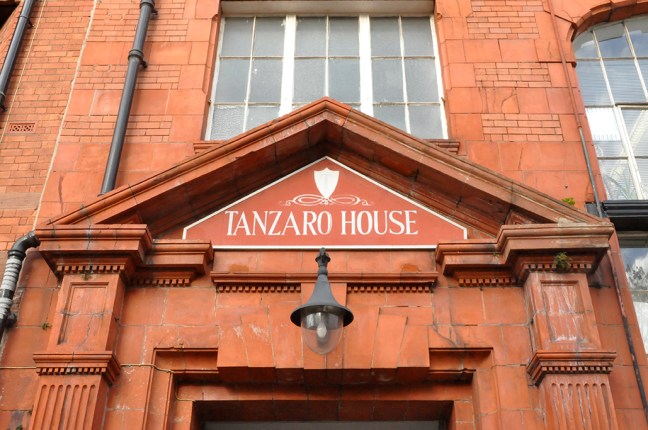
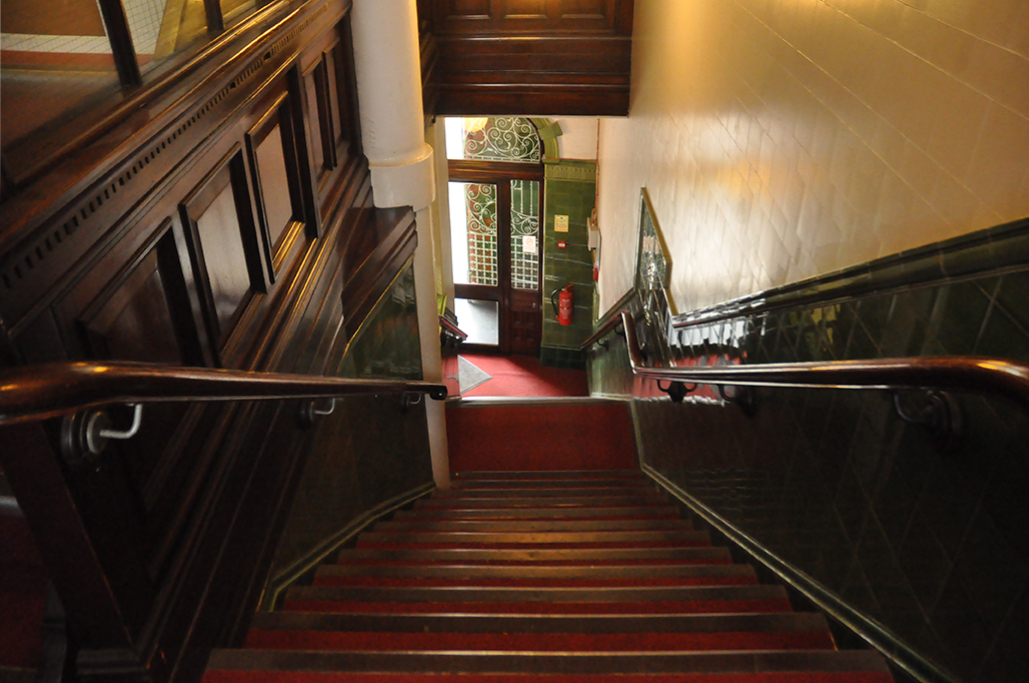
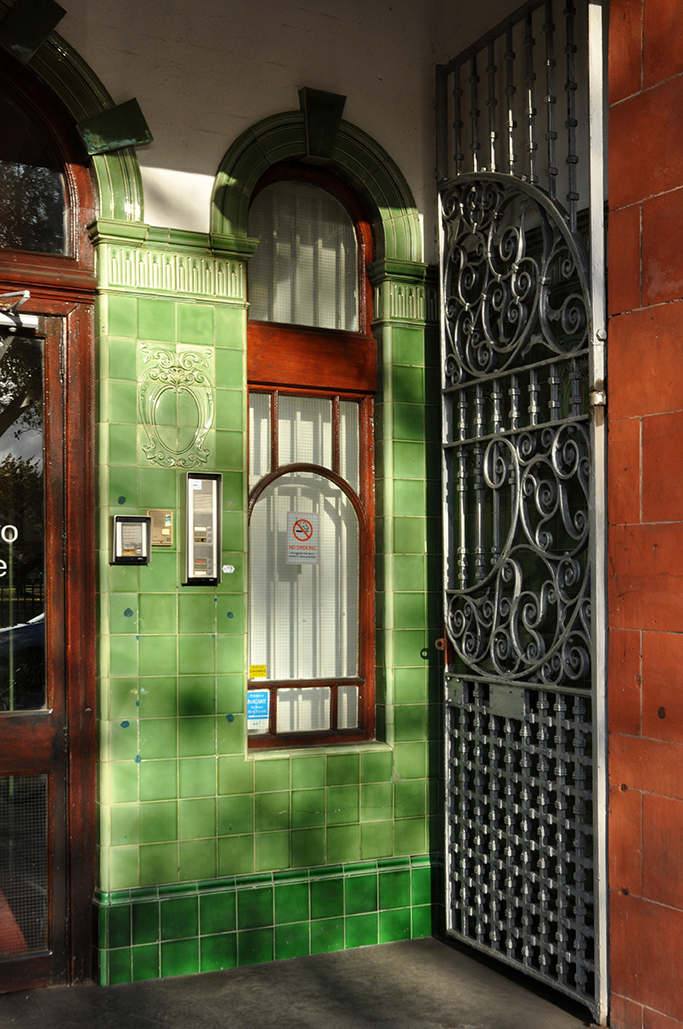
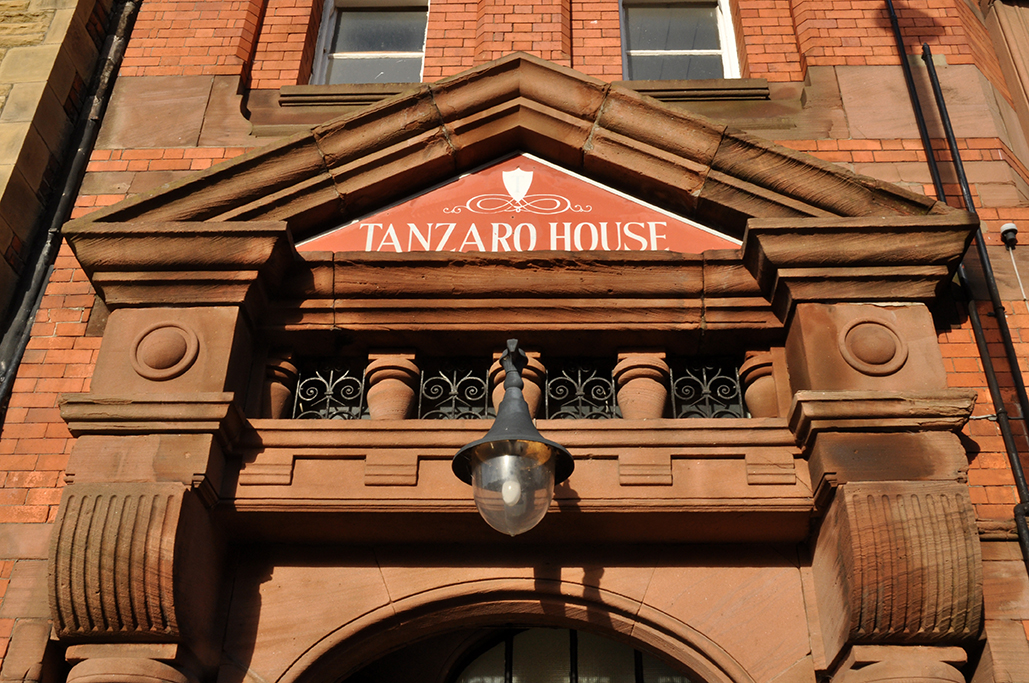
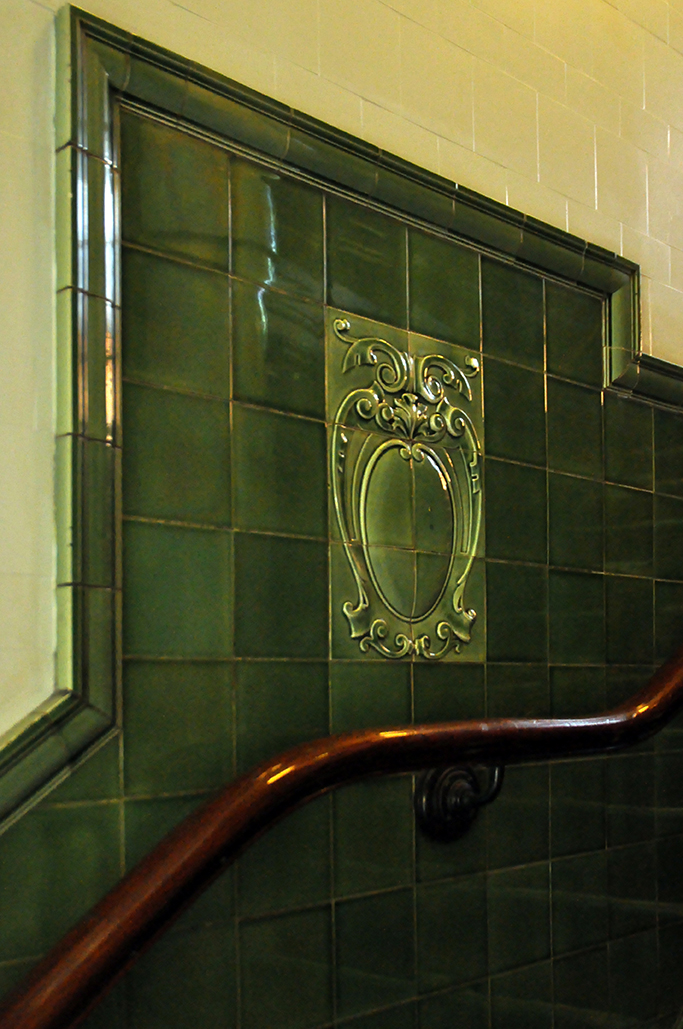
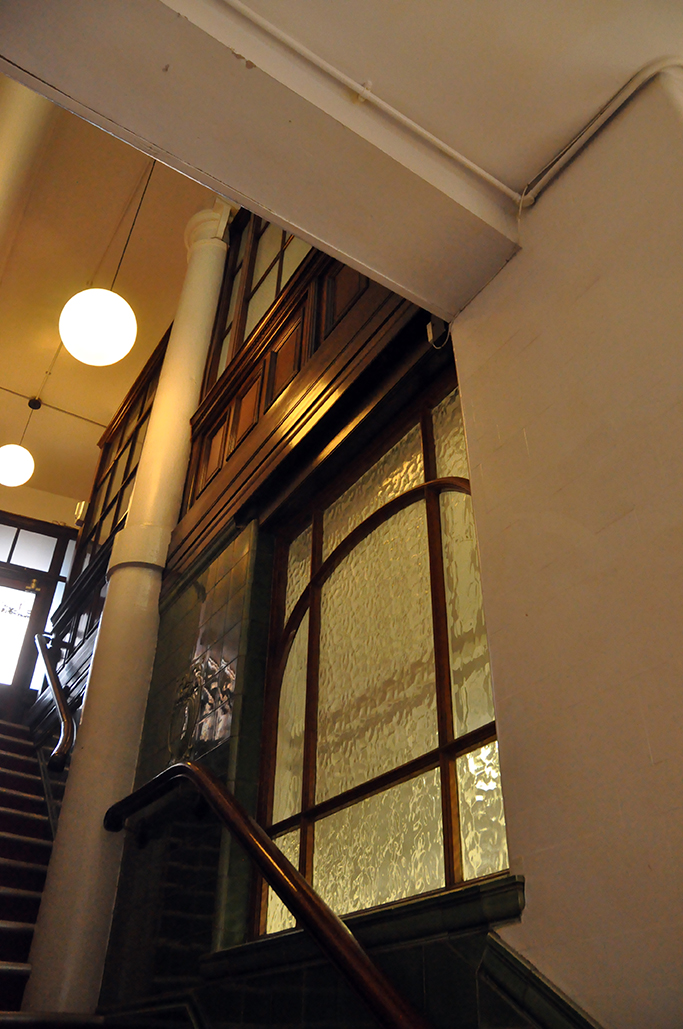
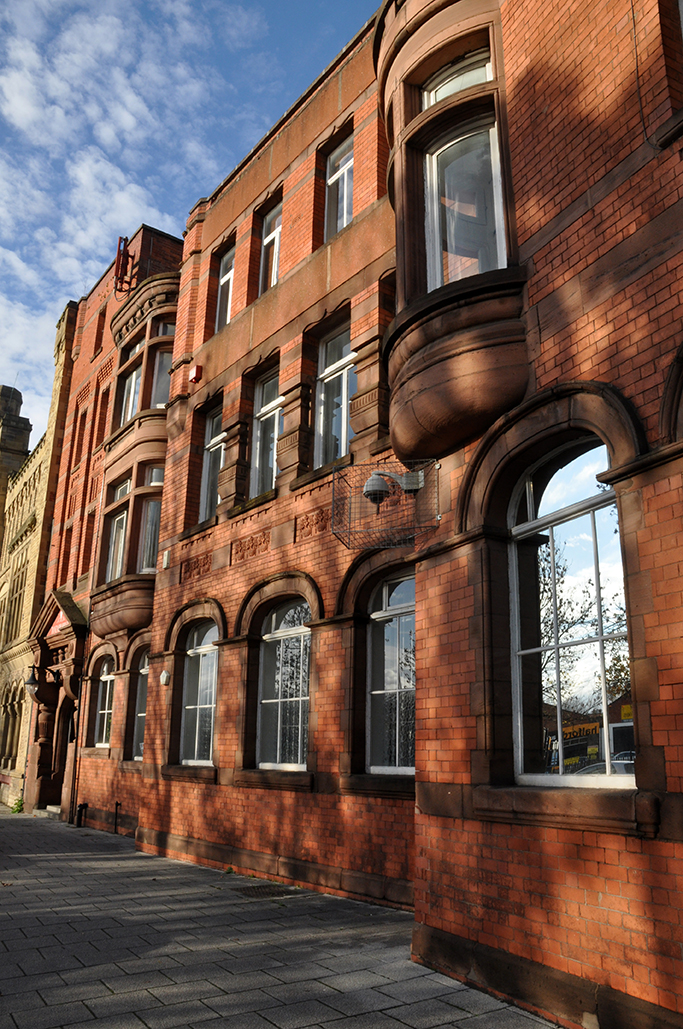
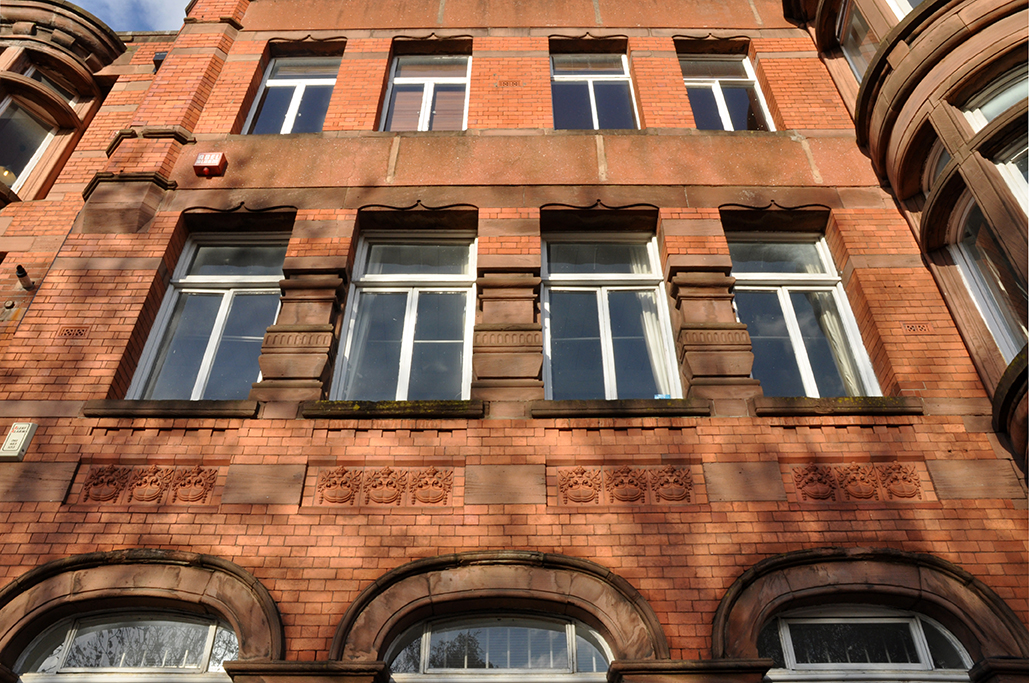
Here we are on the edge of Ardwick Green, outside Tanzaro House, former home of Jewsbury and Brown – J&B.

So called as many of their soft drinks were branded Tanzaro.

tanzaro ad

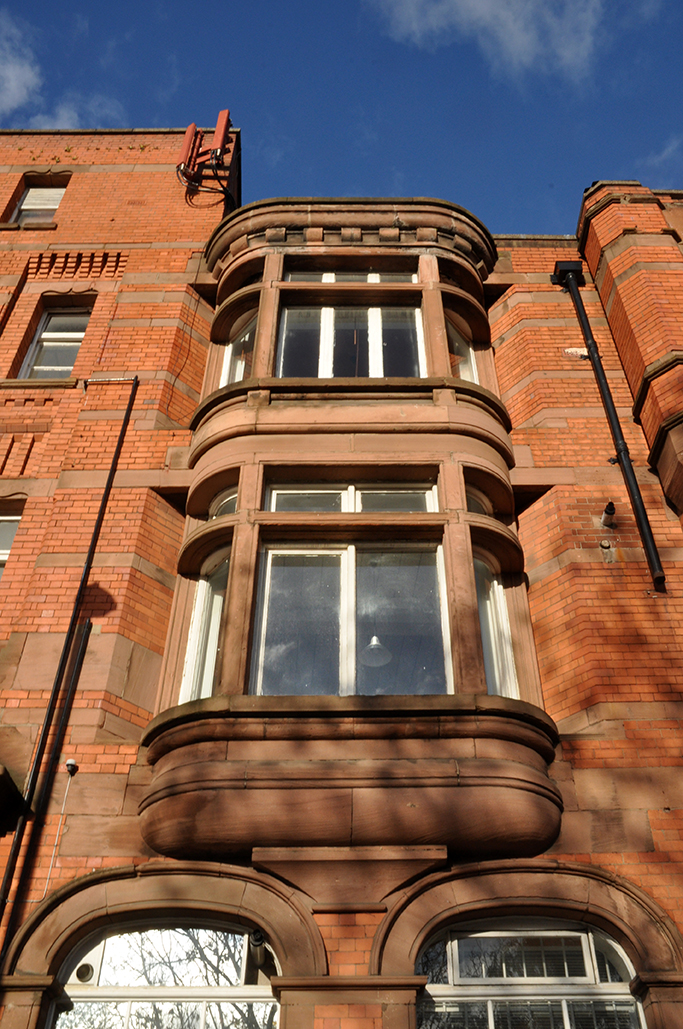
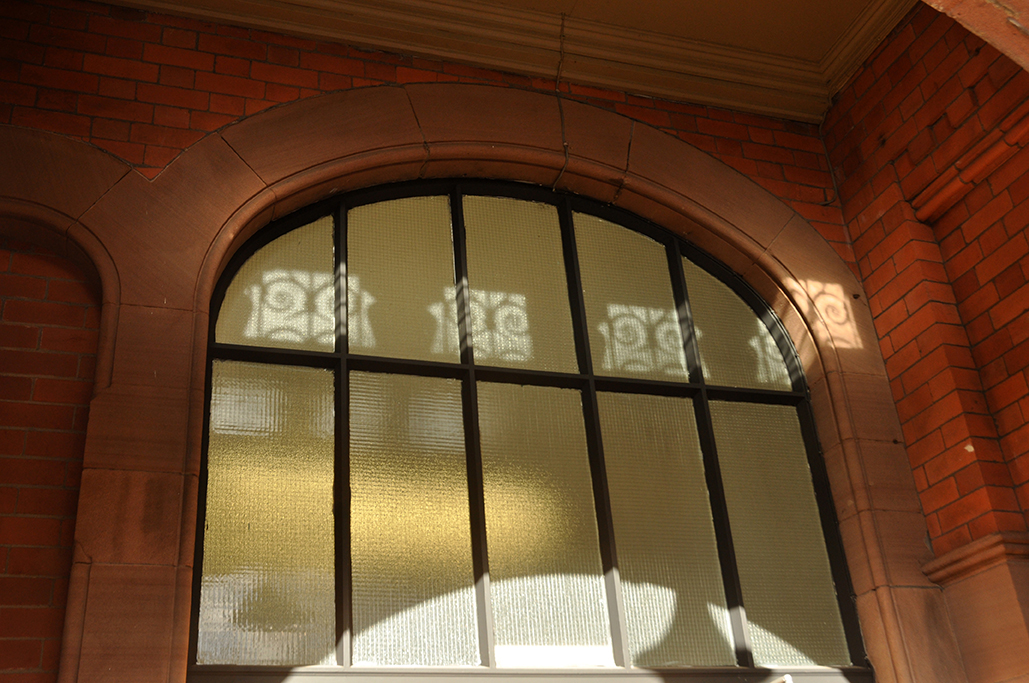
J&B are long gone, bought out by Schweppes in 1964 – the building is now home to a range of photographic, clothing and design studios. Happily the majority of the internal and external architectural features remain intact.

It stands in a small corner of Manchester, surrounded by a rich variety of architectural styles, by the side of a well-used public park – take a trip down there, just a moment away from the city centre.

DSC_0033 copy 2

DSC_0010 copy

DSC_0028 copy

DSC_0015 copy

DSC_0003 copy

DSC_0004 copy

DSC_0030 copy

DSC_0022 copy

DSC_0031 copy

DSC_0021 copy

DSC_0034 copy

DSC_0014 copy

DSC_0012 copy

DSC_0035 copy

DSC_0024 copy

DSC_0009 copy

DSC_0026 copy

DSC_0013 copy

DSC_0017 copy

DSC_0037 copy

DSC_0018 copy

DSC_0008 copy

DSC_0011 copy

DSC_0016 copy