The A6 is Britain’s fourth longest road. Its route varies greatly from the lower lands of the South East, though the Peak District, right though the heart of Manchester city centre, then onwards towards Preston. It then goes though the historic city of Lancaster before skirting the Eastern fringe of the Lake District before ending in Carlisle, bang on the start of the A7.
North from Stockport towards Manchester, the A6 was a wide, four lane road, but still 30 mph, which usually flowed pretty well. According to Mudge, it looks like it has now been massacred by bus lanes and red paint. Shame. We meet the A57 from the east, just south of the city centre, and multiplex until we reach Mancunian Way, the A57 heading off as a short urban motorway, the A6 heading into the city centre via London Road/Piccadily, where it loses its number and vanishes. It would have gone straight down Piccadily/Market Street to meet Deansgate, and then across the River Irwell into Salford, and up Chapel Street, where the number reappears. Market Street has been pedestrianised for years, so the A6 has long ceased to be a through route.
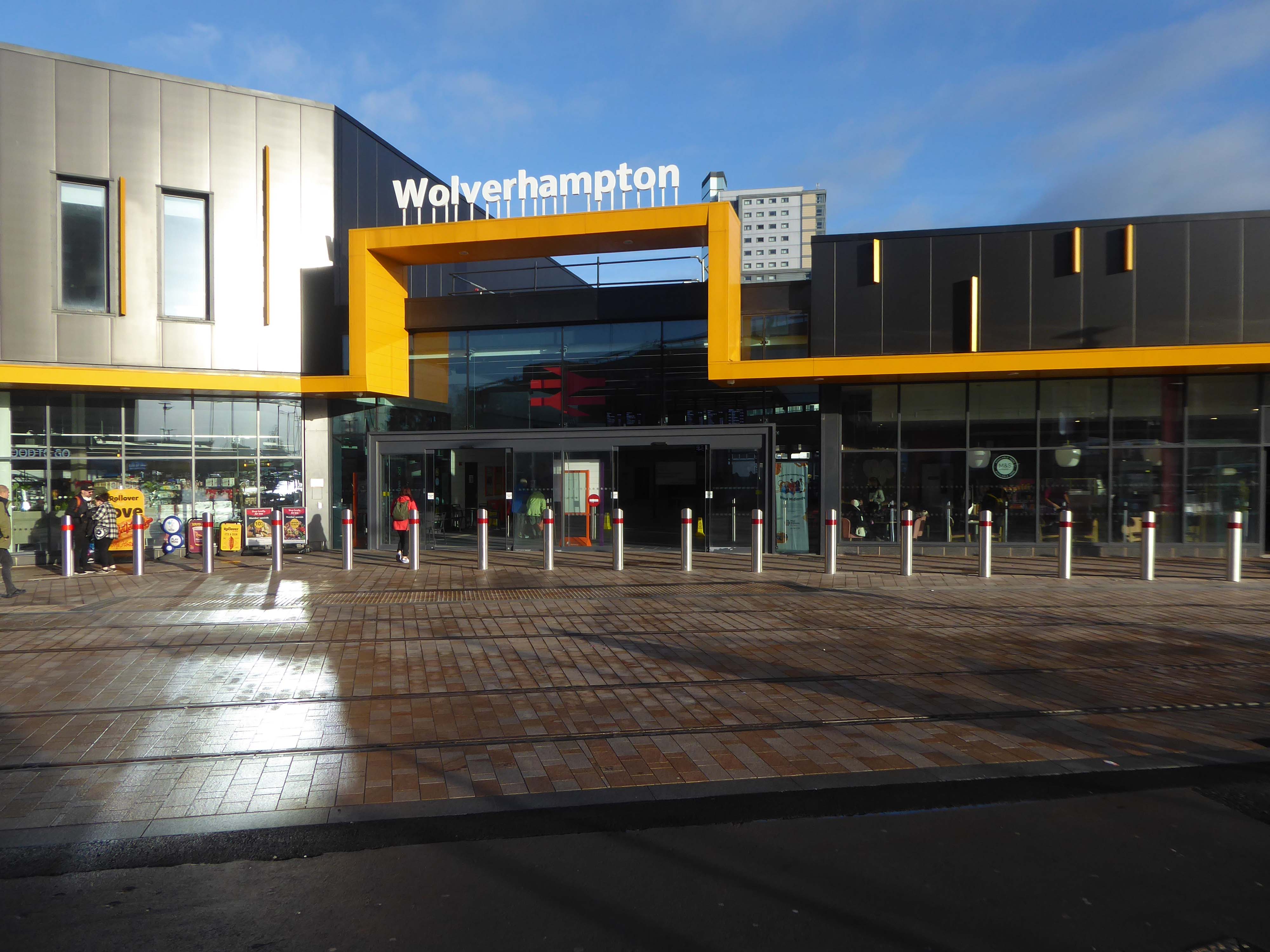
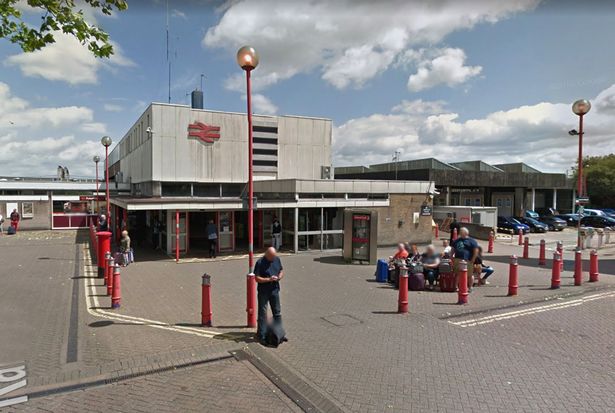
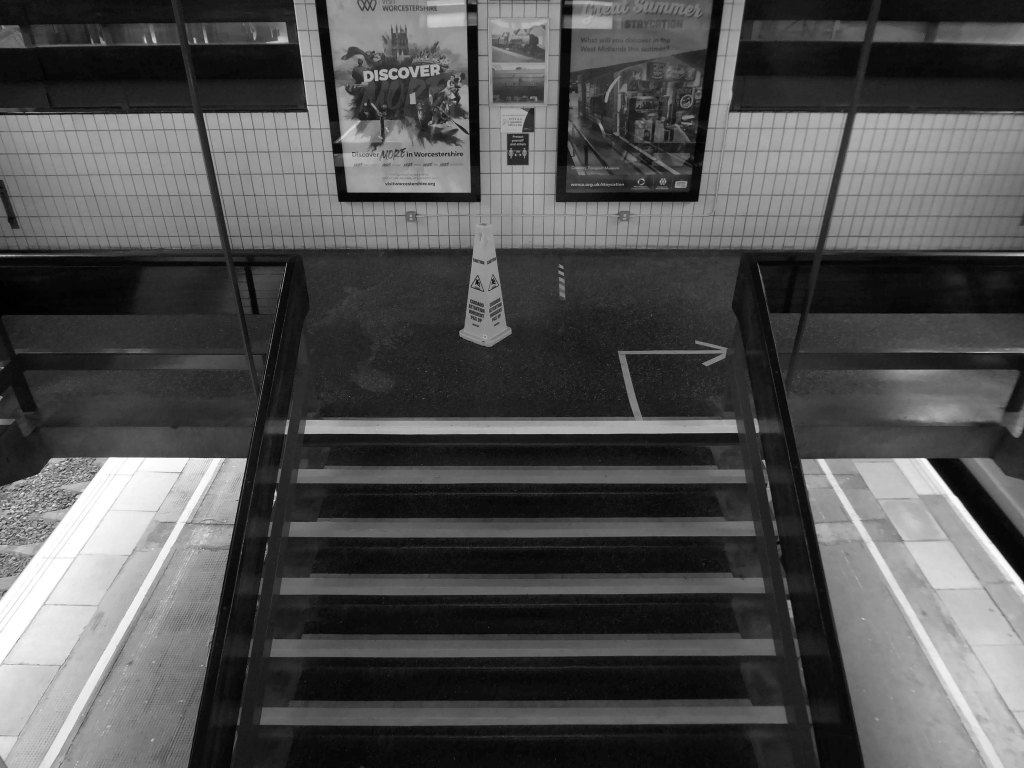
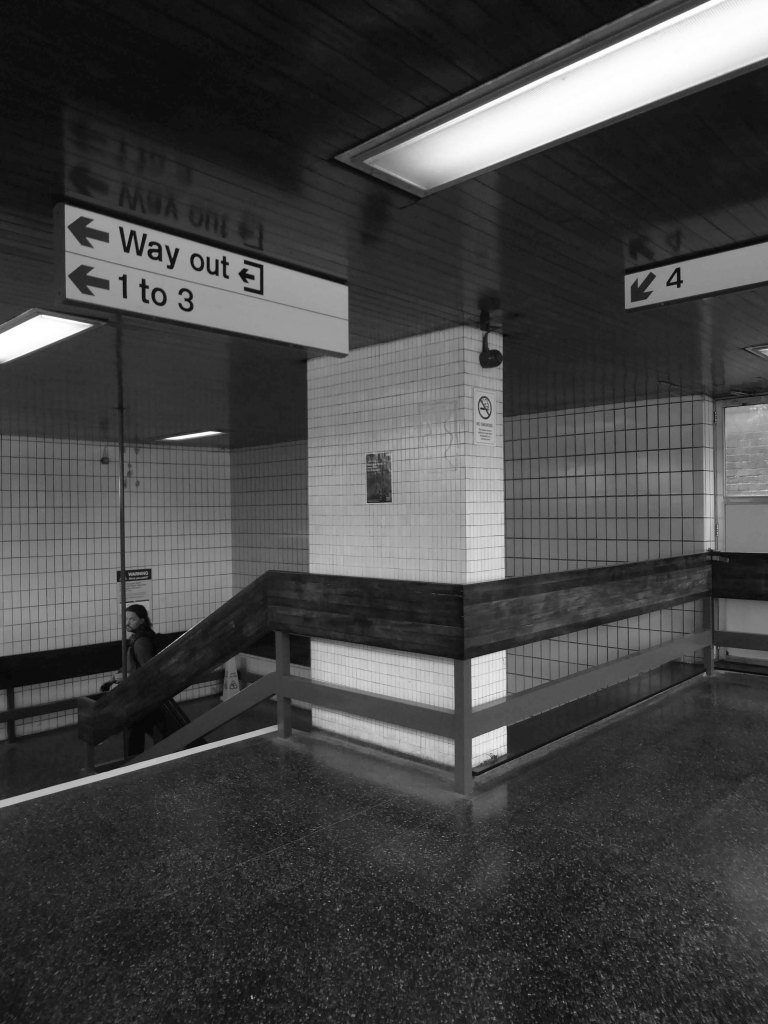
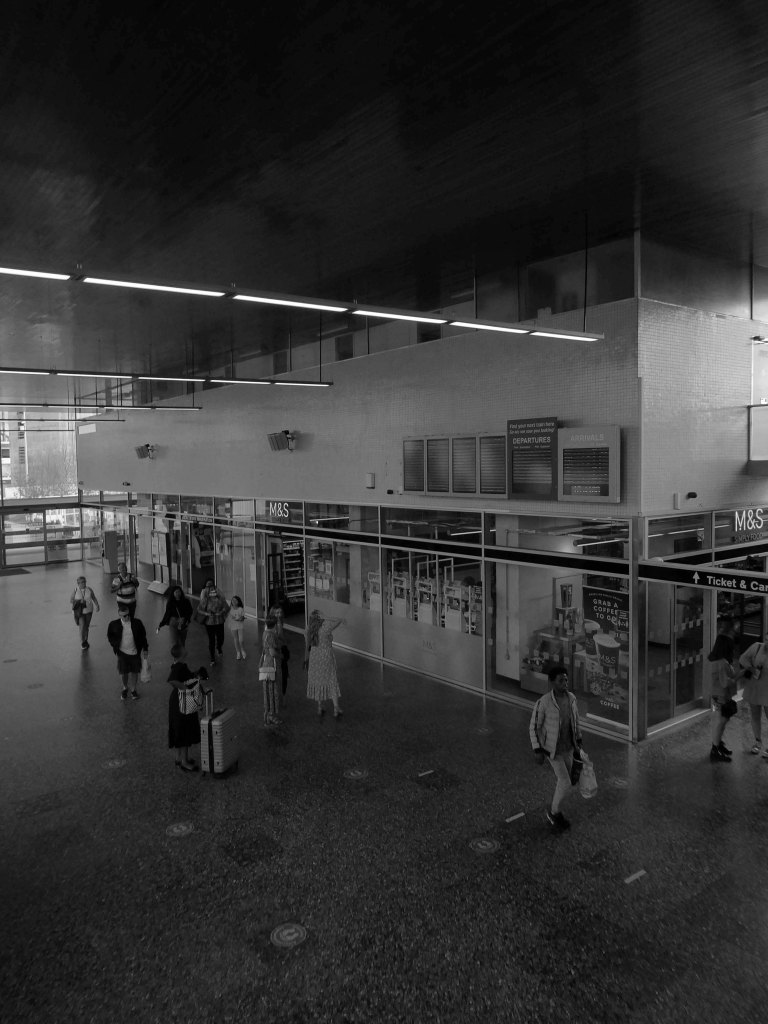
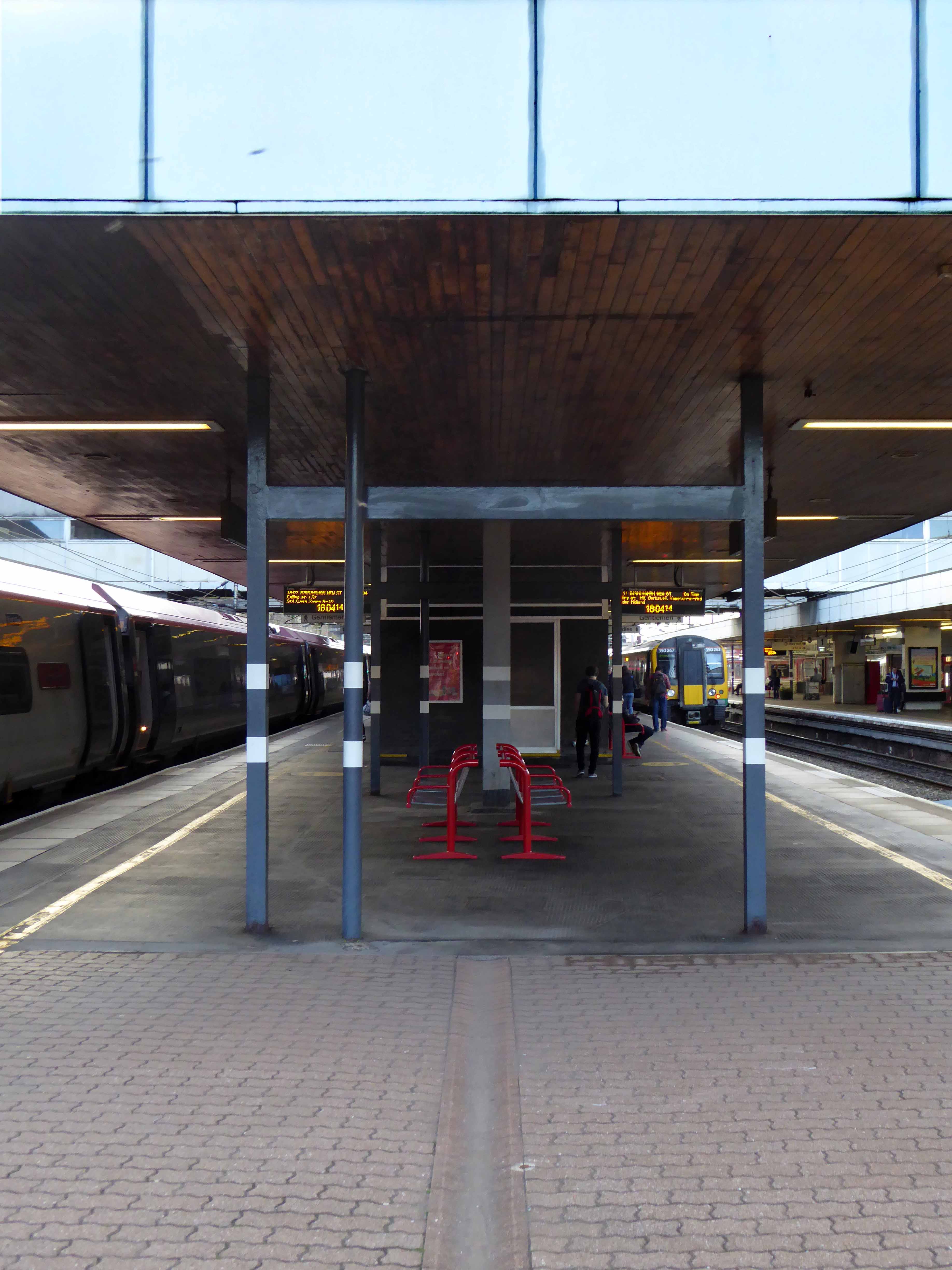
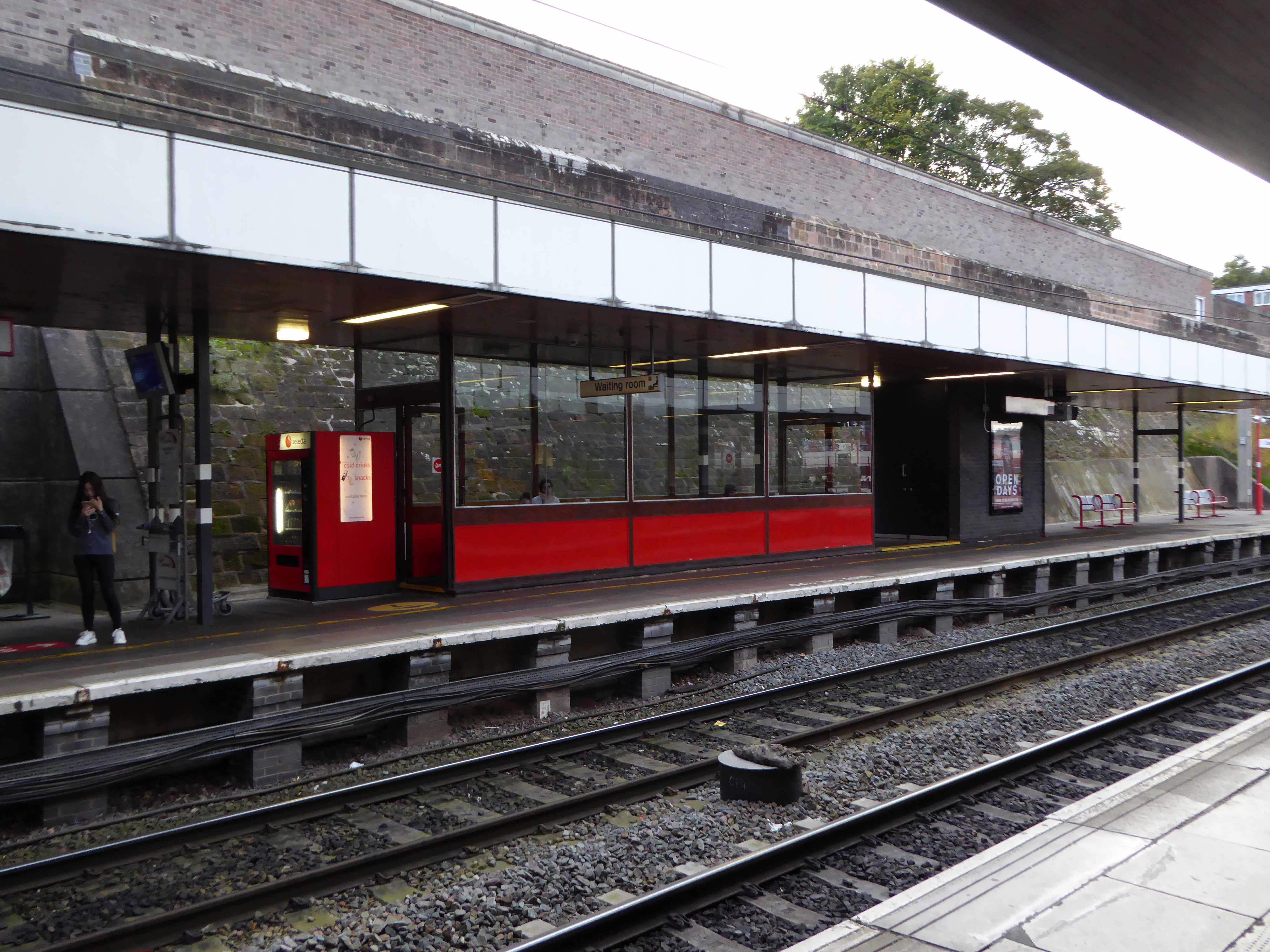
We begin at the Railway Station – recently refurbished, overwriting its 60s iteration – completely rebuilt by the architect Ray Moorcroft as part of the modernisation programme which saw the West Coast Main Line electrified.
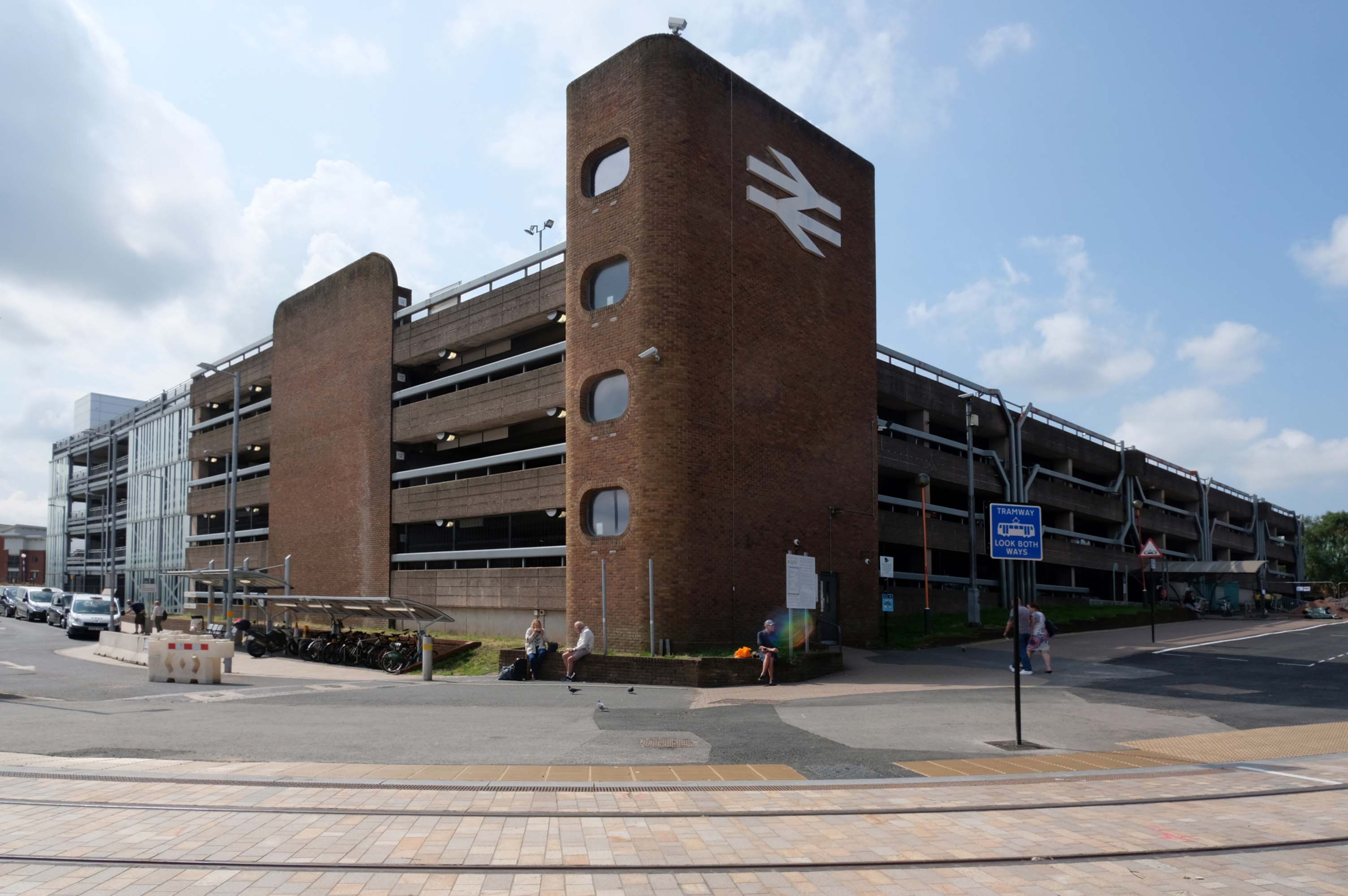
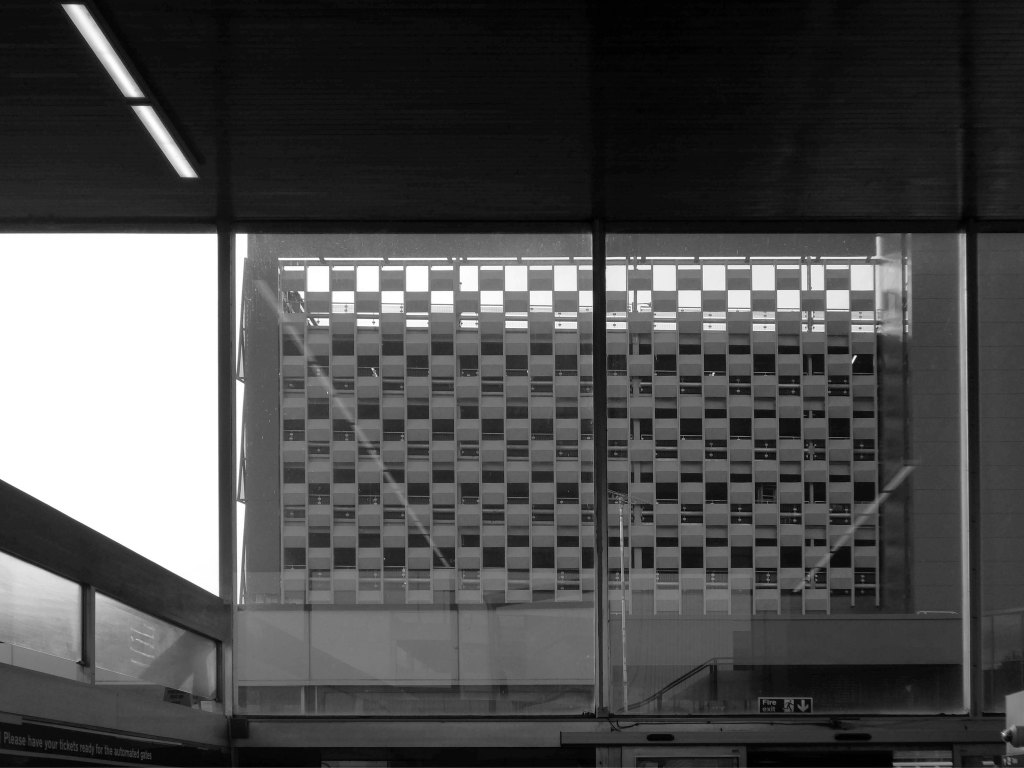
Across the way an enormous brick clad multi-storey car park – skirted by the lines for the tram, which travels to and from Birmingham.
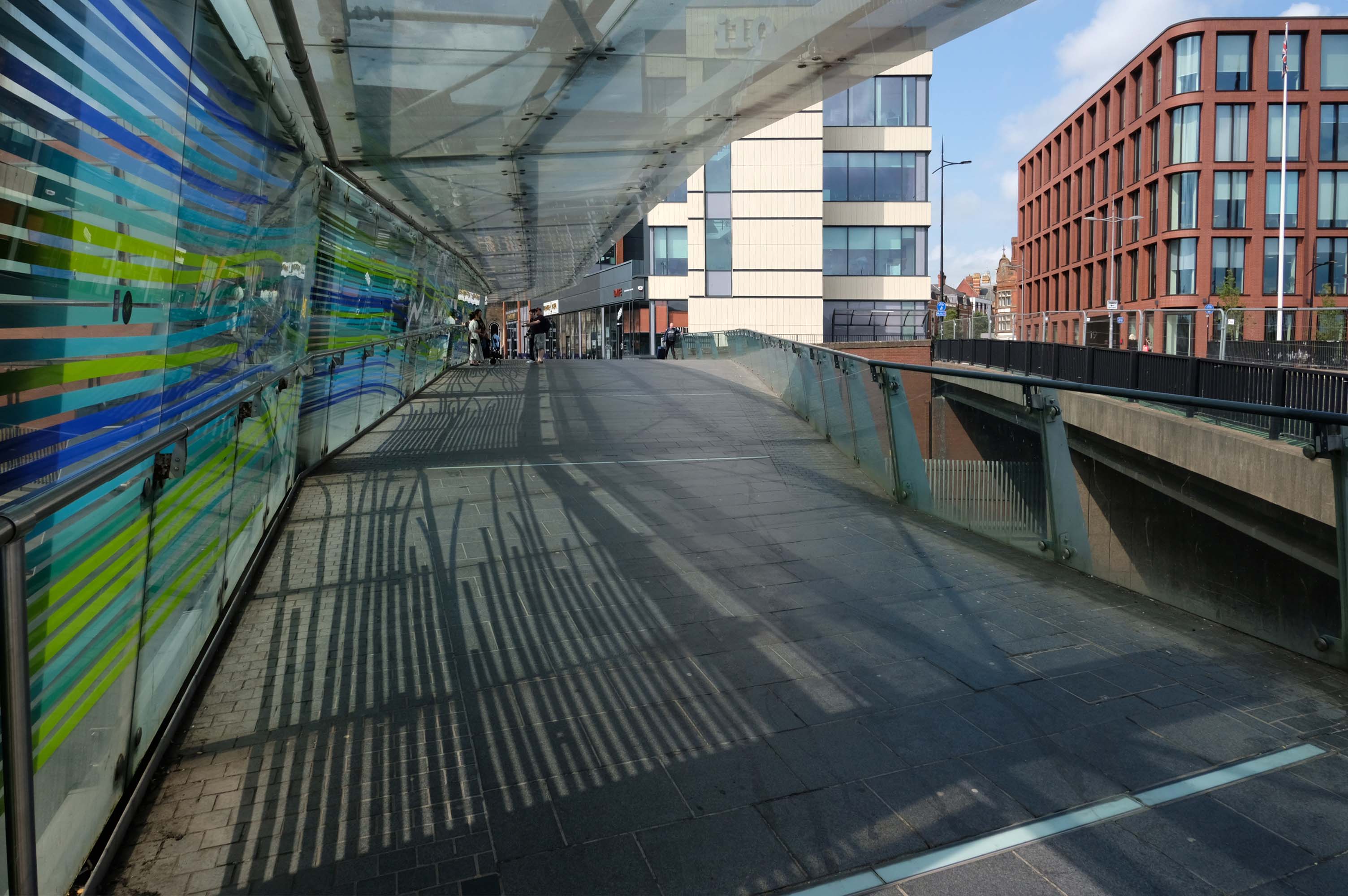
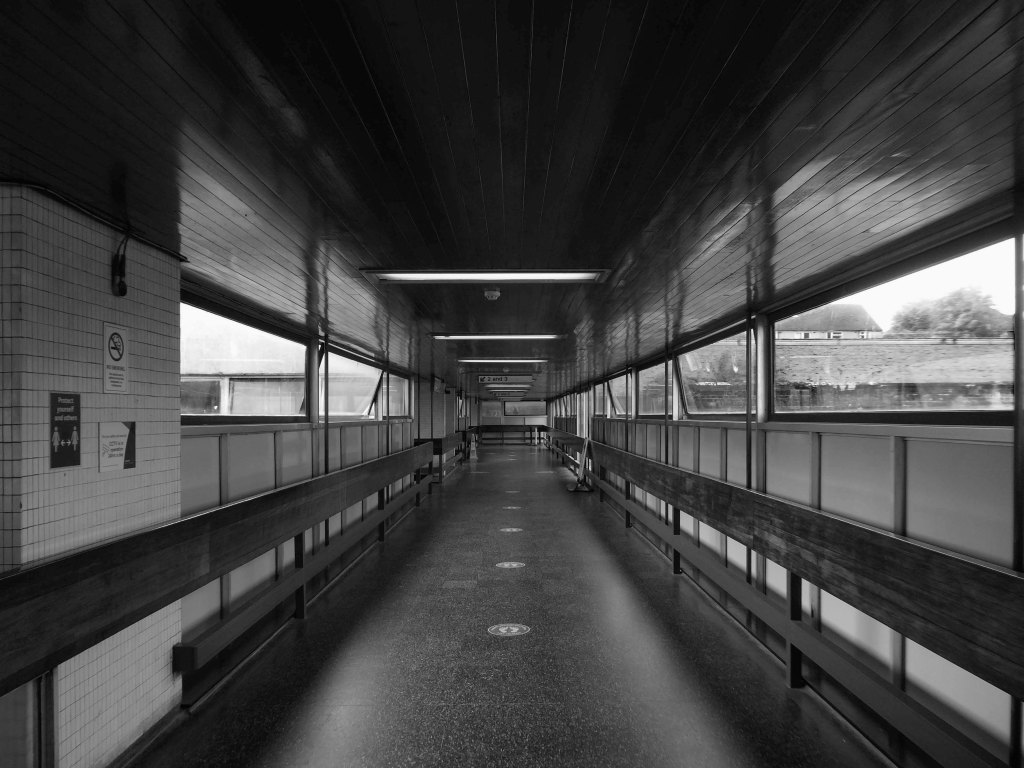
Walk across the brand new pedestrian footbridge over the ring road.
Architectural glass artist Kate Maestri was commissioned to produce the artwork design which features glass with blue and green strips of colour running through it.
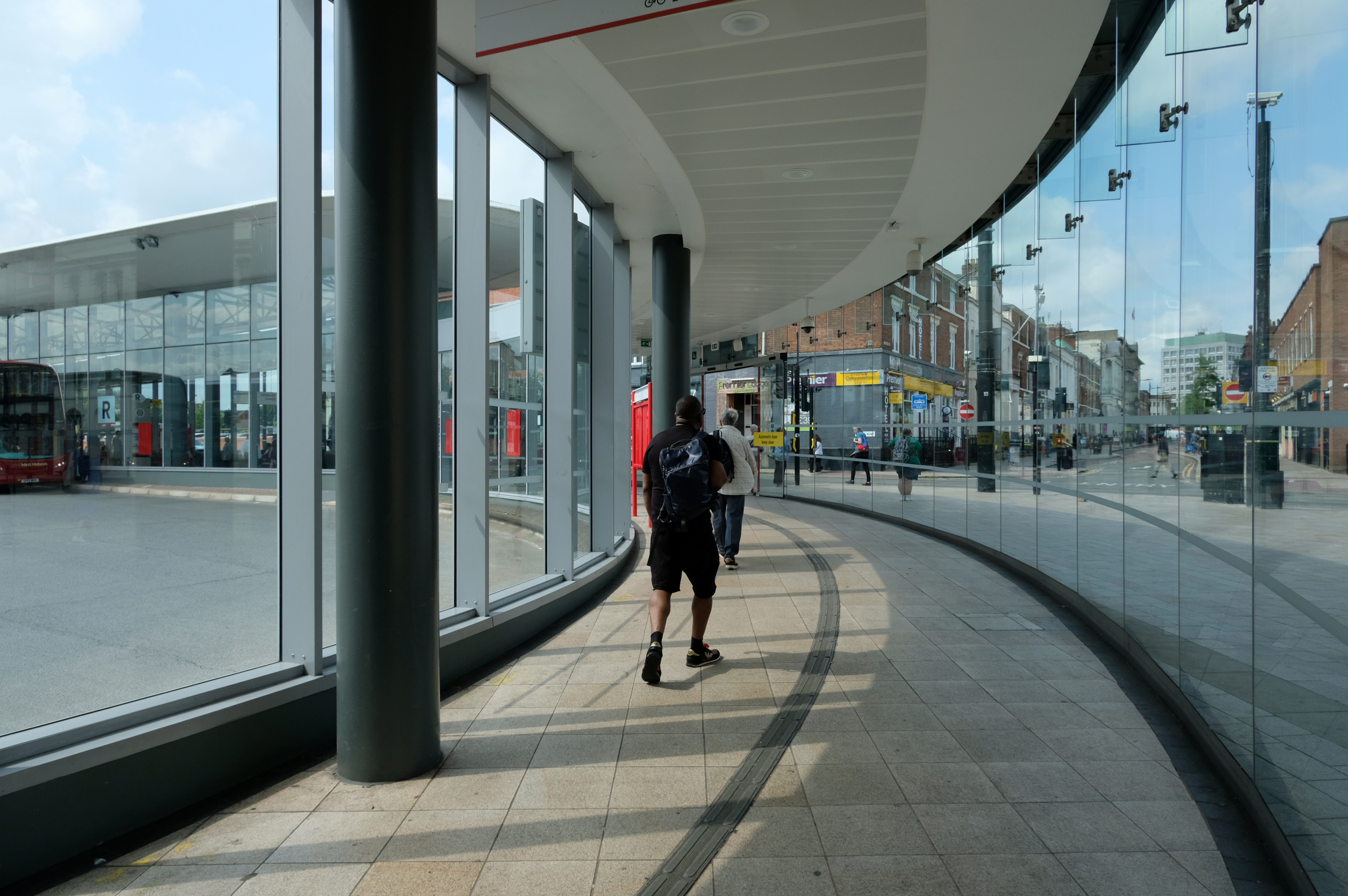
Linking the Rail Station with the brand new Bus Station.
The normal practice of the Wolverhampton Bus Service is to have dirty, smelly buses, that are cramped and extremely hot in the summer and freezing cold in winter. They offer no announcements apologizing for delays they know about and don’t appear to care how long passengers wait with no idea of how or when they’ll be getting a bus.
The best thing you can do is learn to drive as quickly as possible and get your own vehicle or car pool.
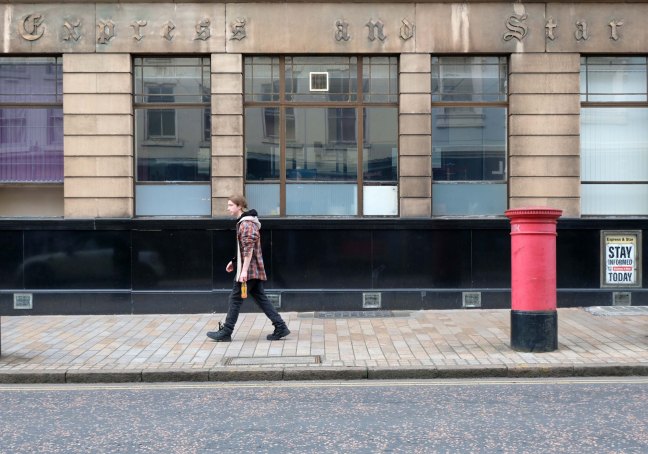
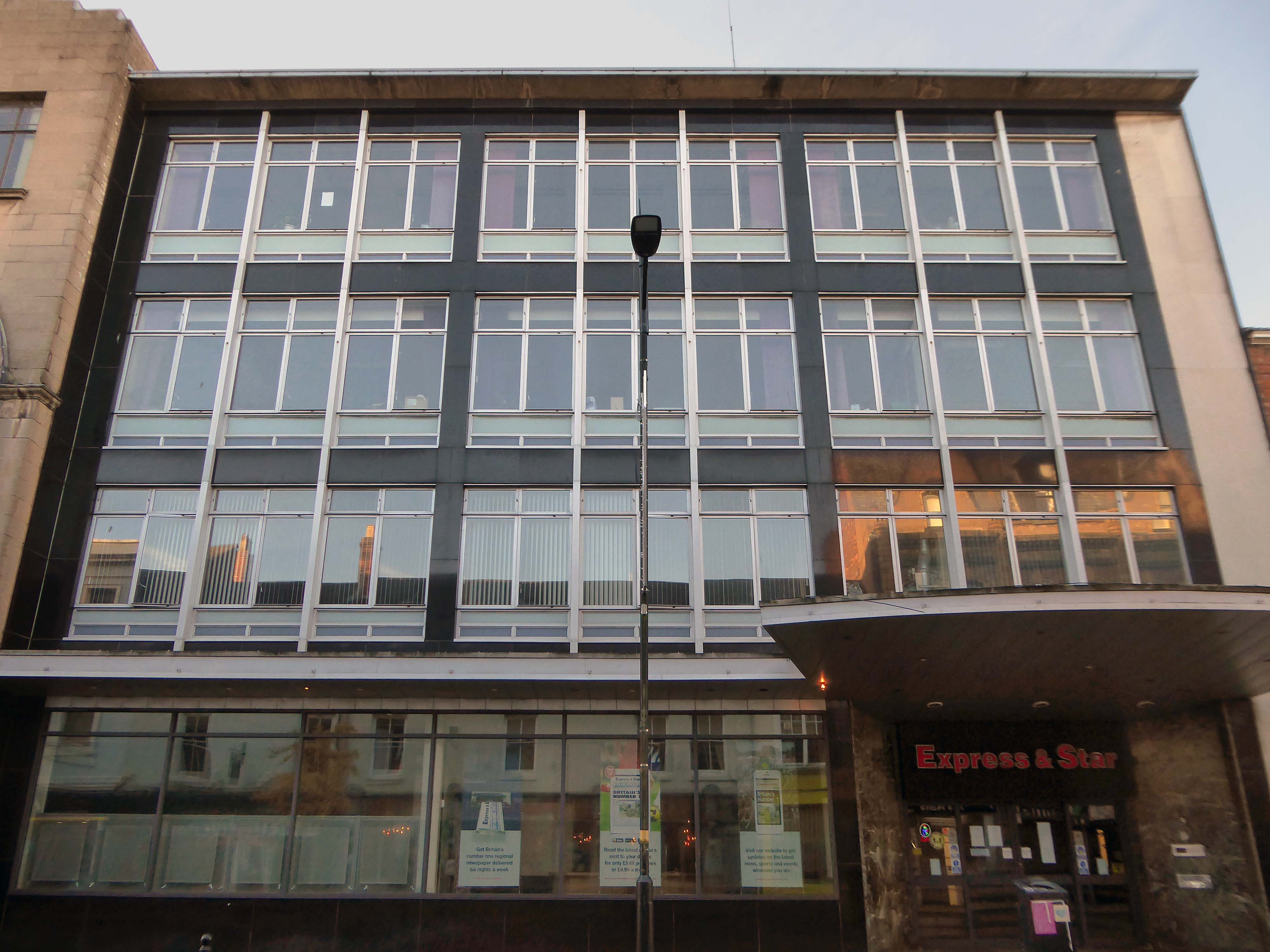
Midland News Association managing director Matt Ross confirmed the company is now looking at the building’s future.
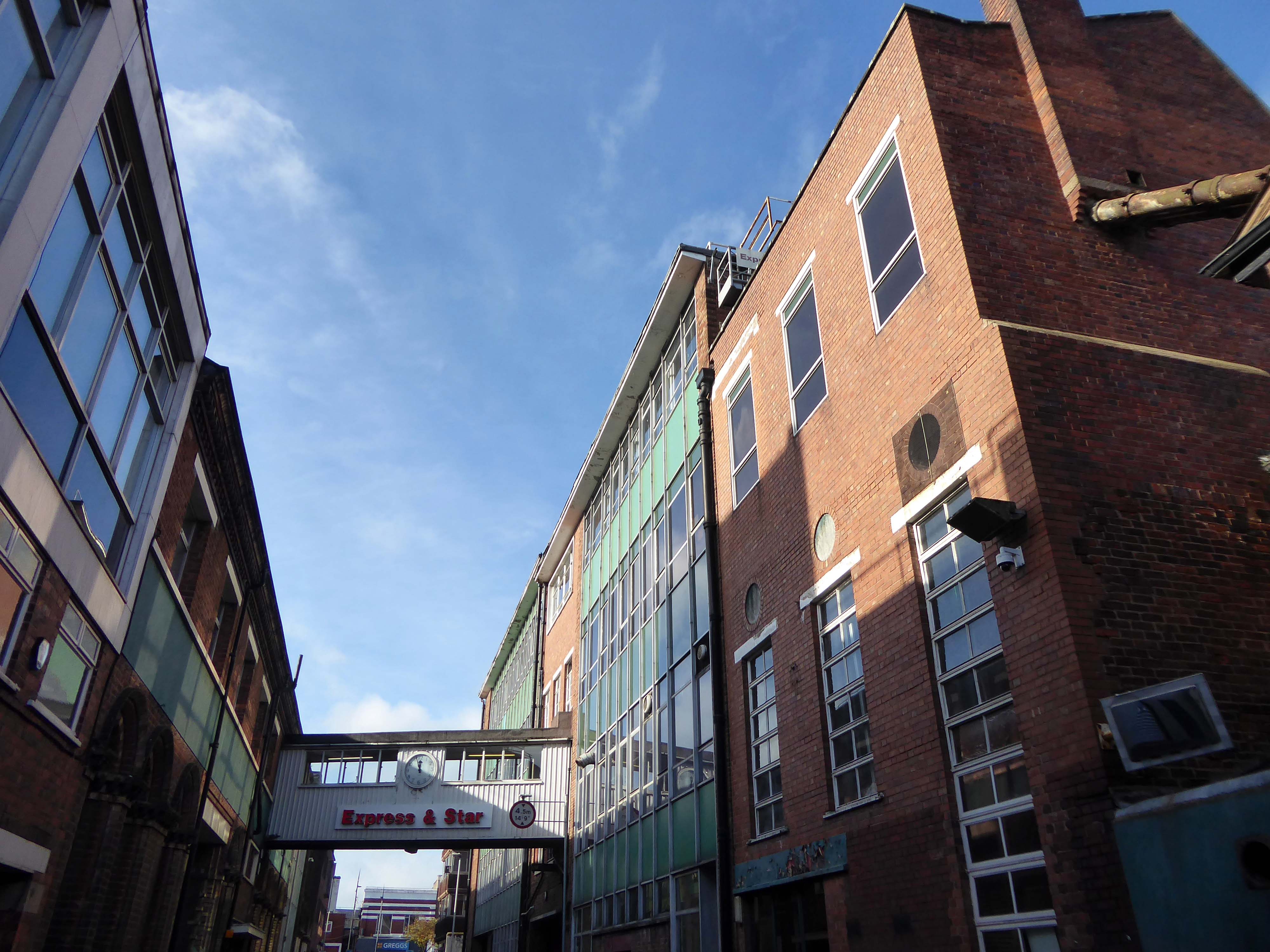
For a number of years we have been exploring opportunities surrounding our historic Express & Star offices in the heart of Wolverhampton.
After removing the printing presses from the site and restructuring our departments we now have significant spare capacity available and so are looking at the various options available to us, be that redeveloping the current site or exiting the building altogether.
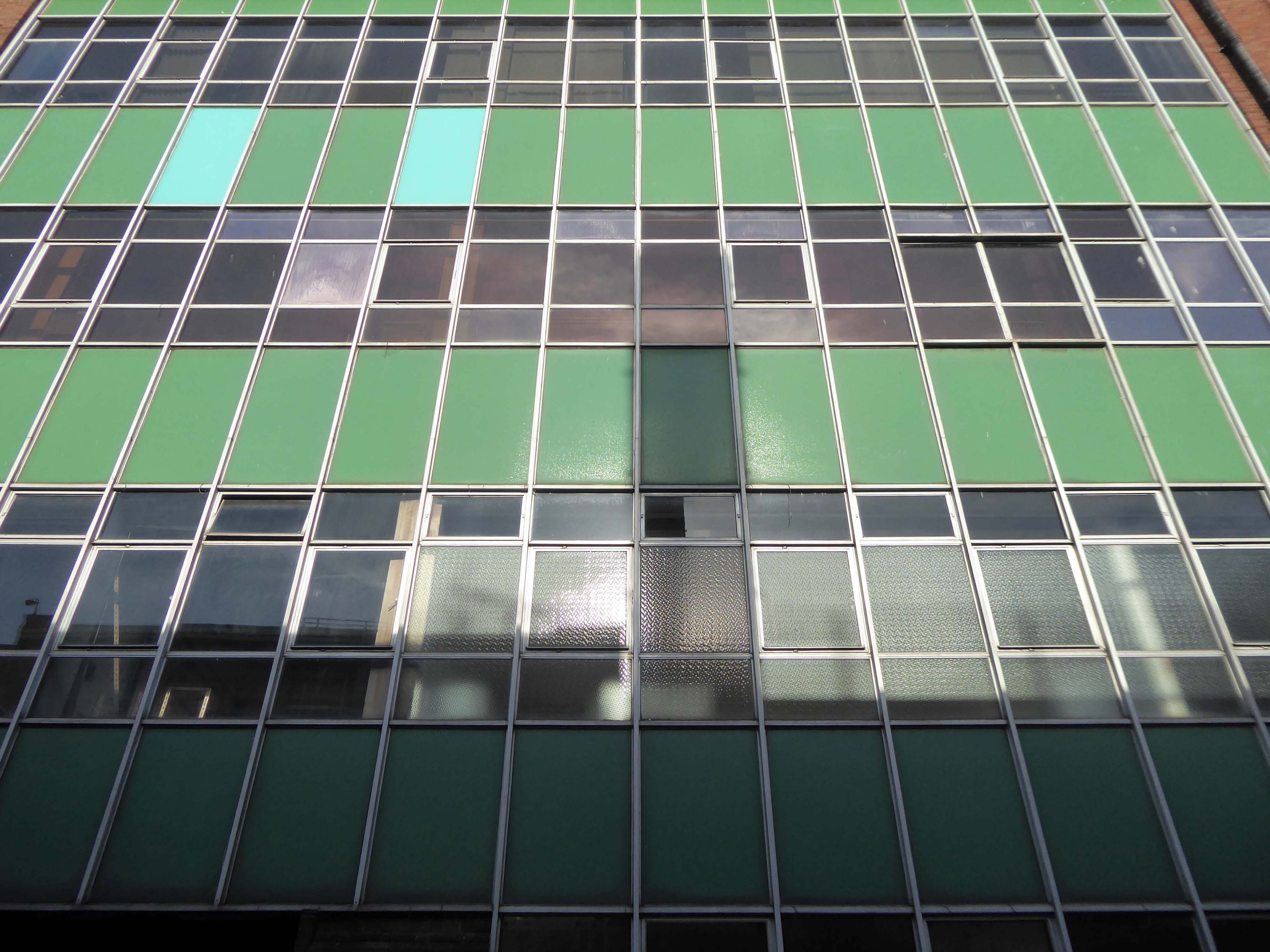
Extension is by architects: H Marcus Brown & Lewis 1965
With further work at the rear.
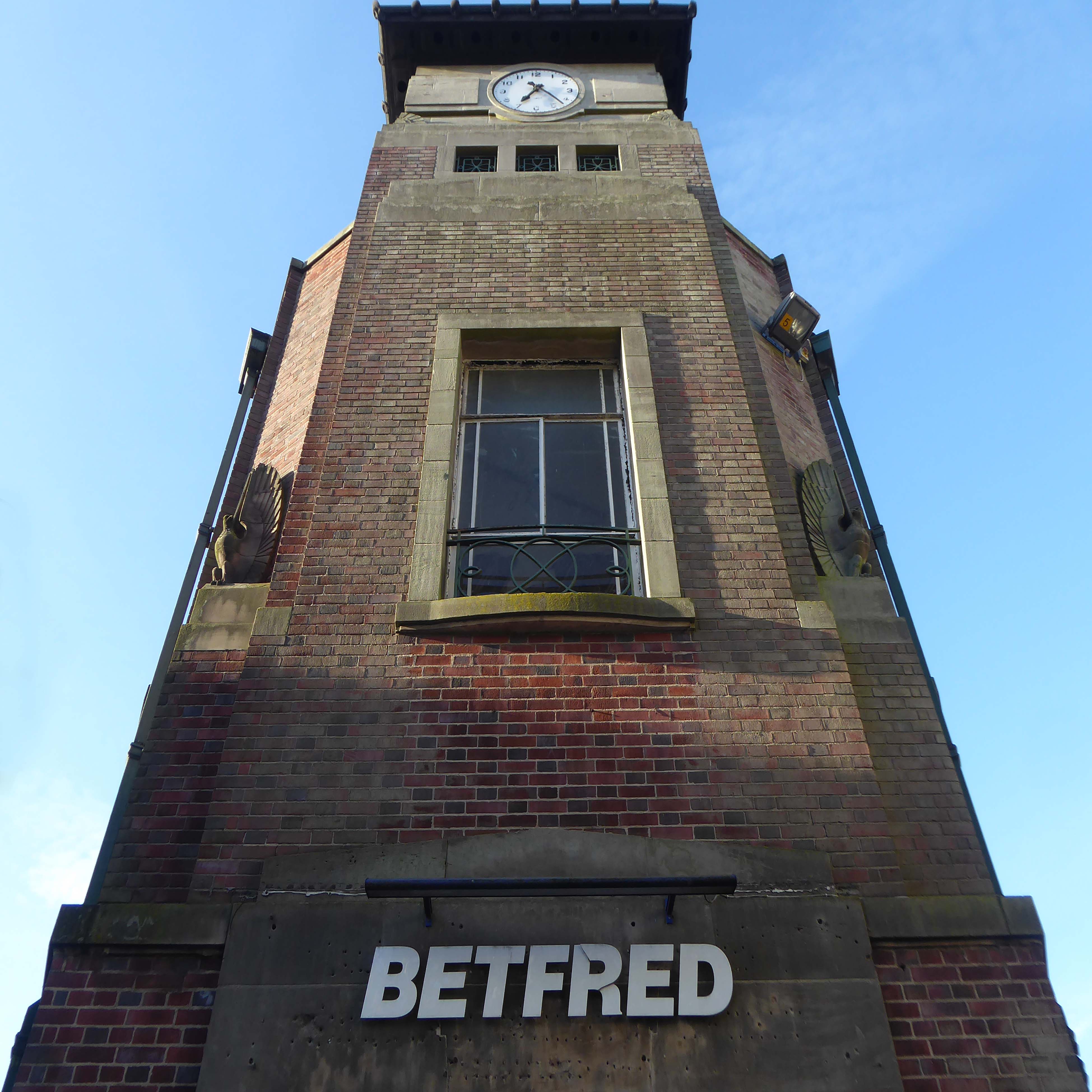
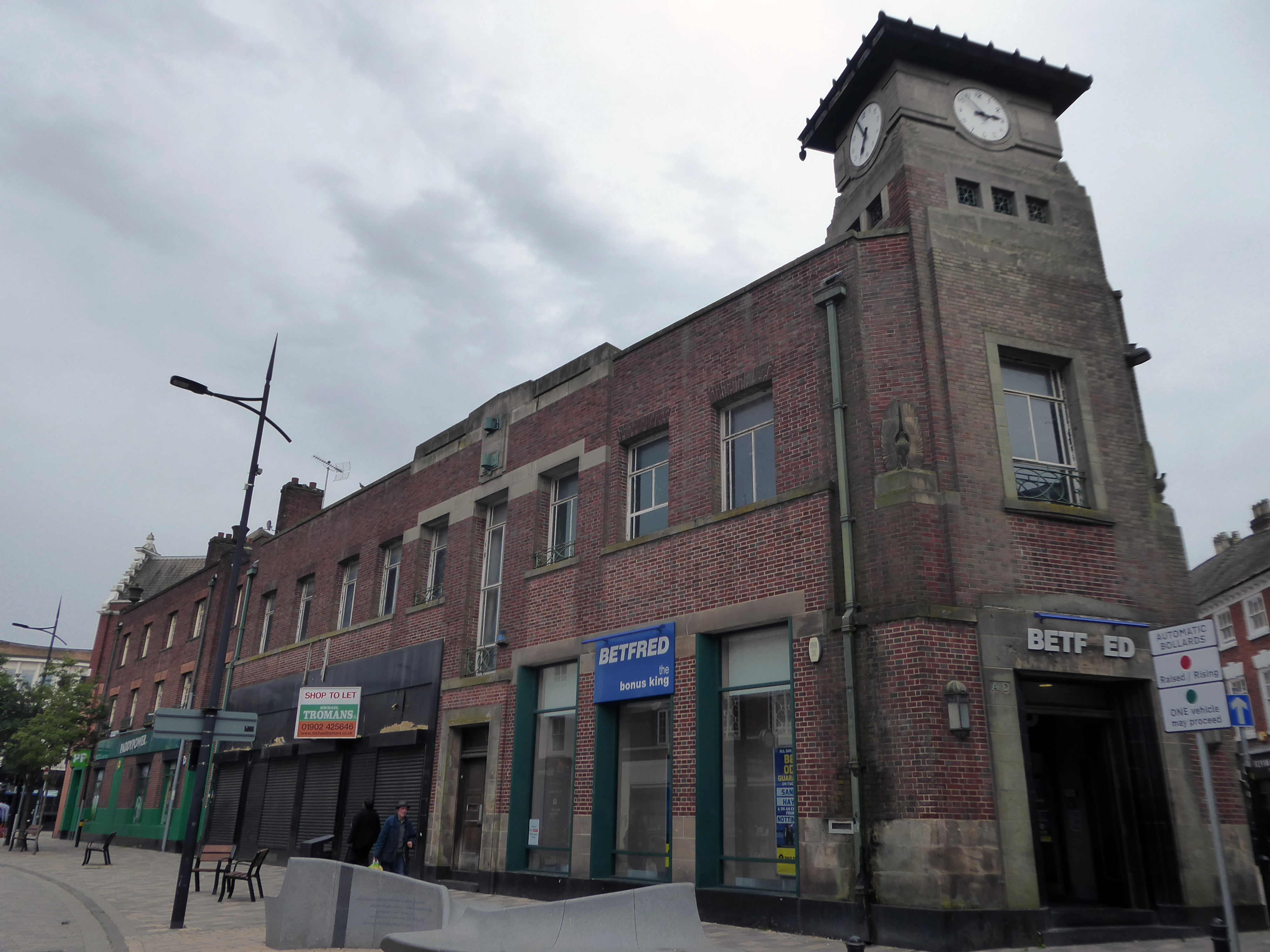
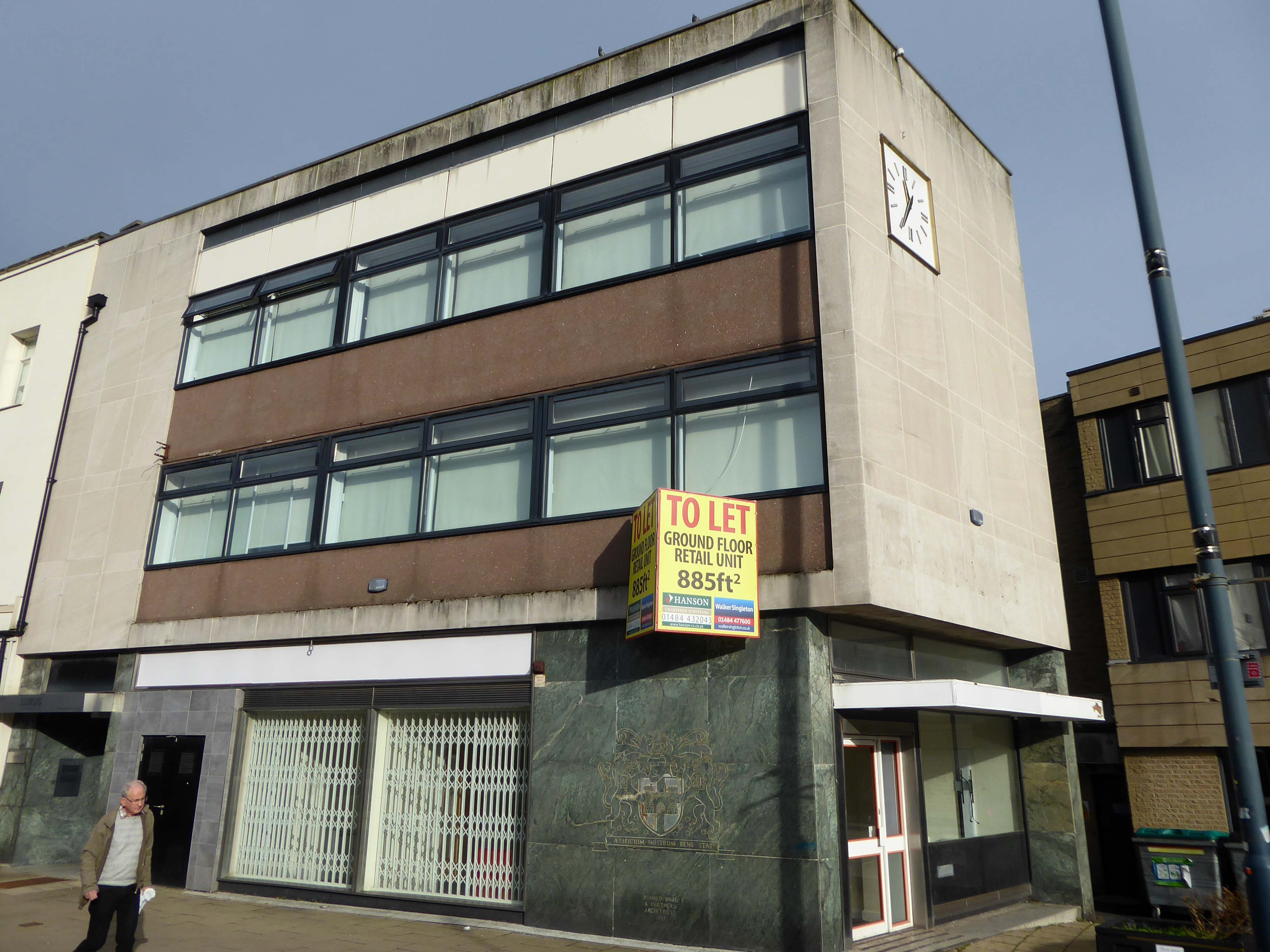
Along Princess Street this corner group, with an impressive clock tower – originally HQ for the South Staffordshire Building Society
Architects: George A Boswell of Glasgow 1932.
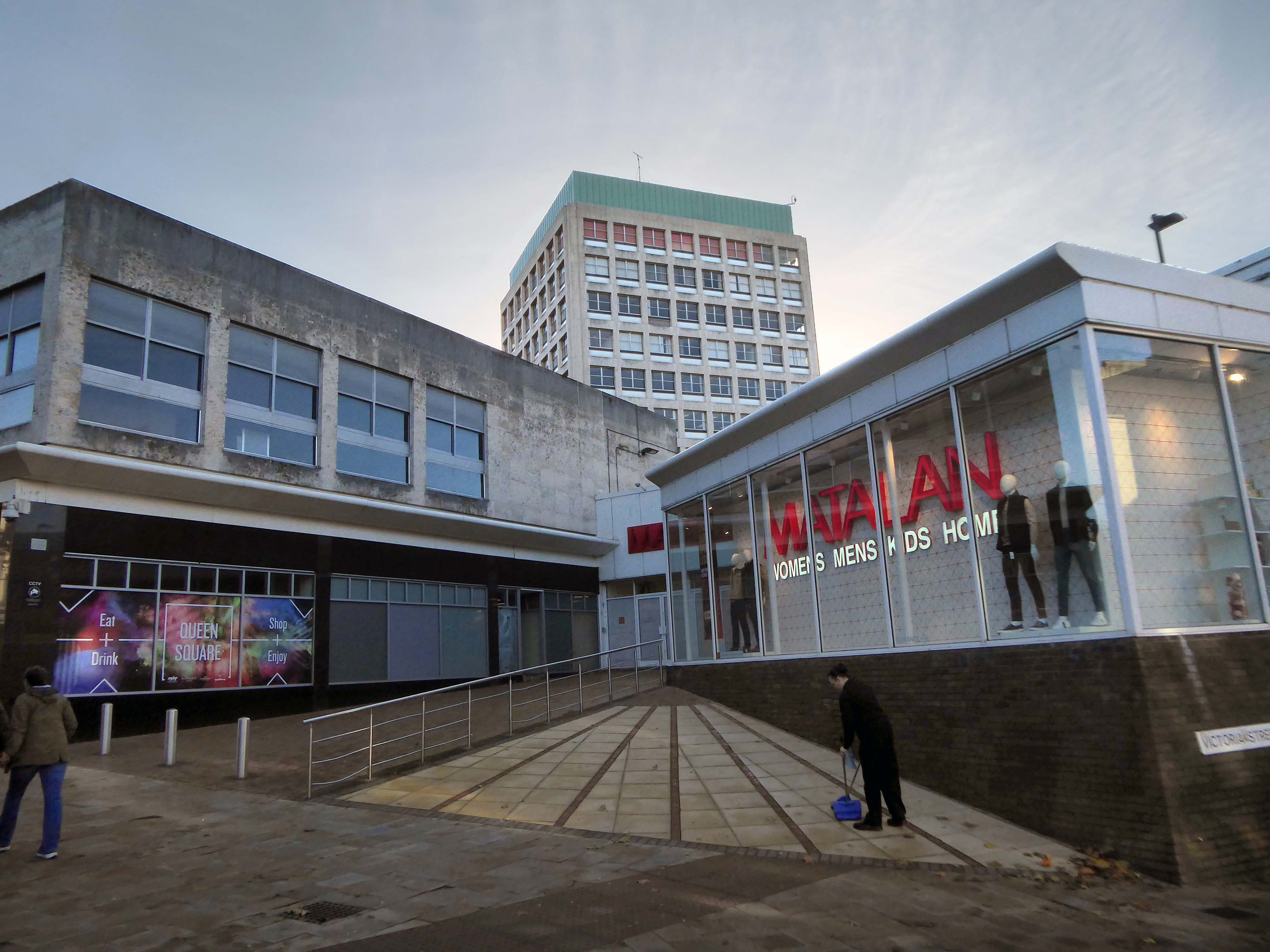
On to the Mander Centre – opened on 6th March 1968, refurbished 1987, 2003 and 2016-17.
The Mander Shopping Centre in the heart Wolverhampton is your one-stop shopping destination for all things fashion, home, beauty, food and technology.
Architects: James A Roberts principal architect Stanley Sellers.
Developed by Manders Holdings Plc, the paint, inks and property conglomerate, between 1968 and 1974. The site occupies four and a half acres comprising the old Georgian works and offices of the Mander family firm, founded in 1773, as well as the site of the former Queens Arcade.
Architects: T & PH Braddock and also Bernard Engle & Partners.
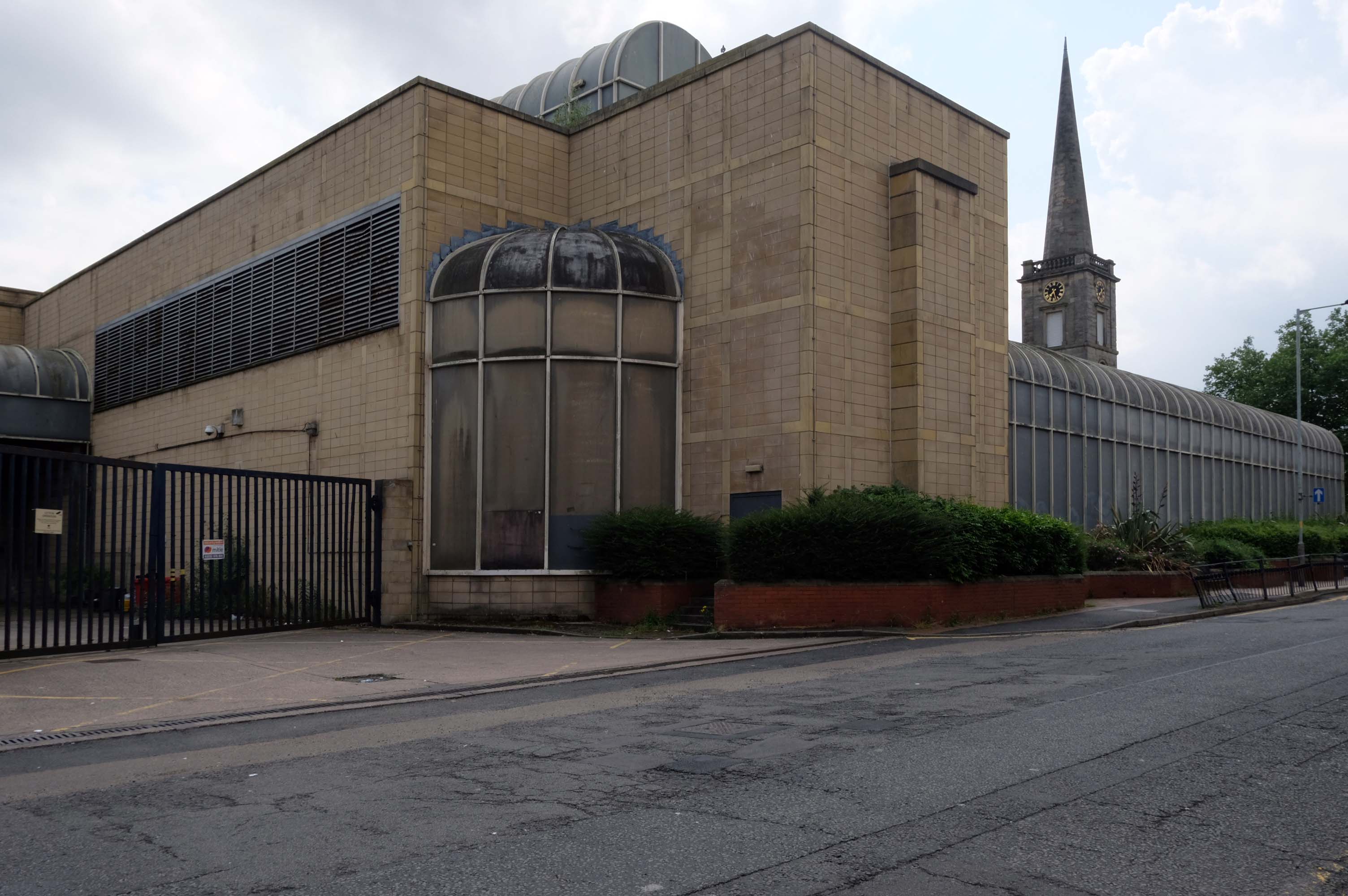
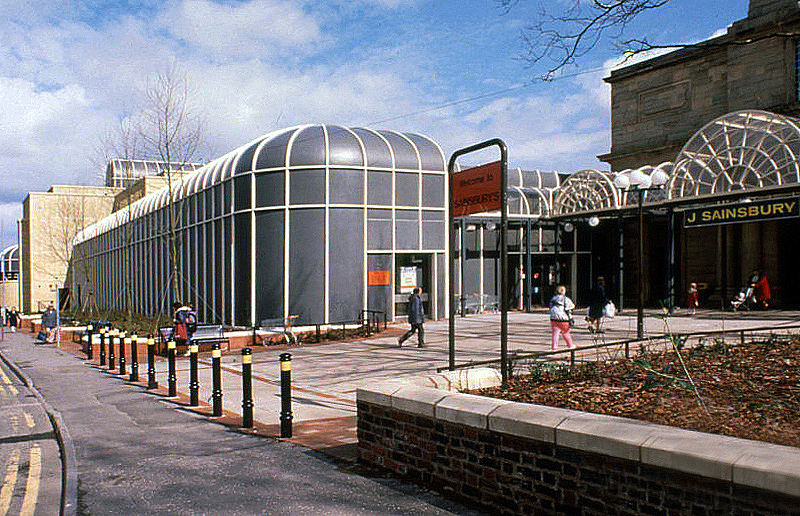
Along St Georges Parade, an abandoned Sainsbury’s church combo – store designed by J Sainsbury’s Architects Department opened 1988.
The church was built between 1828 and 1830 – architect: James Morgan, at a cost of £10,268. It was consecrated on Thursday 2 September 1830 by the Bishop of Lichfield, it was made redundant in 1978.
The site is currently under lease to Sainsbury’s for a further three years and will come forward on a phased basis subject to their lease concluding. The council is in active dialogue with prospective development partners on the redevelopment of this site and in wider consultation with Homes England.
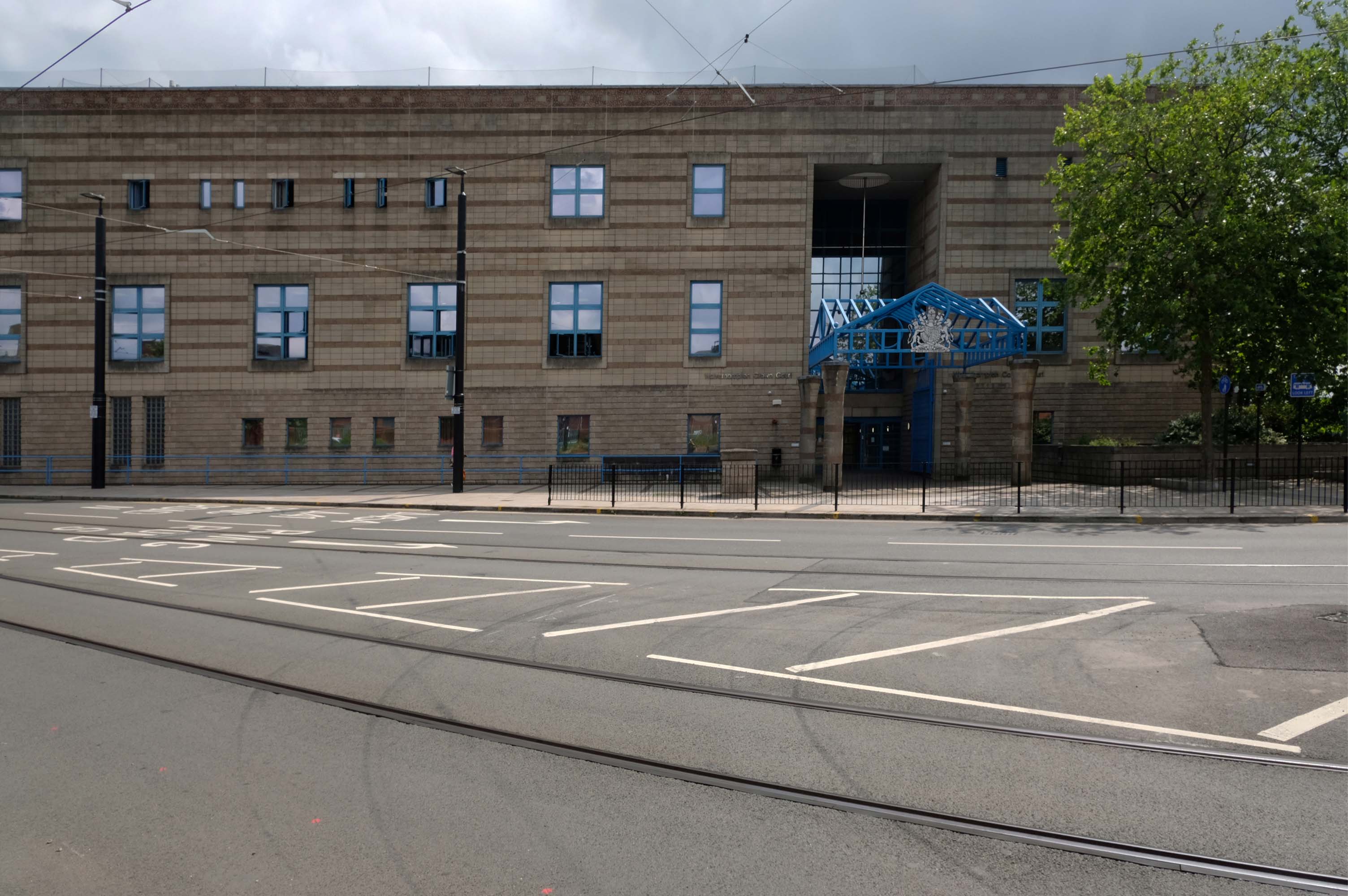
Notable cases included trial and conviction of four members of The Stone Roses, in October 1990, for criminal damage to the offices of their former record company.
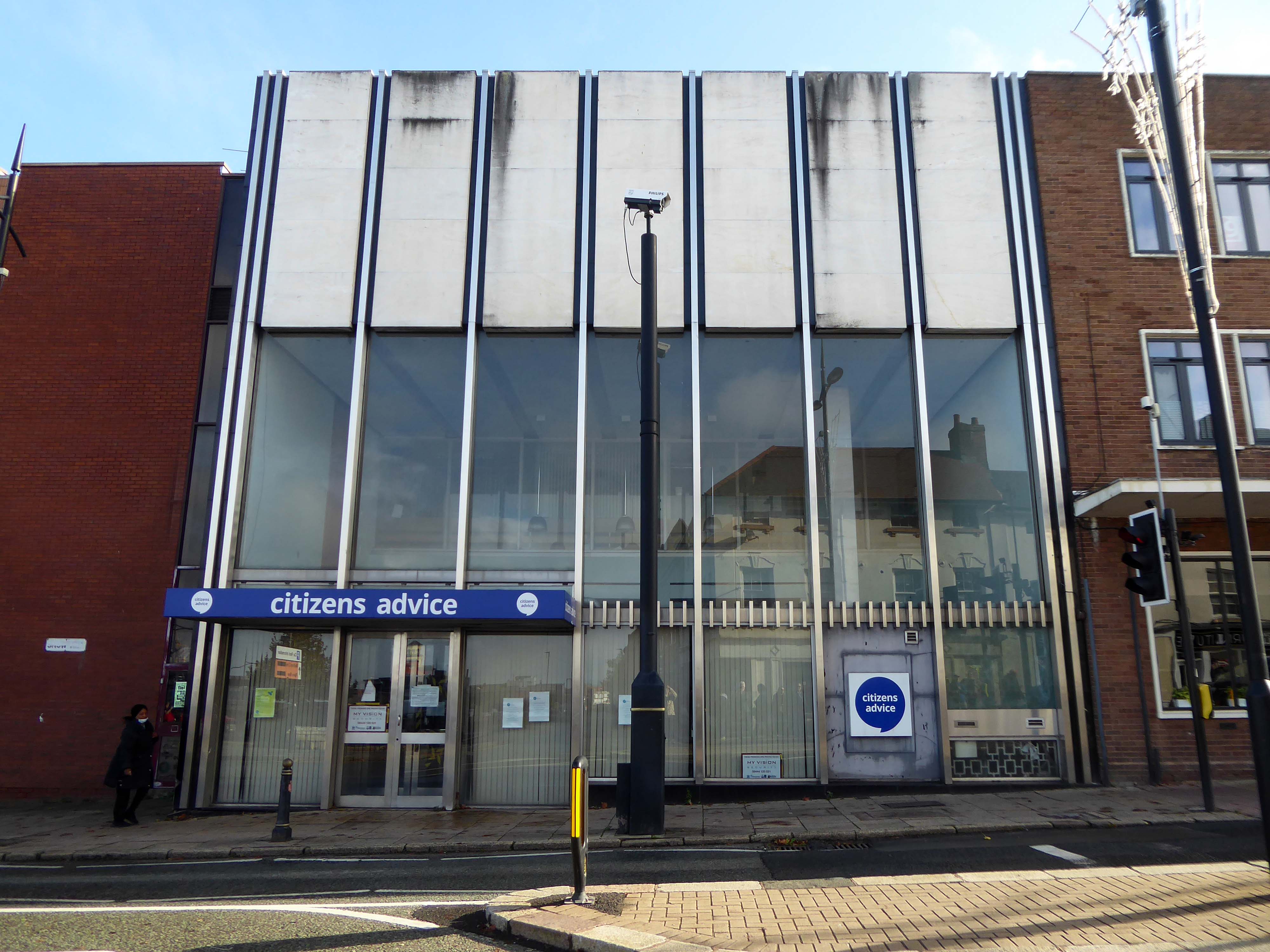
Thence up Snow Hill to the former Citizens Advice former Barclays Bank currently empty.
Architects: John HD Madin & Partners 1969
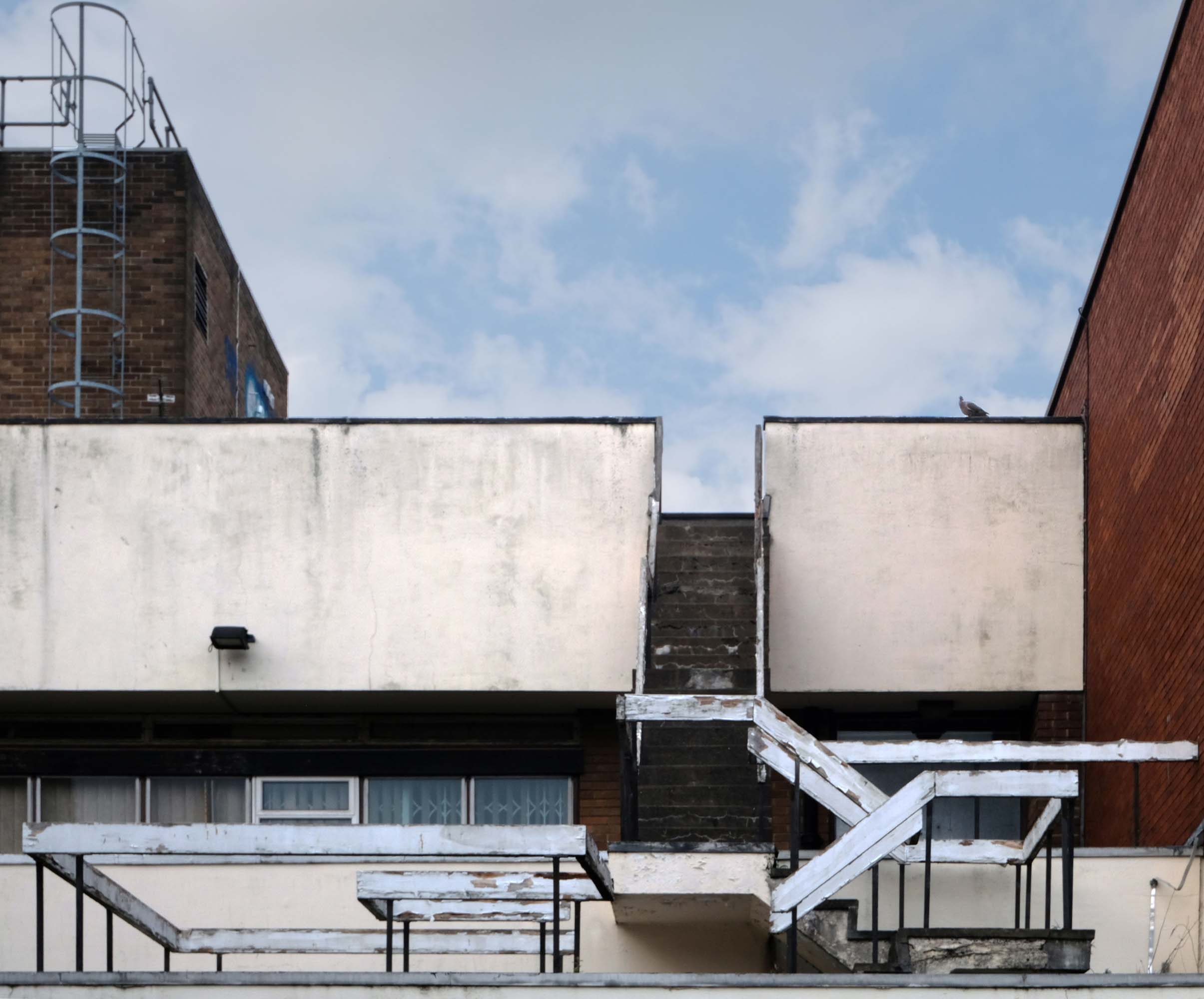
Take time to have a look around the back.
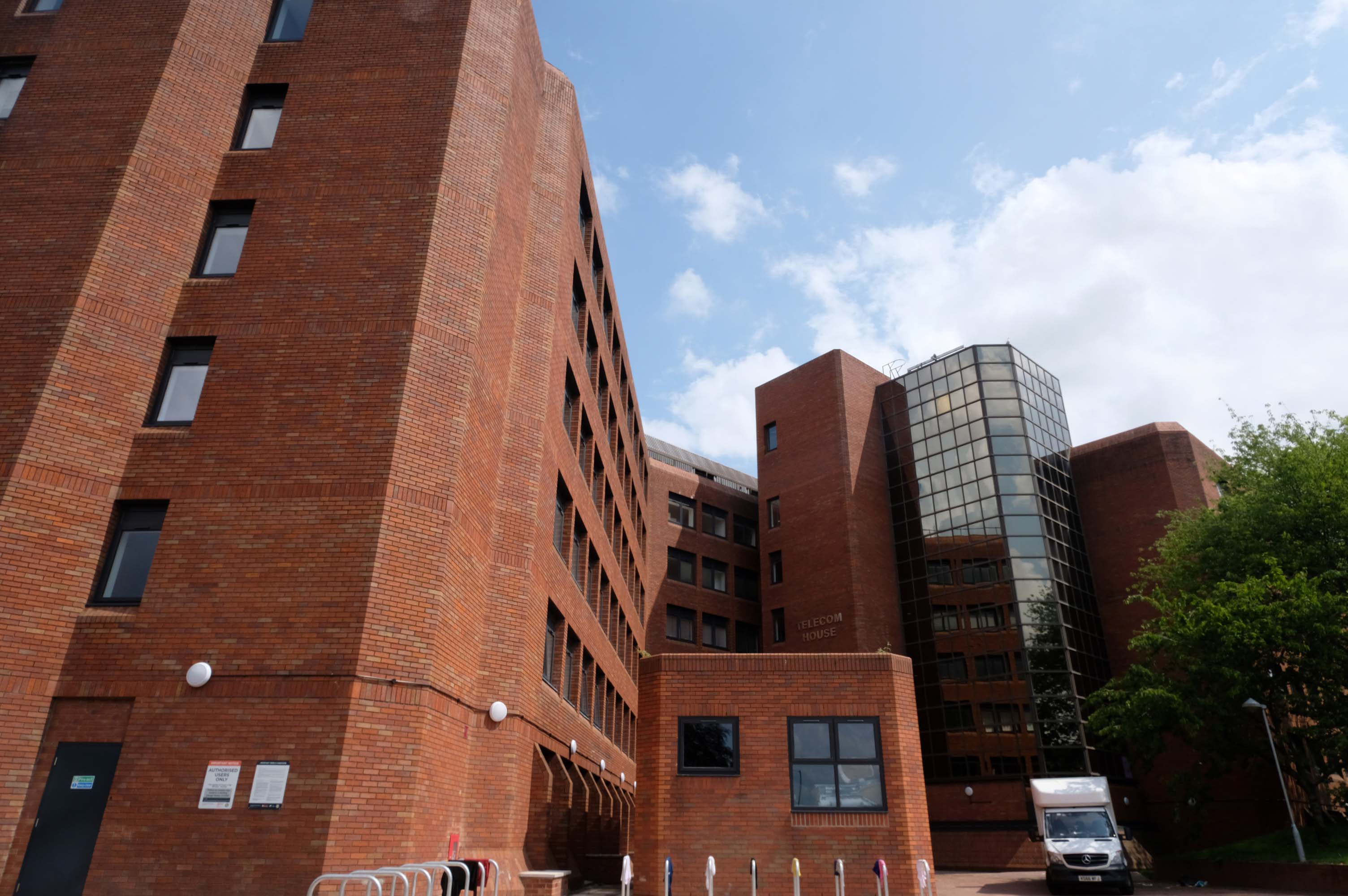
Off to Church Street and Telecom House
Sold for £4.25 million to Empire Property in 2022.
It had previously been sold for more than £3m in July 2018, also for use for apartments, to Inspired Asset Management which later went into receivership.
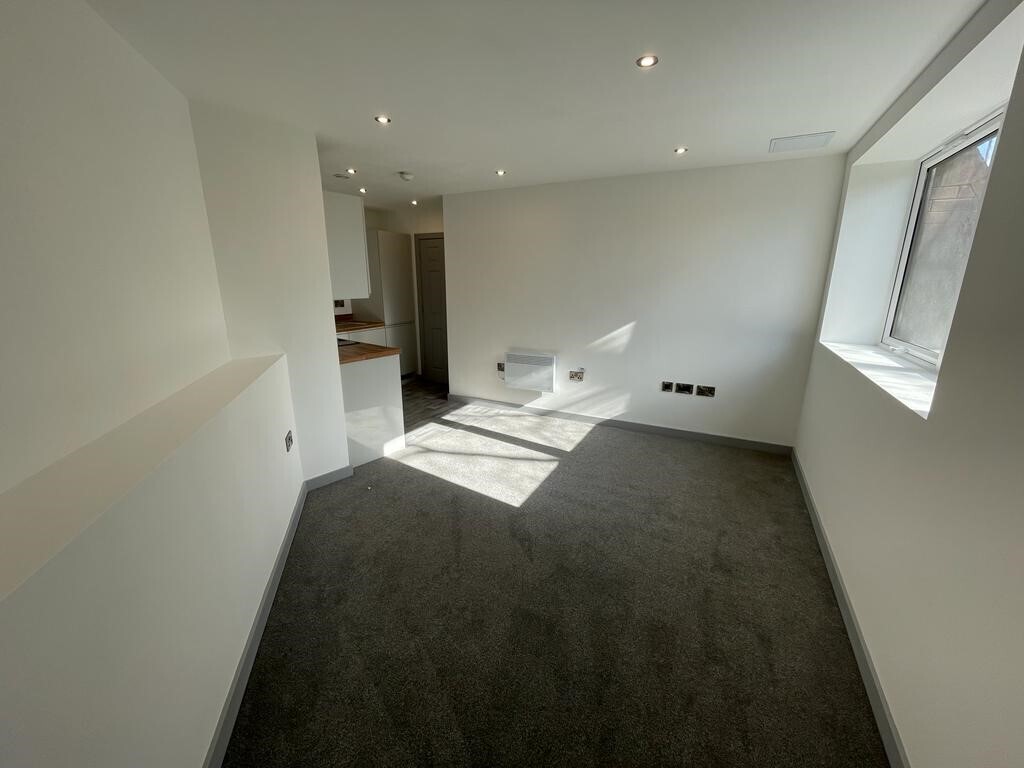
Located on a popular apartment block on Church street in the Wolverhampton centre, this 1 bedroom property has been newly renovated throughout and compromises an entrance hallway, open plan lounge/kitchen with in built appliances, shower room and double bedroom.
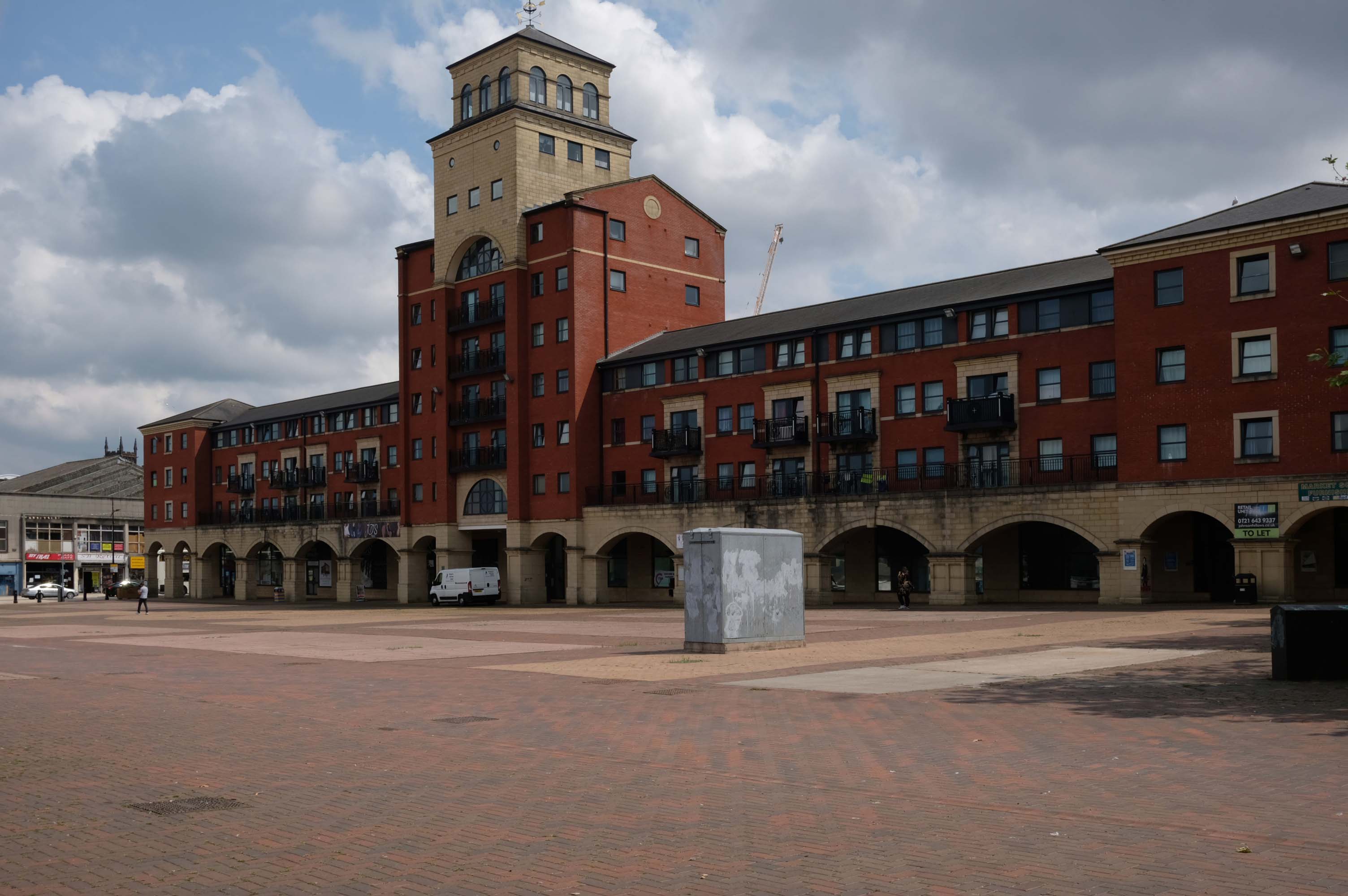
Next to this modern piazza New Market Square – Architects: Nicol Thomas from a concept by head of planning Costas Georghiou.
Formed from the former Market Square, a mix of flats and shops opened in 2004, in an Italianate version of the modish school of streaky bacon.
In 2021 the Coca-Cola Christmas Truck visit to the Midlands was cancelled.
It was meant to arrive at Market Square in Wolverhampton at 11am today but failed to show up.
One fan had waited since 7am this morning to see the Coca-Cola truck.
While schoolchildren were left gutted when the truck didn’t turn up – and one boy had been so excited his mother said he had been talking about the red truck all morning.
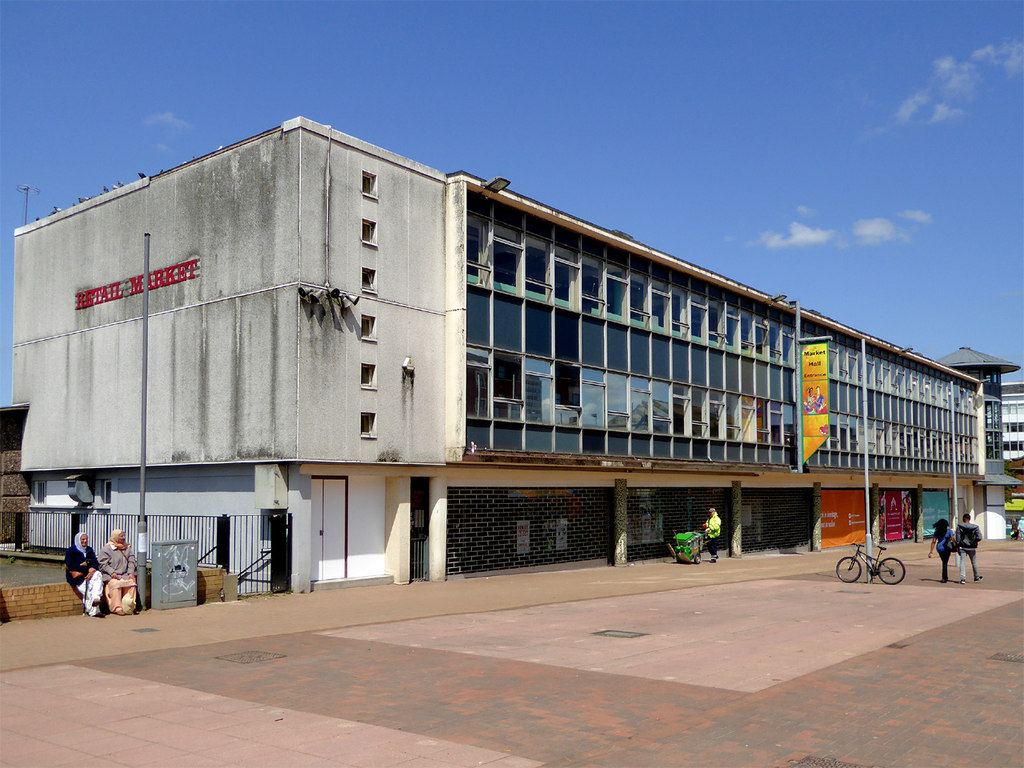
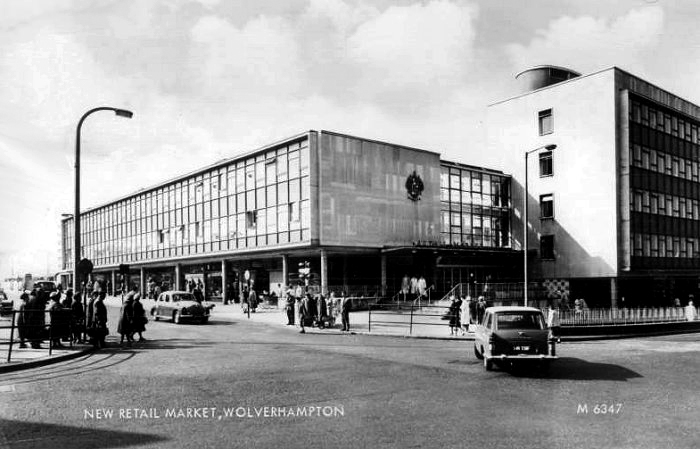
Retail Market – Late 1950s market hall and offices above.
Architects: Borough Surveyor.
Excellent example of the Festival of Britain style of architecture, won Civic Trust Award 1960.
Locally Listed March 2000.
demolished January 2017.
Photo: Roger Kidd
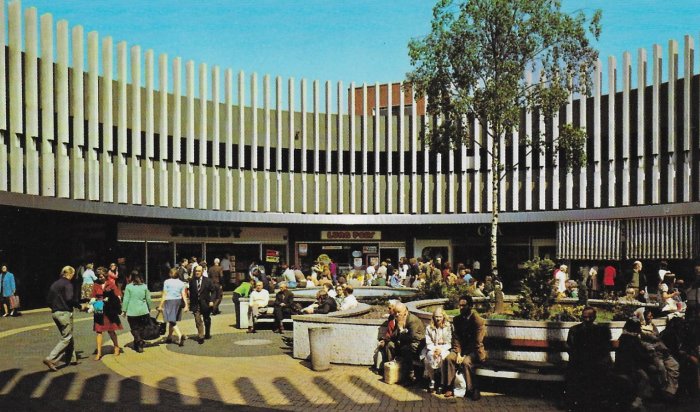
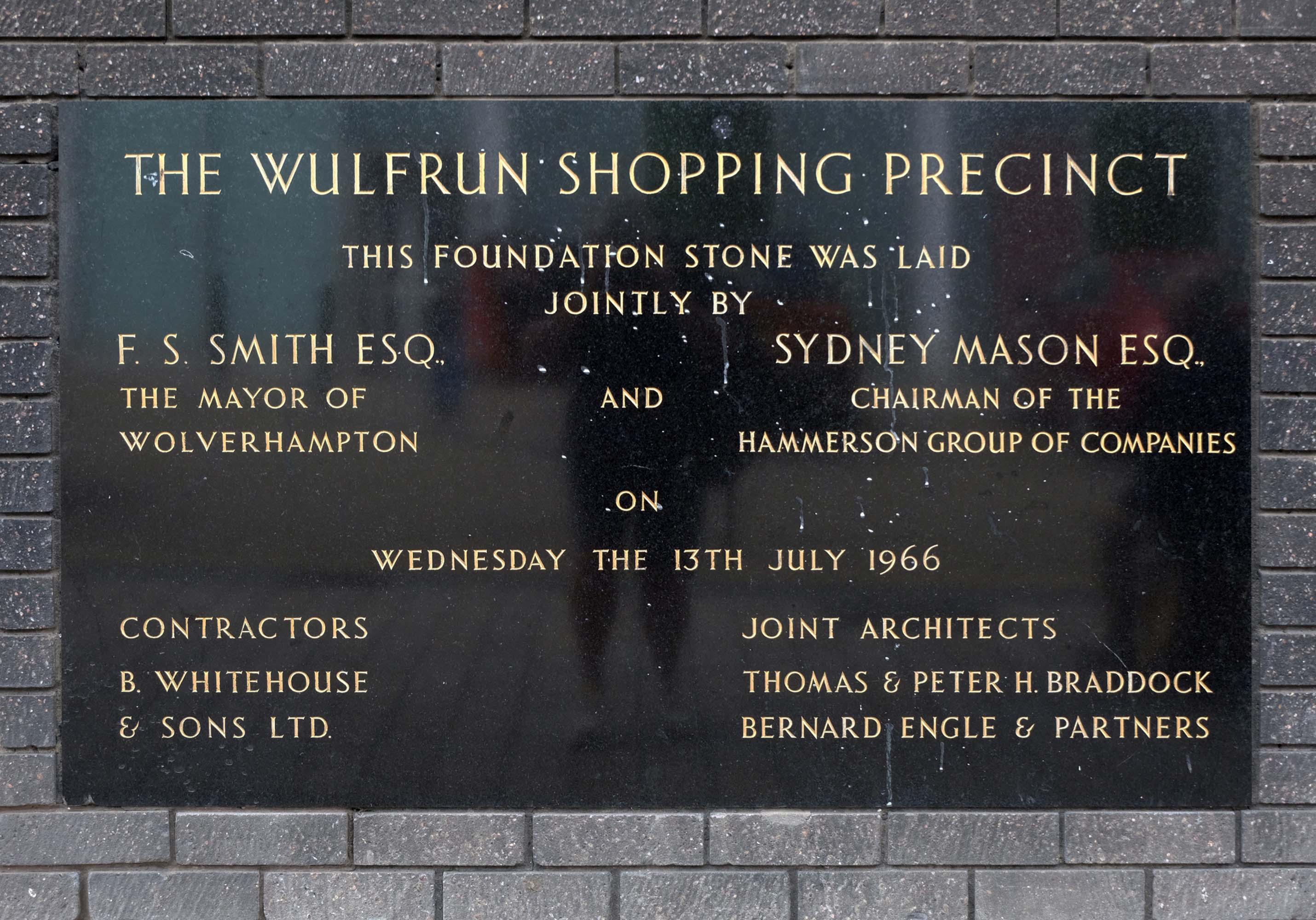
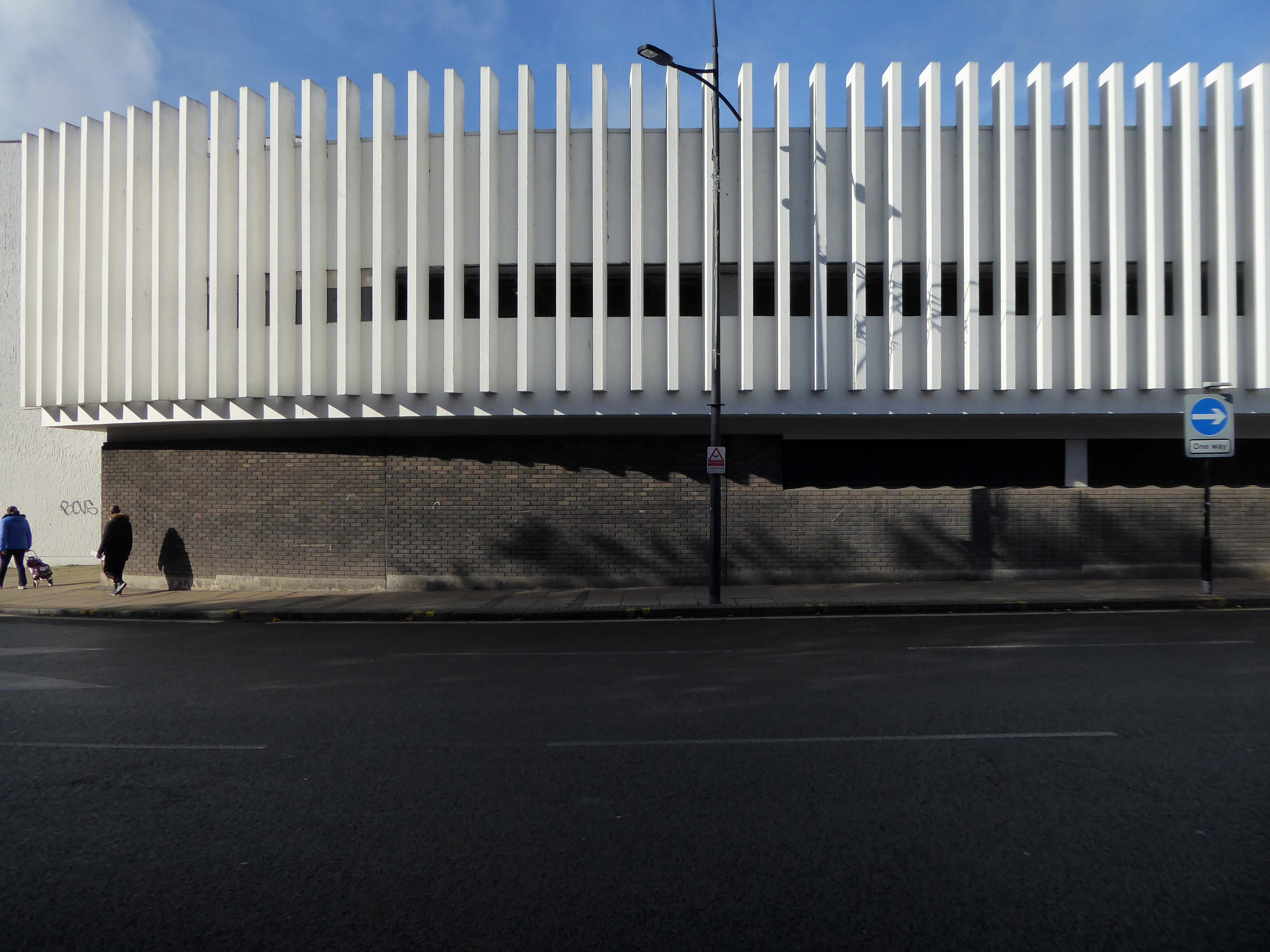
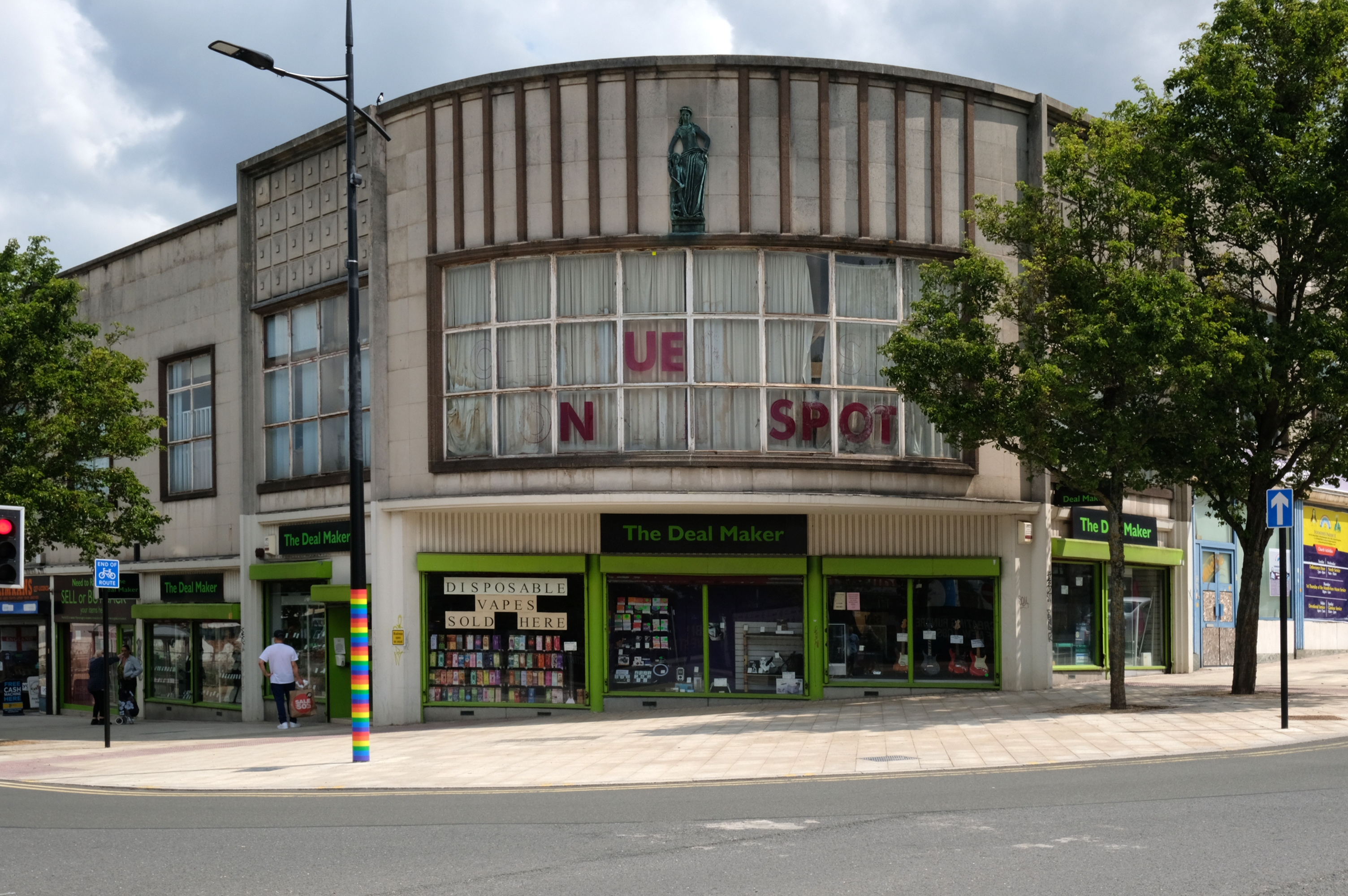
This development that wraps itself around Salop, Skinner and School Streets appears to be of a similar period to the Retail Market – and sports a Lady Wulfrun in relief.
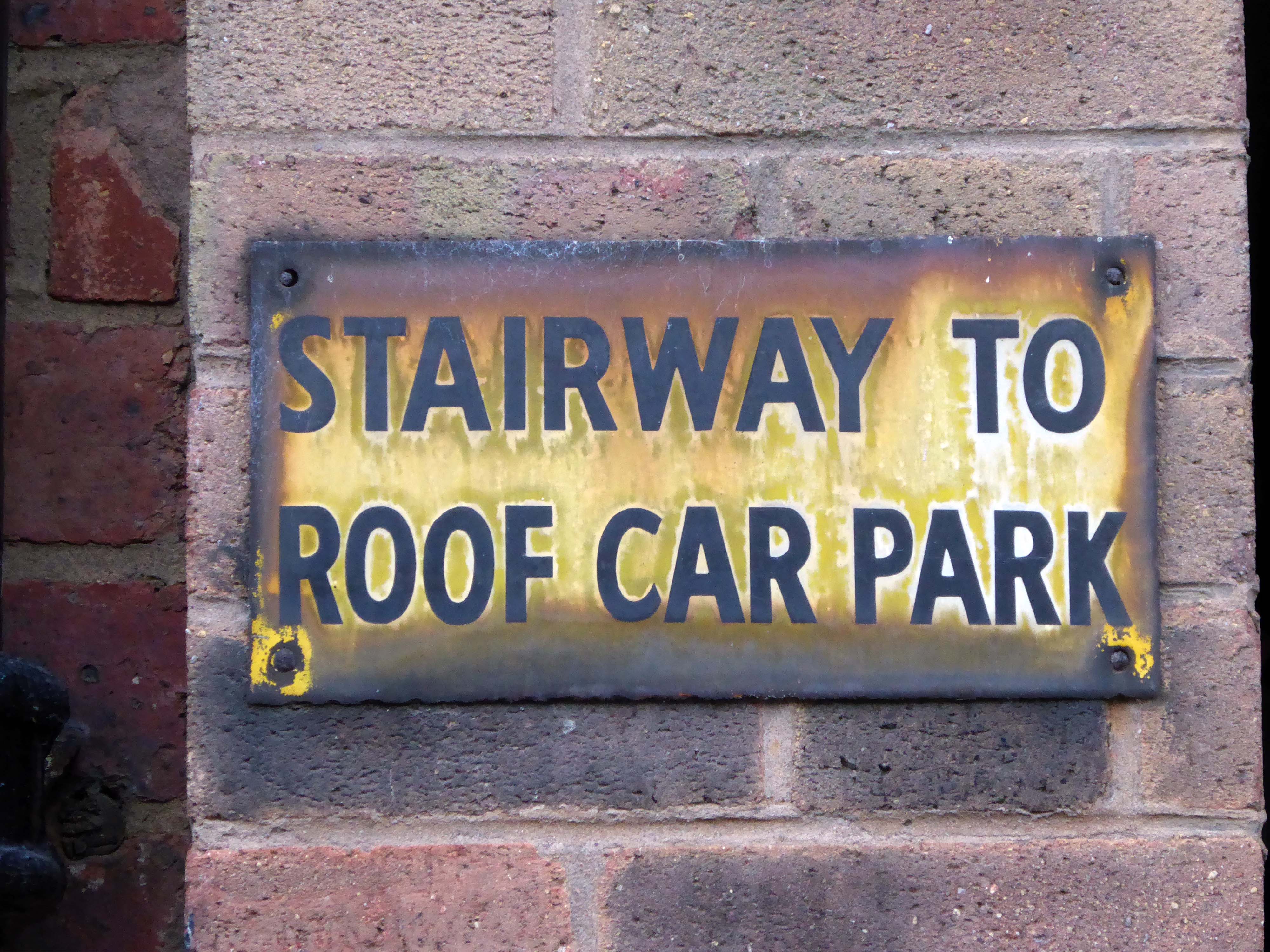
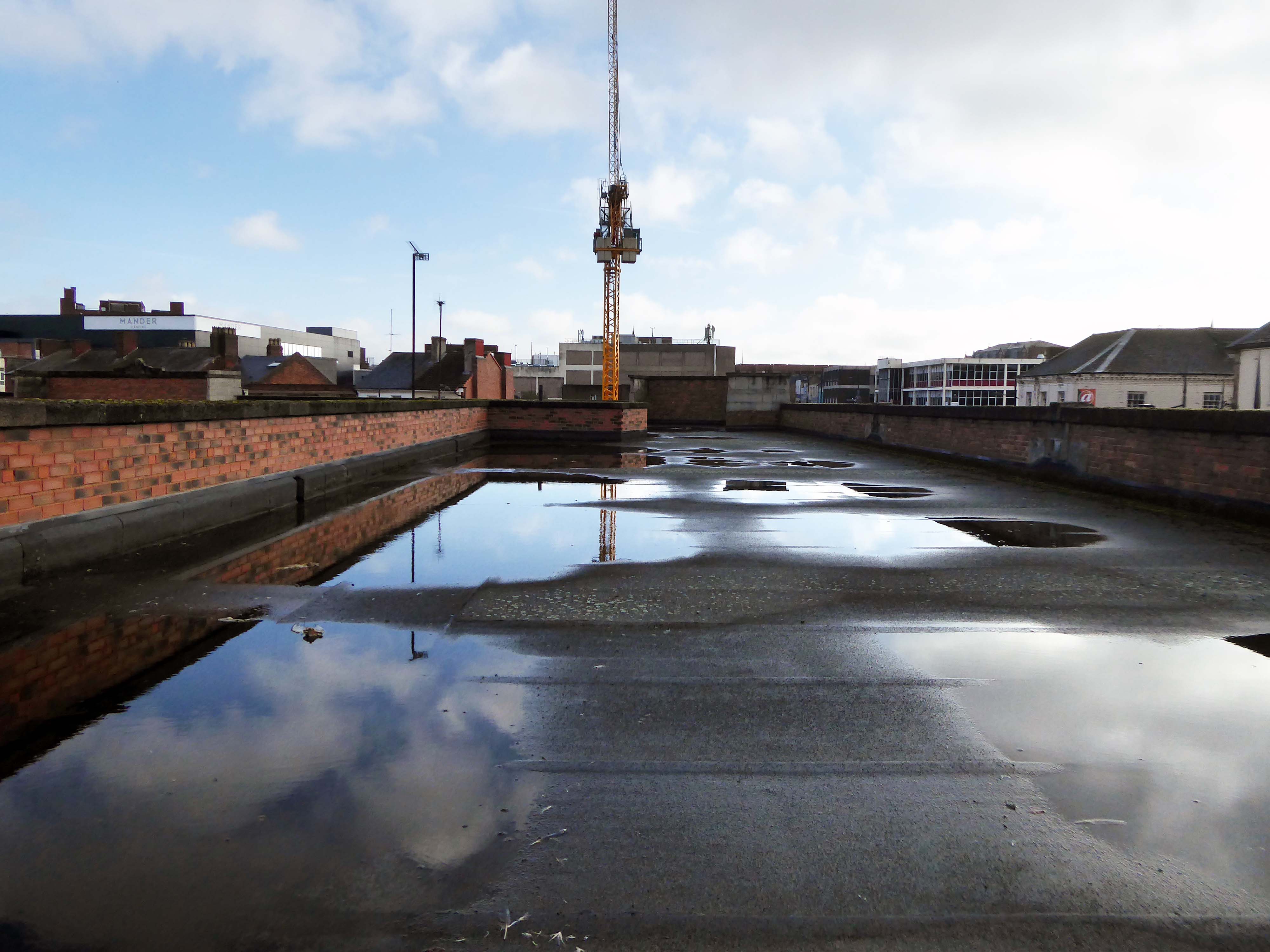
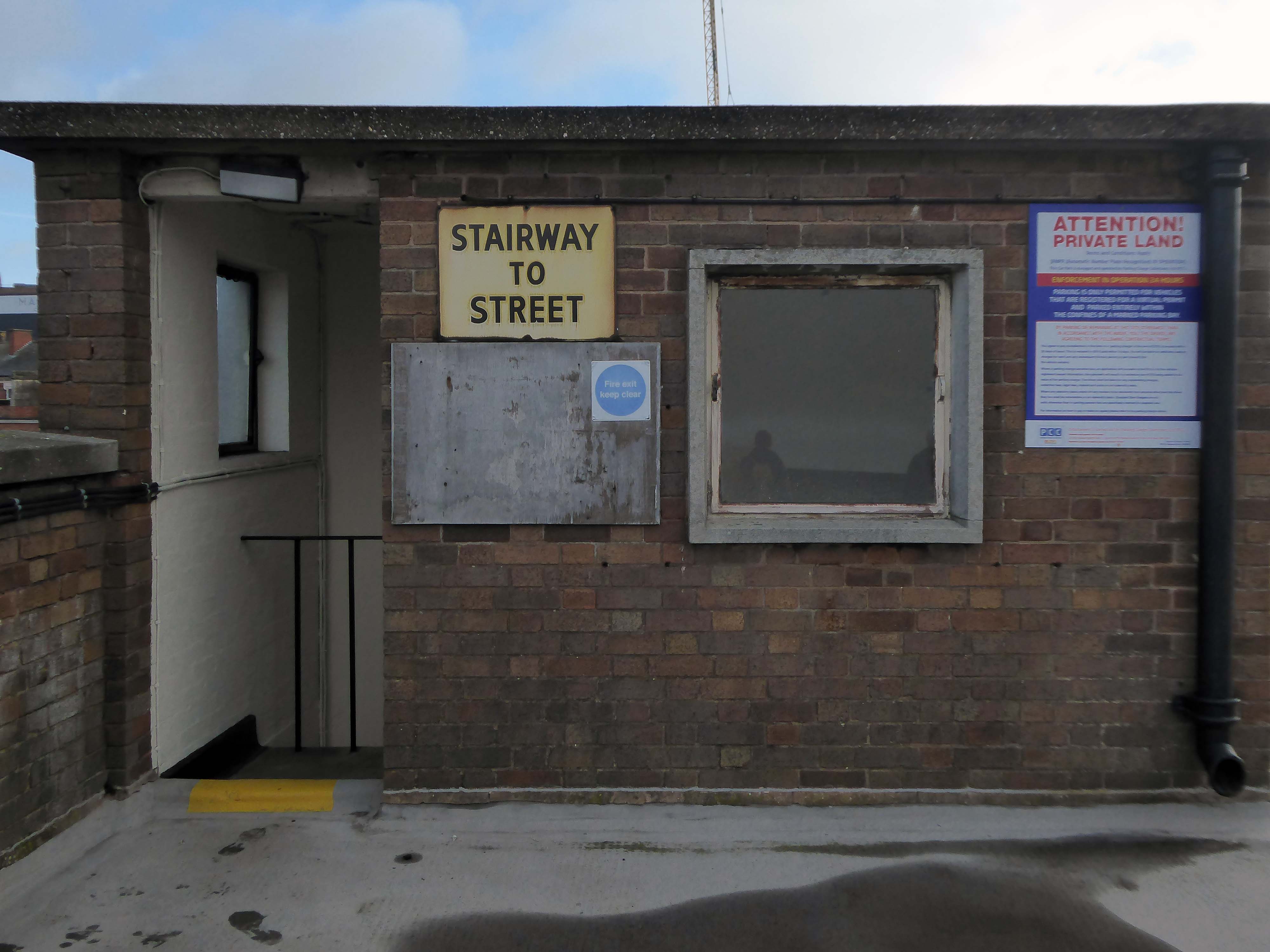
There is access to its roof top car park.
And also an exit back to street level.
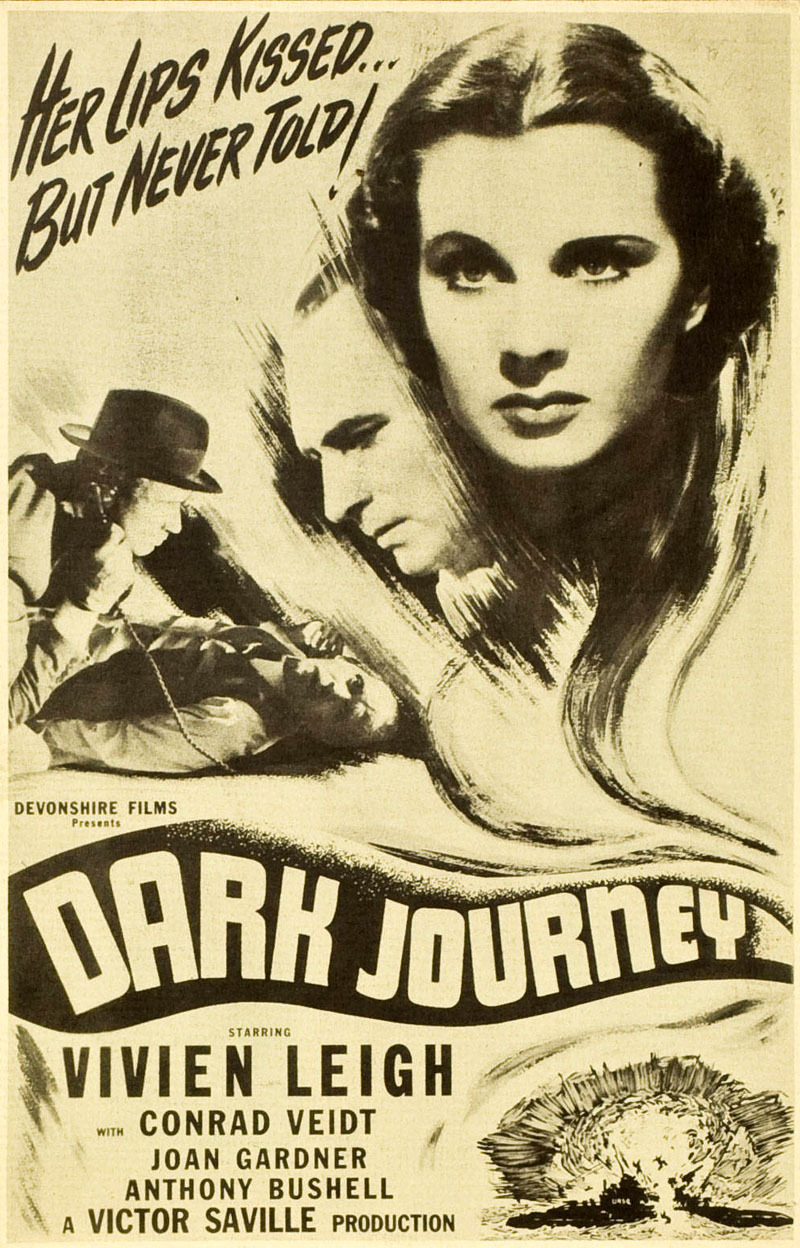
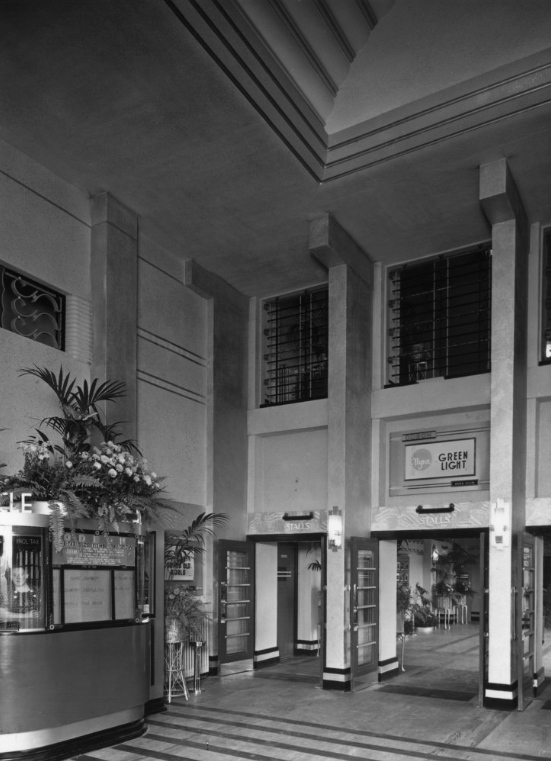
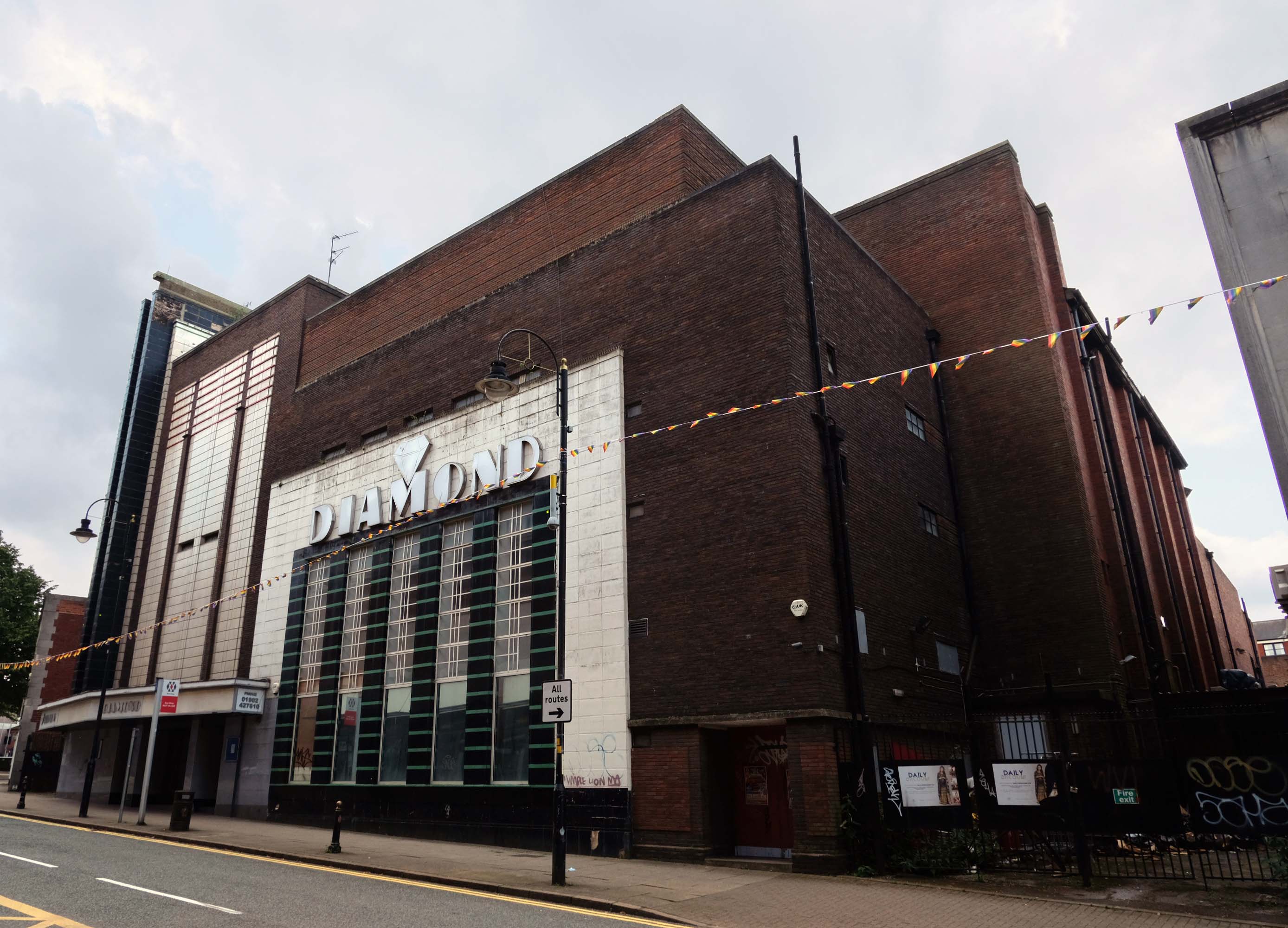
Where we find at street level the former Odeon Cinema, opened on 11th September 1937 with Conrad Veidt in Dark Journey.
In October 2000, the former Odeon was designated a Grade II Listed building by English Heritage.
RIBA pix
In recent years it was a Mecca Bingo Club, but this was closed in March 2007 In October 2009, it had been refurbished and re-opened as the Diamond Banqueting Suite. In April 2021 police raided the vacant building to discover an illegal cannabis farm operating in the building.
Four men were arrested.
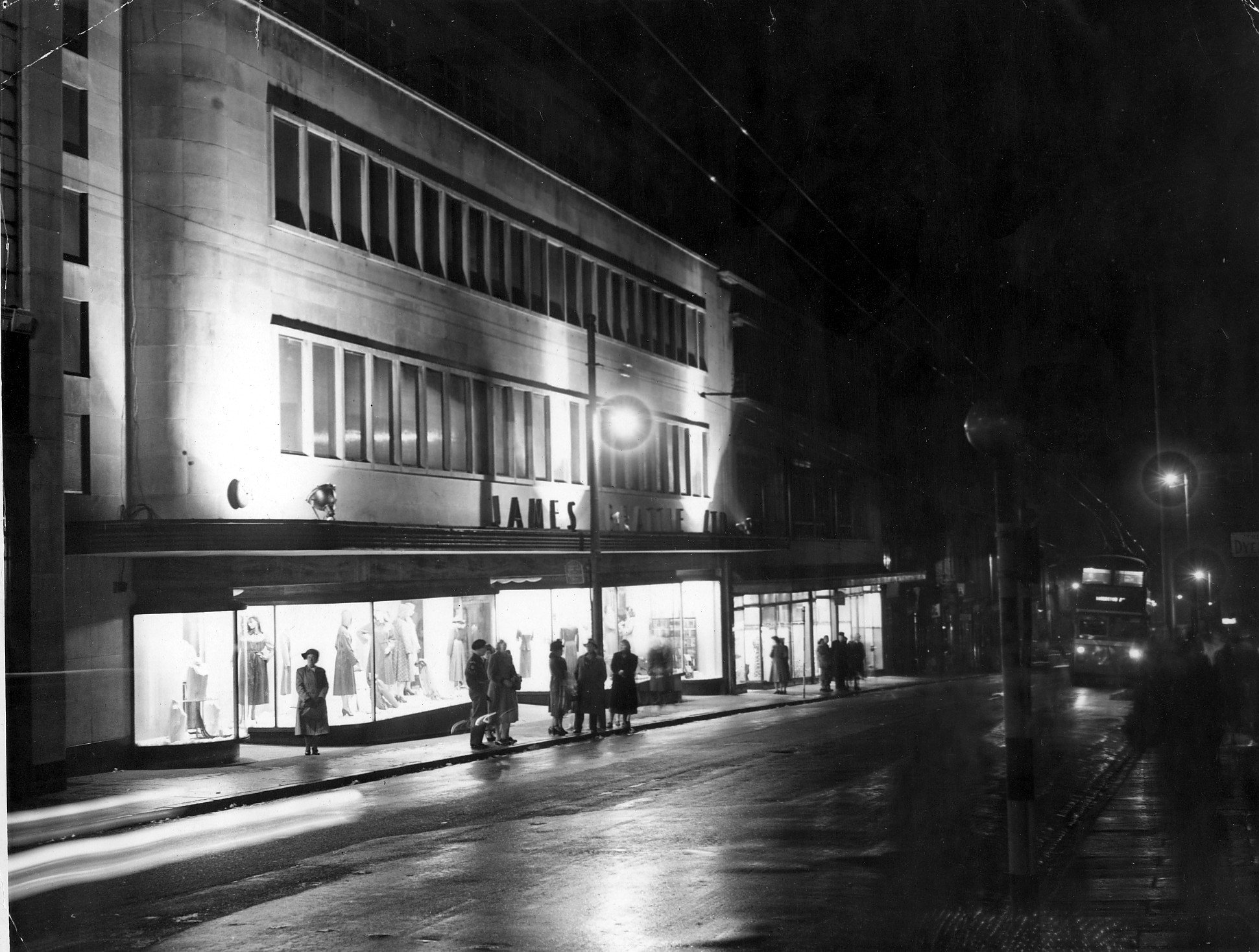
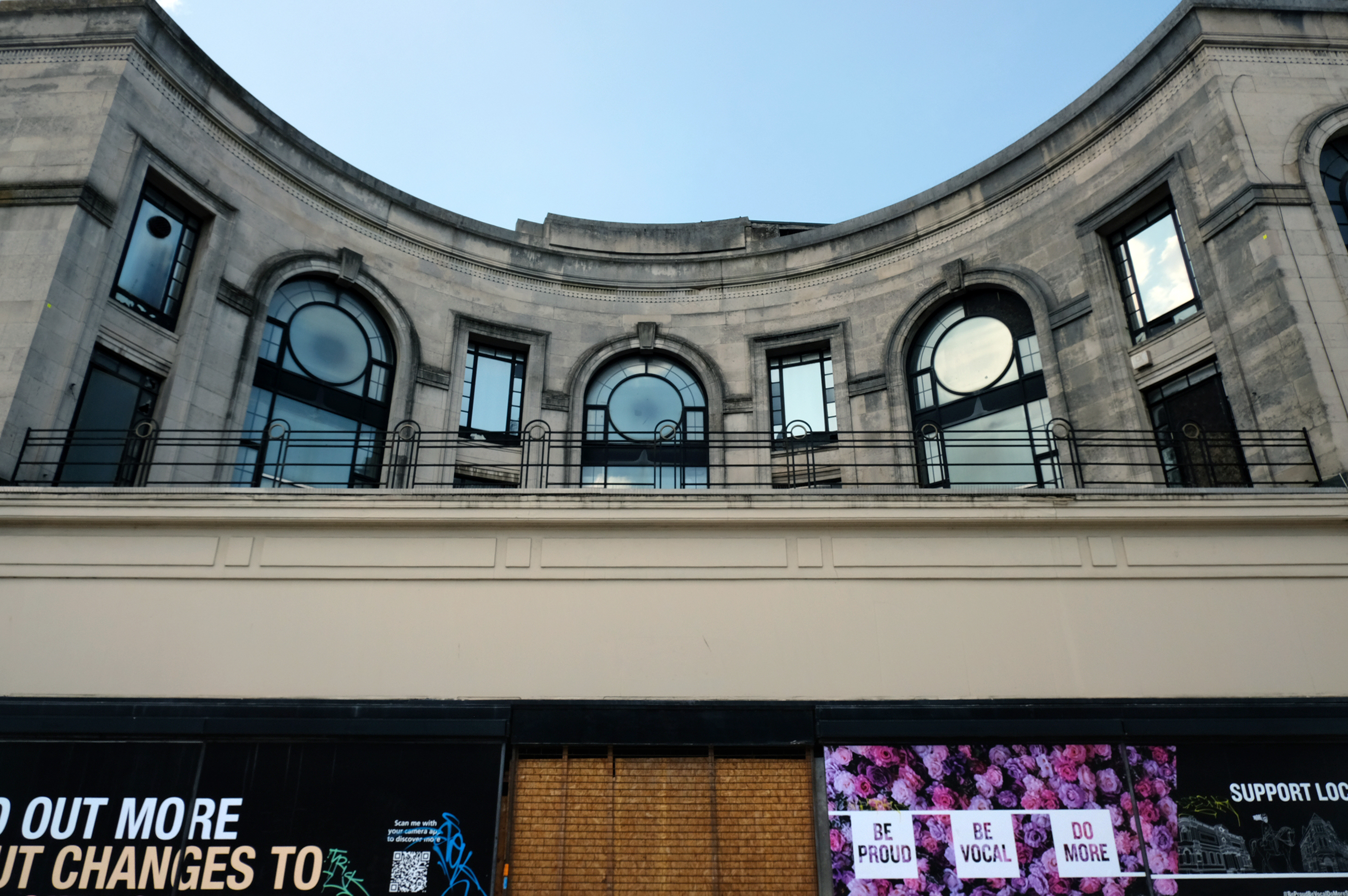
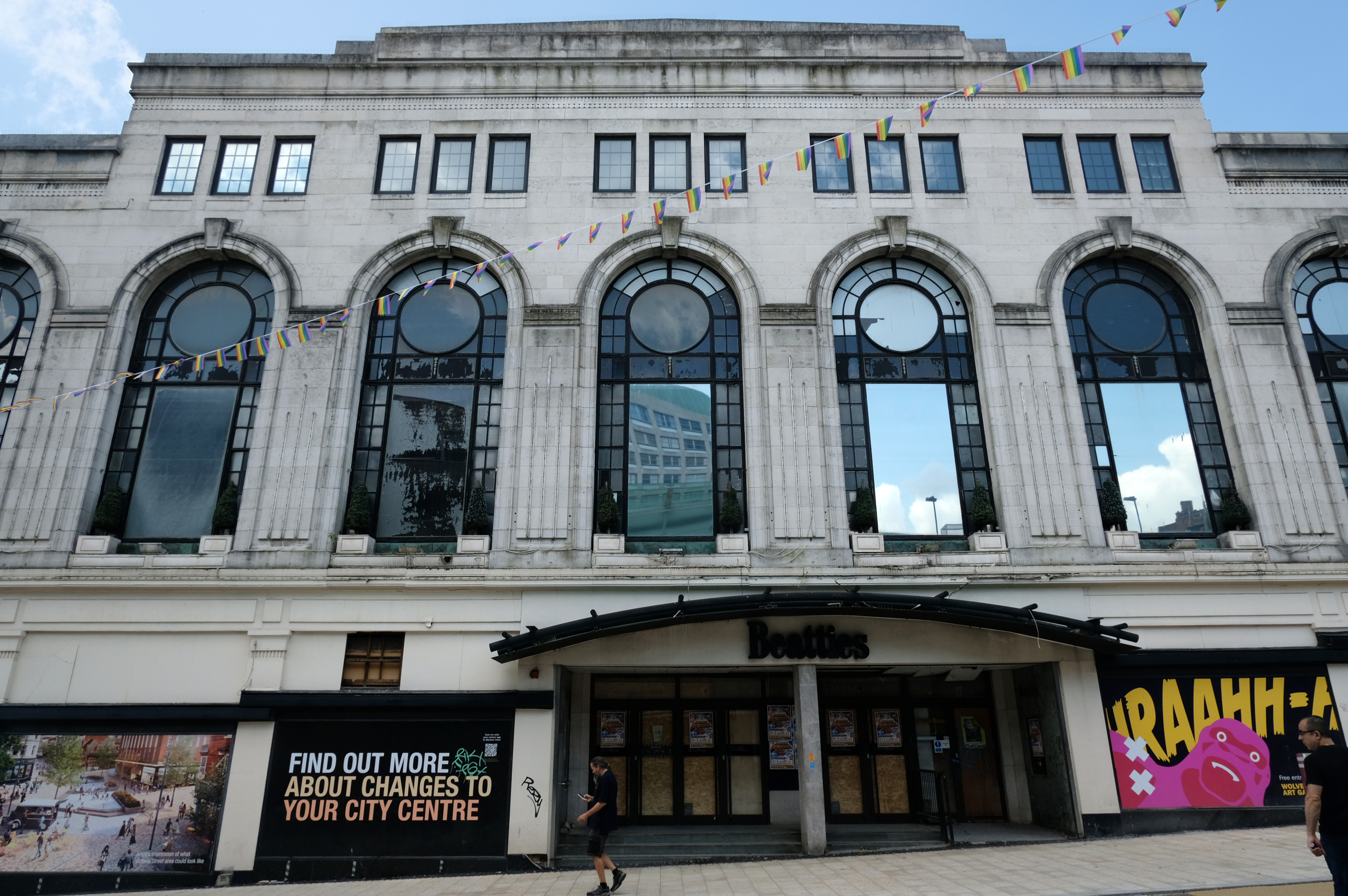
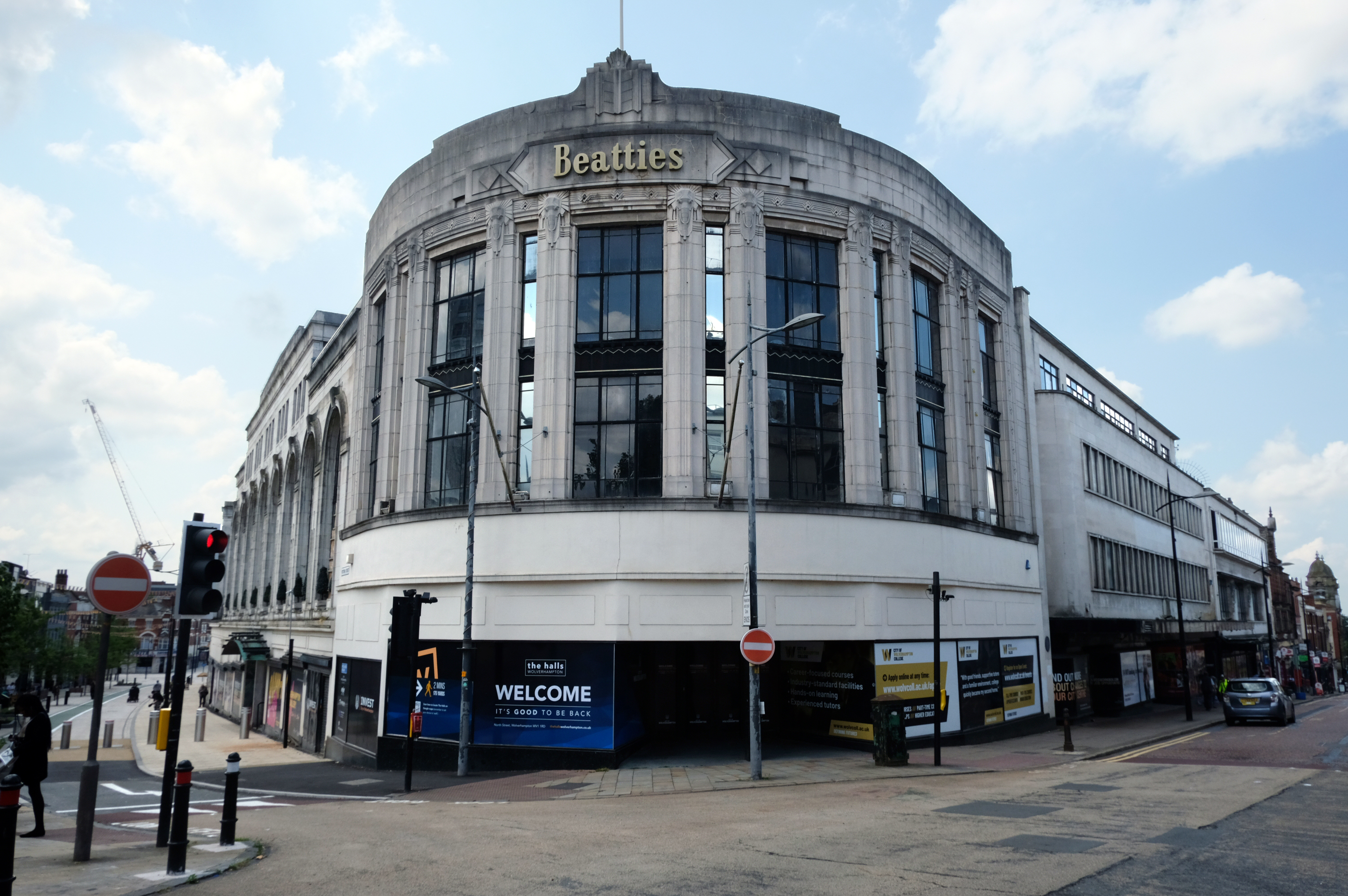
Let’s take a turn around the corner to Victoria Street where we find the complex of Beatties Buildings.
Architects: Lavender, Twentyman and Percy 1920’s – 30’s
The C20 Beatties store is a multi-period site developed first in the 1920s-30s. A Burton’s men’s clothes shop was built on a curved corner site at Victoria St/Darlington St and Beatties themselves replaced their existing Victoria St store in the 1930s with a building by local architects Lavender, Twentyman and Percy. Beatties later acquired and incorporated the Burton’s shop into their store. These two buildings form the locally listed building to which were added a mid-C20 extension along Darlington St and a late-C20 development to the rear at Skinner St.
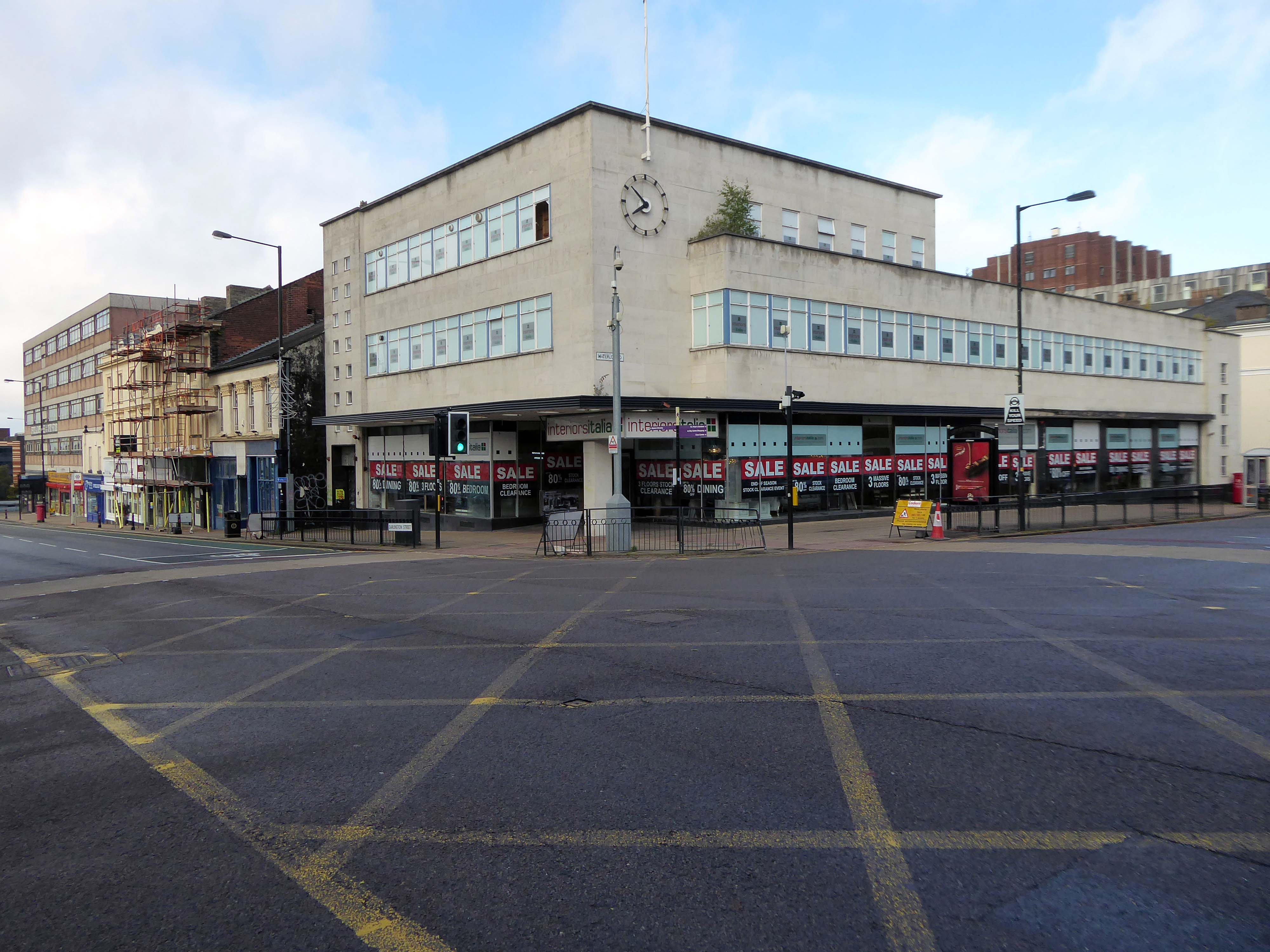
An imperious Portland stone clad mixed us block on Waterloo Road, with a delightful clock.
Formerly the Gas Showrooms then SunAlliance & LondonInsurance offices – aka Clock Chambers
The showroom in Darlington Street was also the centre of a radio network that controlled a fleet of service vans. This enabled customers to receive service within minutes of making a telephone call. Demonstrations of cookery, washing and refrigeration were given by the Gas Board’s Home Service Advisers and a number of the company’s engineers, who specialised in designing gas equipment for industrial processes operated an advisory service for manufacturers.
Architects: Richard Twentyman 1939.
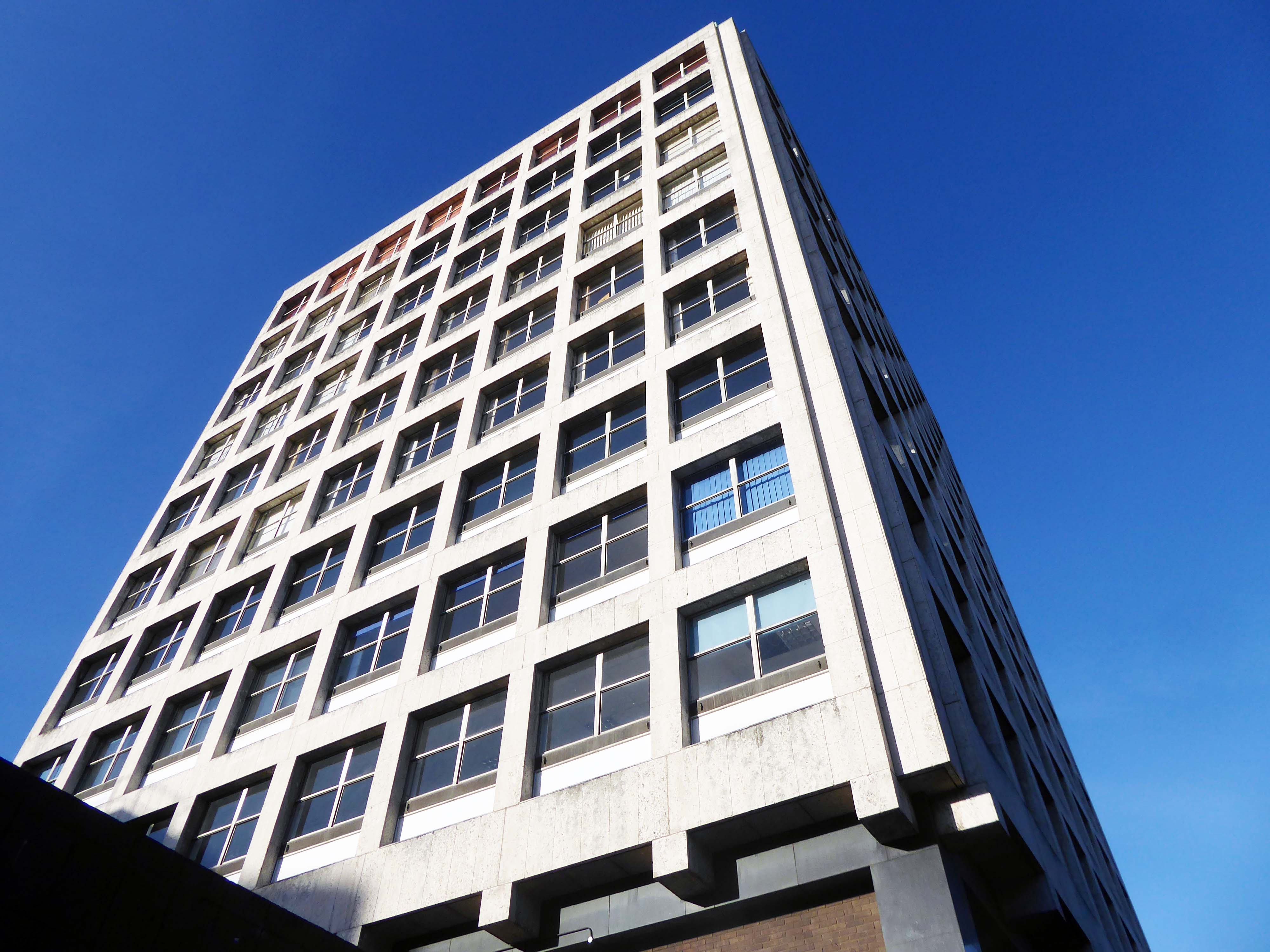
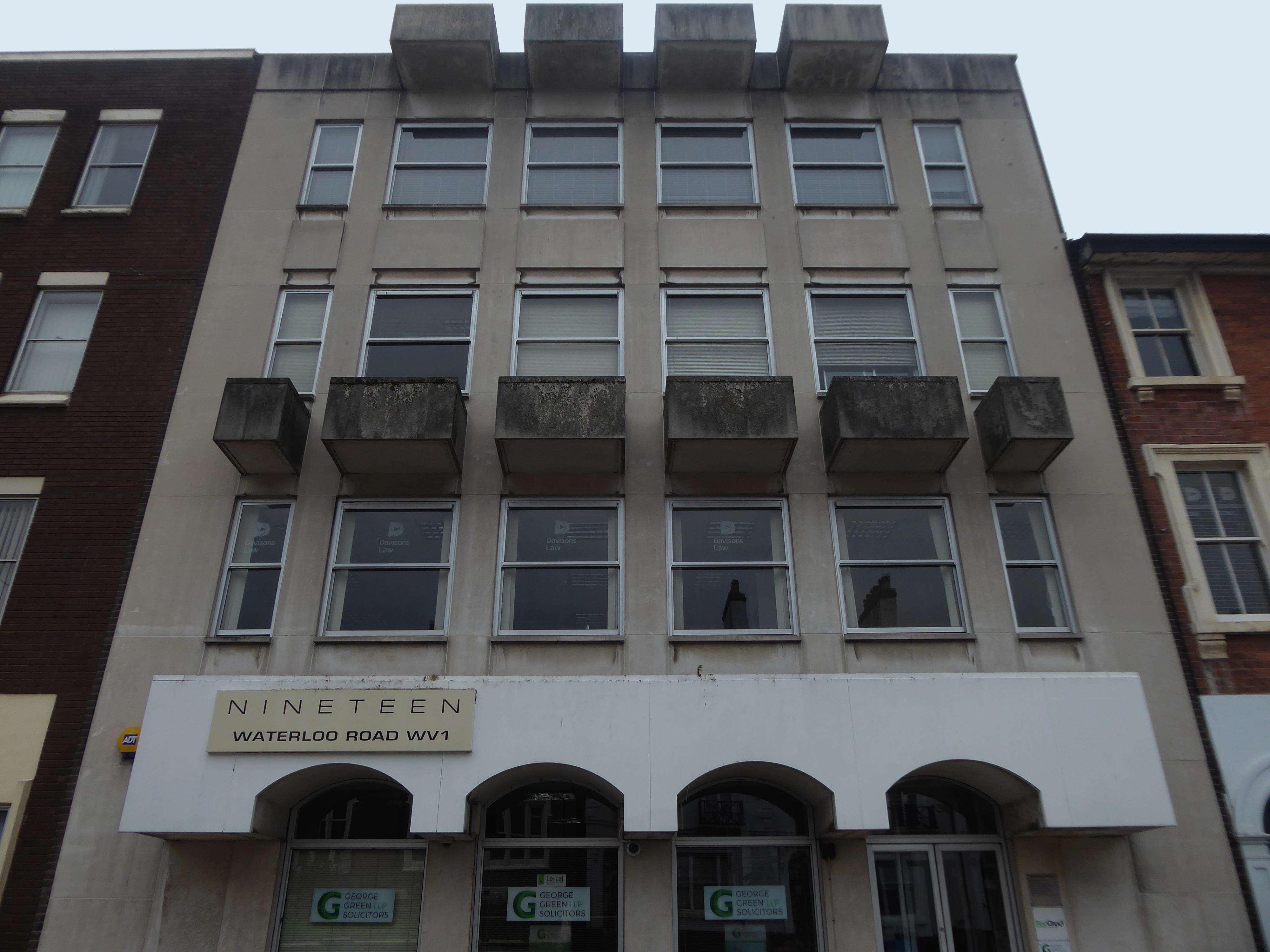
Nineteen Waterloo Road latterly First City House formerly home to Eagle Star Insurance 1970
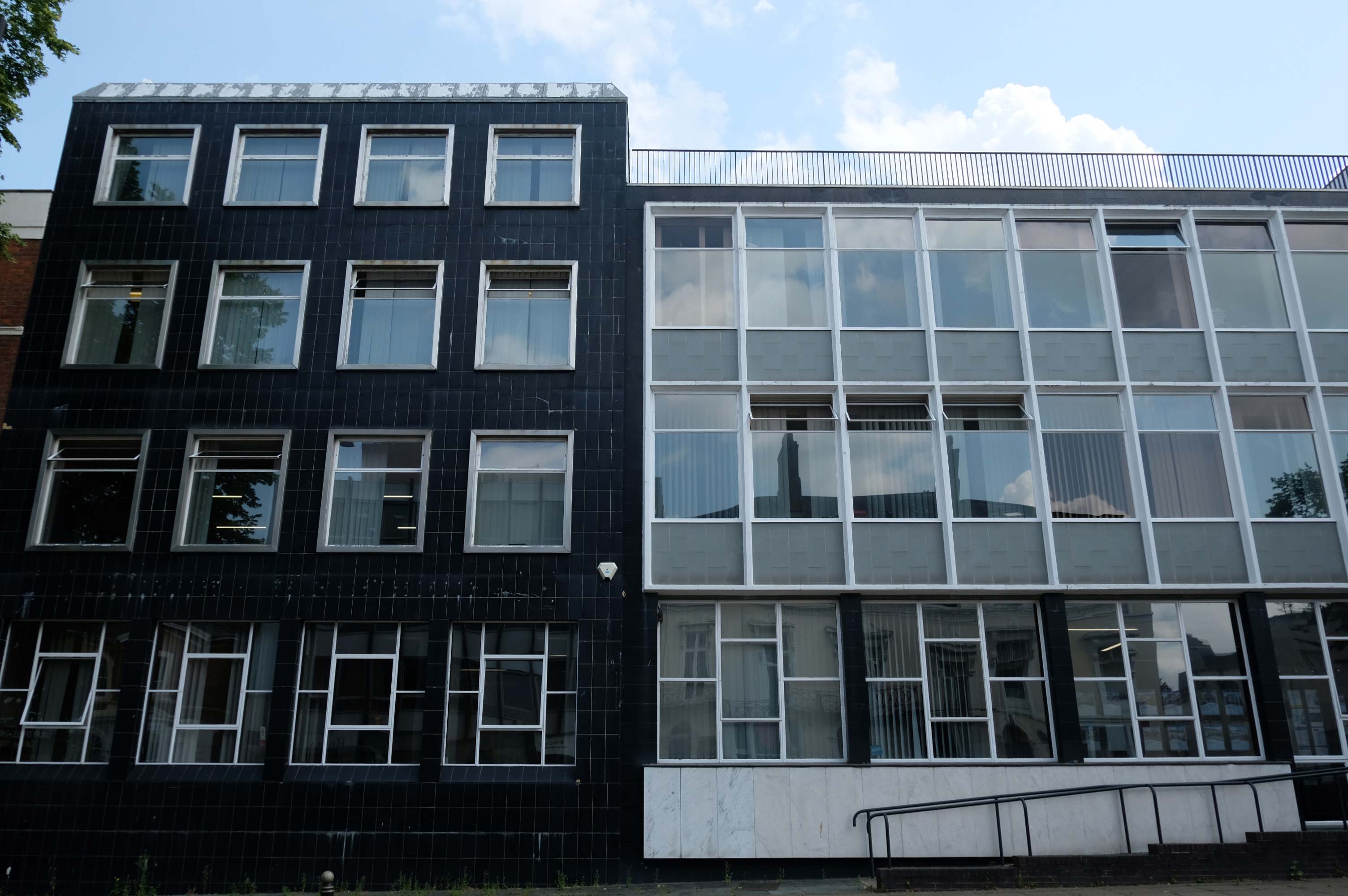
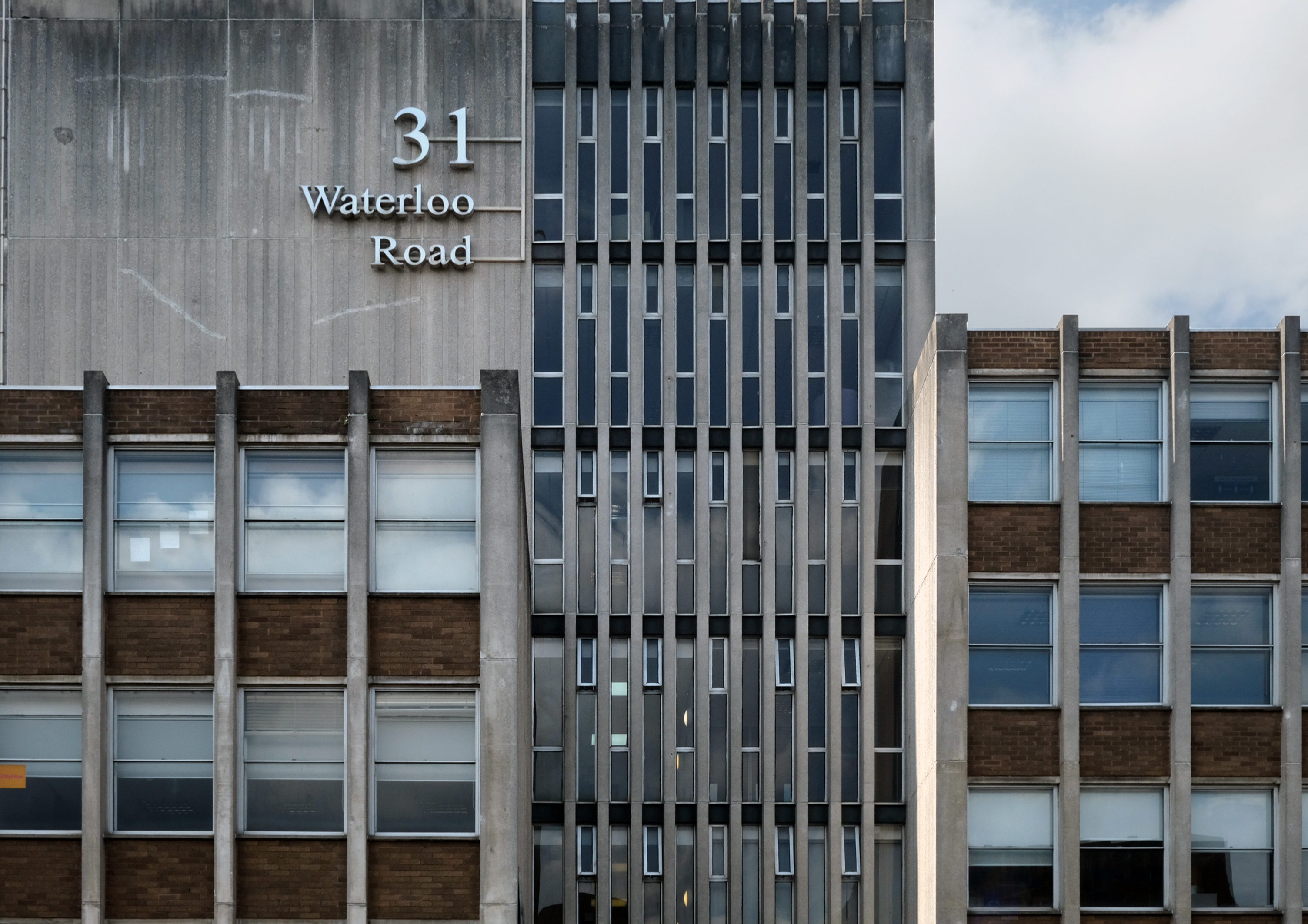
8-10 Waterloo Road architects: Richard Twentyman 1959 extended 1966.
More than once, though that’s no reason not to do so again – so I did.
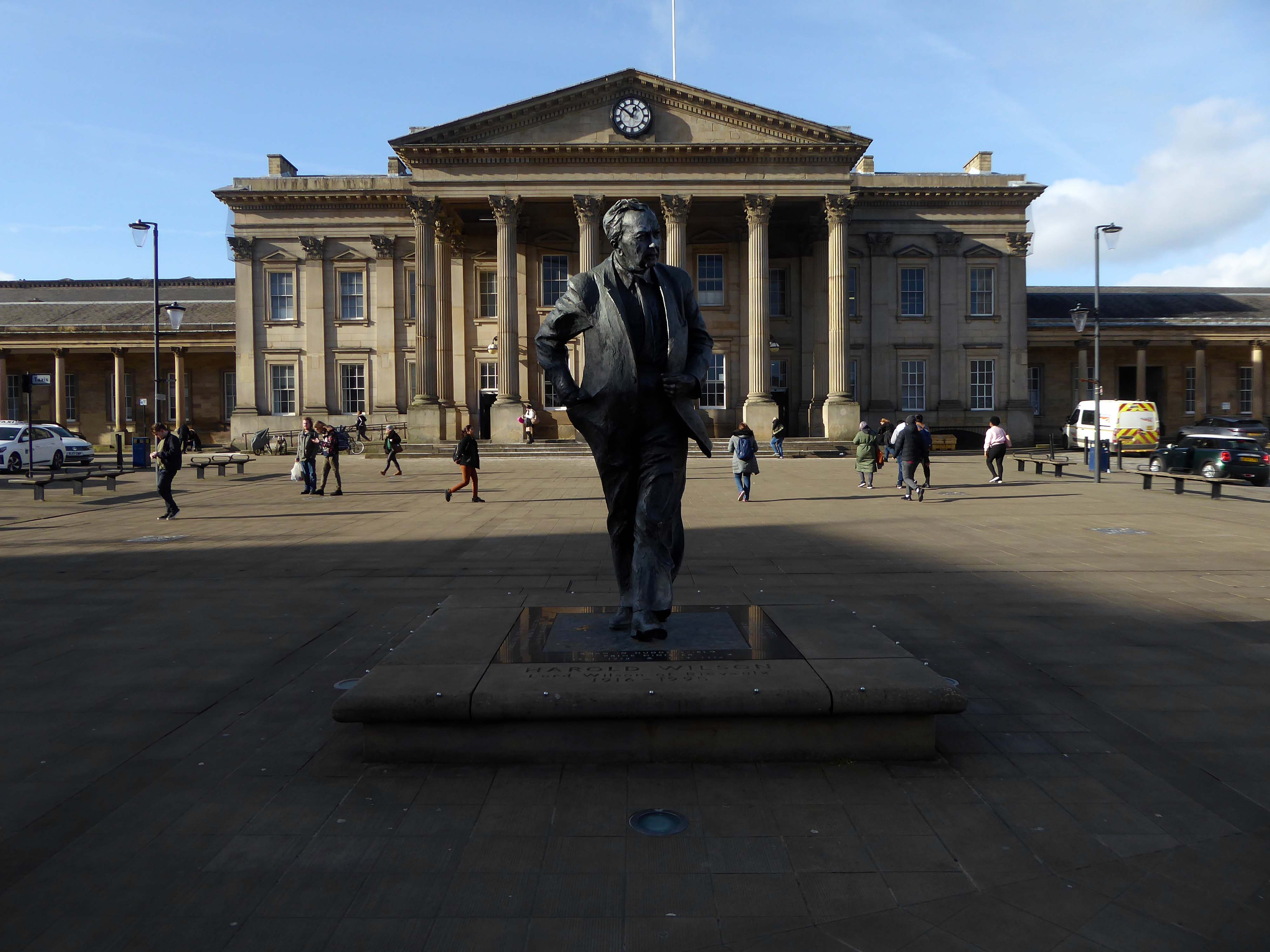
Saying hello to Harold.
Harold saying hello to us:
Nostalgia won’t pay the bills; the world doesn’t owe us a living; and we must harness the scientific revolution to win in the years to come. This scientific revolution is making it physically possible, for the first time in human history, to conquer poverty and disease, to move towards universal literacy, and to achieve for the whole people better living standards than those enjoyed by tiny privileged classes in previous epochs.
He warned change would have to reach every corner of the country; The Britain that is going to be formed in the white heat of this revolution will be no place for the restrictive practices or for outdated methods on either side of industry.
Standing sentinel over one of Nikolaus Pevsner and John Betjeman’s favourite railway station front elevations.
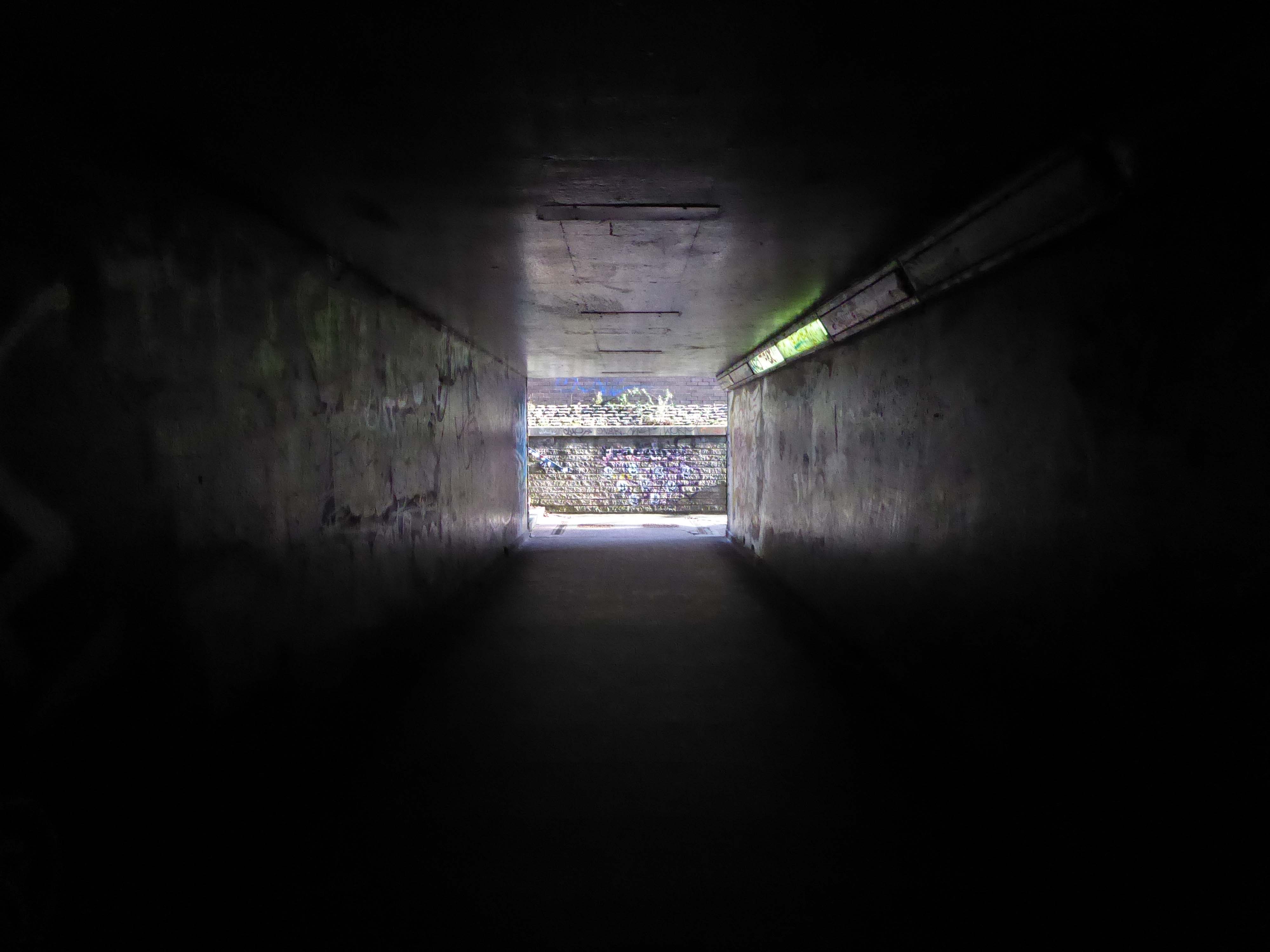
Through a passage darkly.
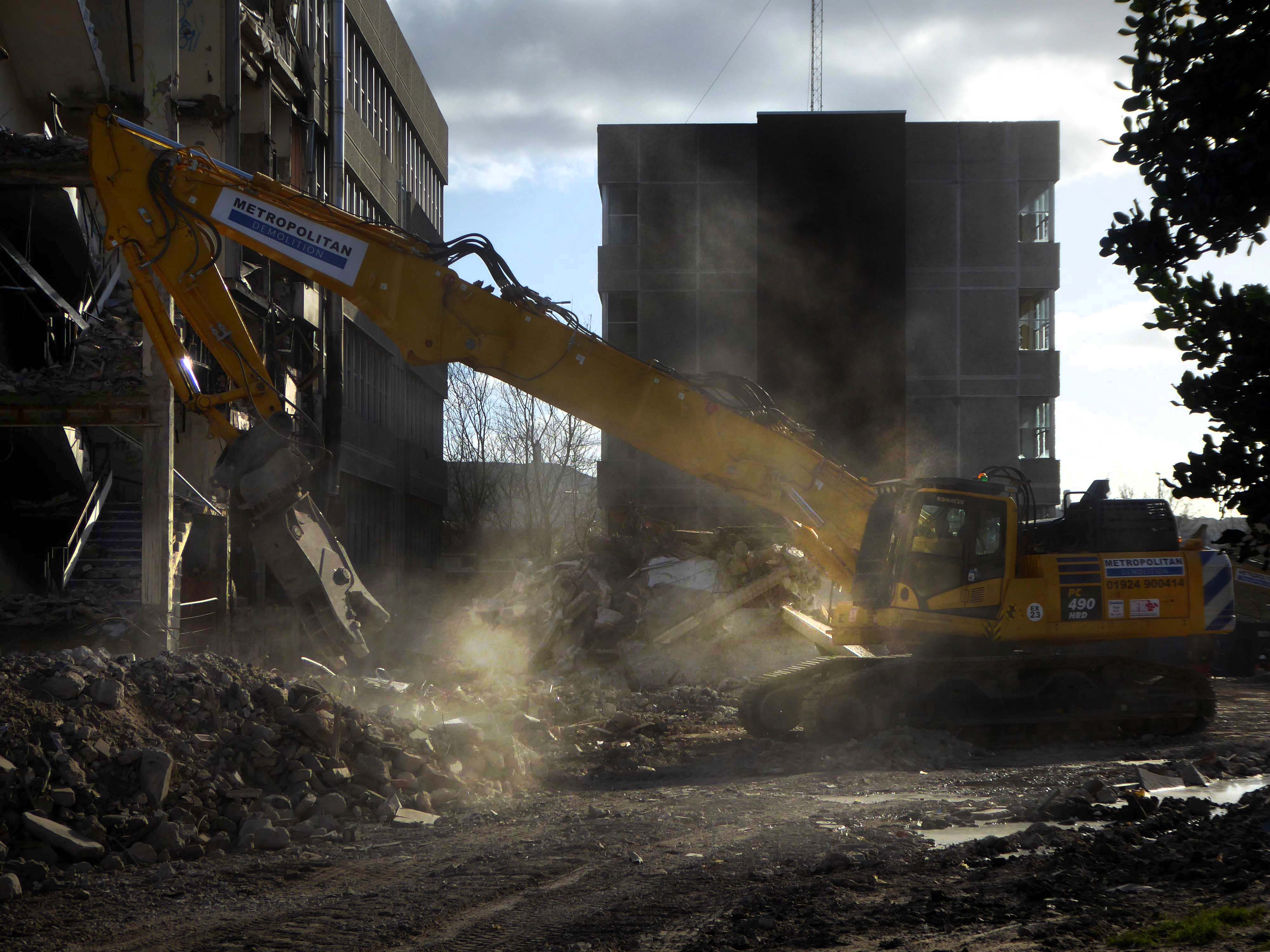
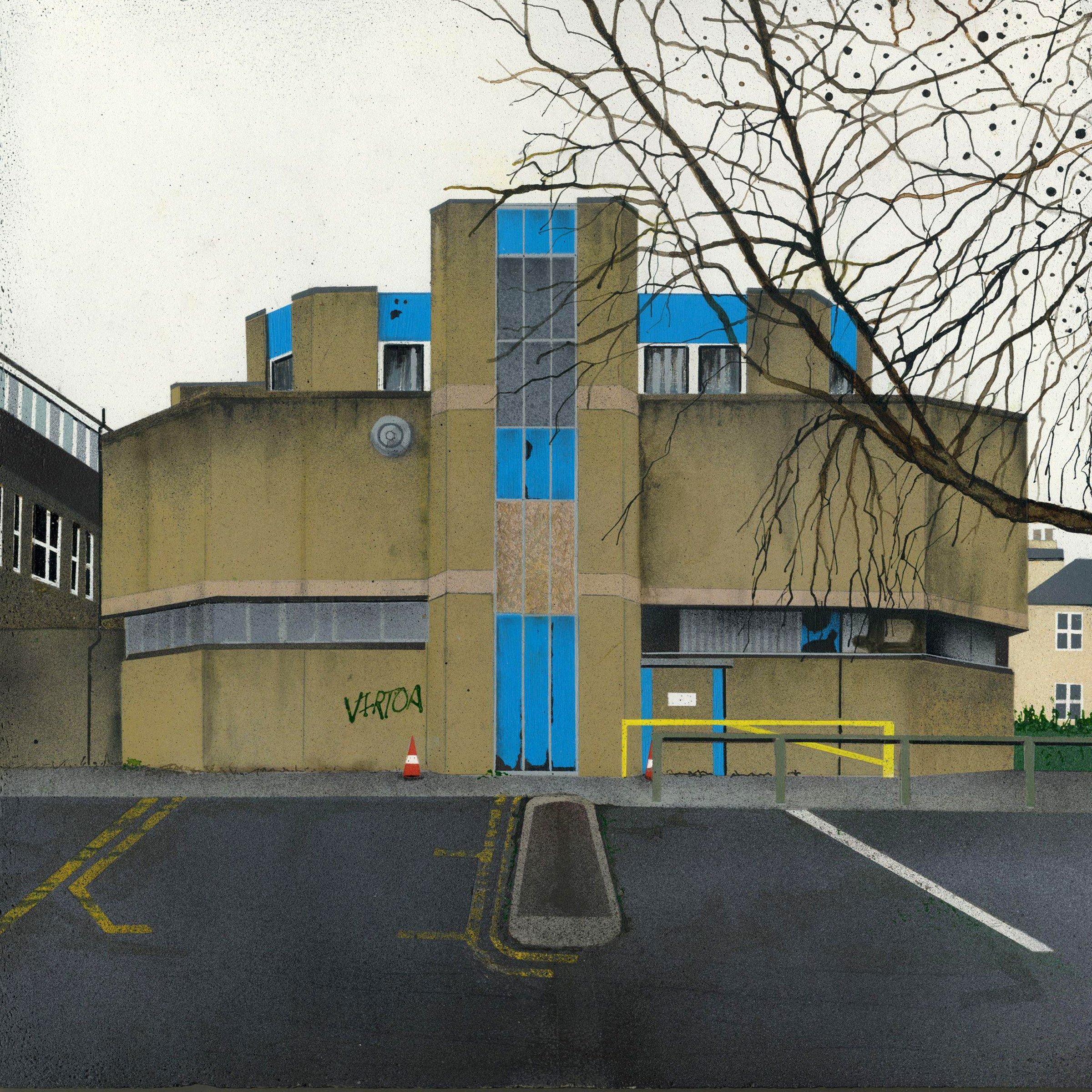
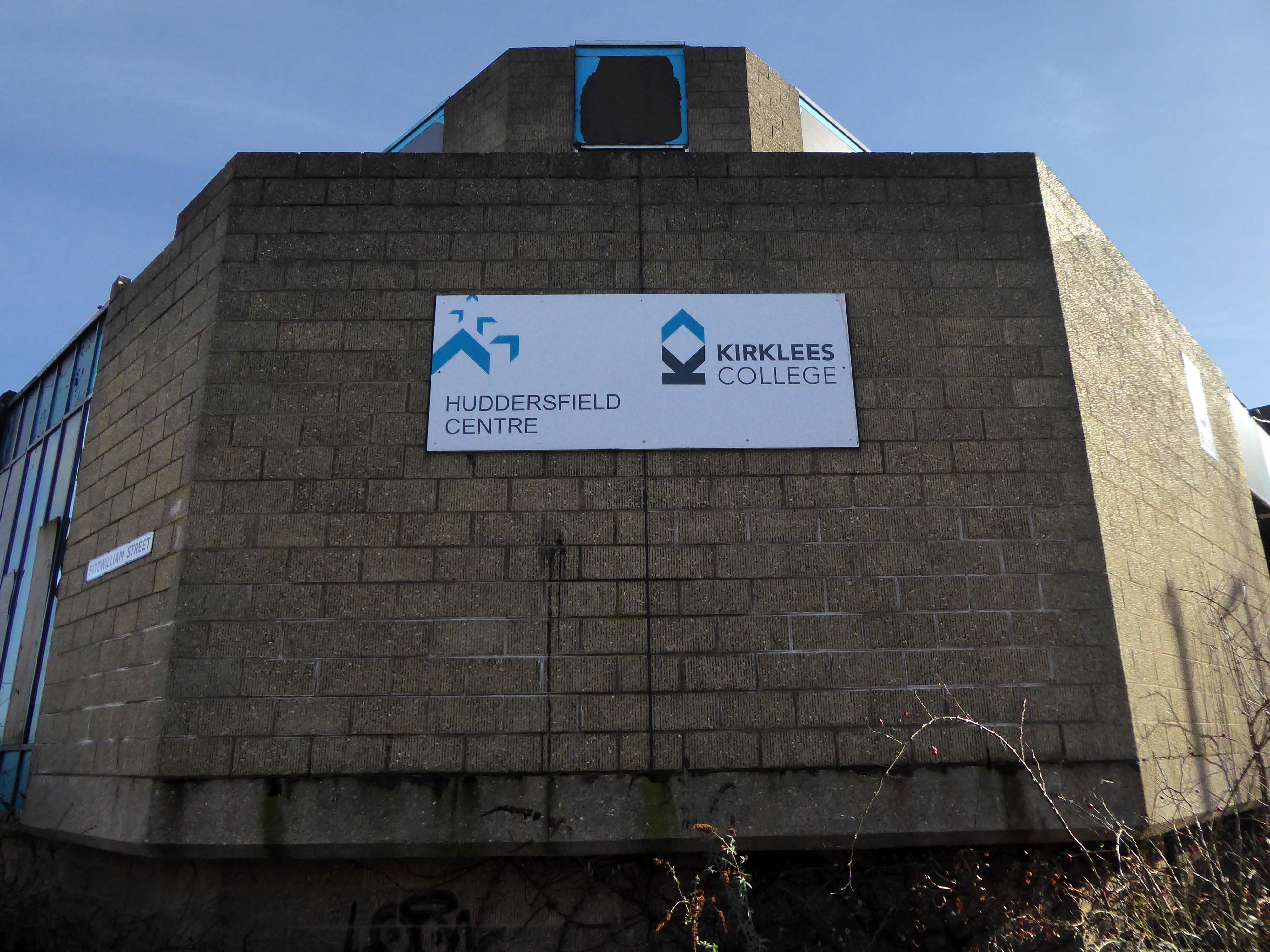
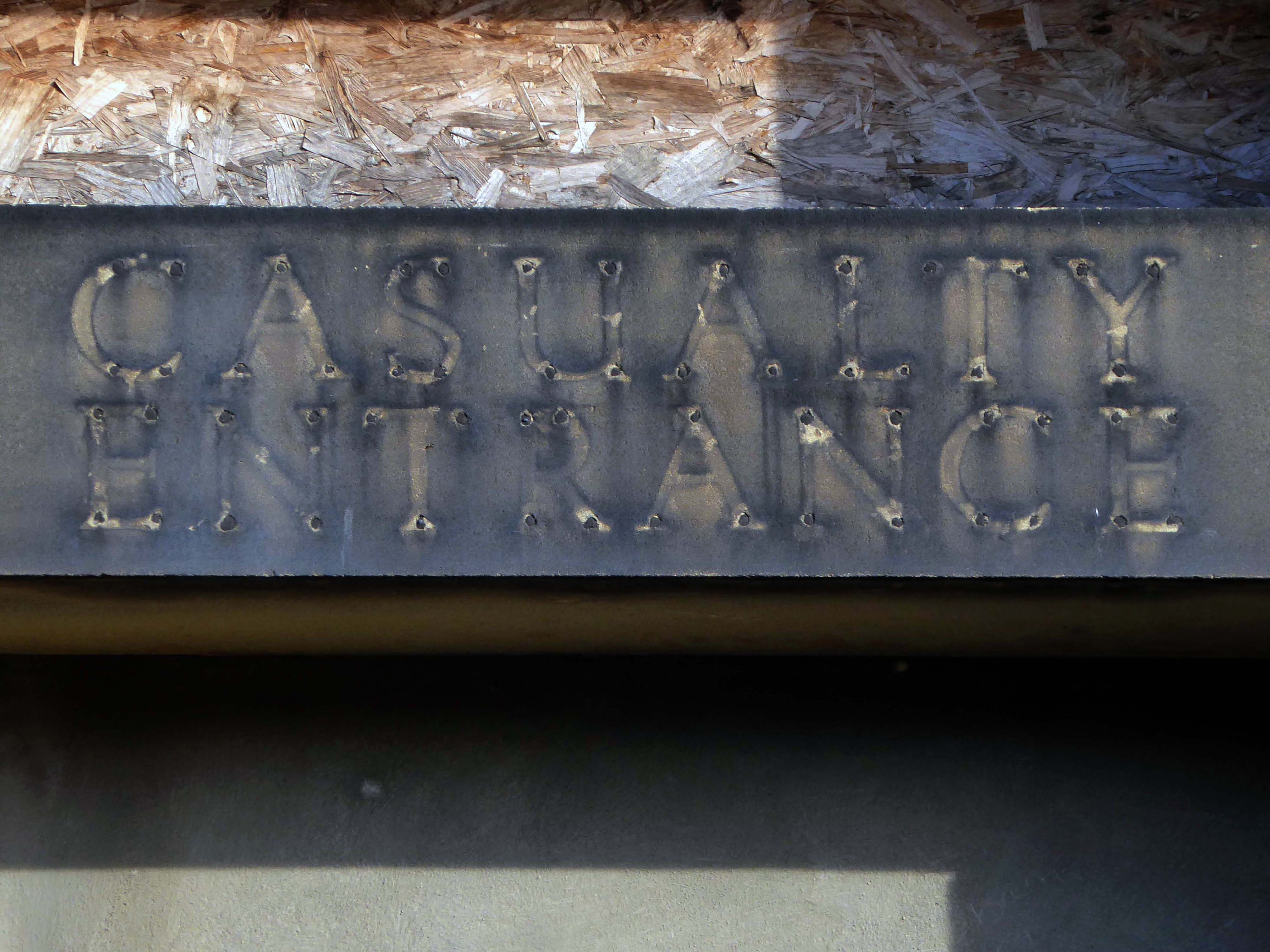
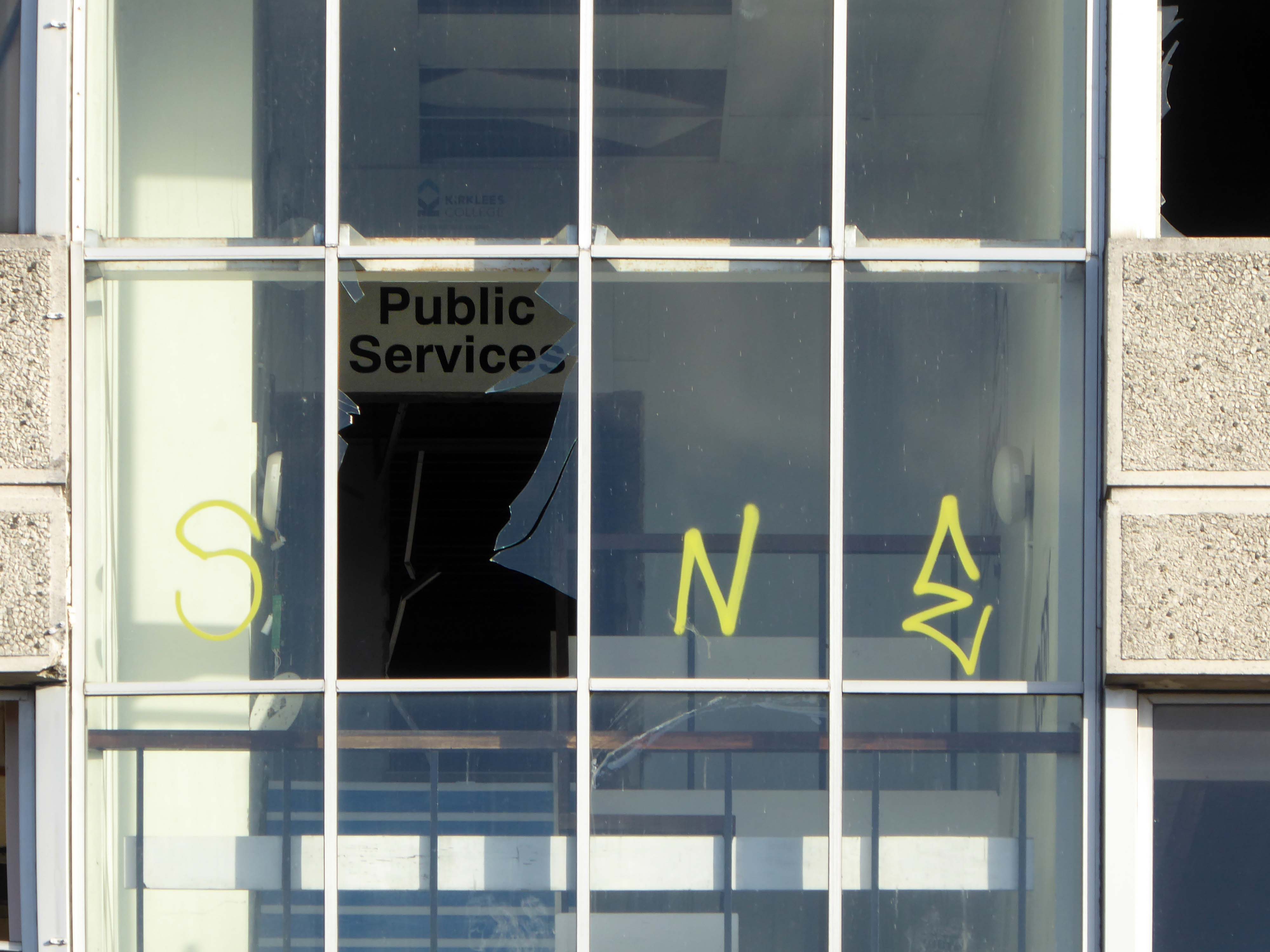
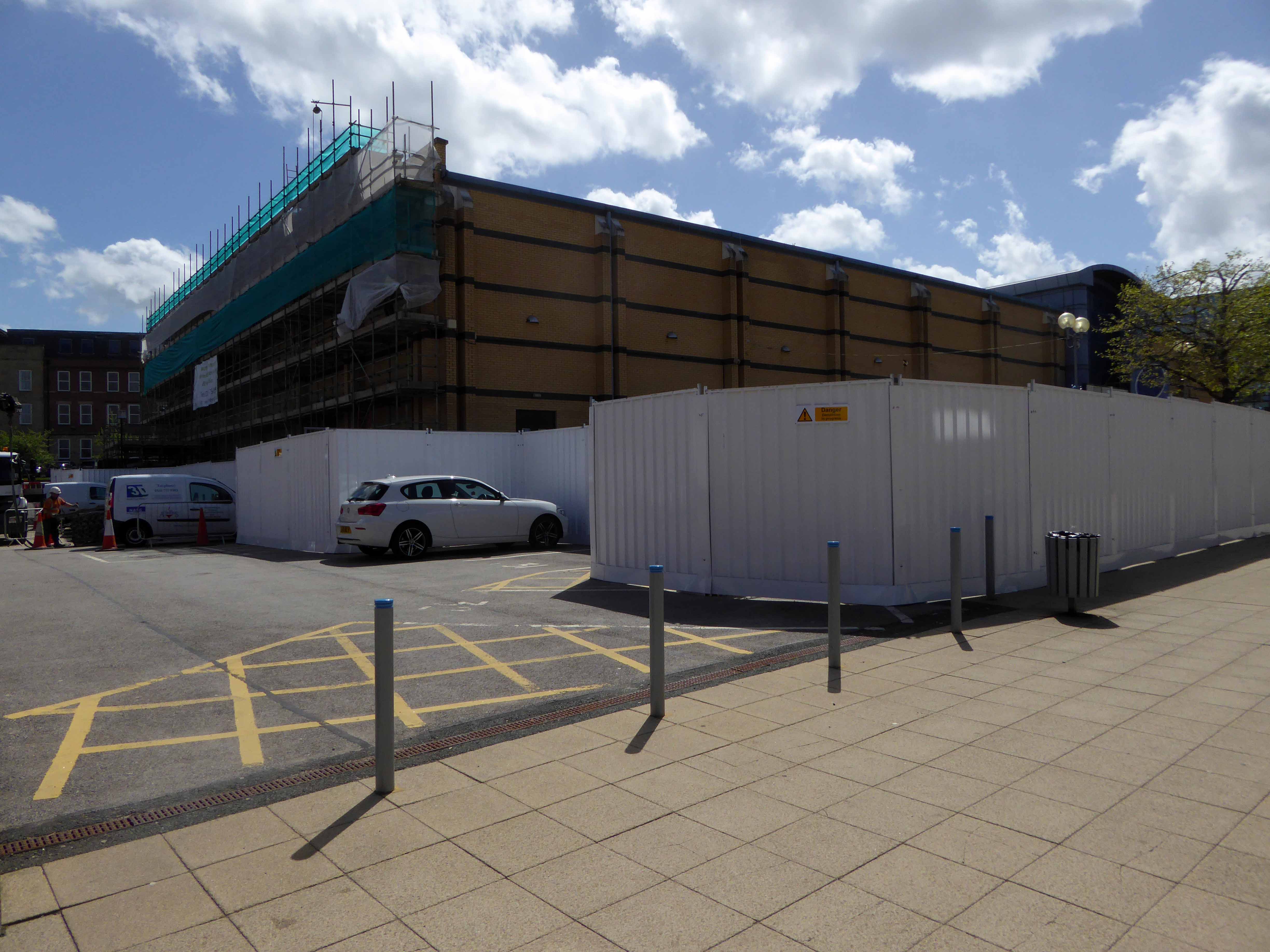
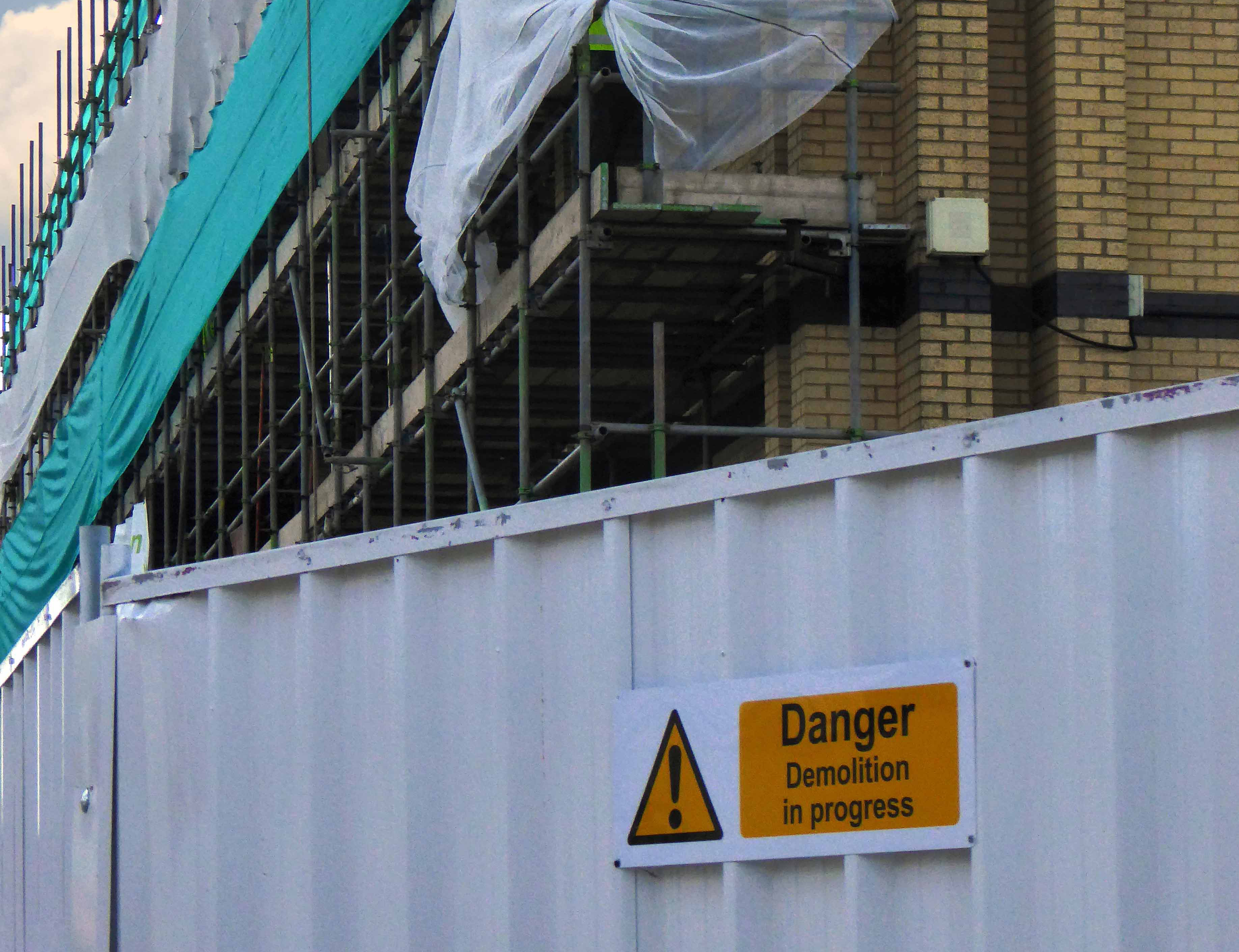
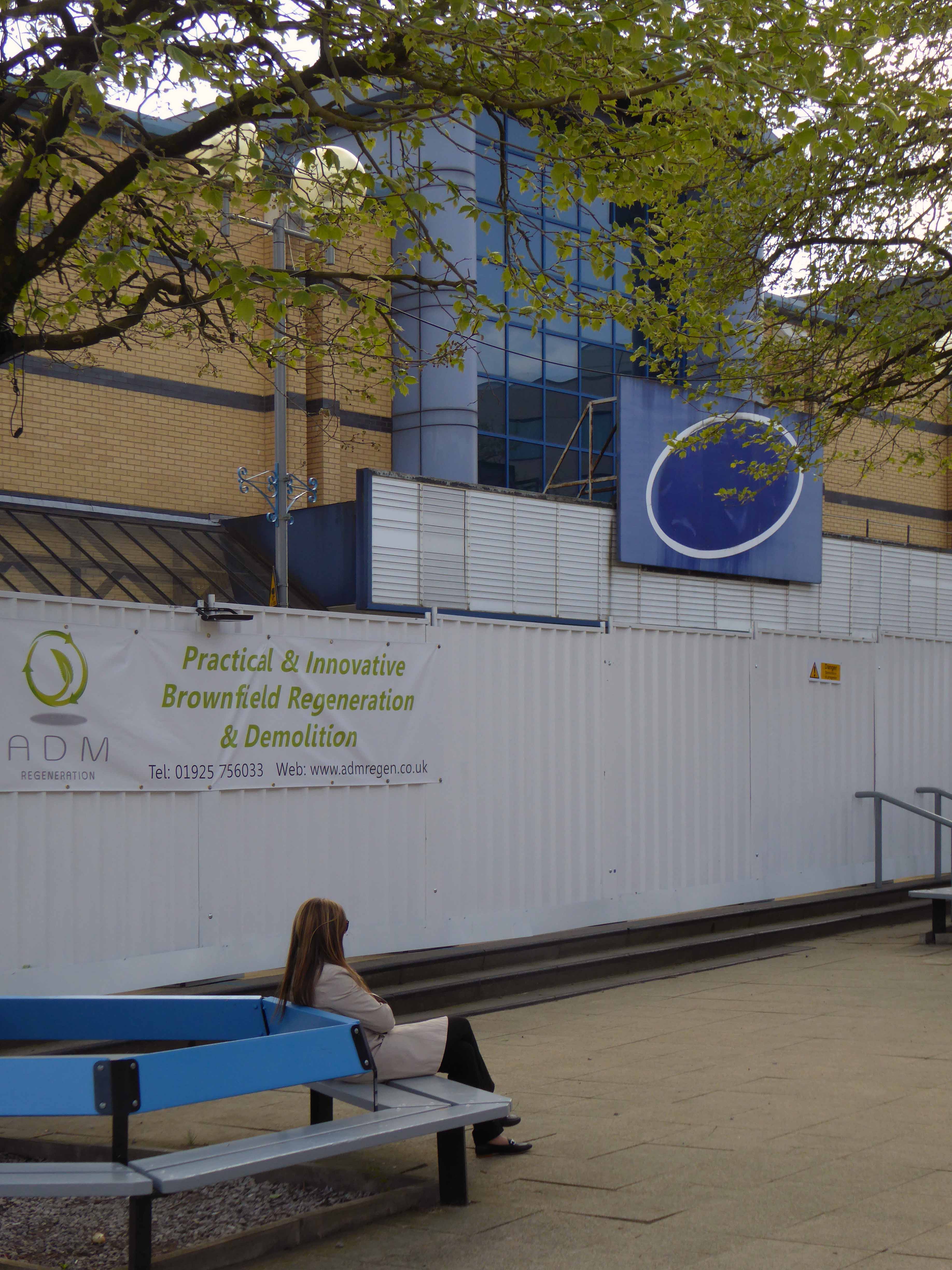
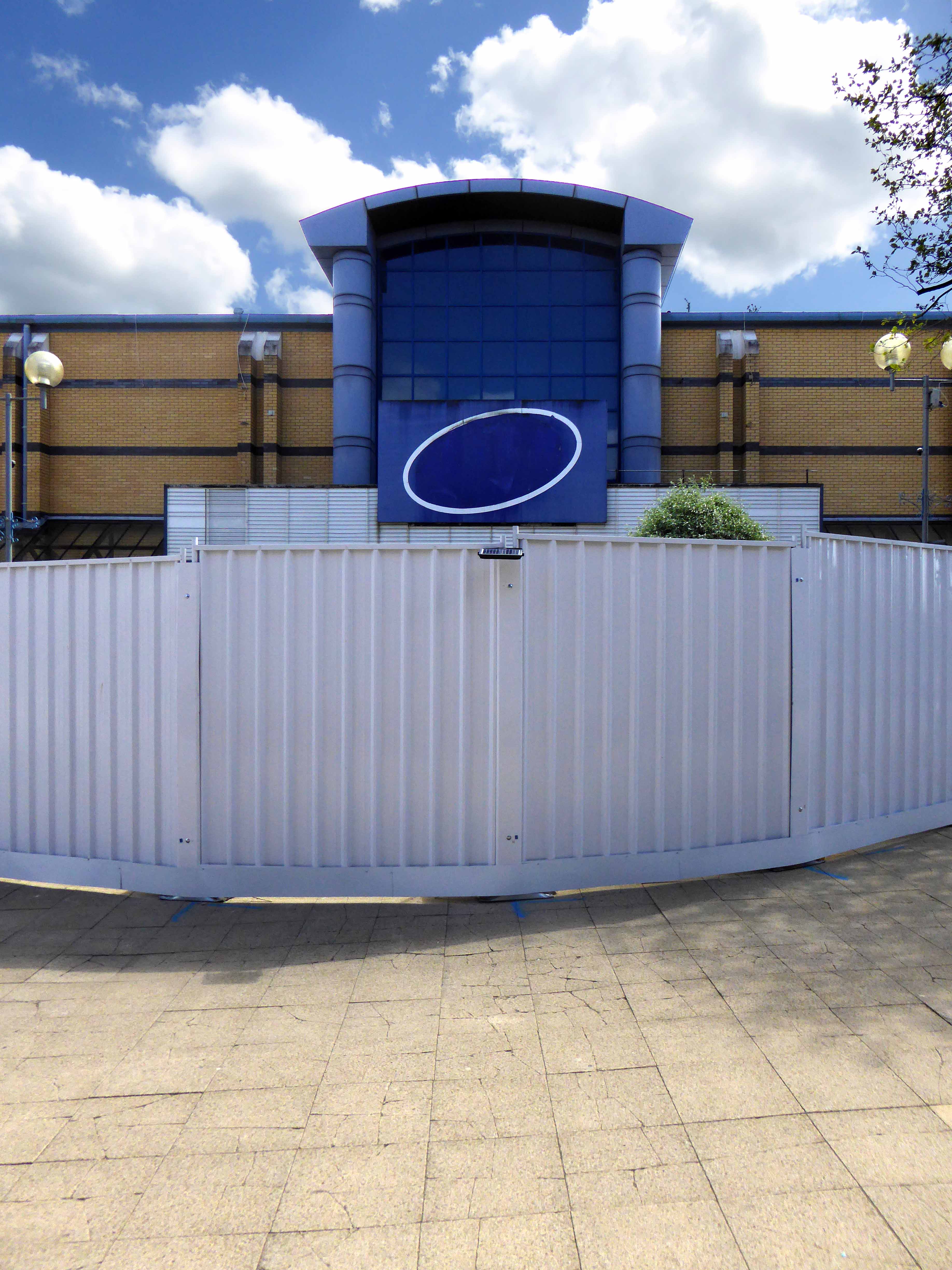
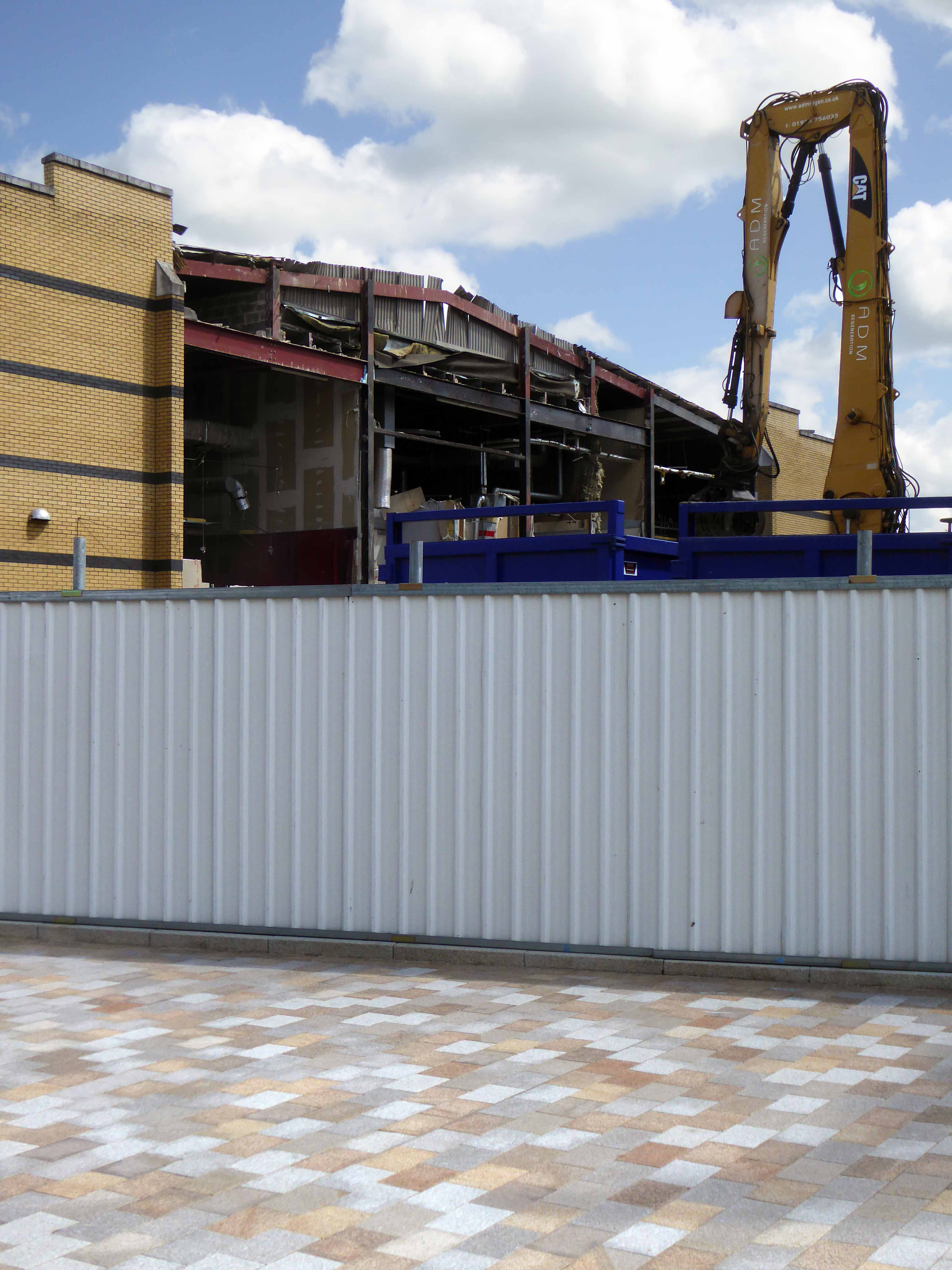
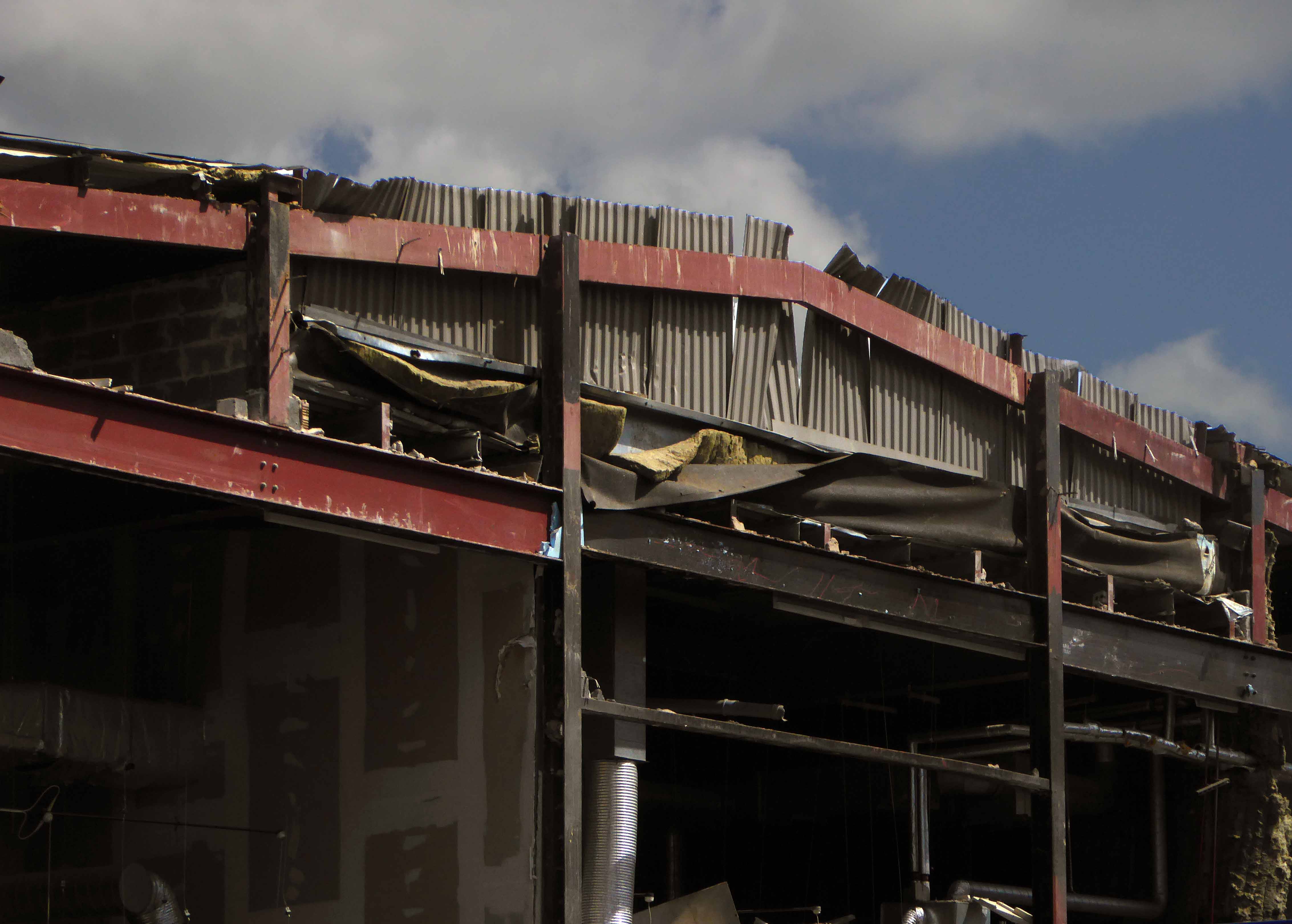
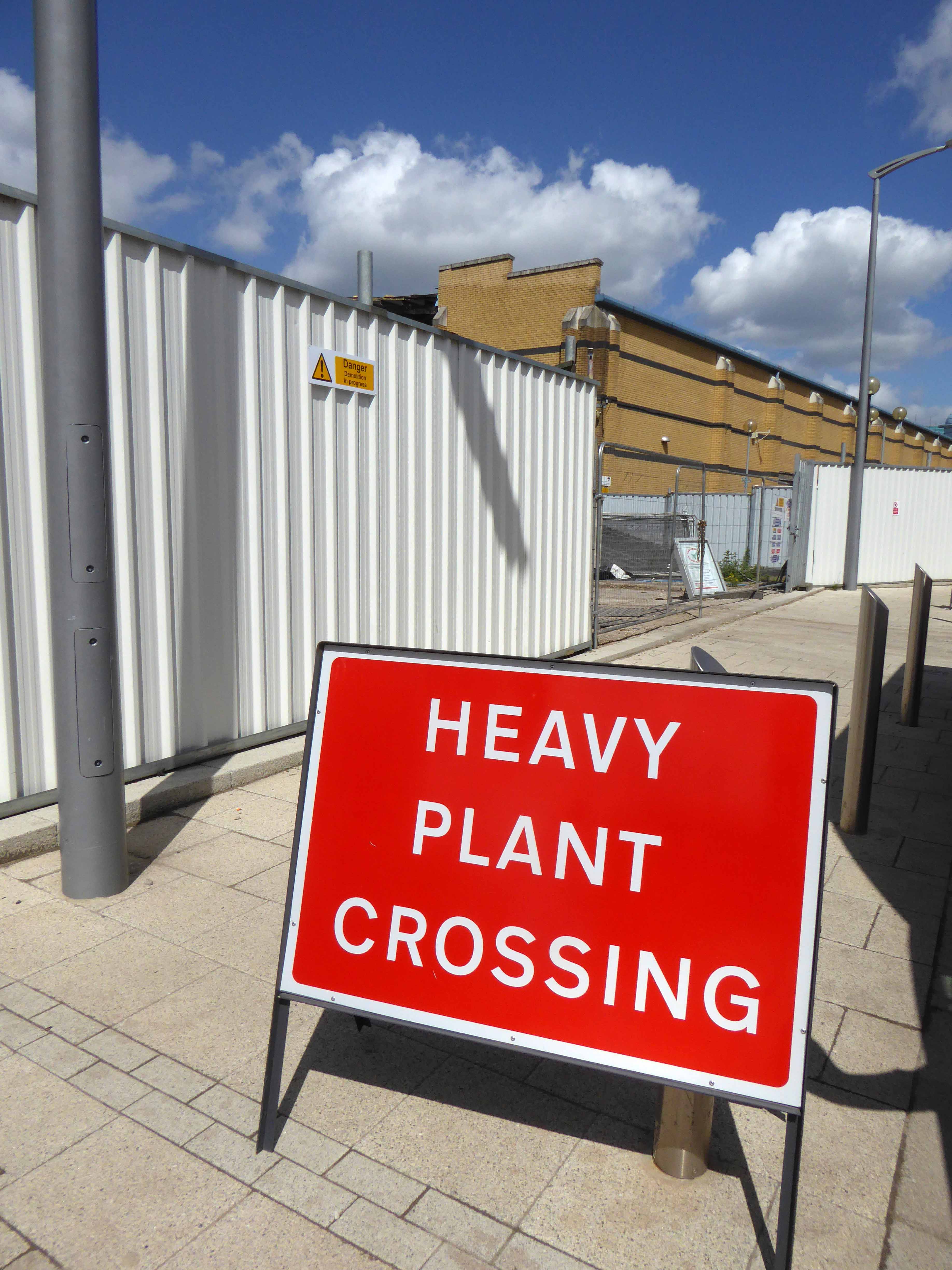
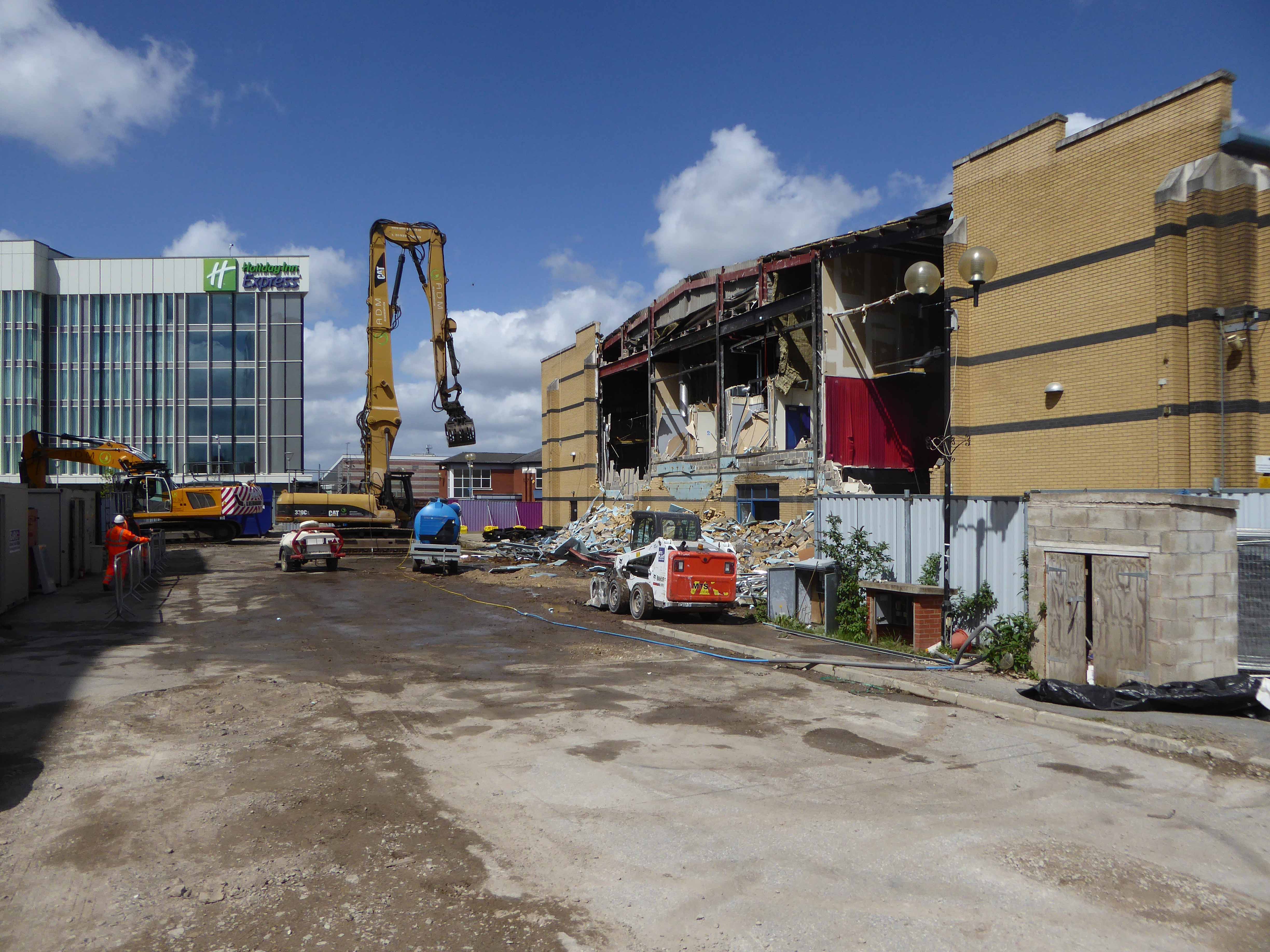
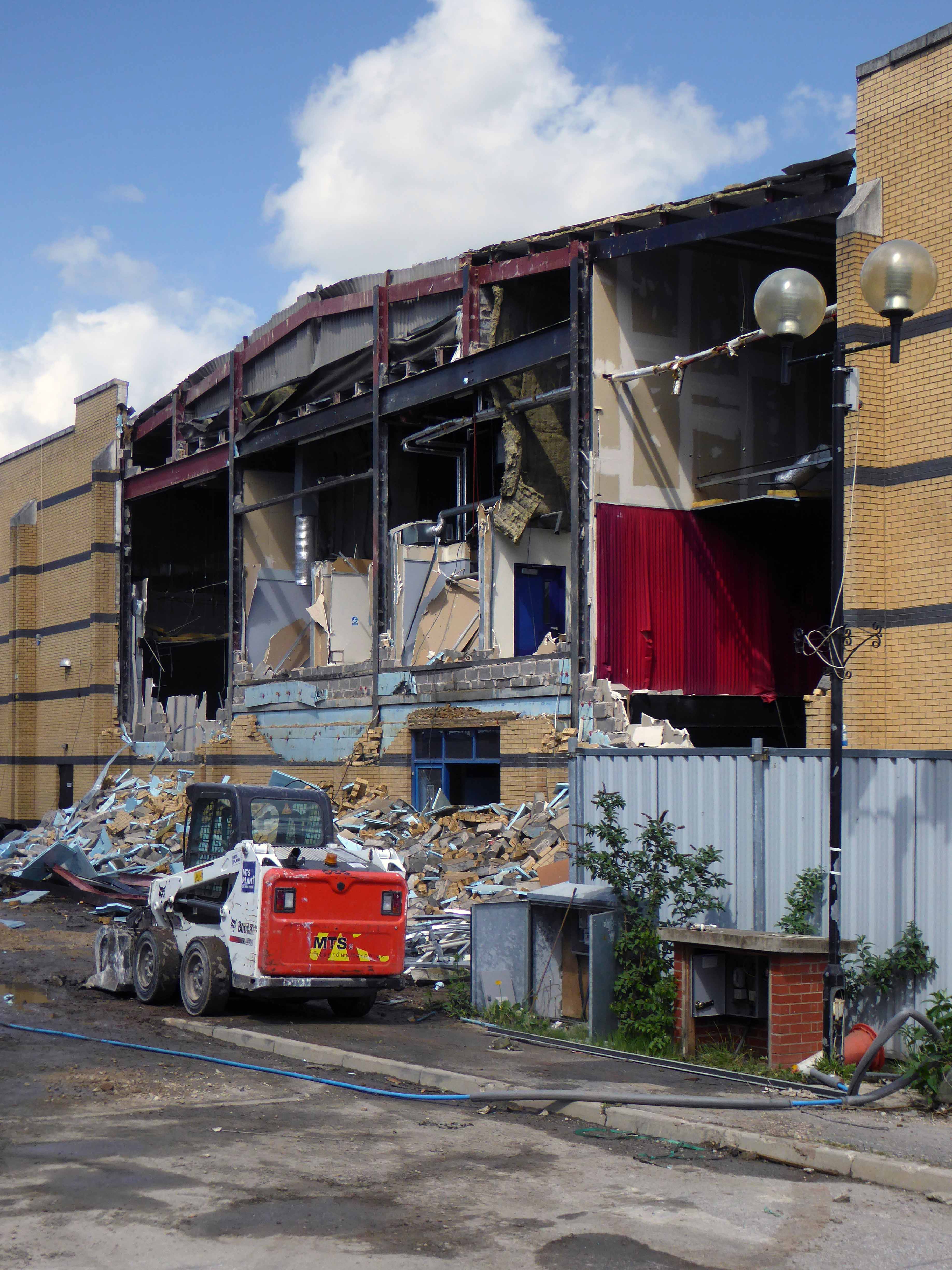
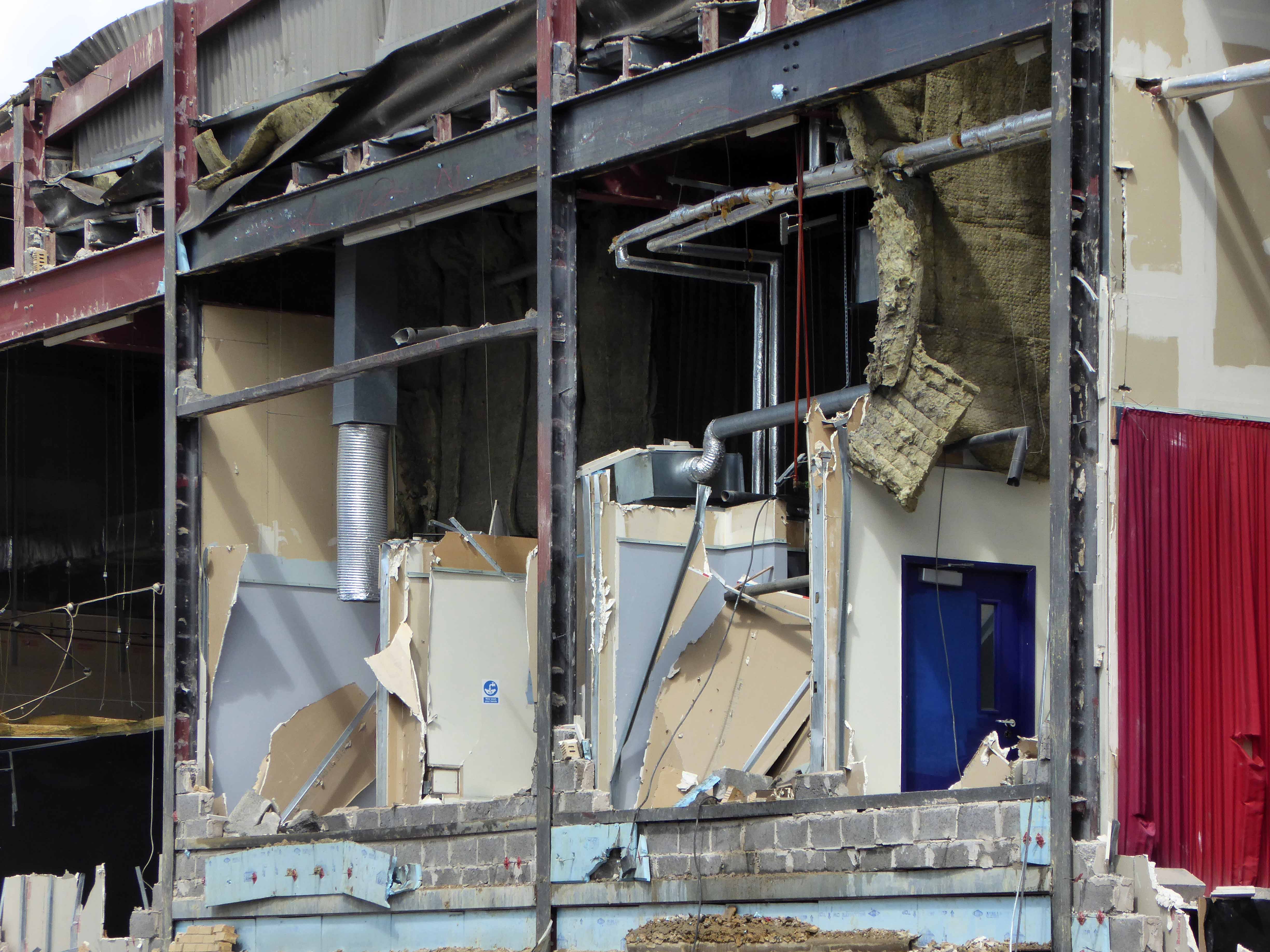
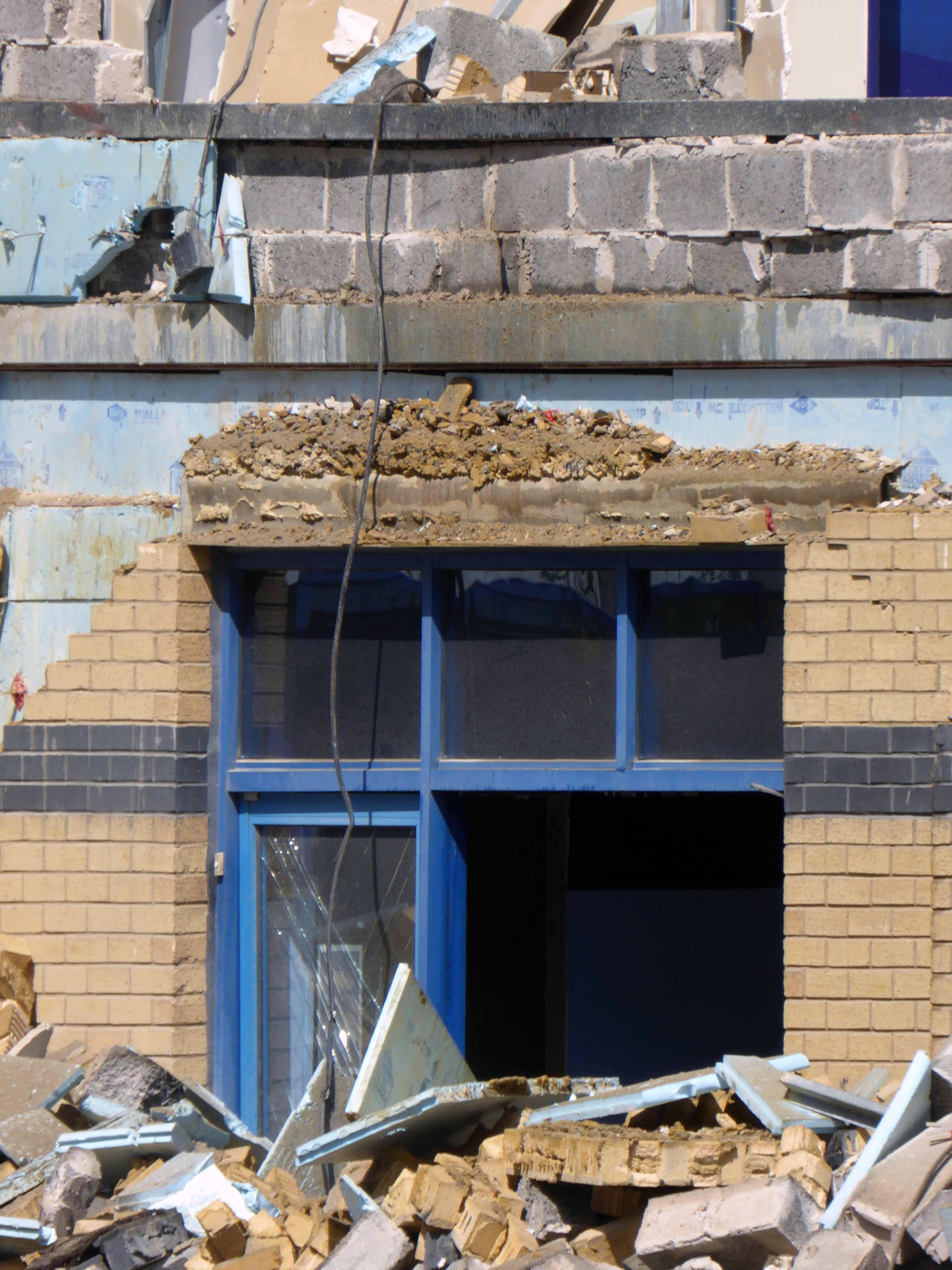
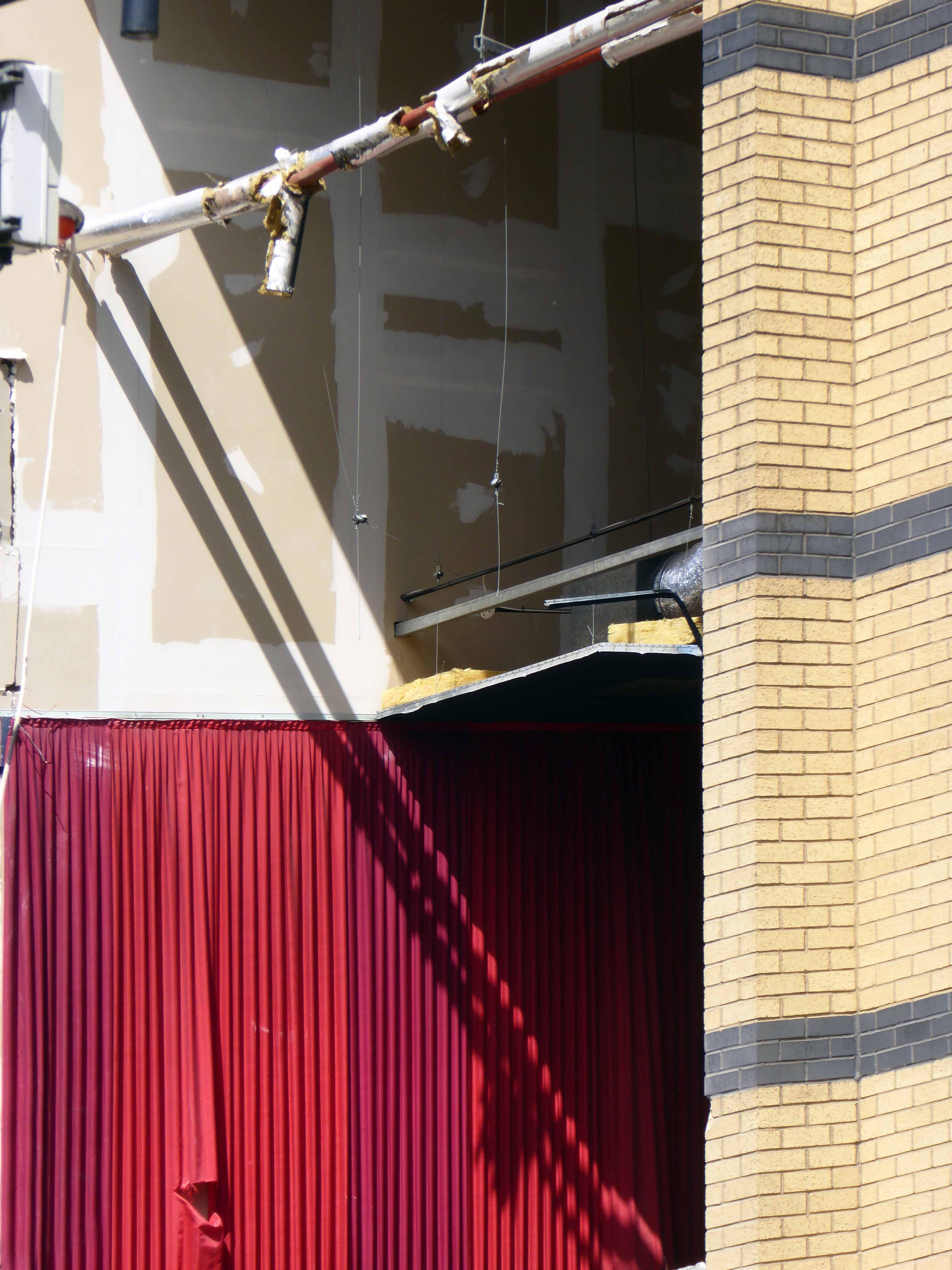
Emerging into the light of day and the demolition of the Kirklees College 1969-72 by Borough Architect Charles Edmund Aspinall.
My thanks to the Metropolitan team who invited me in beyond the barriers.
We provide safe and efficient demolition services across a broad range of projects, from the small domestic dwelling to large scale industrial units – we offer the complete solution. With excellent communication and impeccable health and safety standards, we can project manage the decommissioning a structure on time and on budget.
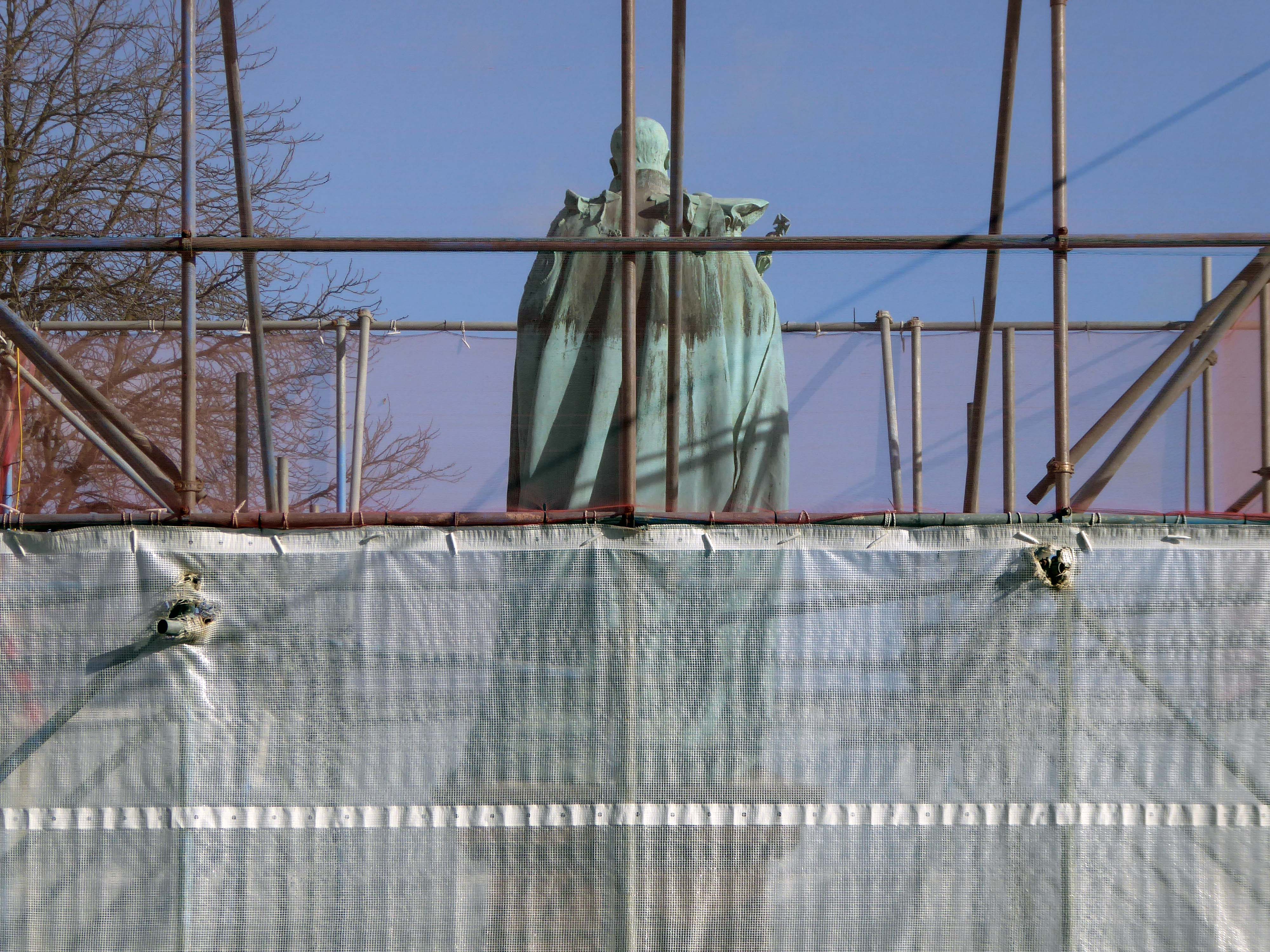
Edward VII is under wraps.
Everything else is up for smash and grab – including the later concrete block immortalised by Mandy Payne.
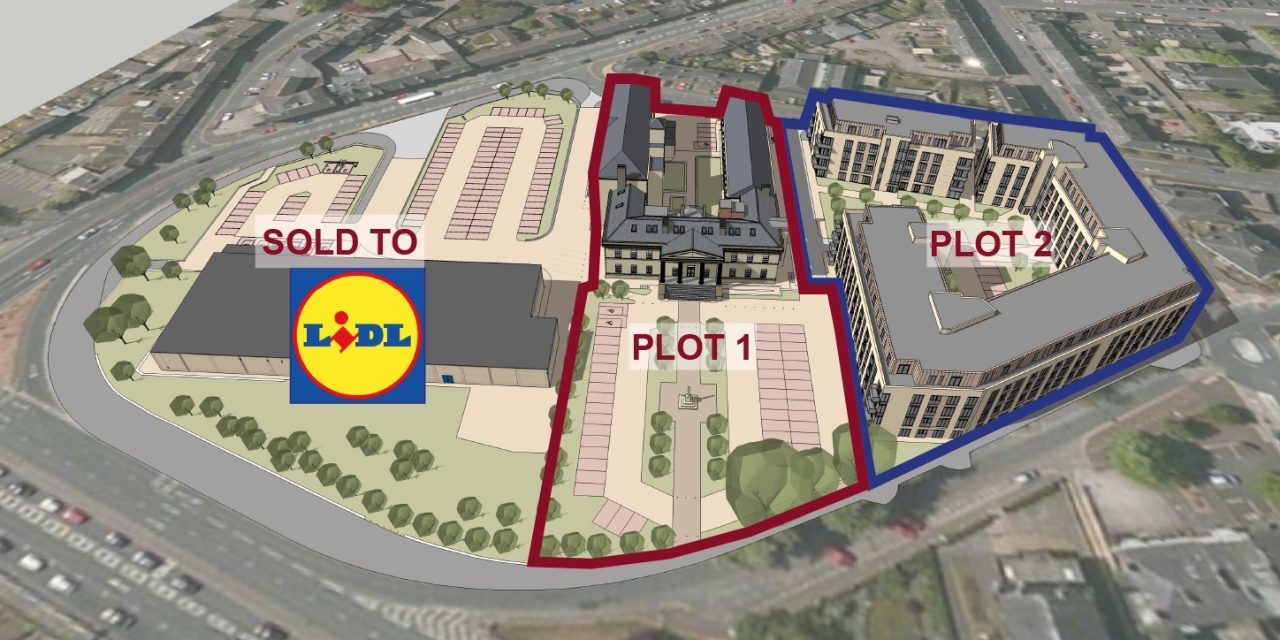
LIDL is coming – and some homes
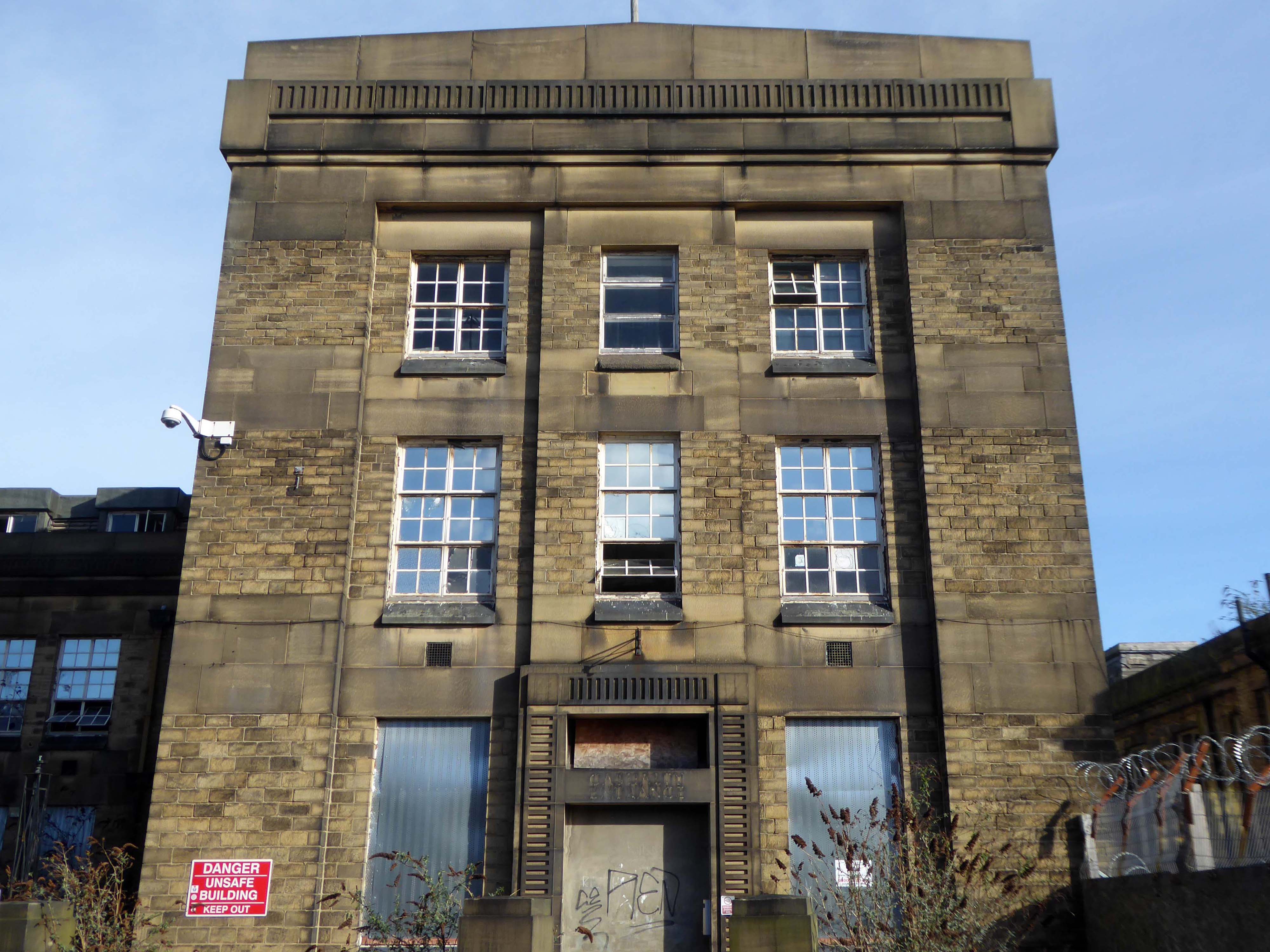
The final details have now been signed off by the council and work on the six-acre site – which includes the Grade II-listed original Huddersfield Royal Infirmary – can now begin.
The vandal-hit and fire-damaged late 1960s and early 1970s college buildings are to be demolished and Lidl will build a new supermarket with a 127-space car park. The store will eventually replace the store on Castlegate.
The former hospital will be retained and the site will see 229 apartments and an office complex. The apartments are expected to be for older or retired people.
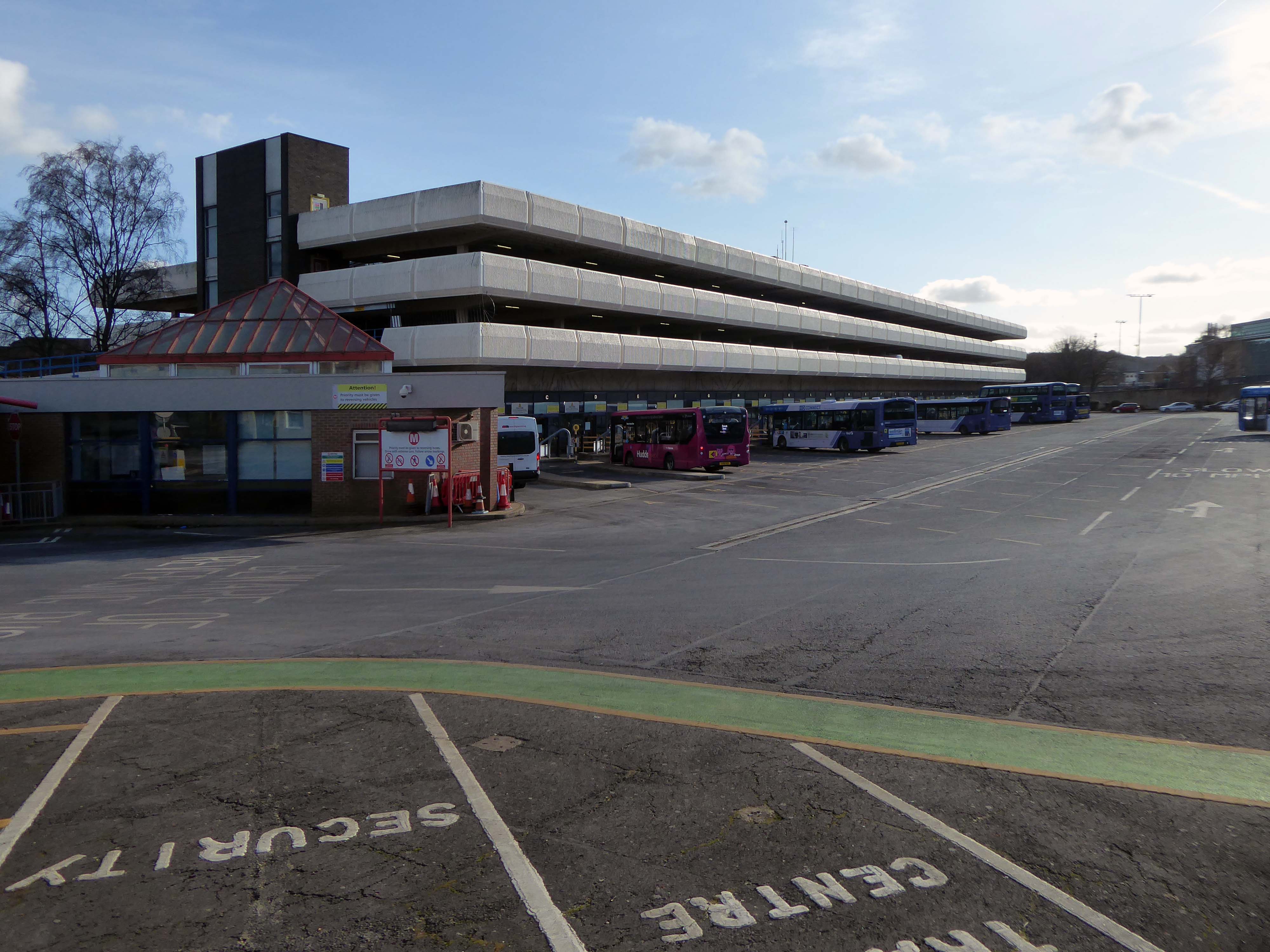
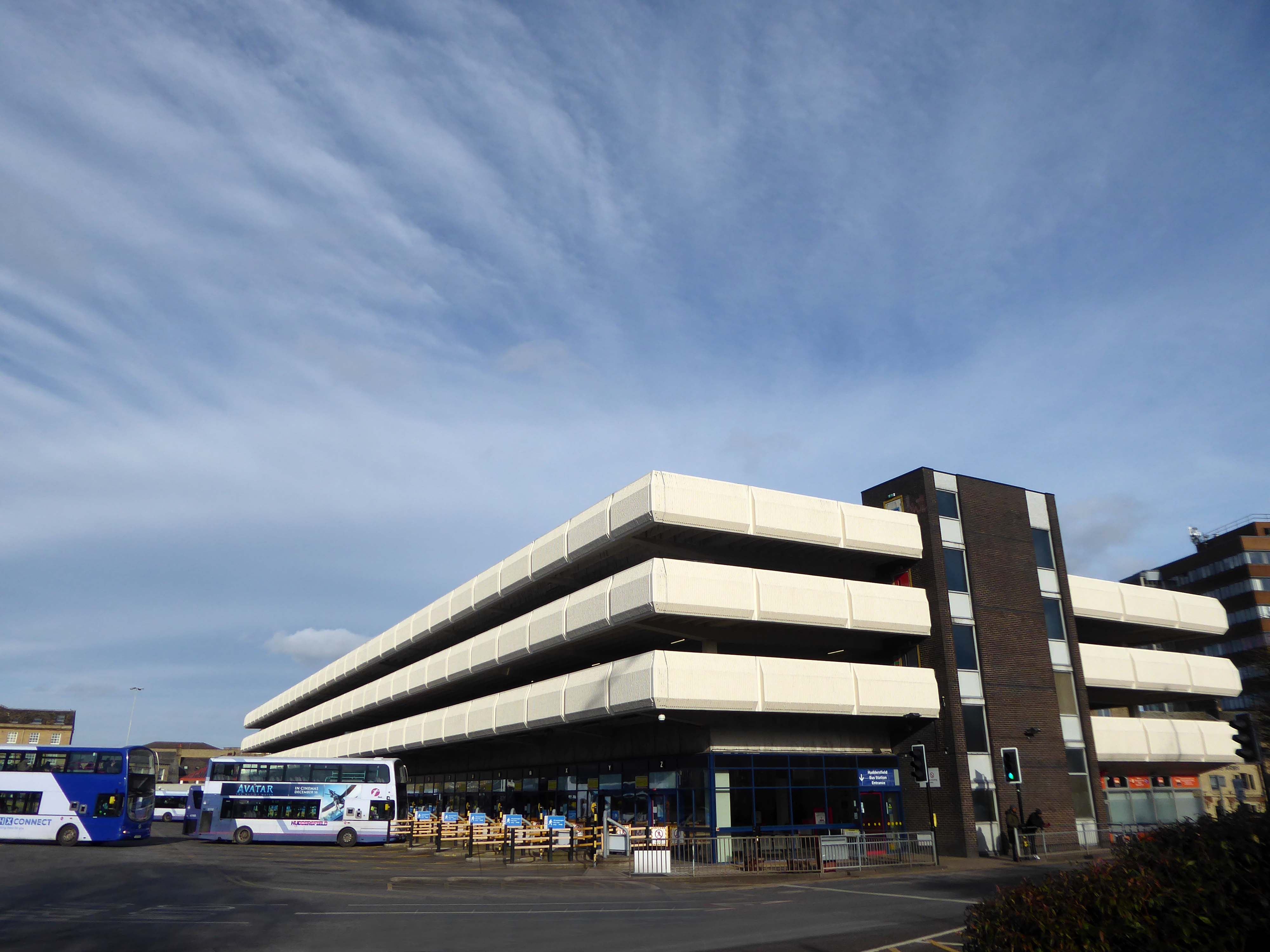
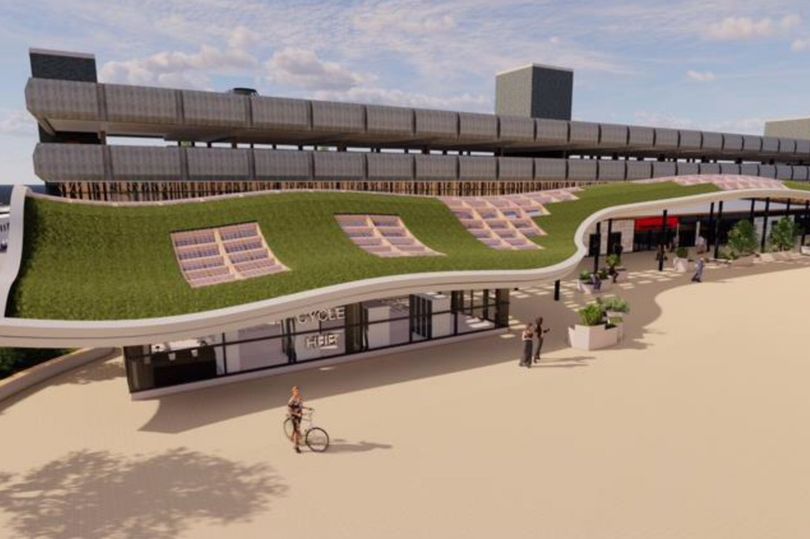
Huddersfield’s £20M game-changing bus station is set to be completed by the end of 2025 with a living grass roof, sixty bike cycle hub, upgraded shops and new facilities
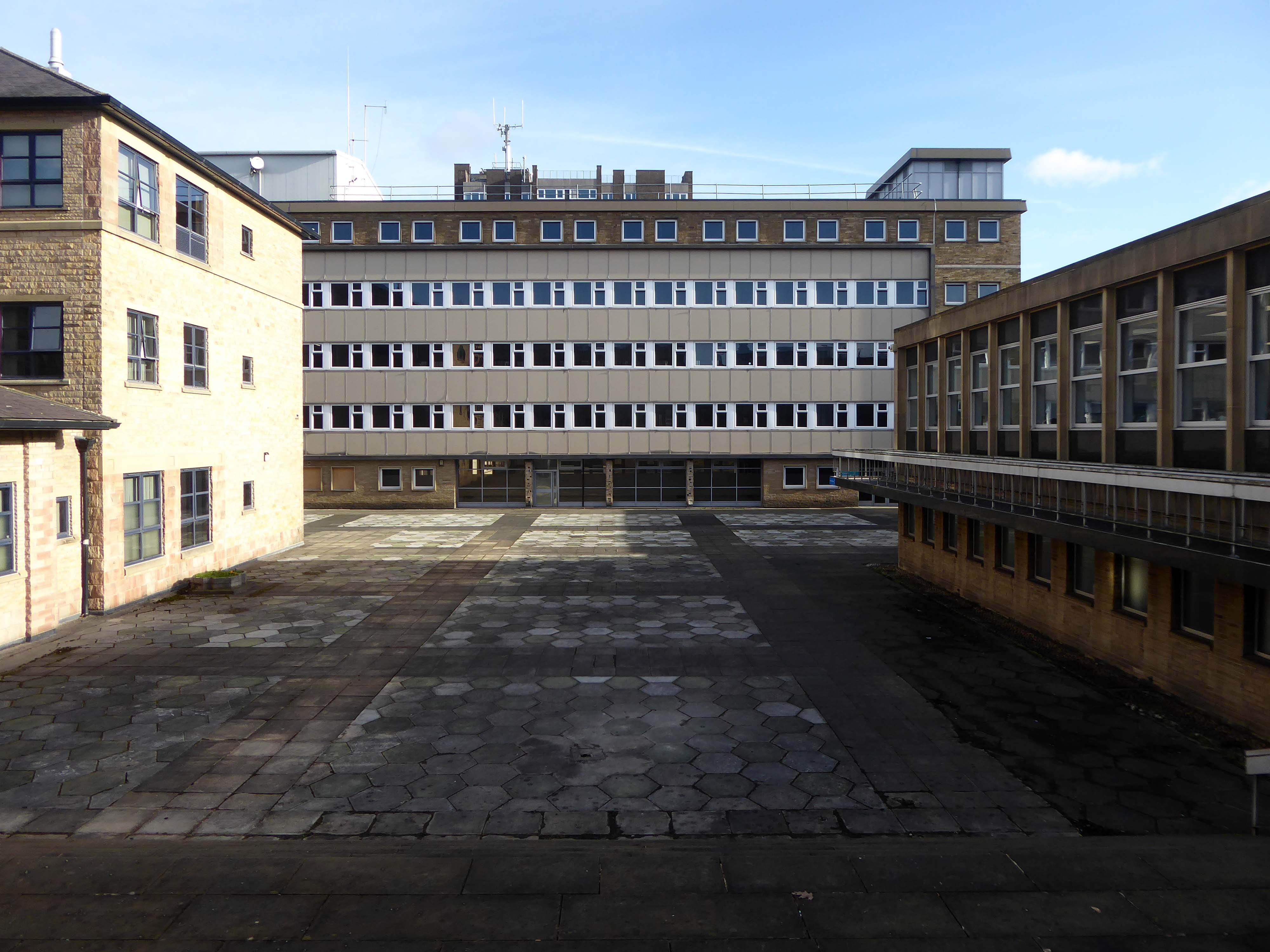
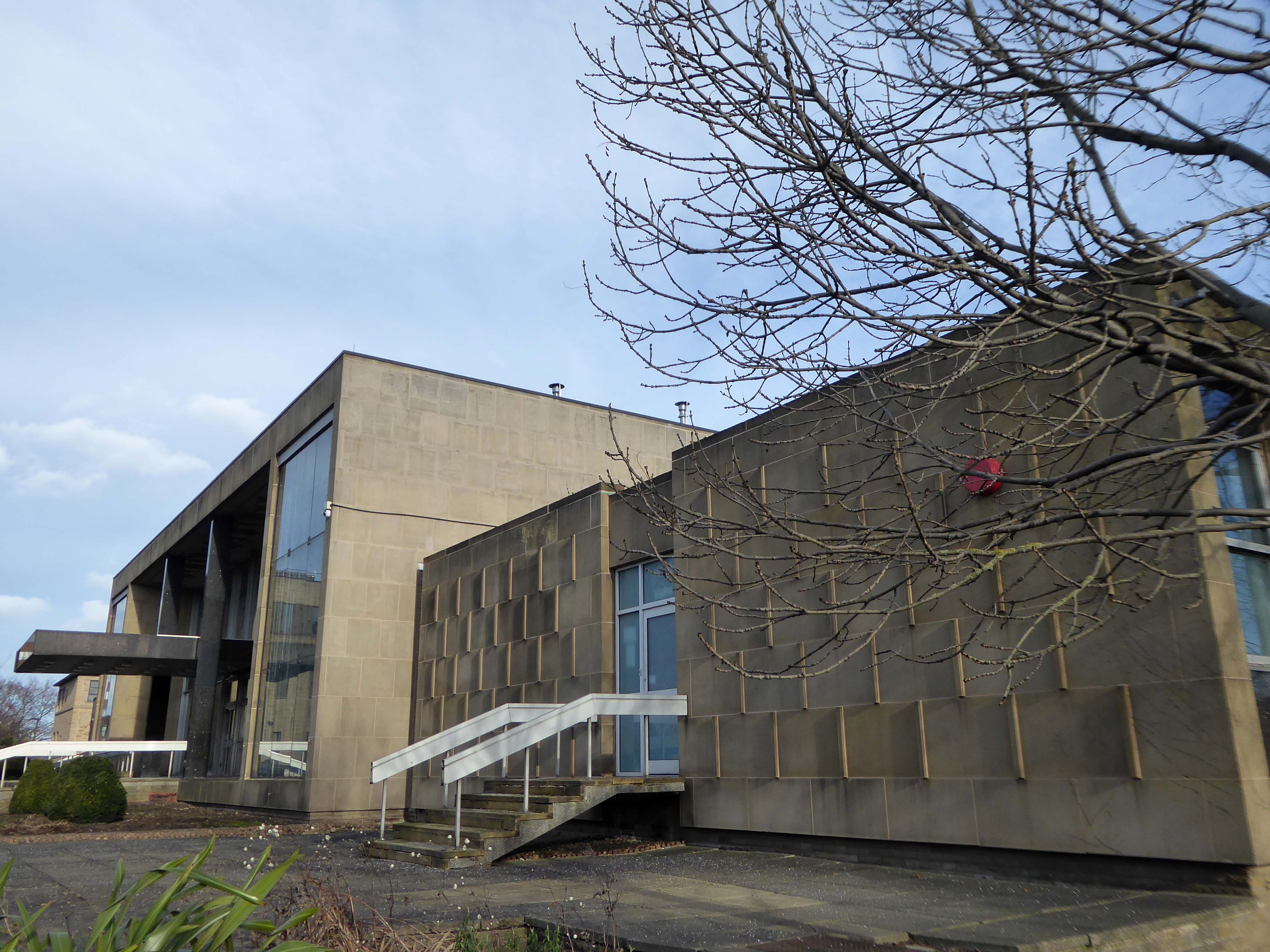
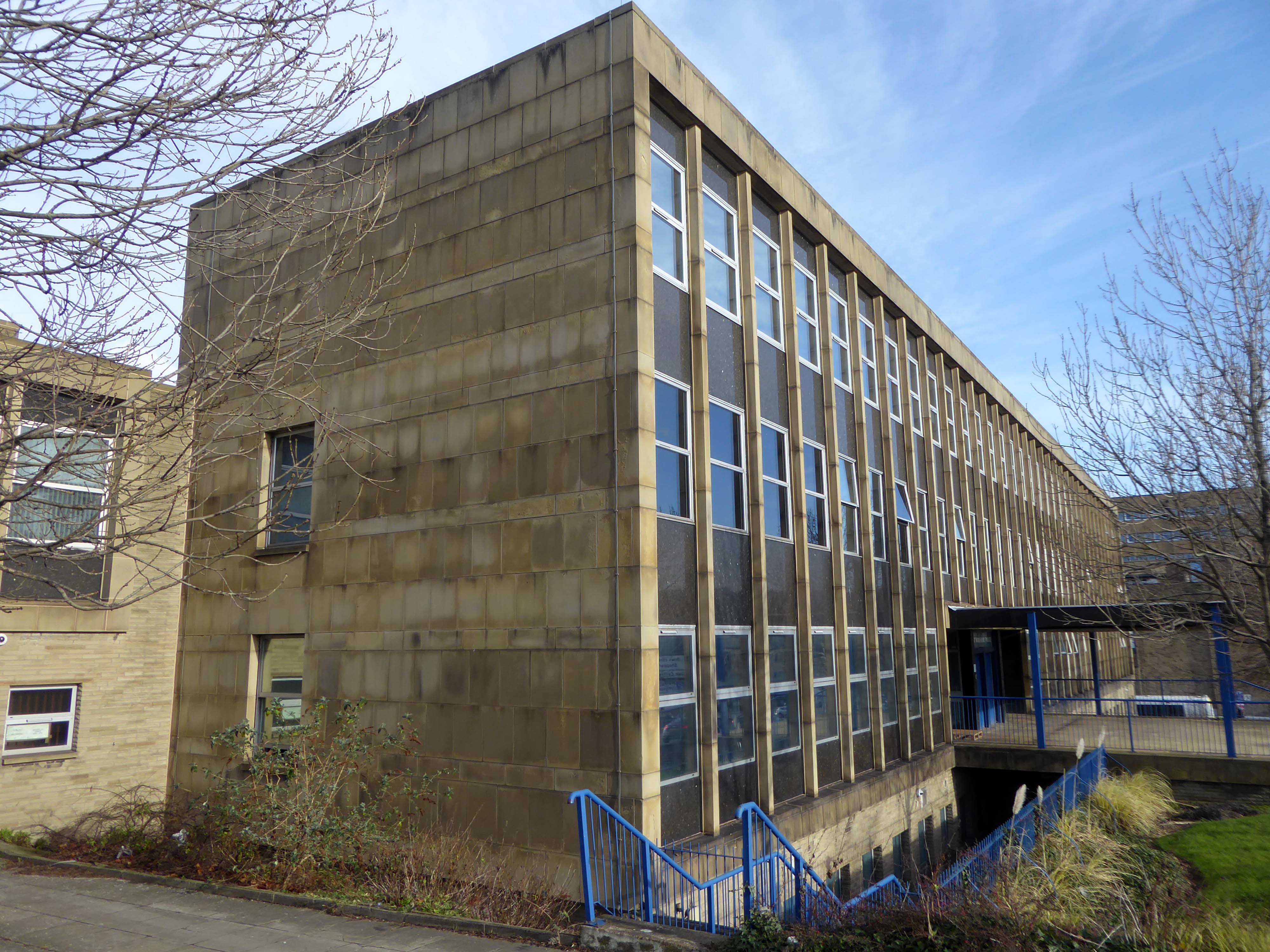
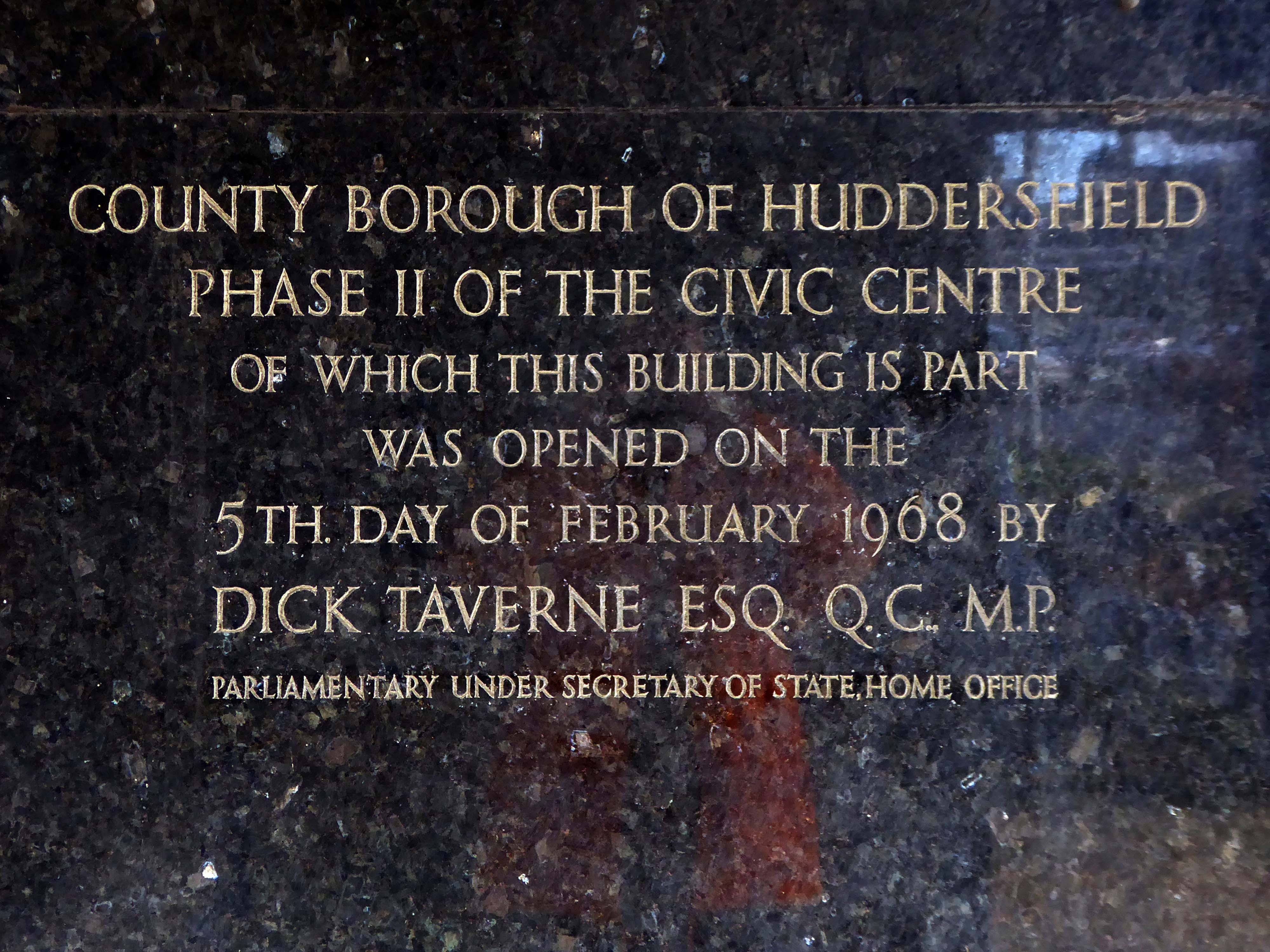
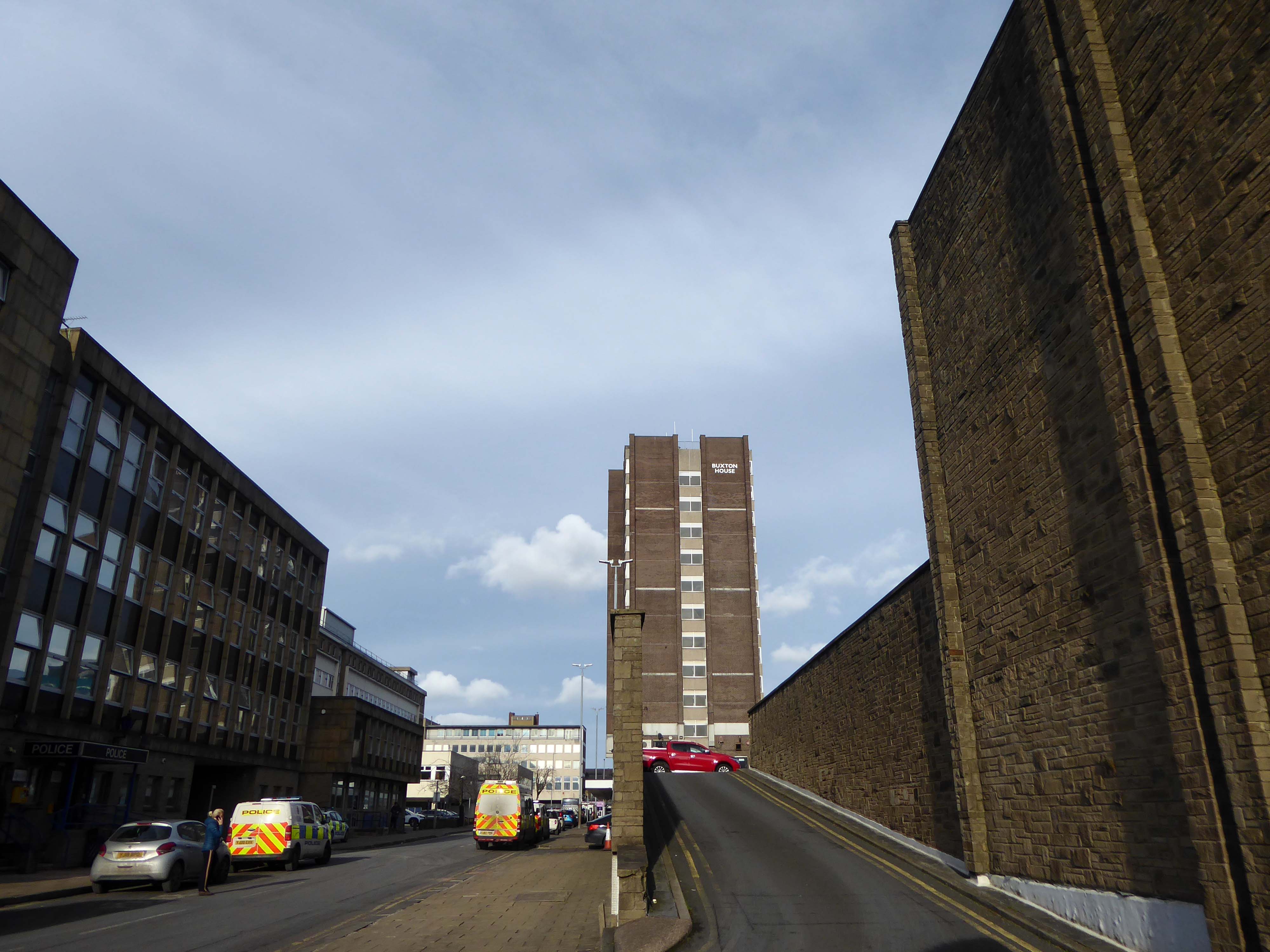
Crossing the road to the Civic Centre and the perennially empty piazza which along with the Magistrates Courts and Police Station was the work of the Borough Architects team – led by Charles Edmund Aspinall.
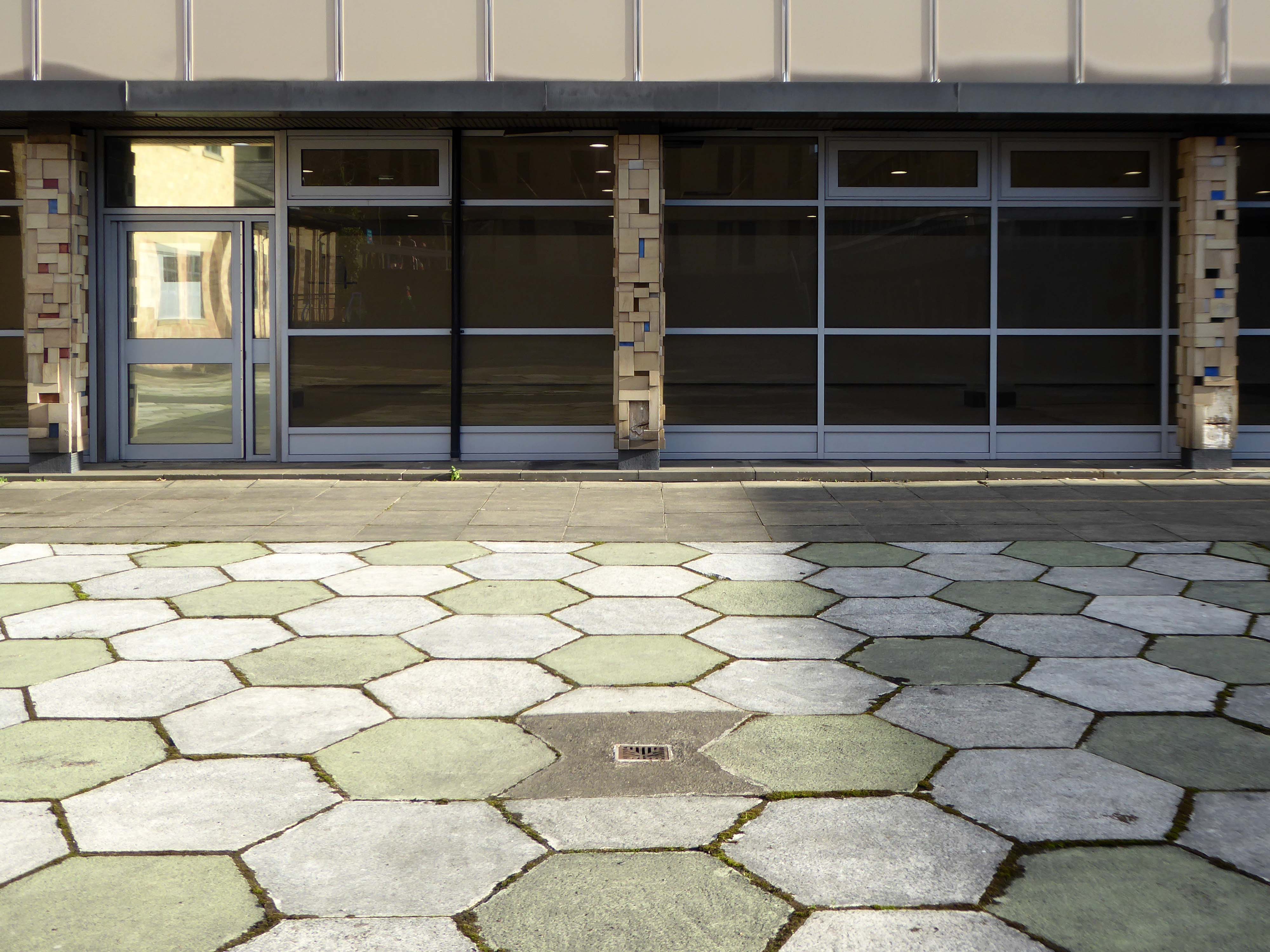
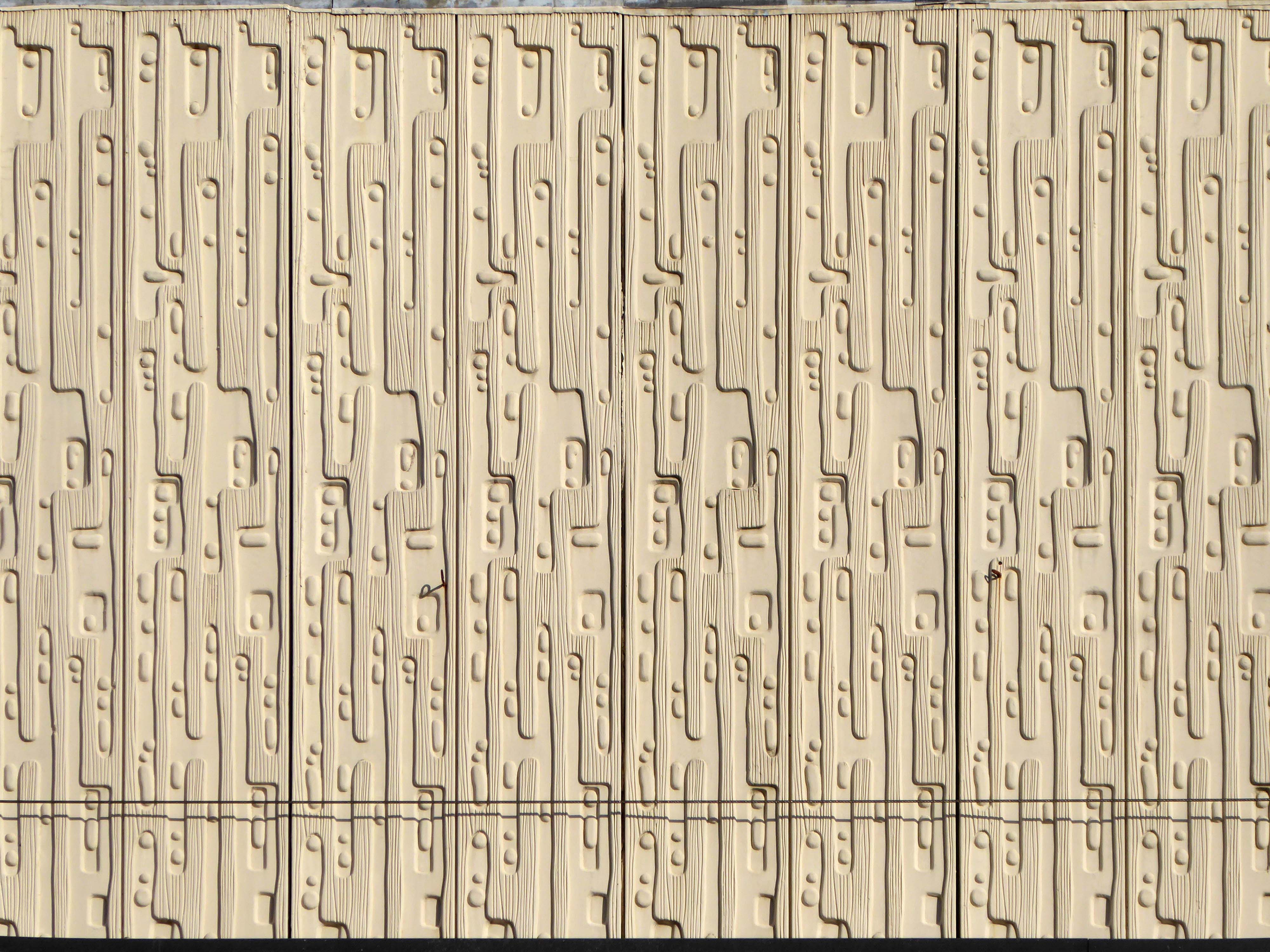
Walking excitedly toward the Exsilite panels set in the stone faced columns – a brand name for a synthetic, moulded, artificial marble.
Magistrates Courts
Police Station
Dick Taverne served under Harold Wilson’s premiership in the 1960s, he served as a Home Office Minister from 1966 to 1968, Minister of State at the Treasury from 1968 to 1969 and then as Financial Secretary to the Treasury from 1969 to 1970.
In 1970, he helped to launch the Institute for Fiscal Studies, now an influential independent think tank and was the first Director, later chairman.
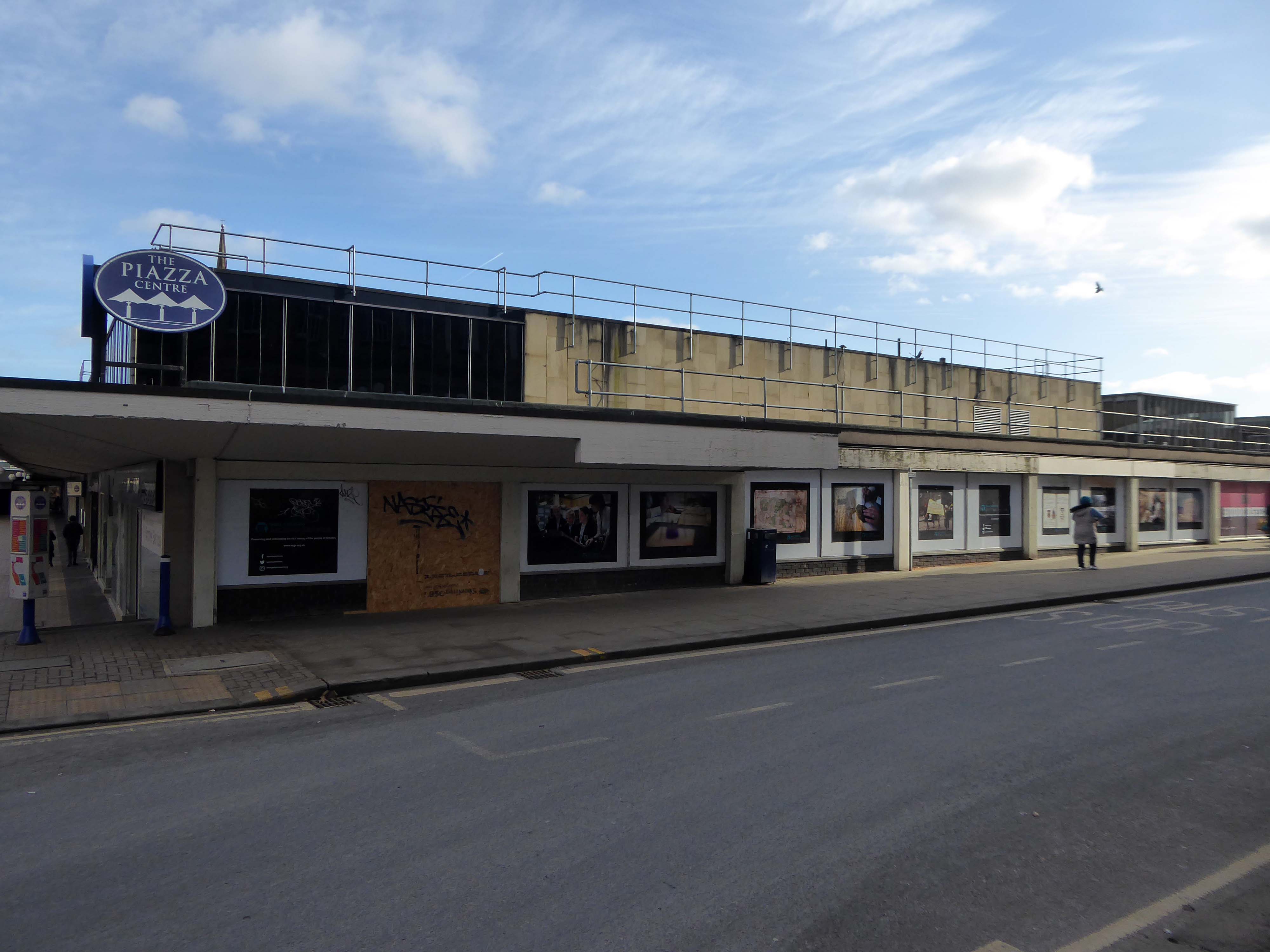
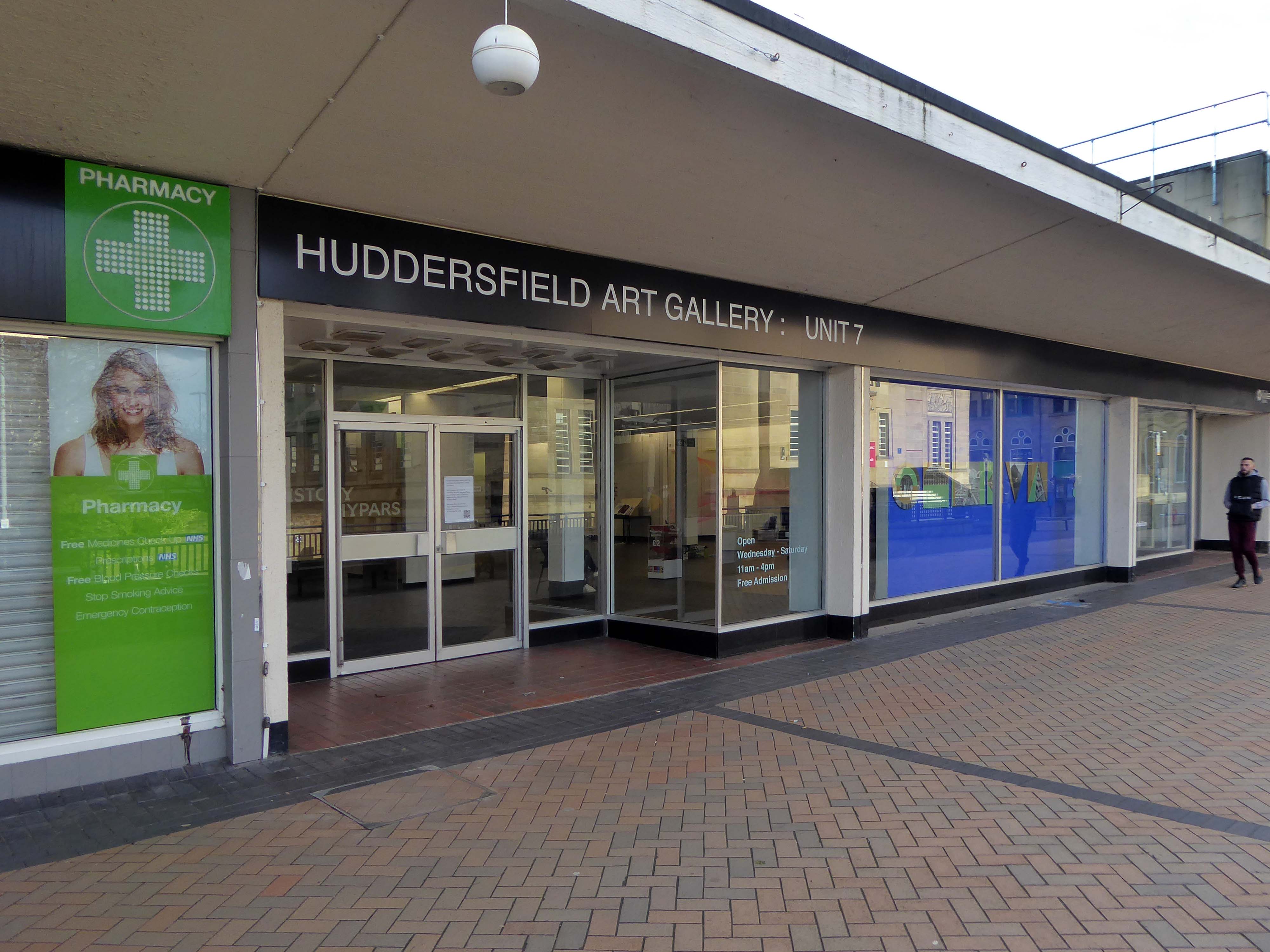
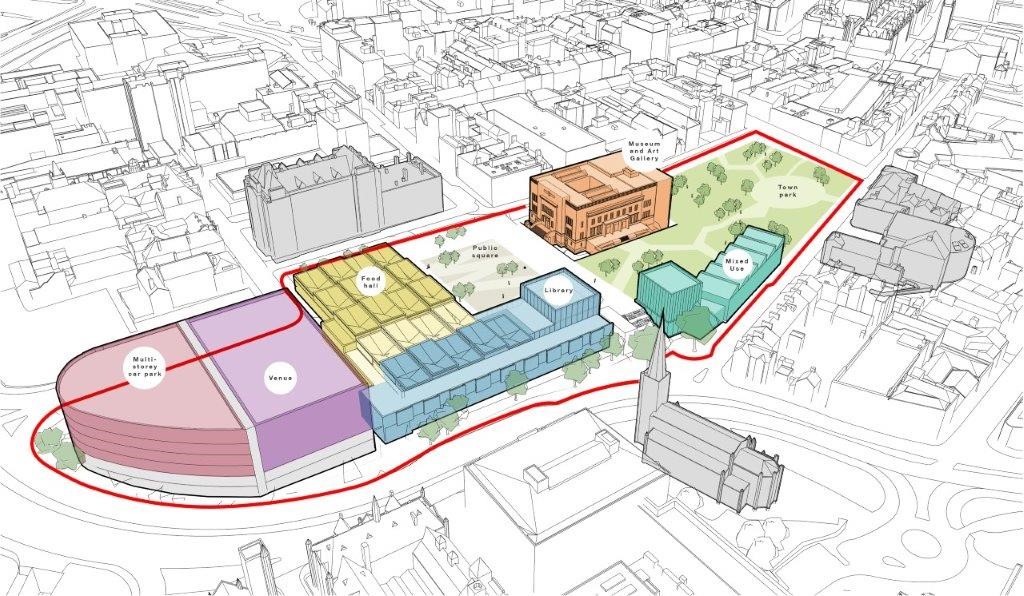
The vision is to create an inclusive space where families, residents and visitors can enjoy a vibrant mix of music, arts, food and more in one central area, overlooking a stunning new urban park.
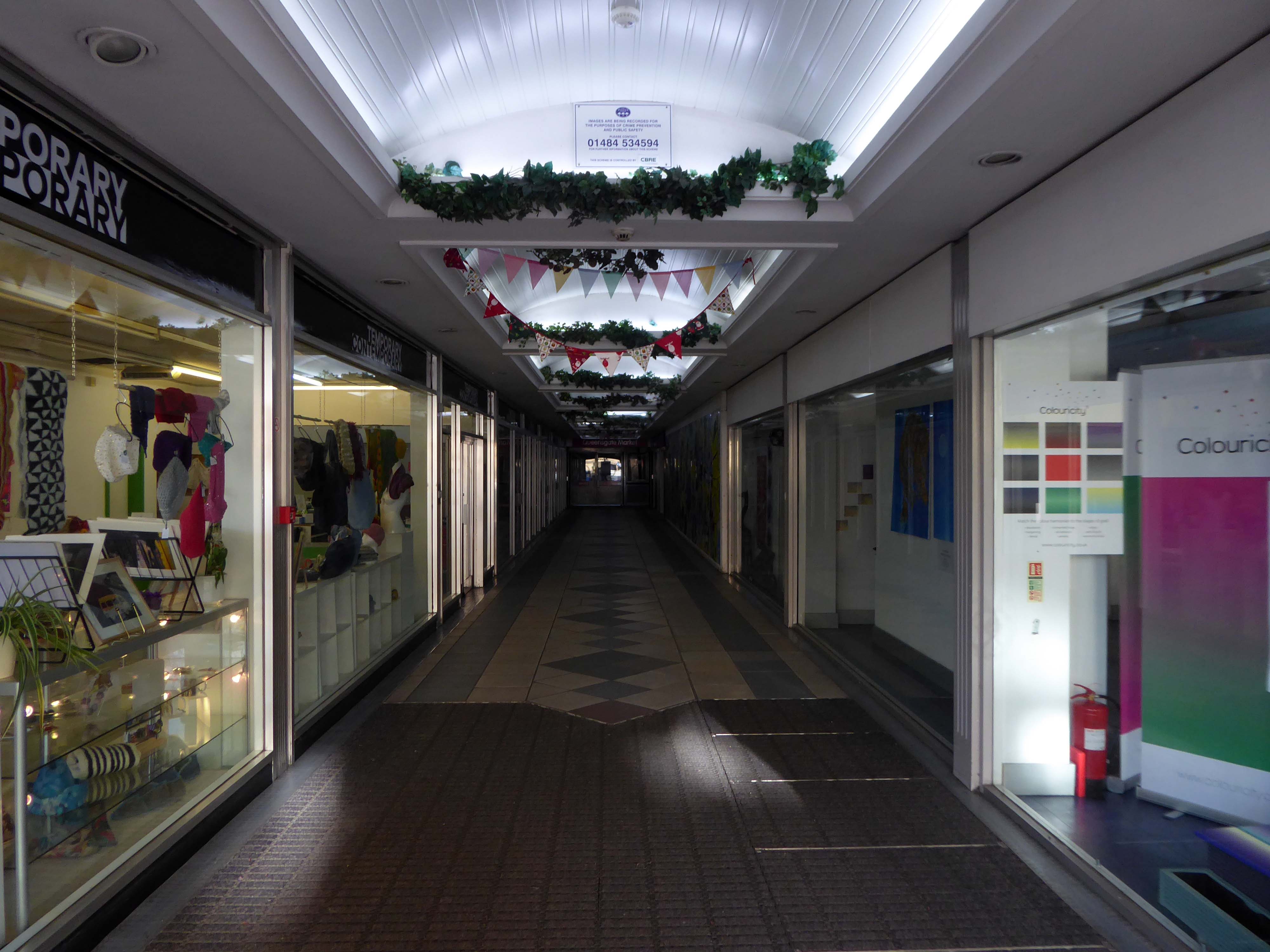
The council plans to demolish the Piazza Centre and create a new events/live music venue, a food hall, a museum and art gallery, a new library and a new multi-storey car park, all centred around a new Town Park.
Named after one of the Twentieth Century’s finest artists, the space nurtures a new and inspired generation of designers. Through visual and physical connection, the environment encourages students to work together, stimulating communication and ingenuity, the ingredients of successful collaboration.
Take that to the bank/s
Keep savin’, keep buildin’ That interest for our love Take that to the bank Keep savin’, keep buildin’ That interest for our love Take that to the bank
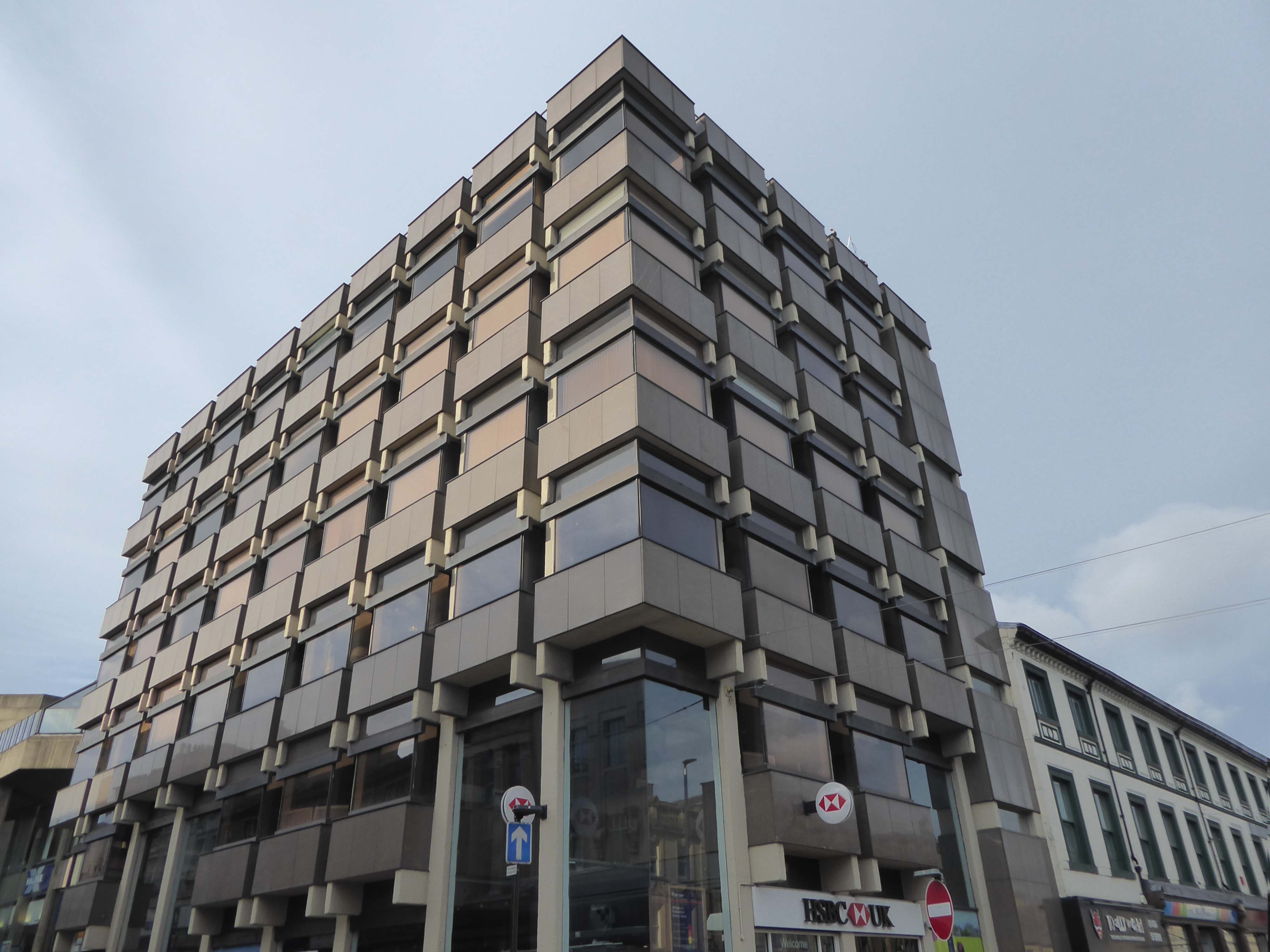
HSBC was designed by Peter Womersley, who also designed the thoroughly modern private house, Farnley Hey, near Castle Hill, which won the RIBA Bronze Medal in 1958.
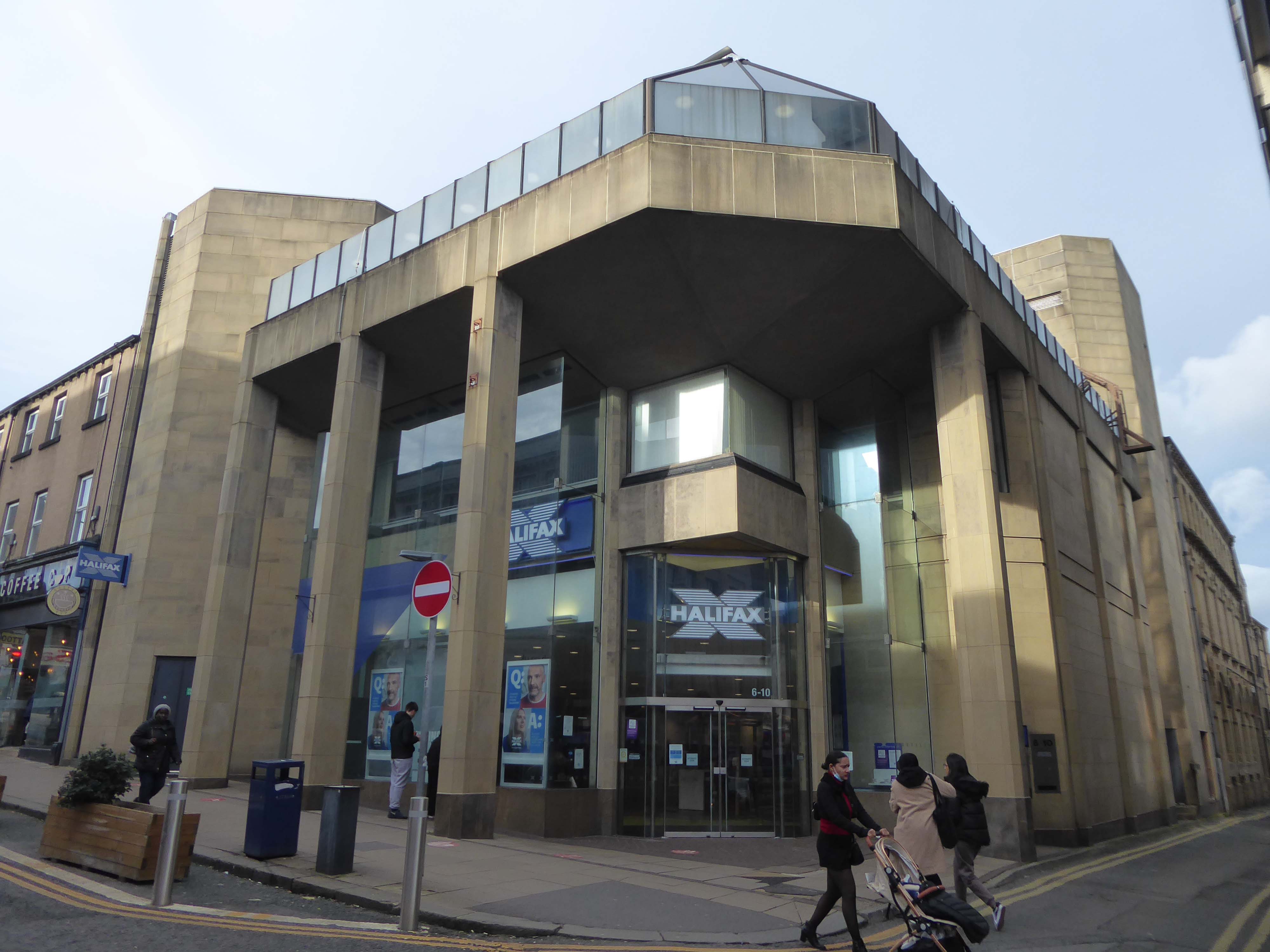
Halifax Building Society
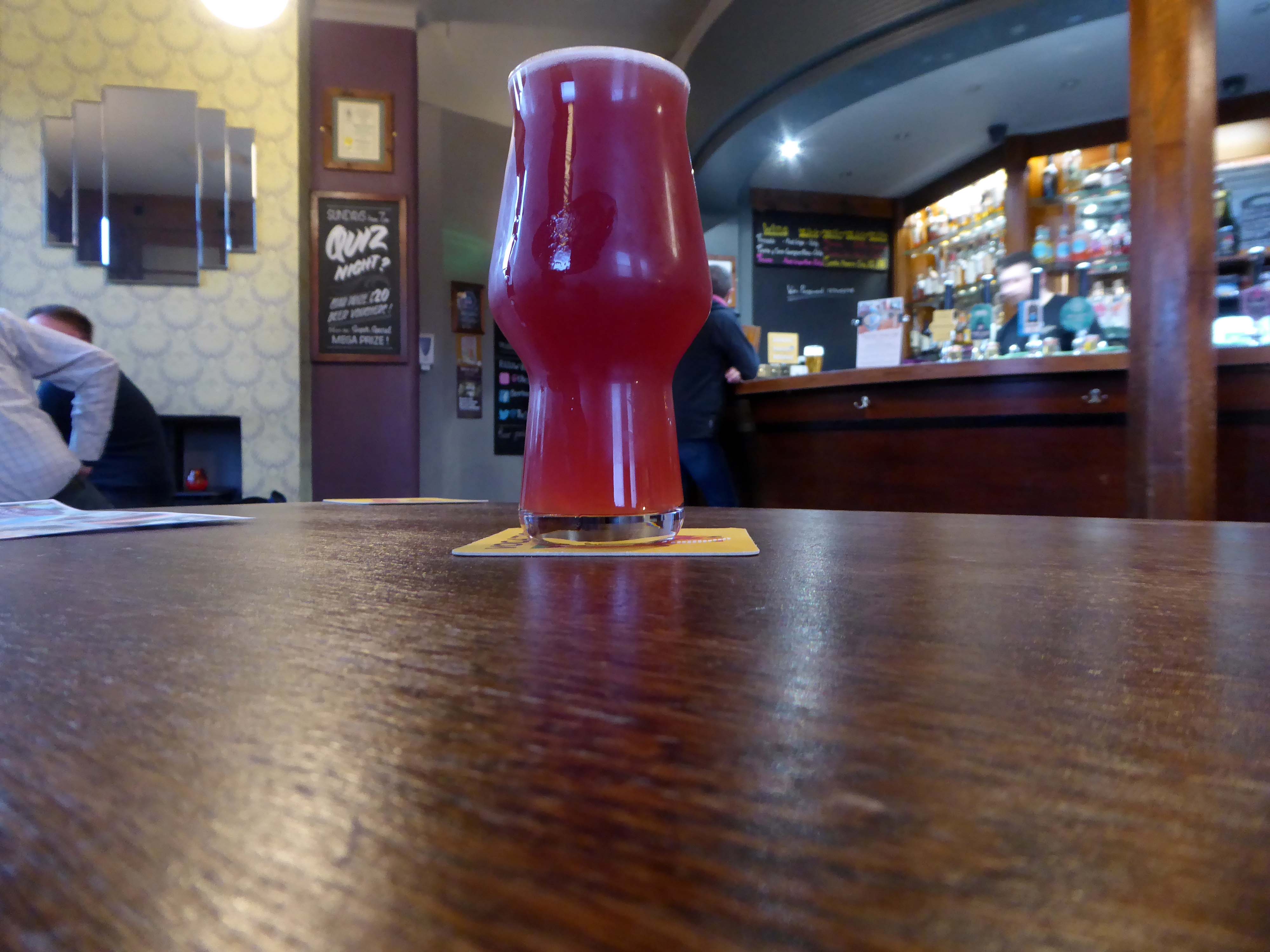
Having walked around town for more hours than enough I sought respite in The Sportsman and a glass of Squawk multi-berry fruited sour
We arrived safely by train from Stockport at Southampton Central.
Following lengthy consideration we headed off on our bikes.
Whilst halting to review our progress, I realised that I had lost the map, a map vital to our further progress.
Returning to the station I found it nestled against the kerb.
Further assessment of our onward journey resulted in yet another retracing of steps.
In the shadow of Southampton Station dwarfed by Norwich House.
Resolute, we confront the fact that we are unsure of the route and following close scrutiny of the map, our environs and the surrounding signage, we proceed eastward towards our destination.
Wyndham Court – architects Lyons Israel Ellis, E.D. Lyons being the partner in charge along with Frank Linden and Aubrey Hume.
Leaving the city and heading along the Weston Shore – Southampton Water.
To our right several Seaside Moderne shelters
Tim feasts on a Mint Club biscuit.
To our left are the tower blocks of Weston Farm Foreshore – L. Berger City Architect 1963
In the distance Canberra Towers Ryder and Yates 1967
Residents living on the second floor of 24-floor block Canberra Towers, on Kingsclere Avenue in Weston, were told to evacuate as flames erupted inside a kitchen.
The Daily Echo spoke to the residents of the affected flat, who said the cat knocked paper that was on top of the microwave, which then fell onto the toaster.
Tracey Long said:
I’ve got two cats, and Sponge was the one who knocked the paper.
He knocked paper off the microwave and into the toaster, it was quite scary.
I lost him in the flat but now I’ve found him again.
Arriving just in time to be too late, next thing you know we’re bobbing along on the Hamble Warsash Ferry.
The obliging ferry folk having taken us across the estuary, despite our tardiness.
The village and the River featured in the 1980s BBC television series Howards’ Way.
Sadly little evidence of the successful TV show remains, however happily Henry VIII’s Dock and an Iron Age Fort have prevailed.
Onward to Gosport where we happen upon a diminutive yet perfectly formed Bus Station.
Originally built in the 1970s, the bus station was described in 2012 as knackered by the council chief executive at the time, Ian Lycett, and an investment plan was drawn up.
Talk of redevelopment then resurfaced in 2015, before the site was put on the market in 2016.
Keith Carter, retiring owner of Keith’s Heel Bar in Gosport Precinct, has described the bus station as a missed opportunity.
The nearby Harbour and Seaward Towers have faired a little better, newly clad and their tiled murals intact.
While working for George Wimpey and Co. Ltd, and together with J E Tyrrell, Chief Architectural Assistant to Gosport Borough Council, Kenneth Barden was responsible for tiled murals on Seaward Tower and Harbour Tower, two sixteen-storey tower blocks built in 1963 on the Esplanade in Gosport.
They really are something they really are.
And so following a ride on the Gosport Ferry we arrive at Portsmouth Harbour.
The land where British Rail signage refuses to die!
I have passed this way before on a Bournemouth to Pompey trip and both Tim and I were students at the Poly here in the 70s – more of which later.
Where the Victorians modelled their stations on cathedrals, temples and palaces.
Modern Man models his on shopping centre and office blocks.
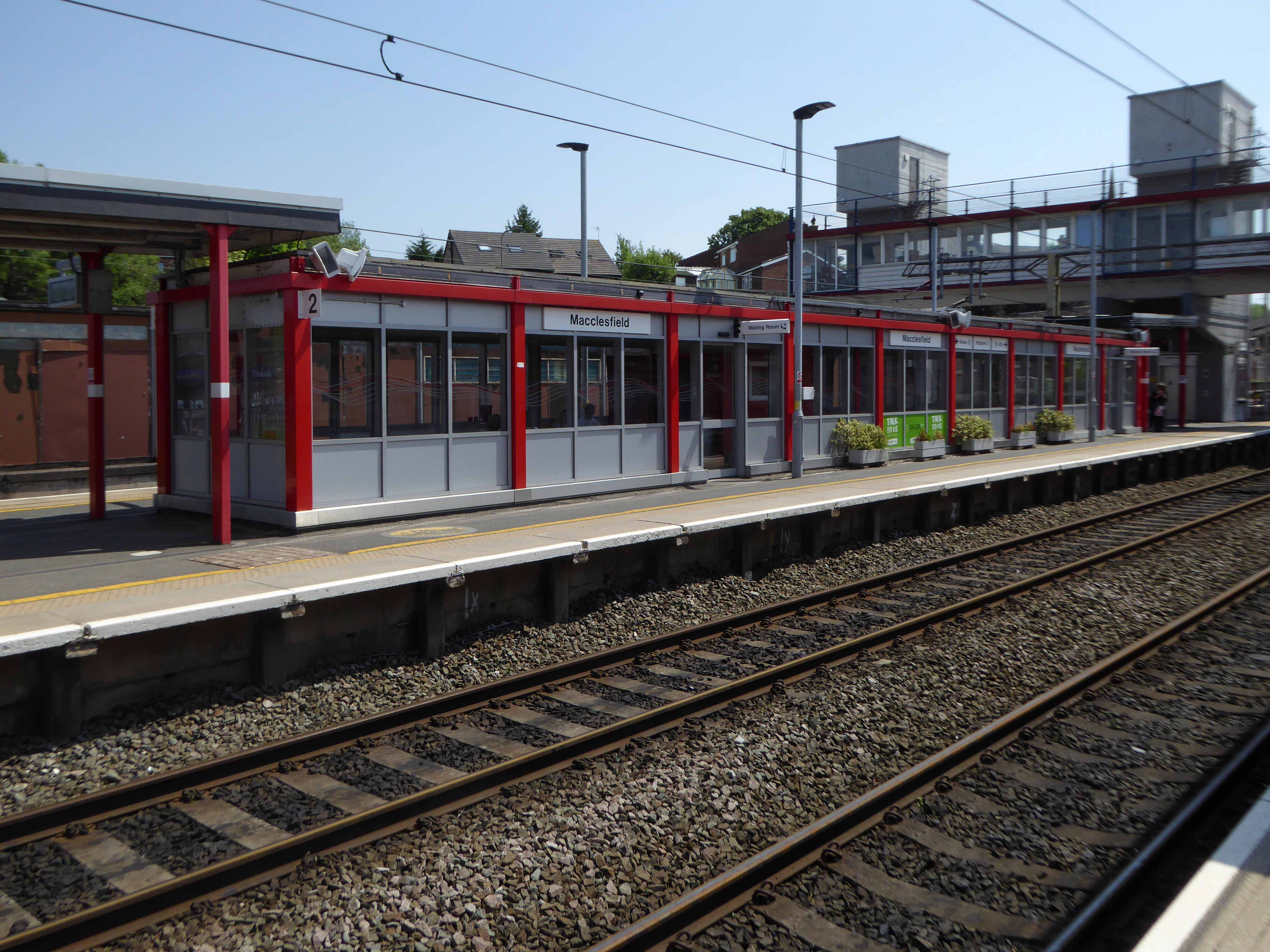
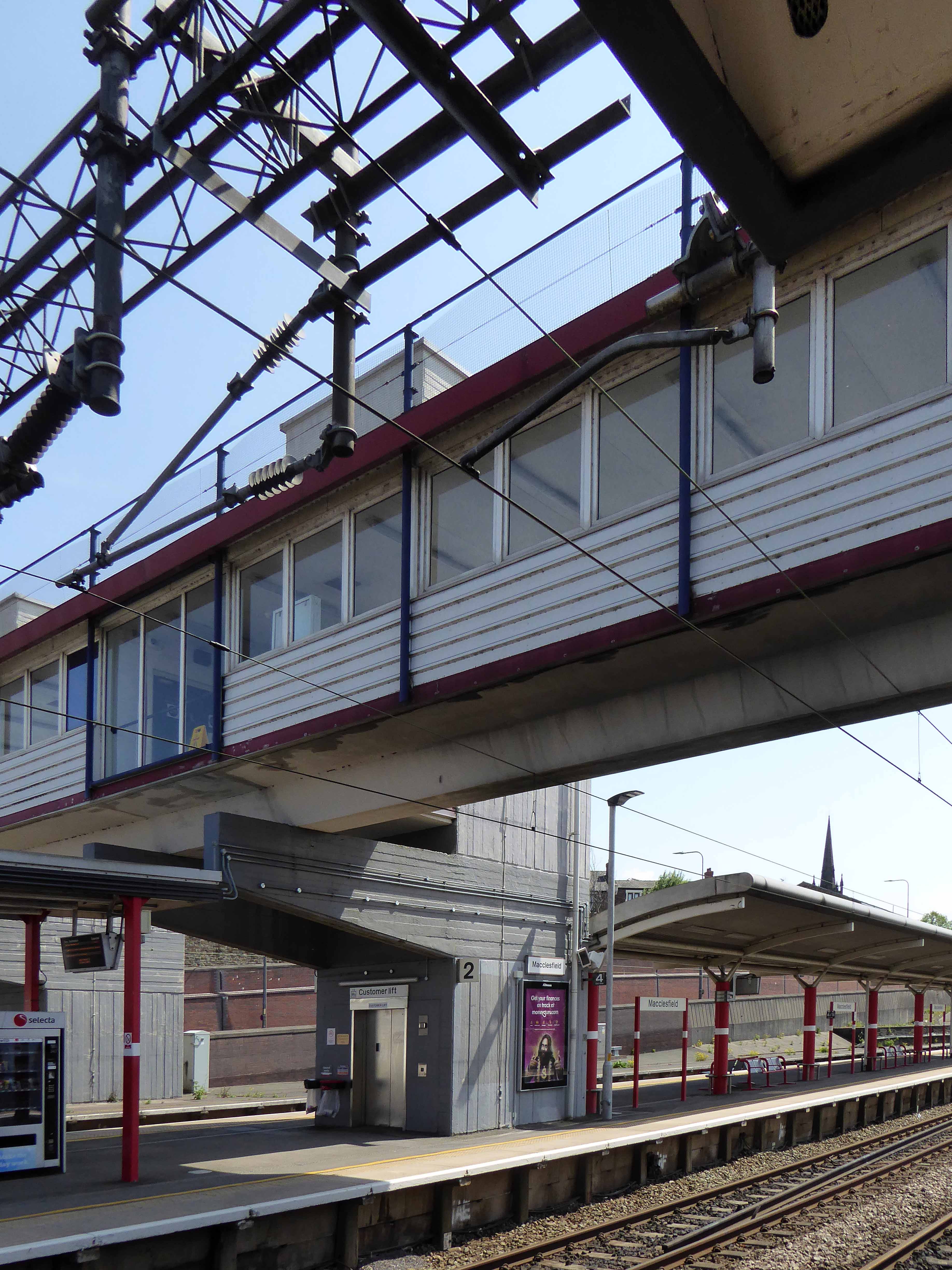
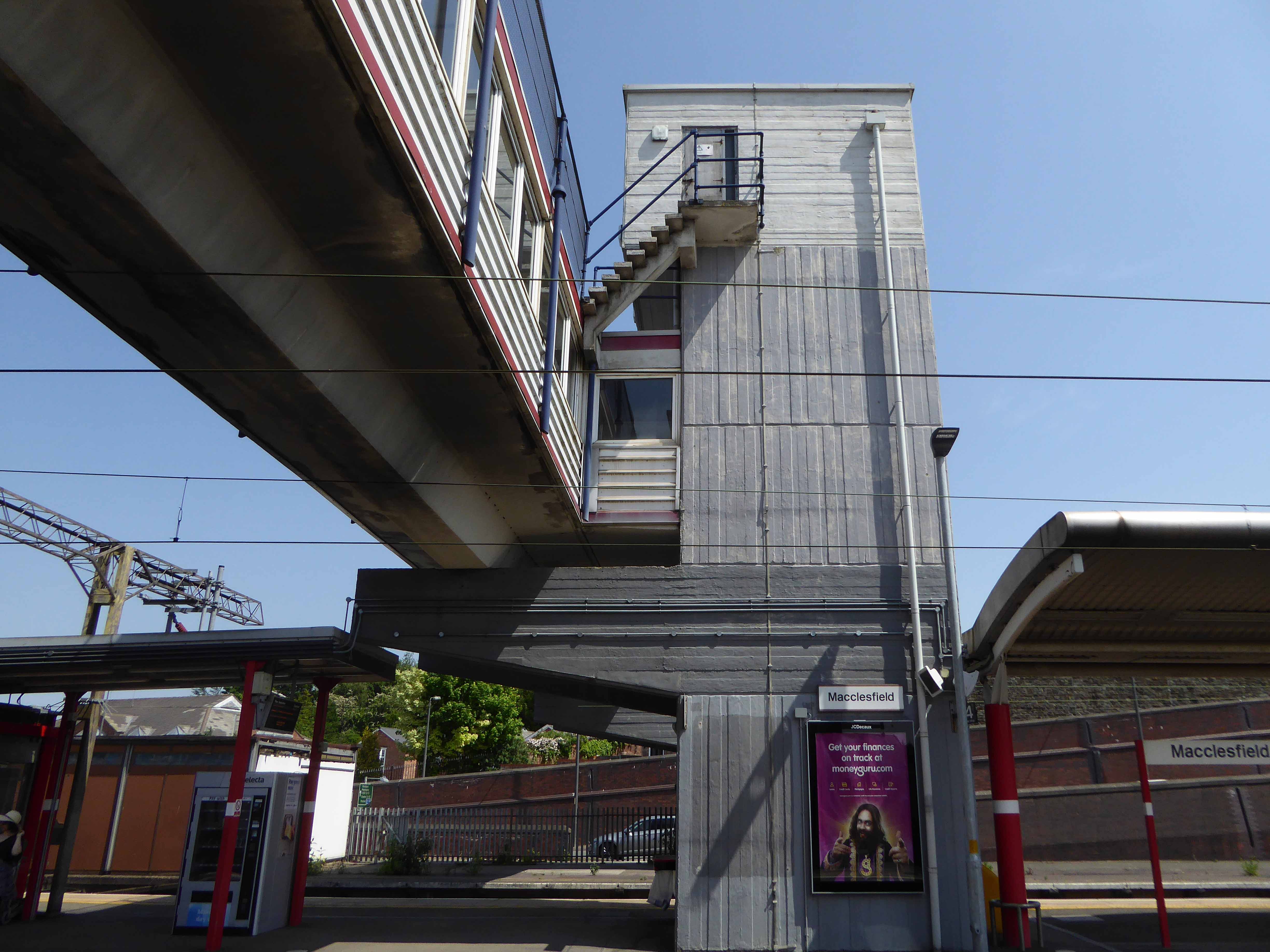
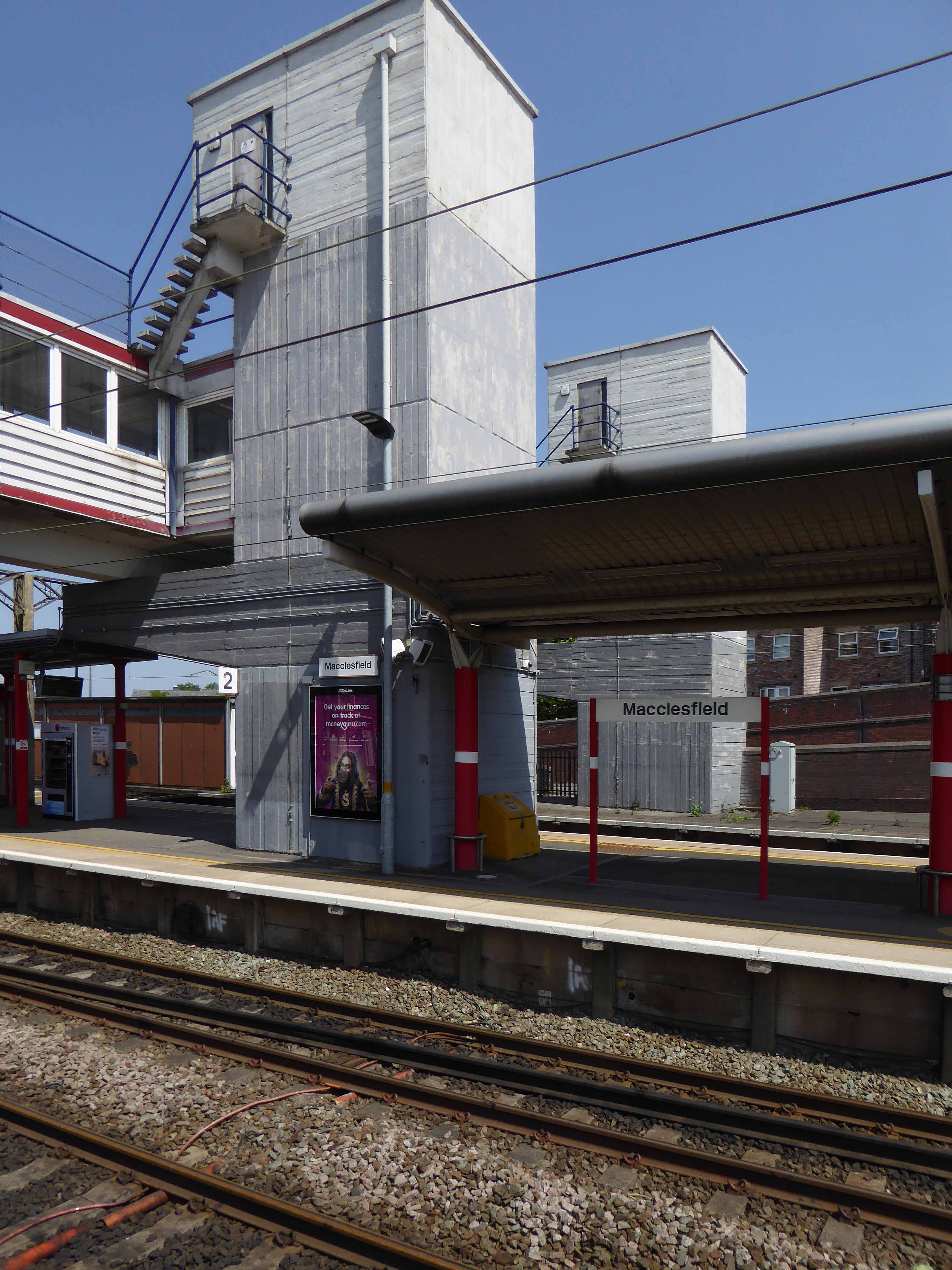
Richards and MacKenzie – The Railway Station
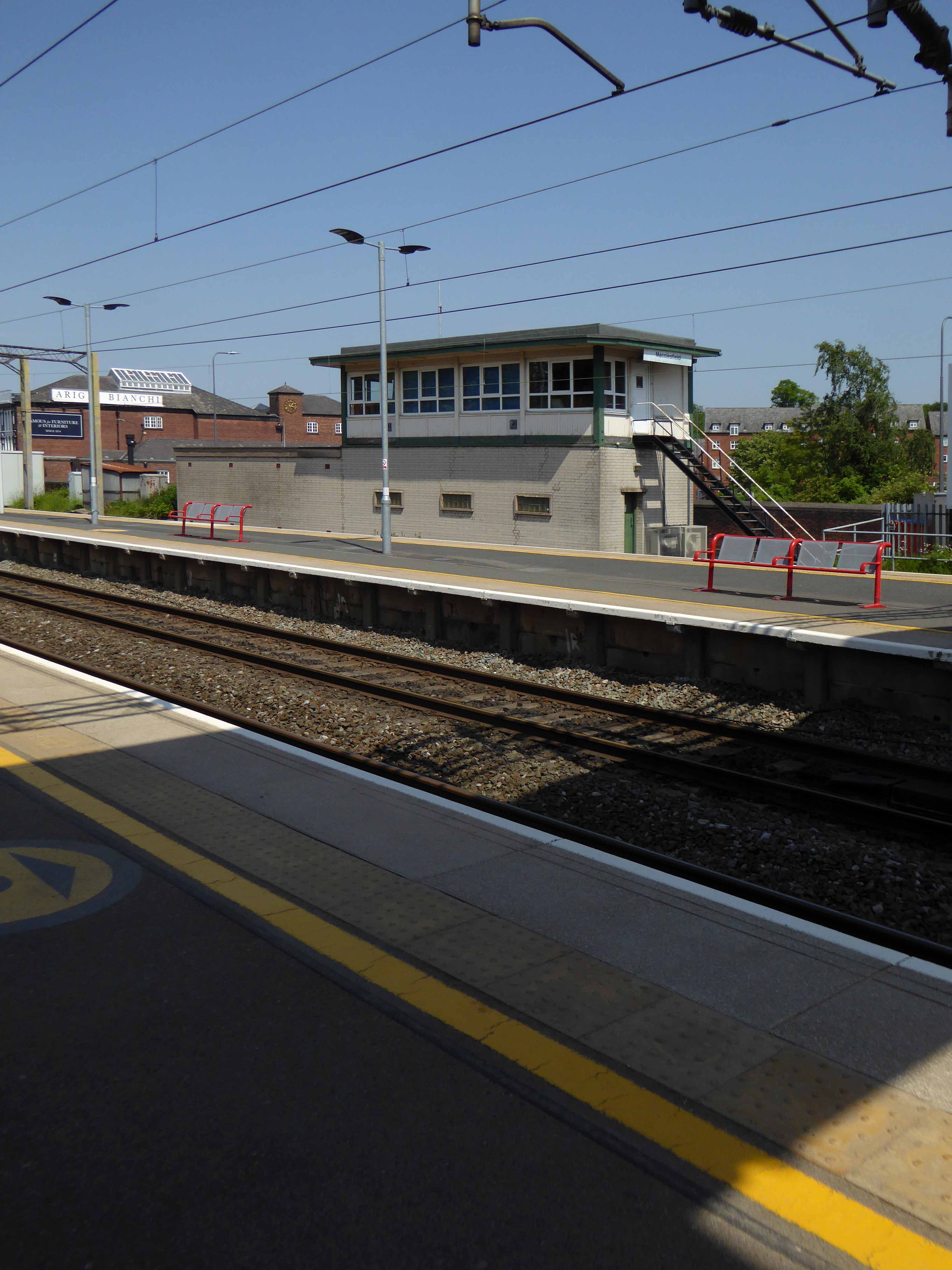
Though it seems to me that Macclesfield Station, in its earlier and current states, refuses to dovetail neatly into either of these sloppy binary paradigms.
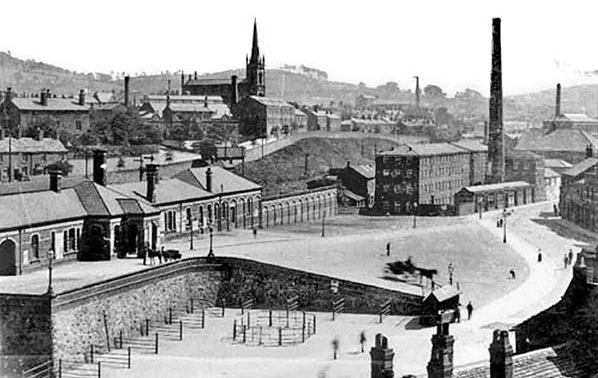
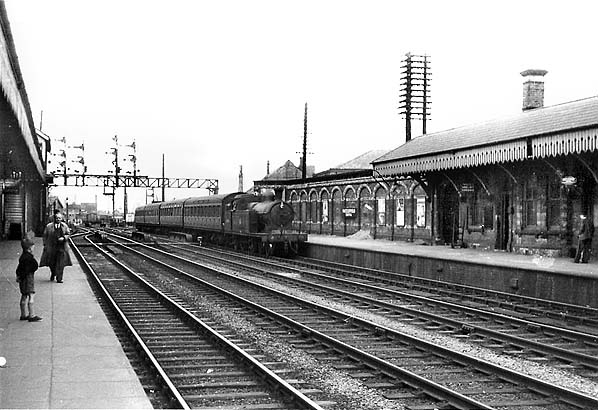
The former – single storey buildings, fitting unostentatiously into the topographic and practical constraints of the site. A neat, tightly packed rhythm of brick arches with a compact and bijou porch welcoming the expectant traveller.
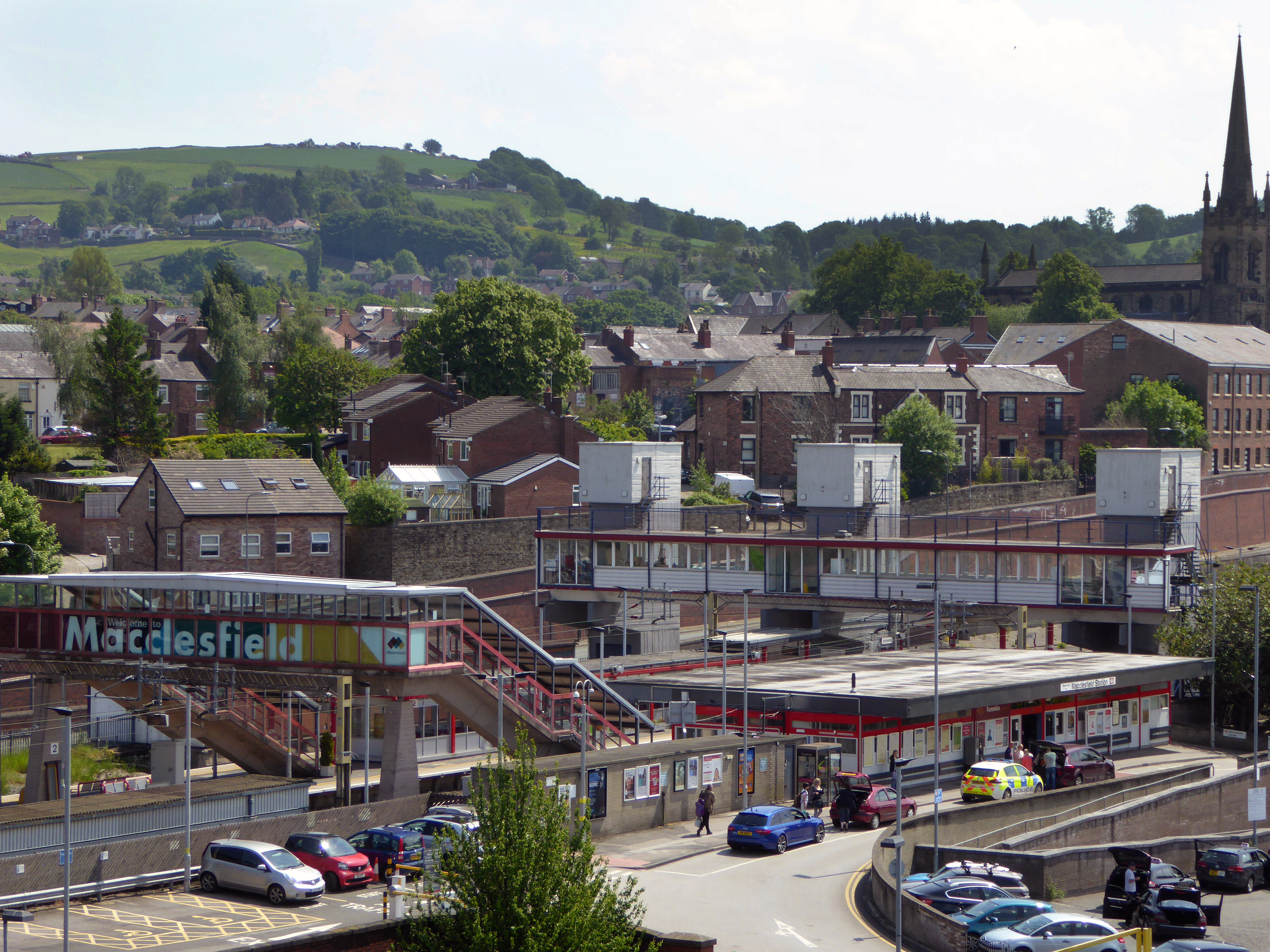
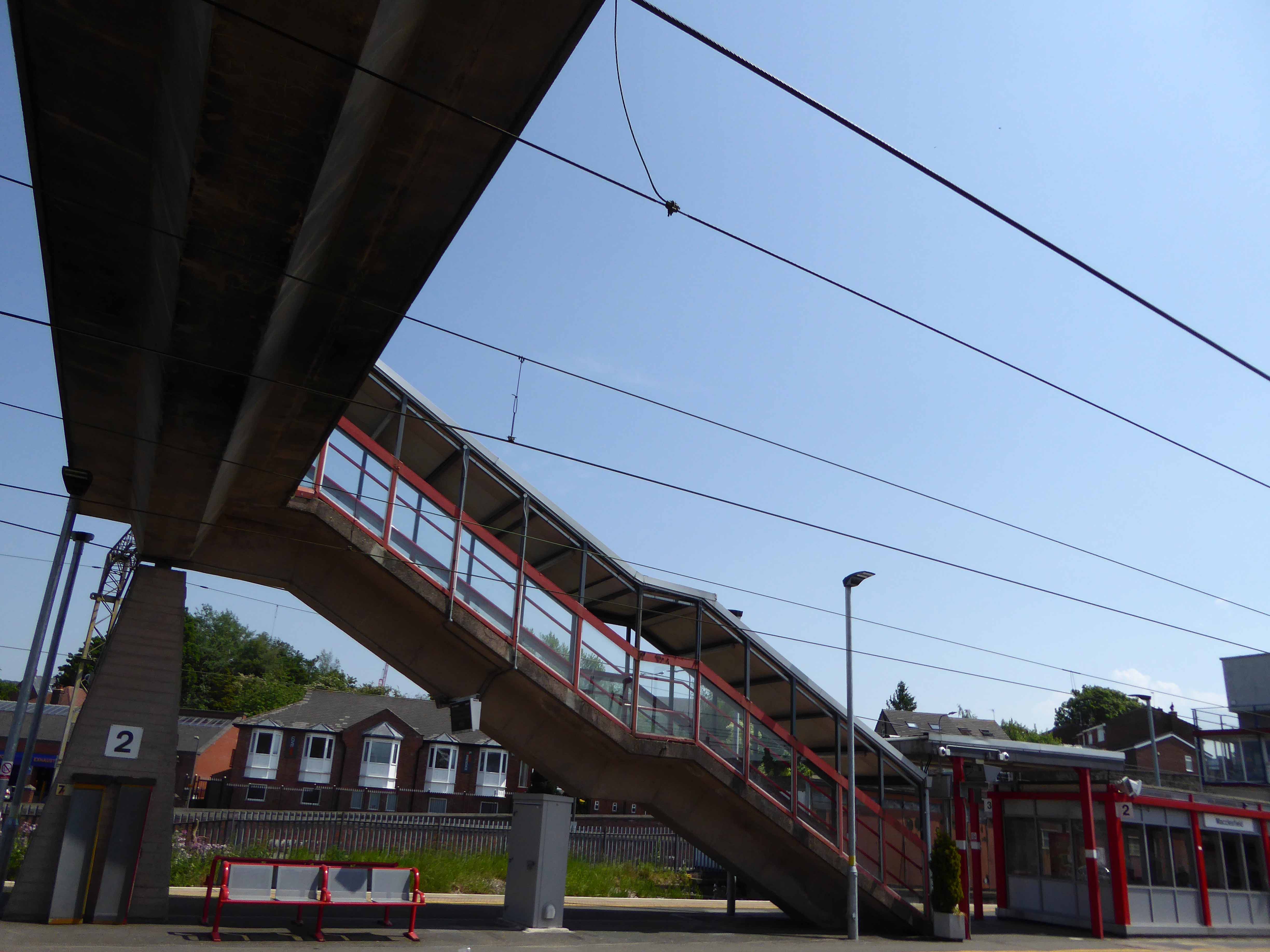
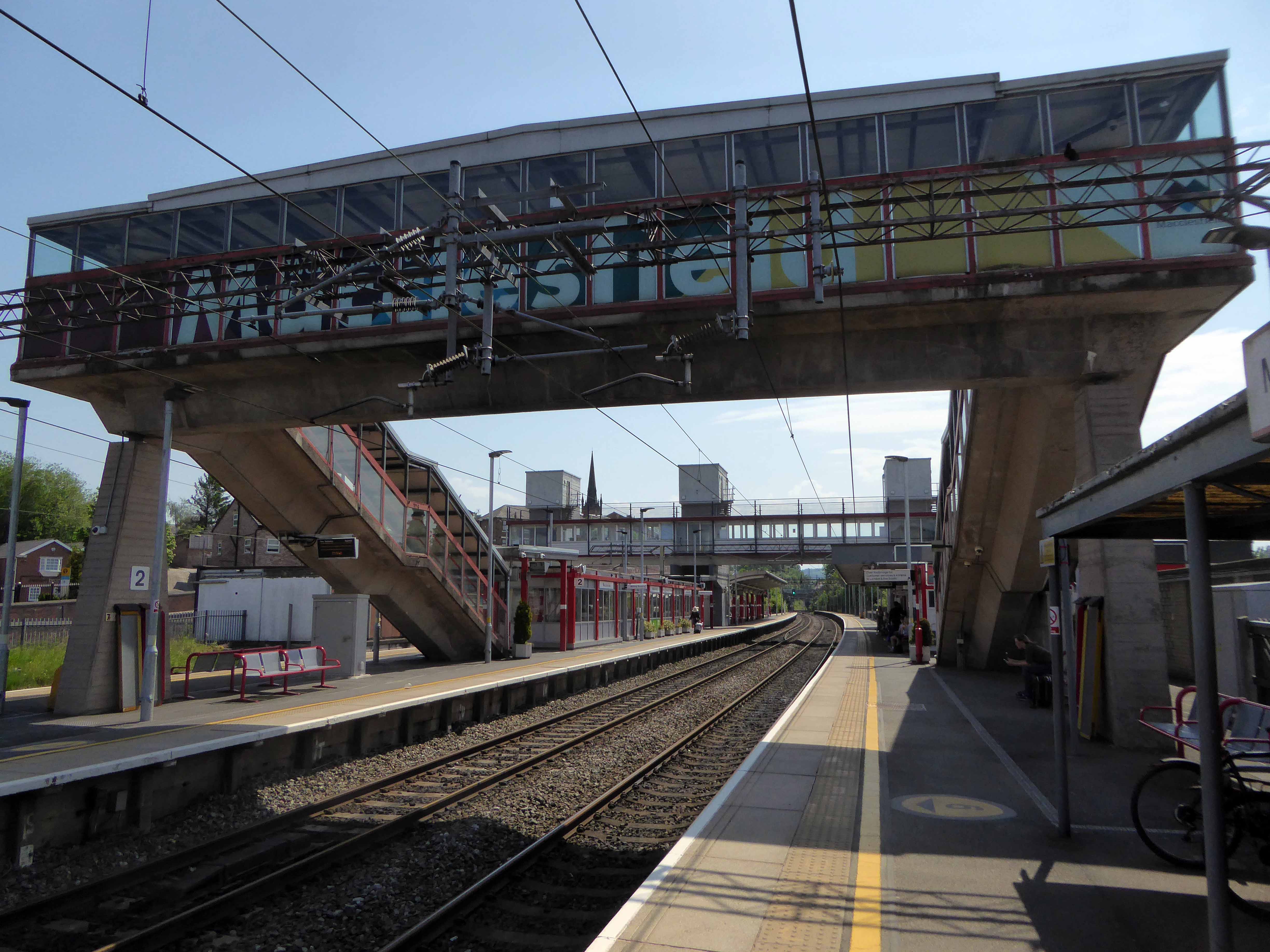
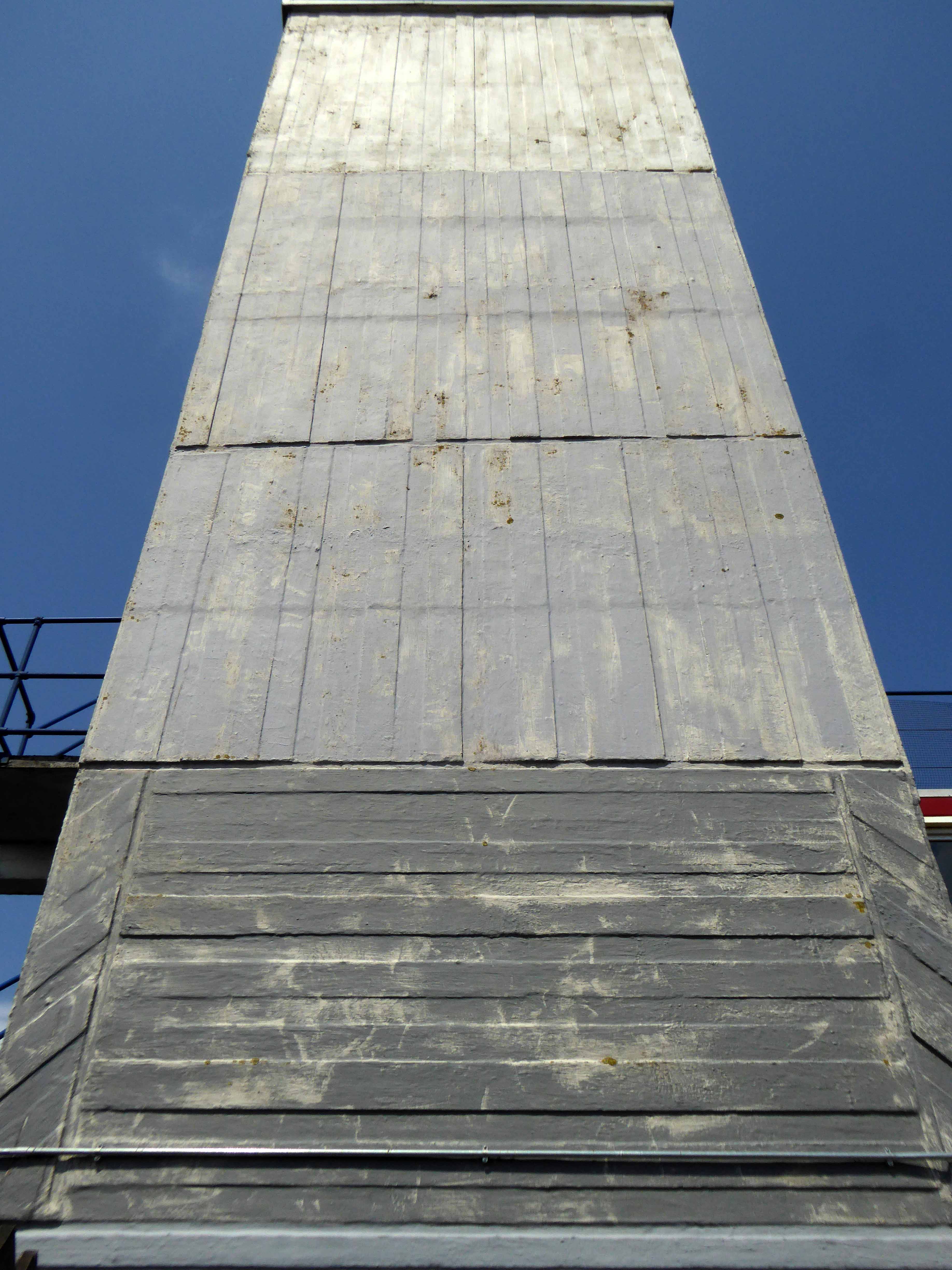
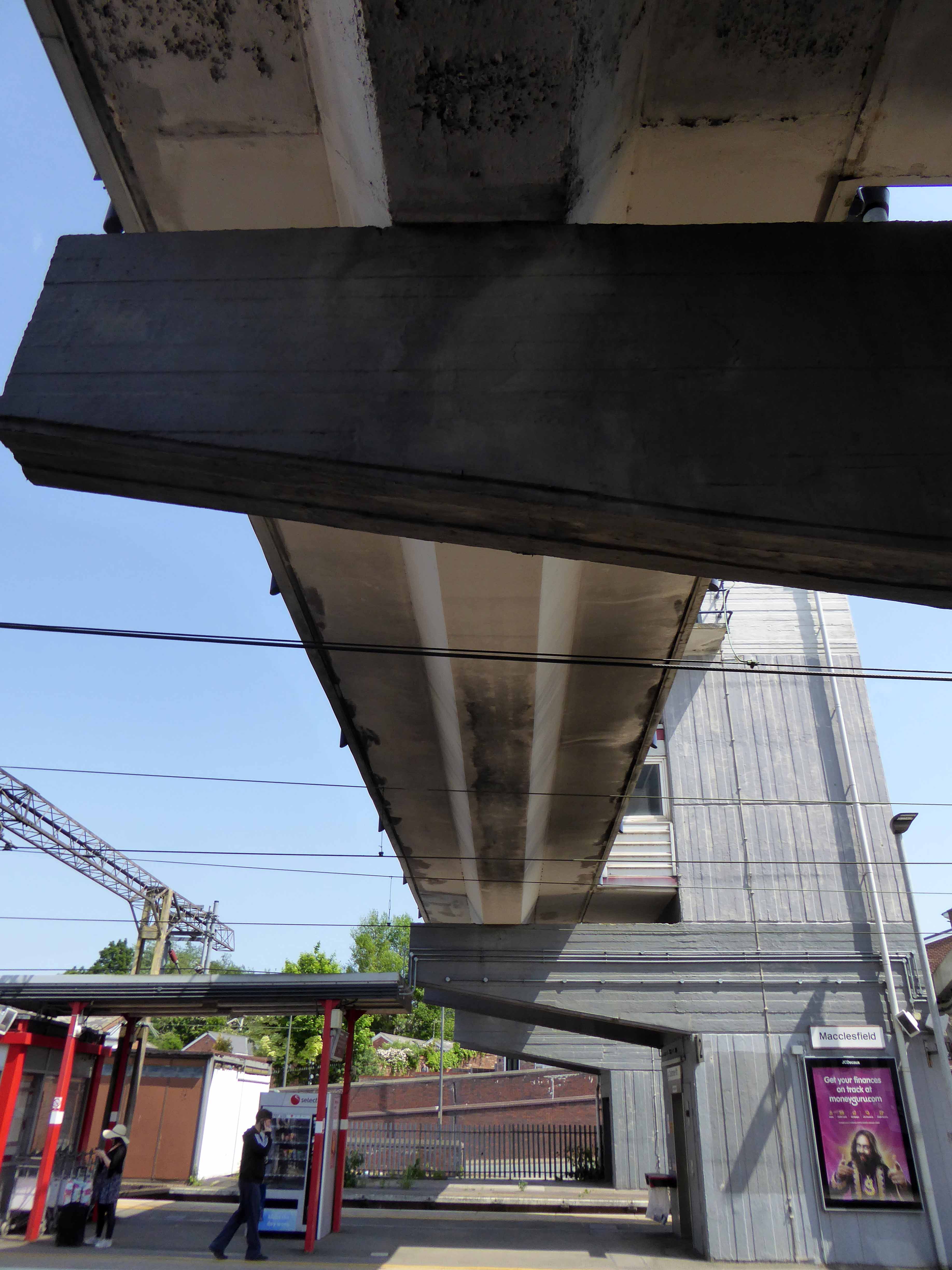
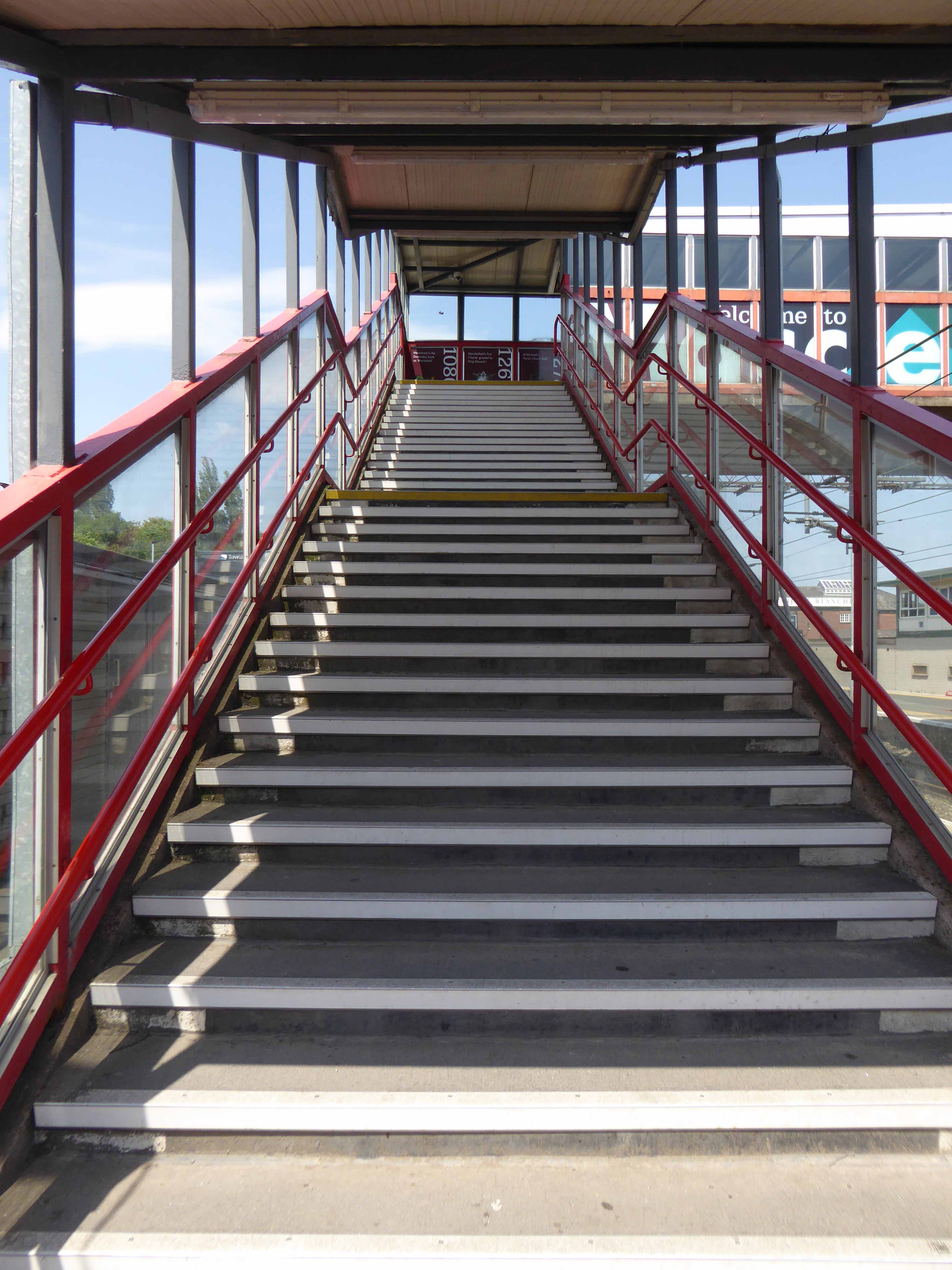
The latter a functionalist block, fully utilitarian crossings with lift access columns, embodying a particularly industrial demeanour.
From the golden age of steam to the moribund years of diesel, Macclesfield sits comfortably somewhere, betwixt and between ugly duckling and fully fledged swan.
Nestled in the lea of the East Cheshire Highlands, offering practical everyday transport solutions to the beleaguered commuter.
No frills, no thrills.
The London and North Western Railway opened the line between Manchester and Macclesfield on 19 June 1849 – Macclesfield Central was born. Later it would become a key station on the Stafford branch of the West Coast Main Line, remodelled in 1960 and rebranded as the much snappier Macclesfield Station.
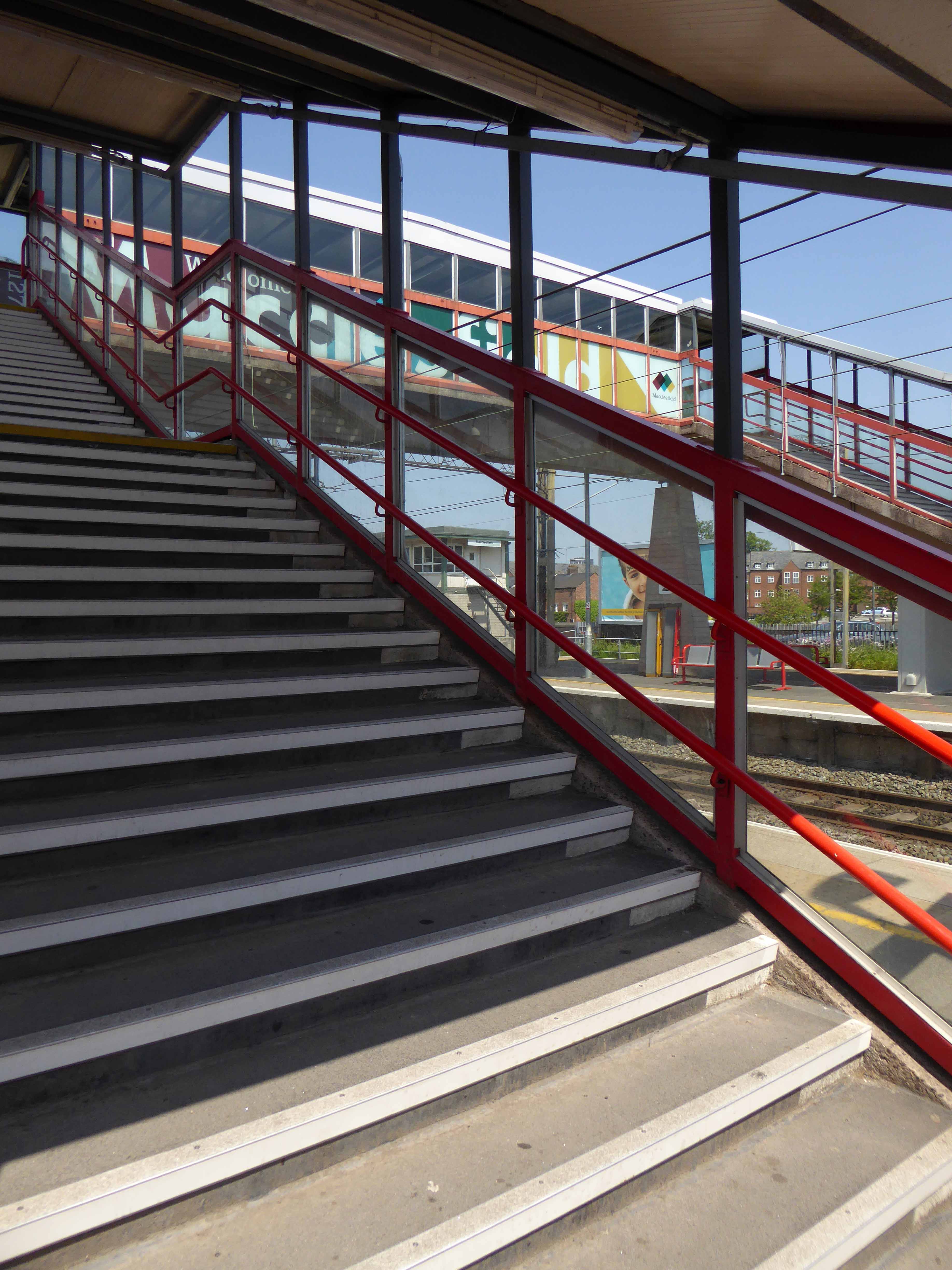
Which it proudly announces topically and typographically to the world.
Welcome to Macclesfield a town that is clearly going places, and so are you.
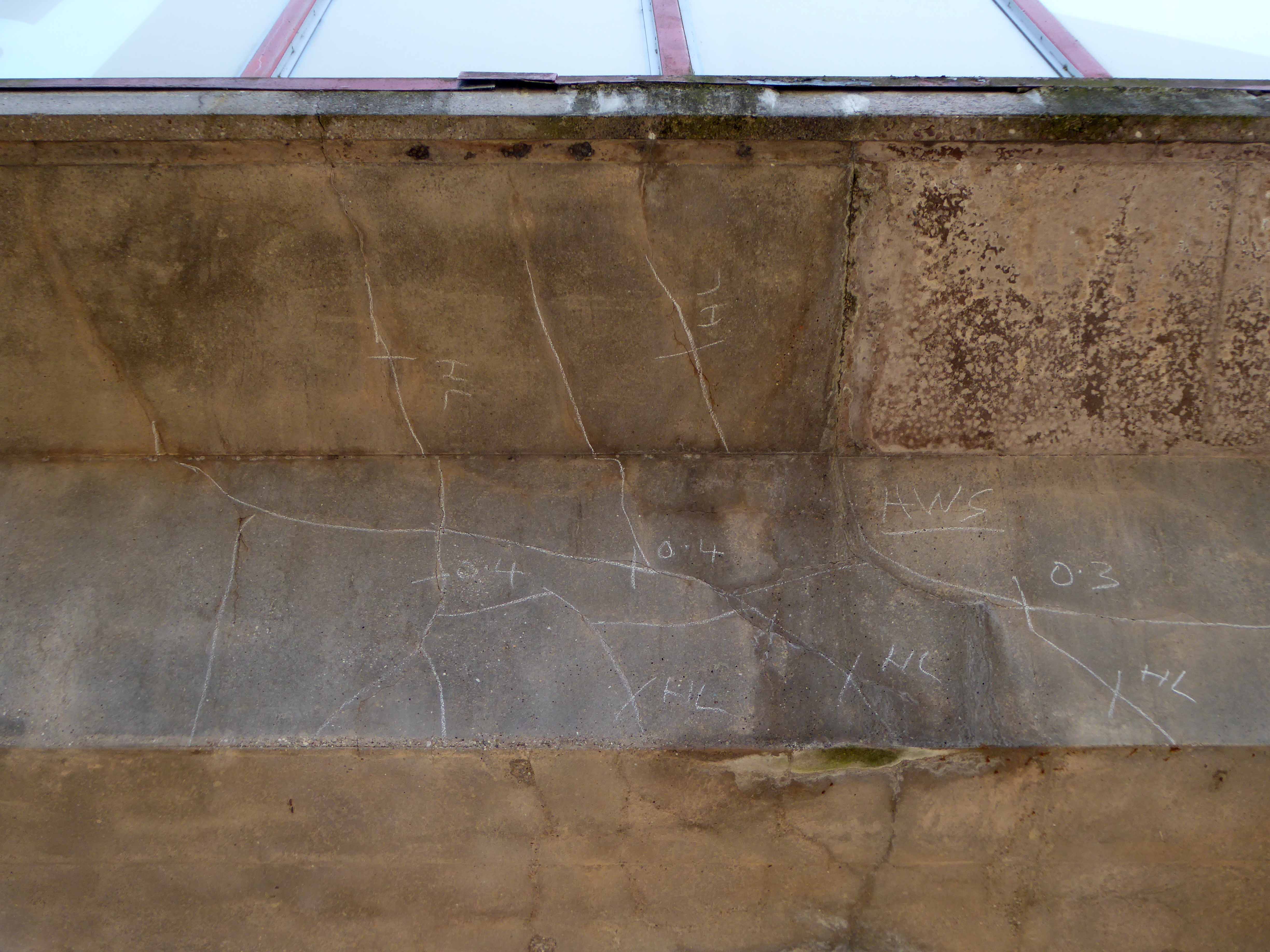
The station won the Best Kept Station in Cheshire Award for 2007, but was reported in summer 2011 to be distinctly shabby, with peeling paintwork.
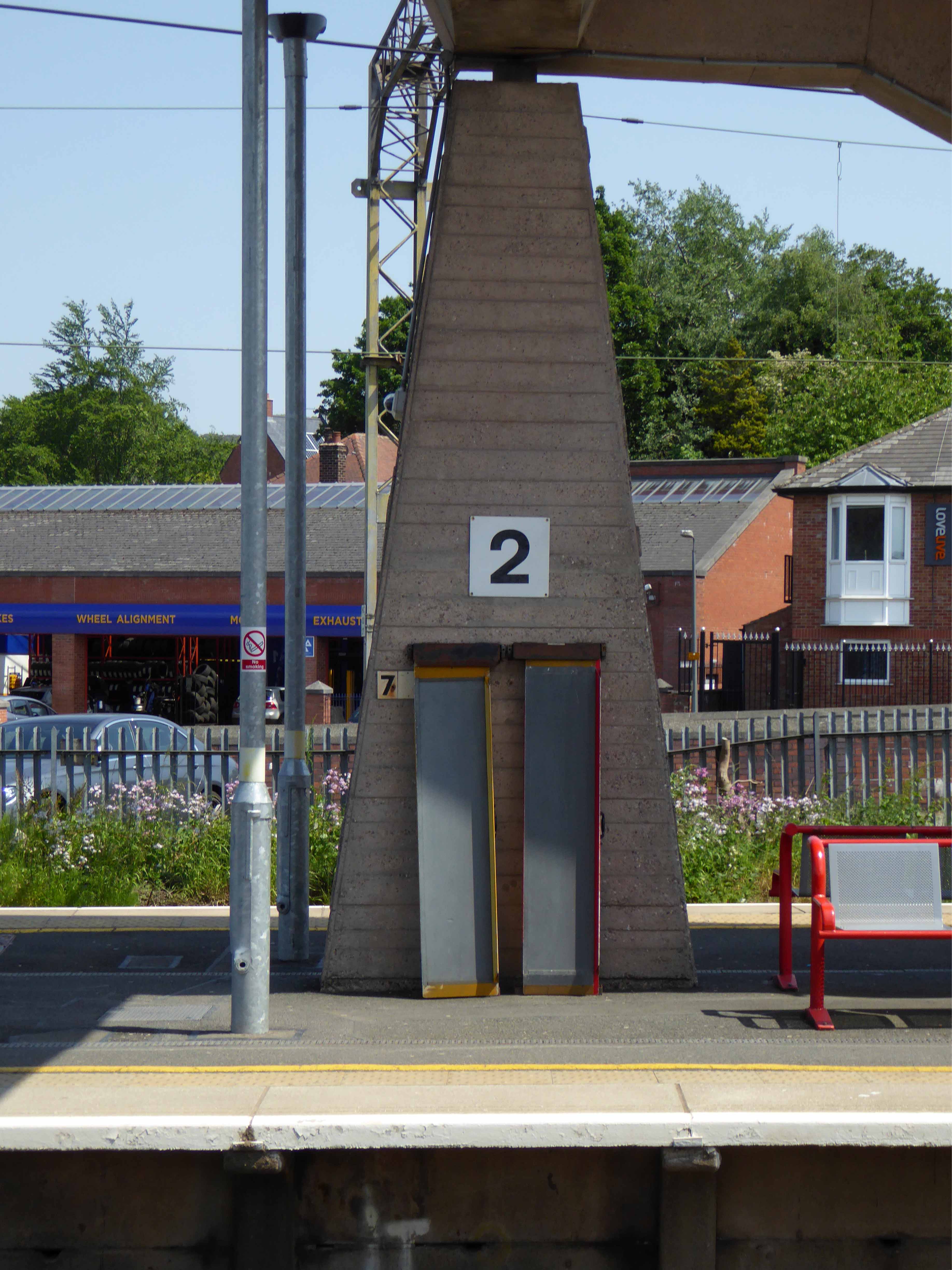
And yet there is something in the constituent Platonic steel, glass and concrete forms that never ceases to amuse and amaze me, this is Brutalism on a human and provincial scale.
The raw concrete softened with three or four shades of grey, as a concession to the delicate suburban sensibilities of this once silk-fuelled town.
Take a trip with me – join the Cheshire train set.
And therefore as a stranger give it welcome.
There are more things in heaven and hell, Horatio,
Than are dreamt of in your philosophy.
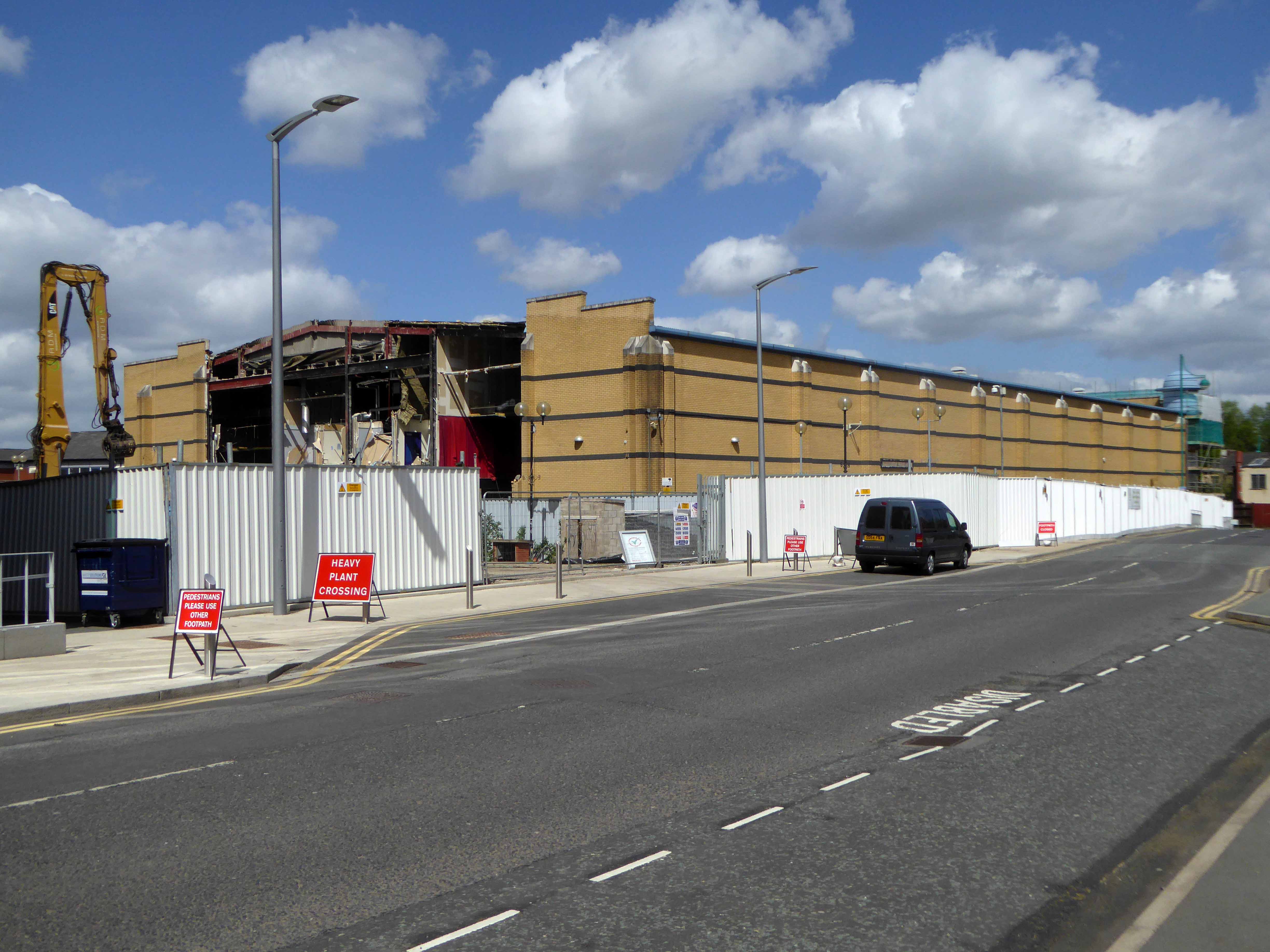
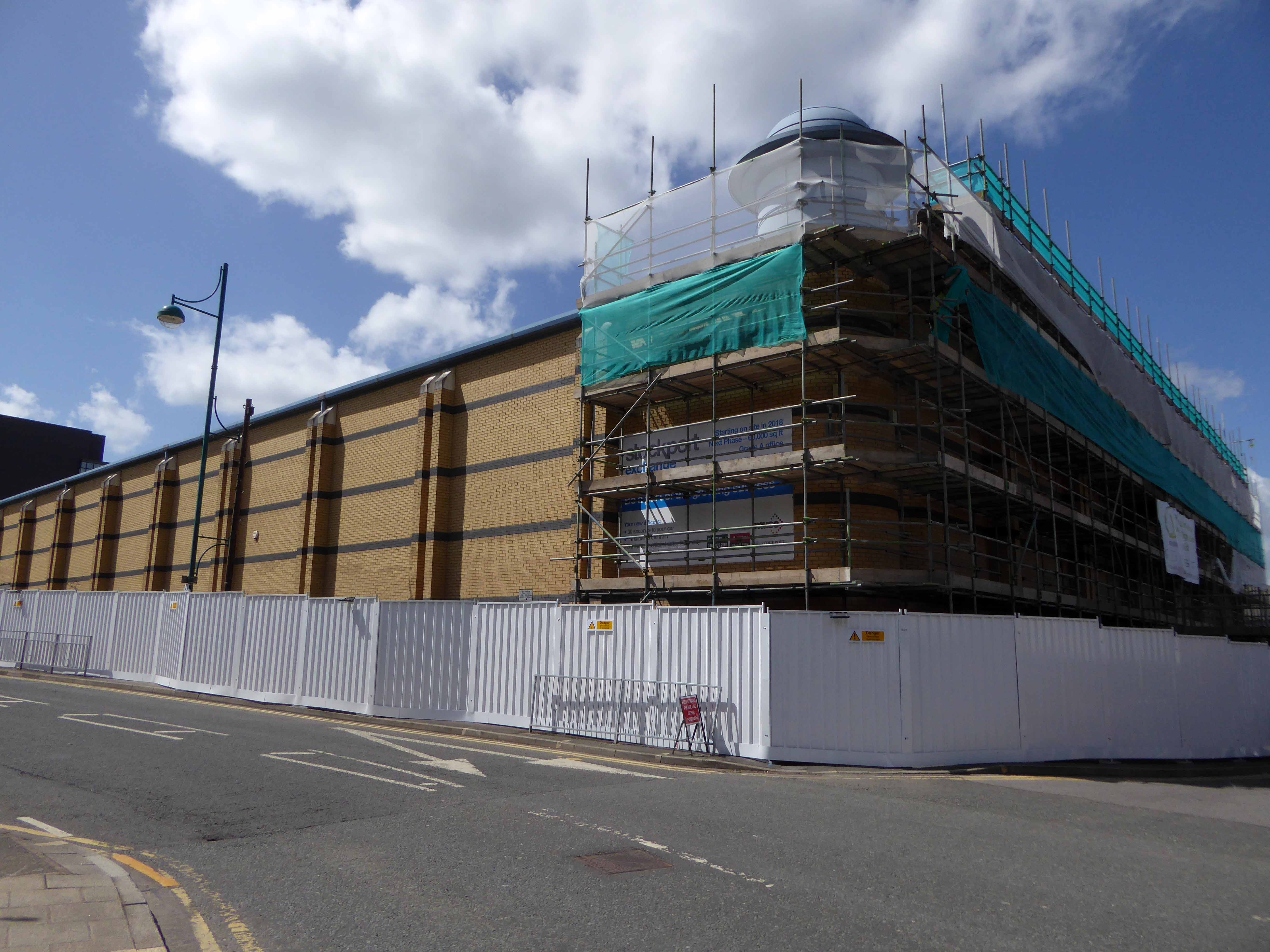
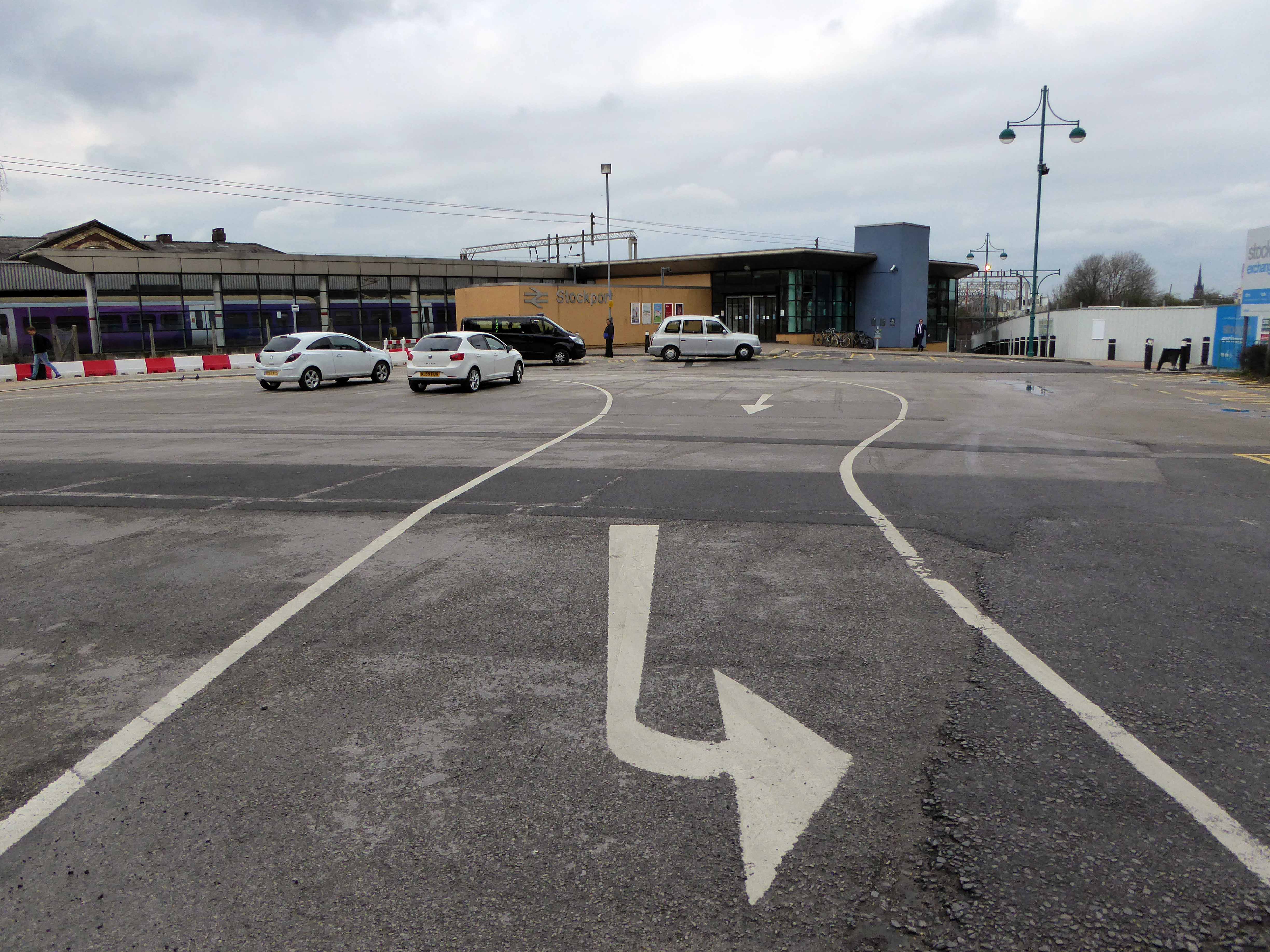
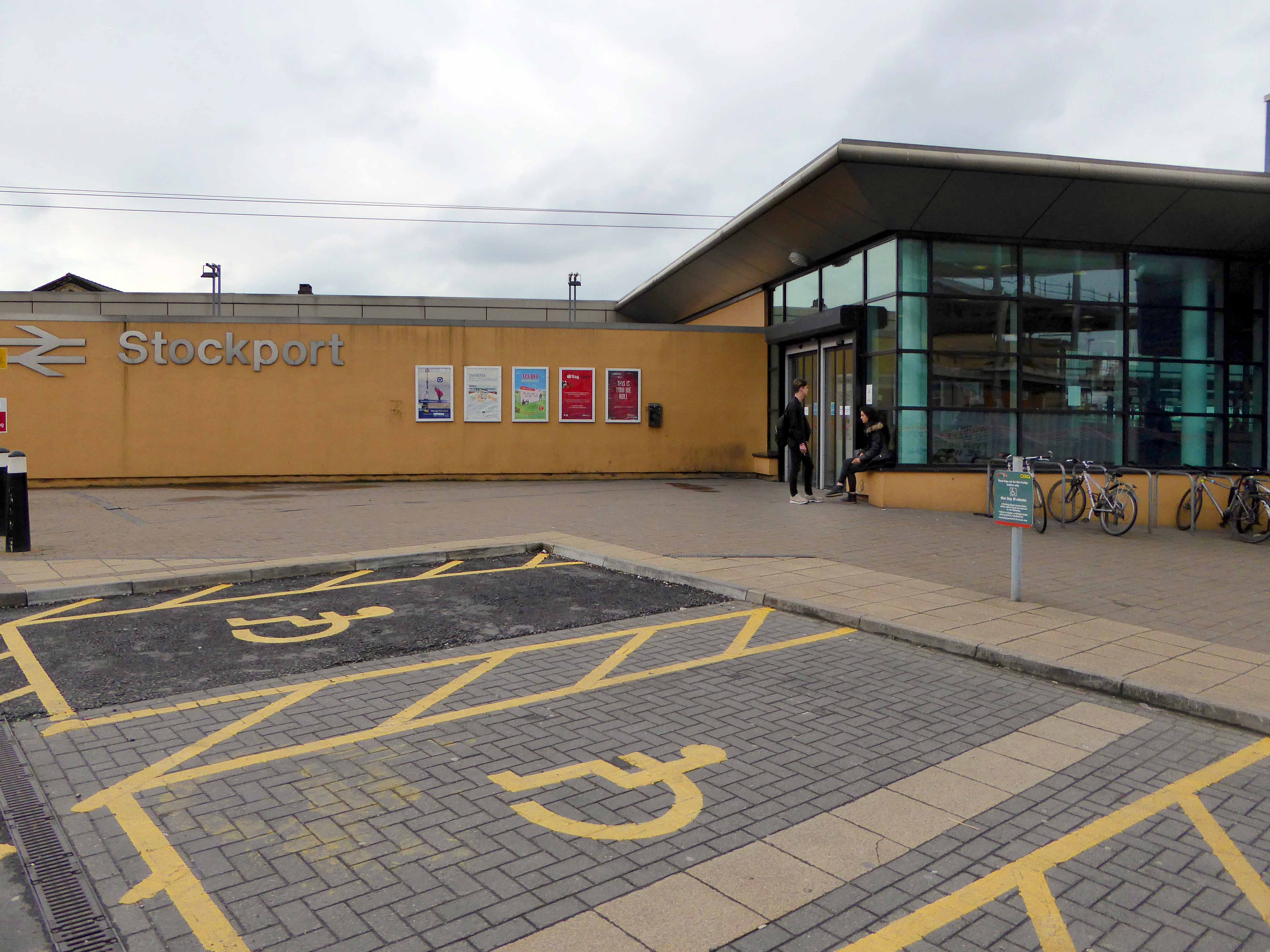
We have seen things come and go in, on and around Stockport Station’s little acre.
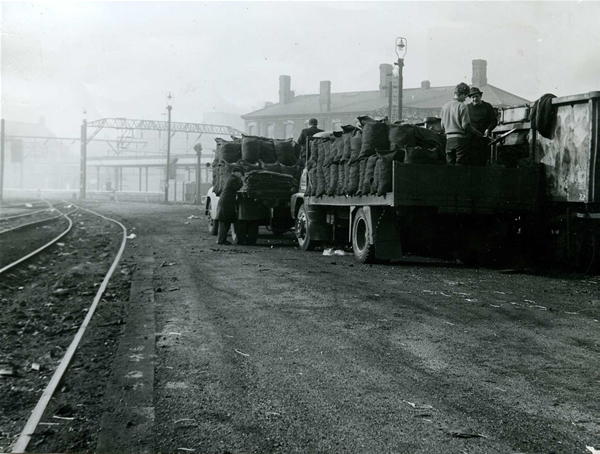
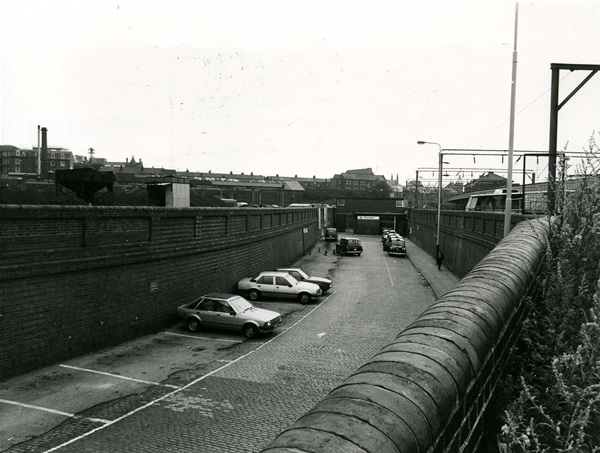
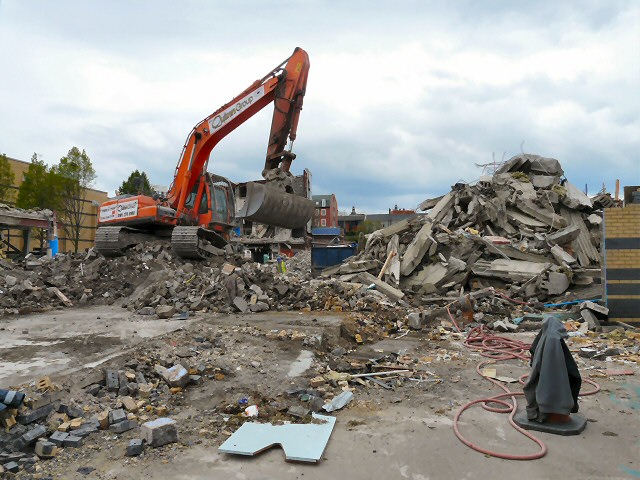
From coal drops to tear drops.
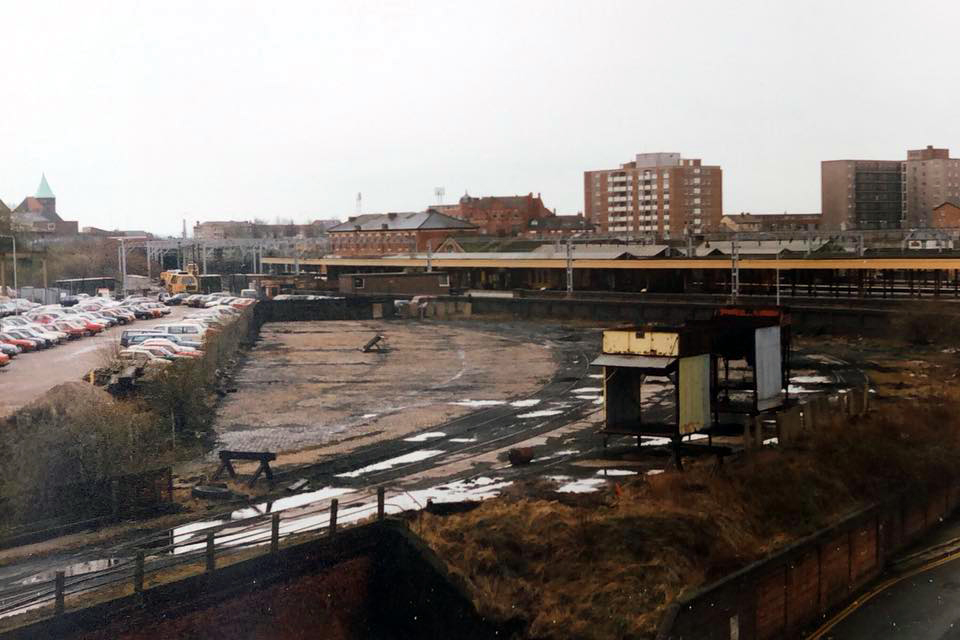
Before
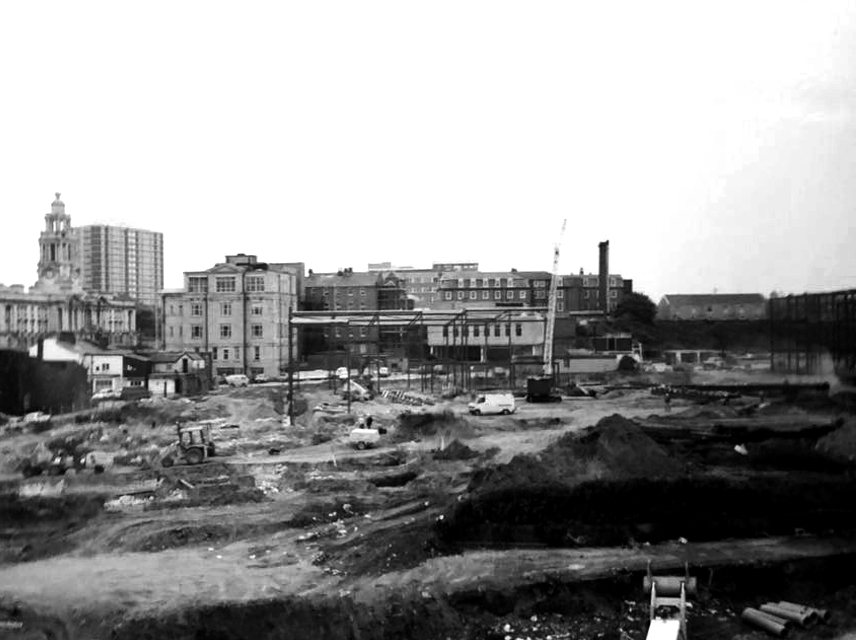
During
Archive photographs courtesy of John Eaton
After
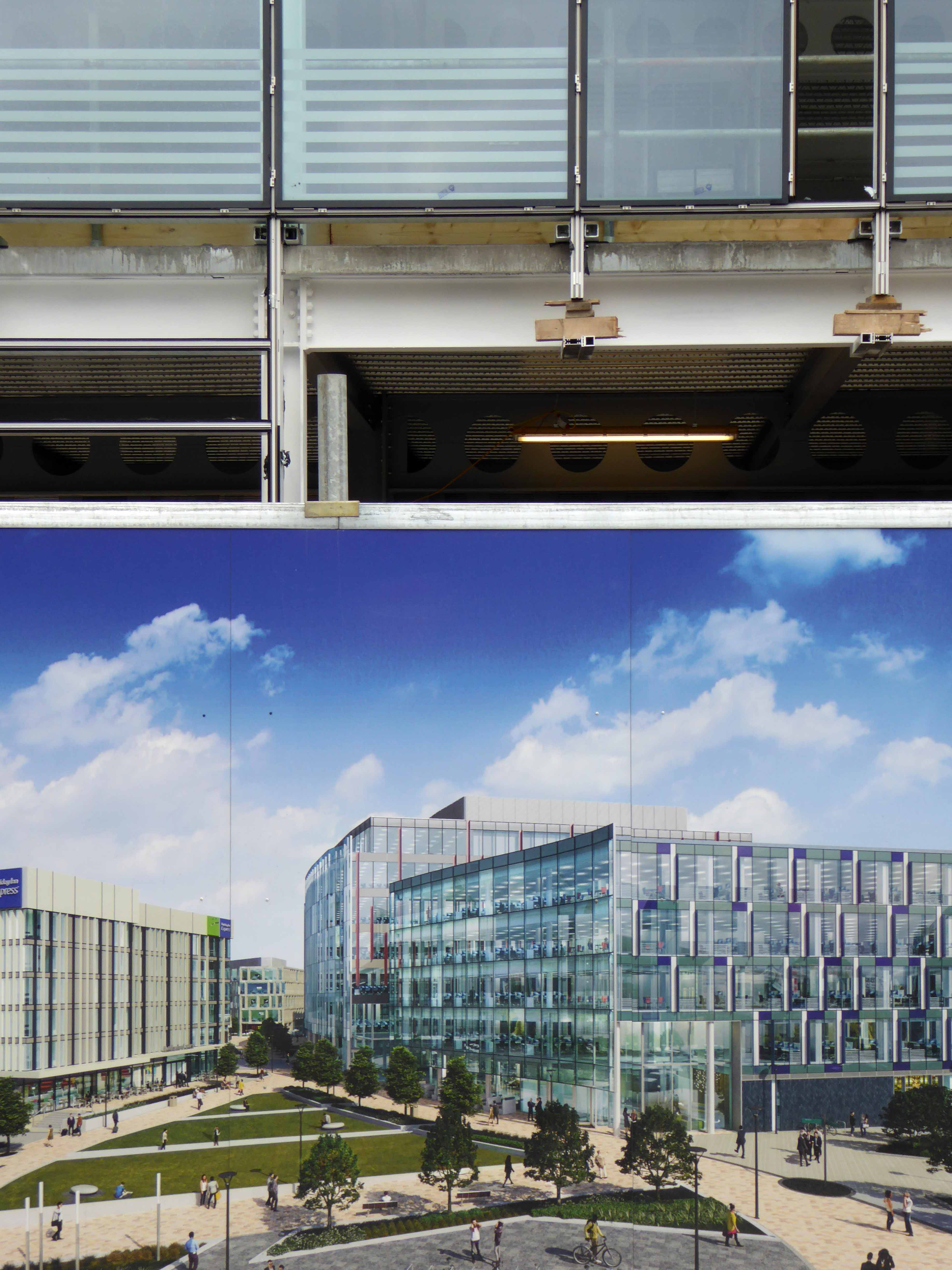
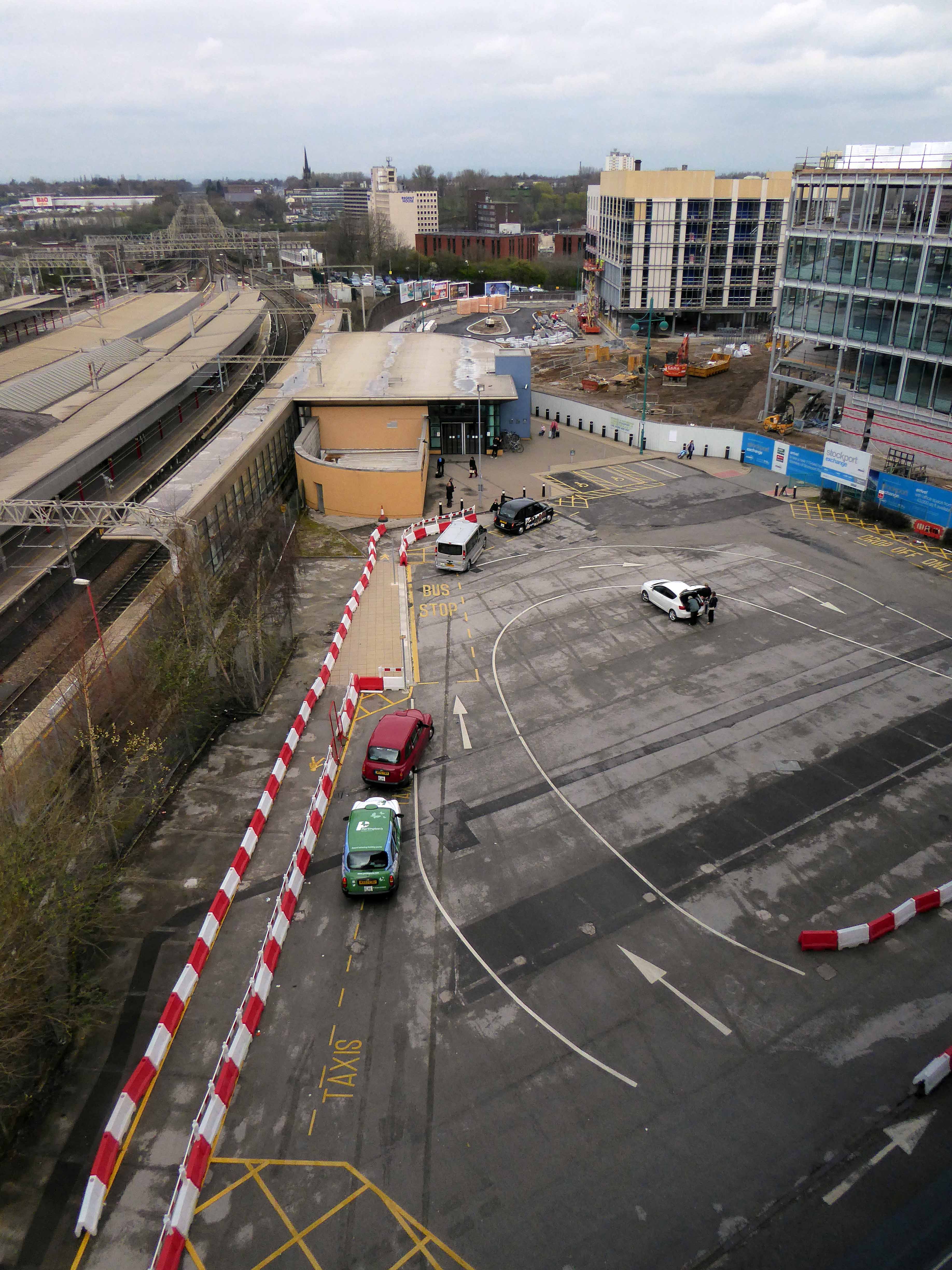
The post-industrial leisure complex has come almost full circle – overwritten by the complex needs of the modern day service-worker – Holiday Inn, Espresso Bar and Mini-mart complement the hot-desked, twenty-four hour online access all areas open-plan office operative.
Steven Parissien, director of Compton Verney Museum in Warwickshire, says:
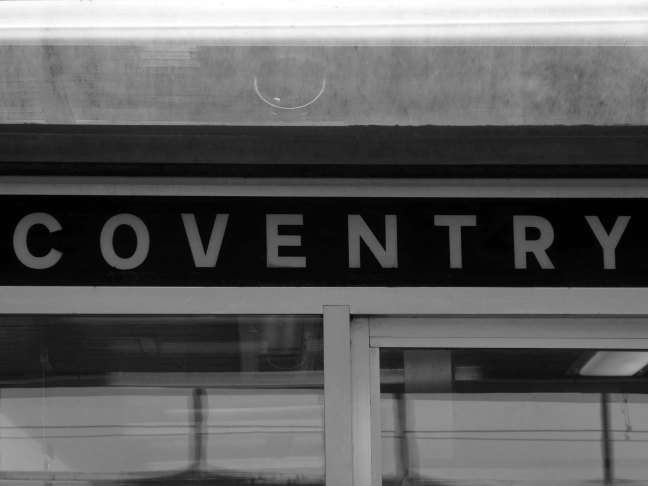
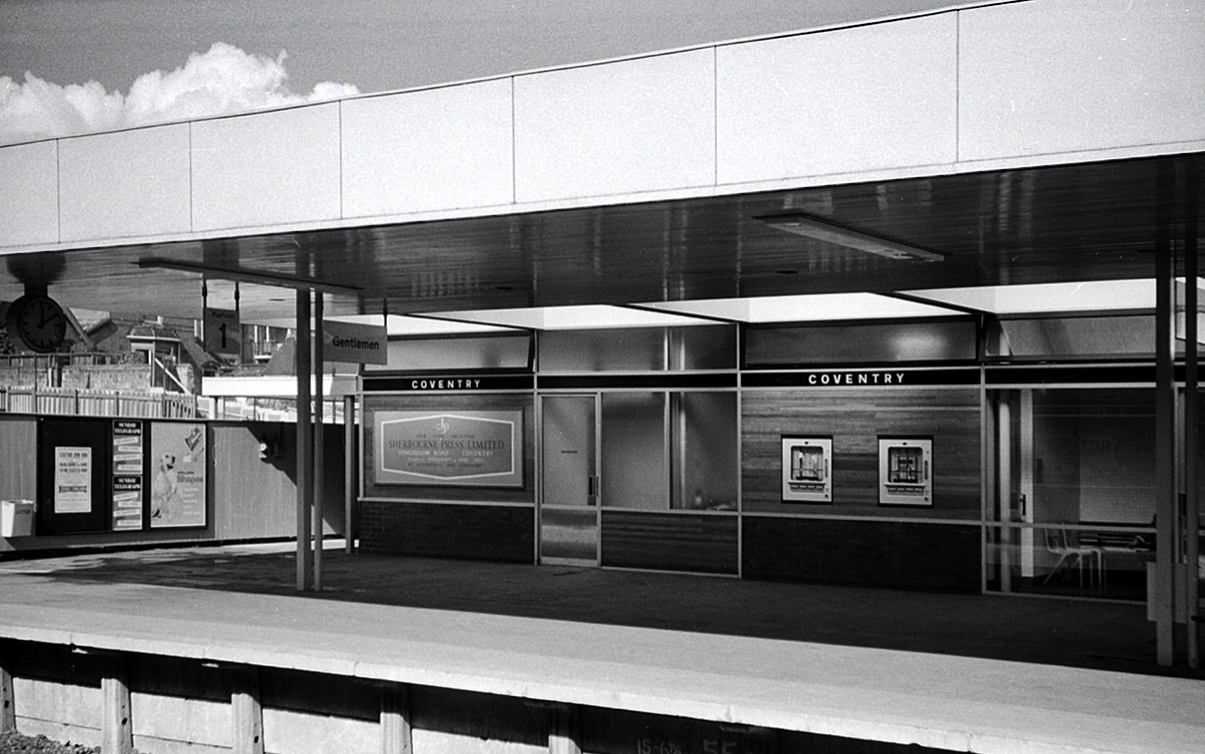
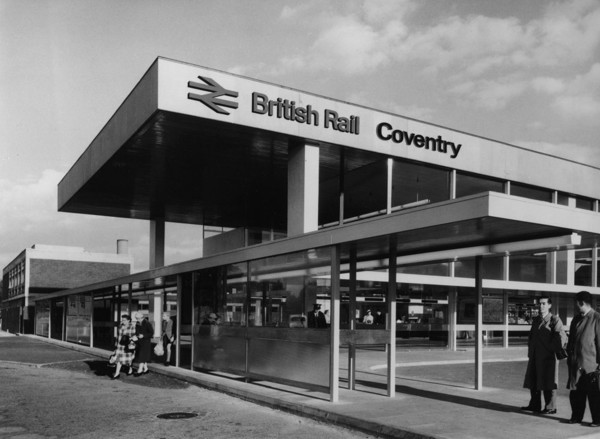
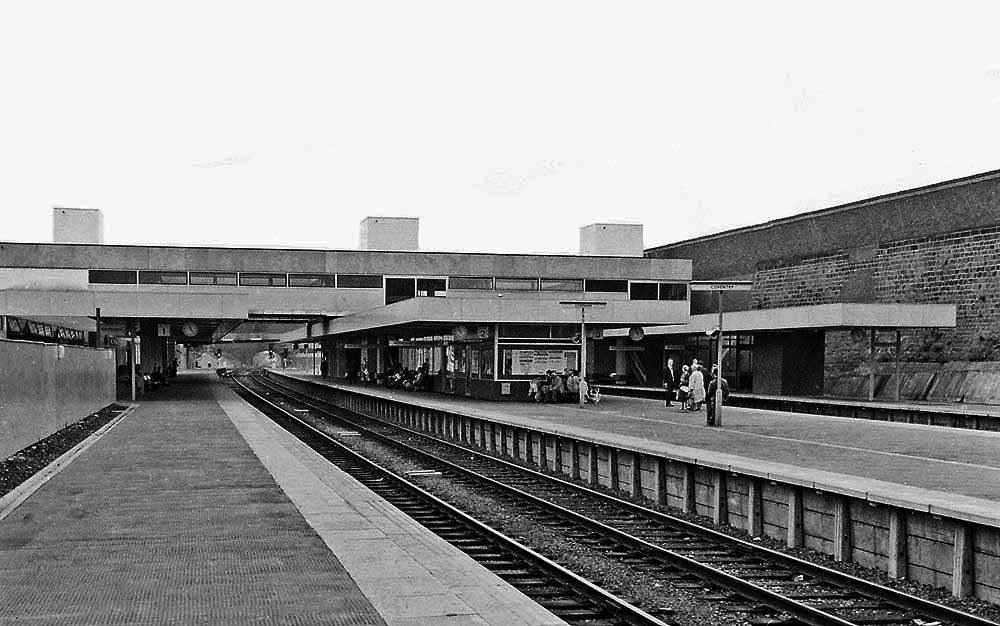
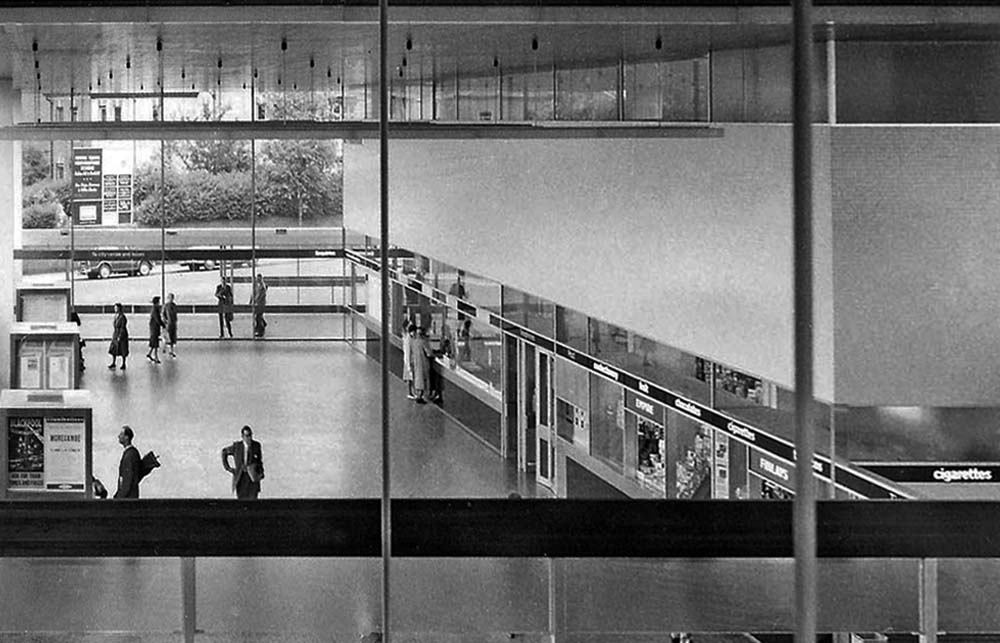
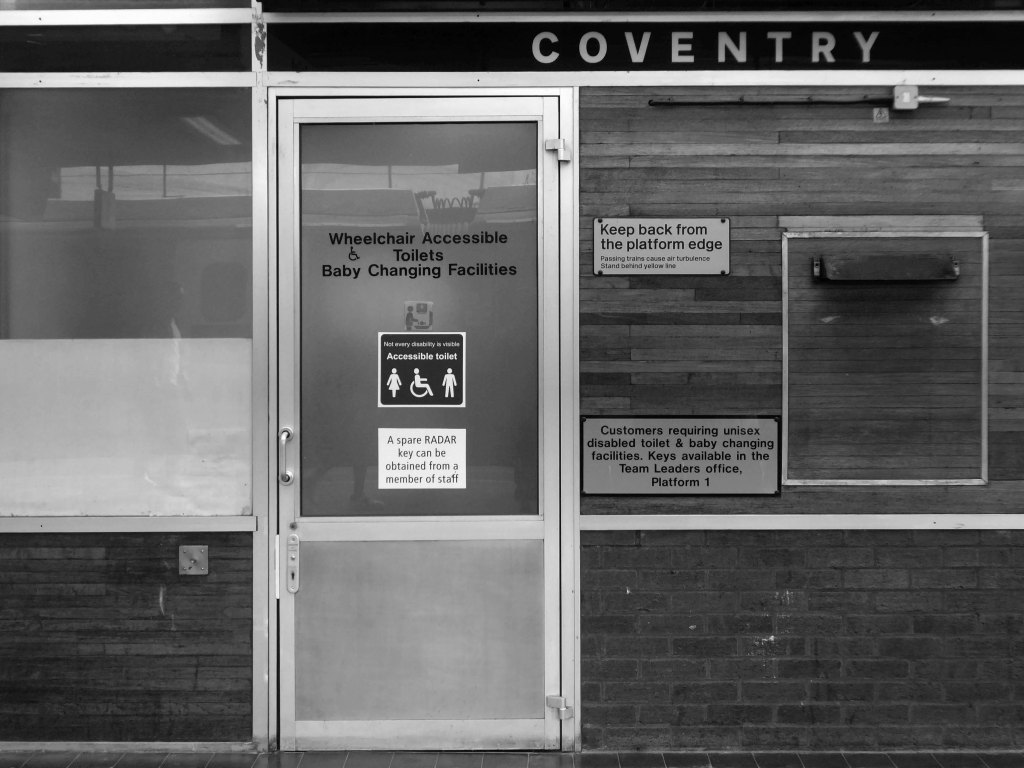
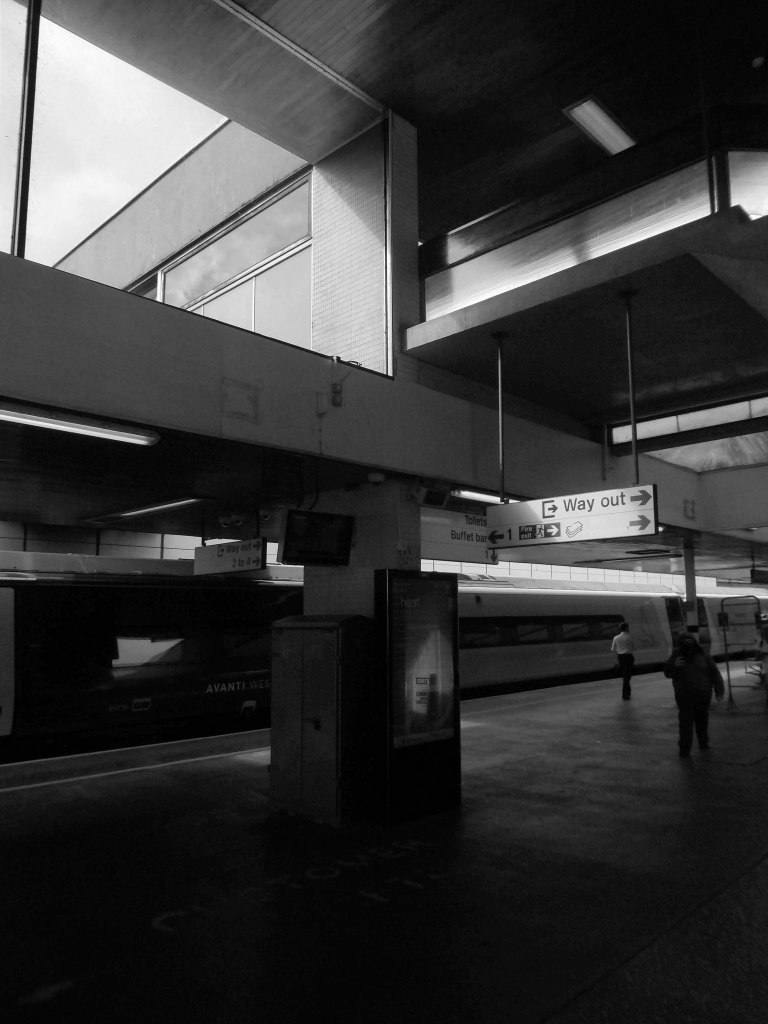
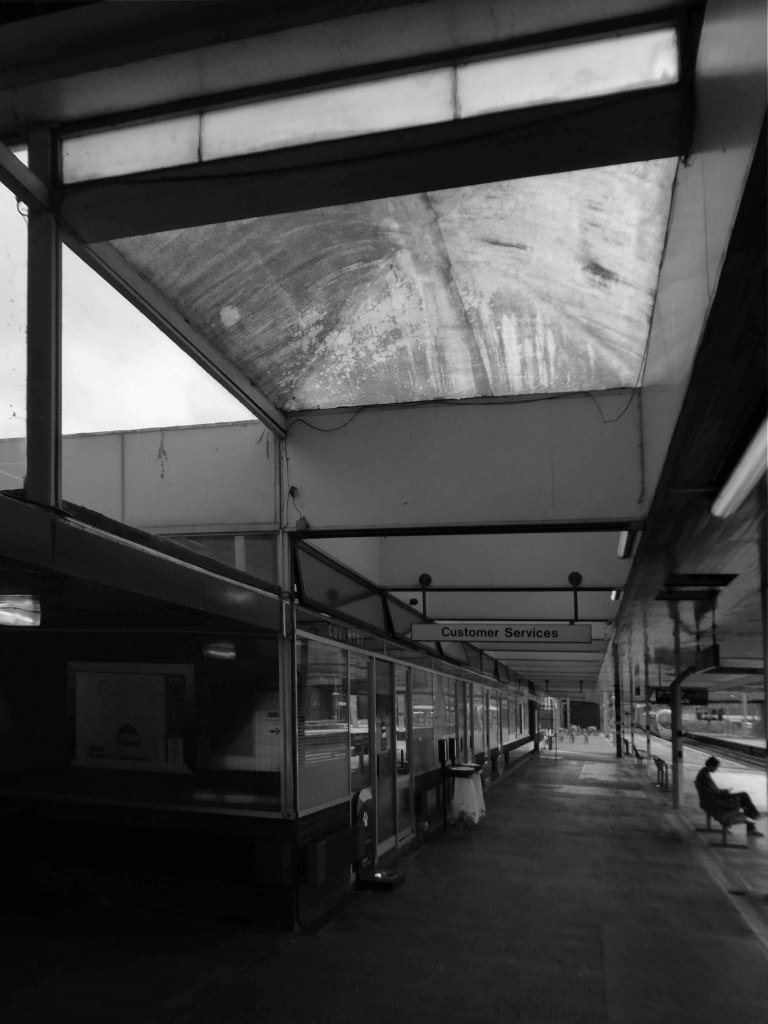
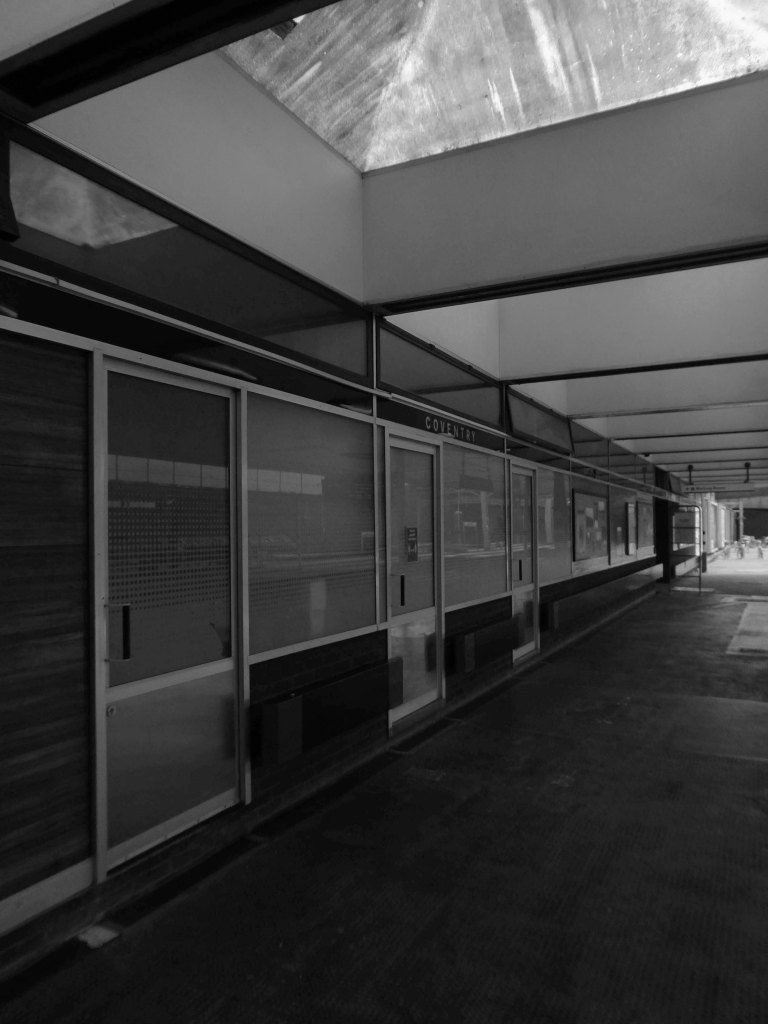
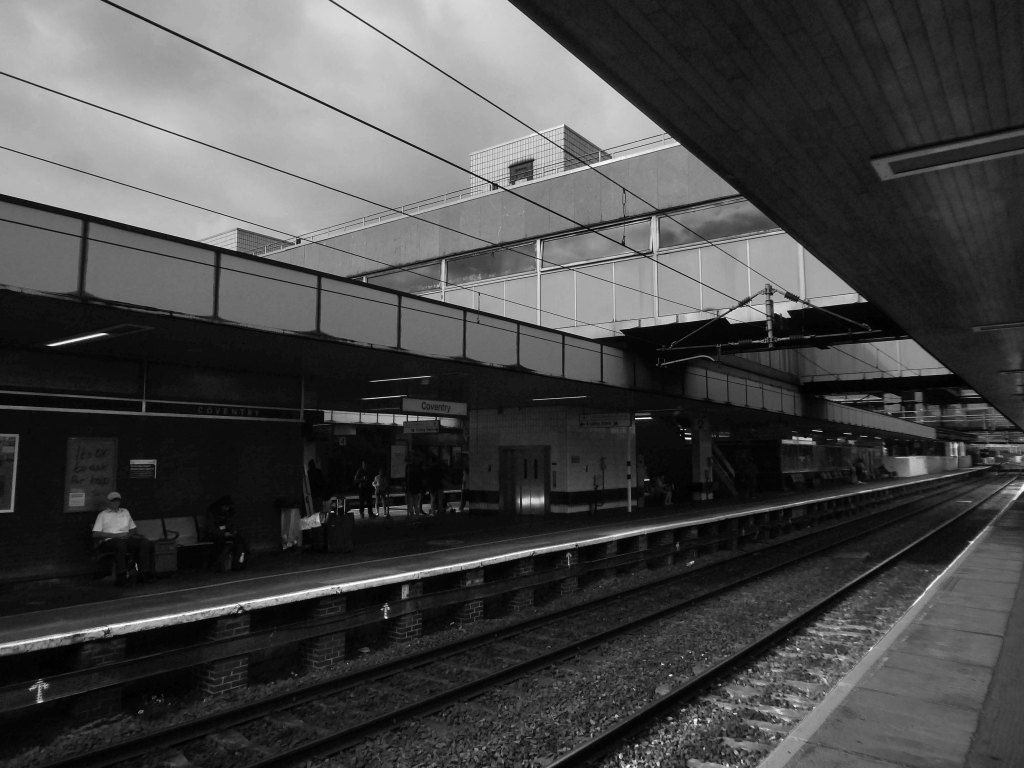
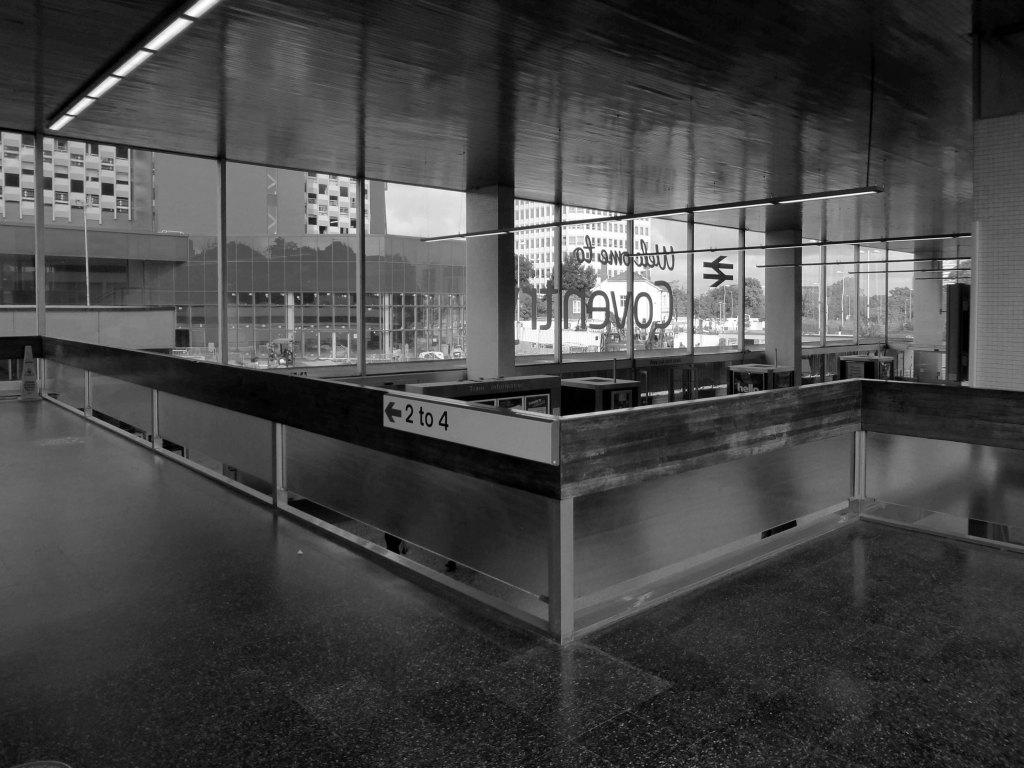
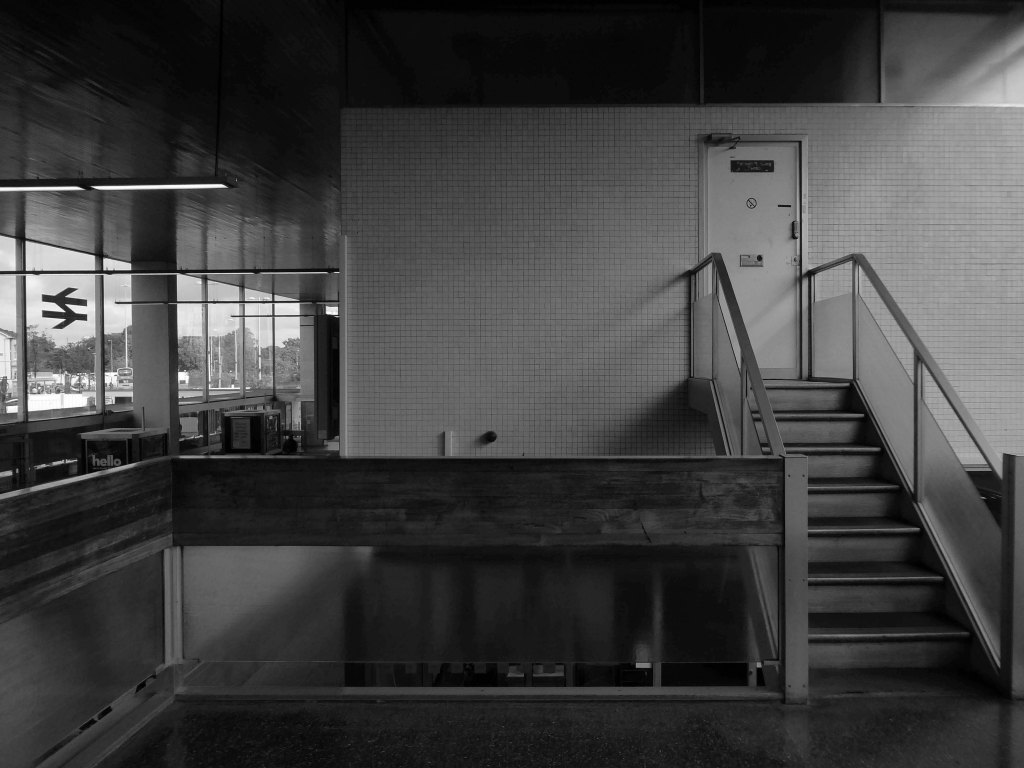
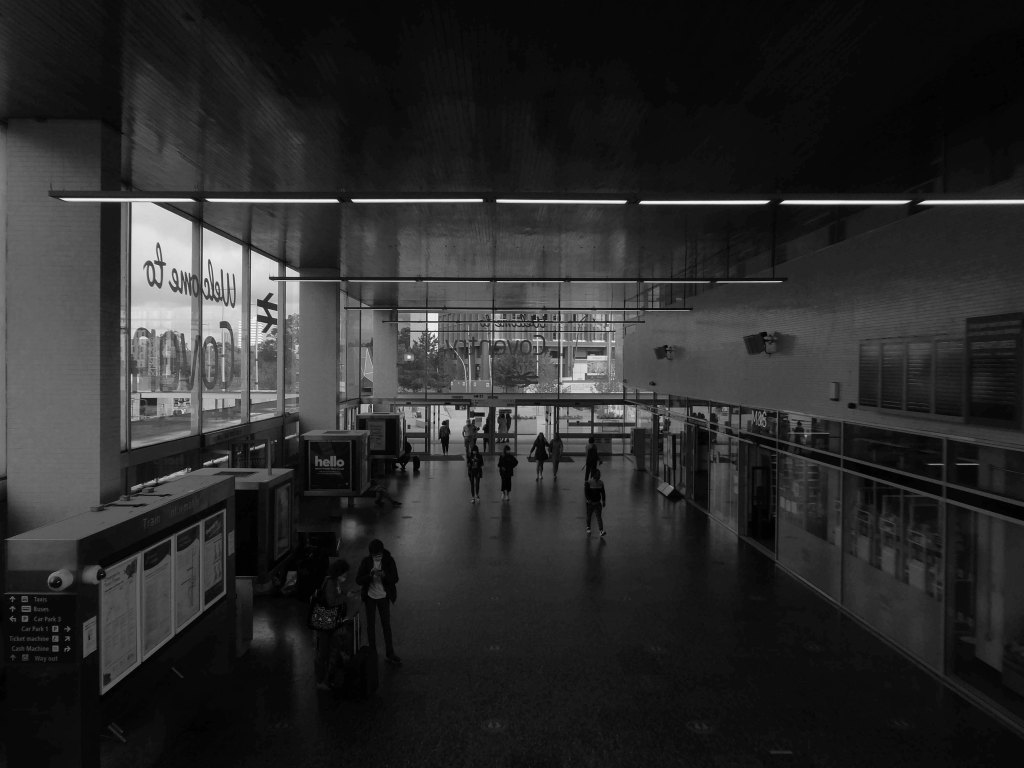
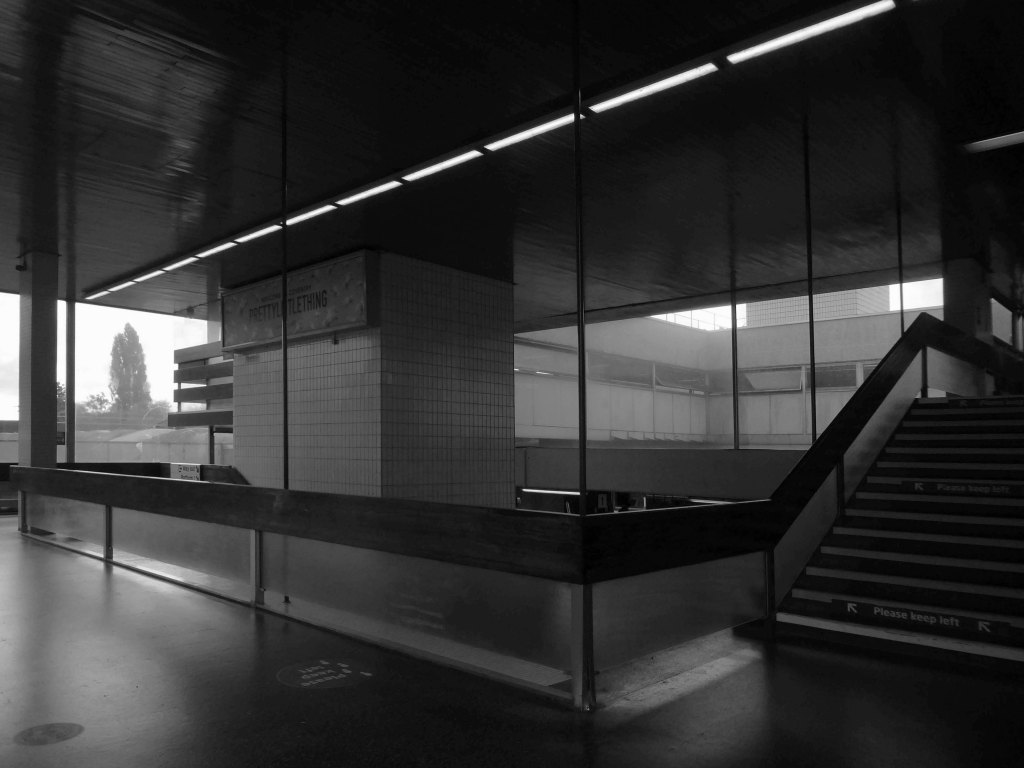
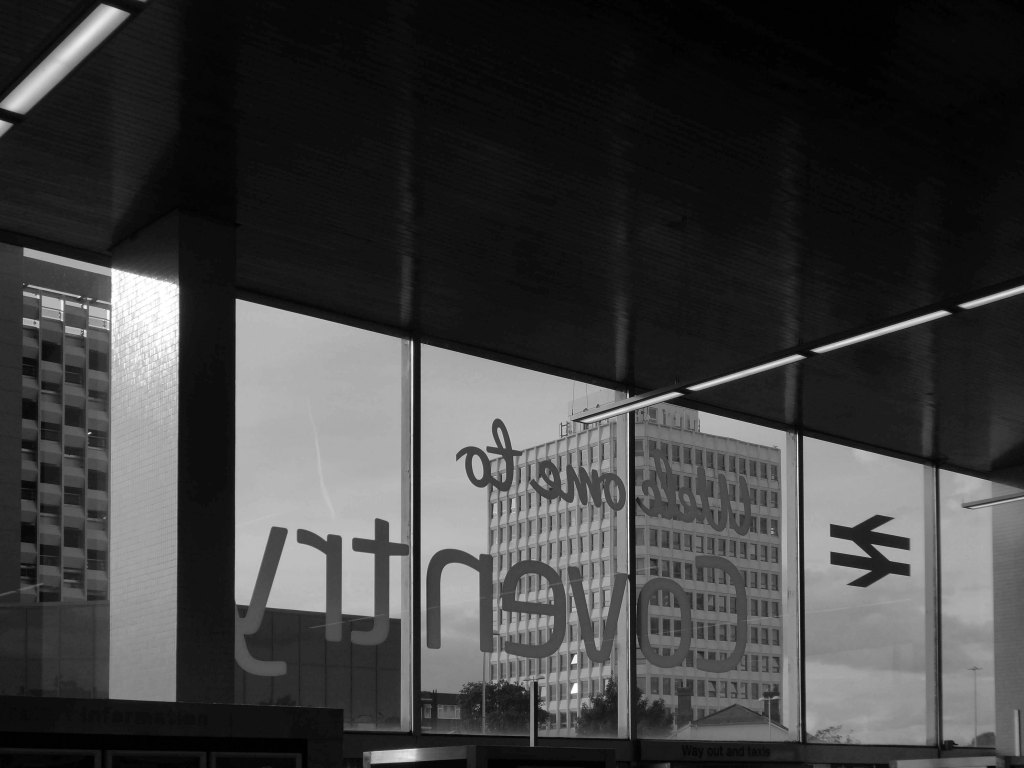
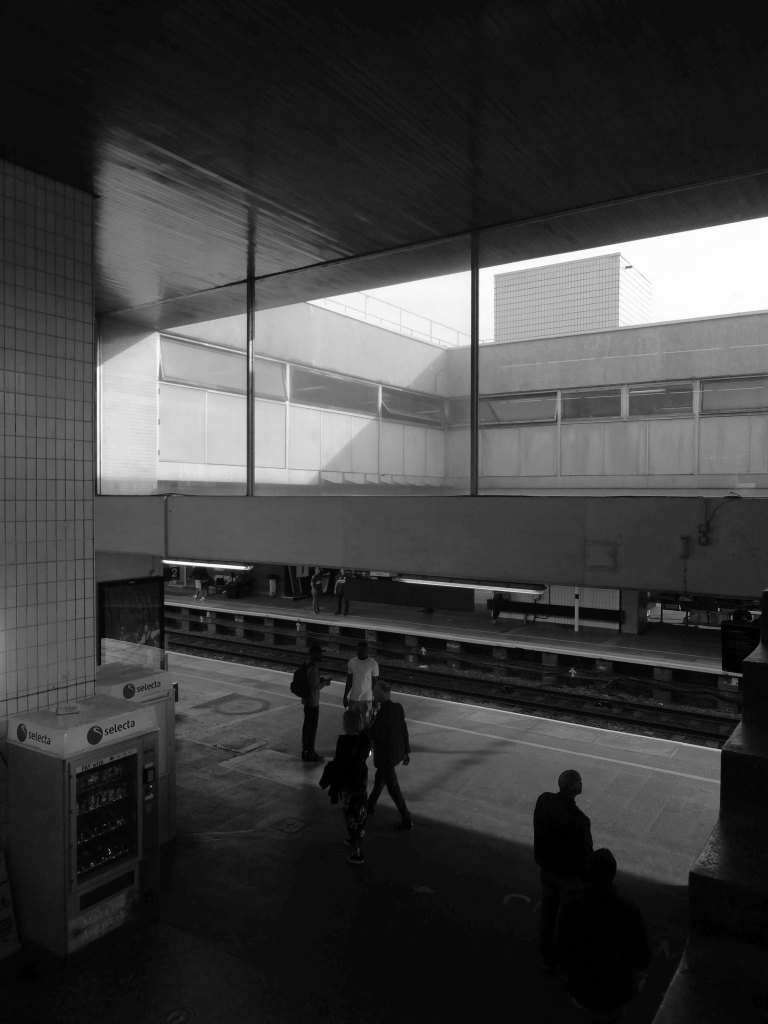
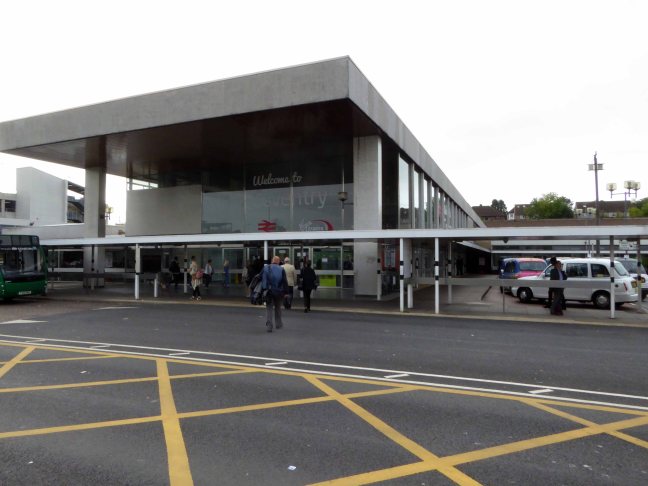
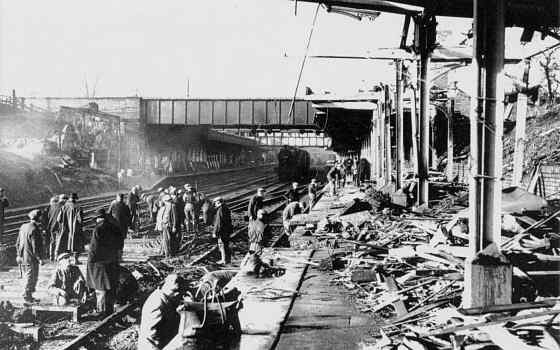
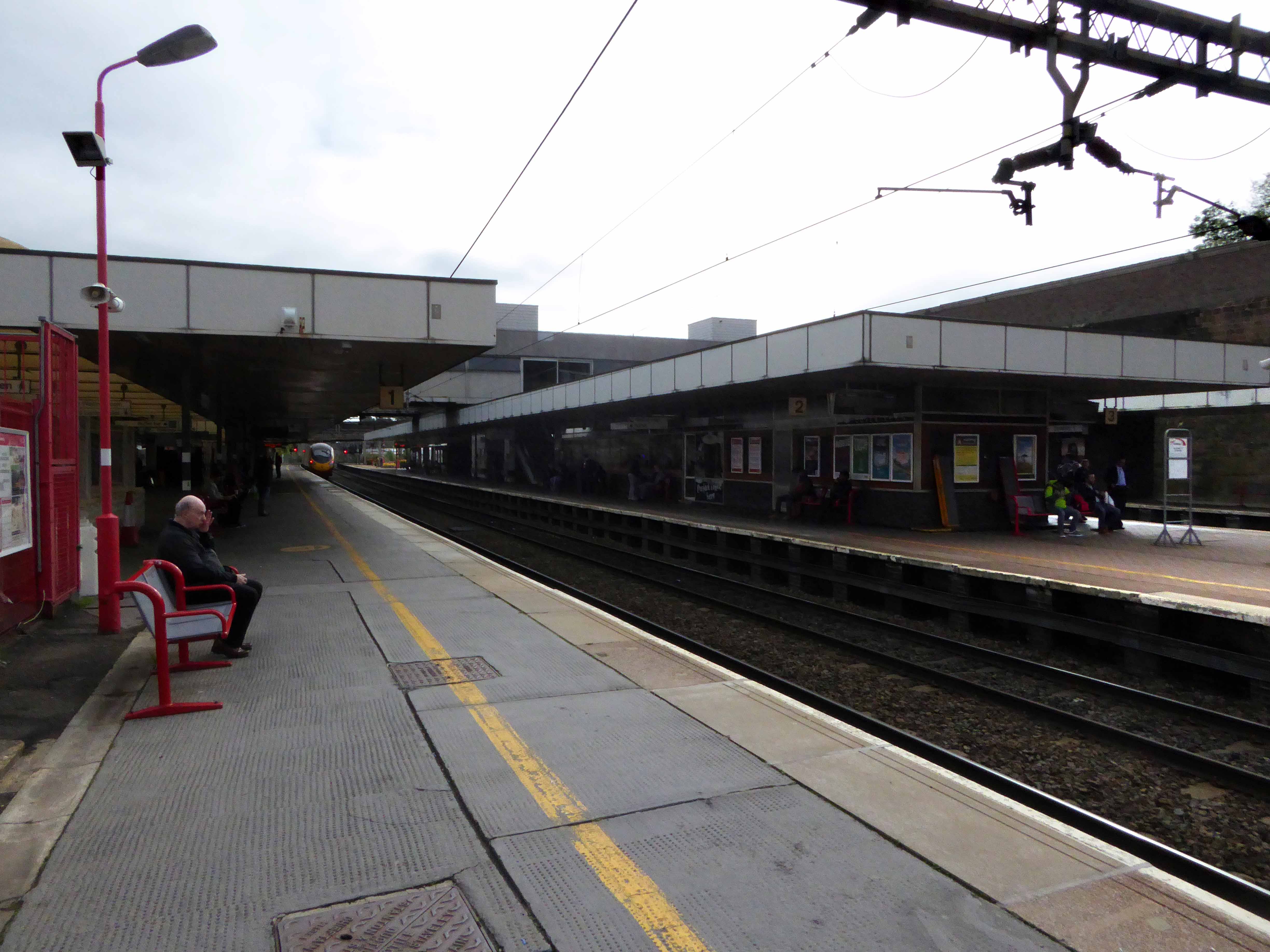
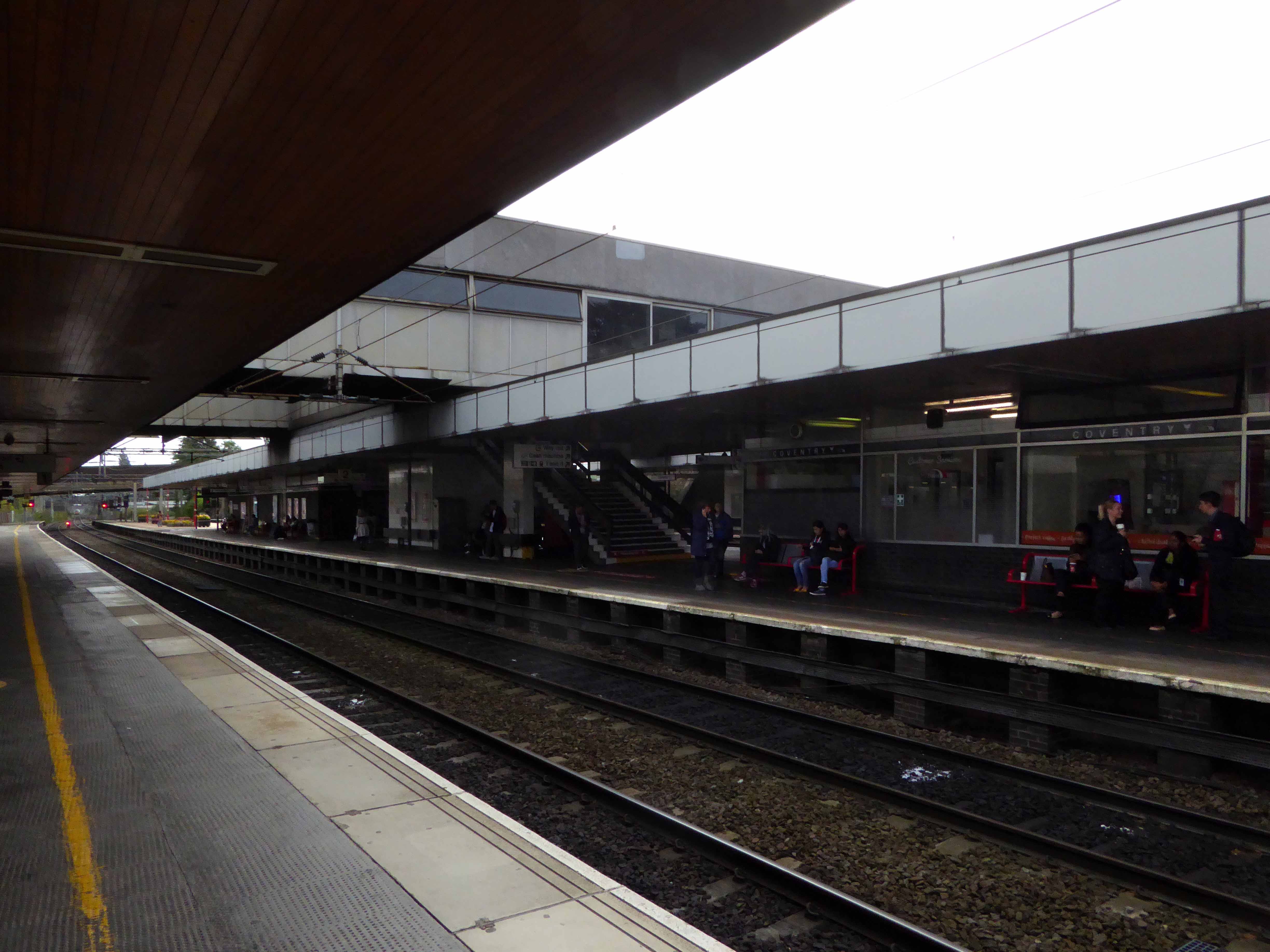
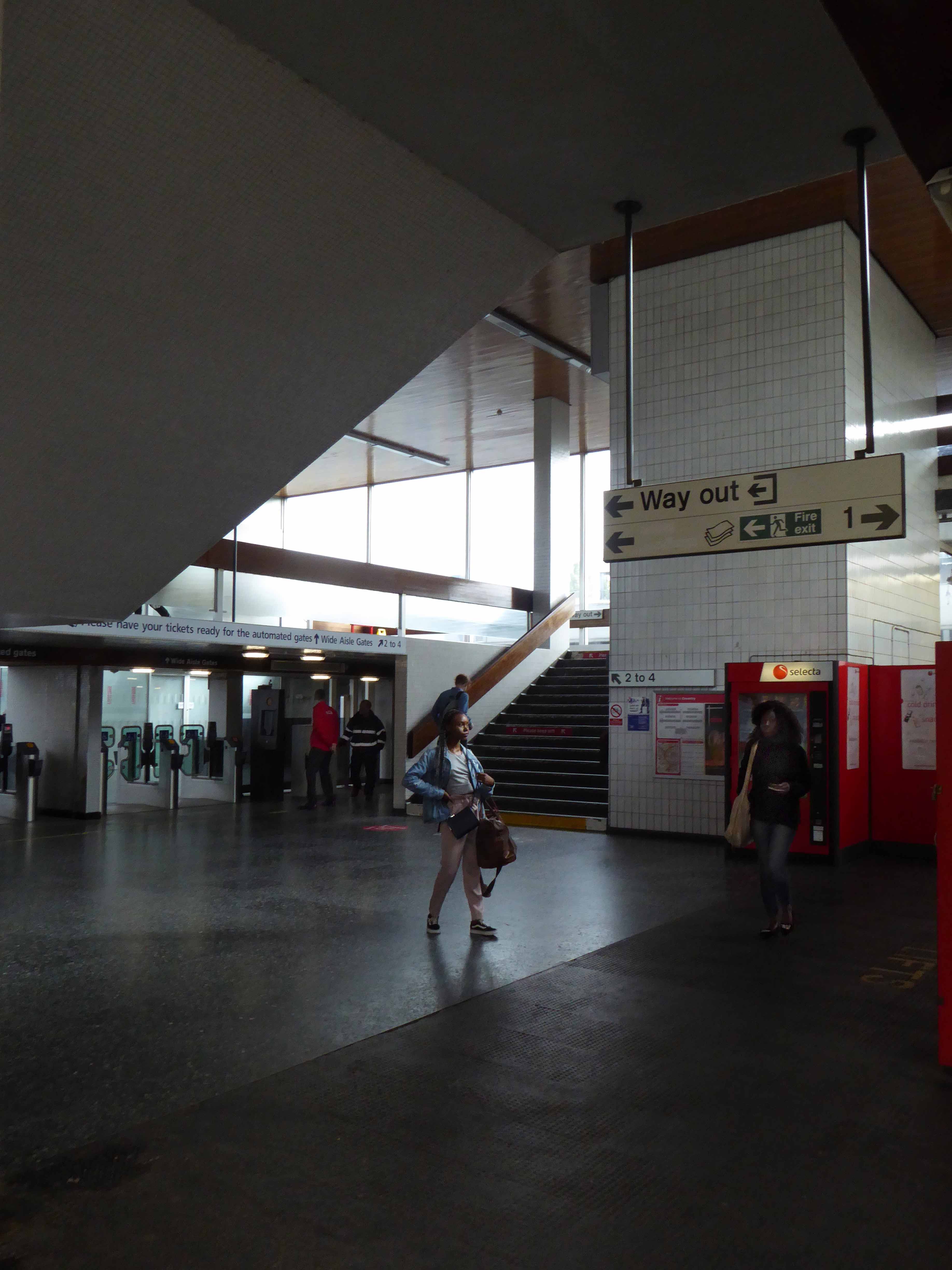
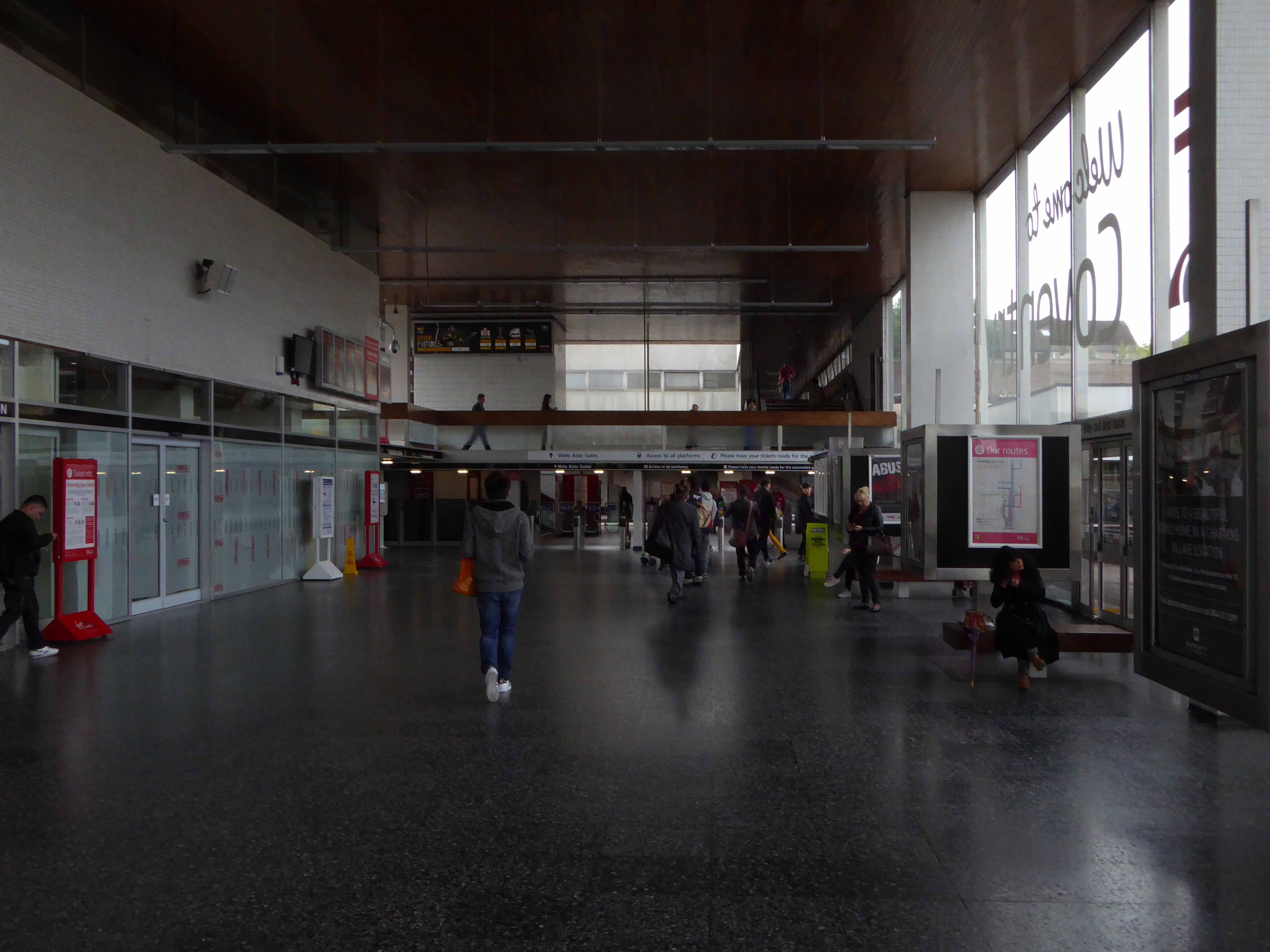
“Coventry is a great station. Its predecessor was pummelled to bits but it really wasn’t particularly marvellous anyway.
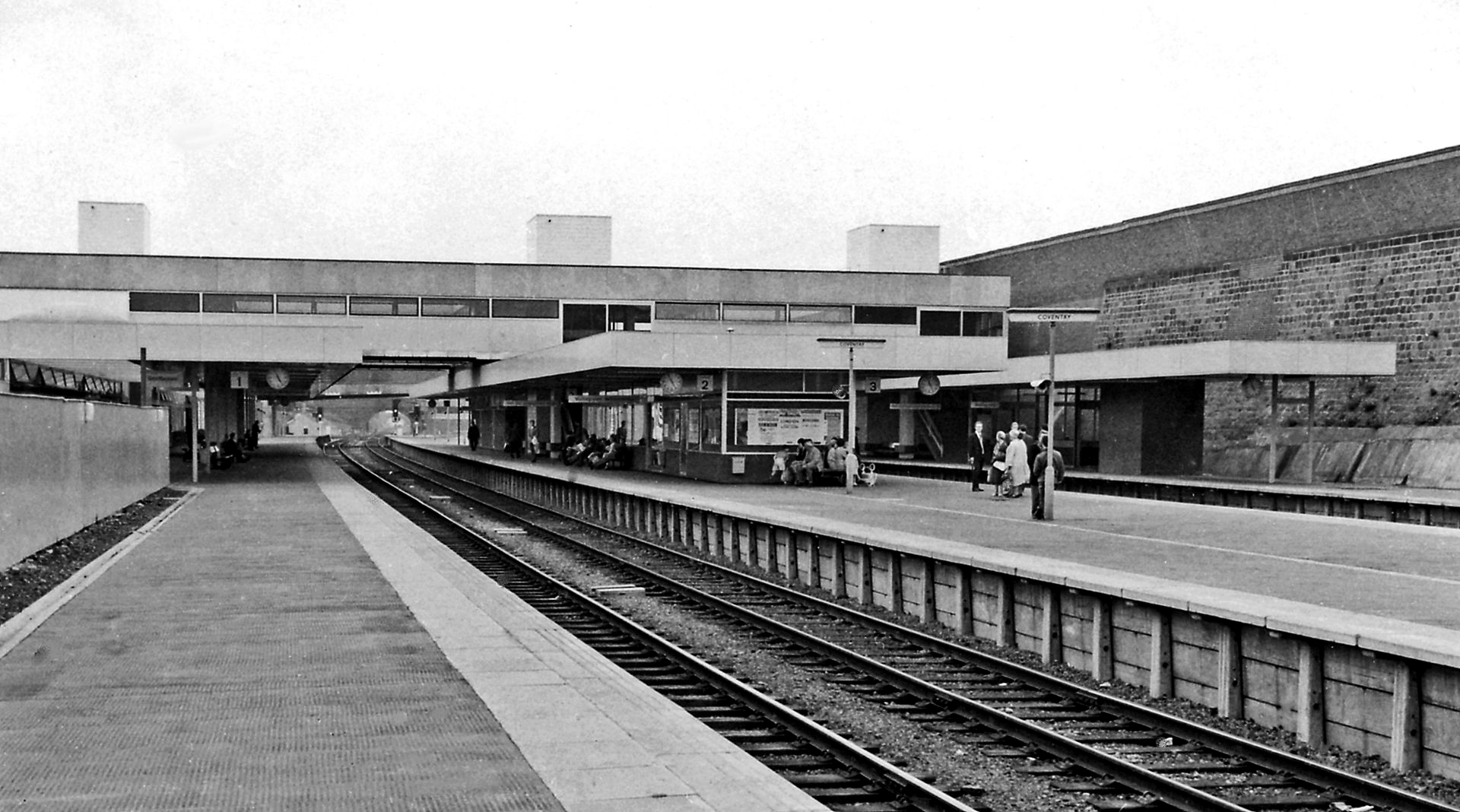
“The new station really came into its own. Built in the same month as the cathedral, in a way it was just as emblematic as the cathedral, though not quite so famous.
“It’s a light and airy place with a nice design. You do come out and have the ring road right in front of you which pedestrians have to guess where to go but that’s not really the fault of the station developers.”
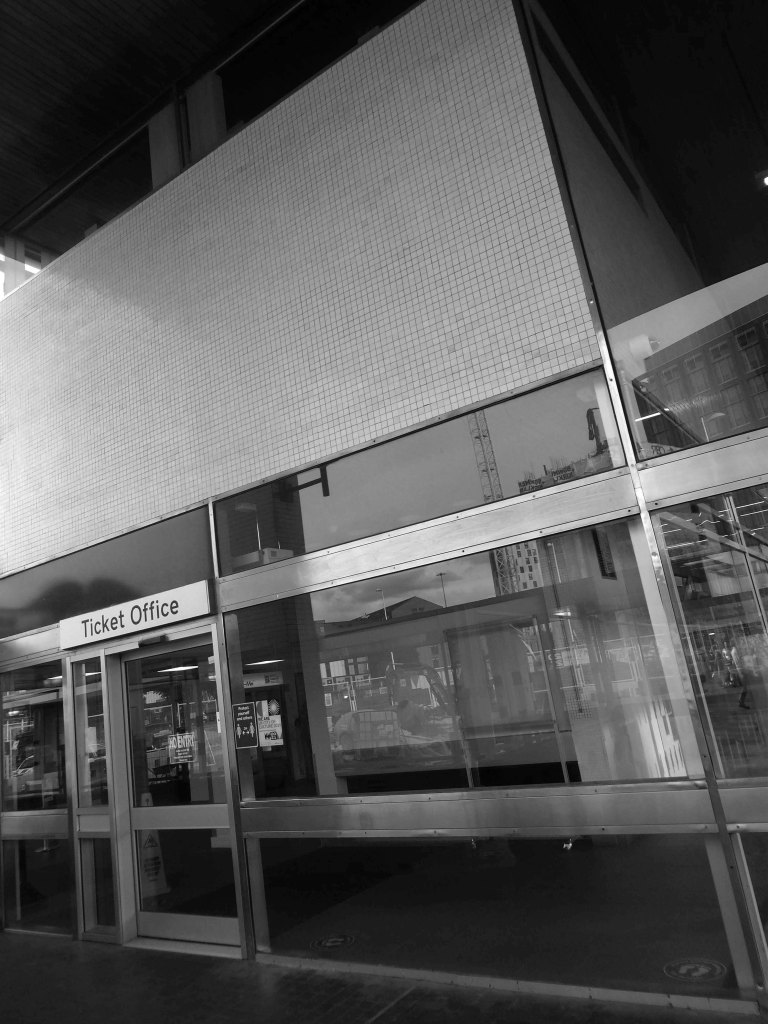
The original station was built in 1838 as part of the London and Birmingham Railway and could be entered from Warwick Road, where two flights of stairs took the passengers down to the platform. Within two years it had been replaced, with a new larger station, a few hundred feet nearer to Rugby, this time, accessed via Eaton road. In the late 19th century the Coventry tram network extended to the station at Eaton Road. The original station remained in service as the station masters offices, until the station was redeveloped in the early 1960s by the London Midland Region of British Railways.
Architects Derrick Shorten worked with John Collins, Mike Edwards and Keith Rawson.
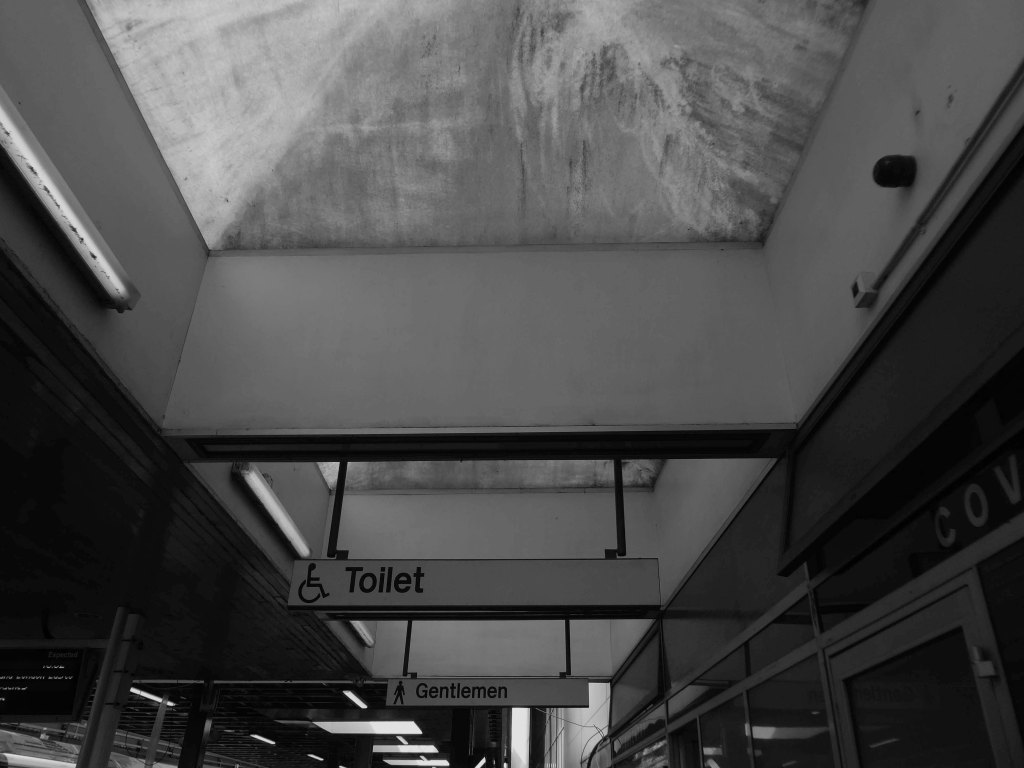
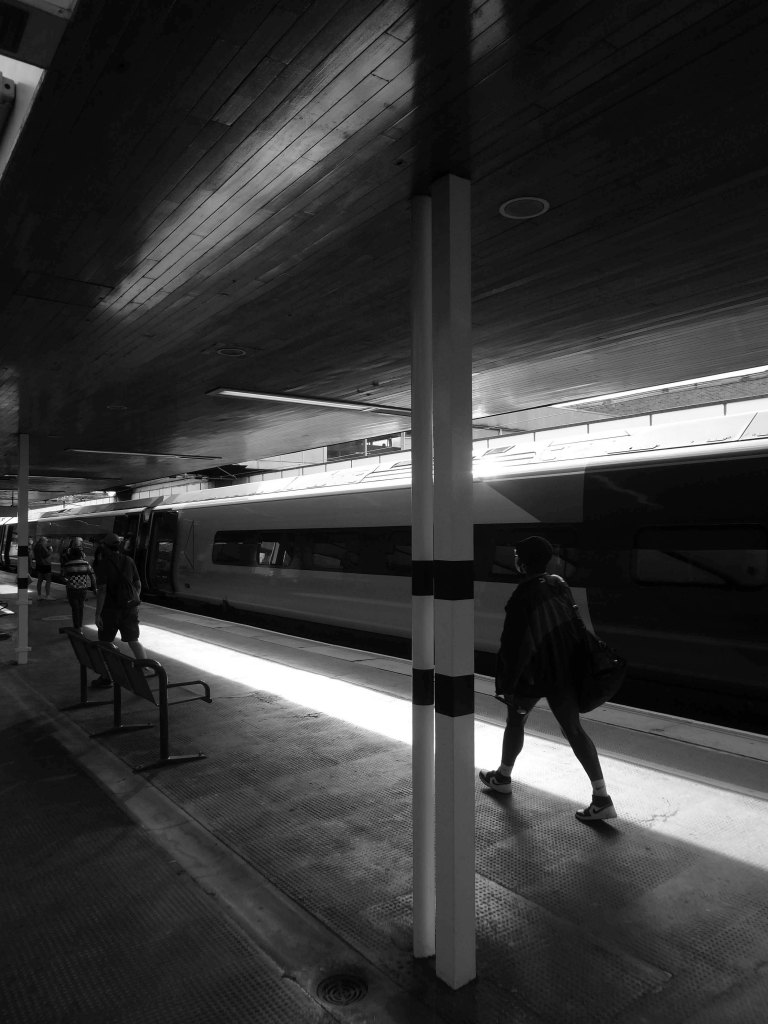
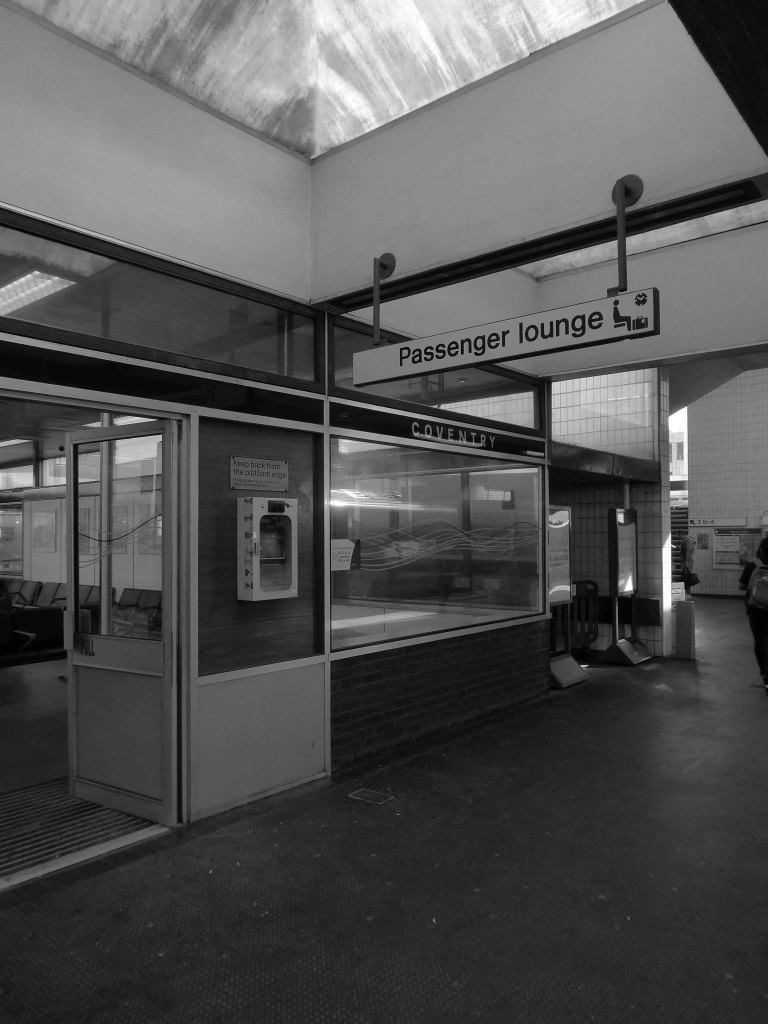
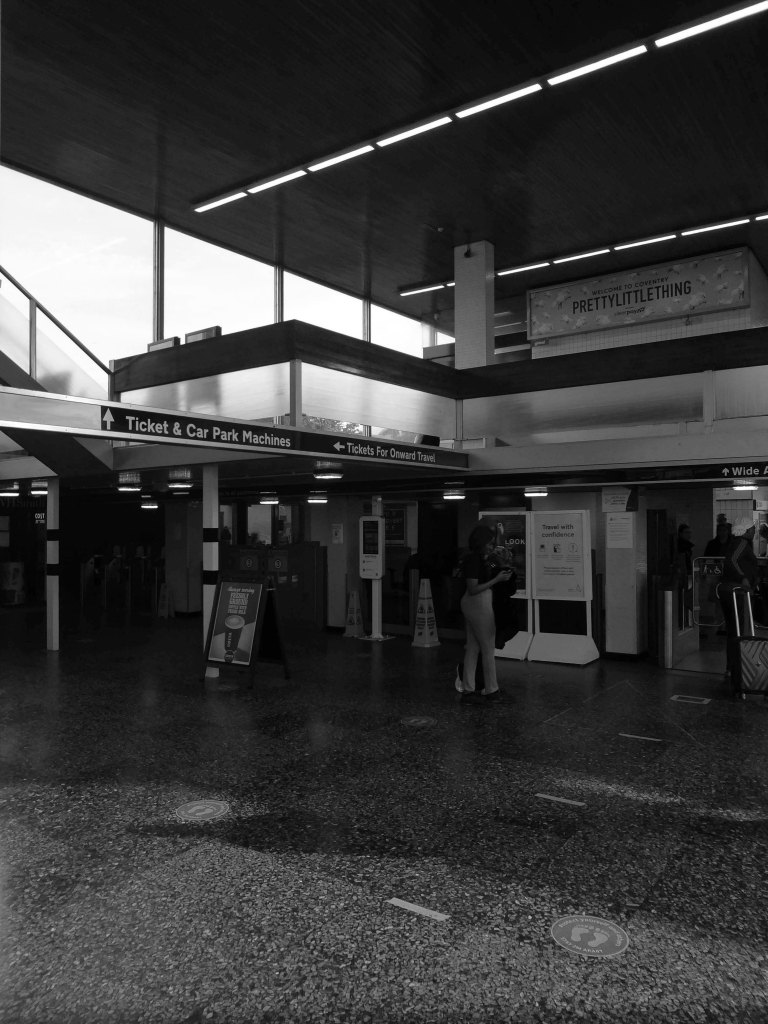
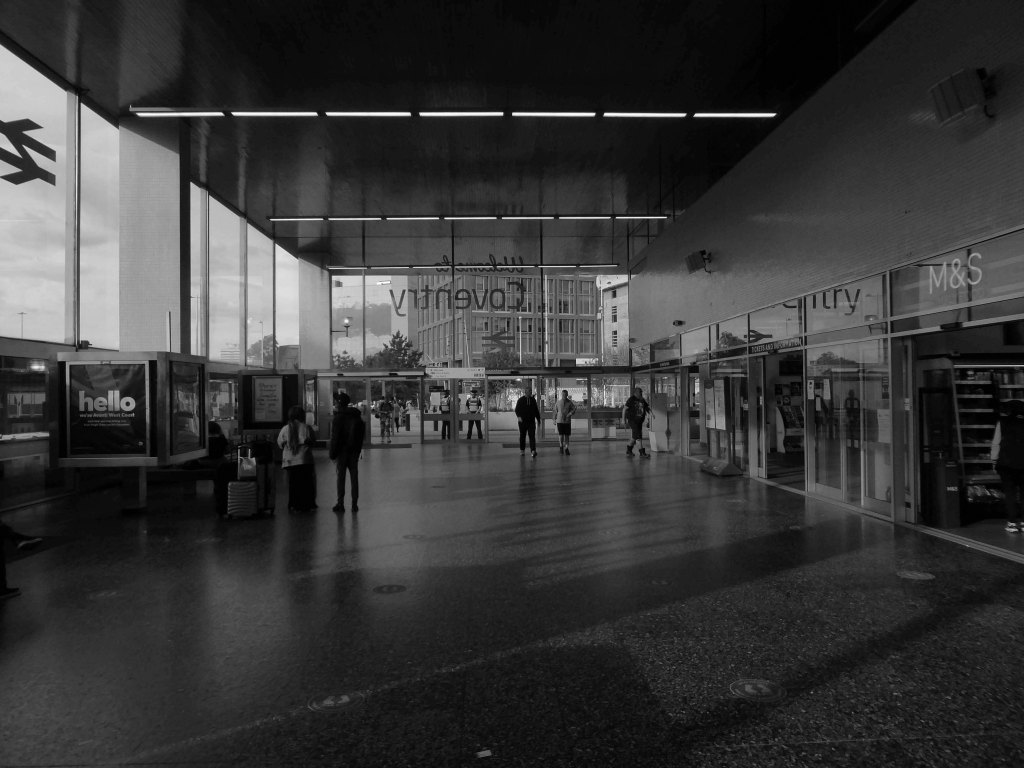
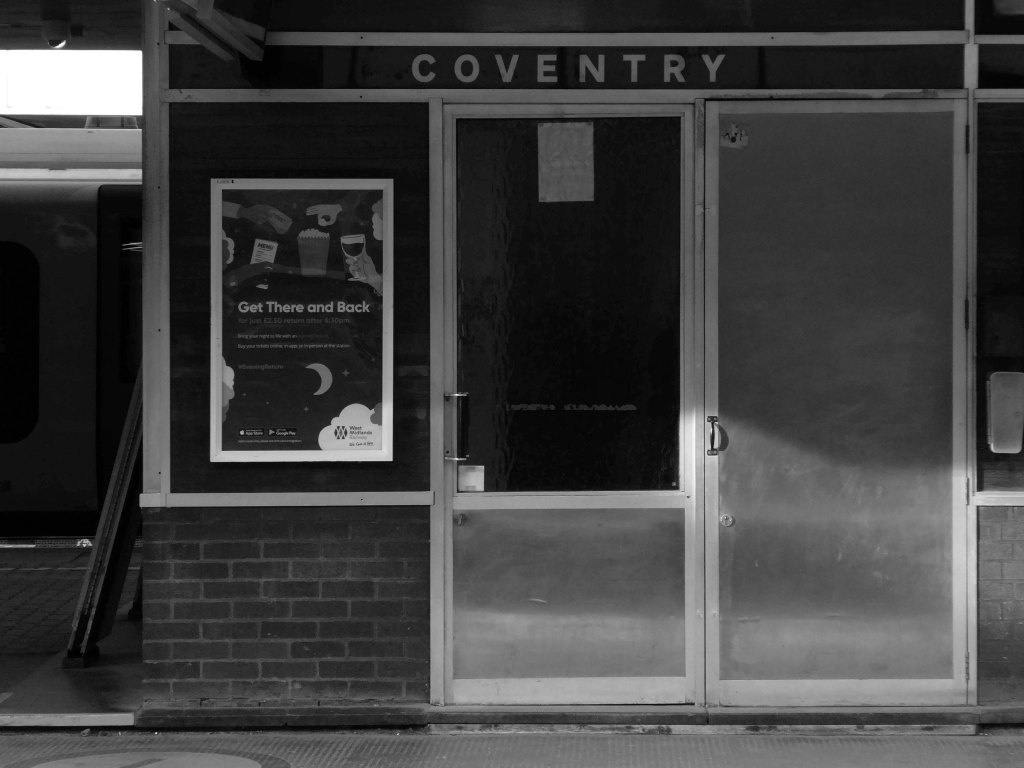
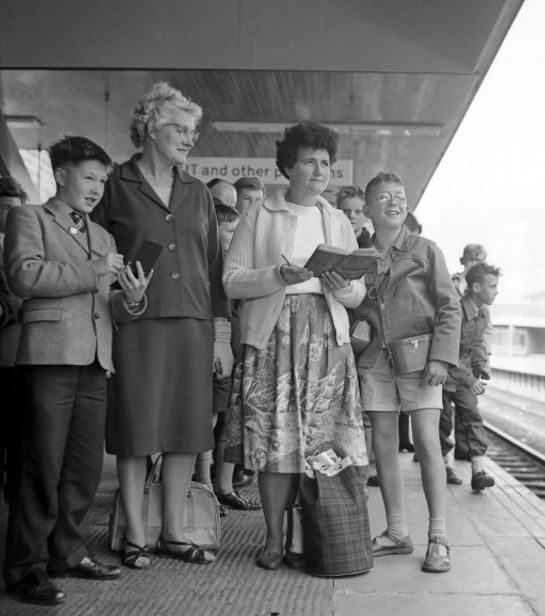
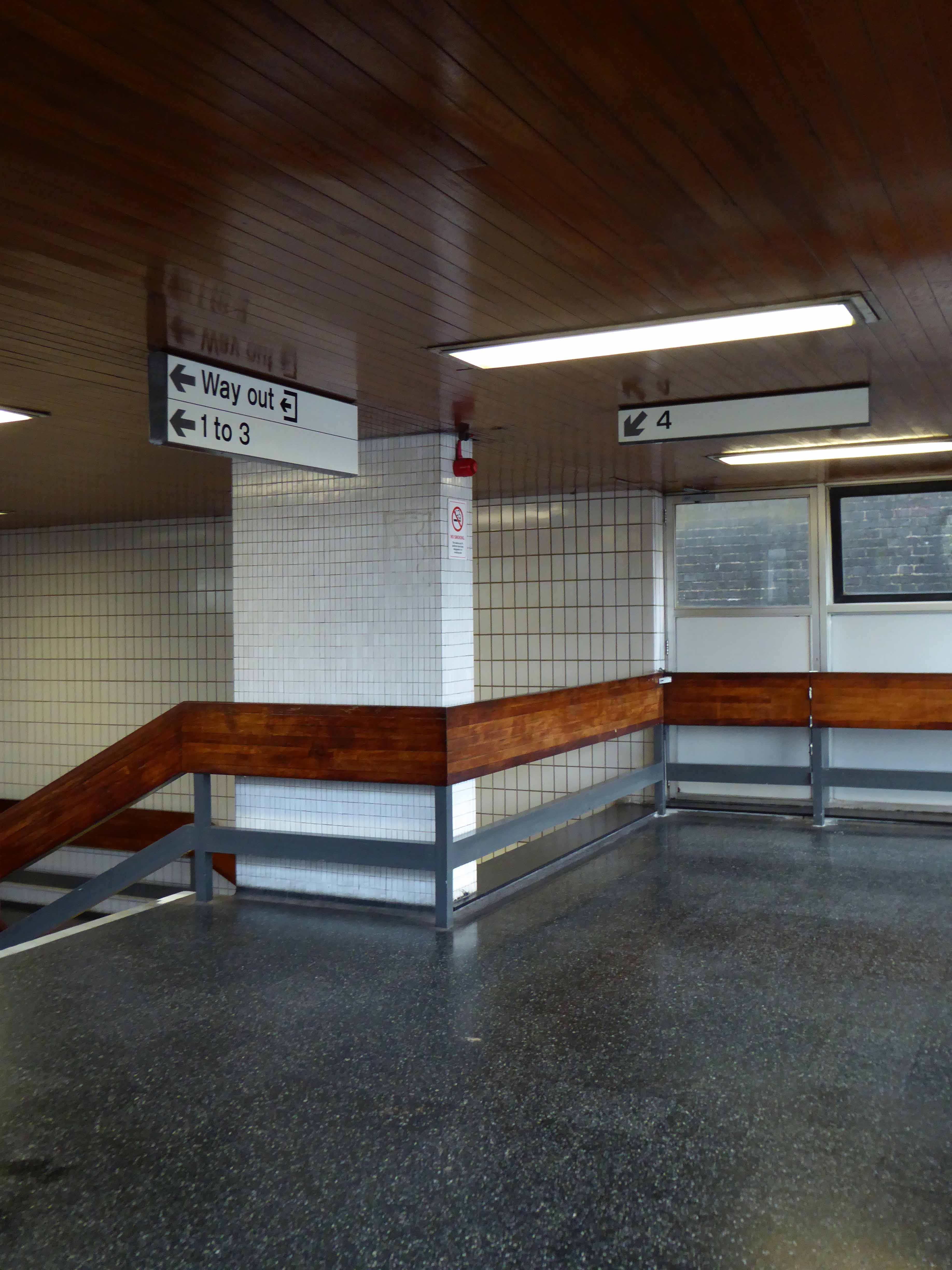
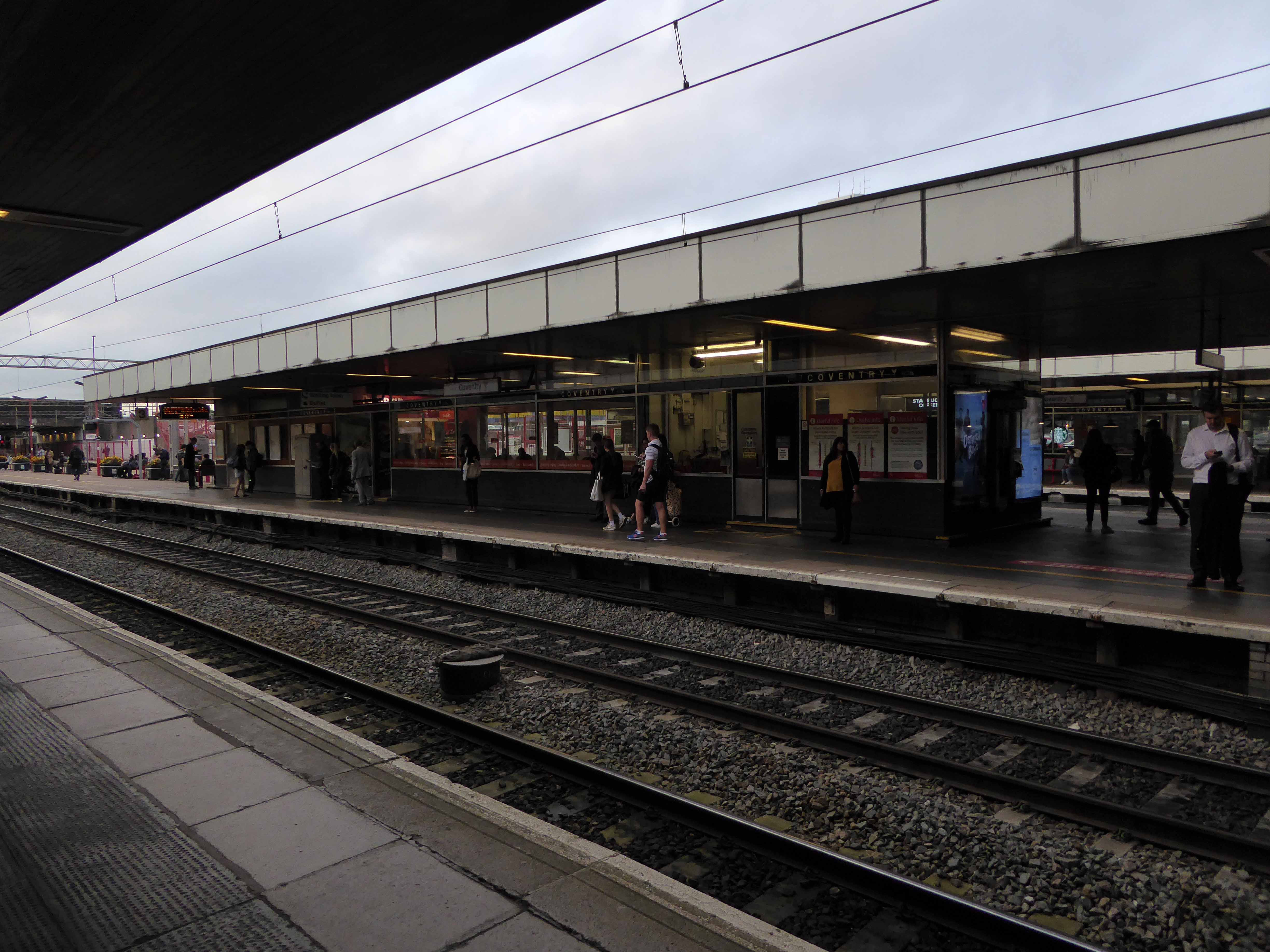
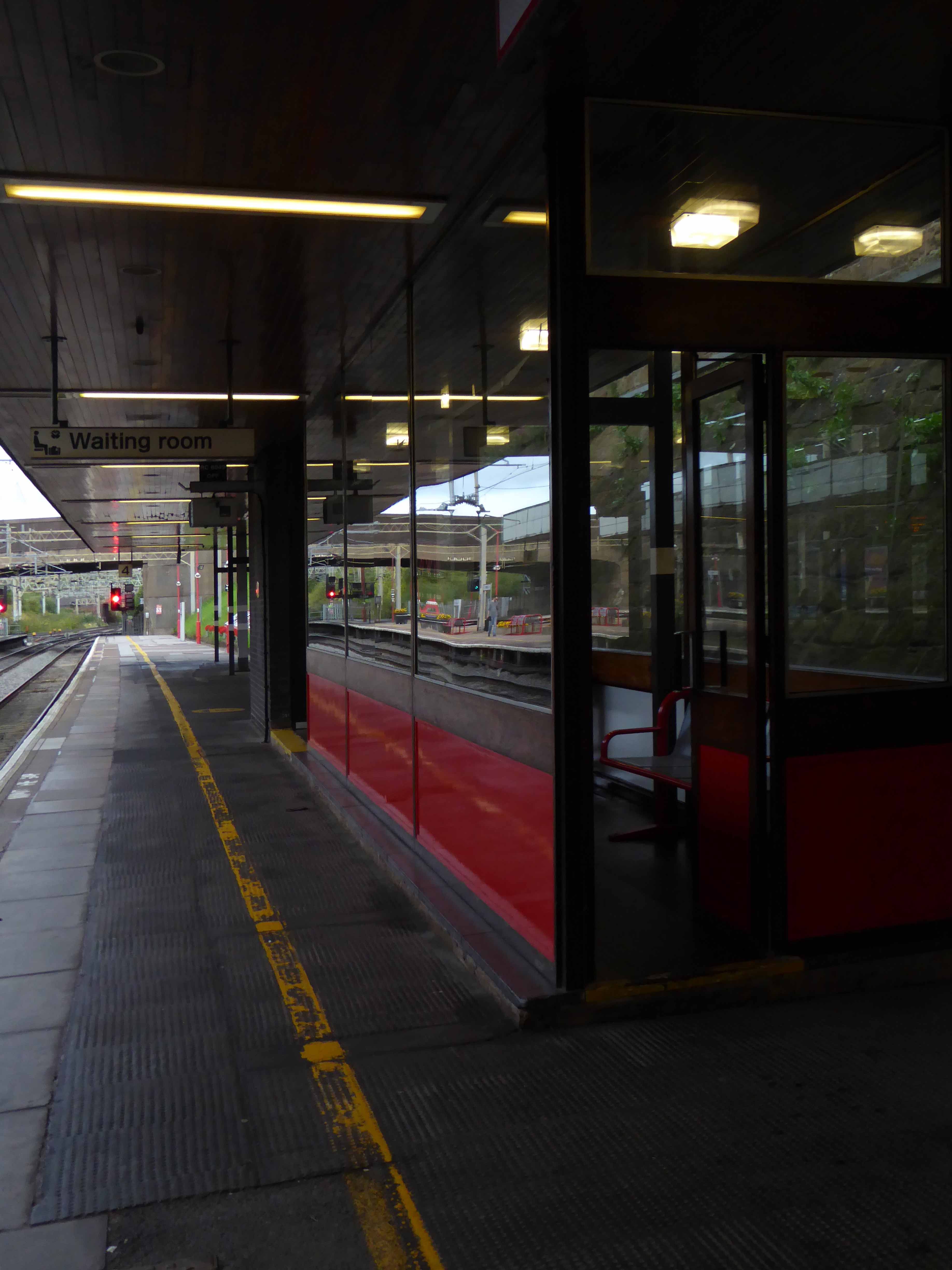
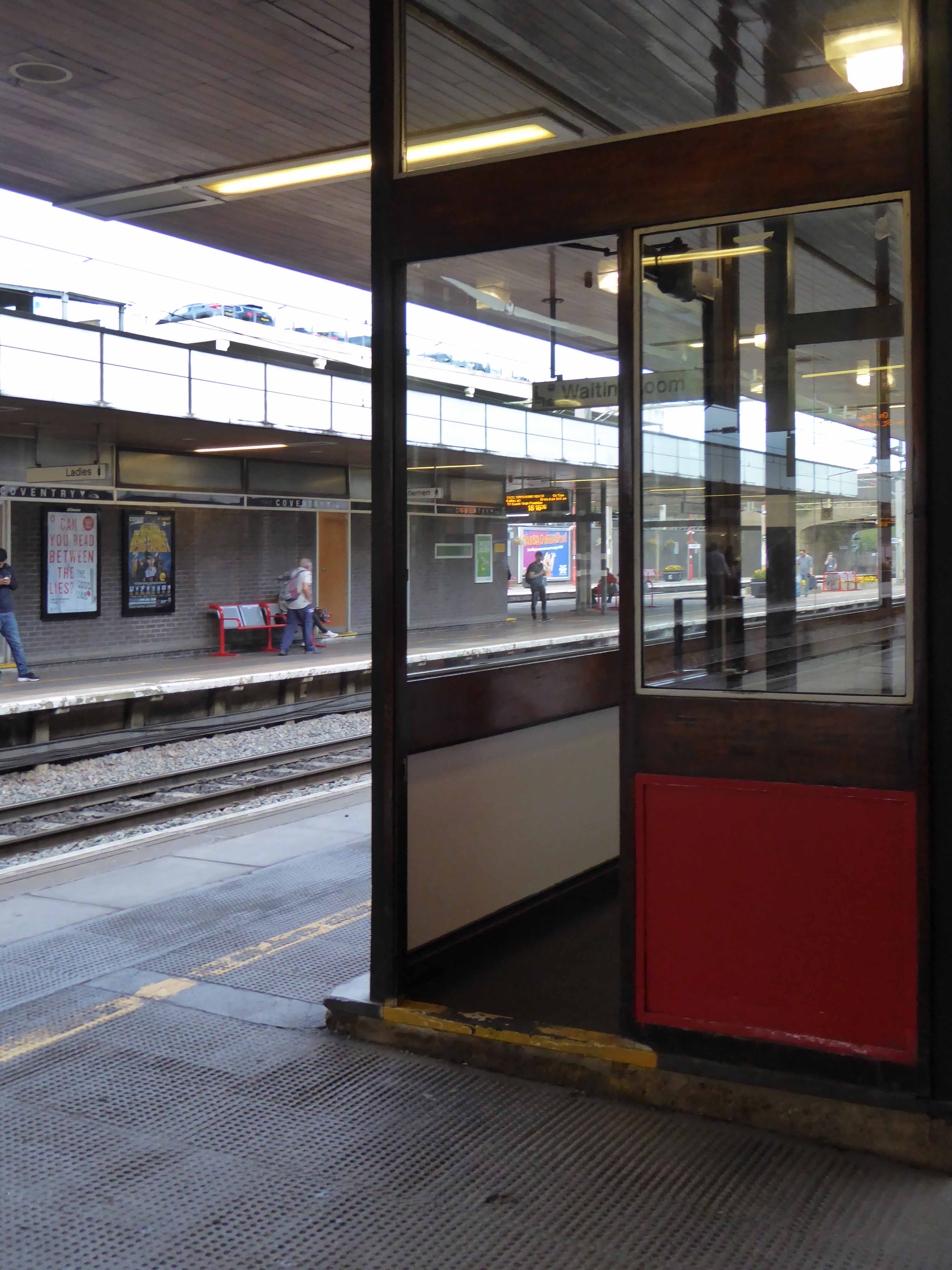
Sent to Coventry, under an imperative to explore the post-war redevelopment of a great city, I arrived by train, more than somewhat unsurprisingly at the station.
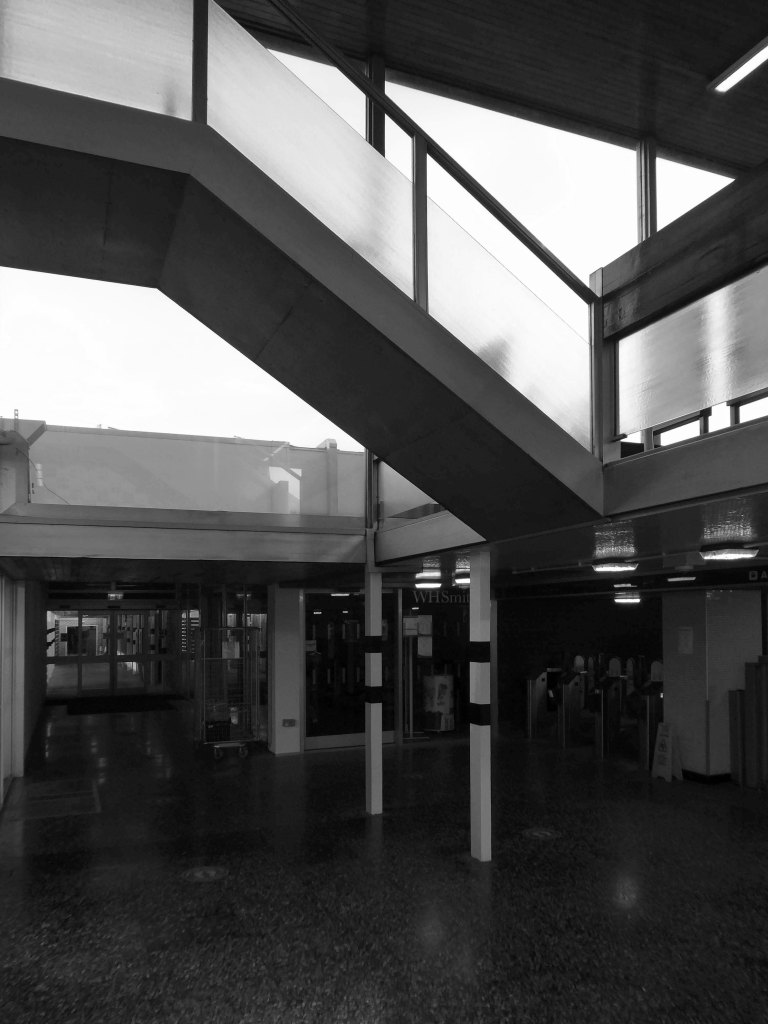
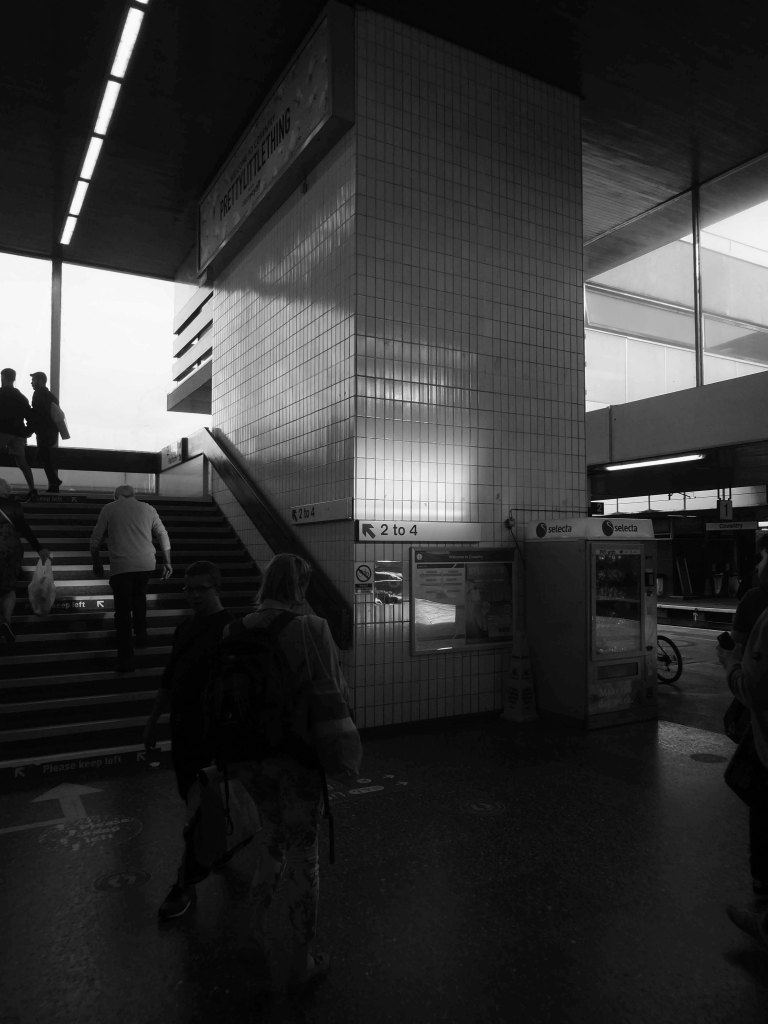
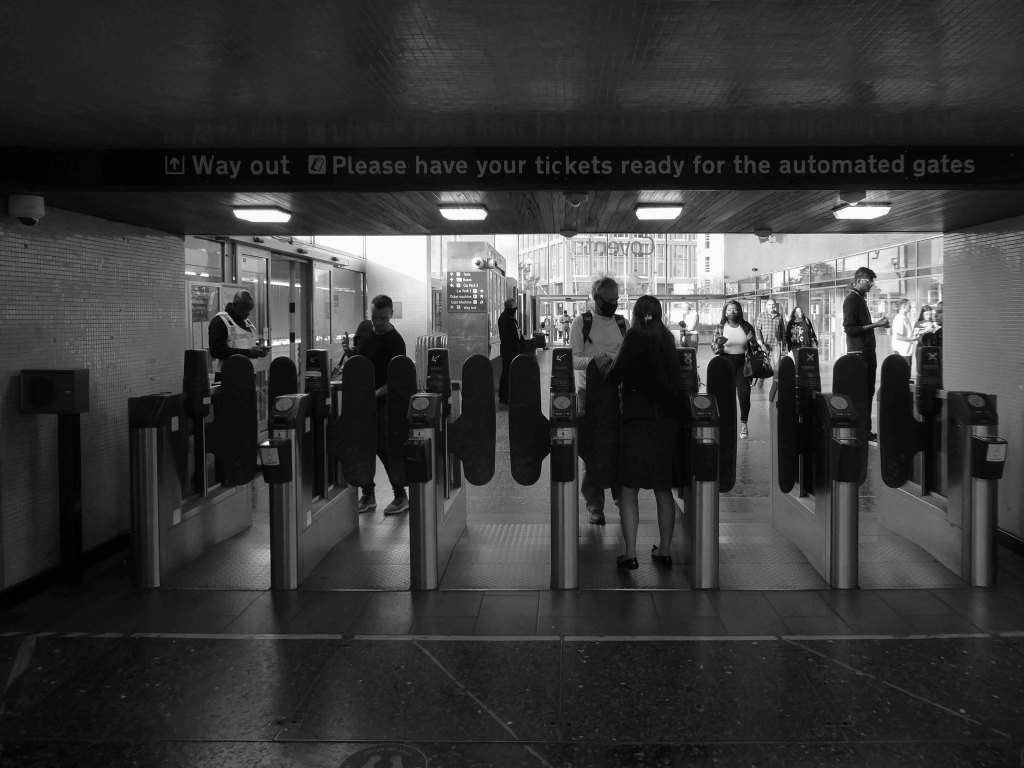
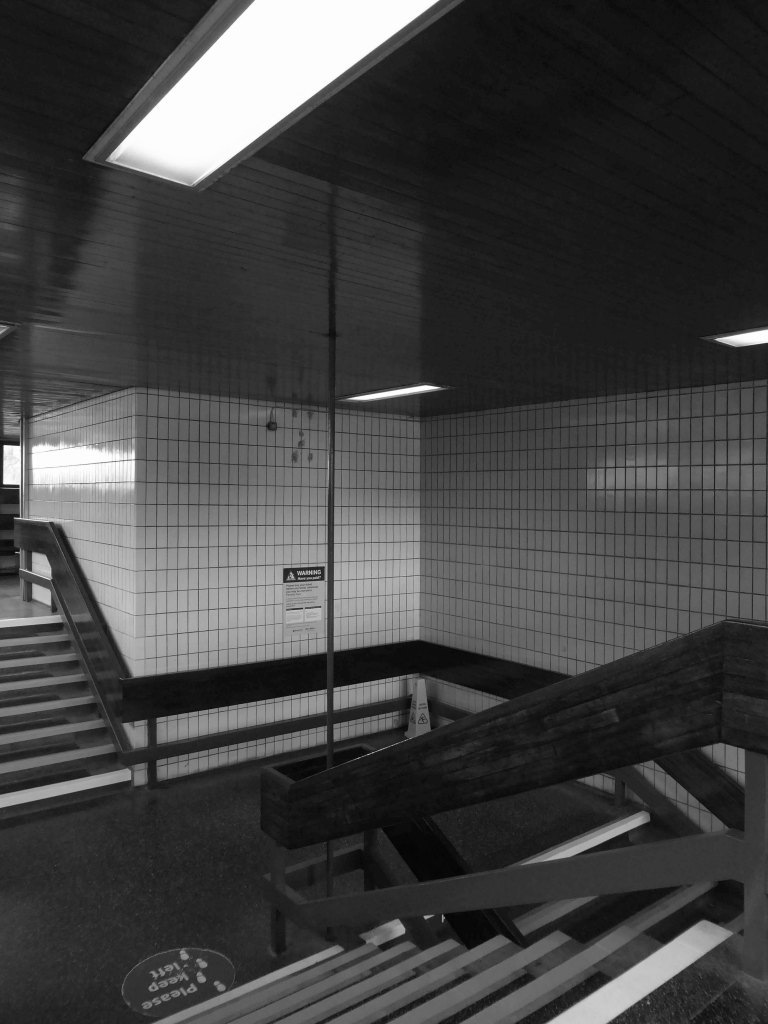
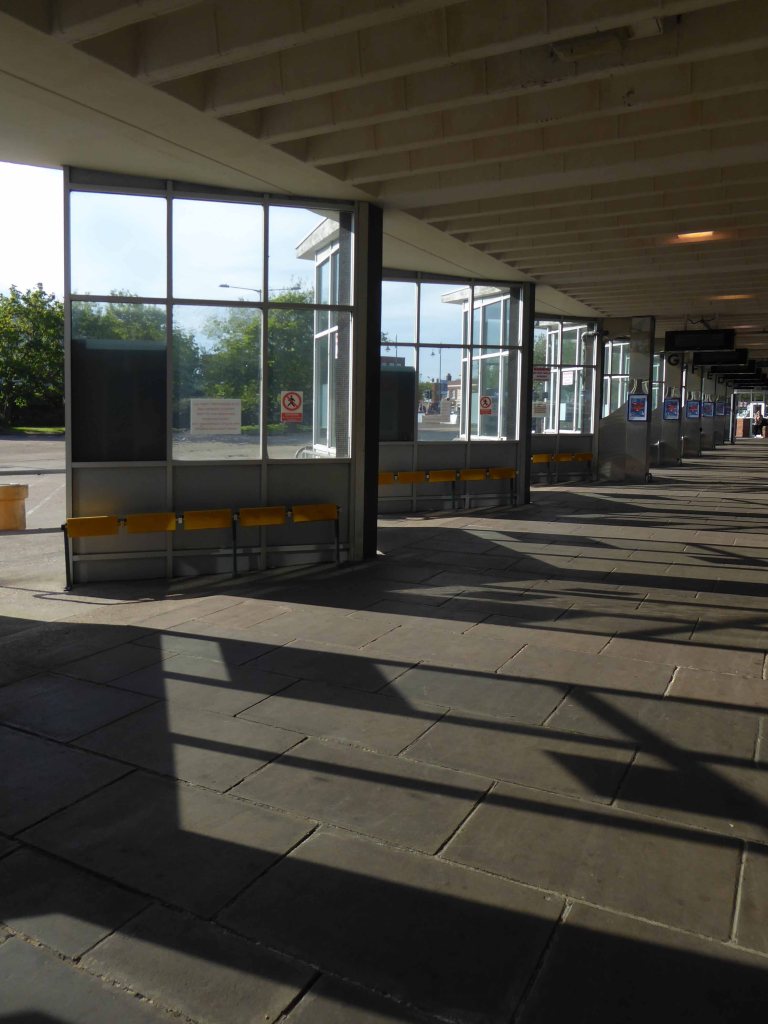
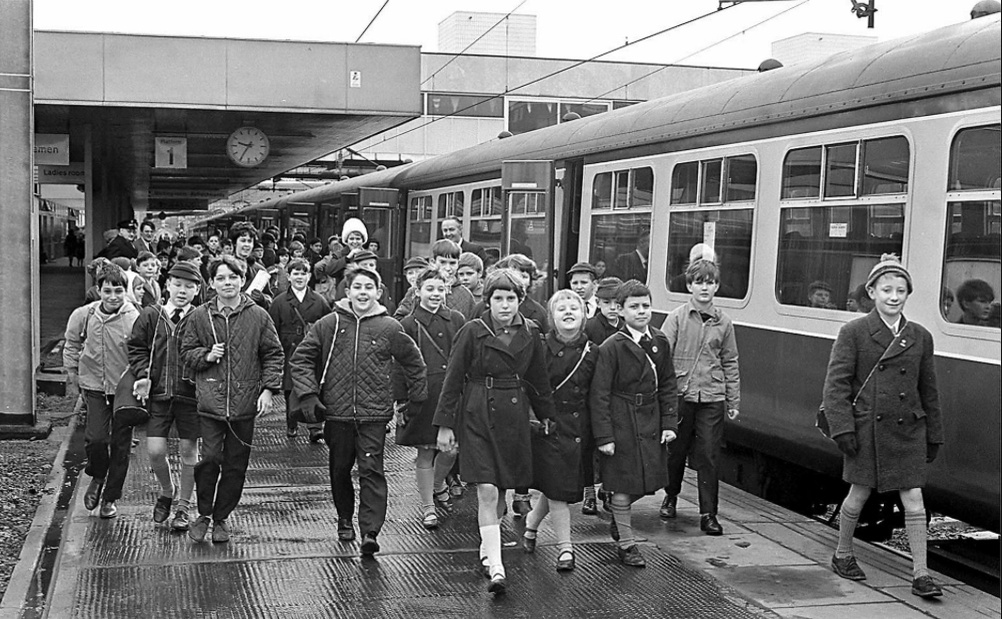
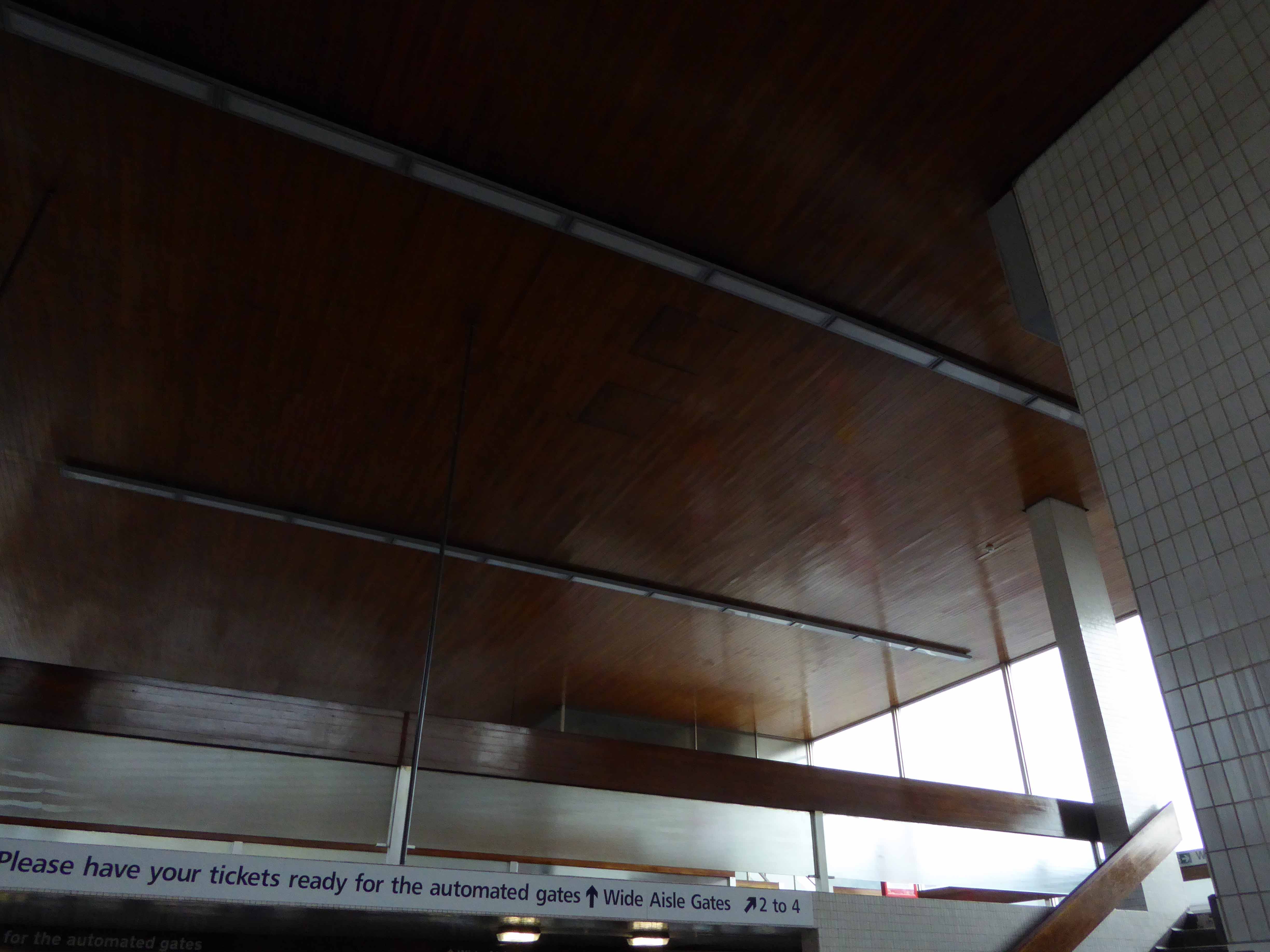
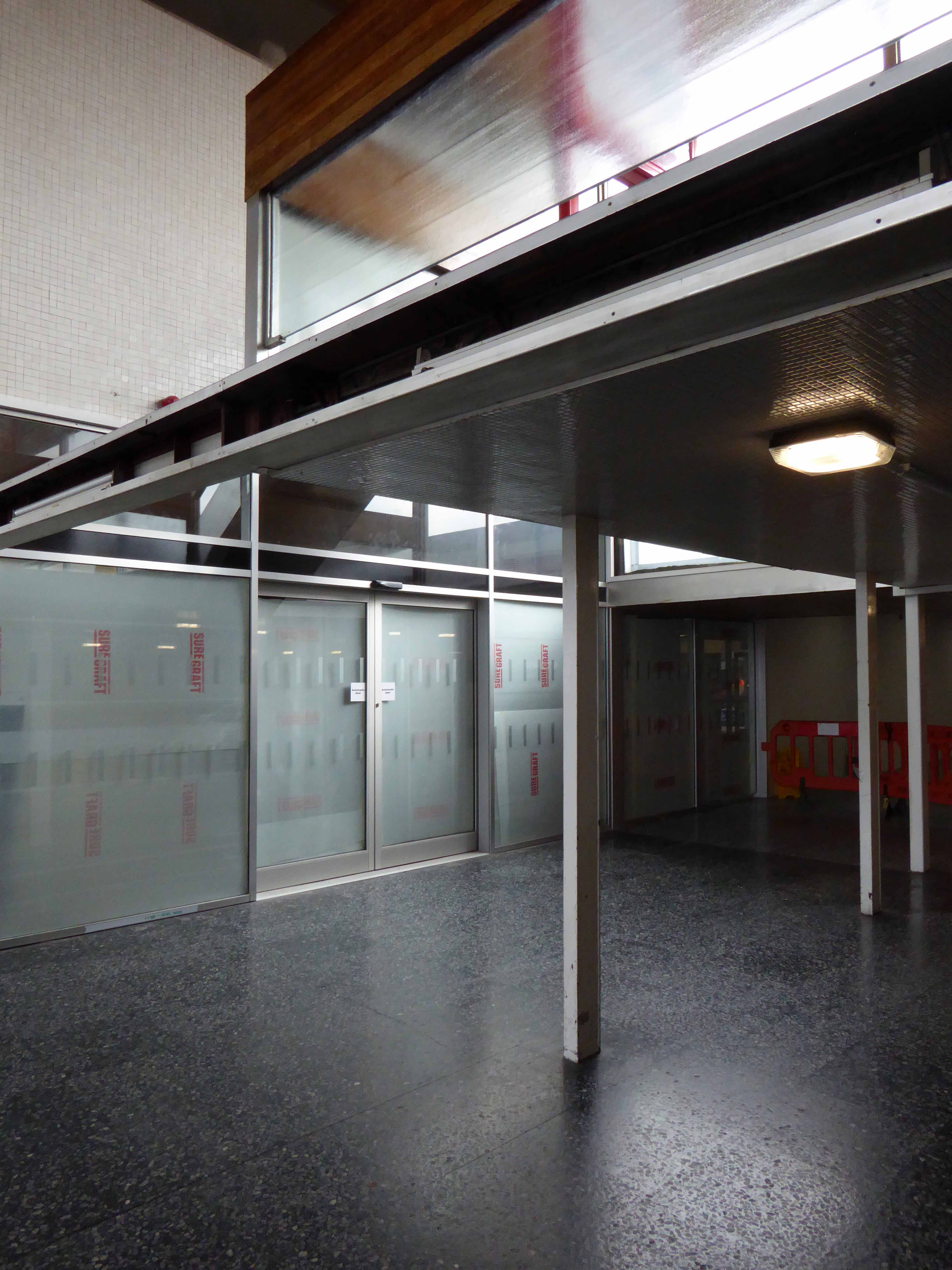
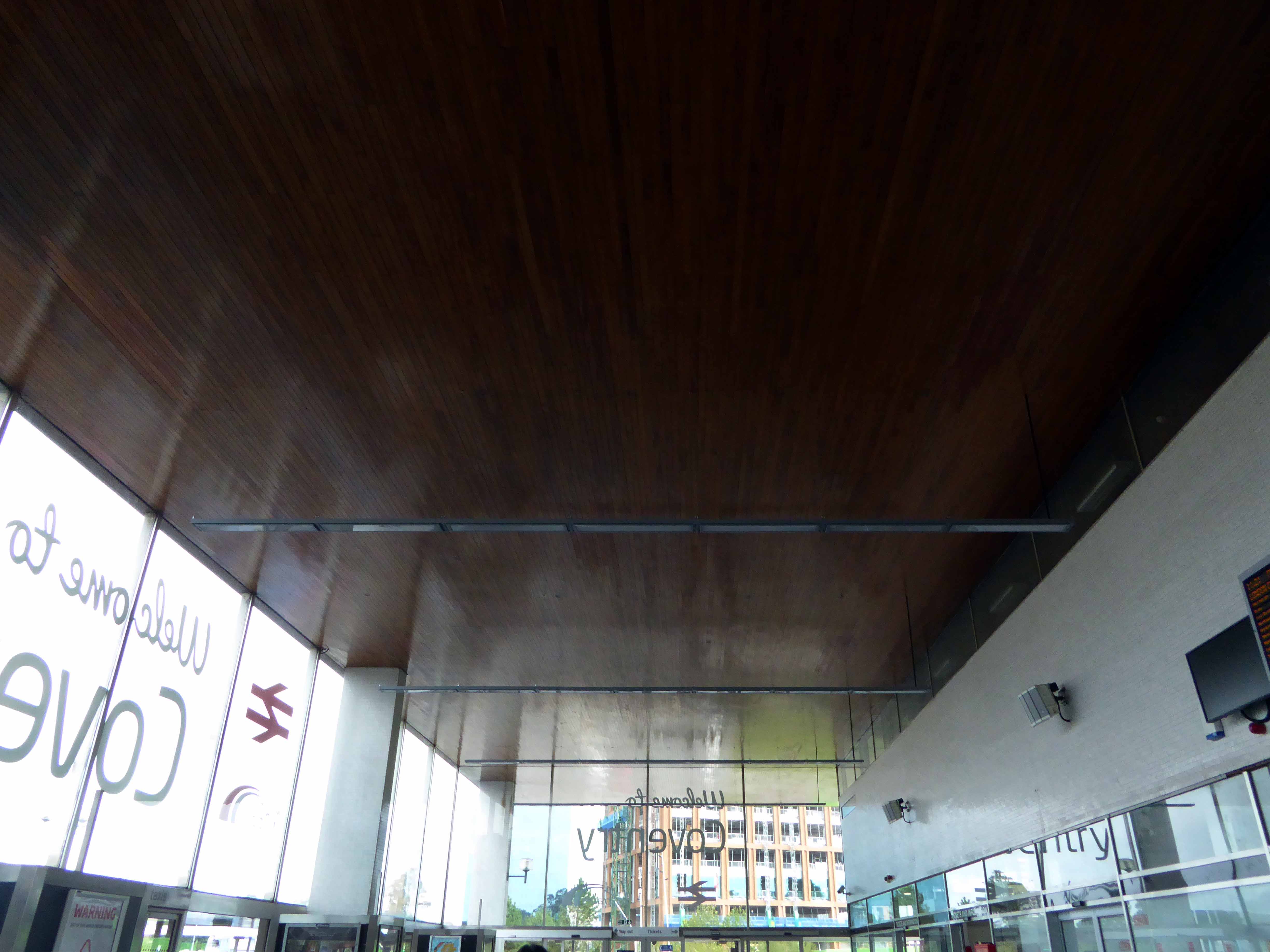
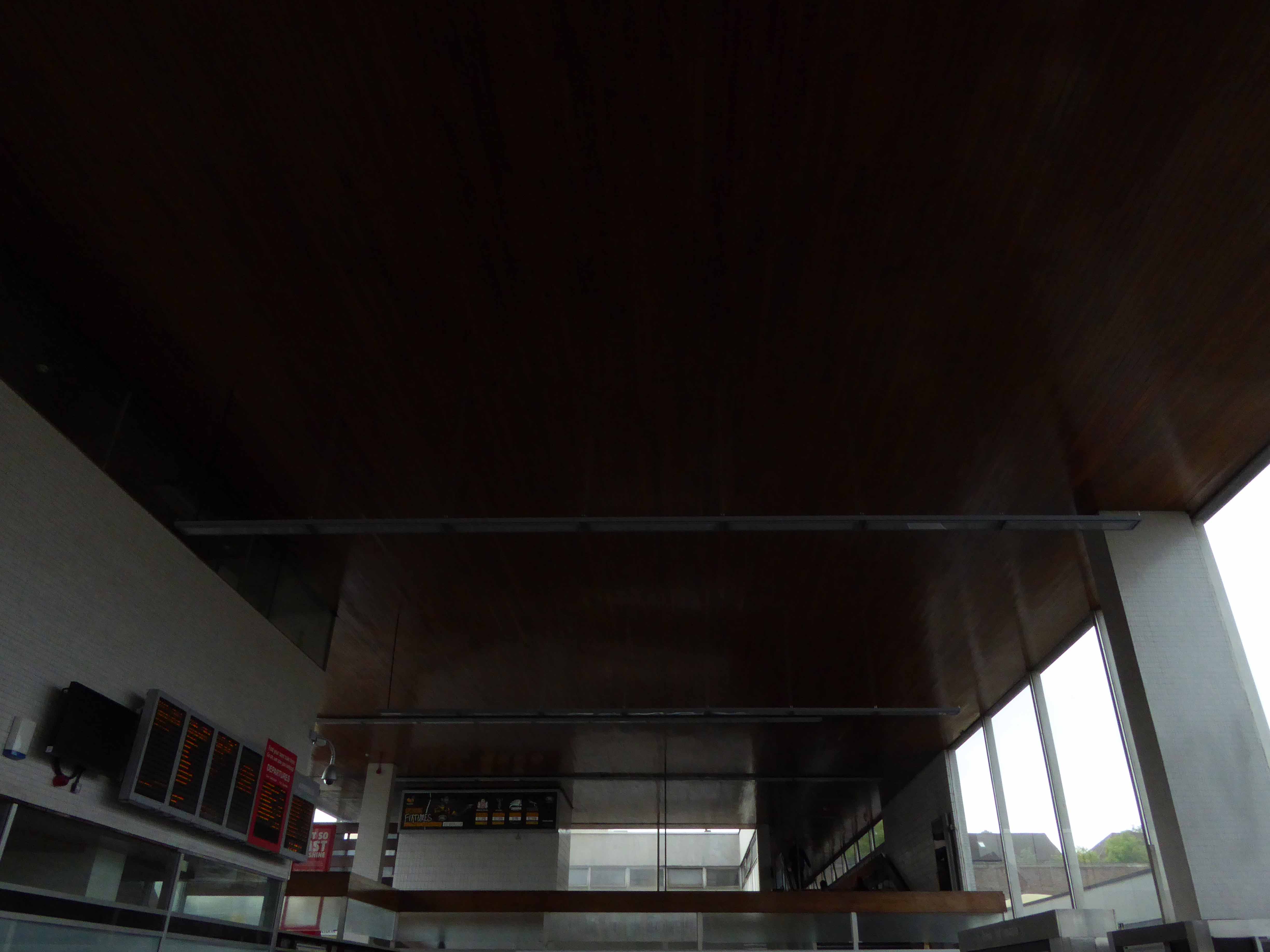
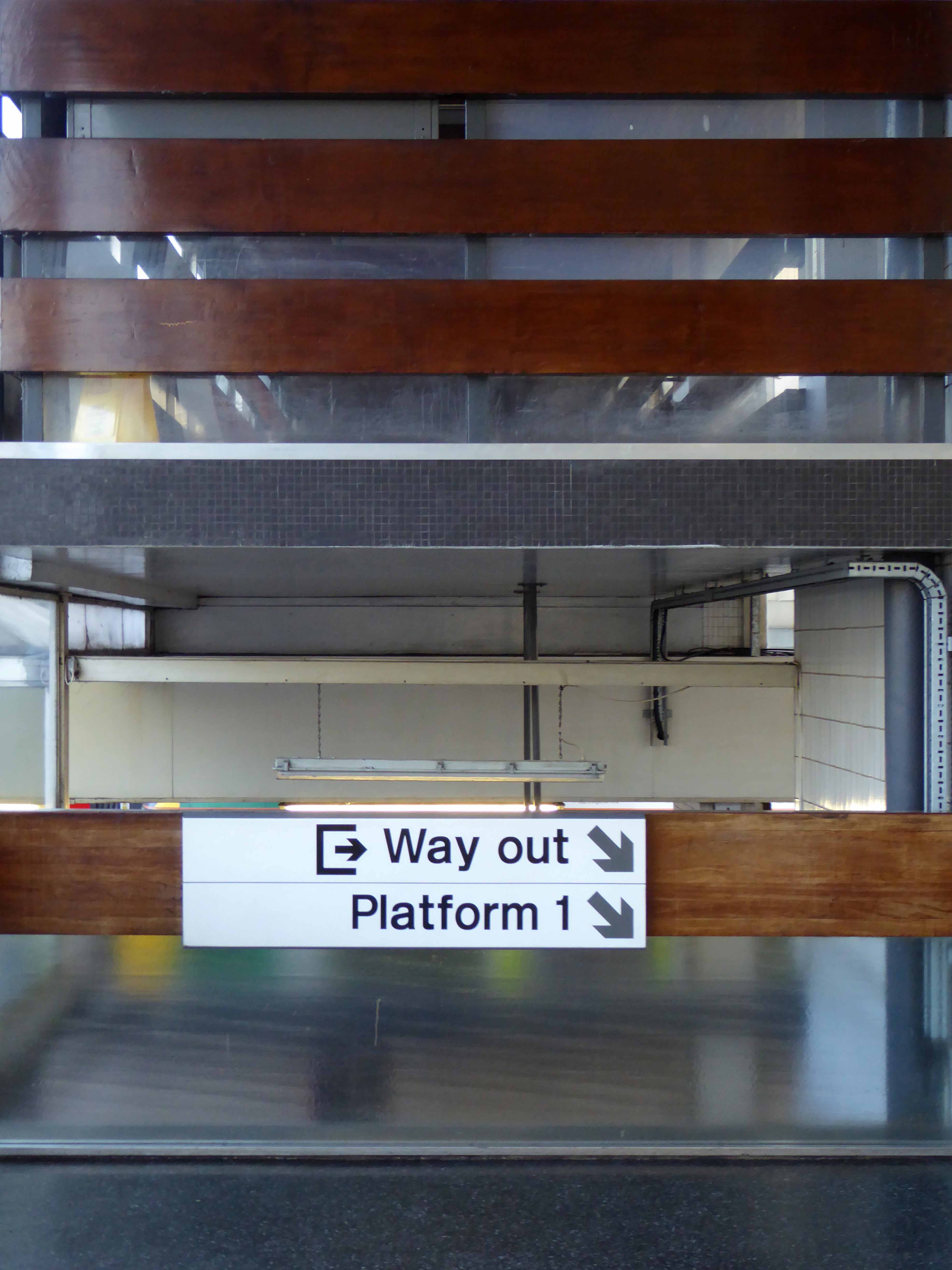
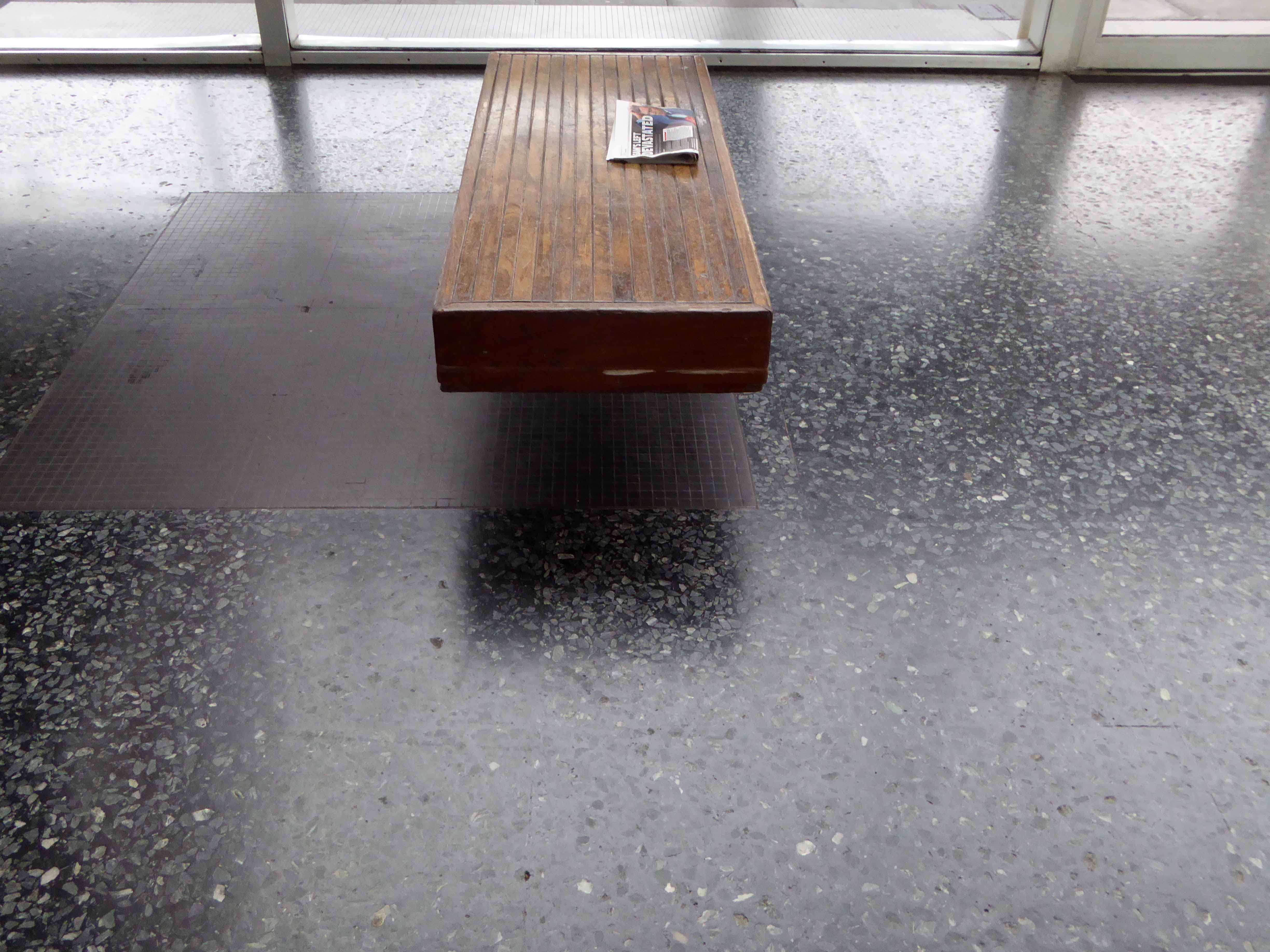
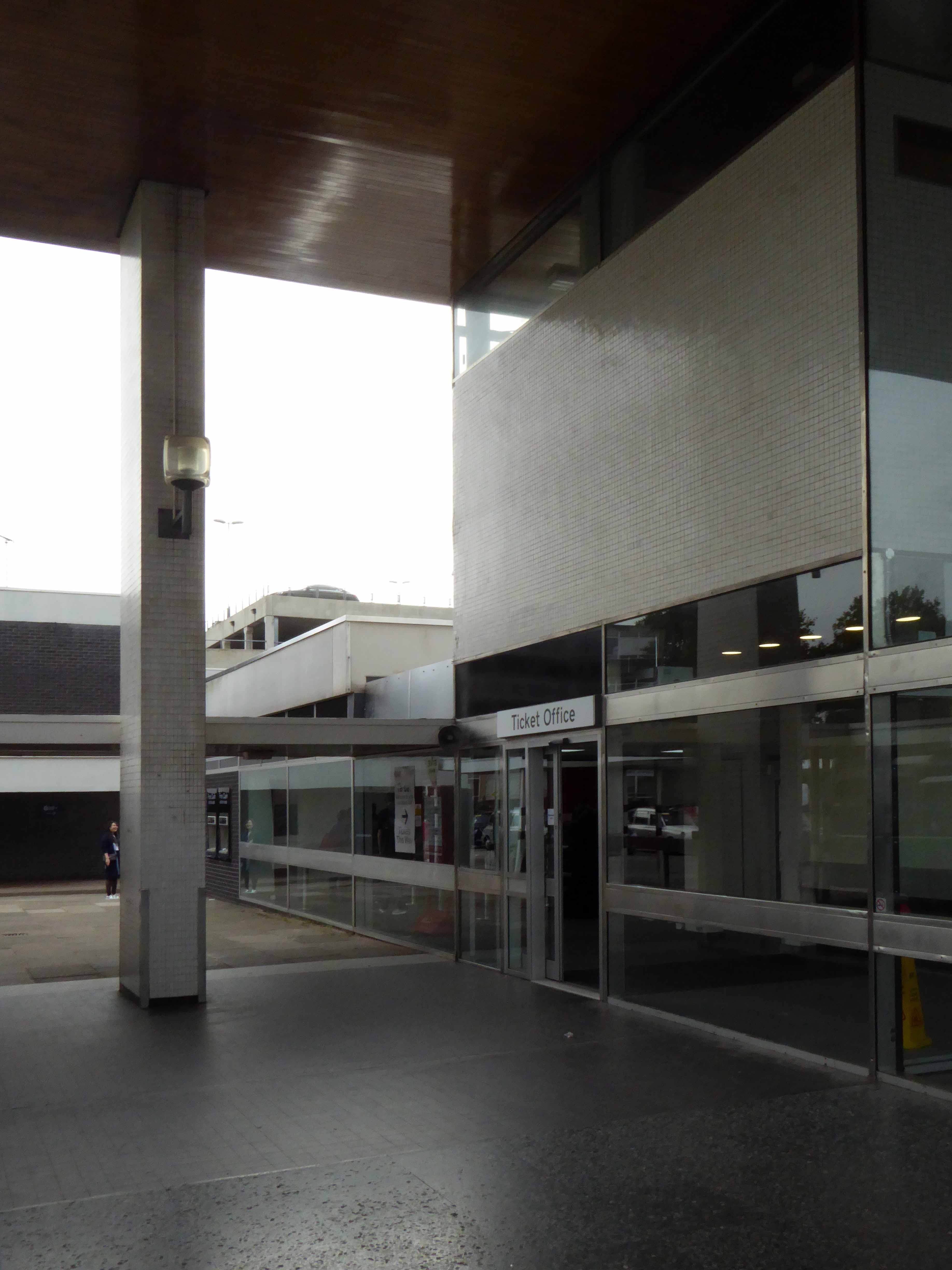
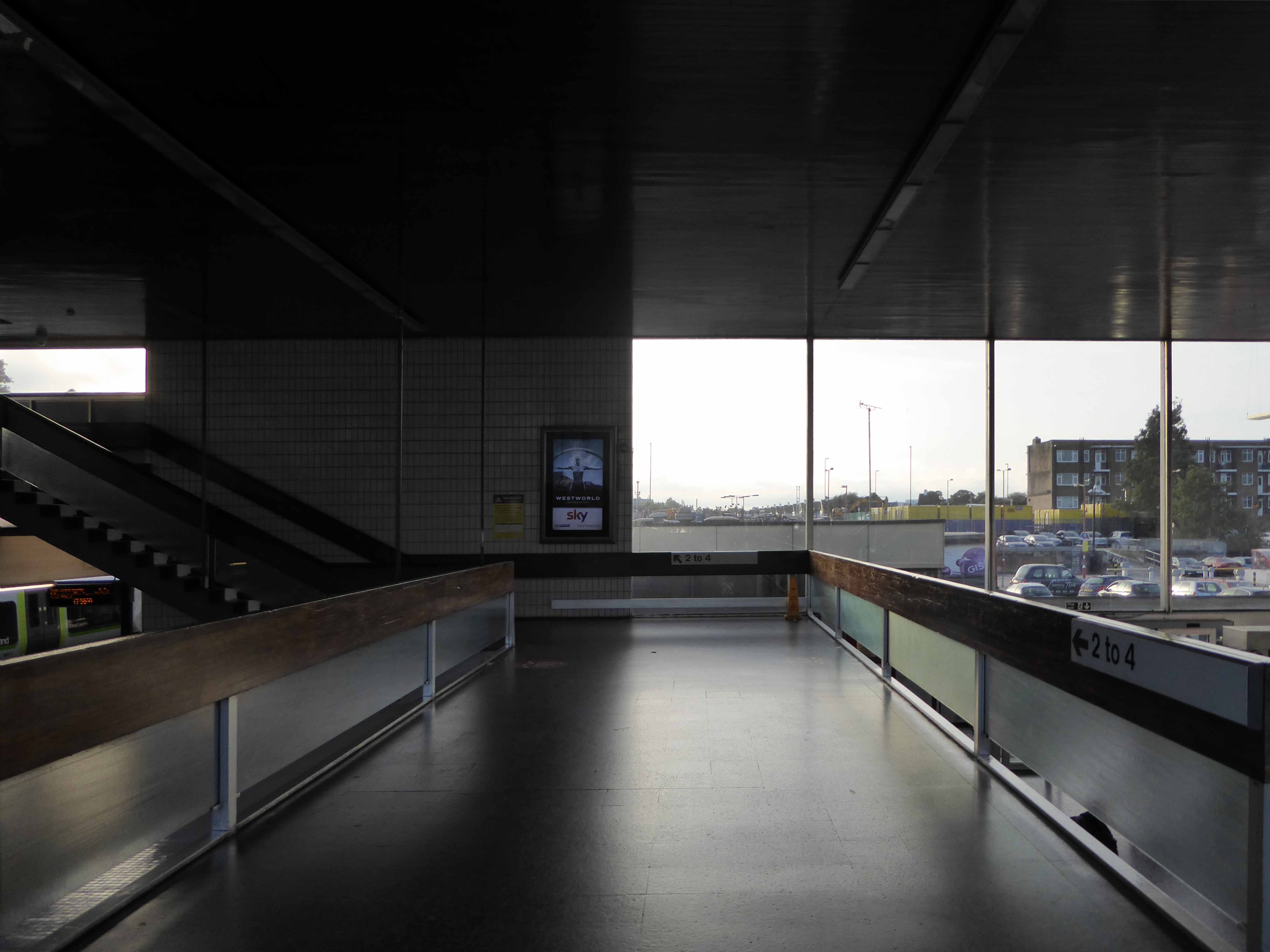
A fine building of 1962 light and airy, warm wooden ceilings, gently interlocking aluminium, glass and steel volumes, original signage and a lively feeling of calm controlled hustle and bustle.
The site was at the heart of industrial Stockport for a hundred and fifty years.
Goods in goods out, day in day out.
A town and time driven by coal and steam, as a first date with Stockport it was never a love at first sight site, two narrow cobbled access roads, lined with tall blue engineers’ brick walls, arching towards two narrow entrances.
This along with the rest of the area, was a working area, hanging on to the edge of the Mersey Valley, housing and industry cheek by jowl, in one grimy fug.
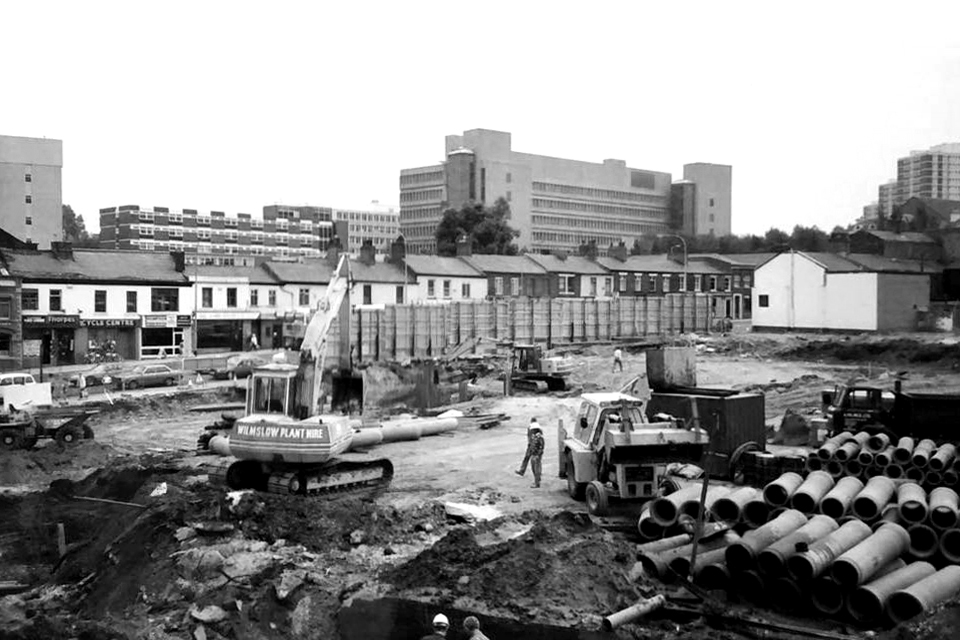
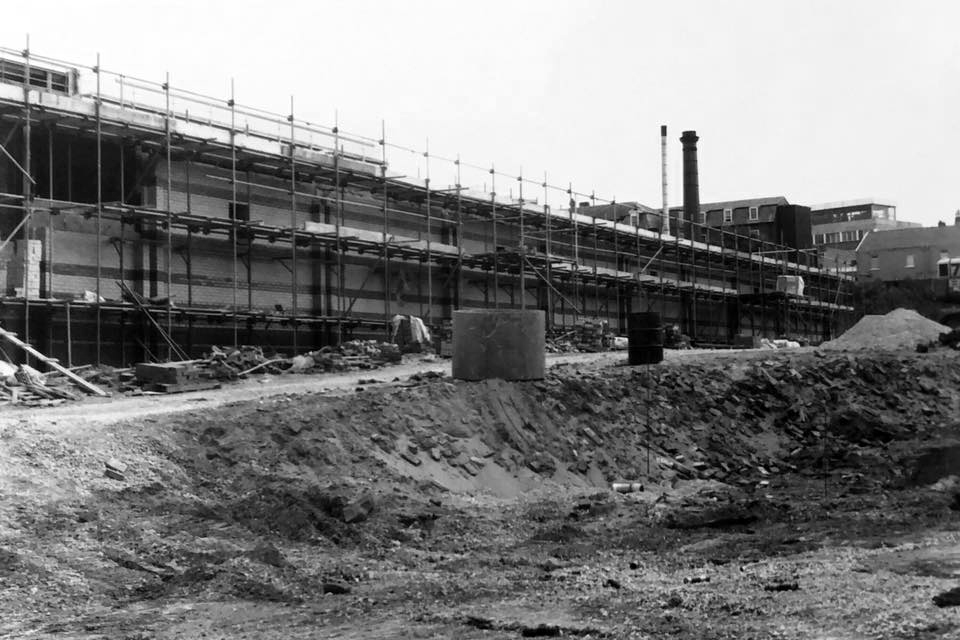
Time changes everything, by 1990 the site had been cleared and work commenced on a brand new shiny retail, leisure and entertainment complex. The nation had shifted wholesale from manufacturing to carousing.
The clatter of clogs replaced by the squeak of Adidas.
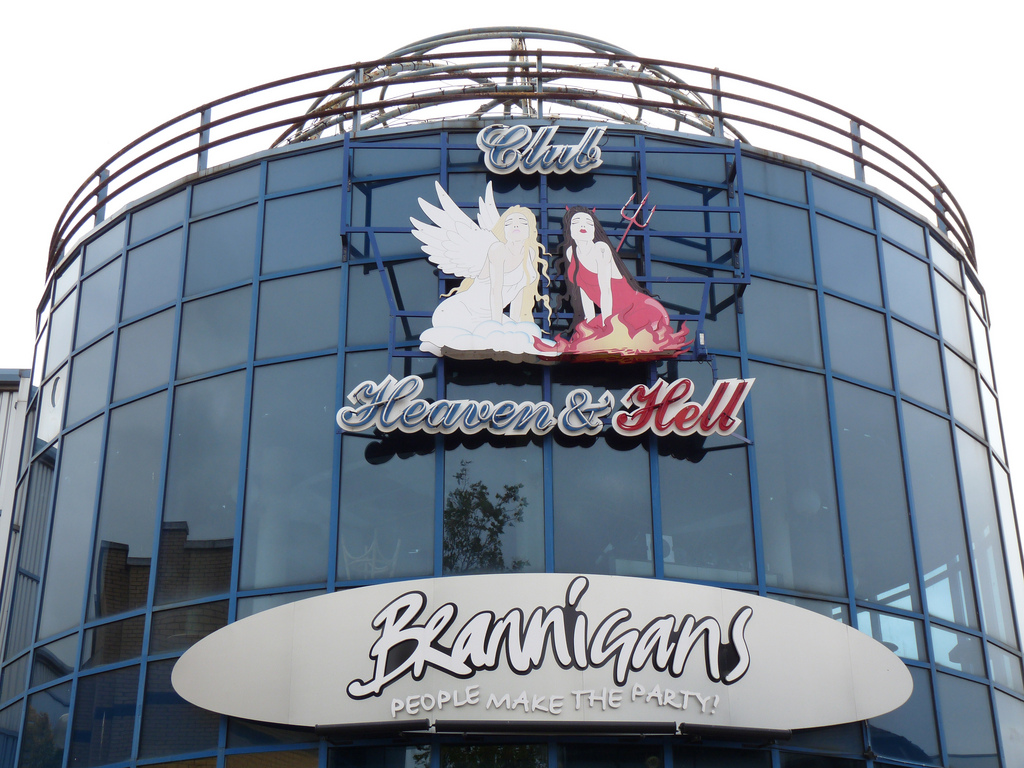
The white hot heat of technology fires Heaven and Hell.
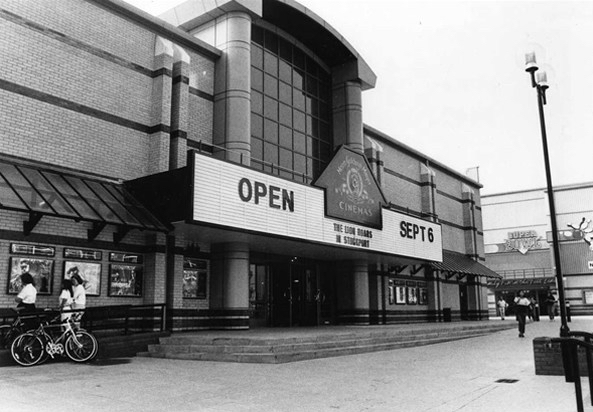
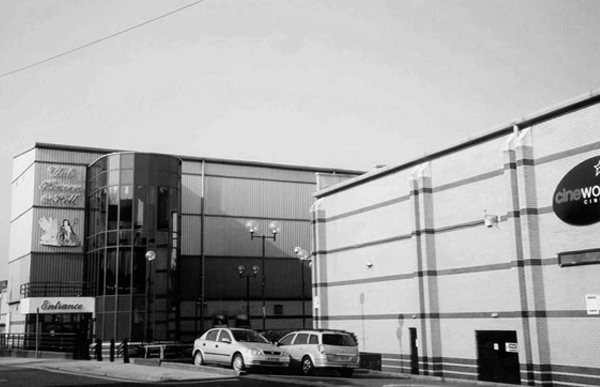
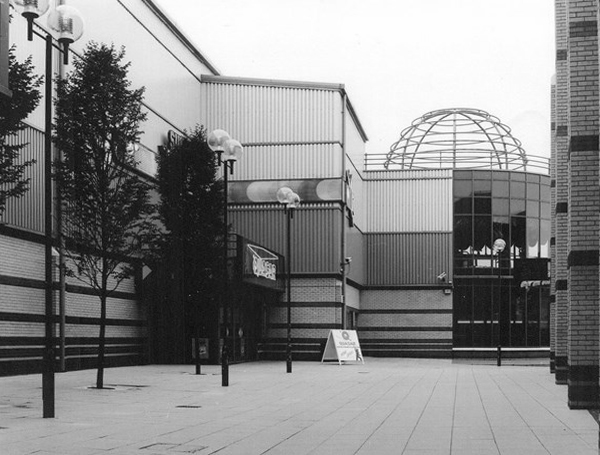
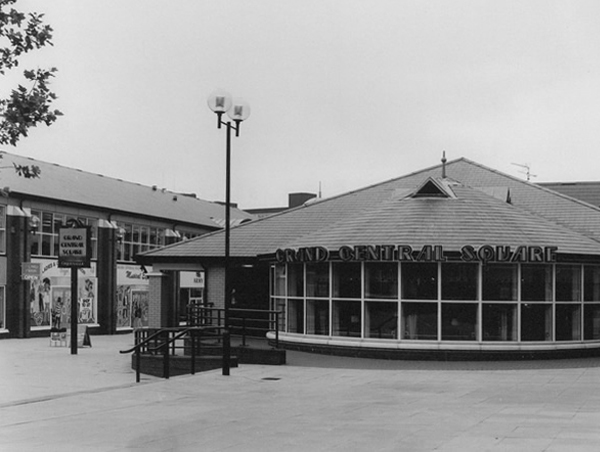
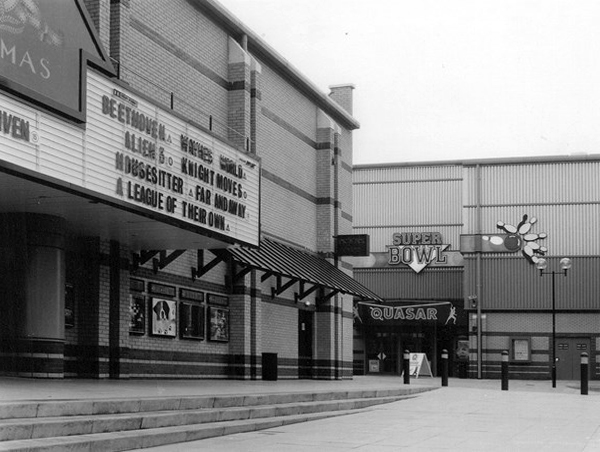
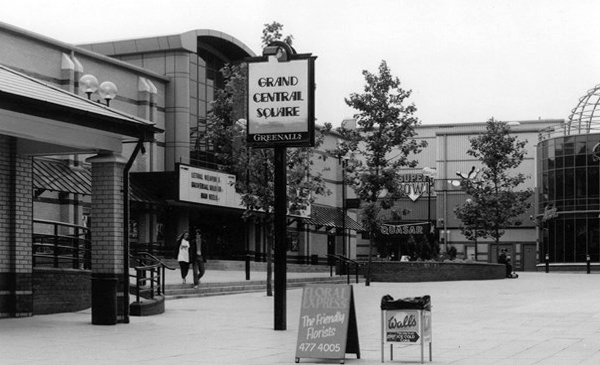
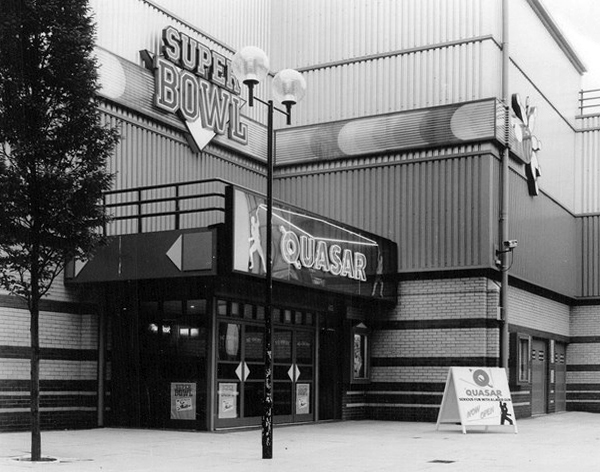
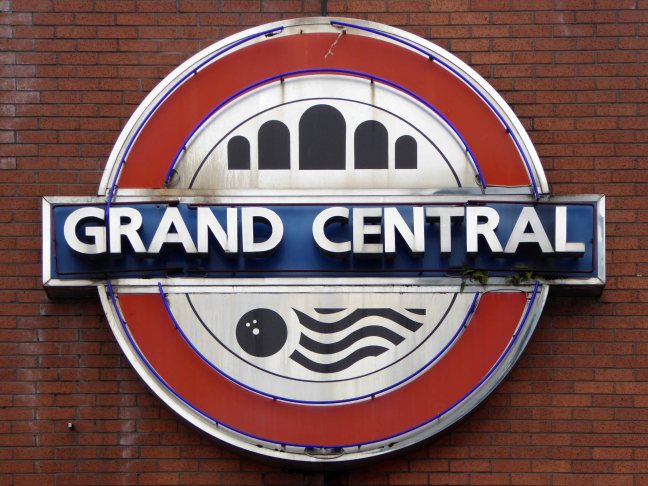
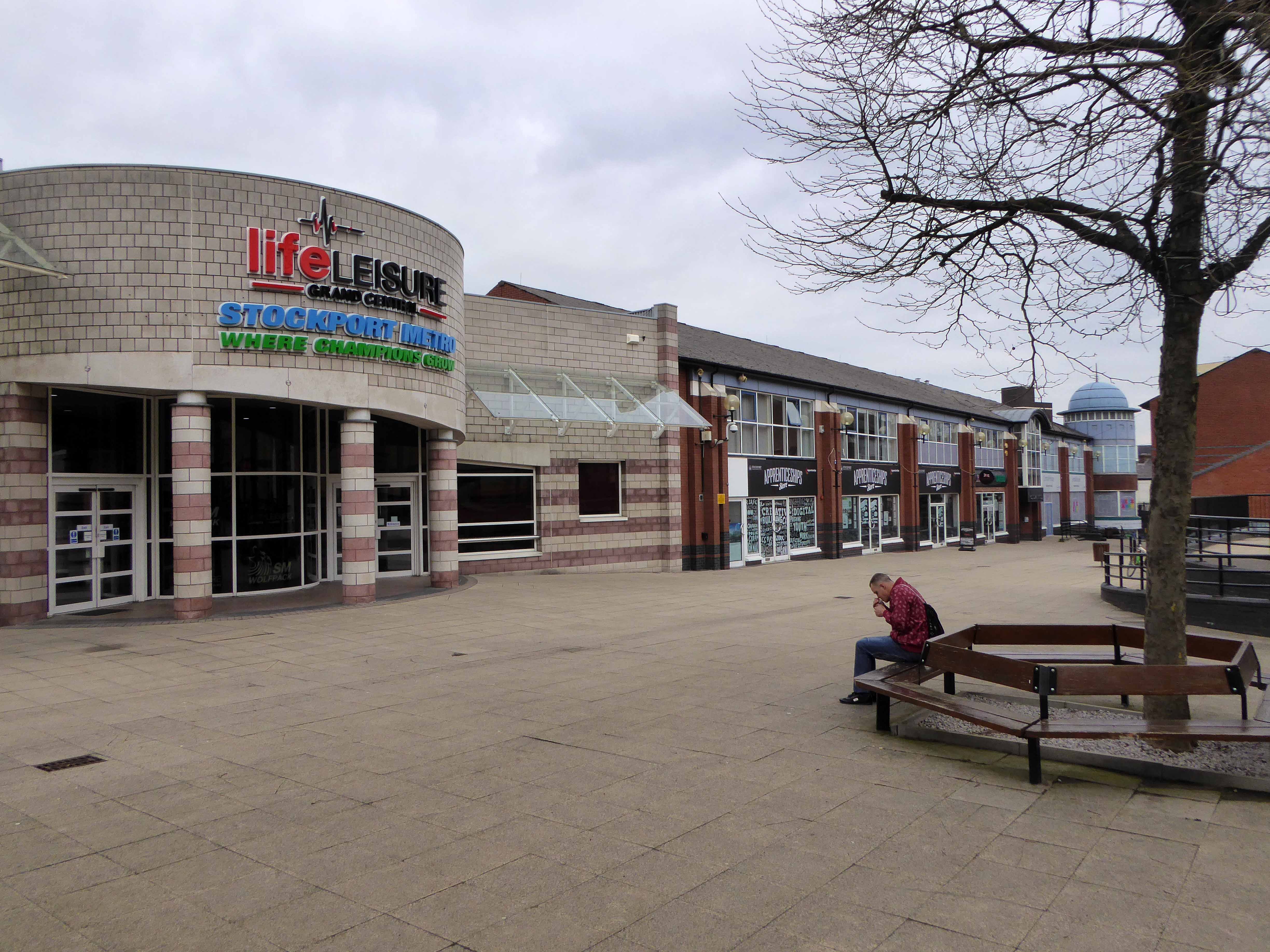
A club, swimming pool, bars, quasar quest, bowling alley, shops and cinema. Open public, private spaces leading from the A6 to the station approach. Concrete paving, brick, steel and glass construction, in a dulling whirlwind of sub-postmodern, cost benefit analysis, mirthless architectural, fun and frolics.
Nothing lasts forever, gradually the fun grinds to a halt, the alluring shimmer of boob tubes and hot pants, quickly fades into a dimly remembered, future passed.
There are more things in Heaven and Hell, Horatio,
Than are dreamt of in your philosophy.
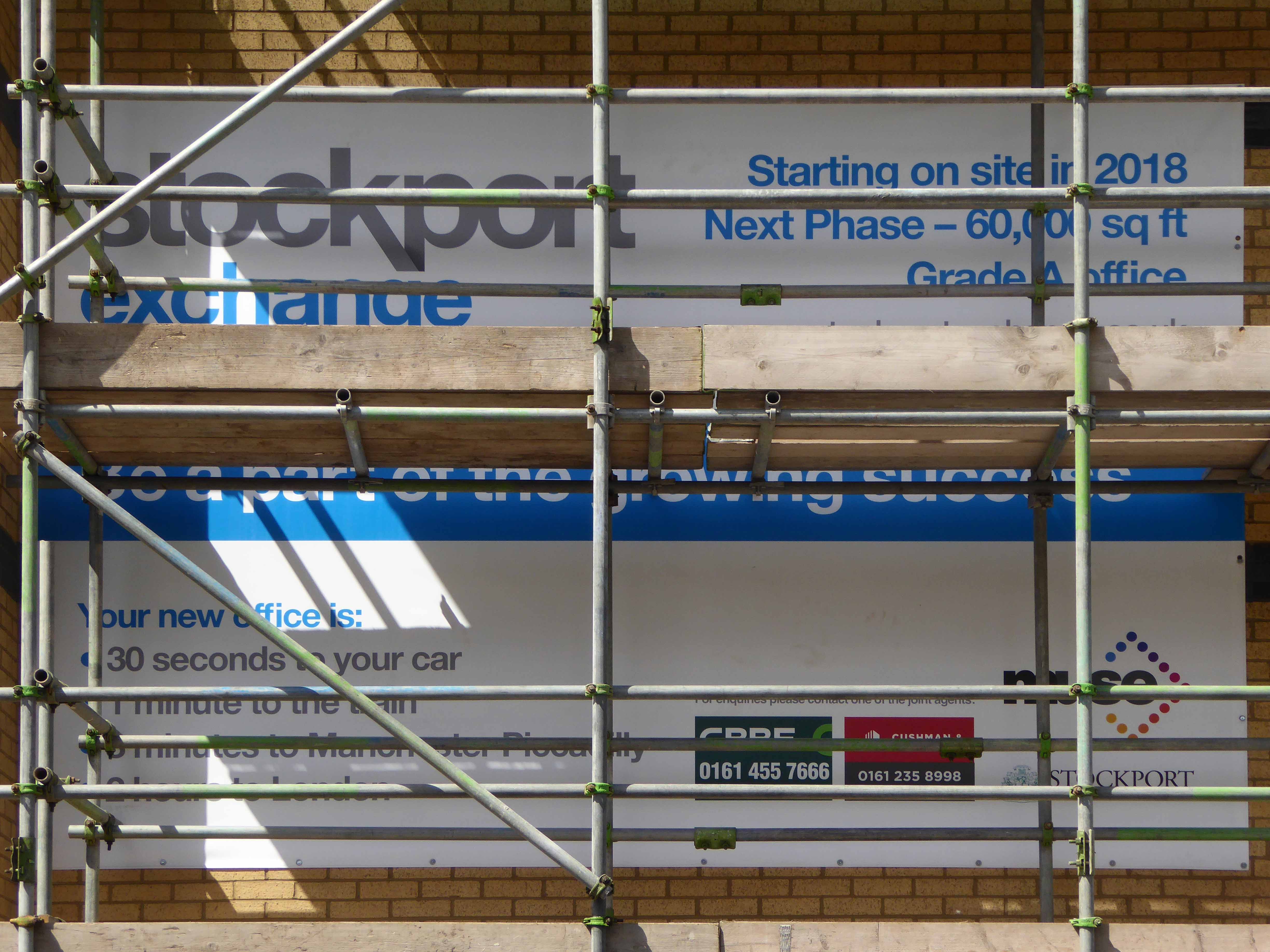
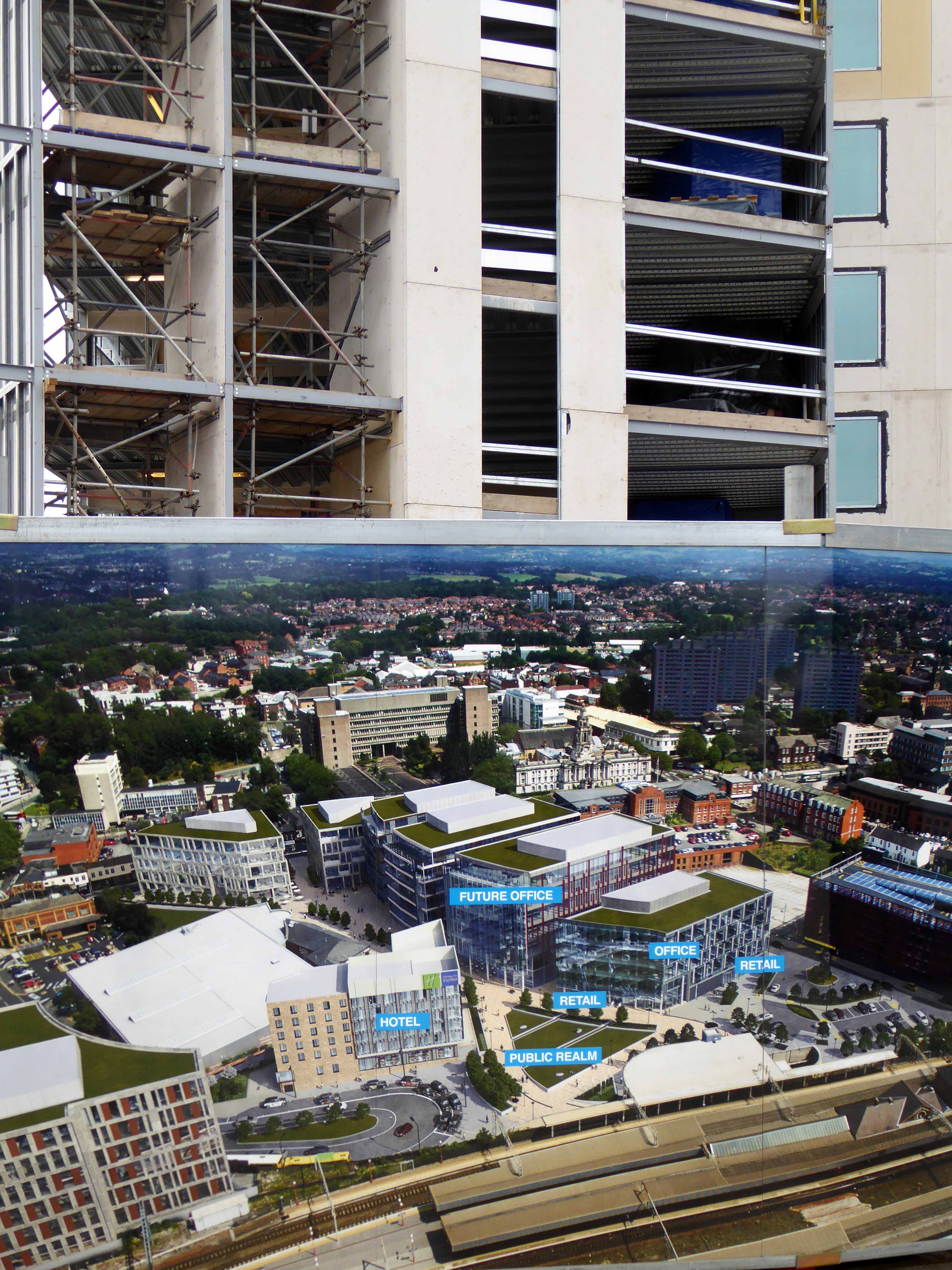
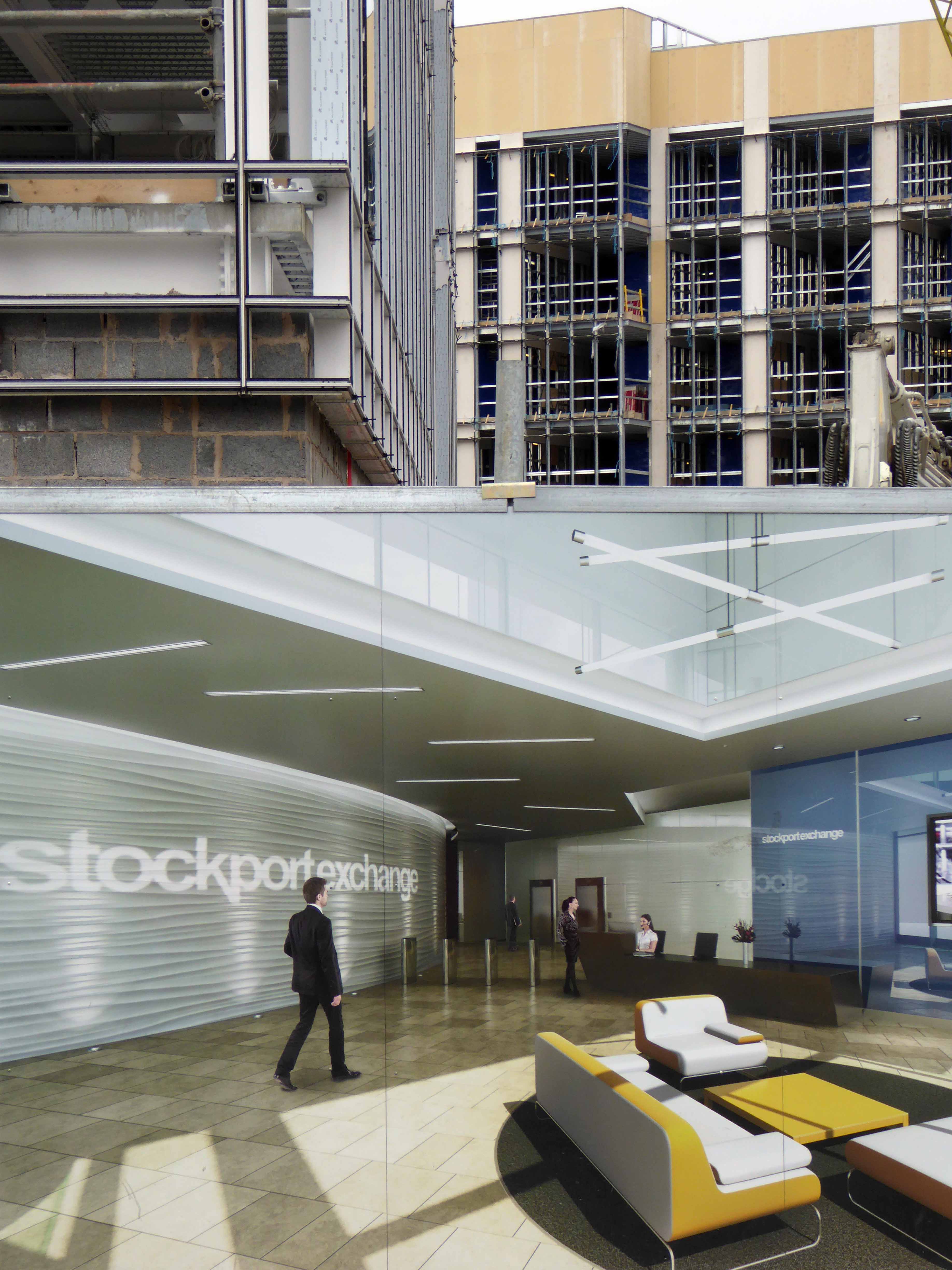
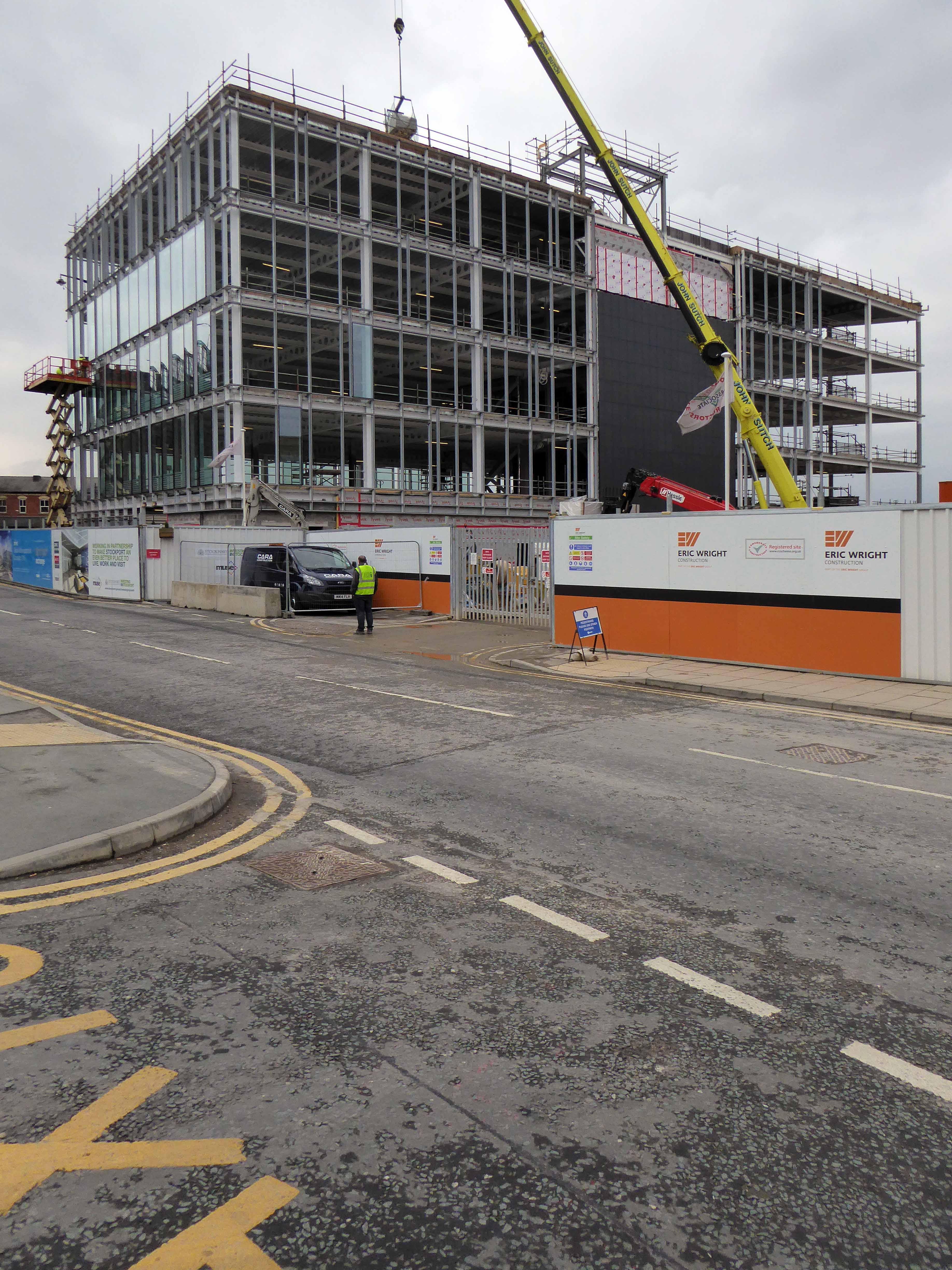
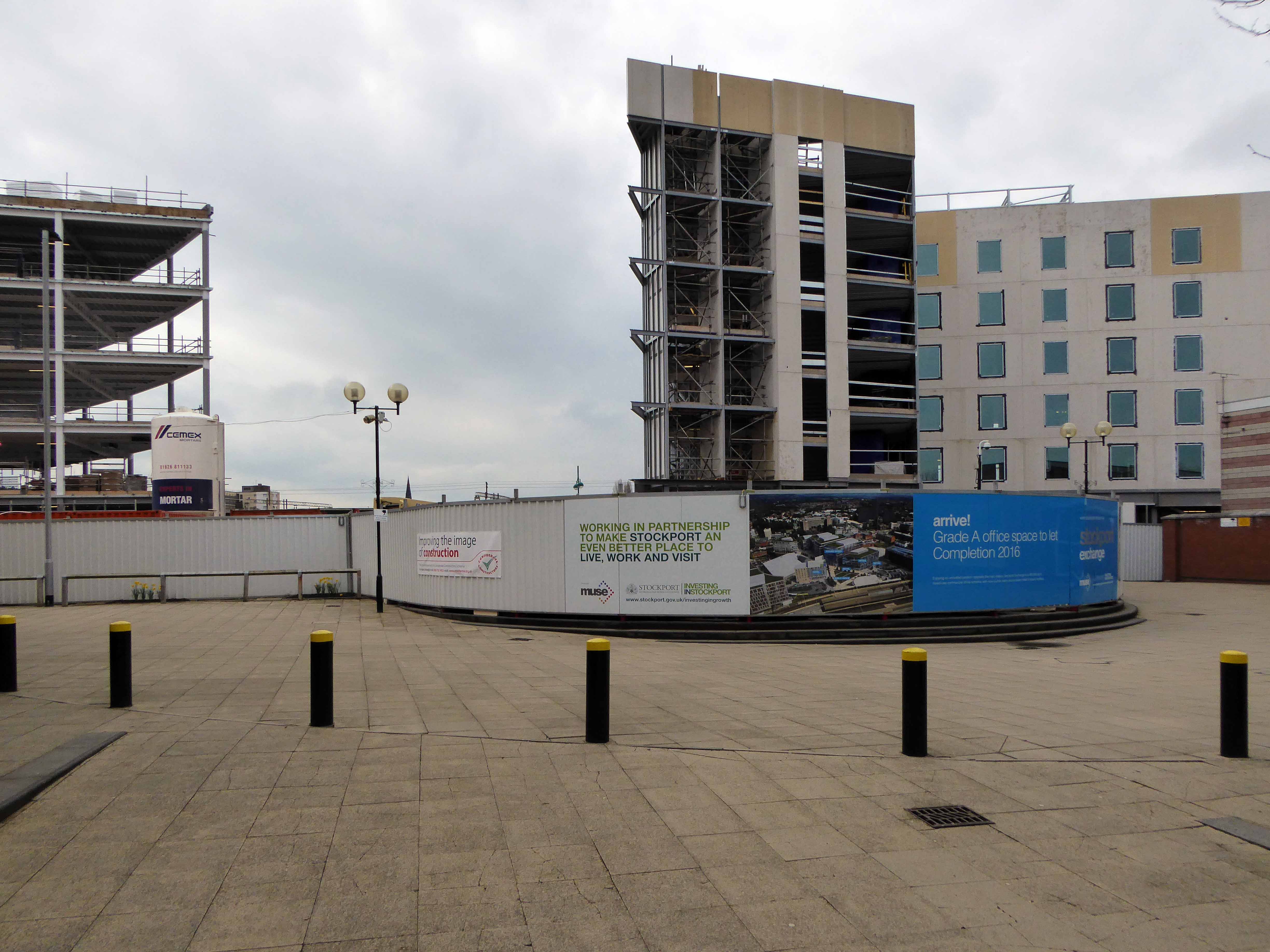
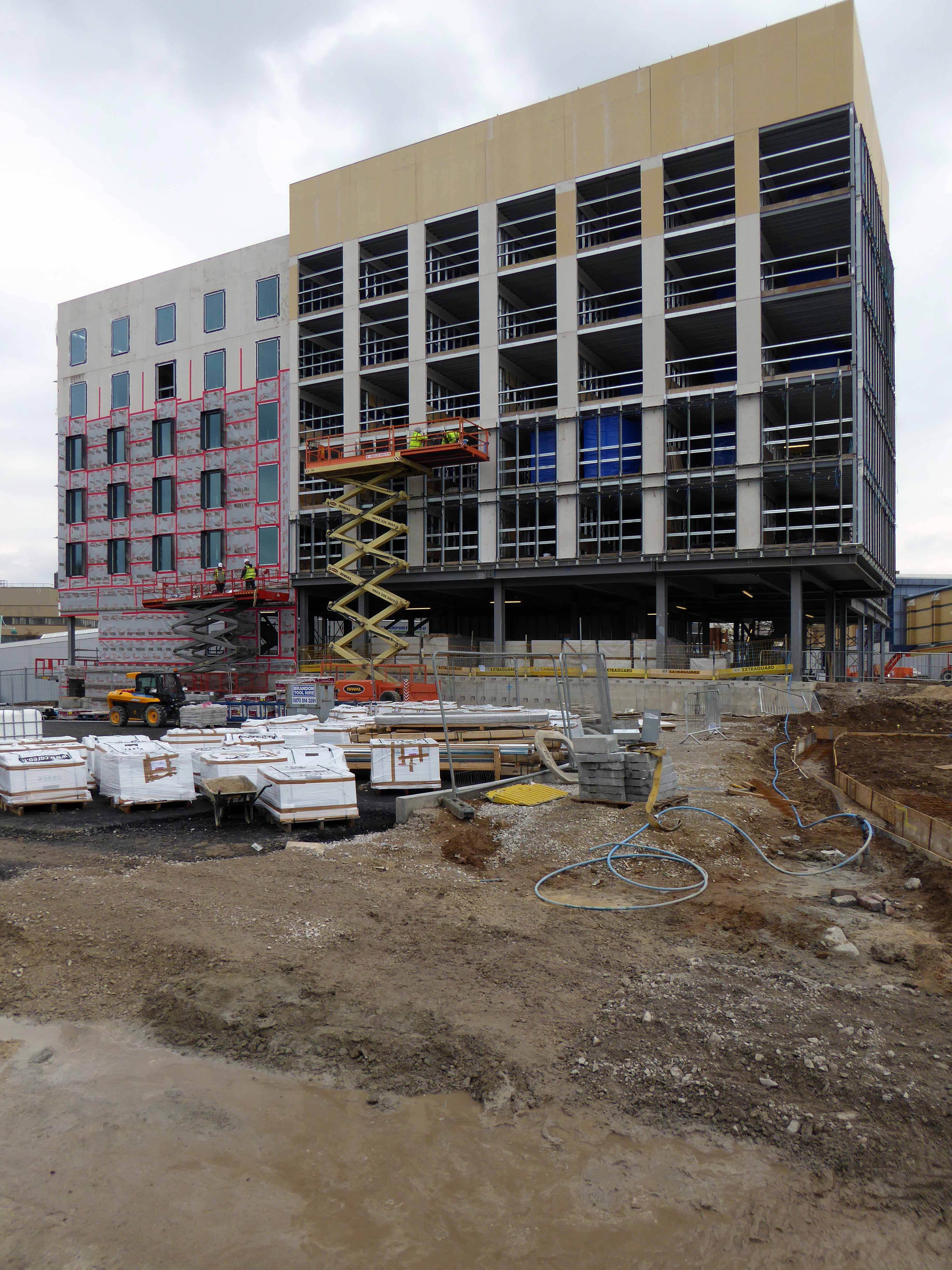
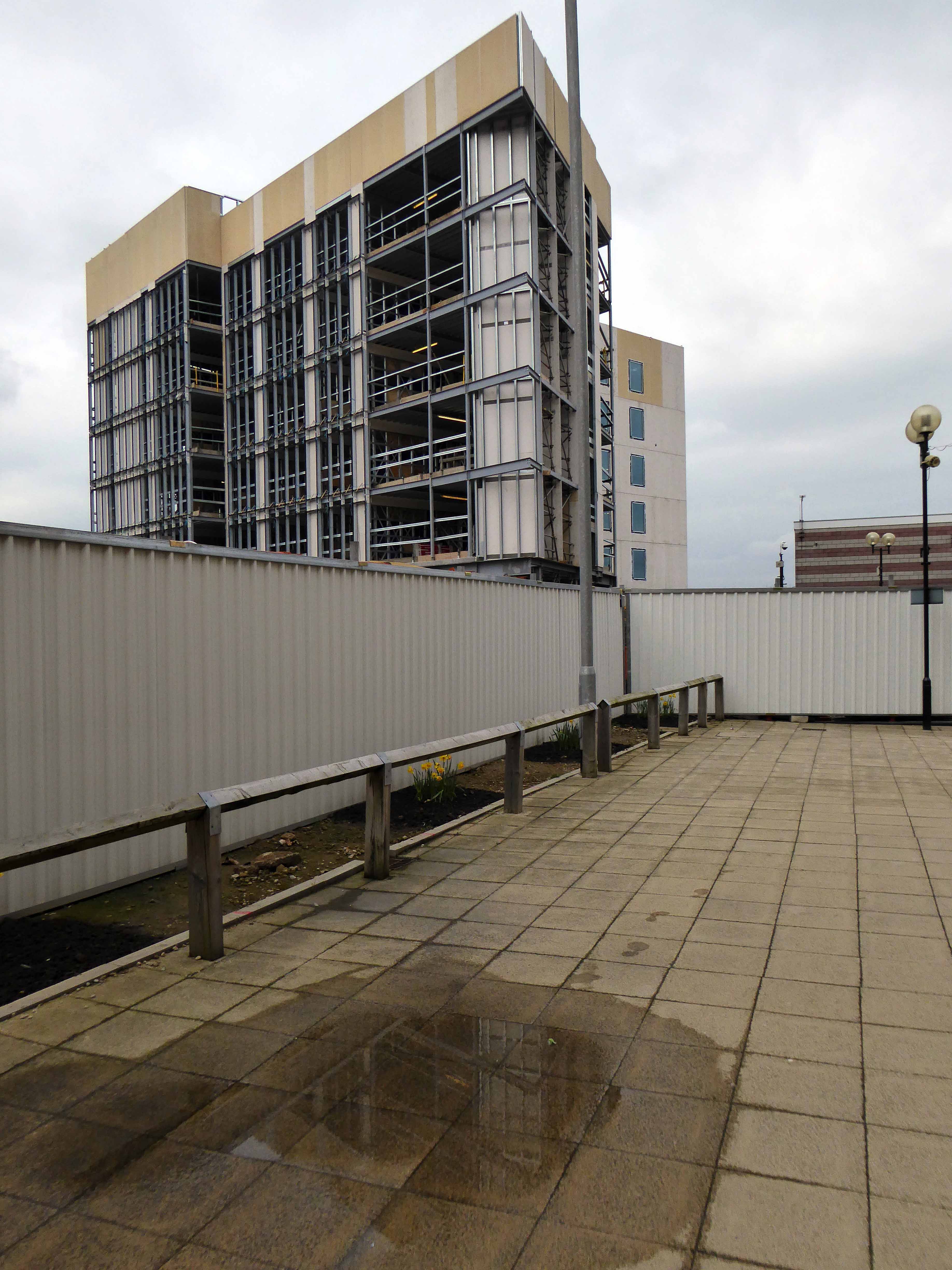
Grand Central Stockport was owned by Norwich-based private property company Targetfollow, who acquired the complex for £10.8m in 2004. In January 2011, after lack of progress on the development scheme, Stockport Council purchased the complex. In December 2011, Stockport Council announced that Muse Developments, the urban regeneration division of construction group Morgan Sindall had been selected as the preferred developer with a report to be presented to the council the following week. The revamped regeneration plans include an office quarter for the town centre, a hotel, public space outside the railway station. In addition, the redevelopment would also include a multi-storey car park and to make the site into a more attractive gateway into the town centre. The new redevelopment plans are valued at approximately £145m.
So the merry dance continues, a brave new world for the bemused citizen to consume and be consumed by, a gateway to speculative development.
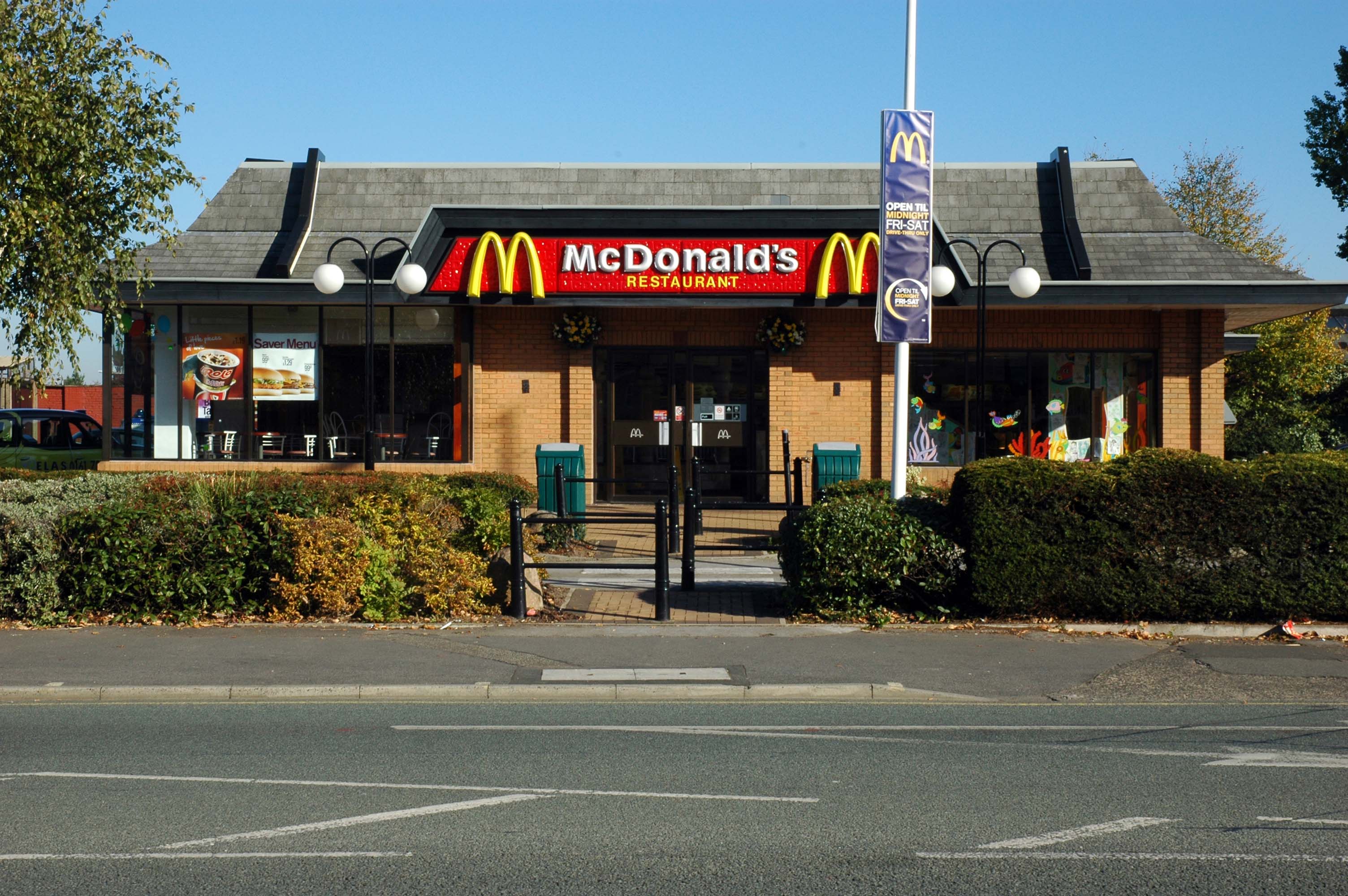
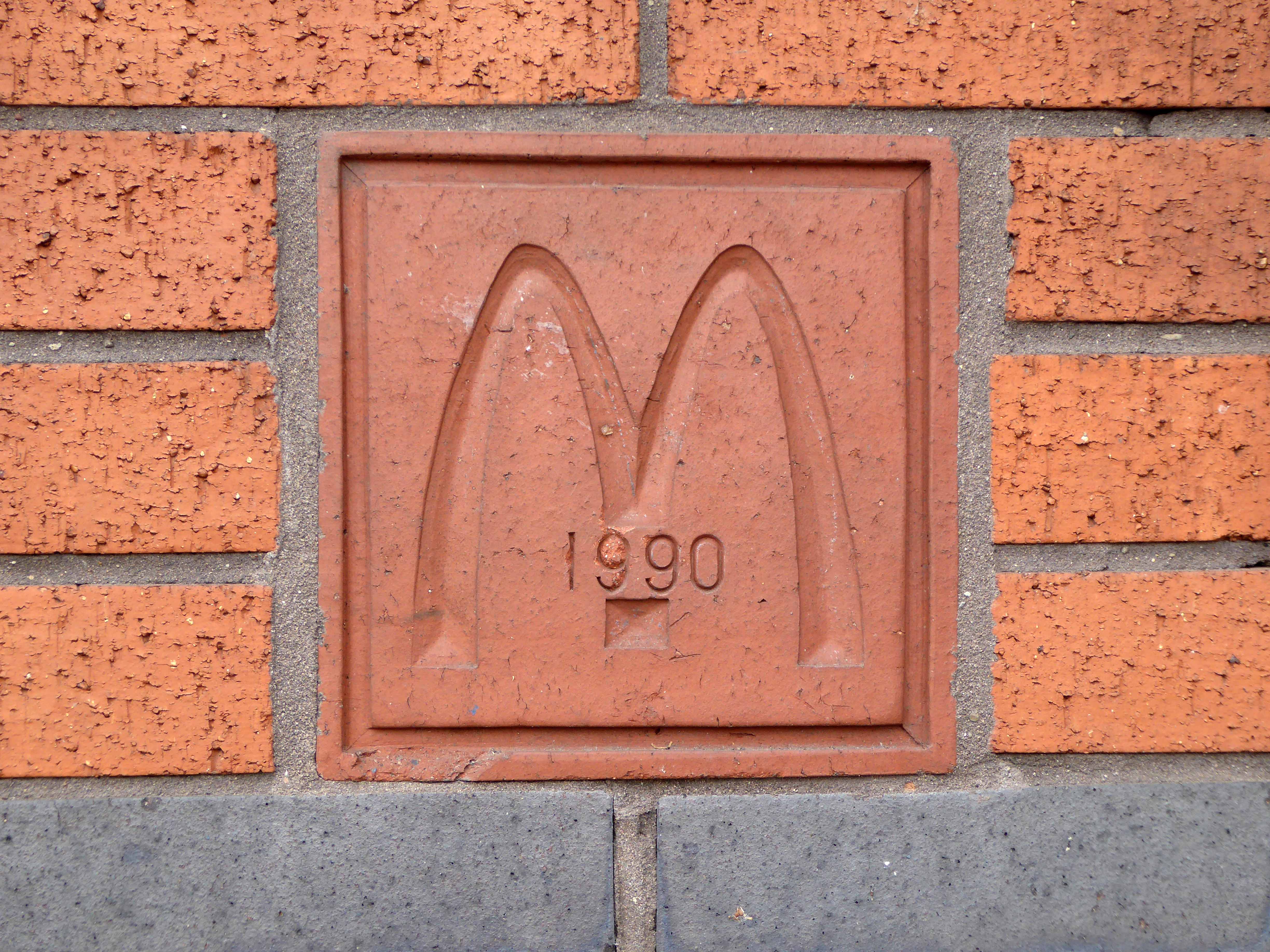
The reassuring golden arches await the intrepid voyager, the foundation stone of any civilised civil society, set in terracotta for ever and a day.
The high vis, high rise, low expectation roller coaster, rolls on relentlessly.
Cars and closures caused the station to withdraw up the road, to its current much smaller site.
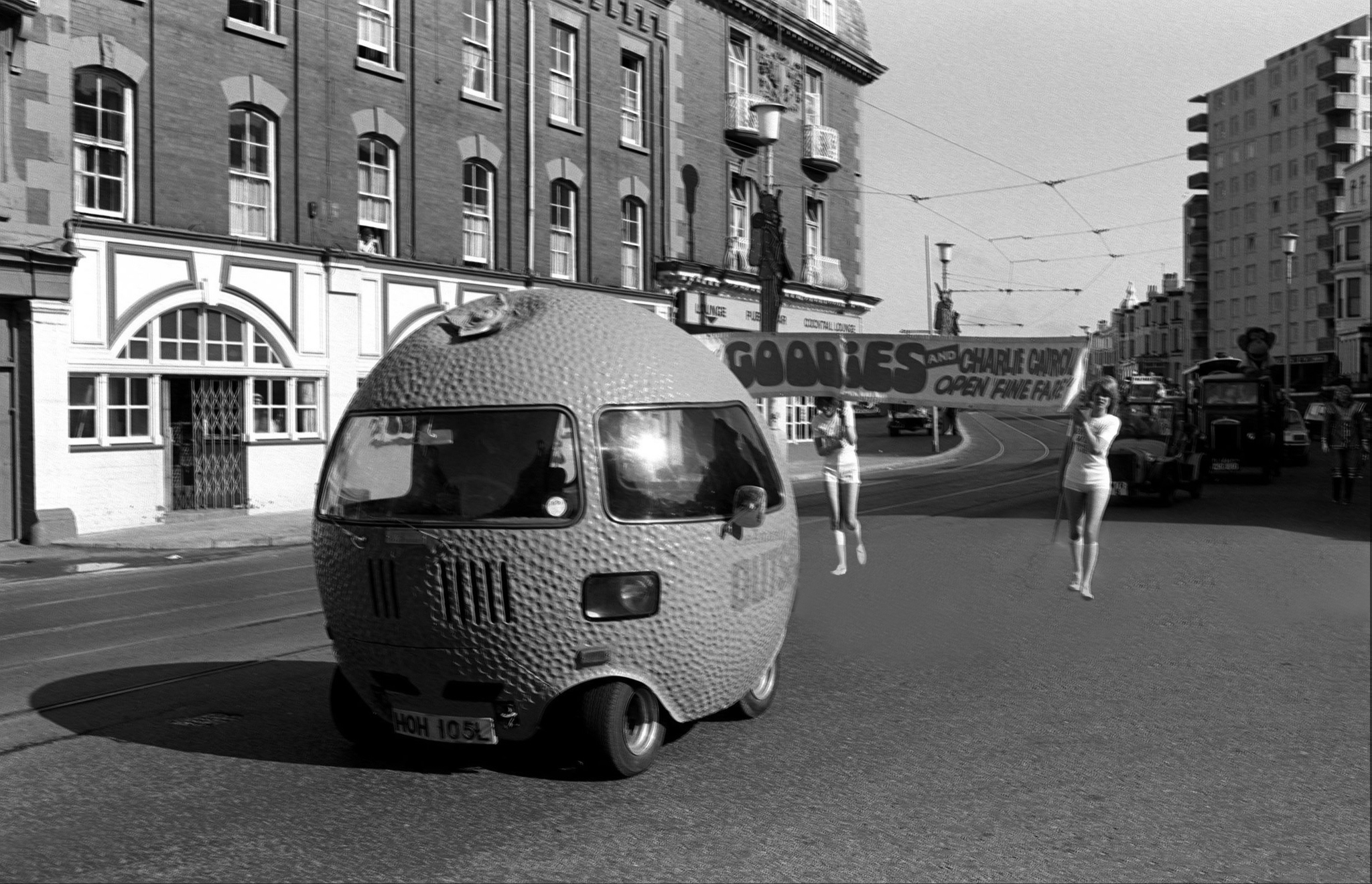
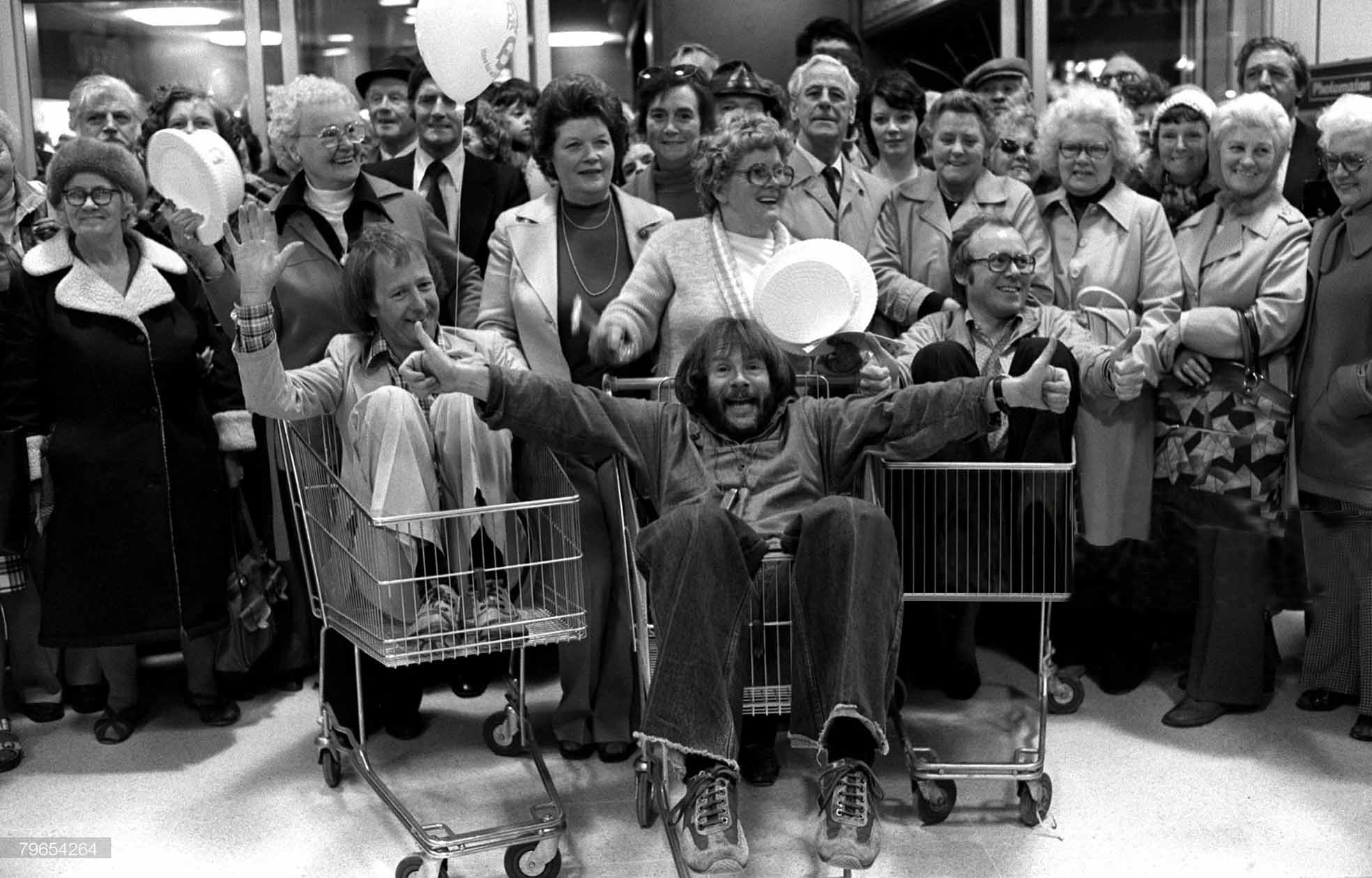
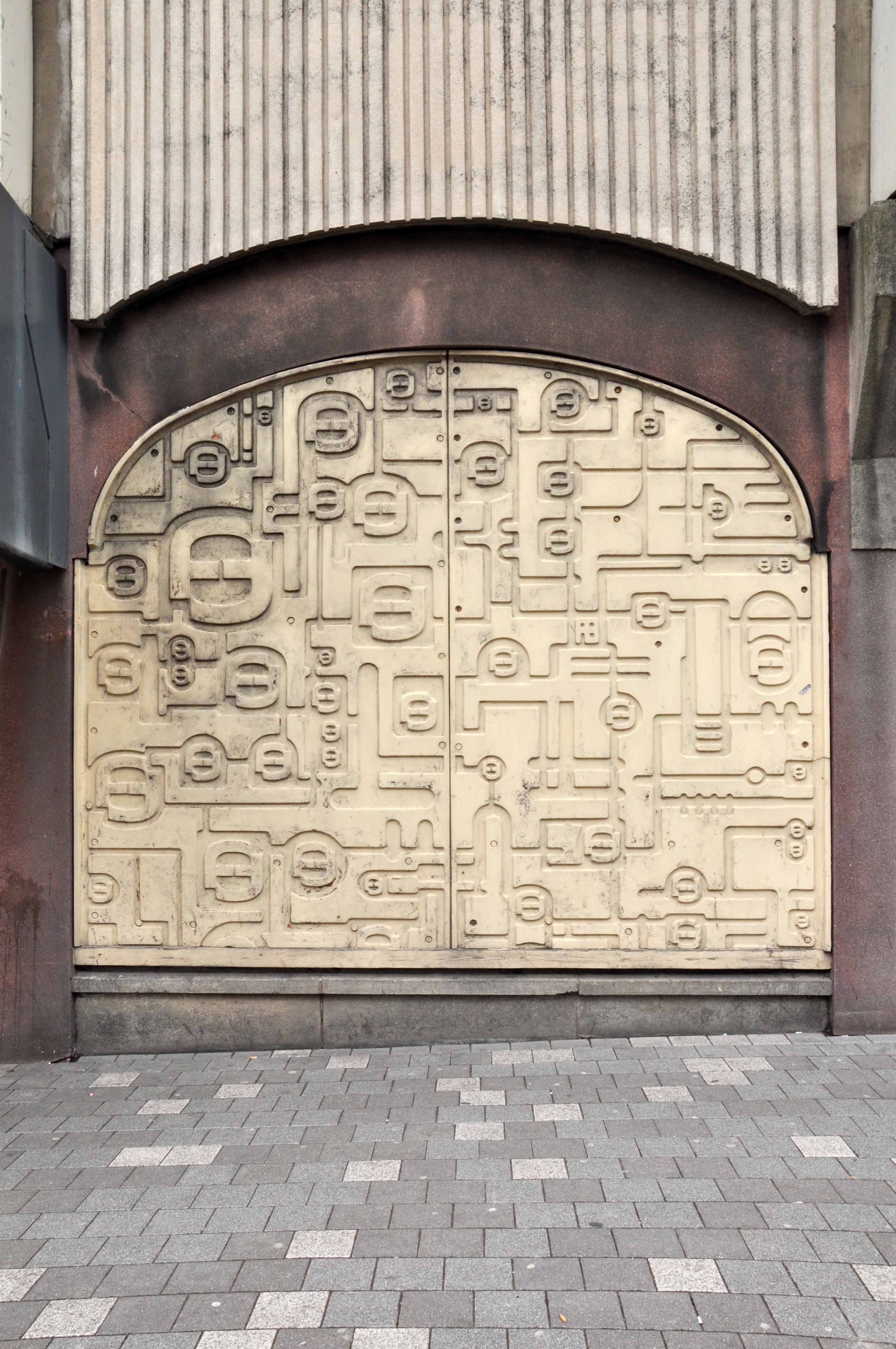
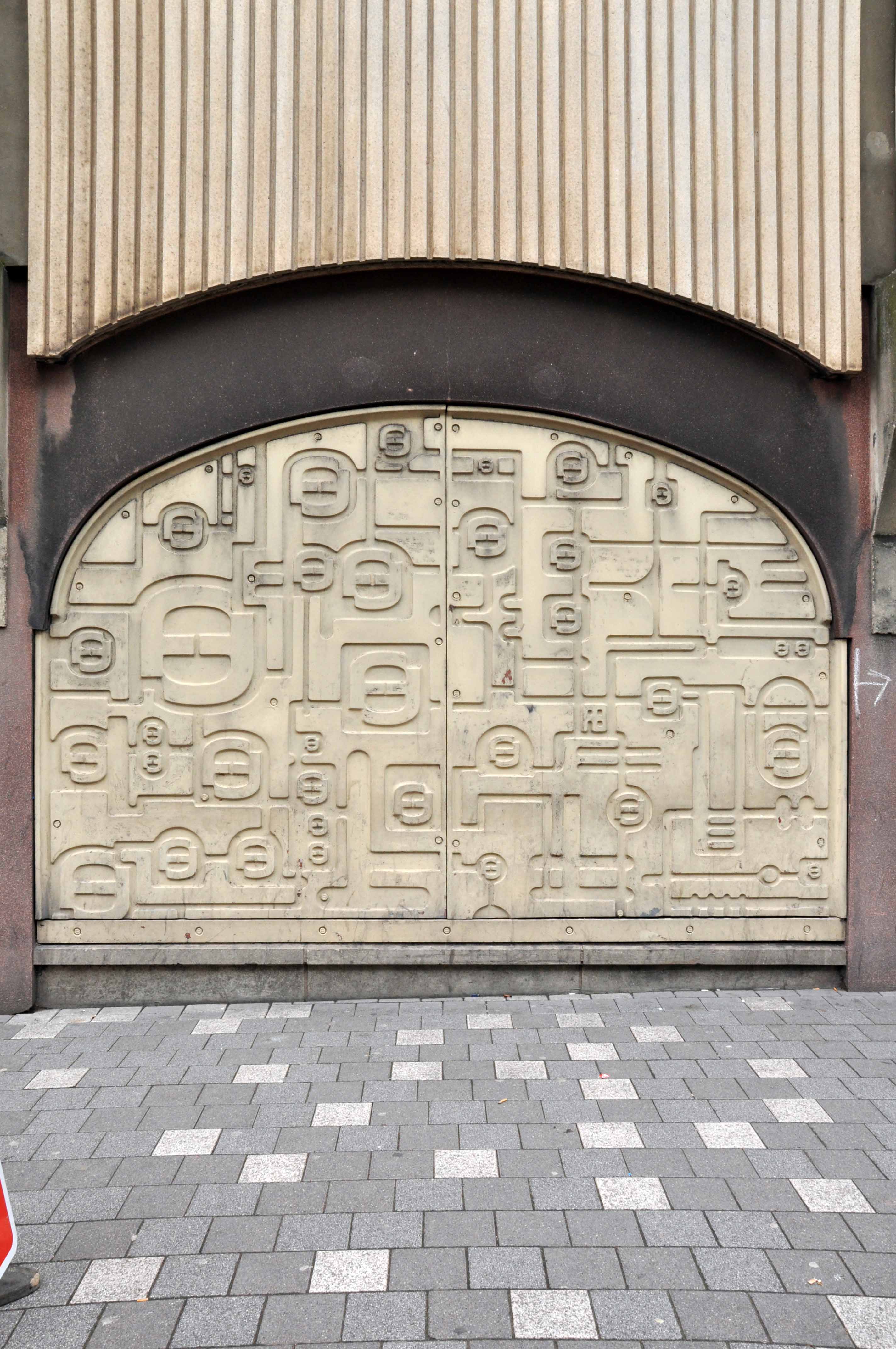
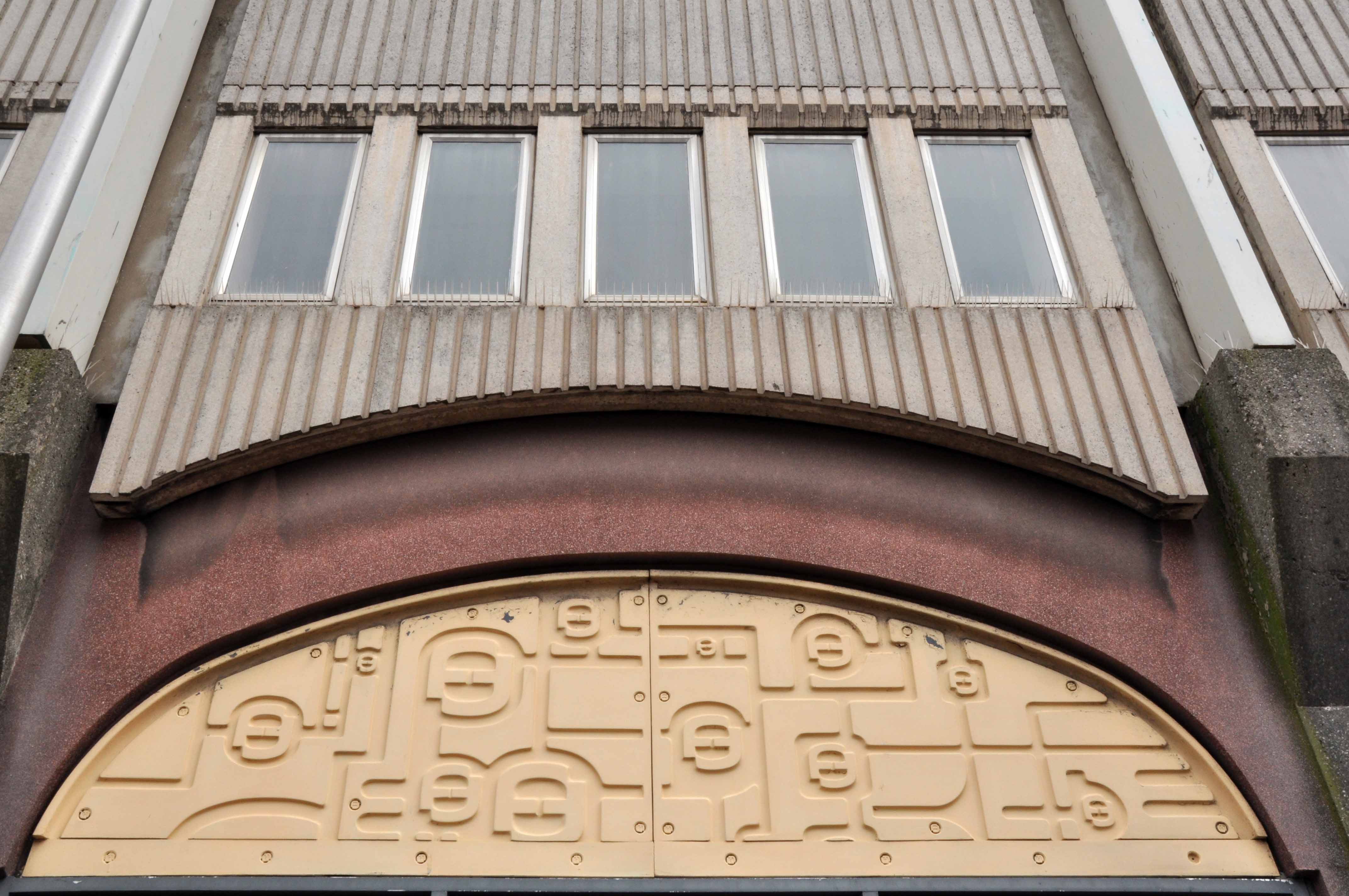
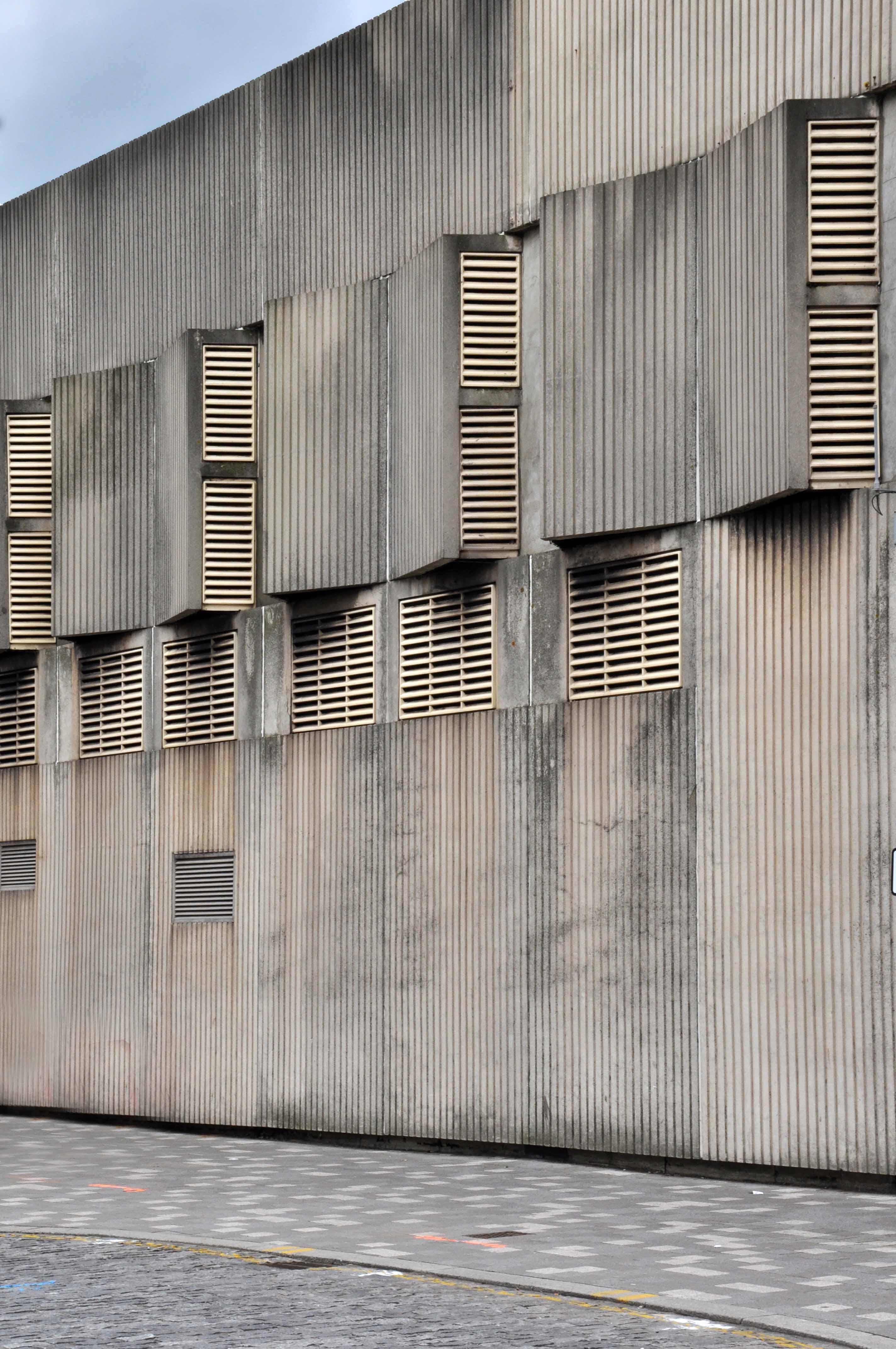
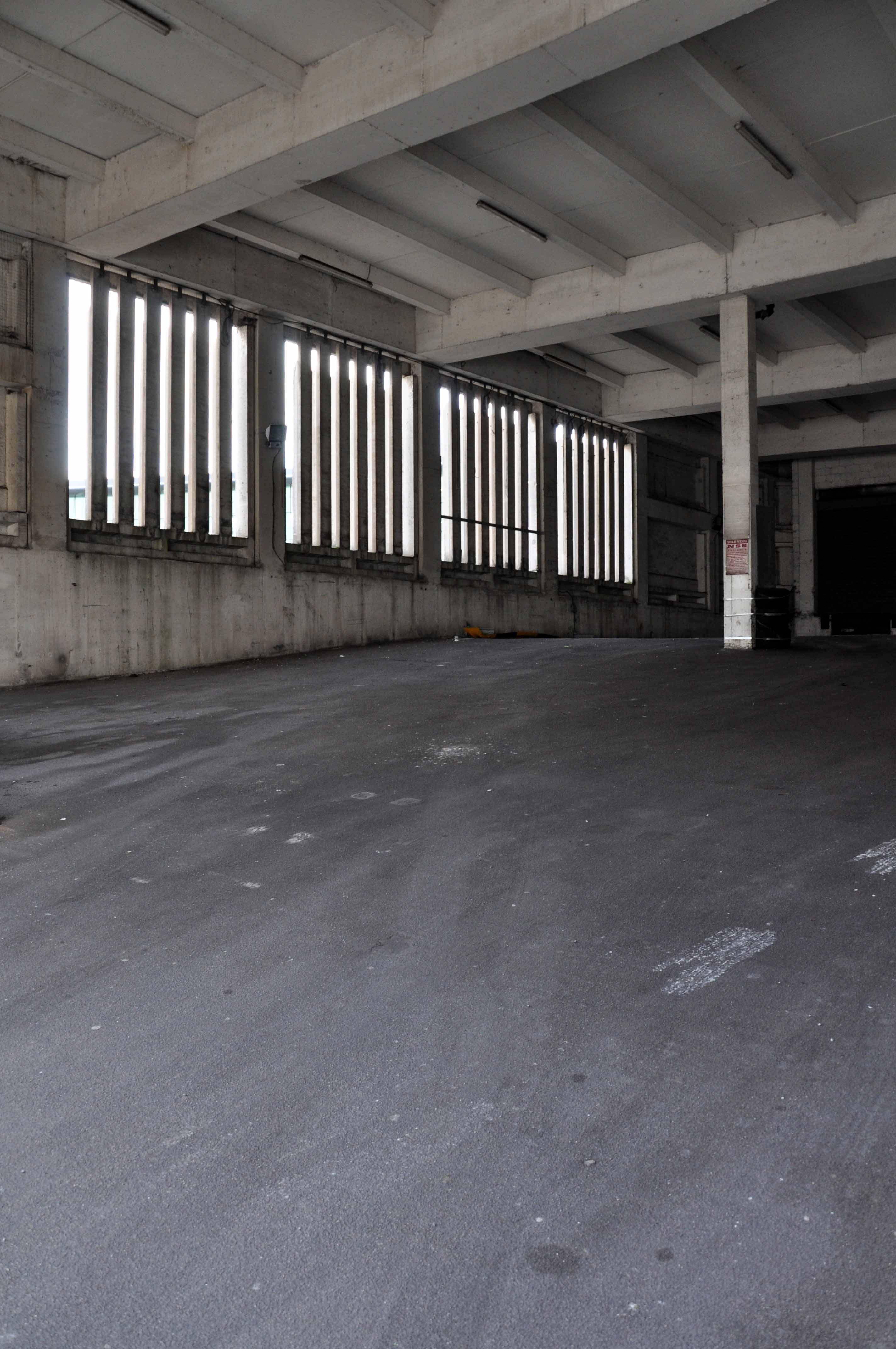
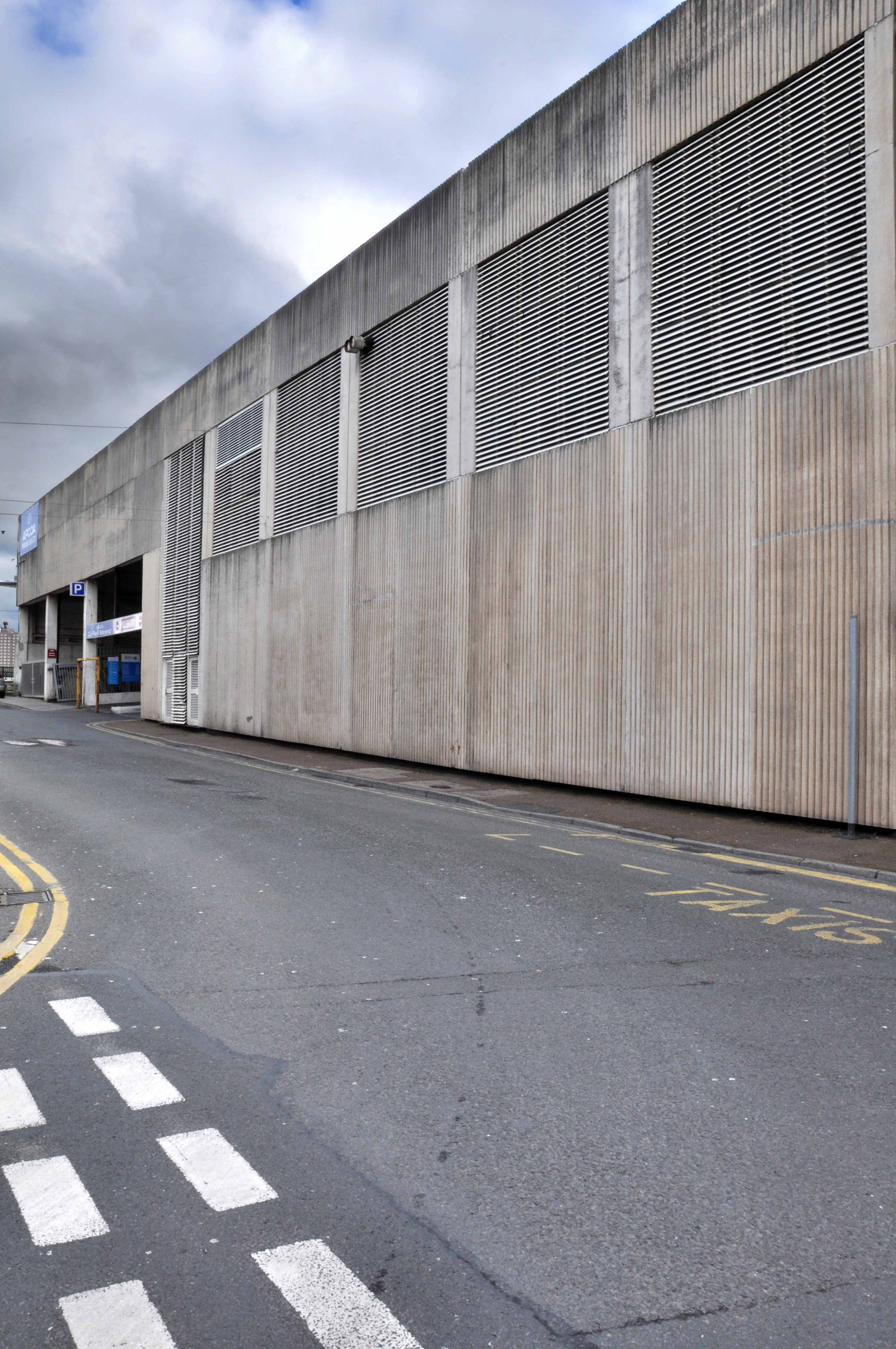
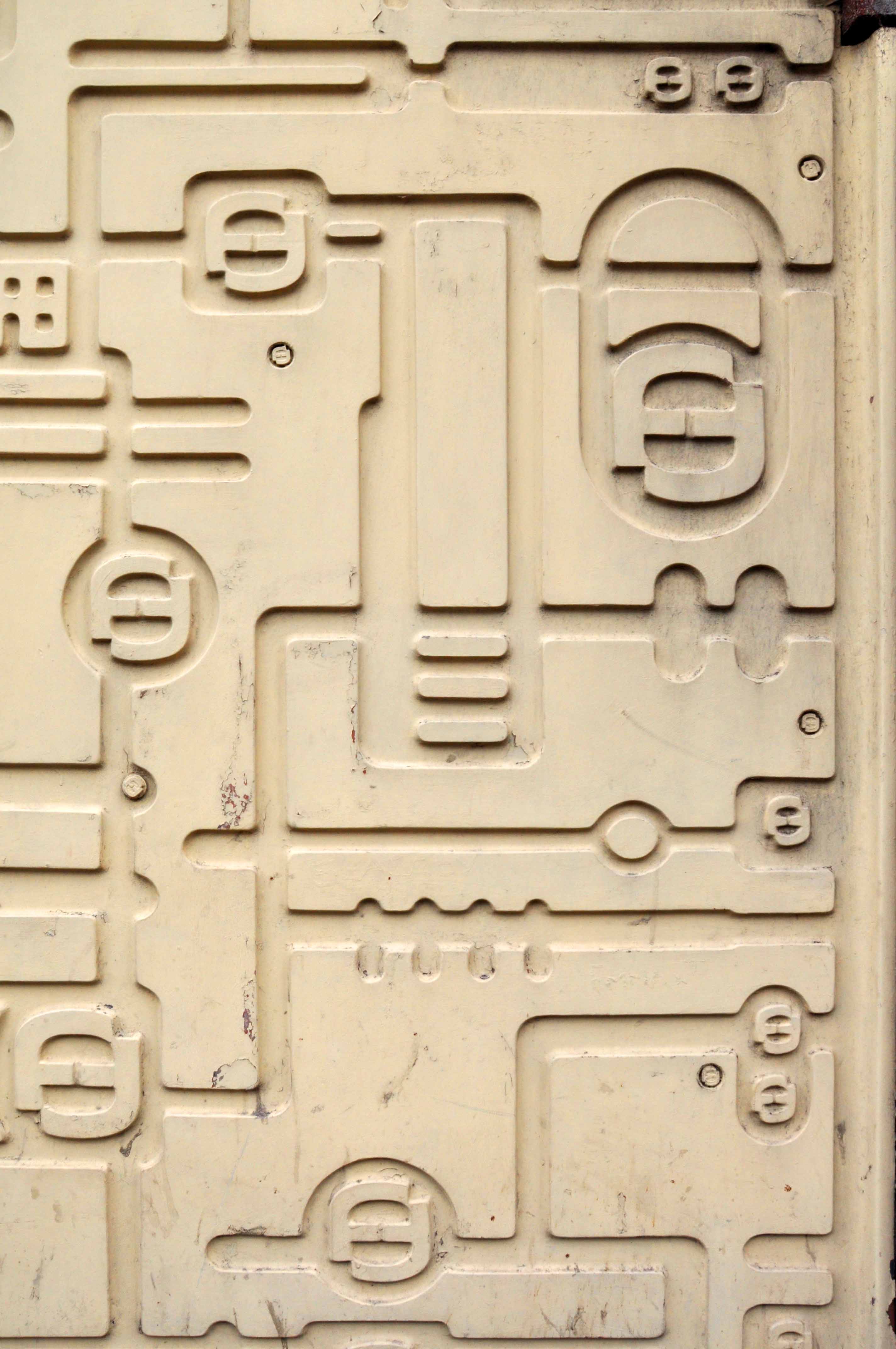
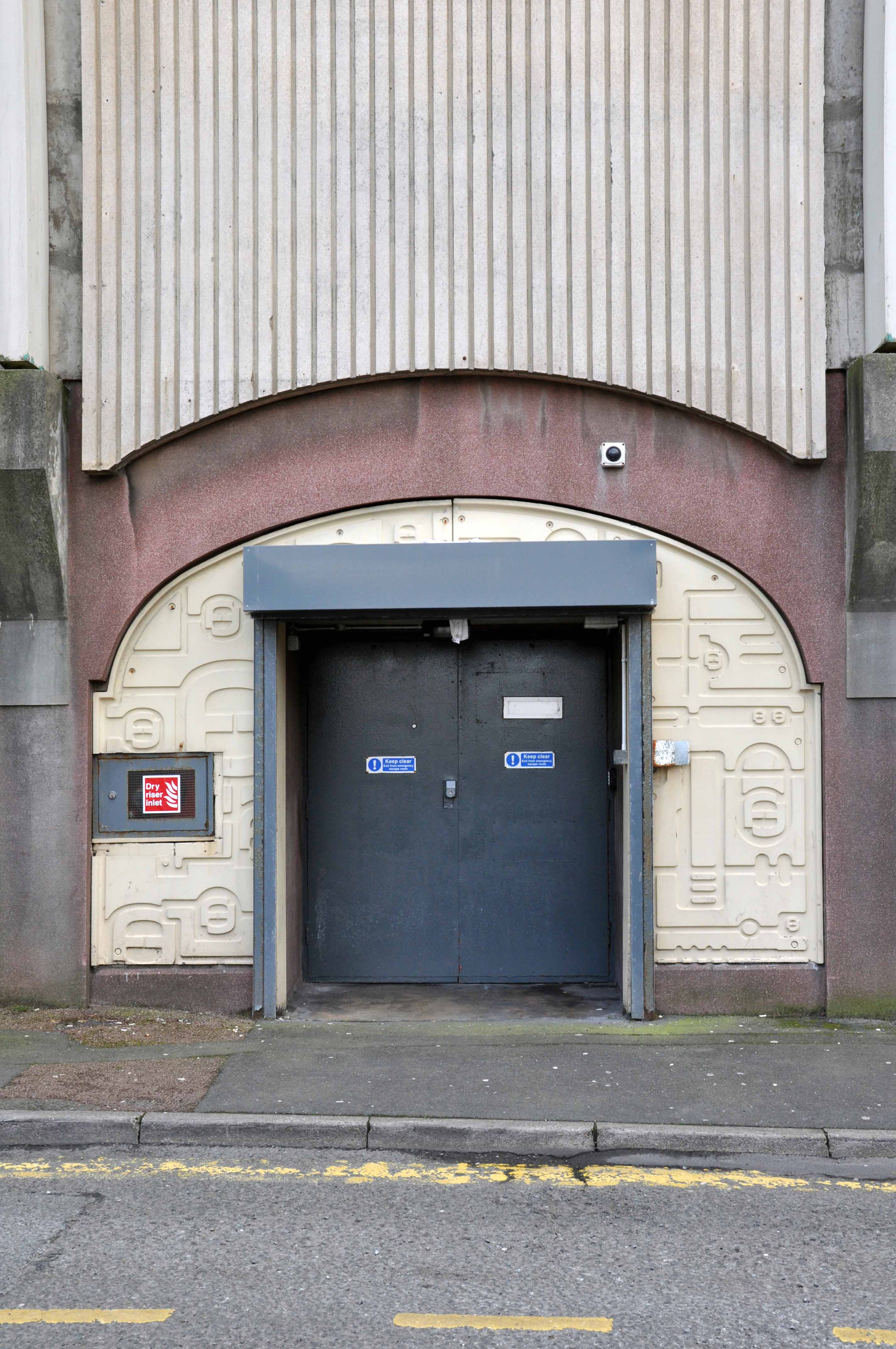
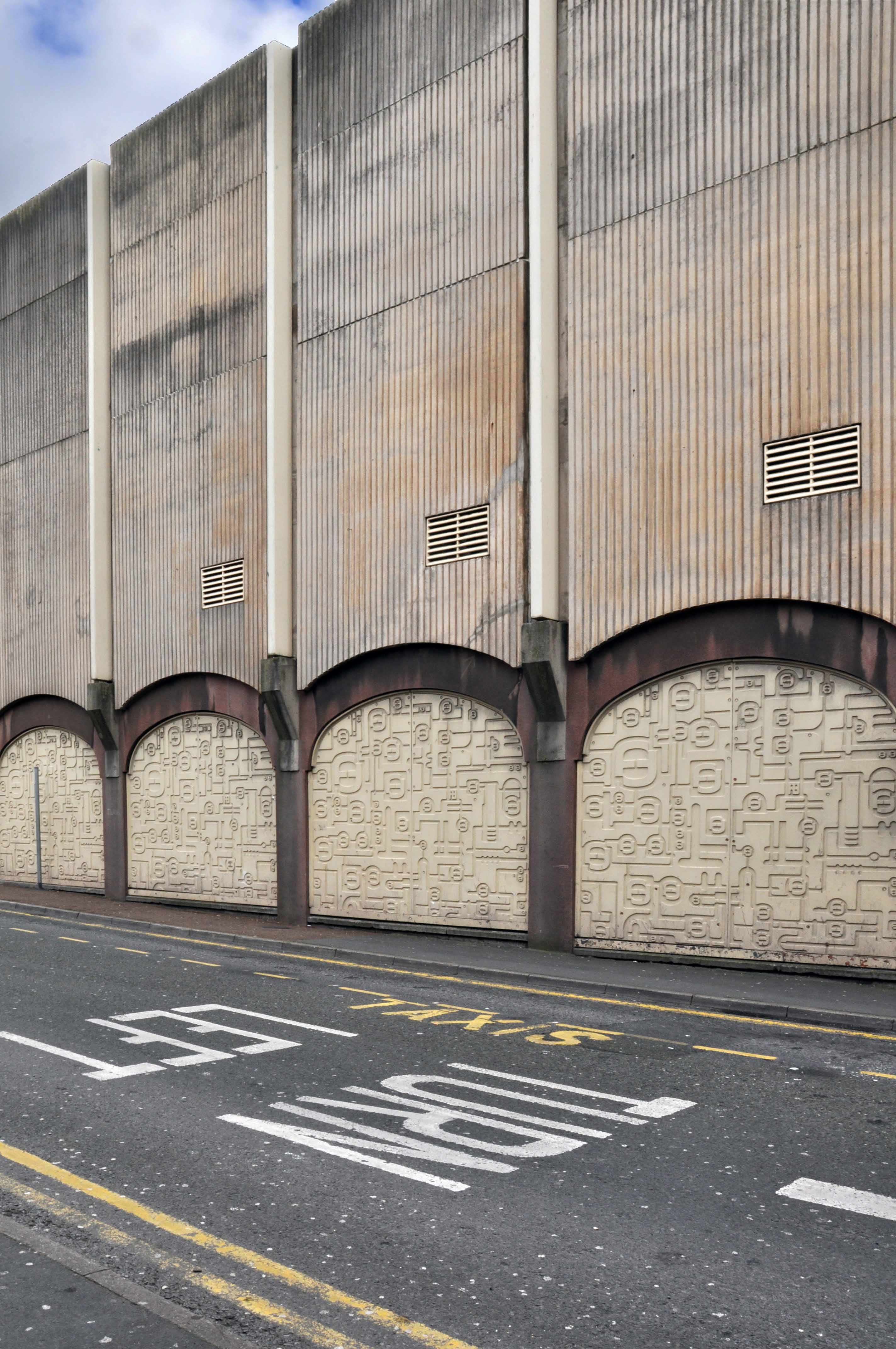
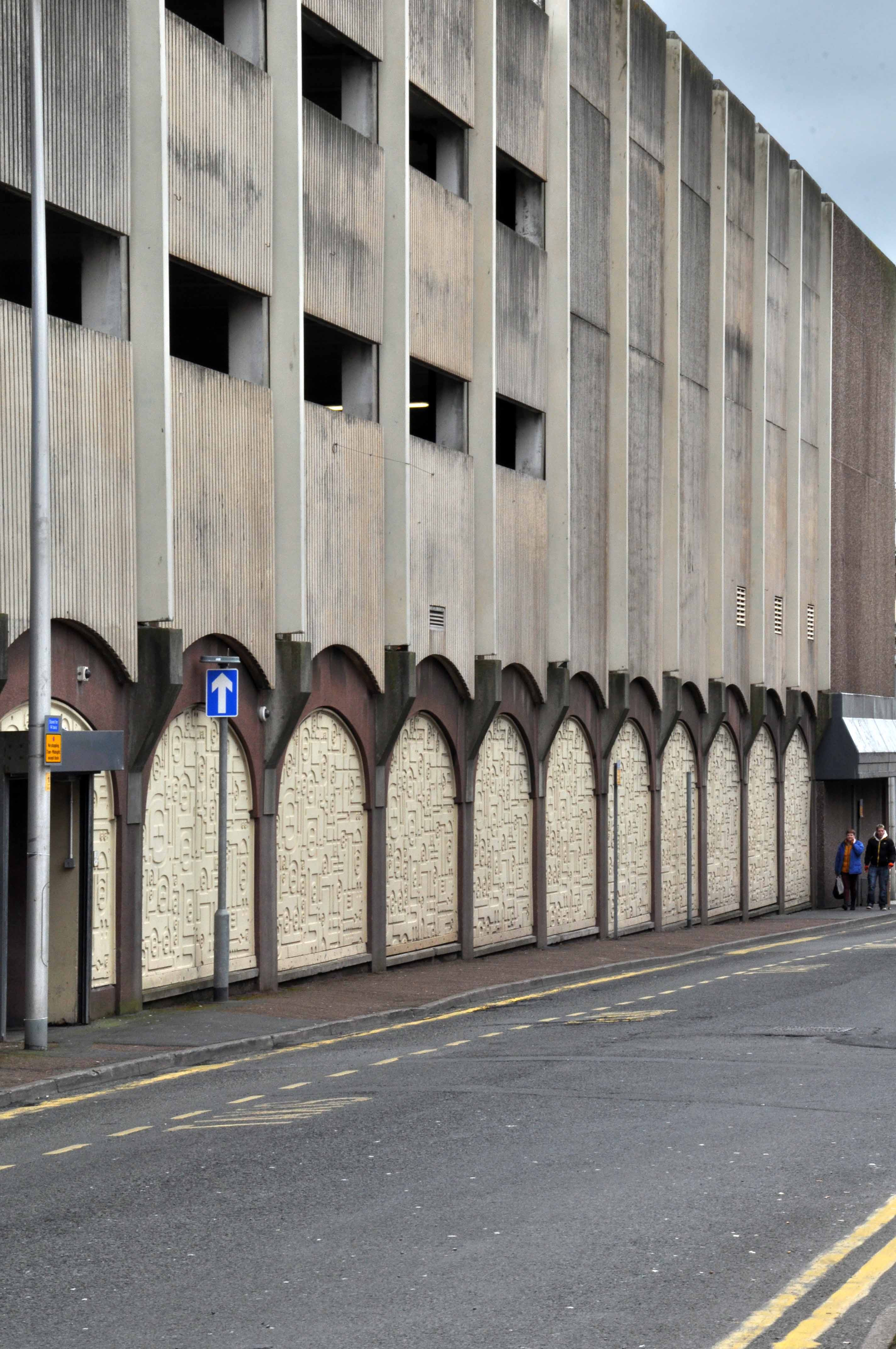
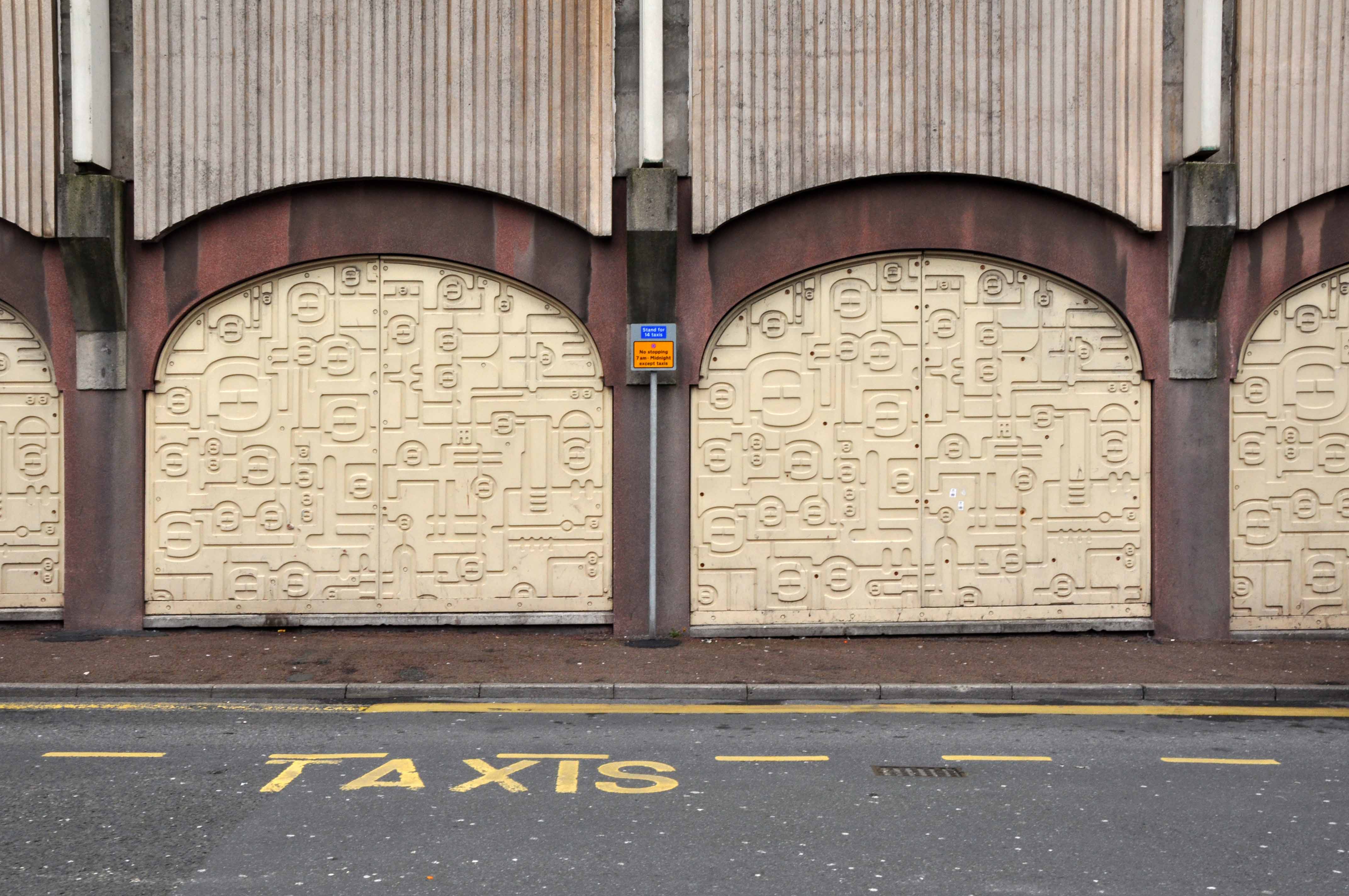
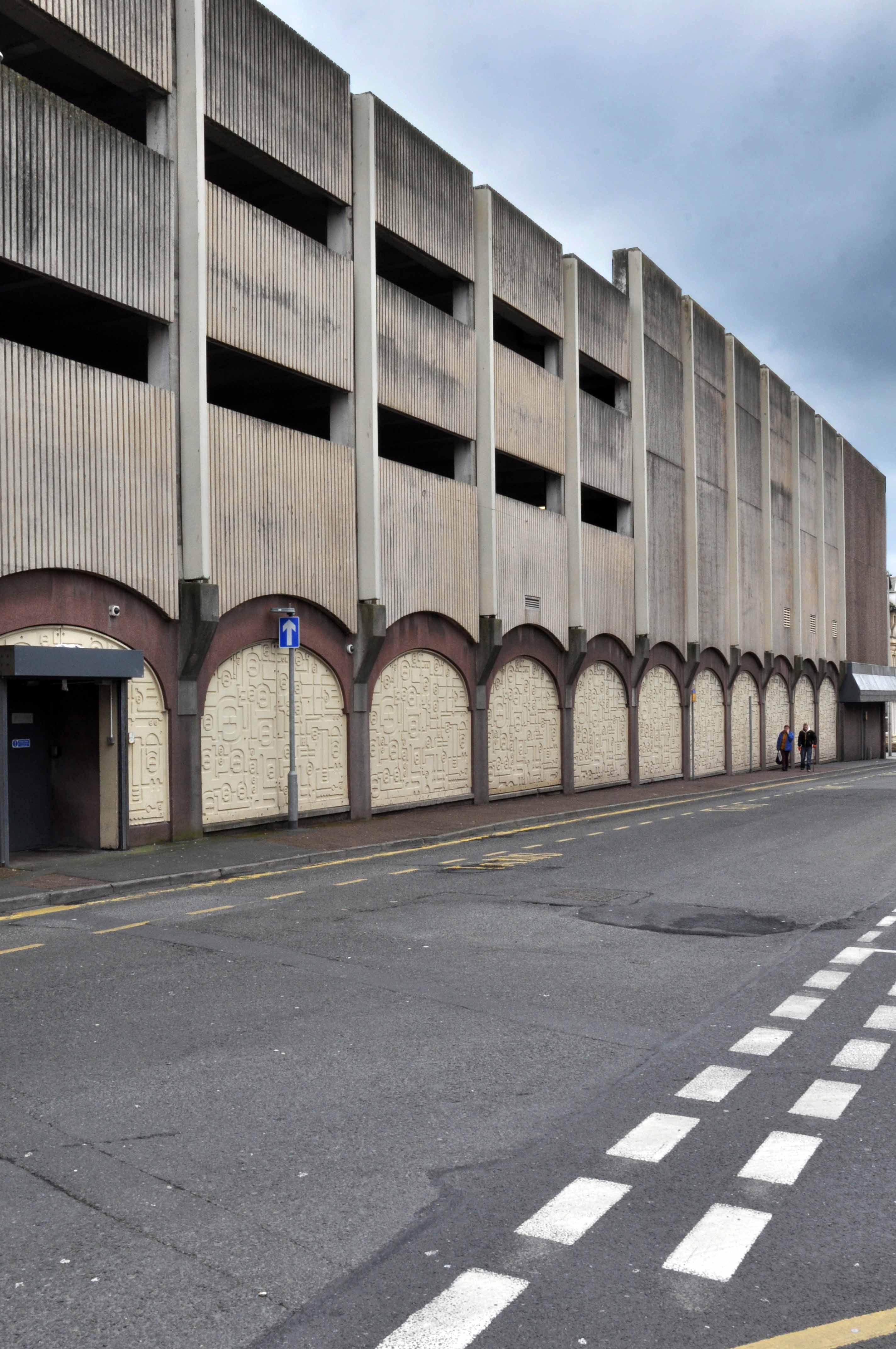
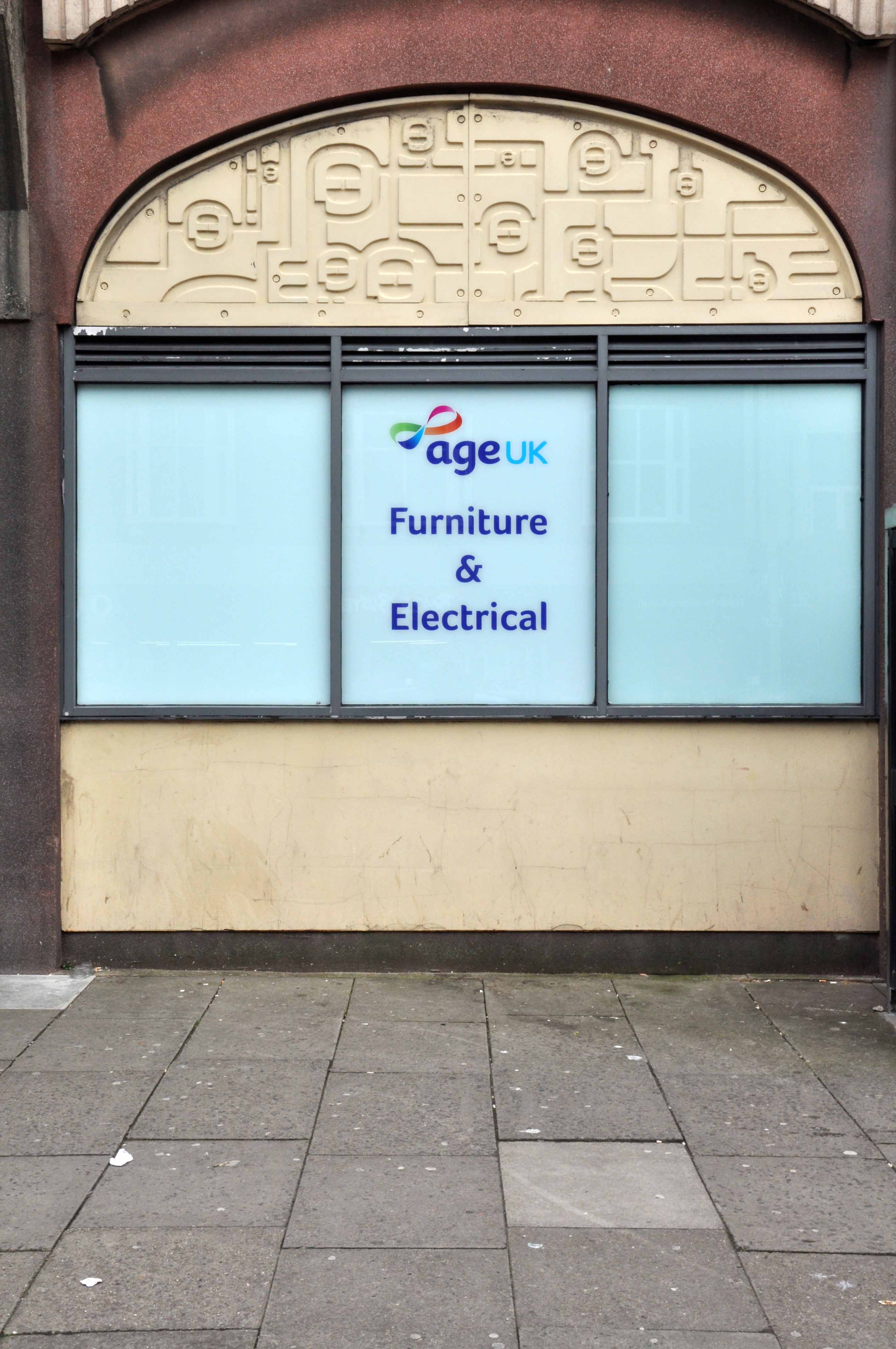
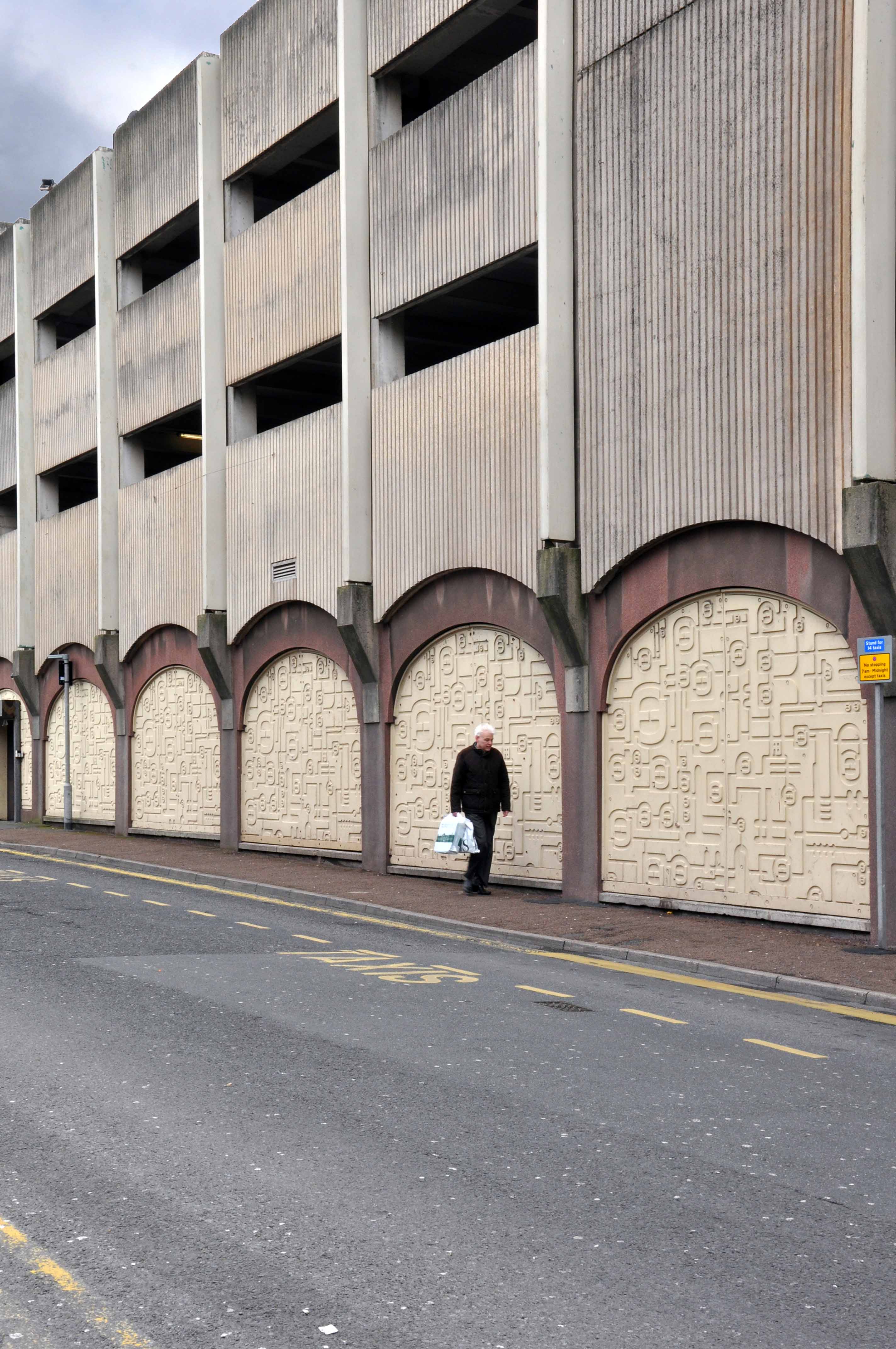
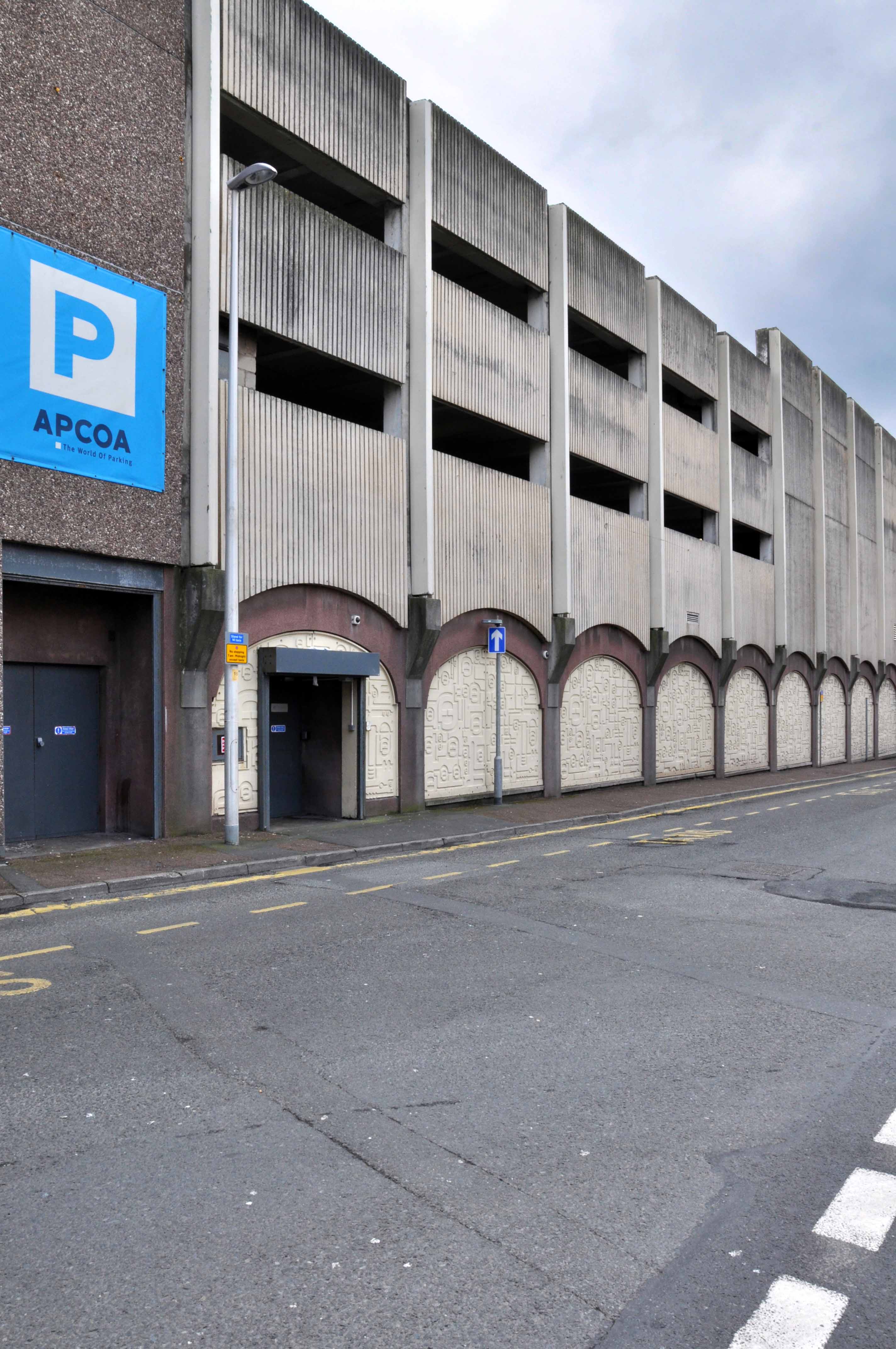
Subsequently Fine Fare arrives with a fanfare of moulded plastic panels, and cast concrete walls.
Opened on May 22nd 1979 by the Goodies.
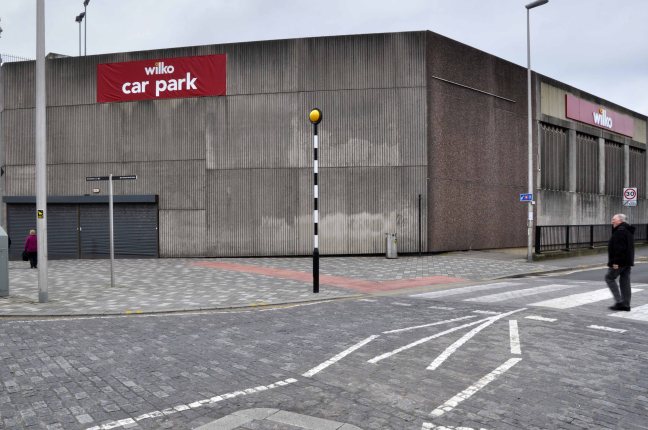
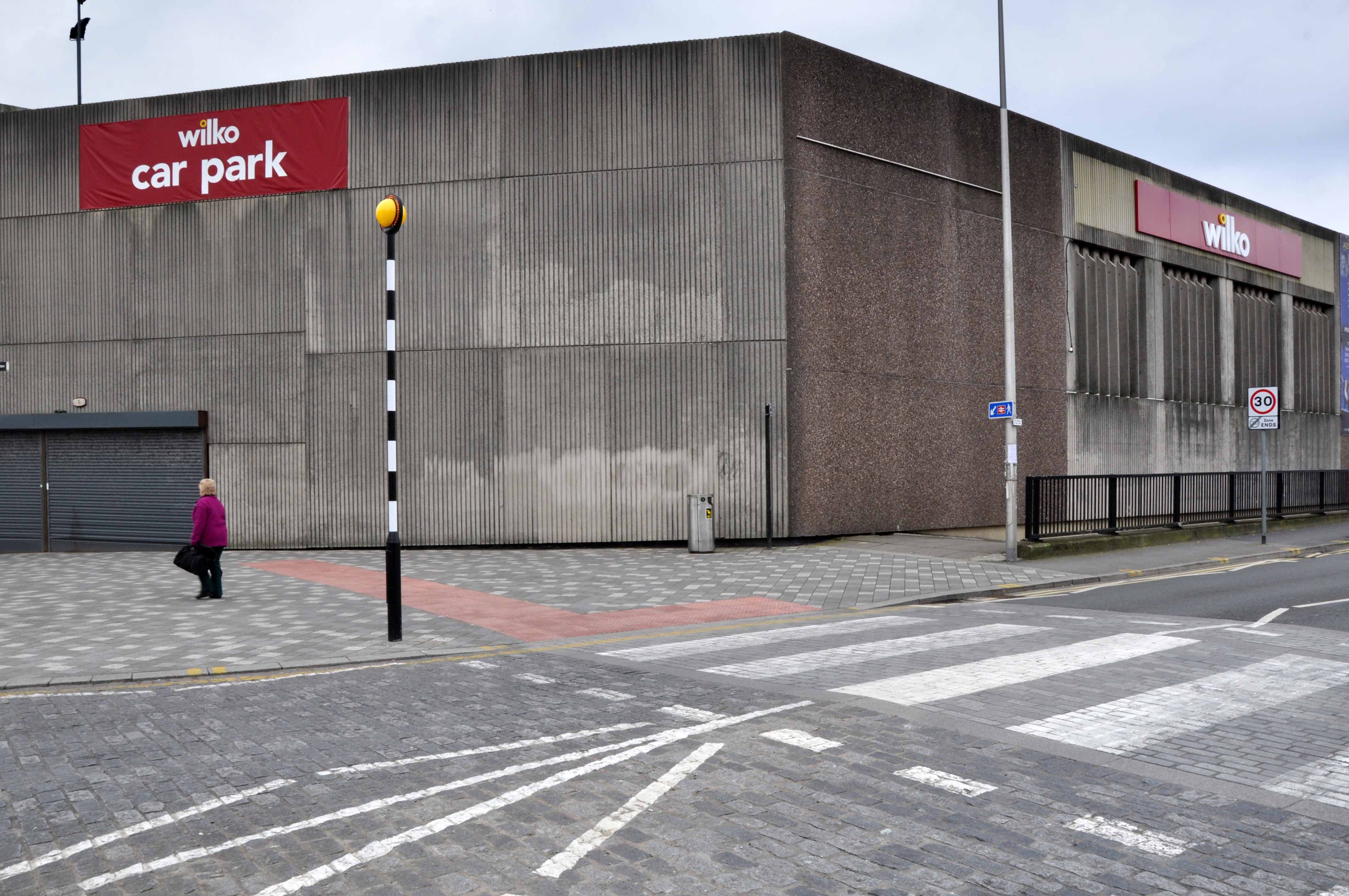
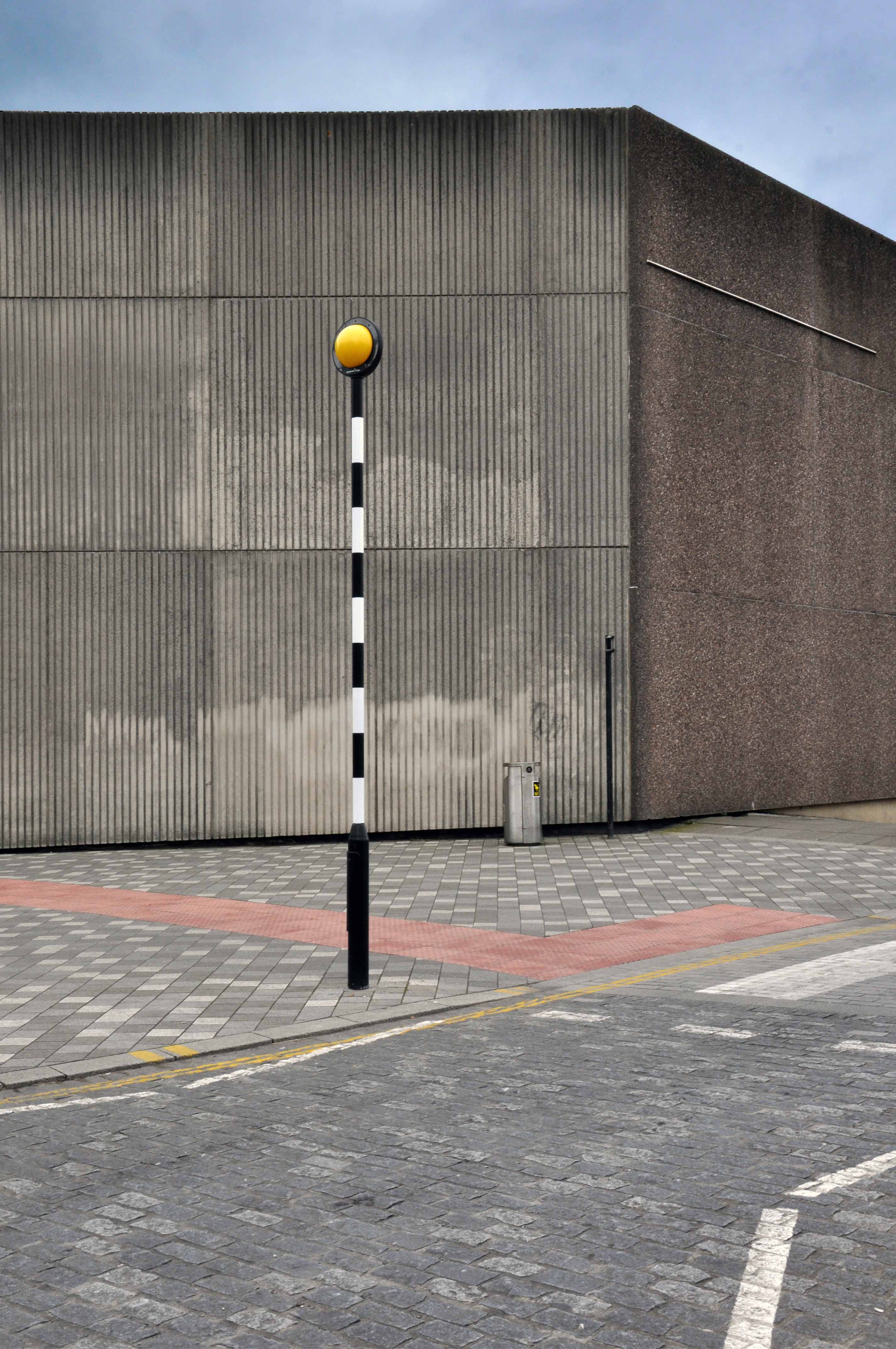
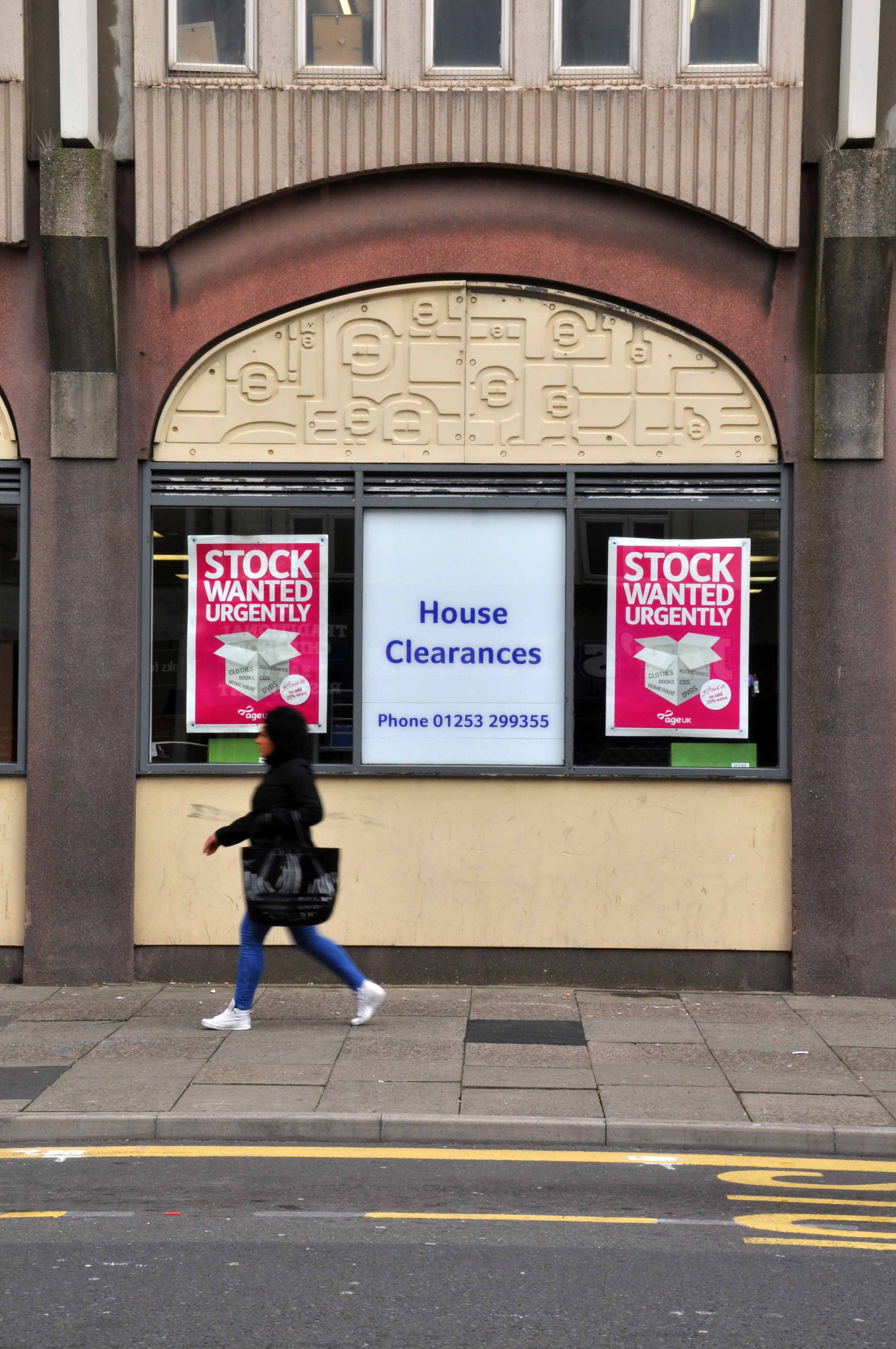
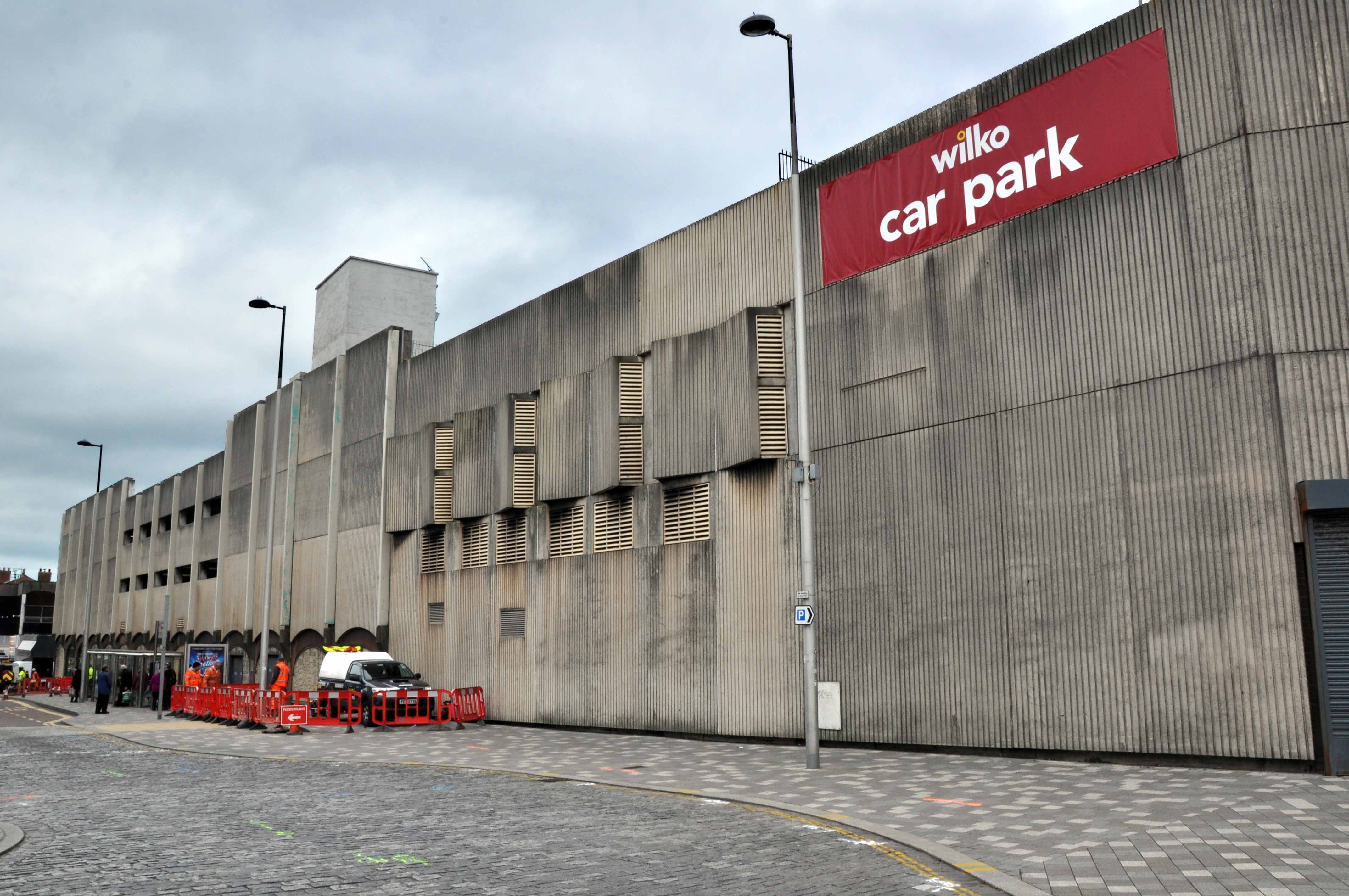
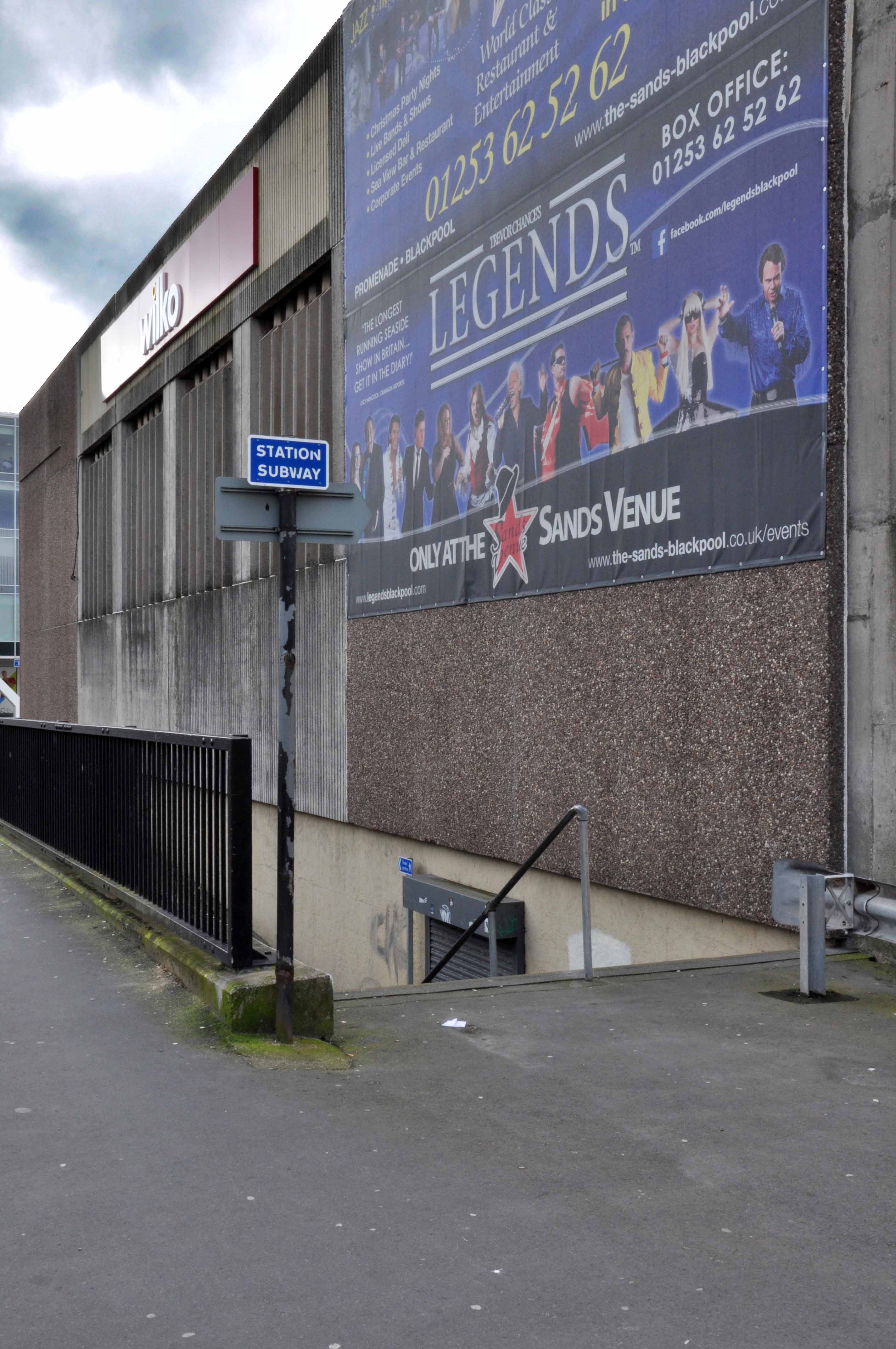
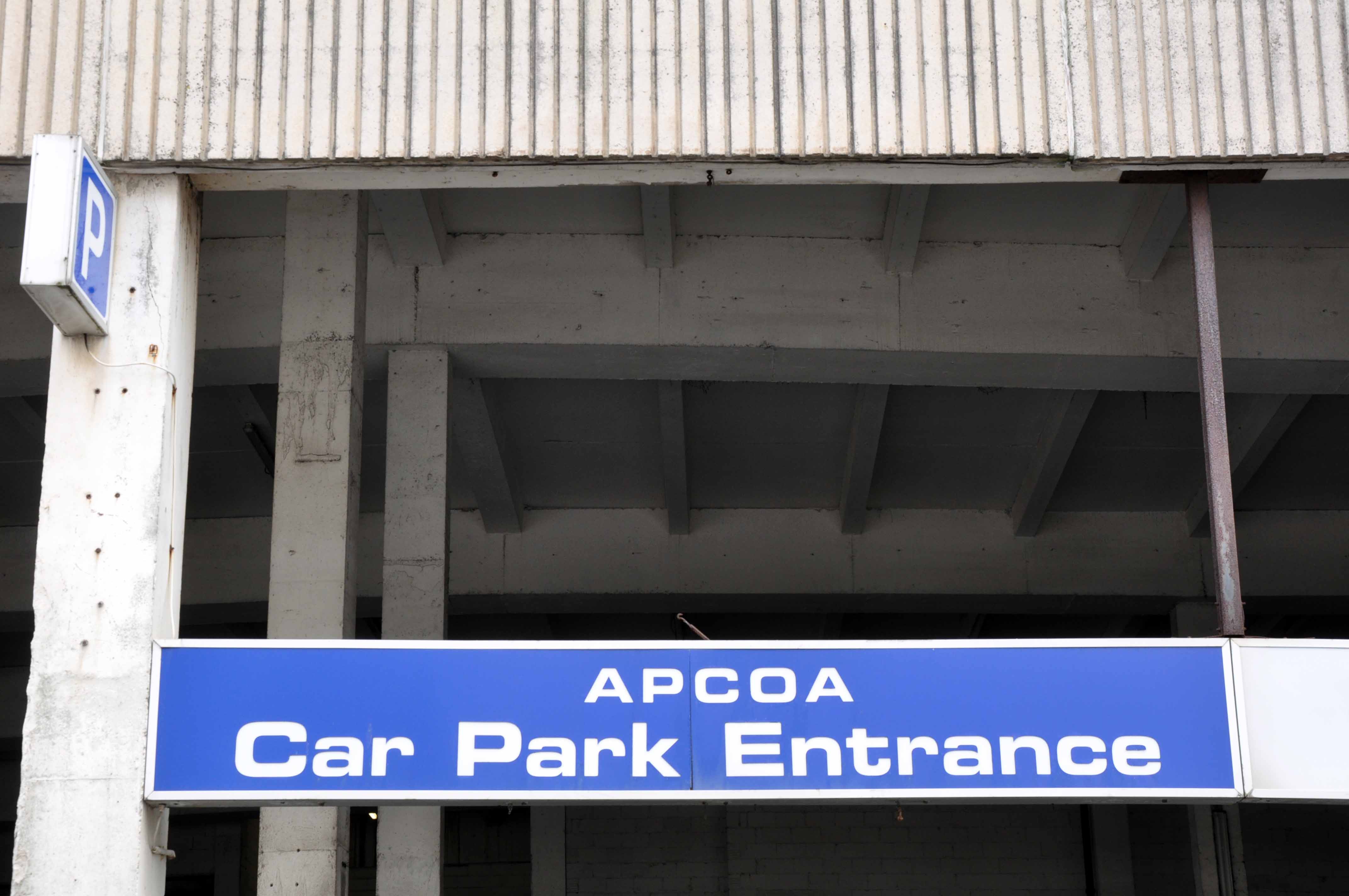
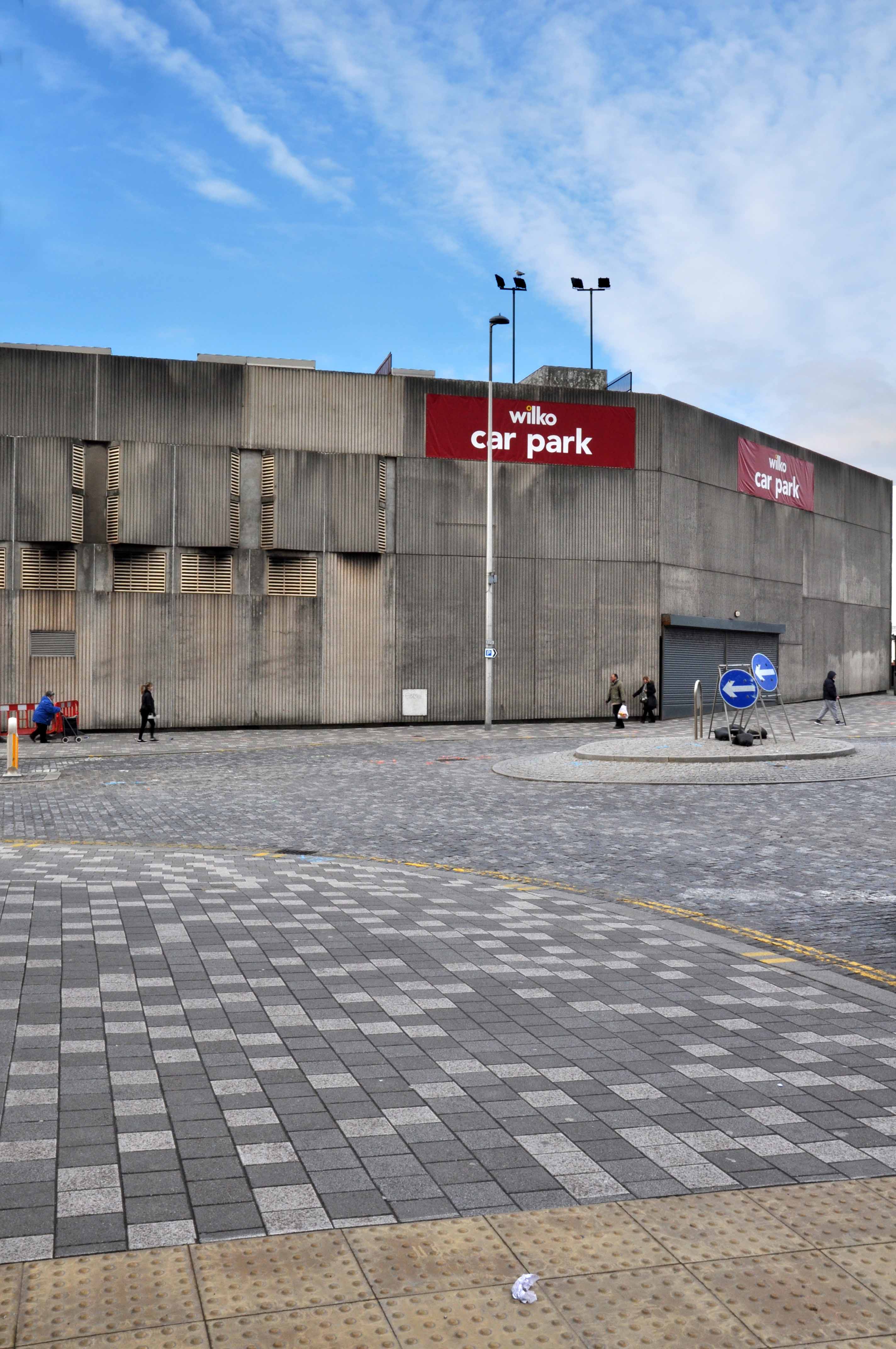
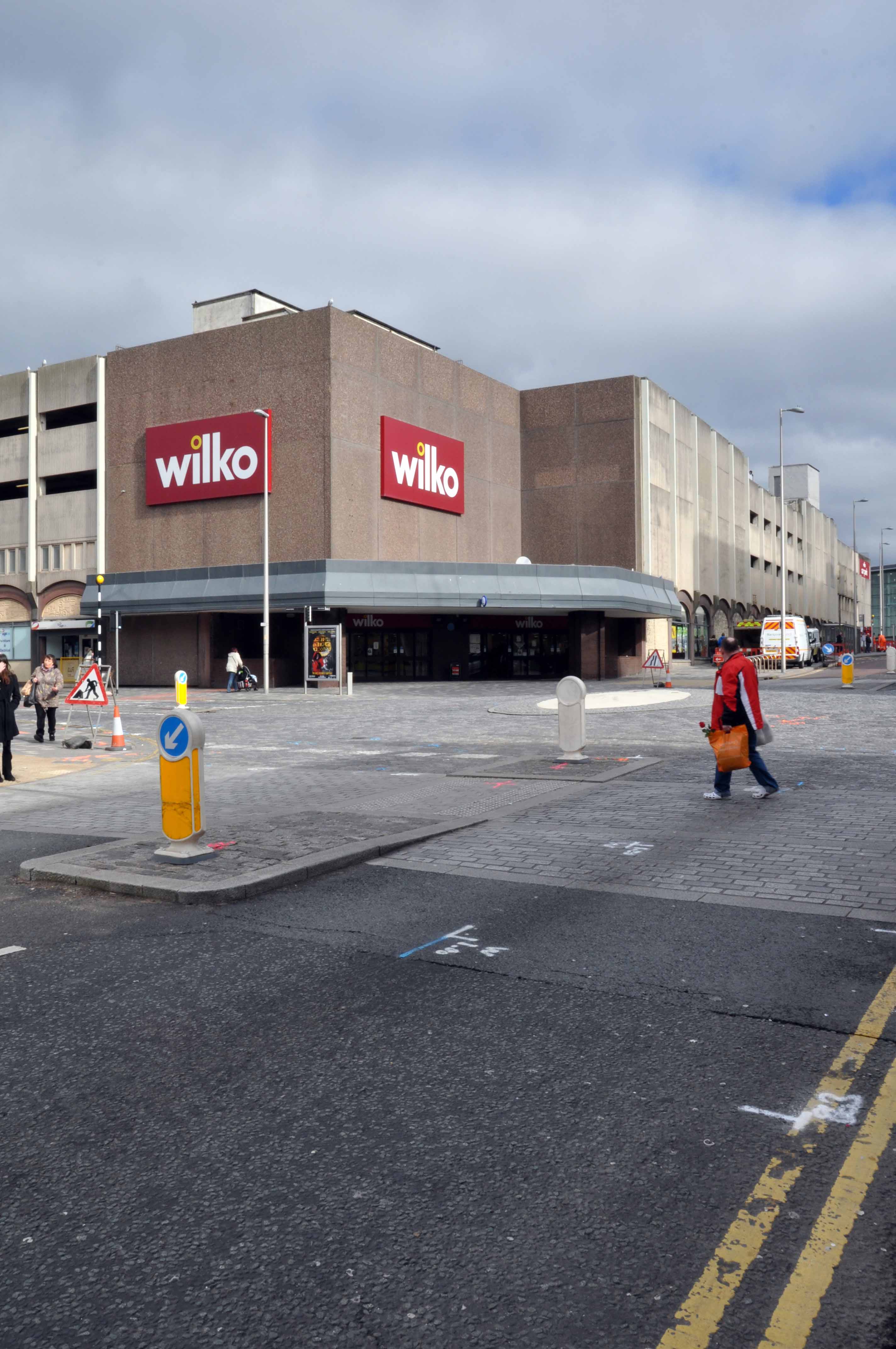
Superseded by Food Giant, Gateway, Dunnes Stores, Kwik Save and Somerfields – possibly others, currently Wilkinson’s Wilko Superstore and Age UK, retaining at all times the attractive integral car park.
Wilko is now to be relocated and the site redeveloped as part of the second phase of the £220m Talbot Gateway – whereby trams will link the promenade with the Station.
Possibly.
The tale is the typical mix of Council, Developer on/off, binary obfuscation, secrecy, smoke and mirrors.
Councillor Fred Jackson says:
“We are in talks with our development partner Muse but there is a confidentiality agreement so there is very little I can say.”
Whatever the outcome I do hope the panels are saved, having notified Historic England several weeks ago, I eagerly await their hurried and considered response…
In the meantime get y’self on the choo-choo to Blackpool North toot sweet, and have a gander at a fine Fine Fare plastic panel or two, before you can’t.
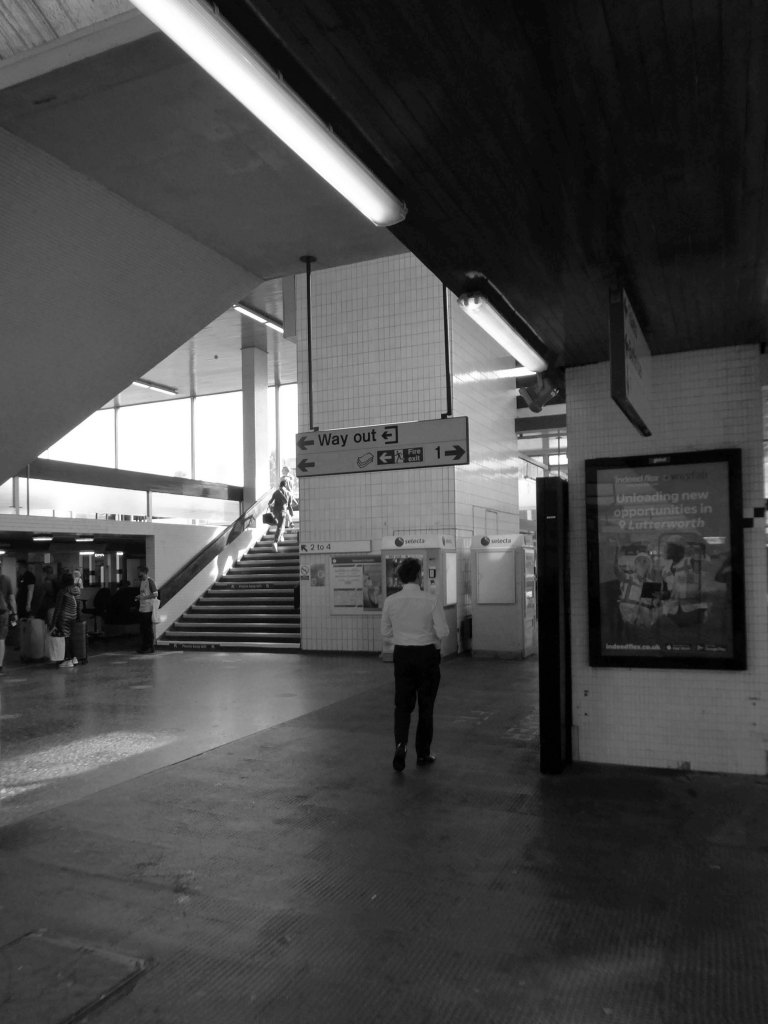
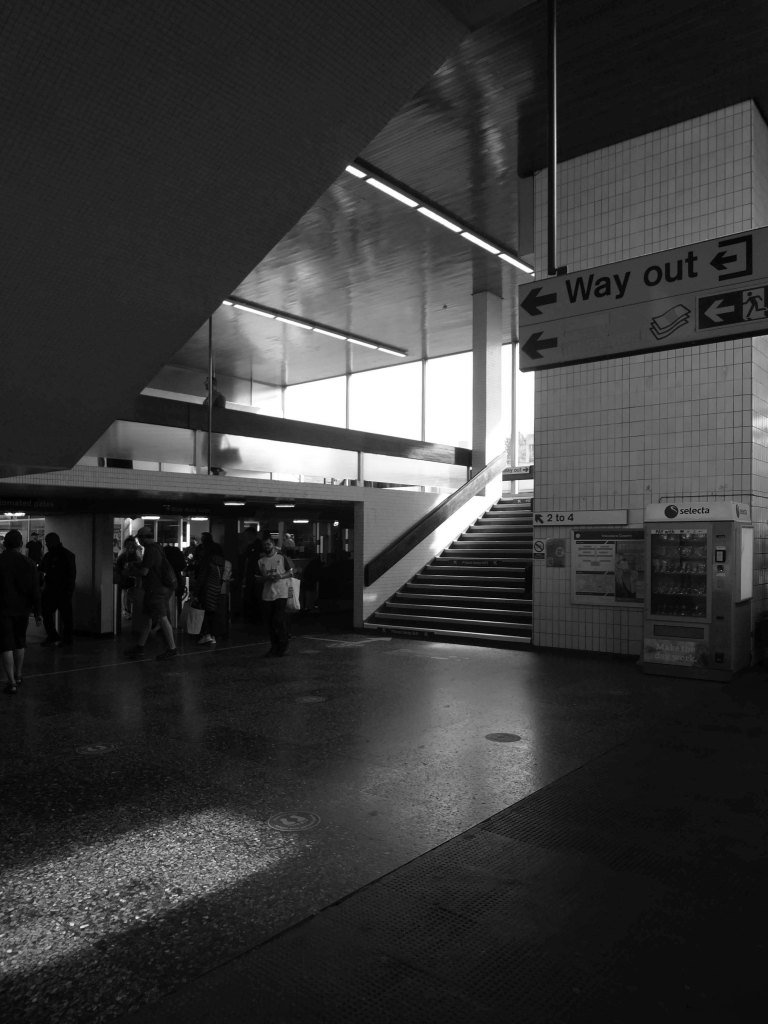
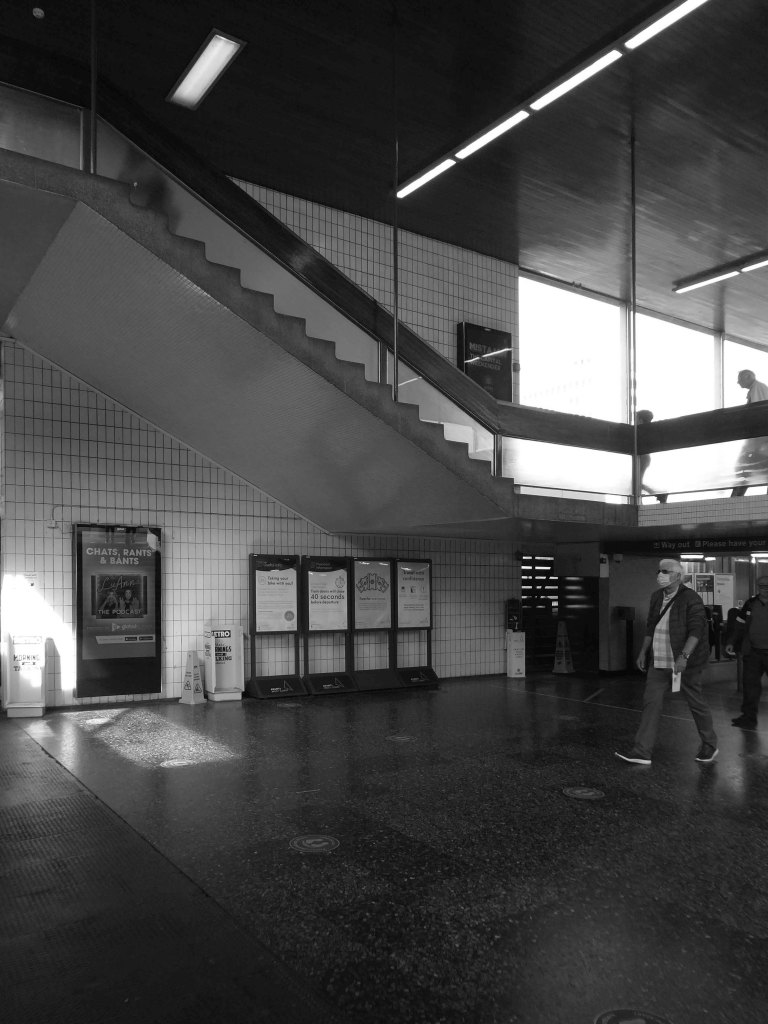
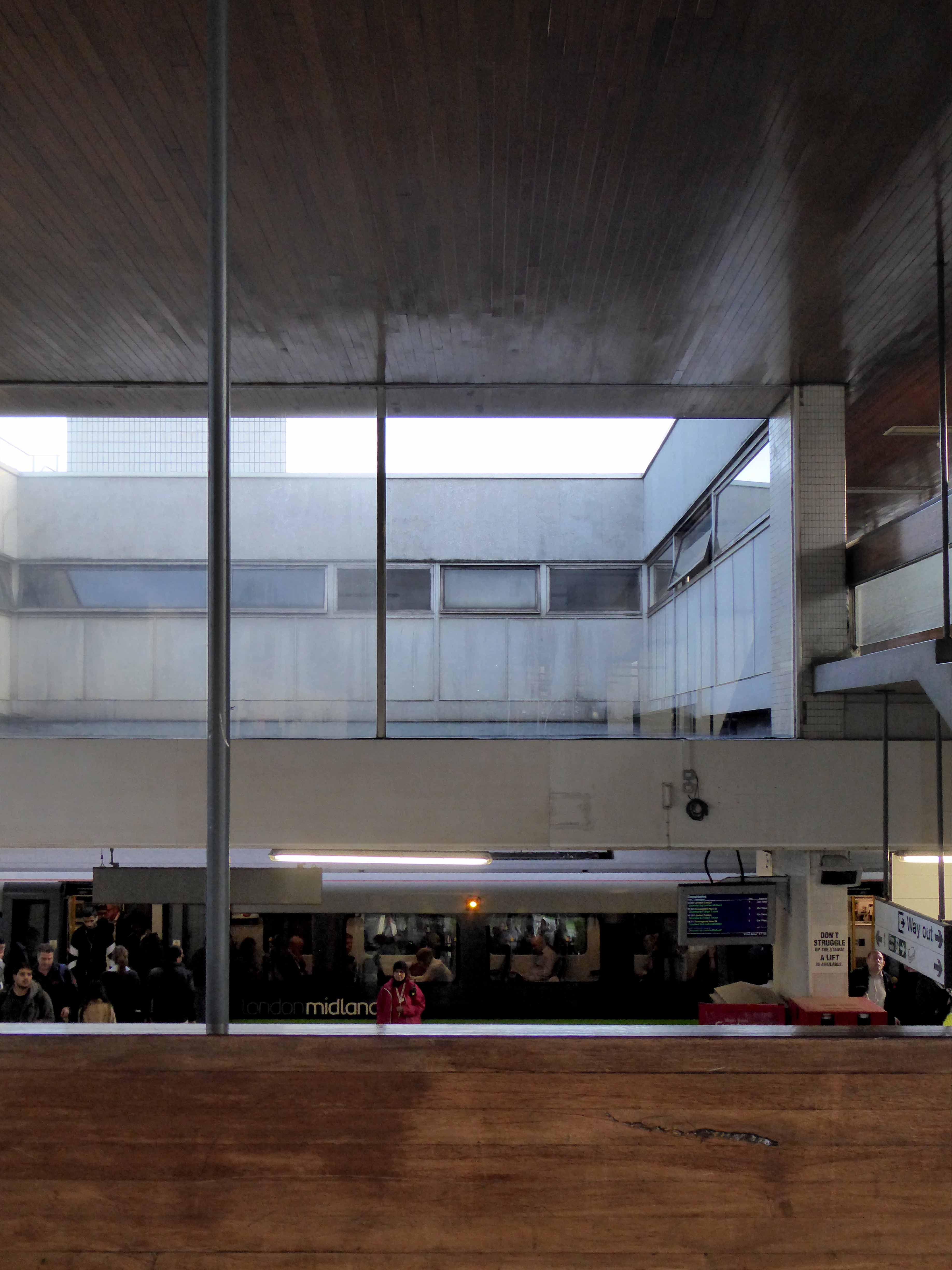
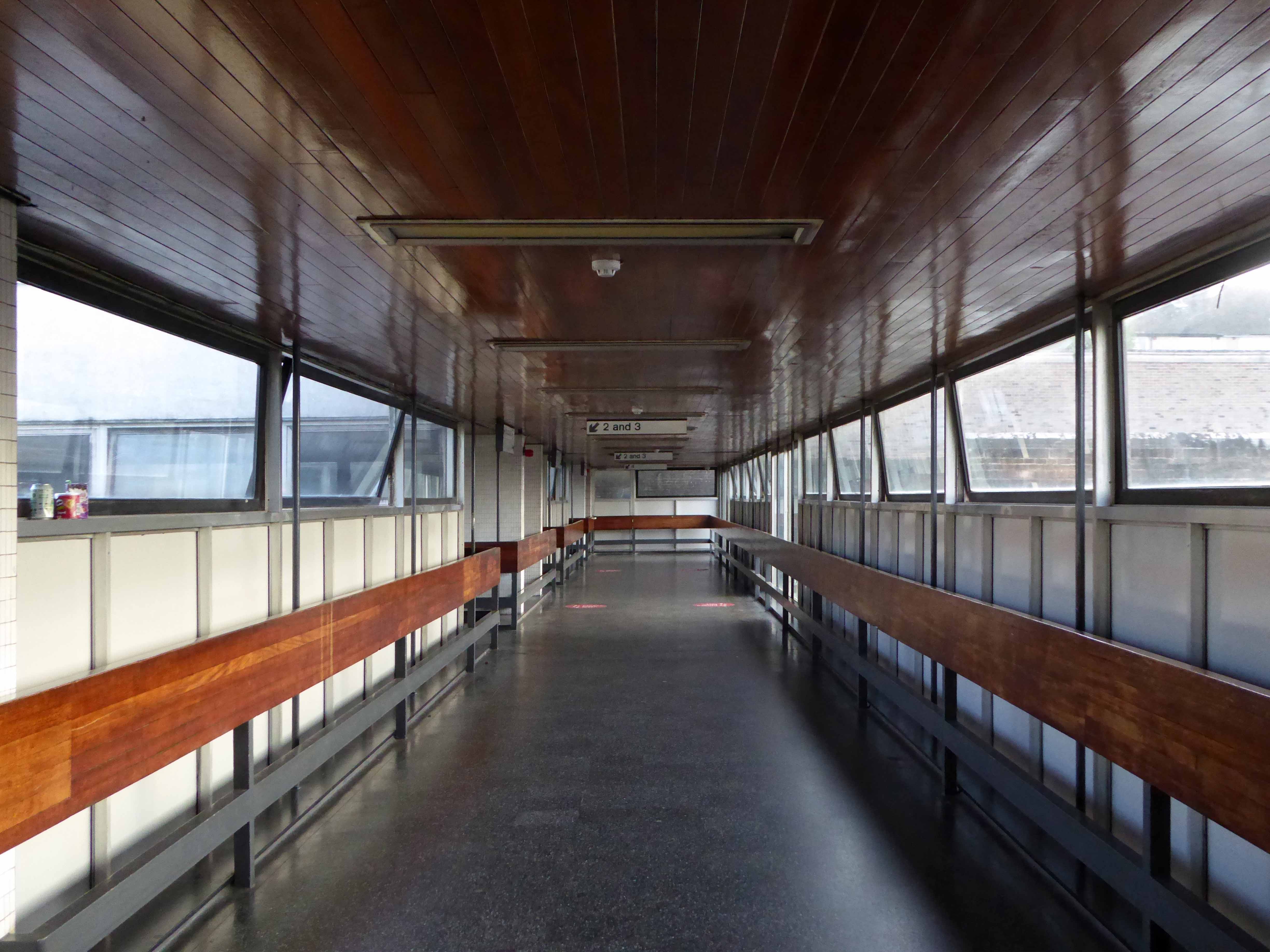
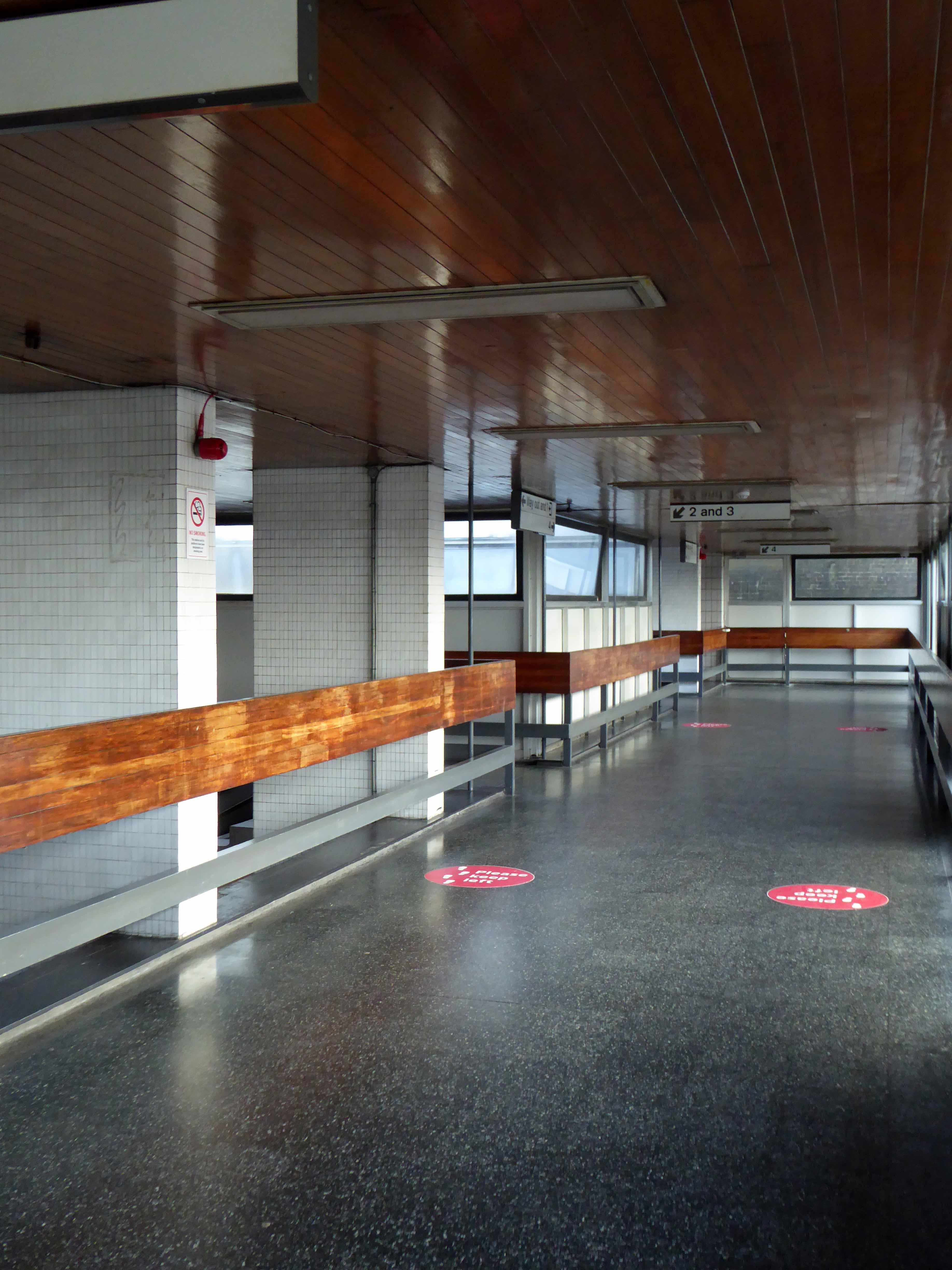
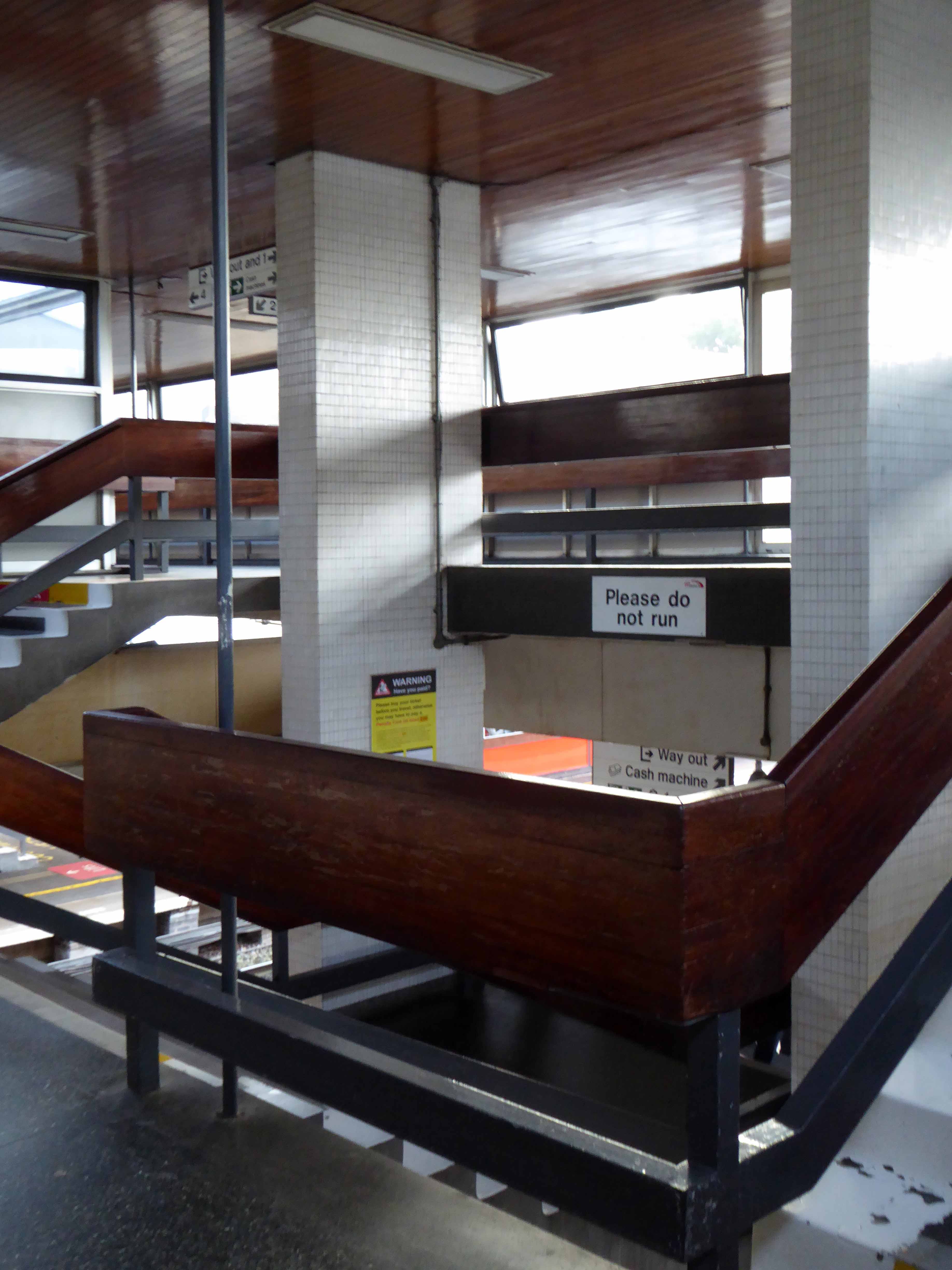
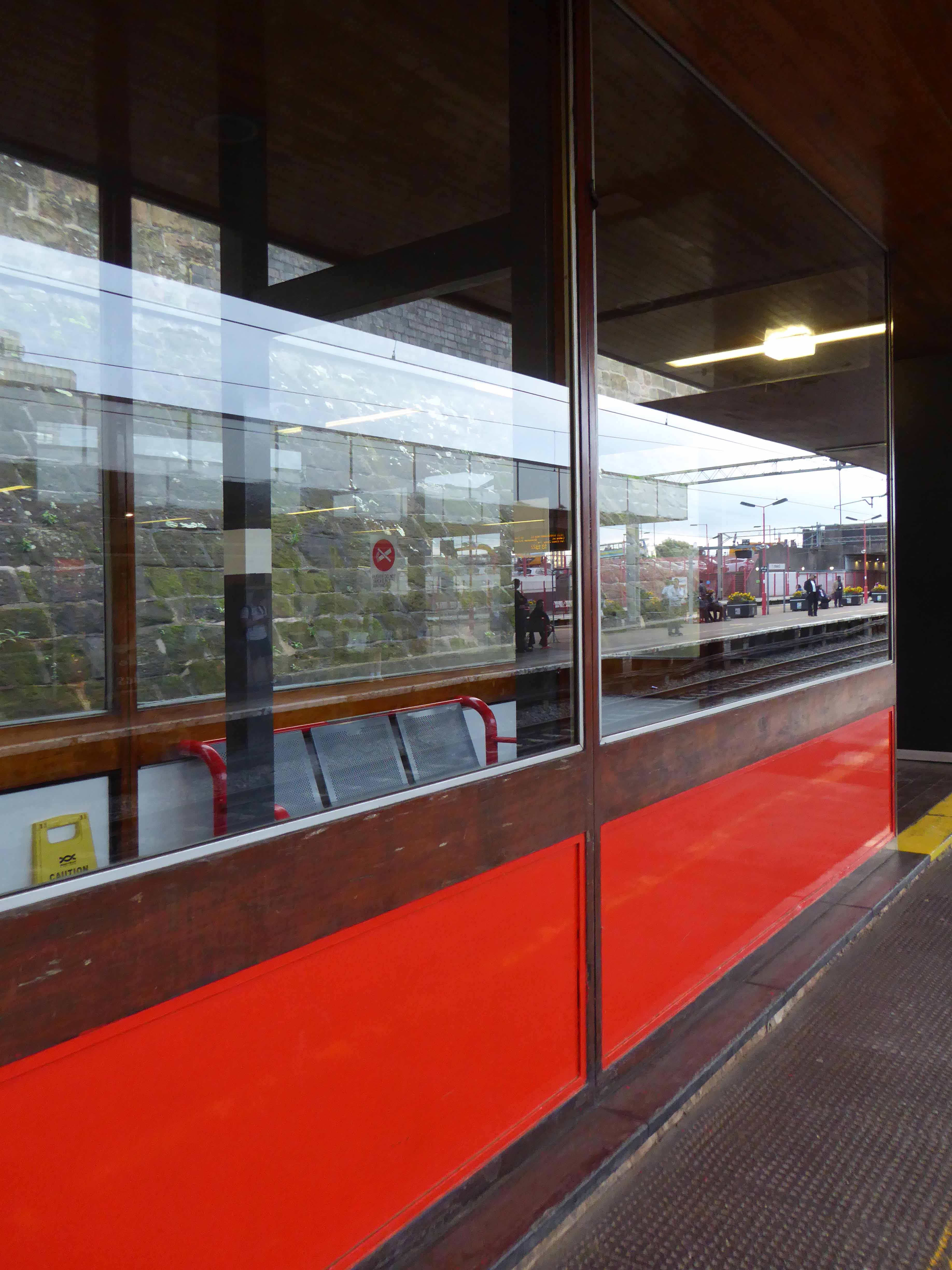
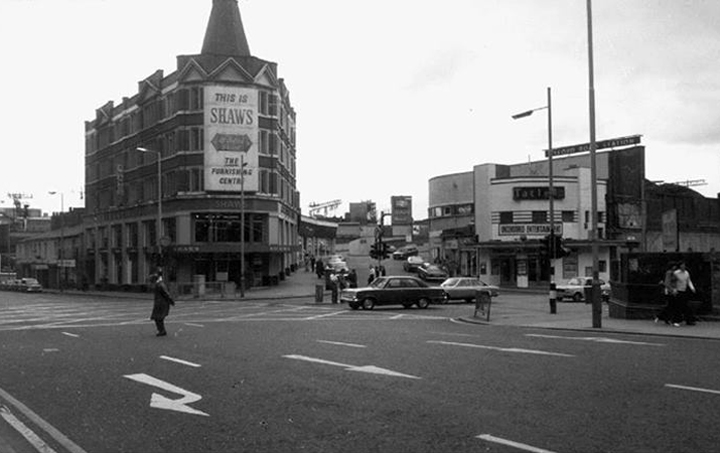
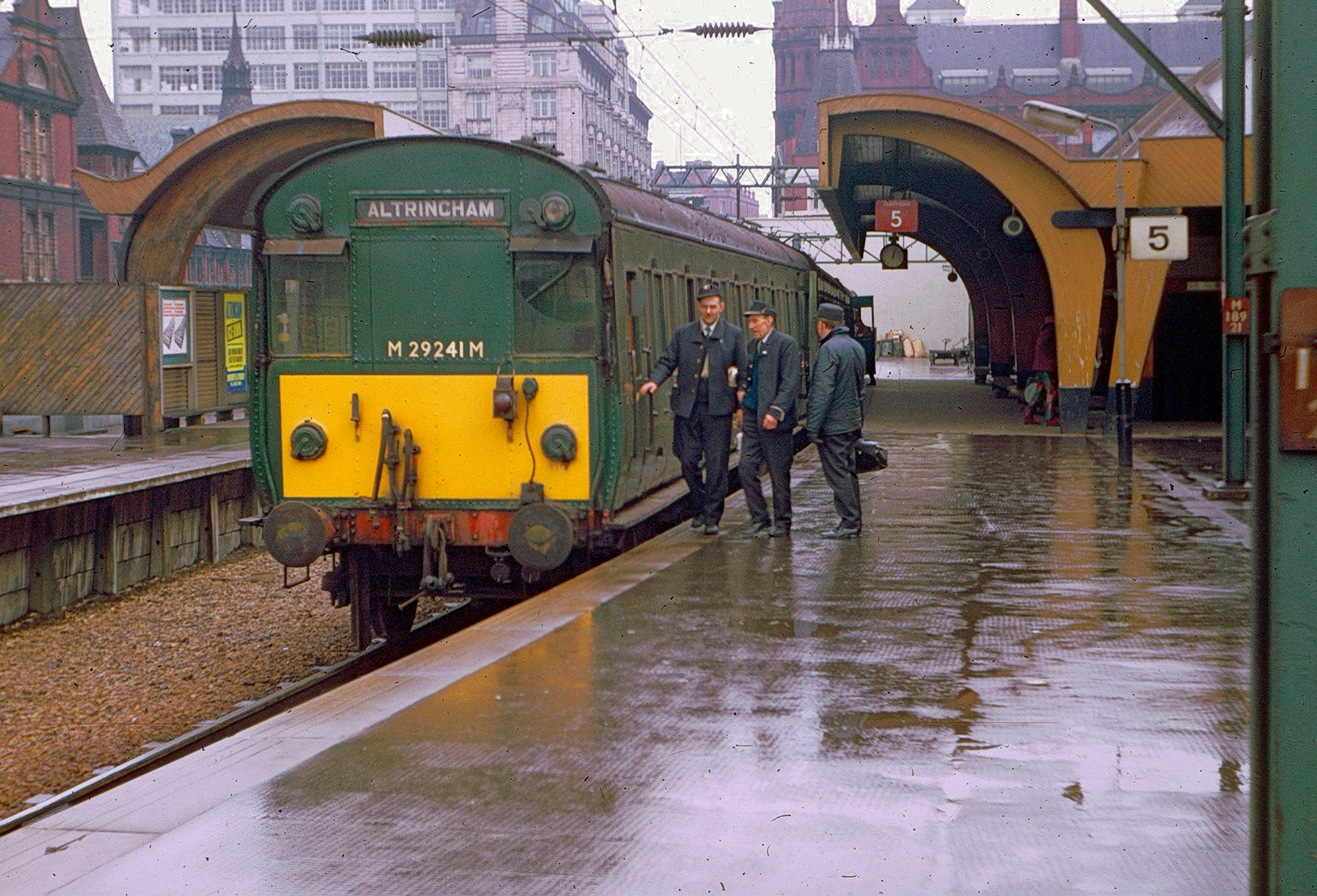
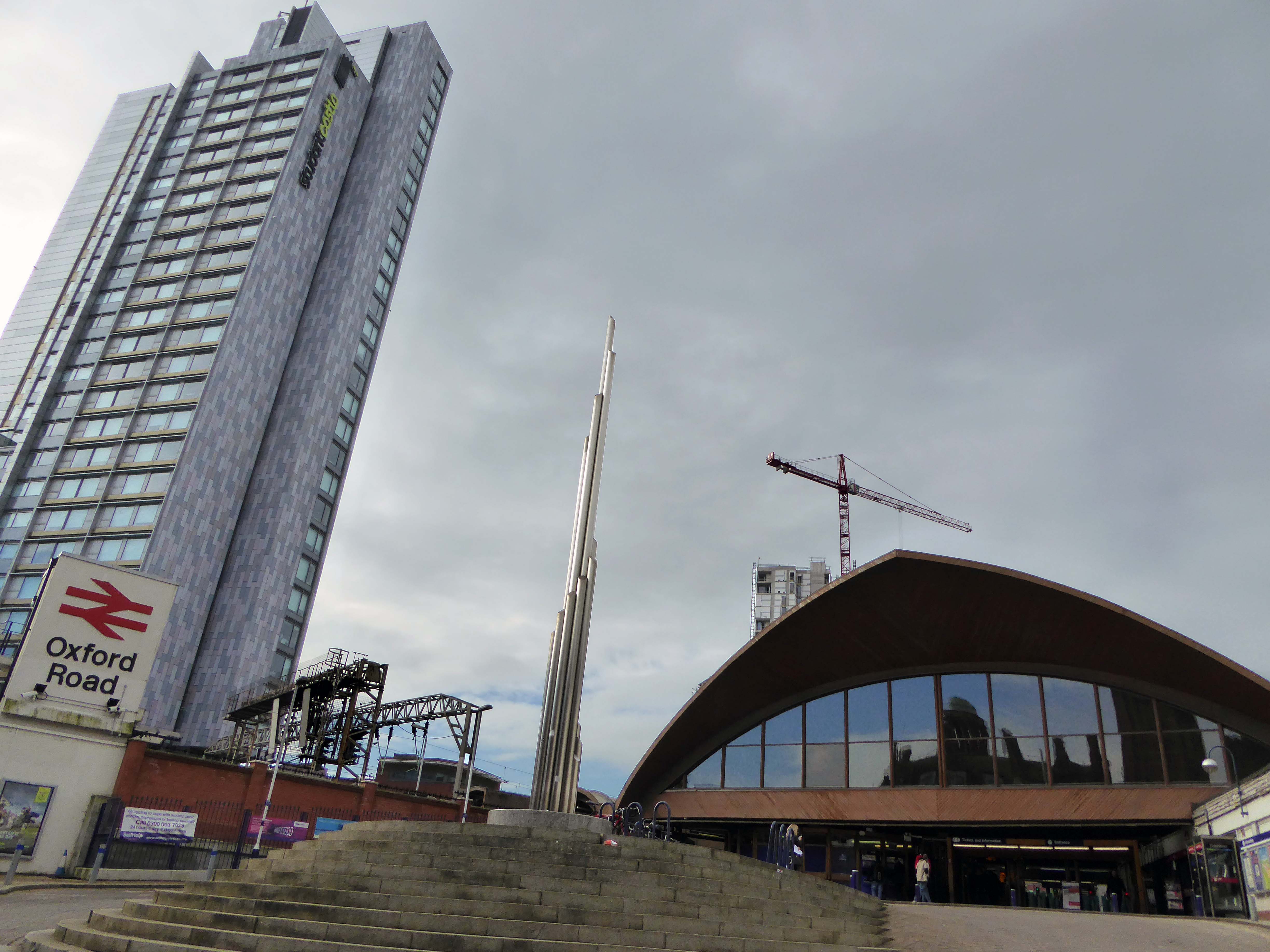
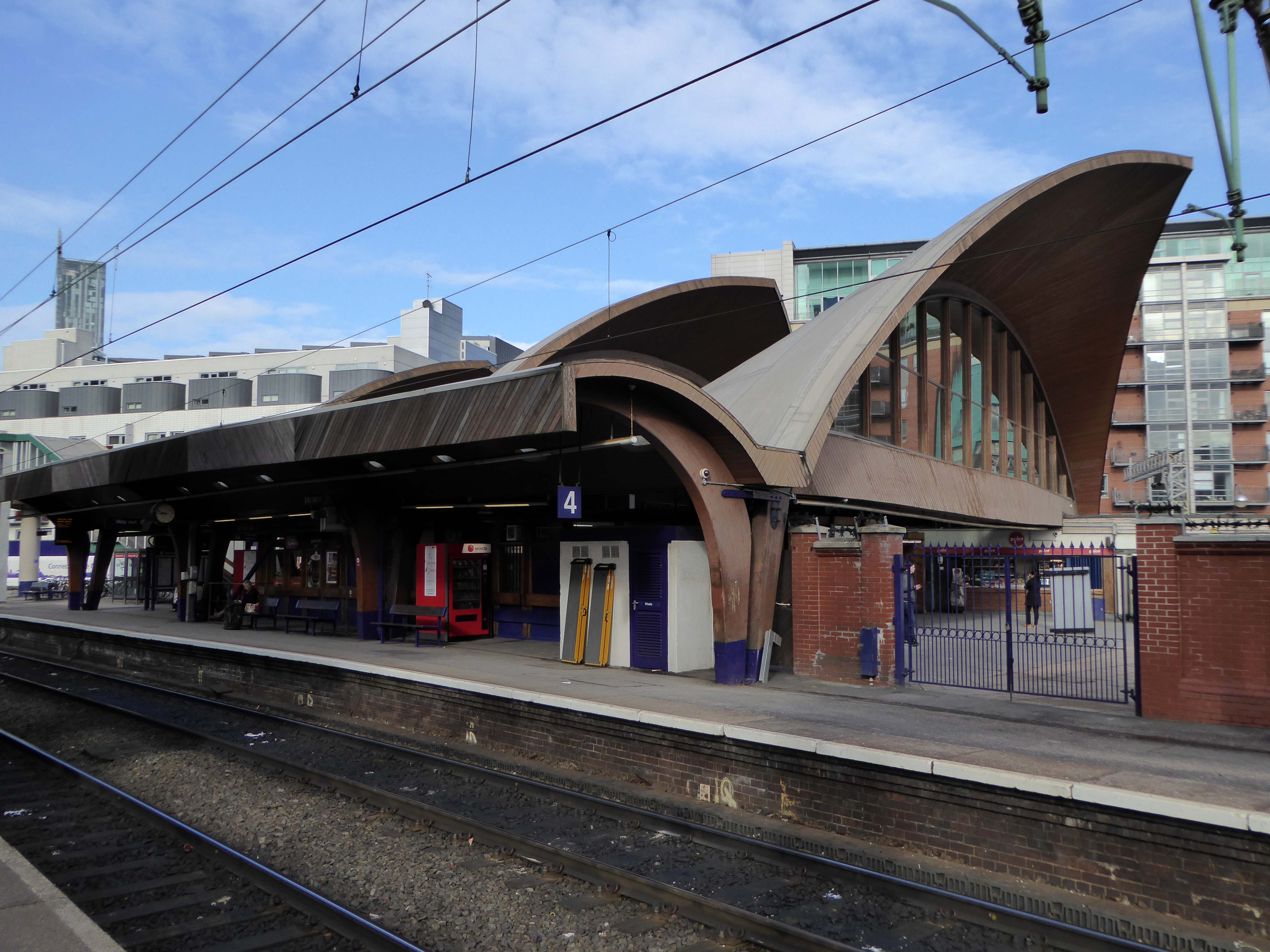
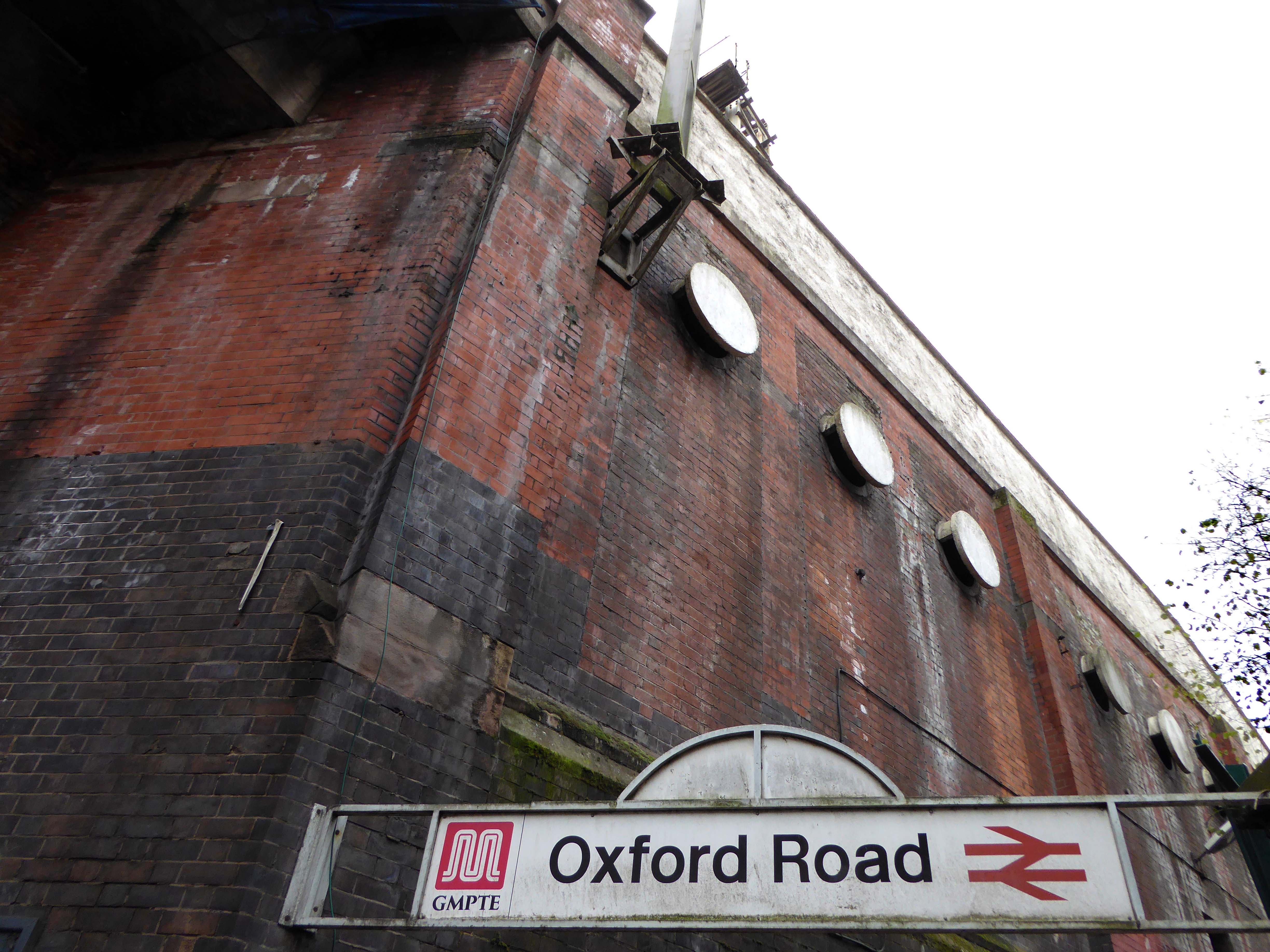
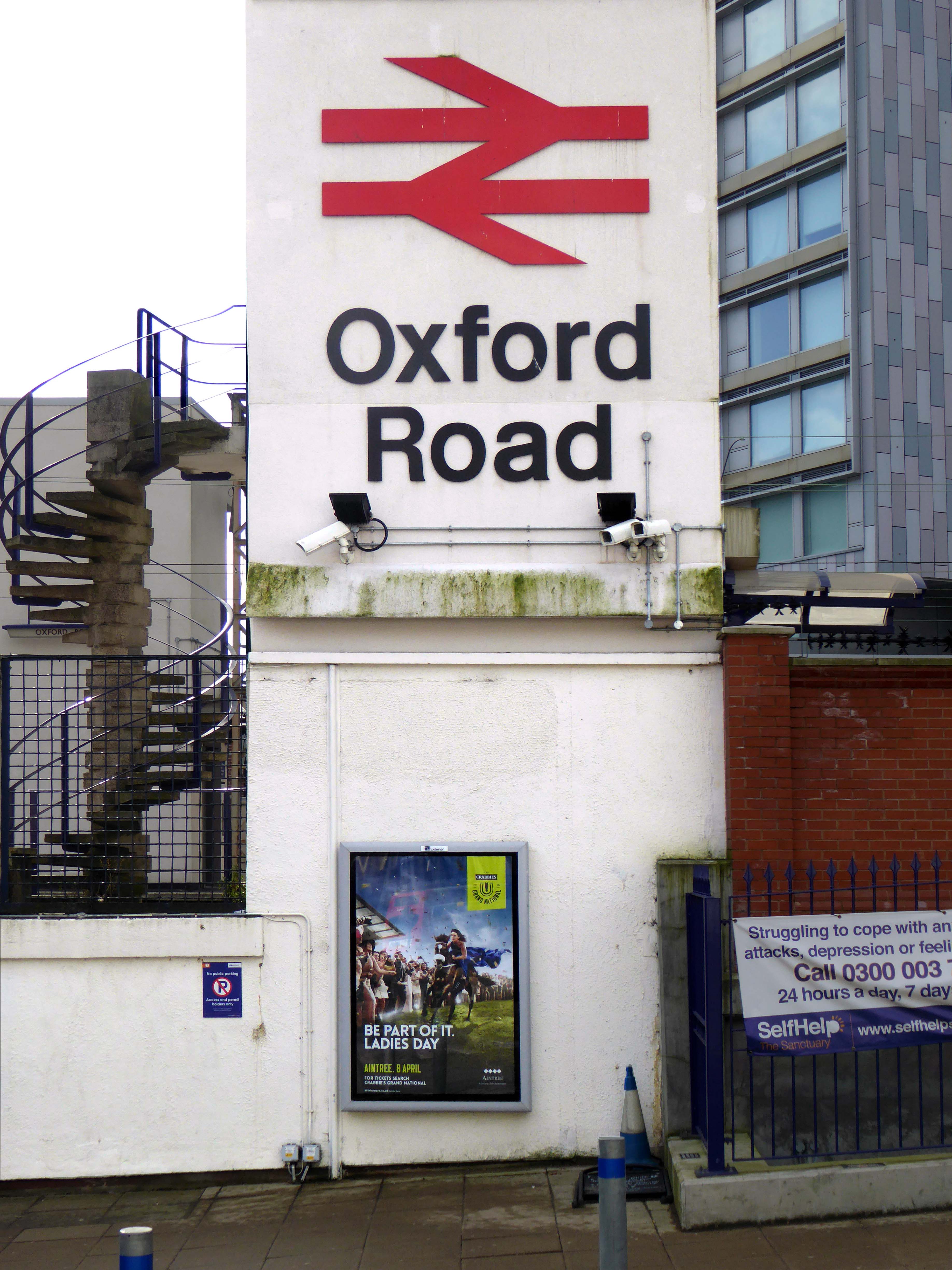
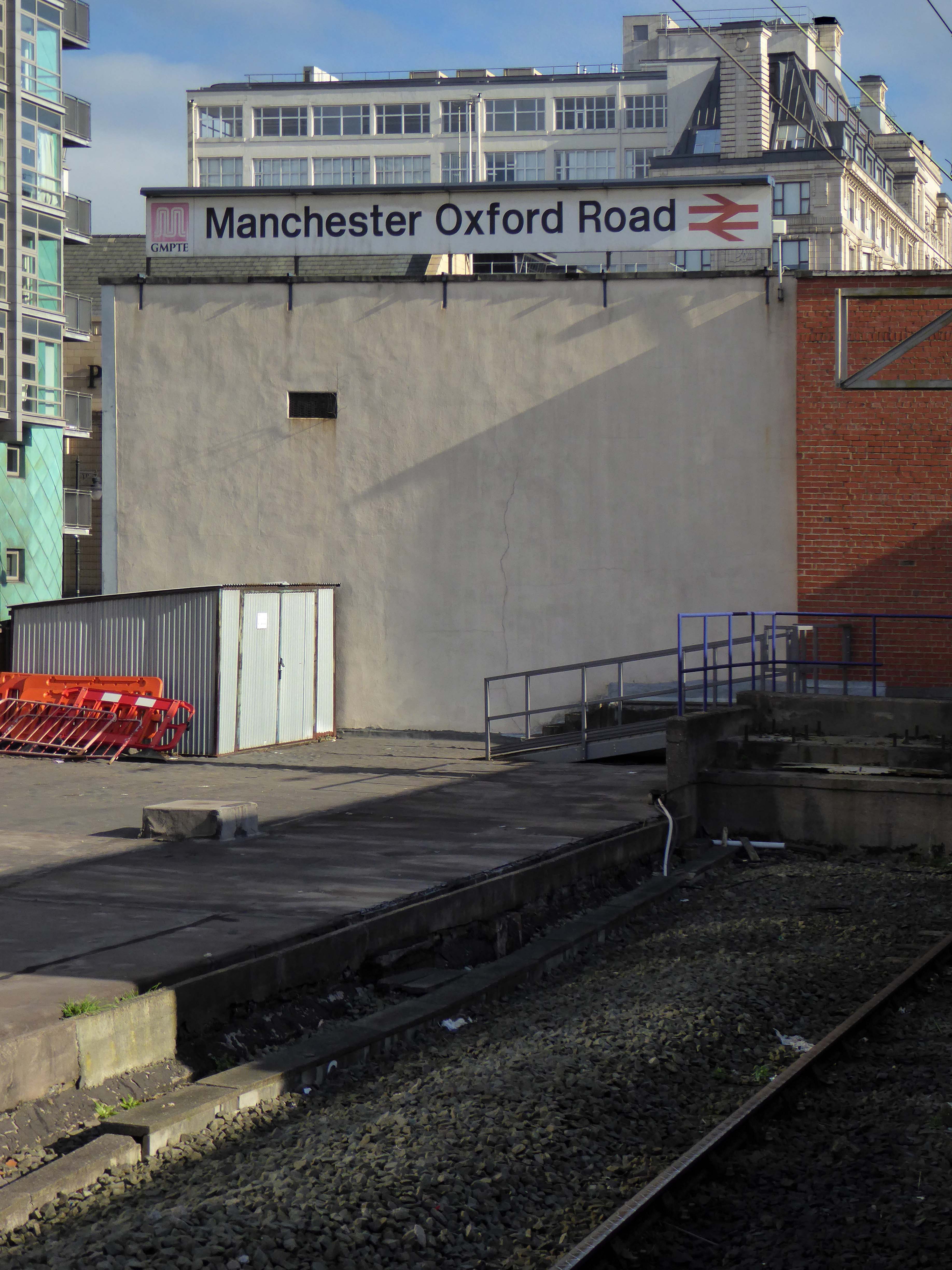
Possibly on the way to somewhere else, stranded at Oxford Road Station.
Tucked in behind Shaw’s Furniture and The Tatler Cinema.
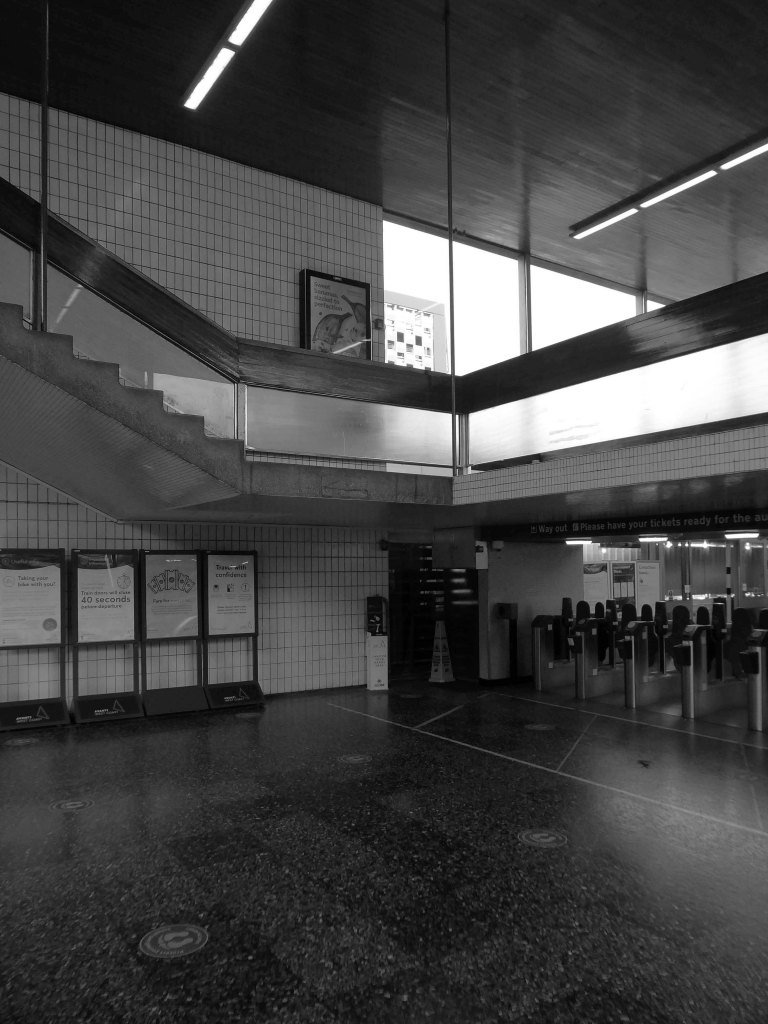
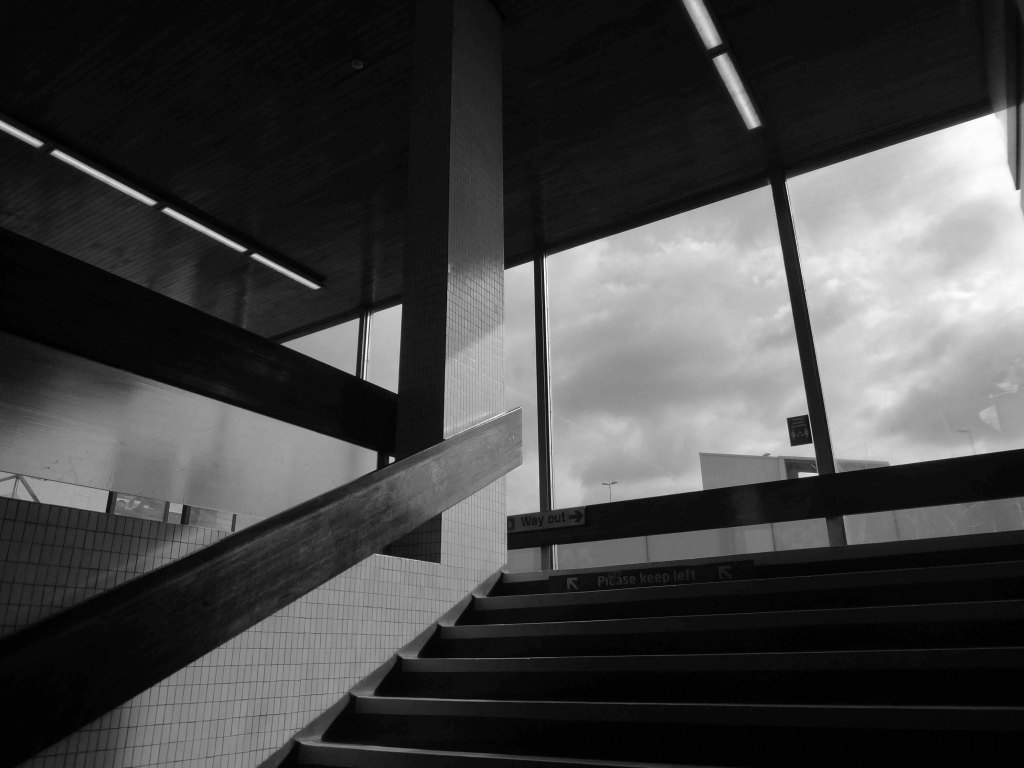
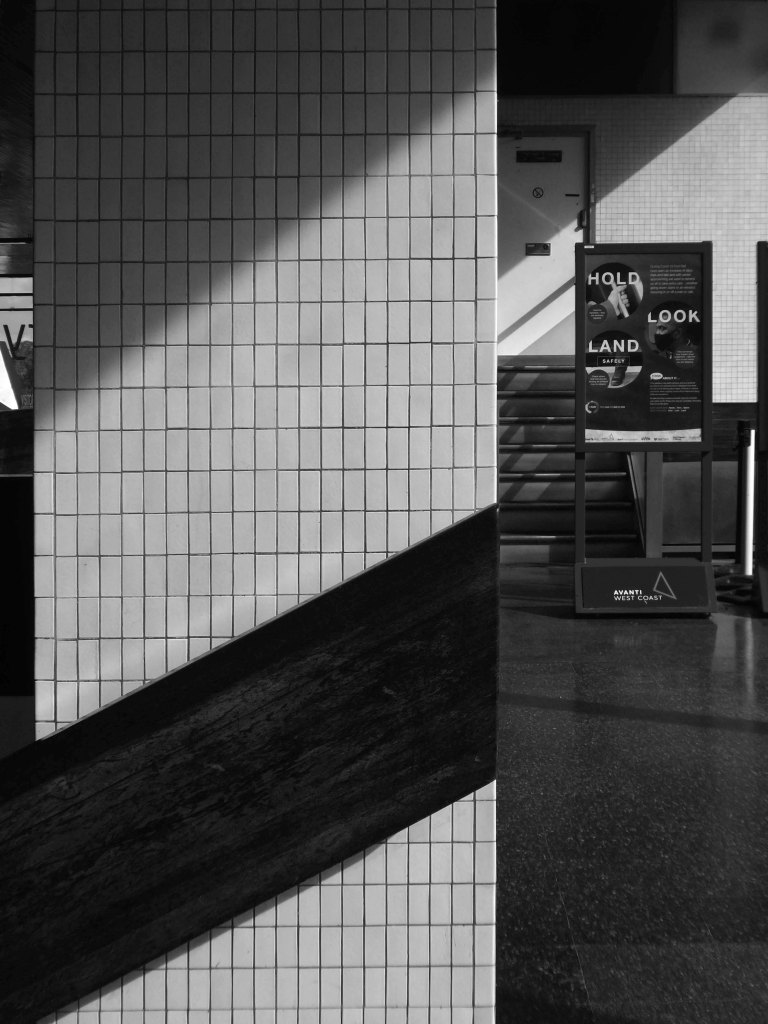
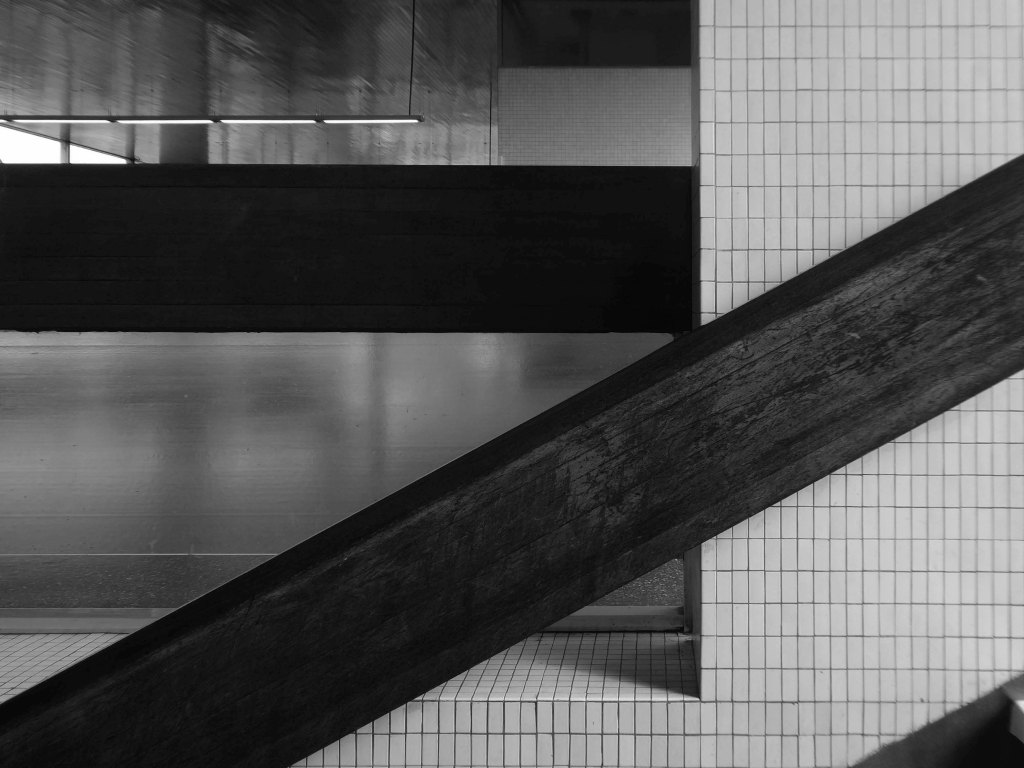
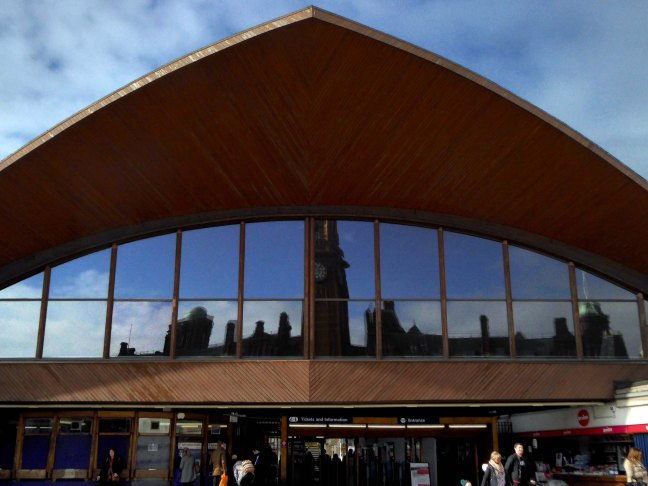
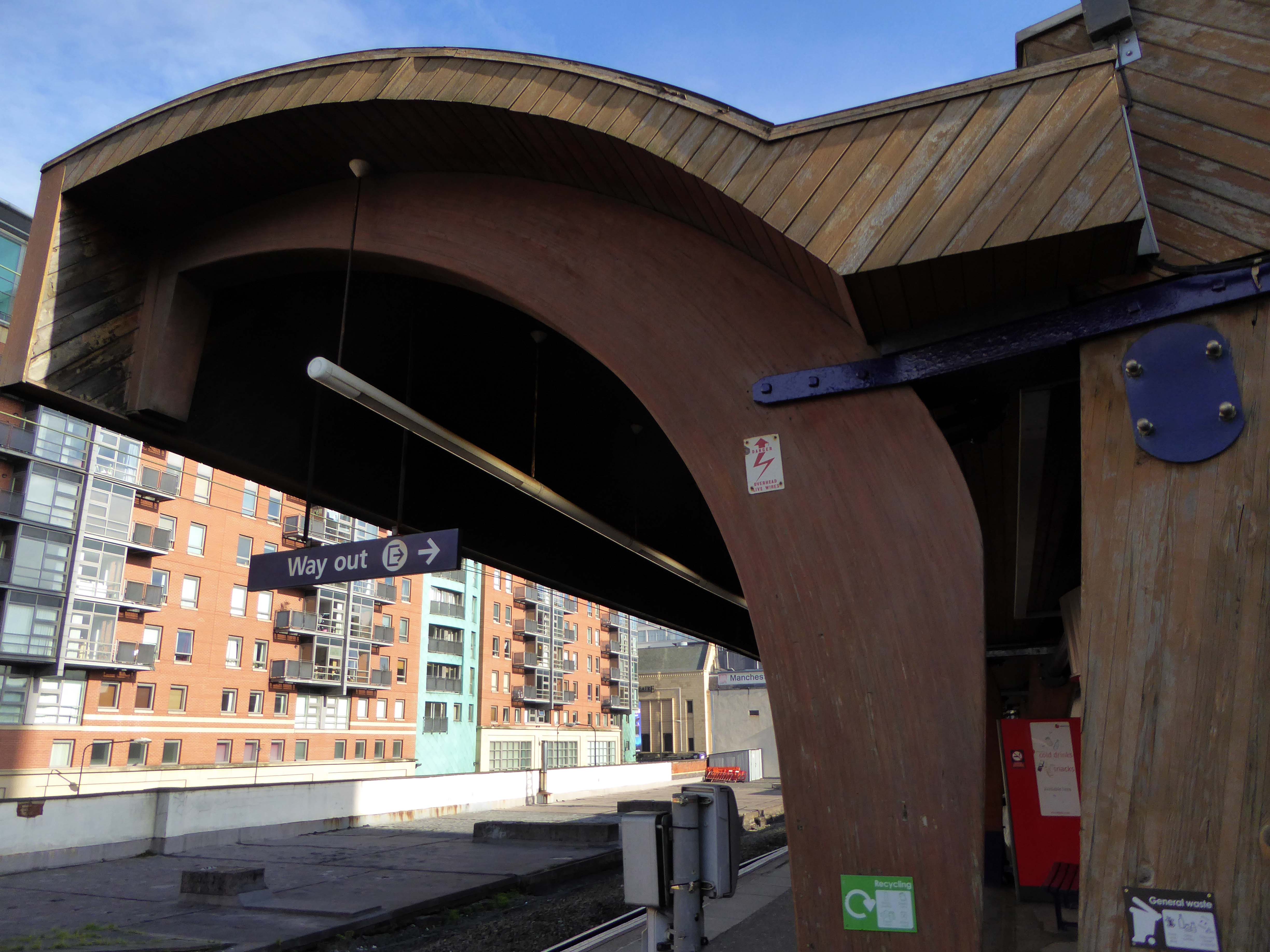
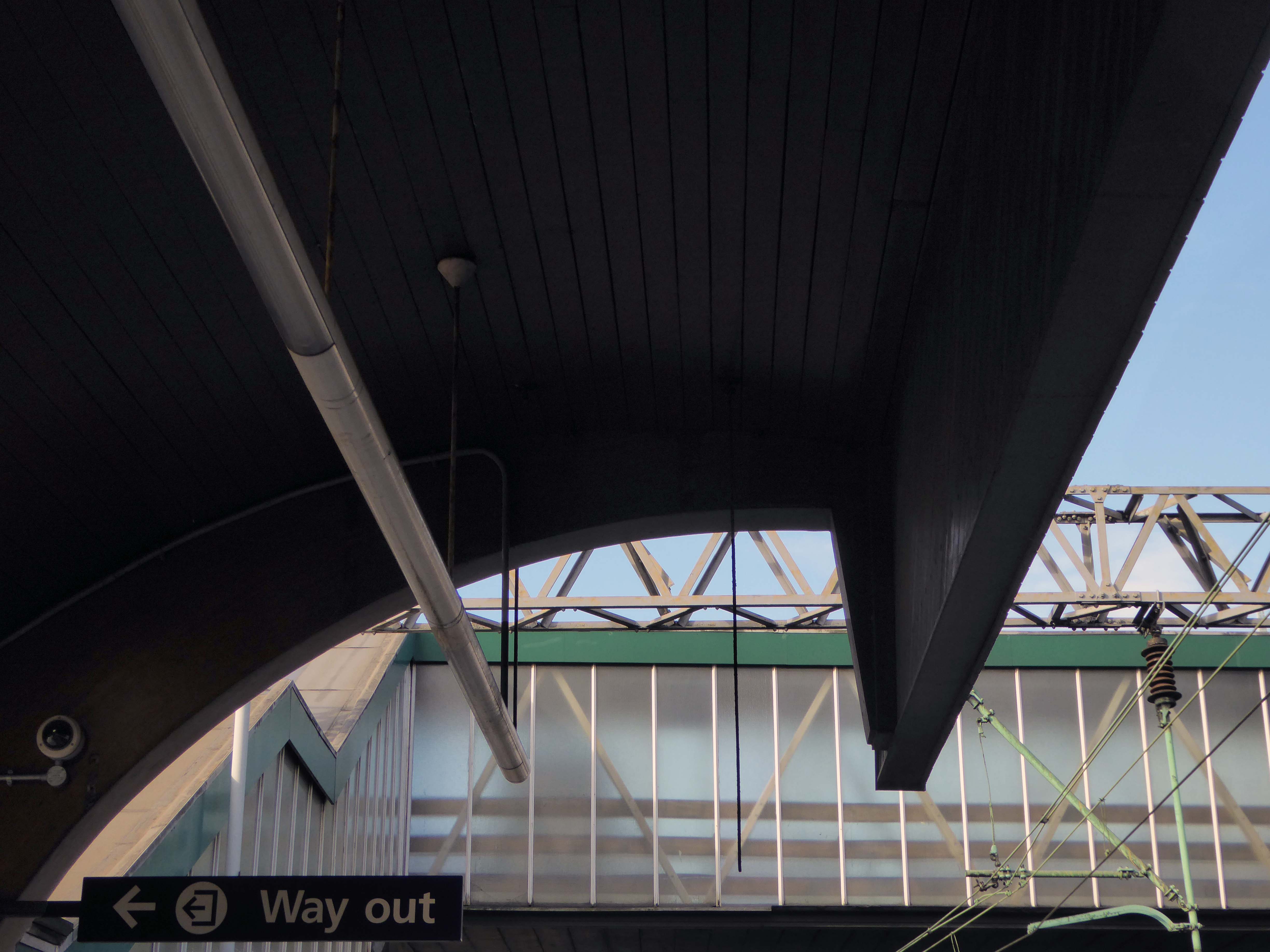
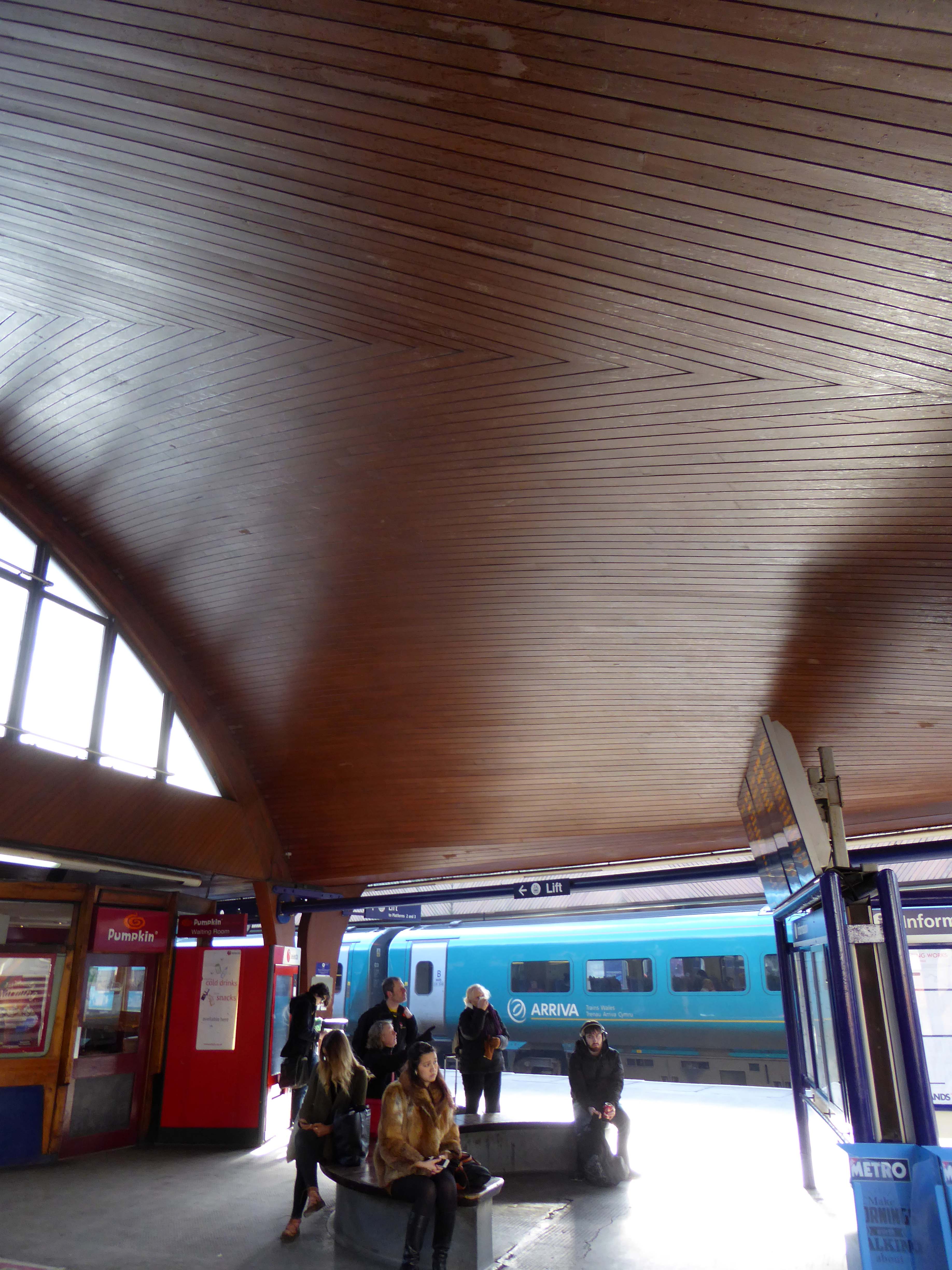
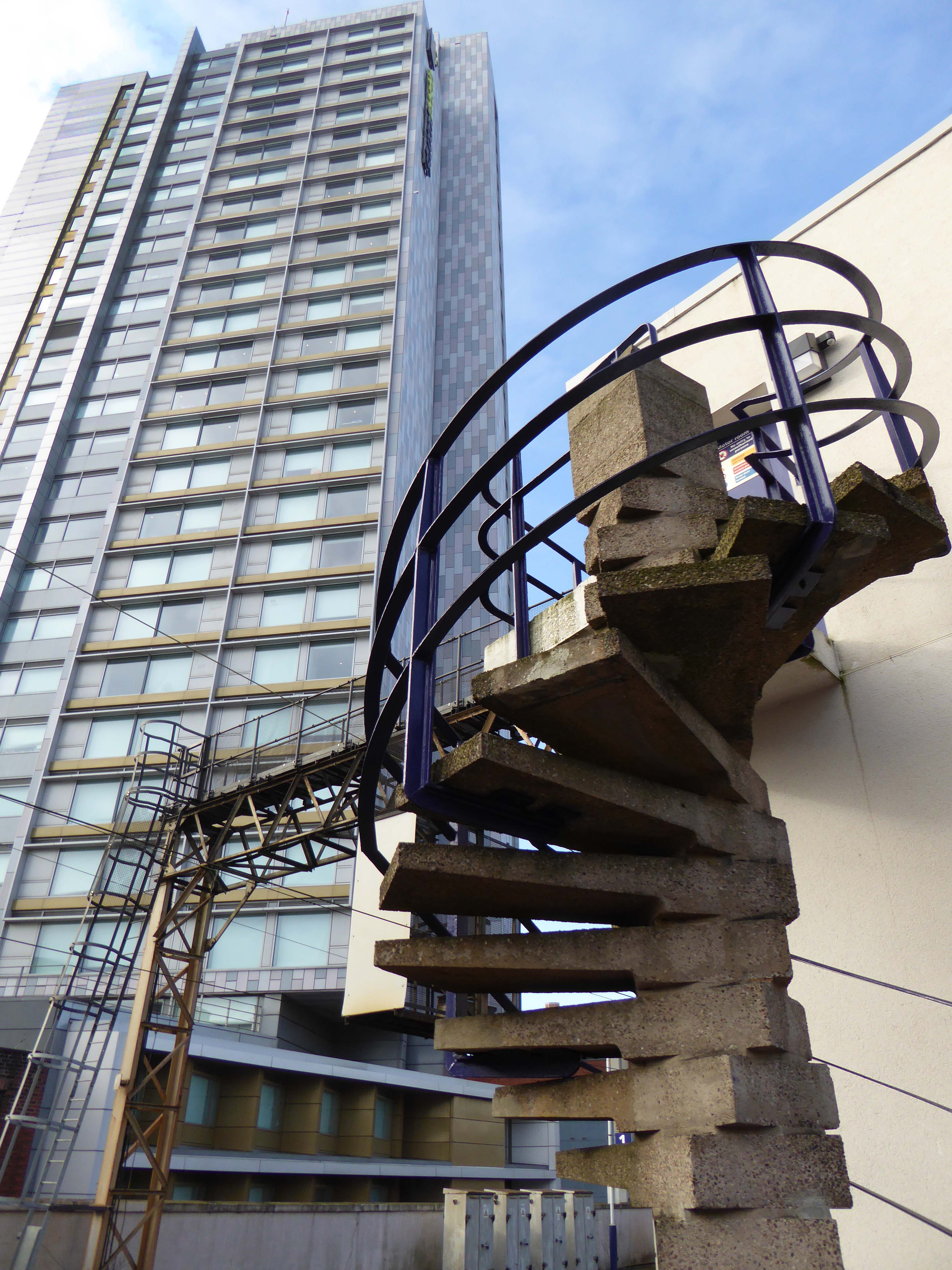
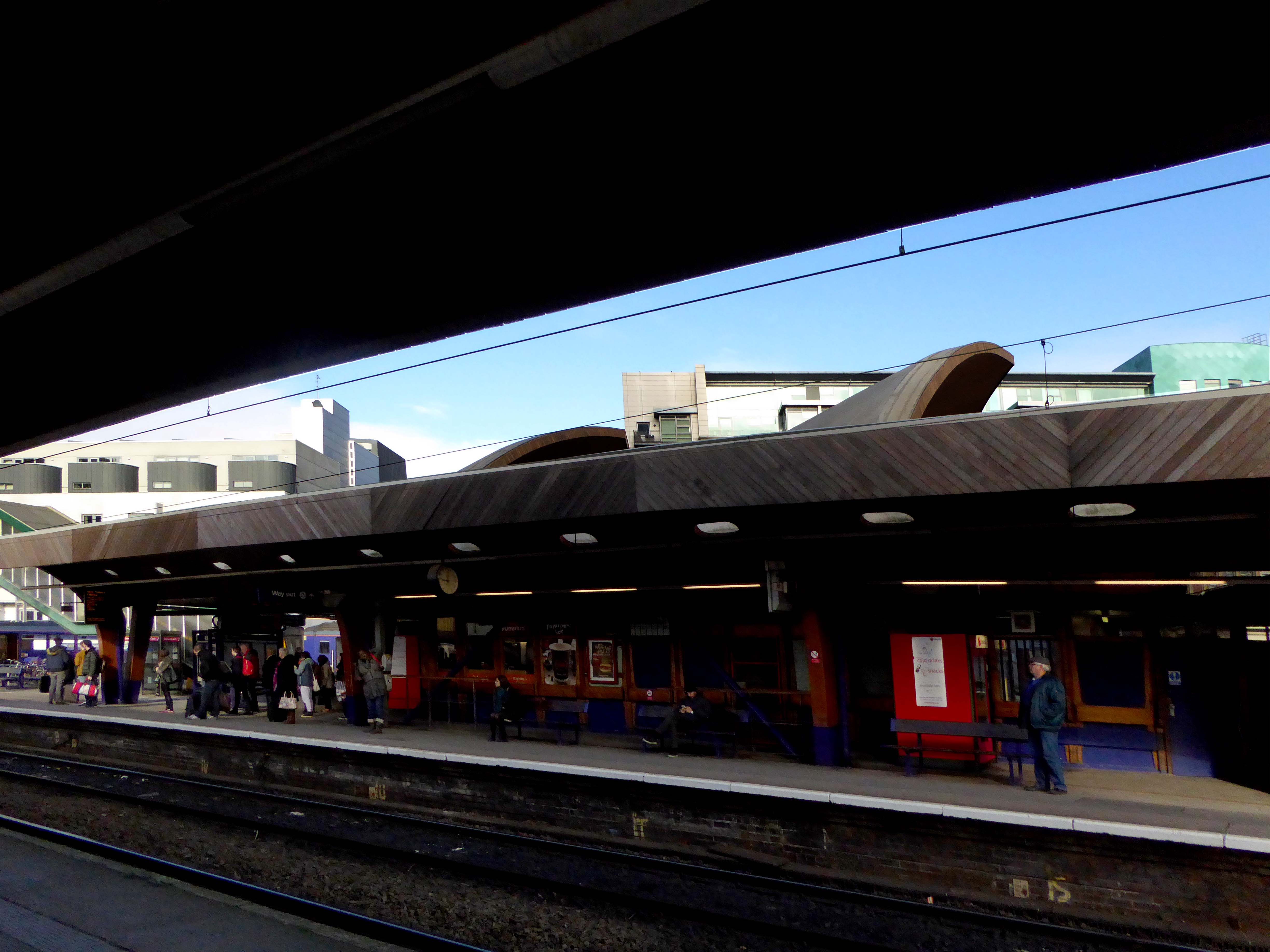
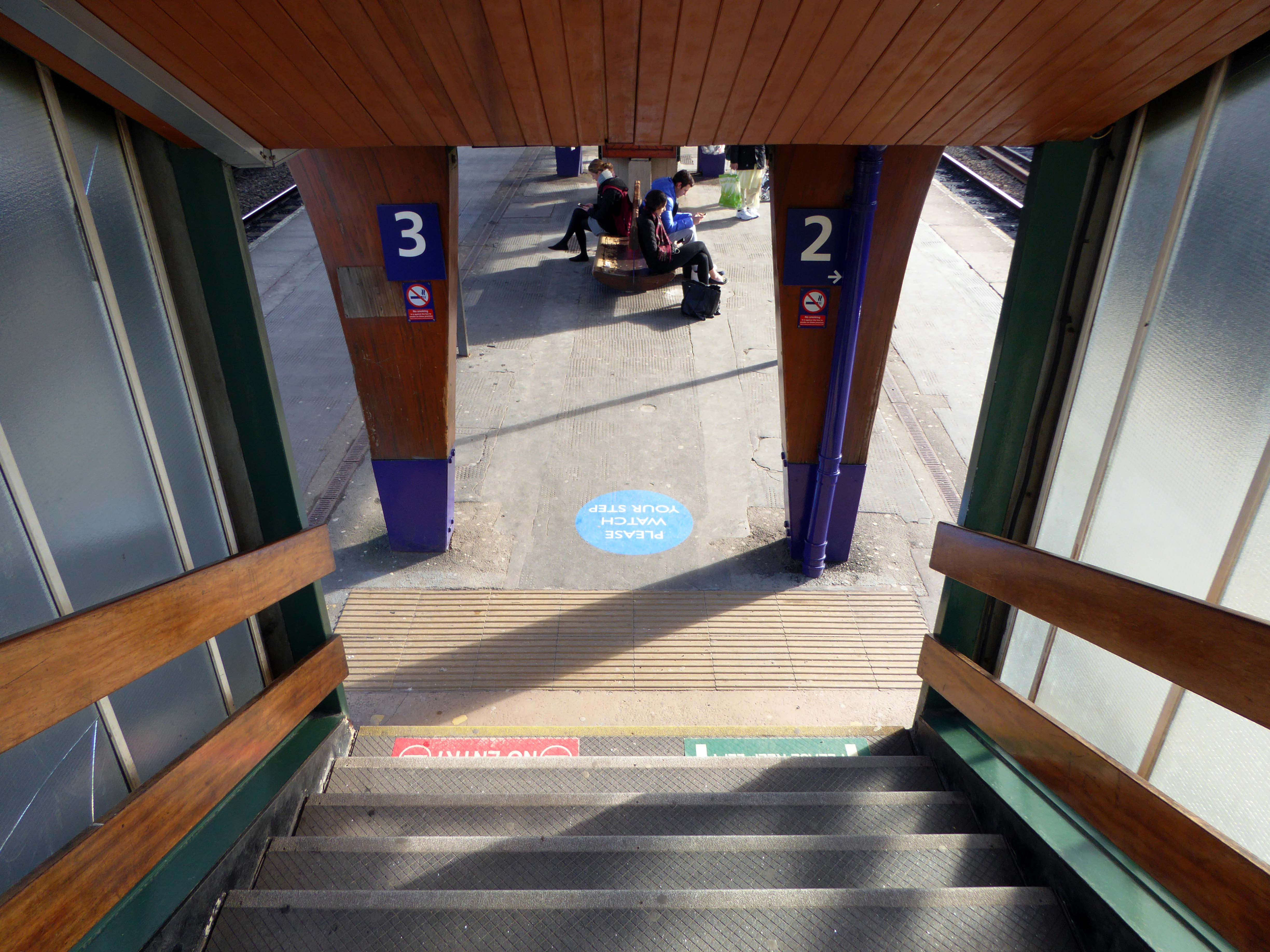
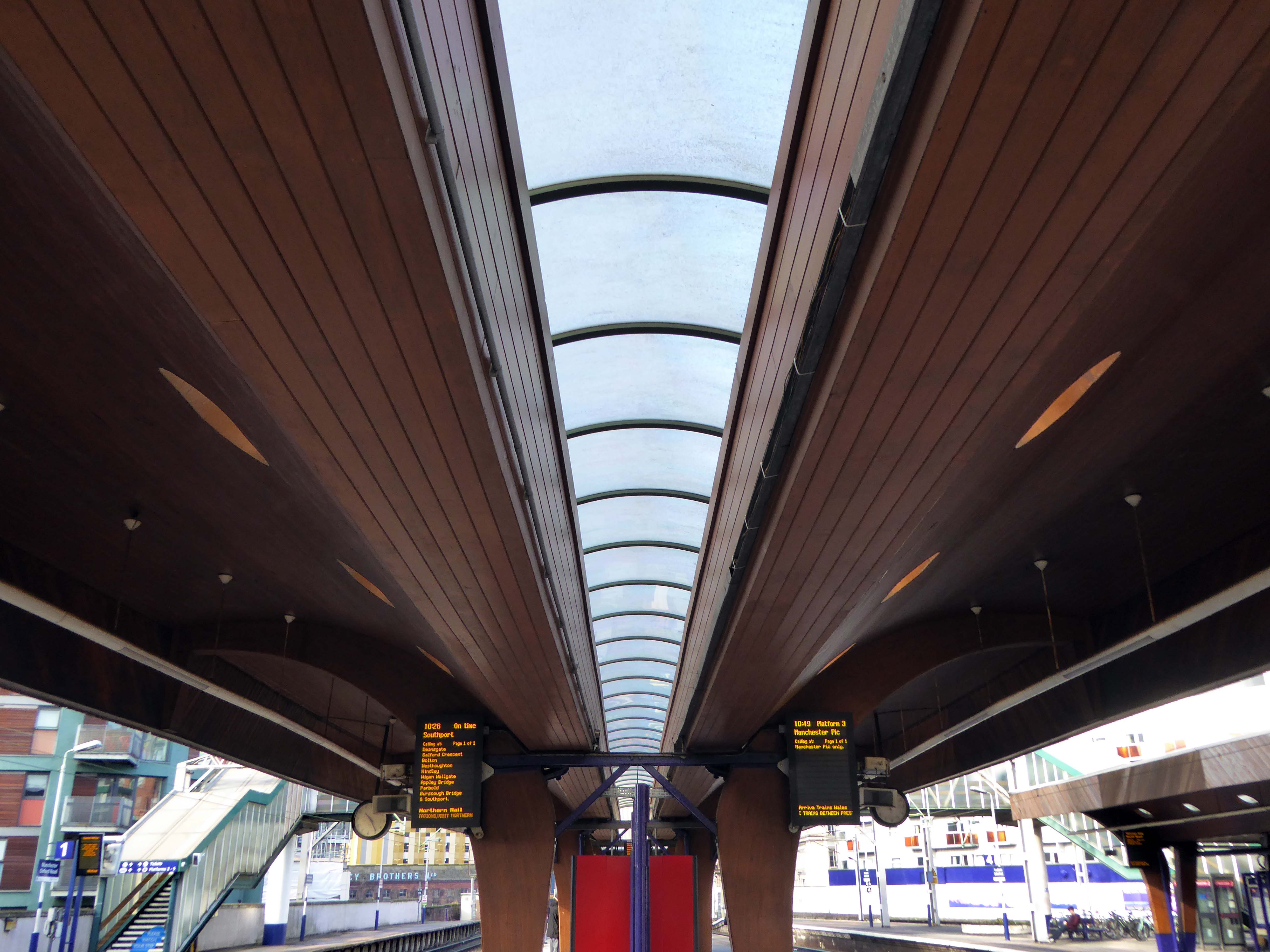
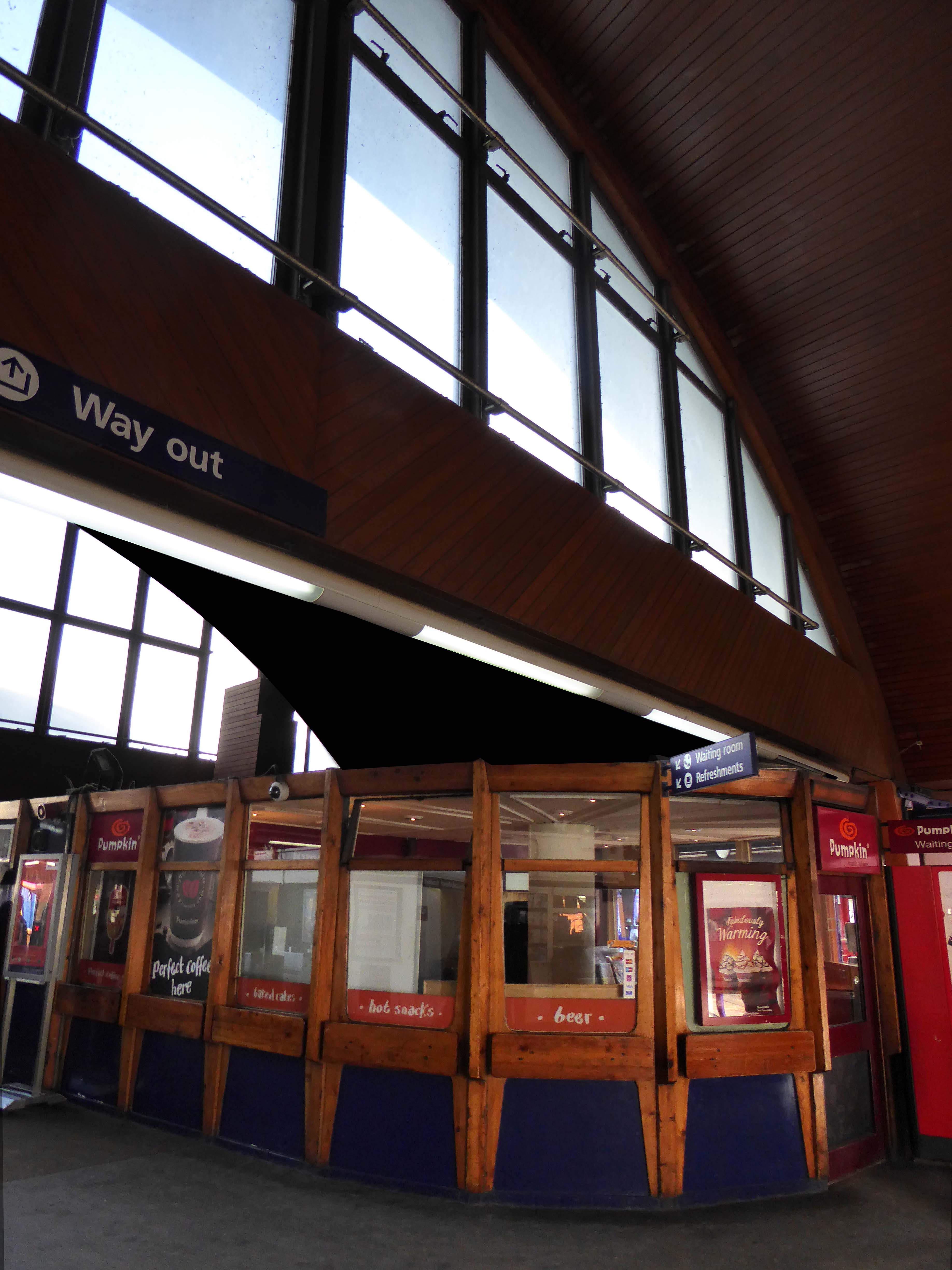
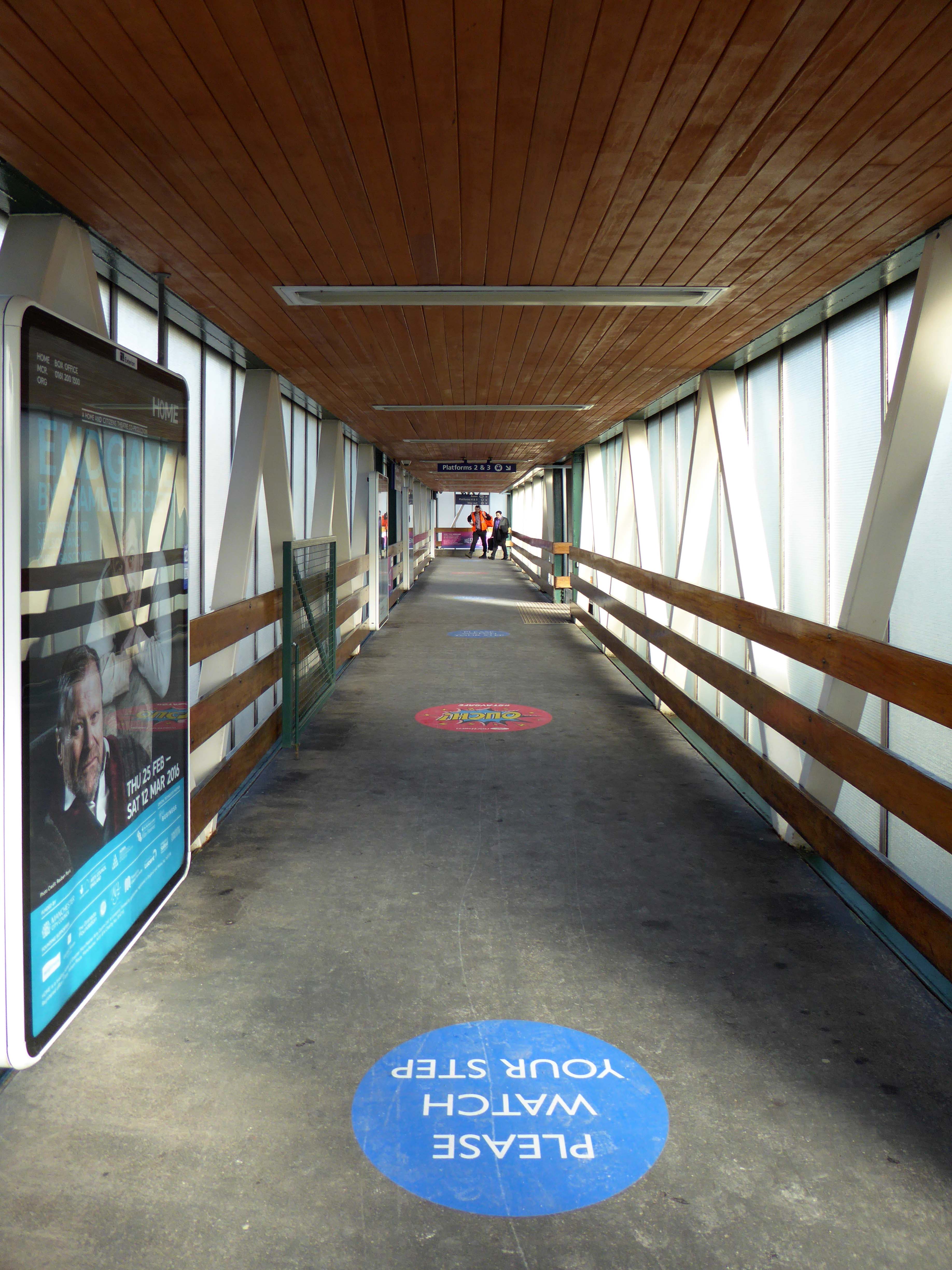
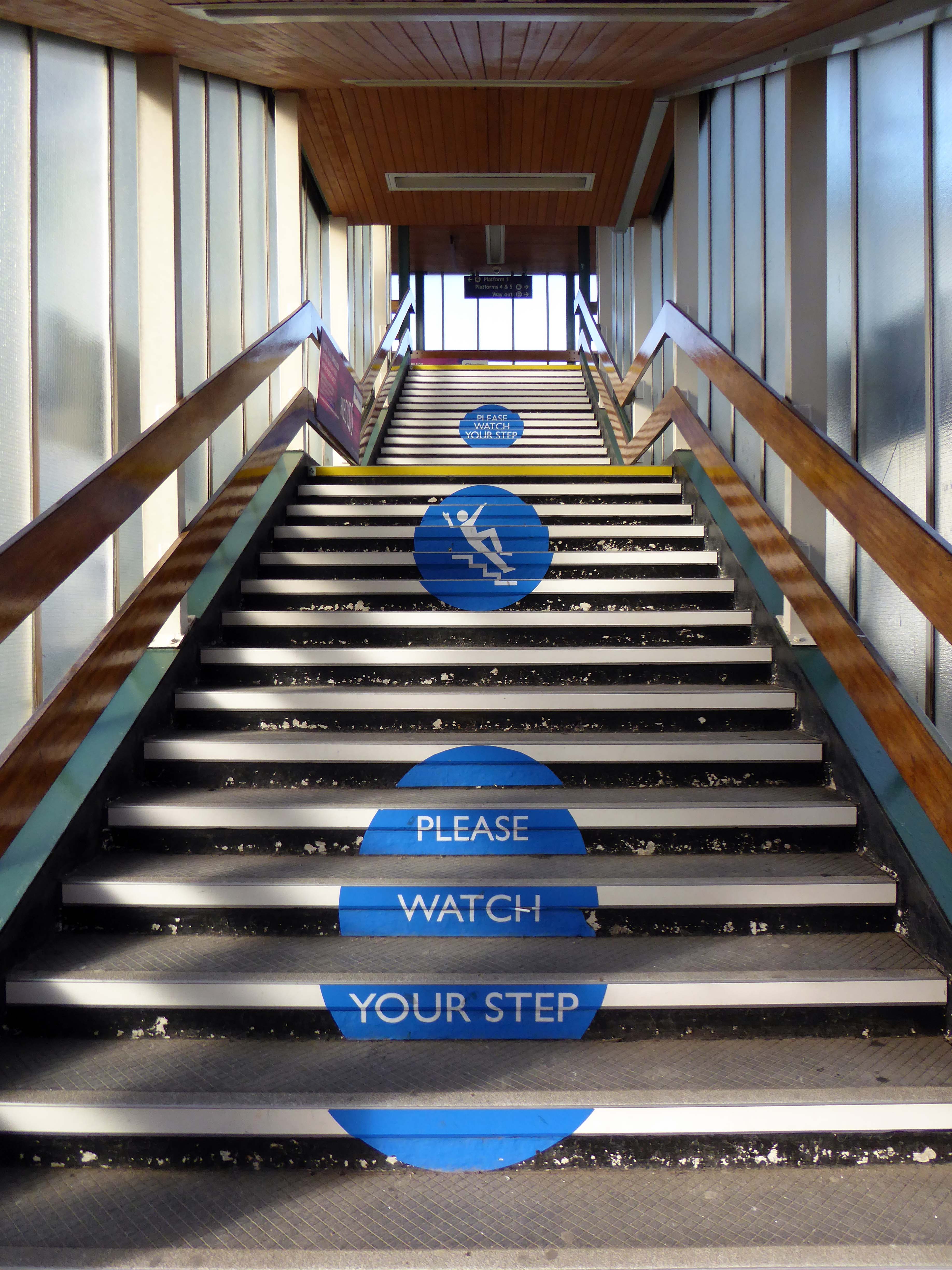
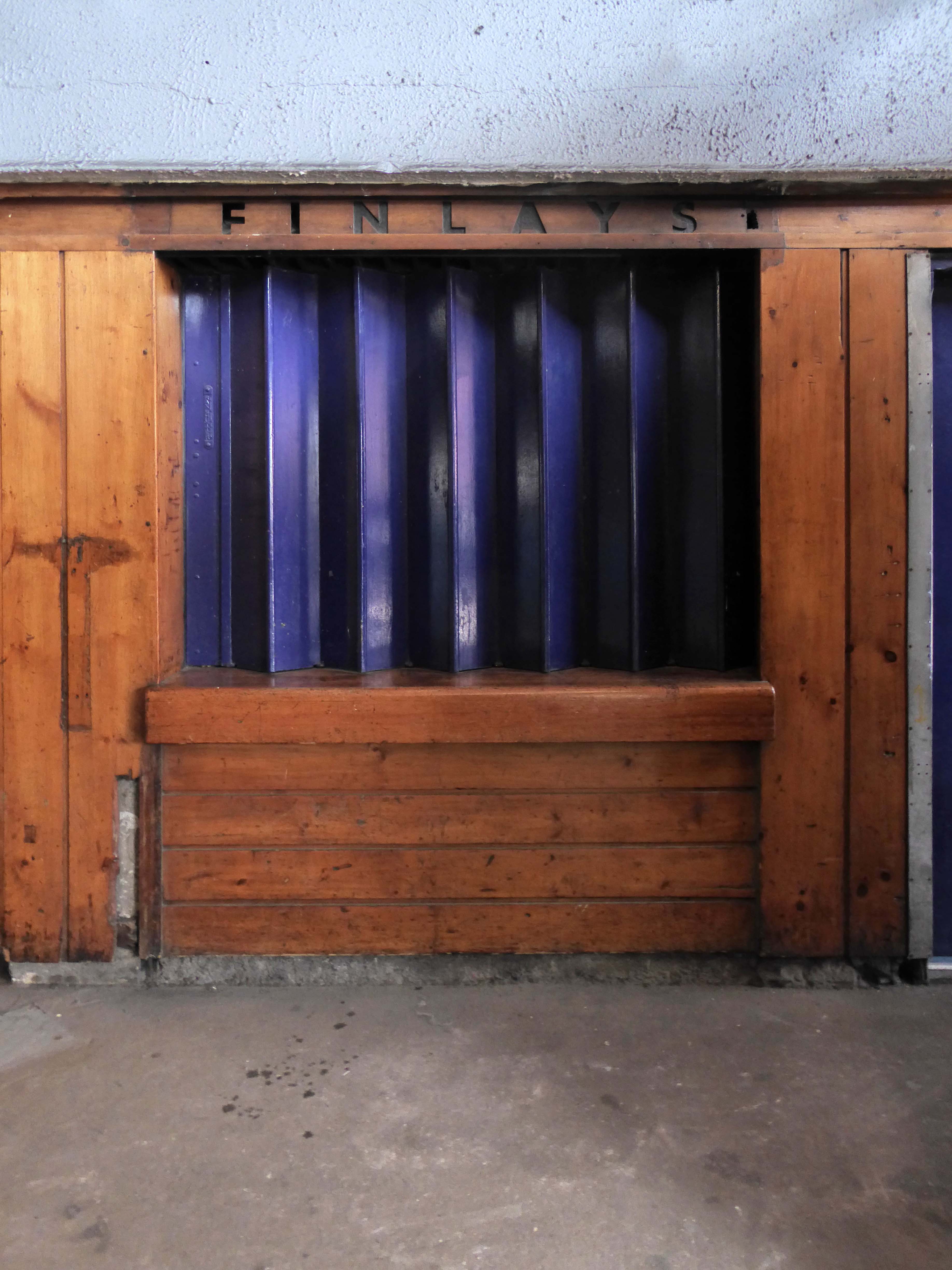
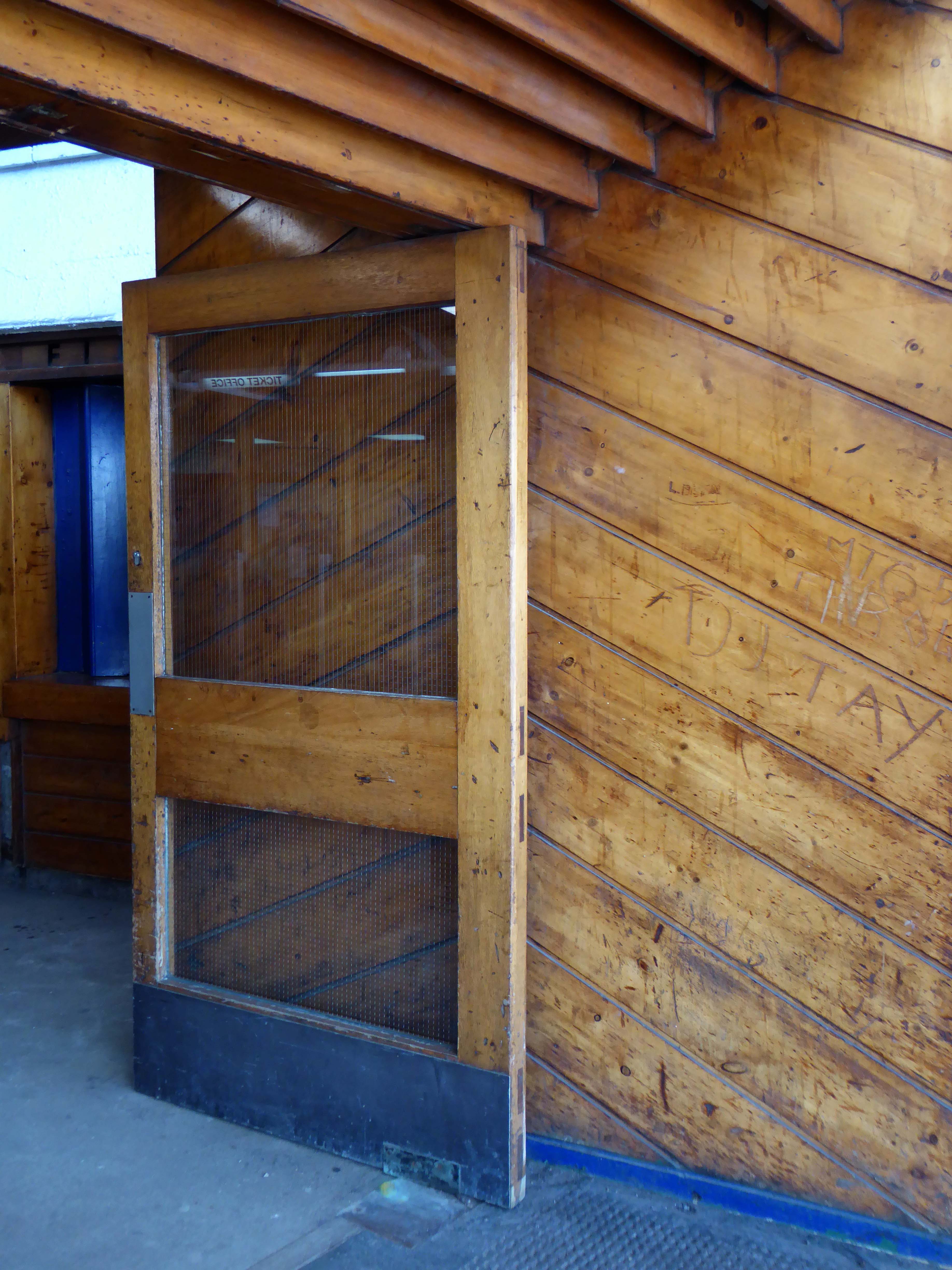
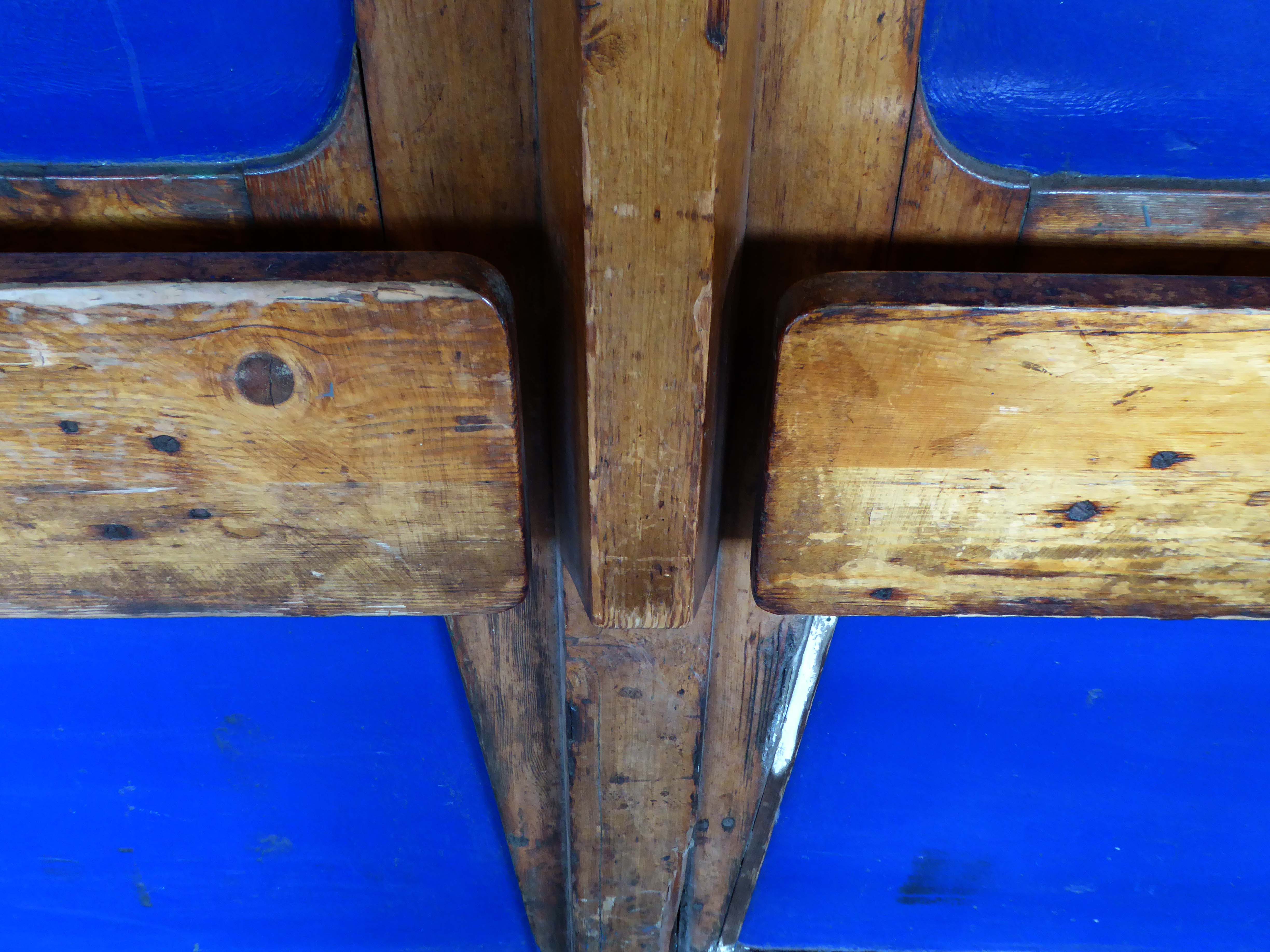
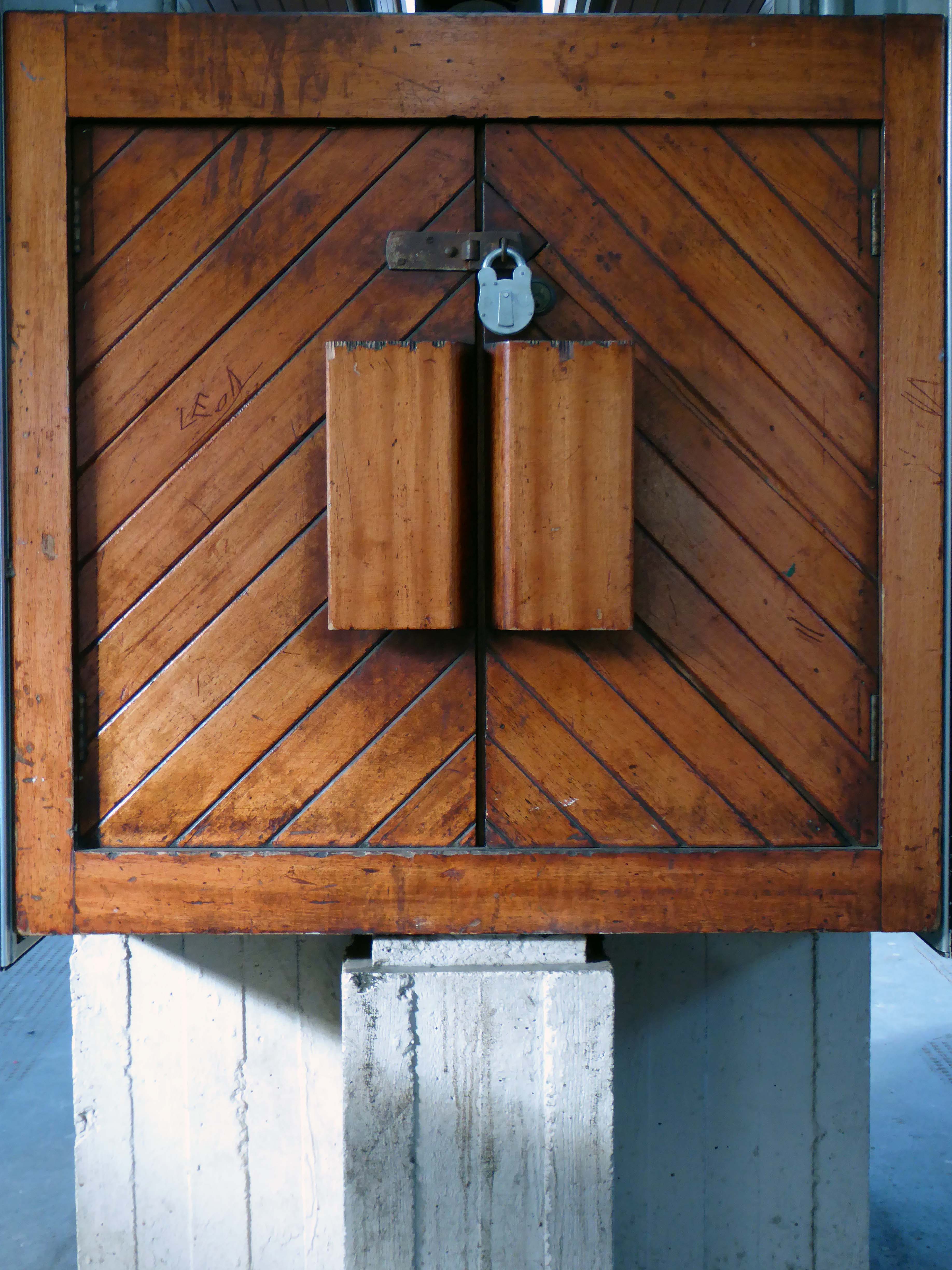
I love every curvy corner, timber frame and canopy, concrete spiral, empty kiosk and precipitous steps – I’m happy to be stranded.
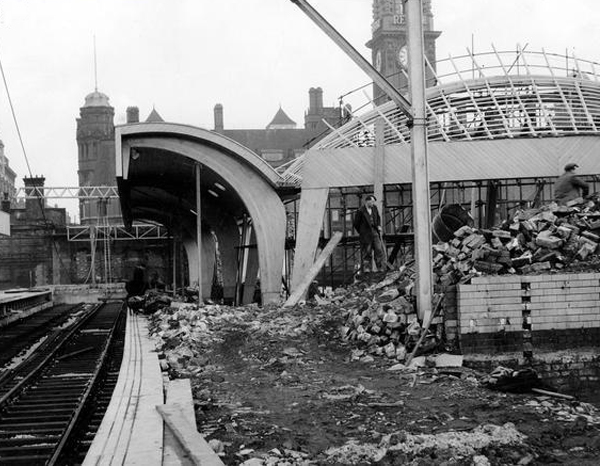
It opened in 1849 and was rebuilt in 1960.
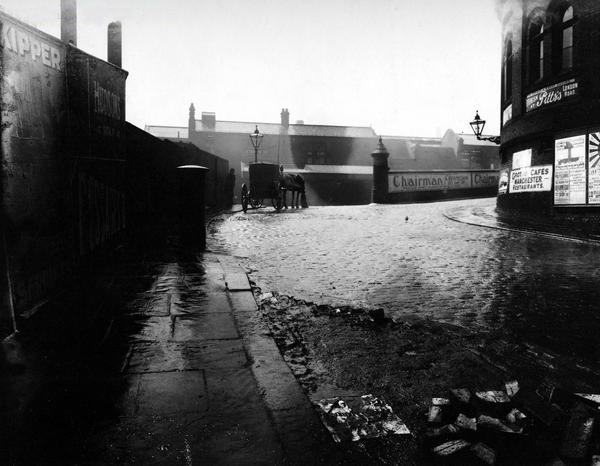
The station was opened as Oxford Road on 20 July 1849 by the Manchester, South Junction and Altrincham Railway . The station was the headquarters of the MSJAR from its opening until 1904. It had two platforms and two sidings, with temporary wooden buildings. To allow for extra trains in connection with the Manchester Art Treasures Exhibition in 1857, extra platforms and sidings were built. In 1874 the station was completely rebuilt providing two bay platforms and three through platforms. Further reconstruction took place during 1903-04. From 1931 it was served by the MSJAR’s 1500V DC electric trains between Altrincham and Manchester Piccadilly.
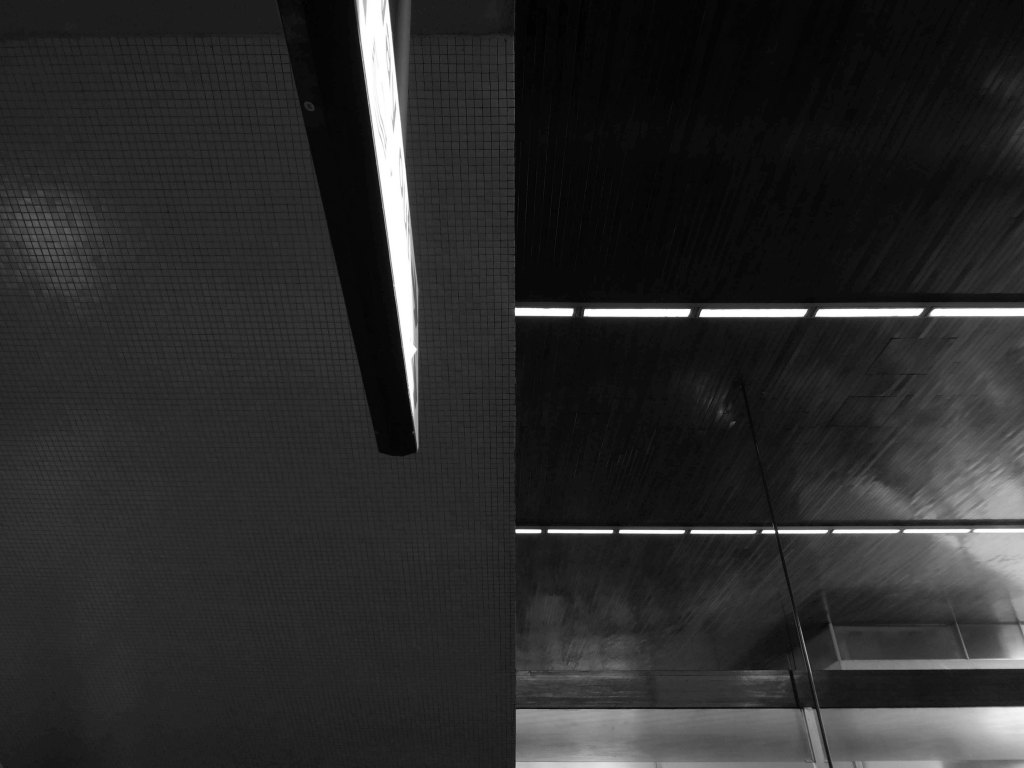
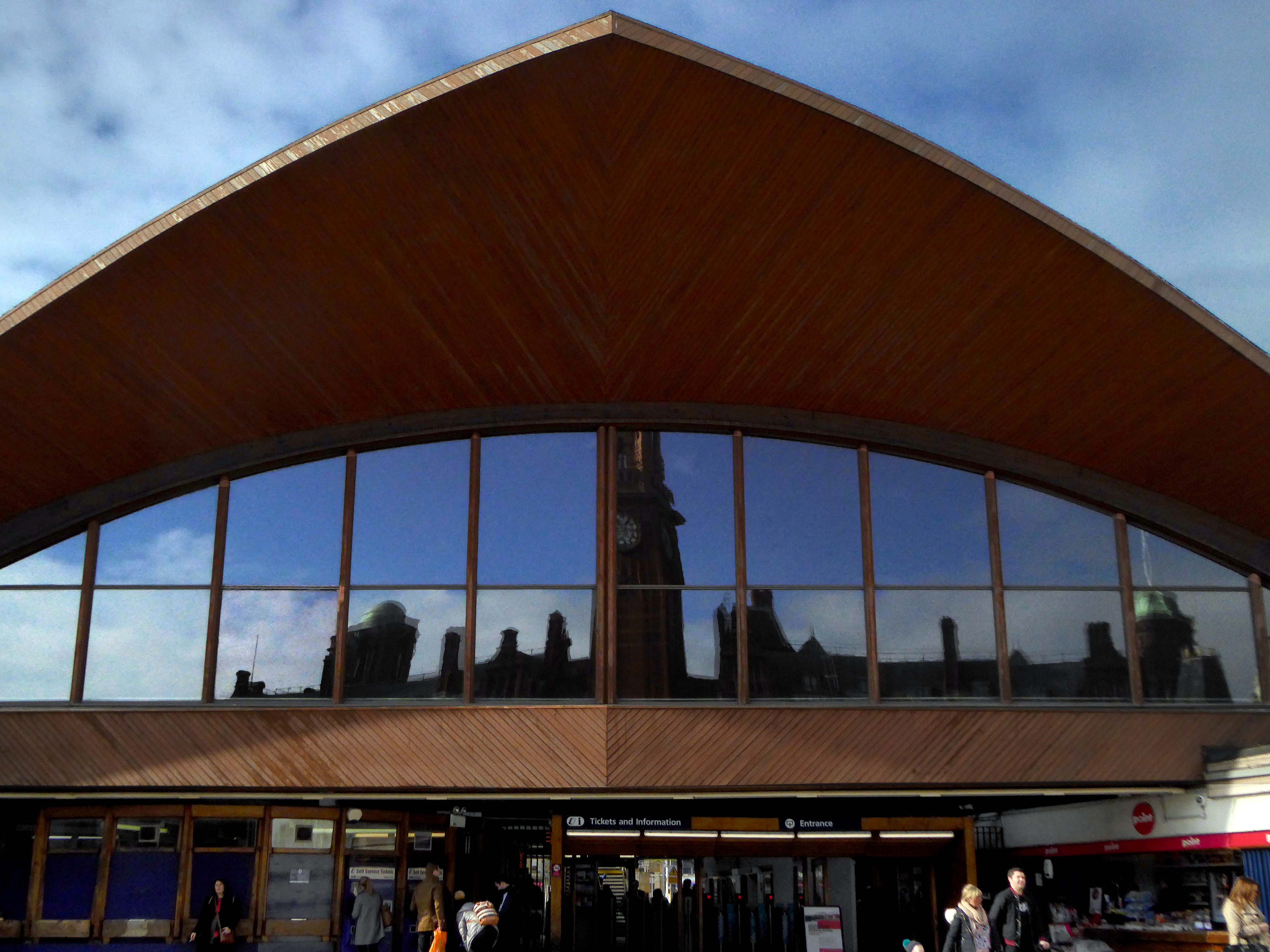
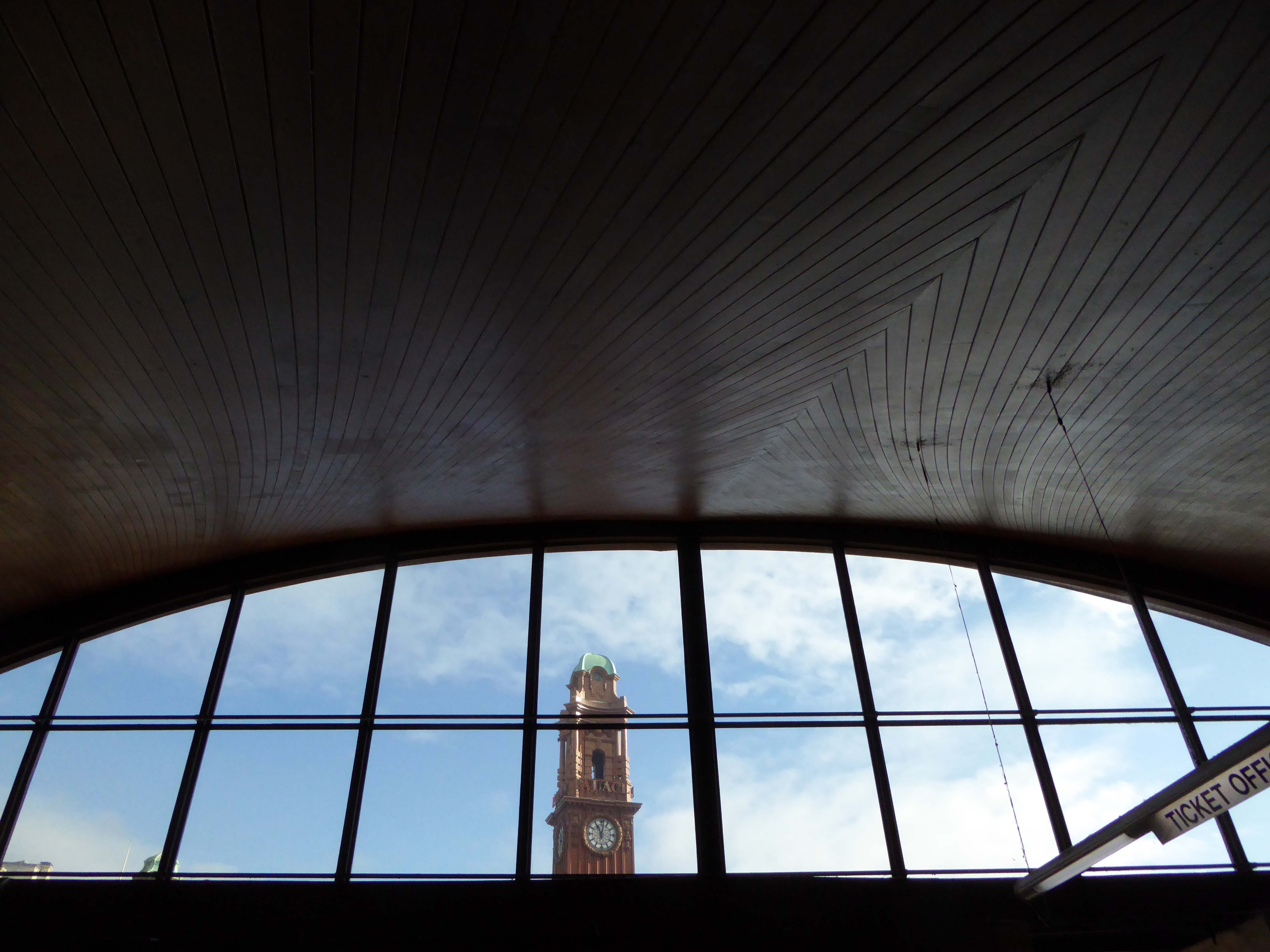
The station had become dilapidated by the 1950s, and in connection with the electrification and modernisation programme of the Manchester to London line in 1960, the old buildings were replaced by the current structure by architects W.R. Headley and Max Glendinning and structural engineer Hugh Tottenham. It was designed in a distinctive style in concrete and wood with curves bringing to mind the Sydney Opera House.
Use of the station increased from May 1988 when the Windsor Link was inaugurated between Deansgate and Salford Crescent, connecting lines to the north and south of Manchester.
The station is a grade II listed building.
One of the most interesting and innovative buildings of the period, the most ambitious example in this country of timber conoid shell roofing.




































 Modern Mooch