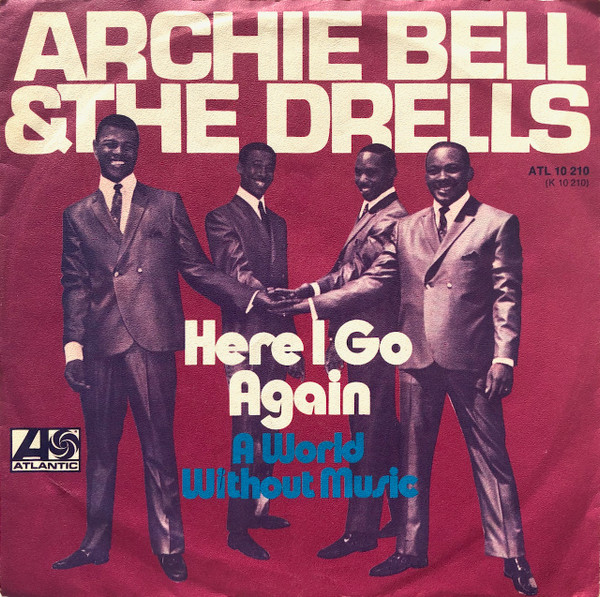
Here I go again – just like Archie Bell minus the Drells.
Here I go again, thinking with my heart
But every time I see ya, I keep running back for more
April and October 2019 walking from Rhos to Colwyn.
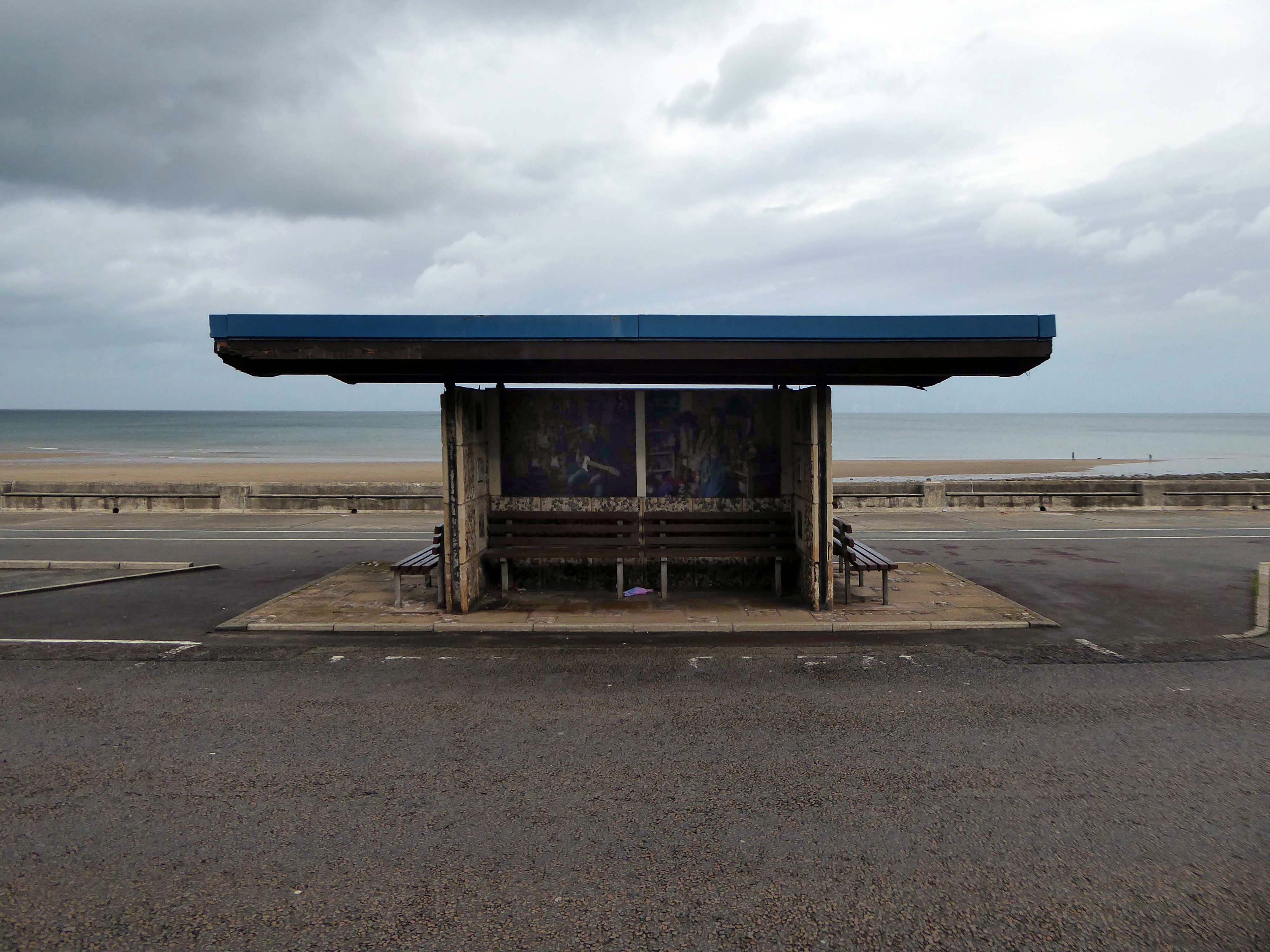
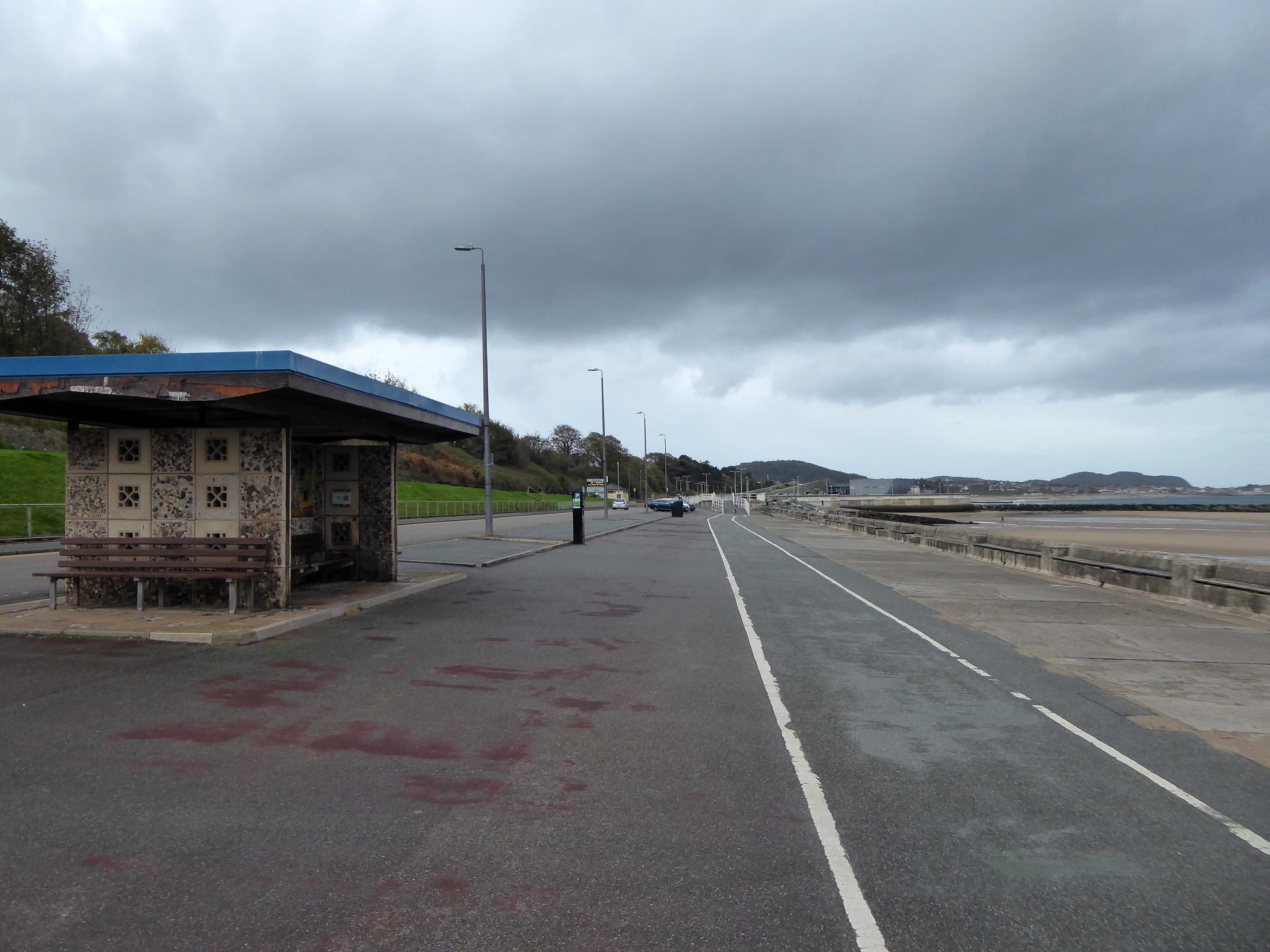
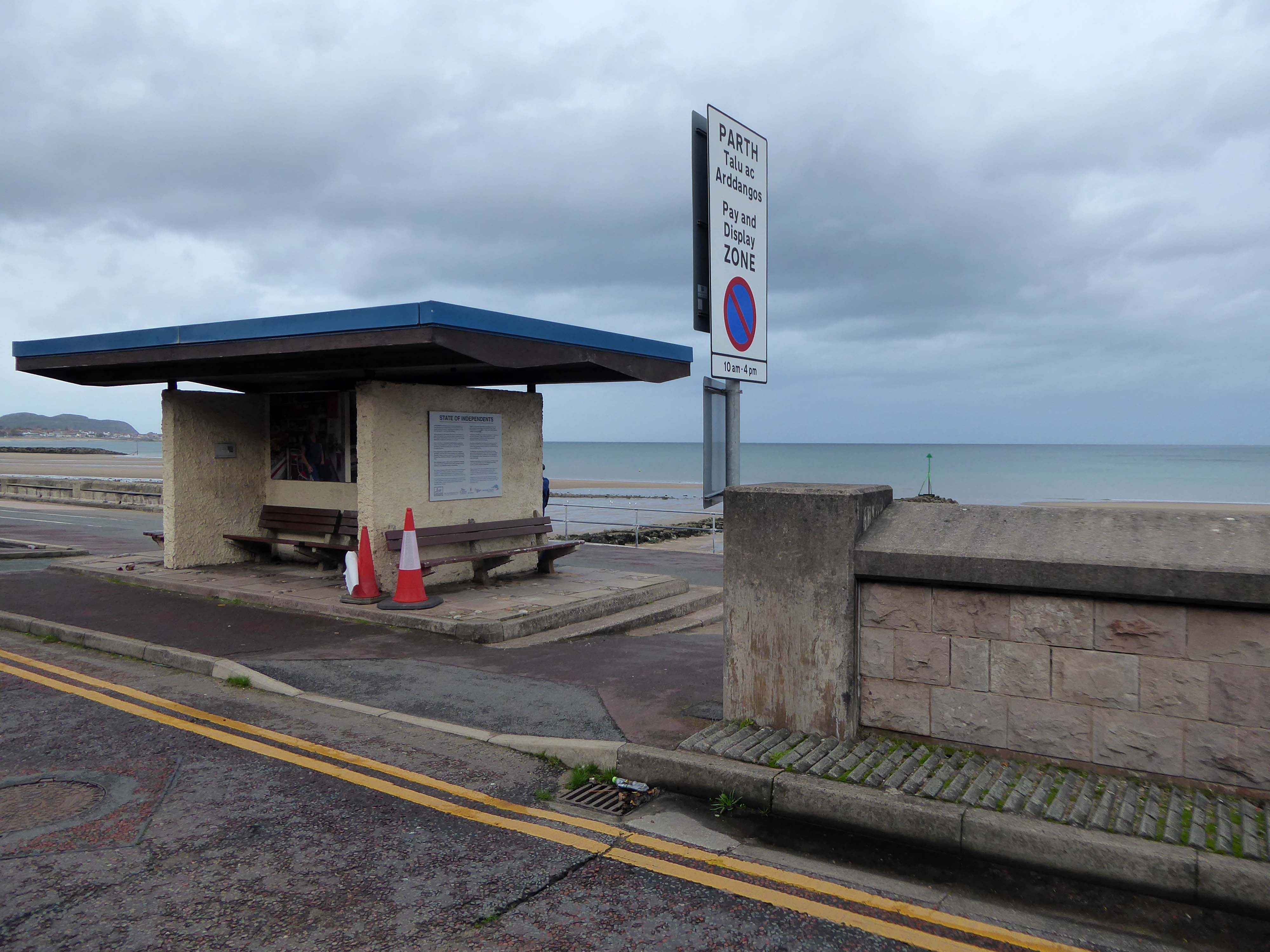
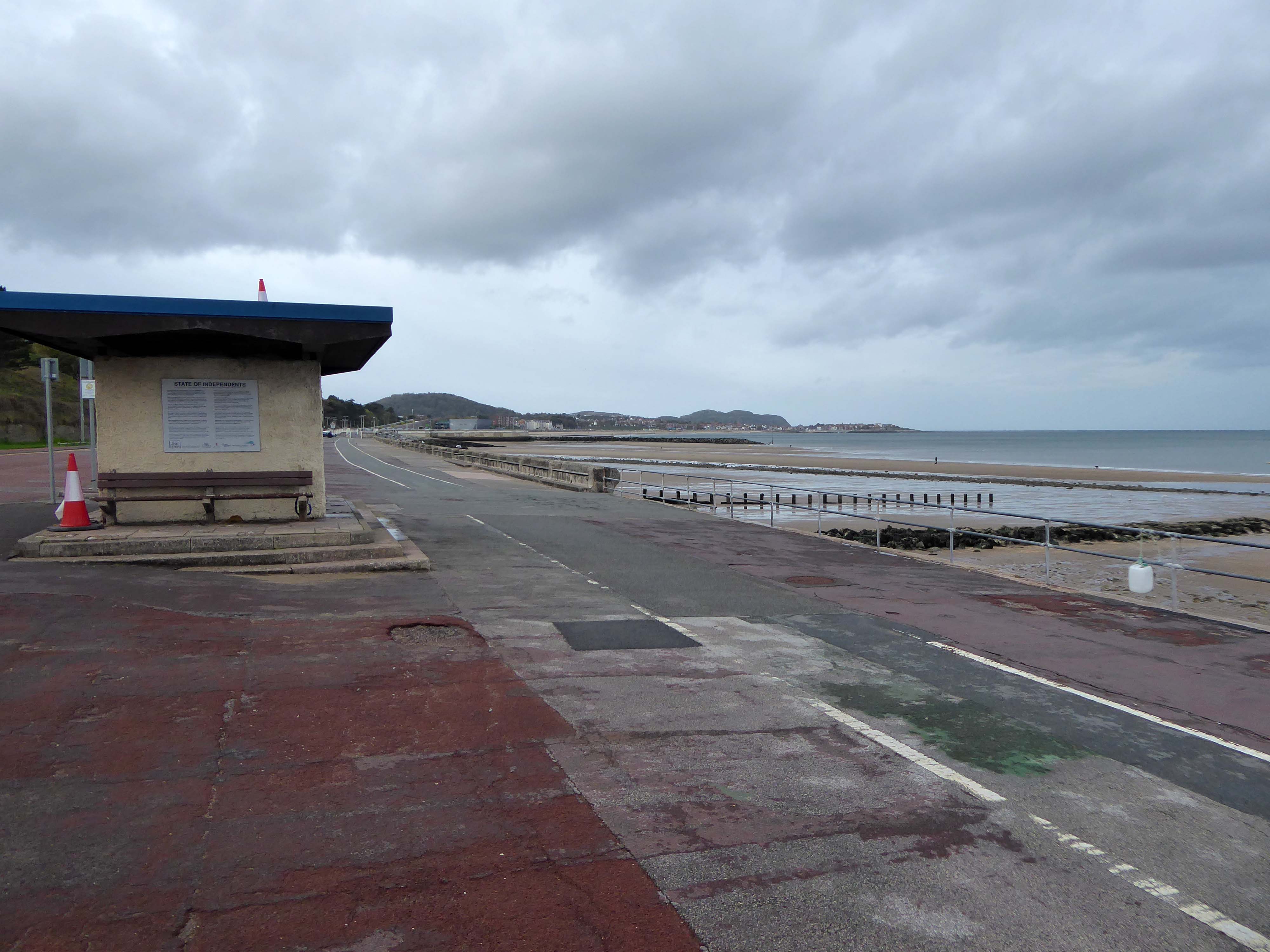
Pandemics come and almost go – as do seaside shelters it seems.
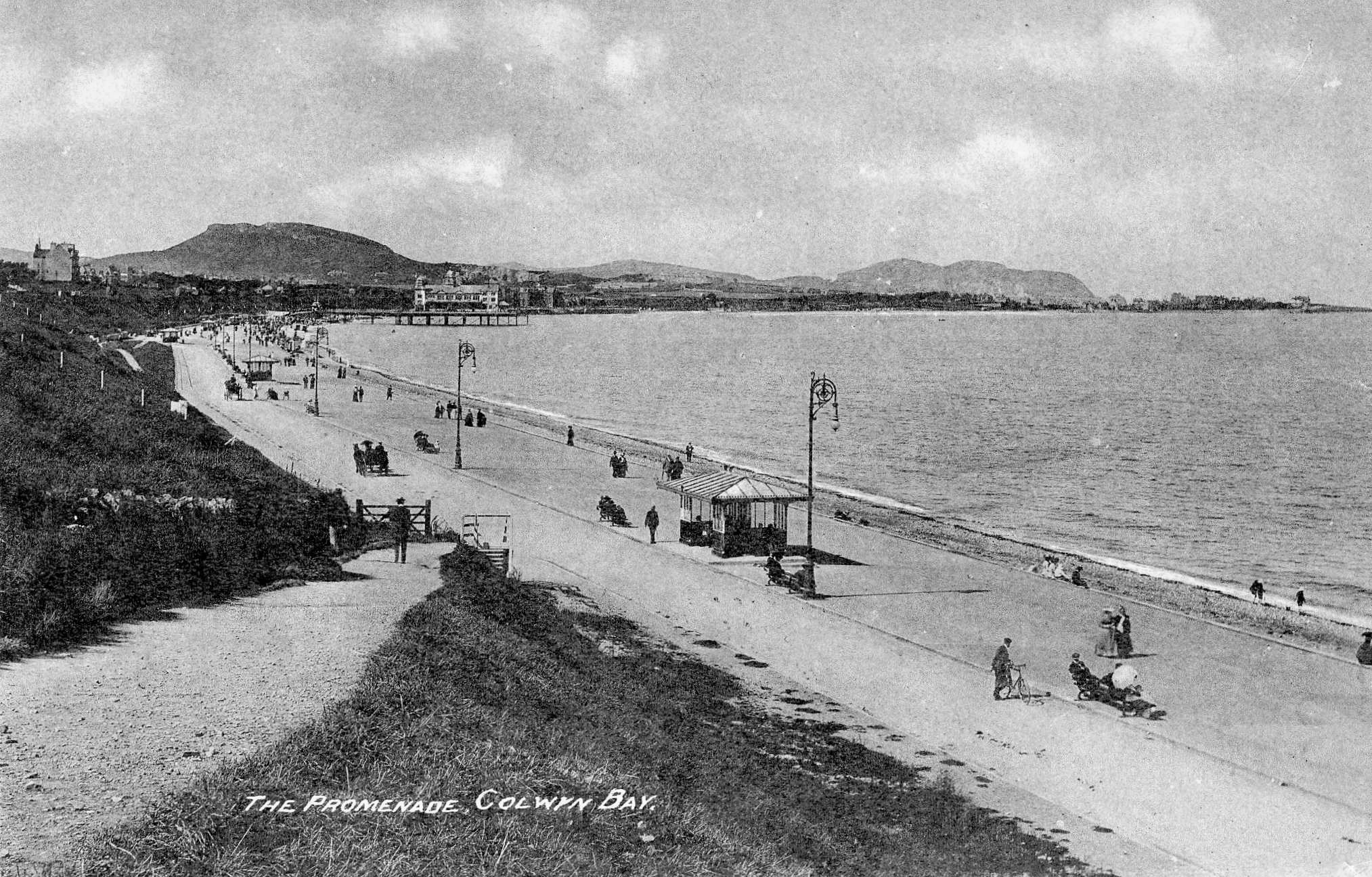
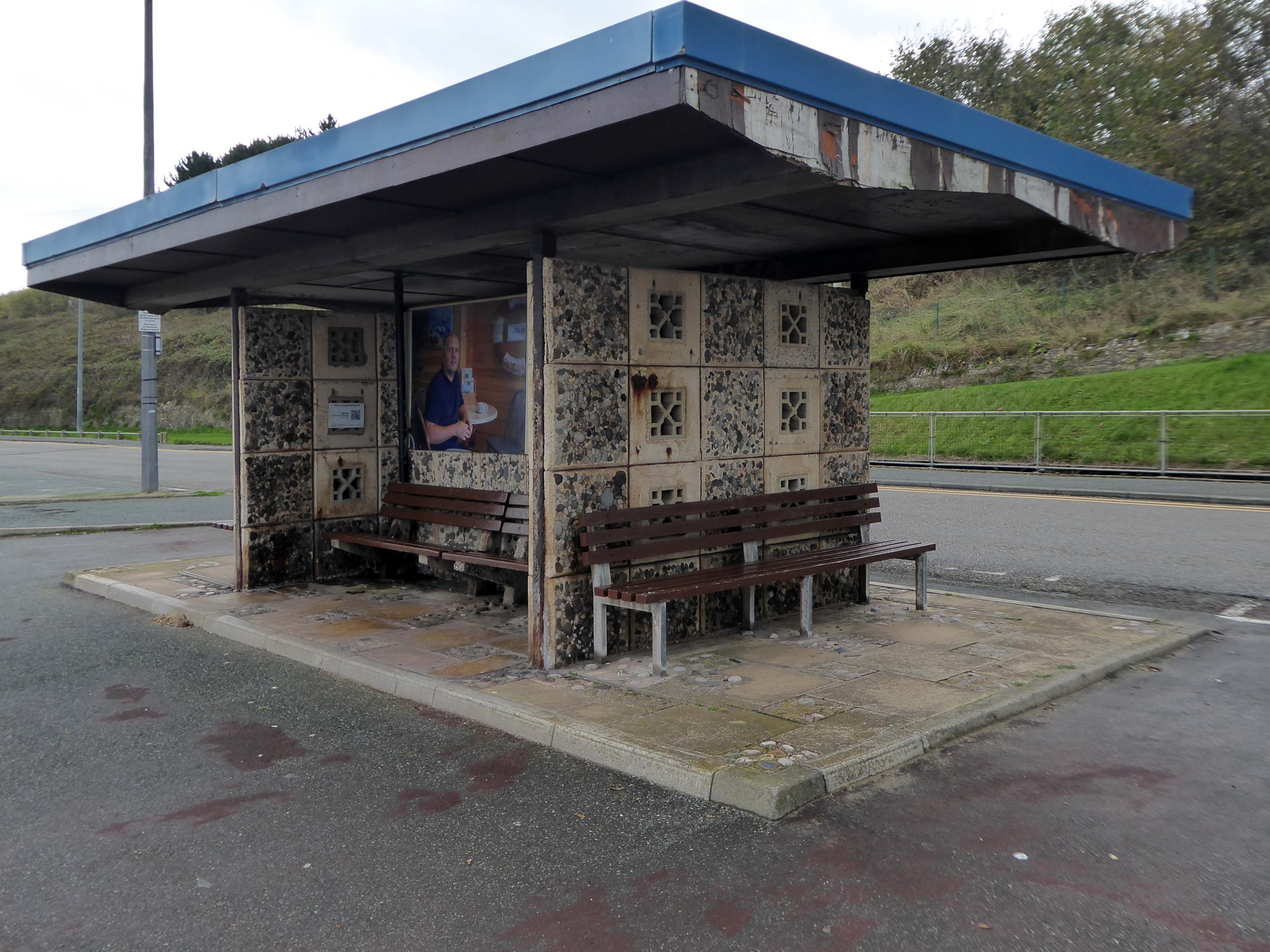
The shelters of 1860 are quite literally a thing of the past.
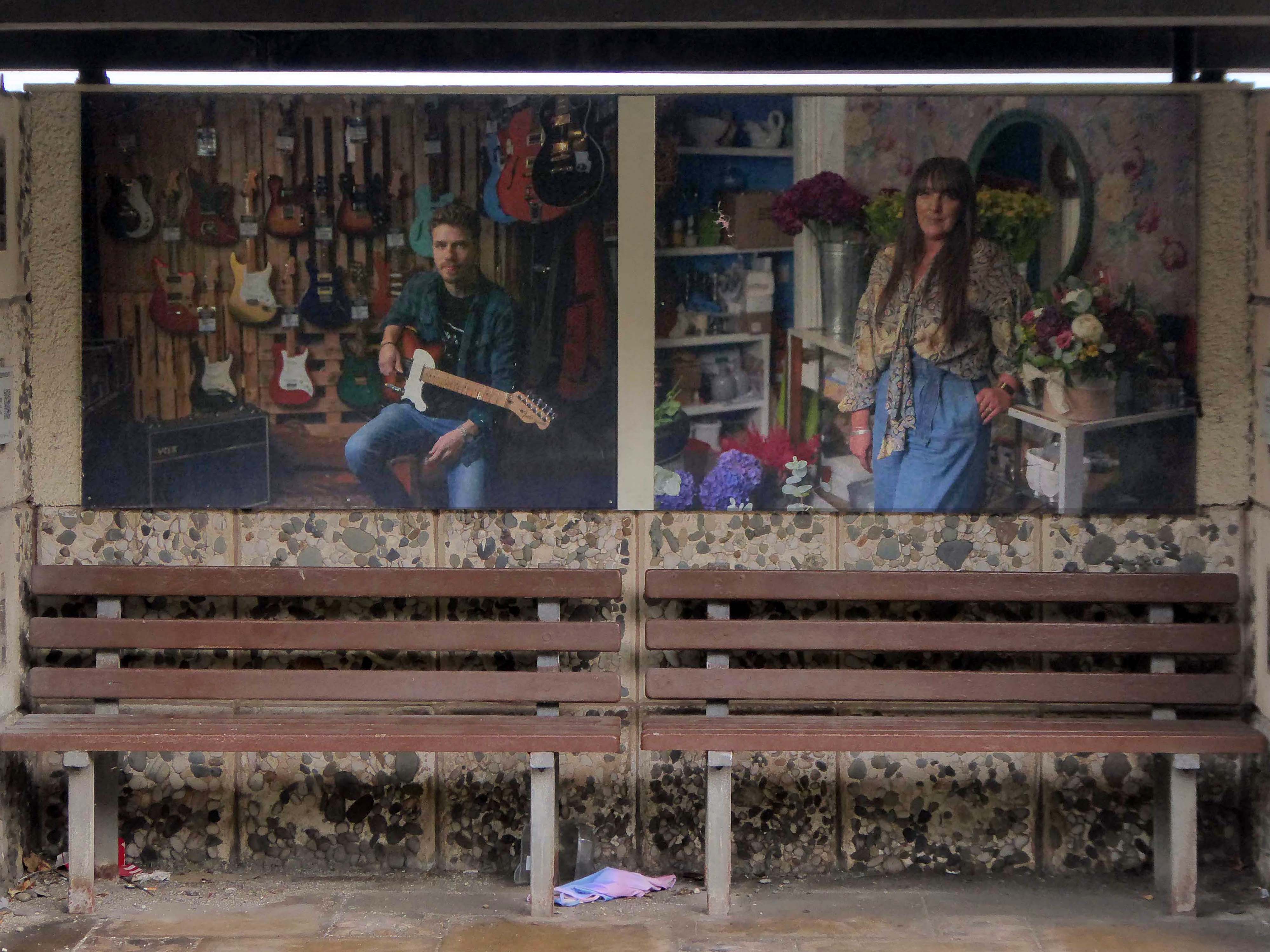
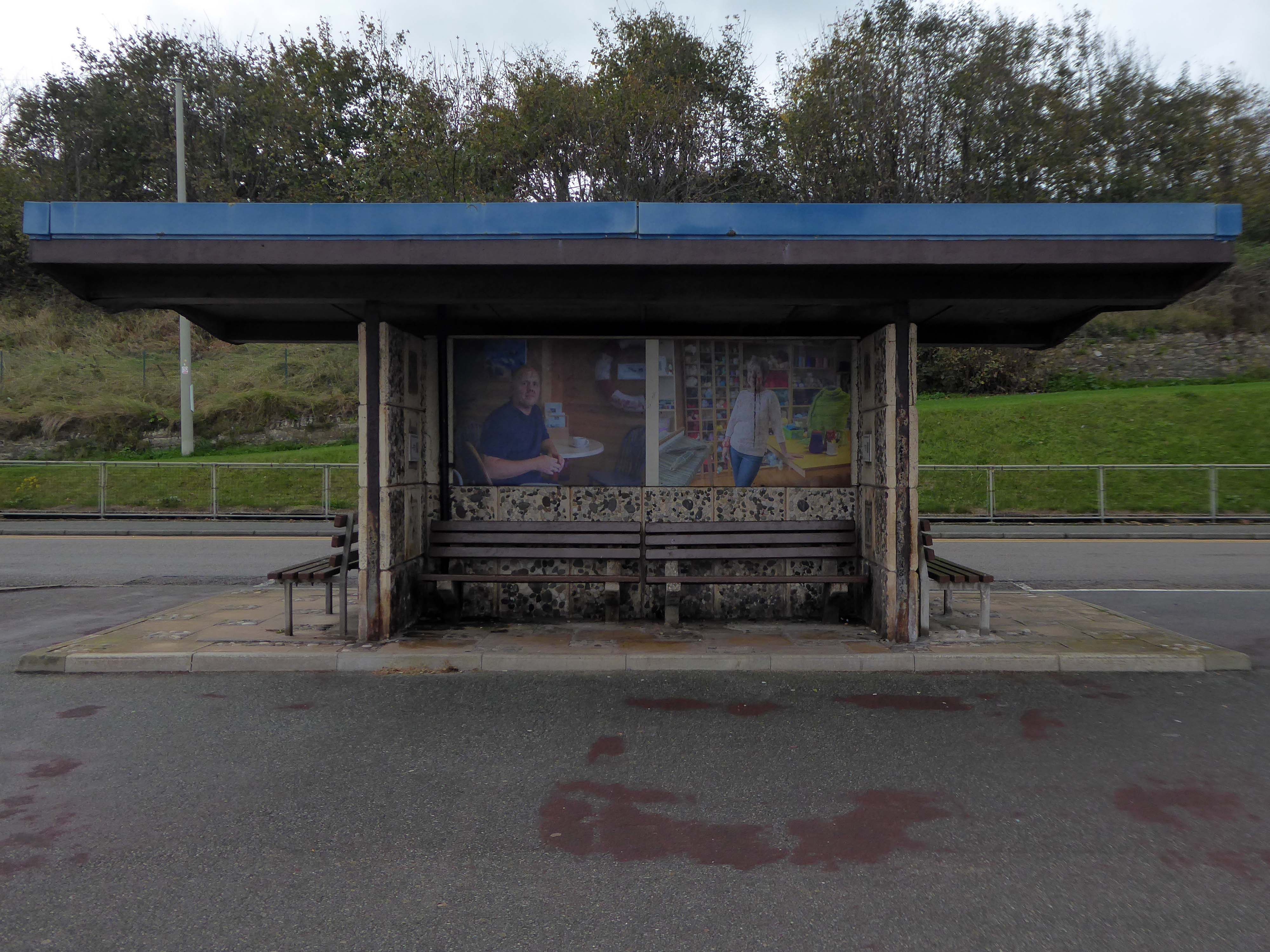
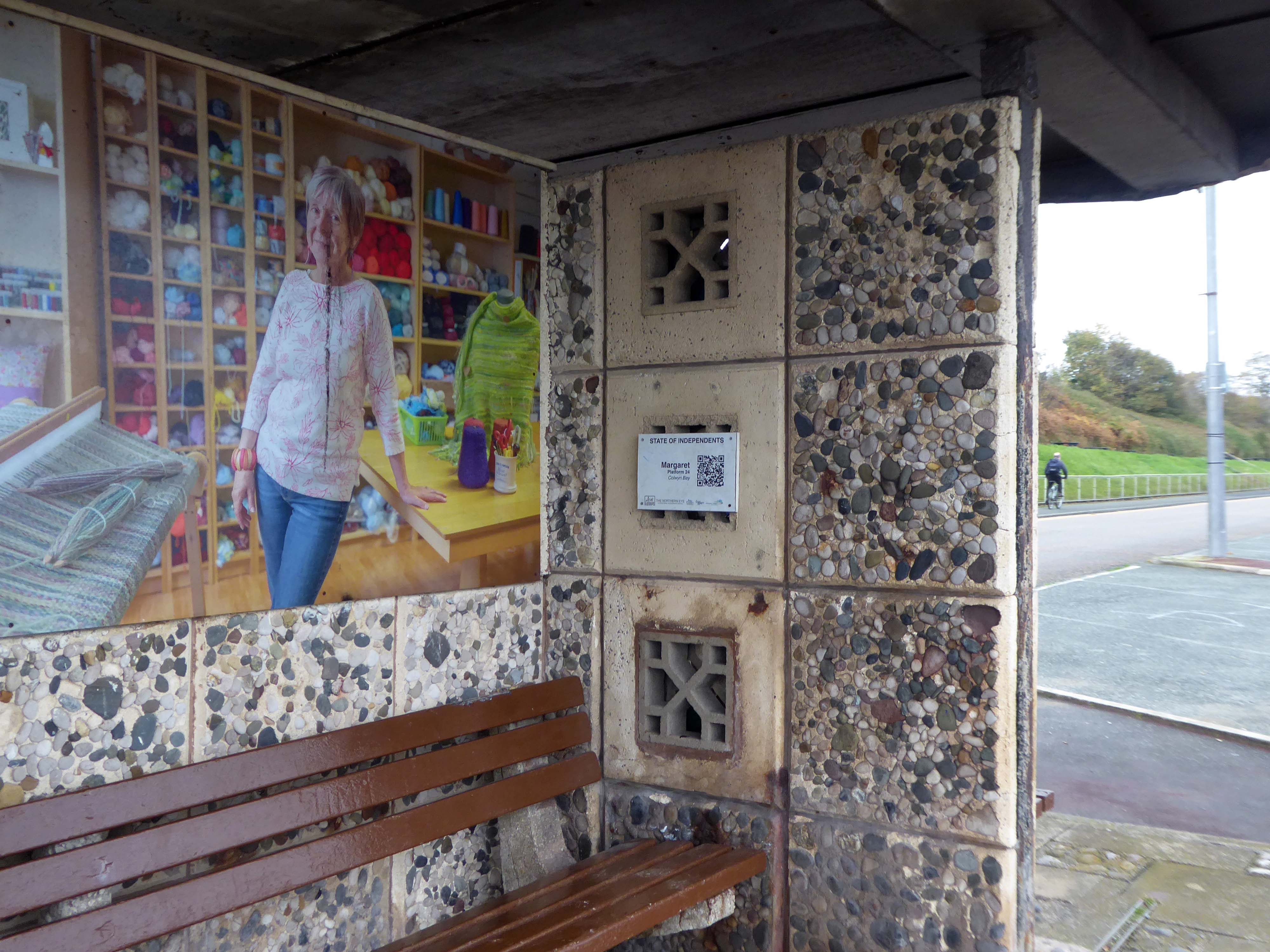
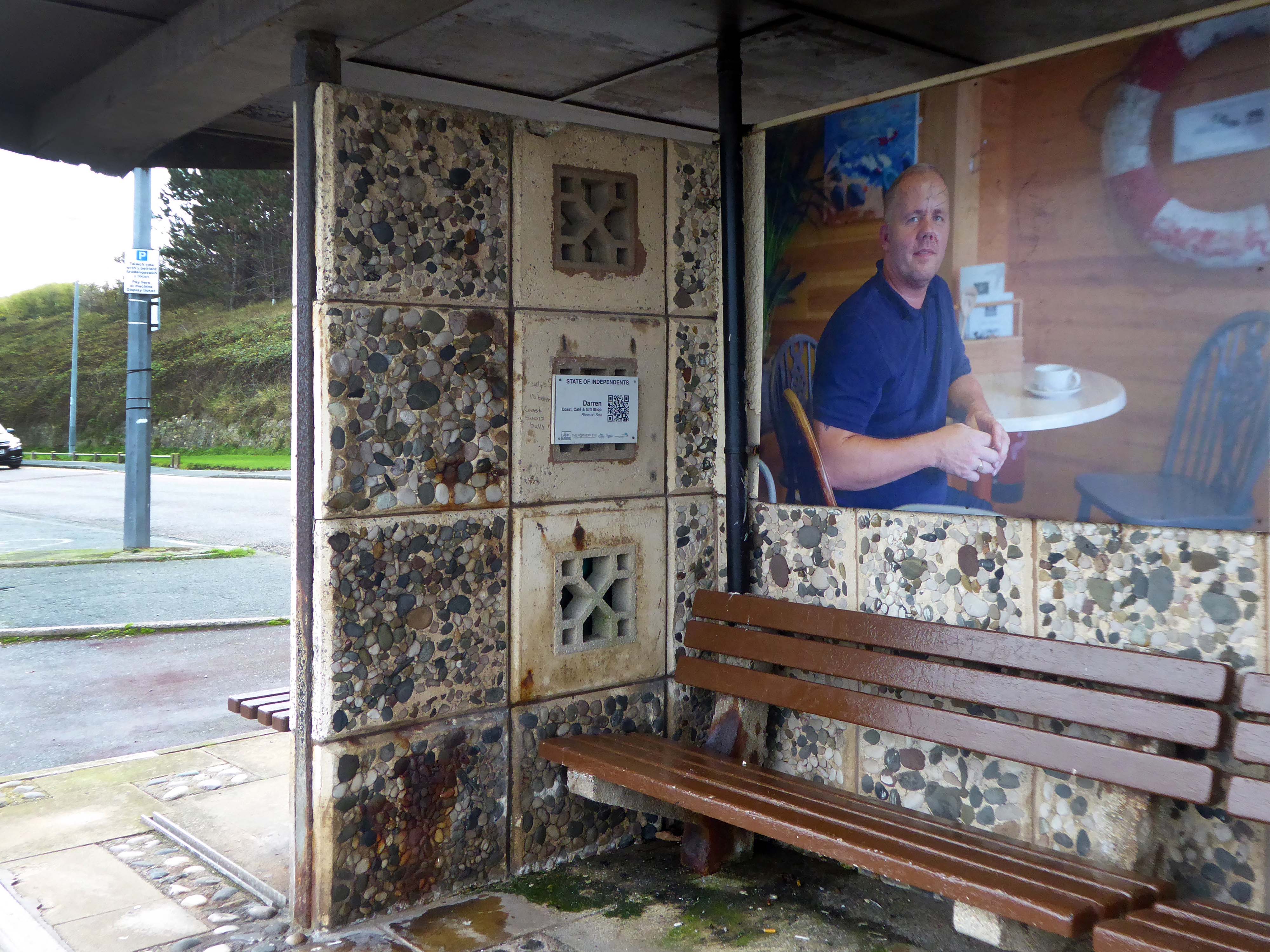
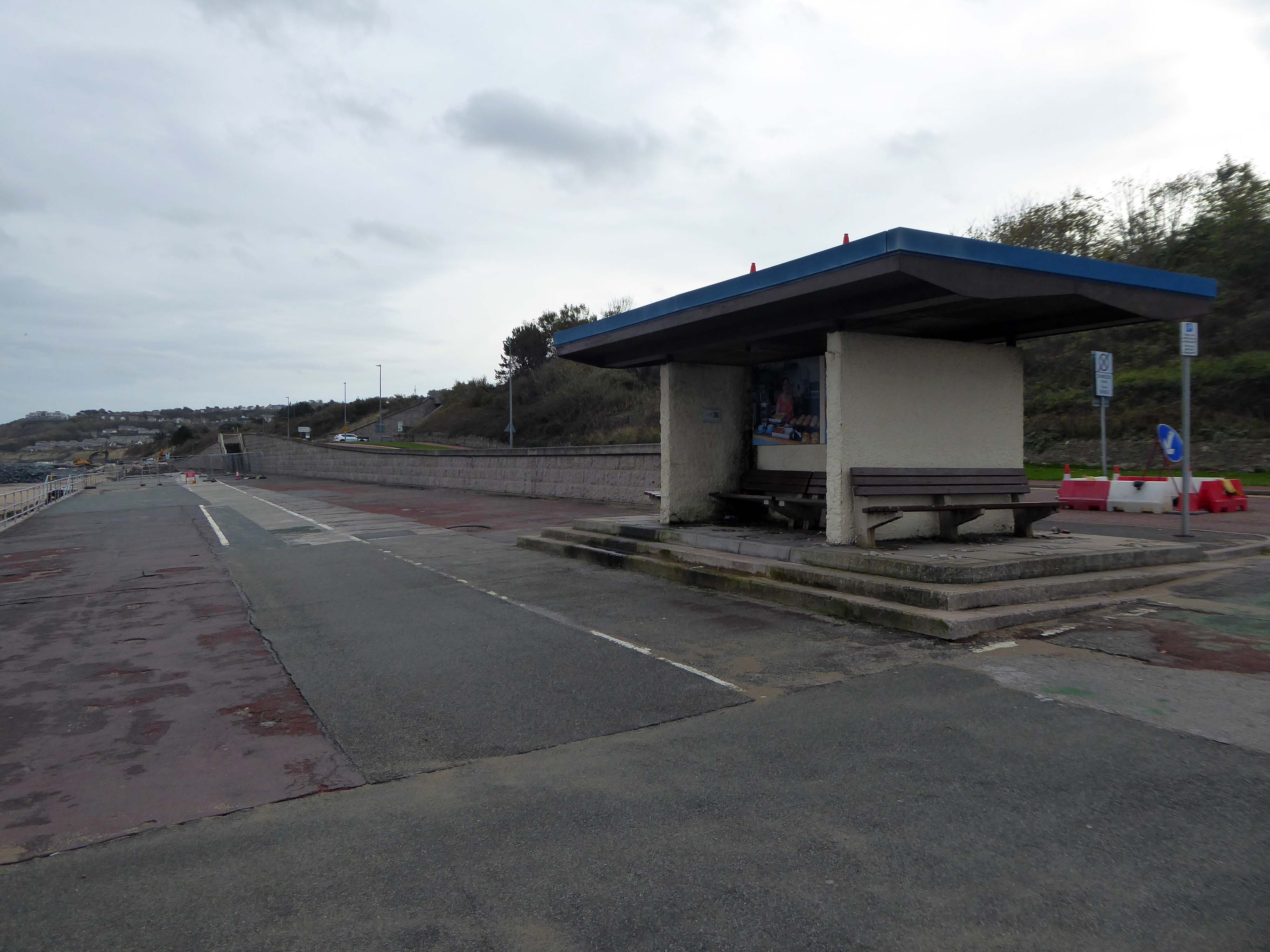
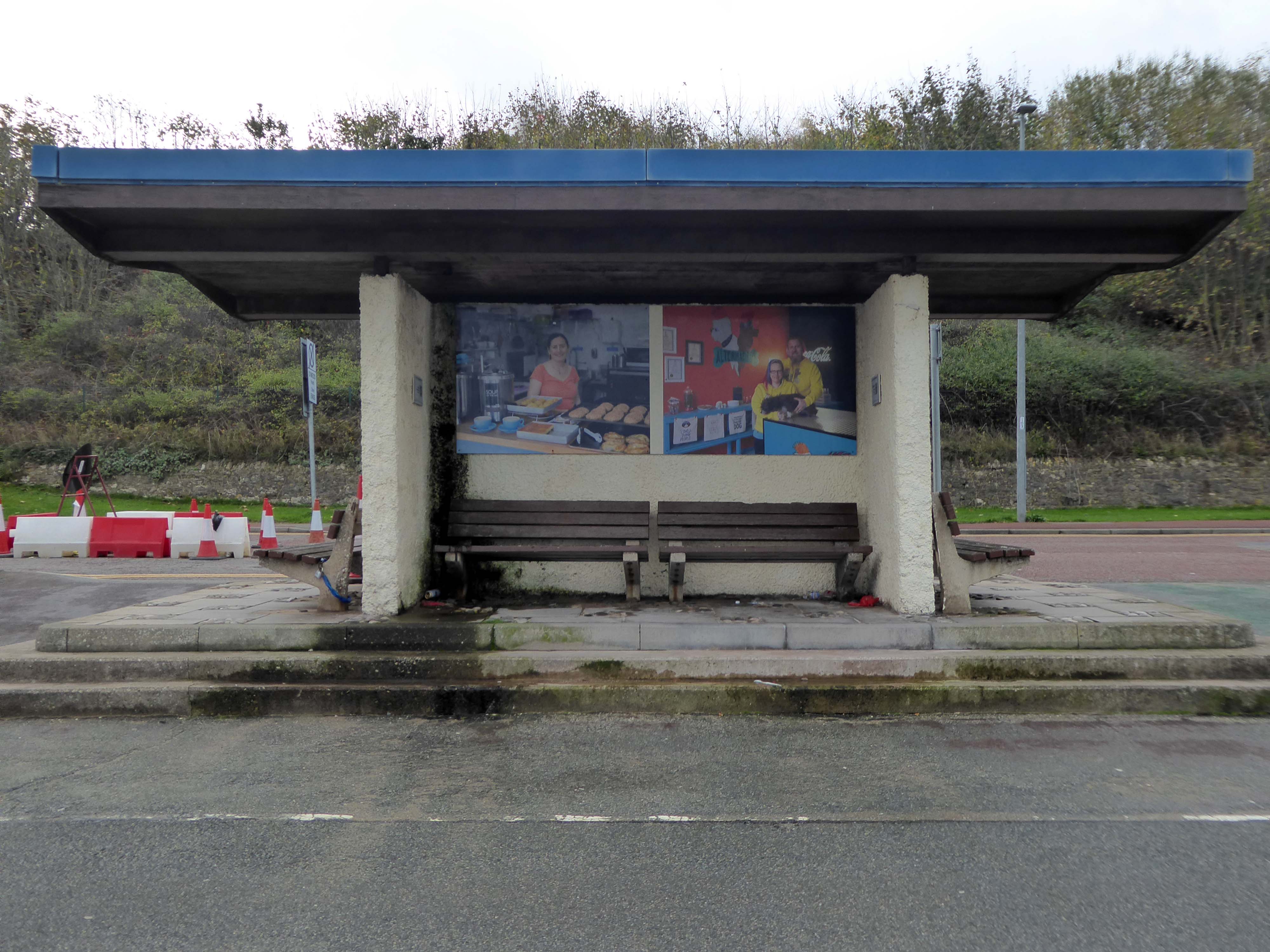
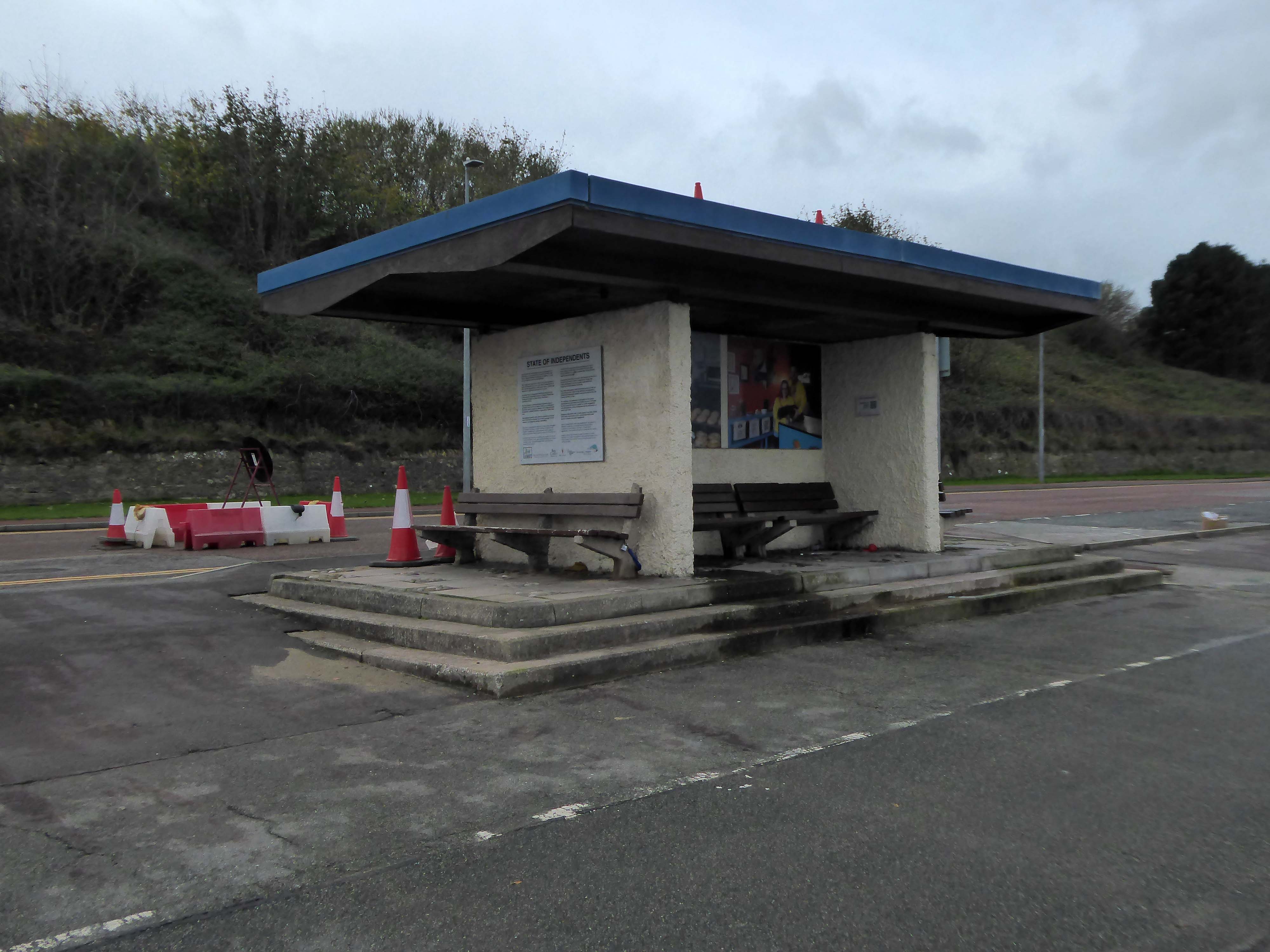
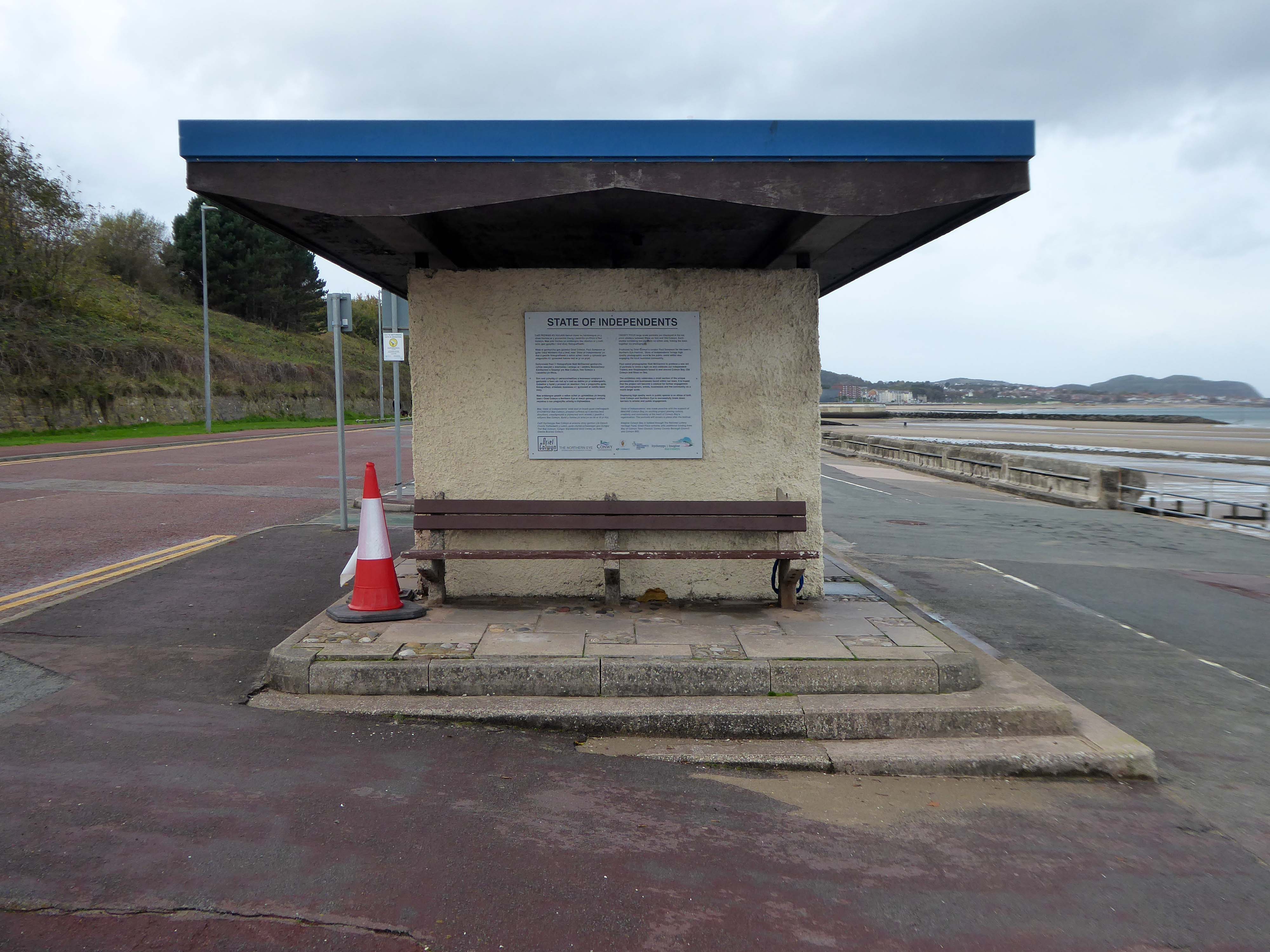
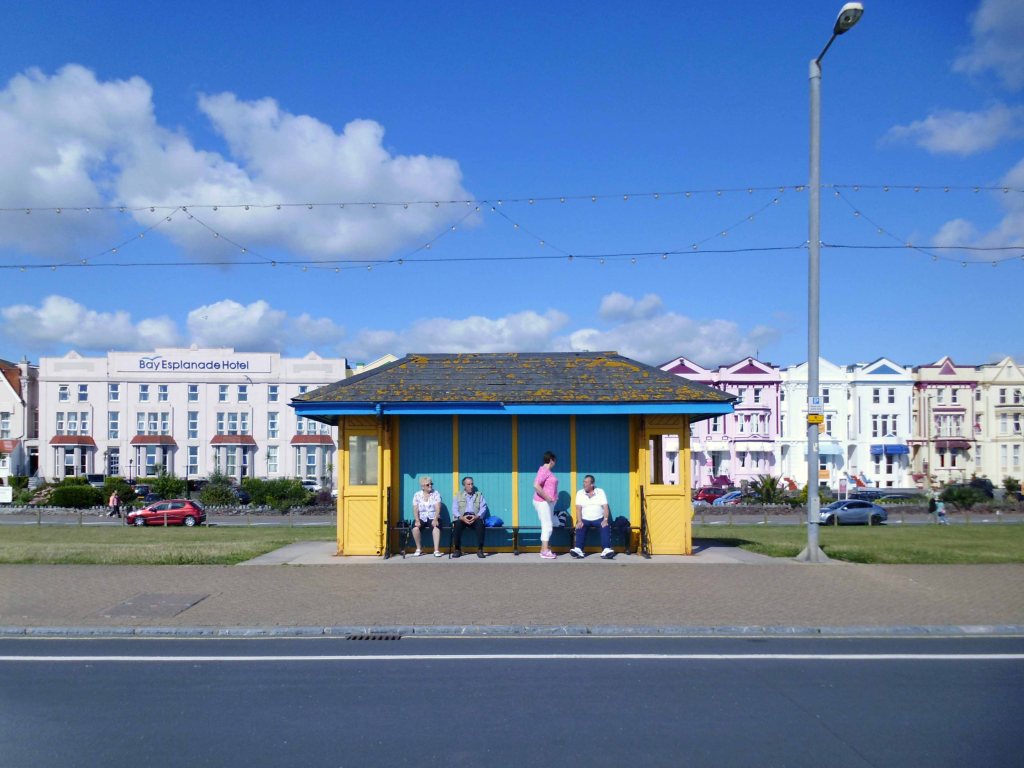
Thye have become host to Niall McDiarmid‘s snaps of local business folk – the project developed when local residents raised concerns about the appearance of the shelters on the promenade.
Cllr Roger Parry said
The shelters are nearing the end of their lifespan and these sections of the prom will be upgraded as part of the waterfront project.
In the meantime, State of Independents will make great use of the shelters; celebrating our hardworking local businesses and hopefully encouraging footfall from the promenade to our high streets.
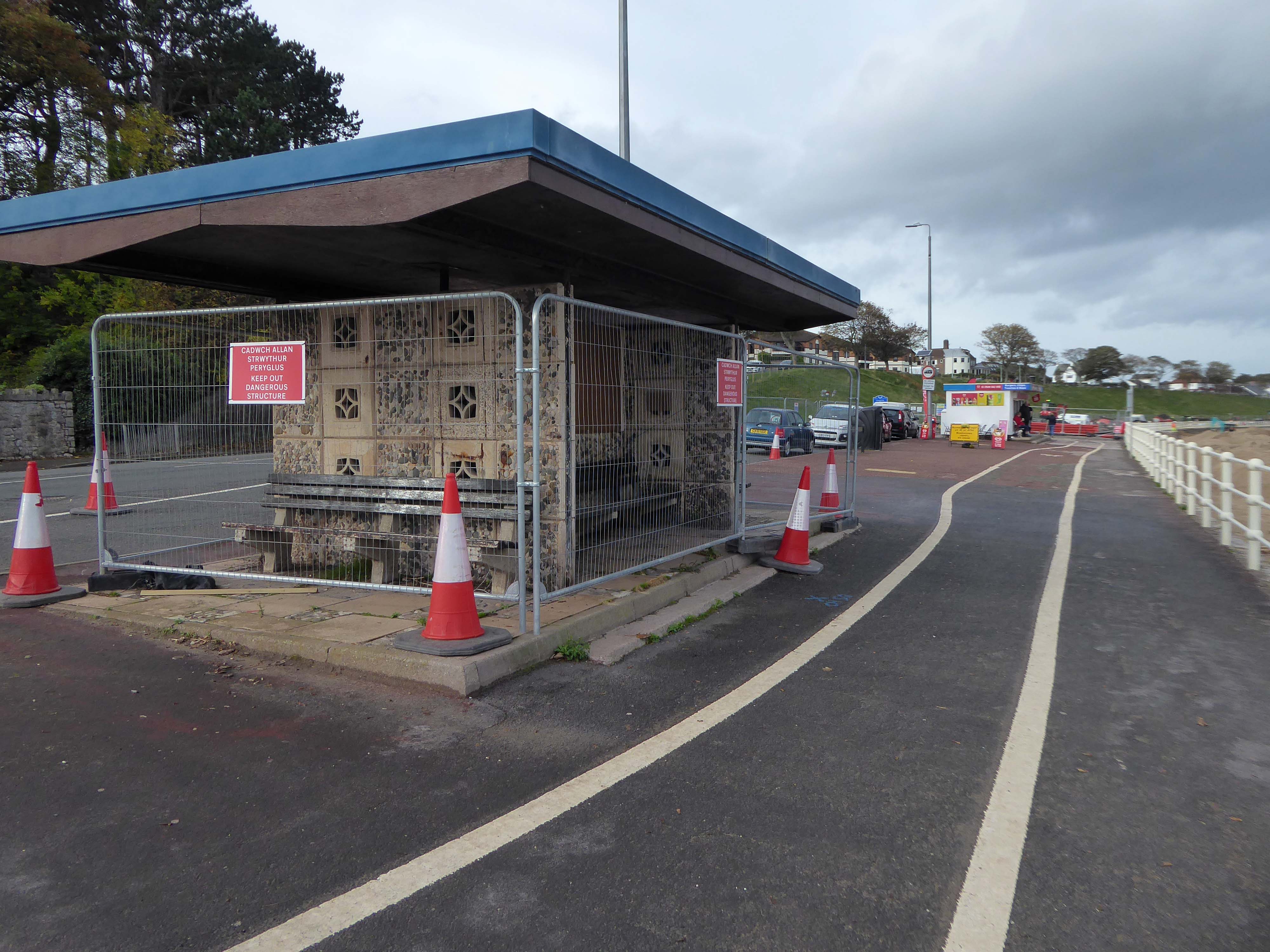
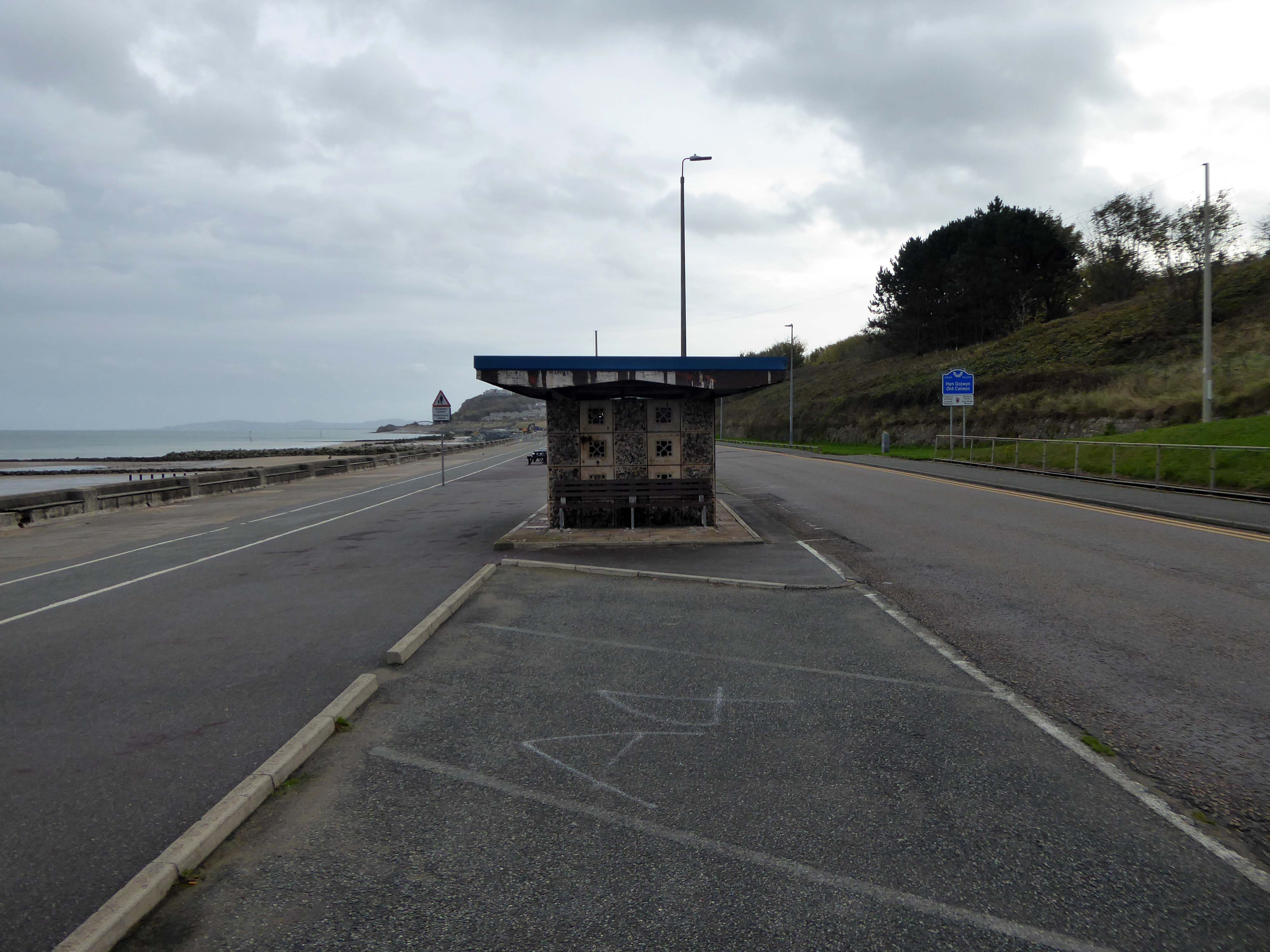
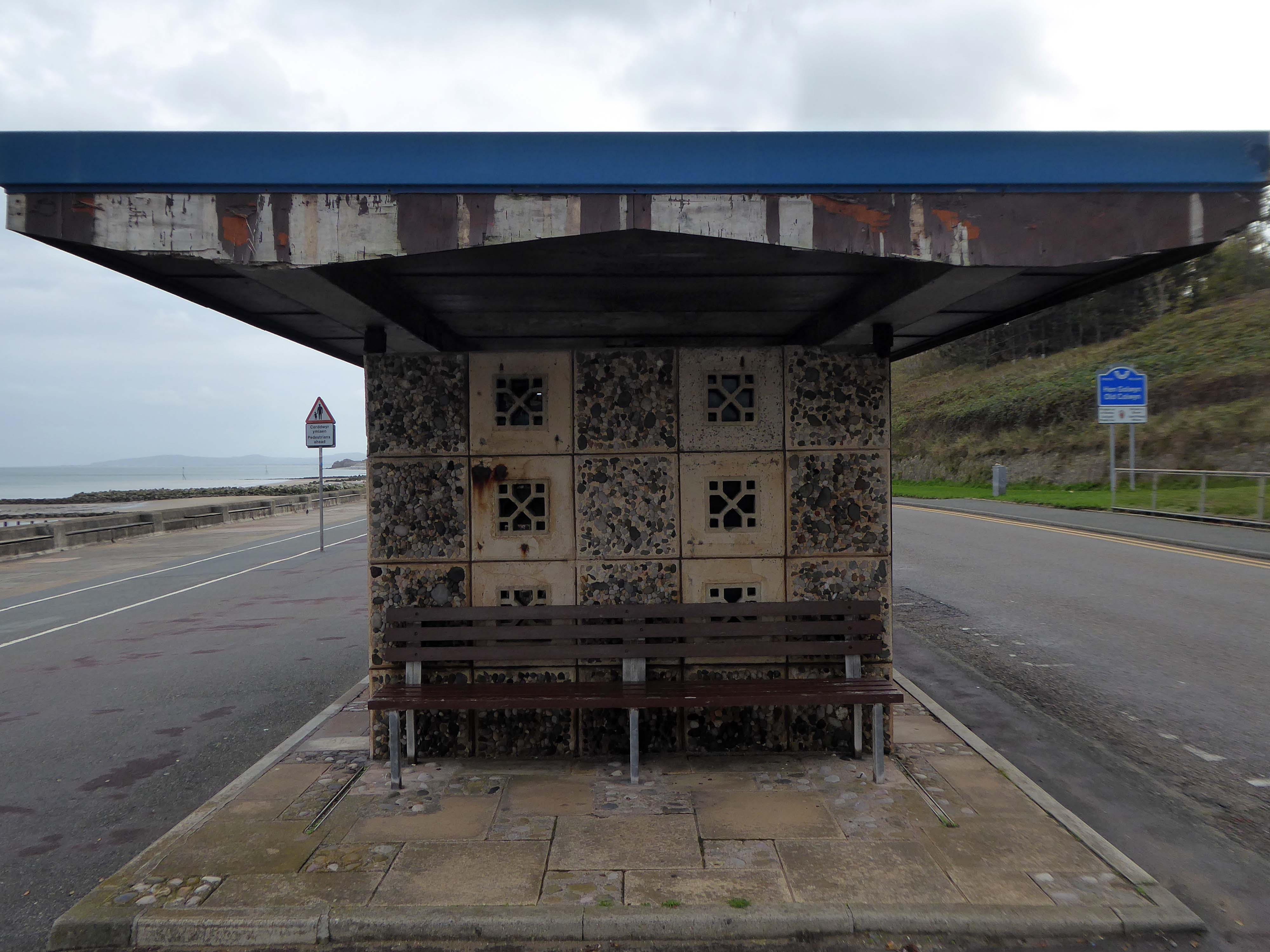
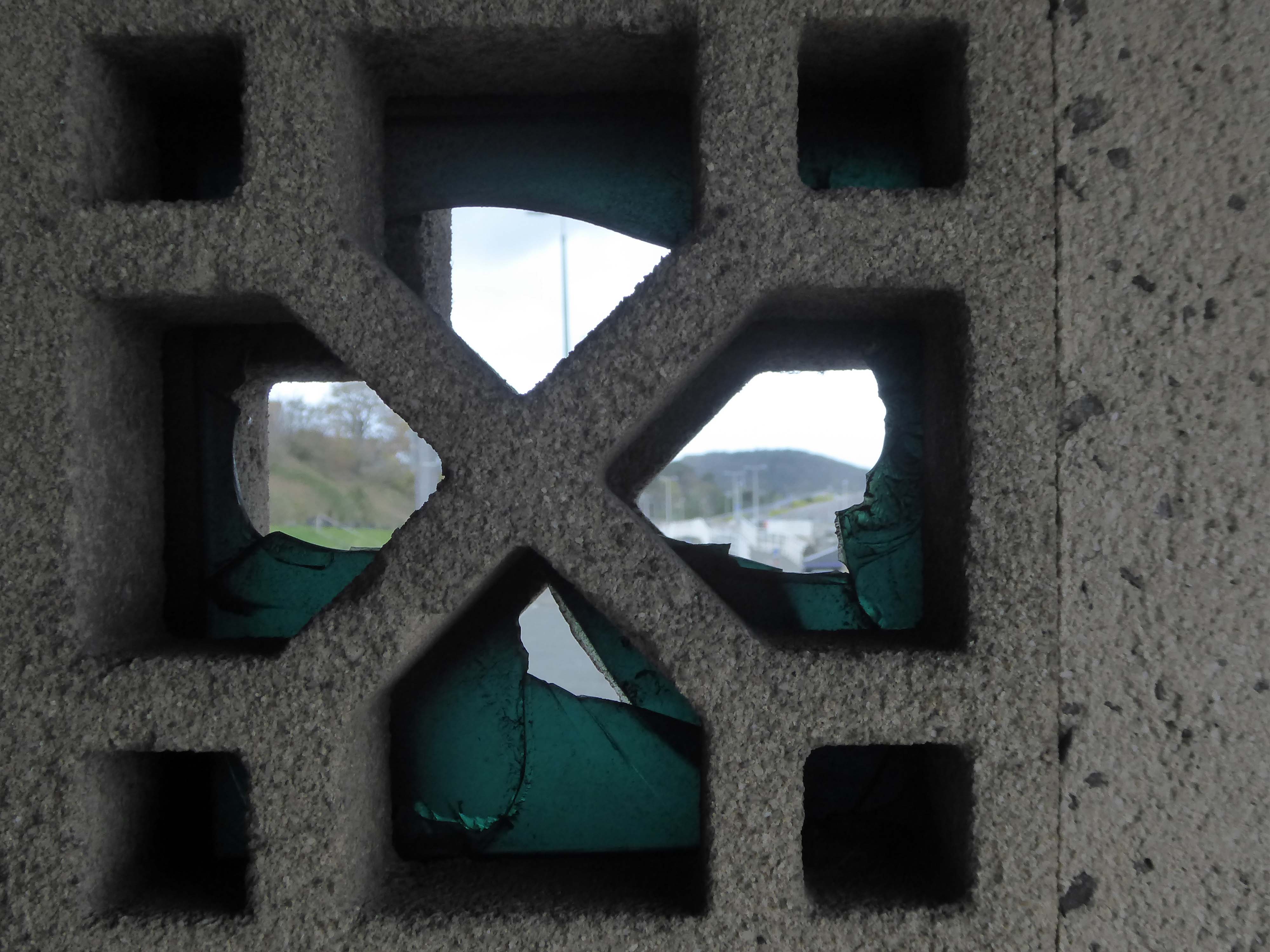
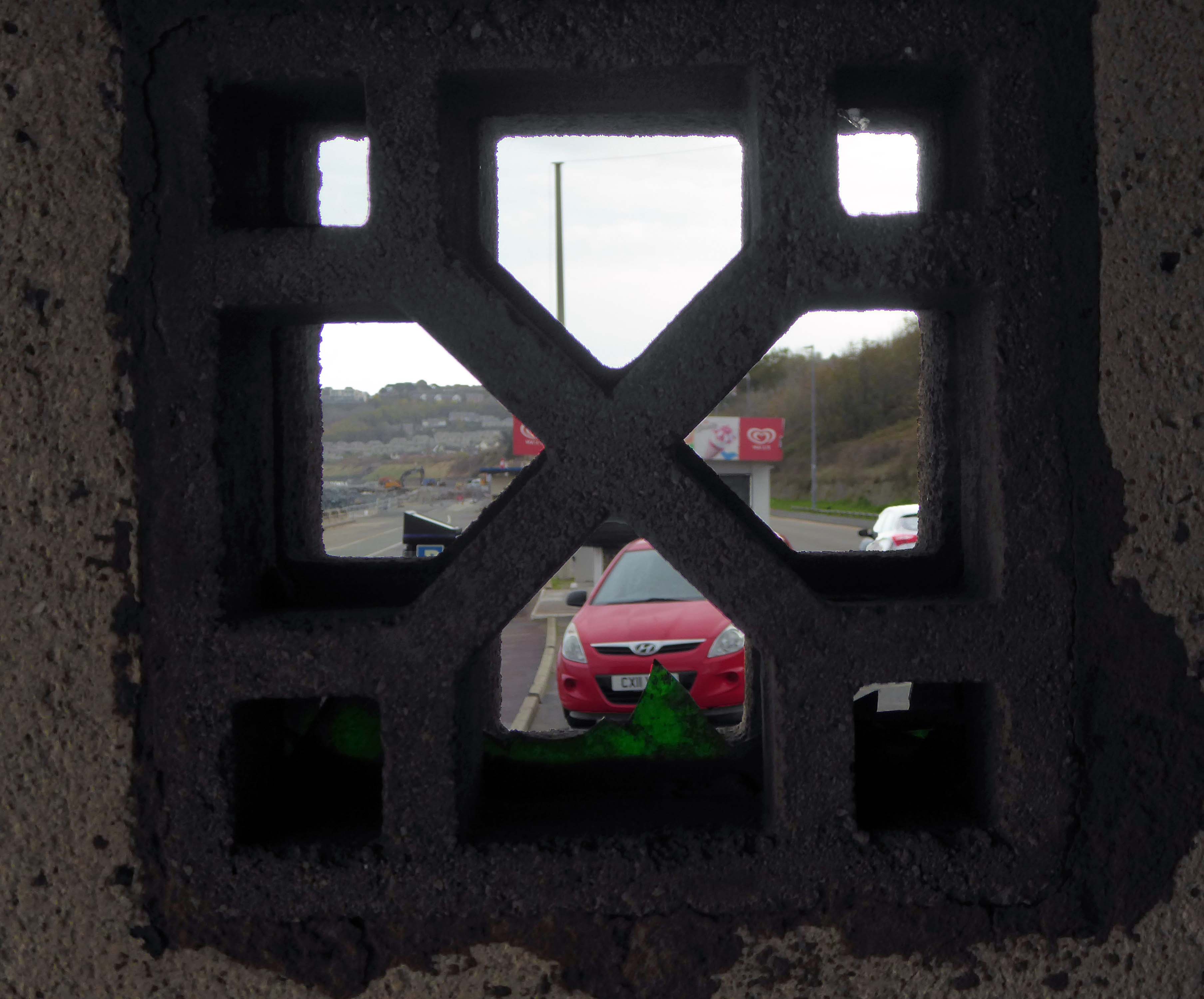
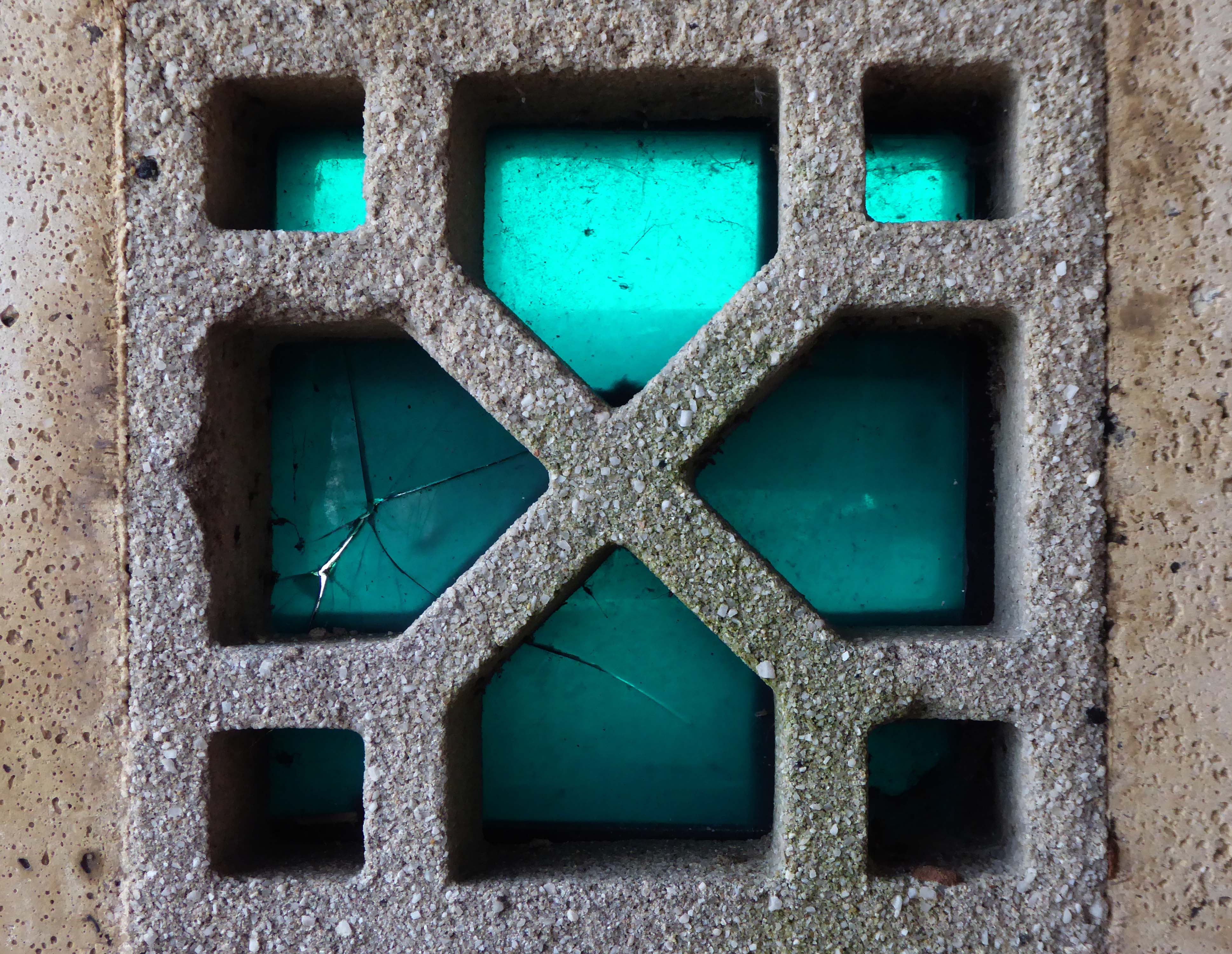
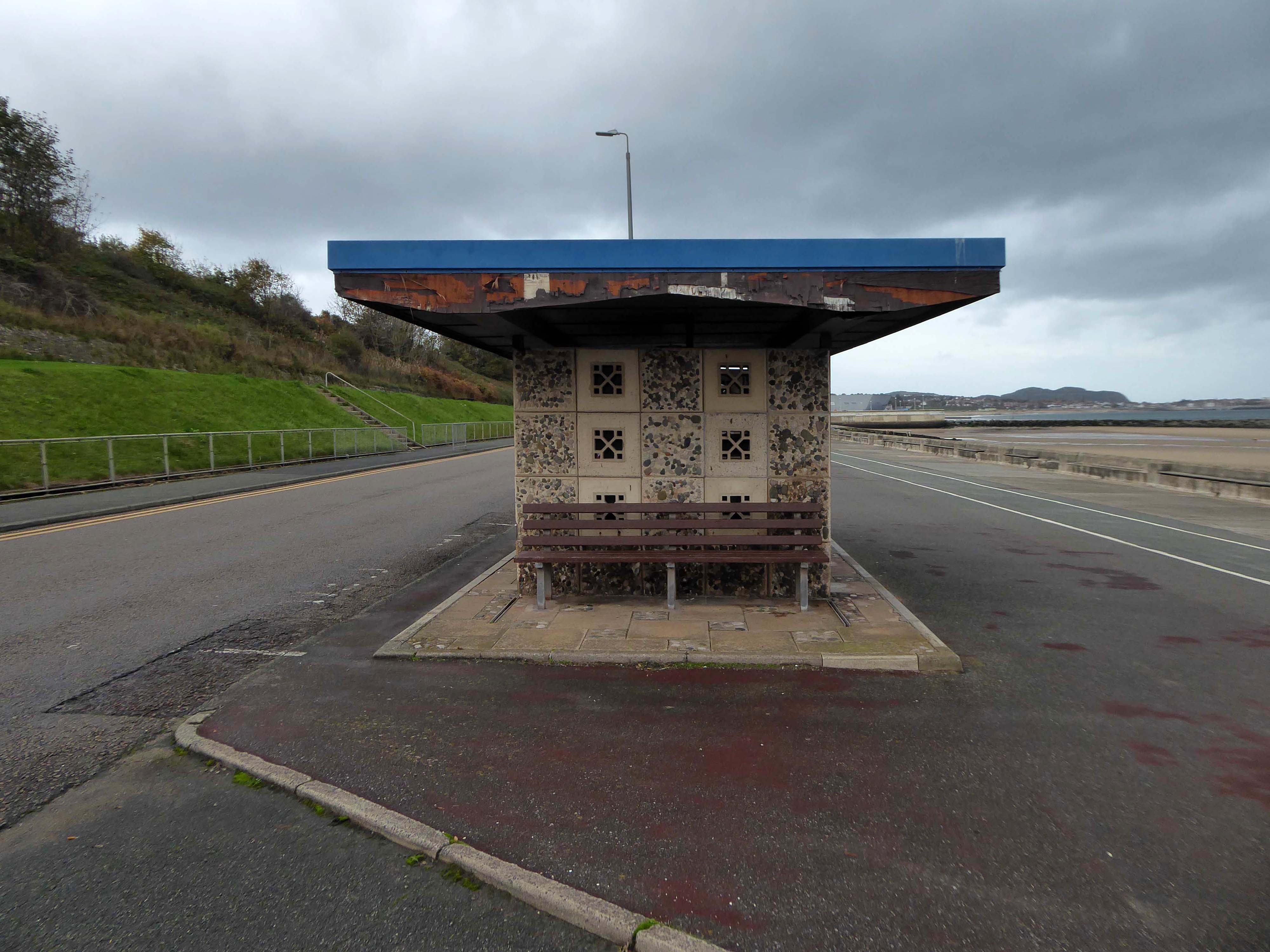
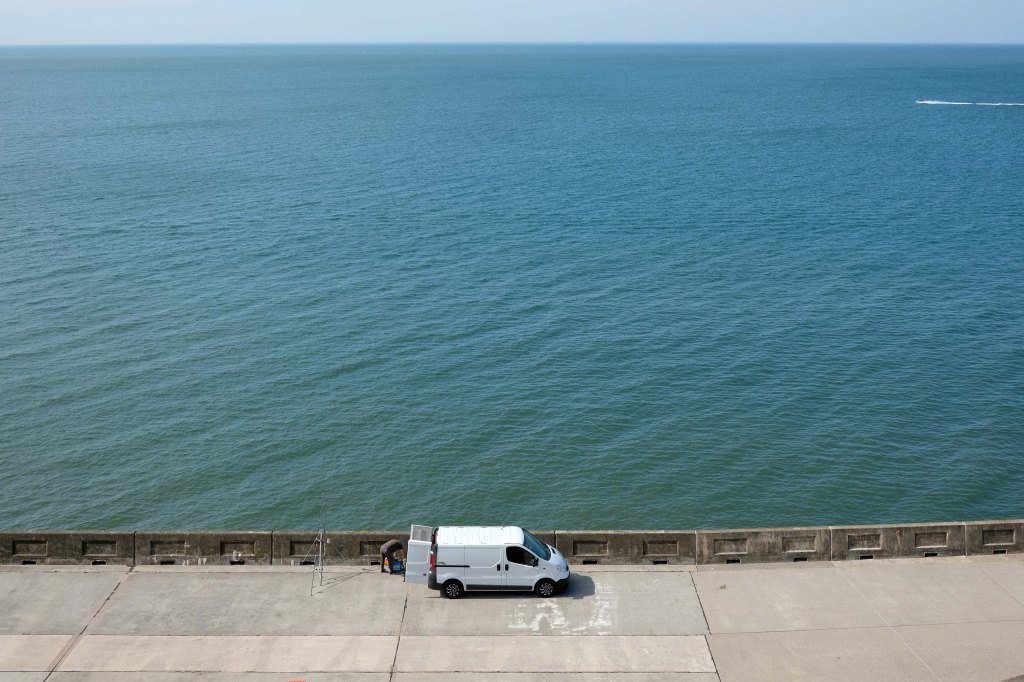
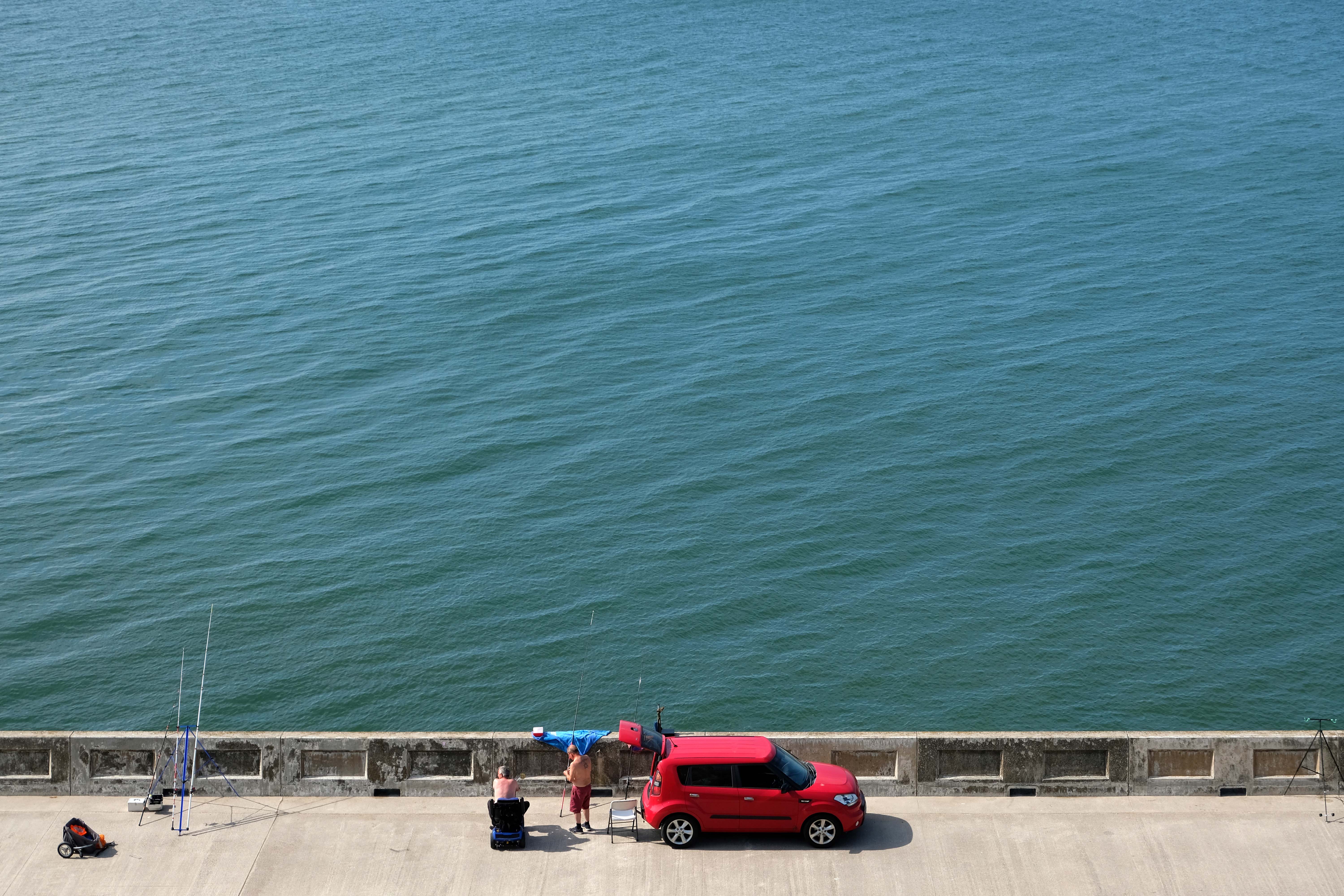
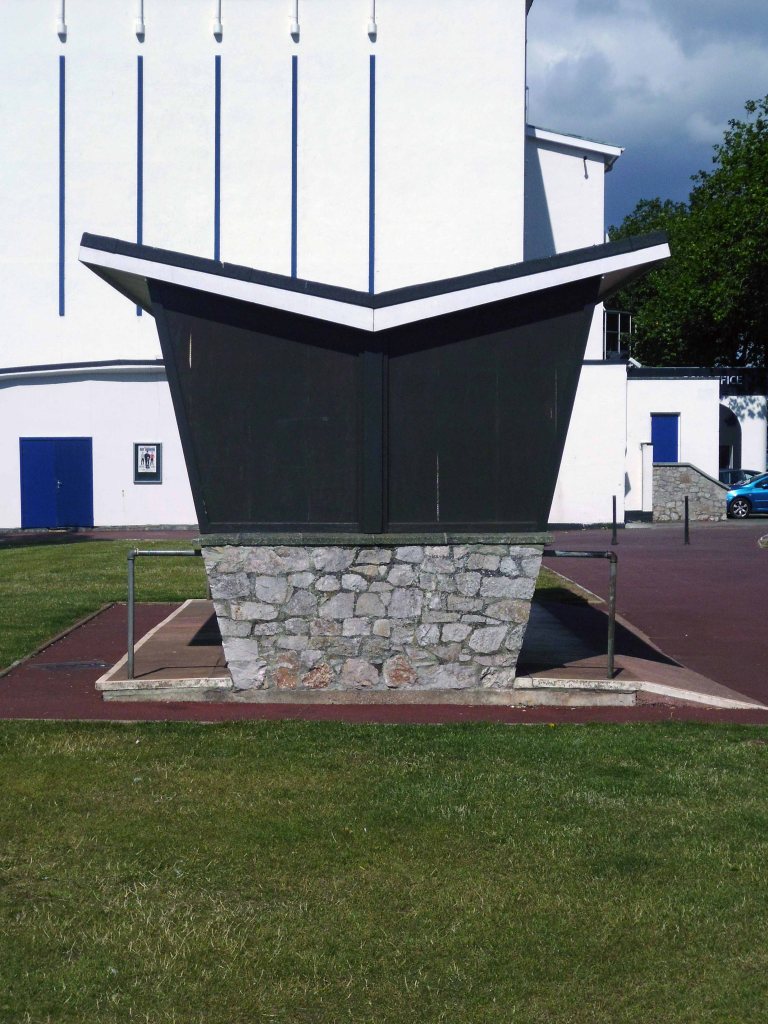
The last of the Rhos on Sea shelters is a dangerous customer suitably secured.
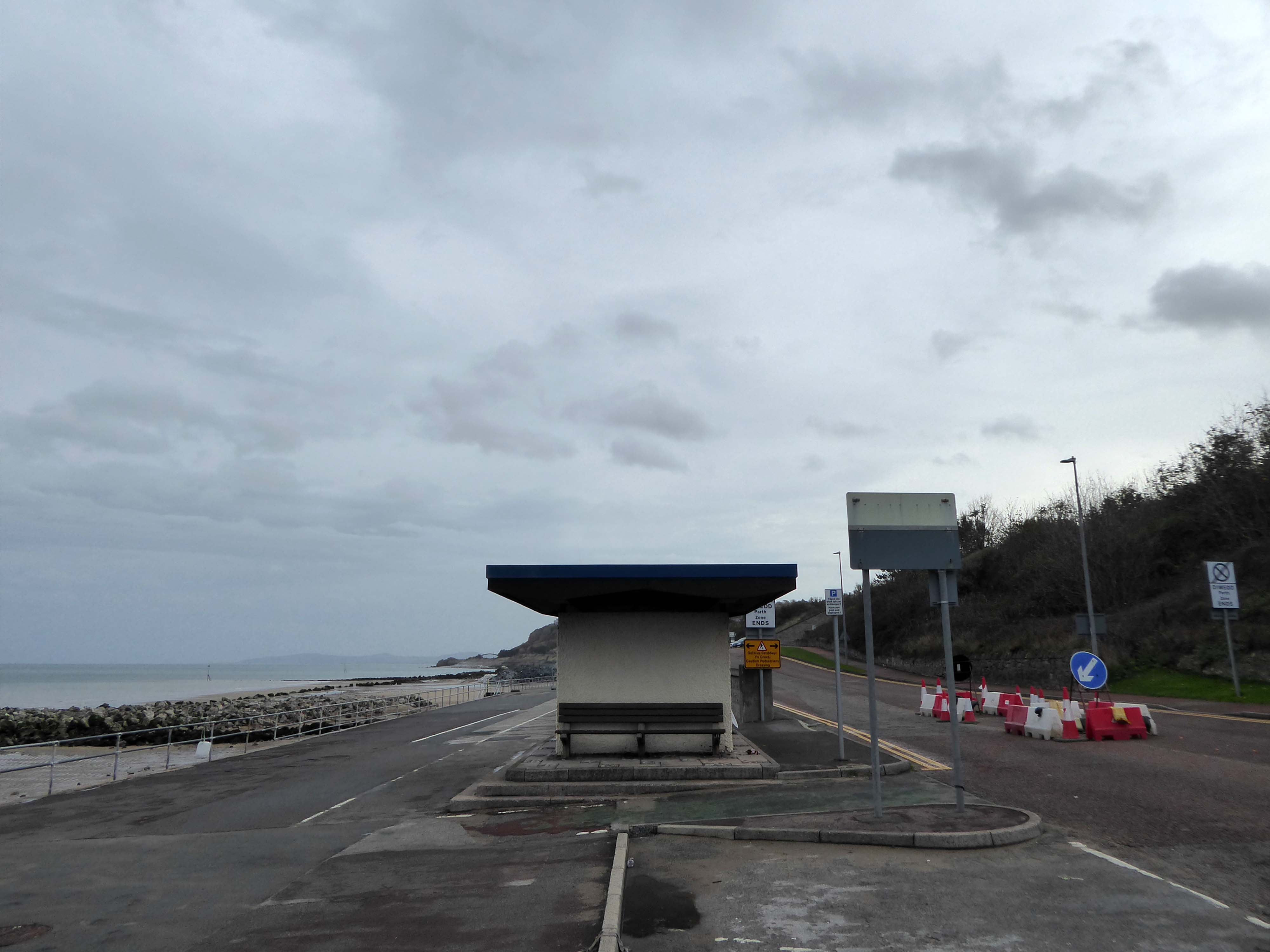
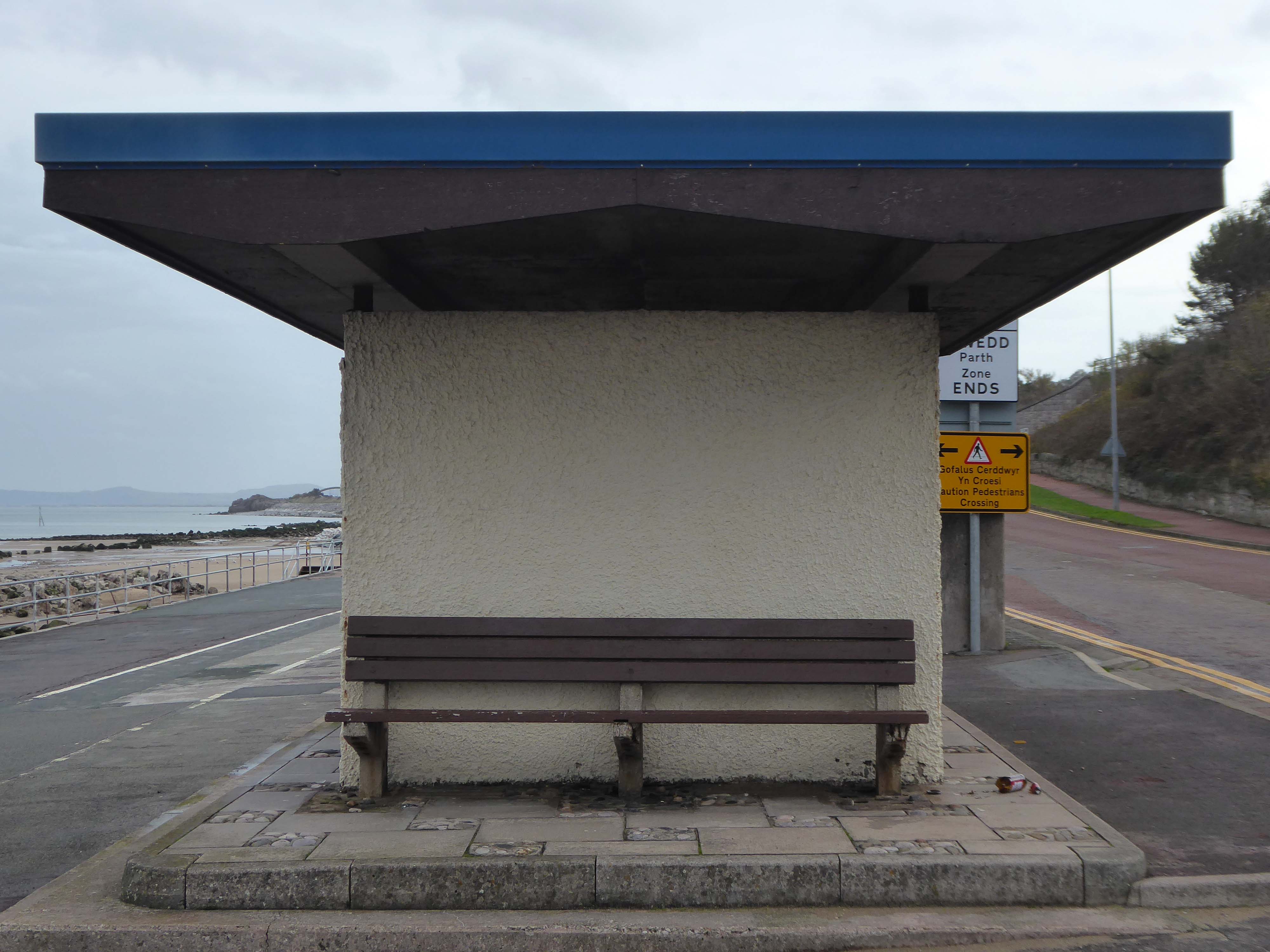
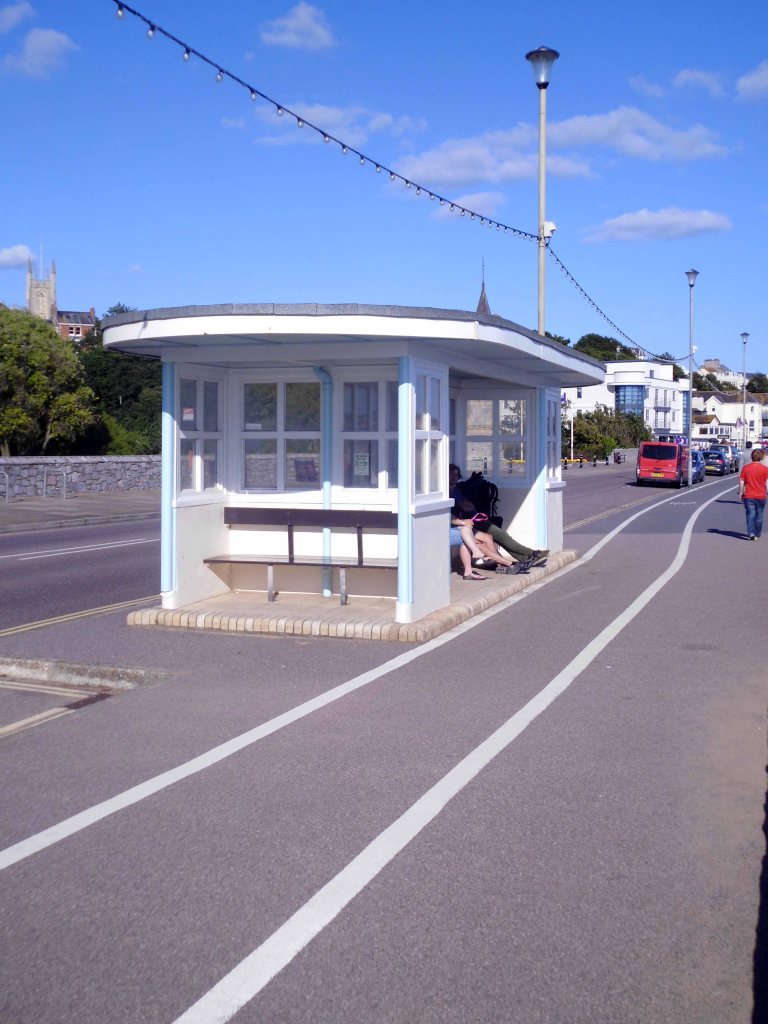
There remains two exemplars of the typology located at the Colwyn end of the bay.
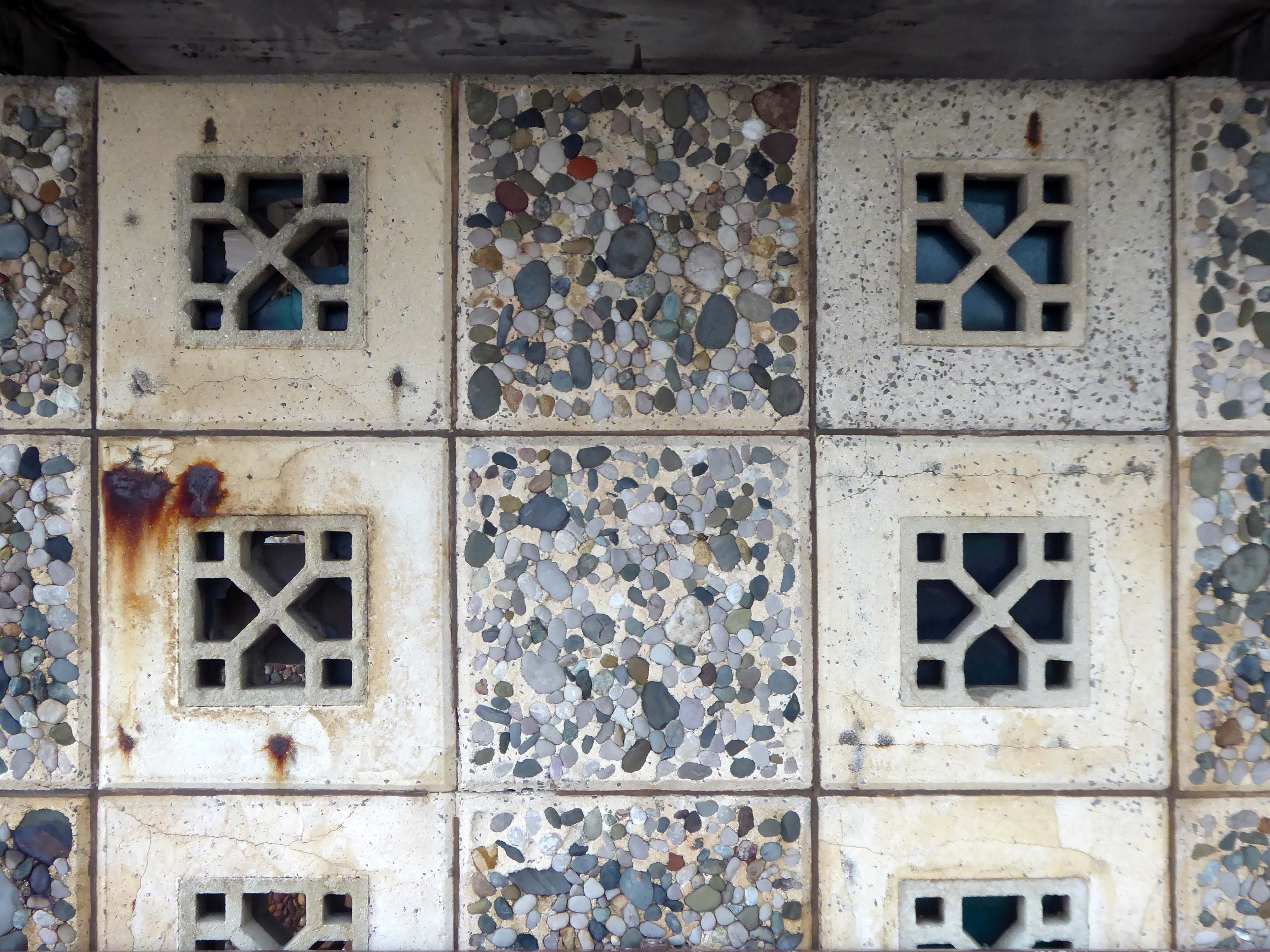
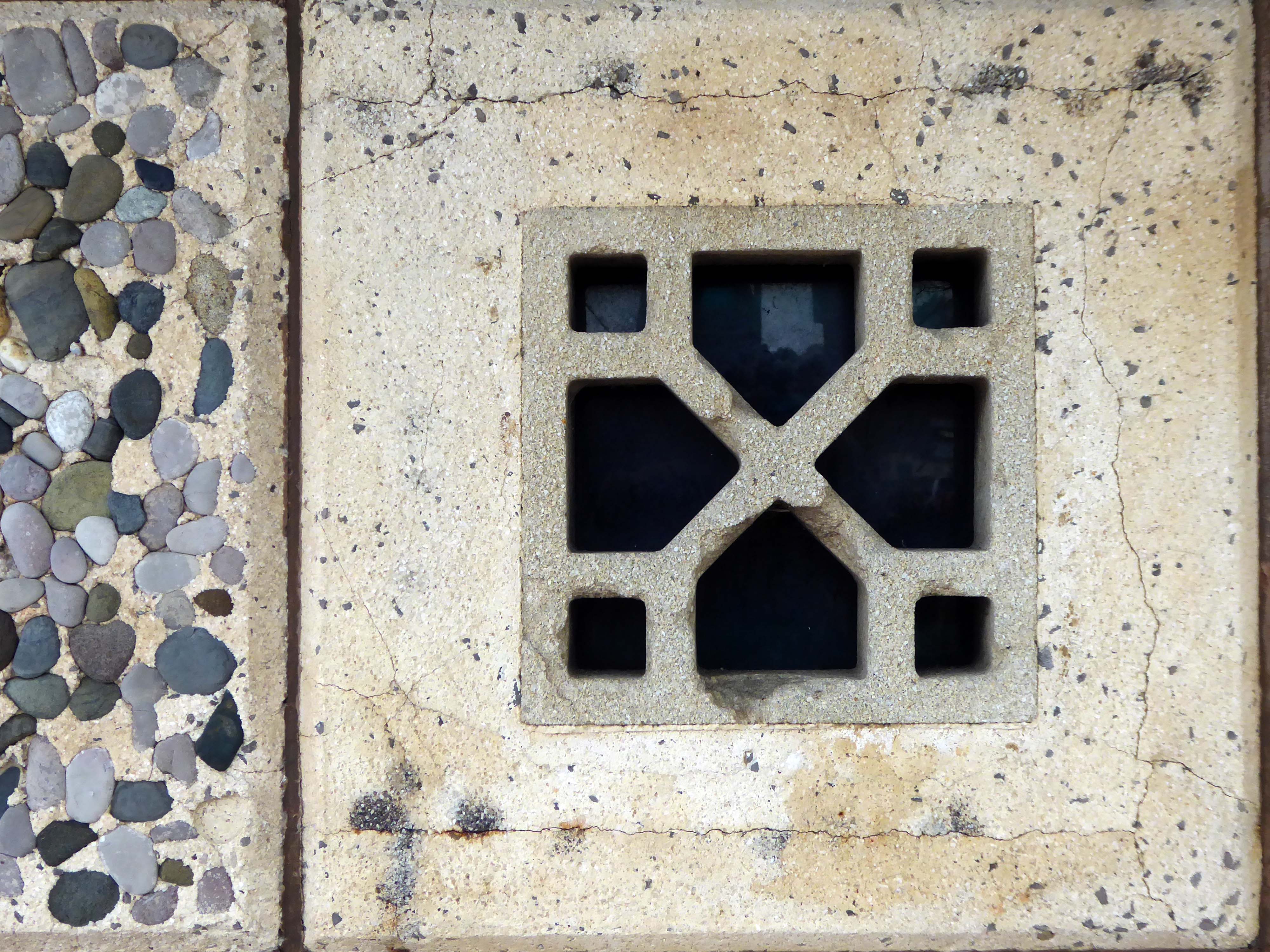
The second shelter lacks the pierced concrete blocks.
So work progresses on the coastal defences, the promenade is refashioned after a fashion in the fashion of the day.
There is no longer a place for these unique exemplars of Municipal Modernism.
Before the work began, the promenade was a tired, uninviting and underused public space. Poorly lit and often host to anti-social behaviour, the uneven surfacing and crumbling shelters were the results of years of patchwork repairs.
The project has transformed the area into a public space which the local community can take pride in and make use of all year round.
Lately I have been frequenting bad houses Places no respectable man would be seen I hate myself for my weakness My past sickens me I tell myself I will not go Even as I drive there
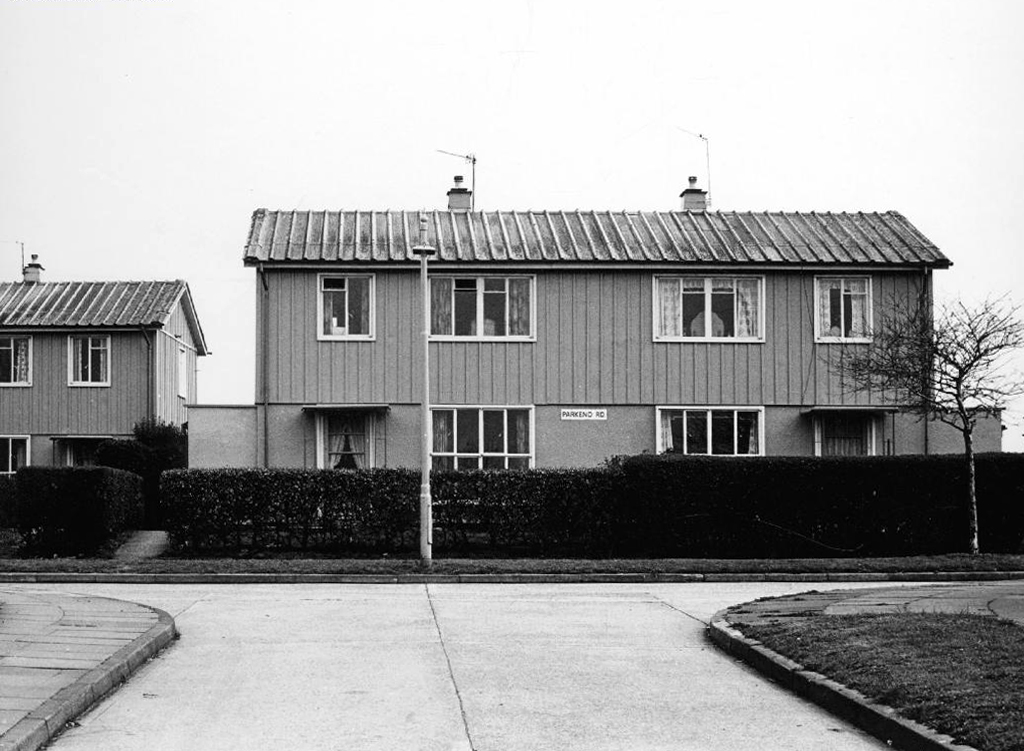
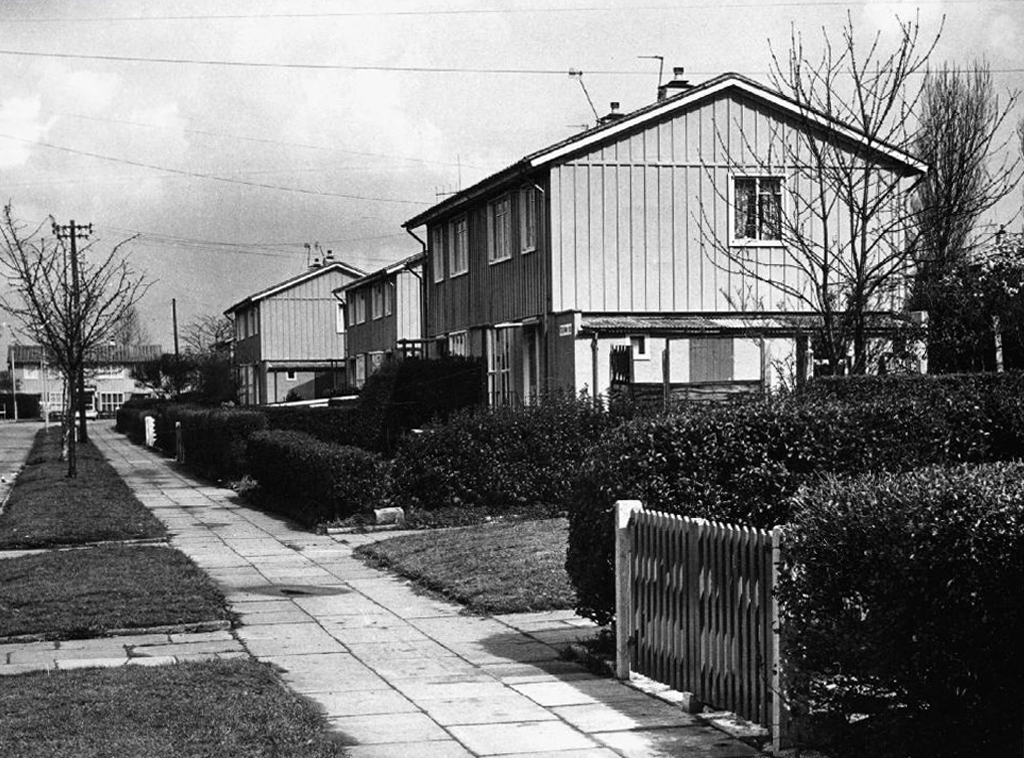
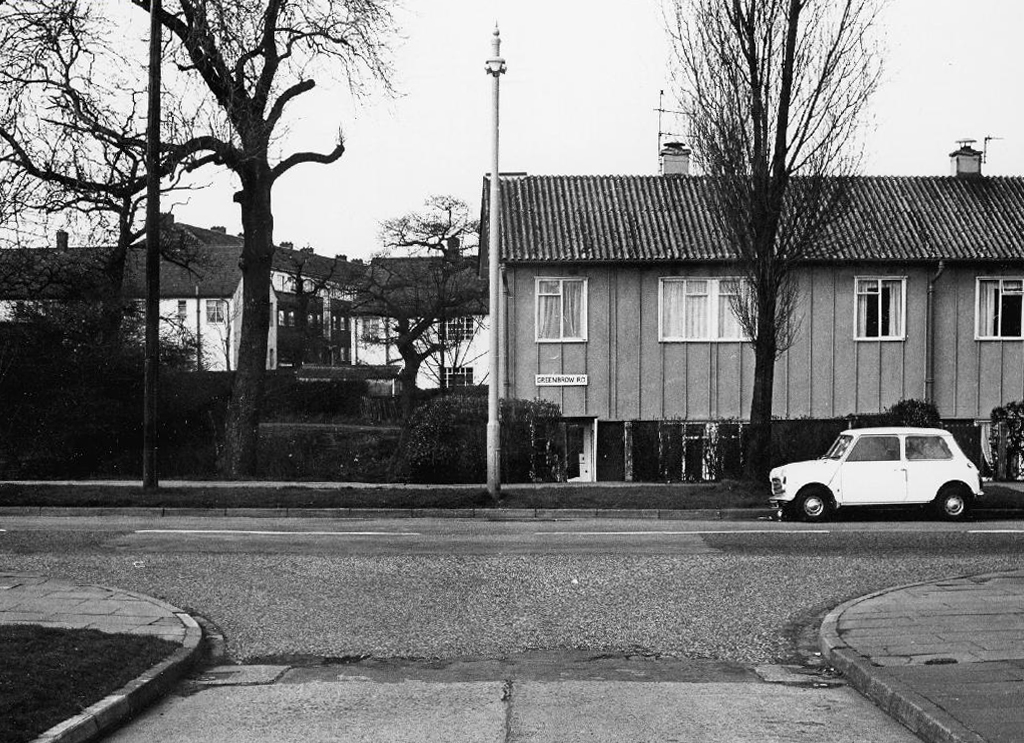
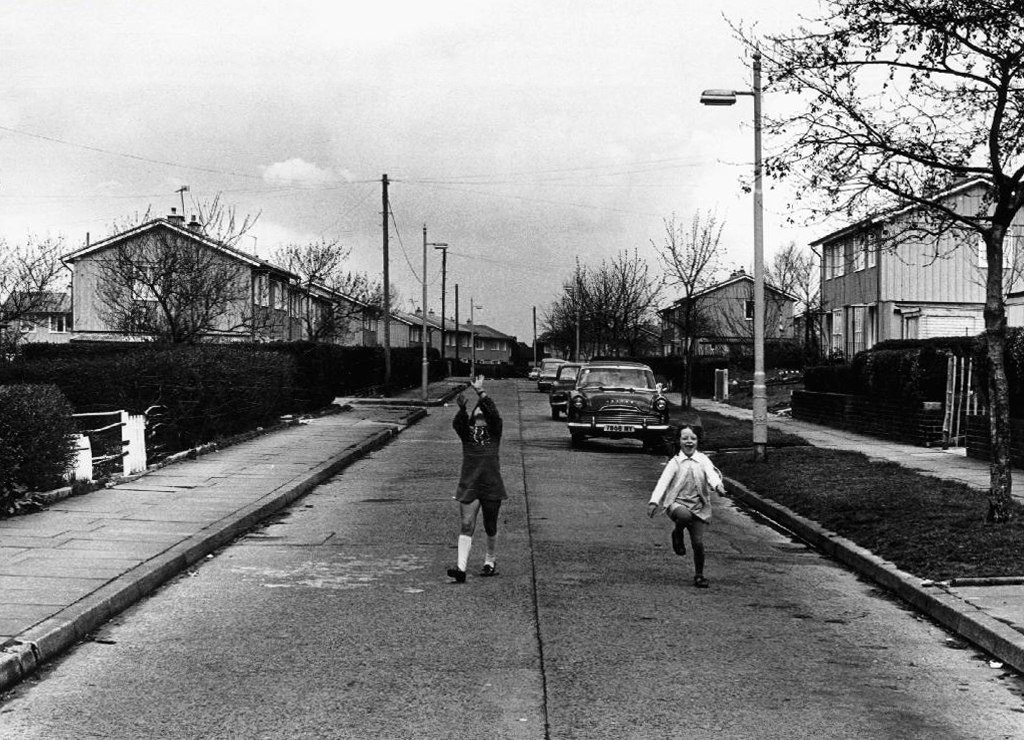
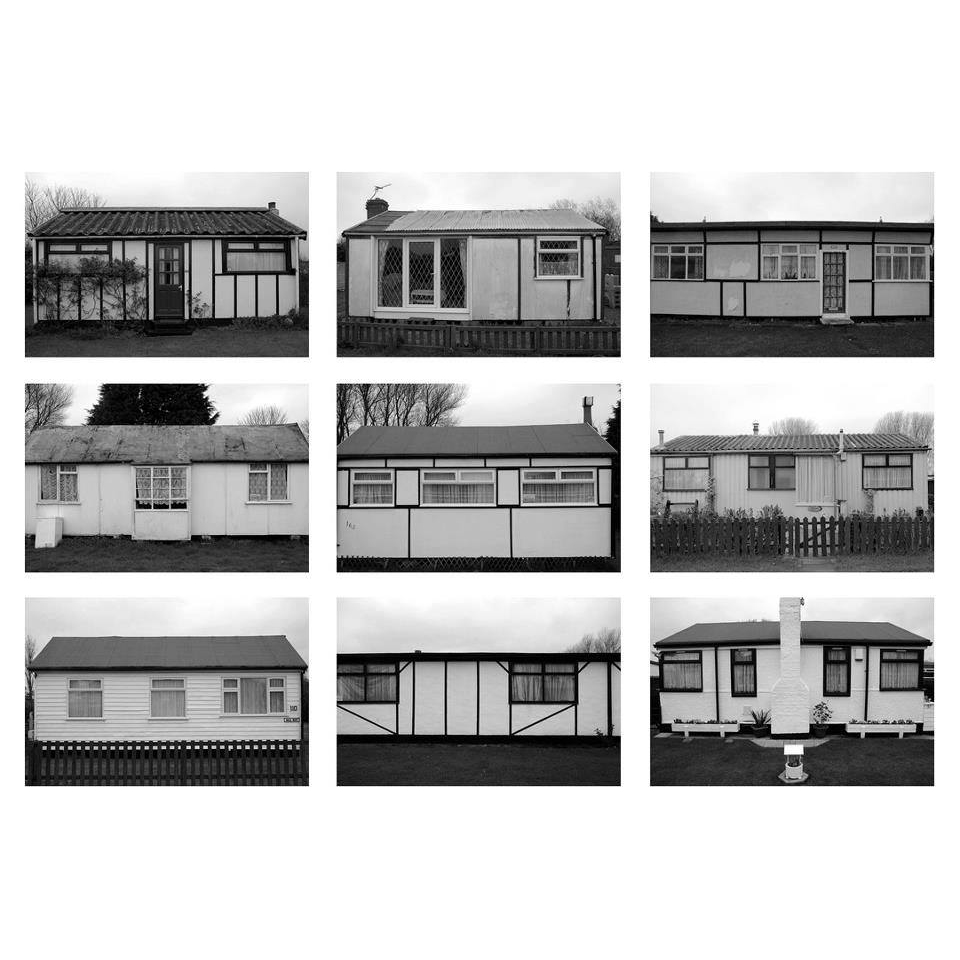
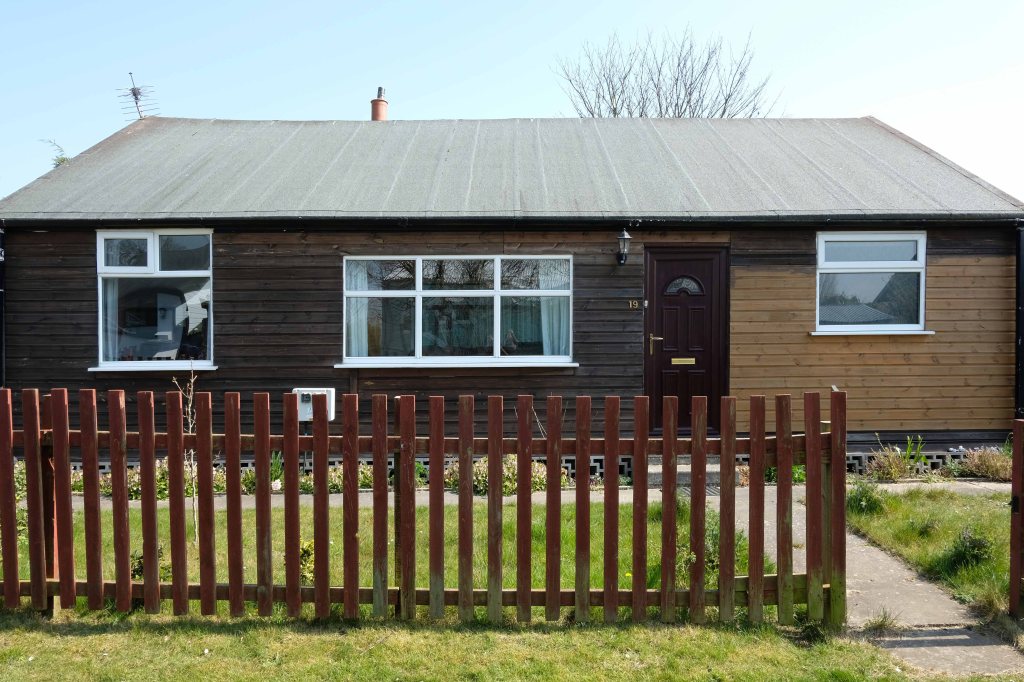
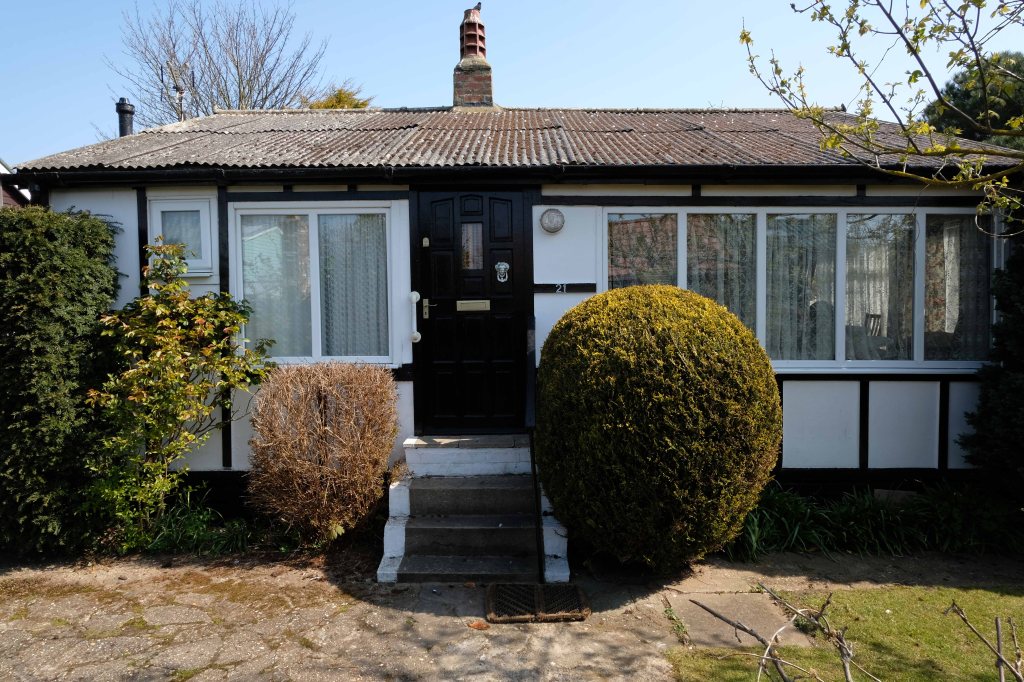
The Second World War brought an even greater demand for the rapid construction of new dwellings. In addition to the need to rebuild homes damaged as a result of the war, the Government had other objectives that were set out in a white paper in 1945, to provide a separate dwelling for any family who wanted one and to complete the slum clearance programme started before the war. After the Second World War there was a surplus of steel and aluminium production, and an industry in need of diversification. These factors drove the move towards the use of prefabrication, as aresult many new varieties of concrete, timber framed and steel framed systems emerged. Whilst most systems were intended to provide permanent or long-term housing a few were intended only as emergency or temporary solutions.
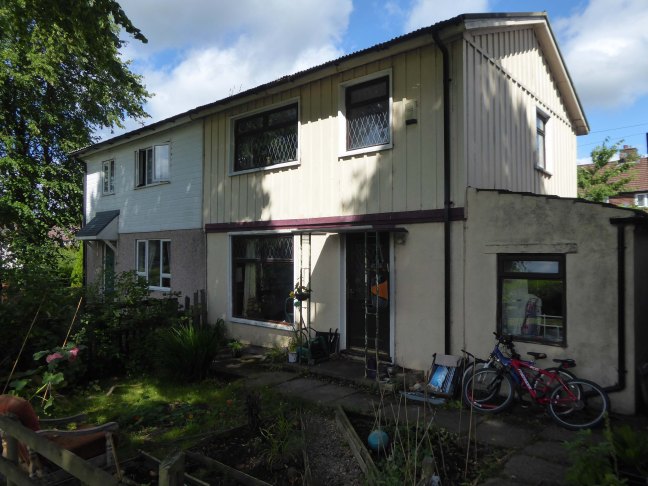
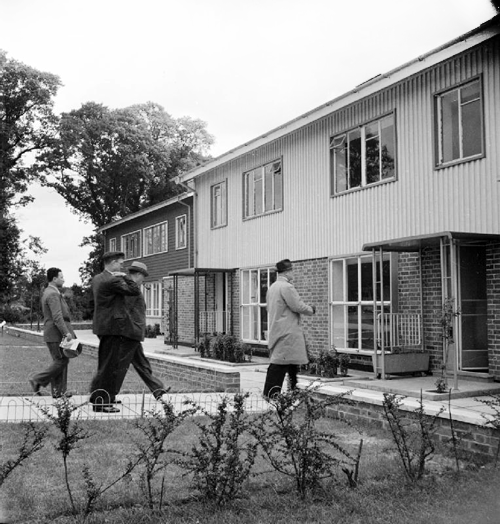
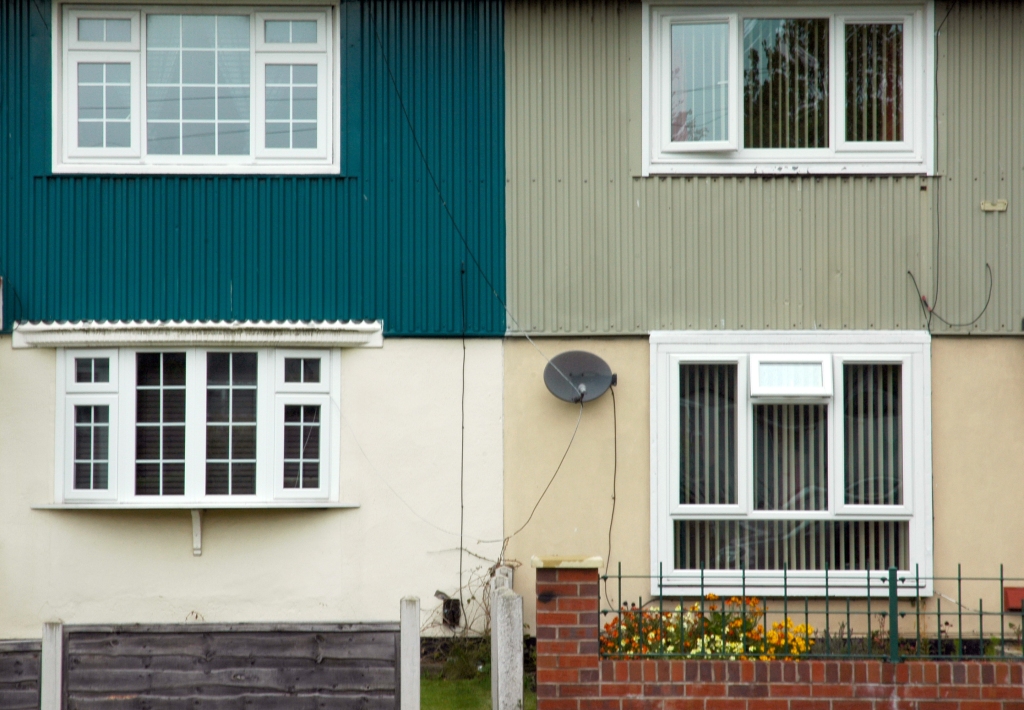
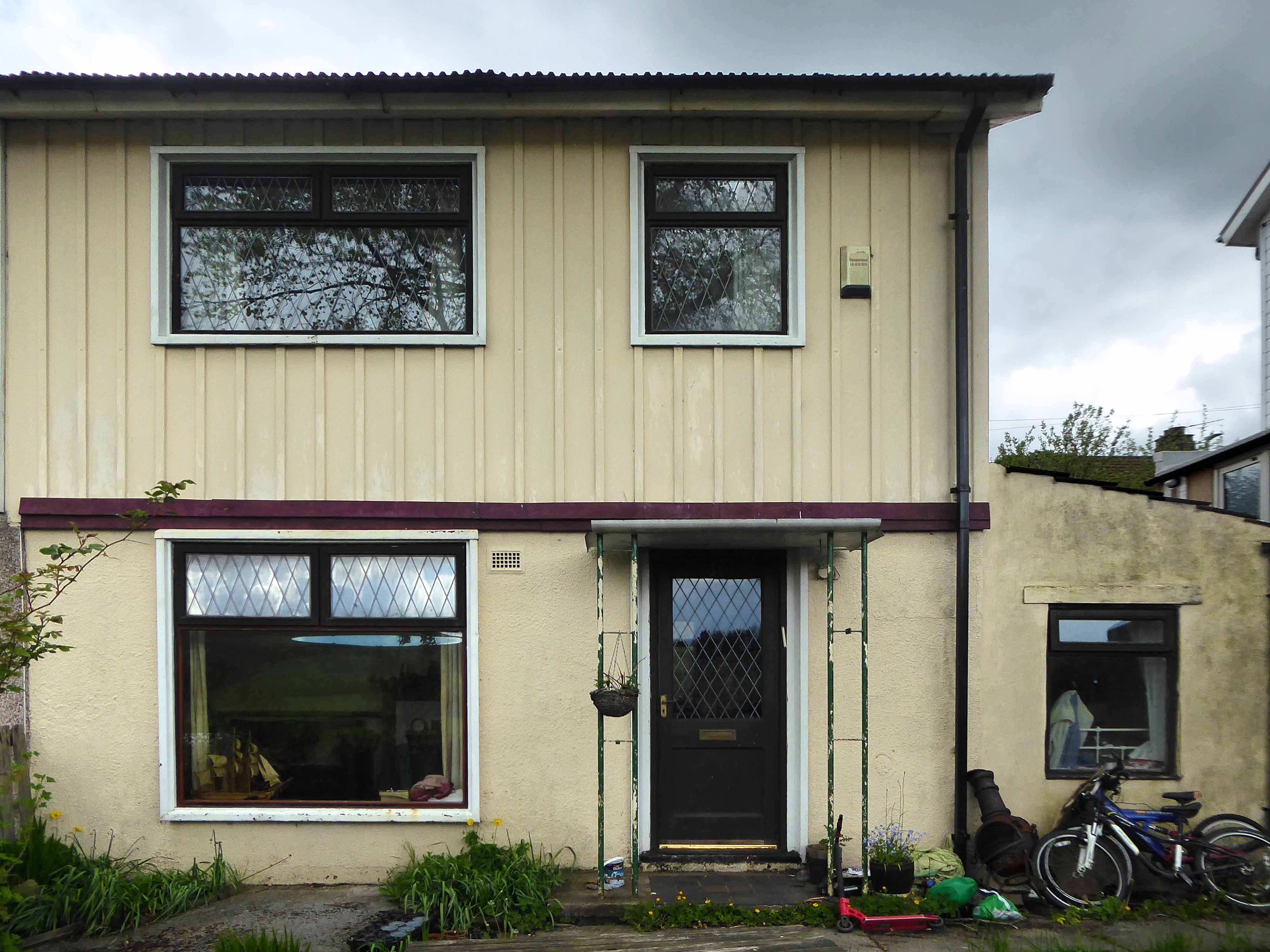
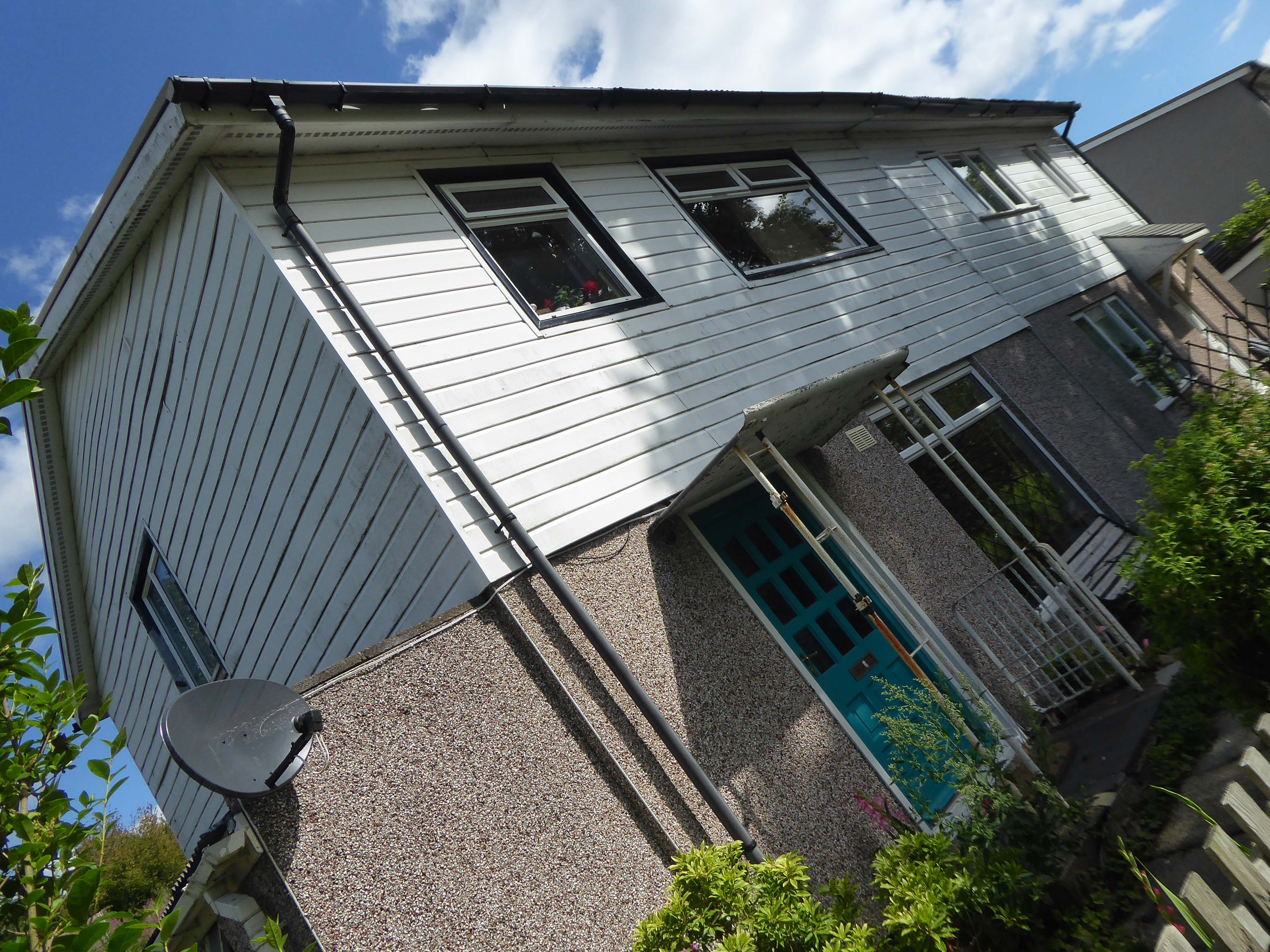
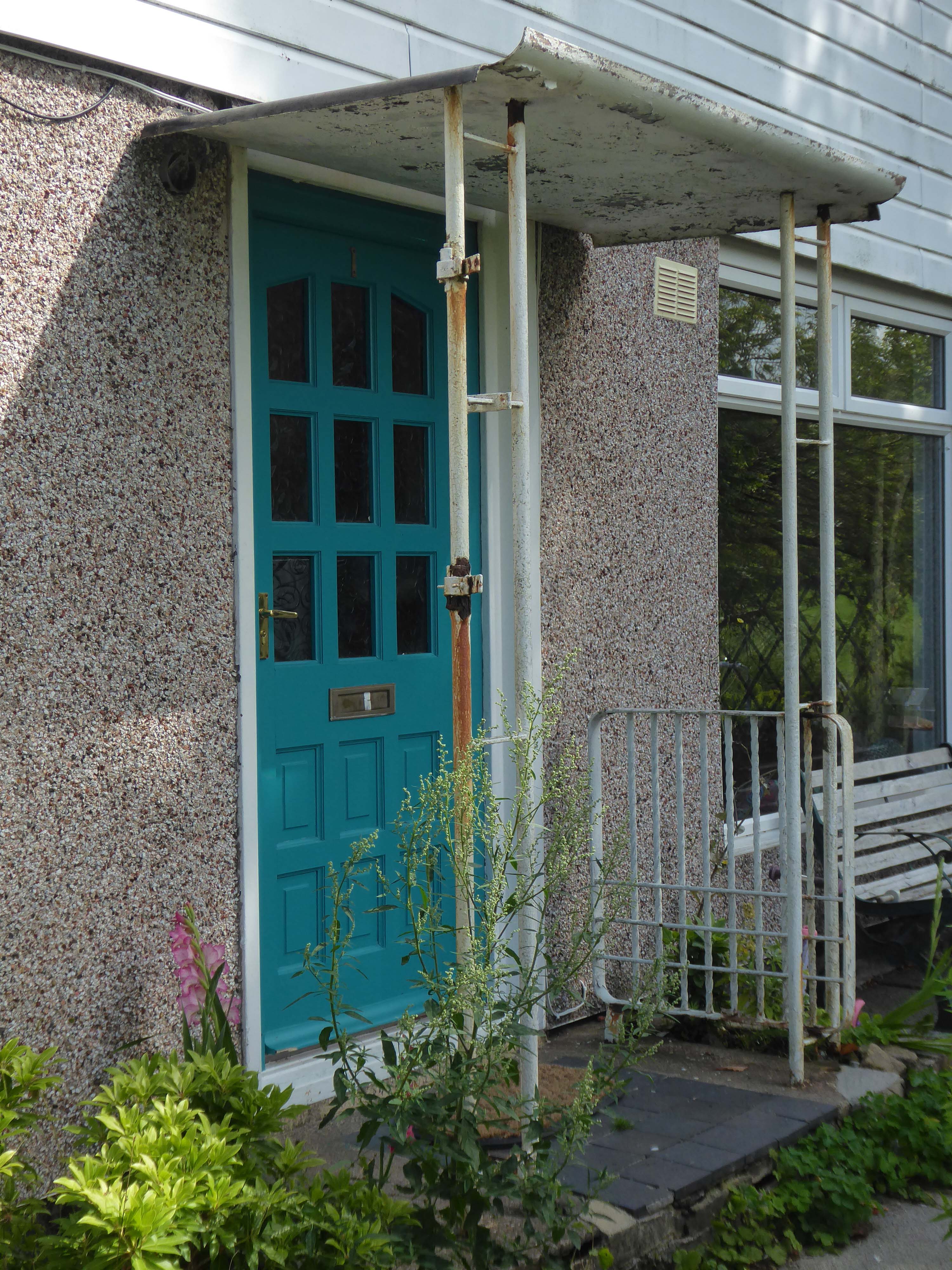
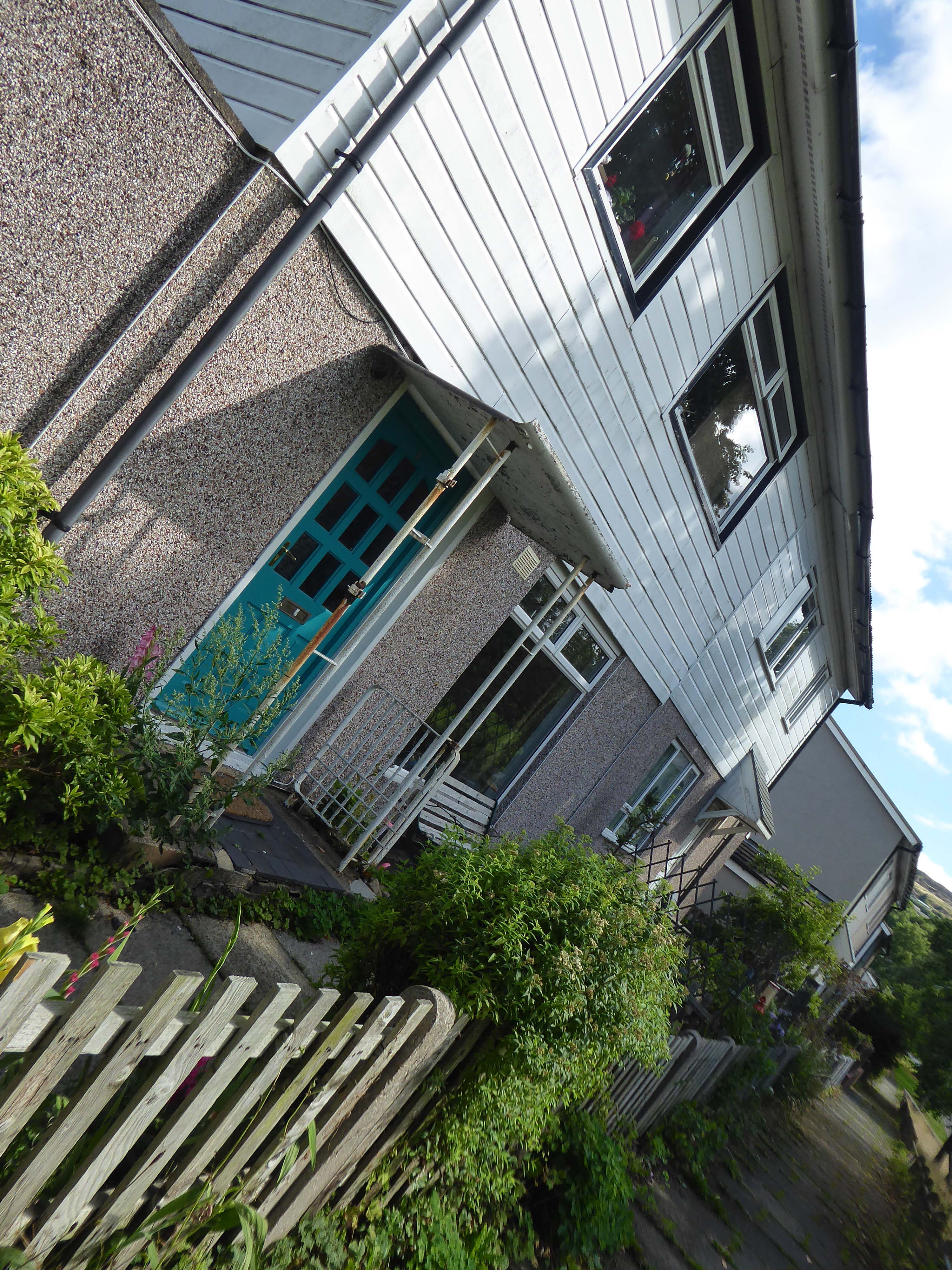
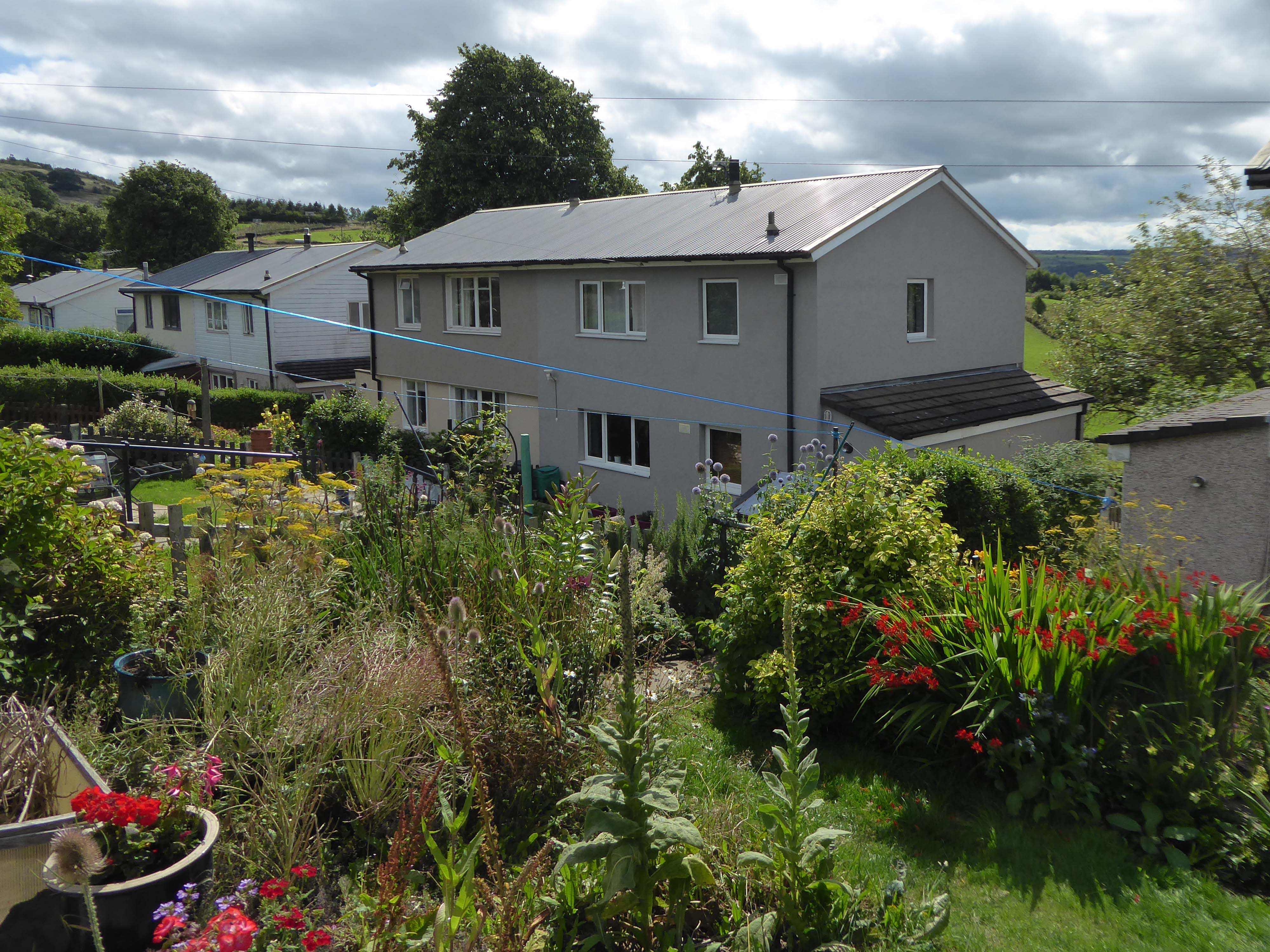
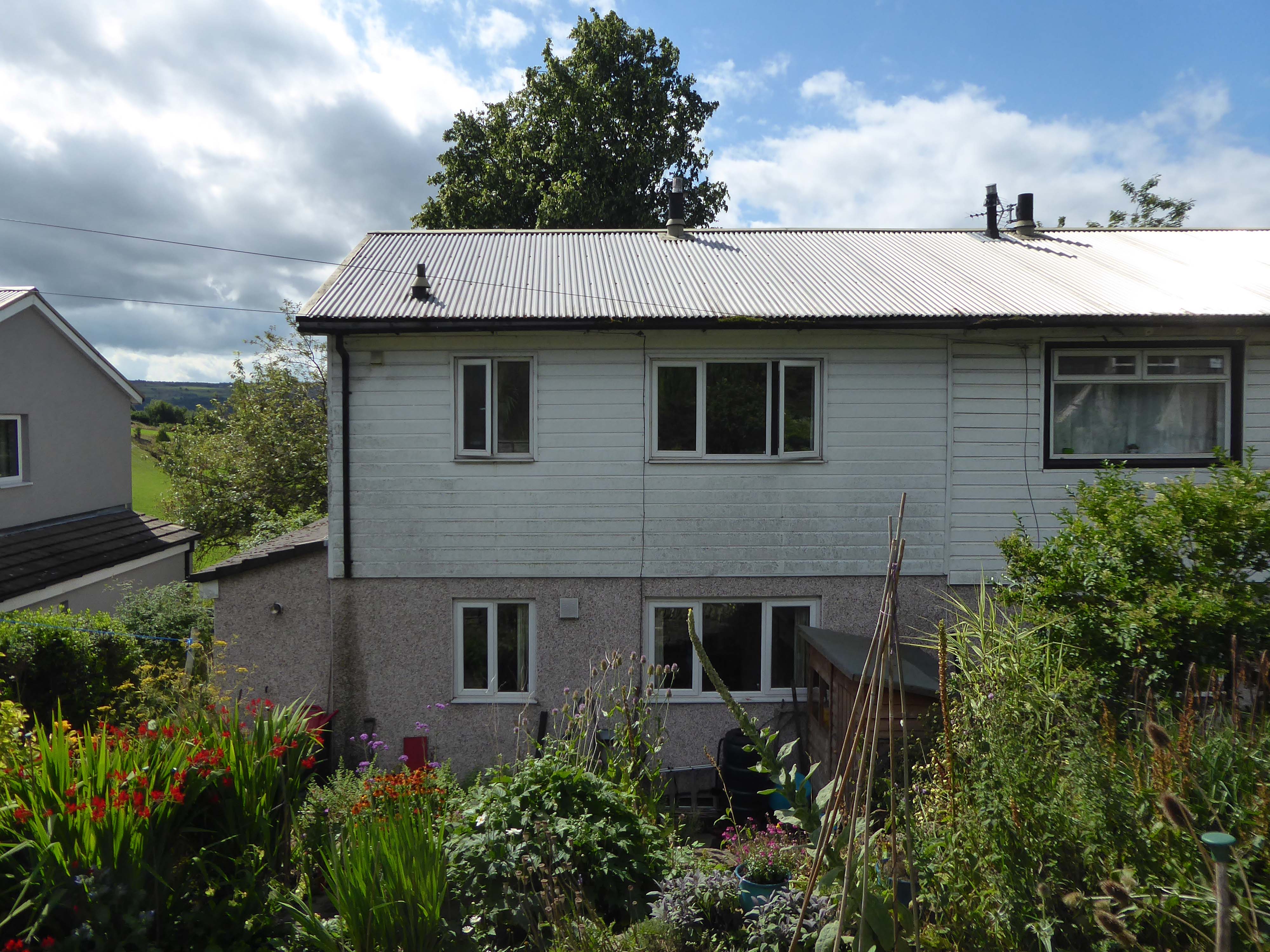
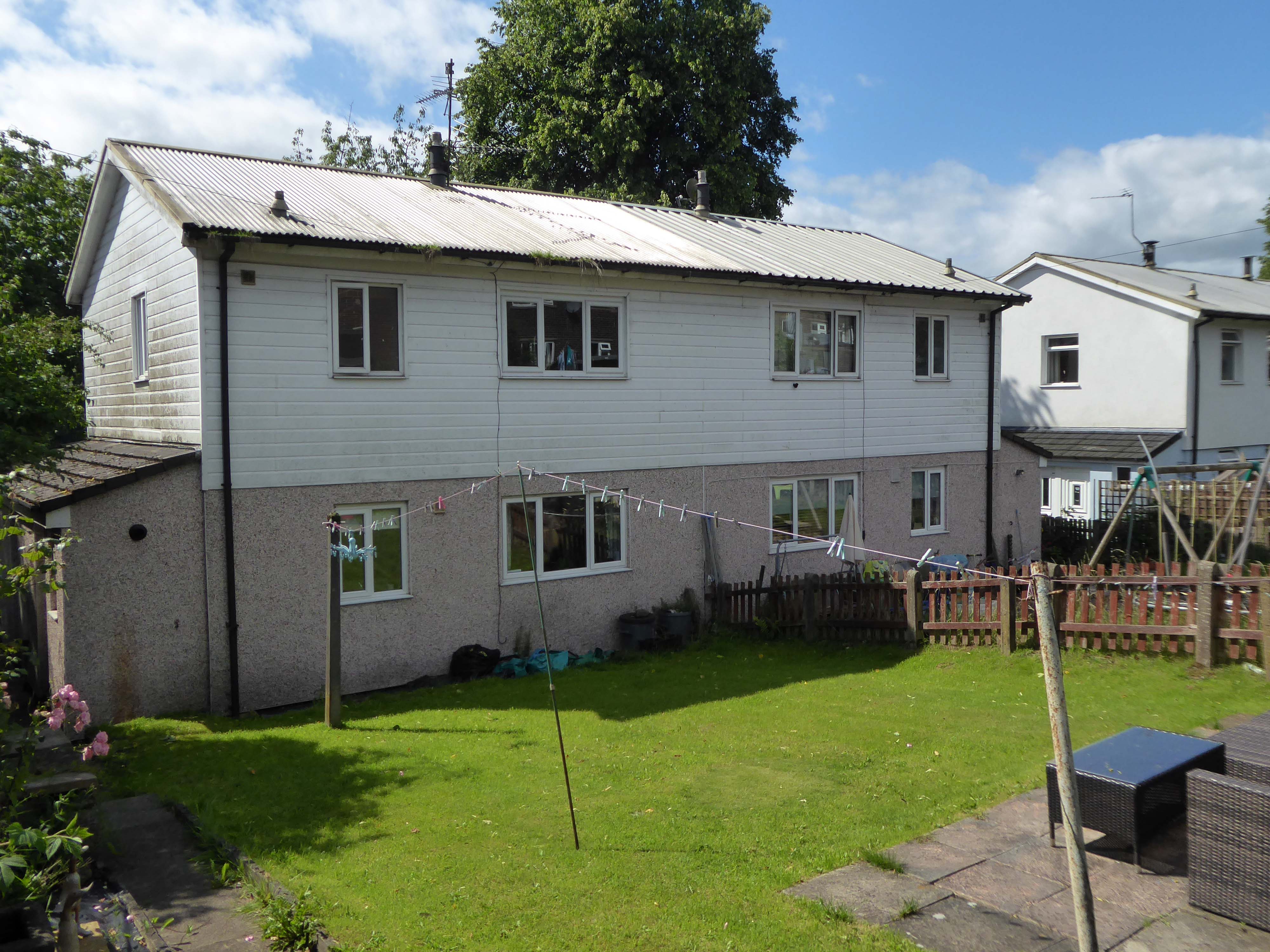
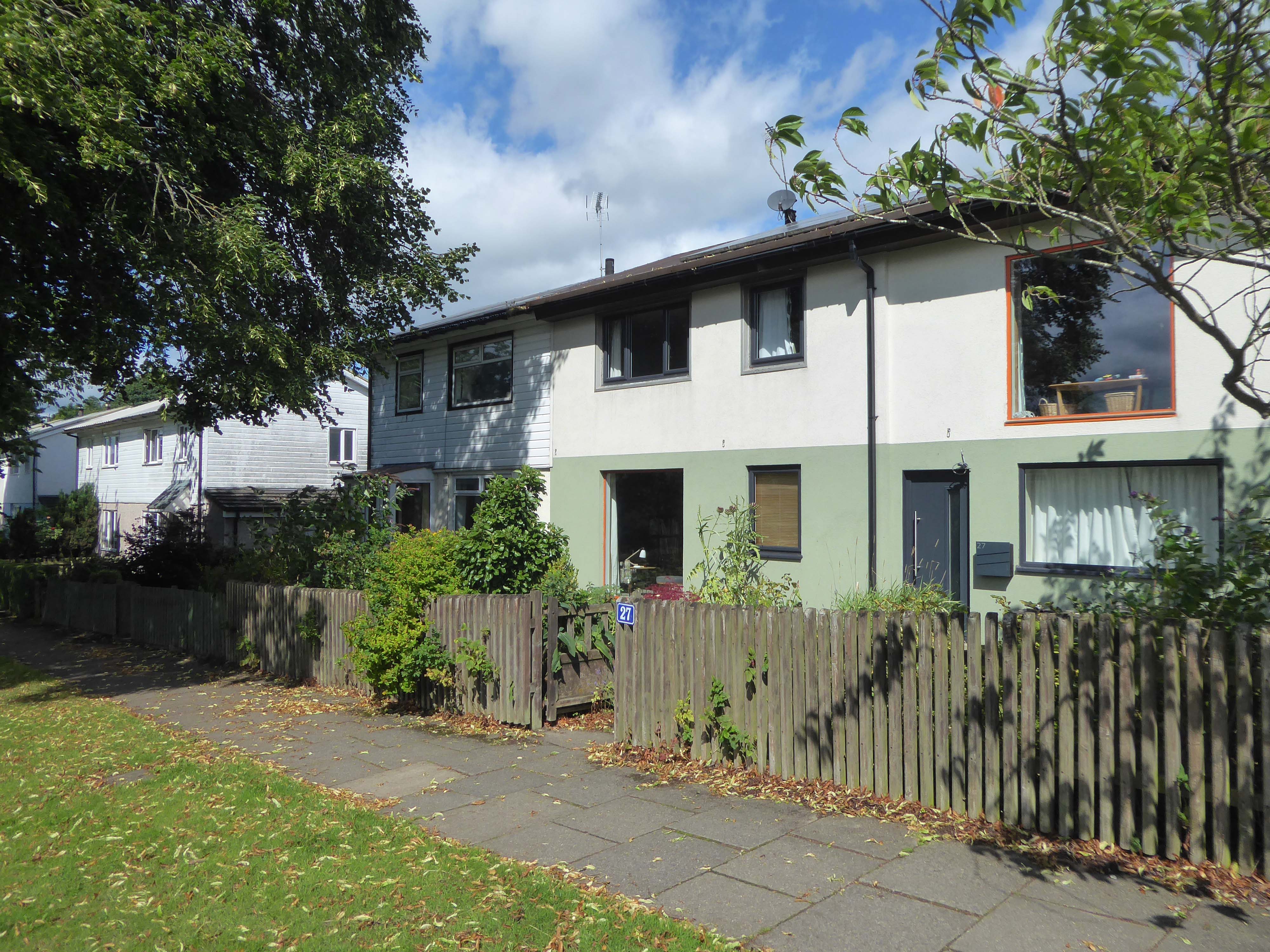
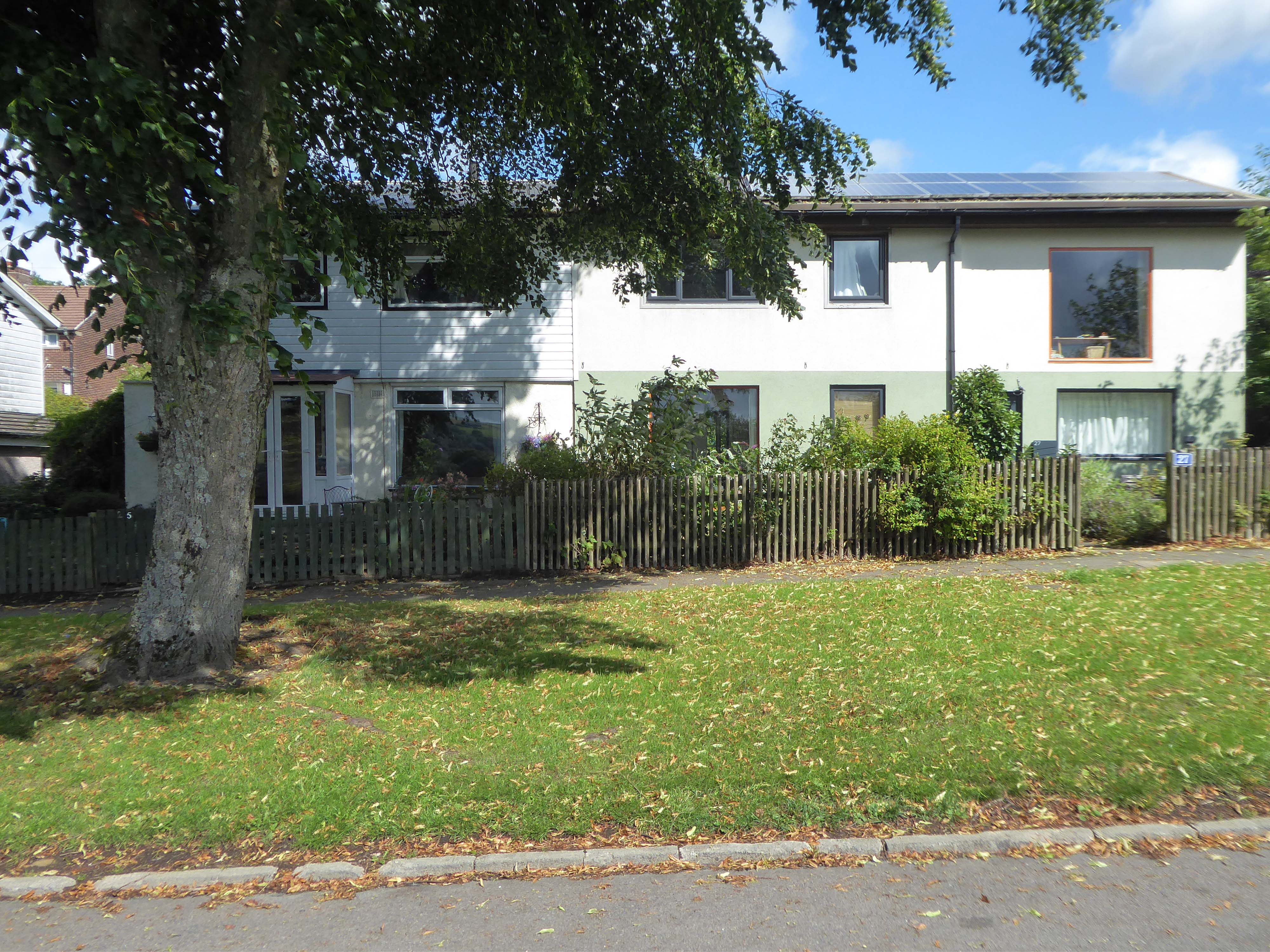
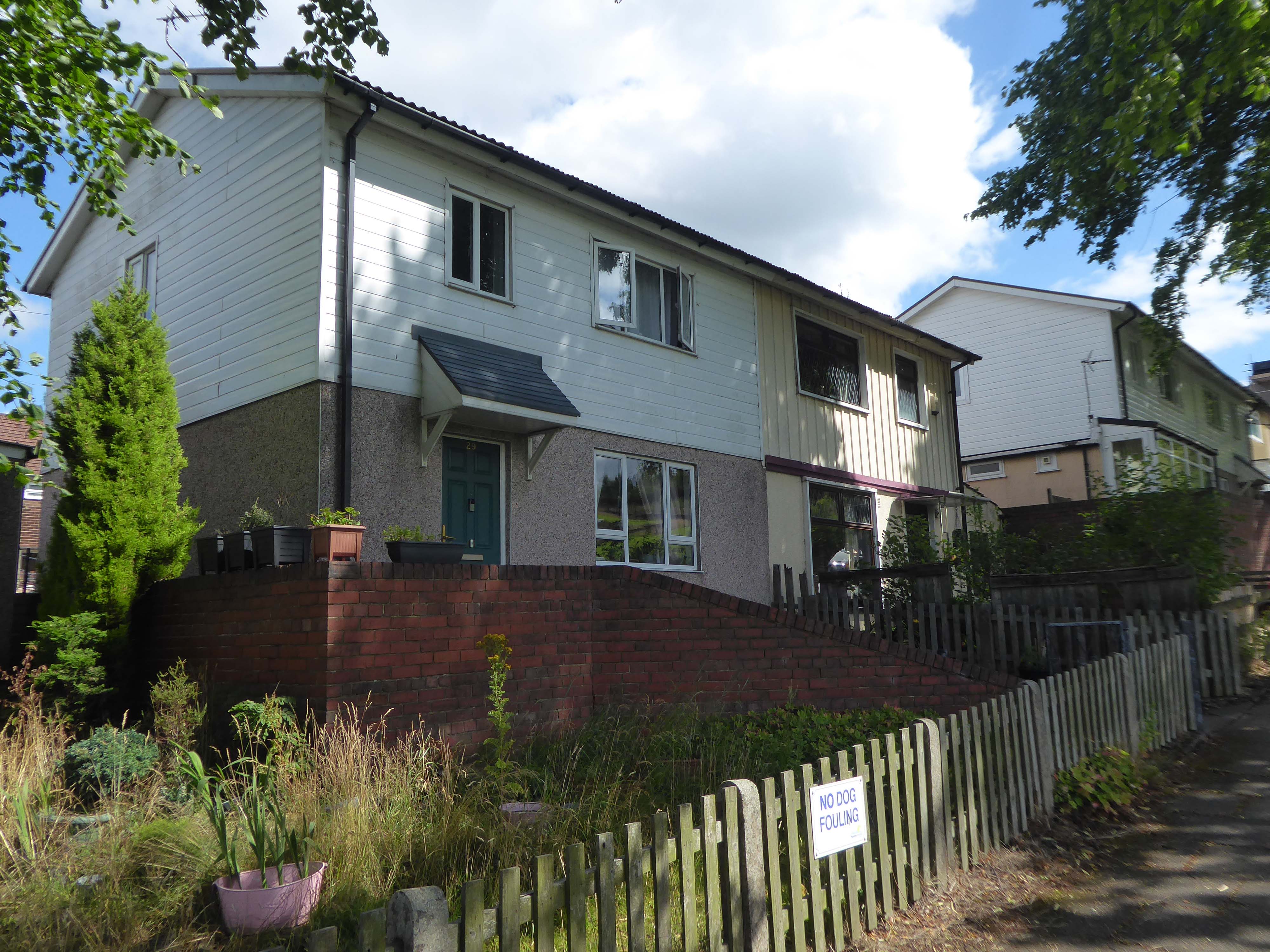
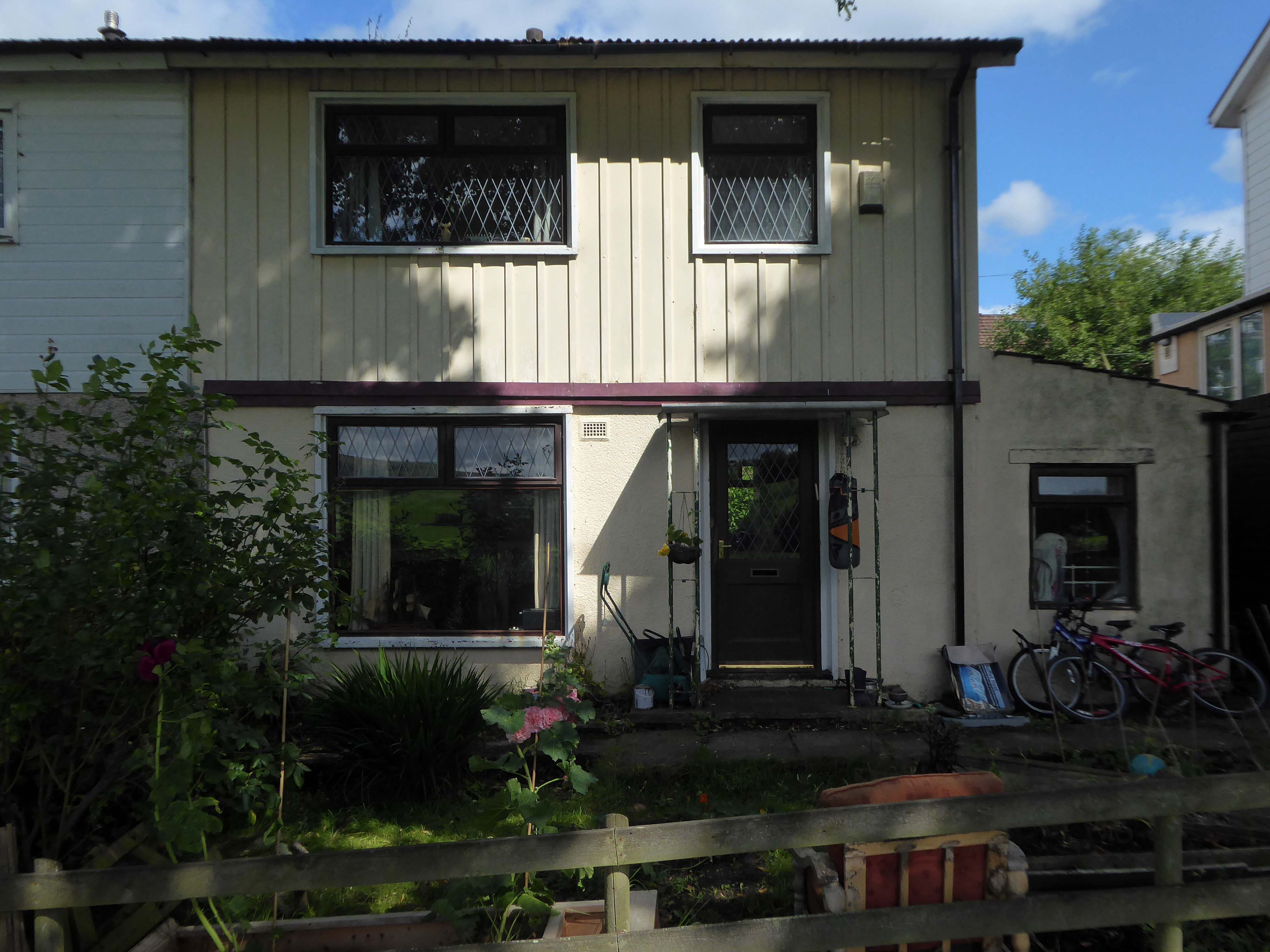
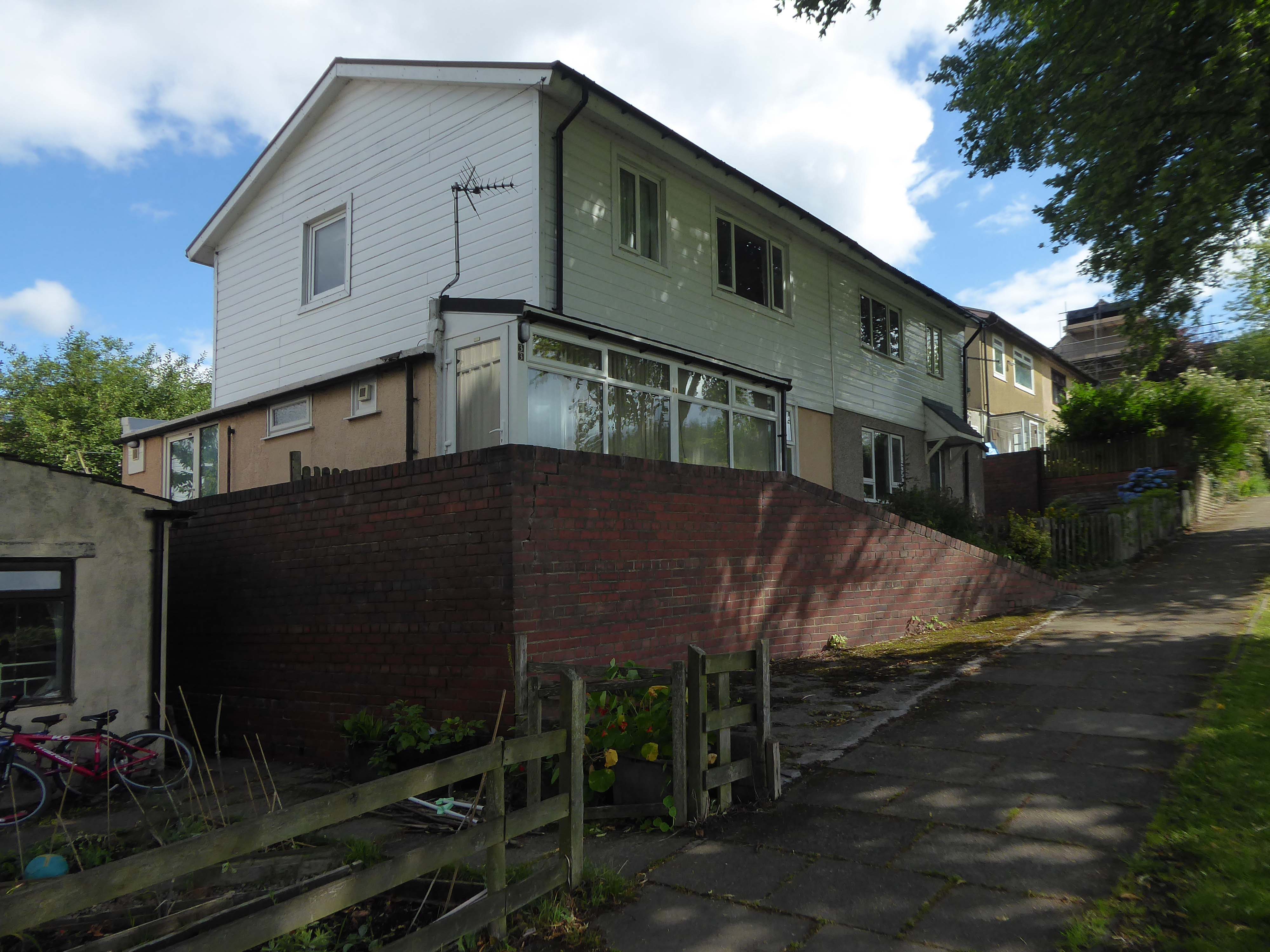
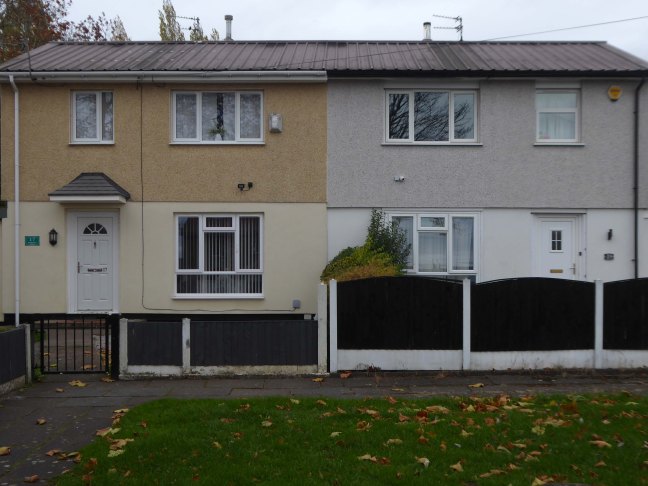
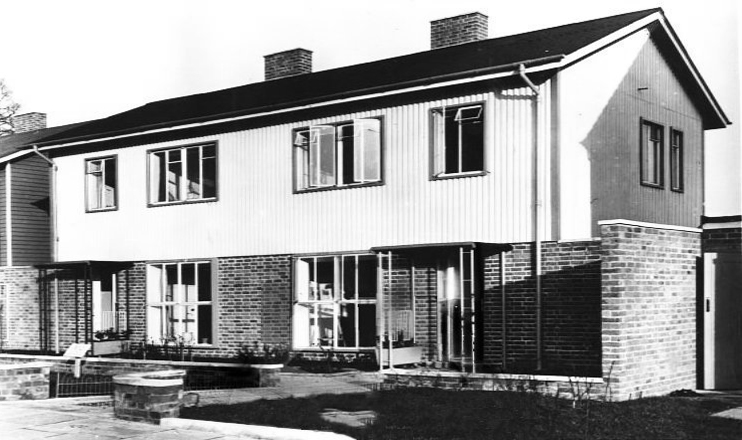
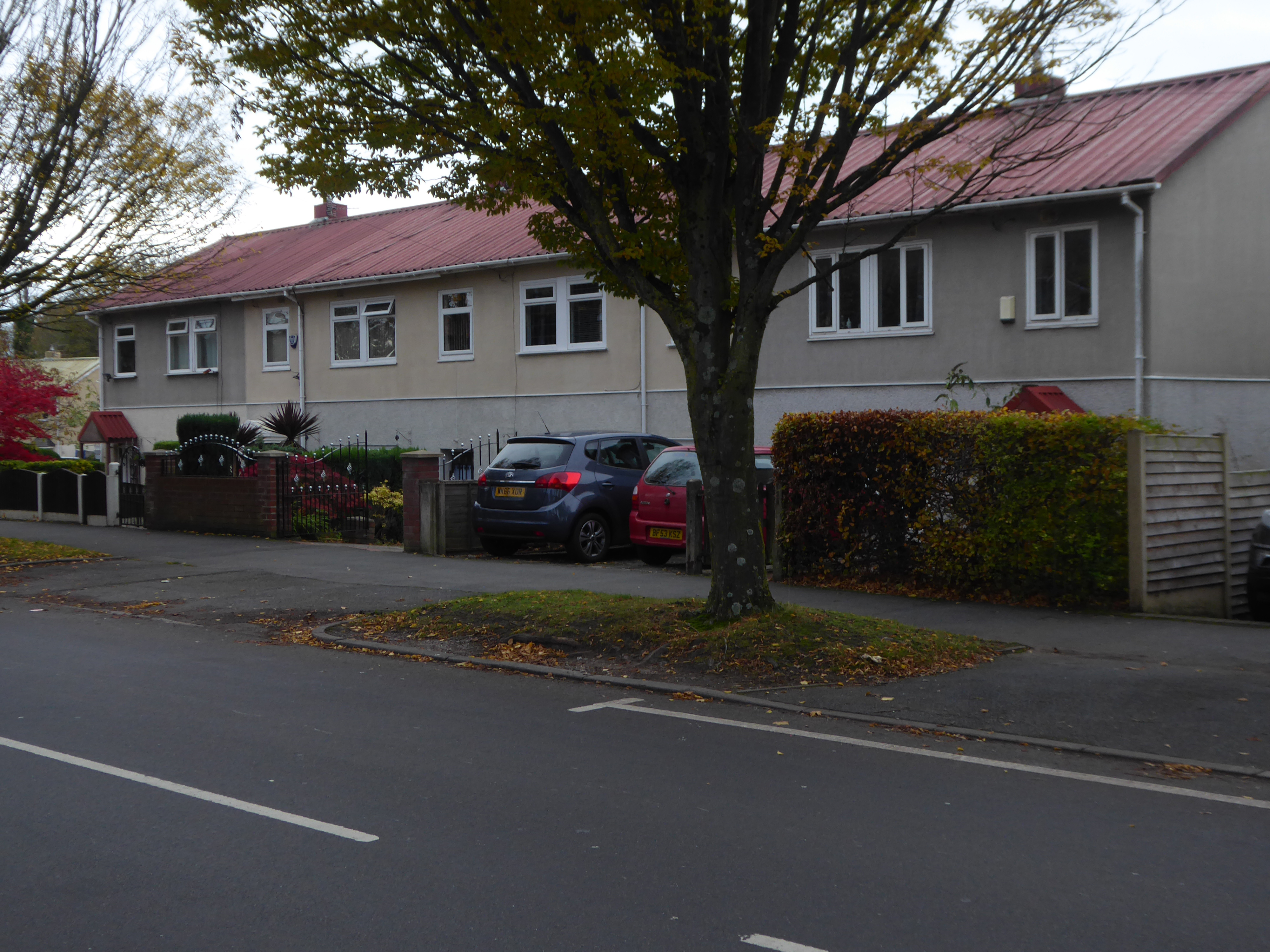
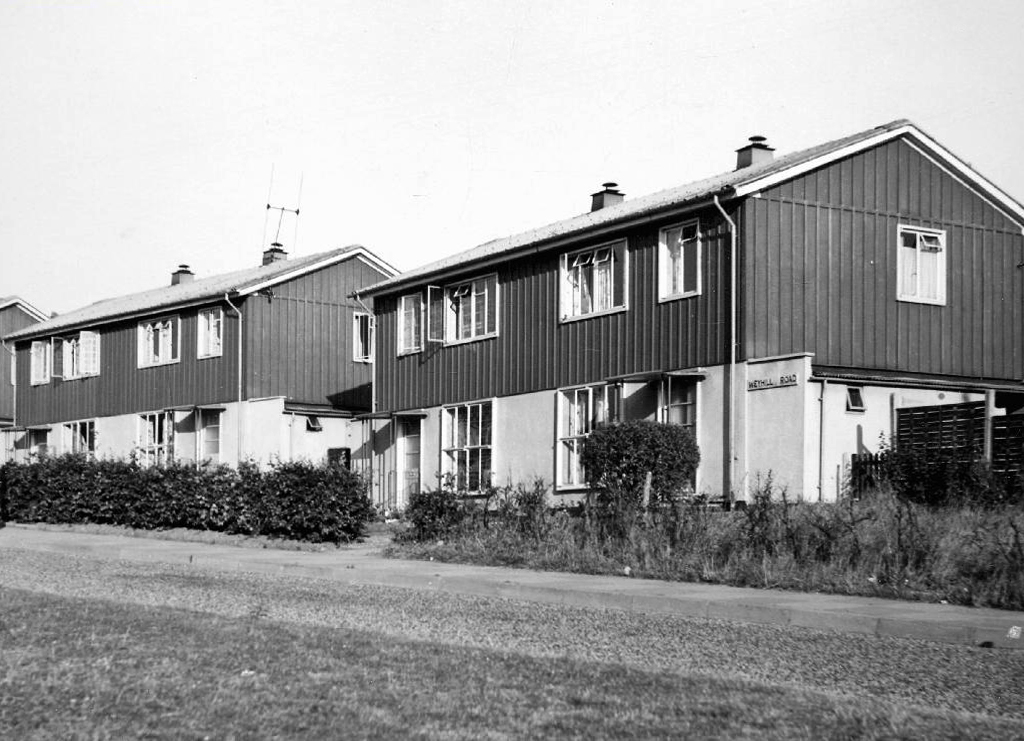
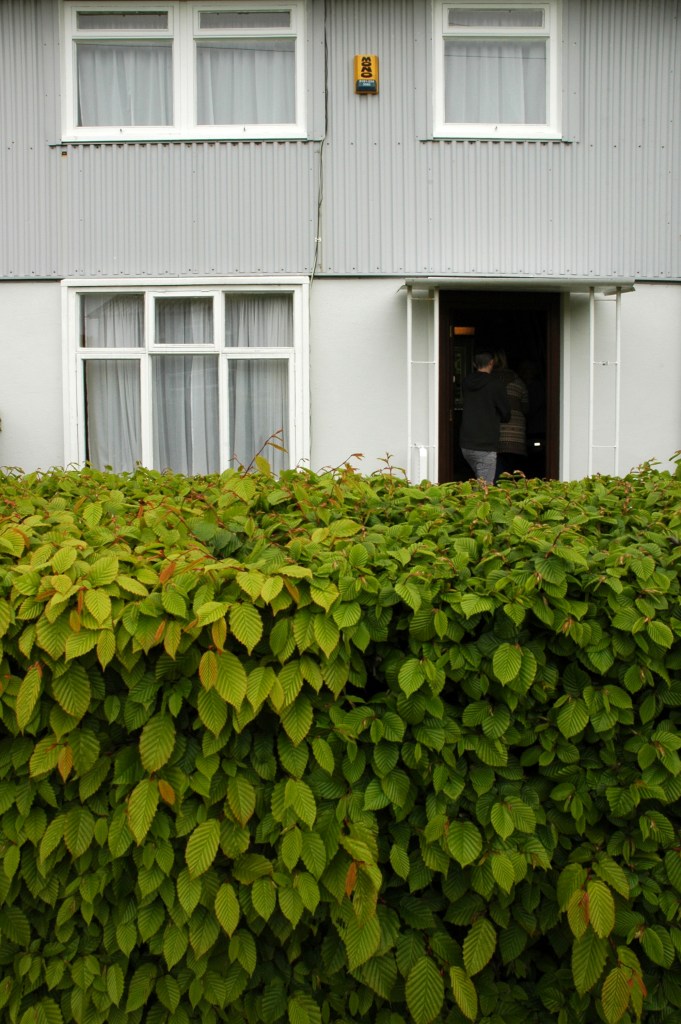
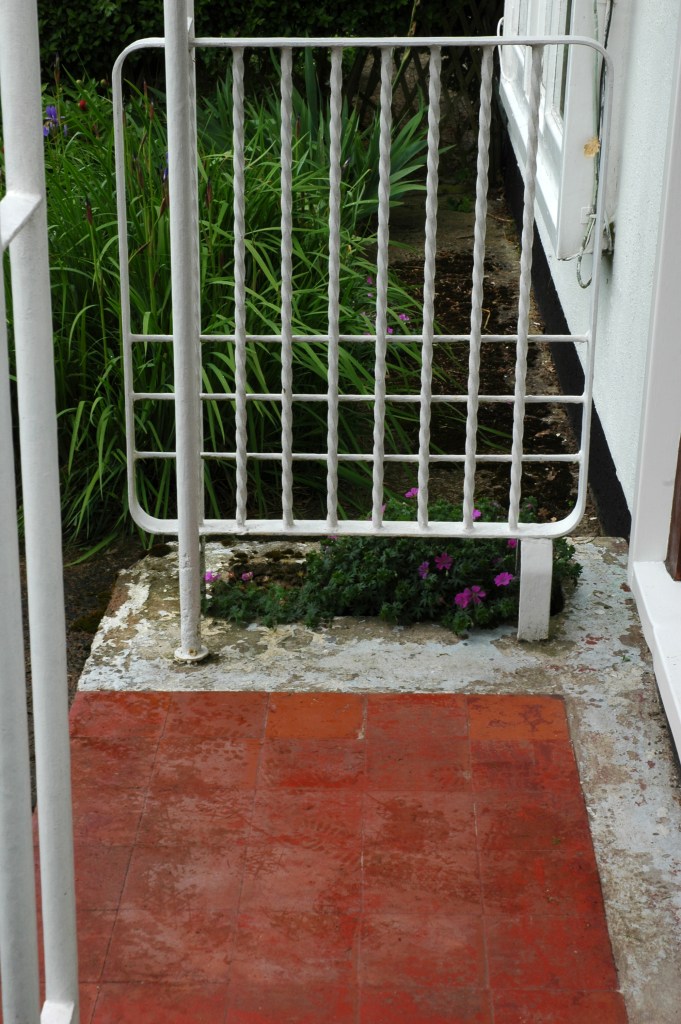
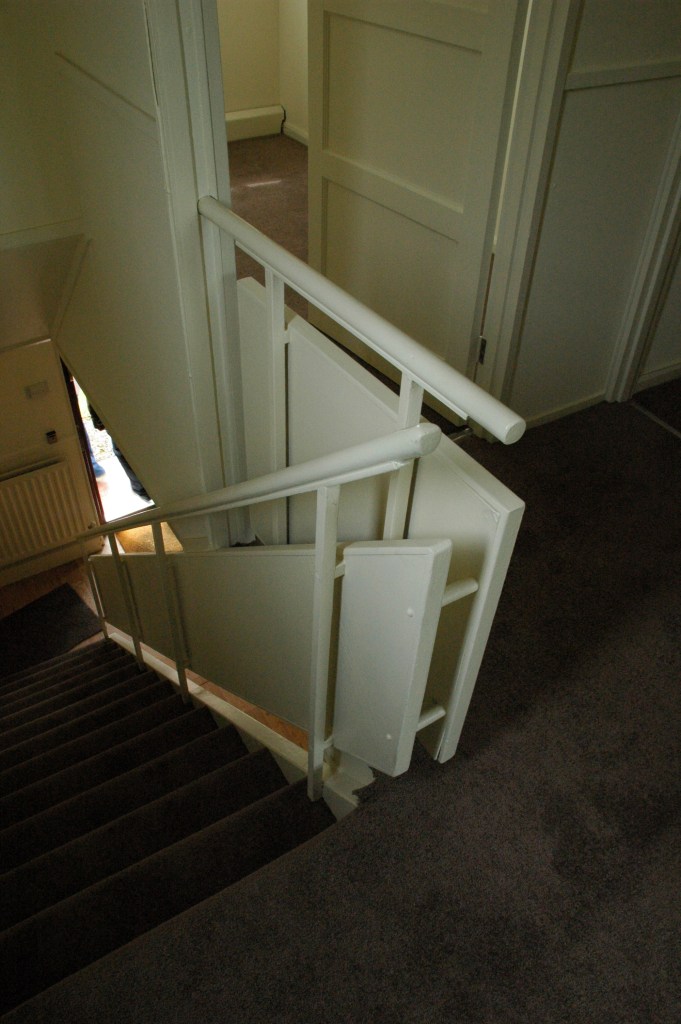
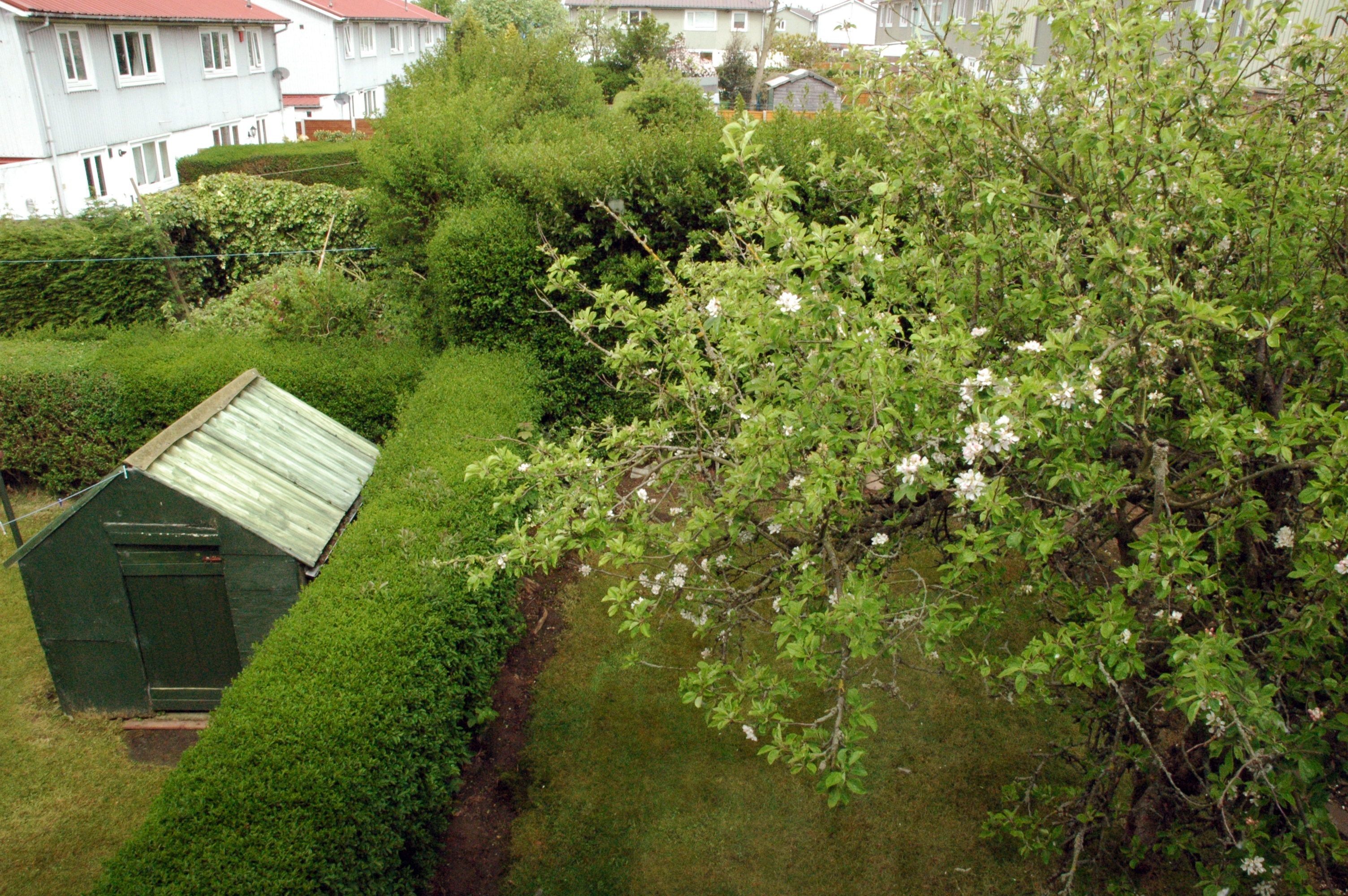
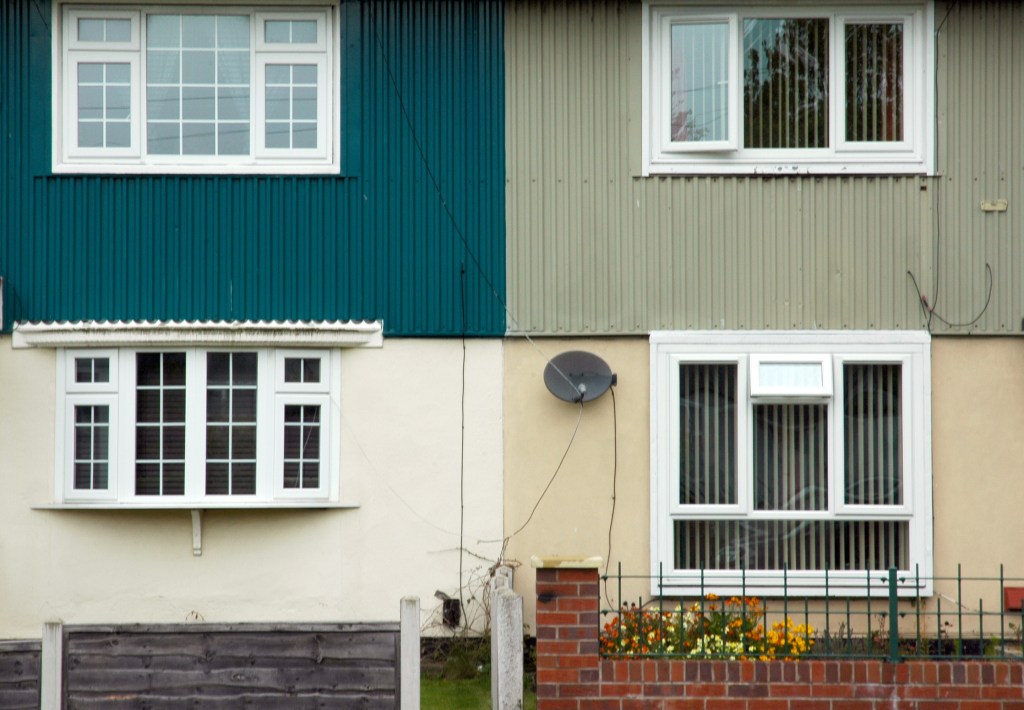
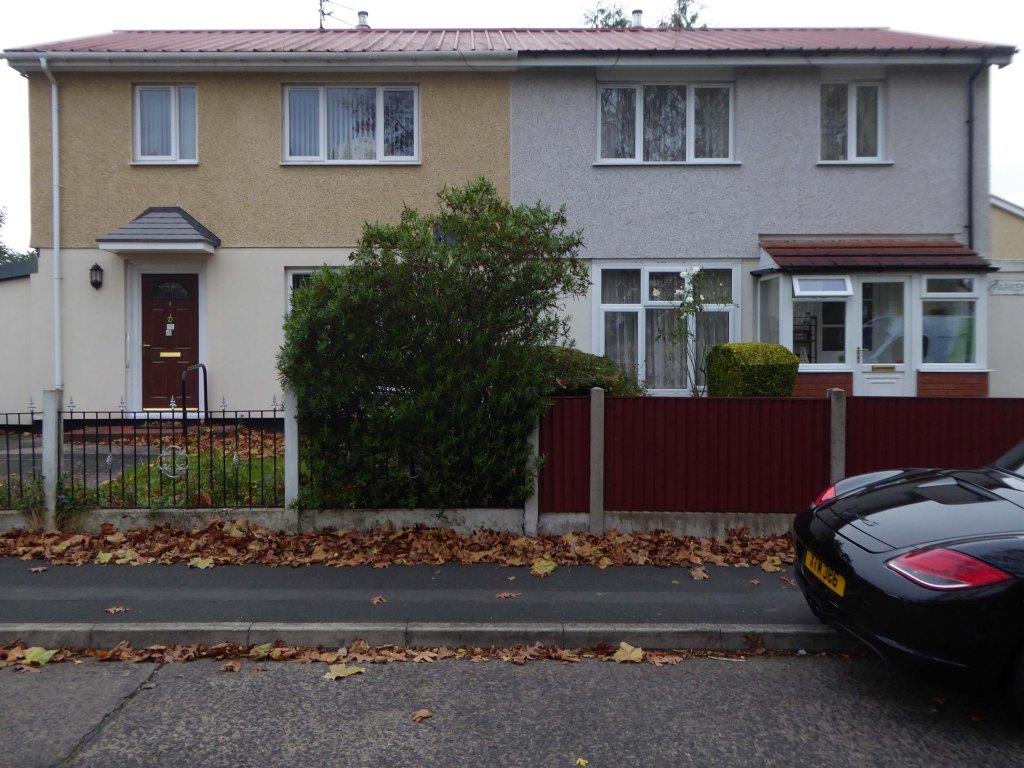
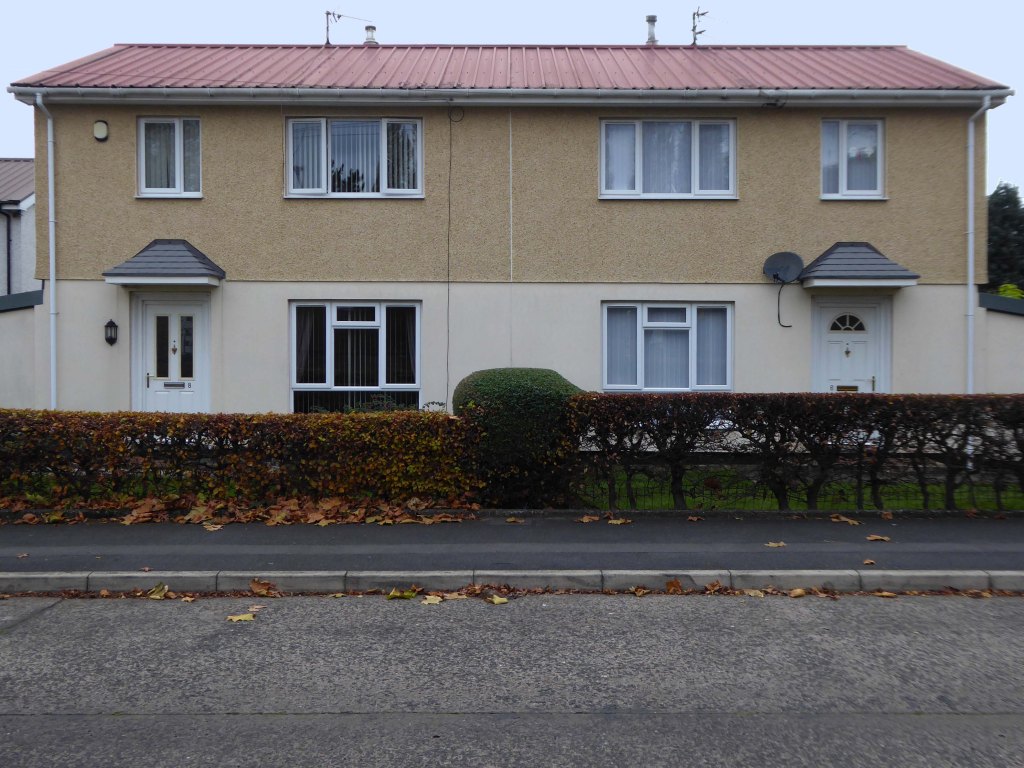
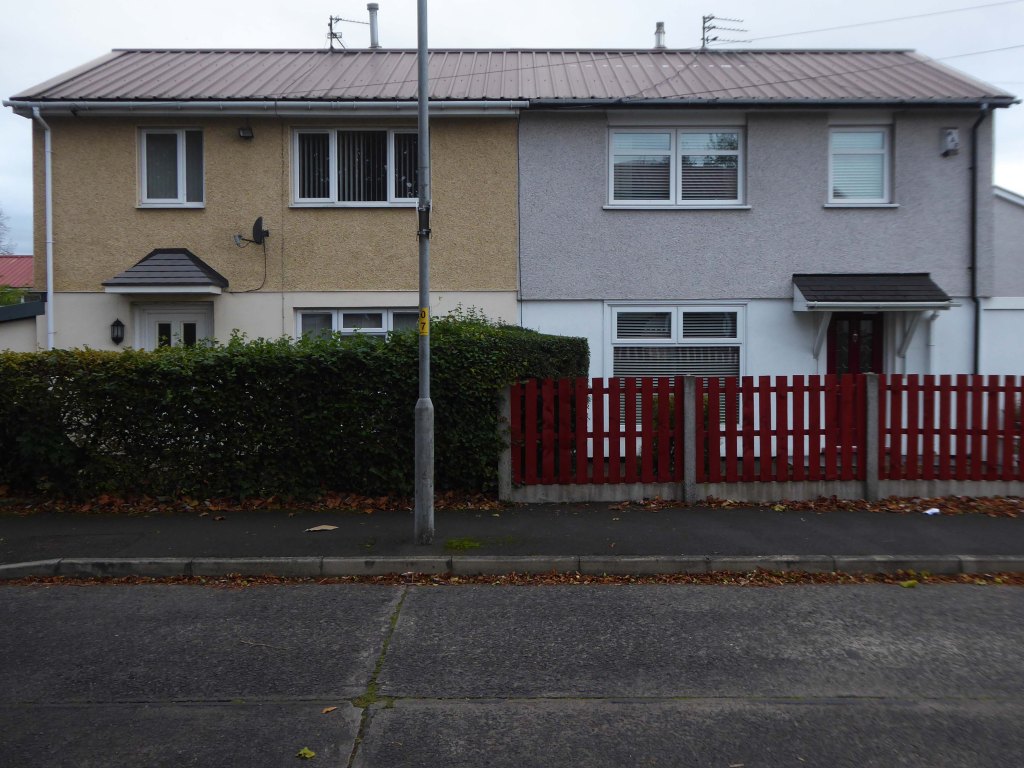
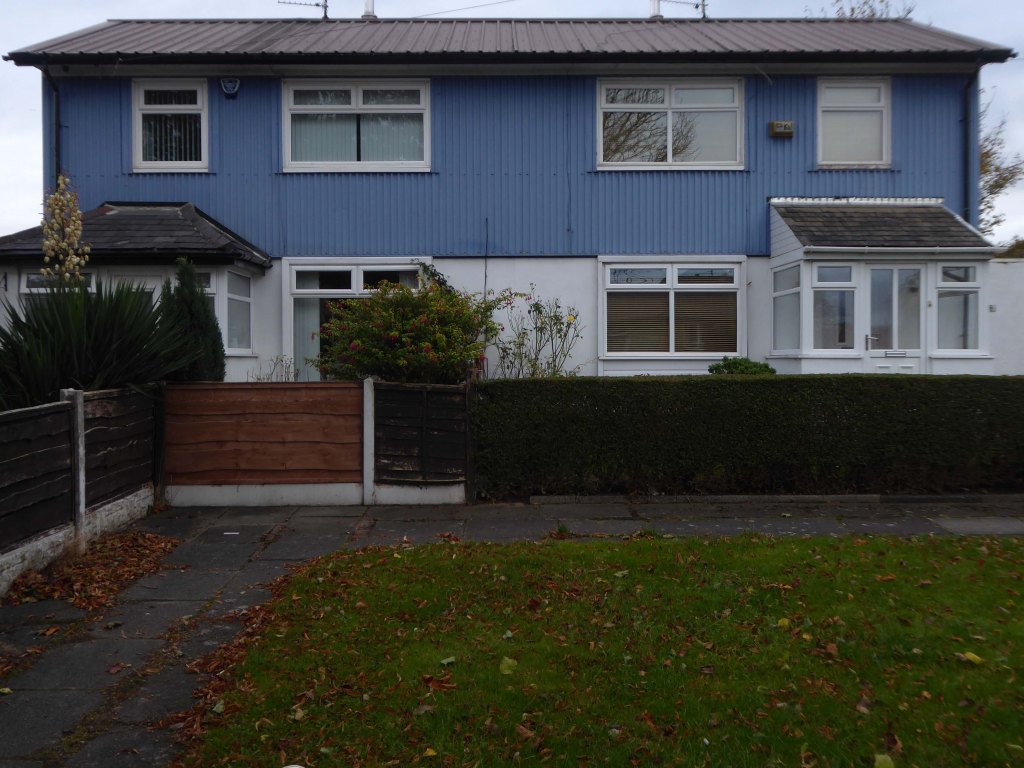
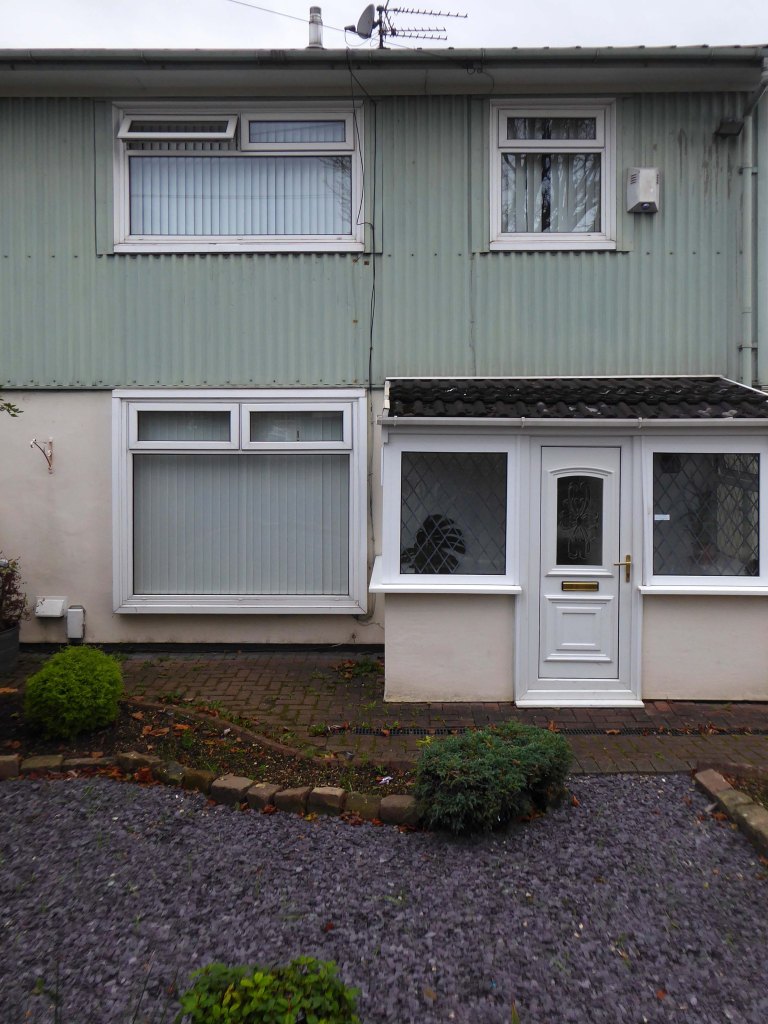
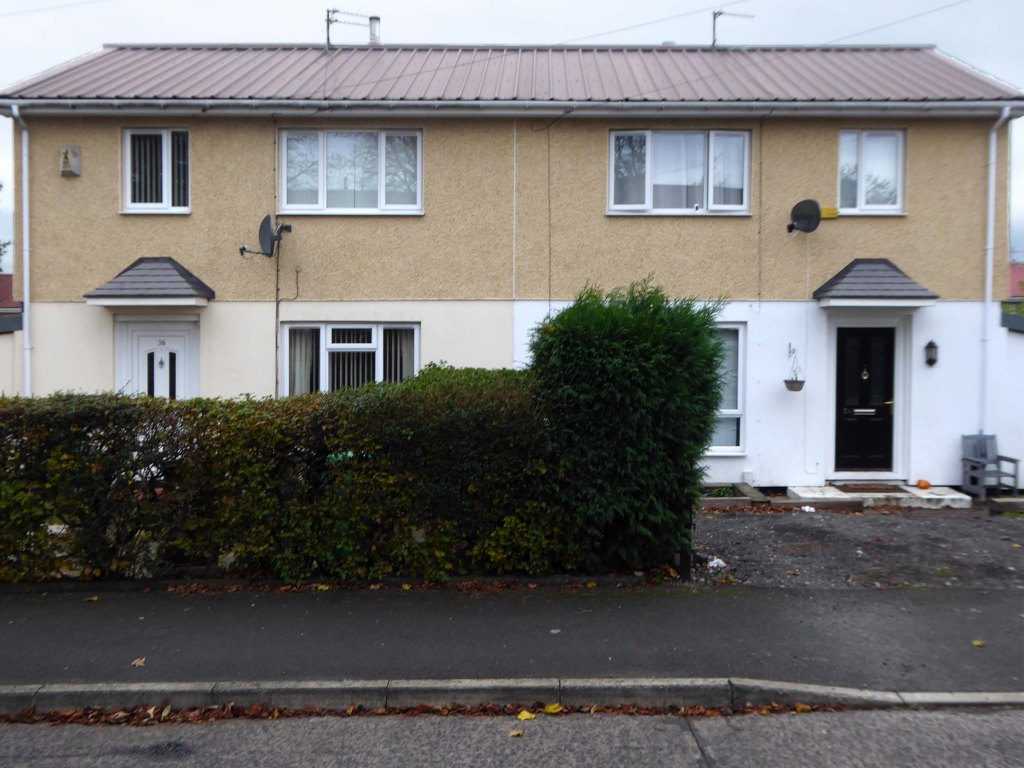
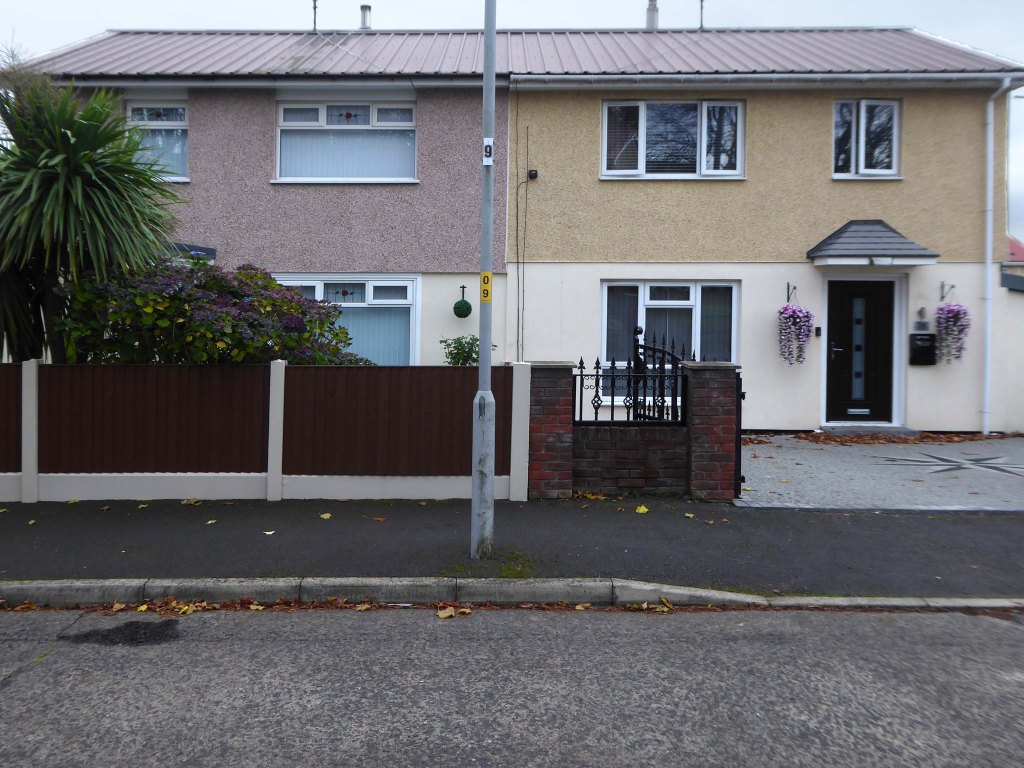
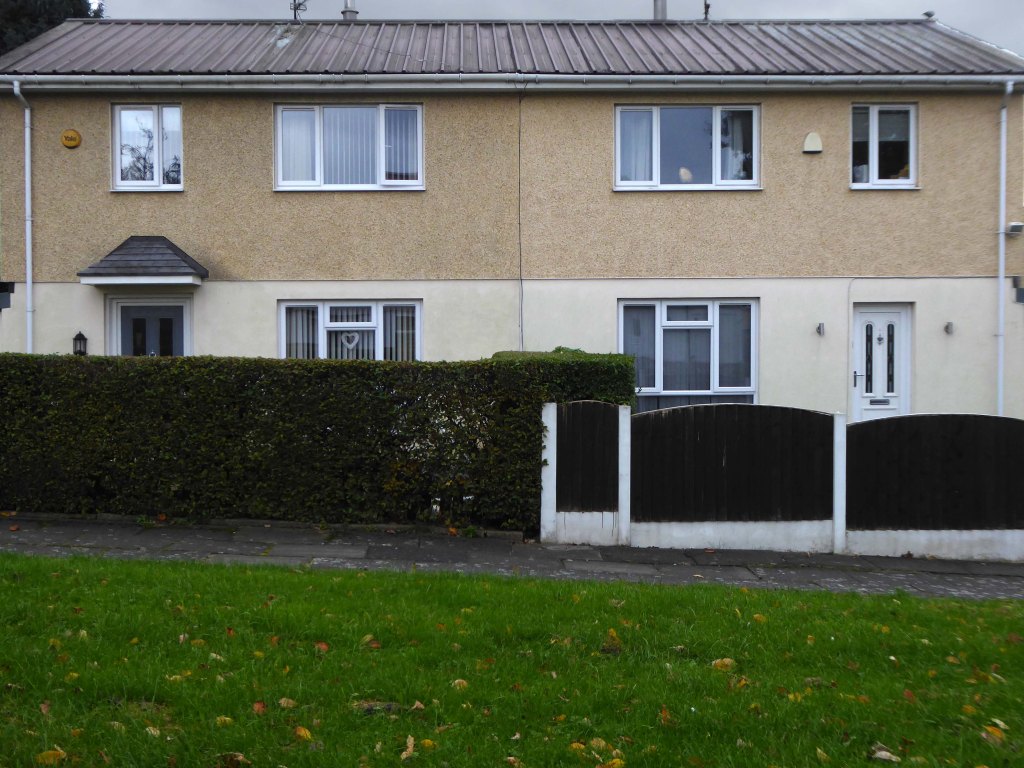
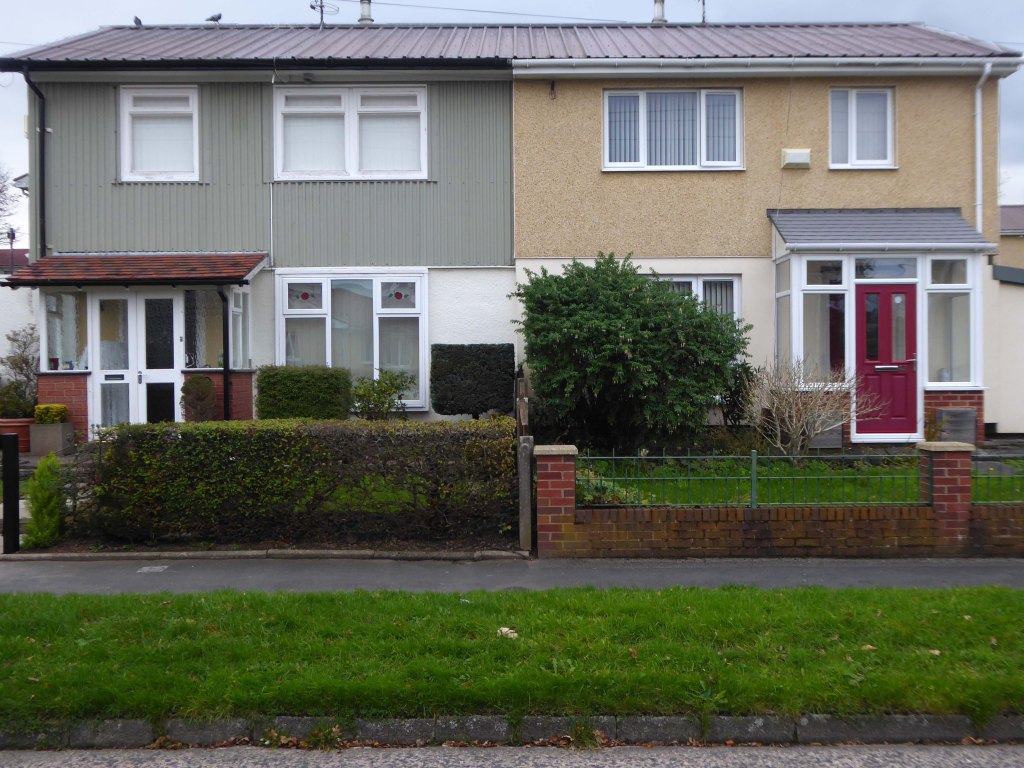
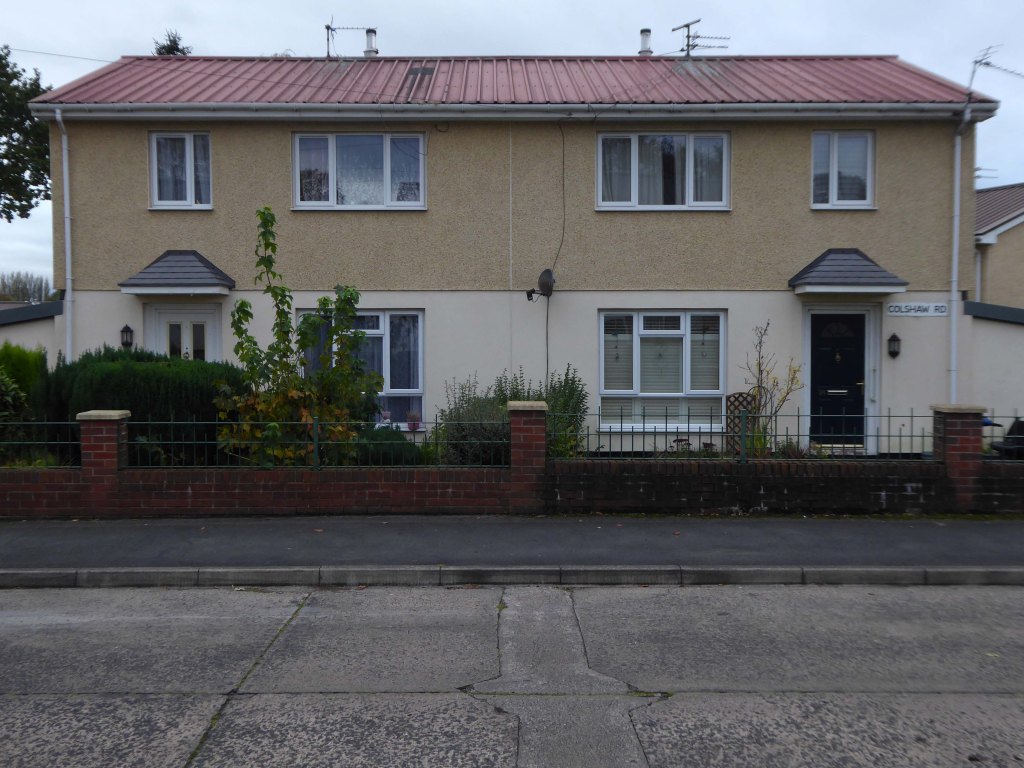
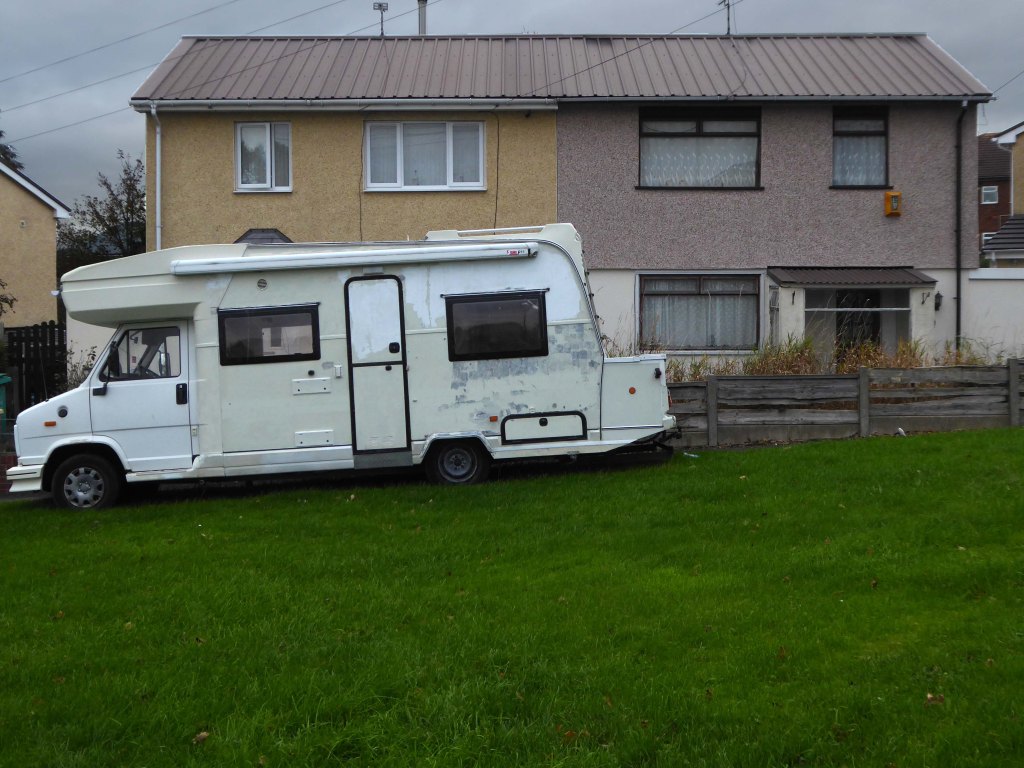
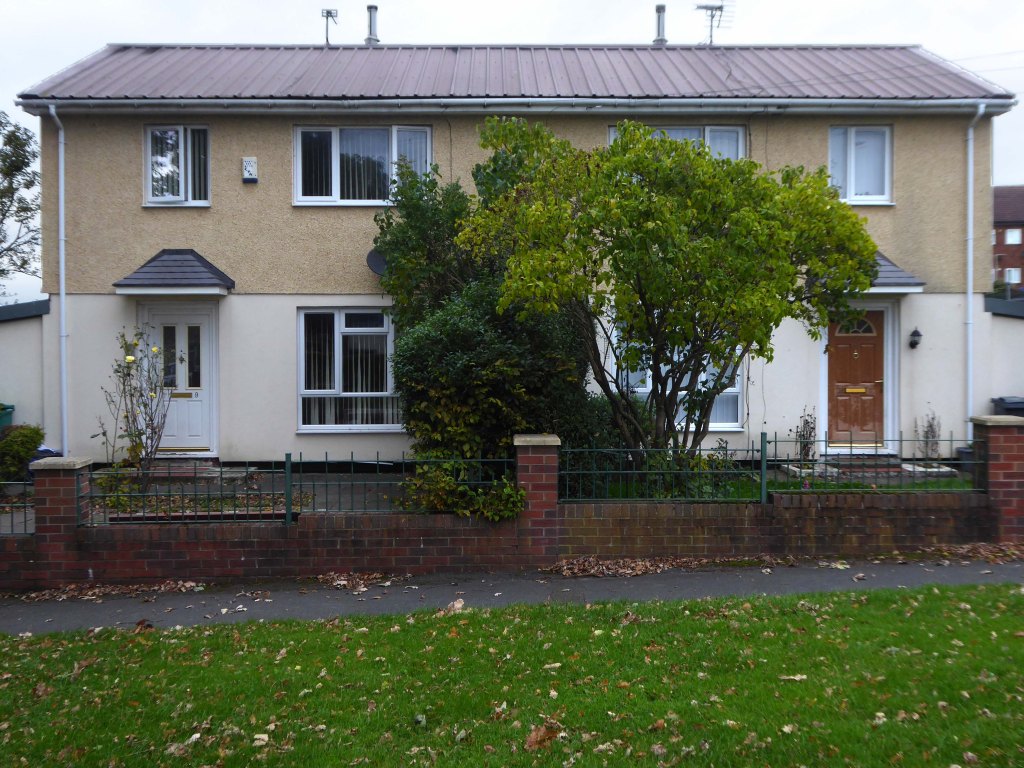
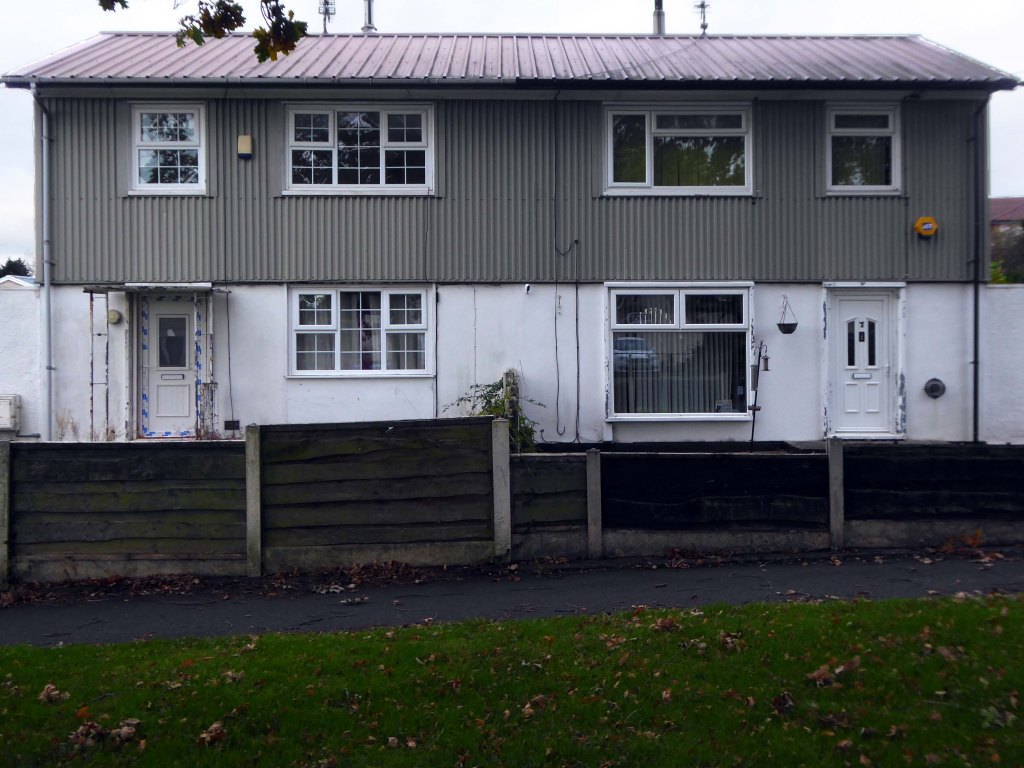
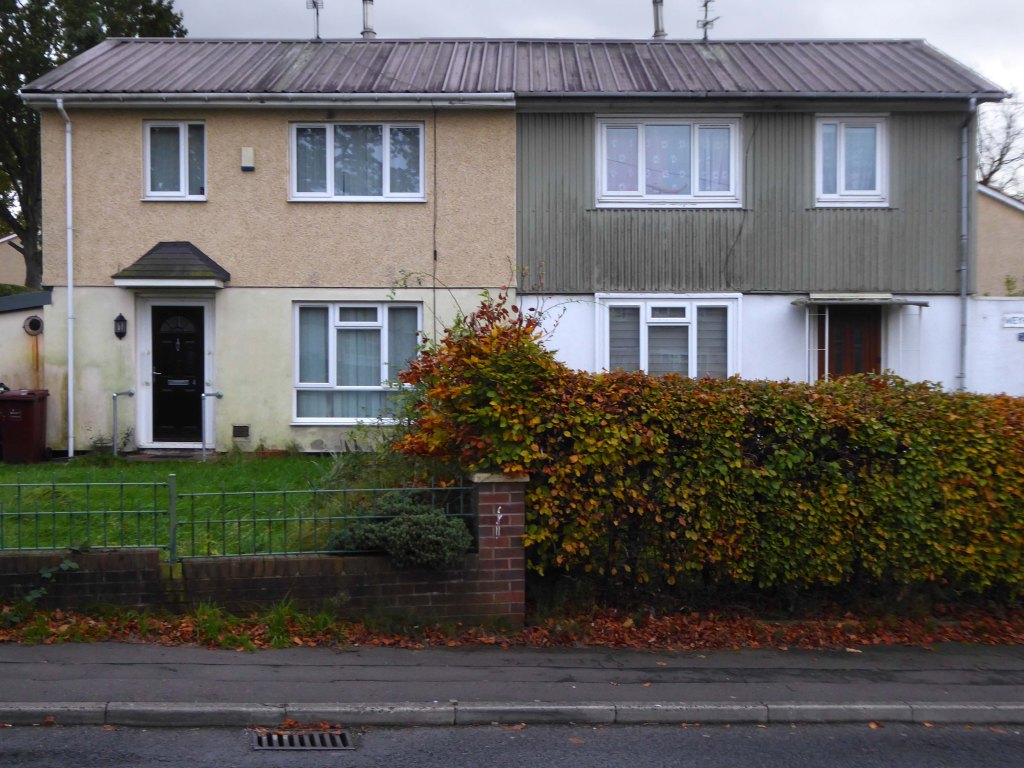
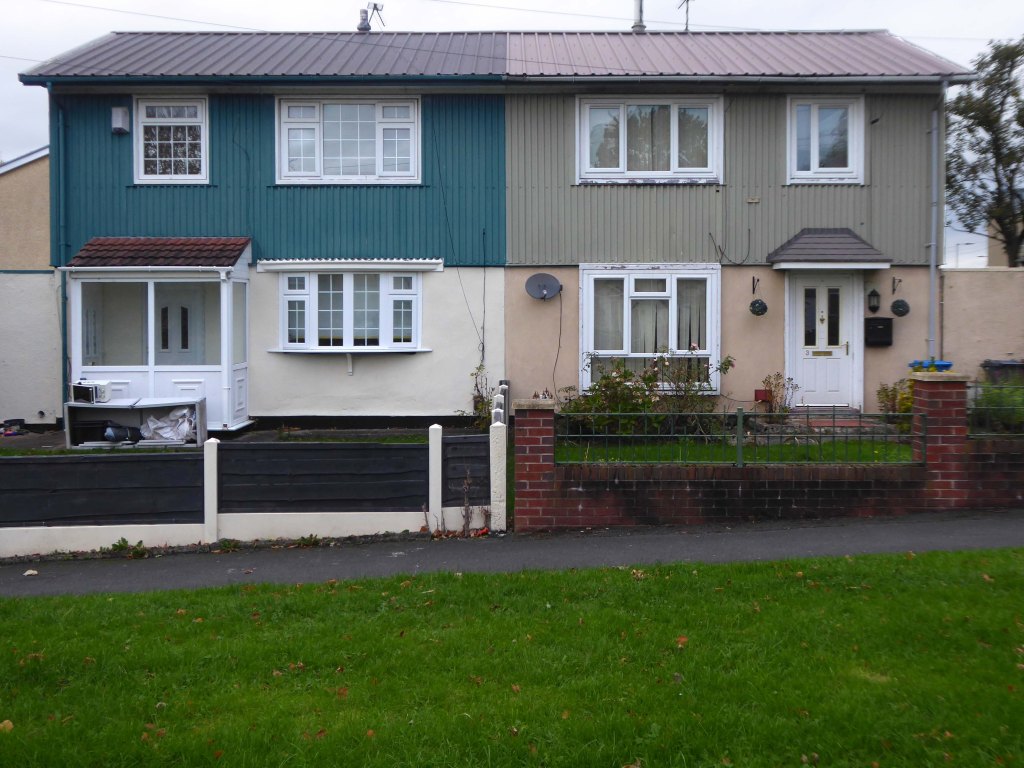
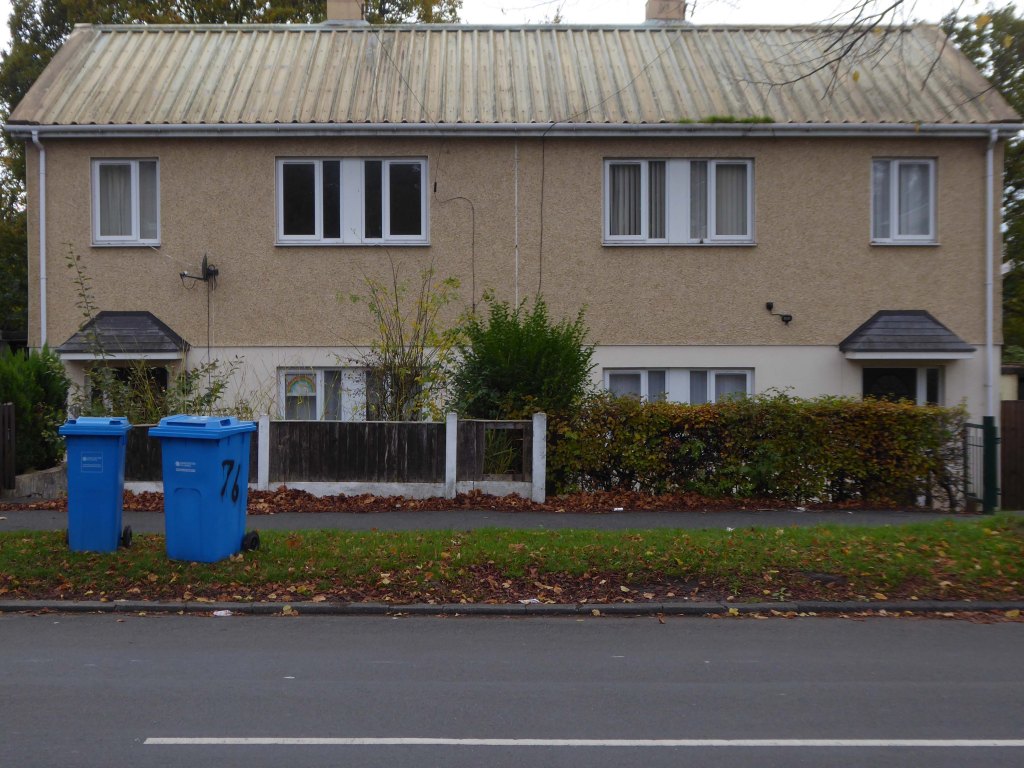
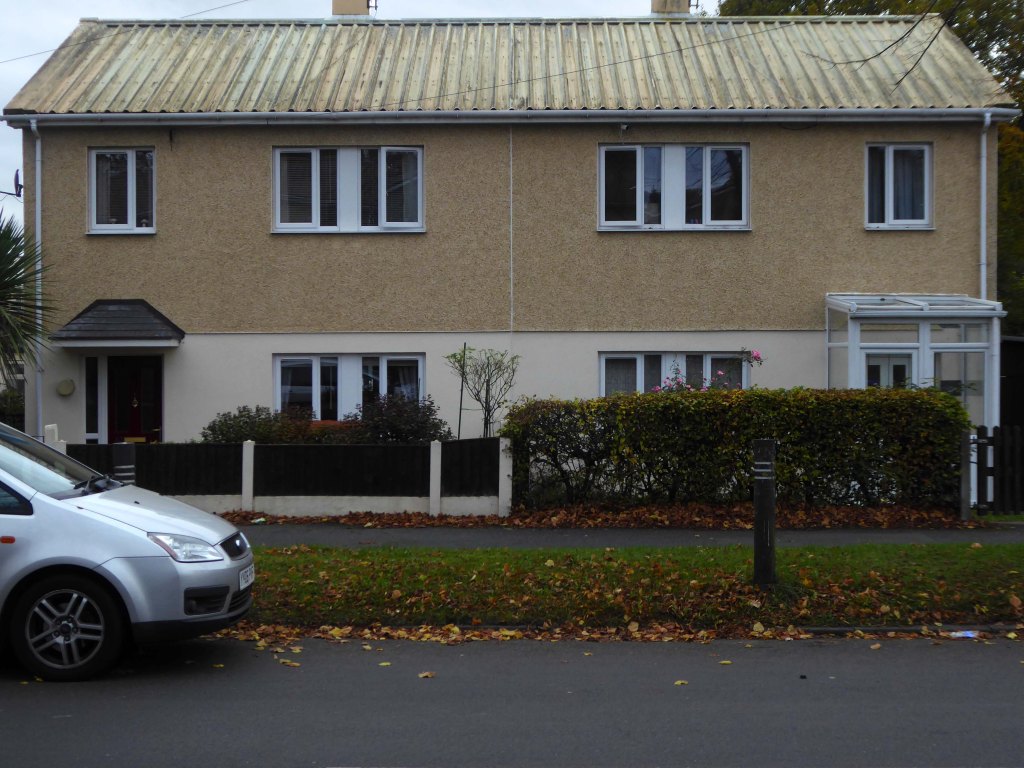
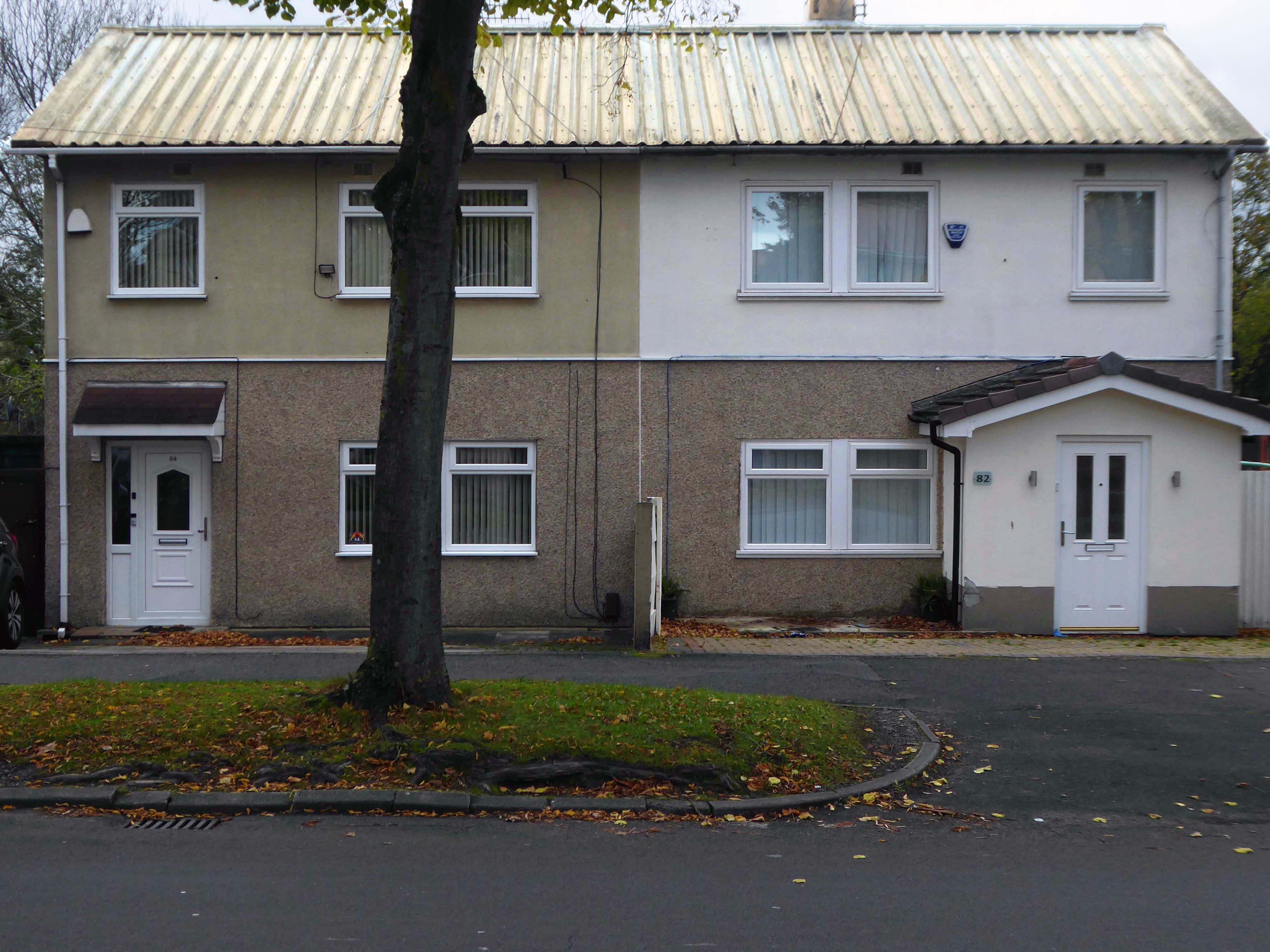
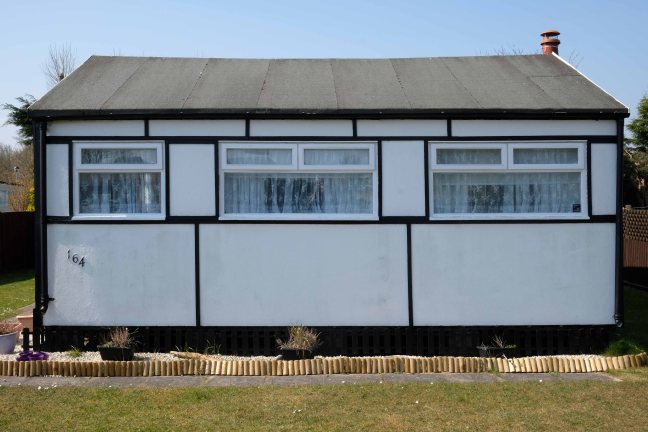
The homes on Wadsworth Lane are BISF Type A1 – designed by architect Frederick Gibberd and engineer Donovan Lee.
Manufactured by British Iron & Steel Federation and British Steel Homes Ltd.
Over 34,000 three-bedroom semi-detached houses and 1048 terraced houses were erected across England, Scotland and Wales.
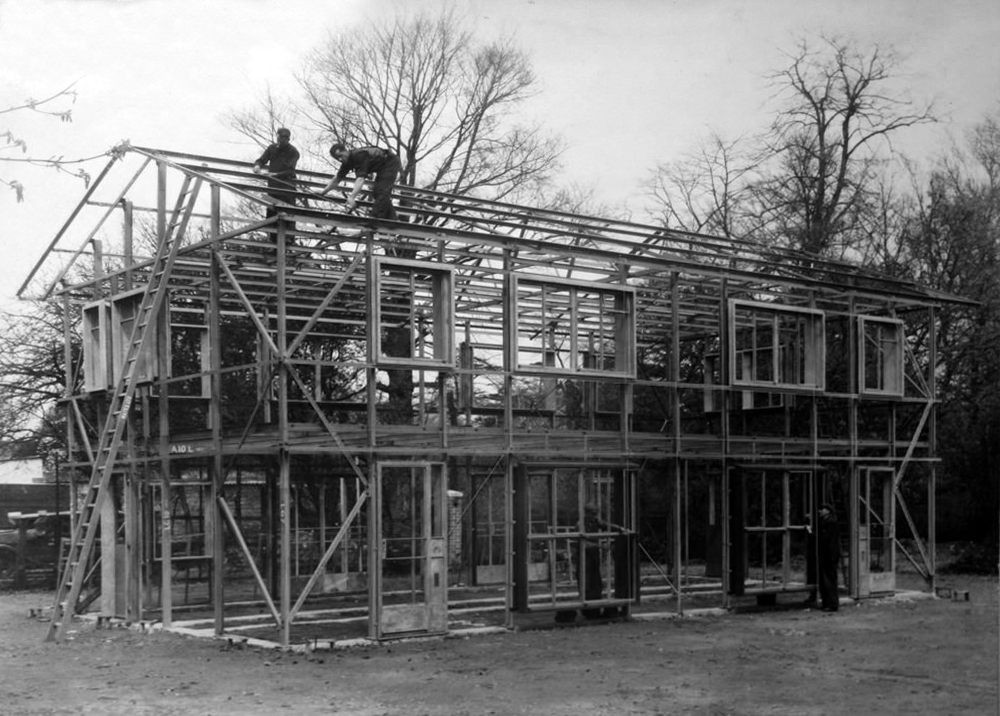
Prior to the end of WWII, the British Iron & Steel Federation worked closely with Architect Frederick Gibberd & Engineer Donovan Lee, to develop several steel framed prototype houses and flats, which could be erected quickly and efficiently with limited use of skilled labour.
Frederick Gibberd
These prototype were duly named BISF which is a acronym of the originating sponsor, The British Iron & Steel Federation.
However, it was in fact the newly formed company, British Steel Houses Ltd, that went on to develop and manufacturer the BISF houses we see today.
Over 34,000 three-bedroom semi-detached houses and 1048 Terraced Houses were erected across England, Scotland and Wales.
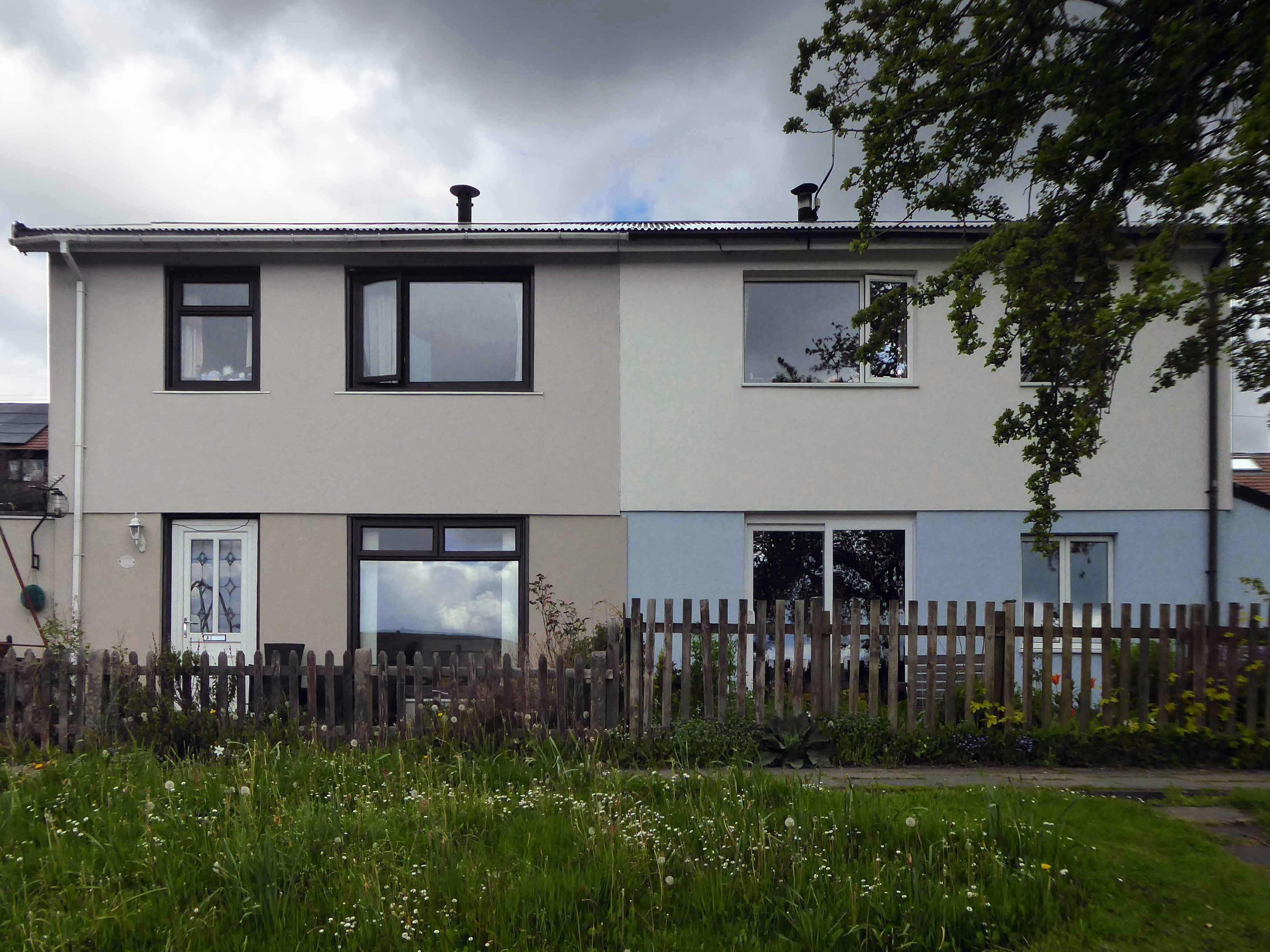
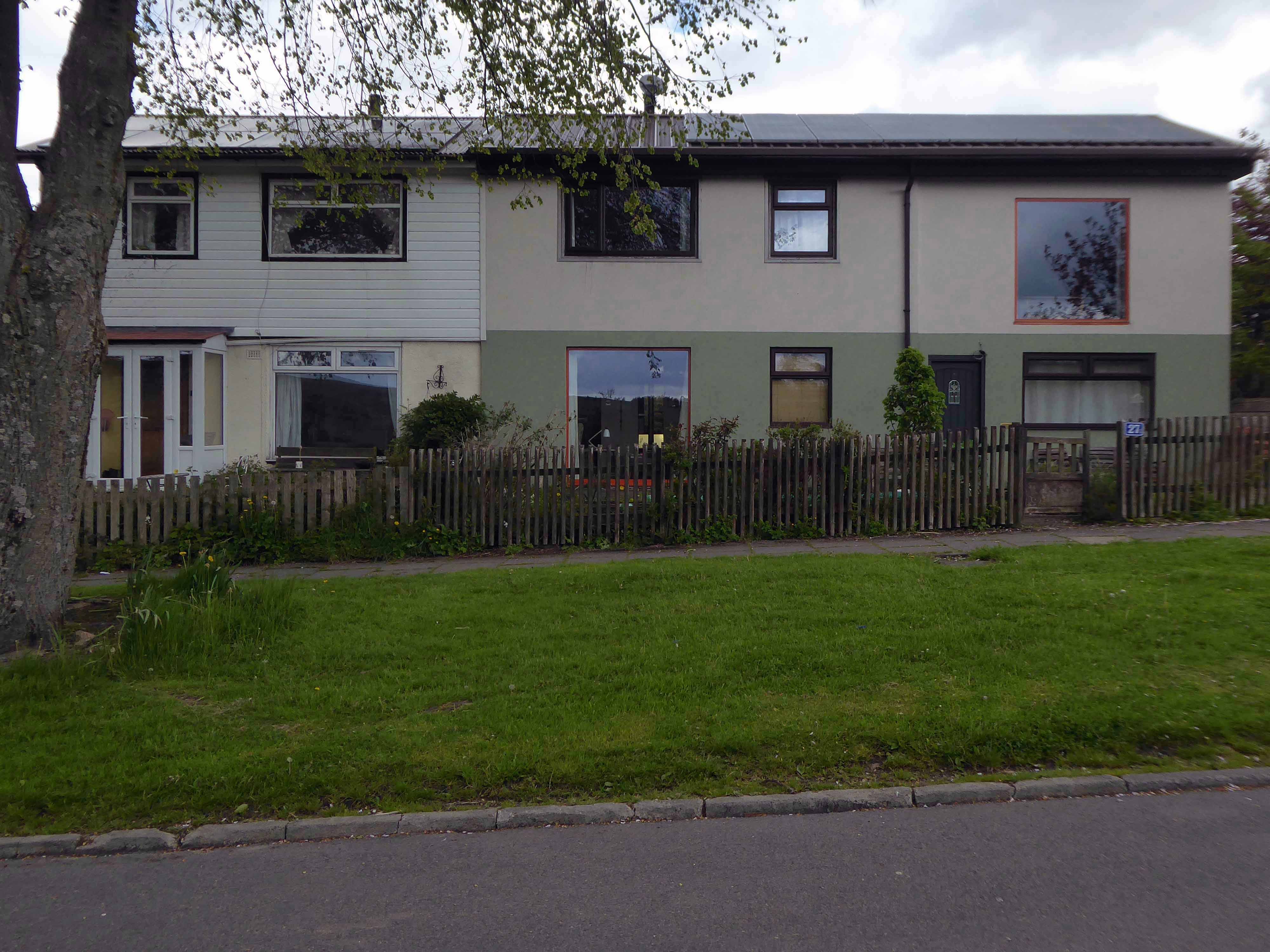
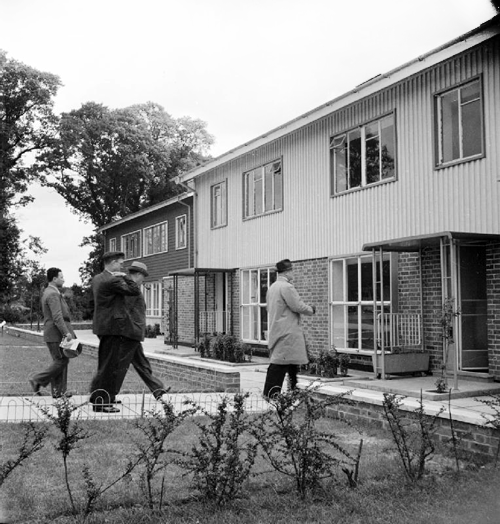
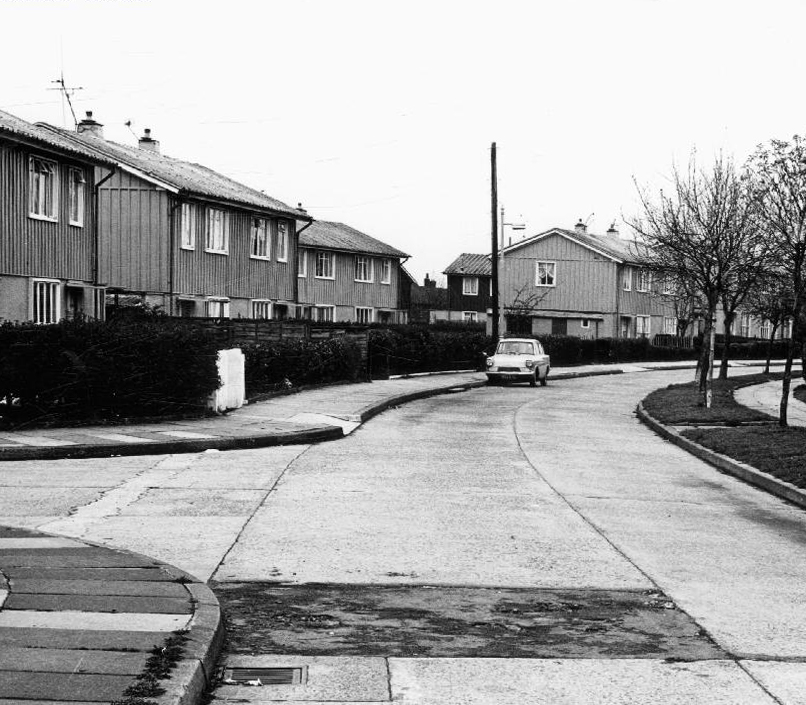
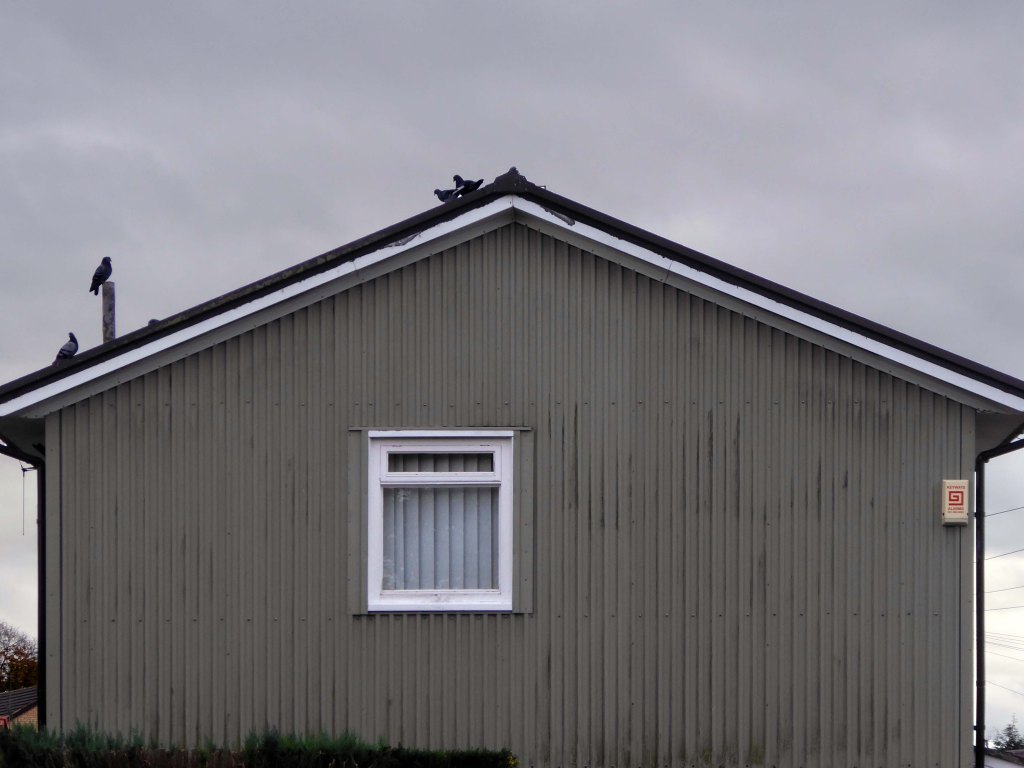
The final production design incorporated rendered mesh ground floor walls and the now familiar, profiled steel sheeting panels affixed to the upper storey. The preferred roofing material was generally corrugated asbestos cement, or corrugated metal sheeting.
The frame of the prototype ‘B’ house was of the same general design as the type ‘A’ frame, but fabricated from flat light steel sections.
Northolt
The roof trusses were also of light steel sections and the roof cladding was the same as that used in the type A house. Both prototypes had been designed to accept a variety of external wall materials, including traditional brick masonry if desired.
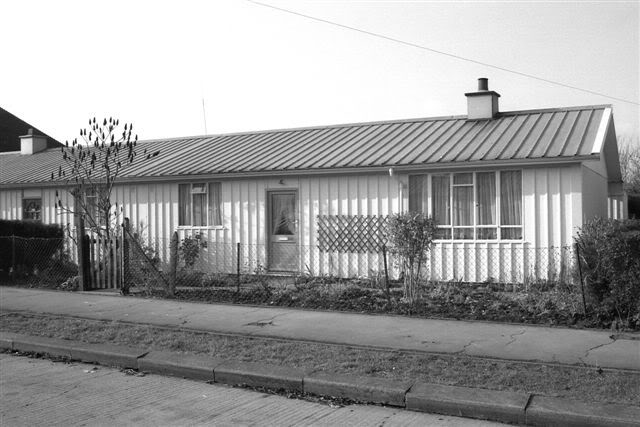
The external steel cladding that was affixed to the upper storey of the original BISF house appears visually similar to the external cladding that was used during the production of the unrelated Hawksley BL8 temporary bungalow.
This visual similarity caused many people to wrongly assume that the BISF House was a semi-detached version of the temporary bungalow, despite the fact that the BISF House was built as a permanent dwelling.
The vast majority of BISF houses were built as two-storey semi-detached pairs. A smaller number of terraced houses were also built by replicating the standard semi-detached frame.
A number of variations relating to the layout and materials used in the construction of this house have been noted, but in all cases, the original construction, design & construction of the steel framework, remains largely as described.
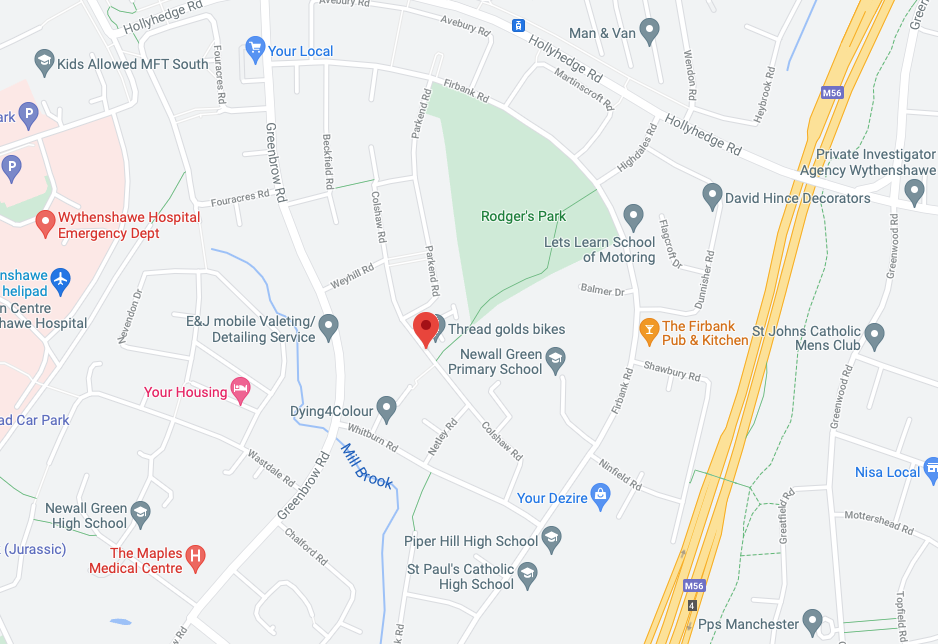
The area in Wythenshawe where the BISF houses were built, is known locally and colloquially as Tin Town.
You’re nobody ’til somebody loves you, You’re nobody ’til somebody cares. You may be king, you may possess the world and it’s gold, But gold won’t bring you happiness when you’re growing old.
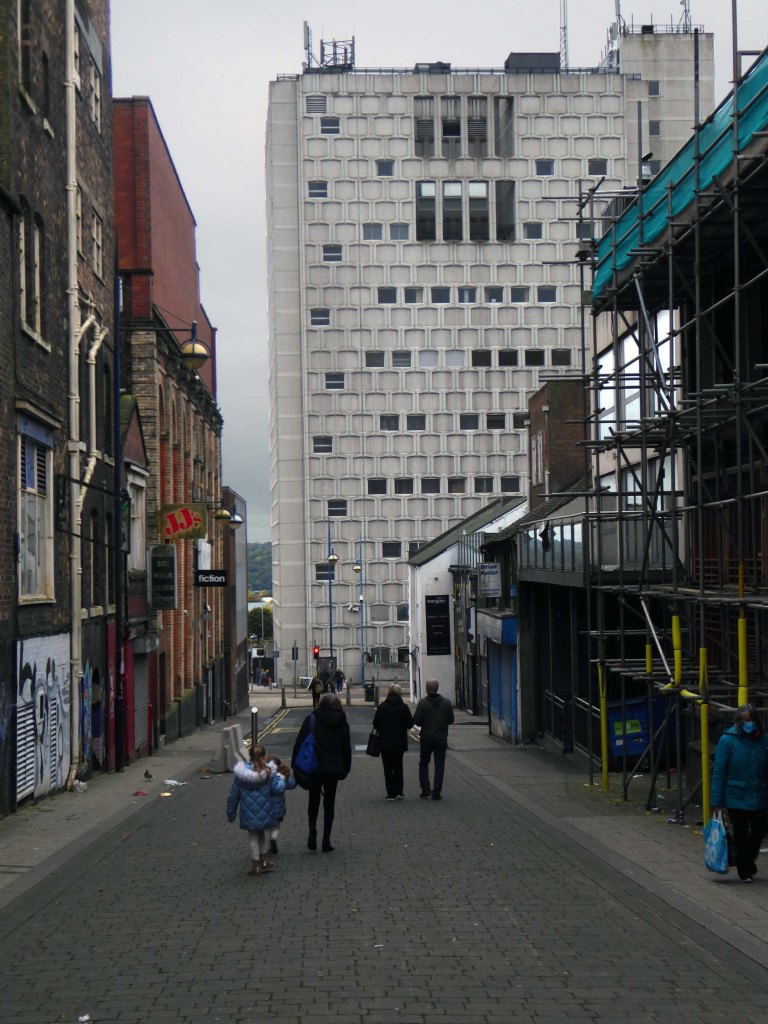
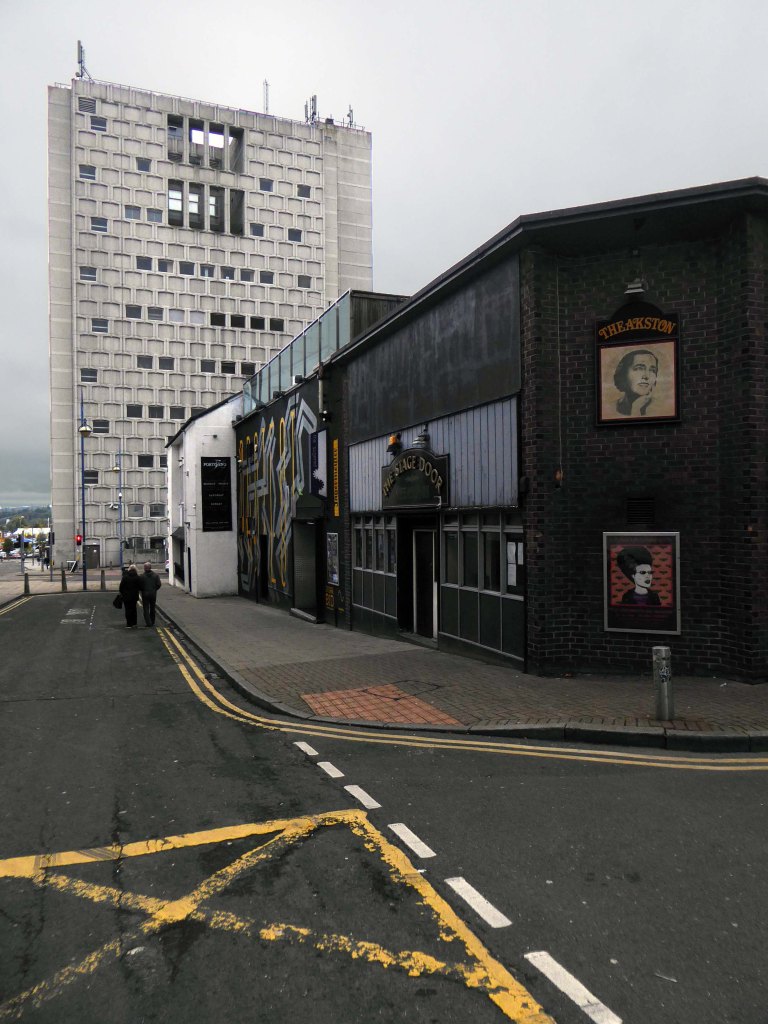
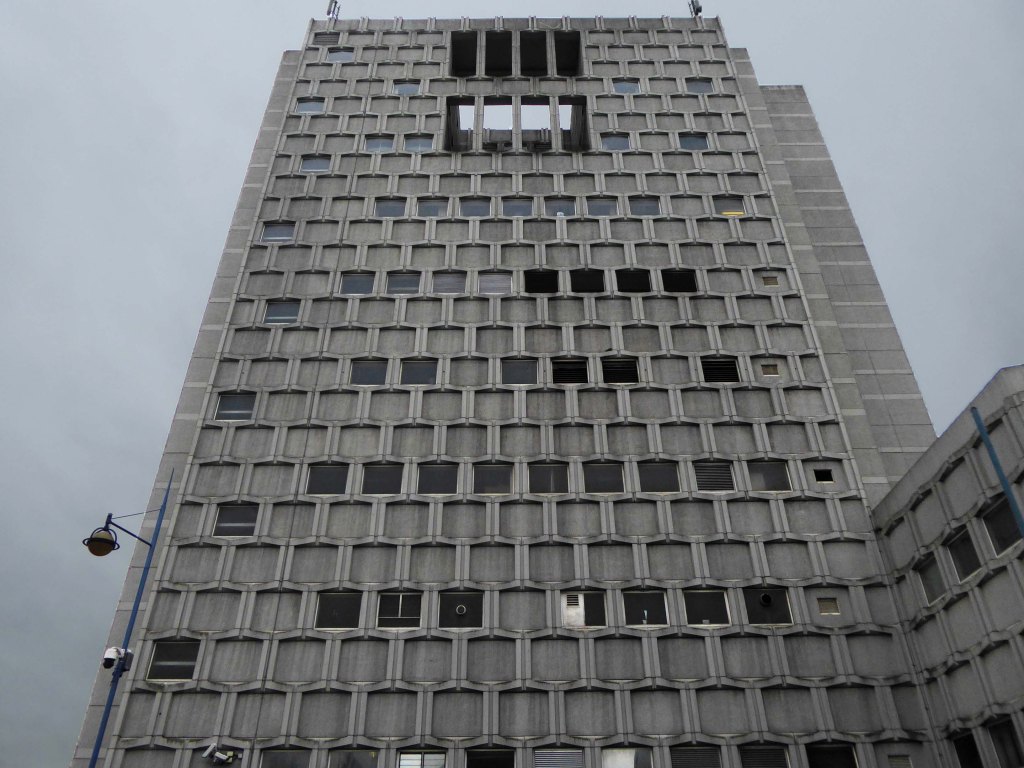
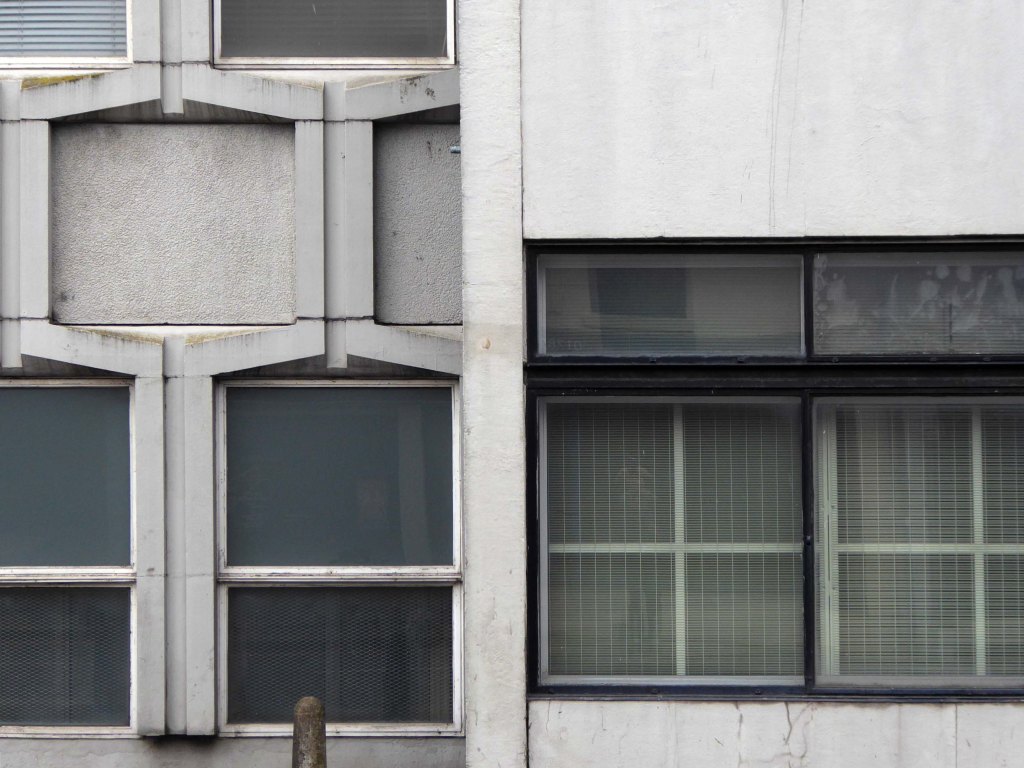
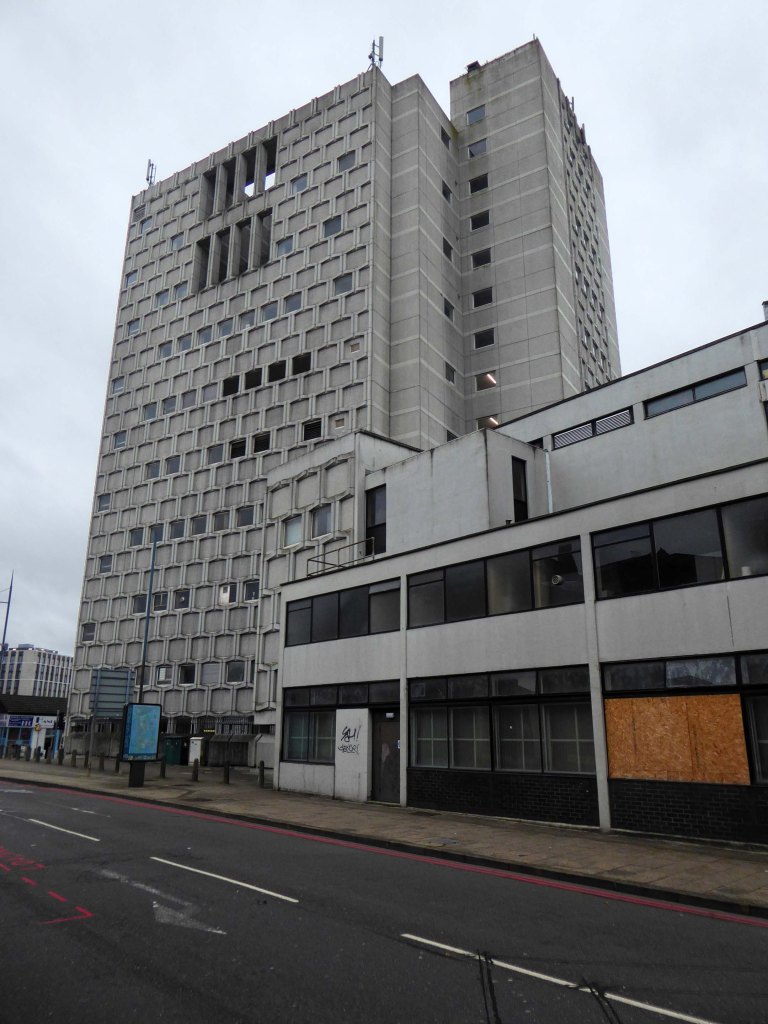
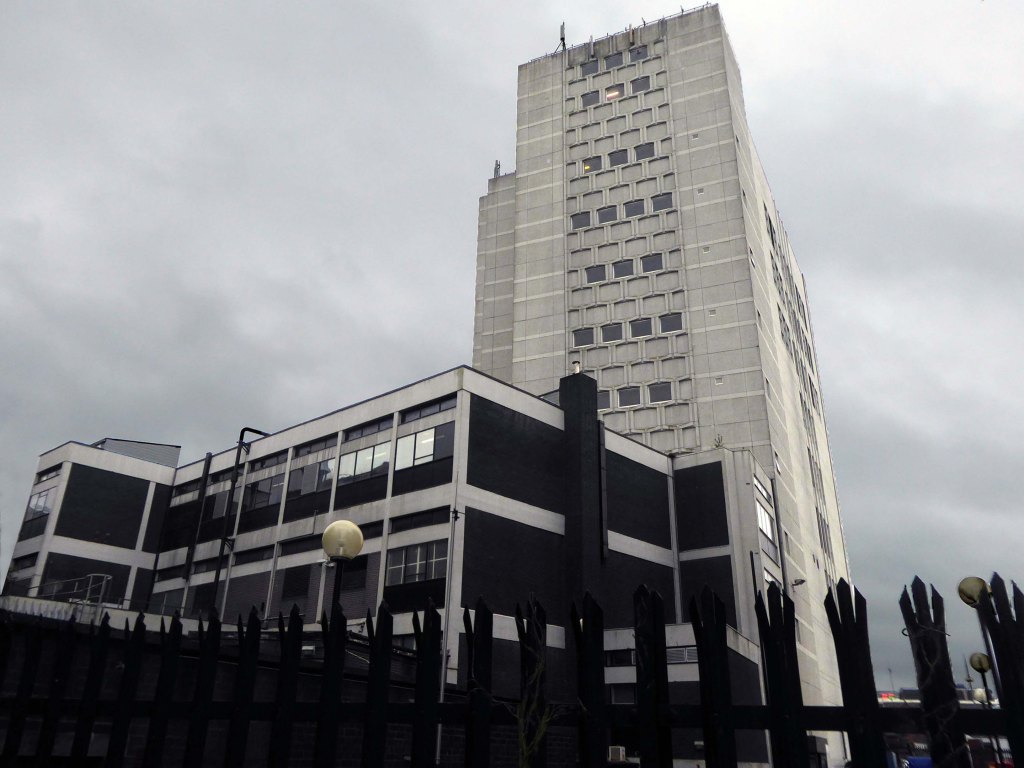
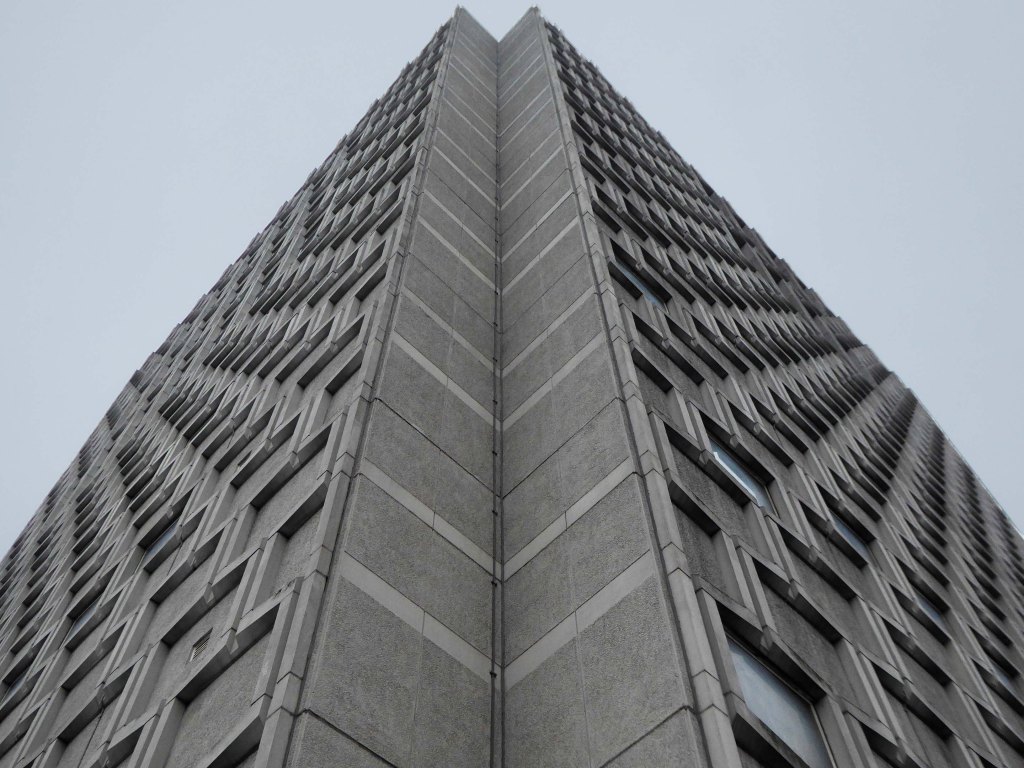
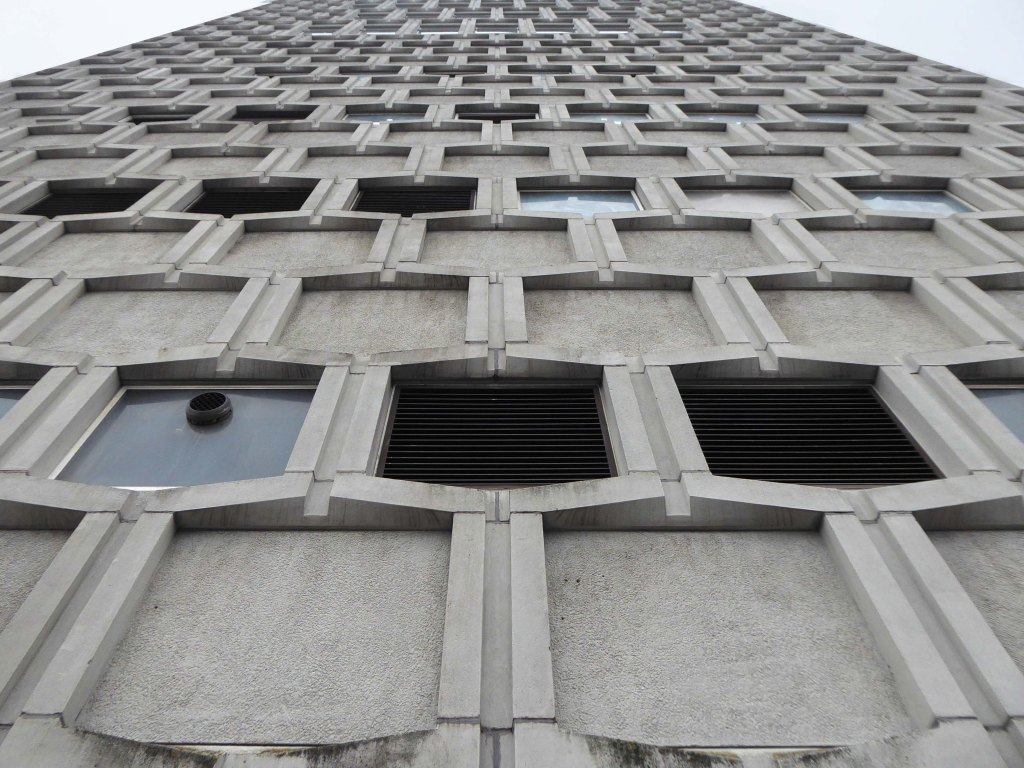
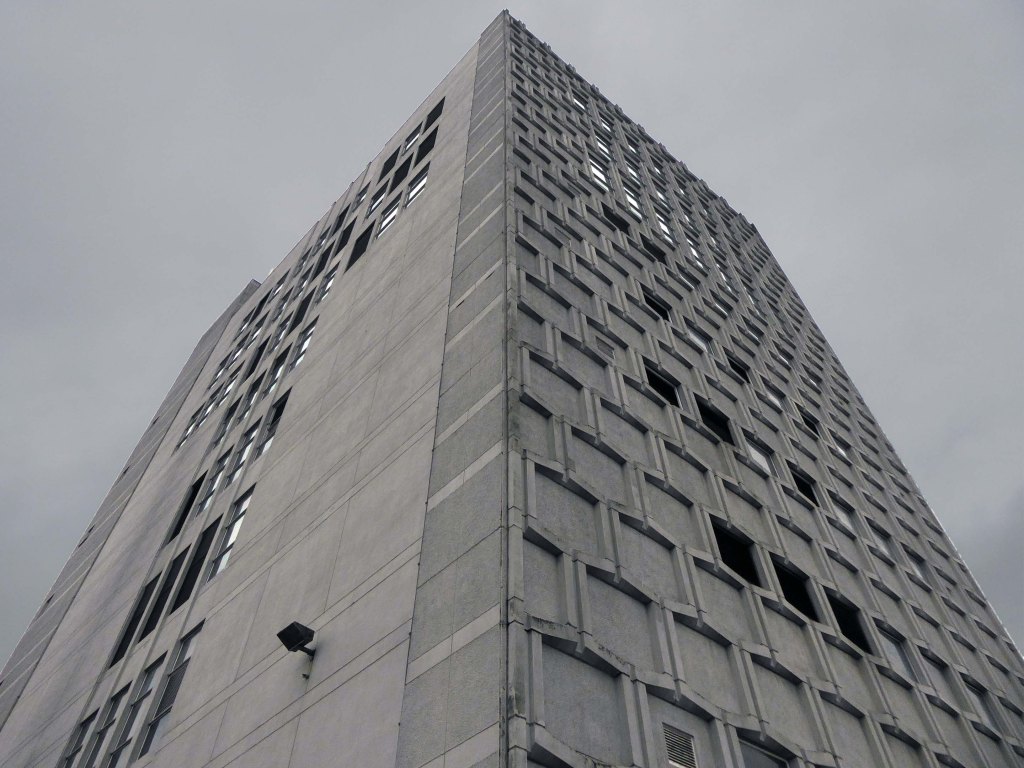
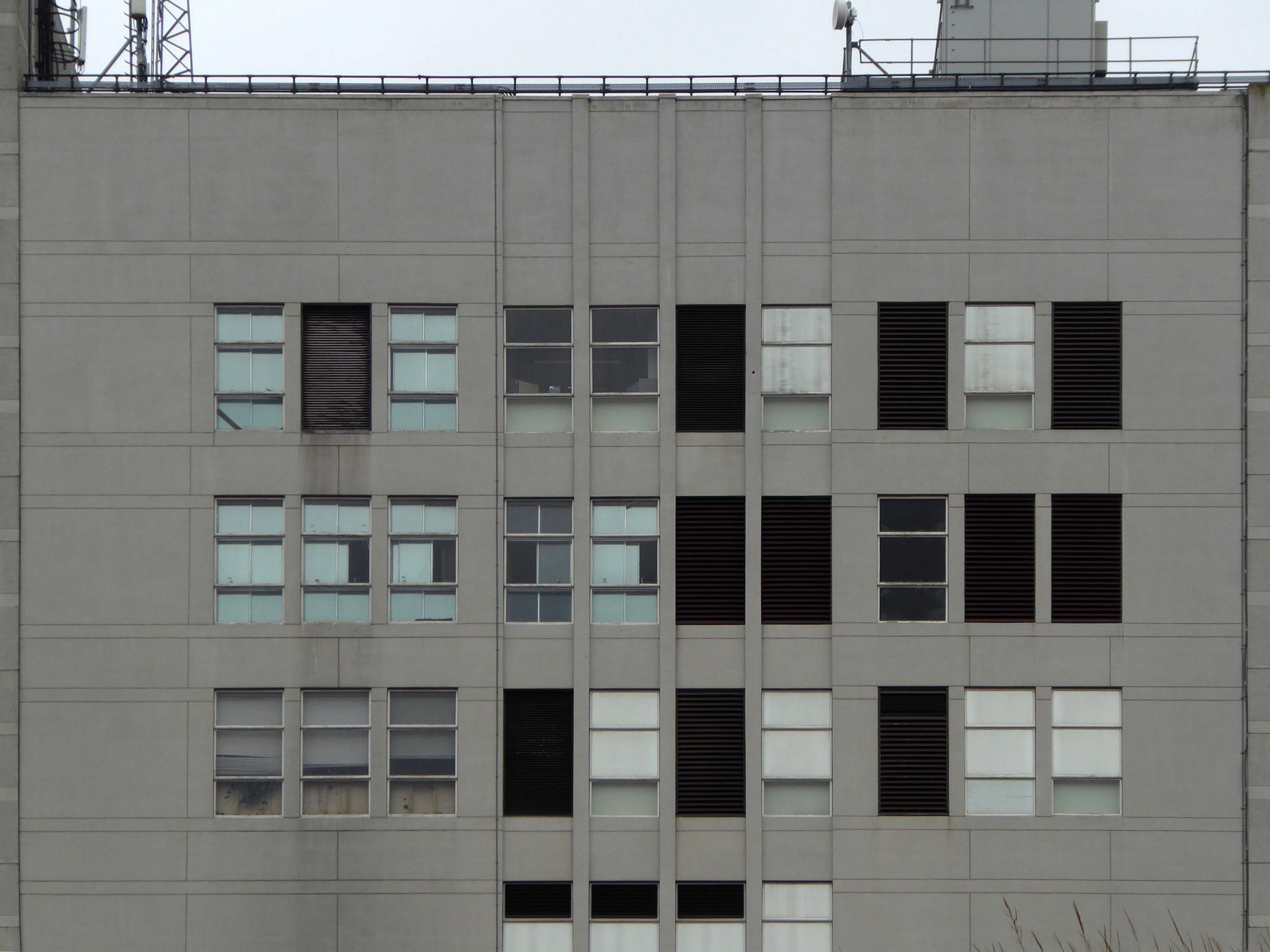
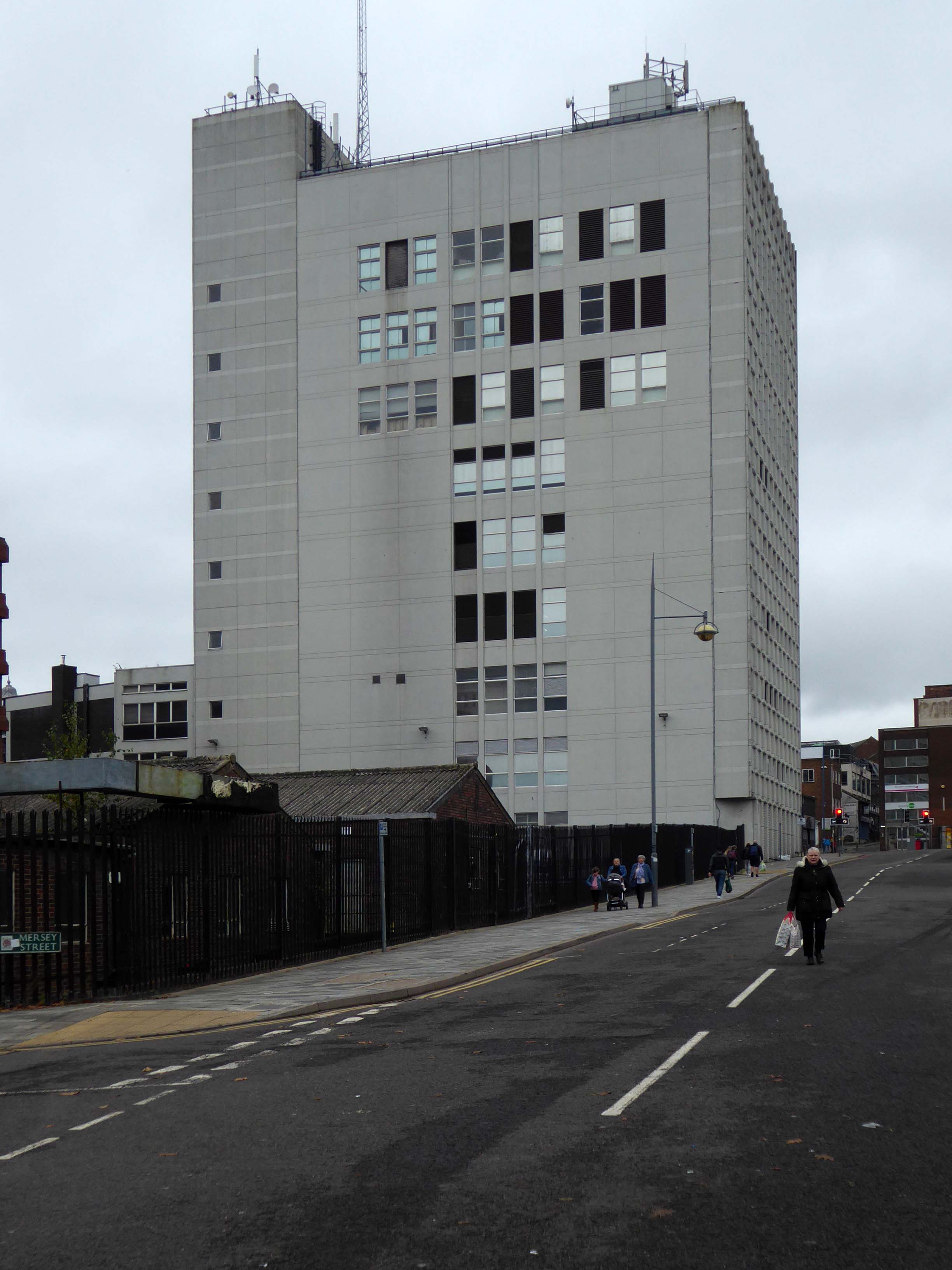
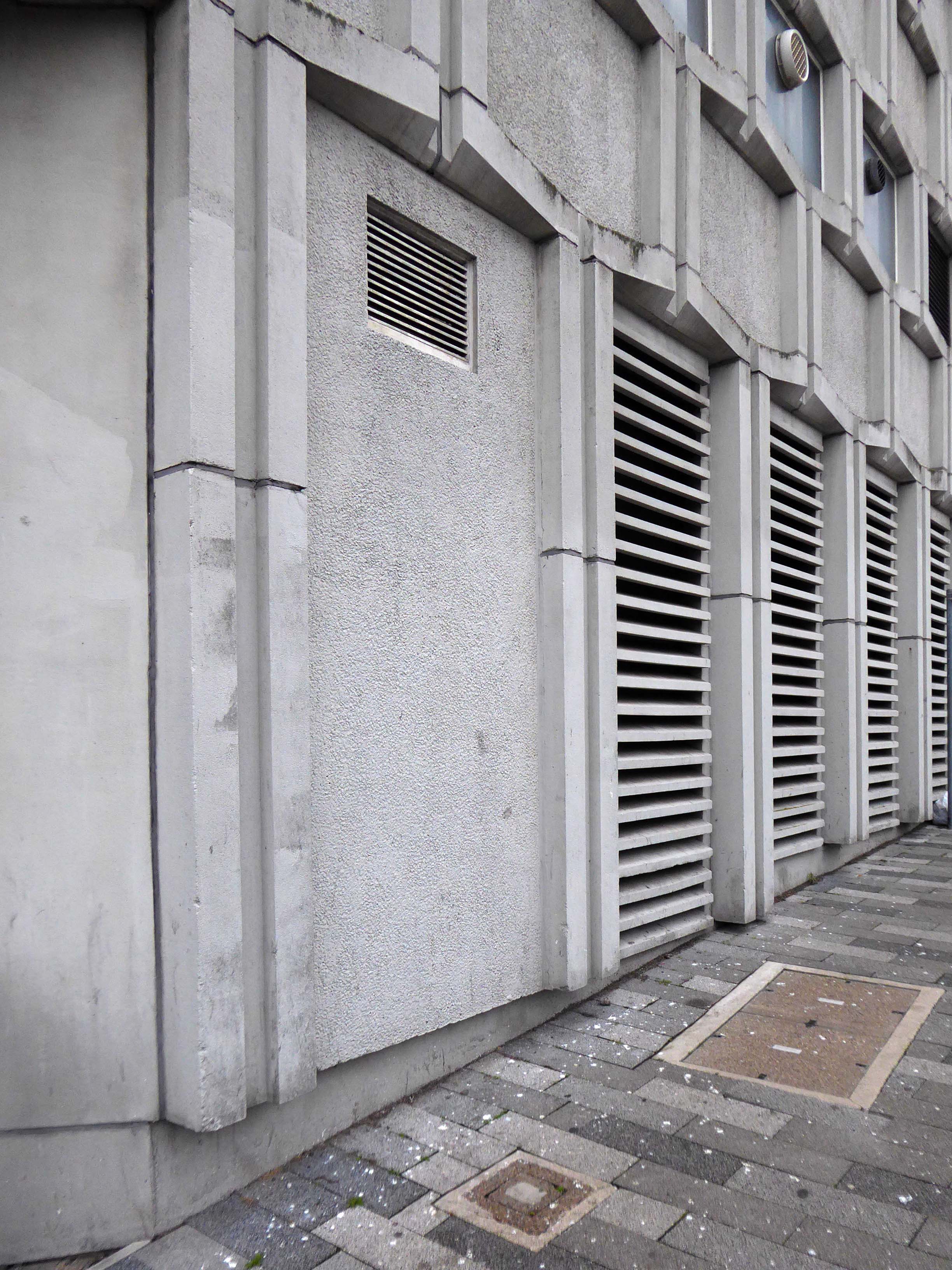
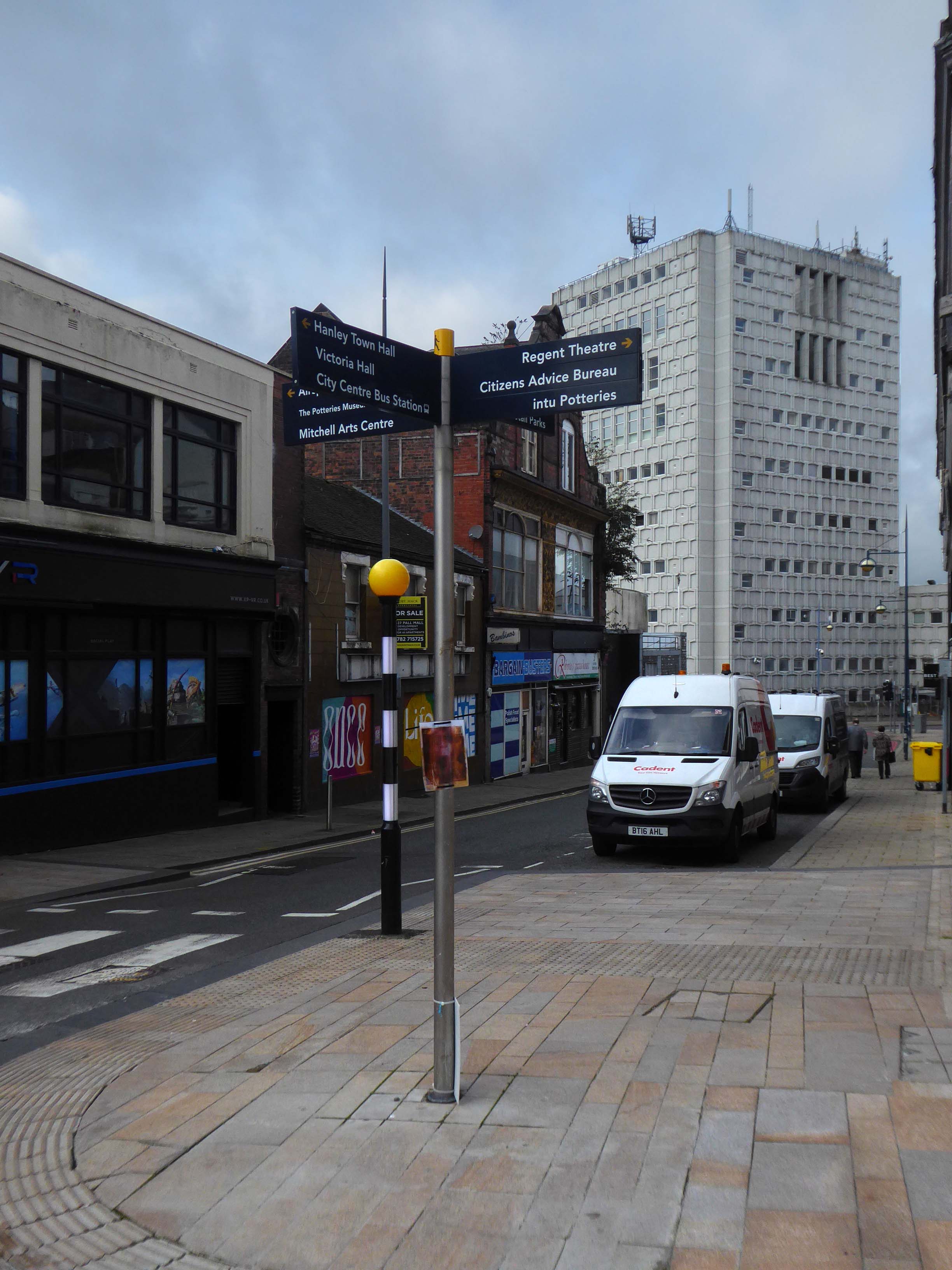
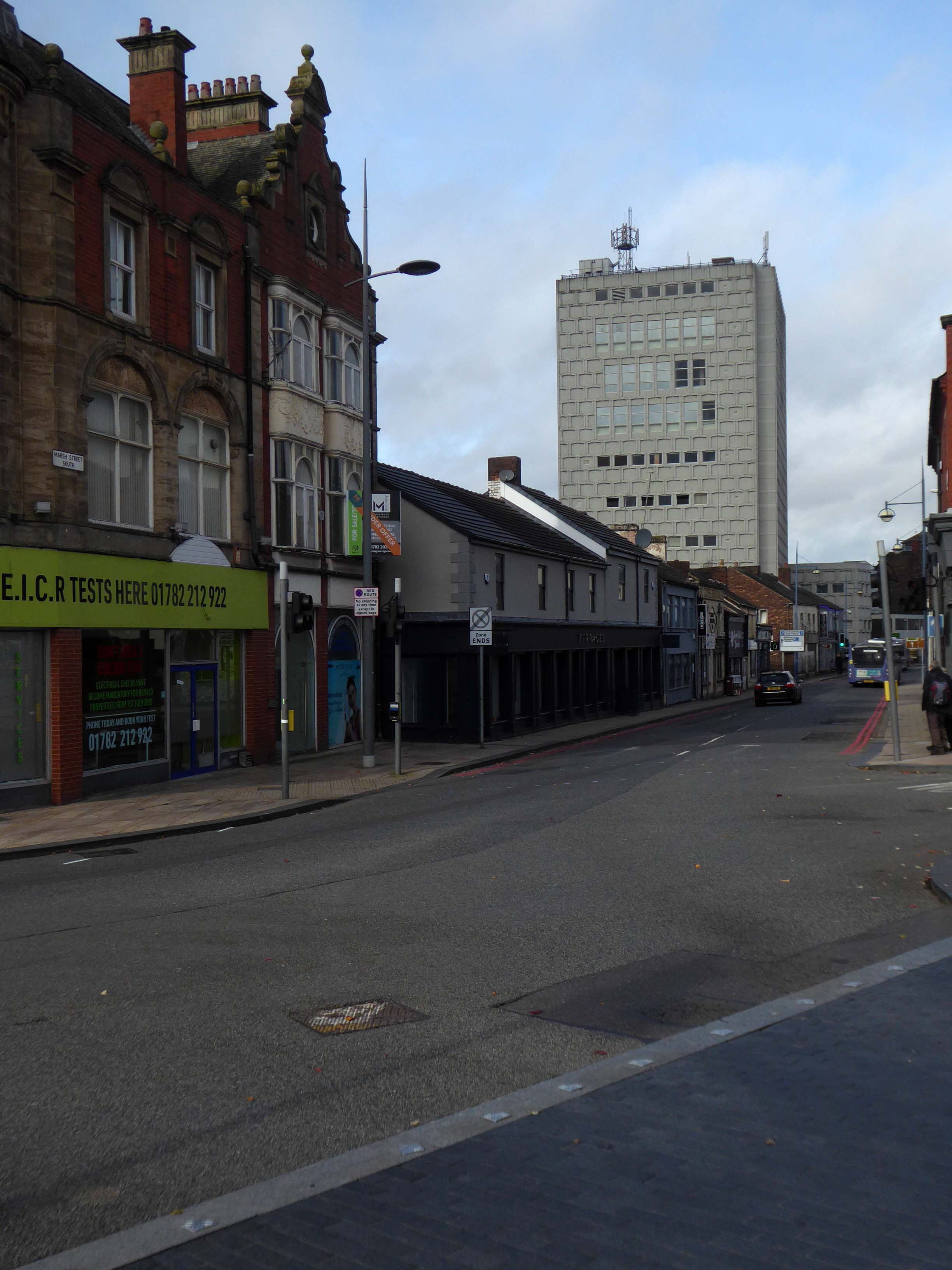
Hanley GSC represents a major telecommunication facility for BT and is positioned within the City boundaries of Stoke-on-Trent, on a very congested site.
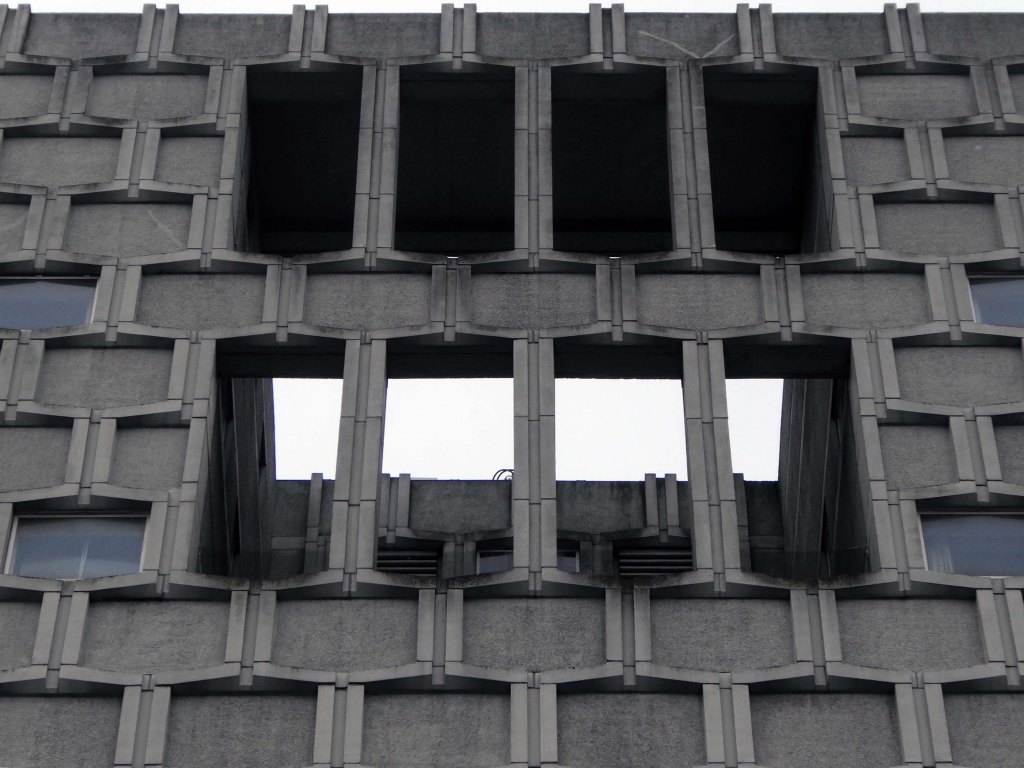
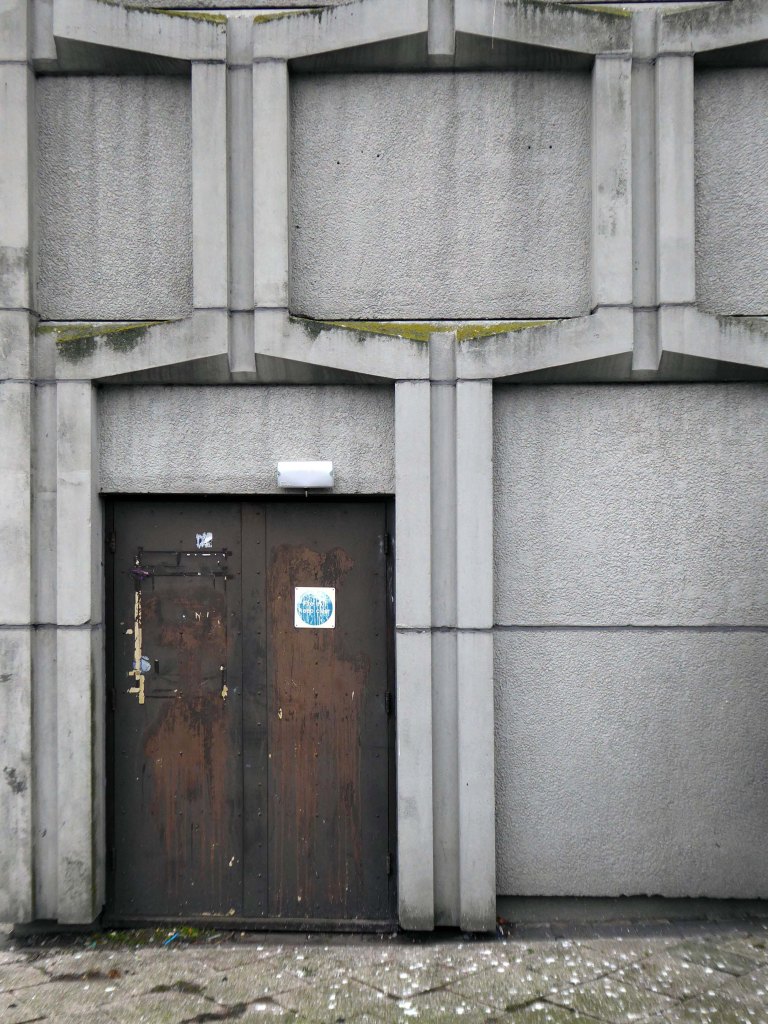
The building fabric was starting to degrade and in need of structural refurbishment.
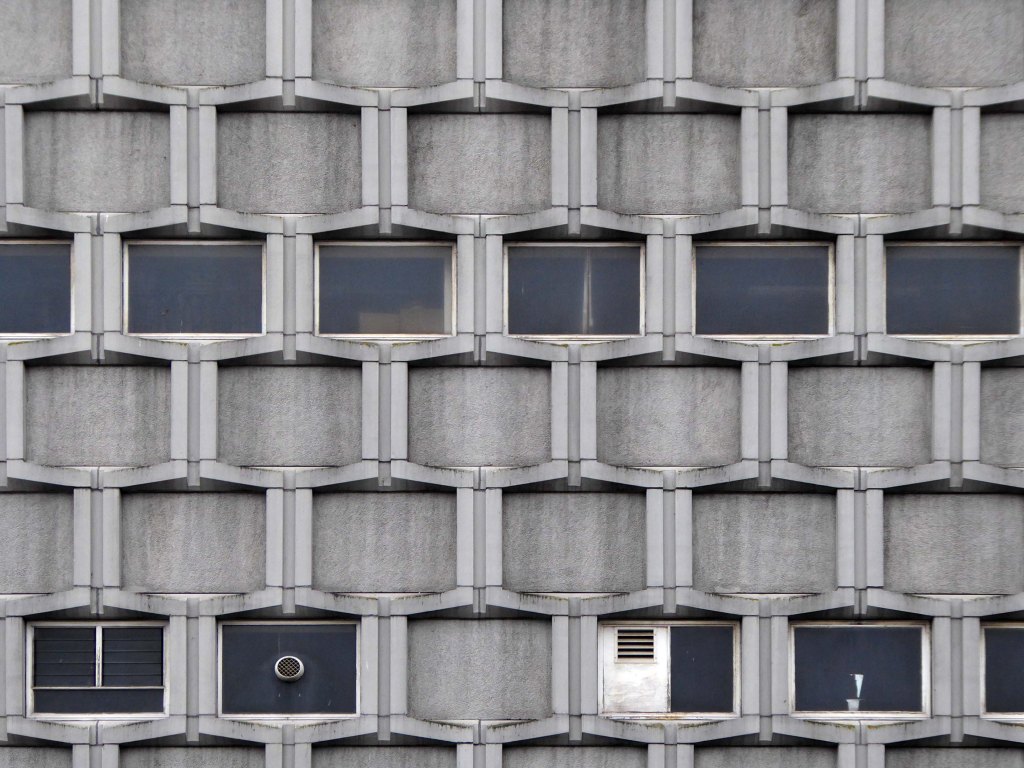
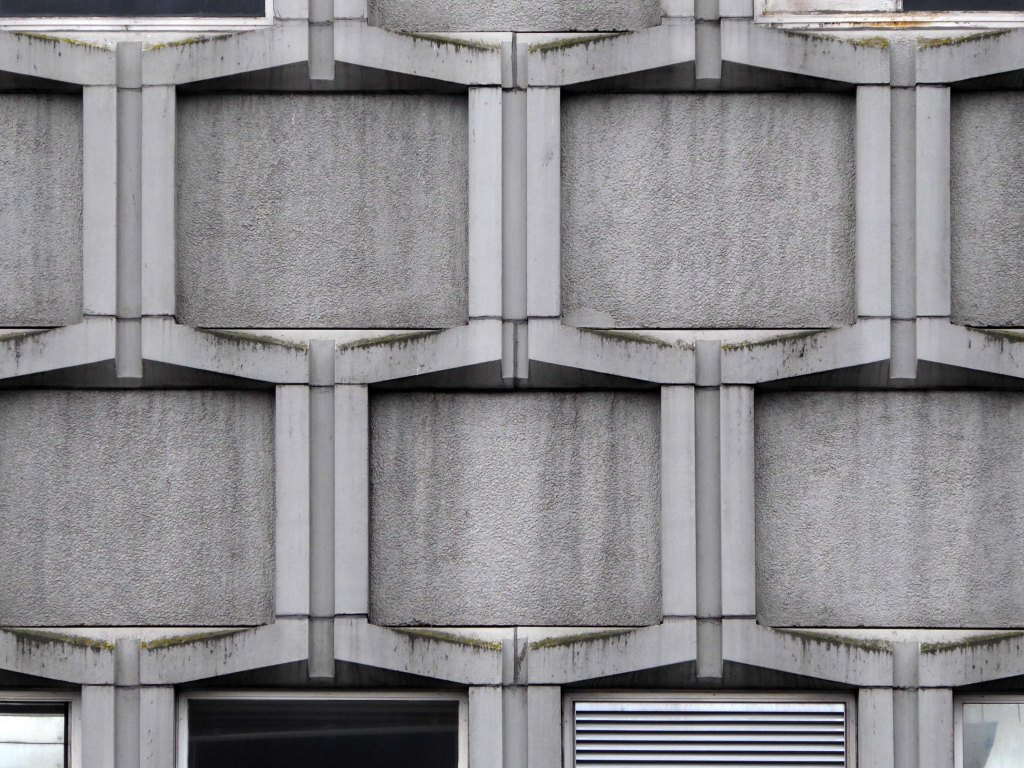
Works comprised of cleaning down the externals by high pressure water jetting, carrying out concrete repairs, applying an anti-carbonation coating, anti-corrosion treatments, painting the windows and applying sealants to windows and various joints around the structure.
All work was carried out whilst the exchange was fully manned and operational.
Works were carried outover a 26 week period, utilising mast climbers around the structure, with a limited amount of scaffolding on the low level structures.
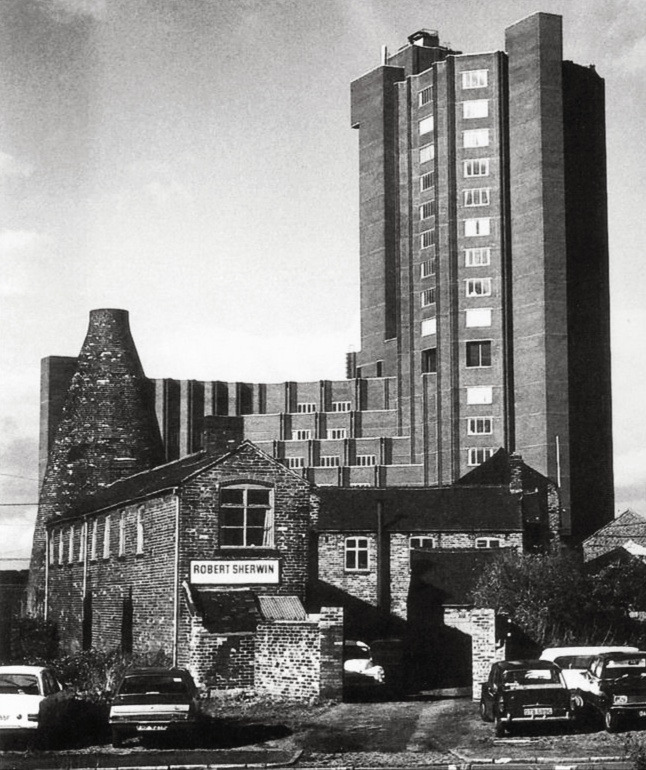
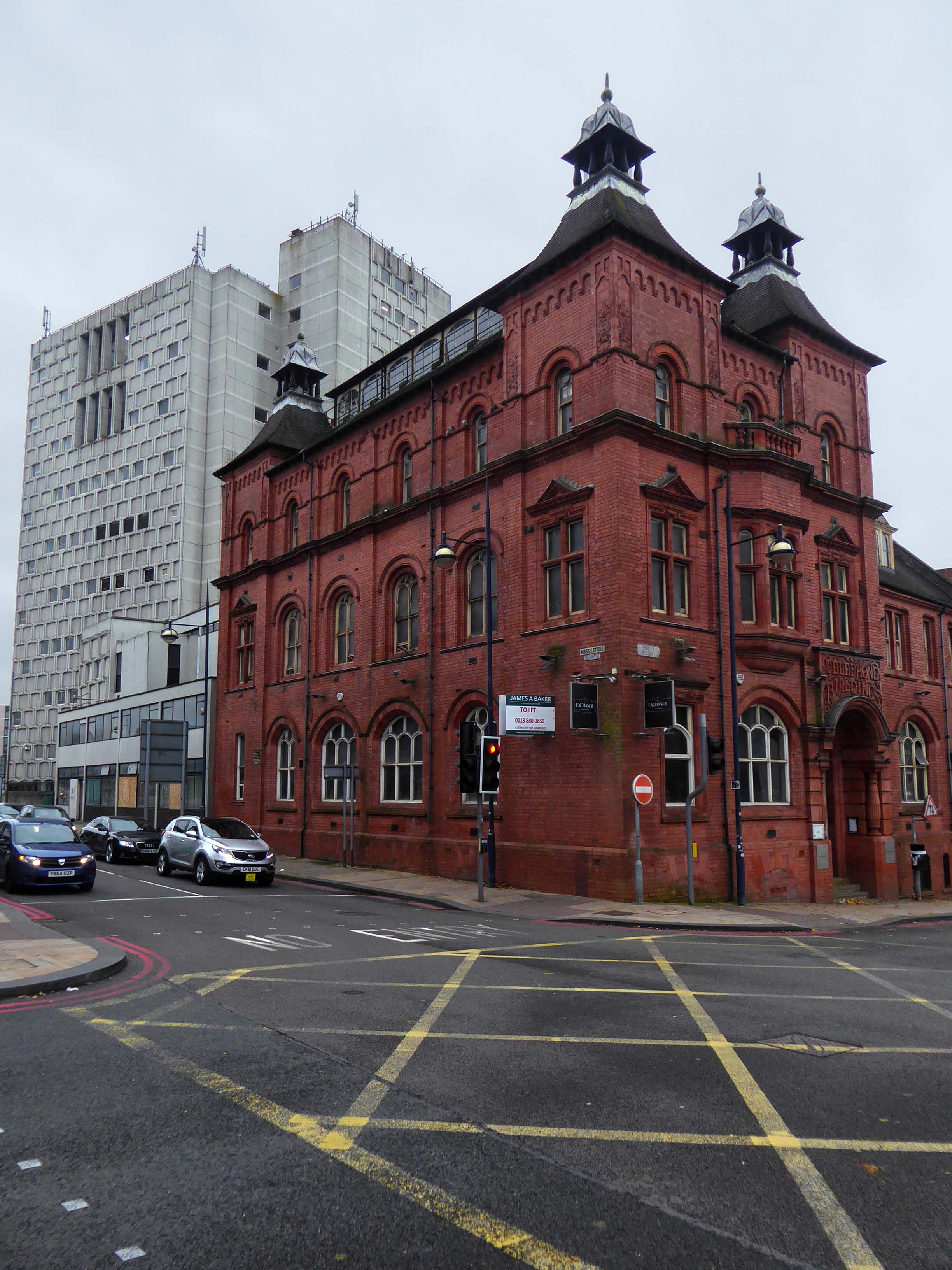
Derided locally as an eyesore, currently the tallest building in town following the demolition of Unity House.
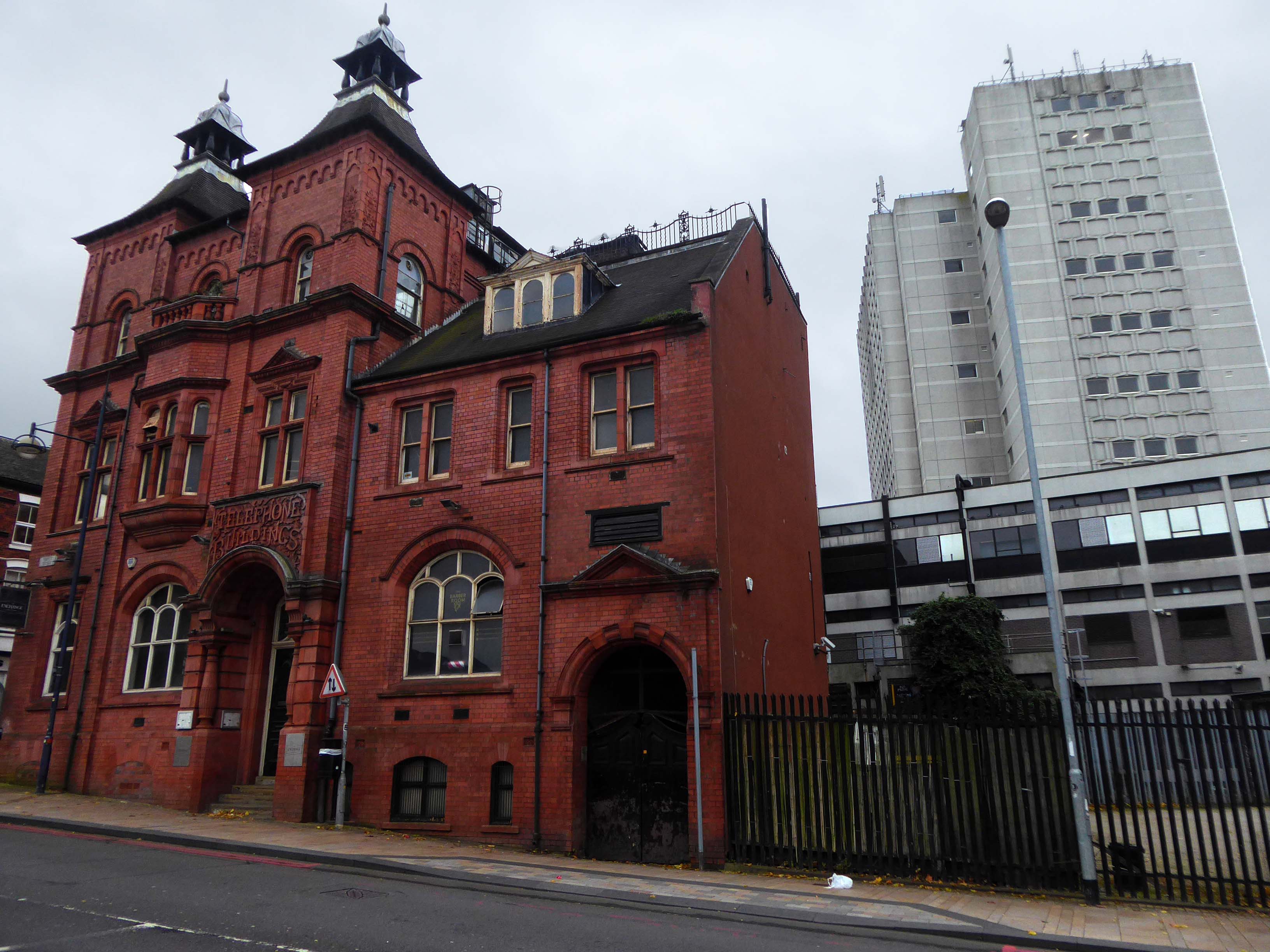
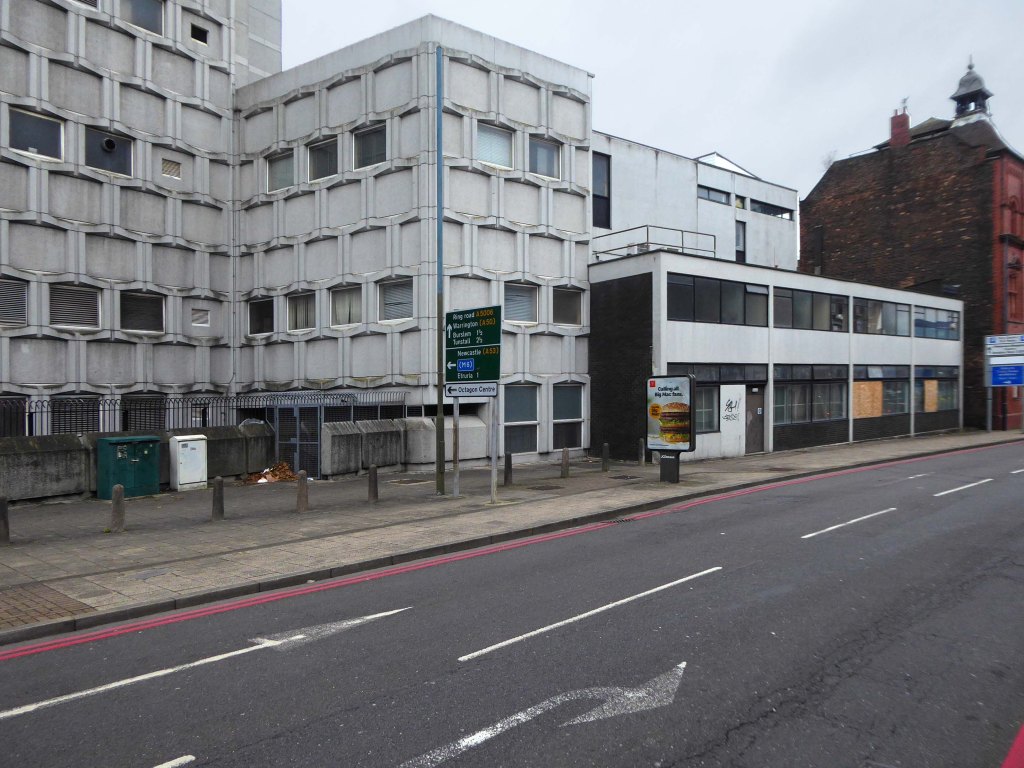
It has an antecedent as an immediate neighbour.
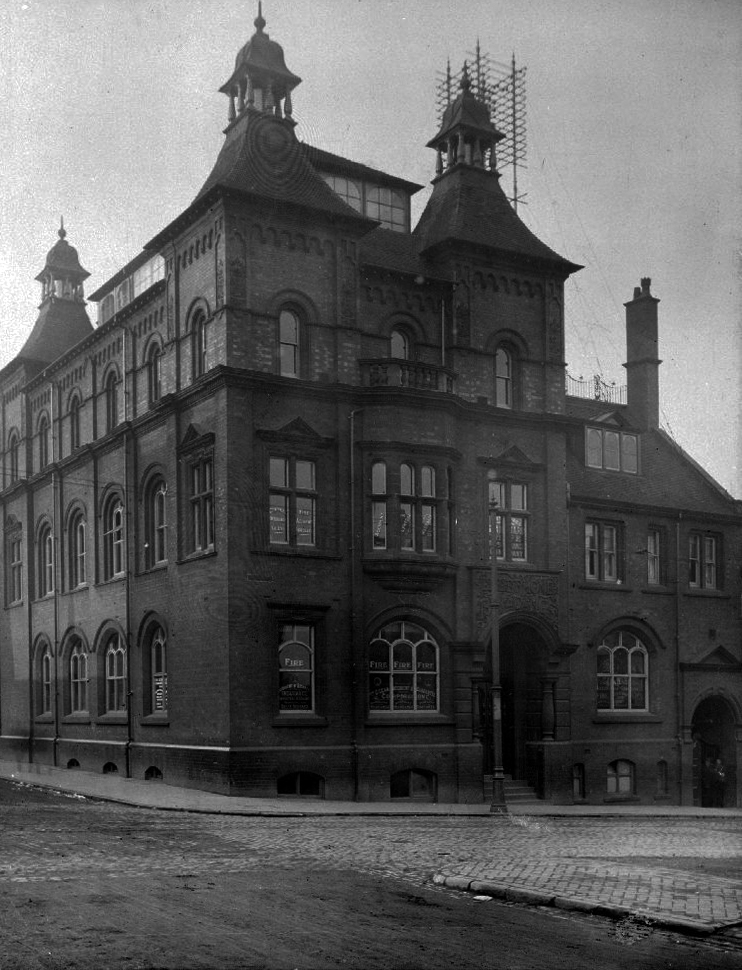
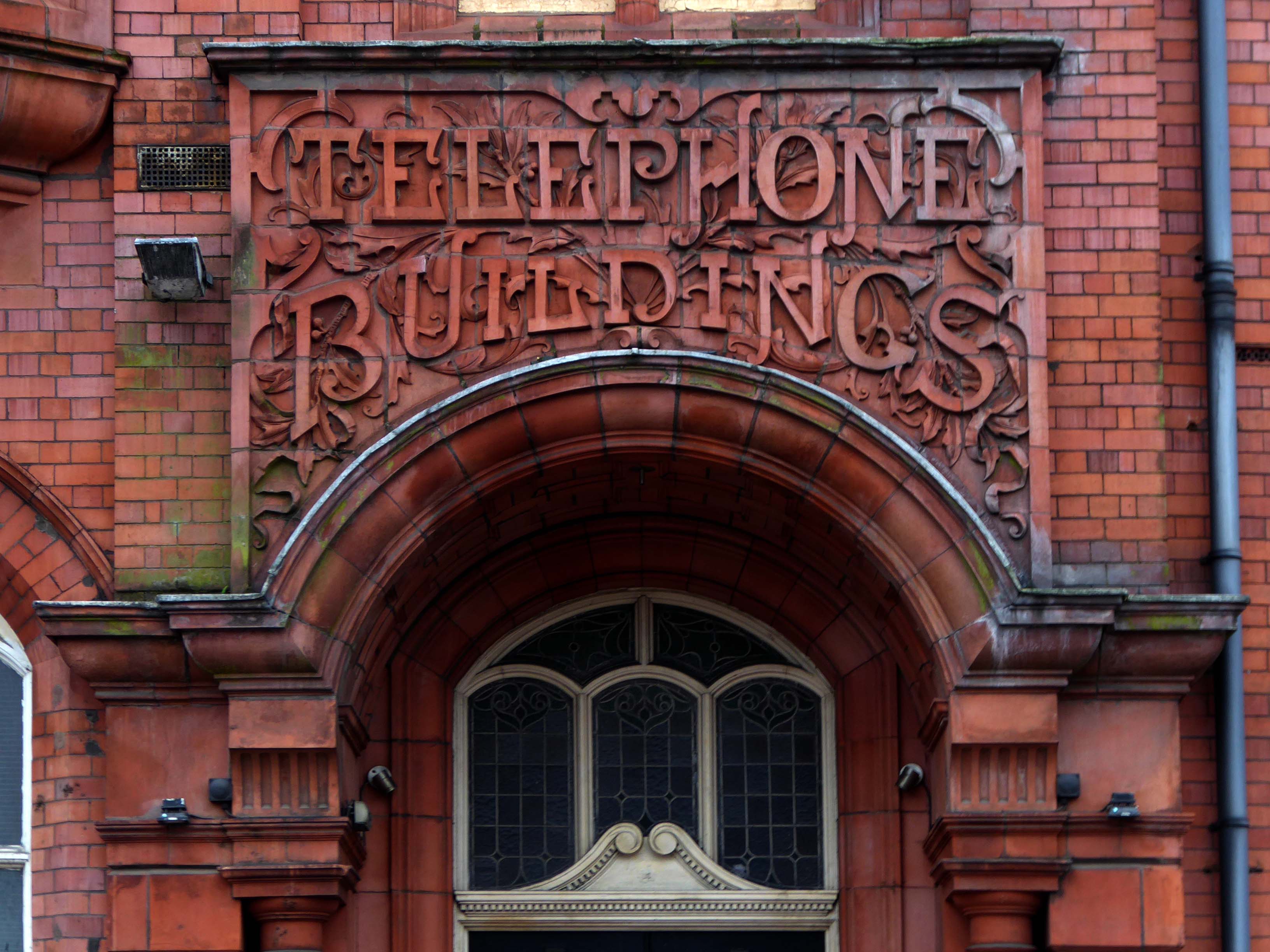
Former telephone exchange and offices – circa 1900.
Brick and terracotta with plain tiled roof. Eclectic style, with main block of three storeys, and three 3 narrow bays with flanking towers, all vertical spaces elongated.
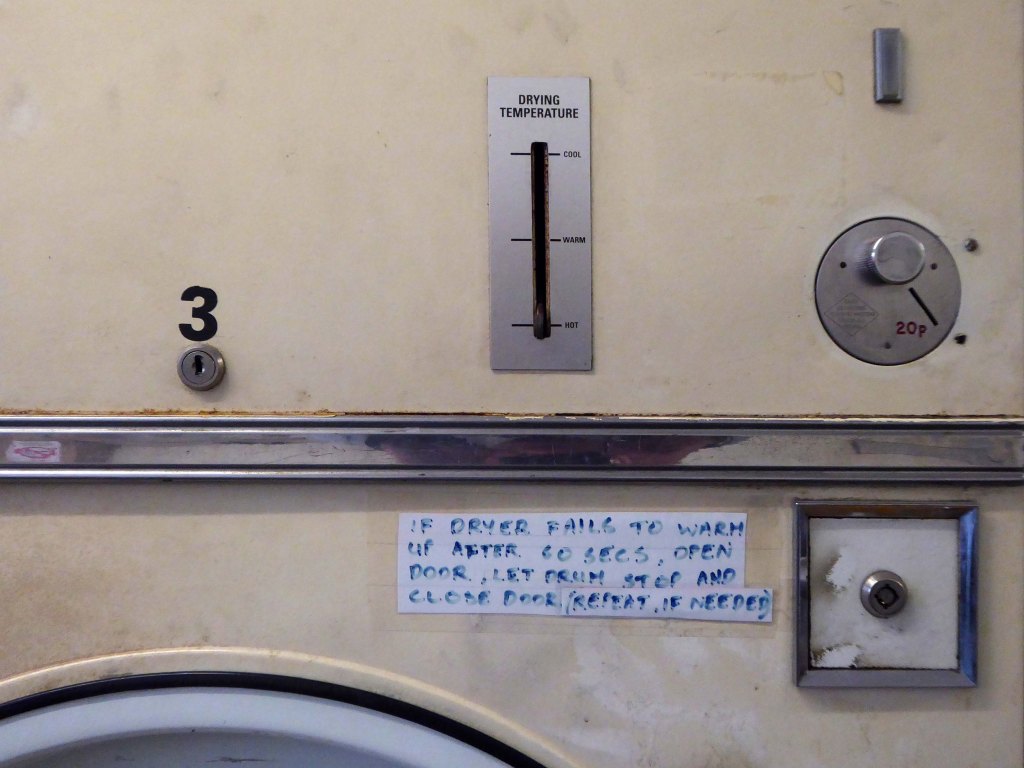
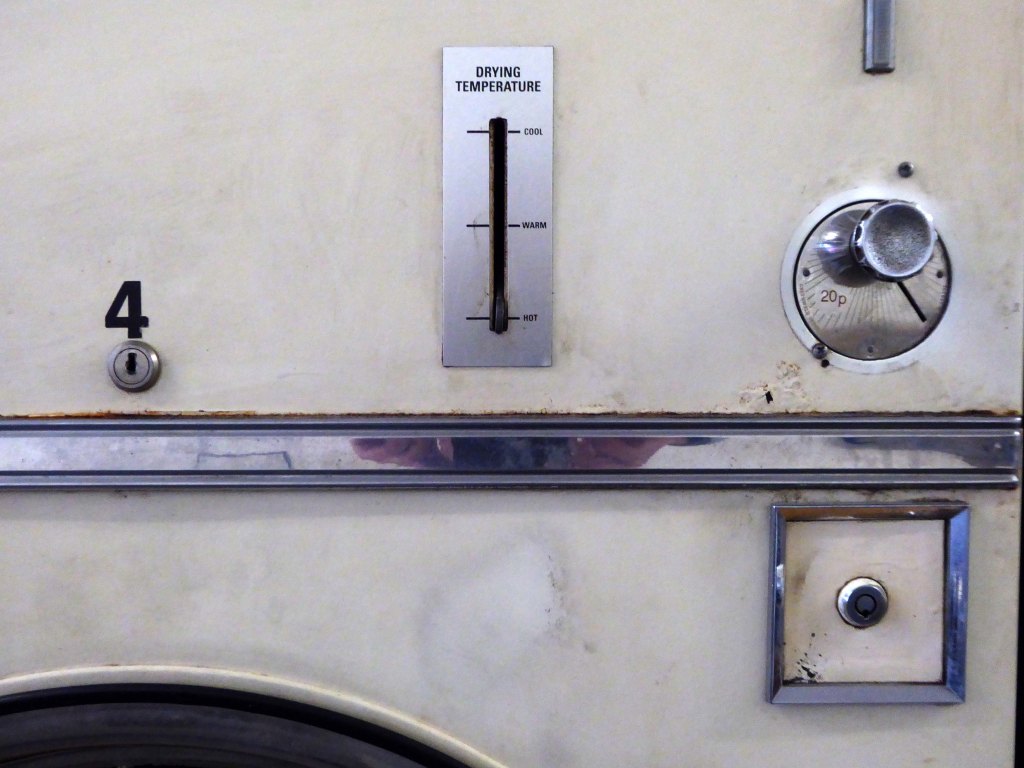
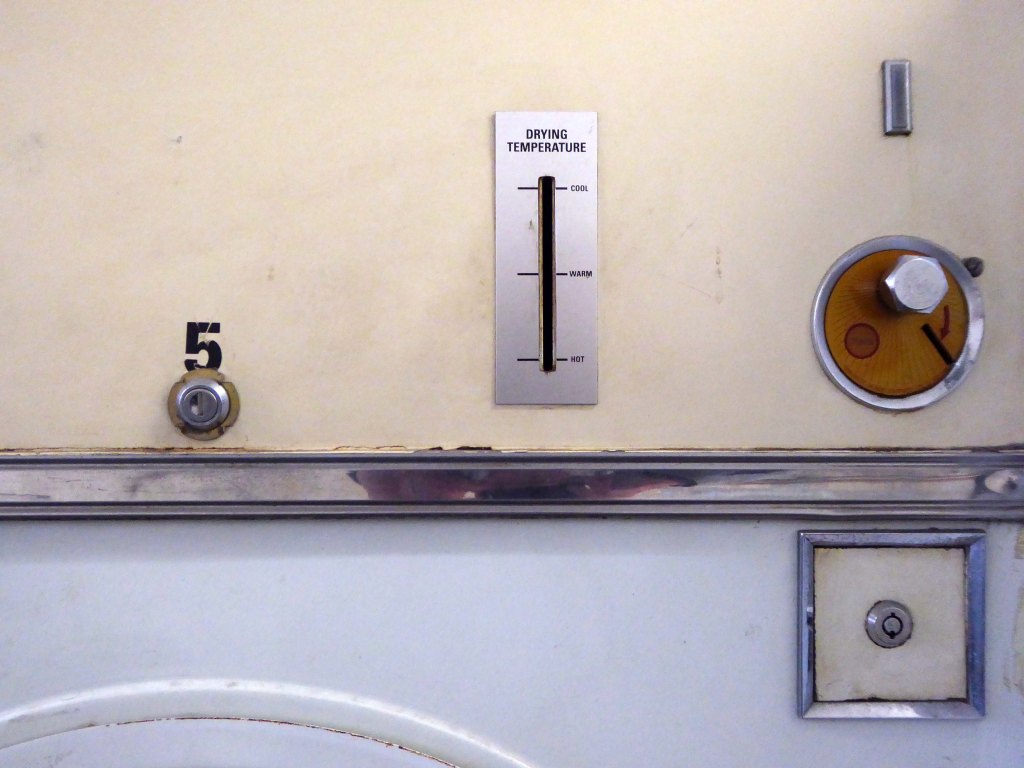
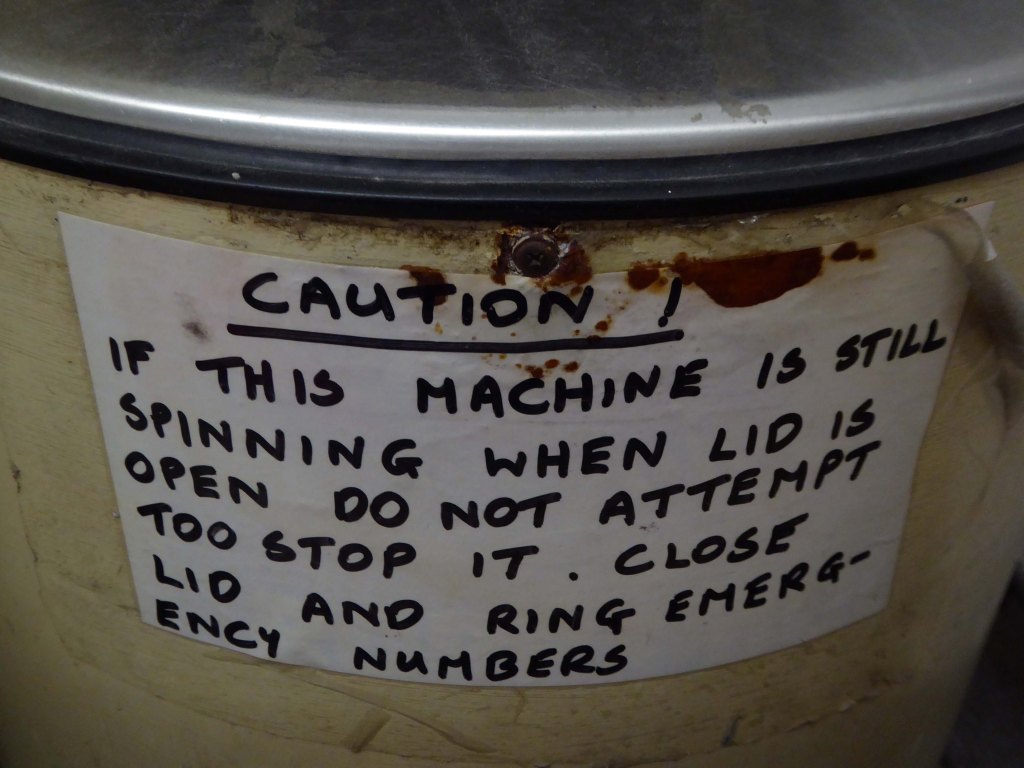
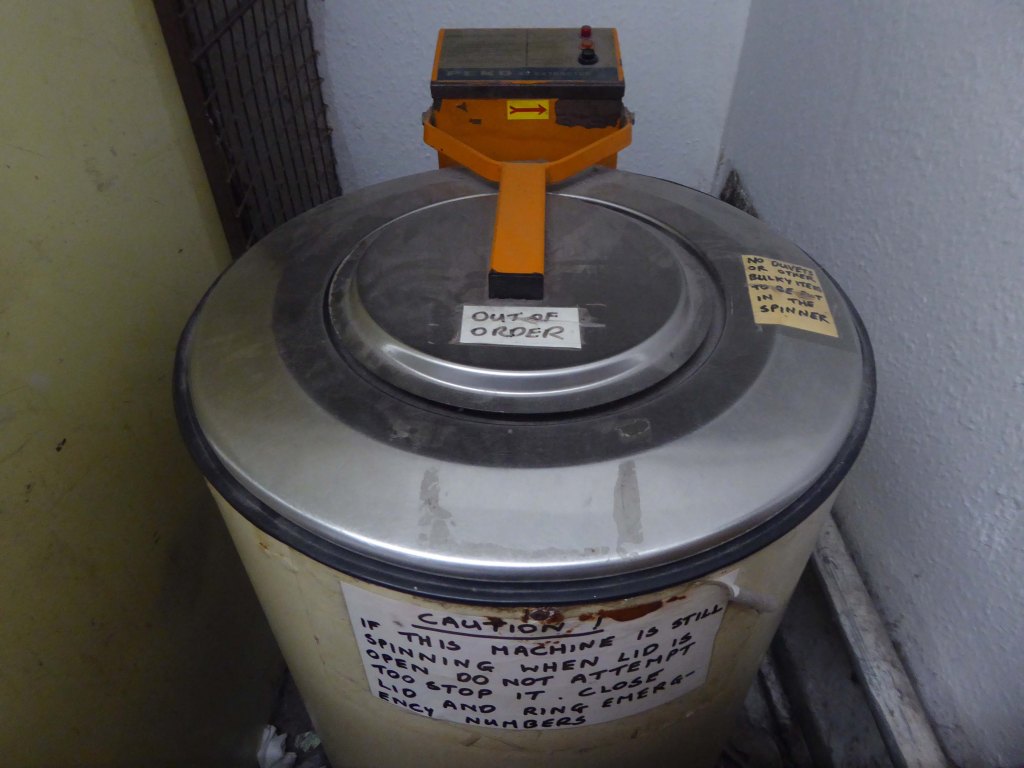
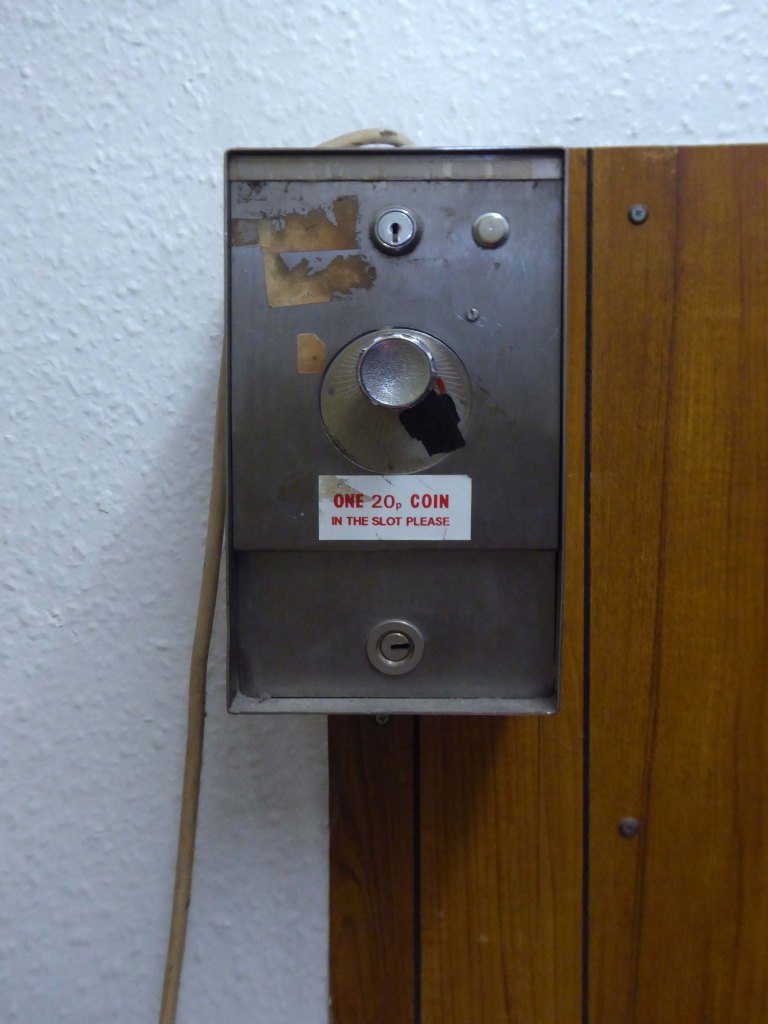
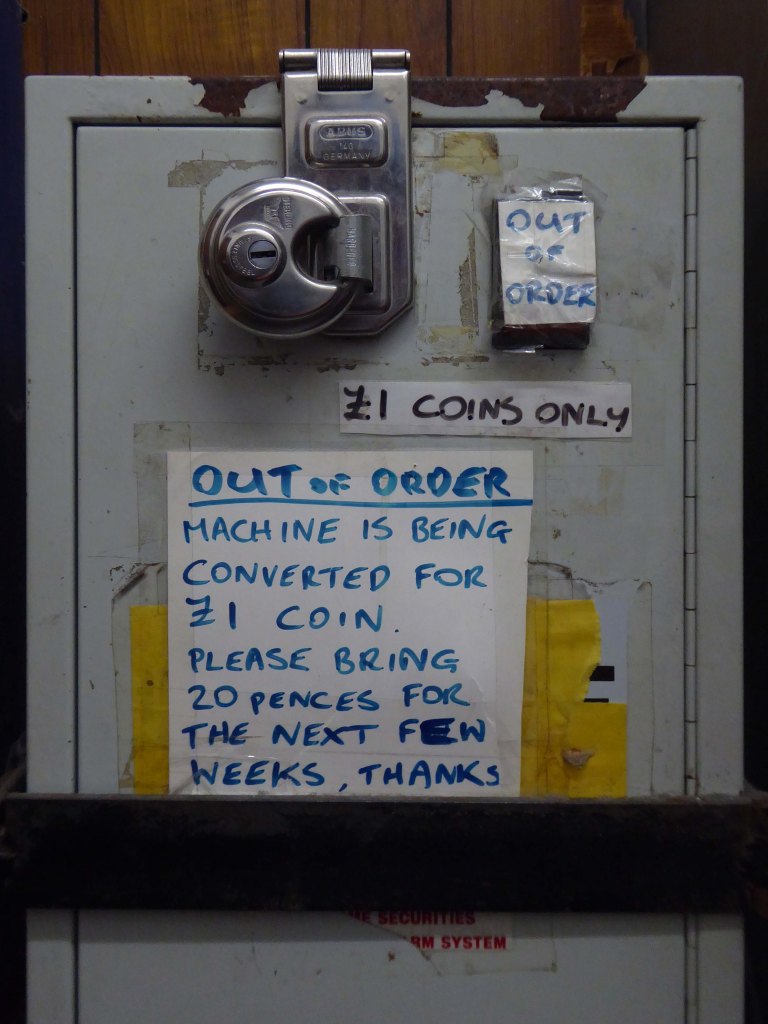
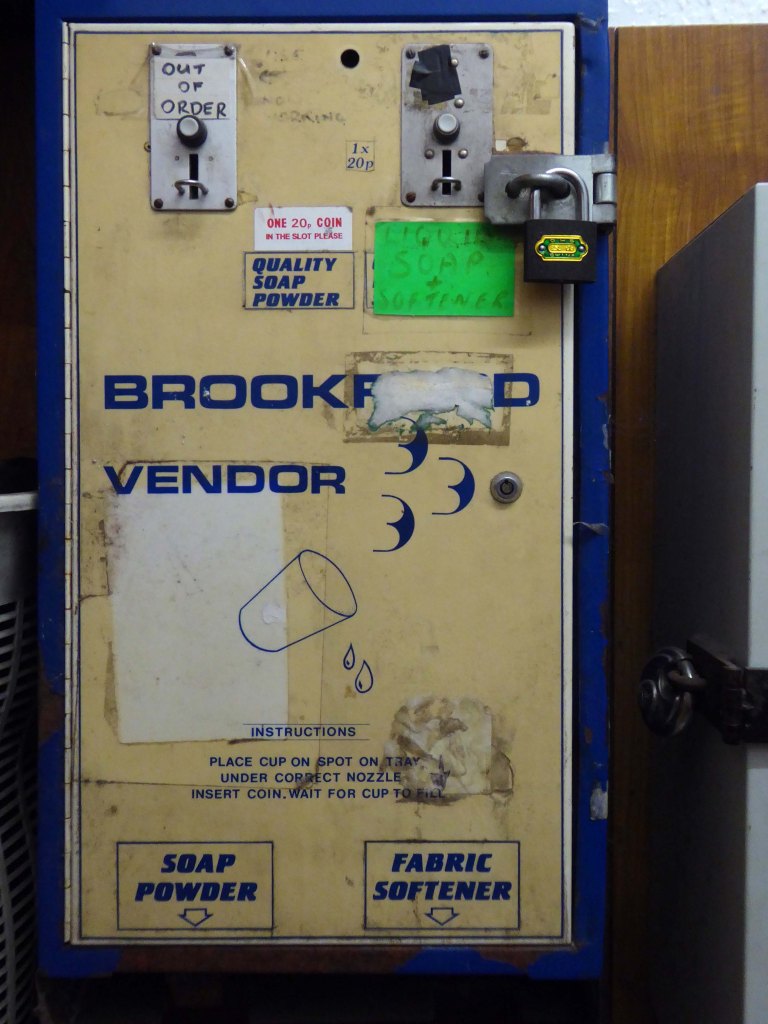
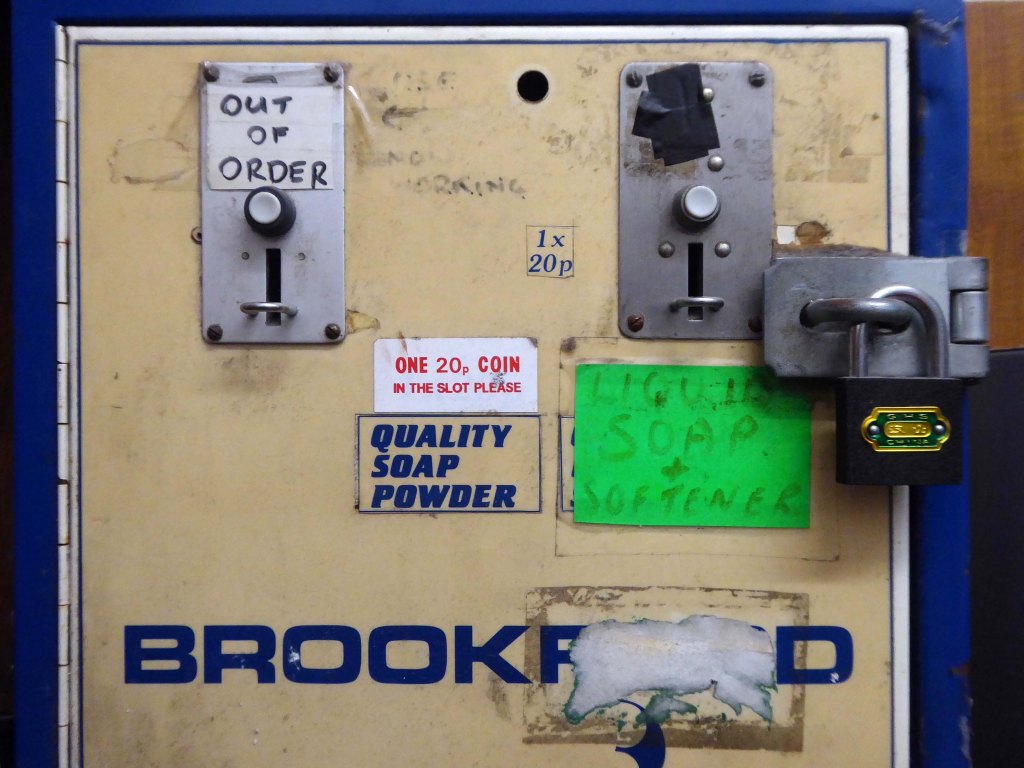
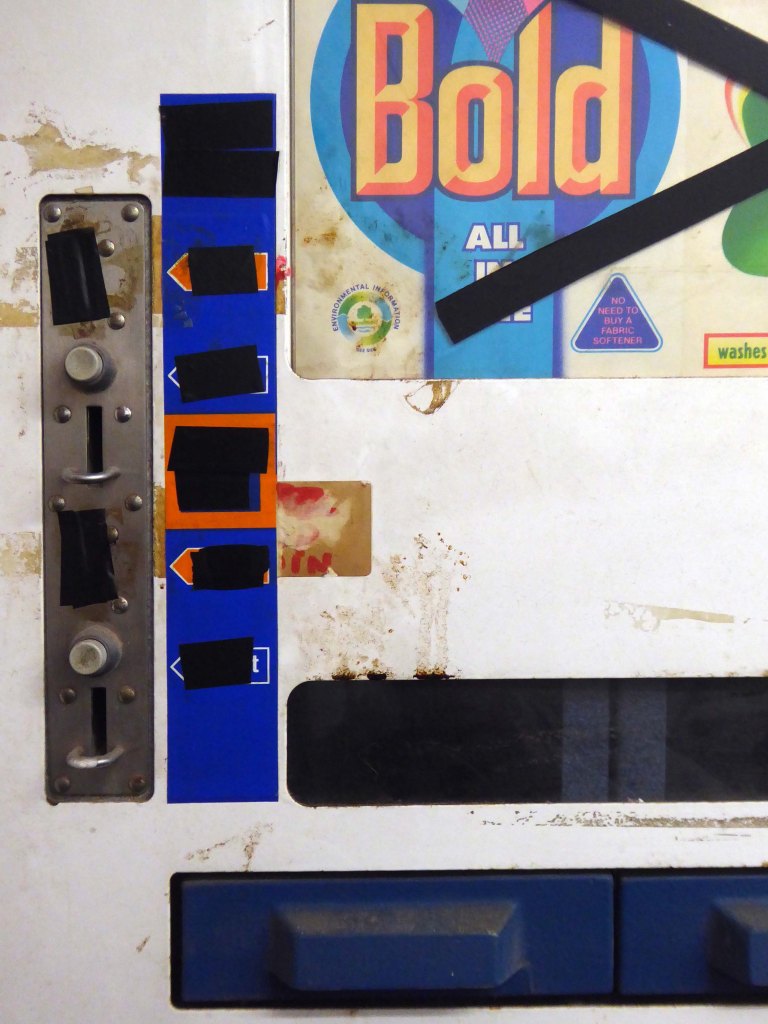
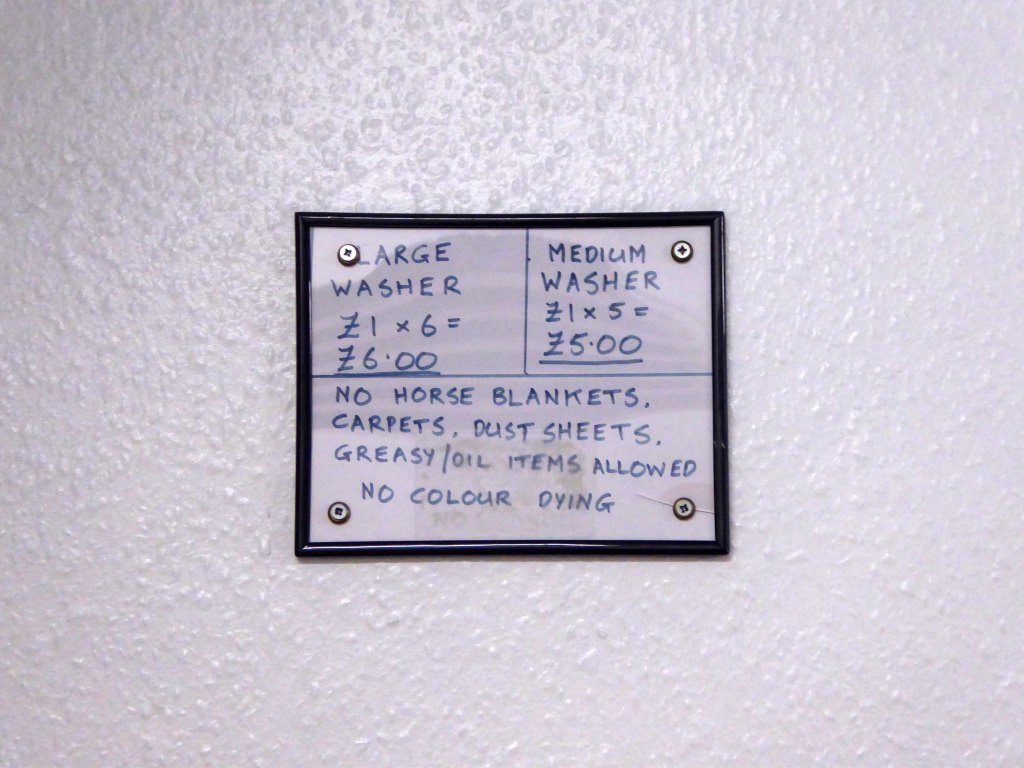
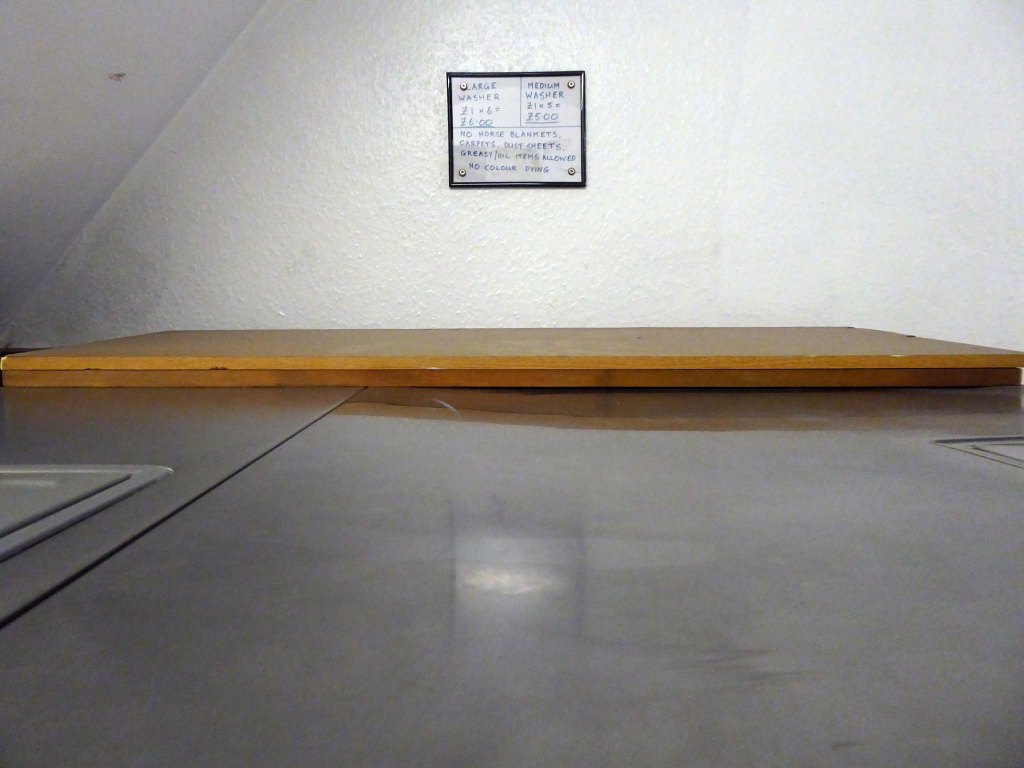
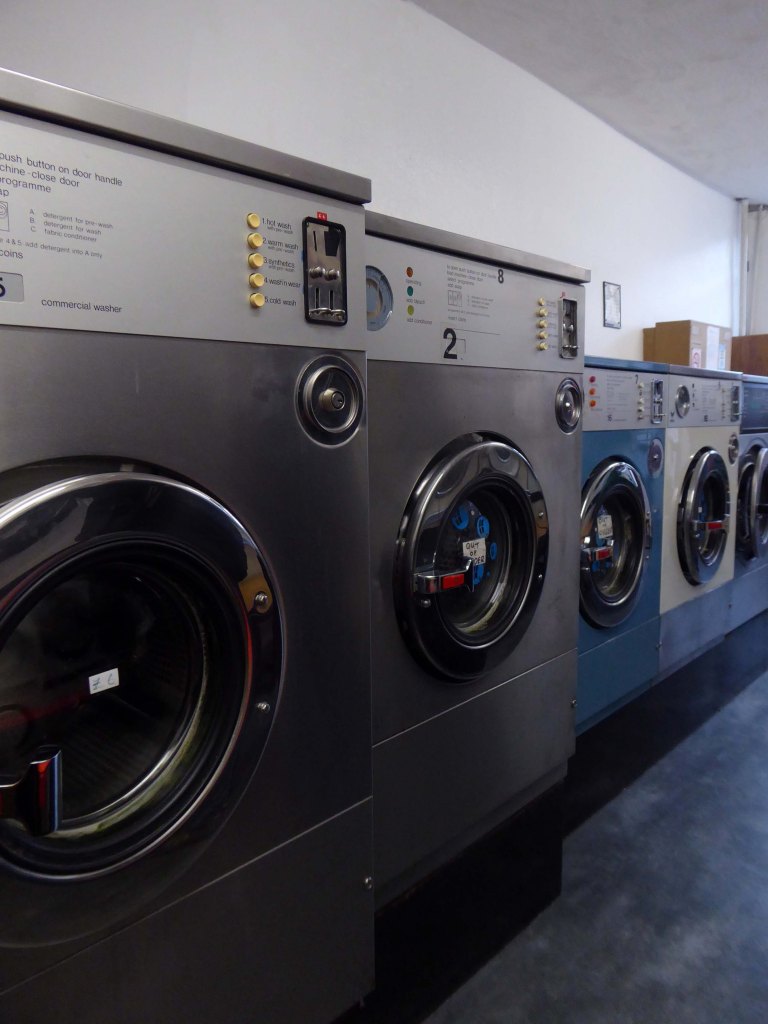
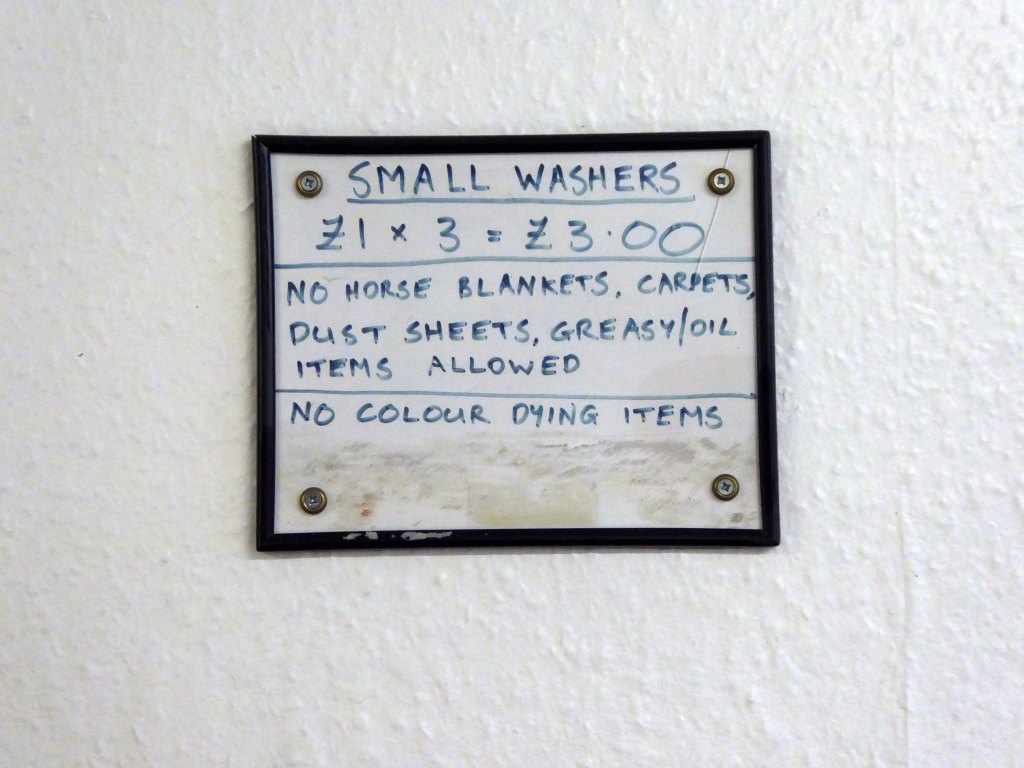
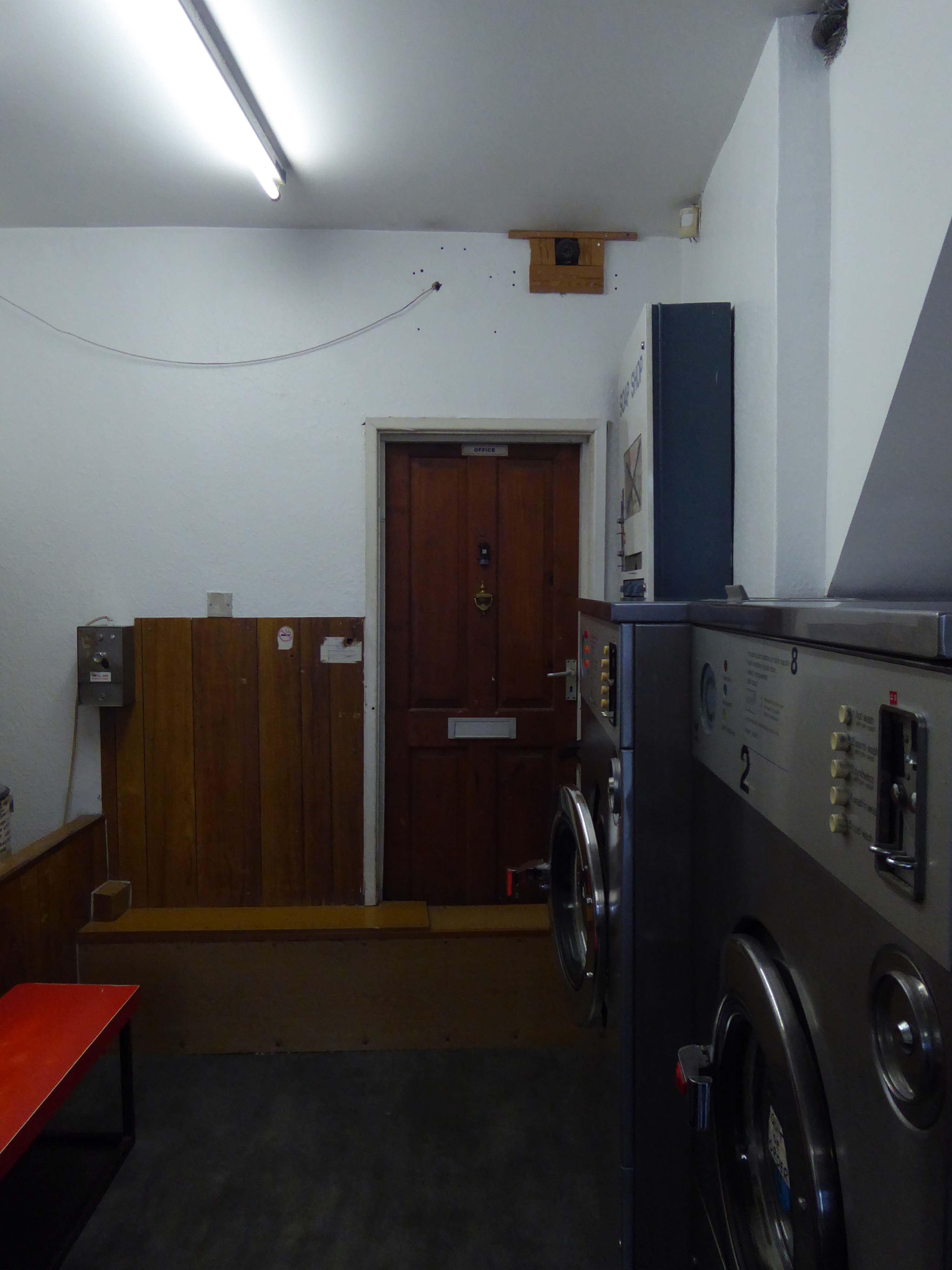
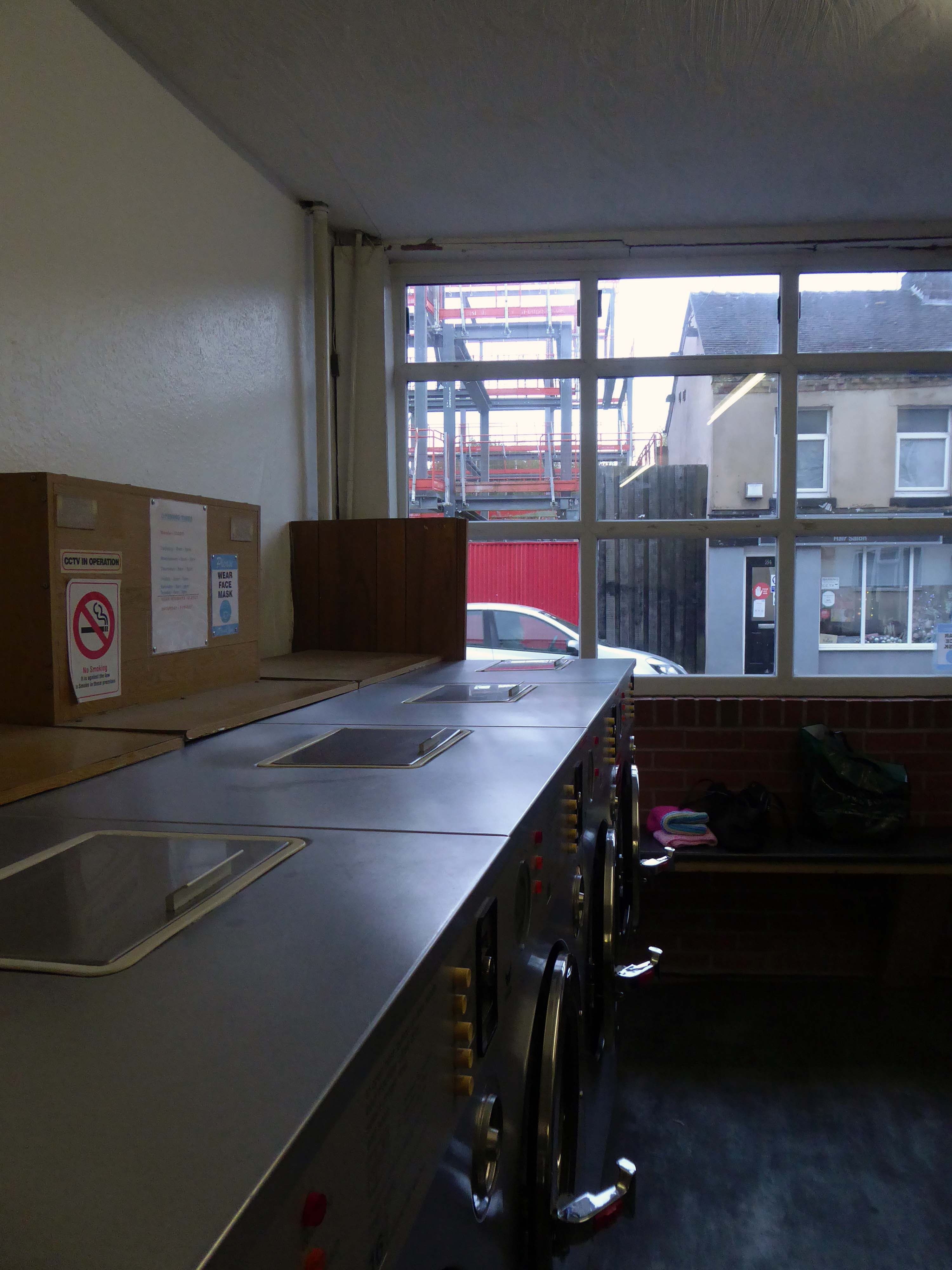
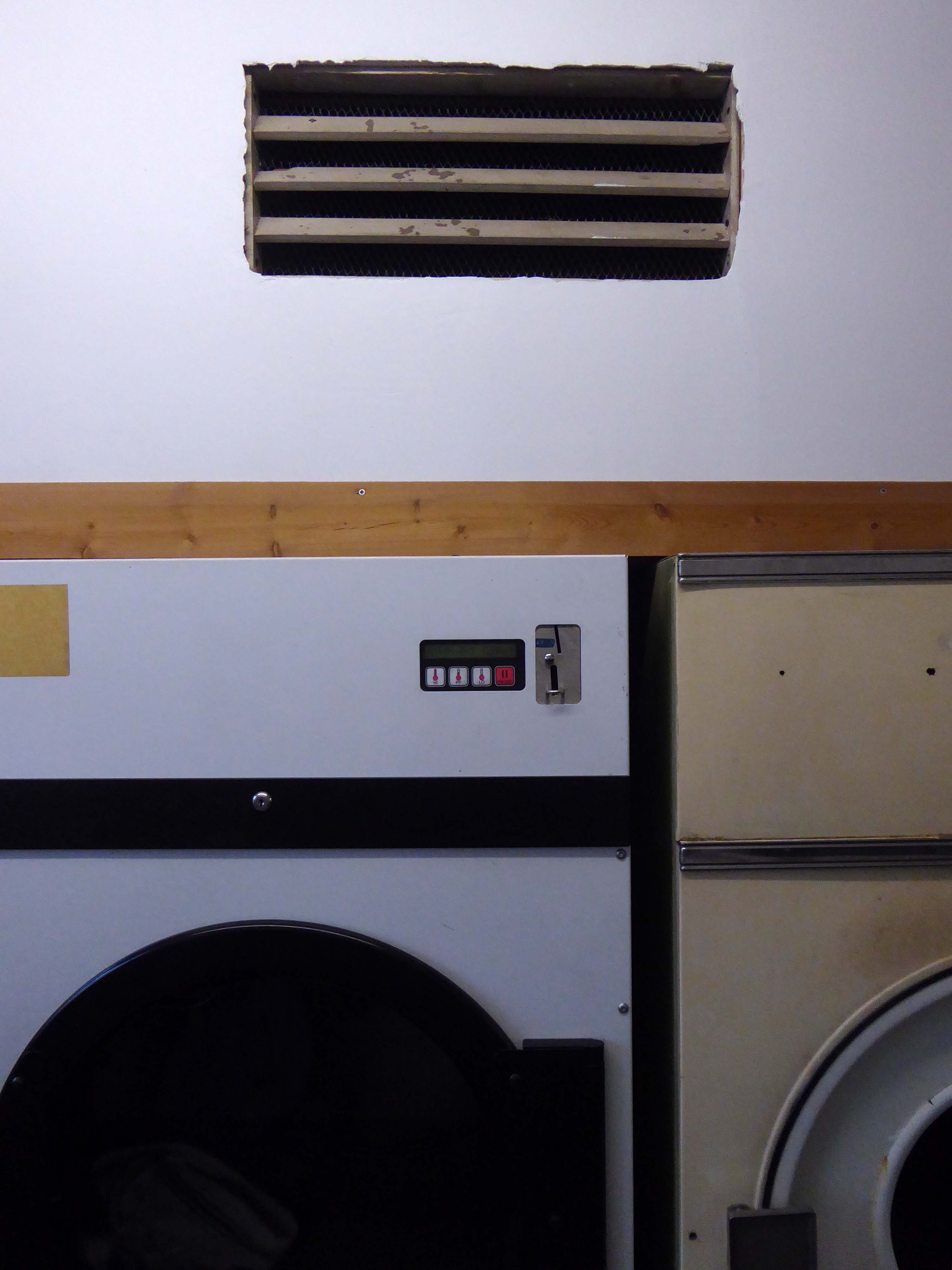
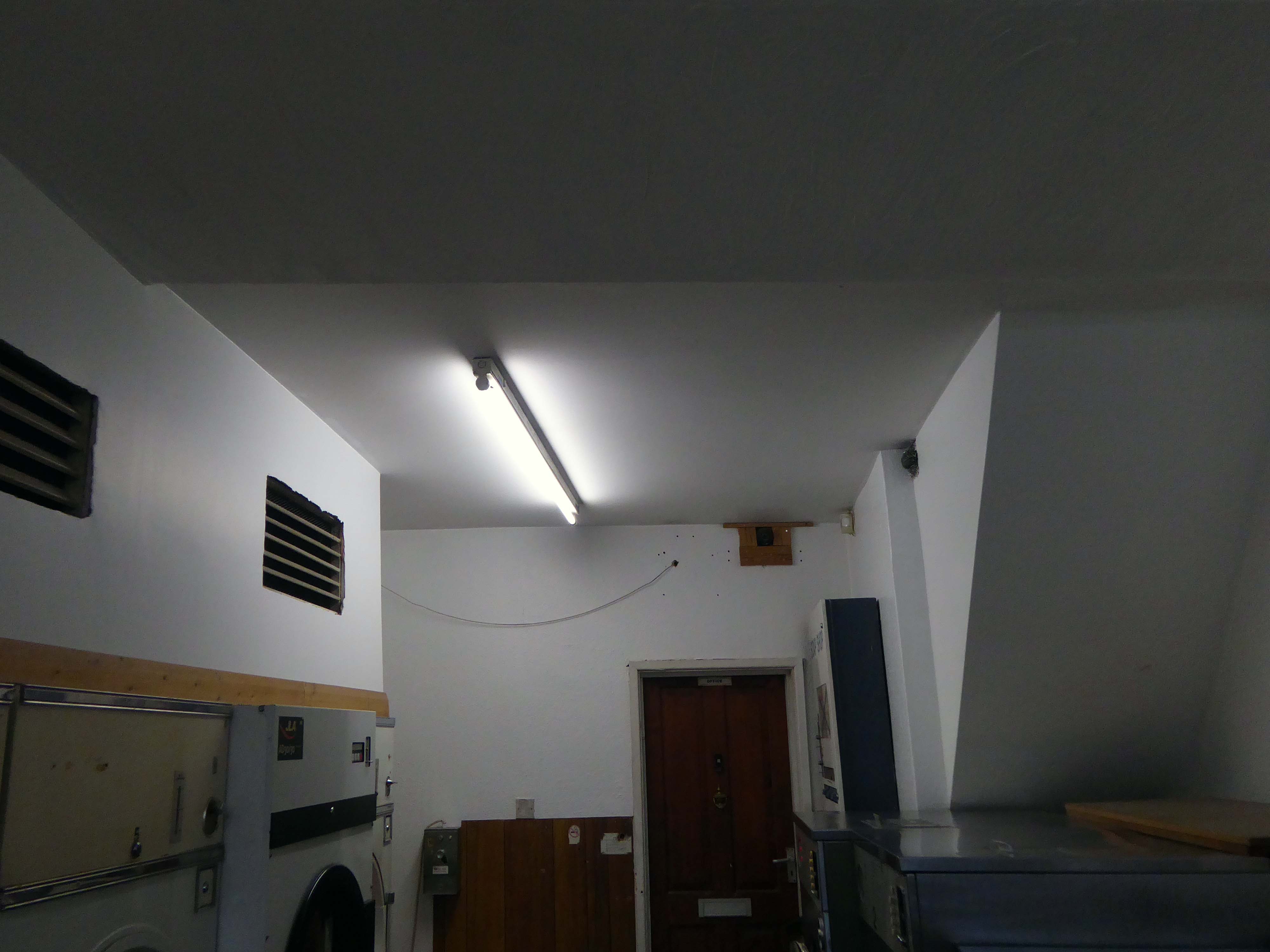
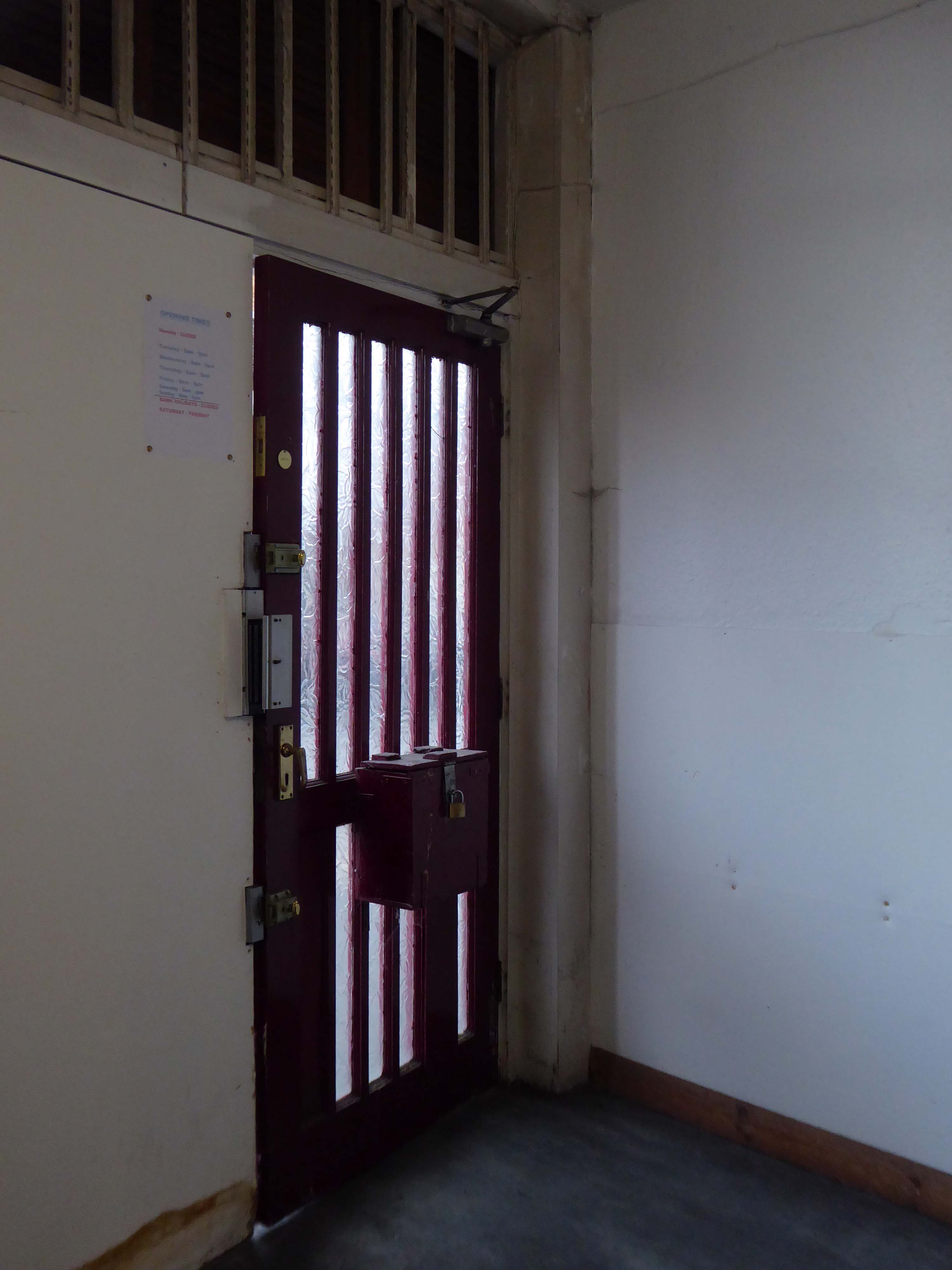
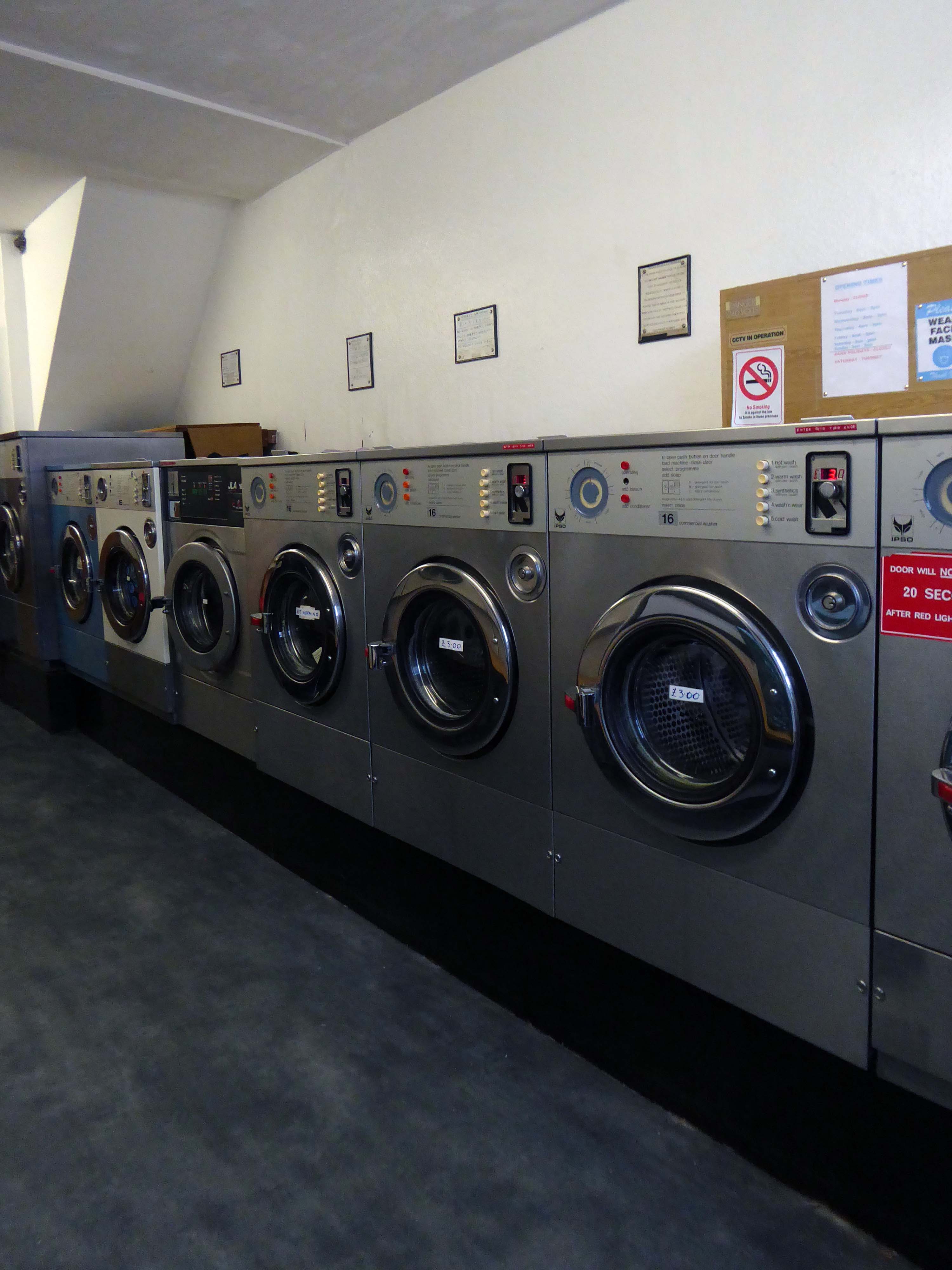
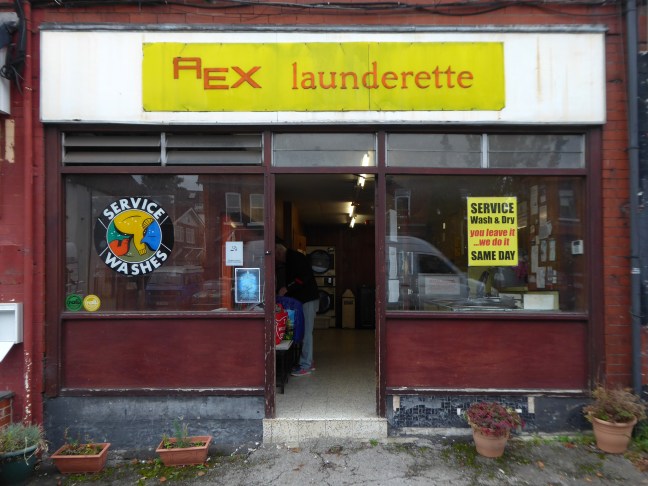
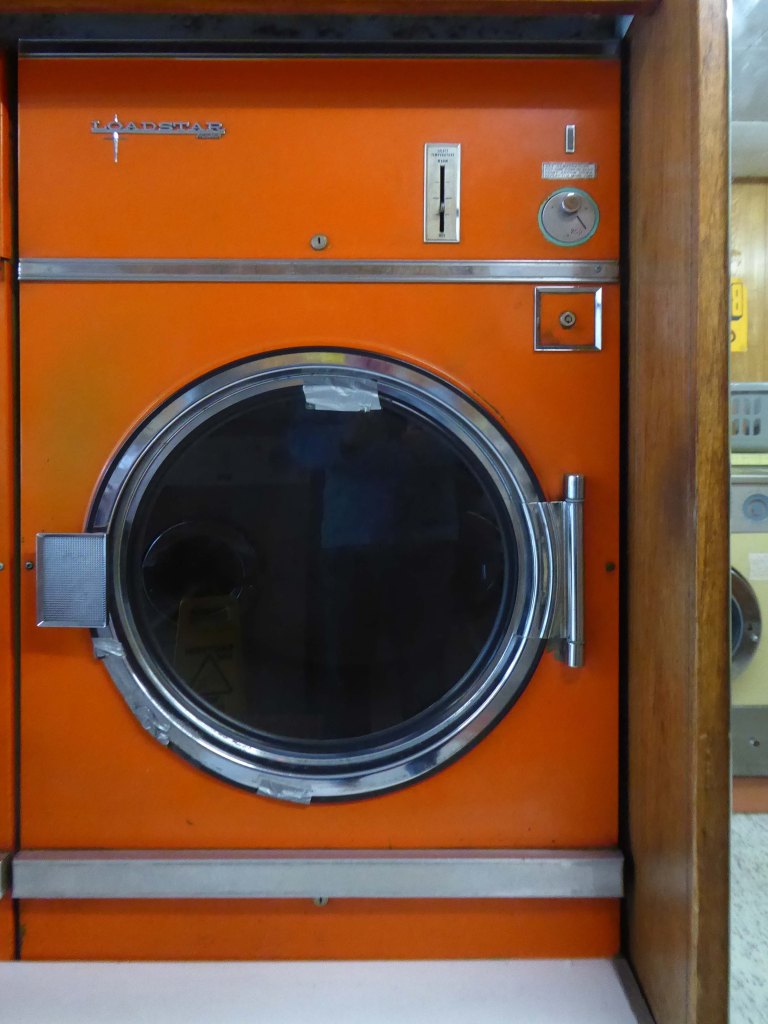
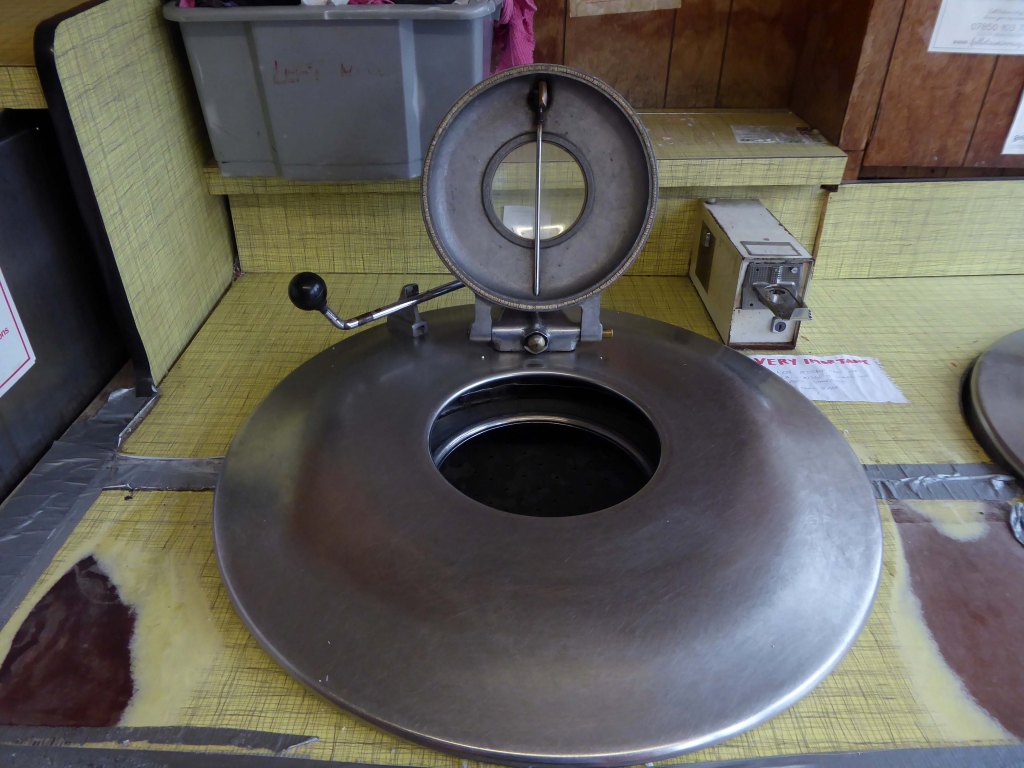
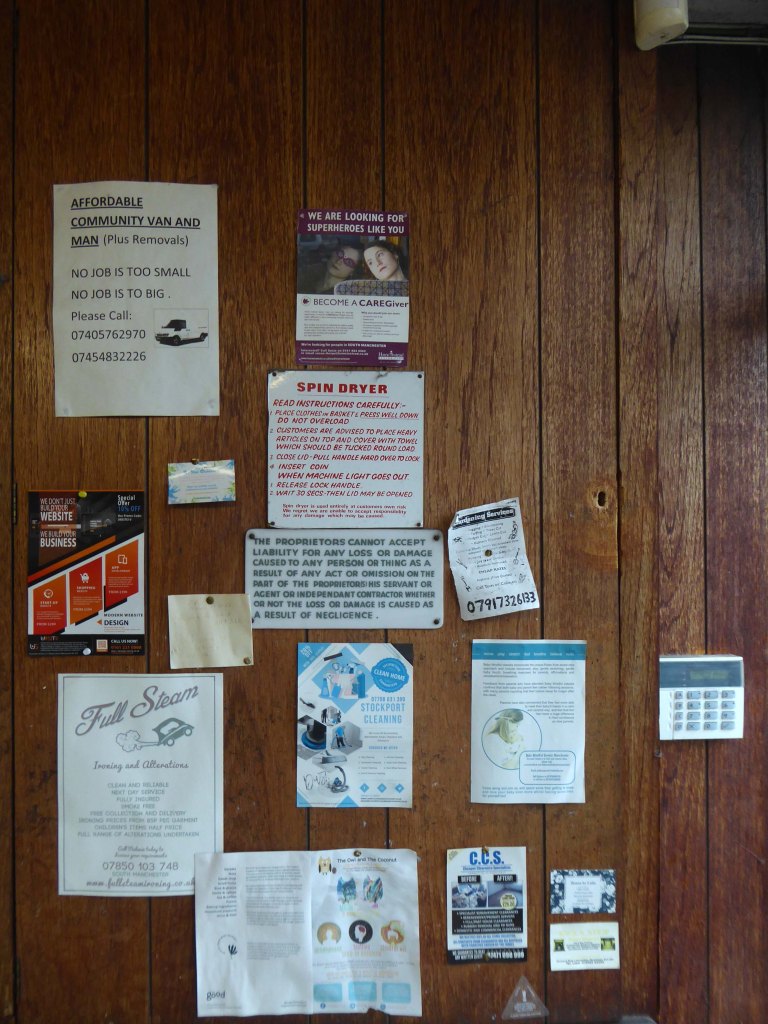
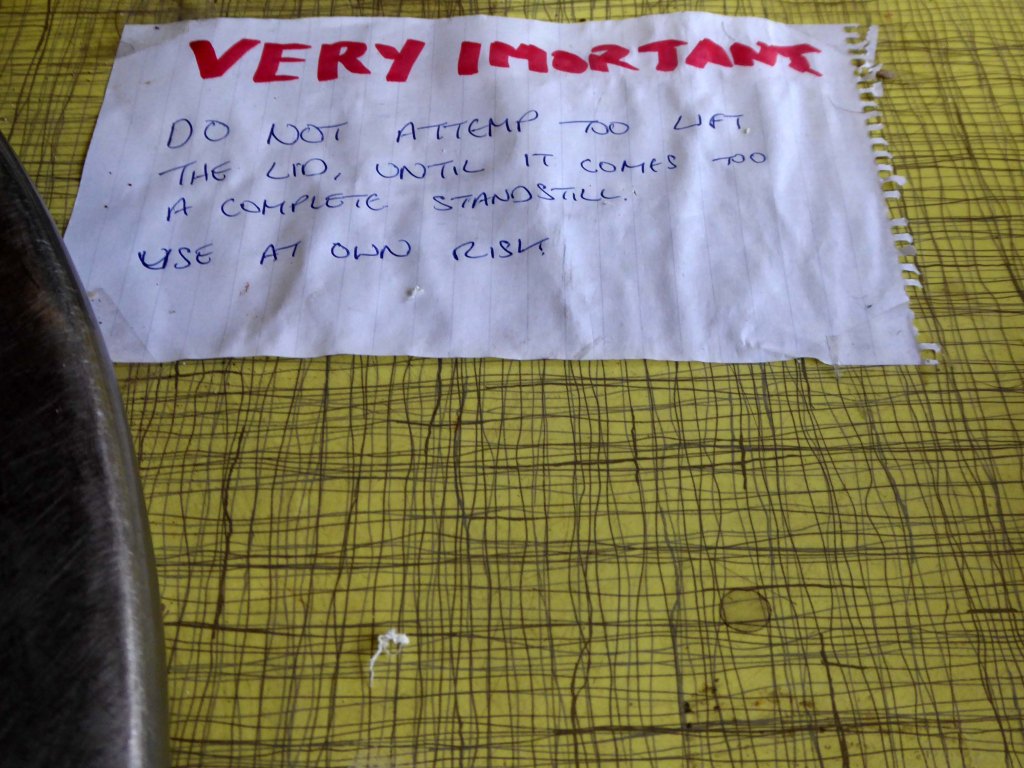
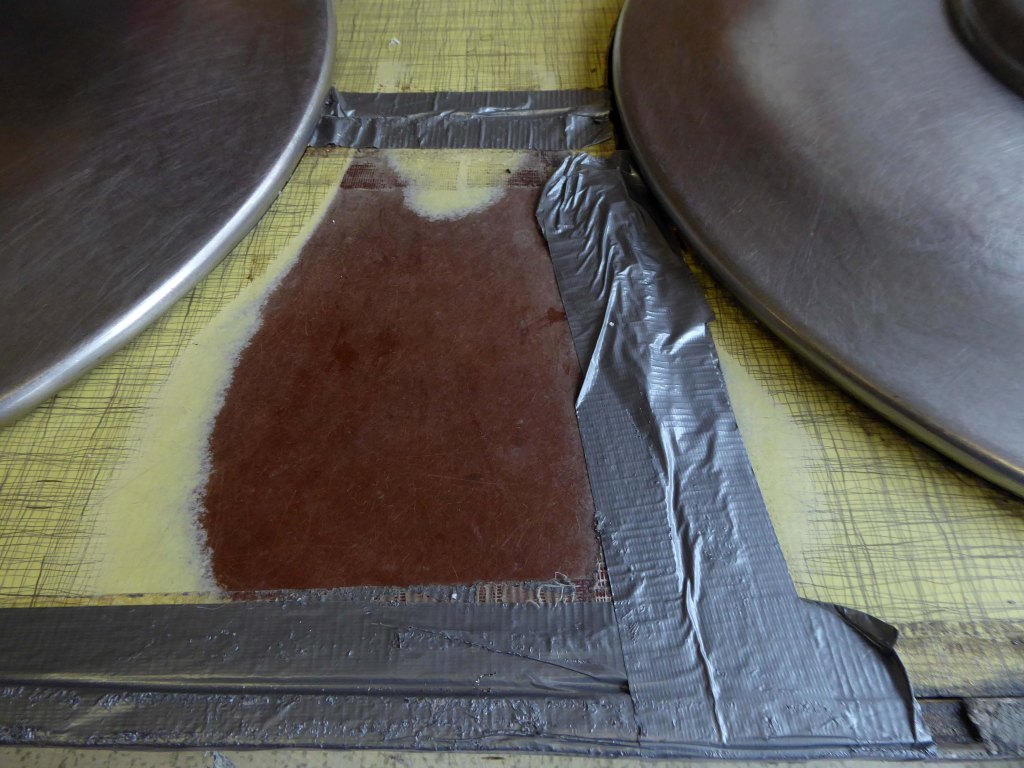
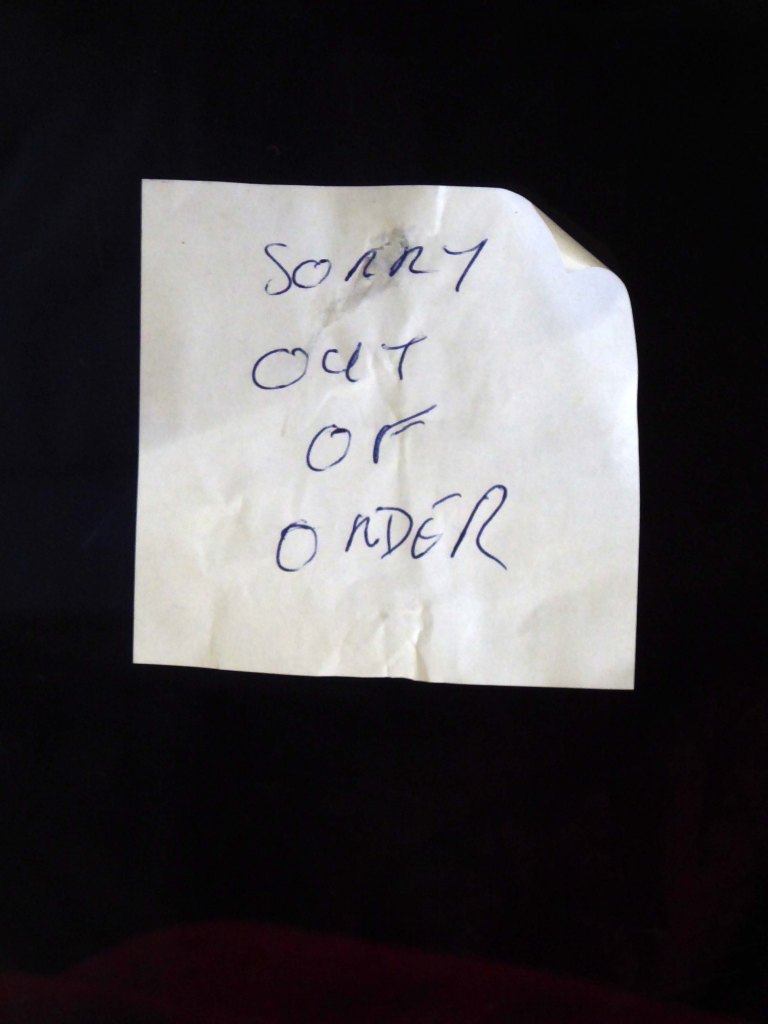
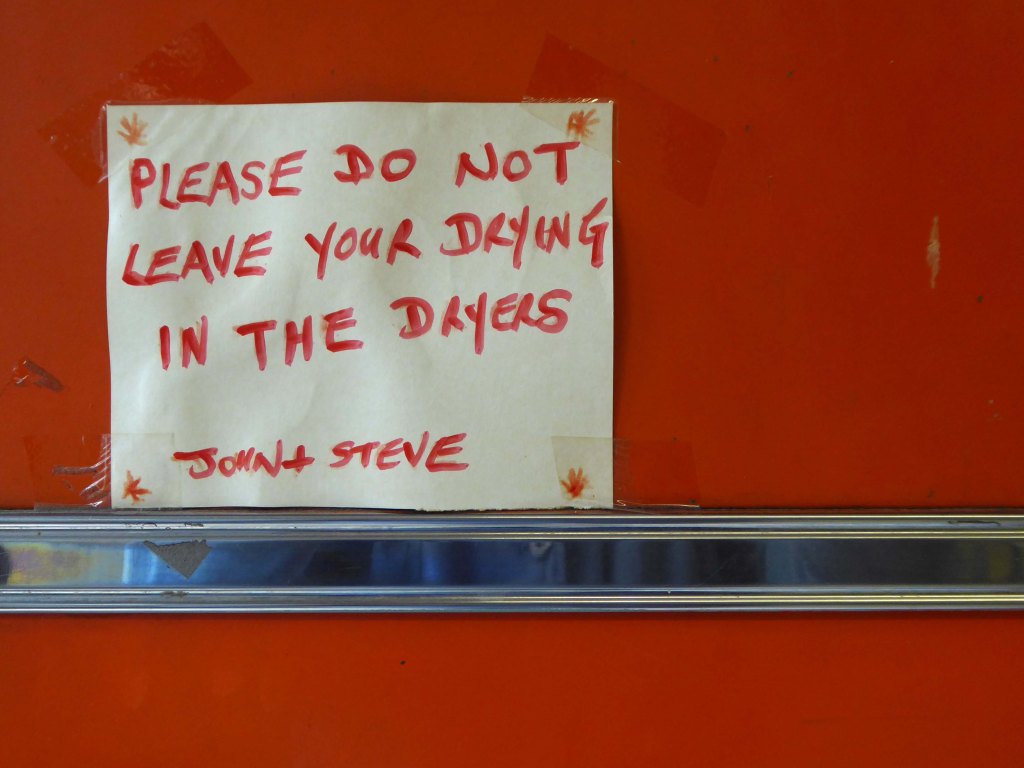
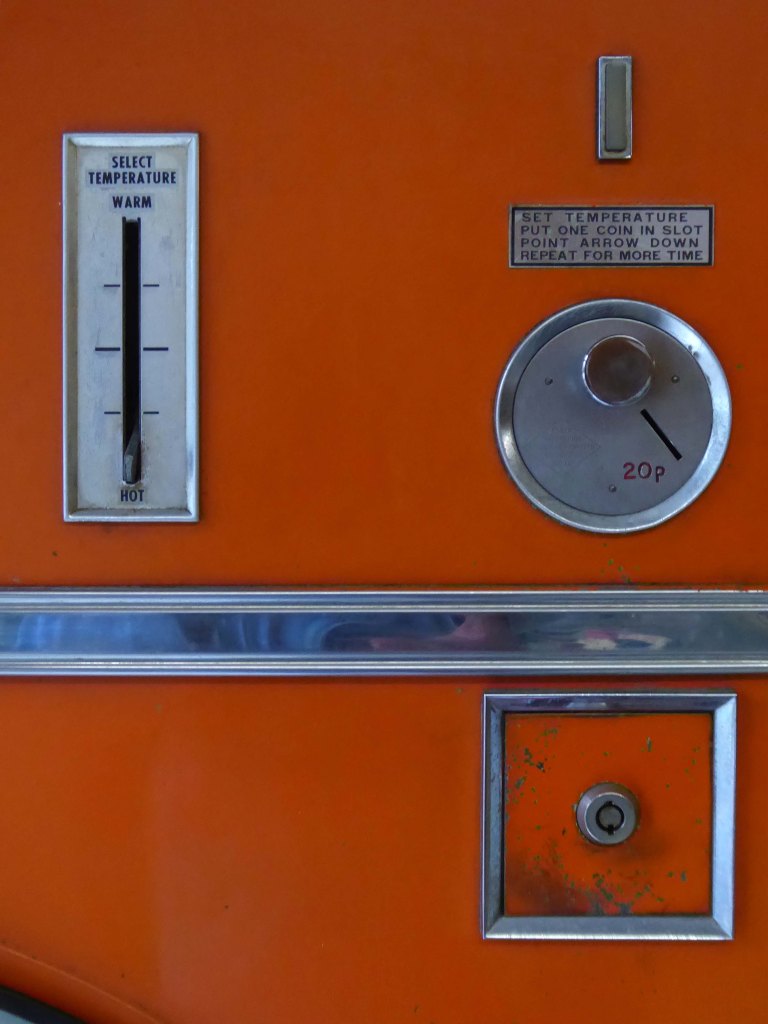
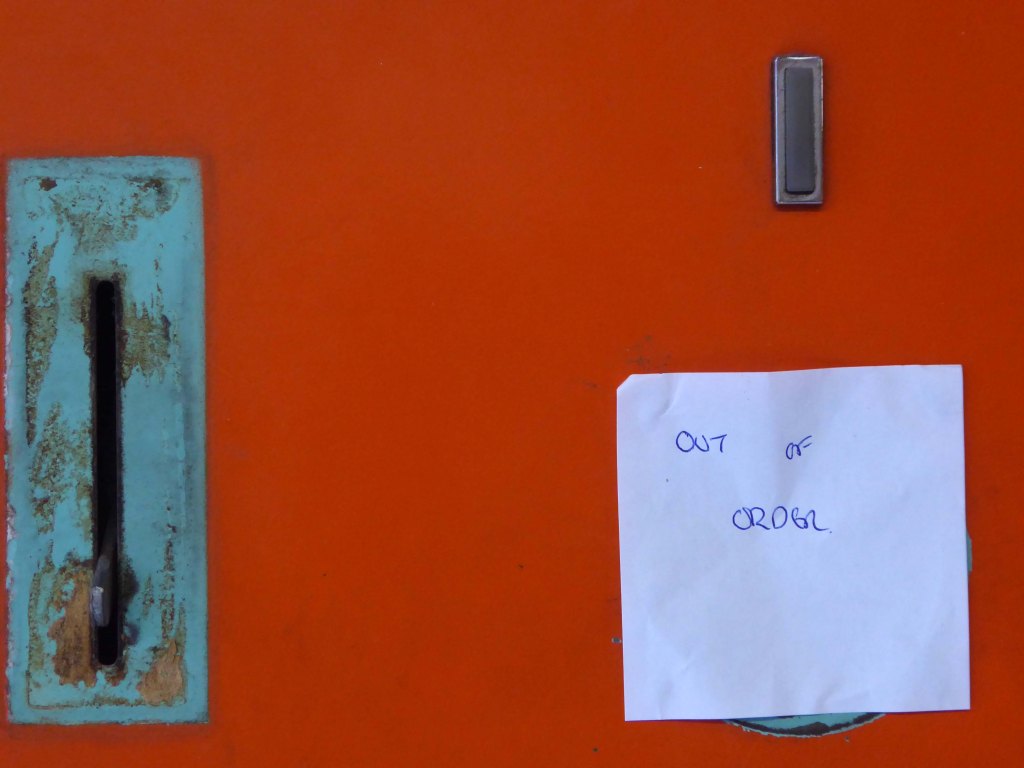
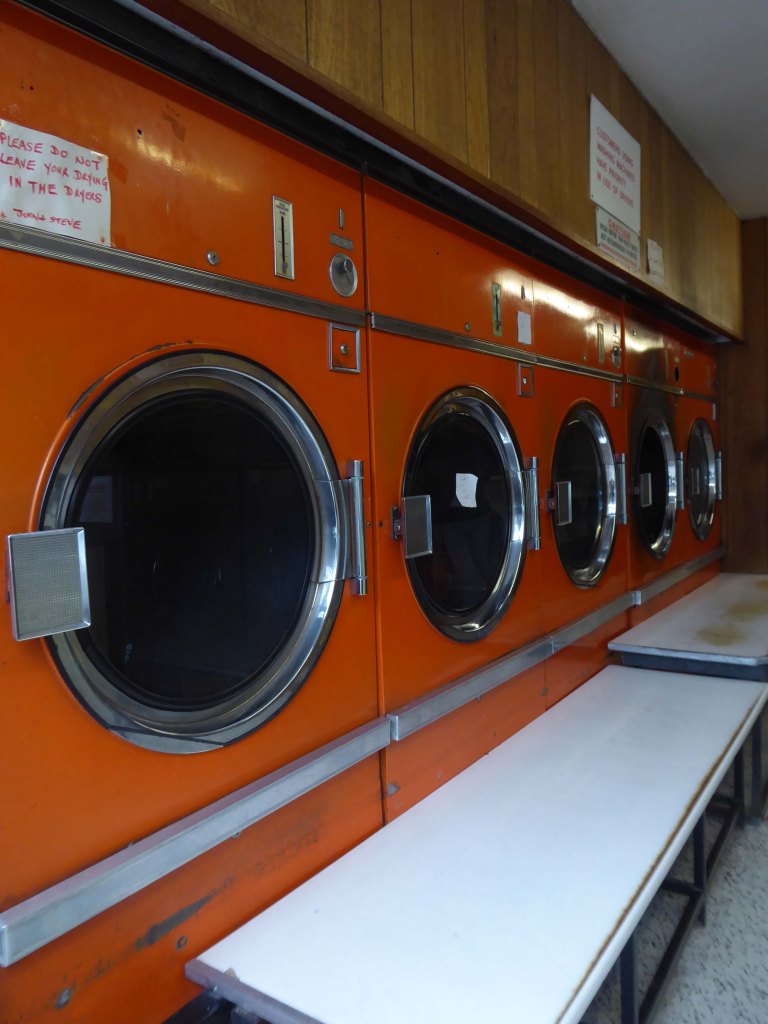
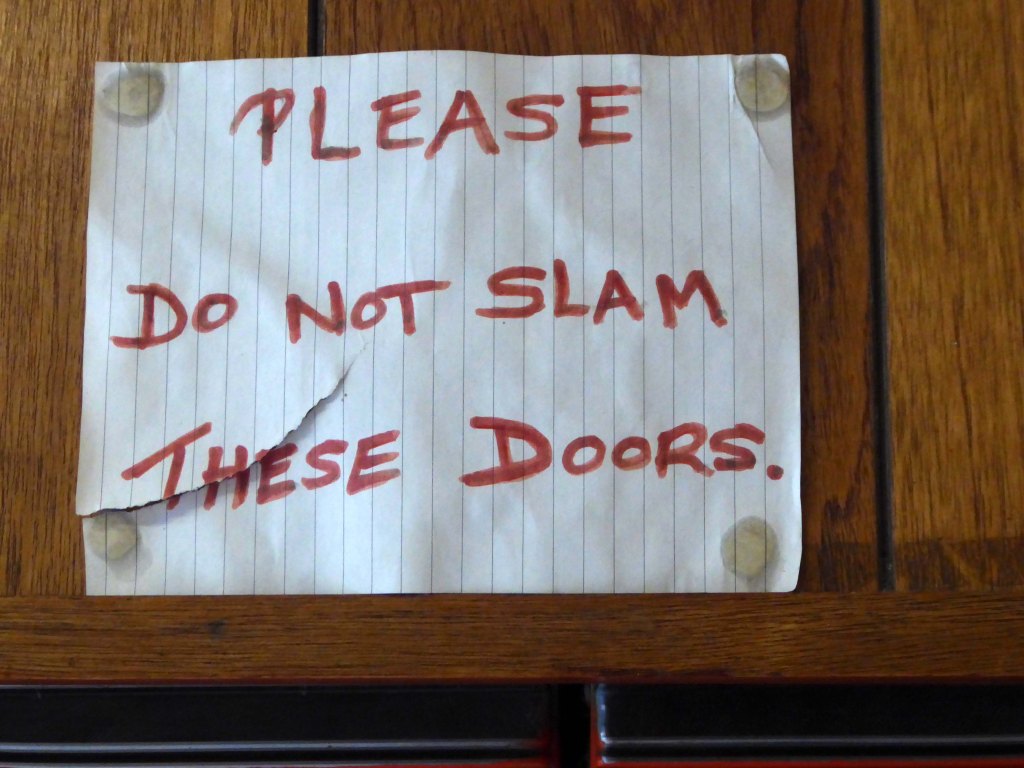
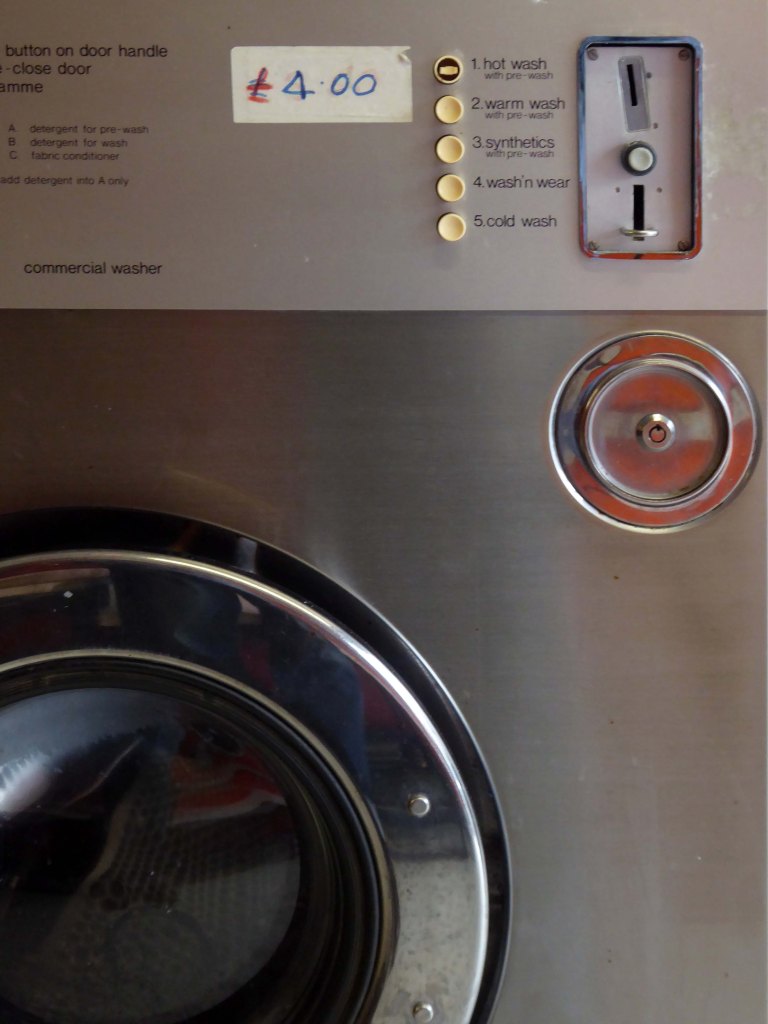
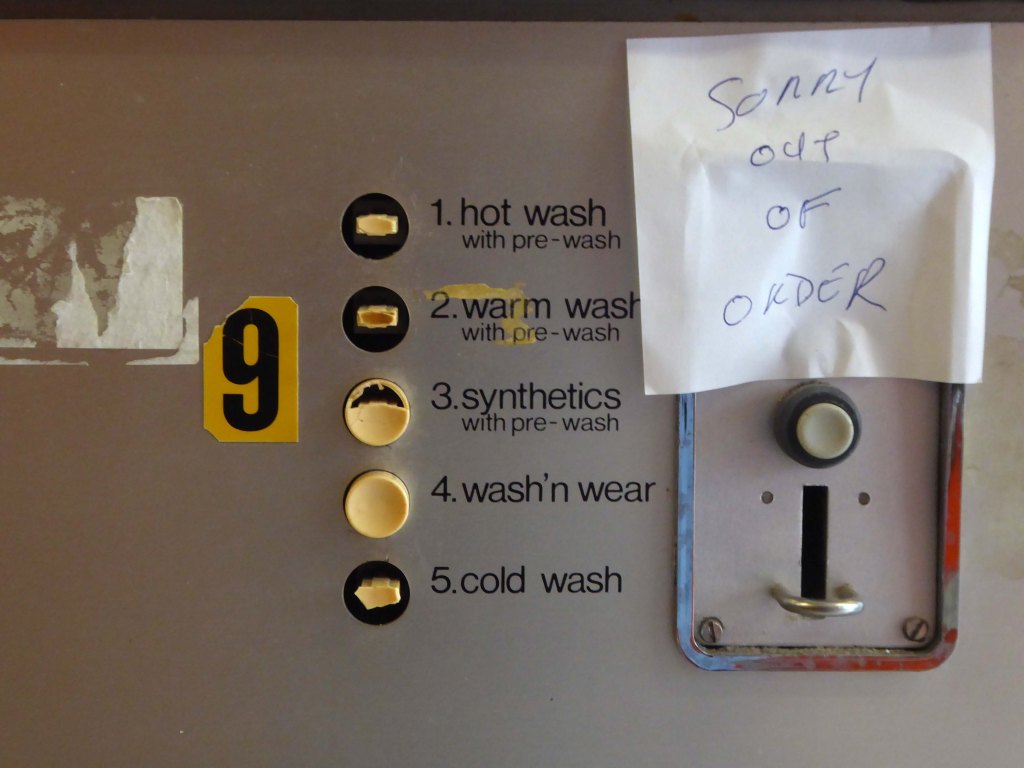
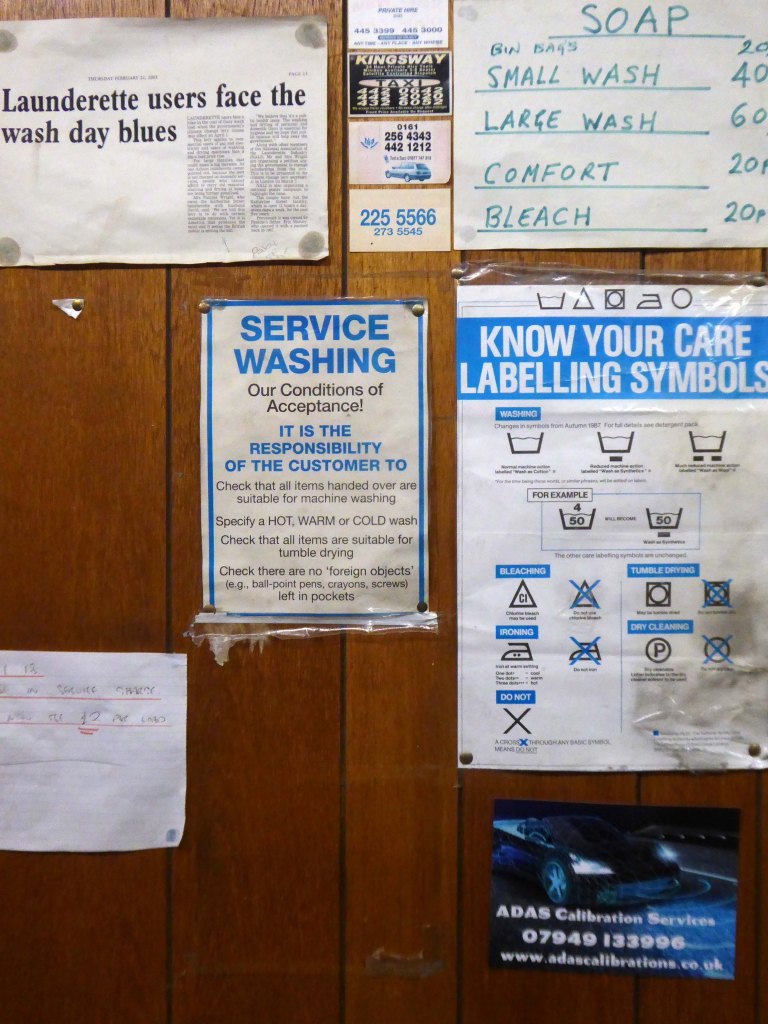
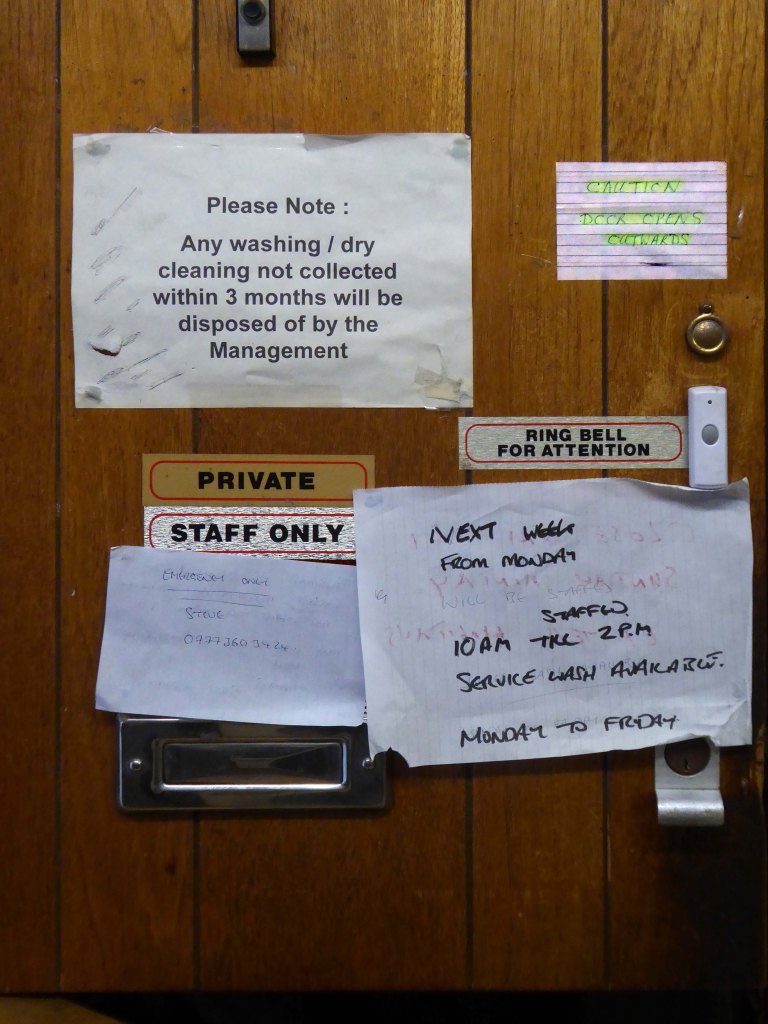
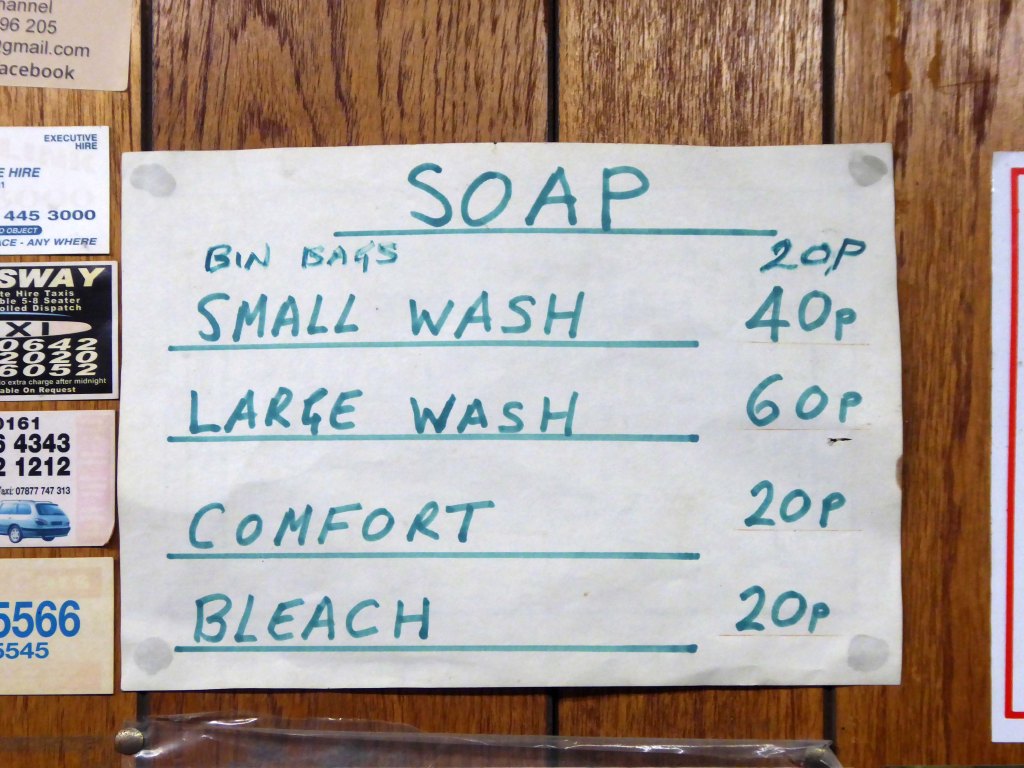
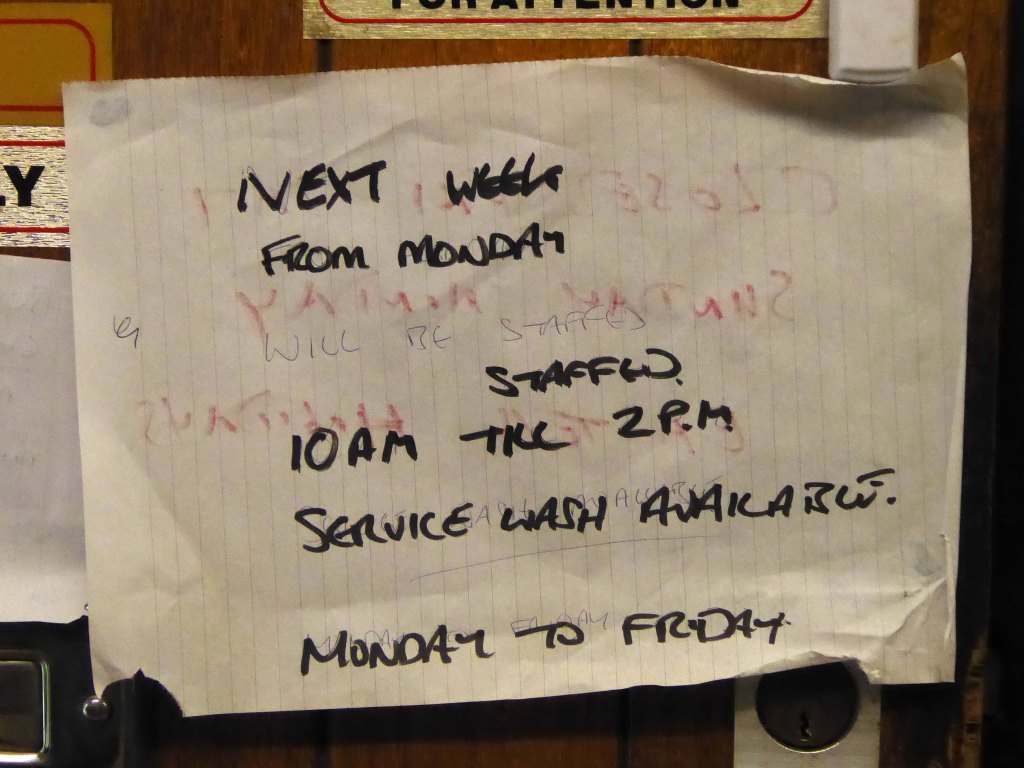
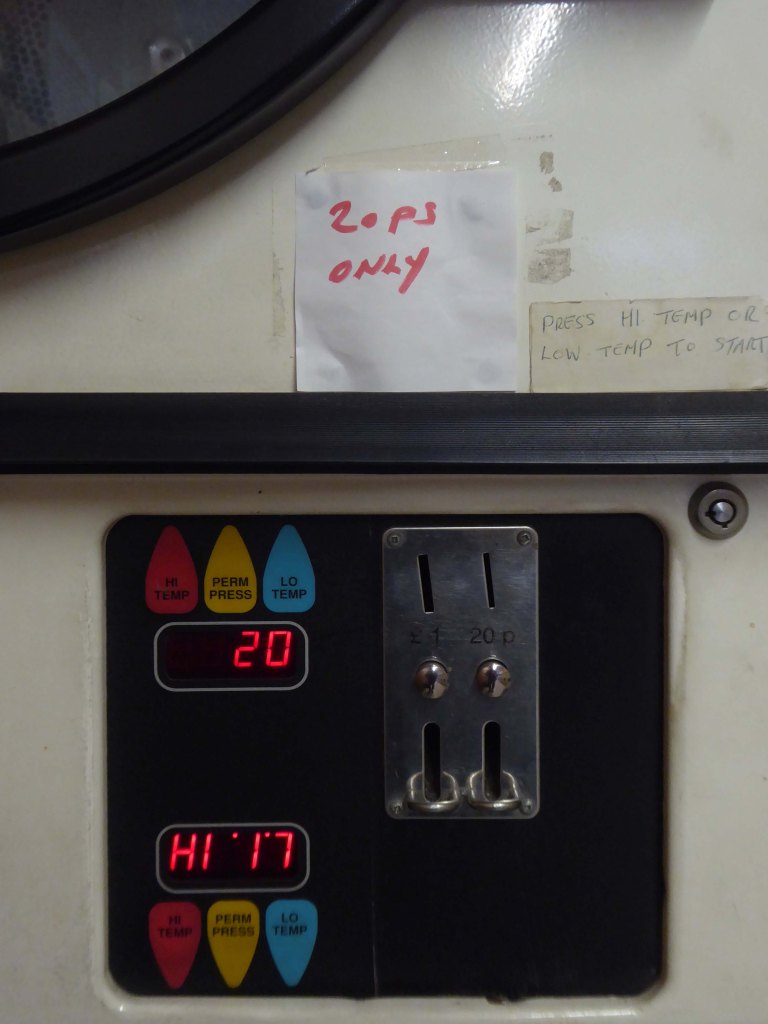
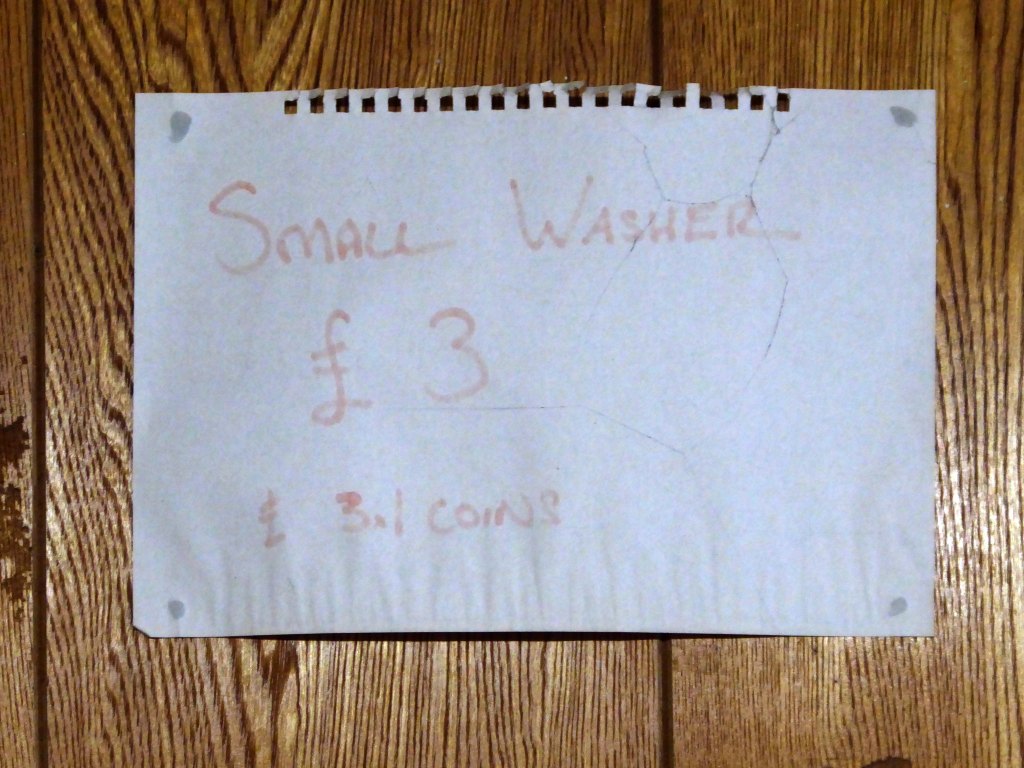
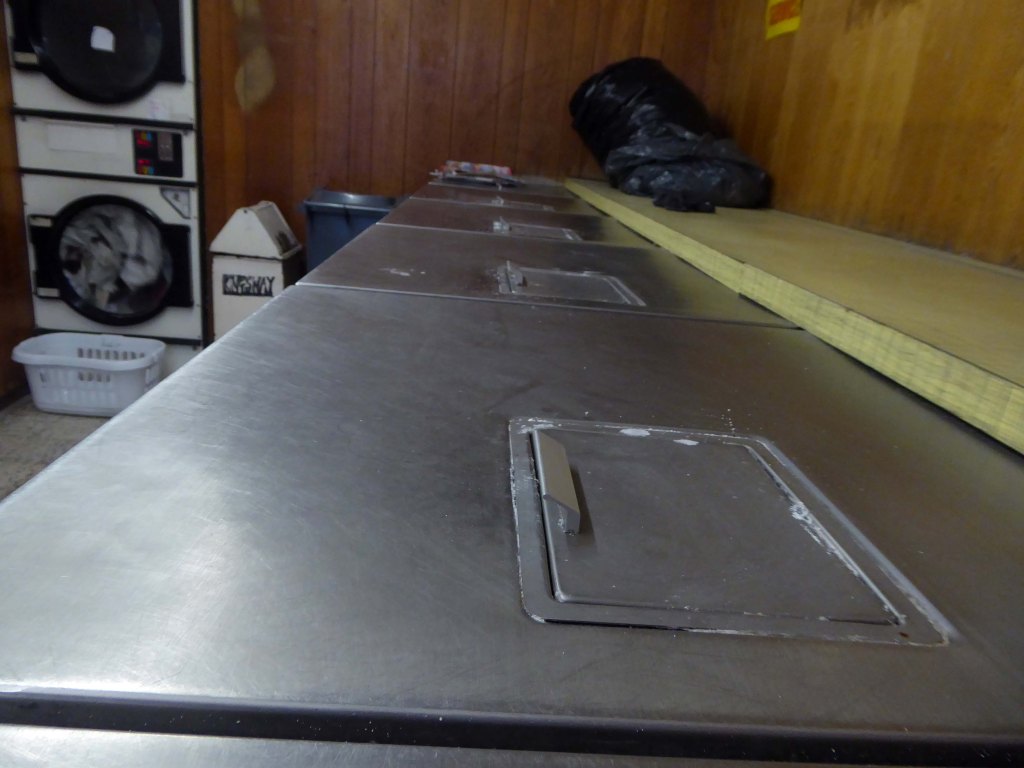
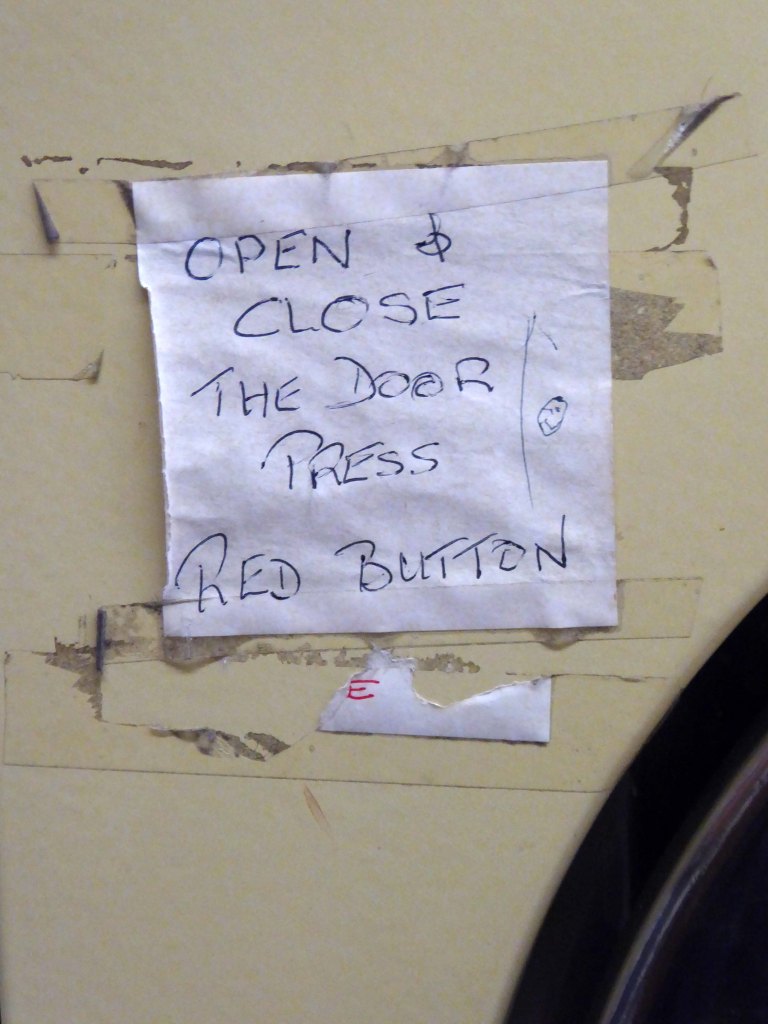
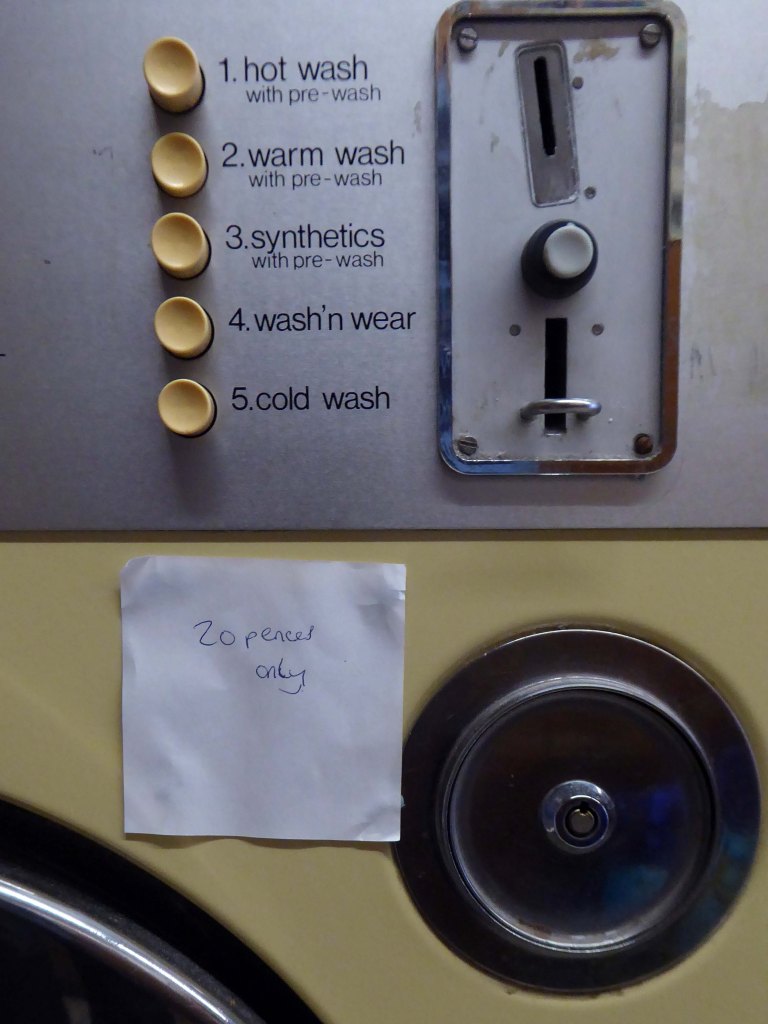
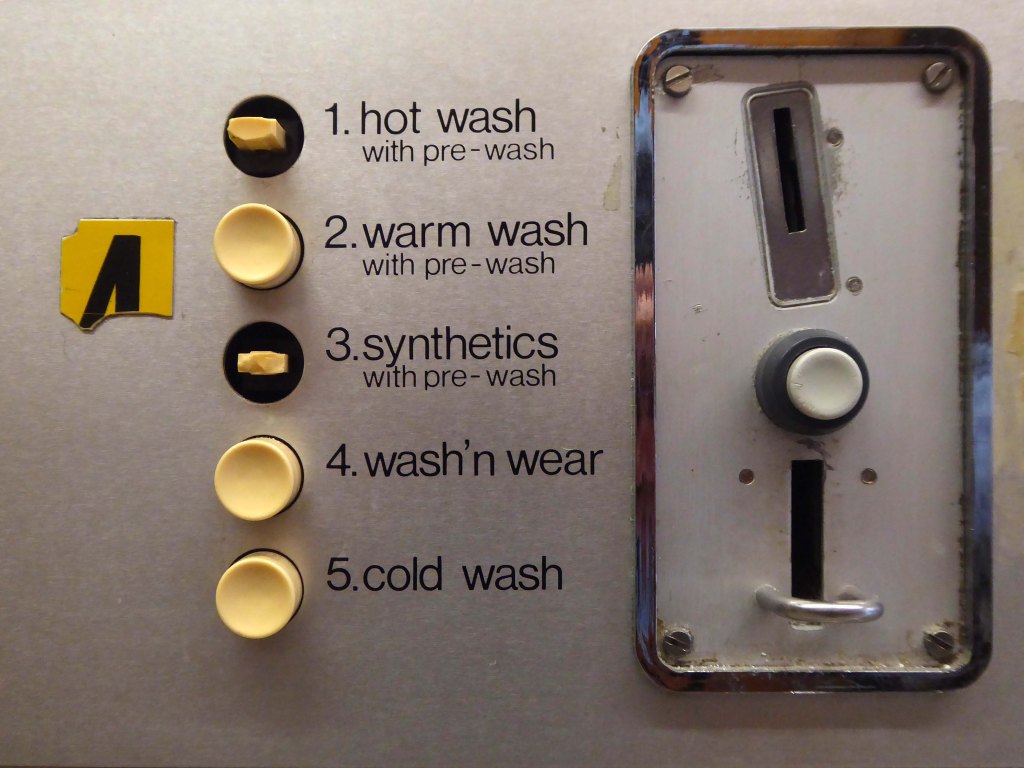
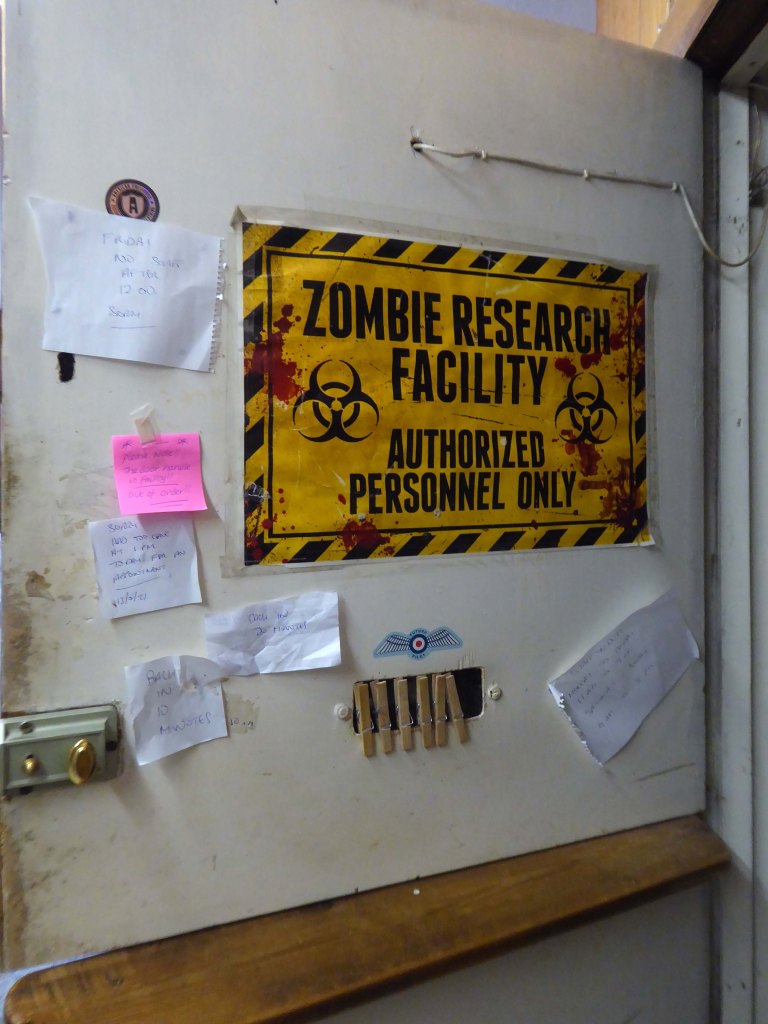
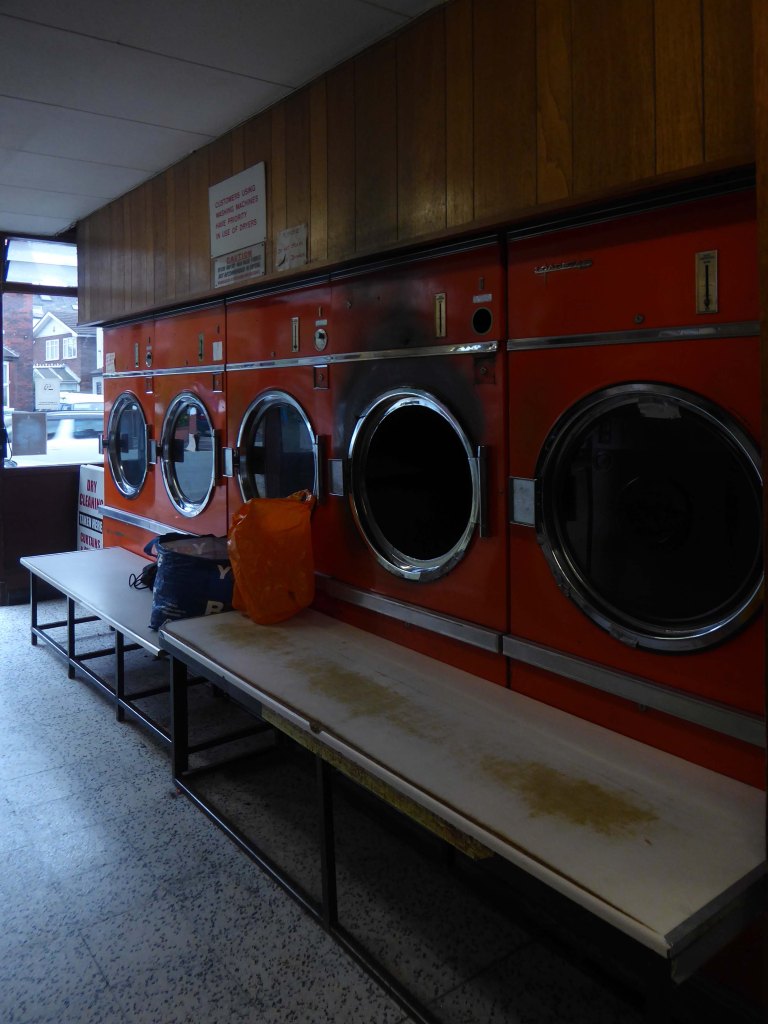
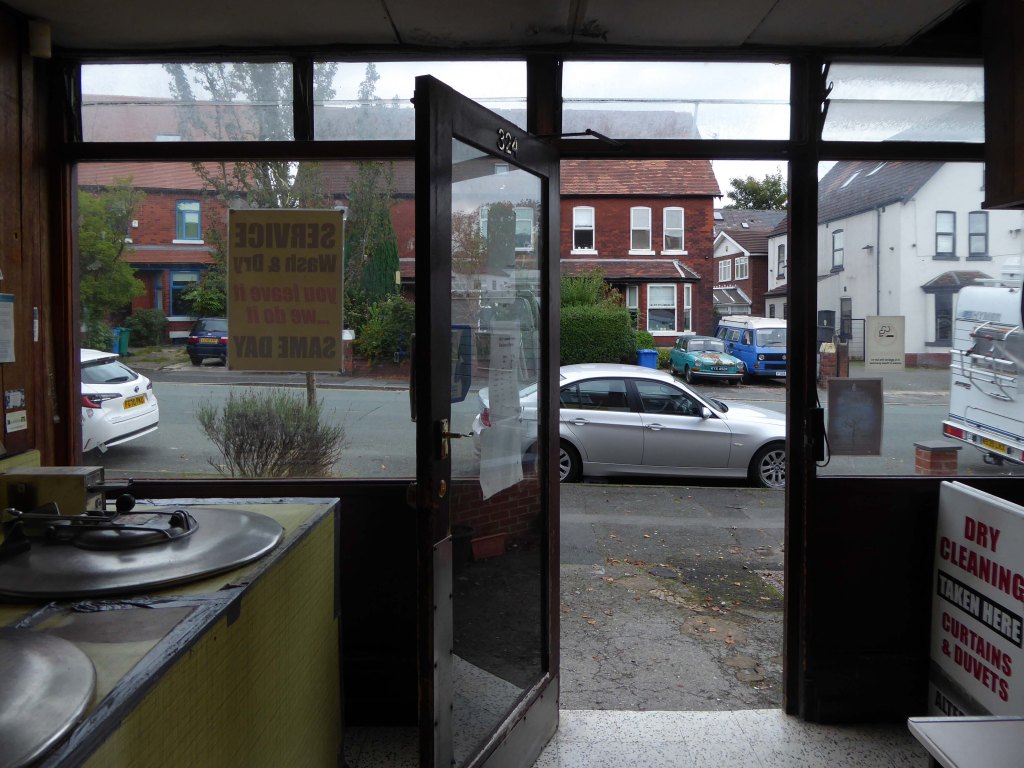
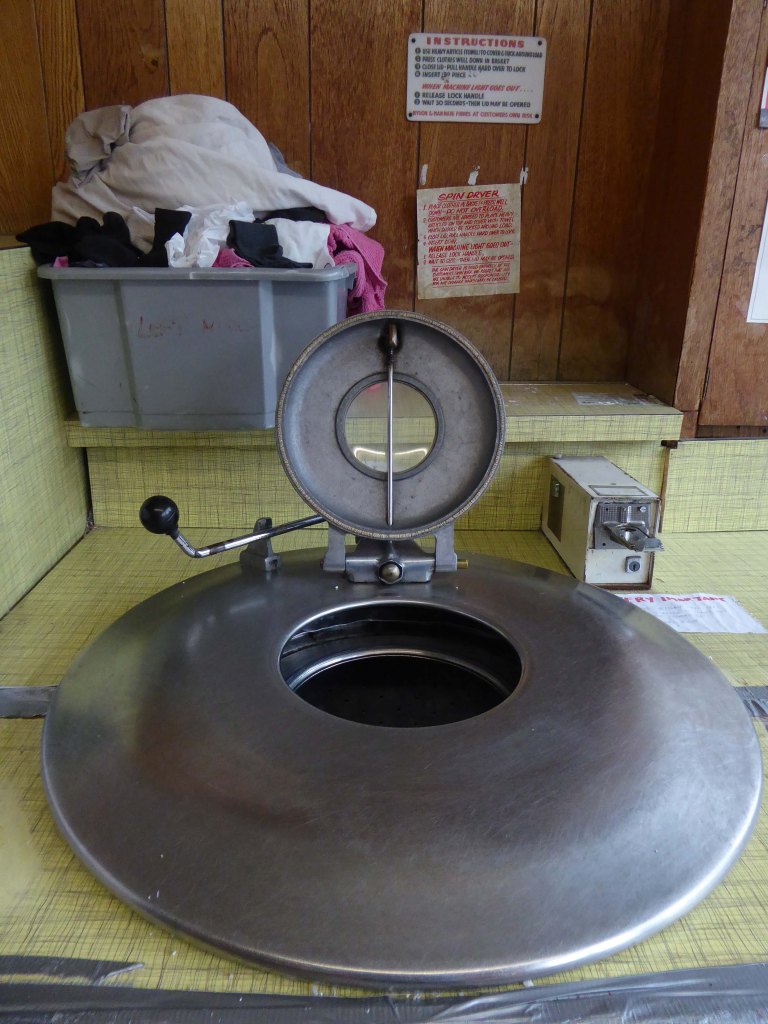
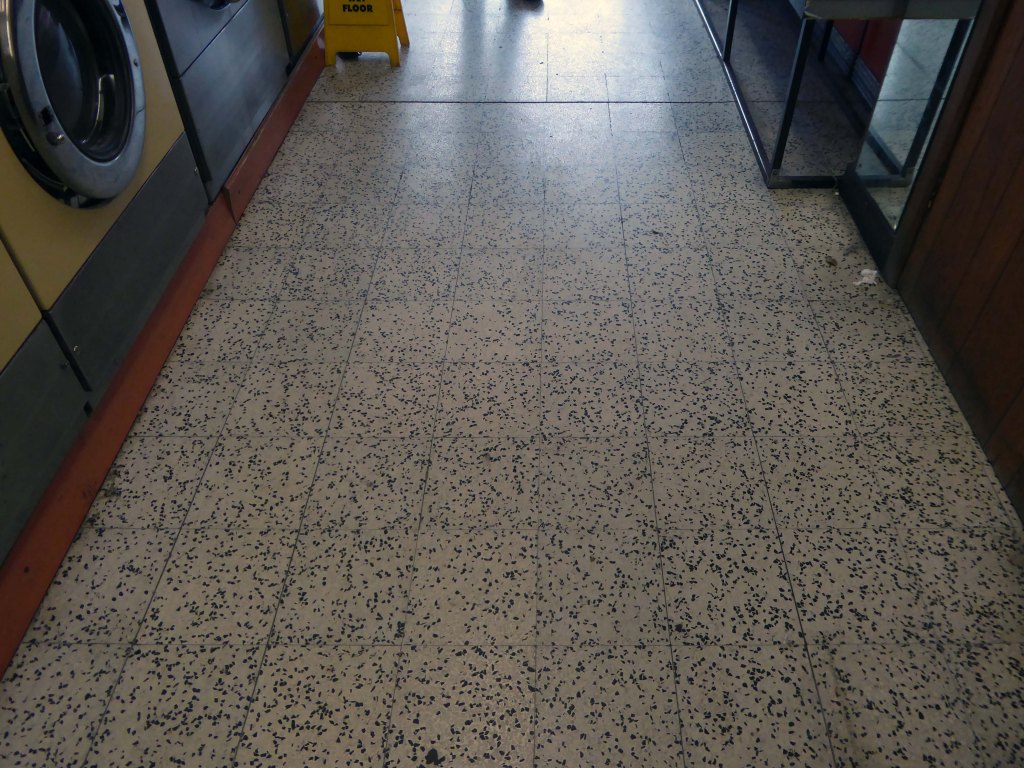
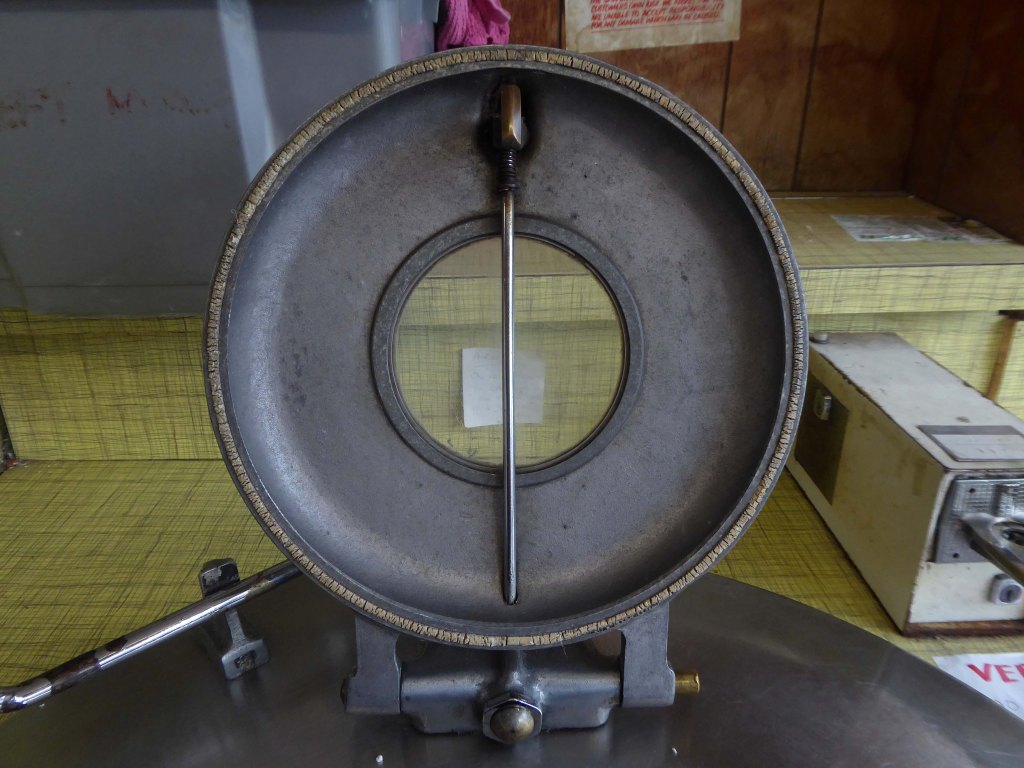
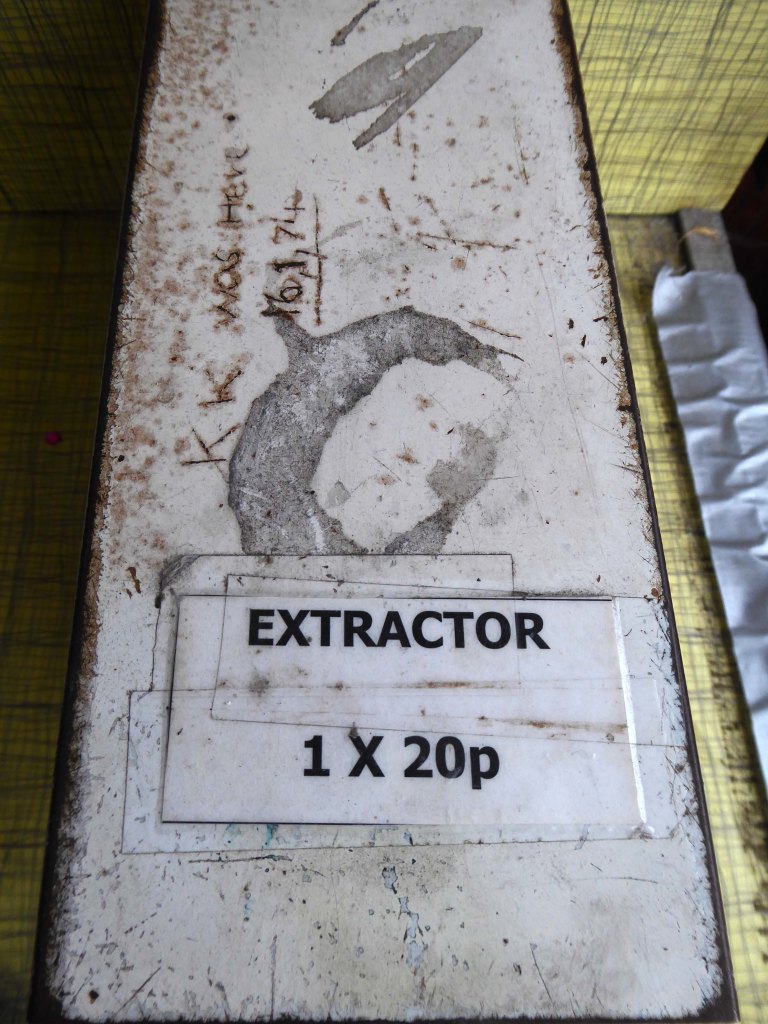
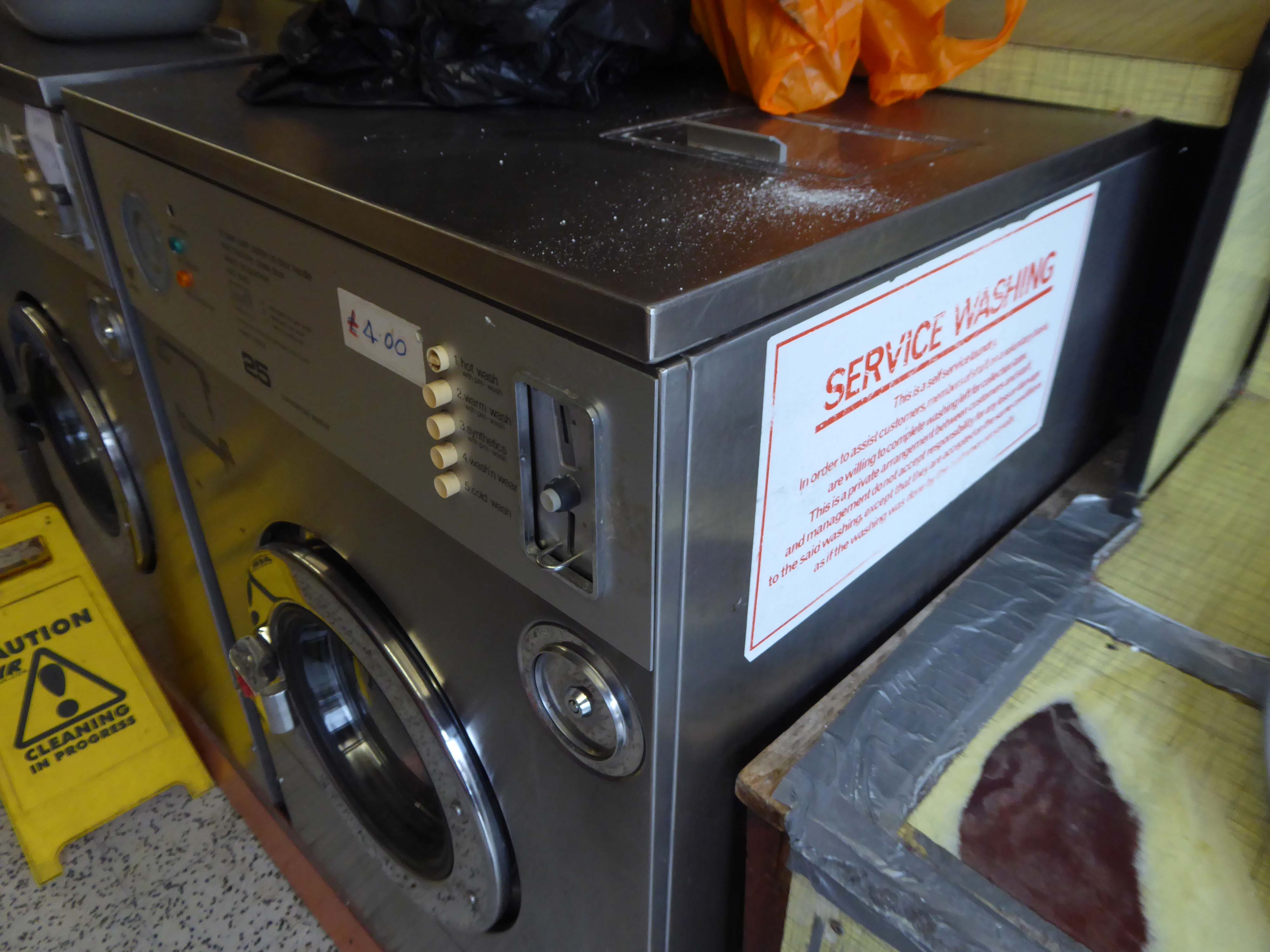
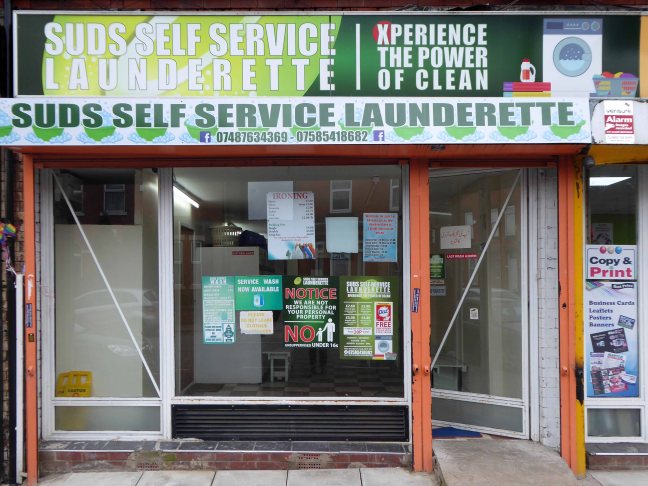
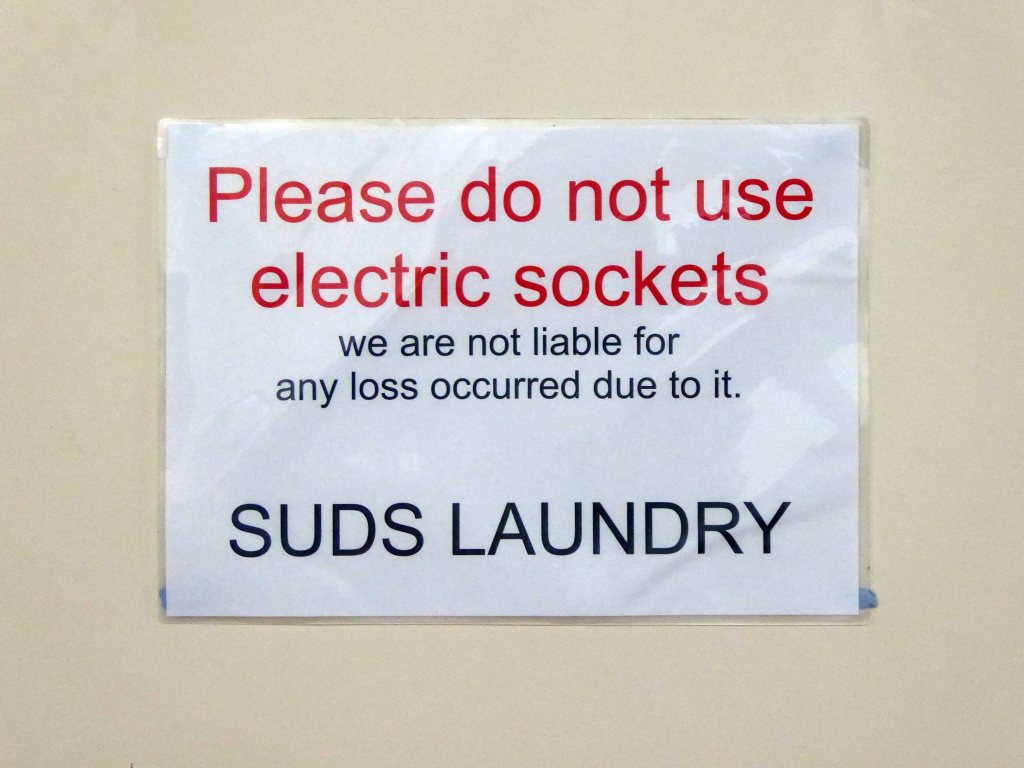
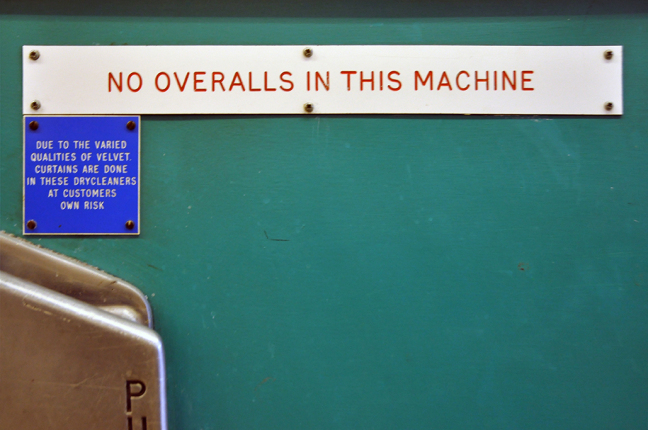
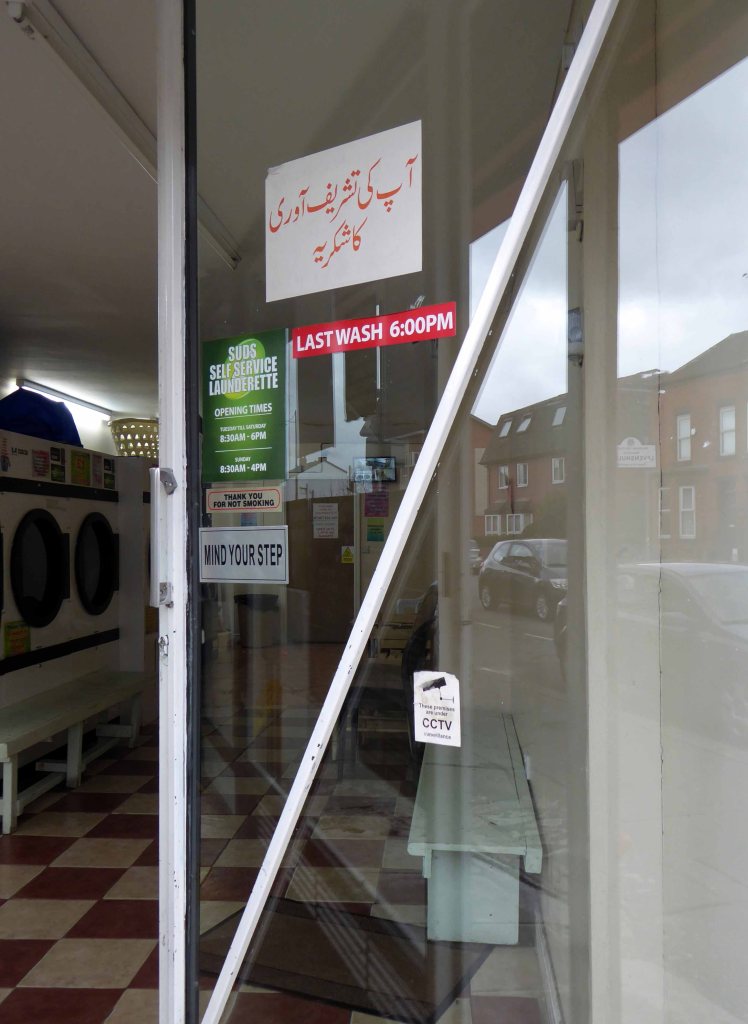
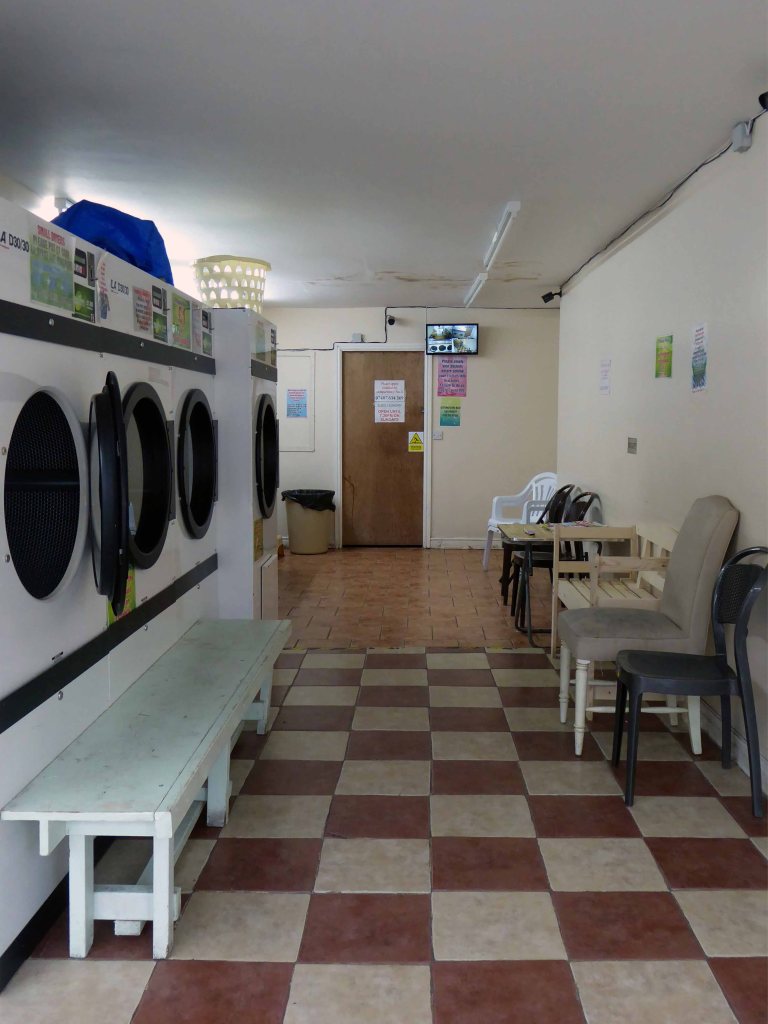
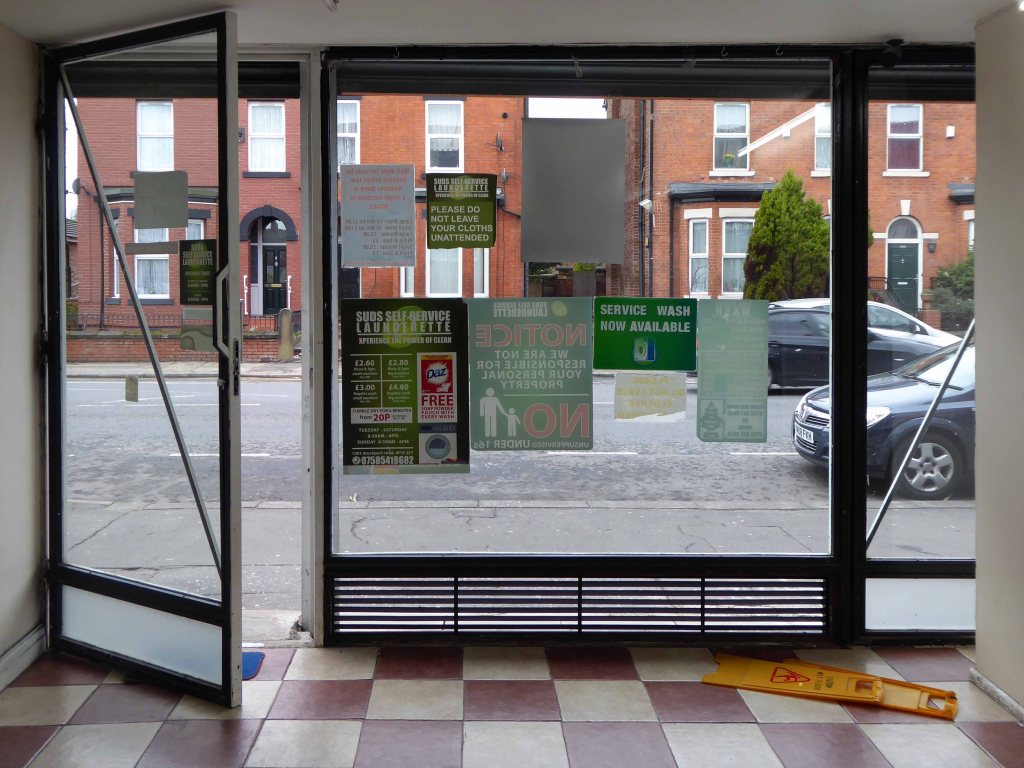
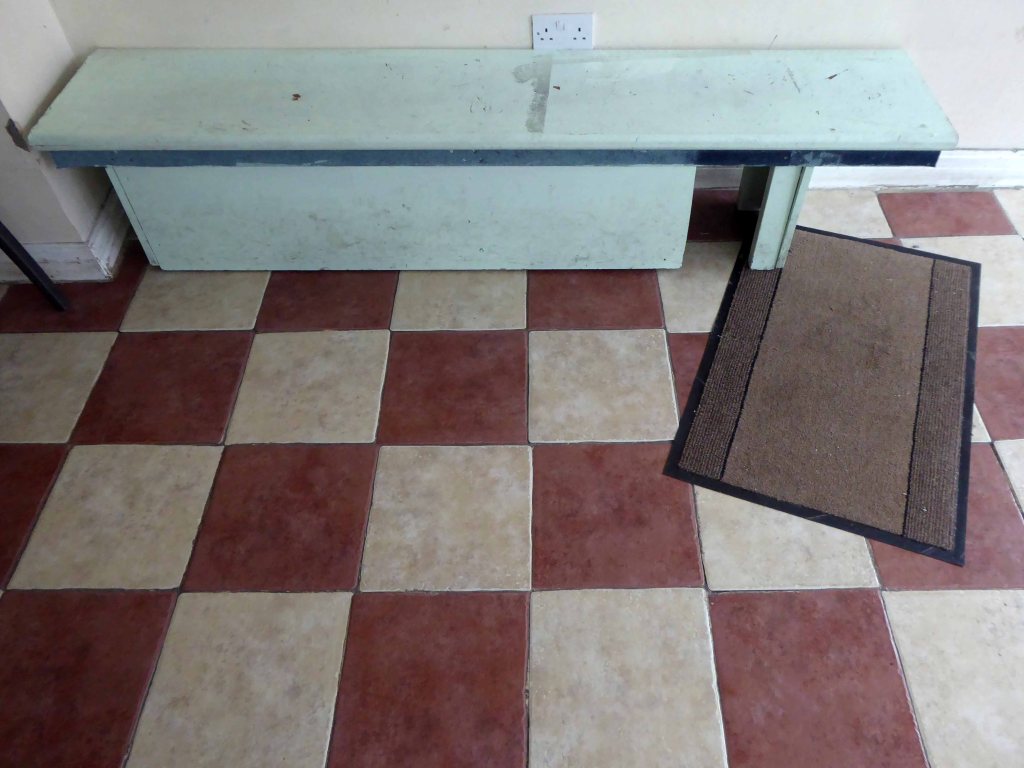
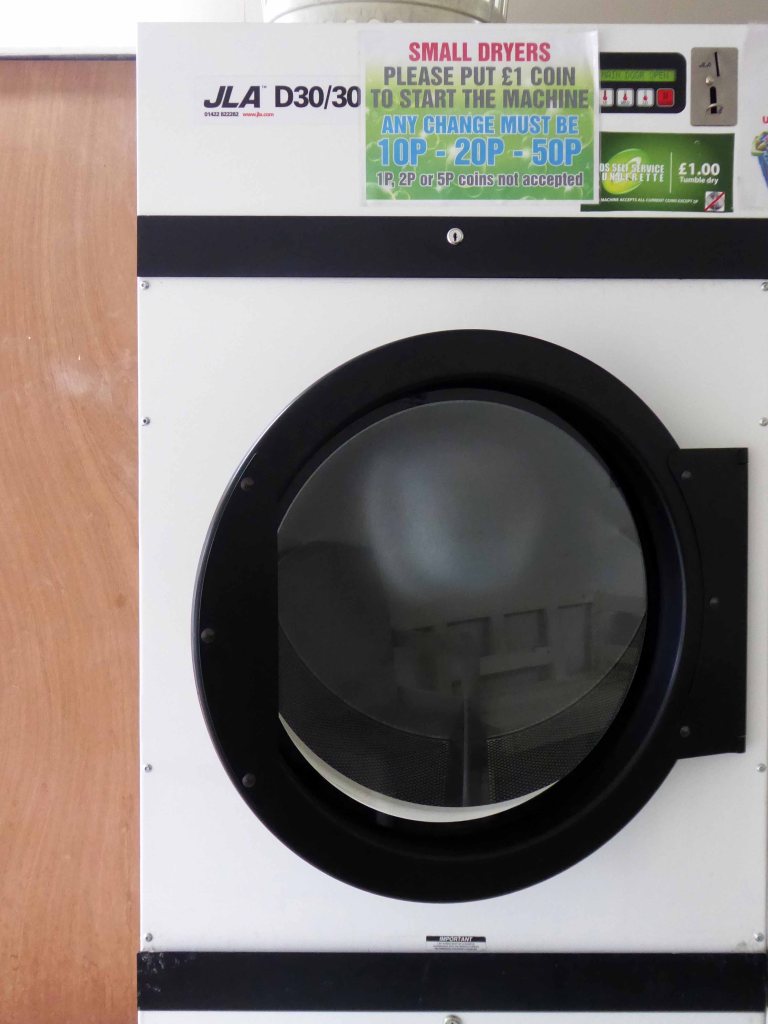
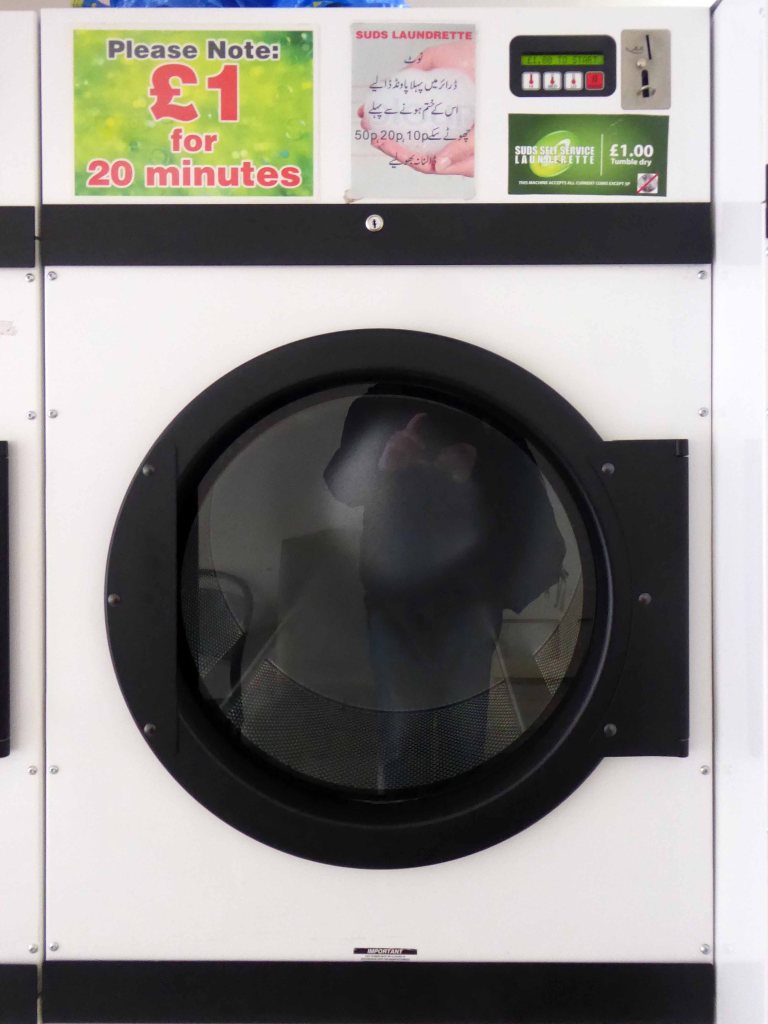
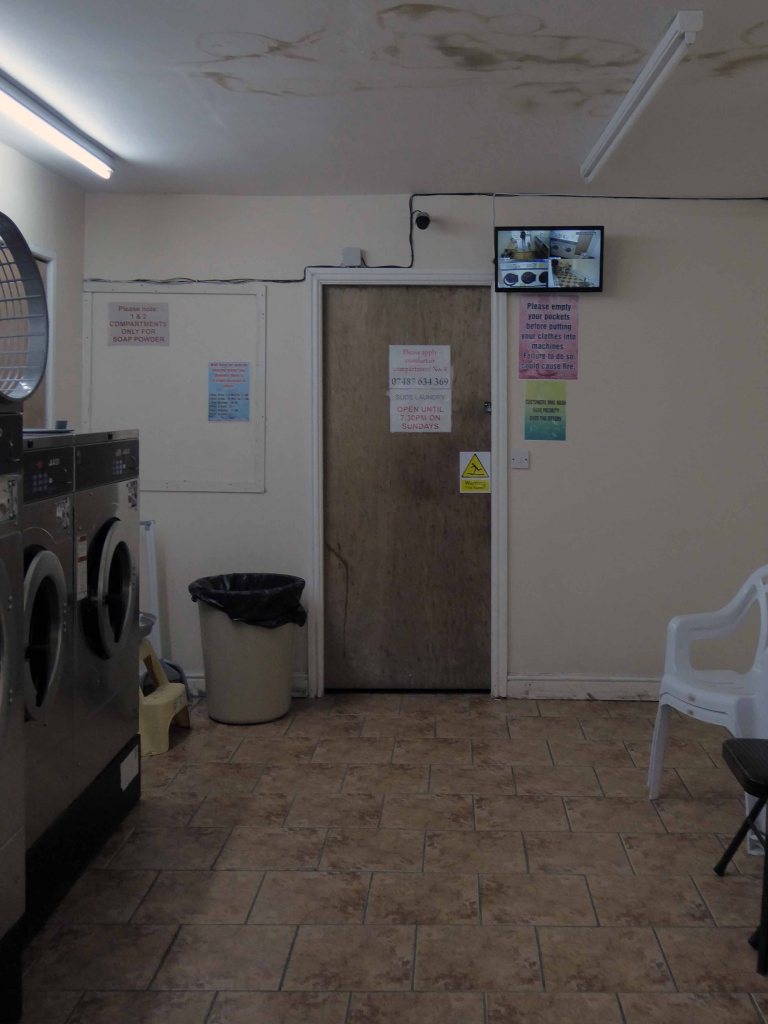
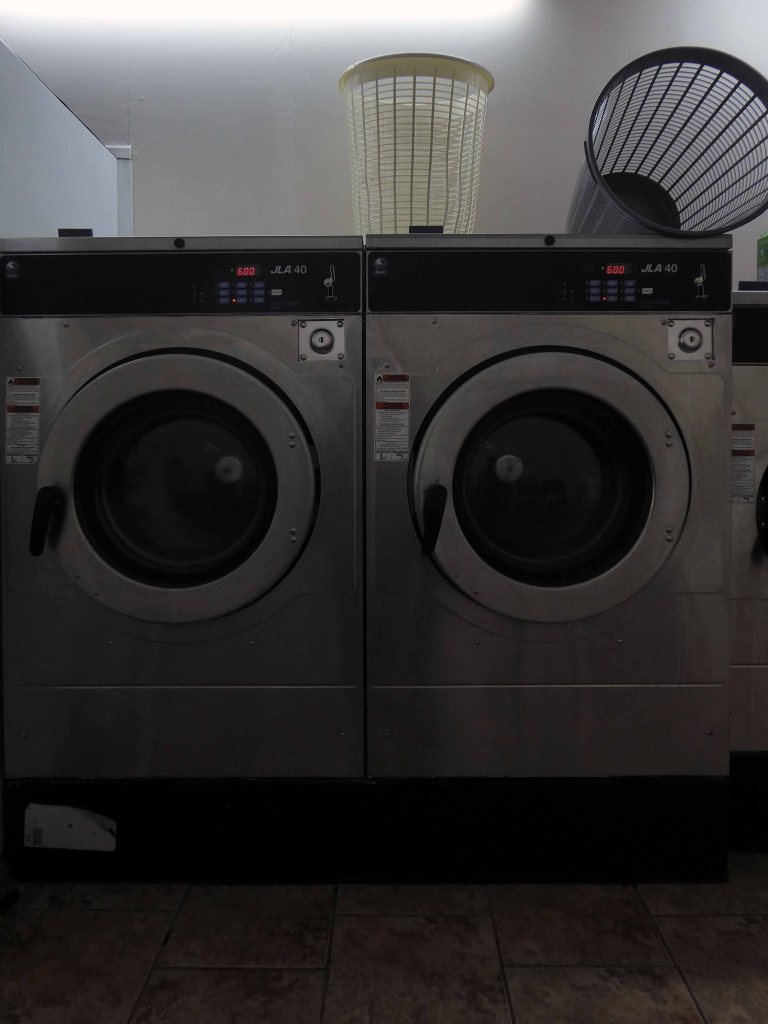
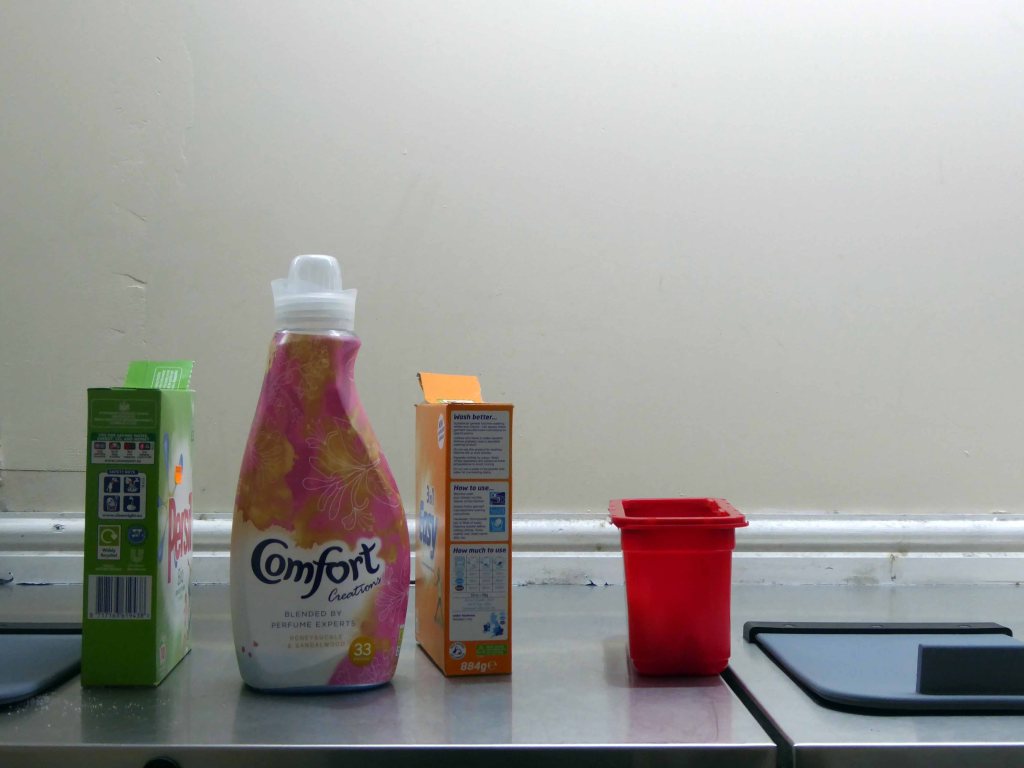
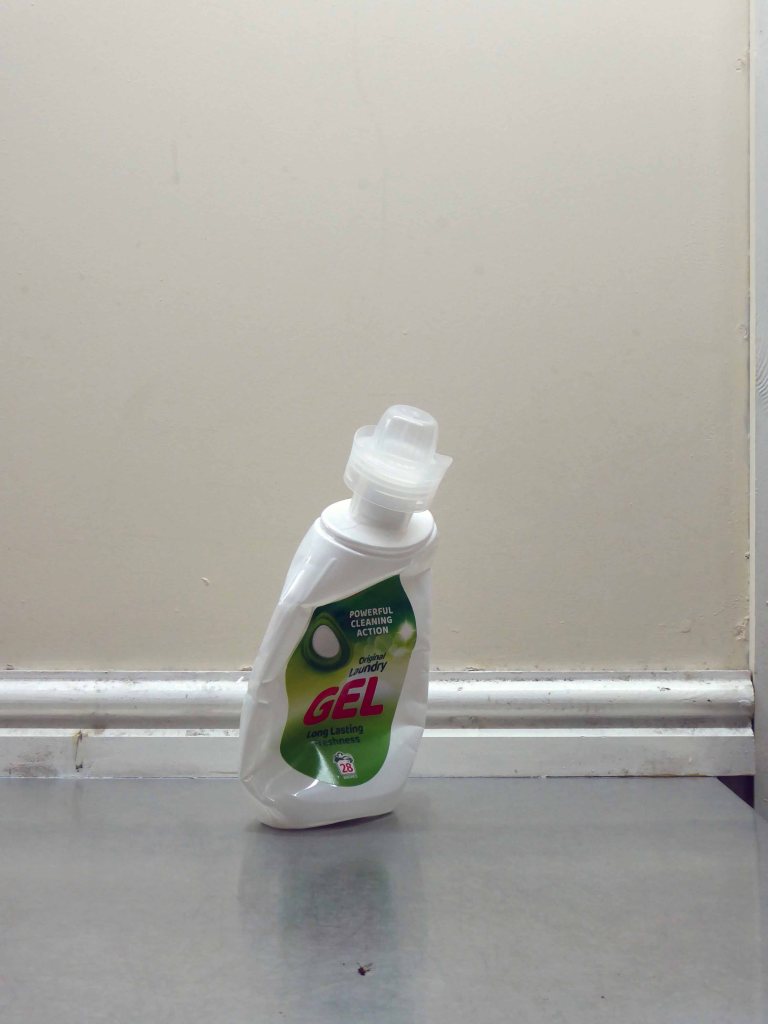
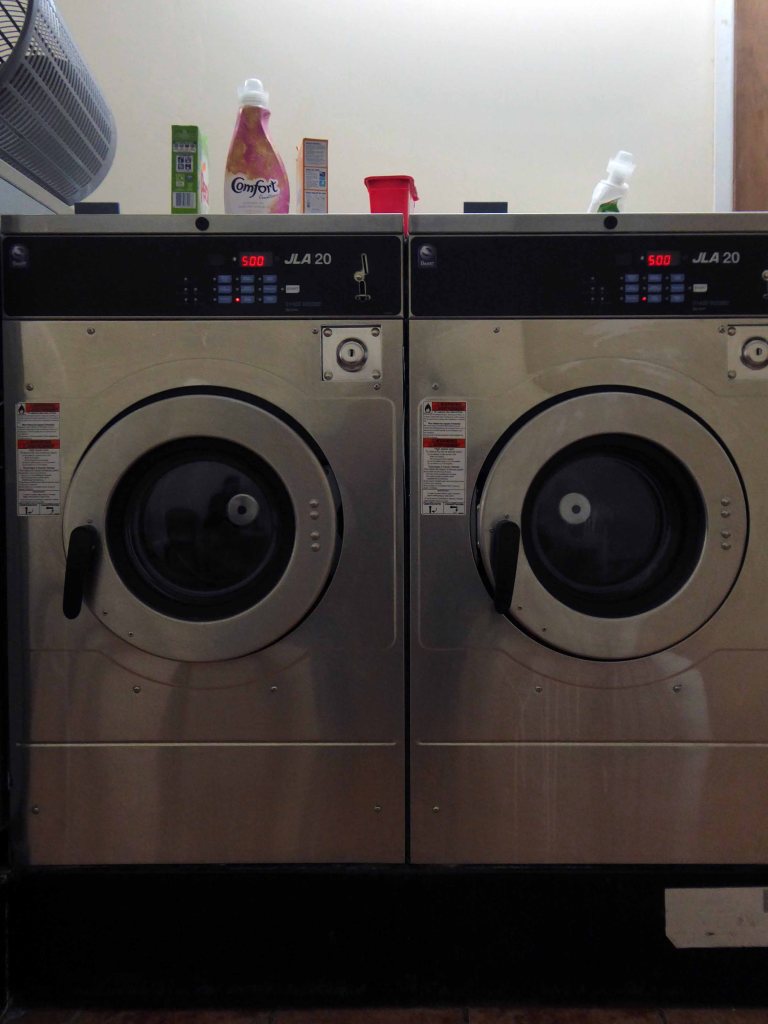
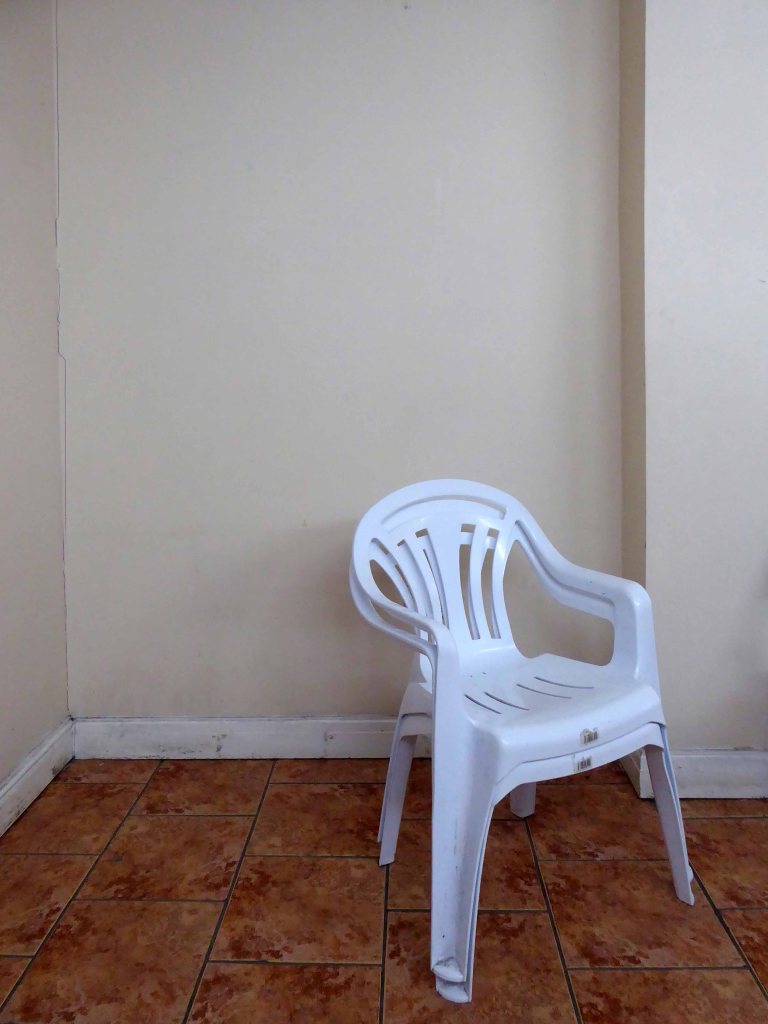
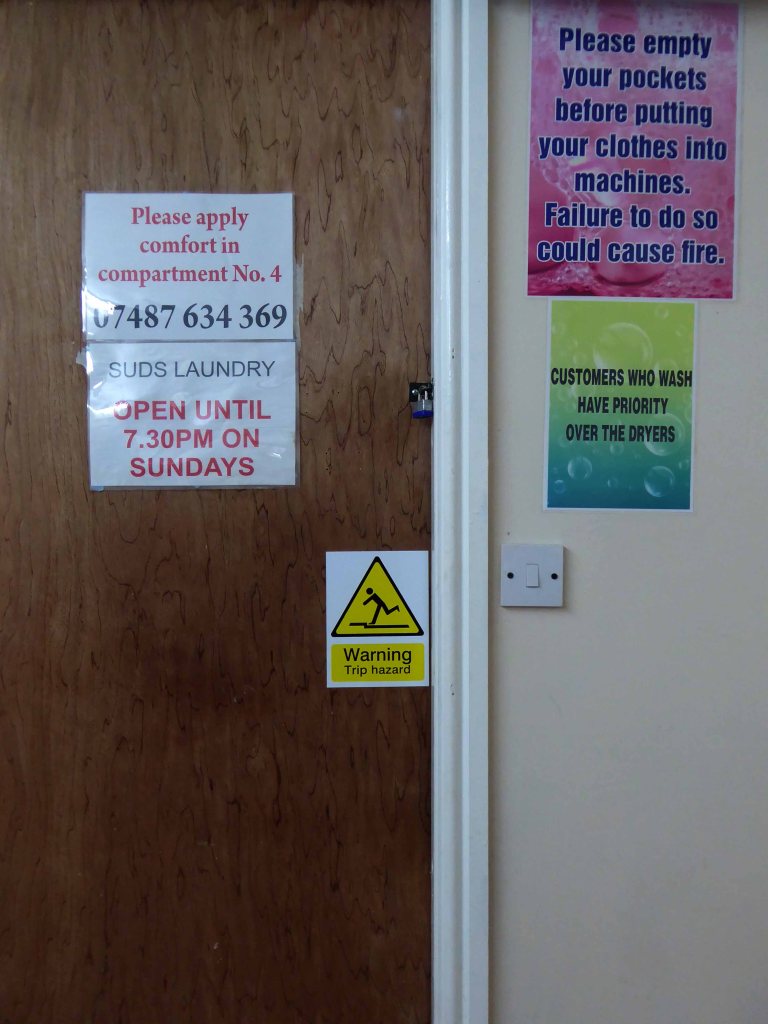
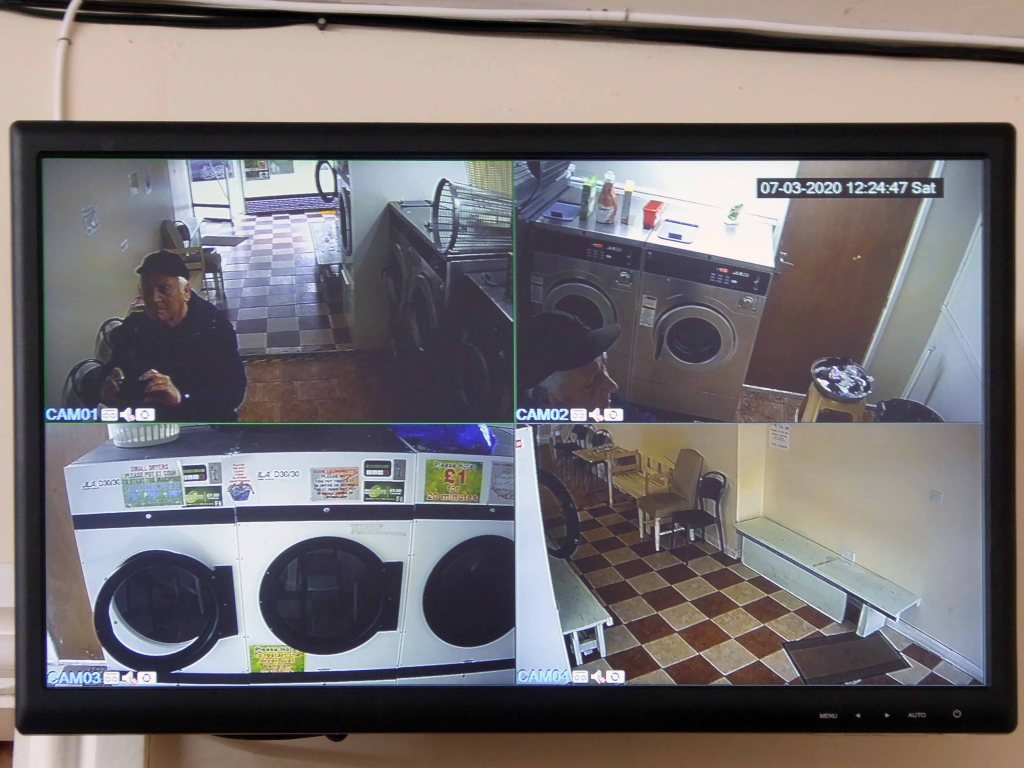
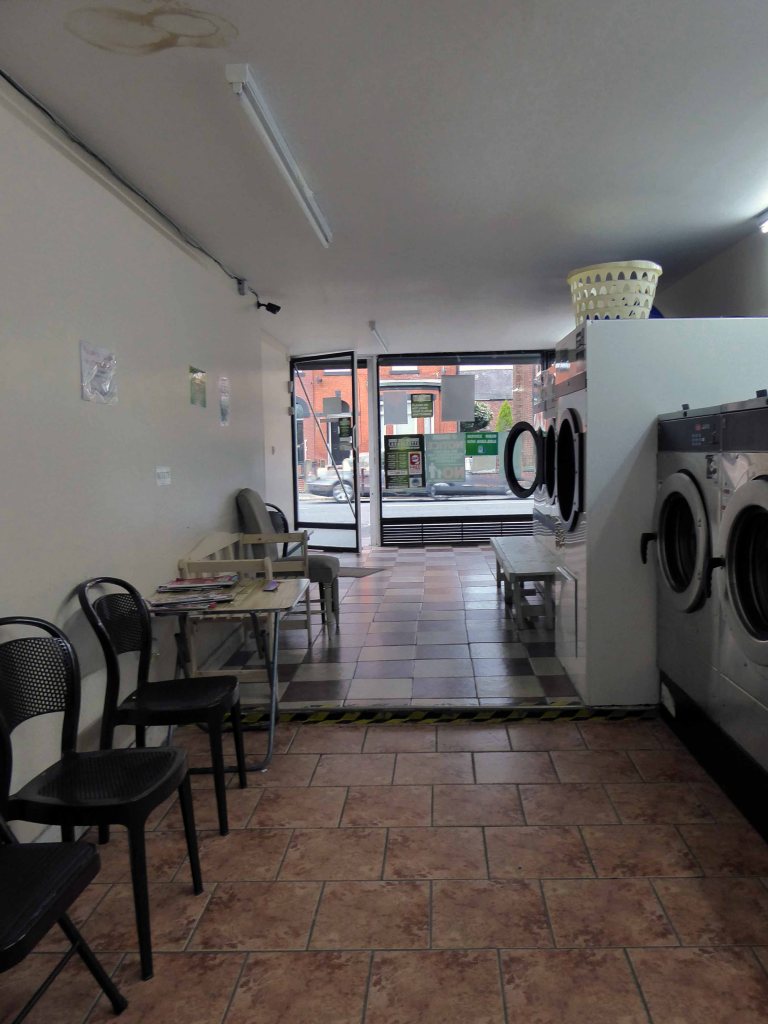
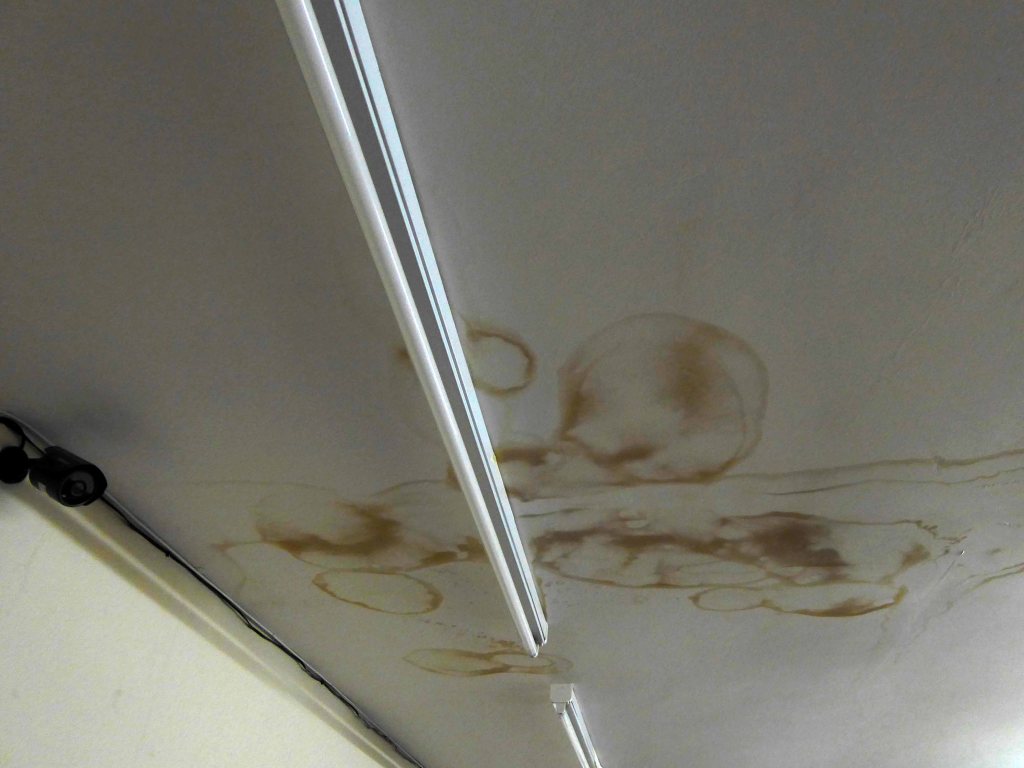
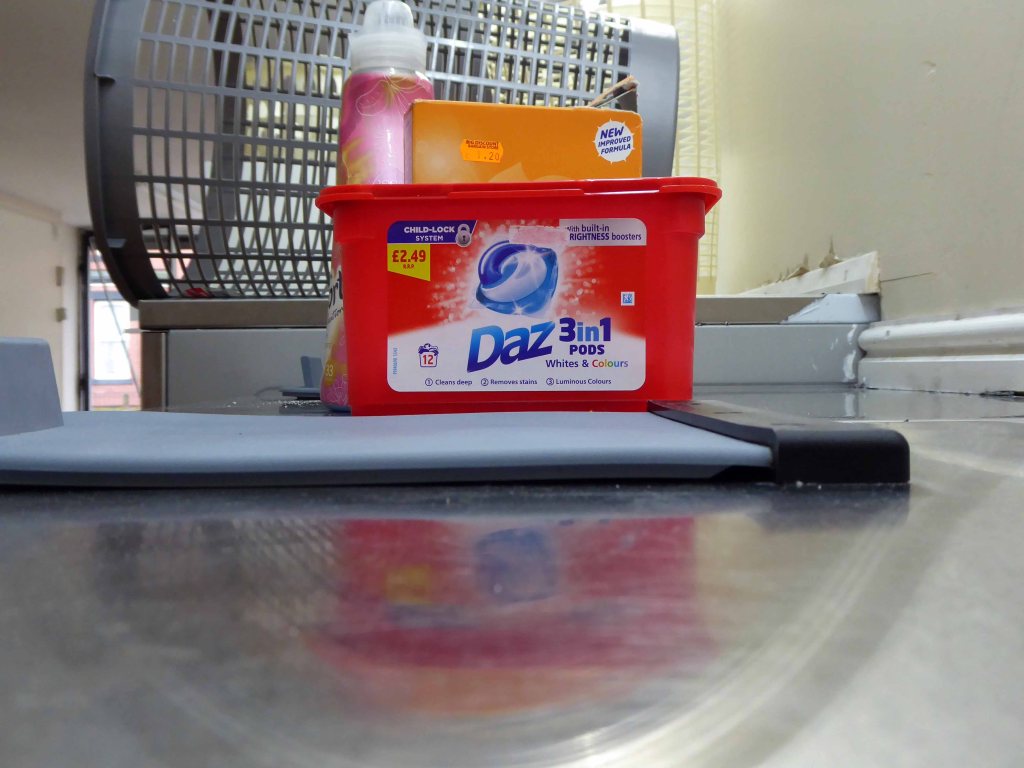
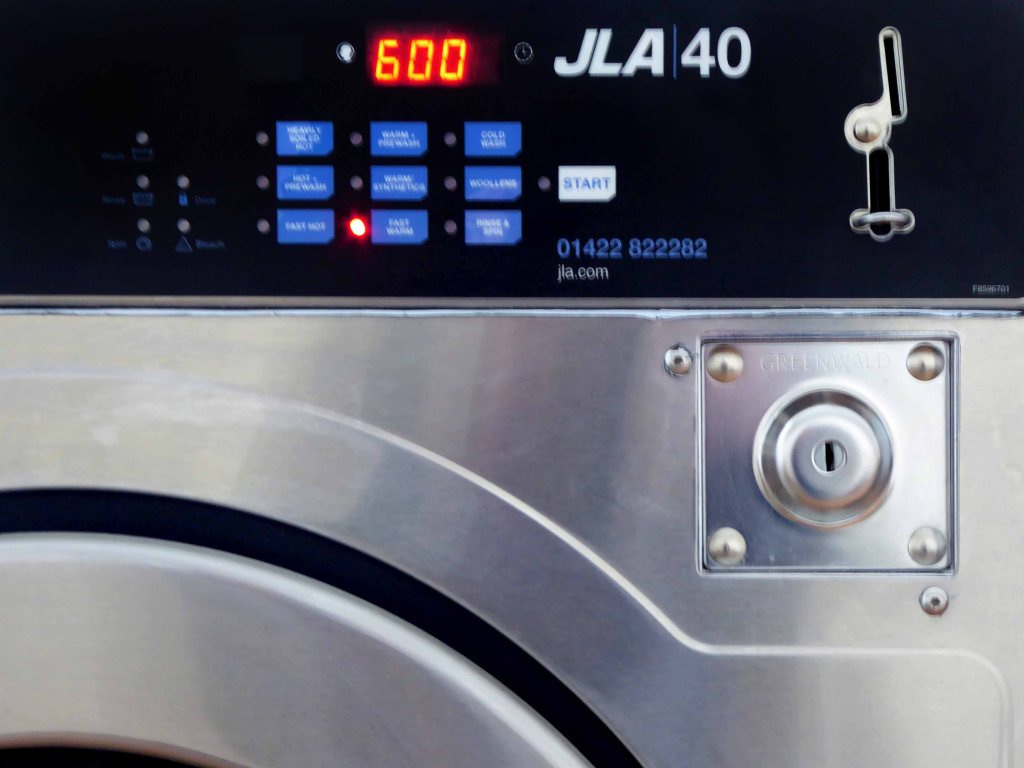
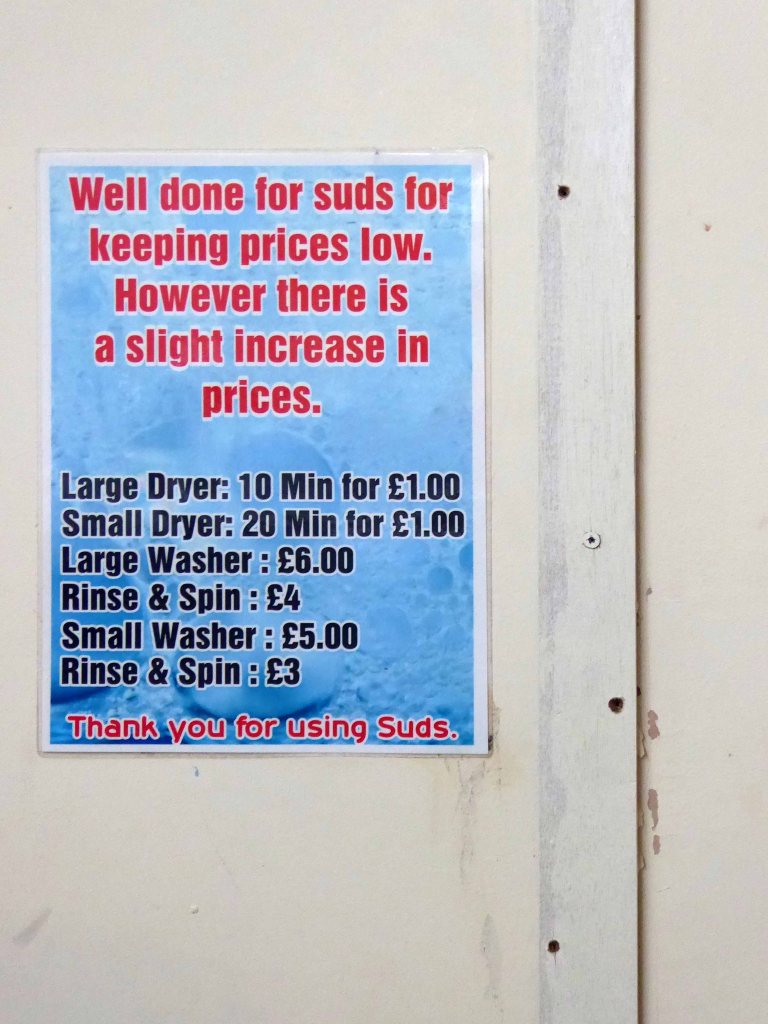
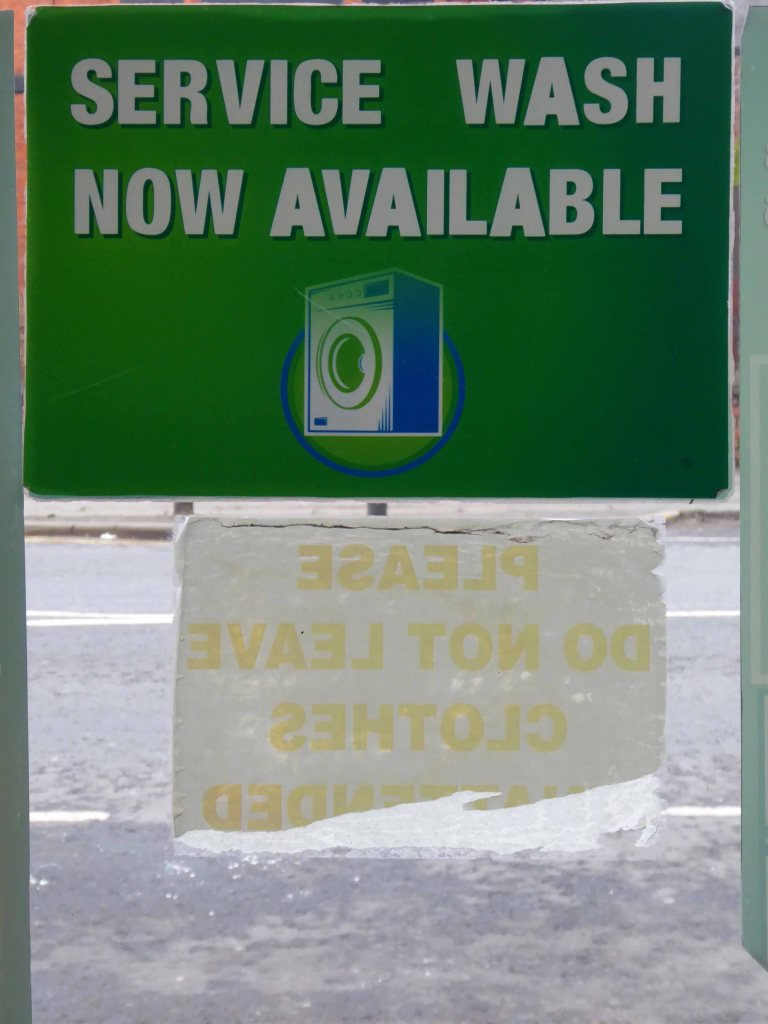
Following a brief interregnum we’re back in the soapy study world of the local launderette.
One of many Rex operations – including those which I visited in Hull and Hull.
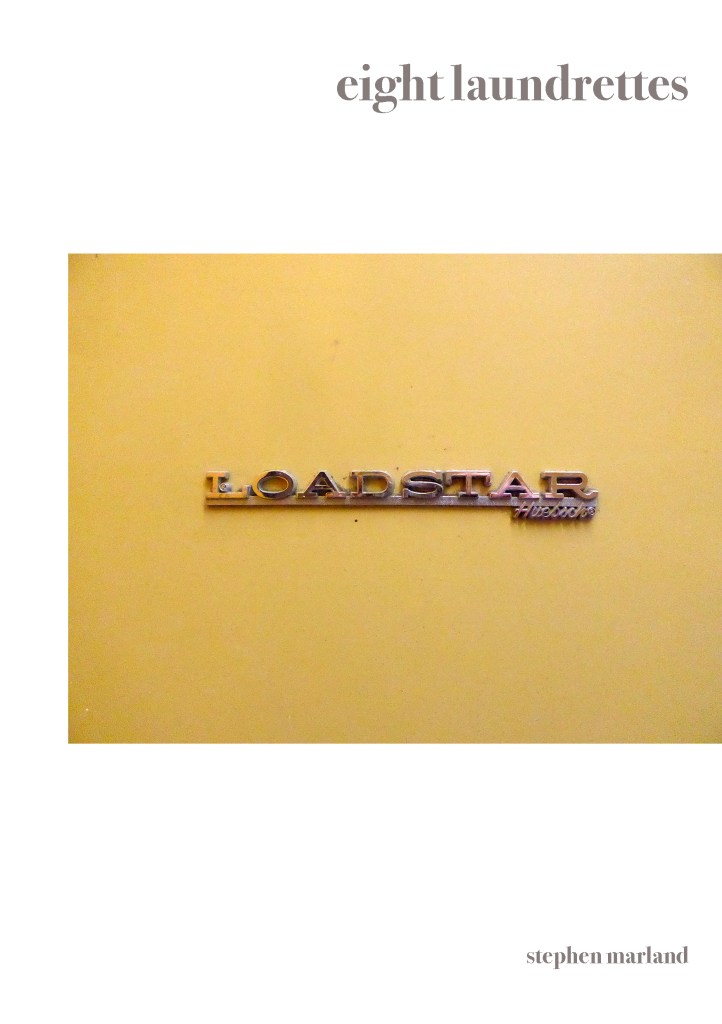
I am of course nationally and internationally renowned as Rex Launderette – author of the multi-ward winning eight laundrettes.
Should you care to search this wishy-washy blog there are also countless other laundry related posts.
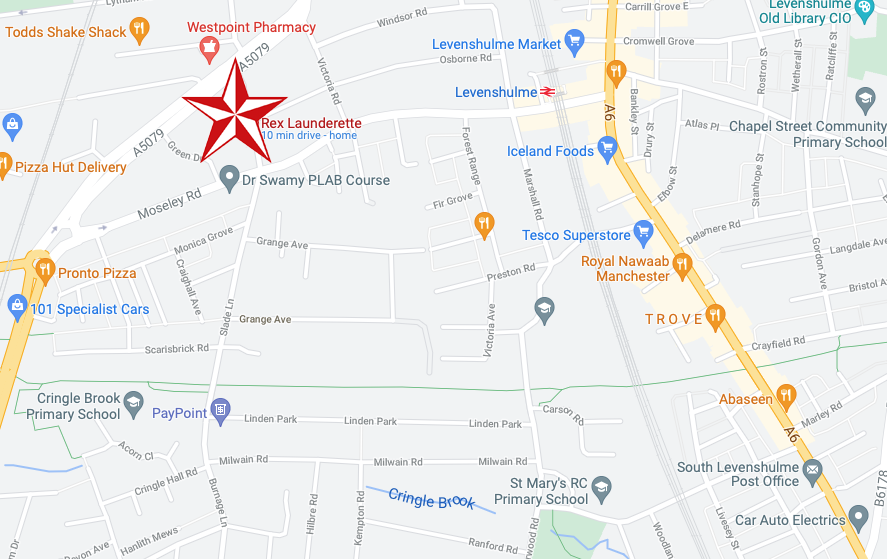
Anyway, I jumped the 197, alighting at the junction of Albert Road and Slade Lane.
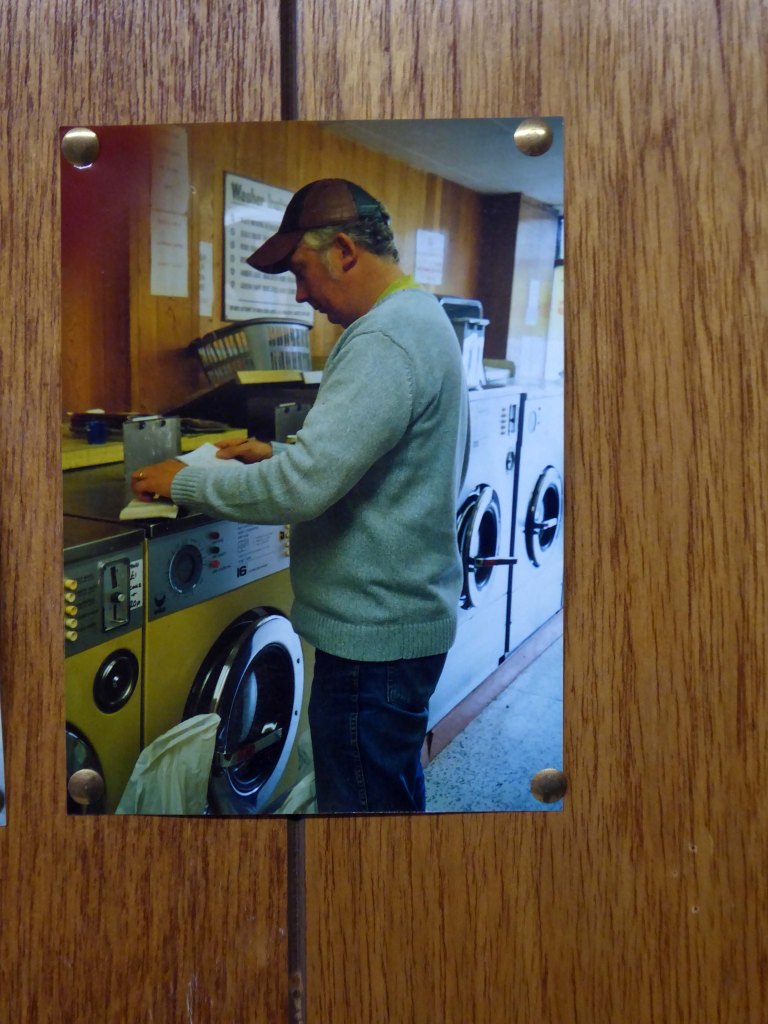
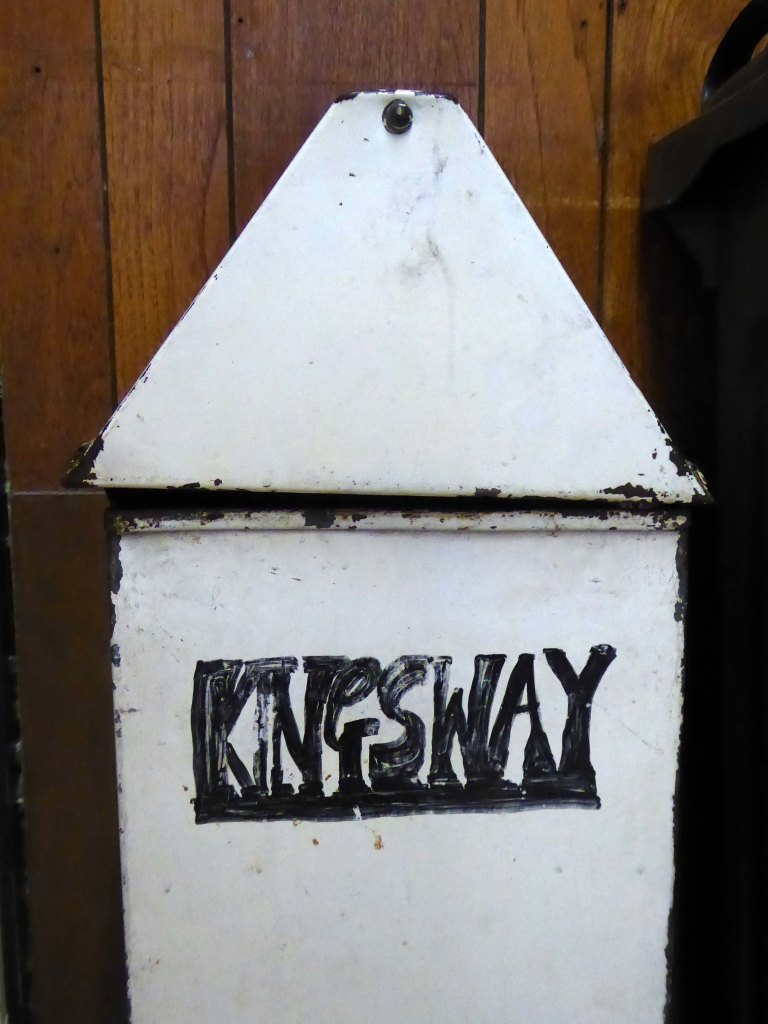
I popped into my local Rex and chatted with owner Steve, who had operated the business for some years, in addition he and his dad had run the late lamented Kingsway branch.
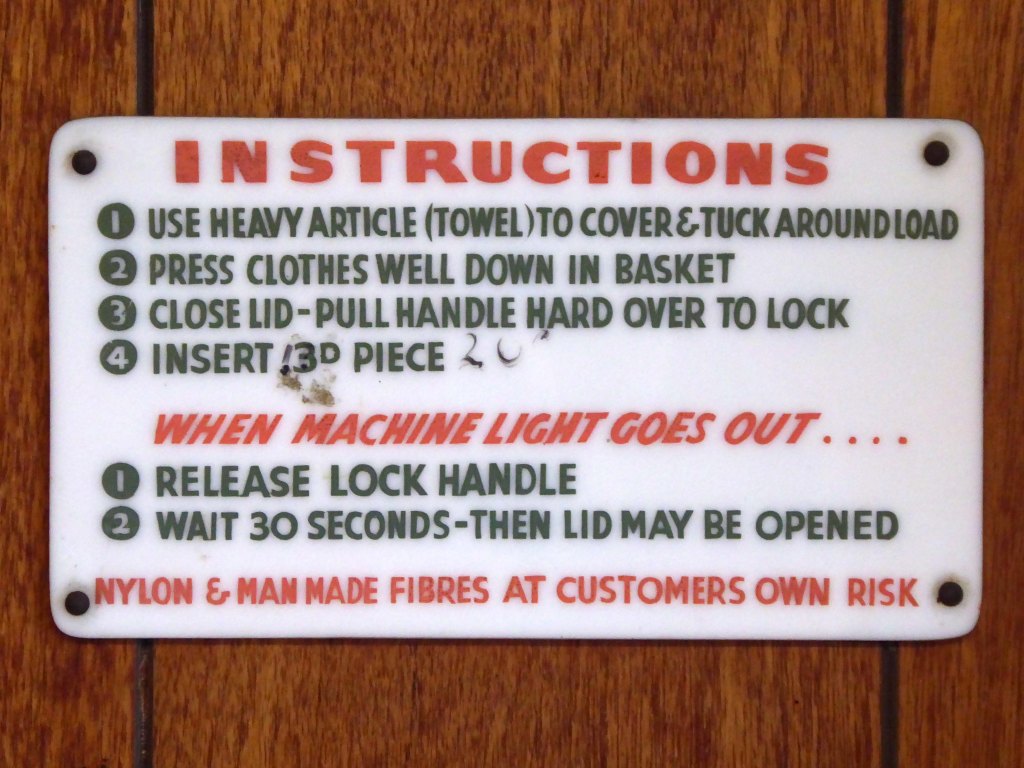
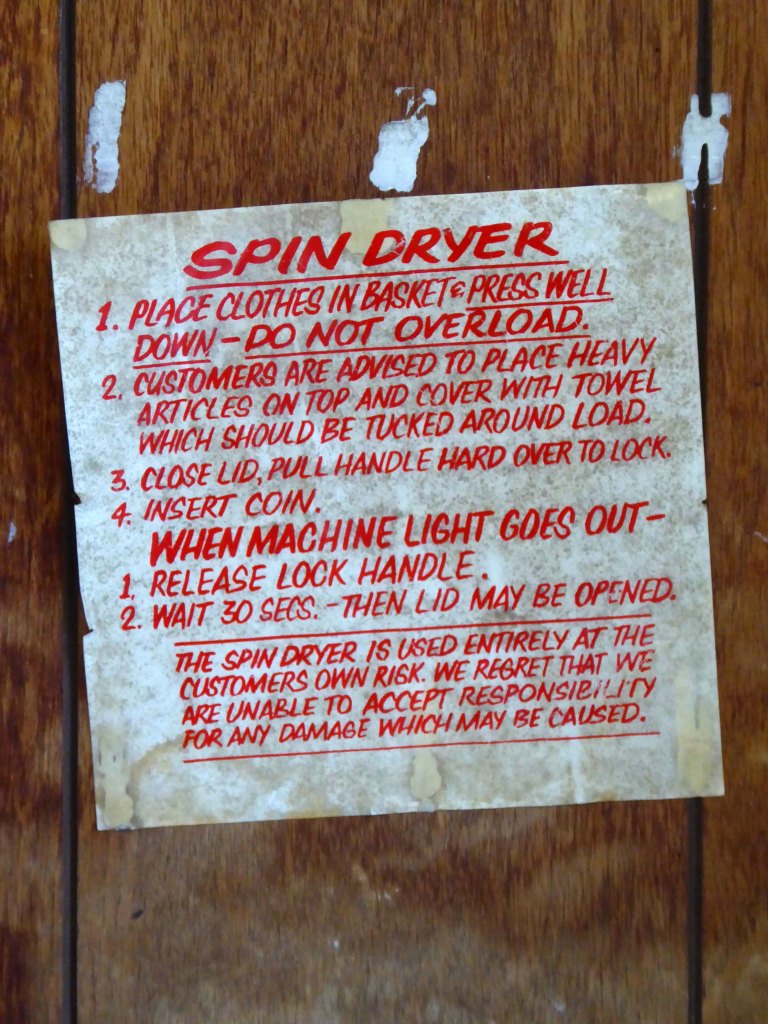
I hung around a while chatting and snapping – here’s the snaps.
I’ll do anything twice or more – so here we are again, this time on foot.
Let’s start at the very beginning, a very good place to start – in the middle, the section from the town centre to Hazel Grove.
Maps are available here for free – we declined the offer, deciding to follow signs instead, many of which were missing or rotated, the better to misinform and redirect – such is life.
We are mostly lost most of the time, whether we like it or know it or not.
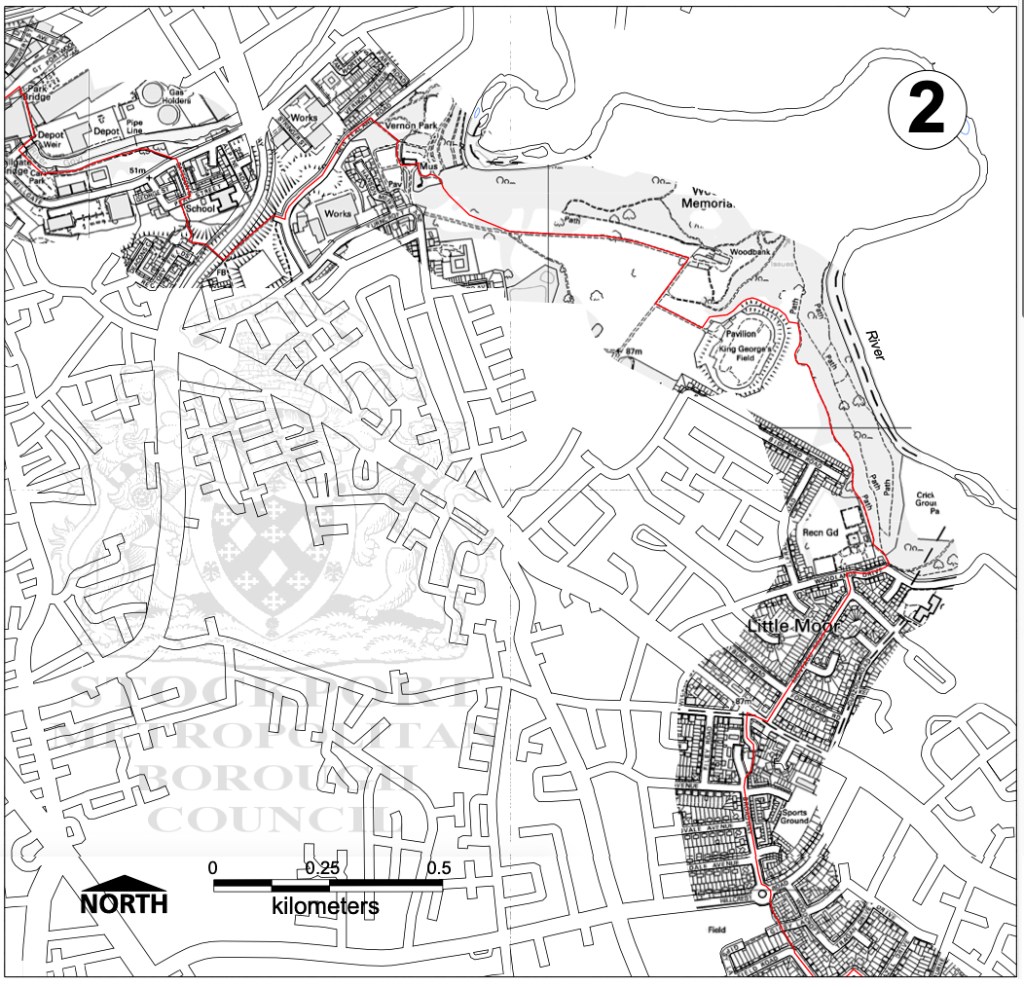
We begin at the confluence of the rivers Mersey and Goyt – which no longer seems to be a Way way, the signs having been removed, and proceed down Howard Street, which seems to have become a tip.
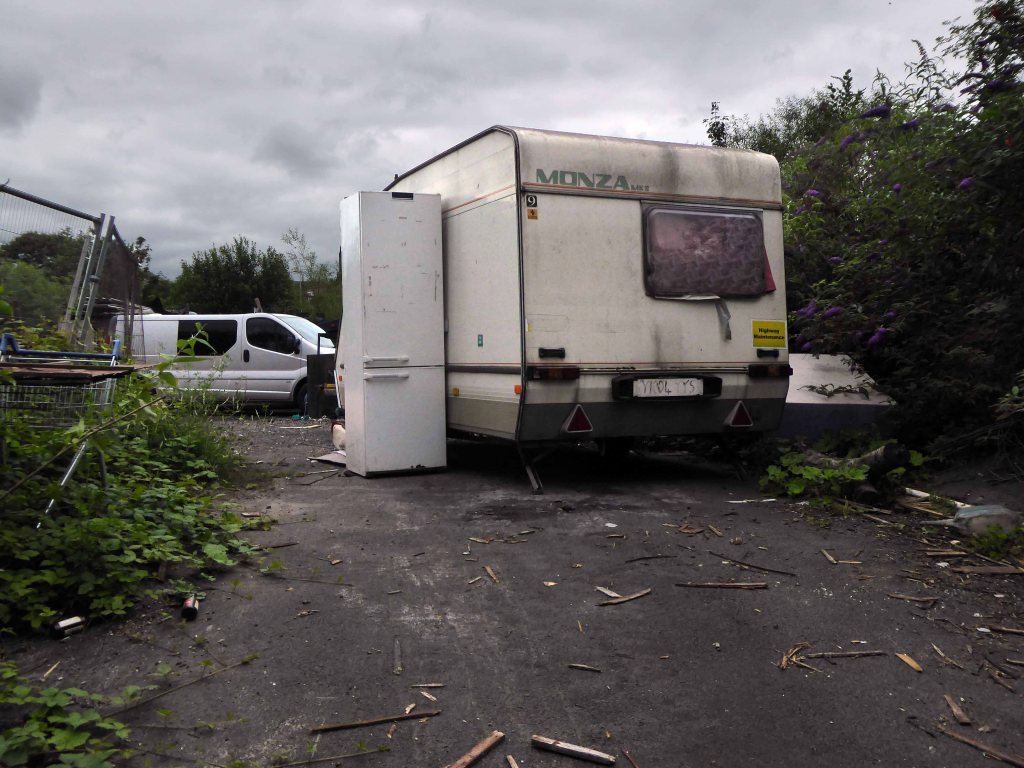
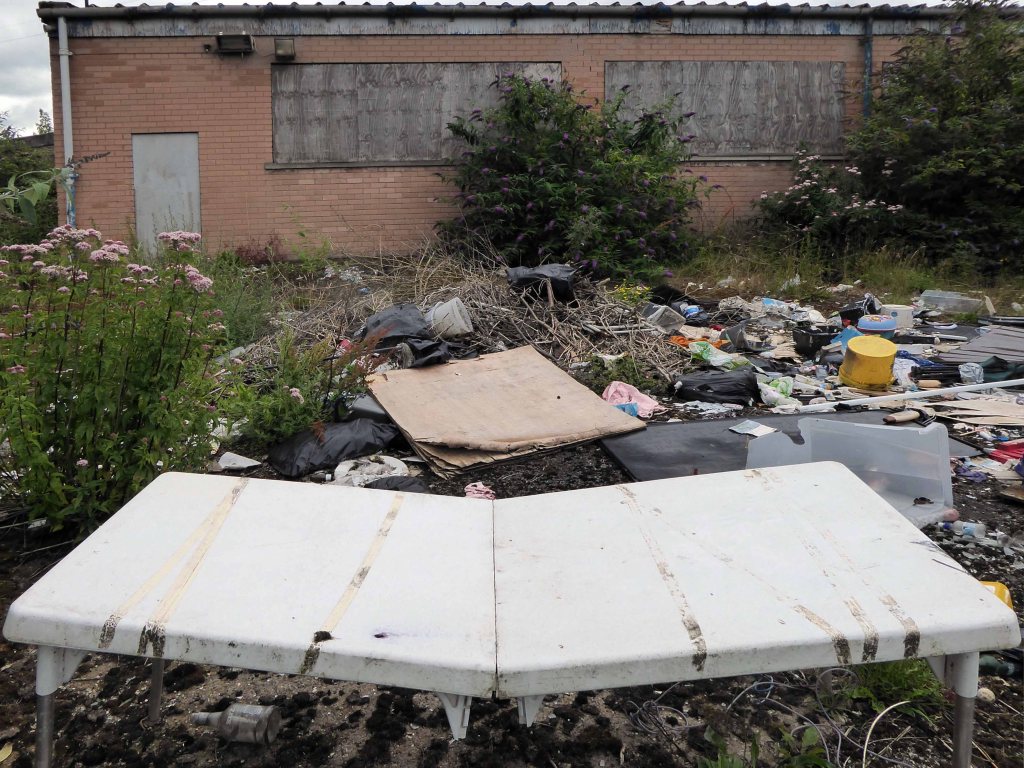
The first and last refuge for refuse.
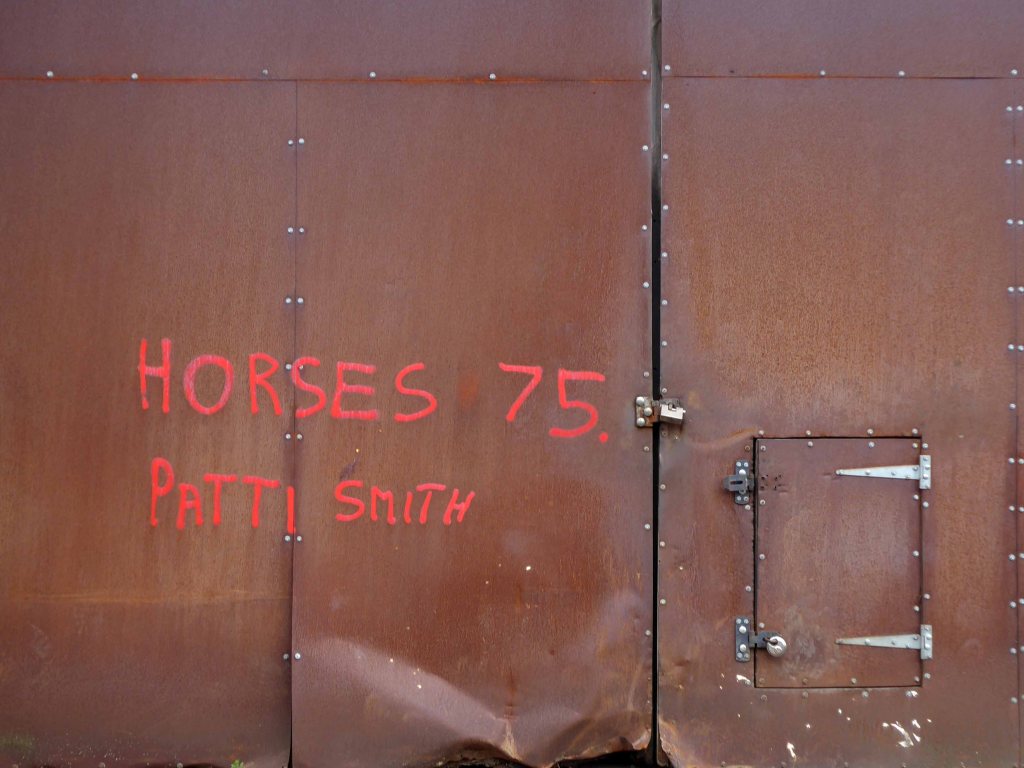
Passing by the kingdom of rust – Patti Smith style.
Passing under the town’s complex internal motorway system by underpass.
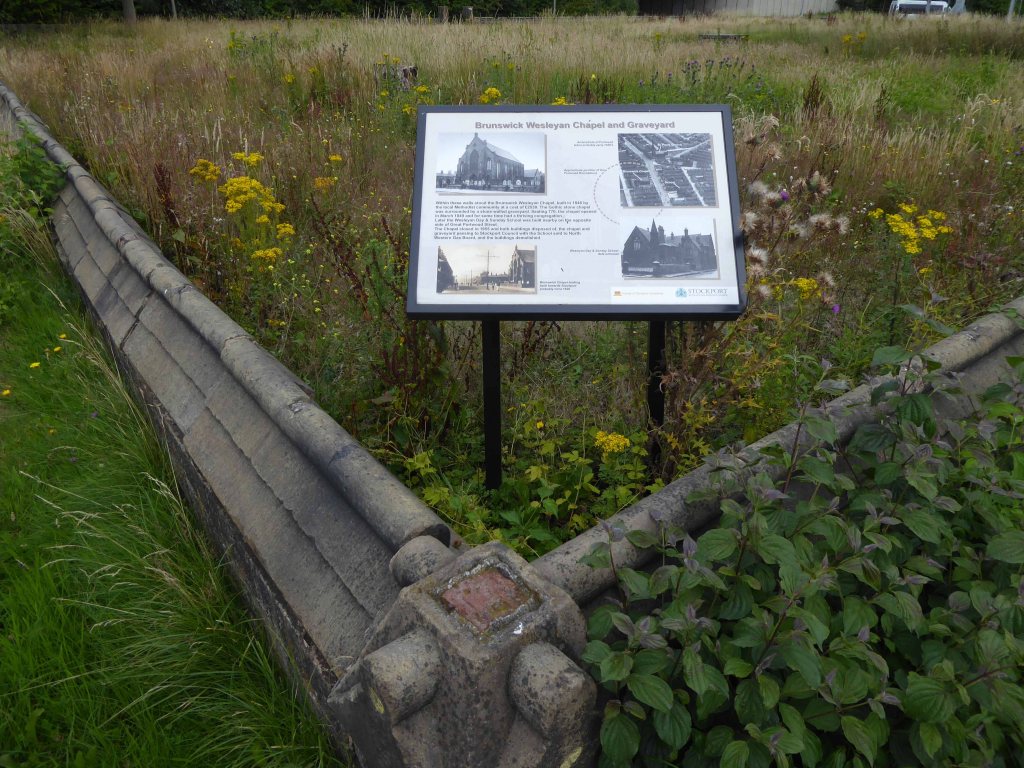
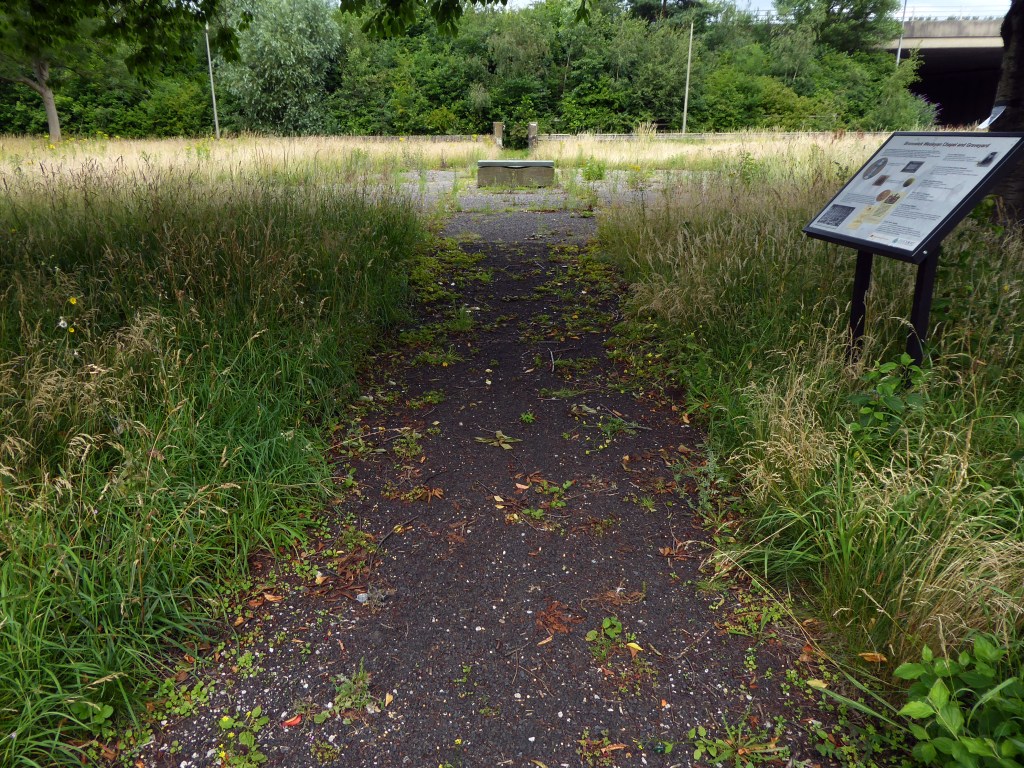
Almost opposite the entrance to the museum, now set in shrubbery, are the foundations, laid in September 1860, of what was to be a forty metre high Observatory Tower. Despite a series of attempts, funds for the tower could not be raised and the ‘Amalgamated Friendly Societies of Stockport’ eventually had to abandon the idea.
Historic England
Out east and passing alongside the running track.
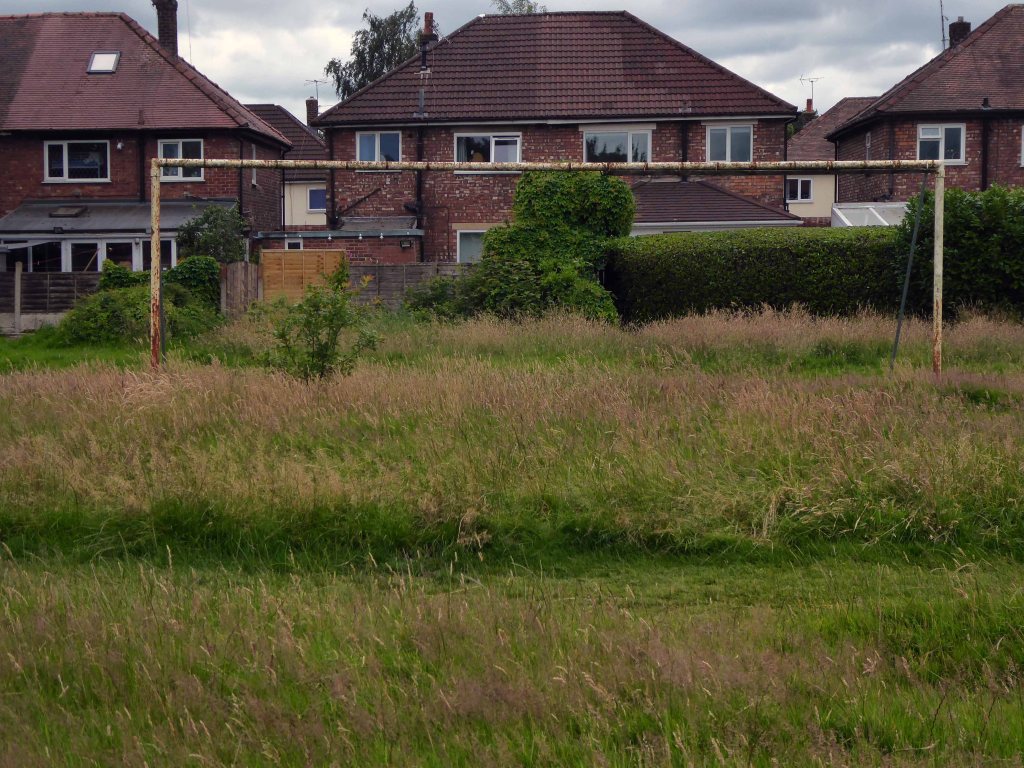
Lush meadows now occupy the former football field, twixt inter-war semis and the woodland beyond.
Out into the savage streets of Offerton where we find a Buick Skylark, incongruously ensconced in a front garden.
The only too human imperative to laugh in the face of naturalism.
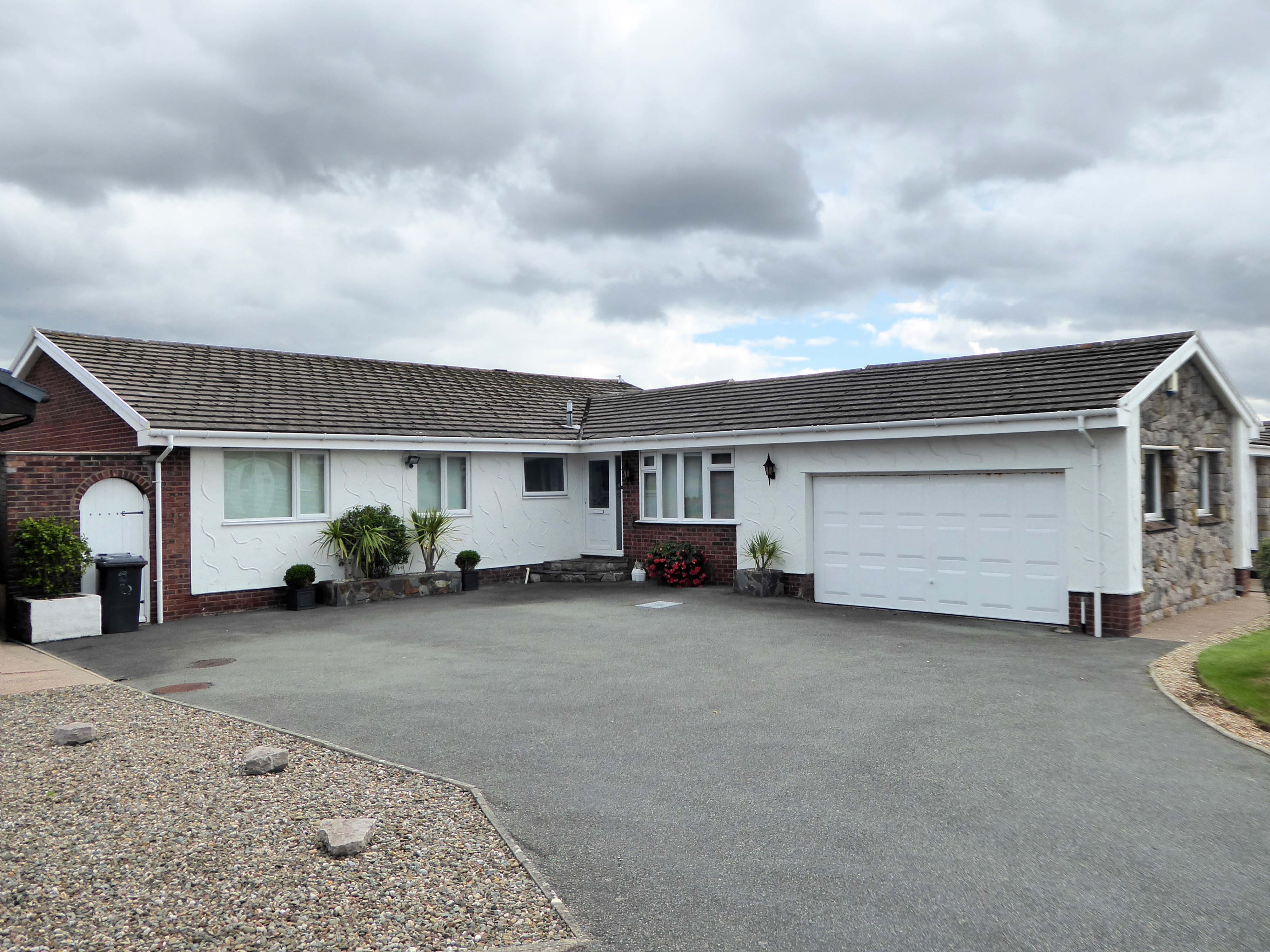
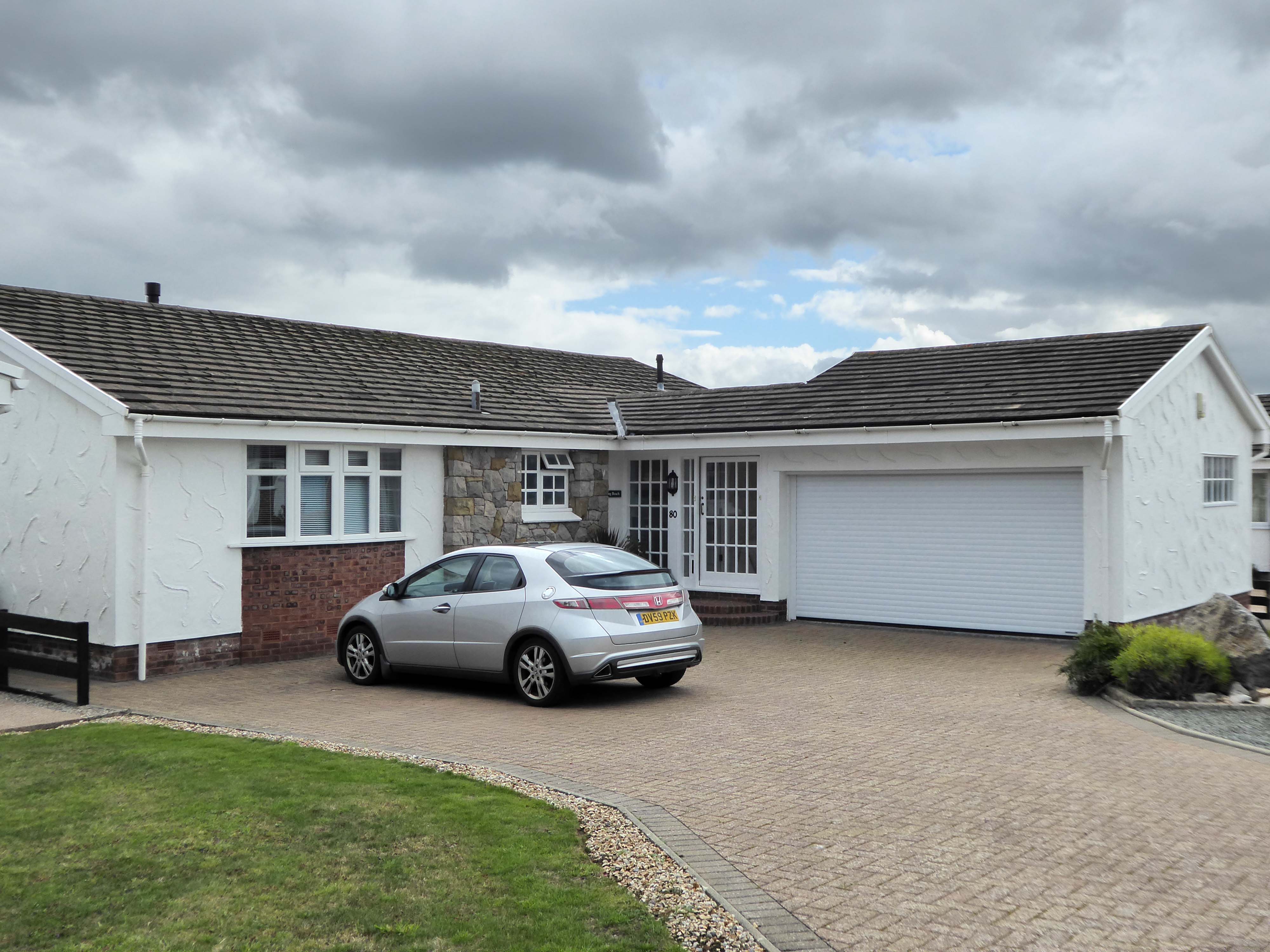
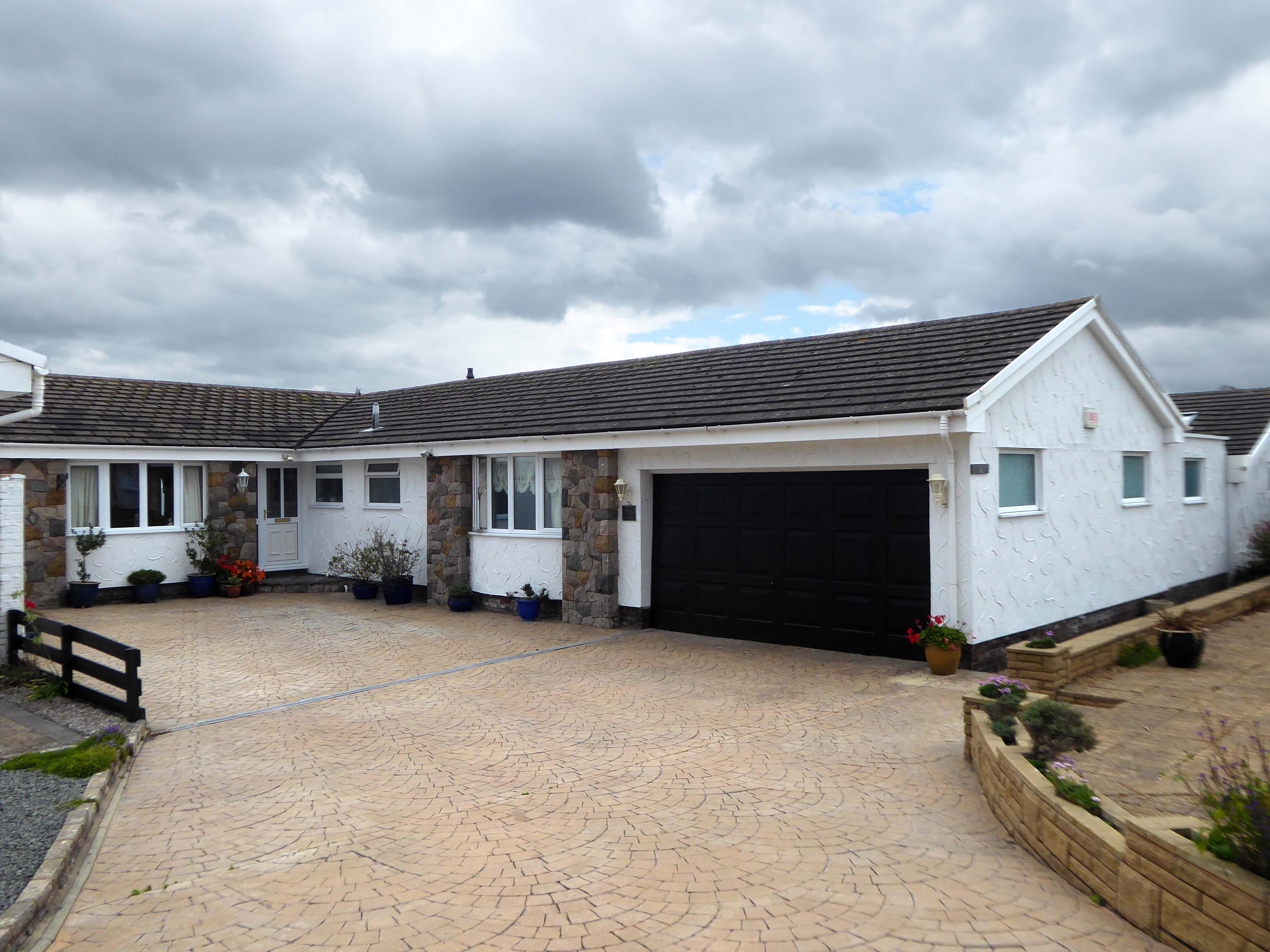
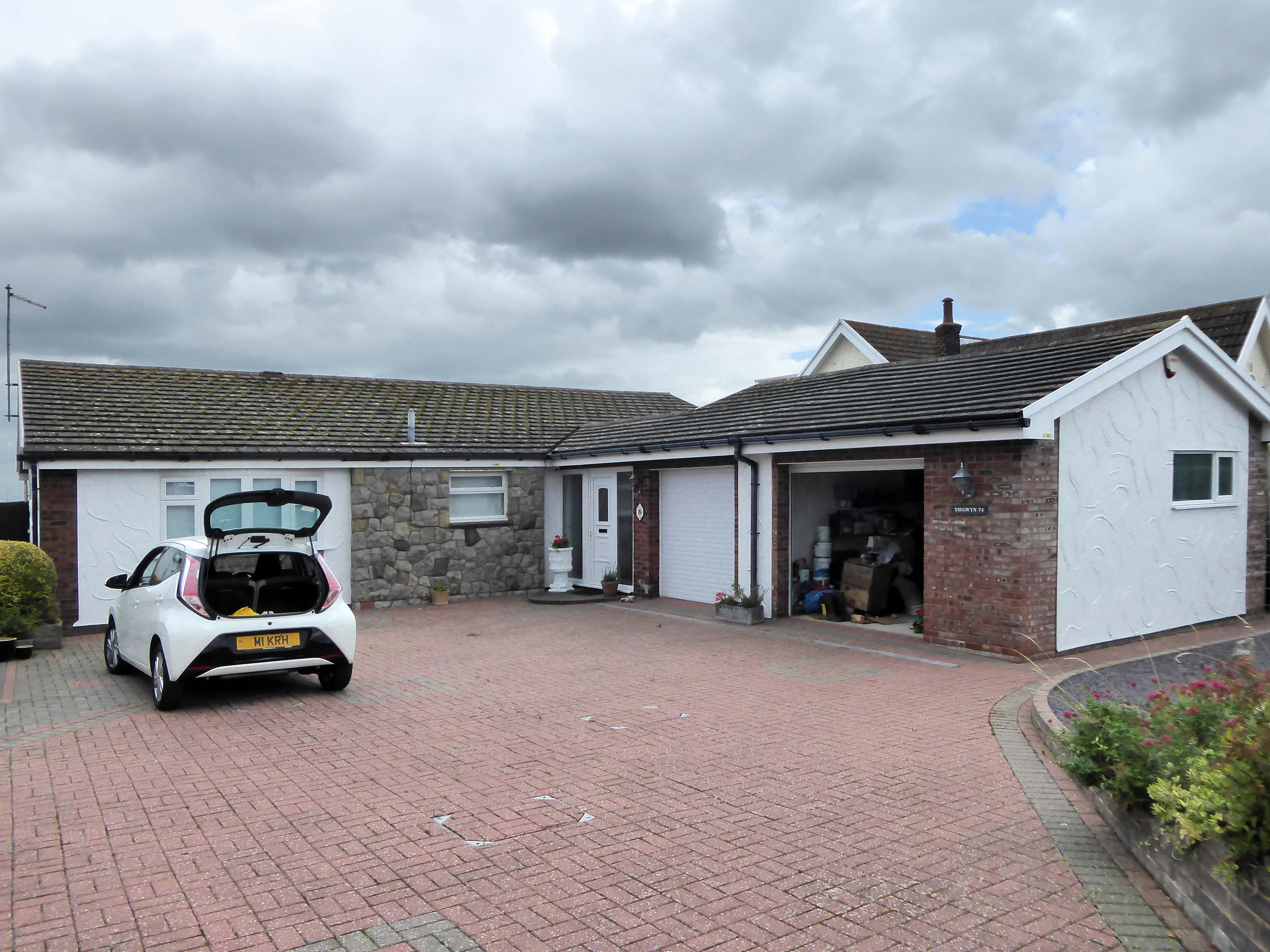
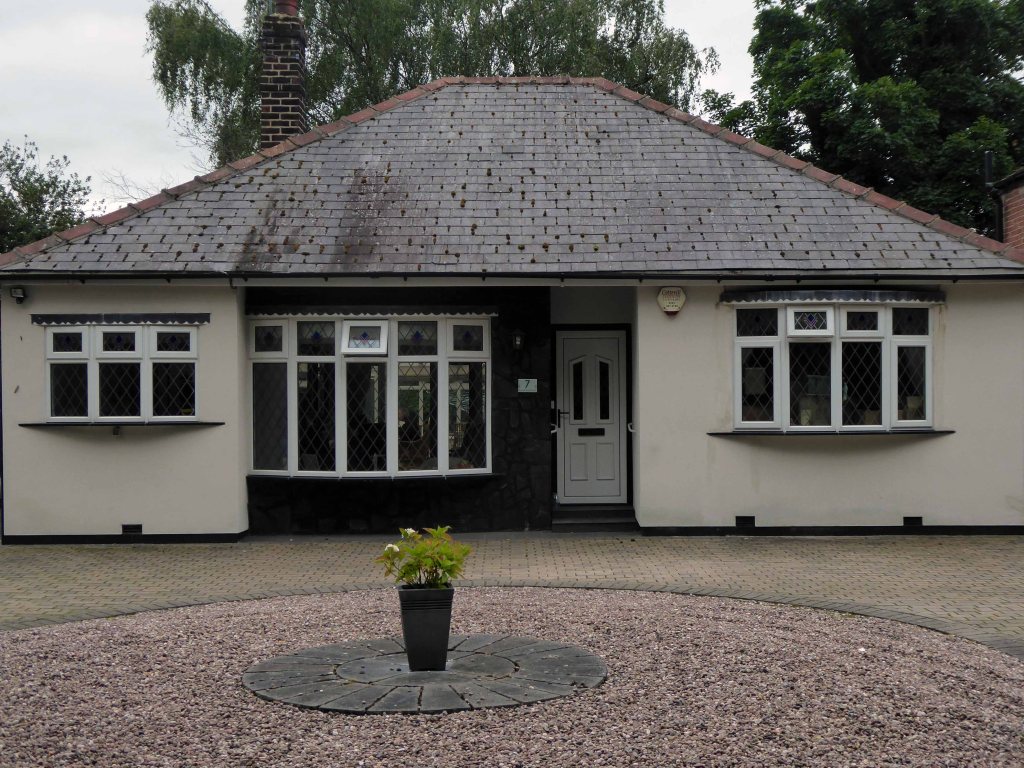
We have crossed over Marple Road and are deep in the suburban jungle of mutually exclusive modified bungalows.
Off now into the wide open spaces of the Offerton Estate – the right to buy refuge of the socially mobile, former social housing owning public.
People living on Offerton Estate have been filmed for a programme entitled ‘Mean Streets’ which aims to highlight anti-social behaviour in local communities.
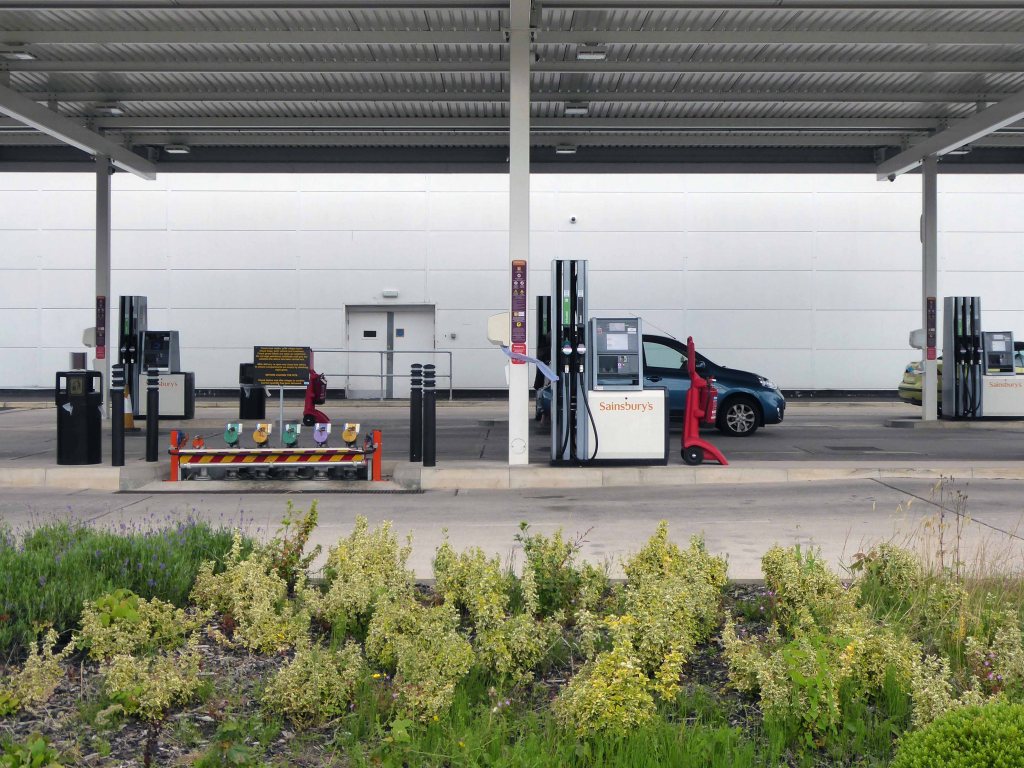
The next thing we know we’re in a field, a mixed up melange of the urban, suburban and rural, on the fringes of a Sainsbury’s supermarket filling station.
We cross the A6 in Hazel Grove and here for today our journey ends
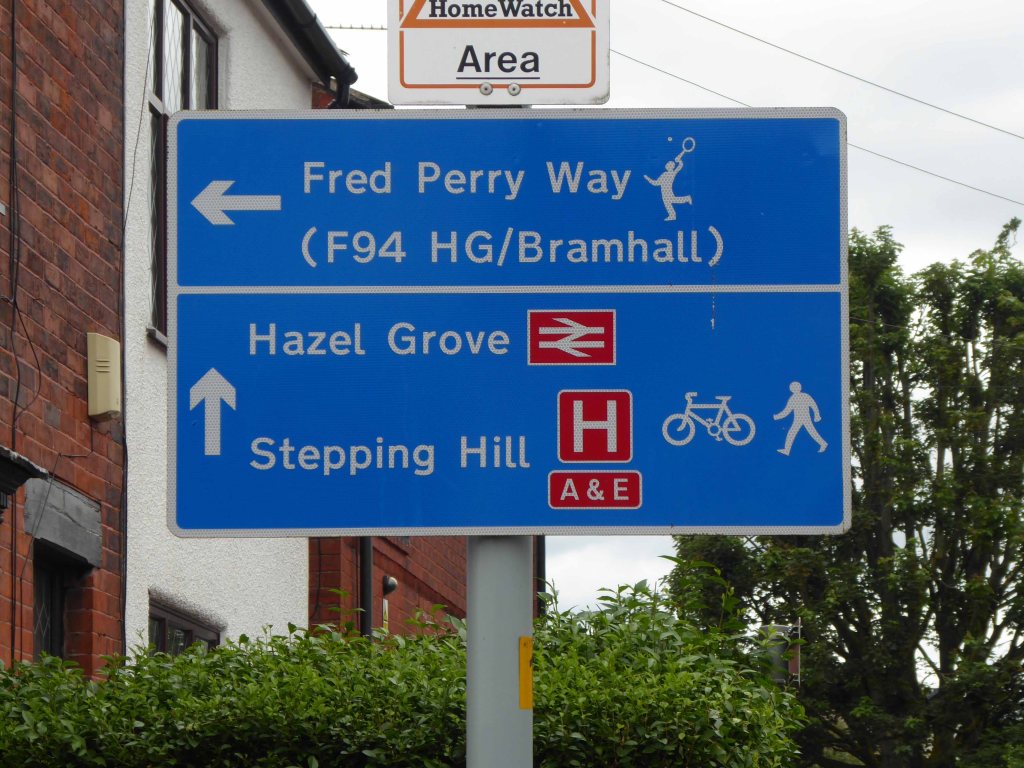
Ignoring the sign we went in the opposite direction.
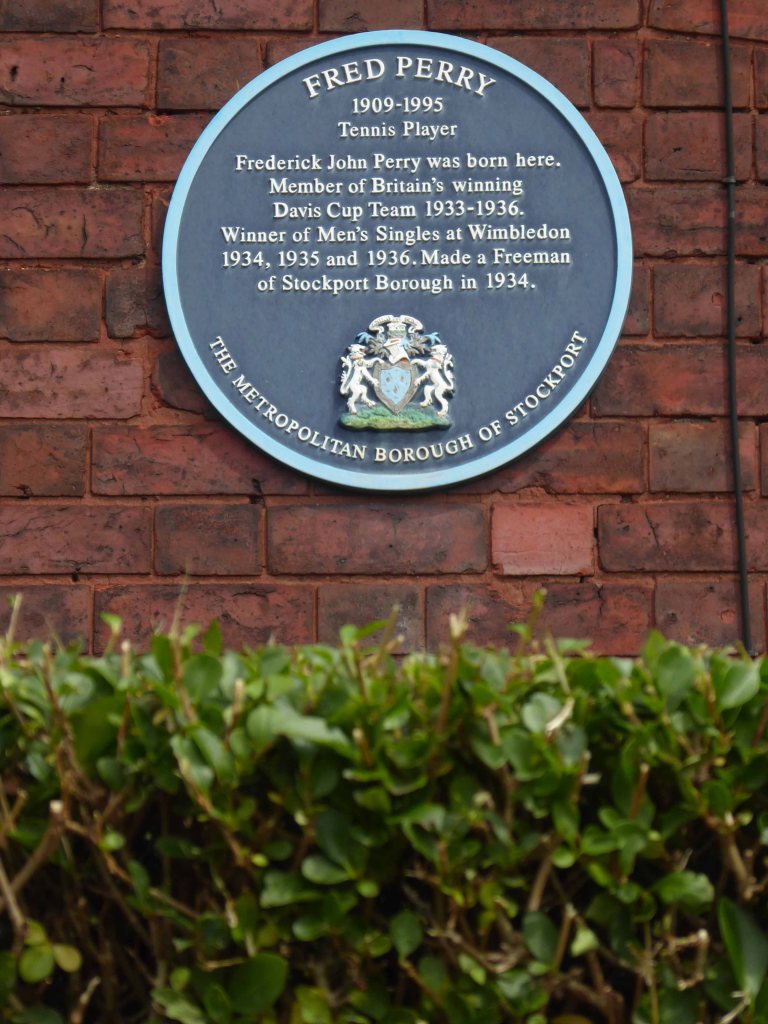
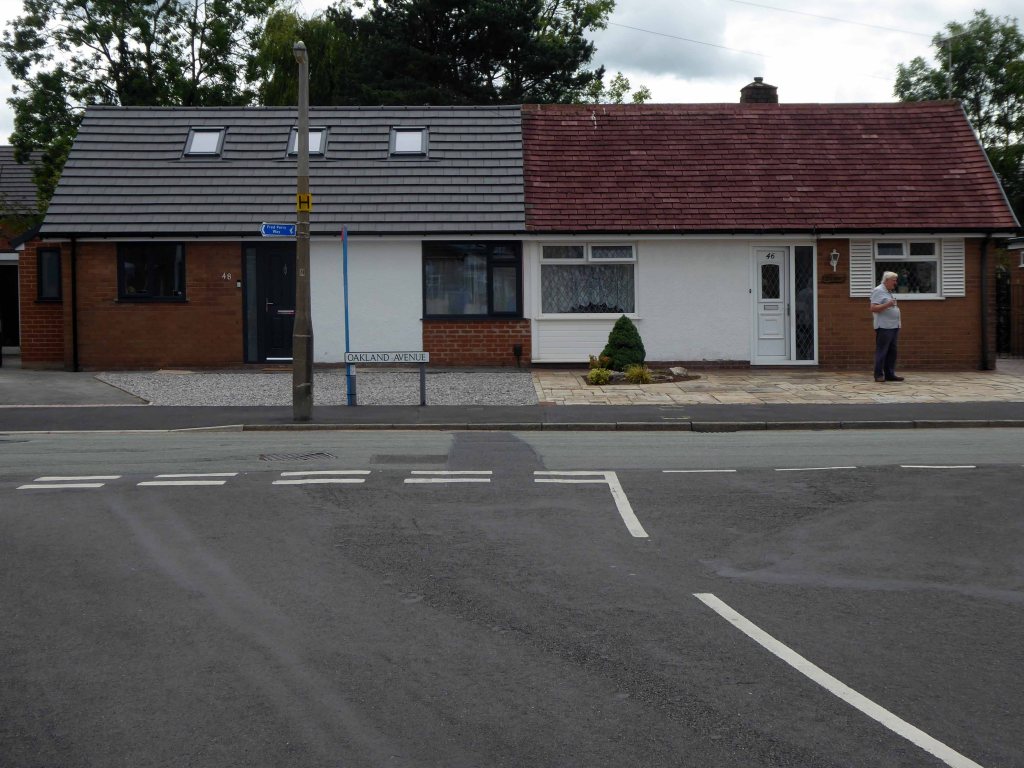
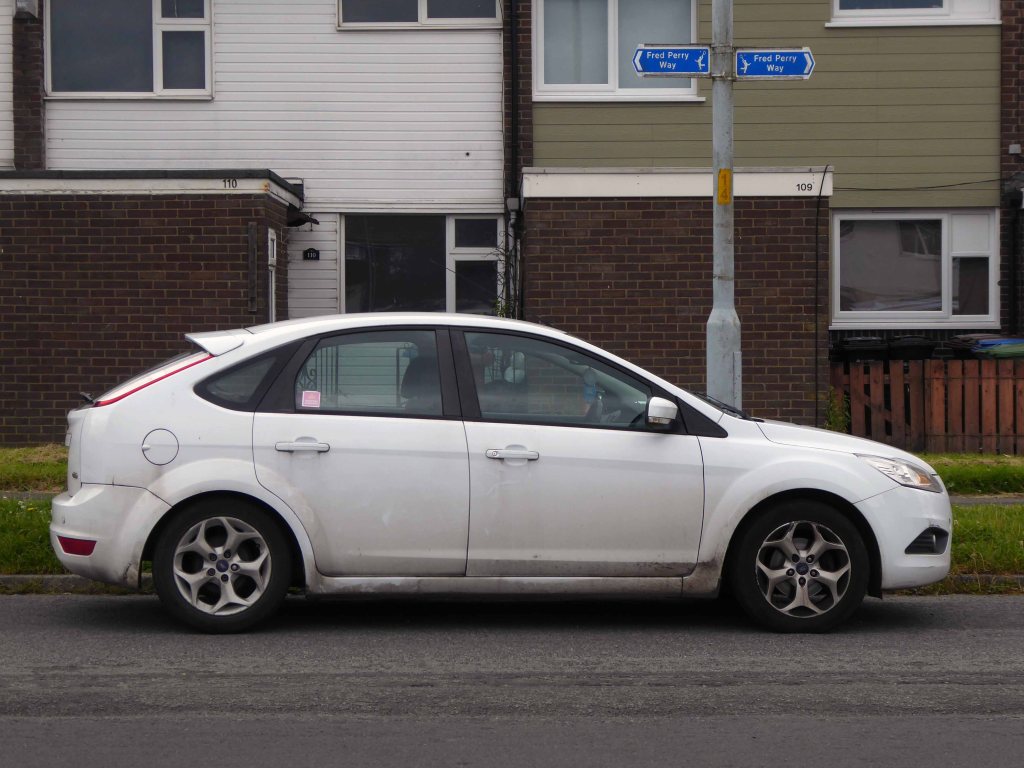
As we reach the edge of Mirrlees Fields – the site of the only Fred Perry laurel leaf logo emblazoned way marker.
The Fields are currently designated as a green space and are not available for residential development. But MAN would like to overturn this designation for over one third of the Fields.
MAN Energy Solutions UK is the original equipment manufacturer of Mirrlees Blackstone diesel engines.
Before the Blackstone MAN came in 1842 – the fields were all fields.
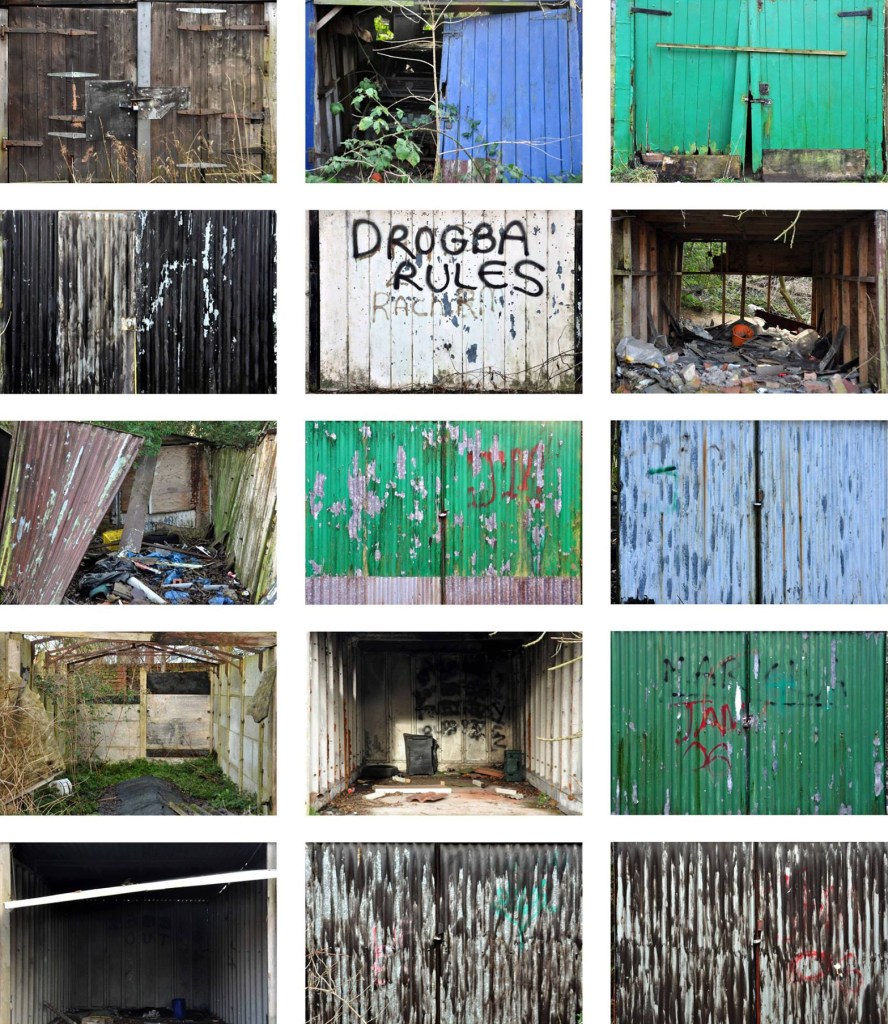
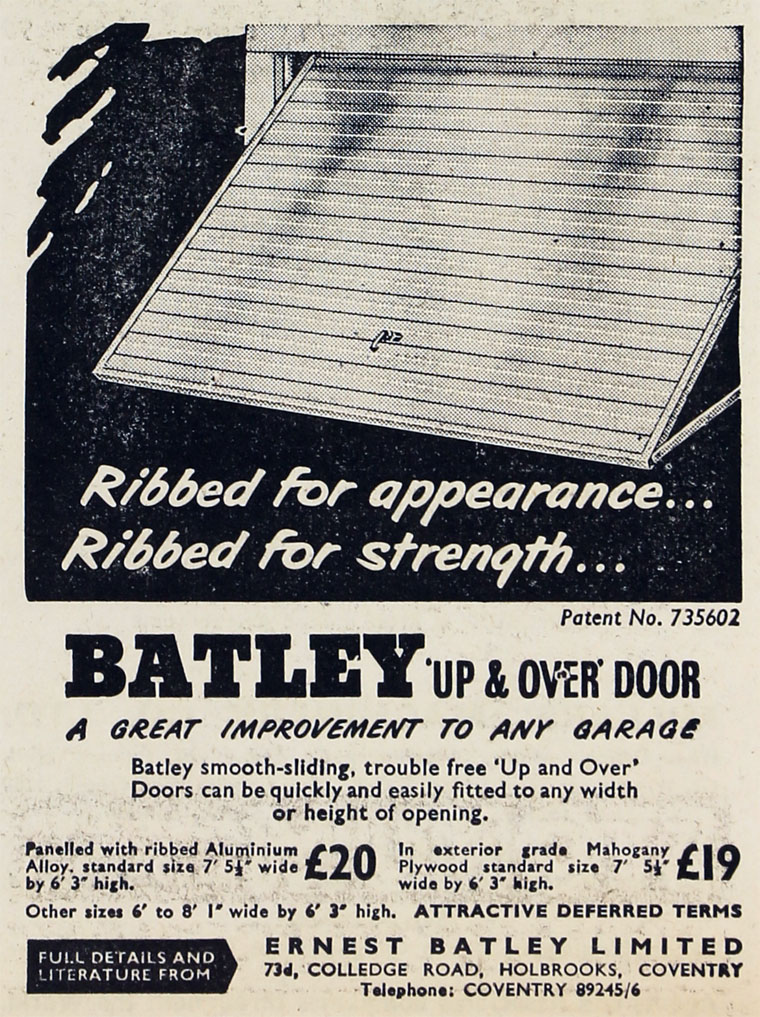
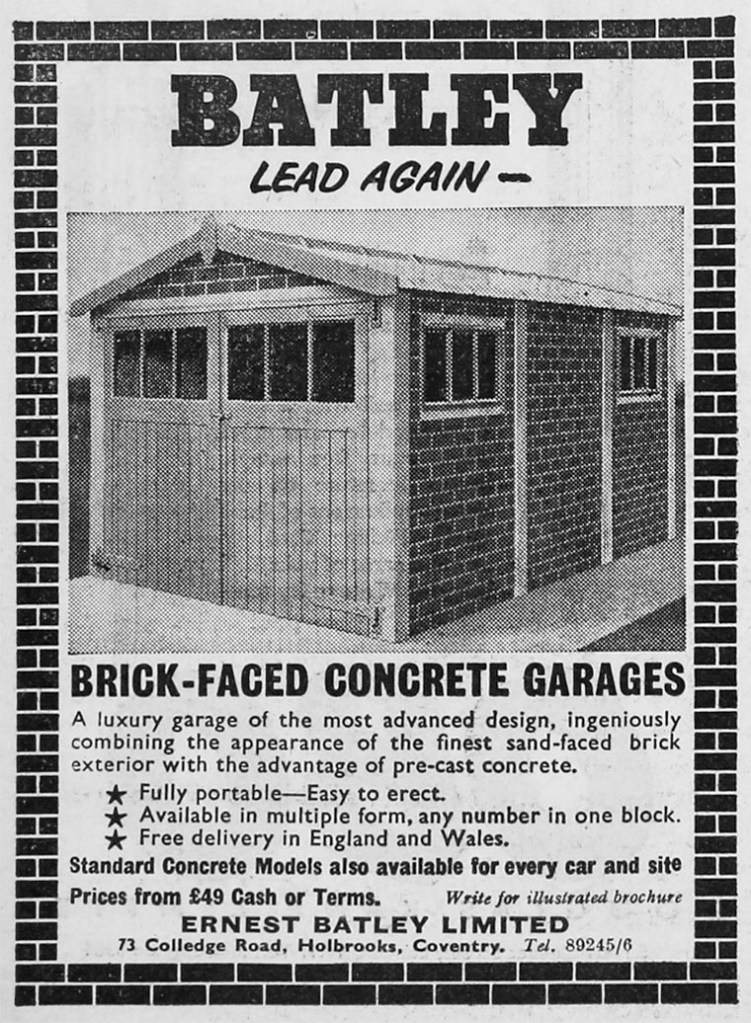
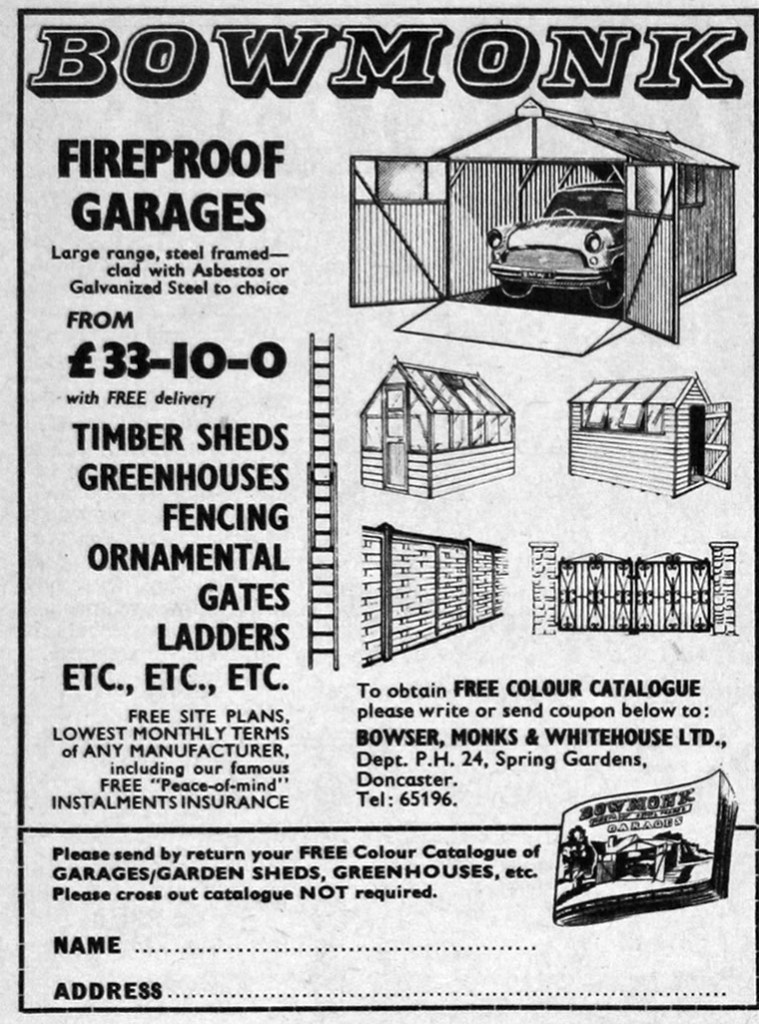
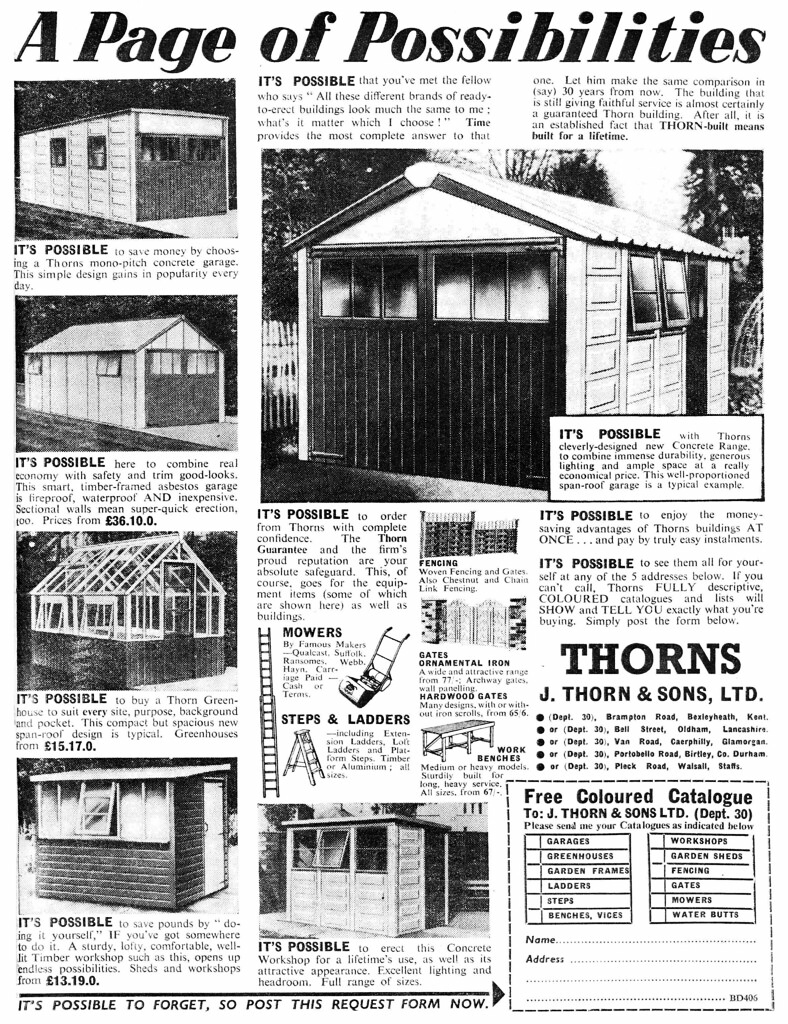
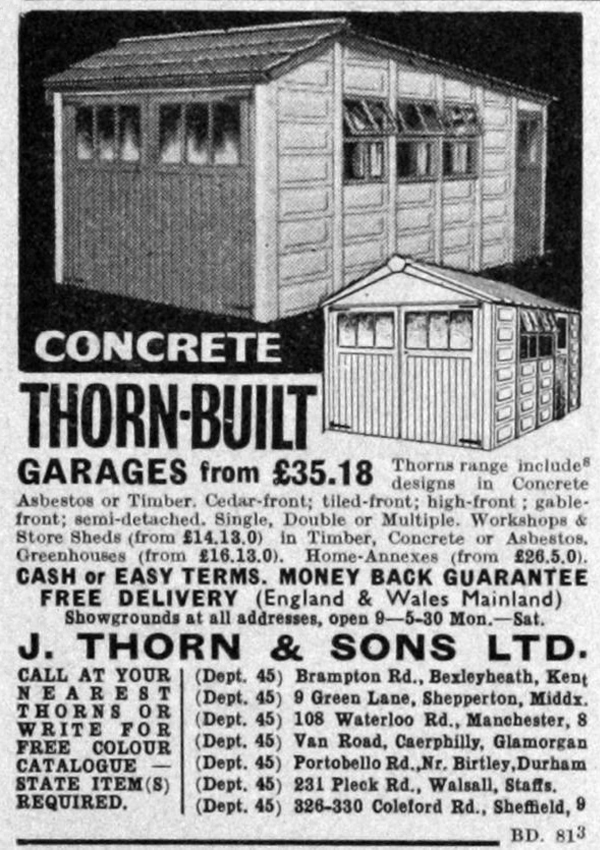
In casual conversation with Mr Matt Rettalick, at the Manchester Modernist HQ our attention casually turned to the topic of the prefabricated concrete garage.
I thought little more of it until yesterday, I then I resolved to get to the bottom of the matter.
Joseph Monier was a gardener and his idea was to develop permanent planters at a low price. In 1867, he patented different products made of reinforced concrete.
Precast panelled buildings were pioneered in Liverpool 1905. The process was invented by city engineer John Alexander Brodie, a creative genius who also invented the idea of the football goal net. The tram stables at Walton in Liverpool followed in 1906. The idea was not taken up extensively in Britain. However, it was adopted all over the world, particularly in Eastern Europe and Scandinavia.
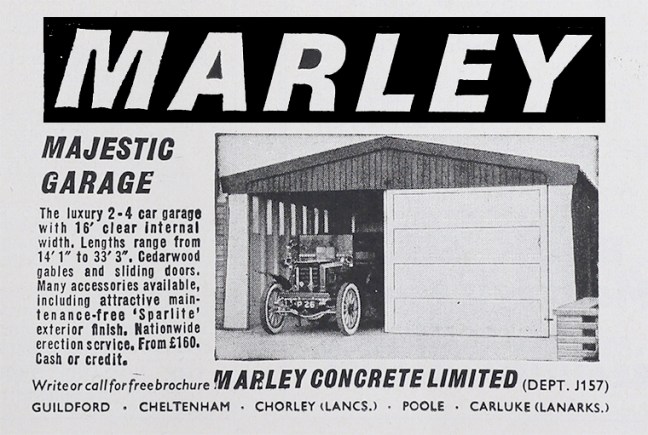
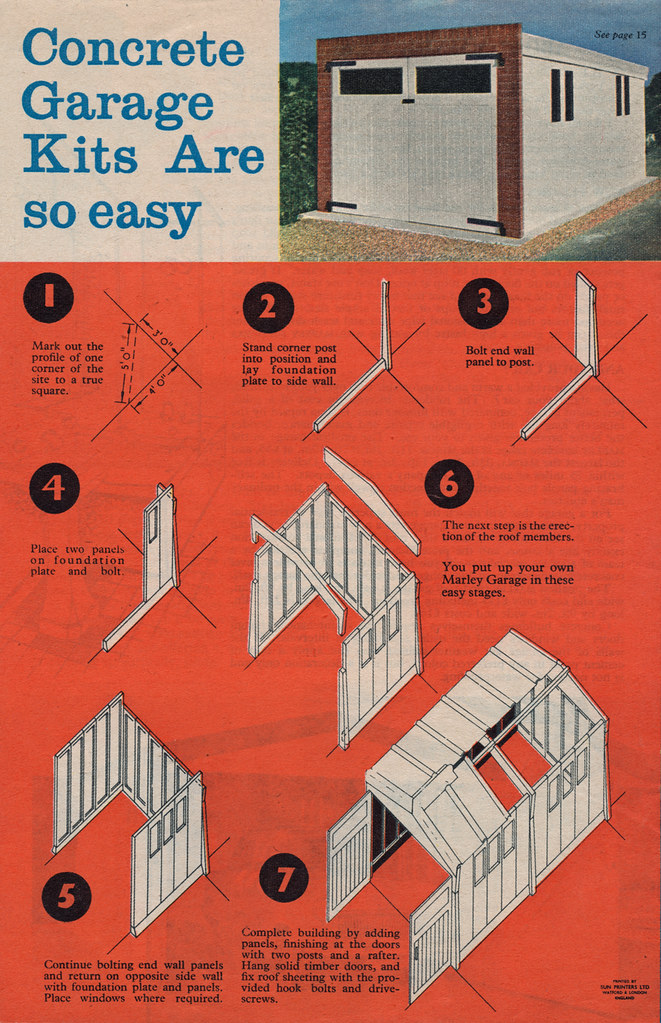
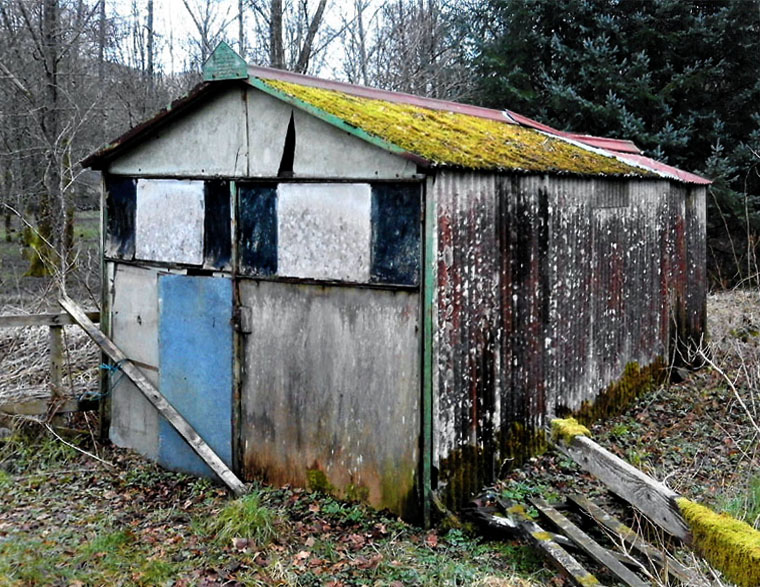
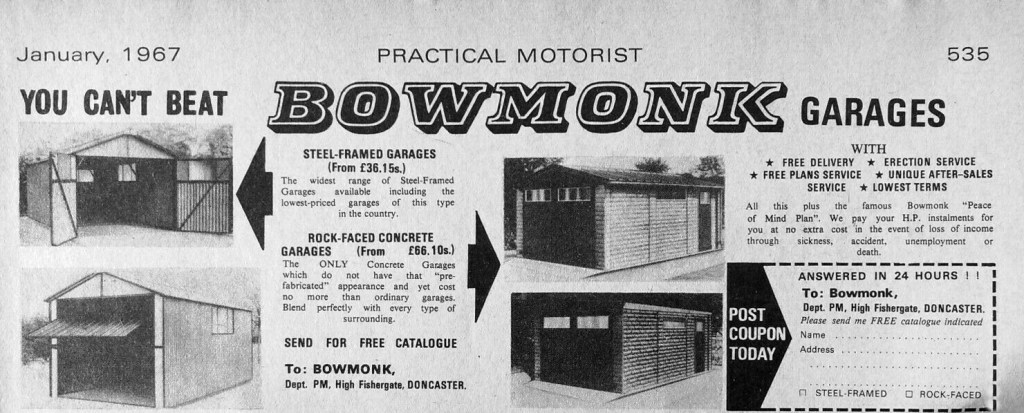
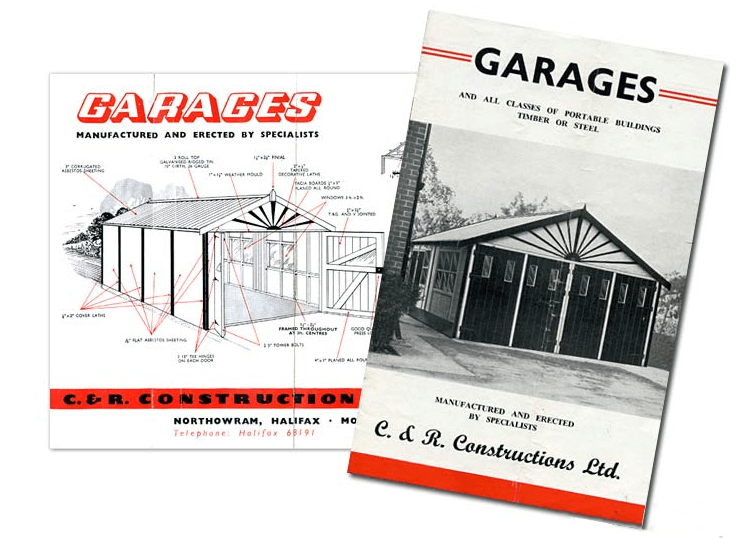
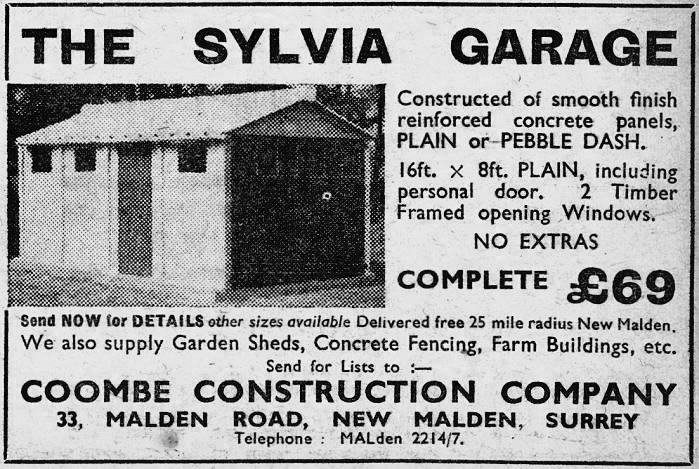
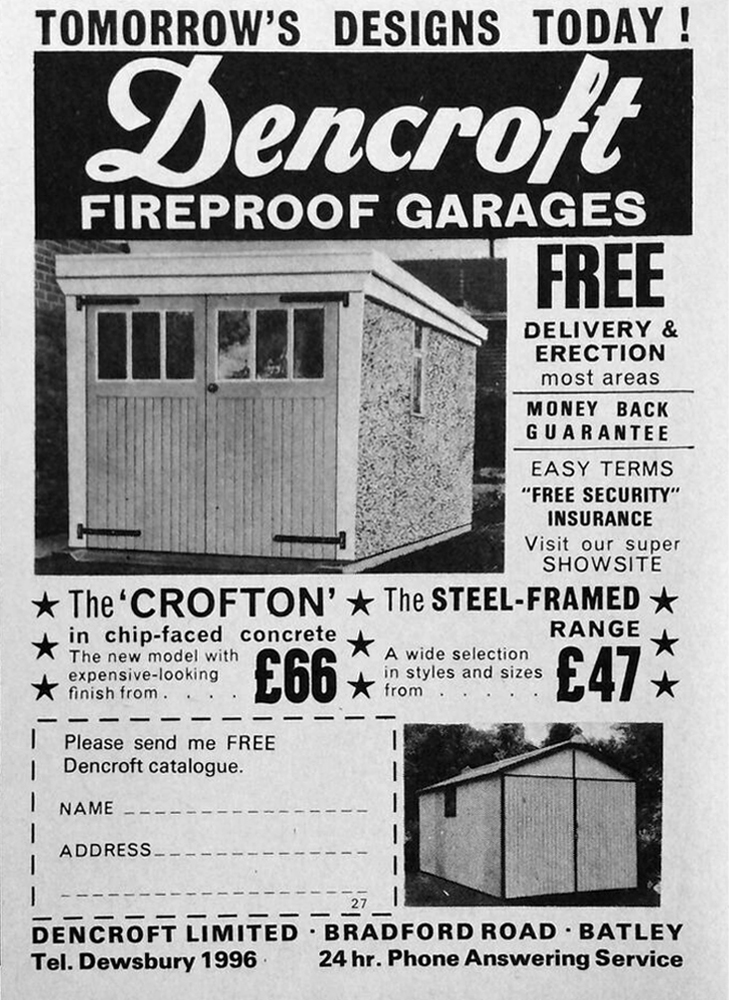
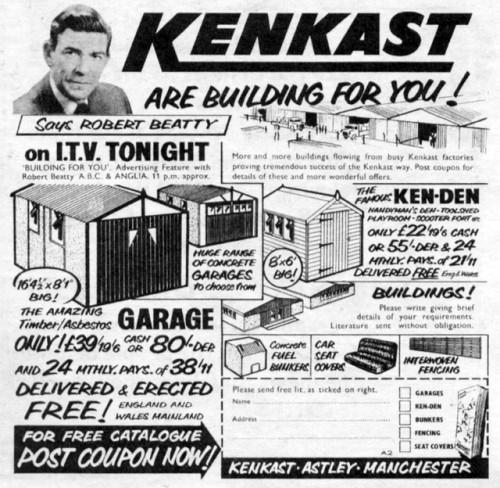
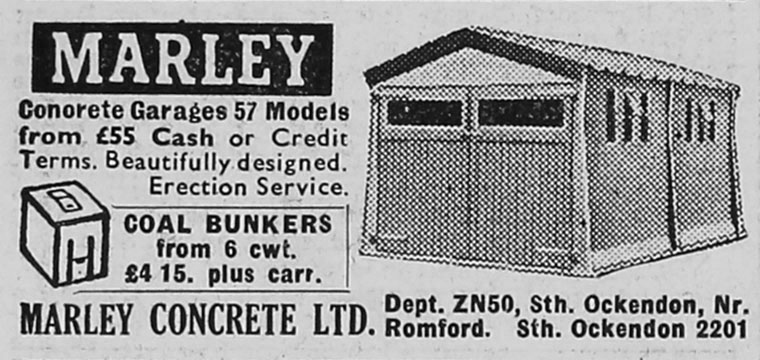
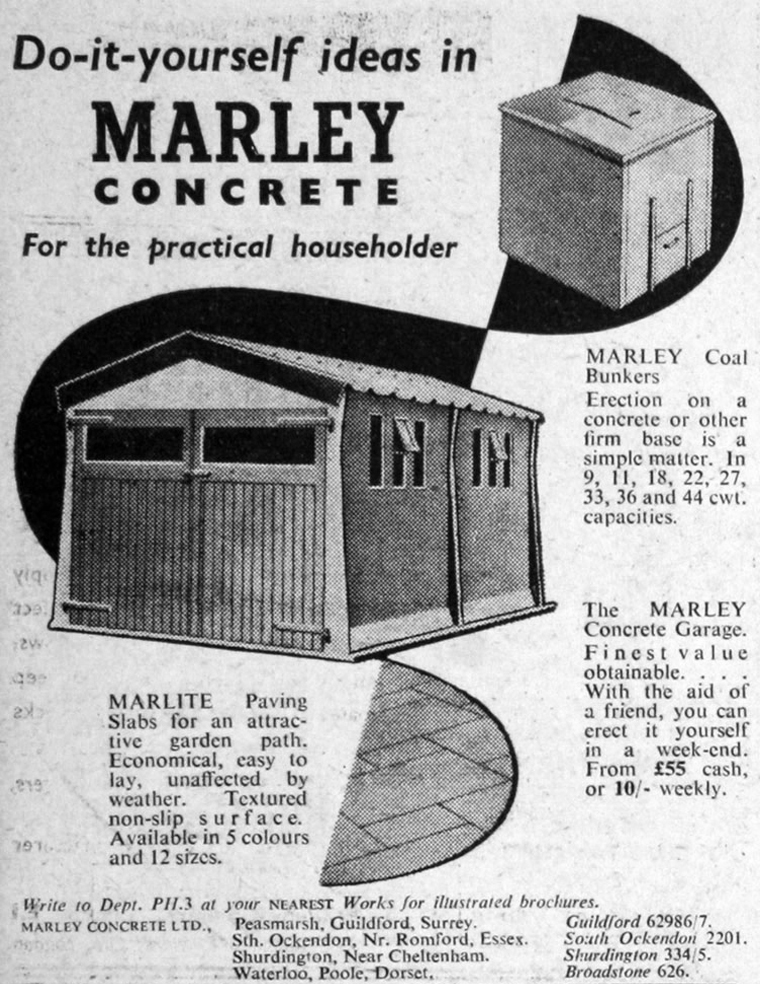
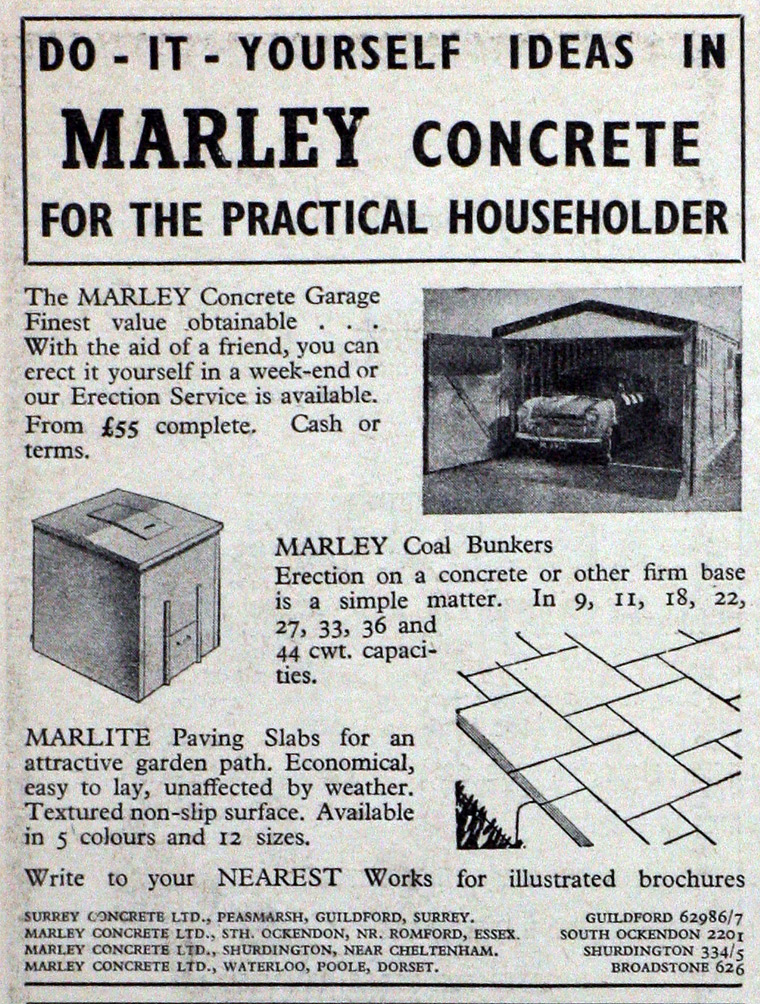
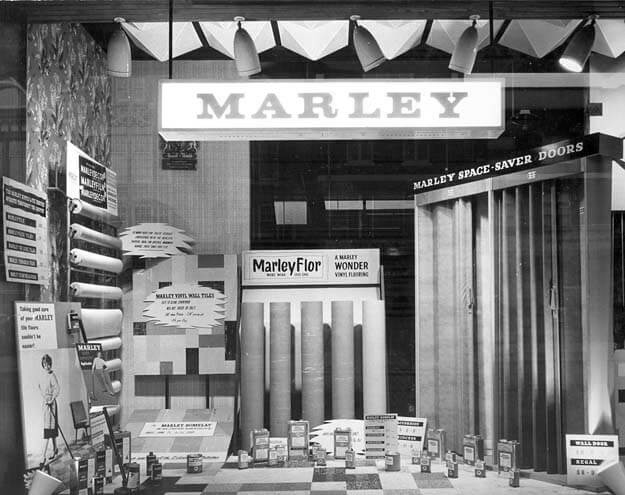
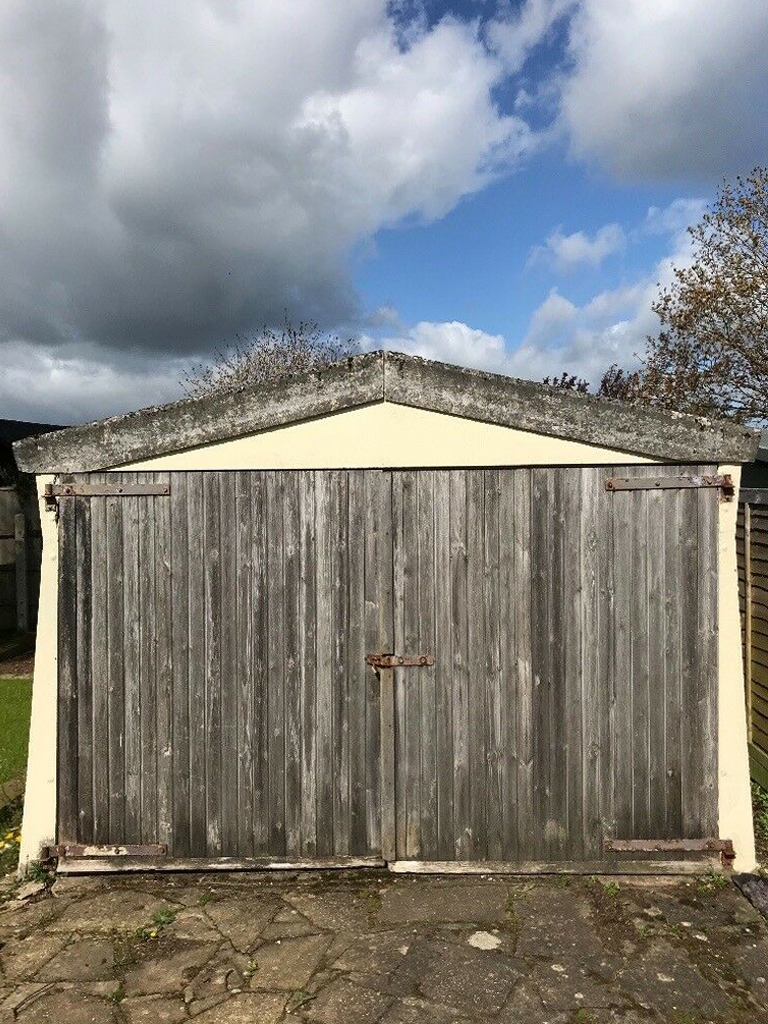
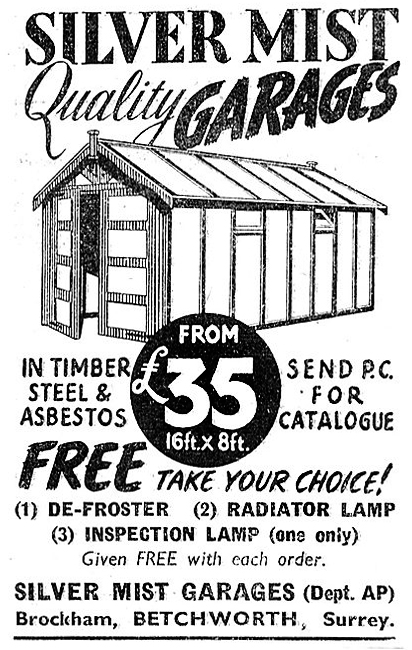
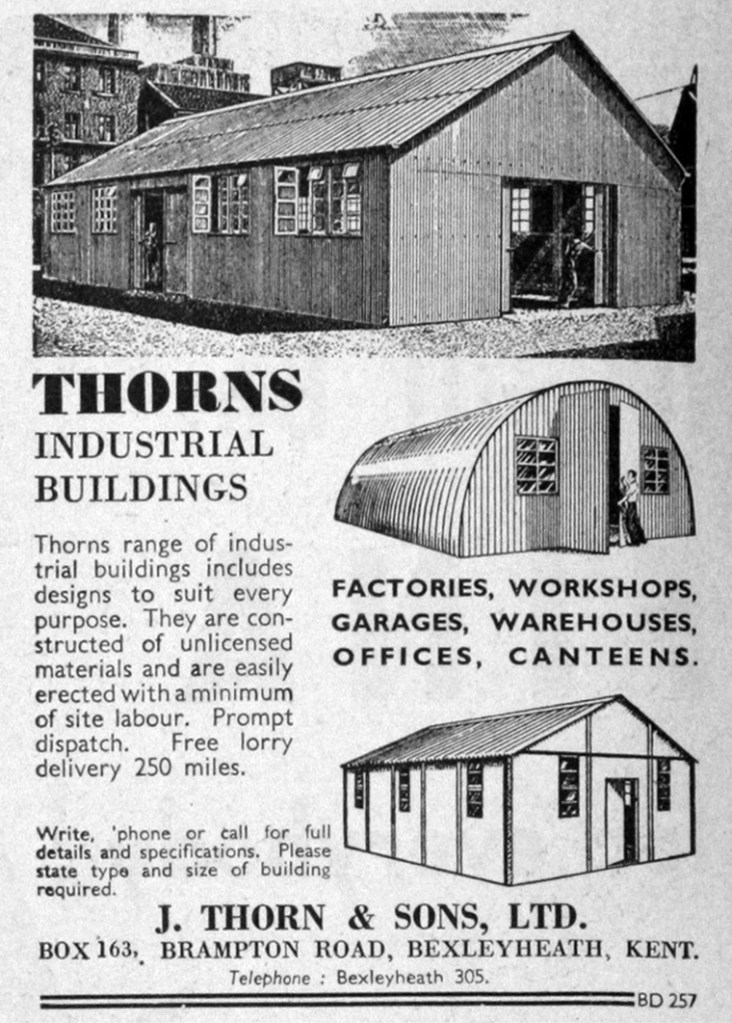
The first concrete kit garages appeared in 1952, manufactured by Marley, earlier models had been constructed from wood, asbestos, corrugated iron or galvanised steel.
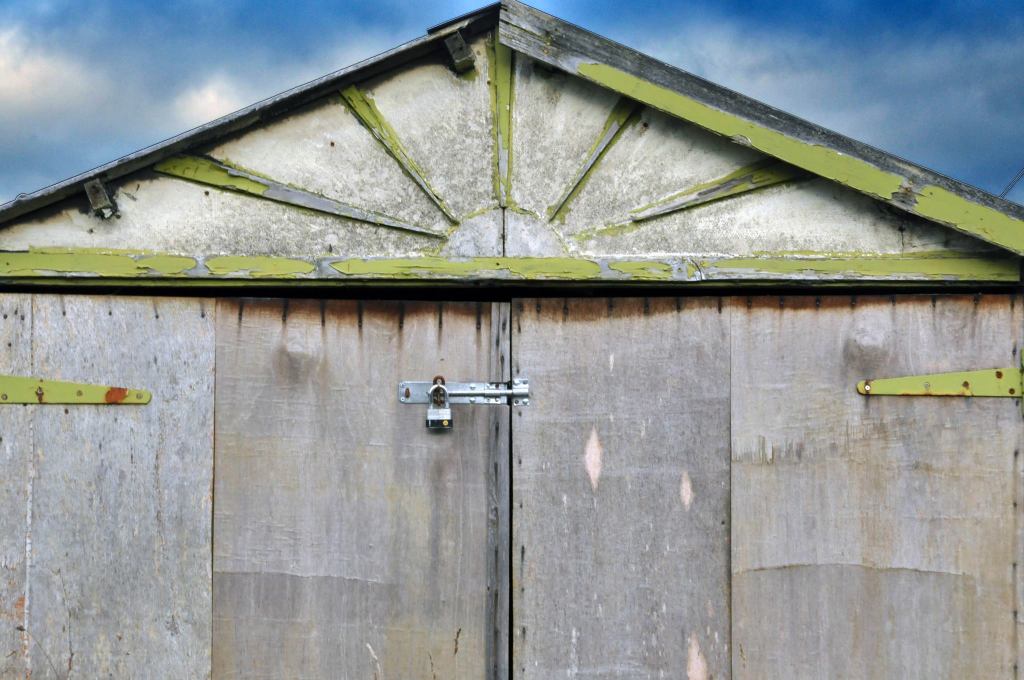
The sunrise became a common symbol of inter war optimism.
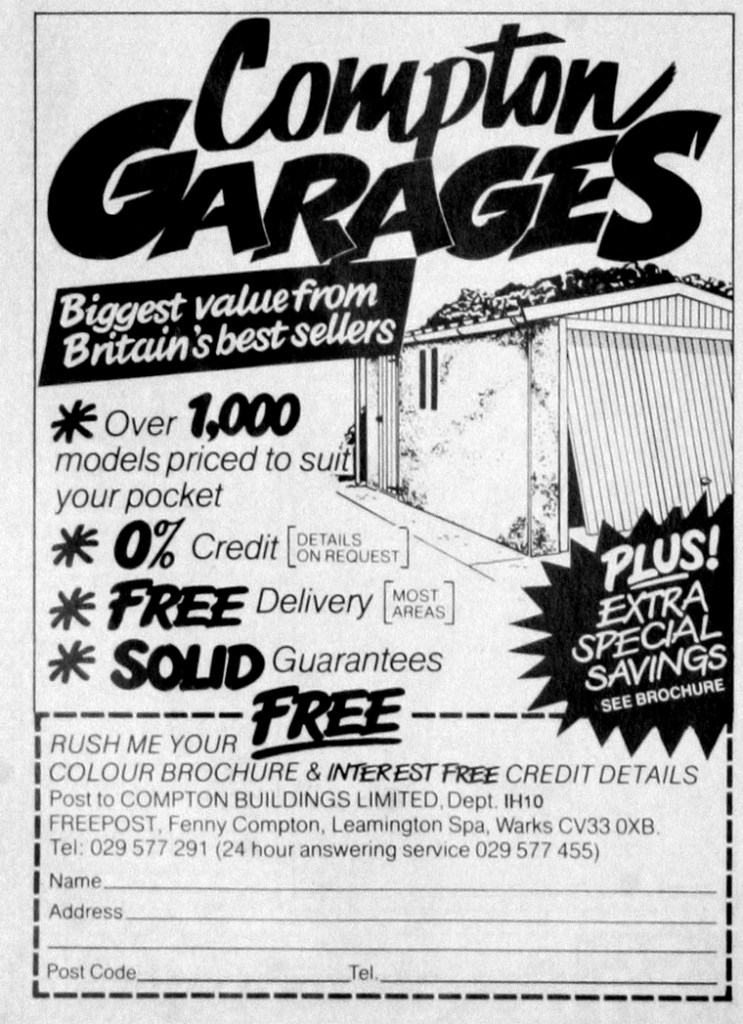
The increase in car ownership, the growth in the DIY ethic and the lack of an integrated garage, drove the demand for a pre-cast concrete auto-haven at the end of the drive.
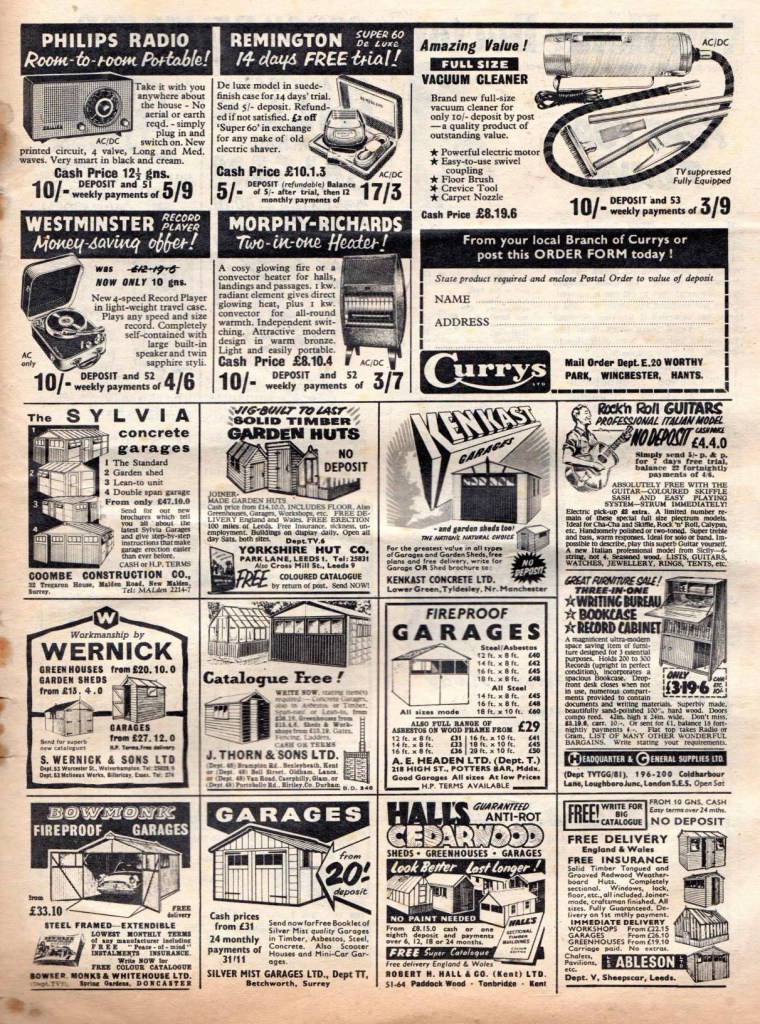
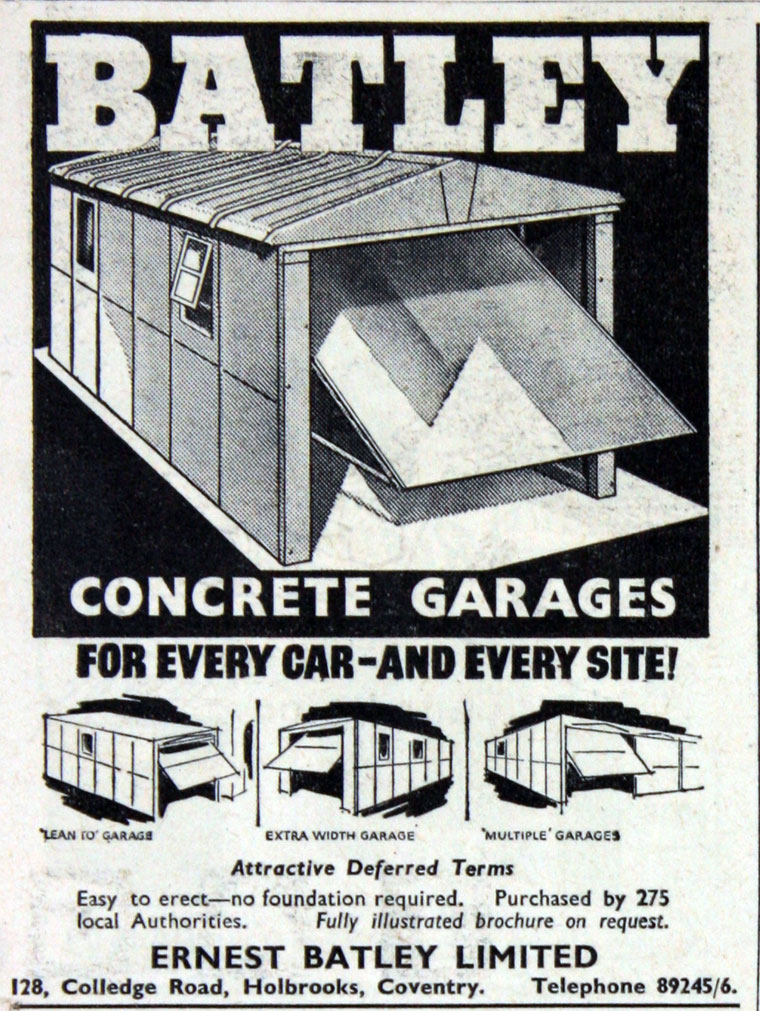
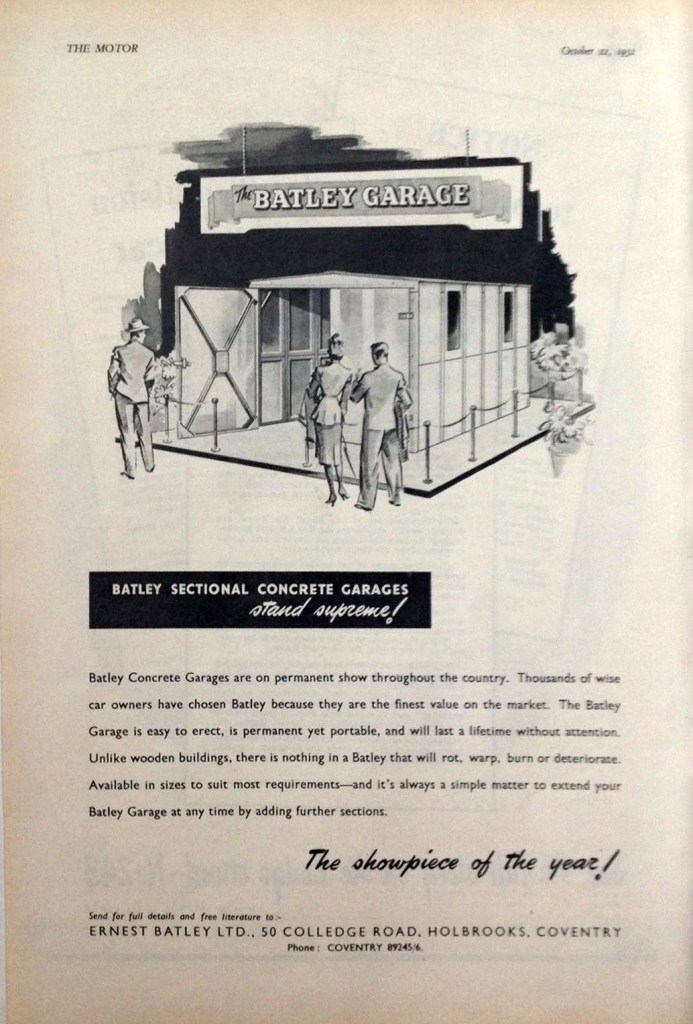
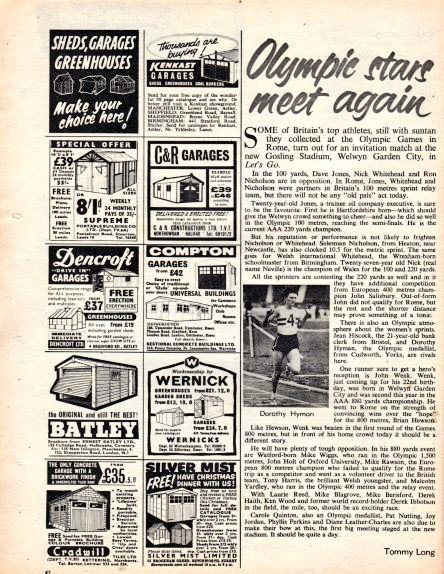
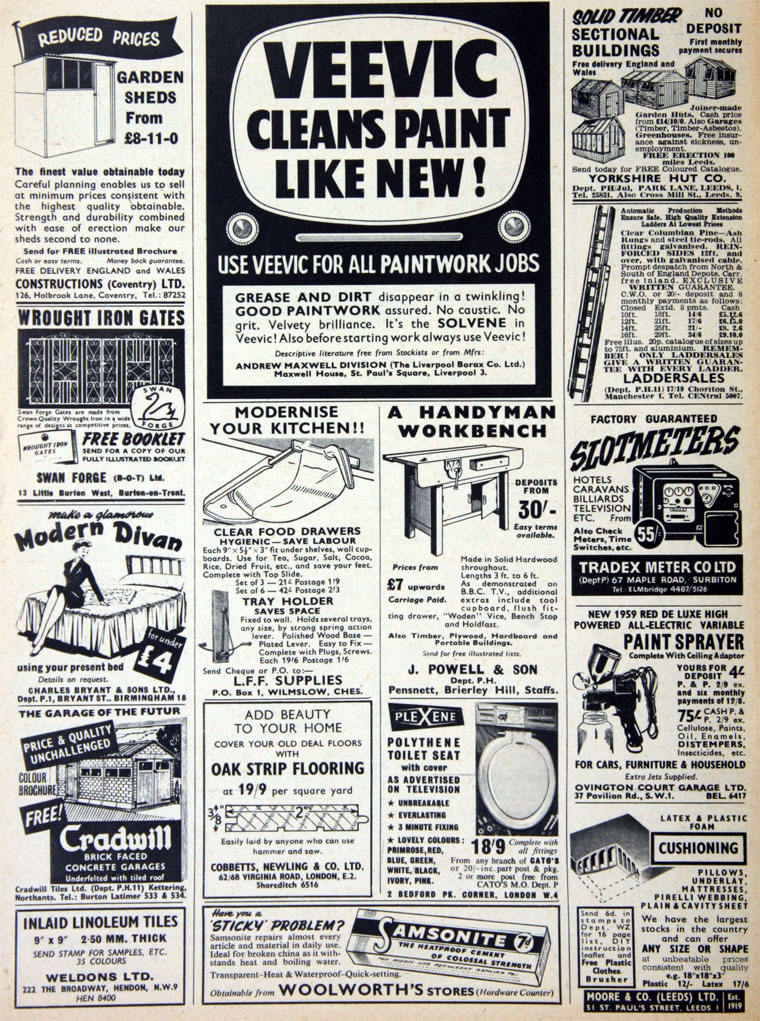
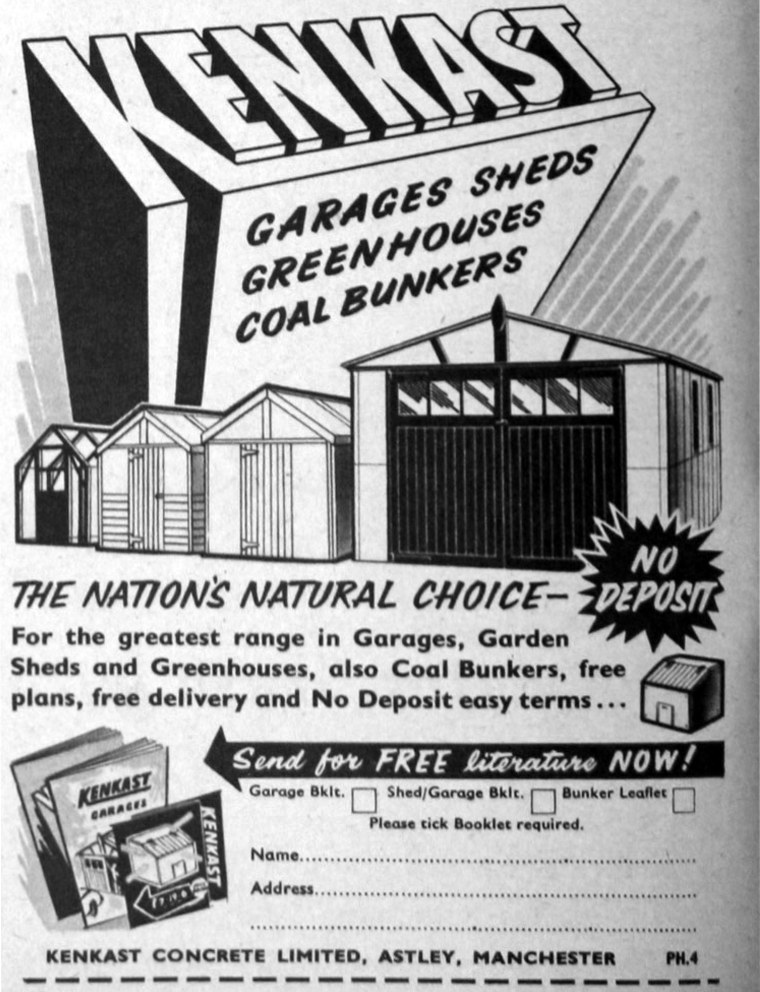
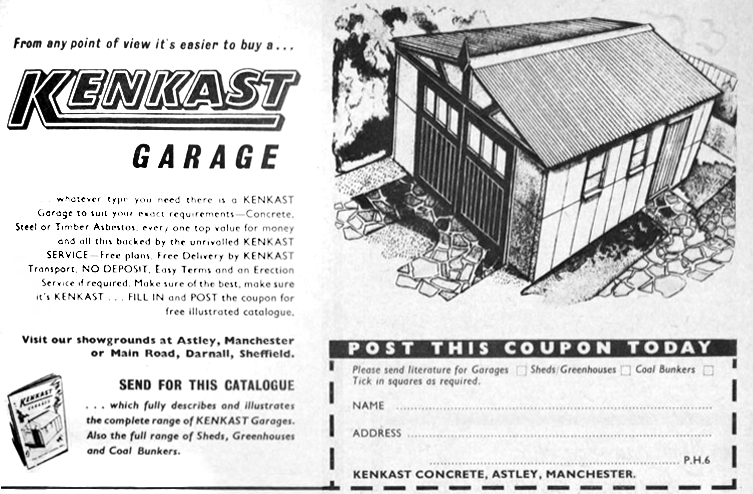
They became a staple of the small ads.
Easy terms built to last.
Kenkast is the name which for me resonates down through the years, though there were it seems, several other manufacturers.
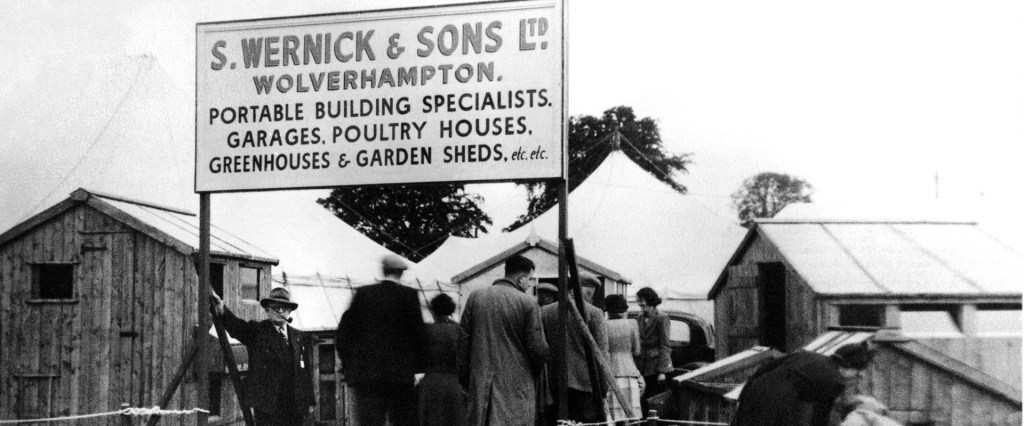
We now live in an age of endless non-stop domestic extension, all of the above are reminders of an age when extra external domestic space was added over a weekend, with help from a friend.
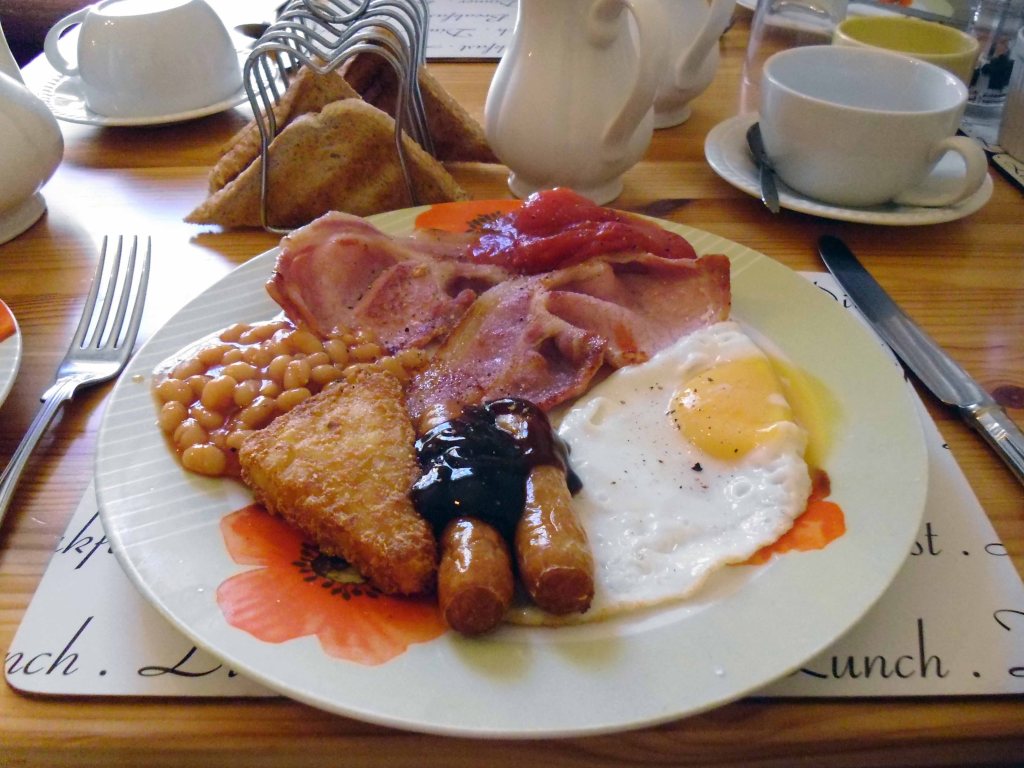
Get down for breakfast – I personally regret the untimely passing of fried bread and the appearance of the so-called hash brown.
Originally, the full name of the dish was hashed brown potatoes or hashed browned potatoes, of which the first known mention is by American food author Maria Parloa in her 1887 Kitchen Companion, where she describes the dish of hashed and browned potatoes as a fried mixture of cold boiled potatoes which is folded like an omelet before serving.
Years later we got them.
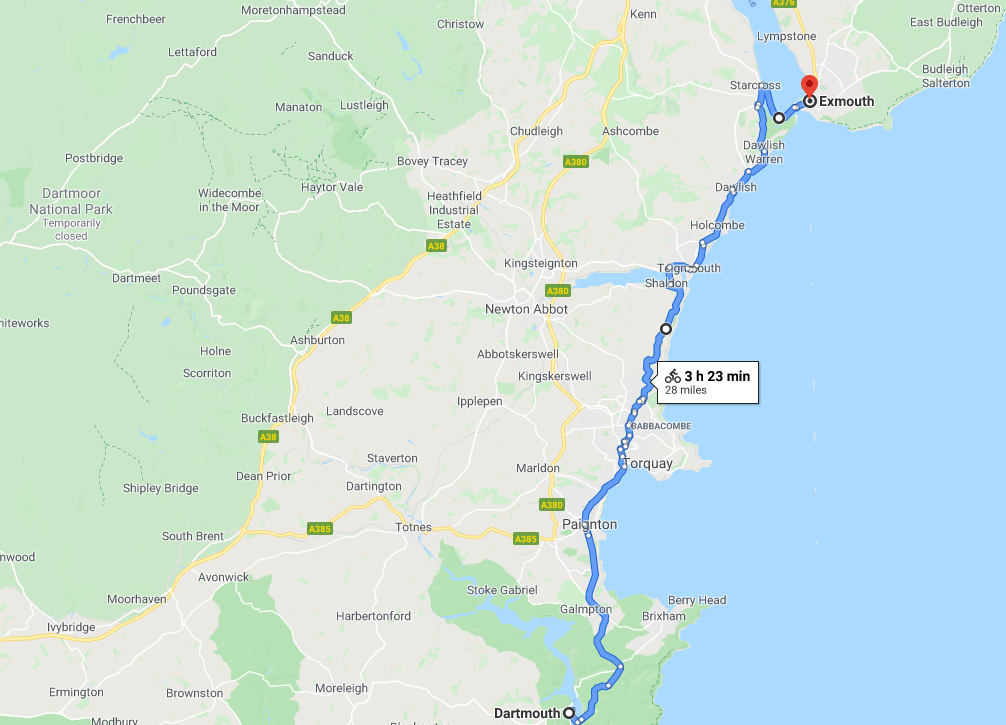
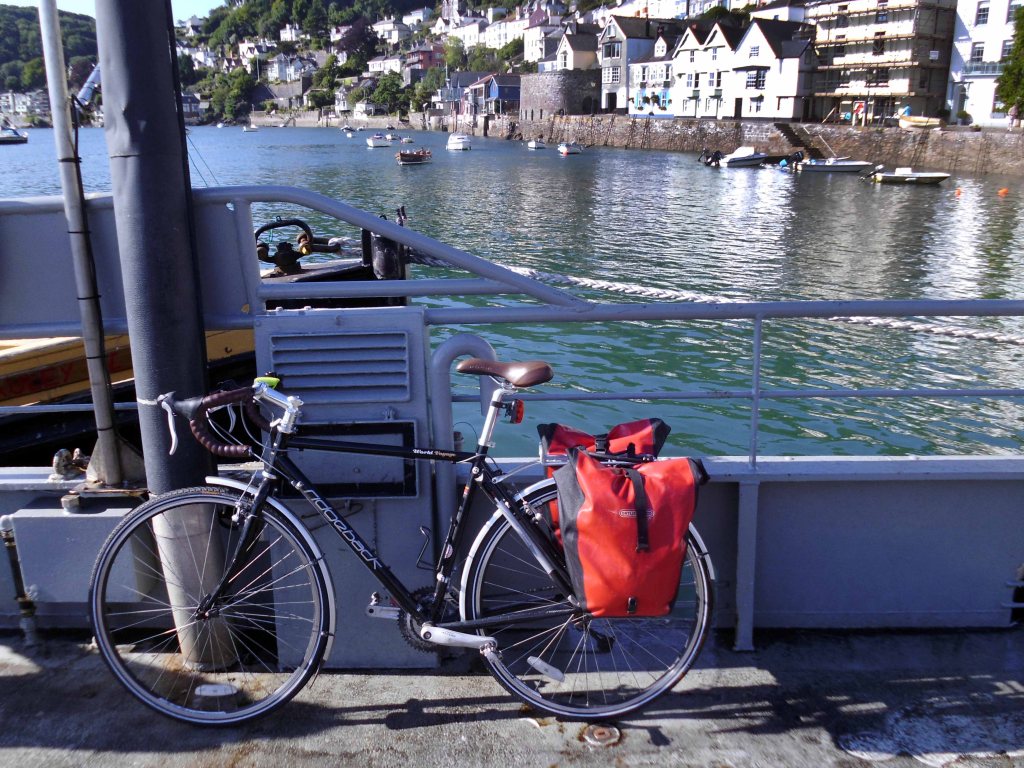
Thursday 30th July 2015 and the sun is a shining brightly on the Dart.
Get on the ferry!
We’re off again.
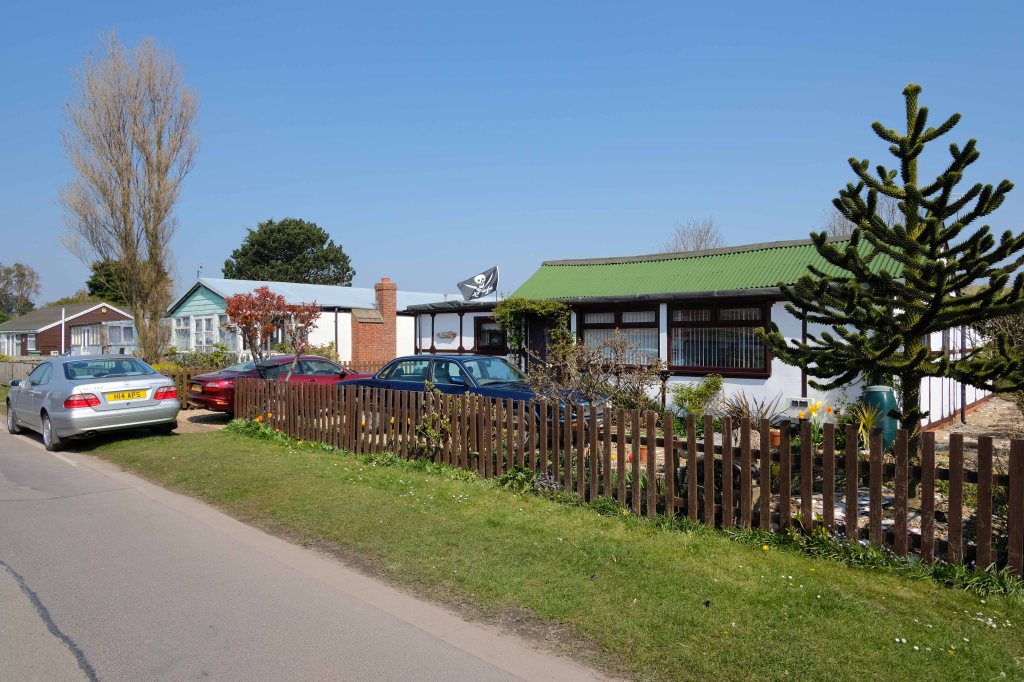
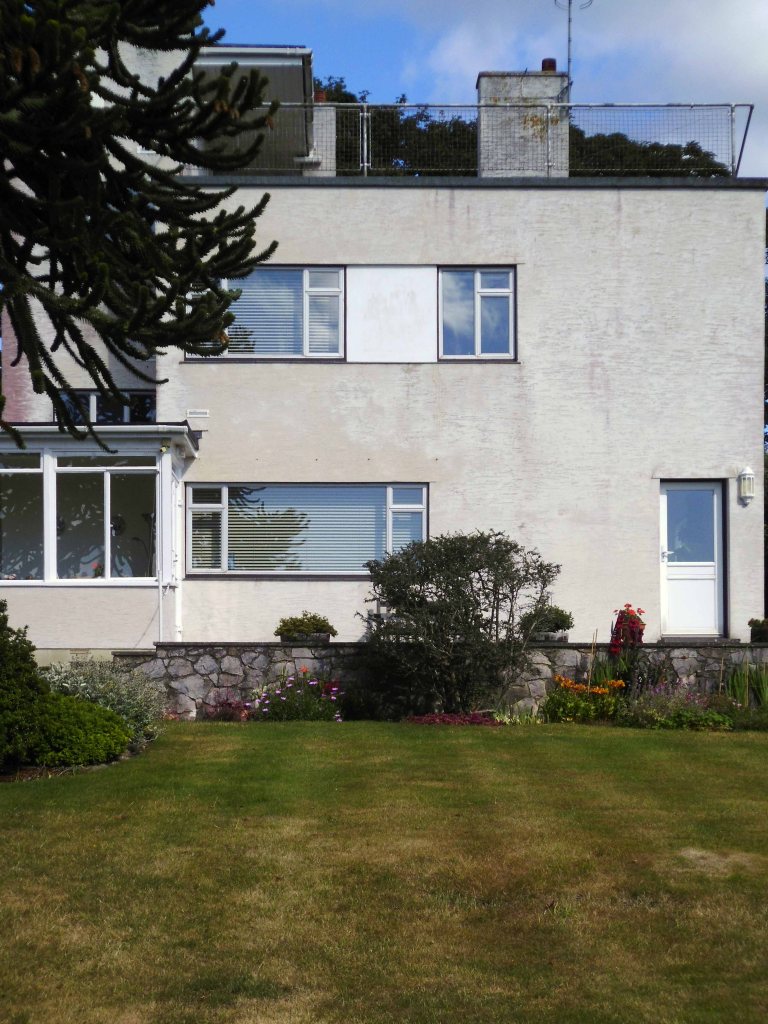
The Monkey Puzzle tree Araucaria araucana is one of the oldest trees in the business – of being a tree.
It is native to central and southern Chile, western Argentina, and a welcome visitor to the English Riviera.
The hardiest species in the conifer genus. Because of the prevalence of similar species in ancient prehistory, it is sometimes called a living fossil.
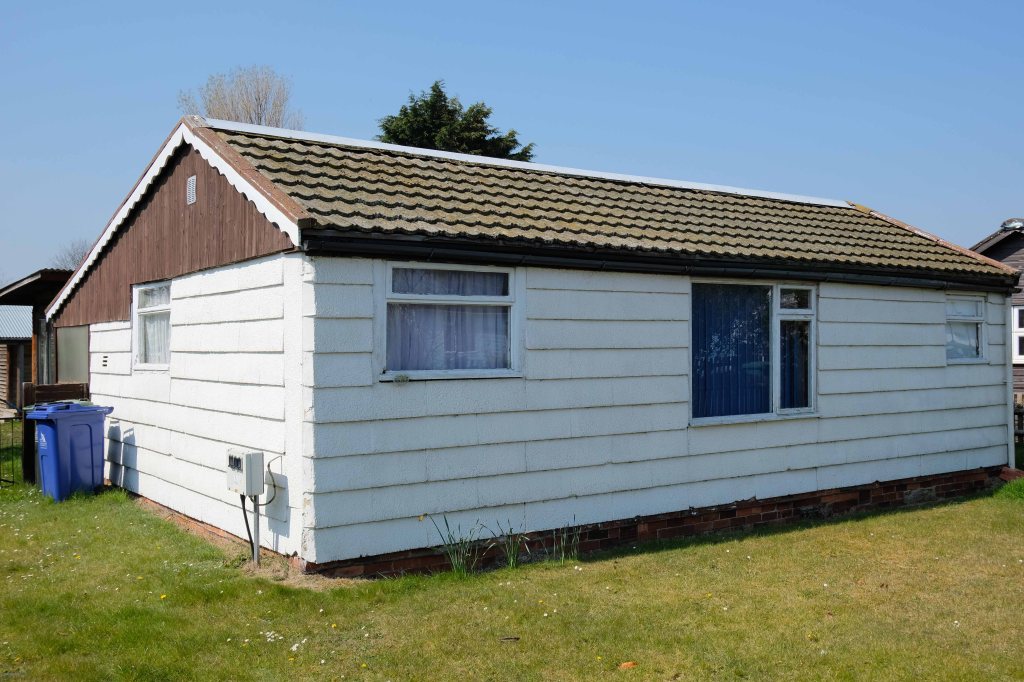
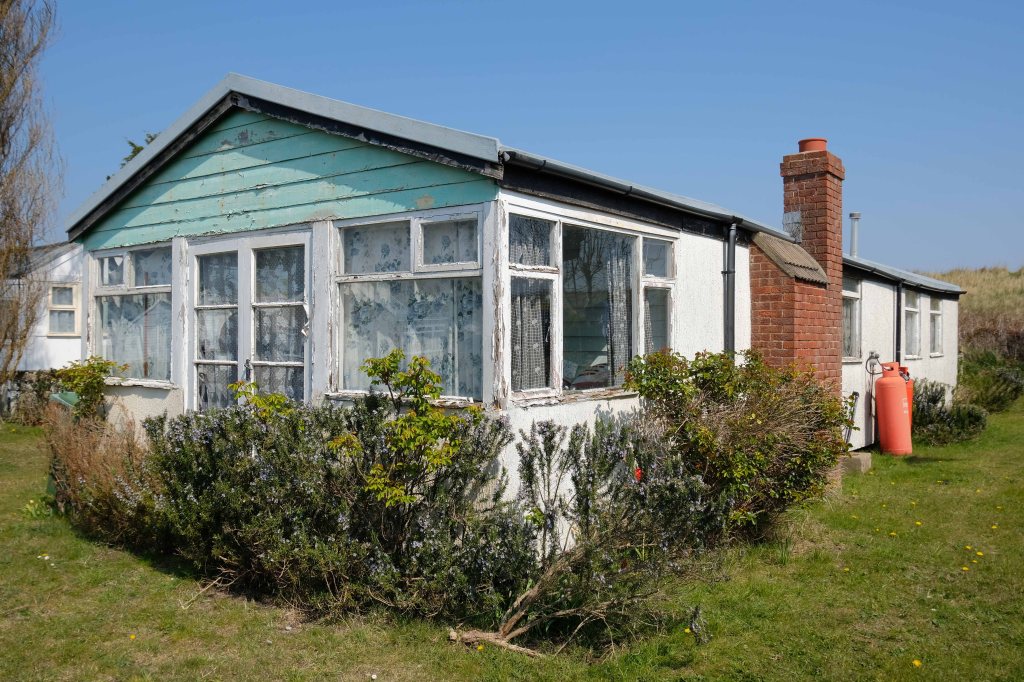
The refined white rectilinear box shaped houses of the genus Seaside Moderne, are an offspring of the International Style, to be found all over the globe.
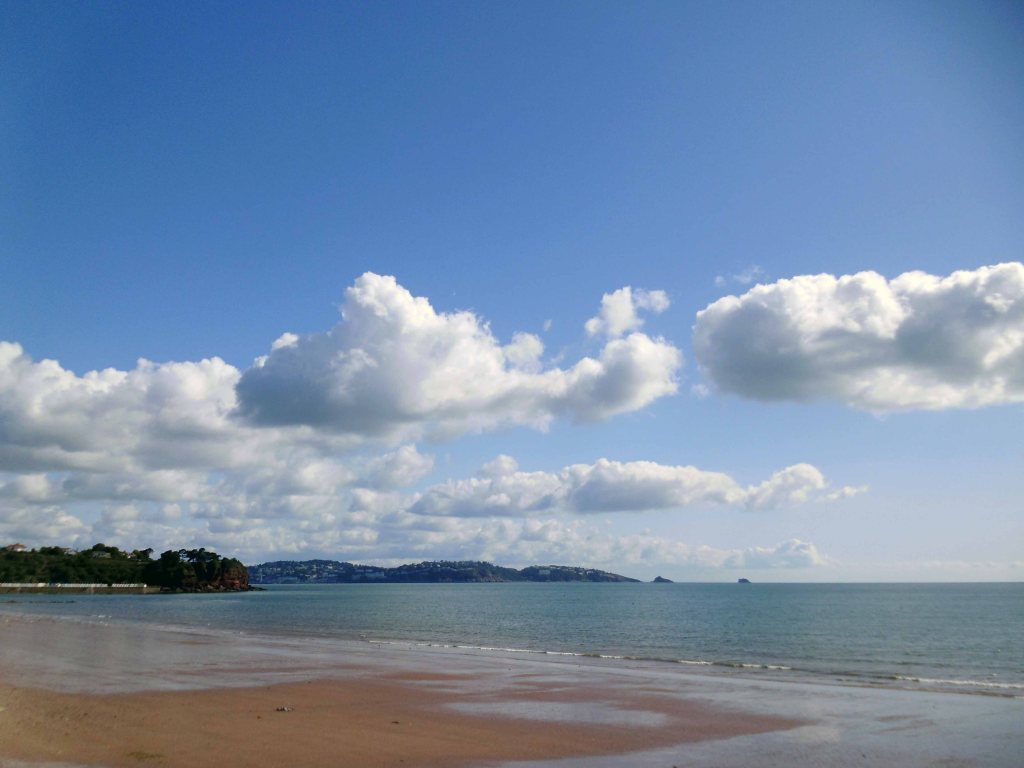
The sea covers seventy percent and rising, of our planet.
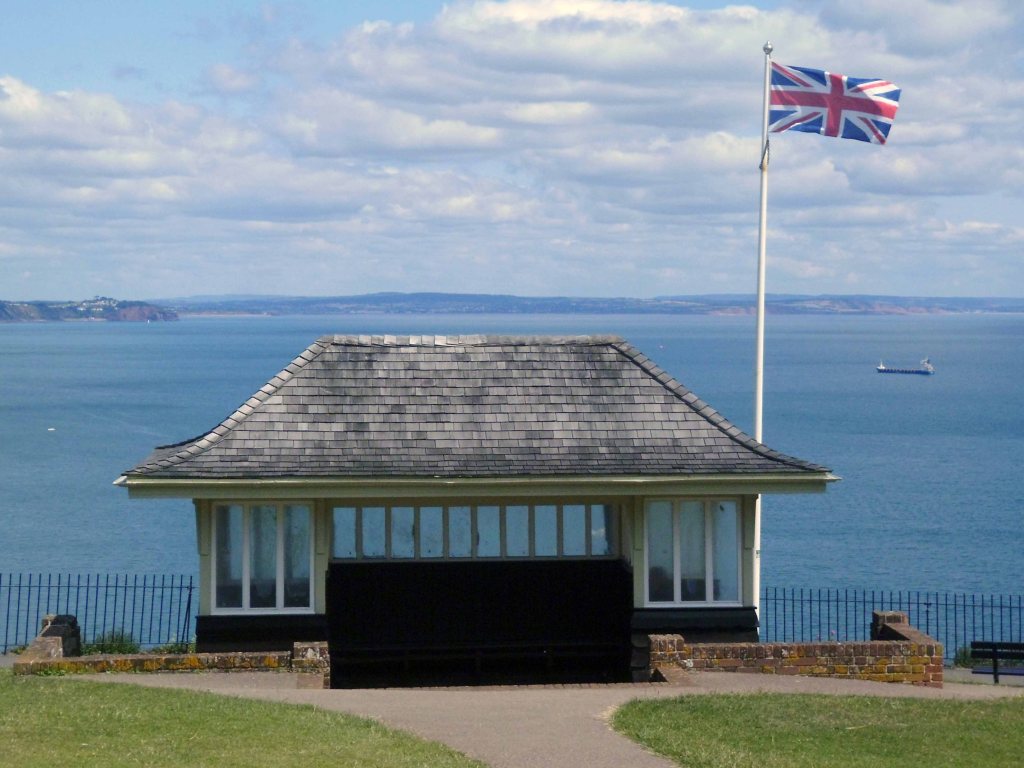
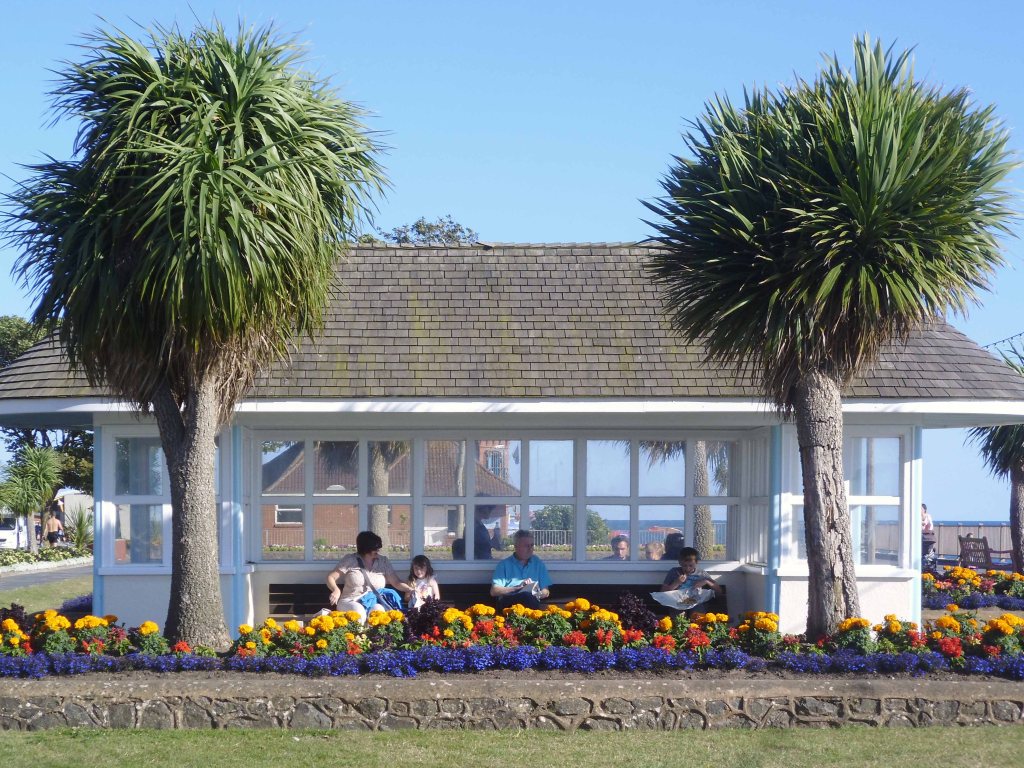
Seaside shelters are ubiquitous along our coast and form a typology determined by a rich variety of wild and wonderful Municipal tastes – flat, broke, baroque, modern and functionalist, hardly two the same.
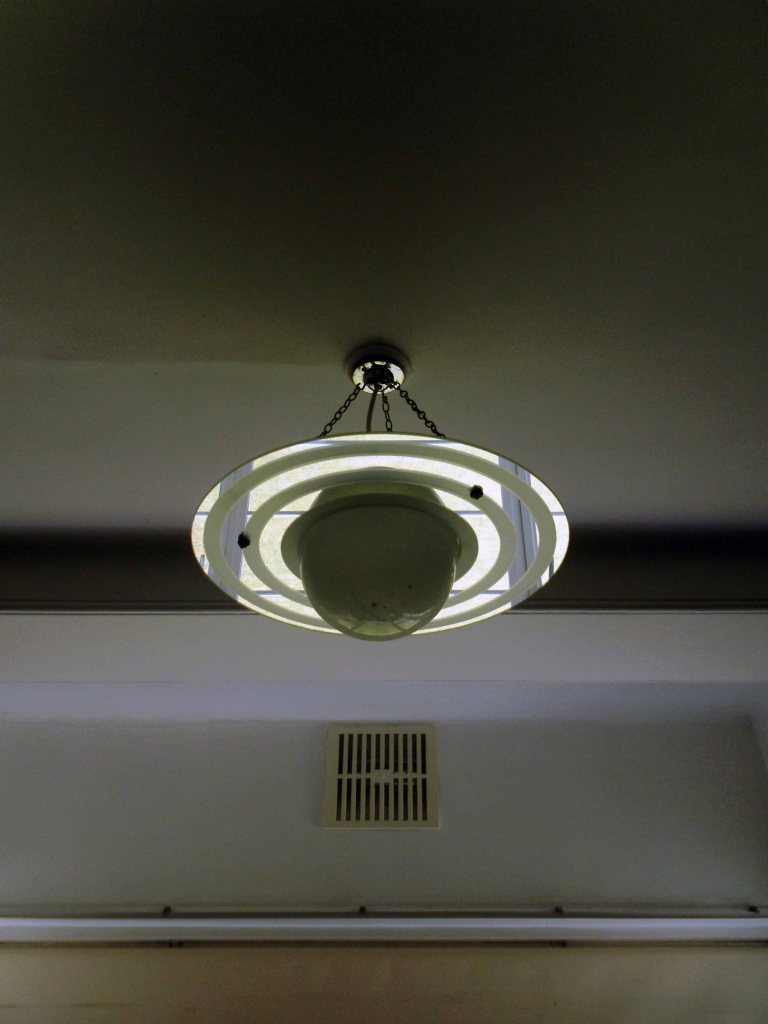
Electricity is a popular power source both locally, nationally and internationally.
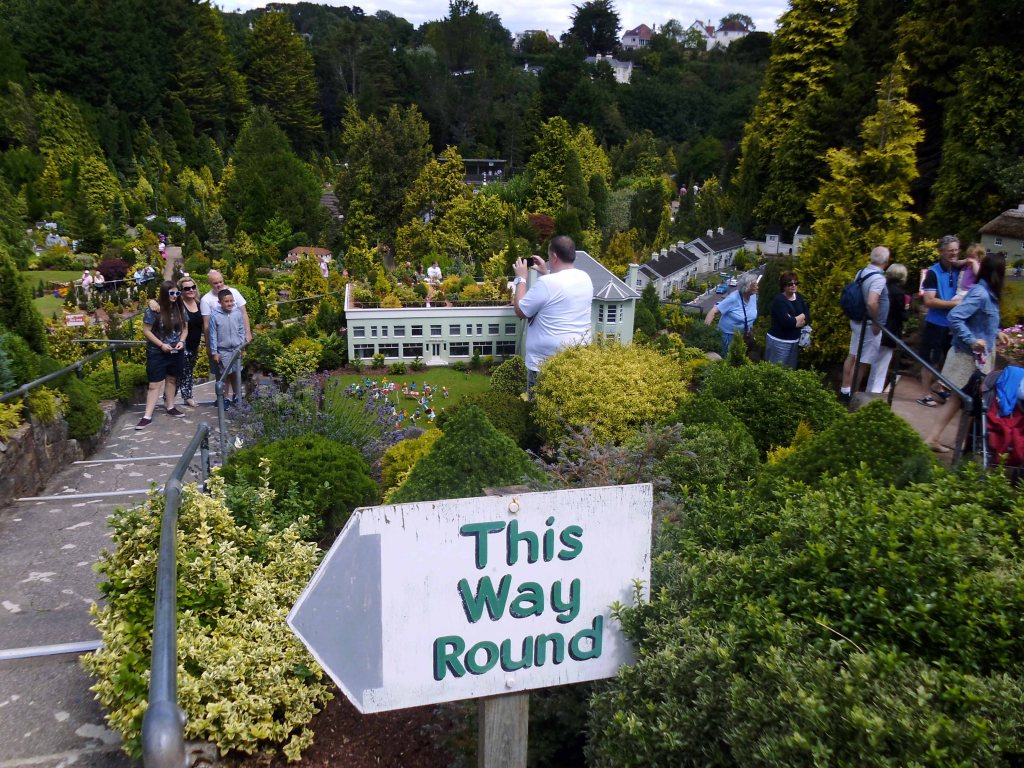
Model villages originated in seventh century China, there is only one way around a model village.
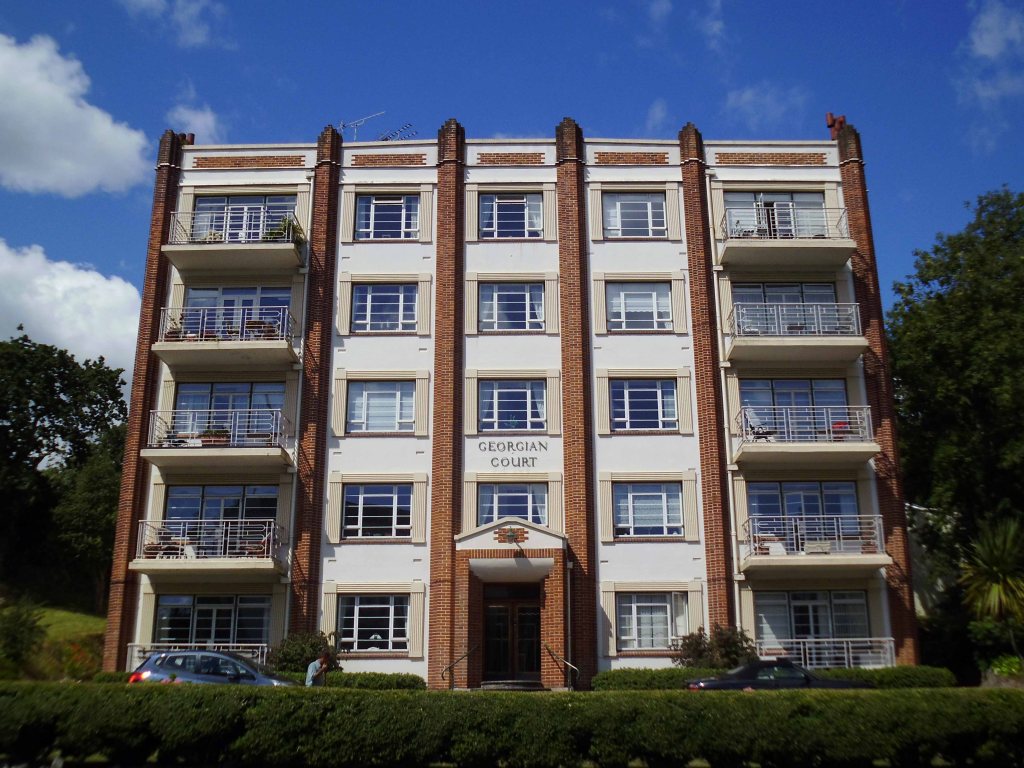
This Georgian Court is situated just outside Torquay, a restrained Neo Classical/Deco brick and render apartment block – the couple I chatted to, very kindly offered to show me around the place.
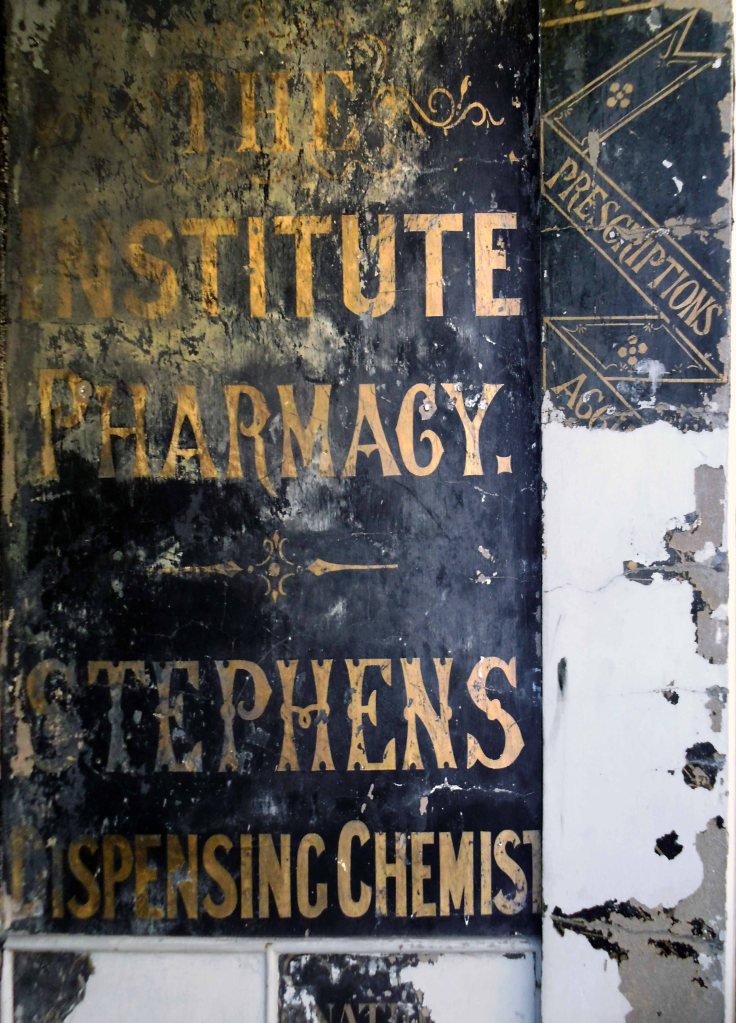
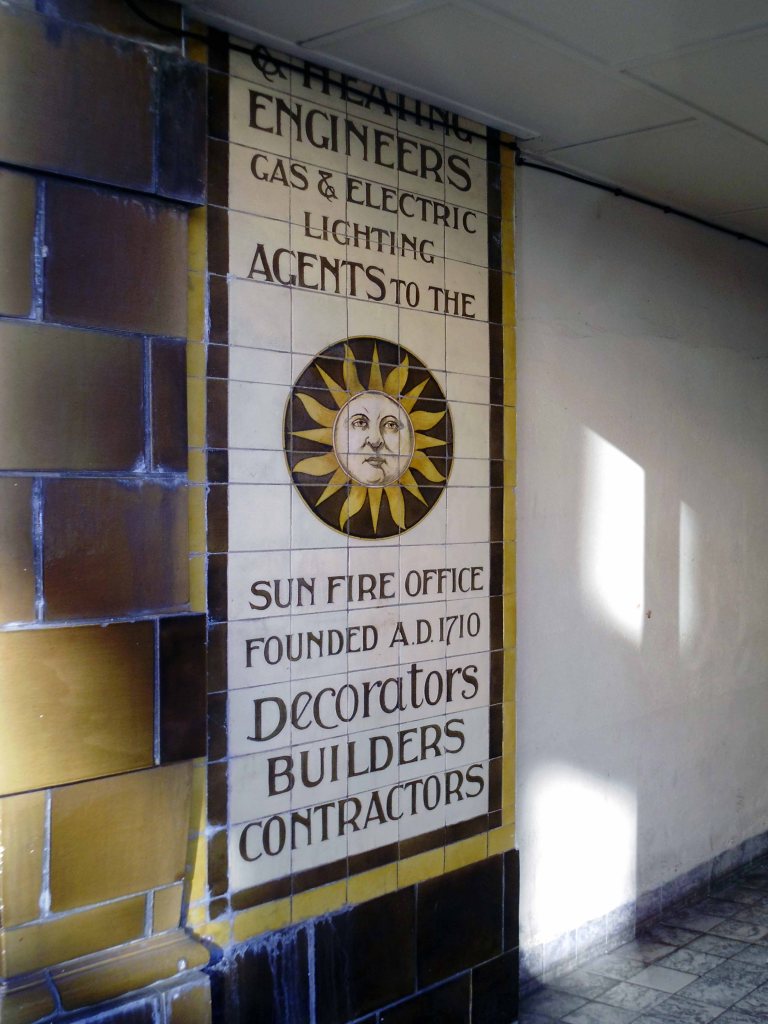
Ghost signs have the habit of disappearing all over the place.
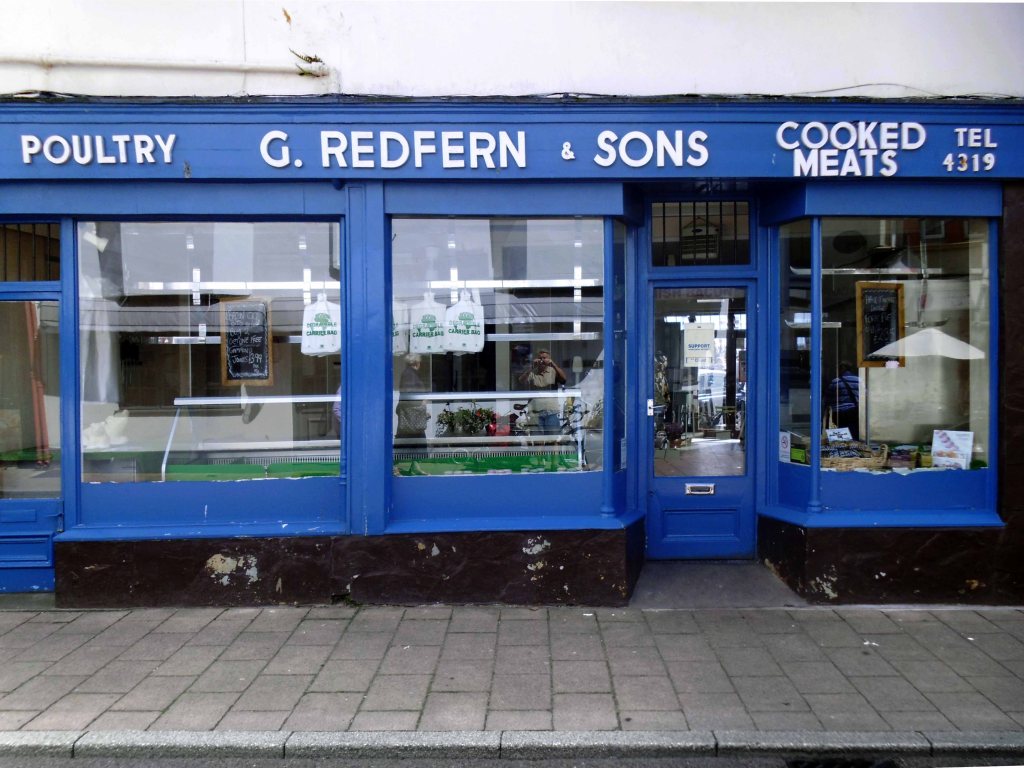
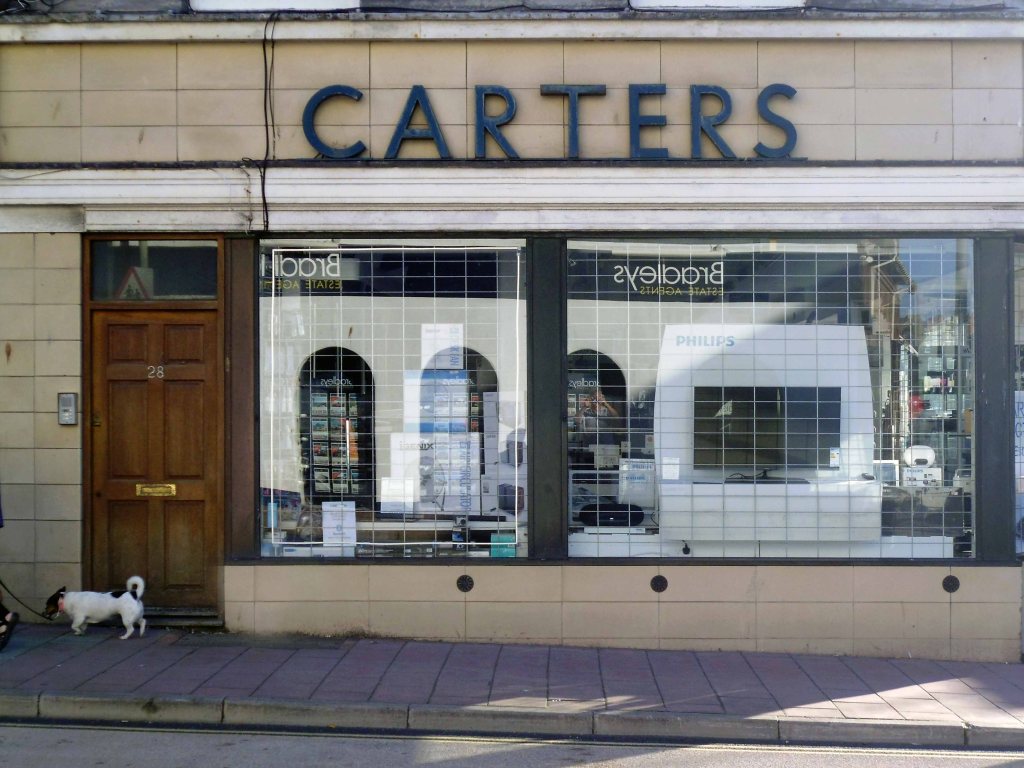
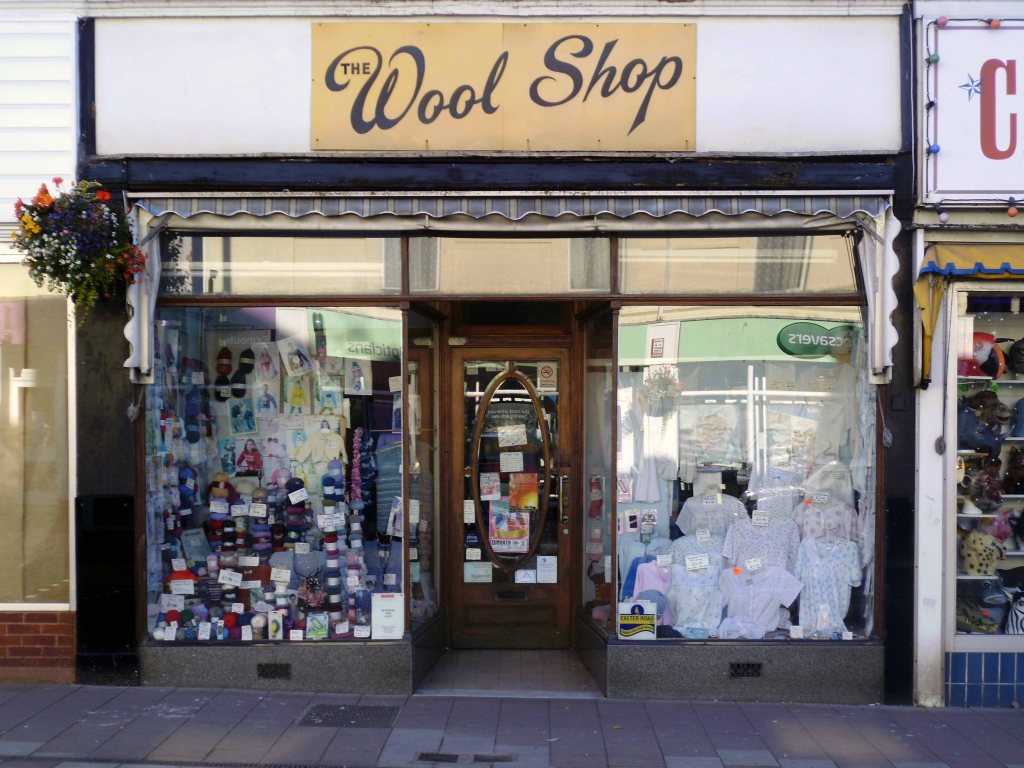
So to shops of all shapes and sizes.
Whilst others prevail.
Including this arcane example in Exmouth – The Wool Shop.
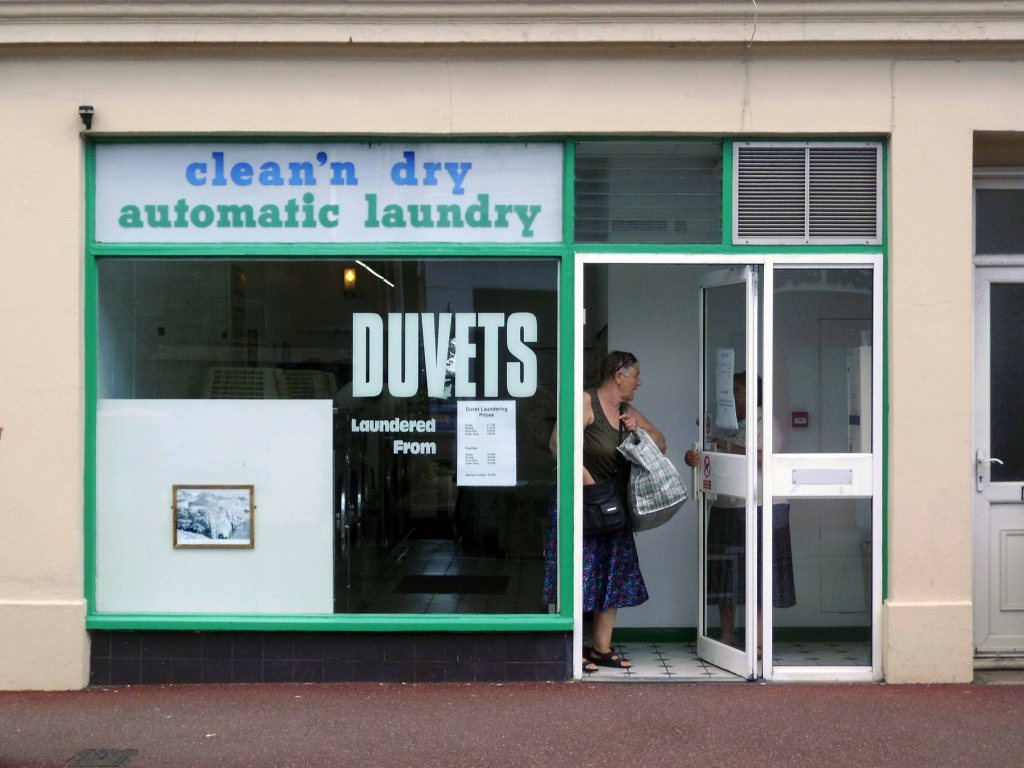
Laundrettes may be on the way out but this gallant knight of the road continues to record them, both online and in print.
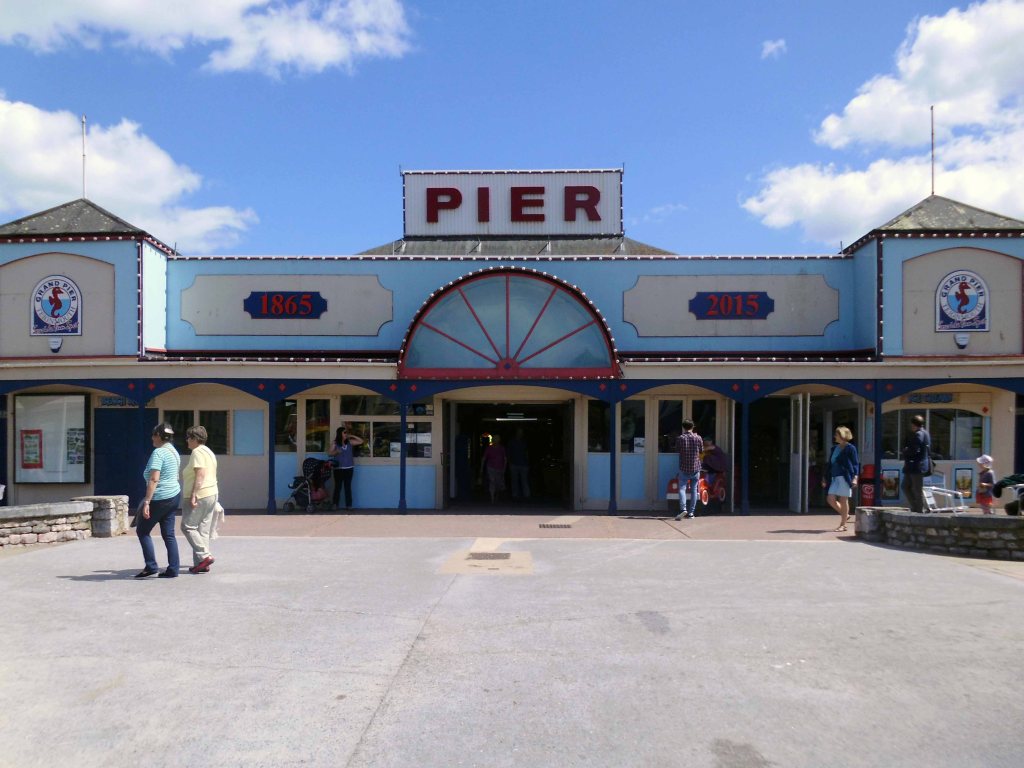
Here in Teignmouth a pier appears not uncommon on certain parts of the coast.
Teignmouth Grand Pier is a great day out for family and friends. There’s something for everyone – from big kids to little ones – it offers you all the traditional attractions and entertainment in the Great British spirit of the seaside.
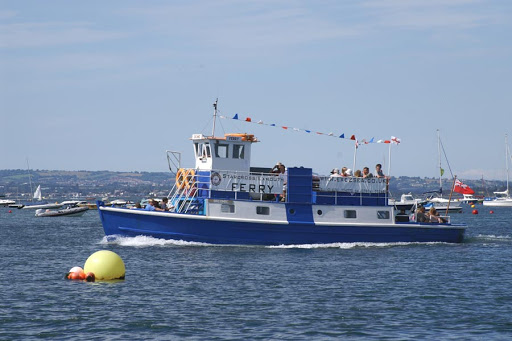
Time to get on the ferry again Steve – crossing the Exe Estuary on the Starcross to Exmouth Ferry.
Bikes carried for a small additional charge.
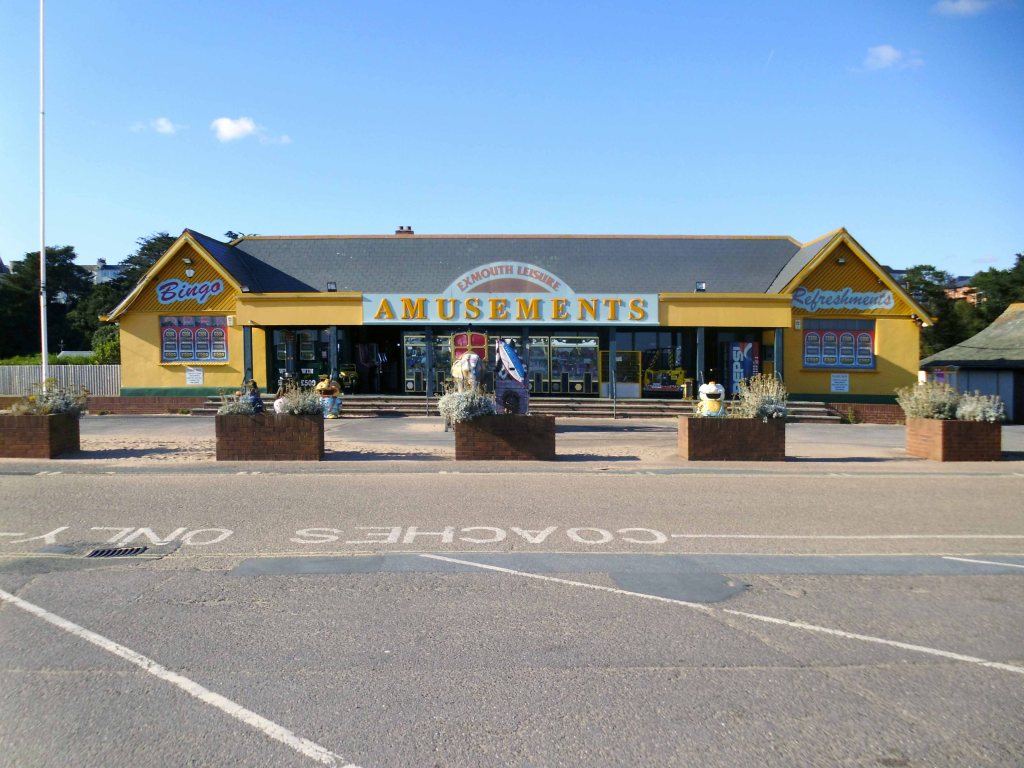
No time for Bingo, reading the local paper or the amusements – time for a pint, in the form of two halves.
Then a wander back to the digs – see you all tomorrow.
Although there is evidence in the local area of occupation since the Iron Age, it was still a small village until the 19th century when it became a seaside resort, and was connected with local towns and cities by a railway, and two piers were built. The growth continued until the second half of the 20th century, when tourism declined and some local industries closed. A regeneration programme is being undertaken with attractions including the Helicopter Museum, Weston Museum, and the Grand Pier. The Paddle Steamer Waverley and MV Balmoral offer day sea trips from Knightstone Island to various destinations along the Bristol Channel and Severn Estuary. Cultural venues include The Playhouse, the Winter Gardens and the Blakehay Theatre.
I arrived mid-morning on Saturday 25th July 2015 – having travelled some two hundred miles or so from Stockport by train.
The Iron Age seemed to be over and regeneration slowly but surely under way.
This marked the start of another coastal tour, following last year’s epic which began in Hastings.
This time I was heading for Hastings – but that can wait until tomorrow, let’s have a look around town.
Directly opposite the station is a group of Seaside Moderne homes in various states of whiteness – standing in line along Neva Road.
Reasonably priced, cheaper than Frinton – check it out
I pushed my bike along the prom heading for my pre-booked digs in a stylish seafront hotel.
Past the Marine Causeway linking the shore to some kind of modern day Post Modern Shangri-La.
A mystical, harmonious valley, gently guided from a lamasery, enclosed in the western end of the Kunlun Mountains, possibly not.
You can stroll onto Knightstone Island, where you will find some cafes serving light snacks and refreshments, or to the other side which takes you along the causeway, accessible to walk across according to the tides. At the other side of the Causeway you will find a small rocky beach with tidal rockpools ideal for exploring.
Just along the prom stands one of my all time favourite seaside shelters.
Even further along – what’s all this here then?
The foundation stone of the Birch-designed Birnbeck Pier was laid in 1864. It opened on 5th June 1867 and consisted of a 1040 foot cantilever construction to Birnbeck Island and a short jetty extending westwards from the island.
It seems to have changed hands several times in its relatively short life, including the stewardship of the infamous Urban Splash and the mysterious mystery owners, the current custodians it seems, have done little to secure a secure future.
It remains alone and untended, stretching aimlessly out to sea.
In April 2015, Friends Of The Old Pier Society created a novel fund raising scheme in which 1p and 2p coins would be lined up to stretch from the Grand Pier to Birnbeck Pier.
September 2019 Councillor Mr Crockford-Hawley said:
It’s this end of Weston which is the sore, it’s the carbuncle, it’s clearly well past its prime and it needs some serious attention. I mean it would be wonderful if somebody came along with an open ended bank account and said ‘yup, I’d love to restore it for the sake of restoring it’, but quite clearly there’s got to bean economic future for the pier, there’s got to be a purpose for the pier.
Possibly a wealthy Beatle could bail the ailing pier out of deep water?
Having made a bob or two since they appeared here in 1963.
Next thing I know I’m outside the imposing and impressive sounding Ocean Hotel. Sad to say on the day/night of my visit it wasn’t just this weary traveller that appeared to be over tired, happy to report the the New Ocean Hotel has been revamped and in tip-top condition by all accounts.
Any road up, let’s get out, take a walk up the road – have look at some local type.
Watney’s mythical Red Barrel.
Watney’s was the Evil Corporation which sought to crush plucky small brewers and impose its own terrible beer on the drinking public. It acquired and closed beloved local breweries, and it closed pubs, or ruined them with clumsy makeovers.
Its Red Barrel was particularly vile – a symbol of all that was wrong with industrial brewing and national brands pushed through cynical marketing campaigns.
Keeler Productions has taken over Locking Road Car Park, opposite Tesco, and The Regent Restaurant, in Regent Street, to film a BBC period series The Trial of Christine Keeler, based on the Profumo Affair in the 1960s.
Enough of all that period drama, let’s have a look at some period architecture.
Madeira Court – 67 flats built in 1988.
Weekly Social Activities include – coffee mornings, card evenings and occasional days out, organised by social club. New residents accepted from sixty years of age, both cats and dogs generally accepted.
I can find no reference for this dalle de verre stained glass window.
Boulevard United Reformed Church – Waterloo Street
Architects Gordon W. Jackson and Partners 1959
Constructed on part of the site of the former Electric Premier Cinema, the Odeon Theatre was opened on 25th May 1935 with Jack Buchanan in Brewster’s Millions. Built as one of the original Odeon Theatres in the then emerging Oscar Deutsch Odeon Theatres circuit, it was built on a prime corner street position in this sea-side town and was the first of several Odeon Theatre’s to be designed by architect Cecil T Howitt.
The Weston-super-Mare Odeon was built by C Bryant & Son Ltd of Birmingham on the site of the former Electric Premier Cinema. It opened on 25 May 1935, at which time it was described in the souvenir programme as ‘modernity at its best’, with seating accommodation that was ‘luxurious and spaced to give ample room for true comfort’.
A short walk along the prom snapping shelters and the sheltered – no two the same.
I then chanced to fall into a Beer Festival and bad company – the rest is a blur, see you all tomorrow there’s some cycling to be done.
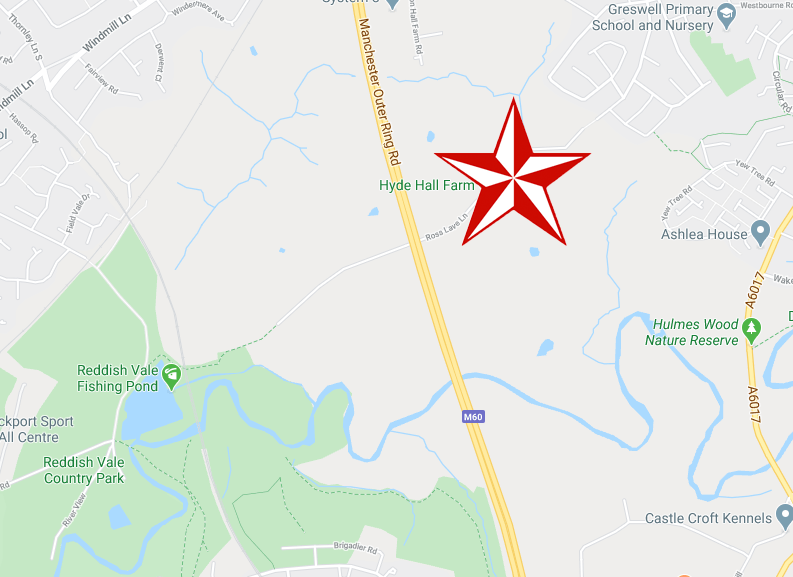
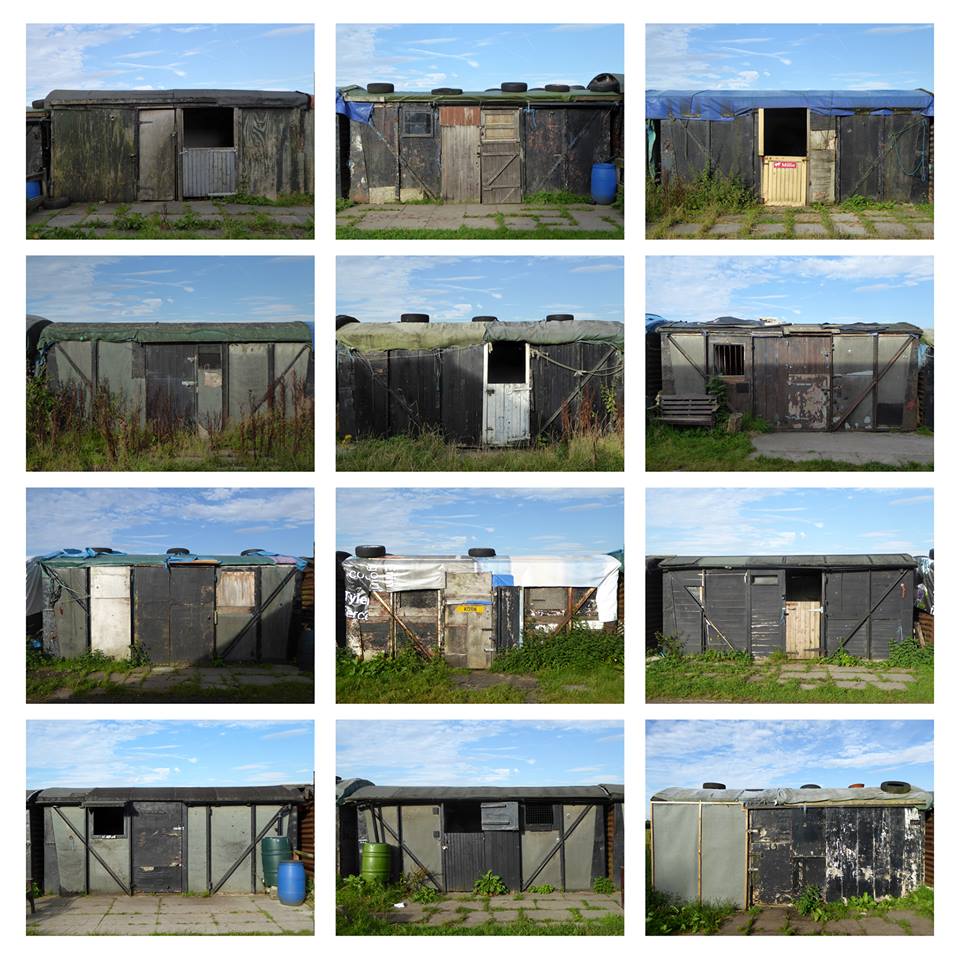
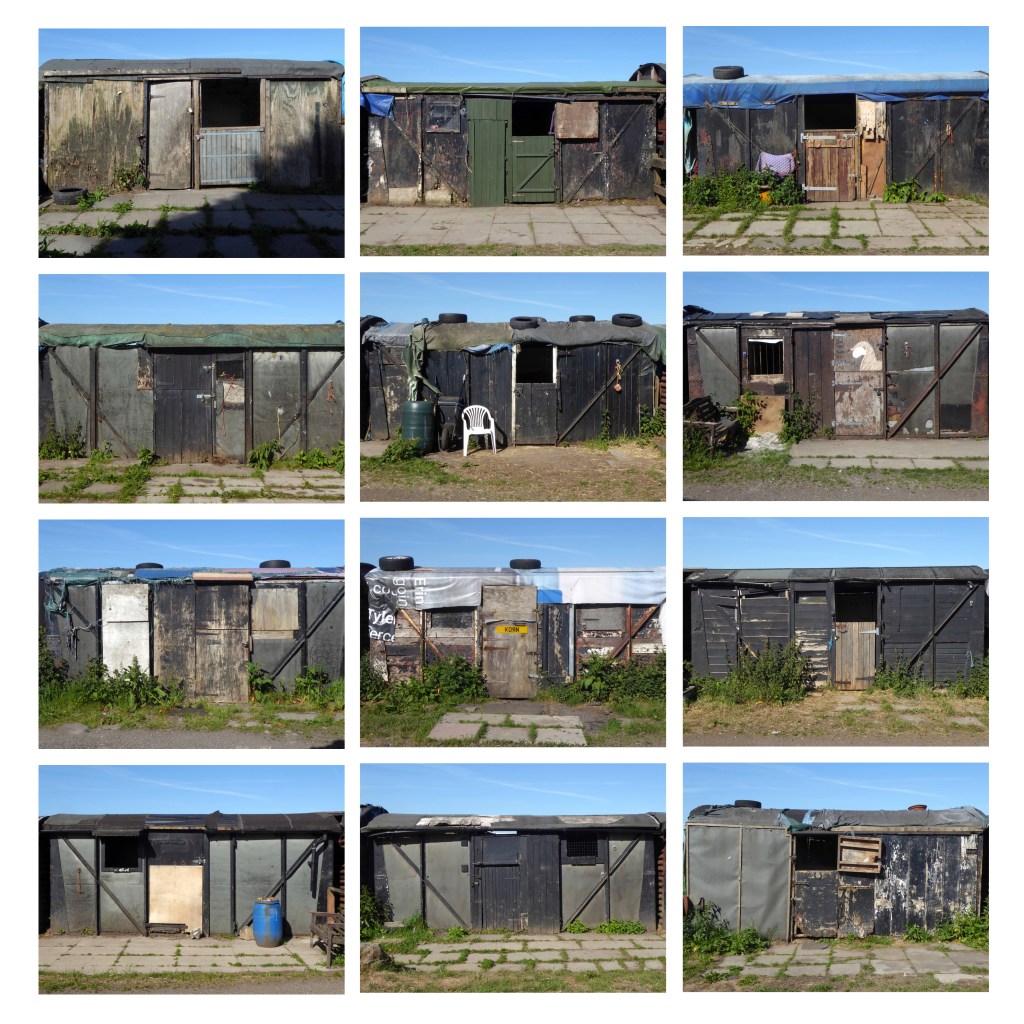
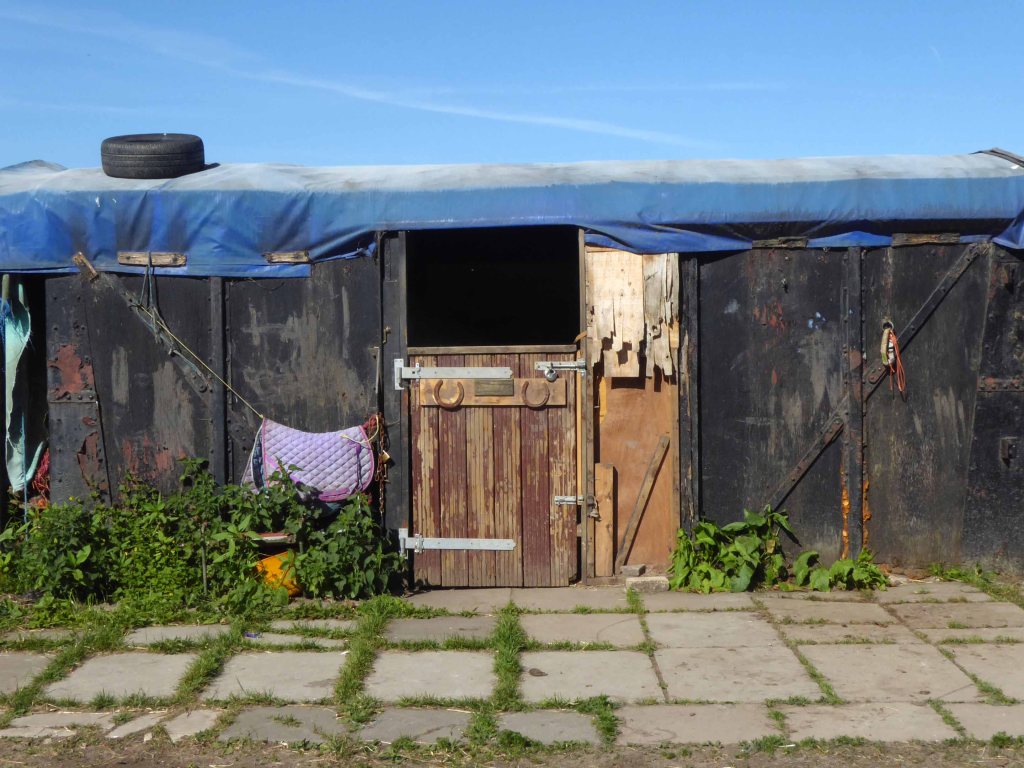
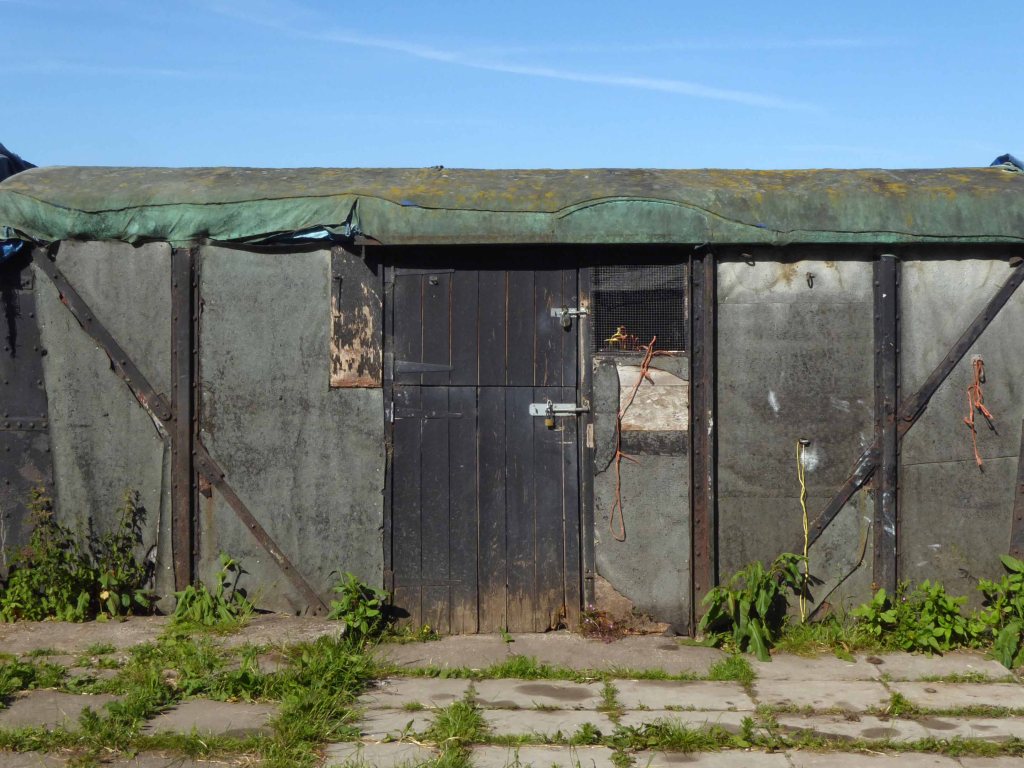
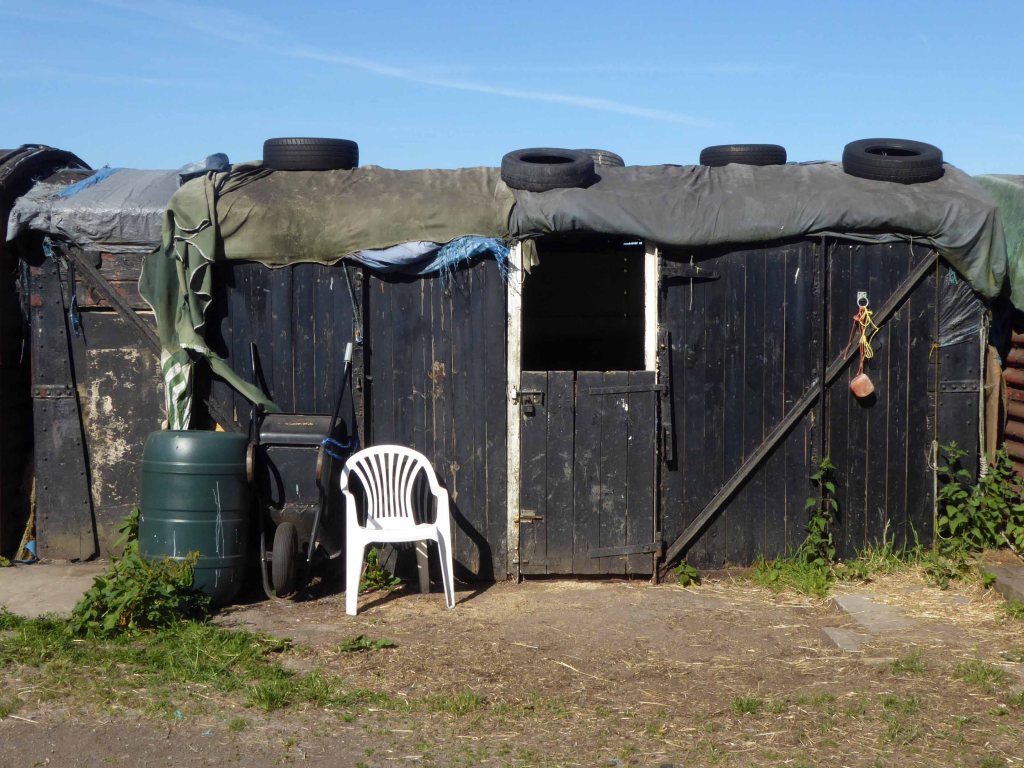
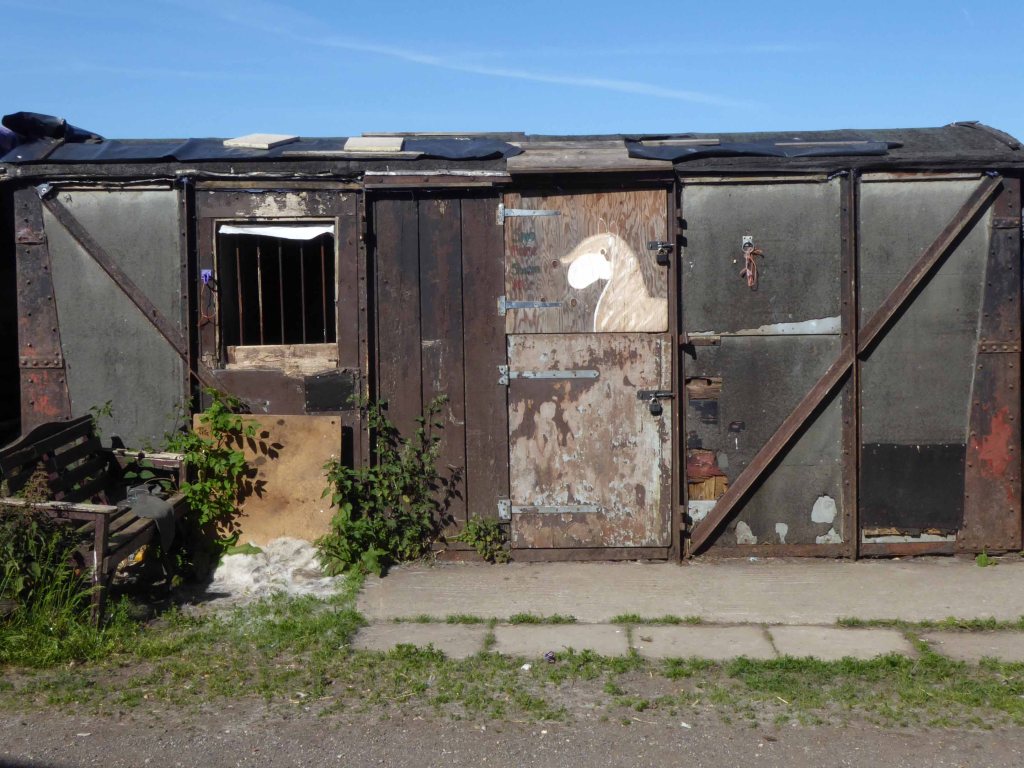
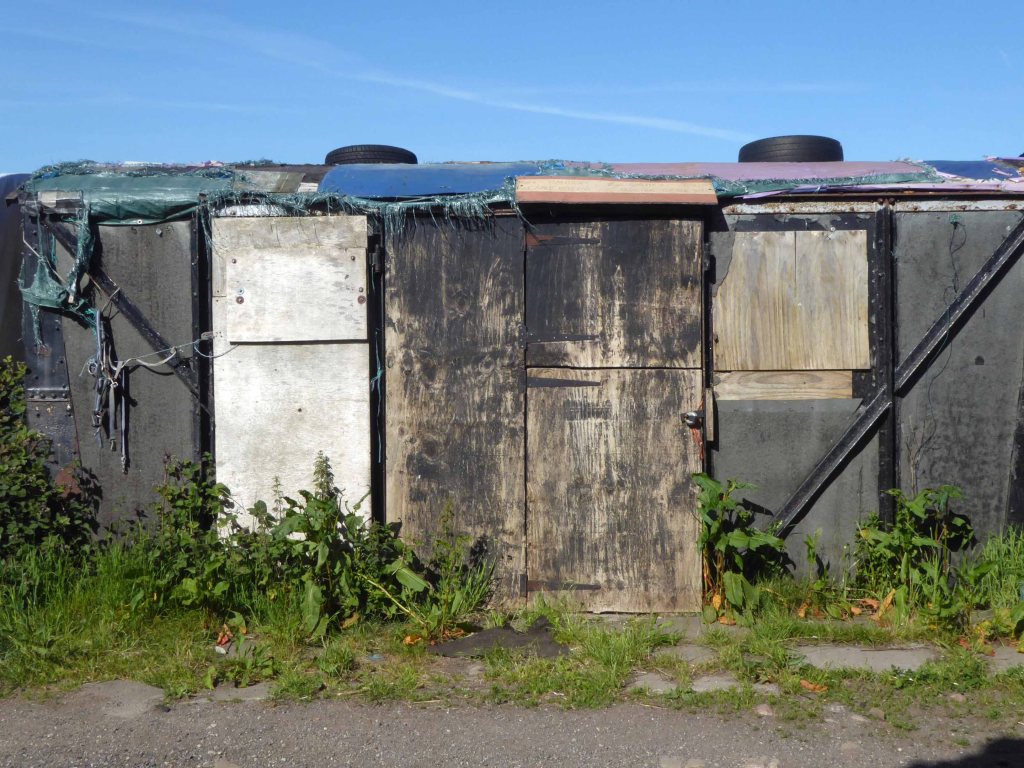
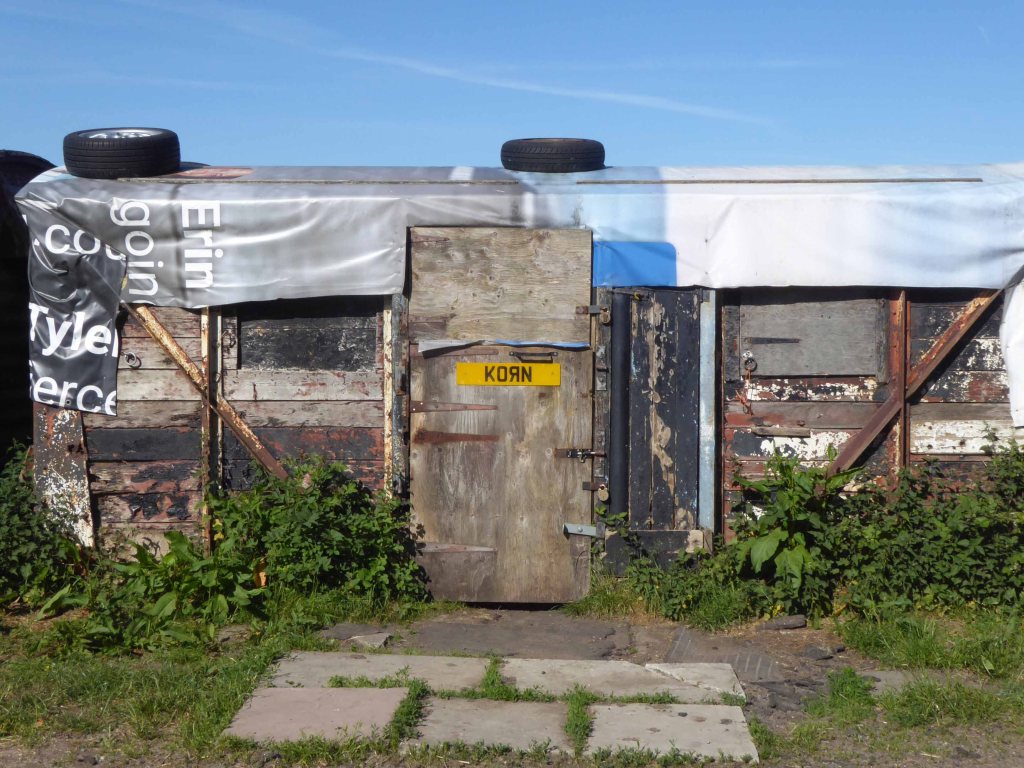
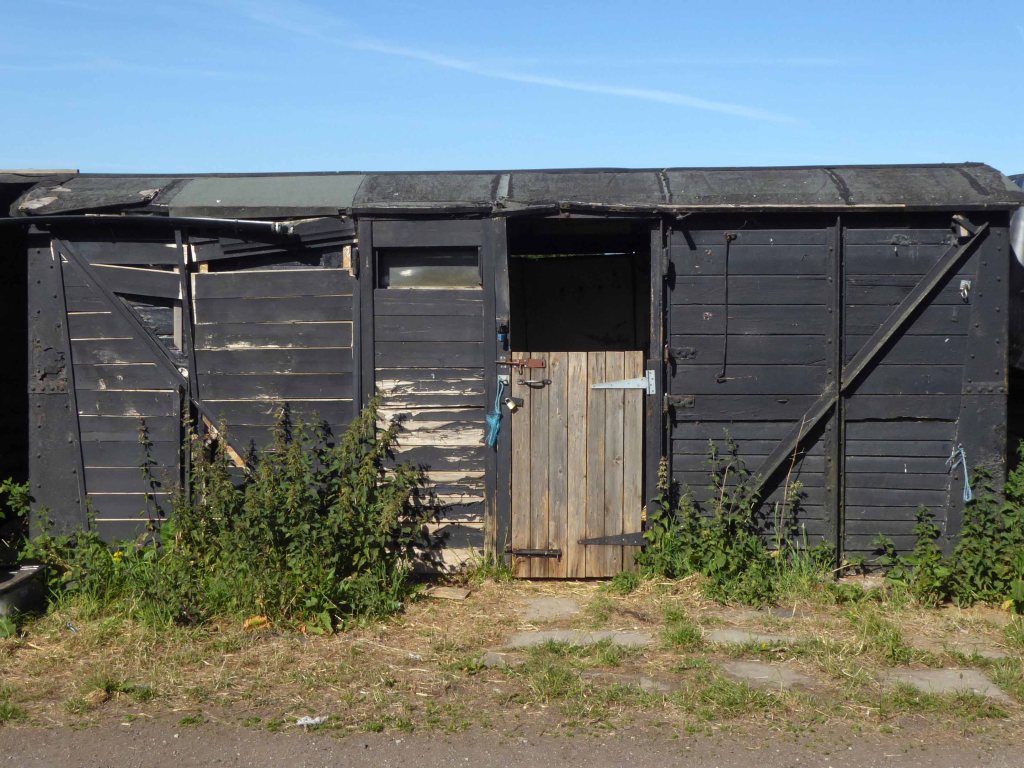
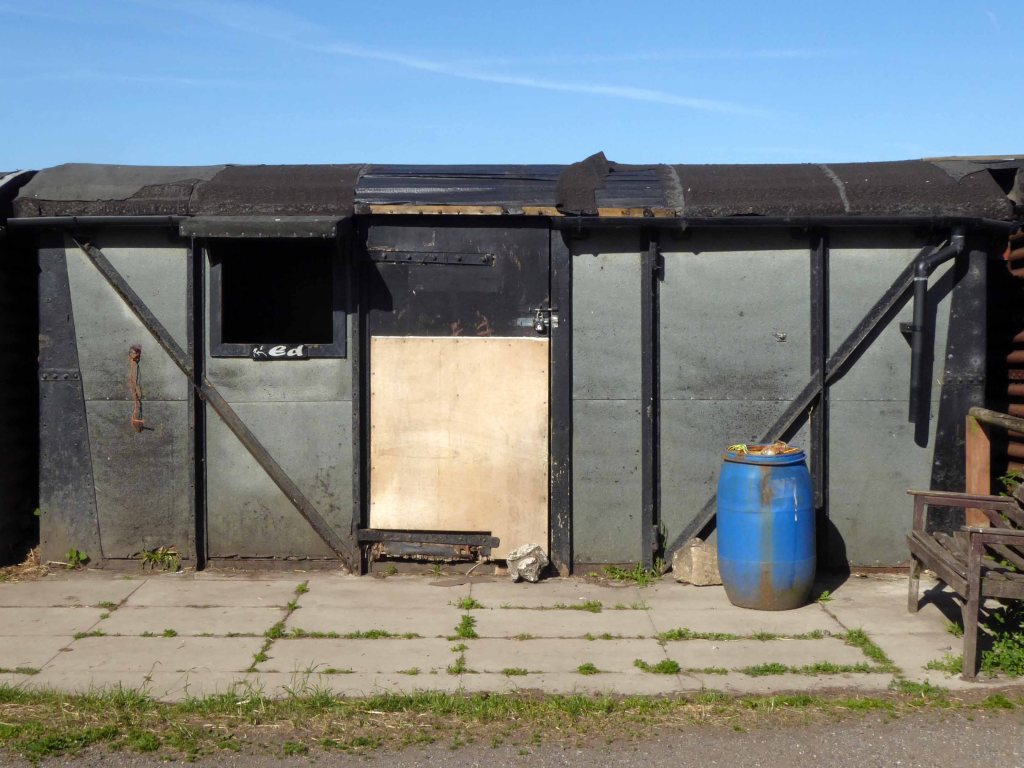
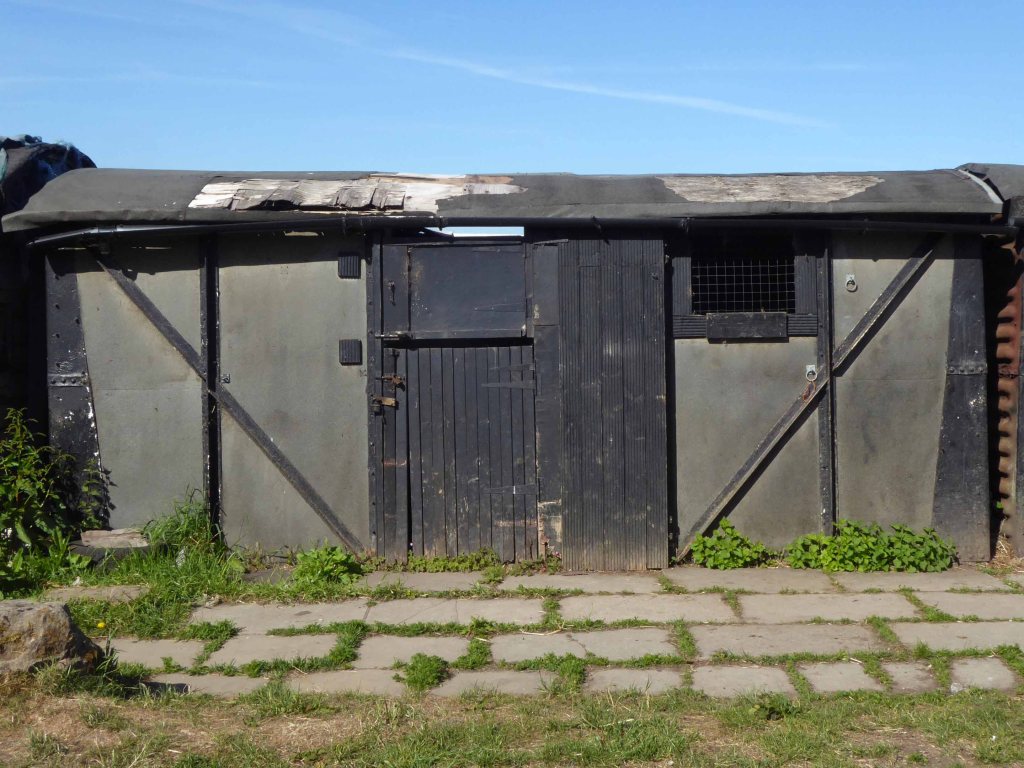
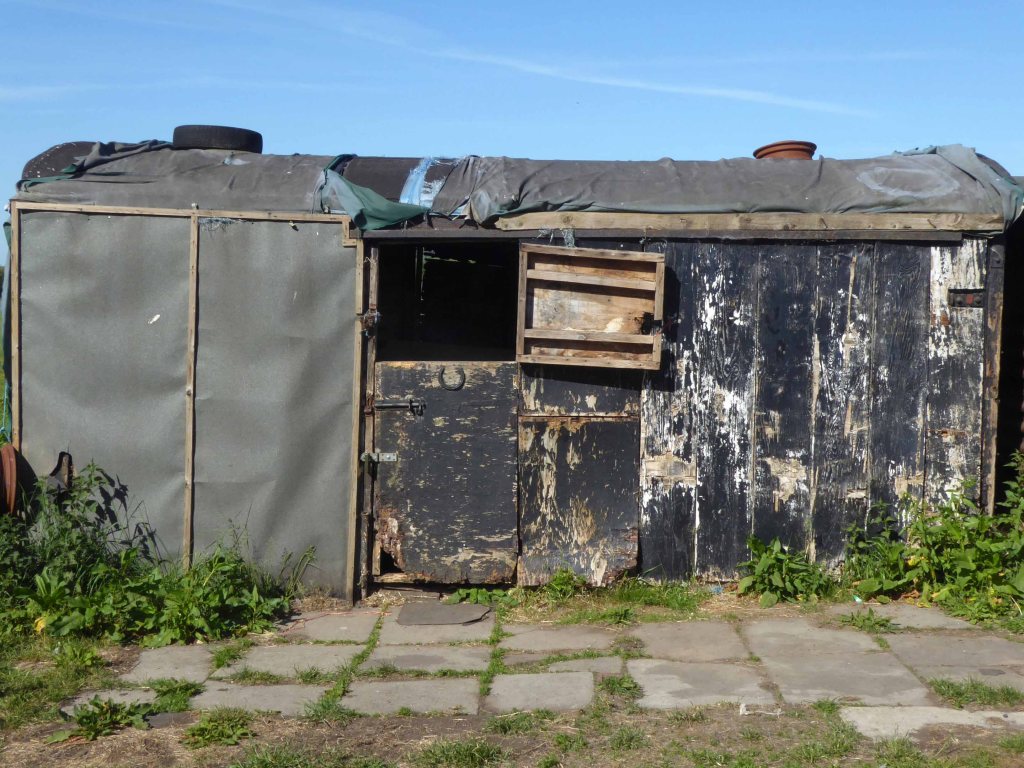
Hyde Hall Farm is Grade II Listed one of the few Tudor model farms in the region, a building of immense importance.
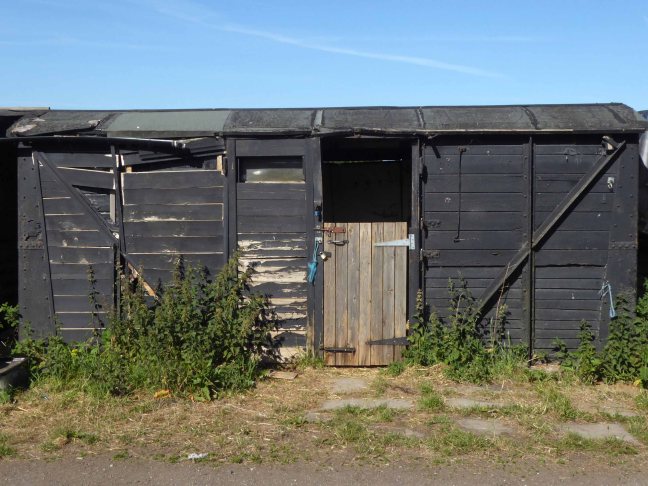
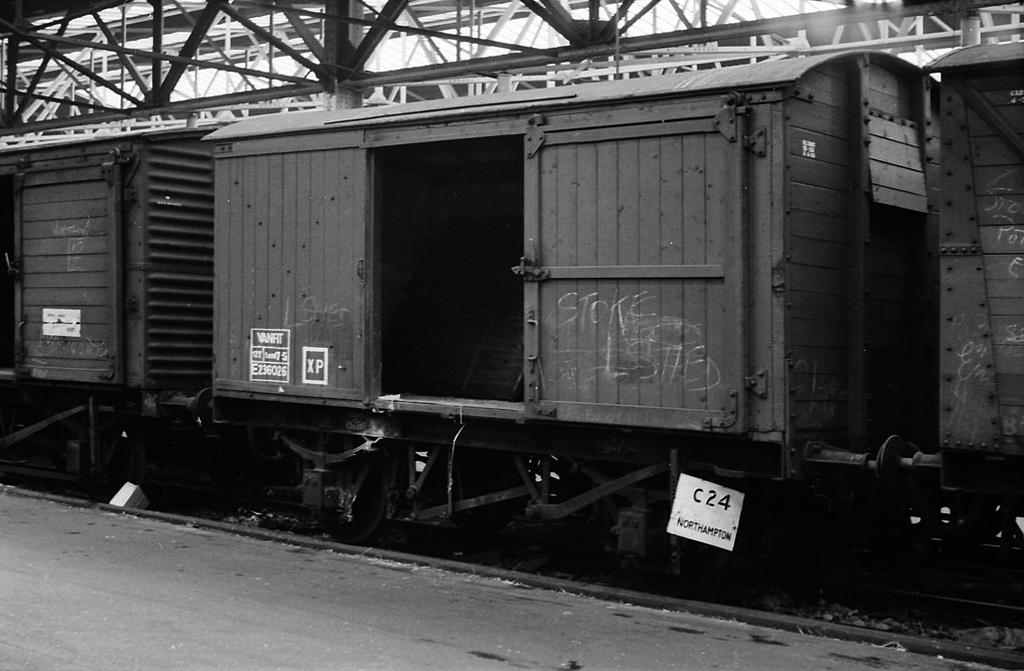
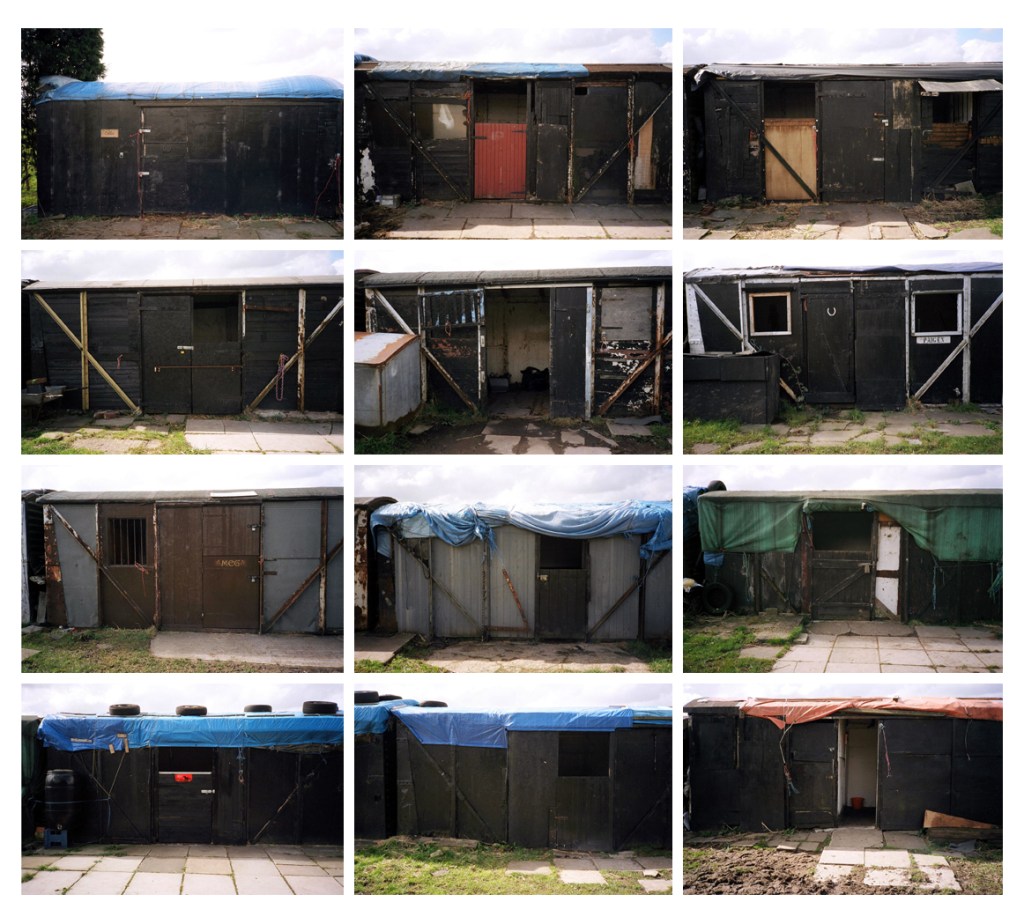
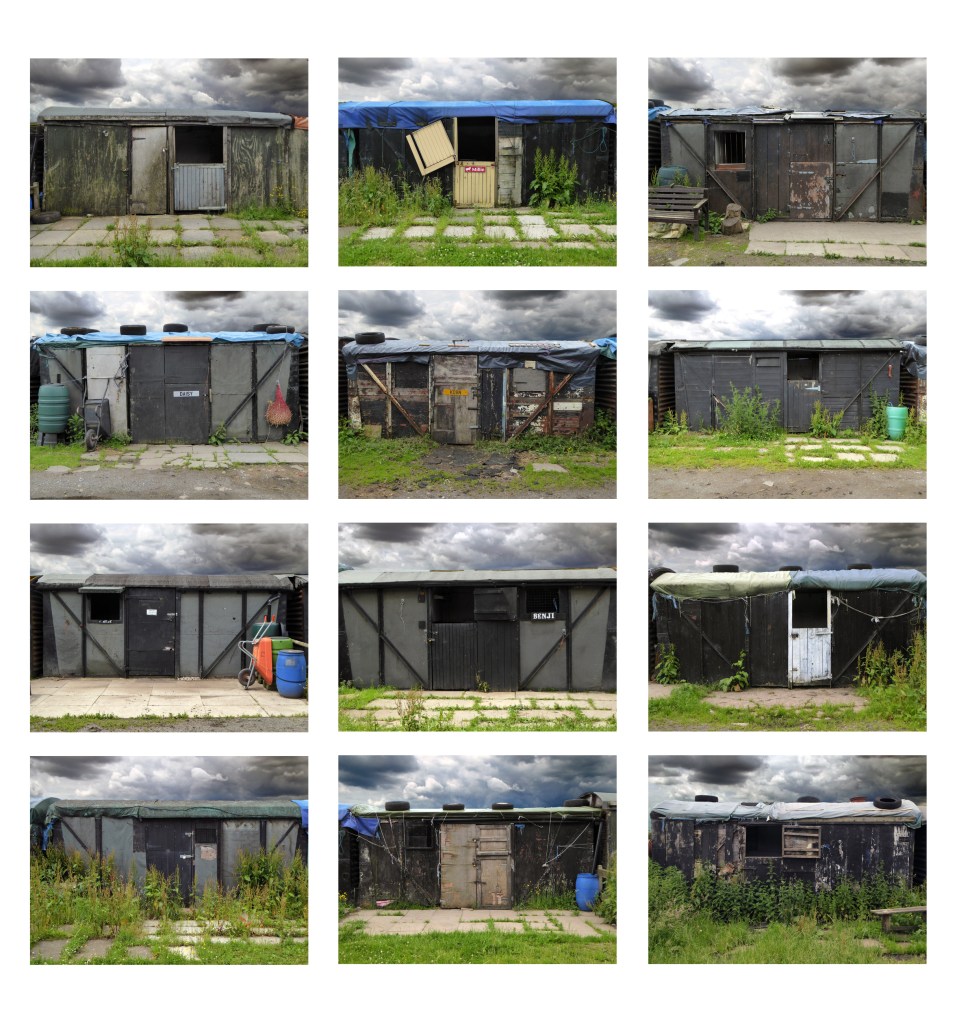
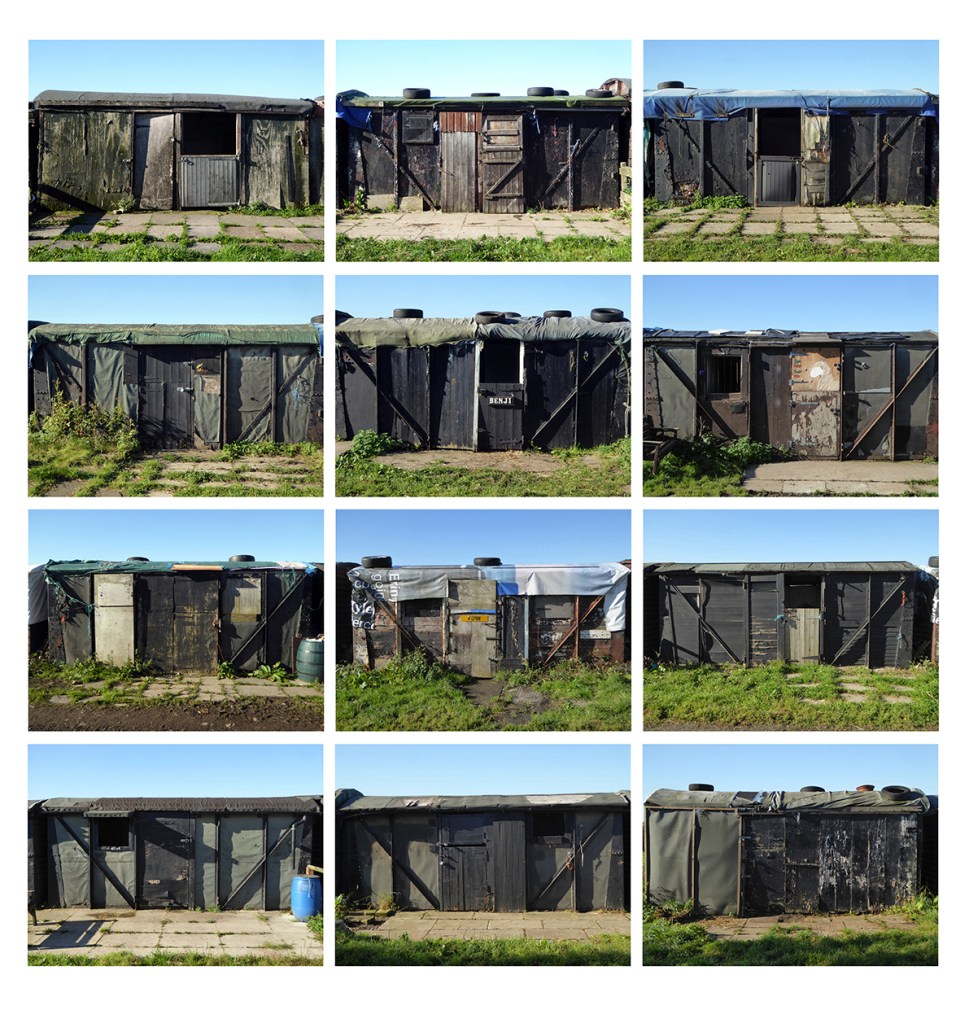
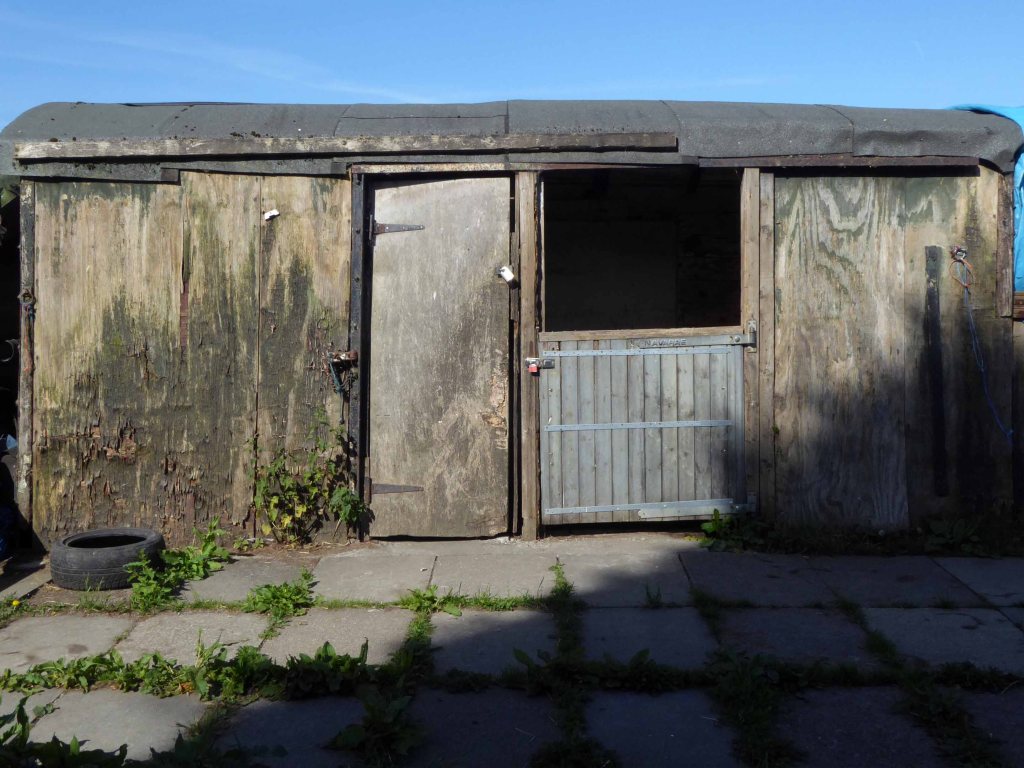
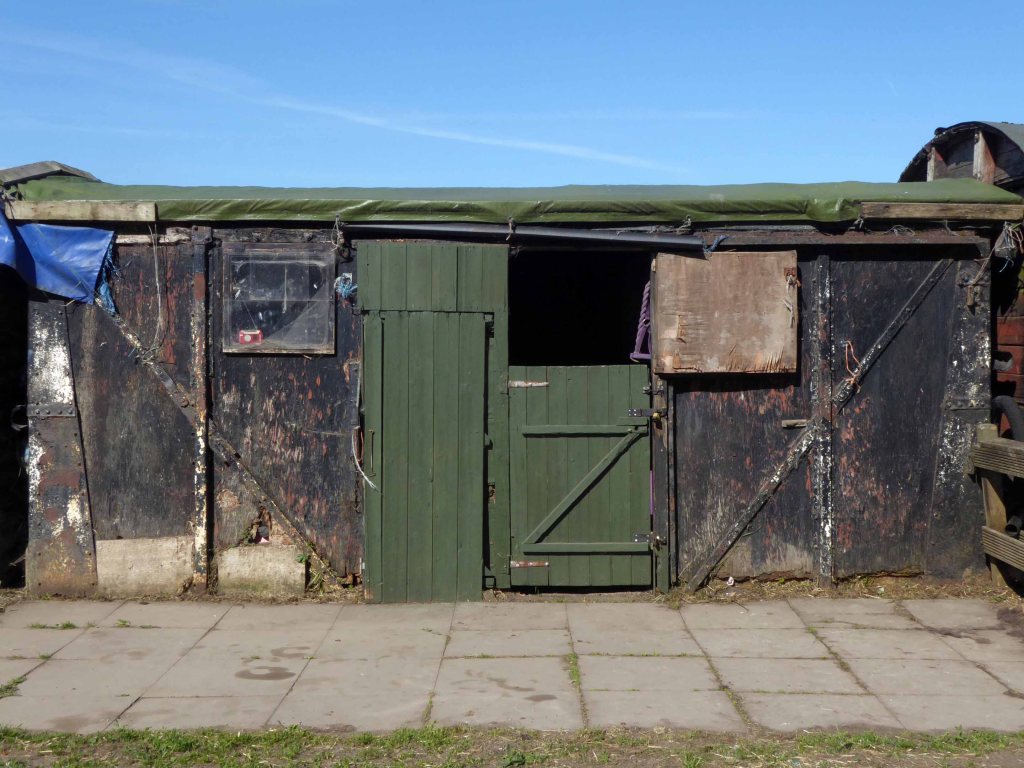
Alongside the farm are twelve stable blocks, formed from former British Rail Vanfit rolling stock.
Derby Works
I have cycled by here for some fifty years ago man and boy, sadly observing a slow decline, as the structures are kept in service with the addition of sheeting, rope, tyres and will power.
In recent years I have stopped to take photographs:
20082016201720182020
They have survived wind, rain and hail, just about intact, providing adequate shelter for their equine inhabitants.
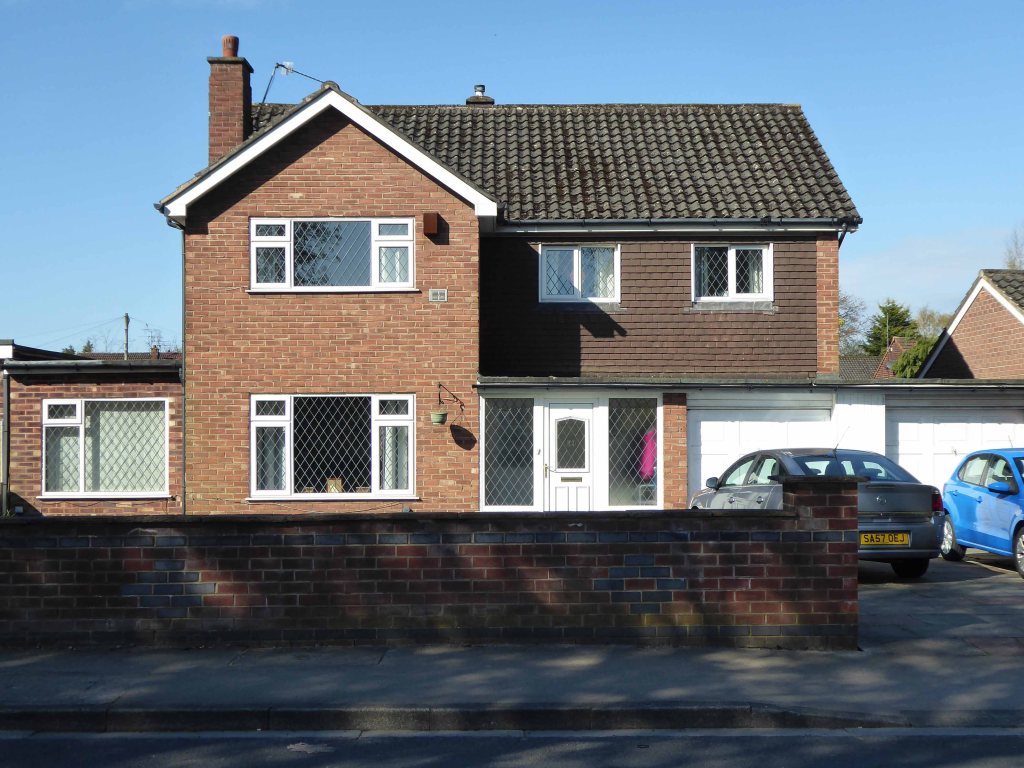
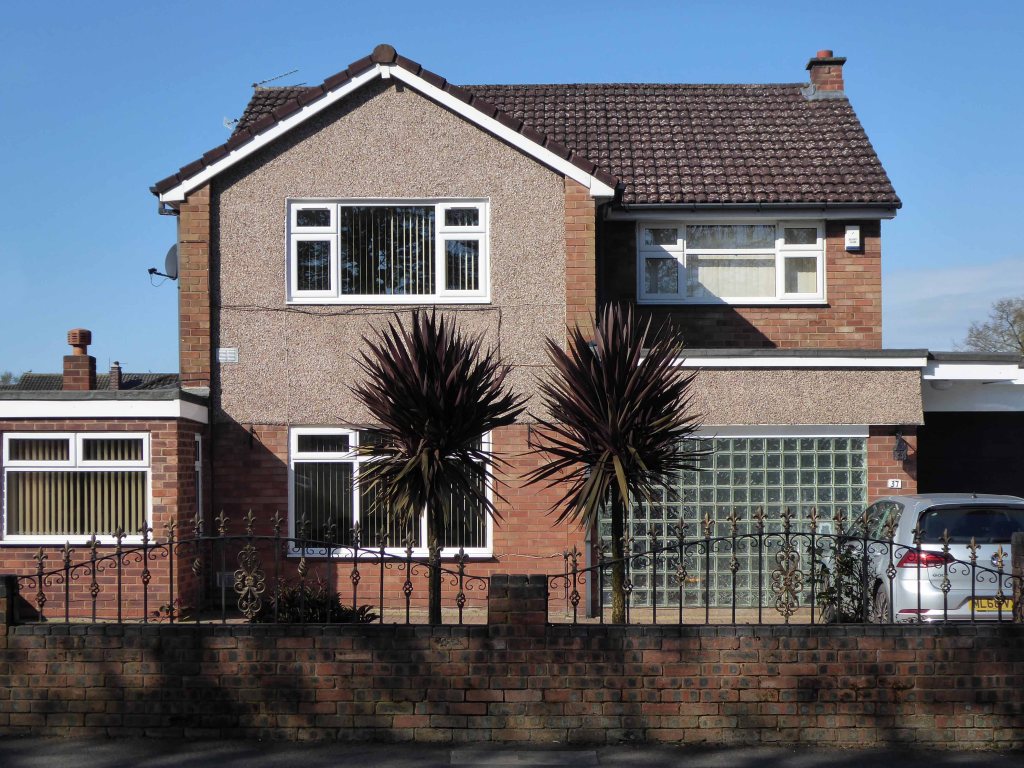
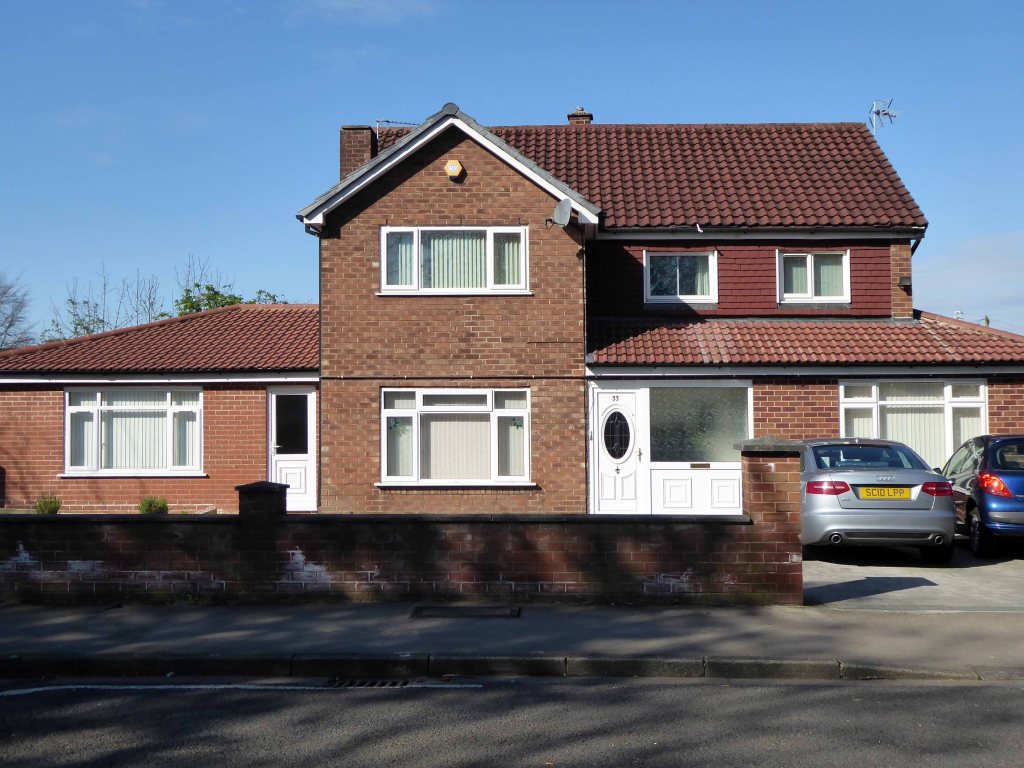
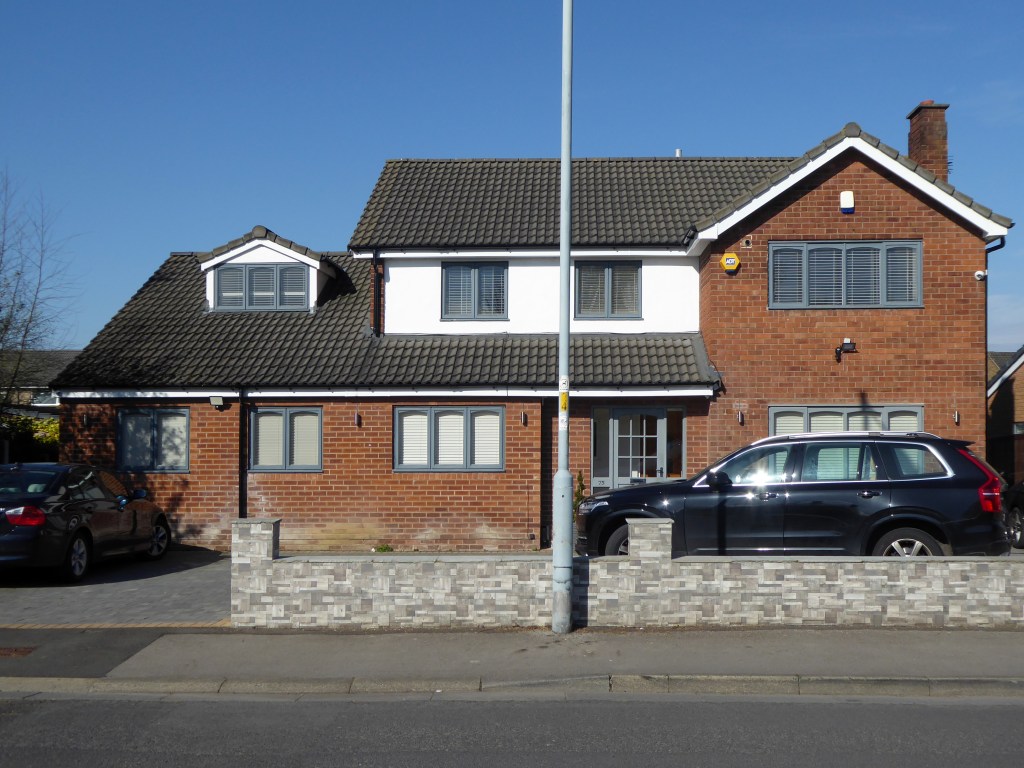
We begin our journey through bricks and mortar, domestic fashions and fads, time and tide in Rainham.
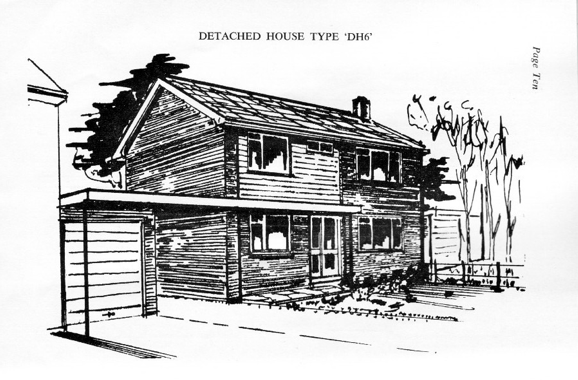
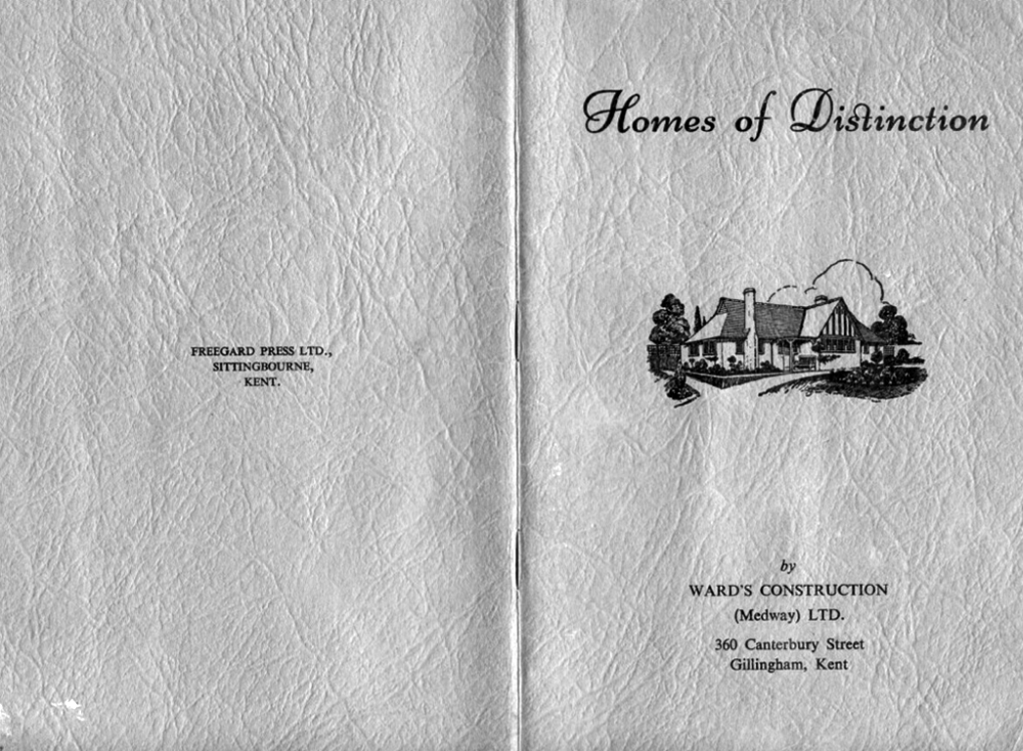
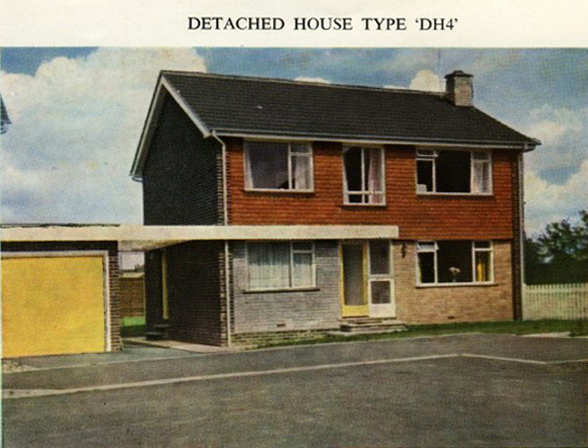
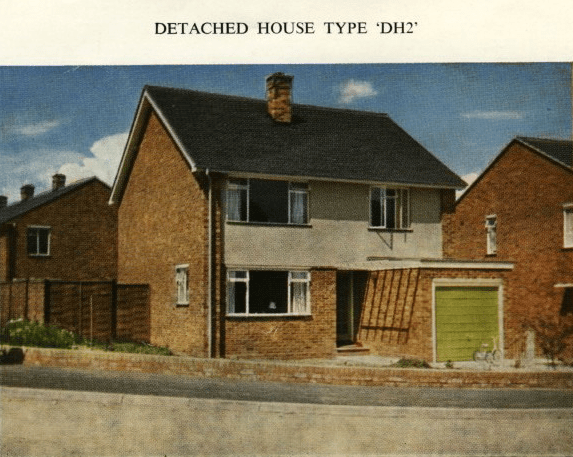
Ward’s Construction, along with many others throughout the country, offer the aspirational suburbanite an opportunity to own the very latest in modern design.
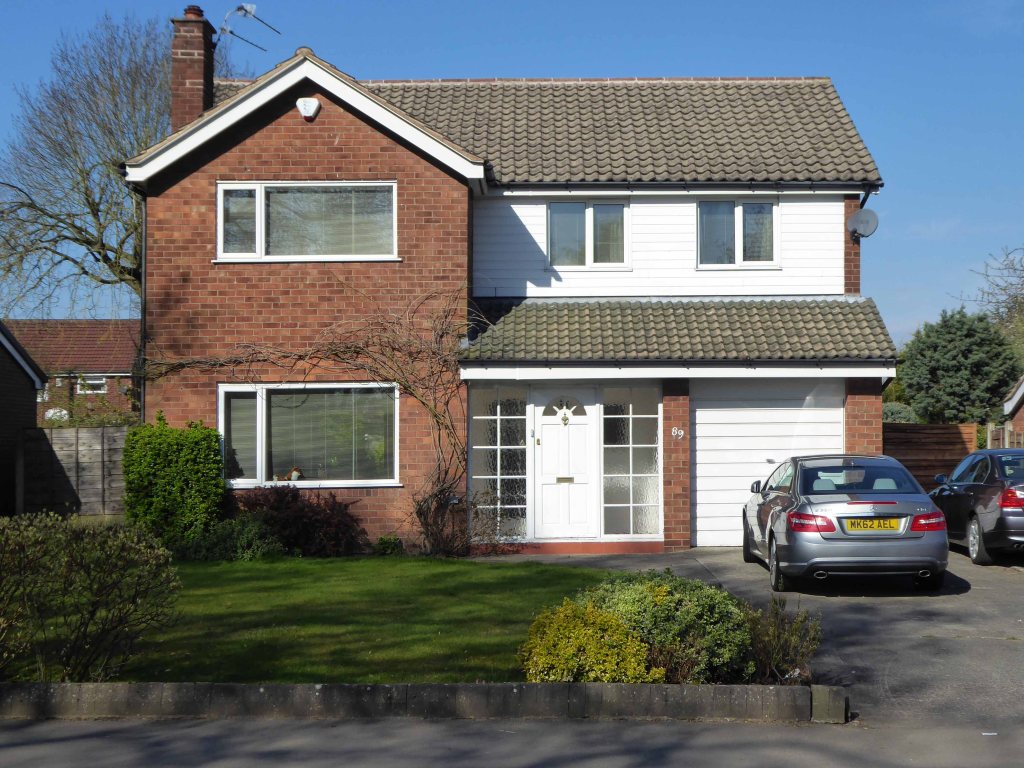
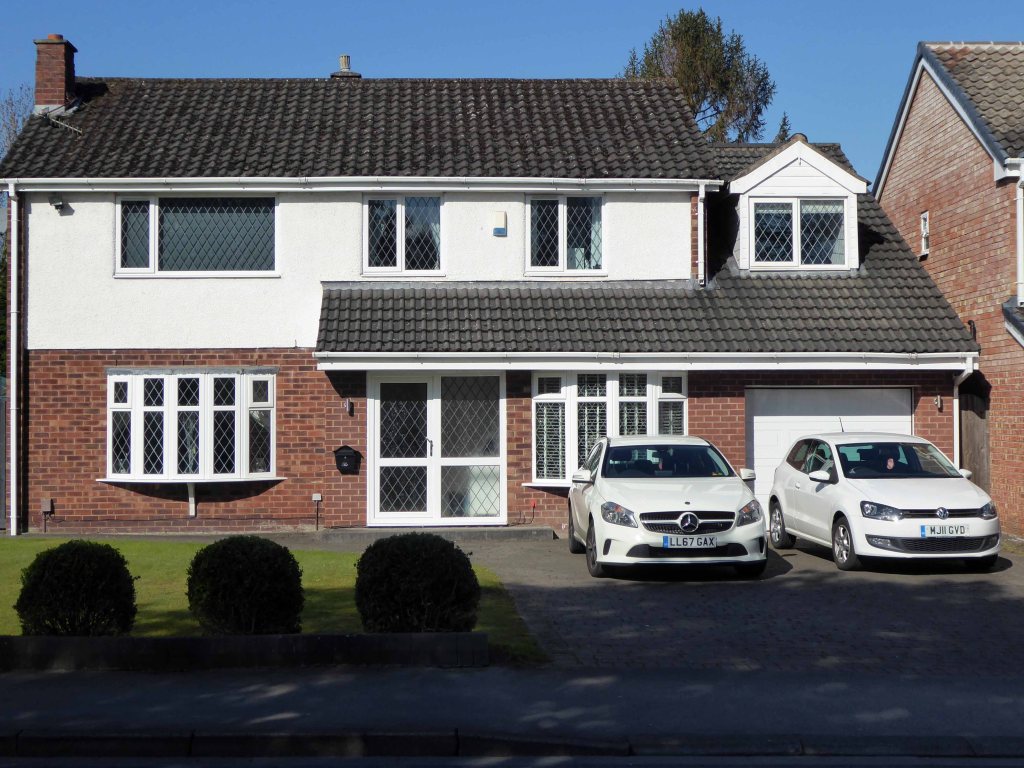
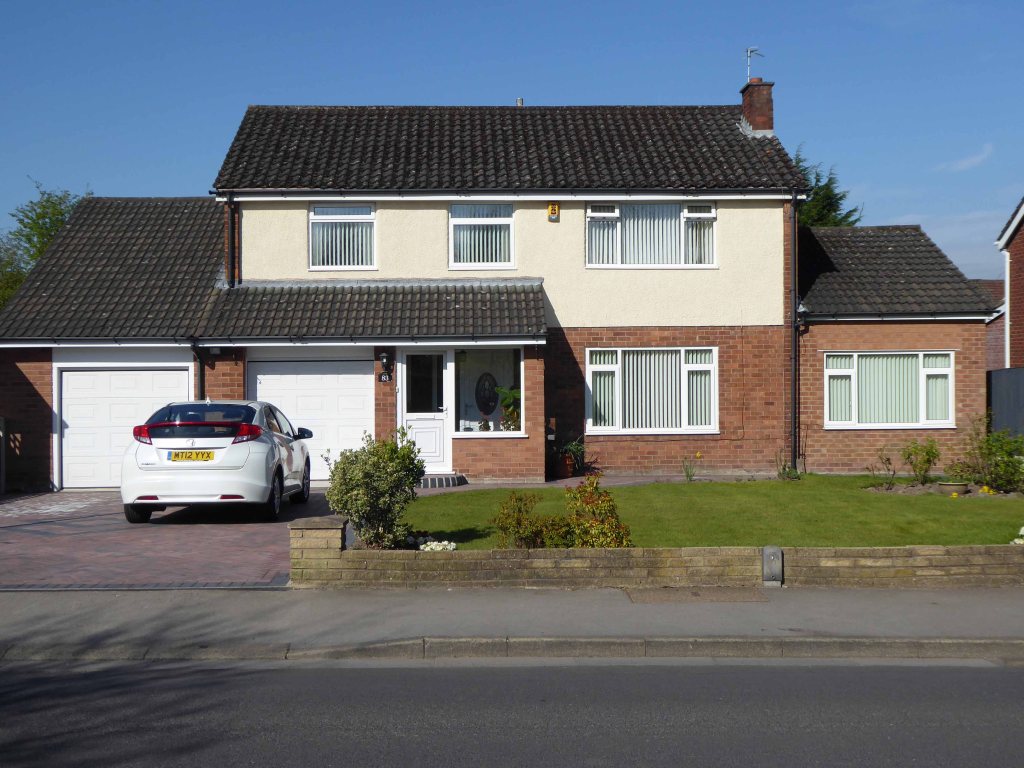
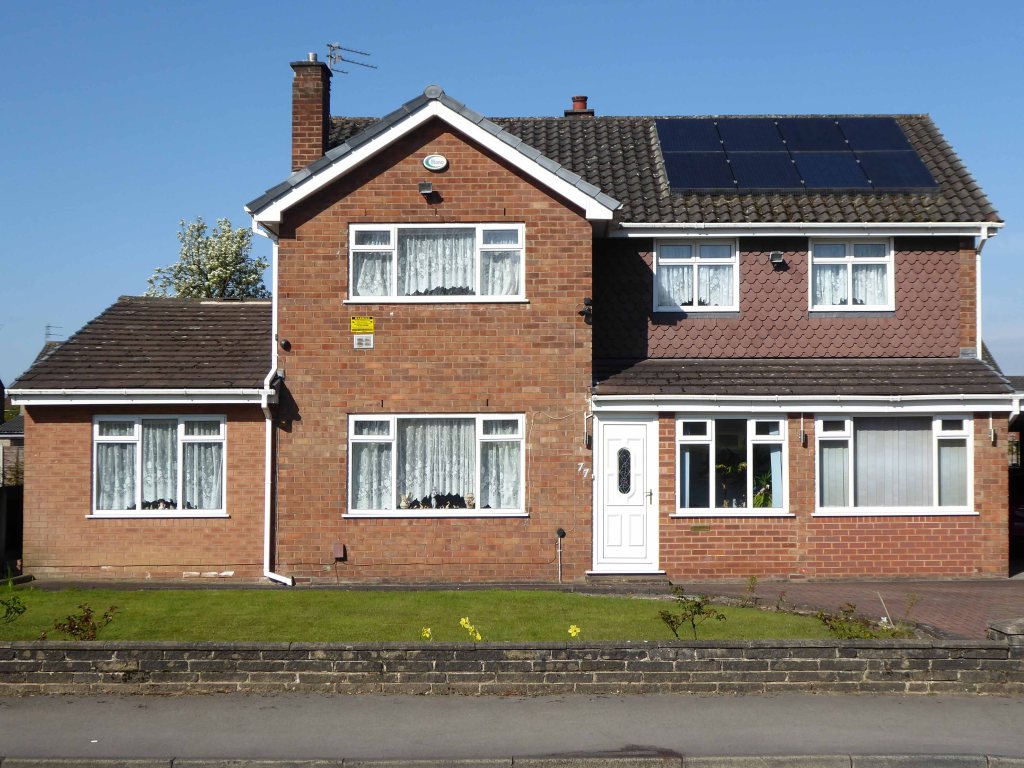
Large open plan rooms lit by large open glazed windows, quality cladding – mixing traditional materials with go ahead get it now design. Double fronted, remote garage, modest manageable, grassed gardens.
For those on slightly more limited means the DH2 offers affordable modernity, along with everything you would expect from a Ward’s Home.
Homes of distinction.
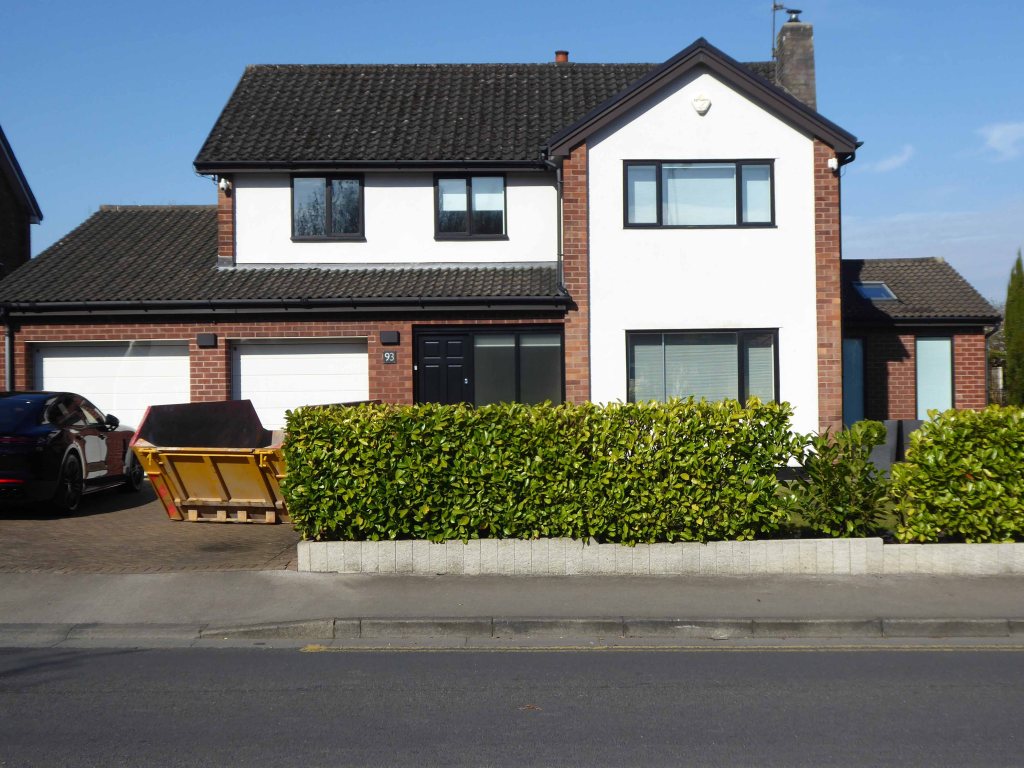
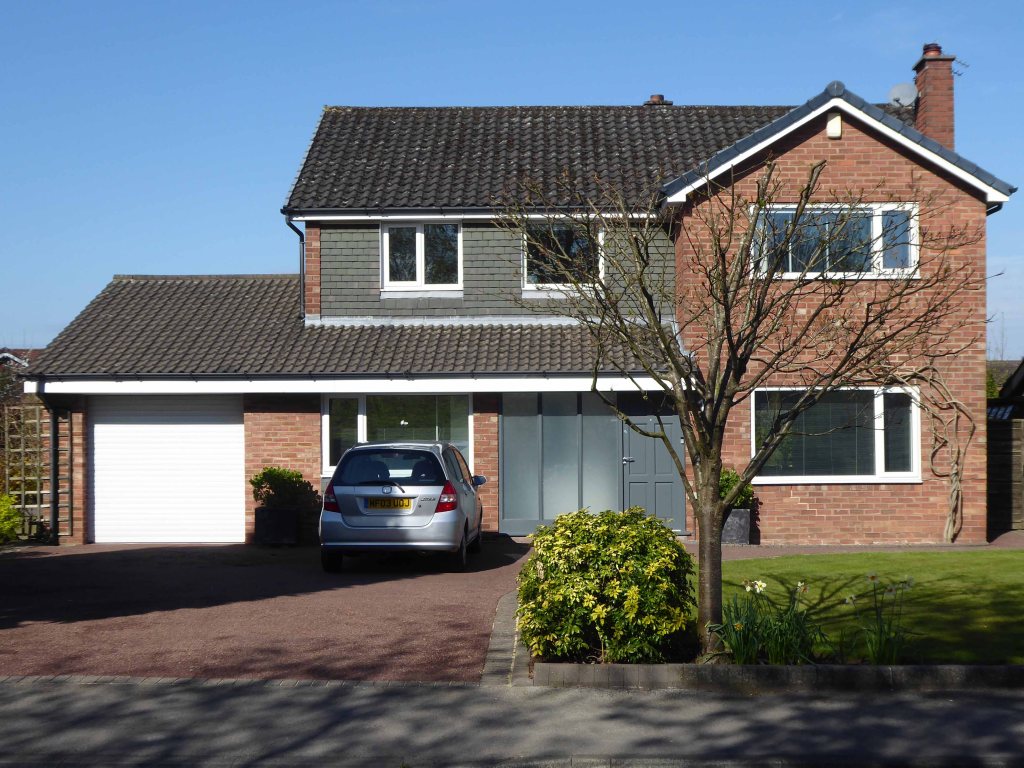
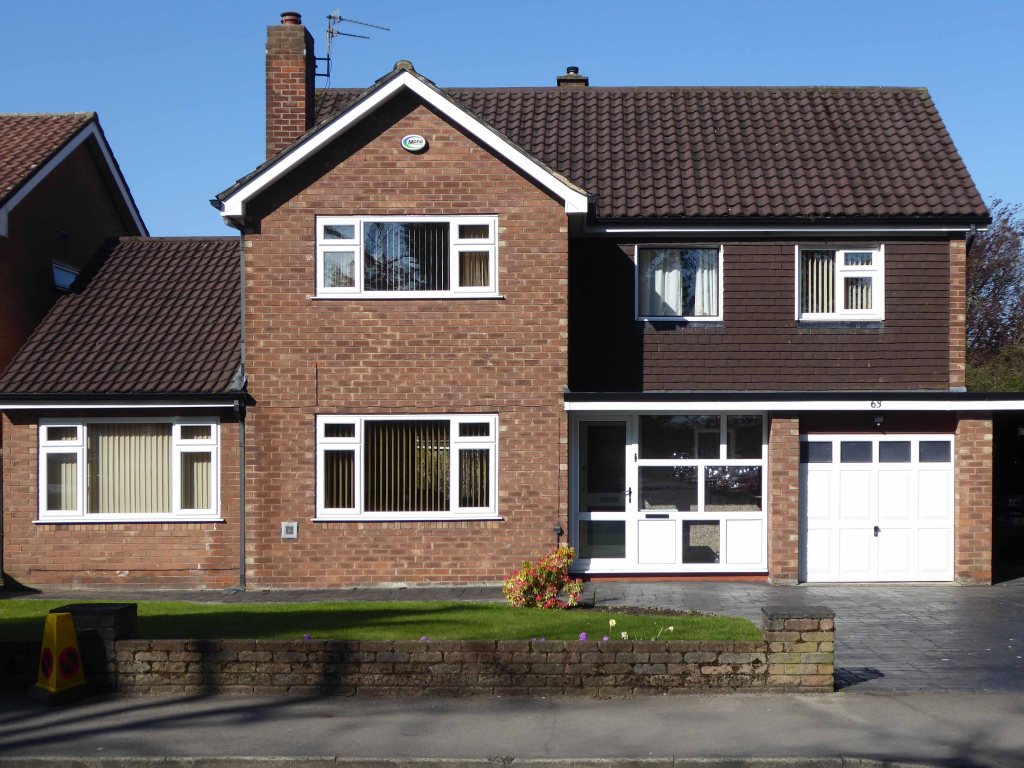
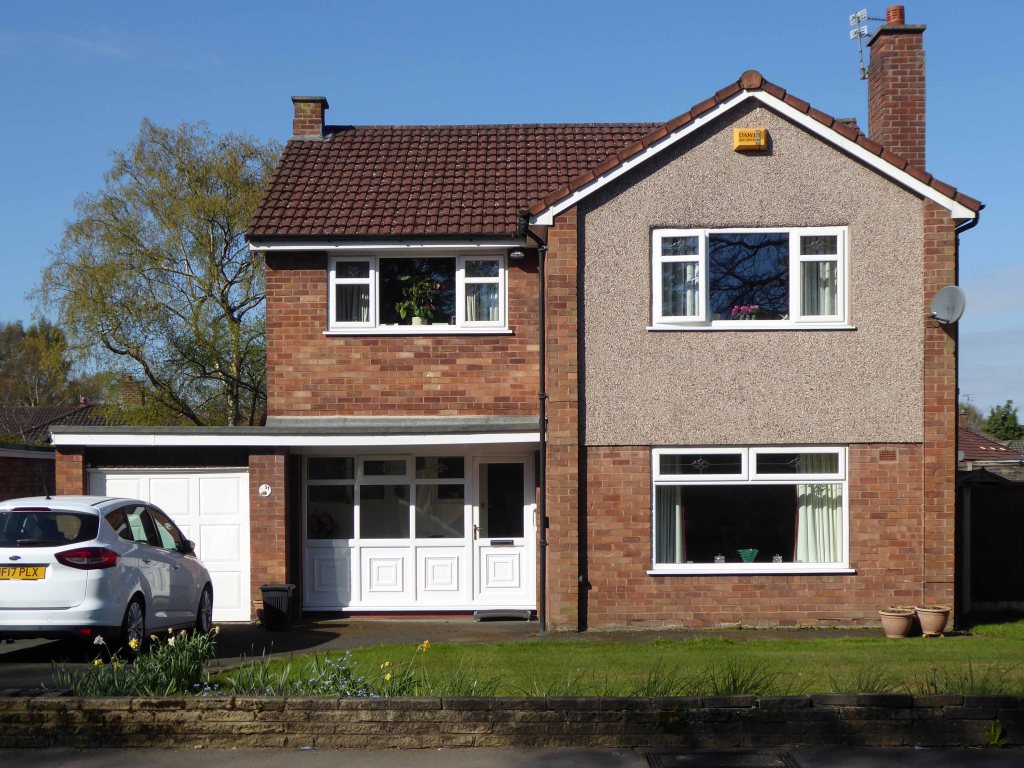
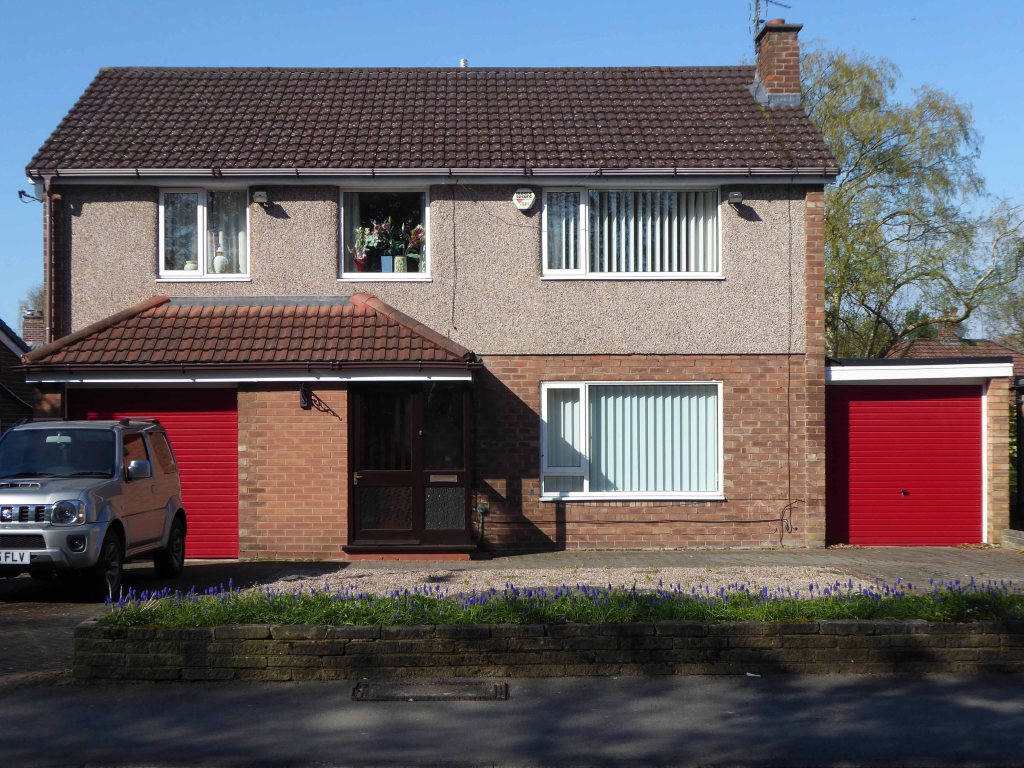
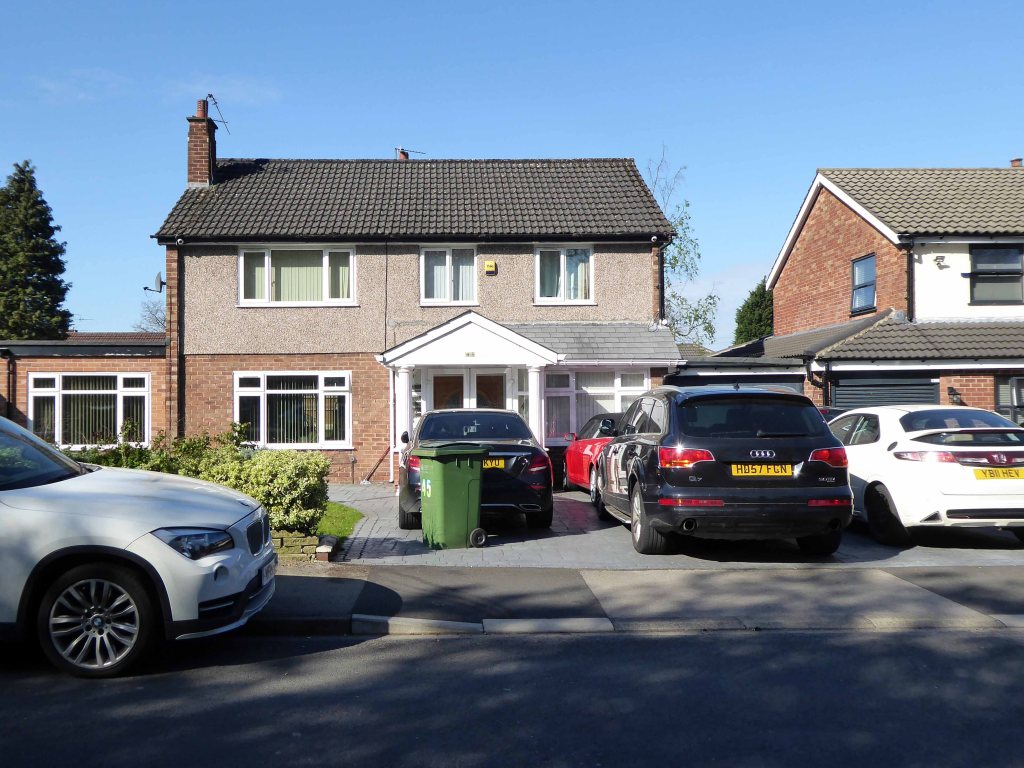
Fast forward to April 2020 – St Ann’s Road Heald Green Cheshire
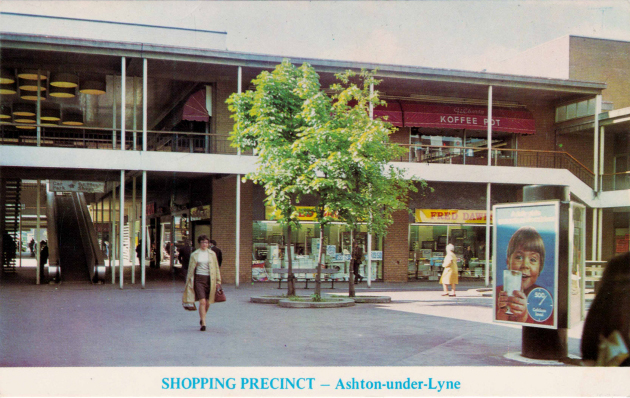
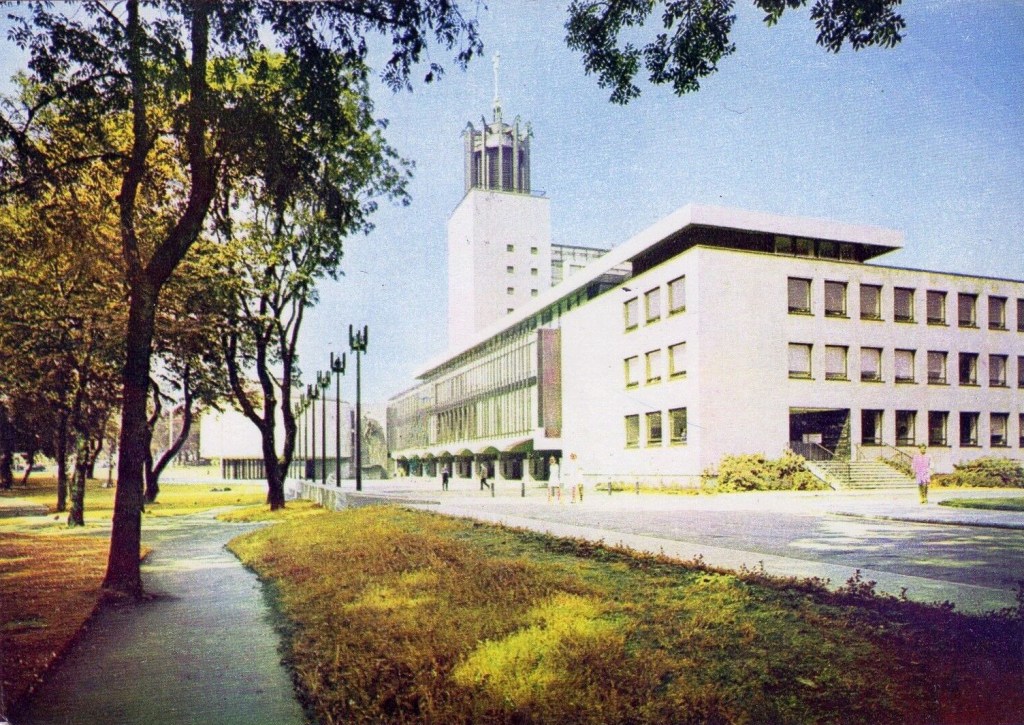
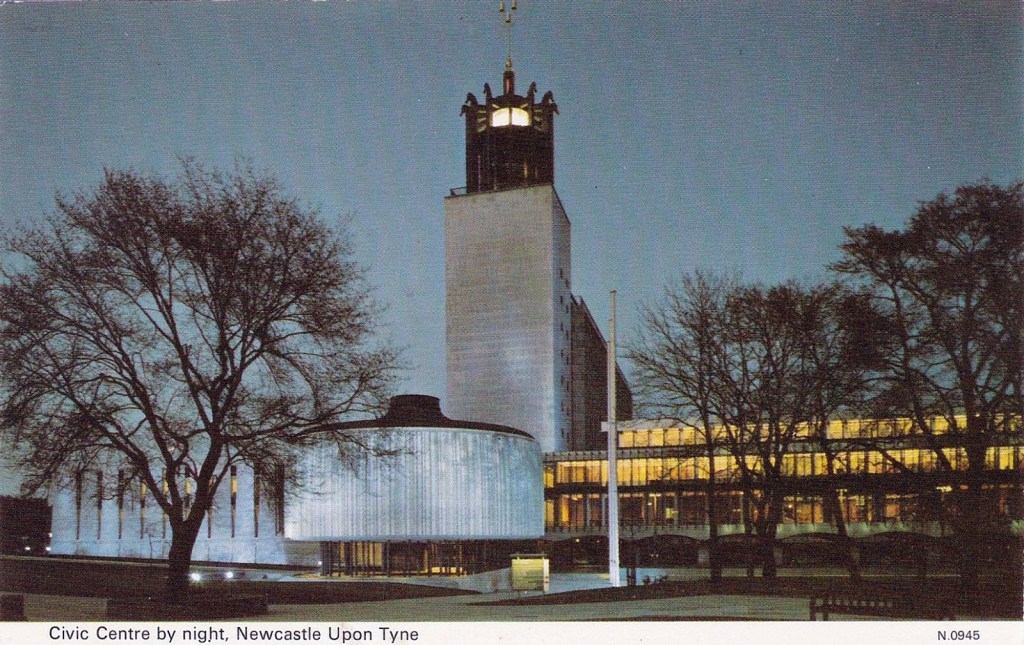
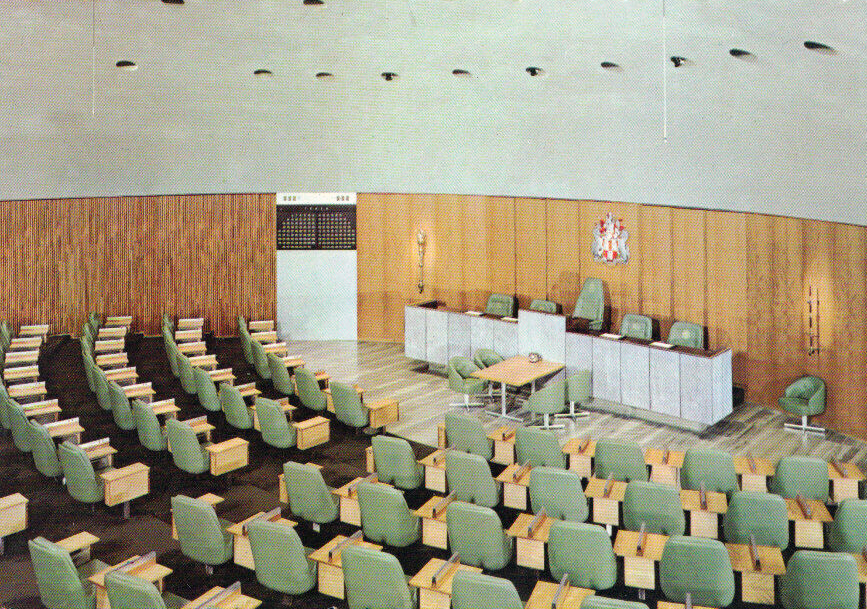
I’m more than partial to a picture postcard – I have penchant for the picaresque.
And in these troubled times there’s no safer way to travel.
I have some previous experience, exploring the precincts of our fair land – here and there.
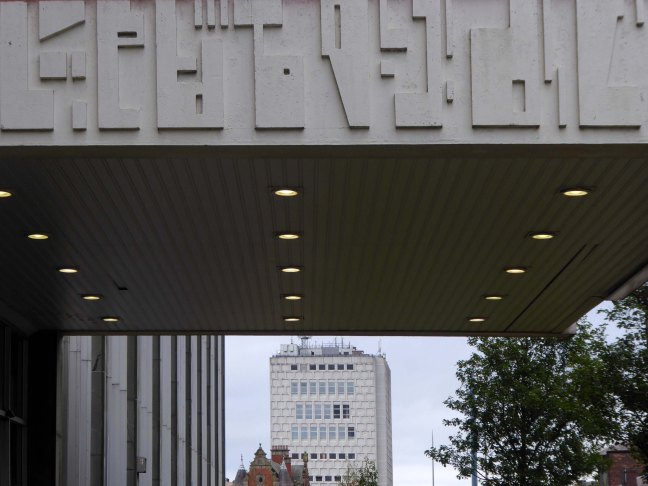
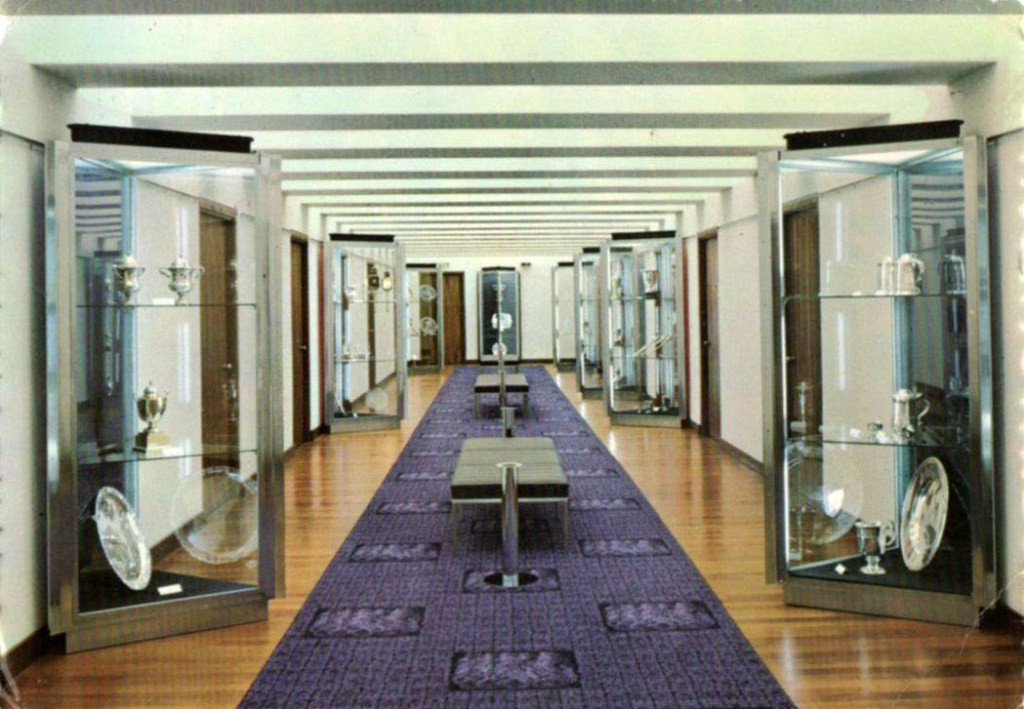
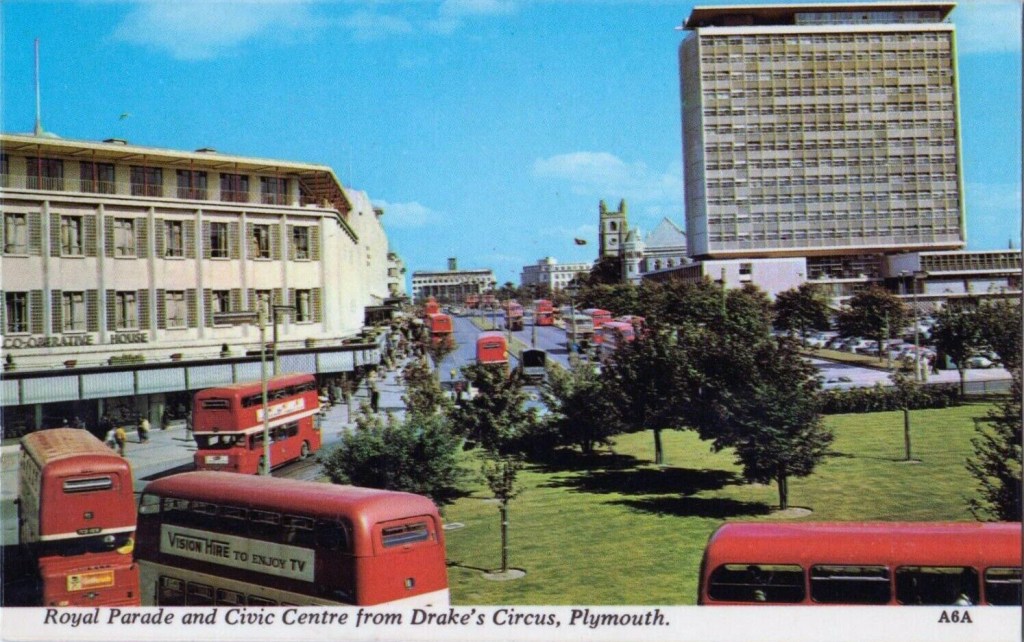
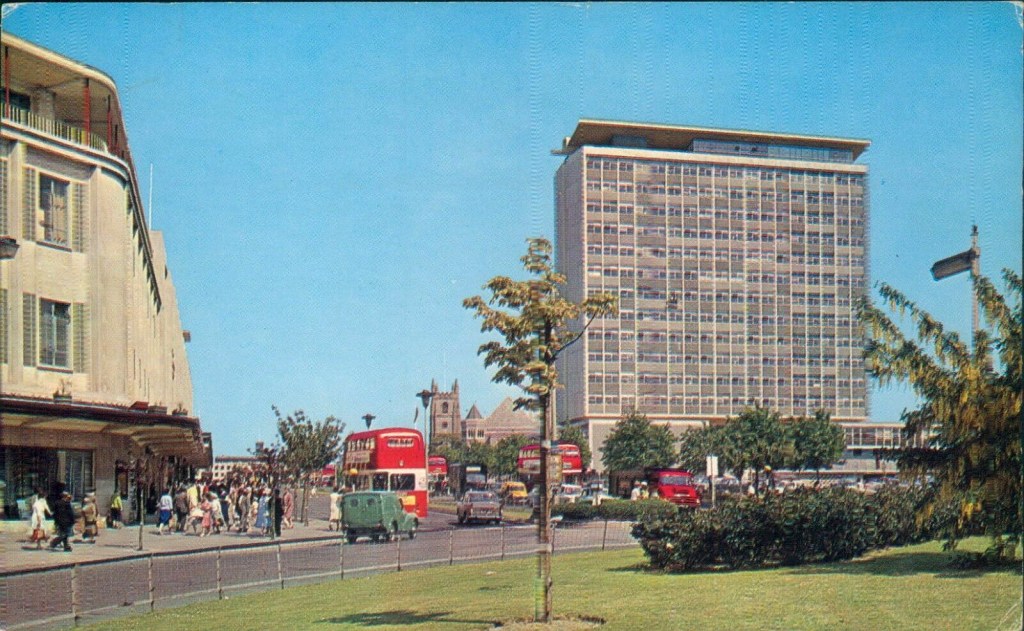
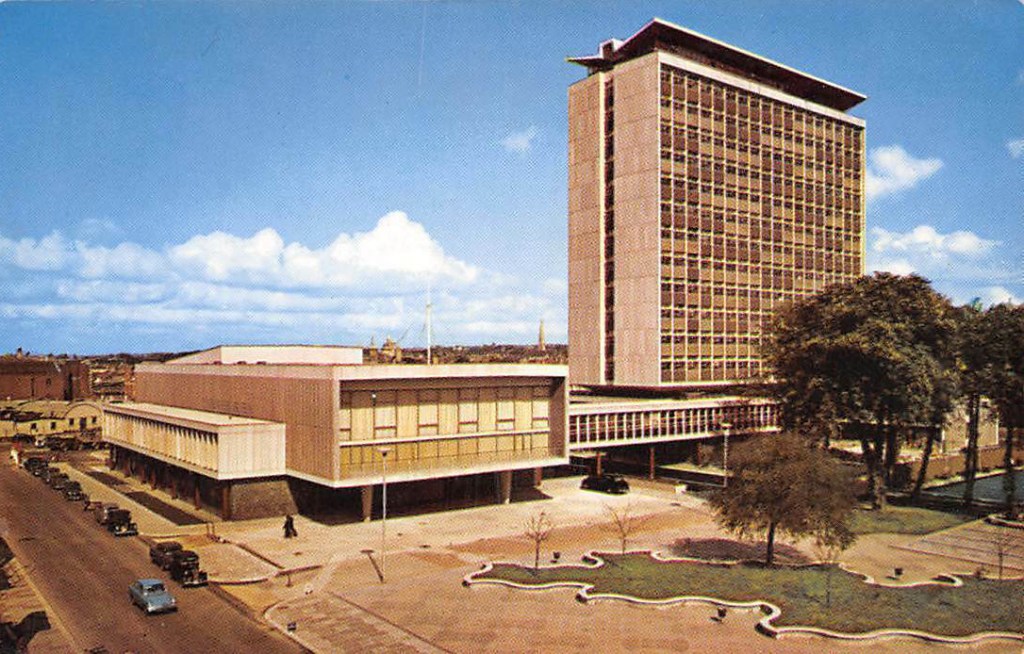
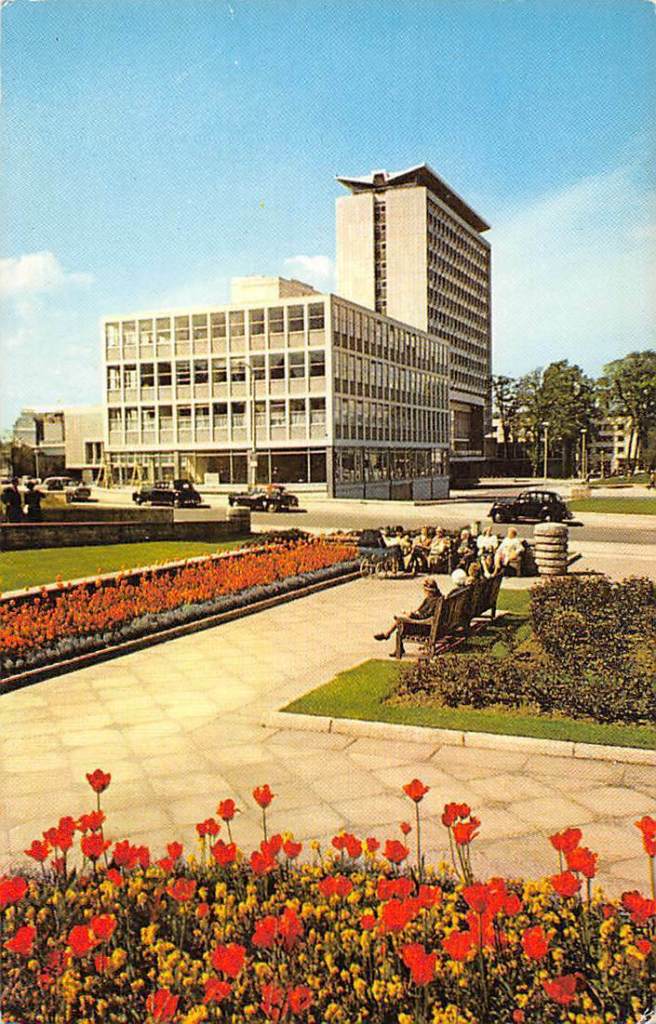
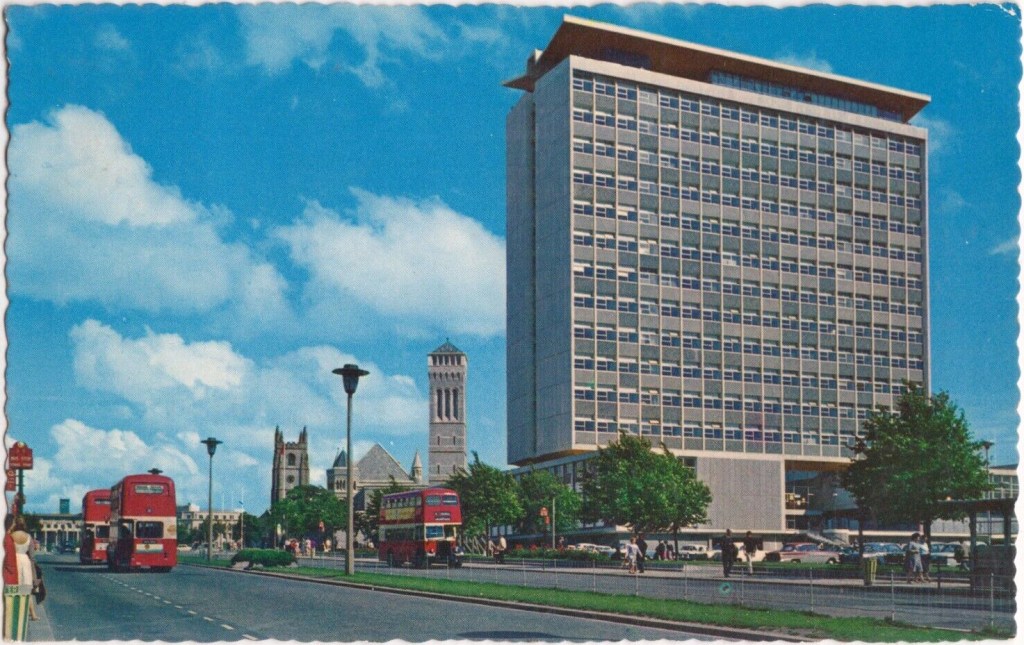
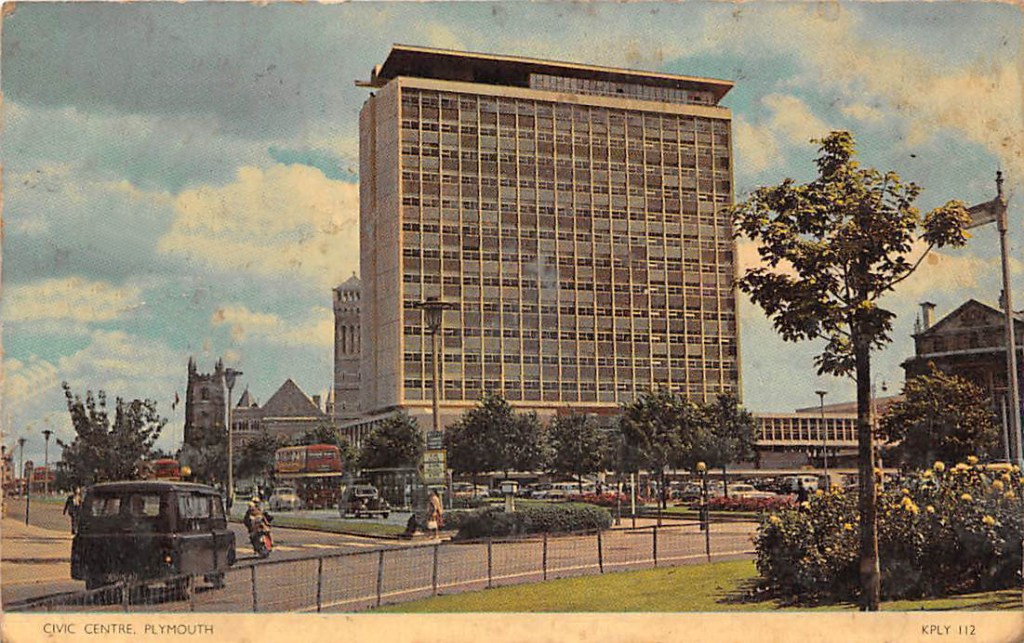
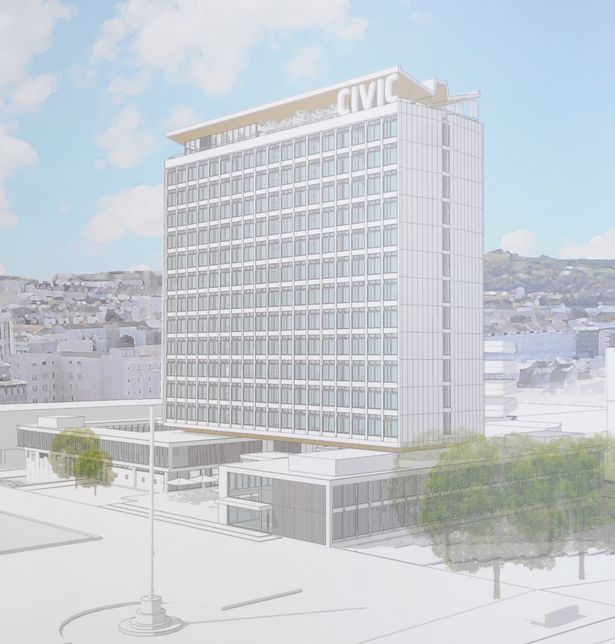
Prompted by a post from Natalie Bradbury – I became intrigued by Newcastle Civic Centre cards, I have visited the site, but in this instance, we are taken there thus:
The scheme also proposes a mix of uses for the ground and first floors including shops, offices, cafes and restaurants, bars, hot food takeaway, art gallery, gym, creche and day nursery.





































































































 Modern Mooch