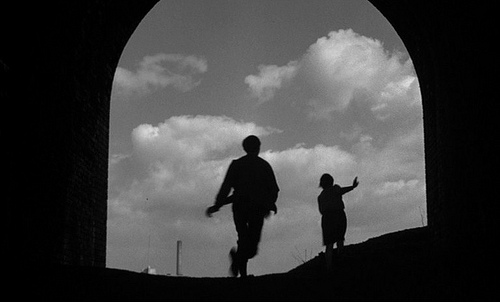
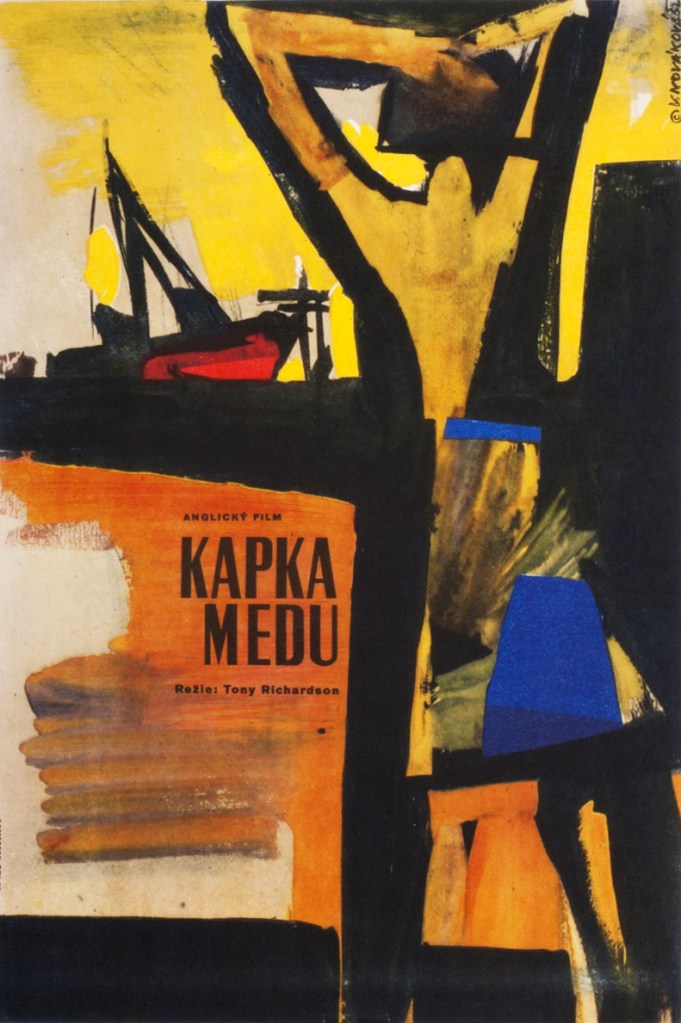
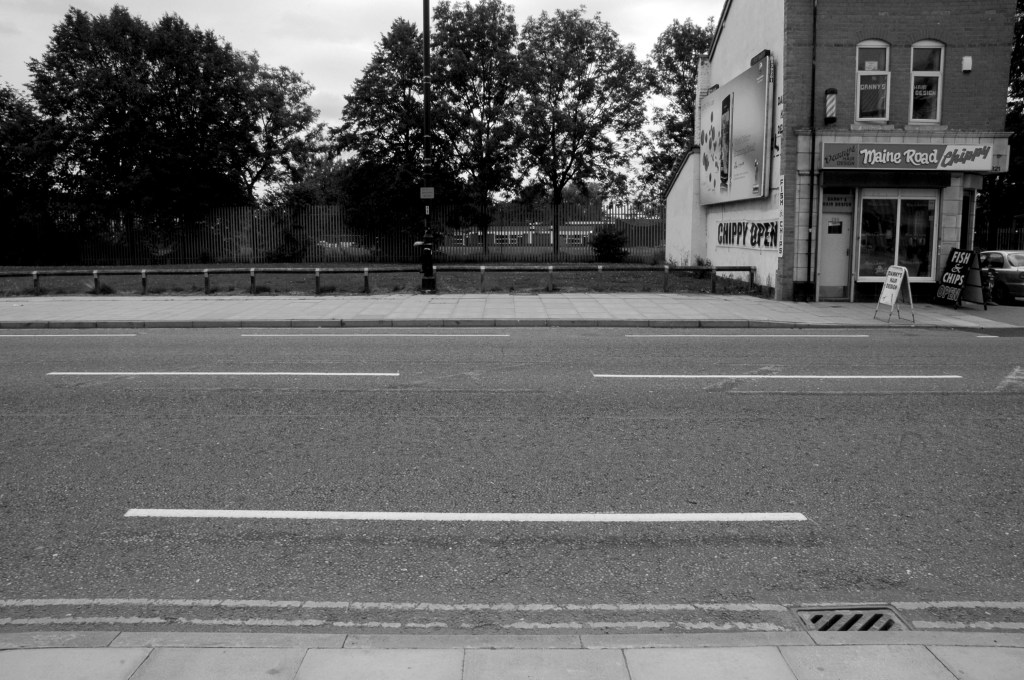
This is a film that has stayed with me for most of my life – first seen as a nipper, fascinated by the fact that it was shot in a very familiar landscape.
As years have passed I have watched and rewatched it, finally resolving to track down the local locations used in its filming.
Studying and pausing the DVD, making thumbnail sketches of frames, researching online – referring to Reelstreets.
I have previously written about the way in which the movie shaped a particular image of the North.
And examined particular areas of Manchester such as Barmouth Street.
The film generated world wide attention and remains just as popular today.
Still watched, still loved, still relevant – here are a selection of photographs I took in 2011 – cycling around Manchester, Salford and just a little closer to home in Stockport.
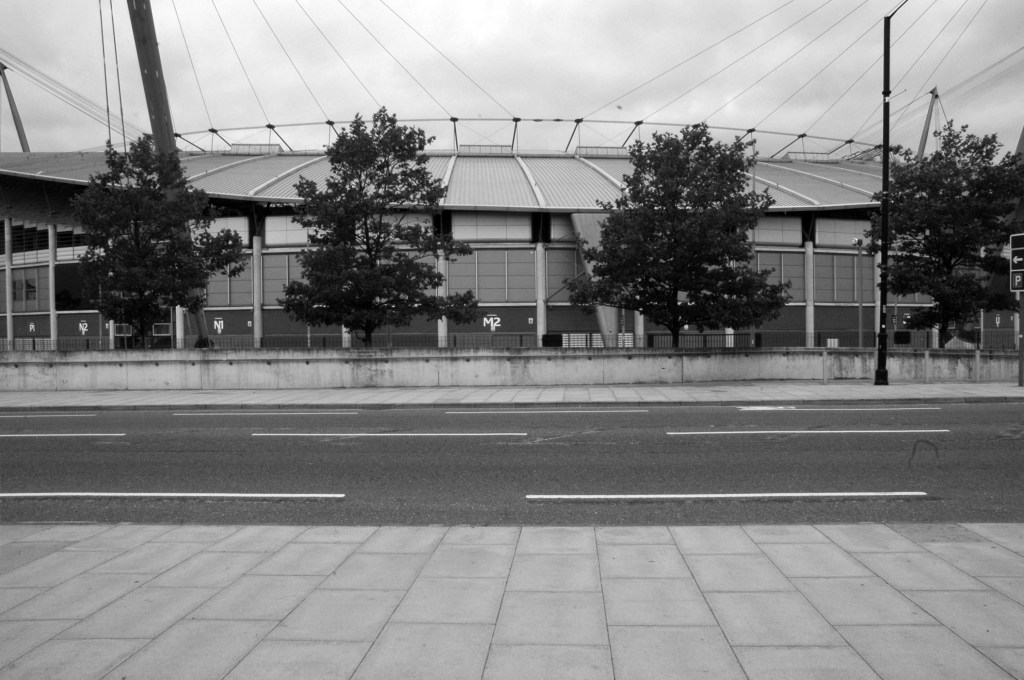
Timpson’s shoe shop now demolished opposite the Etihad
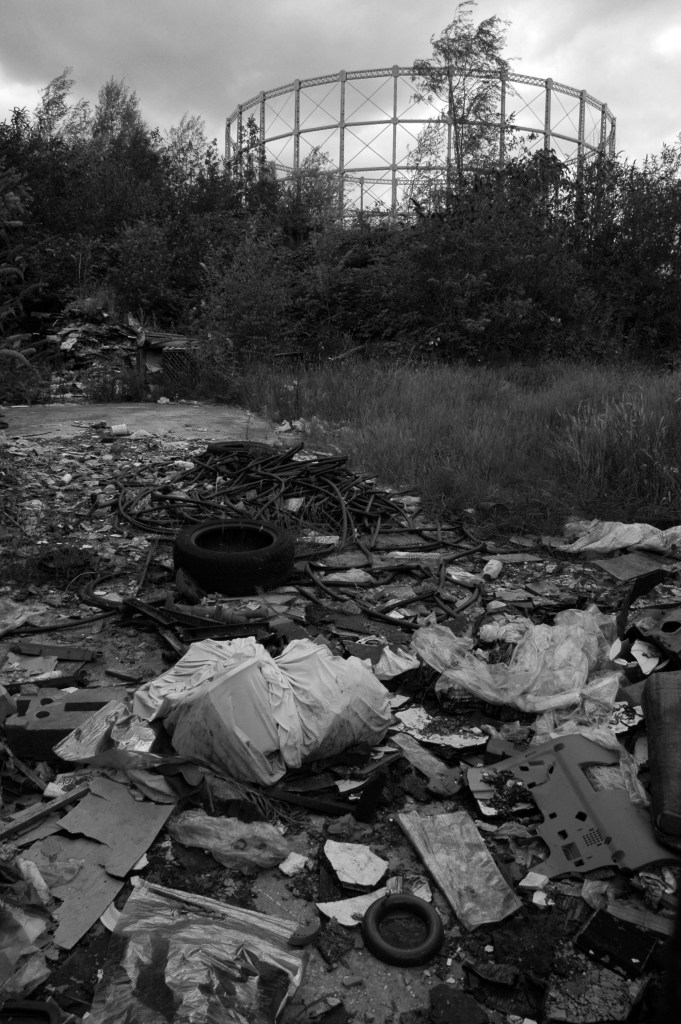
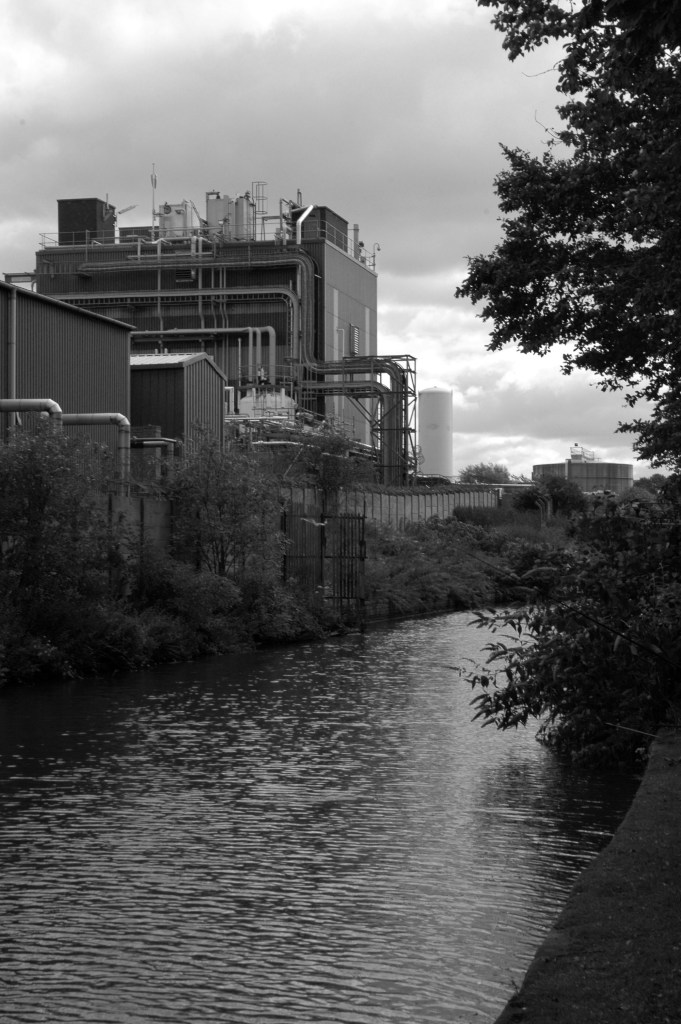
Phillips Park the back of the gas works in Holt Town
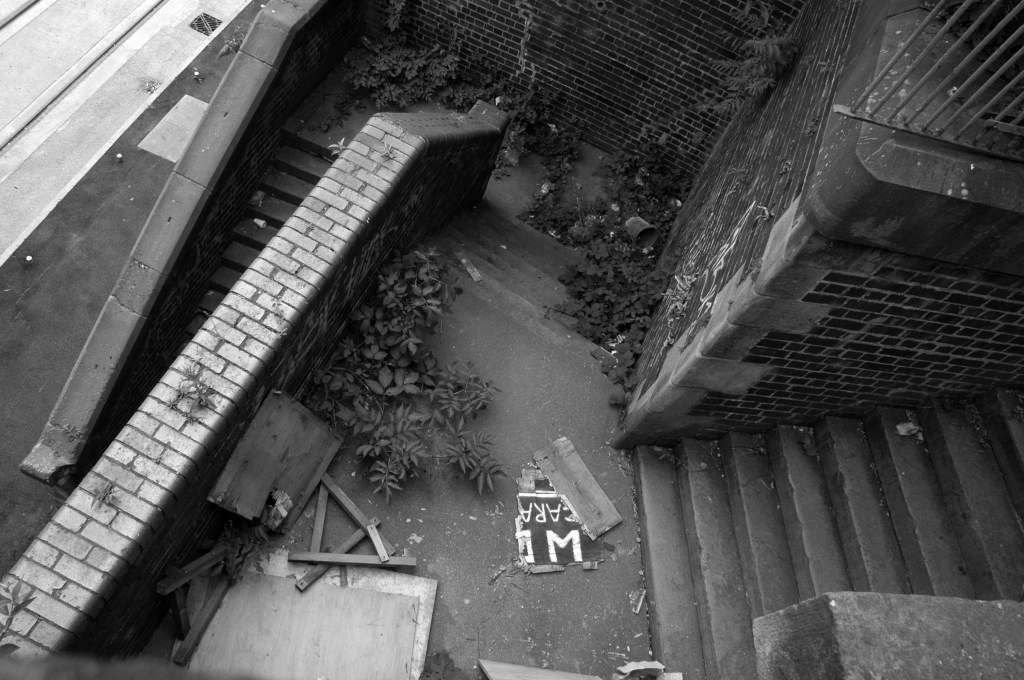
The Devil’s Steps Holt Town
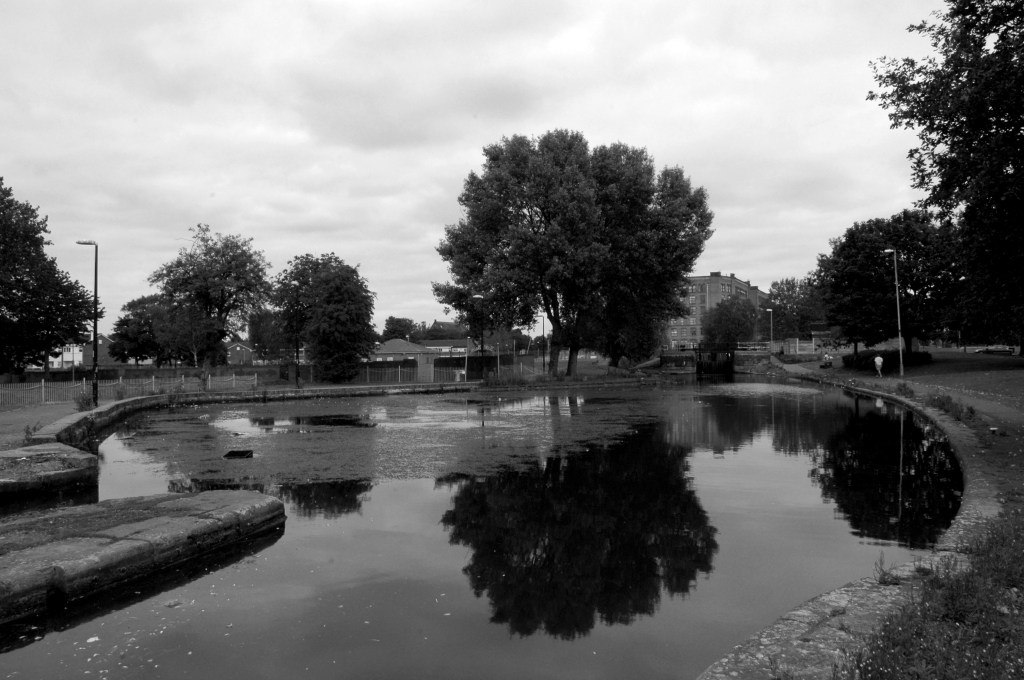
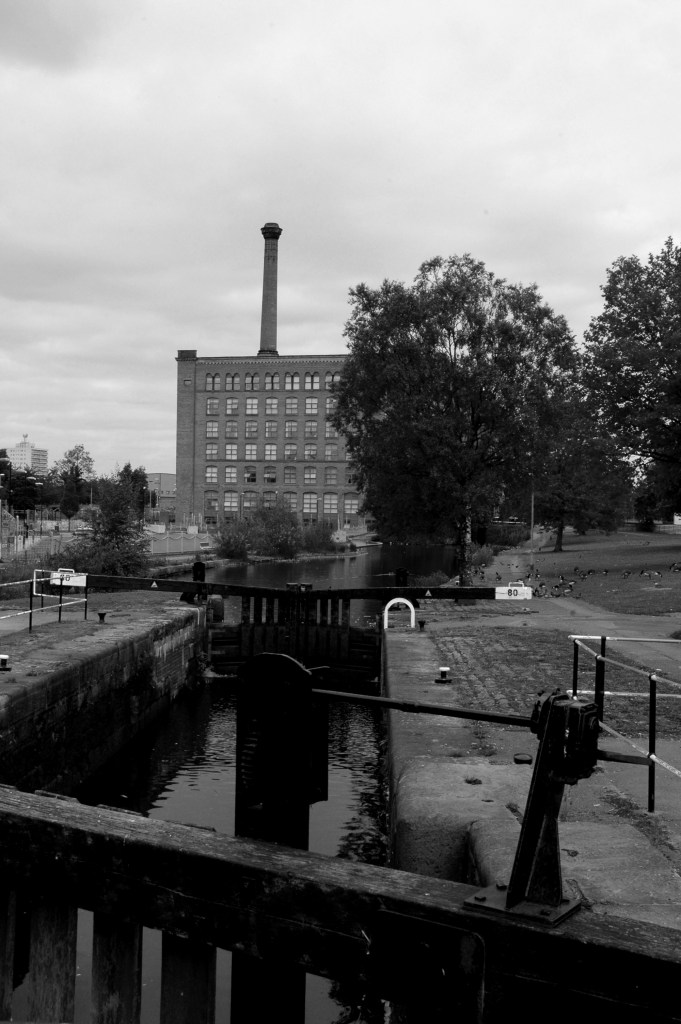
Rochdale Canal
Ashton Canal
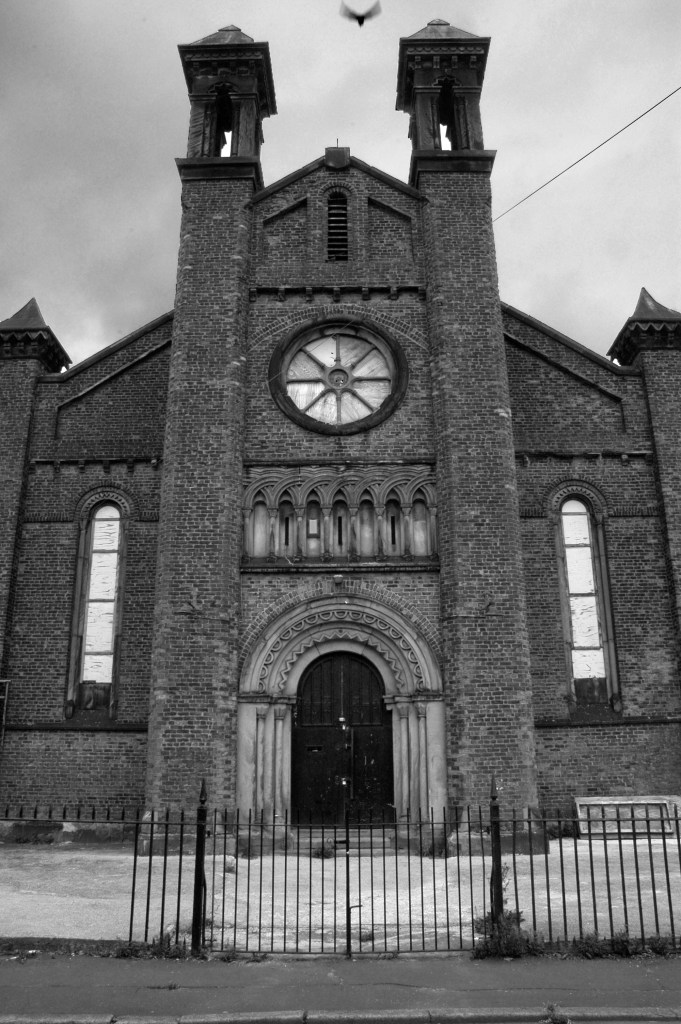
All Souls Church Every Street Ancoats
Piccadilly Gardens as we view the city from a moving bus.
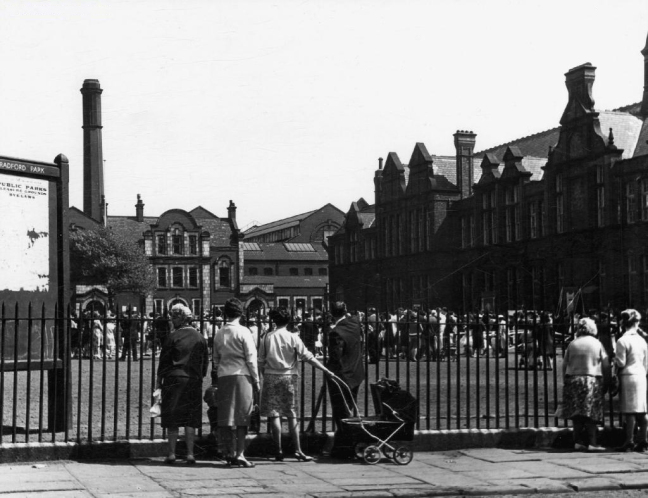
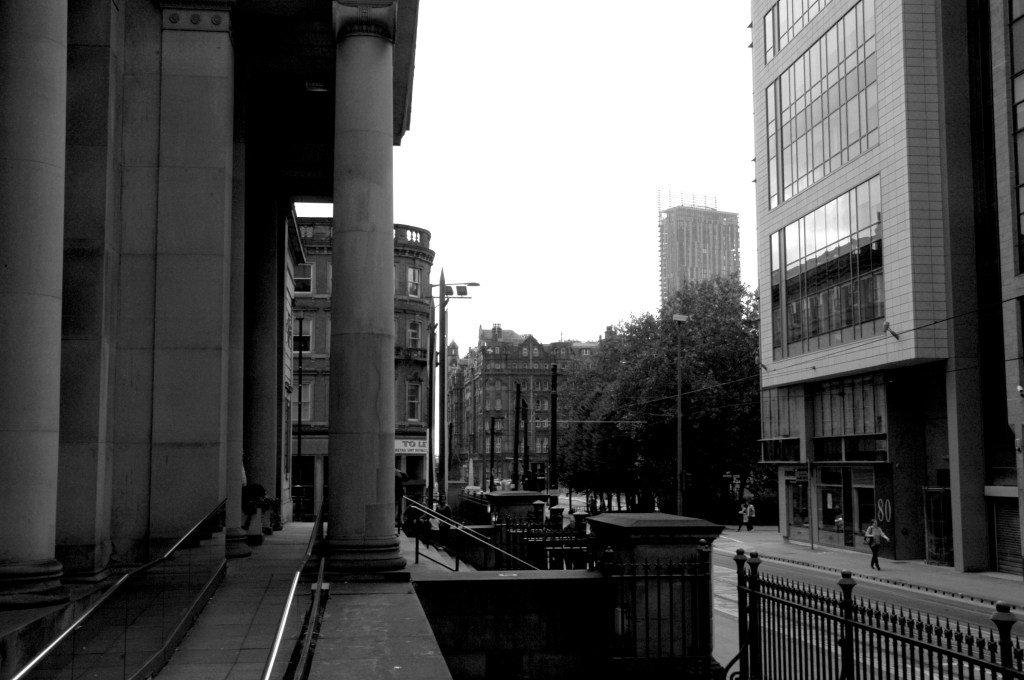
Manchester Art gallery – where they watched the Whit Walks.
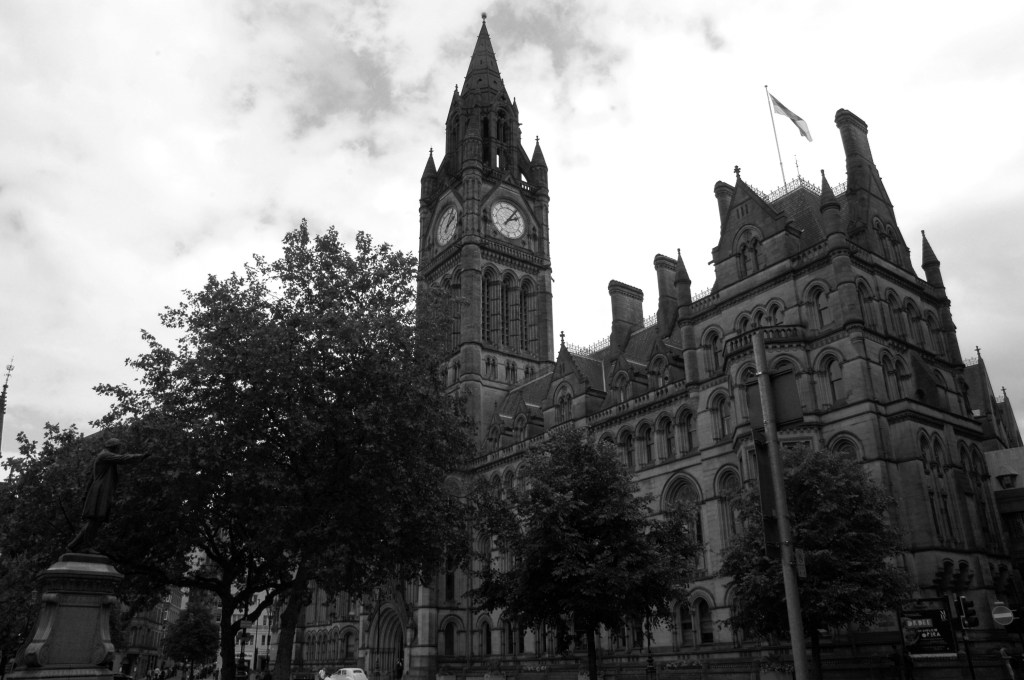
Albert Square part of the earlier bus ride.
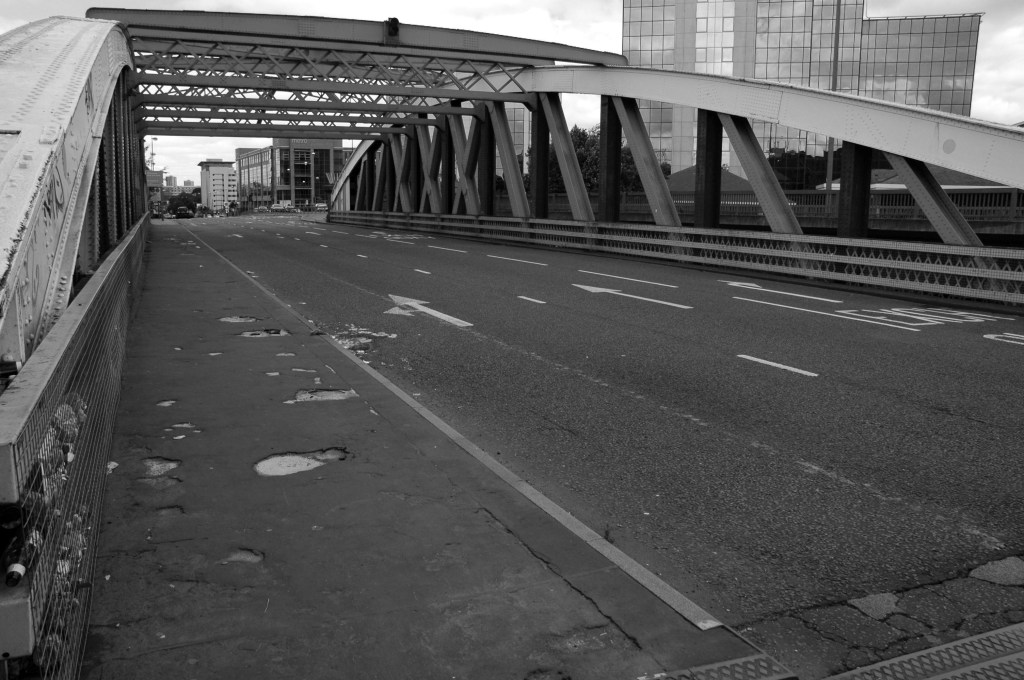
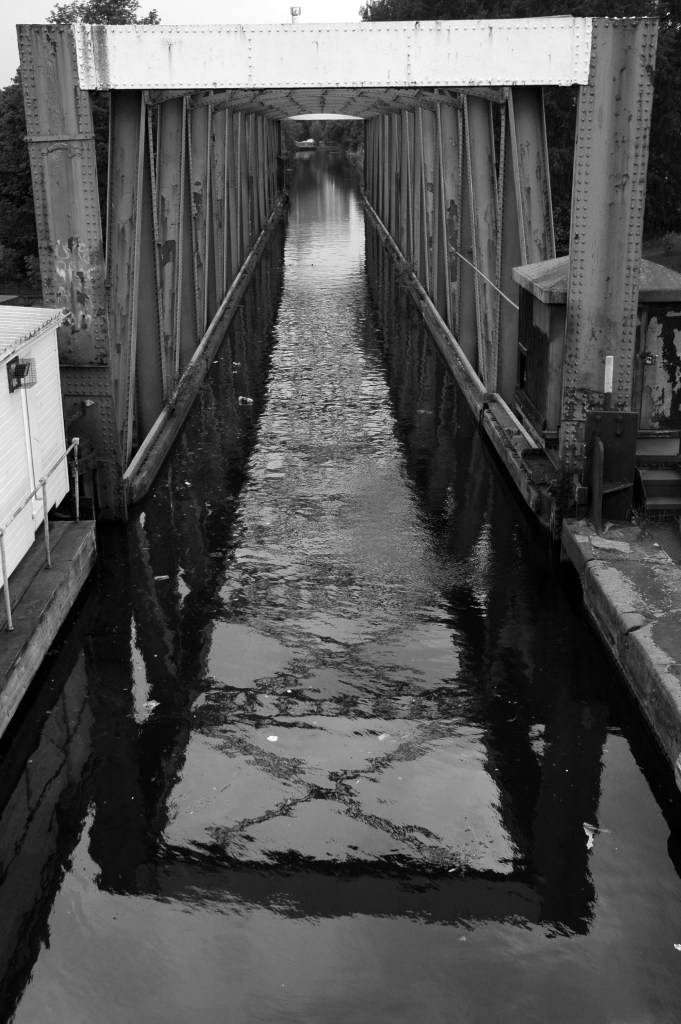
Trafford Swing Bridge
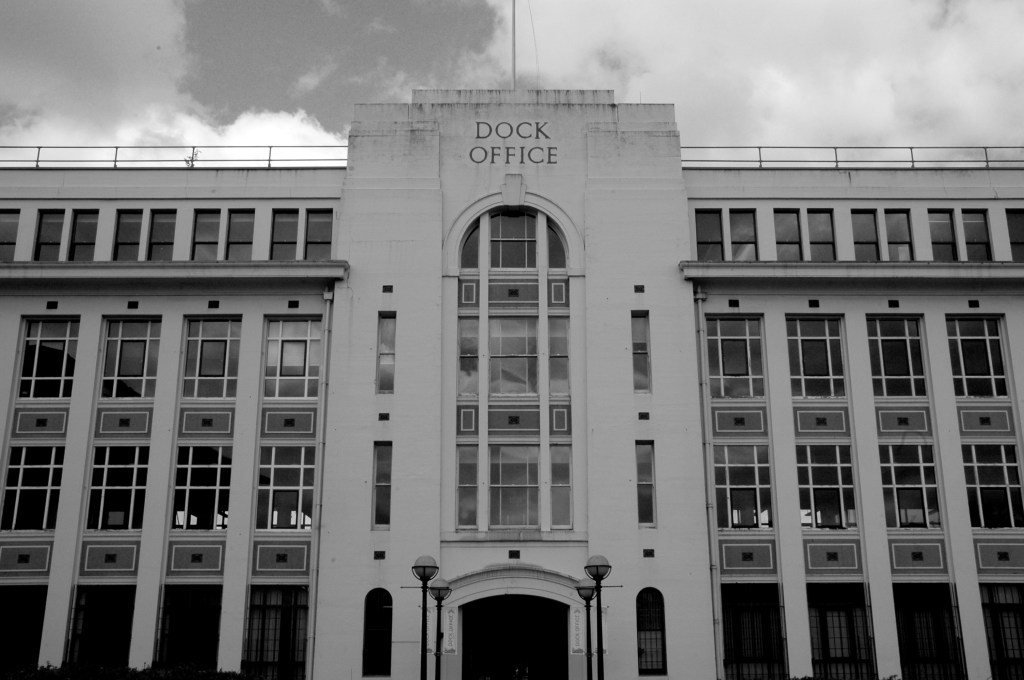
Dock Offices
Chimney Pot Park Salford
Pendleton
Barton Aqueduct
Through my tour I have attempted to capture a sense of the settings as they are – how, if at all, the areas have changed.
There may be some minor inaccuracies or omissions which I am happy to amend.
You may wish to visit the sites yourselves, the majority of which are easily accessible, above all watch the film and appreciate that which is around you.
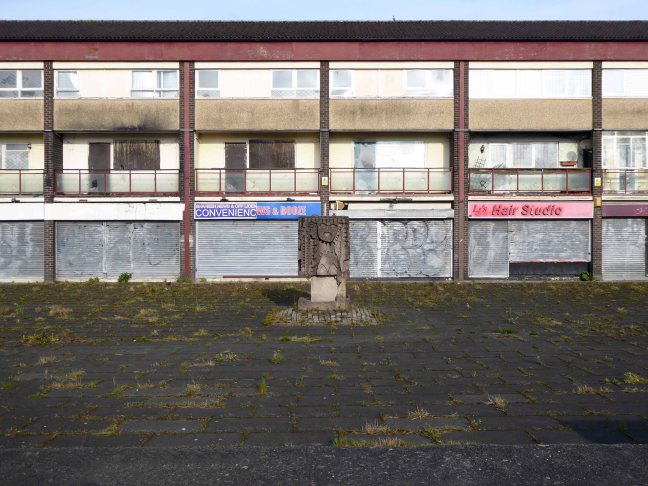
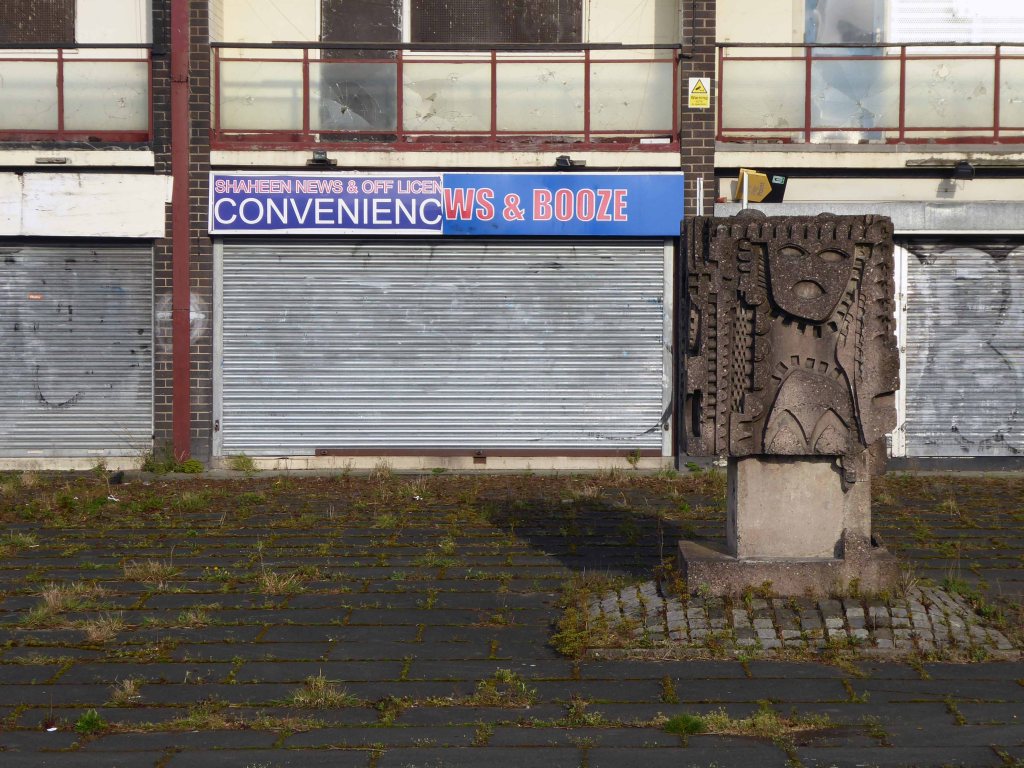
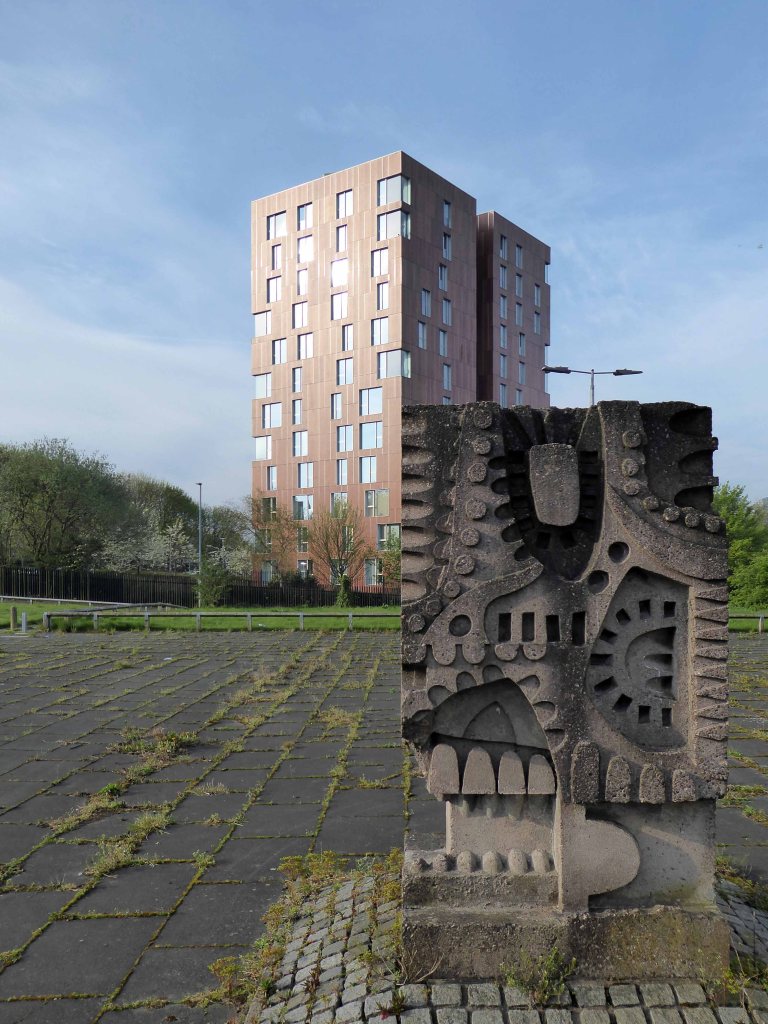
It’s lockdown so we can’t go far, so from home in Stockport to Collyhurst is within my daily exercise allowance.
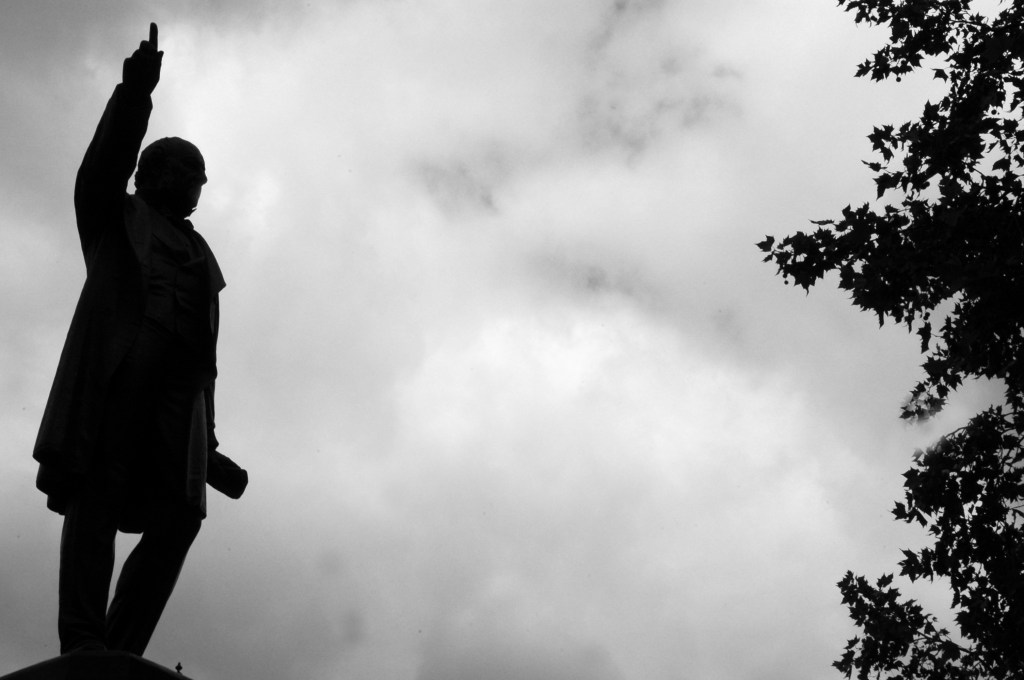
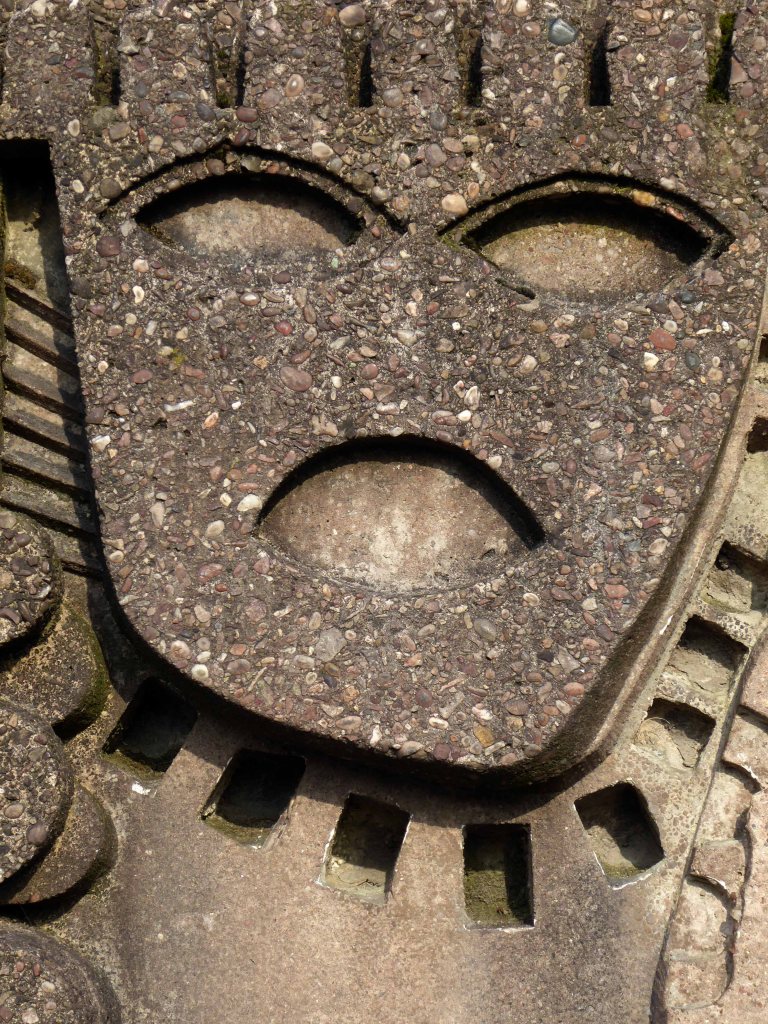
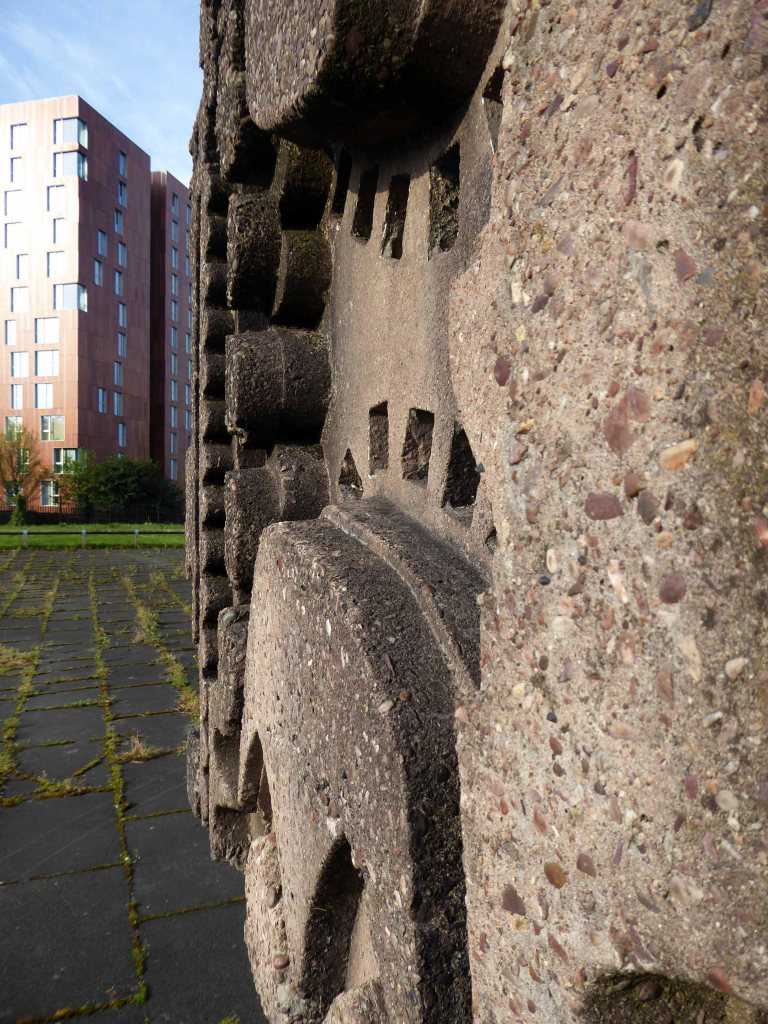
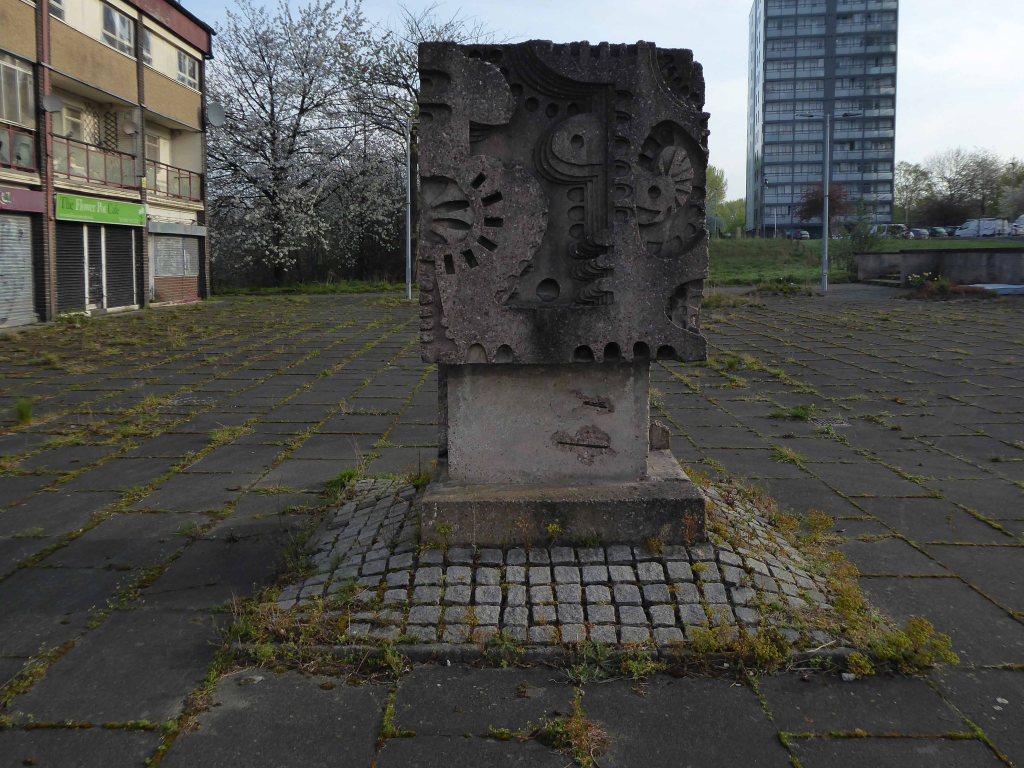
There is talk of relocation for the diminutive Mitchell totem, but as of today no sign of any action – all is in abeyance.
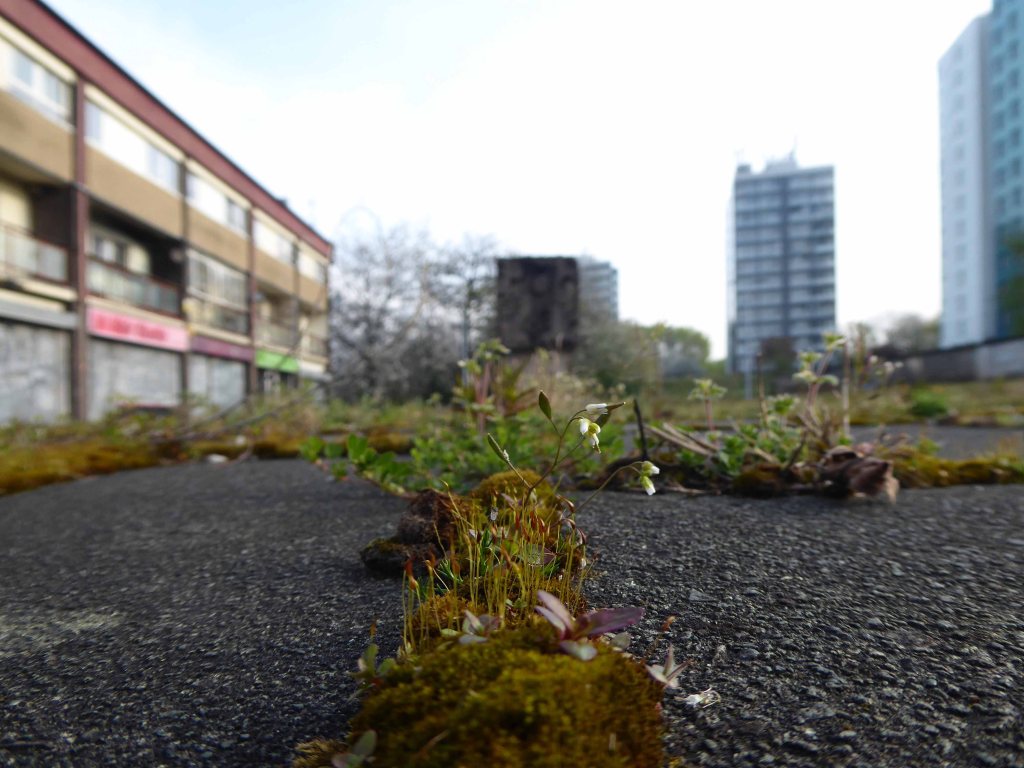
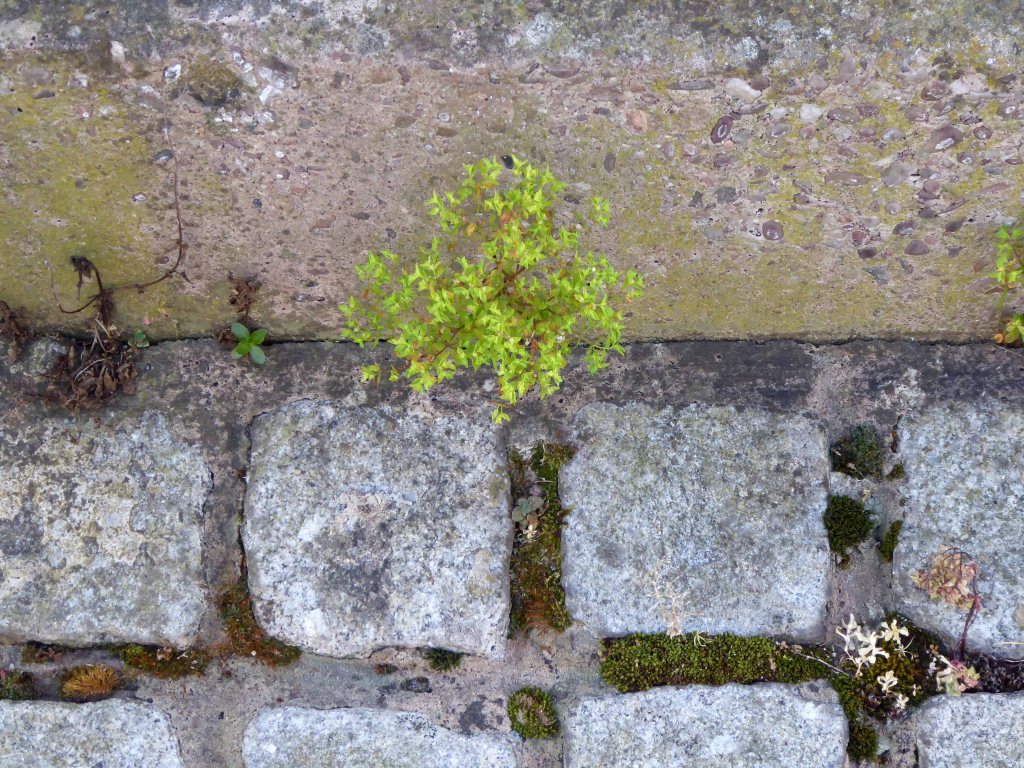
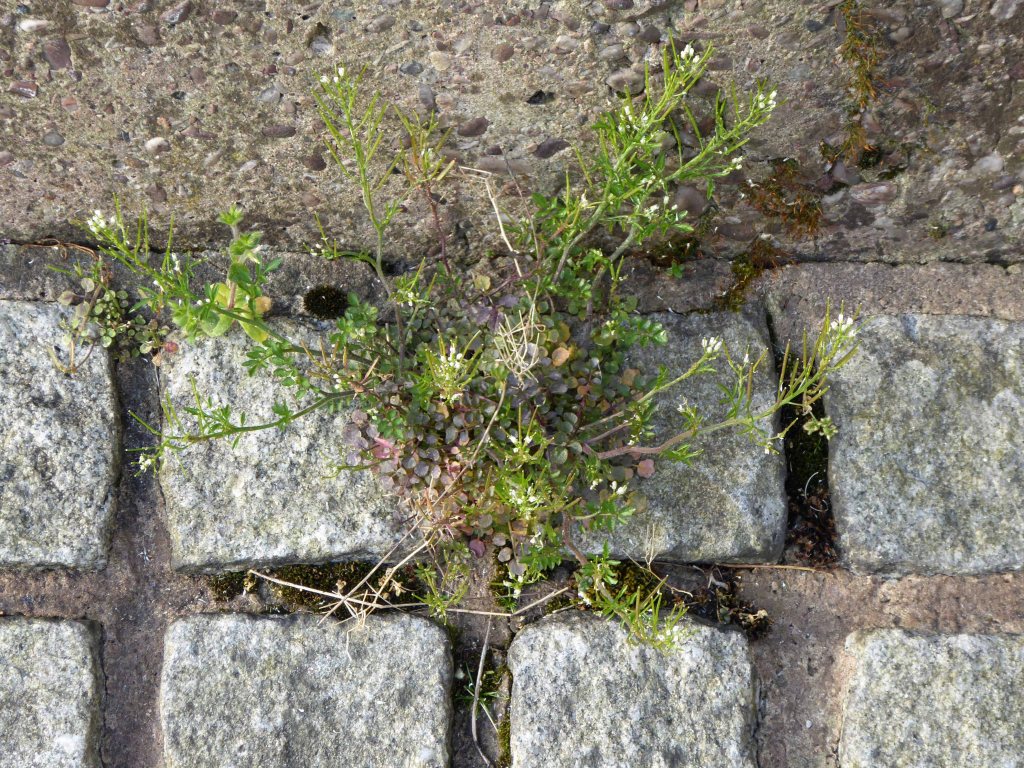
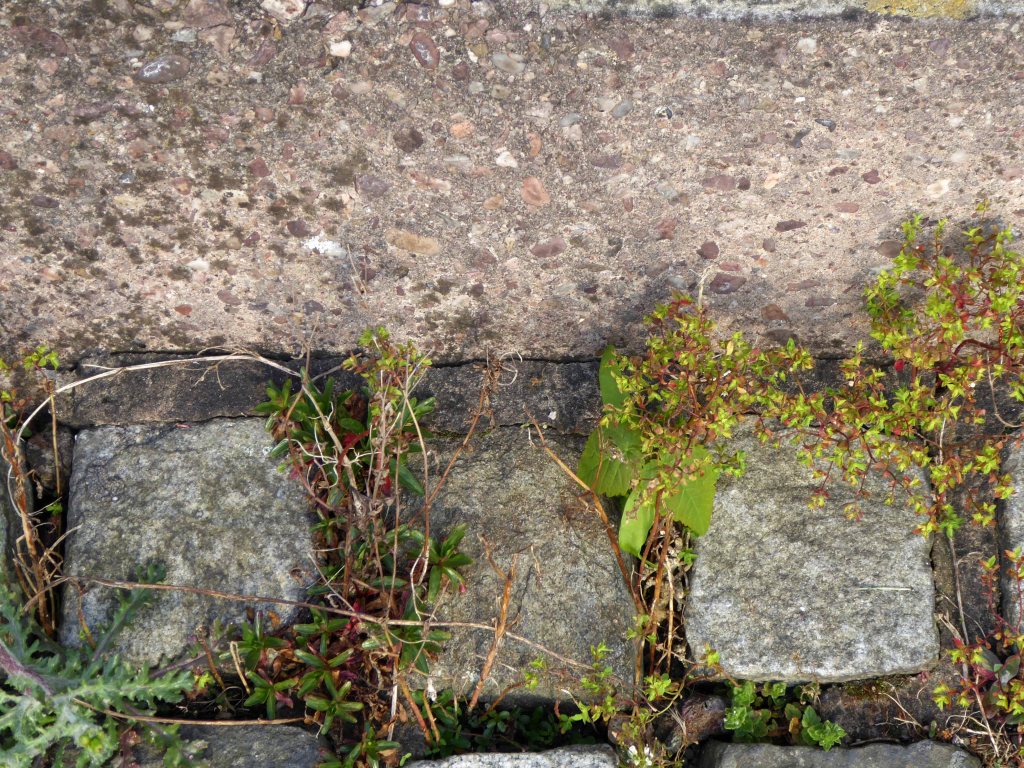
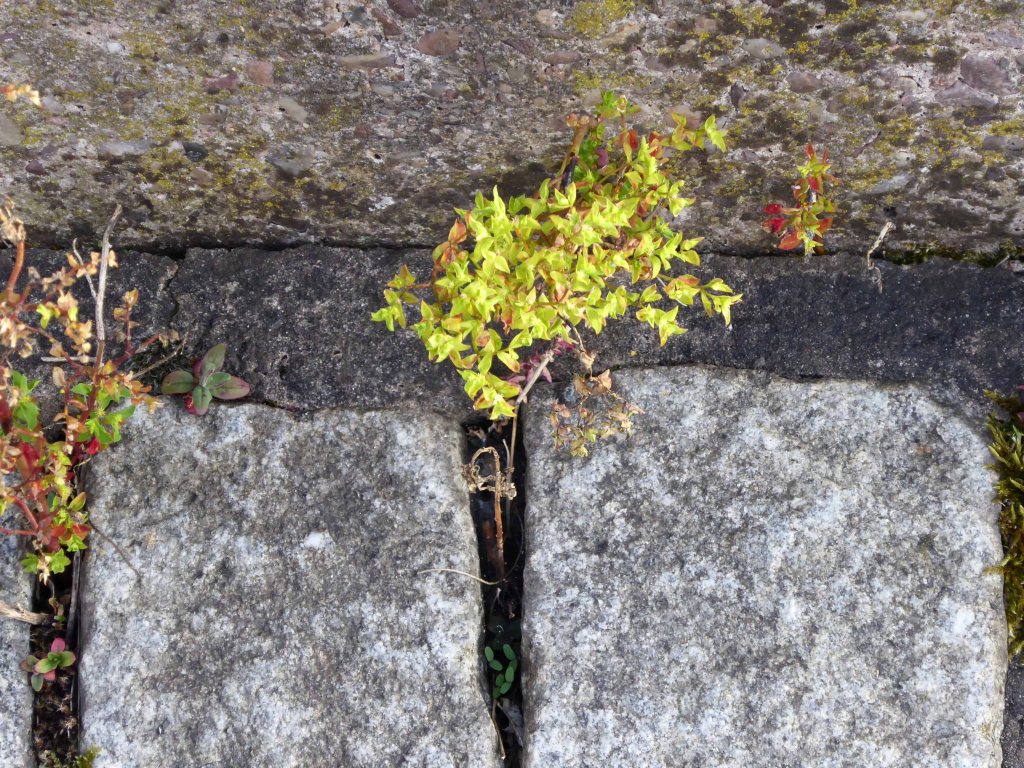
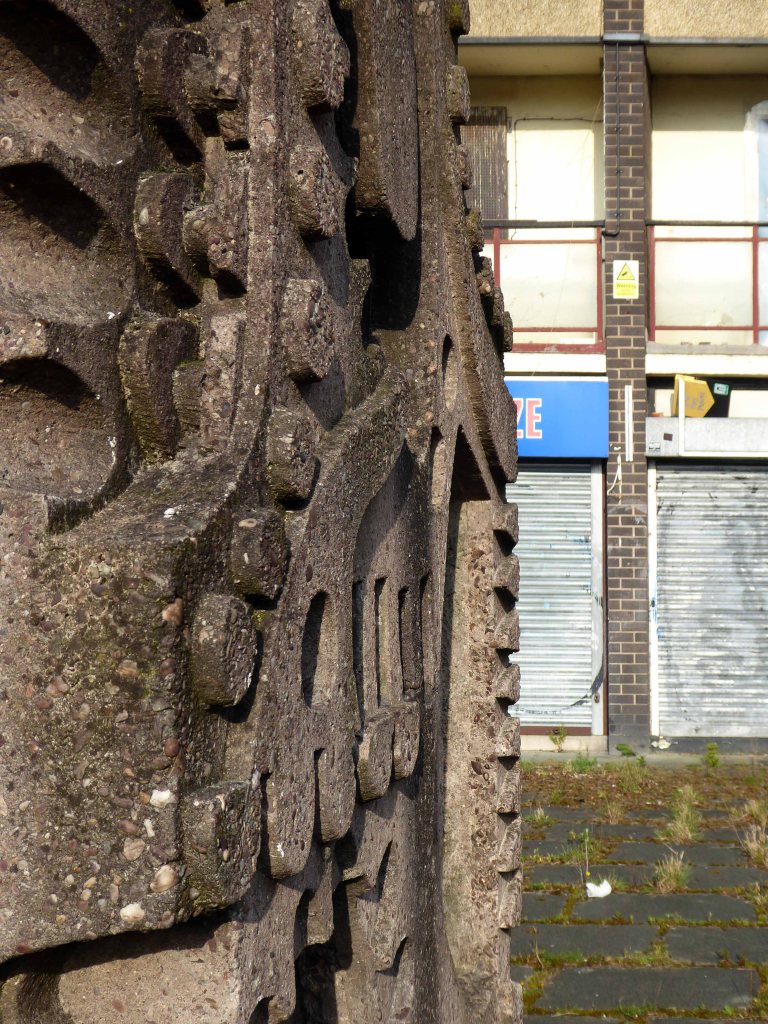
What we do see is the encroachment of flora, cleaner air, low or no level human activity encourages growth between the cracks.
And at the base of the plinth
I took the opportunity to get in close.
Move around in a merry dance.
Quite something to spend time in an ever changing urban space – devoid of company, save for the calming sound of birdsong and the distant rumble of a distant train.
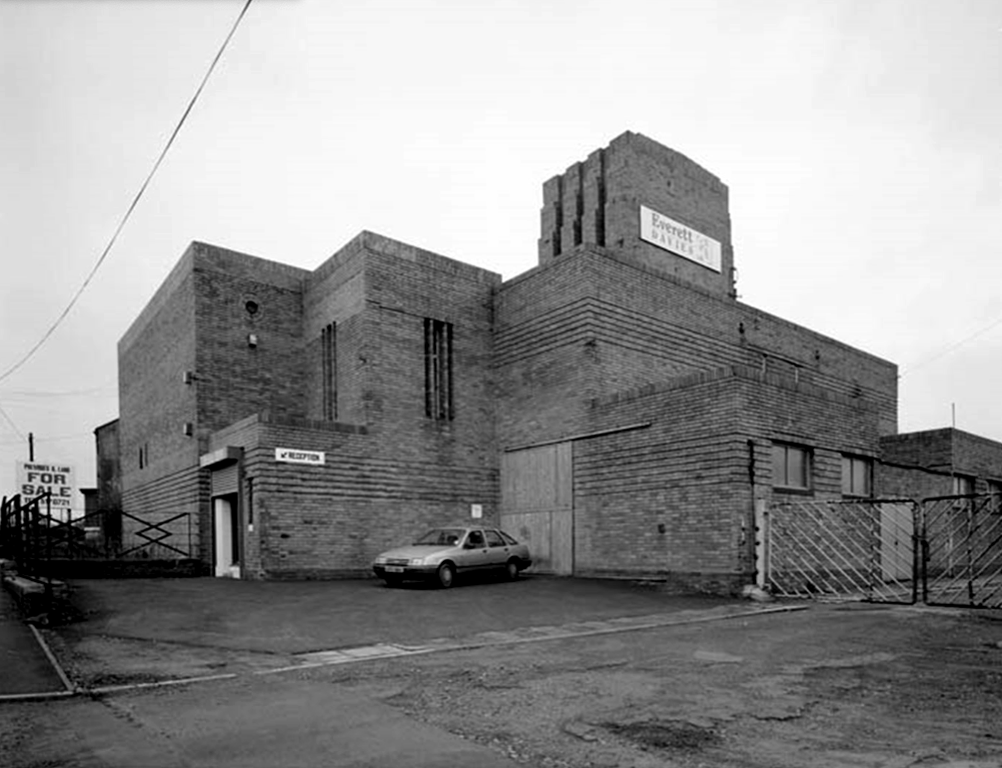
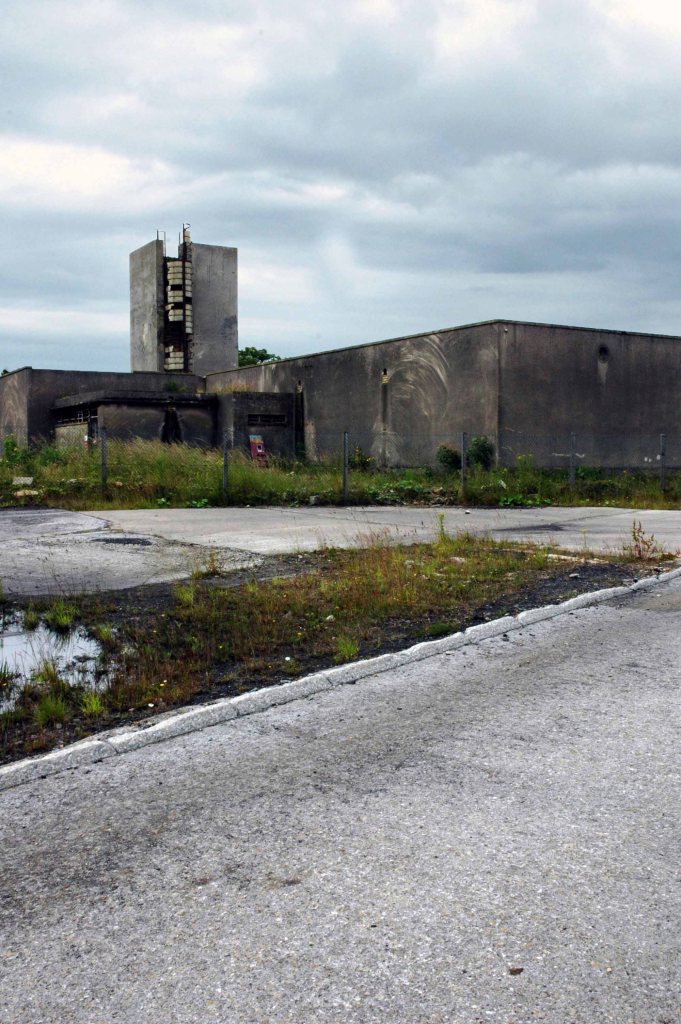
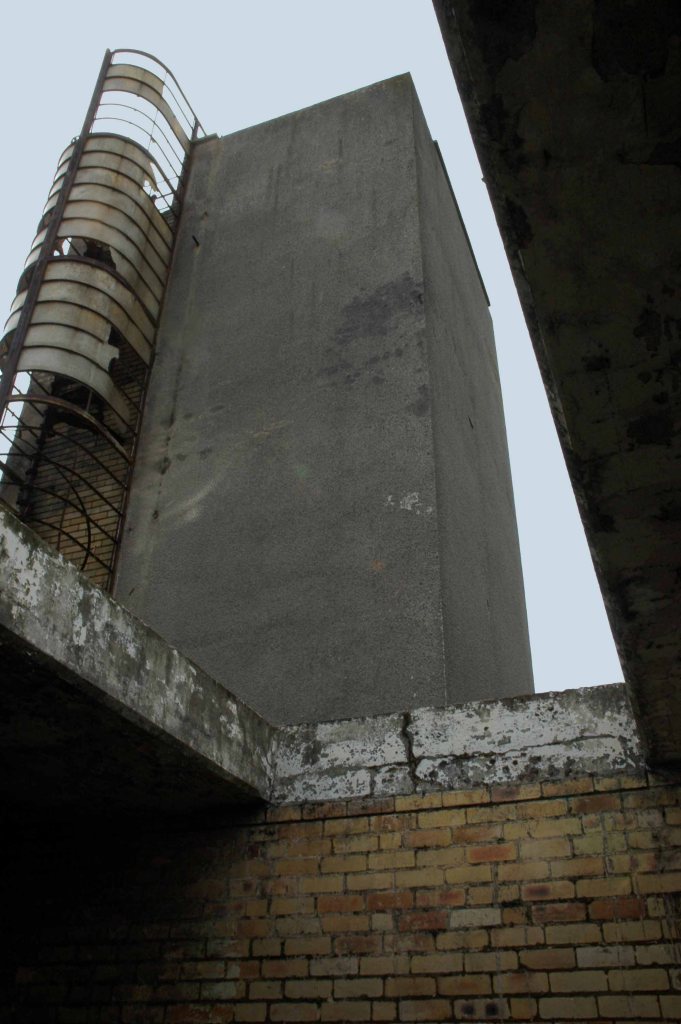
Pebbledashed over white brick. Roofs part concrete slab, part glazed behind parapet. Irregular plan, Modern Movement style. Group of blocks of varying height round tall central tower with rounded, glazed stair turret. Walls mainly sheer, with plinth and slight roof projection.
Long block on east of tower has central south projection with glazed, banded steel double door under high strip of windows beneath eaves overhang. Taller storeroom to west has similar doors in 2 recessed banded glazed bays; and abuts on south-east corner of tower. Similar double doors in base of tower. Large lower south-western canteen wing abuts on west side of tower and has banded glazing around two sides above a projecting sill. Slightly-projecting 3-bay office section to north has steel cross casements; on its return another casement and a door with hollow-chamfered jambs and flat hood. Taller bath block behind. Wave pattern on rainwater heads.
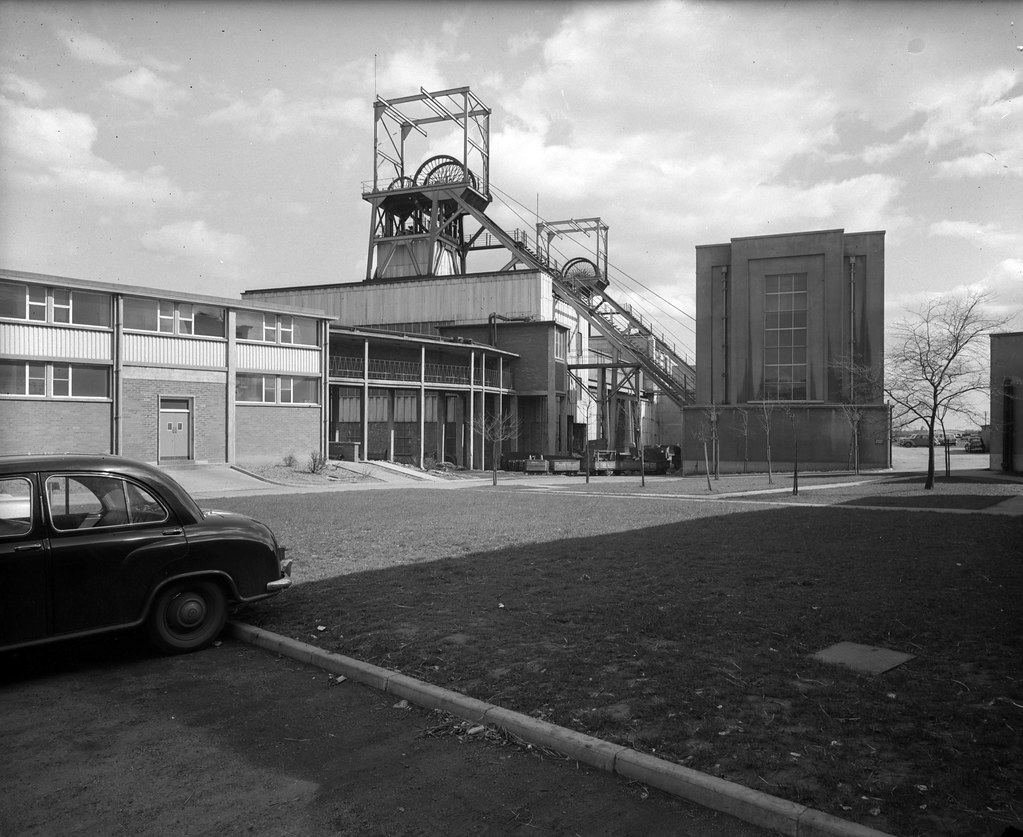
This is the youngest colliery in the neighbourhood, having commenced operations for the Ashington Coal Co Lt. in 1934. The shafts, which are situated comparatively near to the coast, are two in number, and both were sunk to the High Main seam level, which is 486 ft from the surface. The downcast No. 1 is 18 ft in diameter and is used for coal-raising on two shifts per day, and the upcast, which has a diameter of 15 ft, is used for ventilation and emergency man riding only.
The seams being worked are the High Main, the Diamond, the Main, and the Yard. Each of these seams shows practically the same nature of roof and floor as throughout the two neighbouring collieries and the distance between the seams is also comparable. They are, of course, found at slightly greater depths at Lynemouth, the Yard seam, for example, being 660 ft. below the surface near to the shafts, as compared with some 300 ft. at Ellington.
It was one of Britain’s largest collieries until it was closed in 1994.
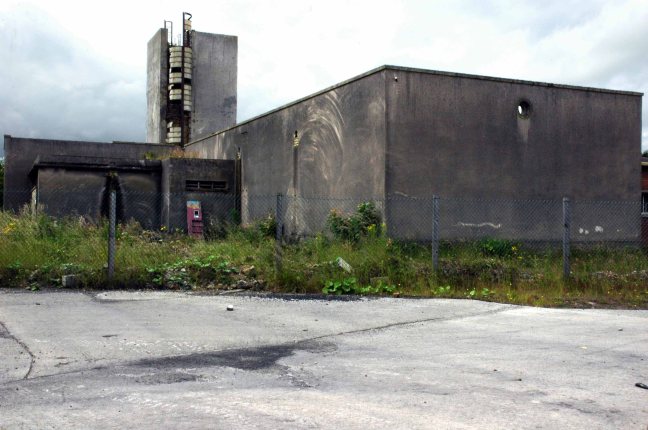
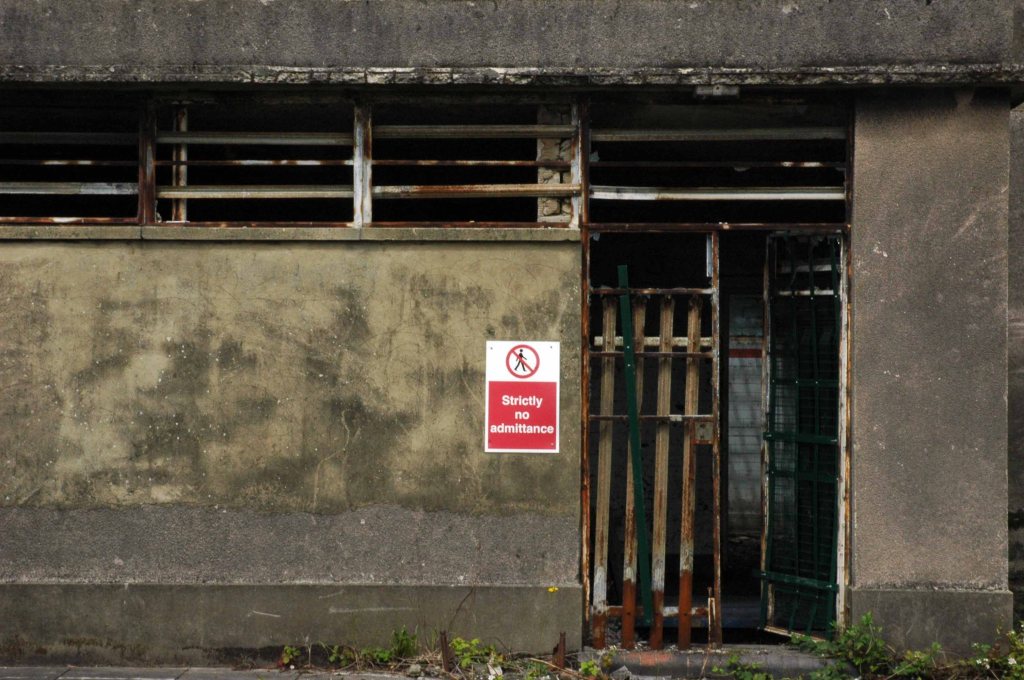
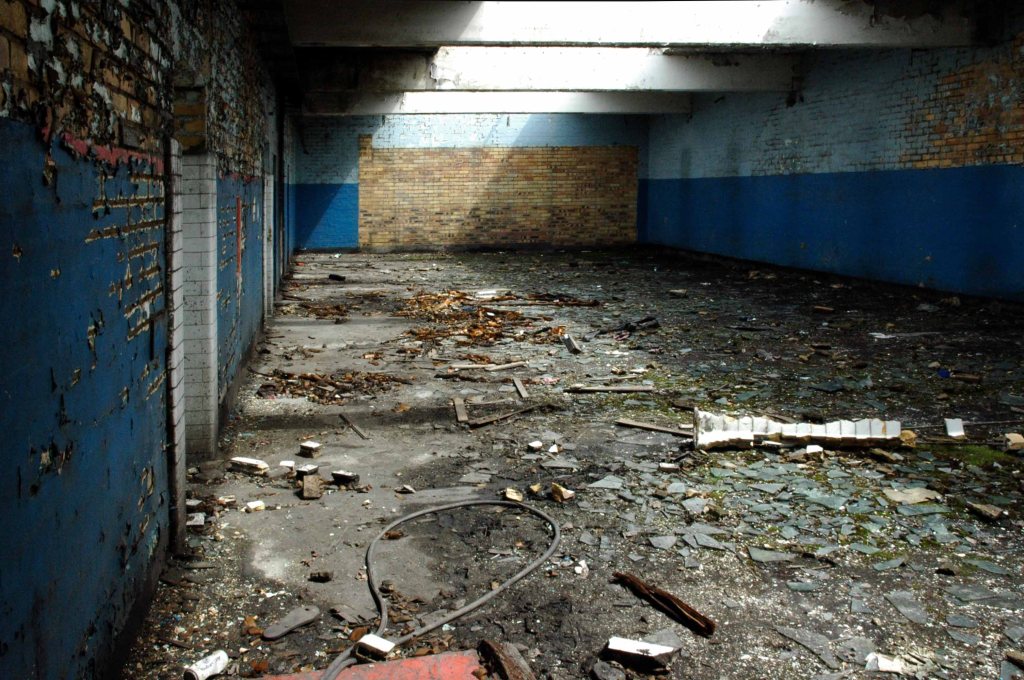
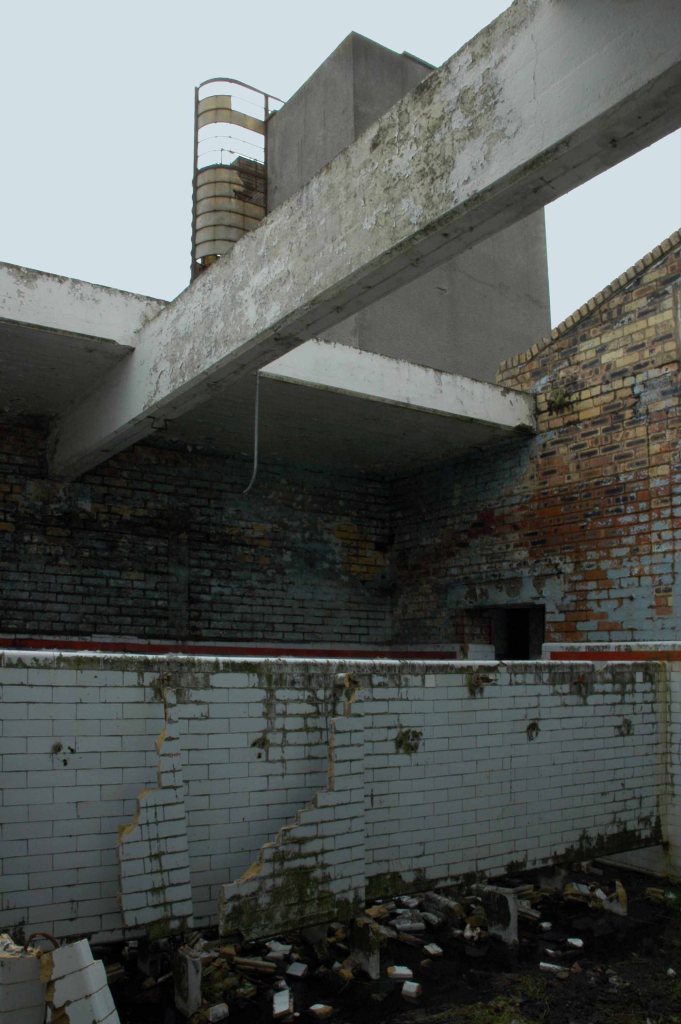
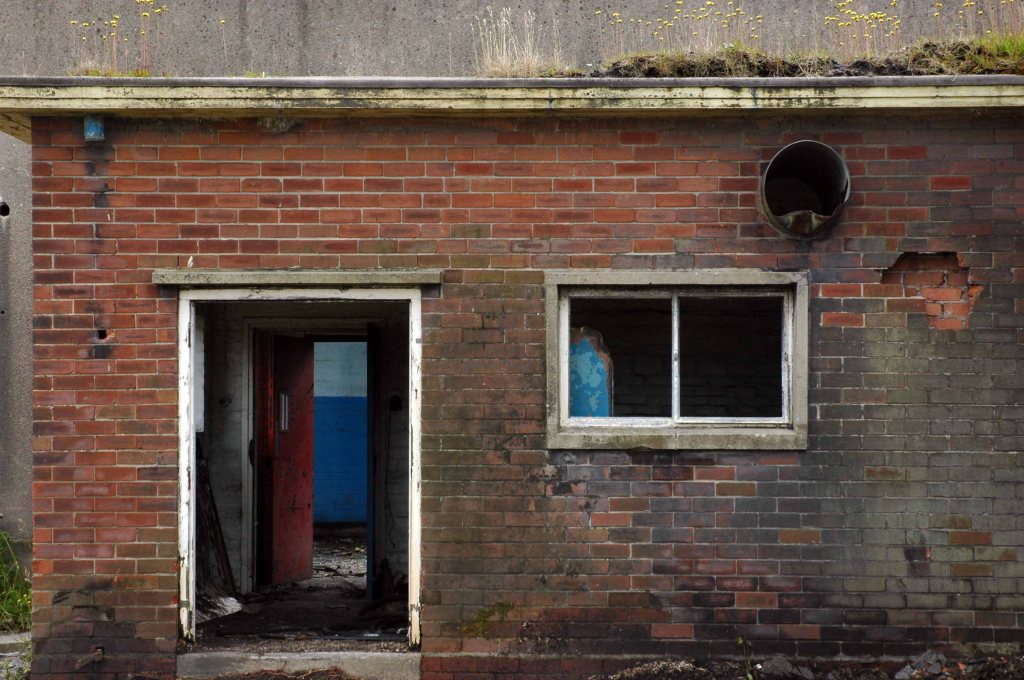
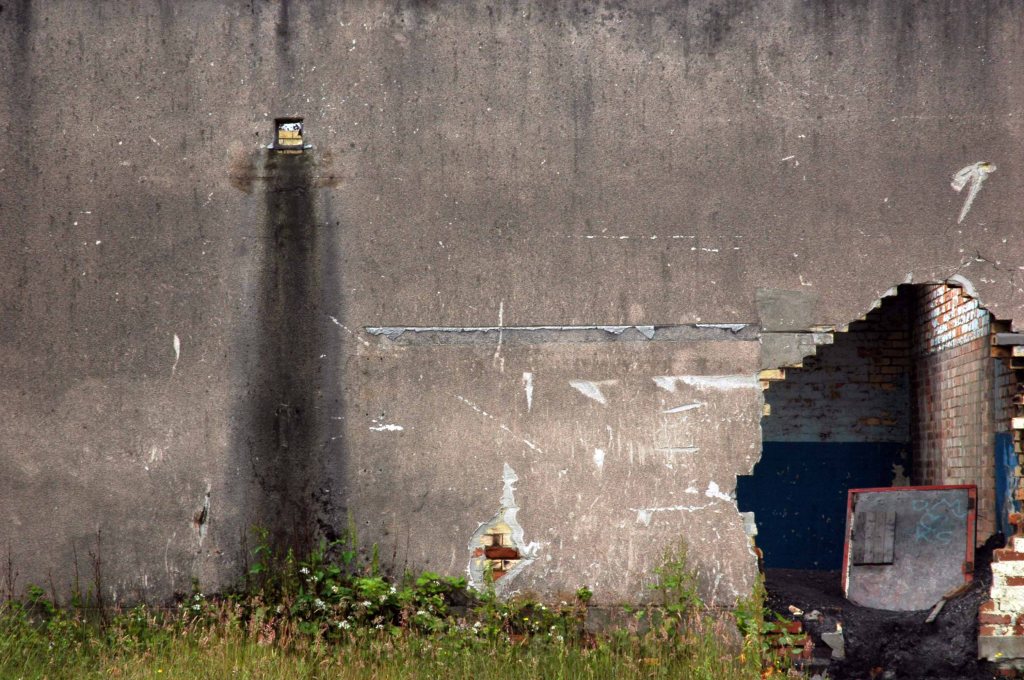
I was cycling the coast in July 2012 and happened by, seeing the tower of the baths from an adjacent path, passing by the faded signage.
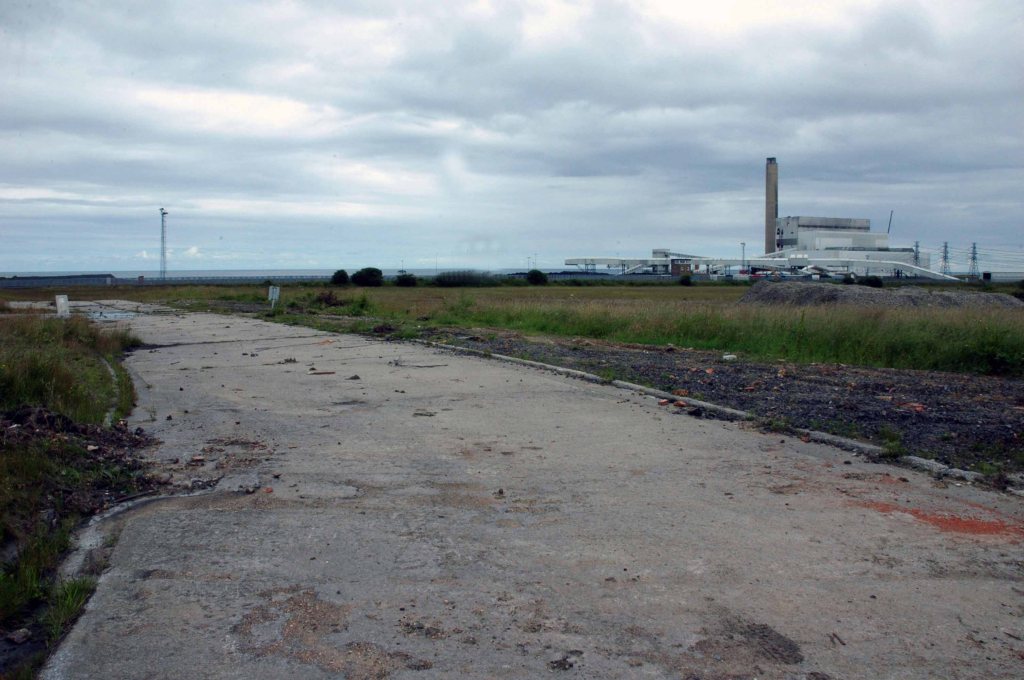
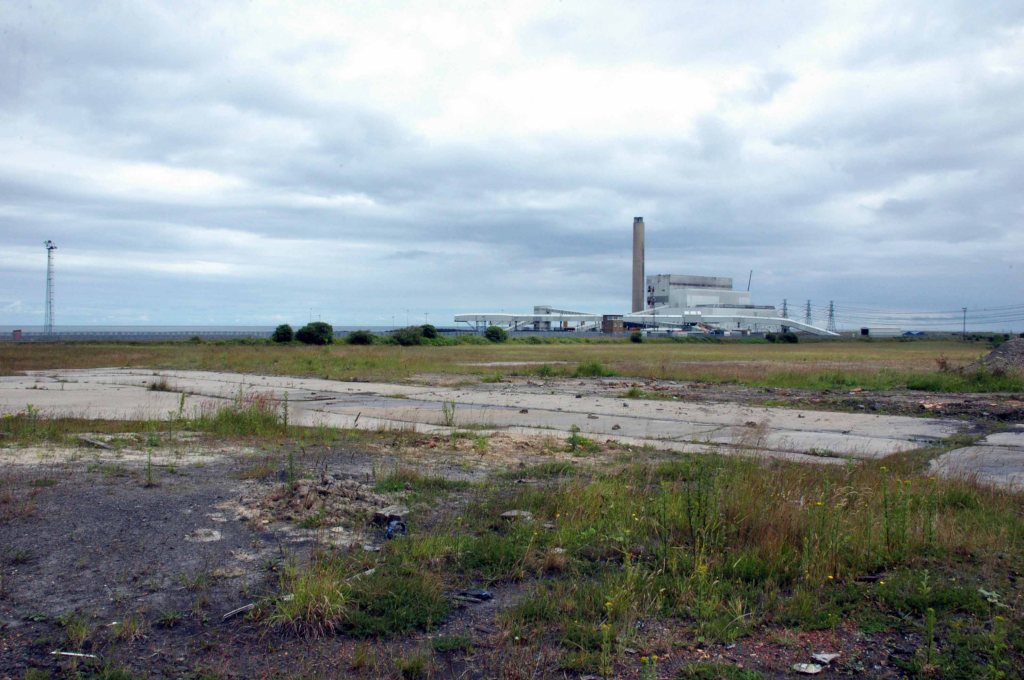
Into the raw expanse of a now empty post-industrial landscape.
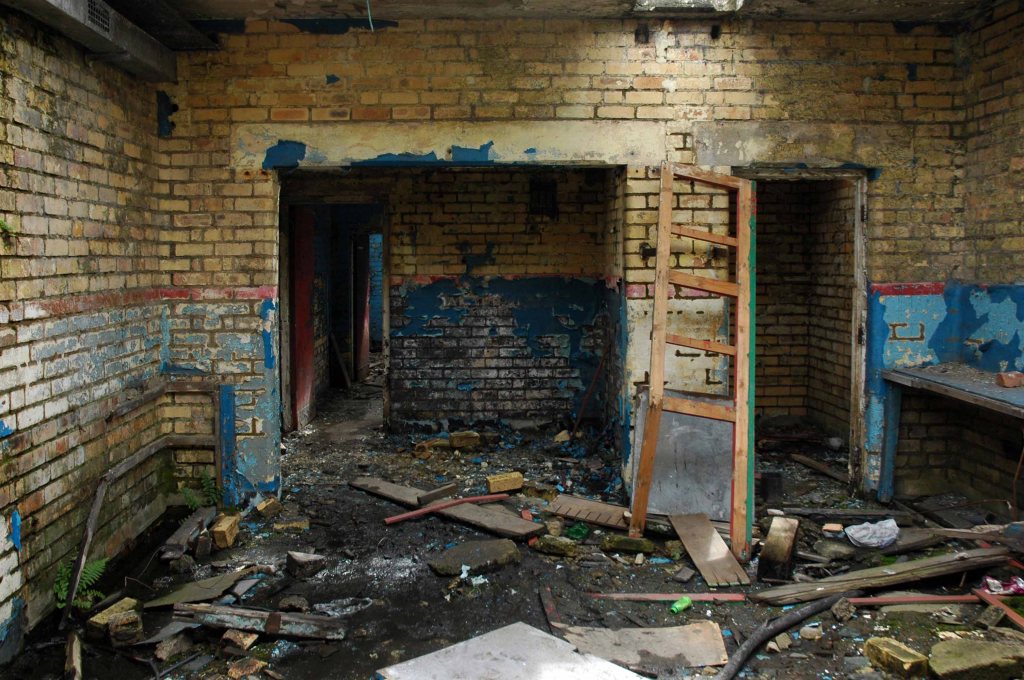
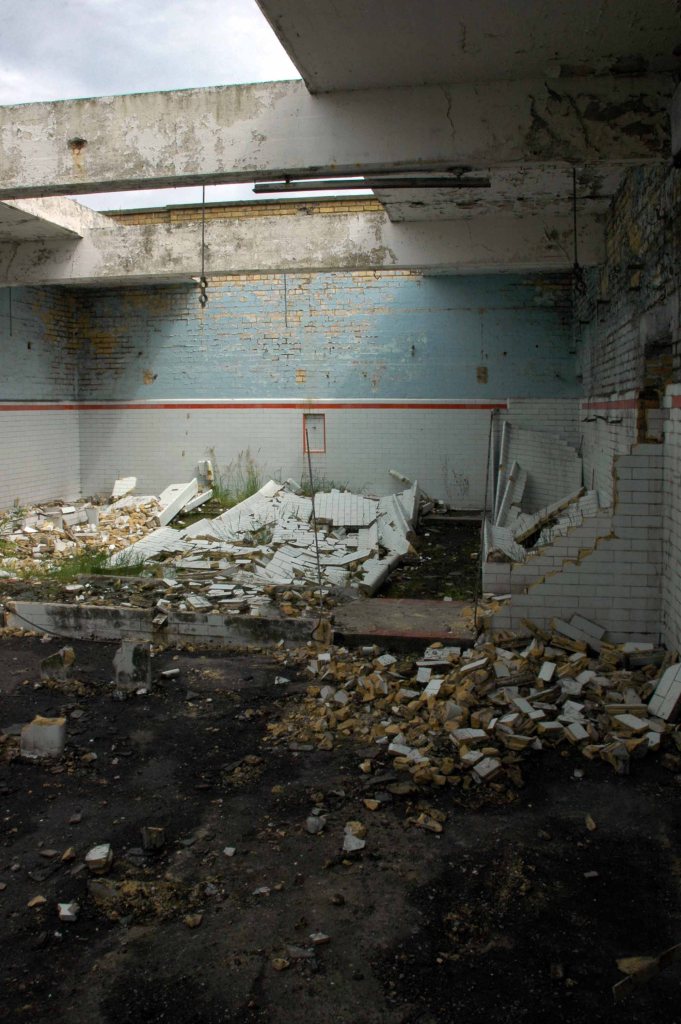
And on towards the bath house.
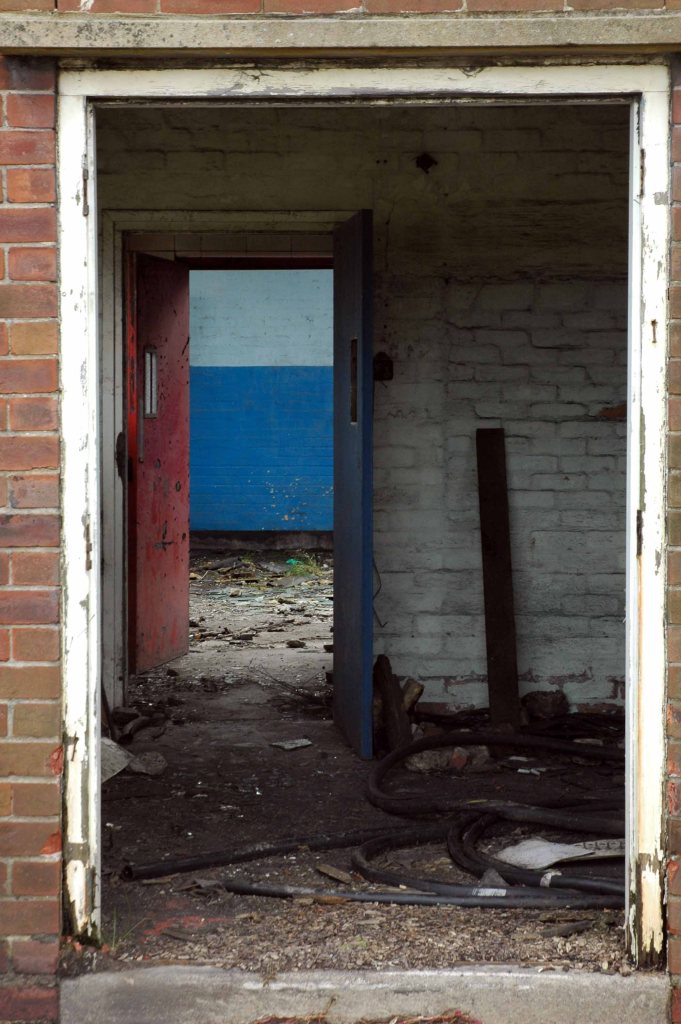
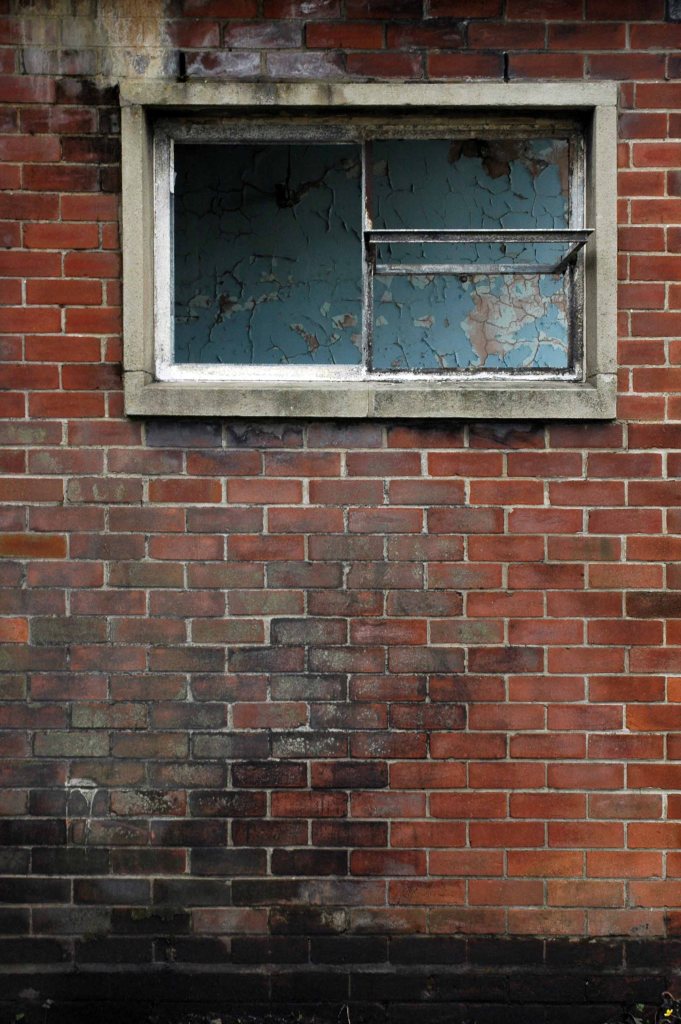
I am not by nature an urbex urban explorer, simply an explorer.
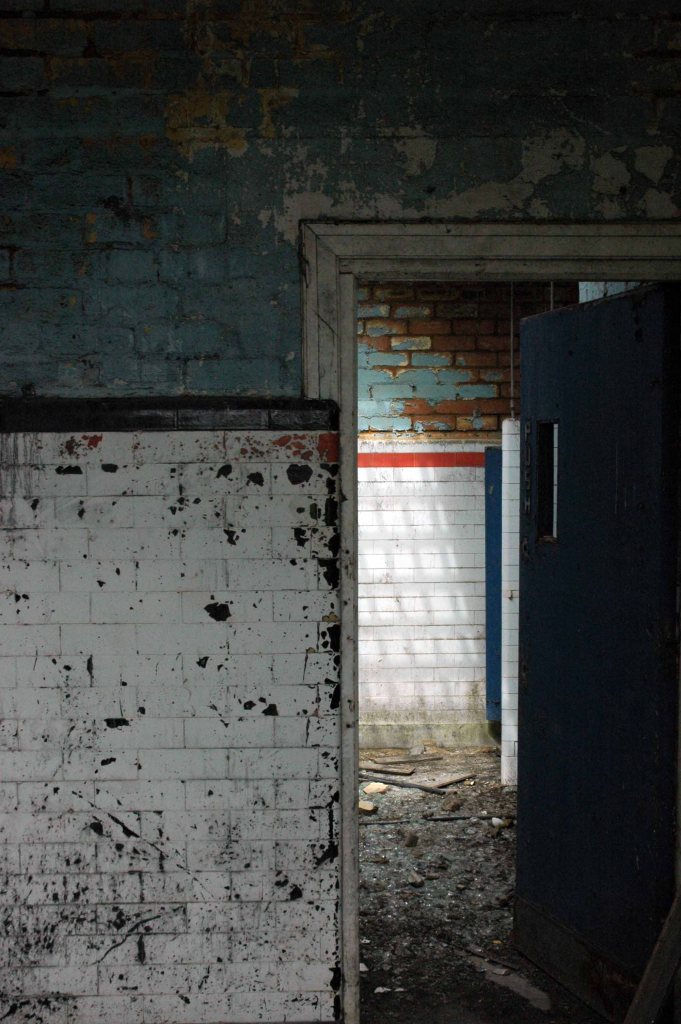
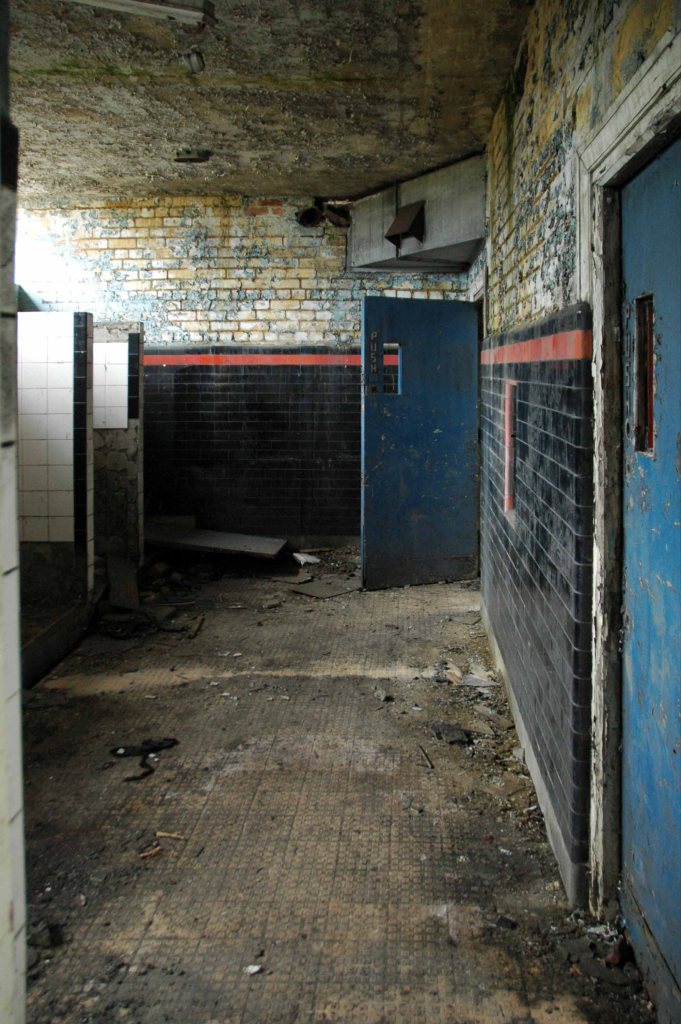
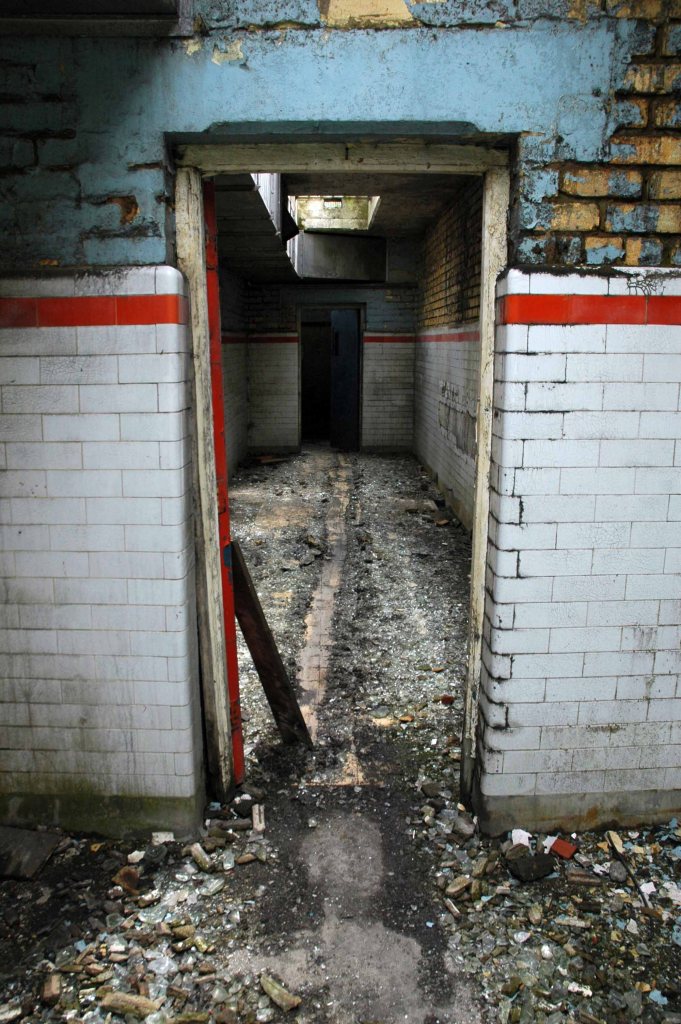
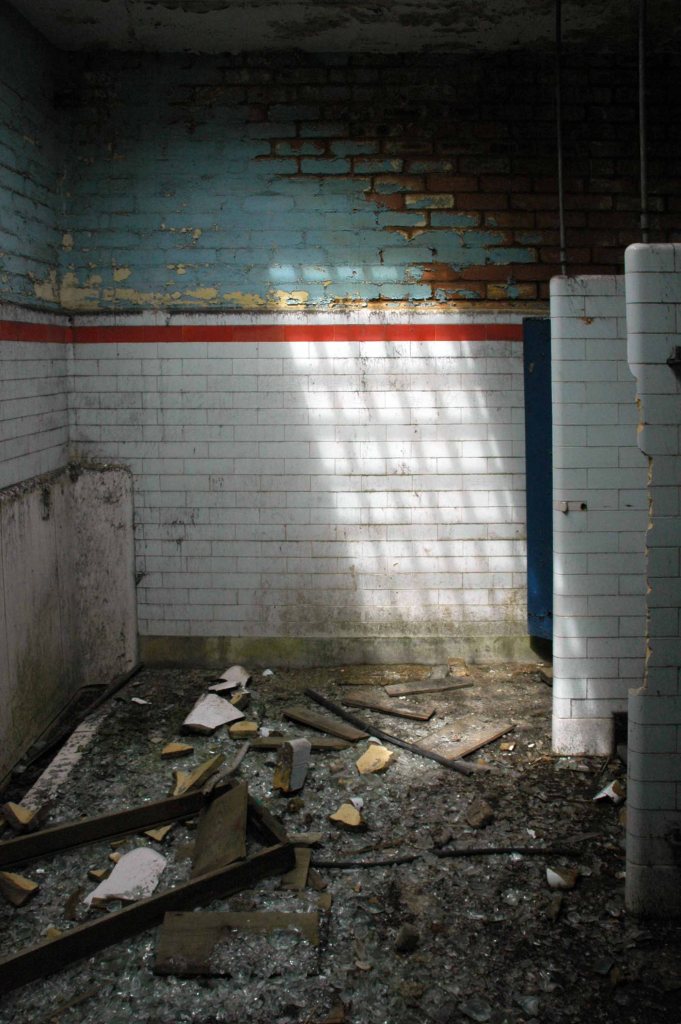
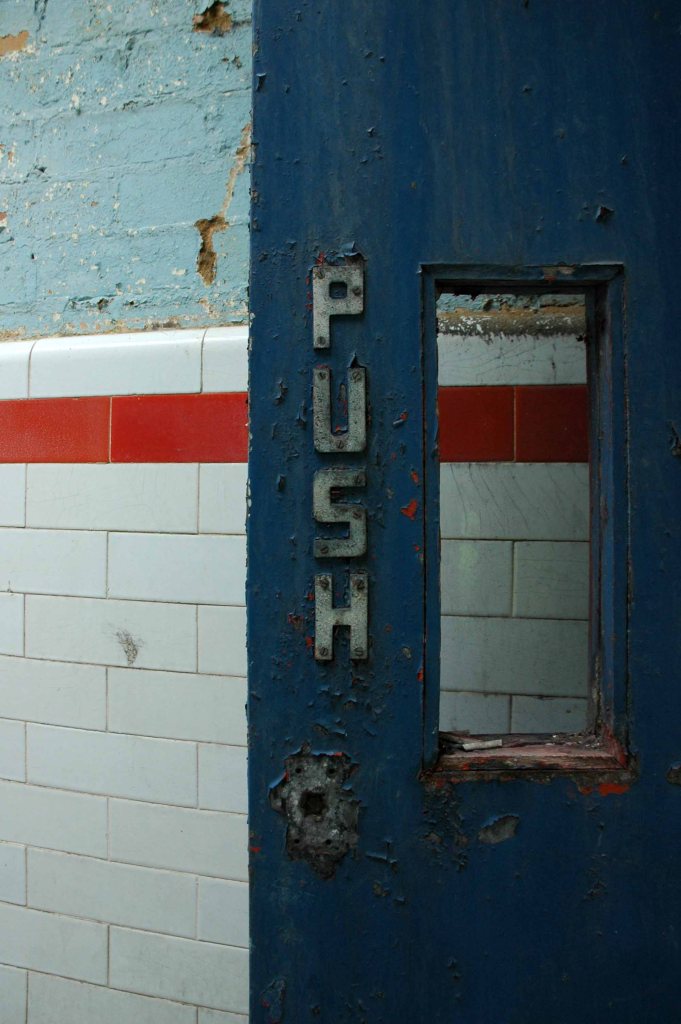
Entering the open site, I was well aware of the significance of the building and its history – working lives that had constructed the baths, entered and left through those very same doors.
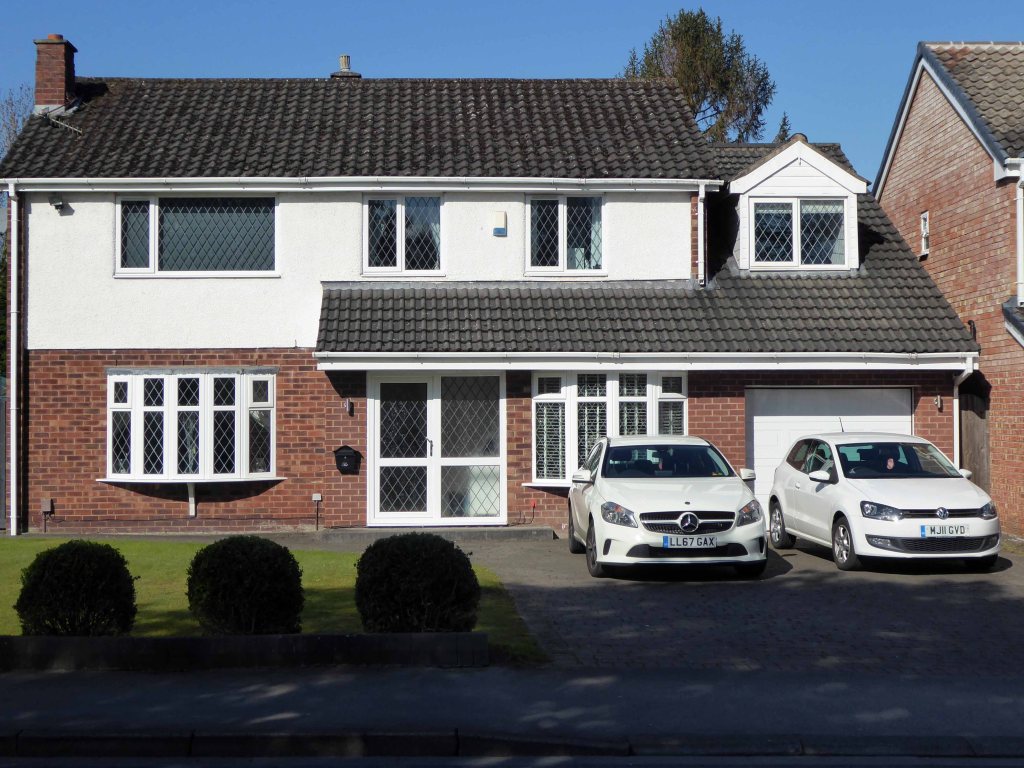
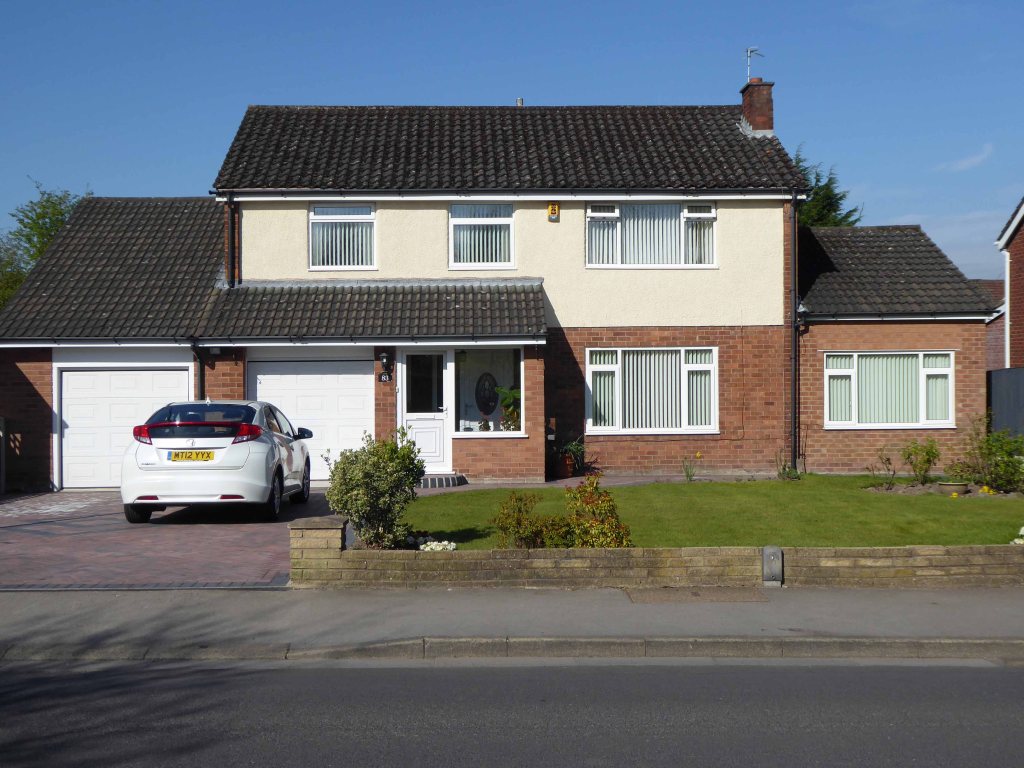
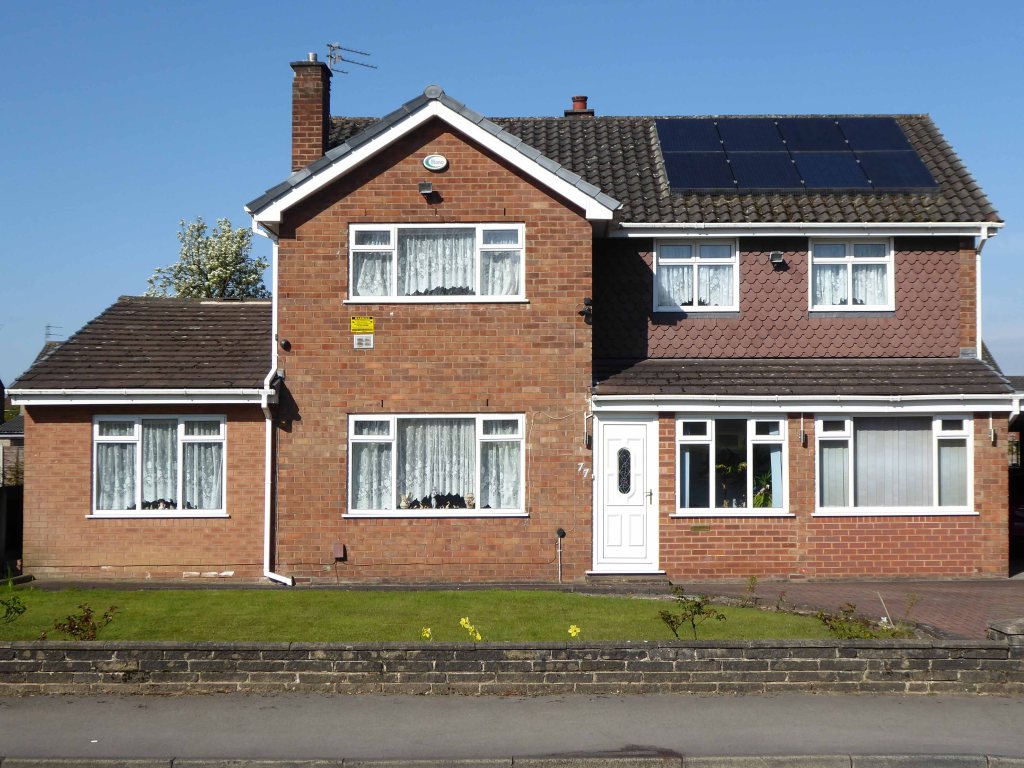
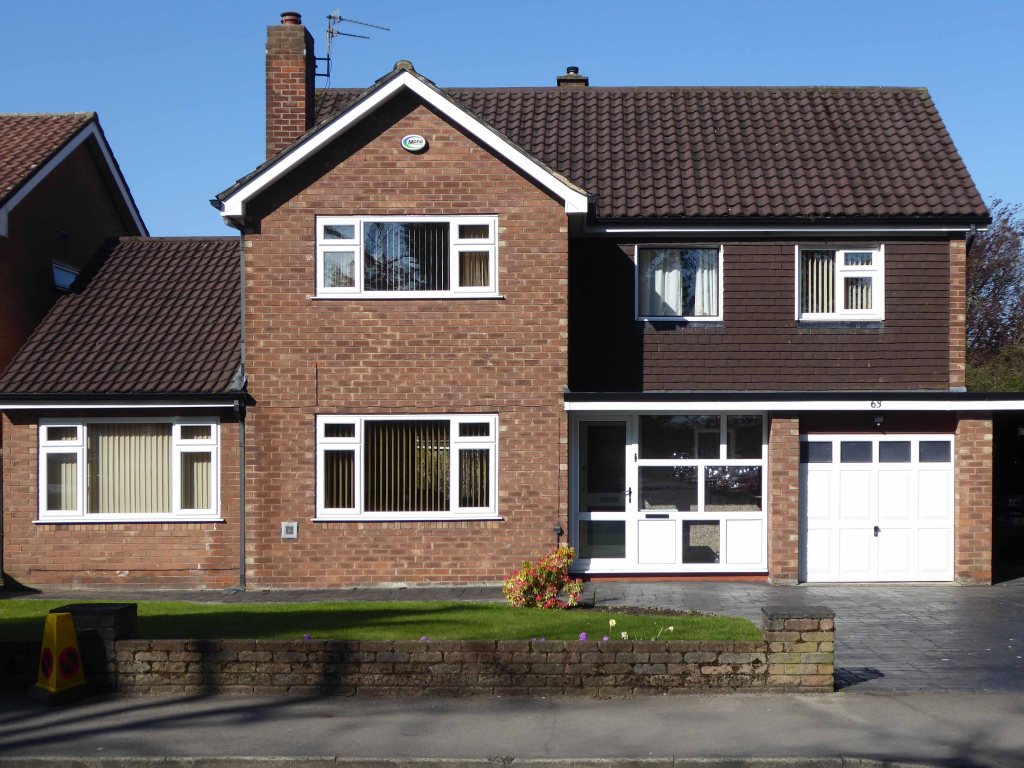
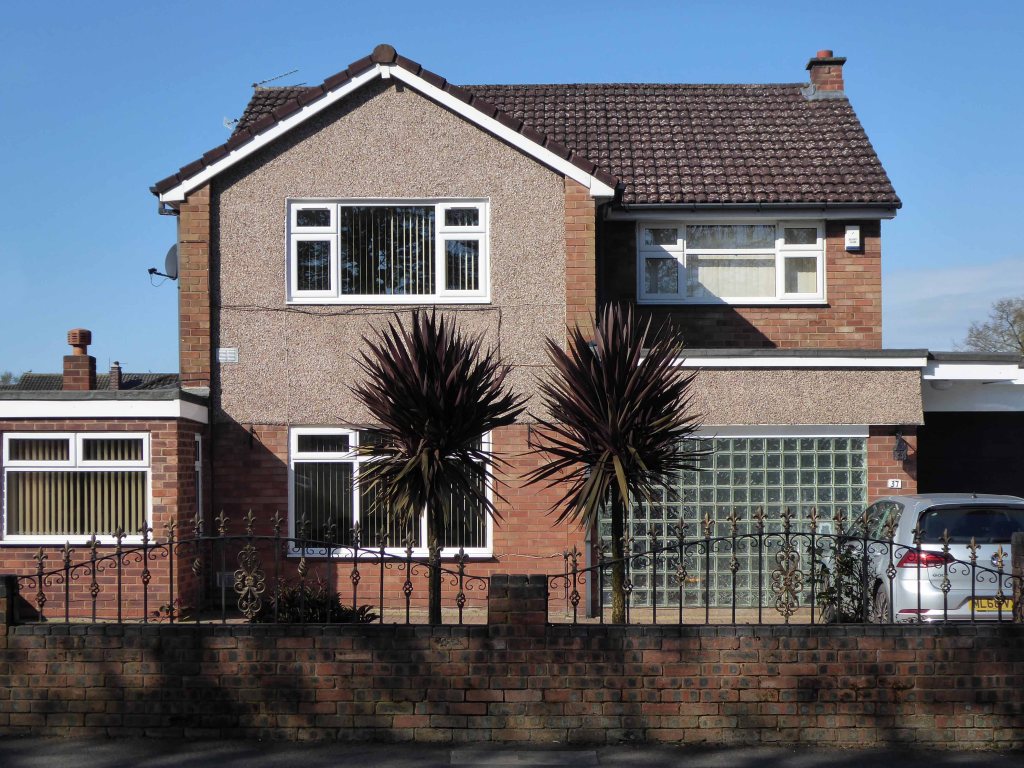
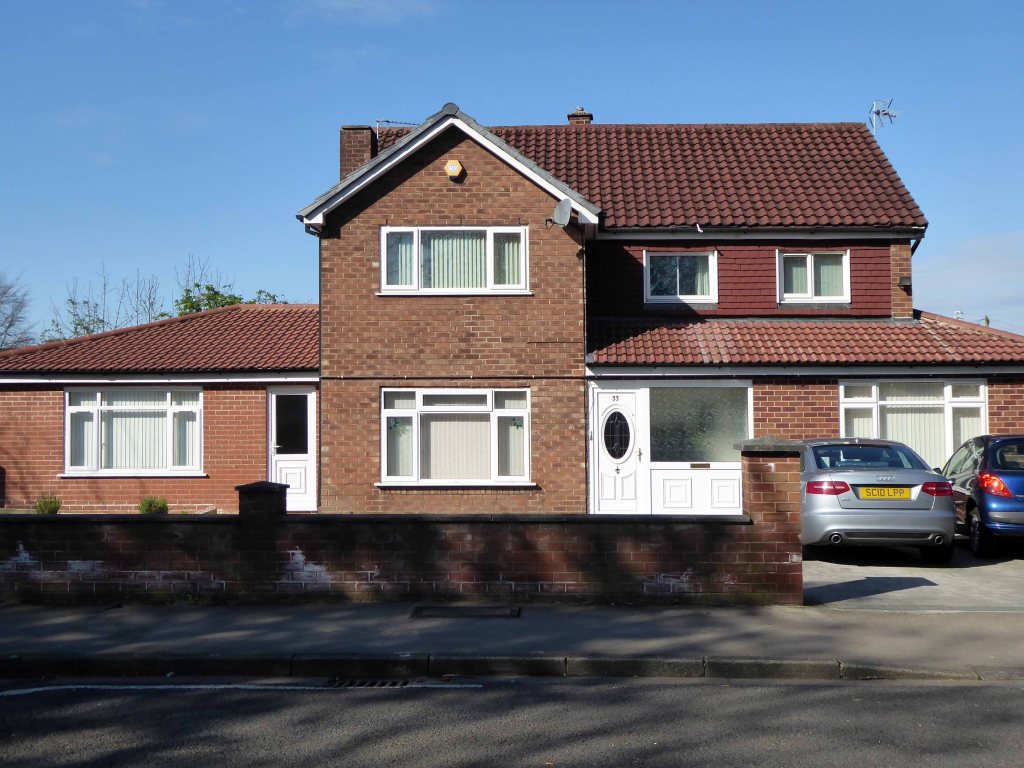
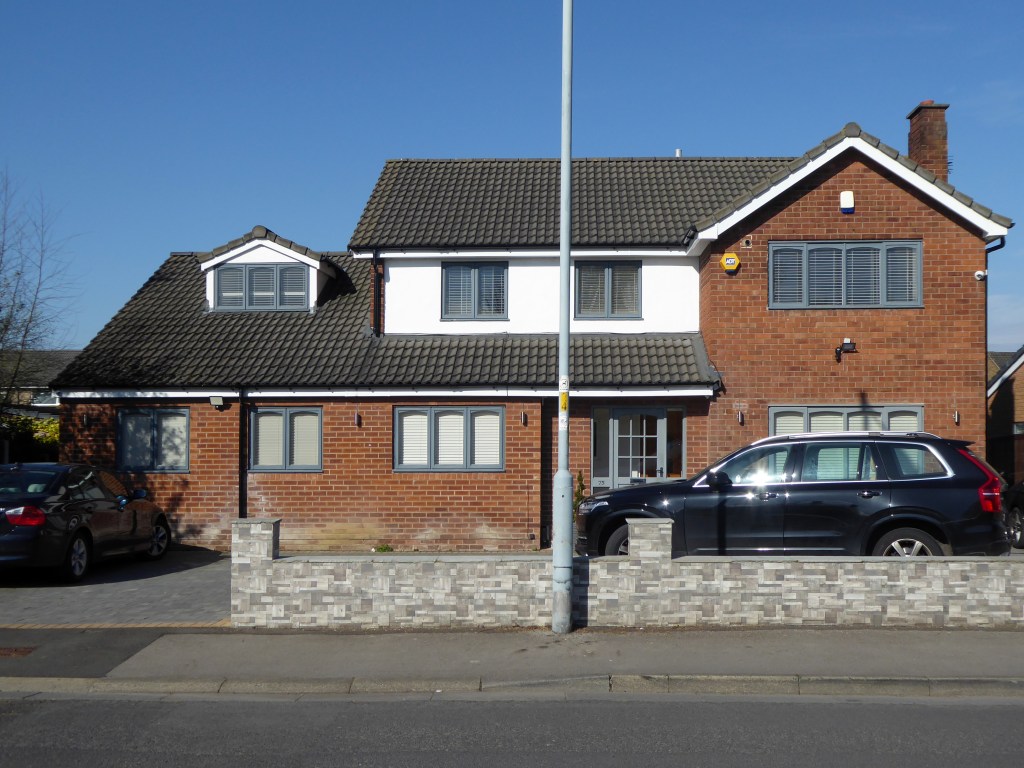
We begin our journey through bricks and mortar, domestic fashions and fads, time and tide in Rainham.
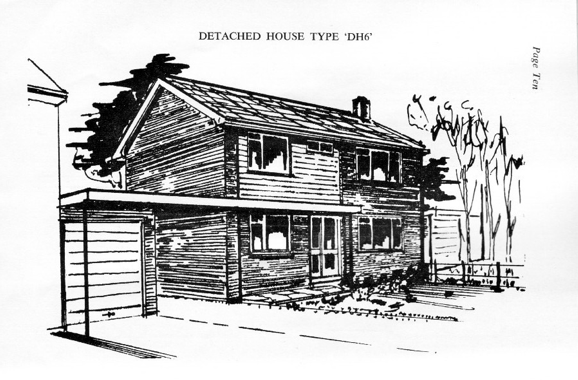
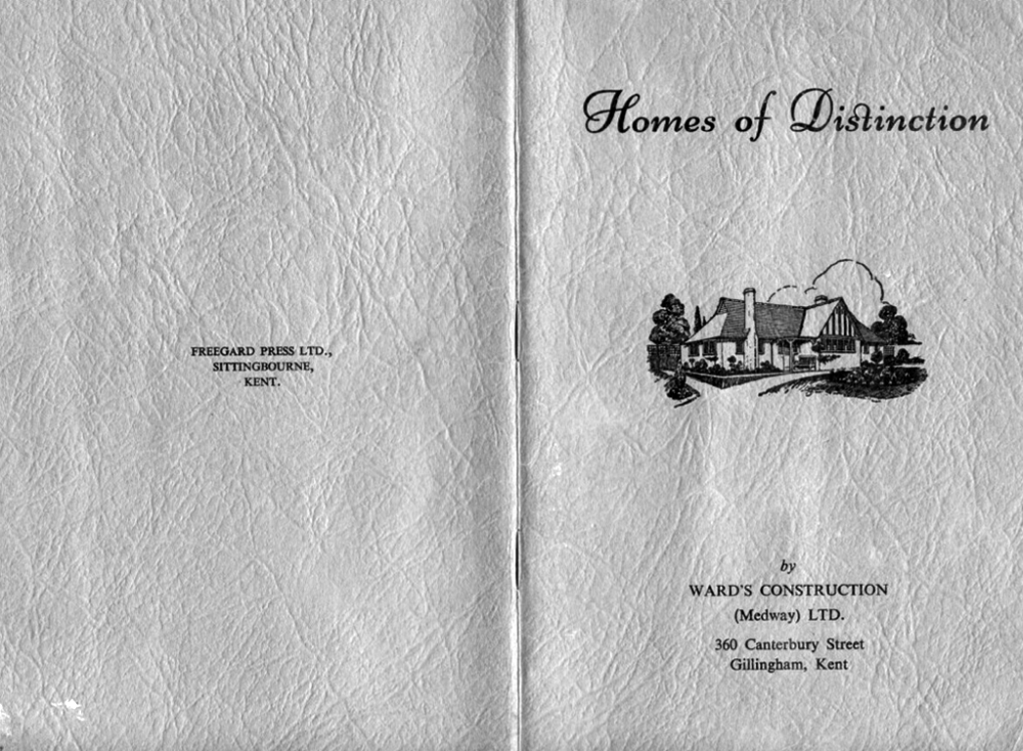
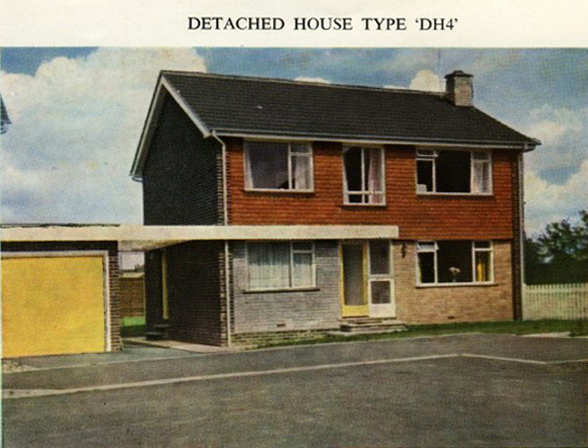
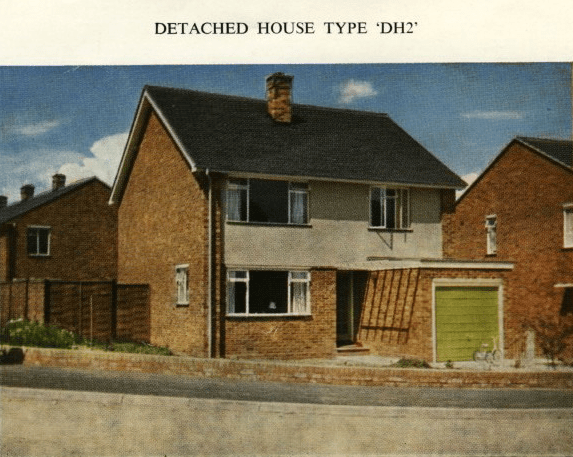
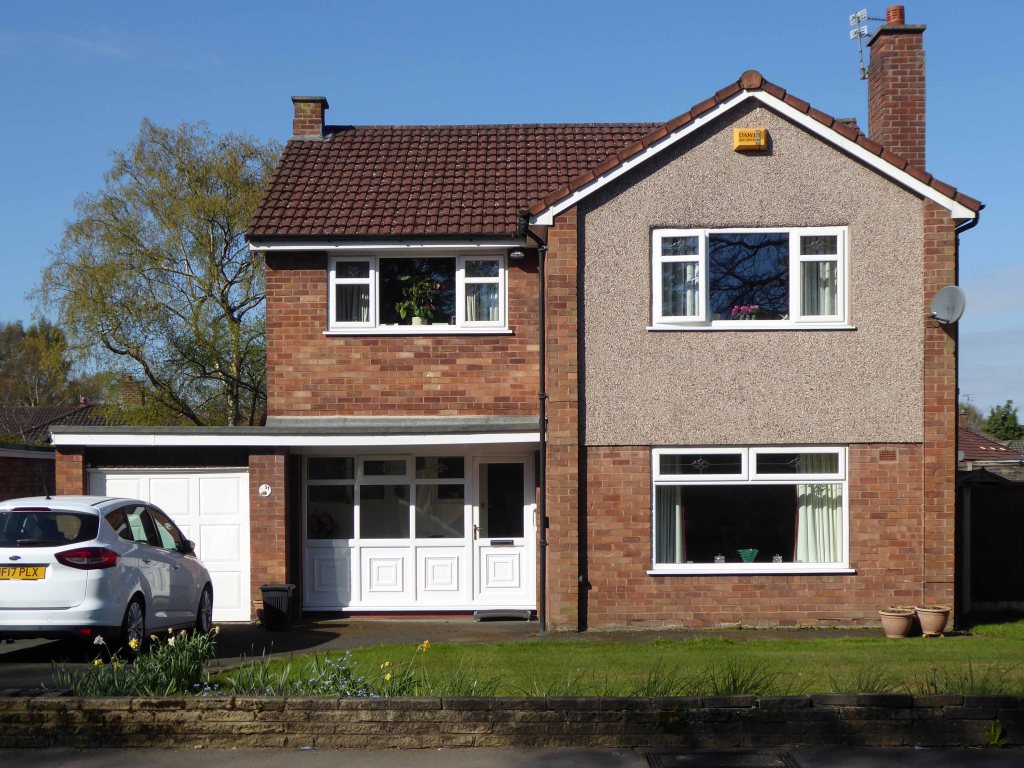
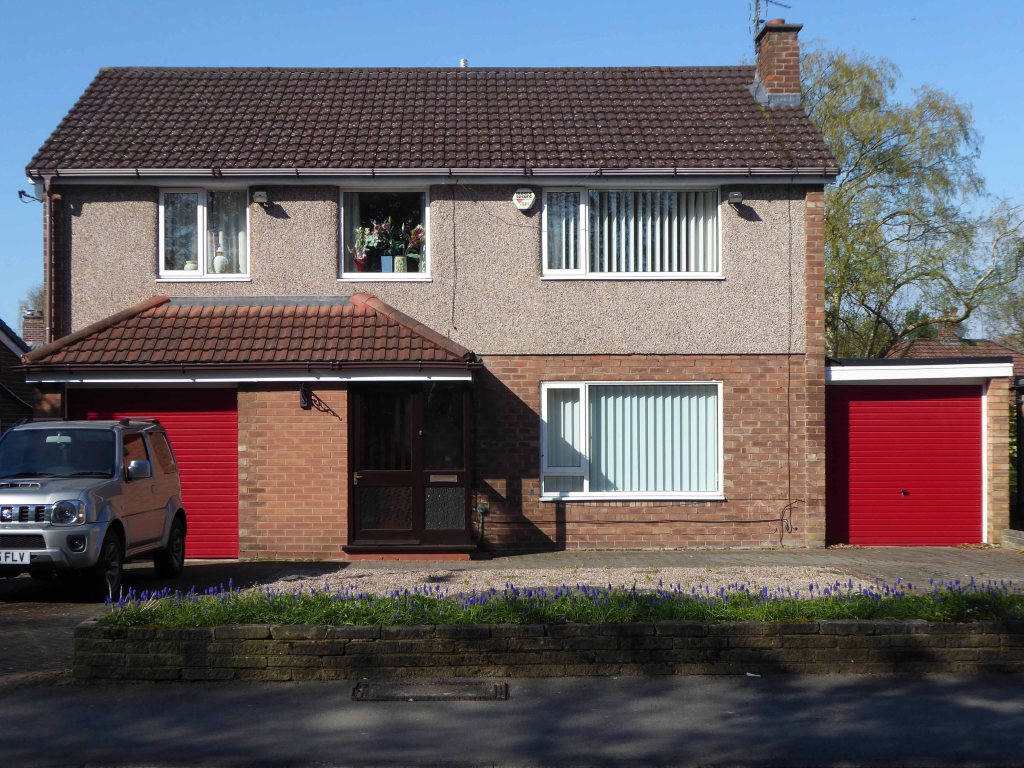
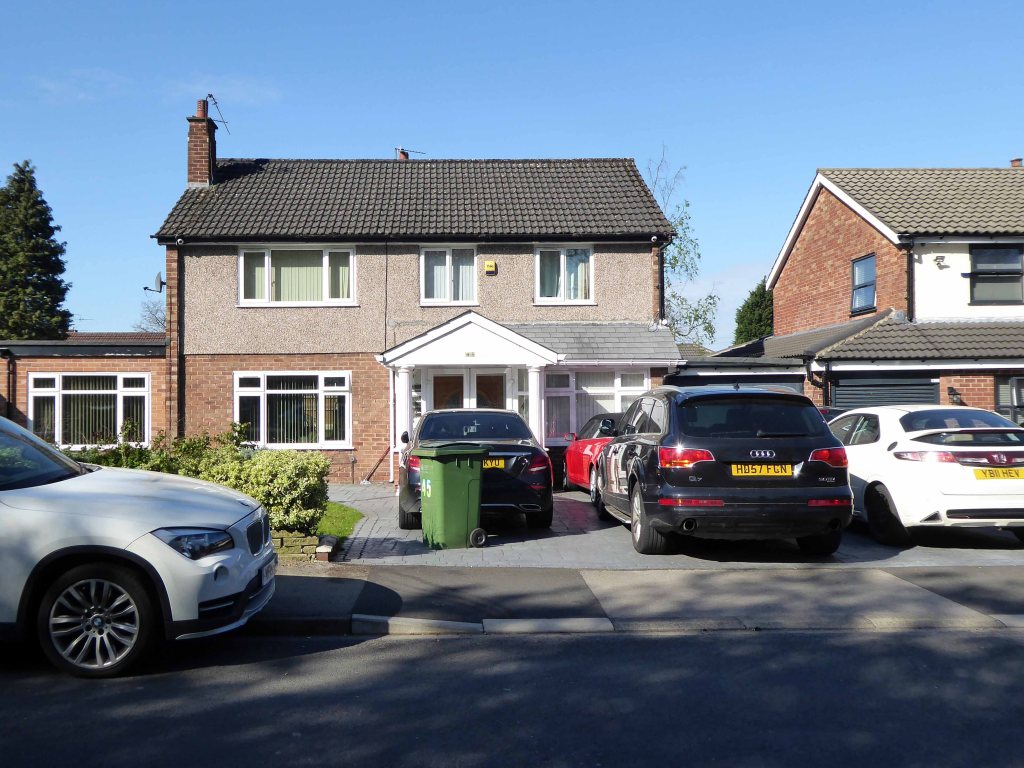
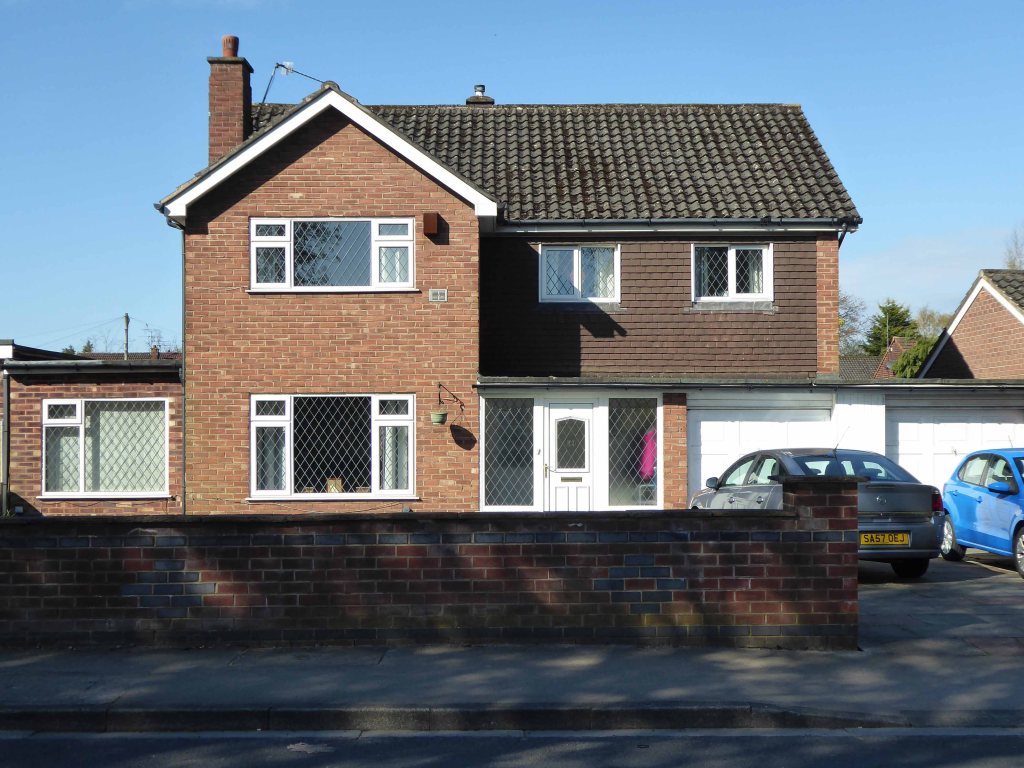
Ward’s Construction, along with many others throughout the country, offer the aspirational suburbanite an opportunity to own the very latest in modern design.
Large open plan rooms lit by large open glazed windows, quality cladding – mixing traditional materials with go ahead get it now design. Double fronted, remote garage, modest manageable, grassed gardens.
For those on slightly more limited means the DH2 offers affordable modernity, along with everything you would expect from a Ward’s Home.
Homes of distinction.
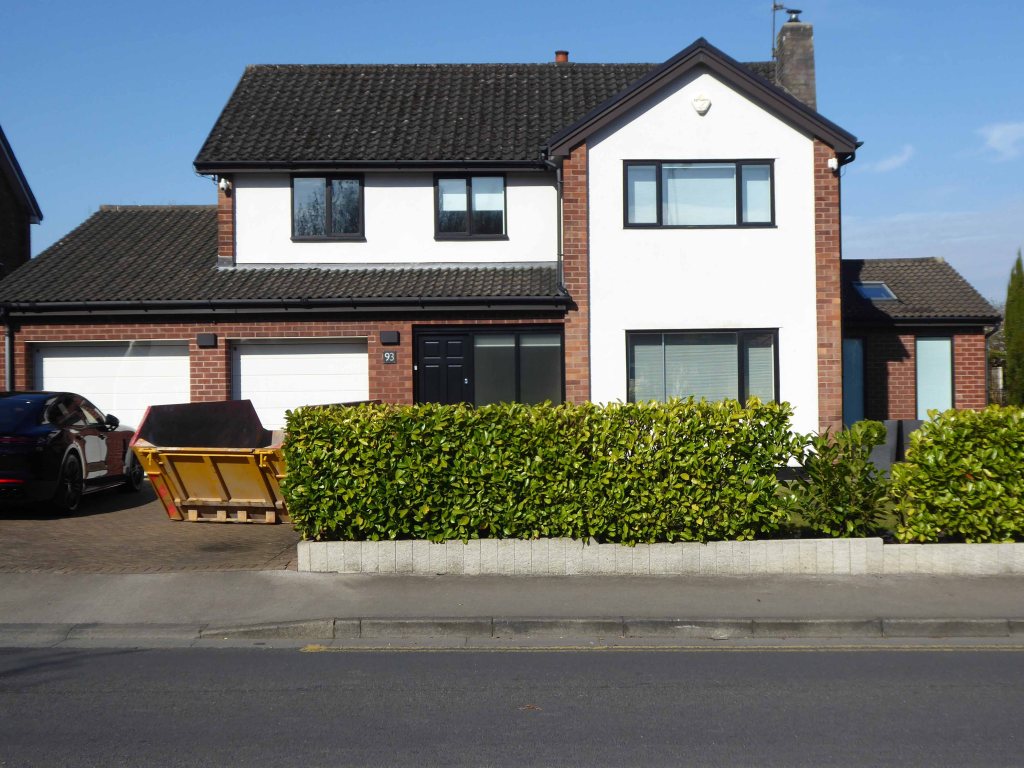
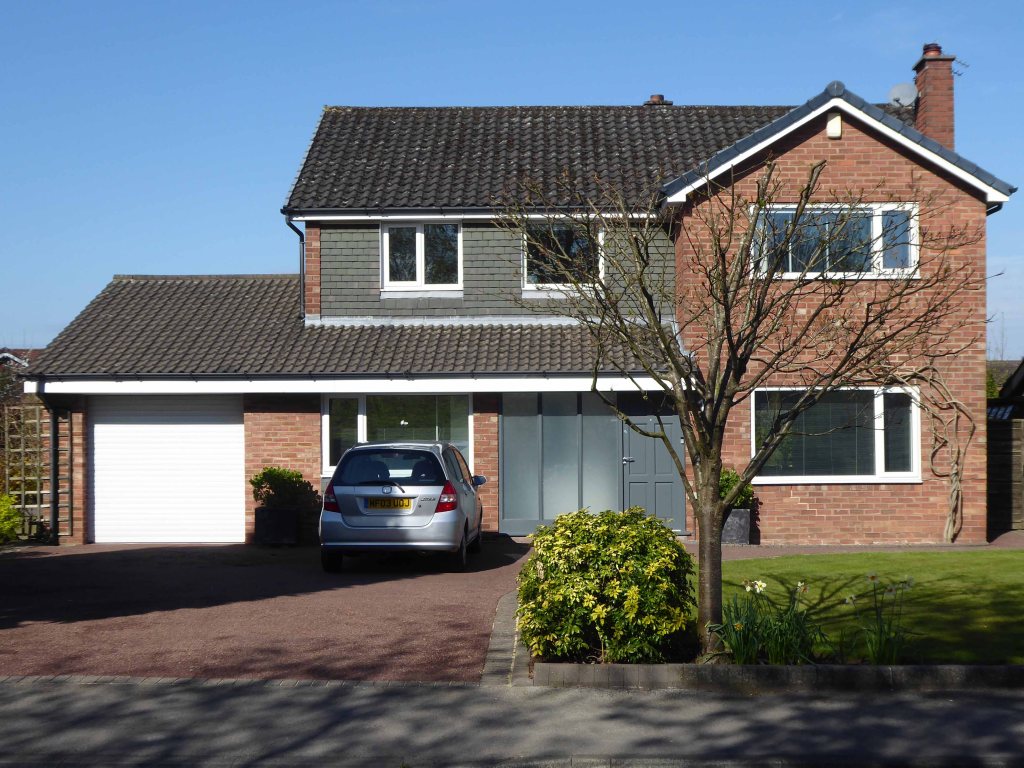
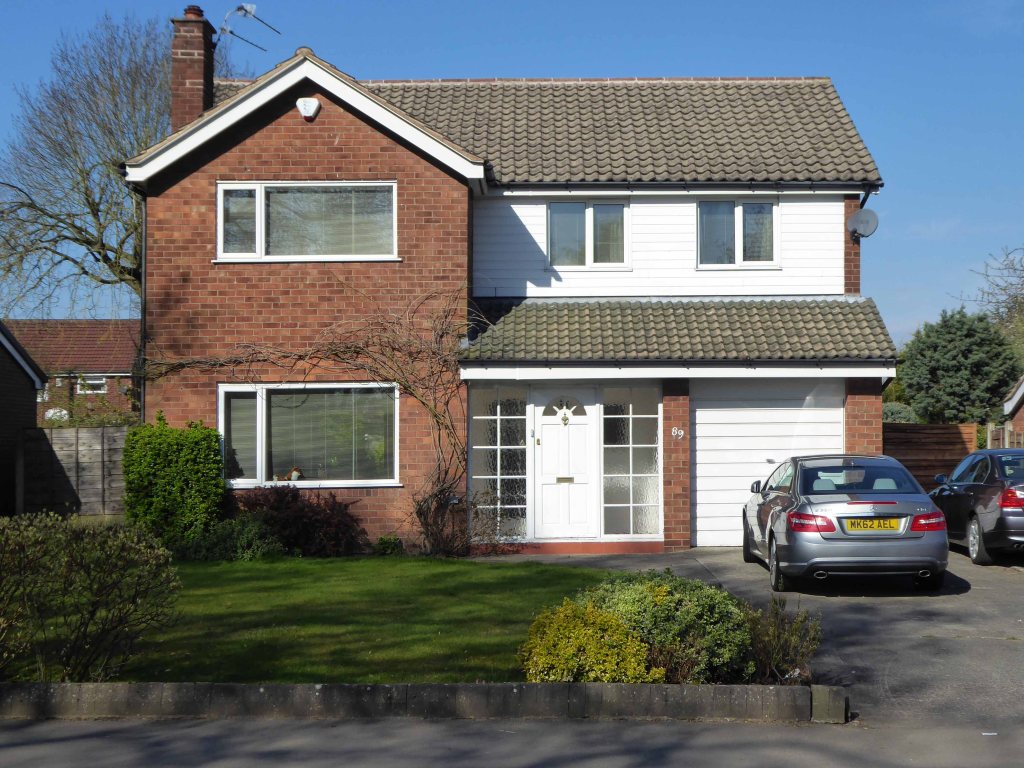
Fast forward to April 2020 – St Ann’s Road Heald Green Cheshire
Third time around – on a late lockdown April evening.
I’ve been here before and before, yet I come back again and again.
It’s different every time, deserted at the best of times, during the worst of times it seems even more so – not a soul in sight. The low warm sun affords the bare concrete a pale pink and orange glow.
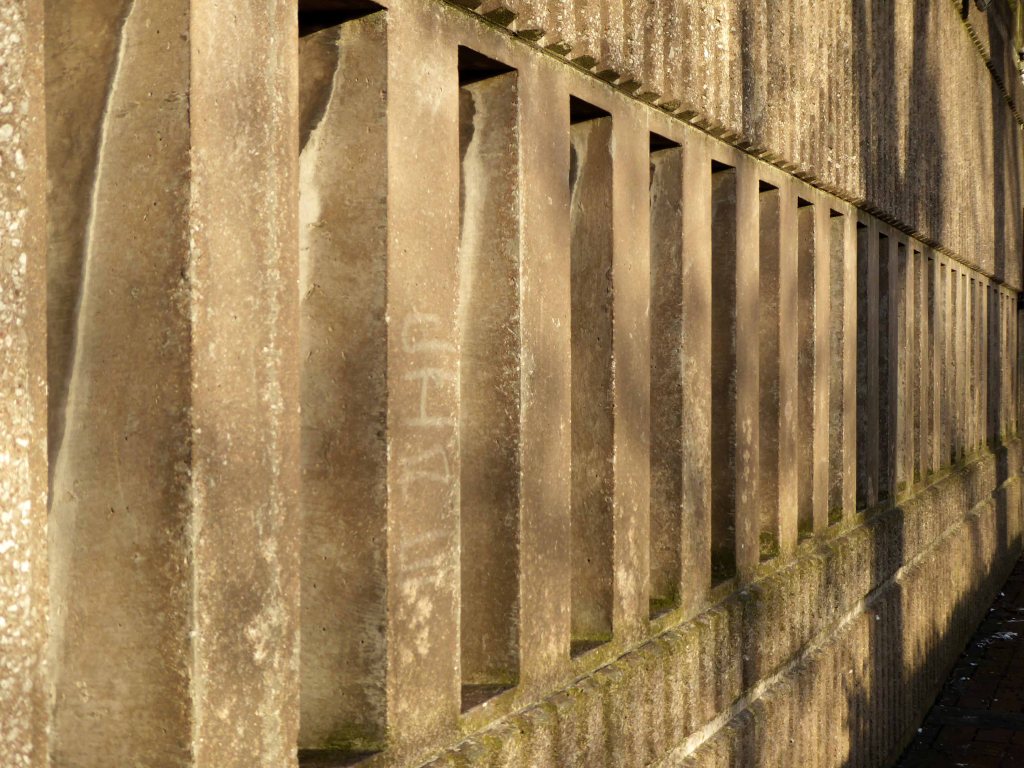
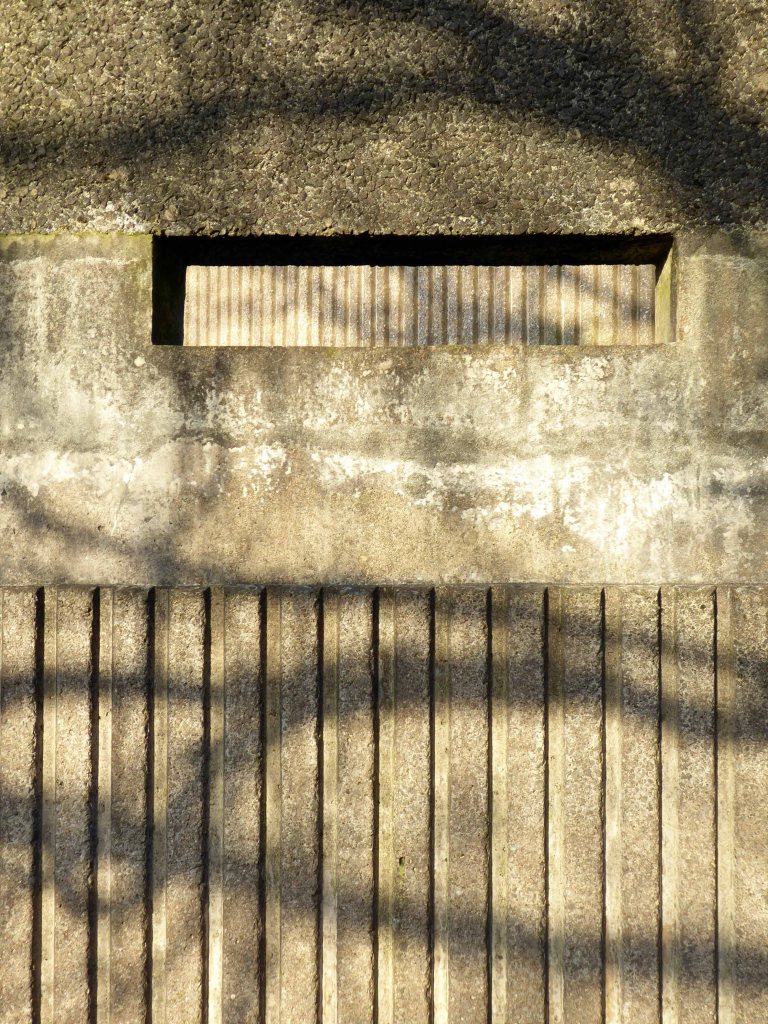
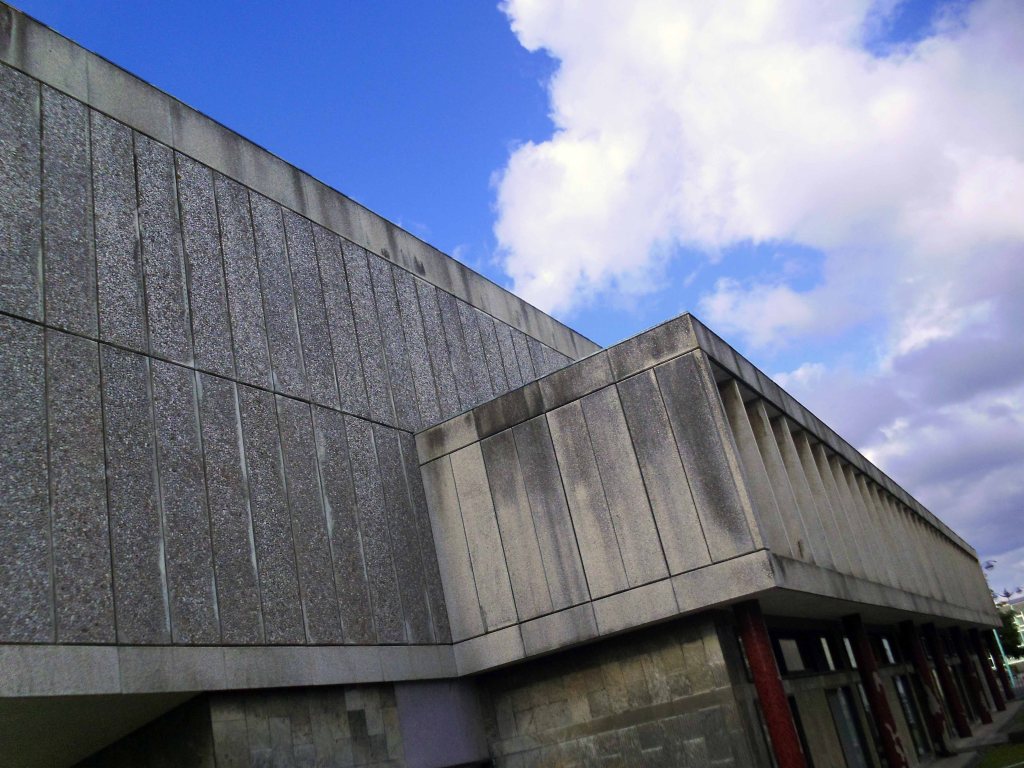
The mix contained coarse aggregate from the Scottish Granite Company of Creetown, a fine Leemoor sand from the Fordamin Company, together with white cement.
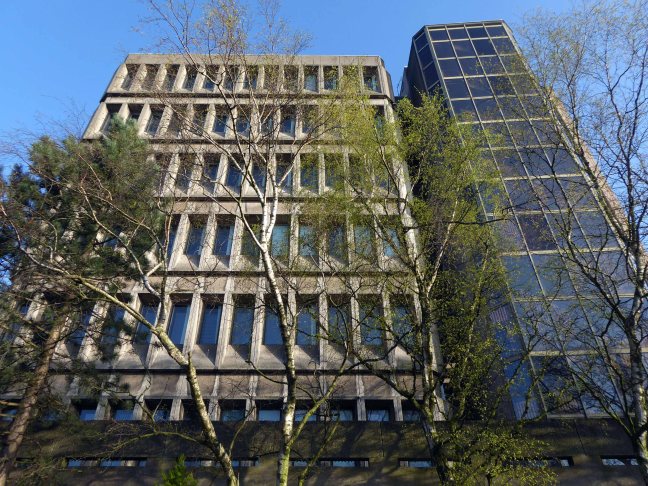
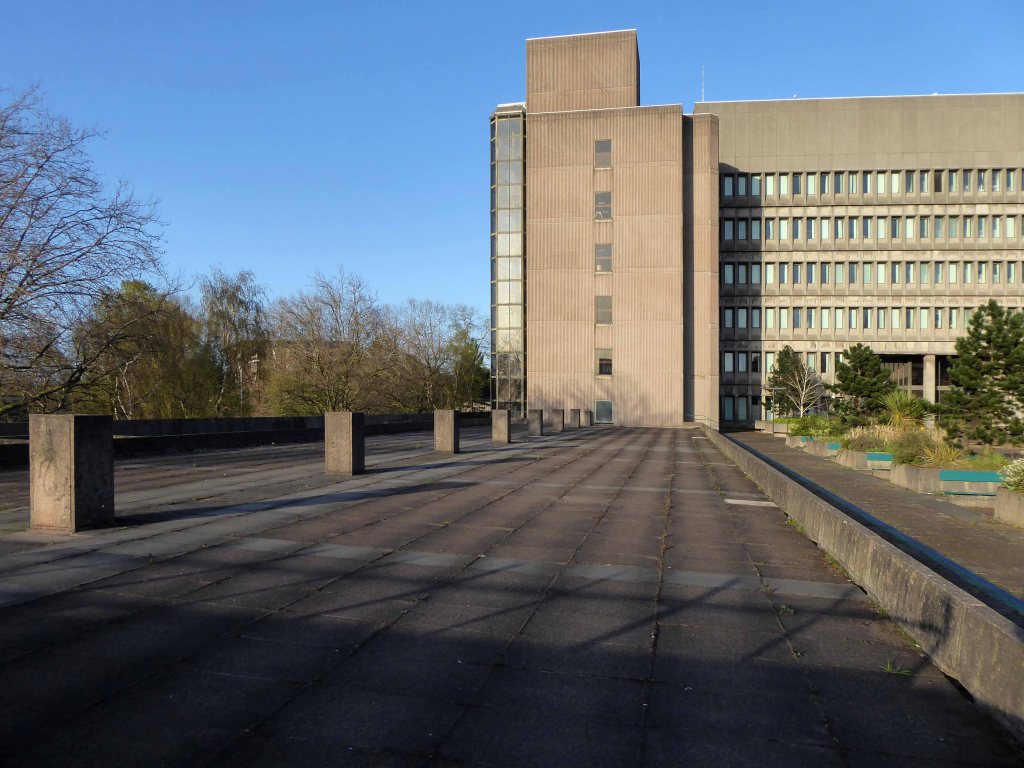
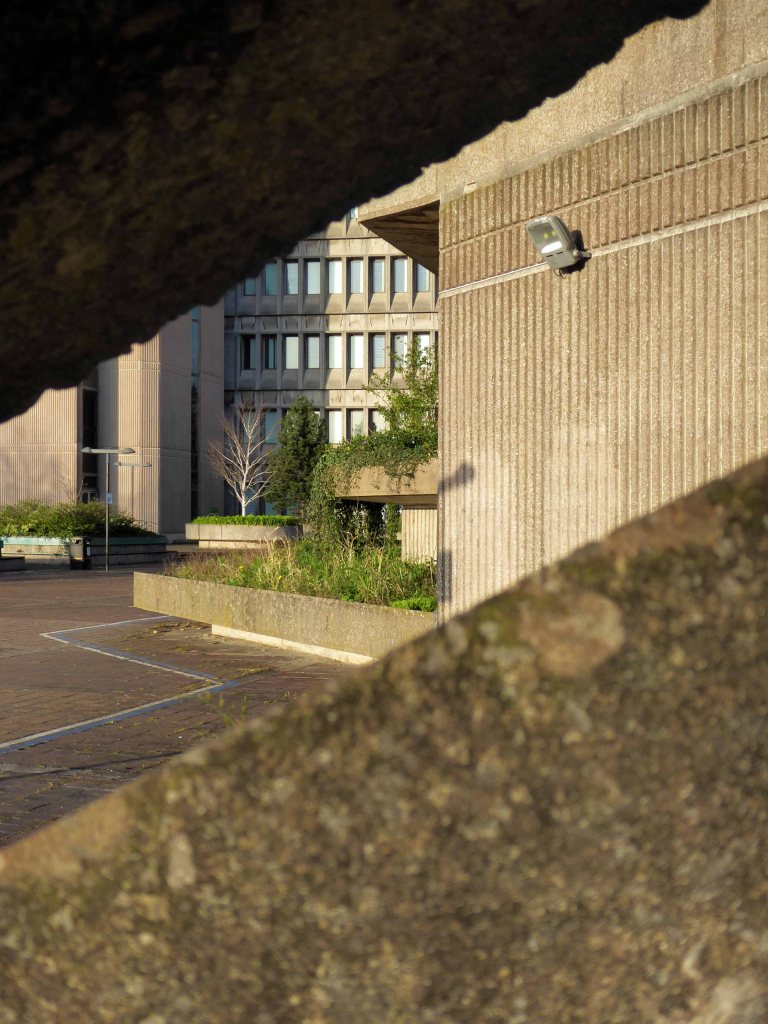
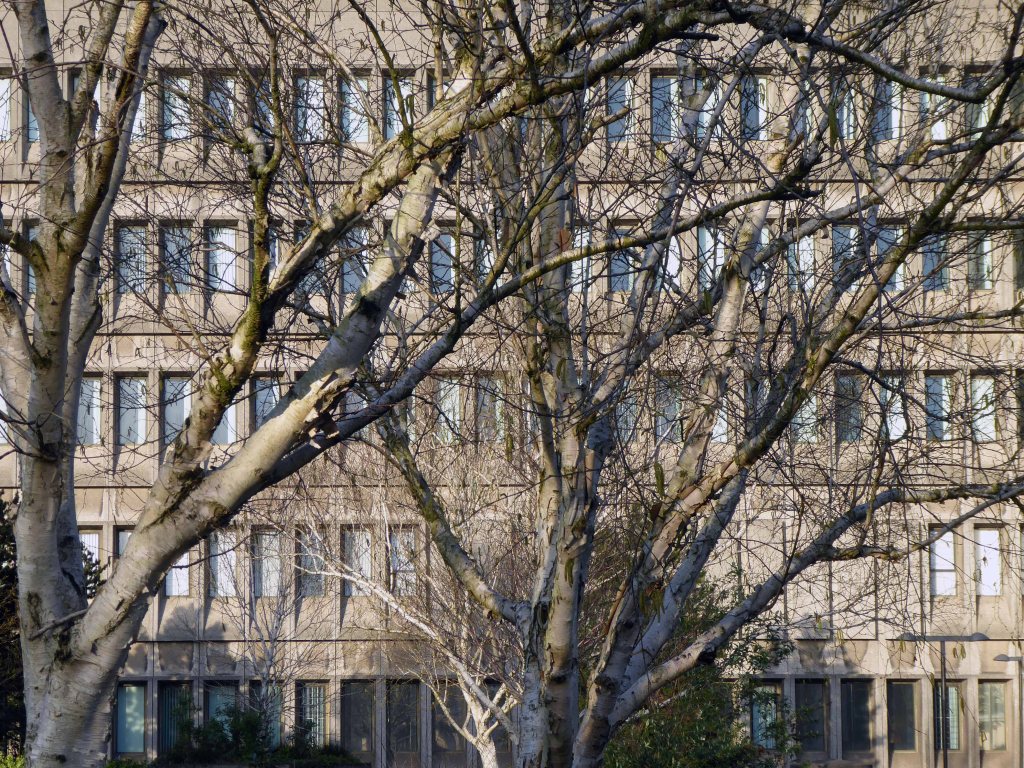
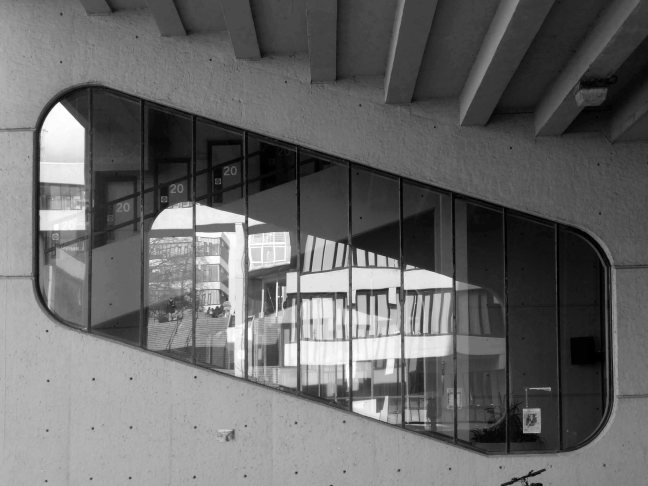
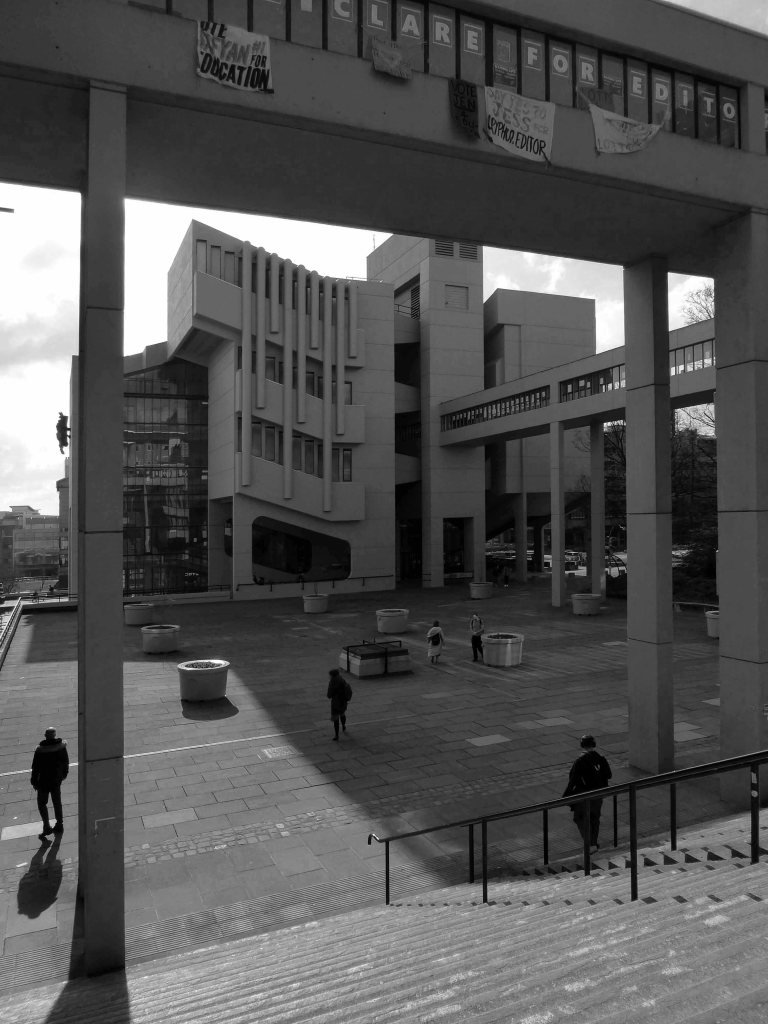
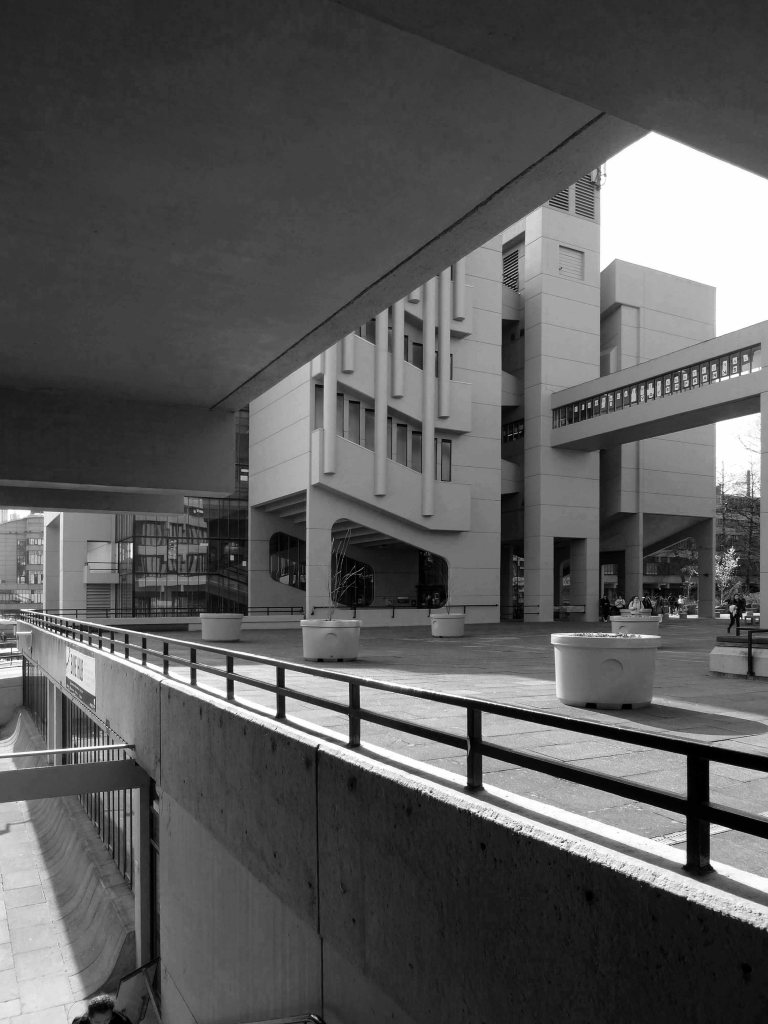
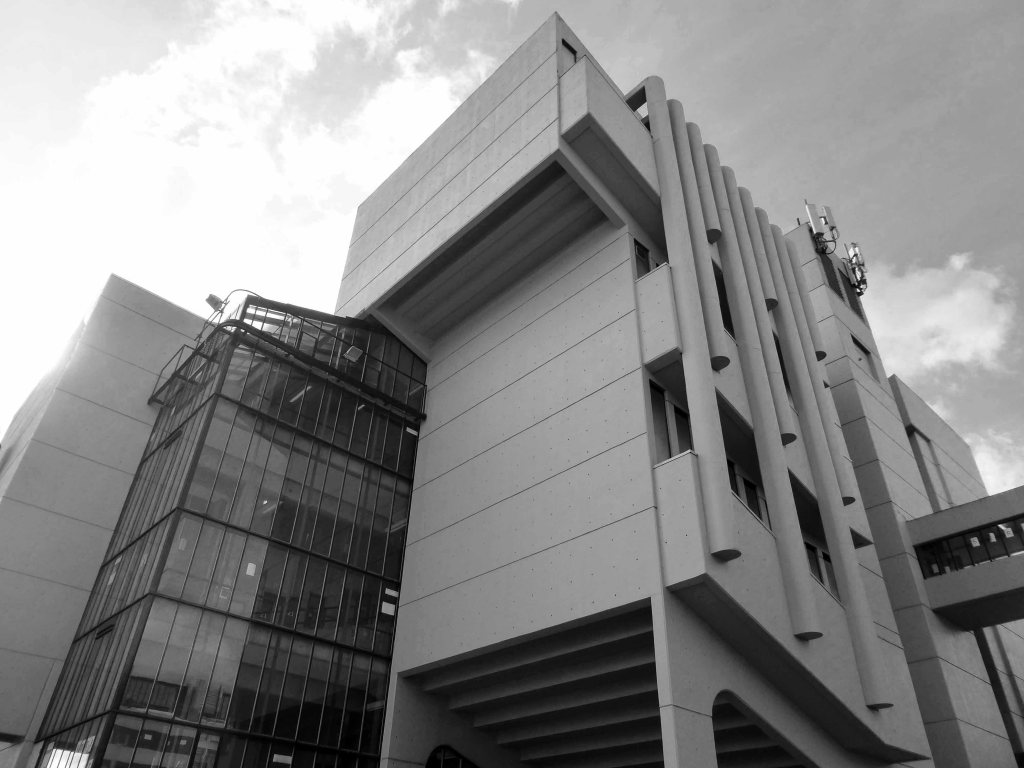
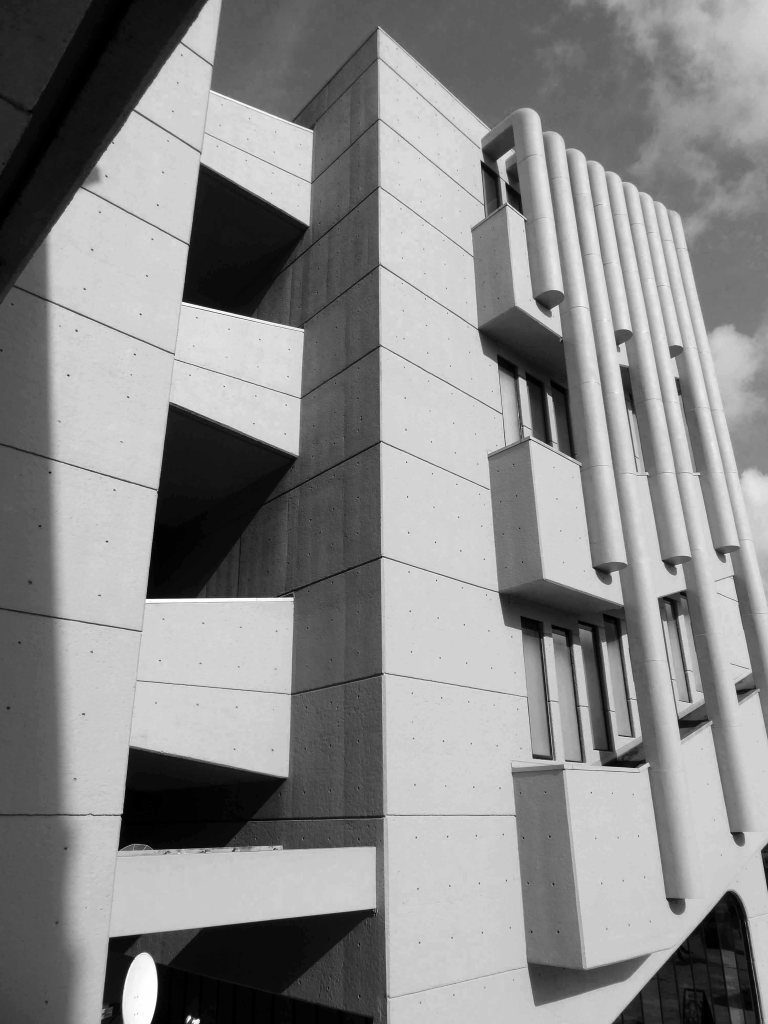
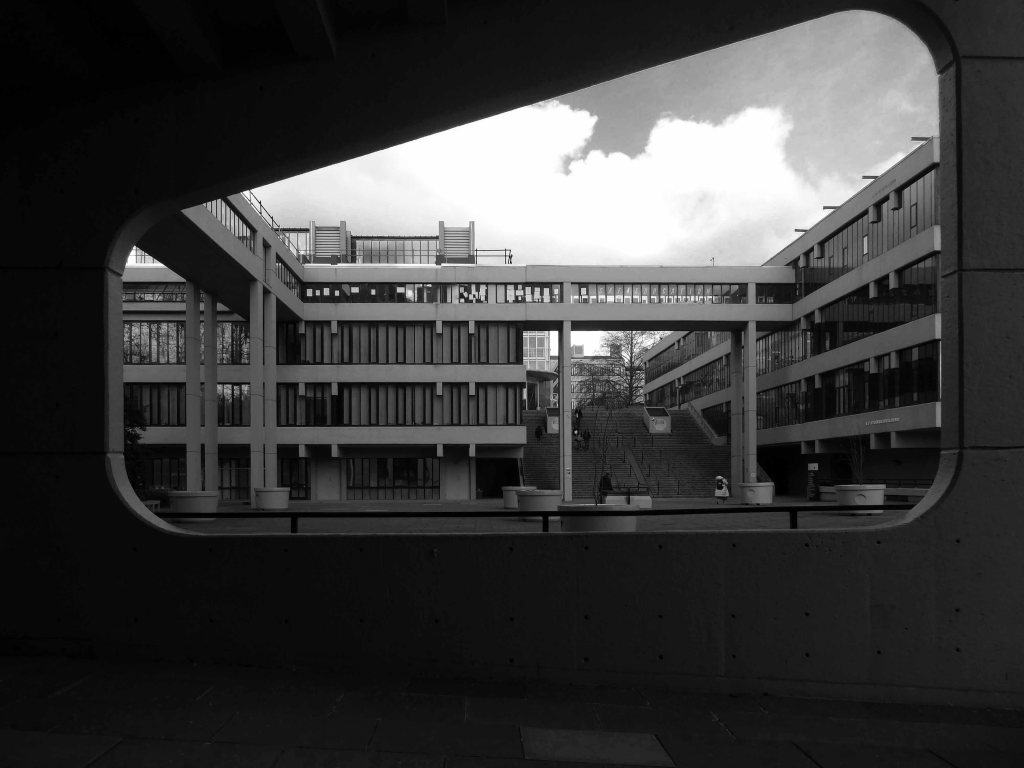
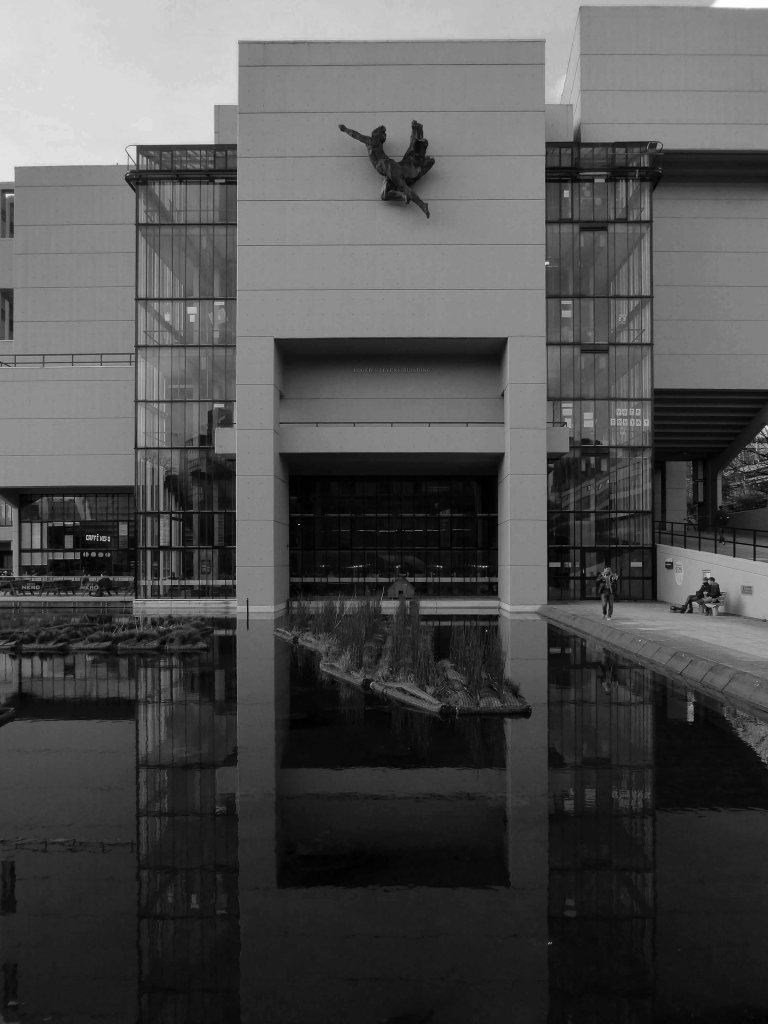
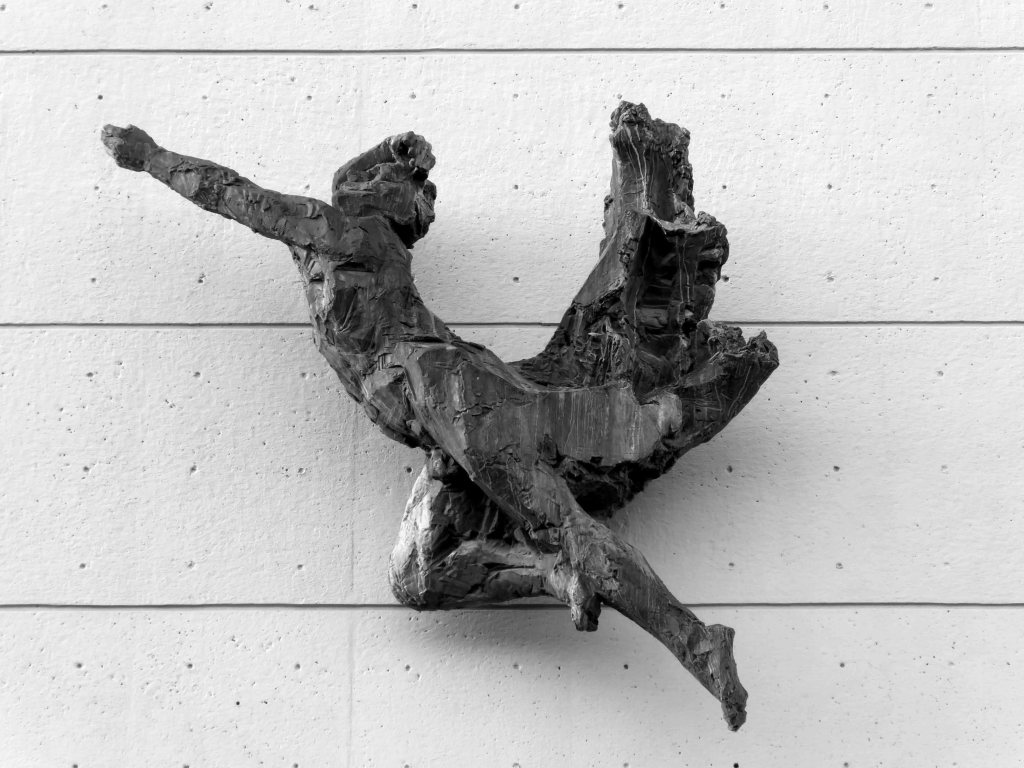
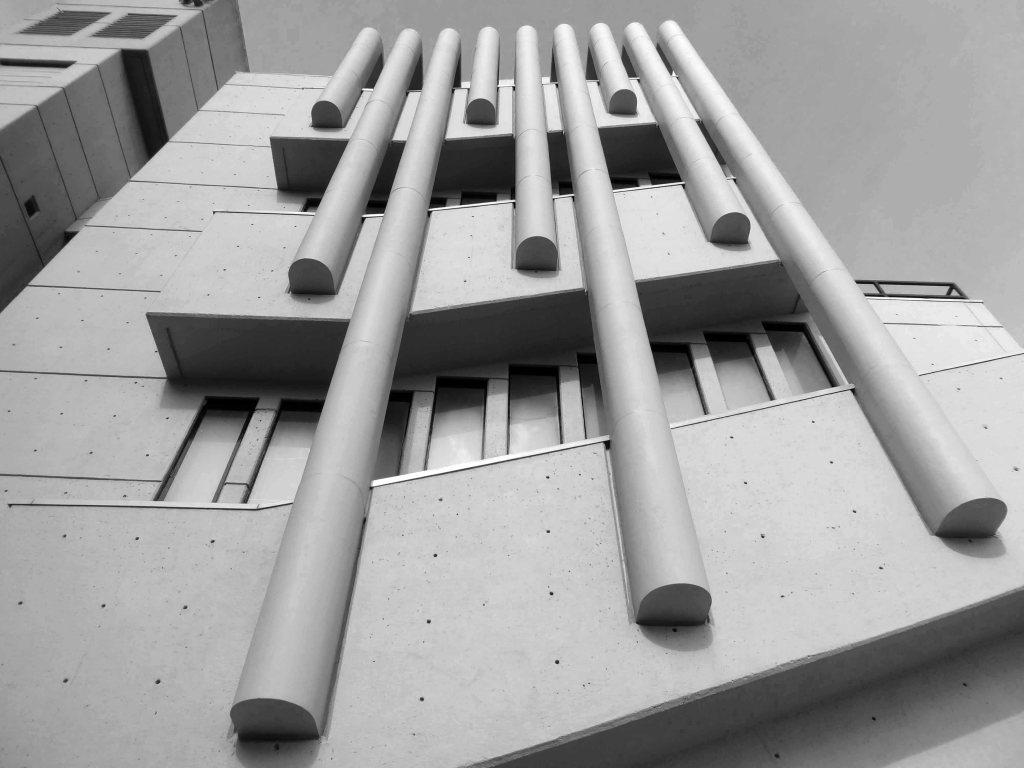
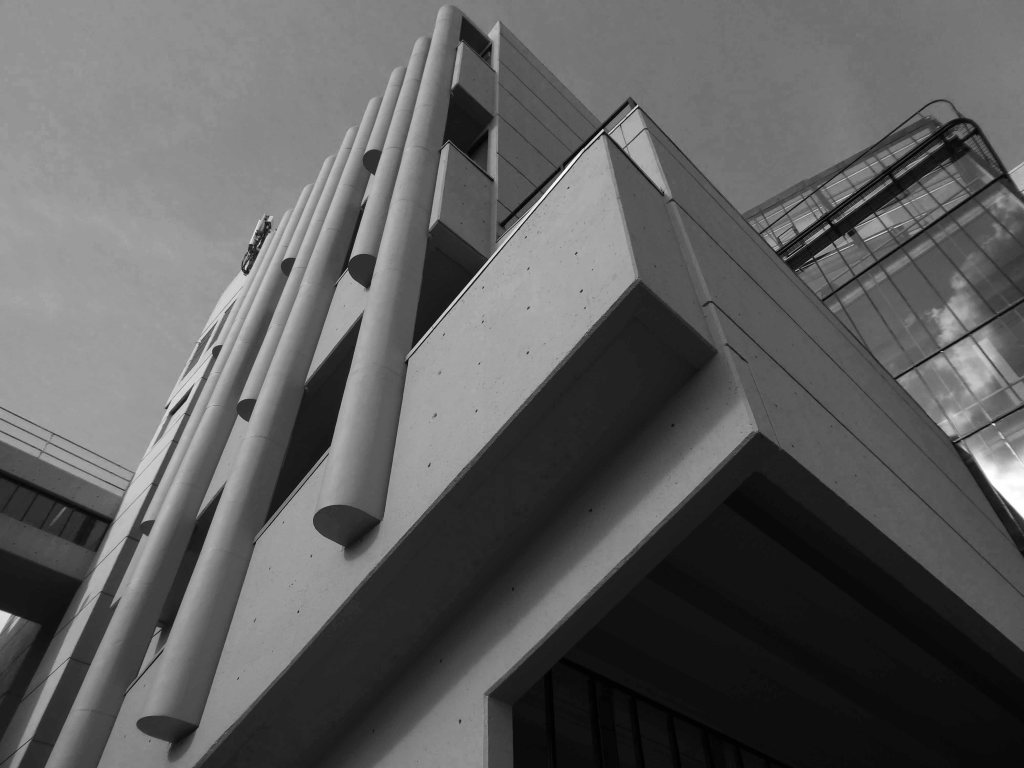
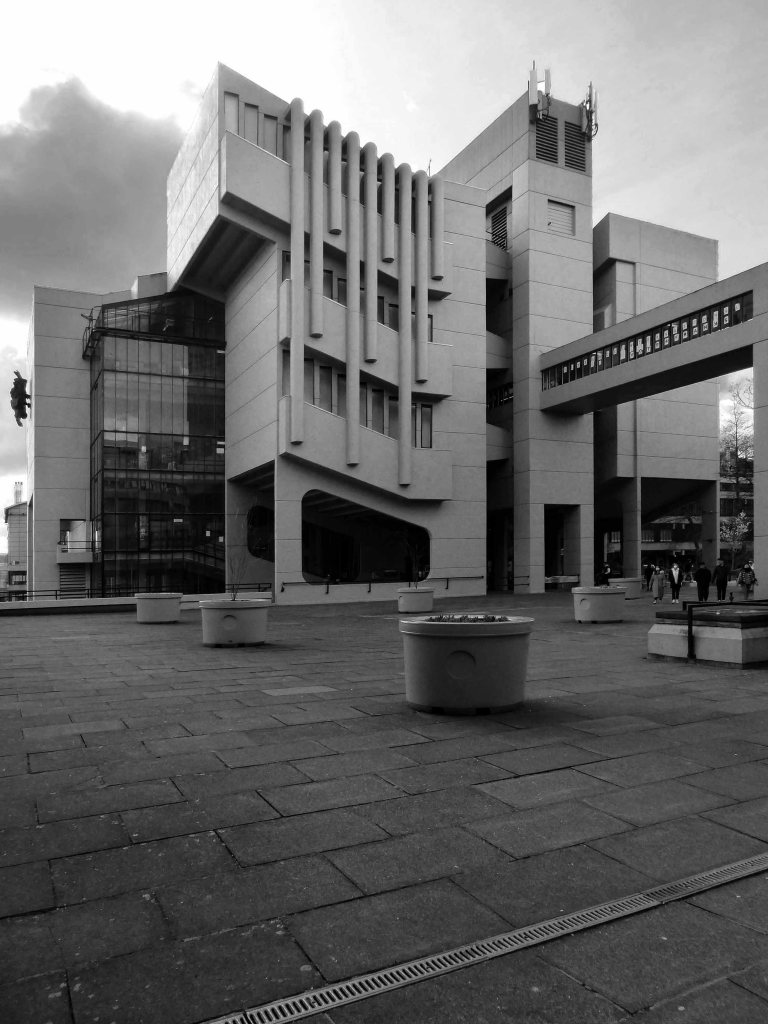
The Roger Stevens Building 1970 – by Chamberlin, Powell and Bon for Leeds University South Campus is designated at Grade II
The building represents the high point of their Leeds University work.
Architecture: the building is an outstanding and individual design with bold external shapes and carefully designed interiors
Planning: the internal spaces are the result of extensive research on the requirements of the university and introduce innovative and influential features such as individual doors into the lecture theatres, and external links intimately with other buildings on the campus by means of multi-level walkways
Intactness: despite the changing requirements of universities, the building has remained largely unchanged, proving the success of its design
Group Value: the building provides a fitting centrepiece to the group of university buildings on the South Campus at Leeds, also recommended for designation.
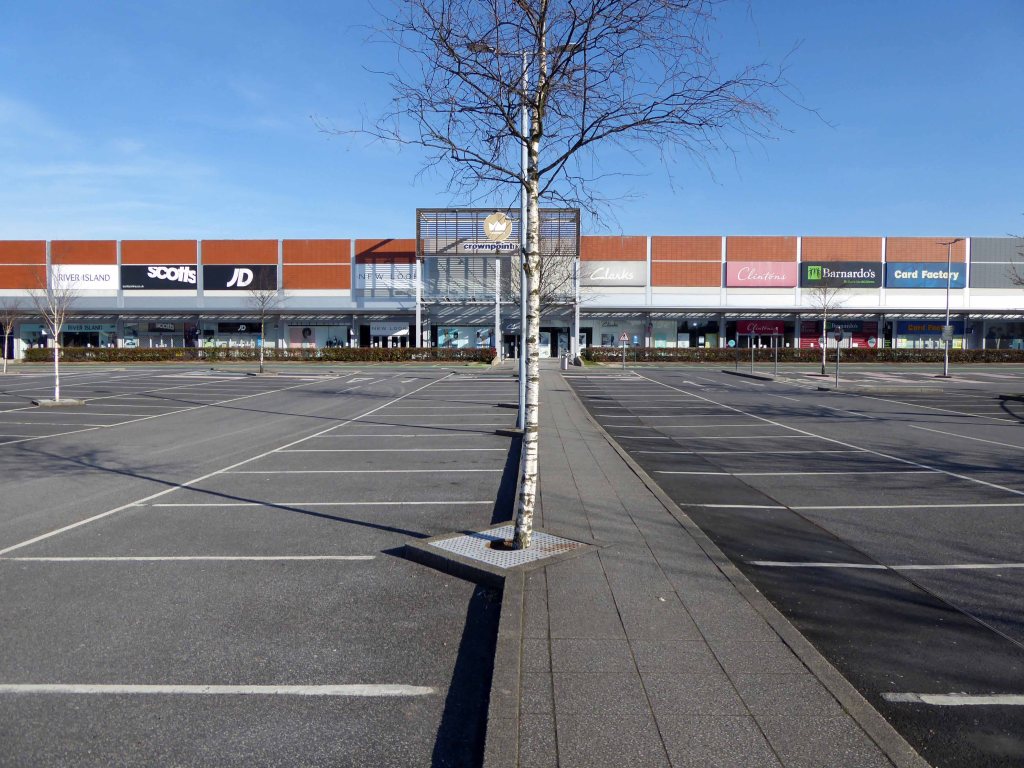
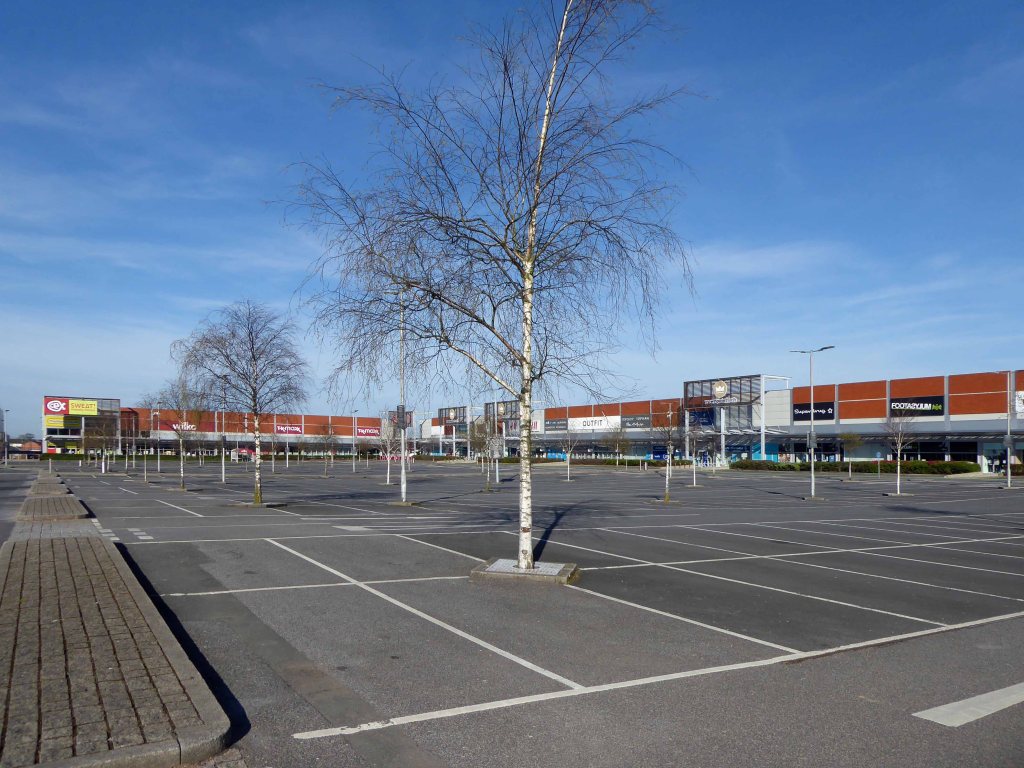
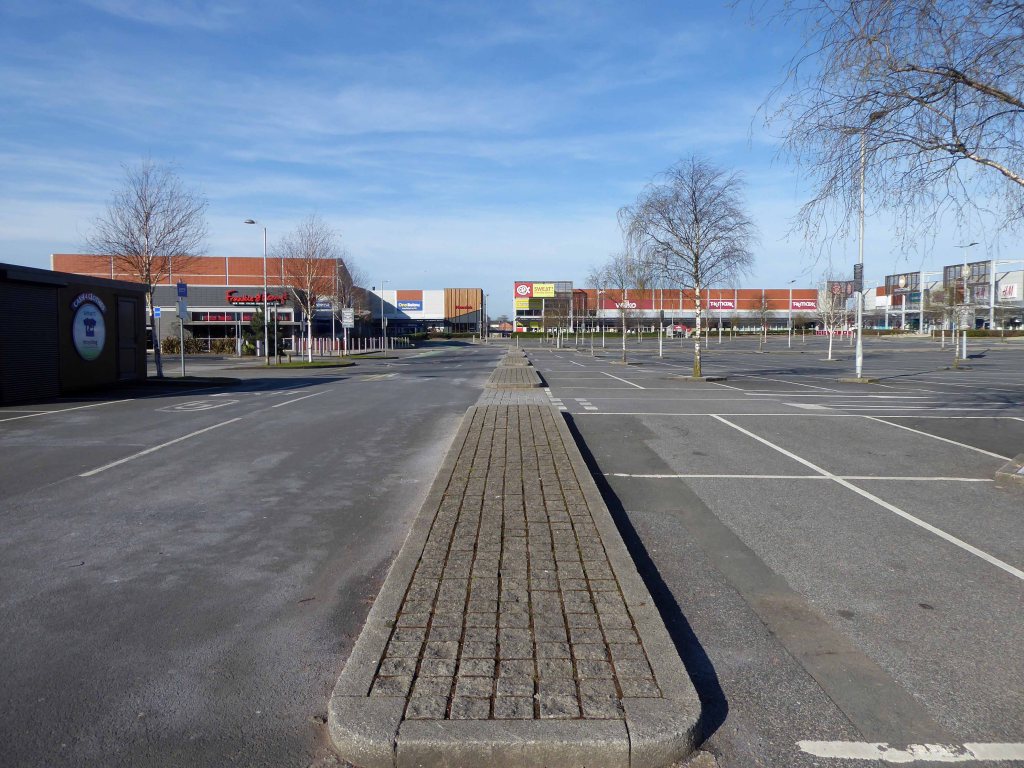
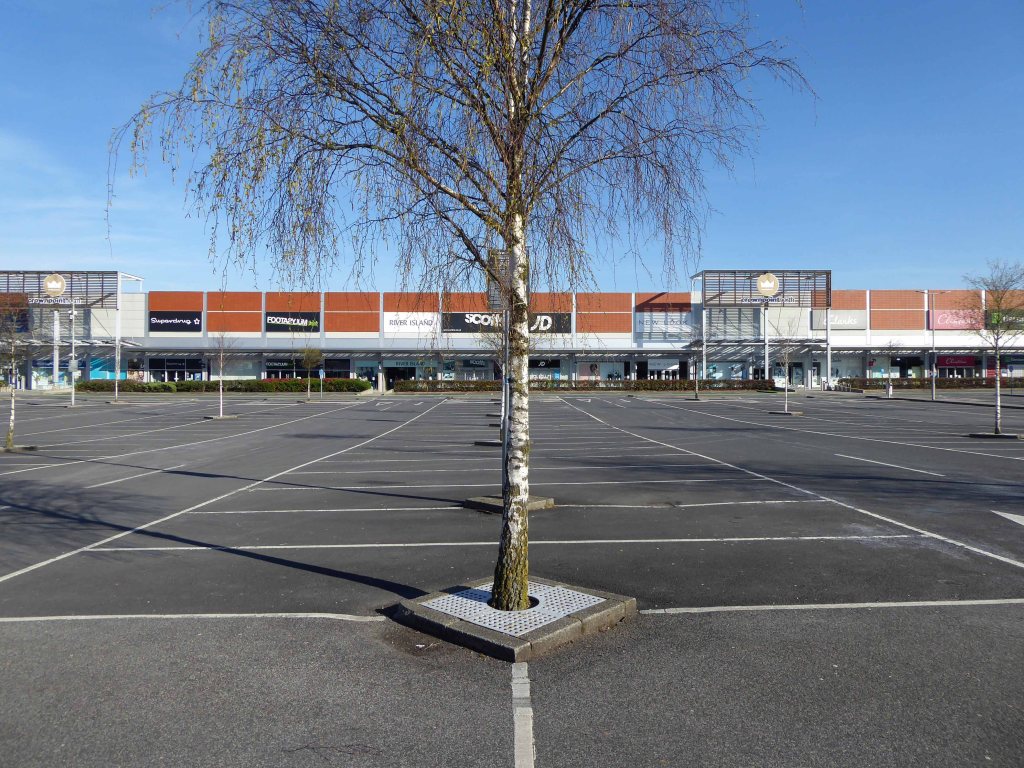
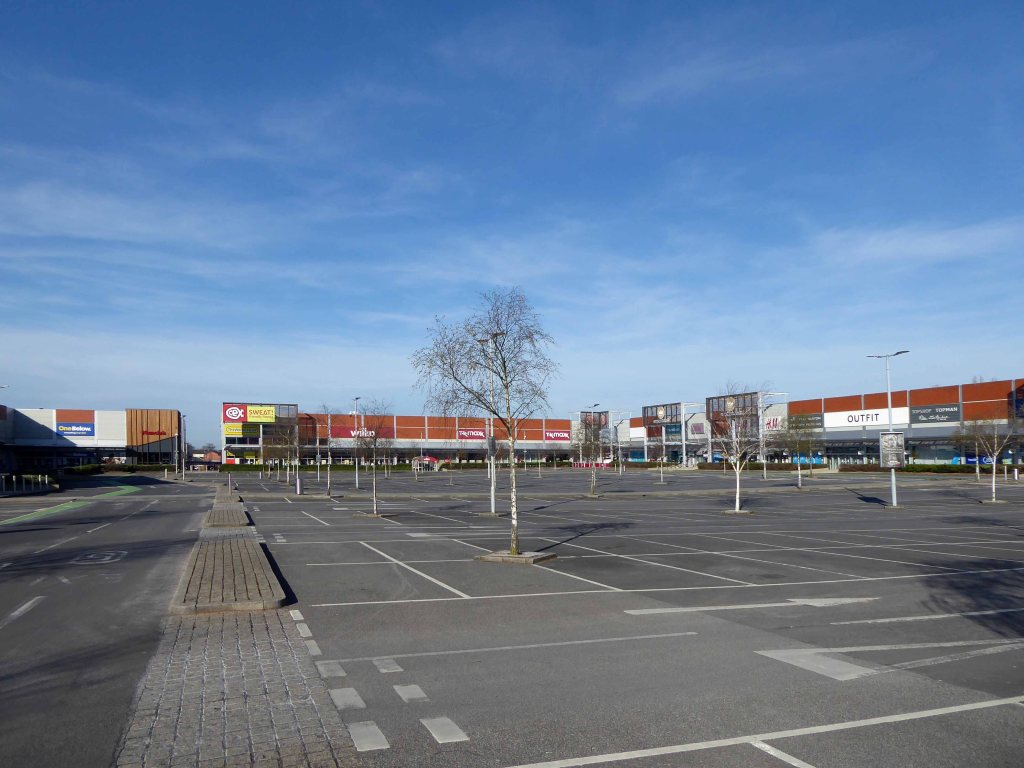
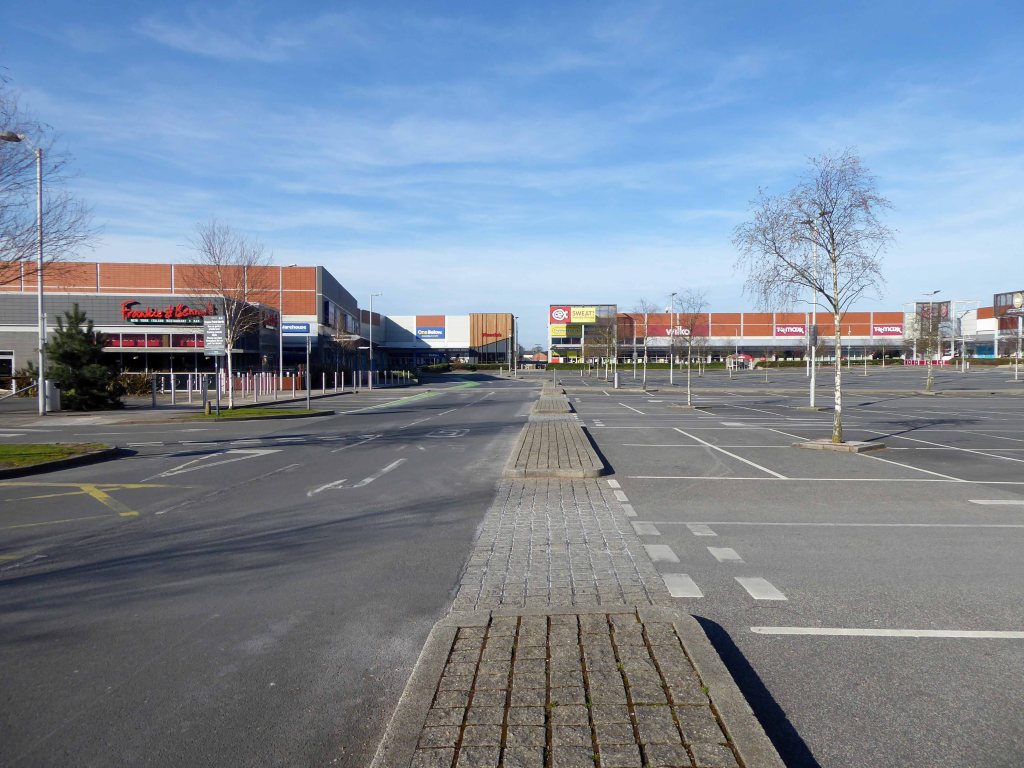
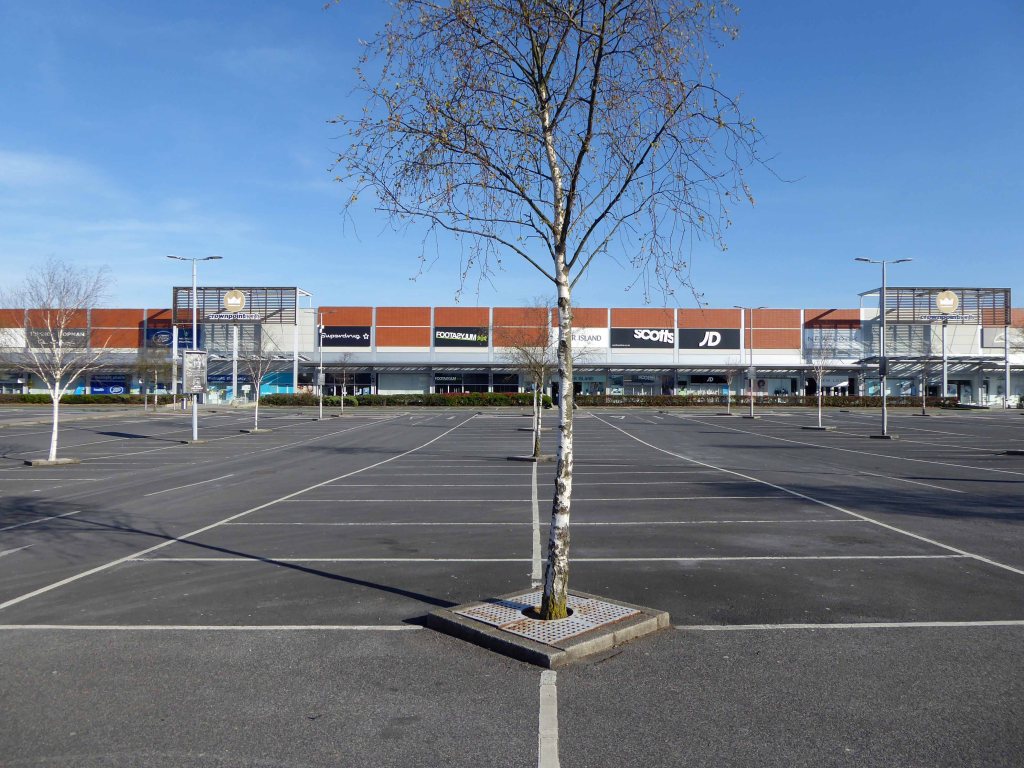
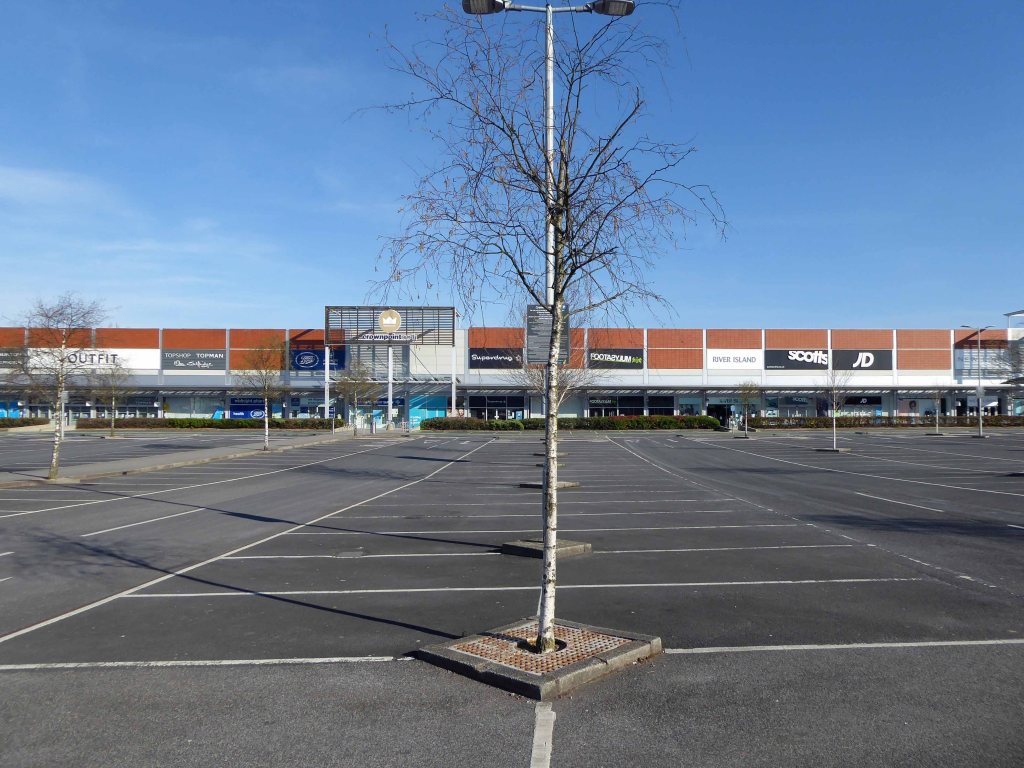
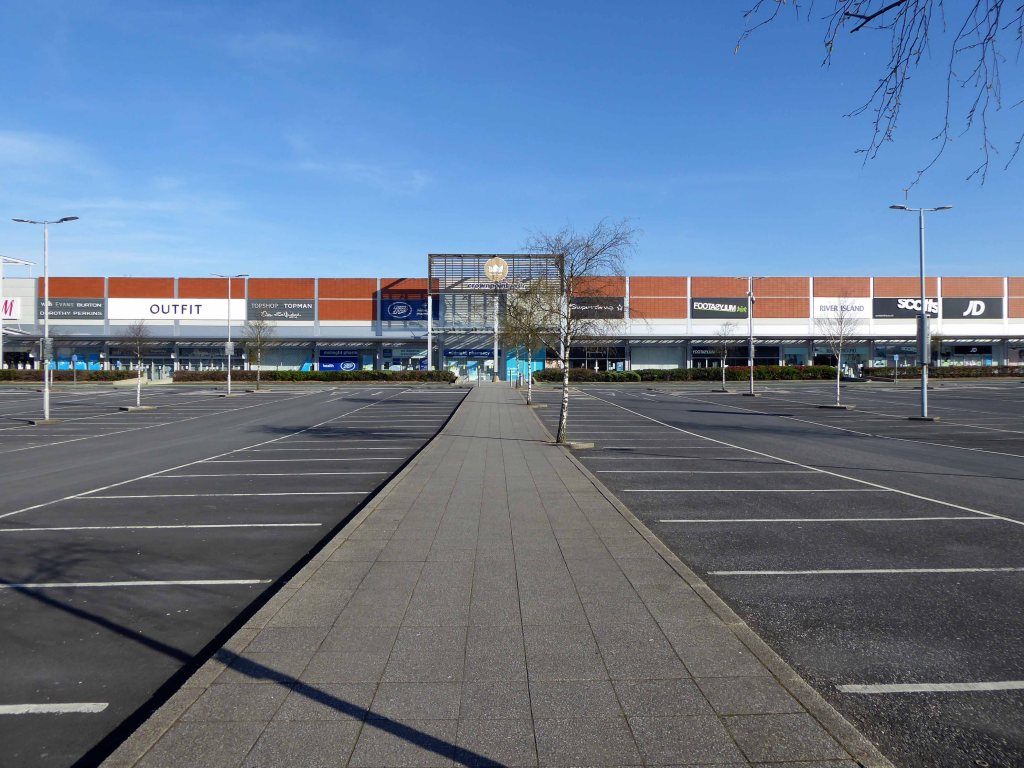
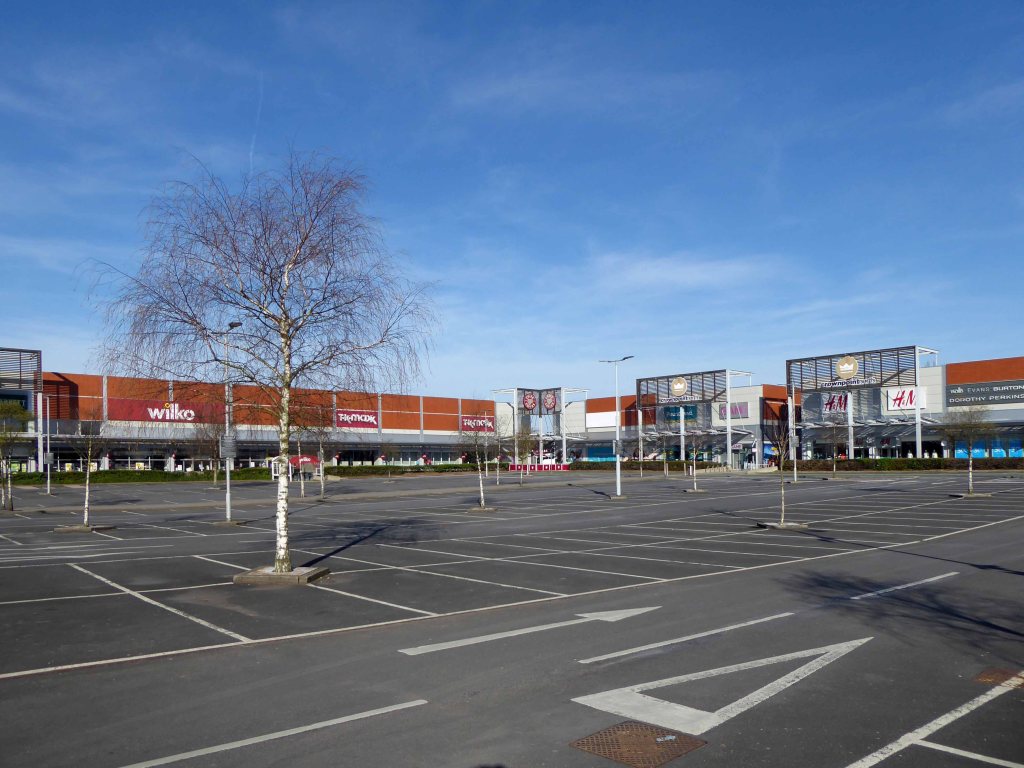
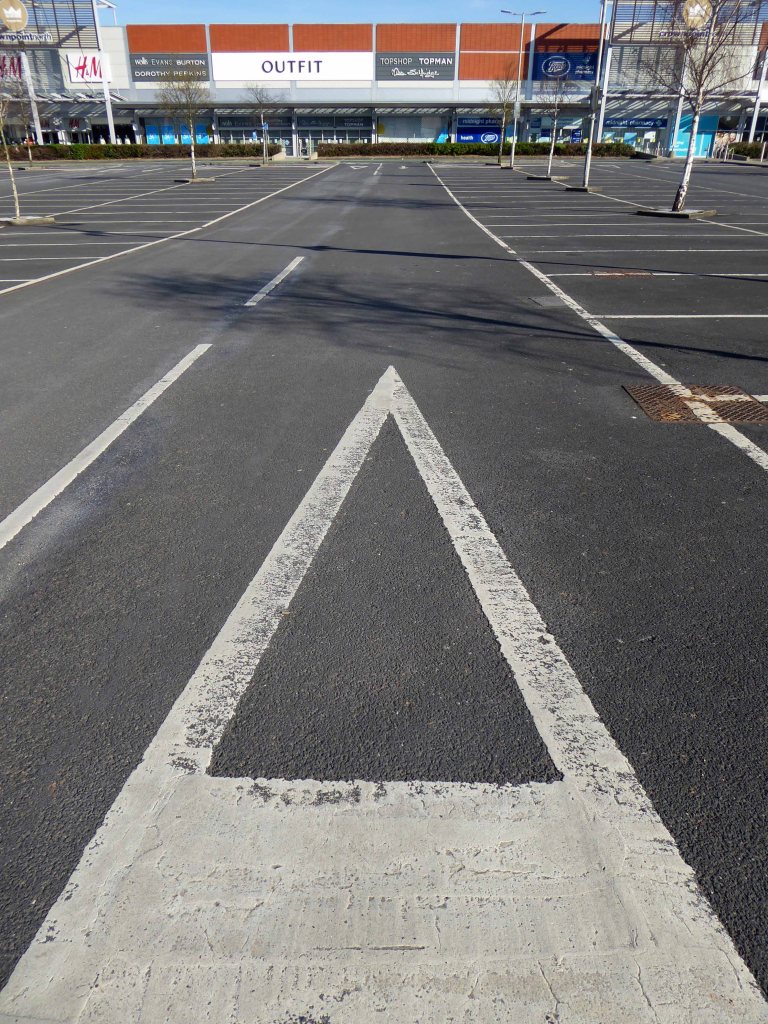
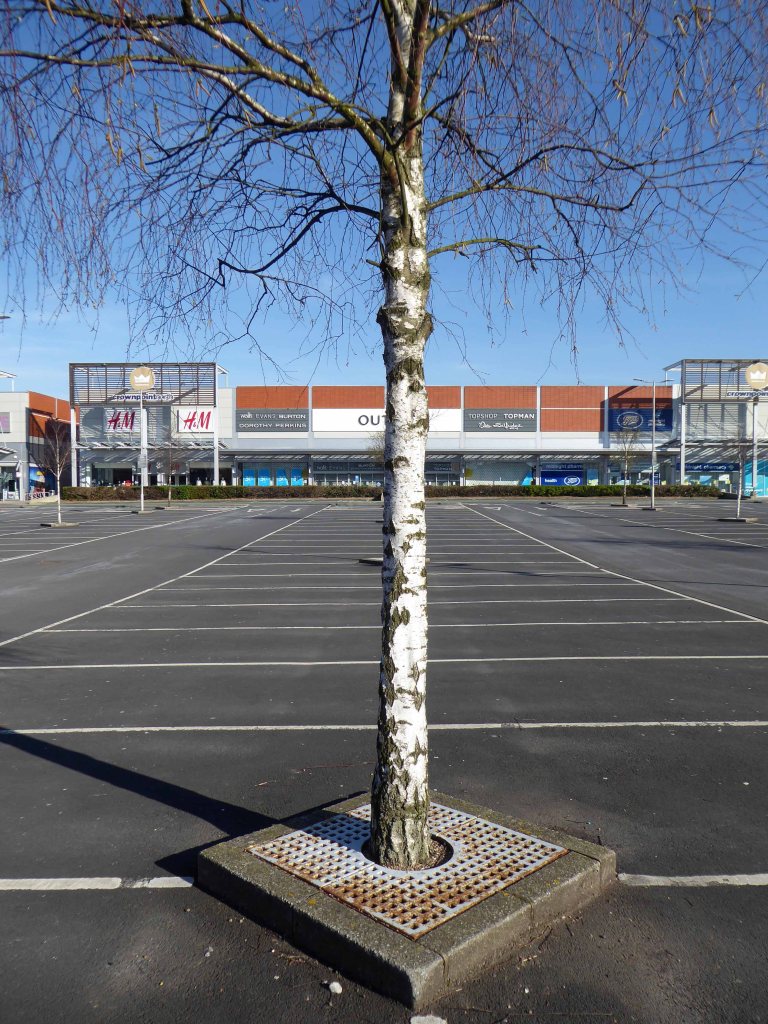
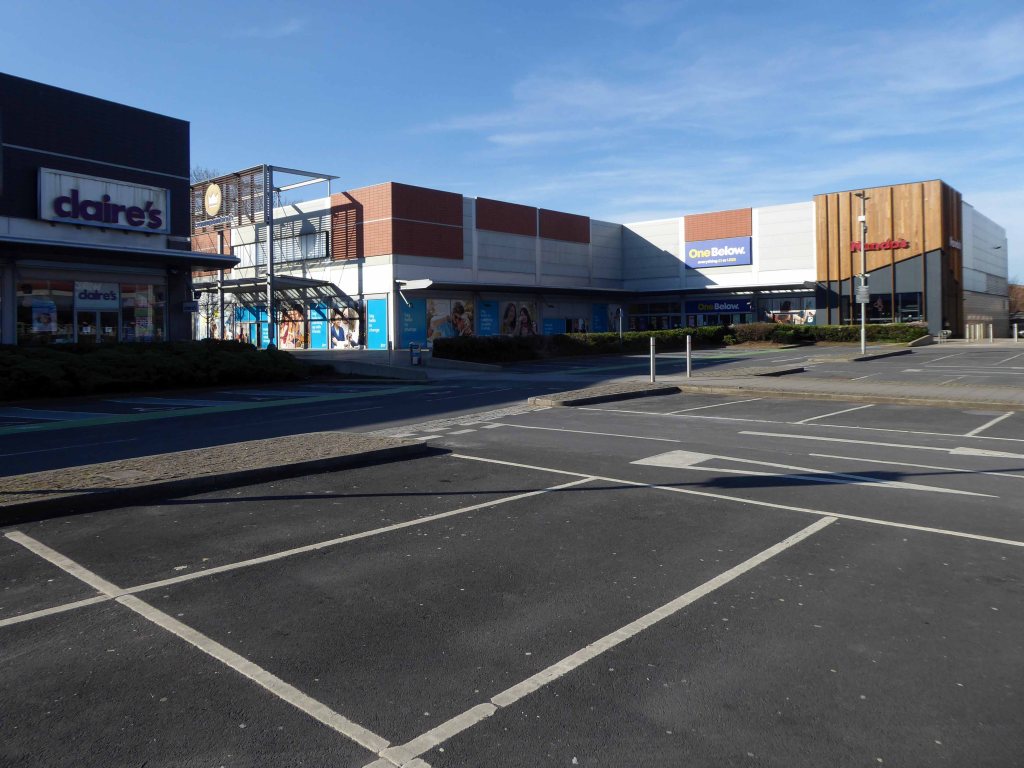
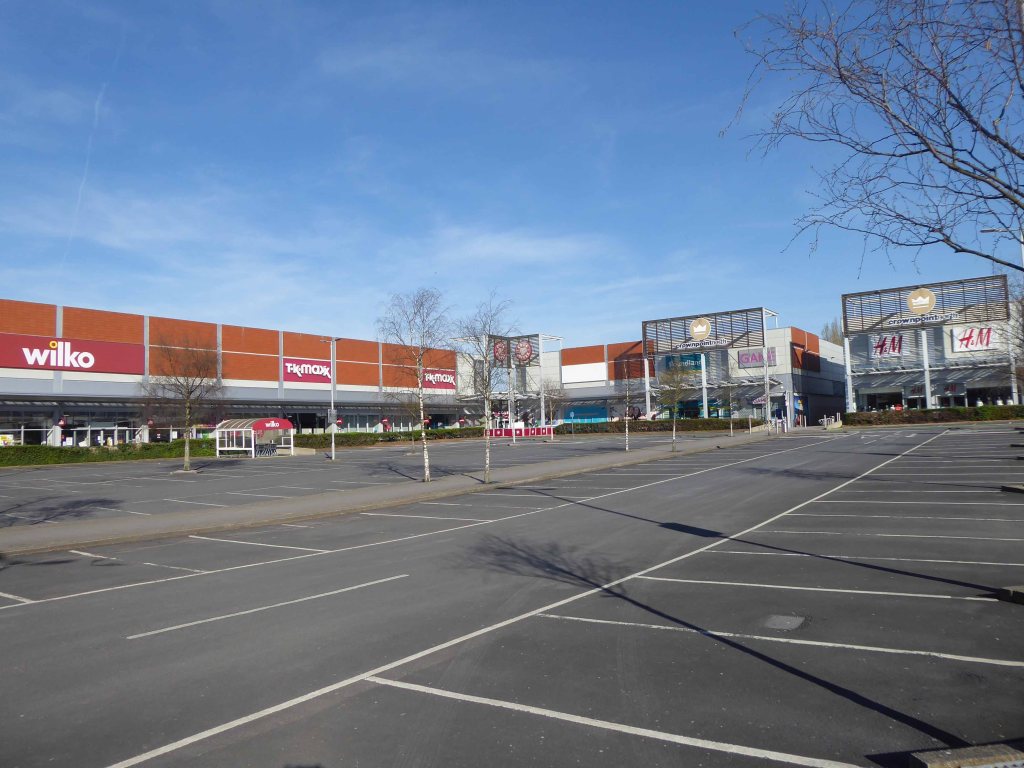
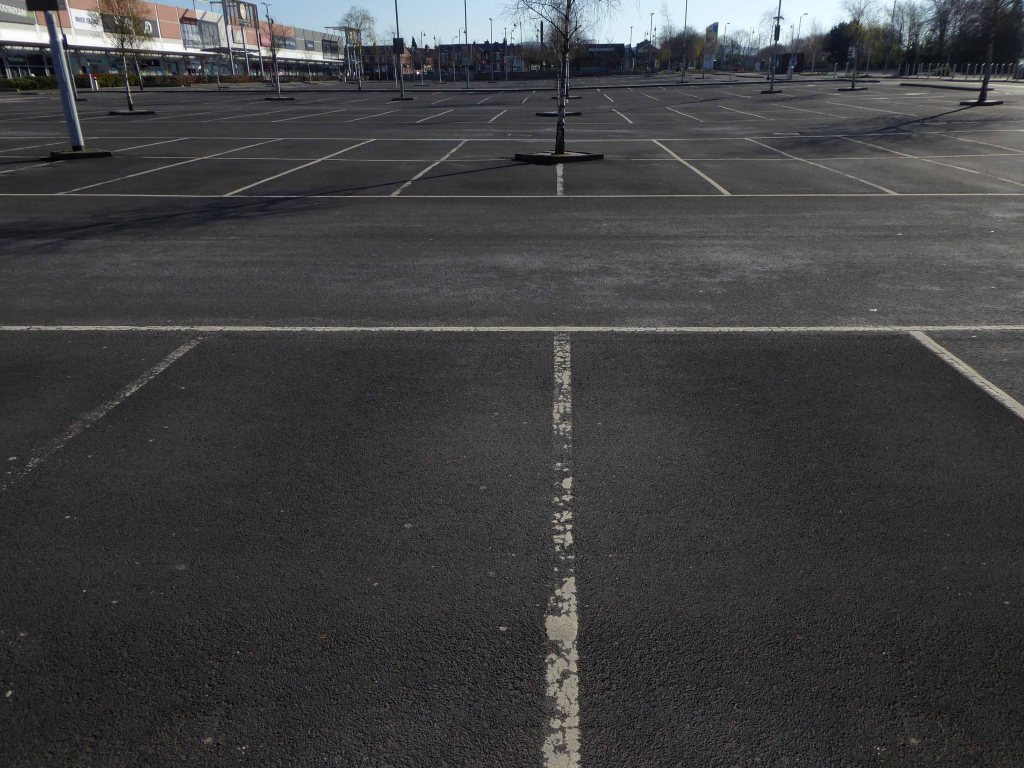
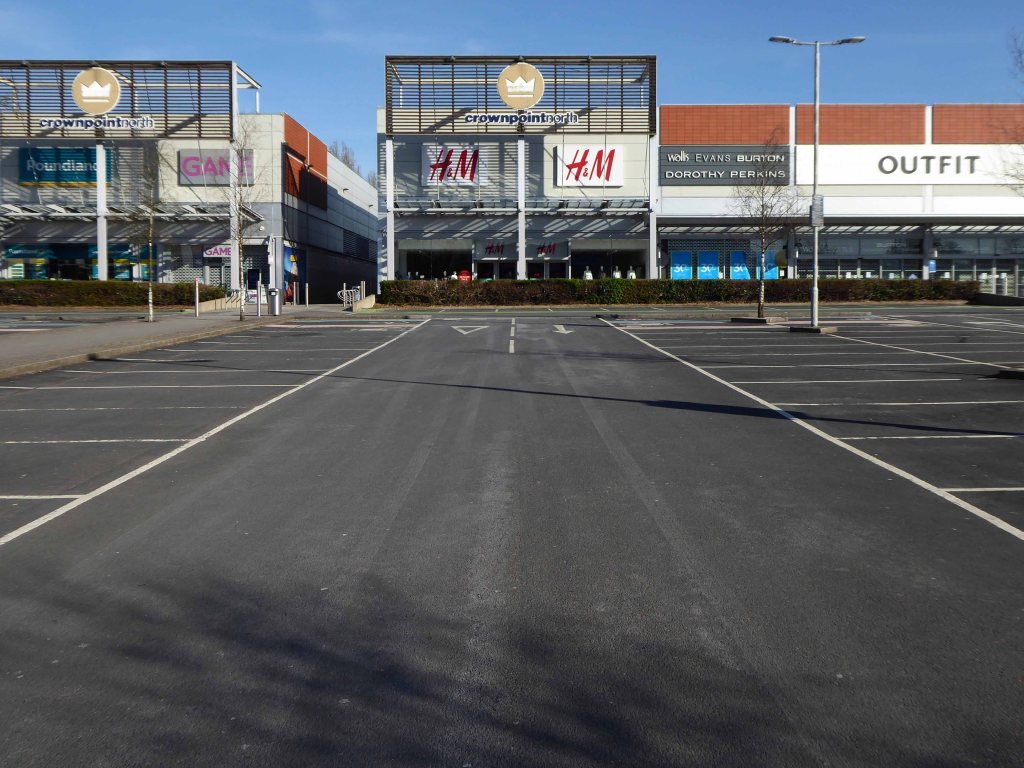
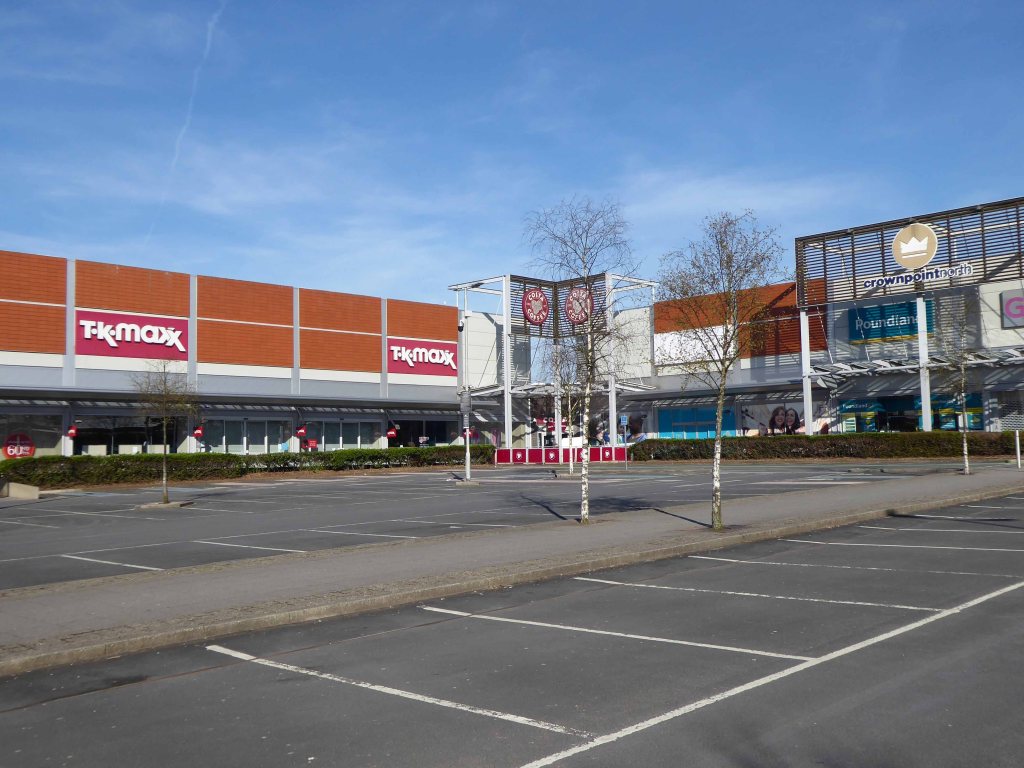
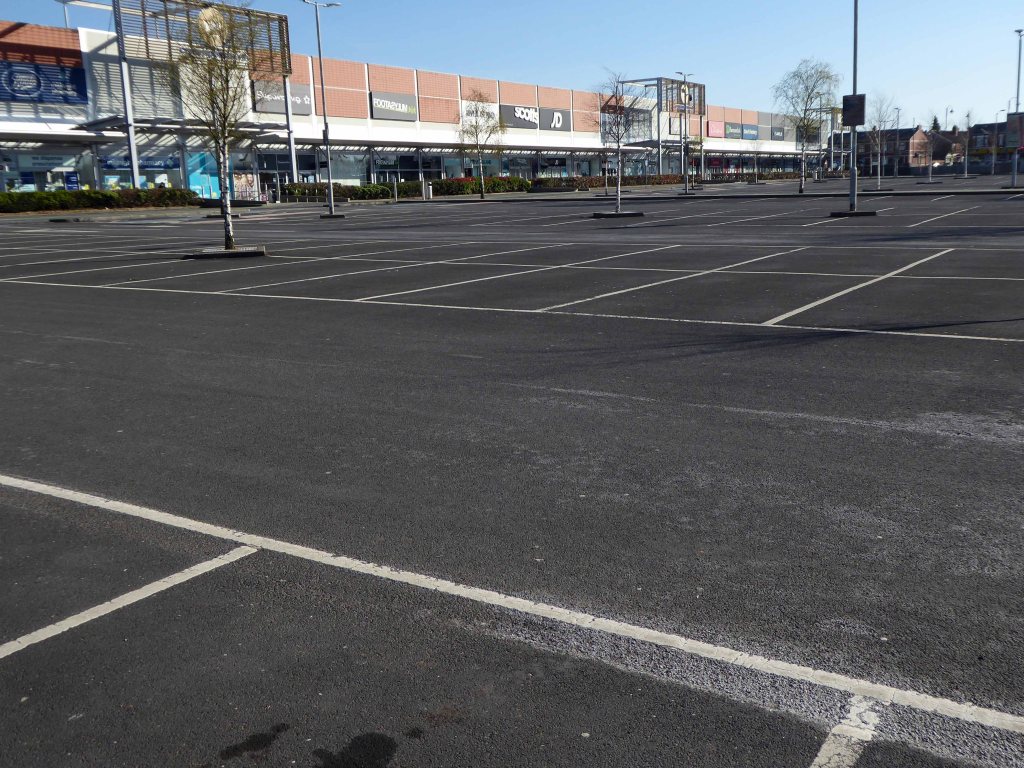
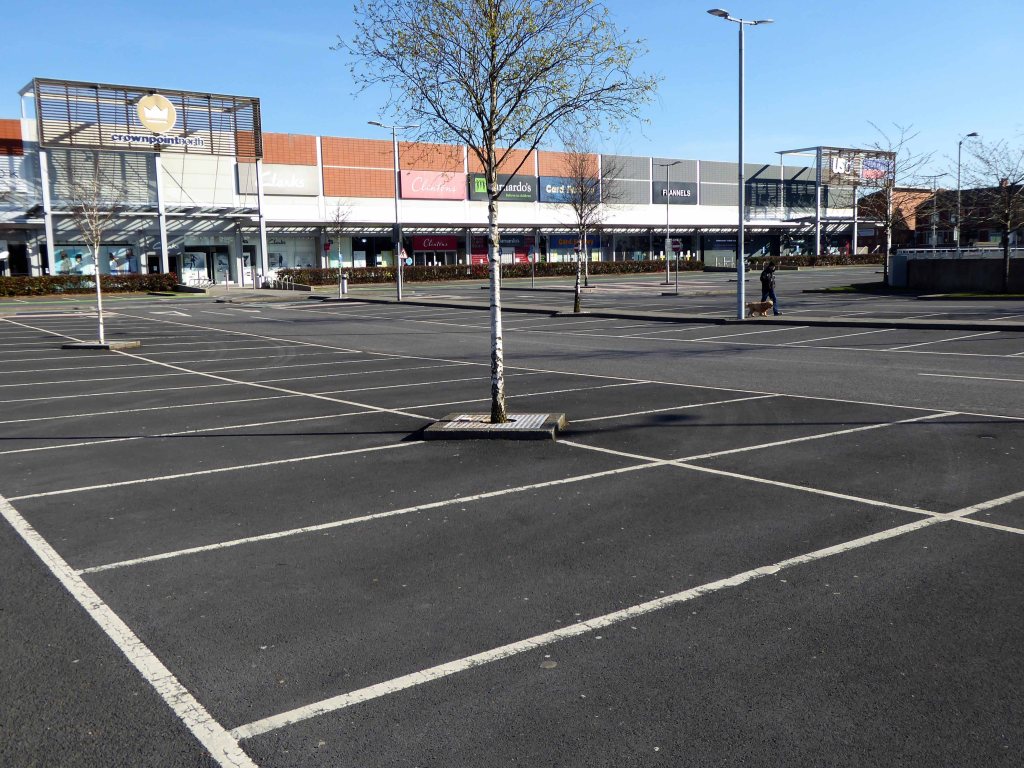
The court heard the accused had agreed to detonate a bomb at Crown Point North as a diversion before driving to their school, murdering teachers and pupils and then killing themselves.
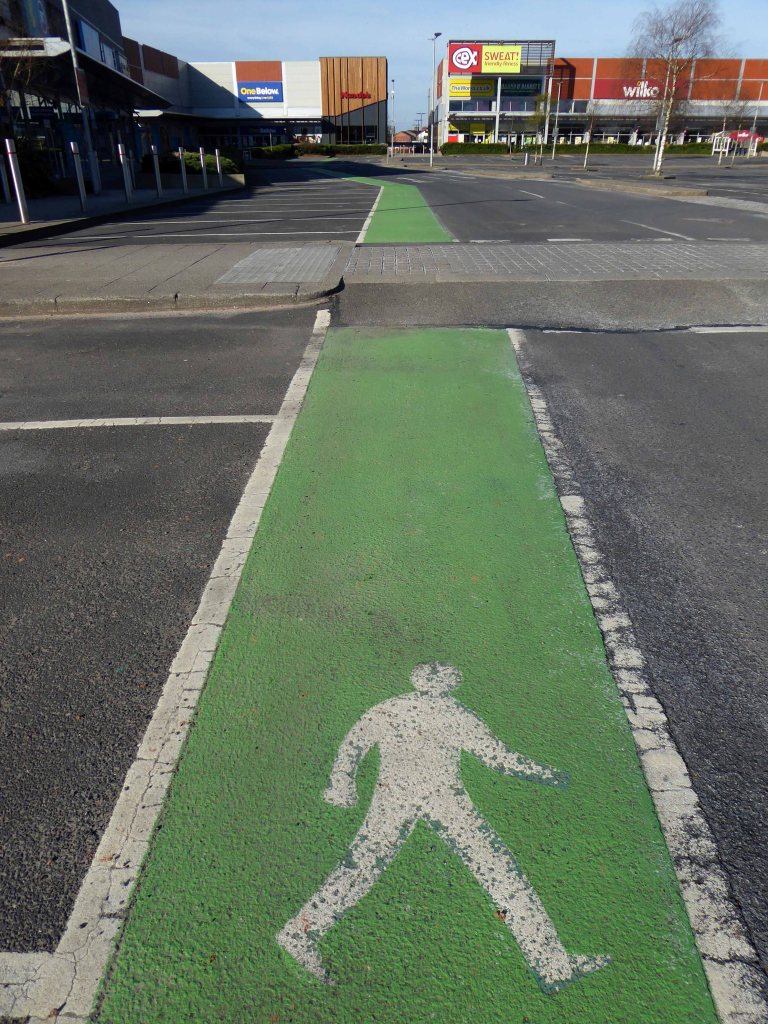
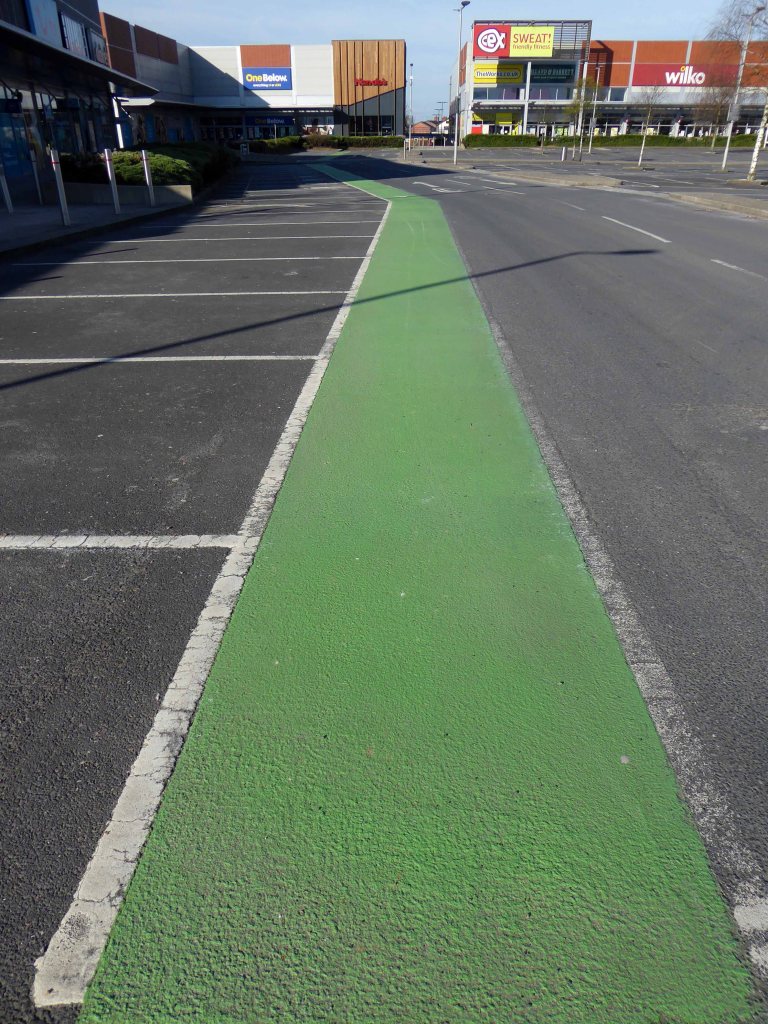
We live in strange and troubled times, the urban landscapes we have created are often far from convivial.
Deserts possess a particular magic, since they have exhausted their own futures, and are thus free of time. Anything erected there, a city, a pyramid, a motel, stands outside time. It’s no coincidence that religious leaders emerge from the desert. Modern shopping malls have much the same function. A future Rimbaud, Van Gogh or Adolf Hitler will emerge from their timeless wastes.
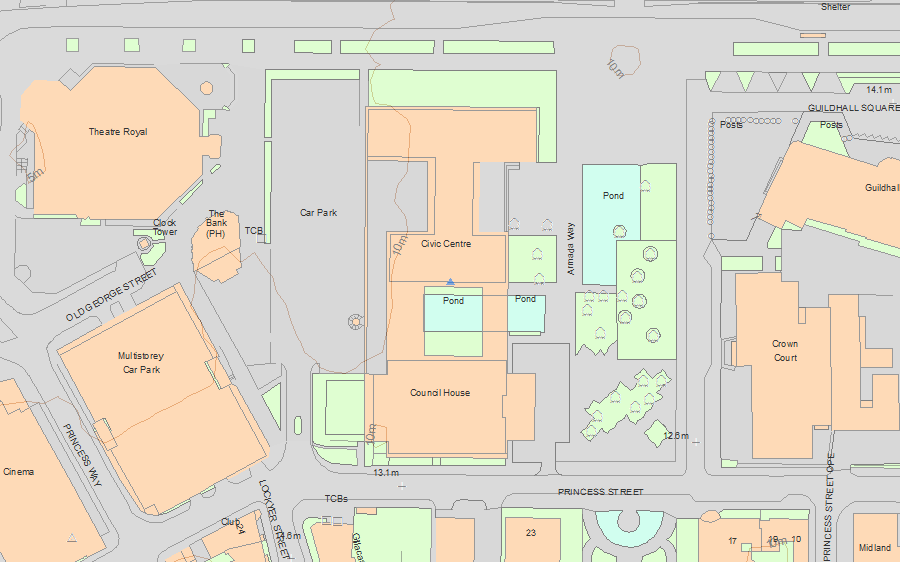
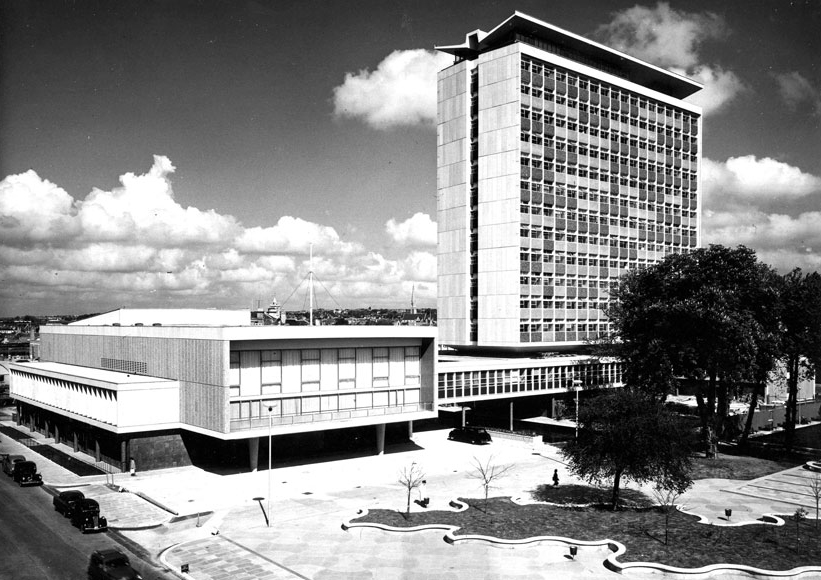
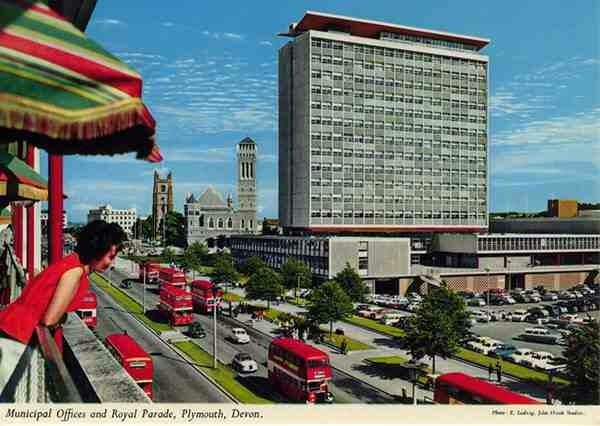
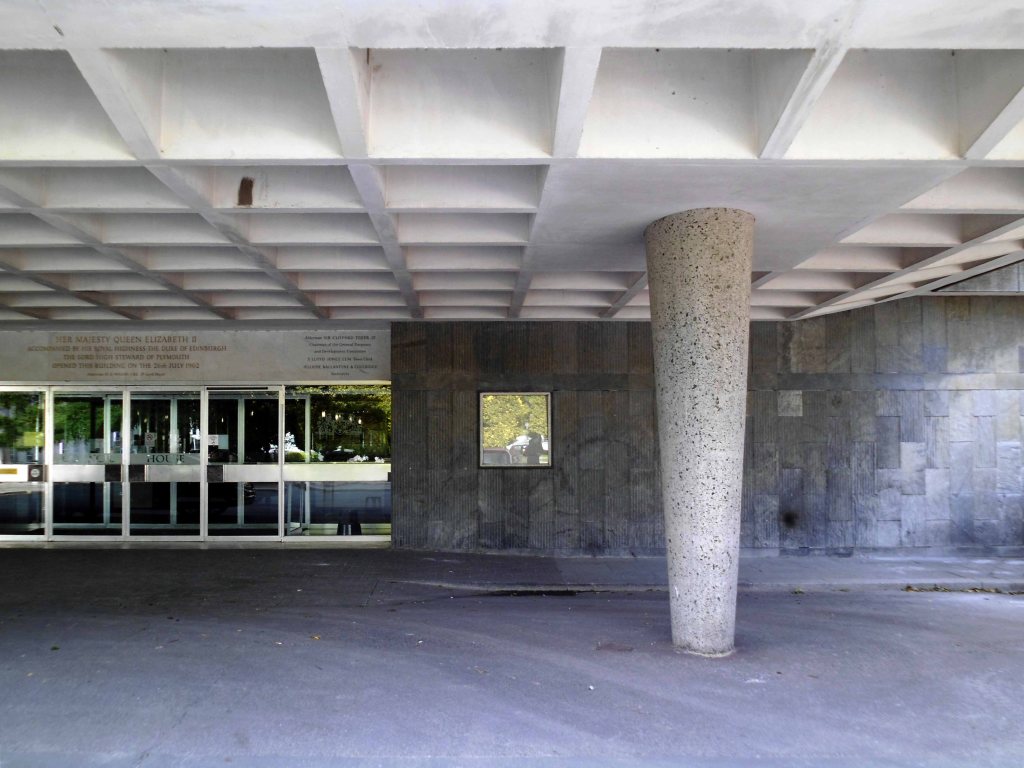
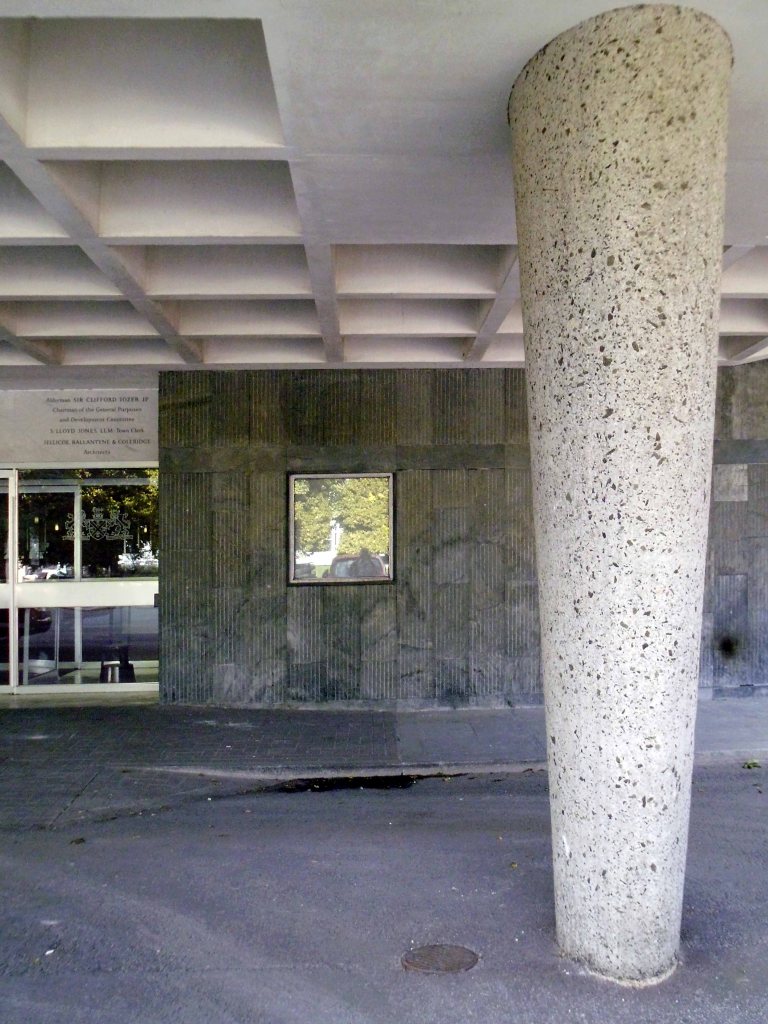
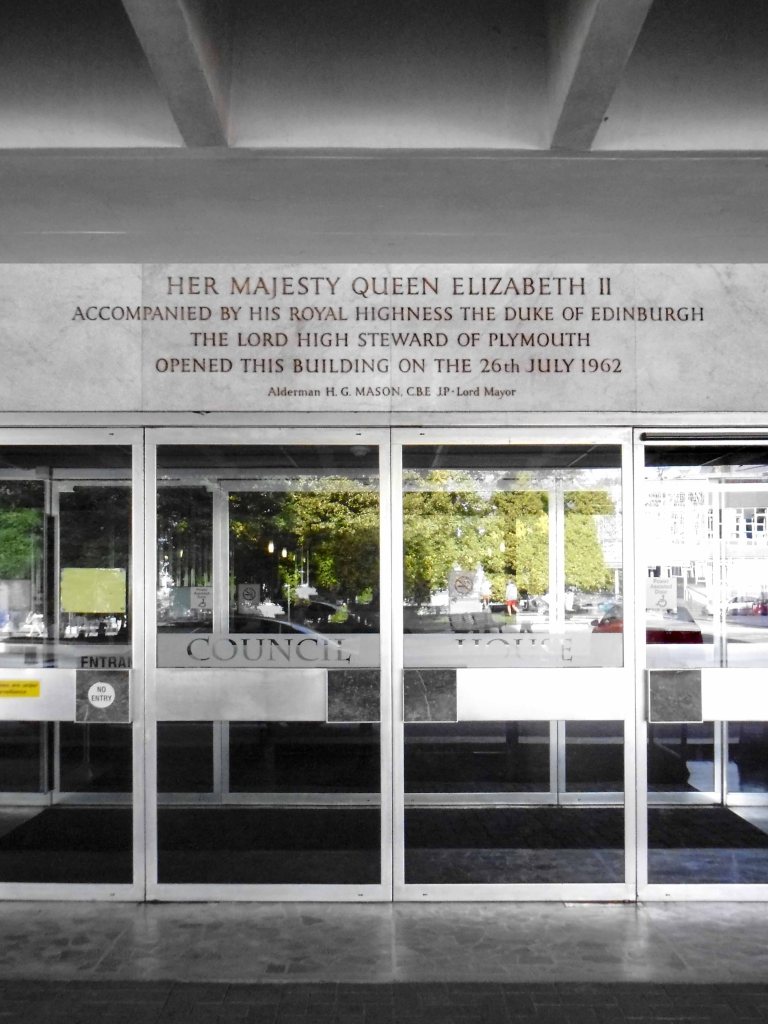
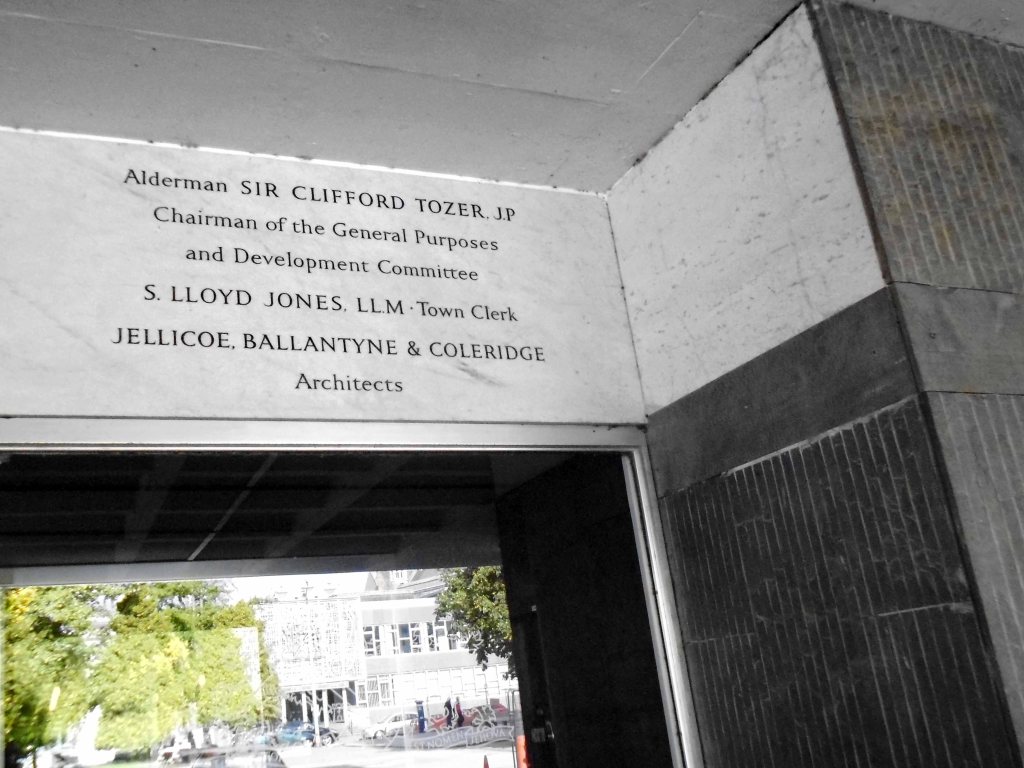
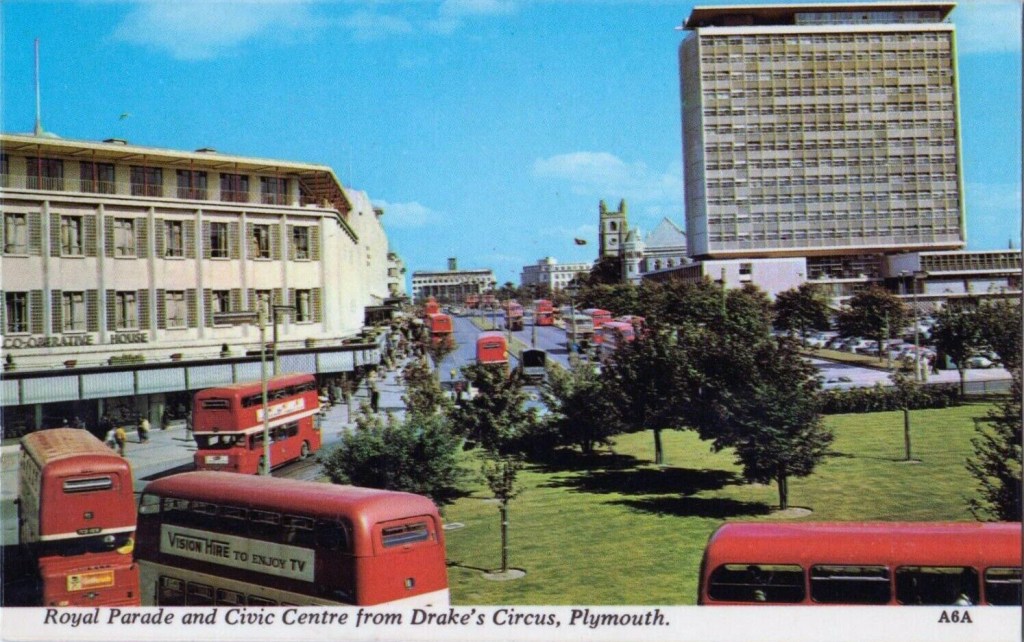
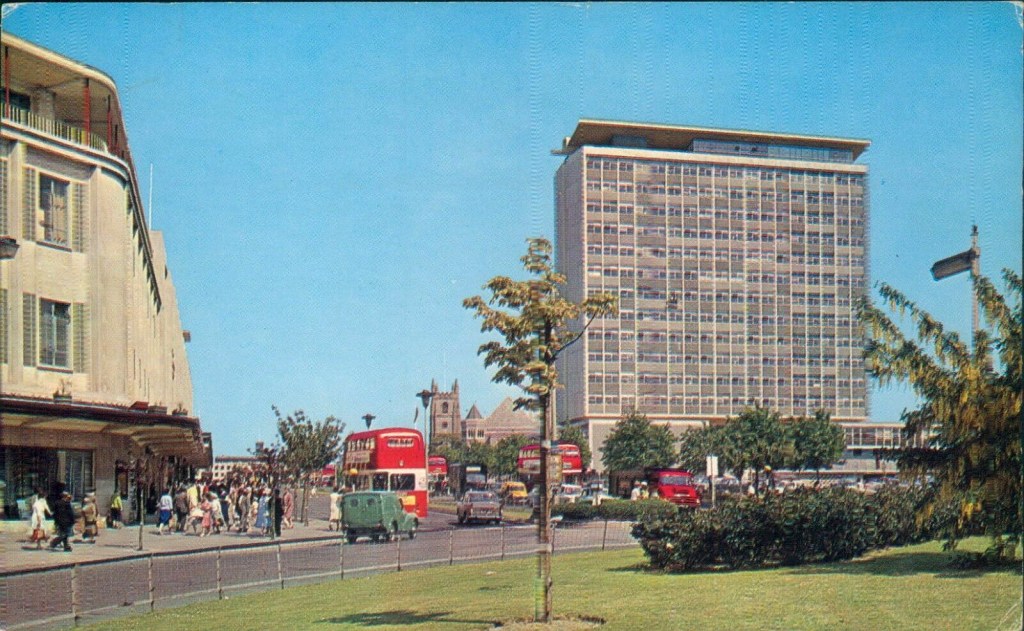
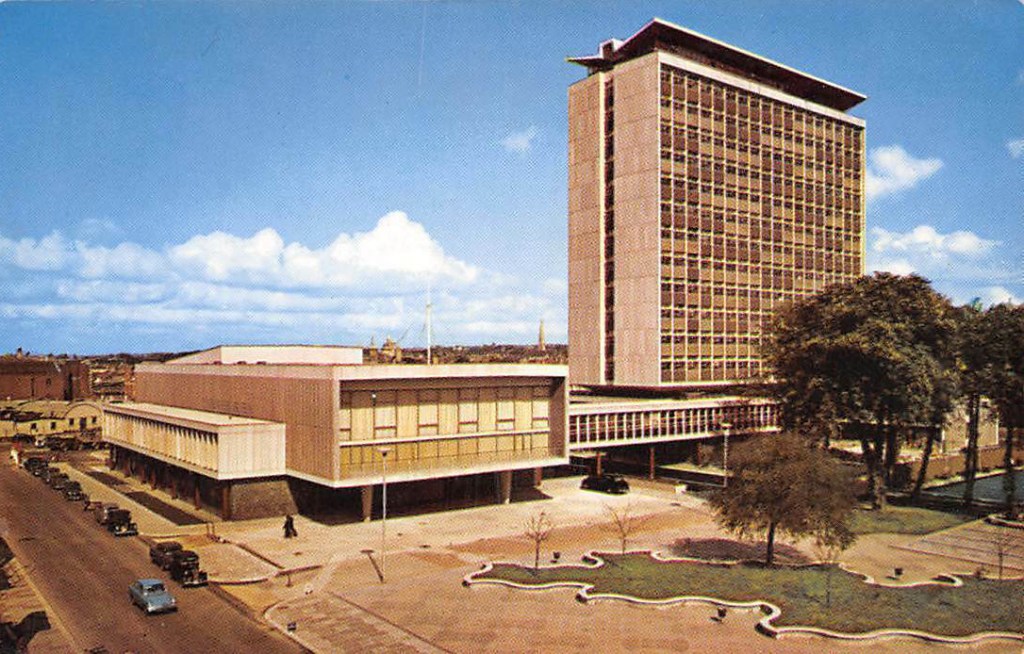
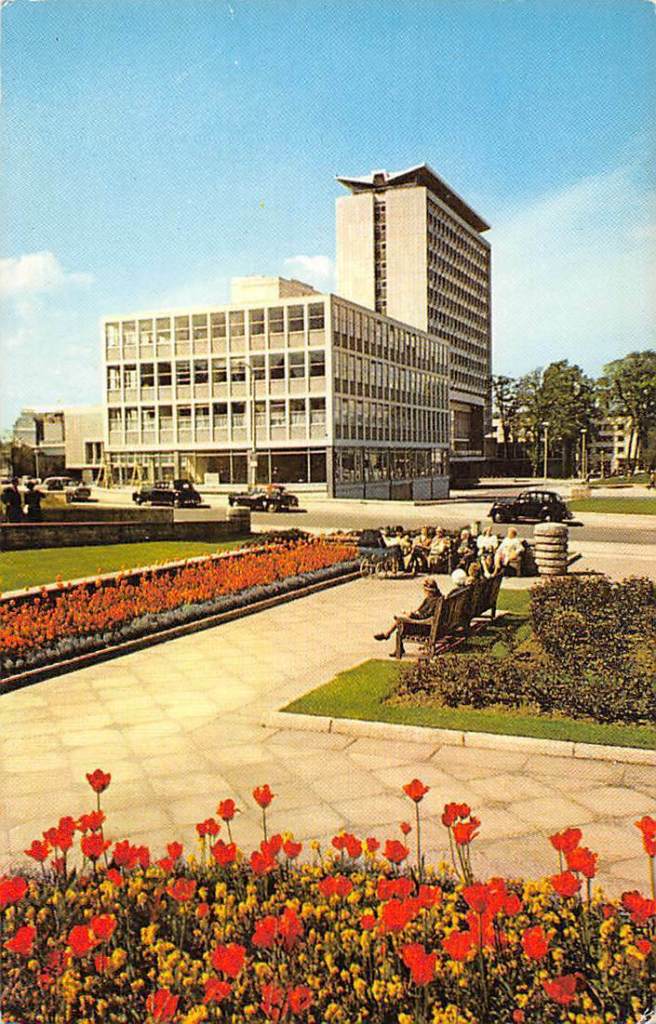
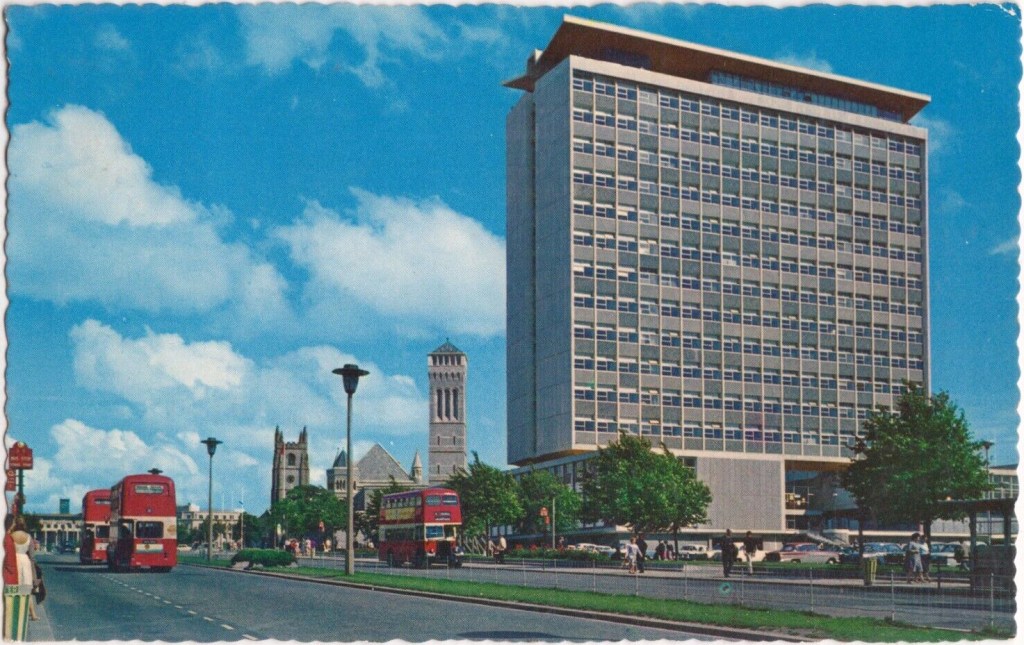
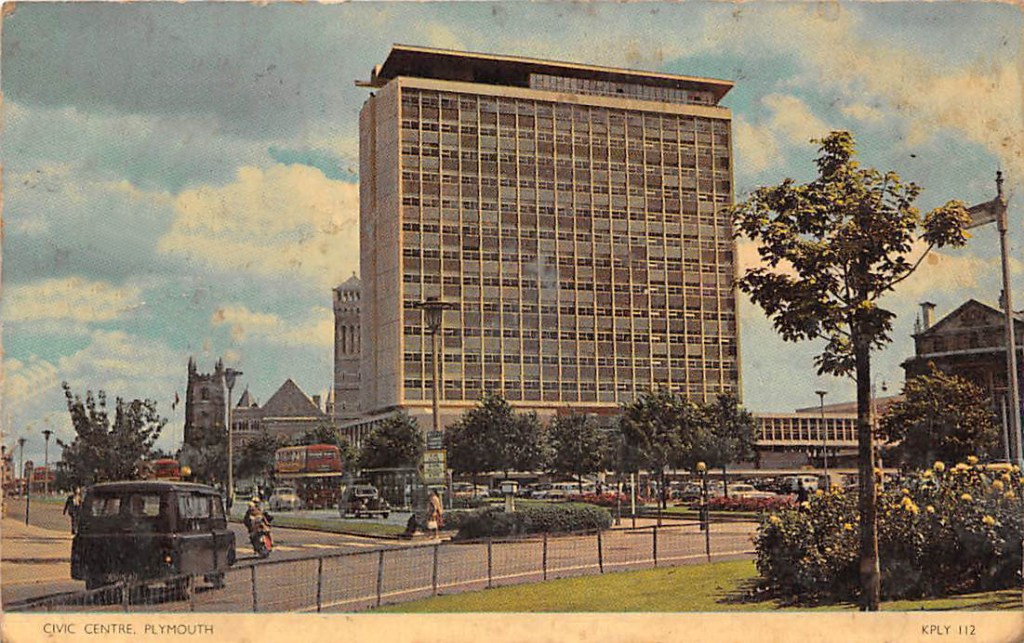
Council House former Civic Centre – Armada Way Plymouth PL1 2AA
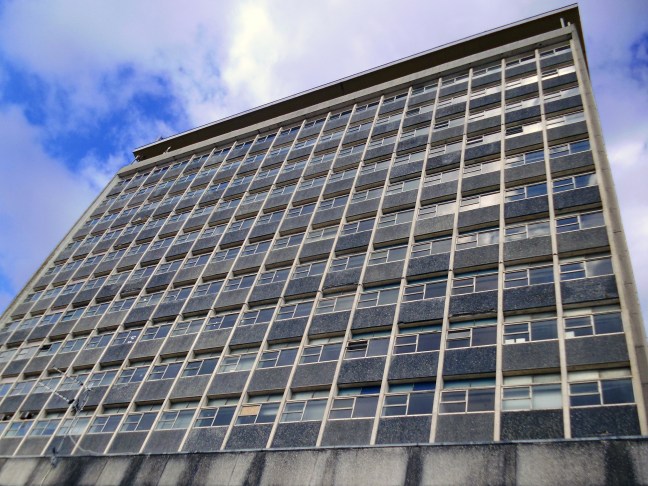
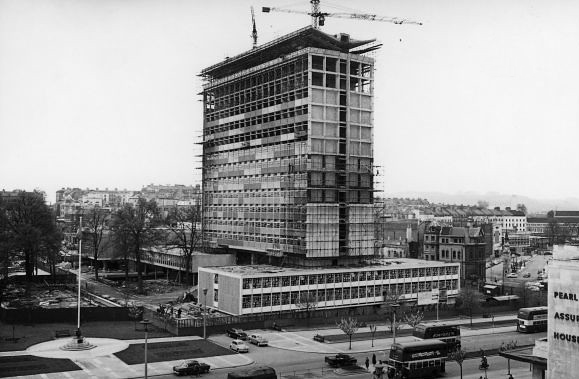
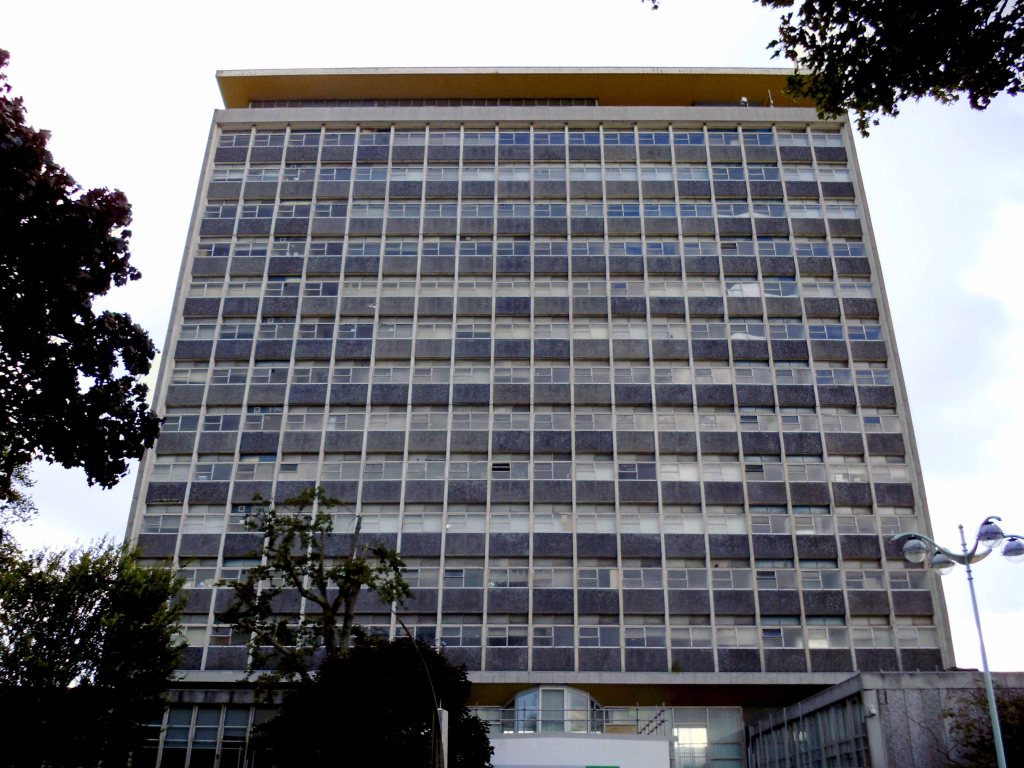
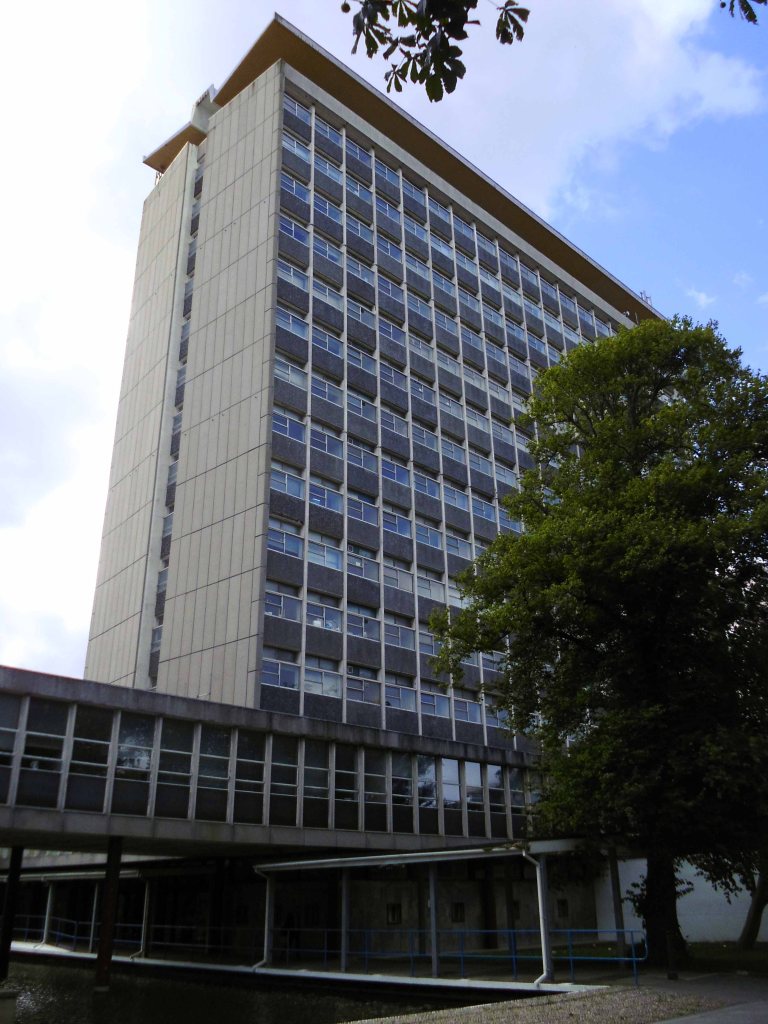
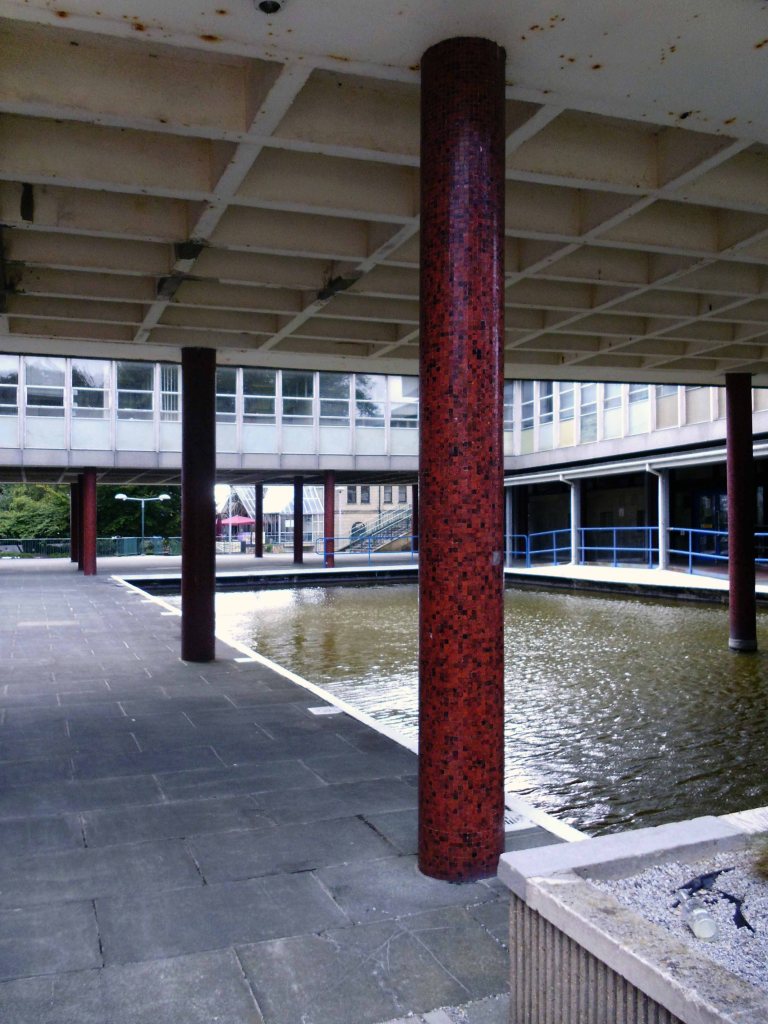
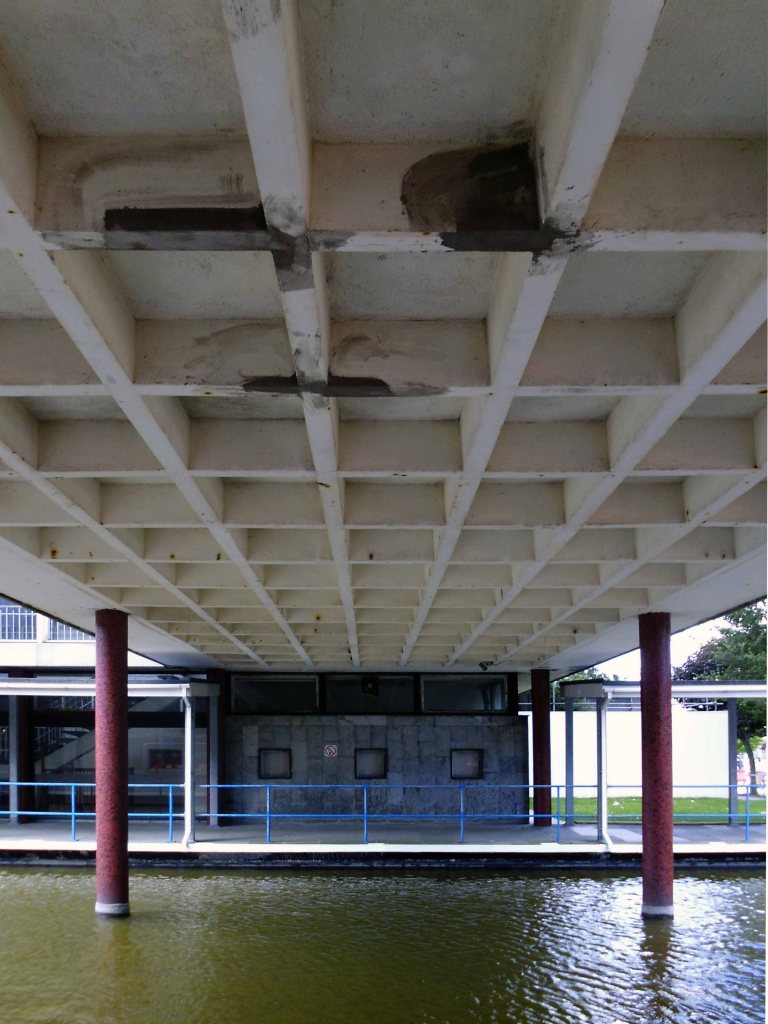
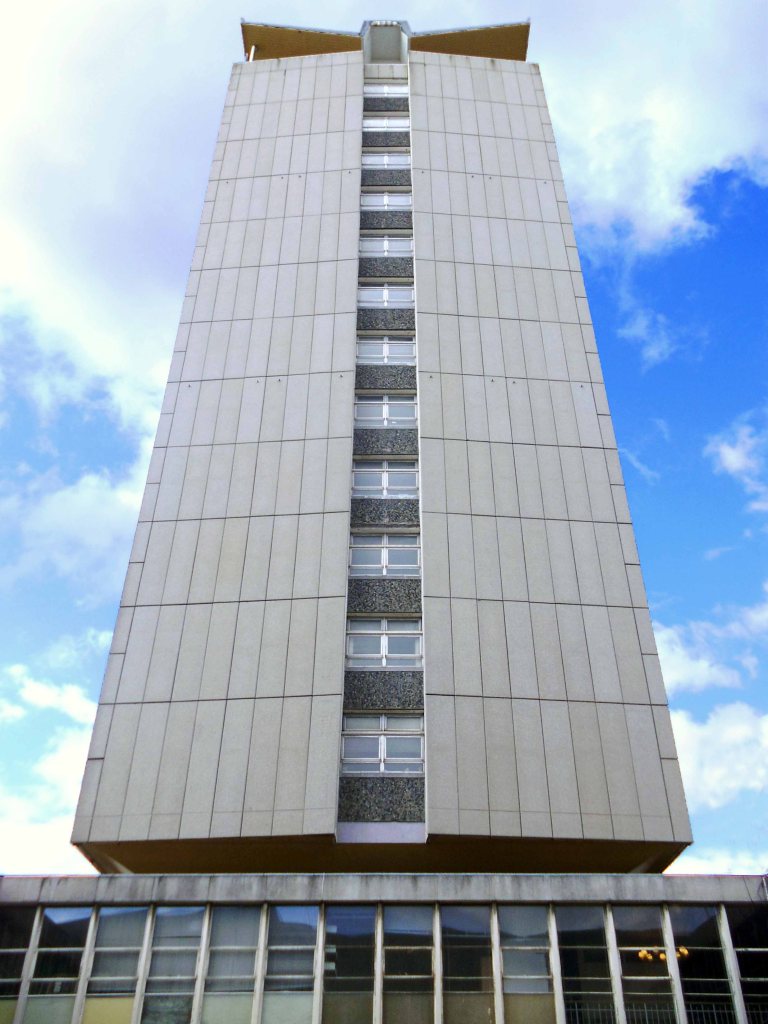
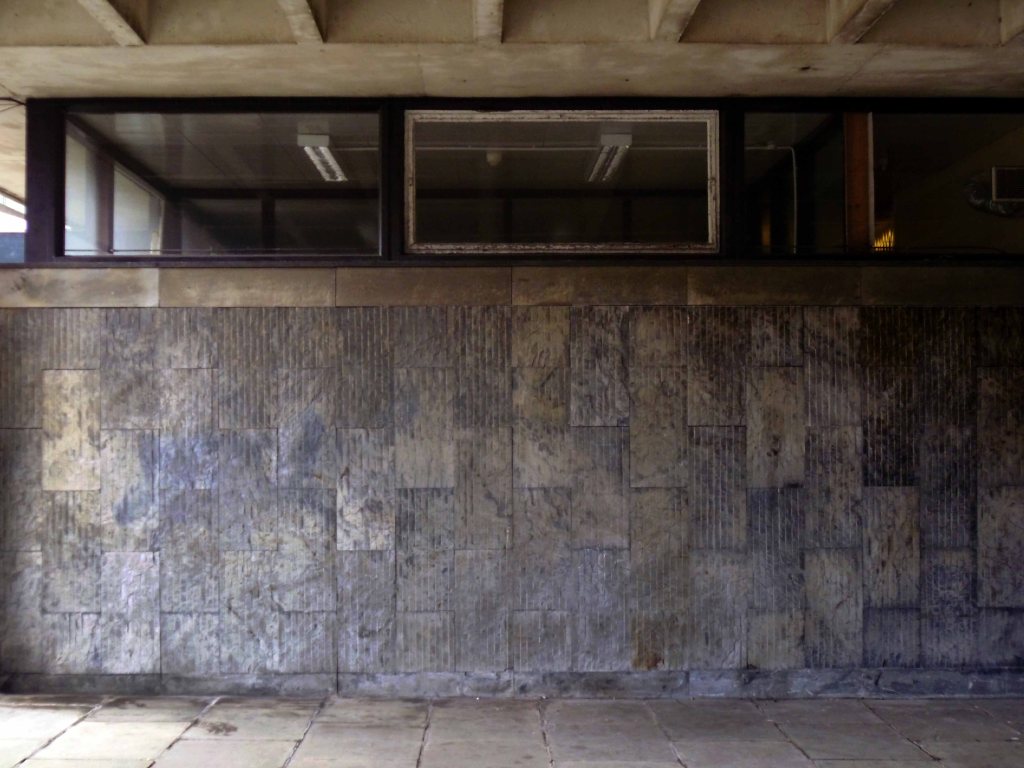
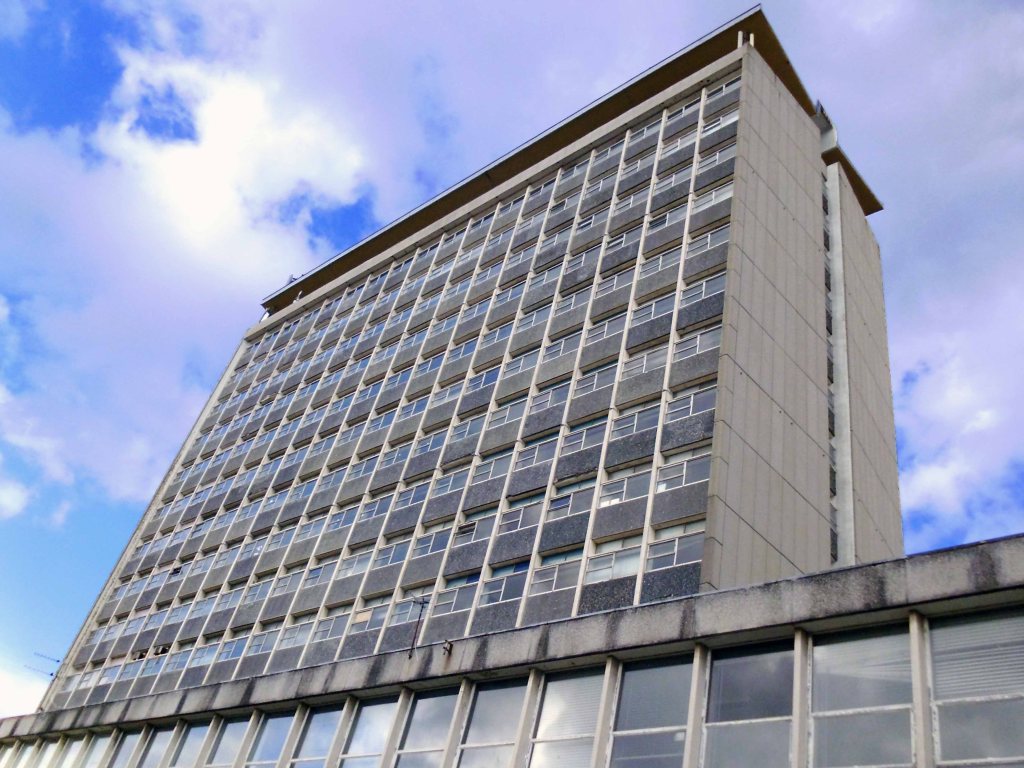
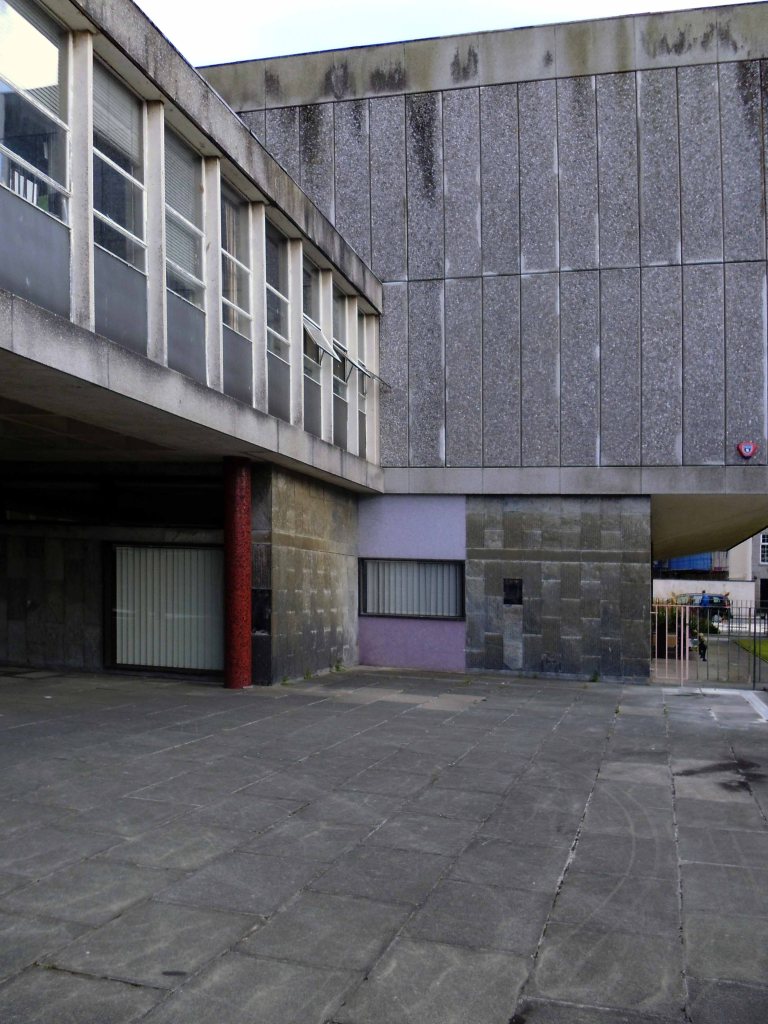
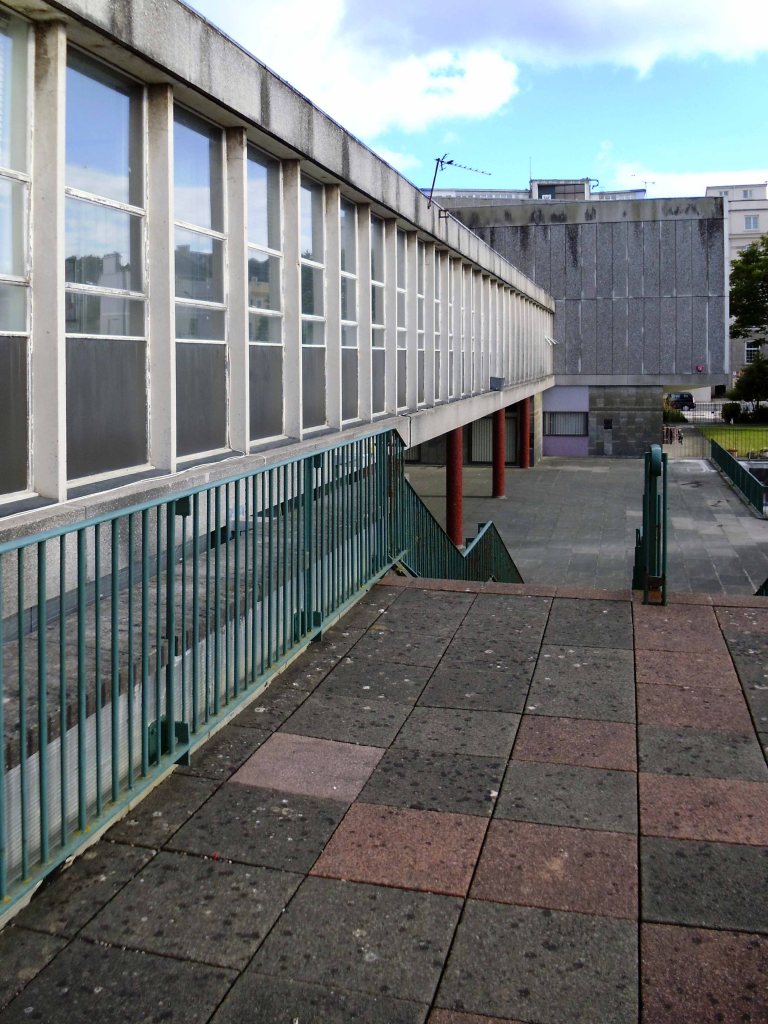
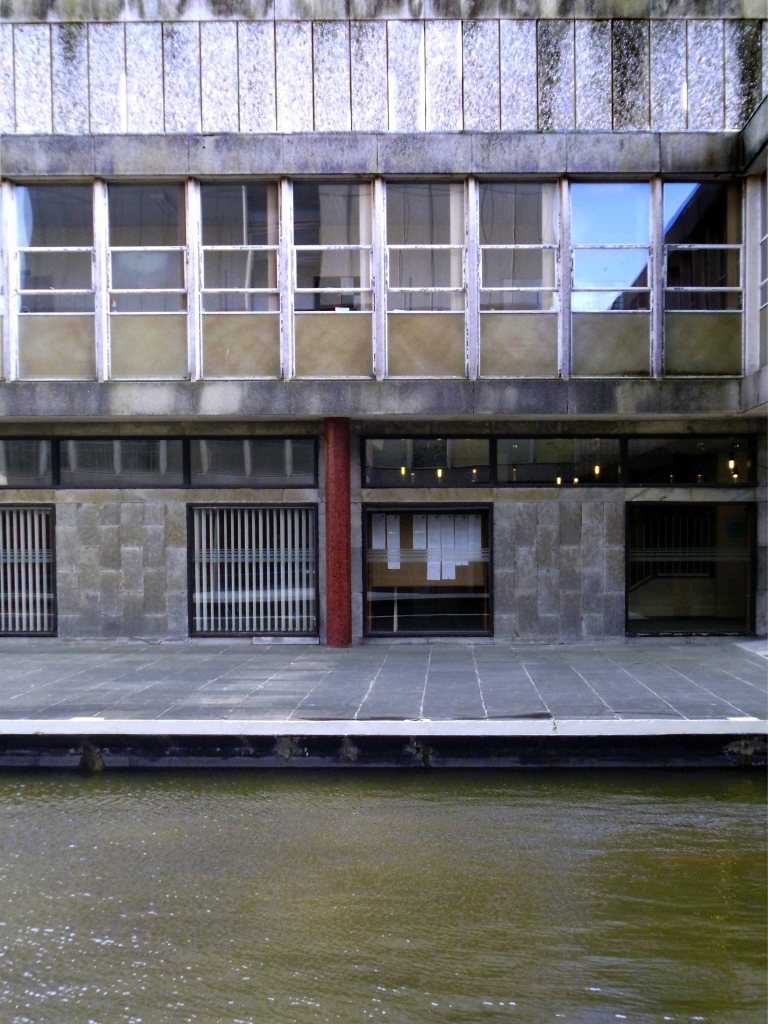
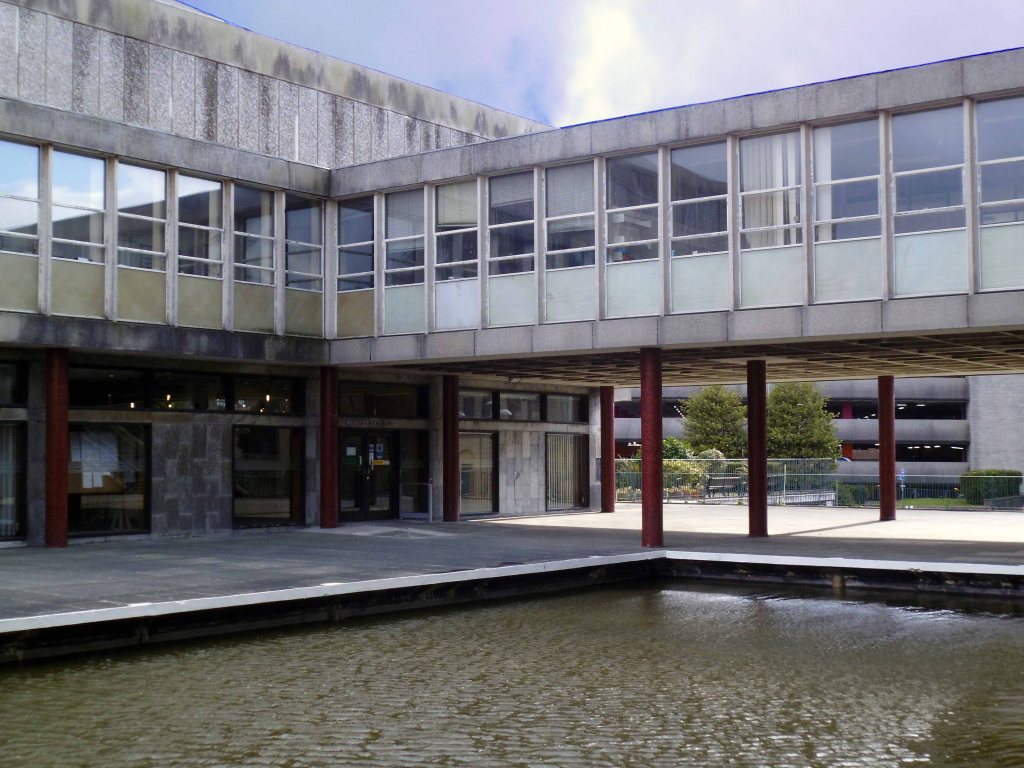
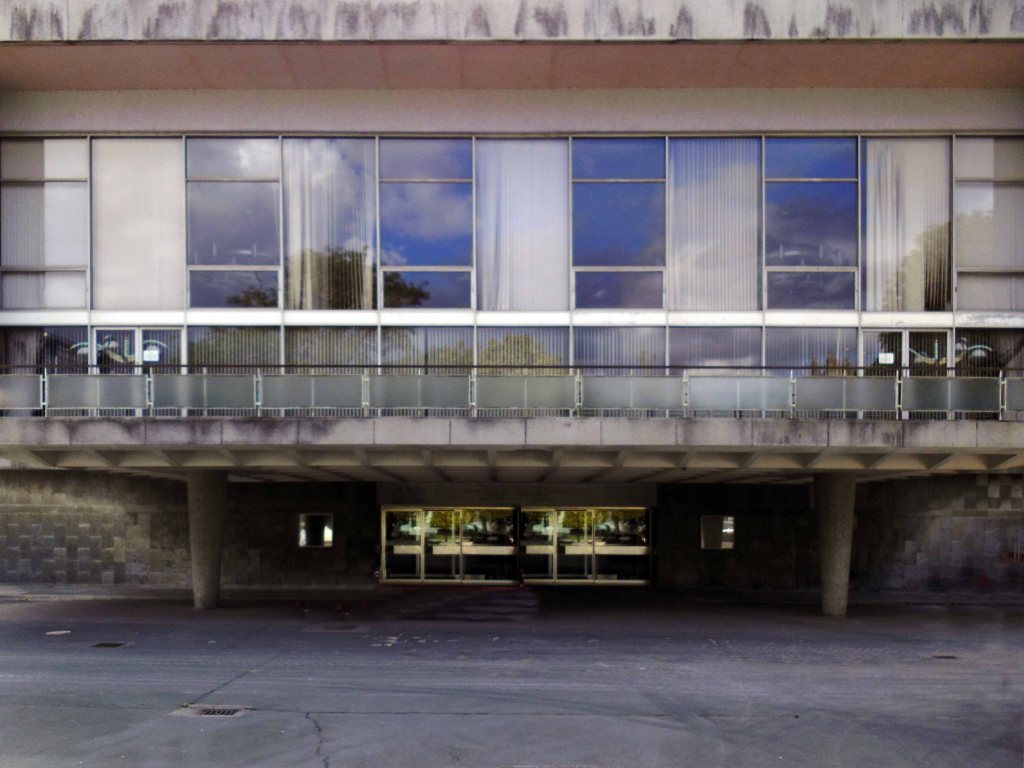
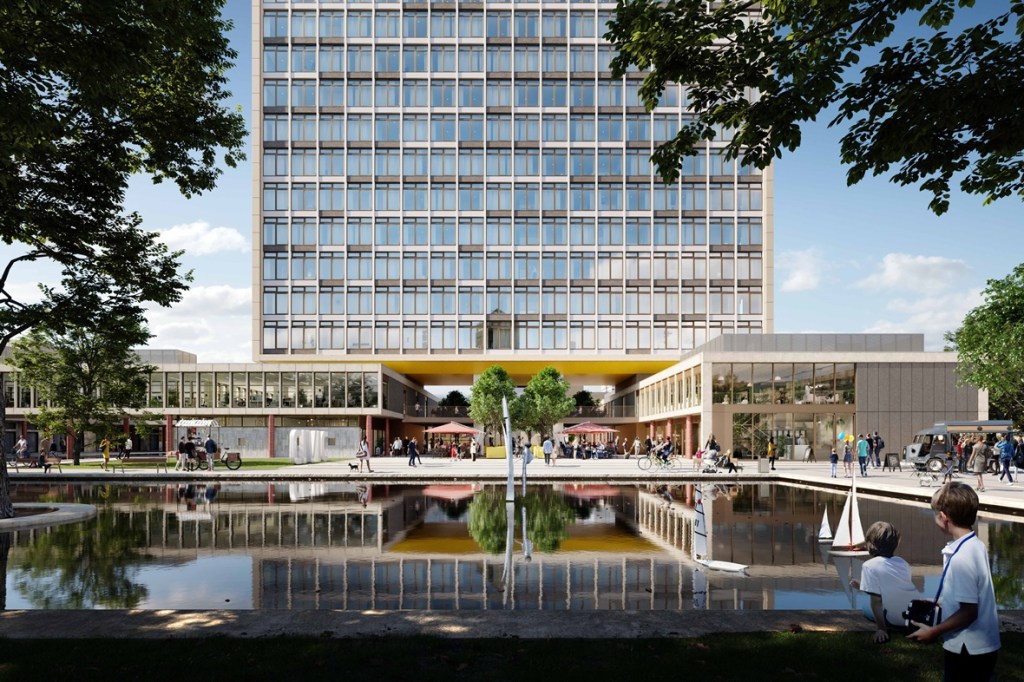
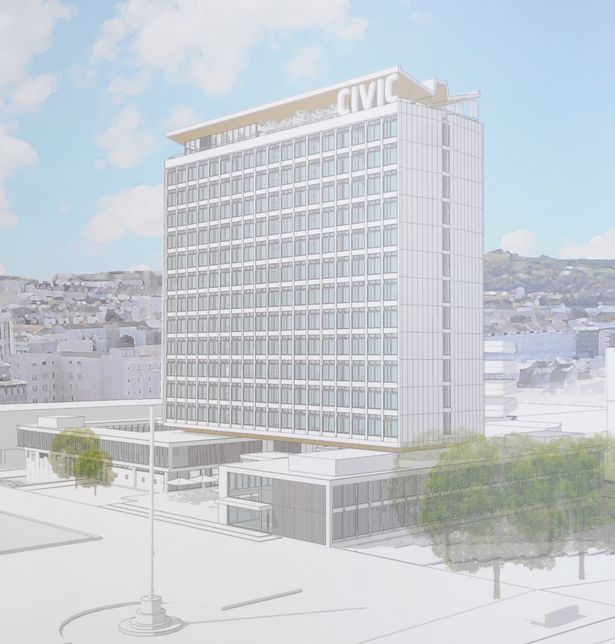
Former Civic Centre 1958-62 by Jellicoe, Ballantyne and Coleridge with city architect HJW Stirling. In-situ concrete structure with pre-cast aggregate panels. It comprises a fourteen storey slab block on a raised raft foundation which straddles a two storey block to the north and a bridge link to the two storey Council House to the south. The bridge link is elevated on pilotis to create an open courtyard with a reflecting pond, part of the designed landscape of the civic square.
I rode into town on my bicycle en route from Weston super Mare to Hastings one sunny afternoon in 2015. The pictures I took that day were largely left untouched, until today. I was prompted by an online postcard search to finally put them to some good use.
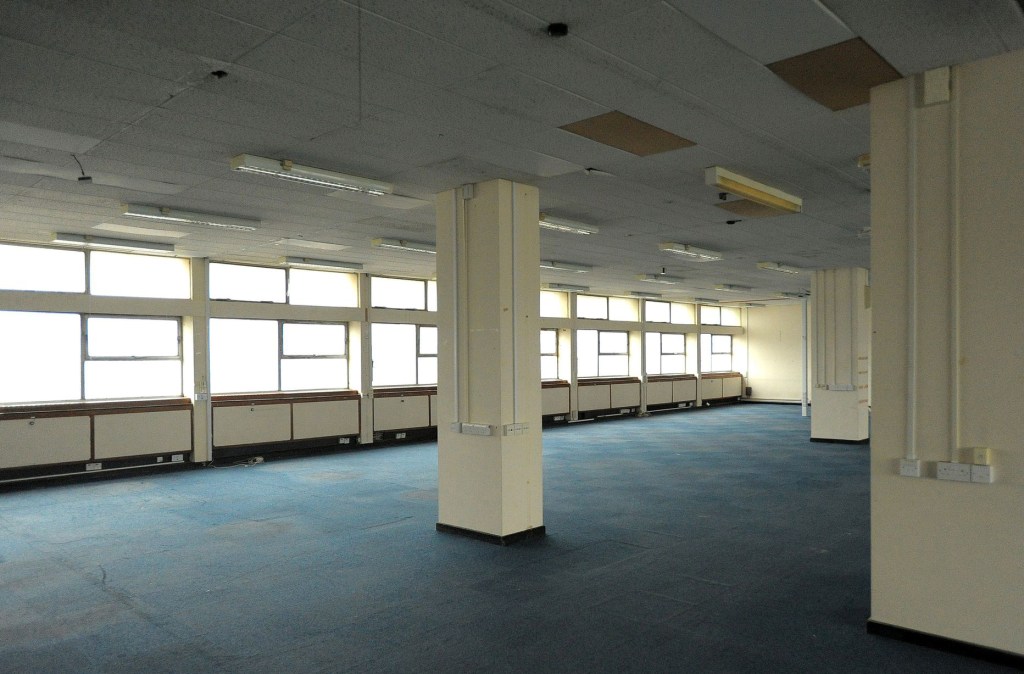
On the day of my visit the building was well and truly closed, and its future uncertain.
I took my time and explored the site, here is what I saw:
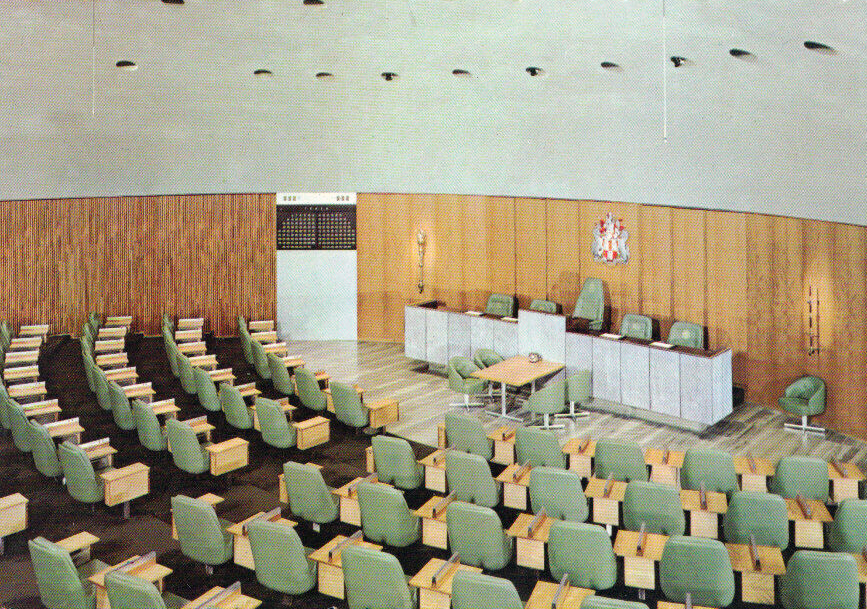
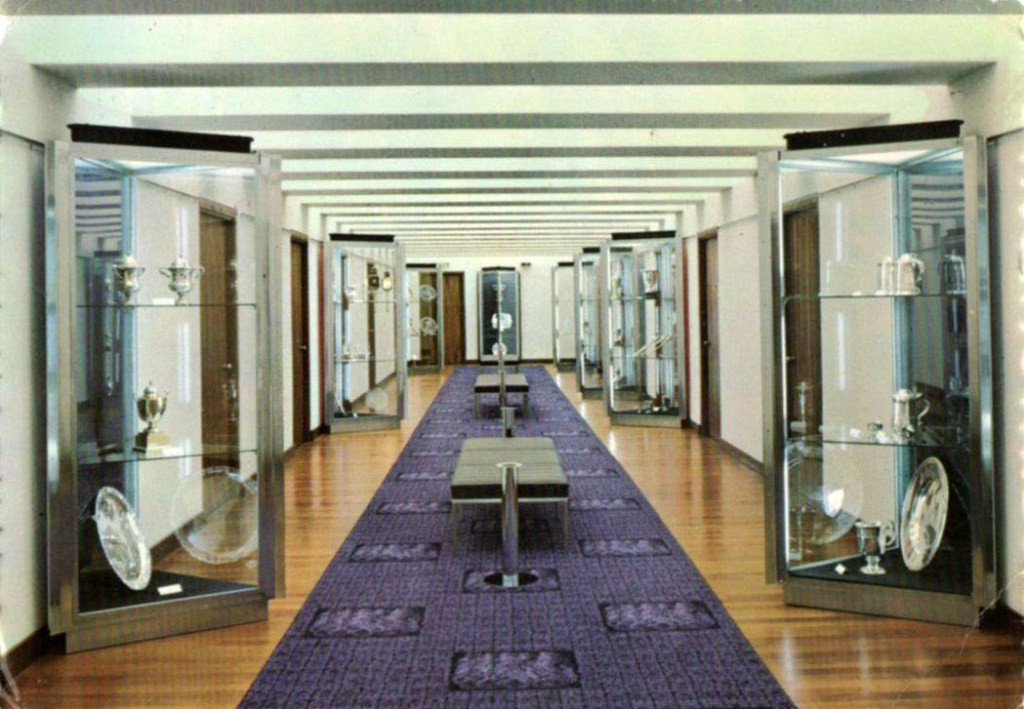
I subsequently found archival image of the interior – including examples of applied decorative arts.
Post War Buildings, Elain Harwood.
Plymouth Civic Centre, Royal Parade, Plymouth, Devon.
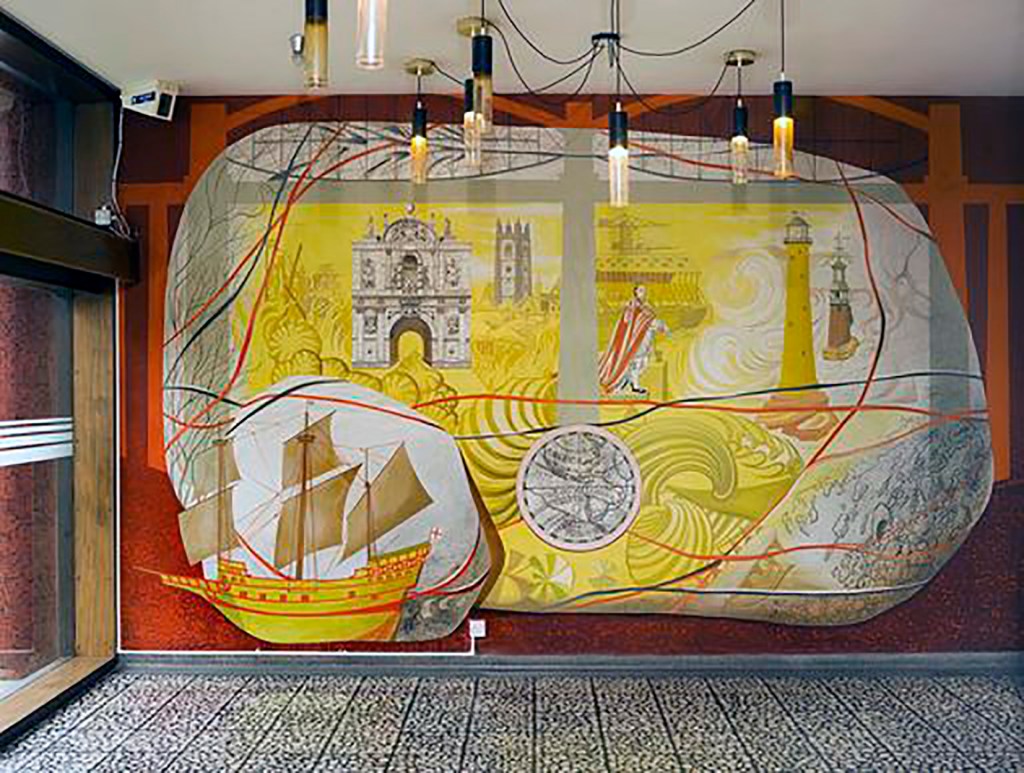
Interior, members entrance hall, detail of mural by Mary Adshead with light fittings by Chelsea glassware.
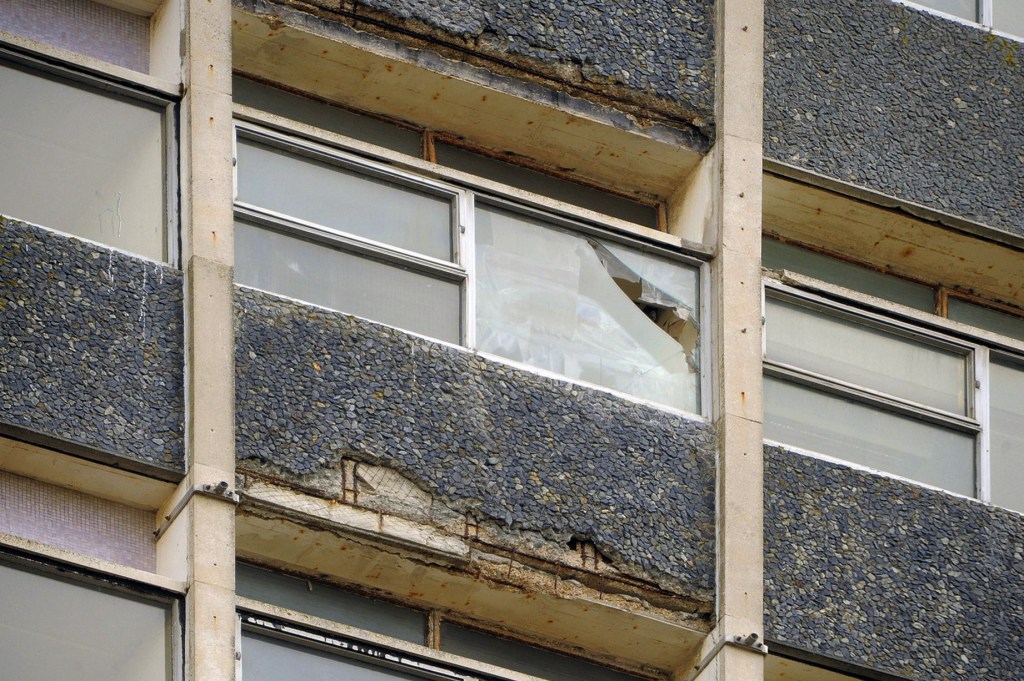
The building has suffered of late, from poor maintenance and general neglect.
Love it or hate it, it’s one of Plymouth’s most iconic post-war buildings – and it towers over the city centre. But the Civic Centre has been empty since 2015, with sad images revealing parts of the outside literally crumbling.
Today is the day Plymouth will finally discover what developer Urban Splash plans to do with the landmark 14-storey tower block it bought for £1.
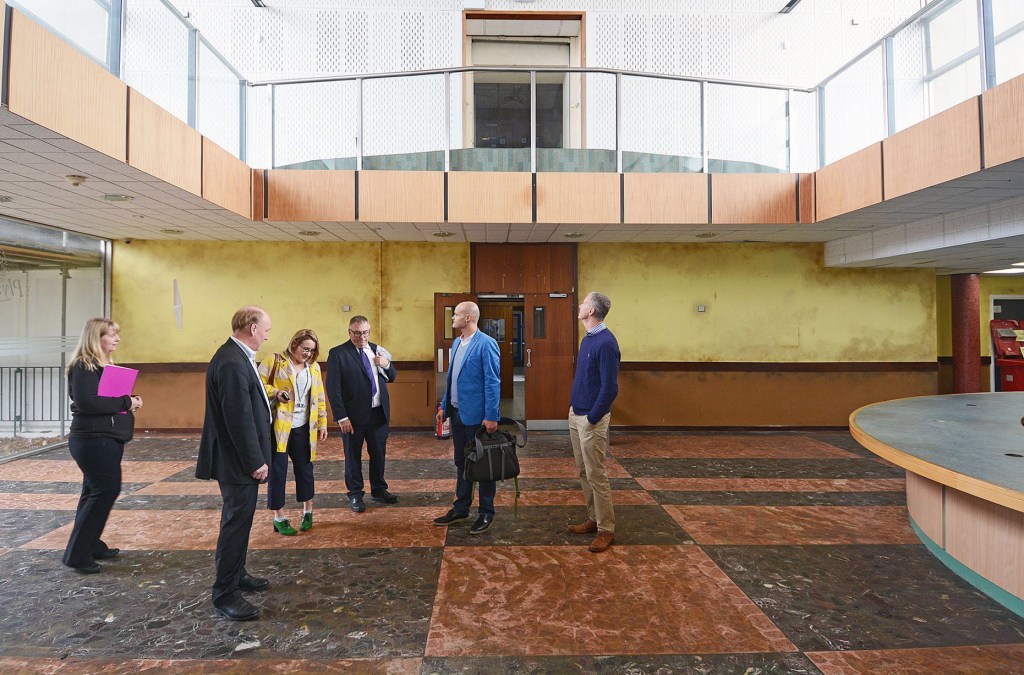
Urban Splash are in the house – plans are to go ahead.
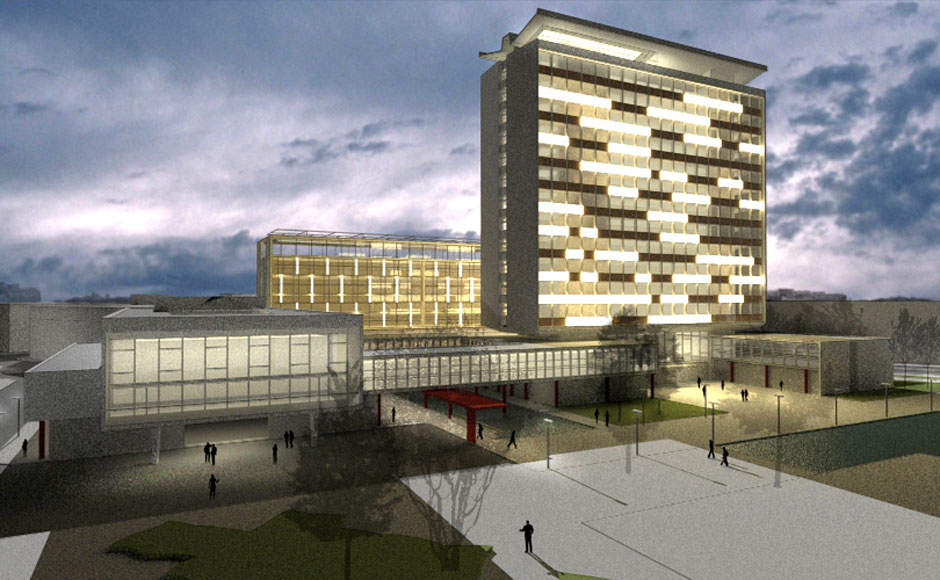
The proposal, by Gillespie Yunnie Architects, will see the 14-storey former council headquarters converted into 144 one and two-bedroom flats with the ground floors of the lower blocks providing about 4,600m² of office, retail and leisure space.
Unanimously approved last week, the scheme will open up the ground floor, making it ‘an active public space filled with outside seating for cafés, bars and restaurants’ and reuse the existing landscaped pools, while creating new pedestrian connections through the scheme from the Theatre Royal and Civic Square.
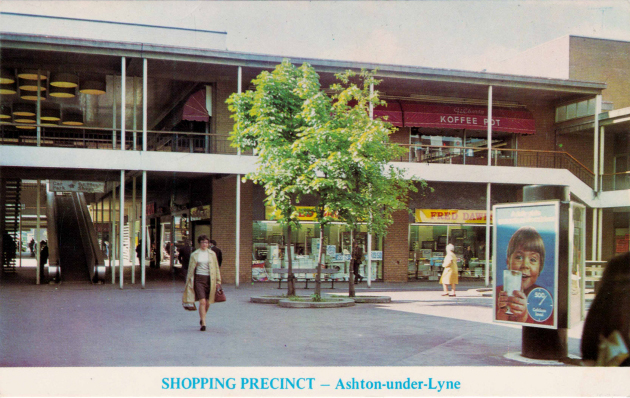
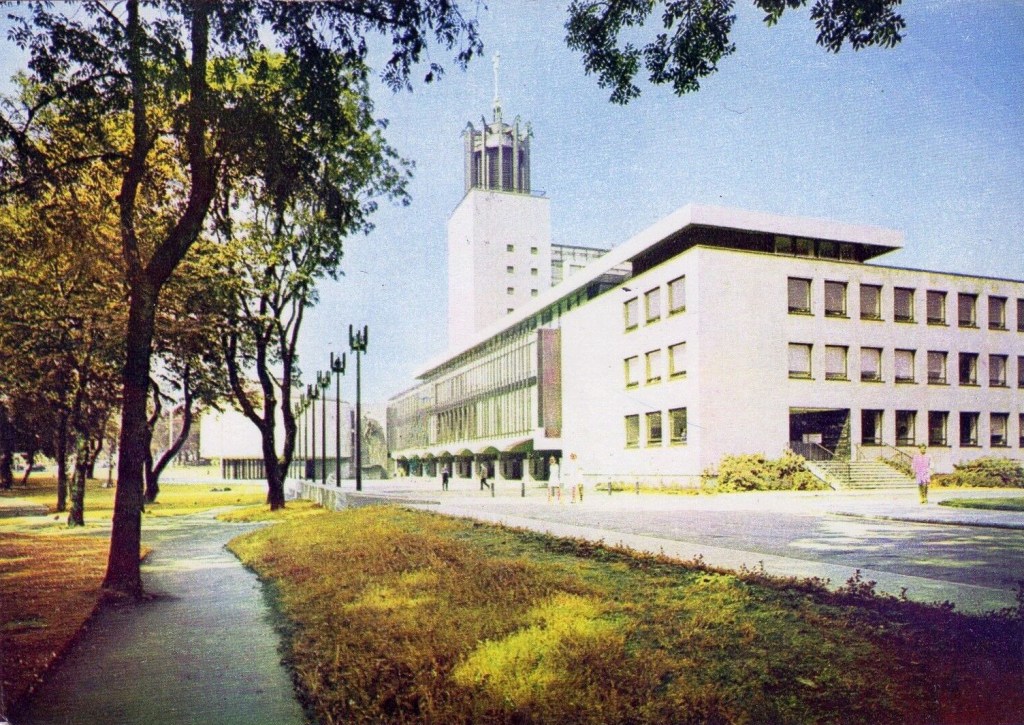
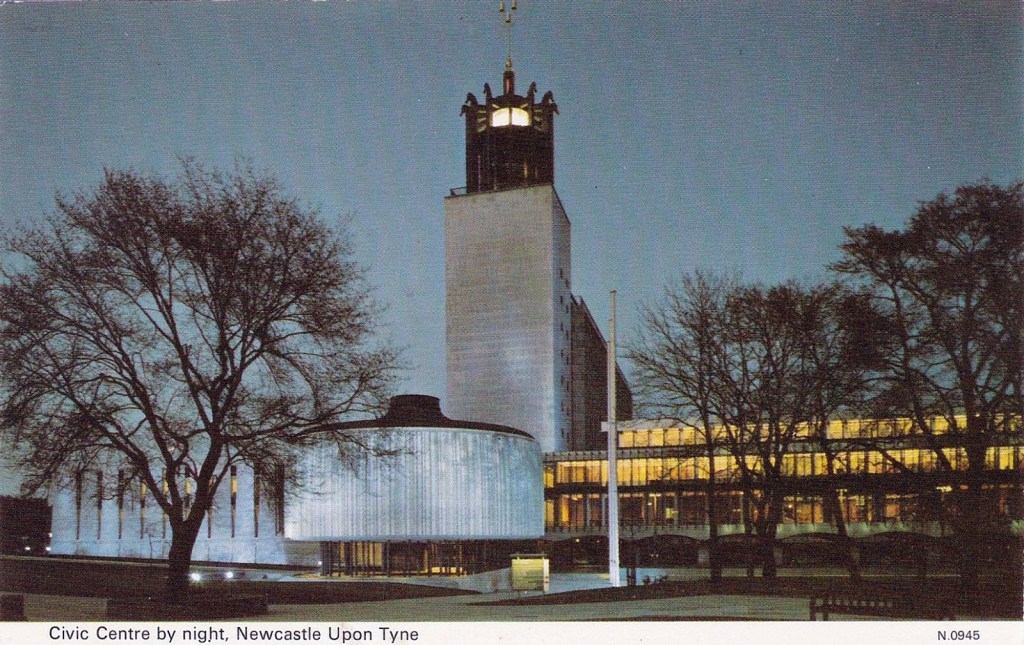
I’m more than partial to a picture postcard – I have penchant for the picaresque.
And in these troubled times there’s no safer way to travel.
I have some previous experience, exploring the precincts of our fair land – here and there.
Prompted by a post from Natalie Bradbury – I became intrigued by Newcastle Civic Centre cards, I have visited the site, but in this instance, we are taken there thus:
The scheme also proposes a mix of uses for the ground and first floors including shops, offices, cafes and restaurants, bars, hot food takeaway, art gallery, gym, creche and day nursery.
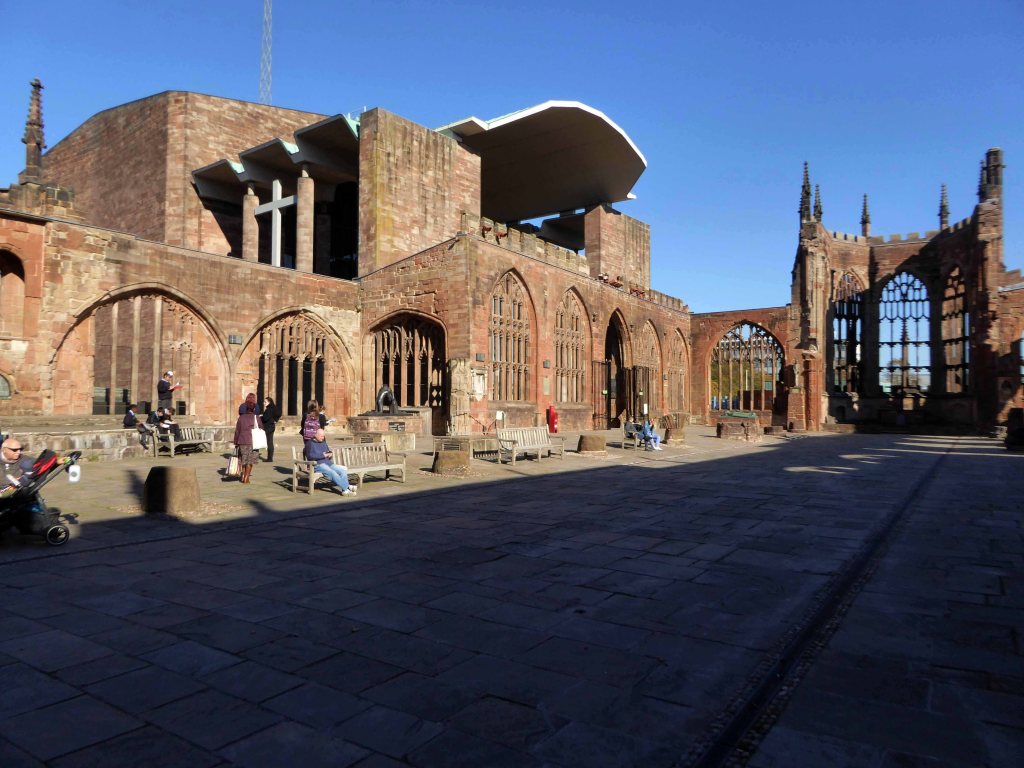
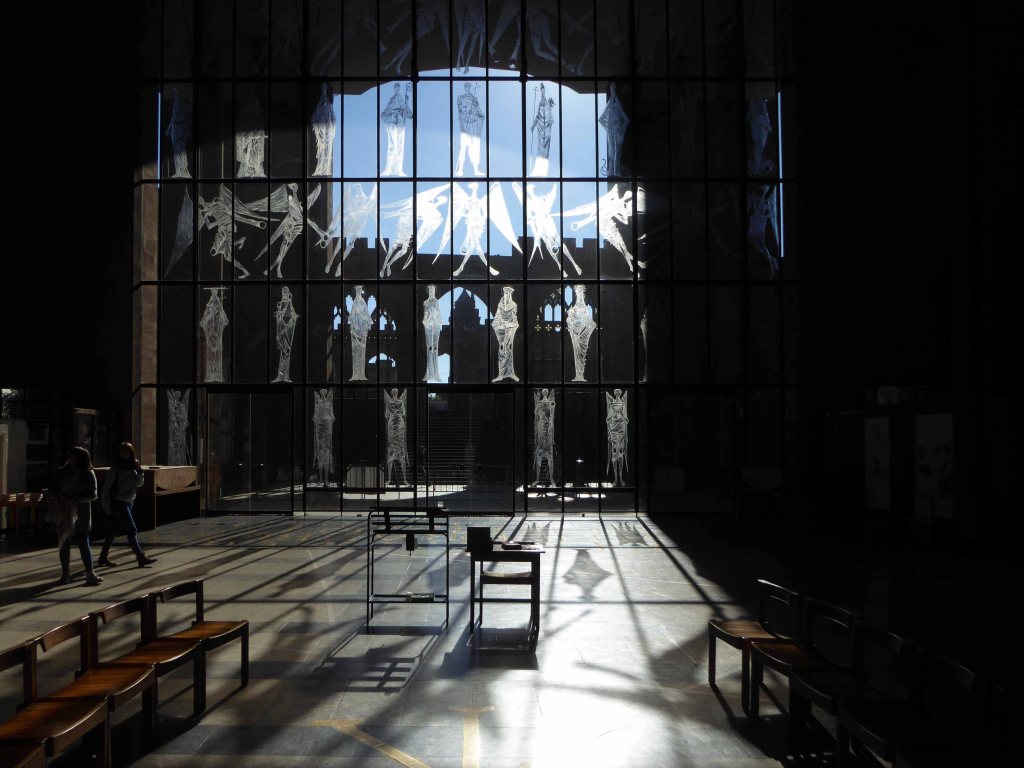
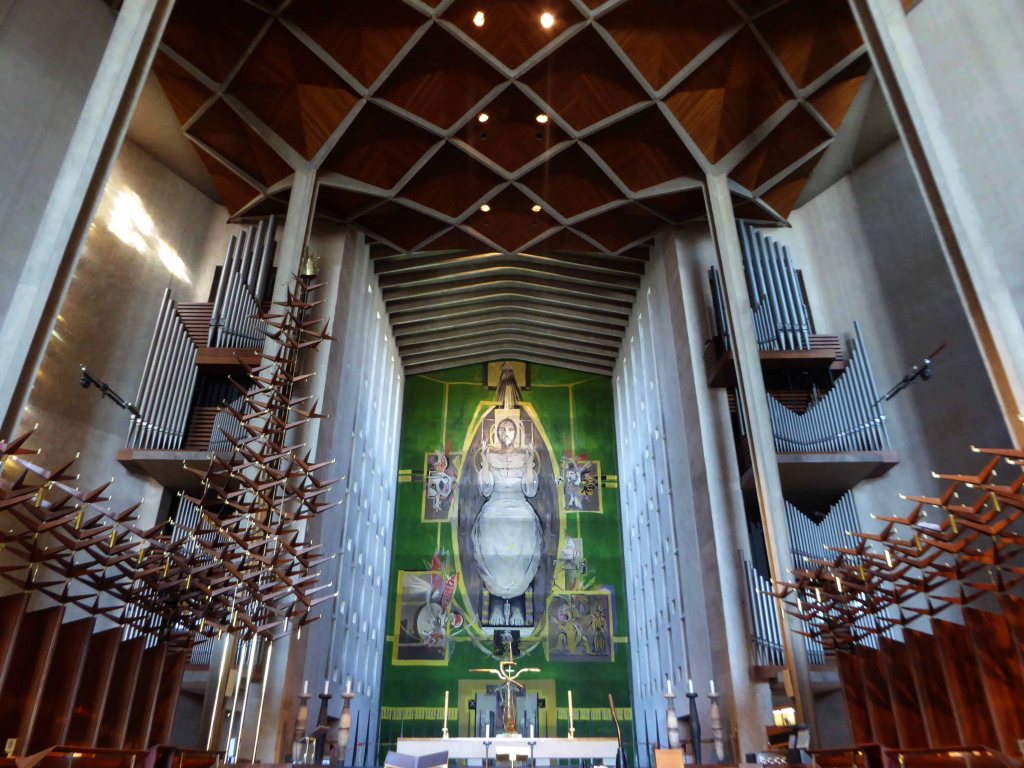
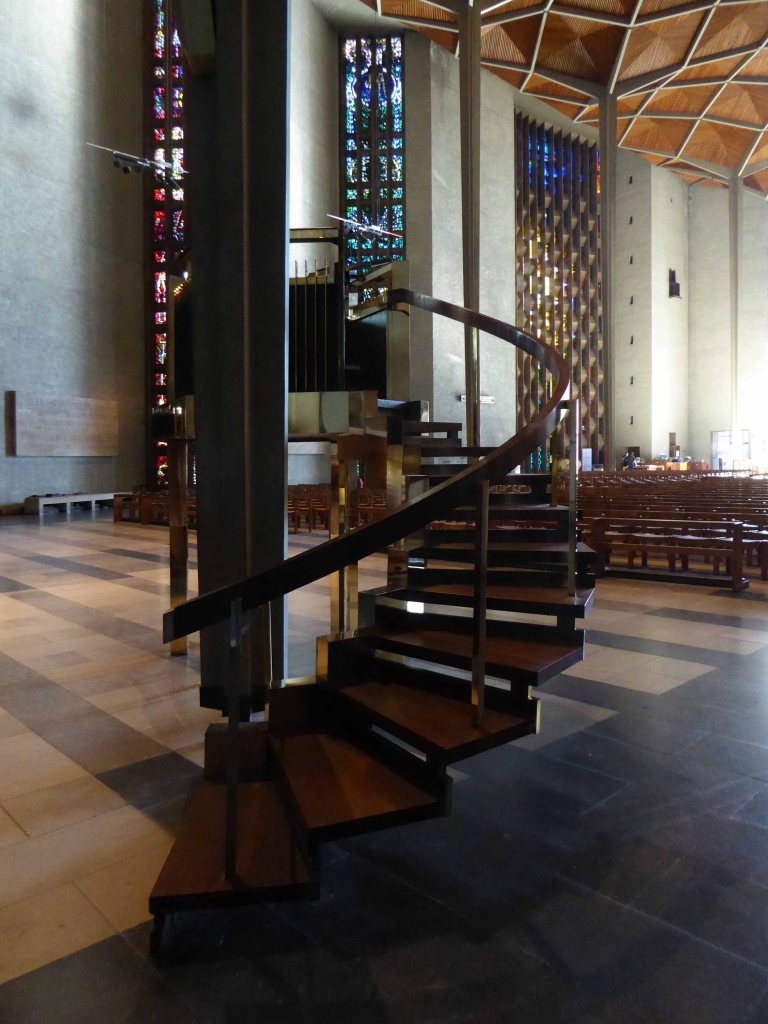
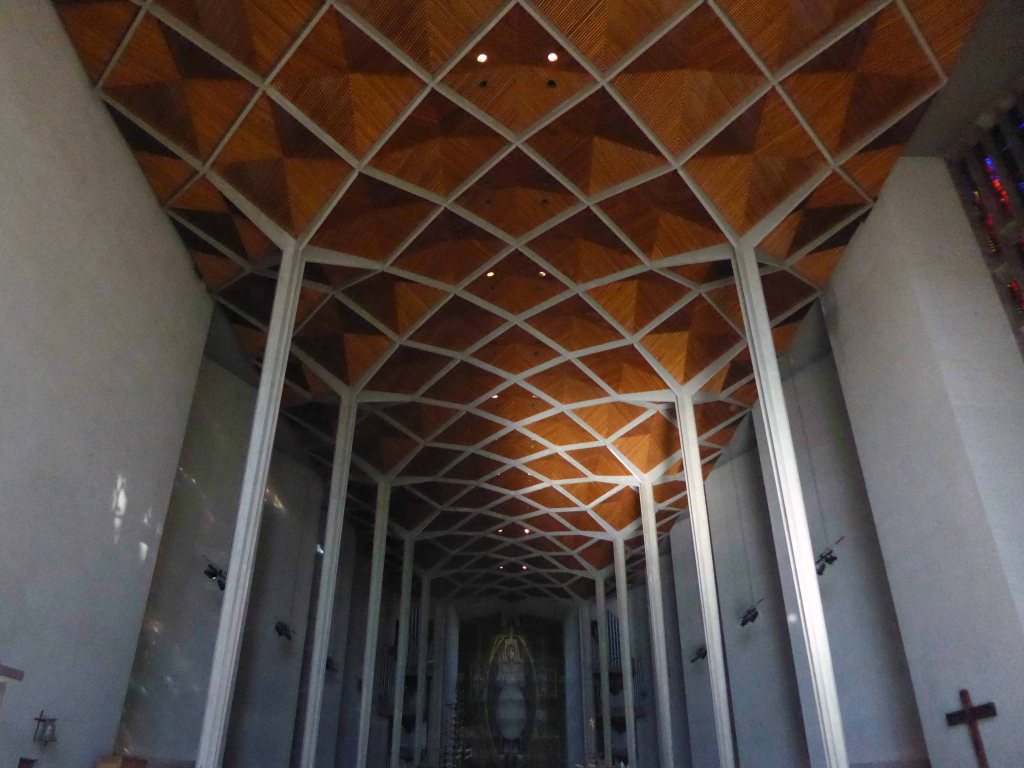
On the night of 14 November 1940, the city of Coventry was devastated by bombs dropped by the Luftwaffe. The Cathedral burned with the city, having been hit by several incendiary devices.
The decision to rebuild the cathedral was taken the morning after its destruction. Rebuilding would not be an act of defiance, but rather a sign of faith, trust and hope for the future of the world. It was the vision of the Provost at the time, Richard Howard, which led the people of Coventry away from feelings of bitterness and hatred. This has led to the cathedral’s Ministry of Peace and Reconciliation, which has provided spiritual and practical support, in areas of conflict throughout the world.
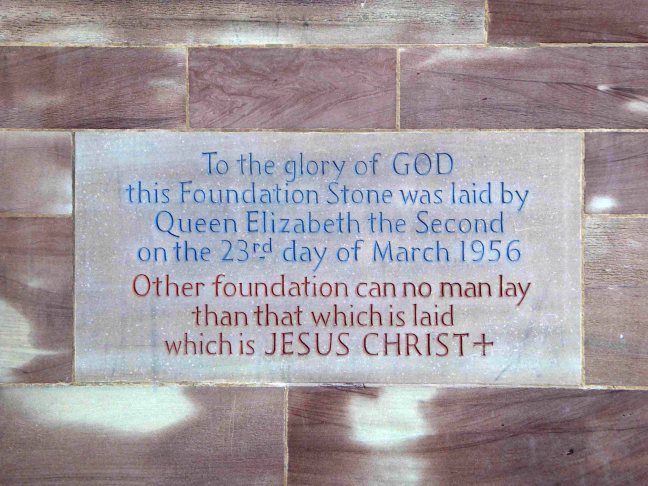
Her Majesty the Queen laid the foundation stone on 23 March 1956 and the building was consecrated on 25 May 1962, in her presence. The ruins remain hallowed ground and together the two create one living Cathedral.
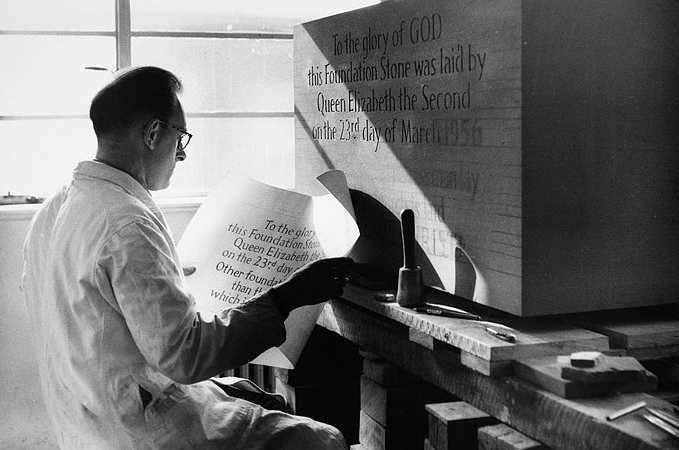
Ralph Beyer carving the foundation stone for Coventry Cathedral.
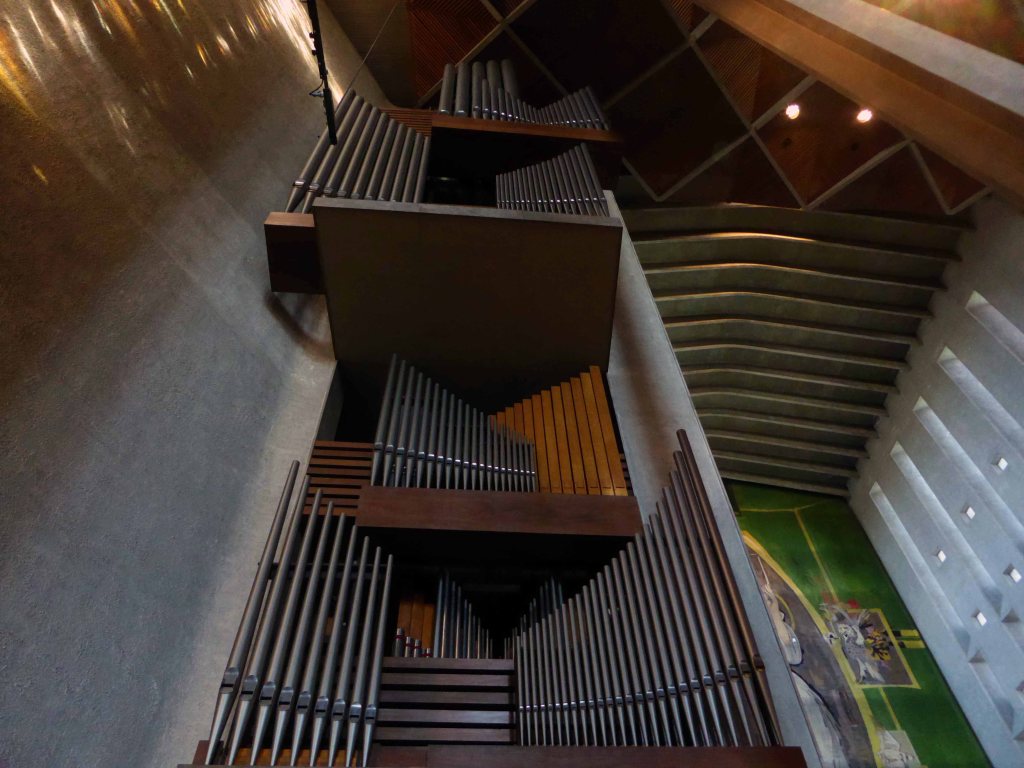
The new Cathedral was itself an inspiration to many fine artists of the post-war era. The architect, Sir Basil Spence, commissioned work from Graham Sutherland, John Piper, Ralph Beyer, John Hutton, Jacob Epstein, Elisabeth Frink and others – most still to reach the peak of their artistic careers.
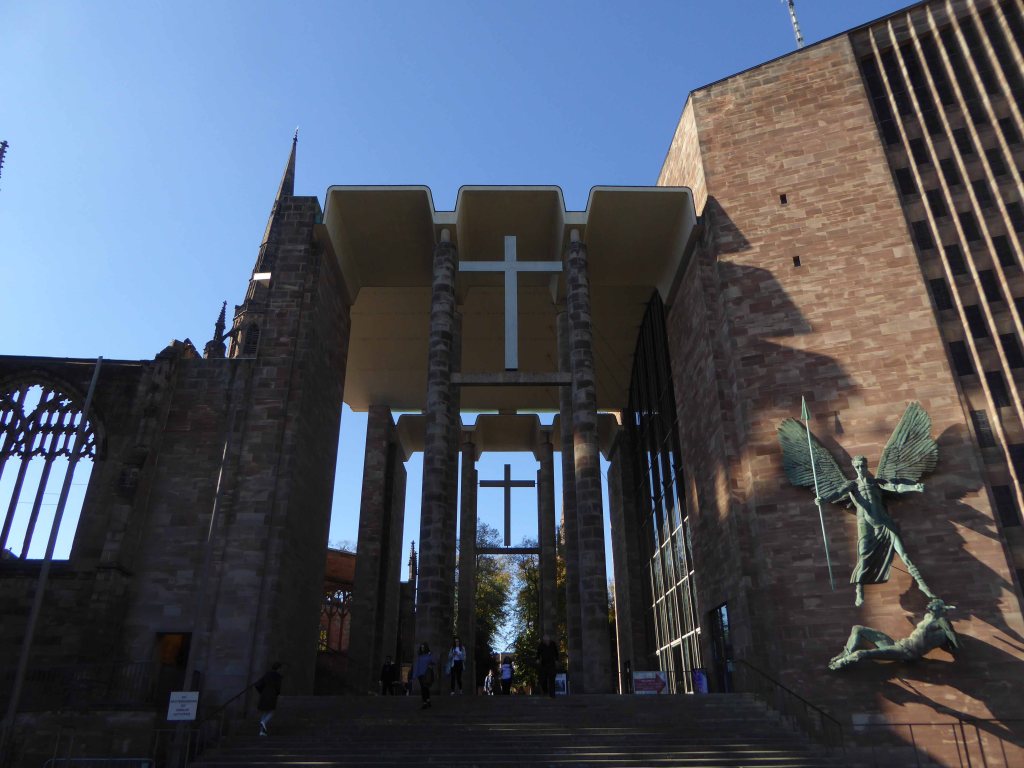
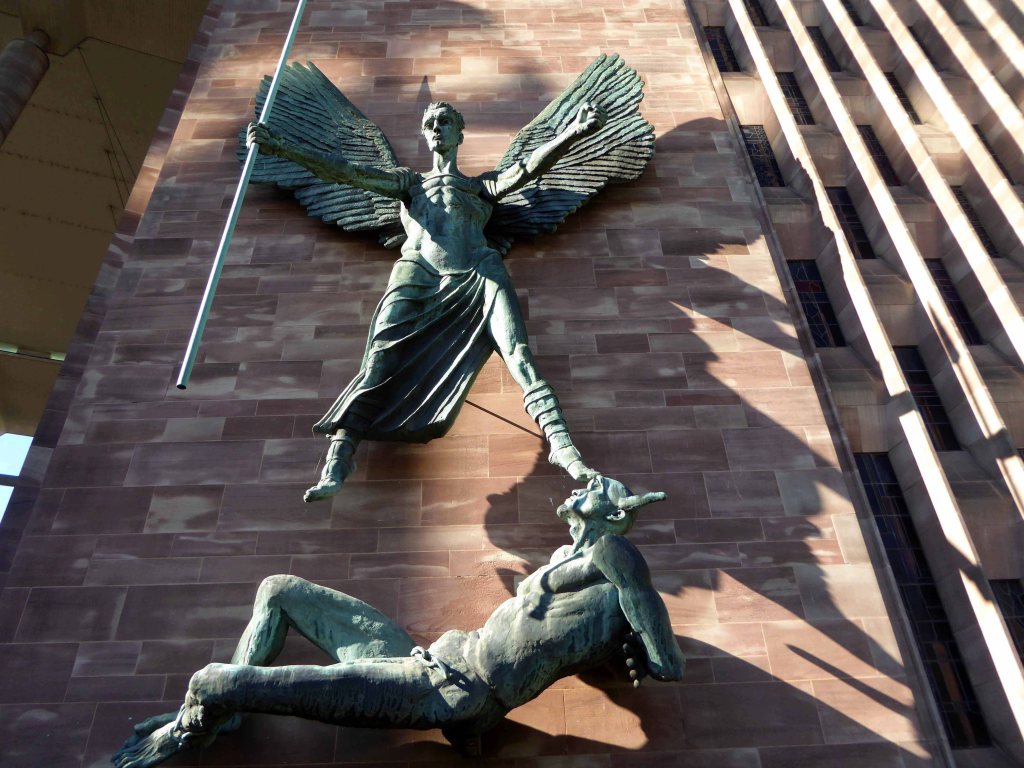
St. Michael and the Devil on the southern end of the east wall. It was sculpted by Sir Jacob Epstein, who, sadly, died in 1959, and therefore didn’t live to see his masterpiece mounted on the cathedral wall a year later.
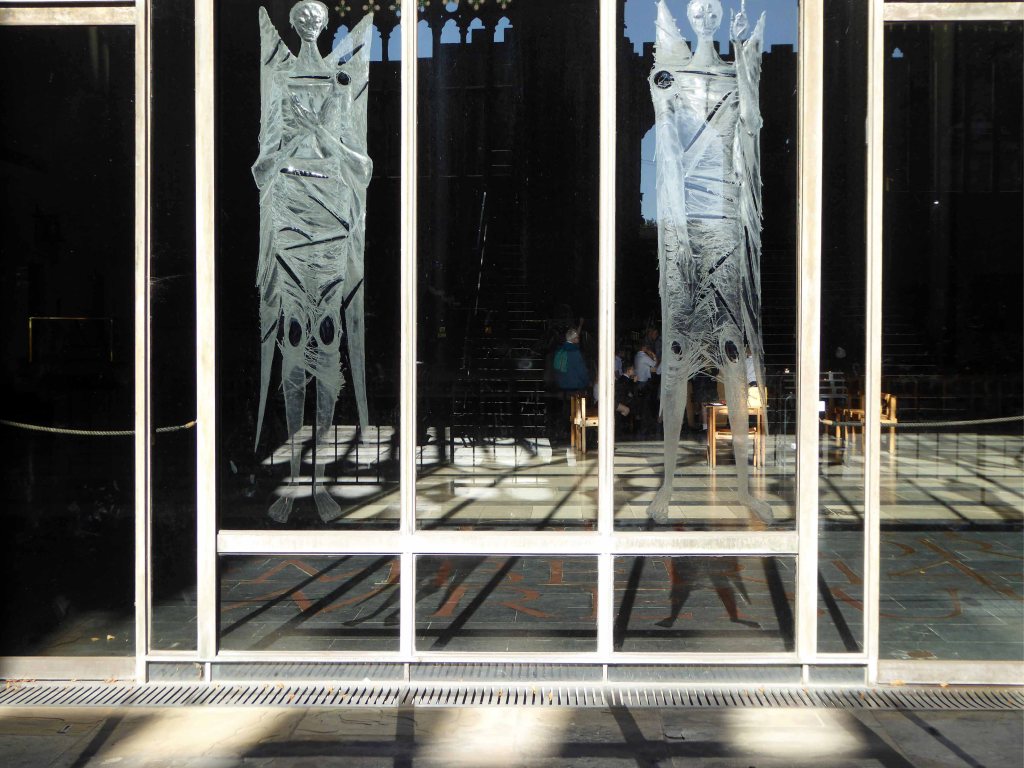
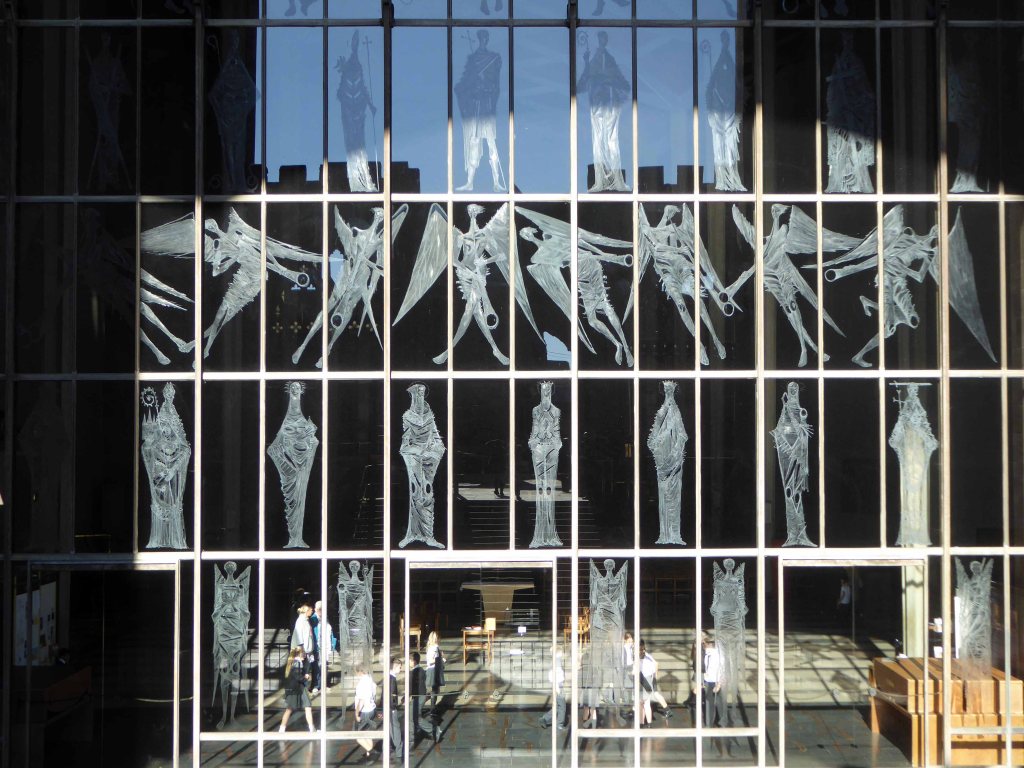
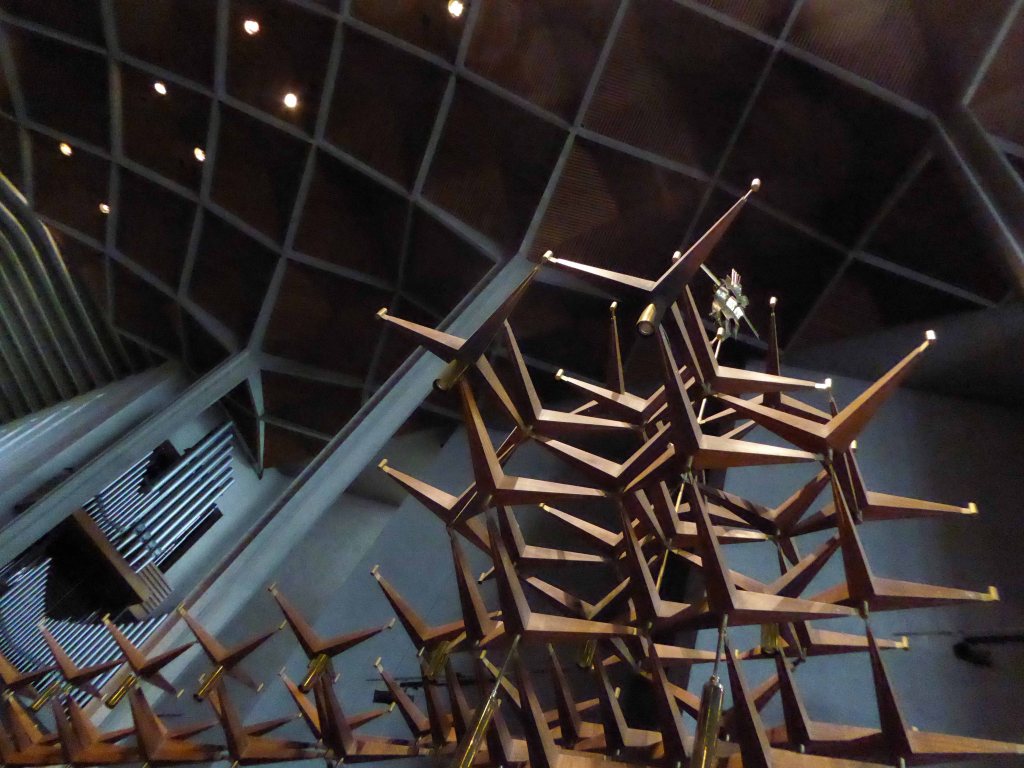
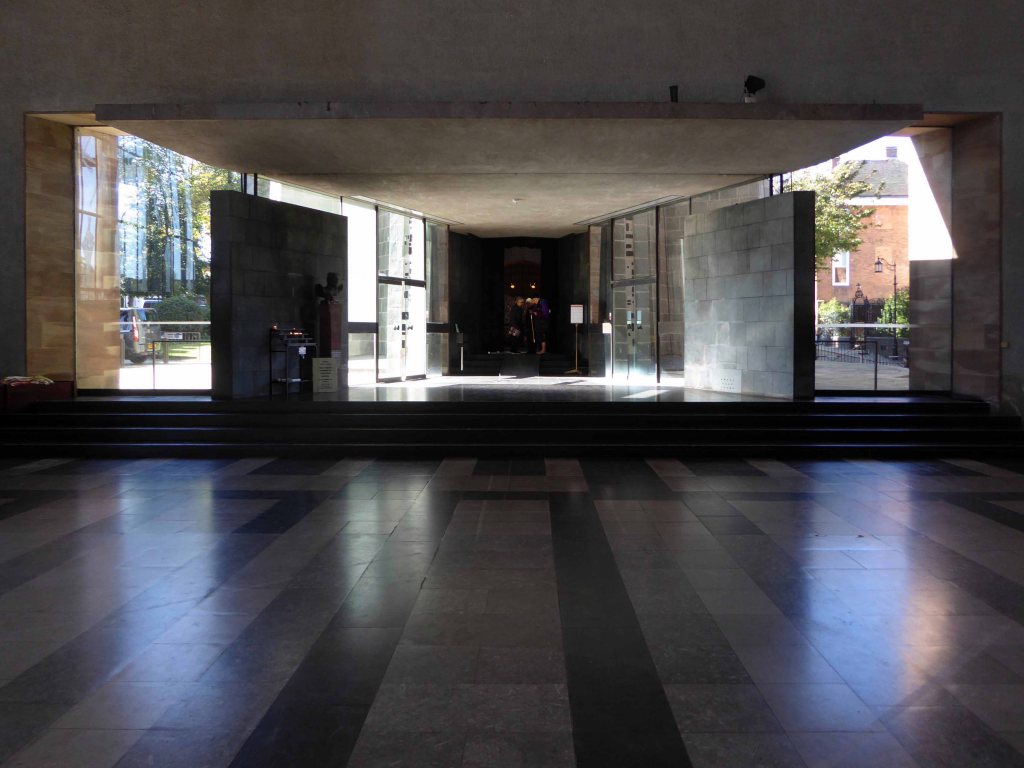
Entrance to the cathedral is through the Screen of Saints and Angels – it is seventy feet high and forty five feet wide and is supported by a bronze framework hung by wires from the roof for added strength.
This unique screen formed part of Sir Basil Spence’s first vision for the new cathedral. As he stared out from the ruins of the bombed cathedral, he saw the shape for the new church through a screen of saints. This transparent wall would link the old and new – making each mutually visible from within each other. Provost Howard set out to draw up a scheme consisting of all the saints who were responsible for the bringing of Christianity to Britain. As John Hutton began to make initial designs, he soon realised that row upon row of saints would need to be broken up in some way, and suggested that angels be inserted between the saints.
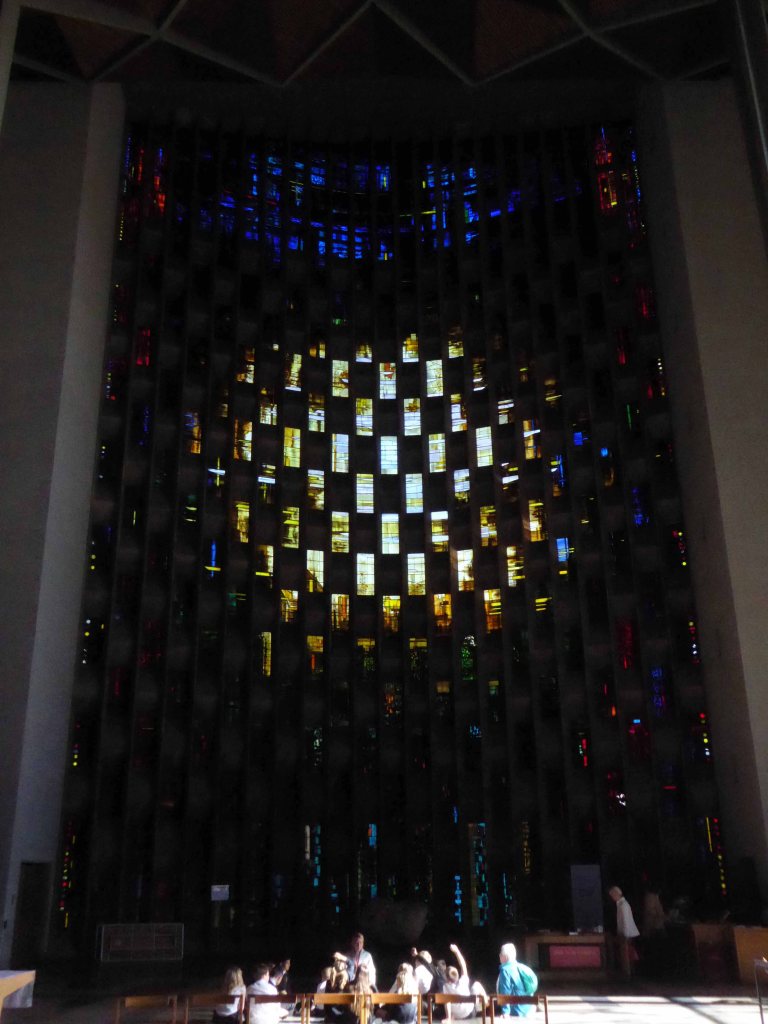
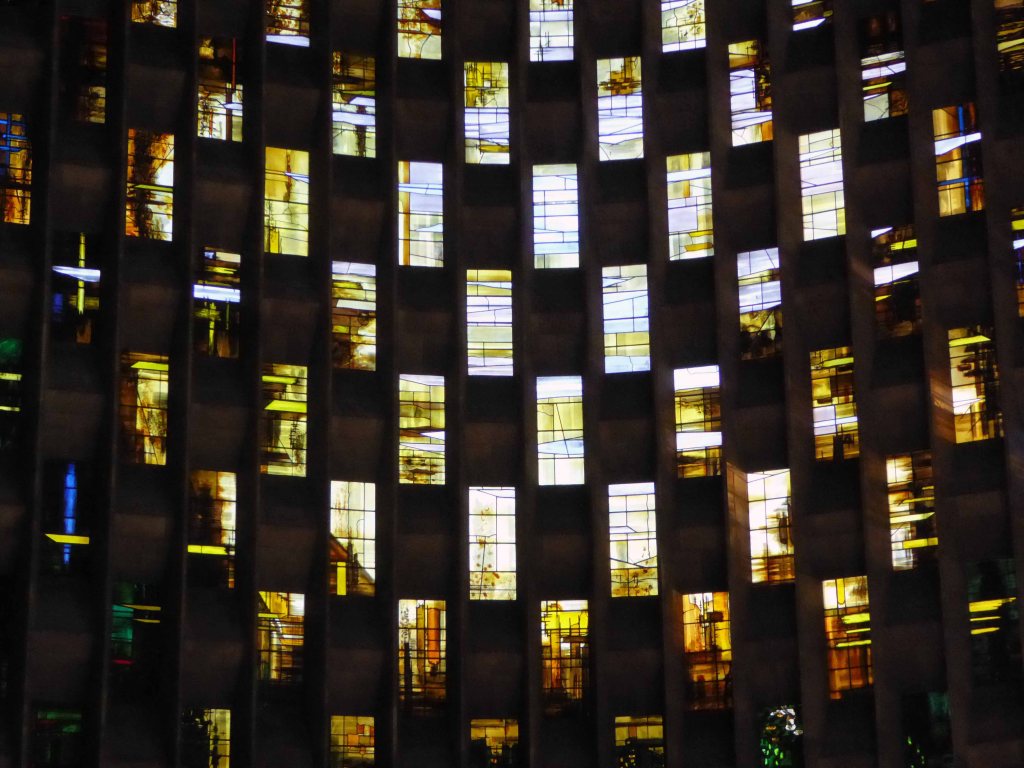
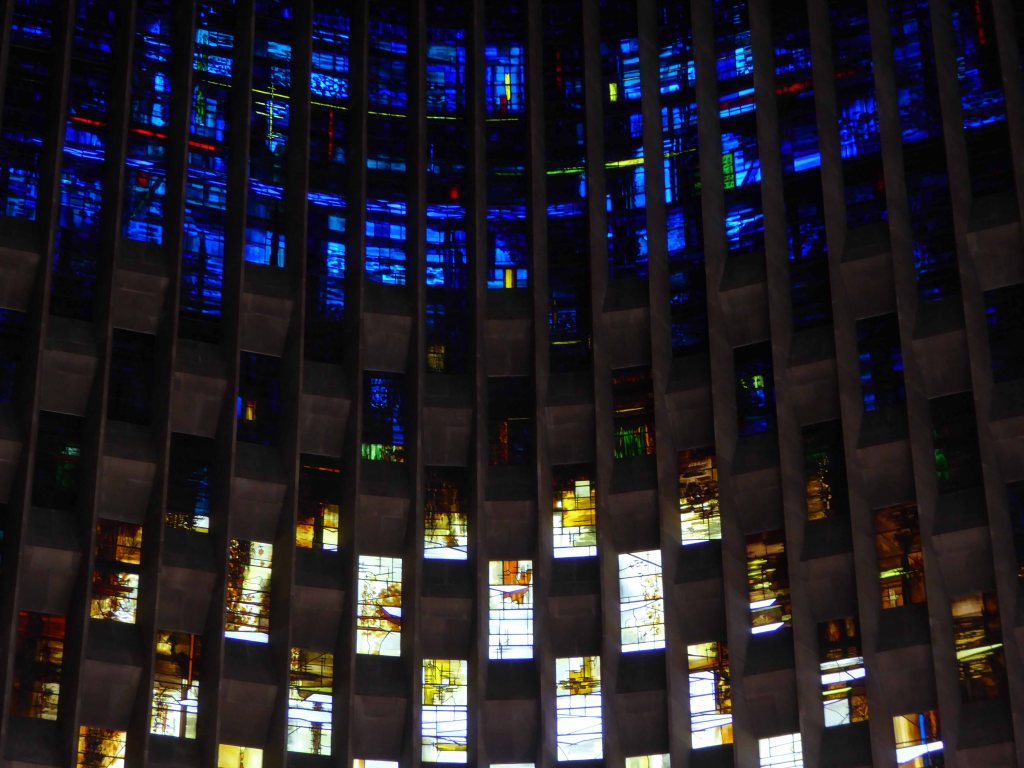
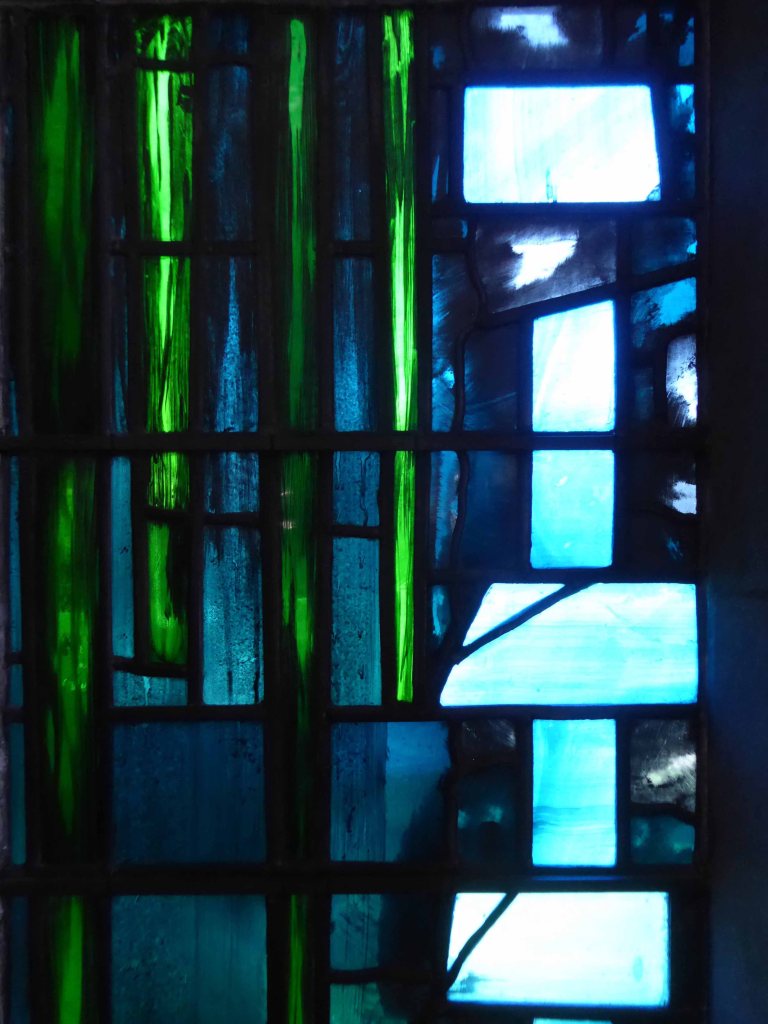
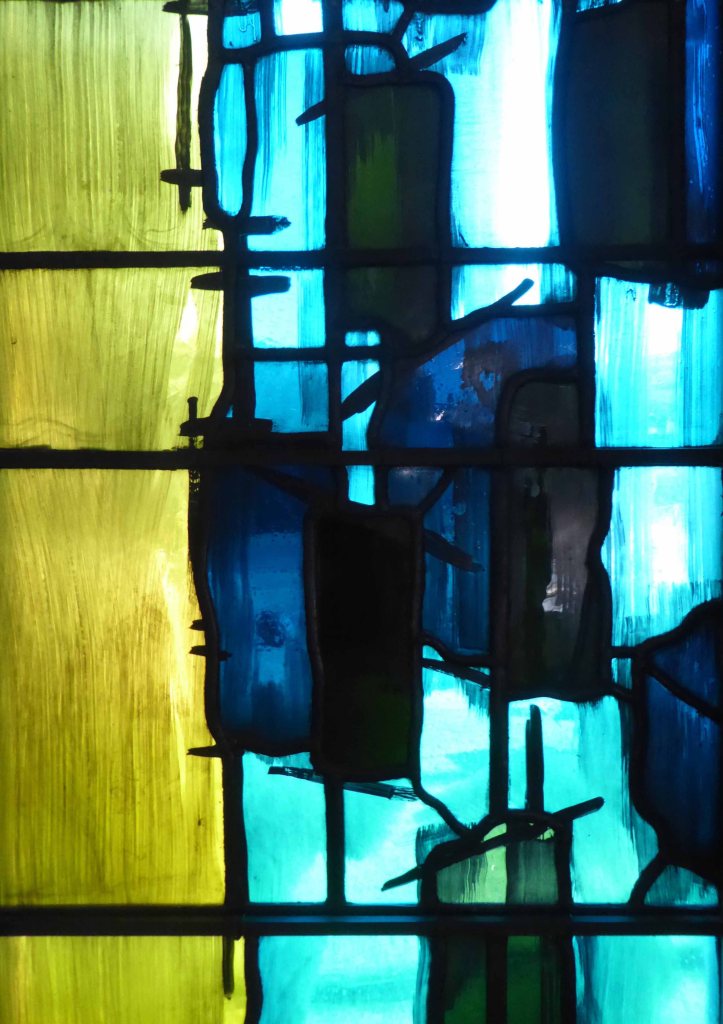
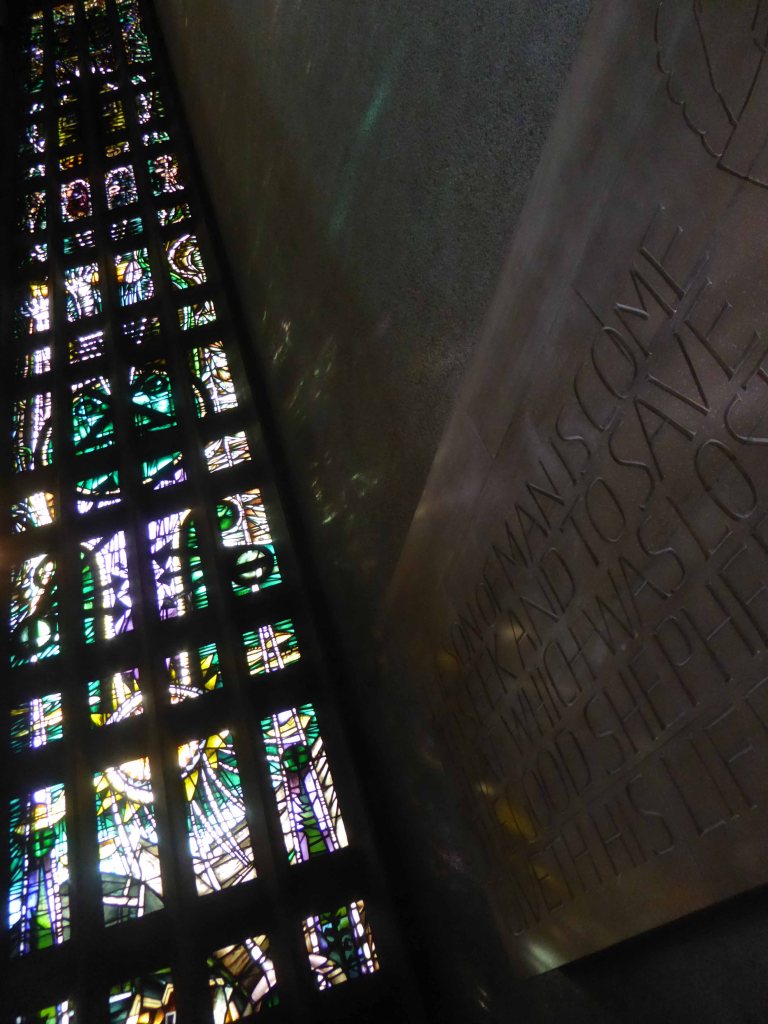
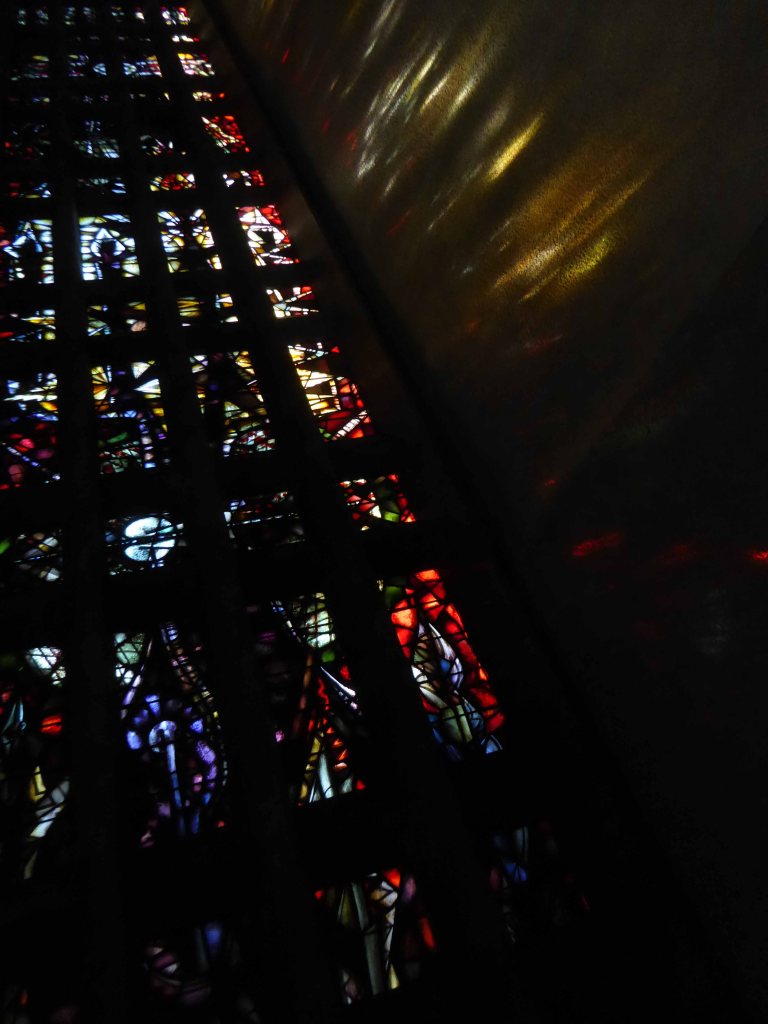
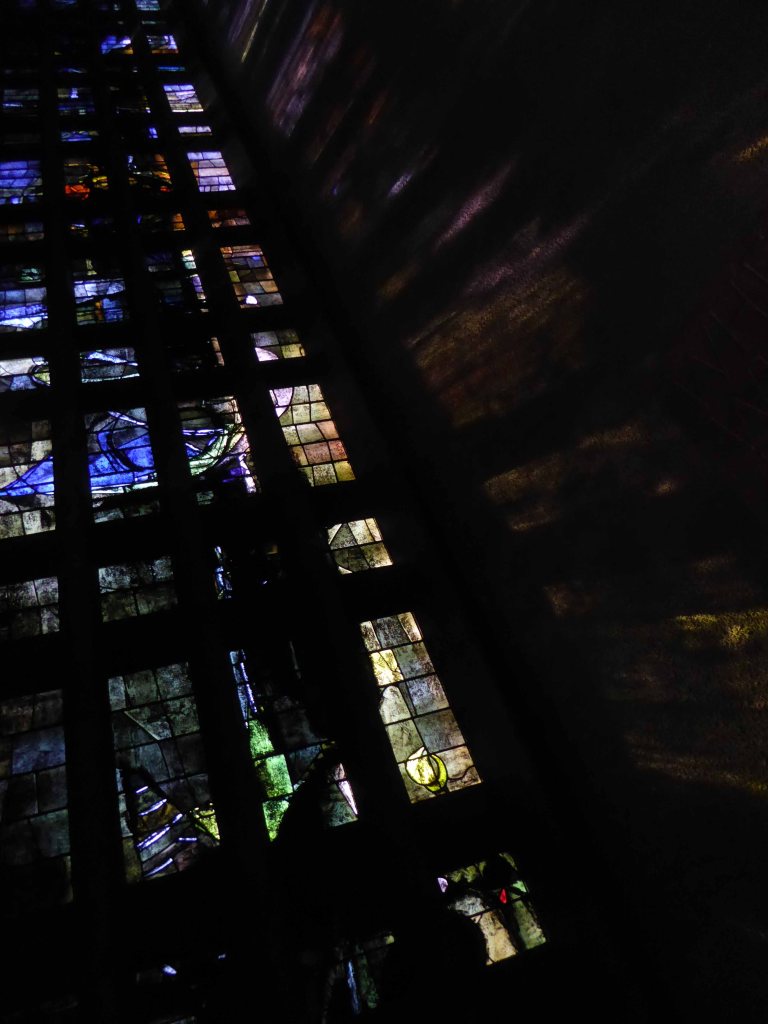
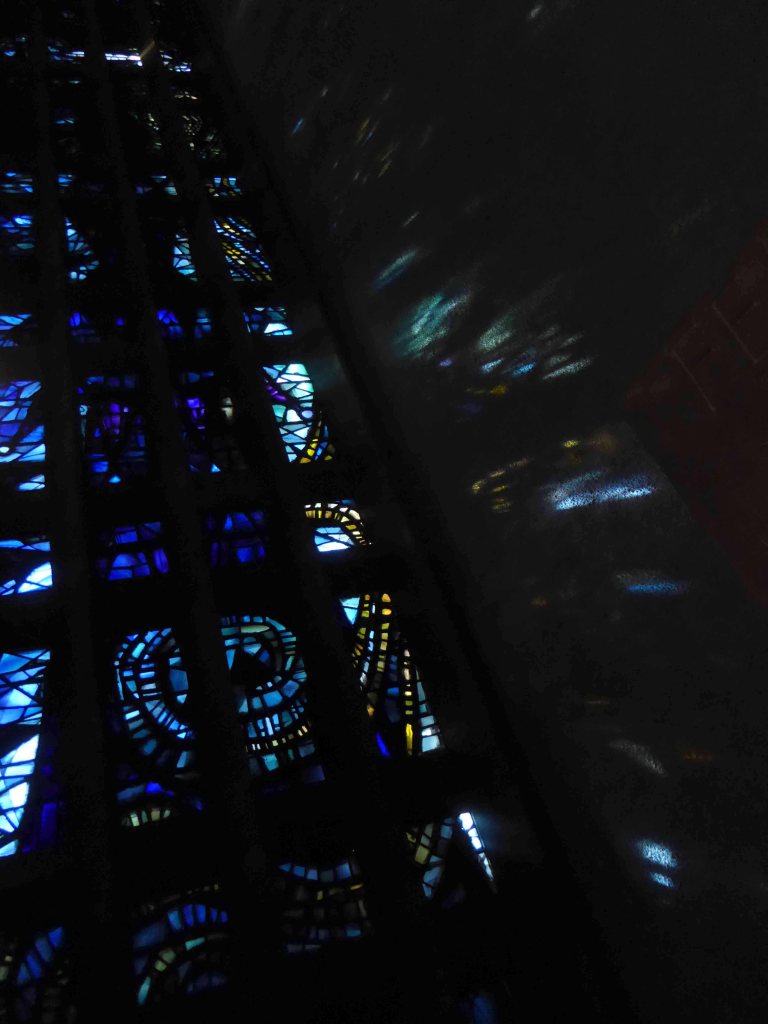
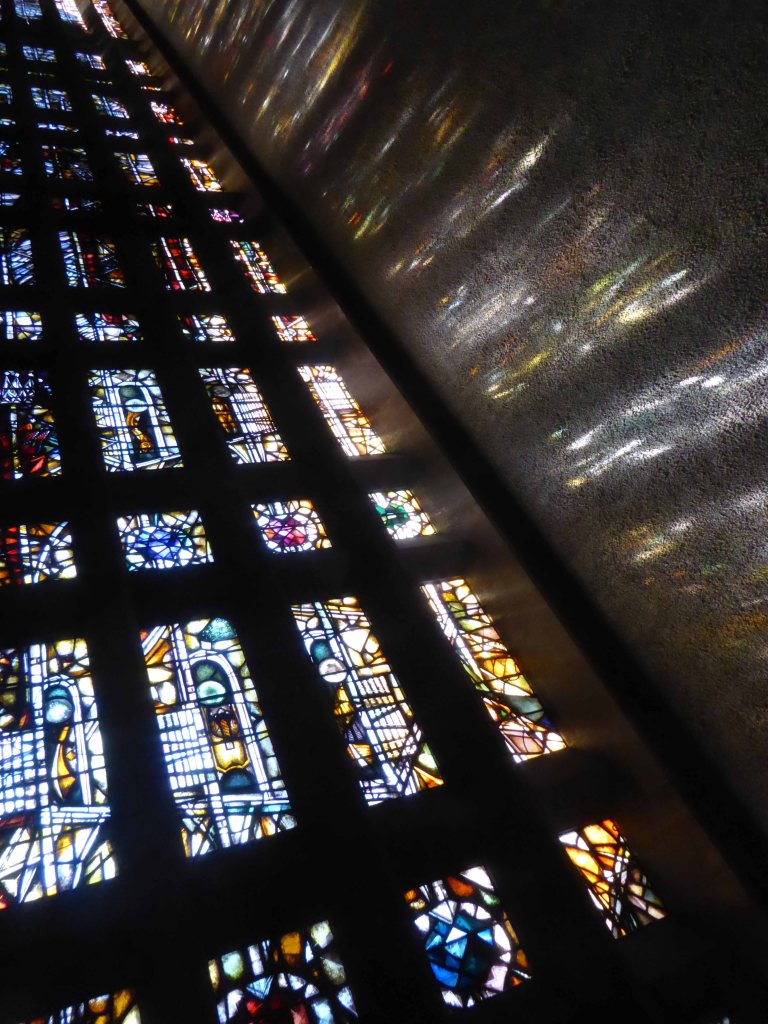
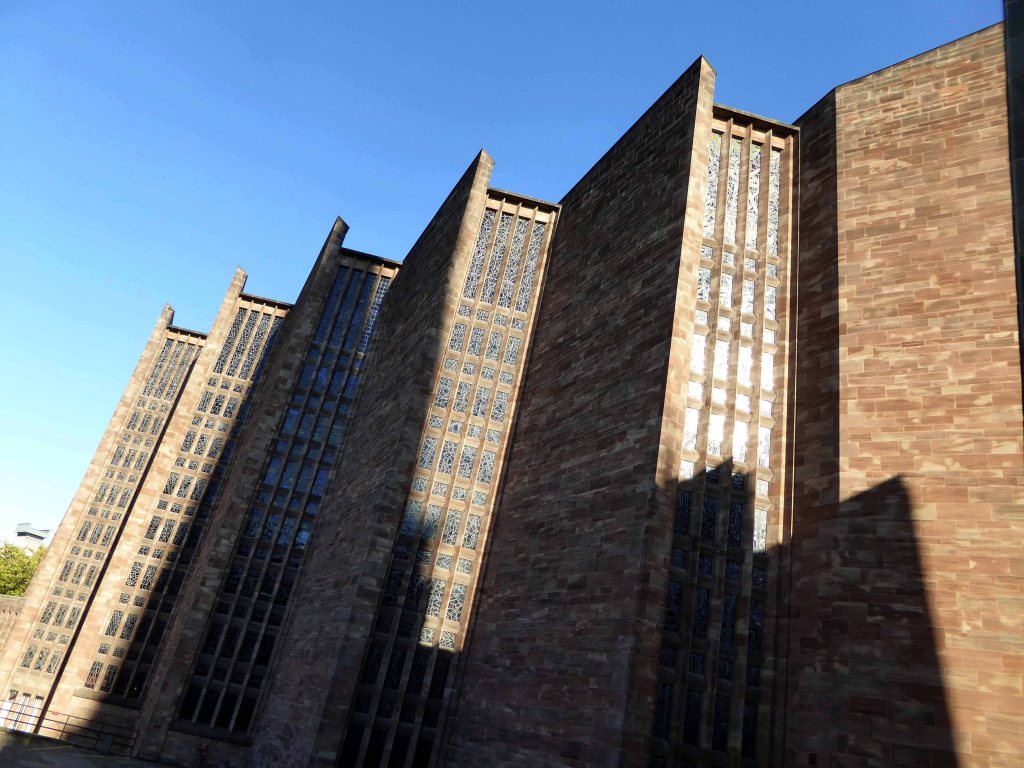
The eighty one foot high Baptistery Window containing a total of one hundred and ninety five lights of stained glass in bright primary colours designed by John Piper and Patrick Reyntiens, with the Stone of Bethlehem for a font just in front. Each individual window contains an abstract design, but the overall effect is breathtaking. Basil Spence himself designed the stone containing the glass.
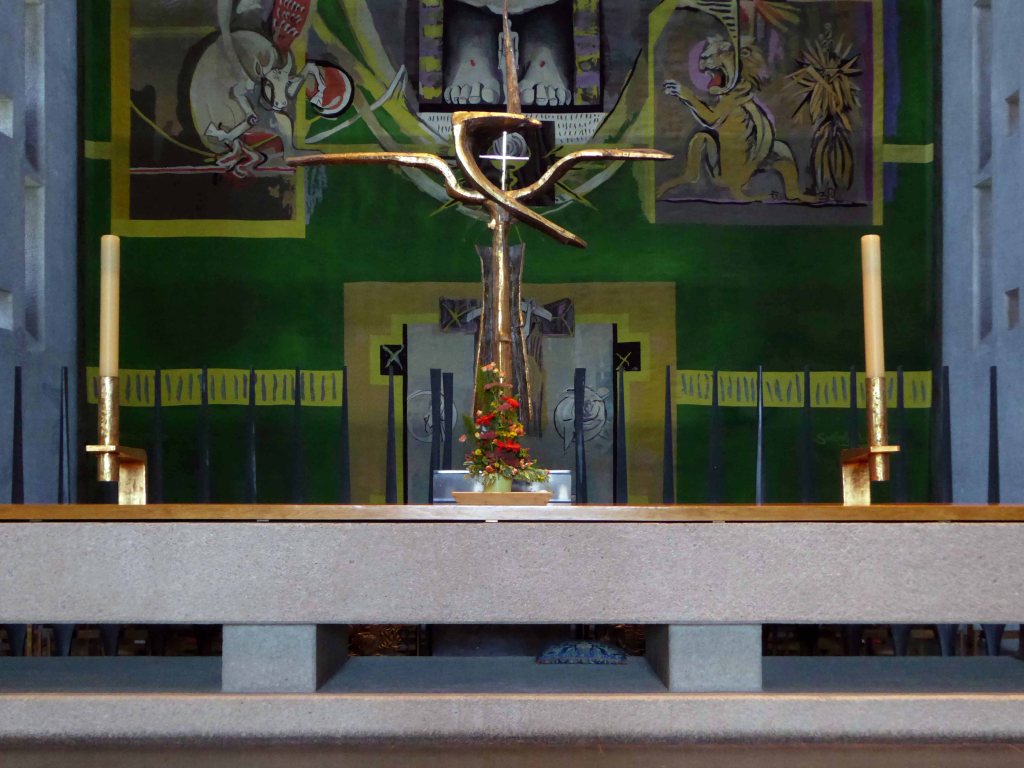
The great tapestry was another example of a re-think in design. Basil Spence’s original intention was to depict the Crucifixion but Provost Howard suggested that the subject be Christ in Majesty and from there on, this idea prevailed
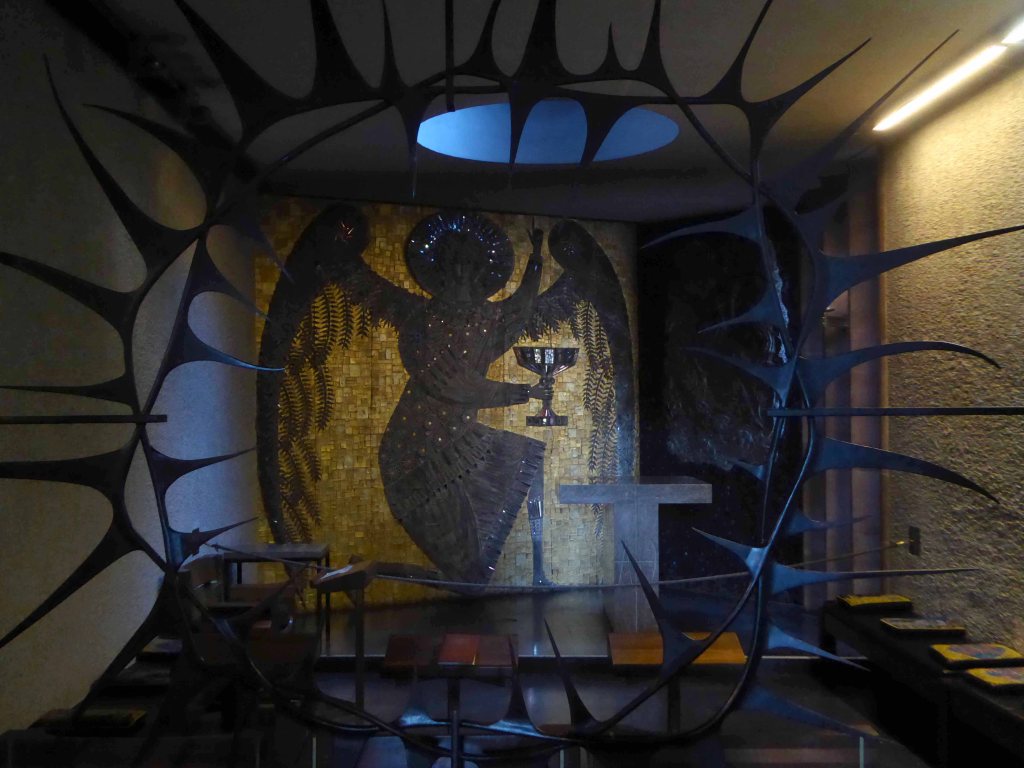
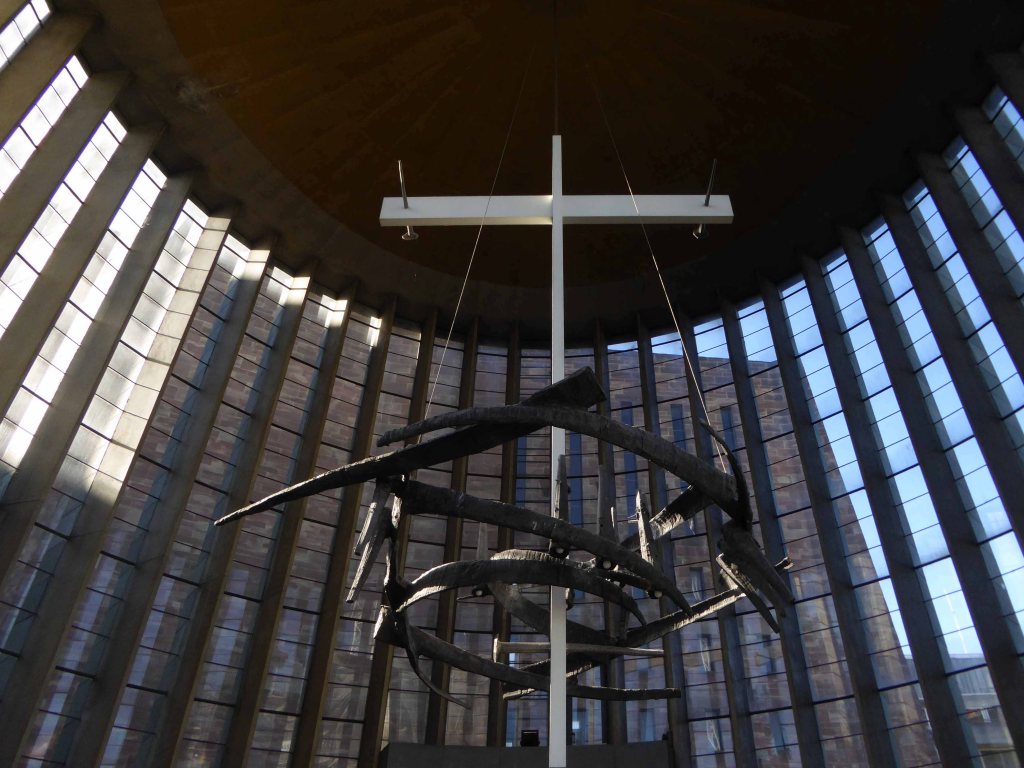
The Chapel of Christ in Gethsemane is approached by following the aisle from the Baptistery window towards the altar which is at the north end. The mosaic depicts the Angel of Agony by Steven Sykes and becomes more impressive when seen from a distance through the wrought iron crown of thorns designed by Basil Spence.
A short passageway takes you through to the Chapel of Christ the Servant – also known as the Chapel of Industry due to the view of Coventry workplaces from its narrow windows.
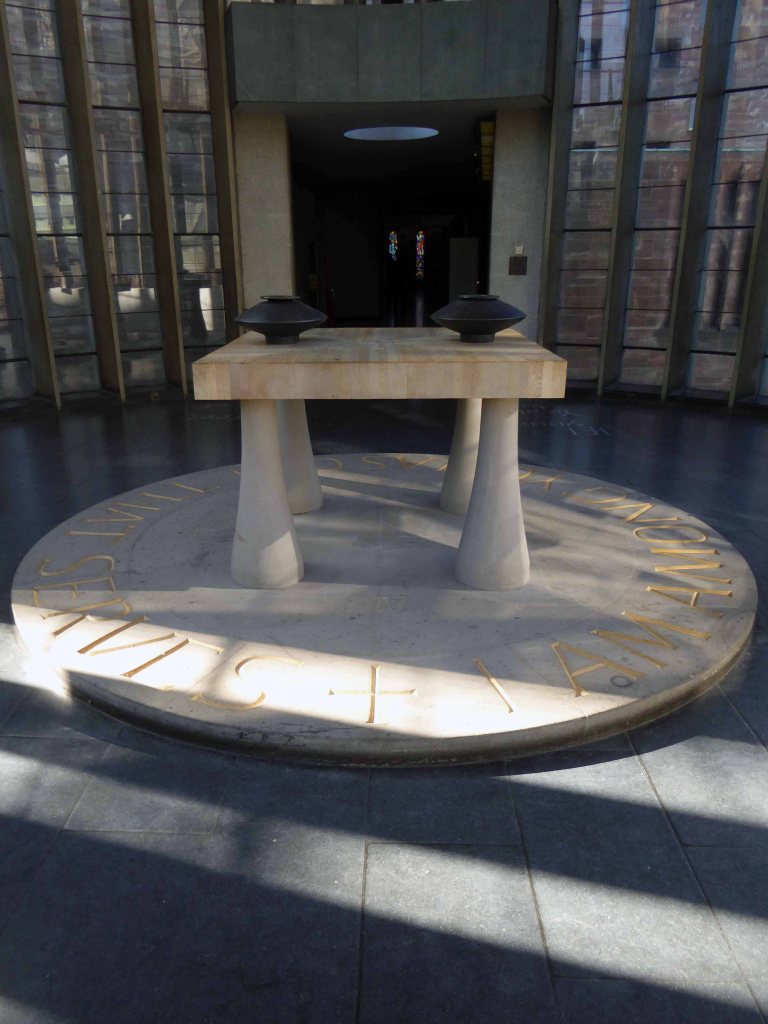
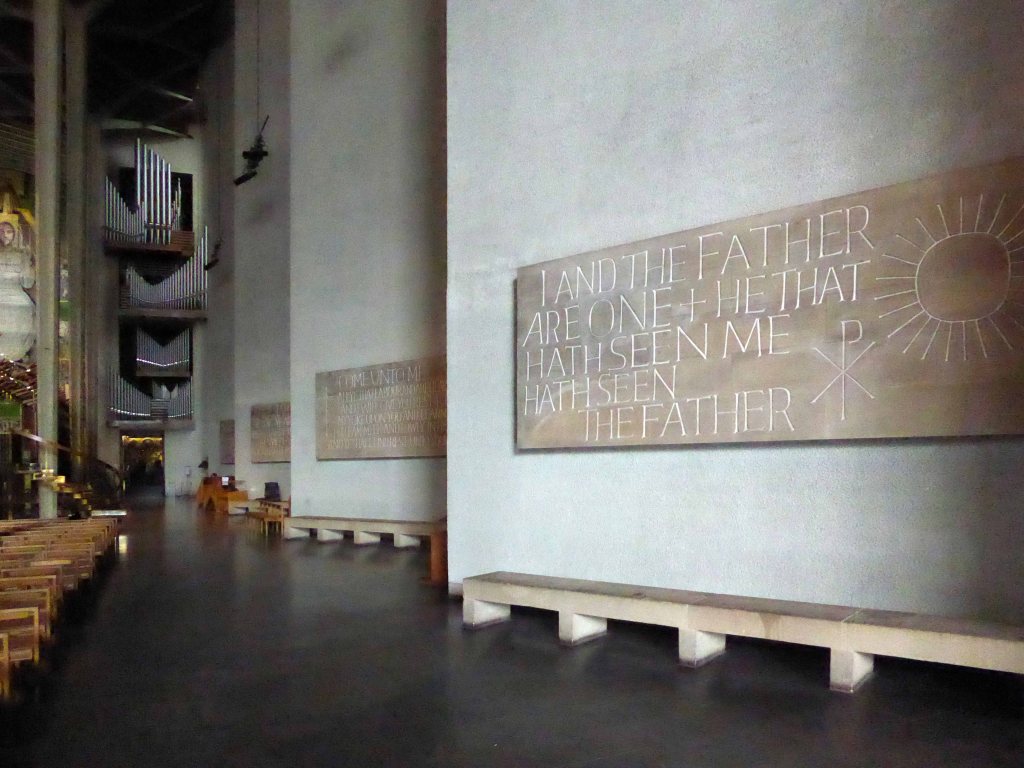
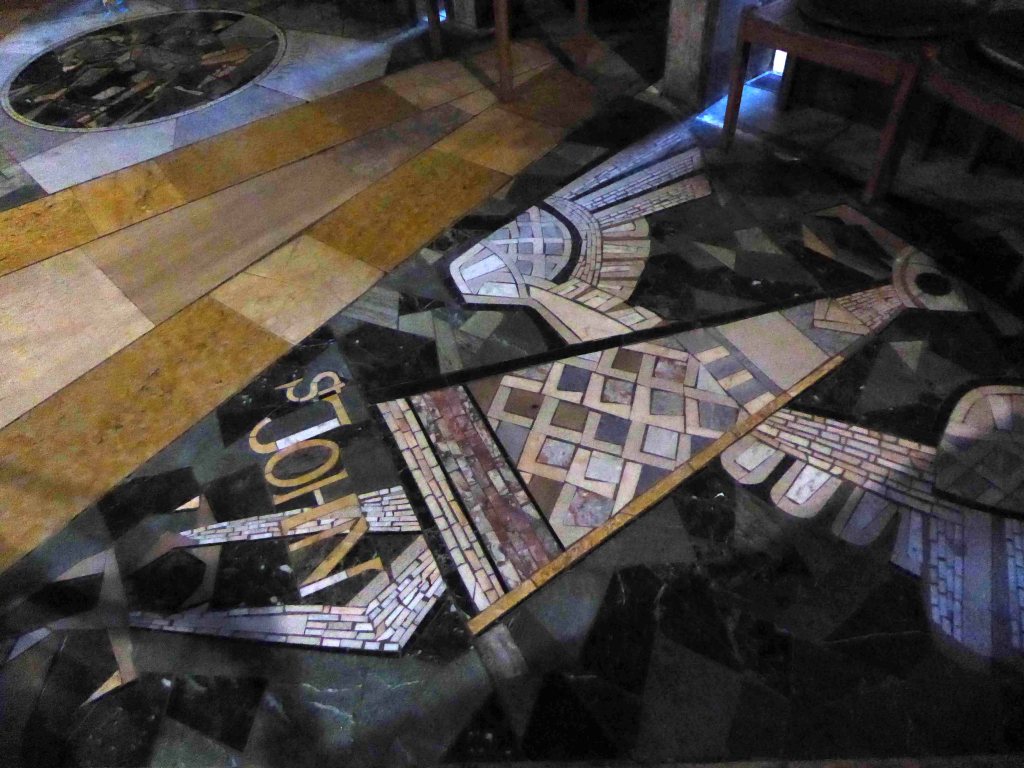
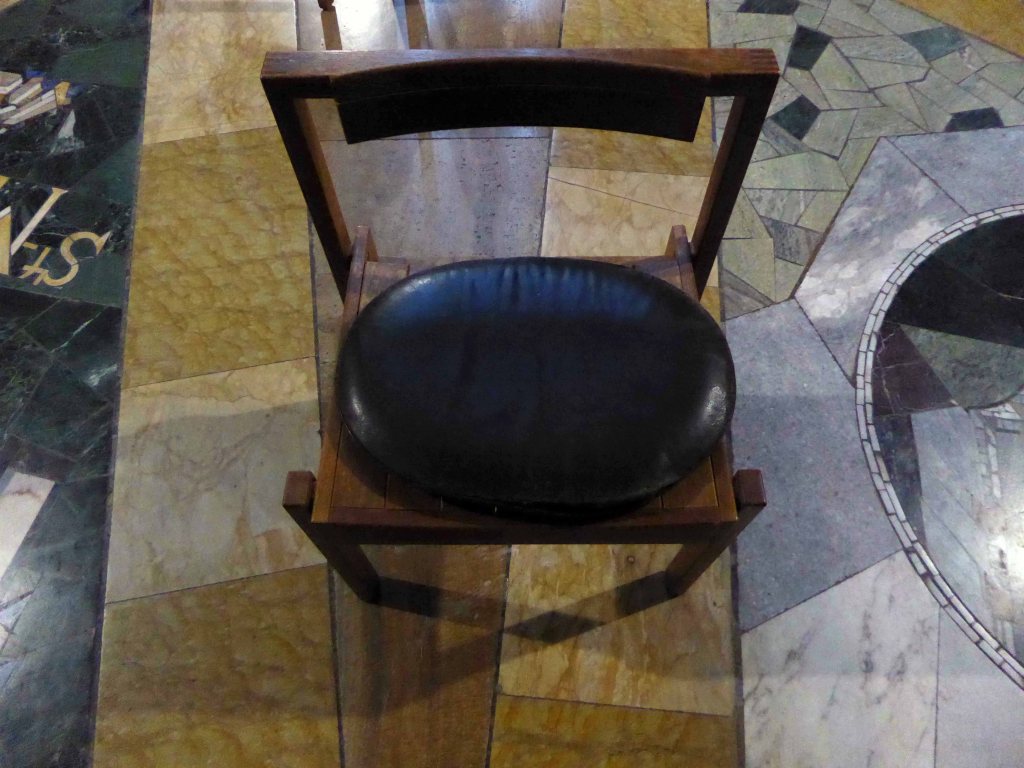
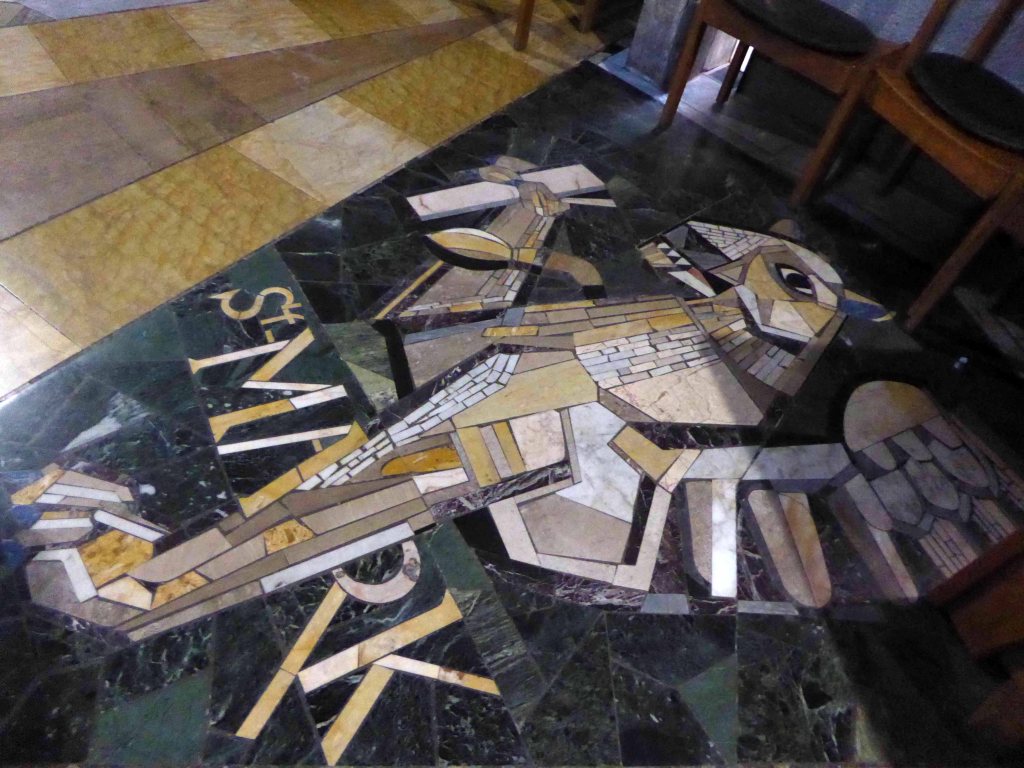
Monumental inscriptions to walls and floor by Ralph Beyer
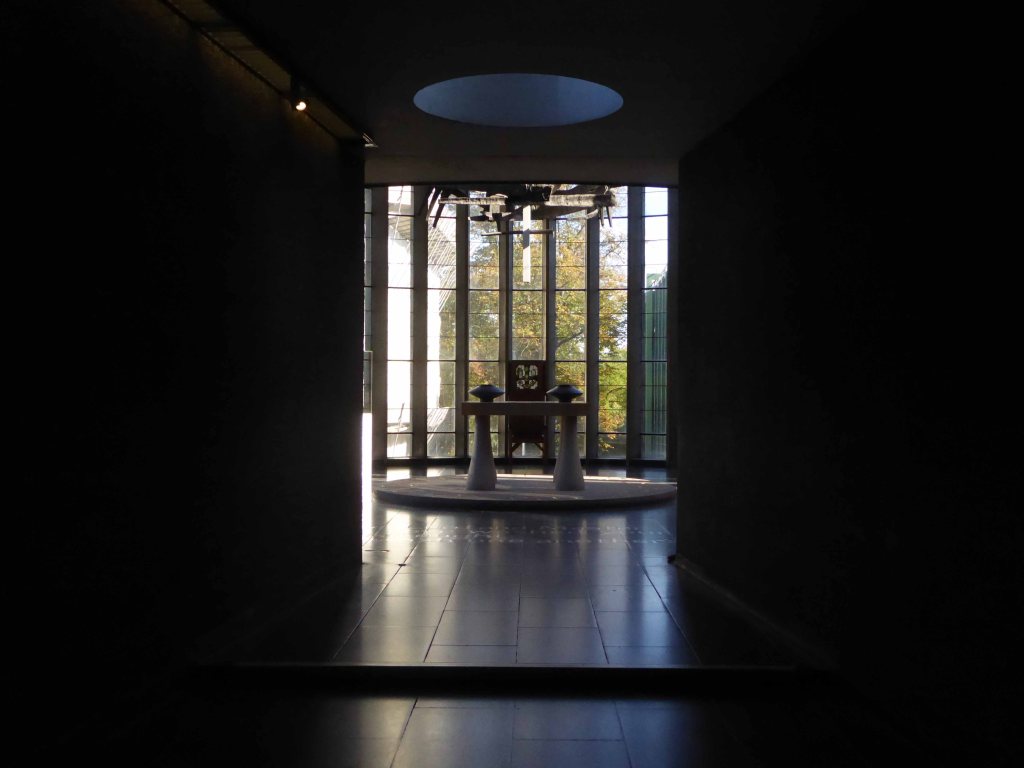
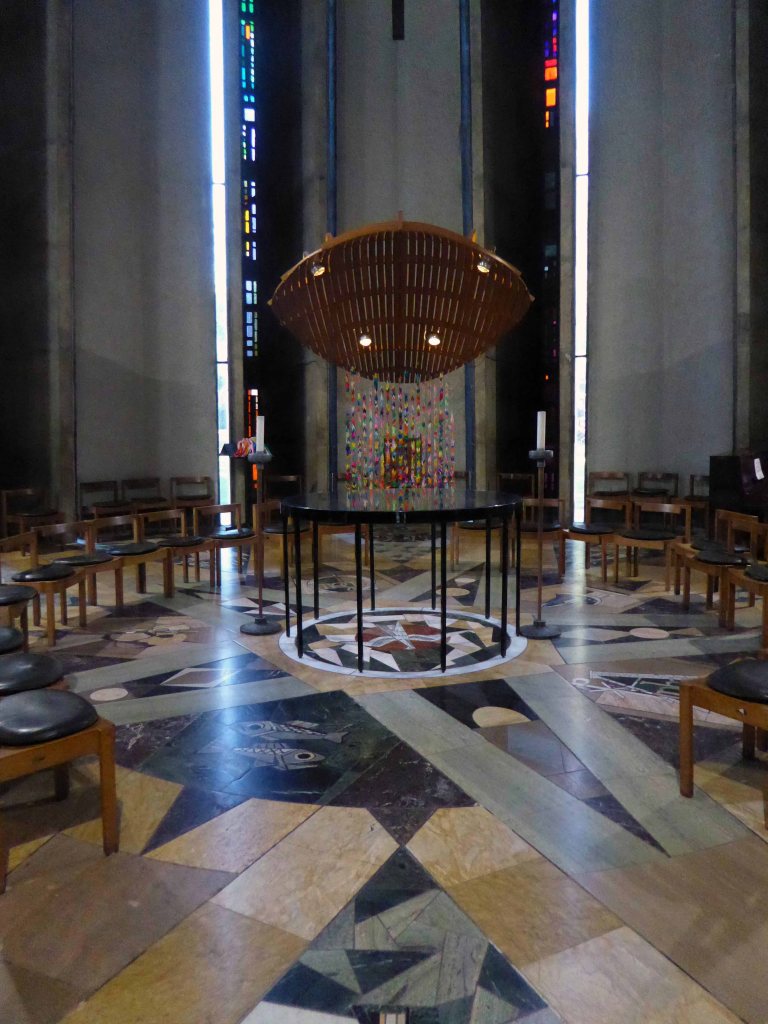
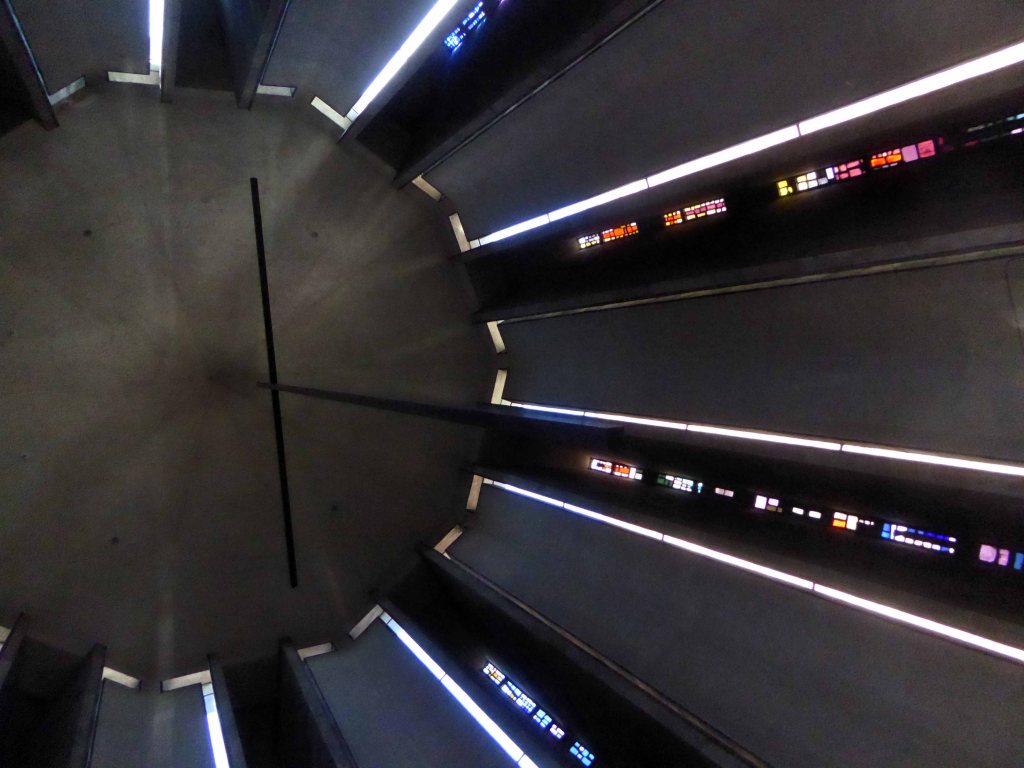
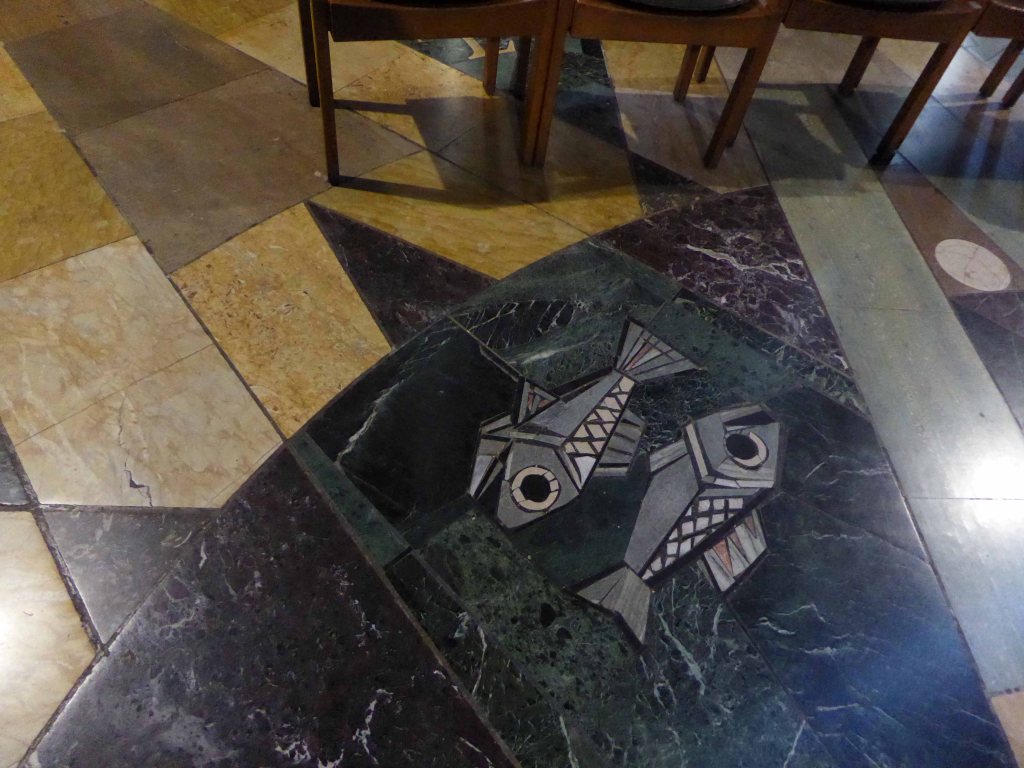
At the far end of the aisle, opposite the Baptistery Window is the Chapel of Unity, with its detailed mosaic floor, donated by the people of Sweden, representing the nations of the world and lit by shafts of light from the narrow stained glass windows around the circumference of the star shaped chapel.
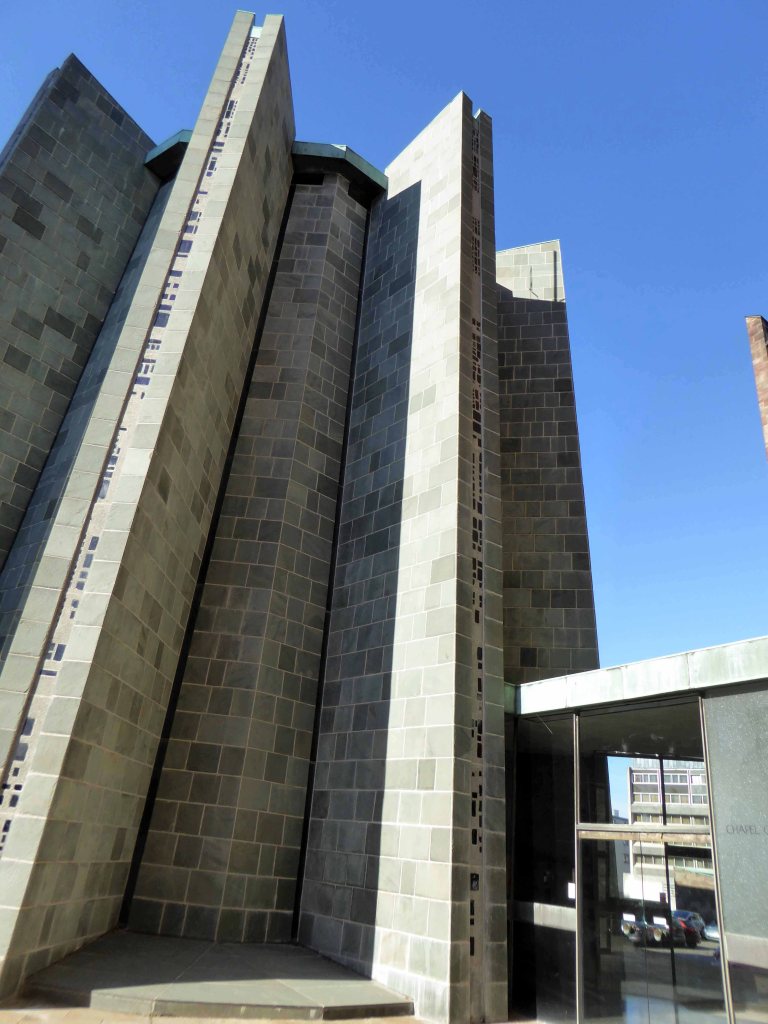
This design was Basil Spence’s vision of a chapel representing the star which began the story of Christ – from the outside it appears shaped similarly to a Crusader’s tent.
The chapel is intended for prayer by all denominations, not just Anglican, and for this reason was purposely built with no view of the great altar.
The Orange Order is a conservative unionist organisation, with links to Ulster loyalism. It campaigned against Scottish independence in 2014. The Order sees itself as defending Protestant civil and religious liberties, whilst critics accuse the Order of being sectarian, triumphalist, and supremacist. As a strict Protestant society, it does not accept non-Protestants as members unless they convert and adhere to the principles of Orangeism, nor does it accept Protestants married to Catholics. Although many Orange marches are without incident, marches through mainly Catholic and Irish nationalist neighbourhoods are controversial and have often led to violence.
On the morning of March 28th 2015 I had taken the train to Scarborough, to spend a few days by the sea. As we passed through Huddersfield and on into deepest Yorkshire, the carriage began to fill up at each stop with men, mainly men.
Men in dark overcoats, men with cropped hair, men sharing an unfamiliar familiarity. Intrigued, I enquired of my cultish companions the what, where, when and why of their collective purpose.
It transpired that they were all adherents of the Orange Order, Scarborough bound to participate in the annual Orange March.
On arrival we parted, but we were to meet up later in the day – I walked down to the foreshore and waited.
This is what I saw.
This year the march was cancelled.
You wouldn’t want anyone to catch anything, would you now?
Well of course we’ve all been here before, haven’t we?
Well I have – I even wrote all about it right here.
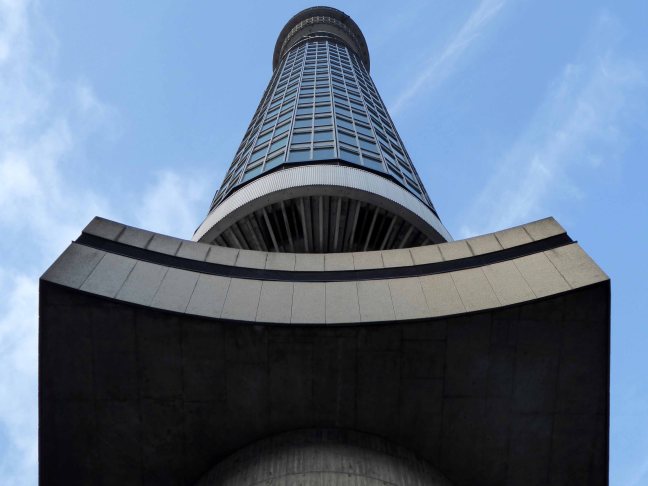
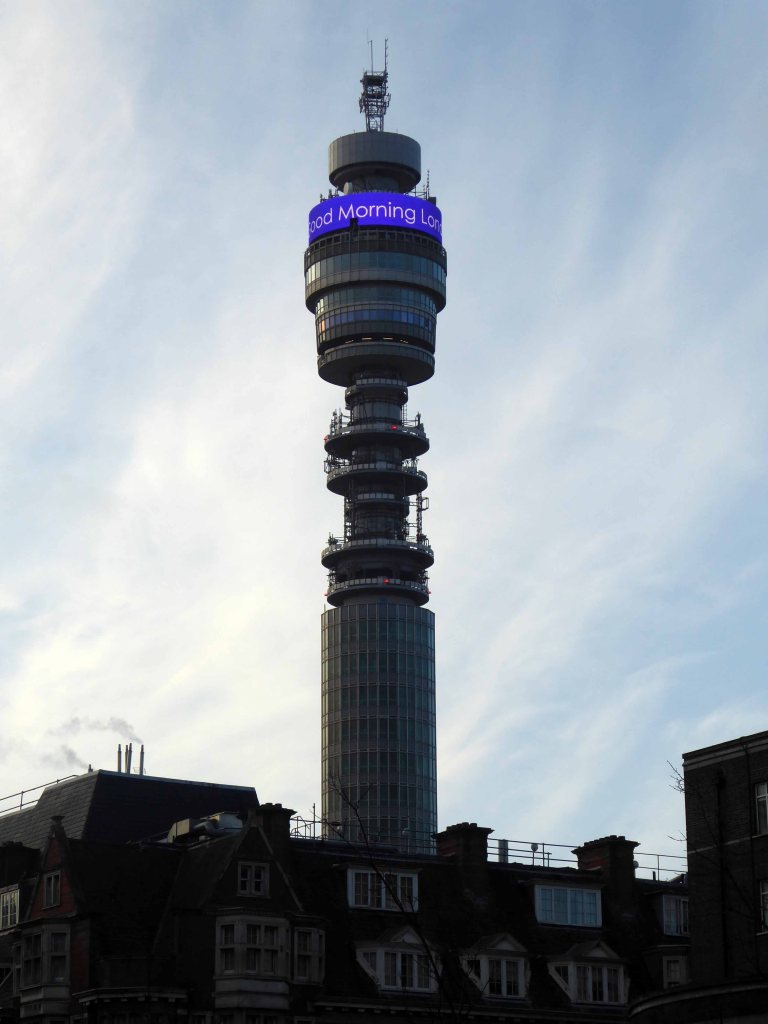
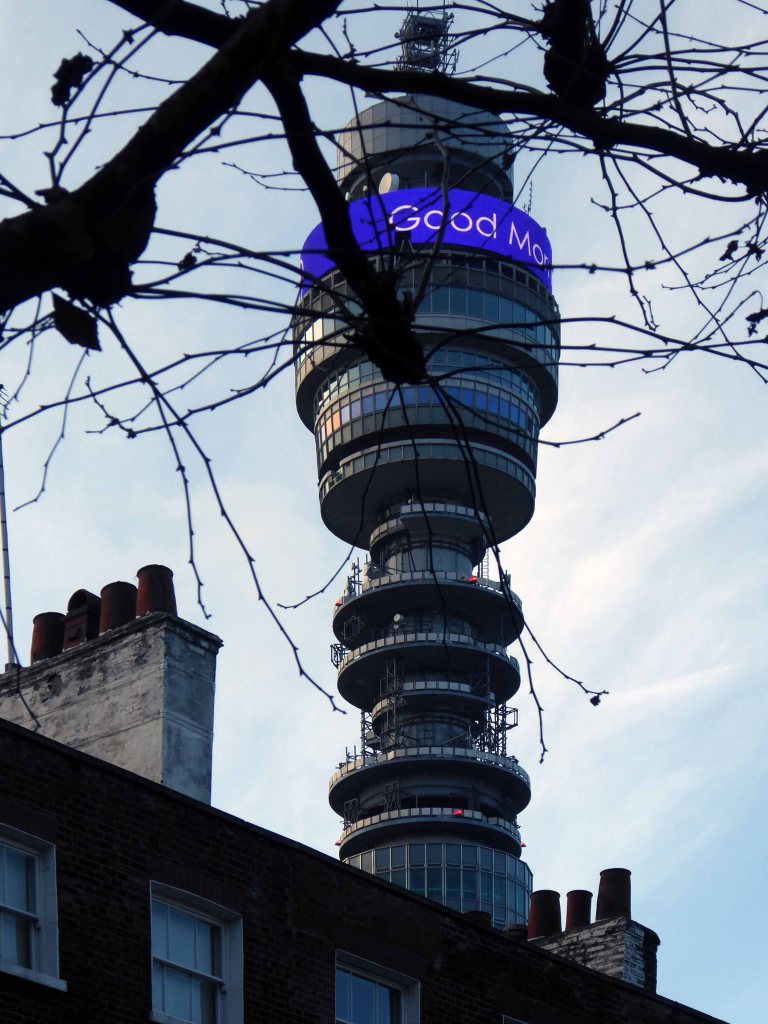
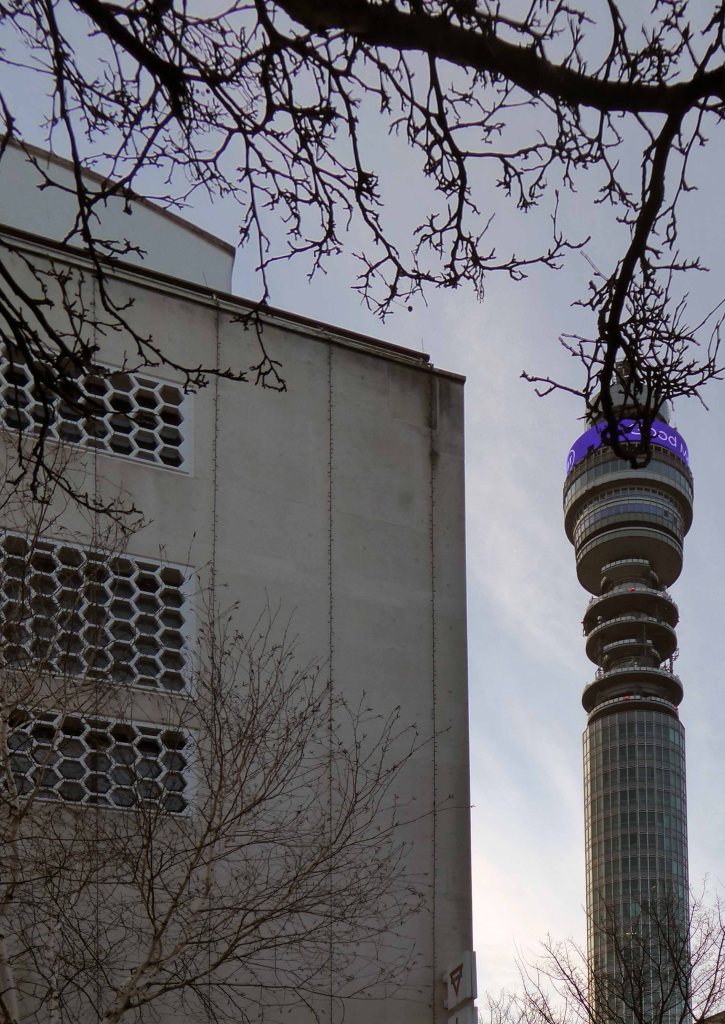
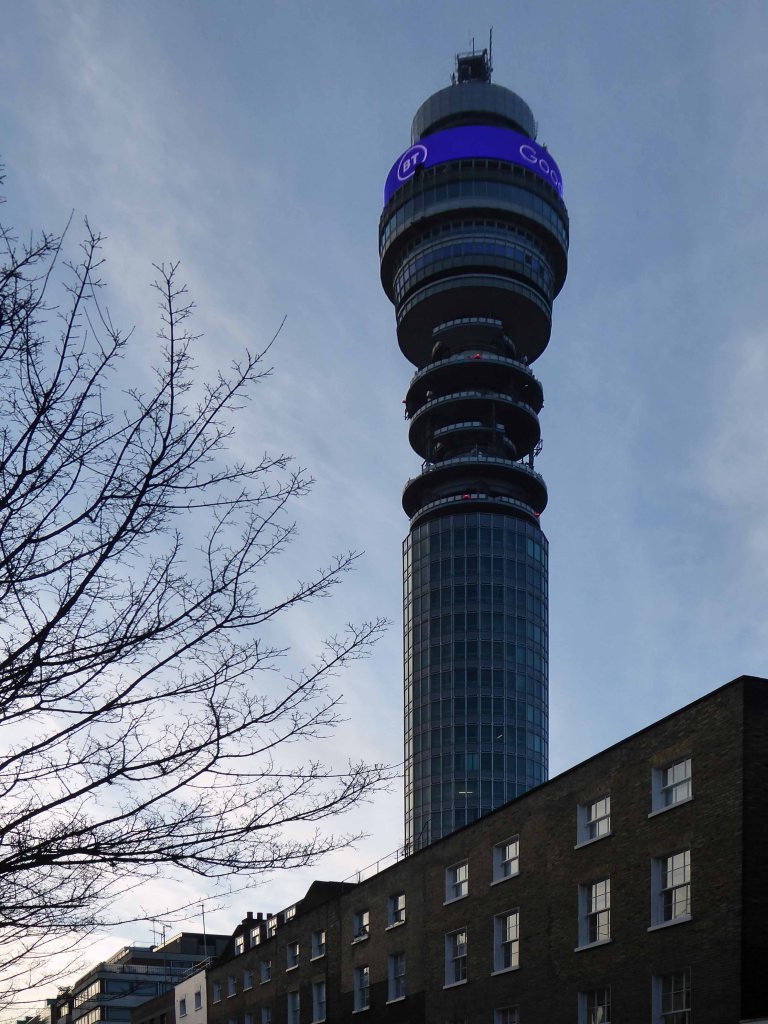
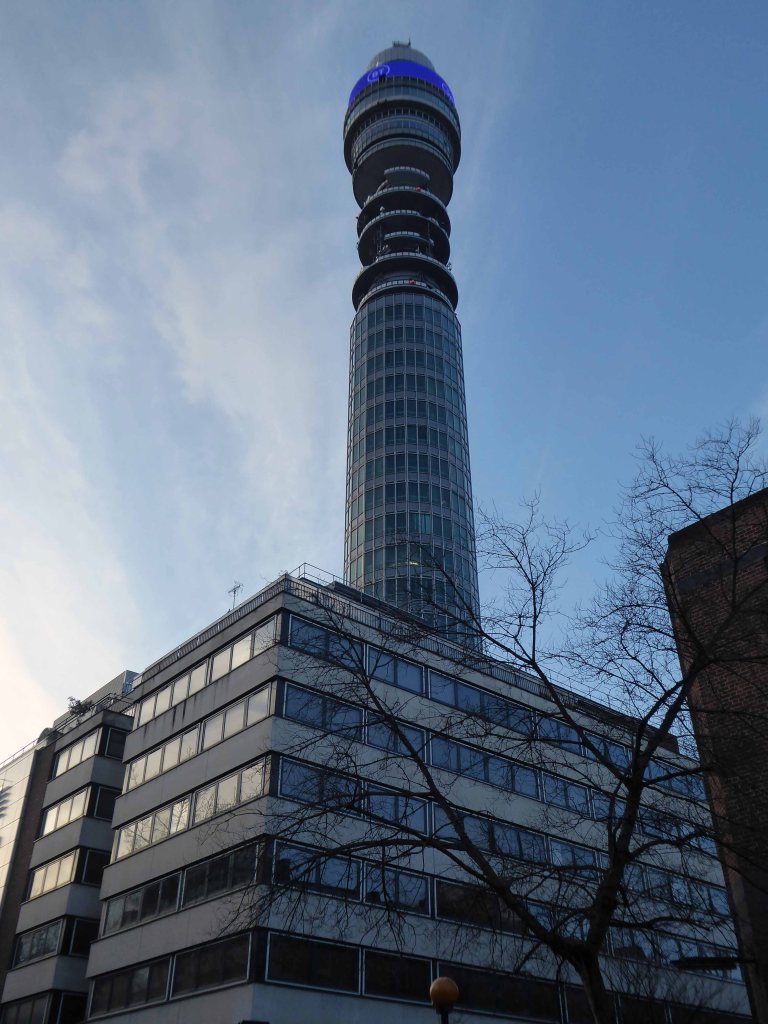
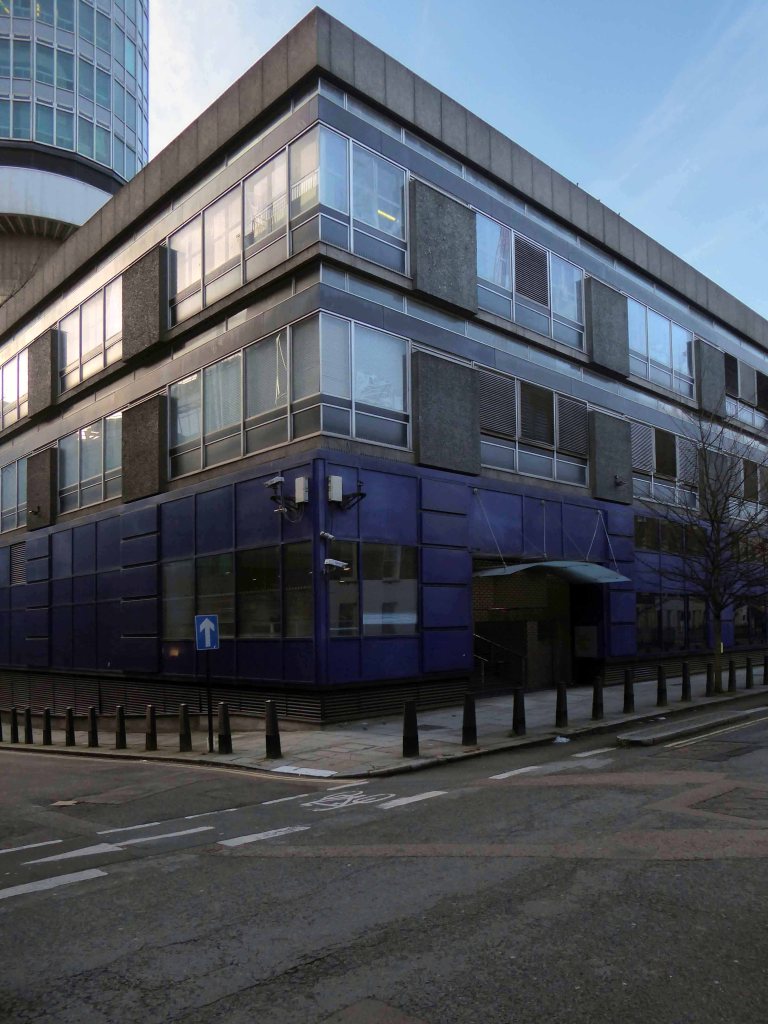
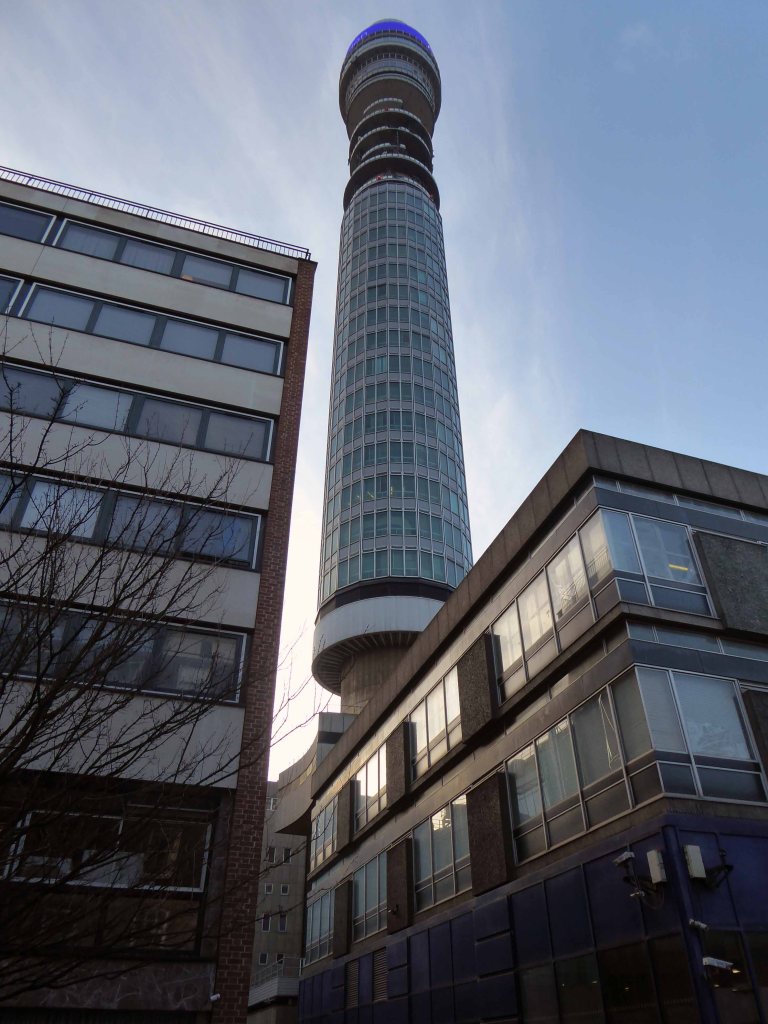
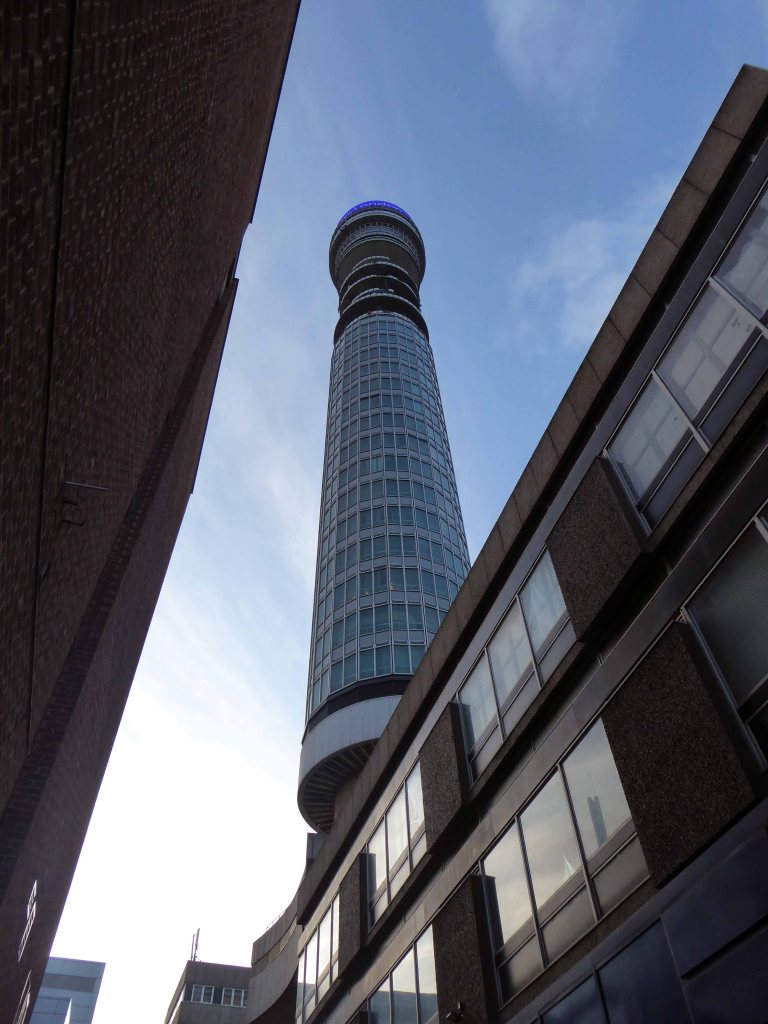
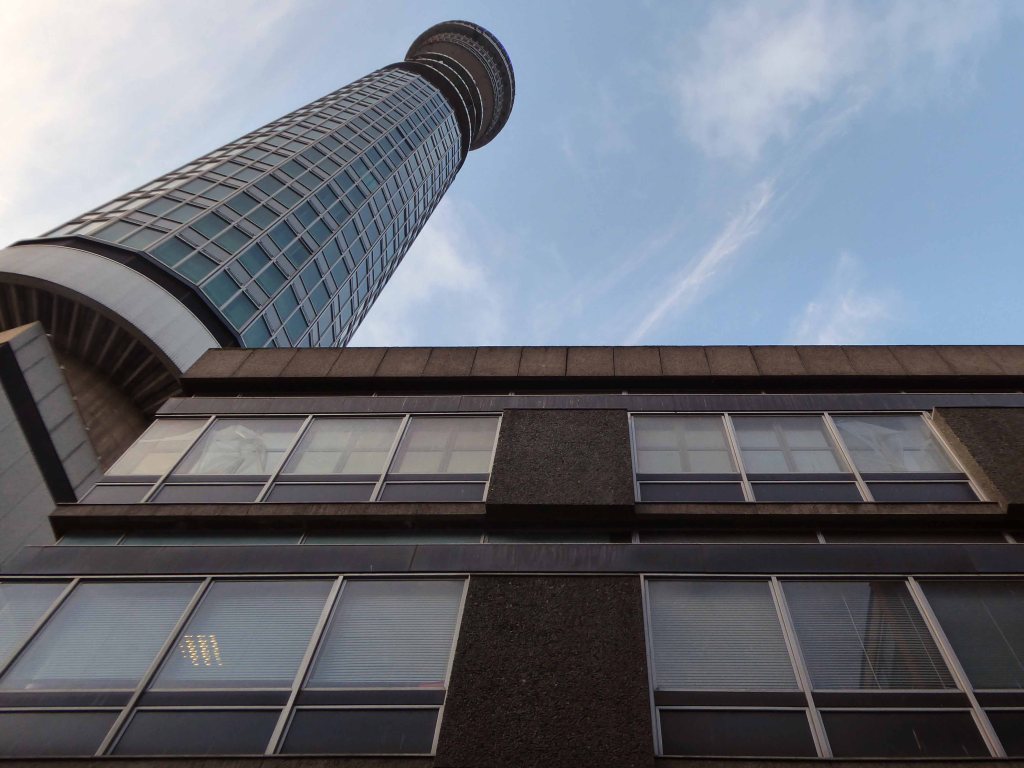
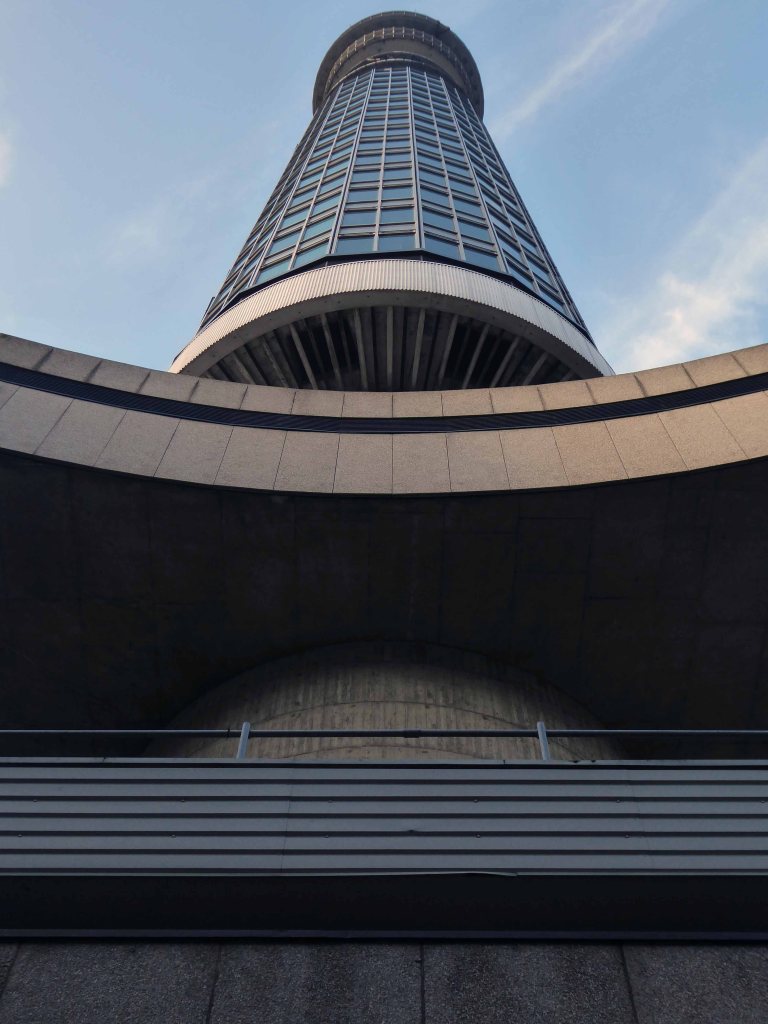
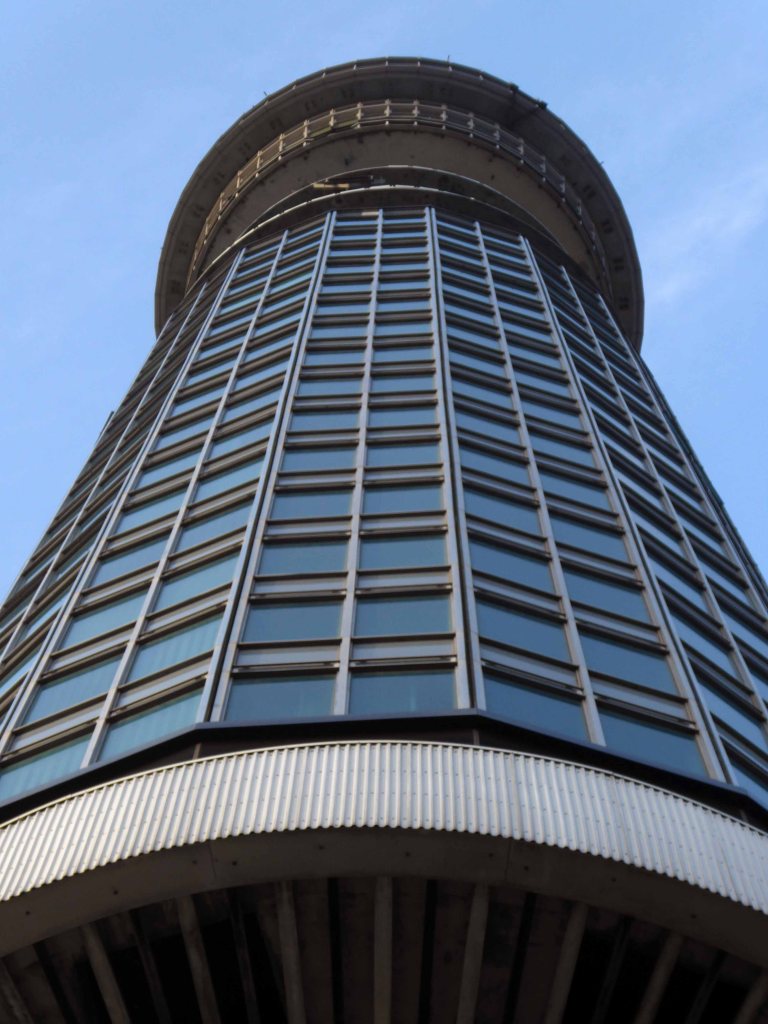
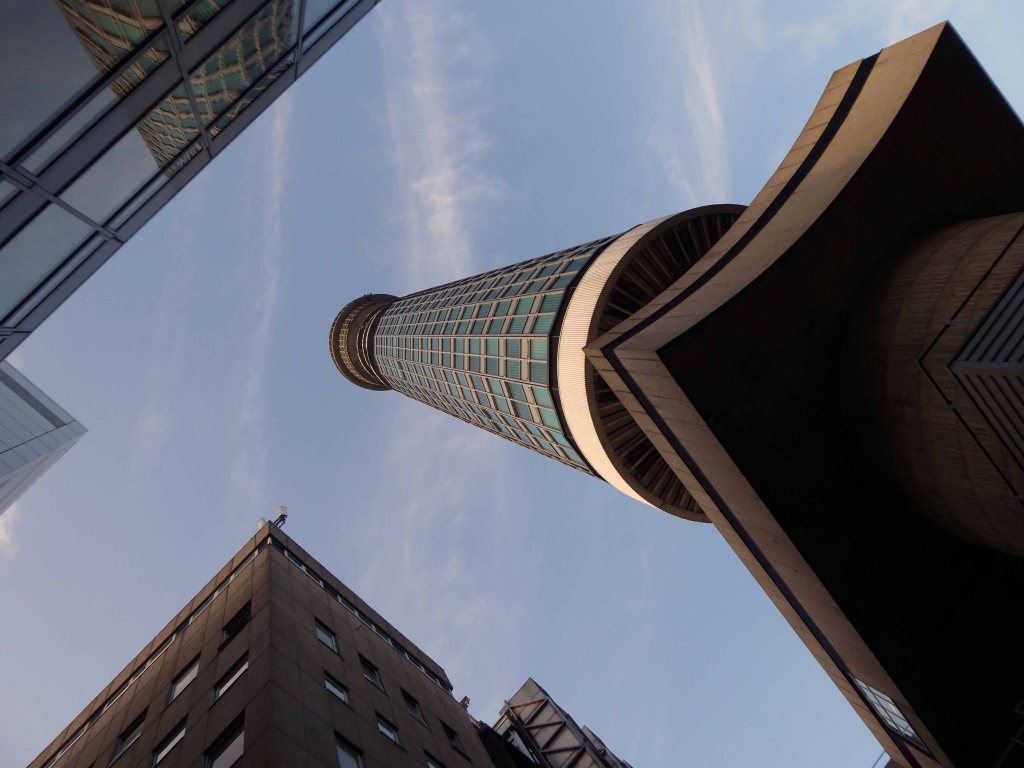
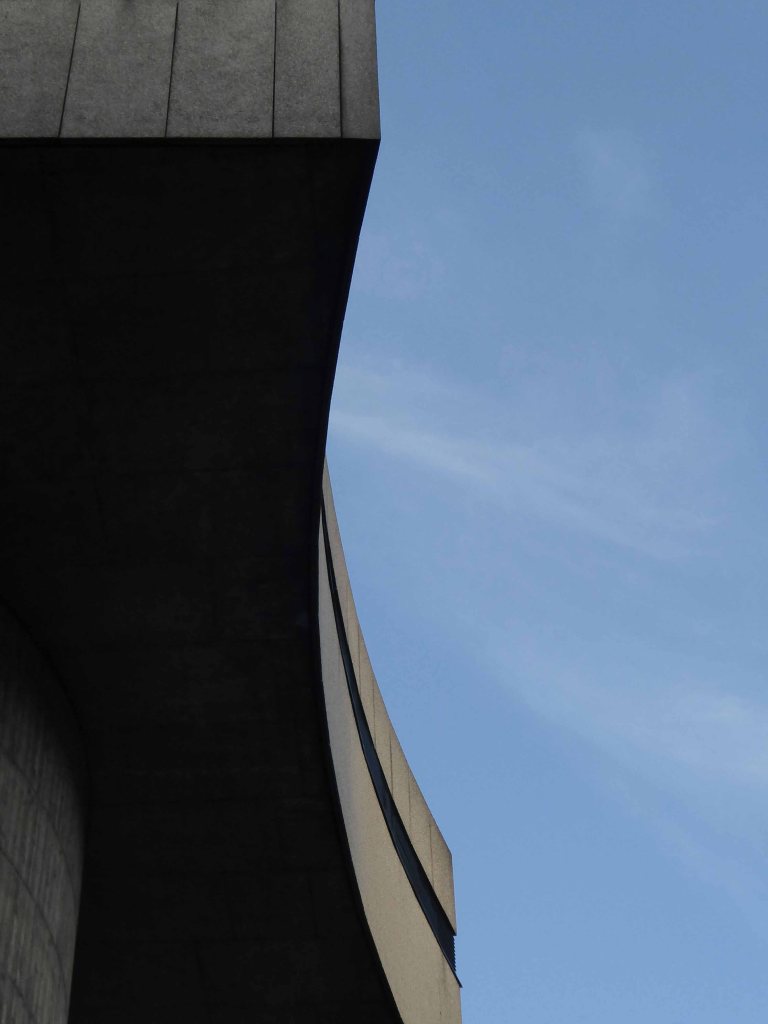
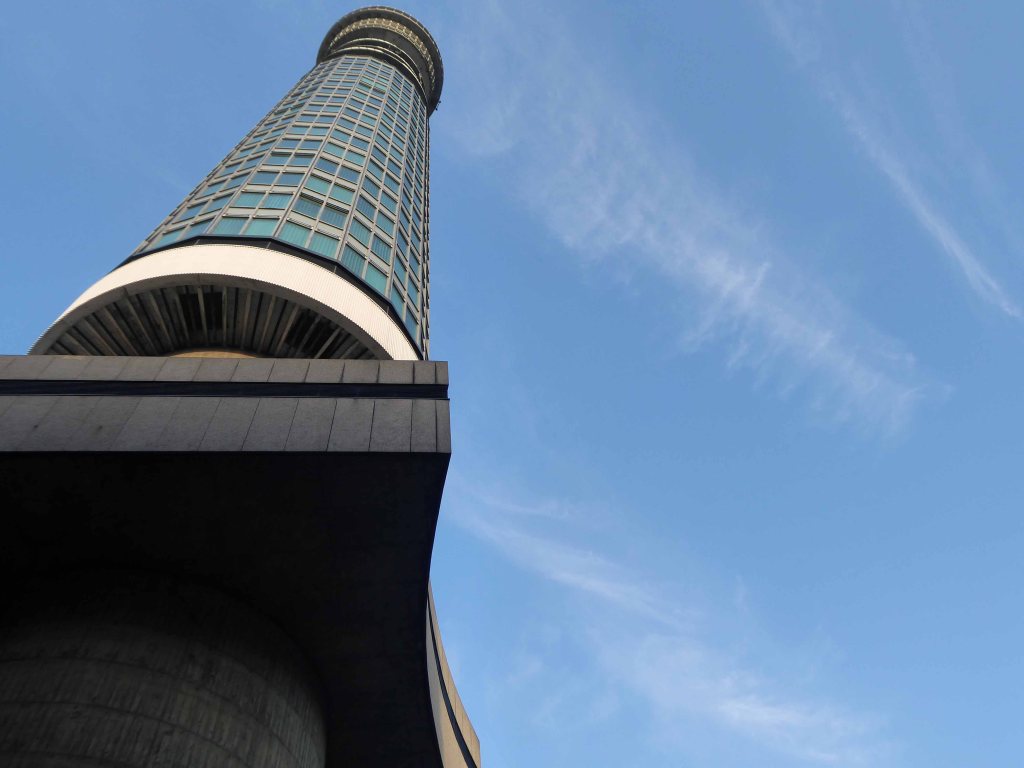
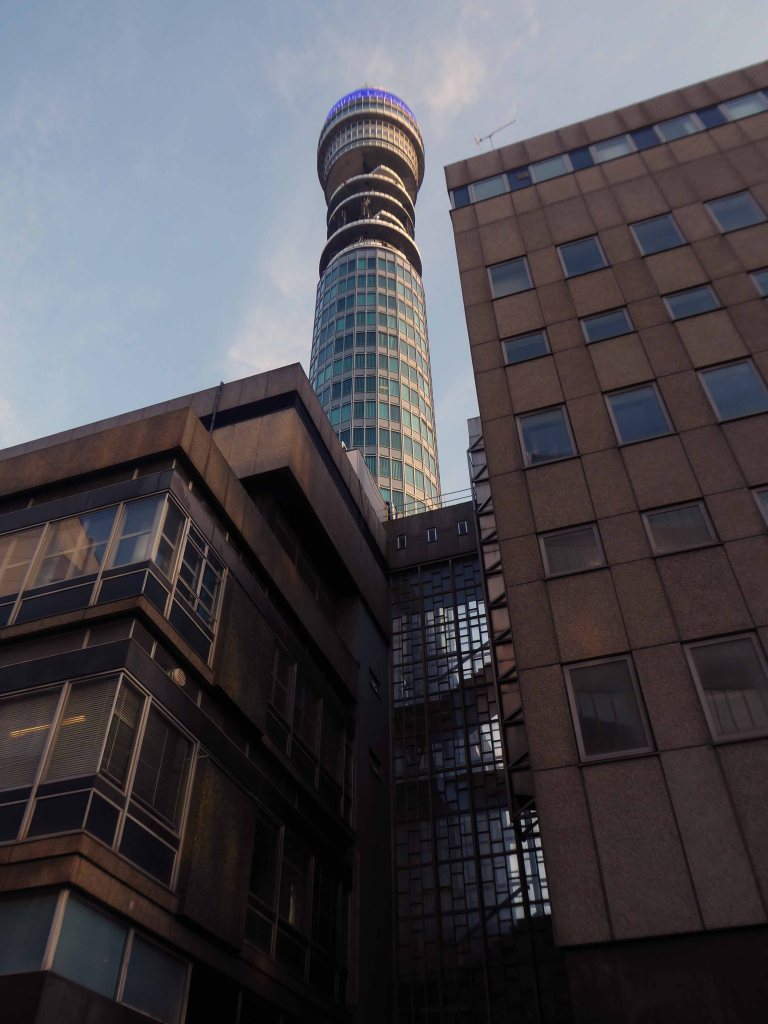
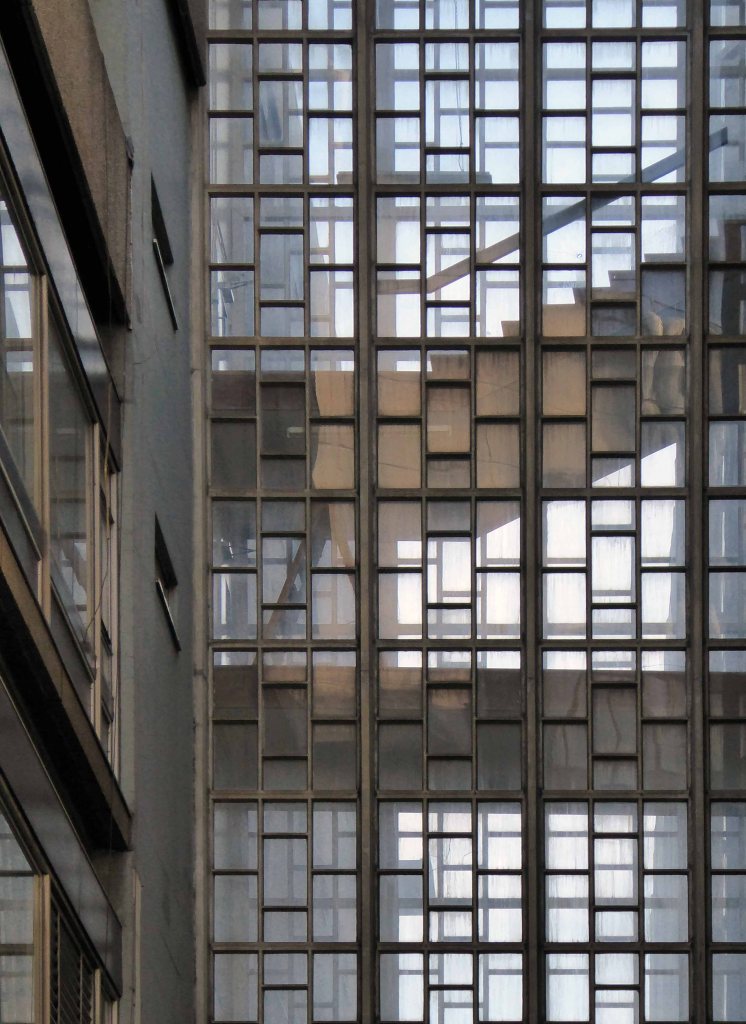
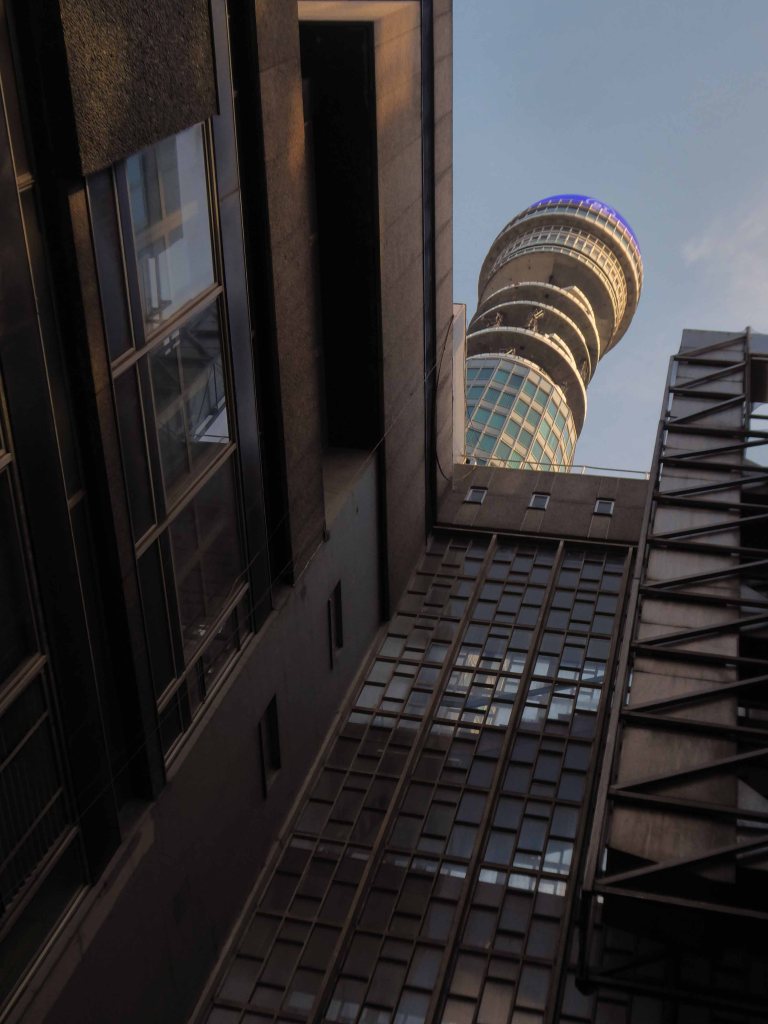
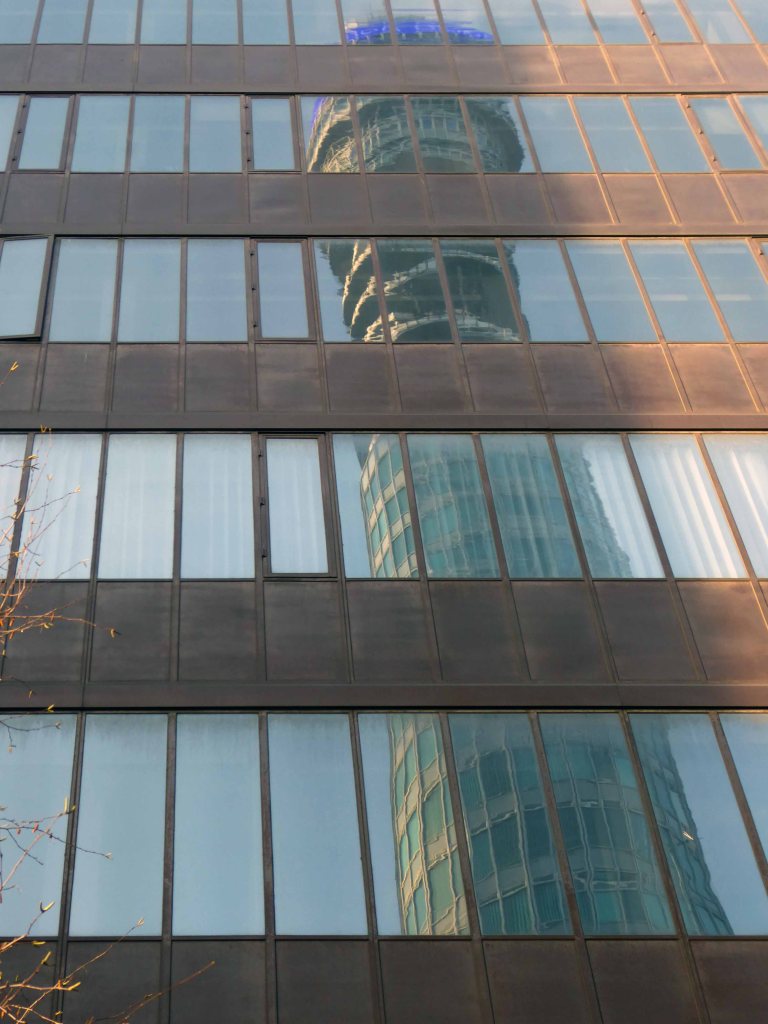
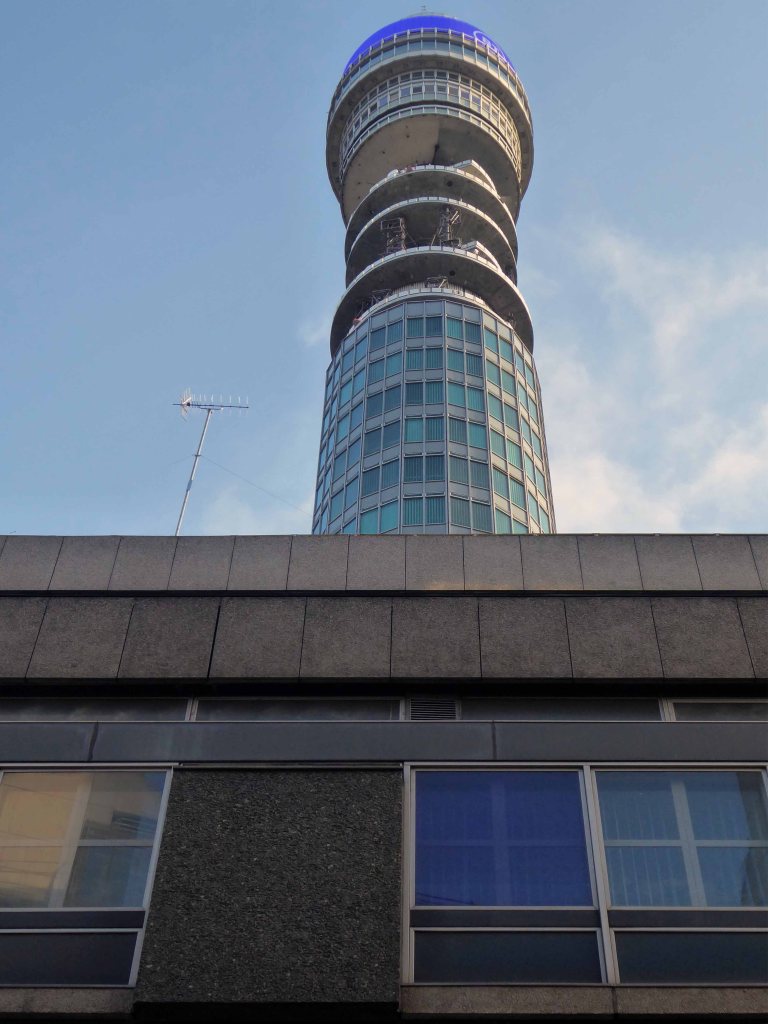
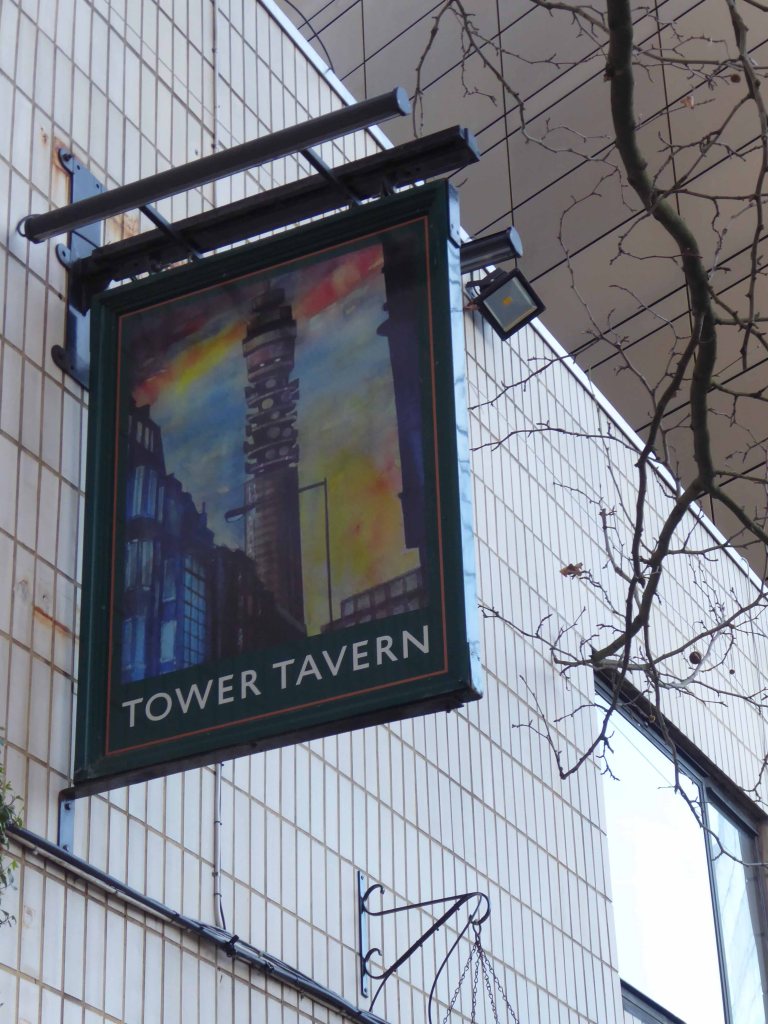
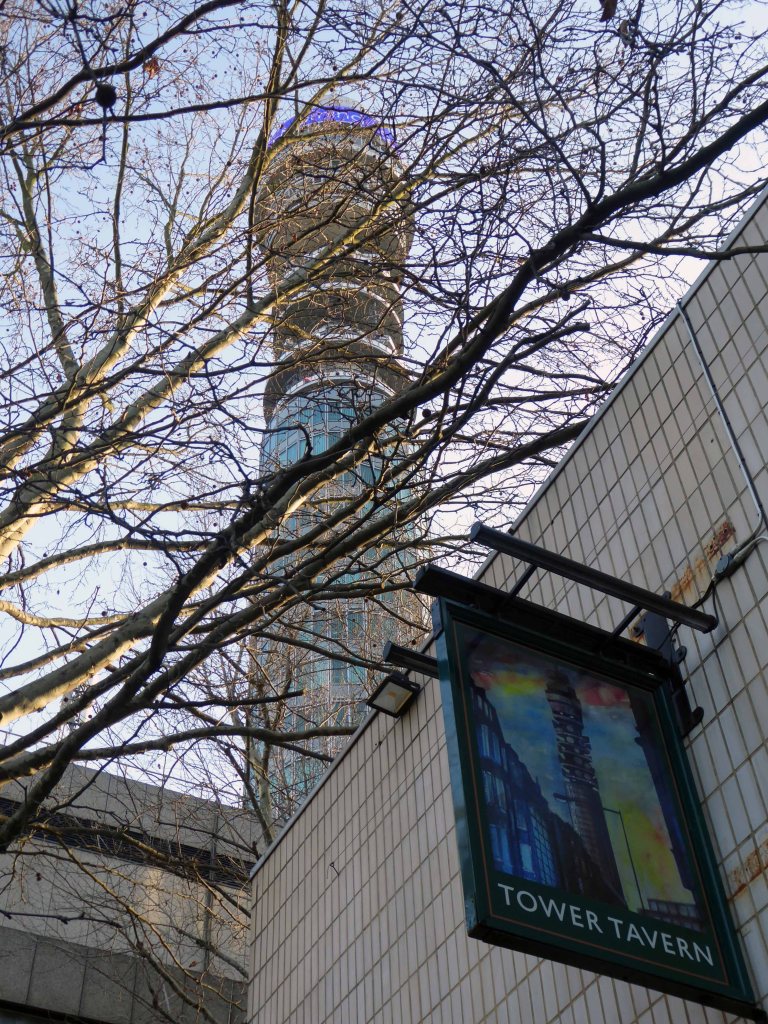
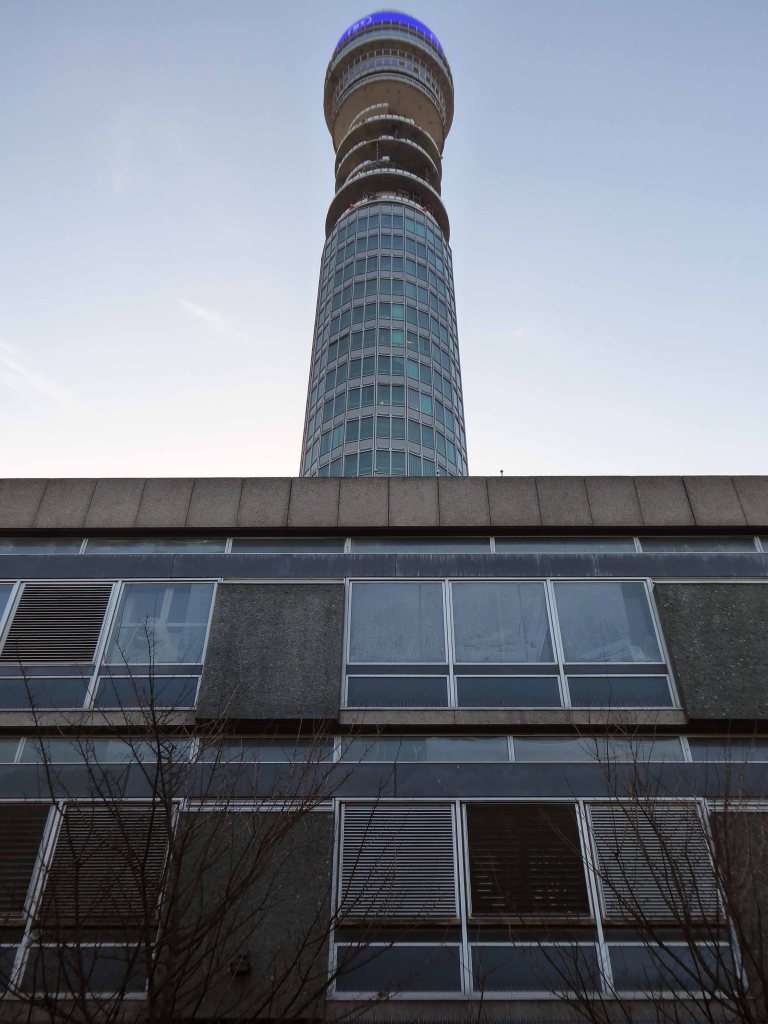
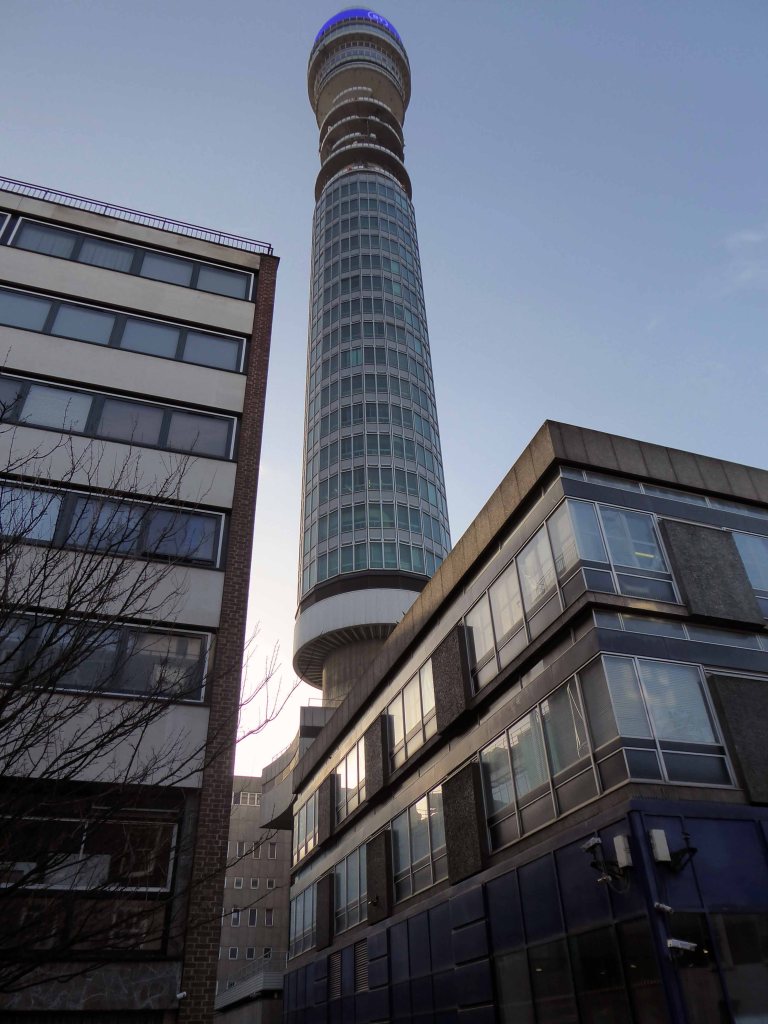
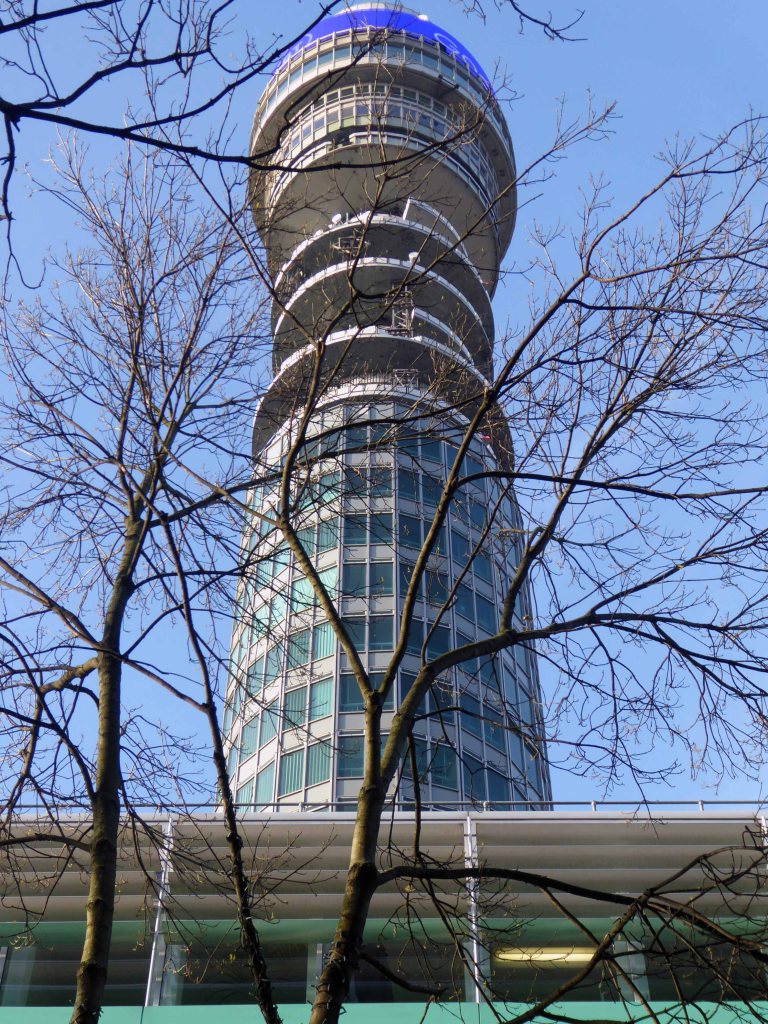
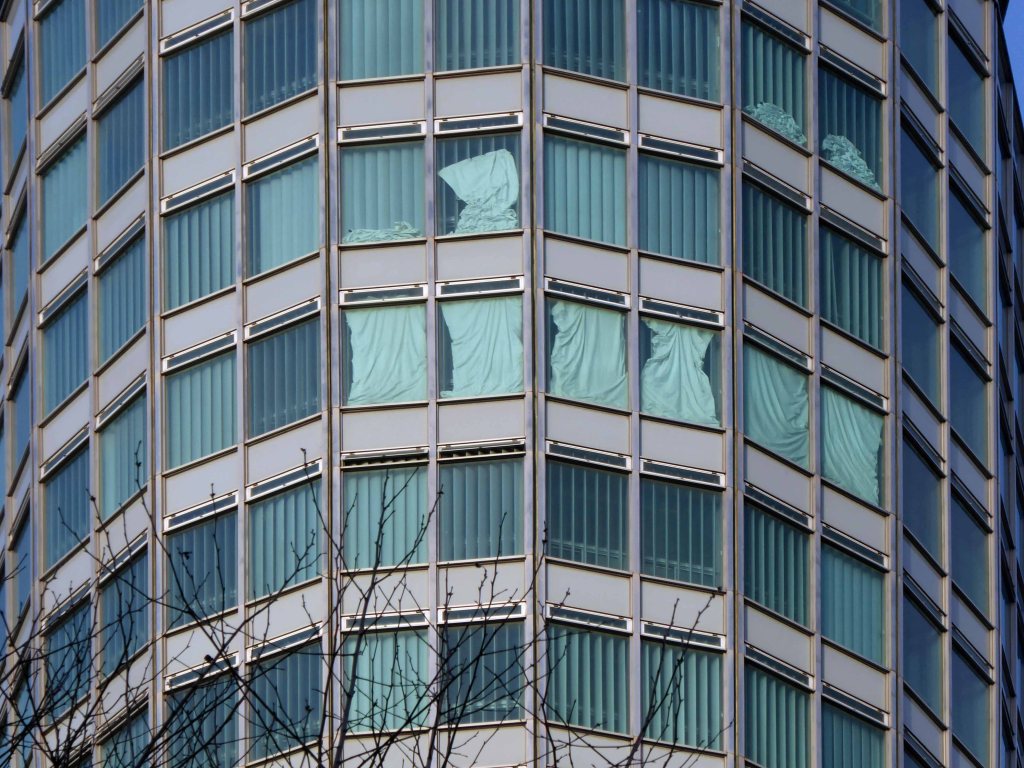
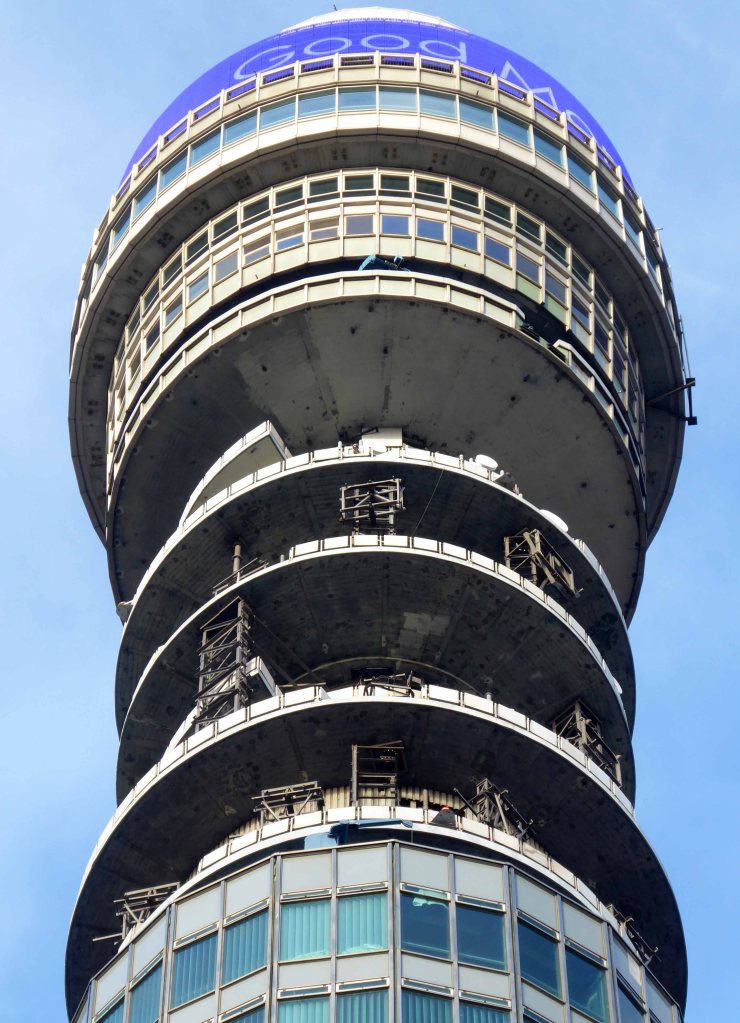
The tower was designed by the architects of the Ministry of Public Building and Works: the chief architects were Eric Bedford and G. R. Yeats. Typical for its time, the building is concrete clad in glass. The narrow cylindrical shape was chosen because of the requirements of the communications aerials: the building will shift no more than 25 centimetres in wind speeds of up to 95 mph. Initially, the first 16 floors were for technical equipment and power. Above that was a 35-metre section for the microwave aerials, and above that were six floors of suites, kitchens, technical equipment and finally a cantilevered steel lattice tower. To prevent heat build-up, the glass cladding was of a special tint. The construction cost was £2.5 million.
The tower was topped out on 15 July 1964, and officially opened by the then Prime Minister Harold Wilson on 8 October 1965. The main contractor was Peter Lind & Co Ltd.
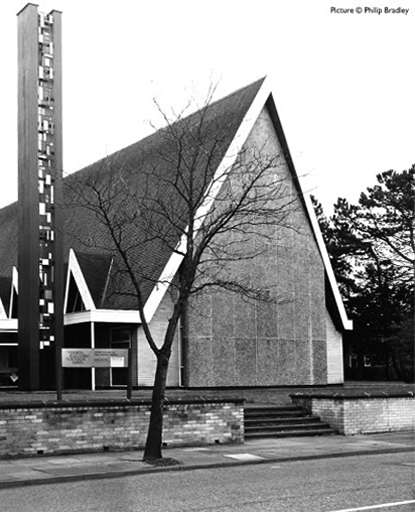
Built 1961-1963 – architects Ivan Johnston & Partners of Liverpool.
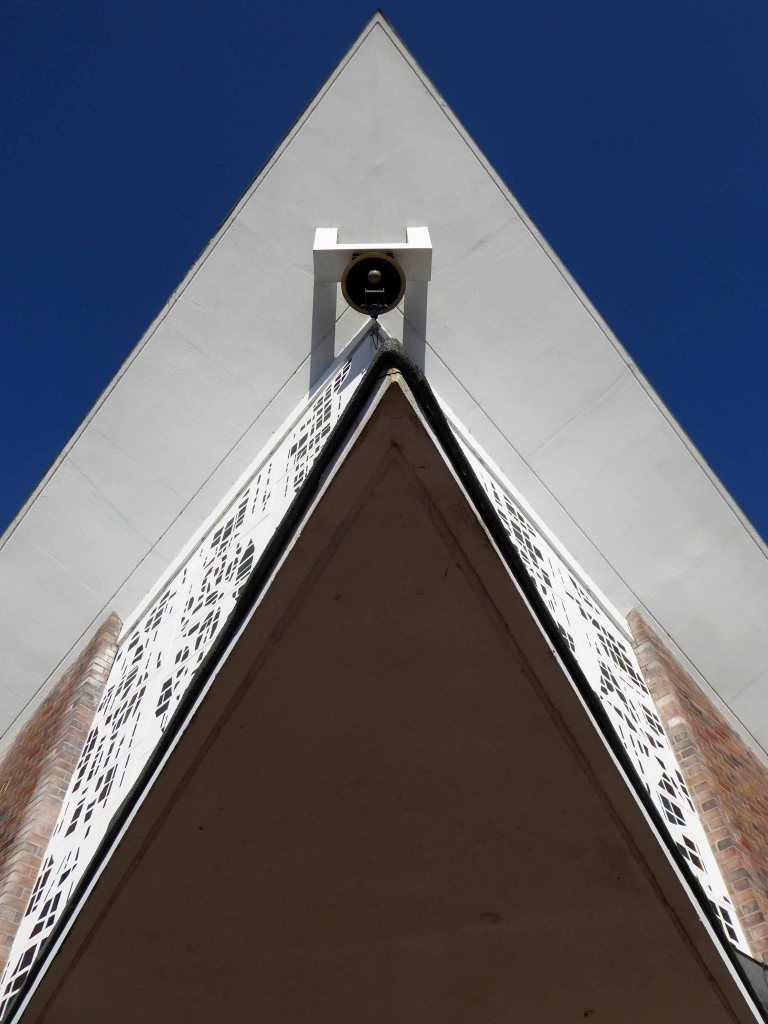
The proposed modernistic architecture of the building, caused some qualms among members of Stockport’s Planning and Development Committee, which was still discussing the plans early in 1962, but in the end it was built much as the architect had intended.
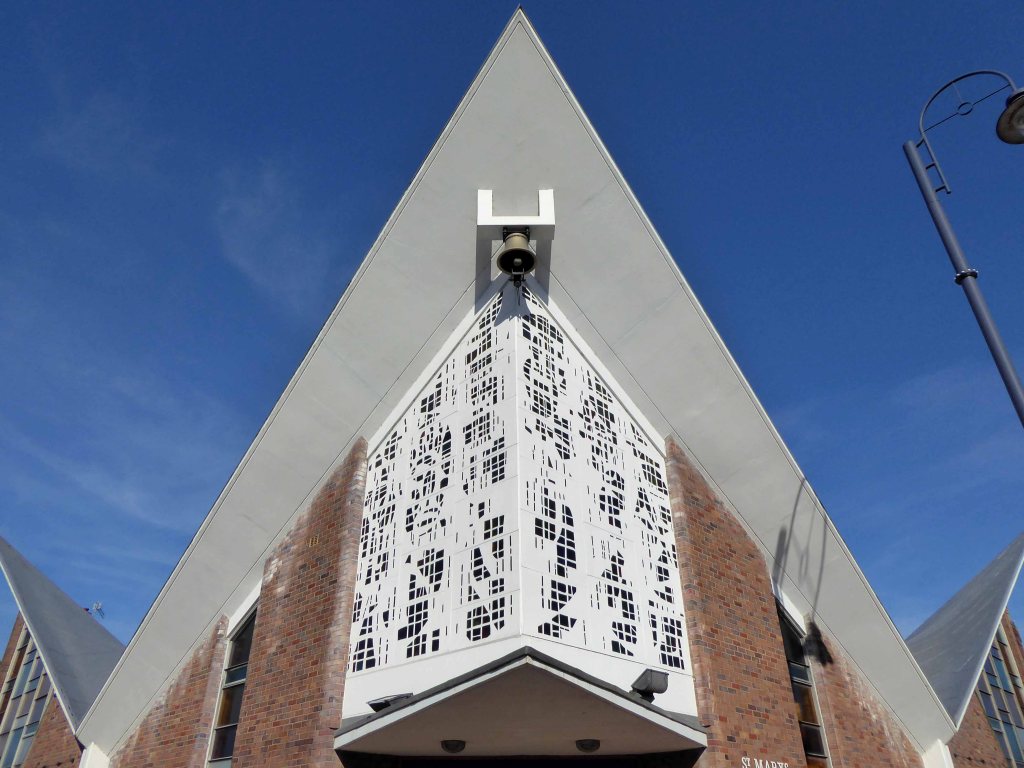
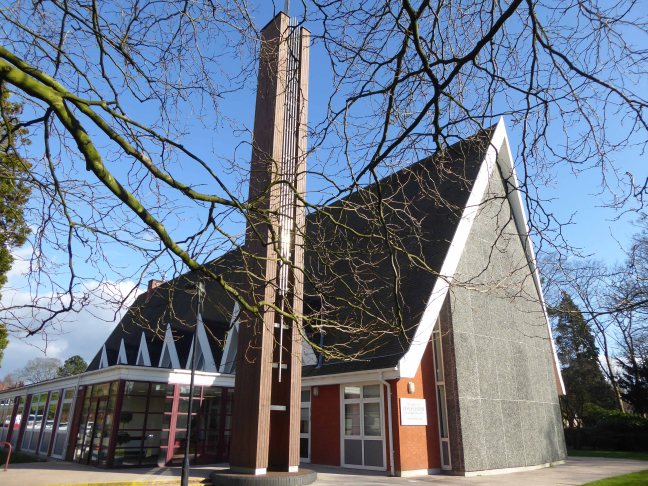
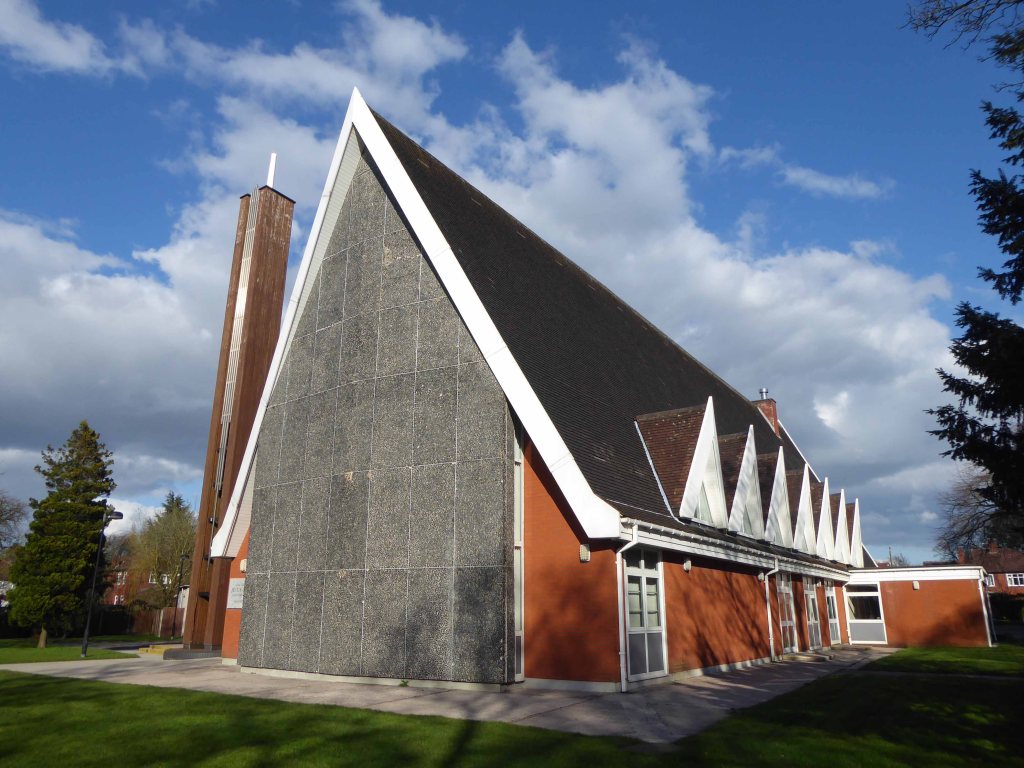
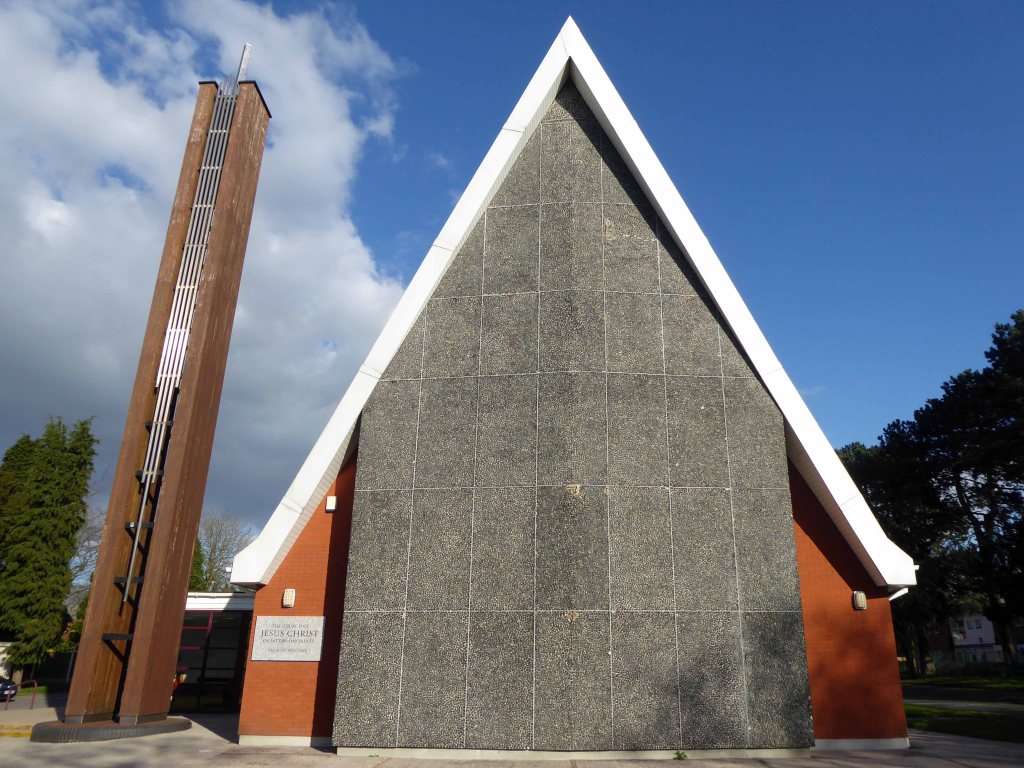
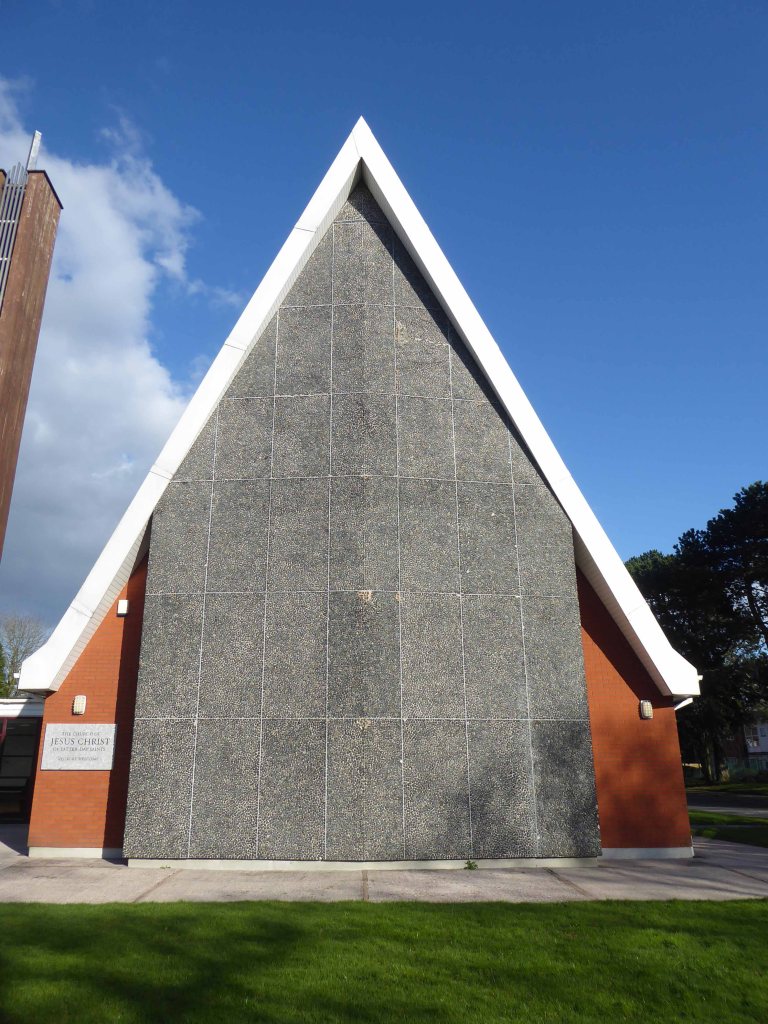
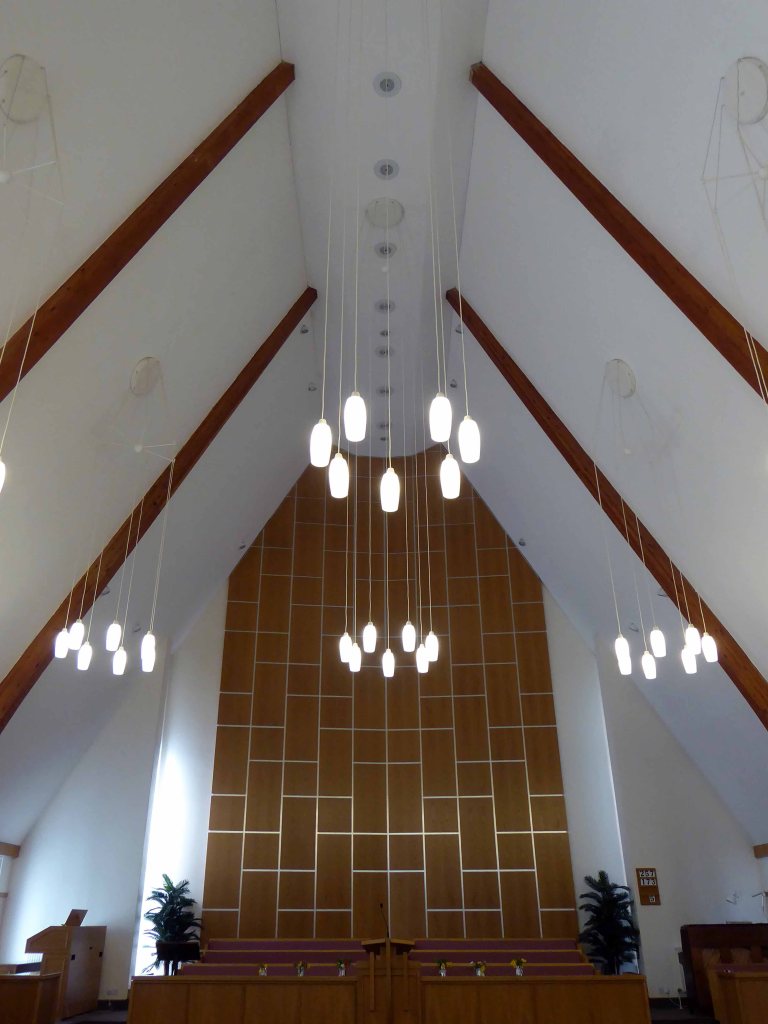
A 70ft. spire on Bramhall-lane Davenport, will be a new landmark in Stockport next year when the no-labour-cost £41,000 chapel of the Mormons – The Church of Latter-Day Saints, from America – is expected to be complete. The Stockport branch of 150 members will fund over £8000 of the cost and will provide food, shelter and pocket money for volunteer builders from all over the country.
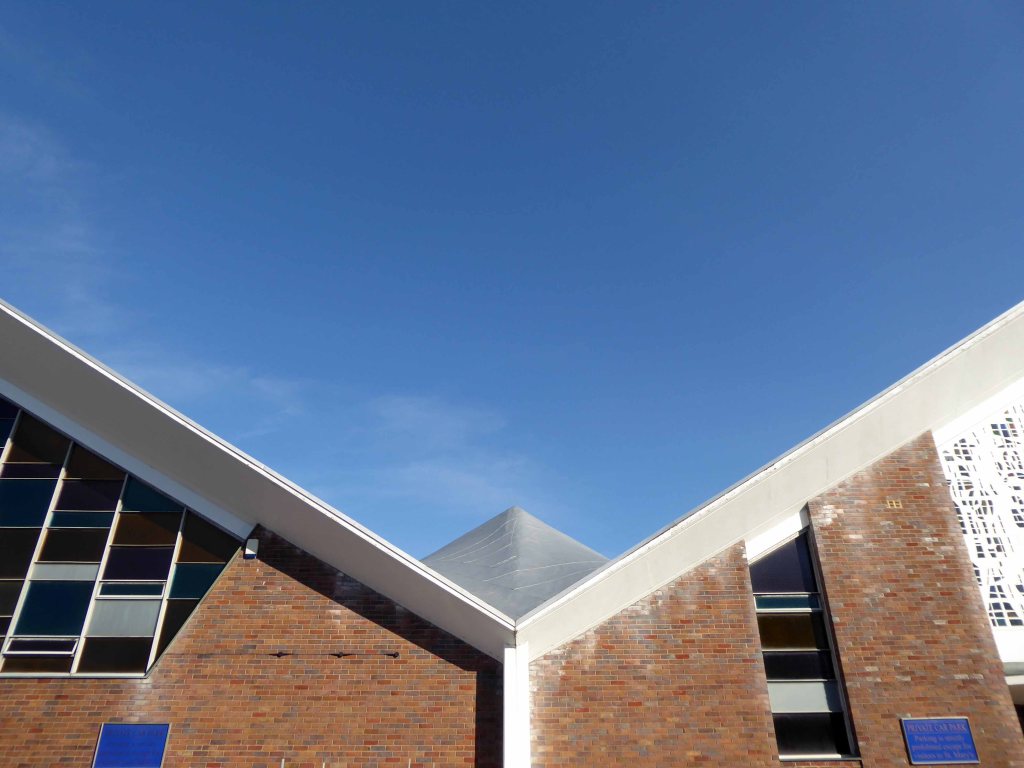
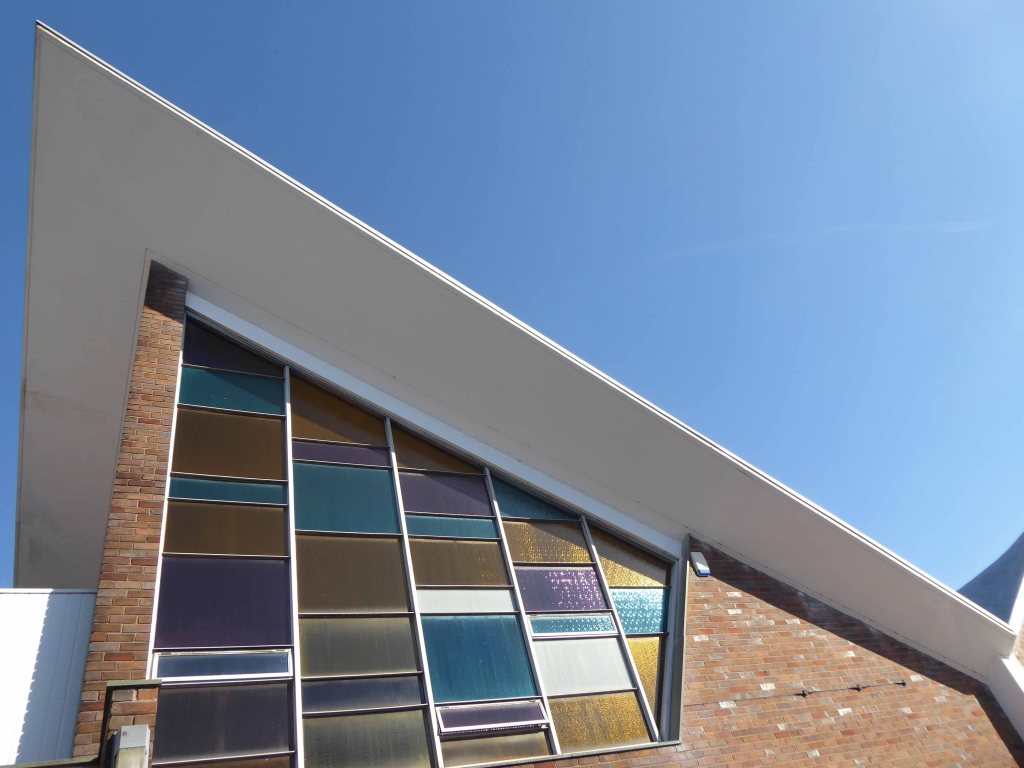
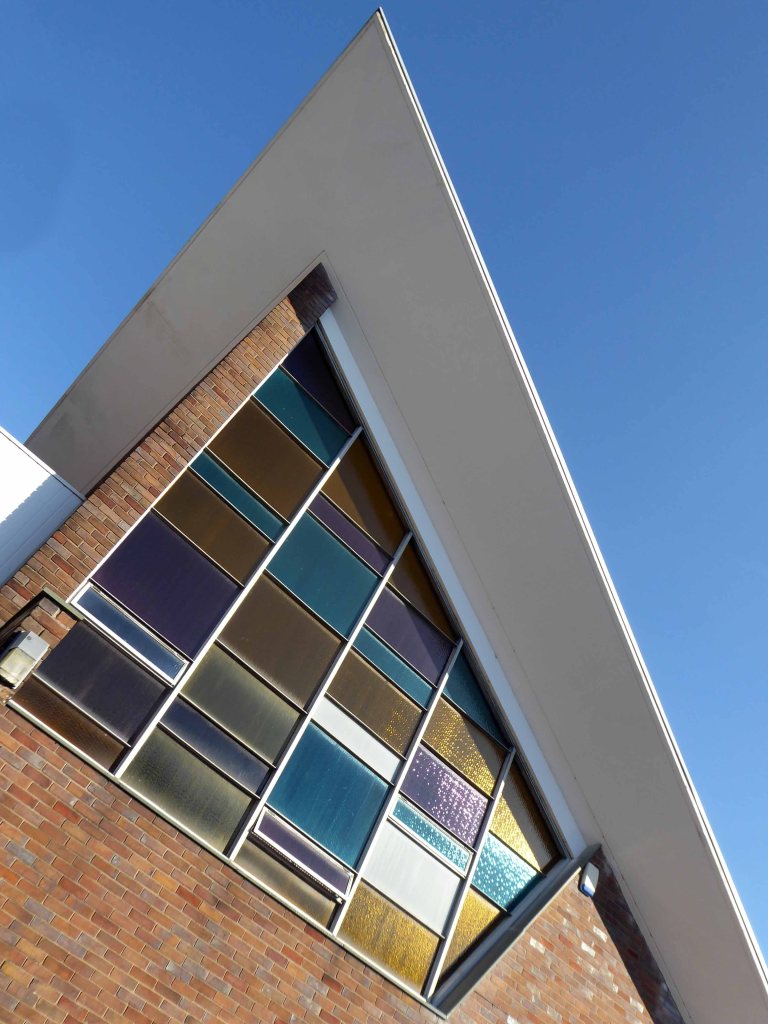
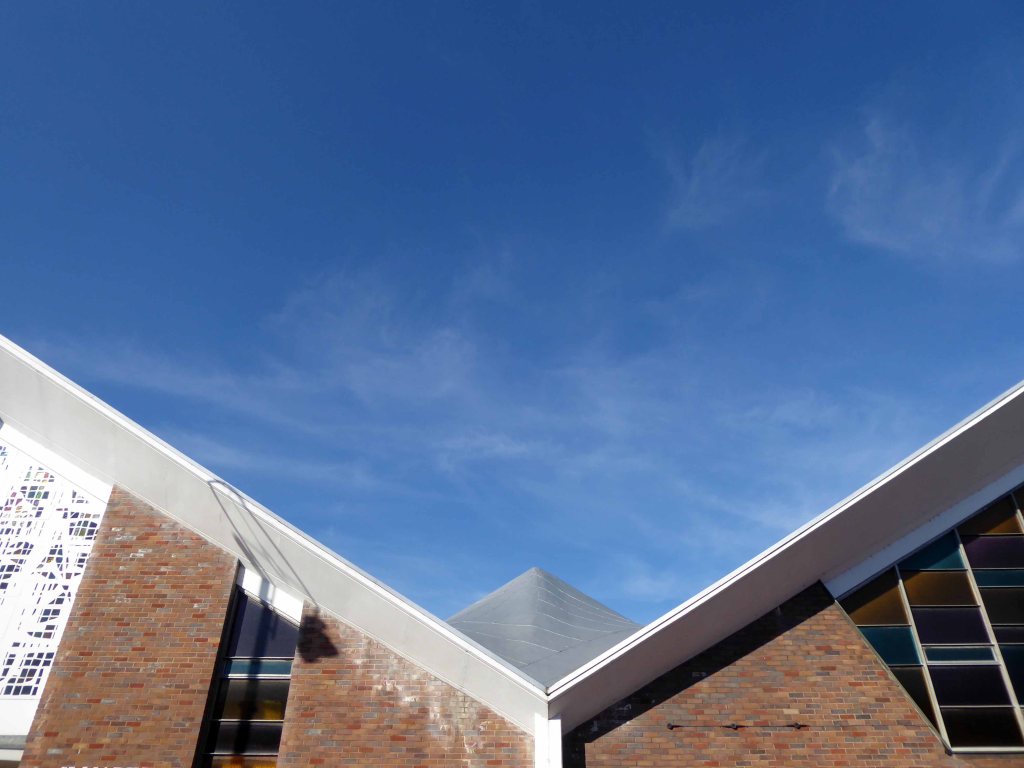
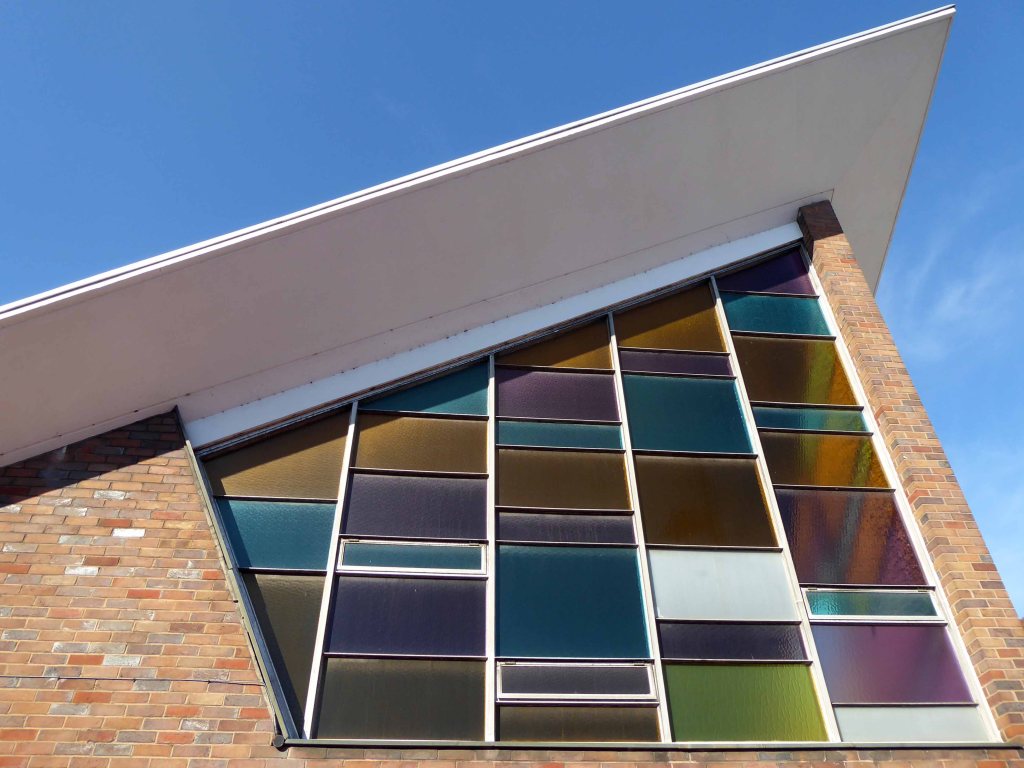
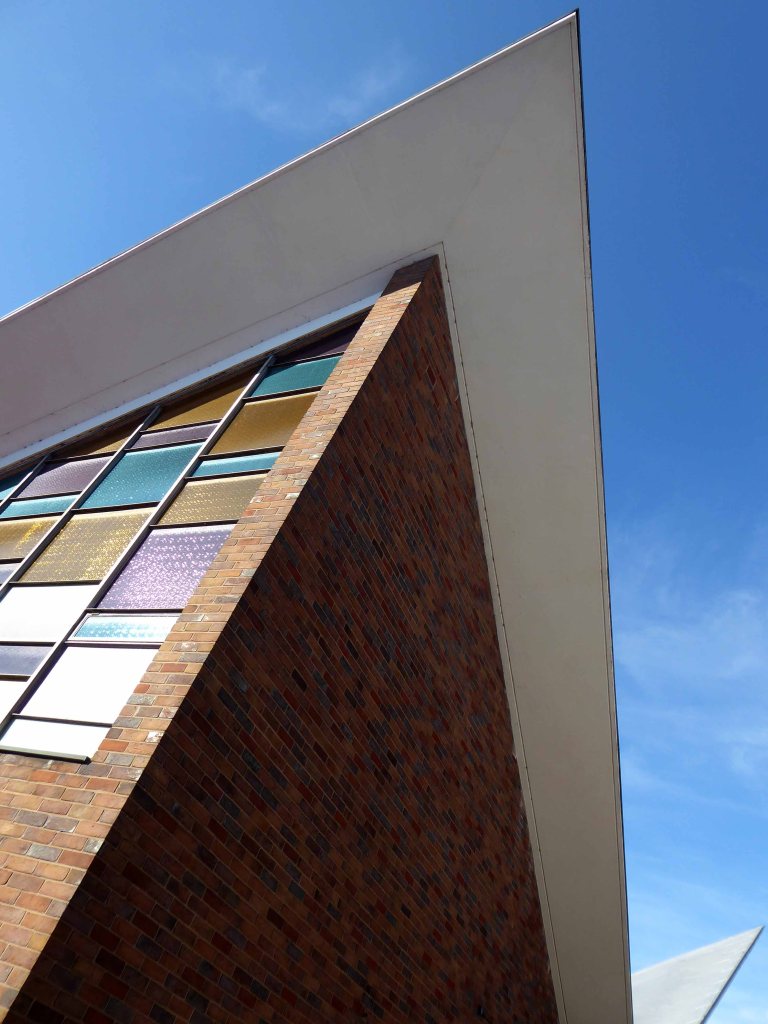
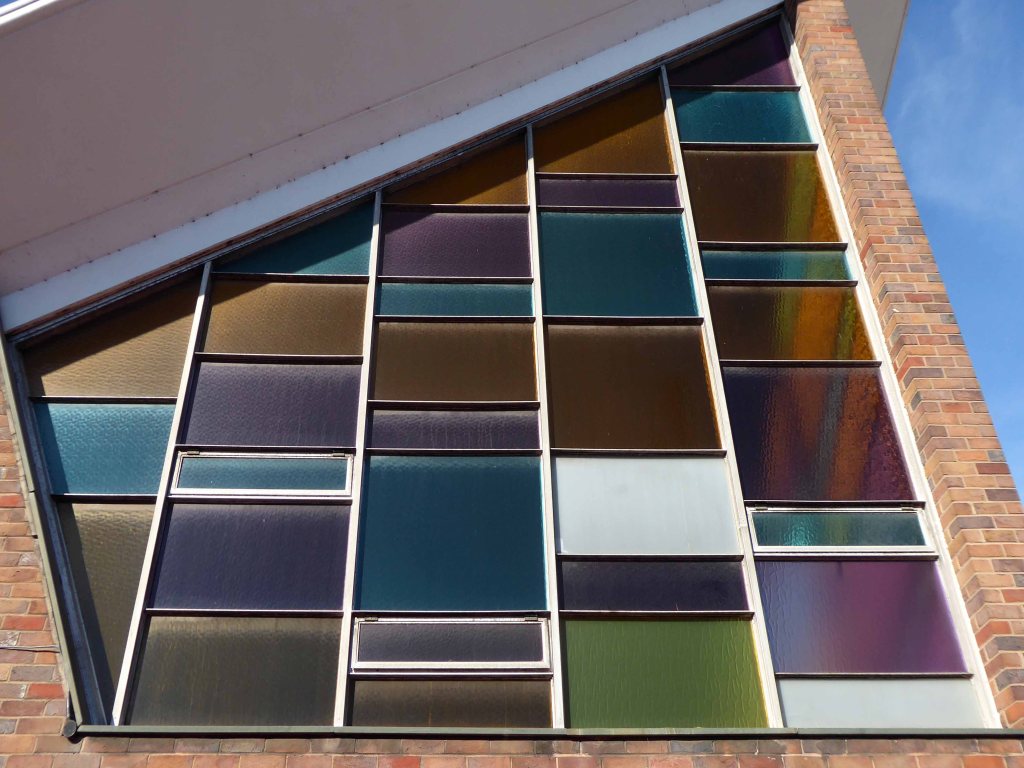
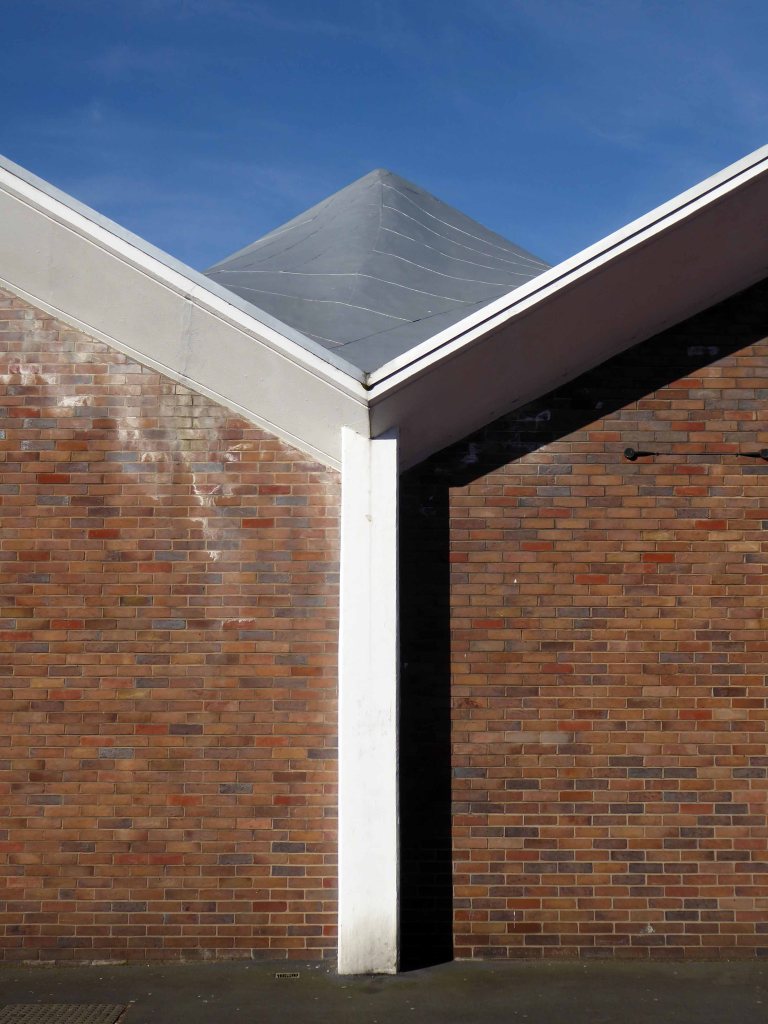
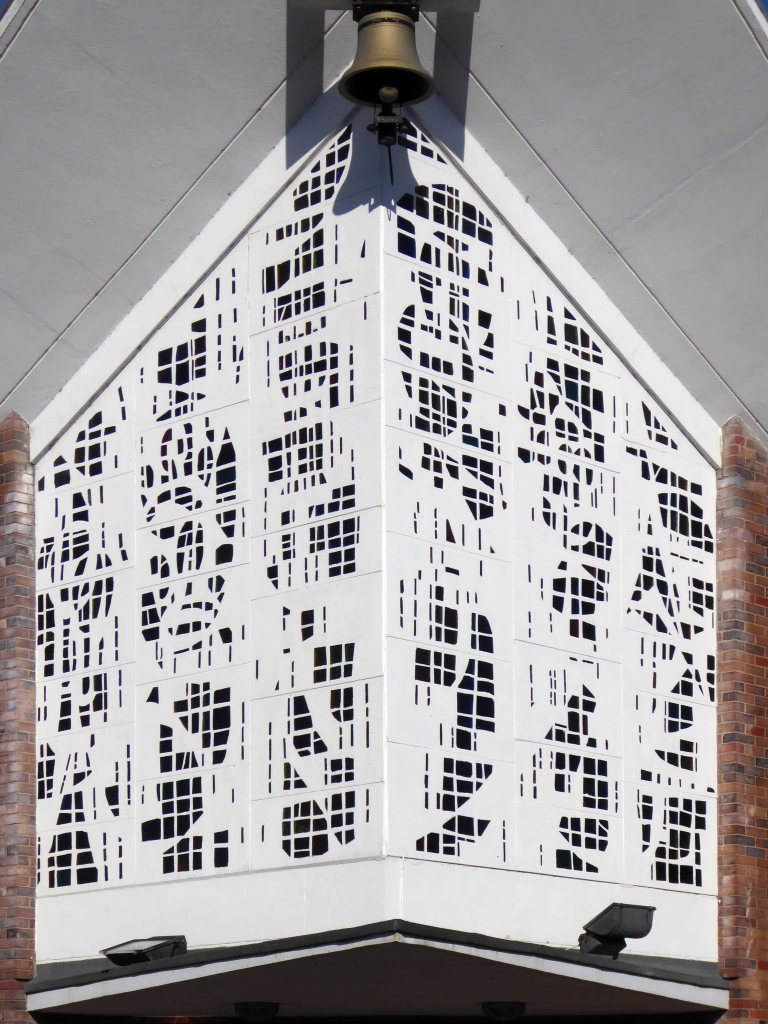
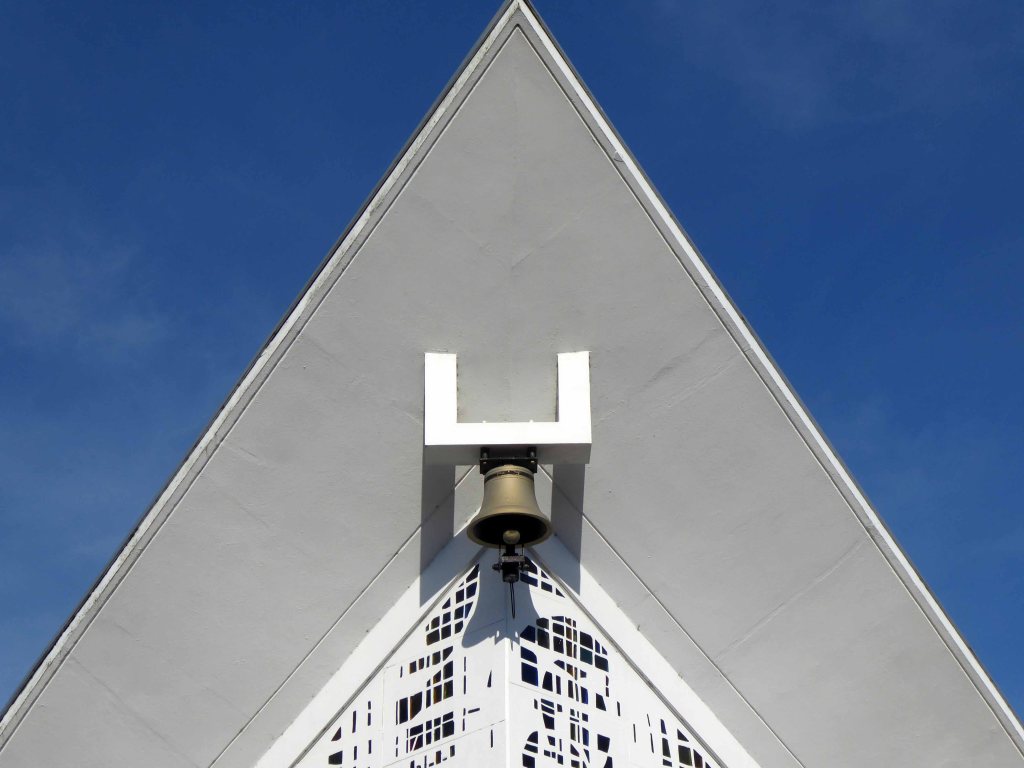
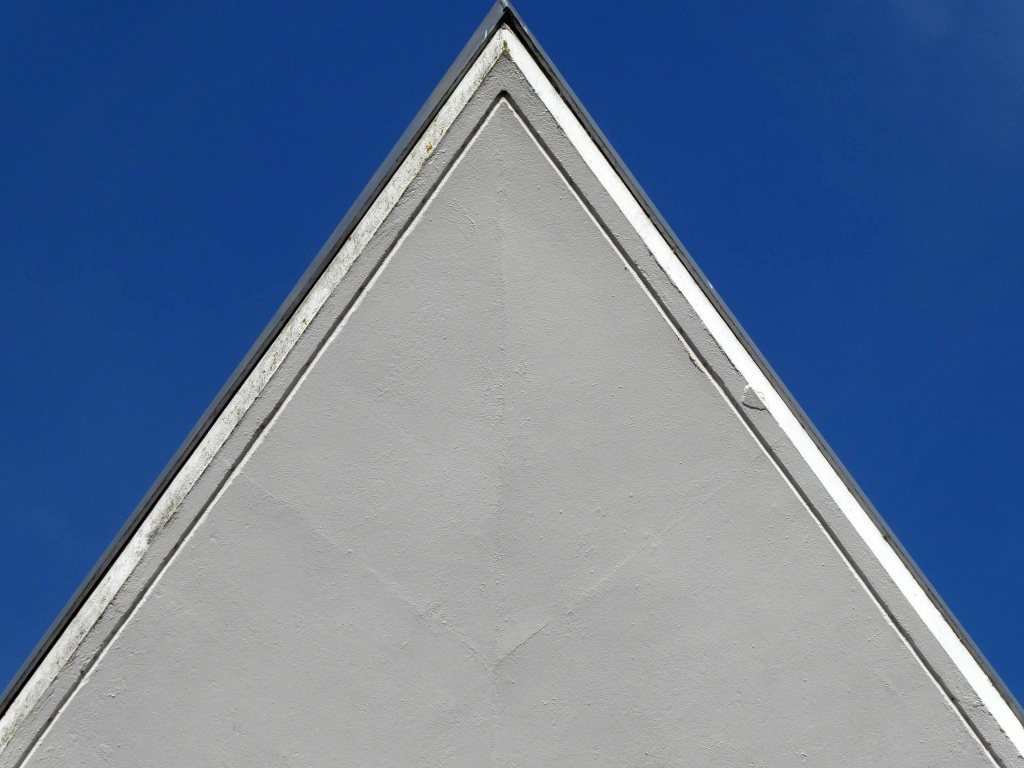
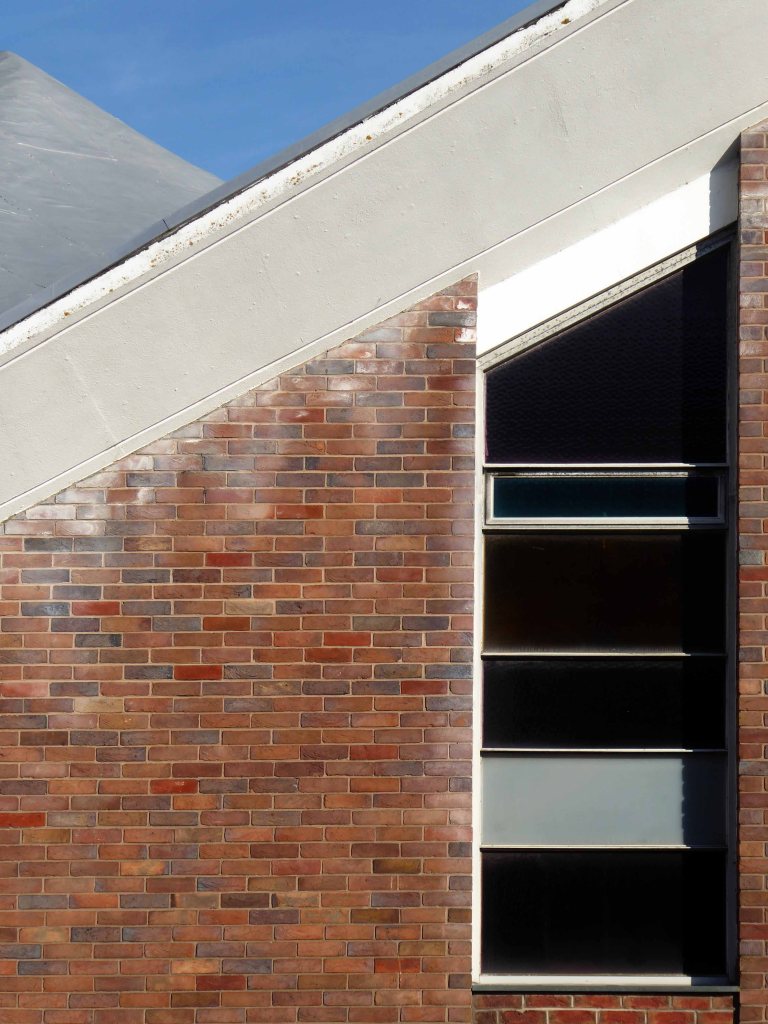
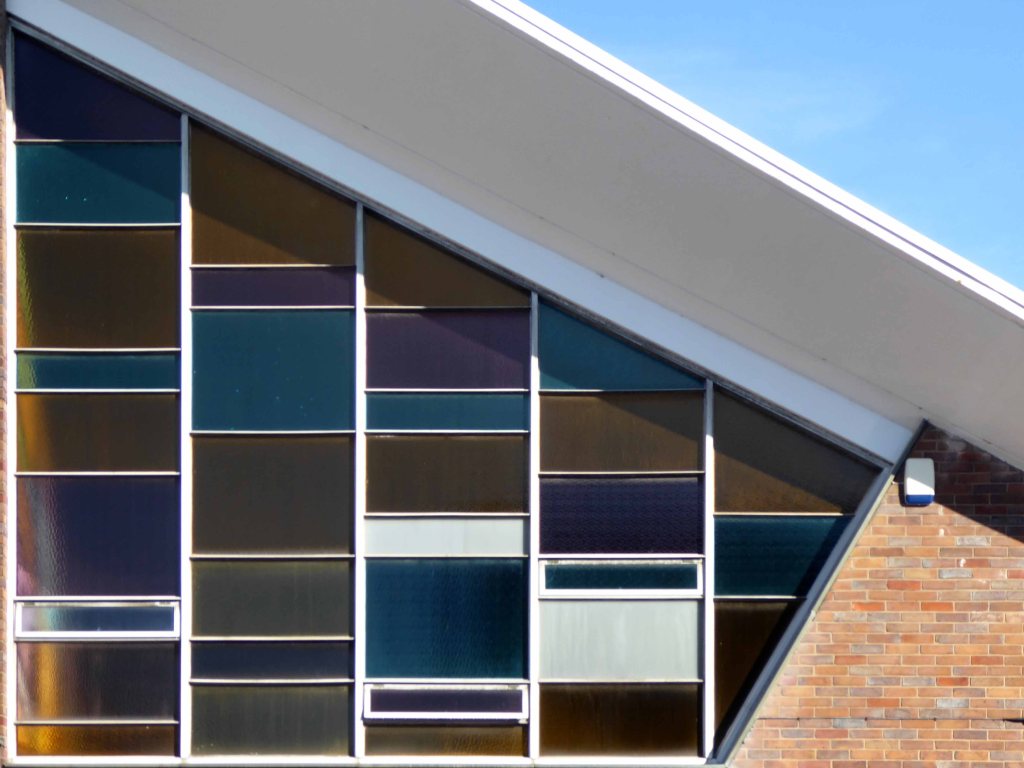
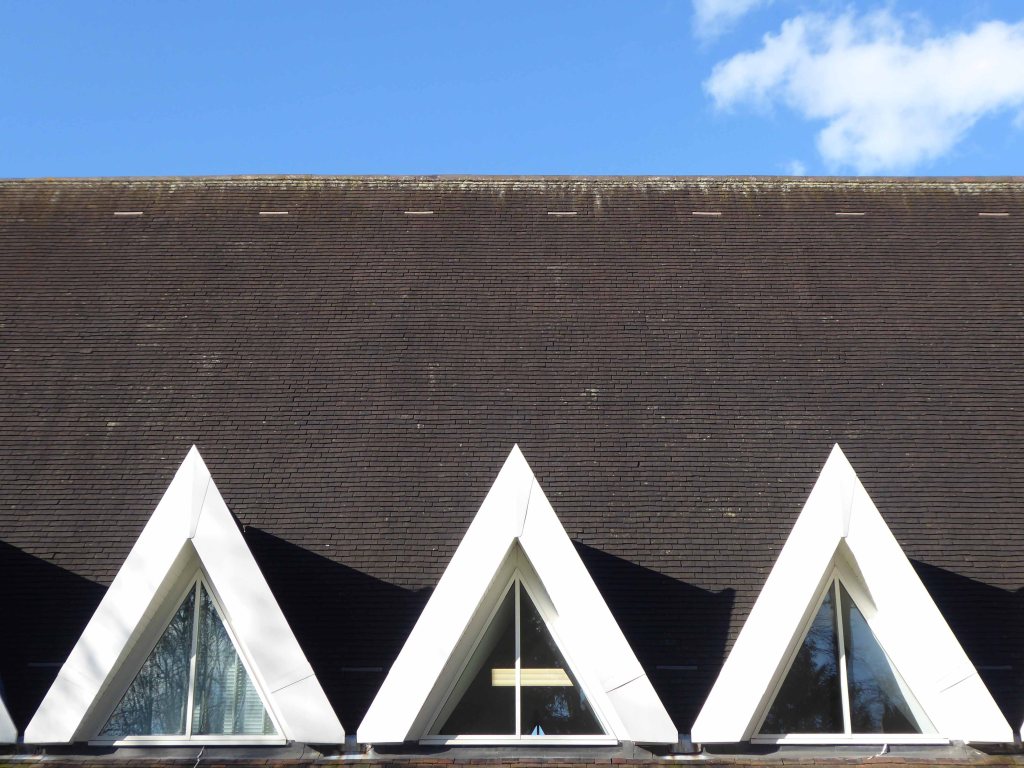
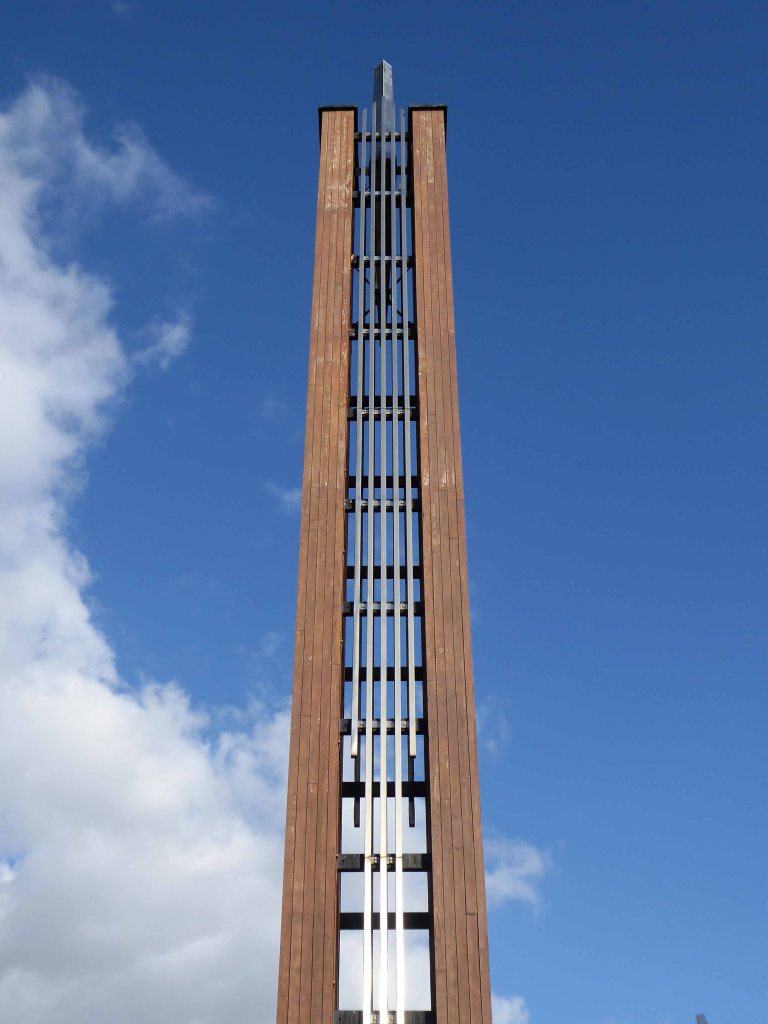
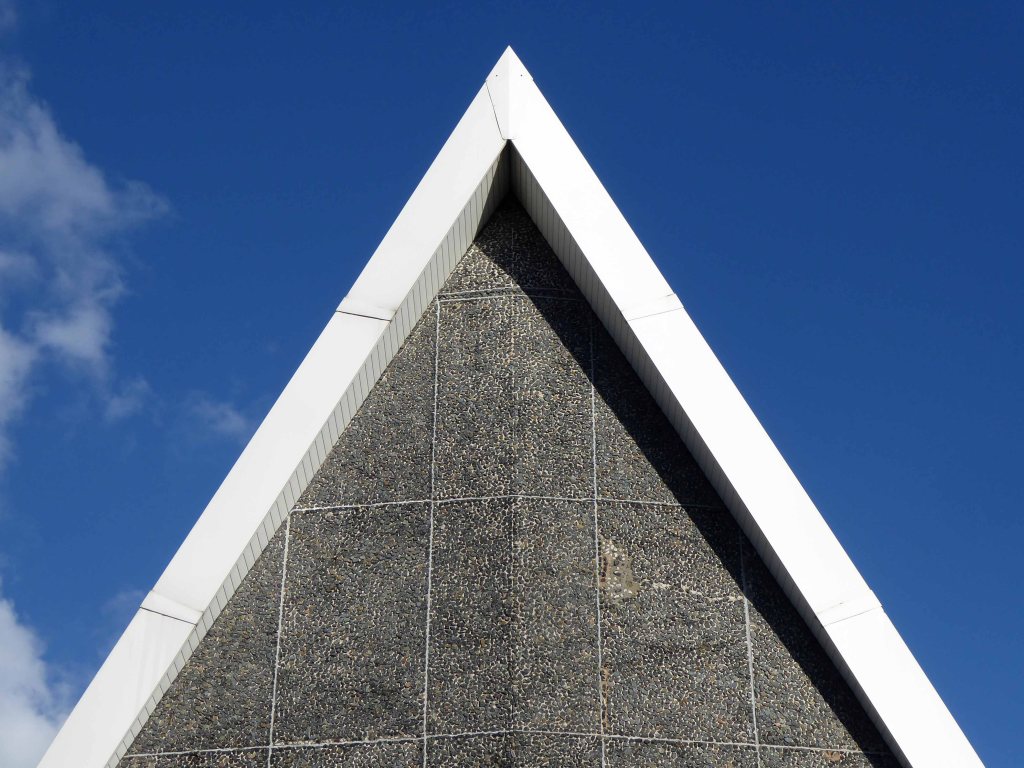
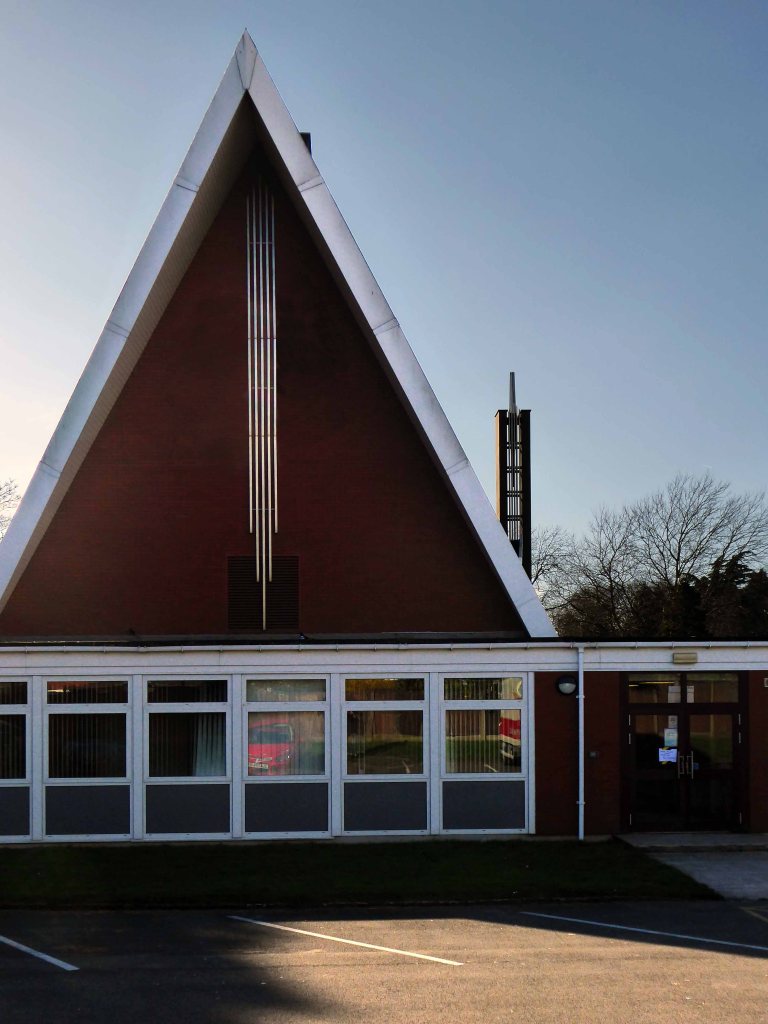
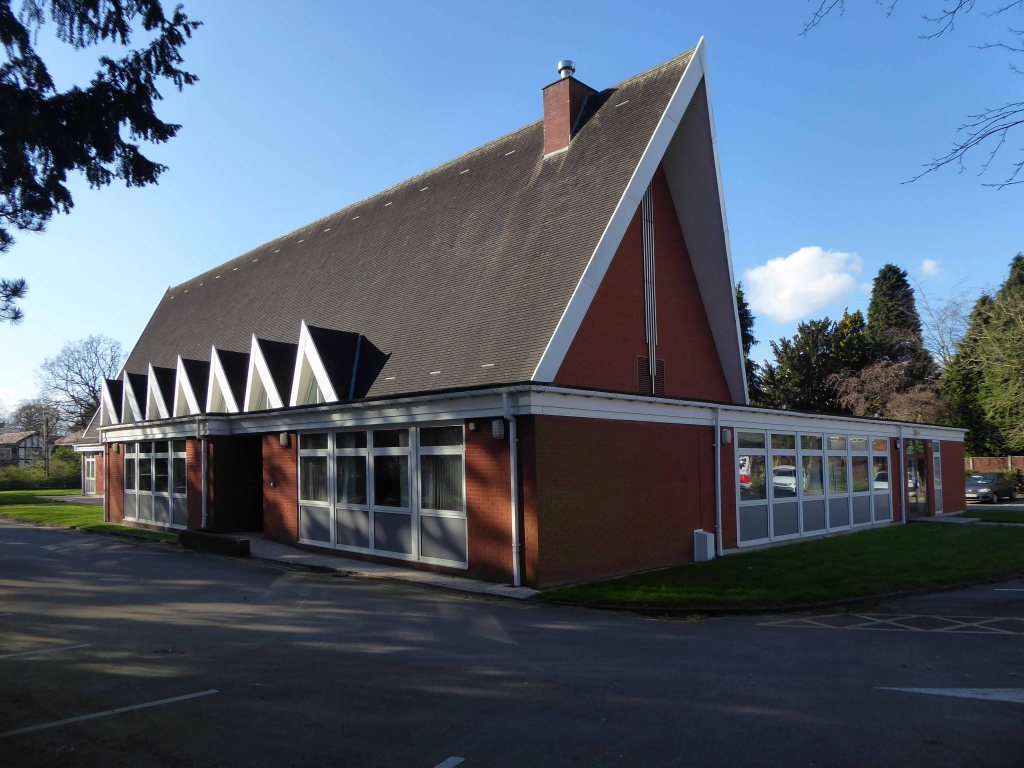
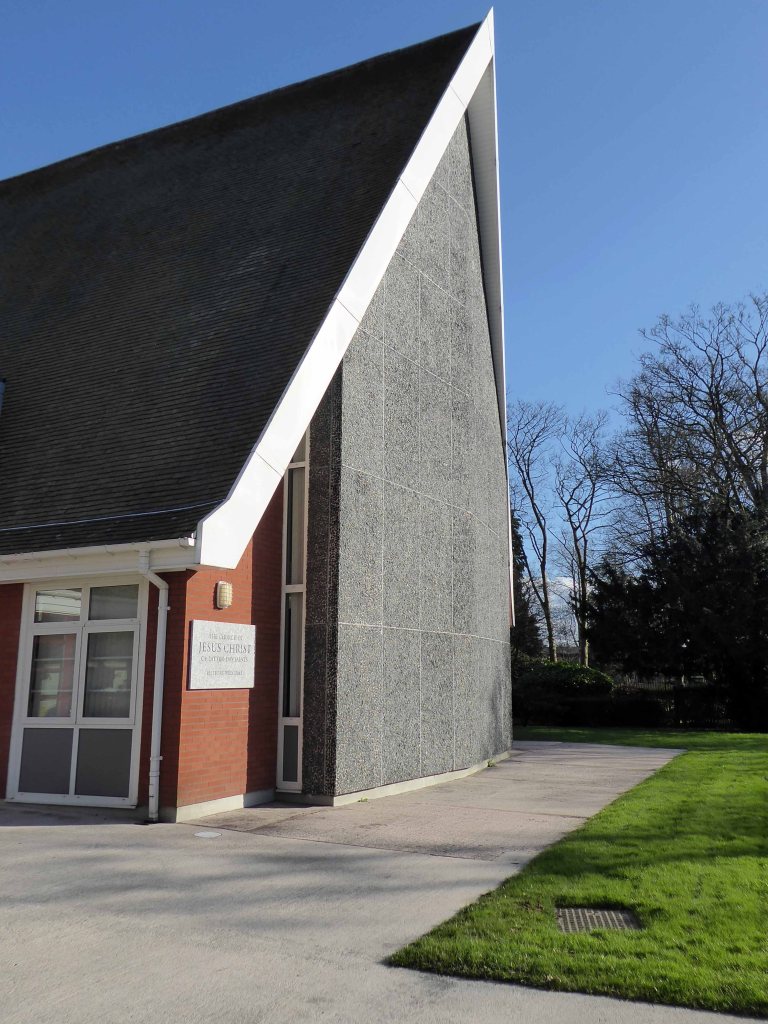
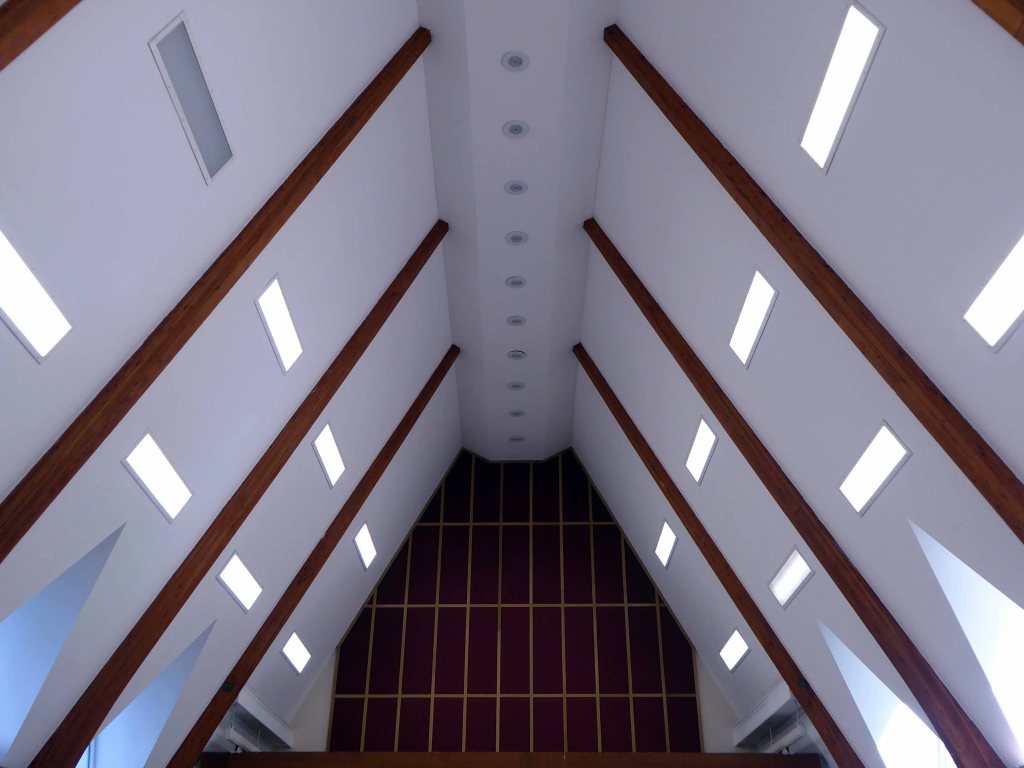
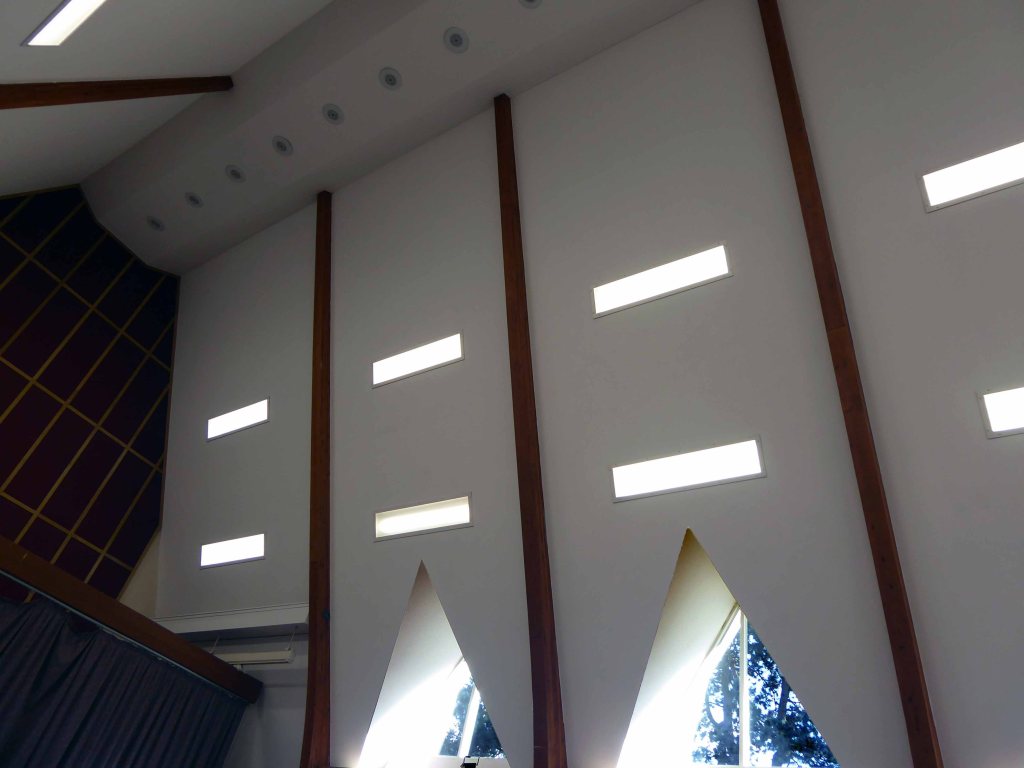
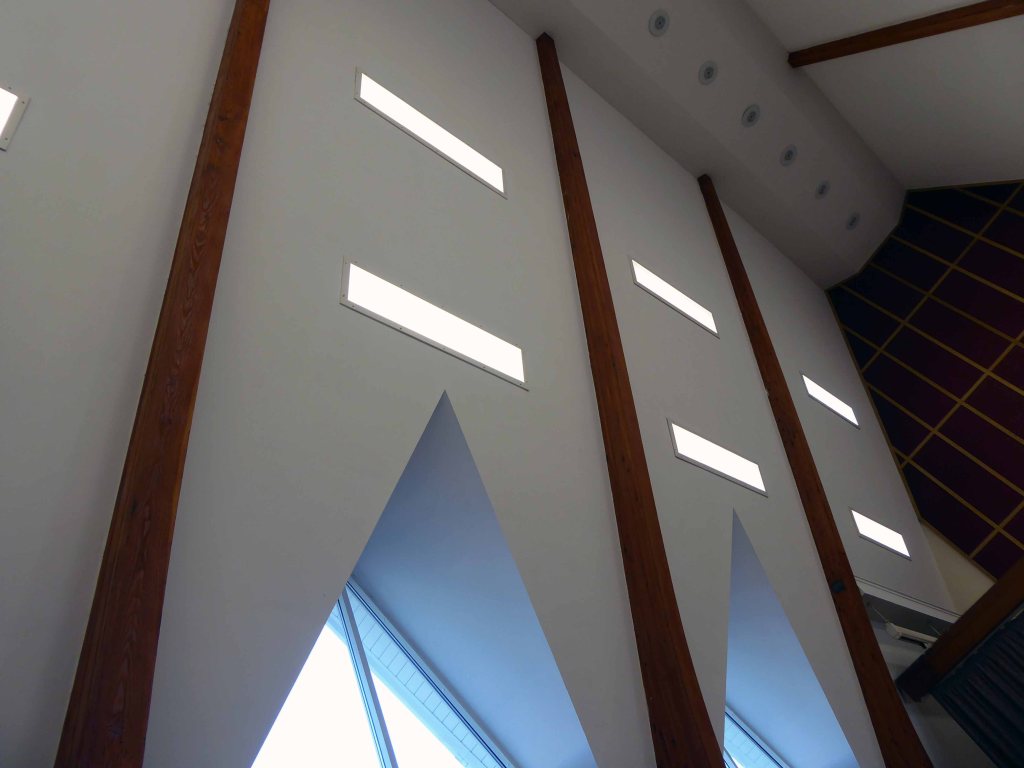
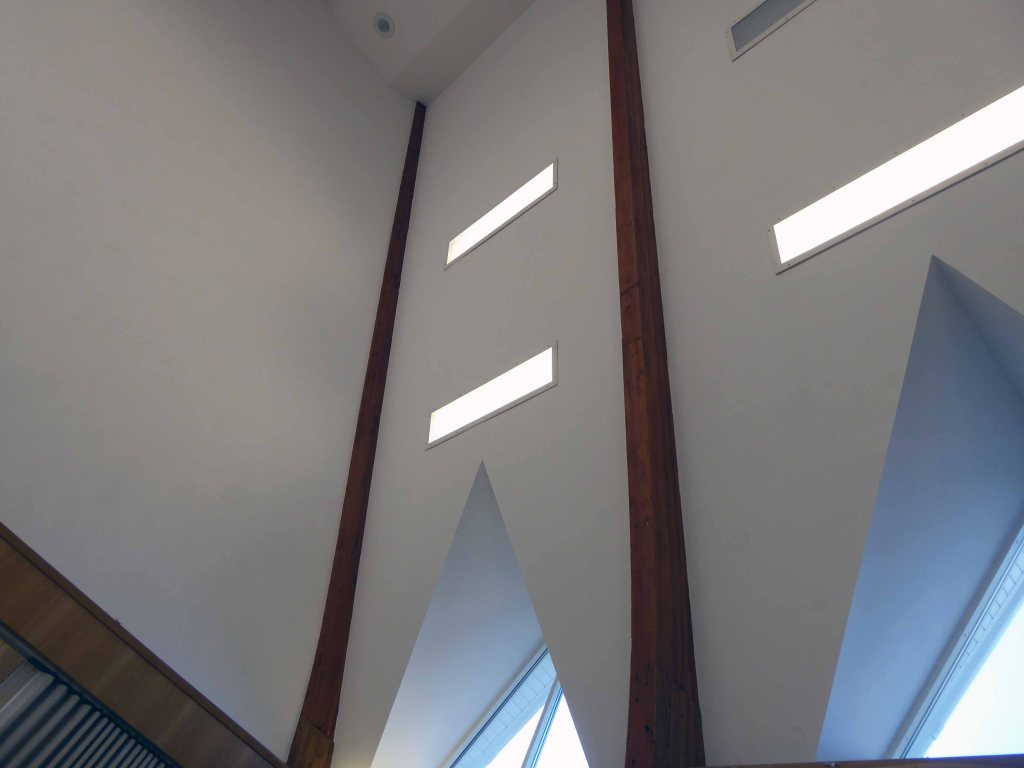
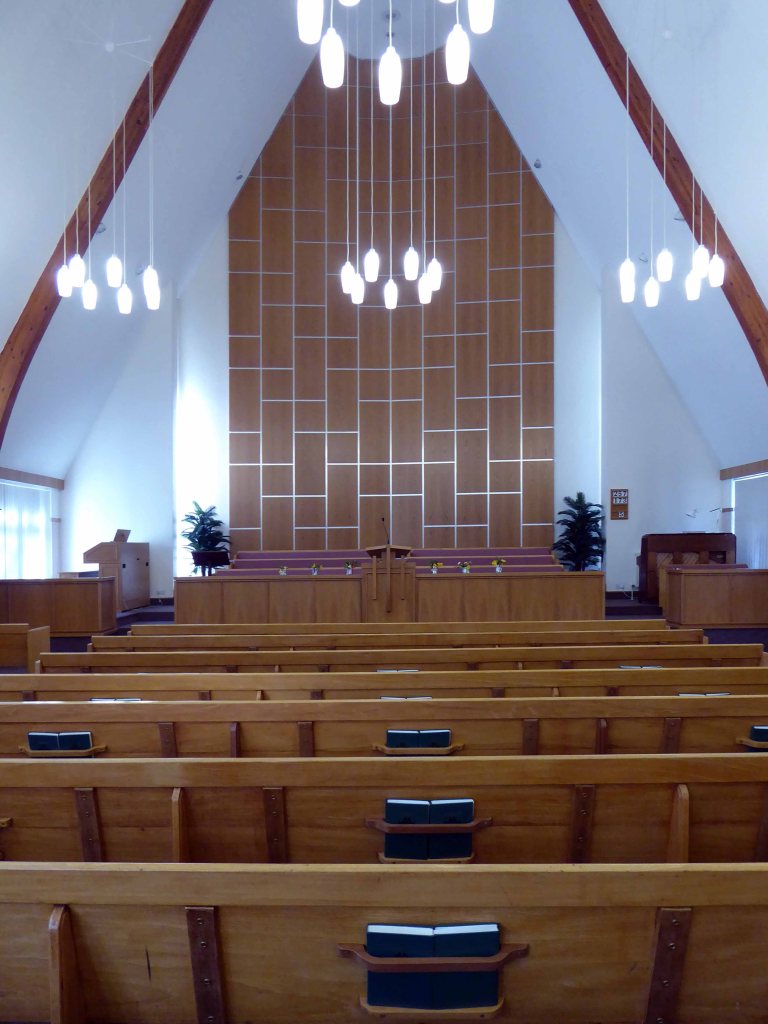
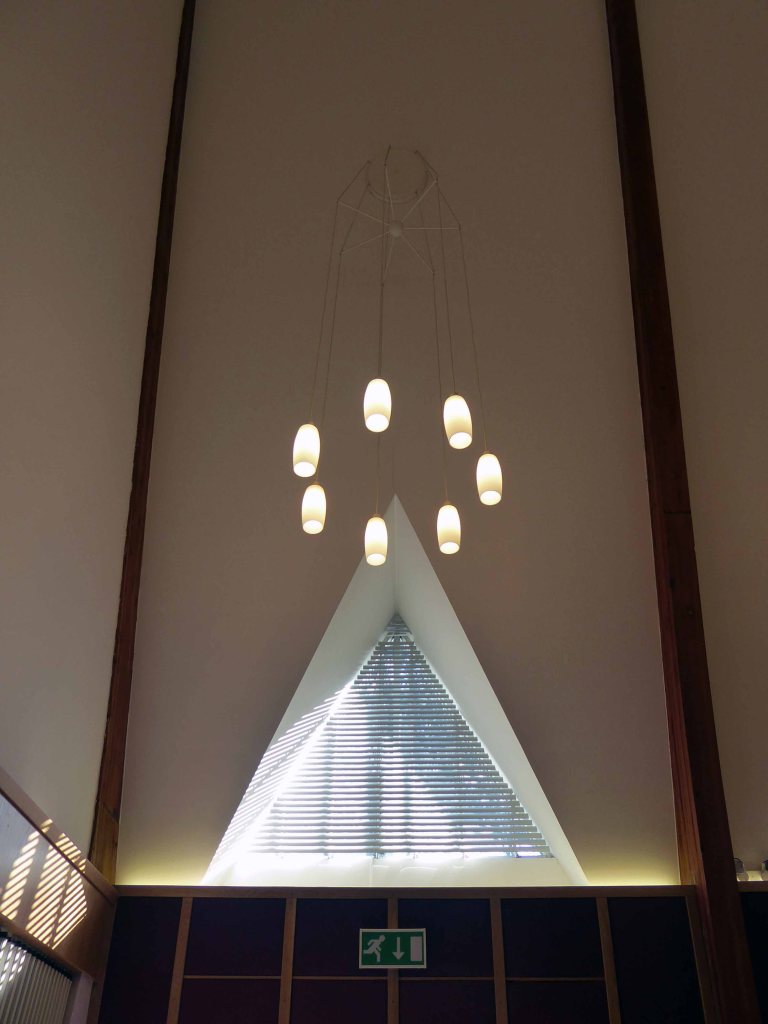
A striking A Line addition to the Stockport skyline – its steeply pitched roof punctuated by prominent triangular bays, and partnered with a prominent remote tower of wood and steel.
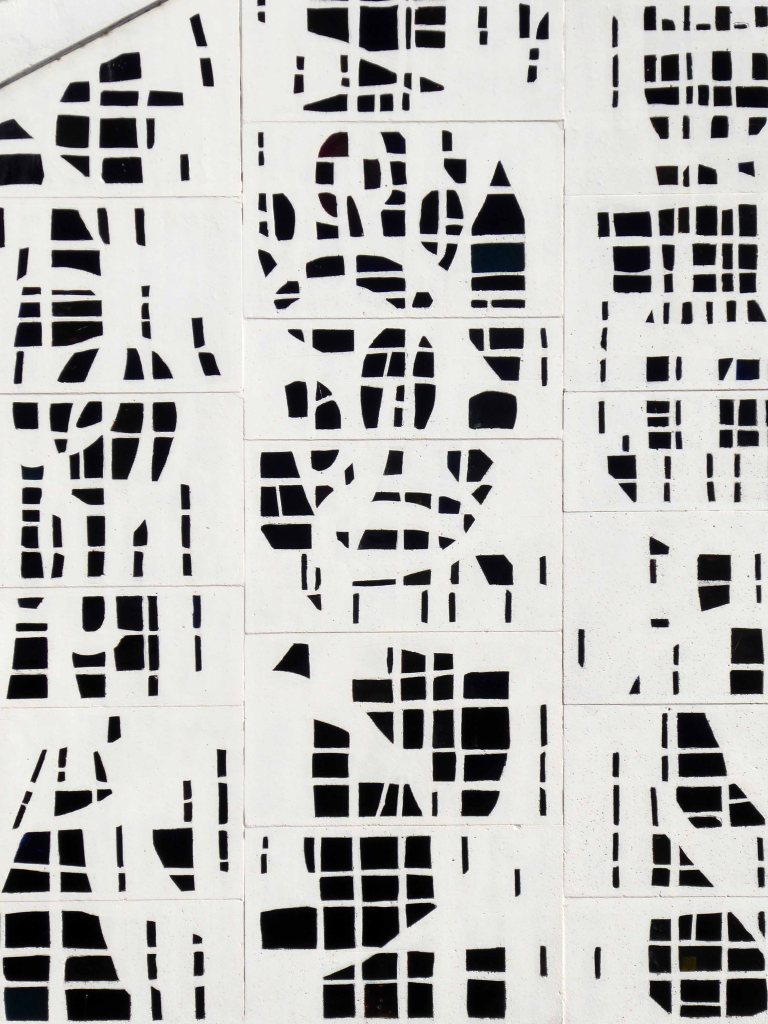
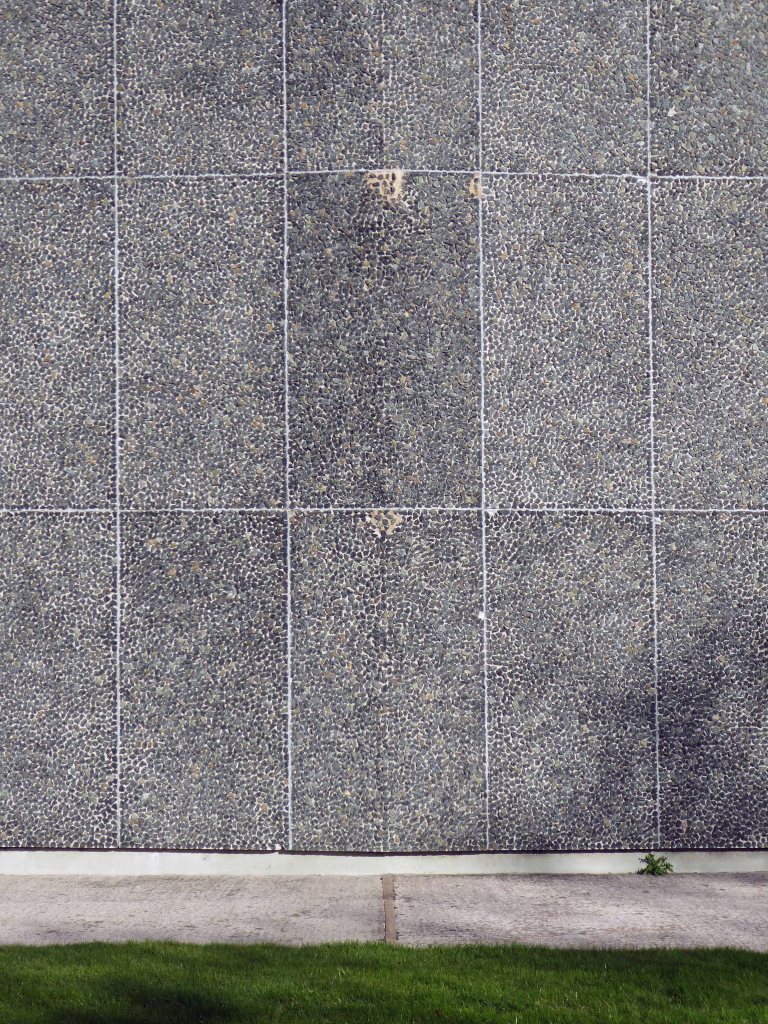
The front elevation is of concrete, constructed with panels of a rough grey aggregate.
Take a walk around, there have been some additions of single storey ante rooms.
This remains a simple, confident and assured building.
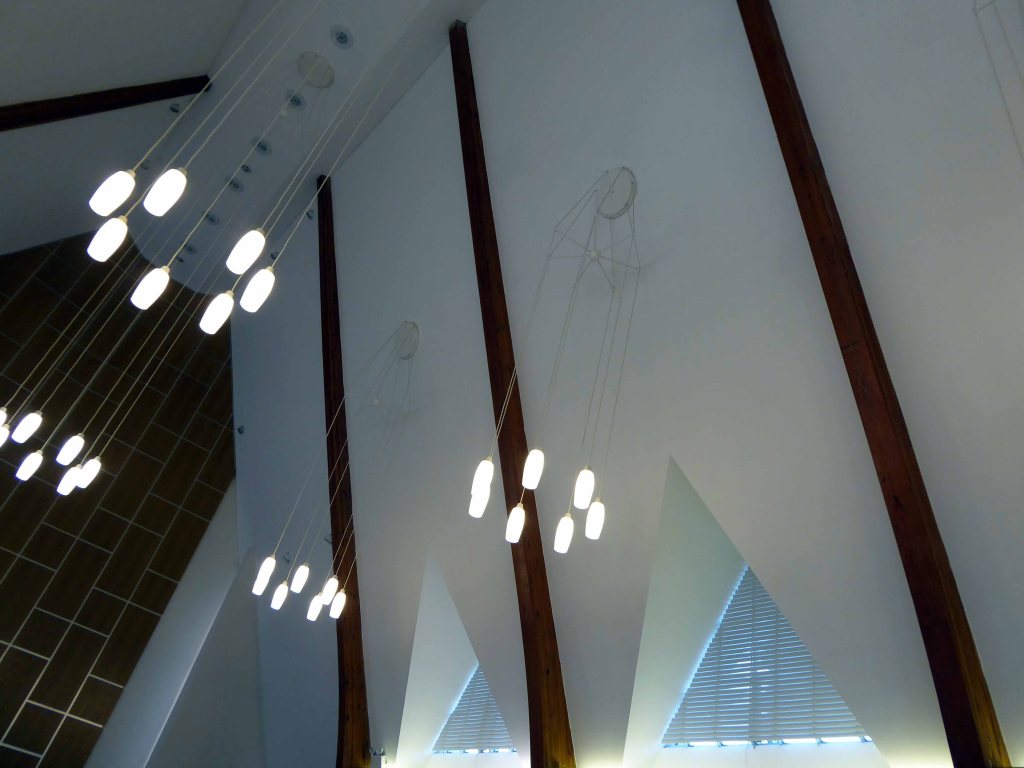
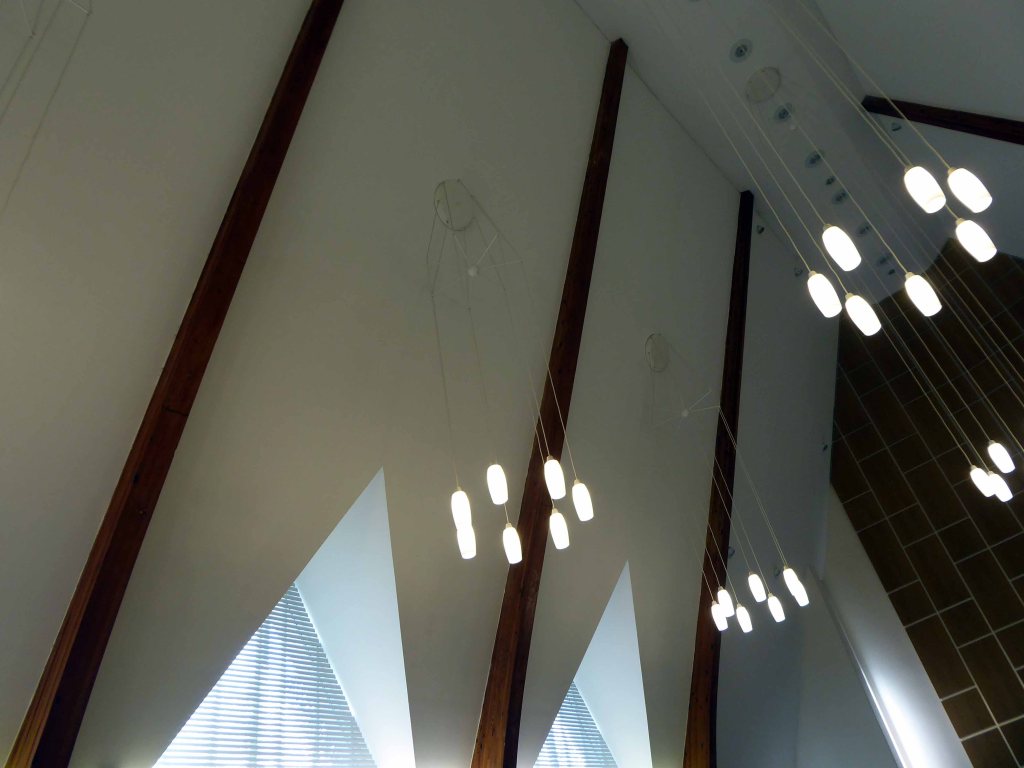
I had gone along today as a blood donor – so granted access to the splendid, elevating well-lit interior.
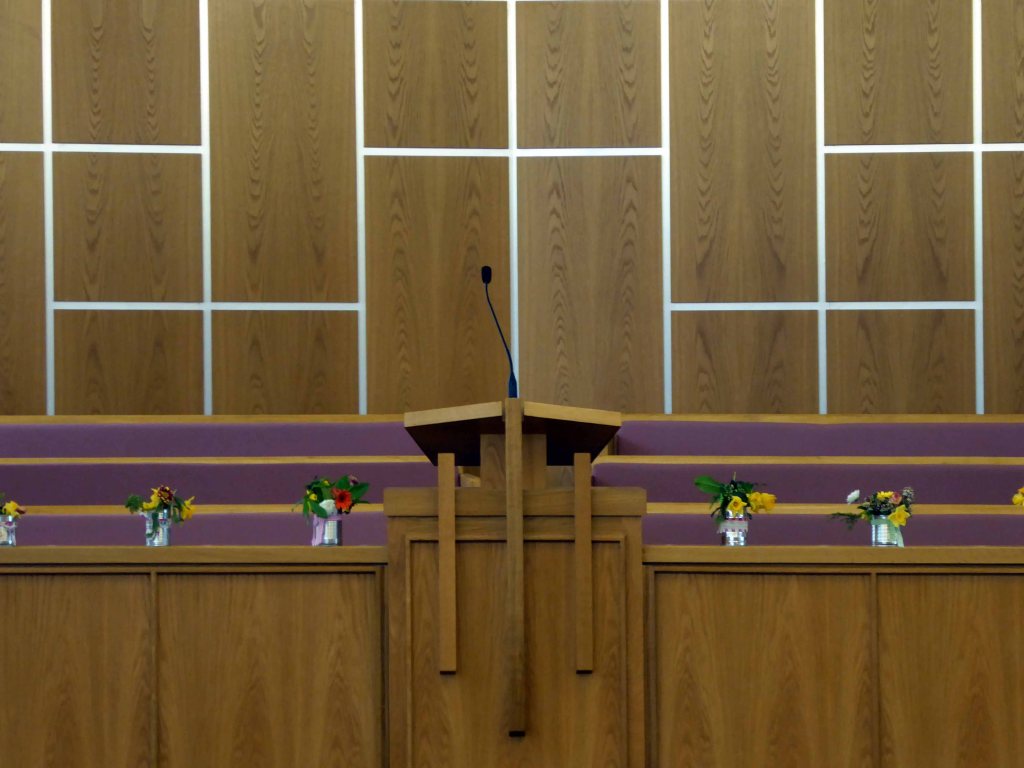
The front portion of the main body is given over to worship, furnished with light wood pews, altar and panelling.
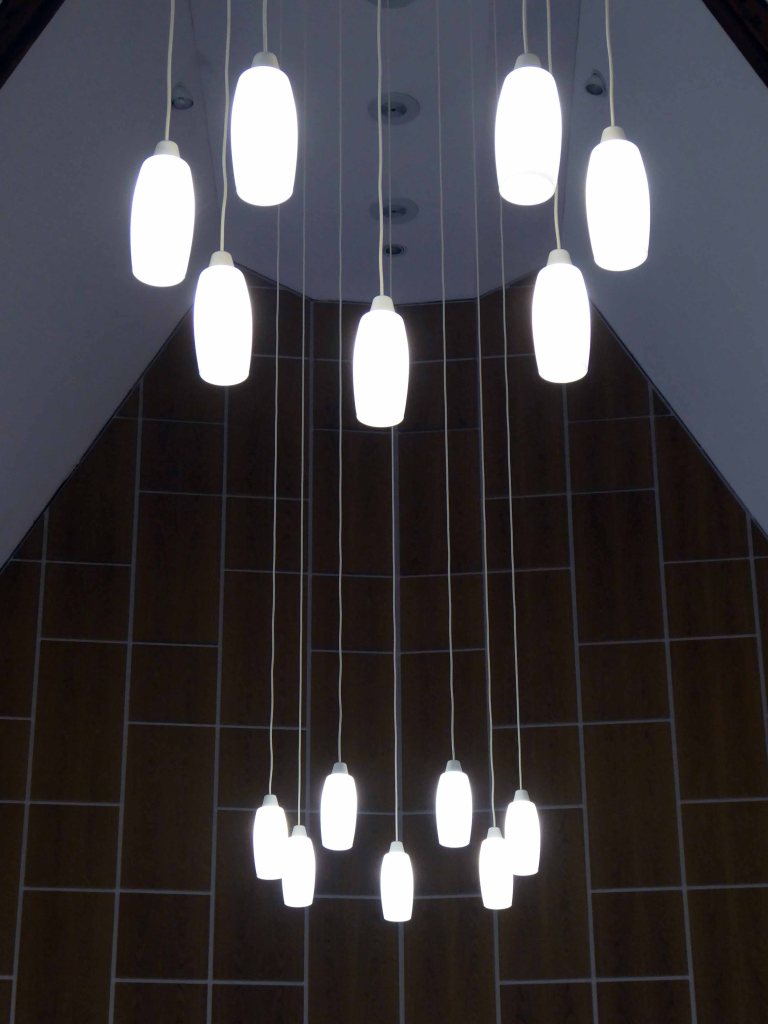
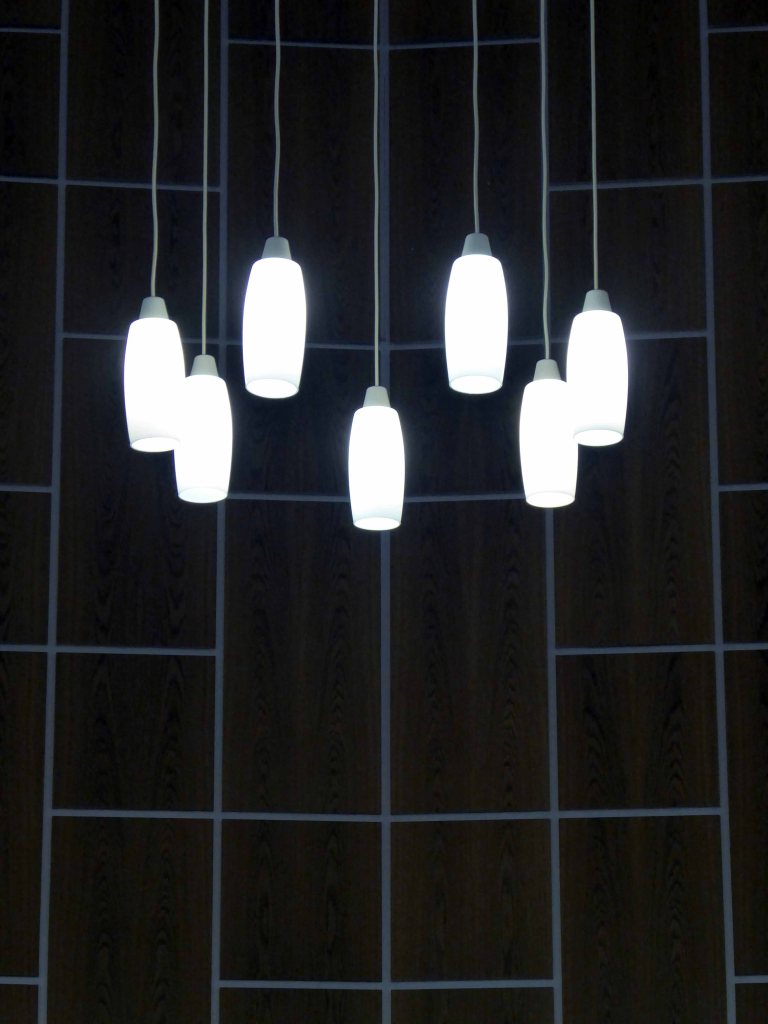
The suspended lighting groups are of particular note.
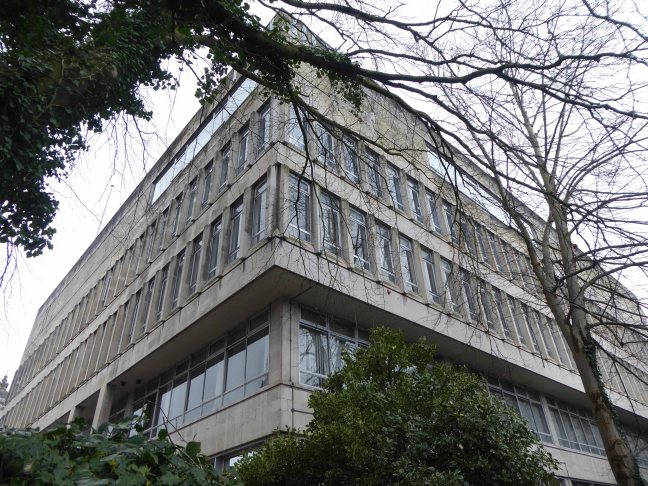
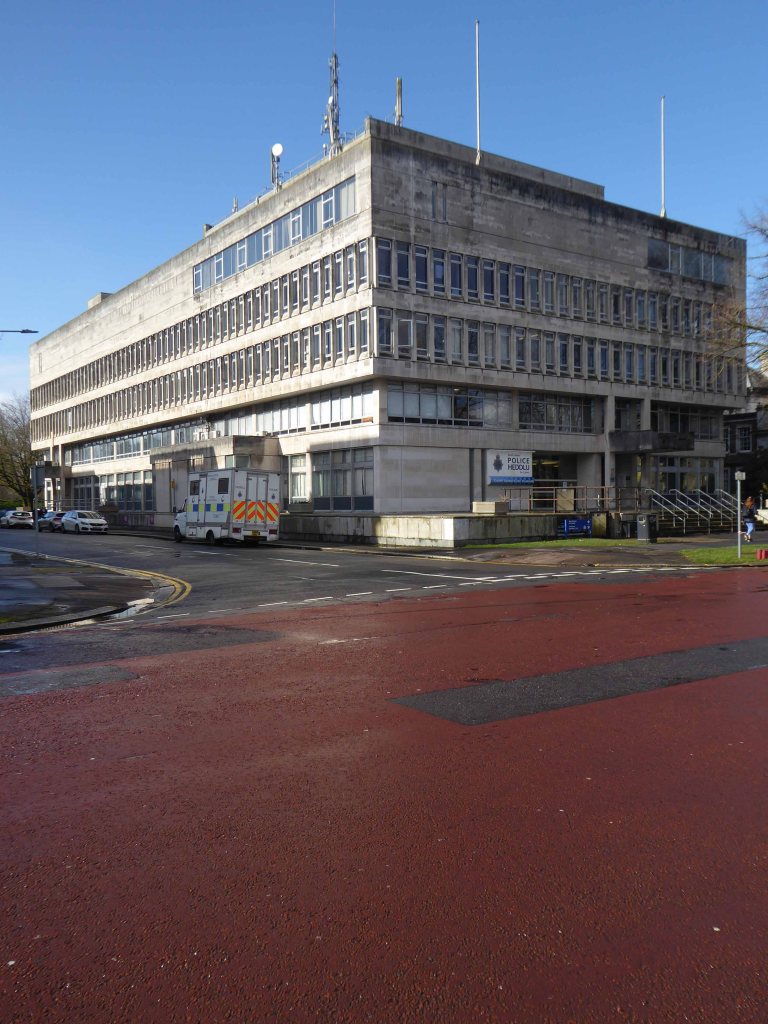
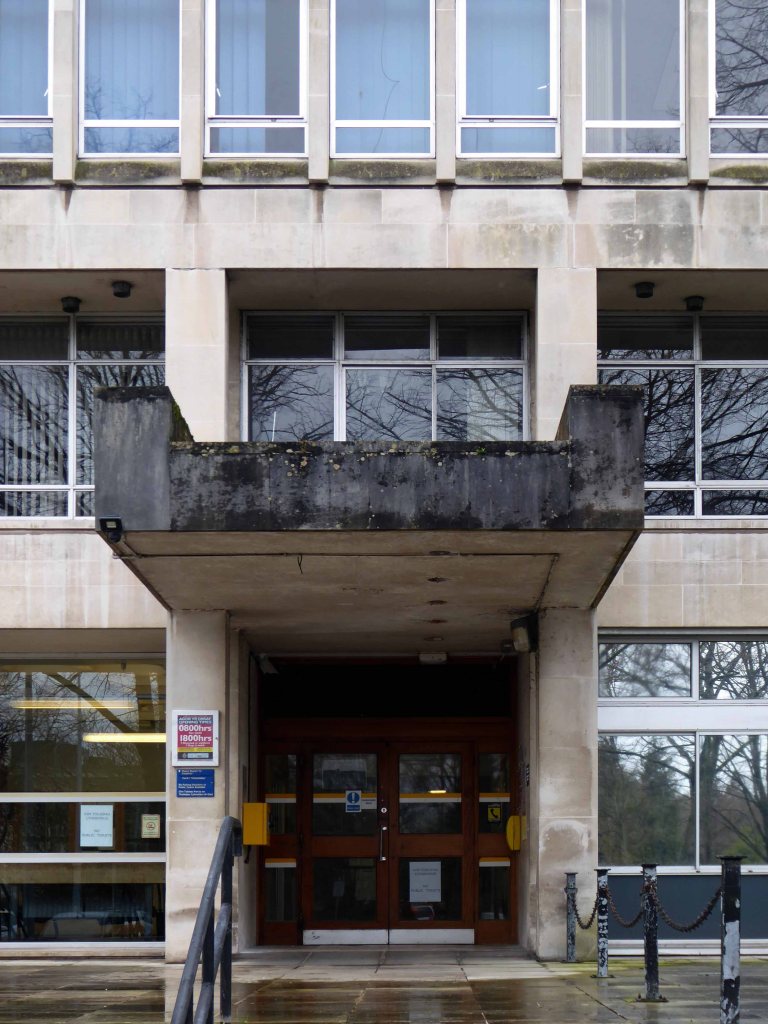
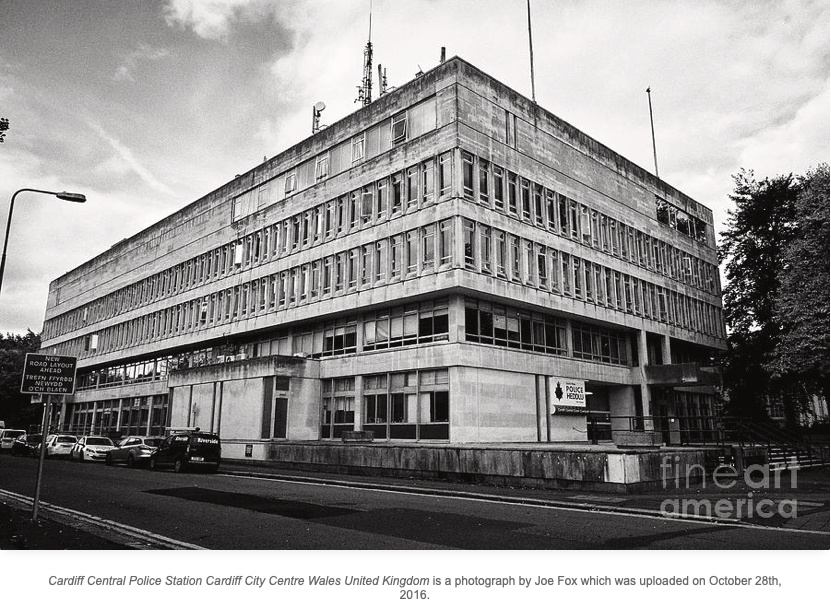
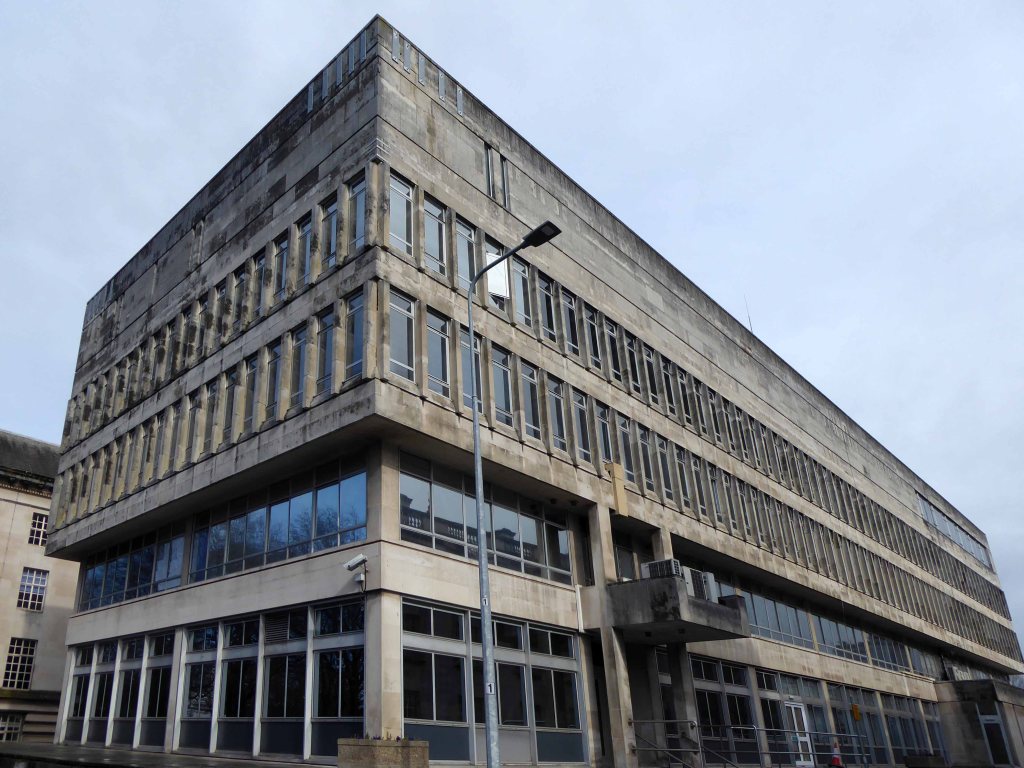
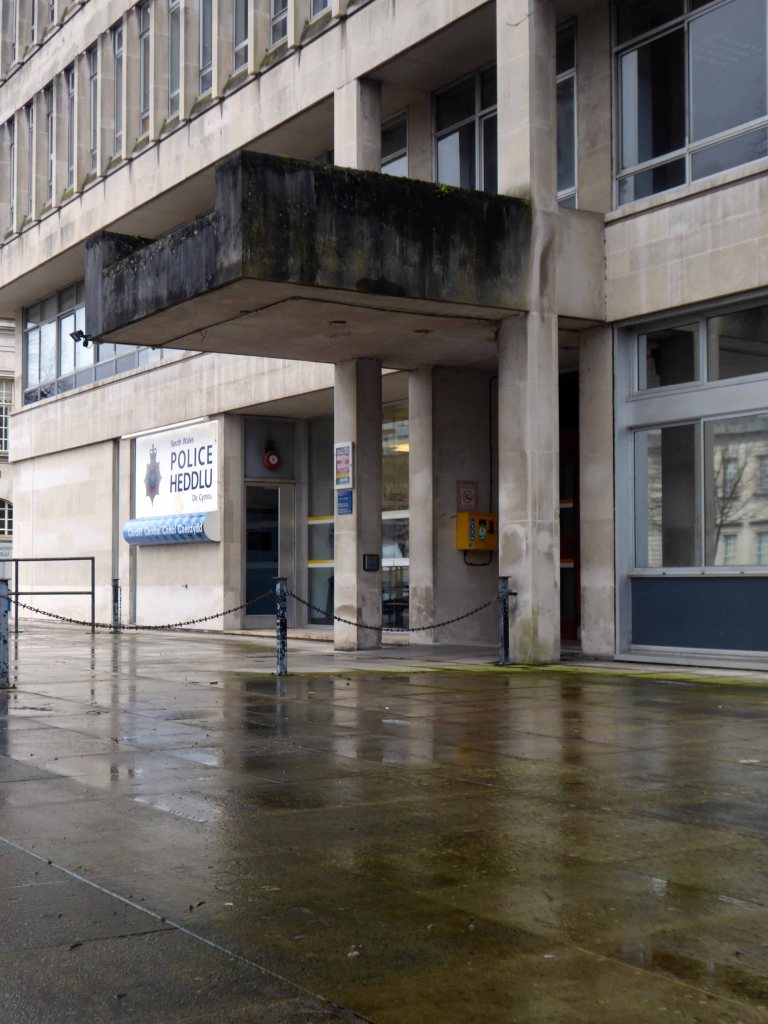
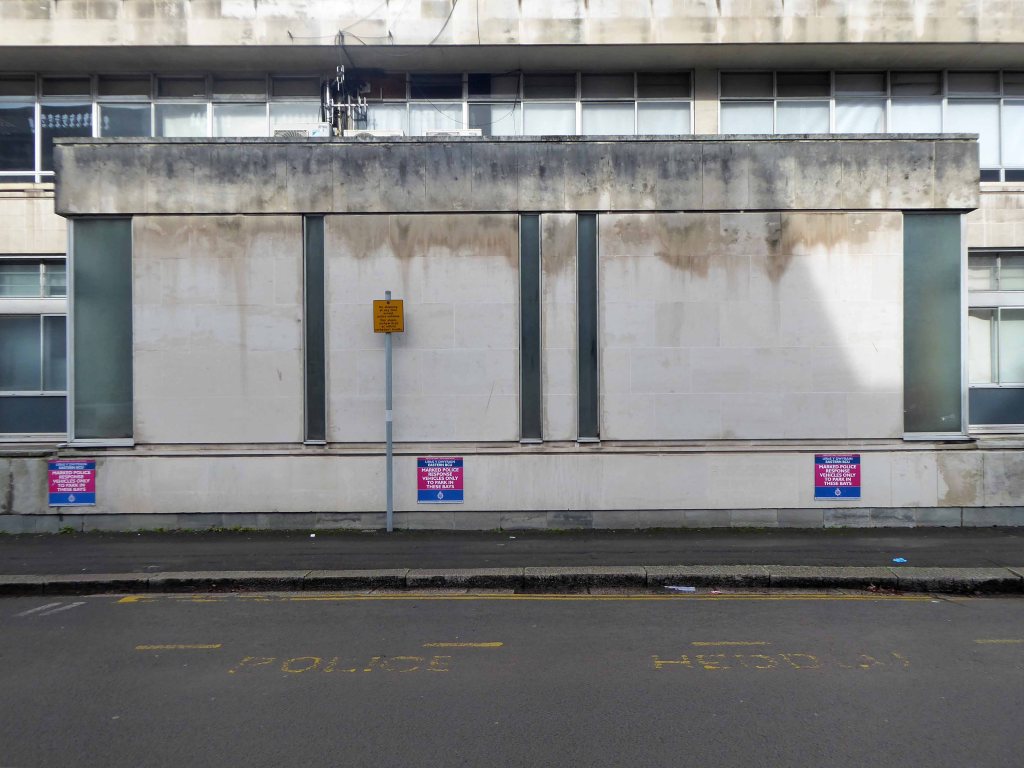
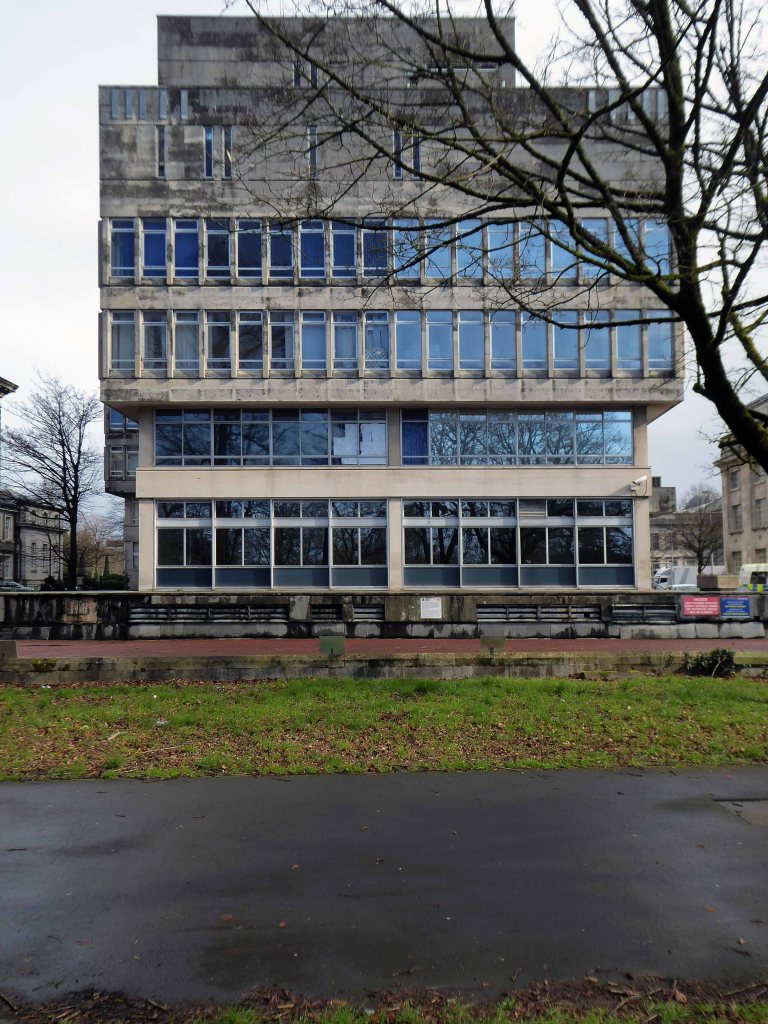
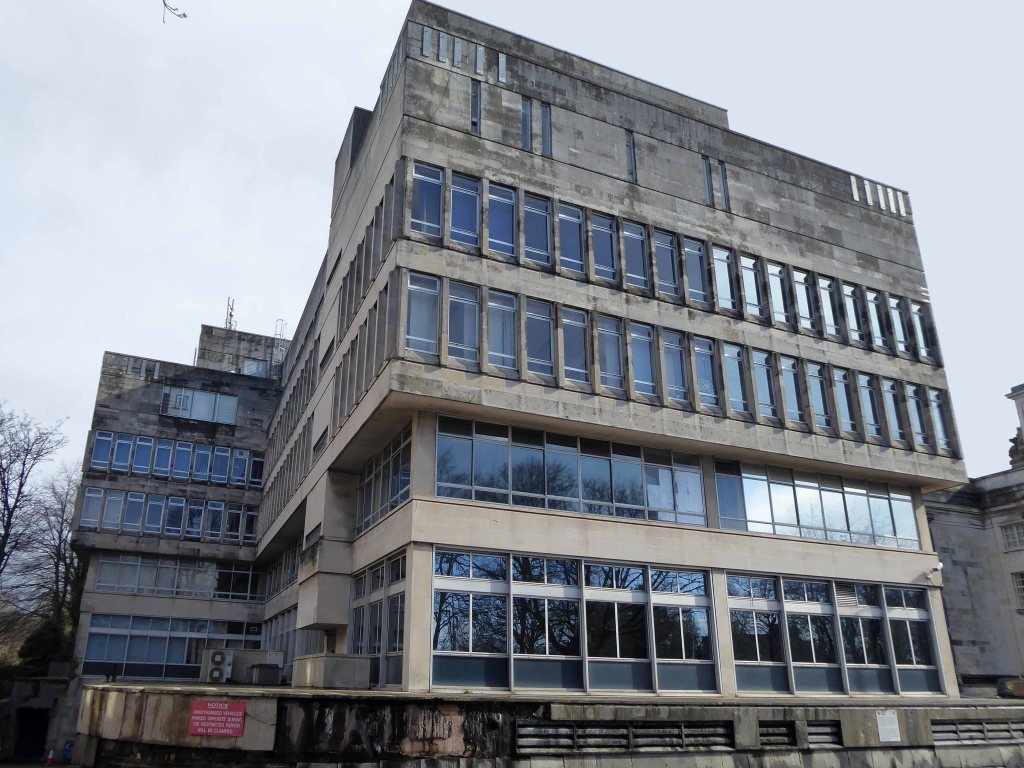
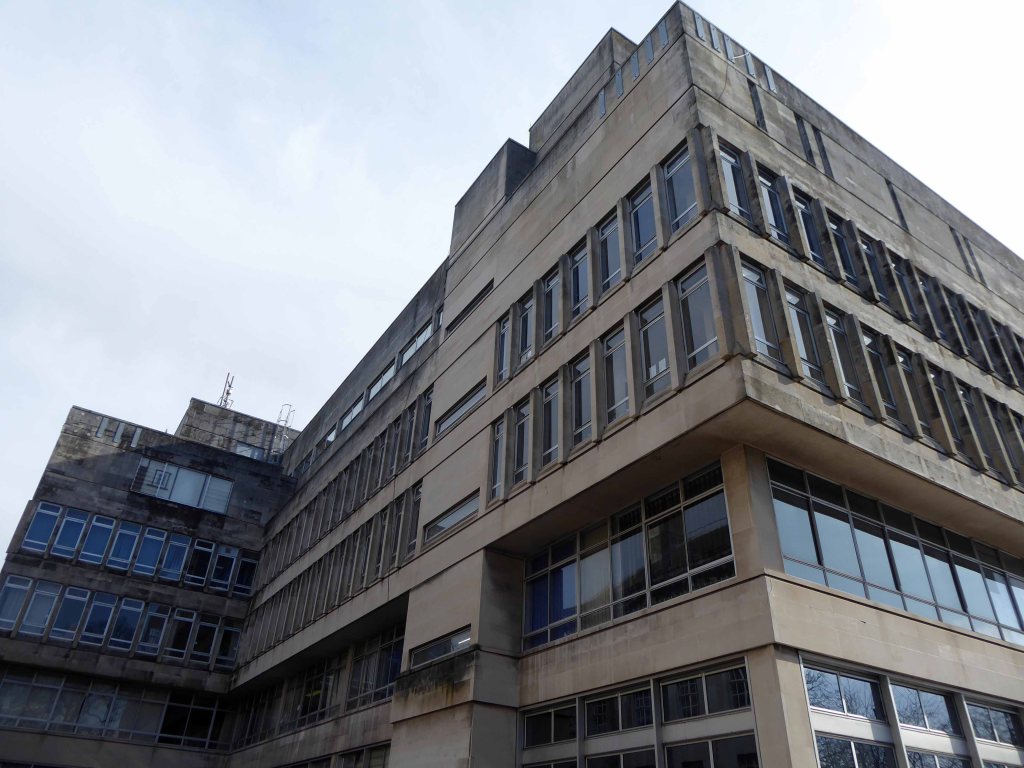
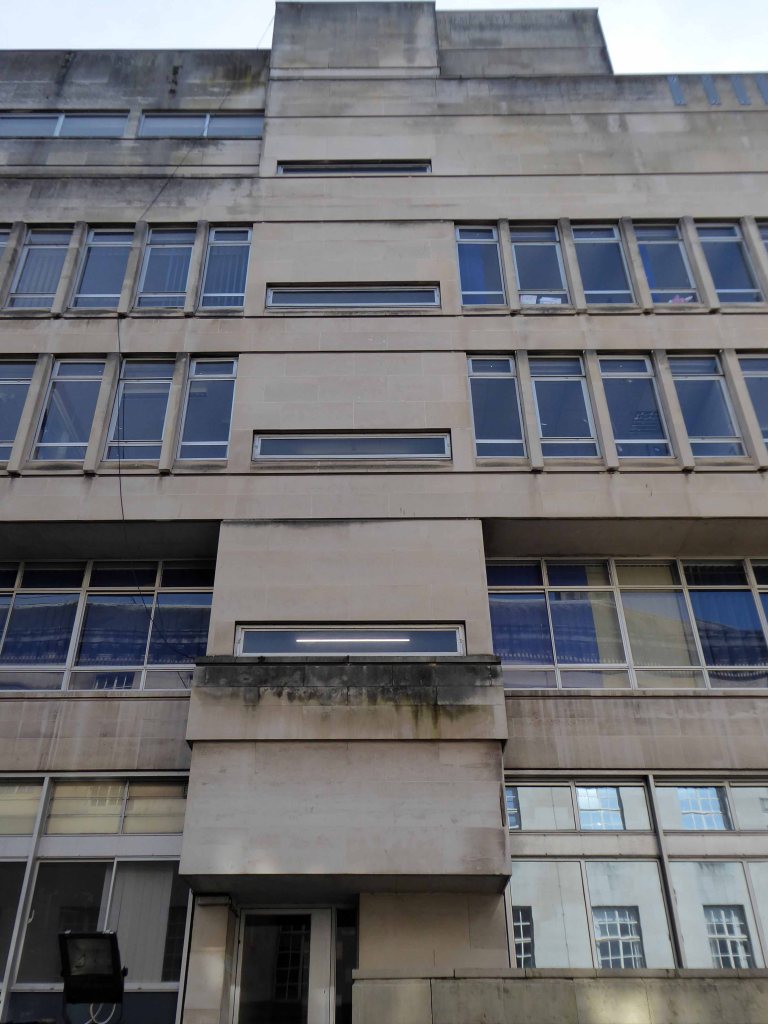
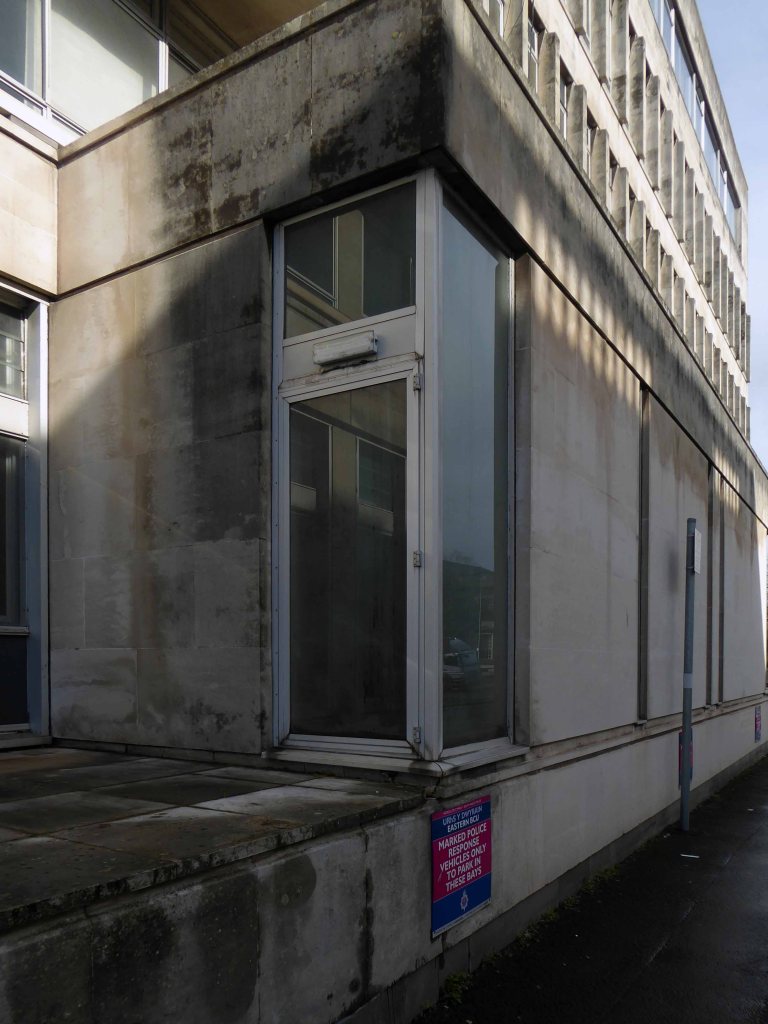
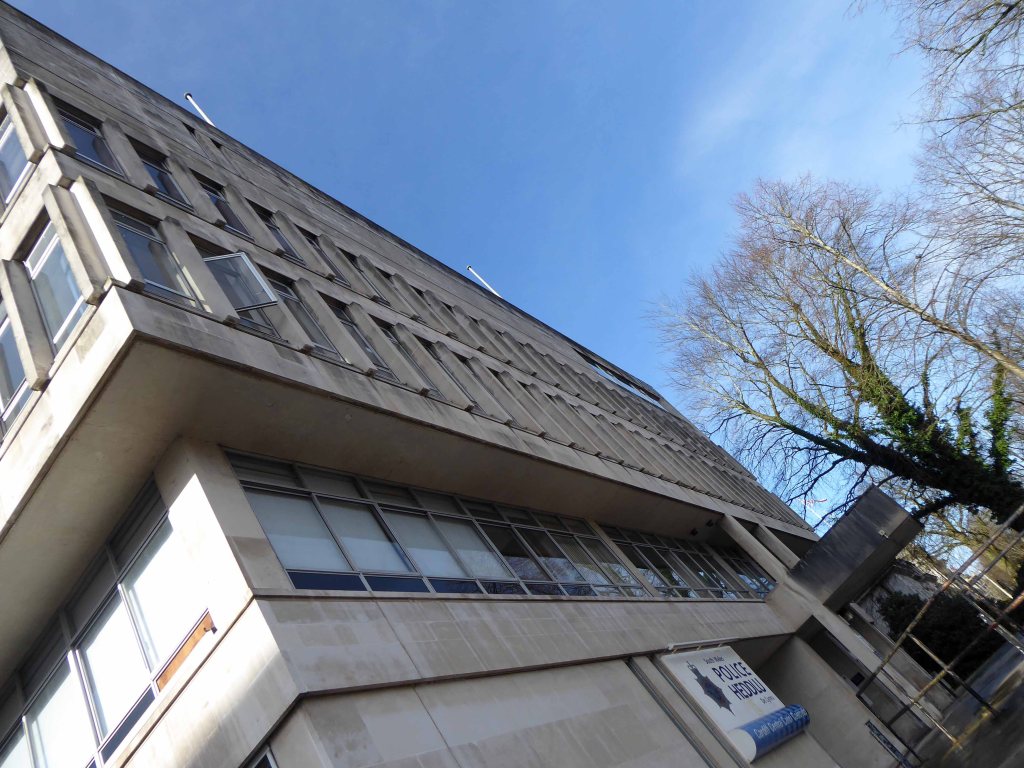
The current five storey Cardiff Central police station was designed by Cardiff’s city architect John Dryburgh and built on the southern corner of Cathays Park between 1966 and 1968. It is described as: The most successful post-war building in Cathays Park and the only post-war building in the area: To be both modern and majestic
The detention facilities at the station were inadequate with only four cells. These were replaced by sixty cells at the new Cardiff Bay police station, which opened in 2009.
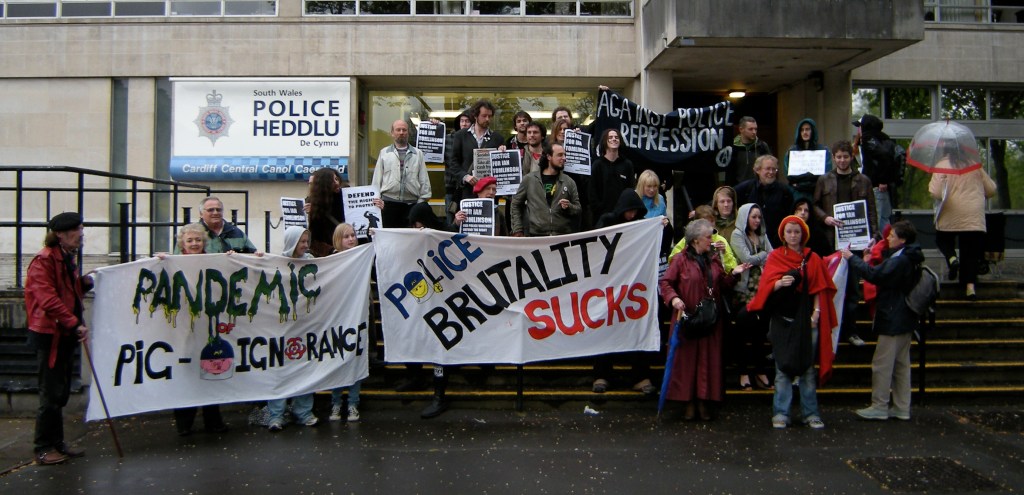
This year’s Mayday protests in Cardiff took place outside Cardiff Central Police Station to show the opposition to the increasing criminalisation of public protest.
No Borders South Wales activists were in attendance to show solidarity with fellow protesters and register our opposition to repressive police tactics at all forms of public demonstrations.
The protest was good natured and lively, with lots of music and singing.
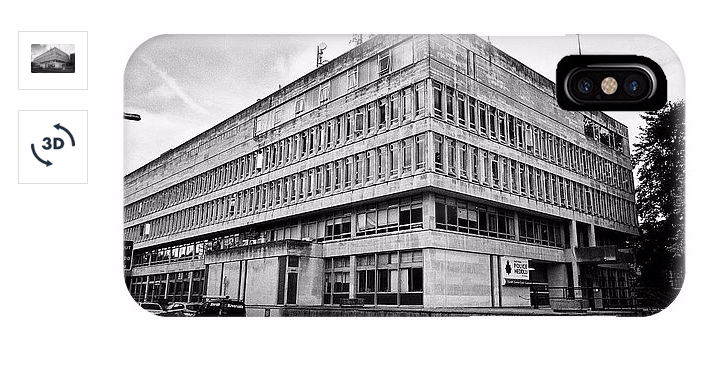
The building is celebrated by photographer Joe Fox via Fine Art America
Who are happy to reproduce the image in the form of this delightful phone case, for the princely sum of twenty two pounds.
I myself was taken by its unapologetic system built panelling, all-round convivial confidence and cantilevered porch.
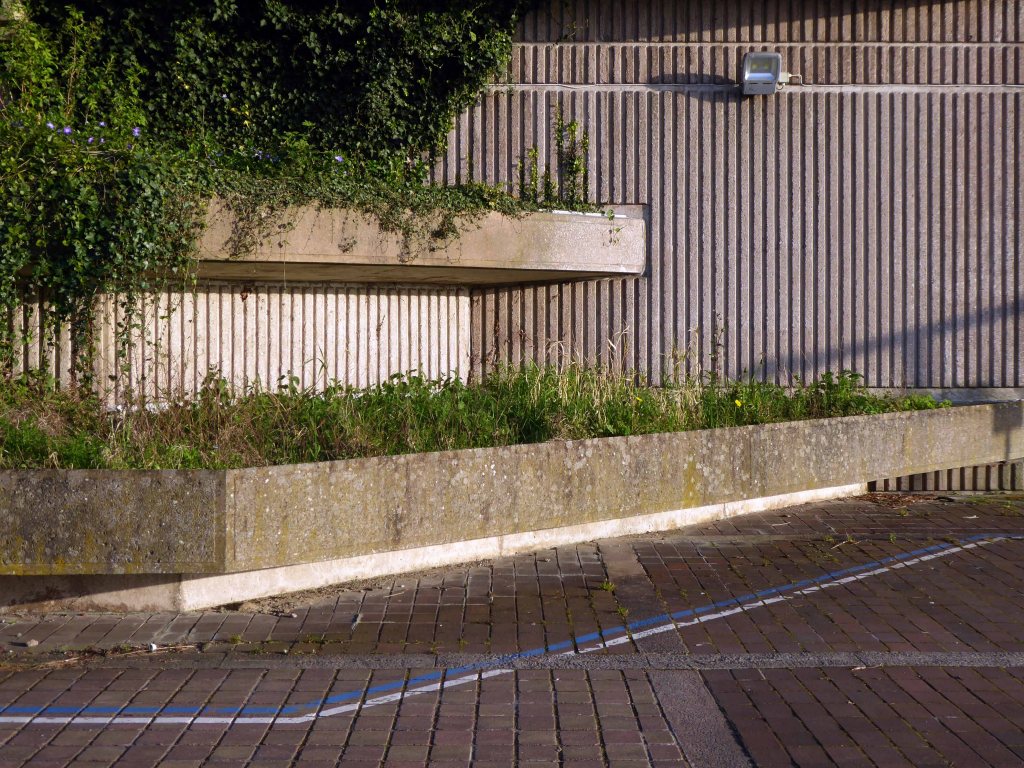
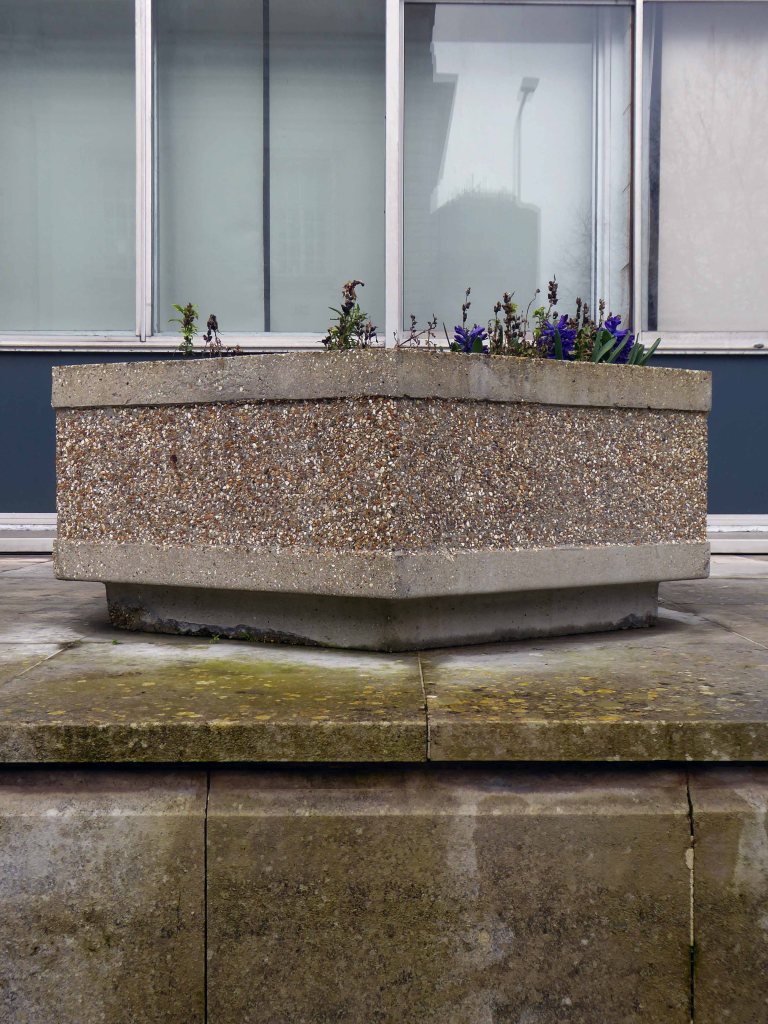
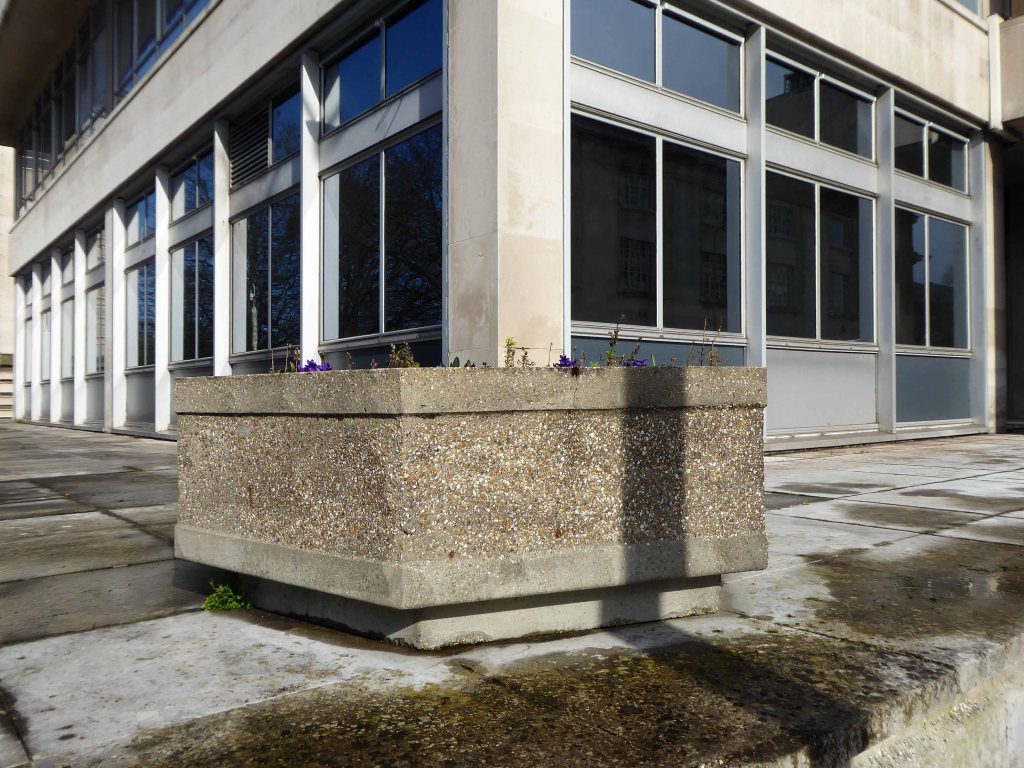
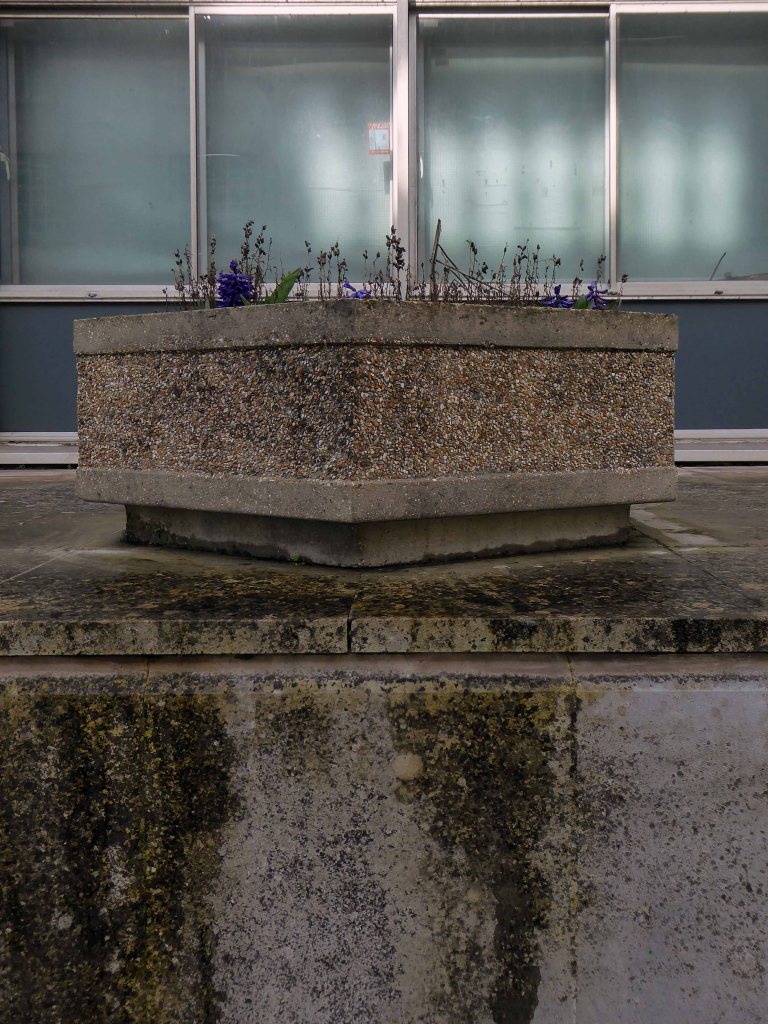
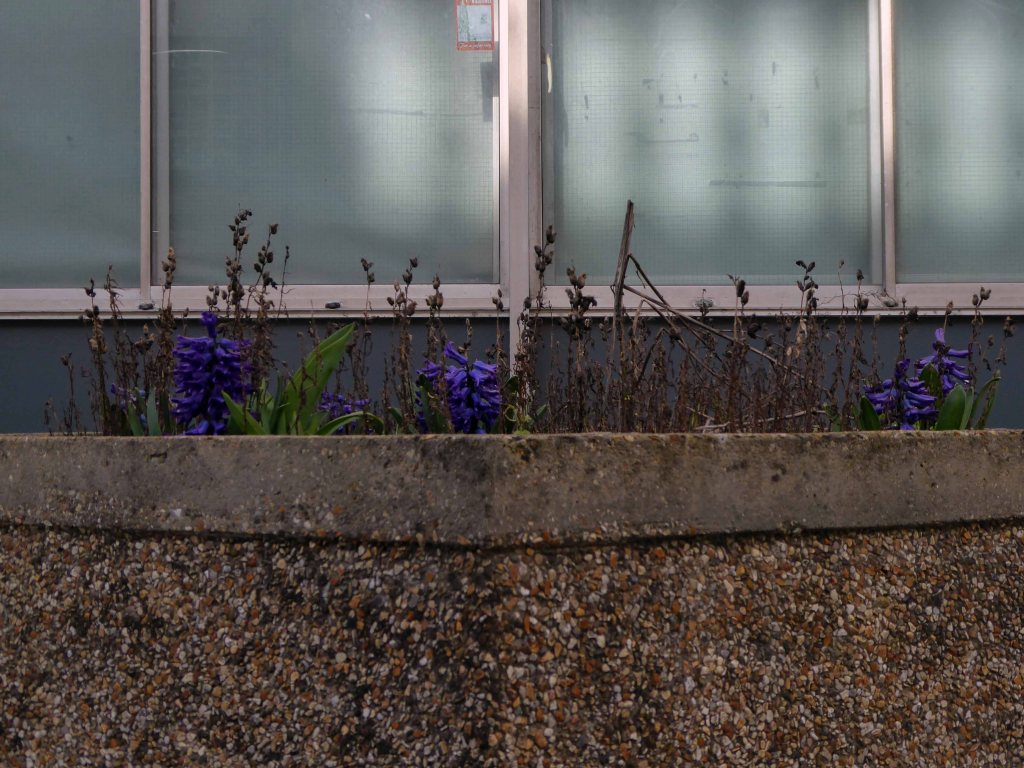
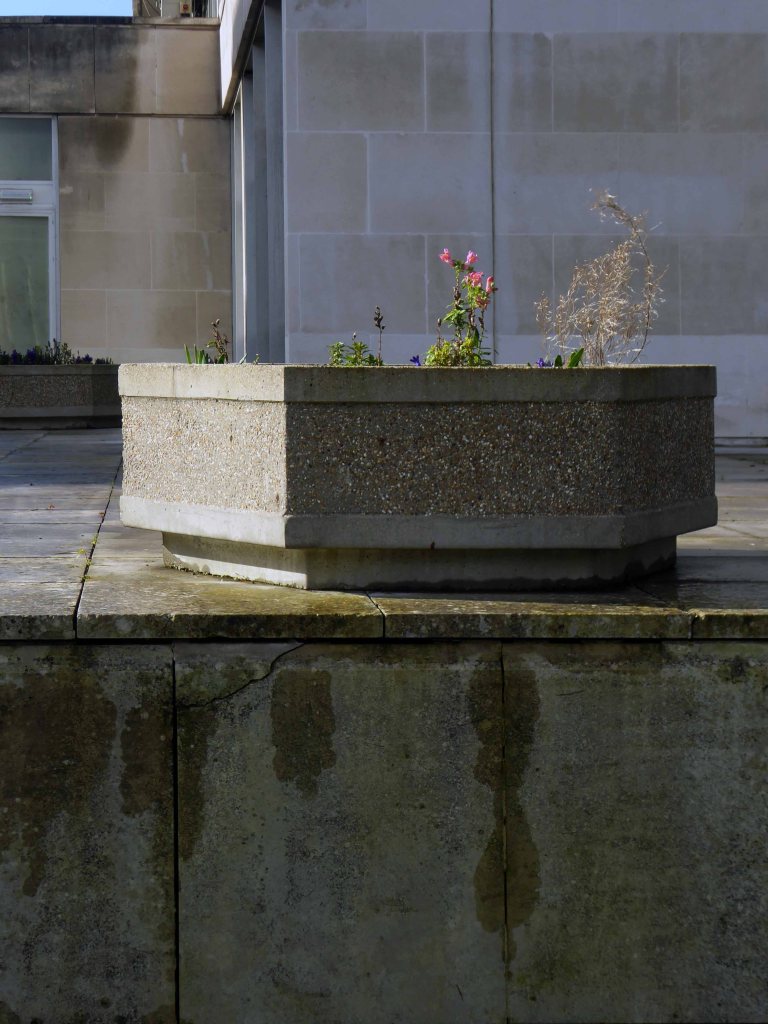
Plus an exciting array of concrete planters – exhibiting an exciting array of seasonal planting schemes.
Well with a wander around should you find y’self down that end of town.
I have even ventured as far afield as Huyton in search of other exemplars.
This is work of the highest order and importance.
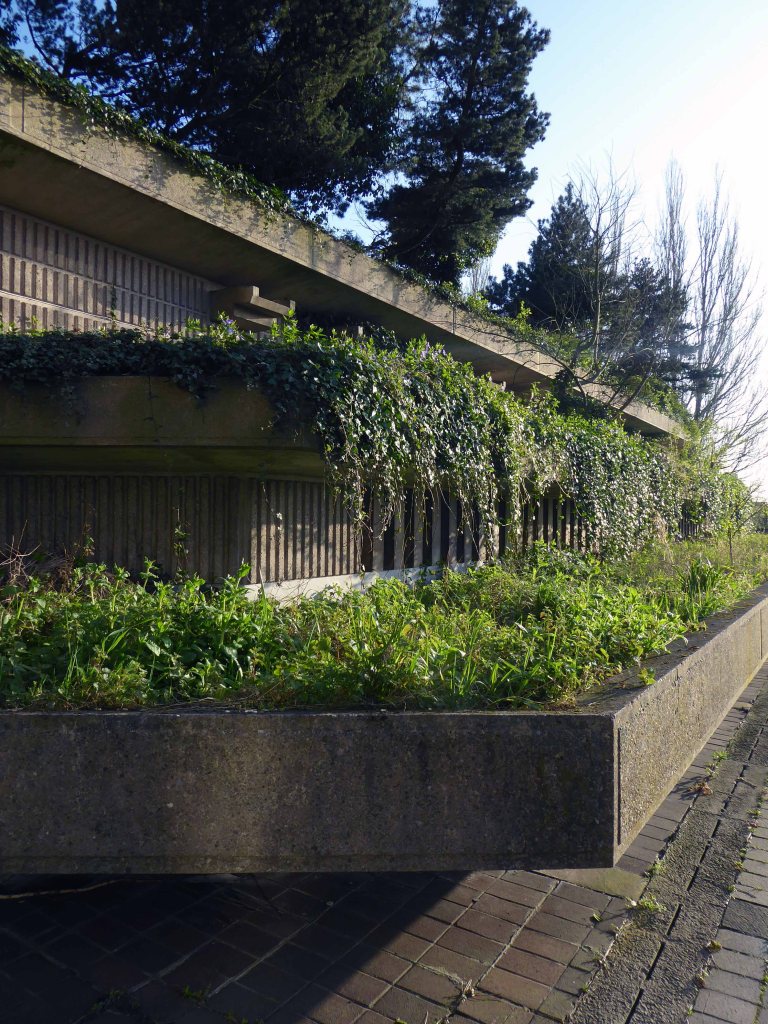
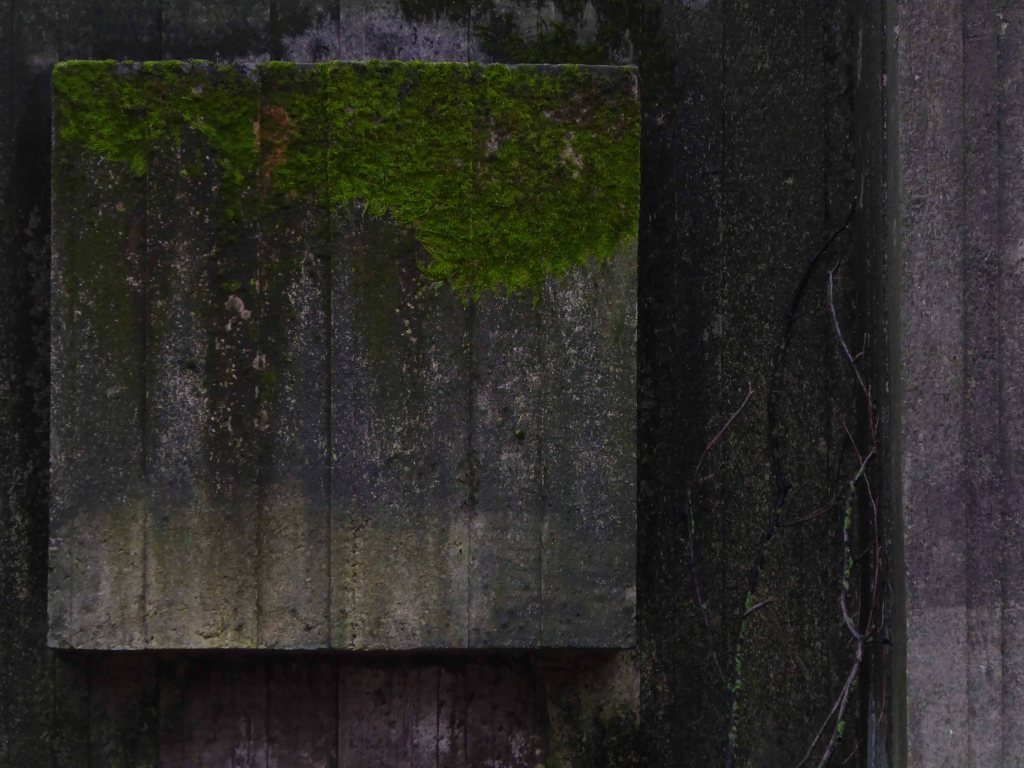
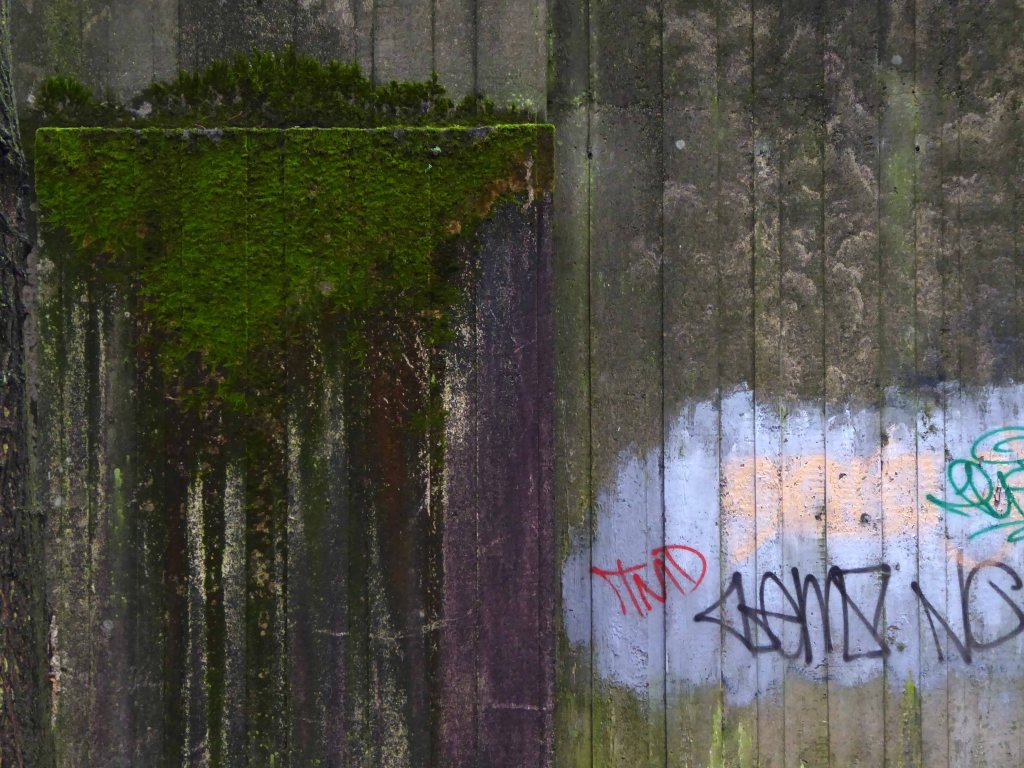
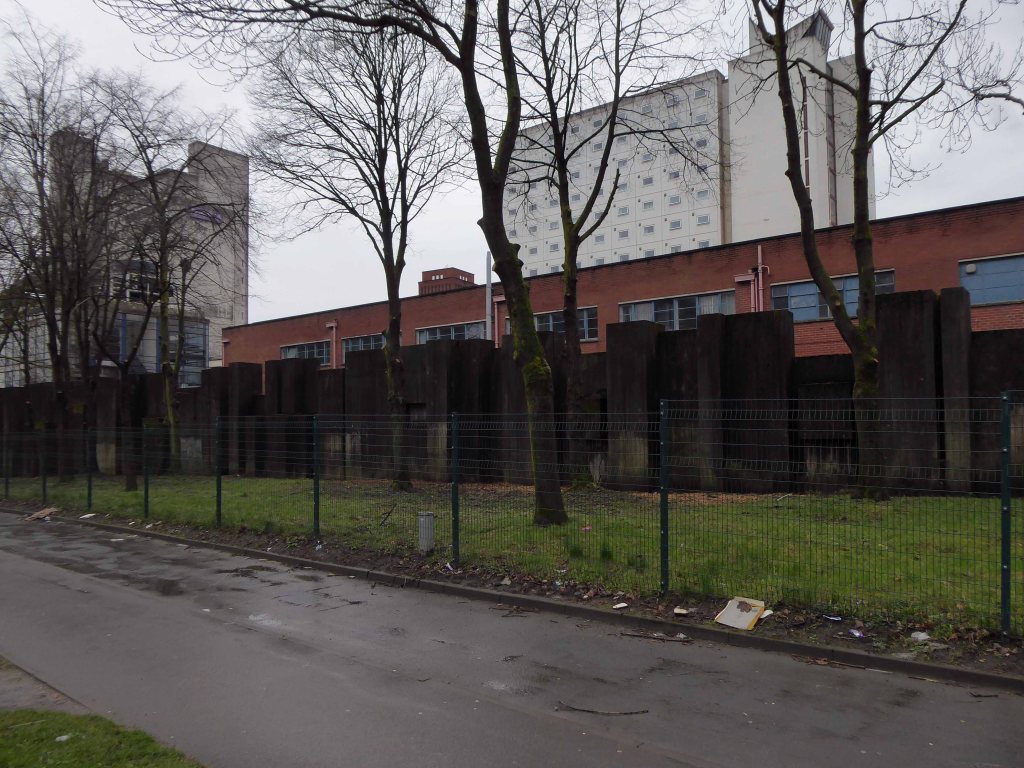
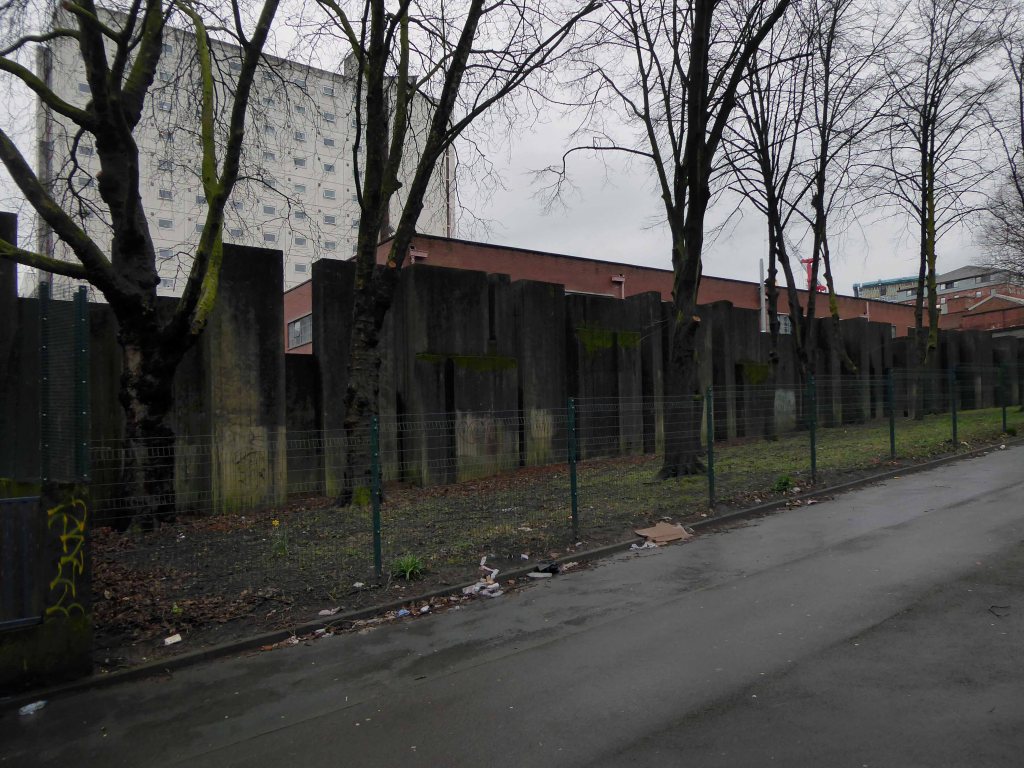
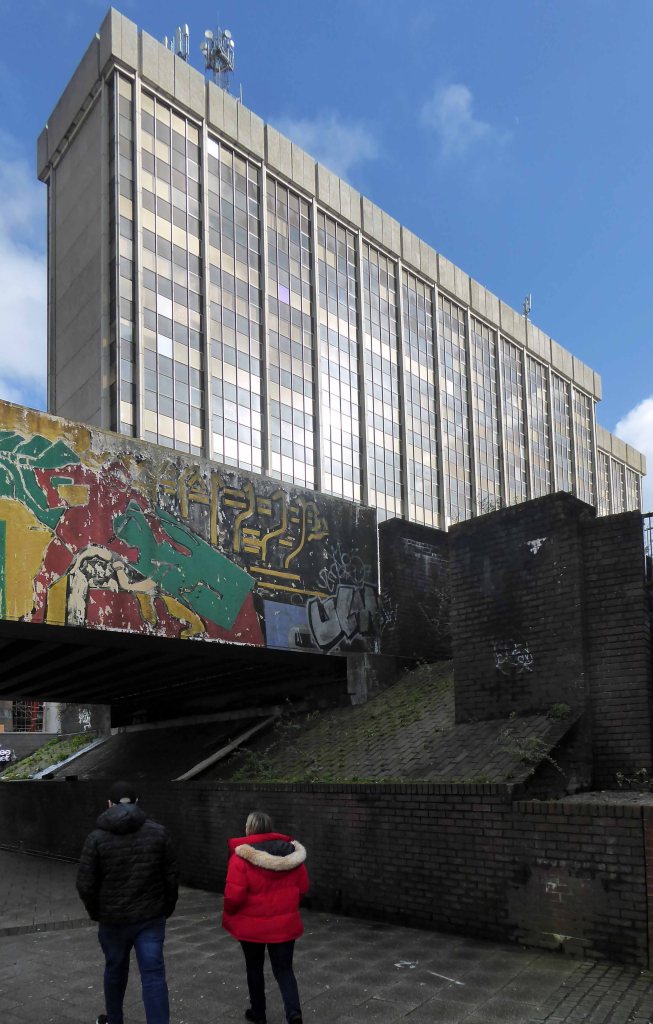
It sits by a busy London Road, behind an intrusive green steel fence, slowly acquiring a green patina – as moss and lichen attach themselves to the well weathered concrete.
Receiving occasional visits from the errant urban tagger.
It deserves much better – a lush grassed apron, discrete public seating, regular tree maintenance – respect.
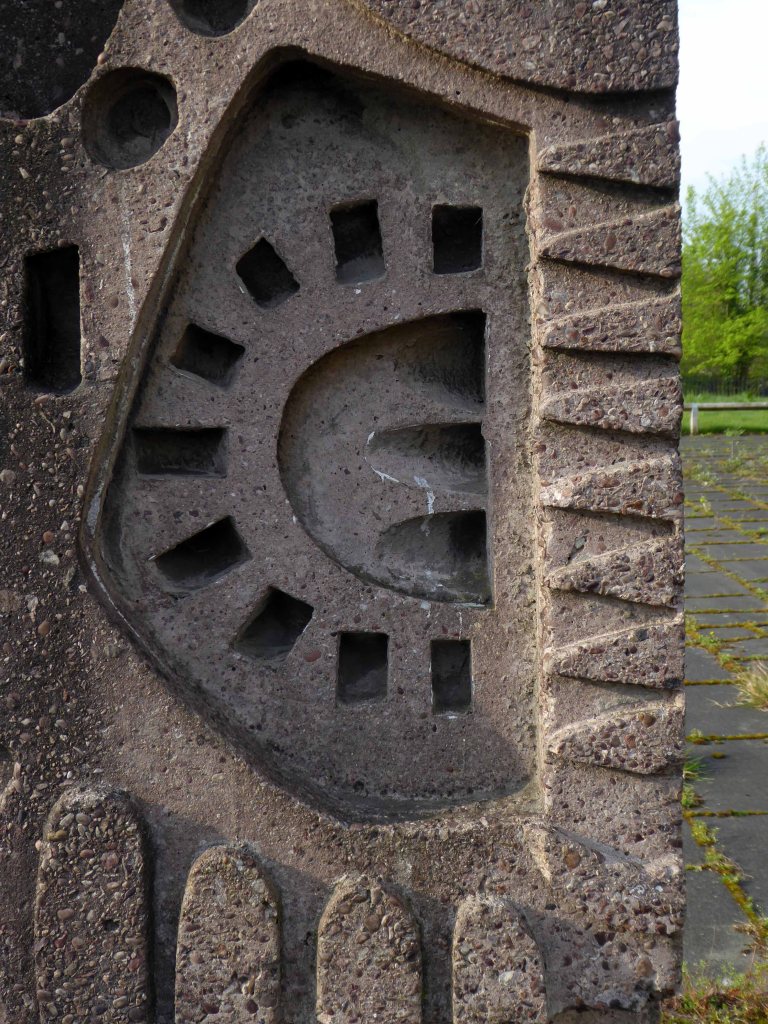
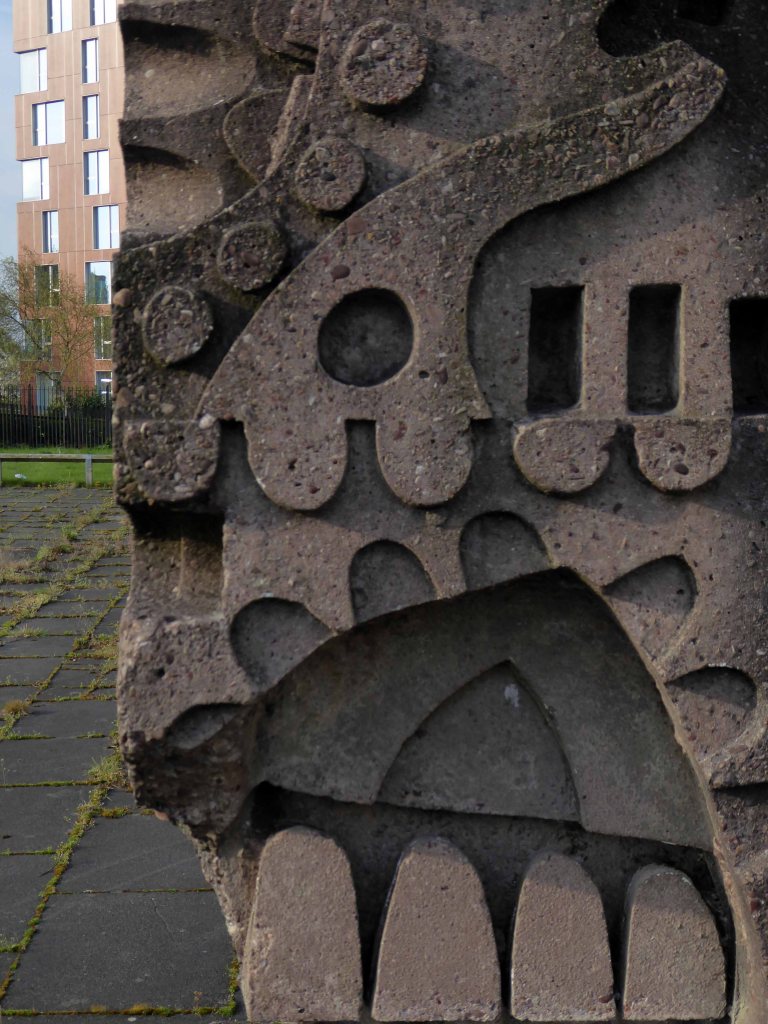
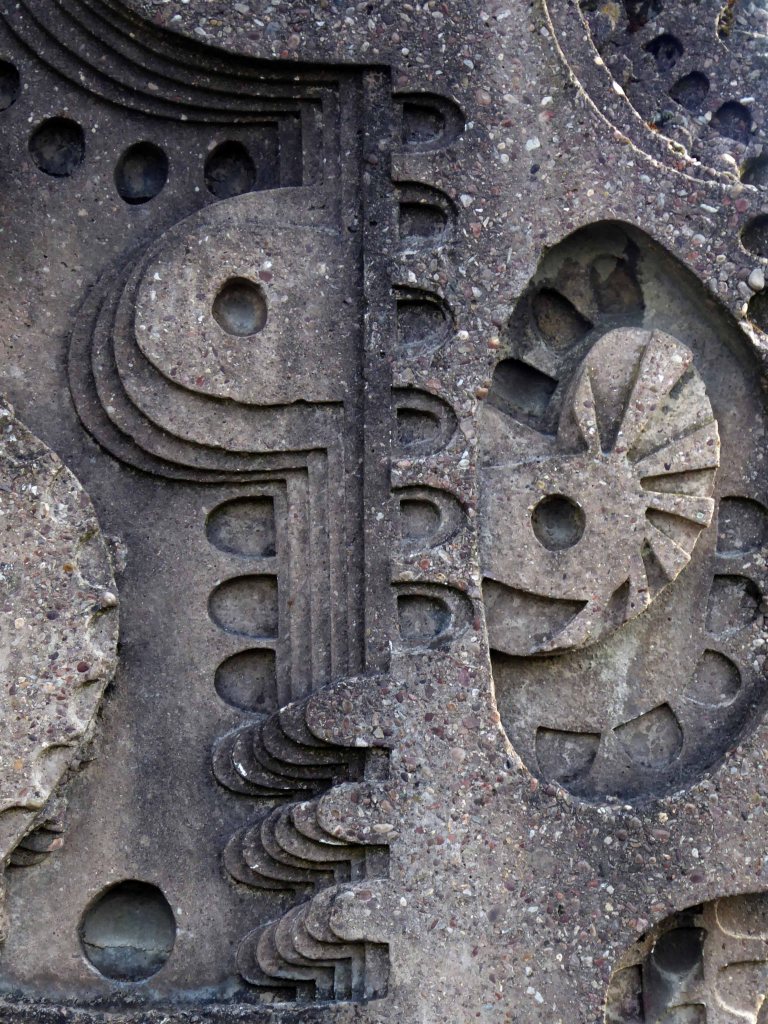
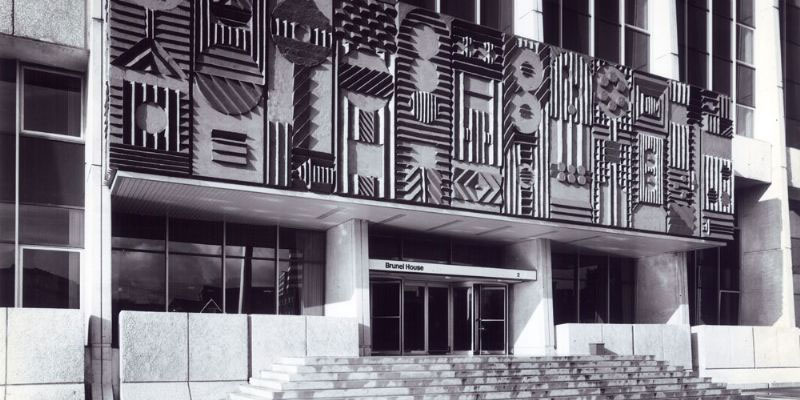
We do not suffer from a surfeit of significant mid-century public art – its guardians should straighten up and fly right.
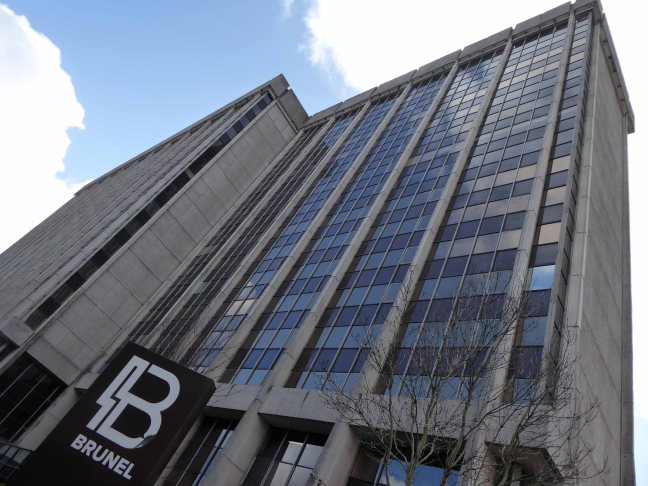
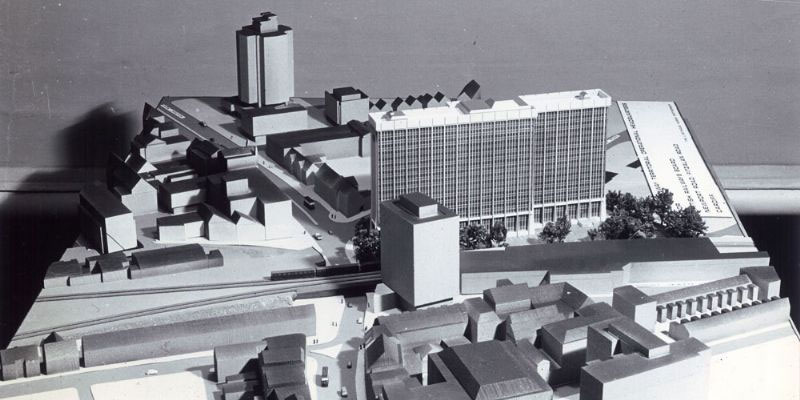
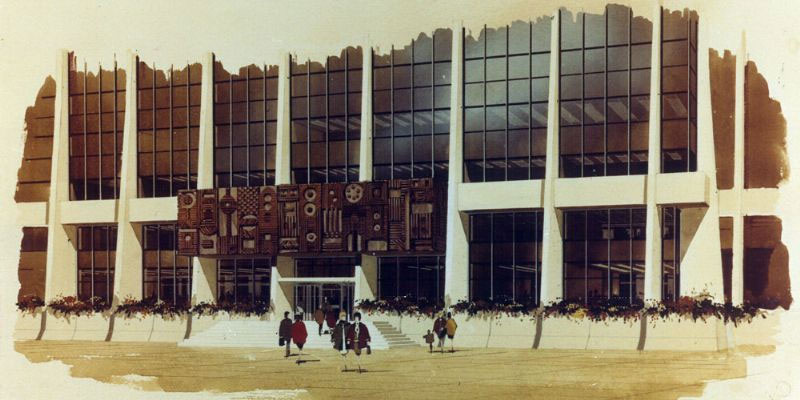
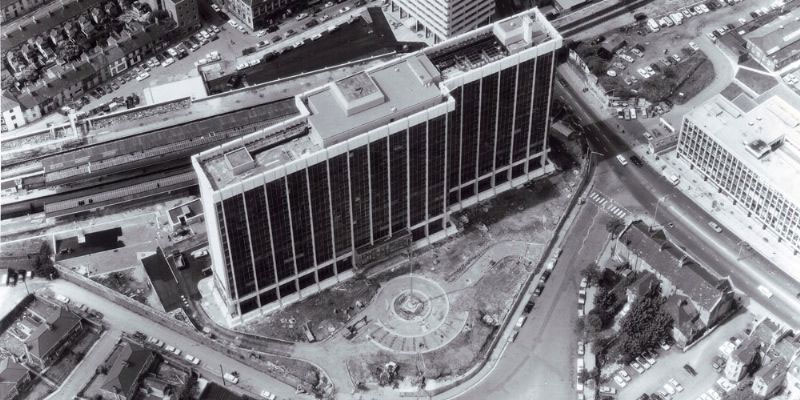
Originally built to house the regional British Rail offices – it seems that Great Western House has always been Brunel House.
Designed by Seymour Harris – who have also been responsible for the recent refurbishment.
The building is now in multiple occupancy, used for a wide range of services and uses, bringing new life to fine mid-century structure.
Sadly its entrance relief is now nowhere to be seen.
Archive photographsSeymour Harris Architects
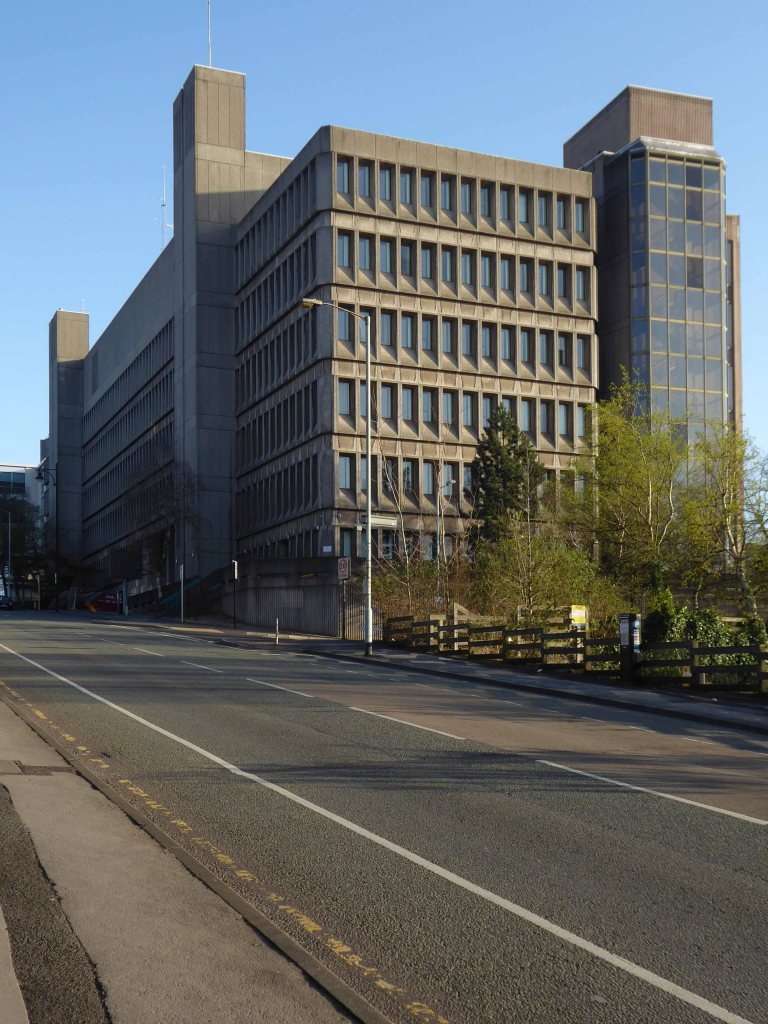
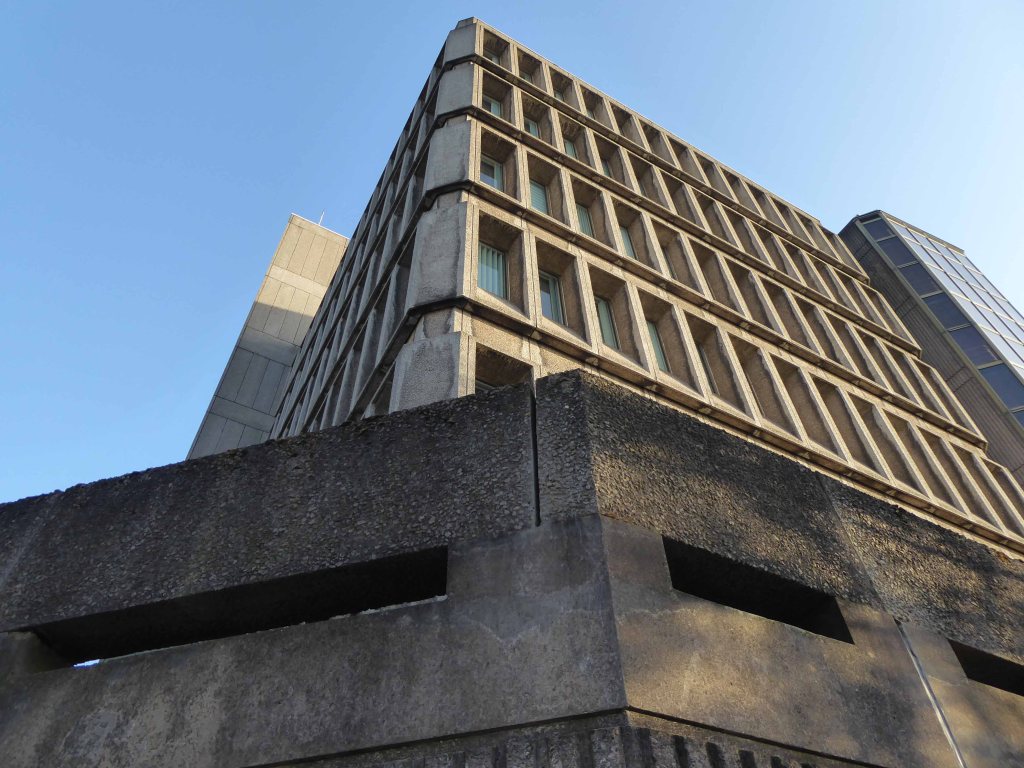
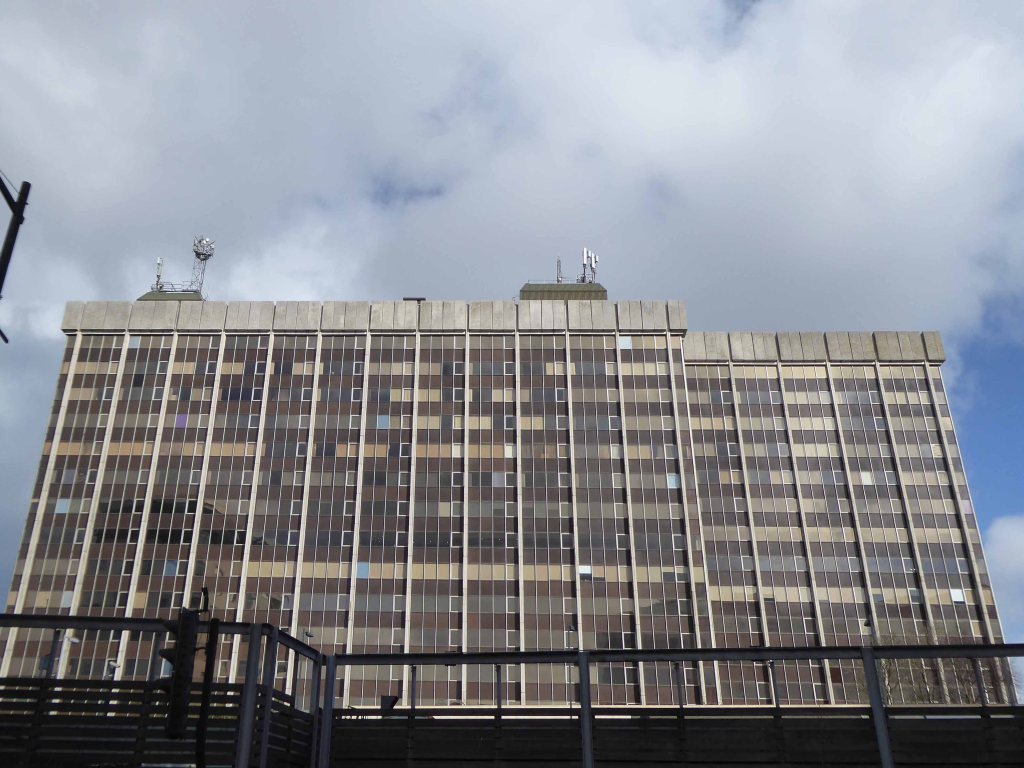
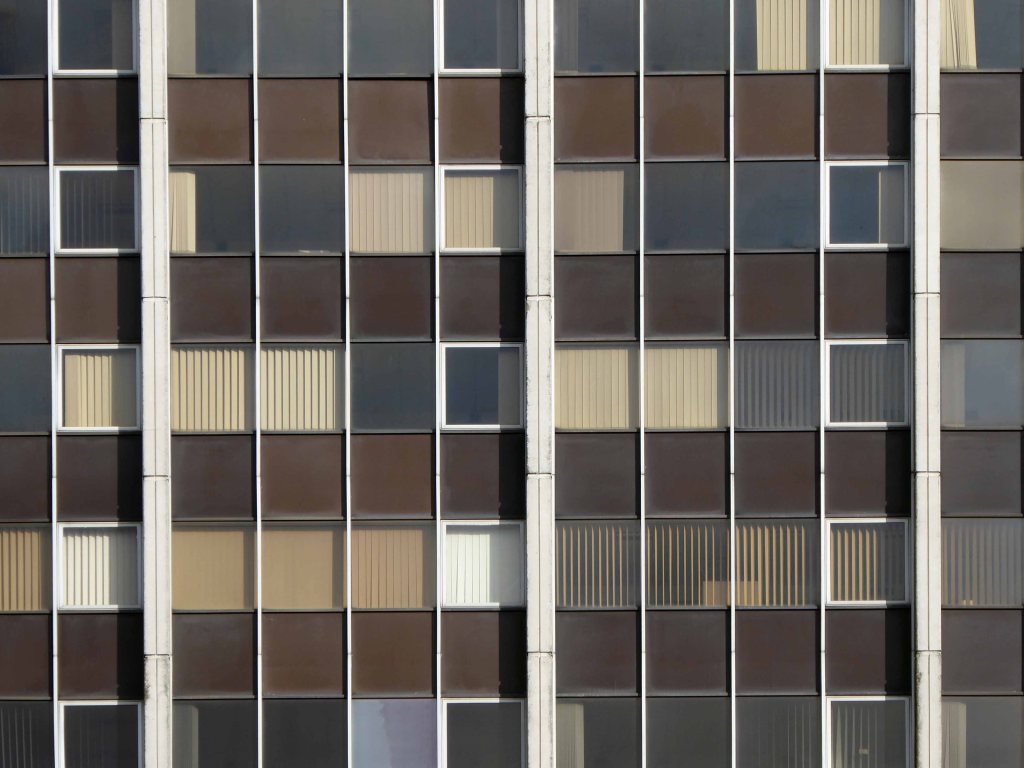
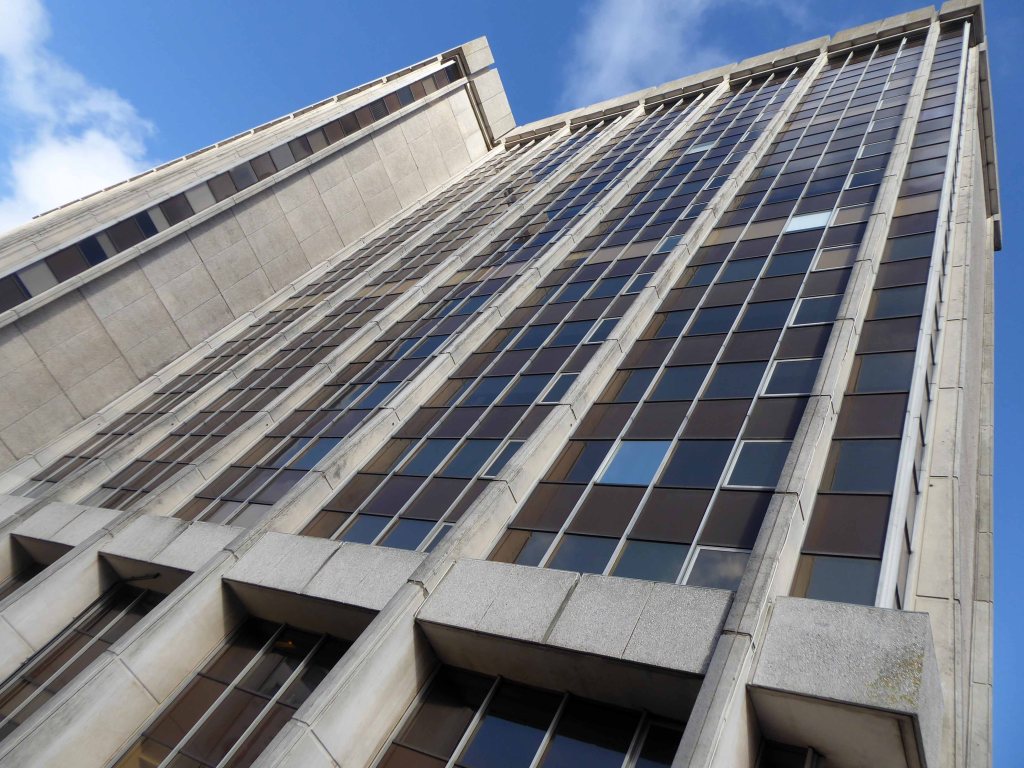
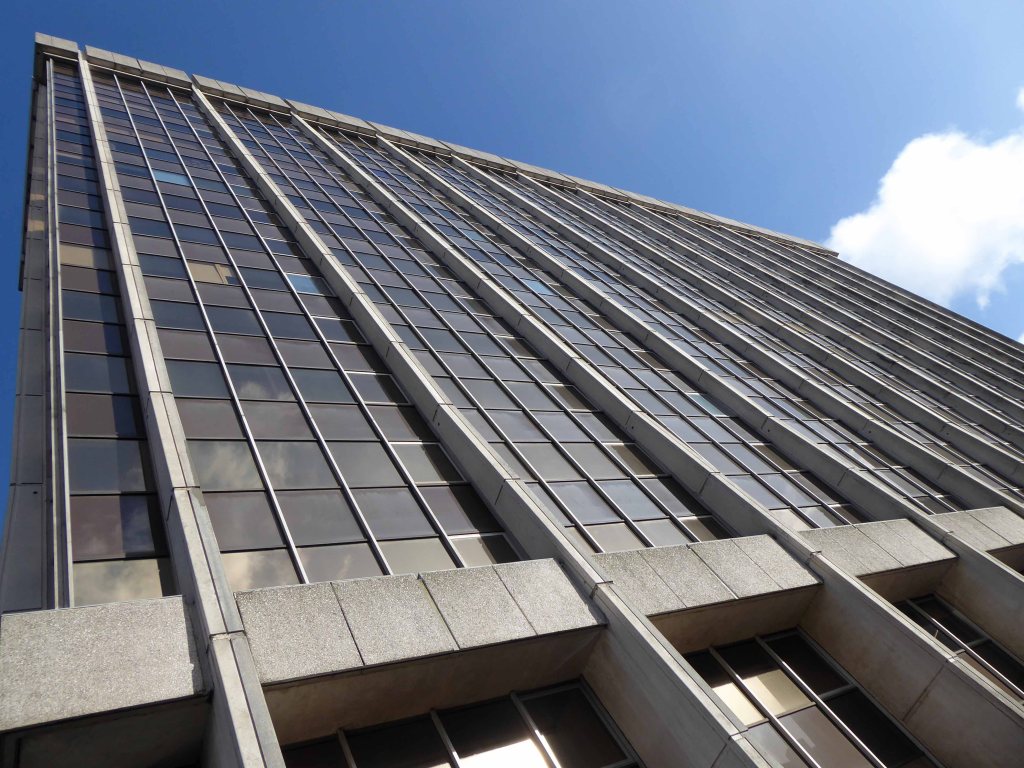
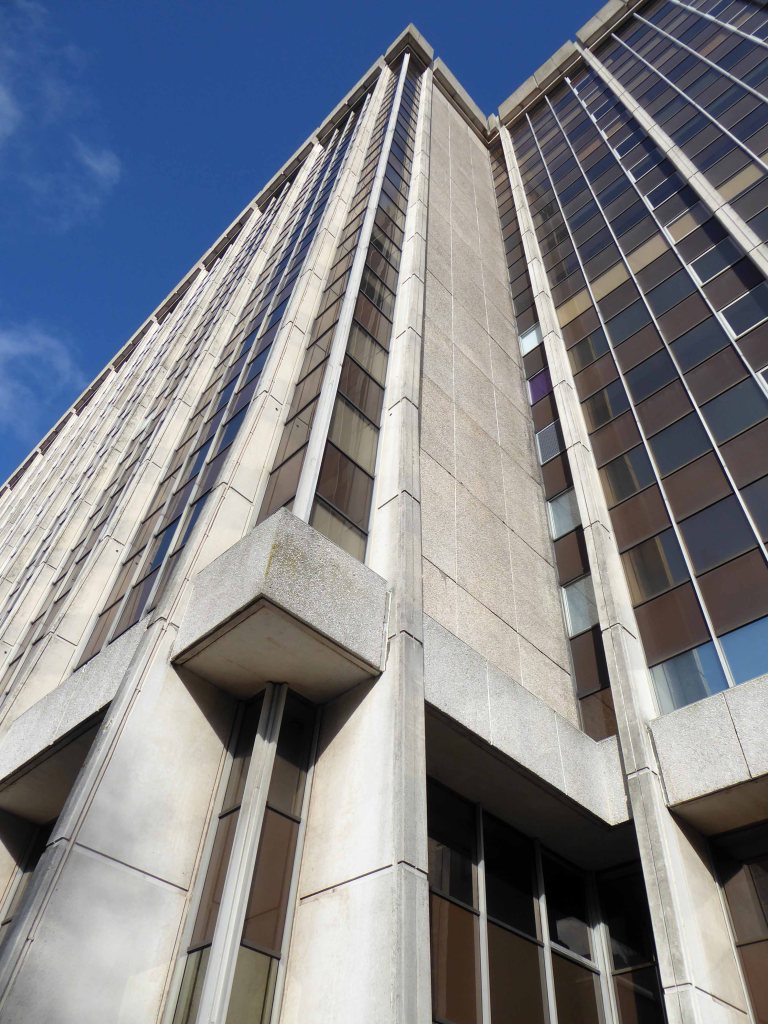
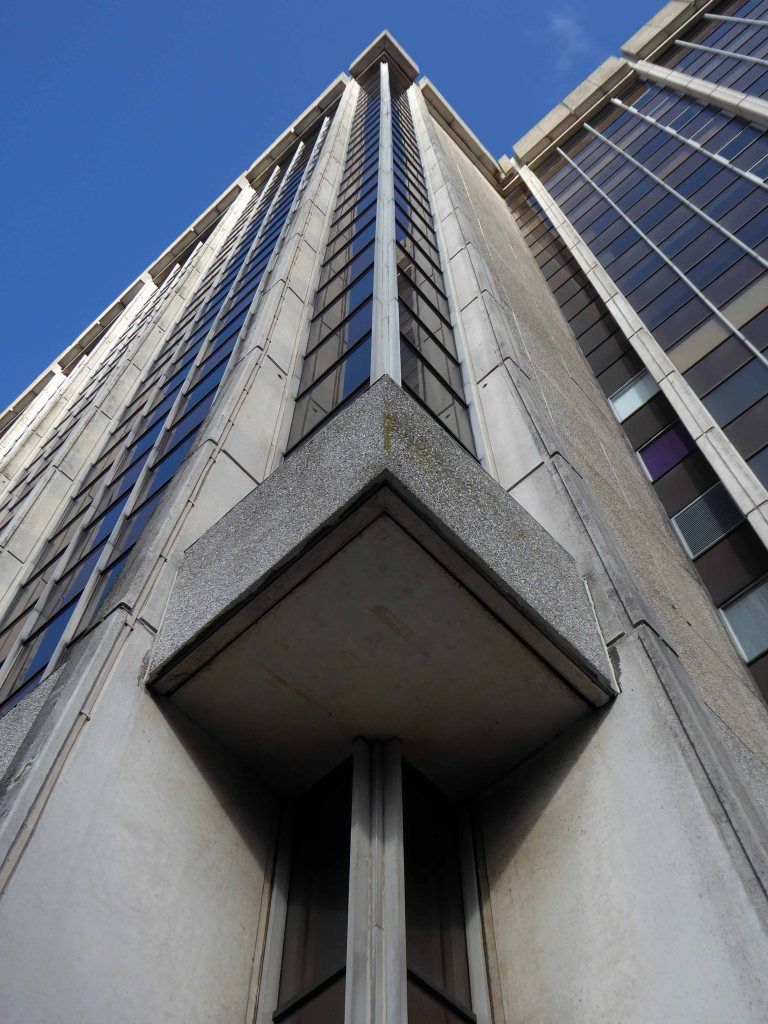
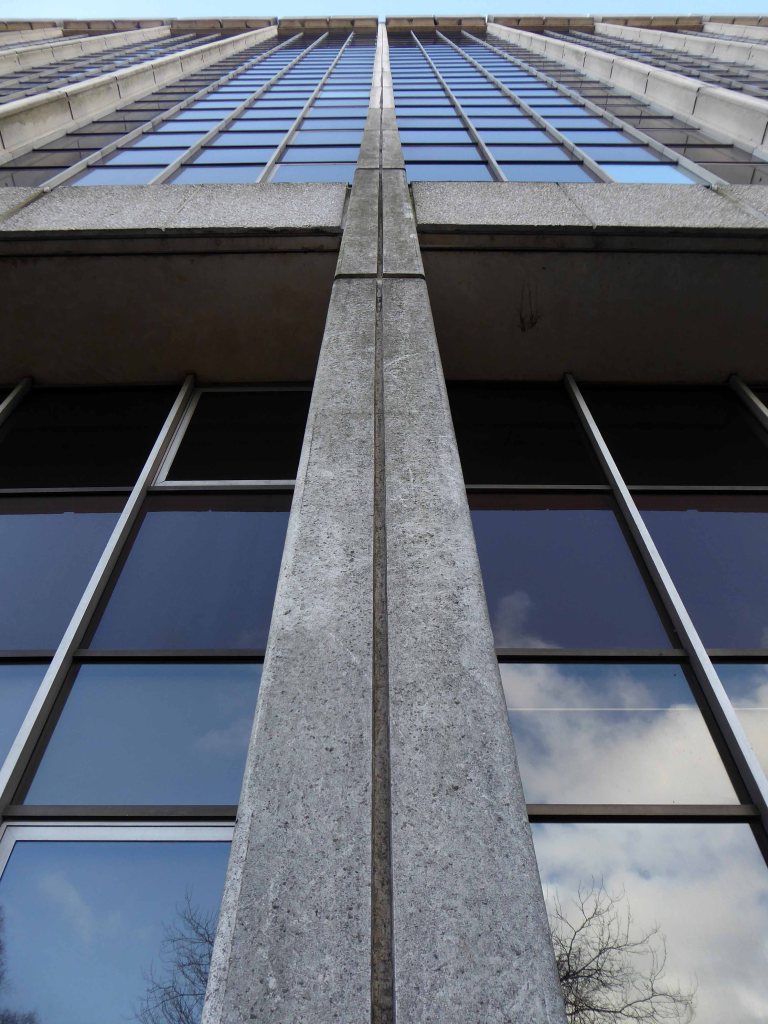
Sixteen floors standing at 190 feet, two enormous interlocking slabs – it is the largest commercial property in Wales.
Seen from afar your are hit by its impressive rear elevation, with a distinctive grid defined by the slender window frames and a restrained yet earthy palette.
This is then broken up by strong vertical concrete columns.
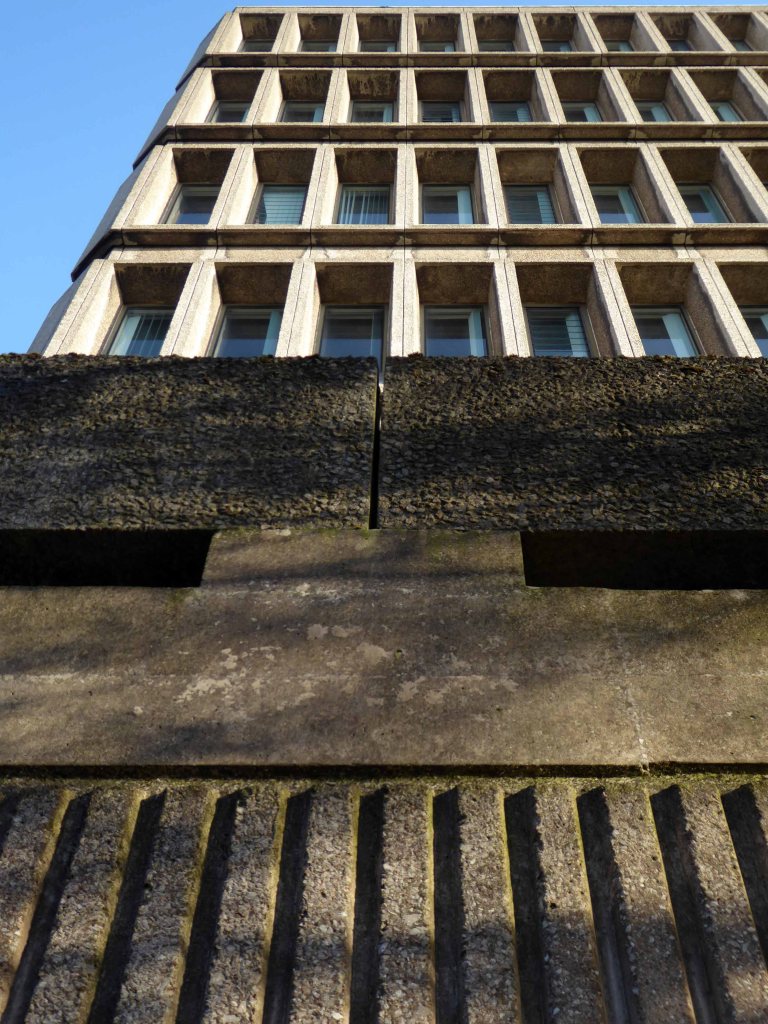
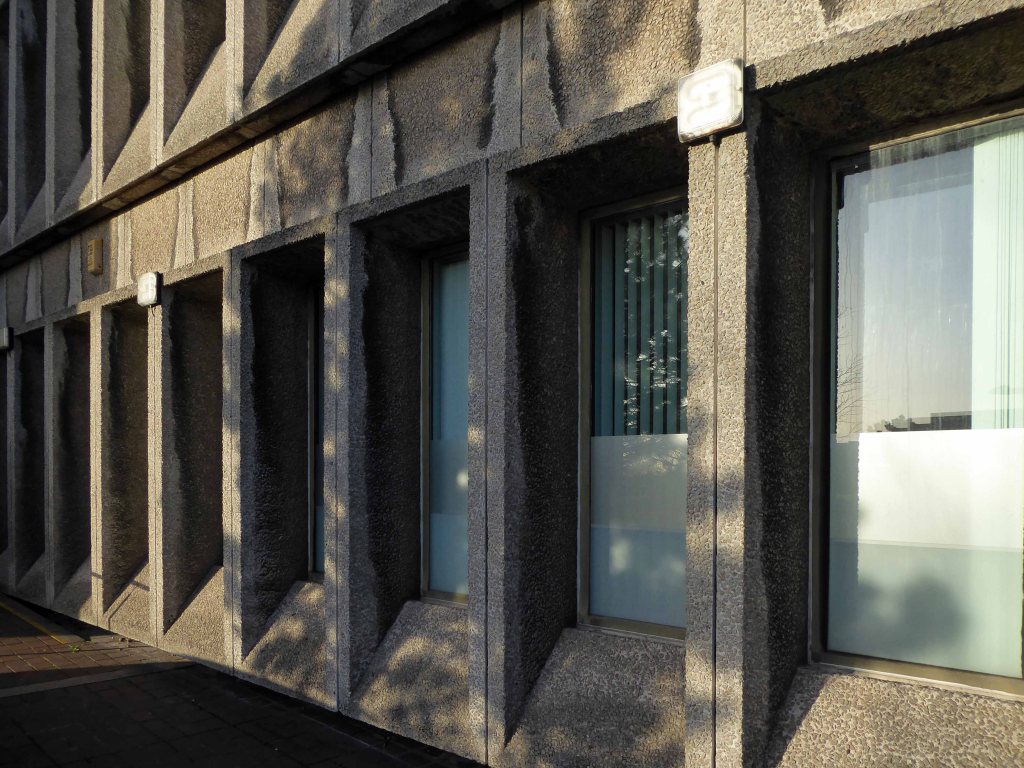
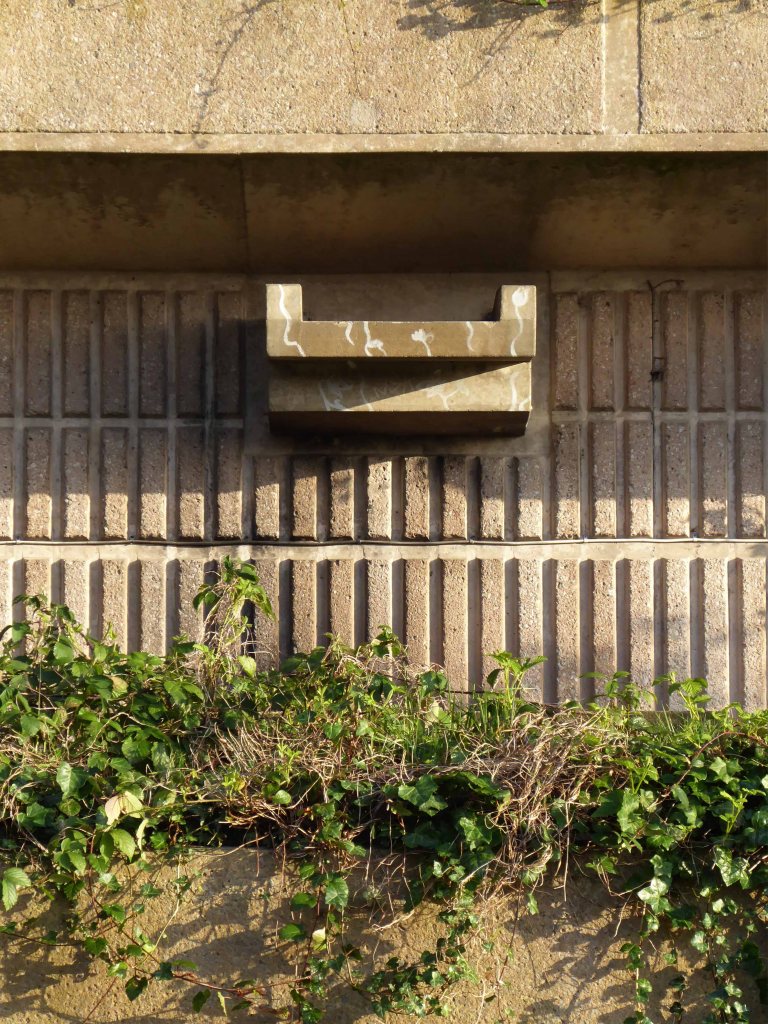
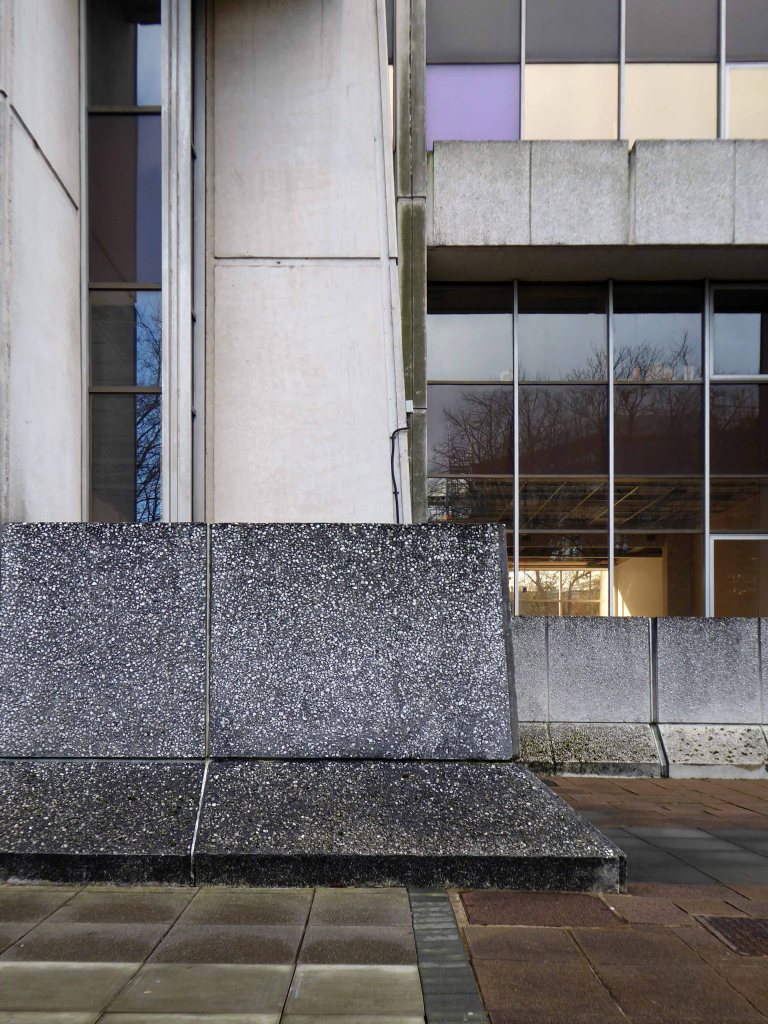
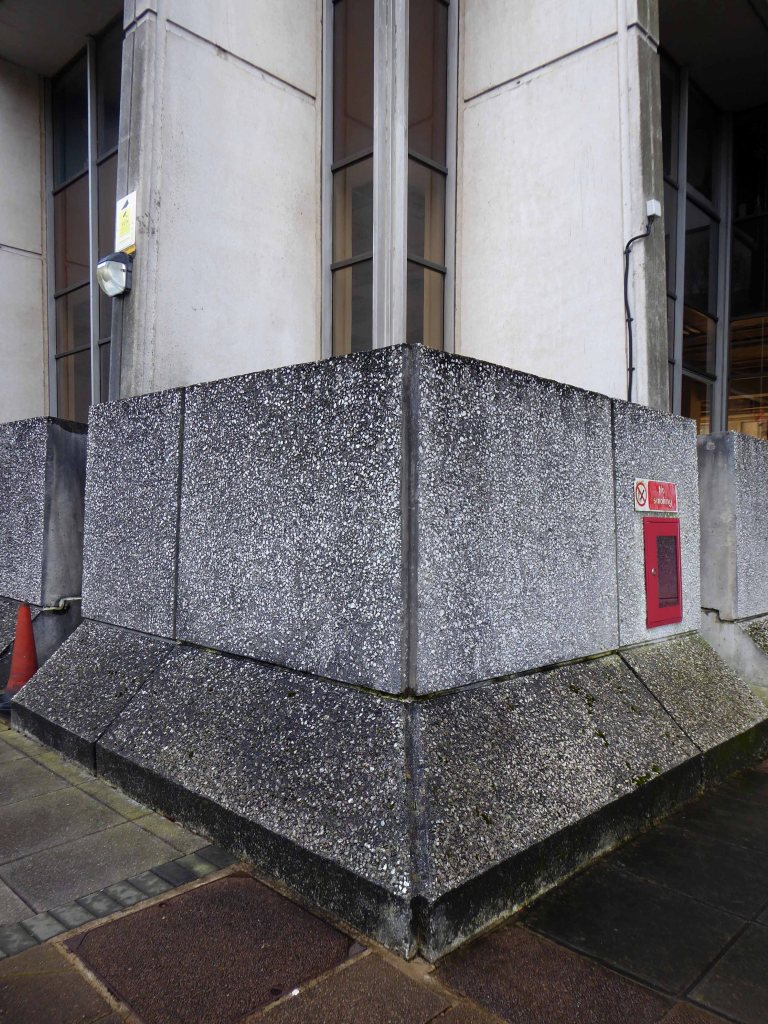
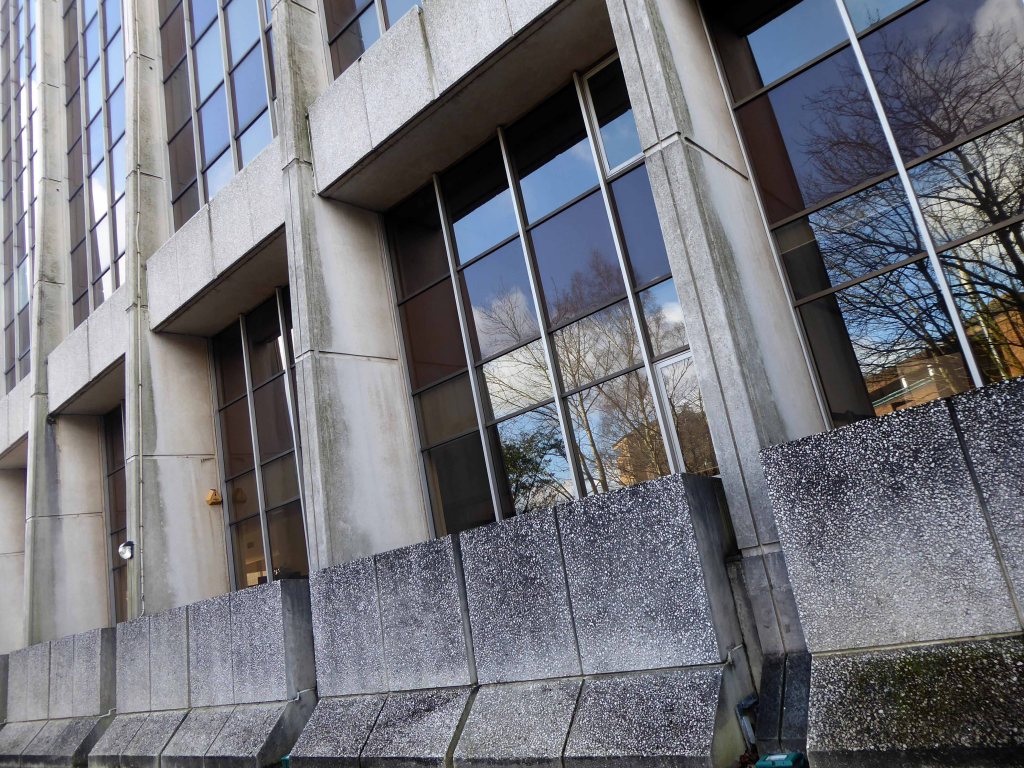
With bold structural detailing, using a variety of aggregates and finishes.
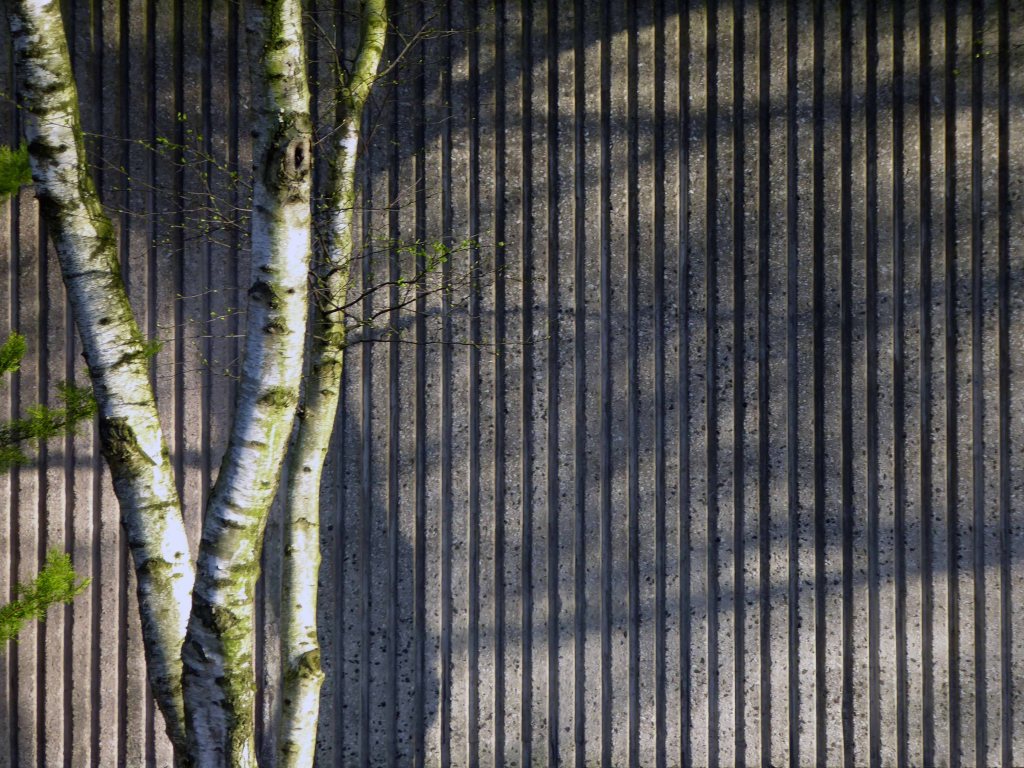
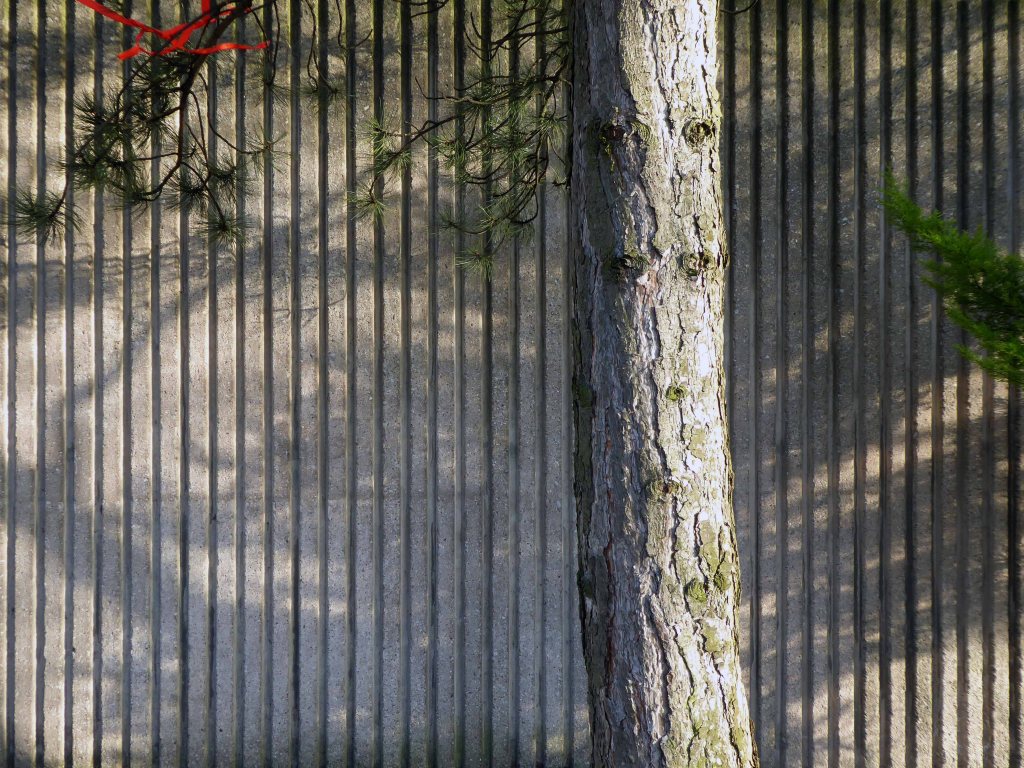
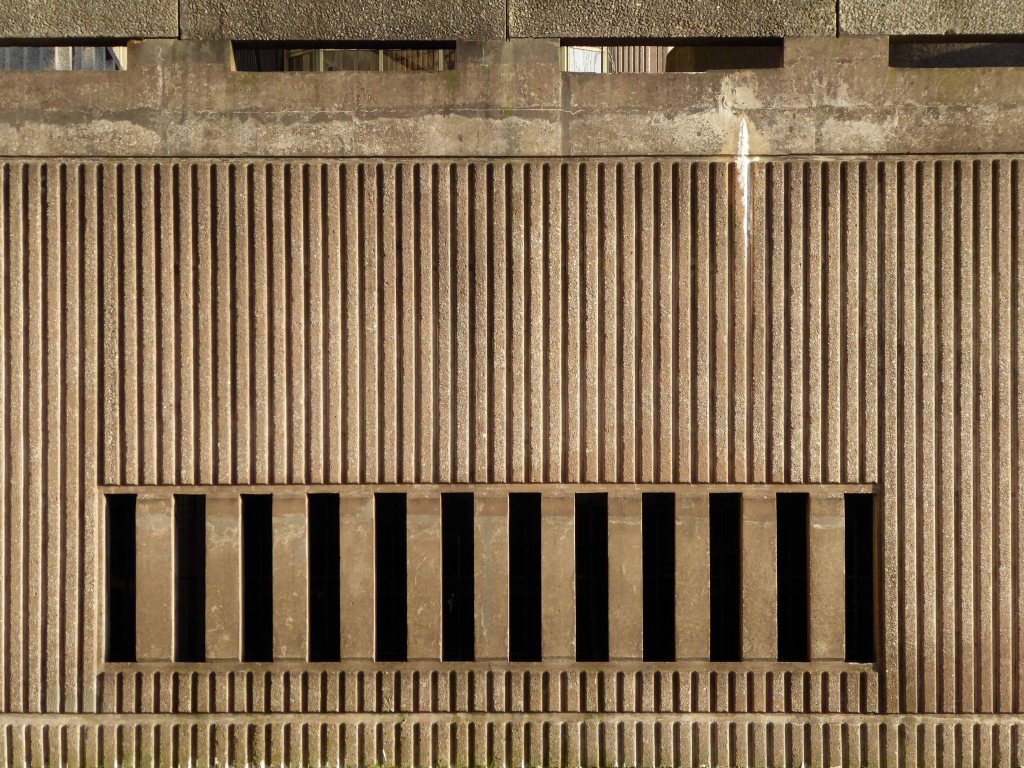
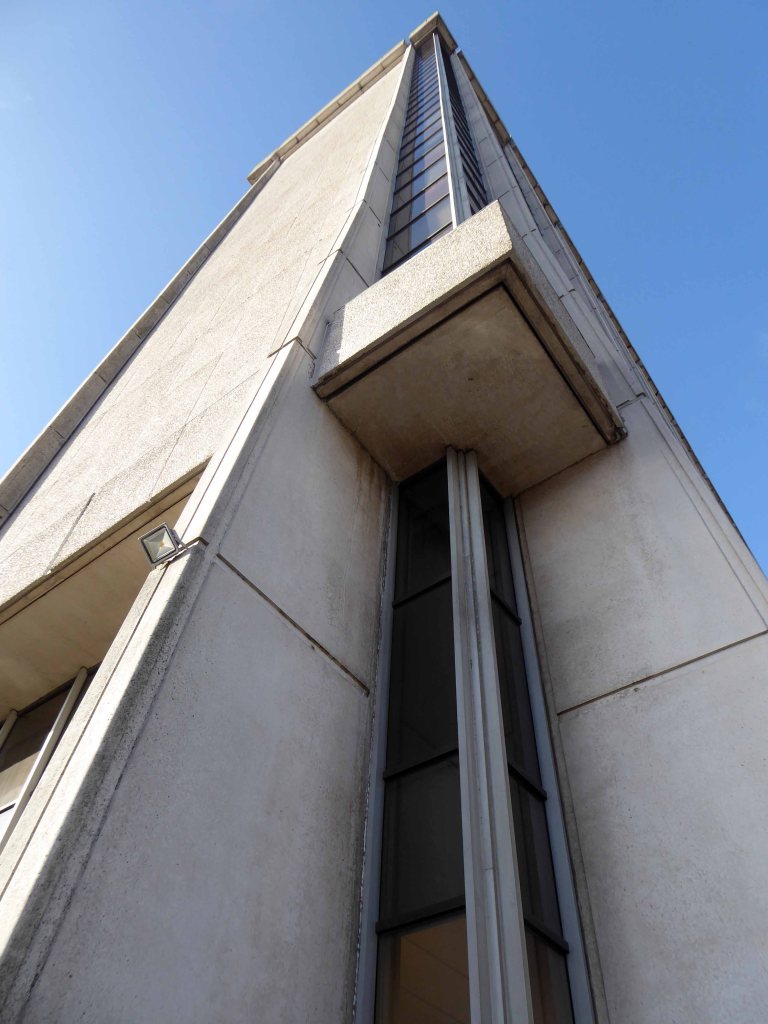
Side elevations are brut concrete, with limited window space.
Where surfaces and volume conjoin there is further interesting structural detail.
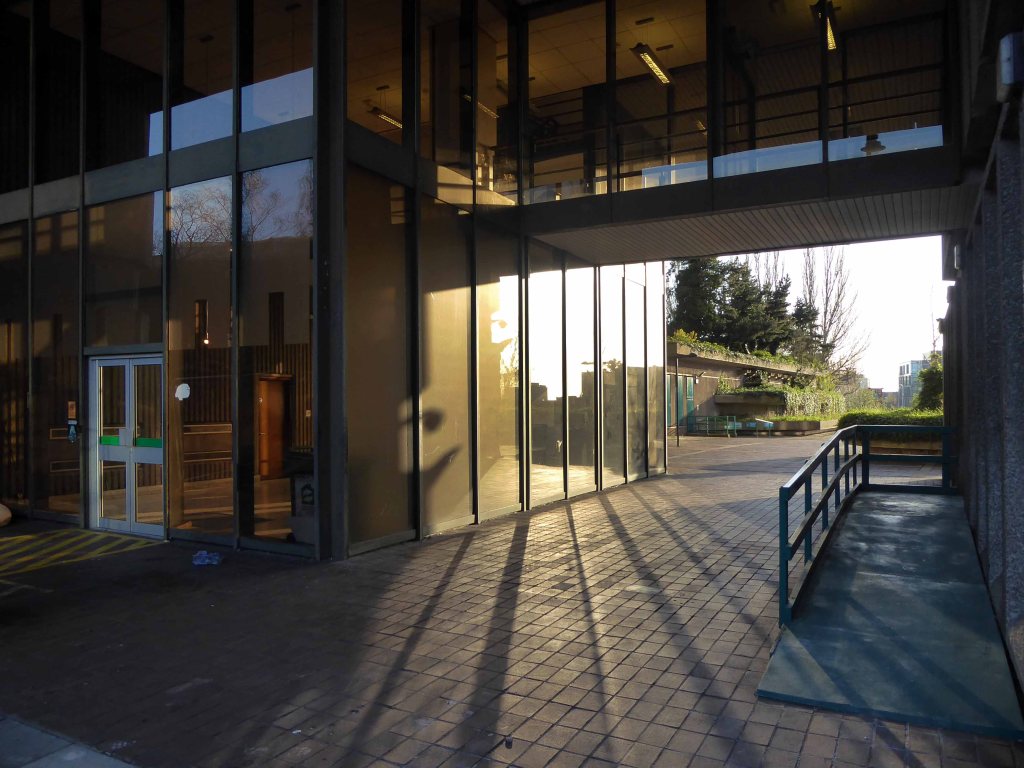
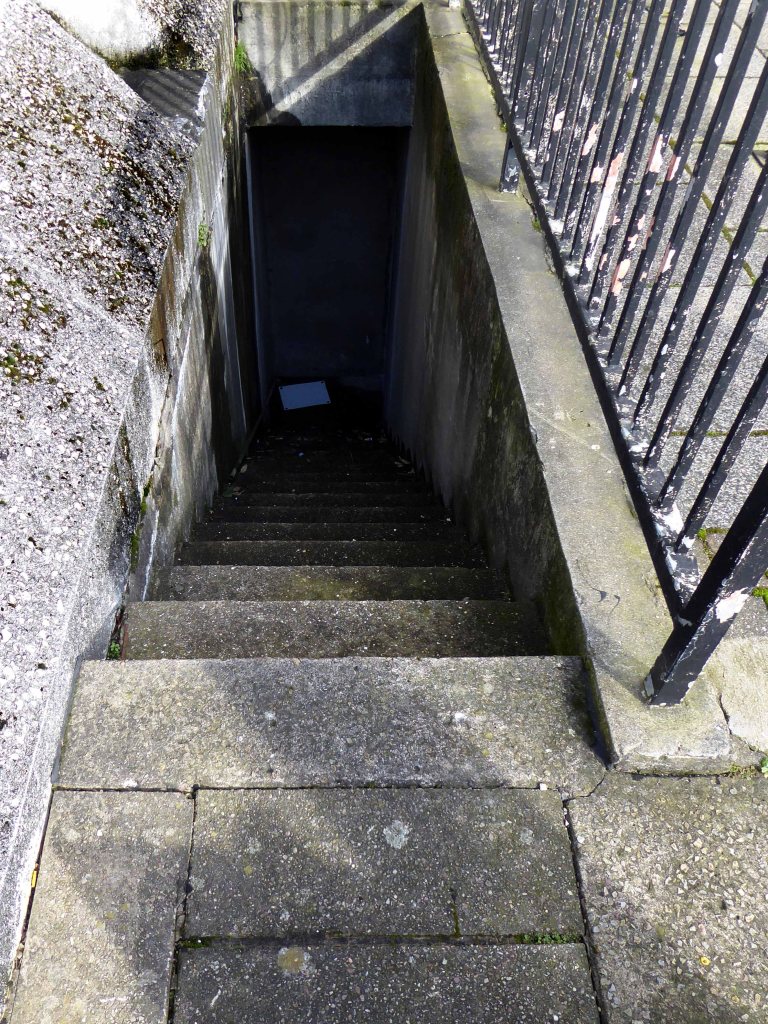
Service areas to the rear.
An exciting encounter with a building of substance and quality – go take a look for y’self.
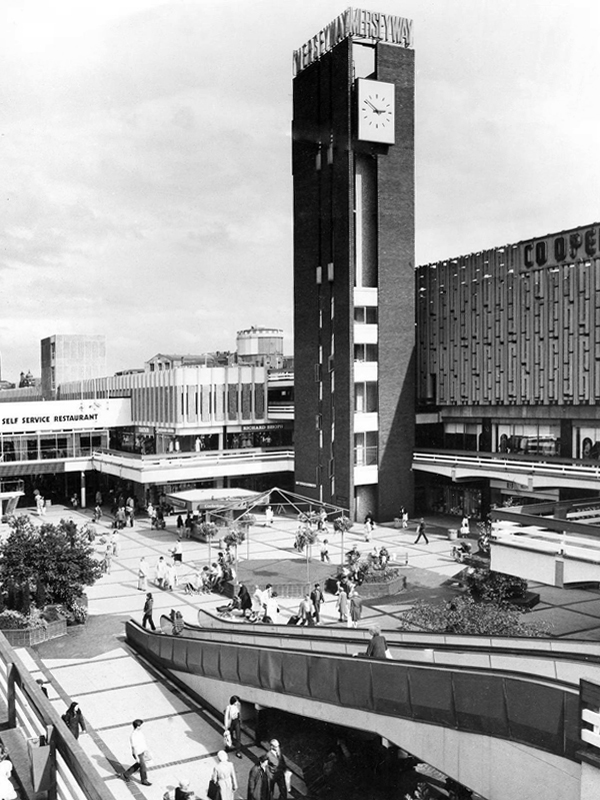
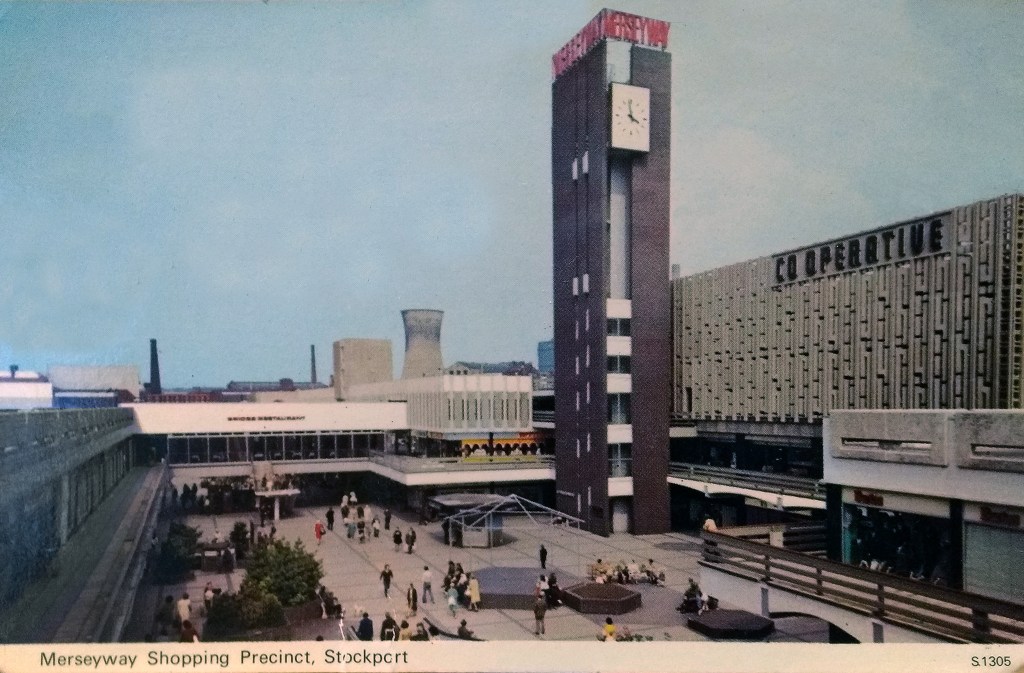
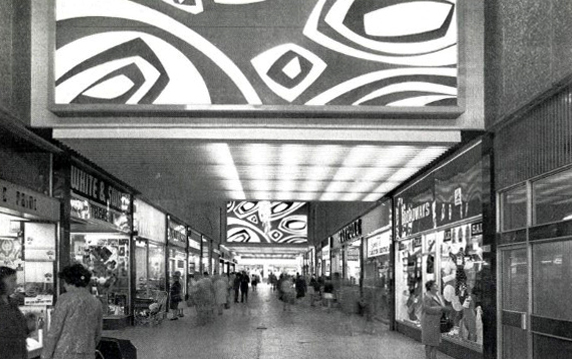
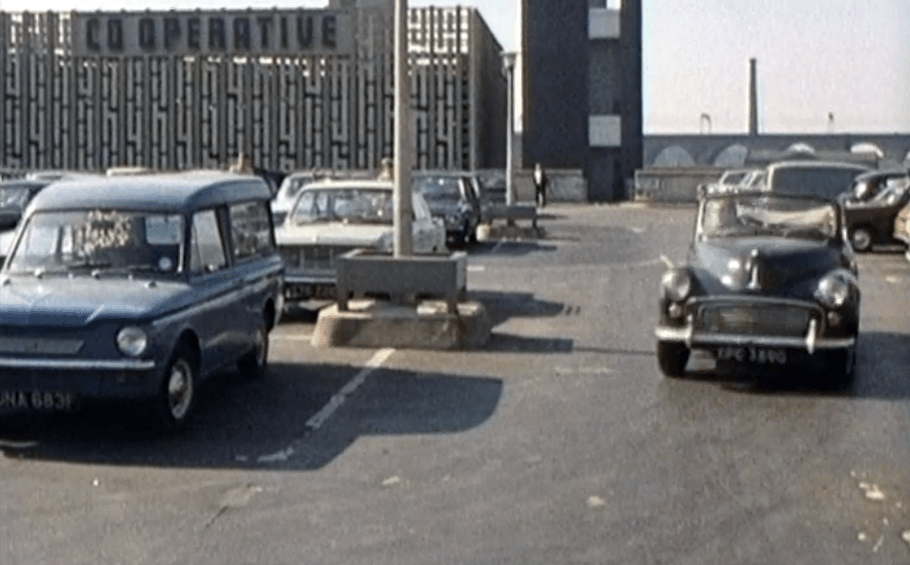
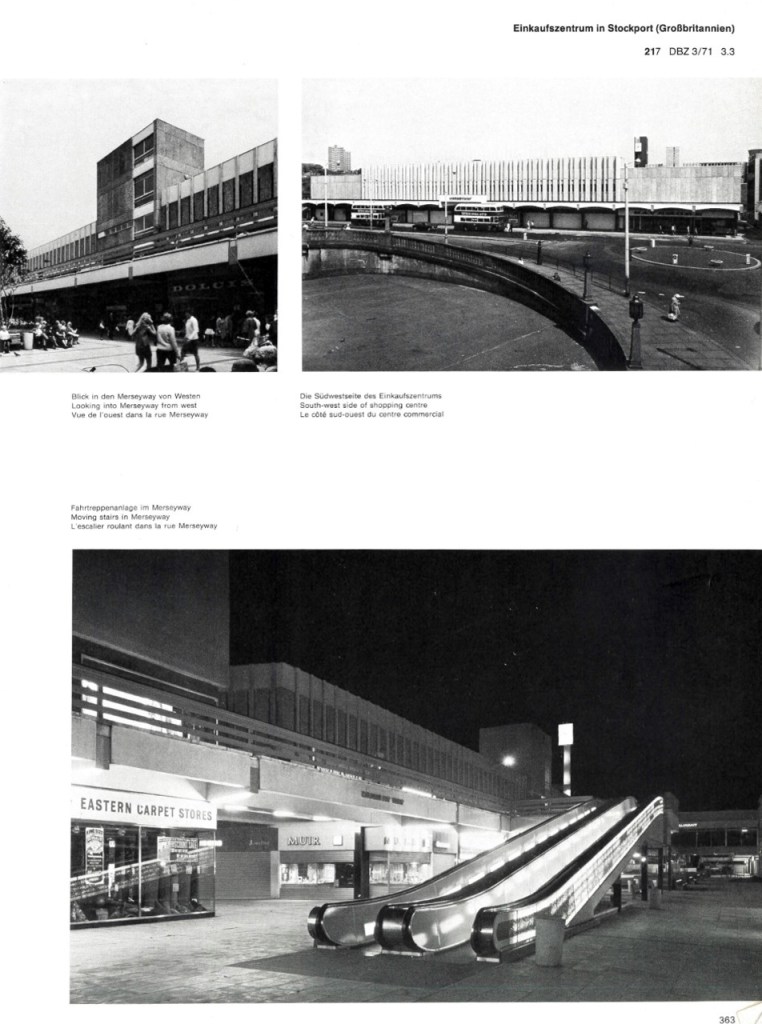
Once widely admired, Ian Nairn esteemed architectural writer, thought it an exemplary exposition of modern integrated shopping and parking, sitting perfectly in its particular topography – way back in 1972.
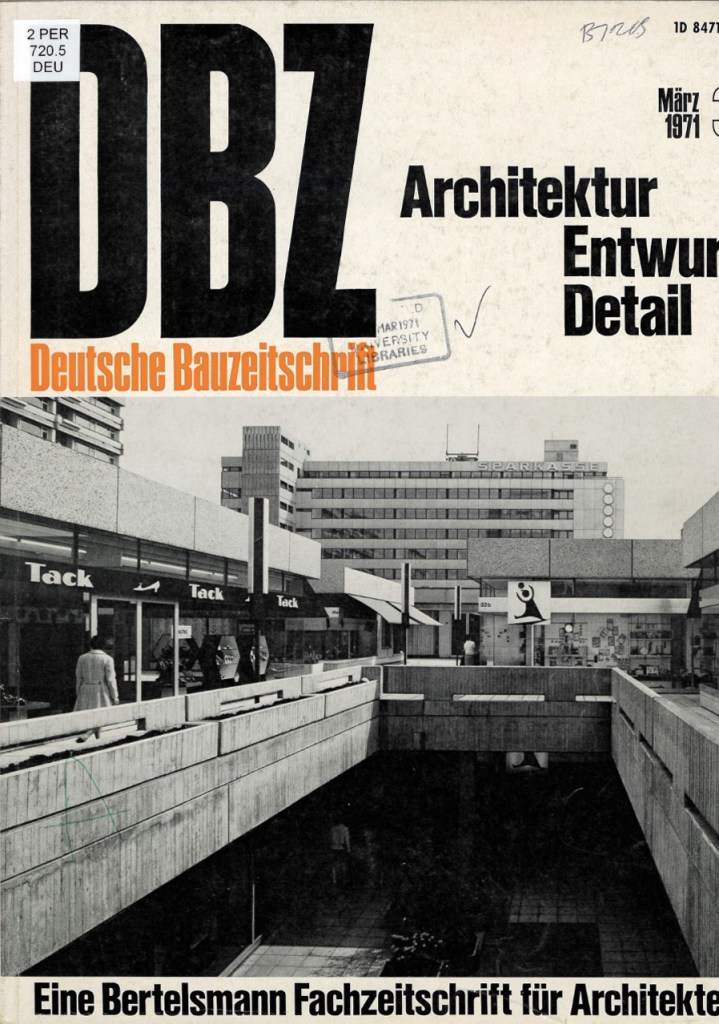
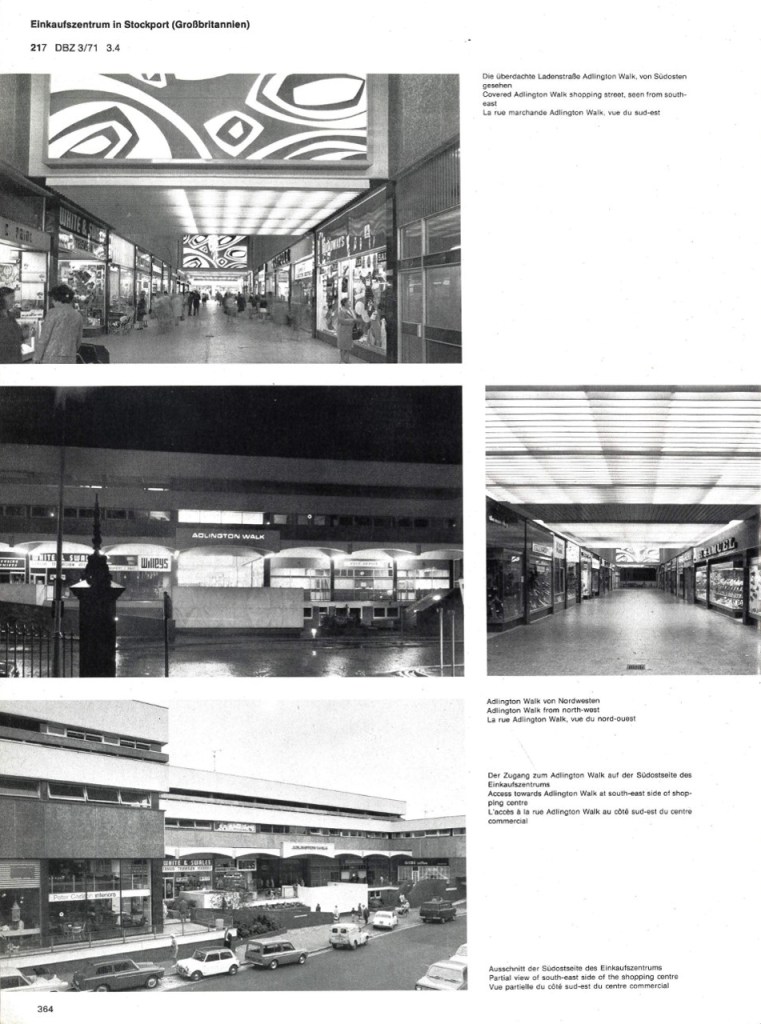
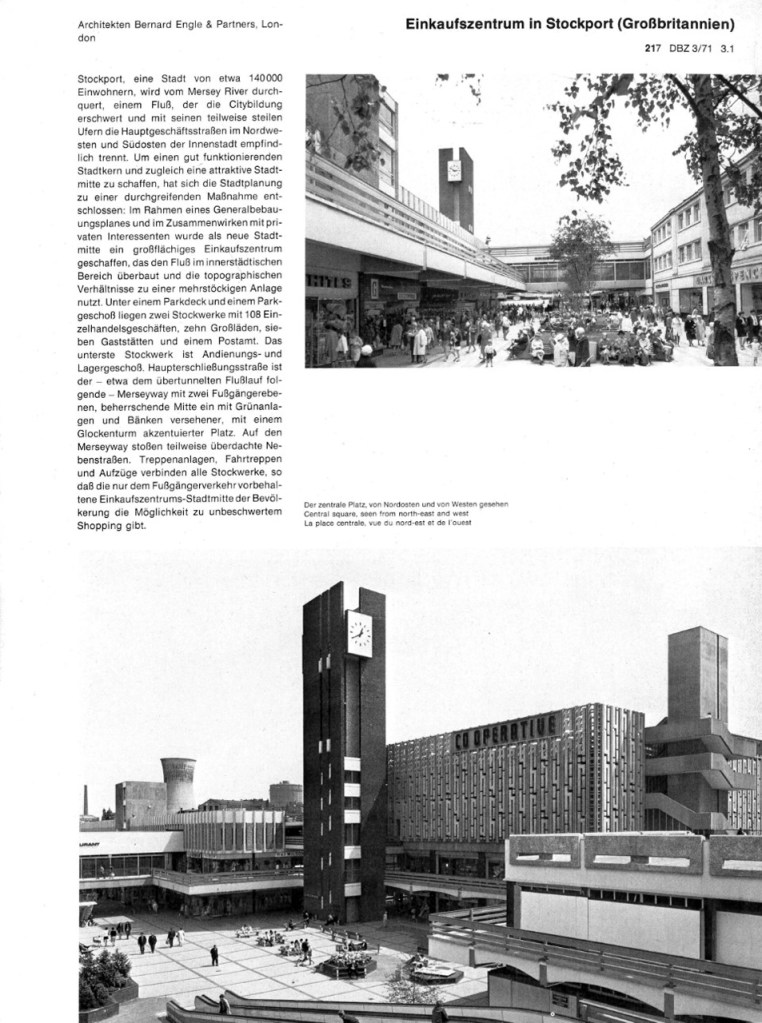
This German magazine dedicated several pages to coverage of Merseyway back in 1971.
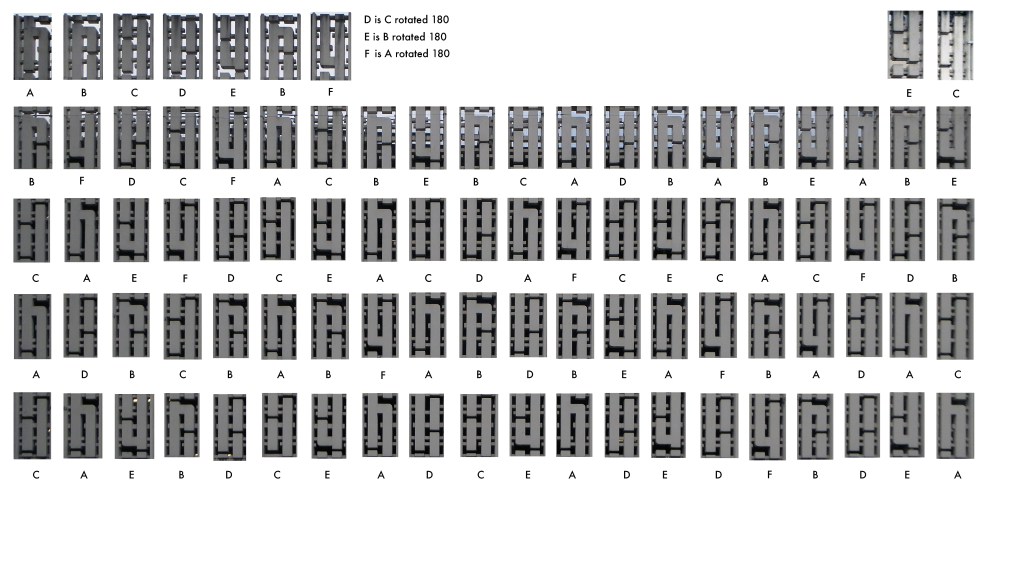
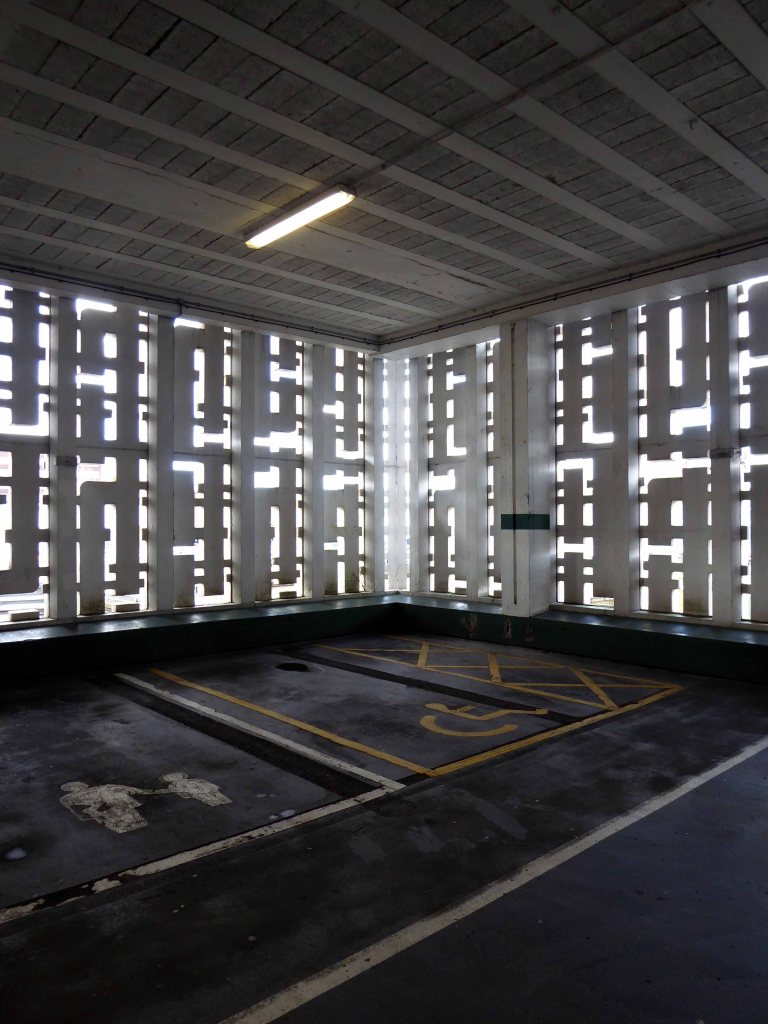
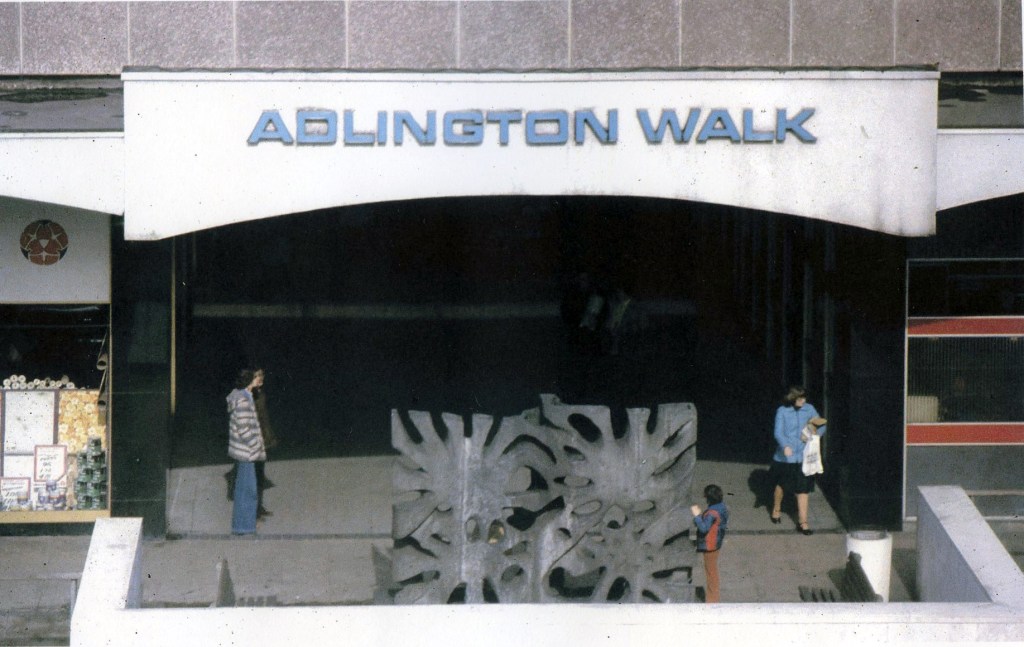
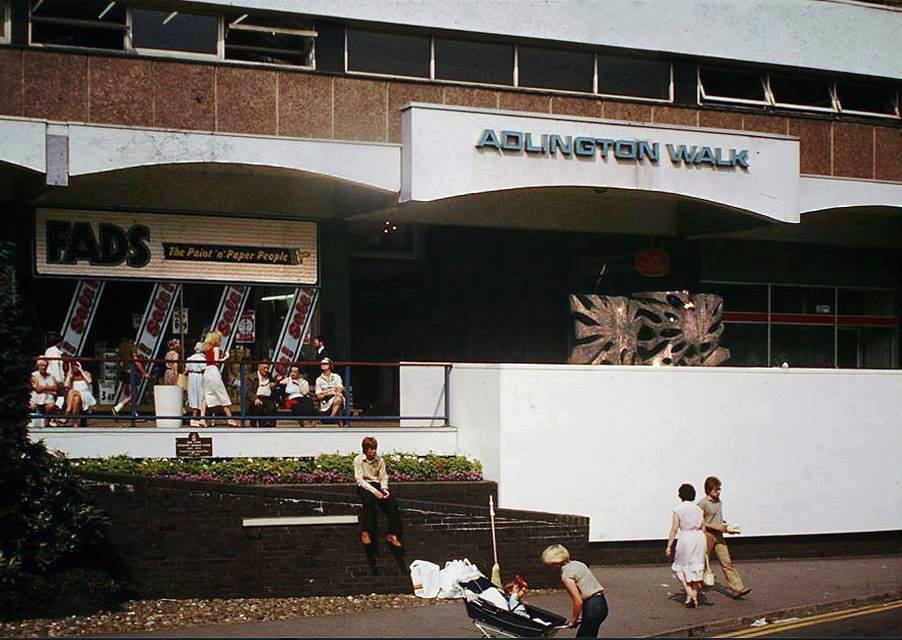
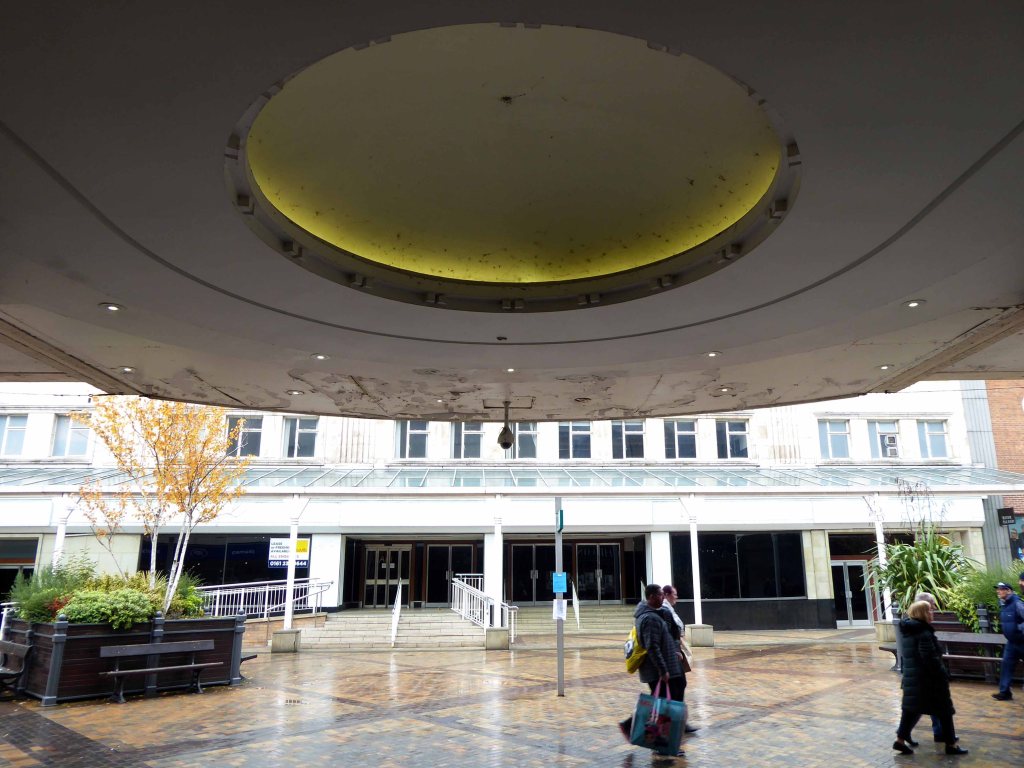
Note the long lost decorative panels of Adlington Walk.
Many thanks to Sean Madner for these archive images.
Mainstream Modern has recorded its conception and inception, as part of a wider appreciation of Greater Manchester’s architecture.
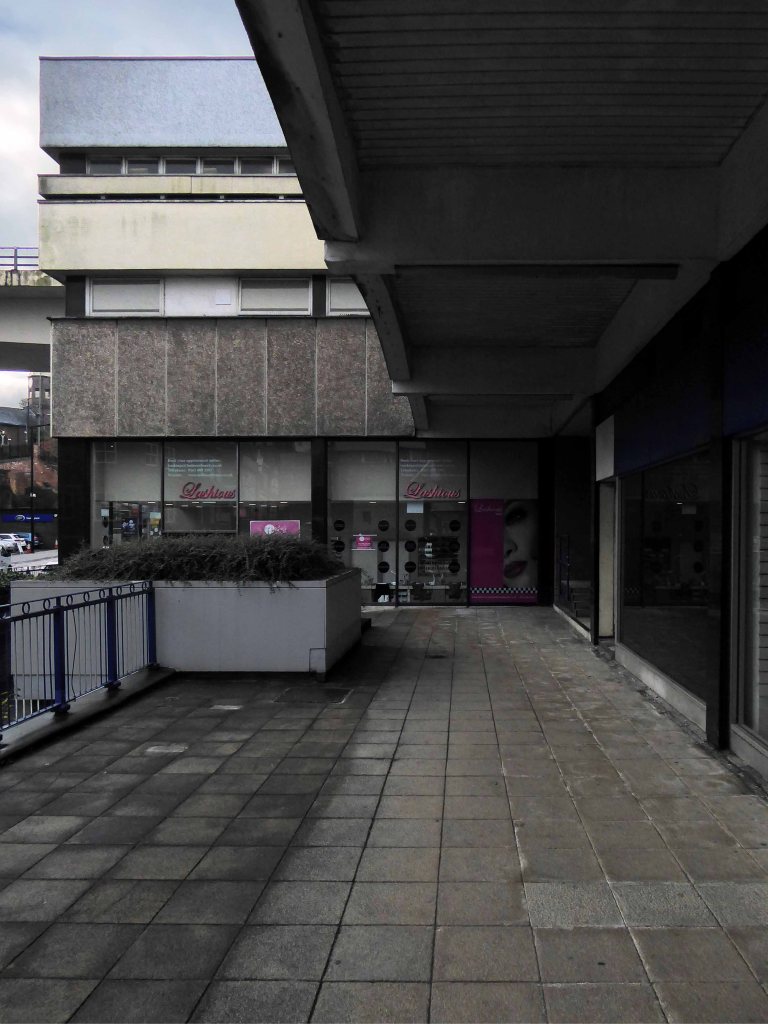
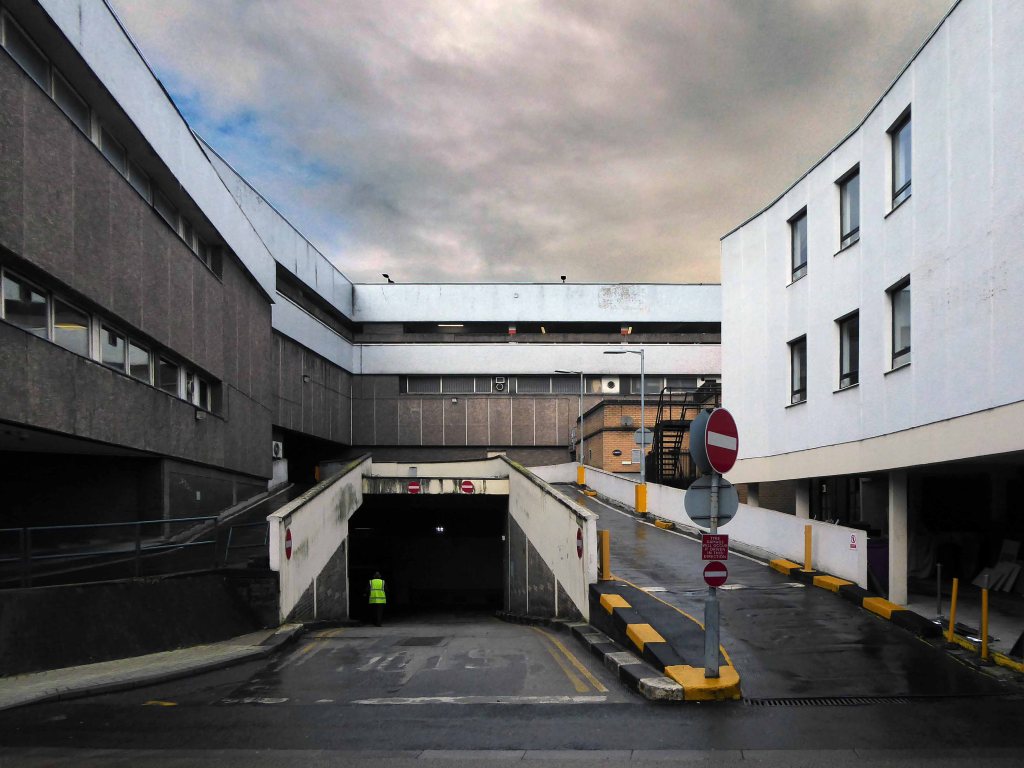
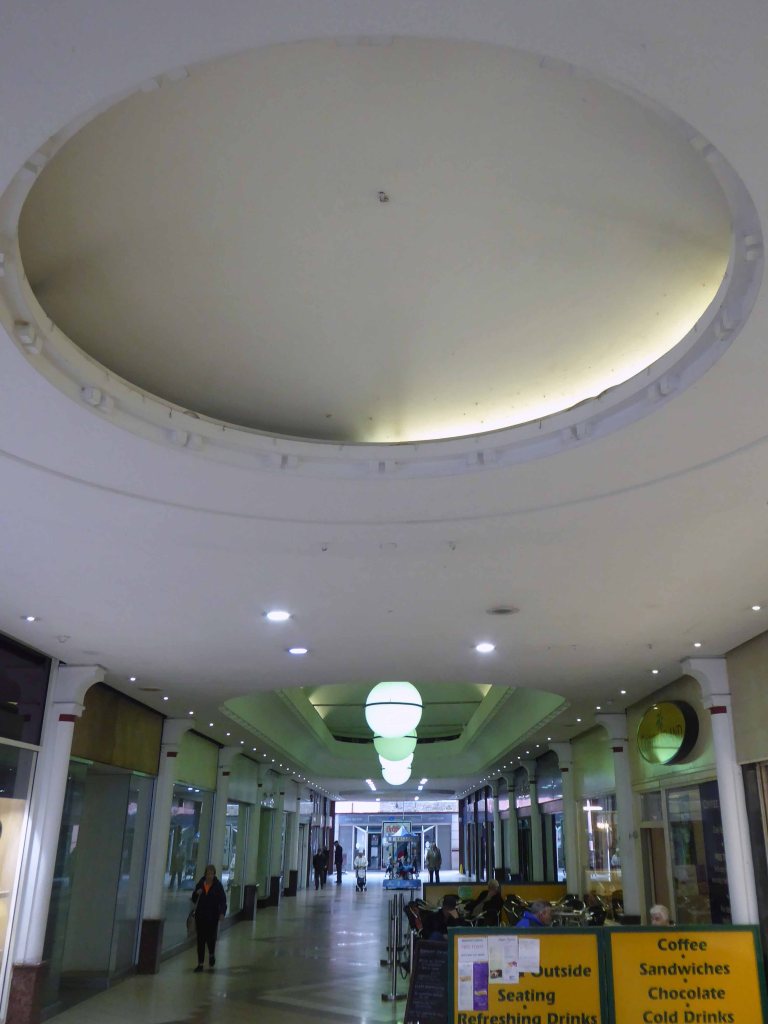
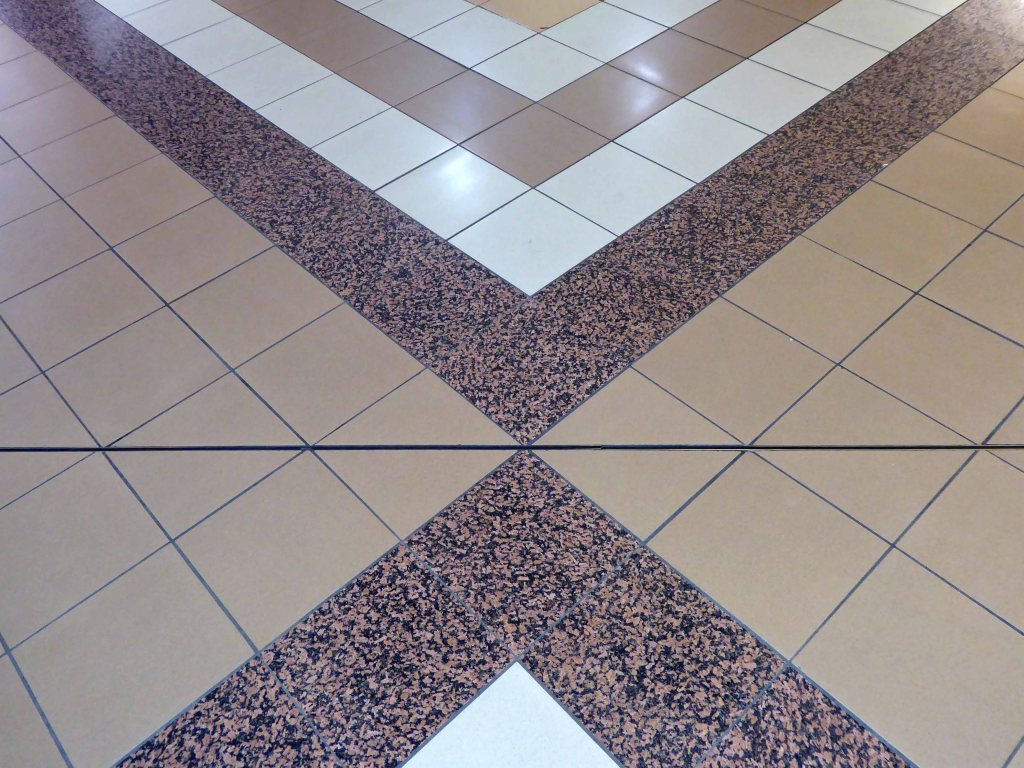
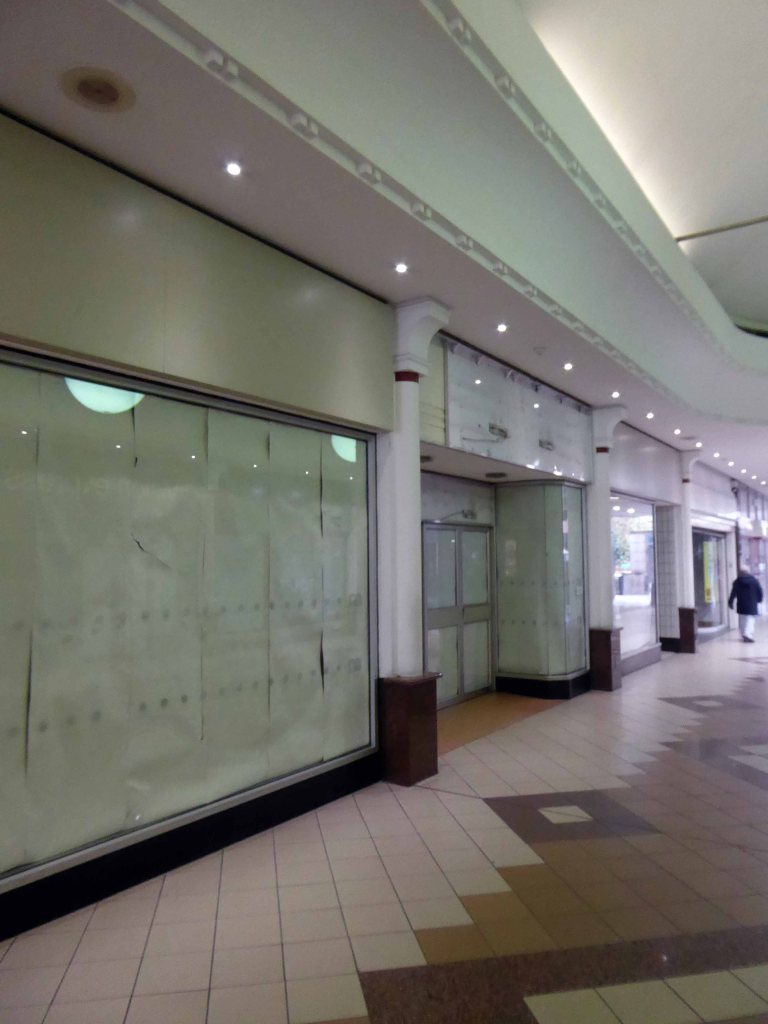
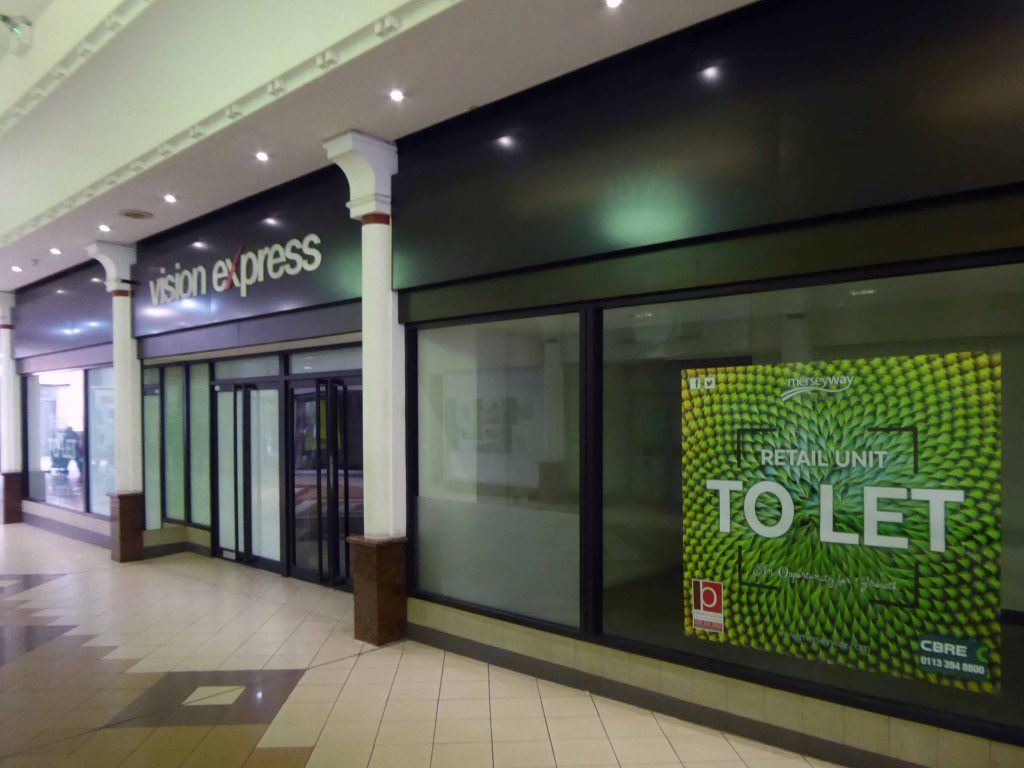
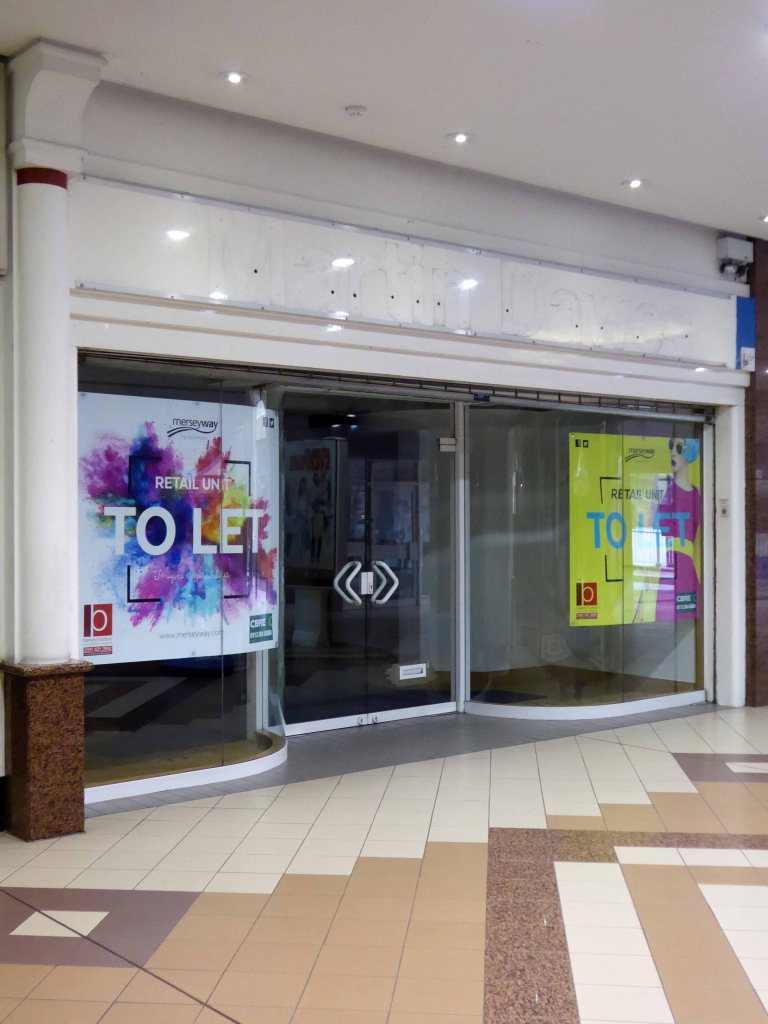
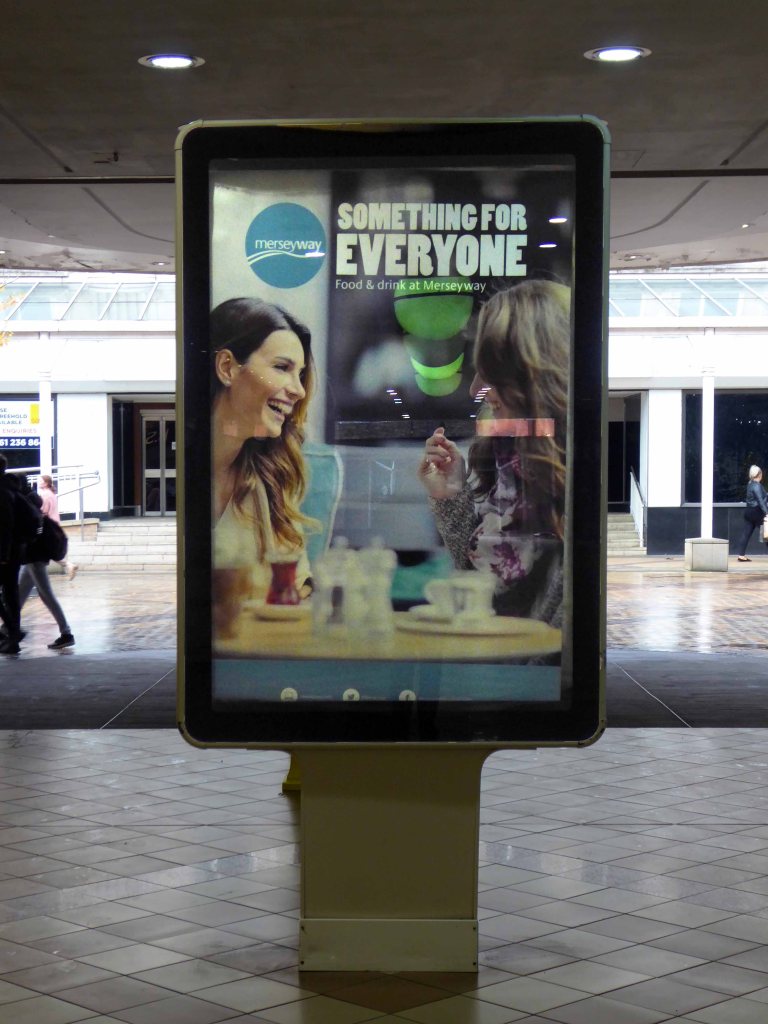
The architects were Bernard Engle and Partners in conjunction with officers of Stockport Corporation and the centre opened in 1965. The separation of pedestrians and cars, the service areas, the multi level street, the city block that negotiates difficult topography to its advantage, are all planning moves that are of the new, ordered and systemised, second wave modernism in the UK. The aggregate of the highways engineering, the urban planning and the shifting demands of retailers frequently arrived at a form and order such as this. In this way Merseyway is unremarkable, it’s like many other centres in many other towns – consider the rooftop landscape of Blackburn. It is, however, typical and has been typically added to and adjusted during its life and presents perhaps the face of the last retail metamorphosis before the out-of-town really made the grade.
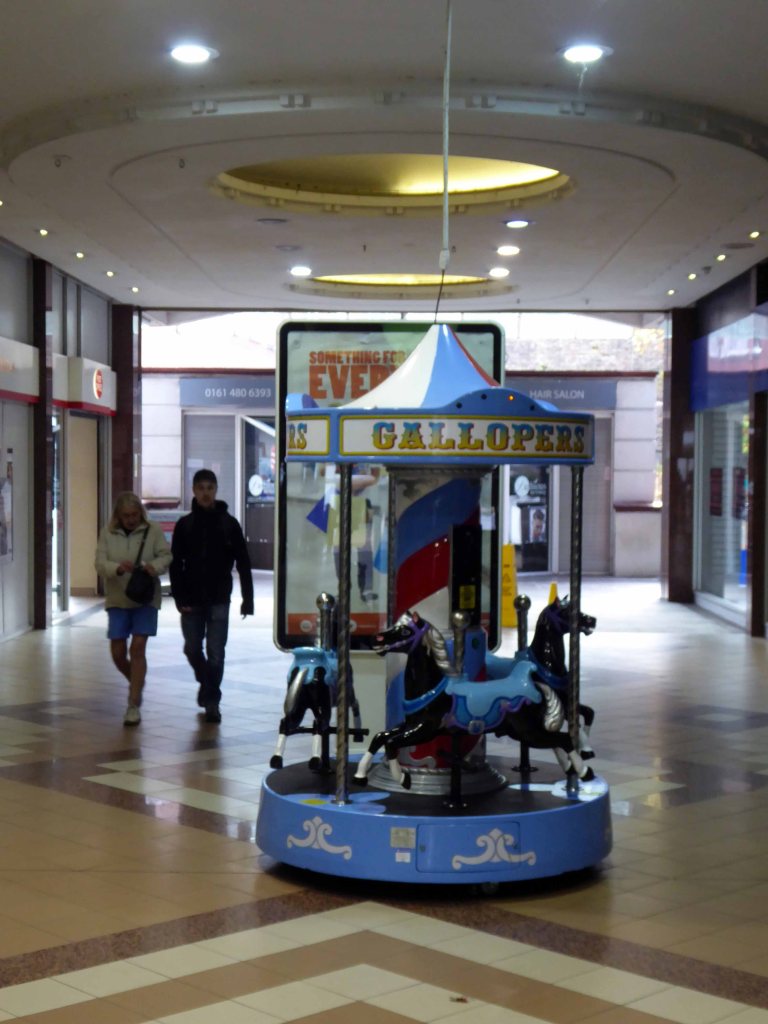
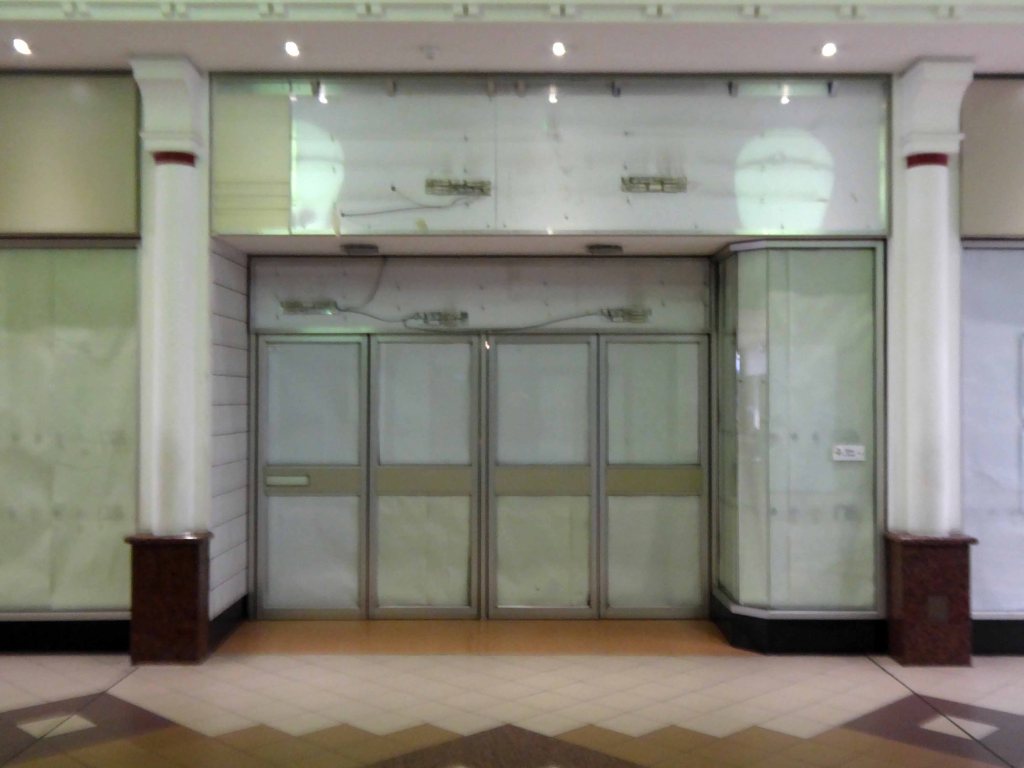
Each successive remaking and remodelling has seriously compromised the integrity of the development. We are left with dog’s dinner of poorly realised Post Modern and Hi-Tech additions, along with a failure to maintain the best of the original scheme.
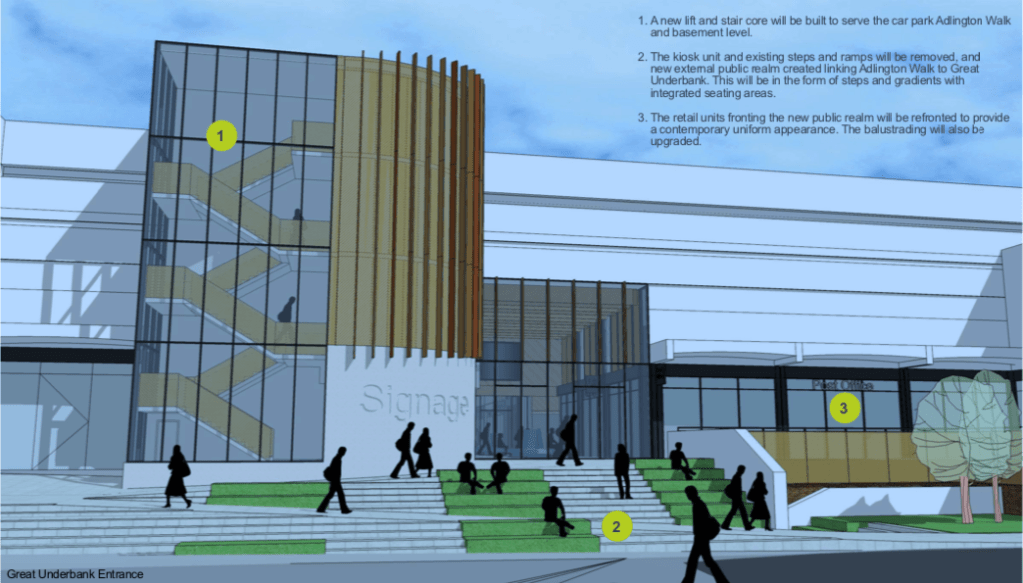
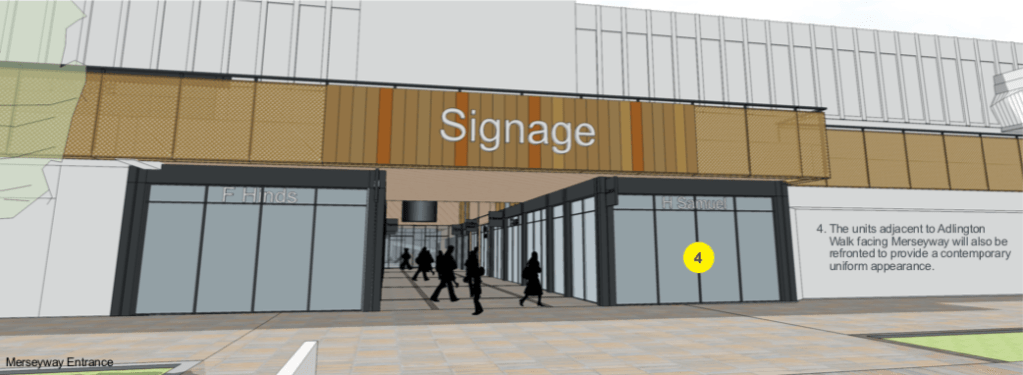
Plans are now afoot to revamp the precinct – starting with Adlington Walk.
Proposed facilities include a soft play space, new seating, buggy stores, high grade toilets, parent and child facilities and a multi faith prayer room.










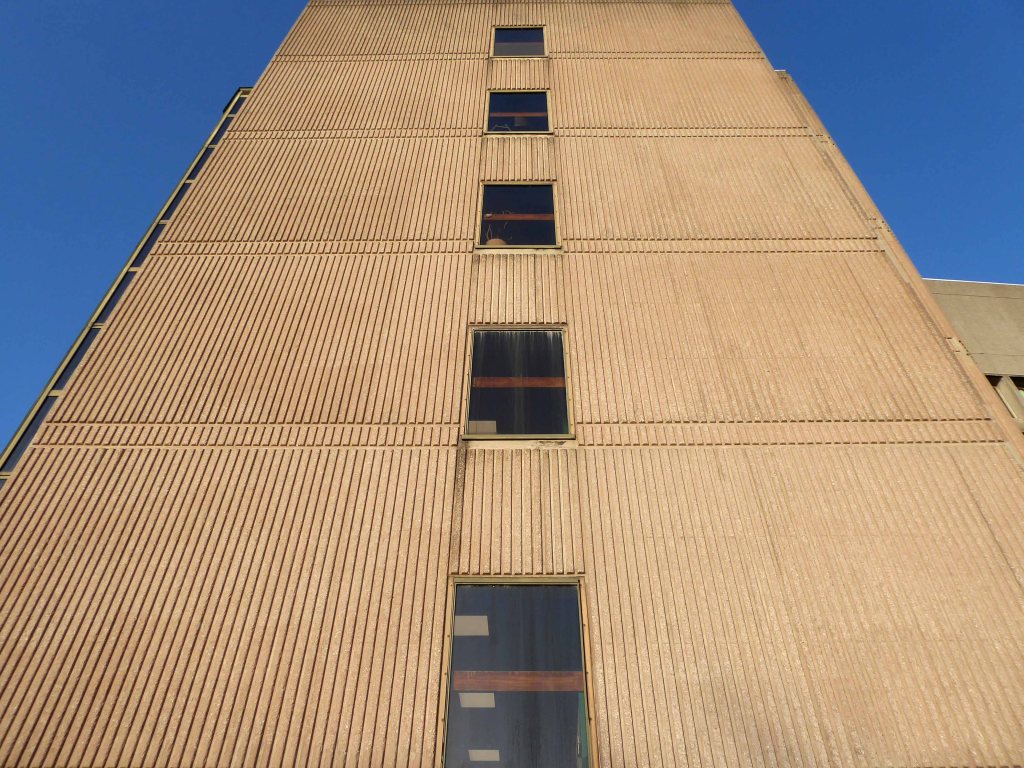
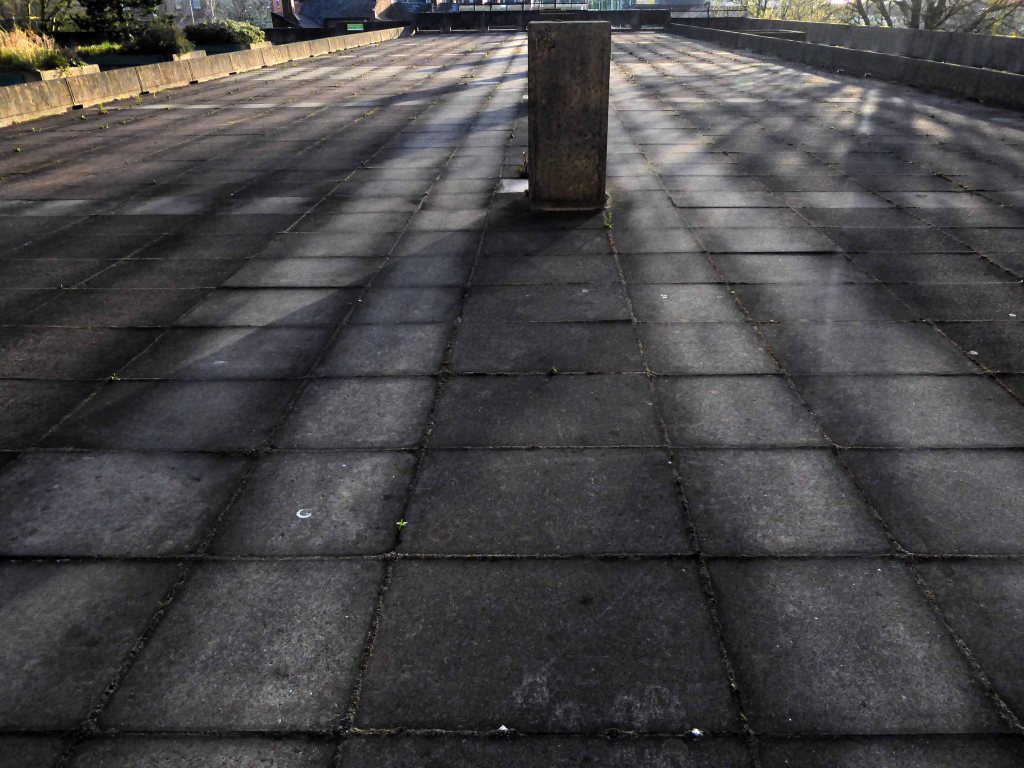
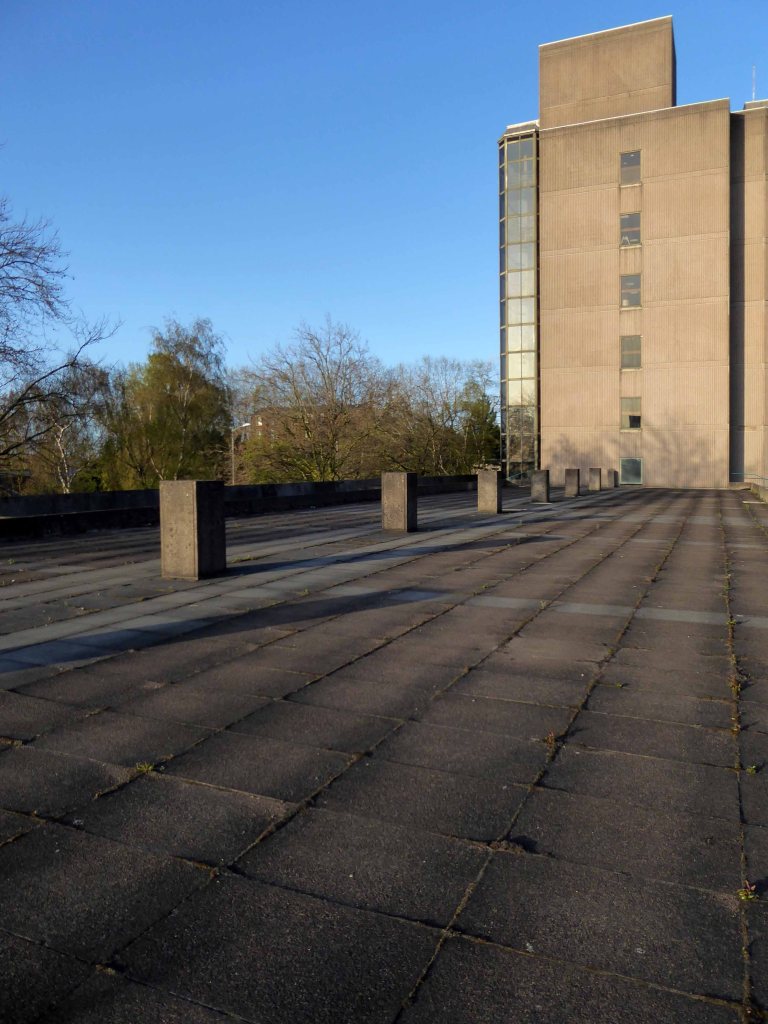
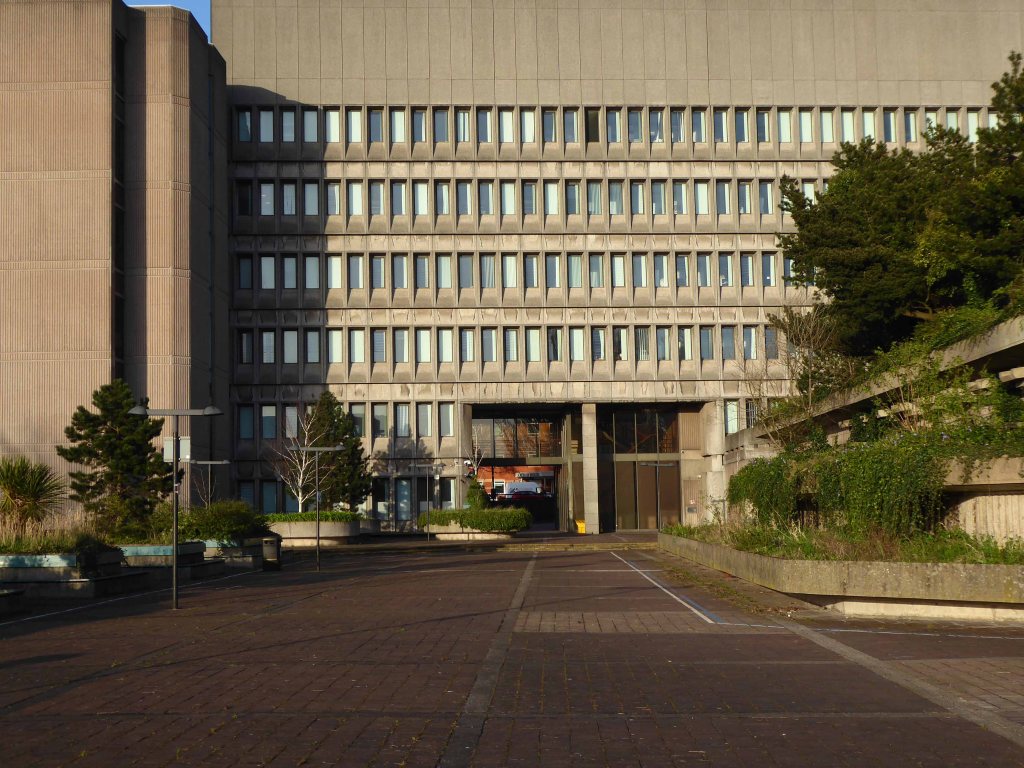


















































 Modern Mooch