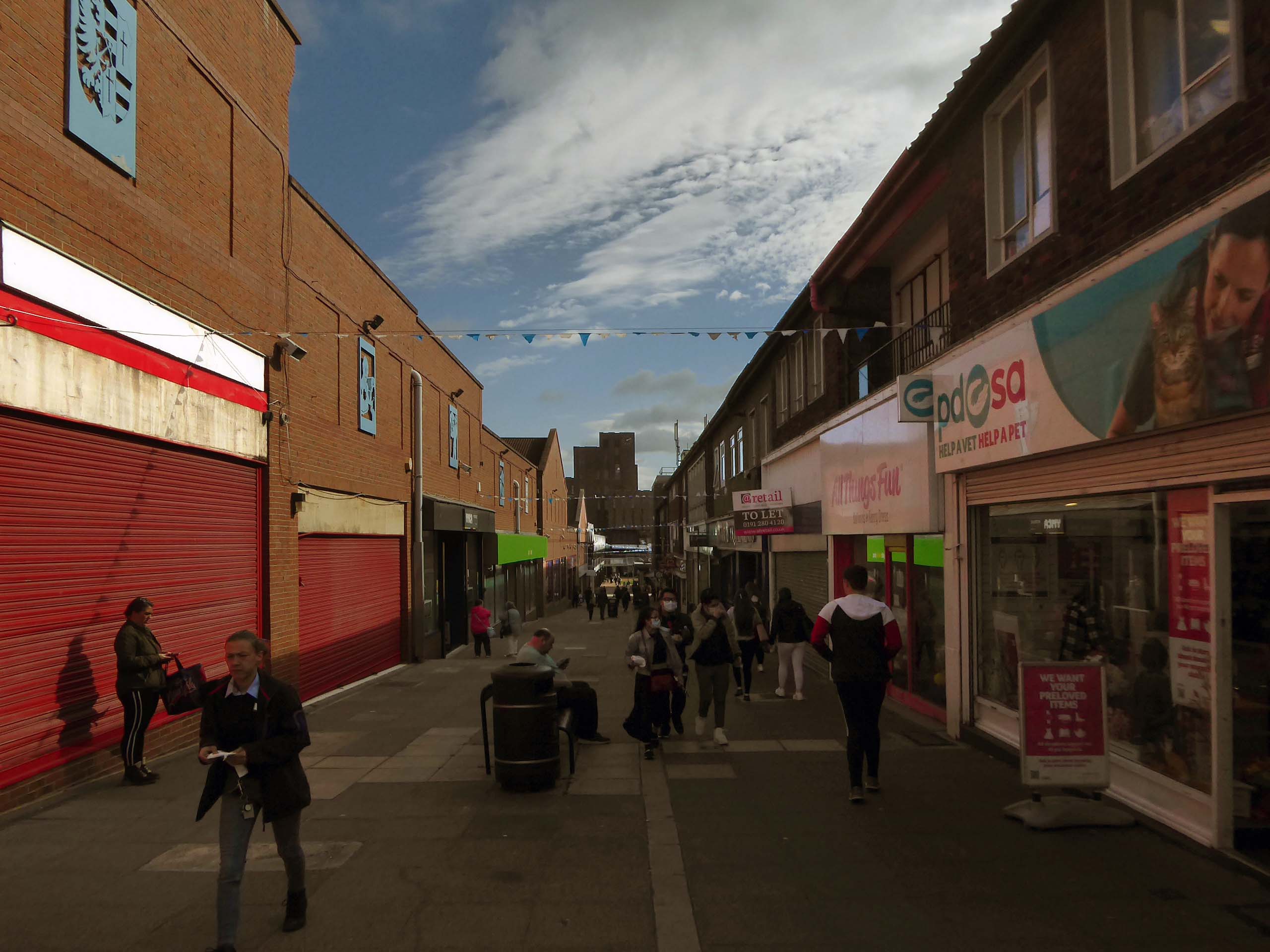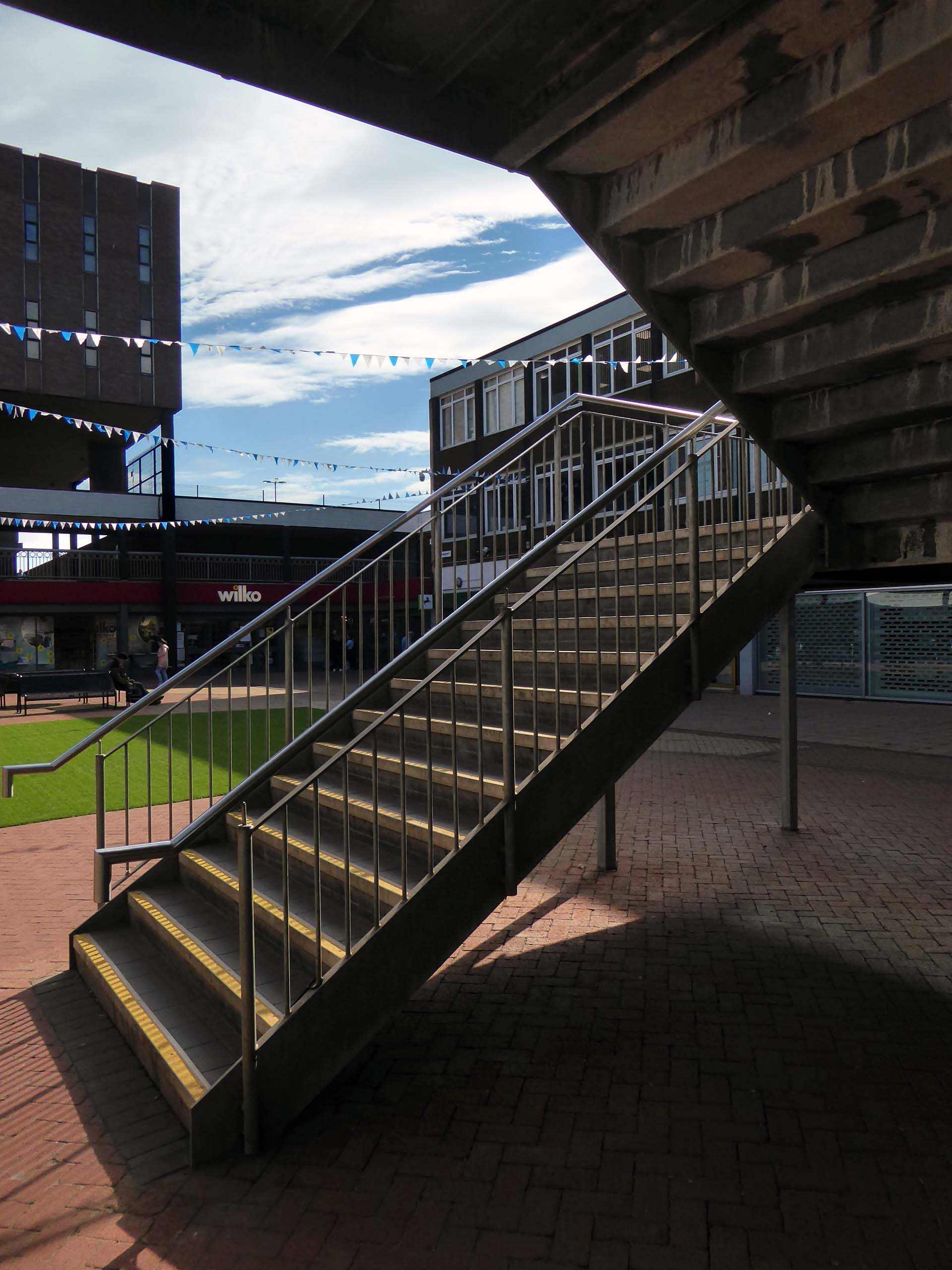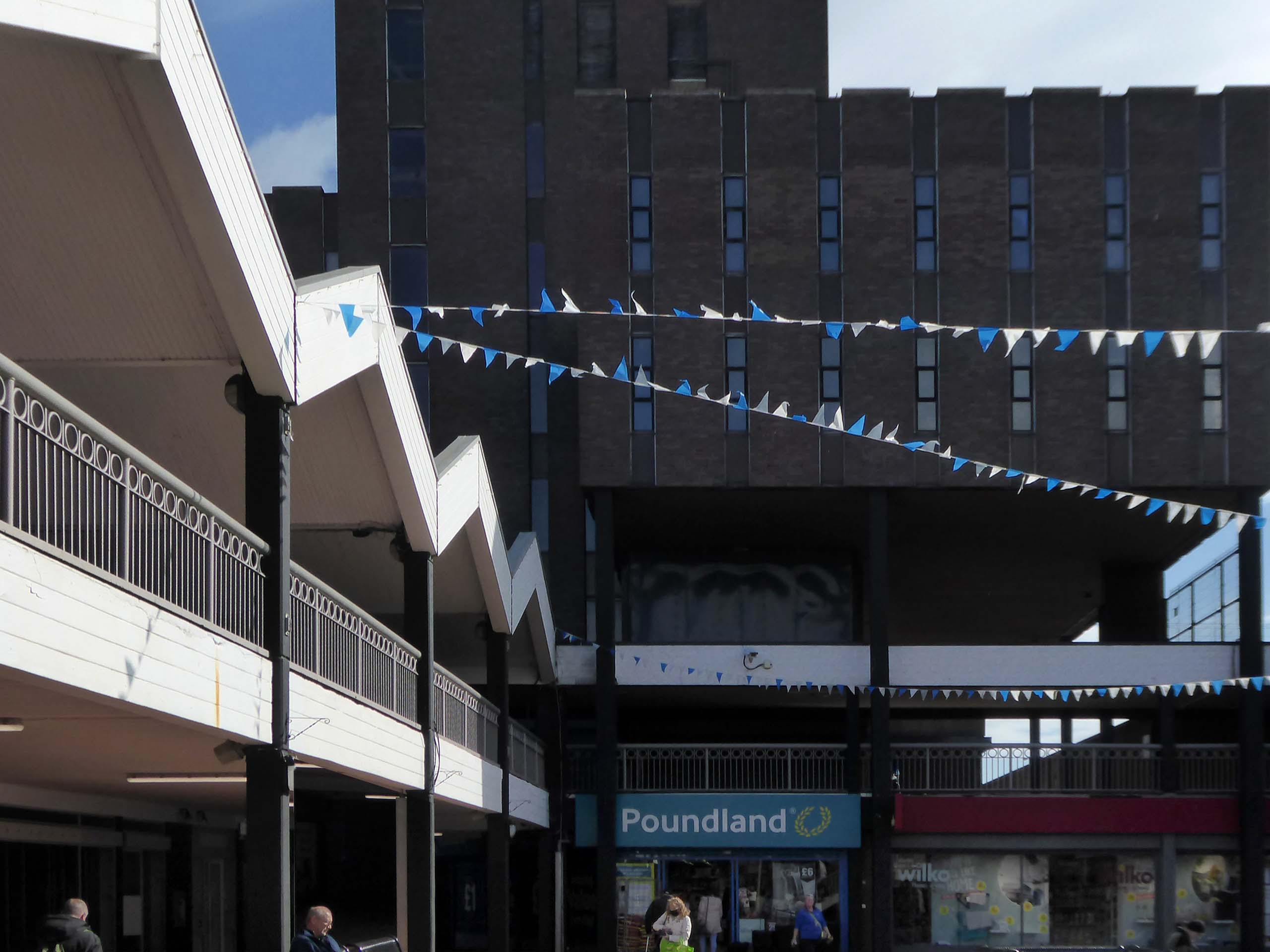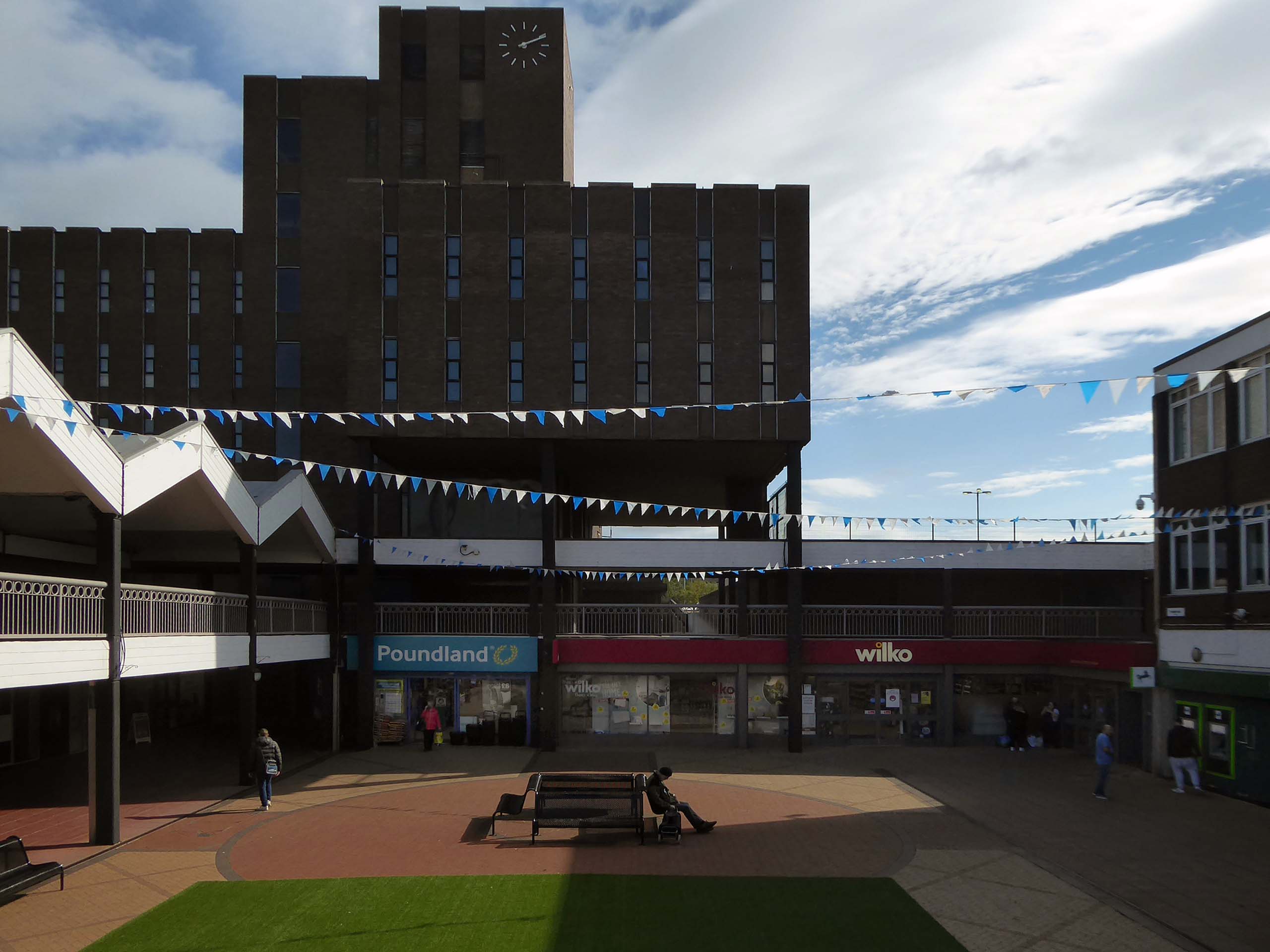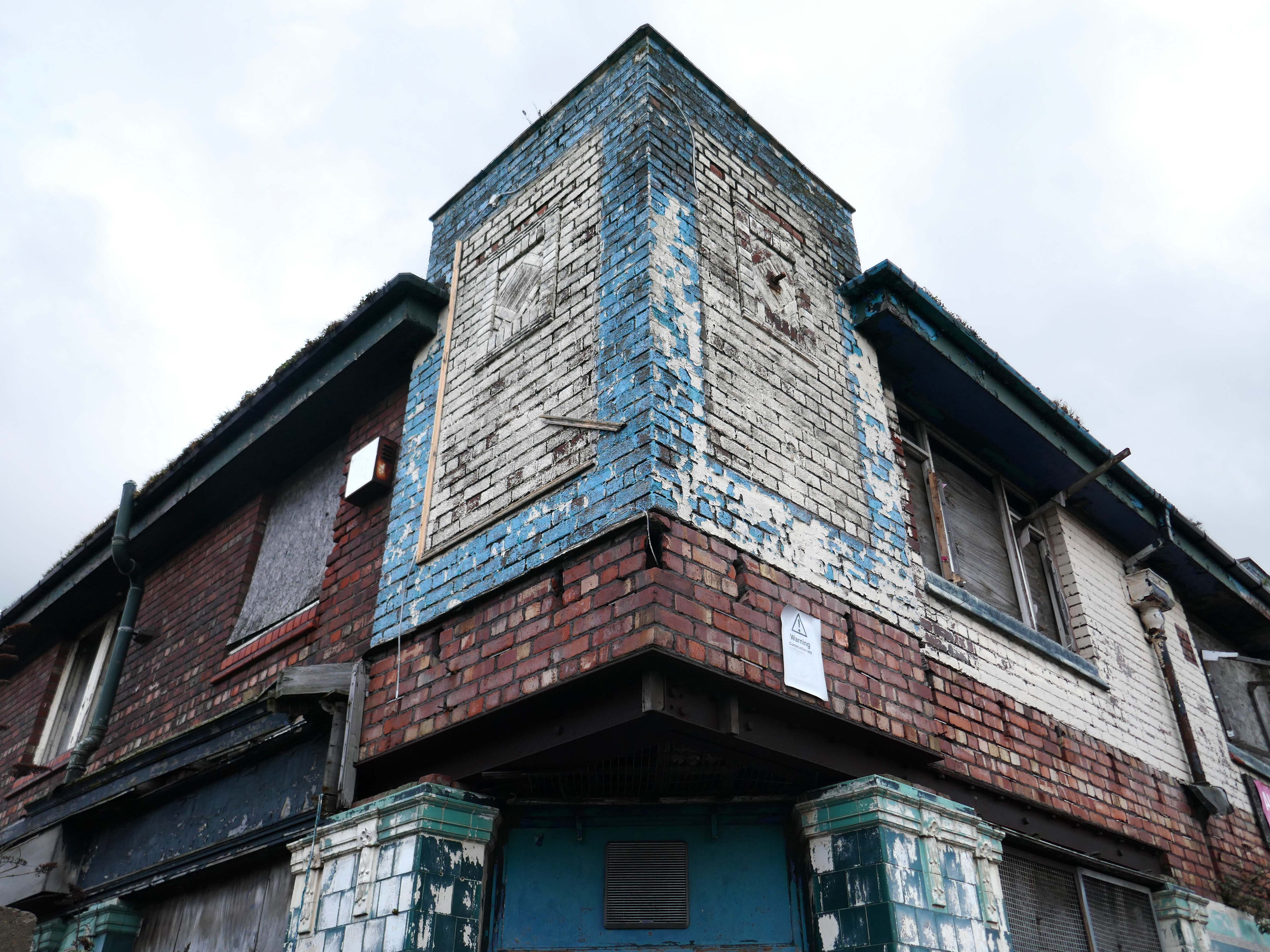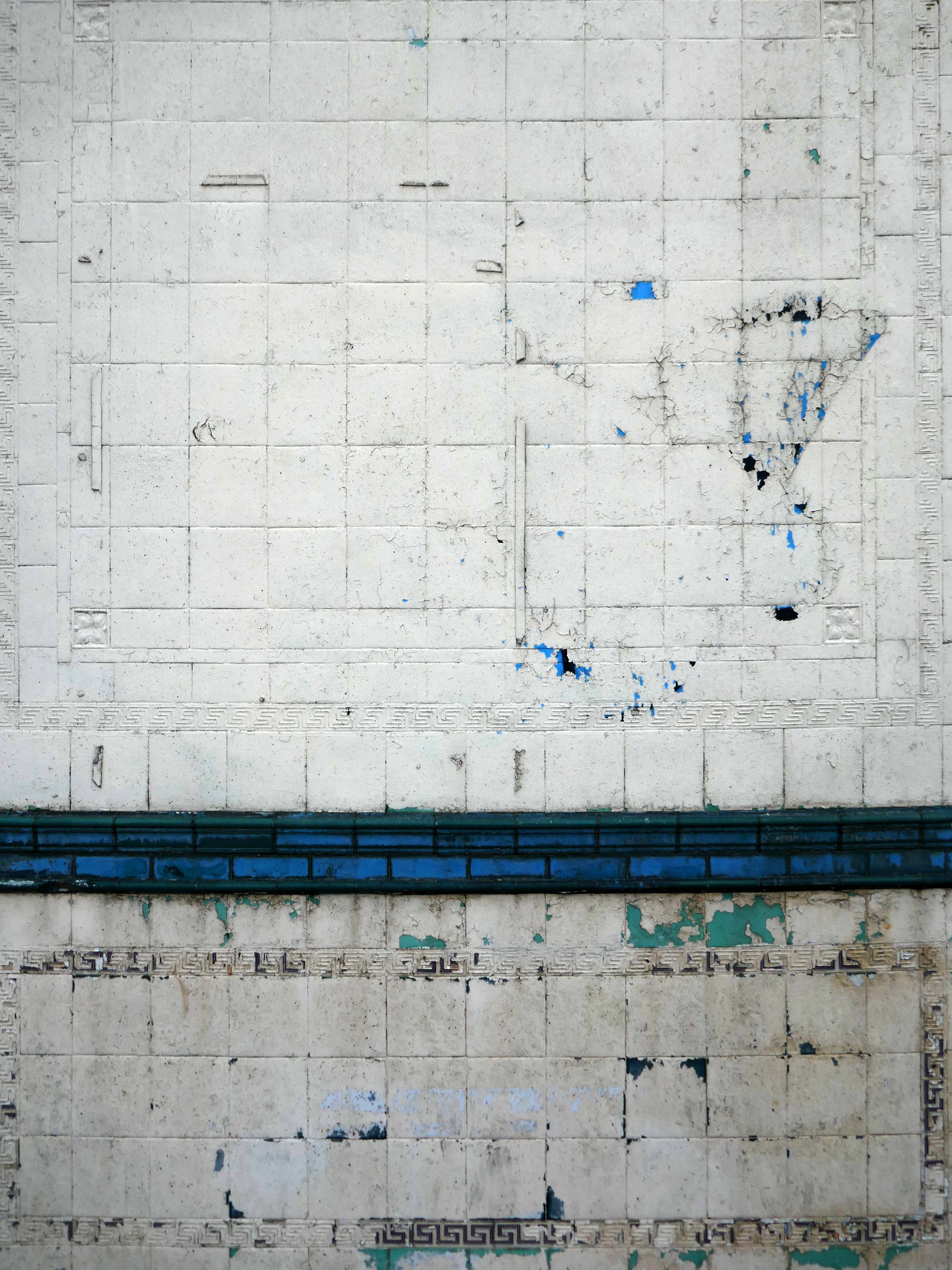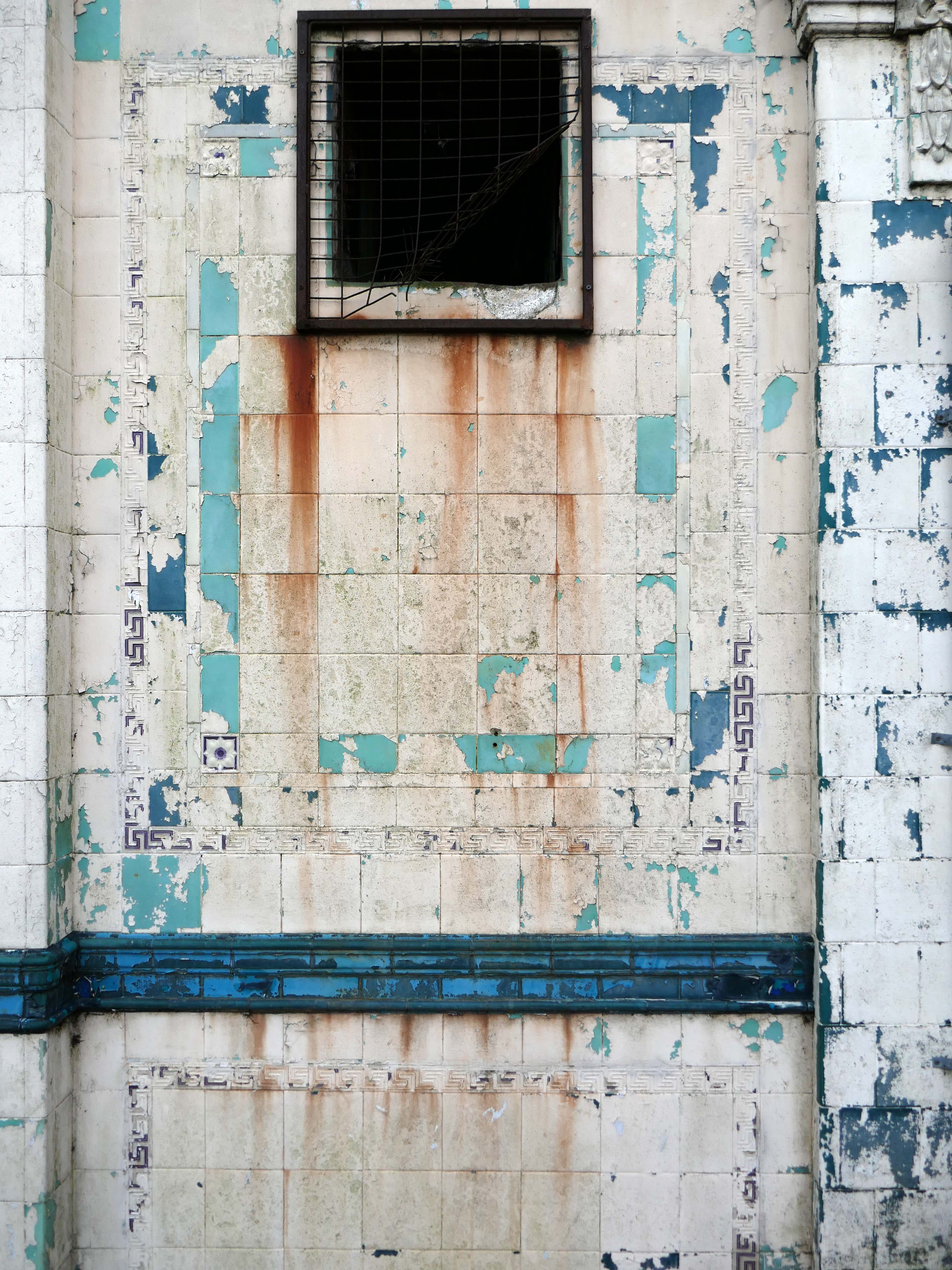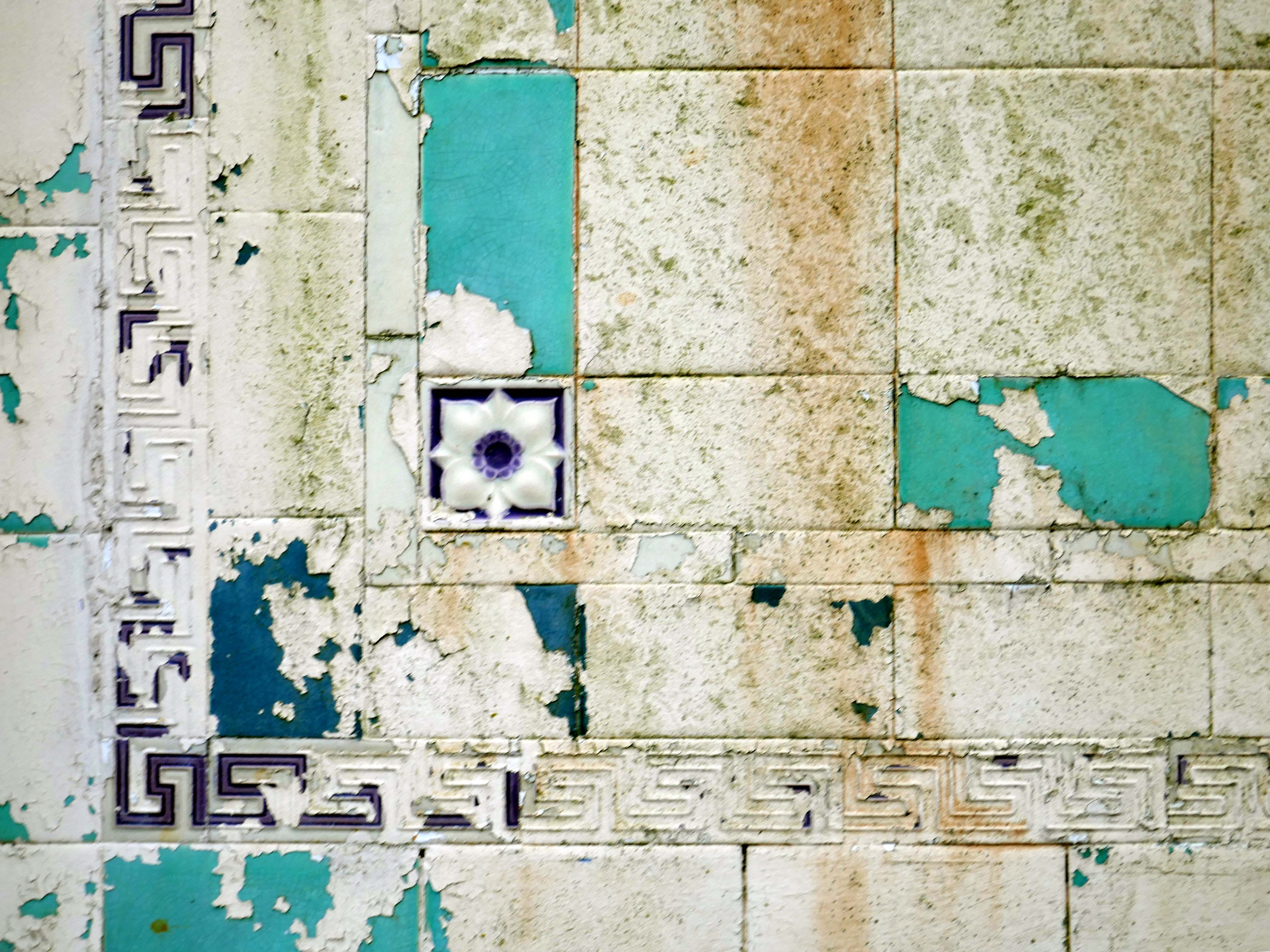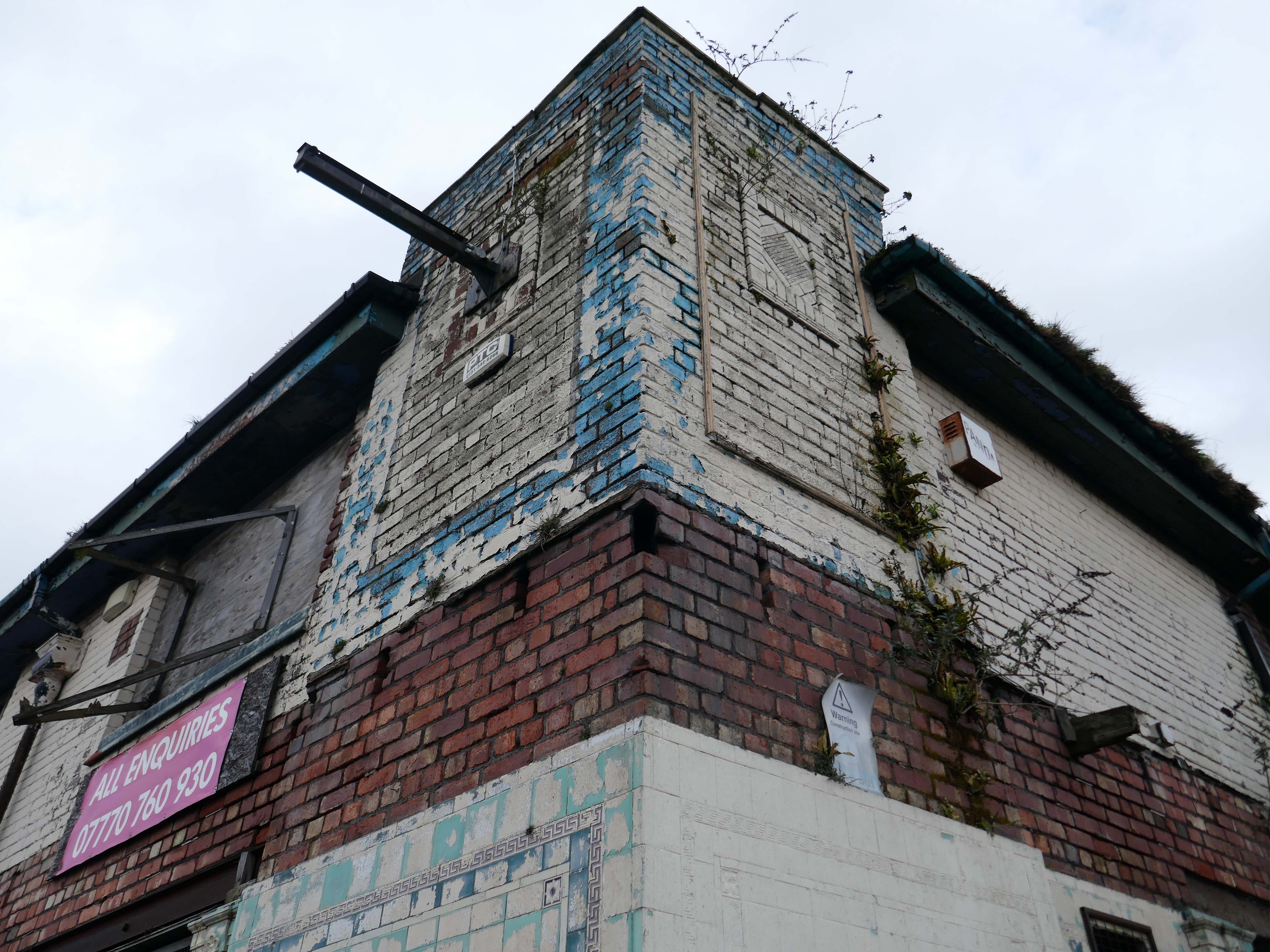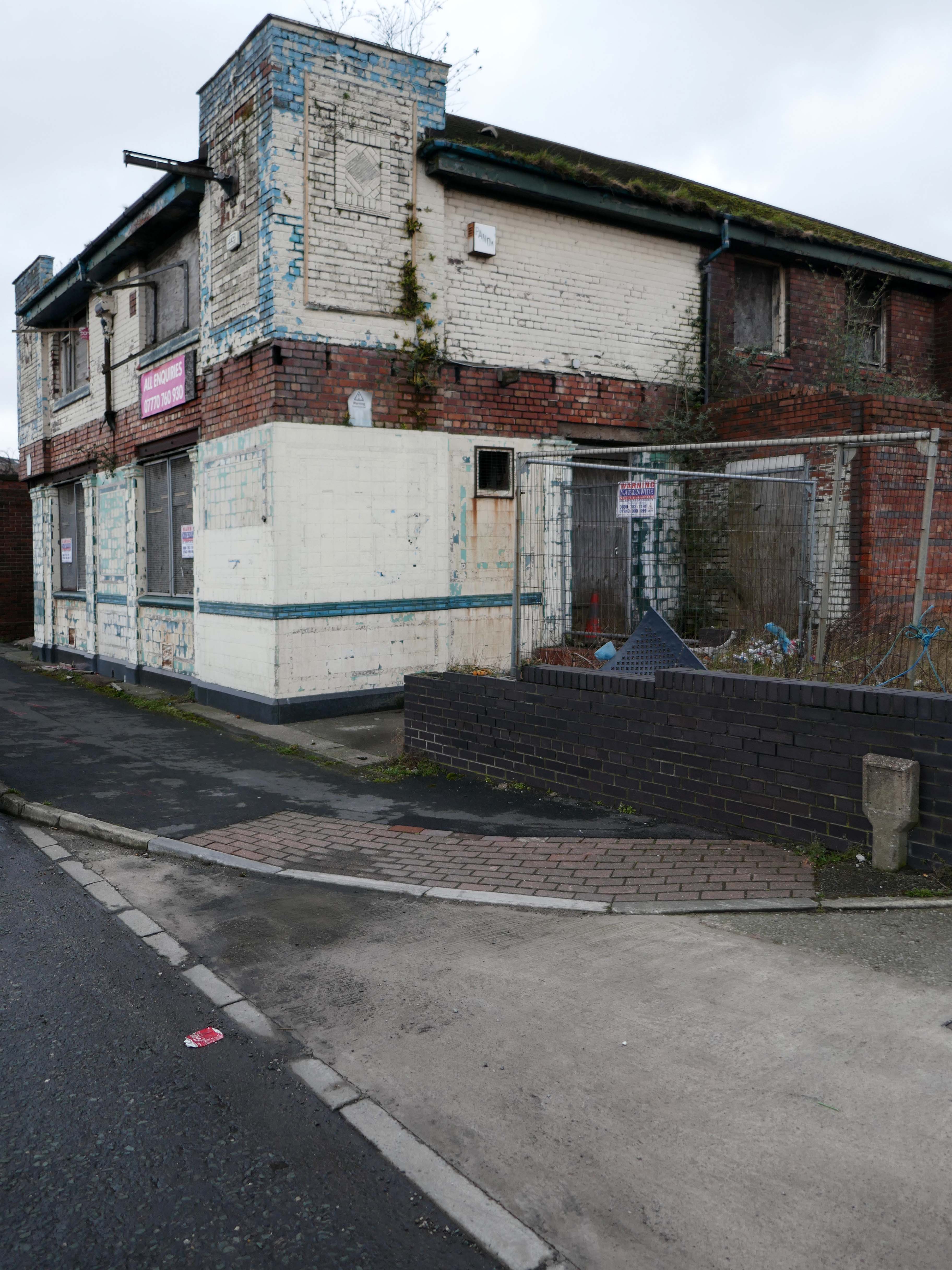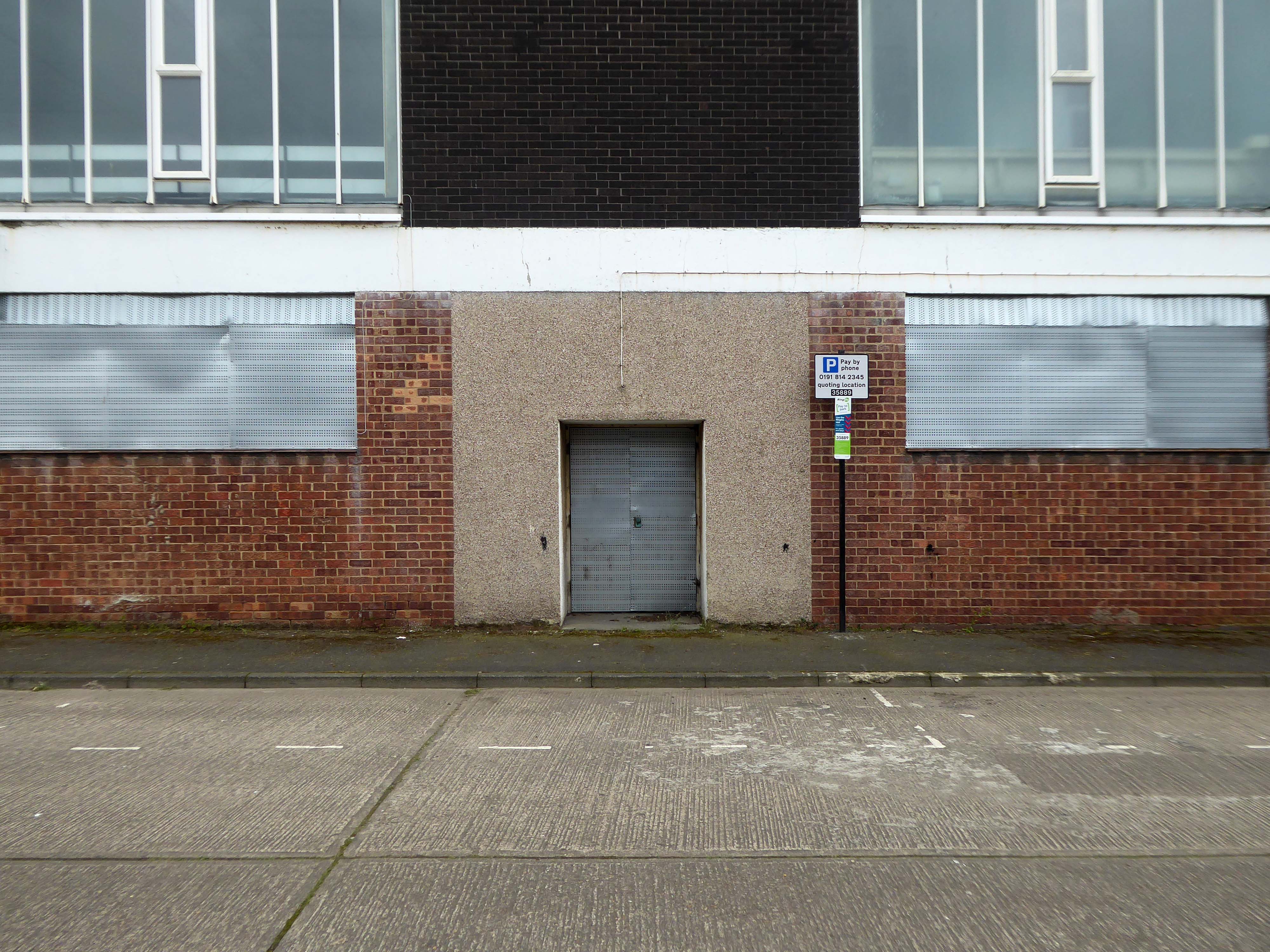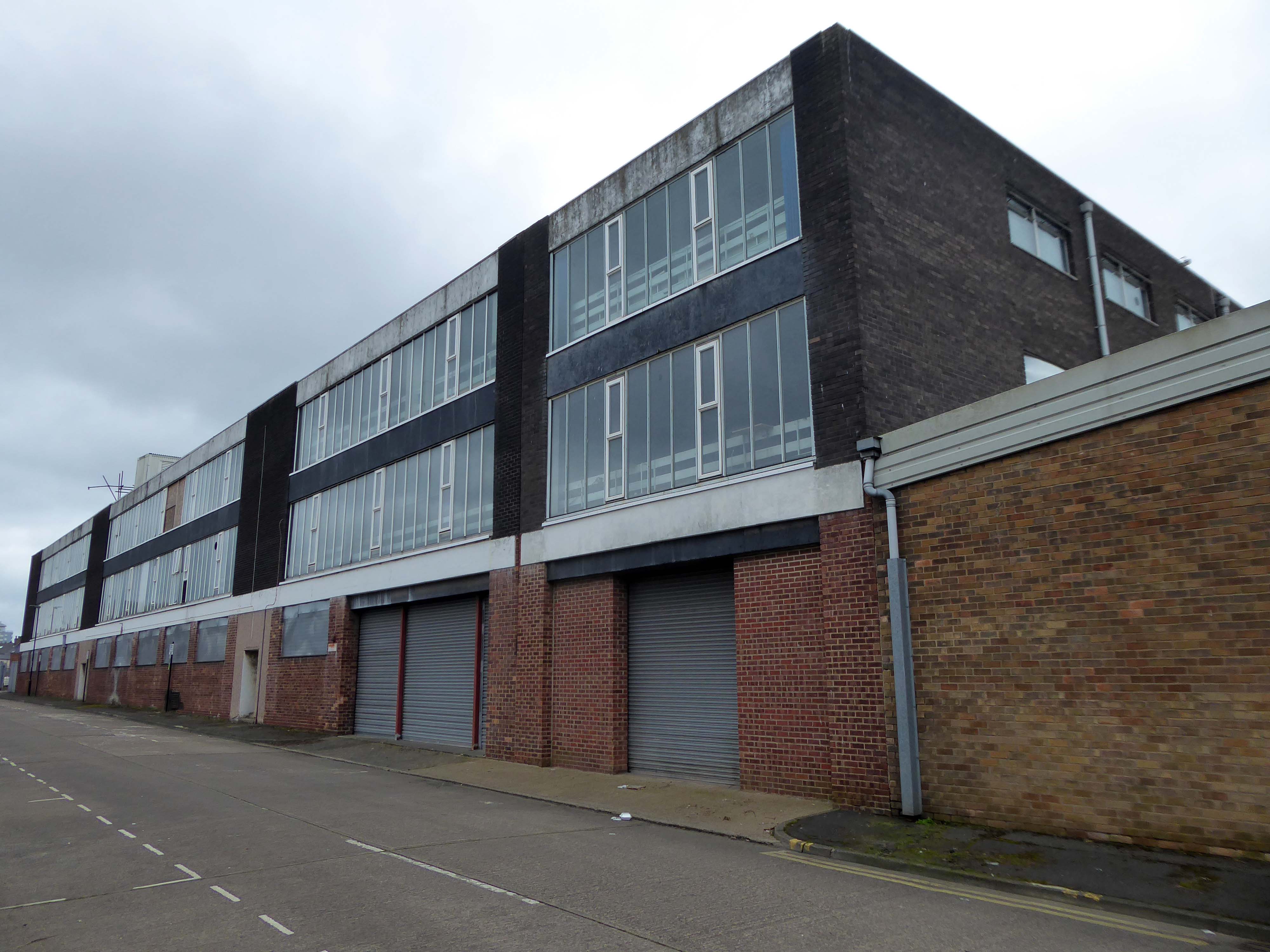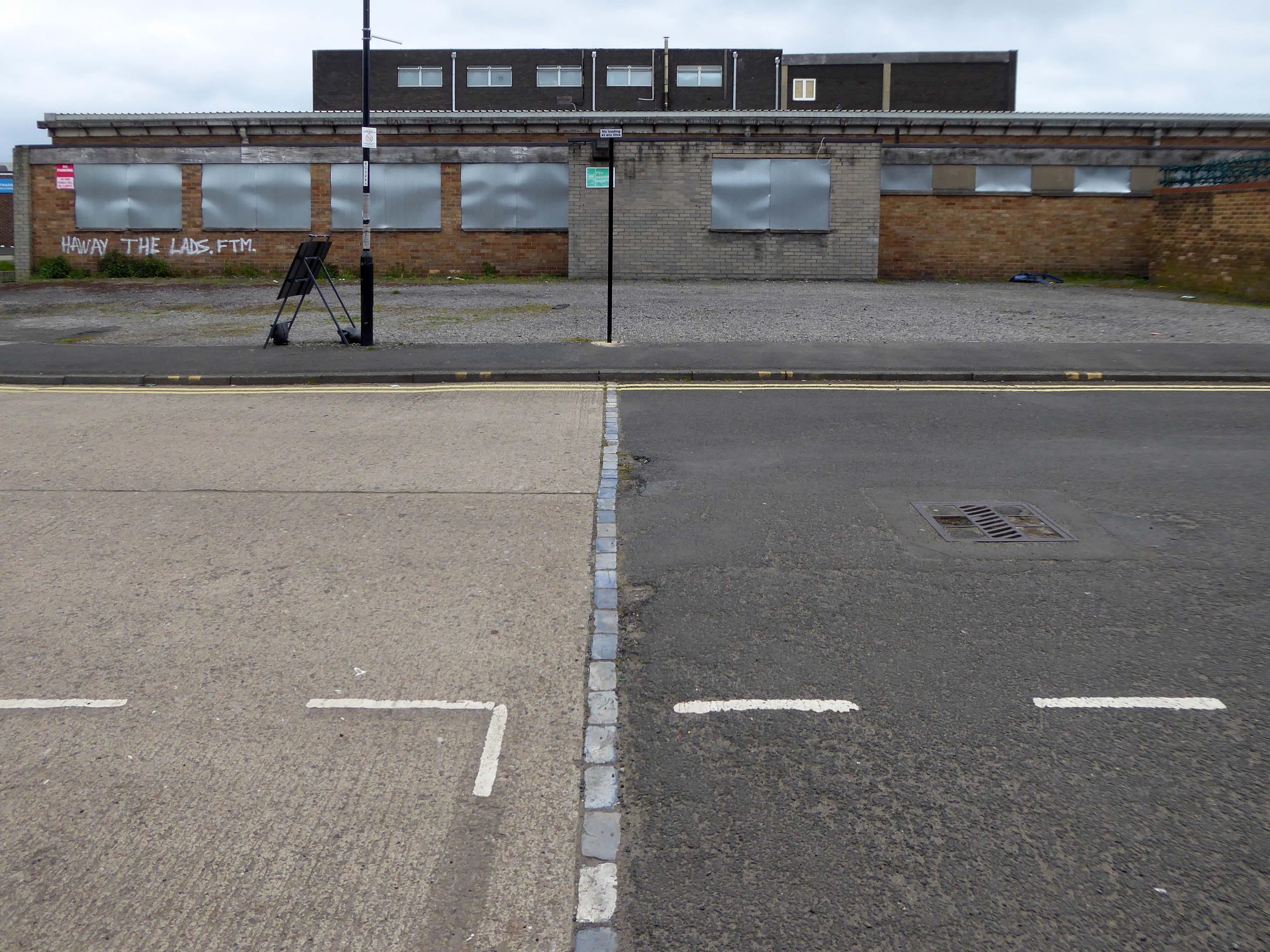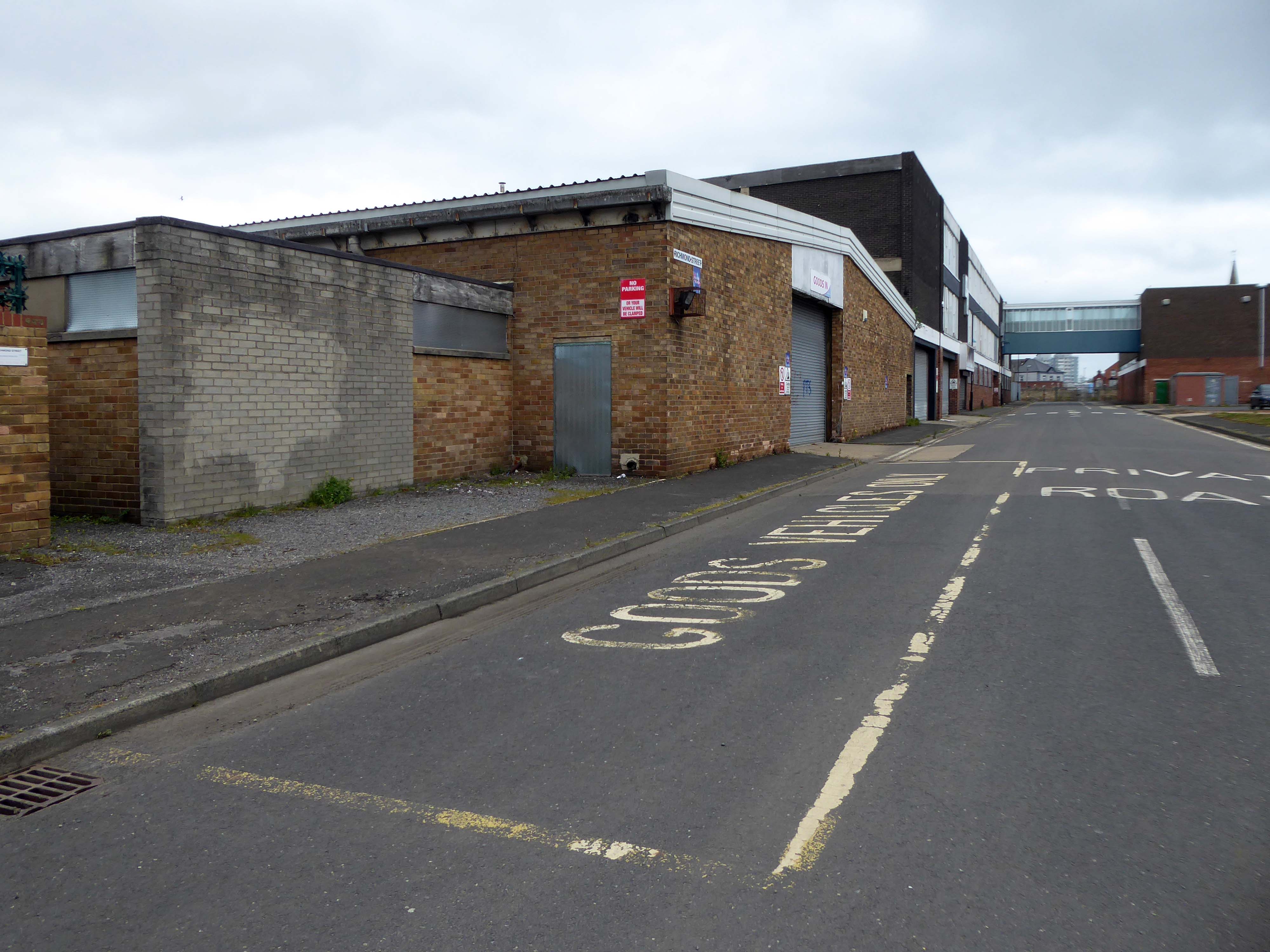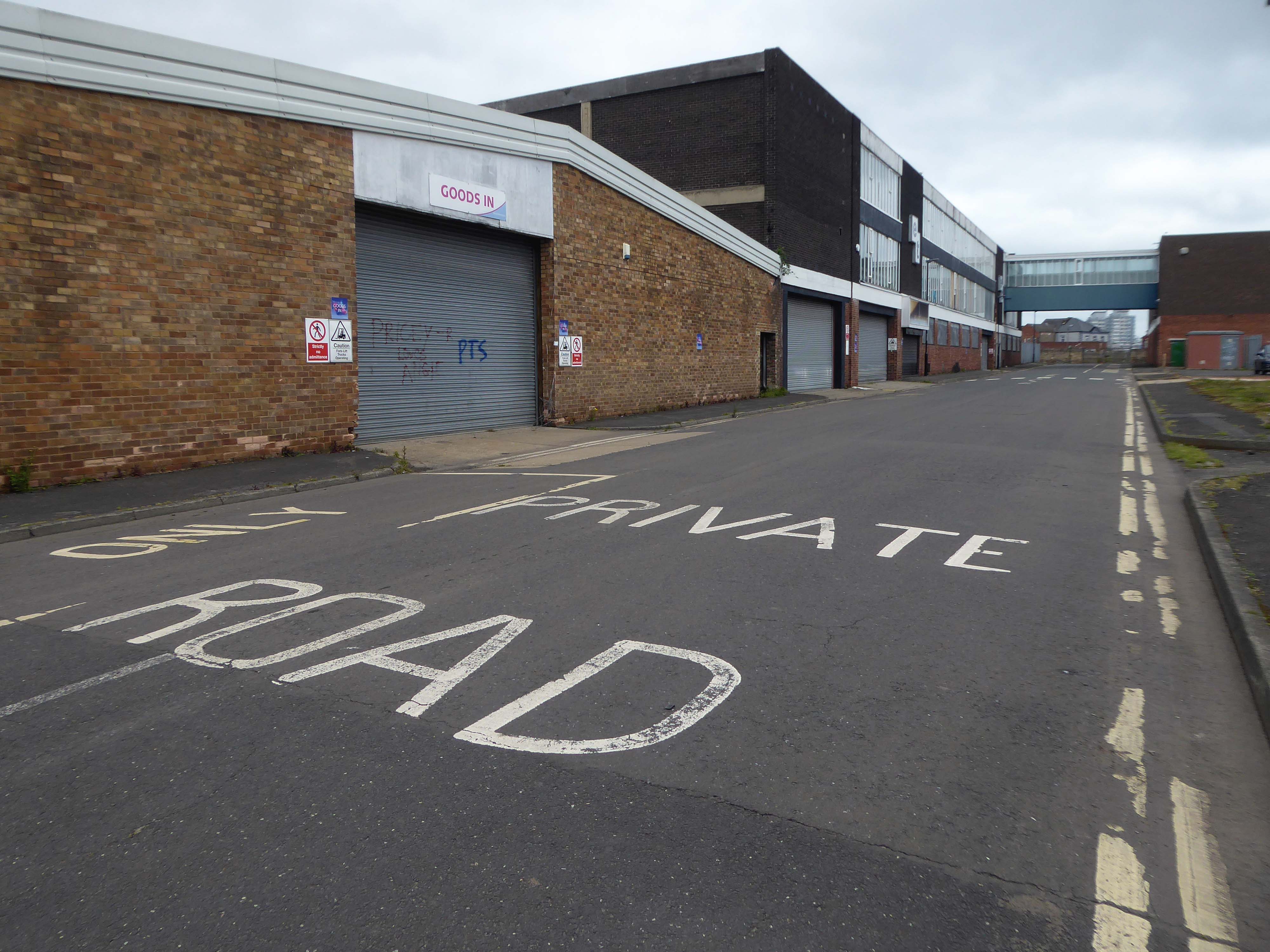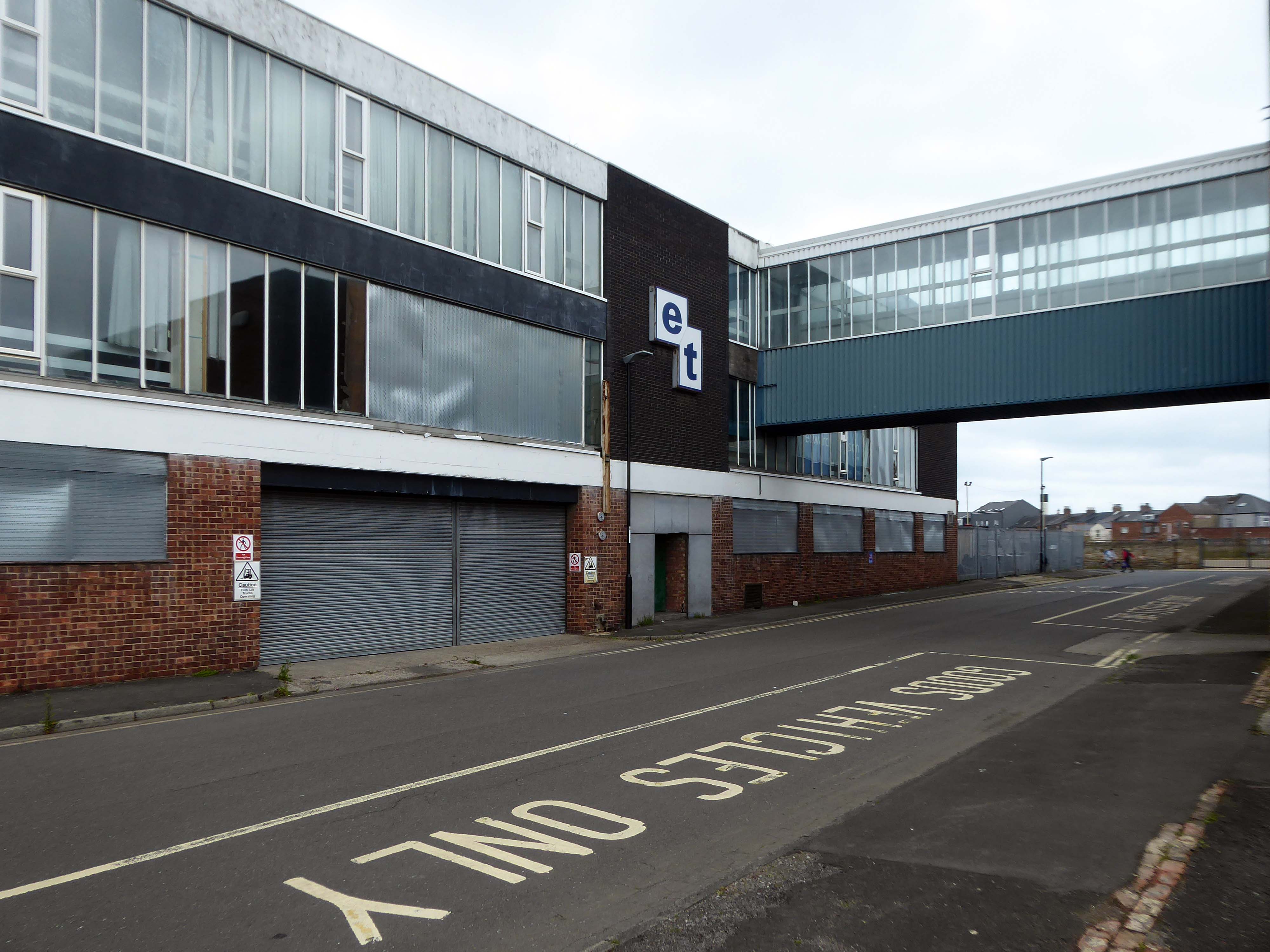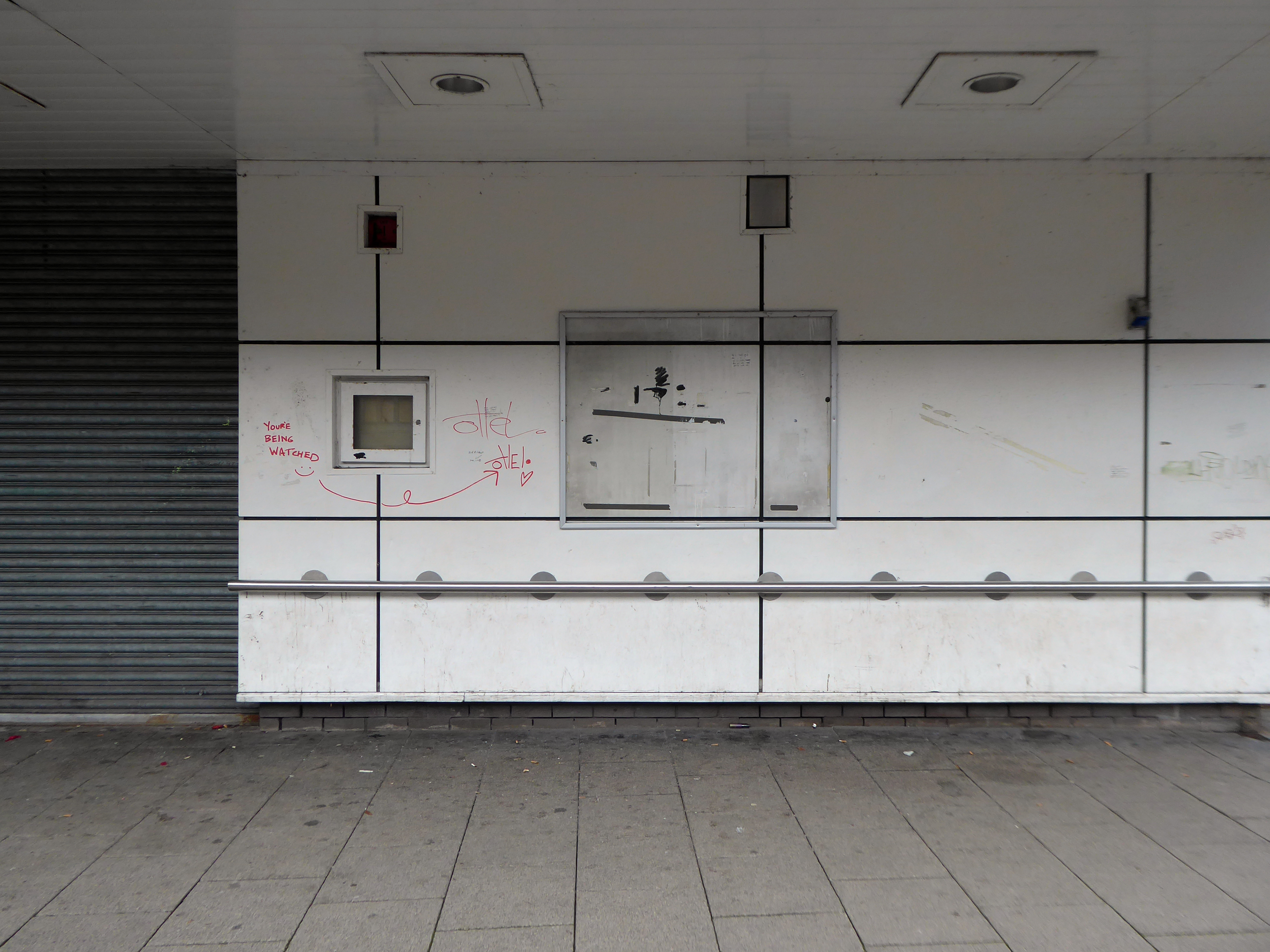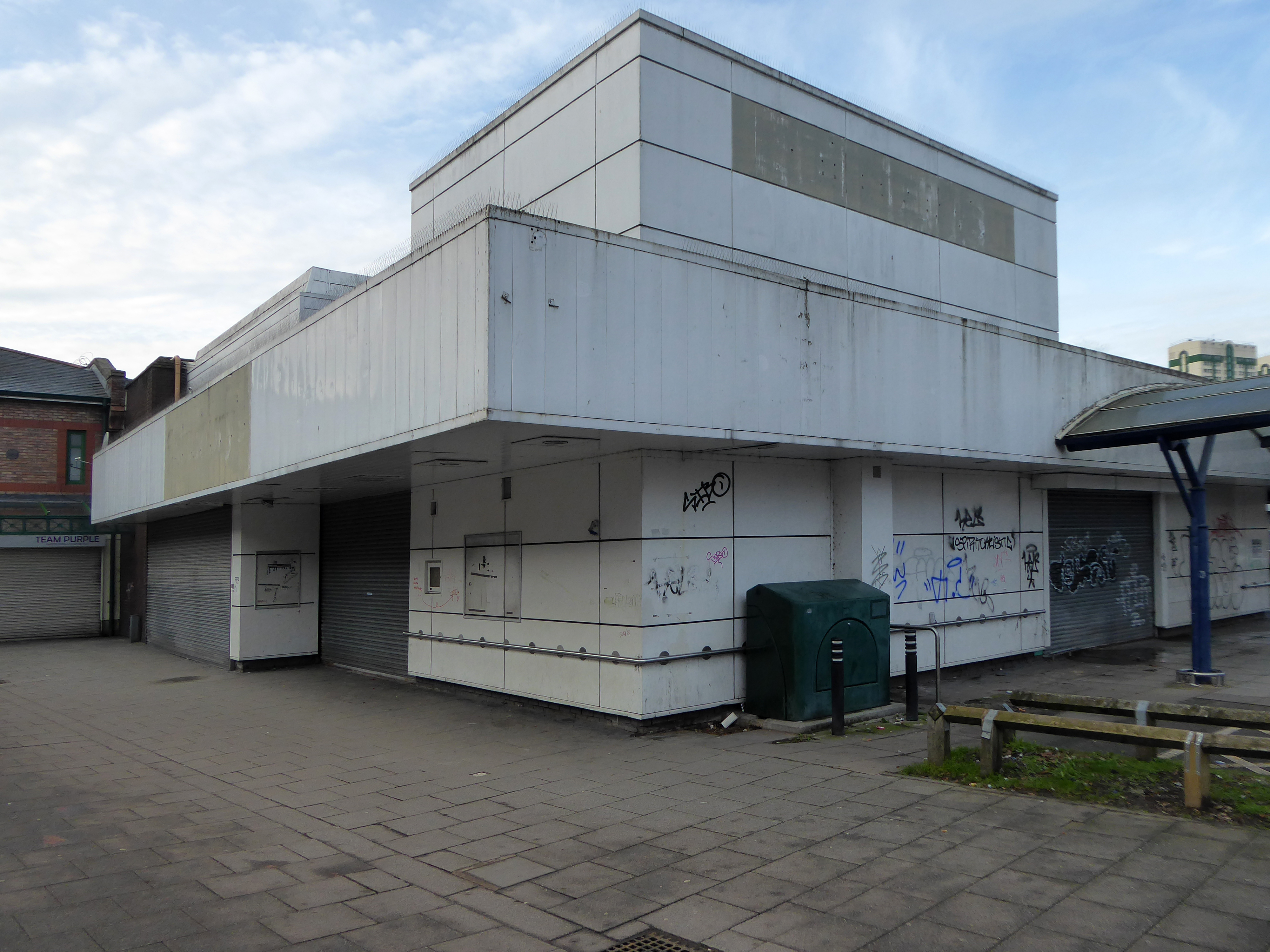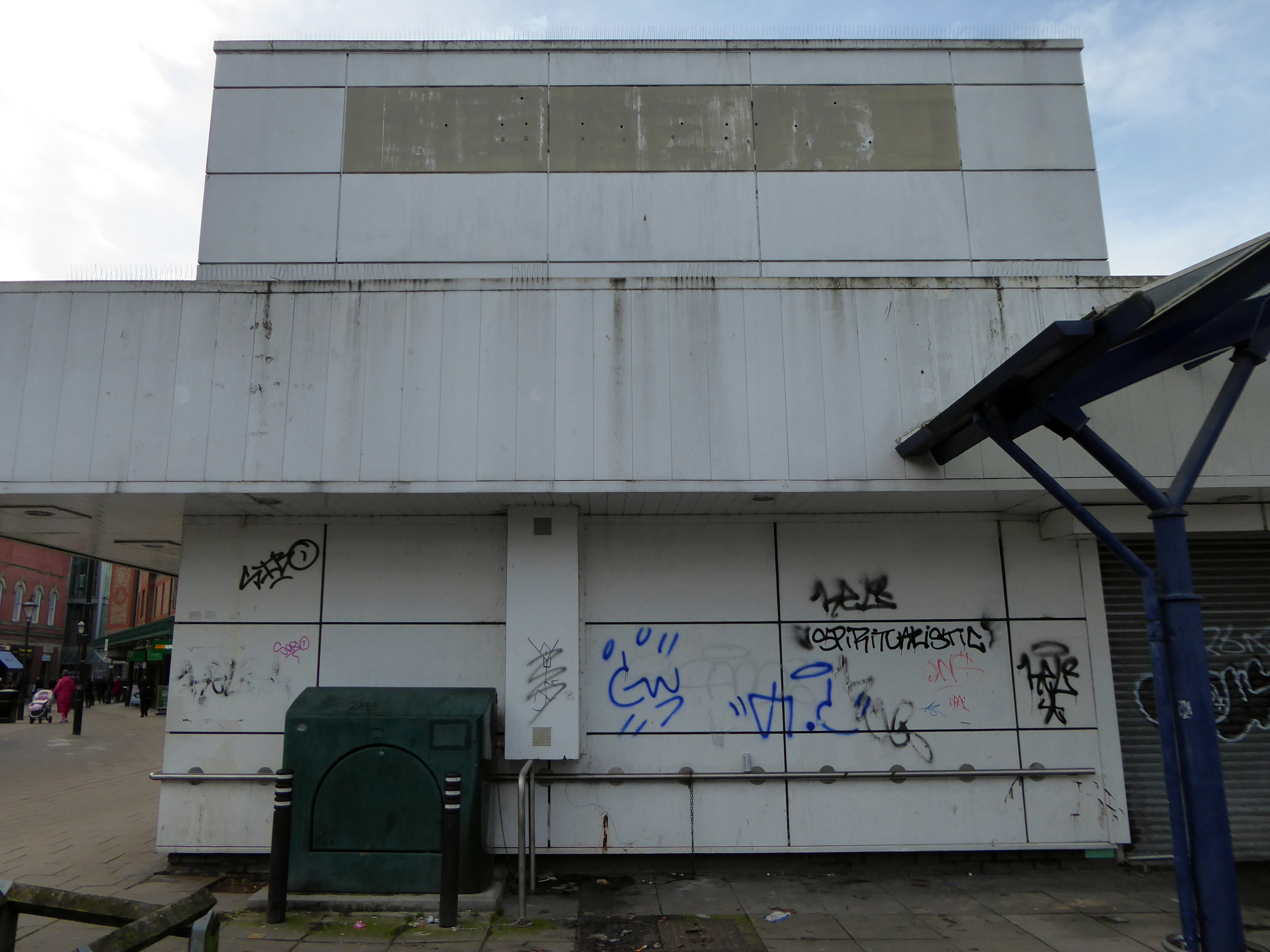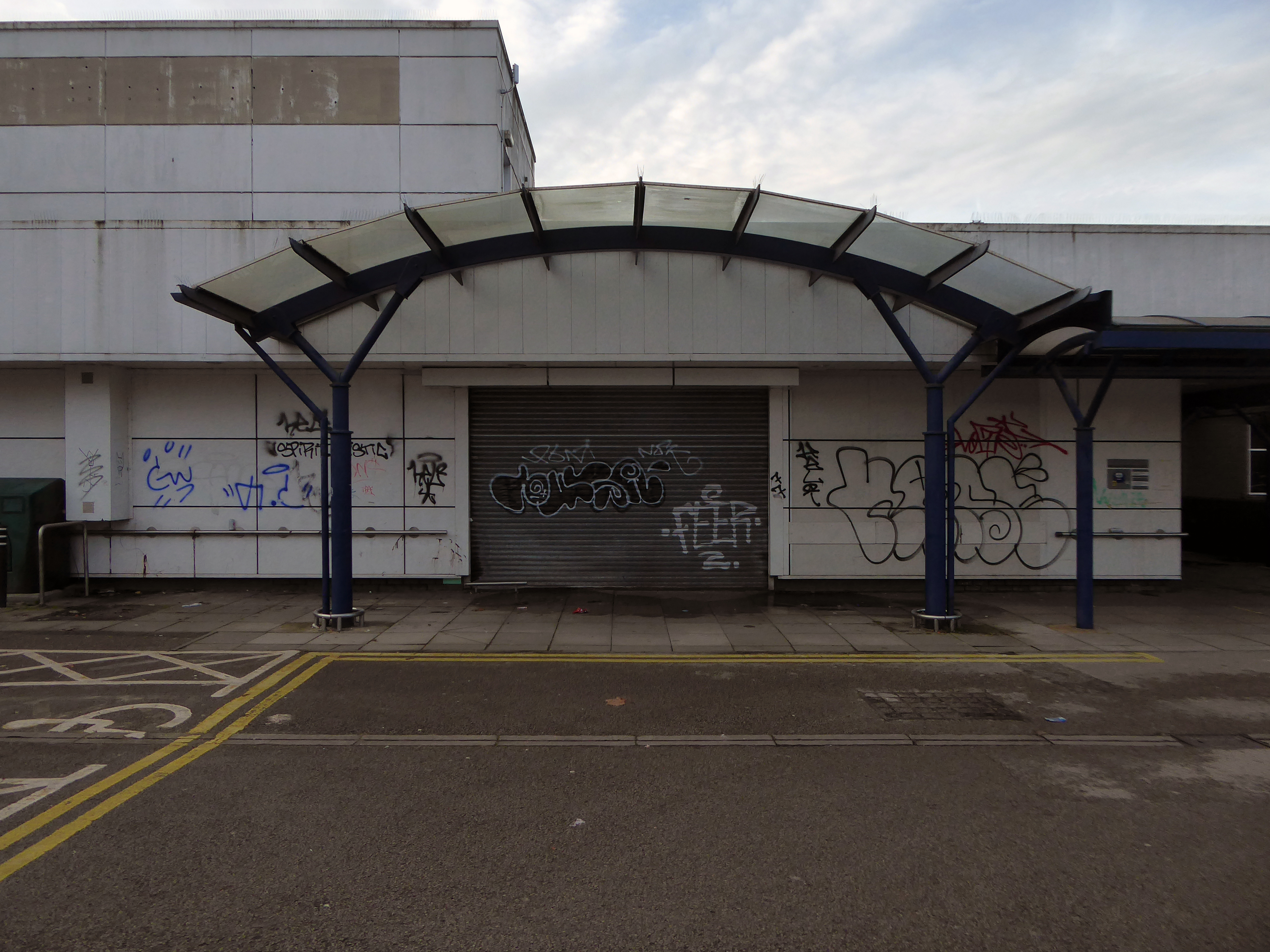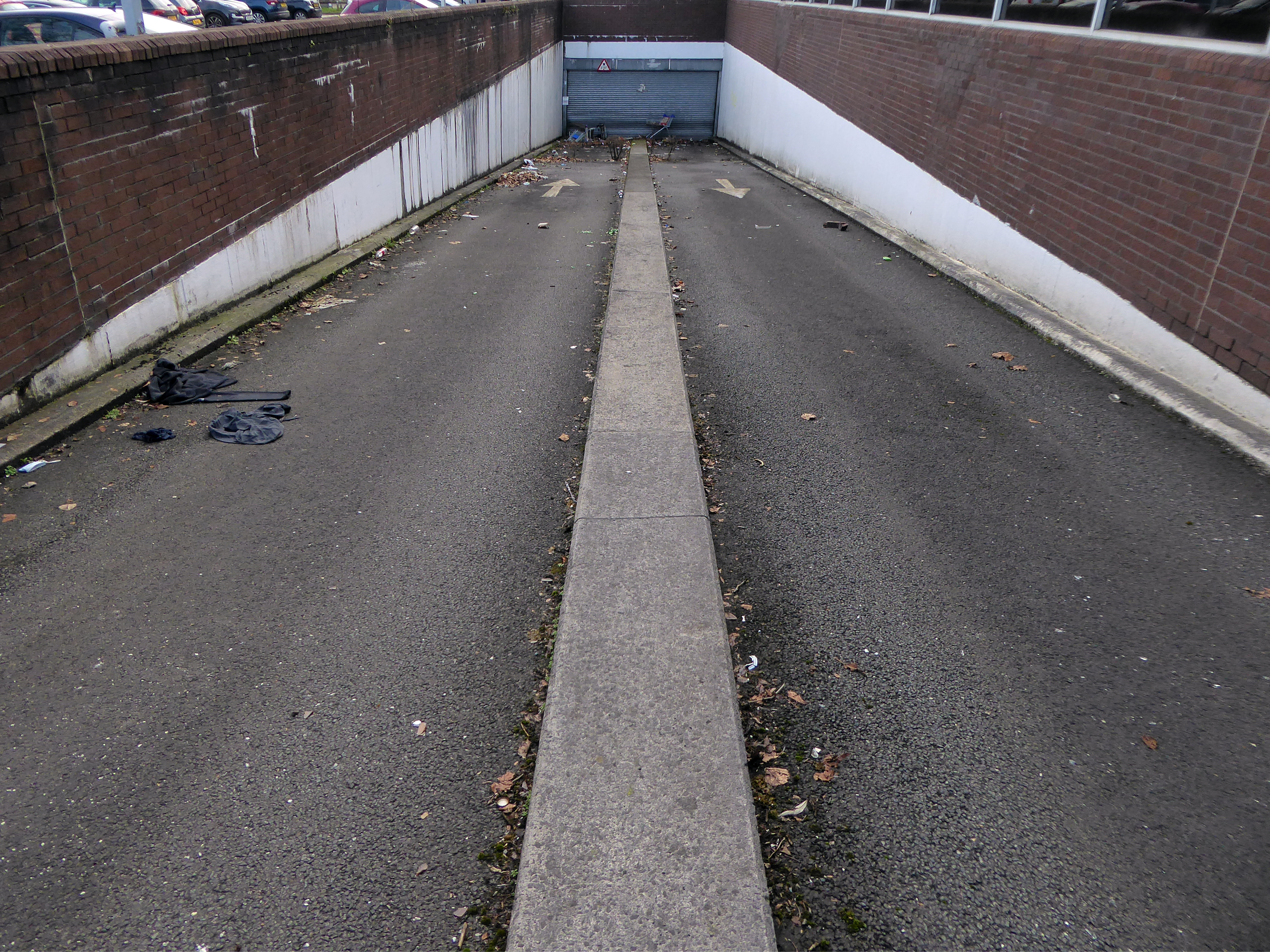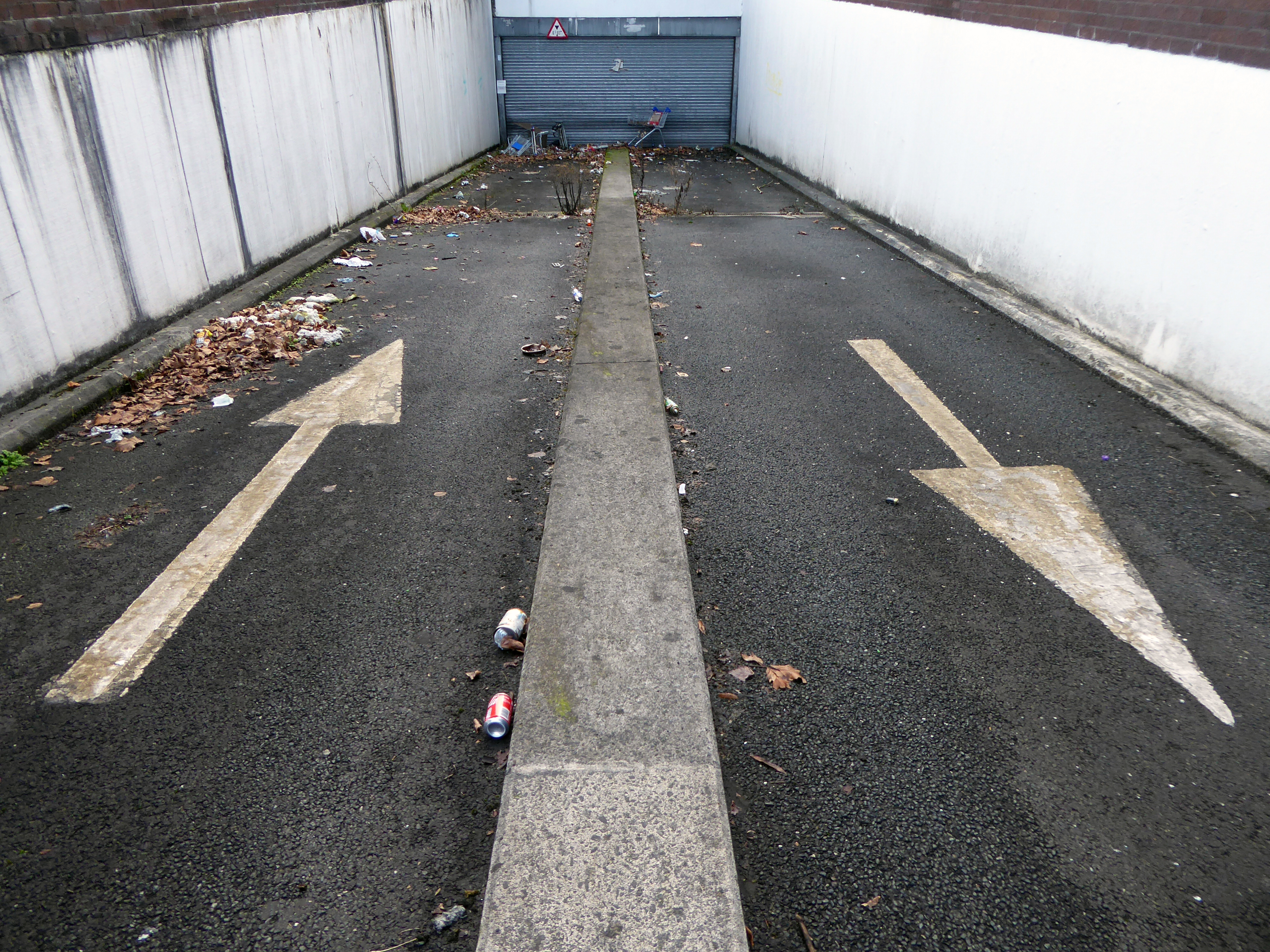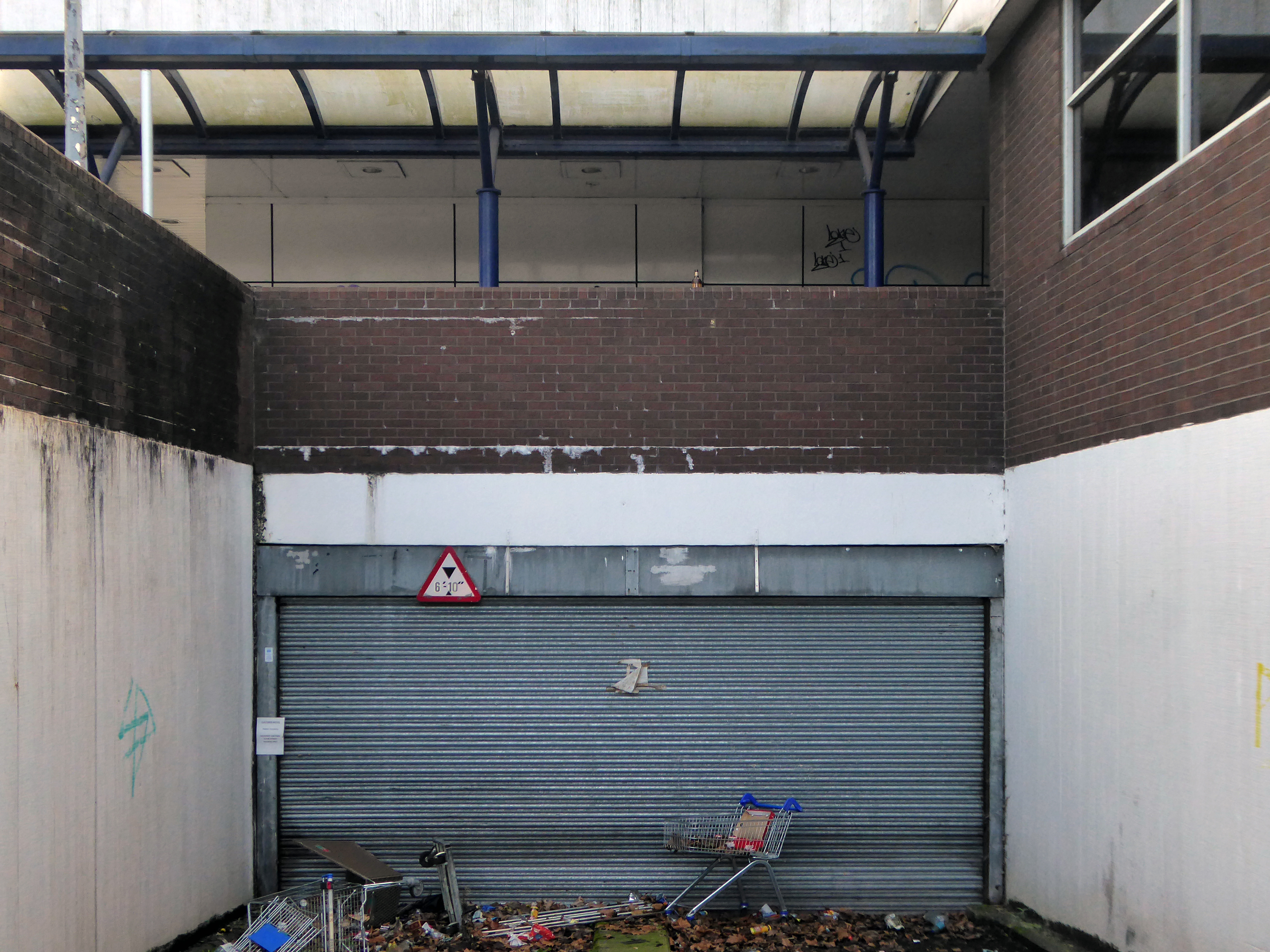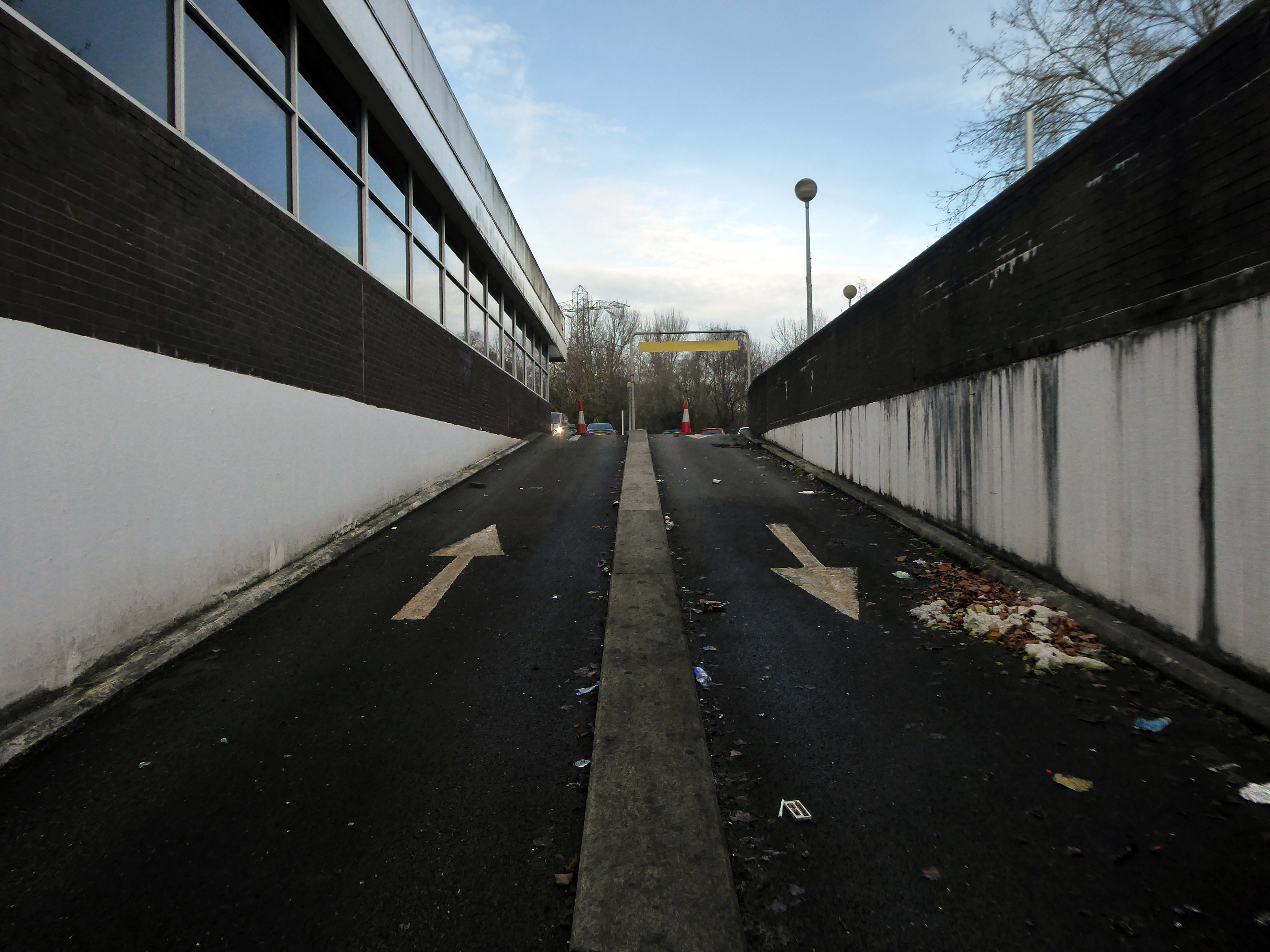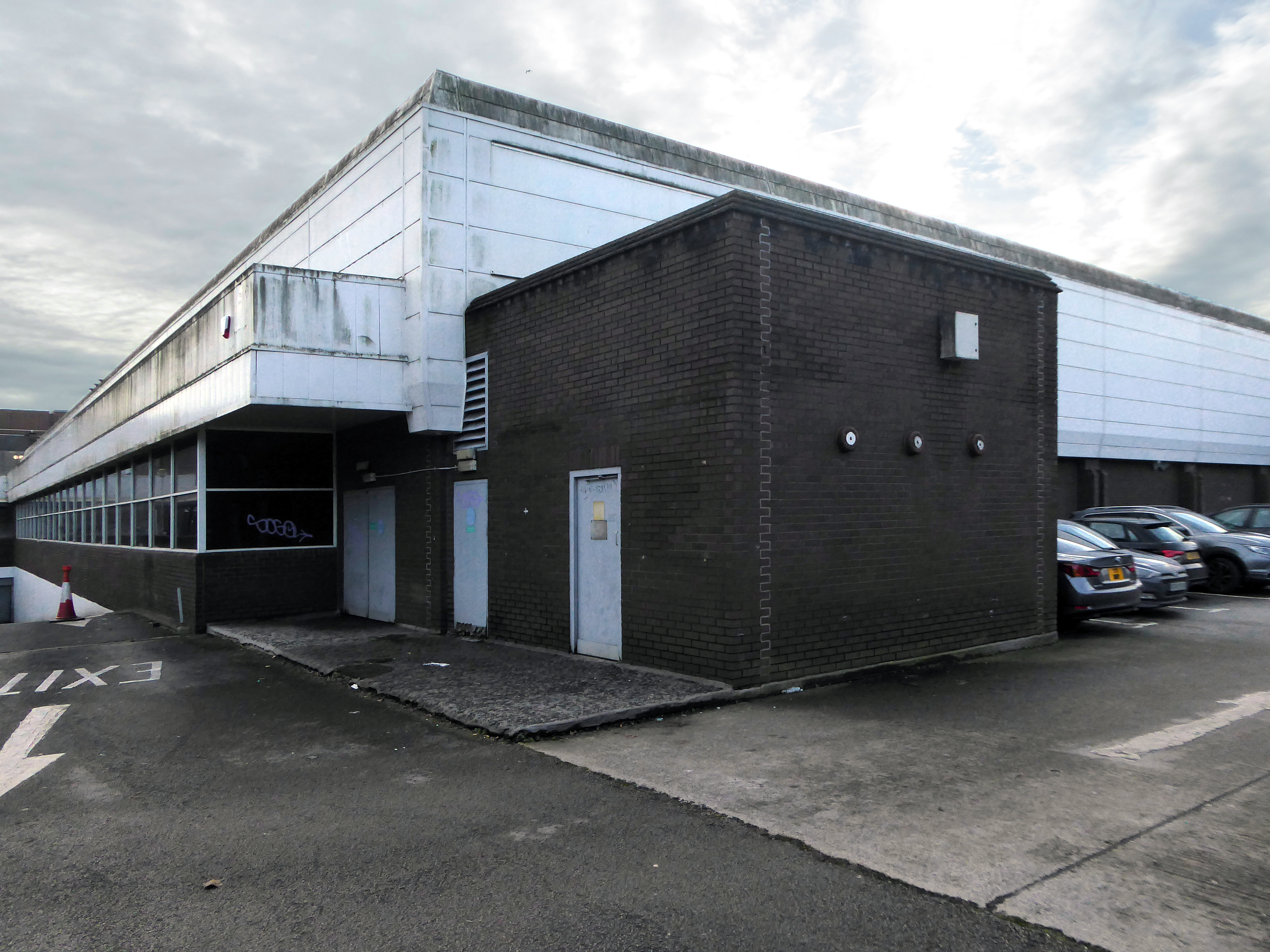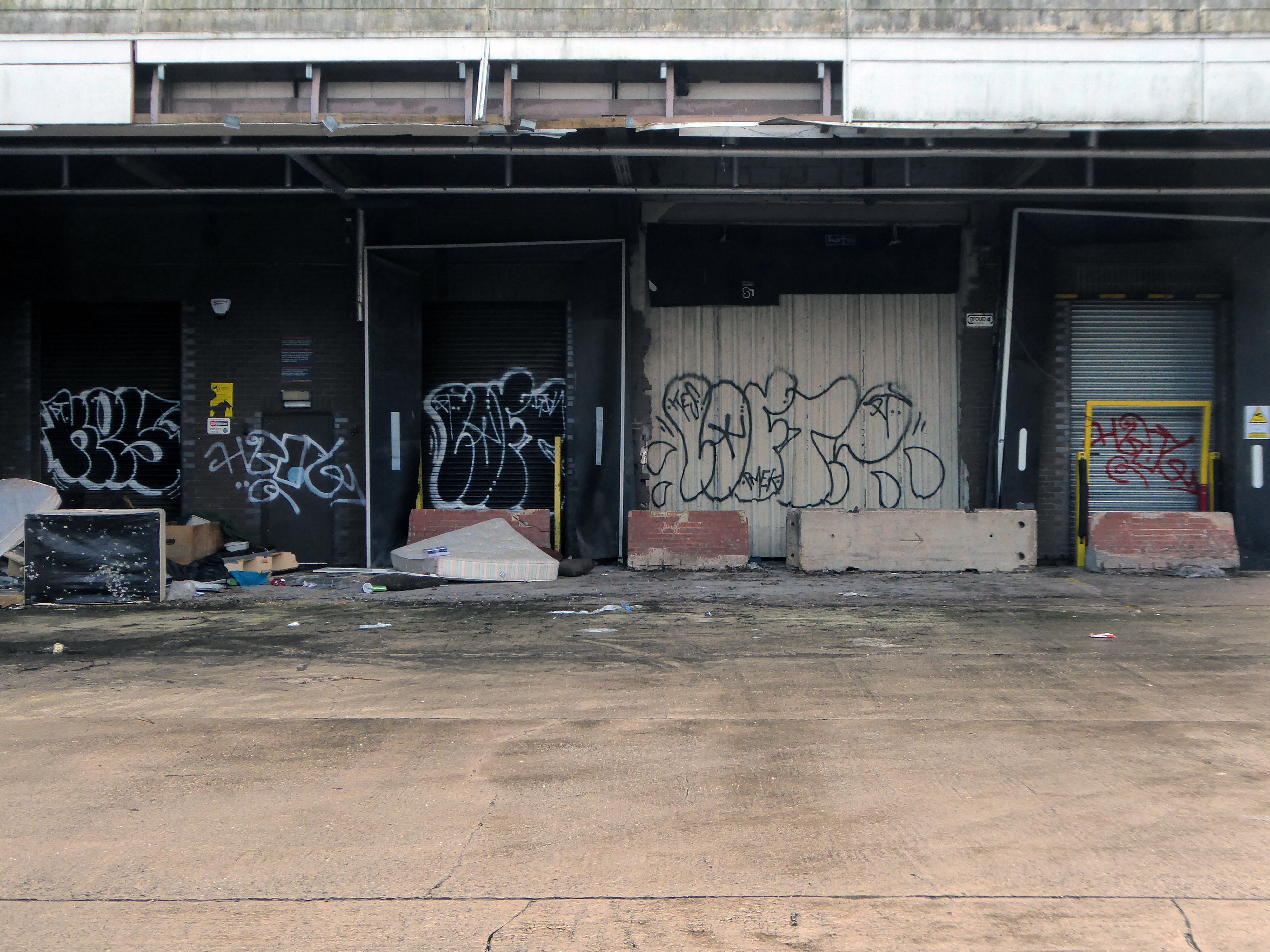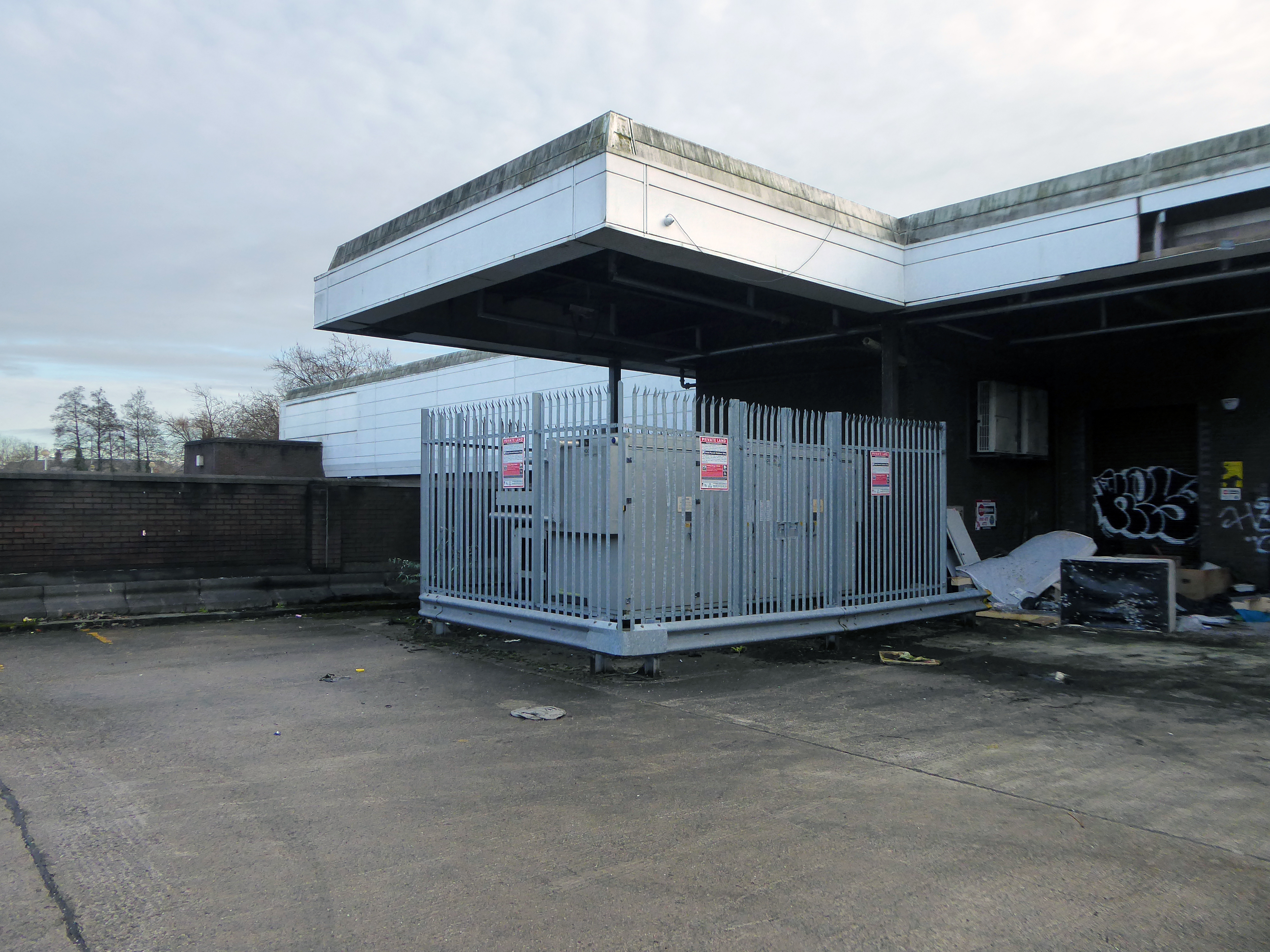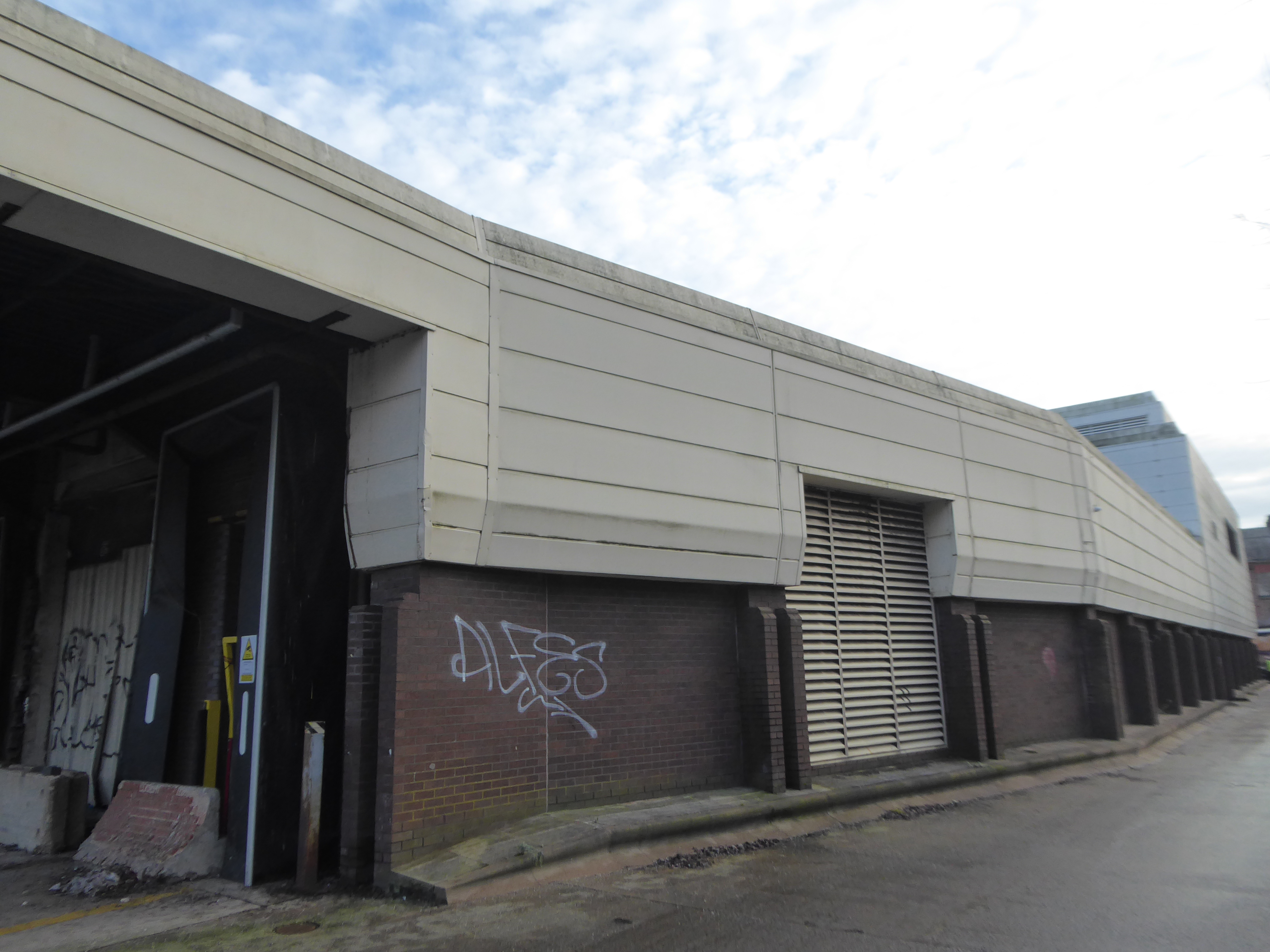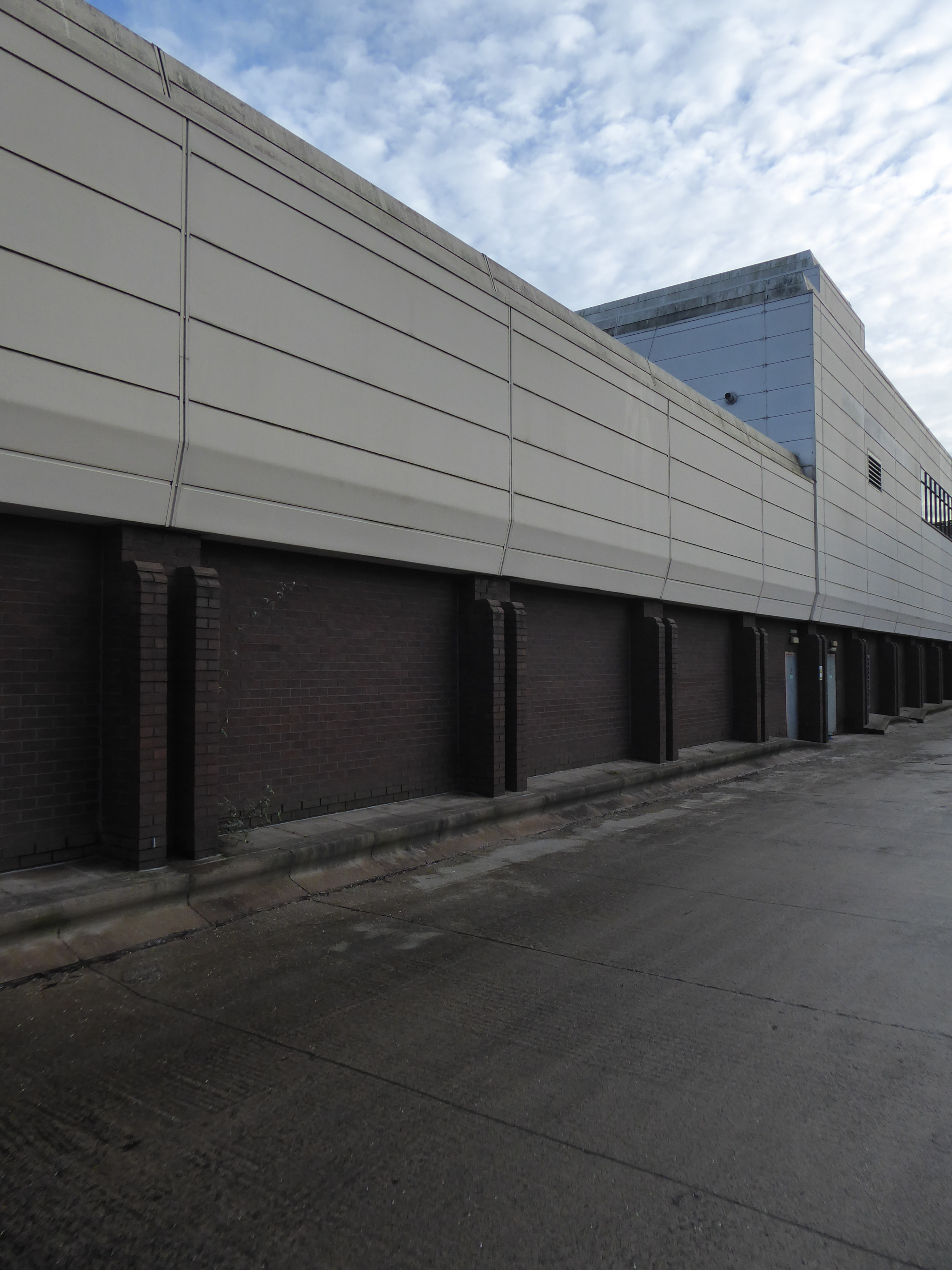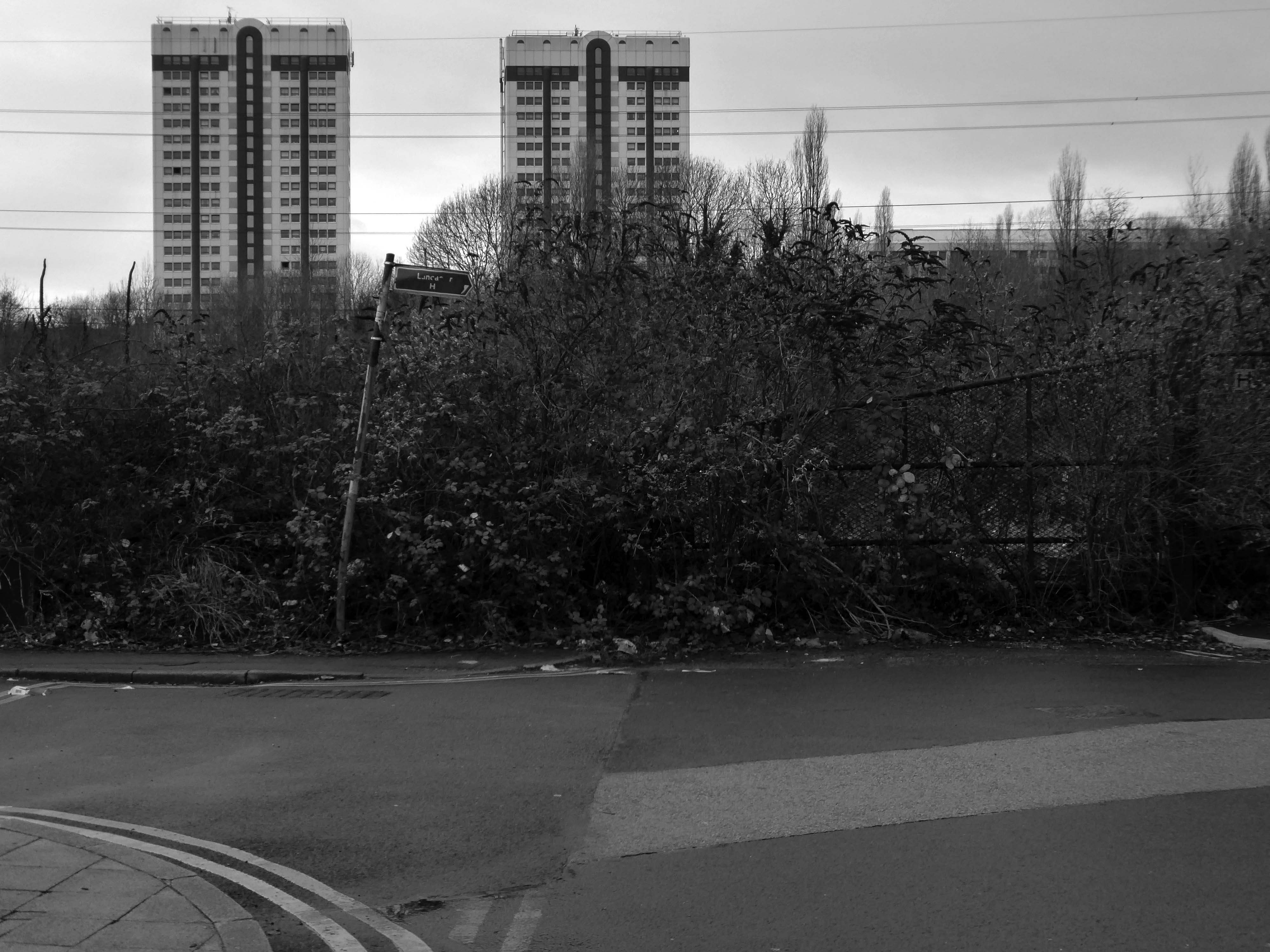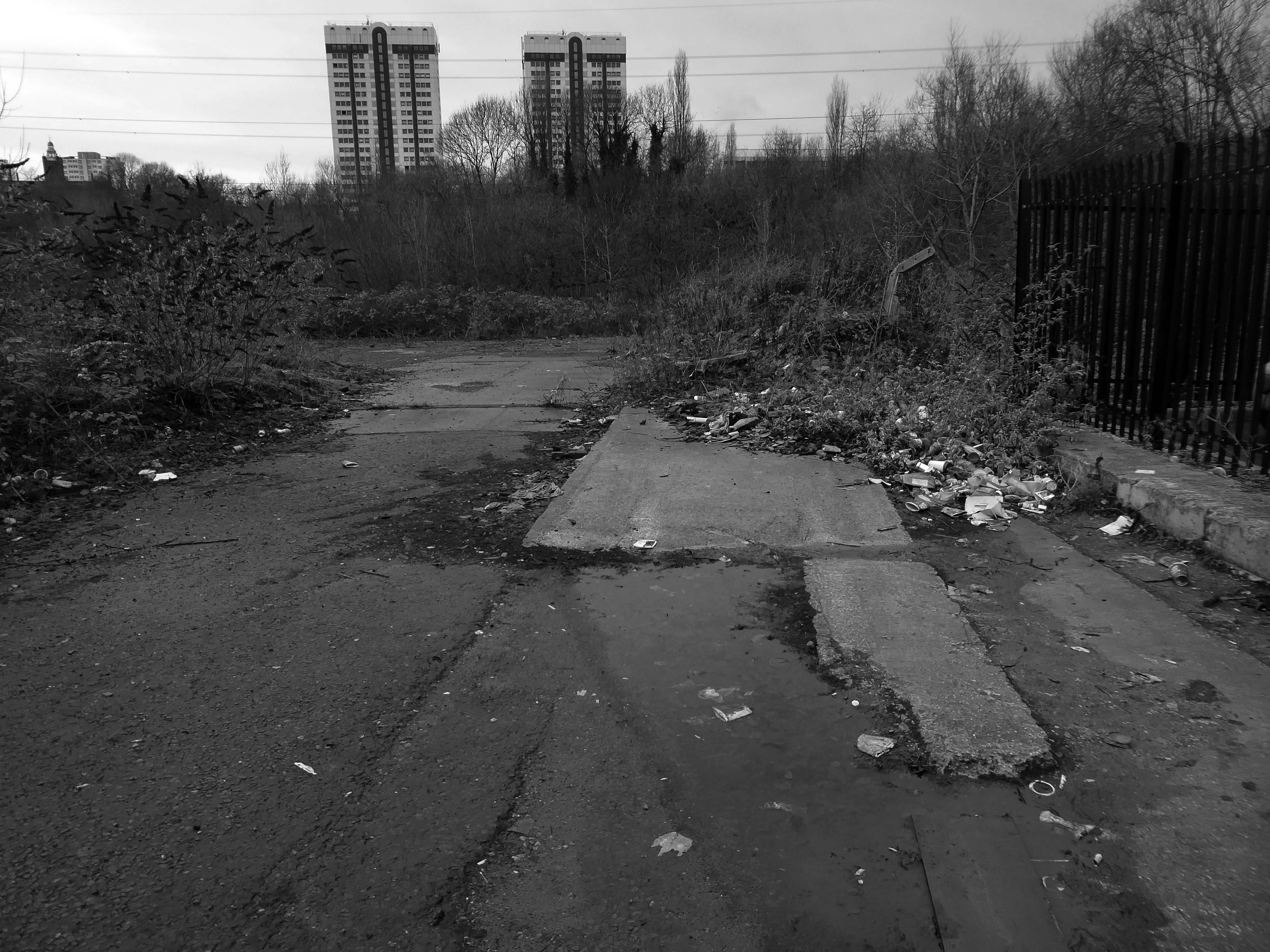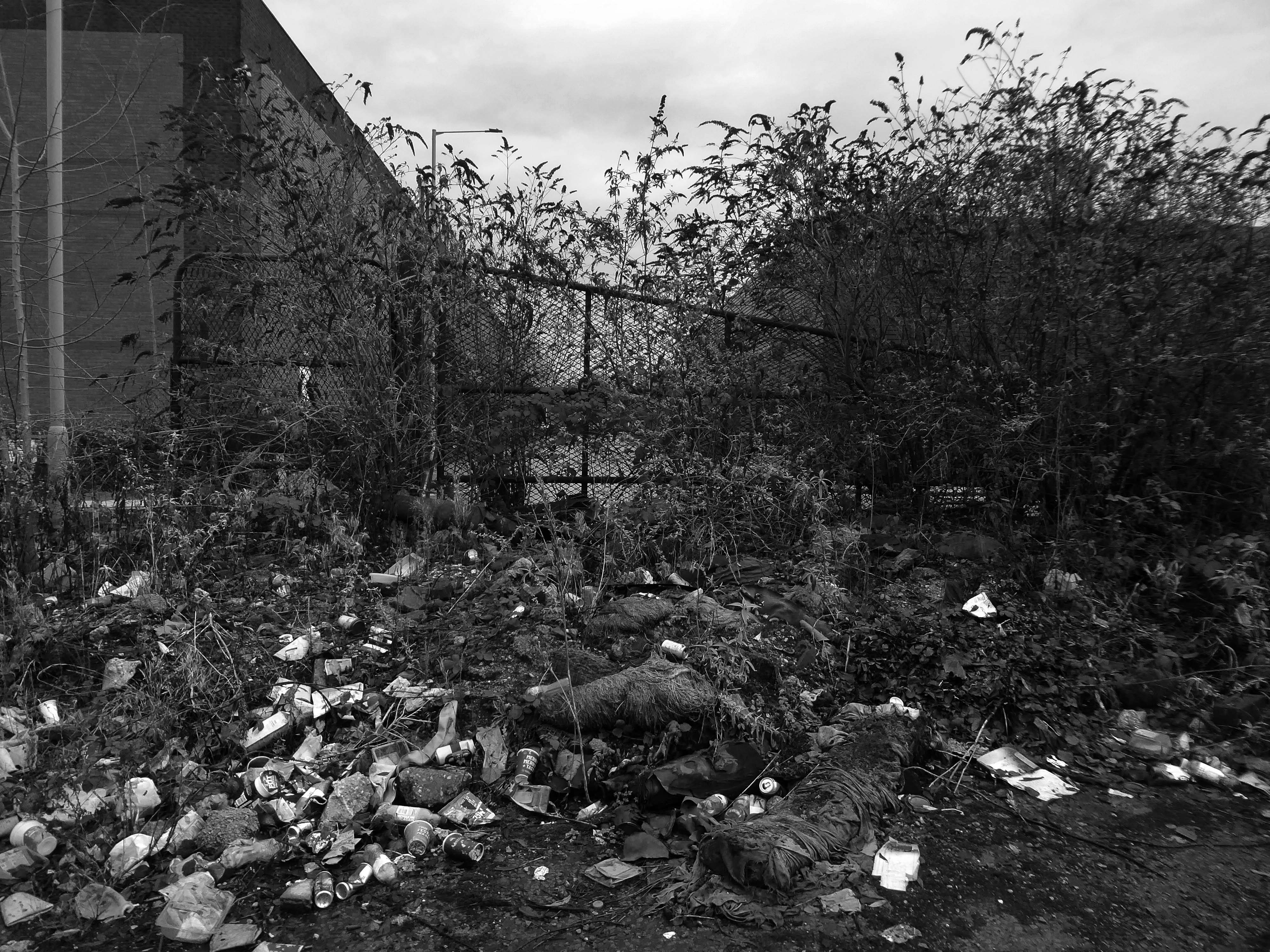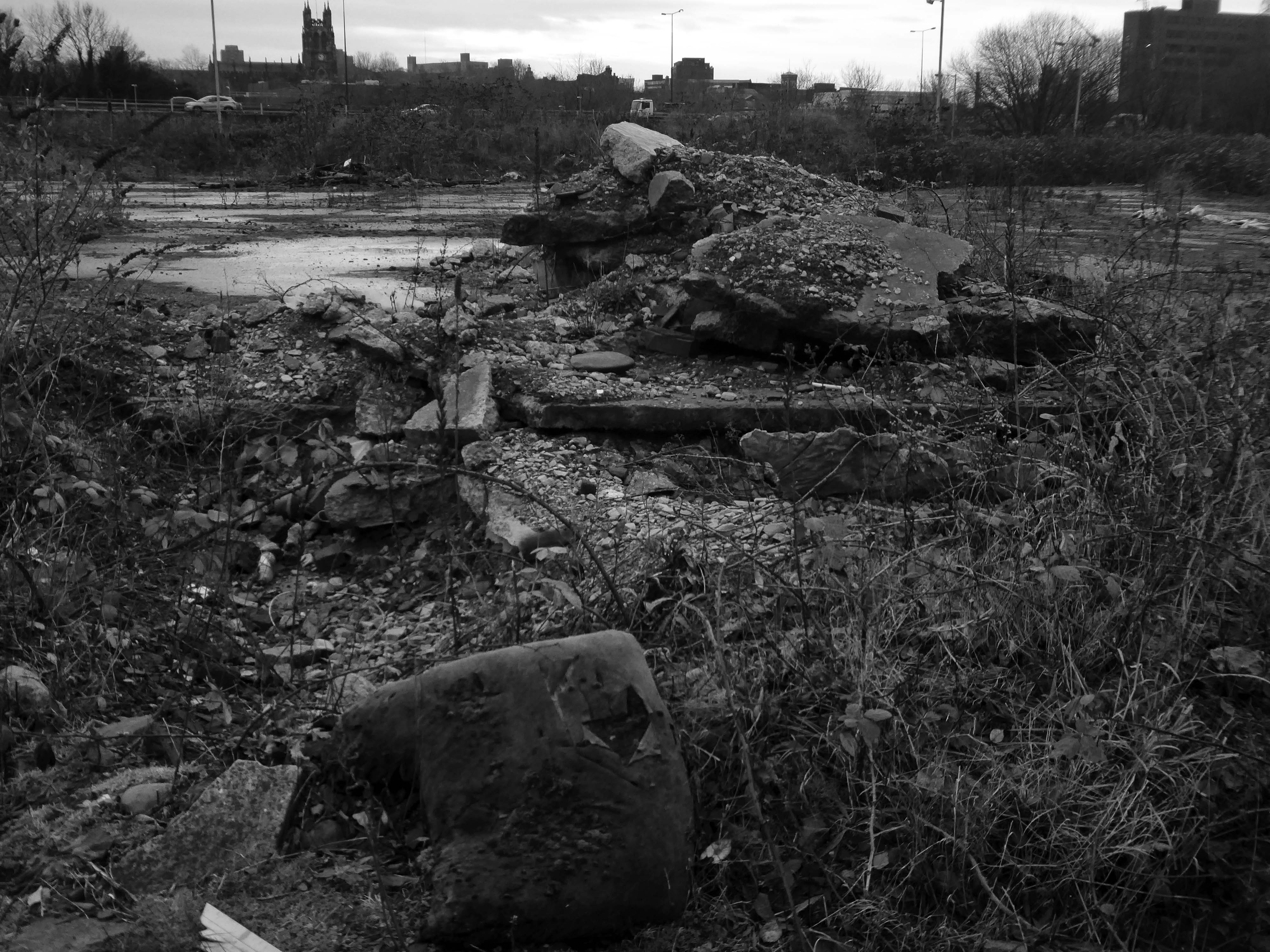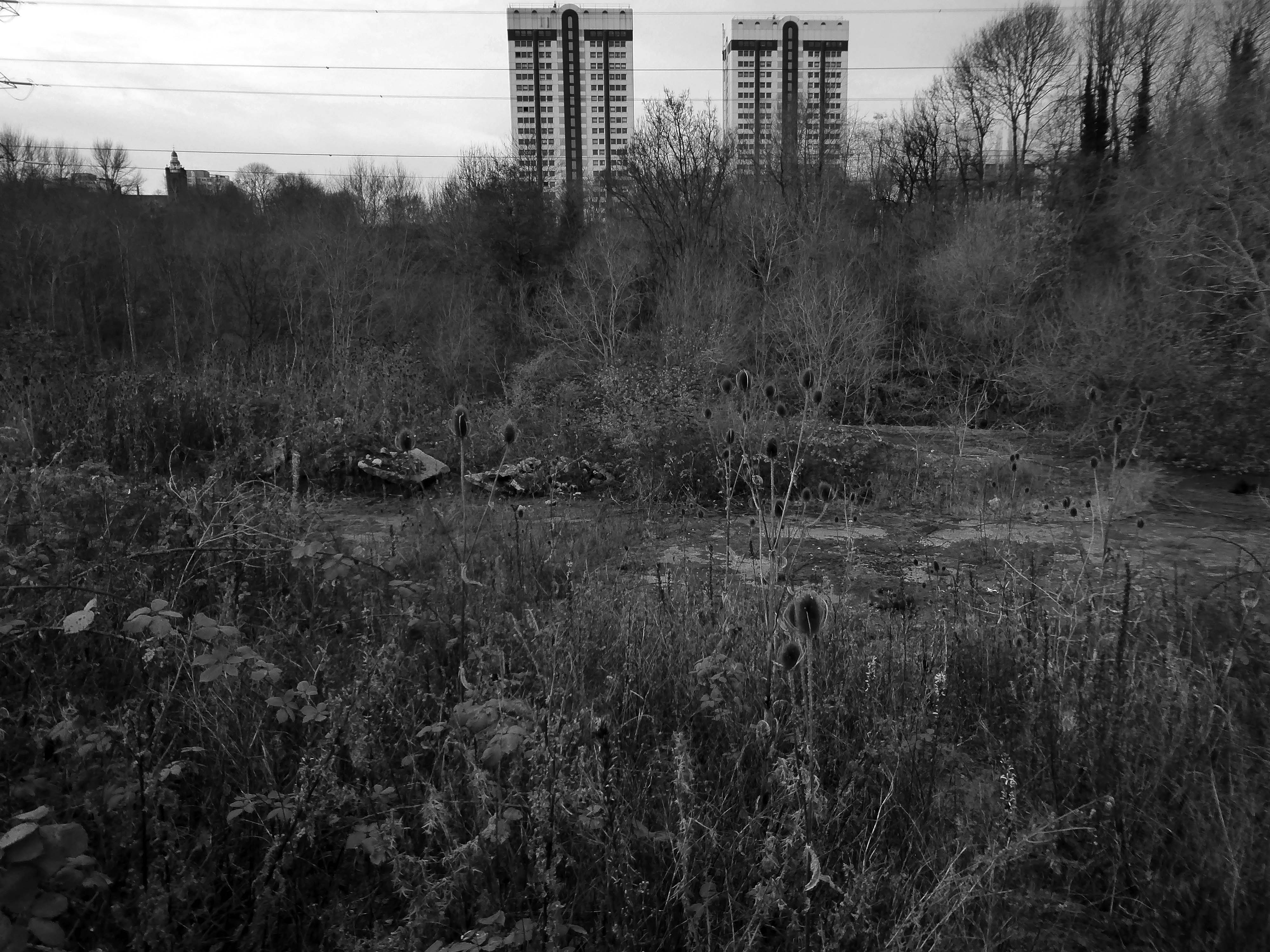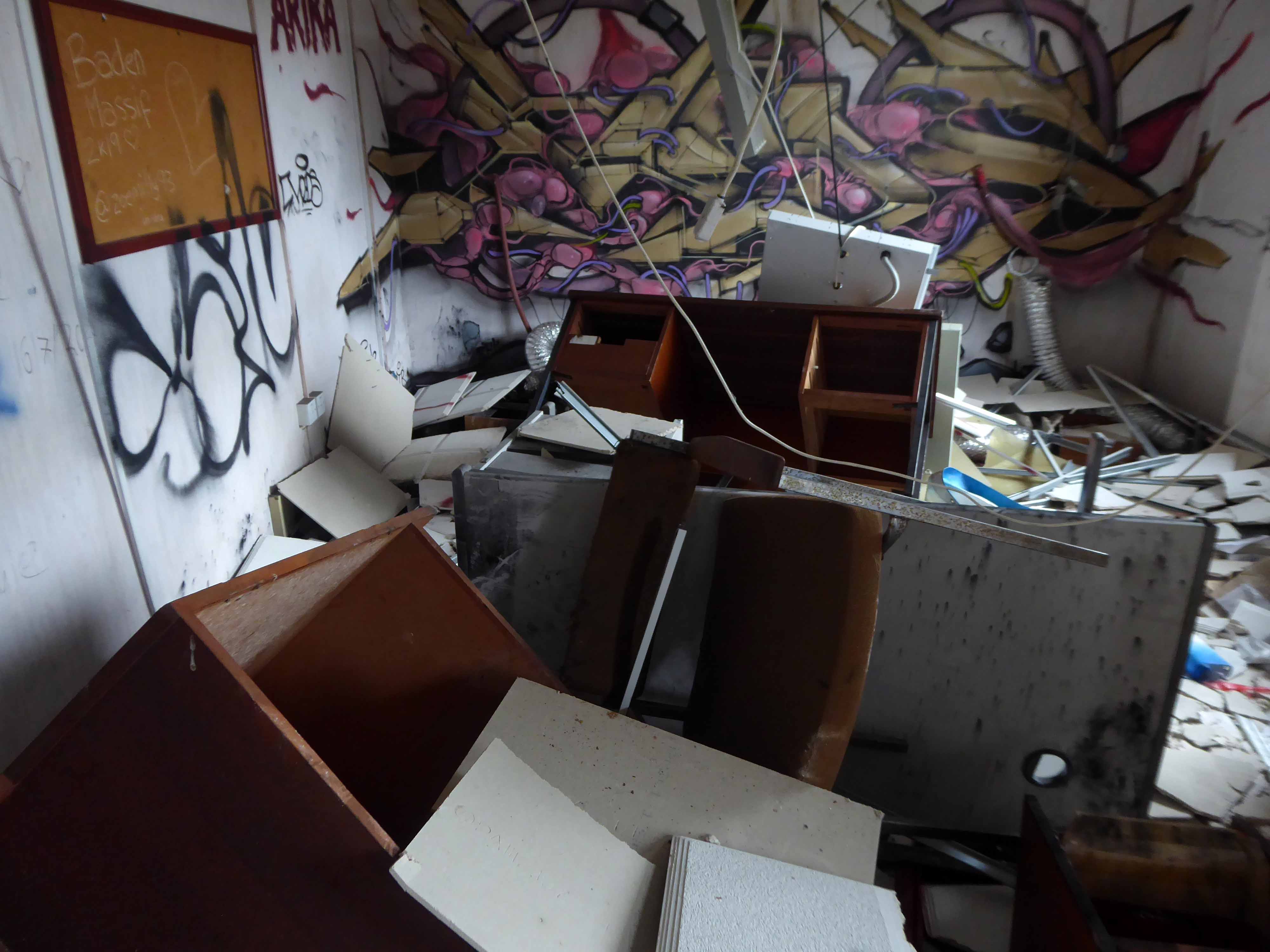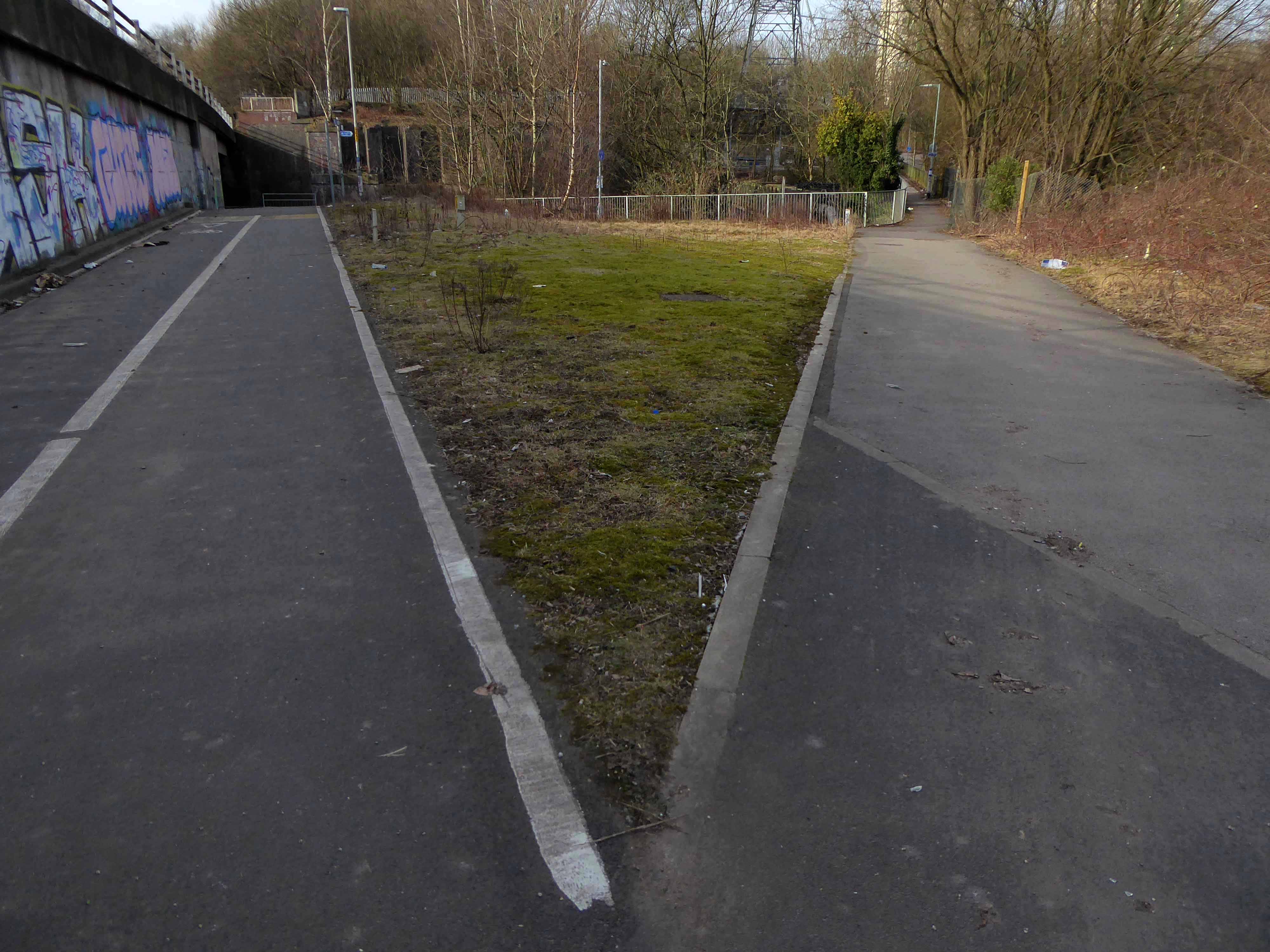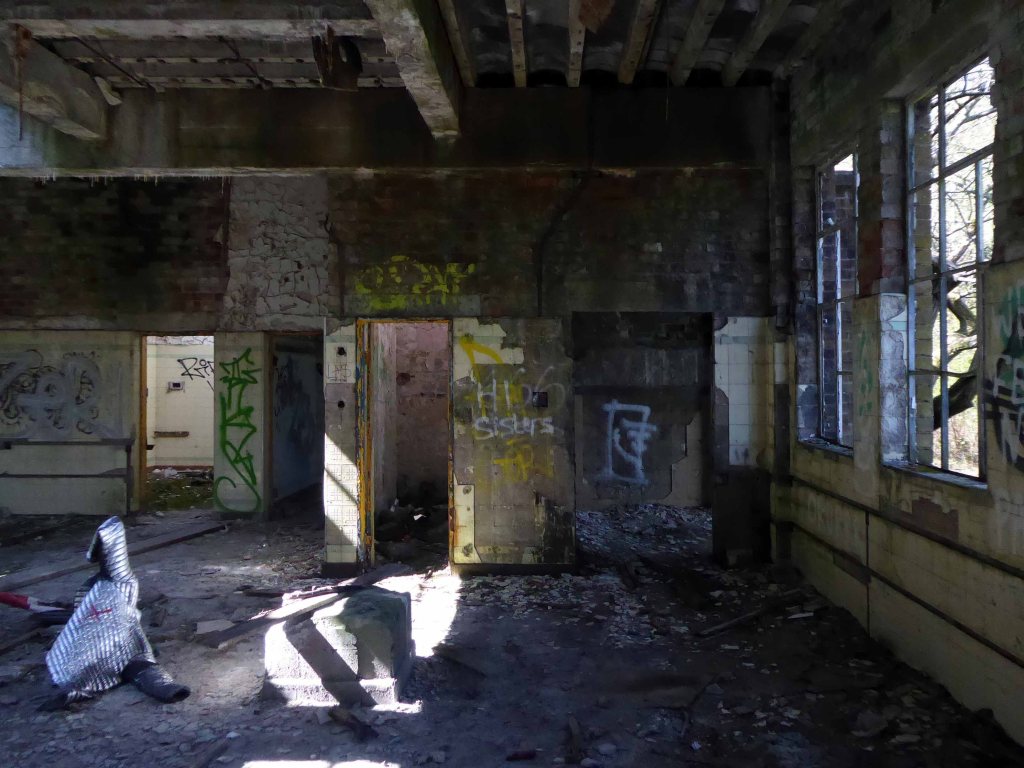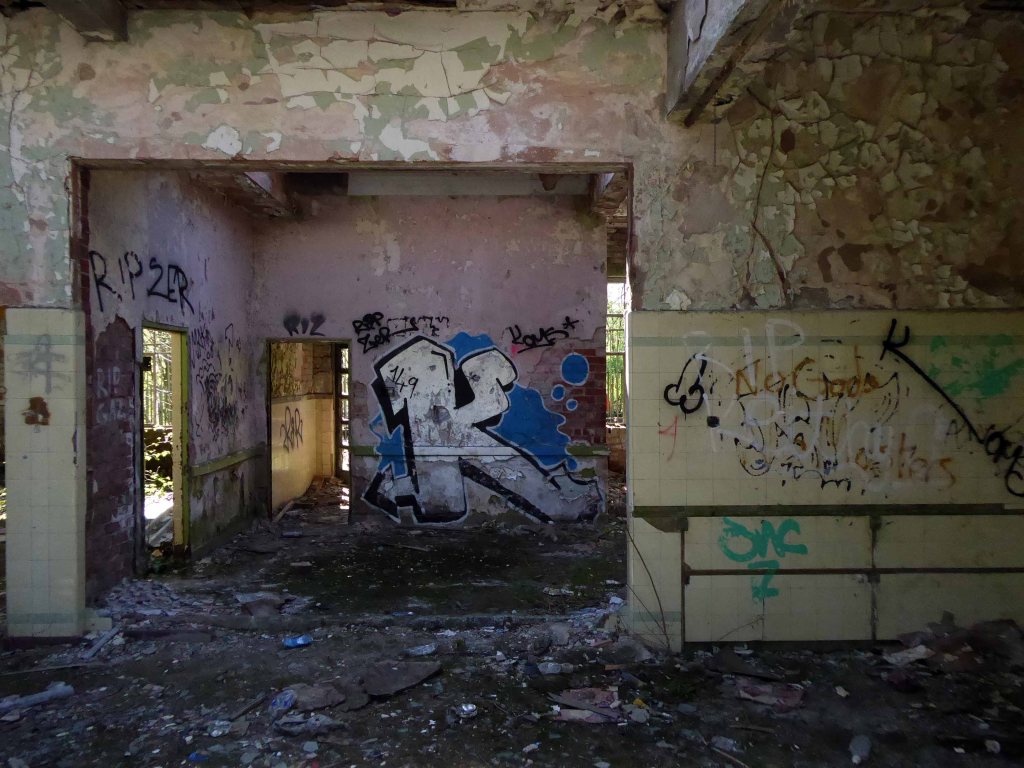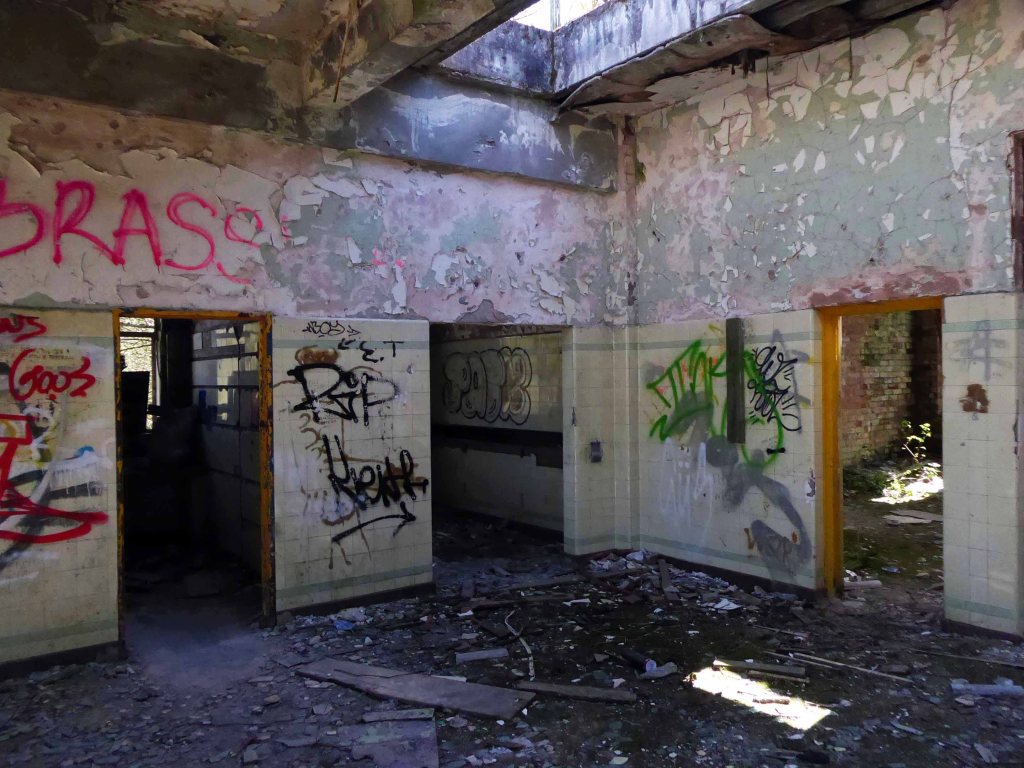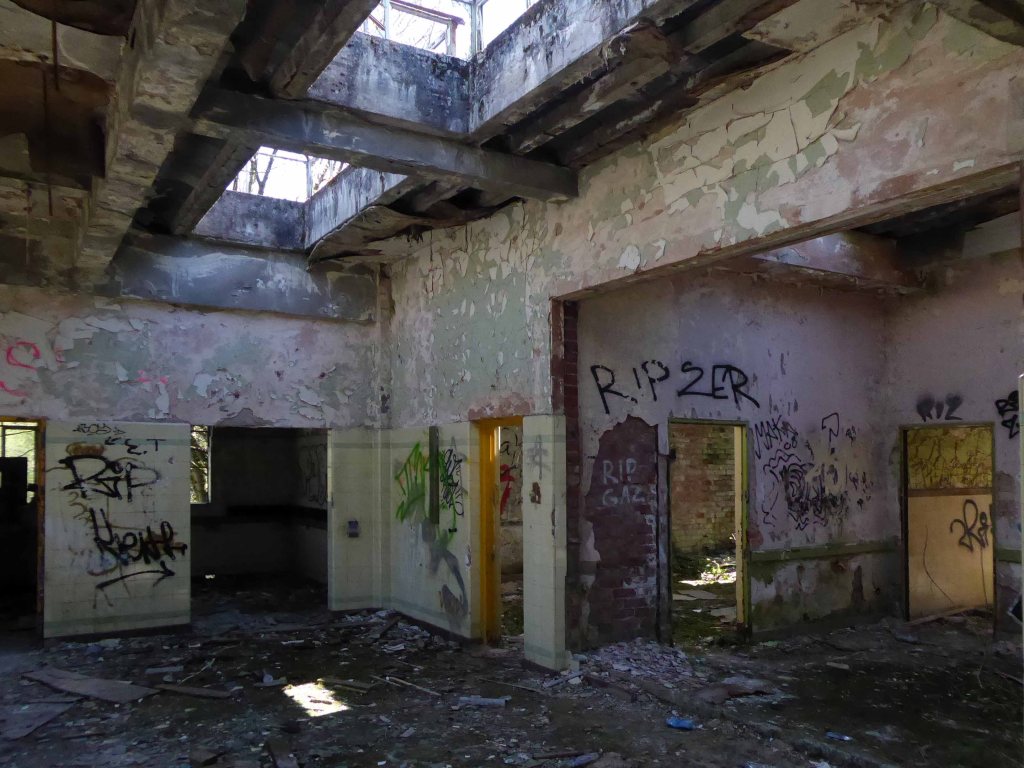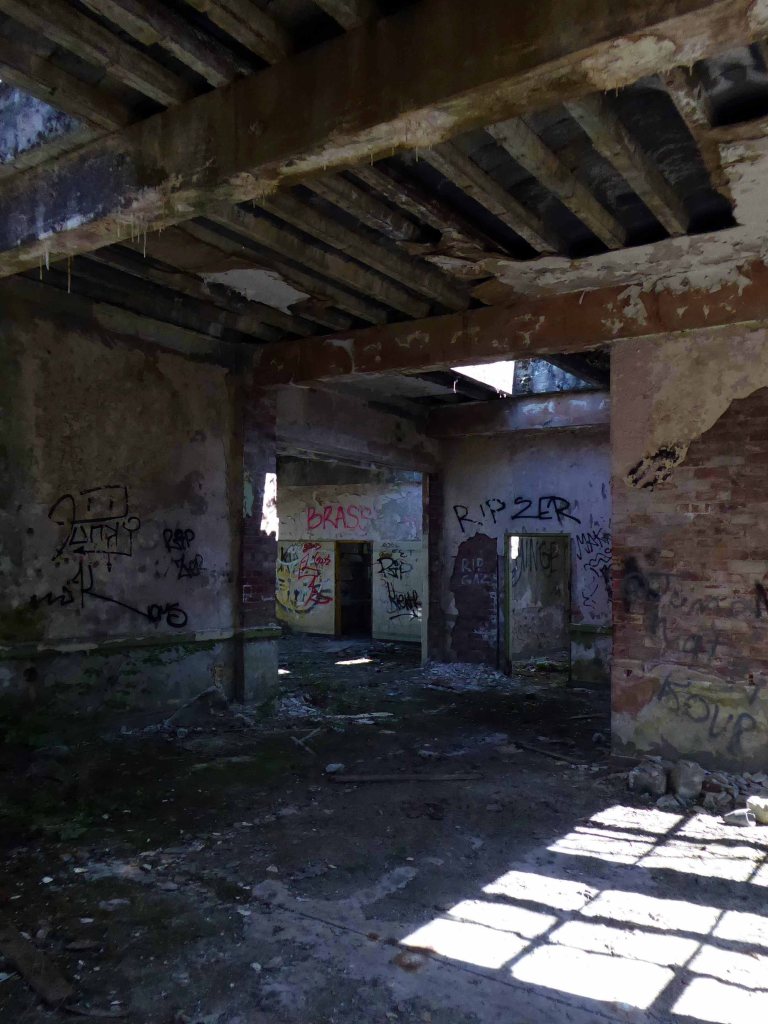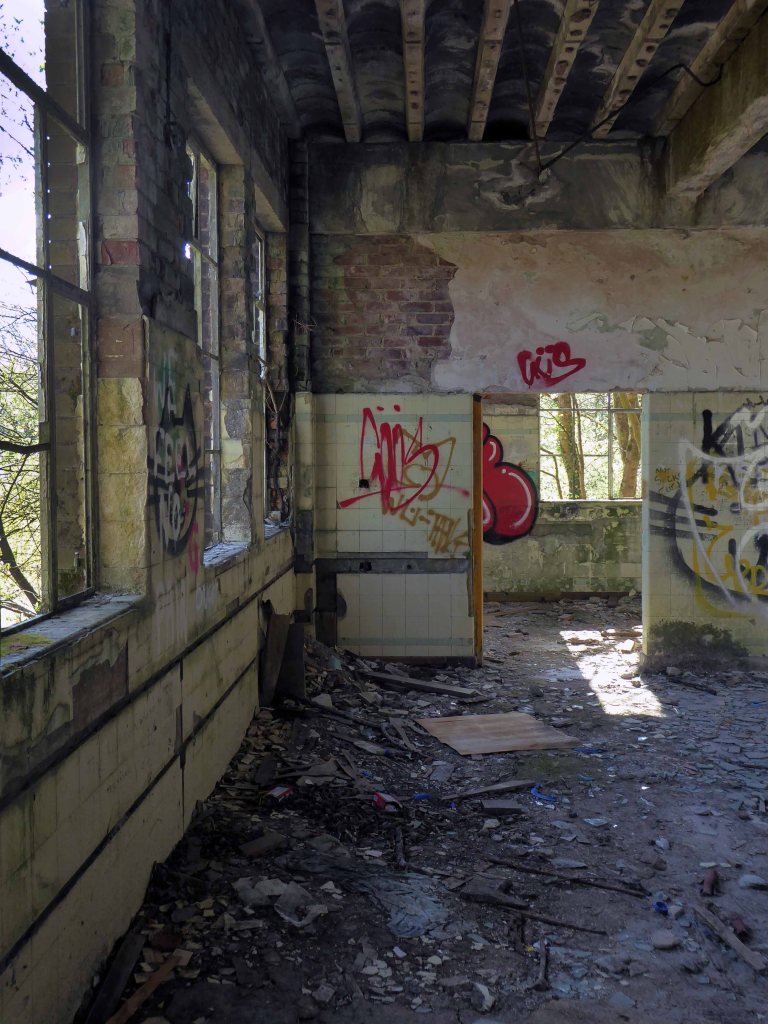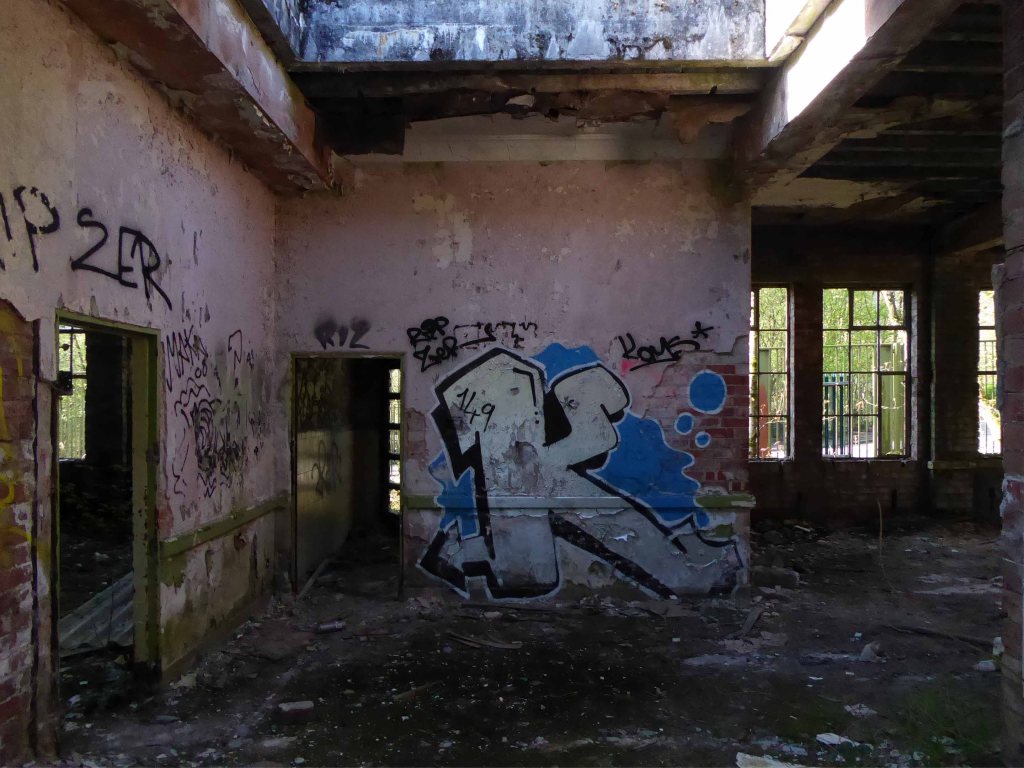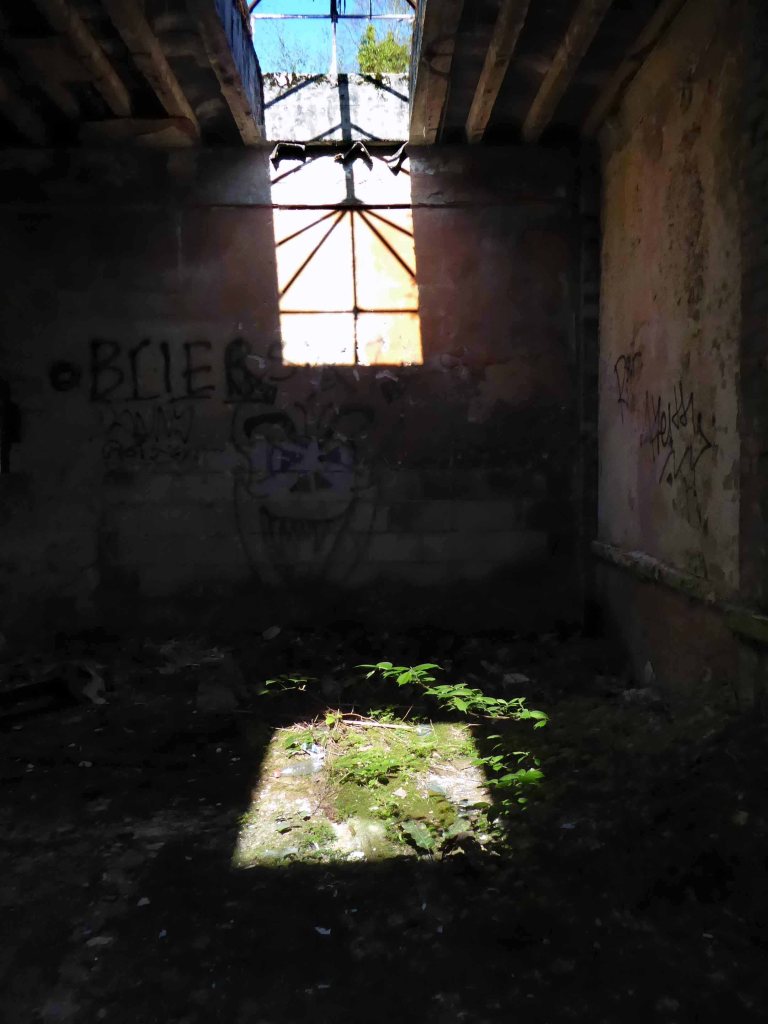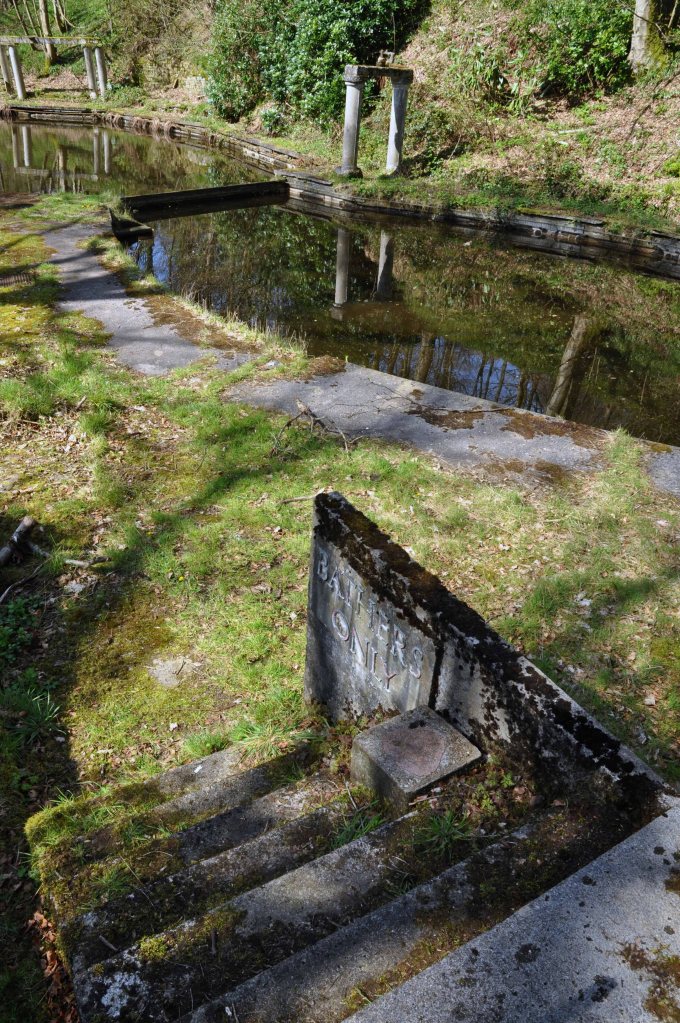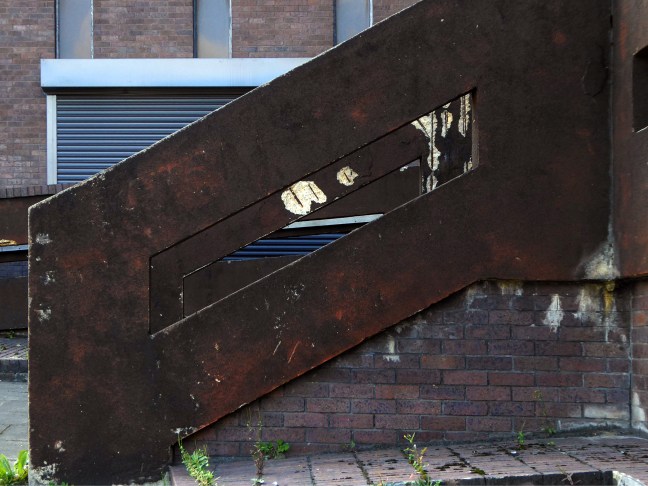
Peterlee Town Centre

Once more to Peterlee having posted posts on the Apollo Pavillion, housing and housing history.

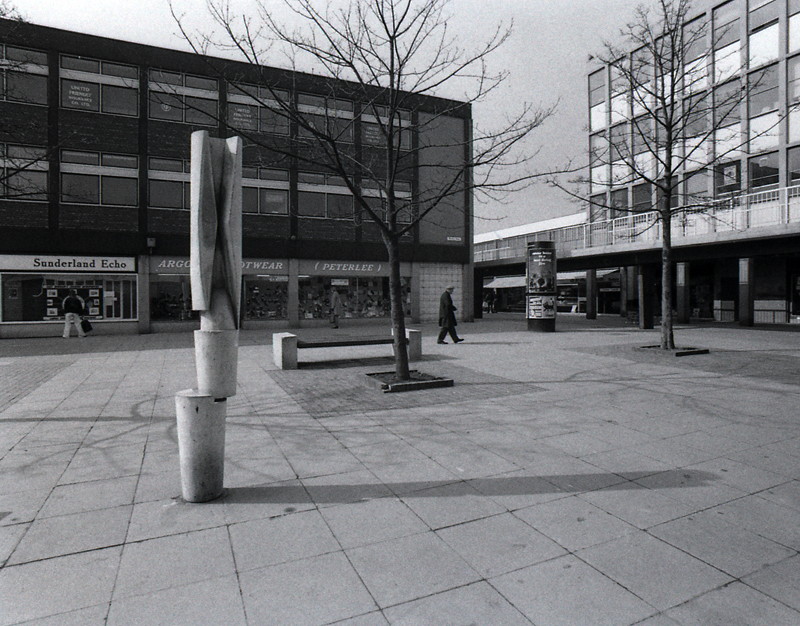
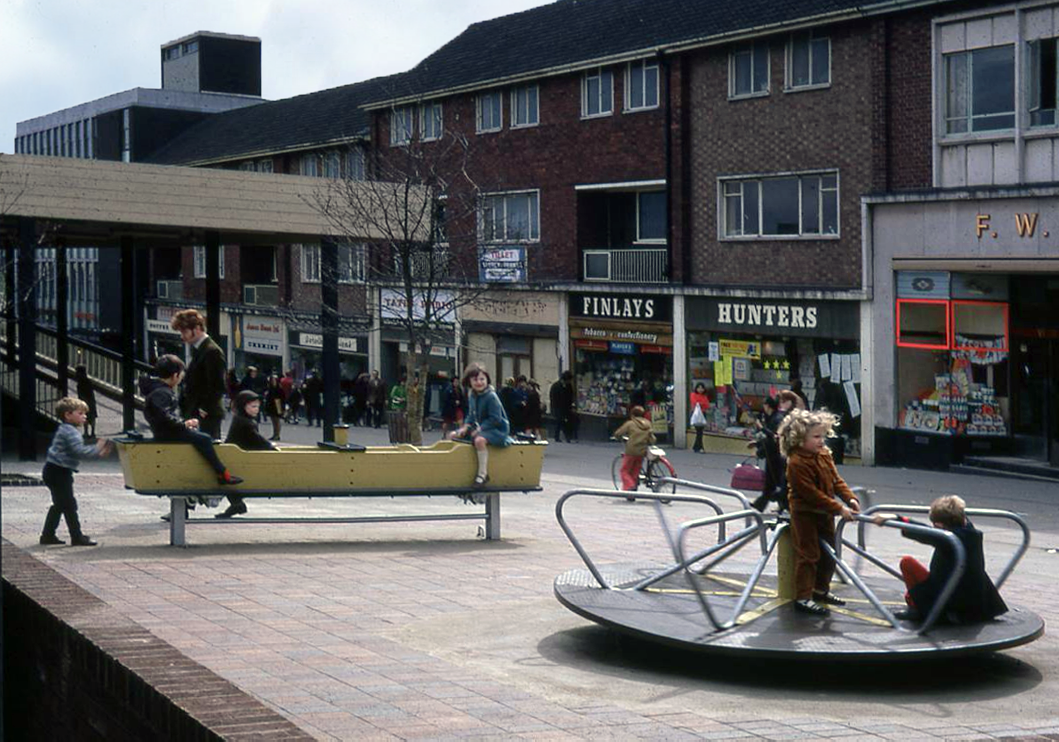
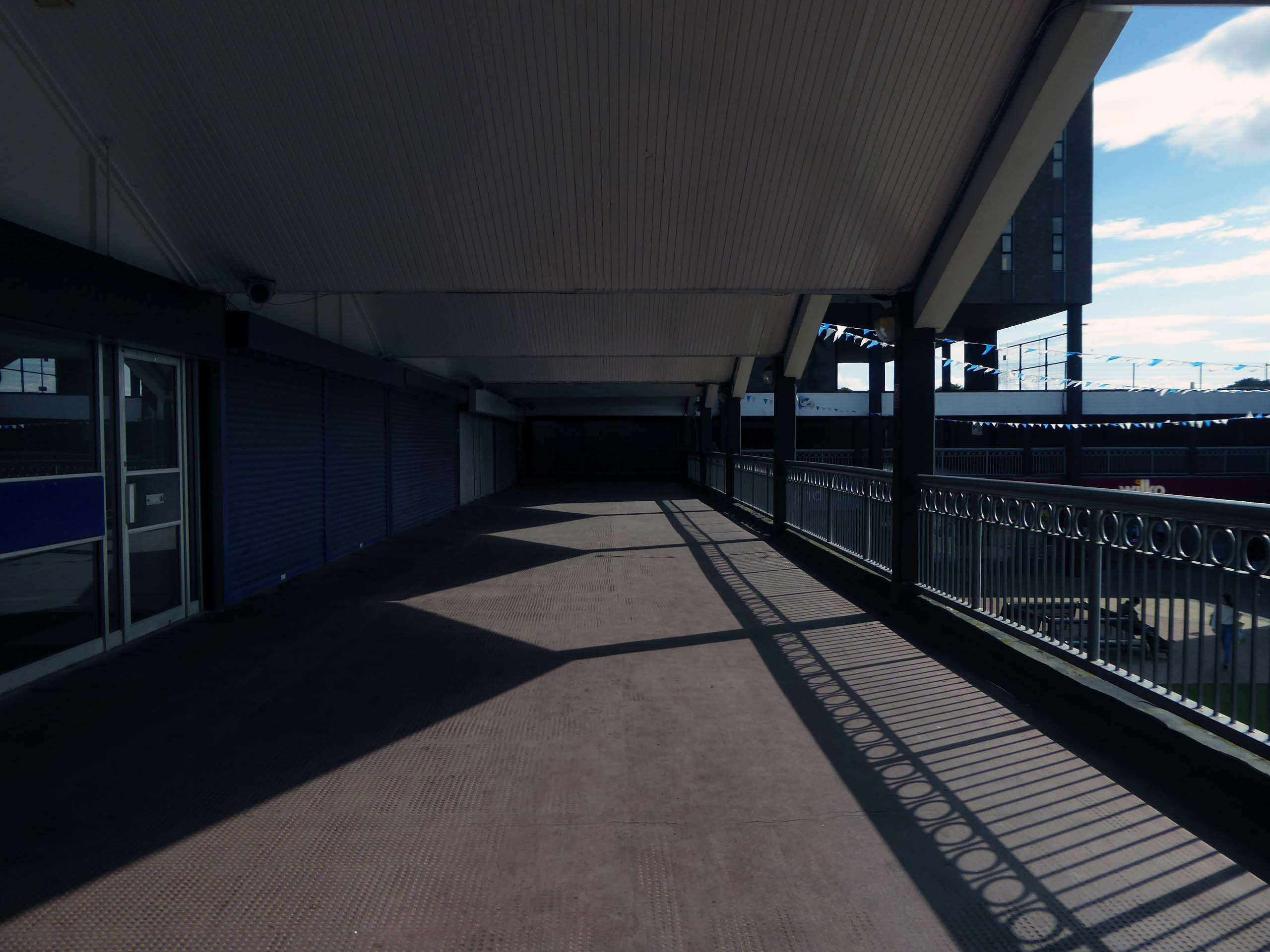
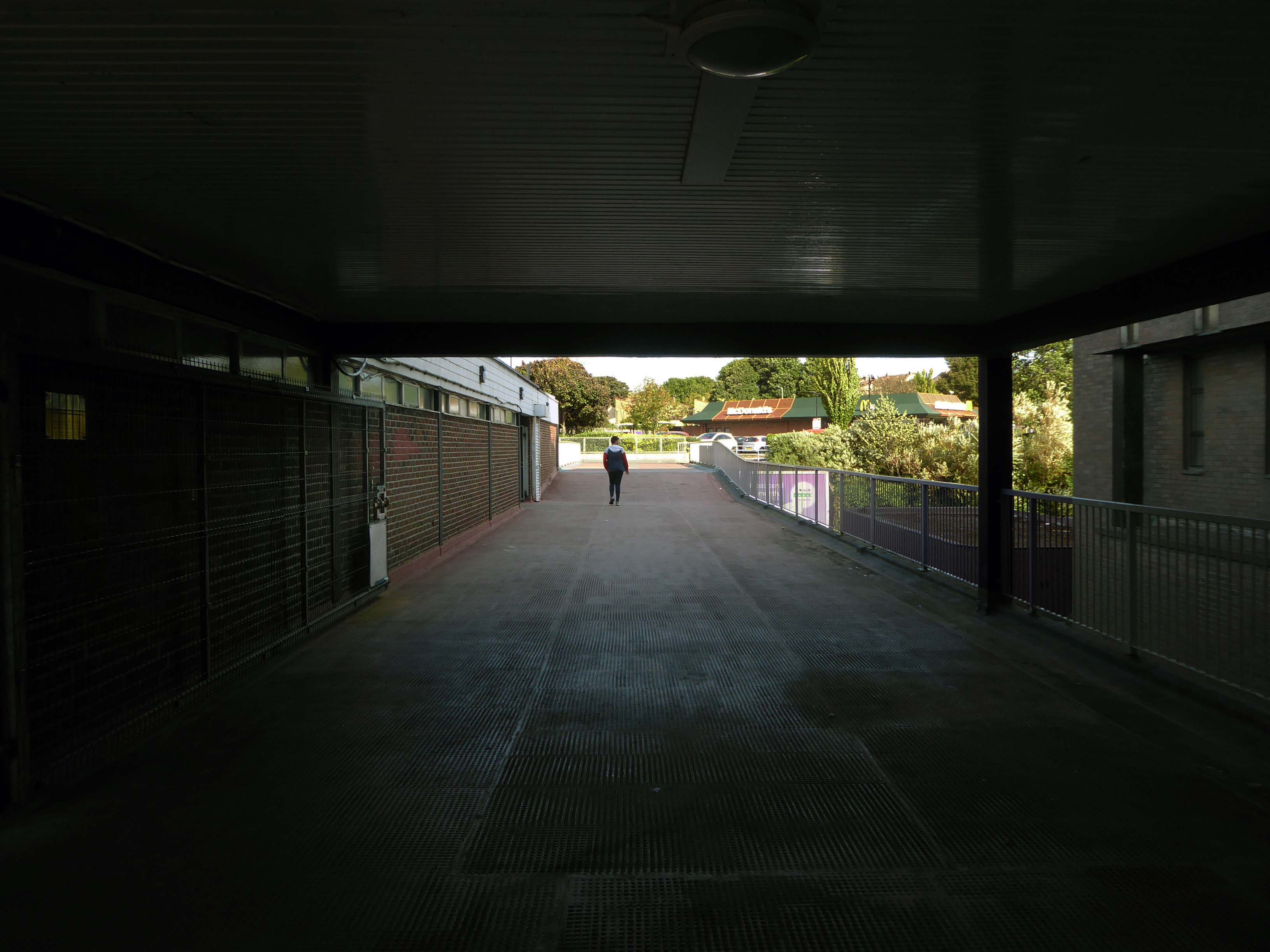
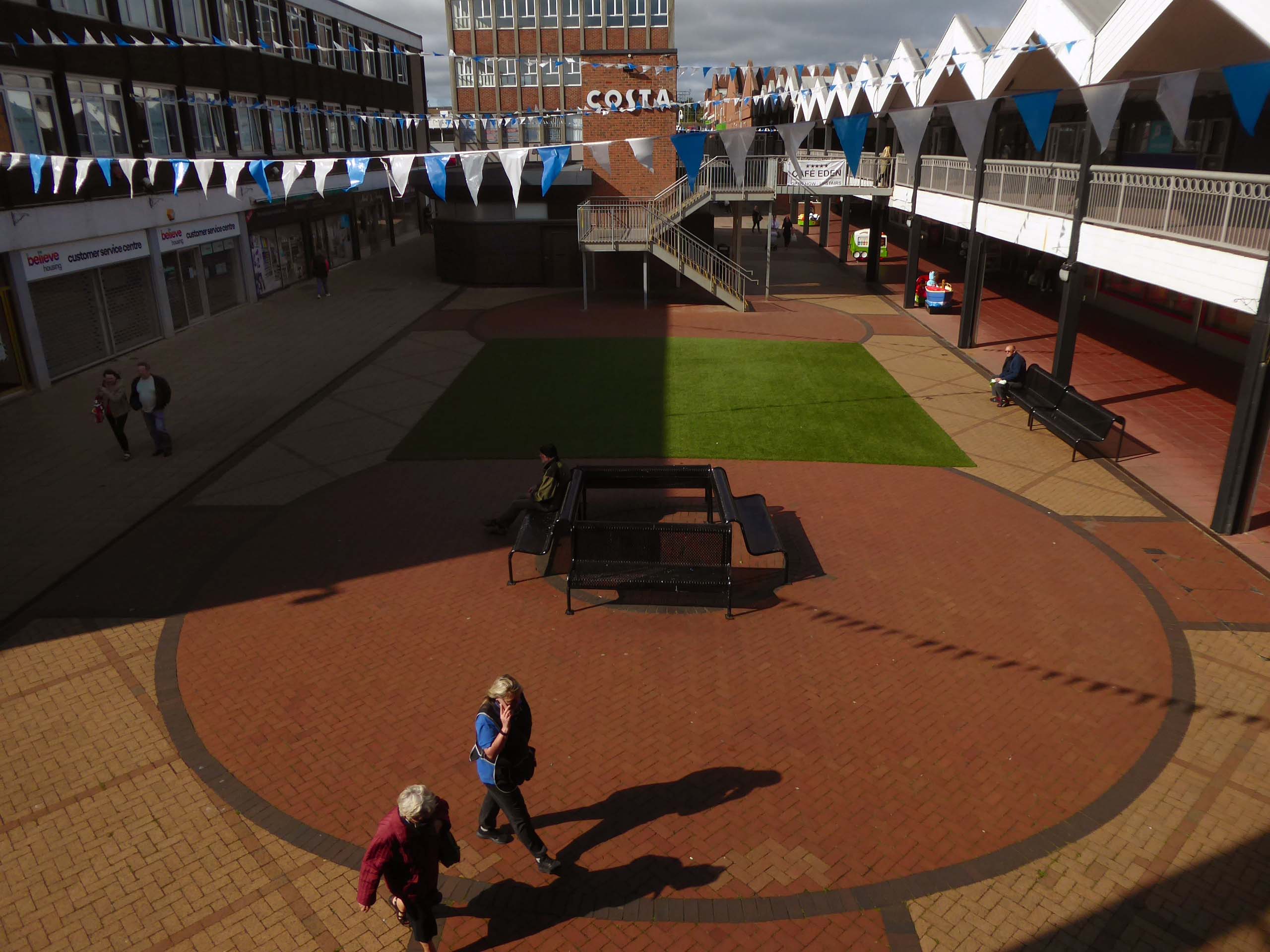
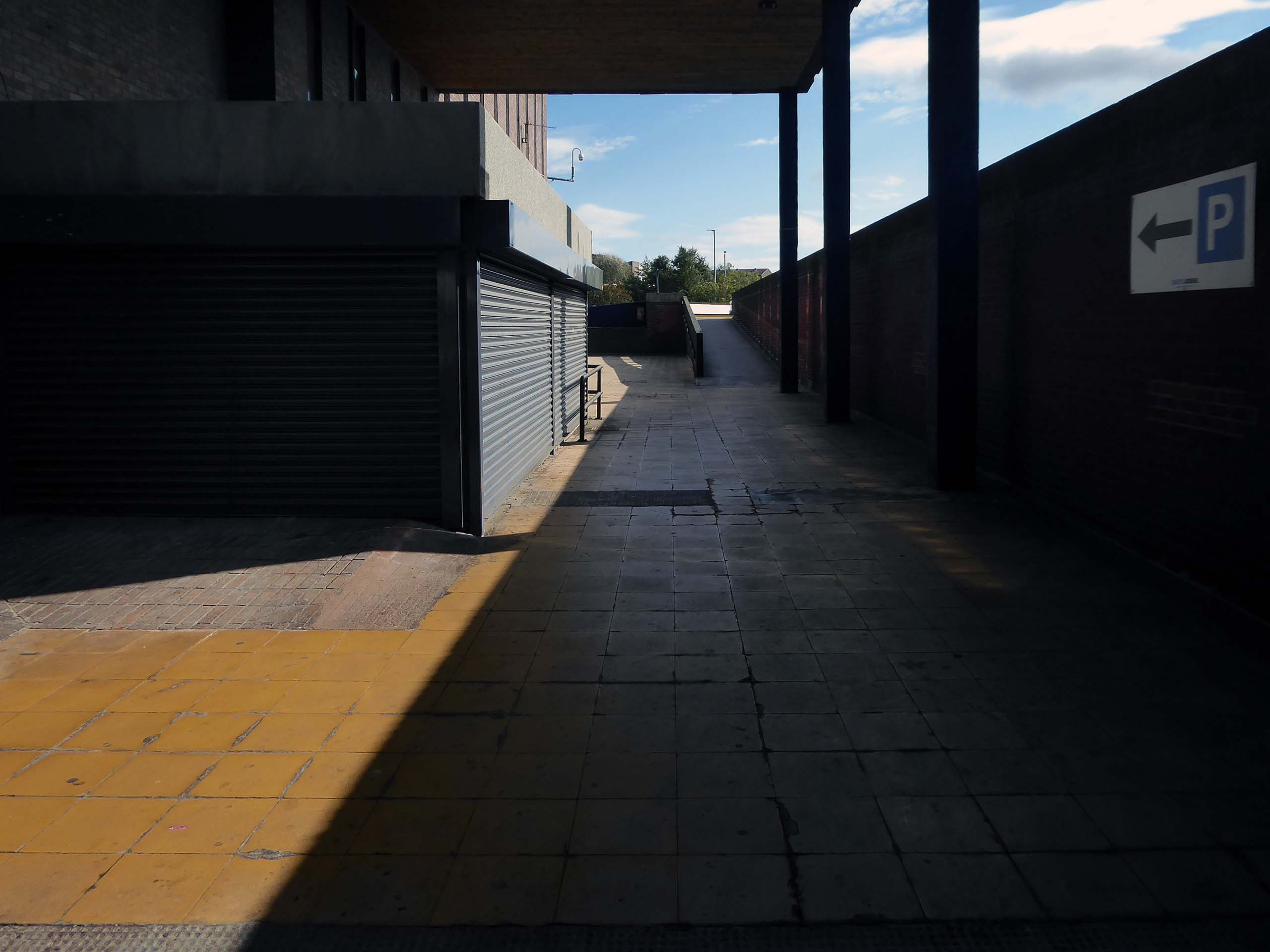
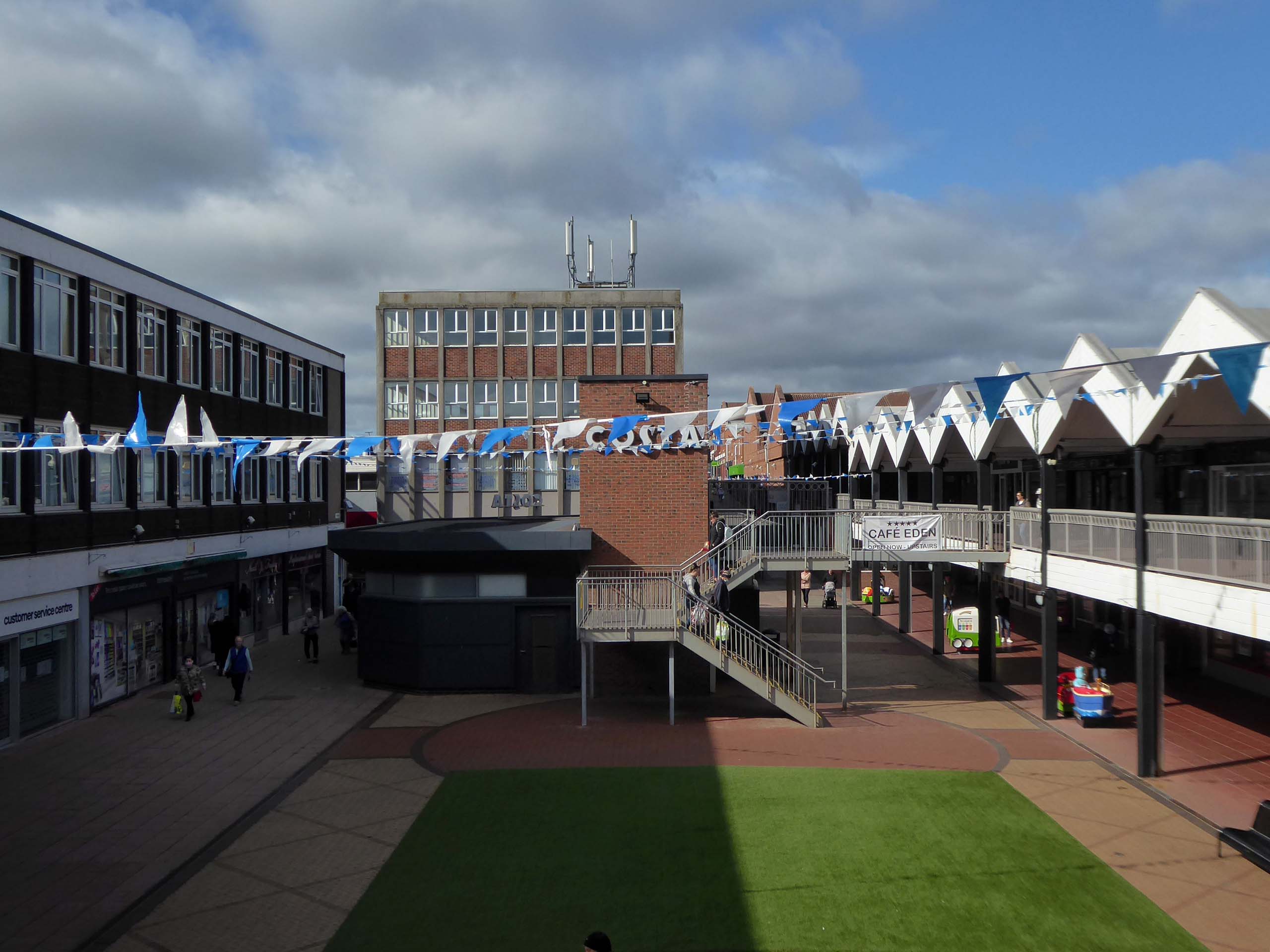
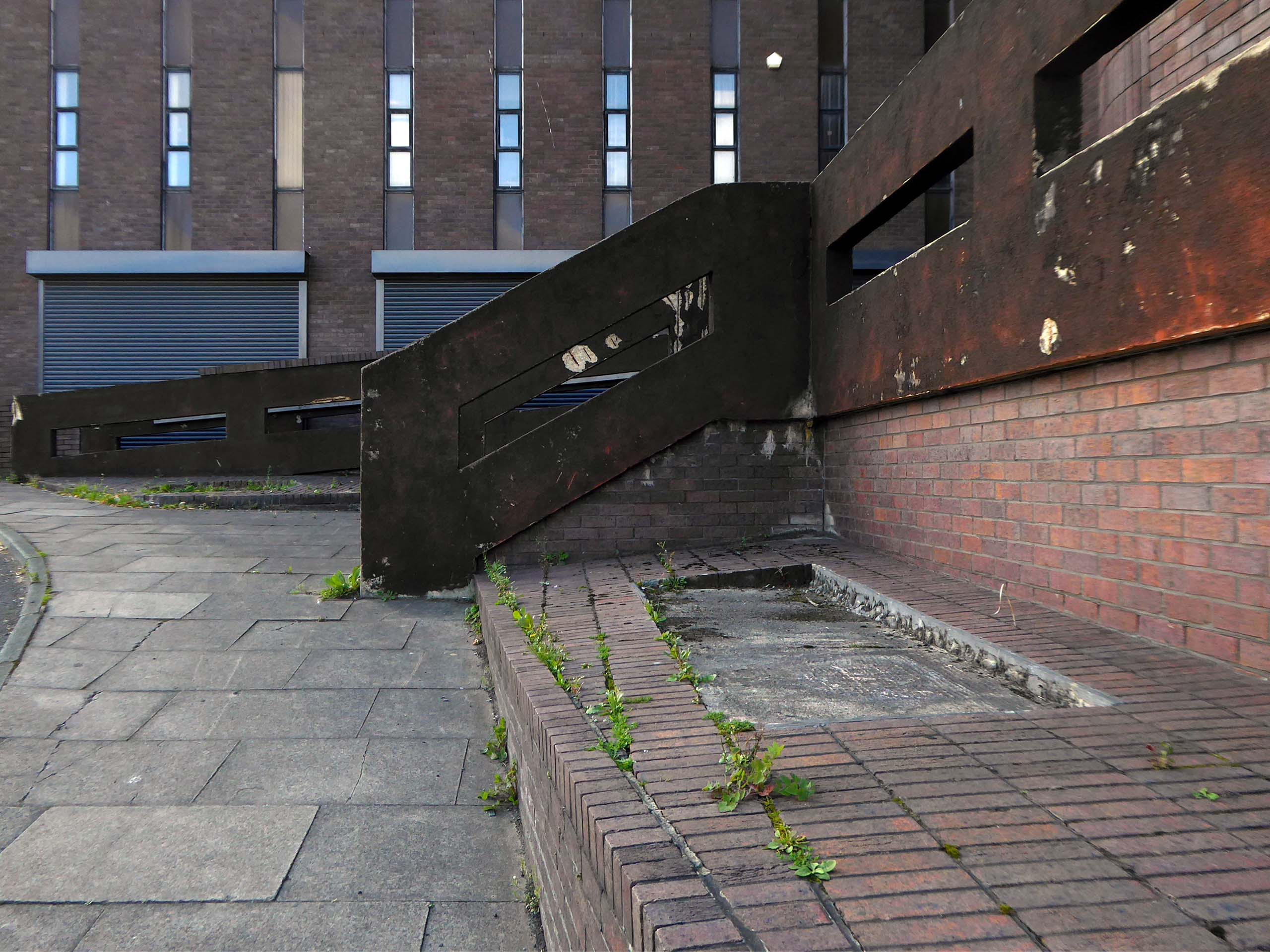
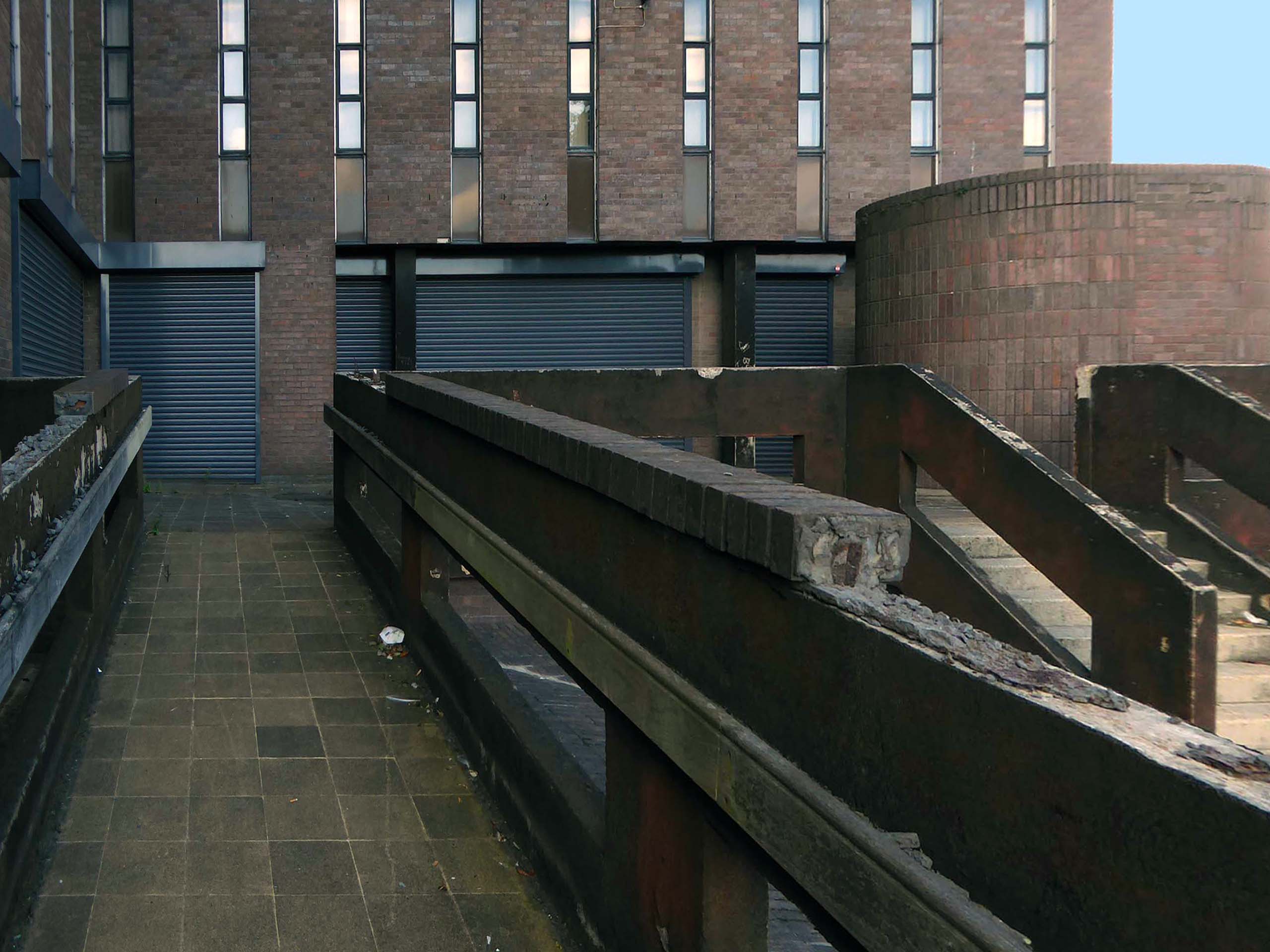
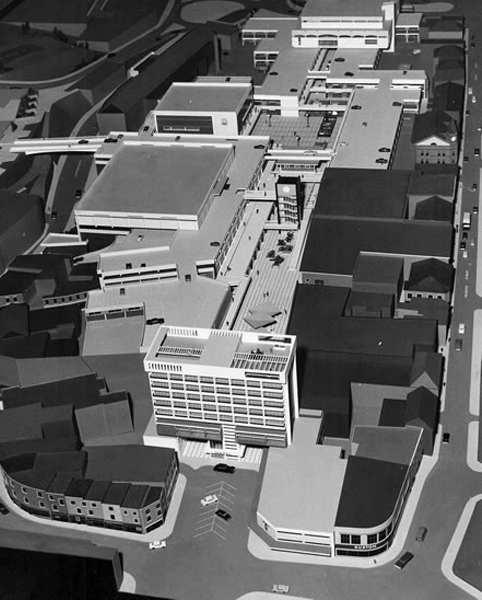
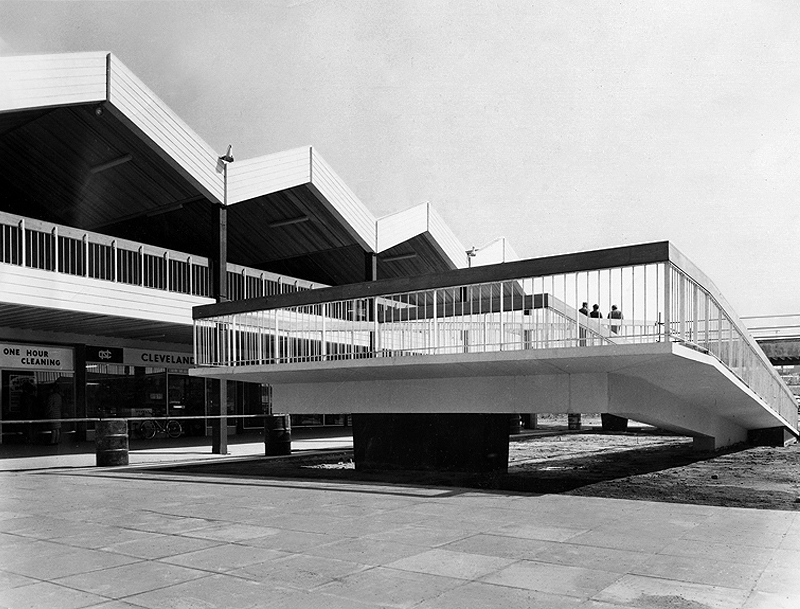
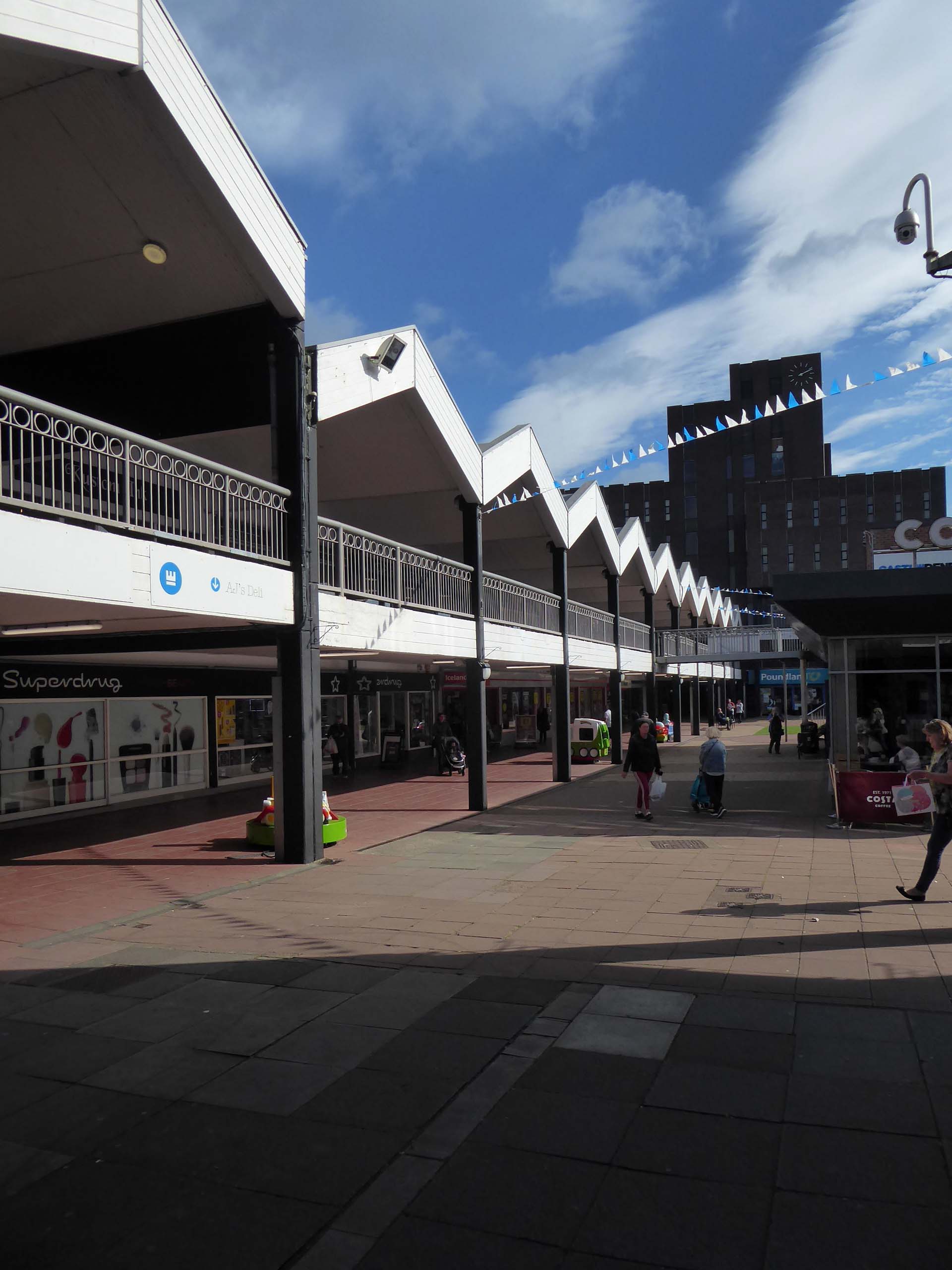
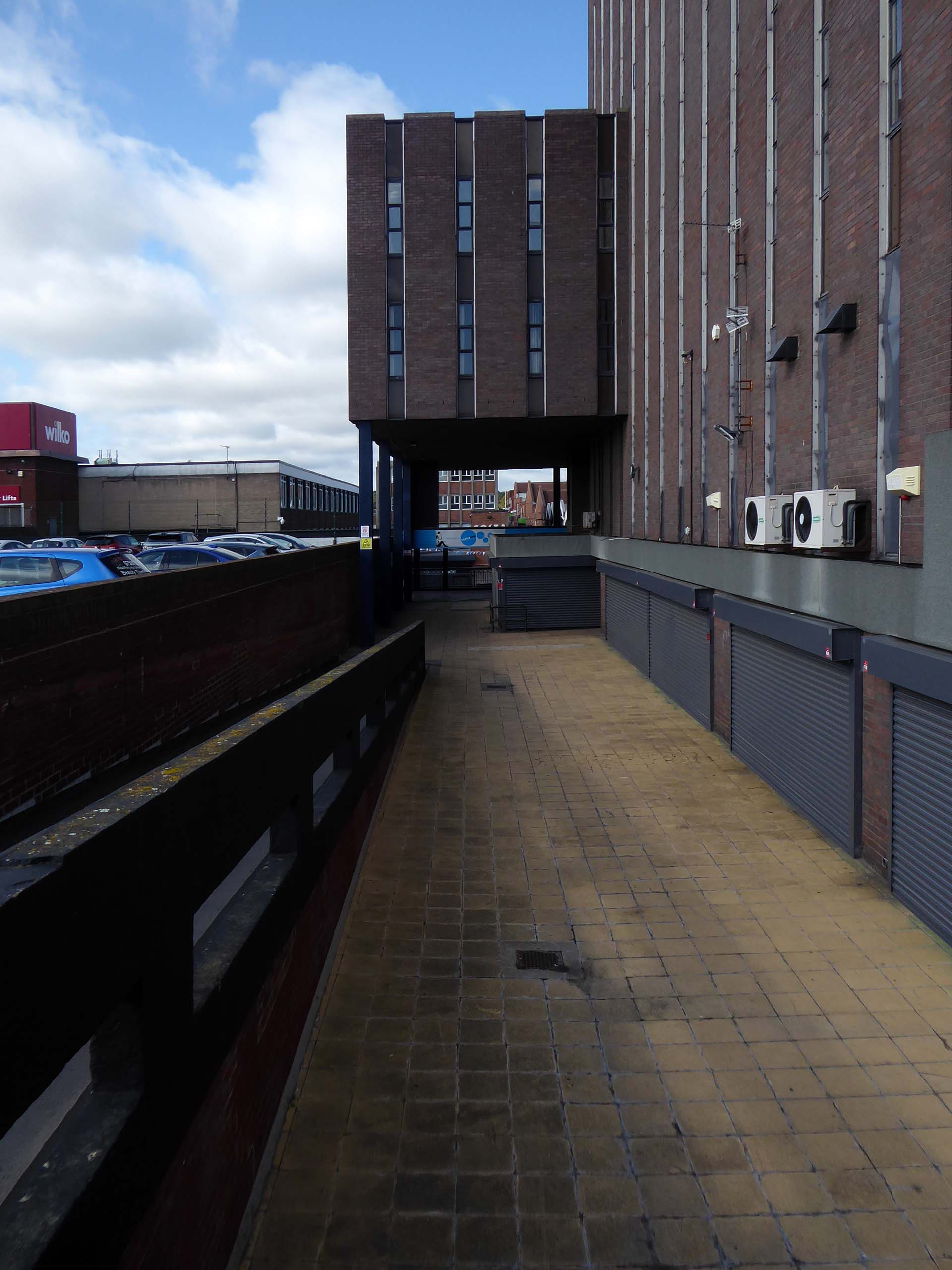
Plans for the new town centre started to be developed in 1960 by Chief Architect Roy Gazzard. The process would go through eight sets of revisions before they were finally approved in 1968. Yoden Way was then pedestrianised, and the small row of shops built in 1950’s was incorporated into the new shopping precinct, forming the north western end of Yoden Way. Like many other town centres across Britain undergoing modernisation, the high-street was split onto two levels, with ramps providing access to raised walkways.
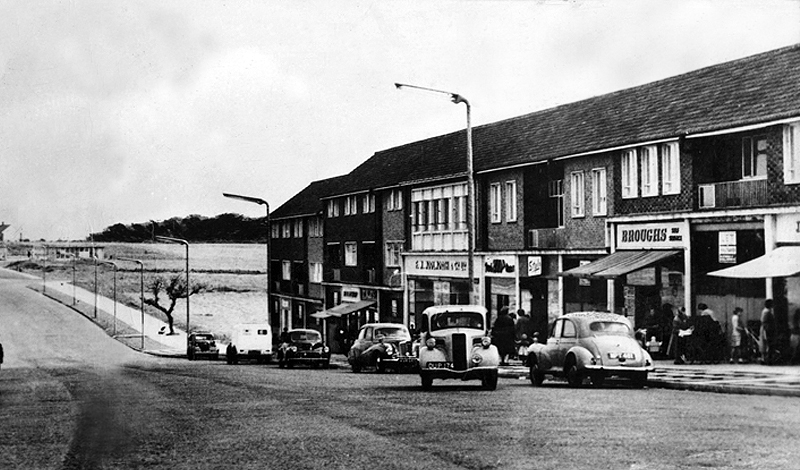
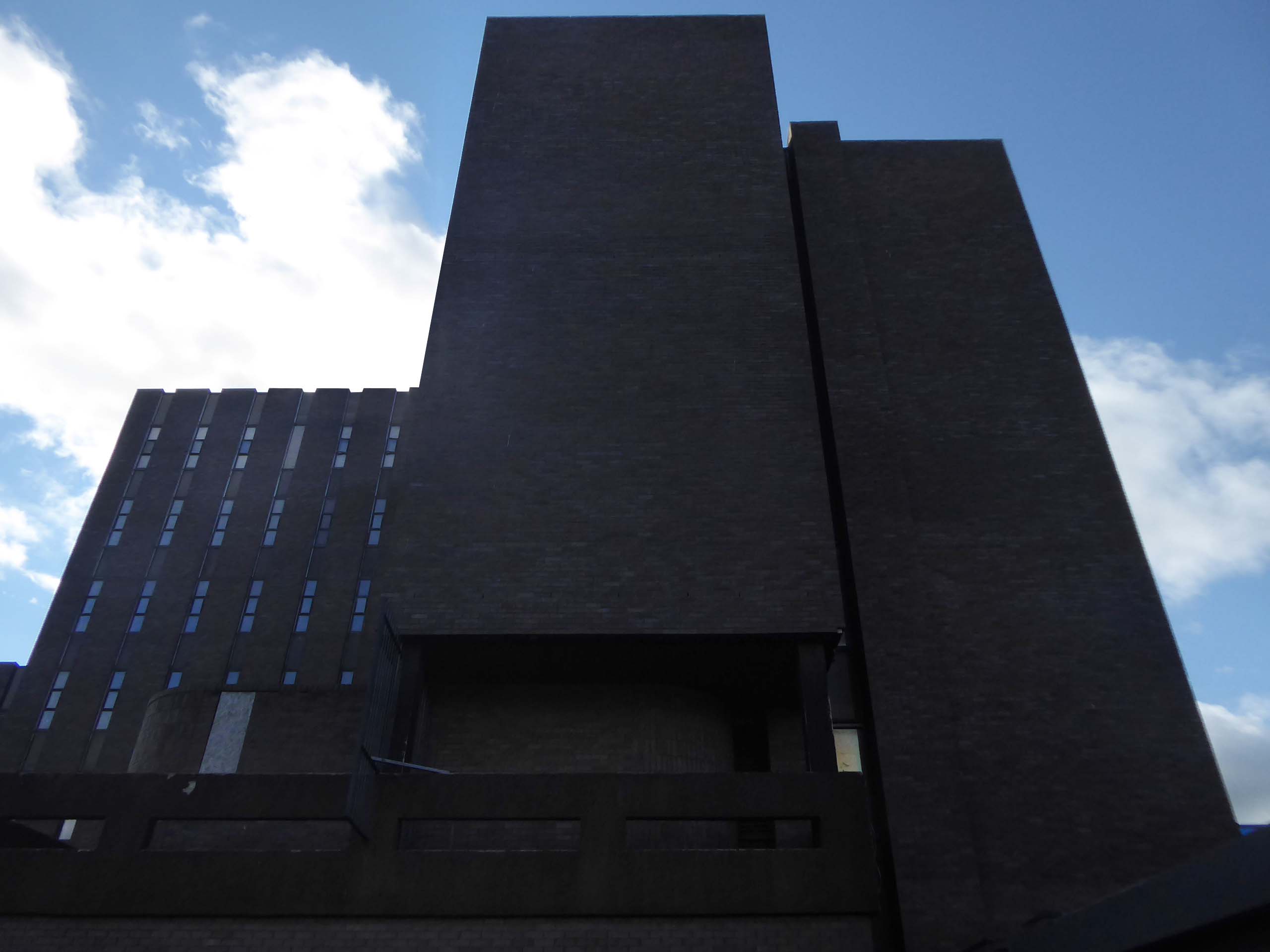
The construction of Lee House – named after Peter Lee, started in 1974. Once completed, the Development Corporation moved its Headquarters from Old Shotton Hall to Lee House in 1976, occupying the building until it was sold in 1984 and remaining staff relocated to Newton Aycliffe.

Enhancing the built environment, Peterlee Town Centre was furnished with play equipment, an ornamental pond, open air escalators, and a sculpture by John Pasmore – son of Victor.
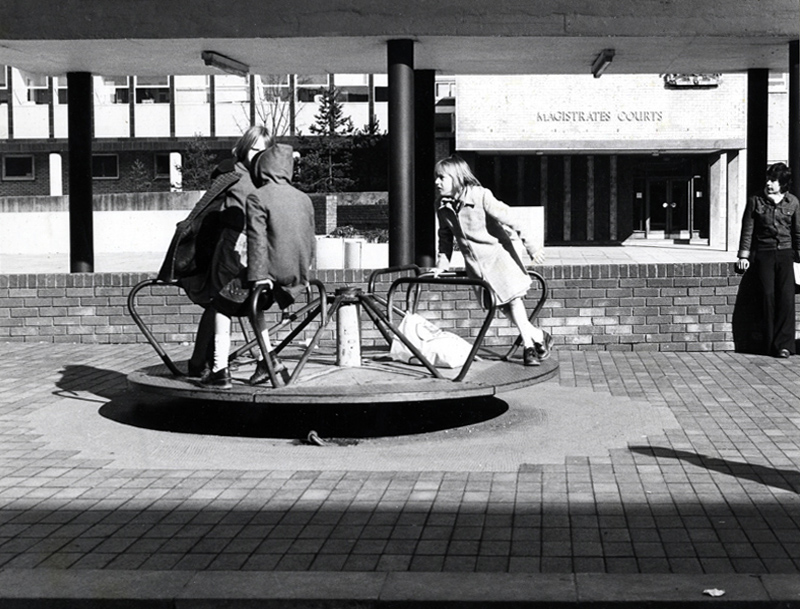
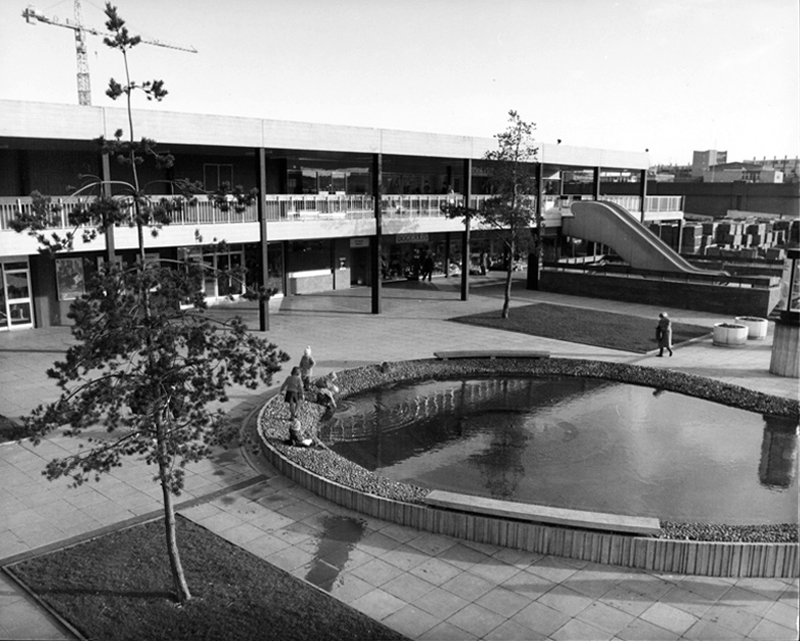
These features were later removed after the town centre was sold to Teesdale Investments – Peterlee Limited in 1985.
Peterlee History

Access ramp at the bottom end of Yoden Way, prior to the construction of Lee House in 1973.

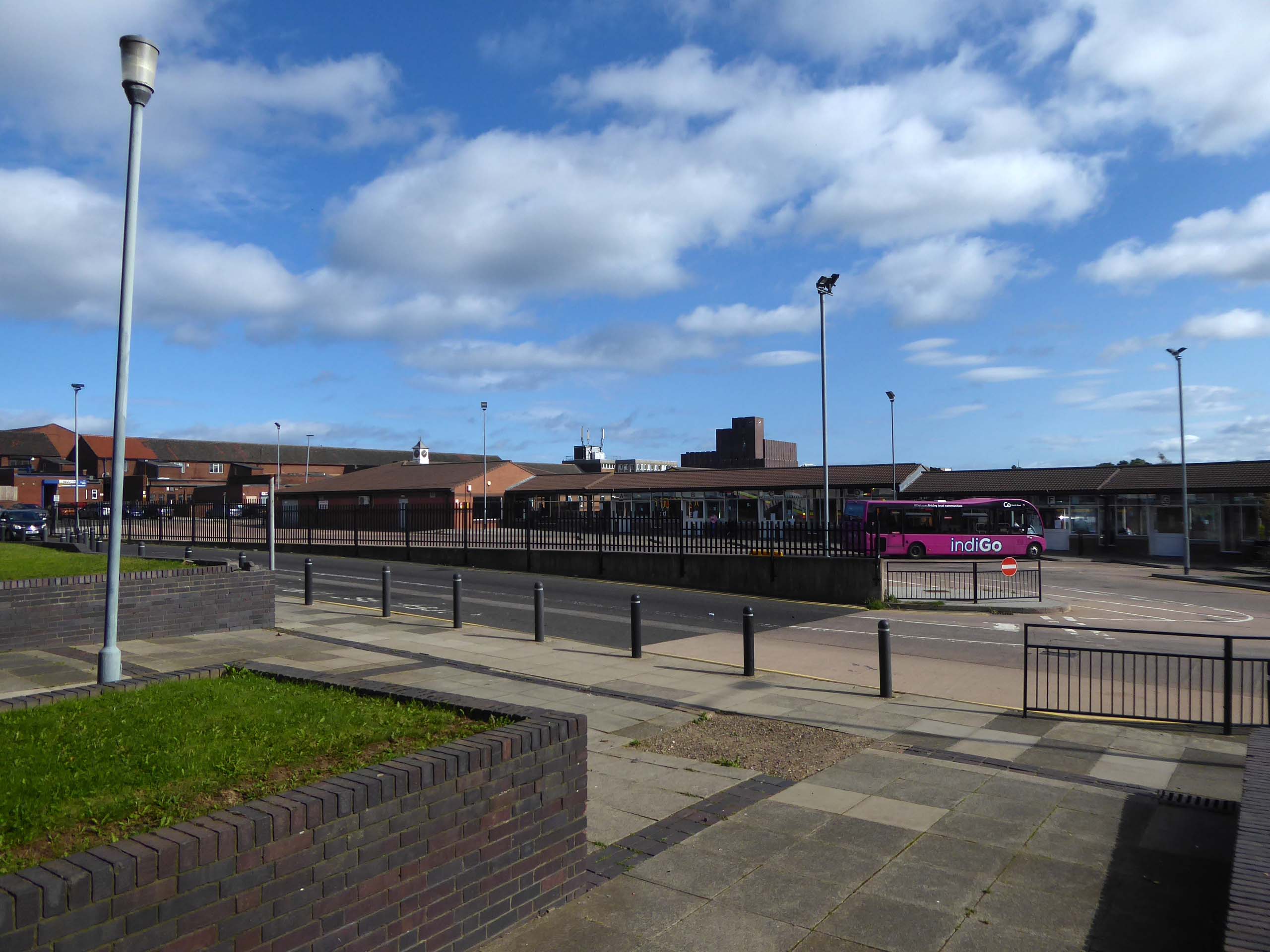
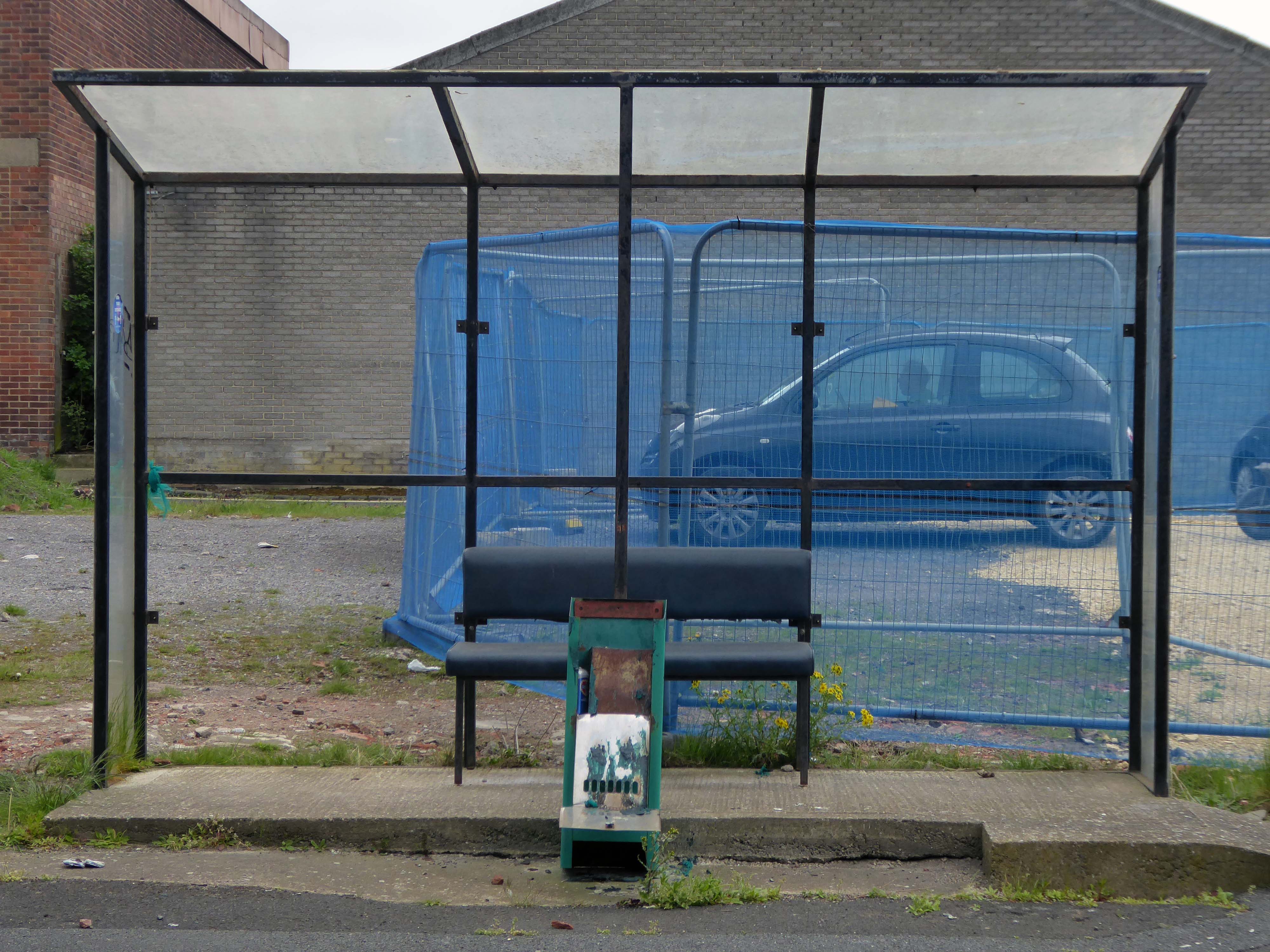
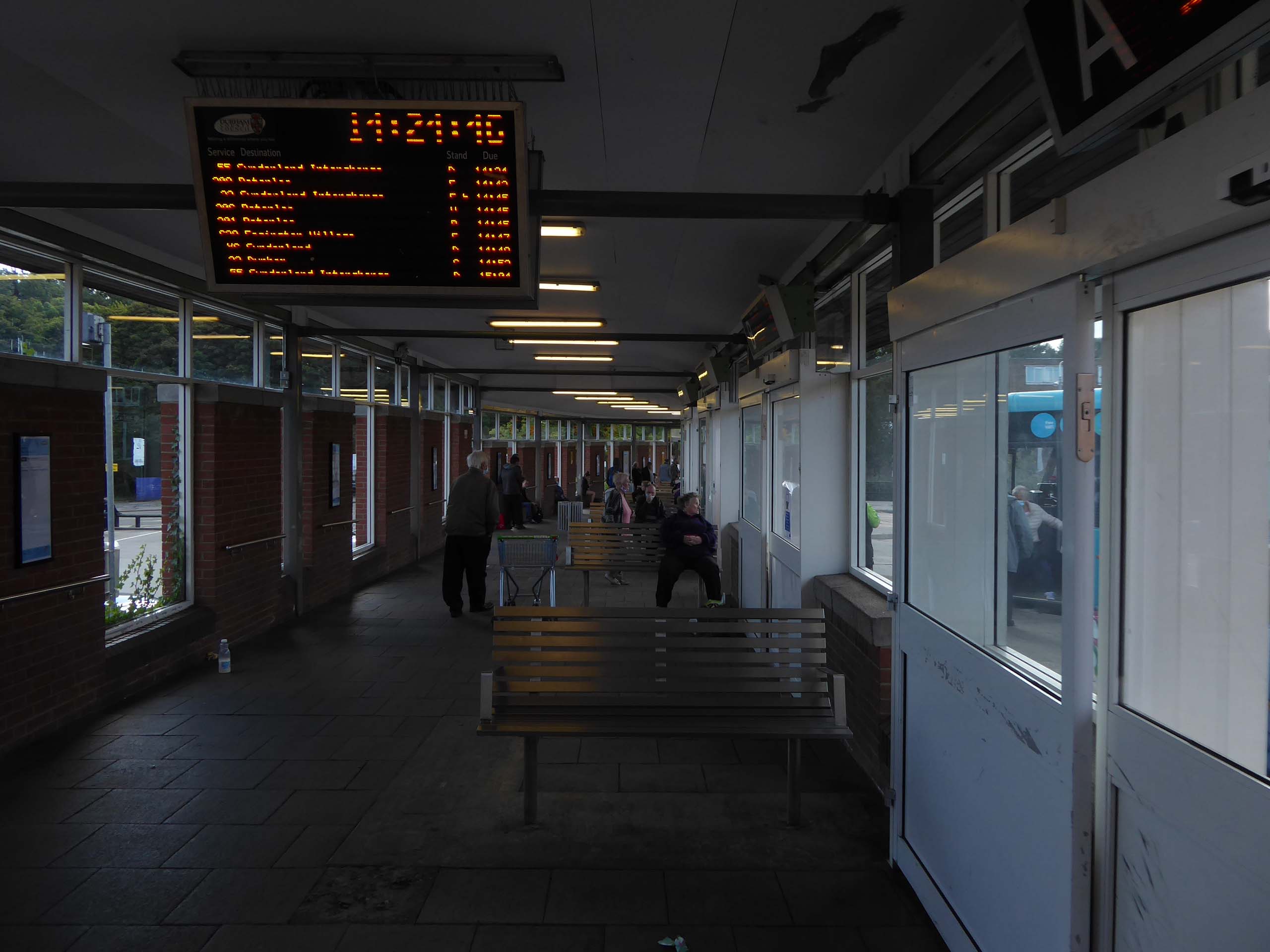
It’s 2021 and I arrive at the Bus Station.
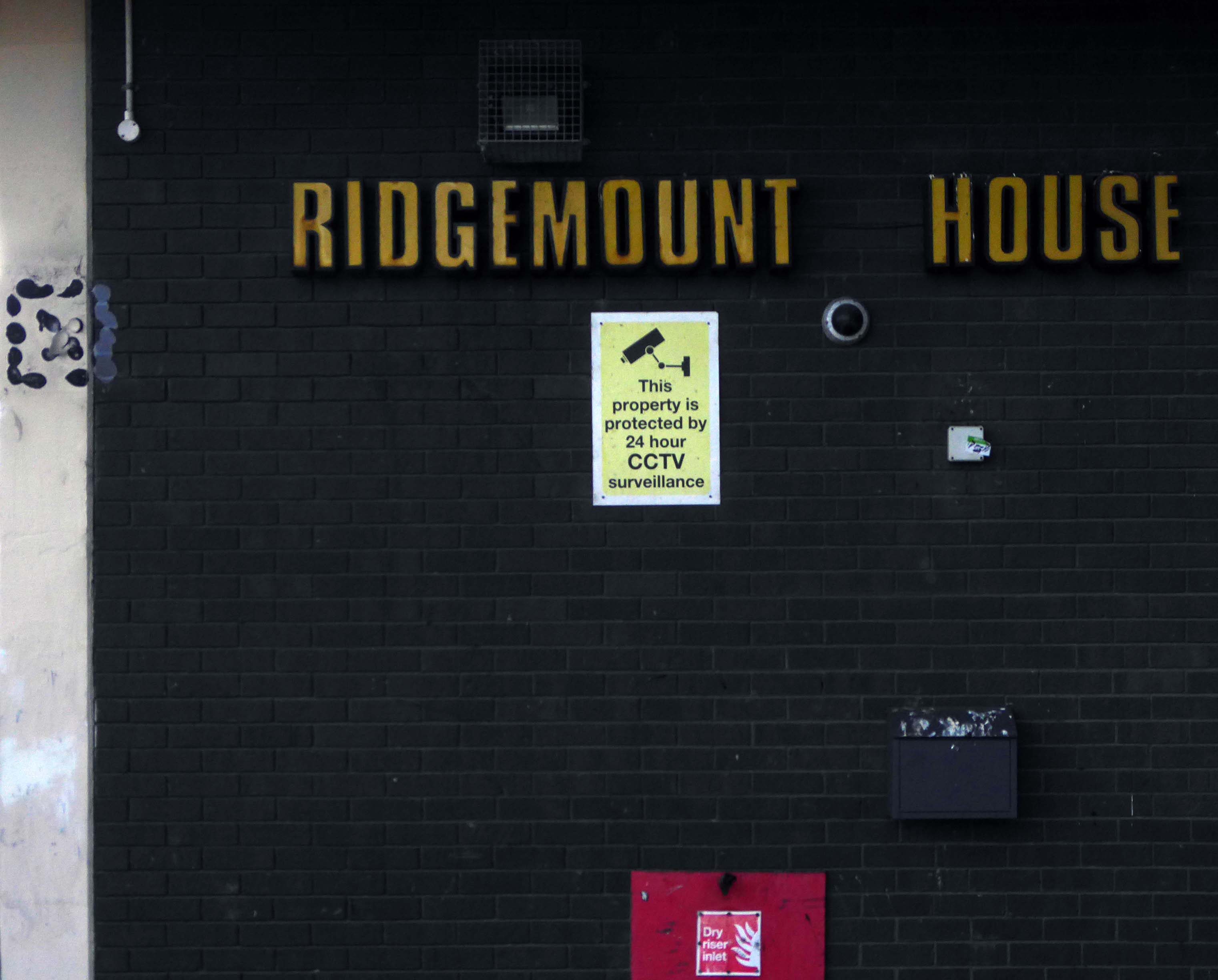
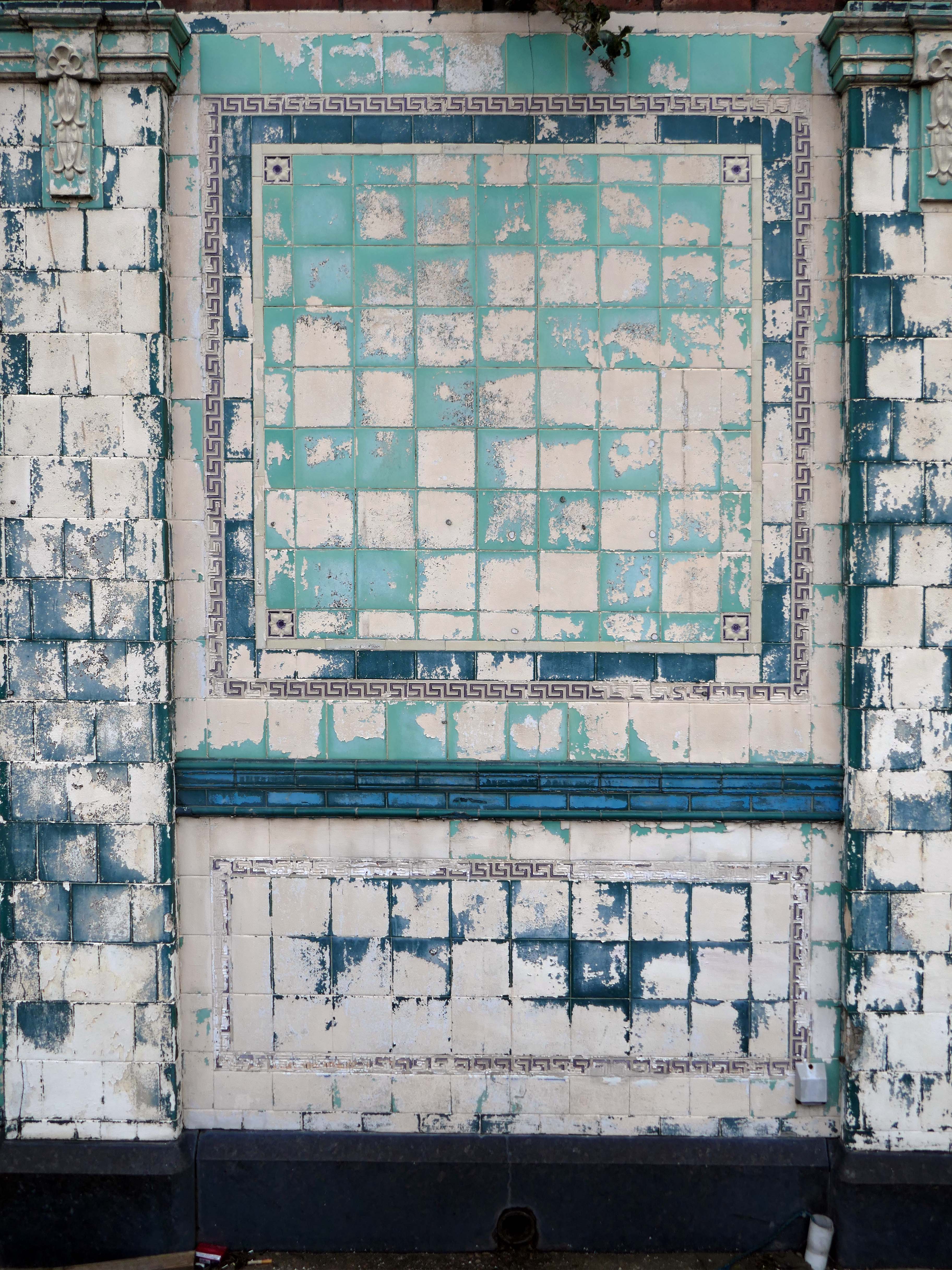
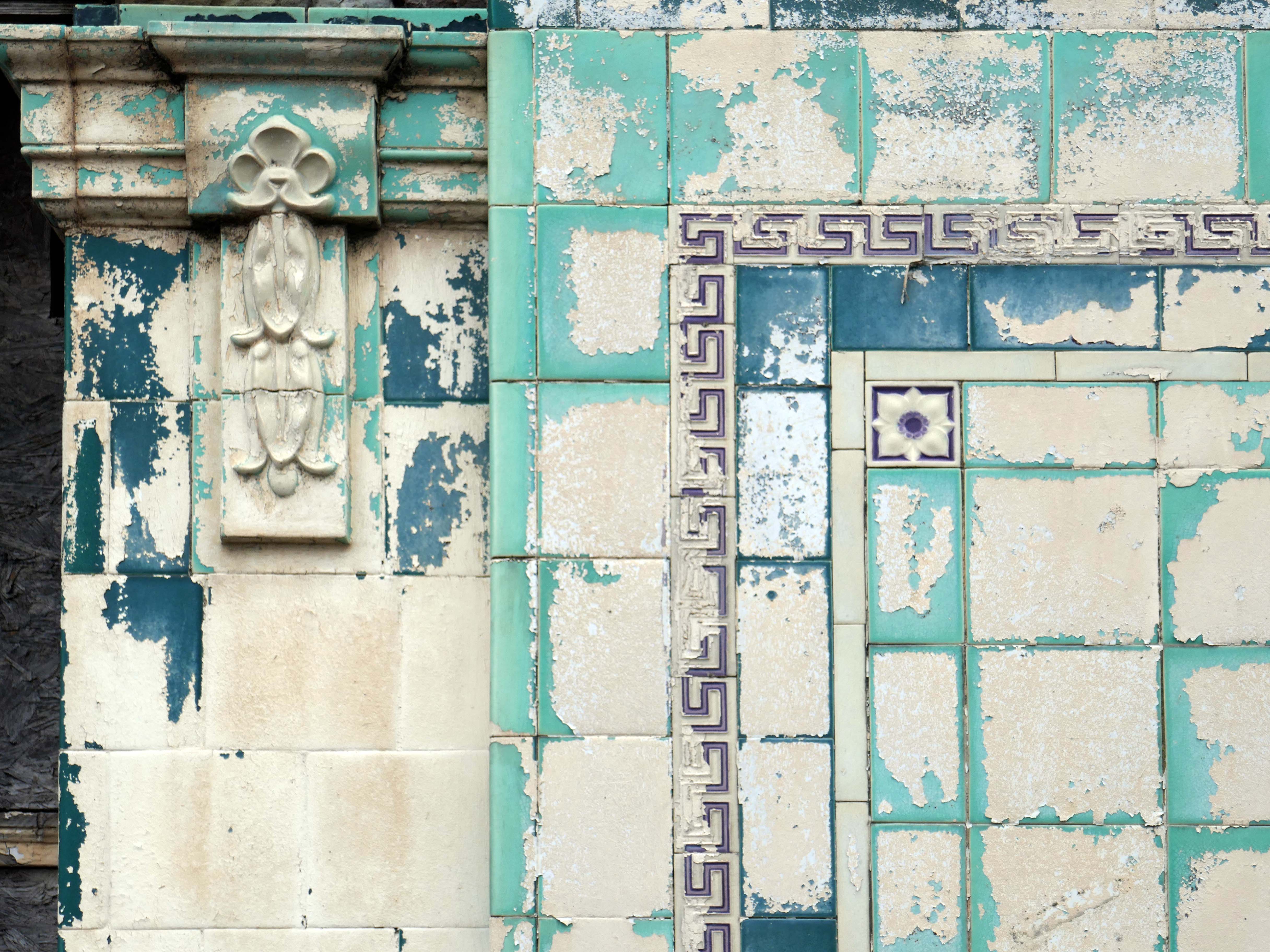
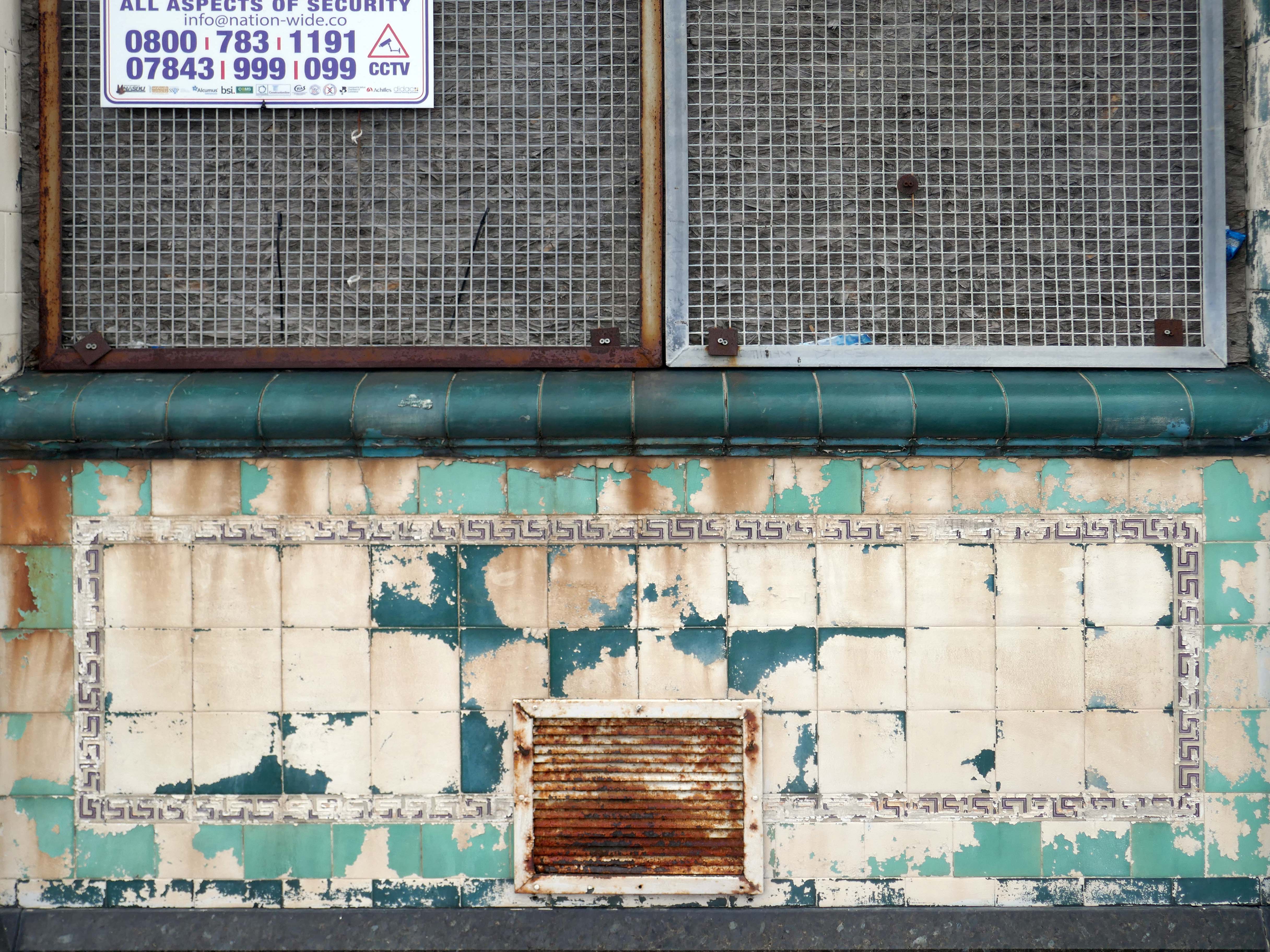
Immediately adjacent is Ridgemount House. – once home to the Job Centre.
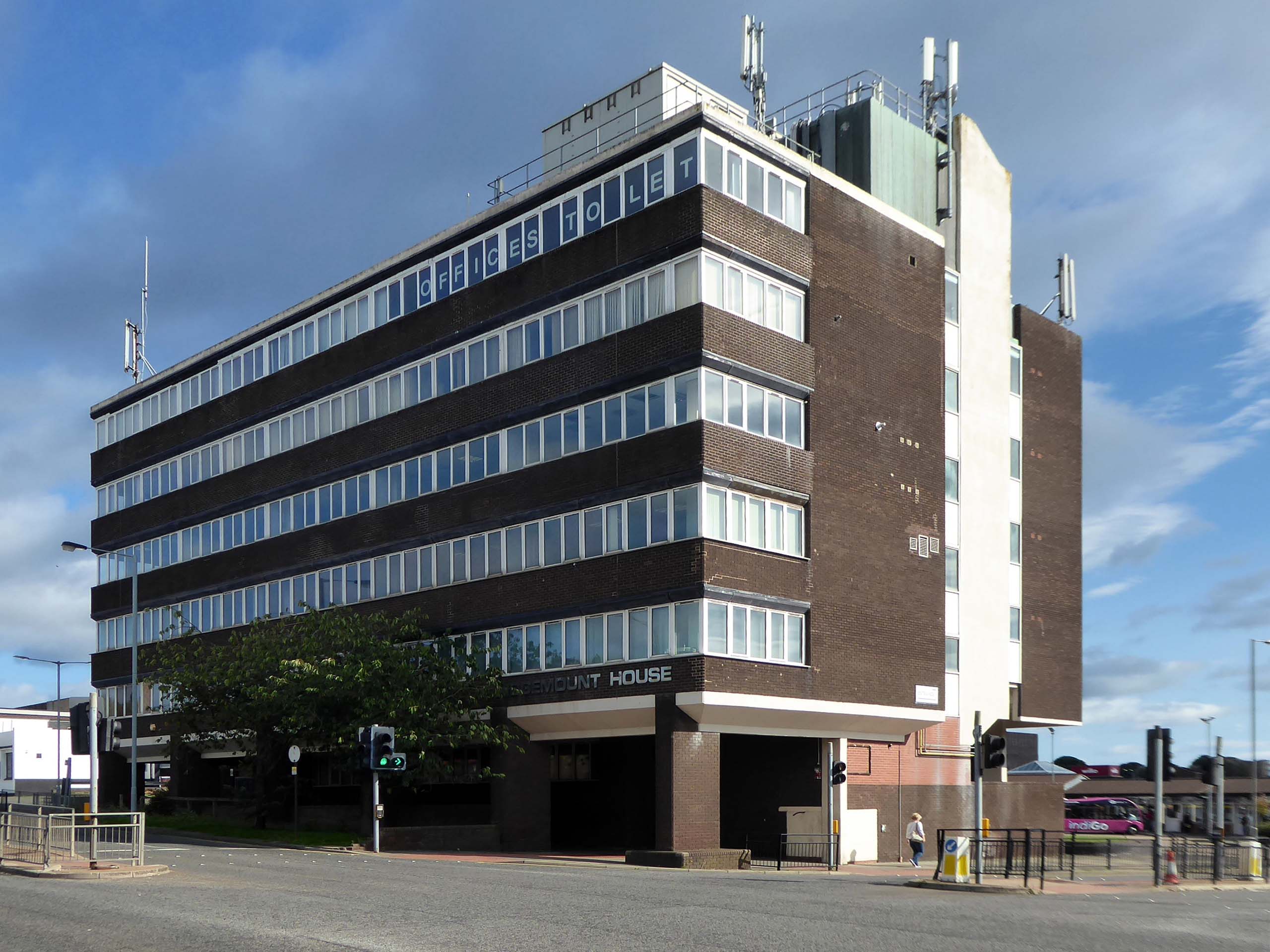
Firefighters were called to the disused Ridgemount House on Bede Way in Peterlee on Wednesday August 16th 2023 at about 8.20pm after reports of a blaze.

Crews found a fire had broken out in the first floor of the building, which was found to be the home of thousands of pounds worth of cannabis plants back in 2020, after a man converted two floors for use as a drug farm.

Tarlochan Singh, owner of Ridgemount House, has been prosecuted following the discovery of several serious fire safety breaches at the property.

Northern Echo

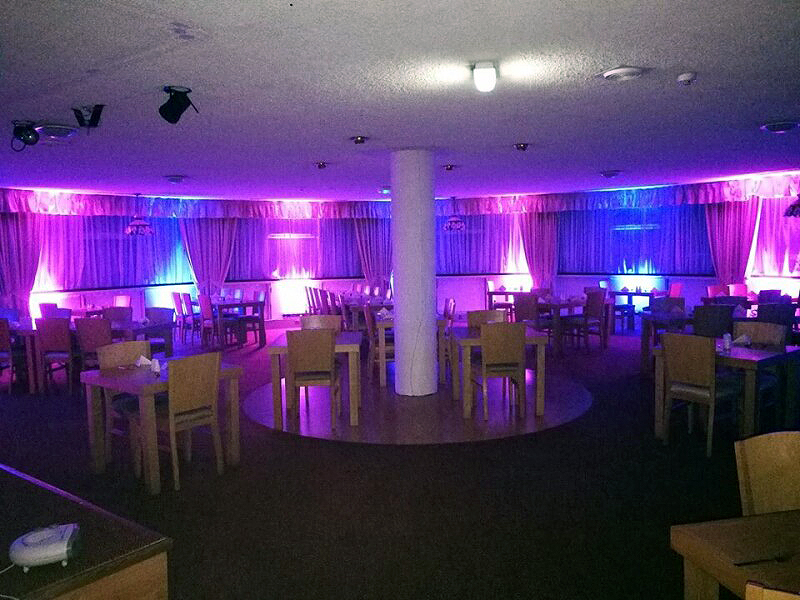
To the right is the Eden Bar and Vibe.
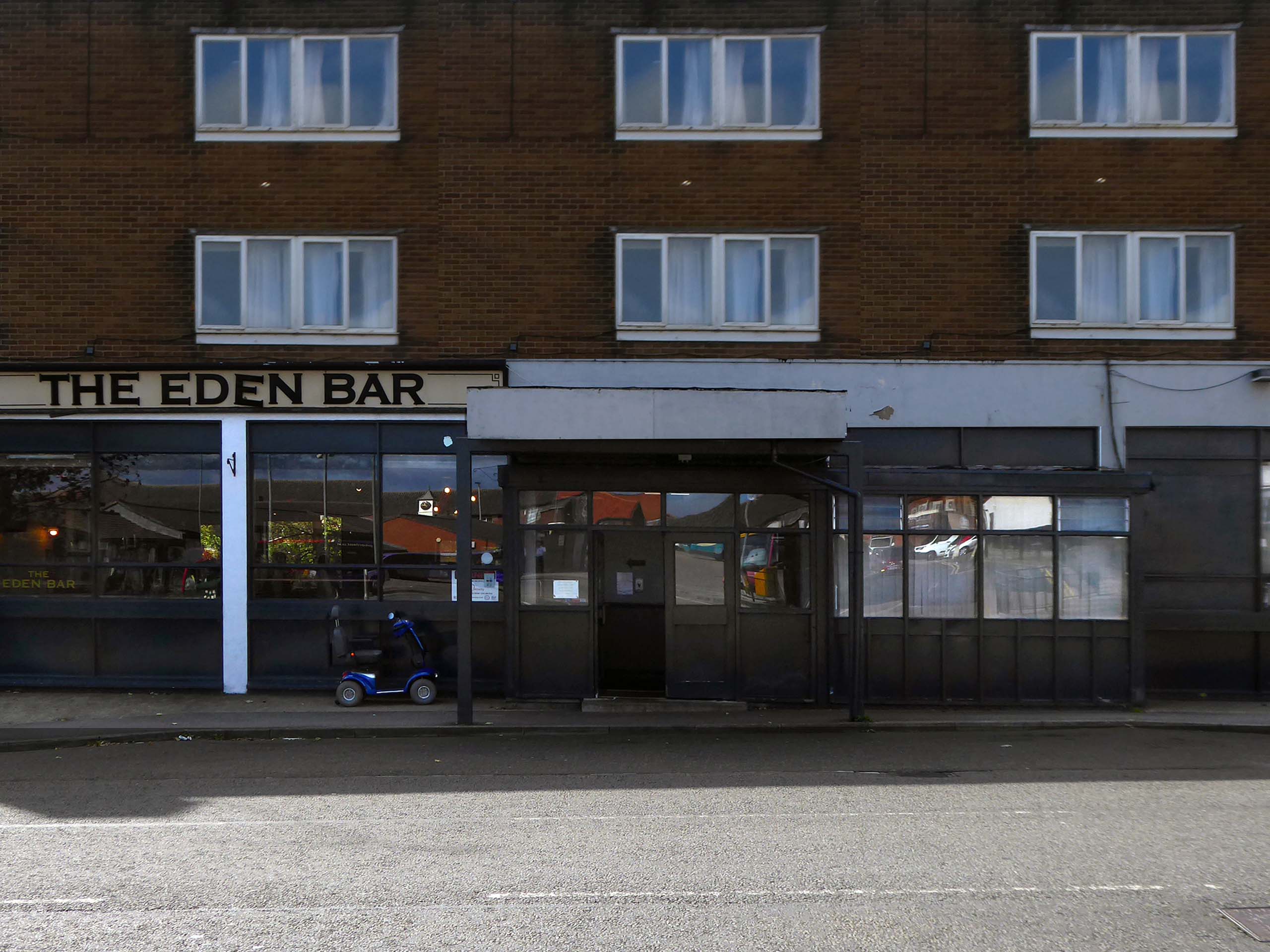
Readers have voted Peterlee nightspot Vibe as the ‘most tragic hometown club’ in the North East

Formerly known as The Dance Factory, Vibe, in Peterlee town centre, is a place famous for it’s almost impossible to get off ‘tramp stamp’ and next door neighbour The Lodge, where many locals will go for pre-drinks and some karaoke before heading to the club.
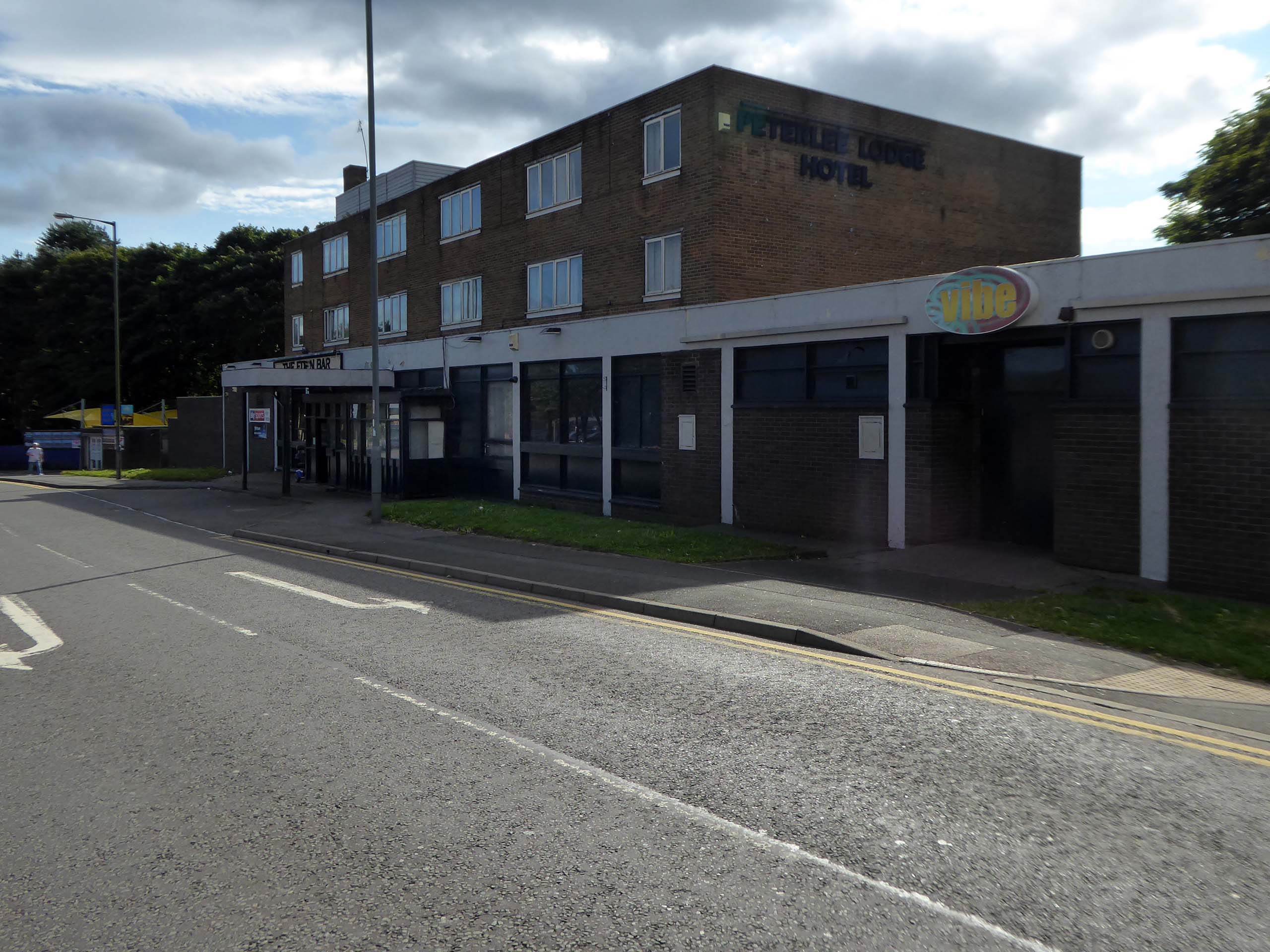
Chronicle Live

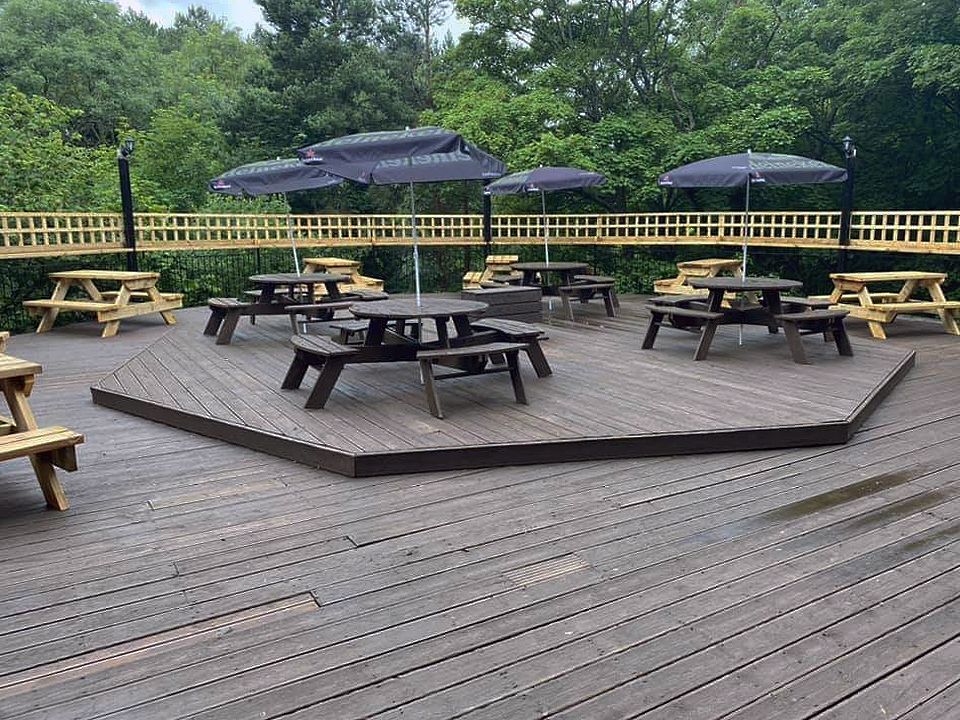
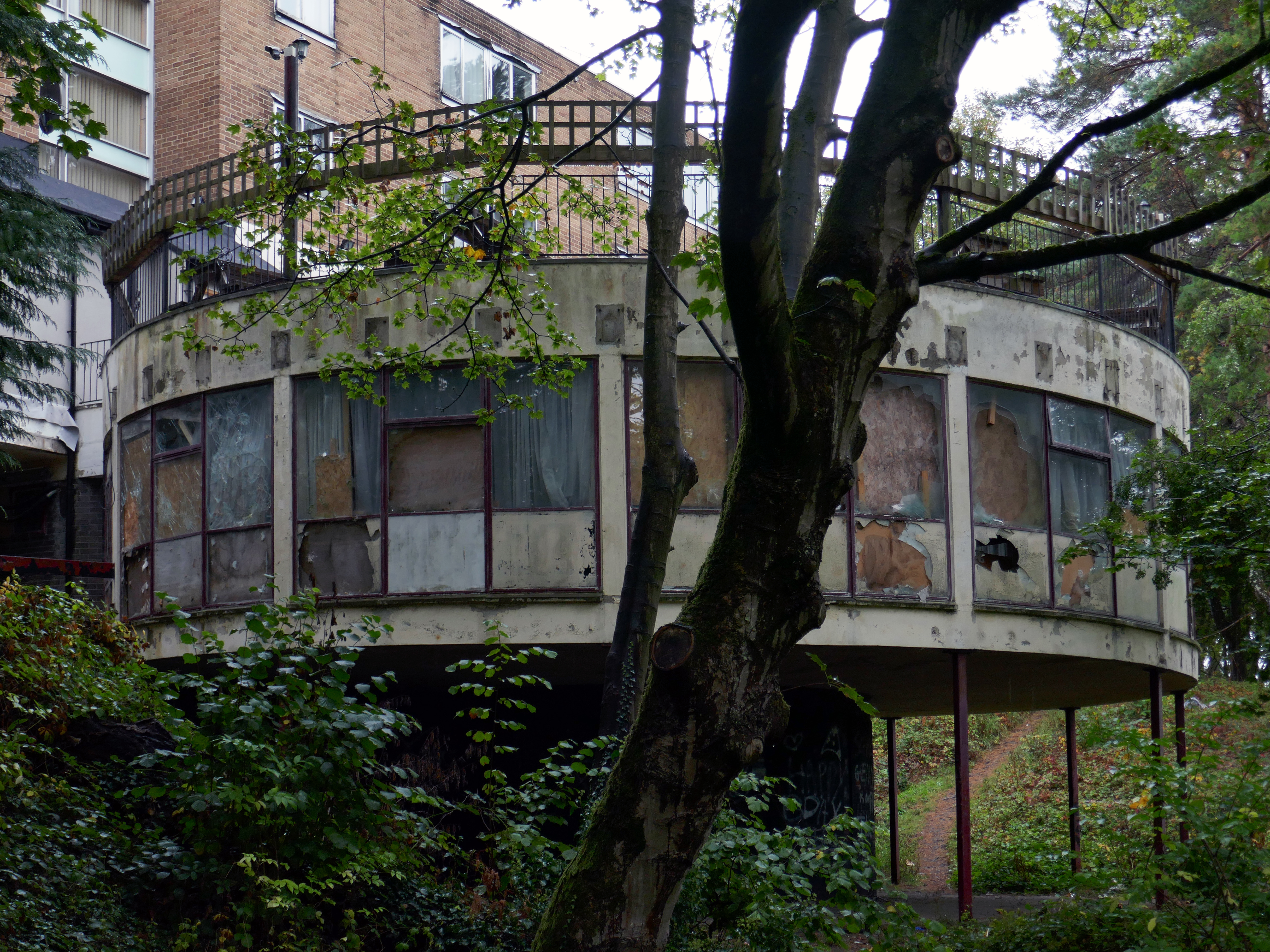
The bar which once boasted a bijou rotunda with an exclusive upper terrace, has now closed.
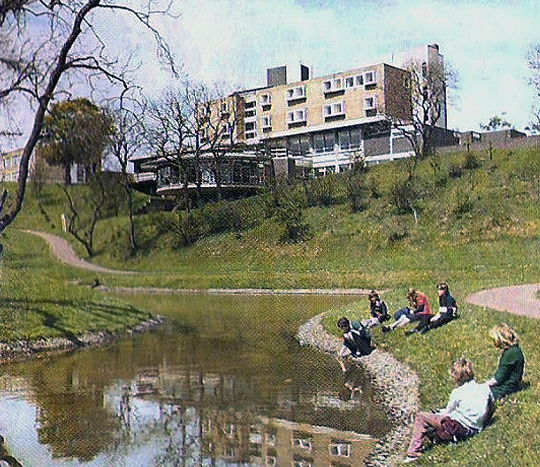
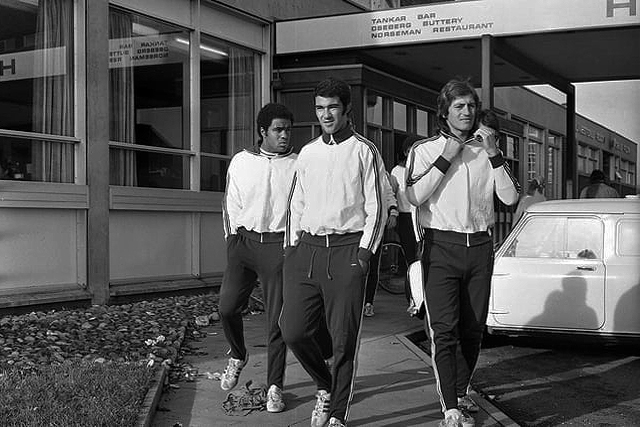
Back in 1973 the hotel was badged as the Norseman.

The giants of Sporting Lisbon faced Sunderland in the European Cup Winners Cup and they spent the build-up to the tie in the Norseman Hotel. They met local children, took a walk in the dene, signed autographs and even tried riding a Chopper bike. The side lost 2-1 at Roker Park to a talented Sunderland team before overcoming the Black Cats 2-0 back in Portugal.
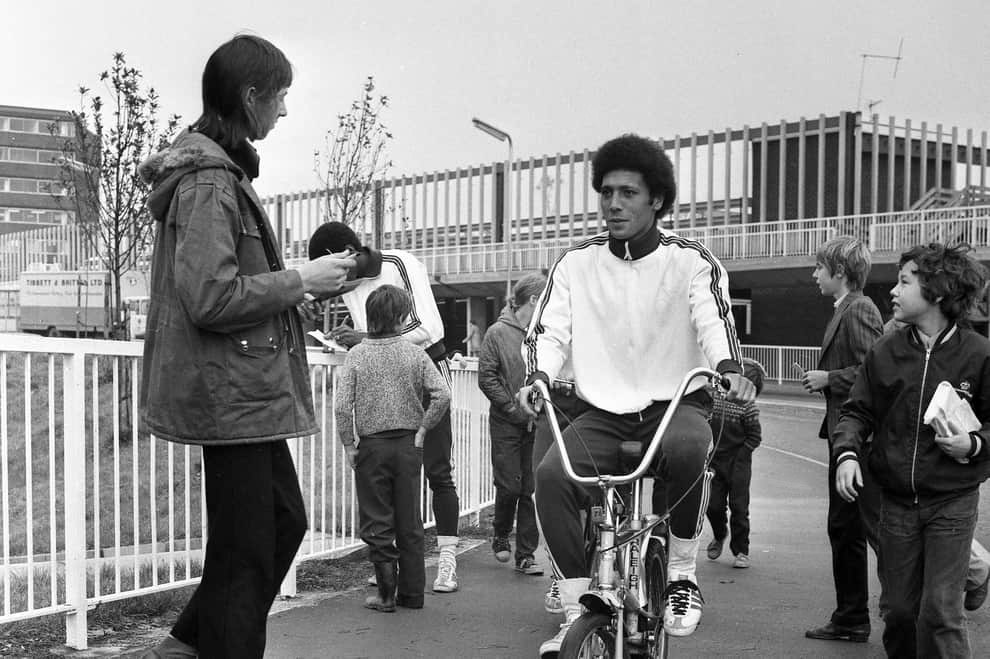
Sunderland Echo

The rear rotunda is now a derelict shell.
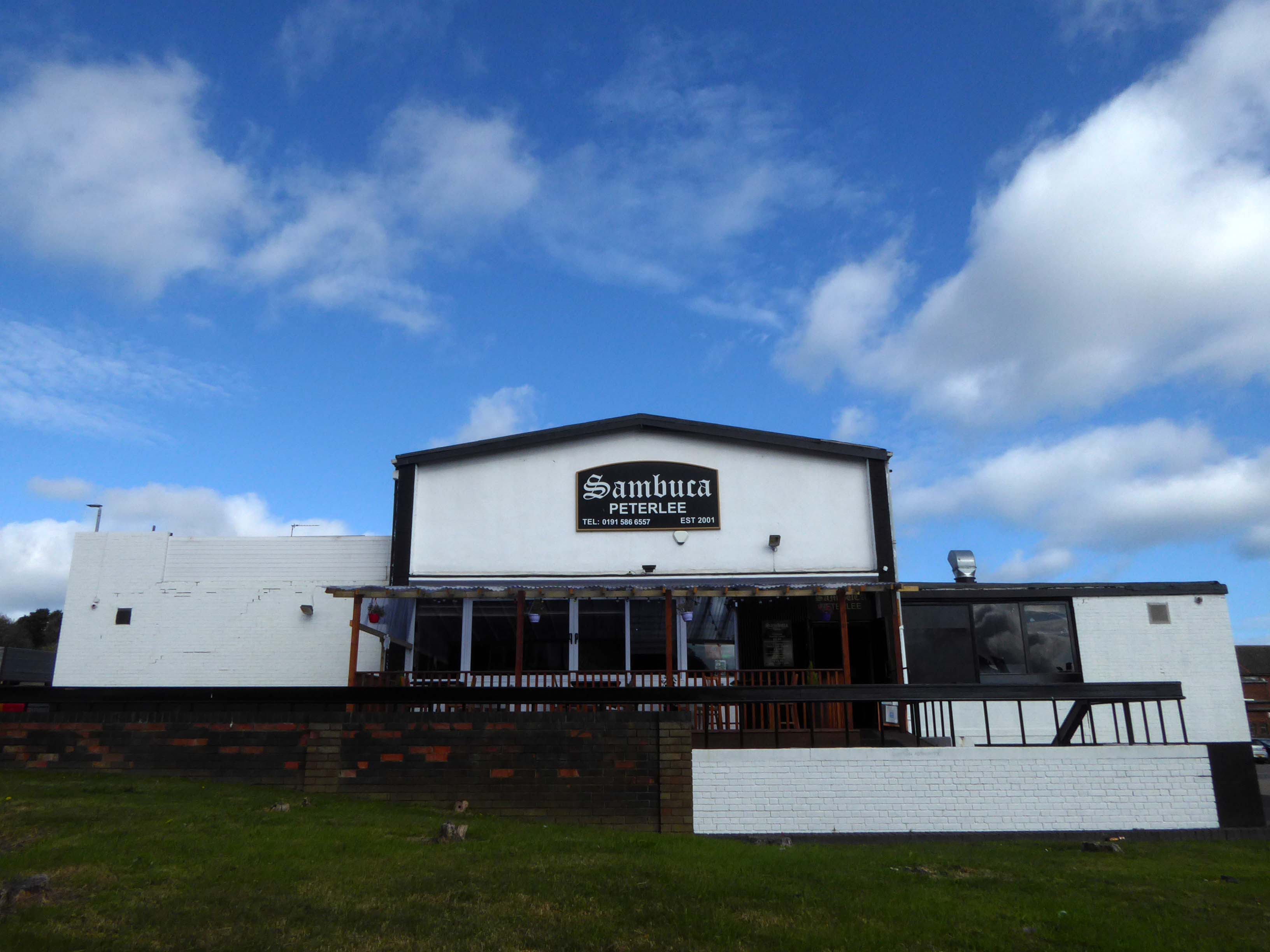
Back in 2021 Sambuca was the other town centre bar – badged with Olde English type.
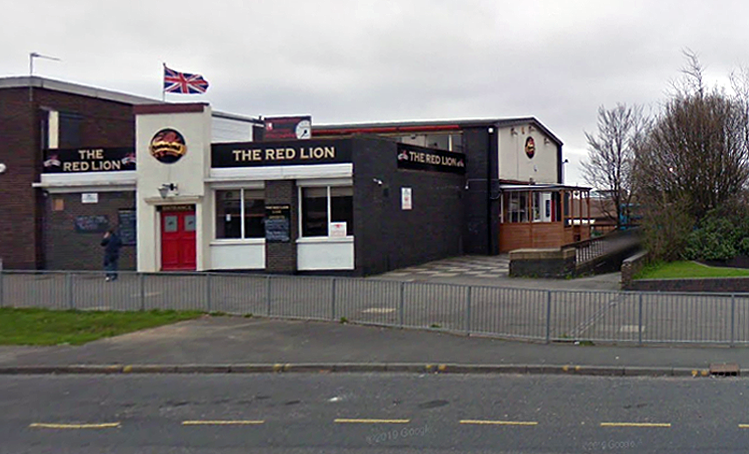
Formerly the Red Lion a Cameron’s estate pub.
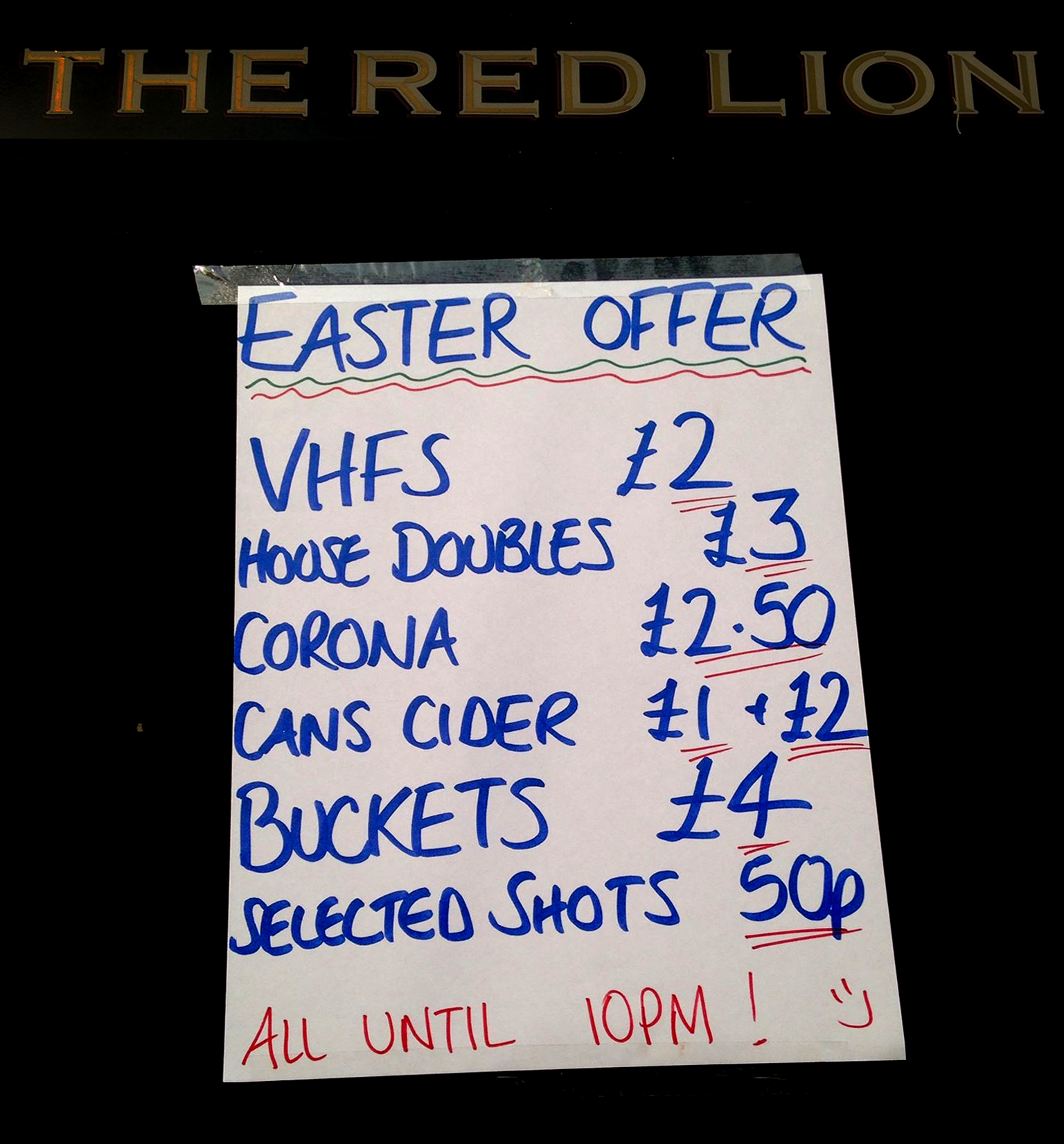
April 20th 2014 – Happy Easter everyone.
We are open today all the way to 10pm – £2 bottles VHFs, house spirits only £3 double, buckets £4, Corona £2.50 selected shots 50p, cider cans £1 + £2 
Karaoke – from now on everyone who sings gets a free shot
Then we have the best in all your favourite dance ‘n’ house tunes to take you into Monday.
Onward to the Shopping Centre.
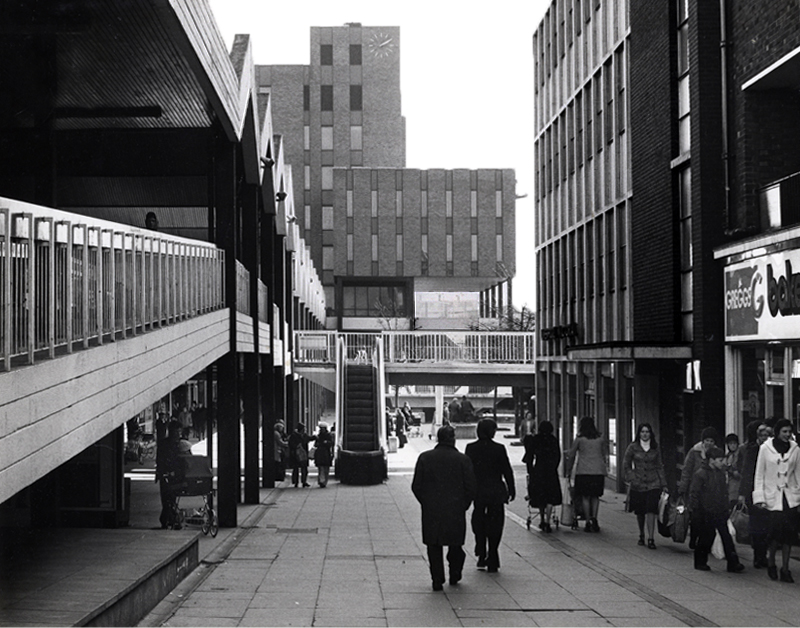
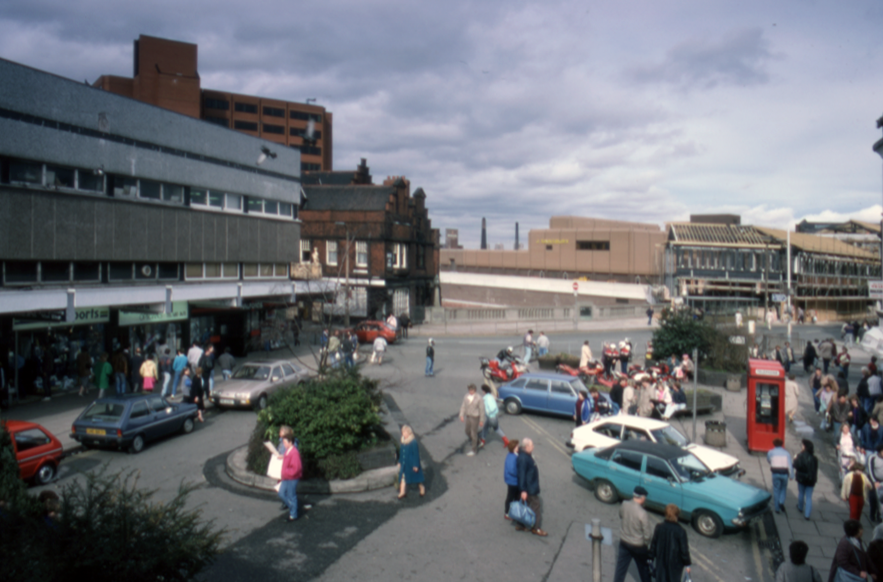
Yoden Way looking towards Lee House in 1977.
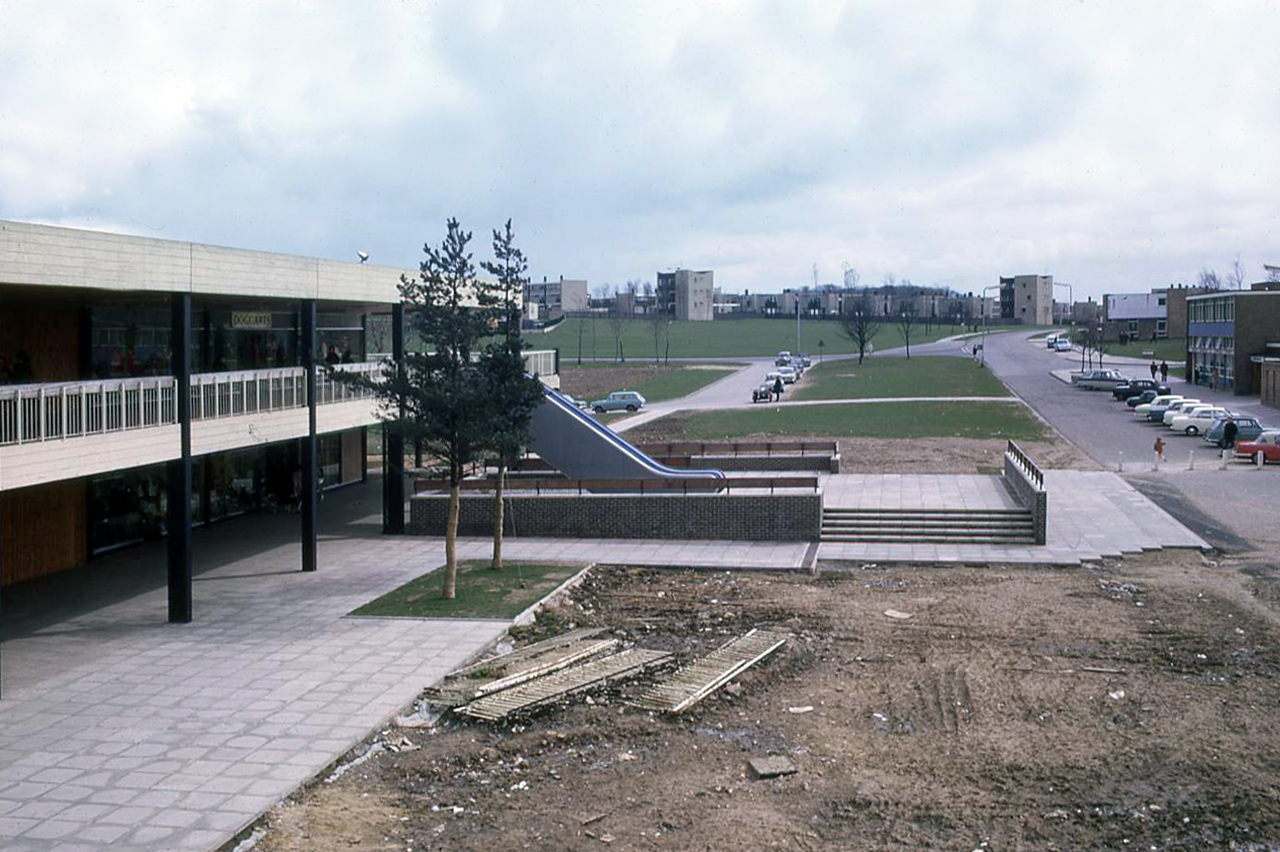
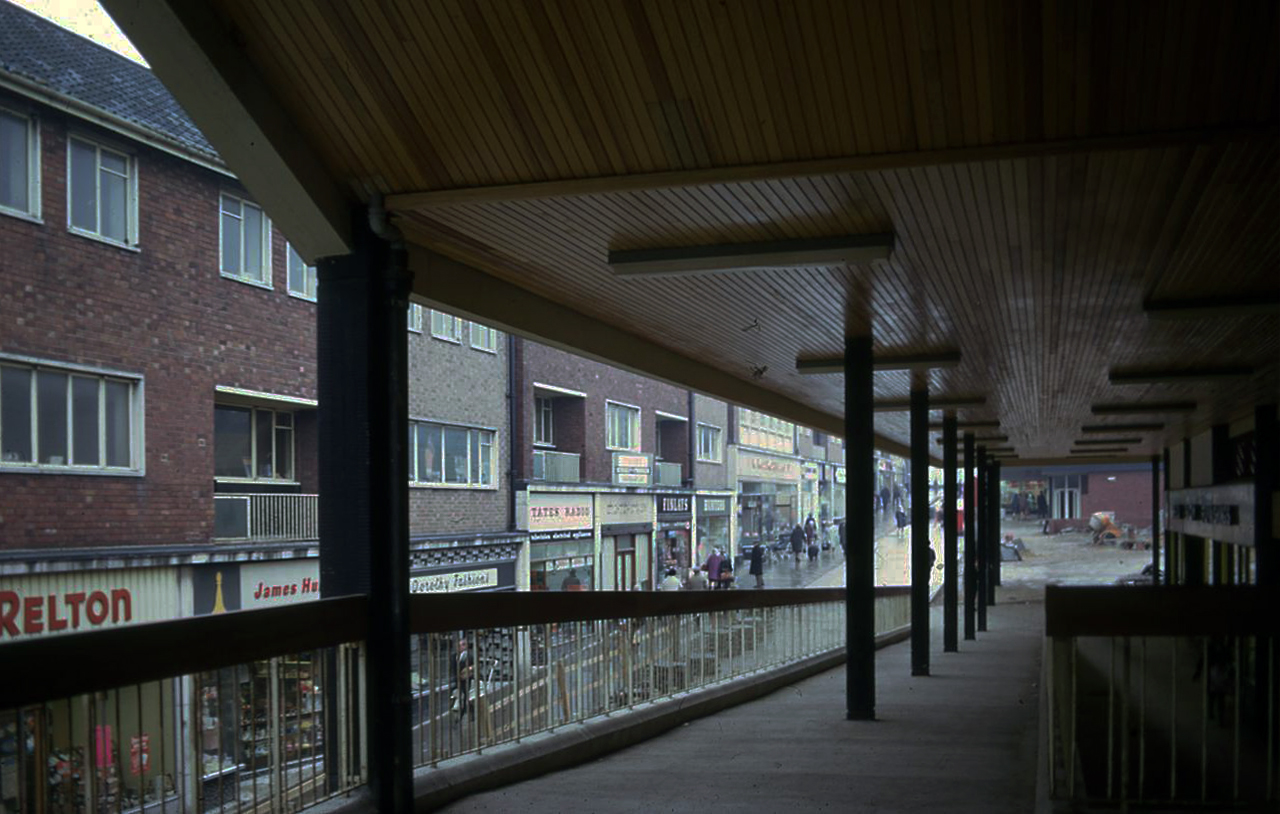
Photographs: JR James

The 1950’s shops are still in situ.
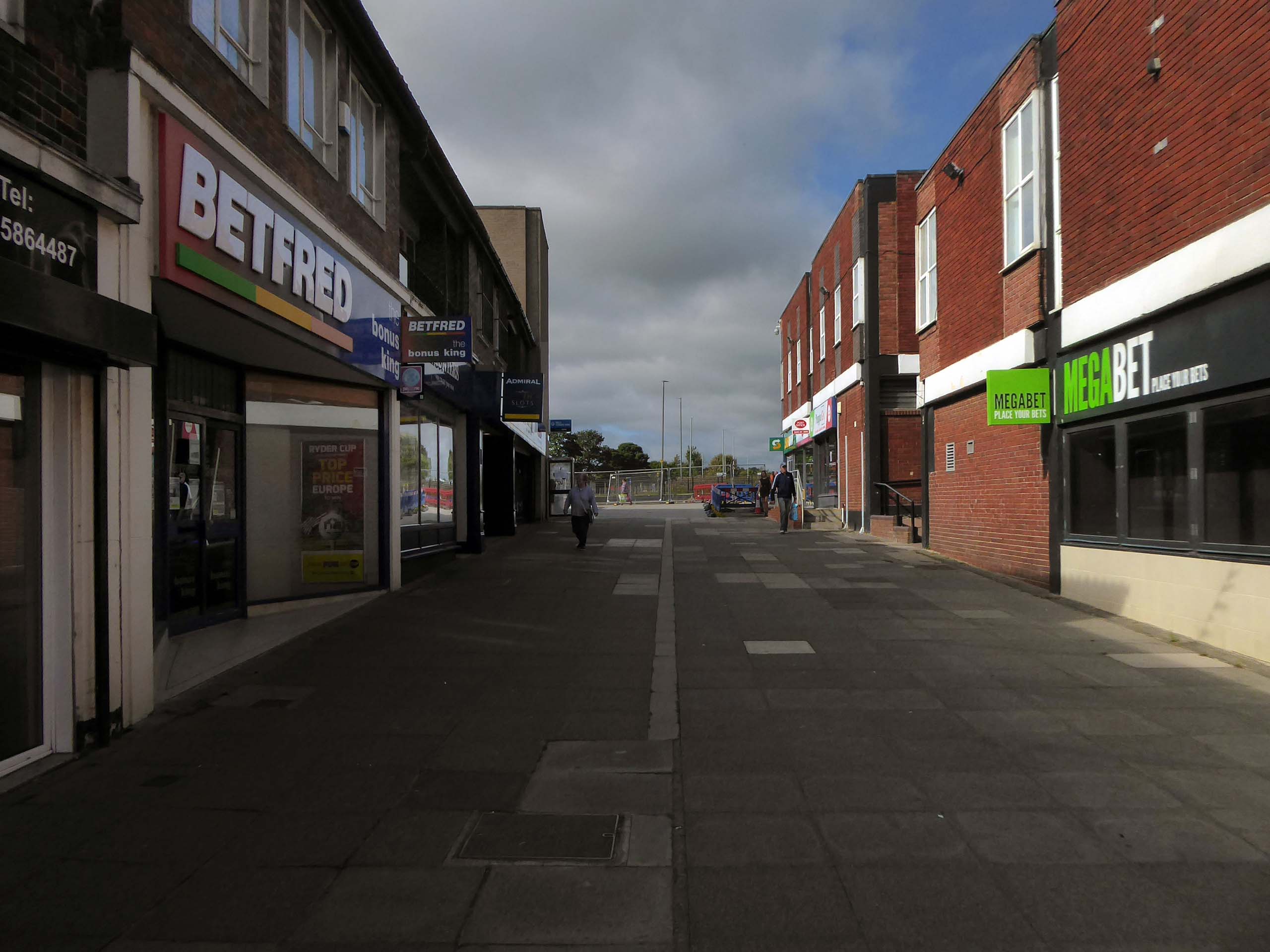
Though some of the original architectural detailing and features are no more.
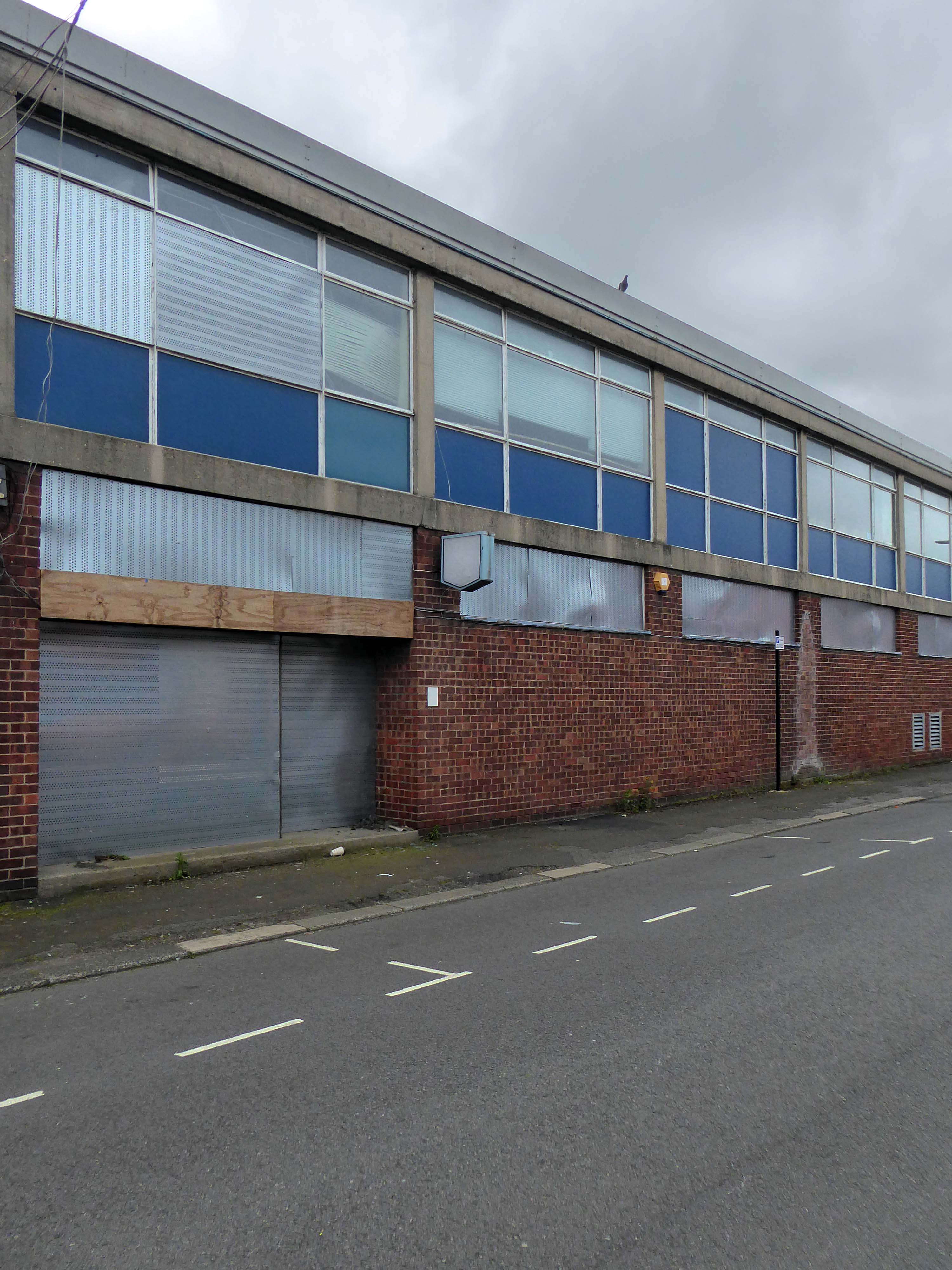
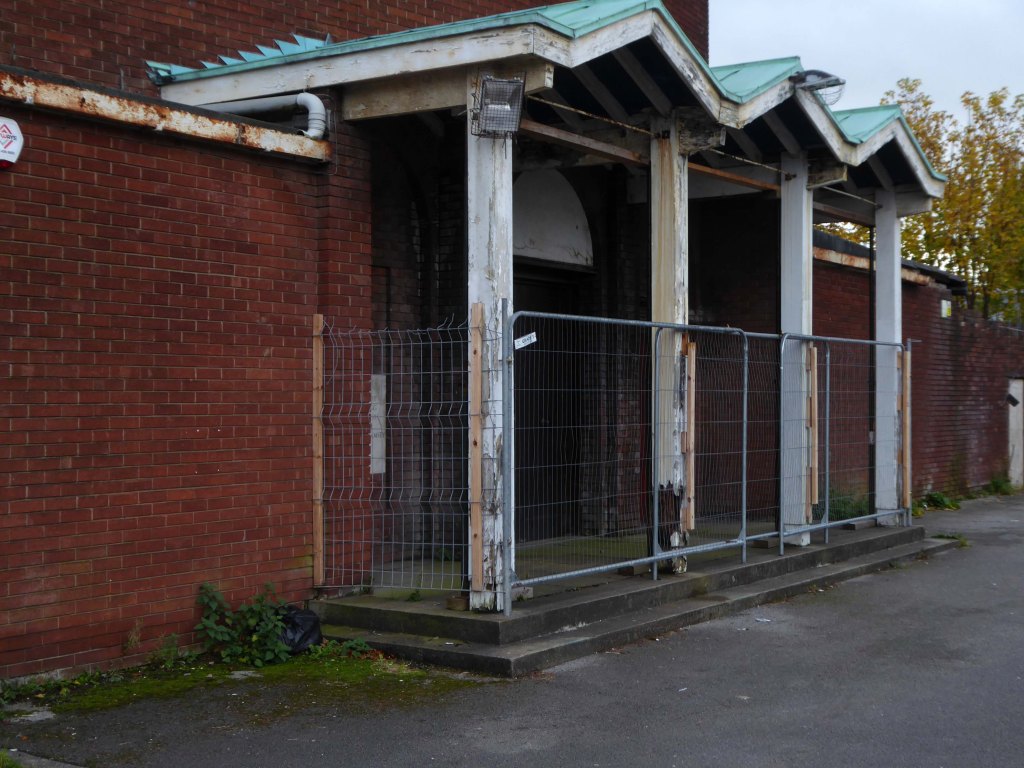
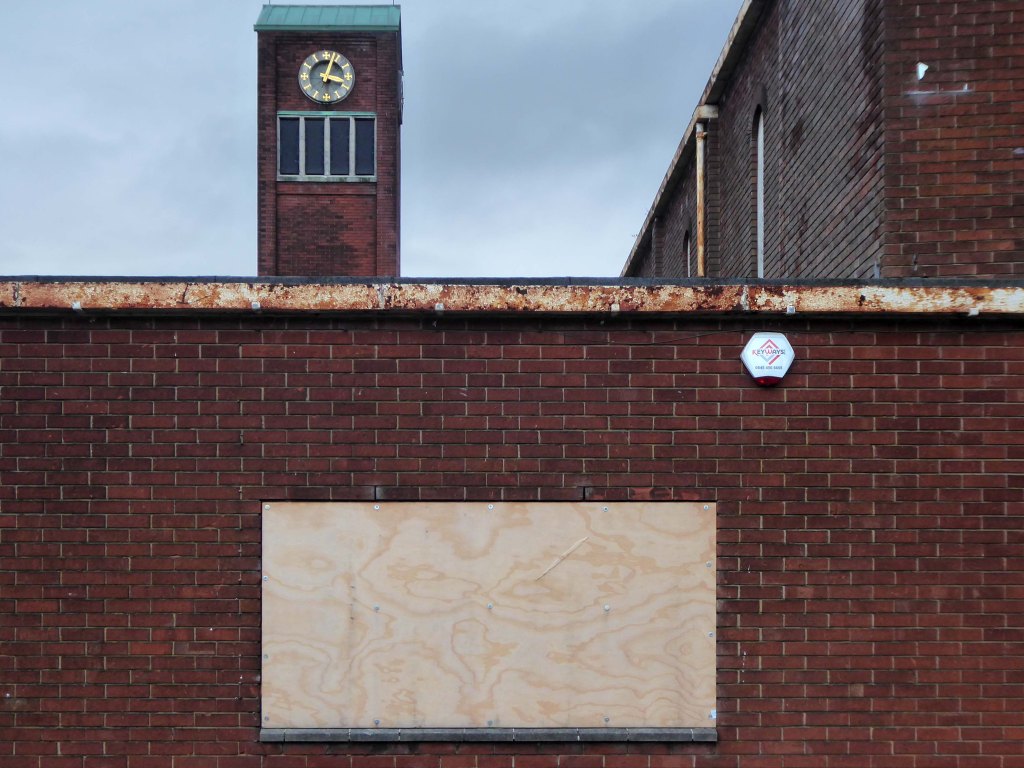
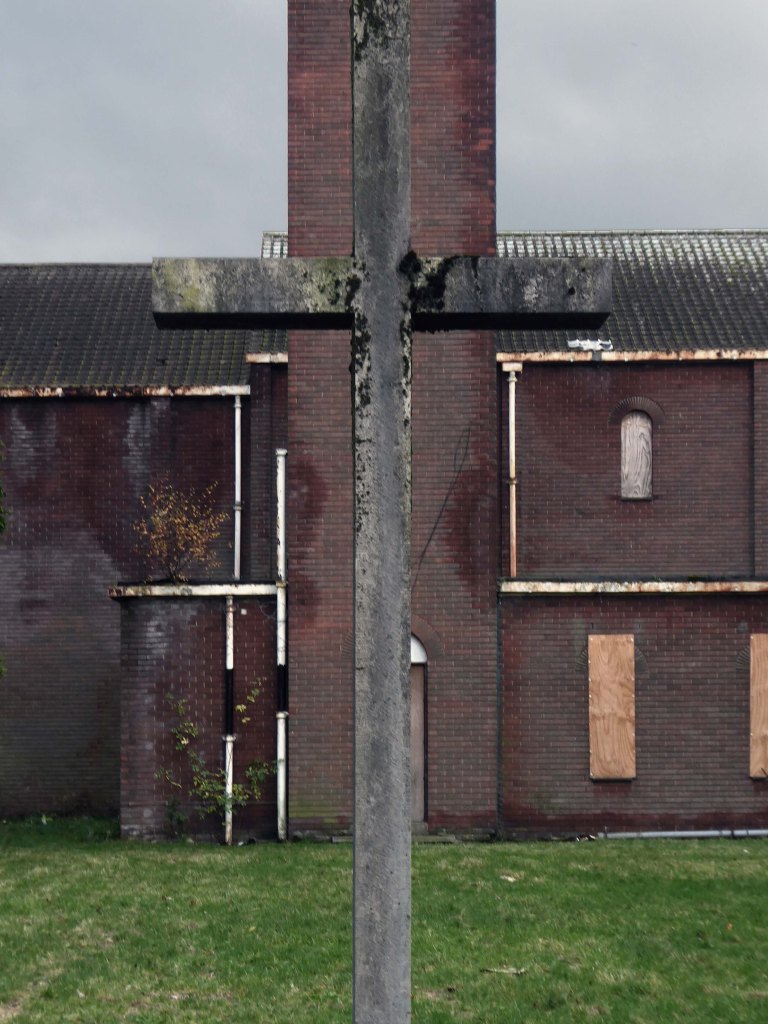
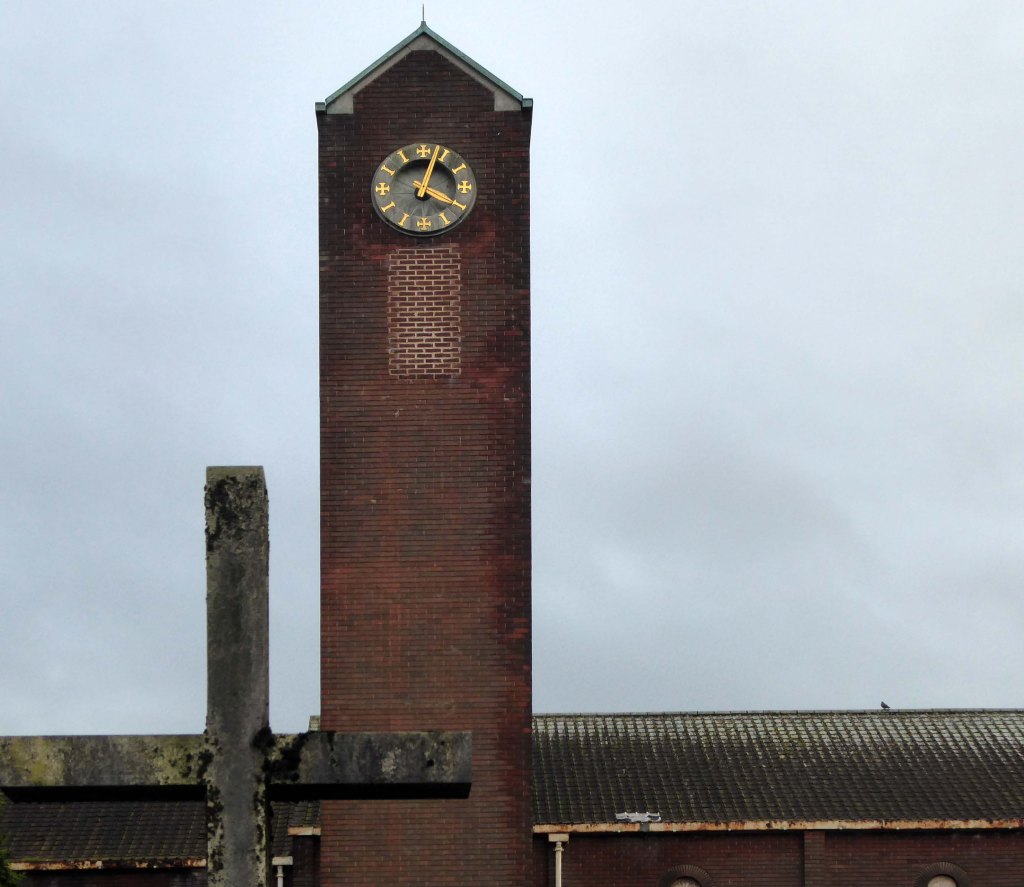
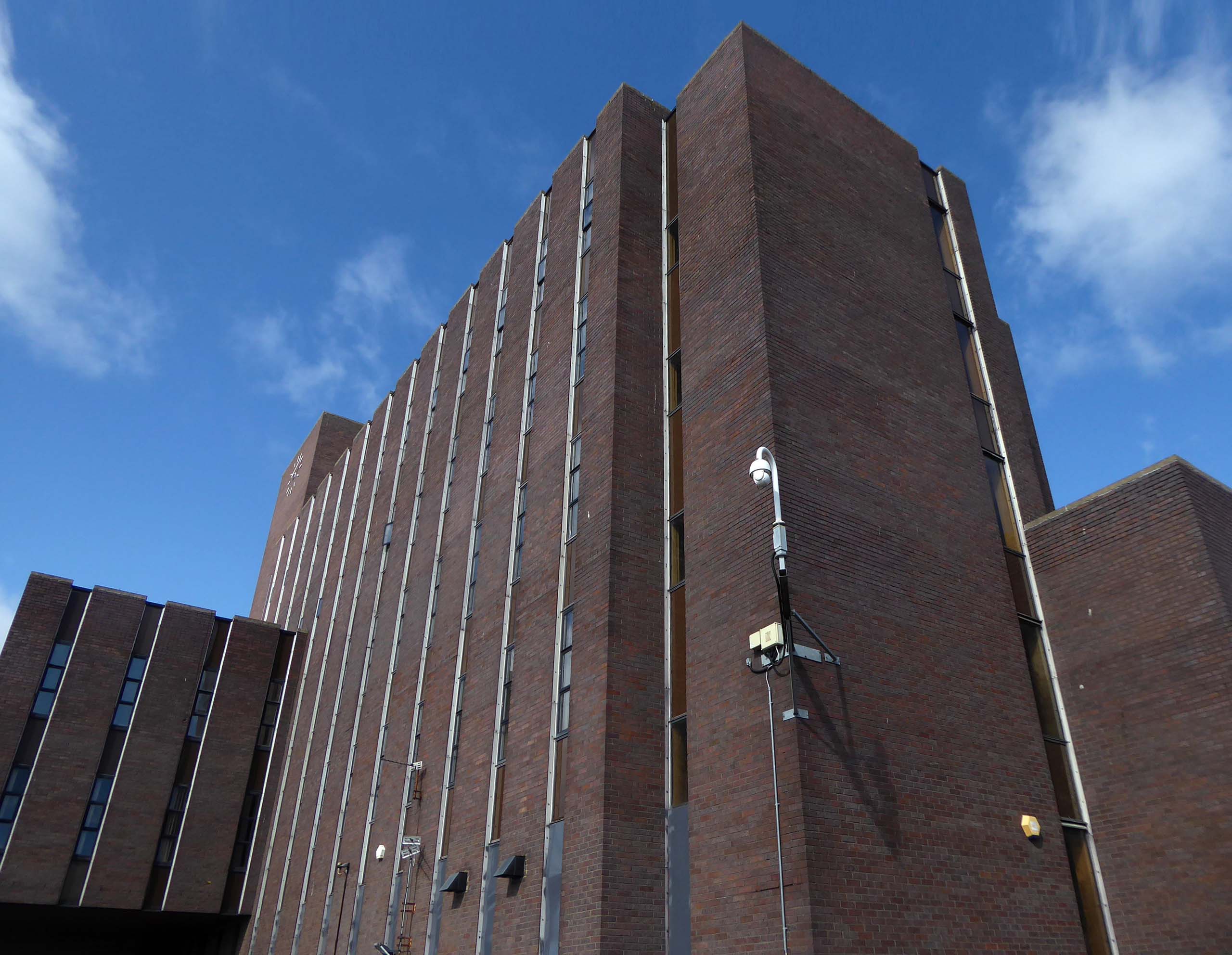
Lee House is still standing but vacant.
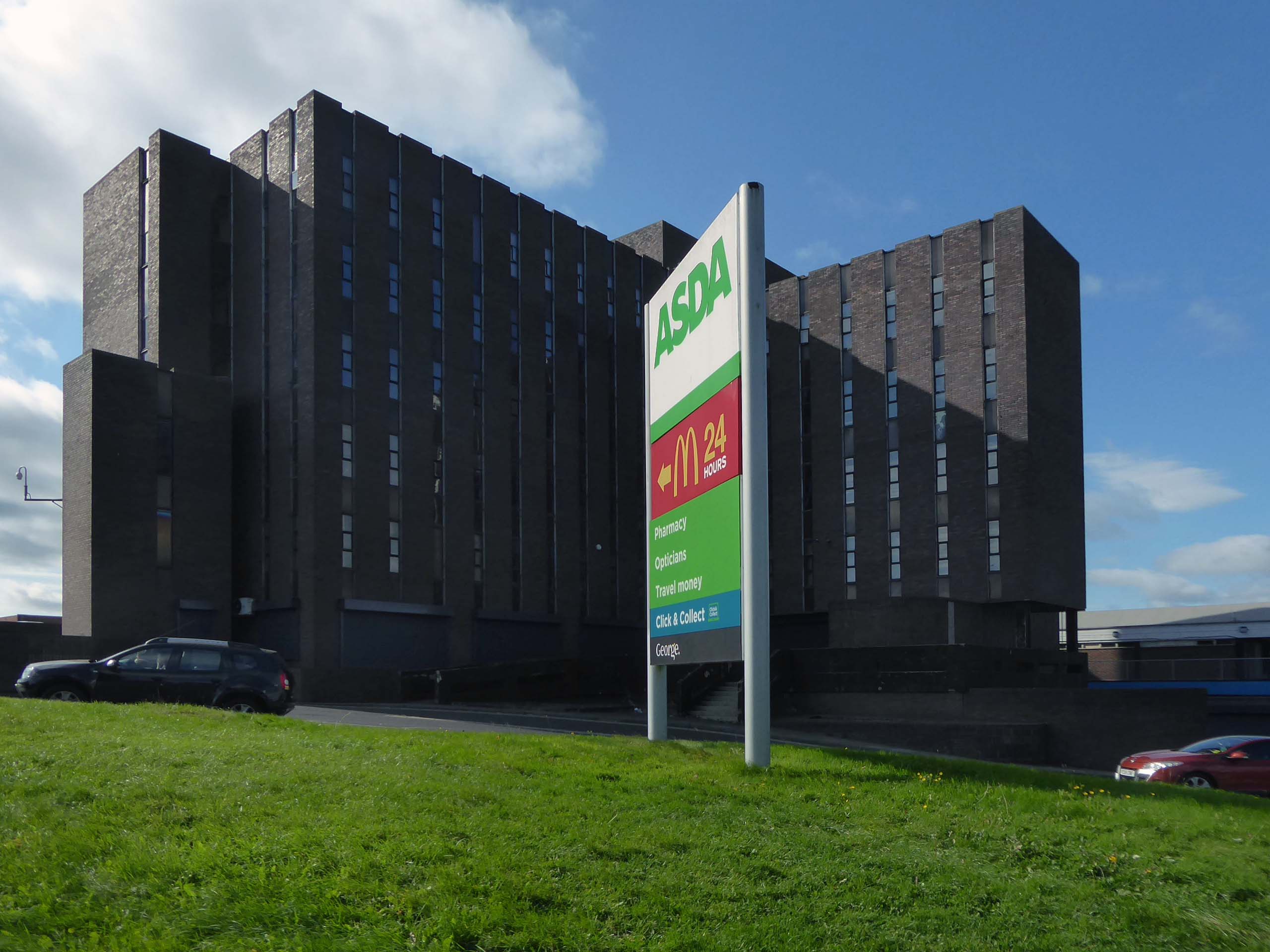
Lee House was once home to charity and community groups, but in 2015 the building owners ordered them to vacate the property. Even the building’s clock has stopped working and has been stuck on the same ten-past-two reading.

However, Durham County Council has now confirmed the building is in new hands. Economic development manager Graham Wood said: “We have worked with the previous owner to try to ensure the building is secured while we await proposals for its long-term future. 
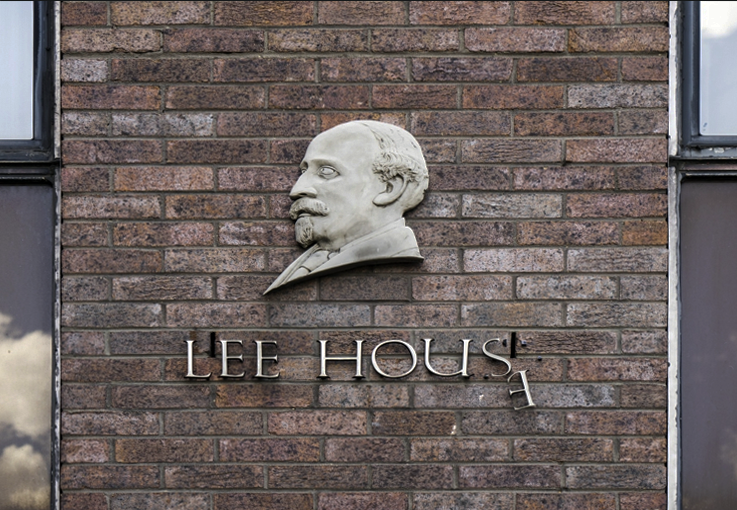
Sunderland Echo

© Lynda Golightly / Art UK

Four fire engines rushed to Lee House on Upper Yoden Way in Peterlee on Friday afternoon September 19th 2025 after a fire broke out on the first floor of the seven floor building.
Northern Echo

Clean-up campaigner Tidy Ted and Peterlee Mayor Councillor John Dickinson were helping youngsters to tidy up in the Peterlee Dene area in 1989.
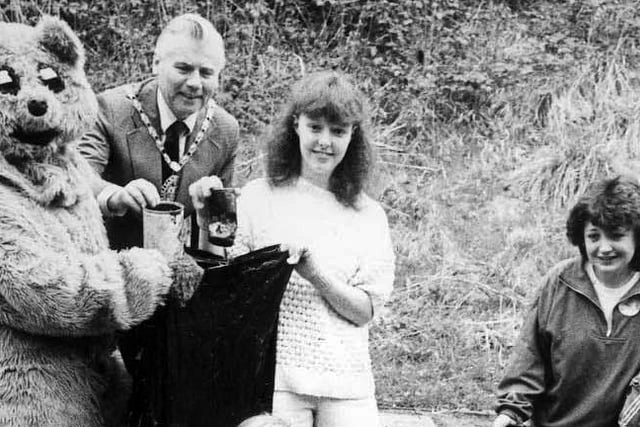
Where are they now – when we need them most?
Swan Hotel – Birkenhead

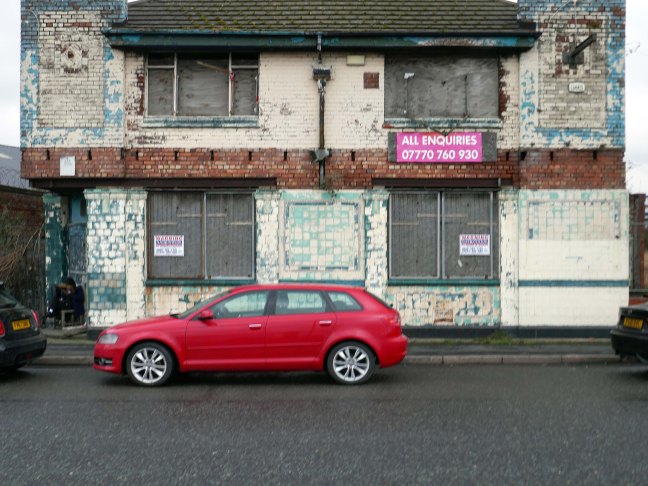
Dock Road Seacombe CH41 1DG

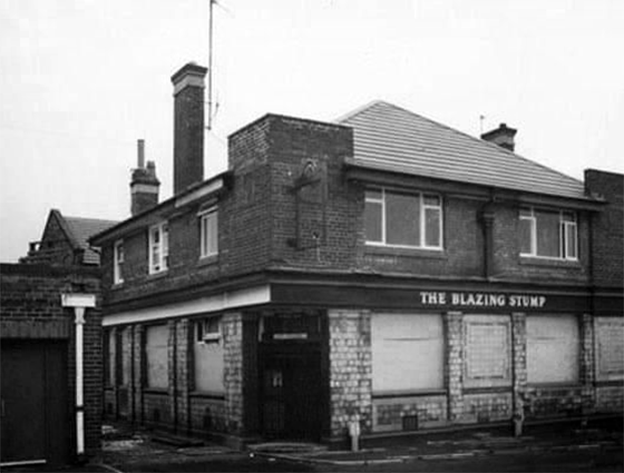
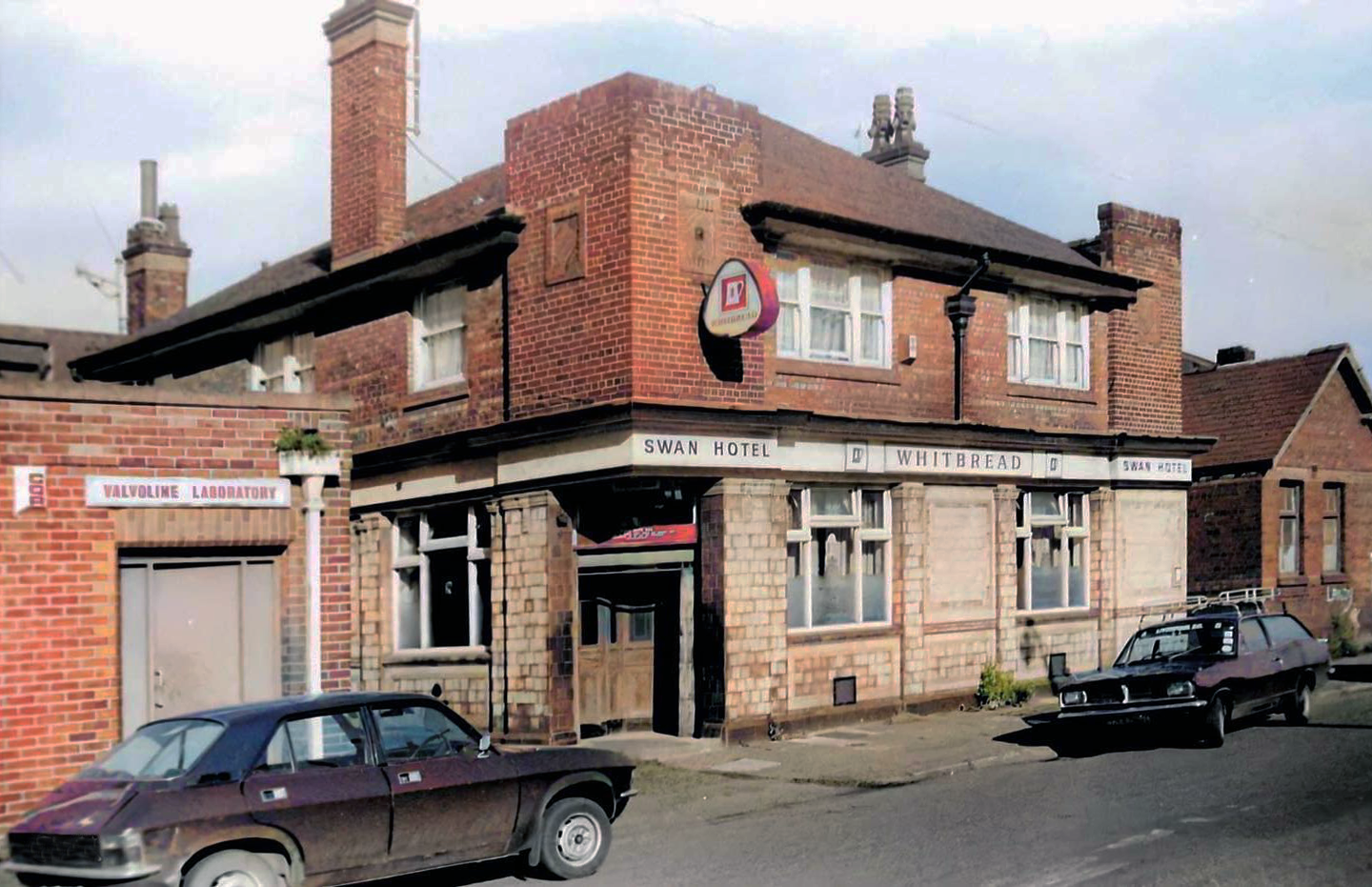
Opened in 1878 as a West Cheshire Brewery pub, a Whitbread pub in the 1980s.

At one time named the Royal Swan, in the later years its name was changed to the Blazing Stump and before closure became a night club known as Bonkers.

A lost venue once loved for being the “wackiest fun pub” in the 1980s.

Date of closure unknown but thought to be late 1980s or early 1990s.

On the Dock Road was the ‘Swan Hotel which also opened in 1878. The nickname of the Swan Hotel was ‘The Blazing Stump’ and the story goes that an old seadog with a wooden leg used it to poke the fire. In those days pitch was used as a wood preservative, which is probably why his wooden leg caught fire when poking the fire one time too many – hence ‘The Blazing Stump.’

Due to its location near the Wallasey Docks majority of the customers who visited the pub came off the grain or ore boats. The pub would be thronged with Norwegians, Greeks, Germans, Swedes and Arabs and local people. When the pub was full the place had an unusual and interesting flavour because of this rare variety of people.

The ‘Stump’s’ days were numbered when less and less ships visited the Wallasey docks. The building still stands but remains unused, with the owner looking for a big payout sale. Or who knows, the doors may just open once more.

Wallasey Days Gone By

According to The Move Market, it last sold for £400,000 in 2022 – since then, its value has dropped by £37,000.

The talk of the town is now conversion to a go to destination.

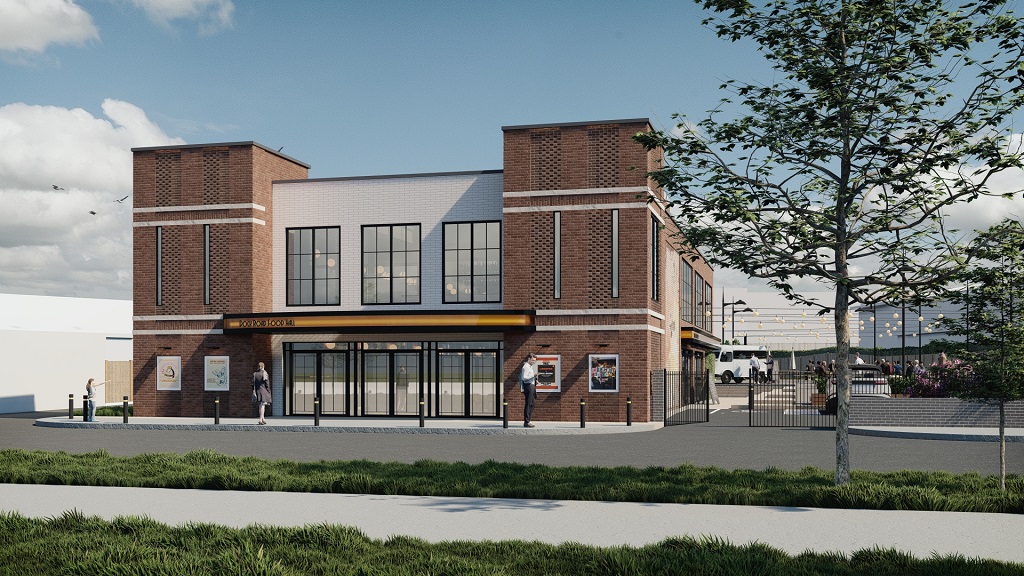
Now construction company AP Mitchell and Evoke Architecture have submitted plans to Wirral Council to completely turn the site around.

The plans include outdoor seating areas with benches, an outdoor event space, food and drinks vendors, and a large bar. A private function space will sit inside the new building which will be called the Dock Road Food Hall.

Birkenhead News

The design works carefully to balance modern design with reminiscent character features, sympathetic to the original building and surrounding historic buildings of similar style. The result is a contemporary structure that aligns with the evolving character of Dock Road and the Wirral Waters masterplan.

Place North West

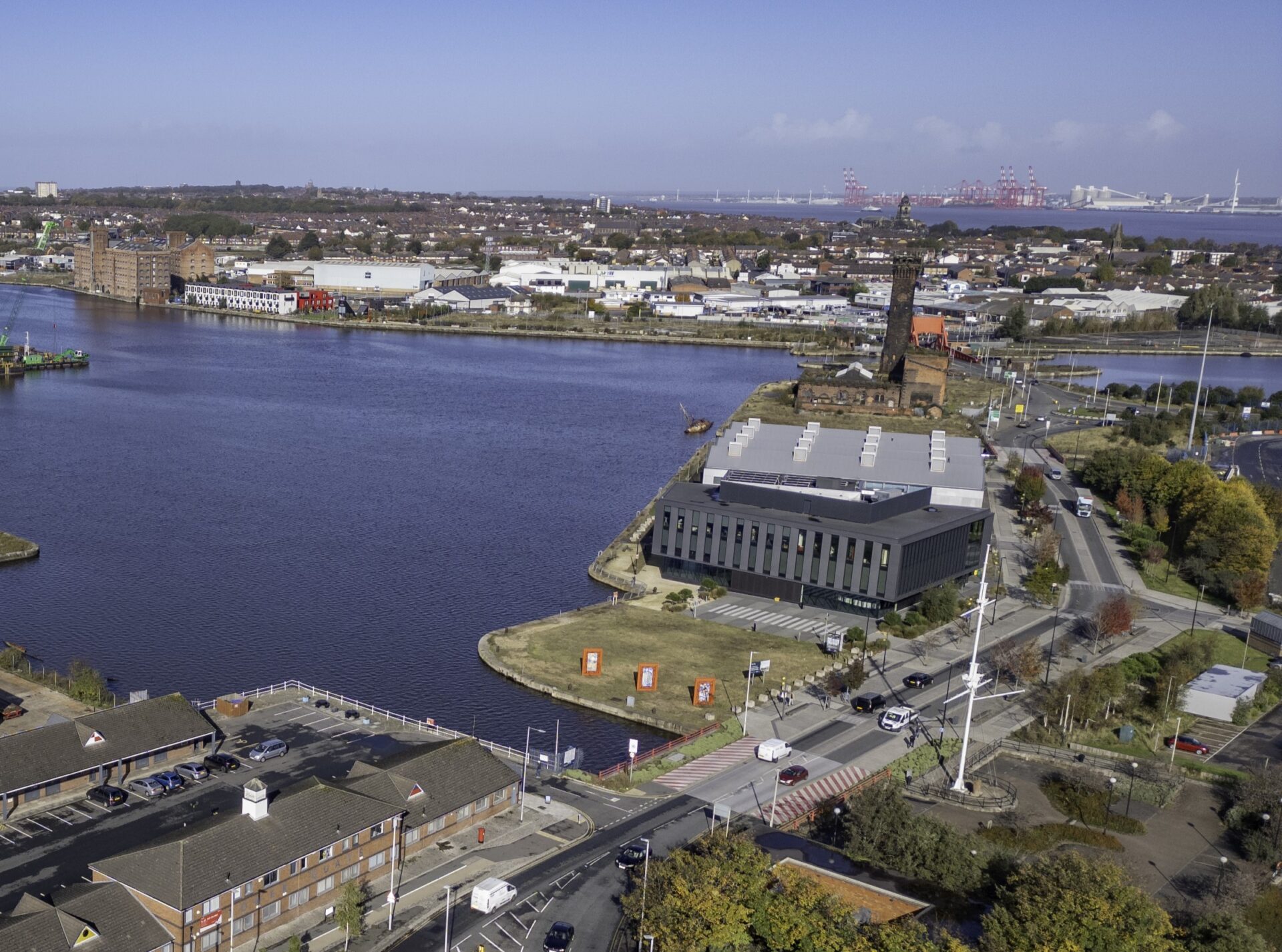
The character of the area is changes with the construction of modern housing and warehouse conversion – such as Redbridge Quay.

This is how the site looks, as of March 7th 2025.

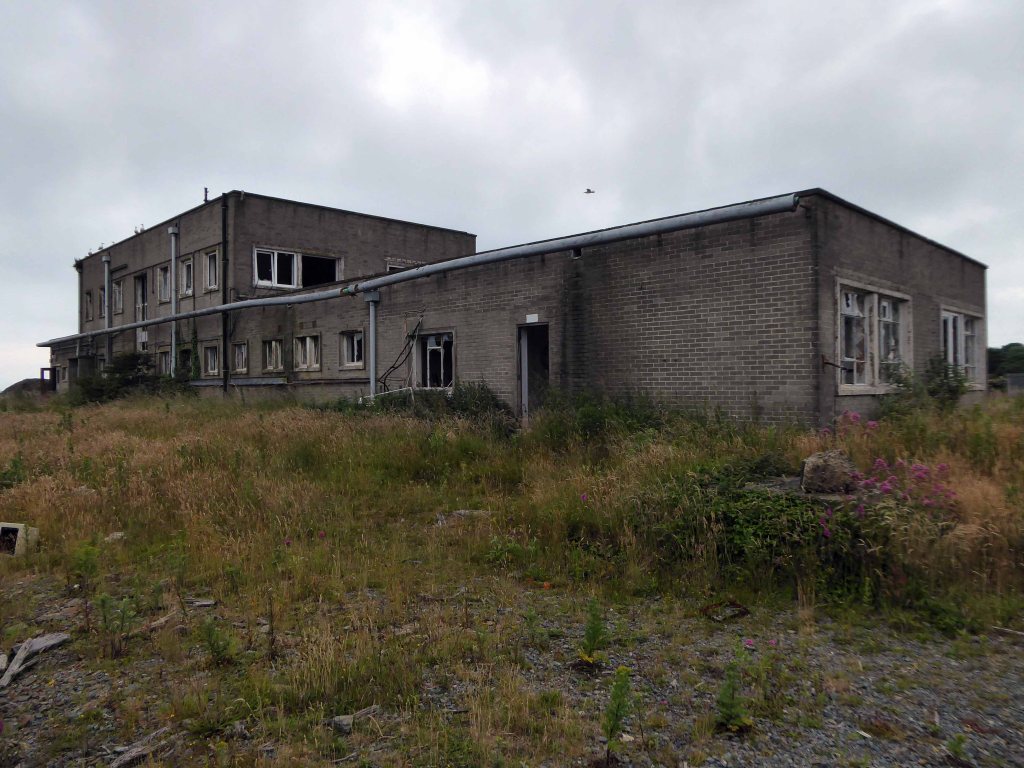
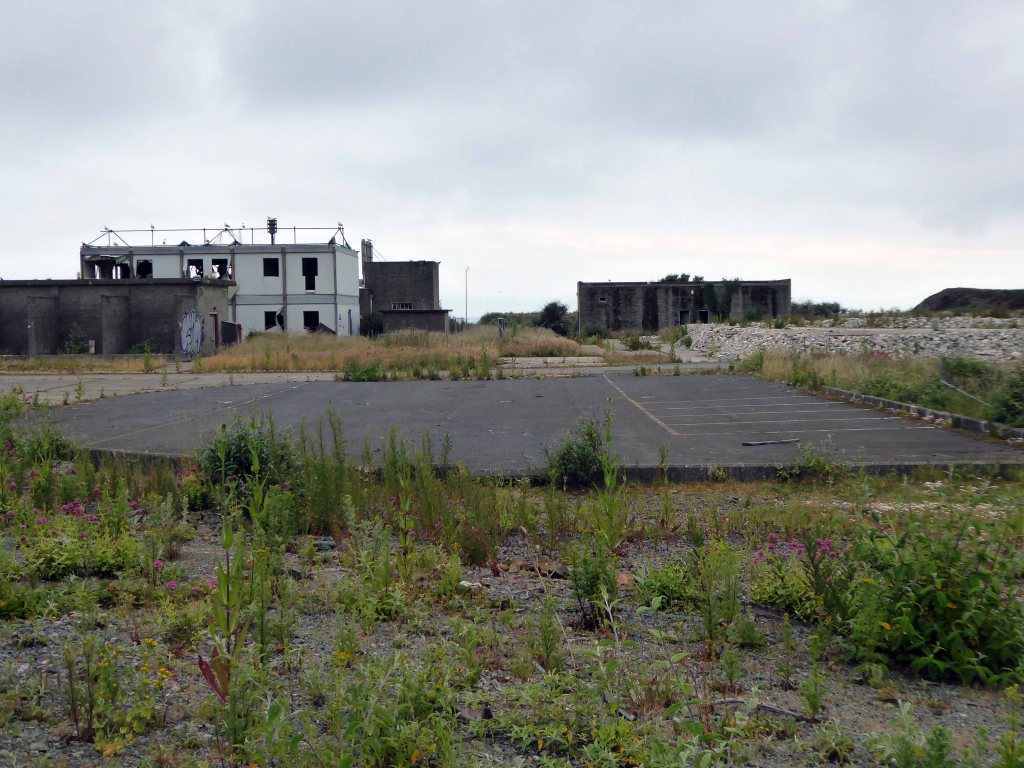
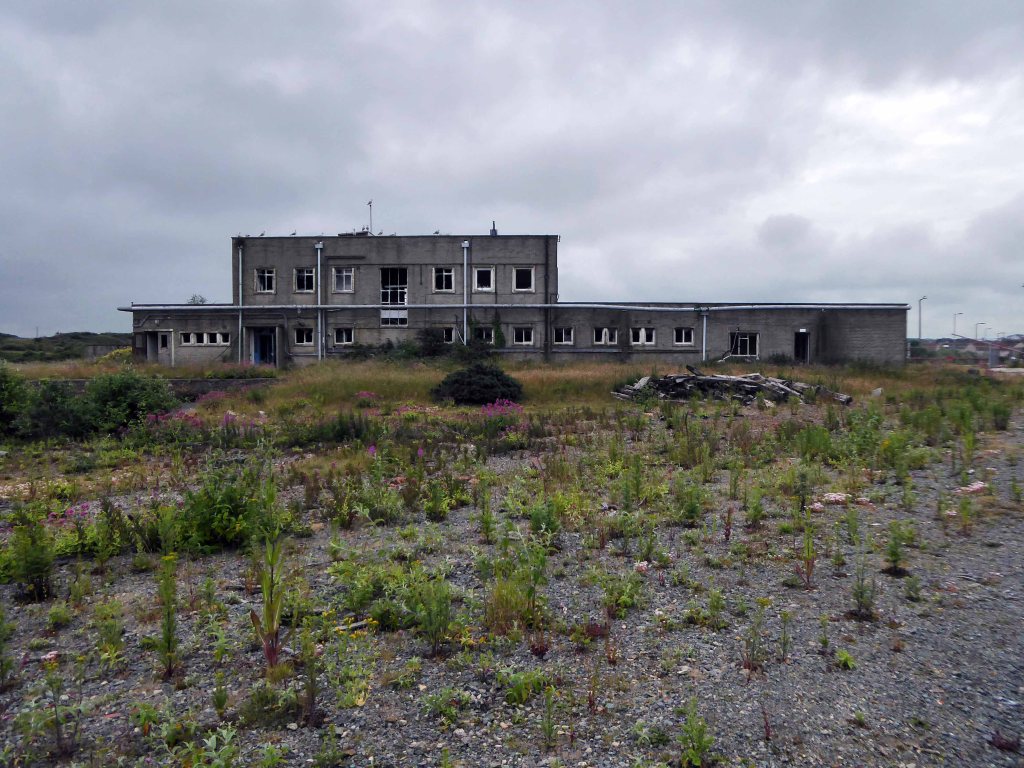
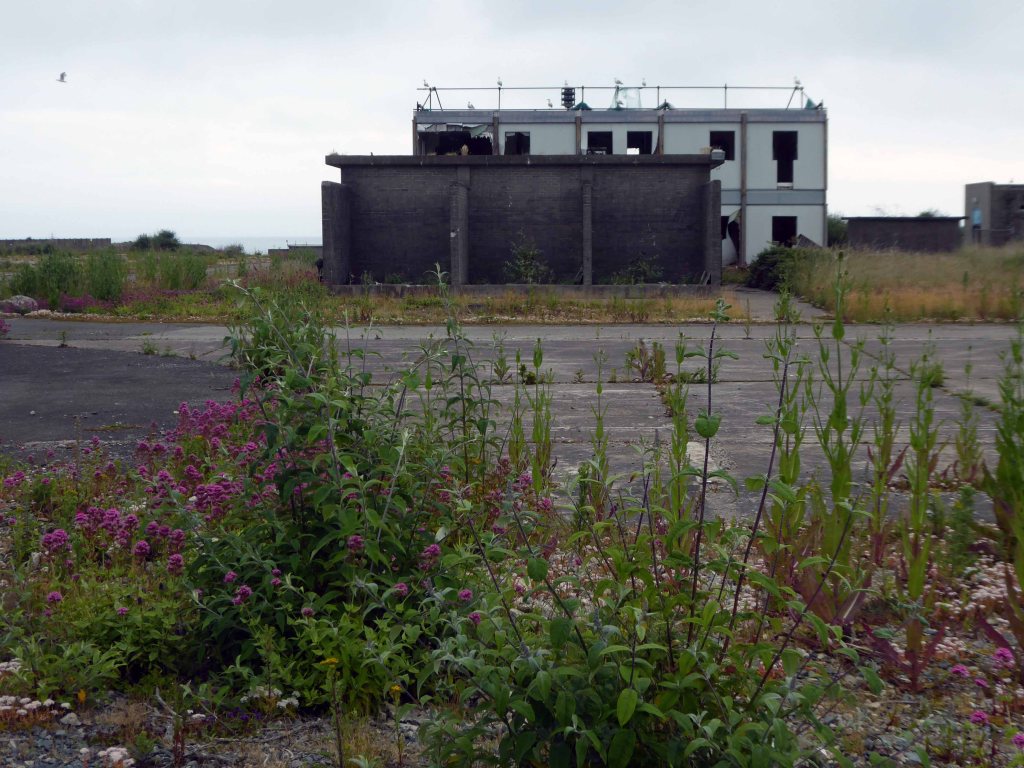
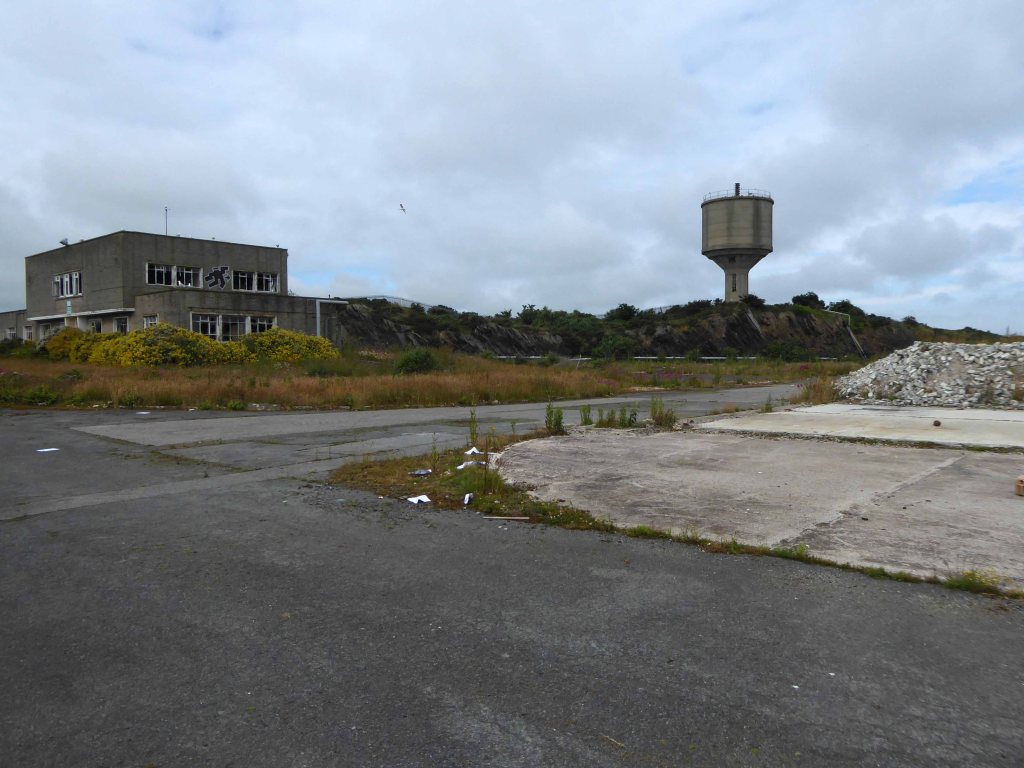
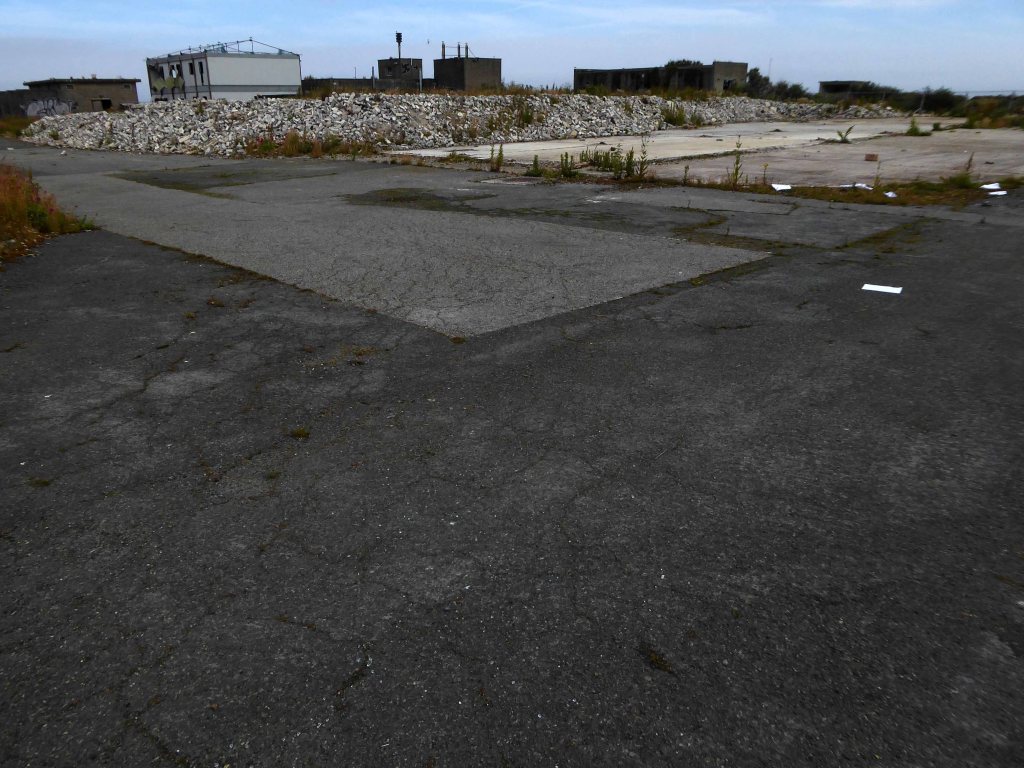
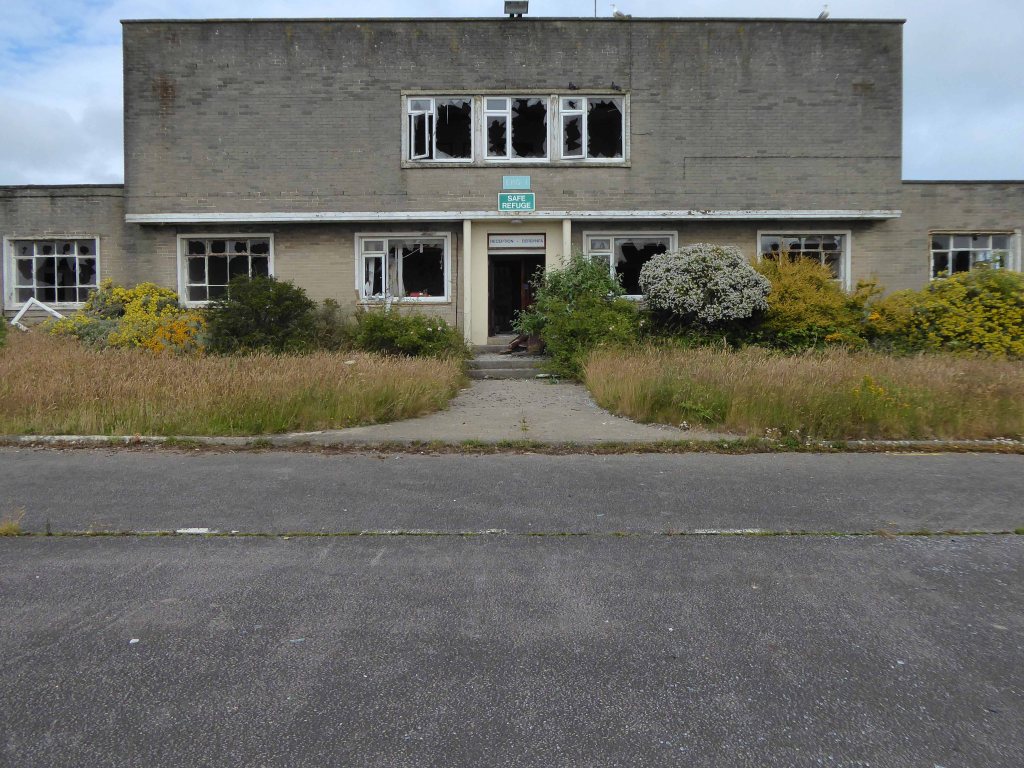
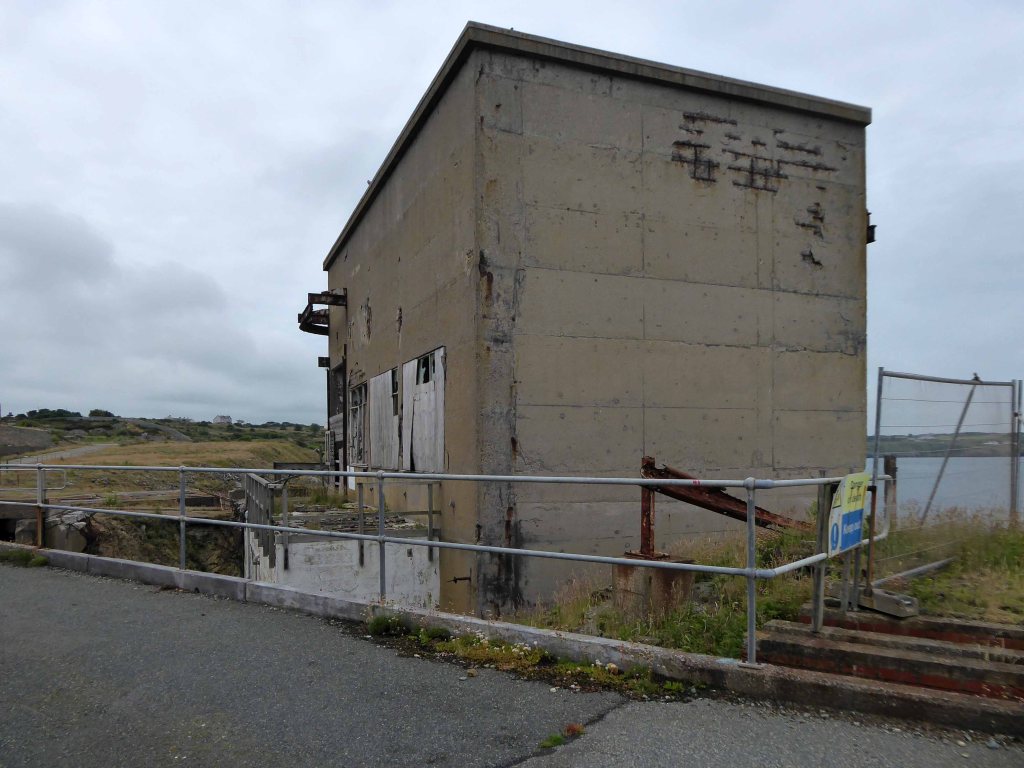
Ferodo Factory – Caernarfon.

The Ferodo Factory was founded in Caernarfon in 1962, and officially opened by Princess Margaret.

However, the Ferodo Factory faced a significant setback in April 2001, when a lengthy industrial strike by the Transport and General Workers Union members began.

The strike lasted for an astonishing two and a half years.

Following the strike, the Ferodo Factory underwent a change in ownership. Bluefield Caernarfon Ltd acquired the site in 2007/08, with plans for redevelopment and revitalization. However, these plans did not come to fruition, and the factory’s buildings gradually fell into disrepair.

The site was identified as a potential location for a multi-million pound North Wales prison. This development would have created numerous job opportunities and breathed new life into the area.

Plans for this proposed redevelopment where rejected.

Michael James

Photo: Graham Stephen 2010

An appeal was launched in 2023 to find ex-strikers, in order to invite them to the premiere of a documentary to mark the 20th anniversary of one of Britain’s longest industrial disputes.

The hard-hitting film, Y Lein: Streic Friction Dynamics – The Line: Friction Dynamics Strike, has been made by Dïon Wyn, the grandson of one of the strikers, Raymond Roberts, who was determined the historic injustice should never be forgotten.

Nation: Cymru

Raymond Roberts and his Grandson Dion Wyn at the entrance to the old Ferodo/Friction Dynamics factory in Caernarfon.

Photo: Mandy Jones

The site is currently for sale.

This is what I saw on my visit – Friday 24th June.

The huge interior space the main building was breathtaking – bringing to mind this work.

Anselm Kiefer: Tempelhof 2011 – oil, acrylic, terra cotta, lead and salt on canvas

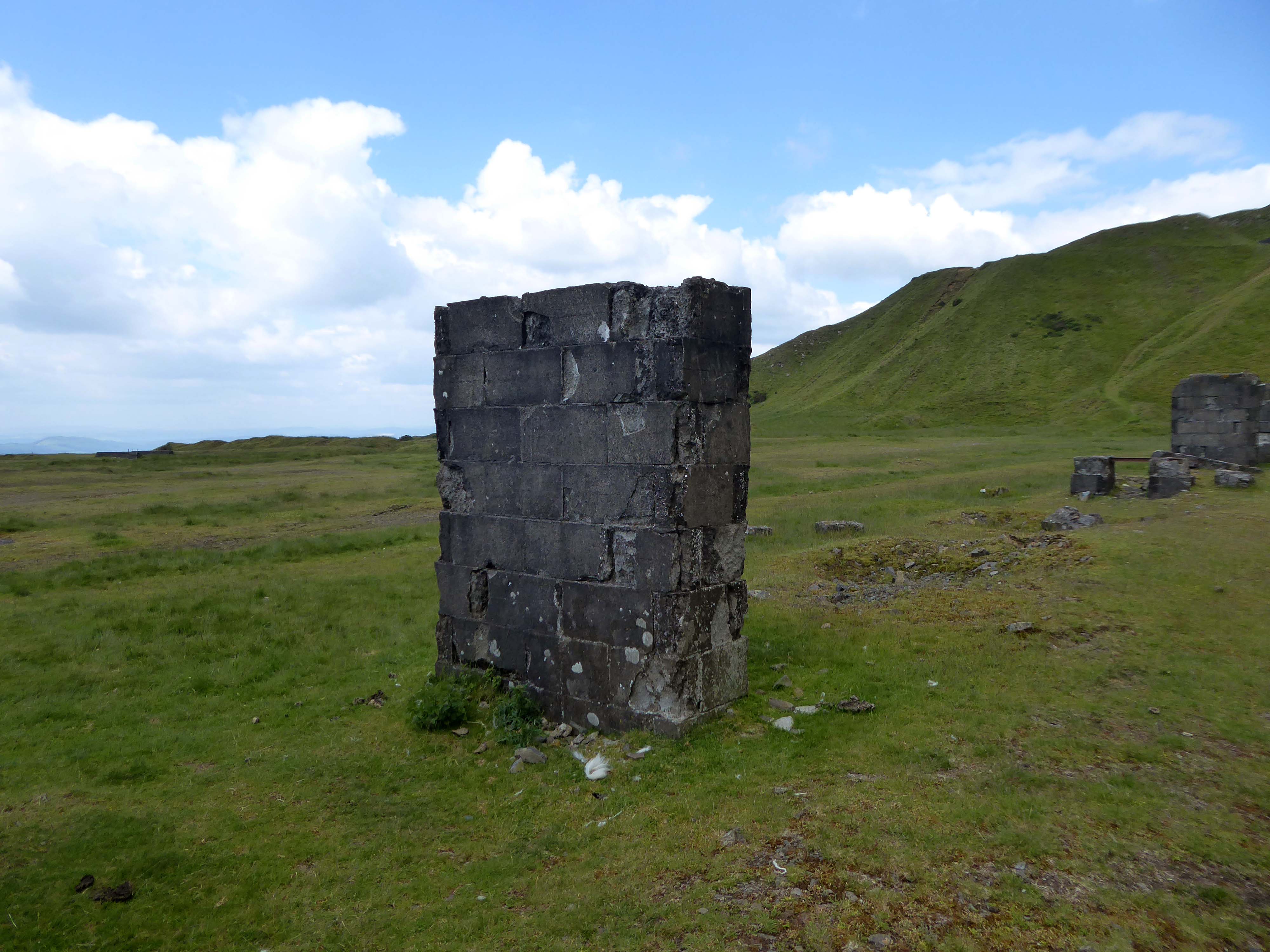
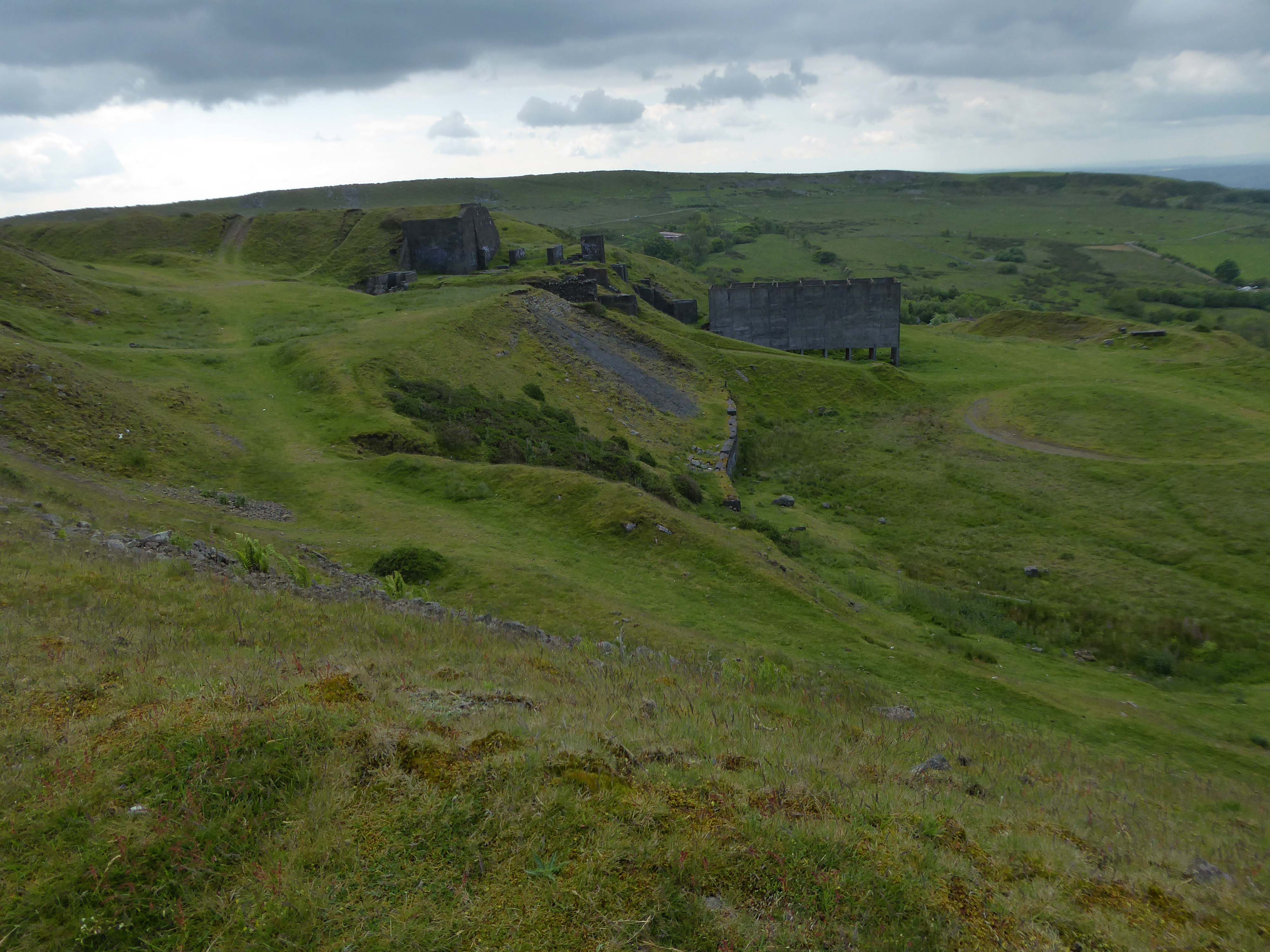
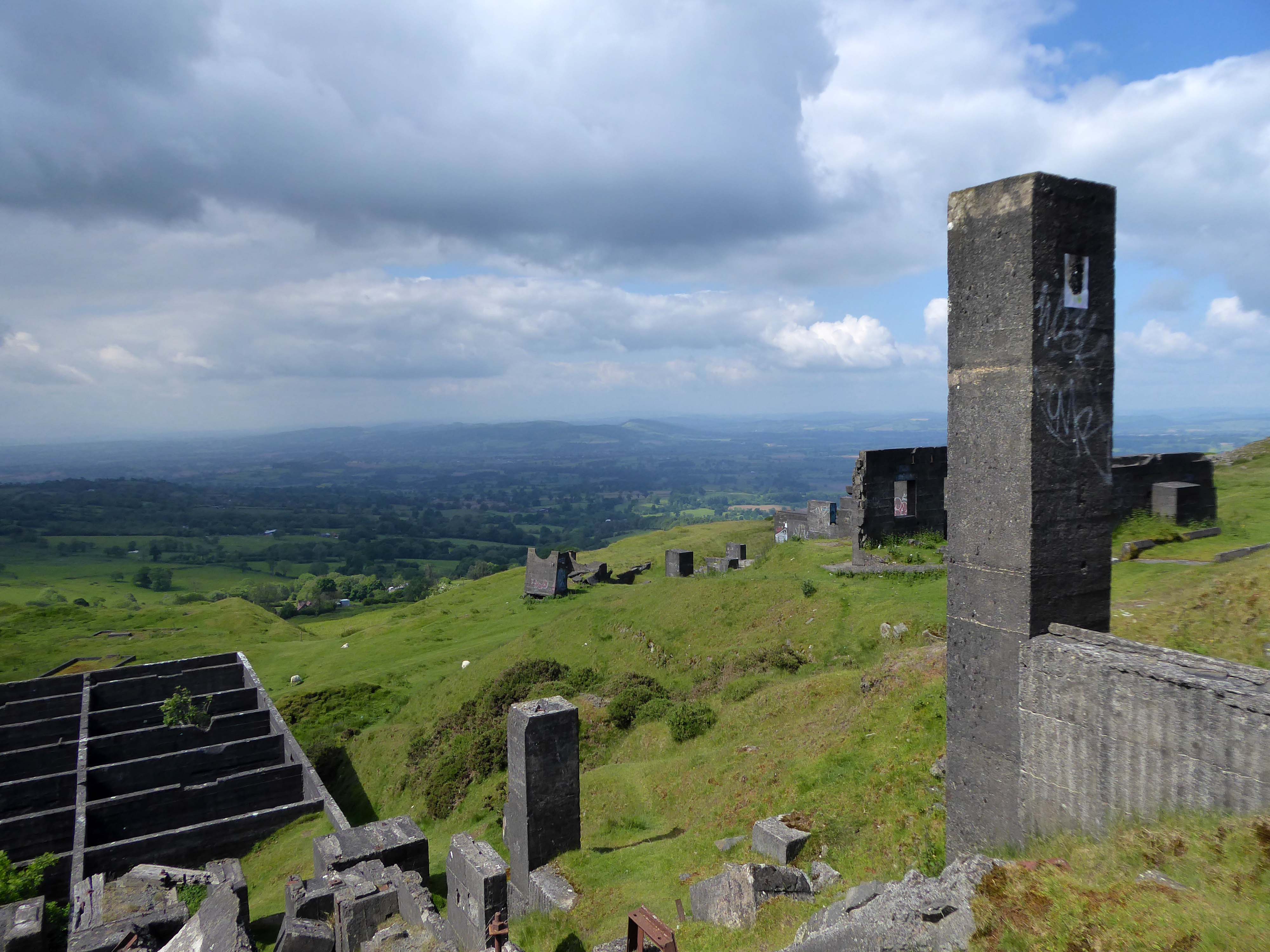
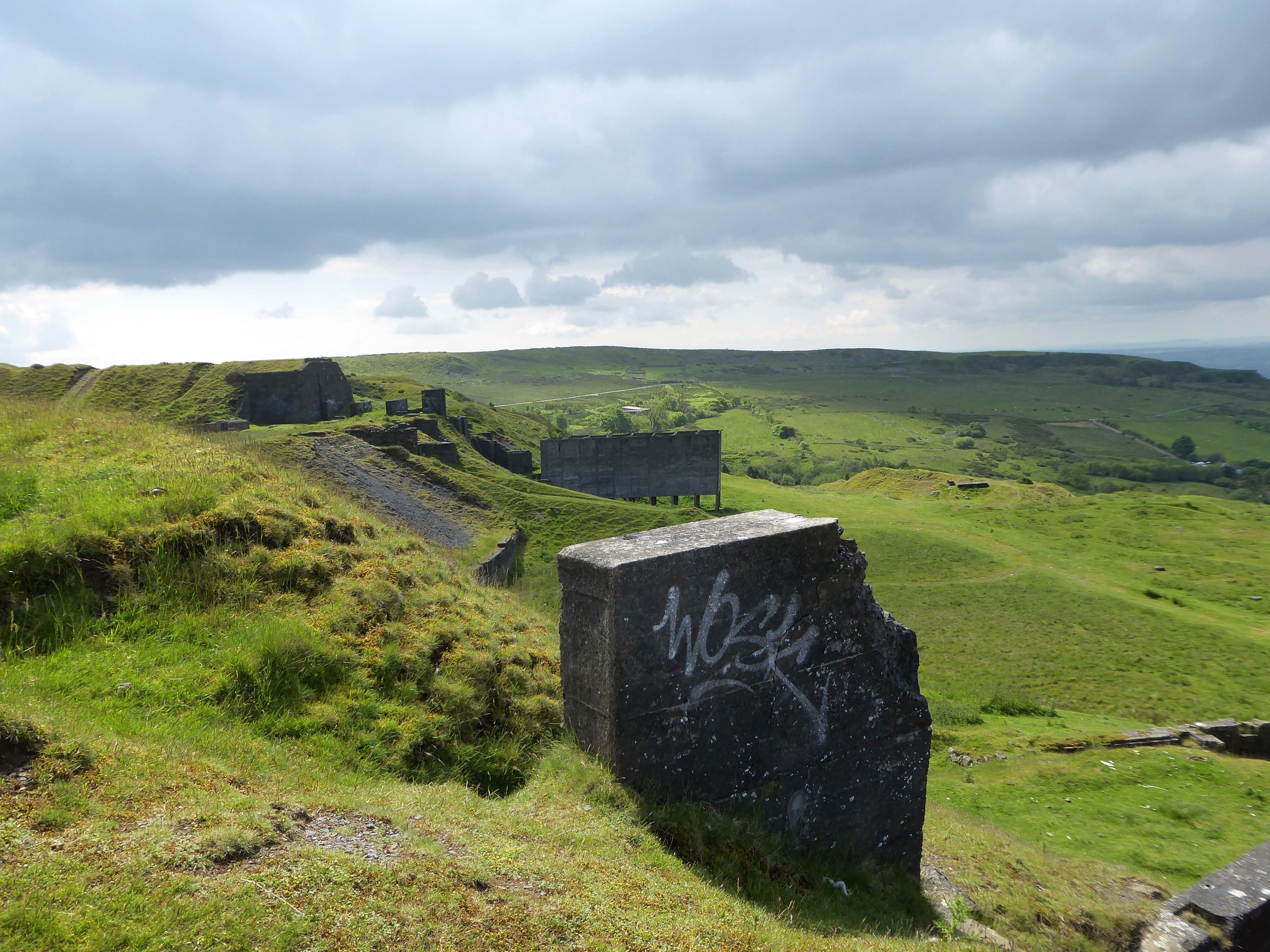
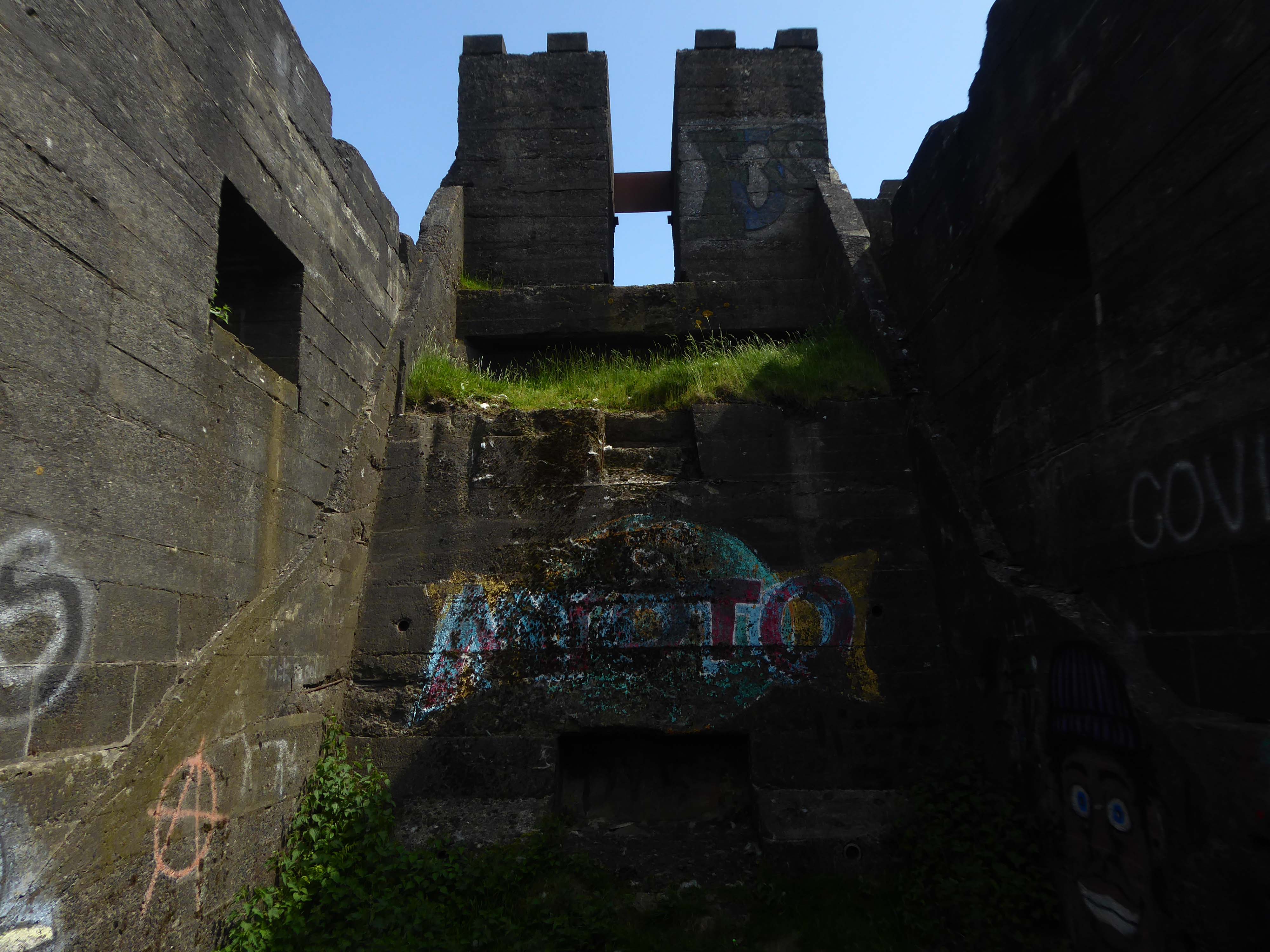
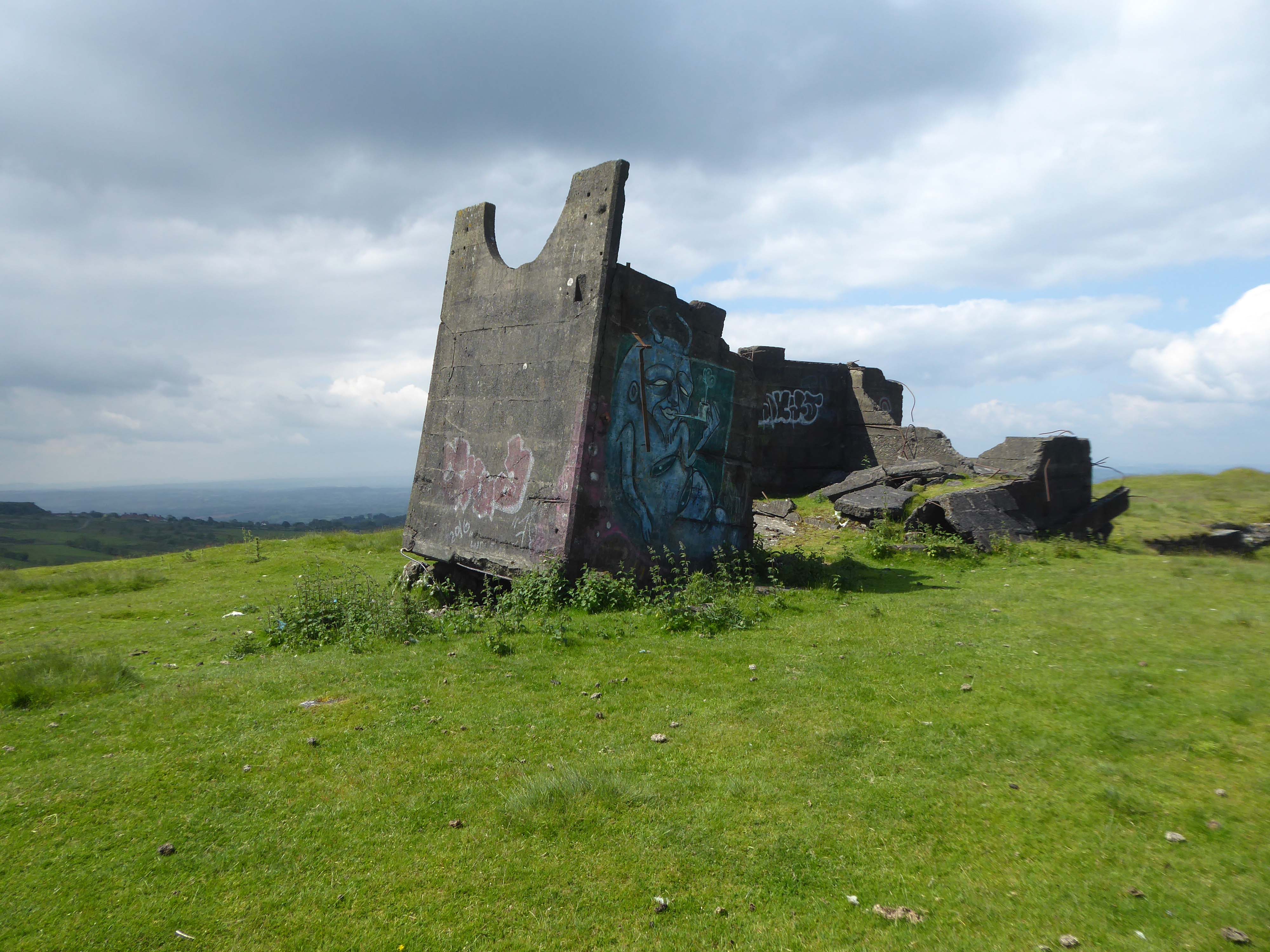
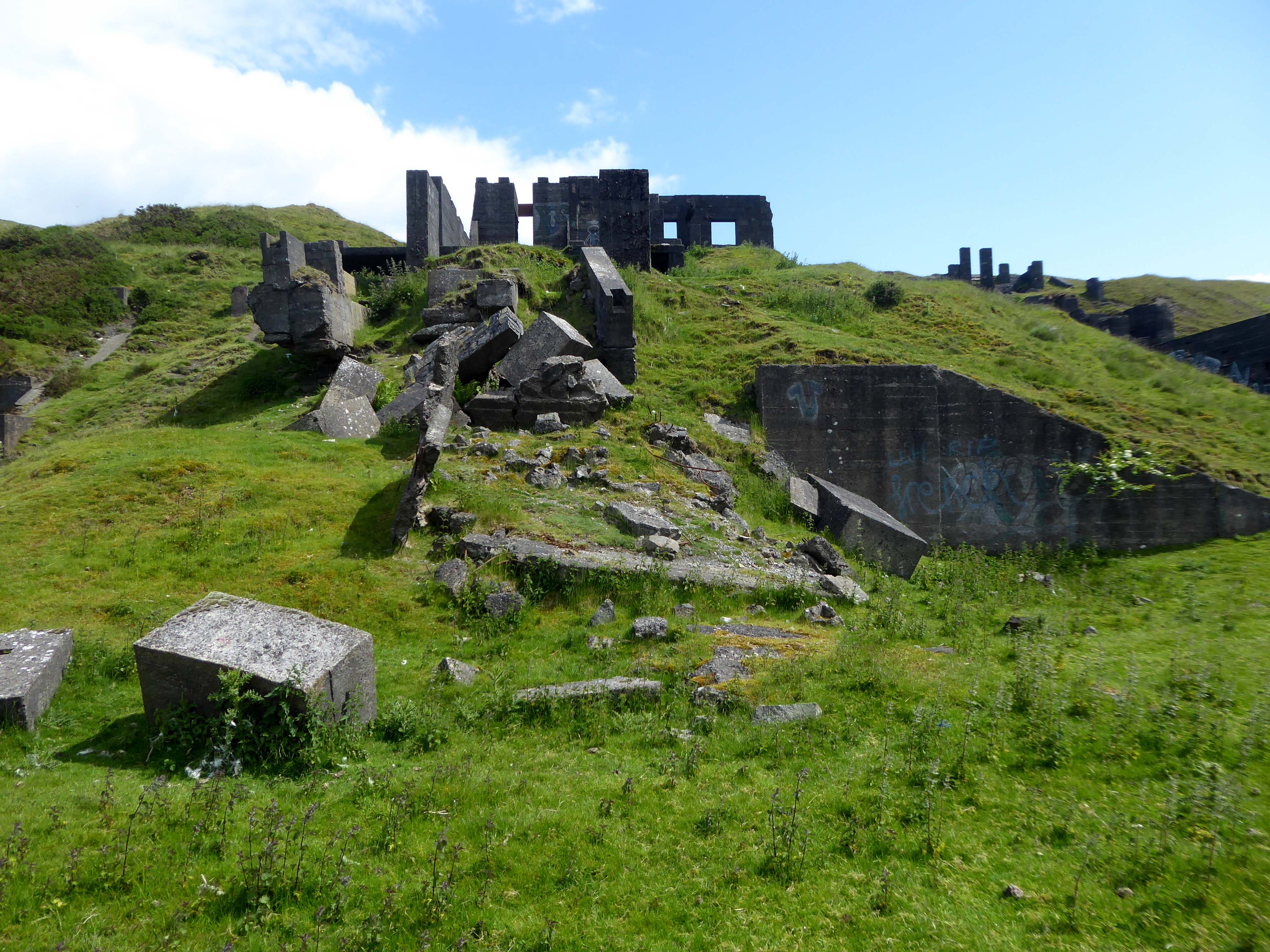
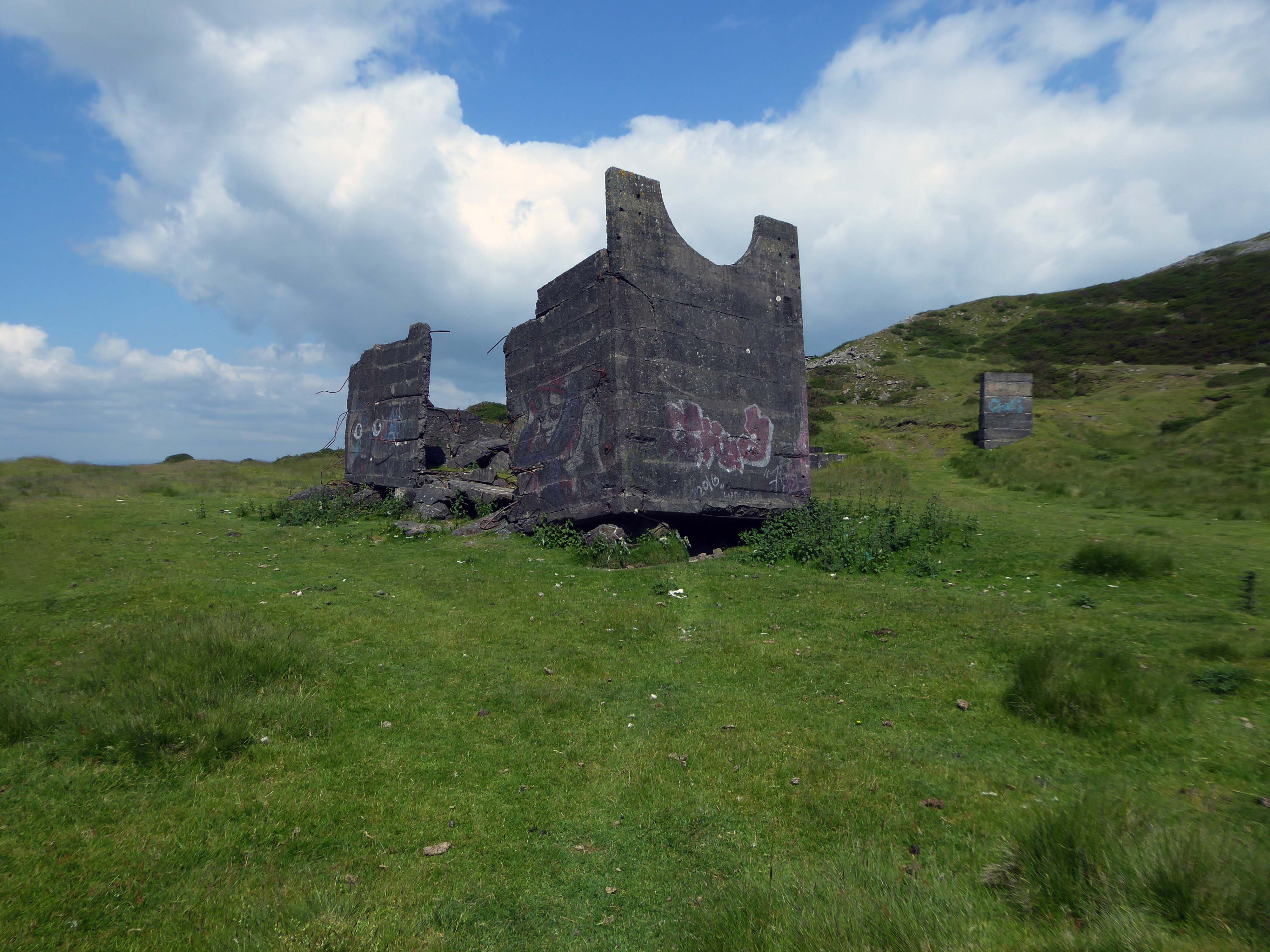
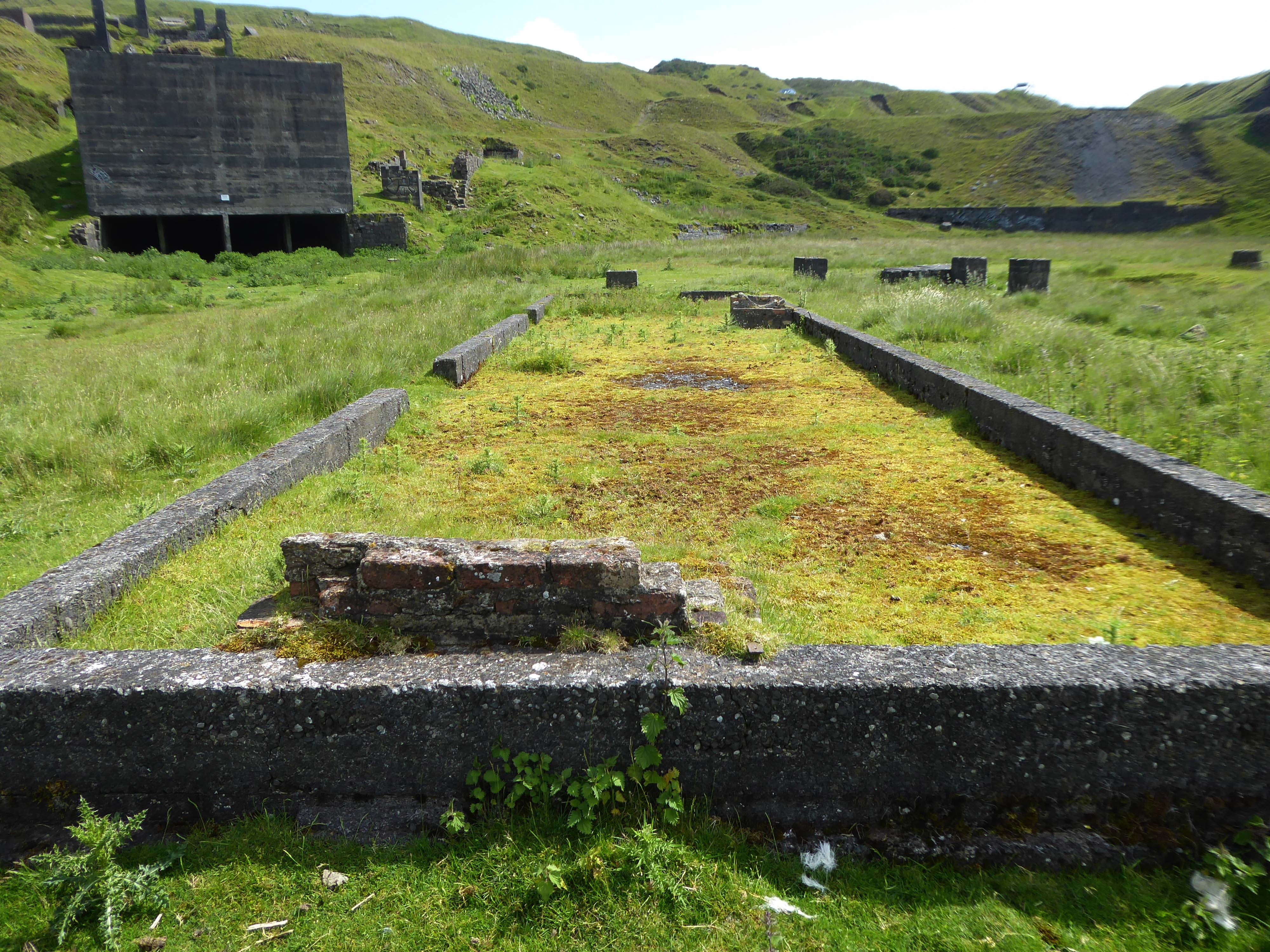
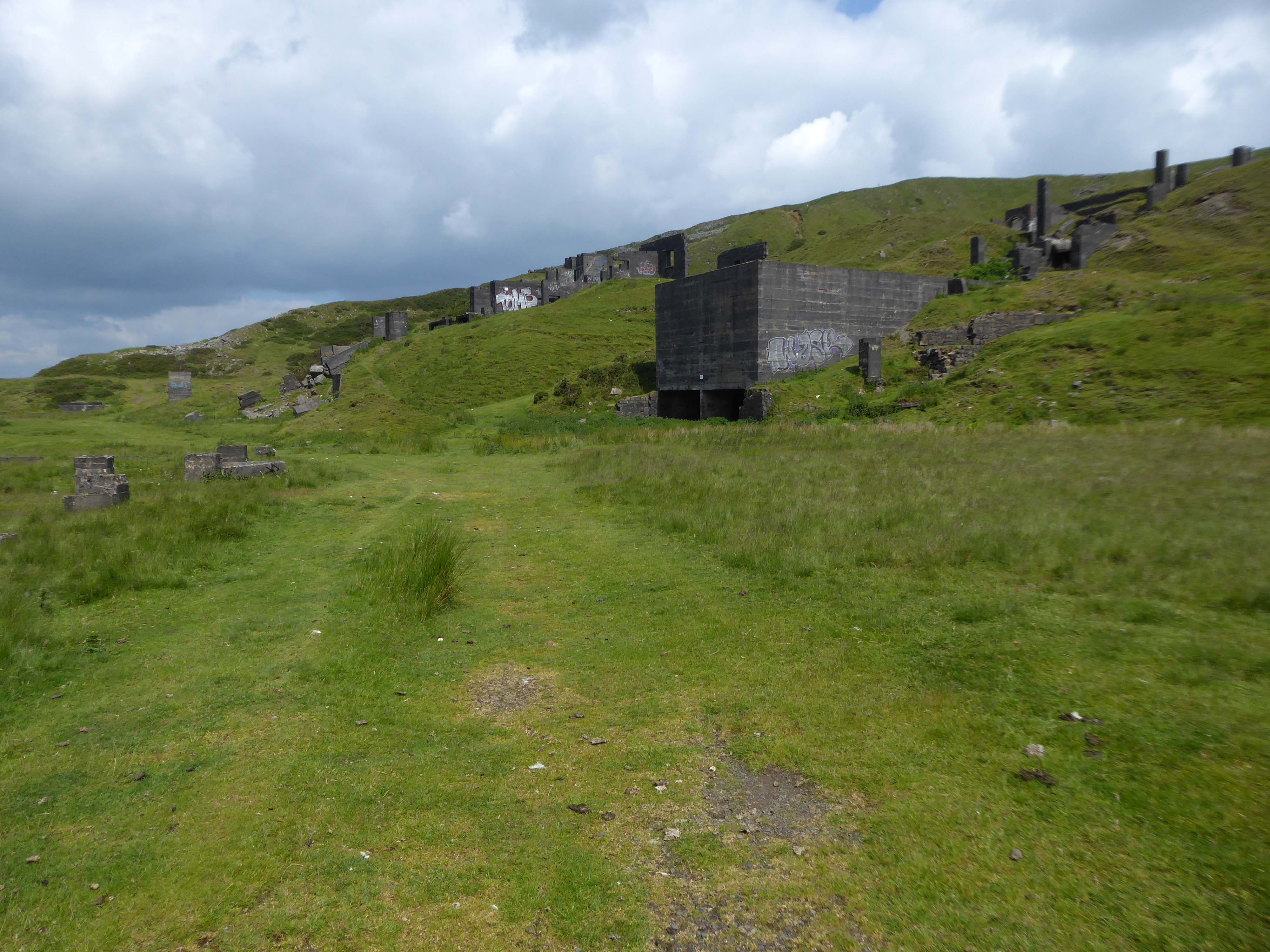
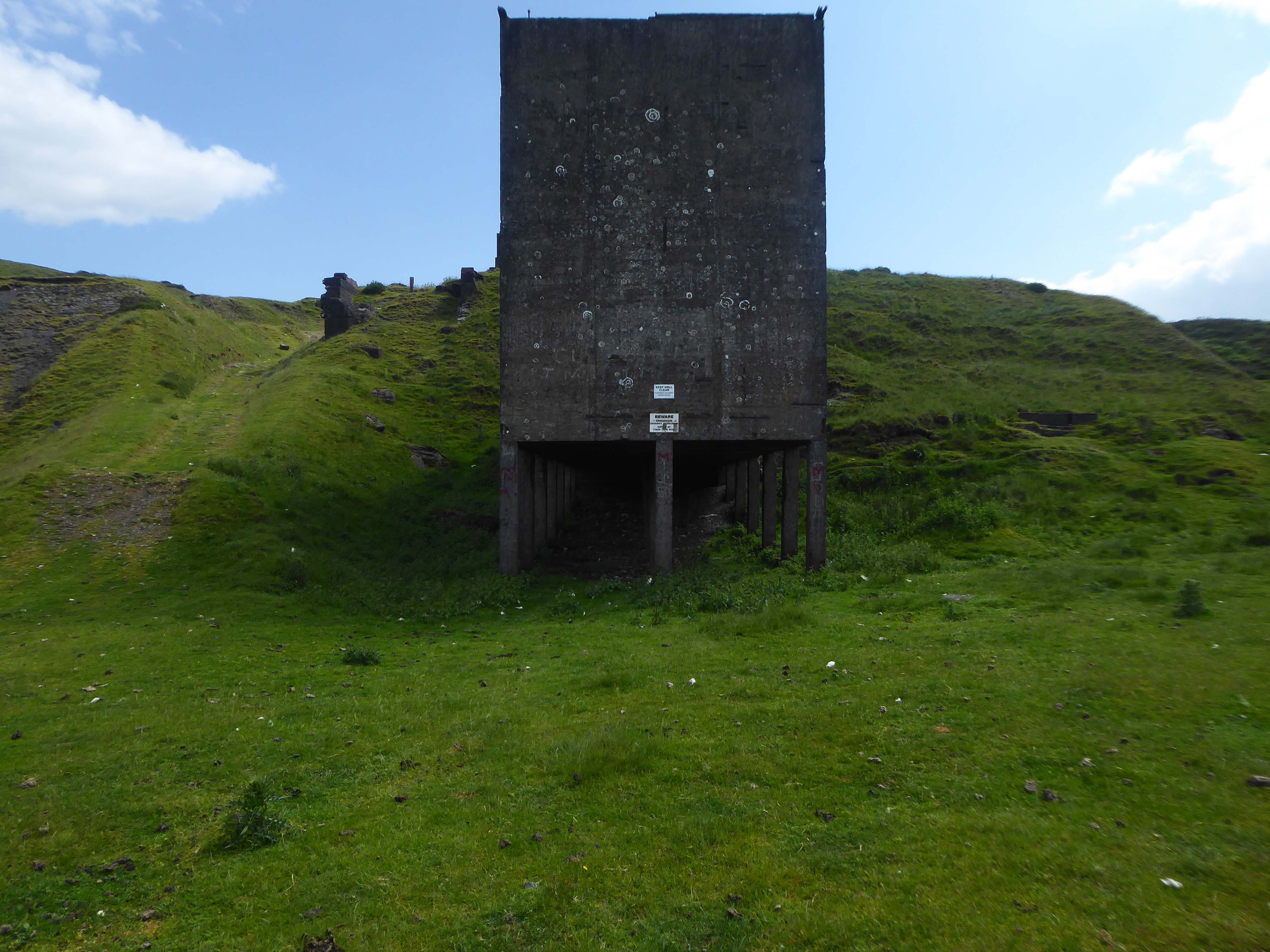
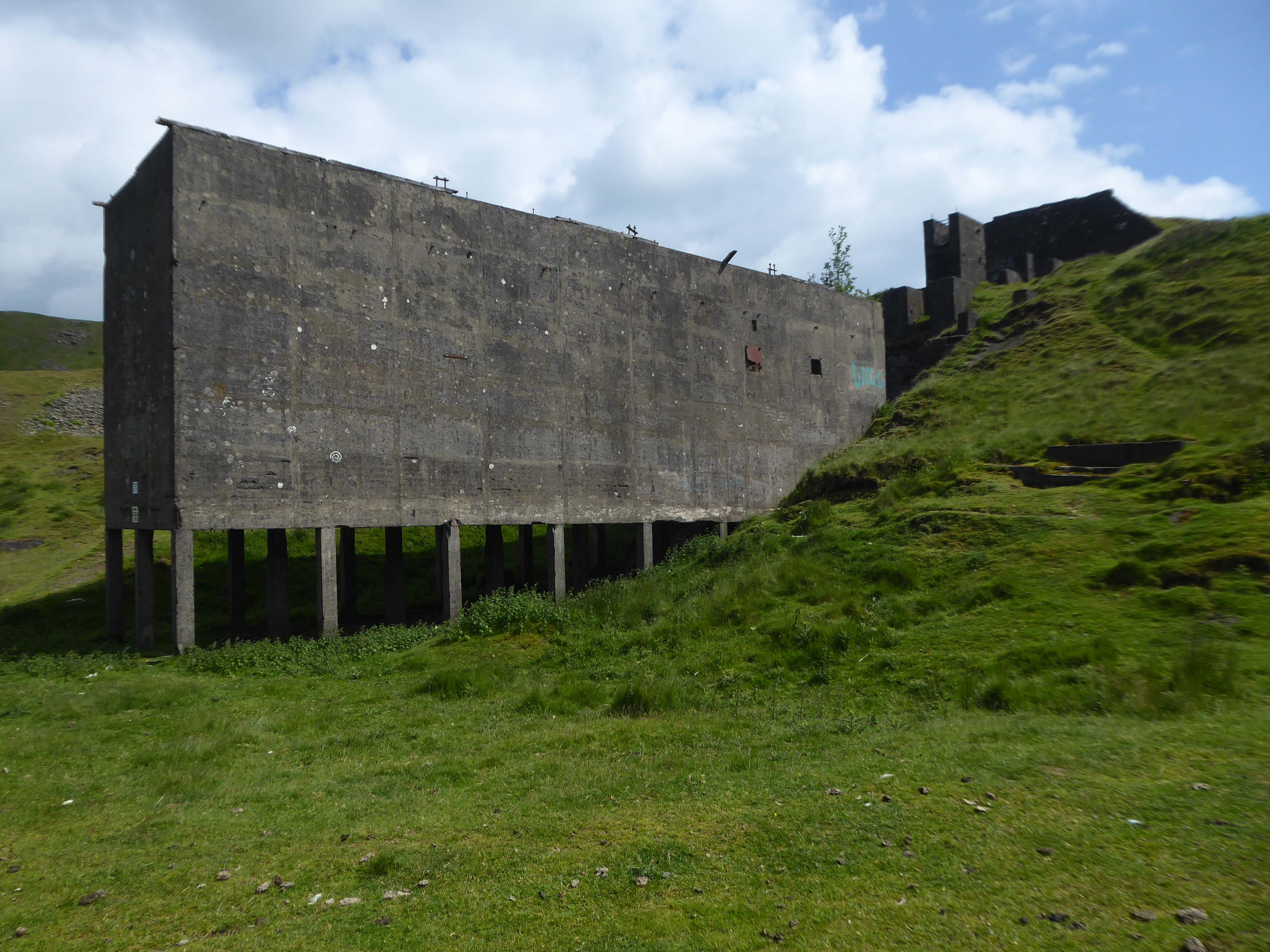
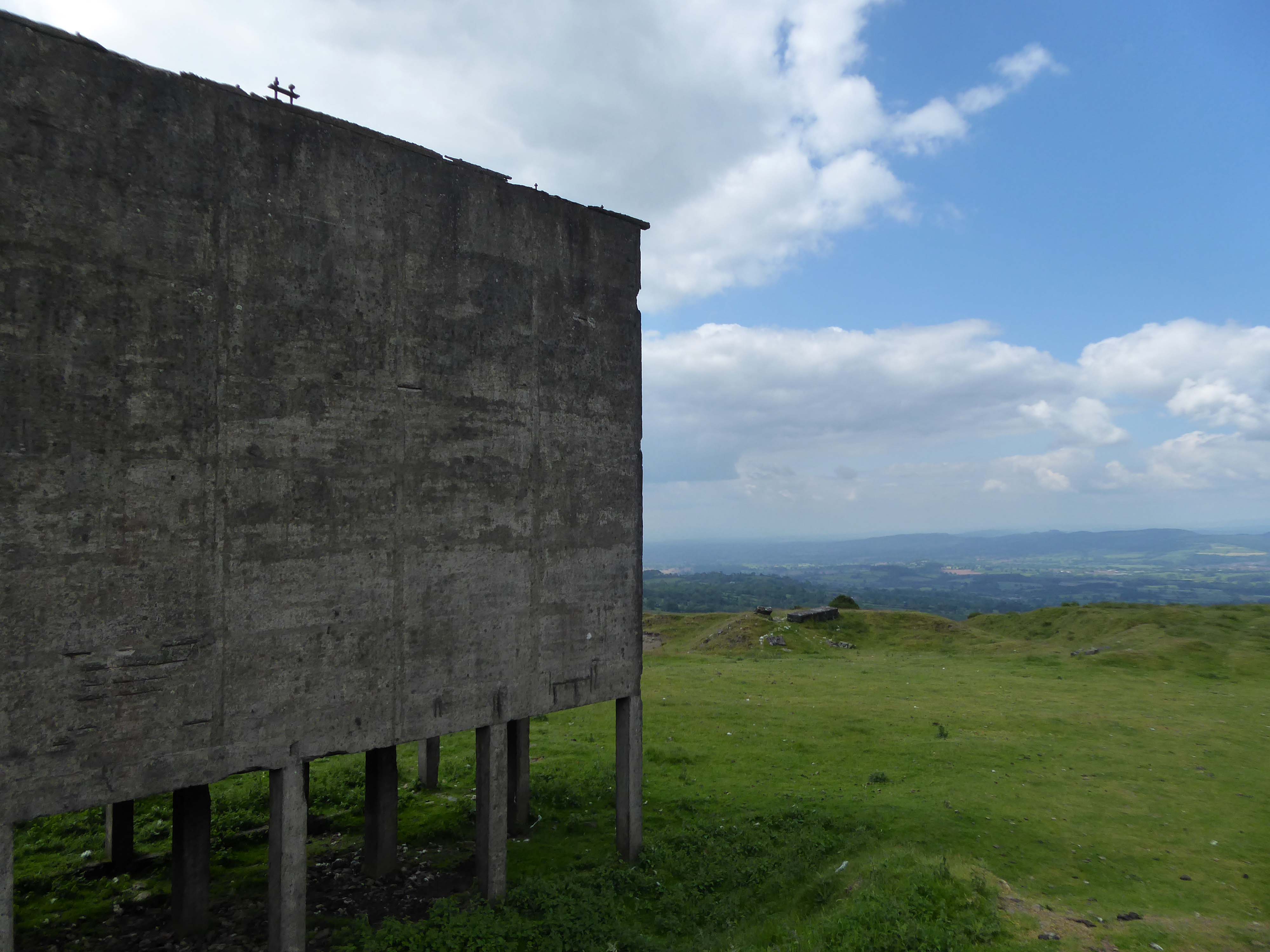
Titterstone Clee Hill Quarry

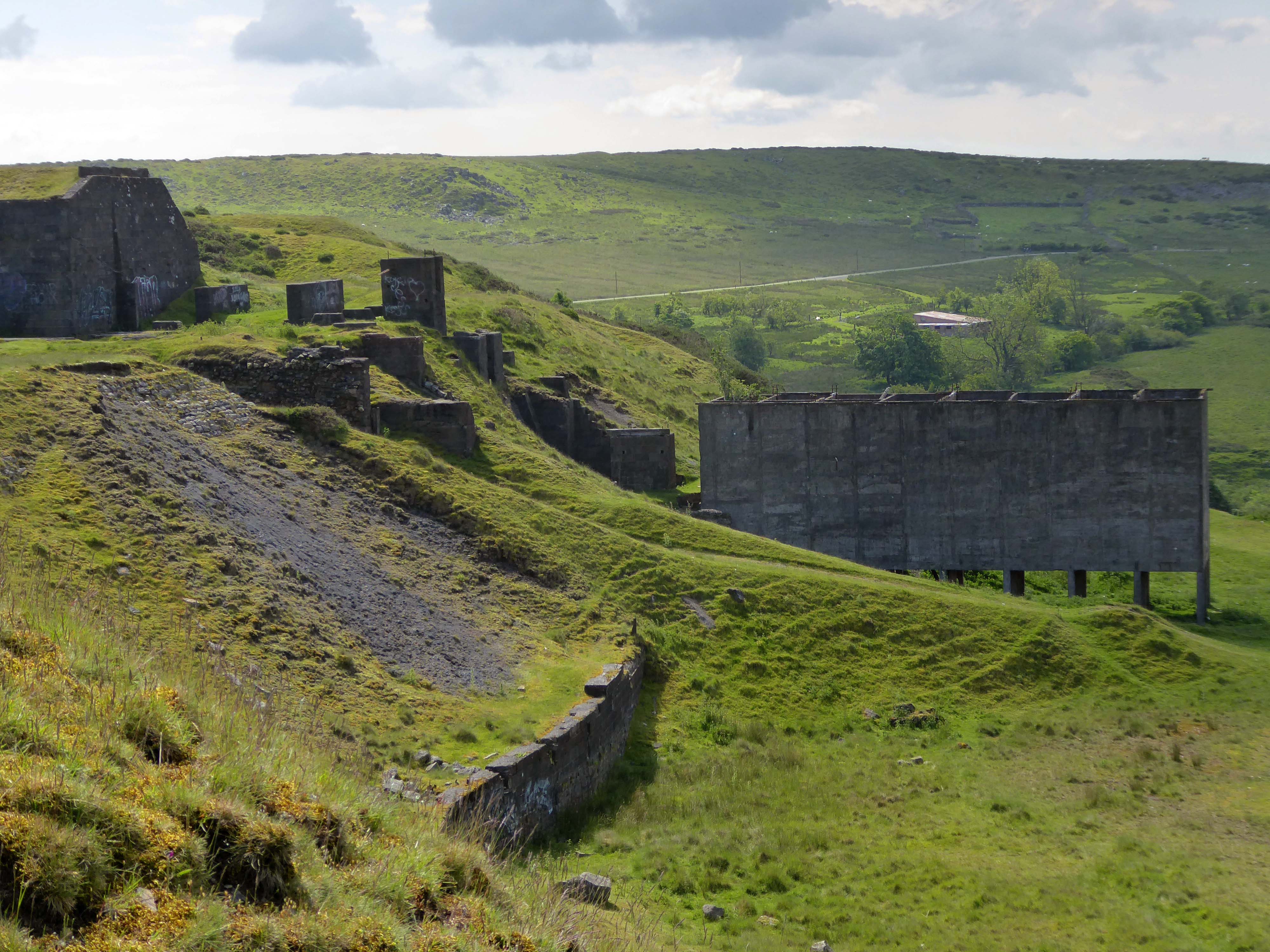
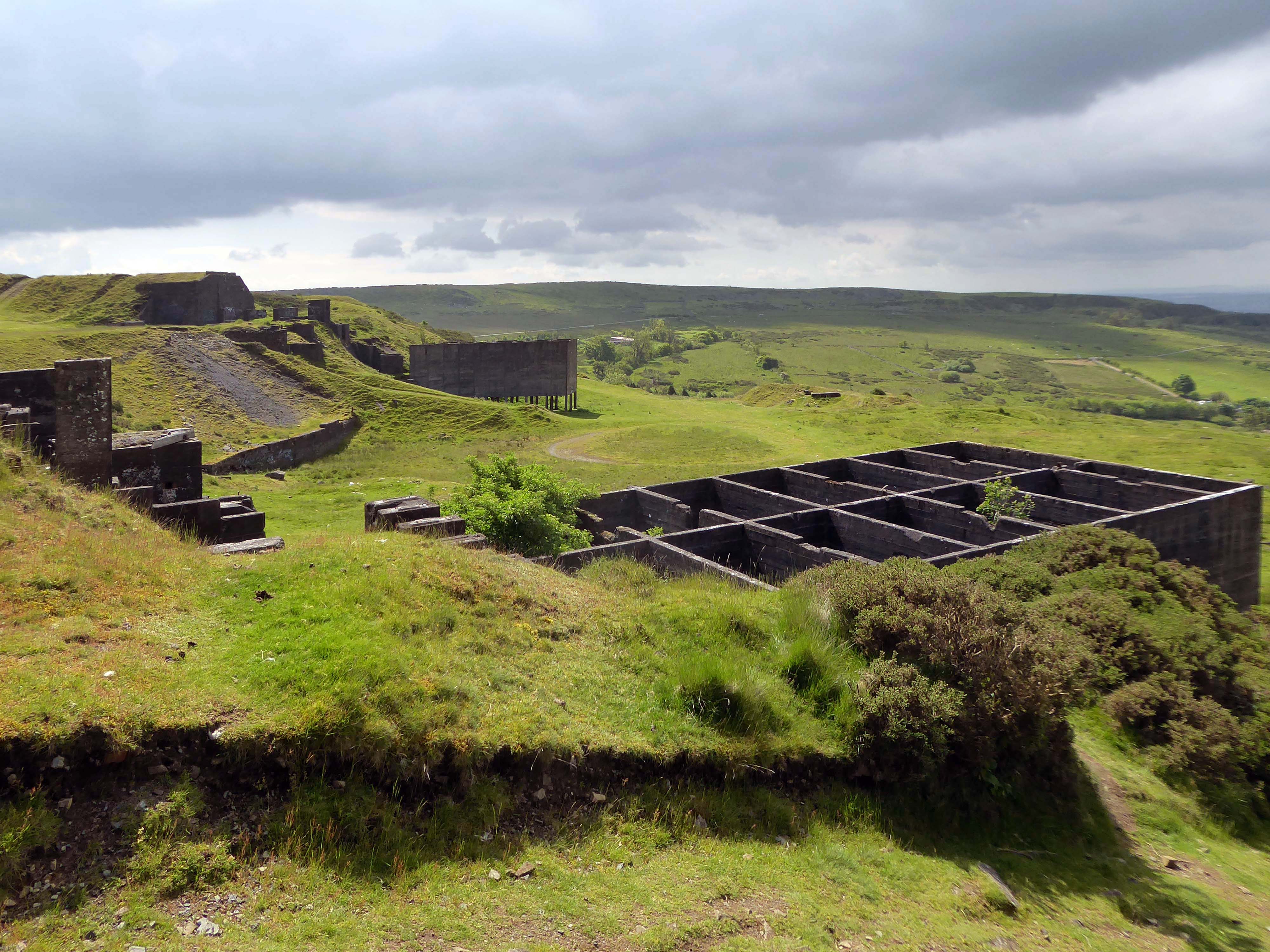
Titterstone Clee is the third-highest hill in Shropshire rising at the summit to 533 metres – 1,749 ft above sea level.

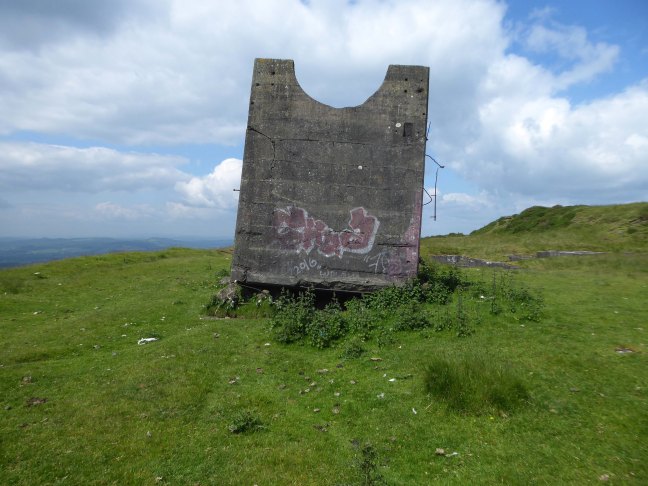
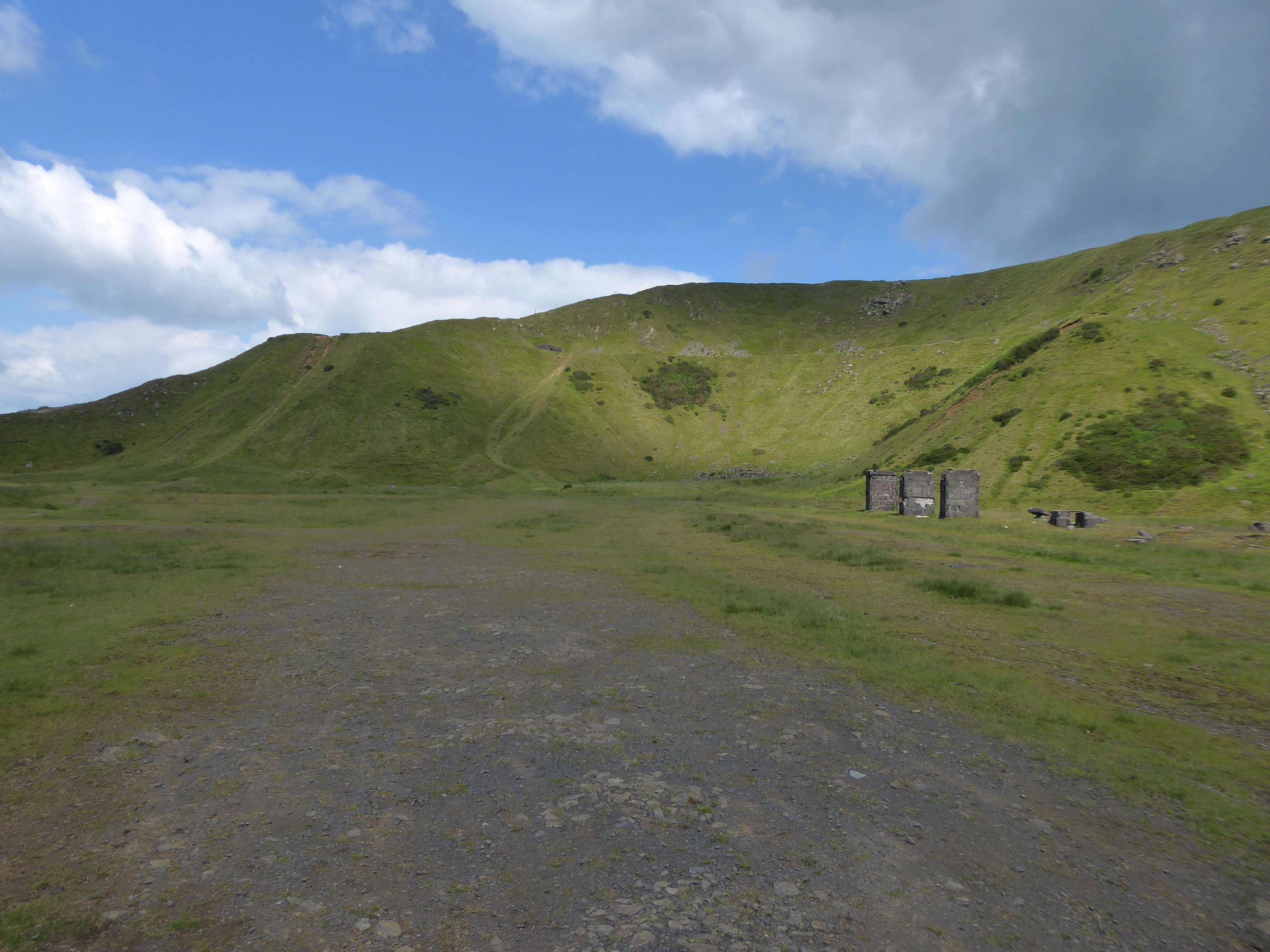
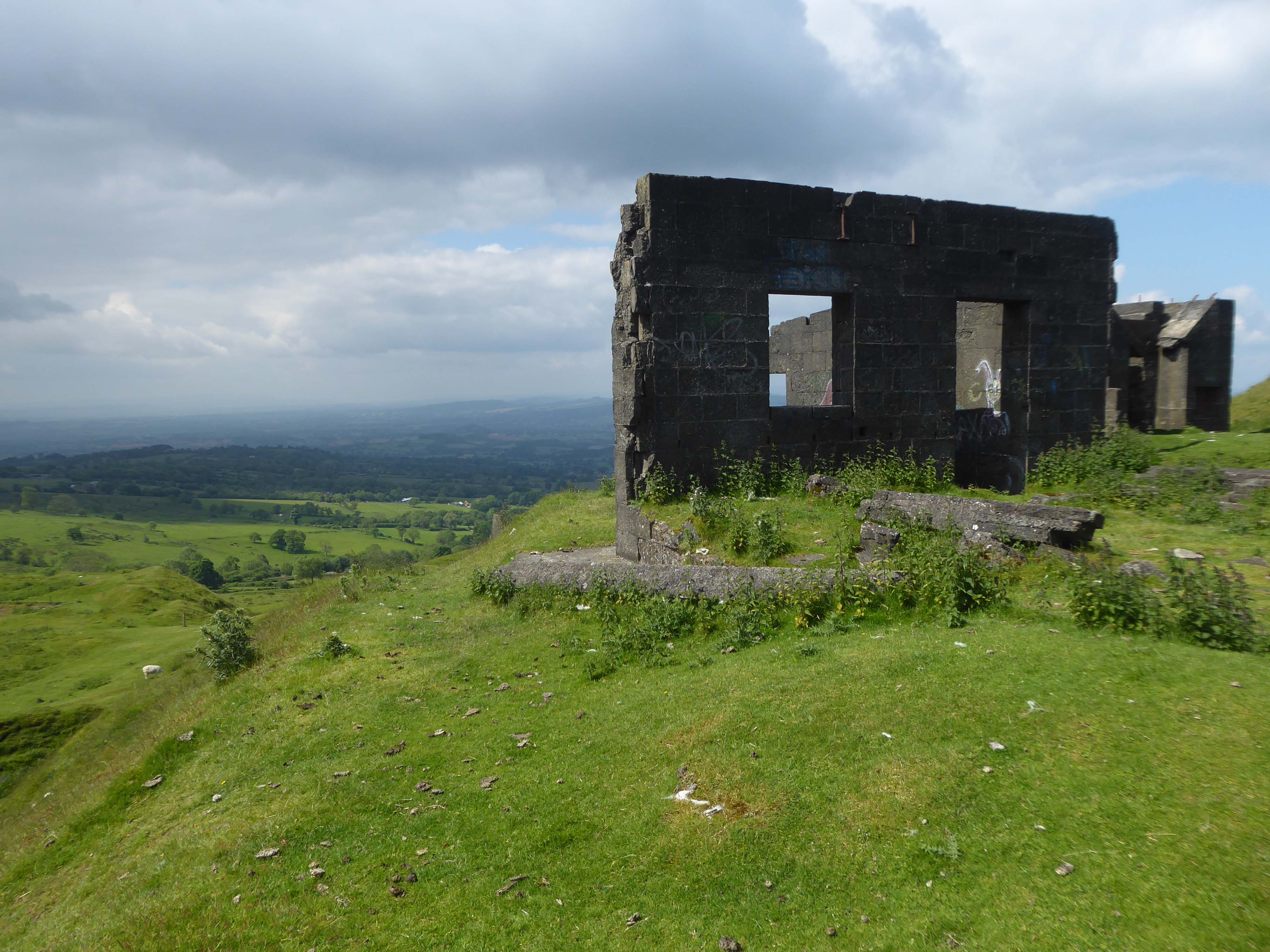
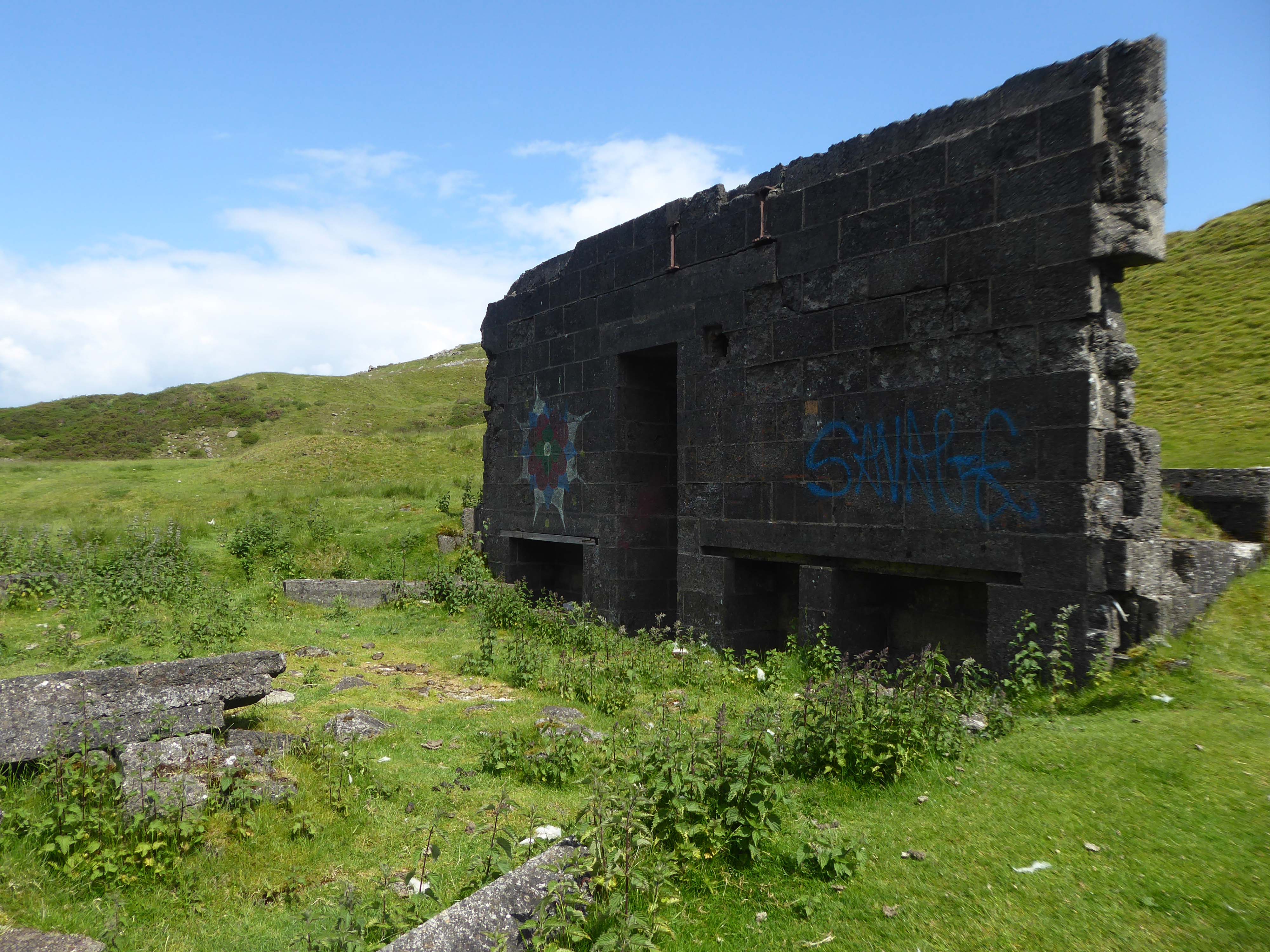
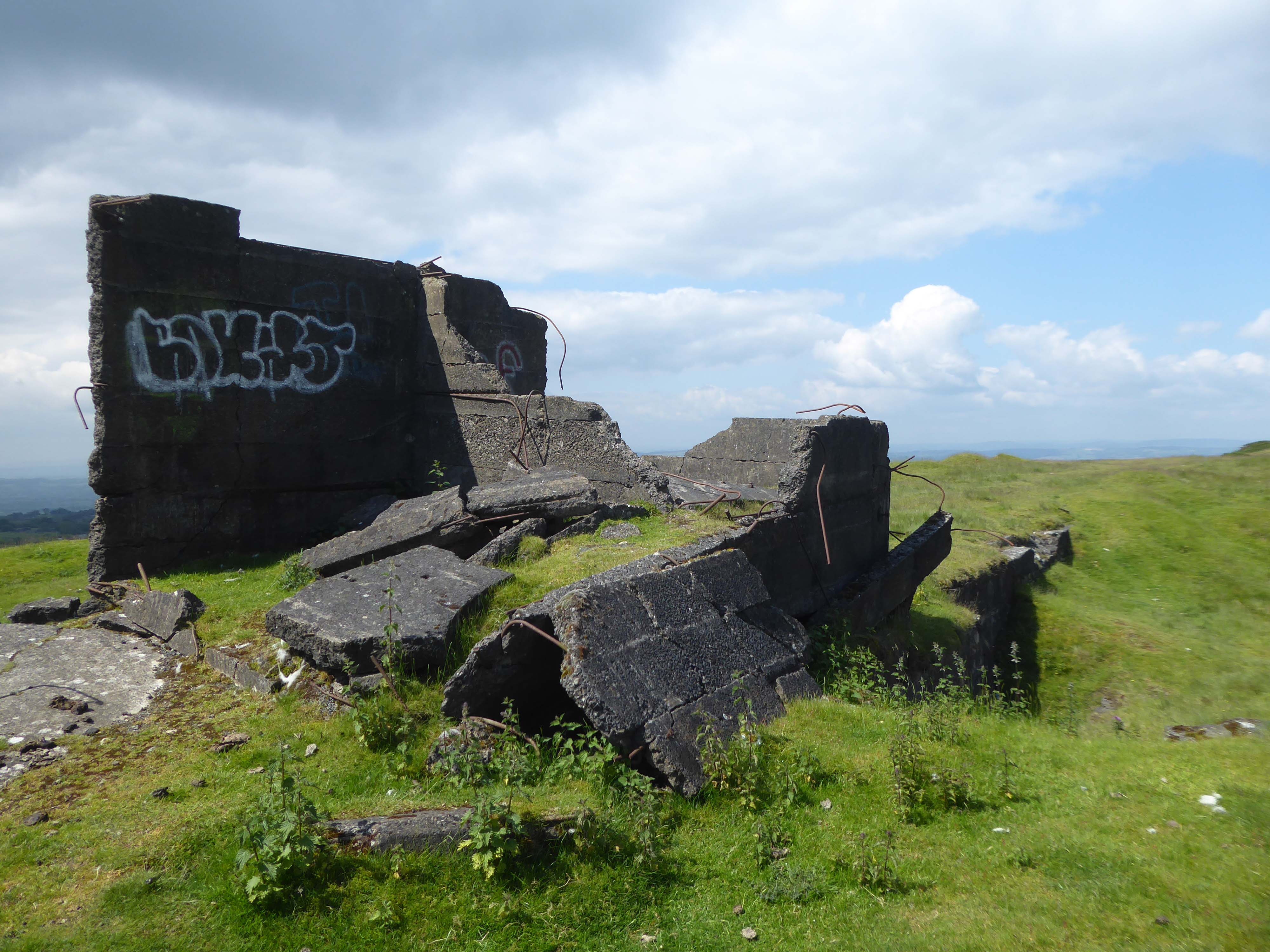
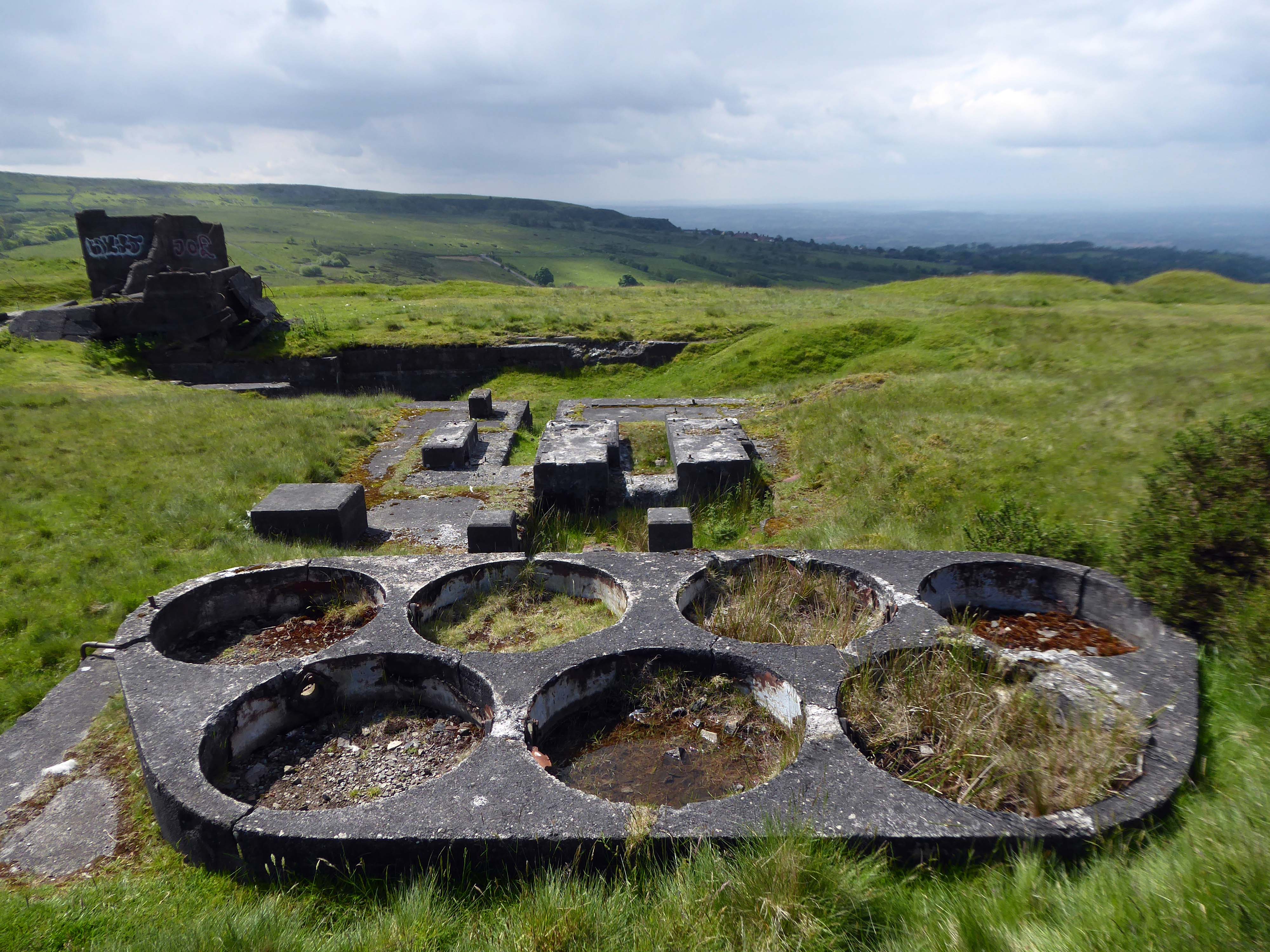
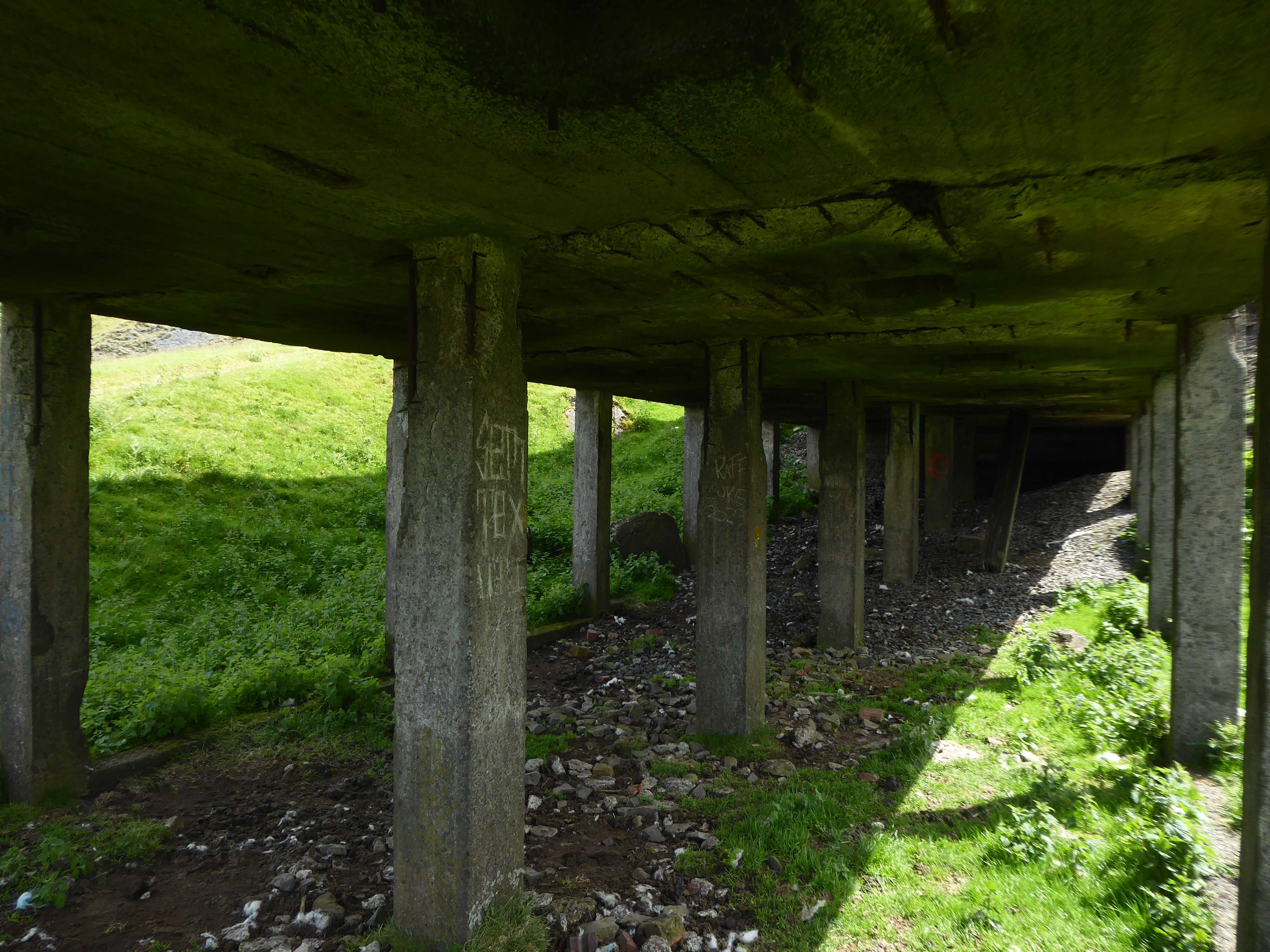
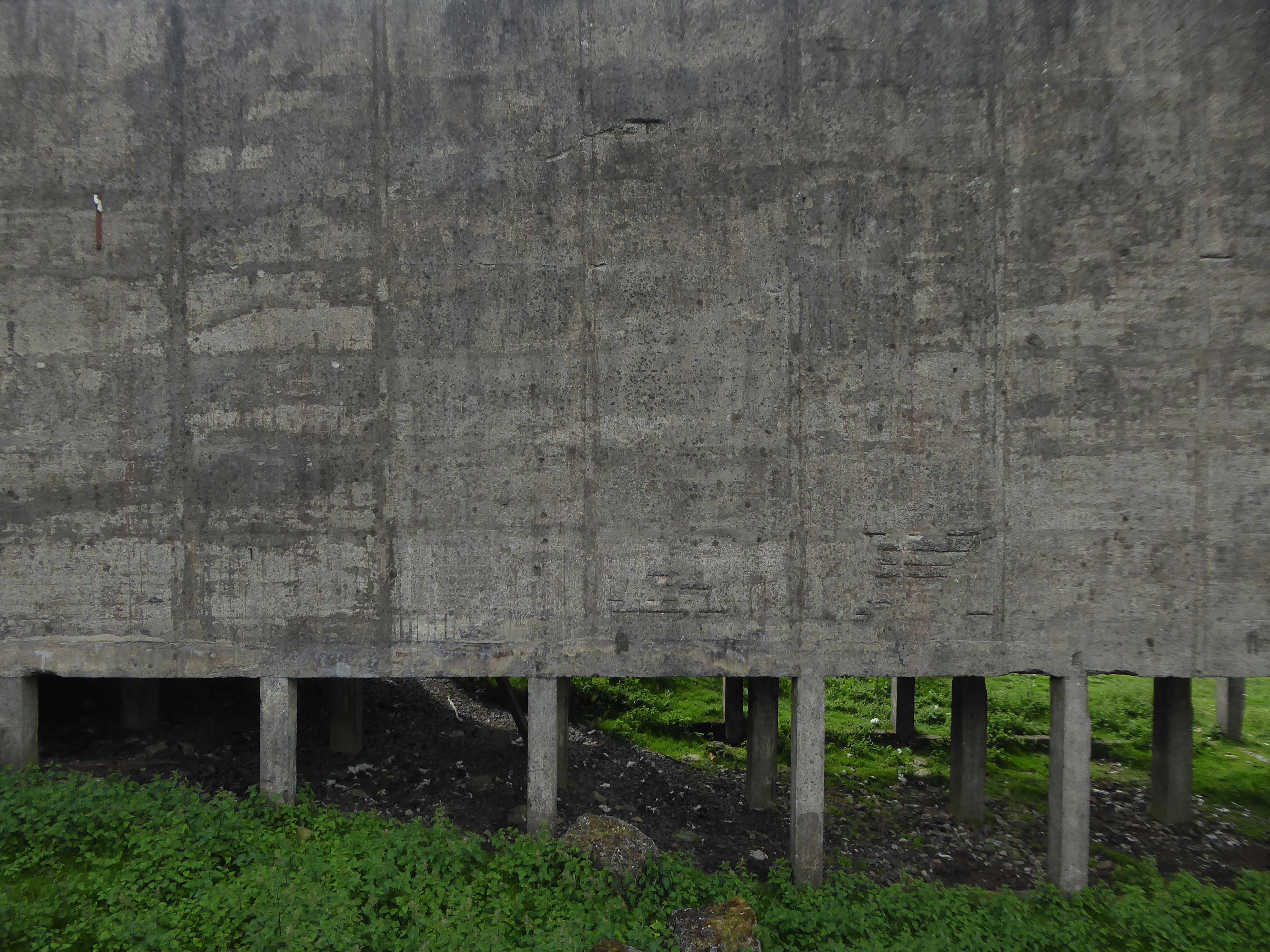
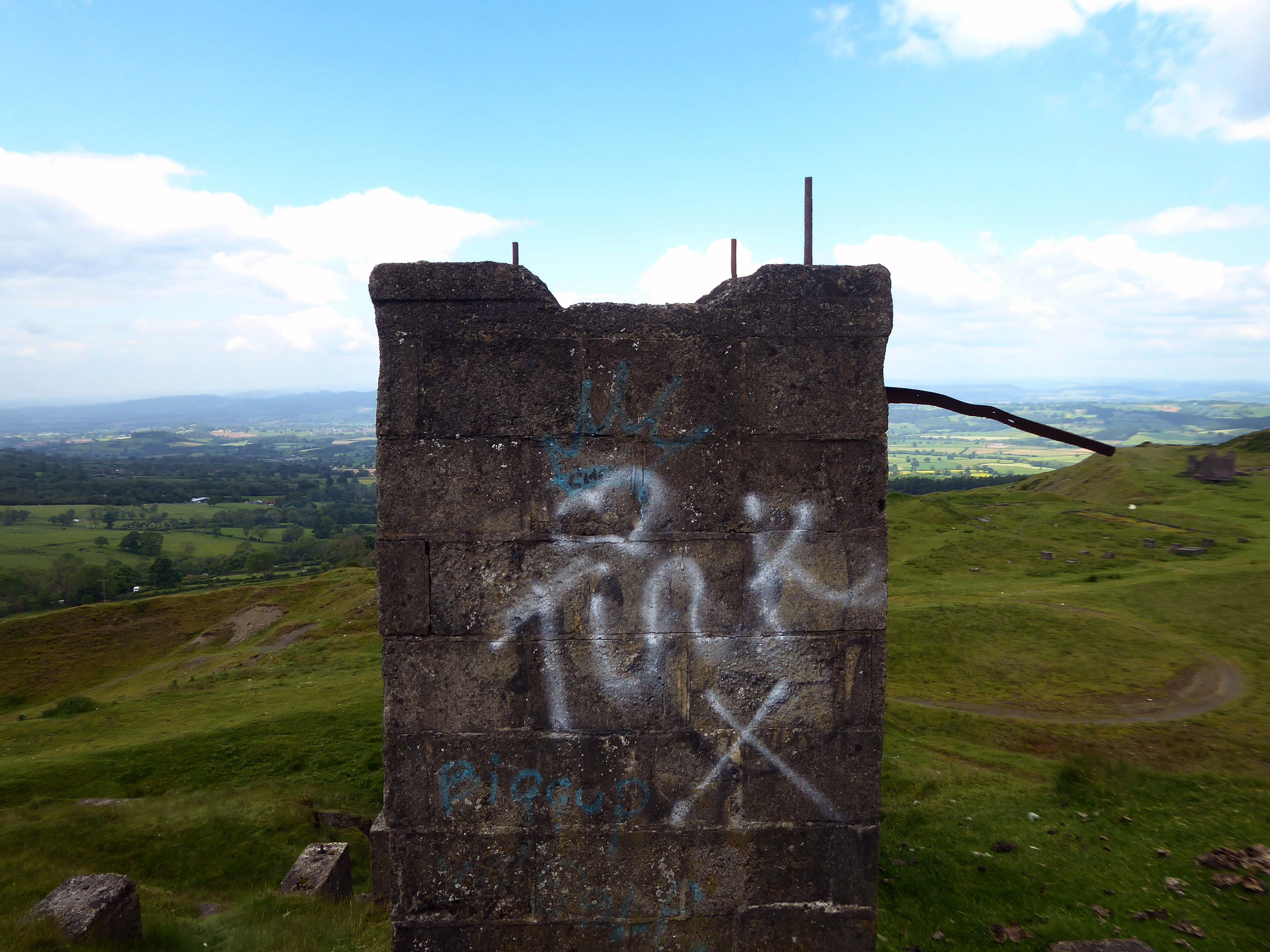
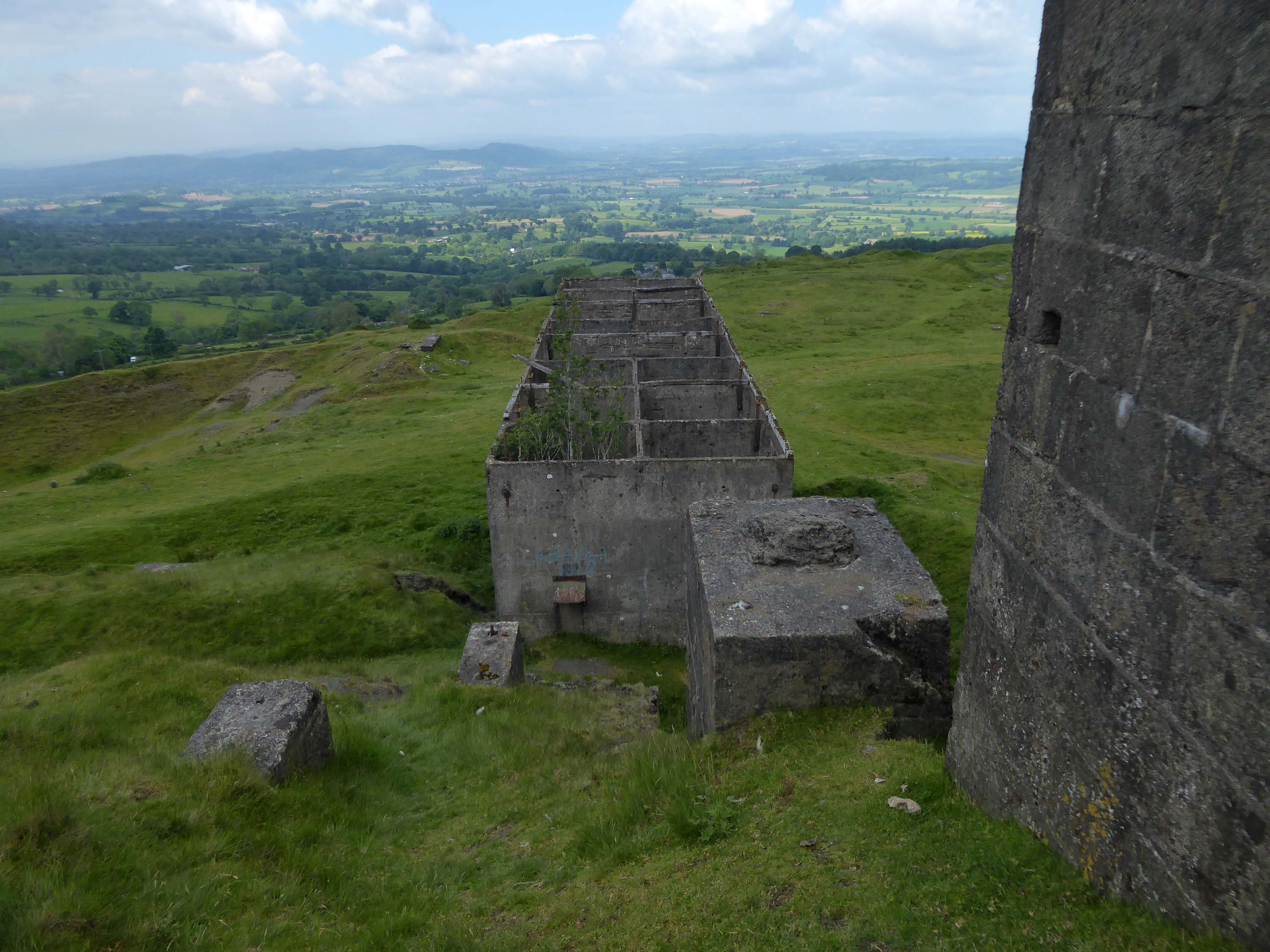
Most of the summit of the hill is affected by man-made activity, the result of hill fort construction during the Bronze and Iron Ages and, more recently, by years of mining for coal and quarrying for dolerite, known locally as dhustone, for use in road-building. Many derelict quarry buildings scattered over the hill are of industrial archaeological interest as very early examples of the use of reinforced concrete.

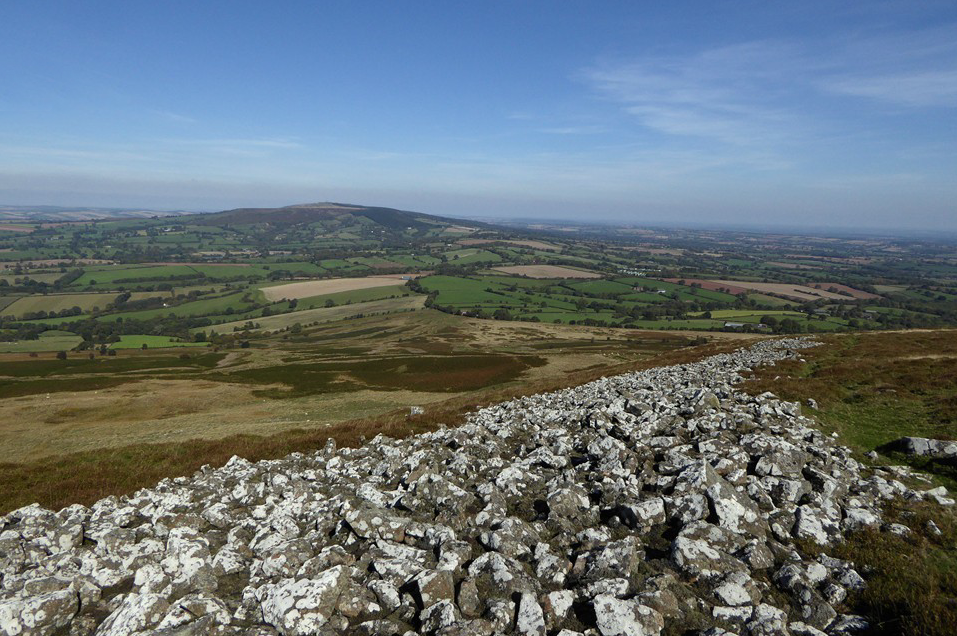
Near the summit trig point are the remains of a Bronze Age cairn, dating back up to 4,000 years and indicating that the summit was a likely ceremonial site. Although partly destroyed by quarrying, Titterstone Clee’s Iron Age hill fort is enclosed by a huge boundary earthworks.

 It is of note that the walls of the fort are made up of stone blocks, instead of earth banks.

© A. Brookes – 29.9.2018

Clee Hill is one of only a few hills and mountains noted on the Hereford Mappa Mundi.

Crumbling remains of quarry buildings now litter the hill, reminders of a bygone industry that once employed more than 2,000 people here.

Wikipedia

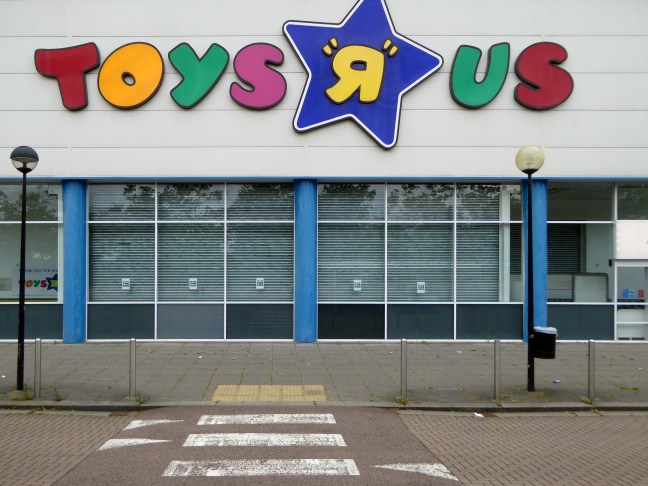
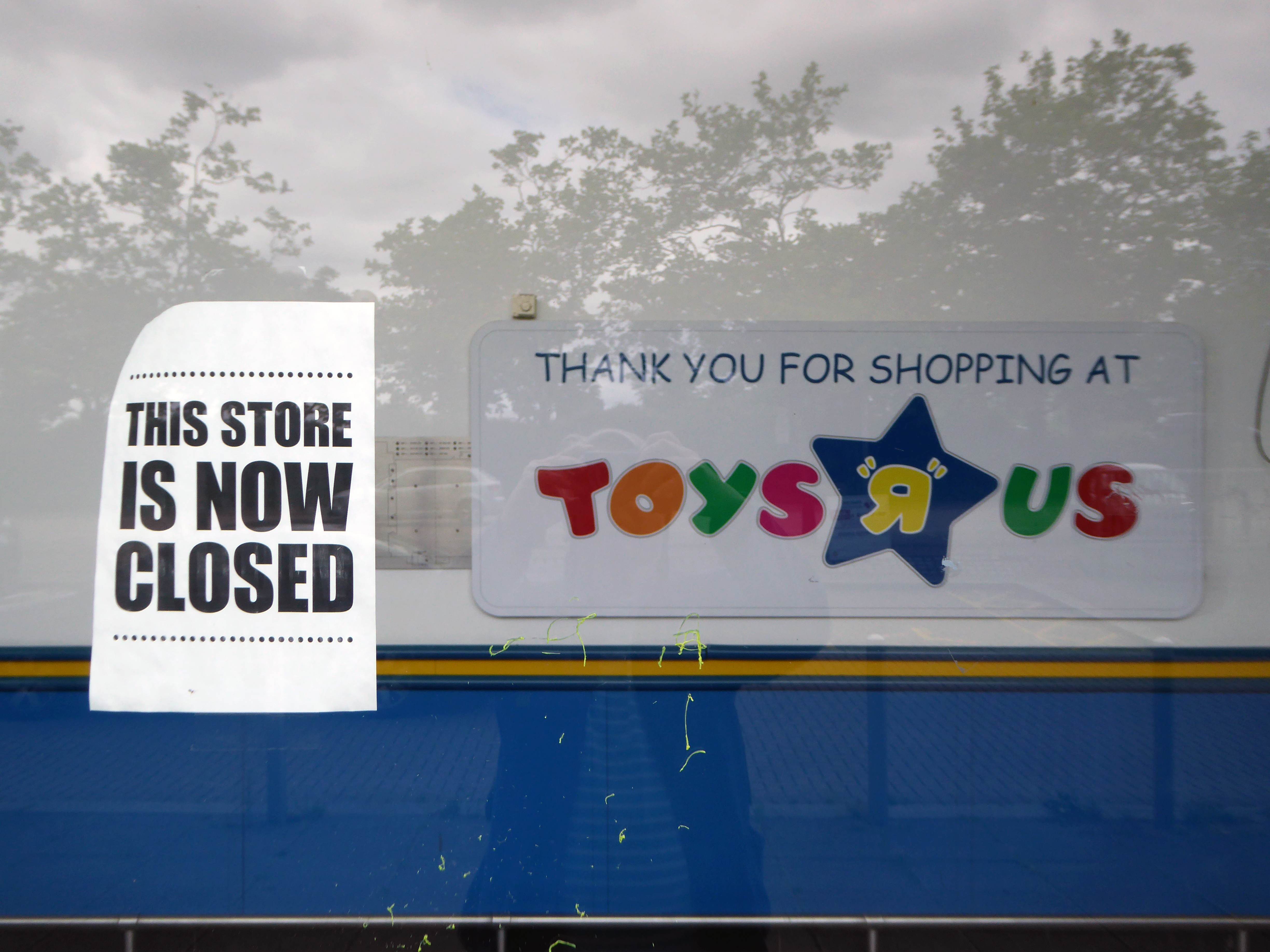
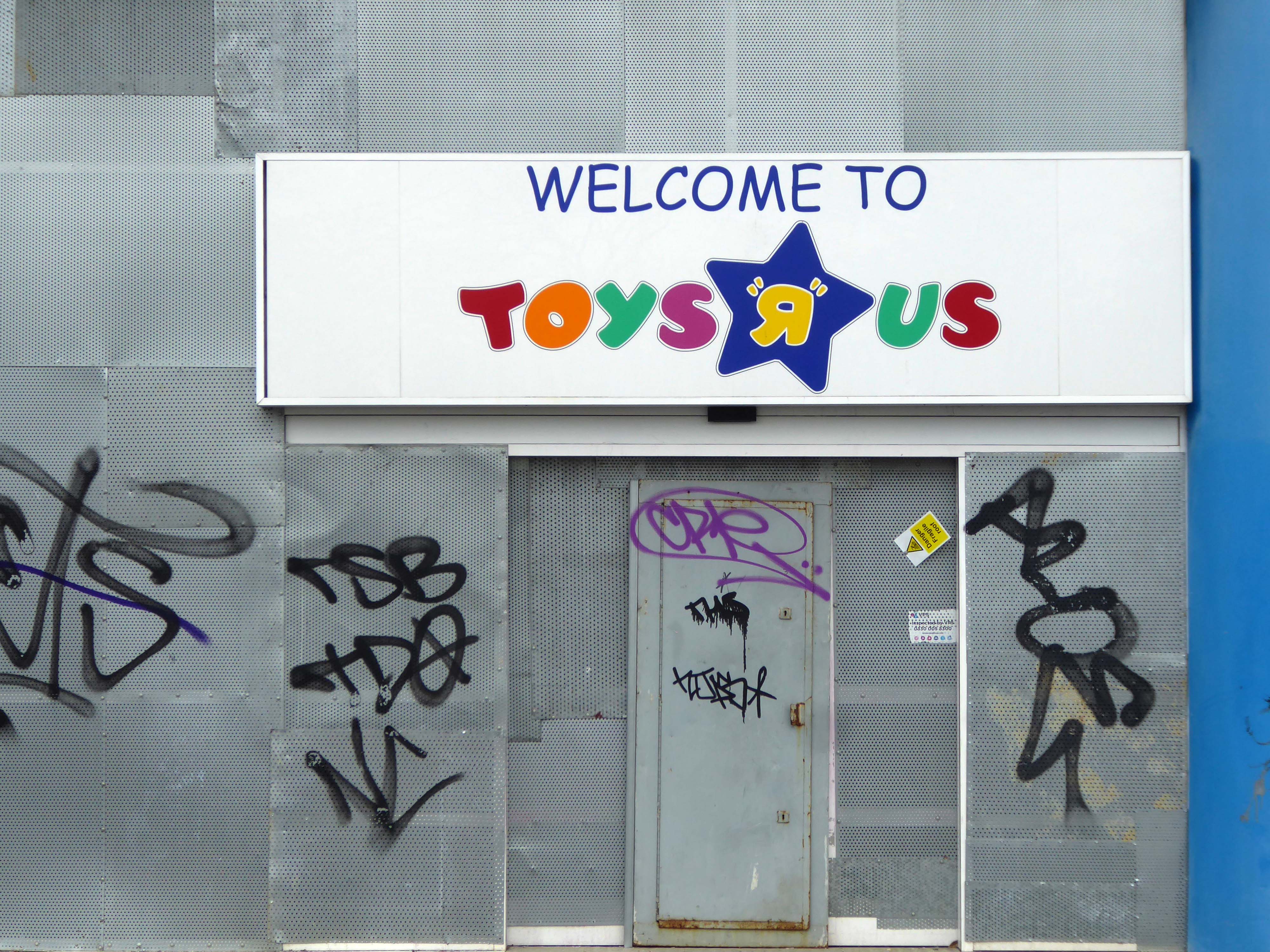
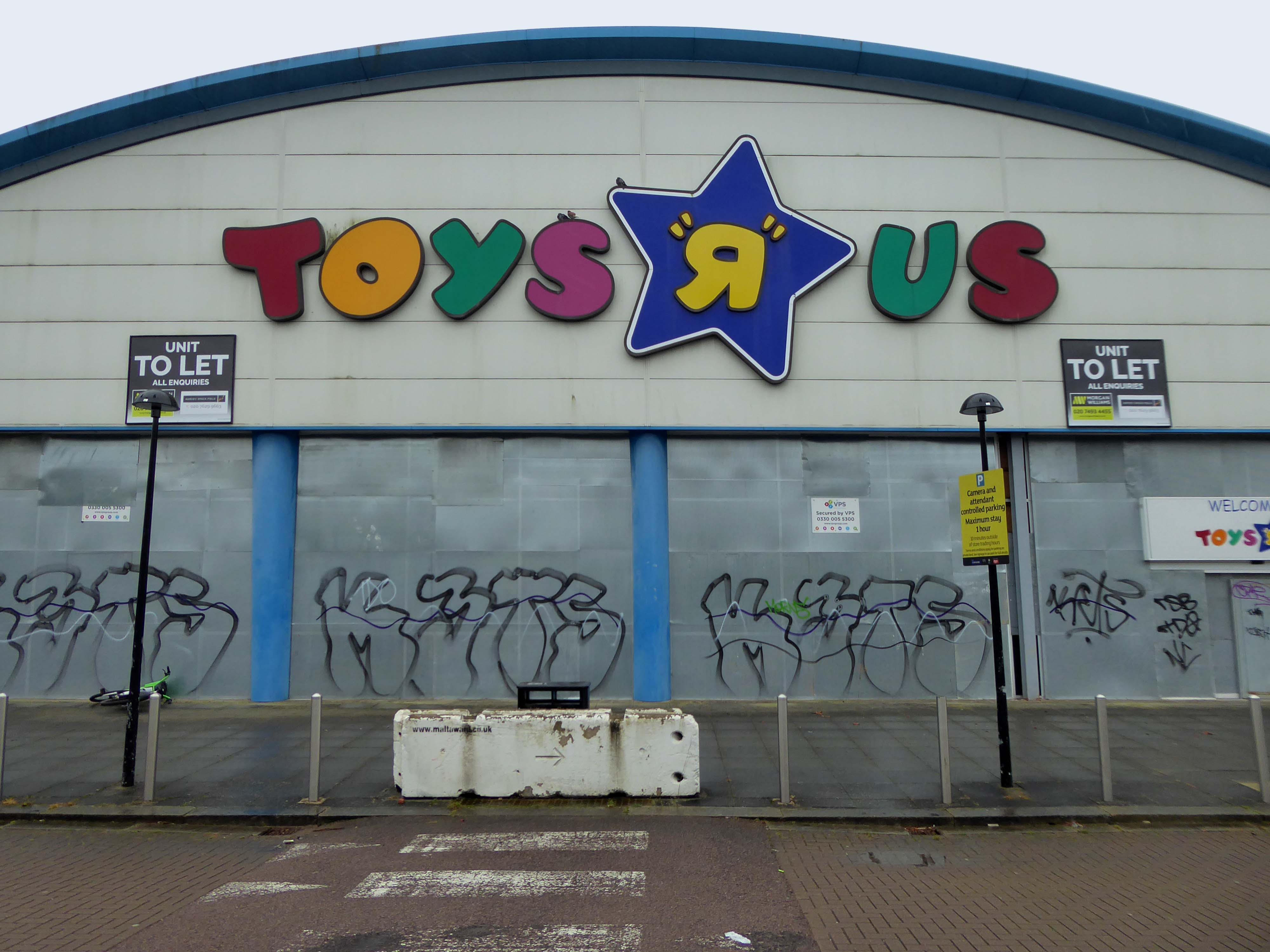
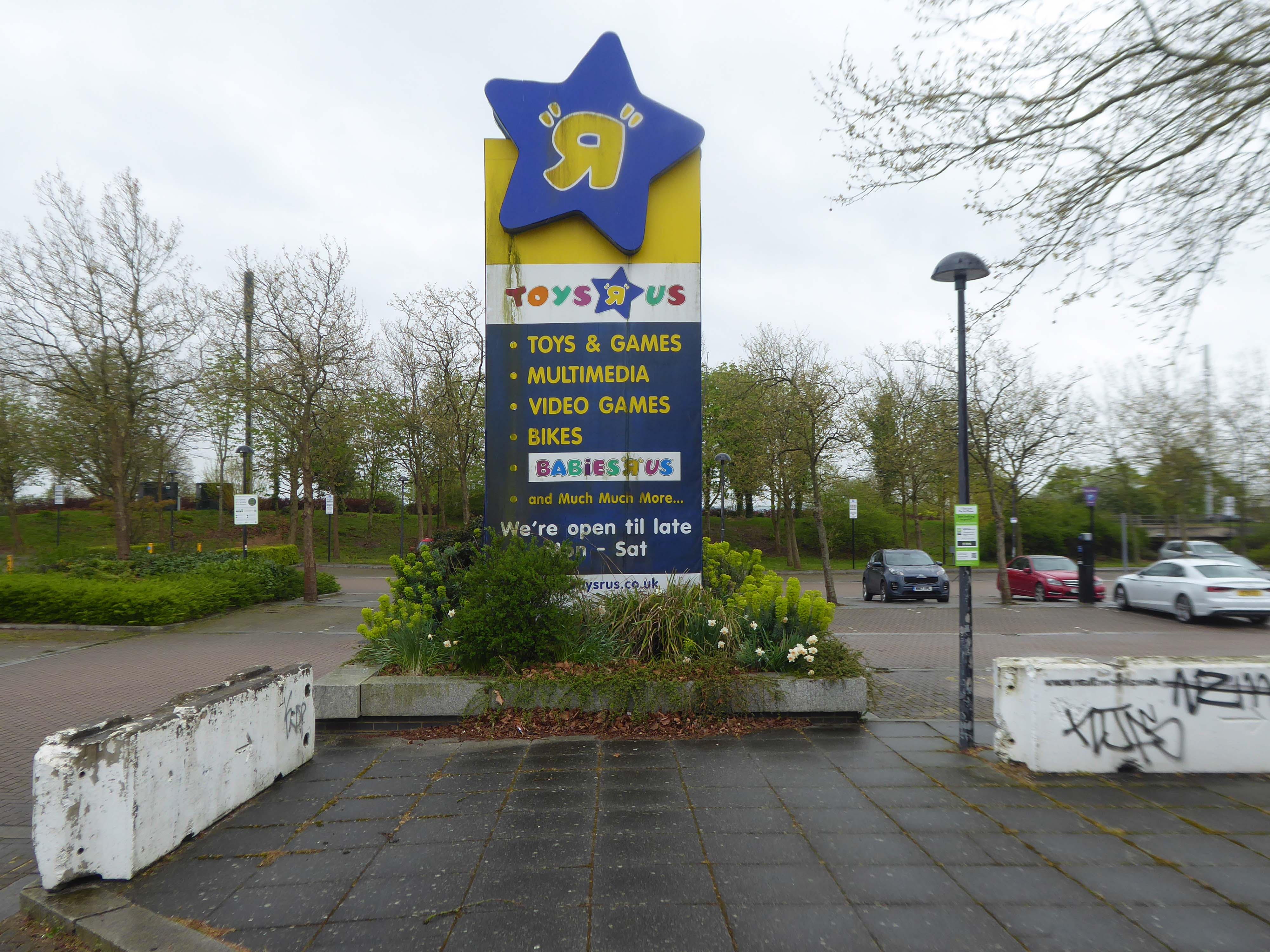
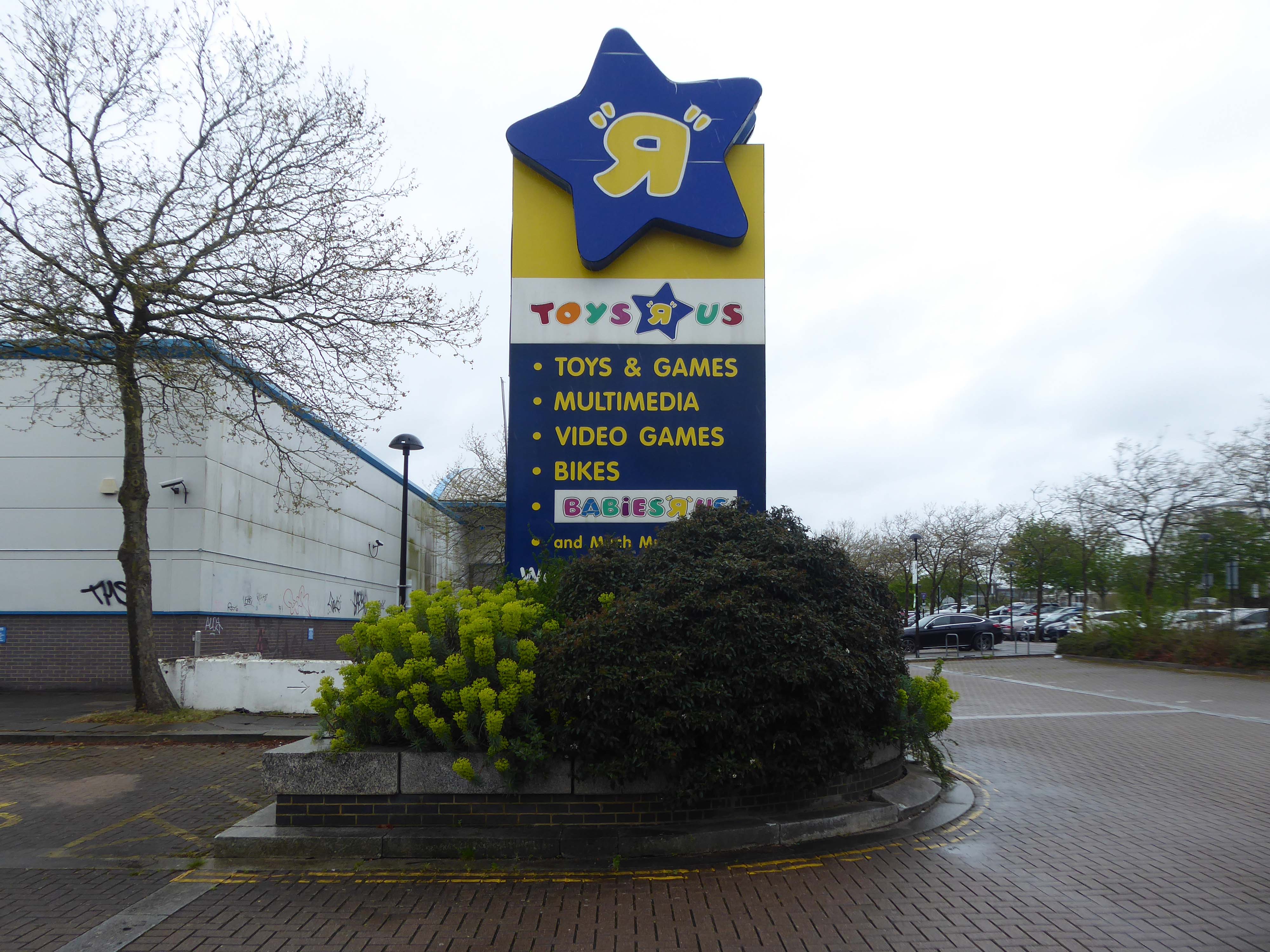
Toys Were Us – Milton Keynes

As seen on my list in 2018.

While originally considered a category killer, the rise of mass merchants and online retailers cost Toys “R” Us its share of the toy market. The company was further hampered by a significant debt load, the result of a leveraged buyout organized by private equity firms.

The toy retailer filed for bankruptcy in 2017 and in March 2018 announced it would be closing all its UK stores.

There were more than 100 Toys ‘R’ Us stores in the UK at the time.

Wikipedia

A nipper, named only as Andrew penned a heartfelt 3-point letter to the judge handling the company’s bankruptcy case, and pleaded with him not to allow his fave shop to close down.

Andrew’s hand-written note to Judge Keith Phillips – which was put in the official court file – laid out exactly why he didn’t want the shops to shut.

In April 1948, Charles P Lazarus founded a baby-furniture retailer, Children’s Bargain Town in Washington DC, during the postwar baby boom. It was acquired in 1966 by Interstate Department Stores Inc.

The focus of the store changed in June 1957, and the first Toys “R” Us, dedicated exclusively to toys rather than furniture, was opened by Lazarus in Rockville Maryland. Lazarus also designed and stylized the Toys “R” Us logo, which featured a backwards “R” to give the impression that a child wrote it.

Having grown up in the days of the diminutive local toy shop – noses pressed against the widow admiring those treasures never ever owned, I find the present day retailers to be soulless industrial hangars – designed to extract every ounce of fun and currency from the hapless child and guardians.

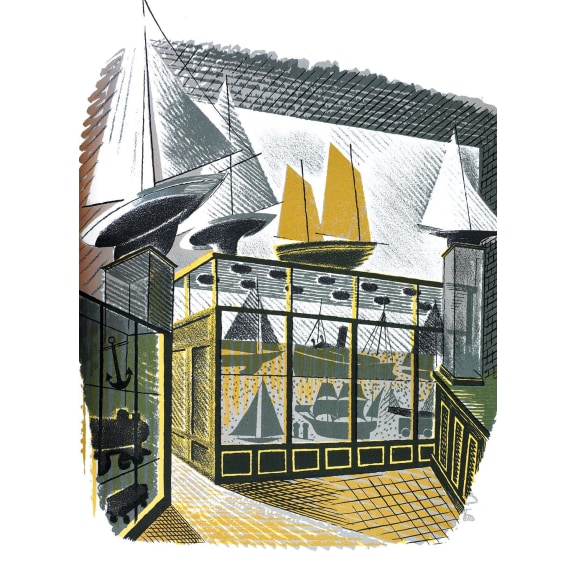
Eric Ravilious – inside the model shop.

I returned in 2024.

A large To Let sign is now visible above the store, with any interested parties invited to inquire about the large unit. The 47,500sq foot unit is available to lease – in whole or in part, and is described as being immediately available.

The news comes despite previous announcements that WHP Global, the owner of Toys R Us, had plans to re-open some UK stores during 2022. In February, the company said UK Toys R Us stores could open within months, although none have yet done so.

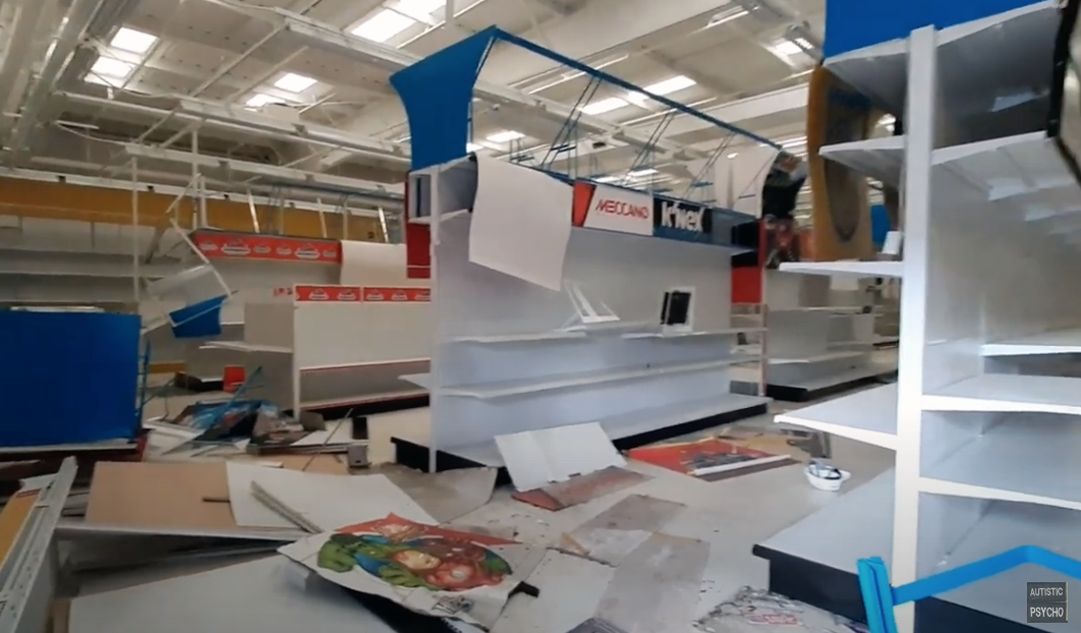
Here is Autistic Psycho’s tour around the deserted store,

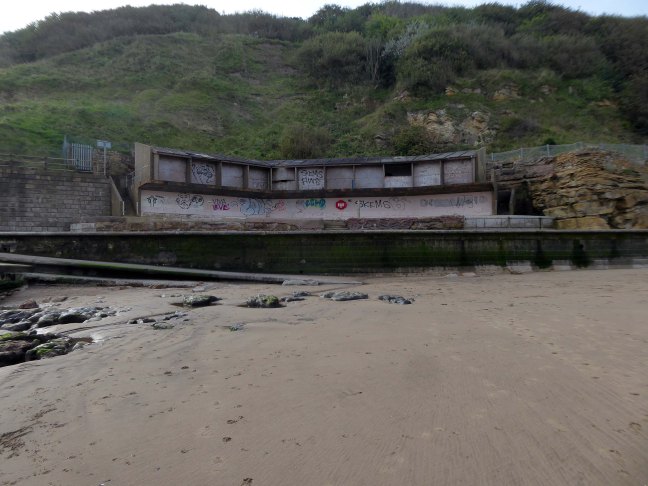
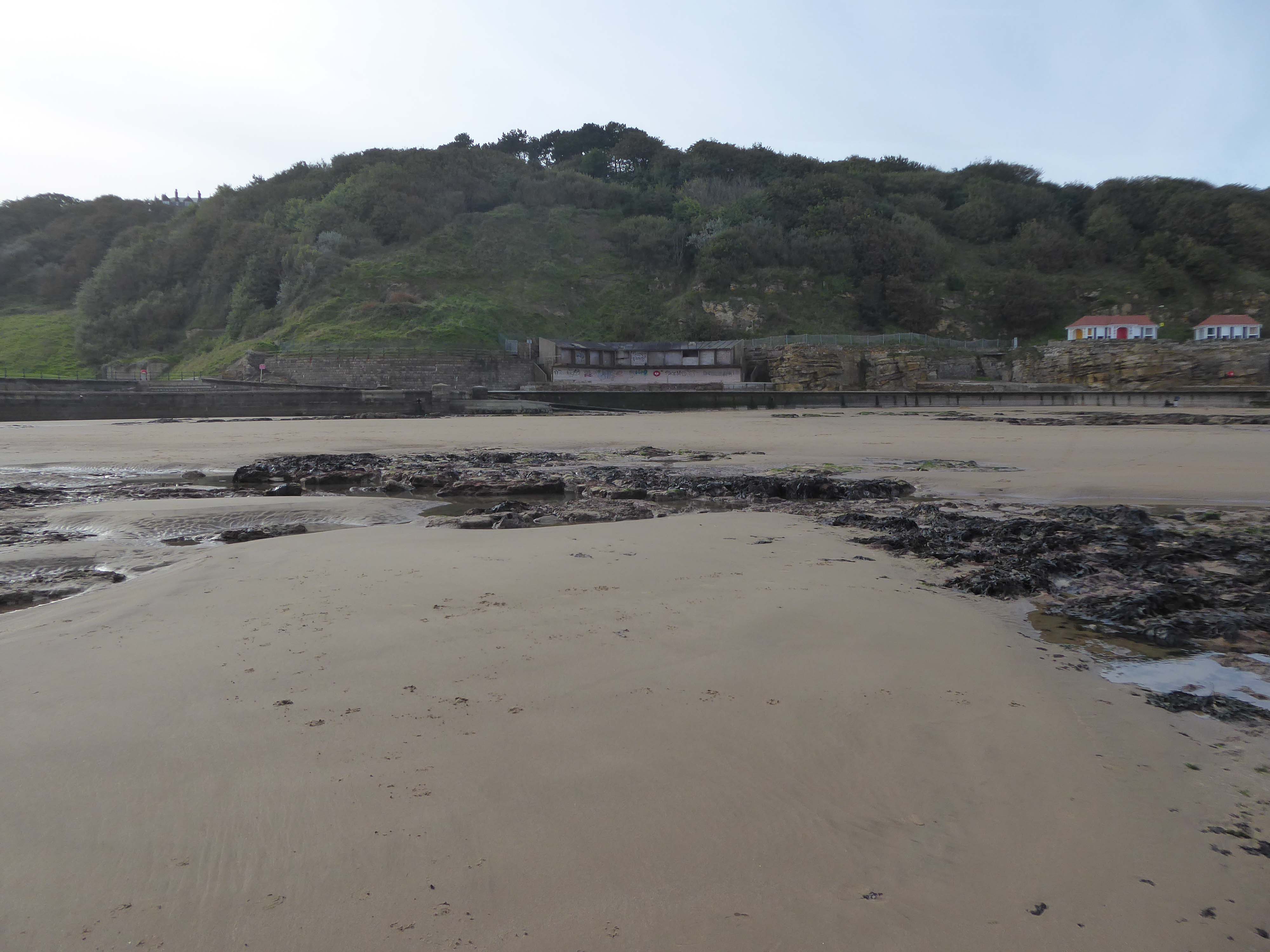
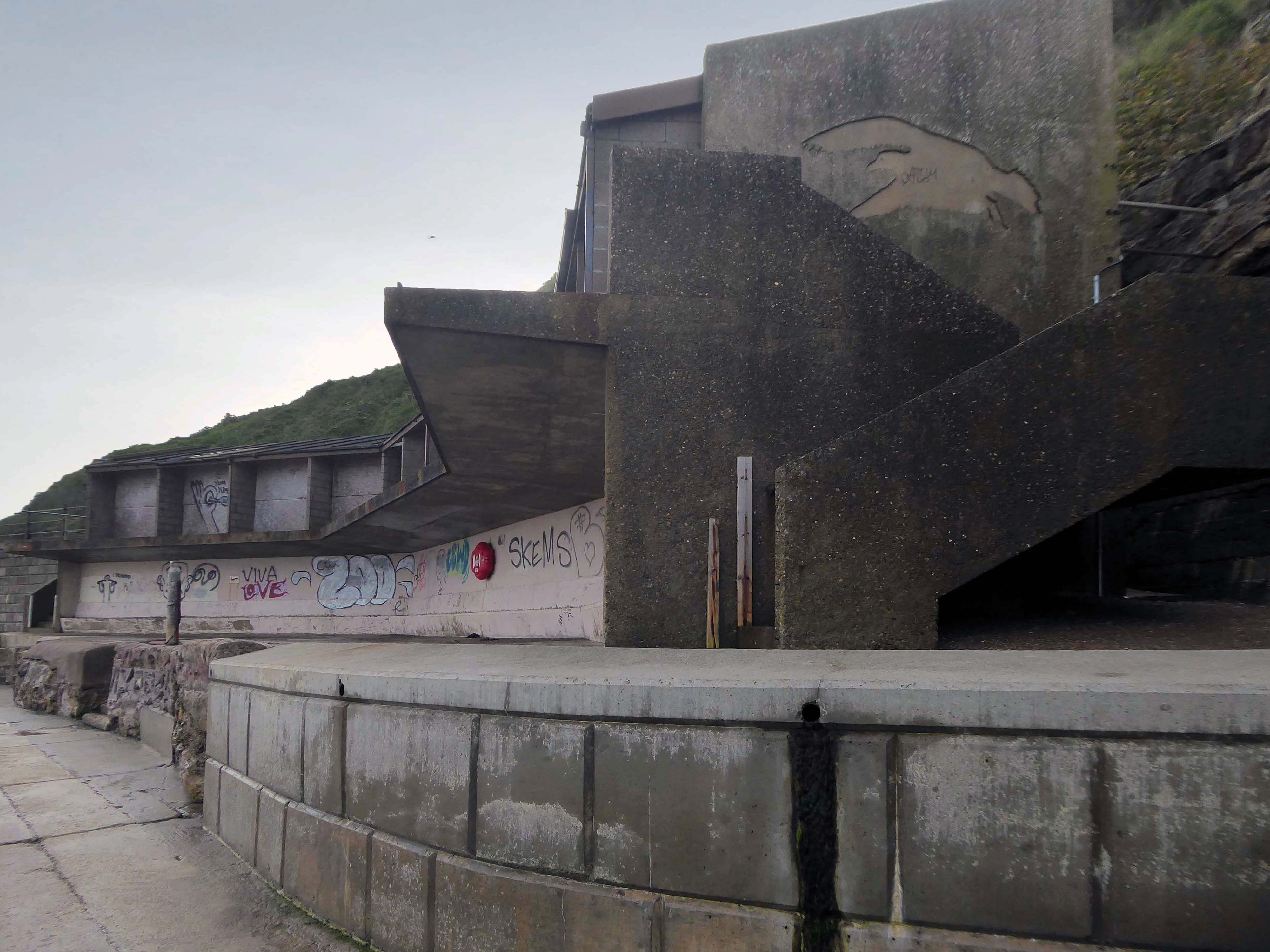
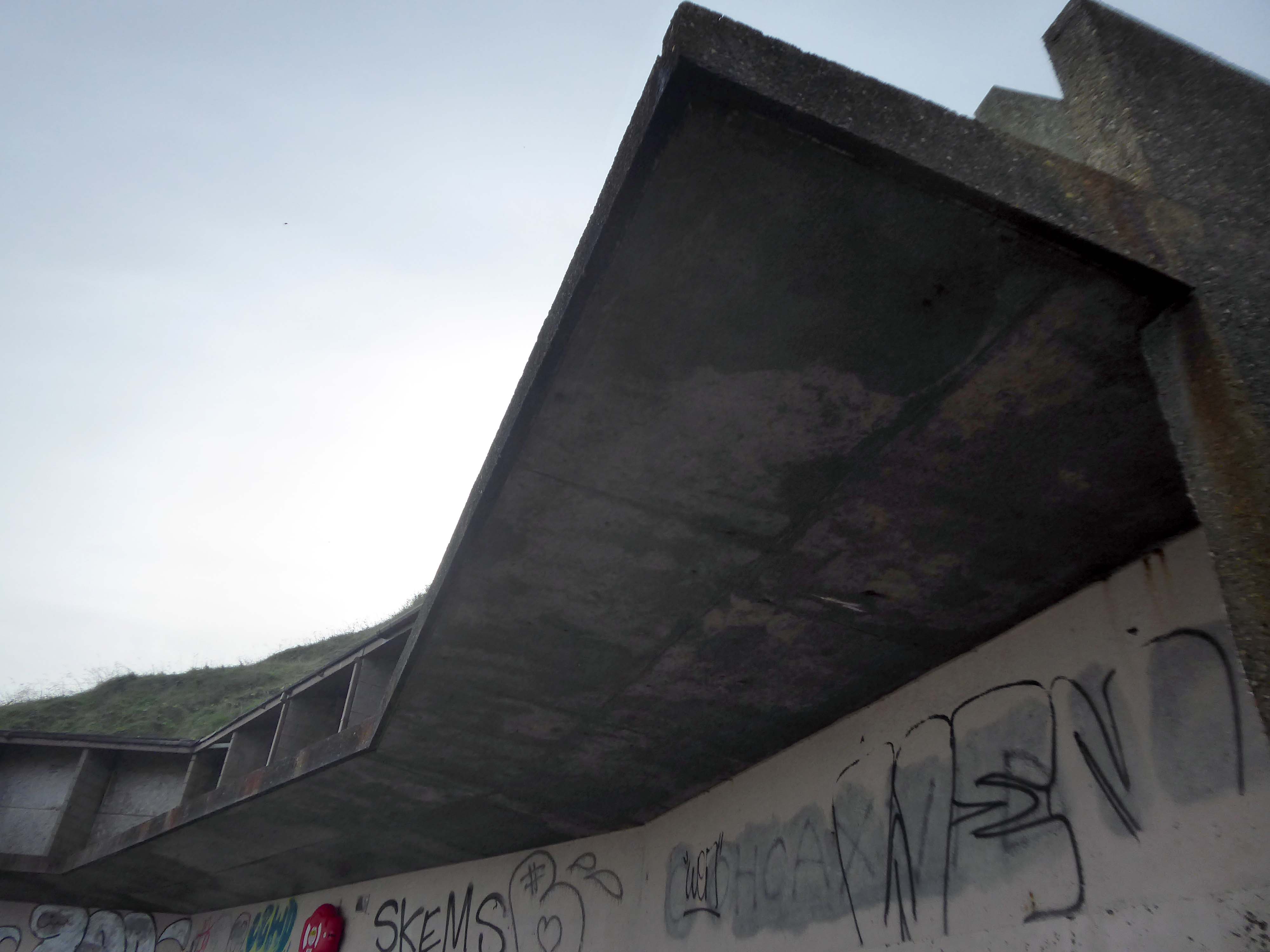
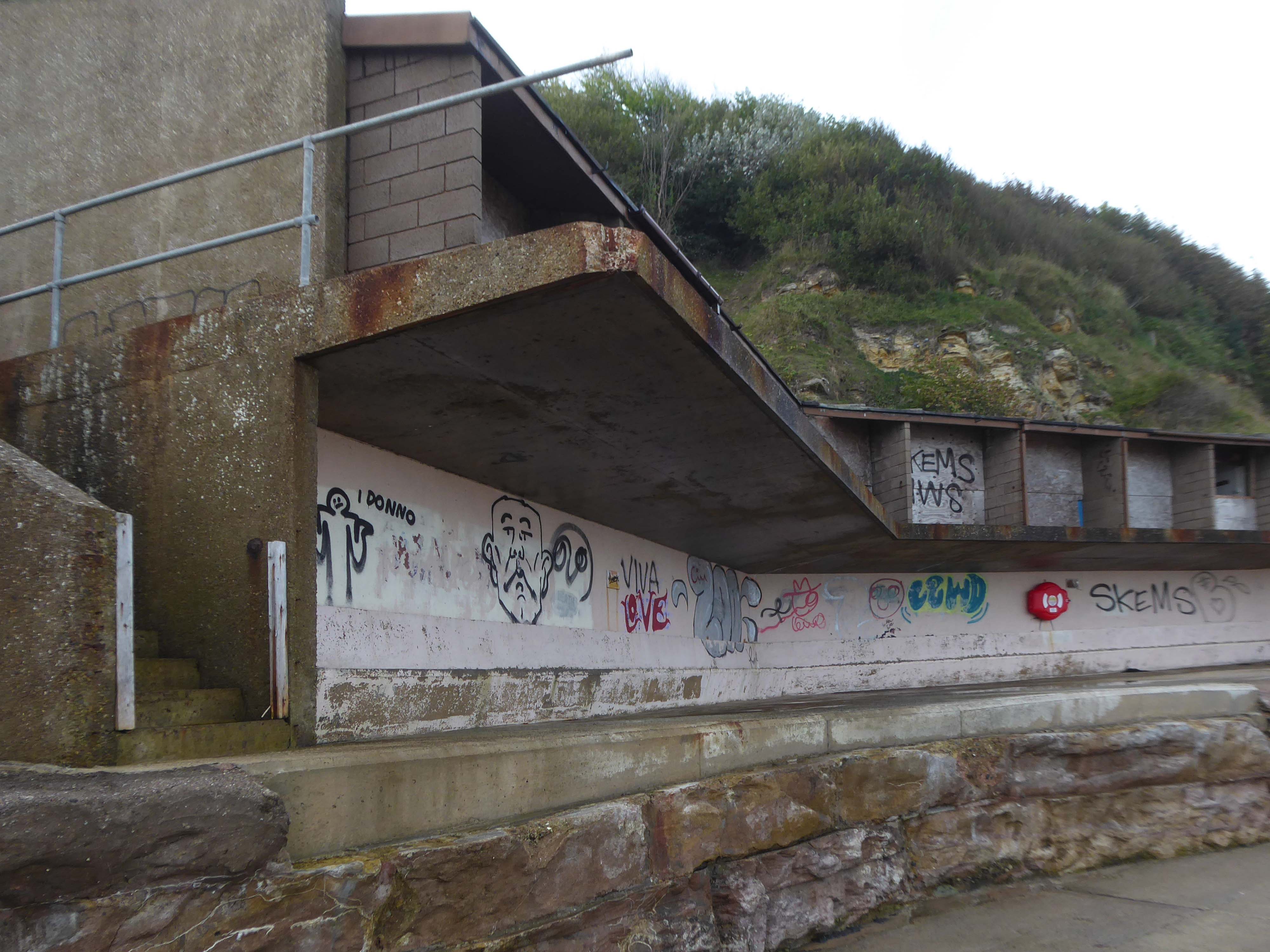
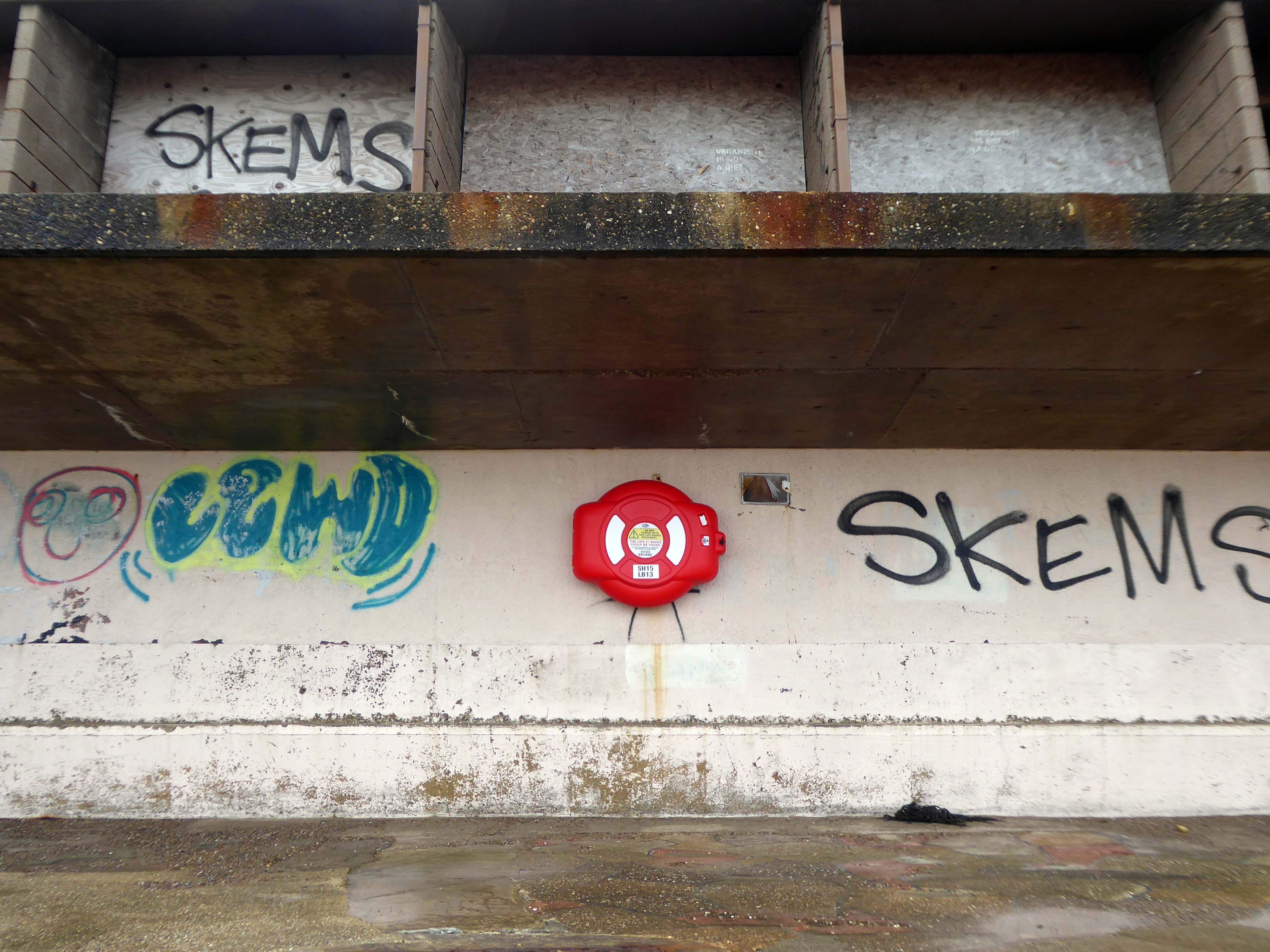
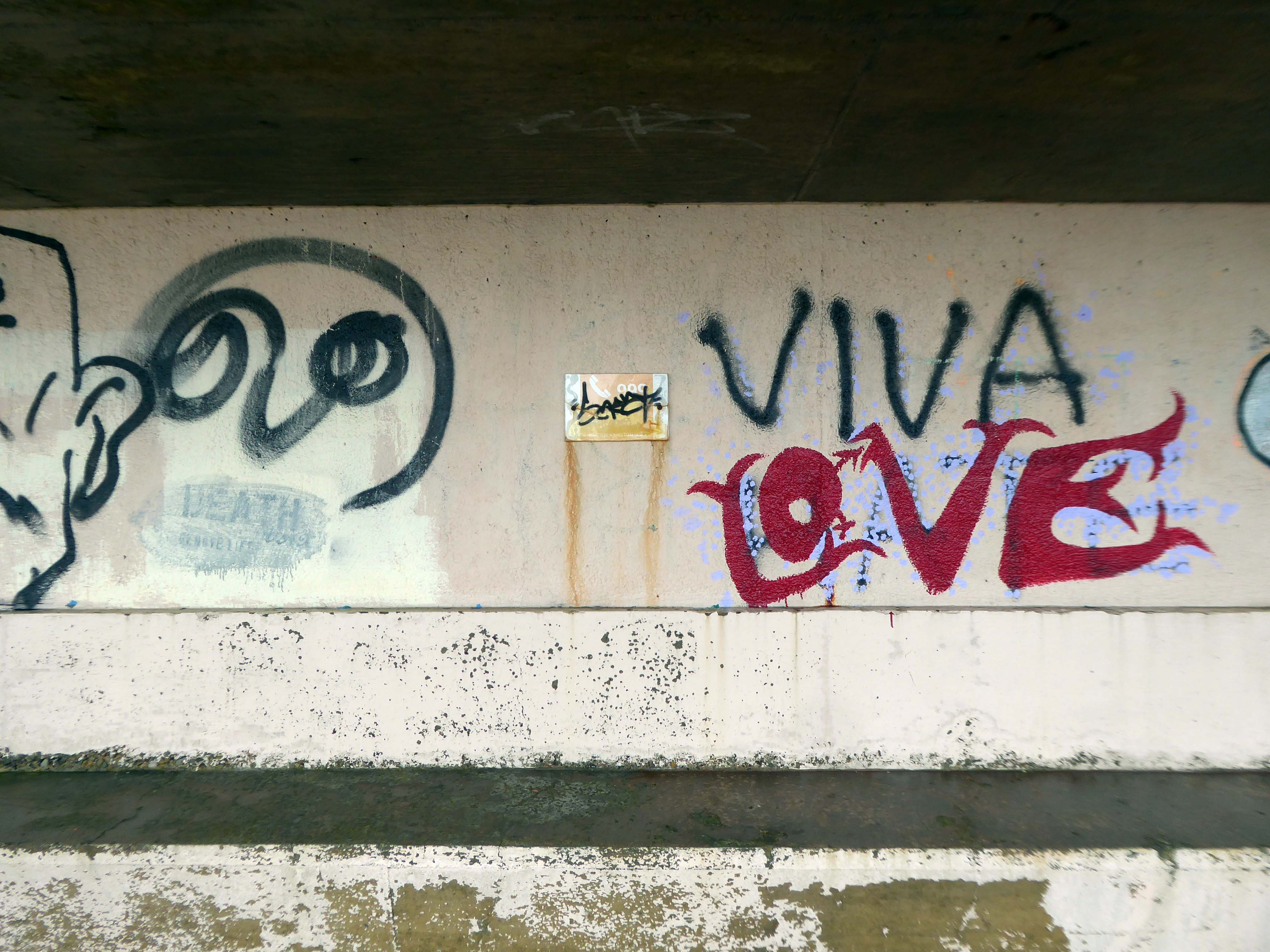
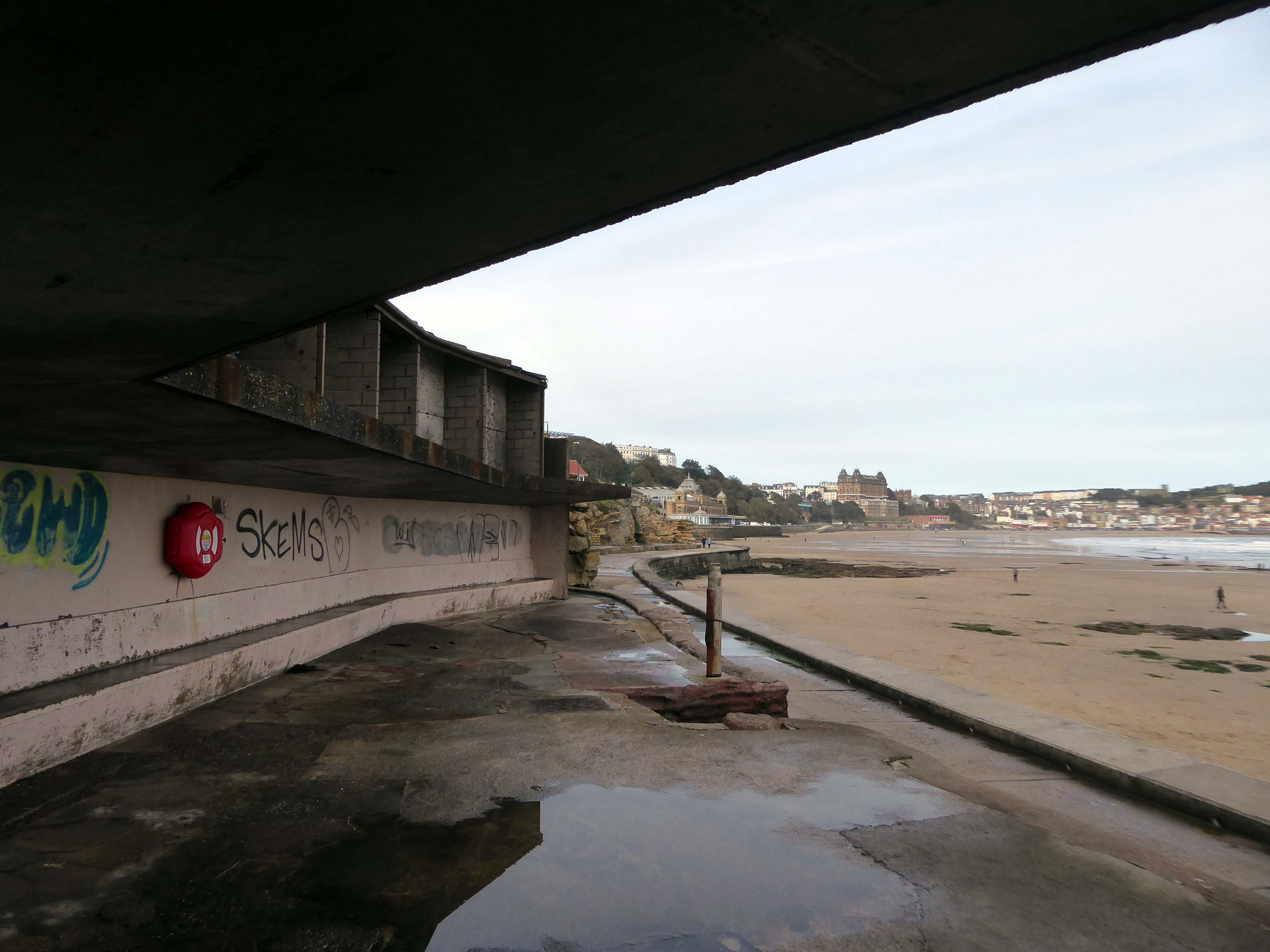
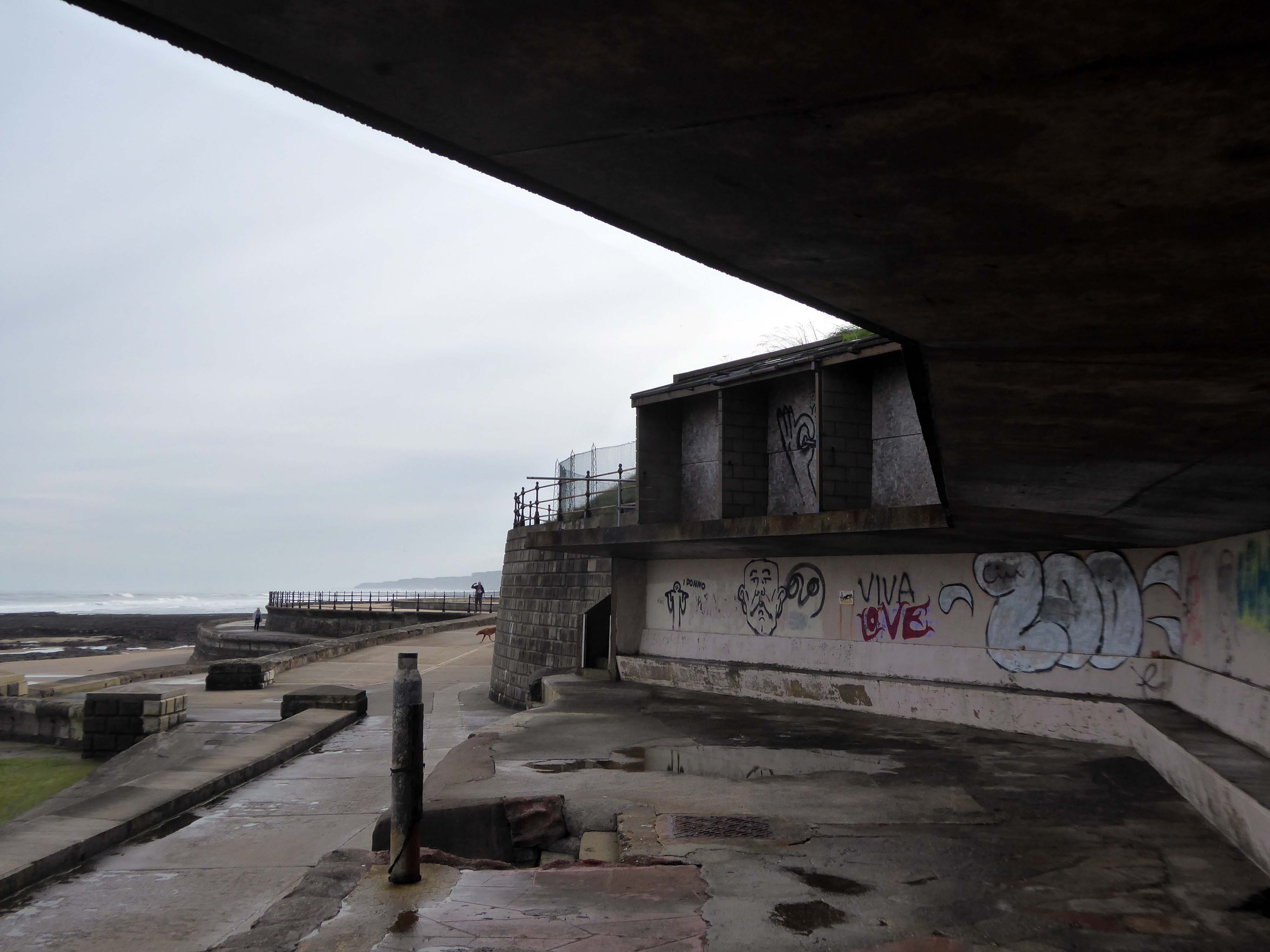
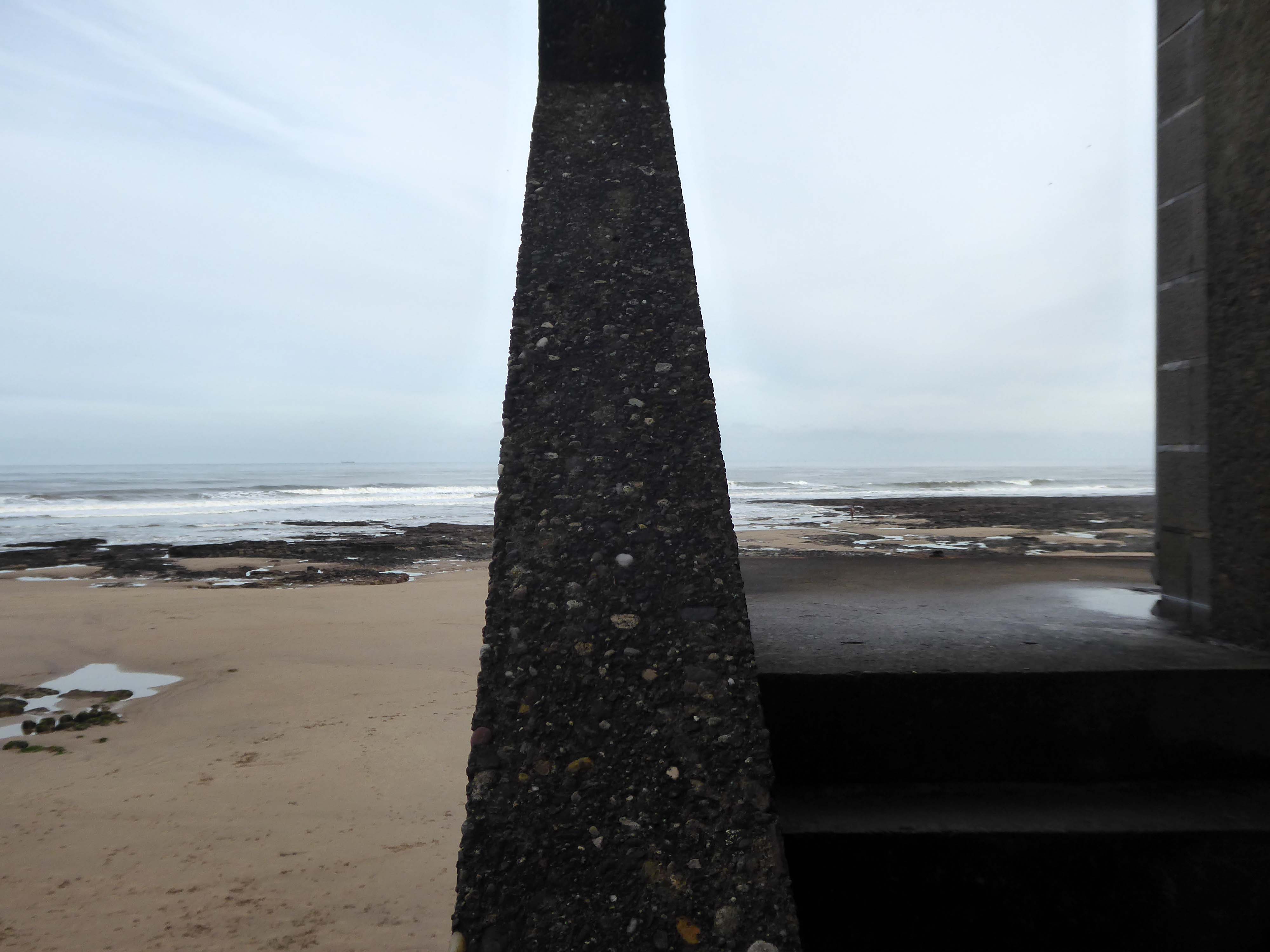
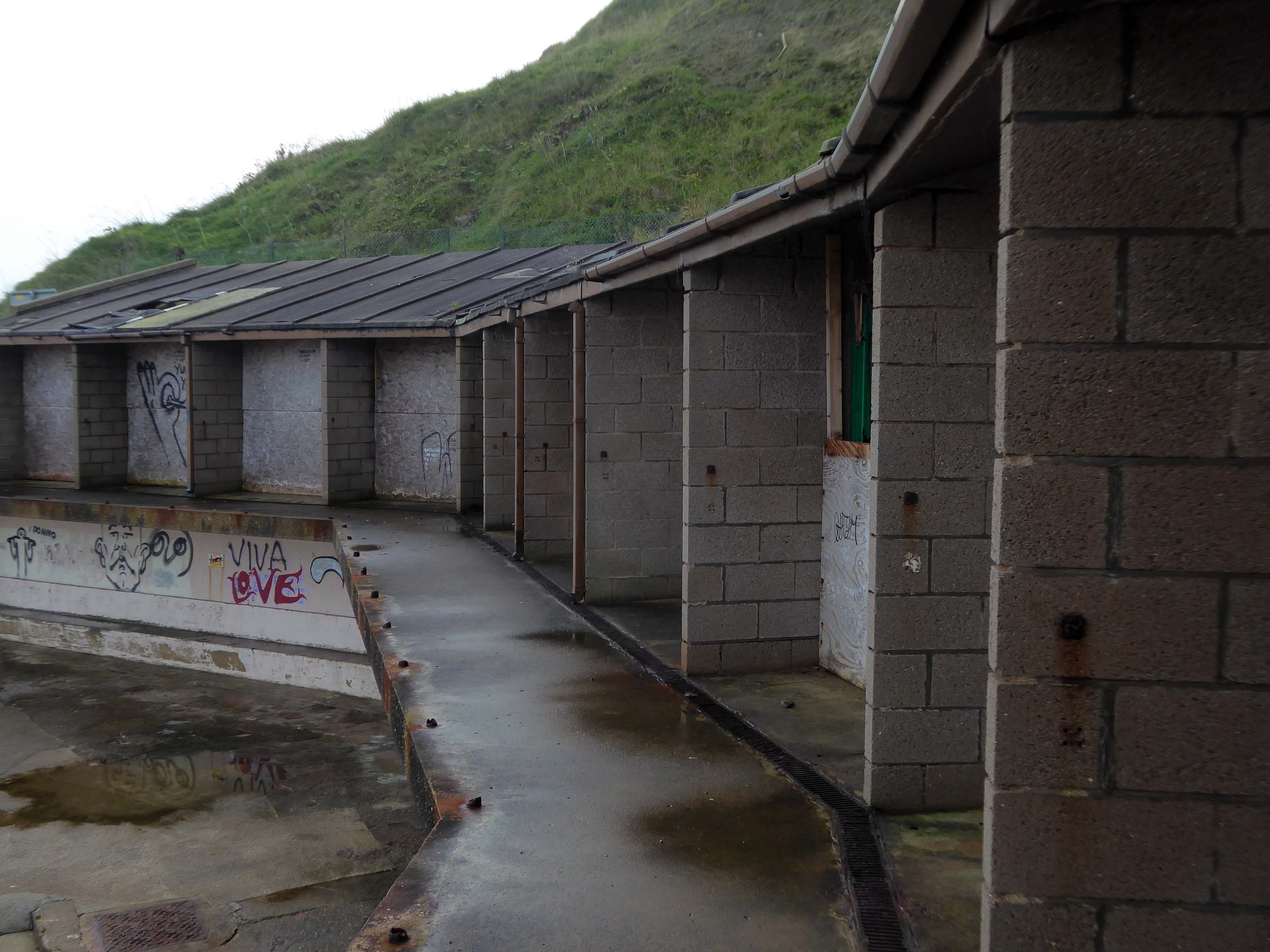
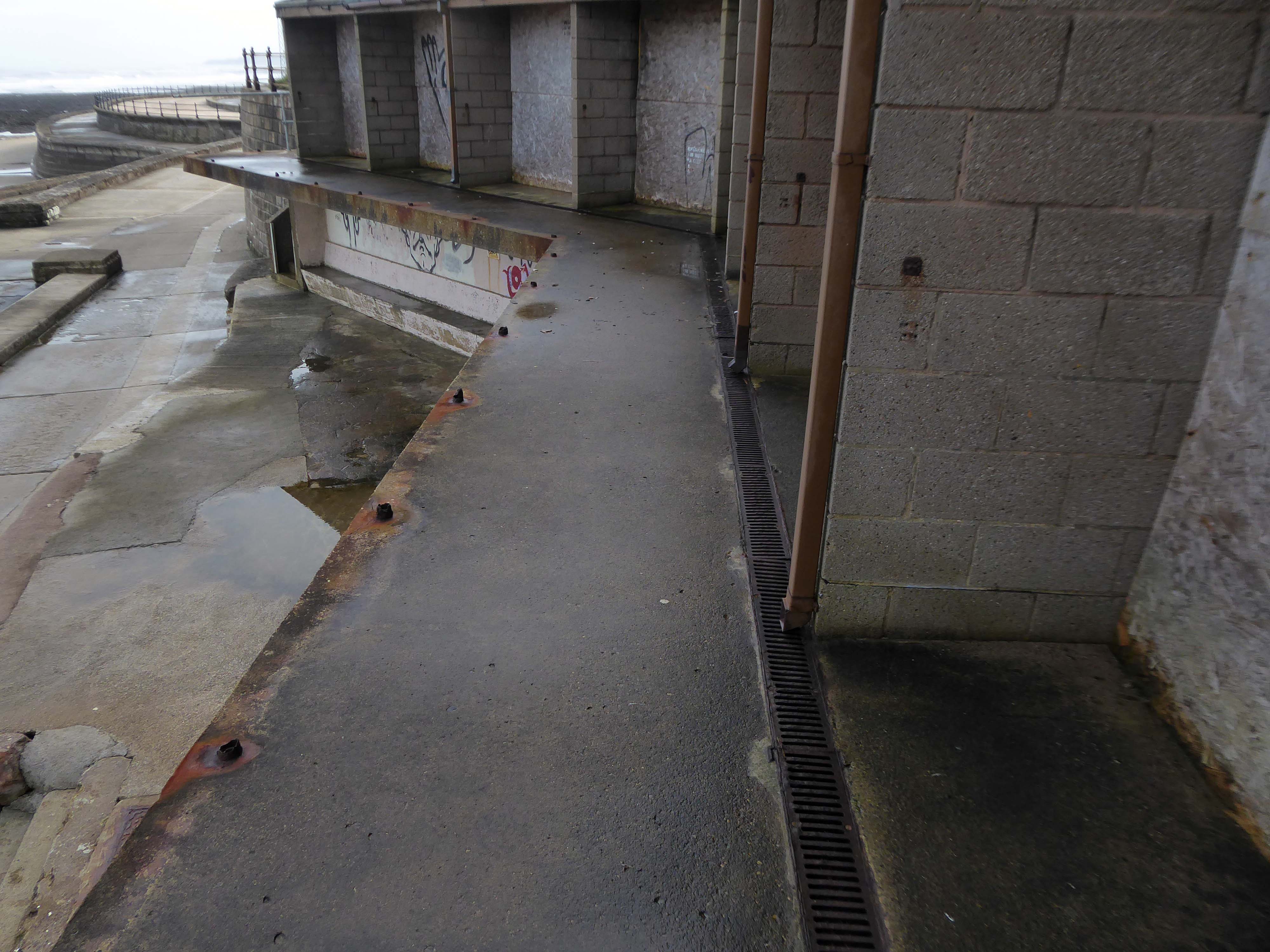
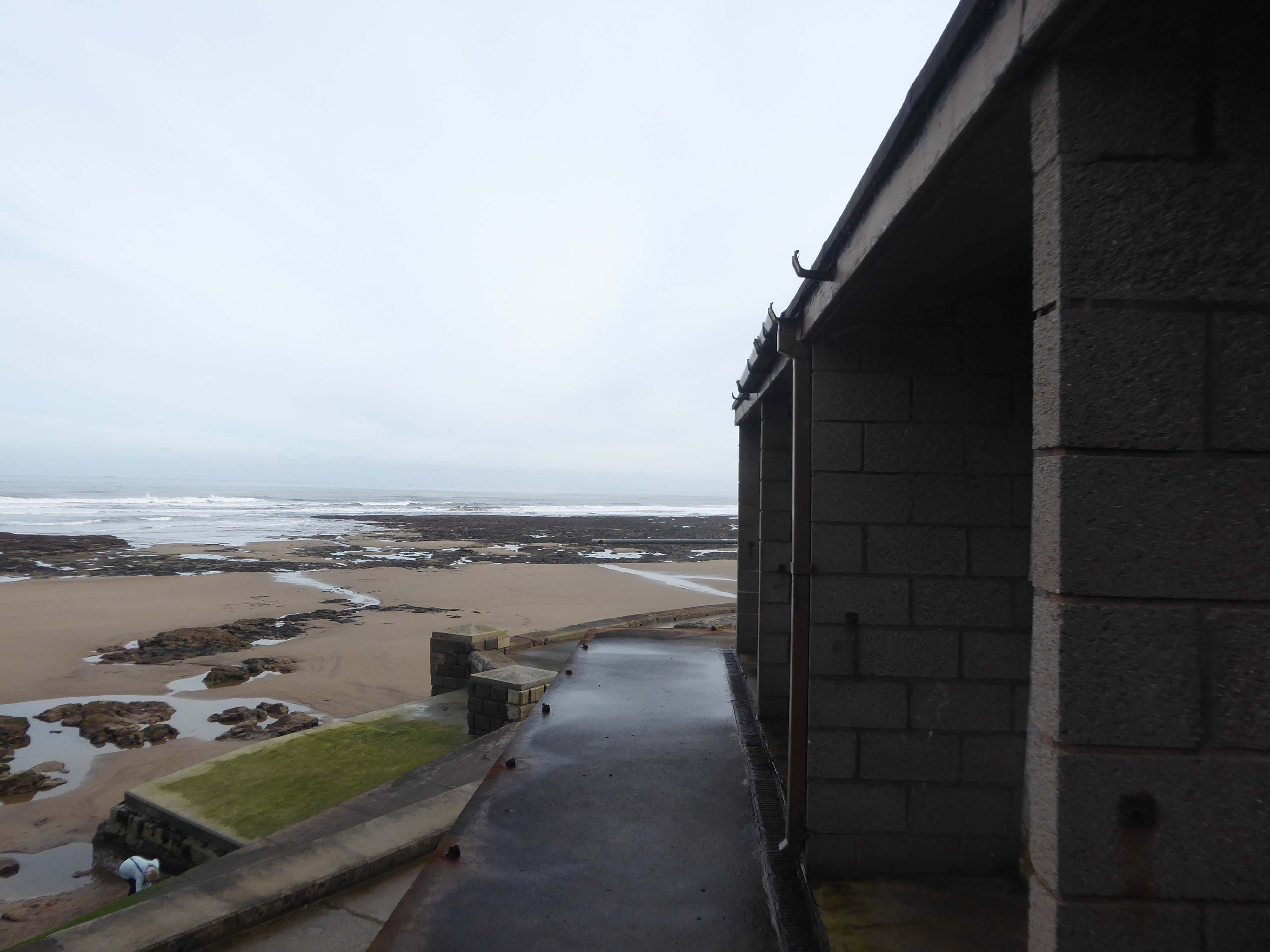
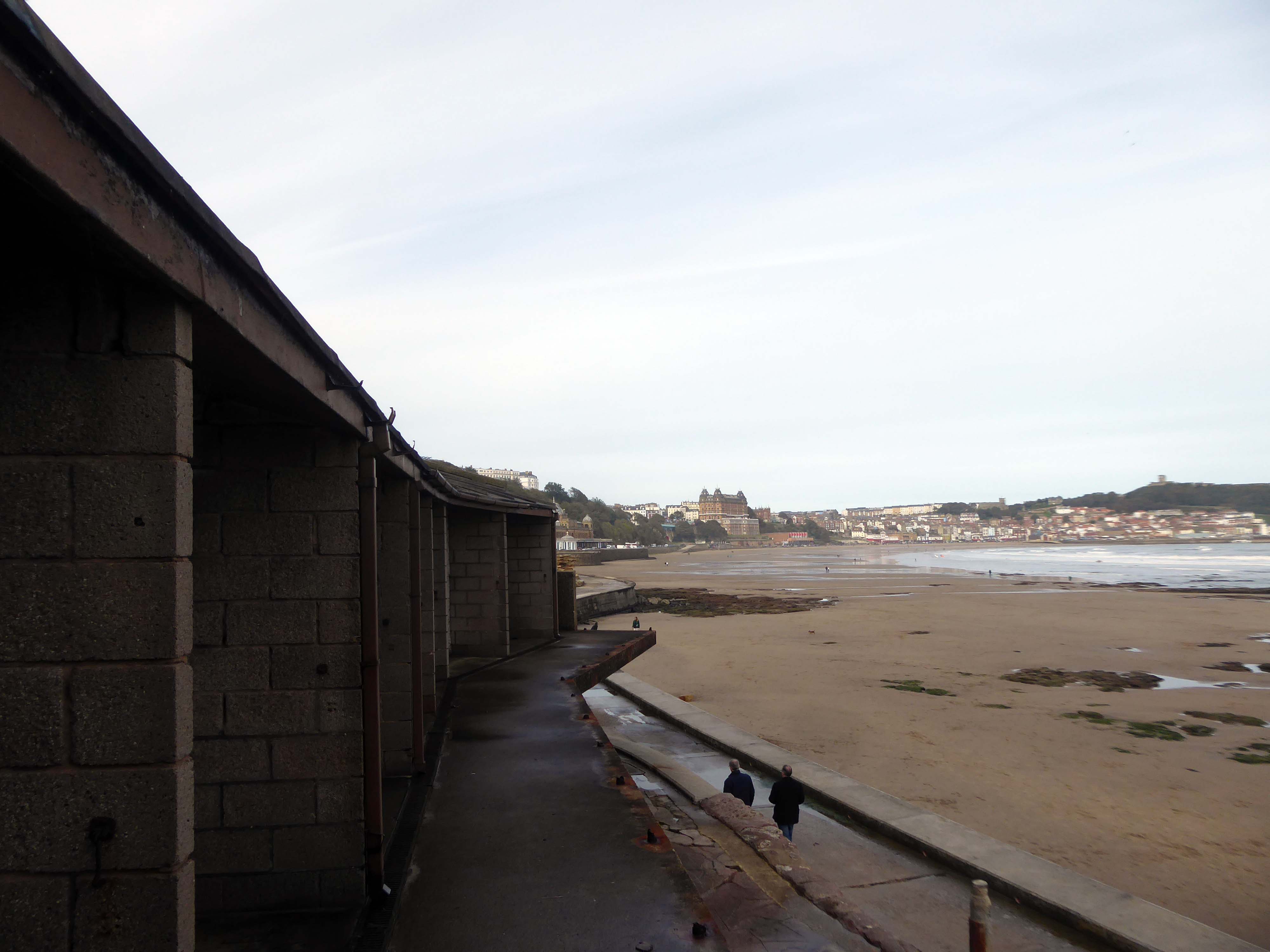
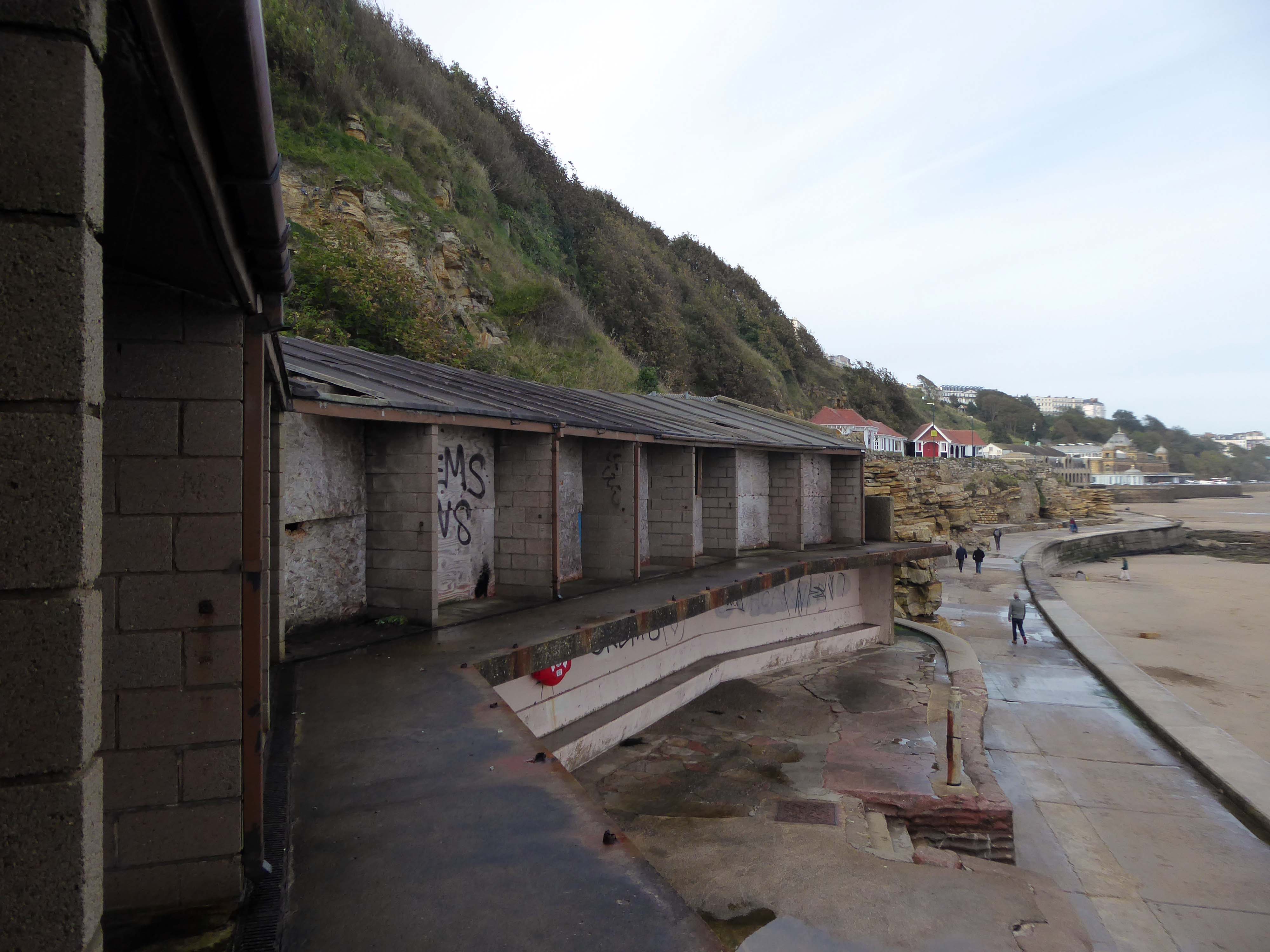
Concrete Chalets Again – Scarborough

Well here we are again.

Previously on Modern Mooch.

The wind, sea, rain and sand continues to erode the beleaguered beach huts.

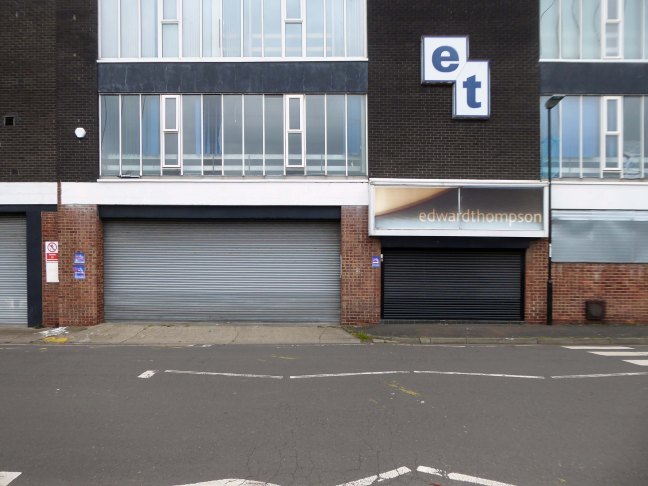
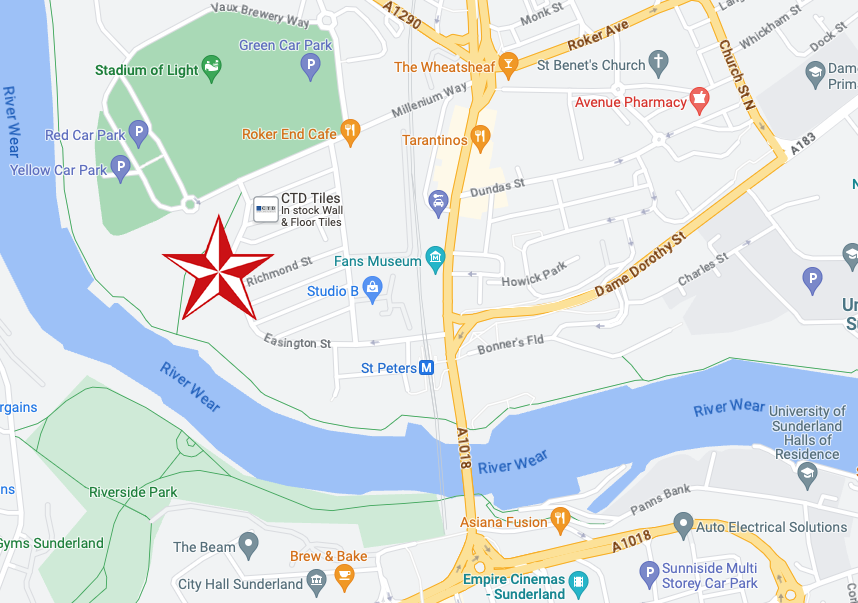
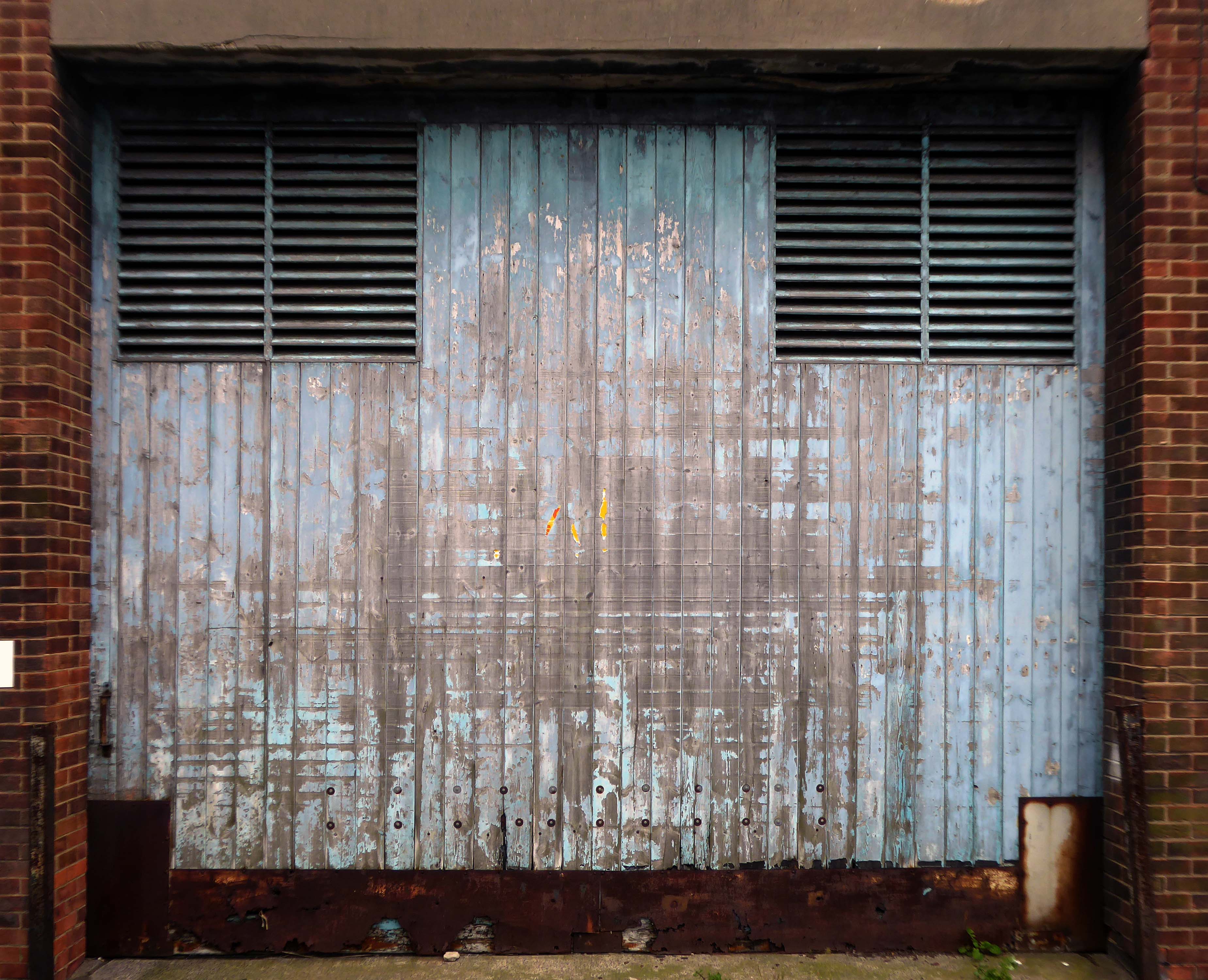
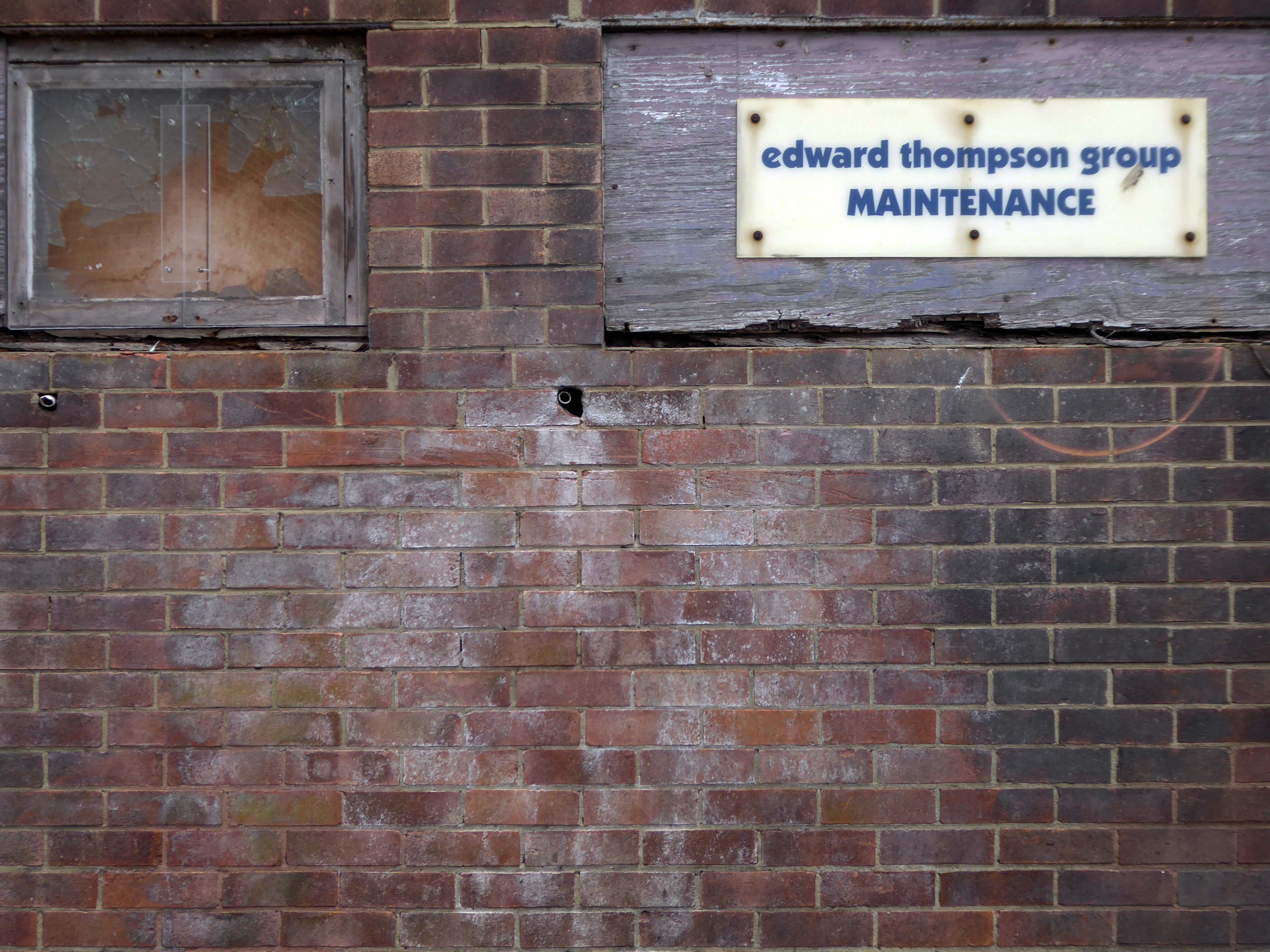
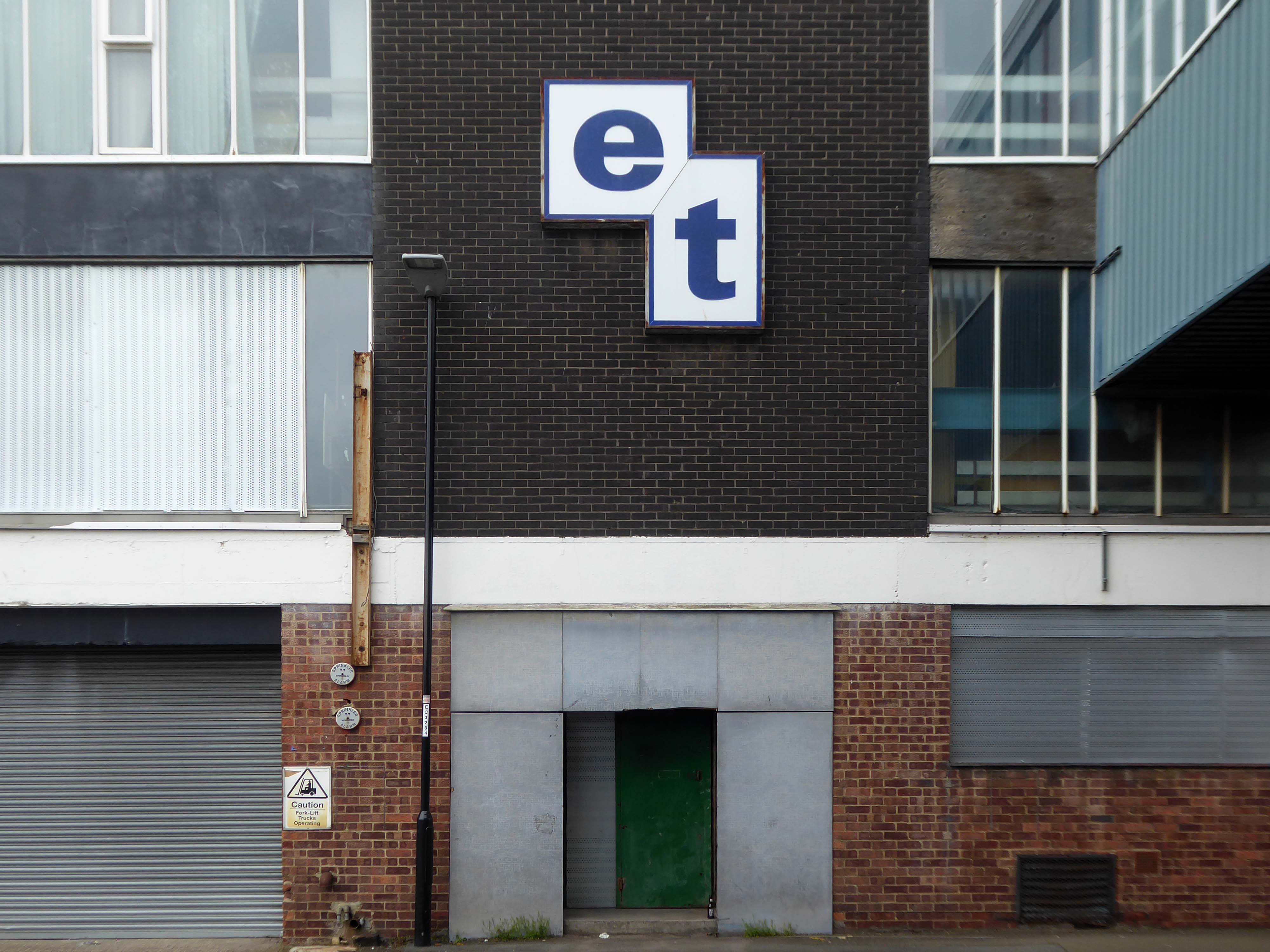
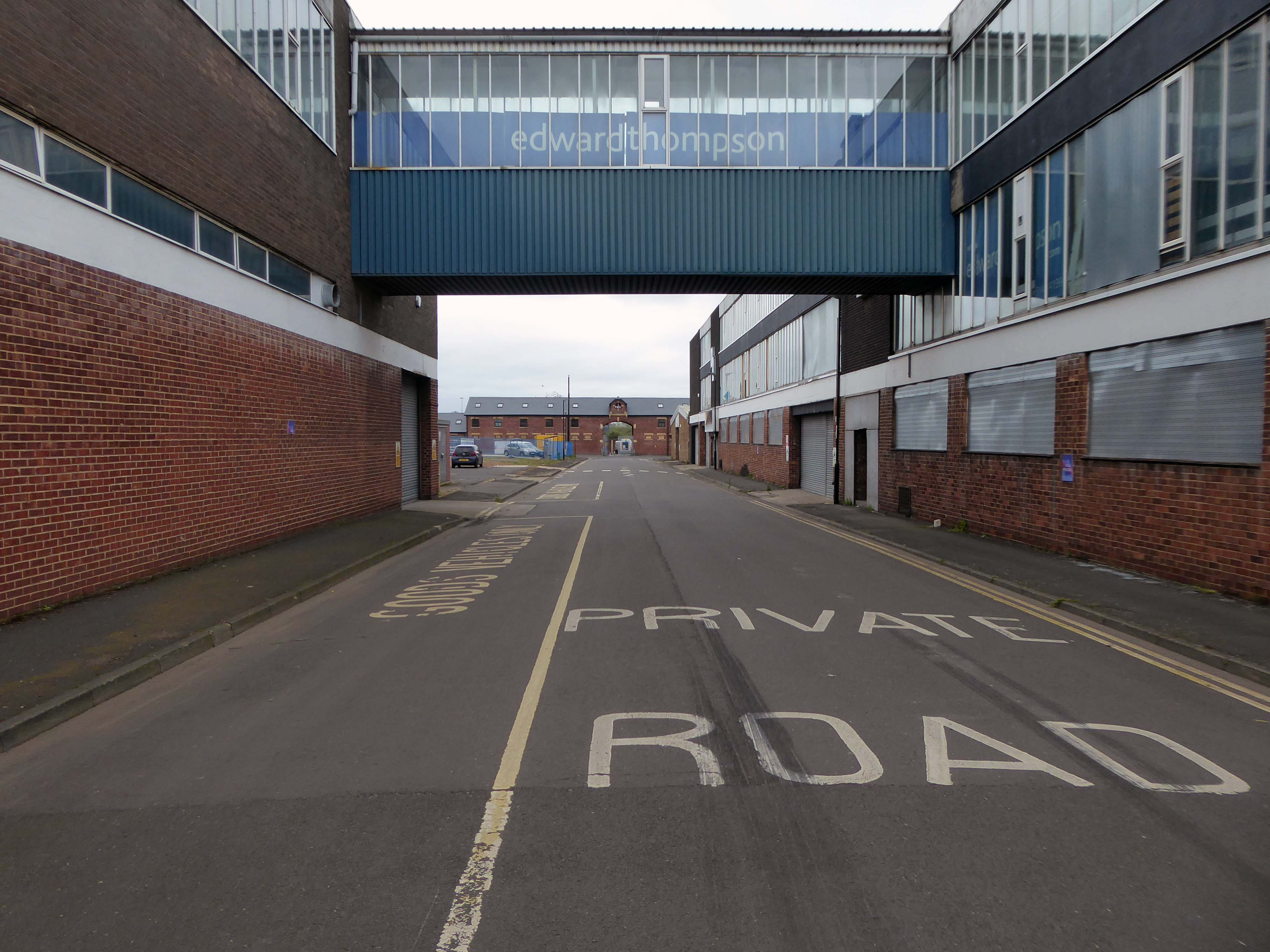
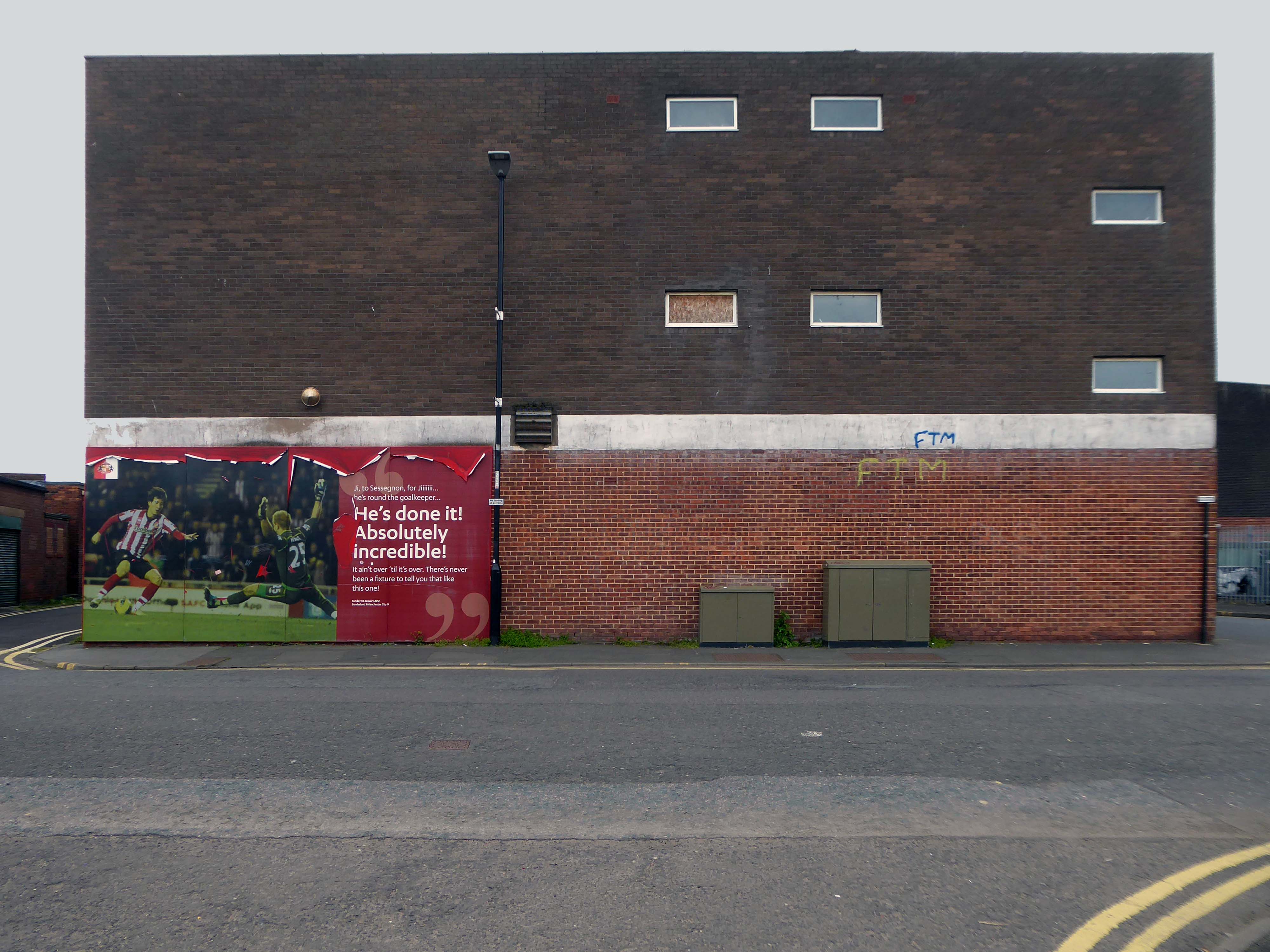
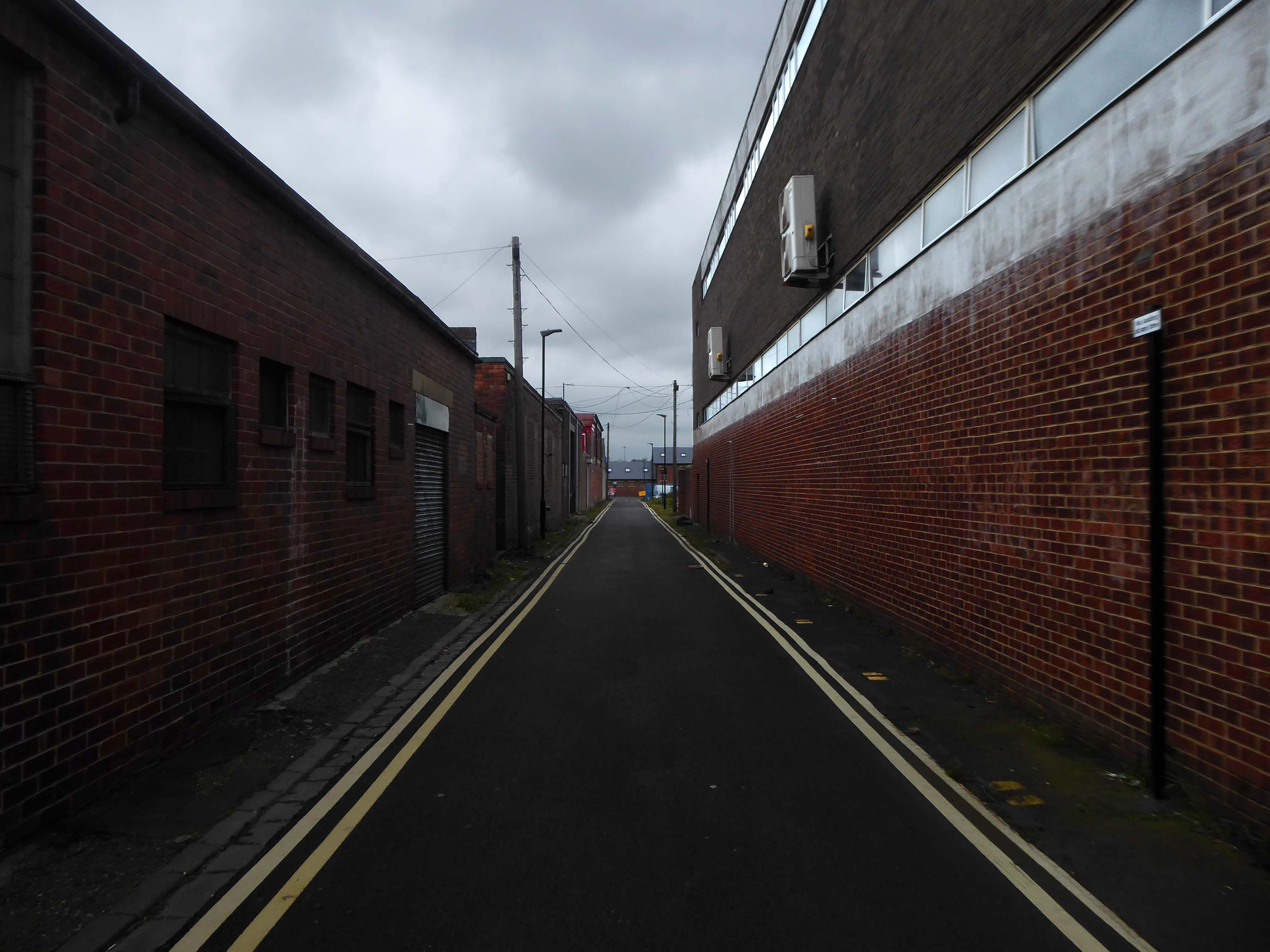
Edward Thompson – Sunderland

Richmond St Monkwearmouth Sunderland SR5 1BQ

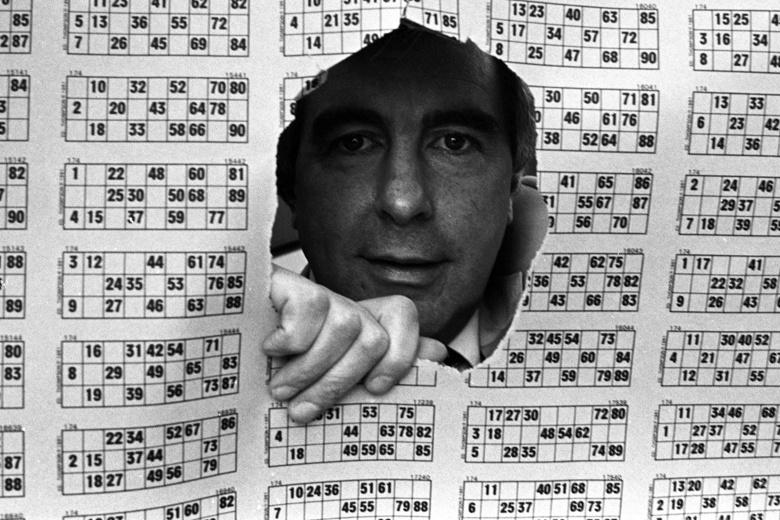
Bingo-Master’s Breakout!

Two swans in front of his eyes
Colored balls in front of his eyes
It’s number one for his Kelly’s eye
Treble-six right over his eye

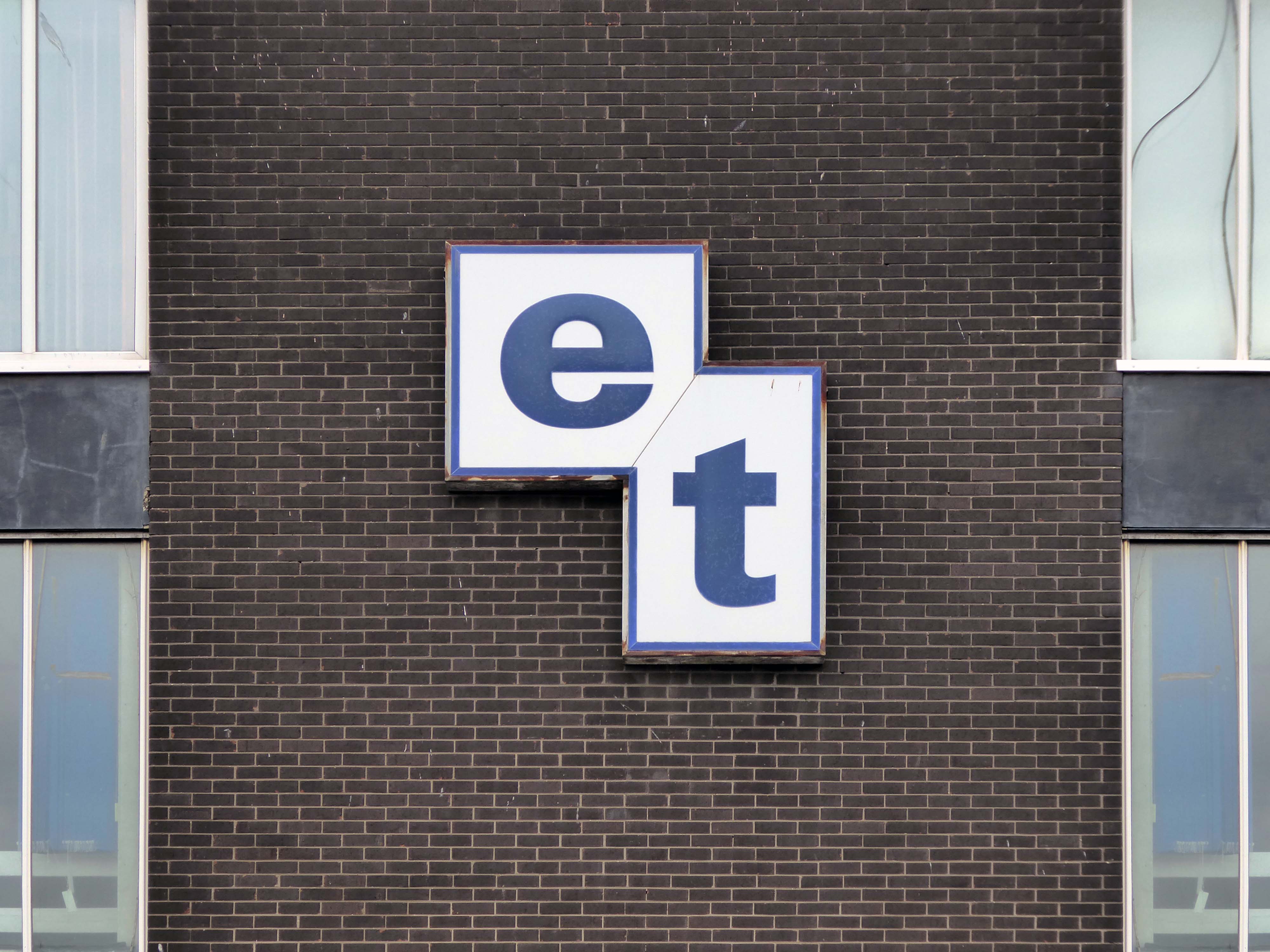
Edward Thompson, the family printing business, was founded in Sunderland in 1867.

They identified a business opportunity when a local priest, Jeremiah O’Callaghan, ordered some bingo tickets for a parish fund-raising exercise.

From those humble beginnings, Edward Thompson mushroomed in size as Britain went bingo-mad in the 1960s, becoming first the UK’s and then the world’s biggest producer of bingo cards and tickets.

Sky News

The company which has been printing for more than 155 years – has been hit hard by the crash in bingo hall use as Covid ripped through the leisure sector. CEO Paddy Cronin said he was ‘gutted’ but the business had finally had to face the inevitable as the cashflow dried up.

We were built on a bet but our luck has now run out – he told The Northern Echo.

Covid completely changed the market and as the halls went into decline it just became untenable so I had to break the news to the workers.

They were the pioneers of newspaper bingo, printing the first cards in 1975 and going on to work in places like Bolivia and Belgium and even printing the ballot papers for Nelson Mandela’s 1994 election in South Africa.

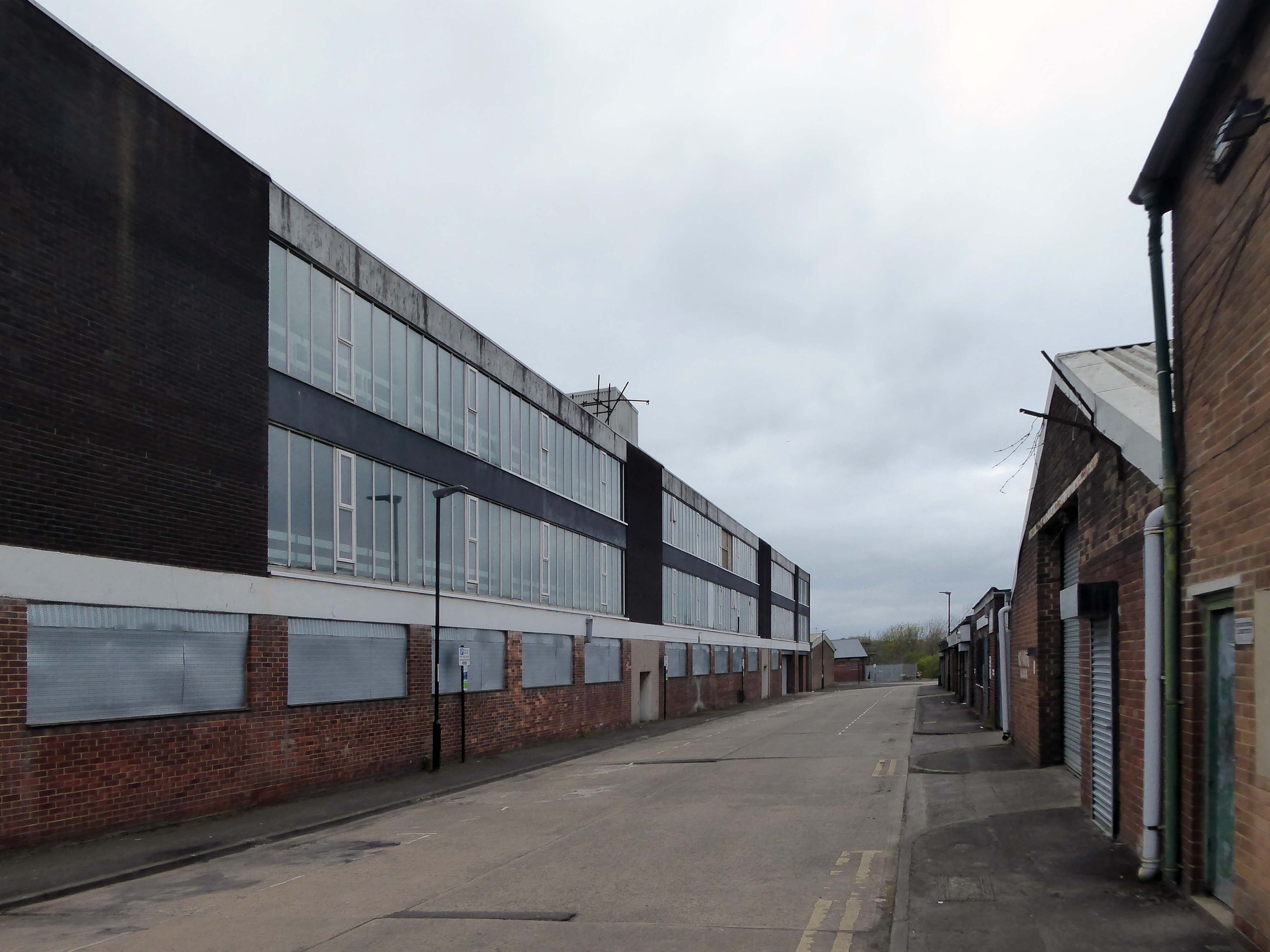
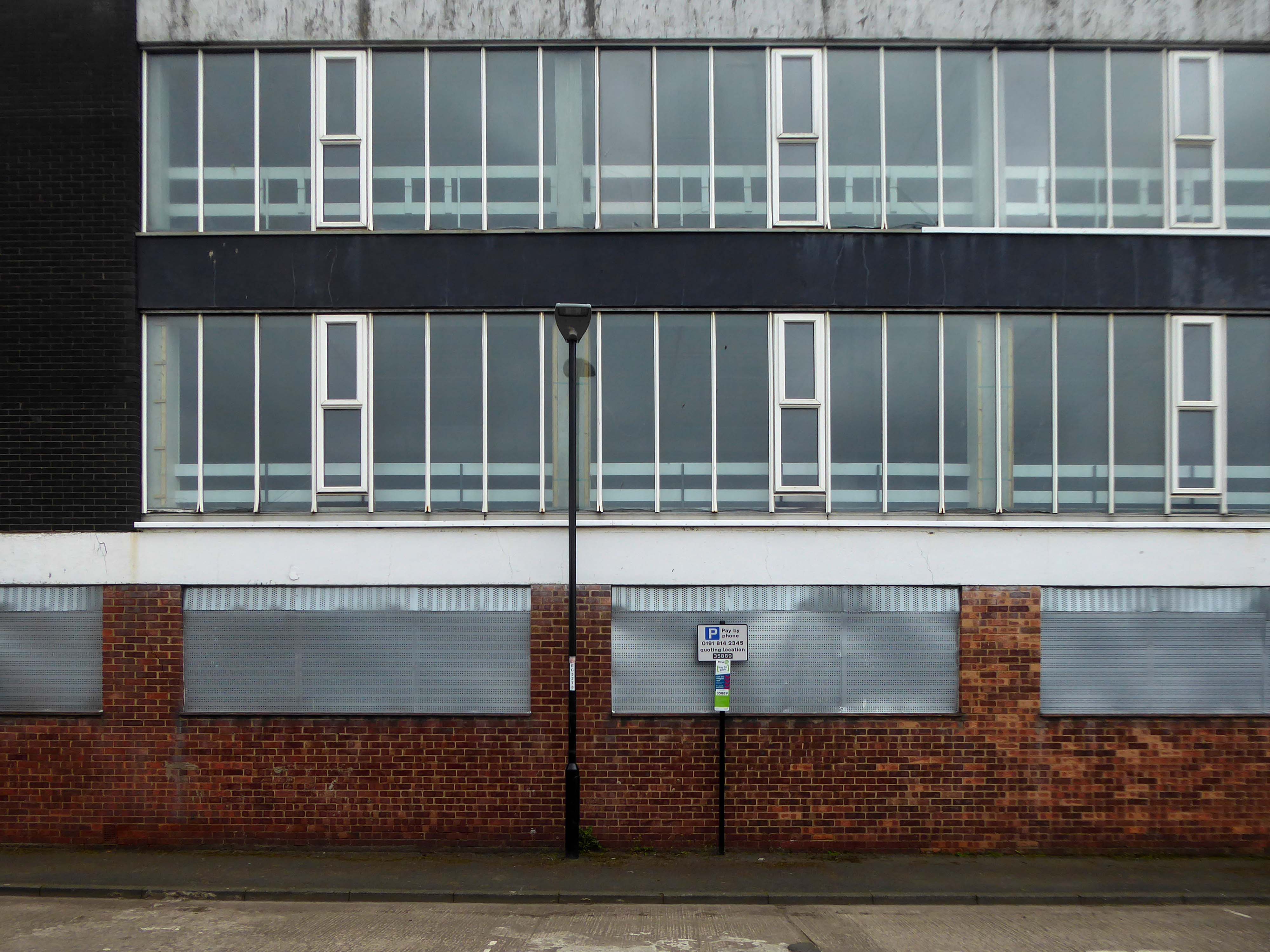
So their number is up the factory is tinned-up, house has been called for the very last time.

Yeah, yeah, industrial estate

Well you started here to earn your pay
Clean neck and ears on your first day
Well we tap one another as you walk in the gate
And we’d build a canteen but we haven’t got much space

Industrial Estate

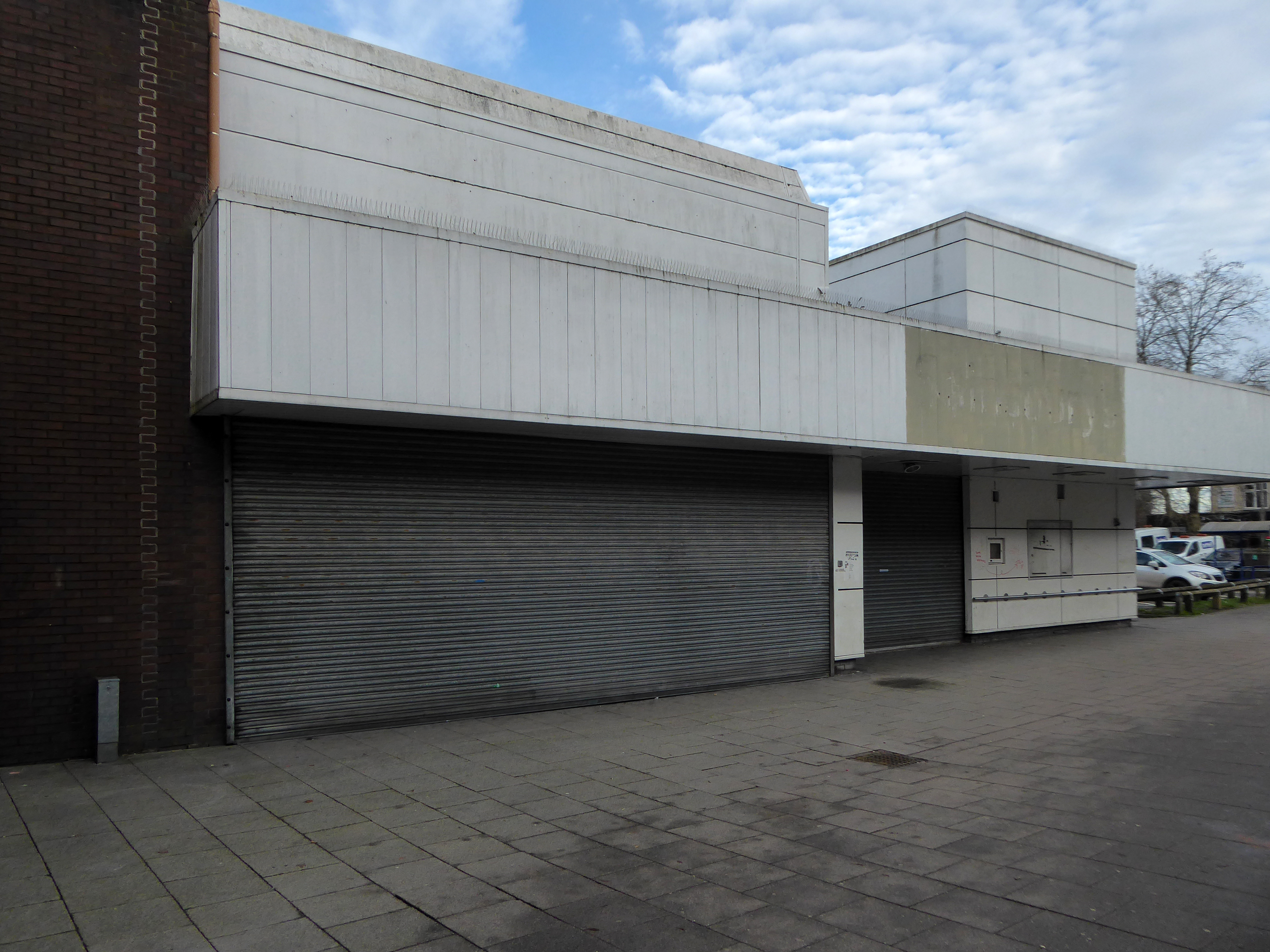
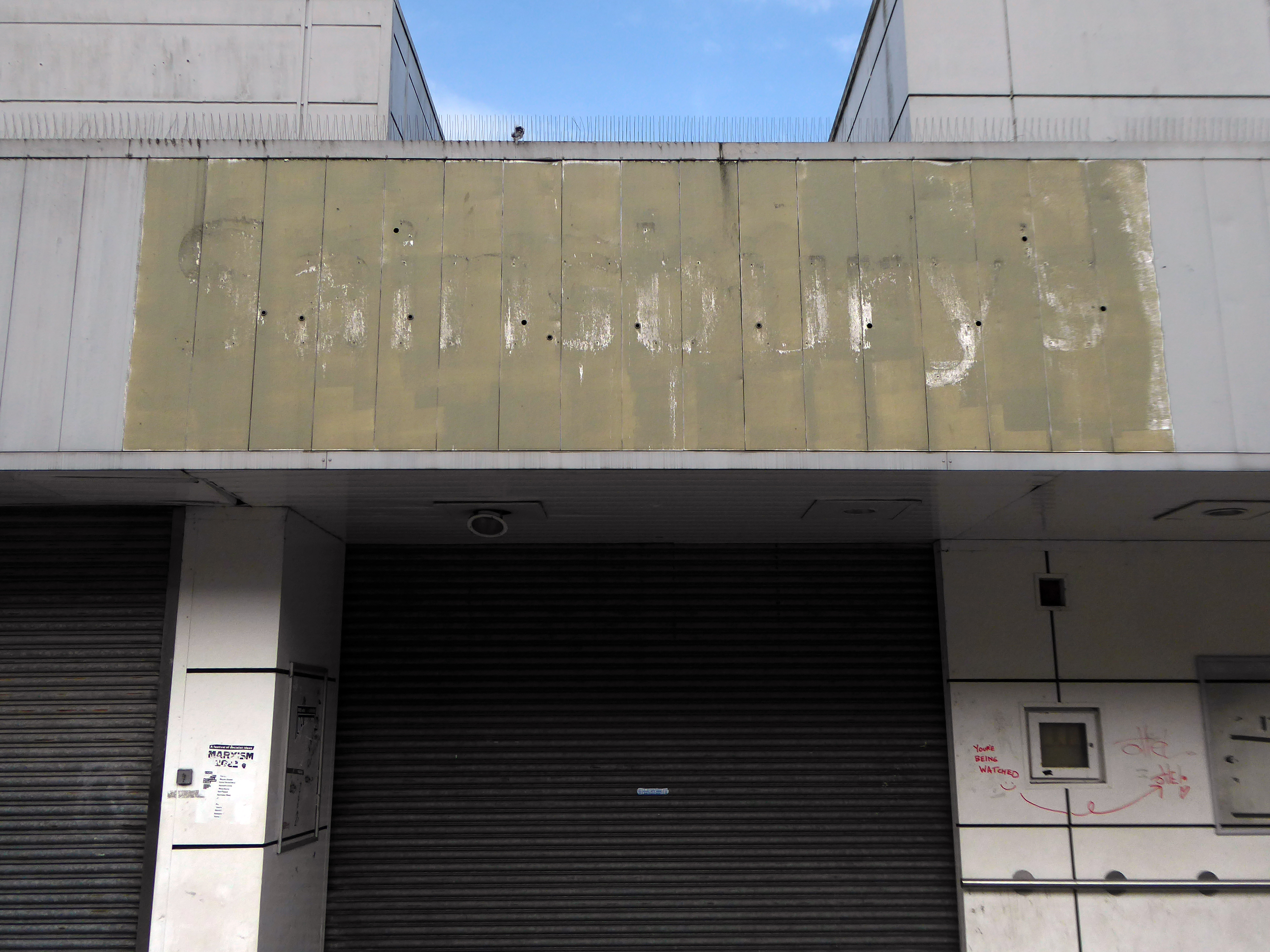
Sainsbury’s Stockport

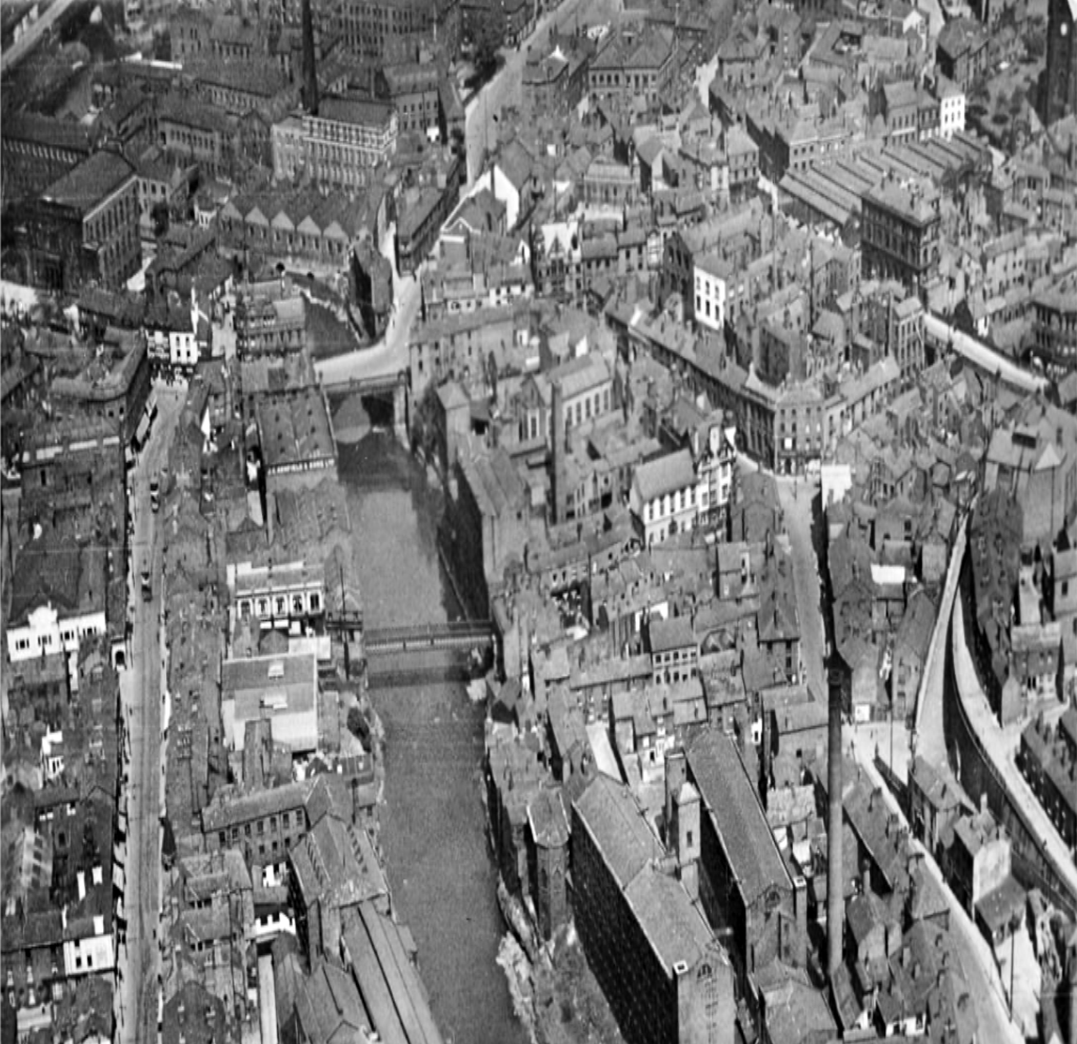
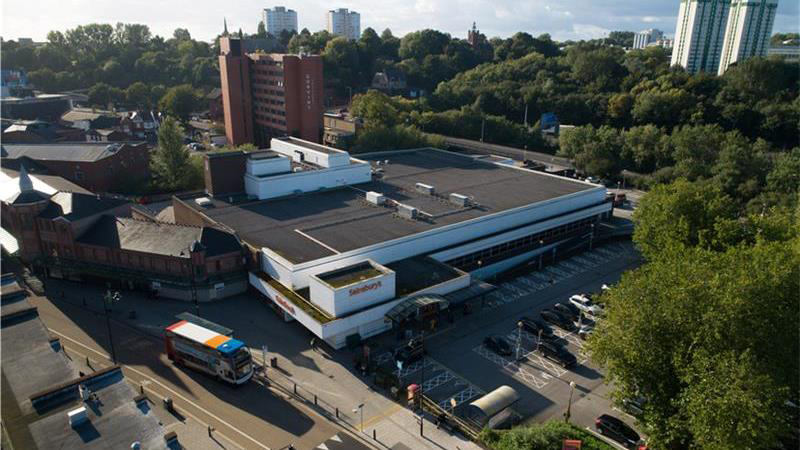
Warren Street Stockport, north of Lancashire Bridge beside the Mersey – seen here in the 1920s a mix of retail, dwellings and industry as was most of the town centre.

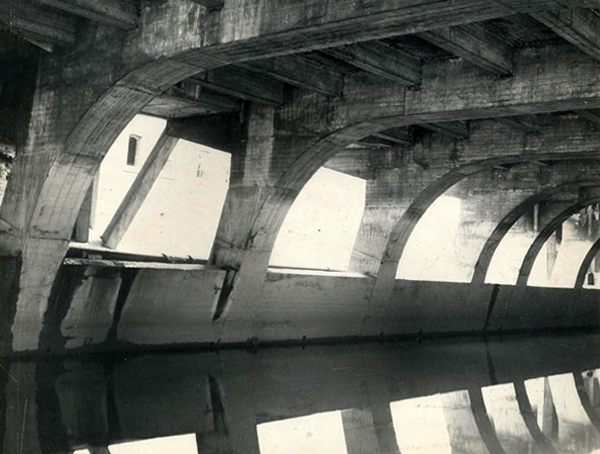
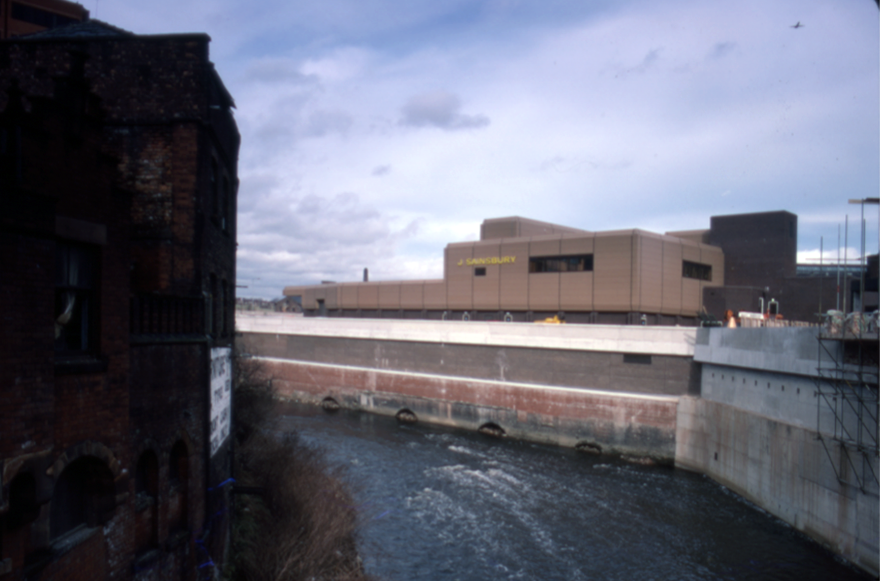
The river was culverted and covered as it passed through in 1936

The Merseyway Shopping Centre was completed and opened in 1965 – architects Bernard Engle and Partners

A later extension followed along Warren Street.

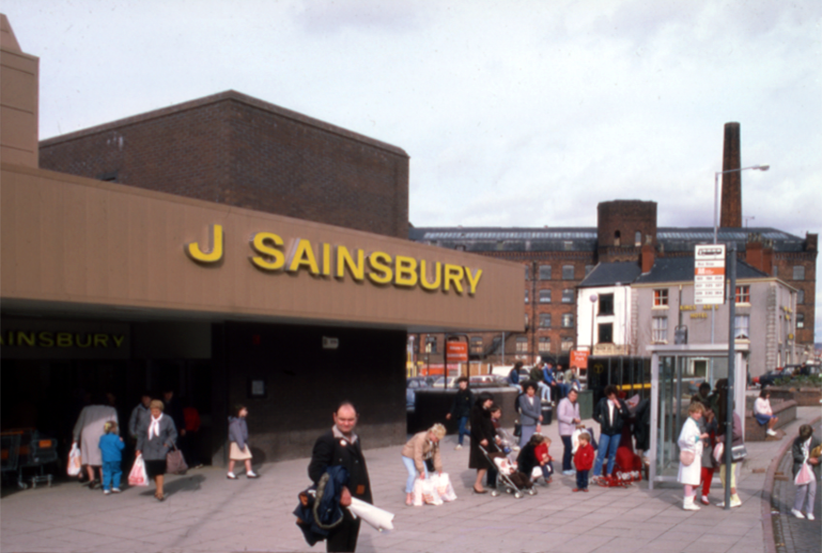
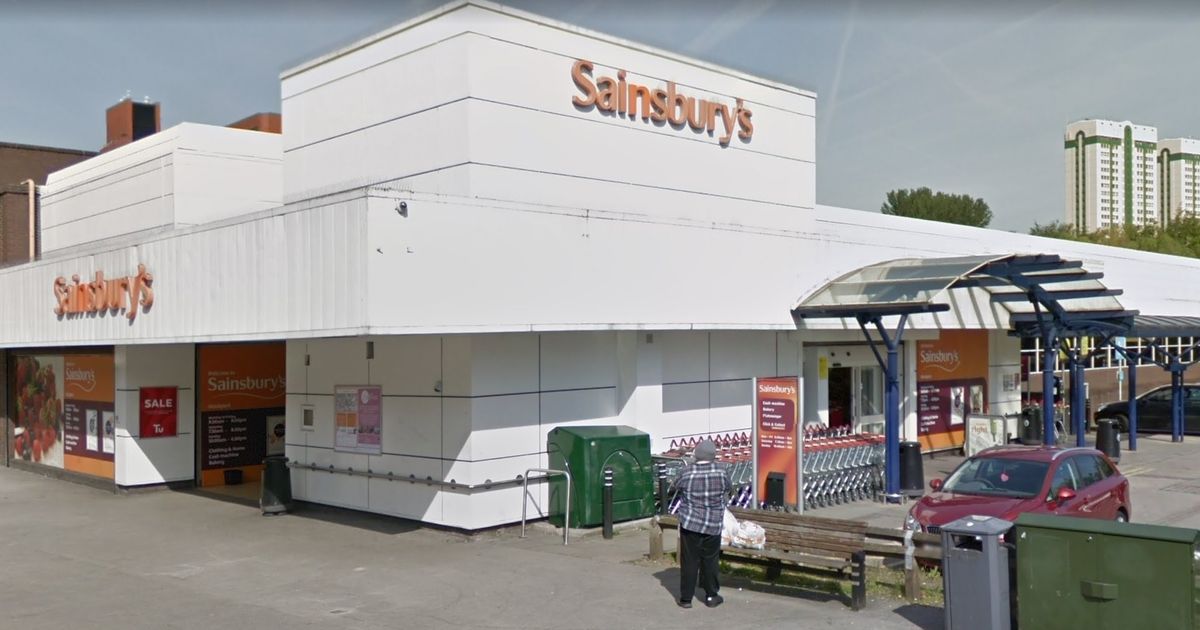
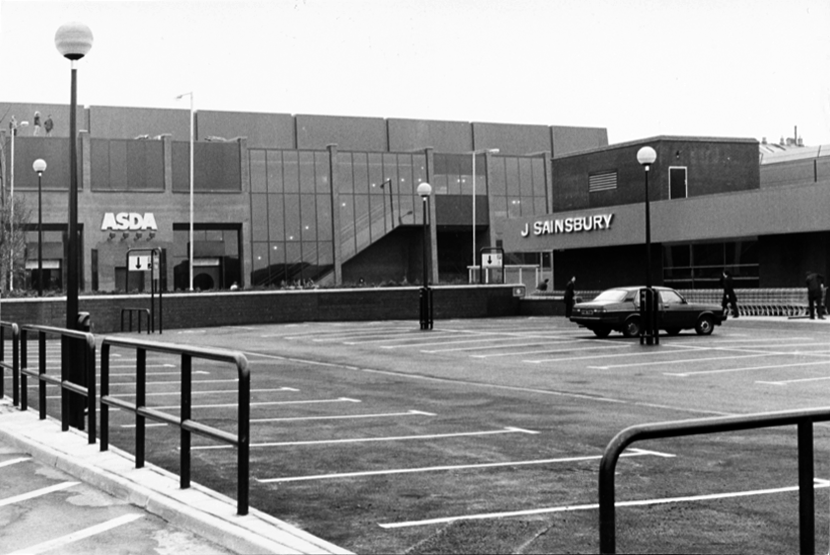
The Sainsbury’s building can be seen beside the river – opened 29th October 1985

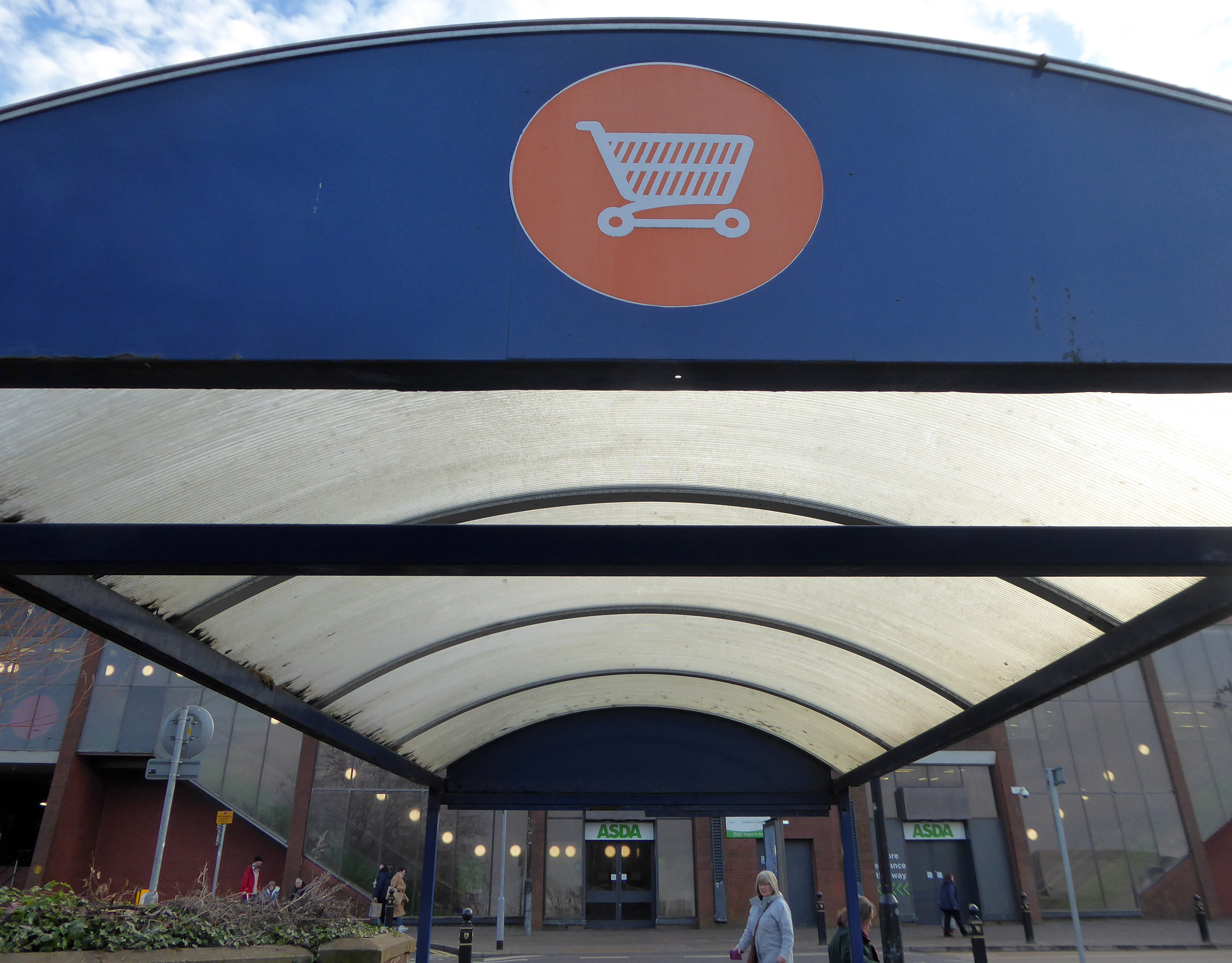
The branch closed in January 2021 – the Asda is still open.

Store Images – Sainsbury’s Archive

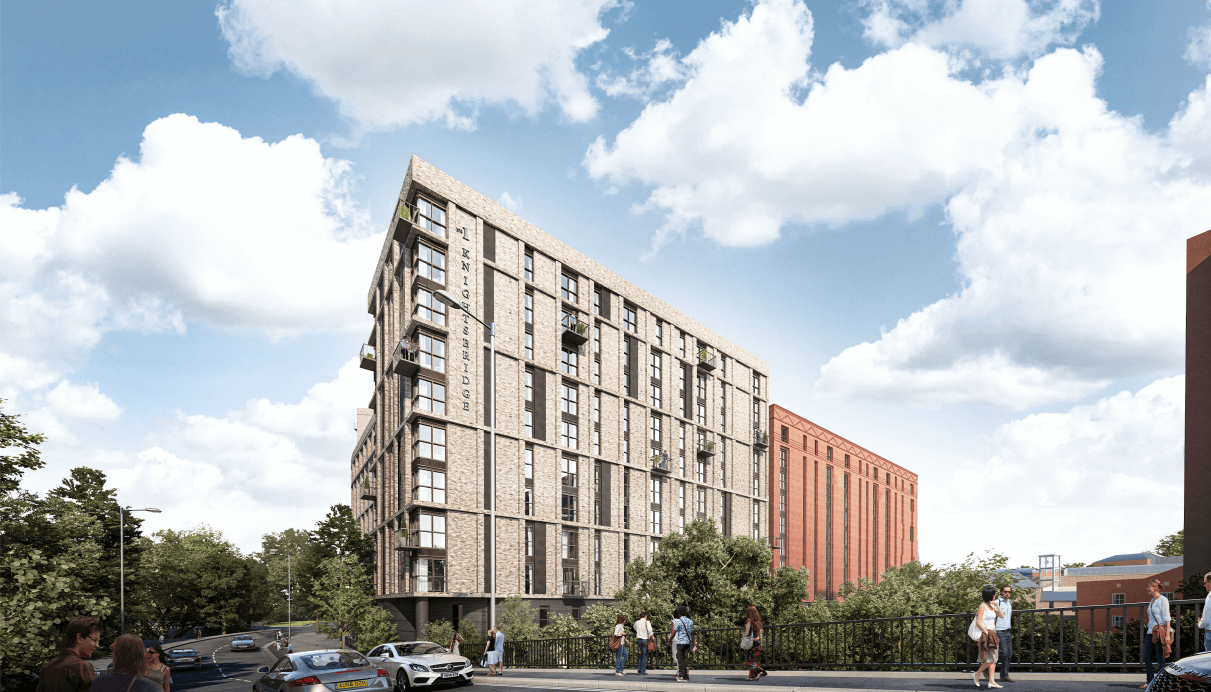
Plans to build hundreds of new homes – including a 15-storey tower block – on a vacant Sainsbury’s site in Stockport town centre are set to get the go-ahead.

Proposals that would bring more than 500 flats and 34 townhouses to the three-acre plot, in Warren Street, are set to go before the council’s planning committee next Thursday night. The 573 homes would be spread across a trio of buildings – rising in height  from five to 15 storeys. Two of these would  also have space for a range of potential uses, ranging from shops and cafes to gyms and creches.

Manchester World

Martin Halsey, operations director at Amstone Ventures, added:

We can see that Stockport has untapped demand for quality homes within its town centre, offering a vibrant lifestyle and everything Stockport town centre has to offer, all on the doorstep.”

Took a look around the site before it’s no longer possible to look around the site.

Portwood – 2023

Where are we?

We once were lost, but are we saved?

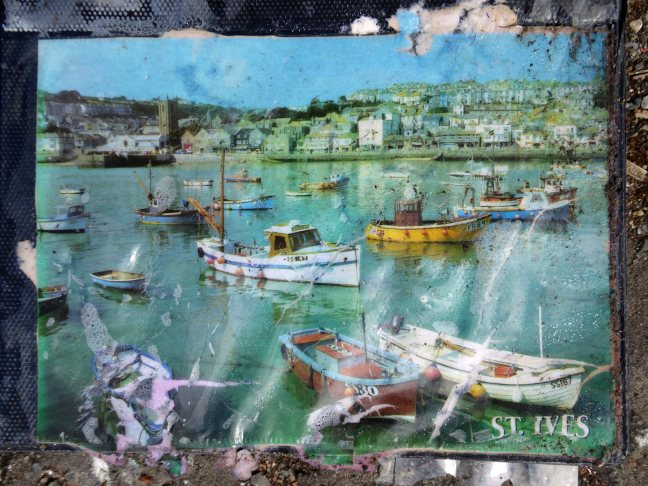
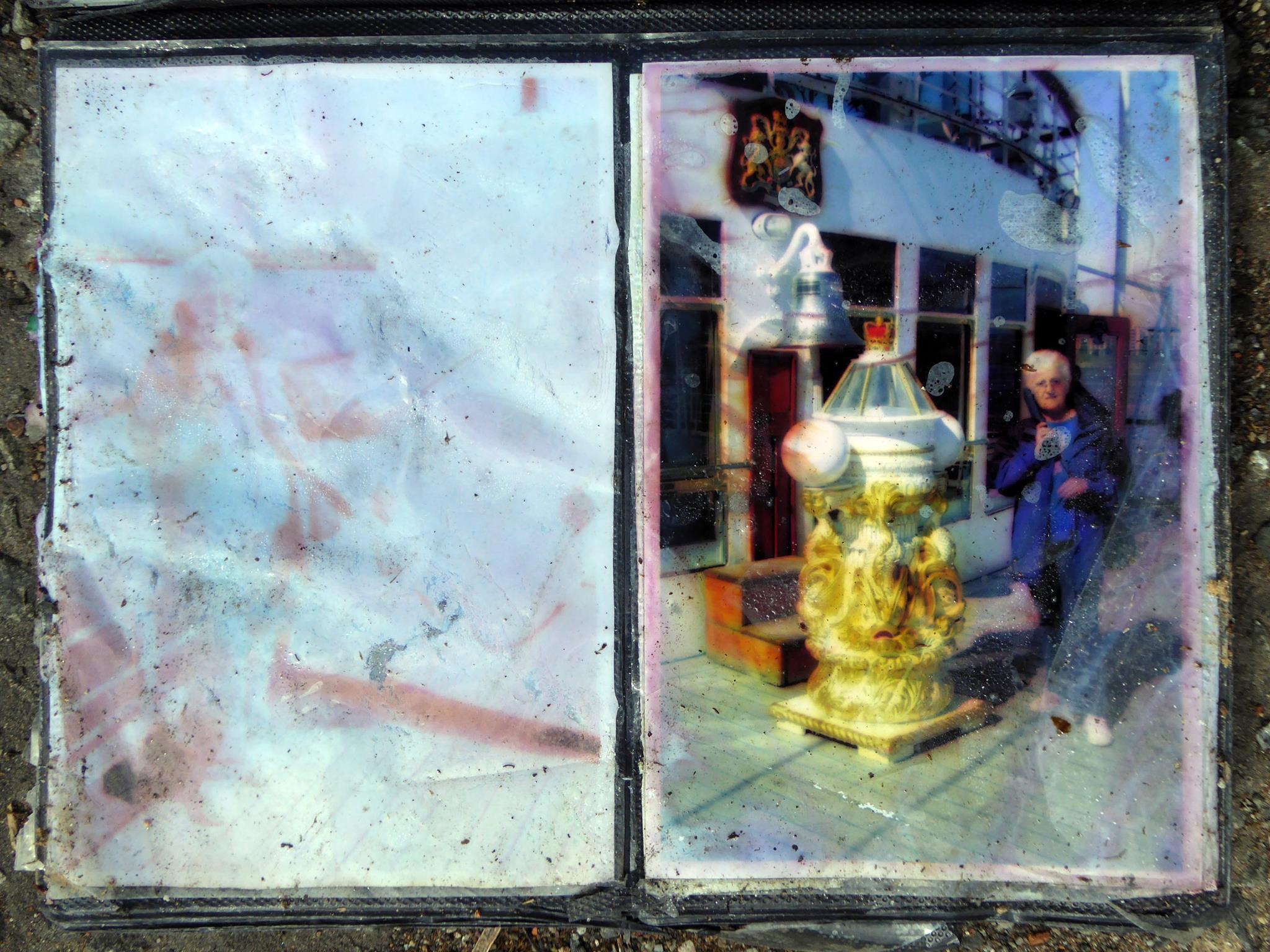
A remnant from a discarded photographic album locates us in Cornwall.

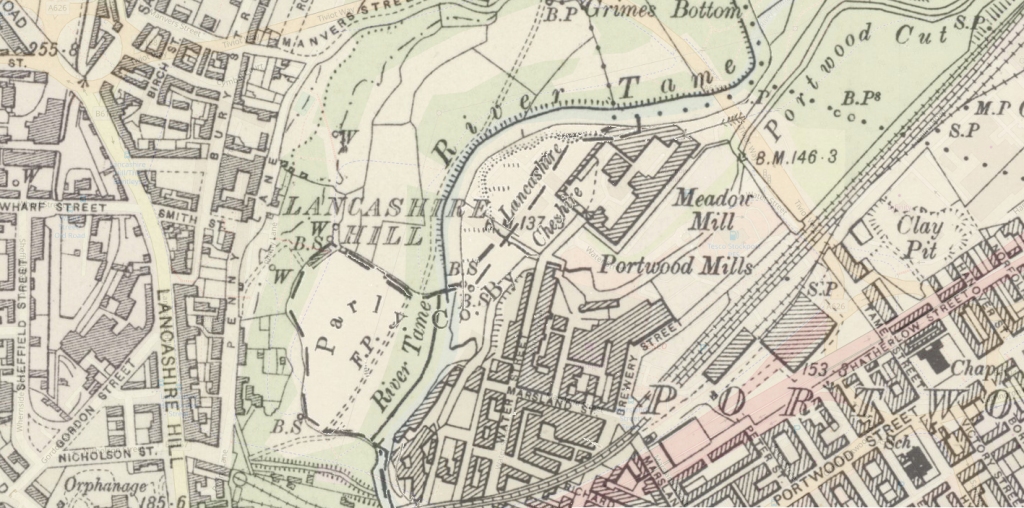
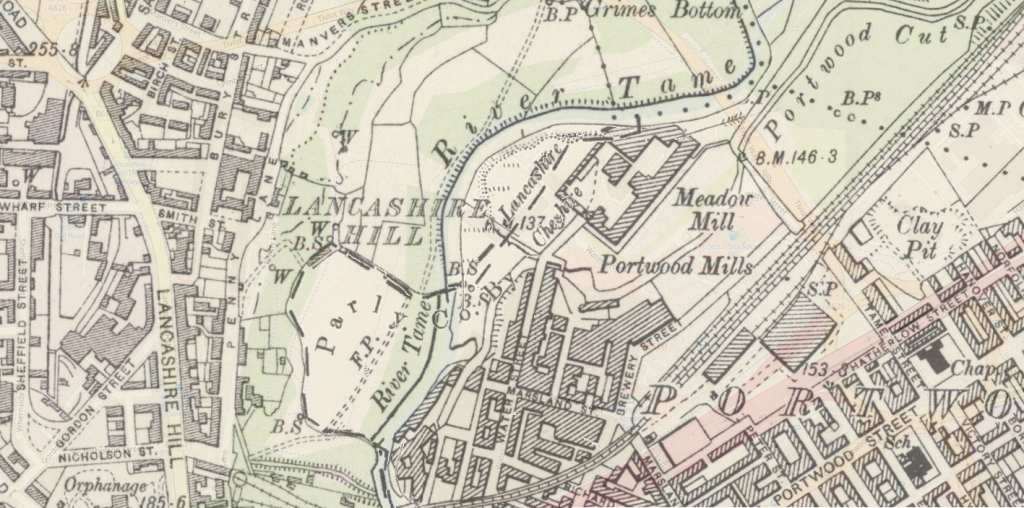
The Ordnance Survey places us at the heart of the Industrial Revolution.

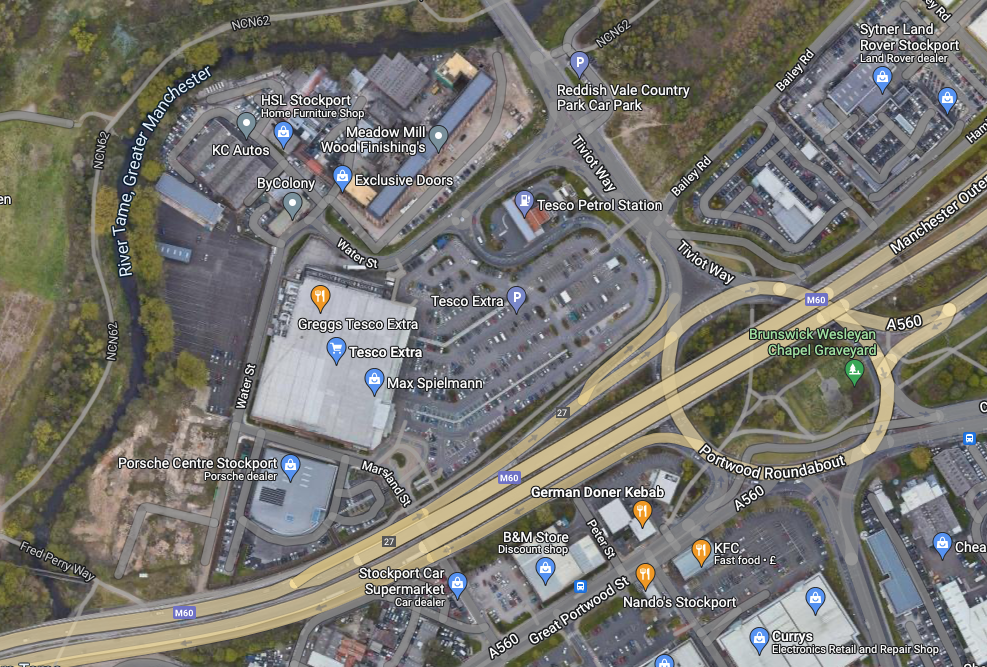
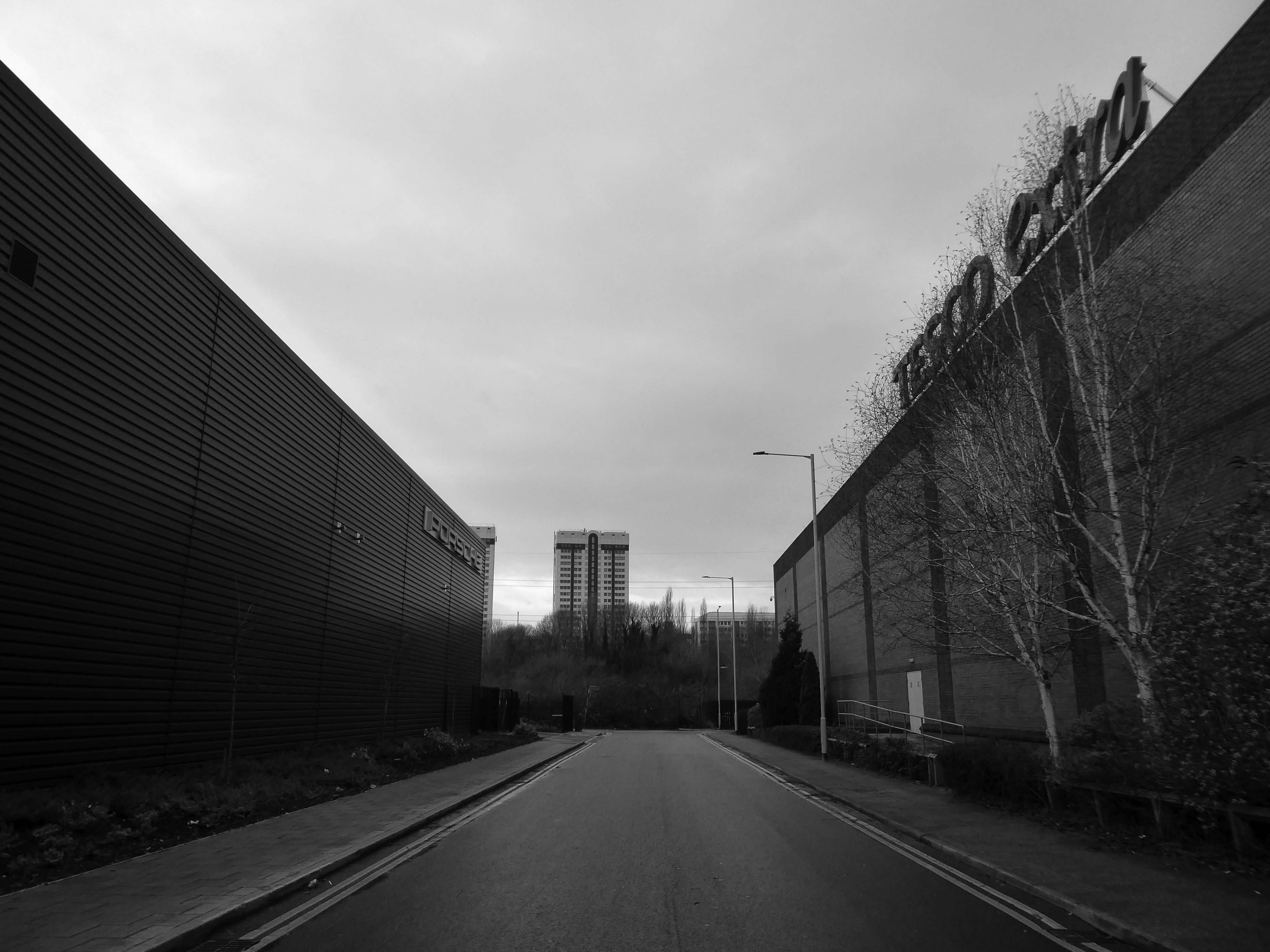
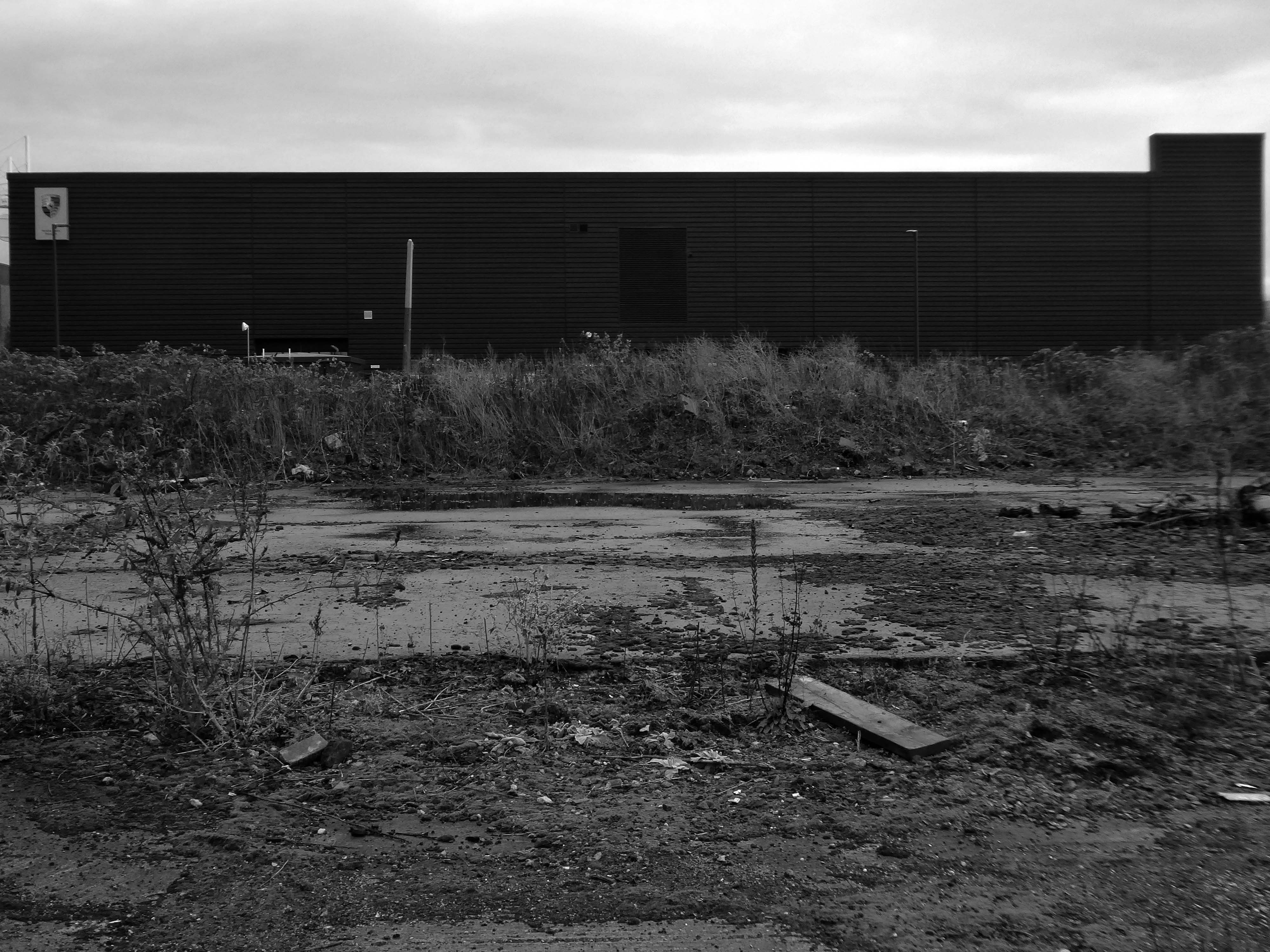
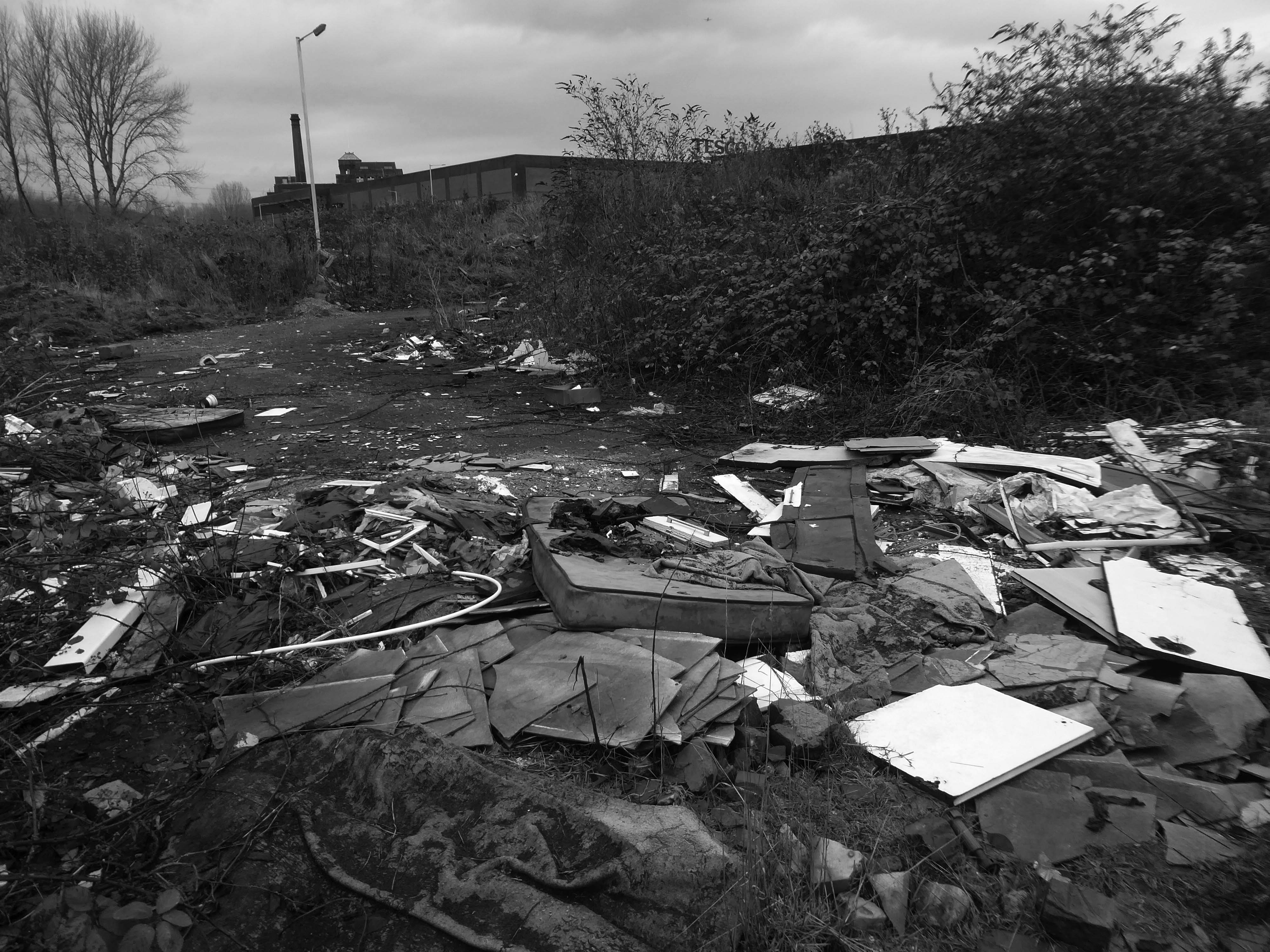
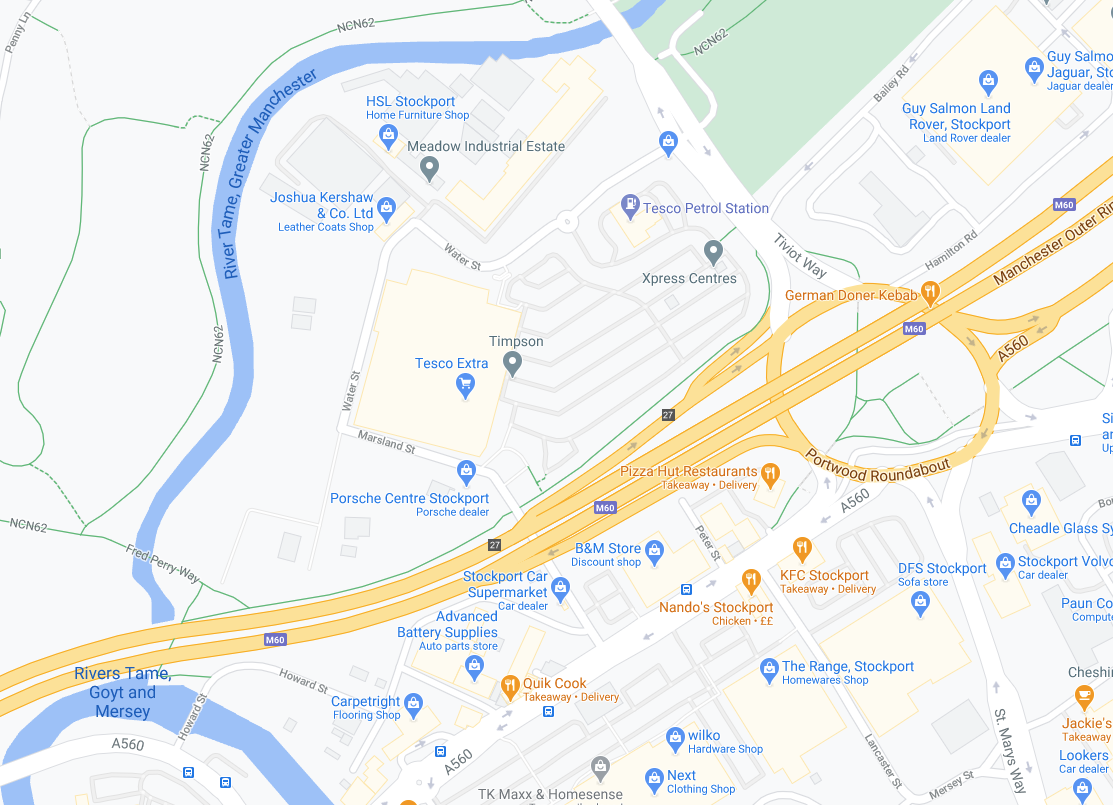
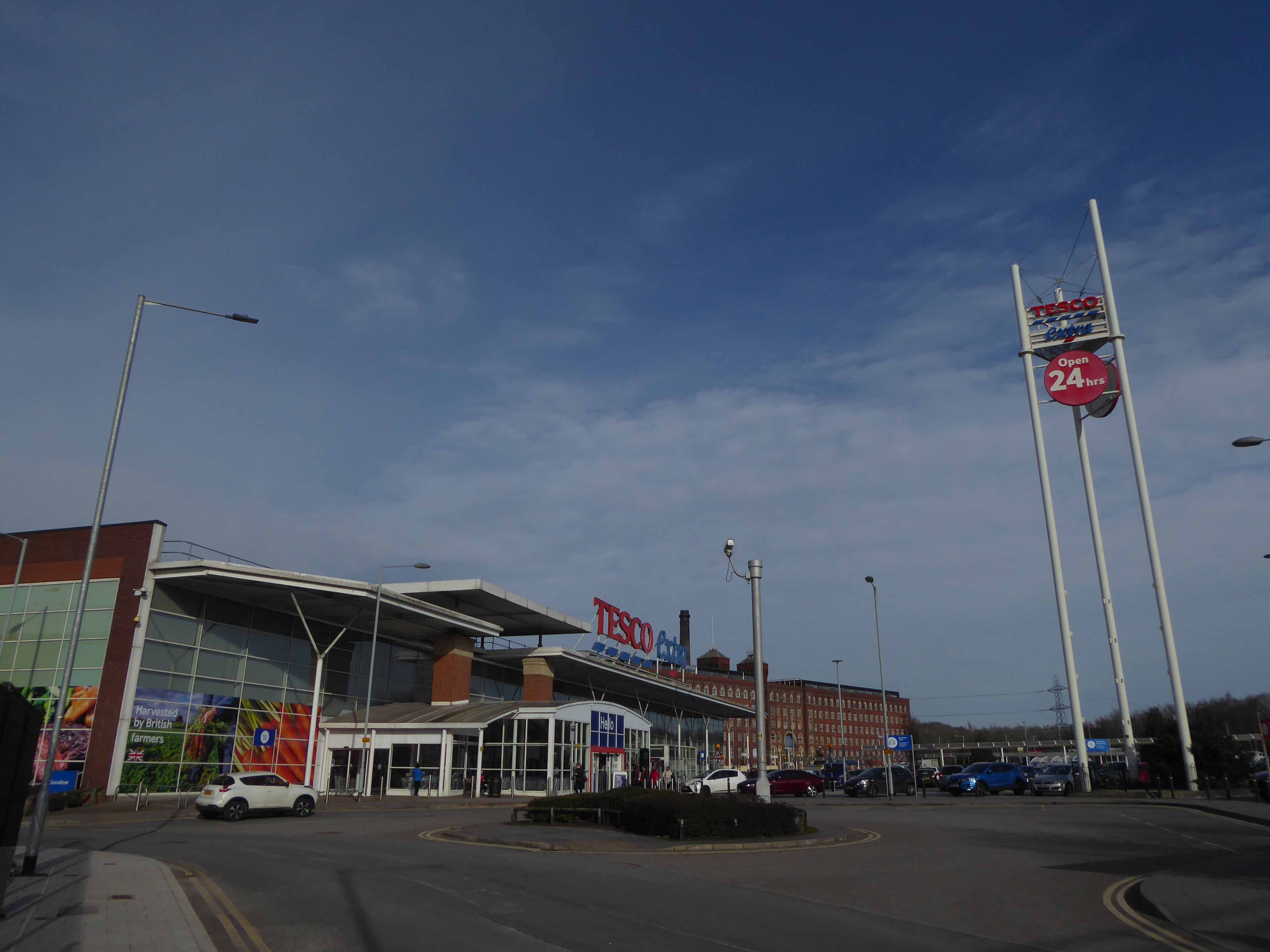
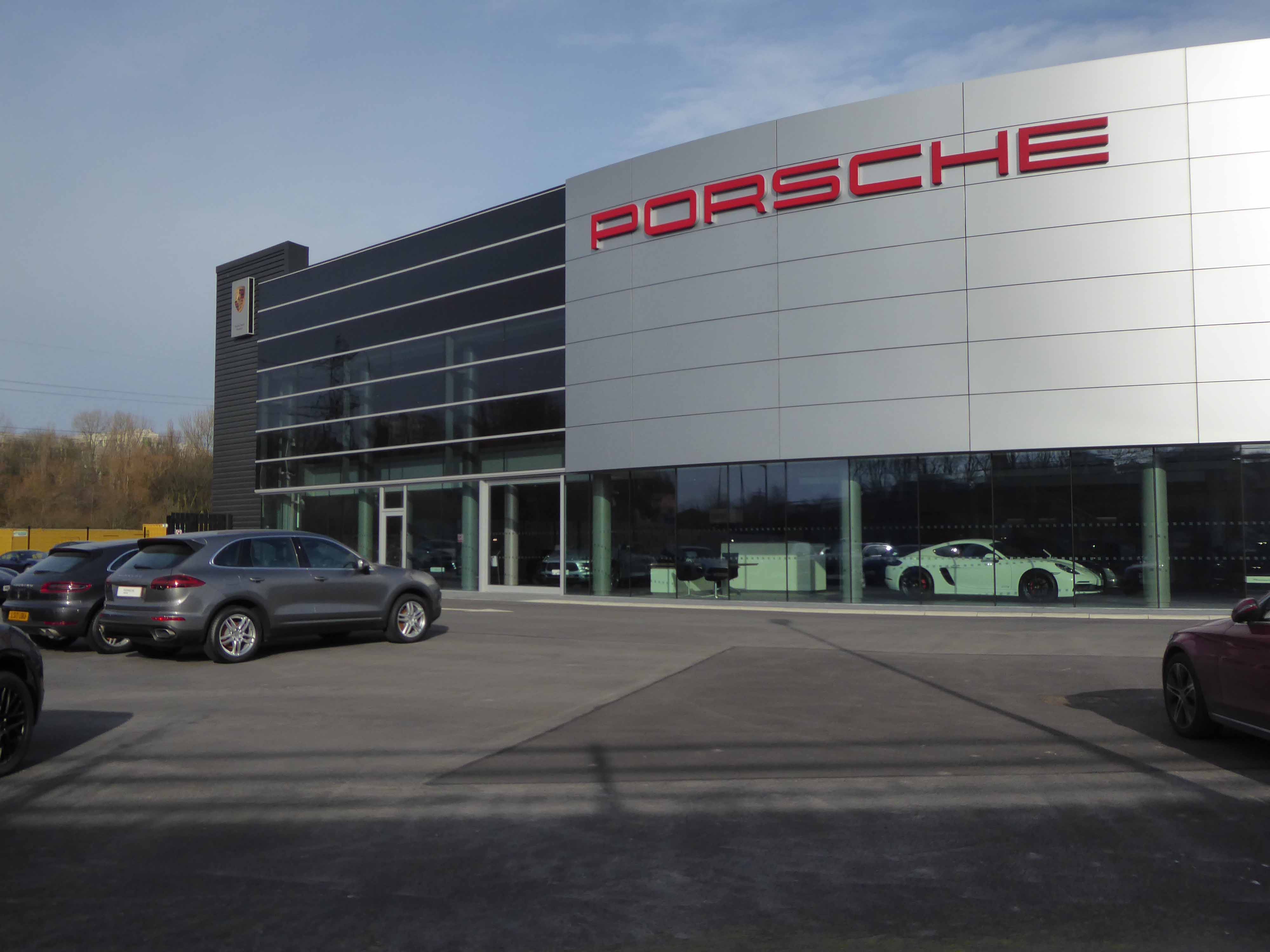
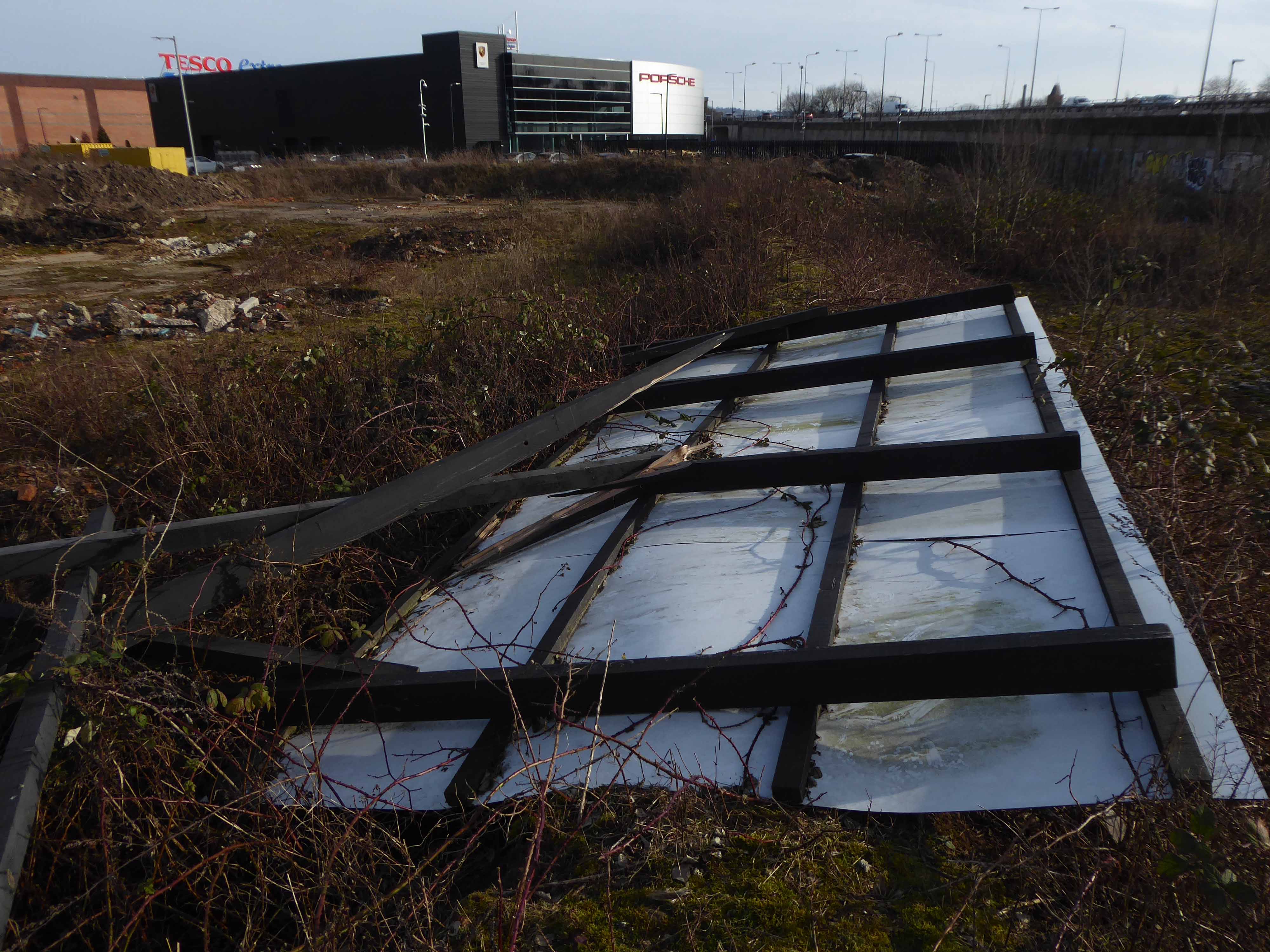
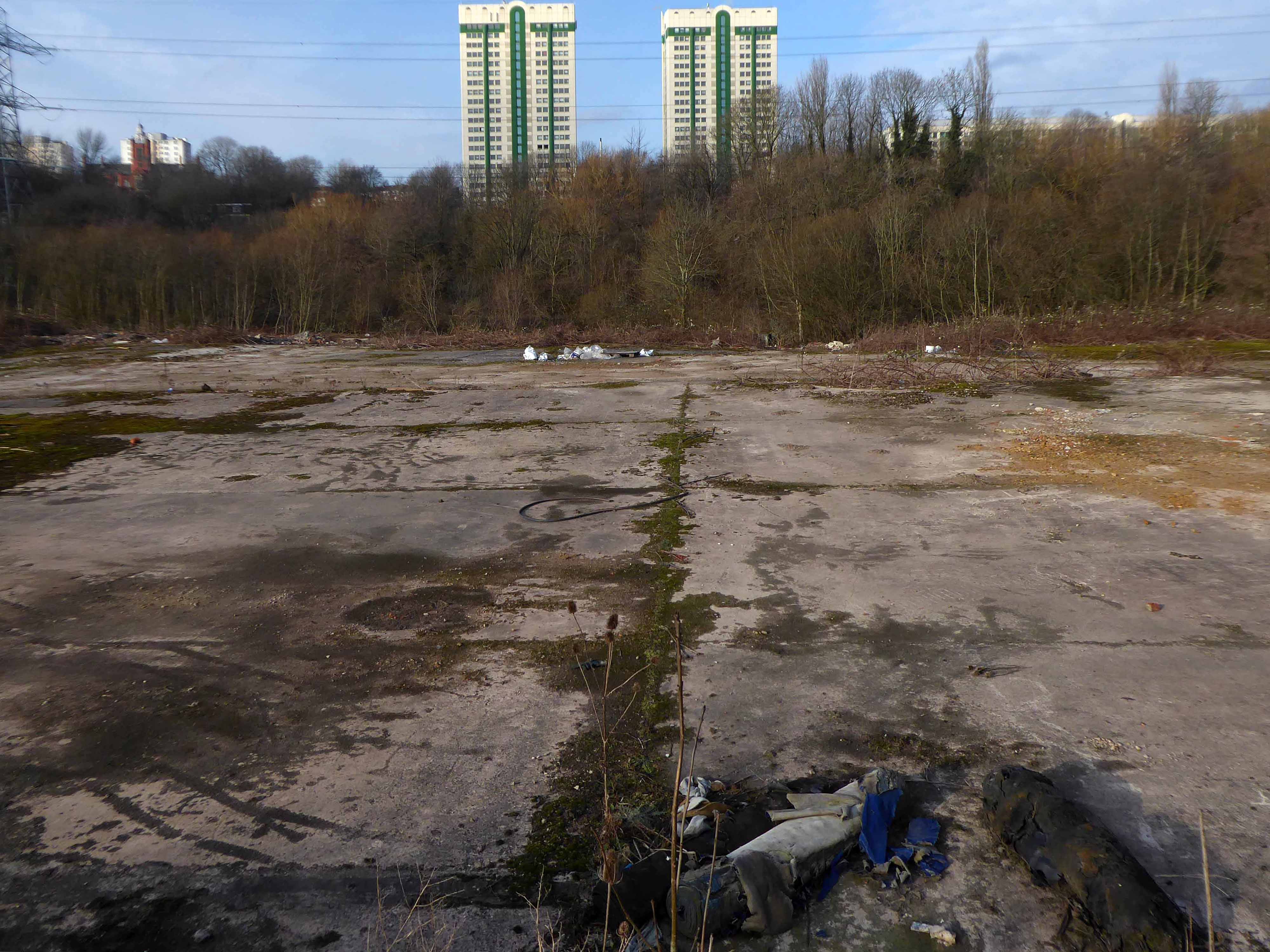
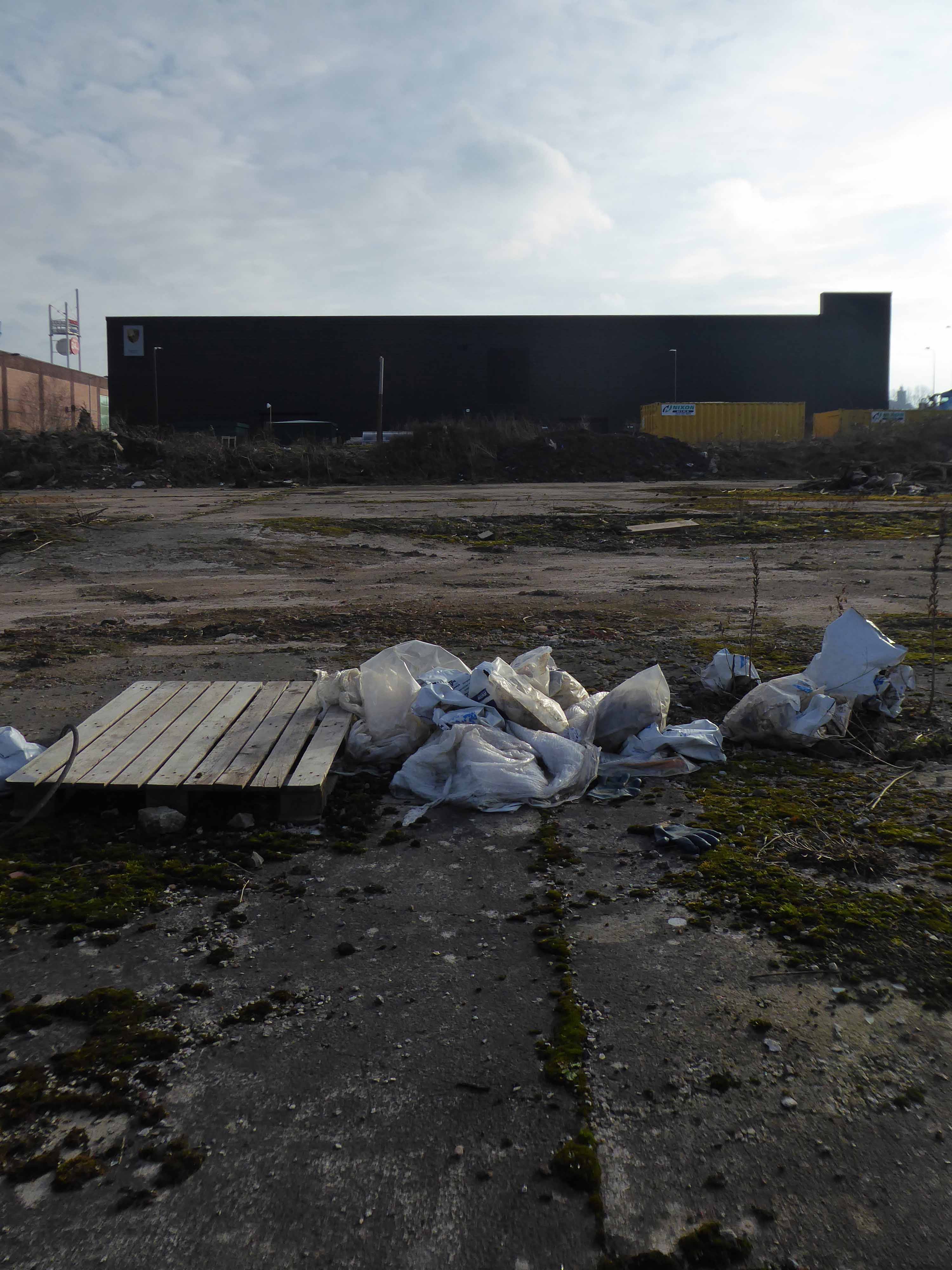
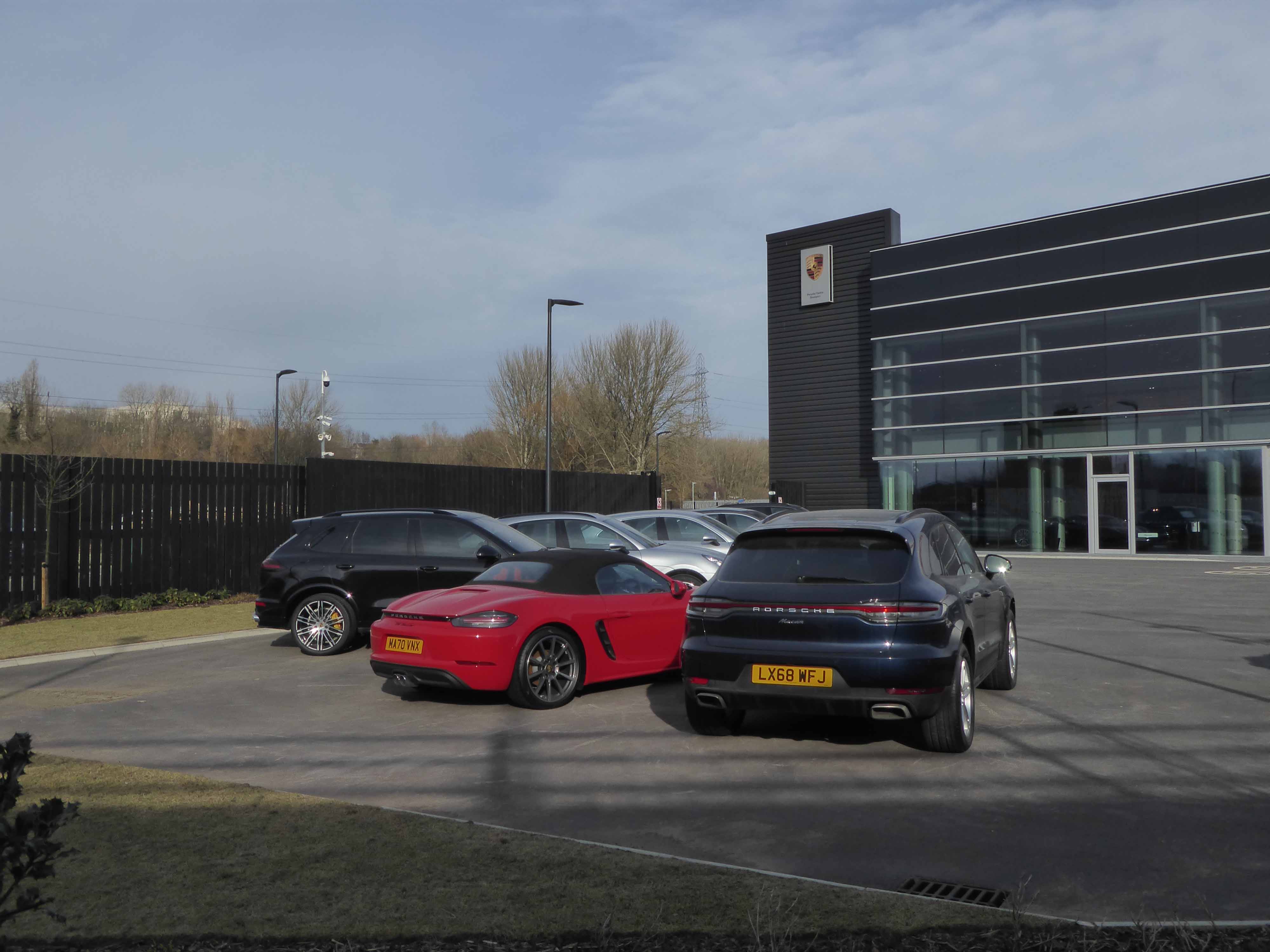
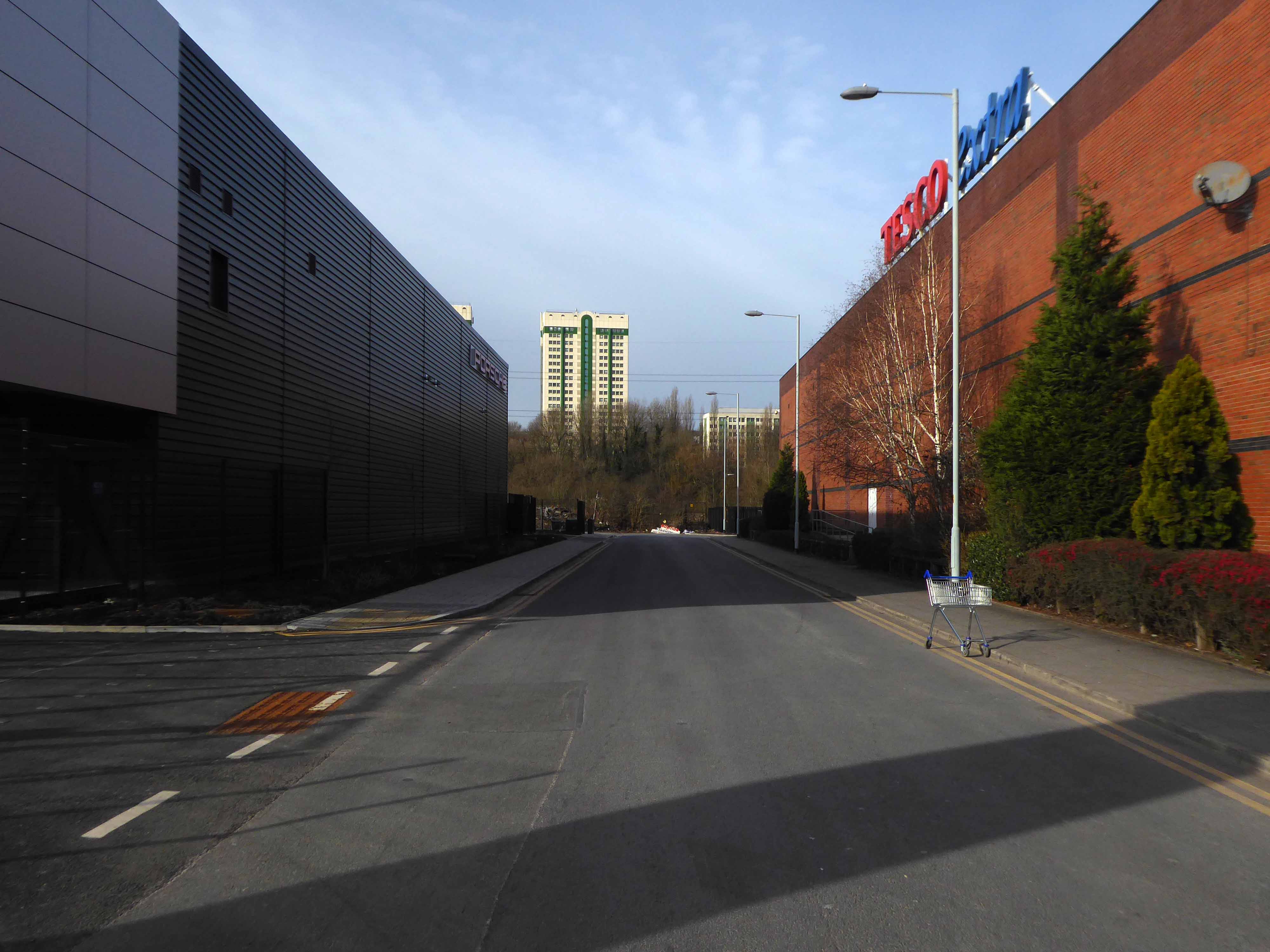
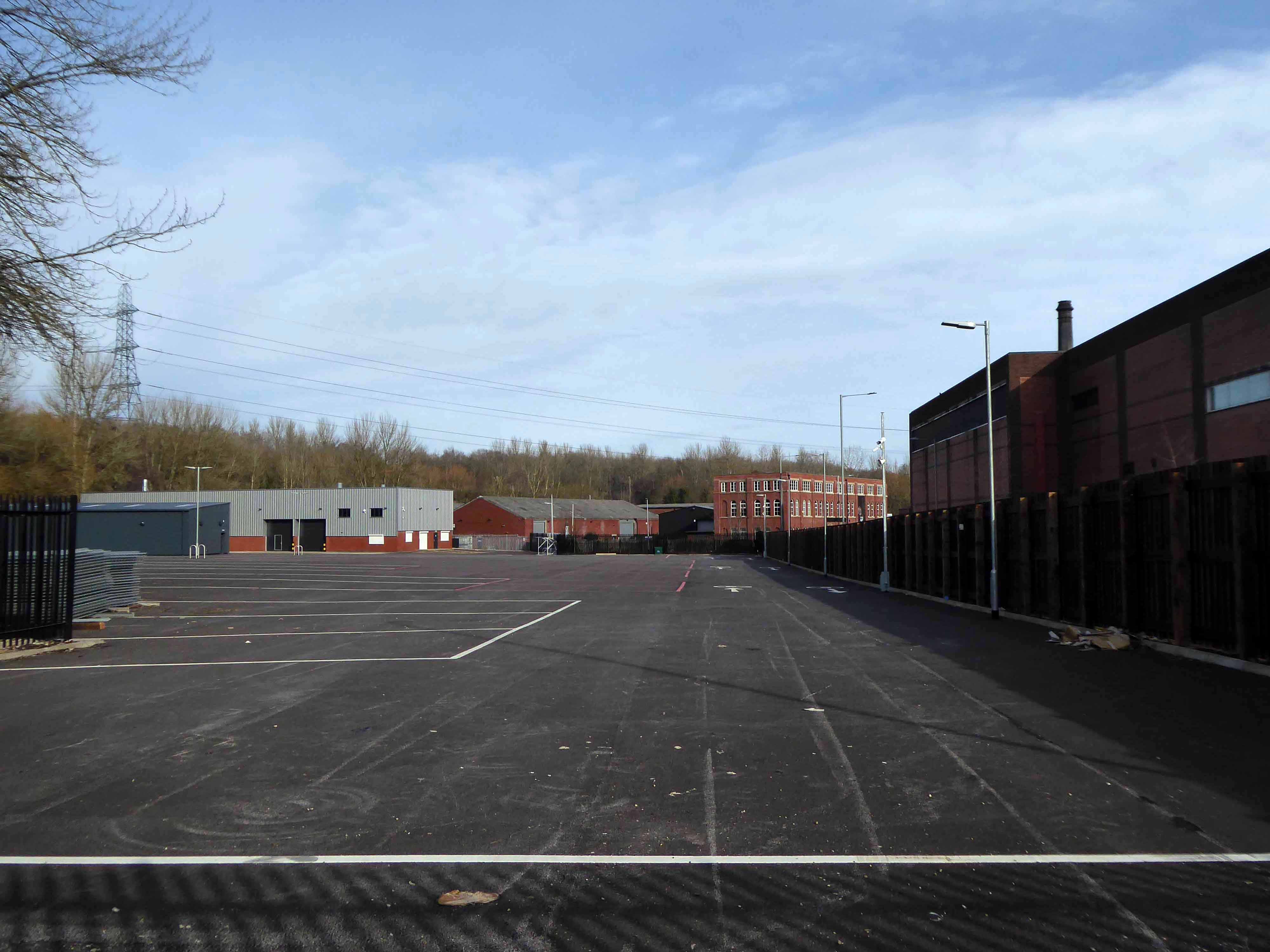
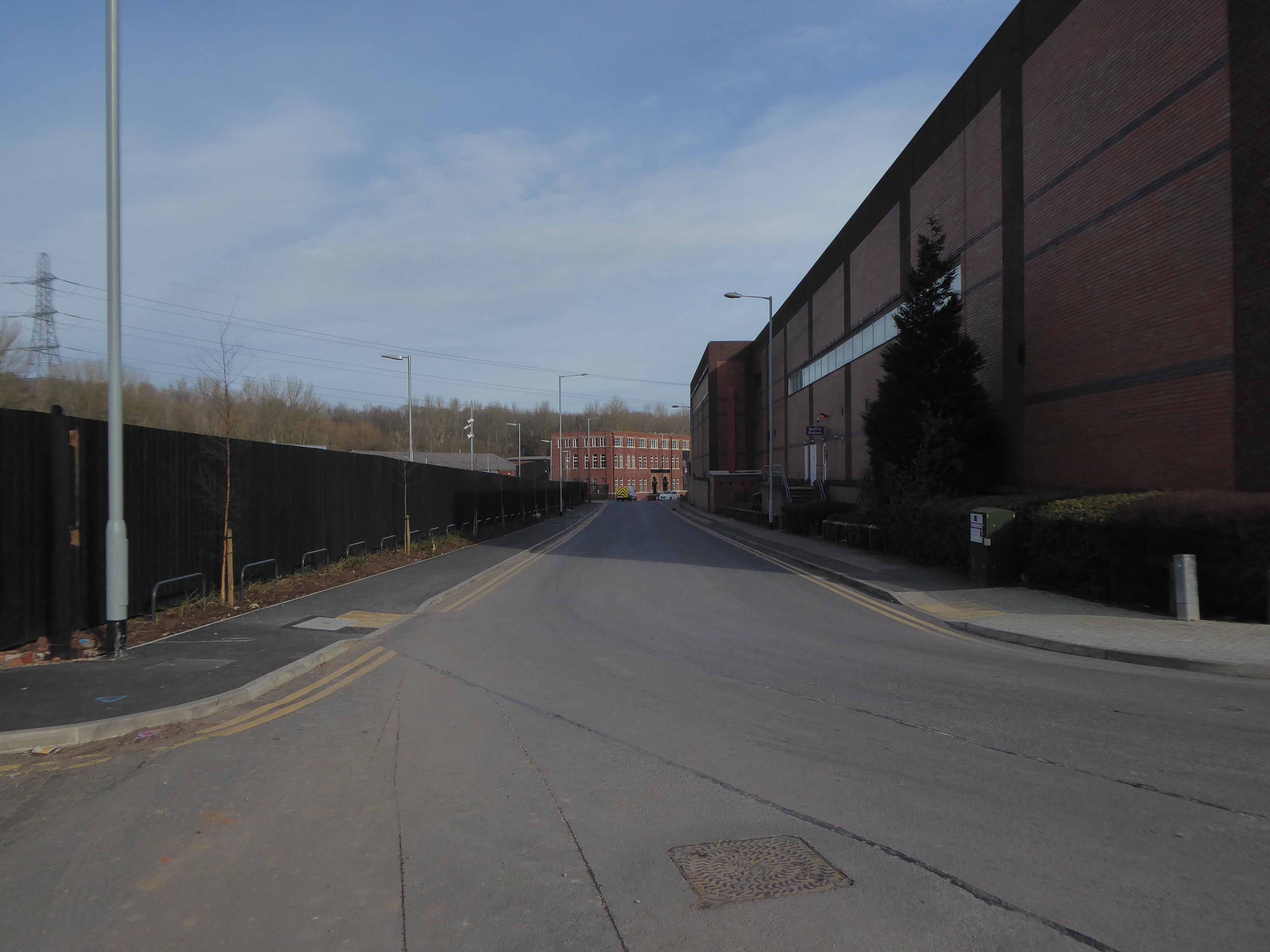
Now we are in the shadow of Tesco Extra and a recently opened Porsche dealership.

As of 2022, the supermarket chain had a brand value of roughly 9.91 billion US dollars.

Porsche Automobile Holding SE net worth as of January 2023 is 16.51 US dollars.

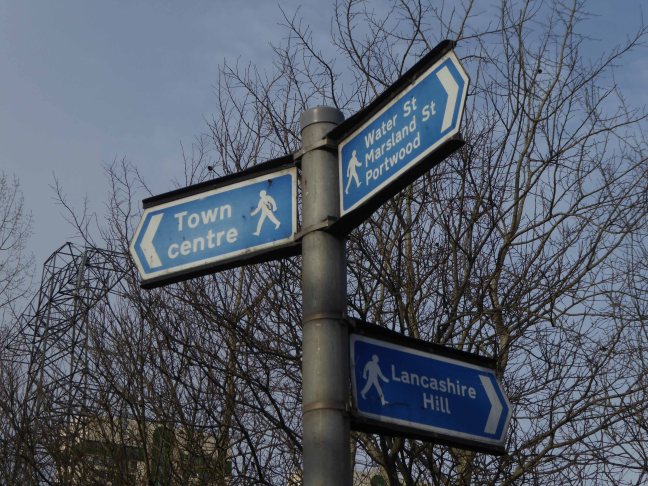
By the side of the River Tame and the M60 Motorway

The 19th-century industrial concentrations in the above-named urban areas resulted in the Tame being a much polluted waterway. As well as industrial pollution from the dyes and bleaches used in textile mills, effluent from specialised paper-making cigarette papers, engineering effluents, including base metal washings from battery manufacture, phenols from the huge coal-gas plant in Denton, rain-wash from roads and abandoned coal spoil heaps there was also the sewage effluent from the surrounding population. Up to two-thirds of the river’s flow at its confluence with the Goyt had passed through a sewage works. The anti-pollution efforts of the last thirty years of the 20th century have resulted in positive fauna distributions.

Wikipedia

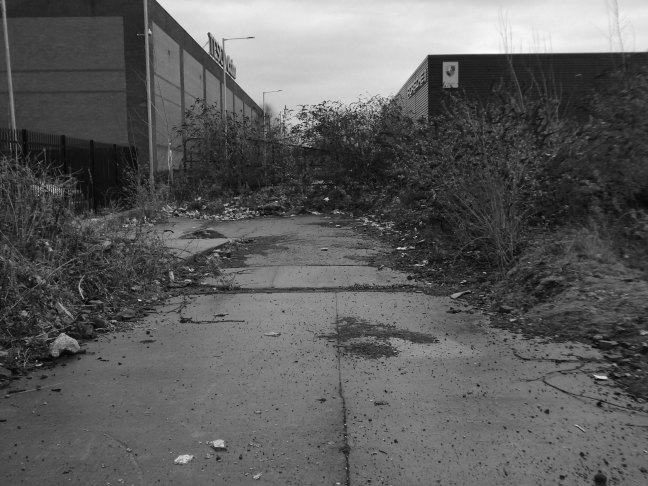
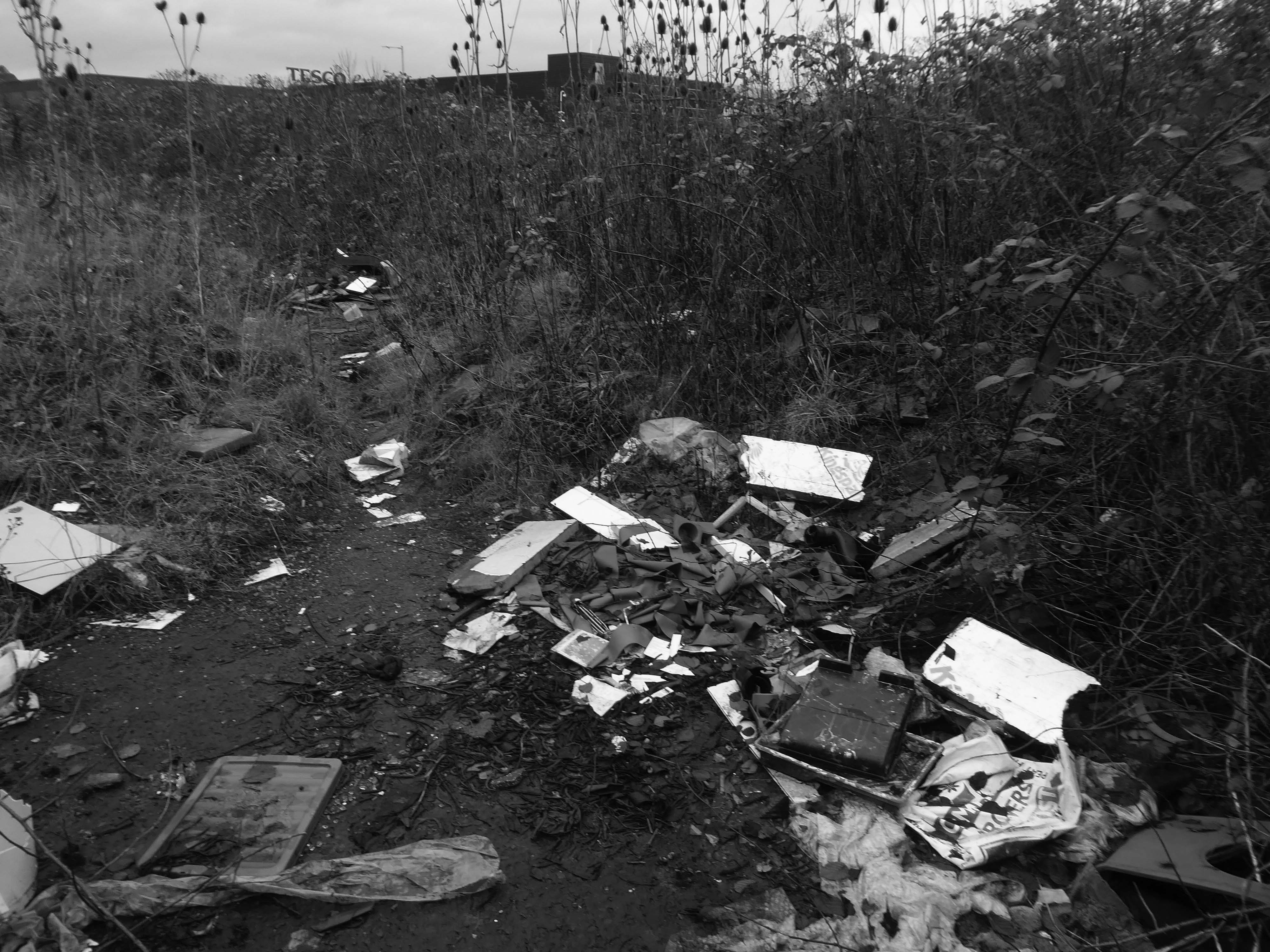
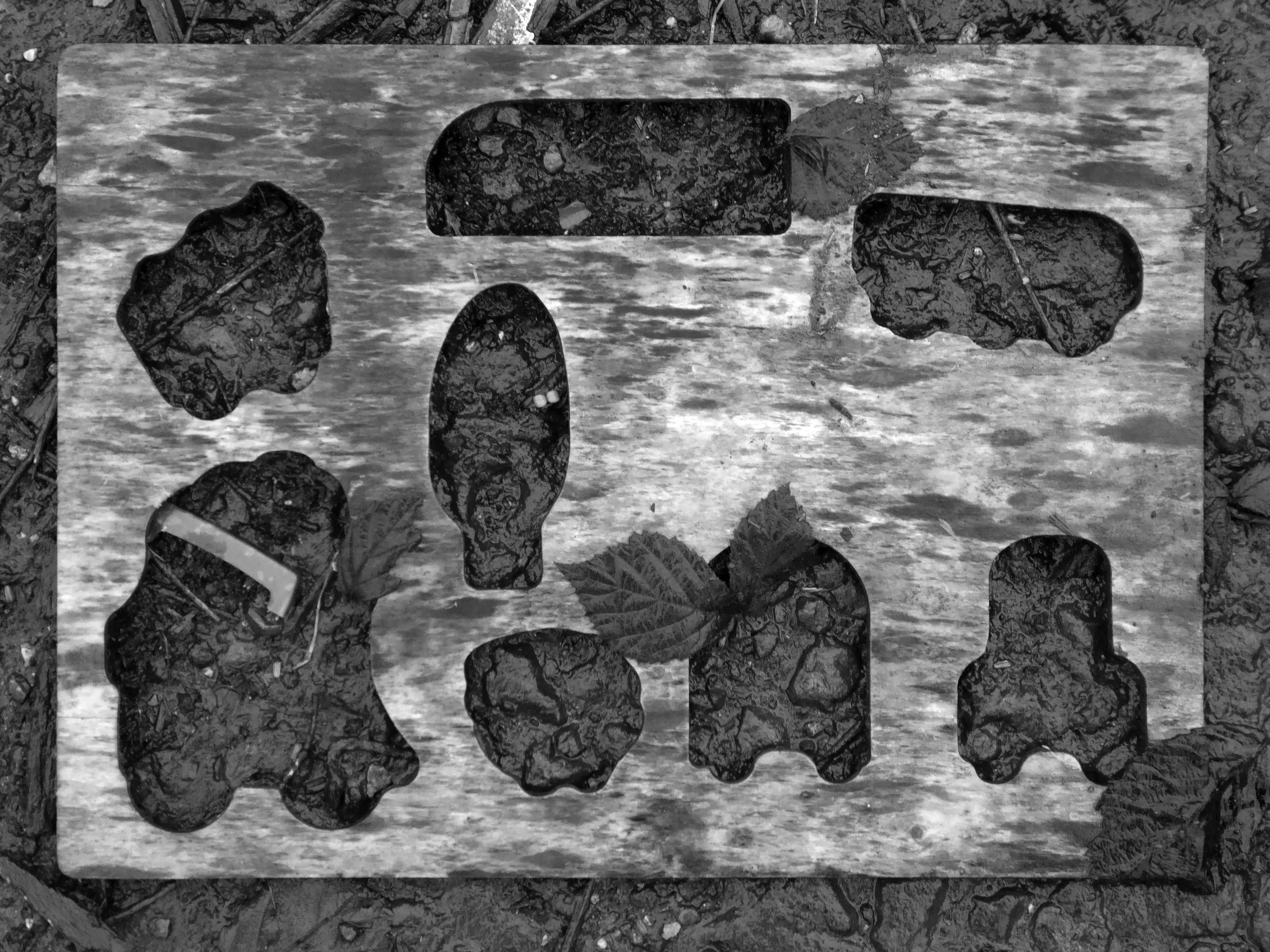
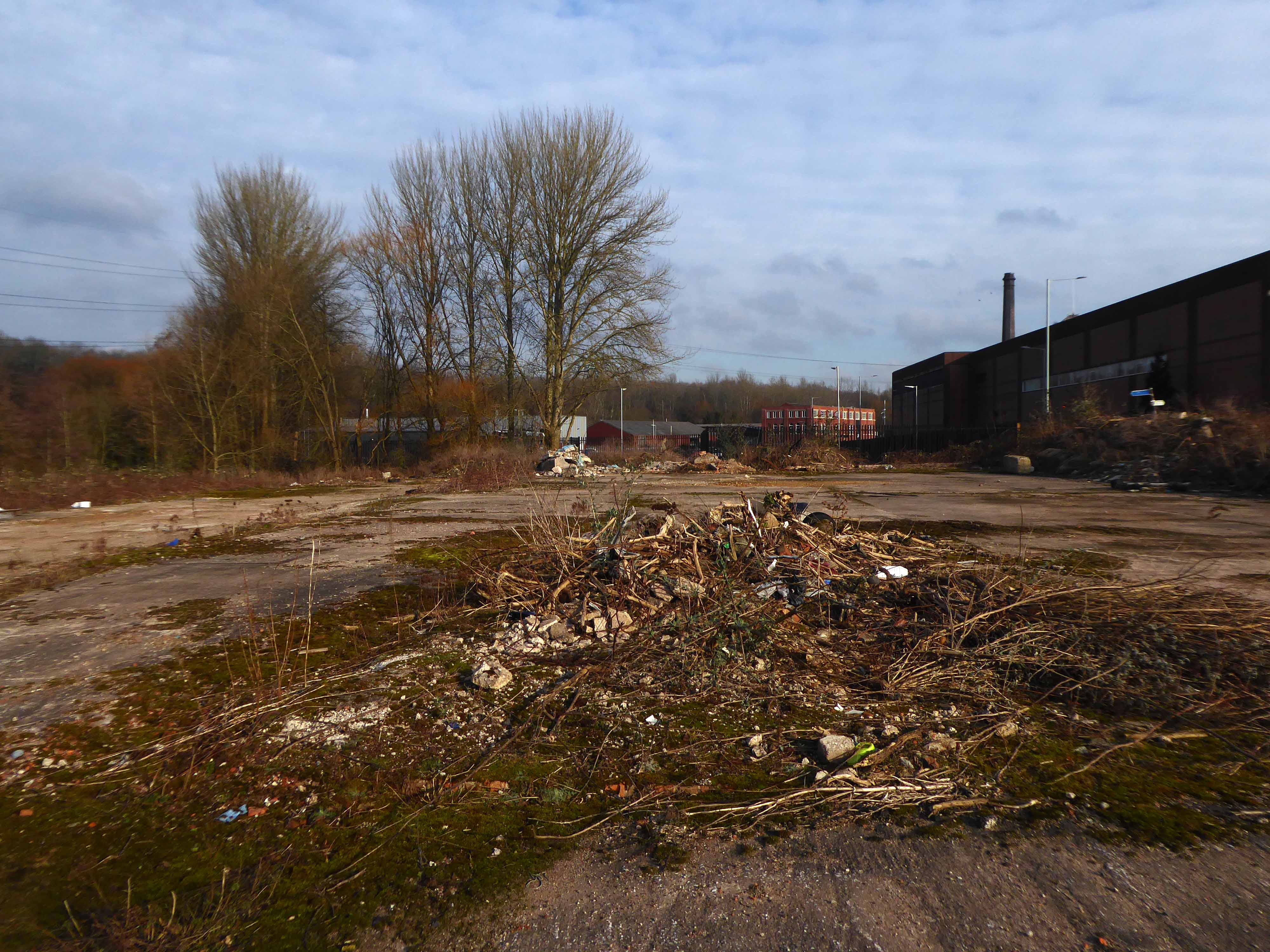
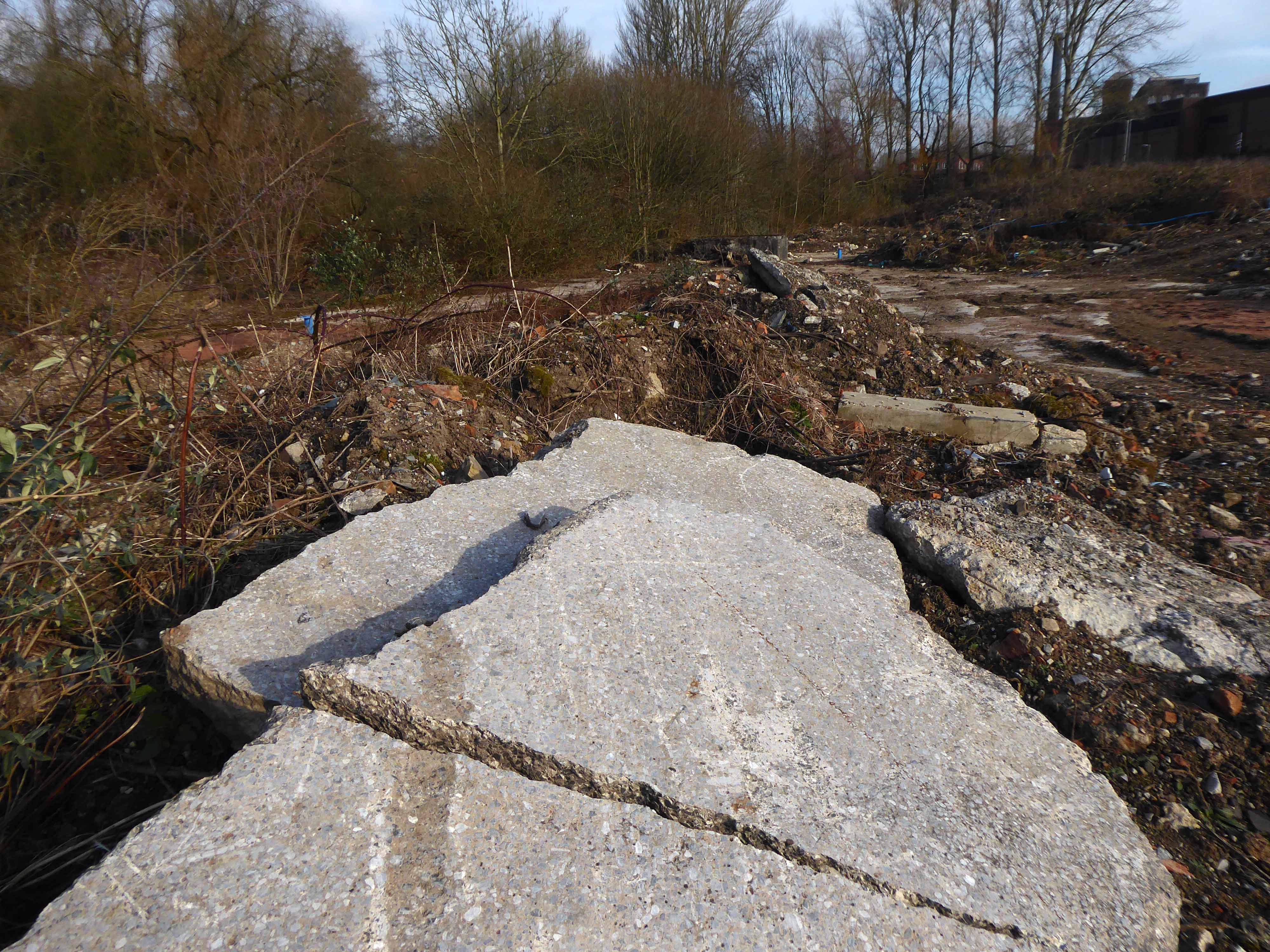
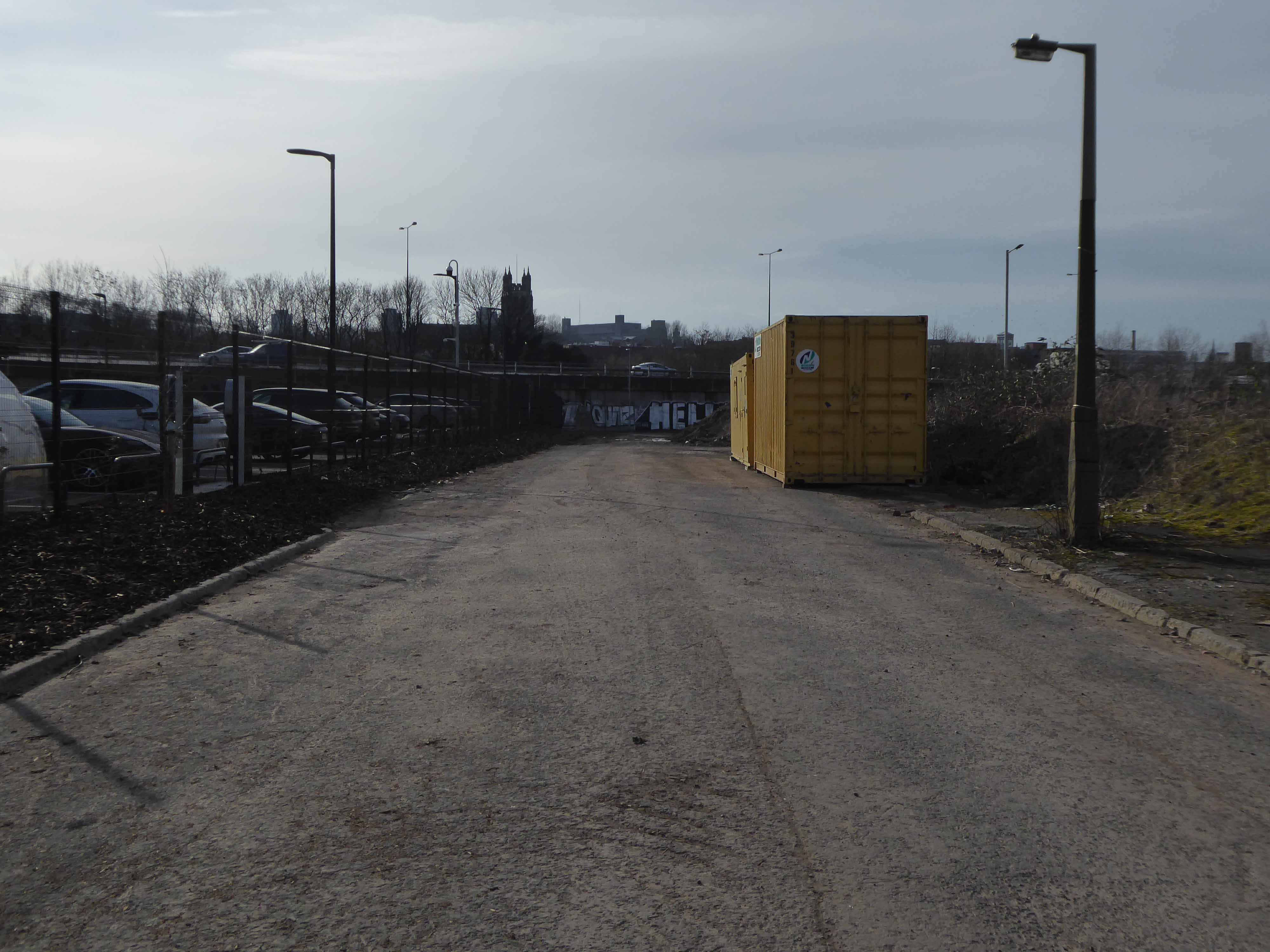
There is a plot of land to the left of Porsche which remains undeveloped, I often walk around this area, what would have once been for myself and others the place of childhood high jinx.

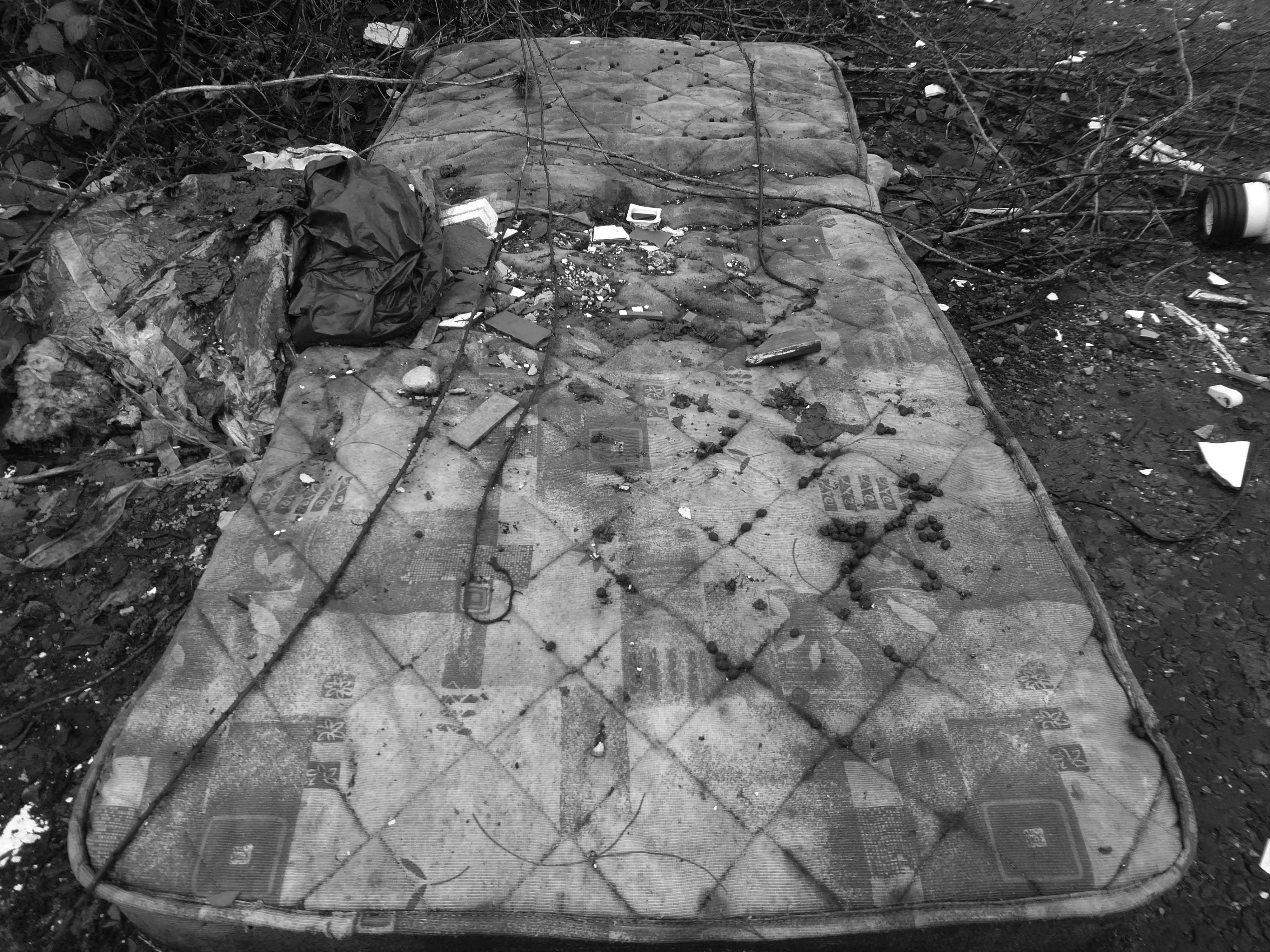
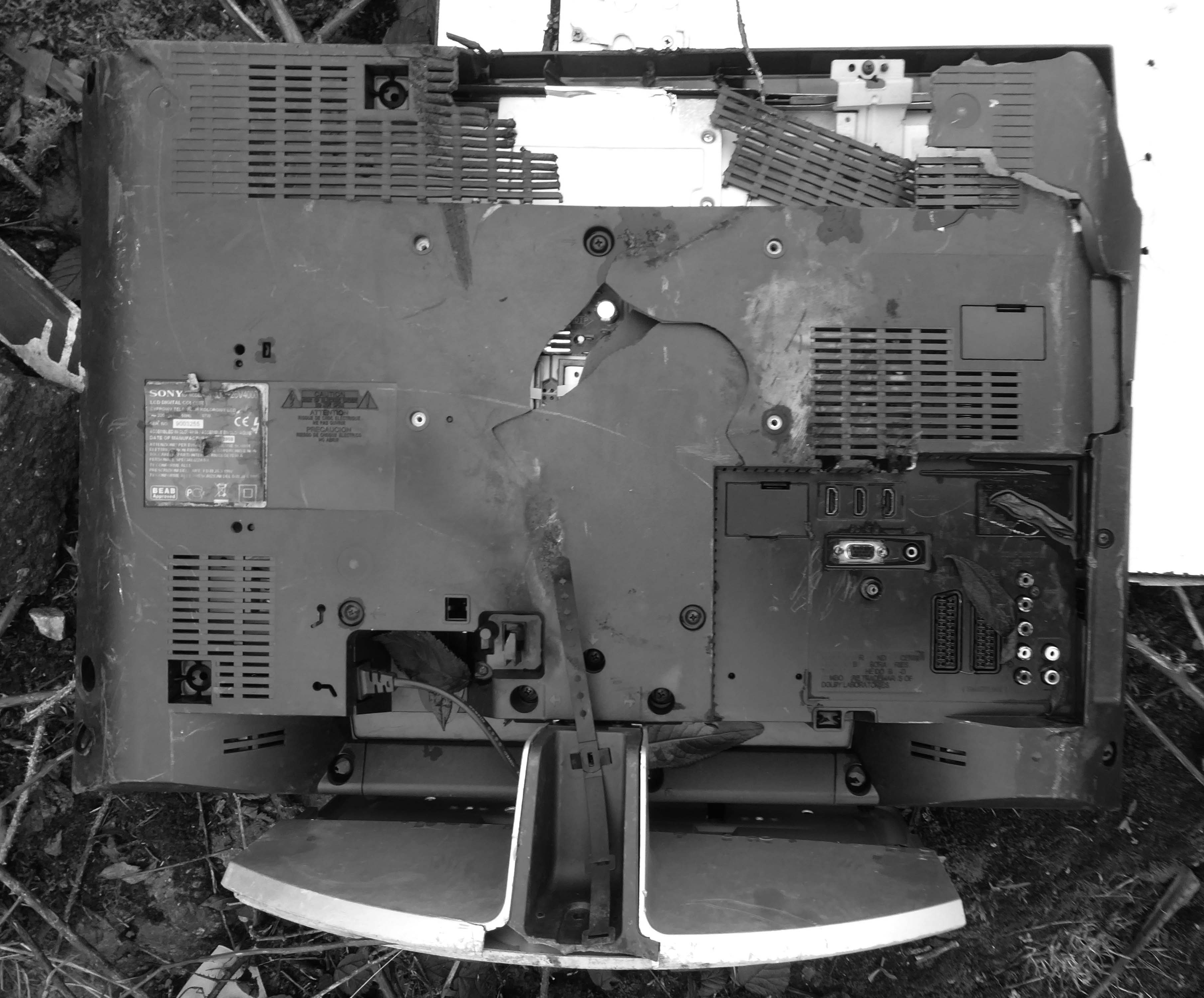
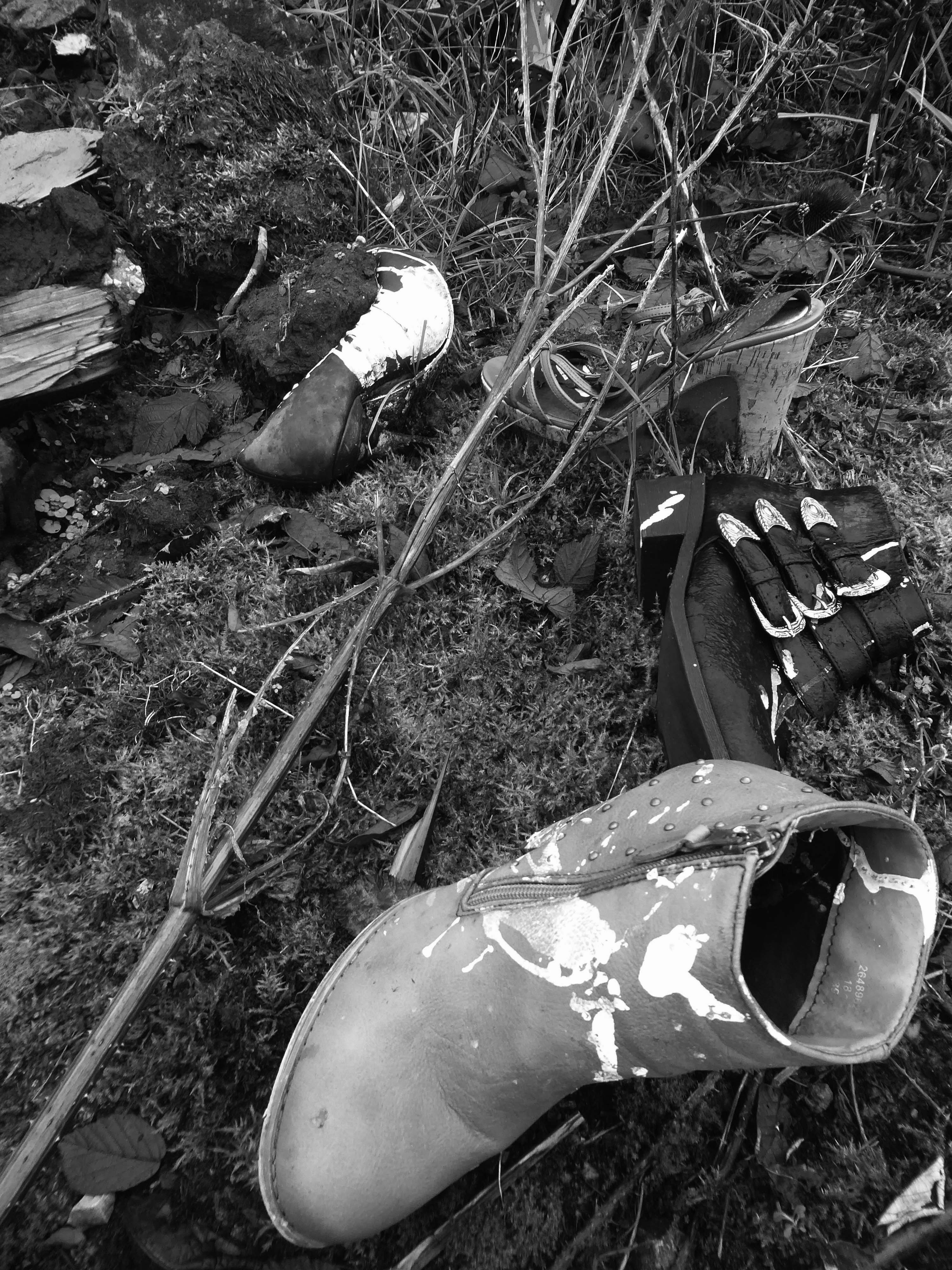
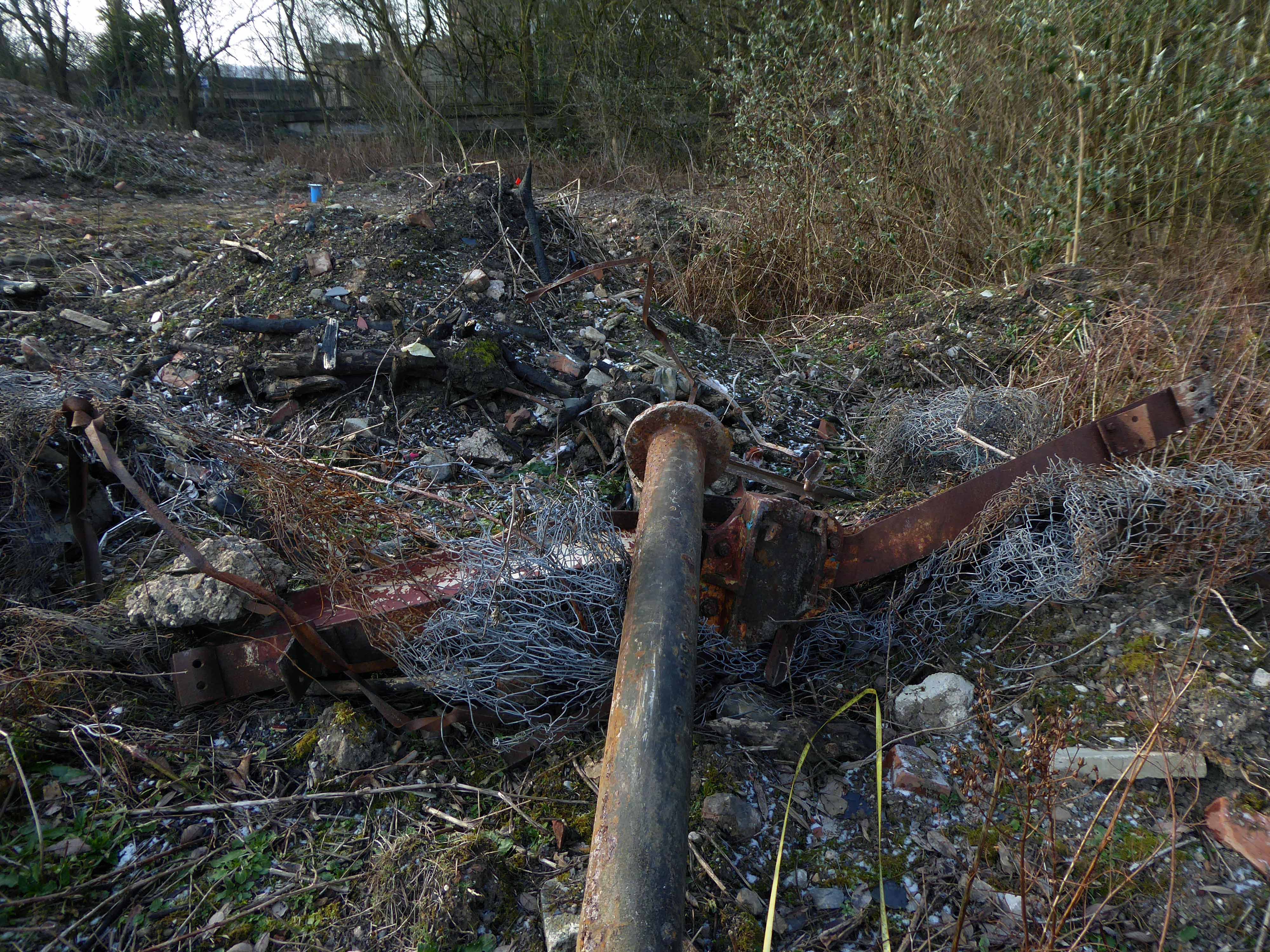
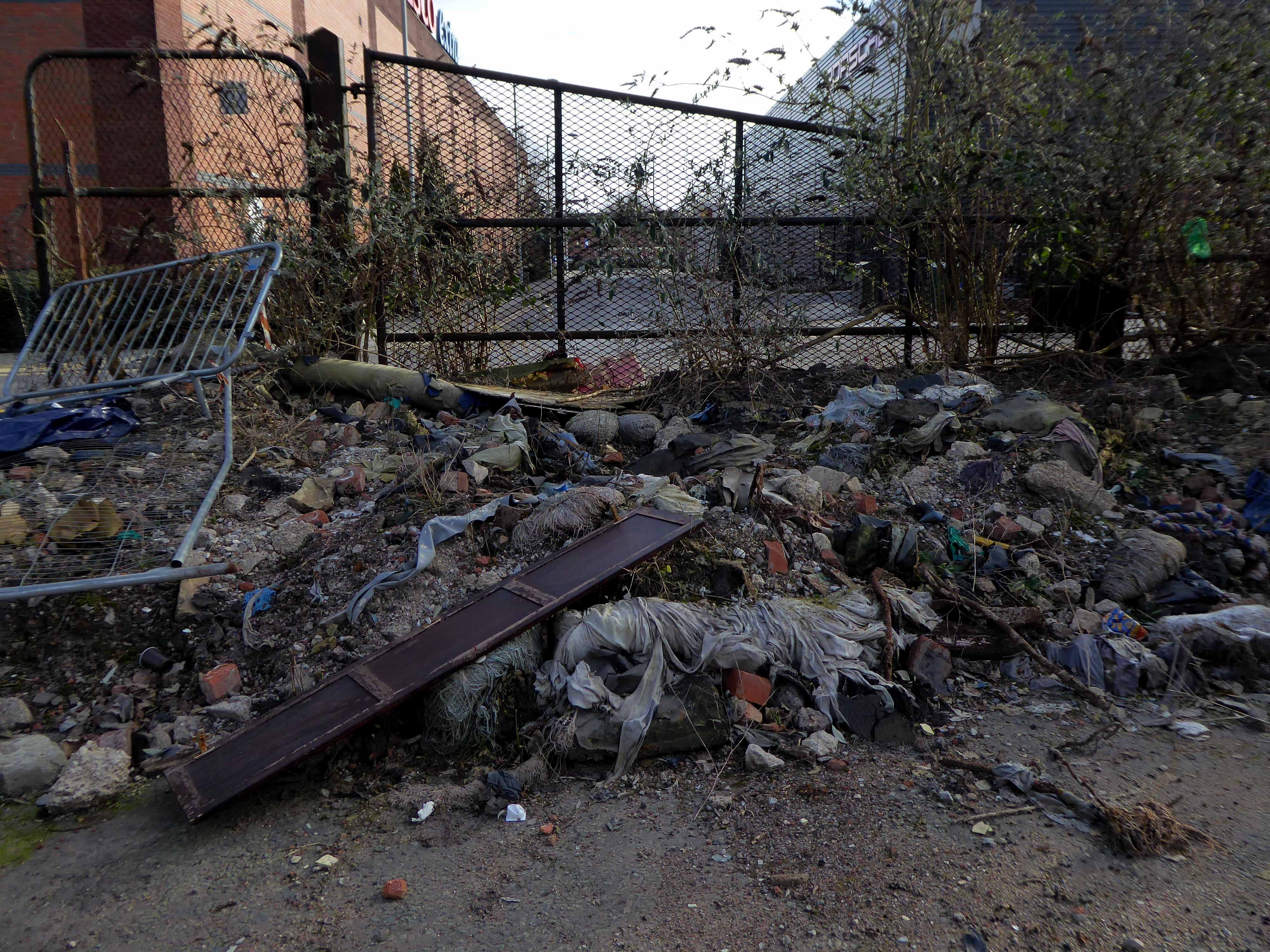
Now it is the domain of the fly-tipper, the home of the homeless, a war zone for a species which has declared war upon itself.

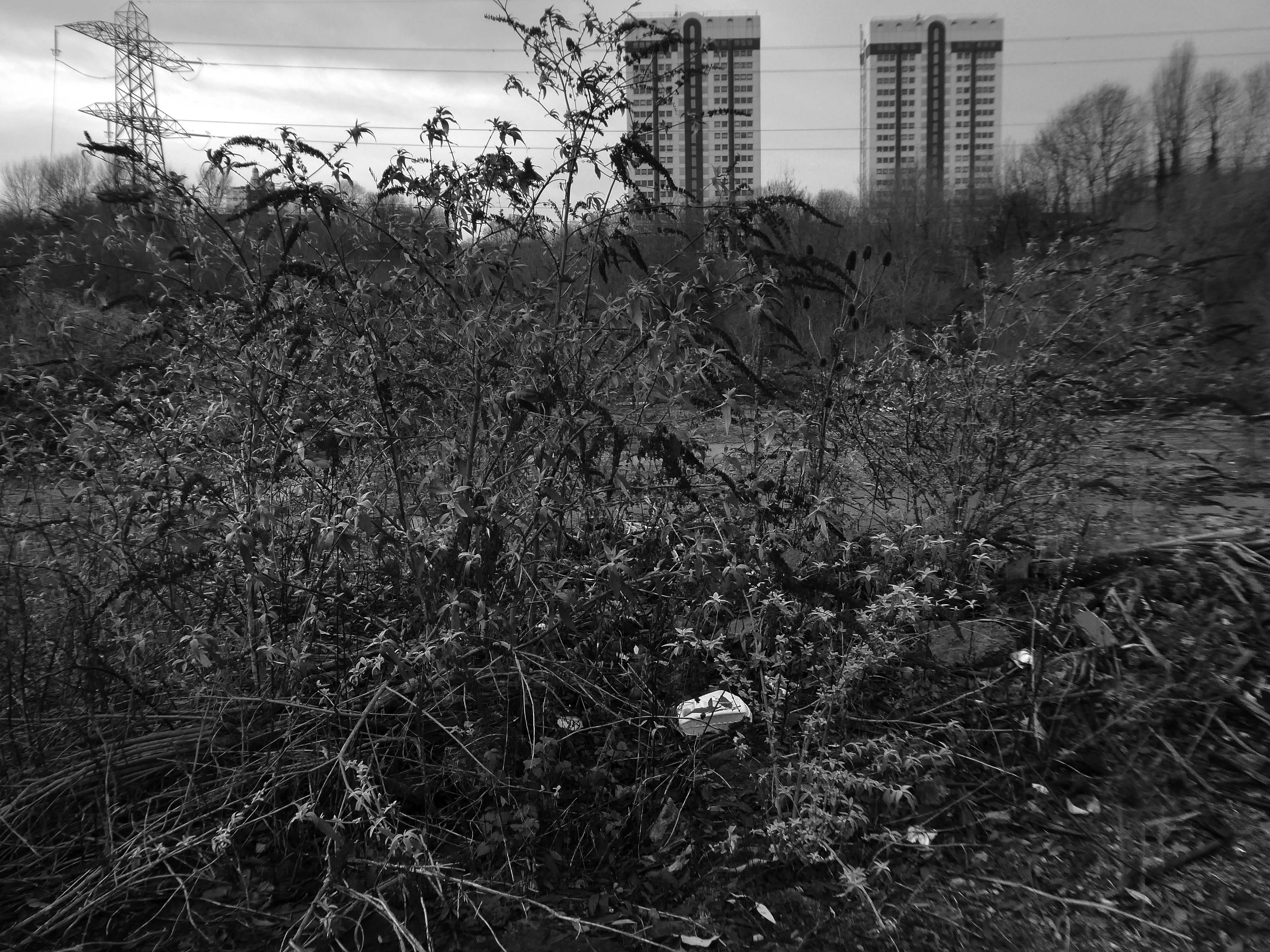
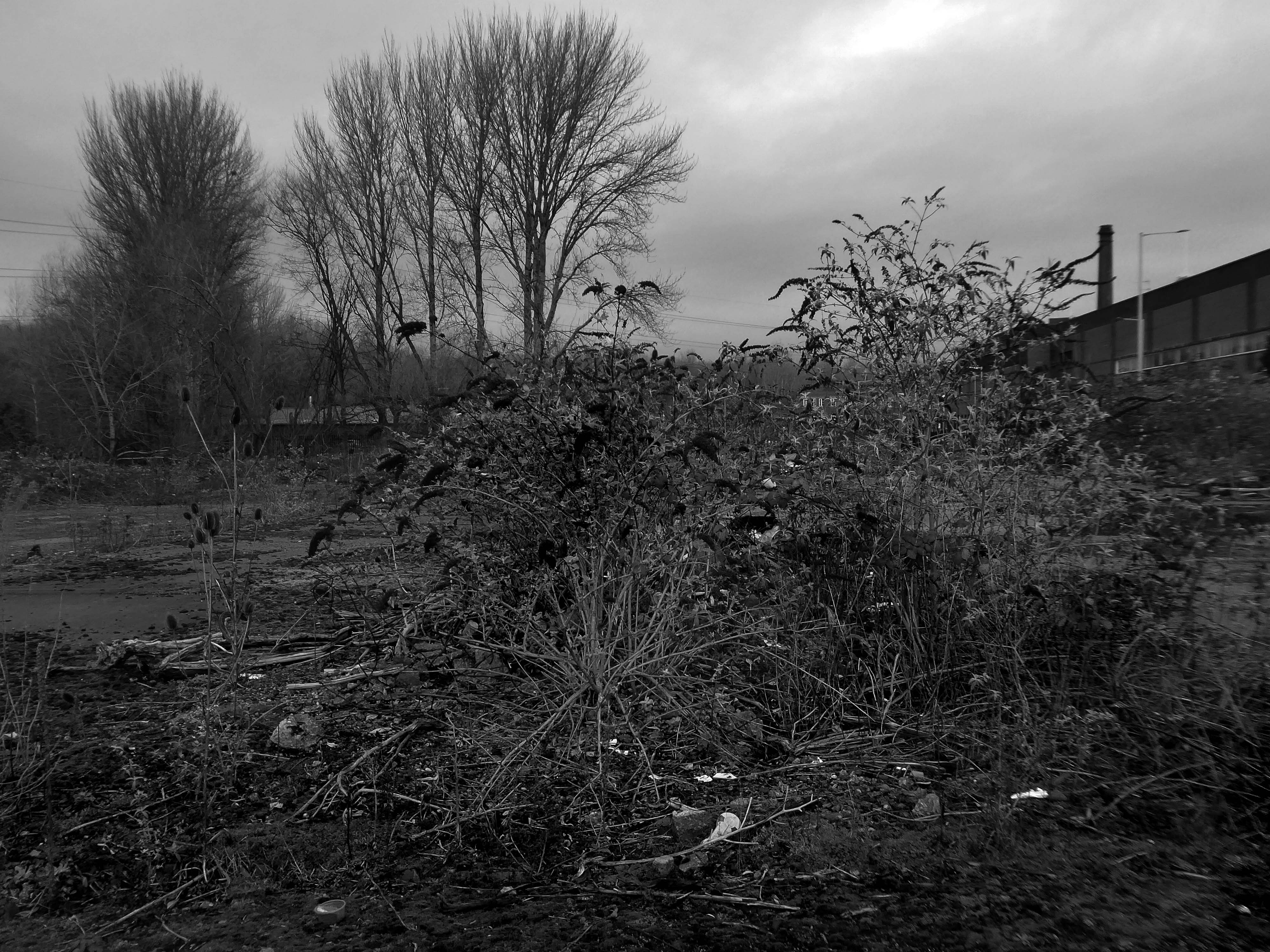
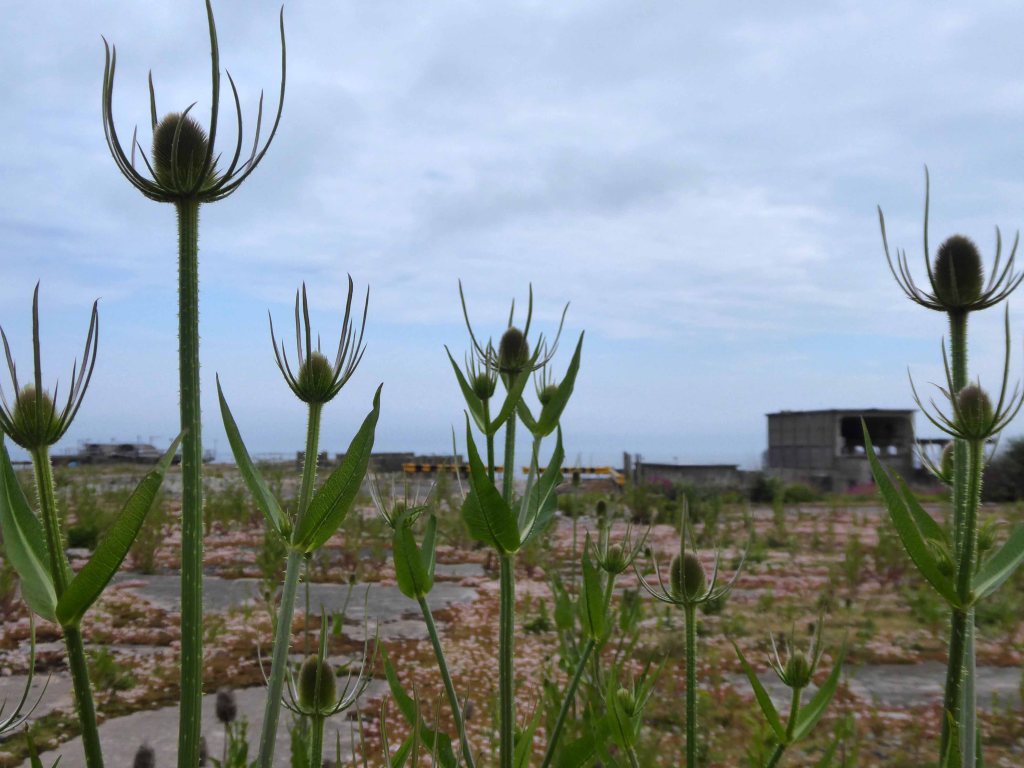
A desert of detritus, interpolated with tangles of brambles, seas of teasels and the ubiquitous buddleia.

This is the unofficial showroom for the unofficial Anthropocene Epoch – always crashing in a different car, during increasingly unseasonal weather, the superabundance of abundance.

It seems that the sun may set on us, before the sun finally sets.

Let’s take a peep at Portwood.

Game over.

Vehicle use affects our whole quality of local life. Traffic can be dangerous and intimidating, dividing communities and making street life unpleasant, whilst air pollution and traffic noise can make urban living uncomfortable.

Environmental Protection UK

The impacts of mass consumption are: Misuse of land and resources, exporting pollution and waste from rich countries to poor countries, obesity due to excessive consumption, a cycle of waste, disparities and poverty.

Global Issues

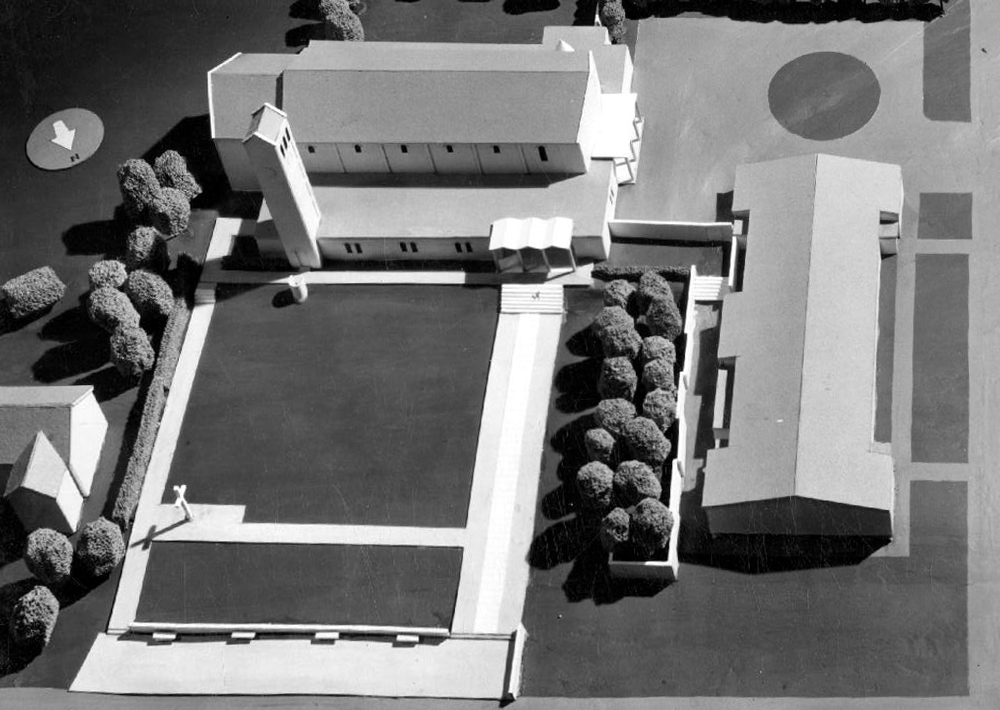
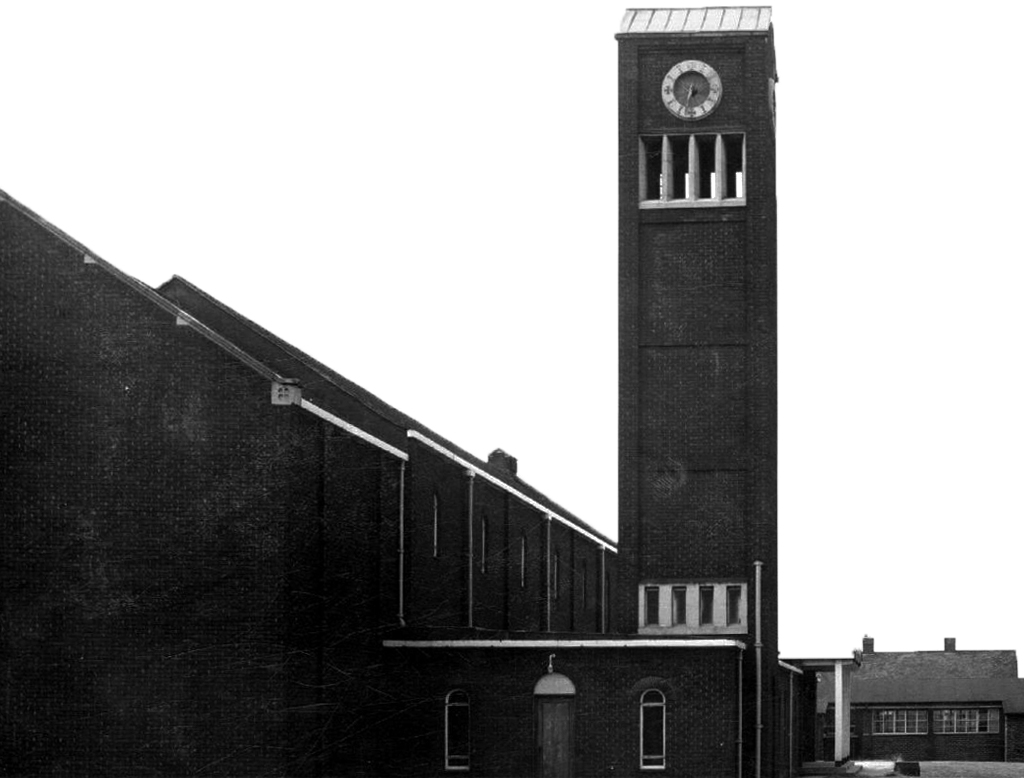
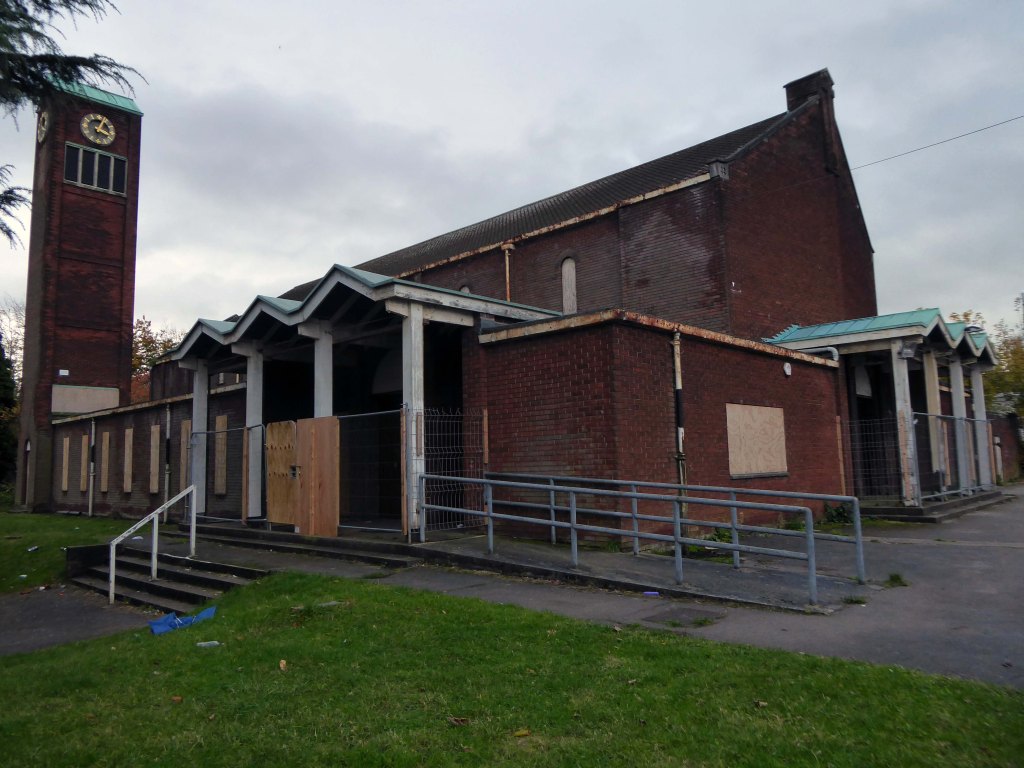
St Martin’s Church Wythenshawe

2 Blackcarr Rd Wythenshawe Manchester M23 1LX

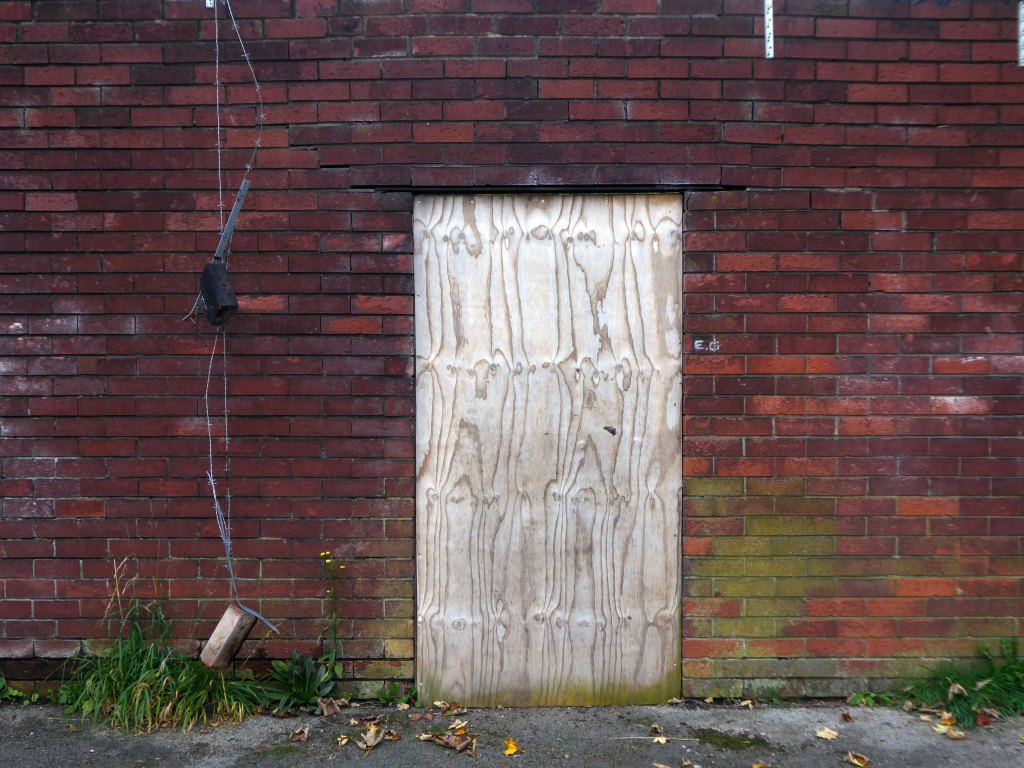
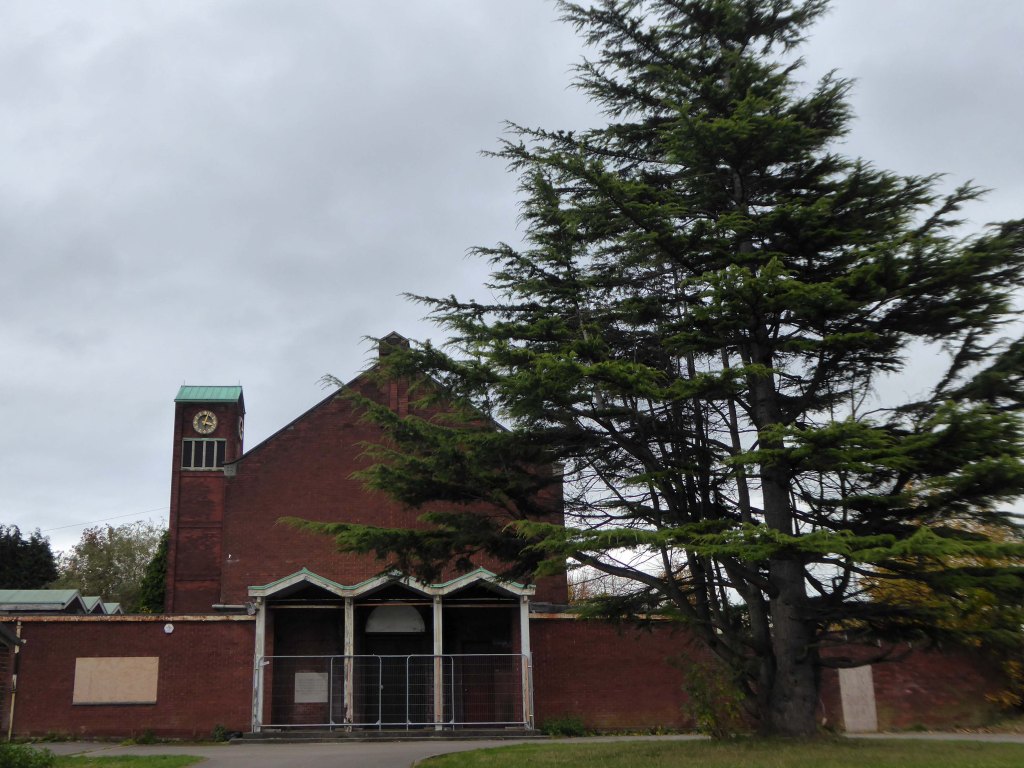
Sadly all tinned up with nowhere to go.

Services are now held in in the adjoining Church Hall.

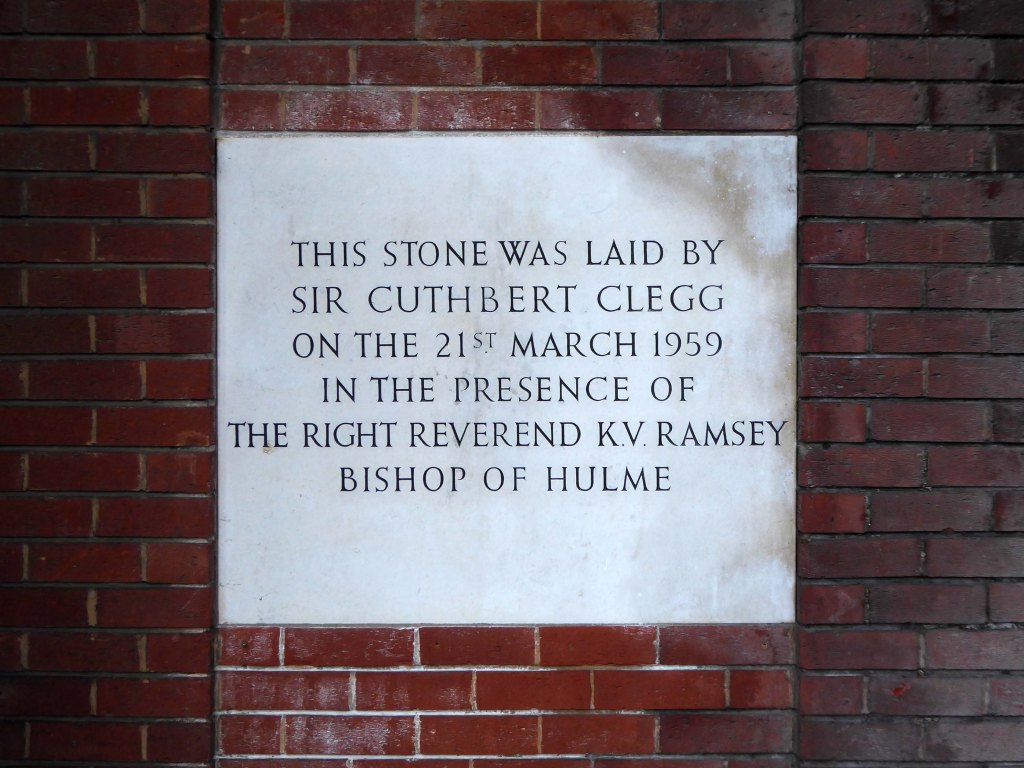
The church is the the work of Harry Fairhurst Architects 1958.

Opened 21st March 1959.

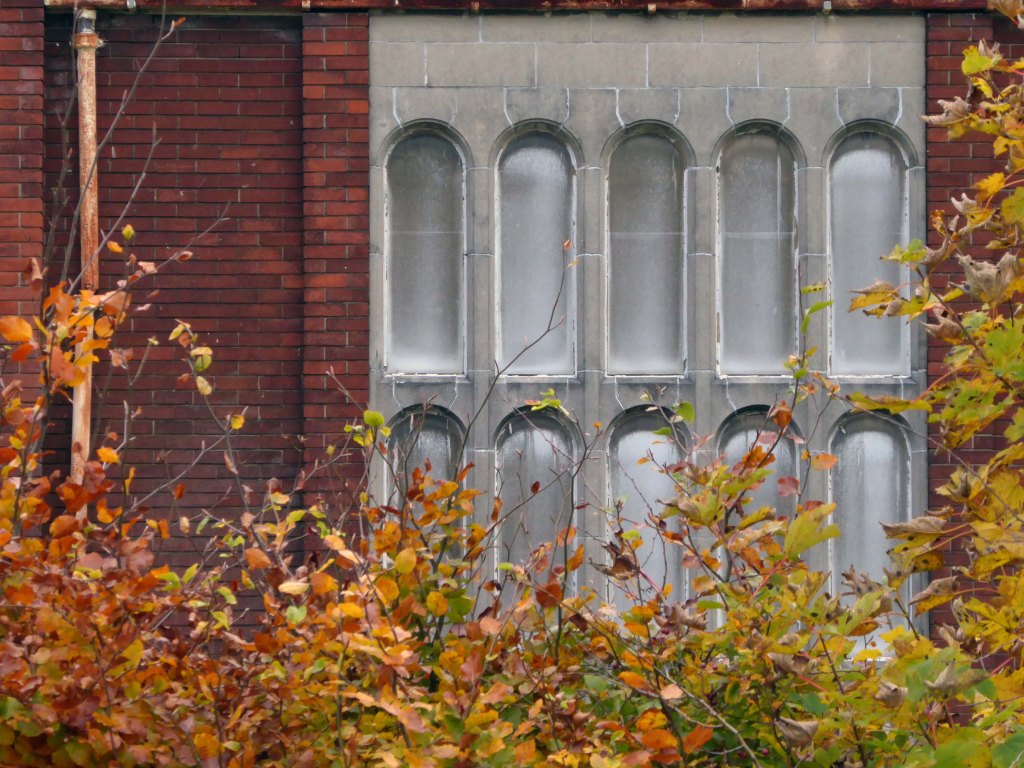
The building has seen better days.

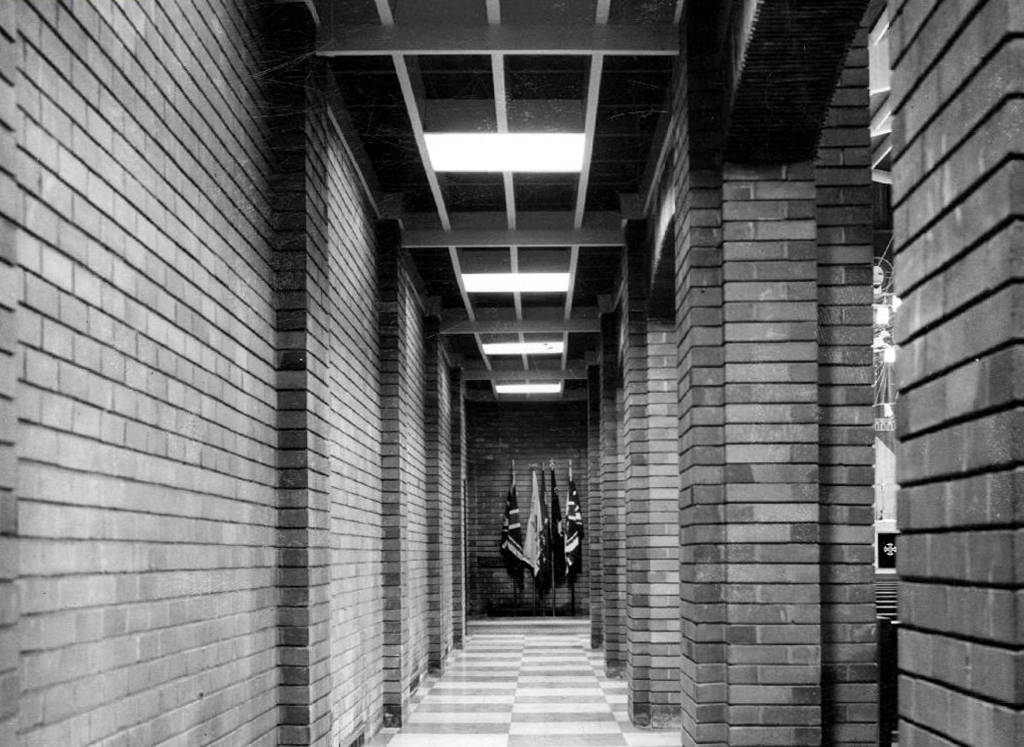
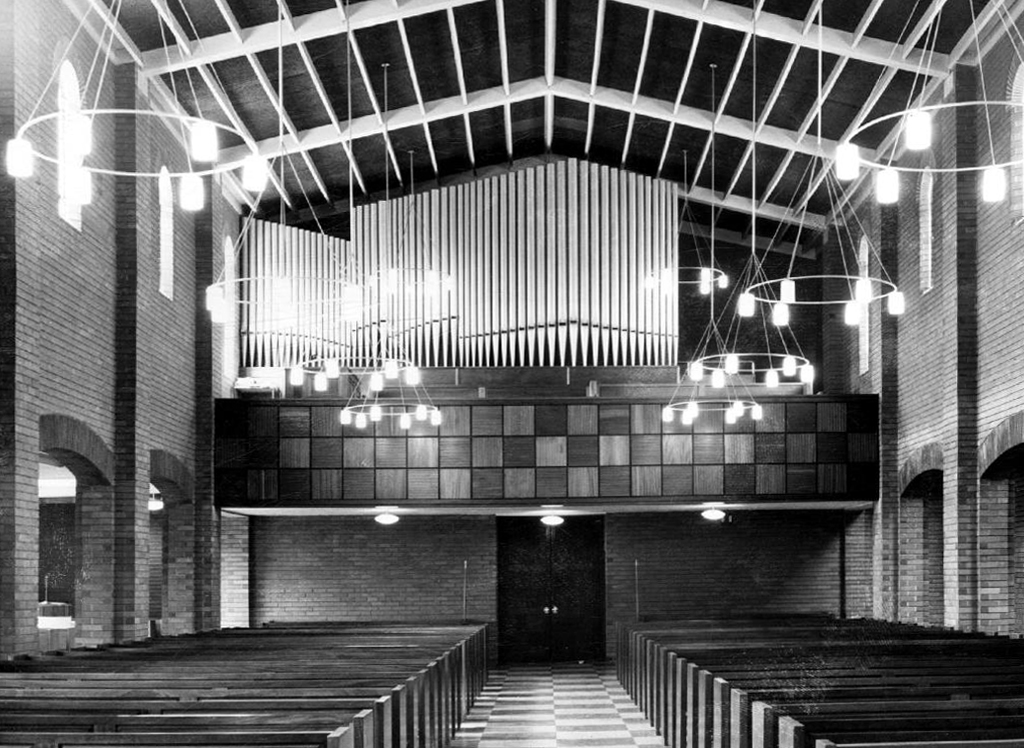
The interior a restrained delight.

Archive Photographs – Local Image Collection

The site is sodden with sadness, that such a gem is in such serious decline.

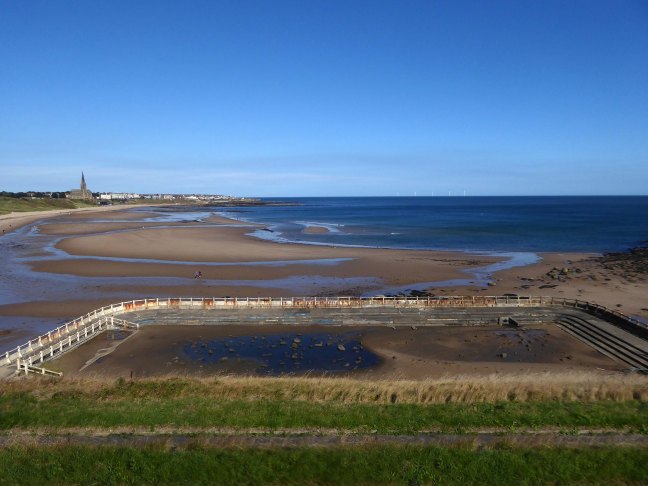
Bathing Pool – Tynemouth

I had cycled by on a journey from Newcastle to Amble.

I returned to take a closer look.

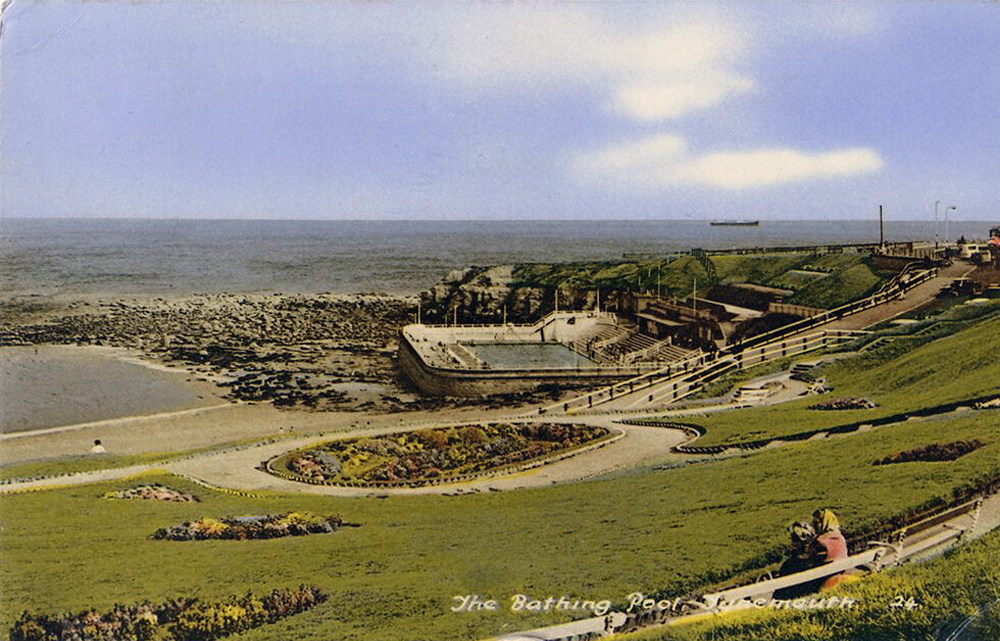
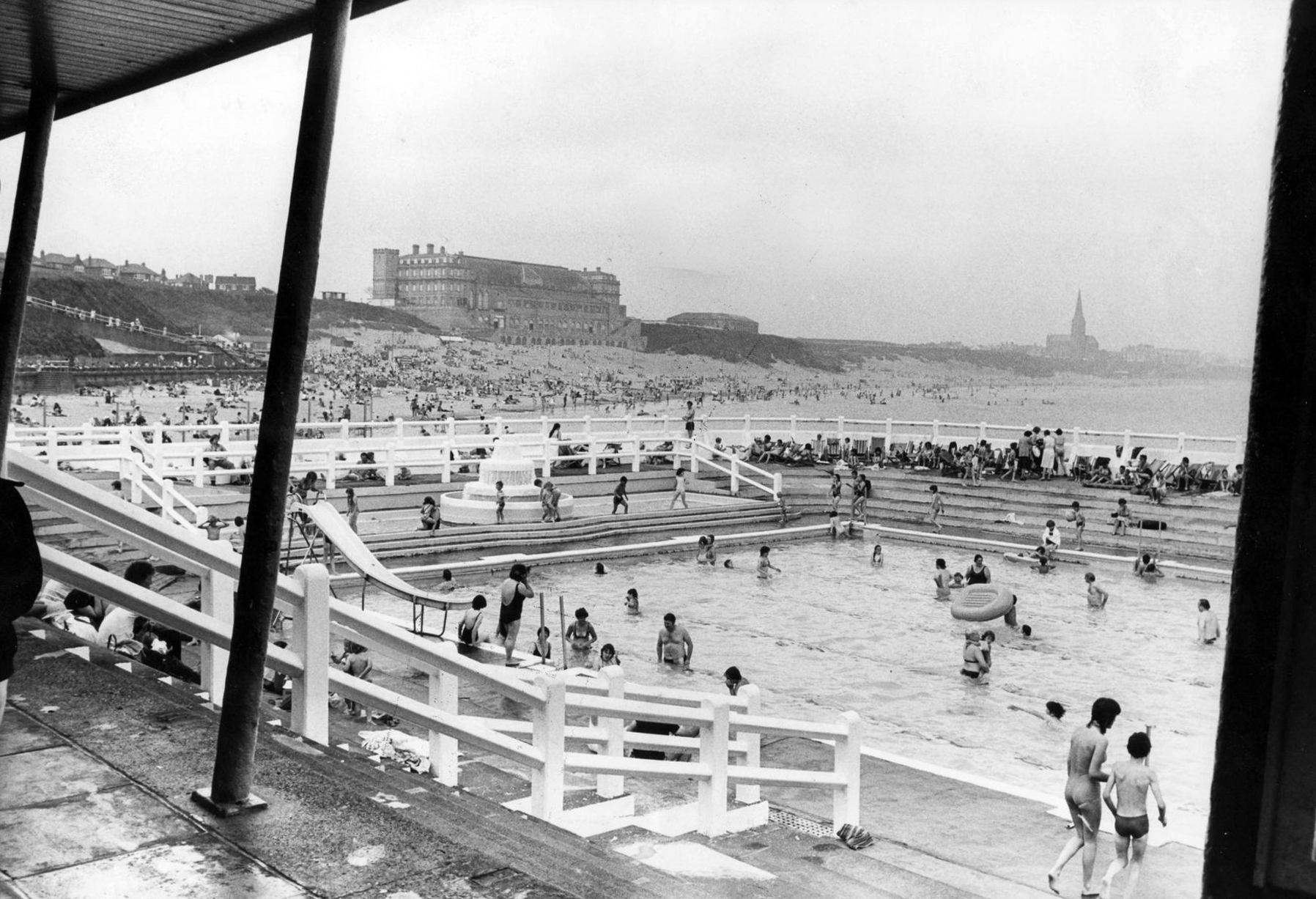
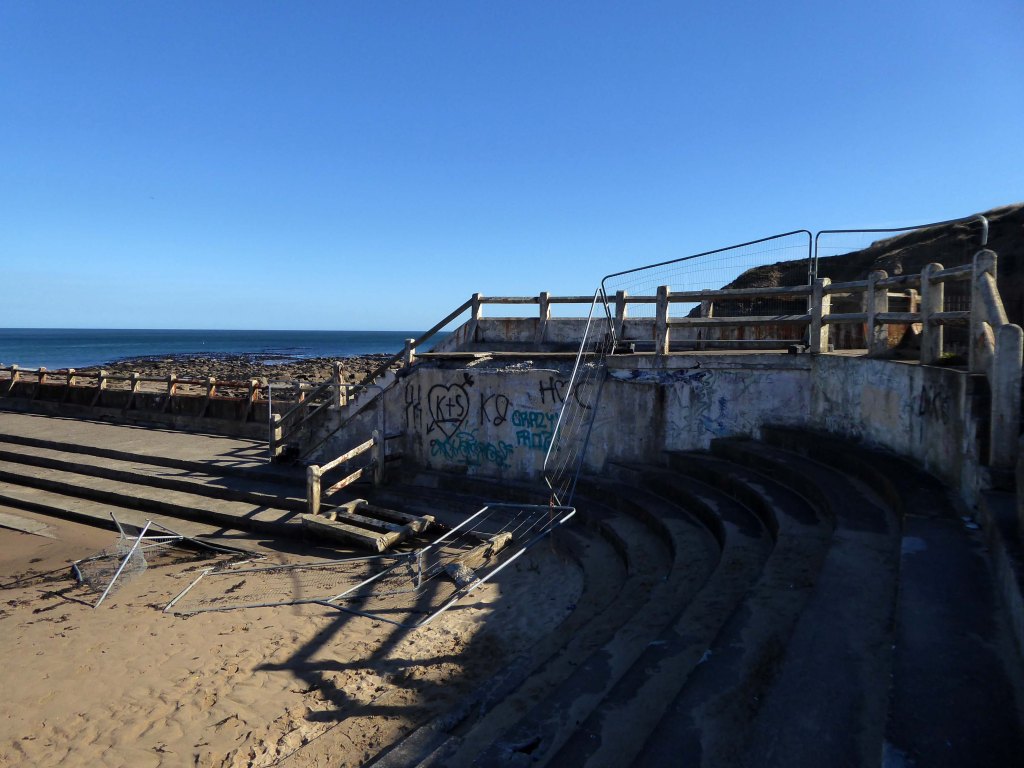
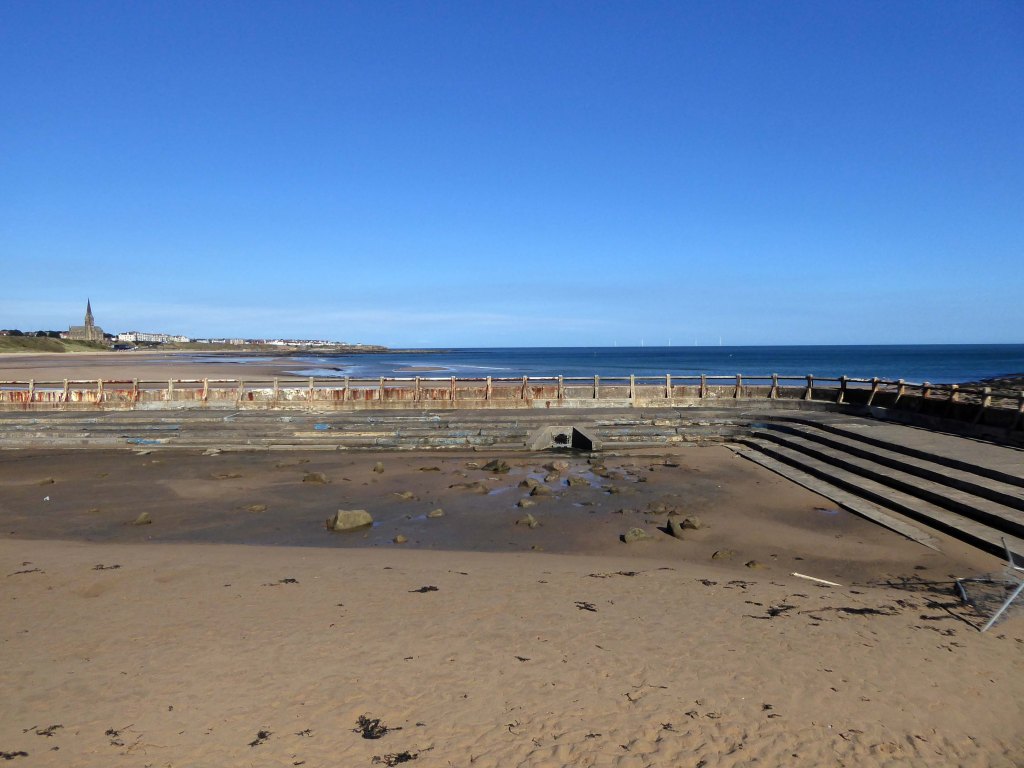
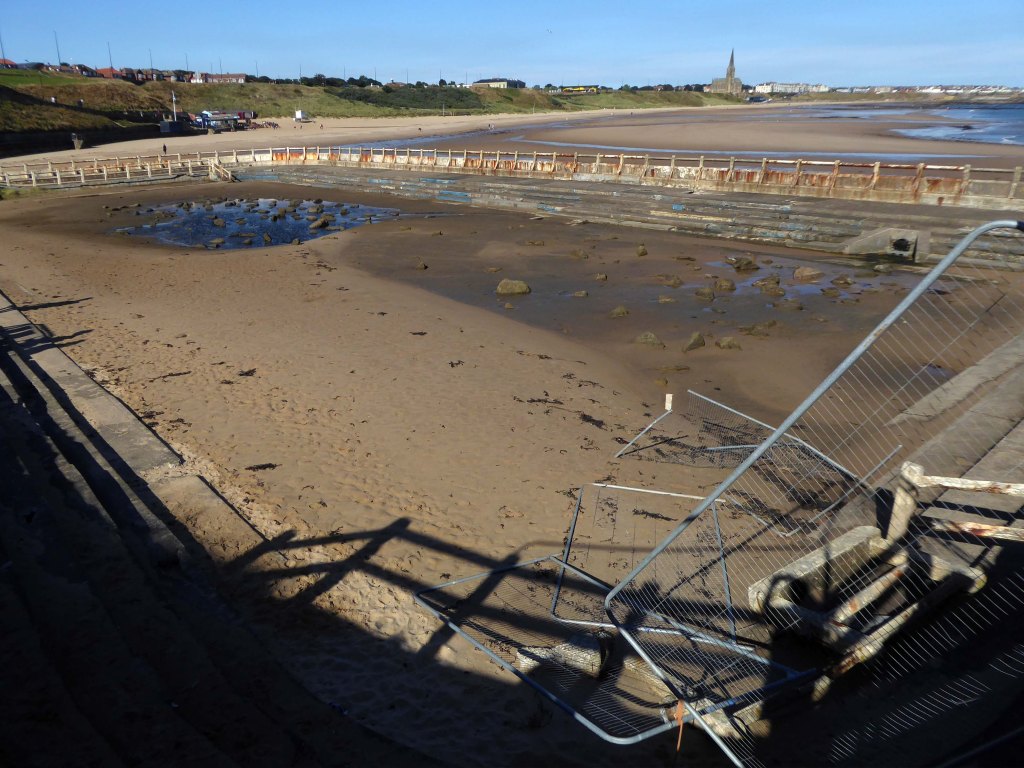
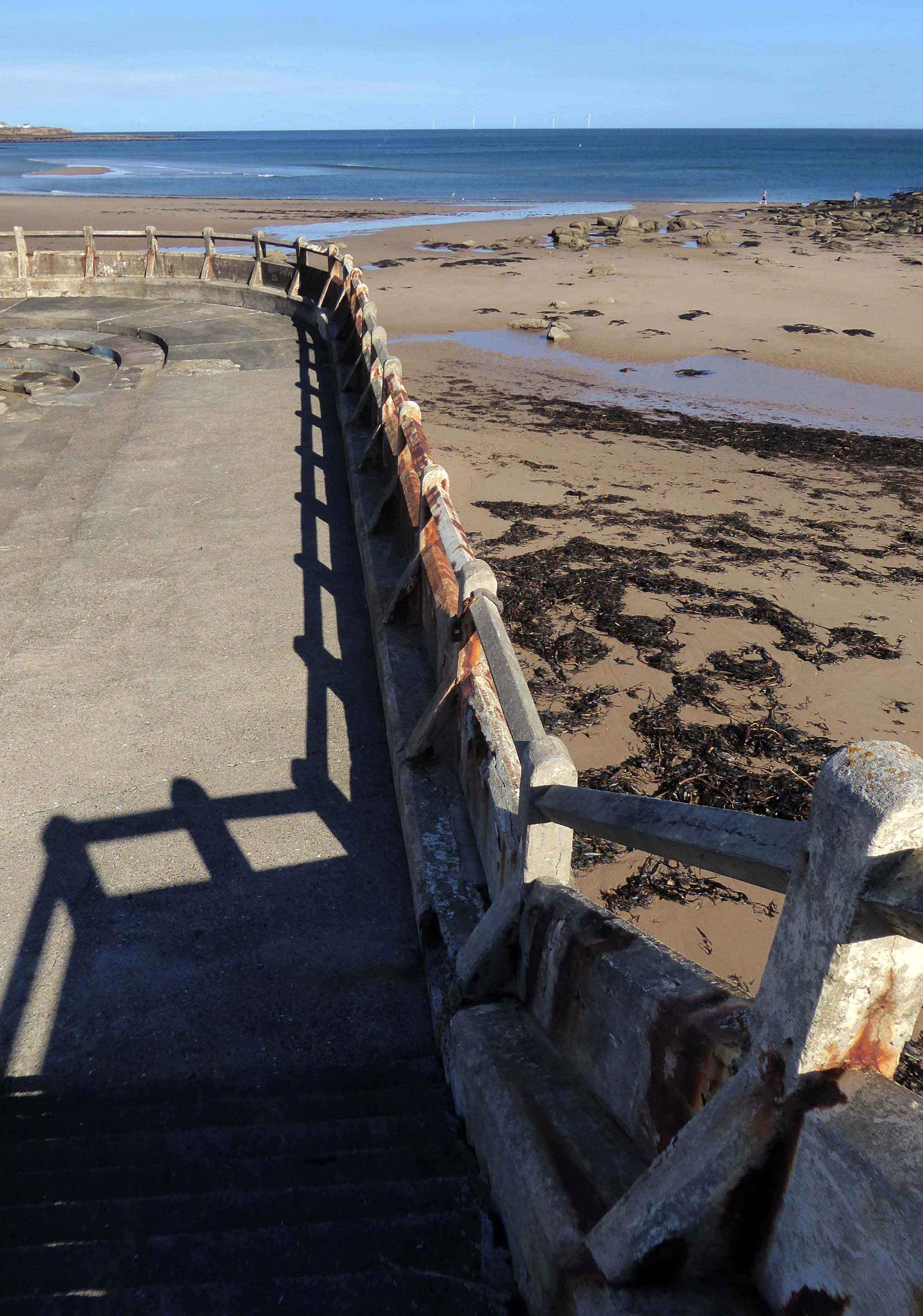
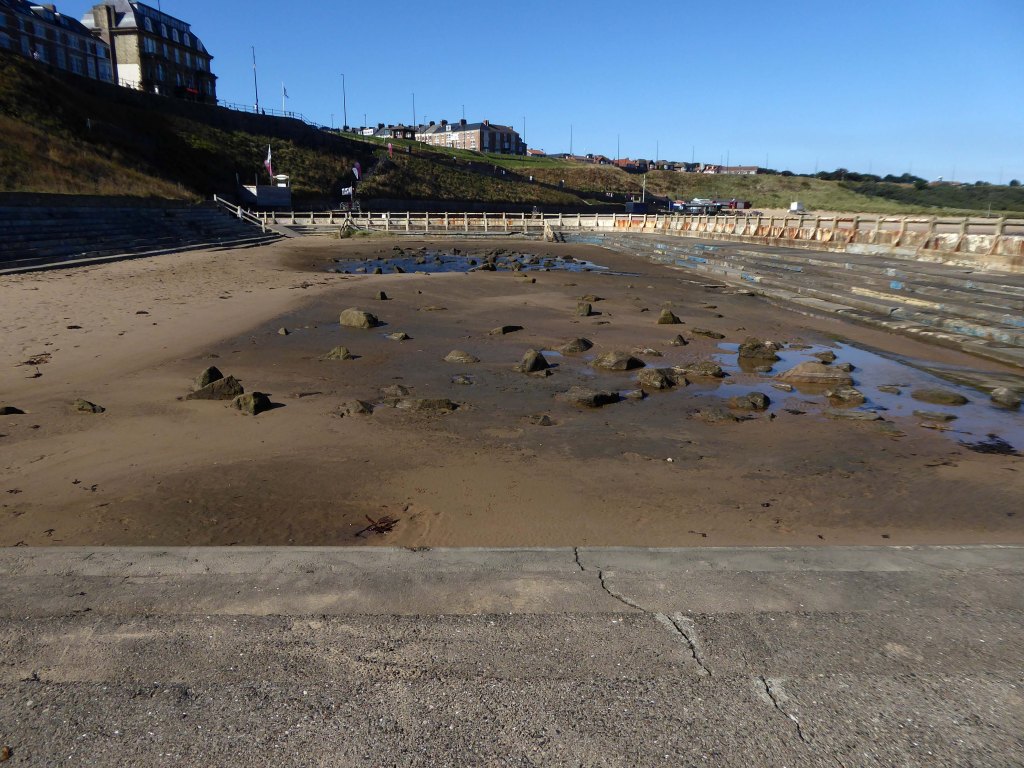
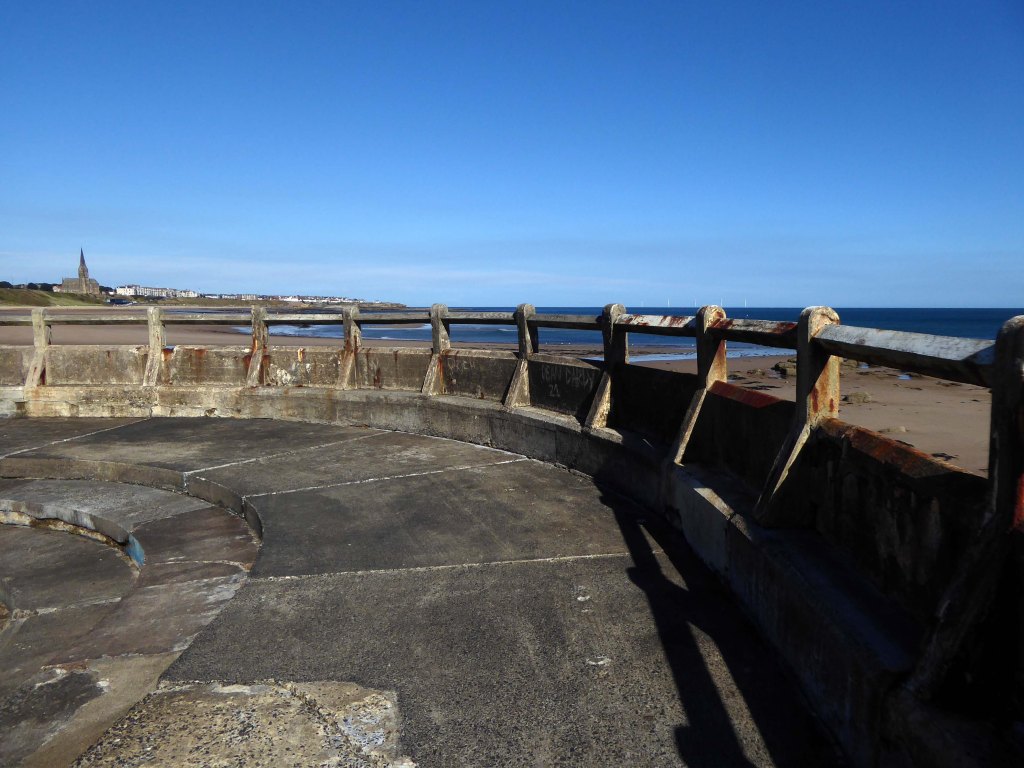
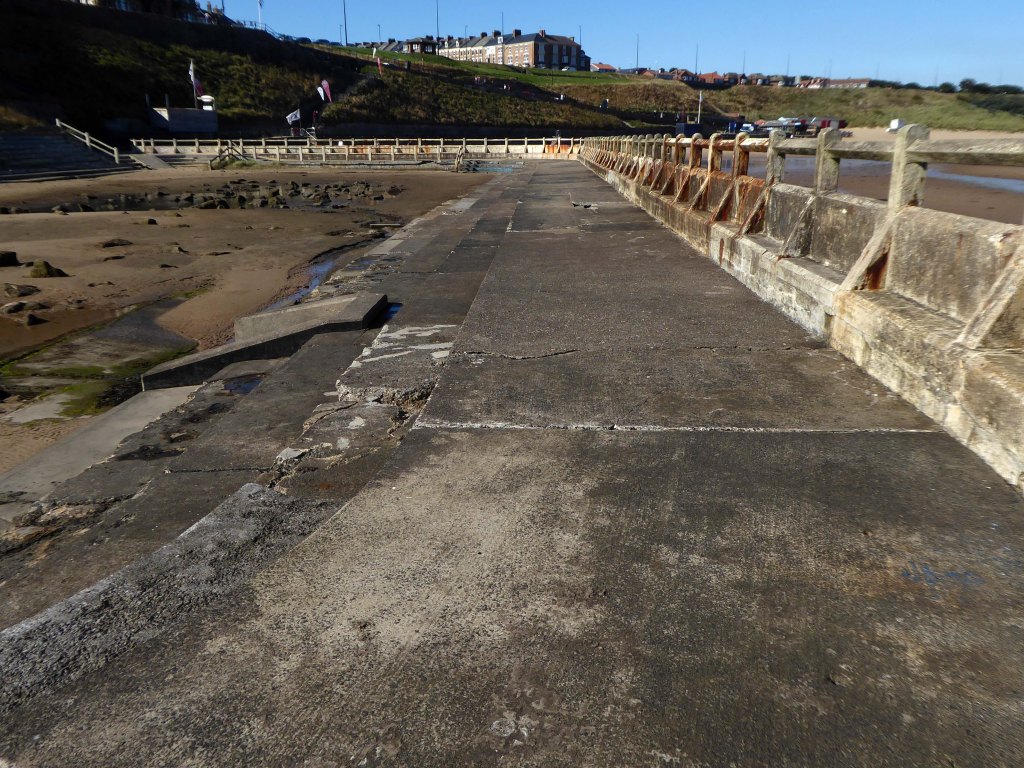
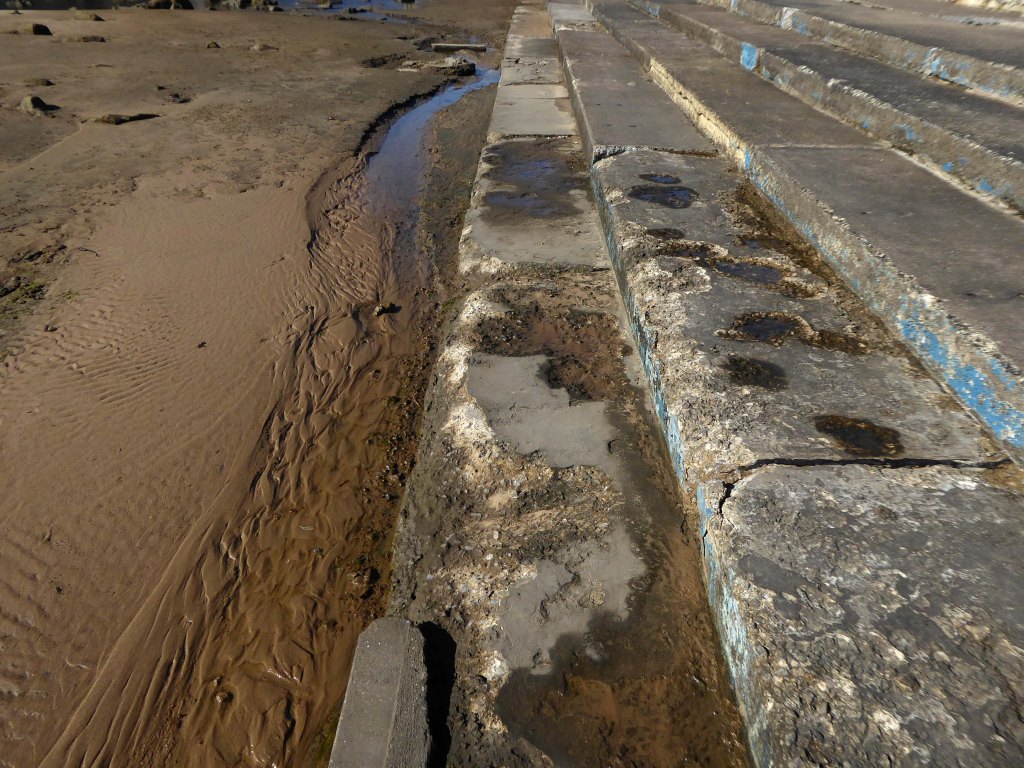
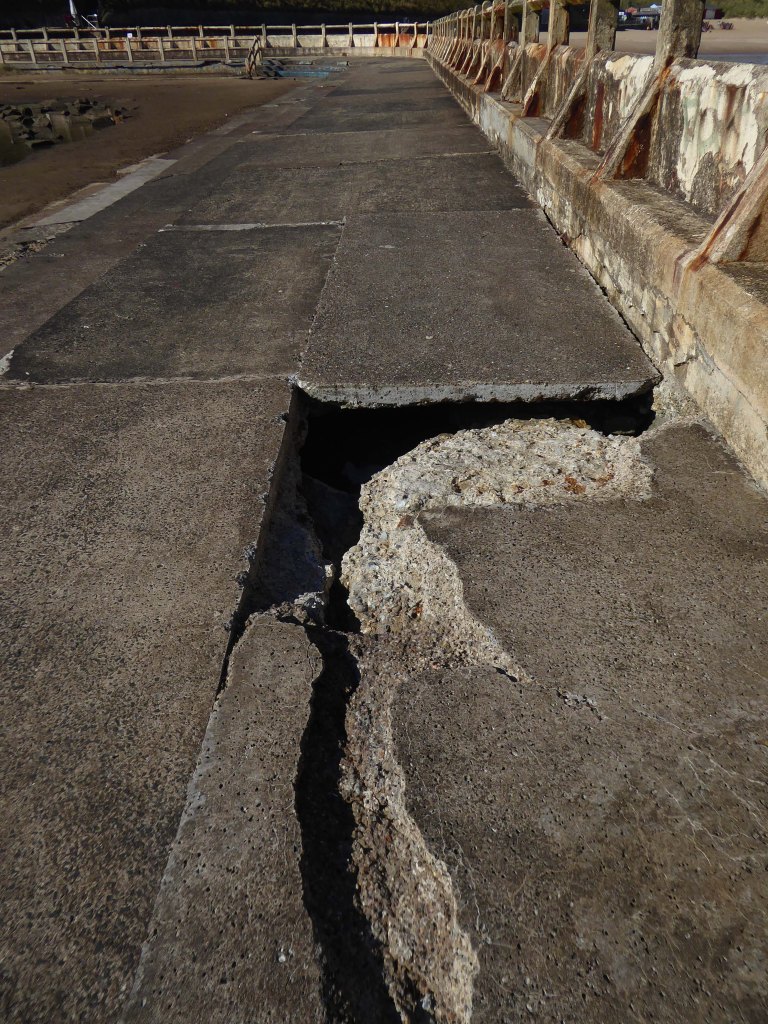
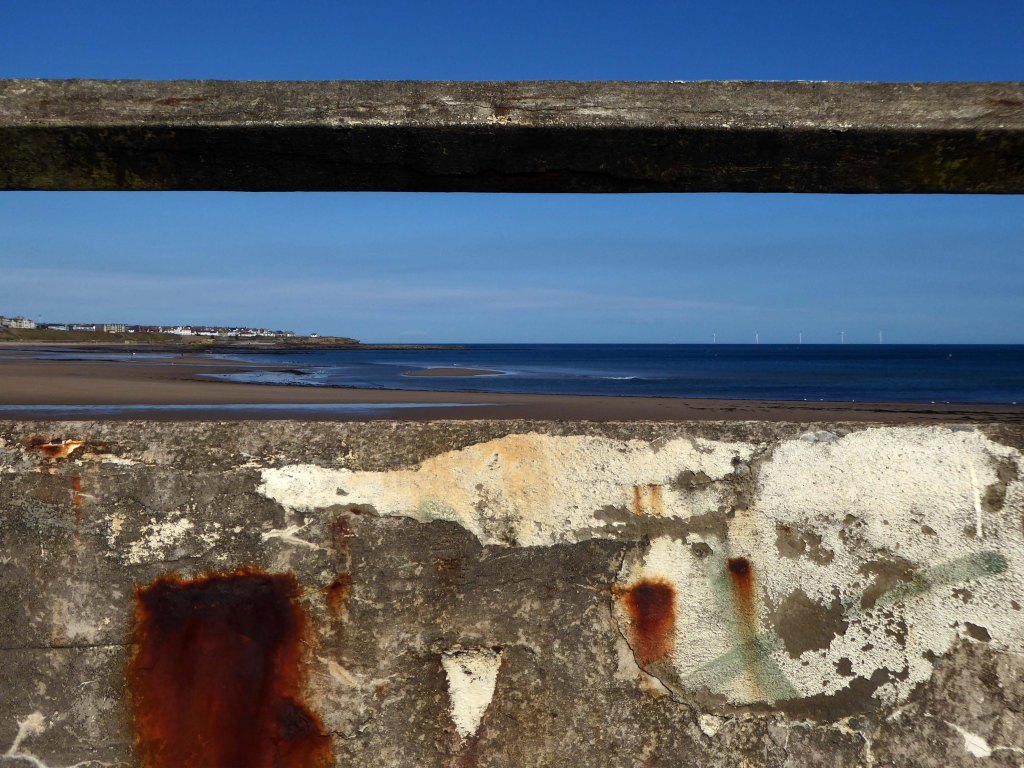
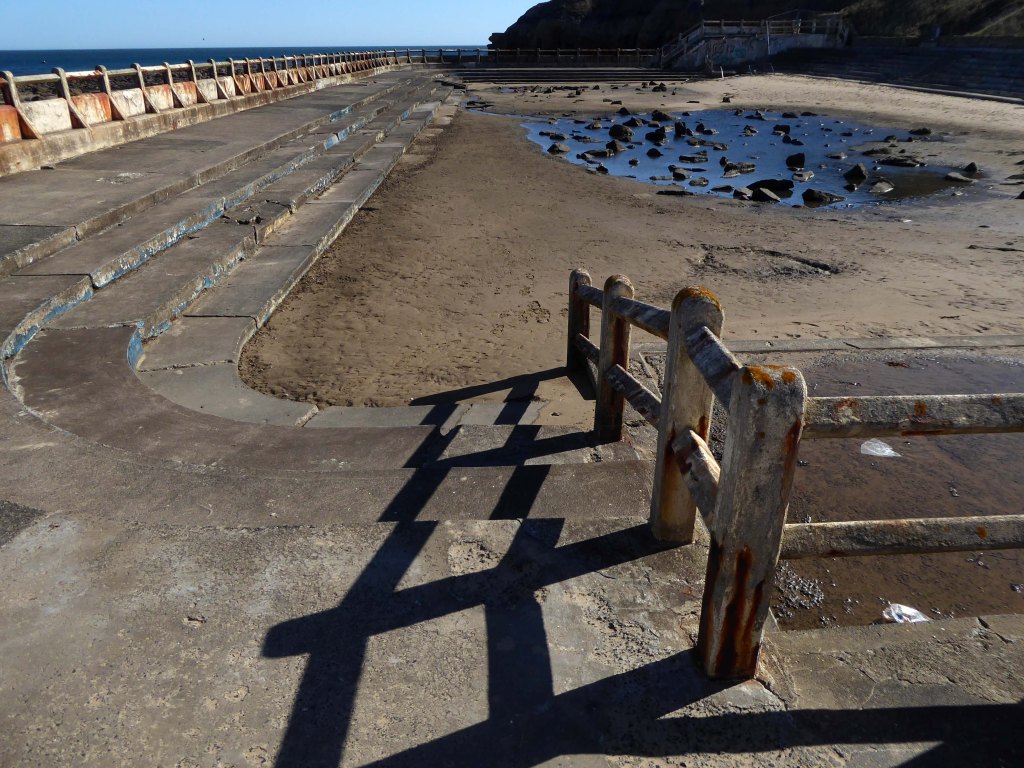
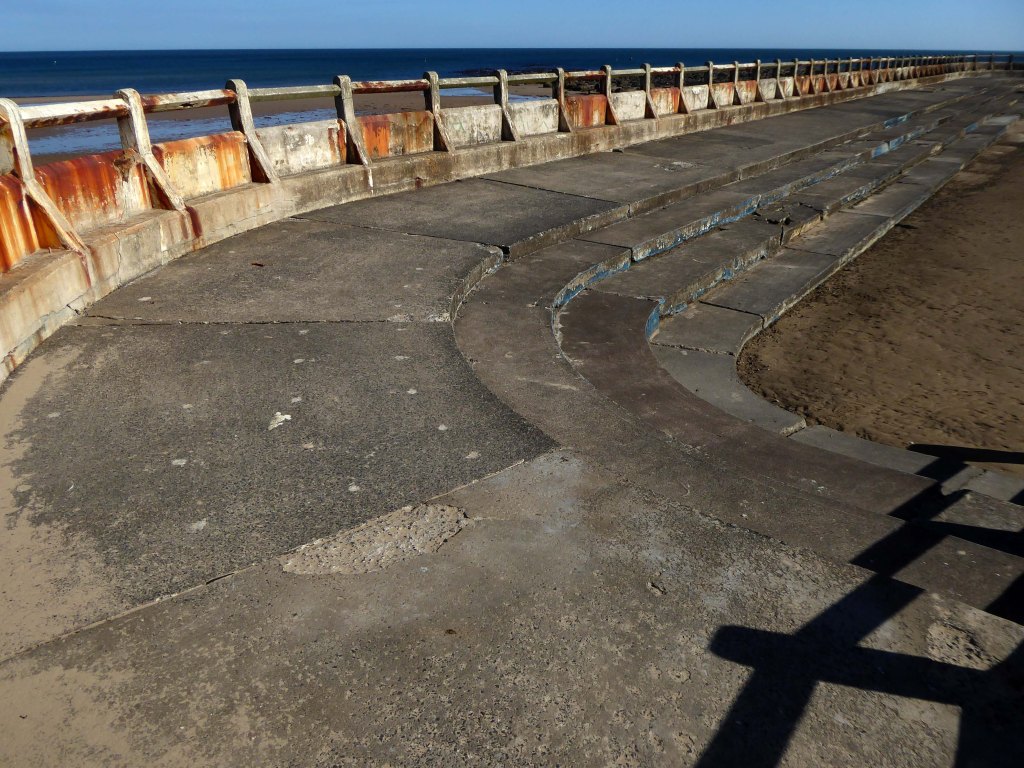
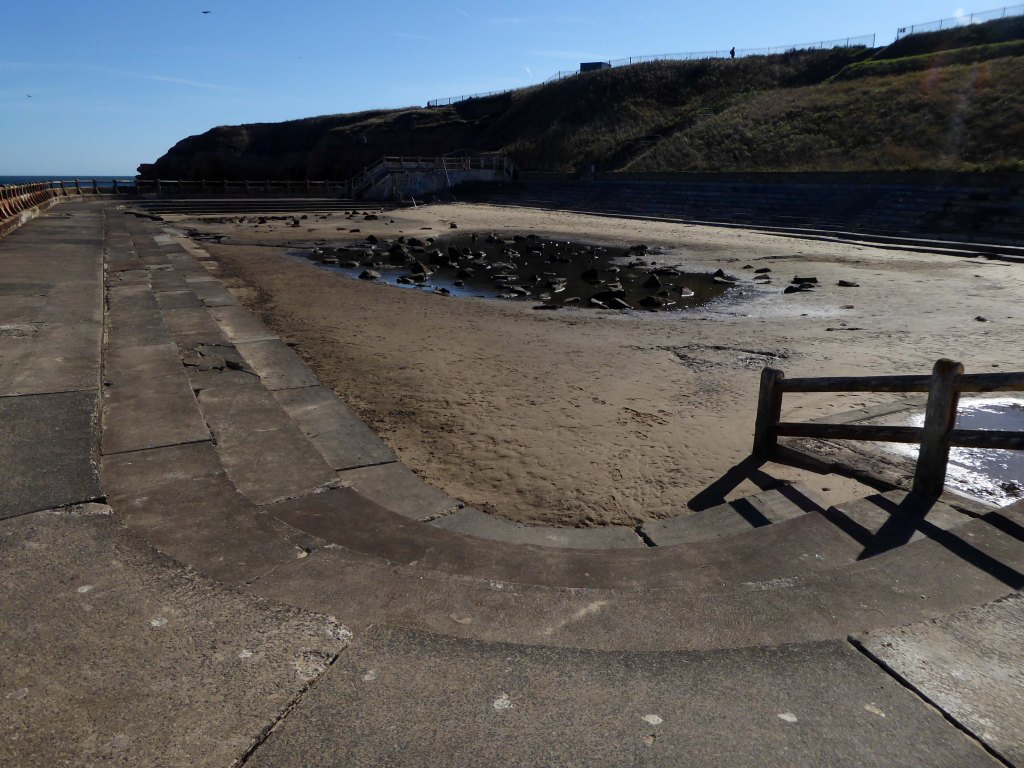
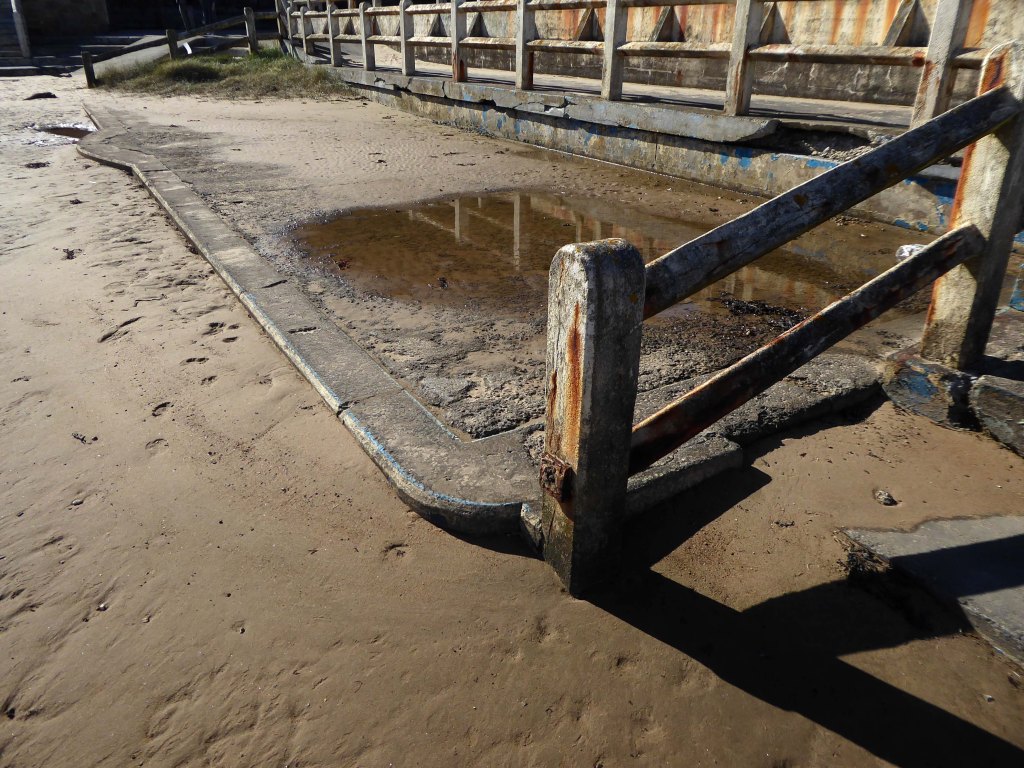
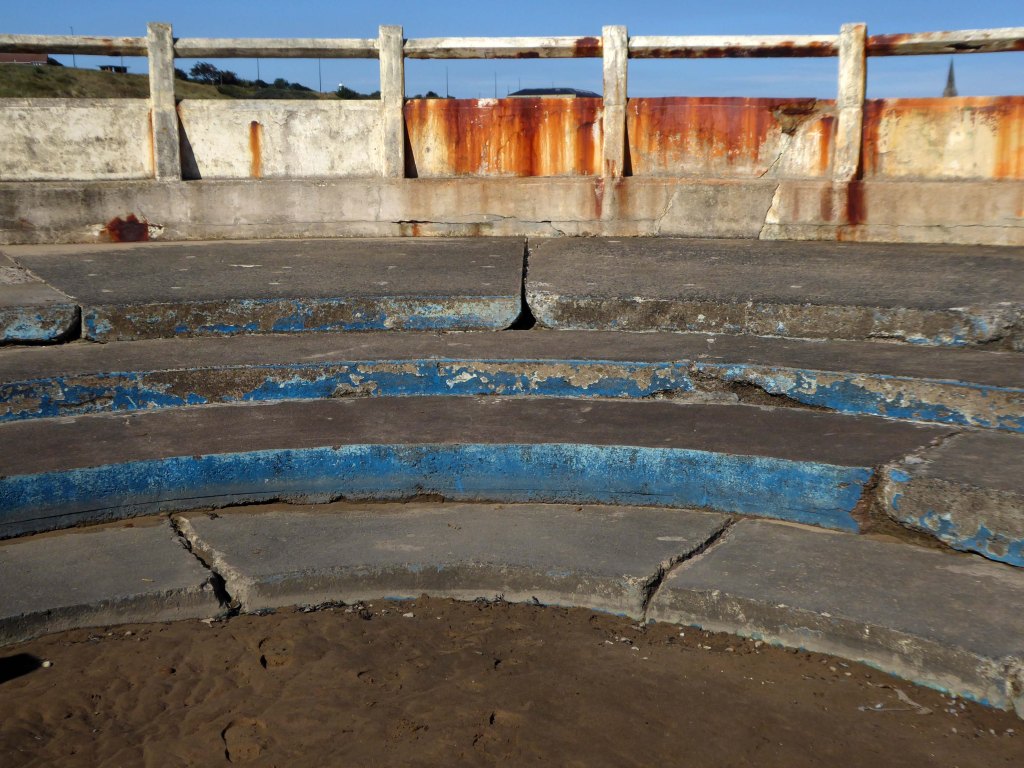
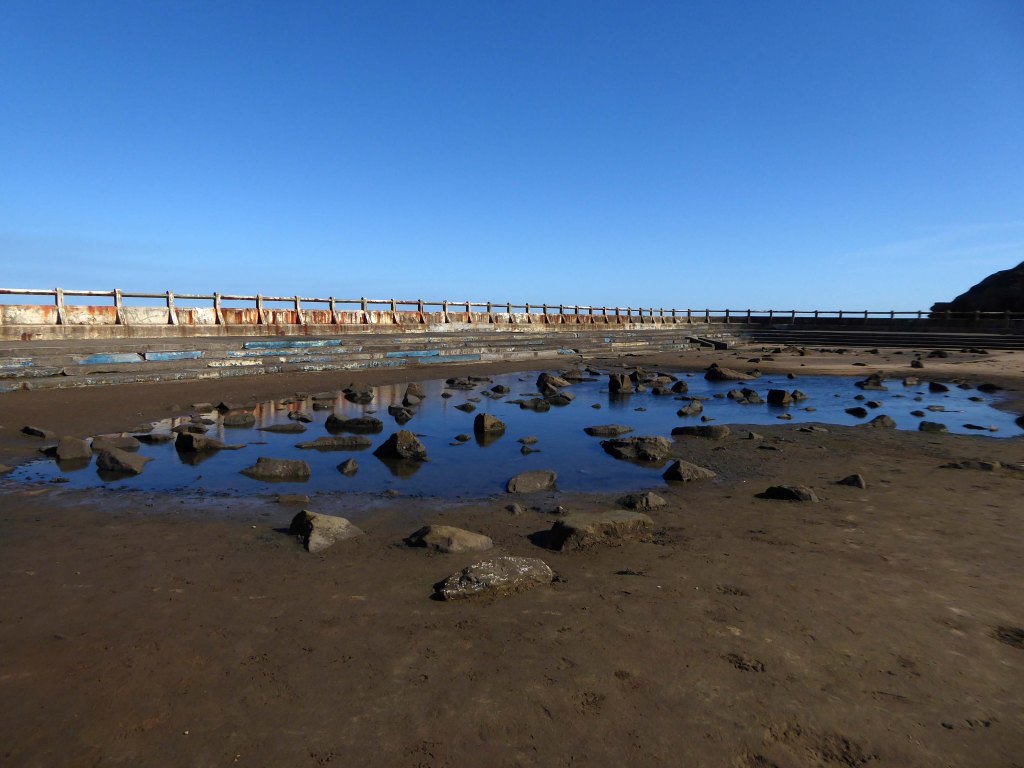
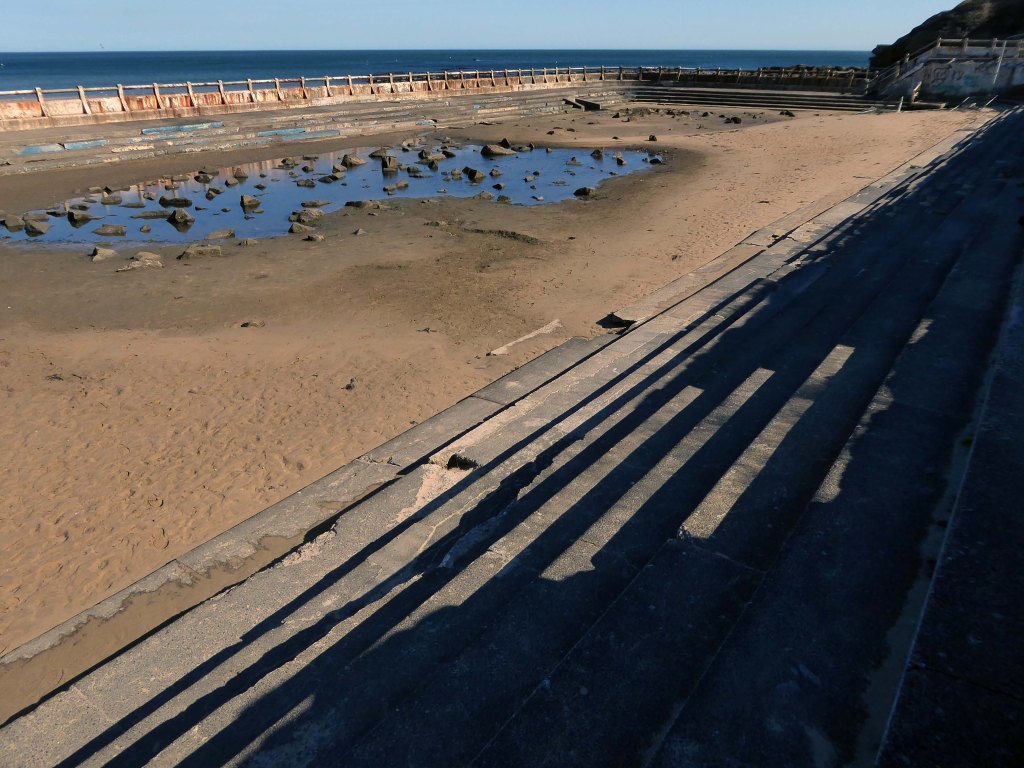
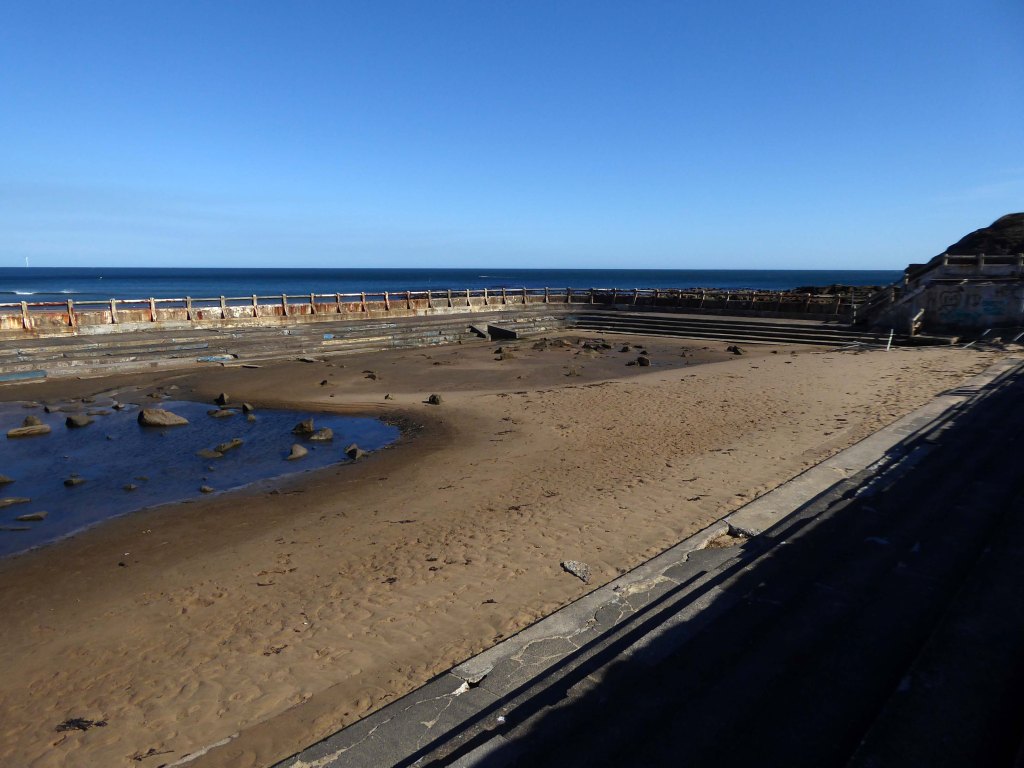
At the Southern end of Tynemouth Longsands beach, on the North East coast, lies the decaying remains of Tynemouth Outdoor Swimming Pool. A concrete, rectangular, salt water tidal pool, built in the 1920s. Popular with locals and holiday makers alike for over 50 years. It began to lose favour in the late 70s with the introduction of cheap package holidays abroad, just as other British coastal holiday destinations lost out.

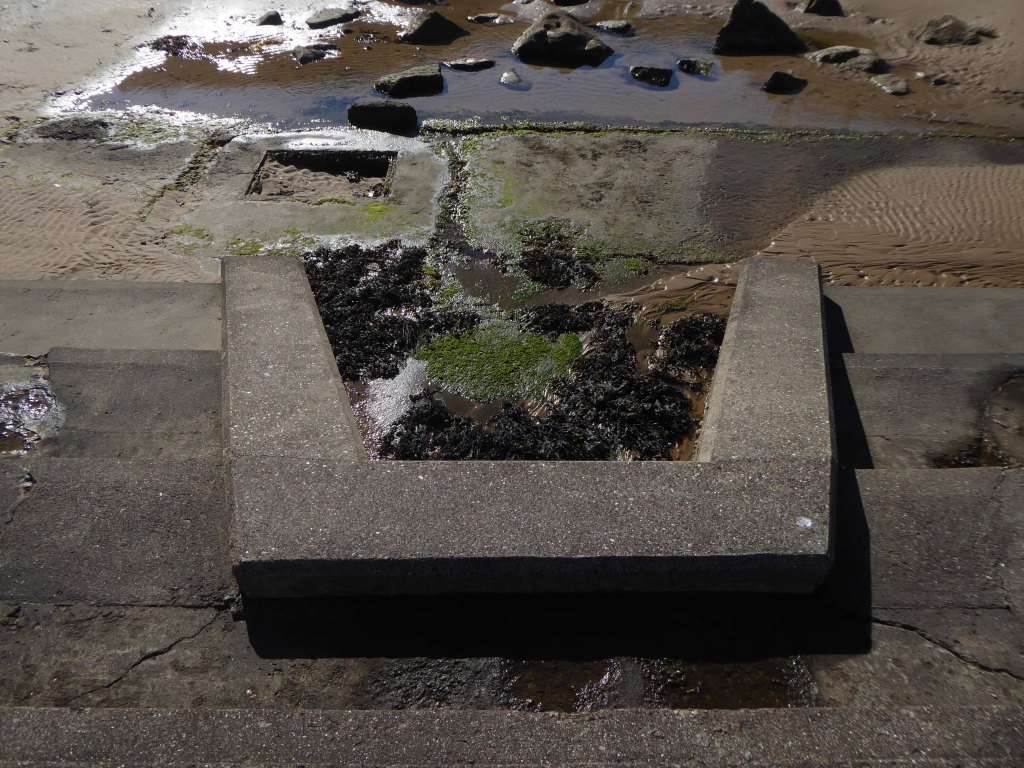
The pool fell into disrepair, and in the mid 90s the Local Authority demolished the ancillary buildings and bulldozed the rubble into the pool, at a cost of £200,000, before filling with concrete and imported boulders to form an artificial ‘rock pool’.

The anticipated marine life they introduced never flourished and the pool remains an eyesore to this day.

Friends of Tynemouth Pool

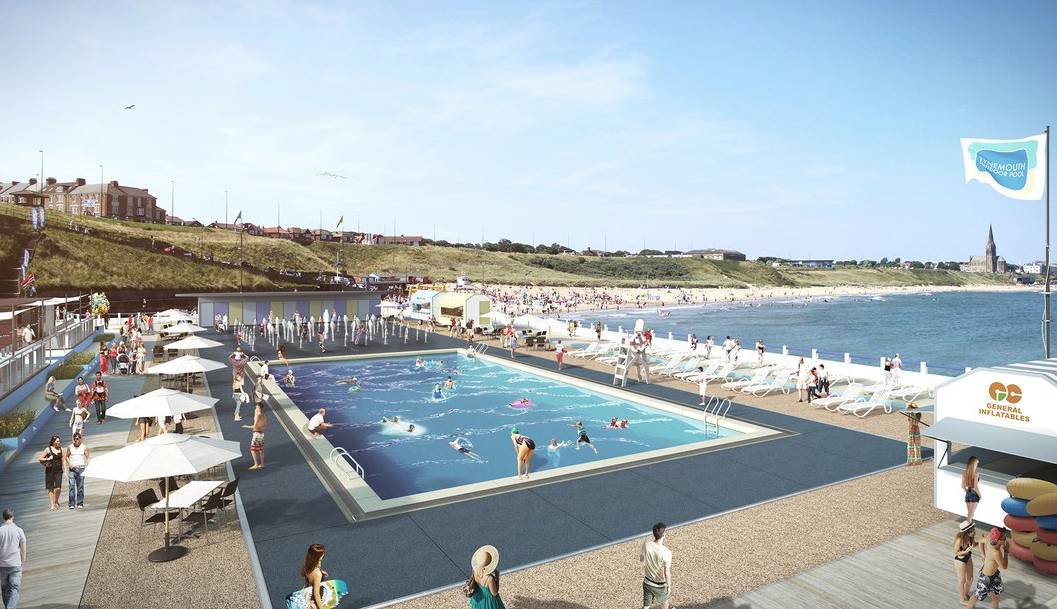
There are plans for restoration and renewal.

So that once again the merry bathers may bathe merrily.

Chronicle Live

There’s still a long way to go.

Carlton Theatre – Hull

470-476 Anlaby Rd Hull HU3 6SH

Opened on 9th September 1928 with the silent film Lonesome Ladies.

The Carlton Picture Theatre in Anlaby Road was designed by the firm of Blackmore & Sykes and was built by Messrs. Greenwood and Sons.

It was run by Hull Picture Playhouse Ltd.

This was a lavish suburban cinema, with an elaborate green and gold sliding dome utilising Venetian glass and housing hundreds of concealled lights. Roman marble mosaics and painted plaster panels on the walls added to the sense of occasion engendered by a trip to the flicks.

A Fitton & Haley organ was installed, but this was later removed to the more central Cecil Theatre and was destroyed when that theatre was bombed during WW II.

The cinema had two entrances, one in each of the two towers on the front corners of the building. Above the proscenium was the inscription, rather inapt given how soon talkies arrived :

“A Picture is a poem without words”.

There was a single balcony and, for its date, a surprisingly large car park.

It continued unaltered, save for minor war damage, until its closure in April 1967, after which it was simply converted to bingo usage which continued as a Mecca Bingo Club until 2008.

Cinema Treasures

This is an immense and noble building, a once great single screen cinema.

Unluckily closed for some thirteen years, now looking neglected and forlorn.

Tinned up and awaiting an uncertain future, planning was applied for conversion to apartments, it was refused.

It is unlisted and unloved in need of friends and funds, who could operate a cinema and theatre in the manner of The Plaza in my hometown of Stockport.

The interior has been recorded by 28 Days Later.

We all deserve better.

The number of cinemas in Hull peaked at thirty six in 1938.

British film making flourished during the war years and cinema attendances were much higher, but by the end of the Second World War there were only twenty five – several had been bombed.

In 1964 competition from radio and television, and latterly bingo, reduced the number of cinemas to ten.

Now there are four.

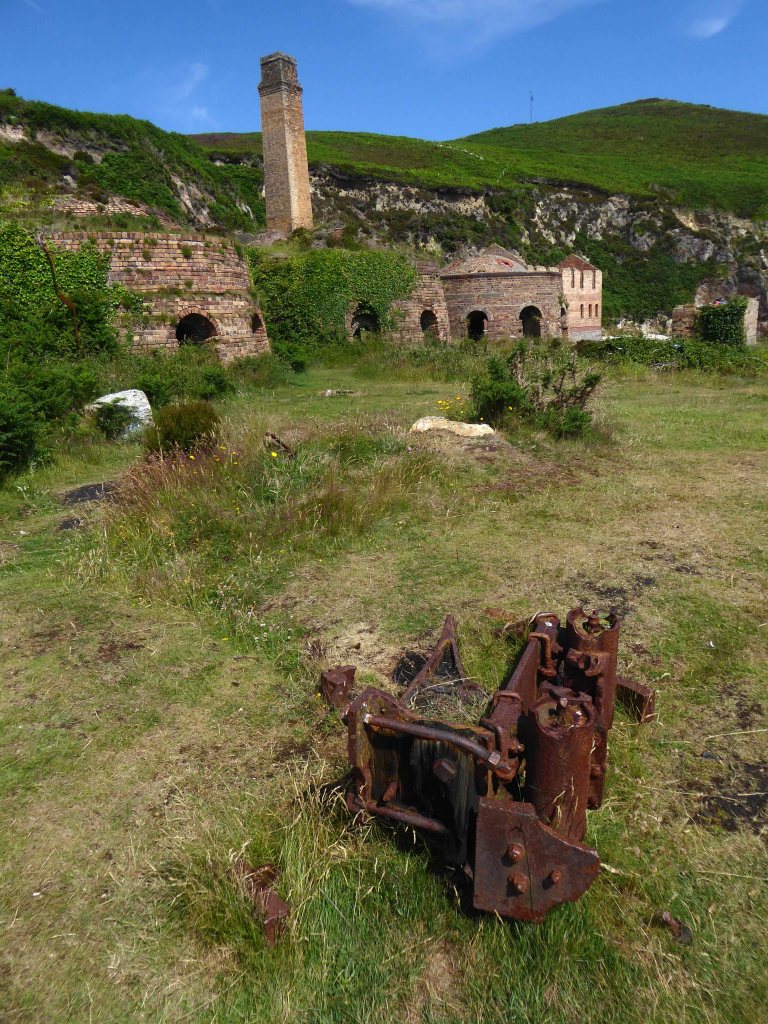
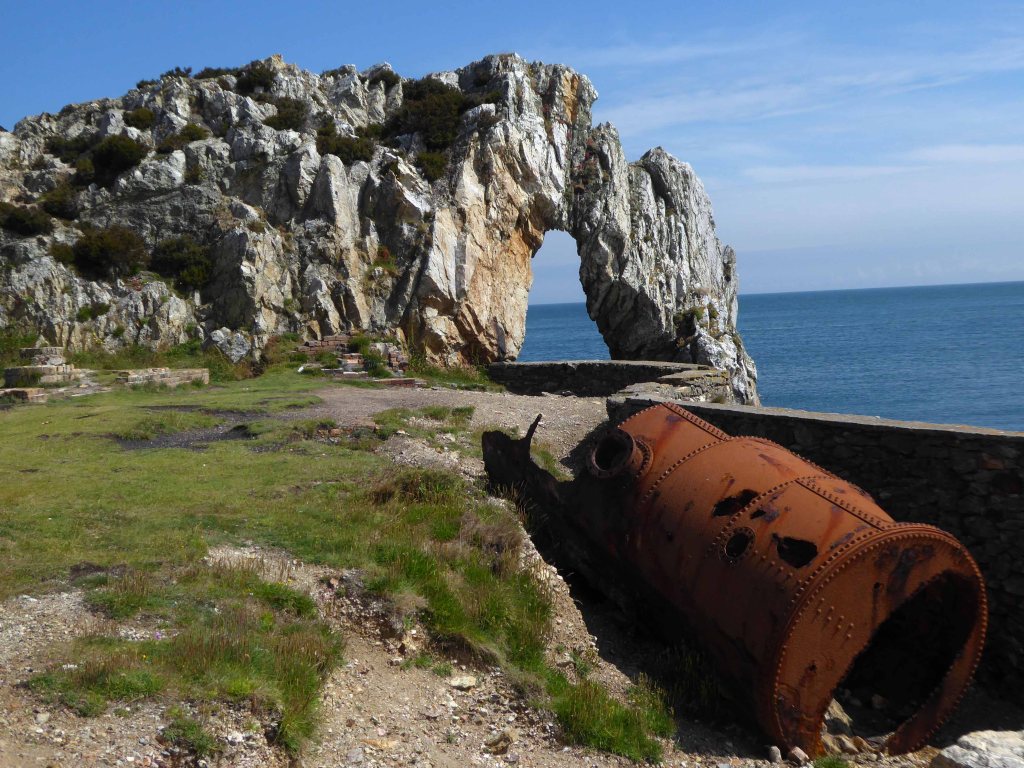
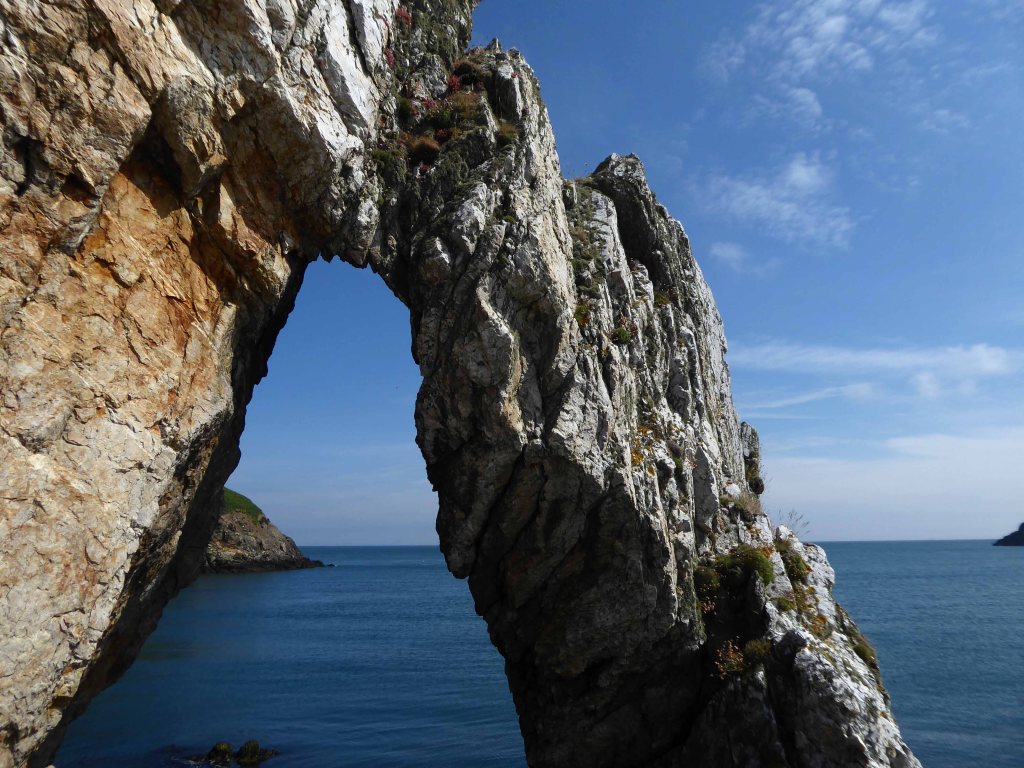
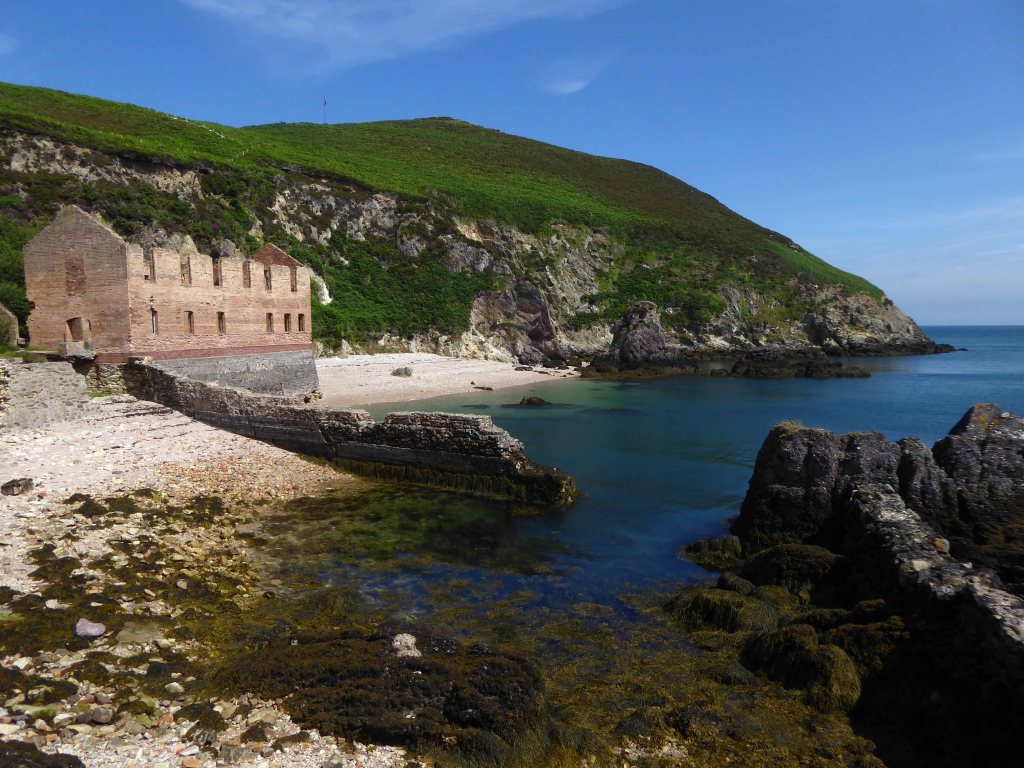
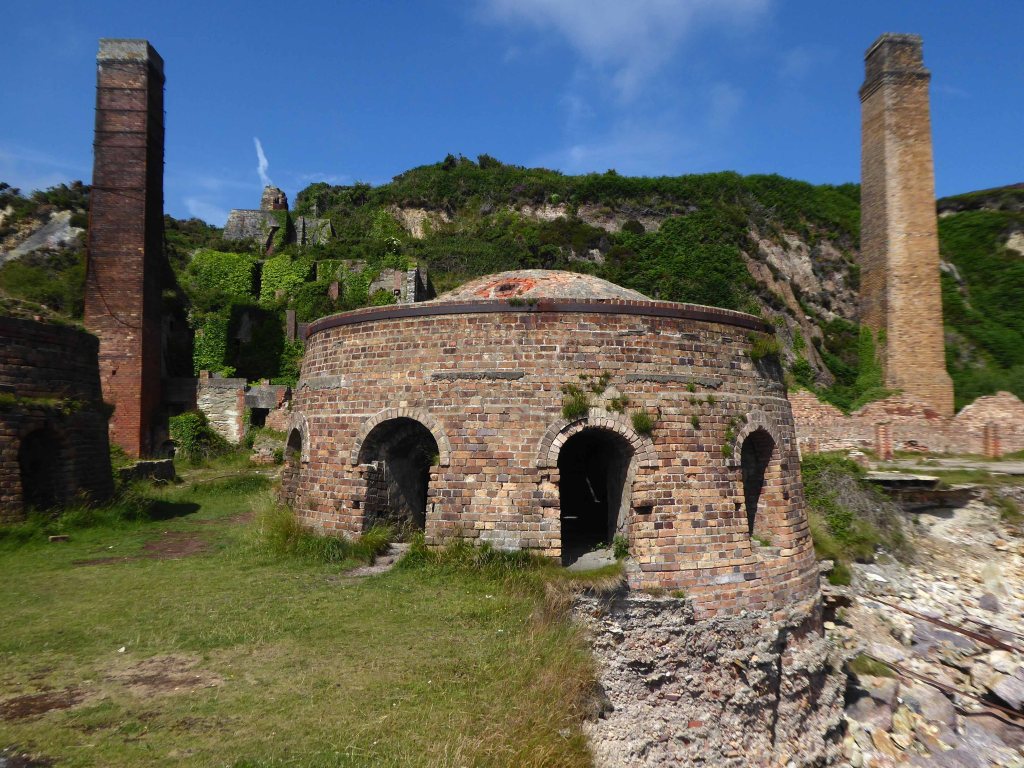
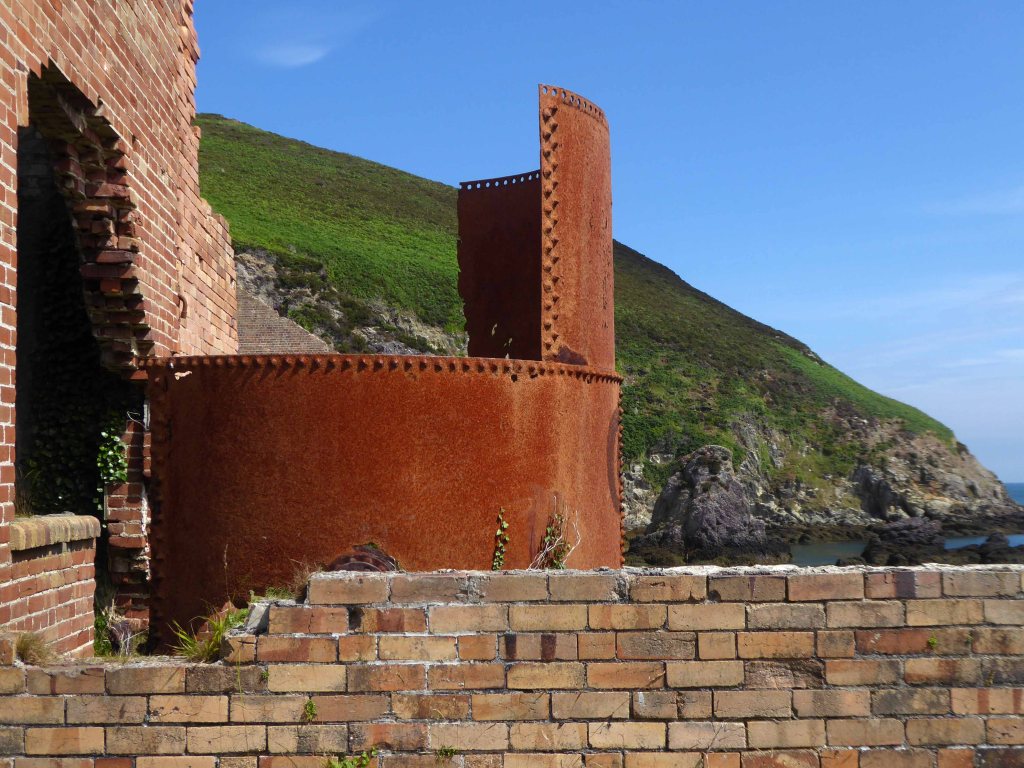
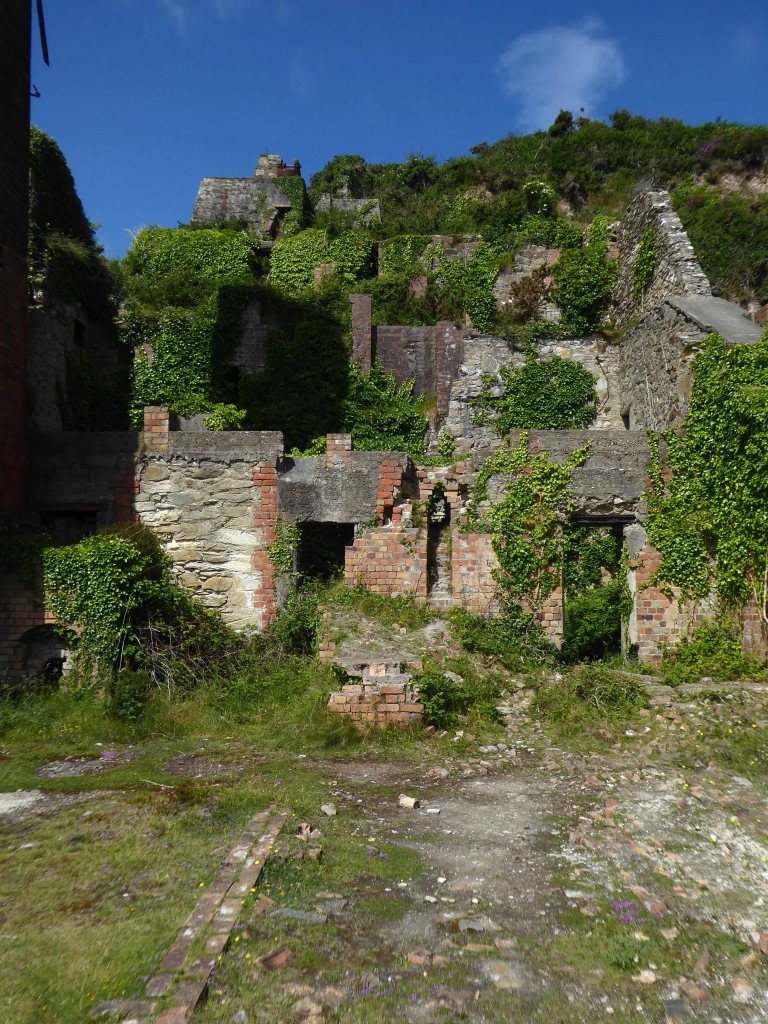
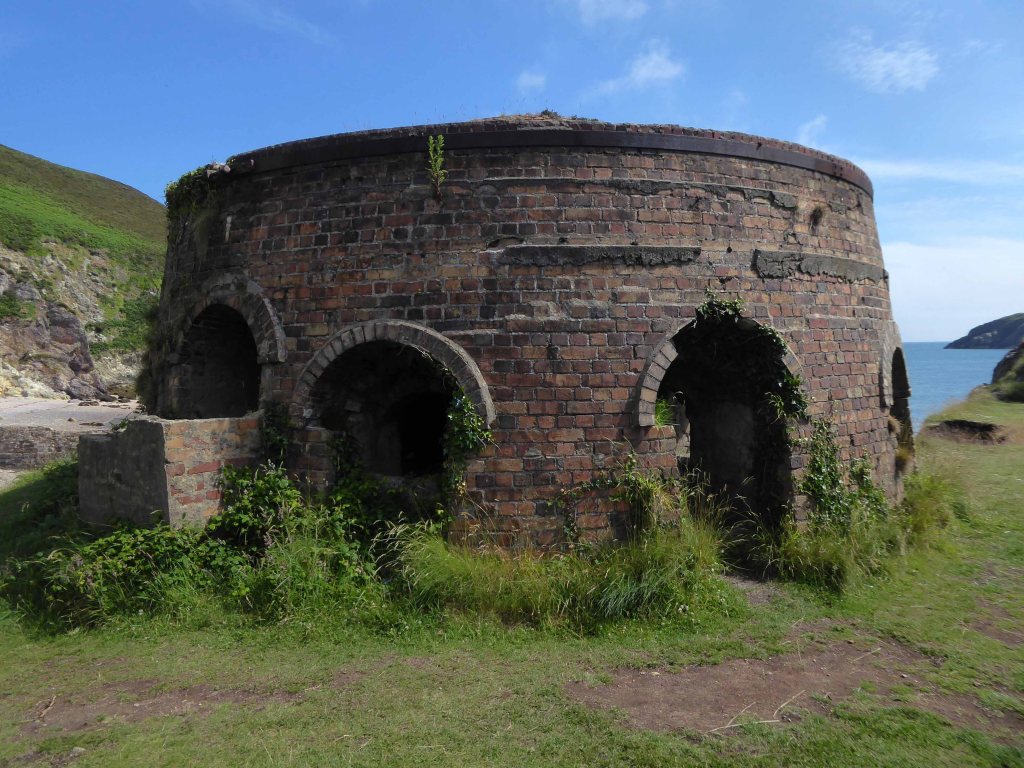
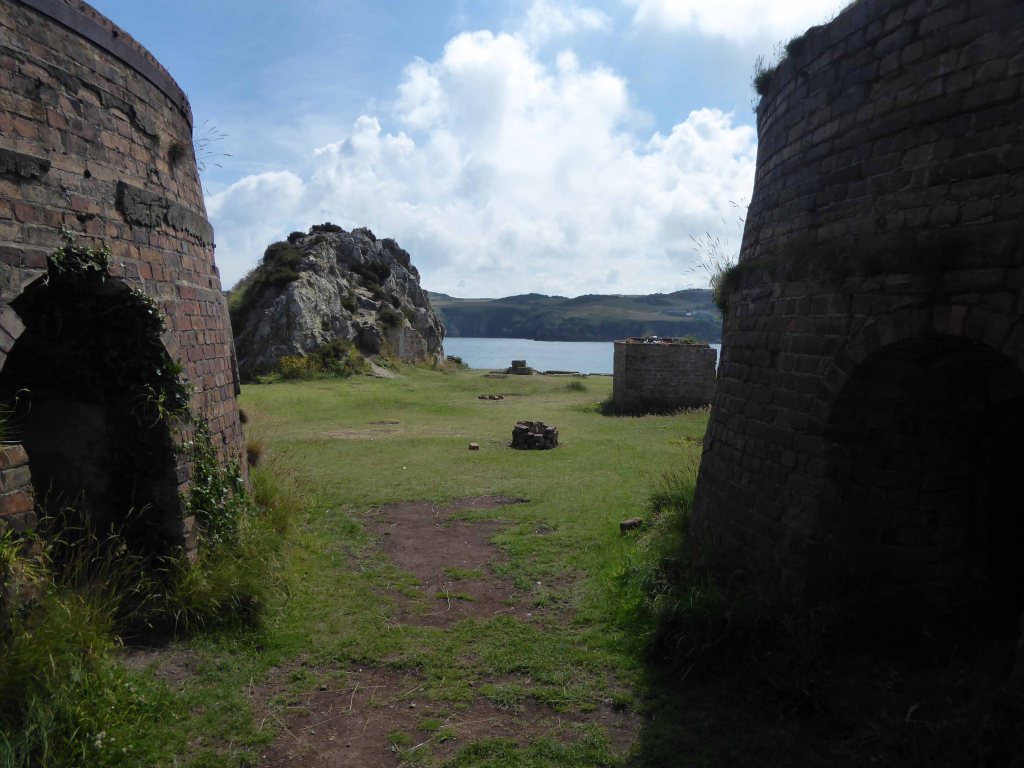
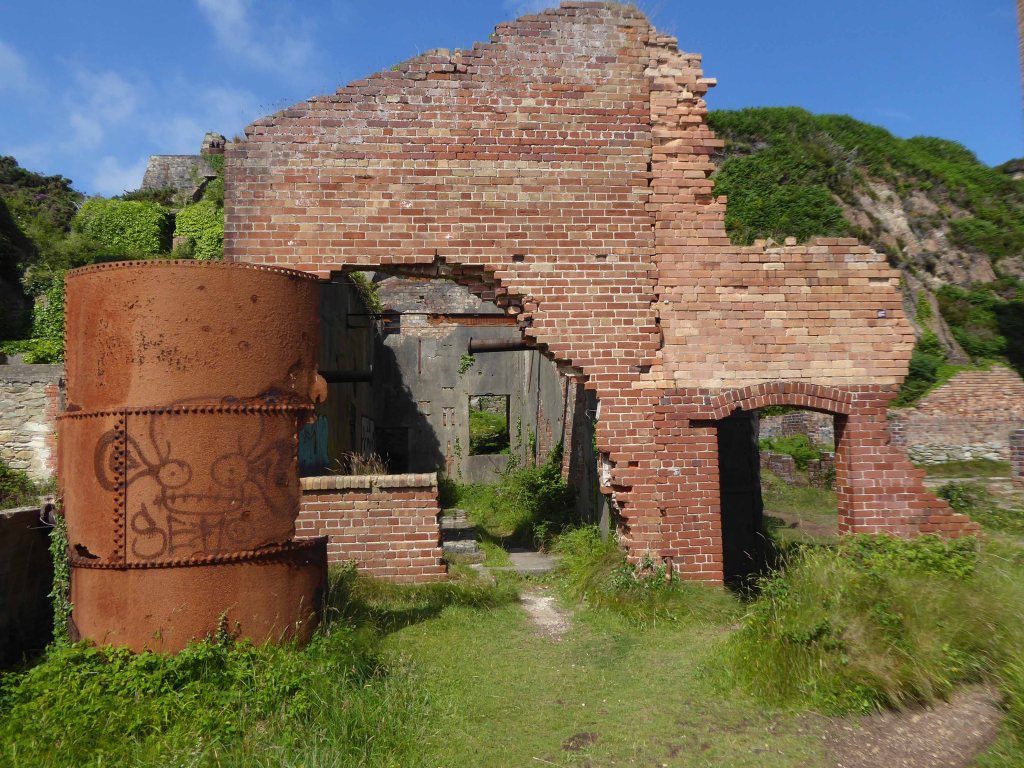
Porth Wen Brickworks – Anglesey

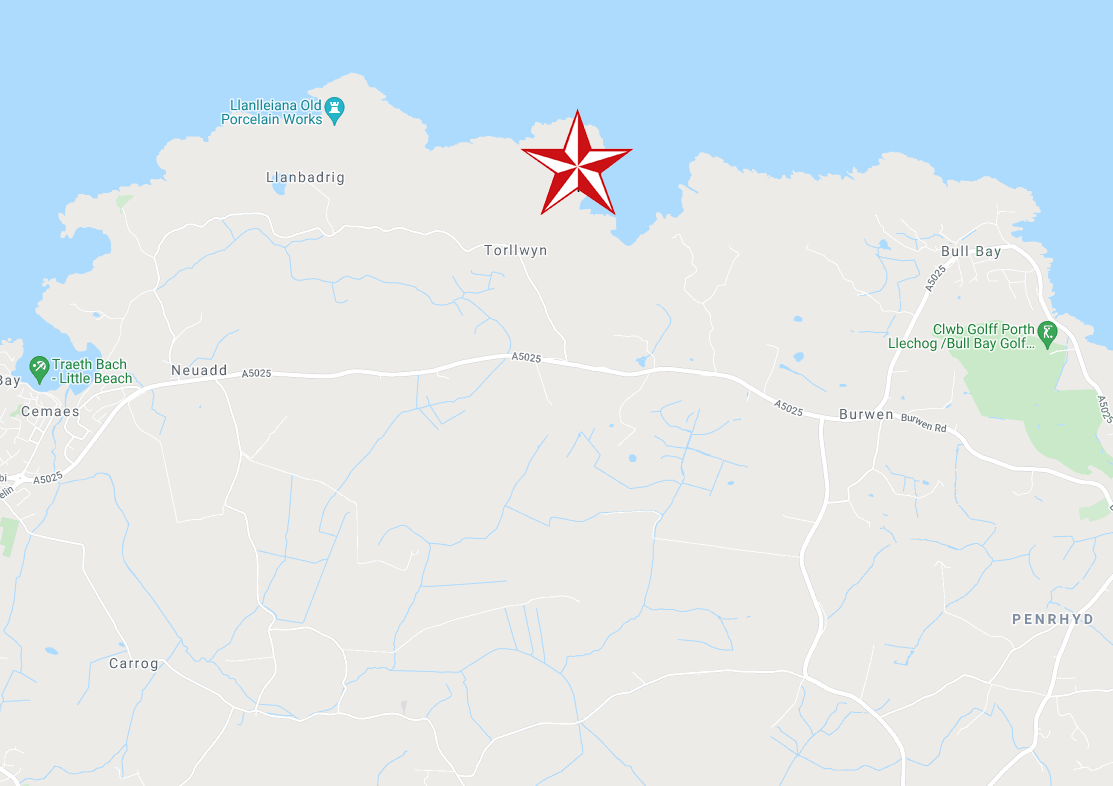
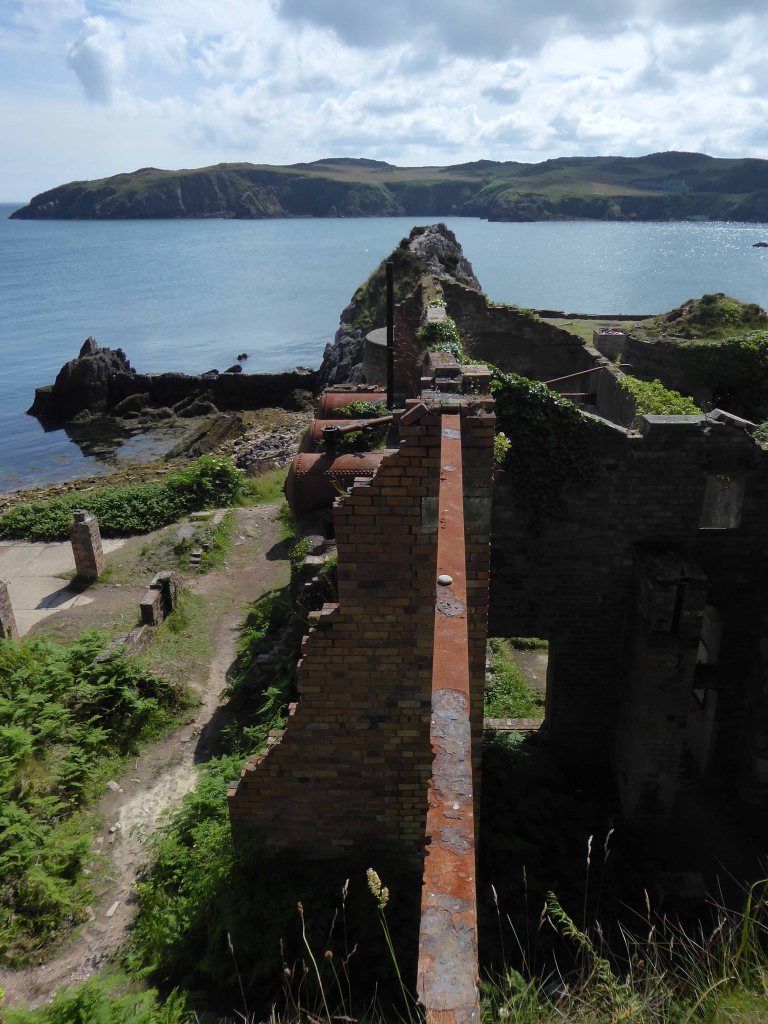
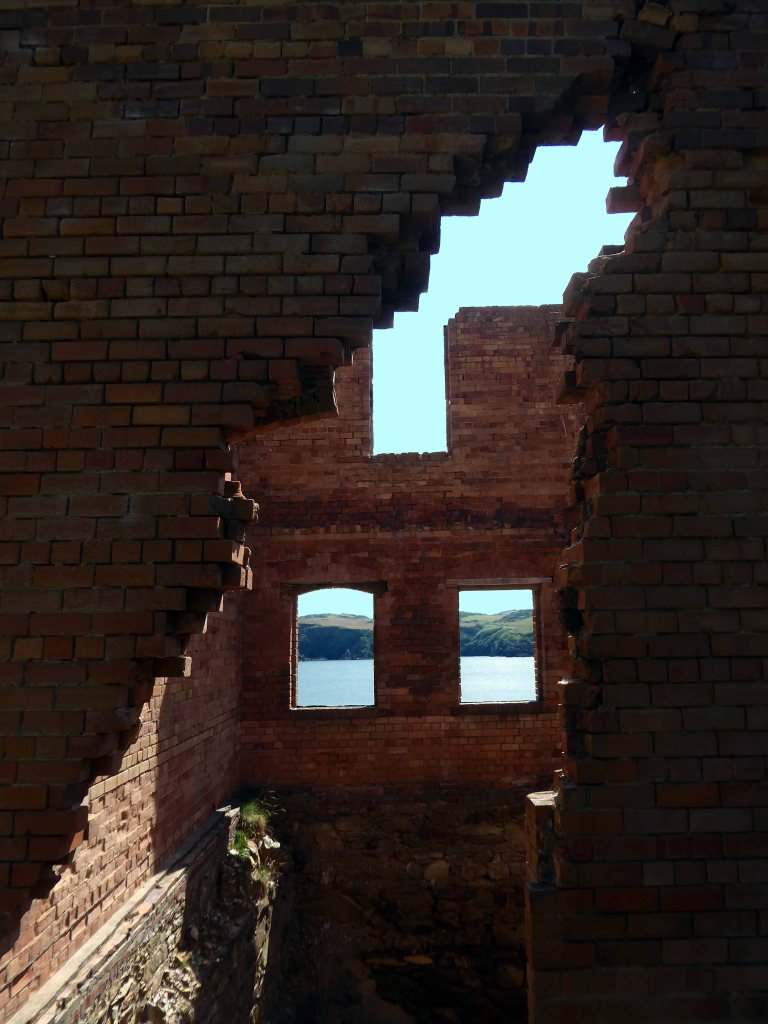
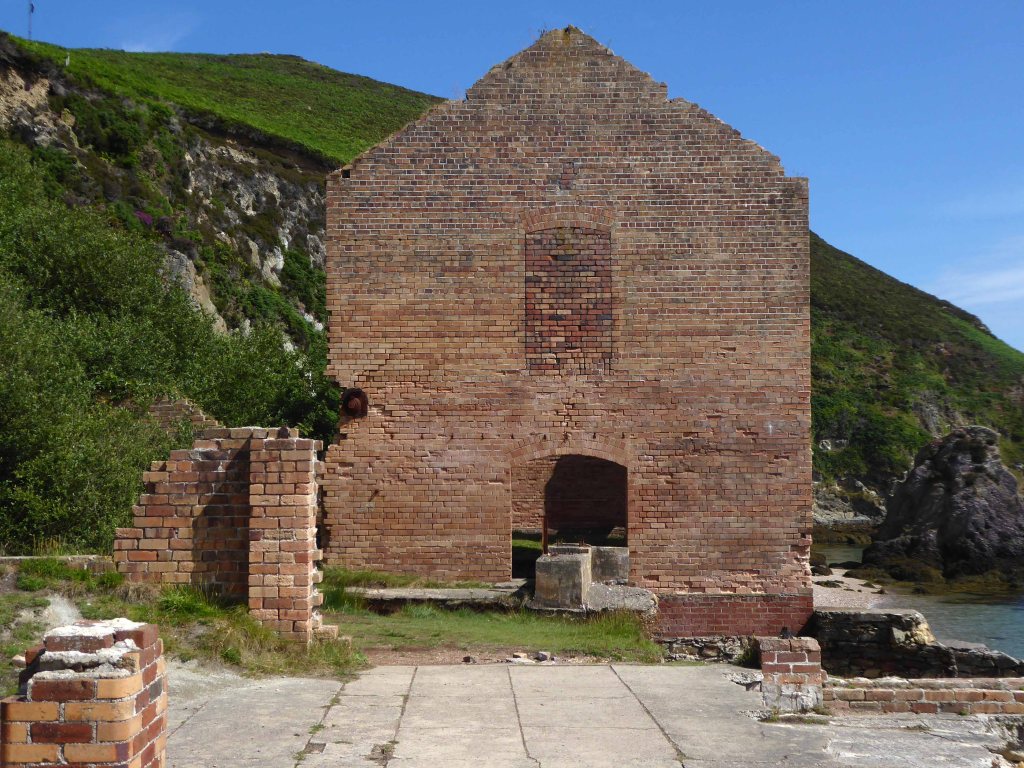
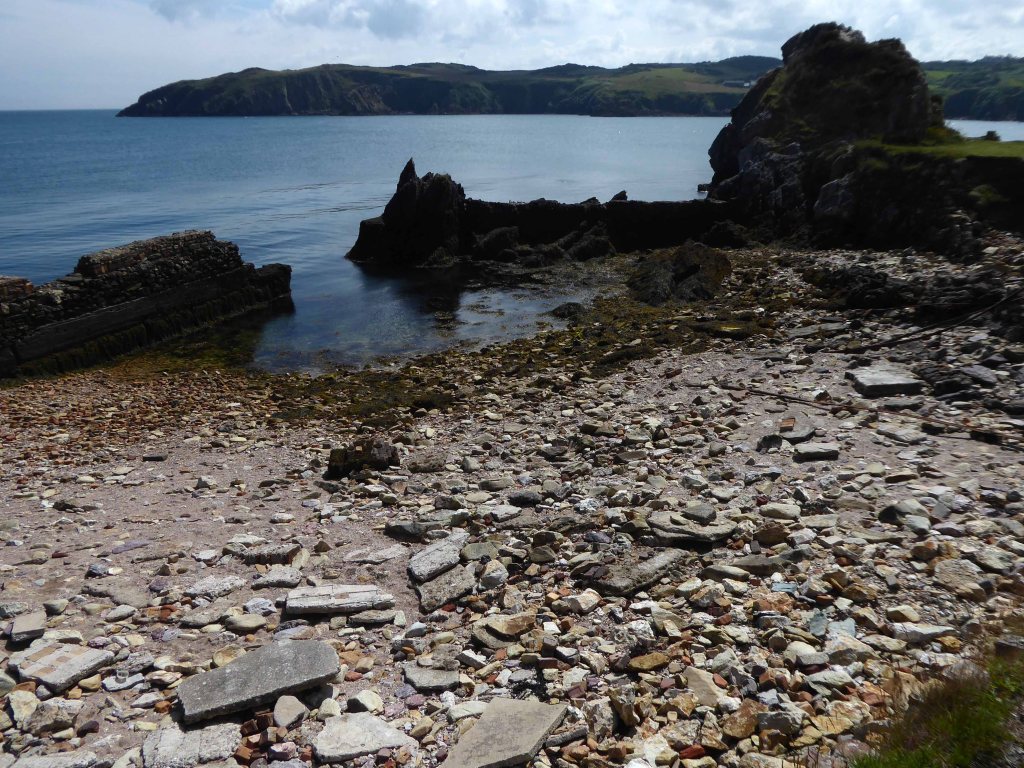
Located twixt Bull Bay and Cemaes Bay, accessed whilst walking the Anglesey Coastal Path.

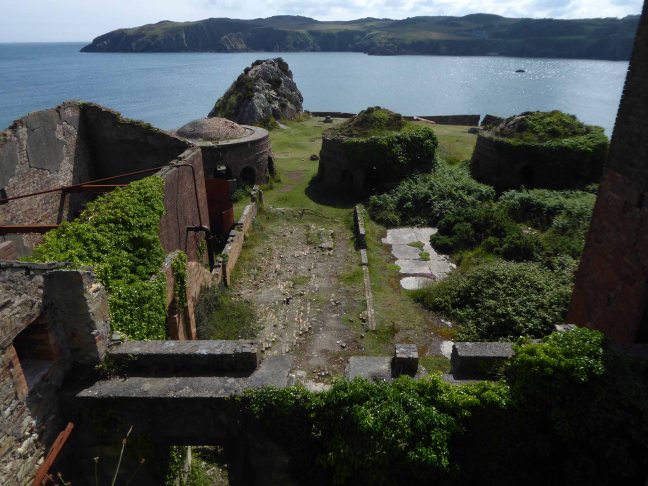
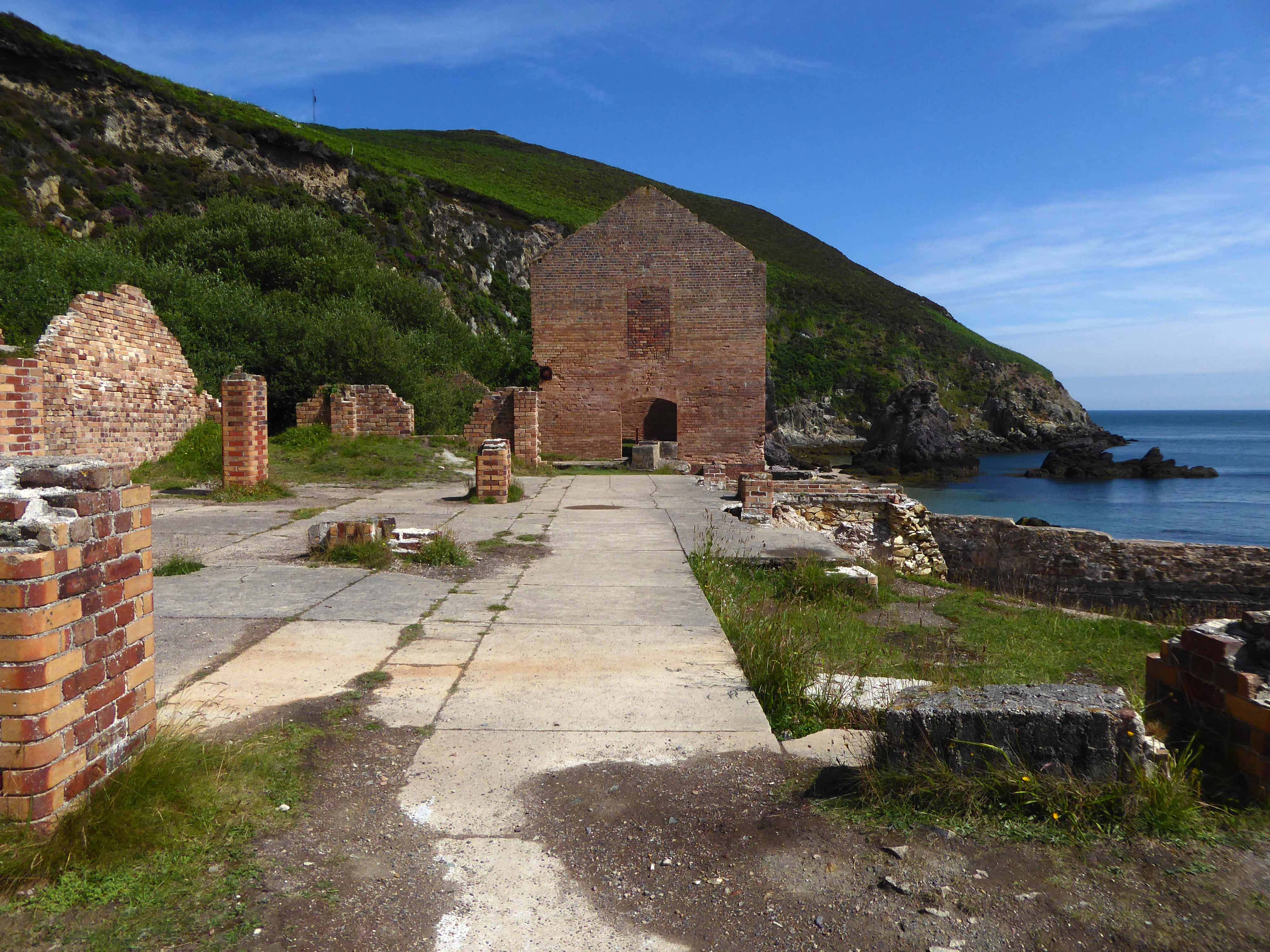
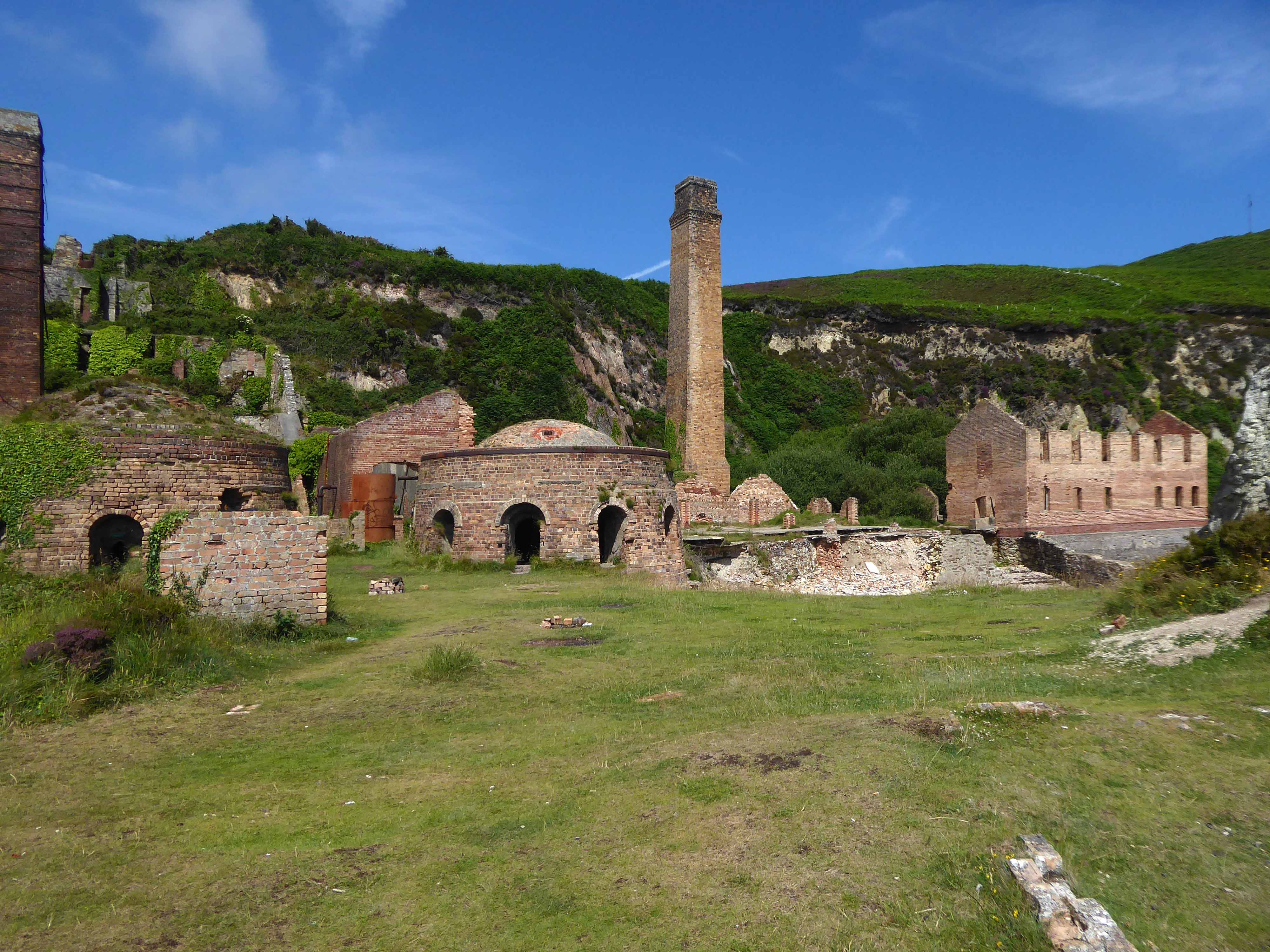
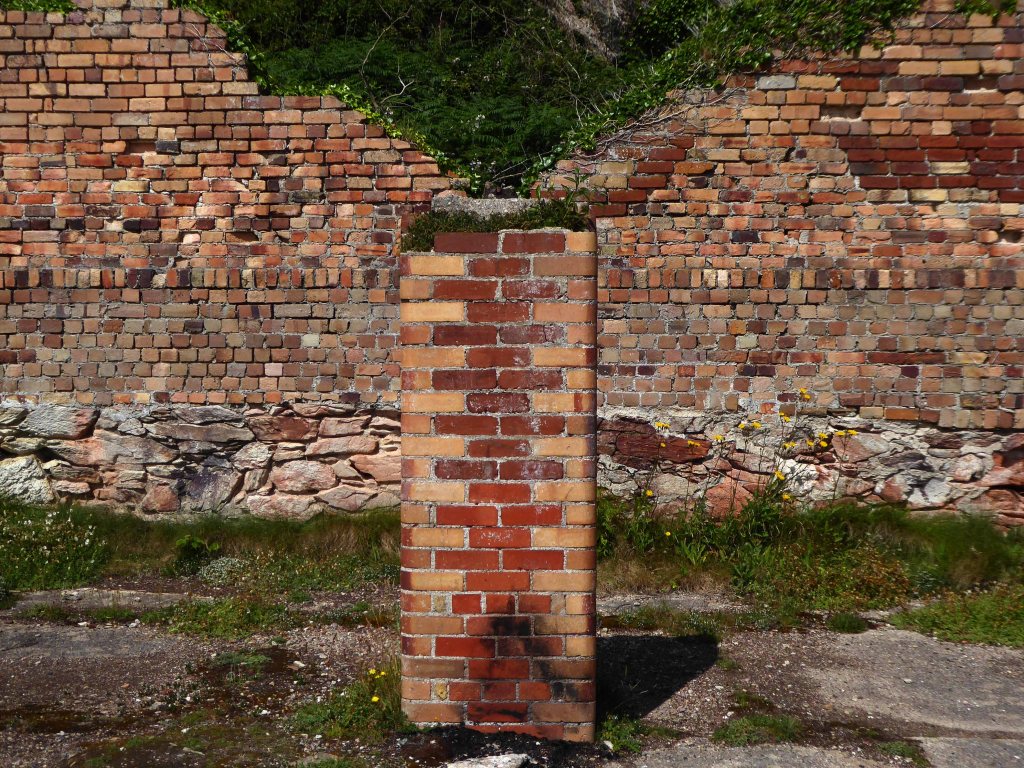
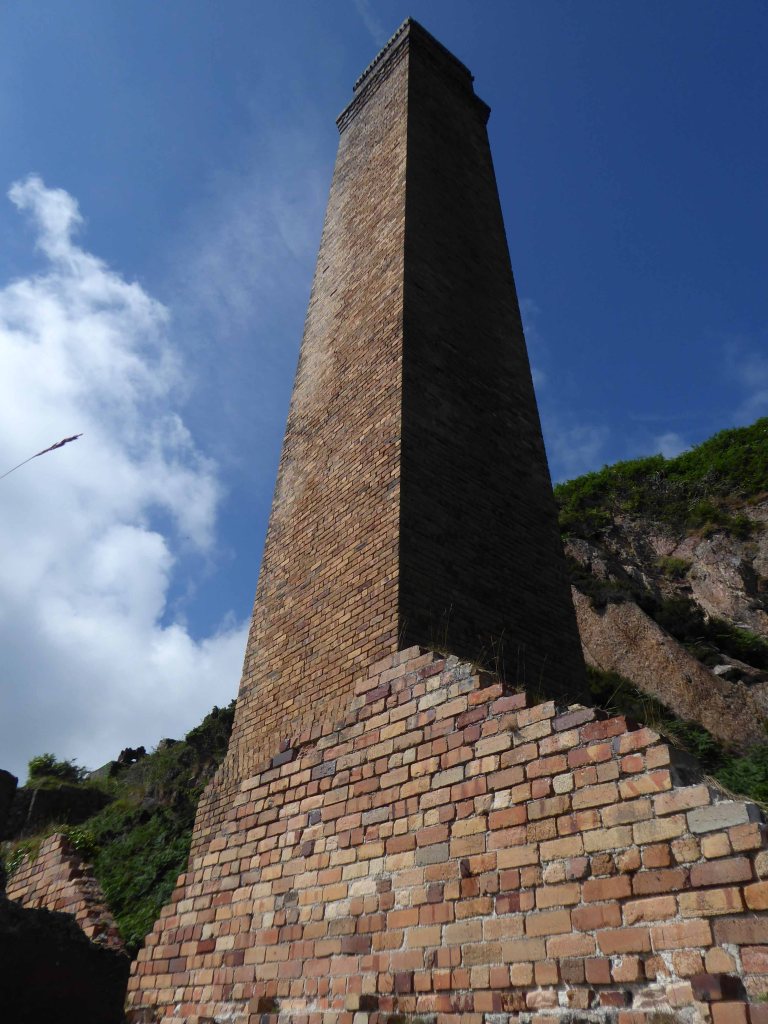
The area is rich in Quartzite, central to the production of Silica Bricks, which are resistant to high temperatures, much in demand at the height of the Industrial Revolution for lining steel furnaces.

The ore on the headland was first mined around 1850, with the ore being hewn out the living rock by hand.

A little railway brought the ore to the cliff above the brick works, then lowered by gravity to the works below, where the rocks would be pummelled and rendered to a size that could be further processed.

Mining by manual endeavour lasted from around 1850 to 1914, the hazardous harbour and alleged poor quality products hastening the enterprises’s demise.

Porth Wen brickworks was designated as a scheduled monument by Cadw in 1986 and classified as a post-medieval industrial brickworks.

Further information.

I first visited Porth Wen in the late Seventies, cycling to the nearest lane and walking across open fields.

It remains as incongruous today, set amongst coastal agriculture and the shiny sea.

Take care it’s a slippery slope – and the owners forbid access to their private property.

Octel Amlwch – Interiors

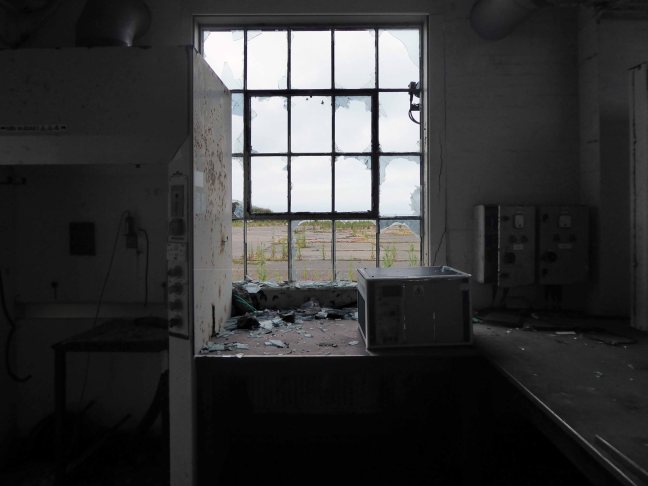
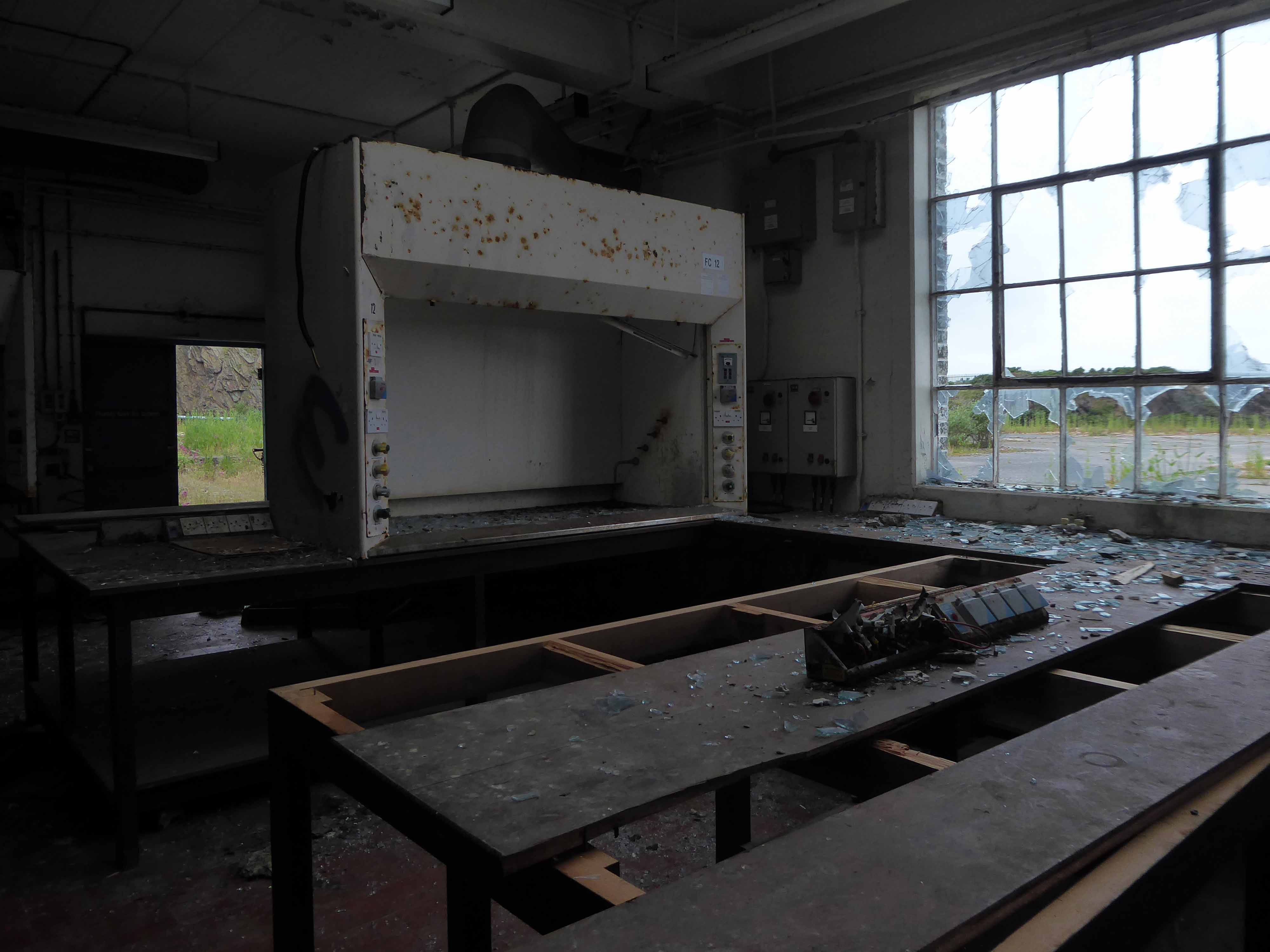
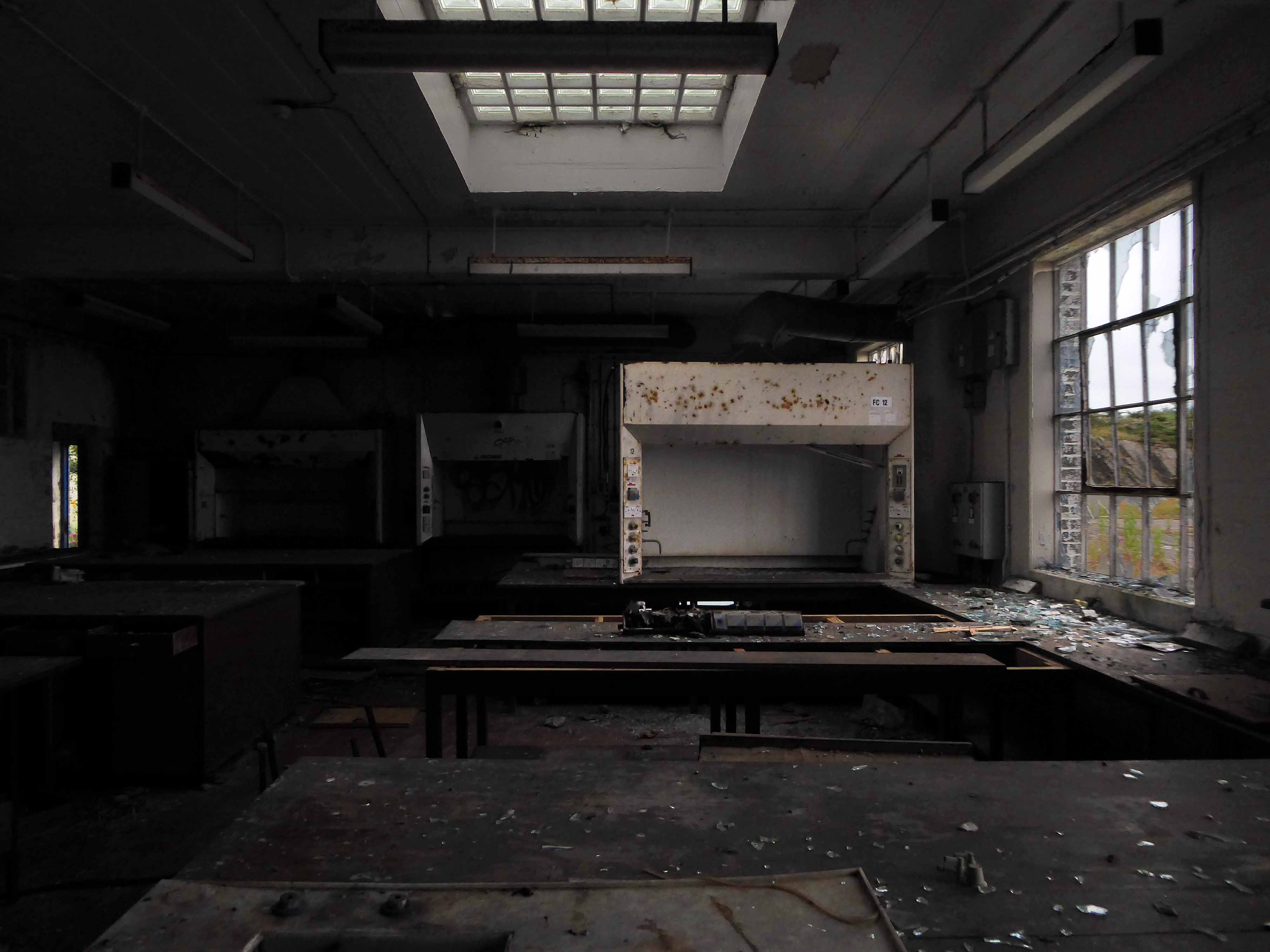
Having appraised the exteriors and pumping infrastructure, let us now consider the interior life of the site.

A site where a myriad working lives once unfolded – labourers, technicians, maintenance staff, administrators and managers.

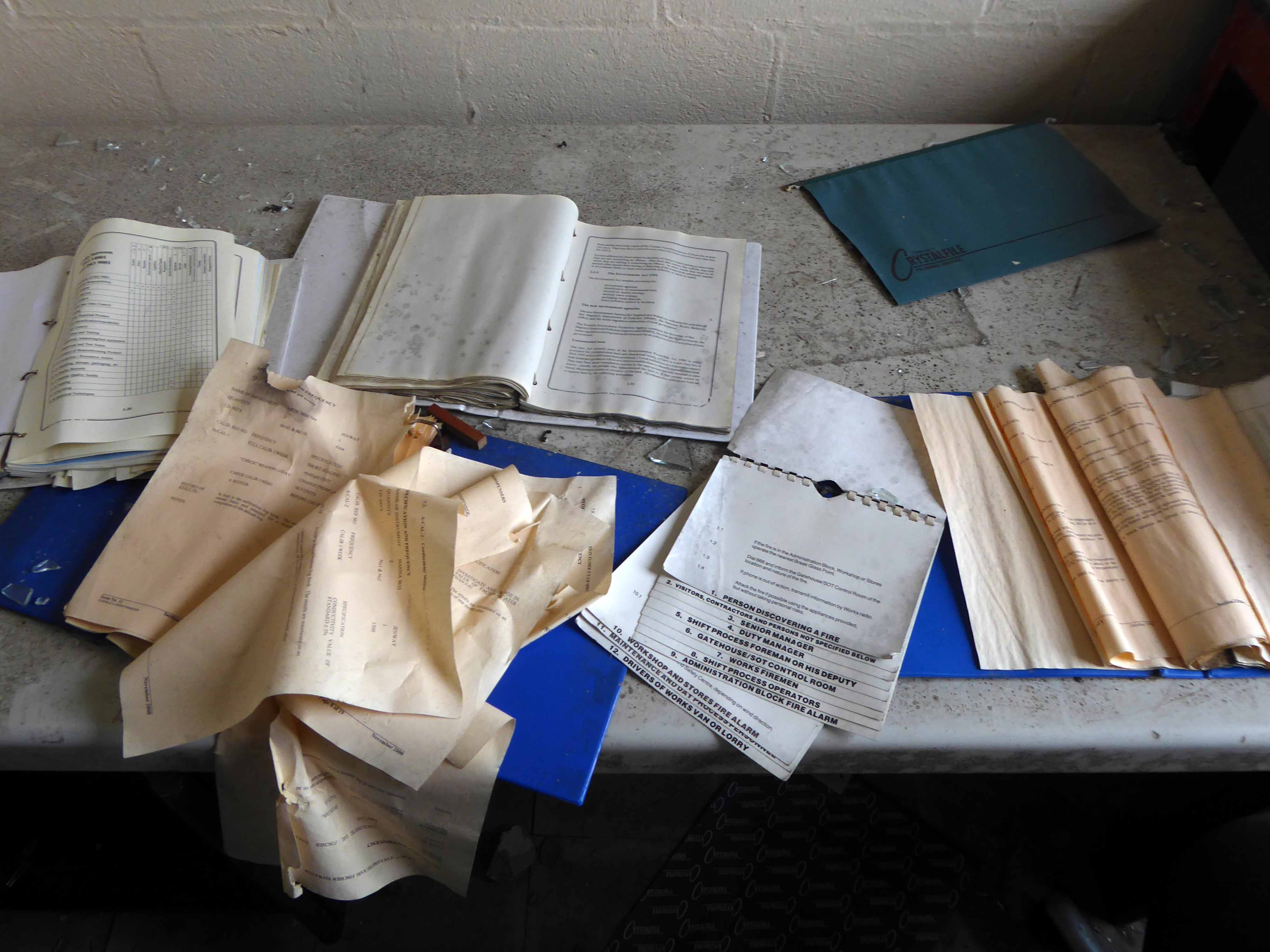
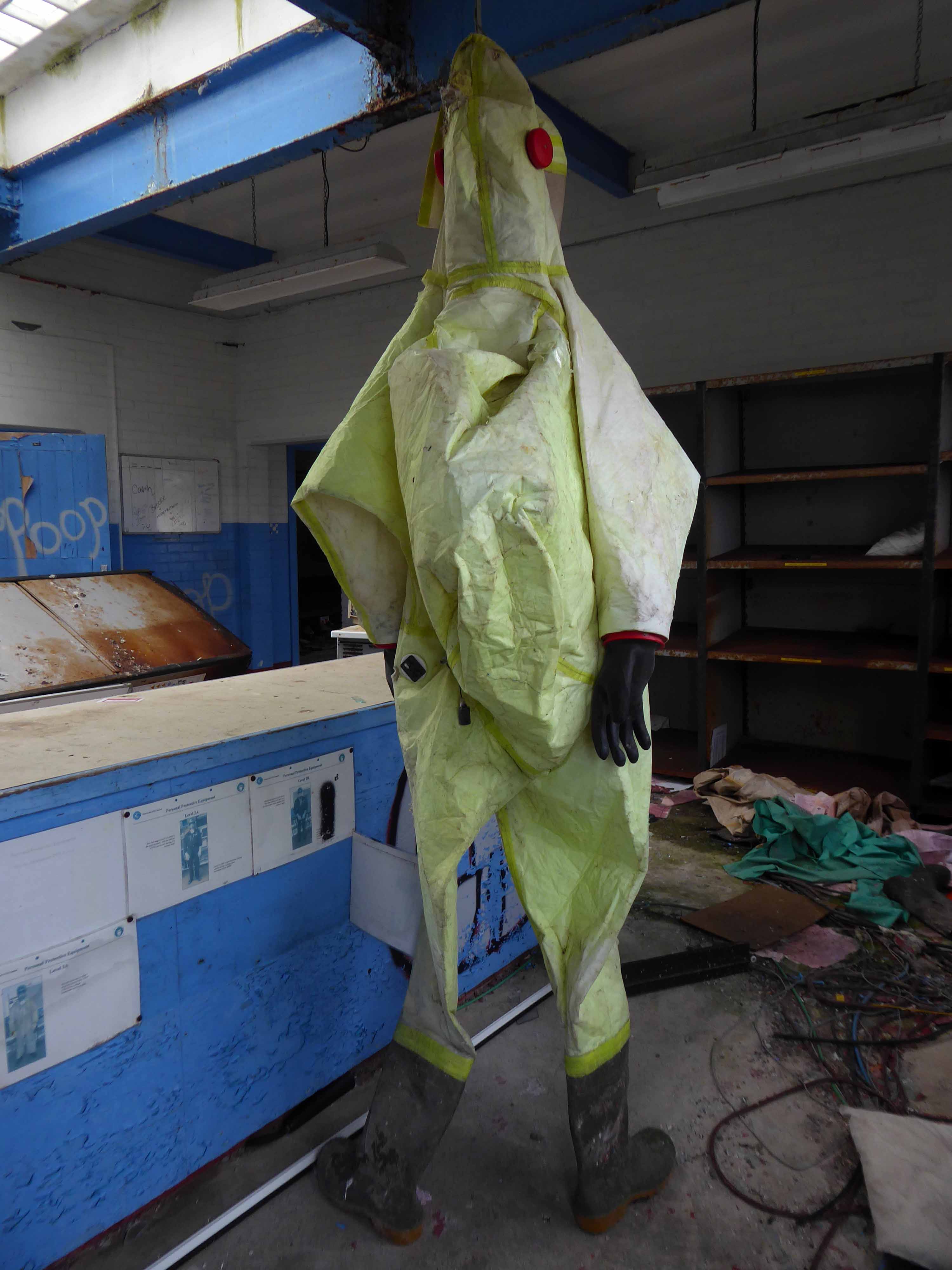
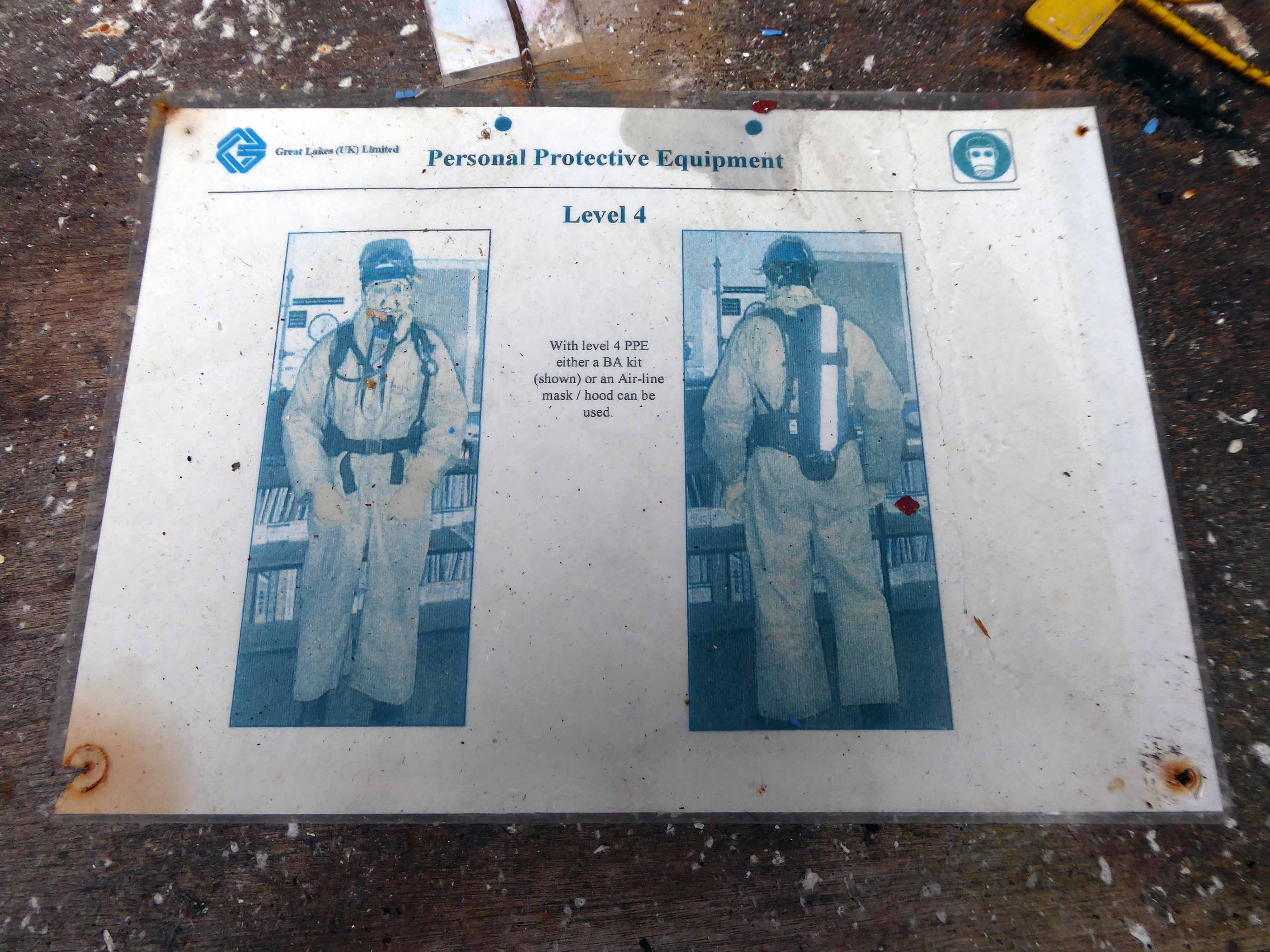
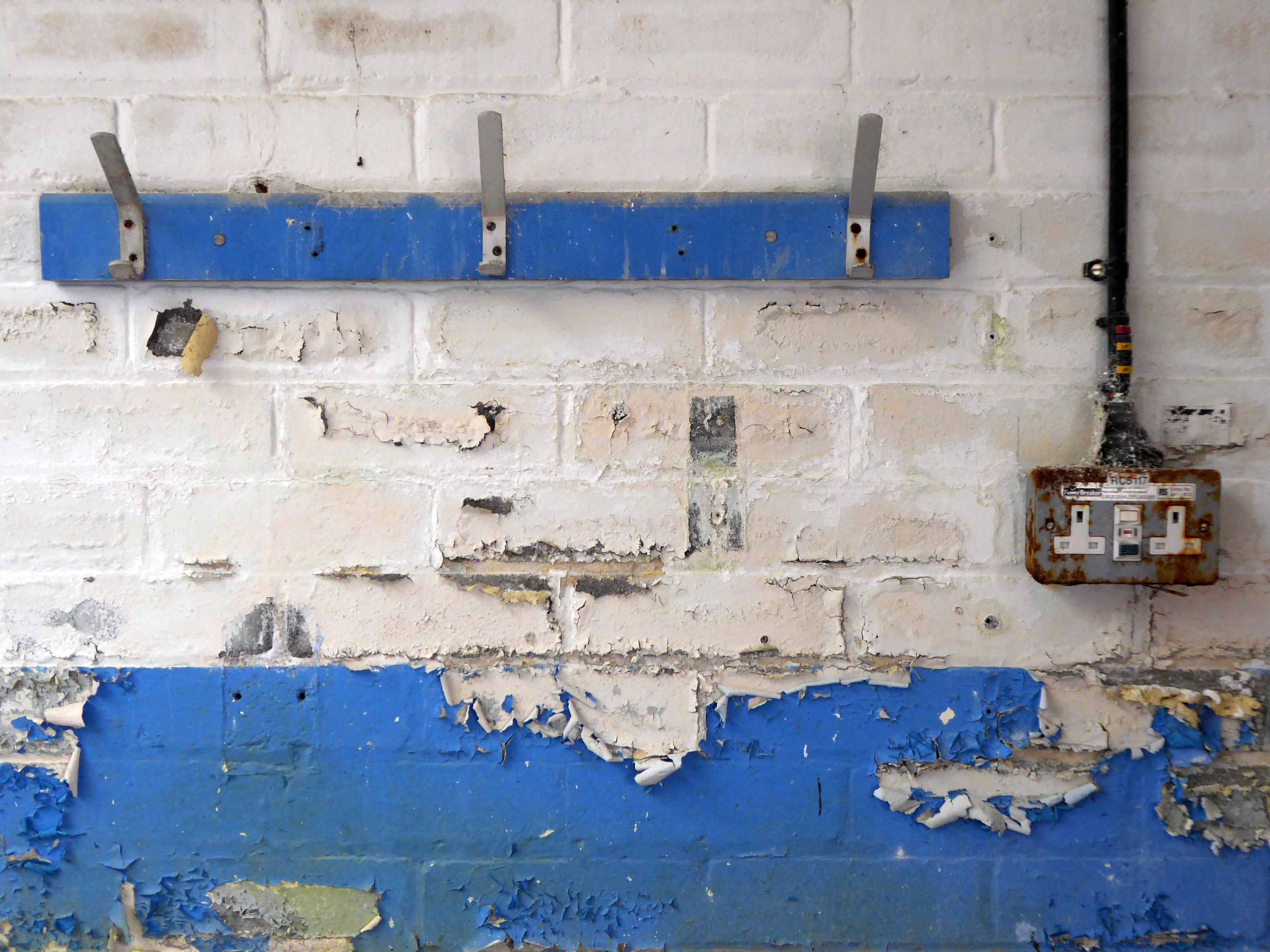
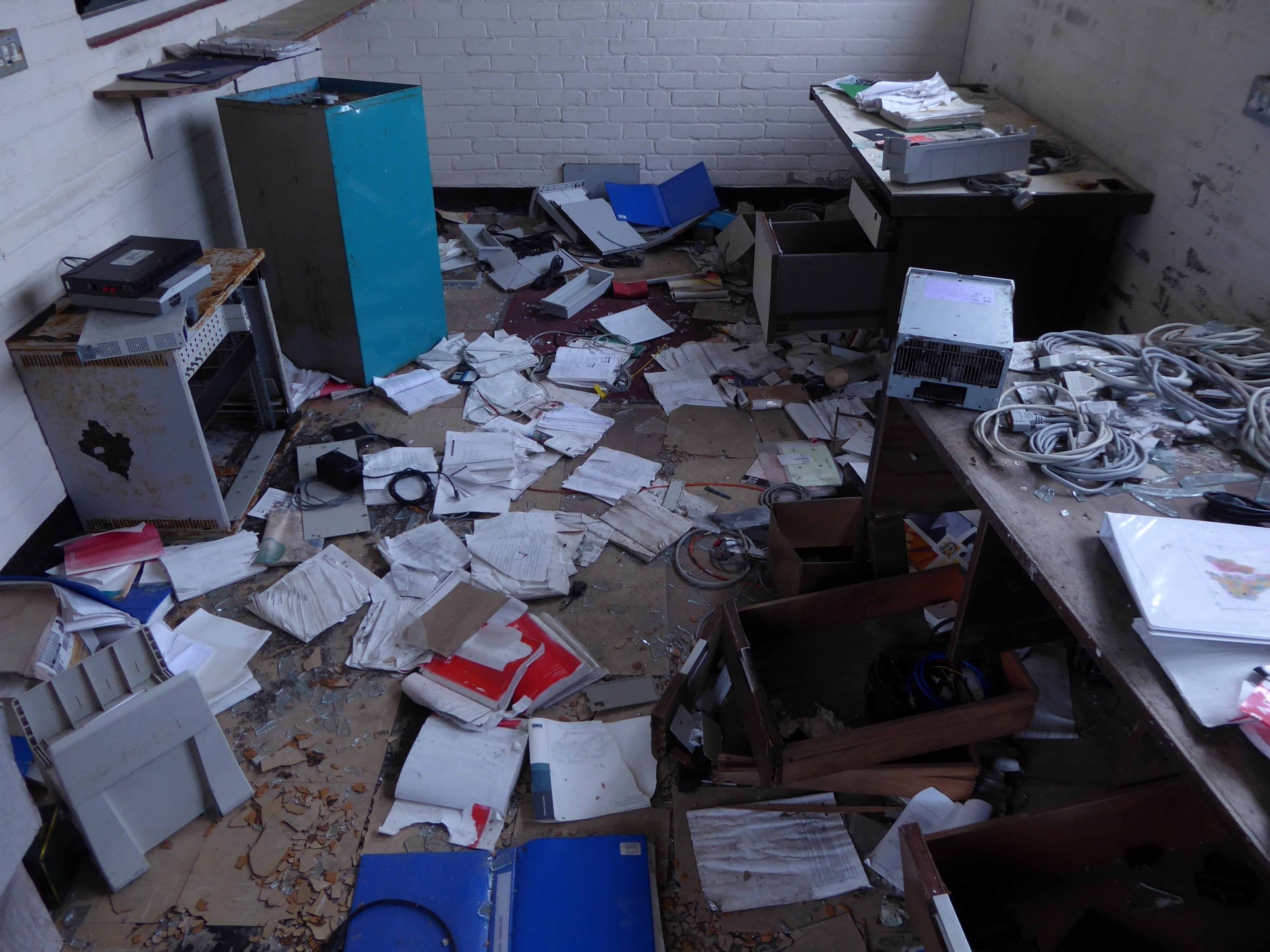
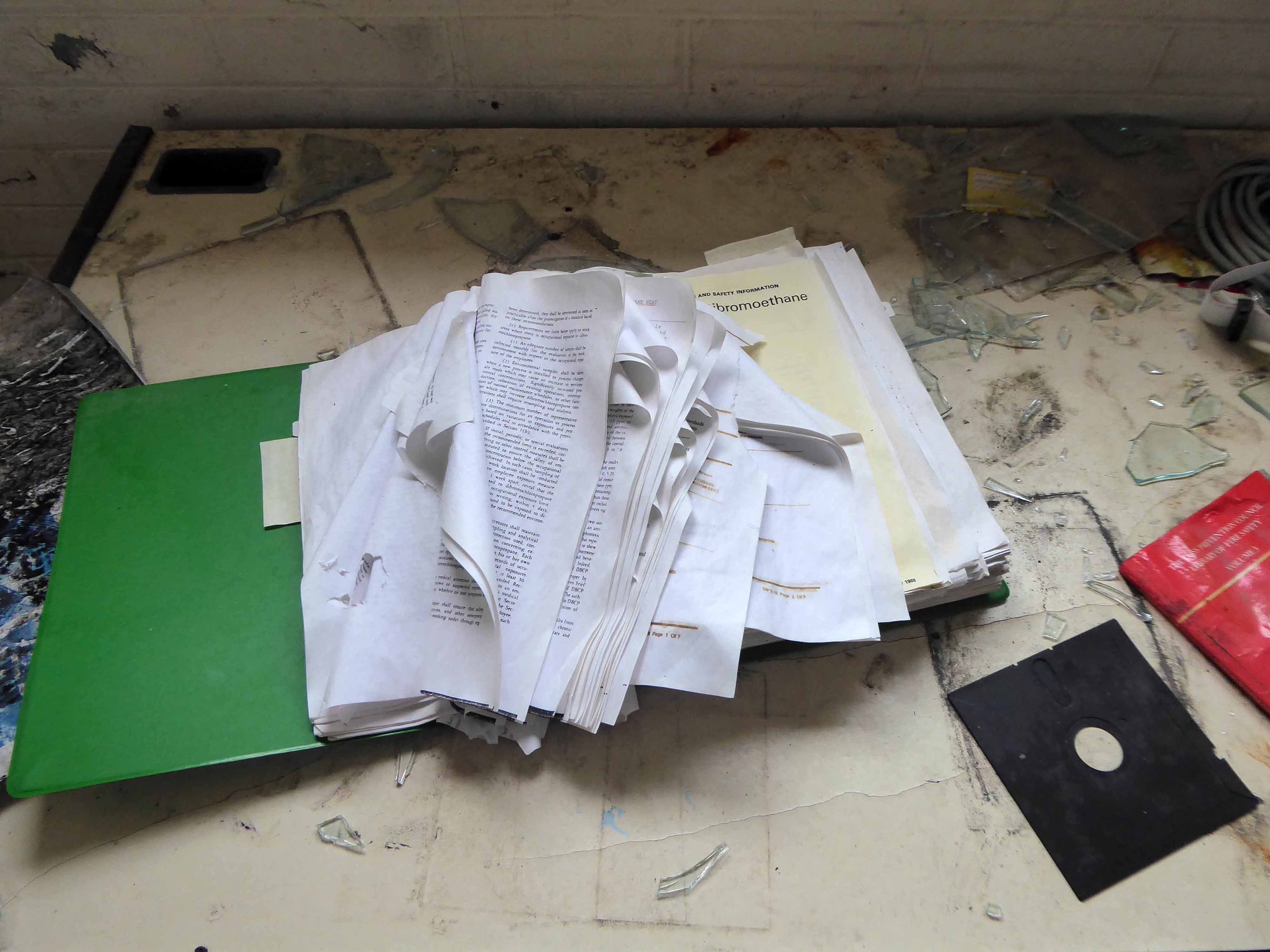
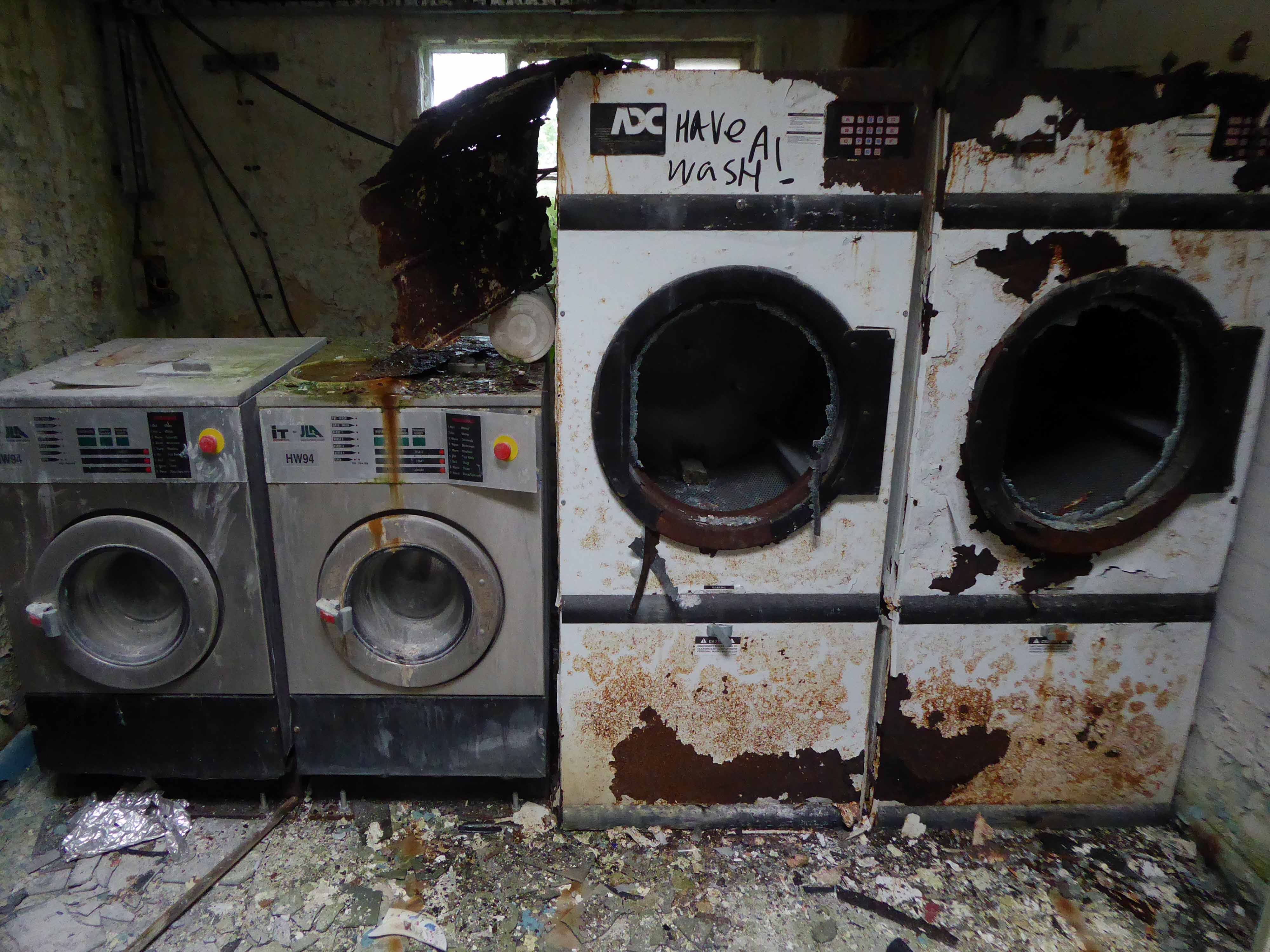
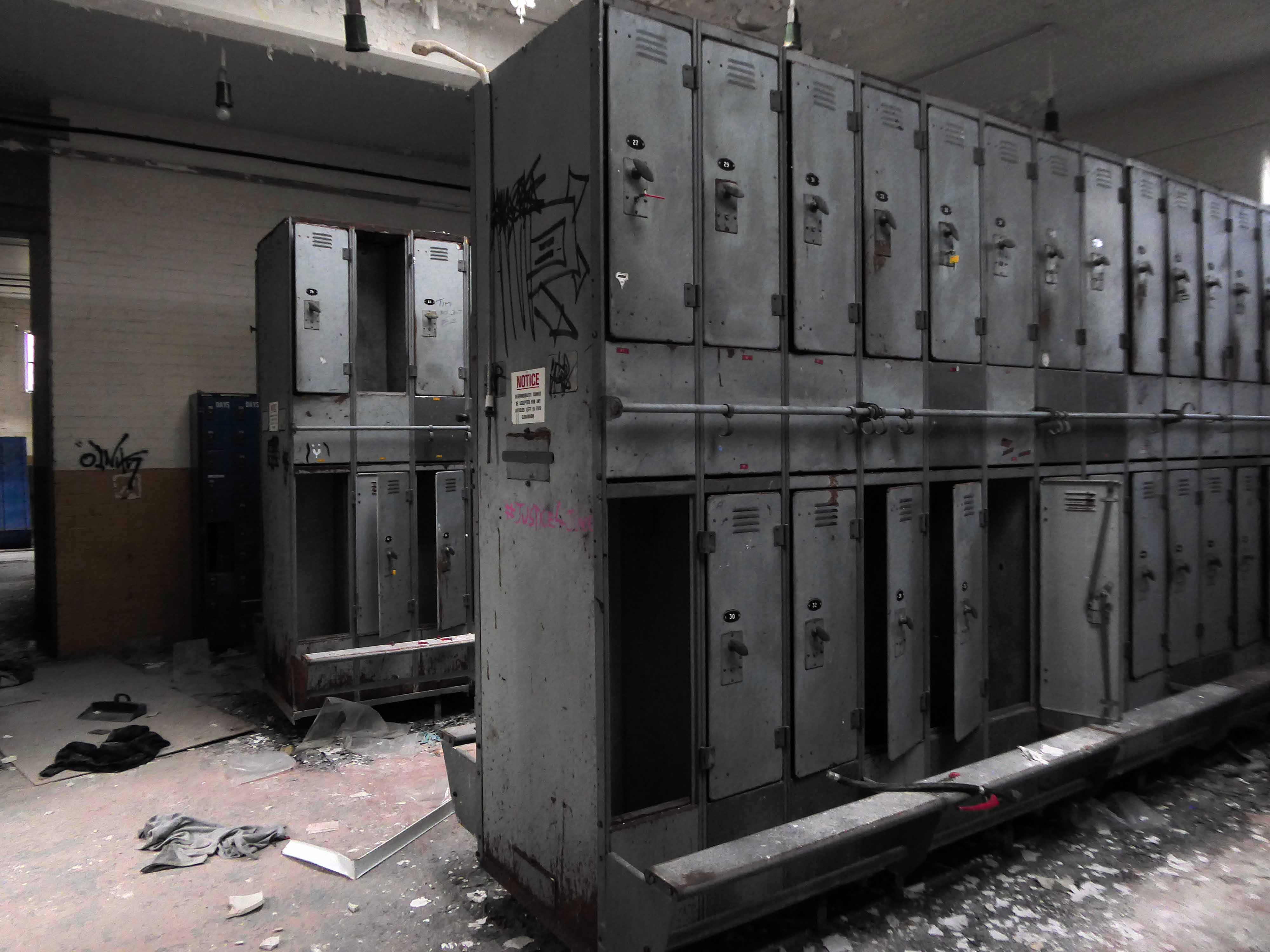
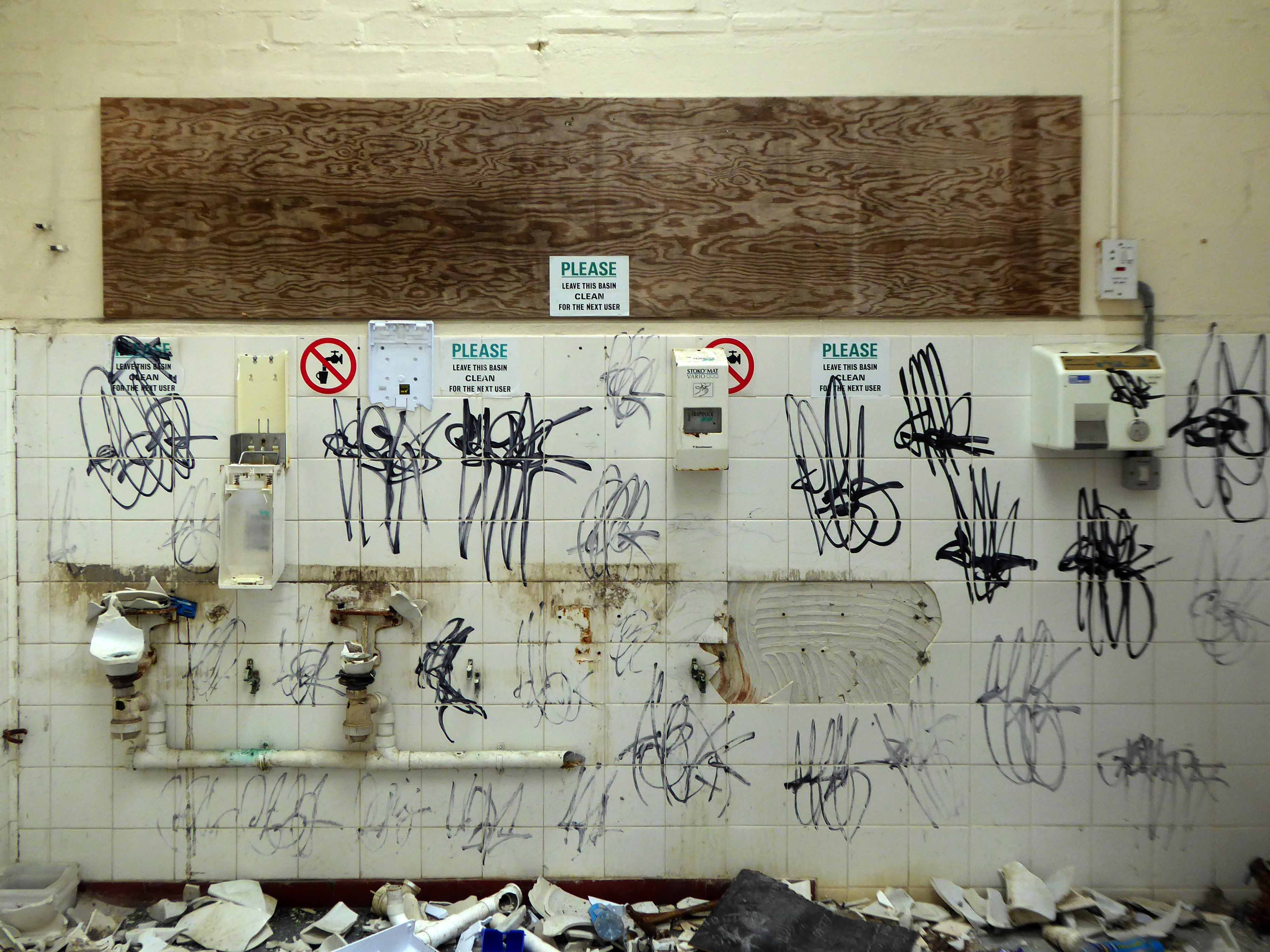
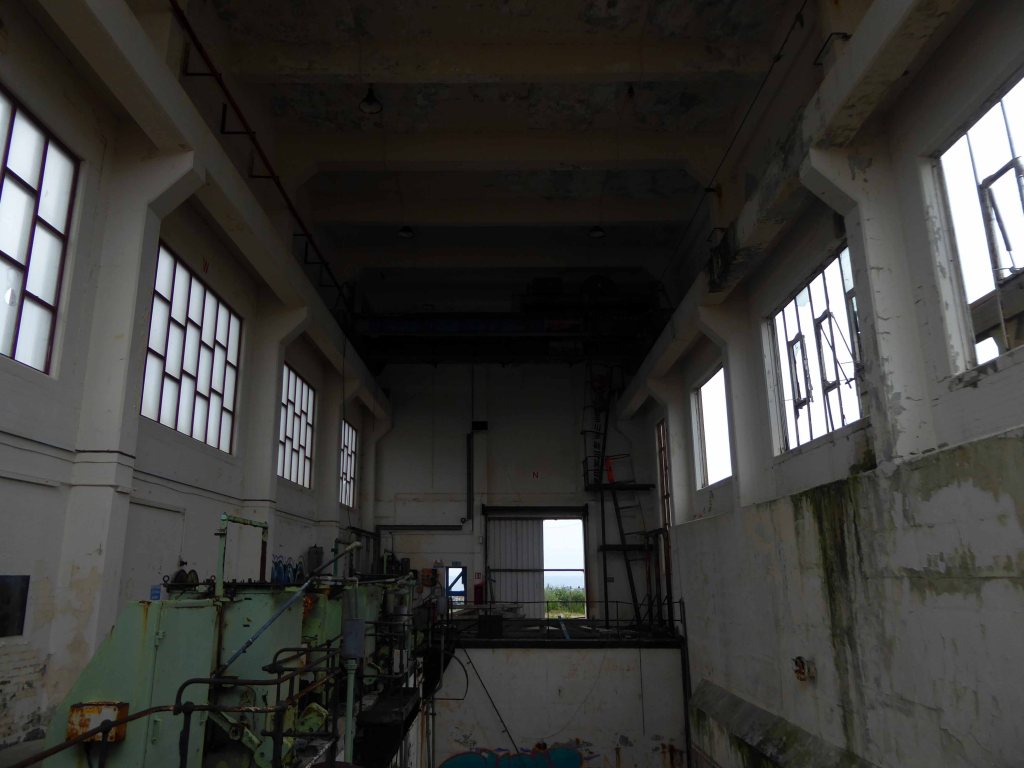
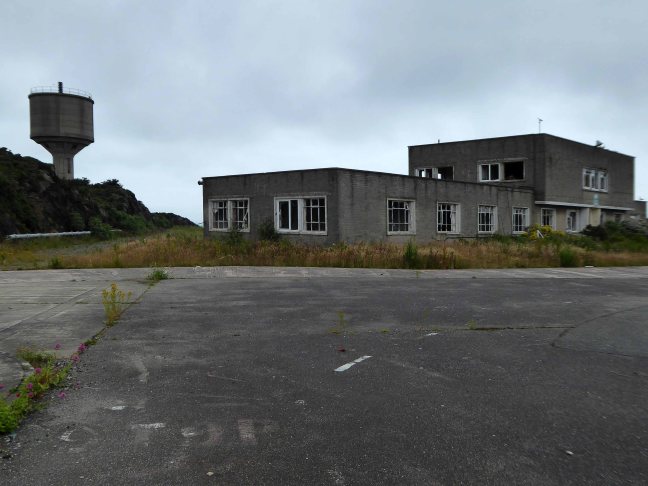
They are now but fleeting shadows, their documents strewn across upturned furniture, empty lockers their standing open and untended, laboratories whose processes have ceased. A chaotic canteen with no-one to cook for, unsafe safety suits and unwashed washrooms.

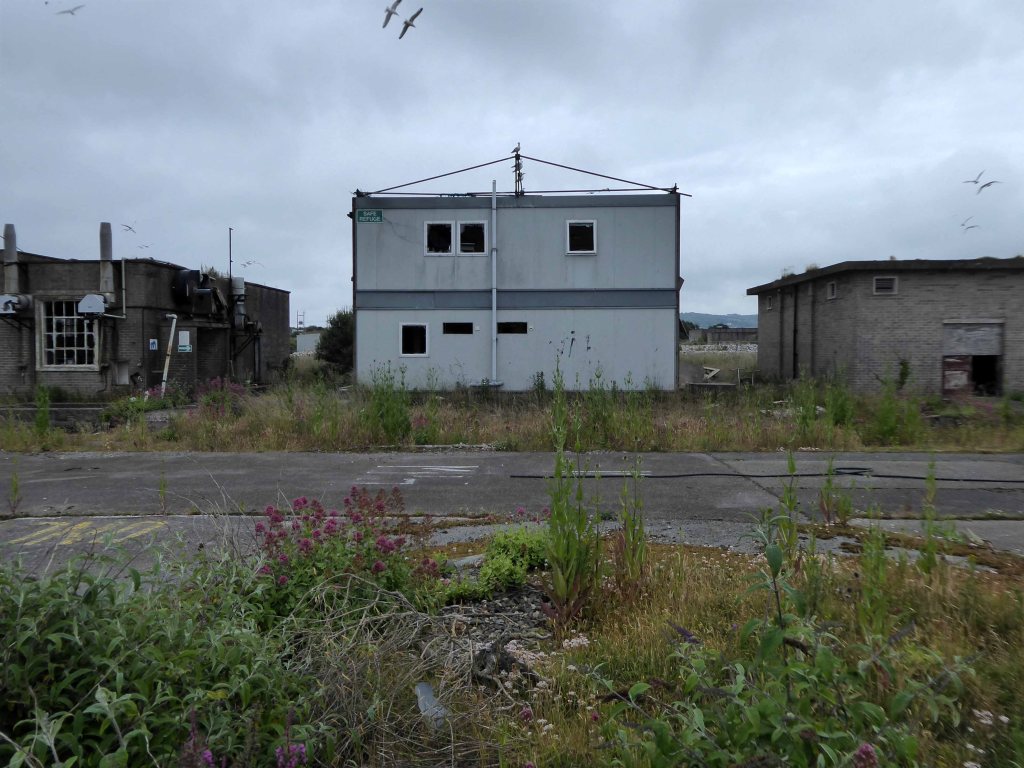
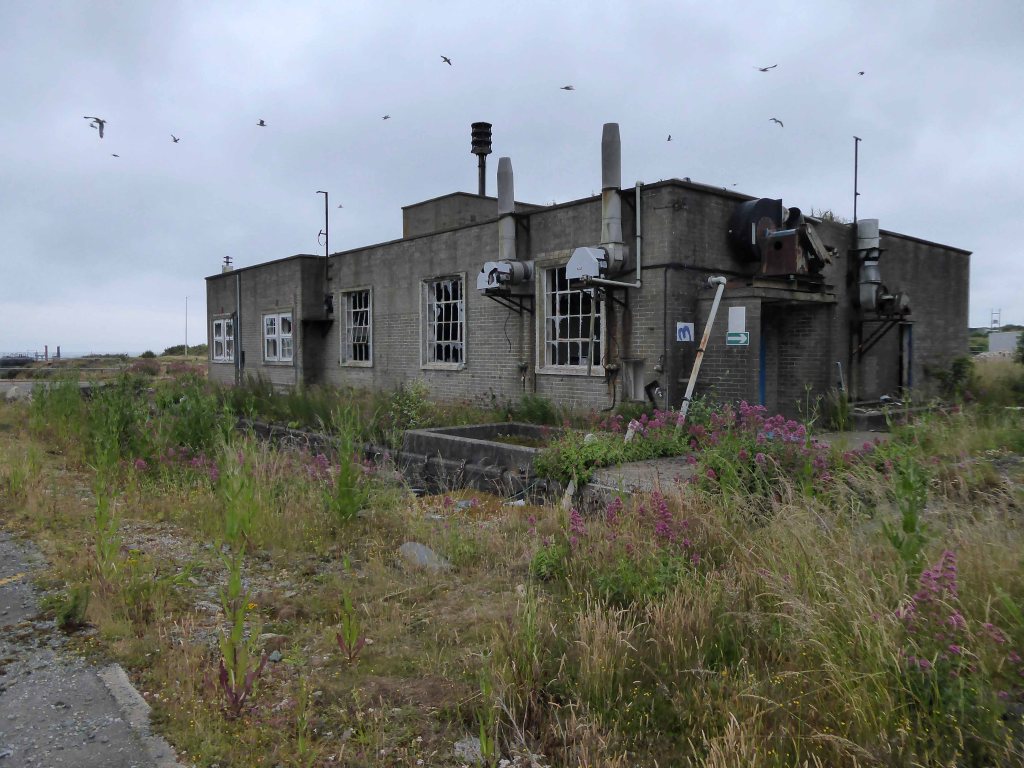
Home now to pigeons, gulls and swallows alone.

The disconnected telephone remains unanswered.

Octel Amlwch – Pumping

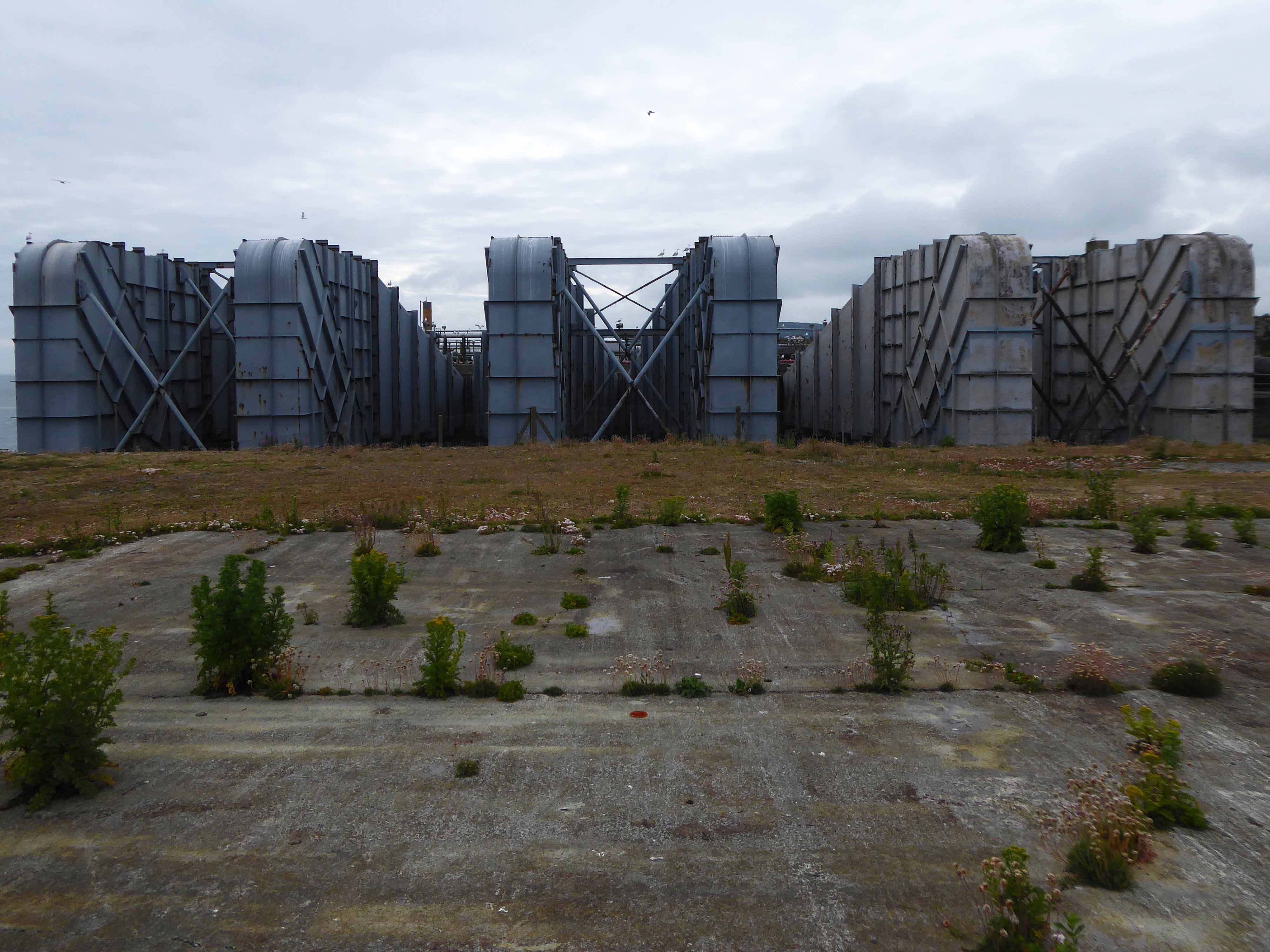
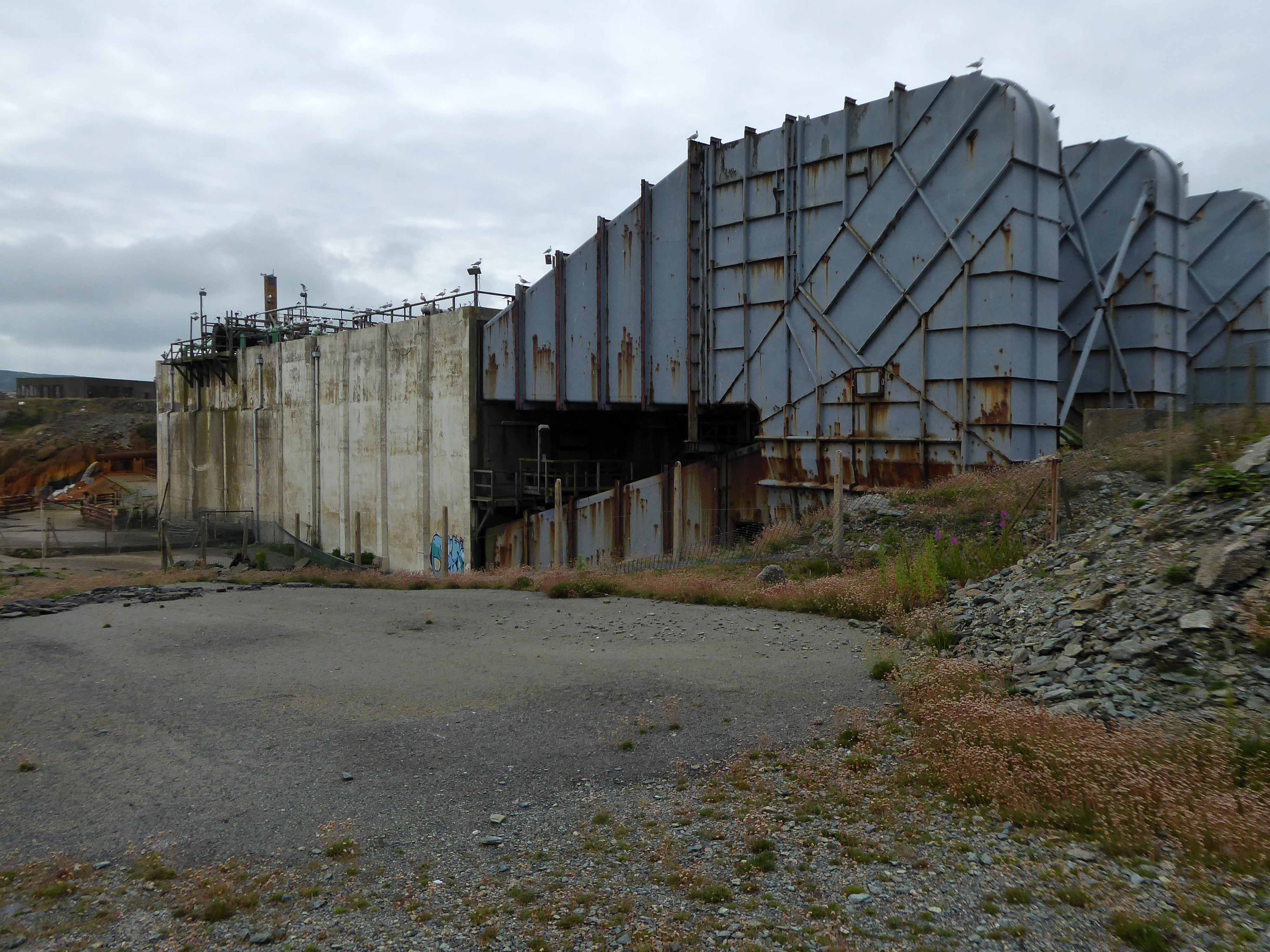
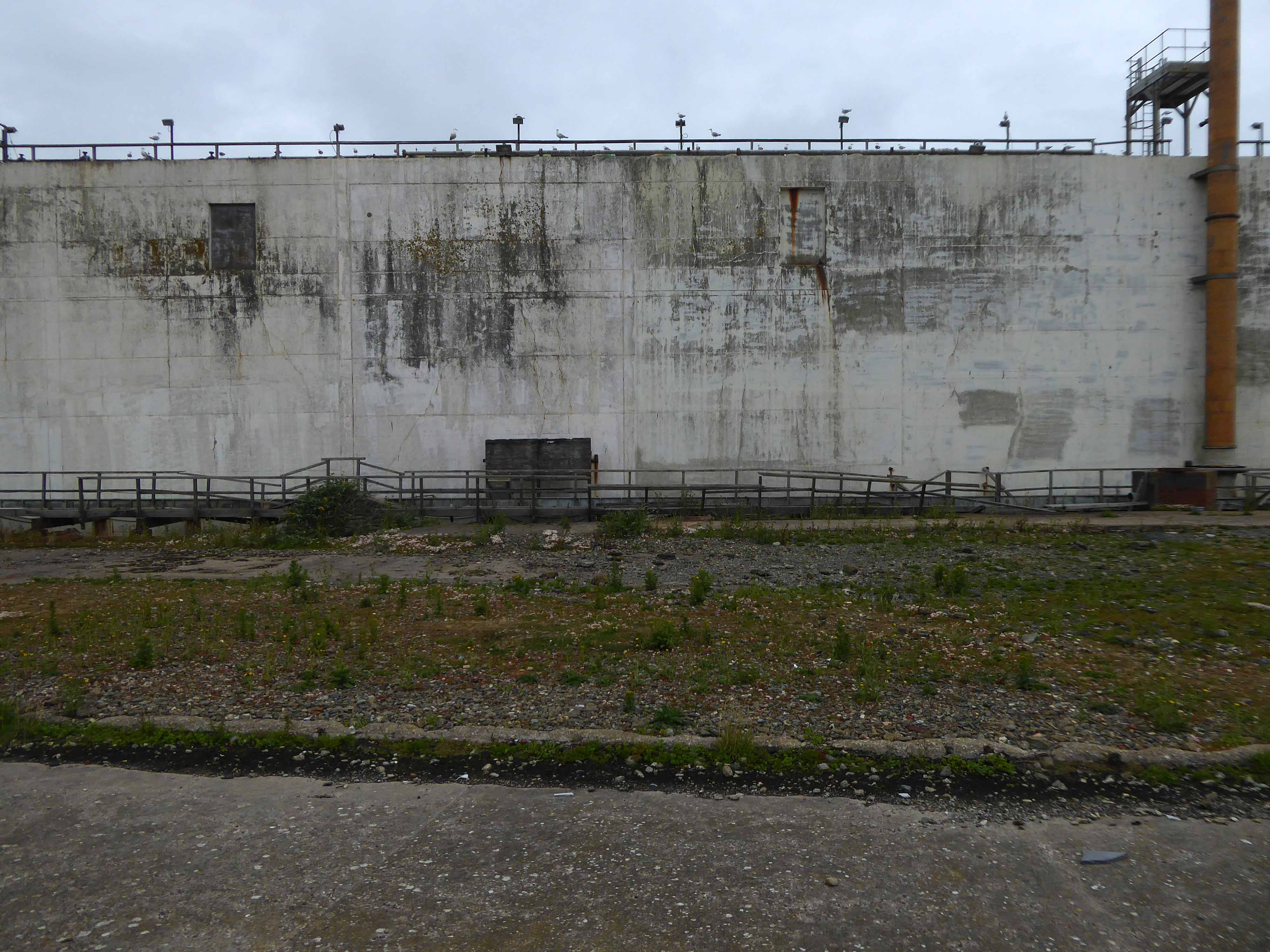
We have taken a trip around the extant exteriors of the processing plant.

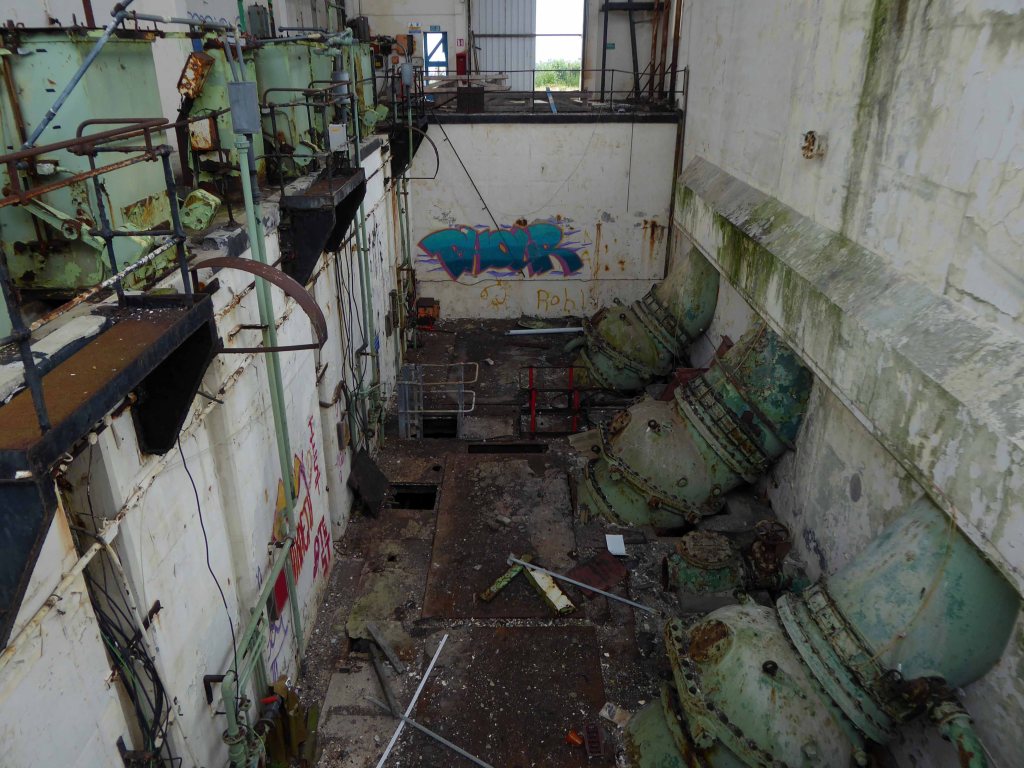
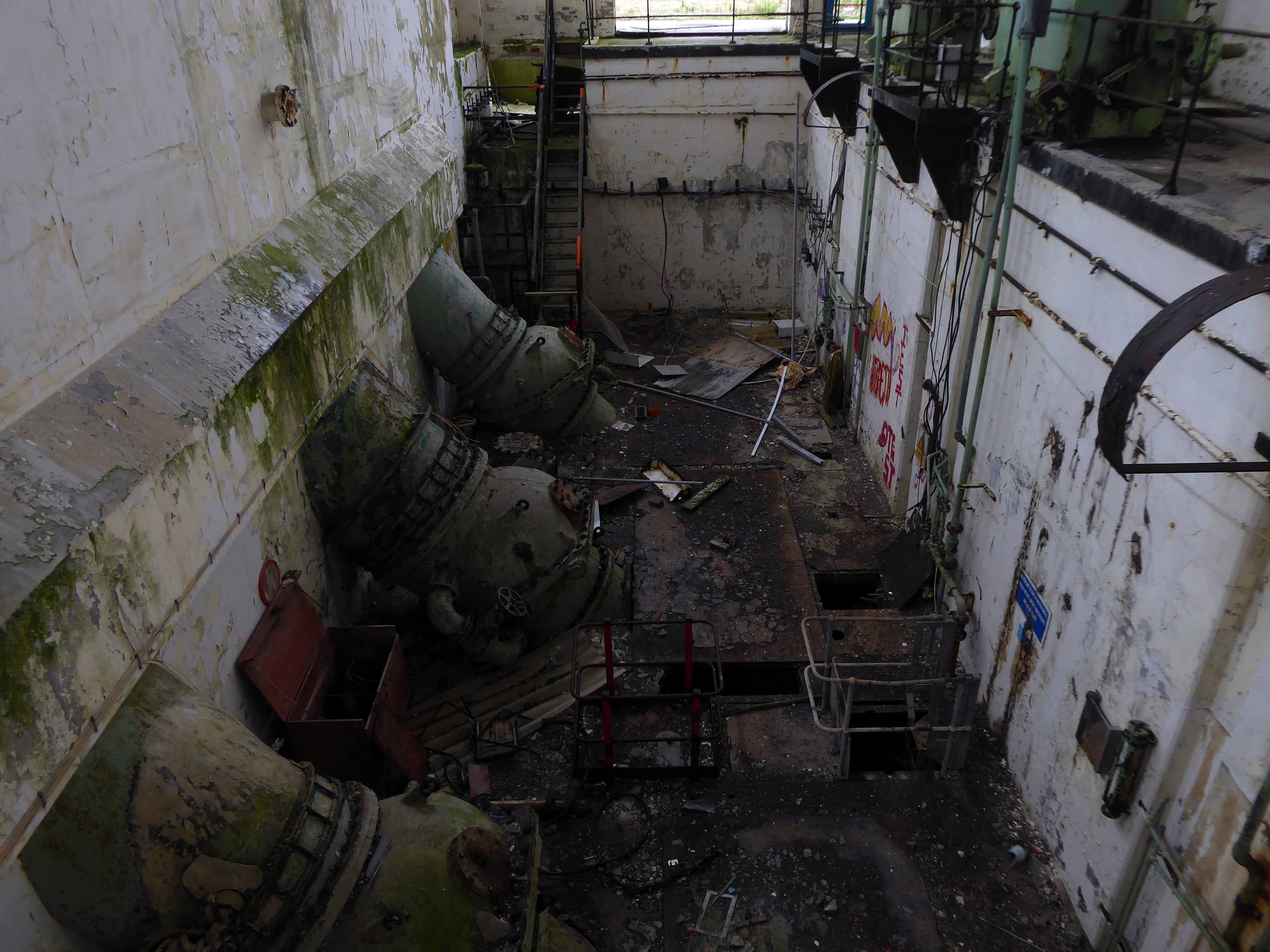
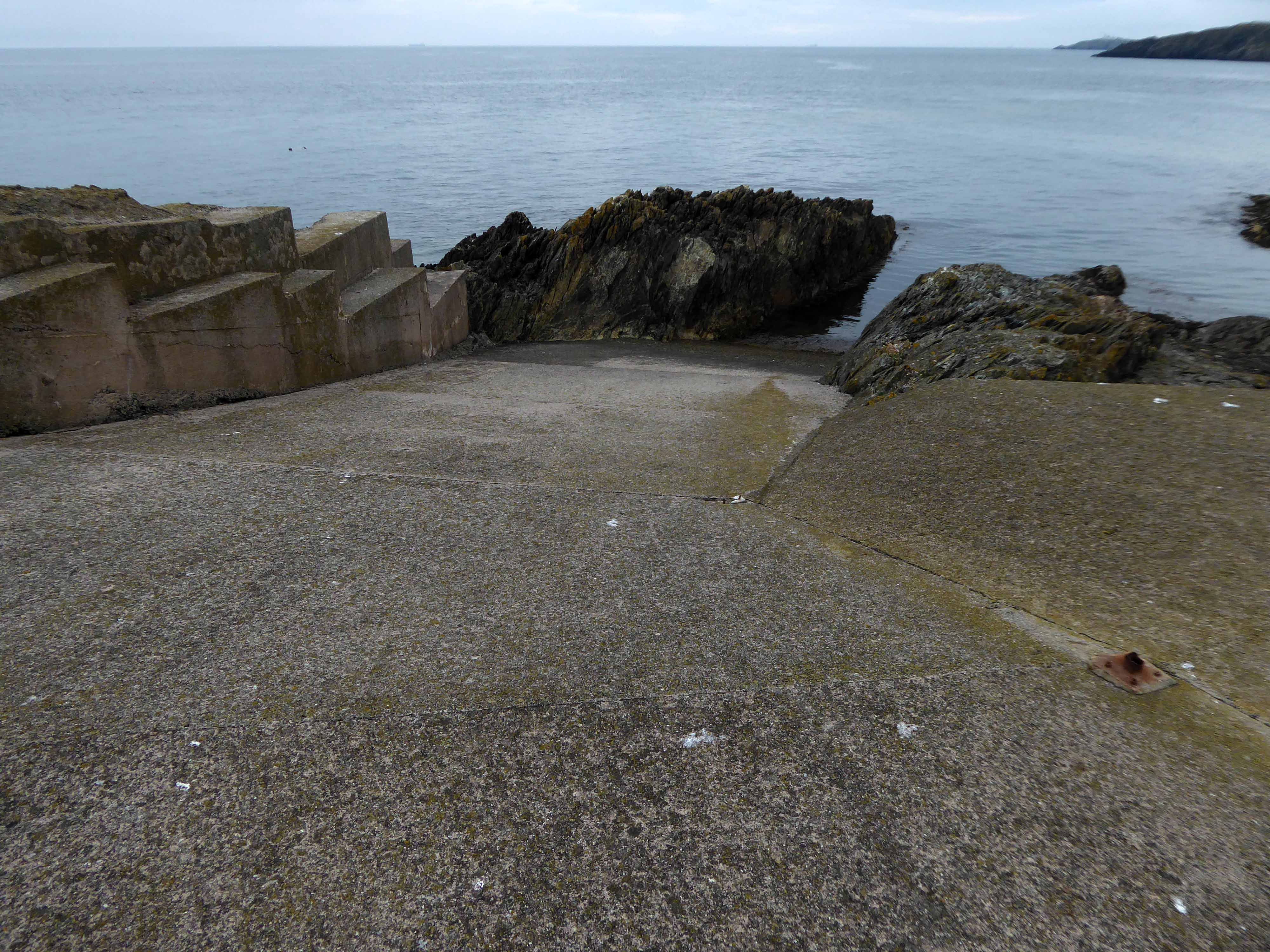
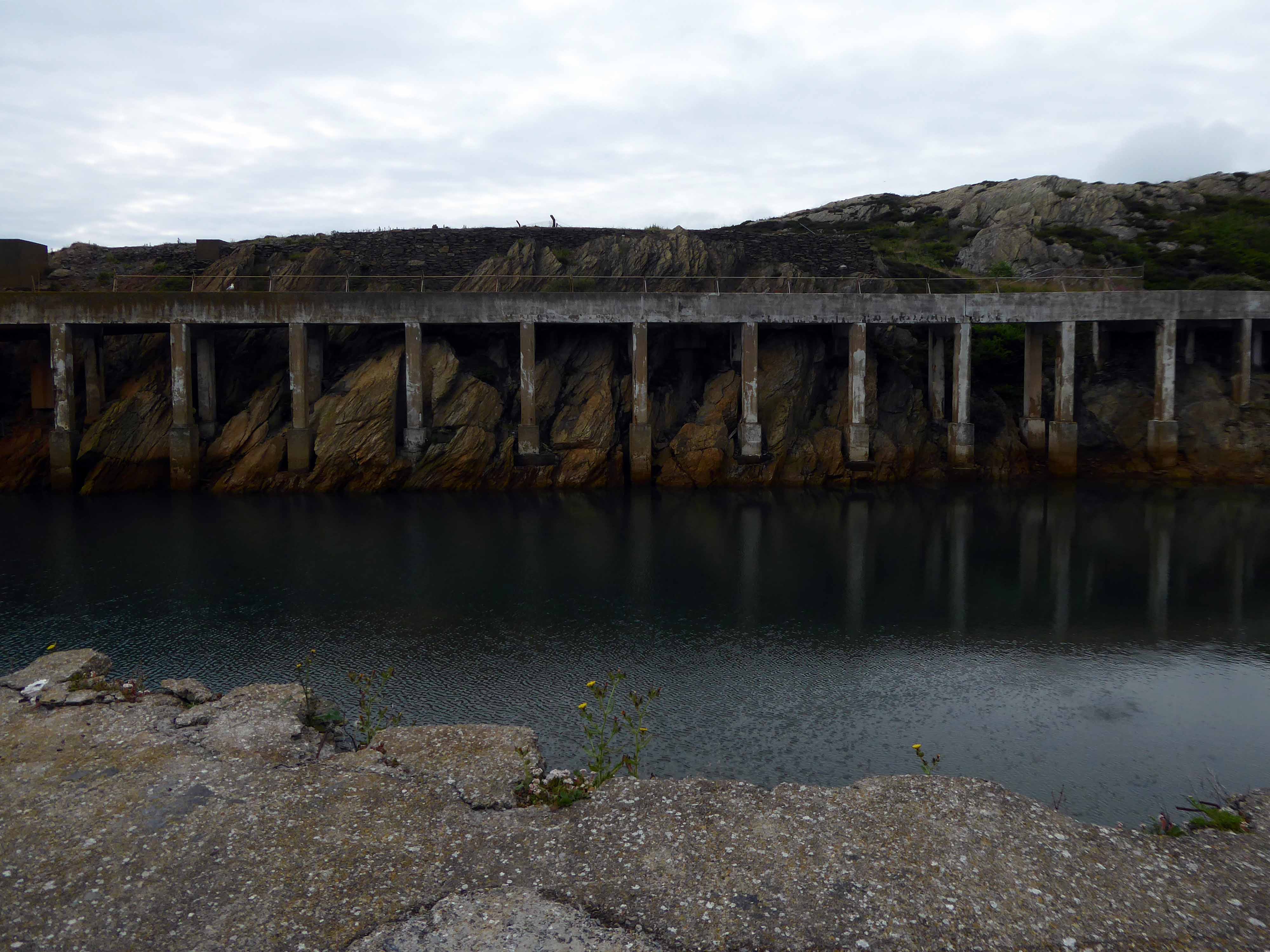
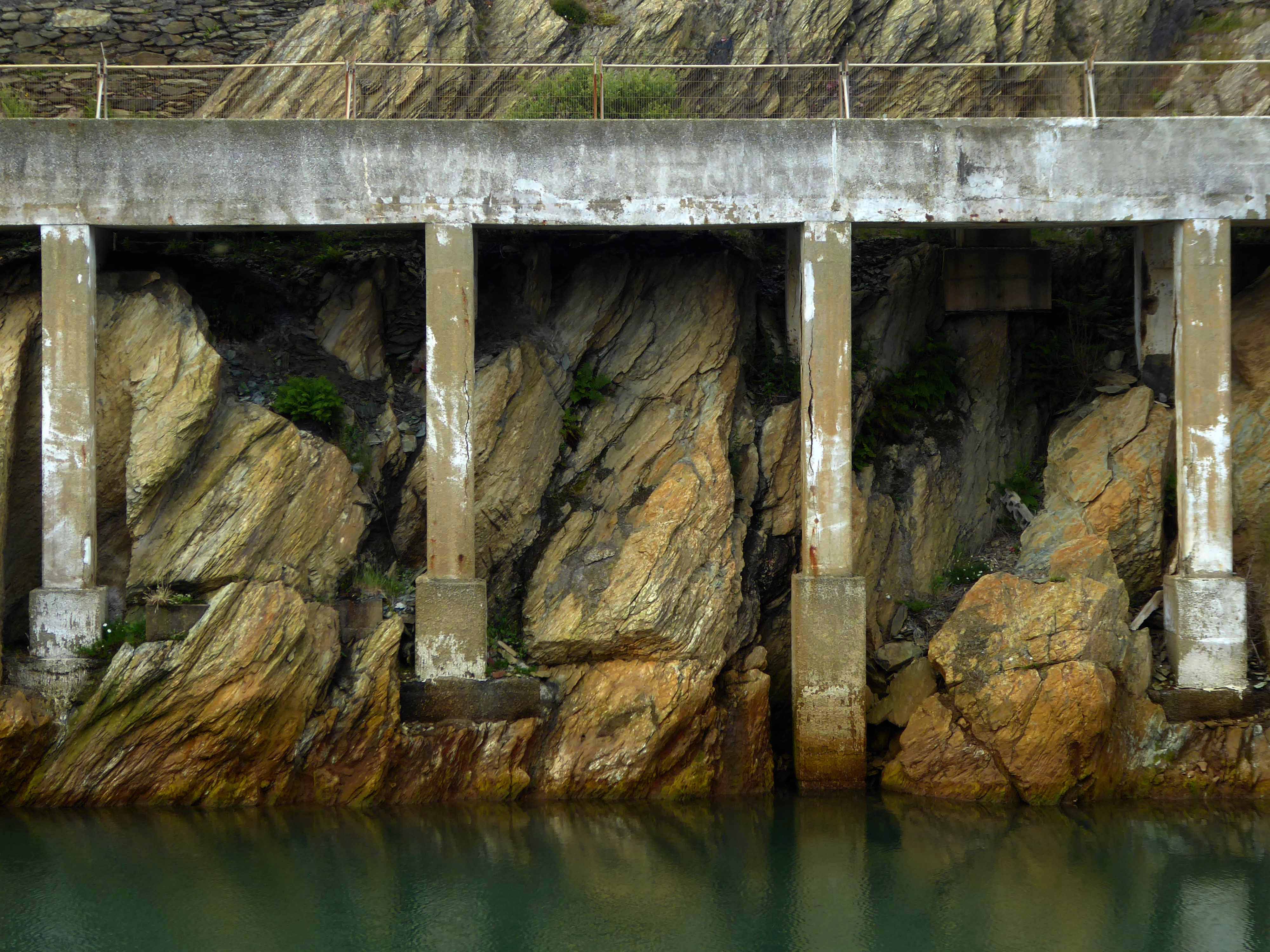
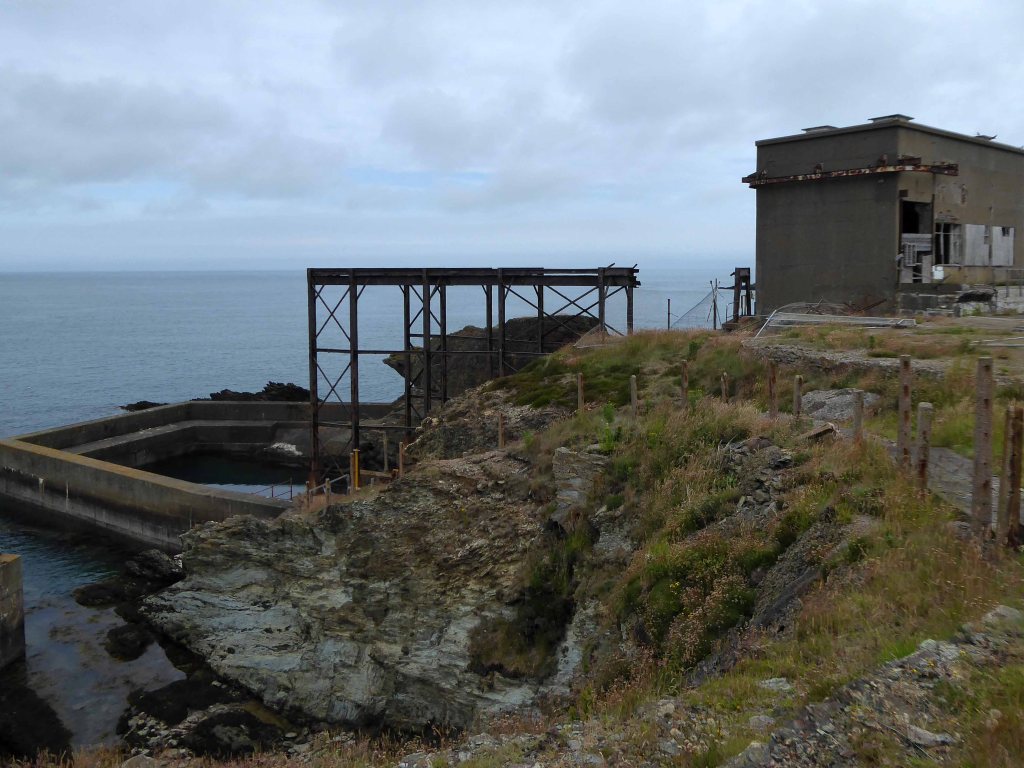
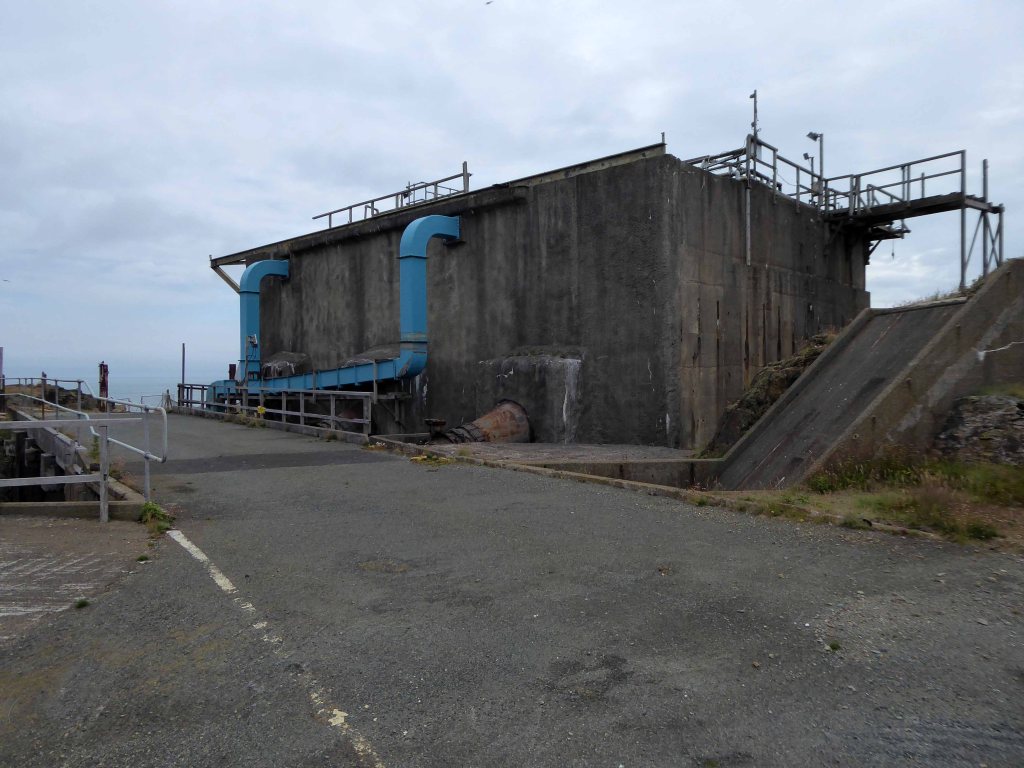
Now let’s turn our attention toward the epic infrastructure which extracted and pumped seawater.

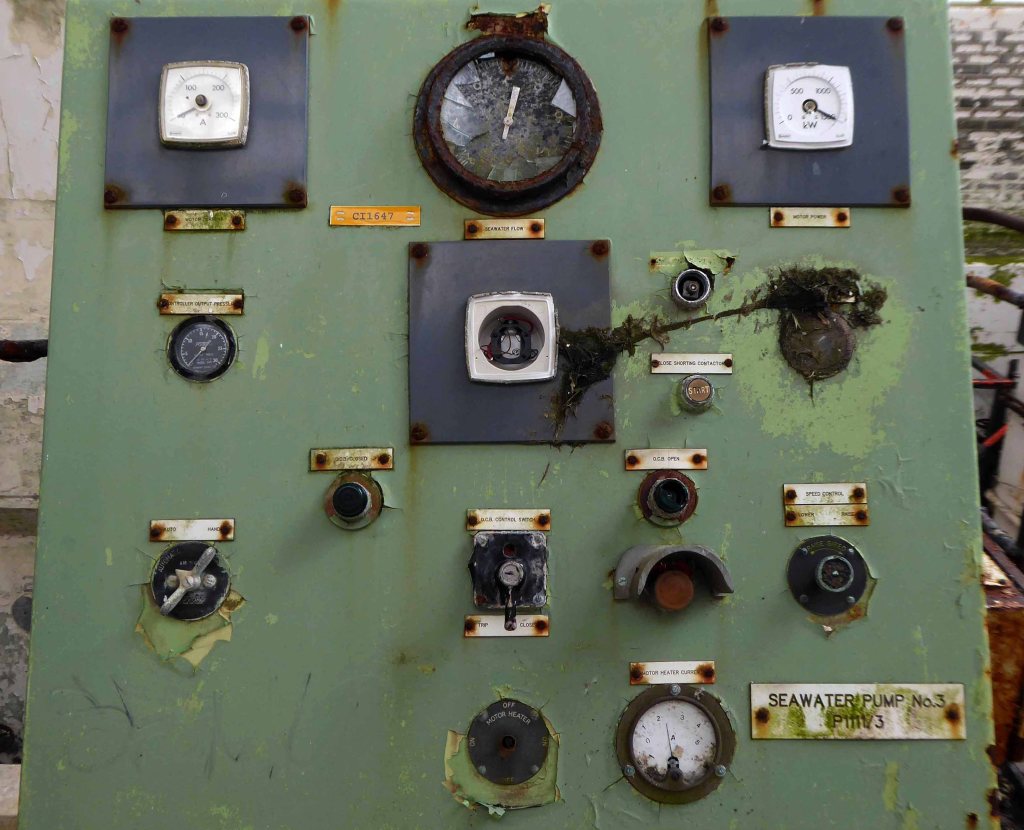
Sea water is sucked in and then lifted 50ft into sea water ponds by huge pumps where any debris is removed. It is then passed to the seawater main where chlorine and dilute sulphuric acid are added which releases the bromine. It is literally blown out of the water. This water is passed into the top of a tower where it drops over 20ft through the packed section of the tower. There it is met by currents of air travelling upwards. Where it meets these air currents the bromine gets stripped out the water, which is returned to the sea. Whilst the wet bromine laden air passes from the top of the tower to be treated with sulphur dioxide and water. This produces mists of hydrobromic and sulphuric acids.

This mist passes into an absorber, and the acid coalesces. From here, it blows to a collecting tank. The bromine free air returns to the blowing out tower and the cycle begins again. The acidic product is referred to as primary acid liquor. This is now pumped to the steaming out tower. It enters the top and is treated with chlorine and steam, which releases the bromine as vapour. It is then condensed to a liquid. The bulk of bromine goes to dibromoethane, whilst the remainder is sold or used to make other intermediates.

It takes about 22,000 tonnes of seawater to produce 1 tonne of bromine. Every minute 300,000 gallons of seawater are drawn in.

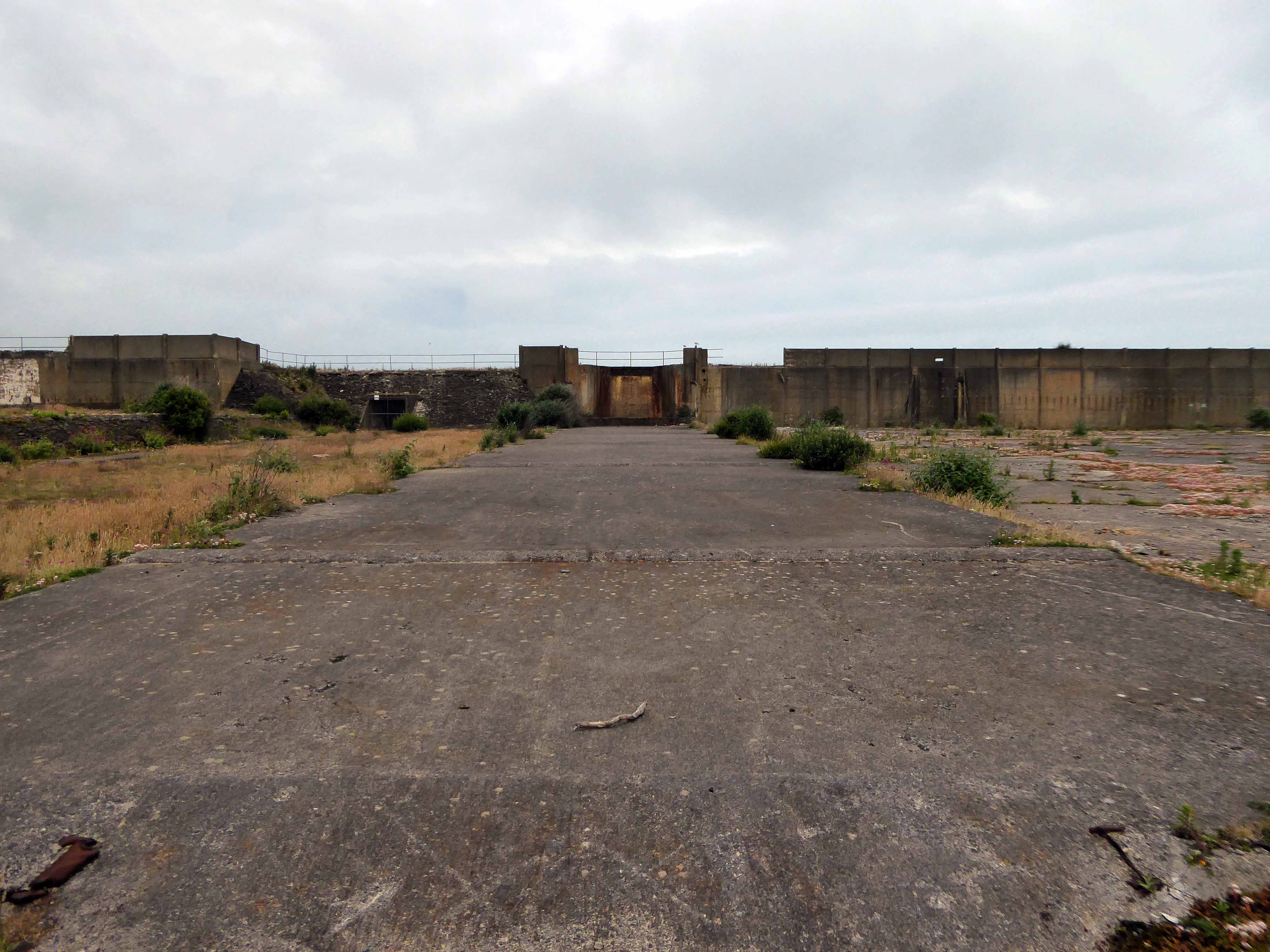
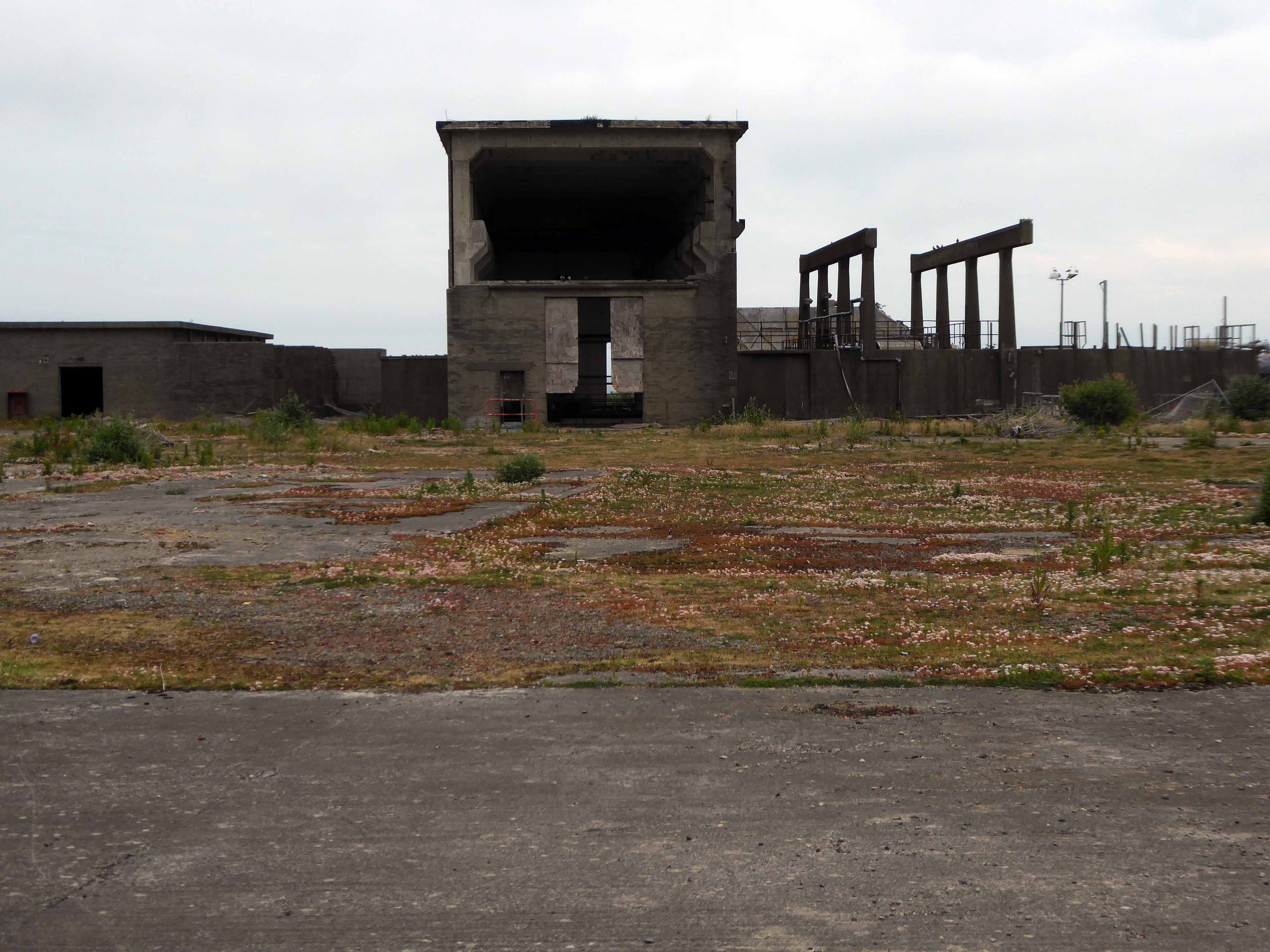
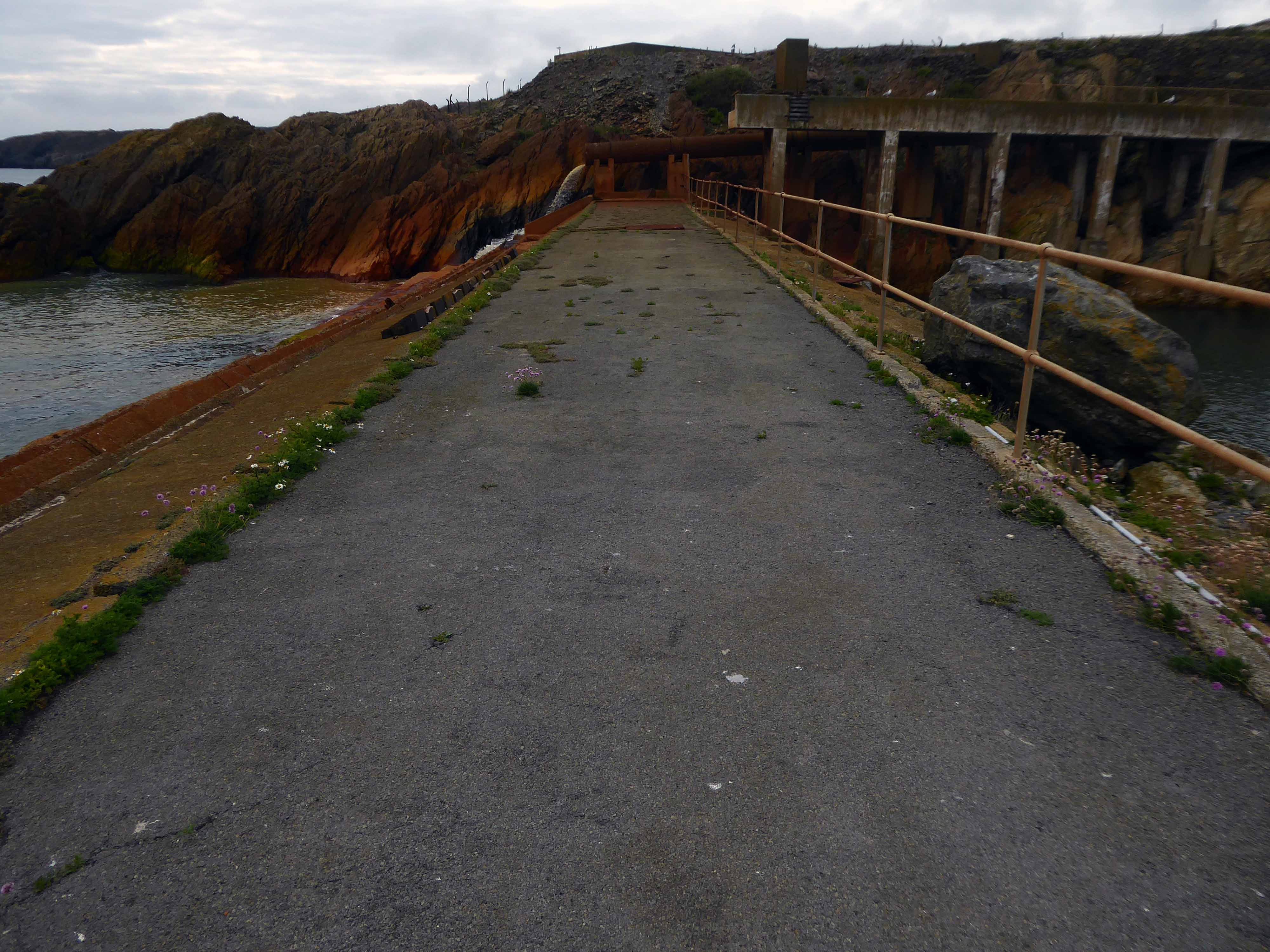
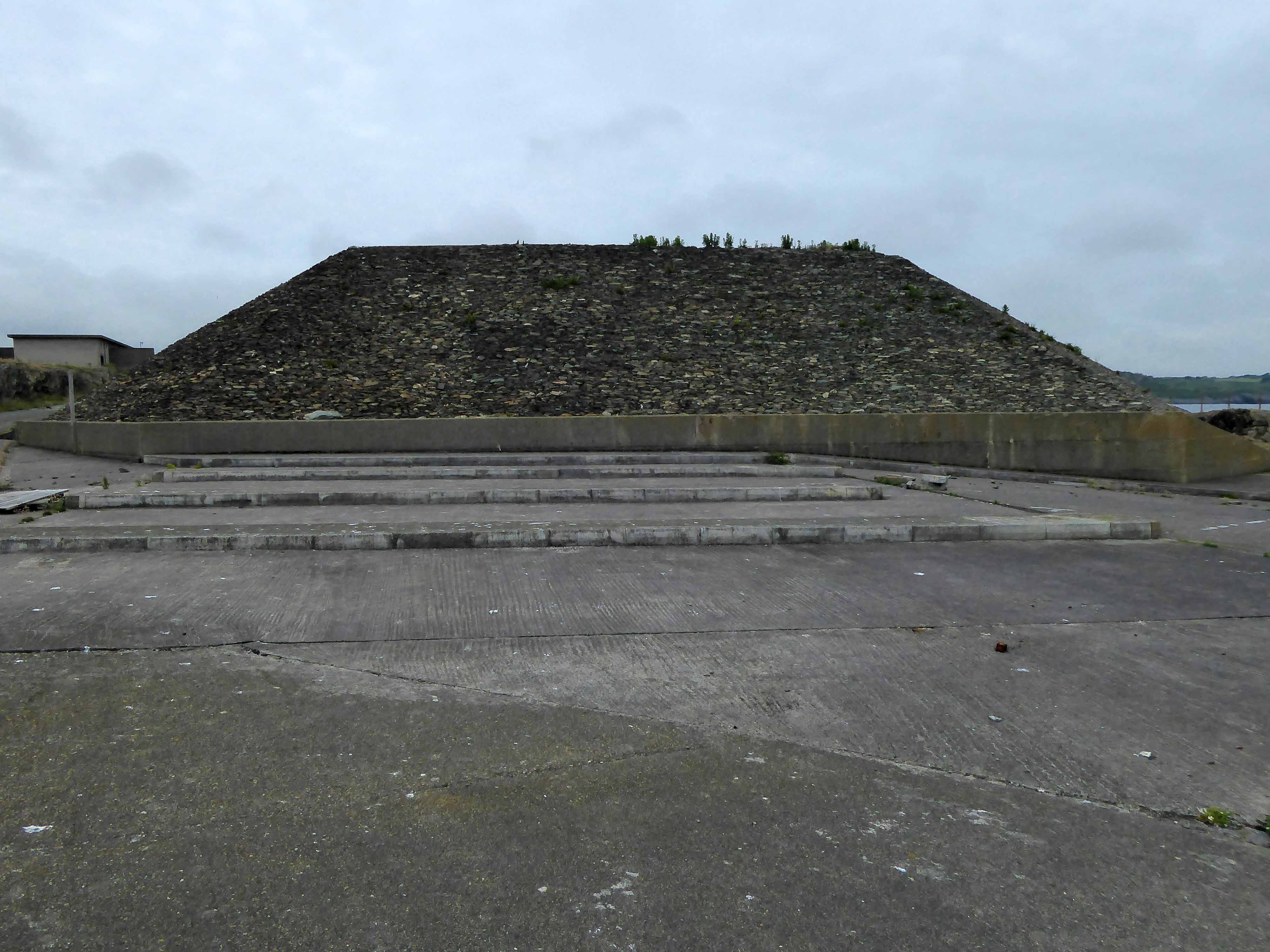
This now redundant technology has left a legacy of industrial dereliction amongst the ancient Pre-Cambrian rocks and sylvan seas of the Anglesey Coast.

This is a landscape which induces fear and fascination in equal measure.

Whatever is fitted in any sort to excite the ideas of pain, and danger, that is to say, whatever is in any sort terrible, or is conversant about terrible objects, or operates in a manner analogous to terror, is a source of the sublime; that is, it is productive of the strongest emotion which the mind is capable of feeling.

Edmund Burke

Octel Amlwch – Exteriors

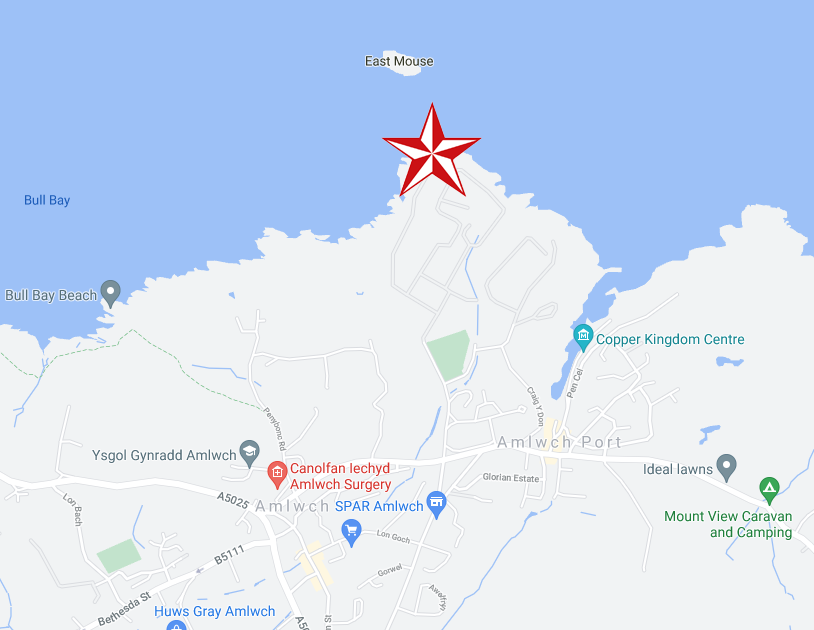
Amlwch has been the centre of the world’s copper industry, a coastal town on Anglesey with a long history of trade, the coming and going of goods.

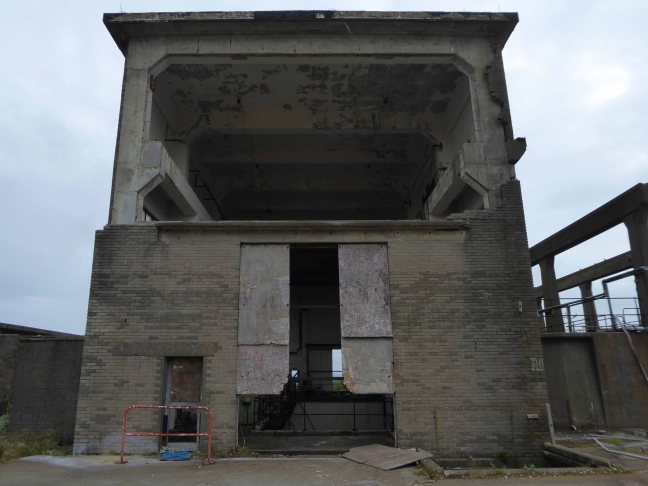
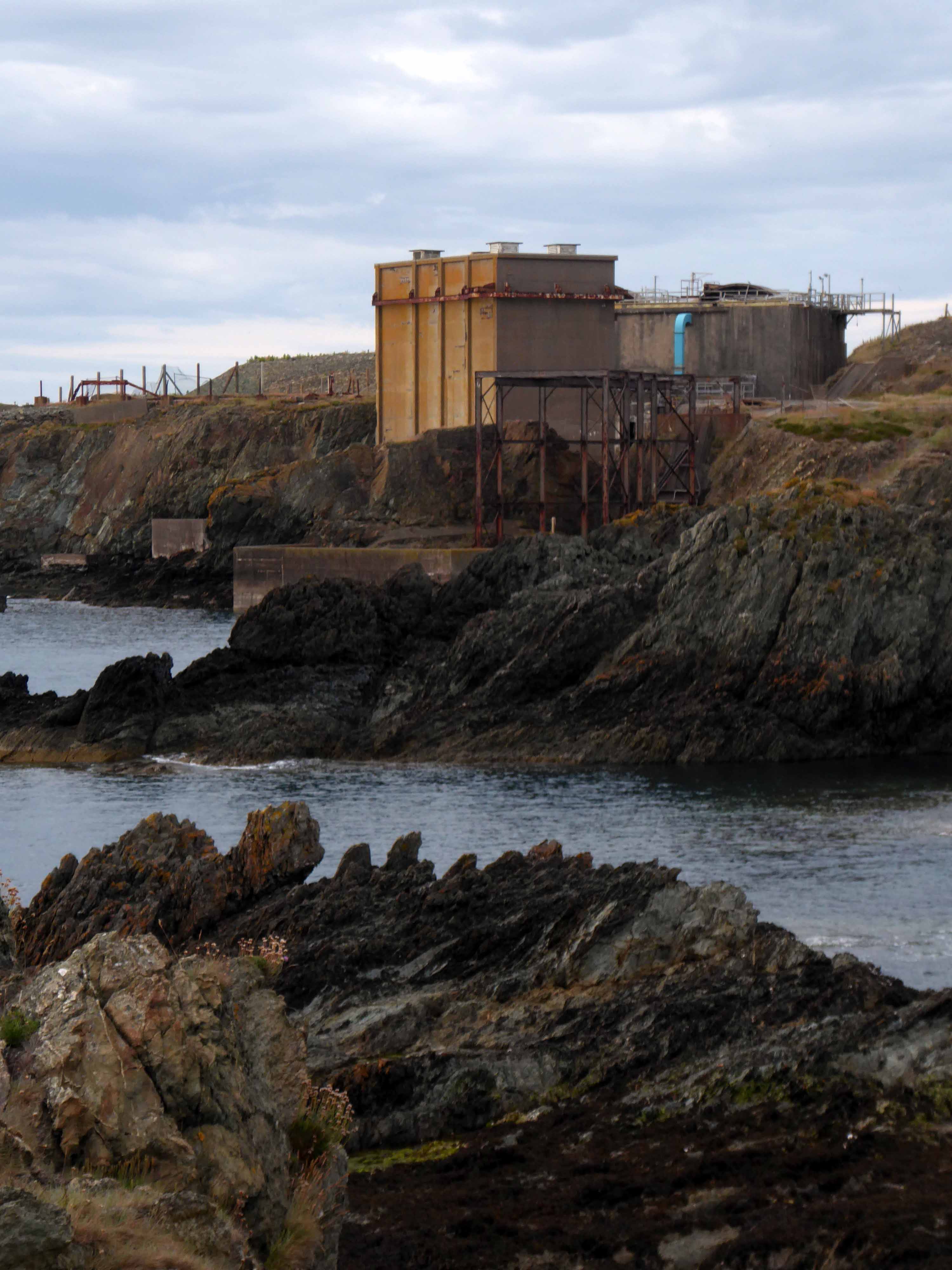
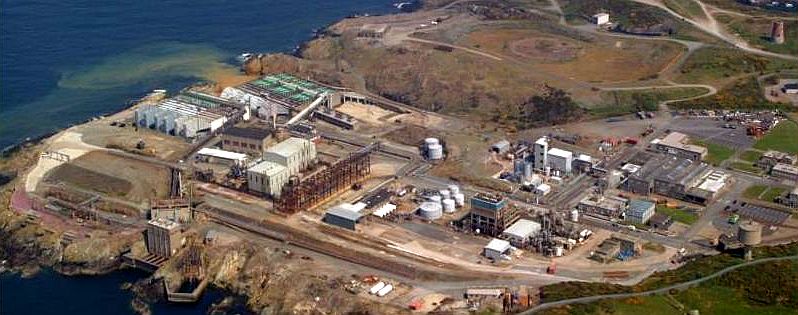
Once the site of a processing plant extracting bromine from sea water.

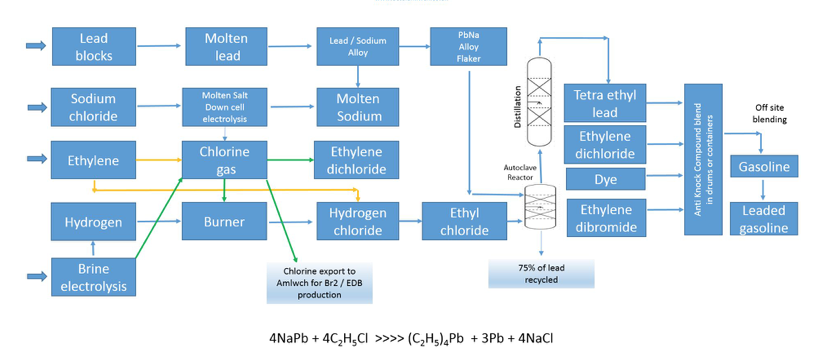
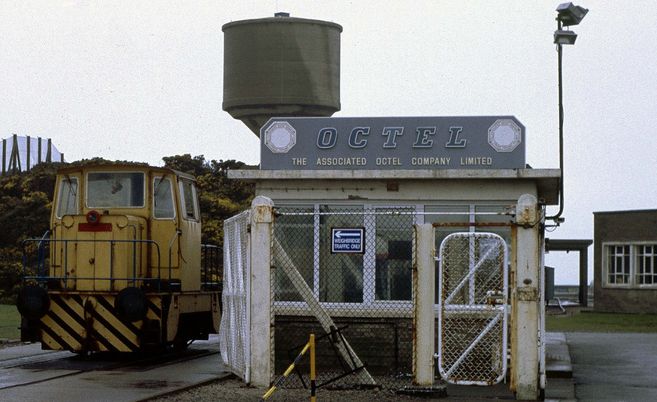
The Associated Octel factory was built to extract bromine from seawater and turn it into an additive for petrol engines. At the time, petrol used in road vehicles contained lead. Engine knocking was a common problem, when the mixture of air and fuel didn’t burn efficiently with each detonation. This could damage engine cylinders over time. The additive produced here reduced knocking and improved engine efficiency.

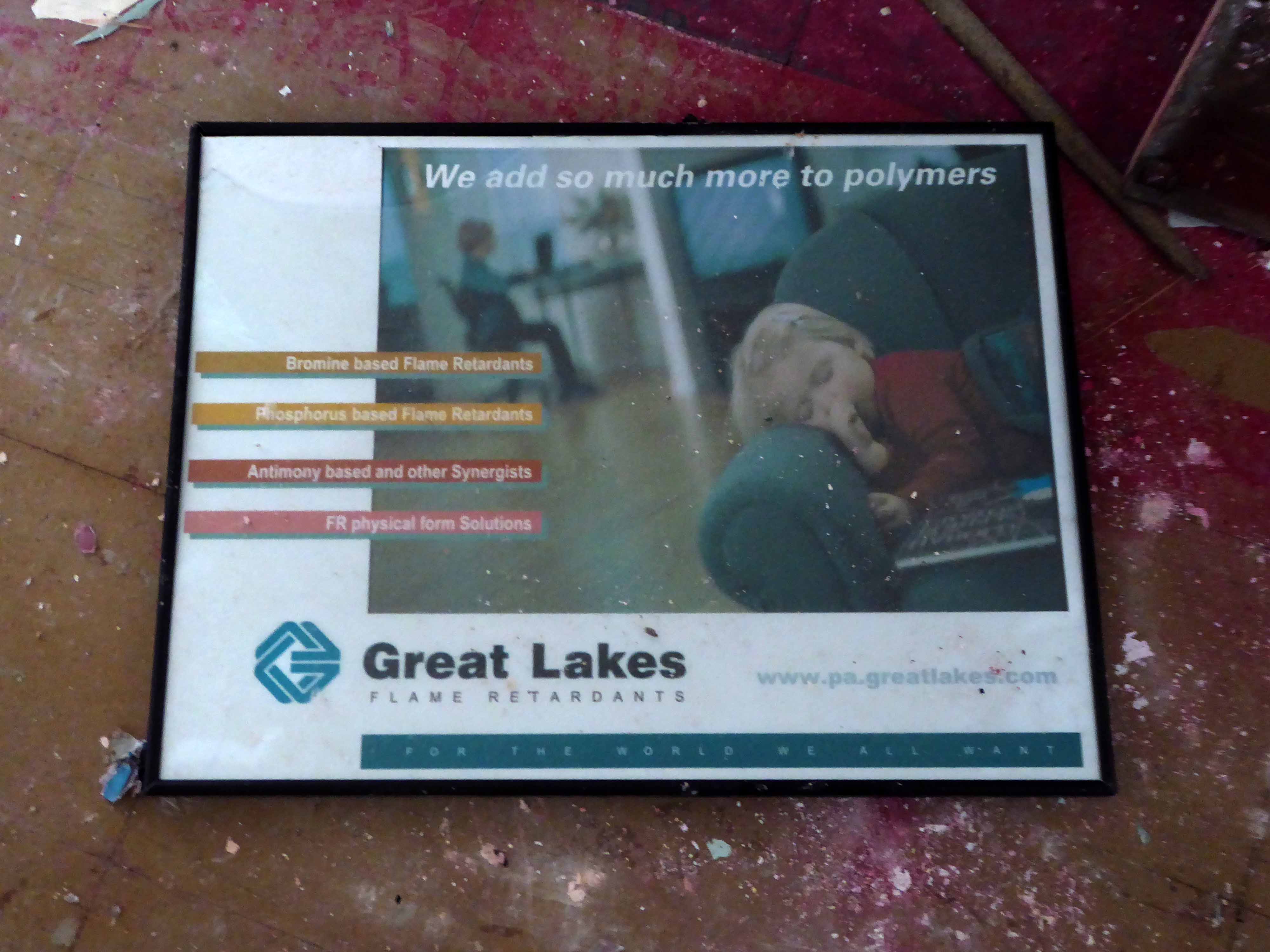
As the health effects of lead in vehicle exhaust gases became better understood, unleaded petrol was developed. It was introduced to UK filling stations in the 1980s, and leaded petrol was later phased out. As demand for anti-knock additive reduced, the Octel factory diversified into other bromine products and was taken over by Great Lakes Chemical Corporation. In 2003, the corporation decided to close the works with the loss of more than 100 jobs.

A detailed history of the site can be found here at Octel Amlwch.

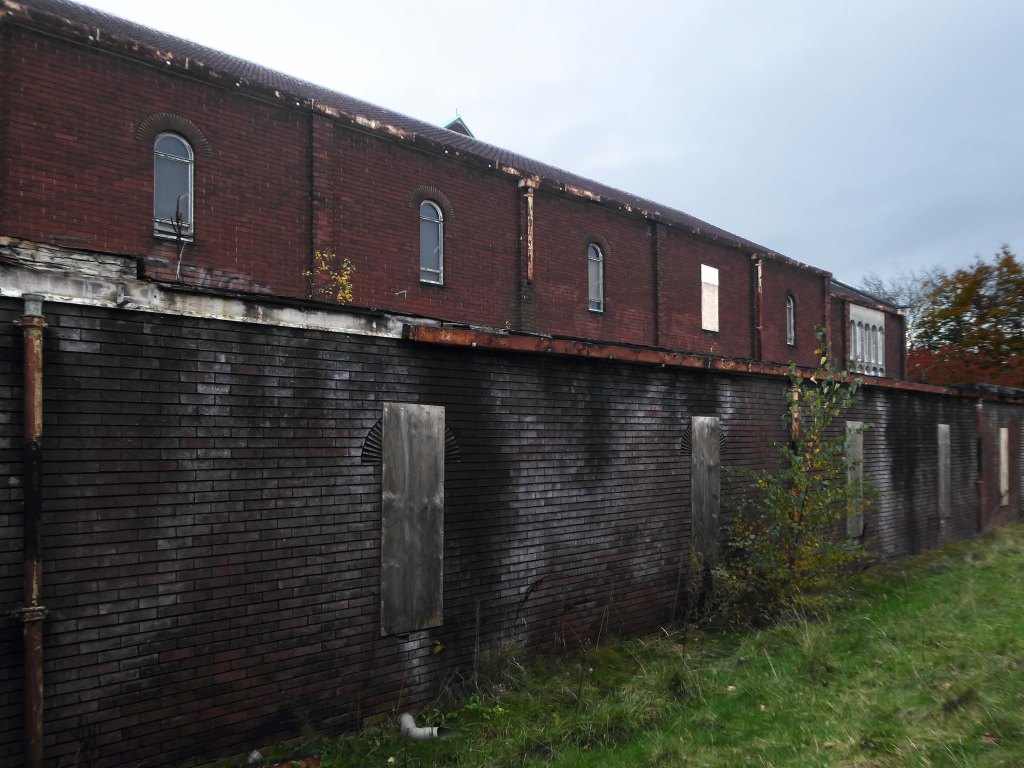
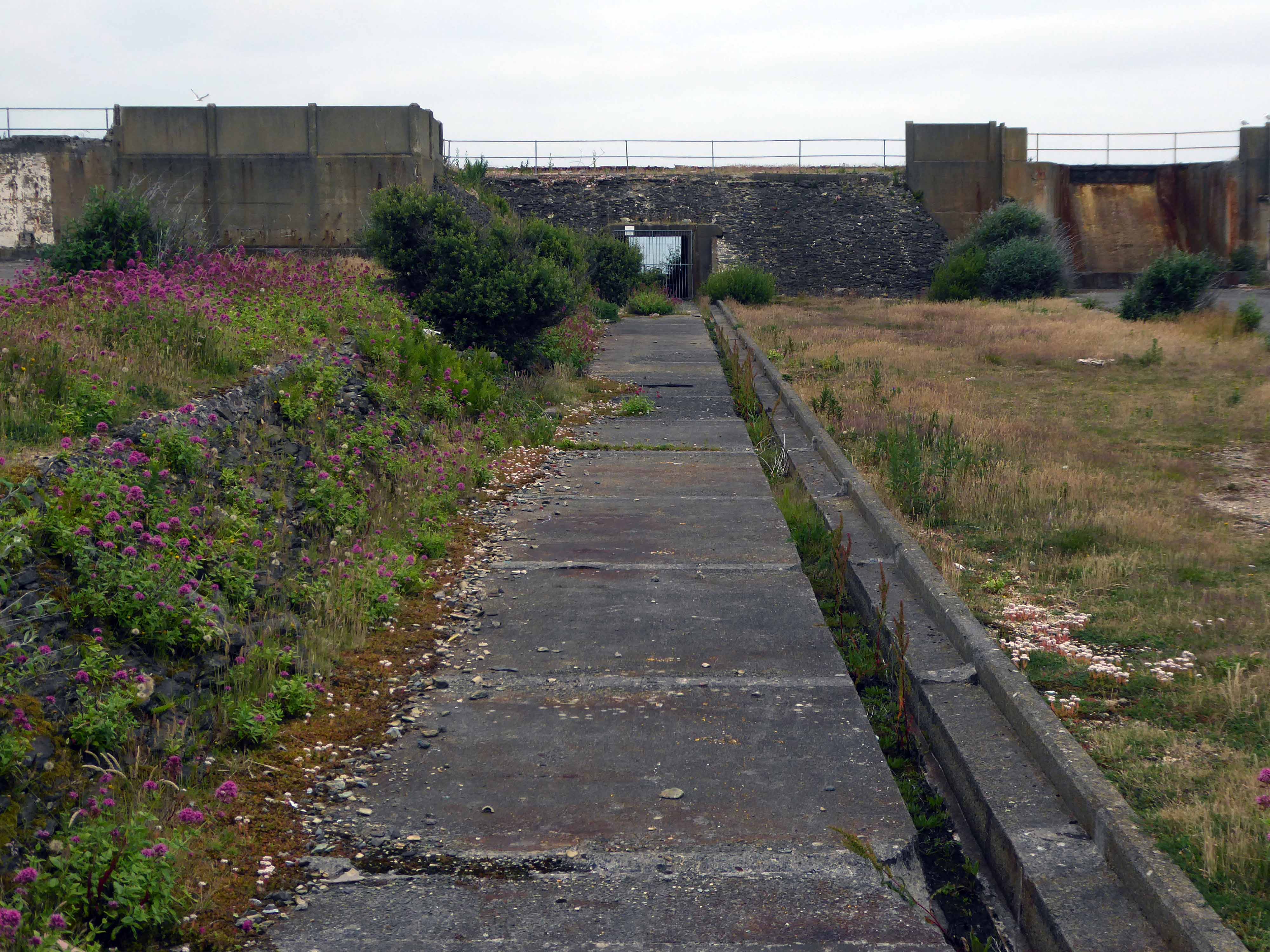
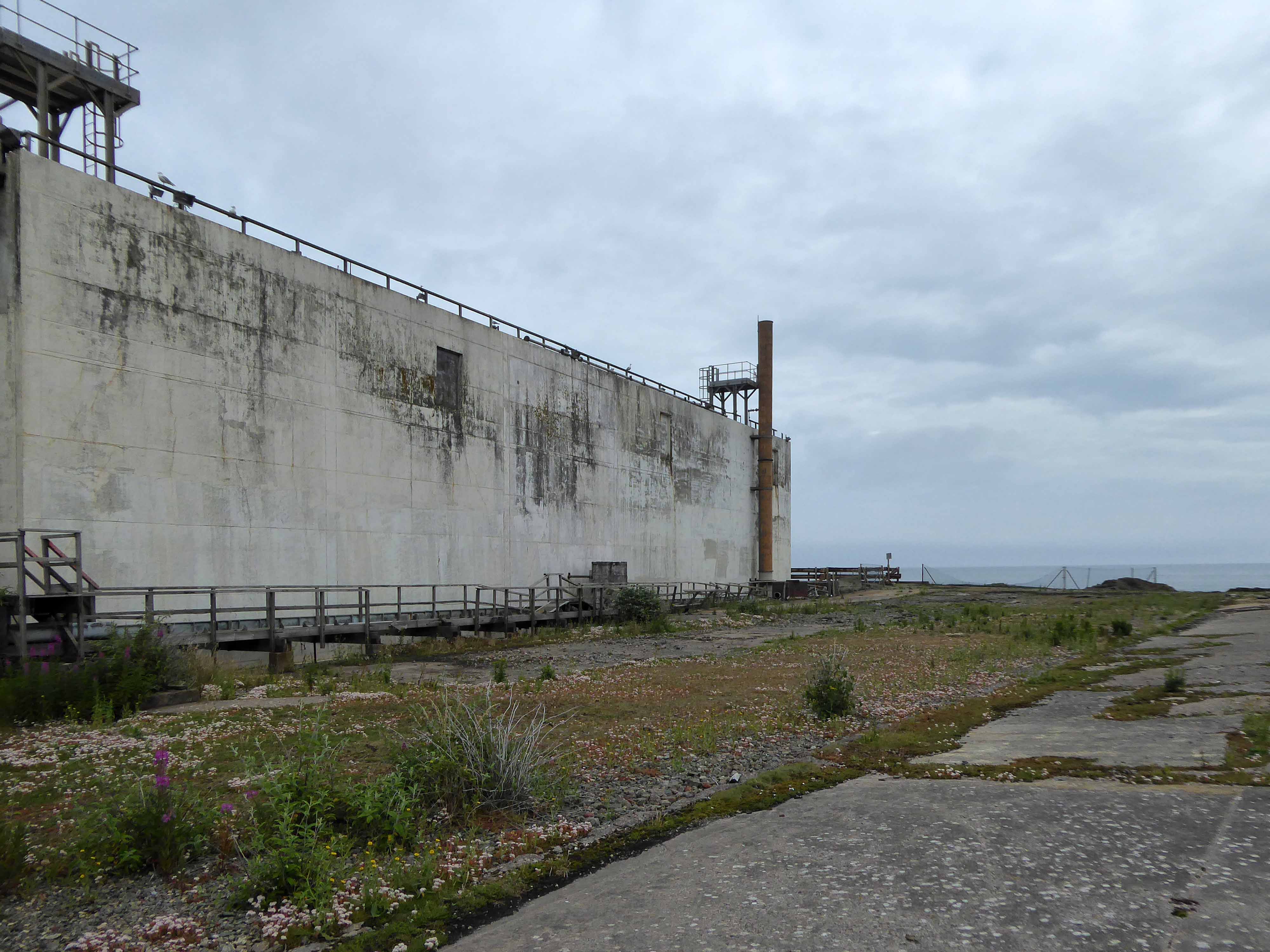
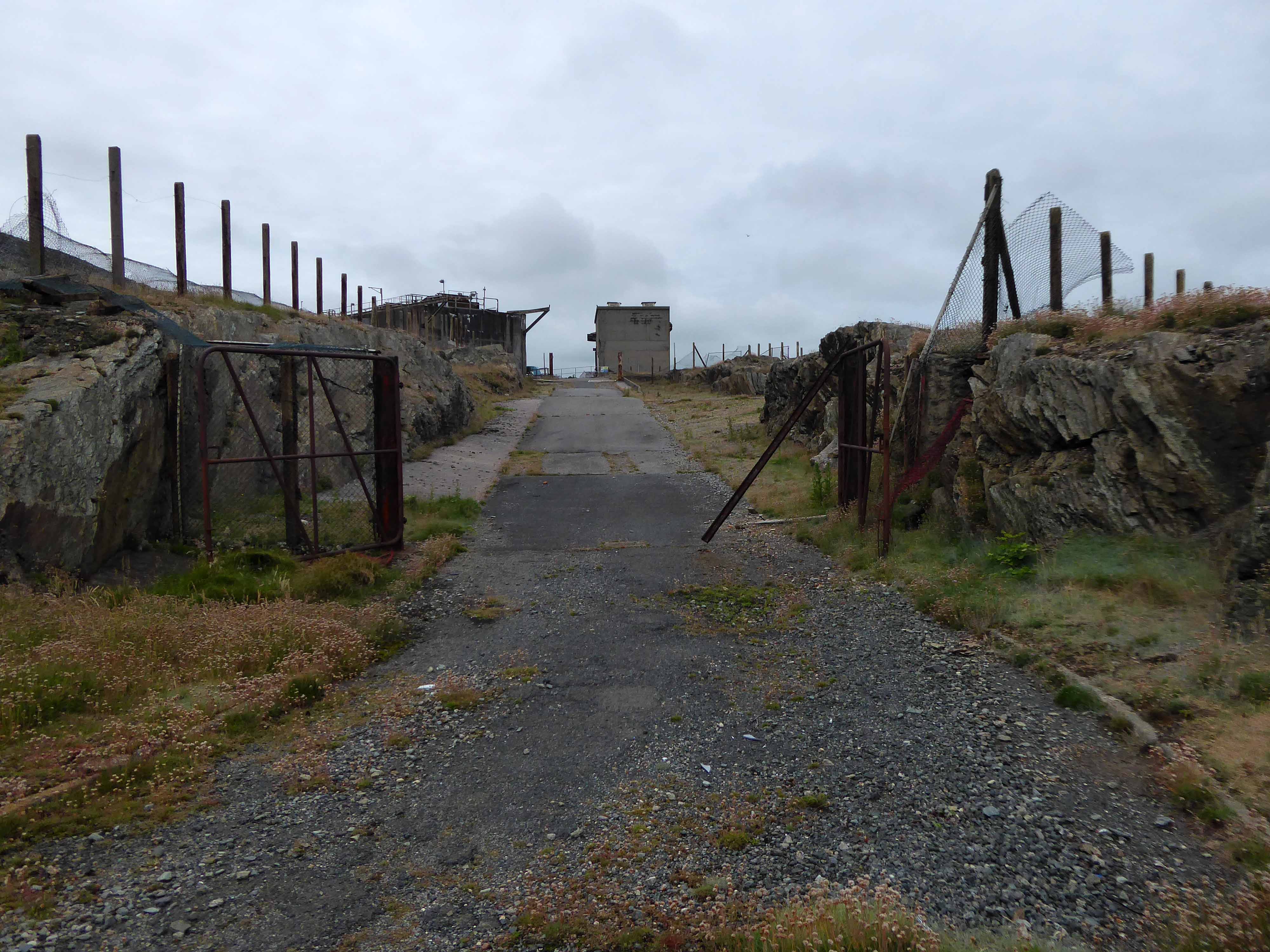
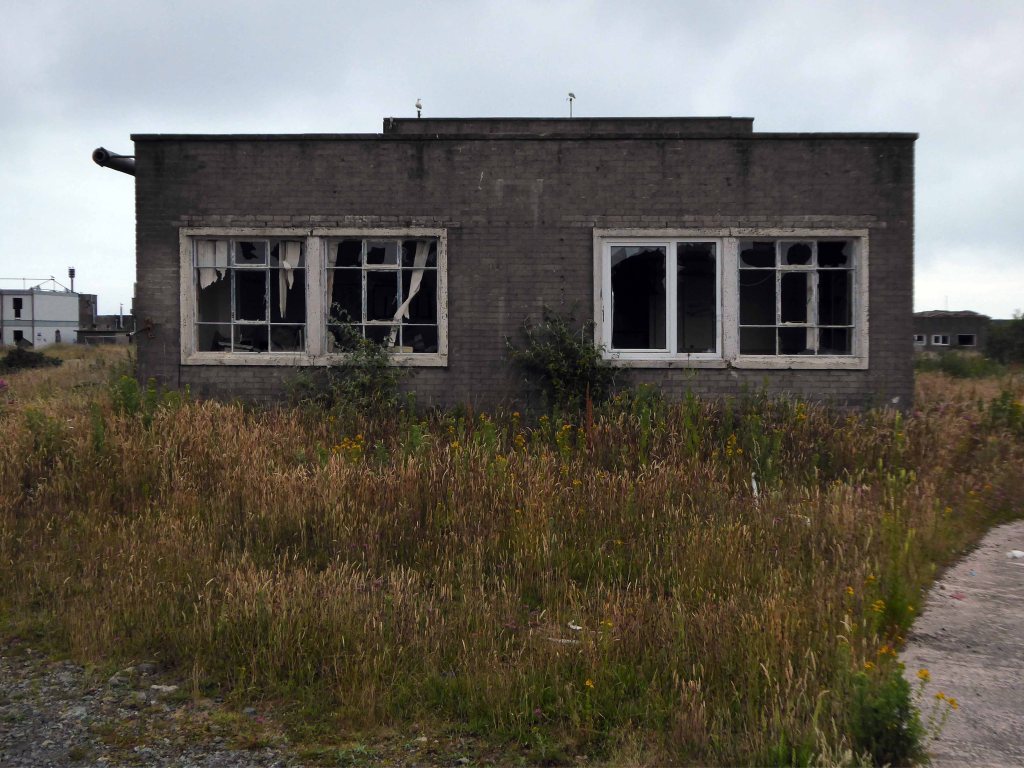
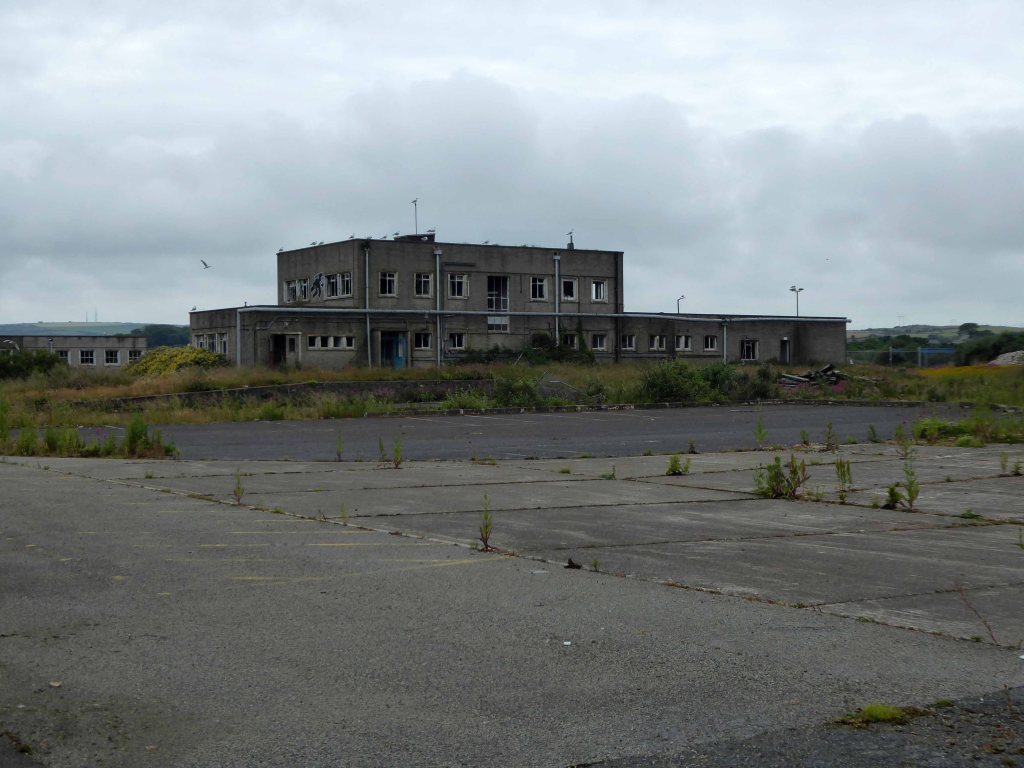
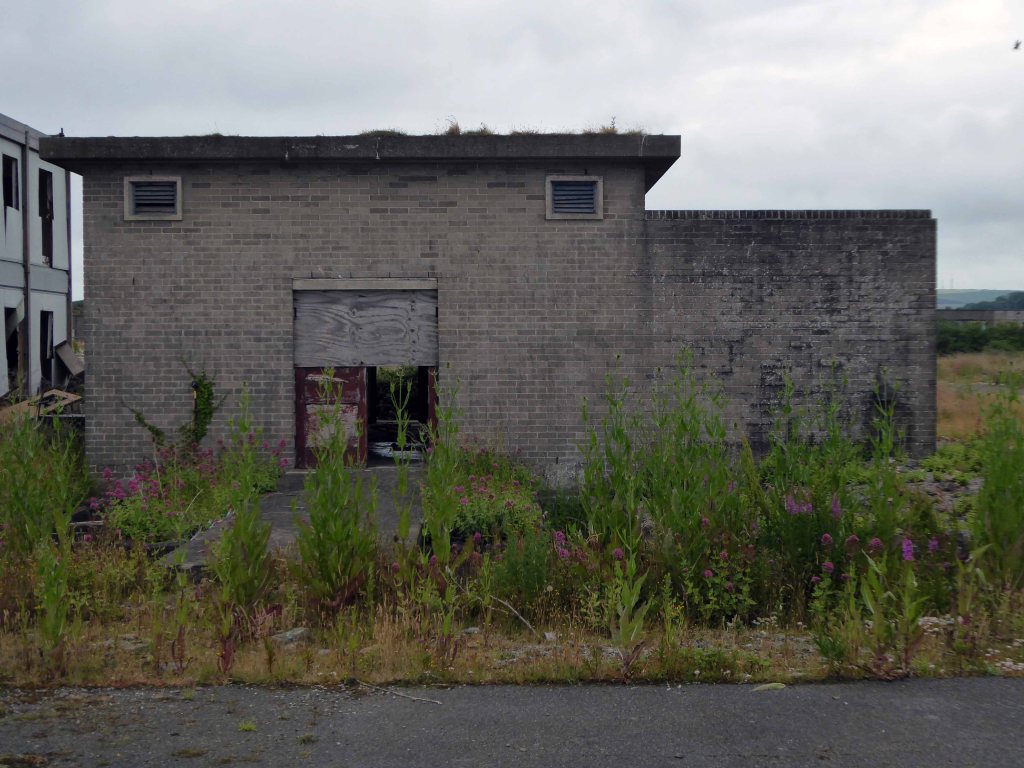
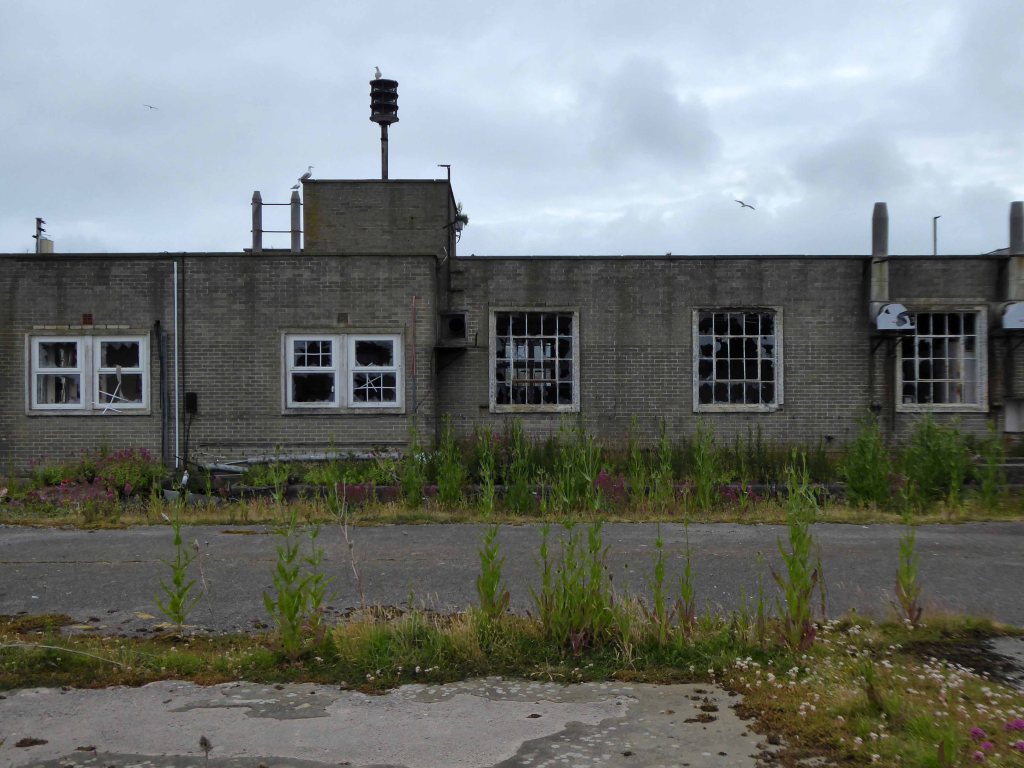
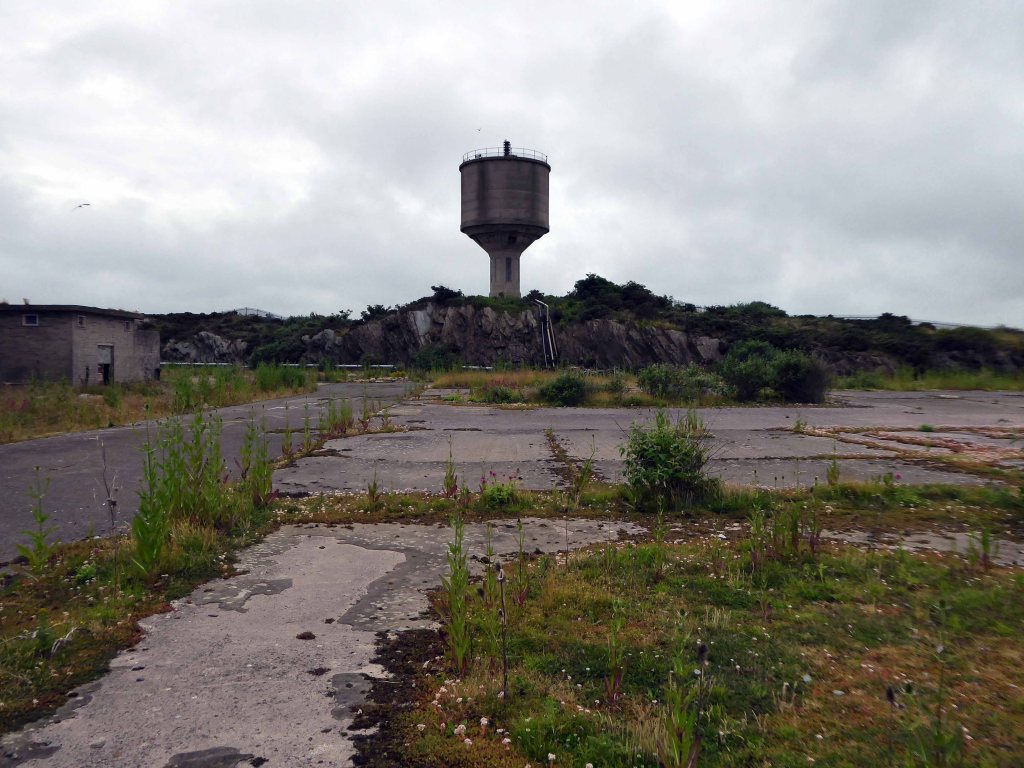
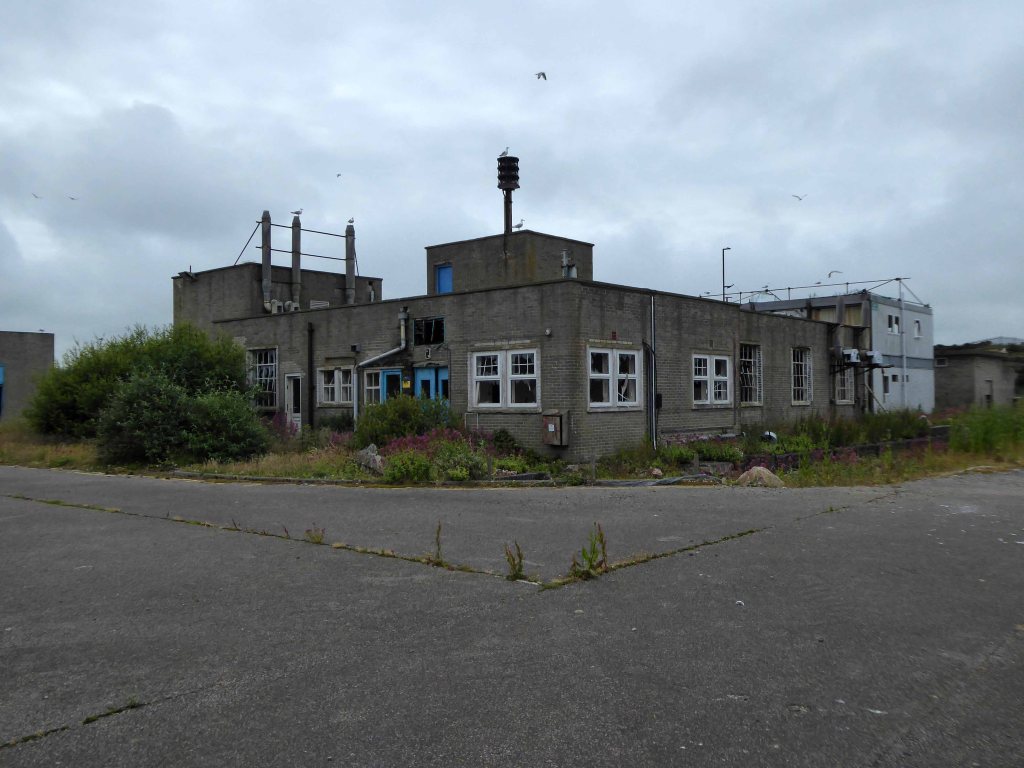
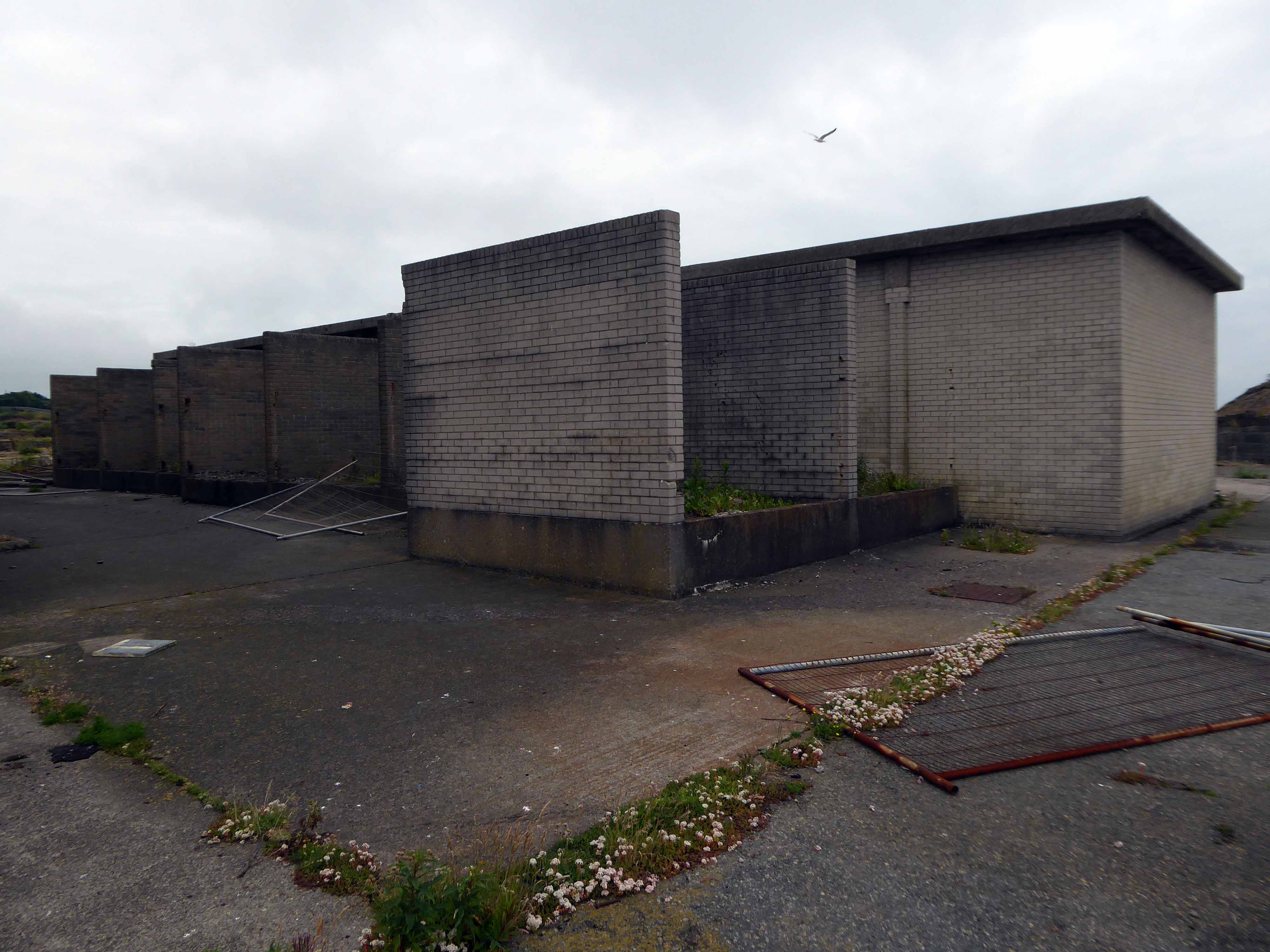
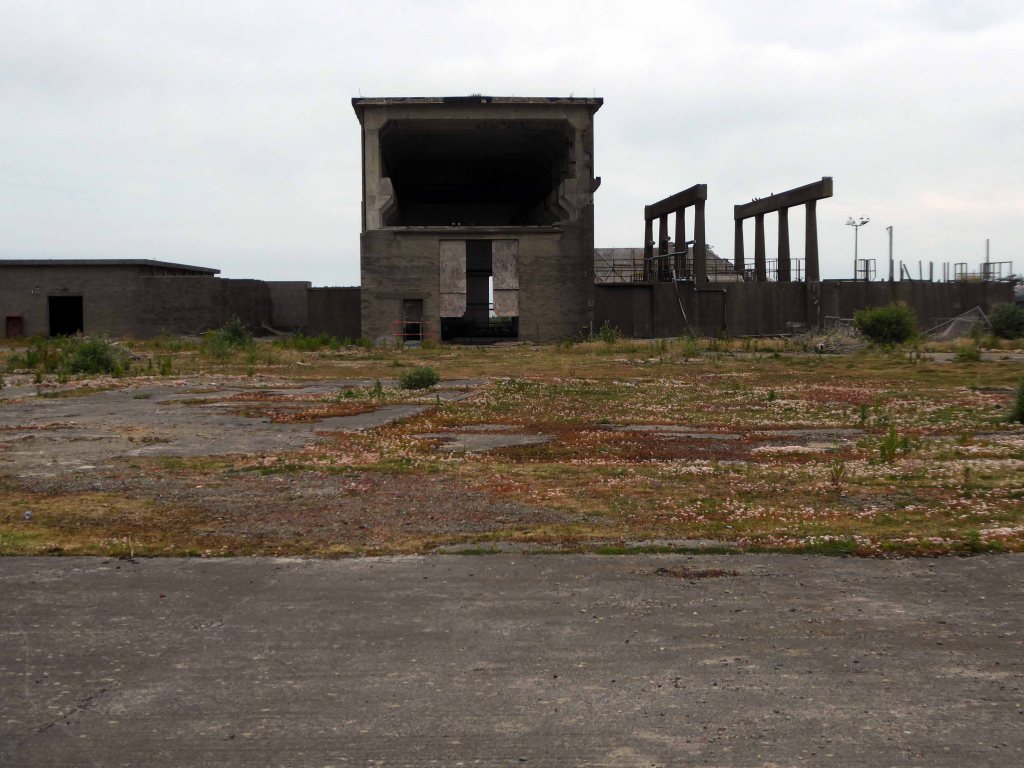
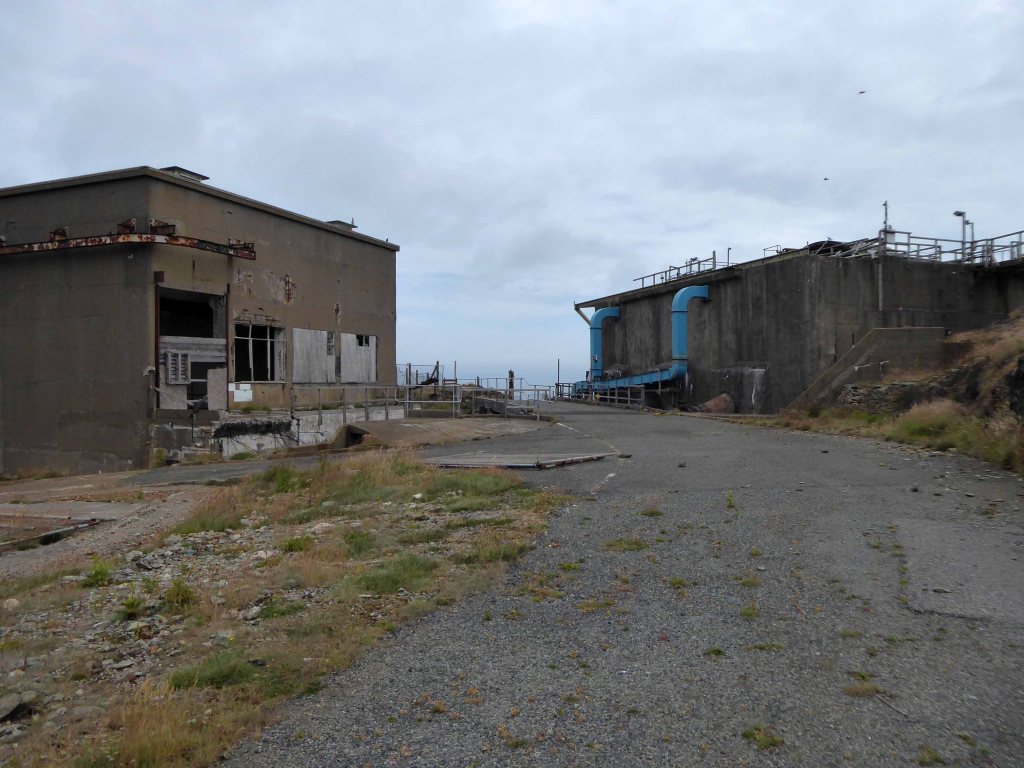
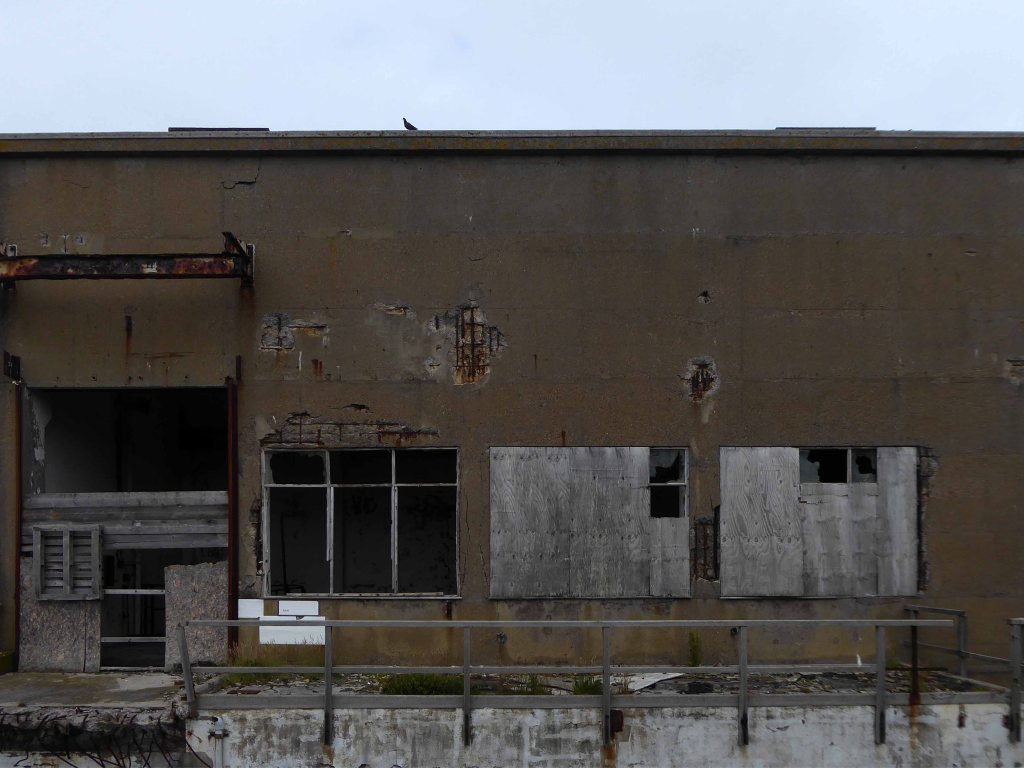
The site has been subject to arson attacks and partial demolition, the extant buildings tagged, tattered and torn.

Slowly but surely nature breaks through the tarmac and concrete.

The gate is open, the lights are out, there’s nobody home.

Portwood Stockport 2021

We have previously taken a look at Portwood as was – let’s take a giant leap forward to today.

The industry to the east has gone west – no more bees and alligators, instead there’s Tesco and Porsche.

Why make when you can buy?

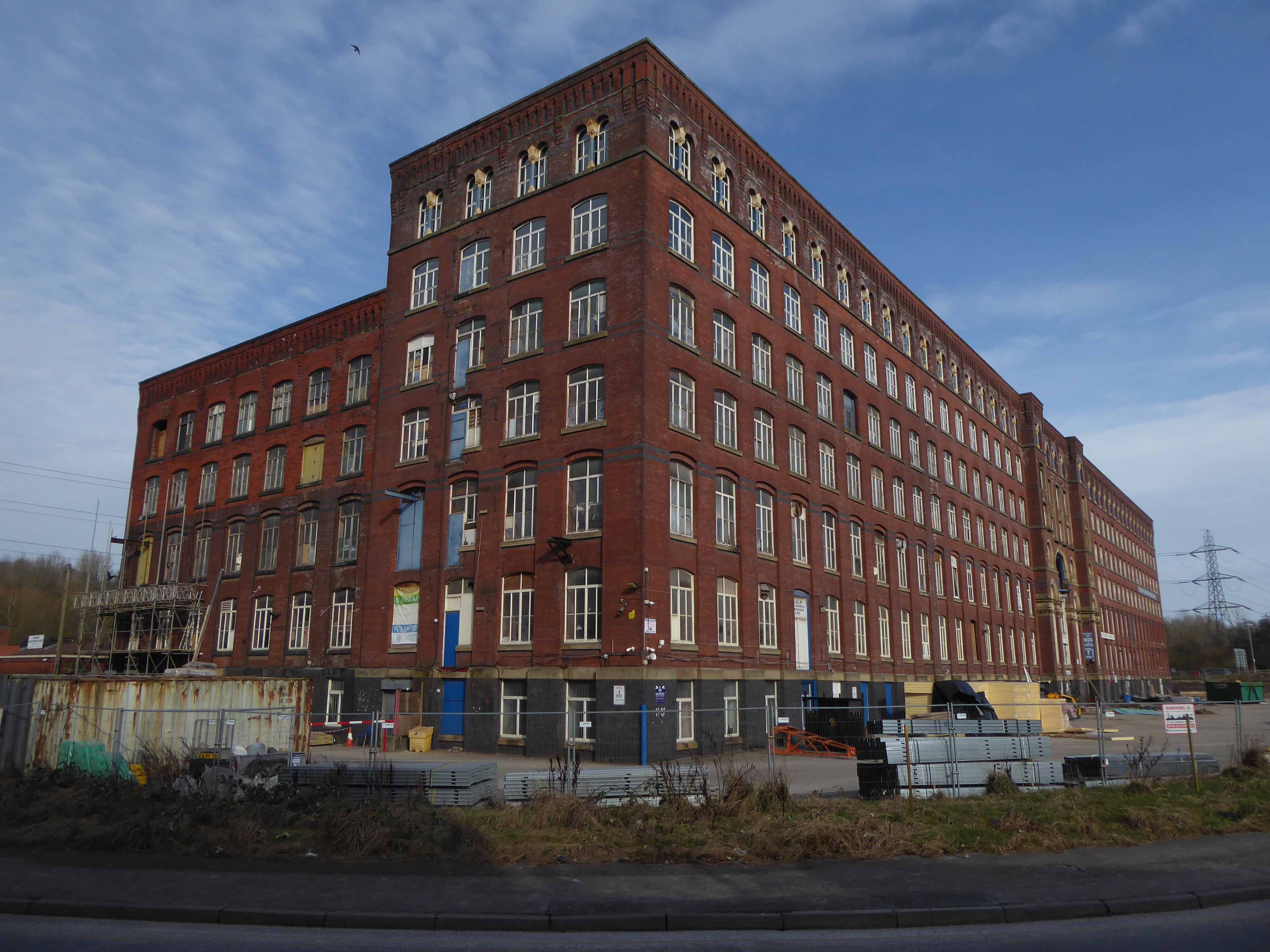
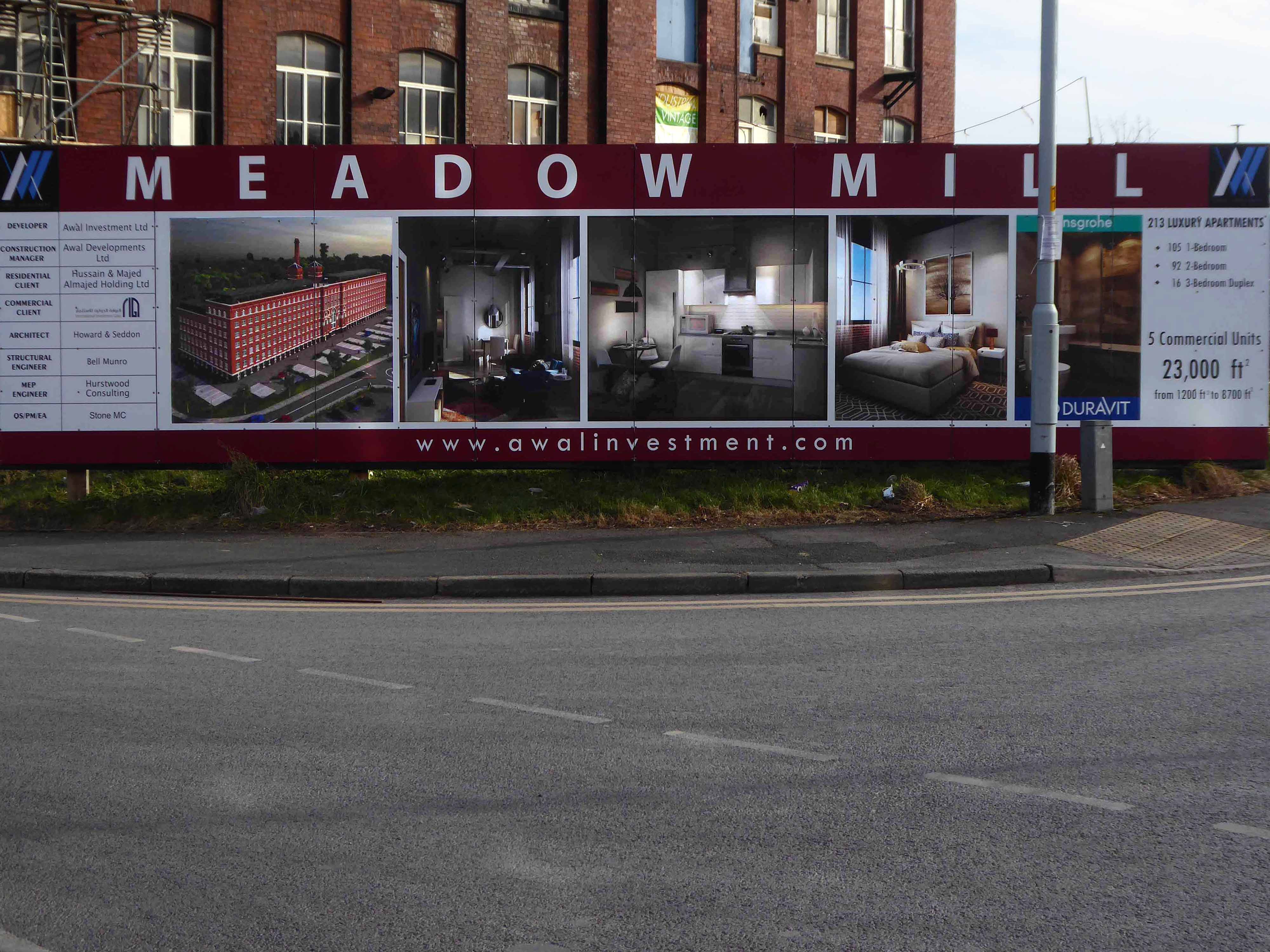
Meadow Mill has long since ceased to spin and weave – currently undergoing adaptation into modern residential living.

I though, have always been fascinated by the rough ground that now seems so left behind.

Where once I found a weathered book of lost photographs.

This is a scarred and neglected landscape, even the developer’s sign has given up the ghost.

There are brambles, buddleia, rough grass and teasels amongst the rubble.

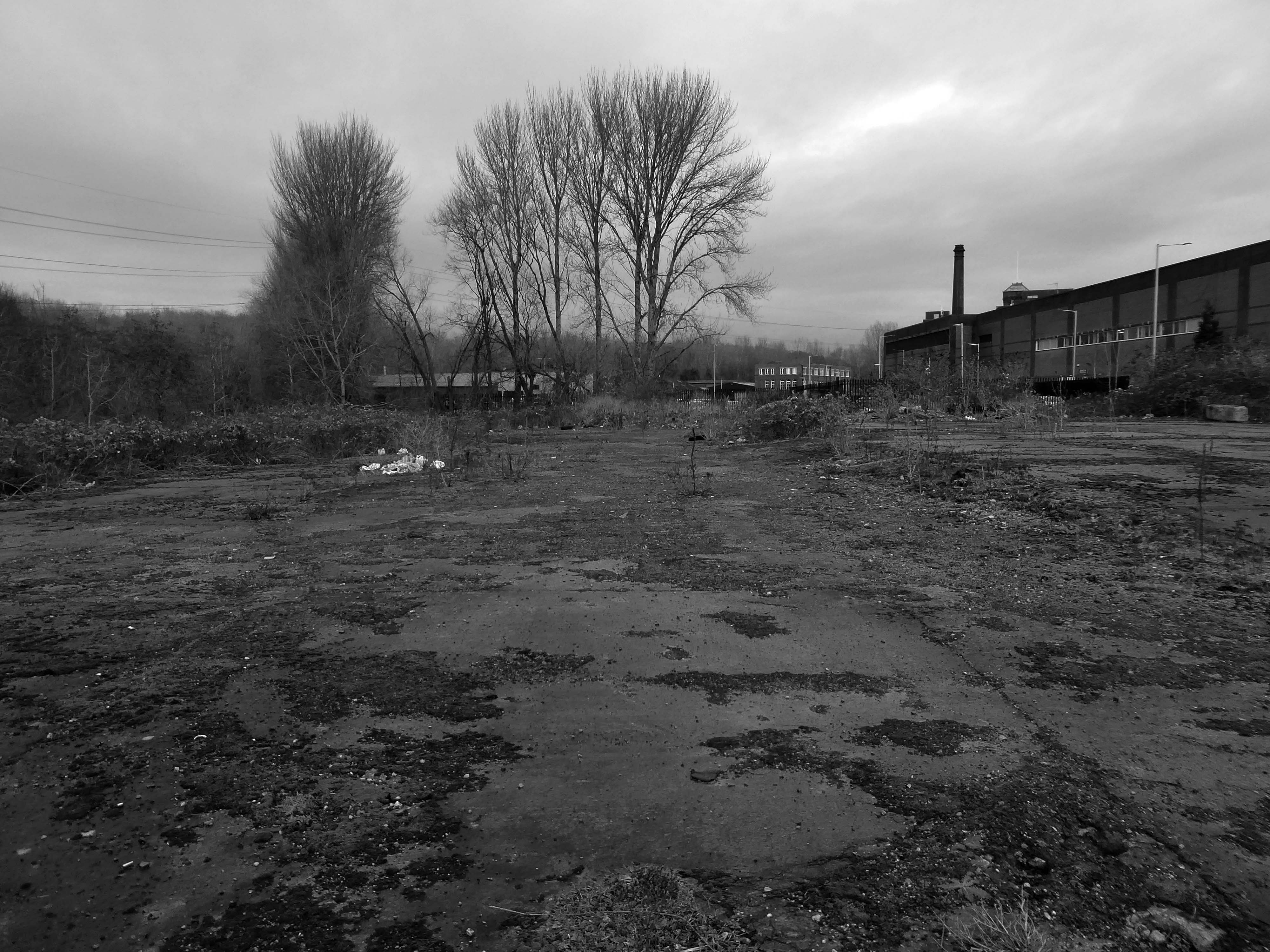
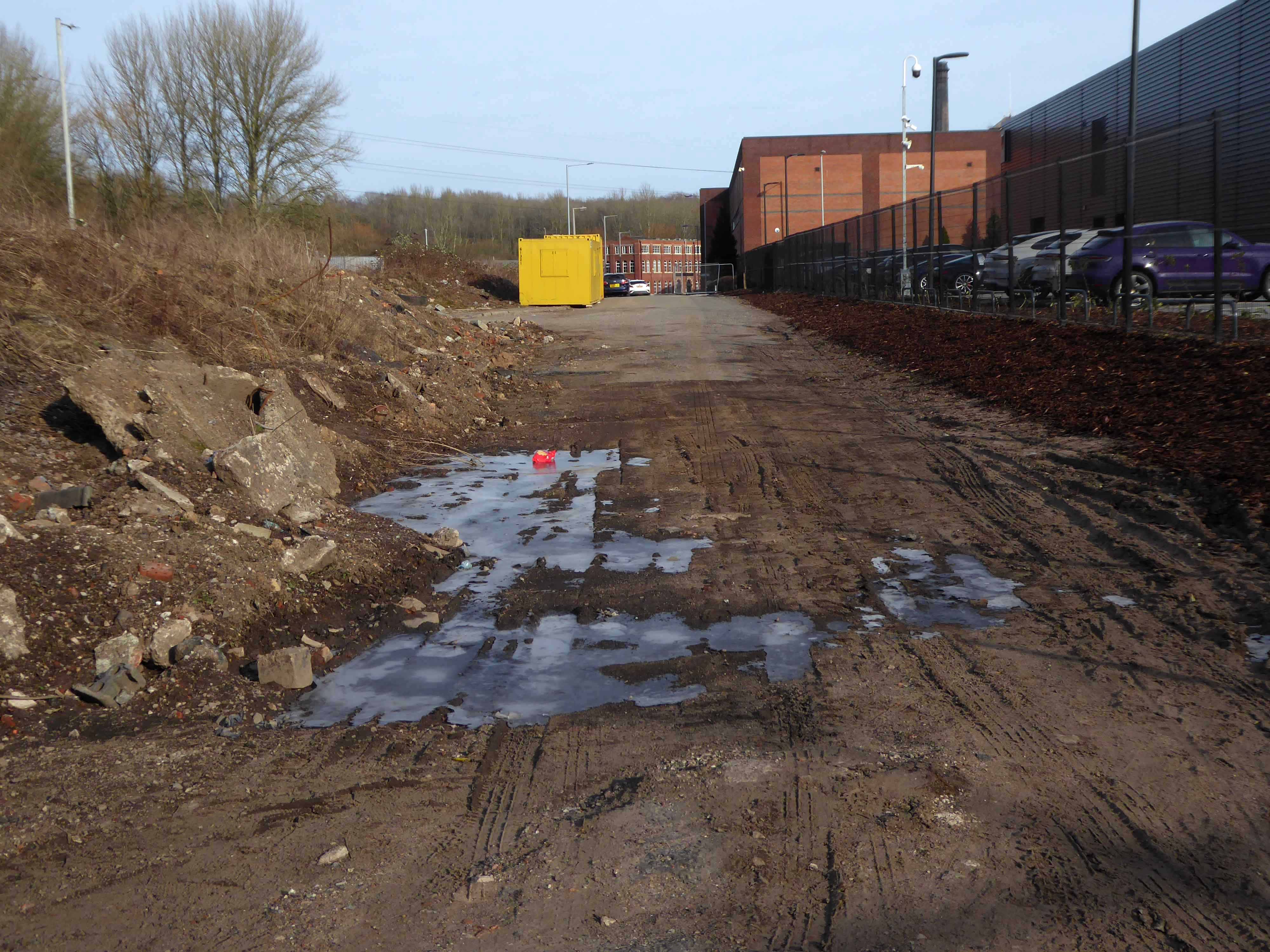
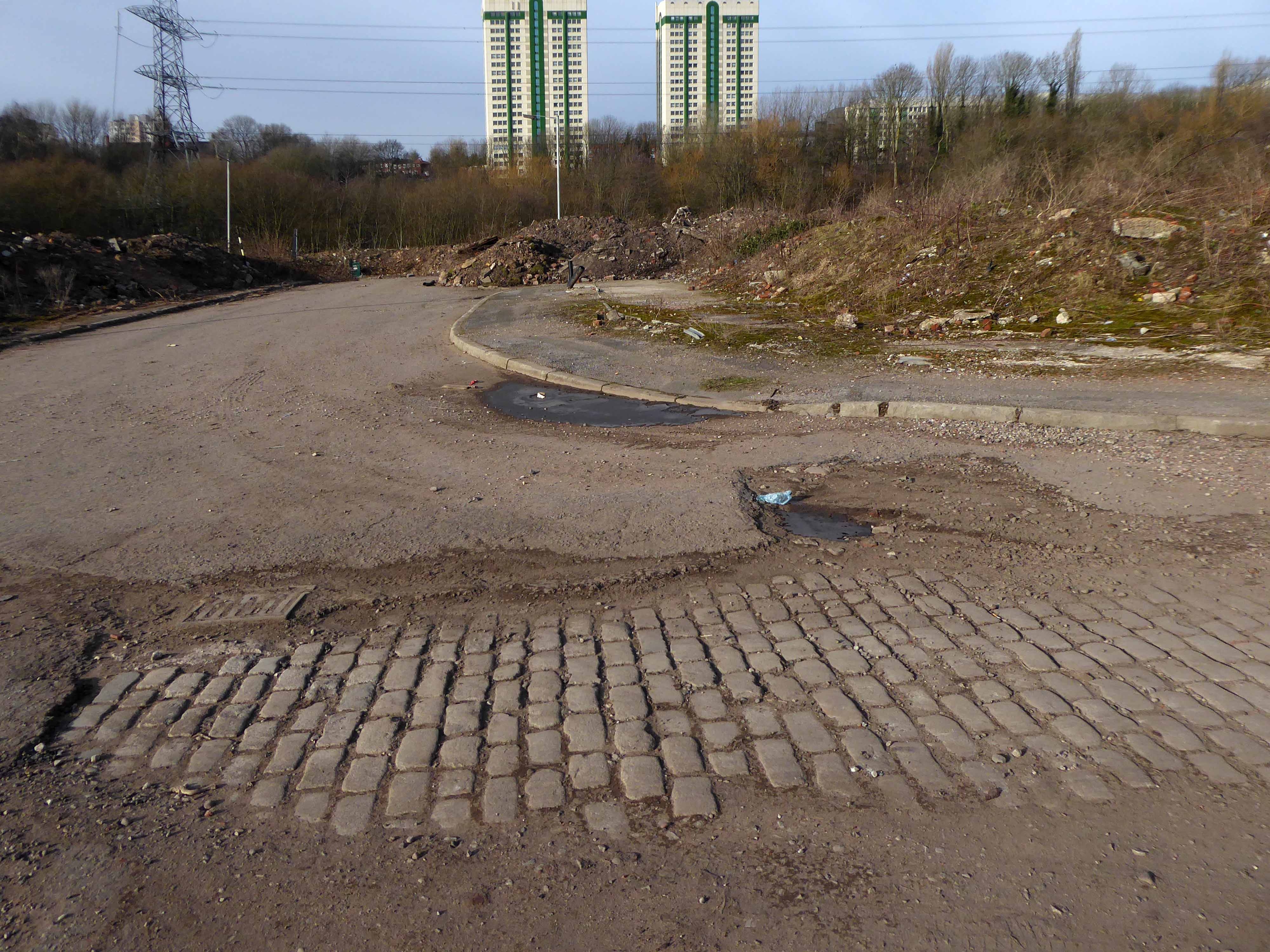
The remnants of roads, kerbed and tarred, strewn with hastily dumped detritus.

Puddled and forlorn.

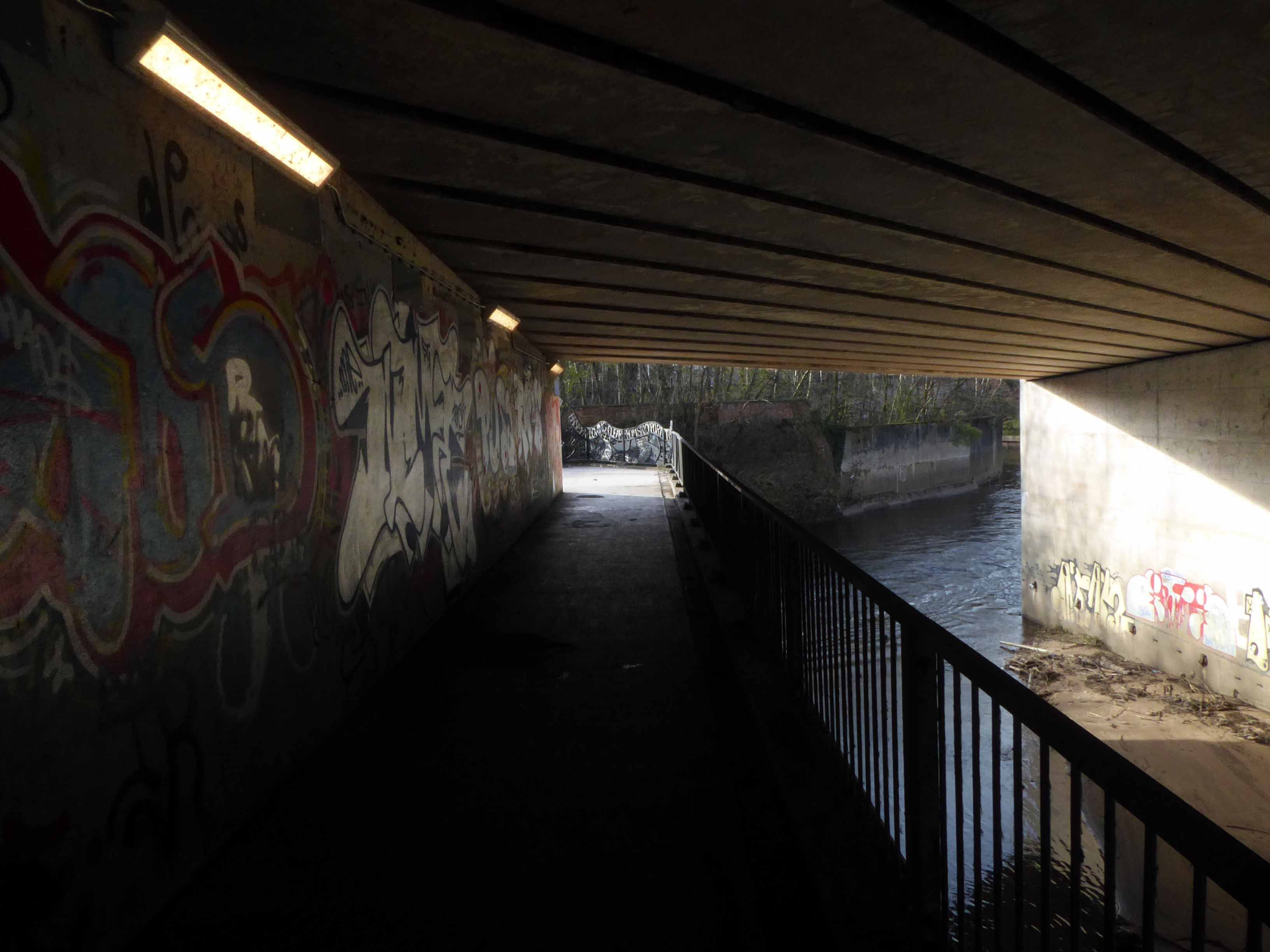
Enter beneath the M60, where the Tame and Goyt conjoin to become the Mersey, a dimly lit passage home to the itinerant aerosol artistes.

All that remains of the long gone mills – the concrete base.

Detritus tipped and strewn, amongst the moss.

The remnants of roads going nowhere.

Surrounded by cars going nowhere.

Contemporary architecture creating cavernous canyons.

A landscape forever changing, caught between expectation and fulfilment, paradise forever postponed.

This horror will grow mild, this darkness light.

John Milton

Plymouth to Dartmouth

Wednesday 29th July 2015 – eastward ho!

Leaving the compact anonymity of my B&B for the open road!

Having been unable to sample the joys of the Quality Hotel.

The Quality Hotel closed in 2014 and was demolished two years later after the site was bought by the city council following vandalism and fires.  

The ten-storey concrete block was built in 1970 in the 350th anniversary year of The Mayflower ship setting sail from Plymouth for North America.

Gilpin Demolition

Plymouth Hoe’s fifty million pound hotel and apartments project appears to have ground to a halt with no building work happening more than a year after developers vowed it would start in 2018.

Henley Real Estate, the firm behind the plans for an 11-story hotel and a 15-floor block of flats on the demolished former Quality Hotel site, has gone silent on plans and not responded to emails and phone calls from Plymouth Live.

When we visited the site the only sign of life was some weeds growing out of the ground.

I’ll leave them to it, I’m off in search of the South West Passage

The South West Coast Path itself is 630 miles long and is the longest established National Trail in the country. Starting at Minehead in Somerset it runs along the coastline of Exmoor, continuing along the coast of North Devon into Cornwall. It follows the entire coastline of Cornwall, goes across the mouth of the River Tamar and continues into Devon. After running along the south coast of Devon it then follows the Dorset coastline before finally ending at Poole Harbour. 

However if you follow the Coastal Path you’ll miss this delightful concrete fire station training tower in Plympton.

Along with the longest corrugated iron structure in the West Country.

You’ll miss getting slightly lost and a cup of tea at the Dream Bites roadside café in Modbury.

Dream Bites café, we’re all is welcome, from cars to Biker’s to Ride outs to Puplic and to work companies even you the cyclists!

GREAT FOOD GREAT PRICE.

You’ll miss the deep hedged lanes of Devon.

Where the four x fours force you into the roadside brambles with consummate ease and regularity – even on a designated cycle route.

Respite from such trials and tribulations can be found upon siting a water tower or a deserted butchers – down at Slapton Ley.

Slapton Ley is the largest natural lake in south-west England. Although it is only separated from the sea by a narrow shingle bar, it is entirely freshwater. 

Much beloved of my old pal Harry H Potts and family.

Then it’s up a hill down a hill to Dartmouth.

I made enquiries at several sea front hotels – who upon assessing my mode of dress and transport, despatched me to a back street pub B&B, suit y’self suits me, and my pocket.

The Seale Arms was just the job.

Quick change for the artist – let’s have a look around.

It’s full of historical architectural detail.

And slightly more hysterical architectural detail.

Time for a pint – chatting in the pub to yachting types, for it is here that the sense of tradition, the sea, power and wealth traditionally resides.

A short walk home.

Night night.

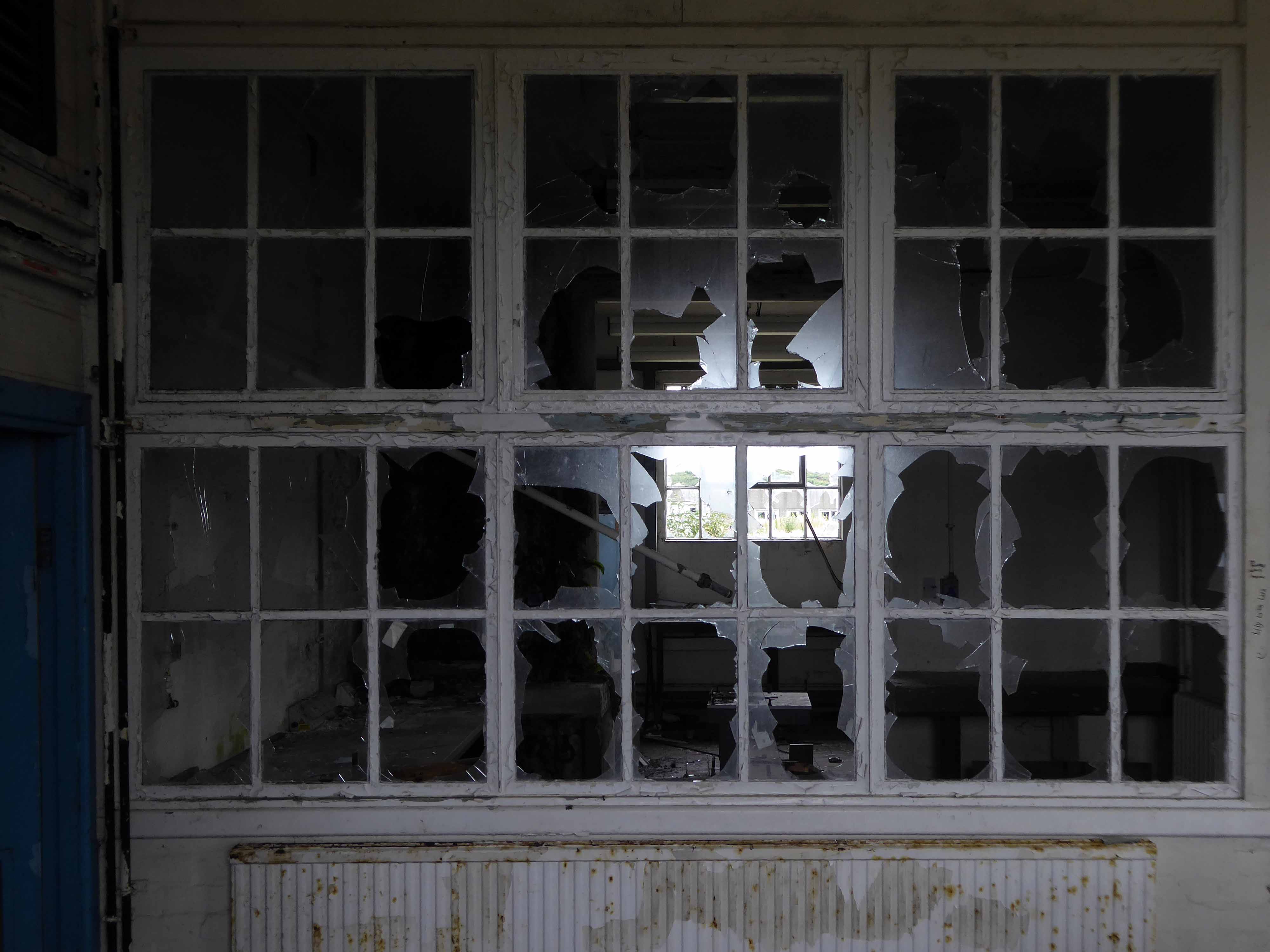
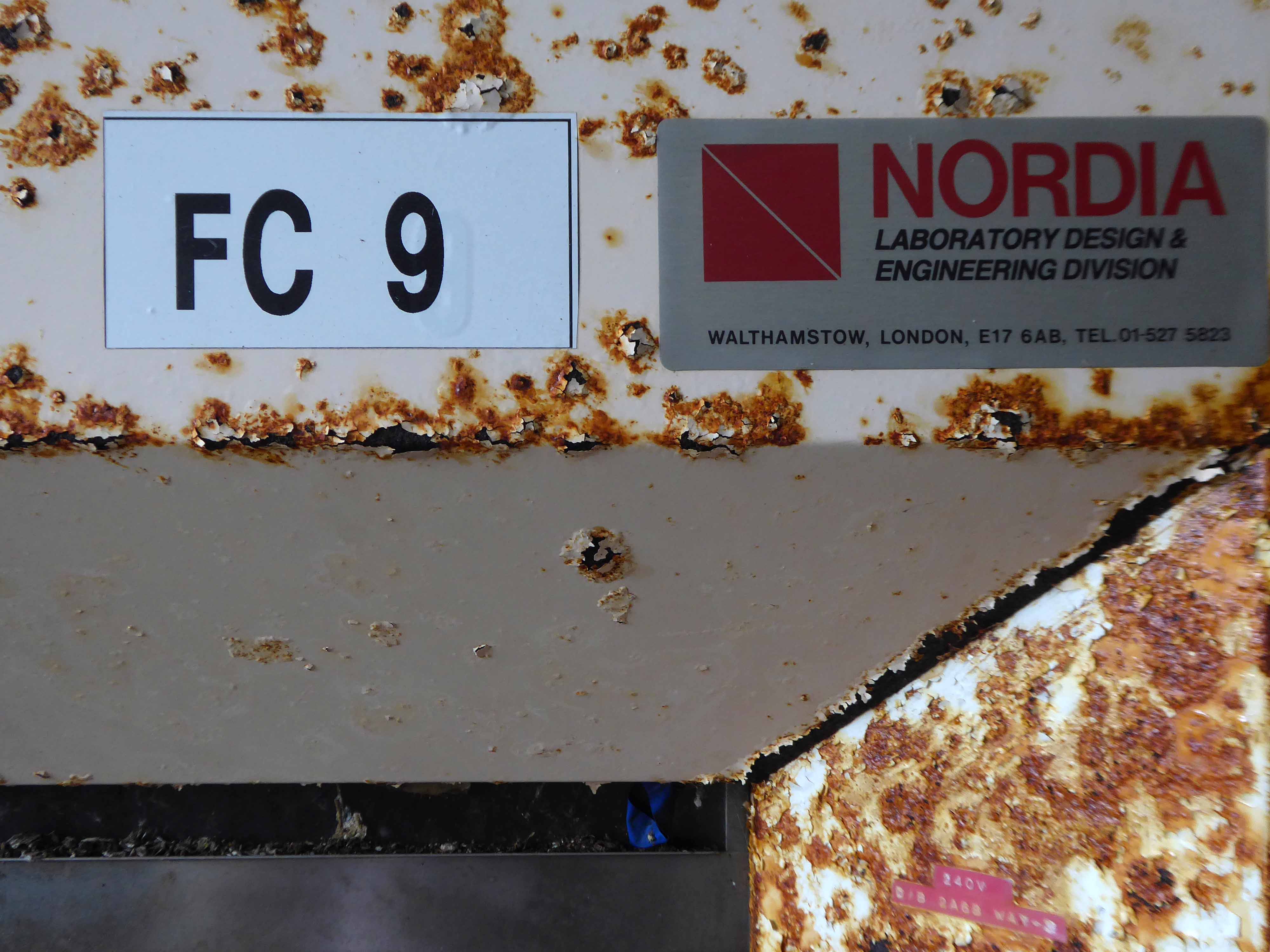
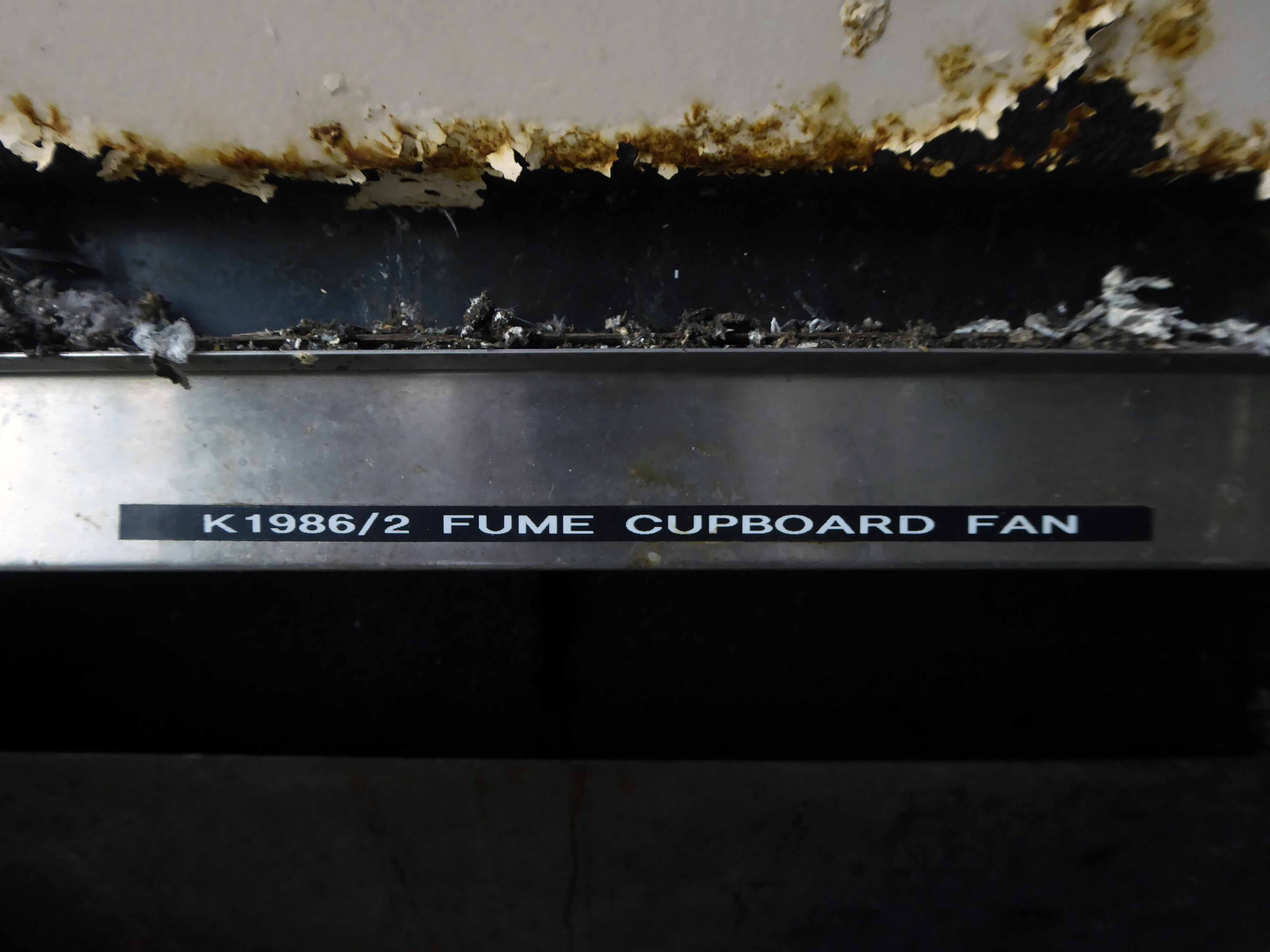
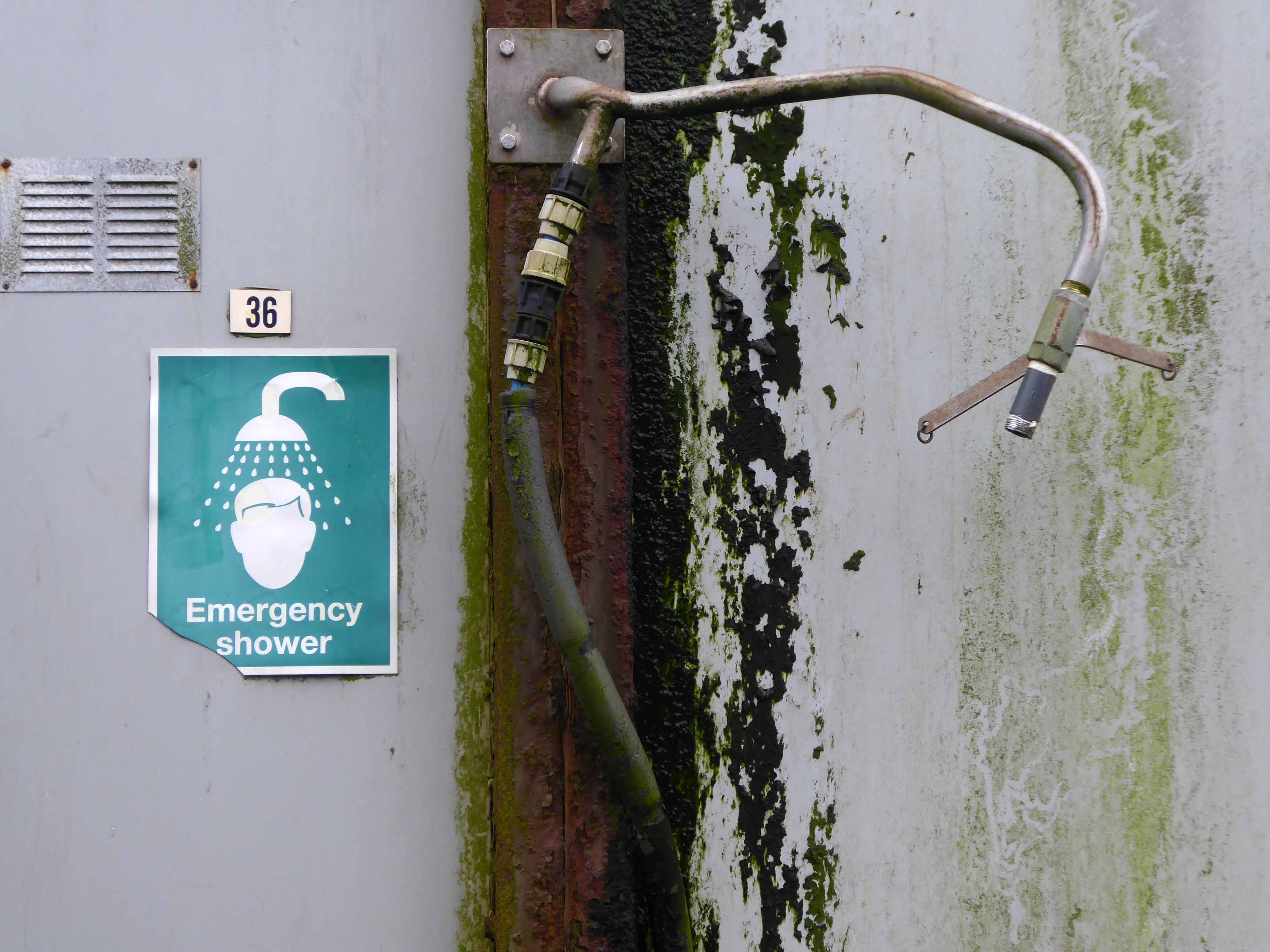
Hartshead Power Station – Offices

We have of course been here before, to see a concrete bus shelter and a derelict control room.

All that is solid melts into air as Marx and Marshall Berman told us.

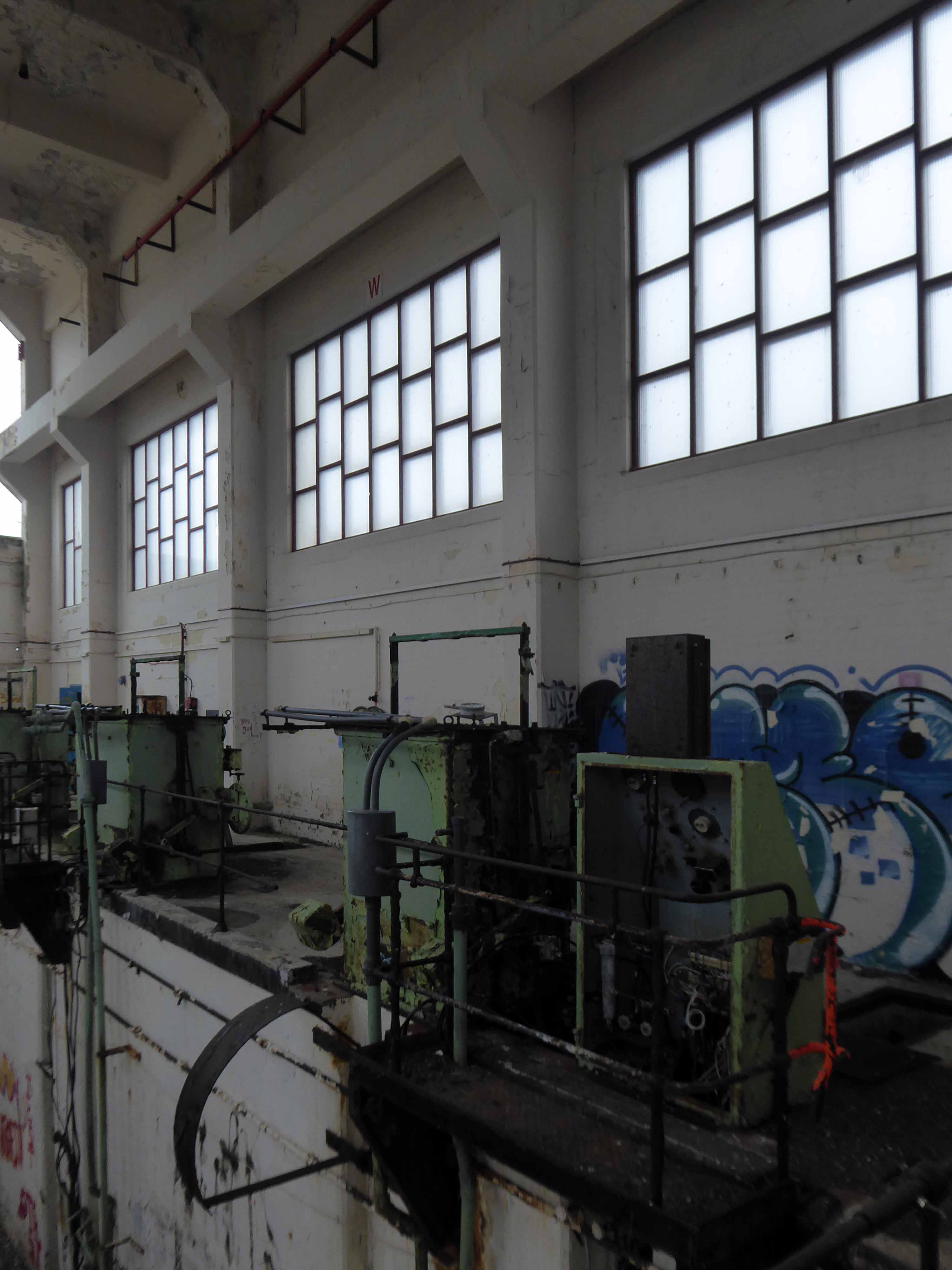
Though remnants remain – this is a short journey through a hole in fence, down into the warren of power station offices past.

They have been stripped of their former use and meaning, transformed into a transitory art performance space, paint and plaster now peeling, appealing to the passing painter, partially reclaimed by nature.

Let’s tag along:

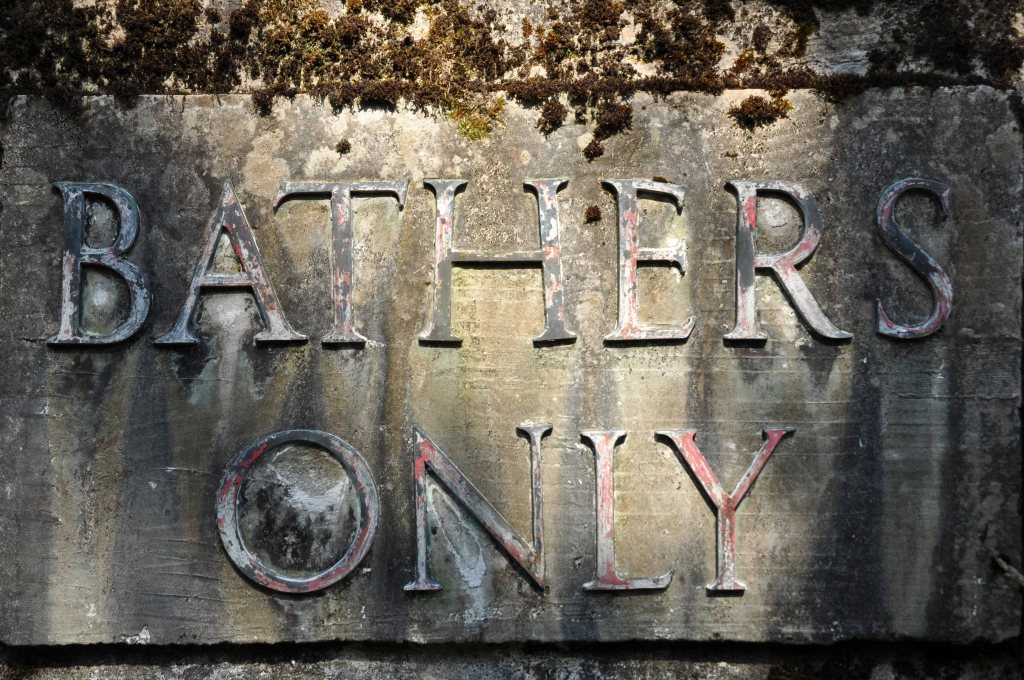
Park Hall Manor Pool – Little Hayfield

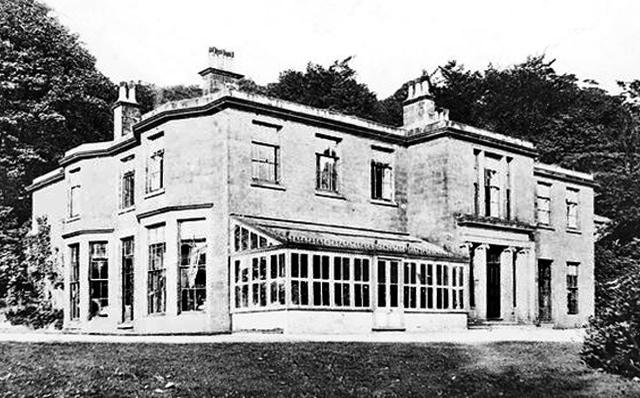
First there was a house.

A Grade II listed country house, now divided into two dwellings. c1812. Ashlar gritstone. Hipped slate roof with leaded ridges. Various ashlar triple stacks with moulded tops. Moulded cornice and low parapet. Two storeys, central block with recessed long wing to east, orangery to west.

Historic England

Currently trading as a quick getaway country cottage

This Grade II listed manor house is set within 14 acres of natural grounds, together with the occupied adjoining servants’ wing, and has been sympathetically converted, retaining many original features to provide comfortable accommodation for families wishing to meet up for that special family occasion, and wi-fi is available in the living room. 

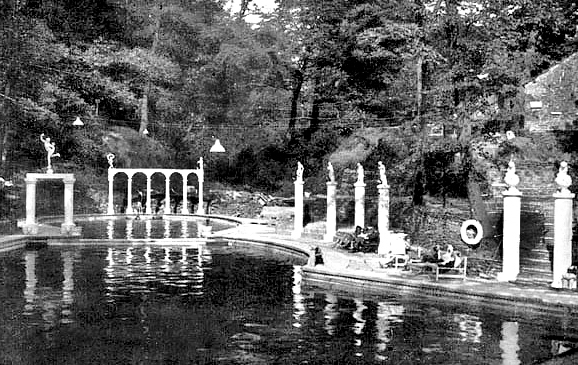
Then came a pool:

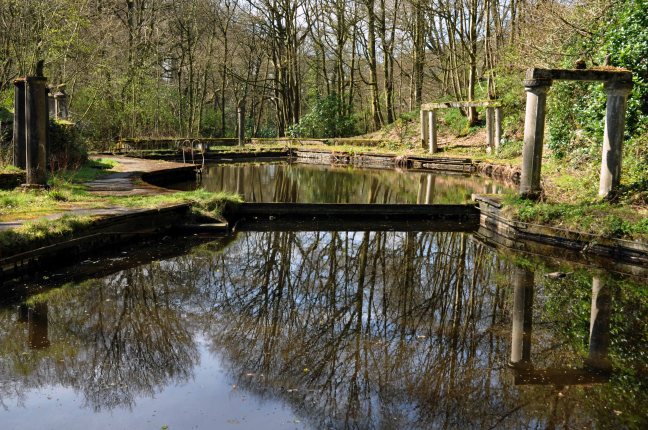
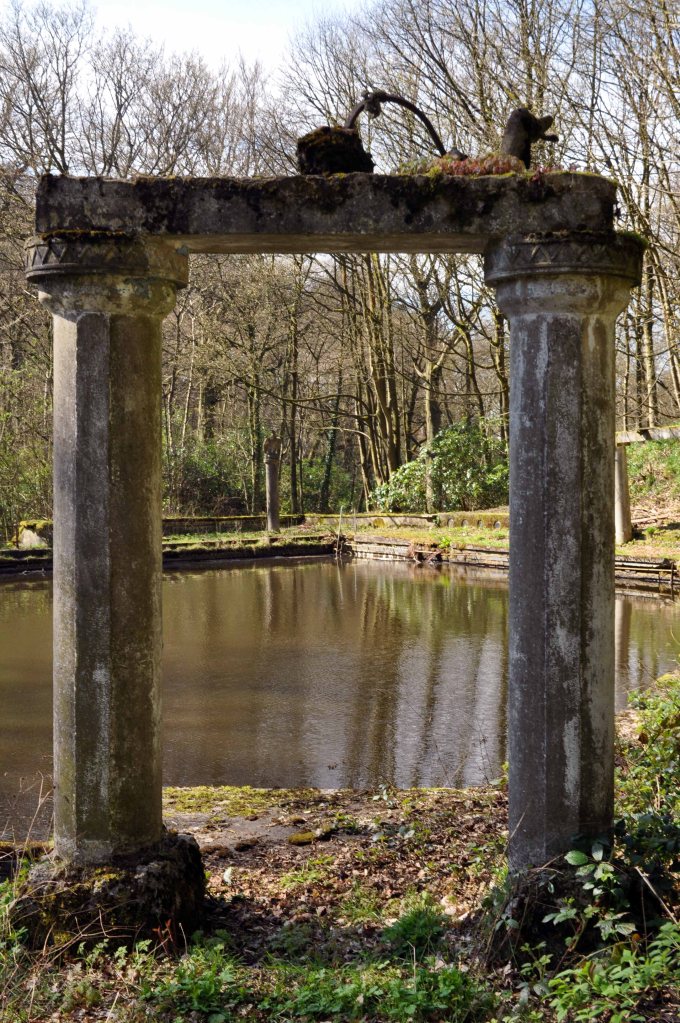
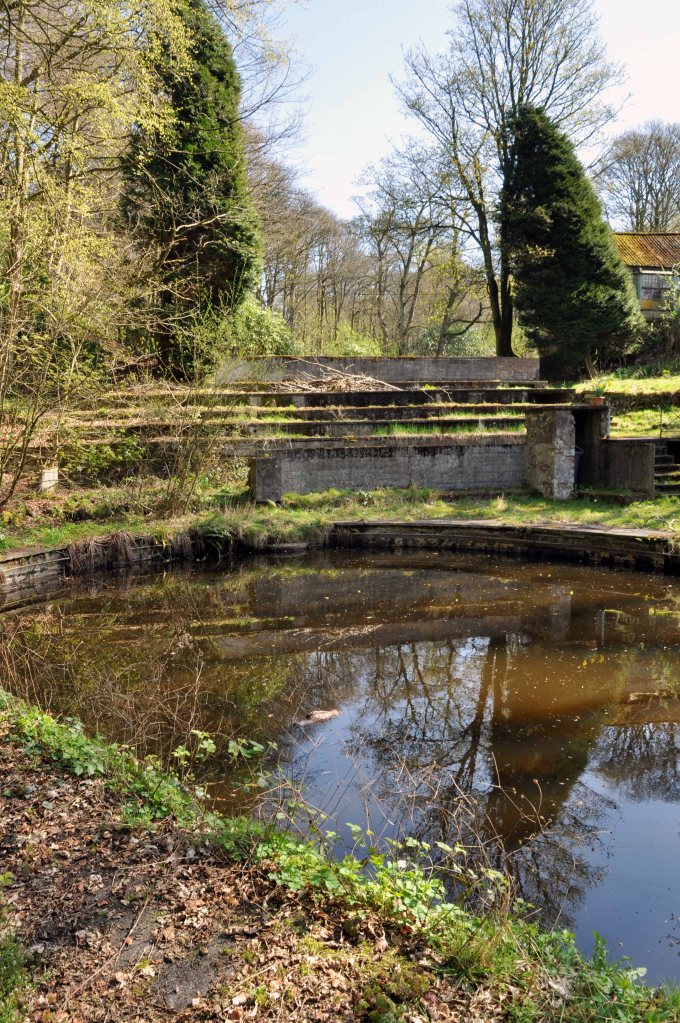
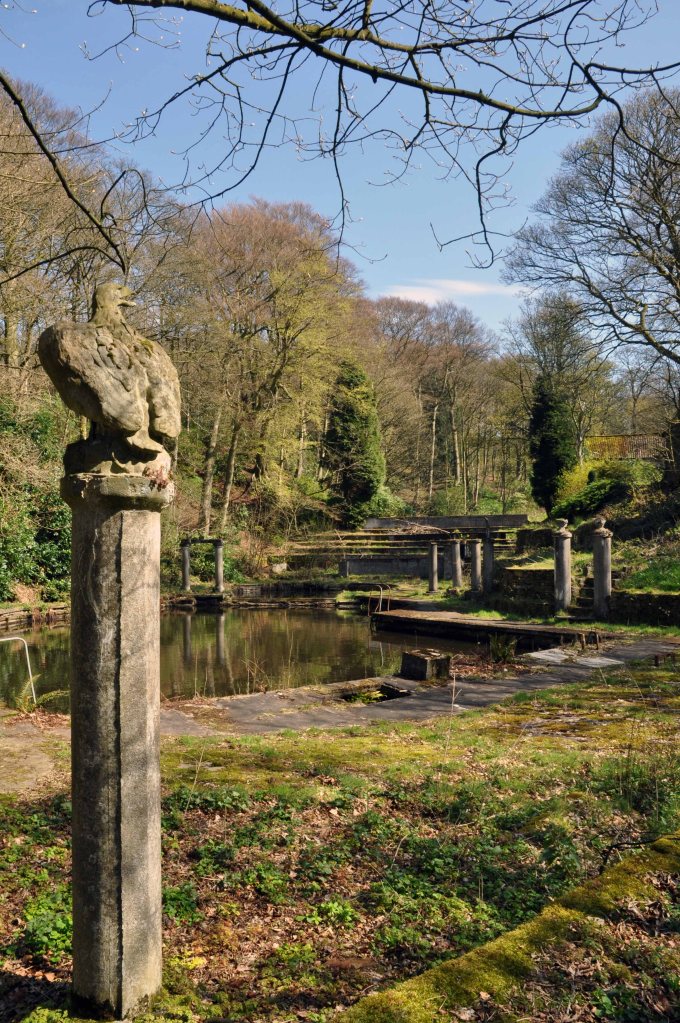
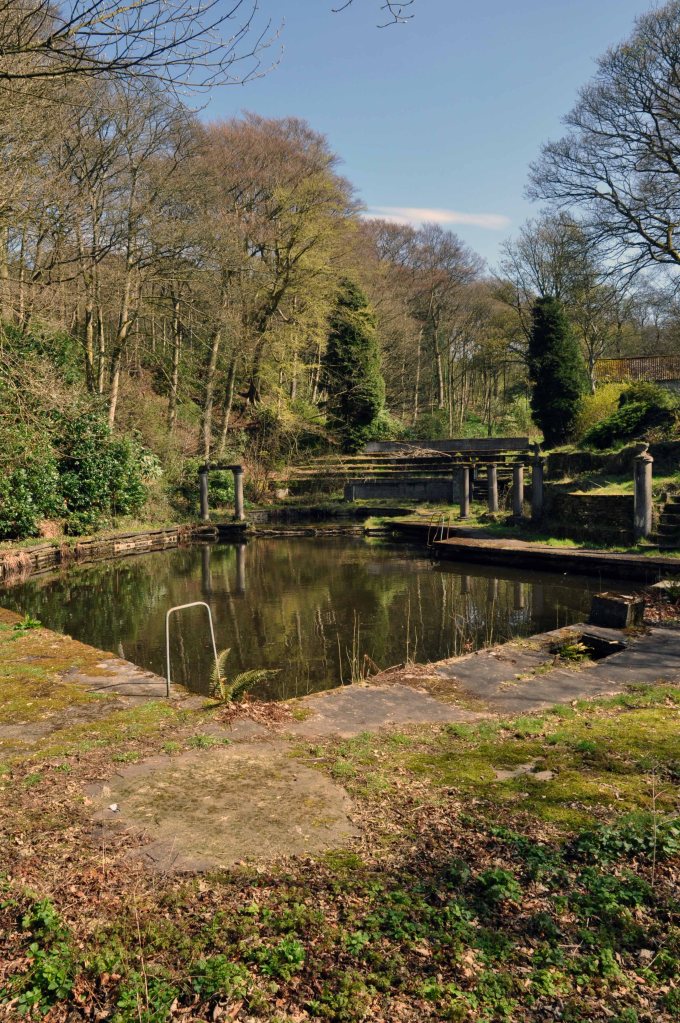
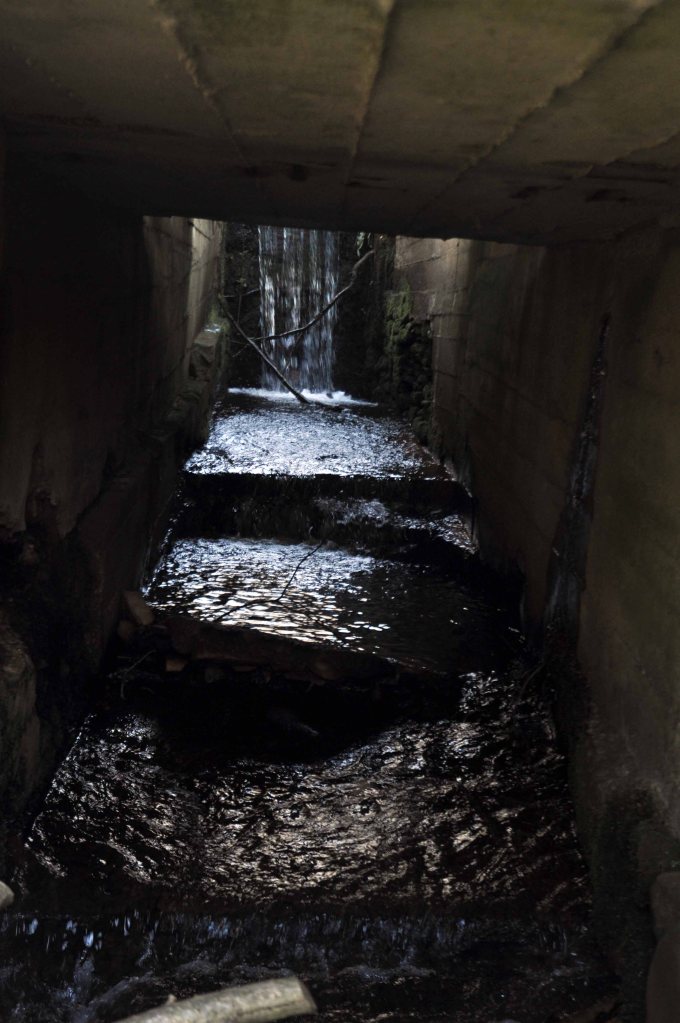
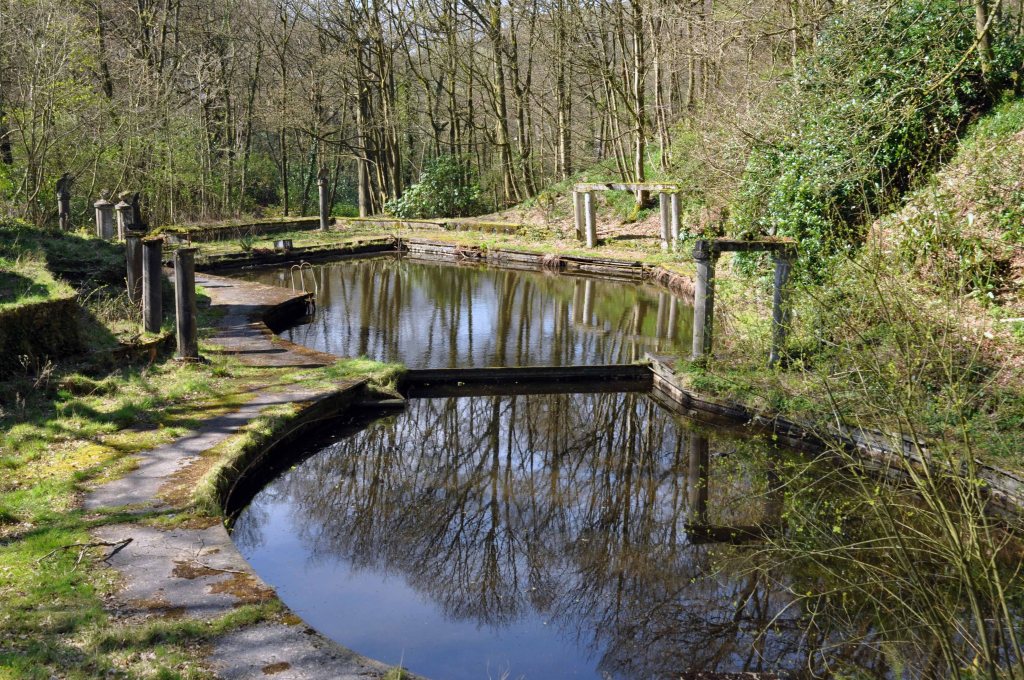
Previously a private pool belonging to a country club in the 1930’s it later opened to members around 1938 who paid a small fee for its use. The pool is fed by a mountain stream and the water is reported to remain cool throughout the year. In the 1940’s/50’s locals recall the pool being open to the public where it cost a ‘shilling for children and half a crown for adults’ entry. During storms in 1947 the pool was badly damaged and reportedly ‘never the same again’ but postcards in circulation in the 1960’s provide evidence that the pool remained open at least until then.

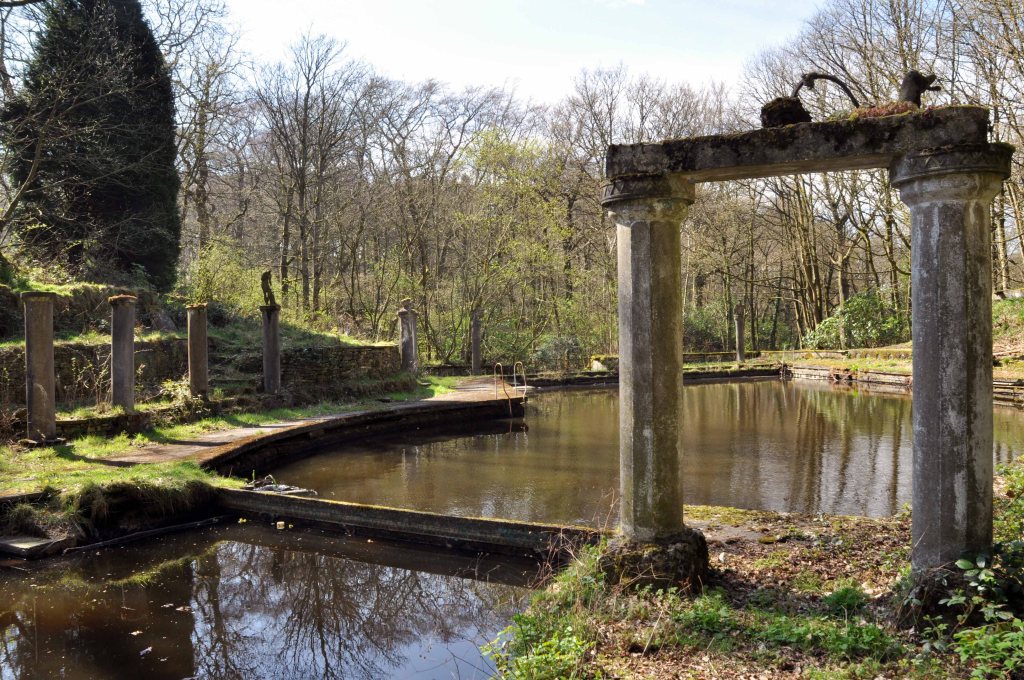
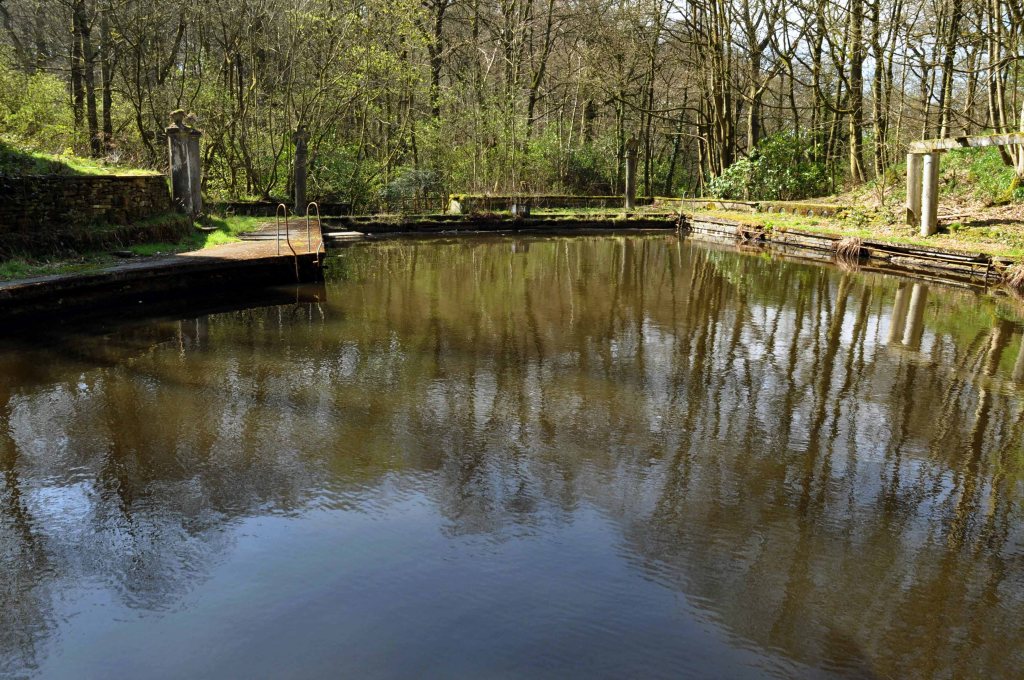
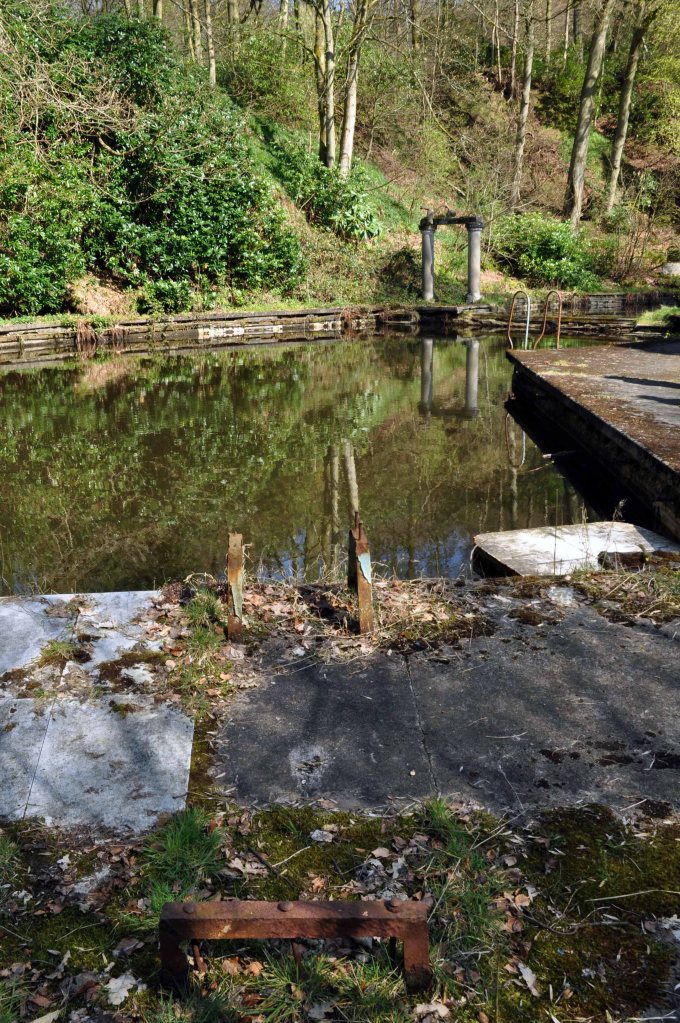
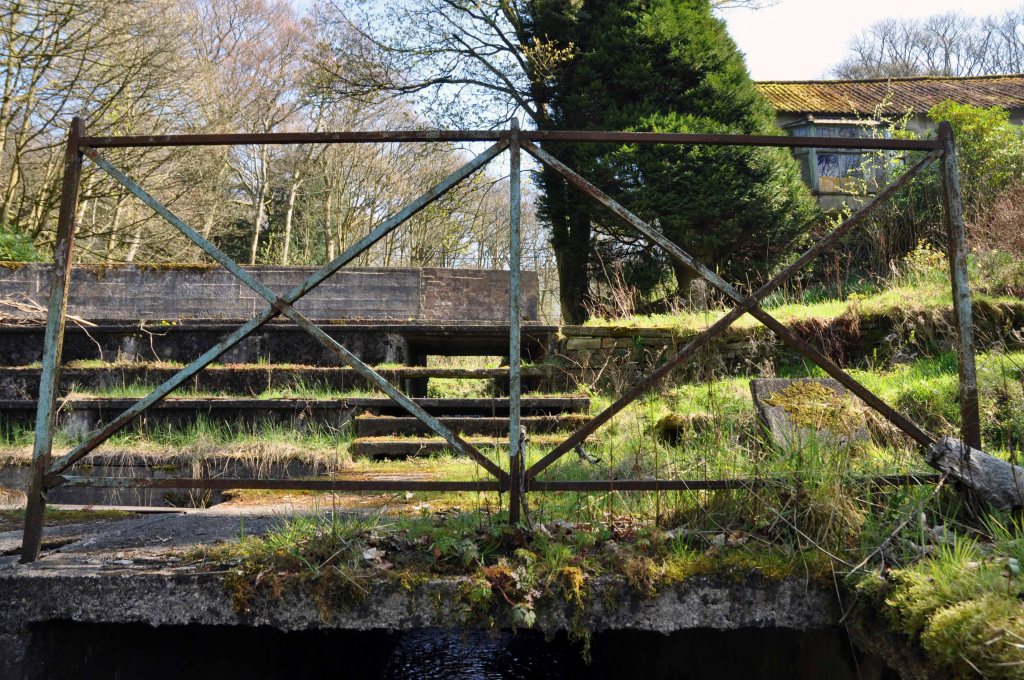
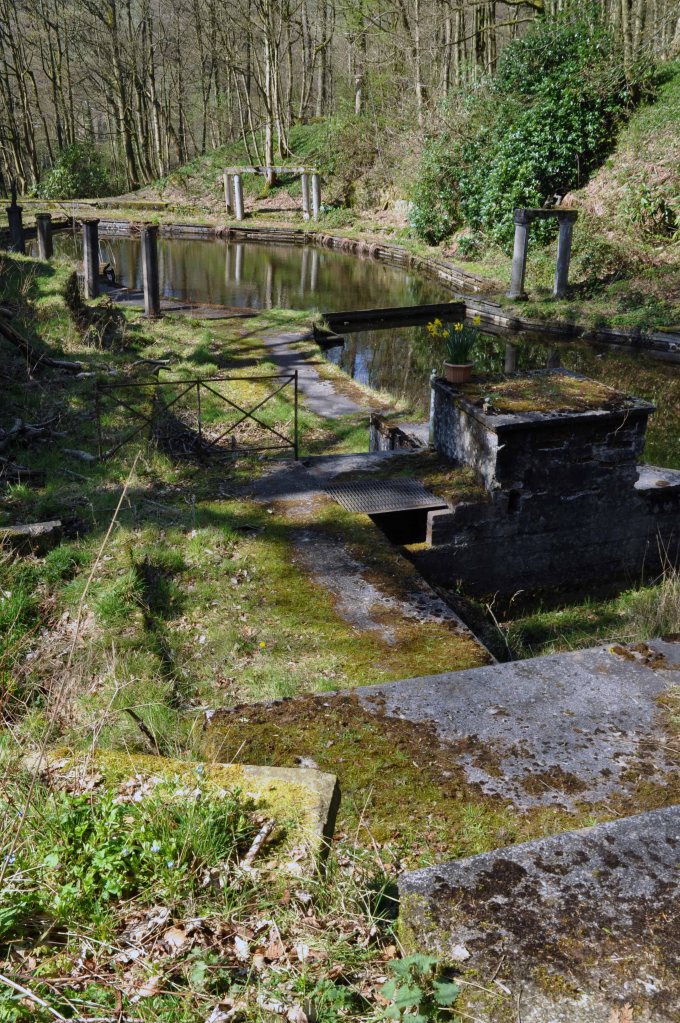
Now it sits abandoned and hidden in the woods.

I went there in my early teens late 60’s the pool was still intact, well used and well cold. I remember chilly changing rooms with duckboards on concrete floors, a small café with pop and crisp if you had the pennies.

Most of all the simple joy of emersion in clear moorland water, on long hot summer days long gone.

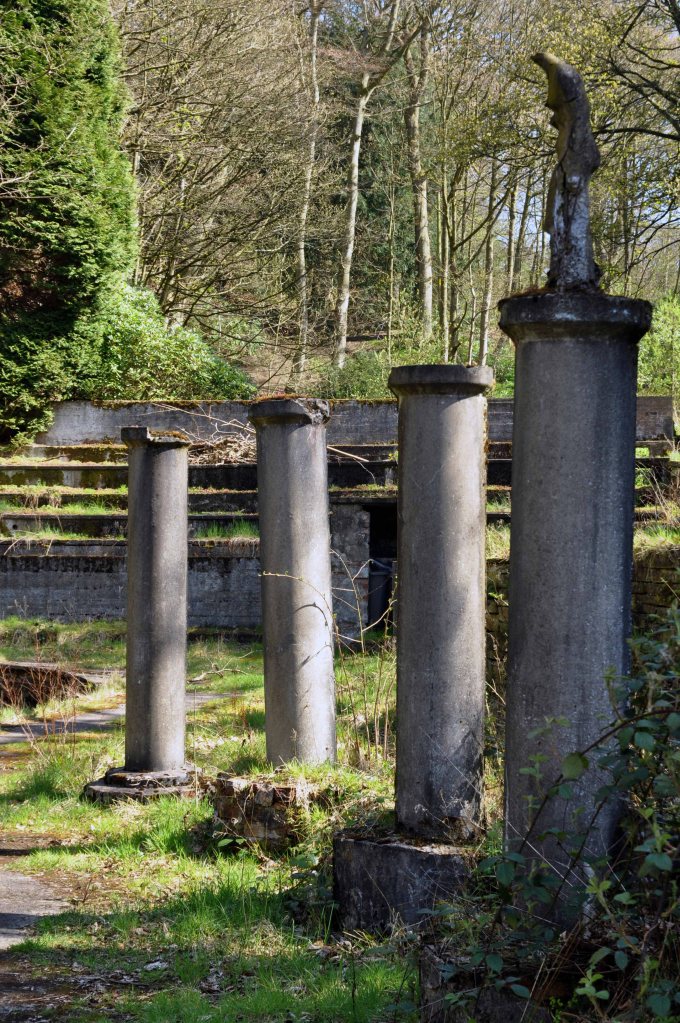
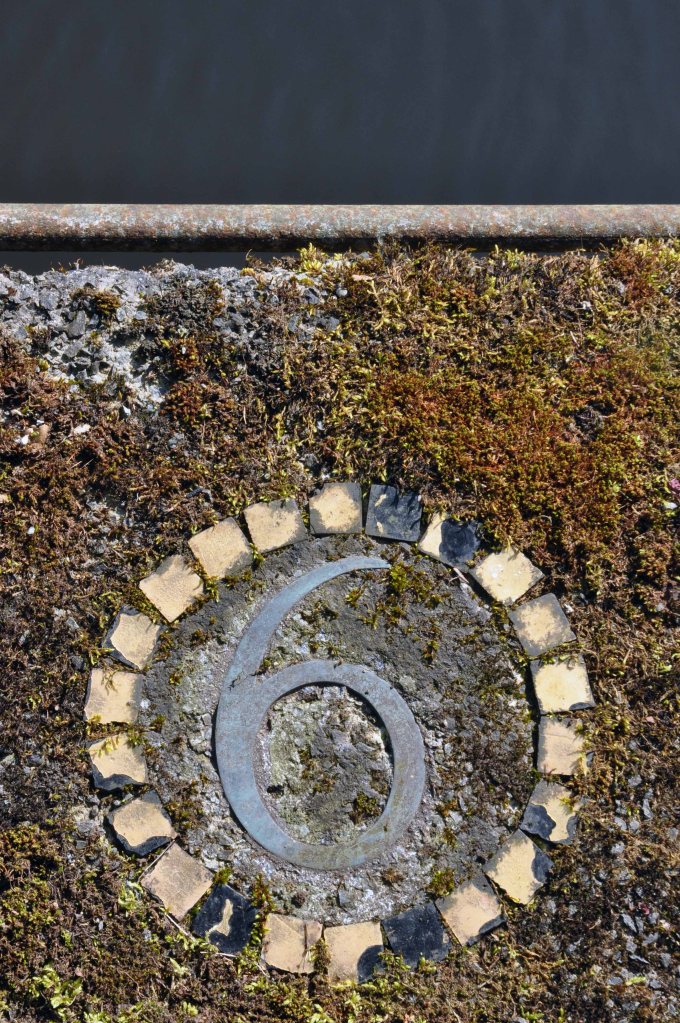
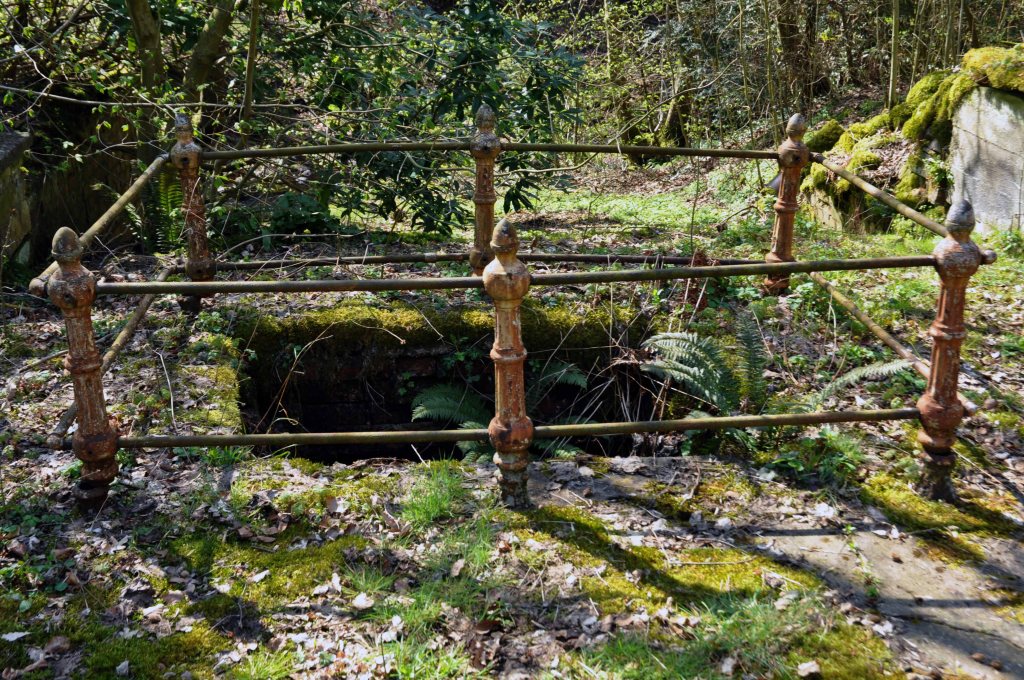
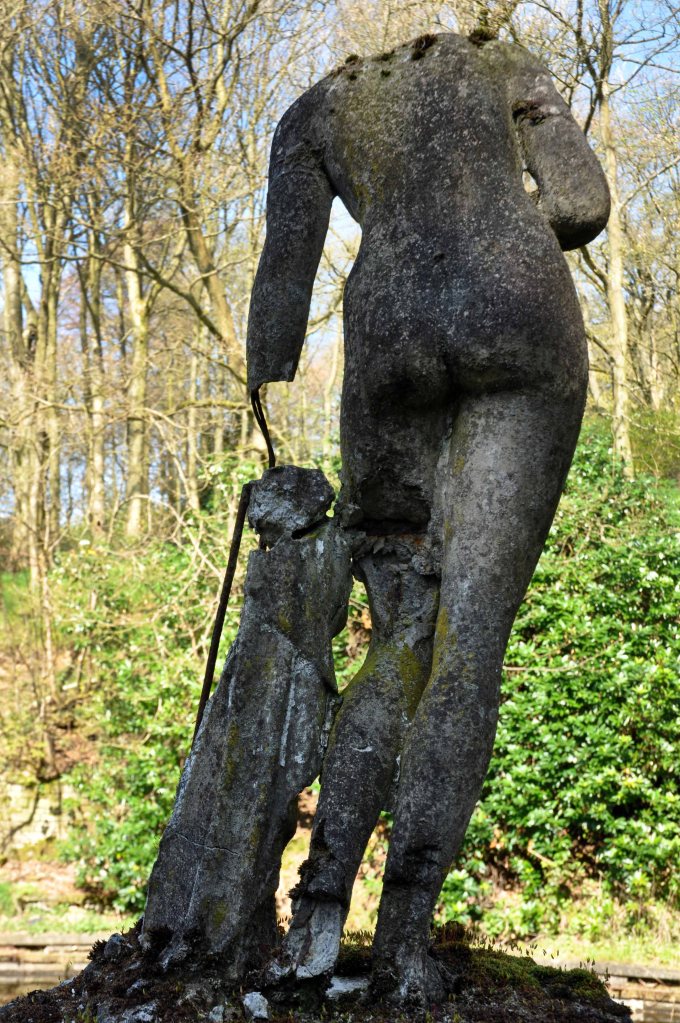
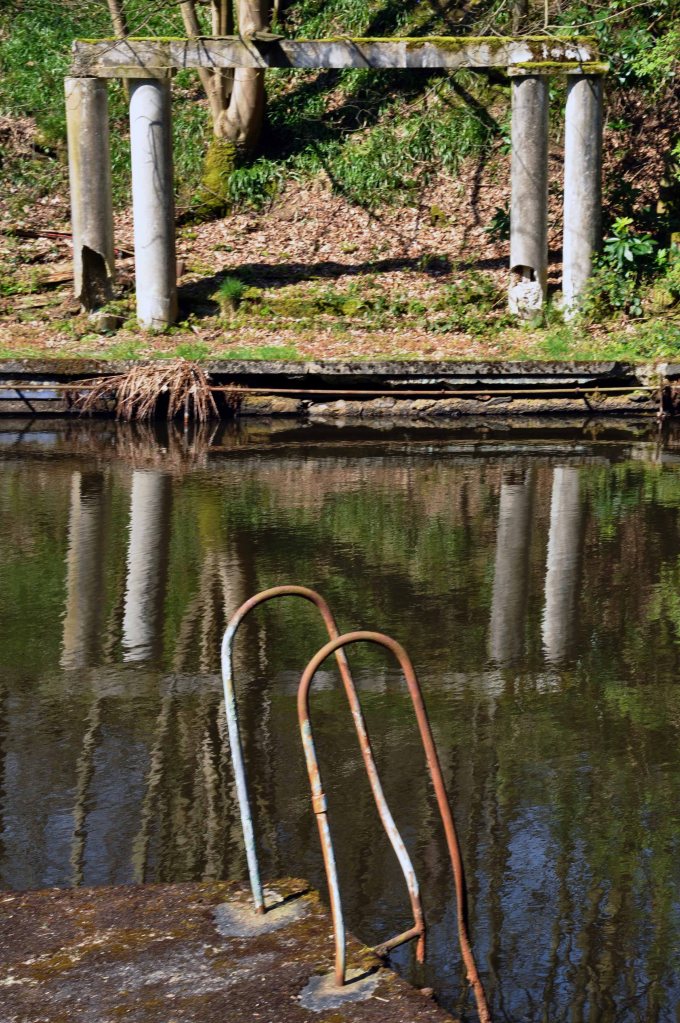
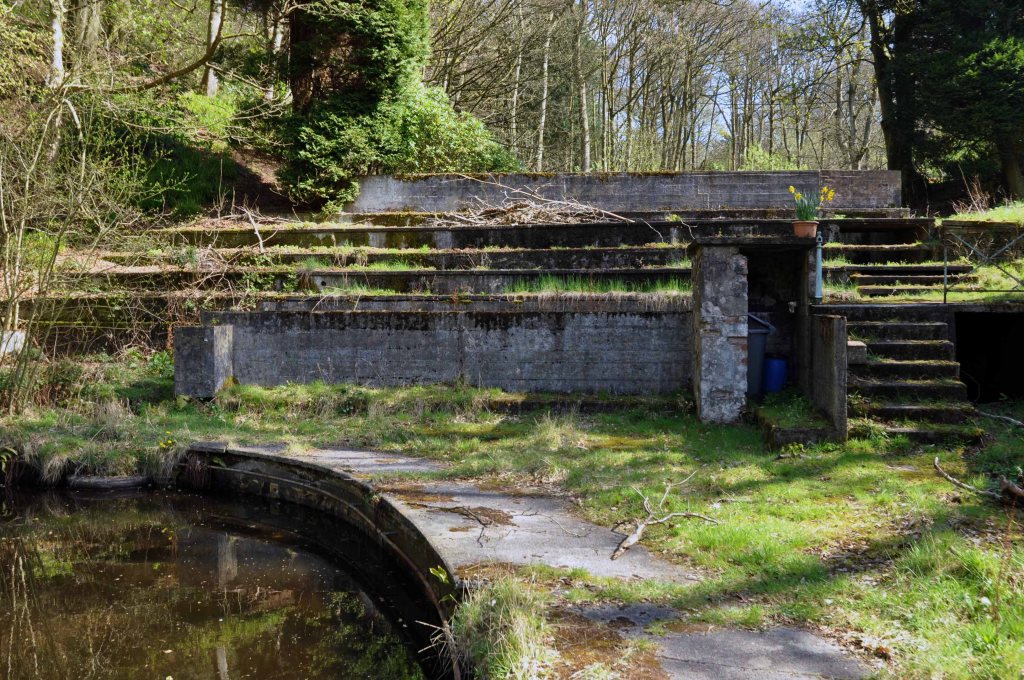
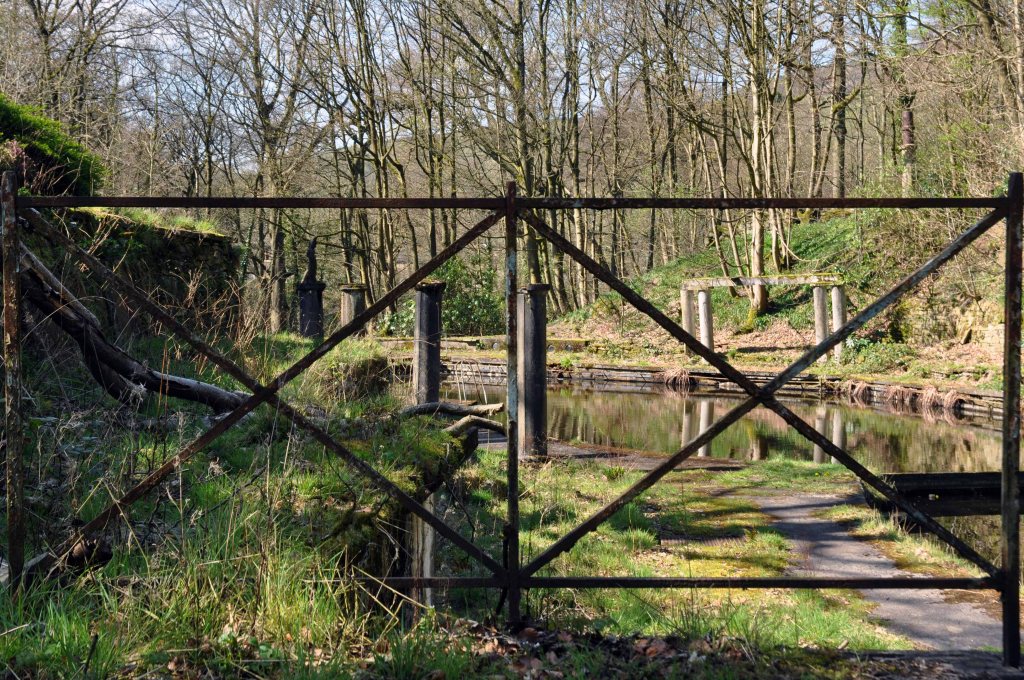
Revisiting in April 2014, following a misguided scramble through brambles, it was a poignant reunion. The concrete shells of the pillars and statuary crumbling and moss covered, the waters still and occluded.

It sure it has subsequently been the scene of impromptu fashion shoots and pop promo videos, possibly a little guerrilla swimming. Though sadly it largely sits unused and unloved – let’s take a look around: