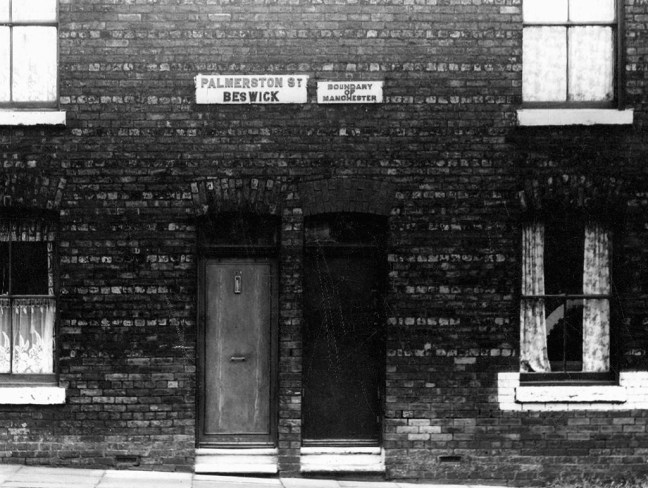
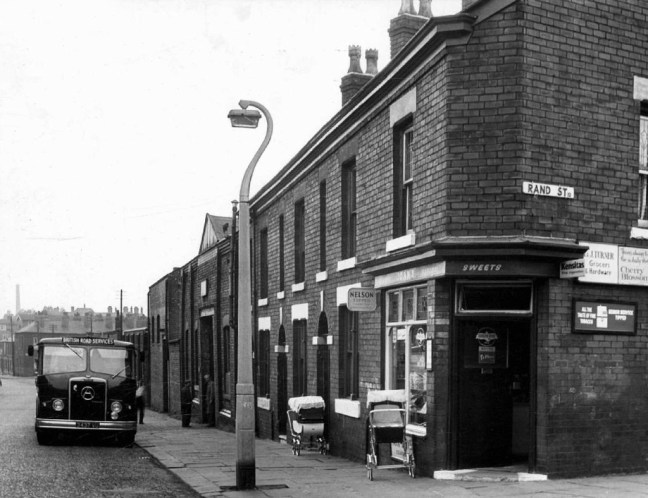
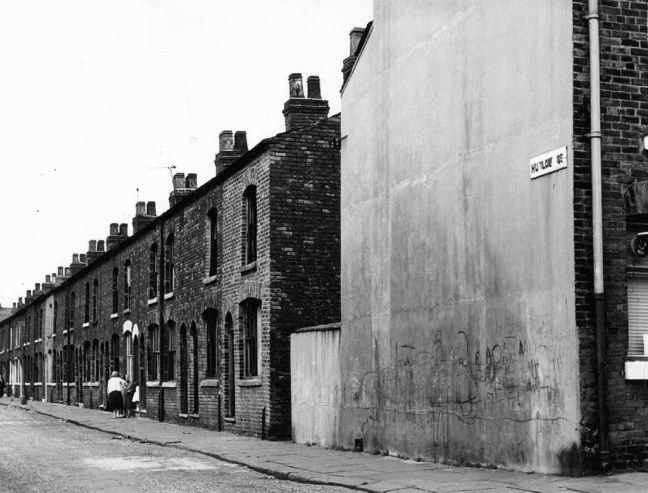
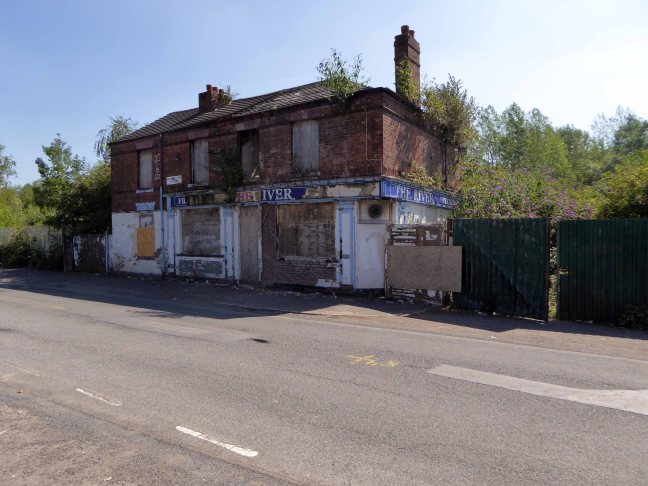
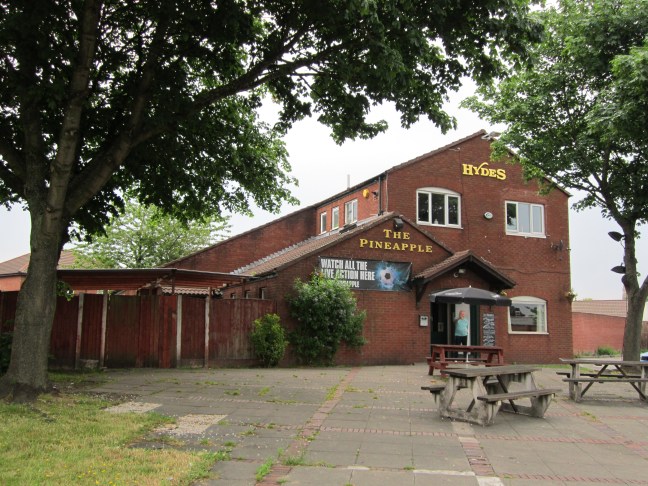
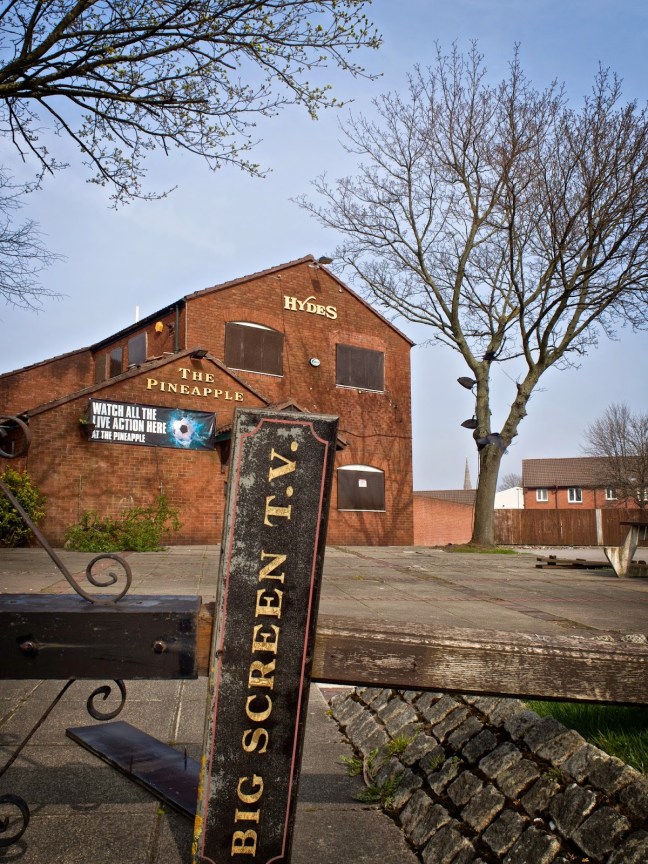
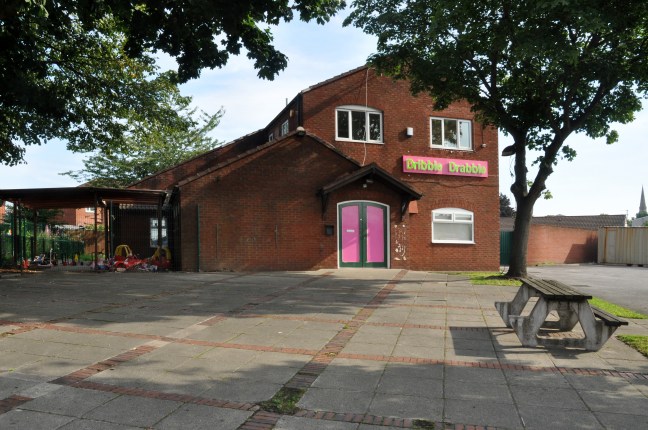
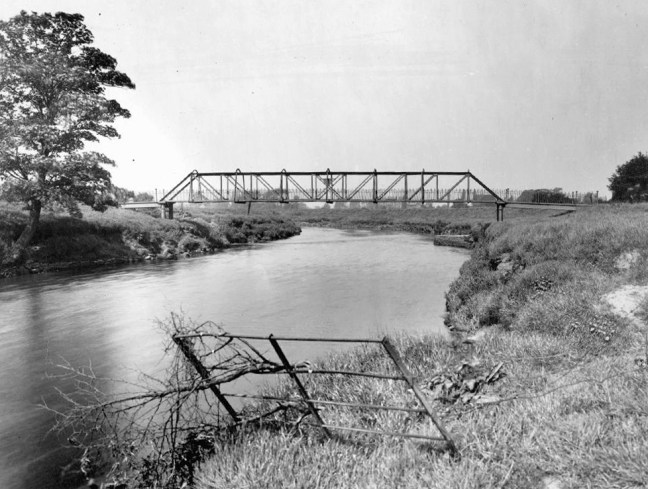
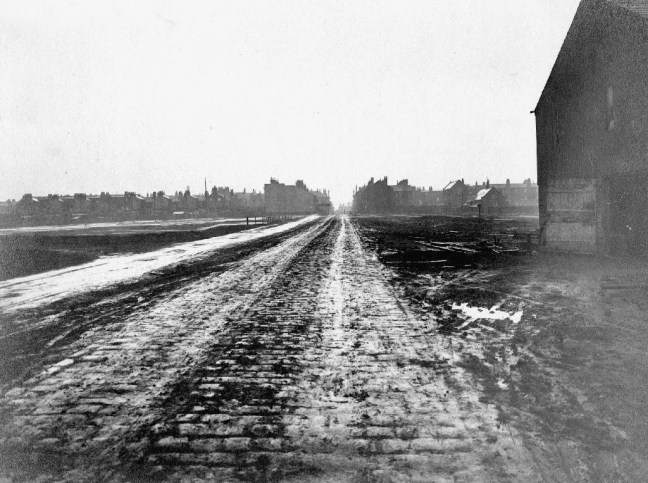
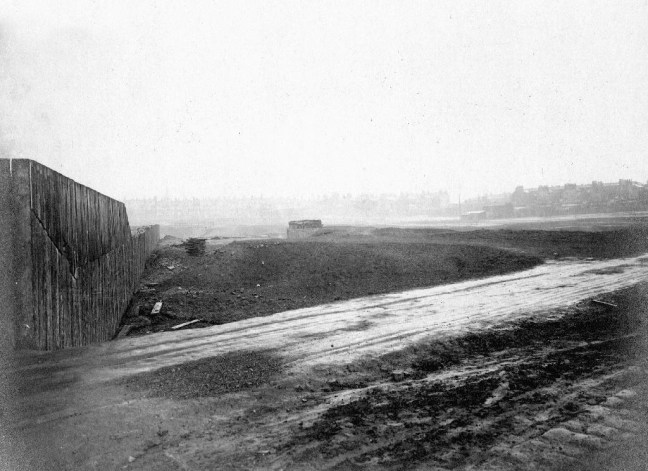
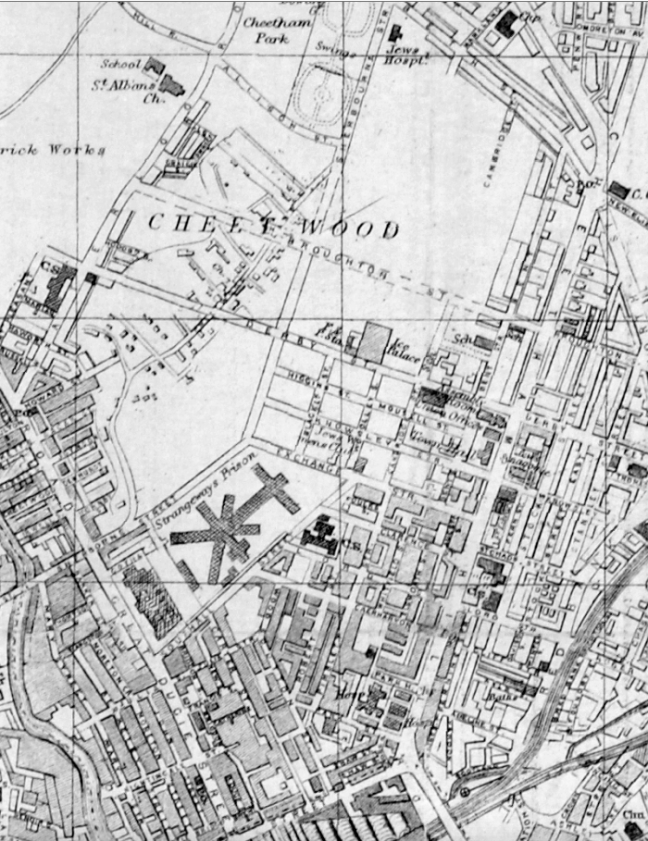
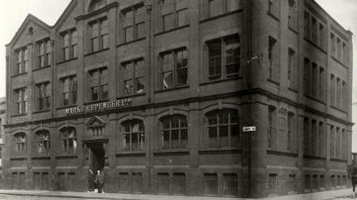
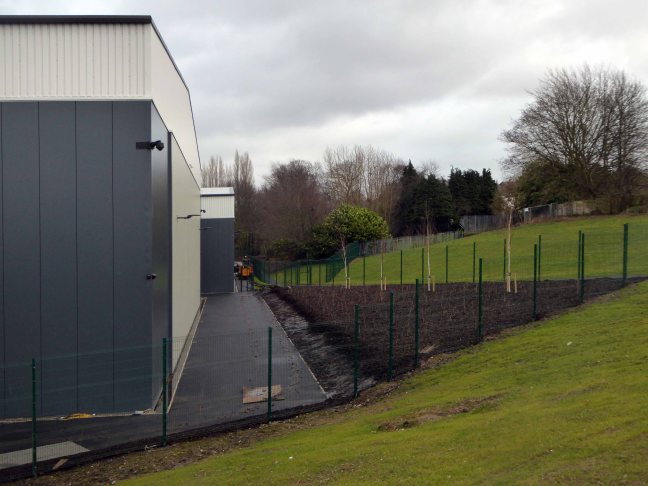
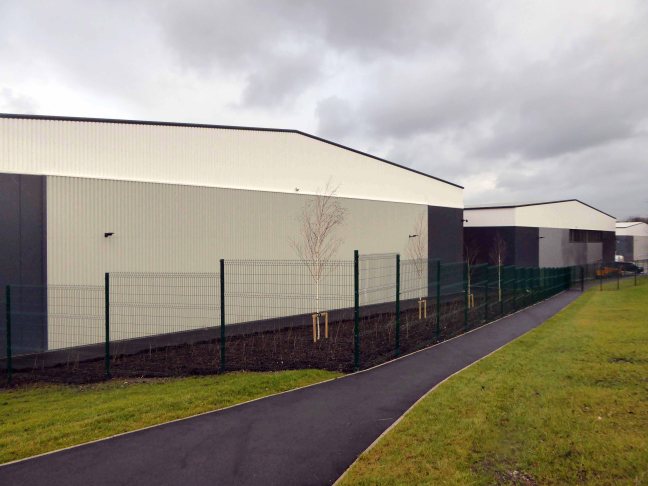
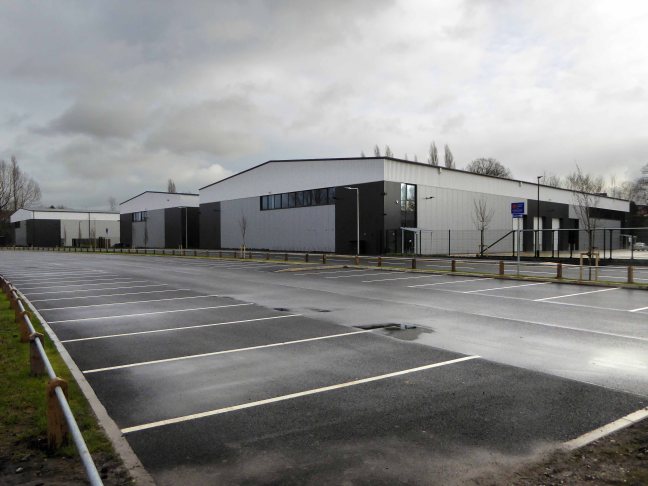
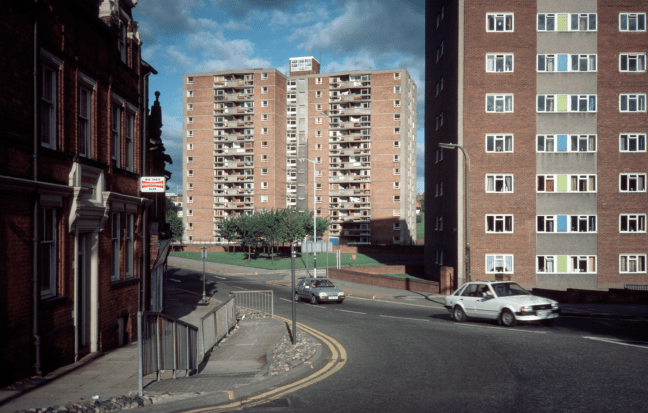
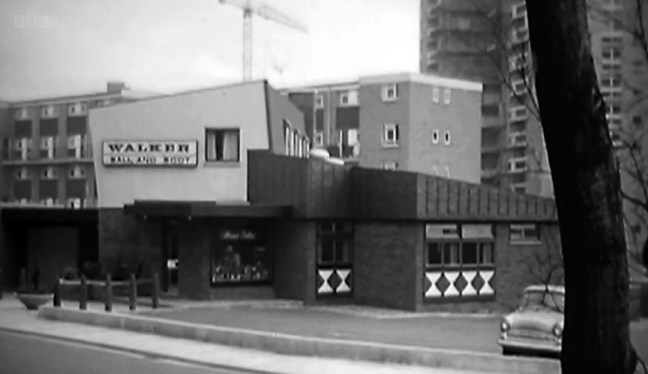
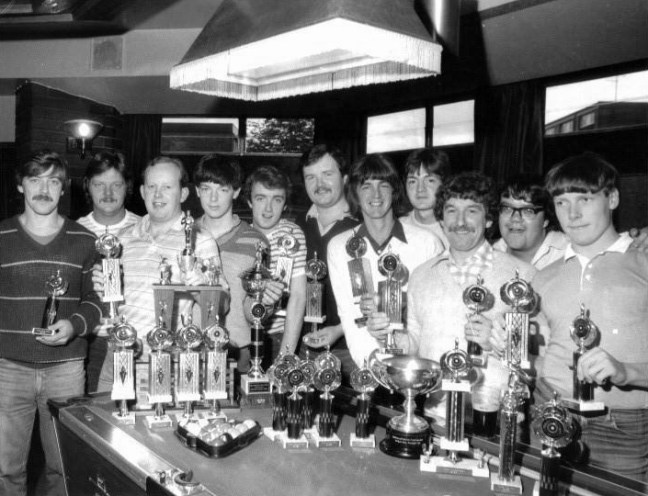
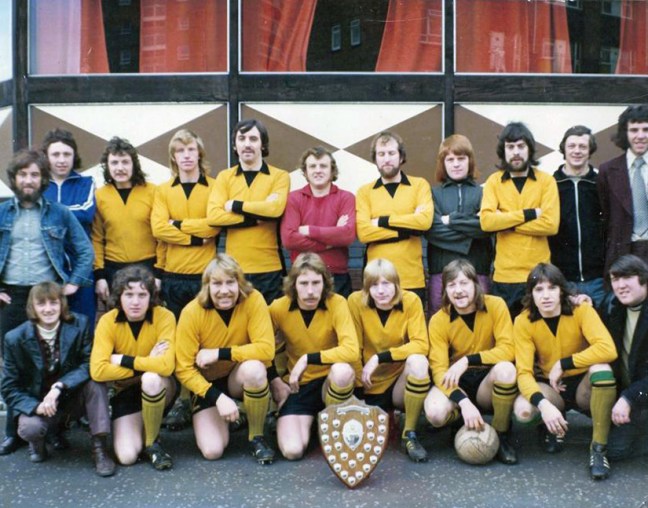
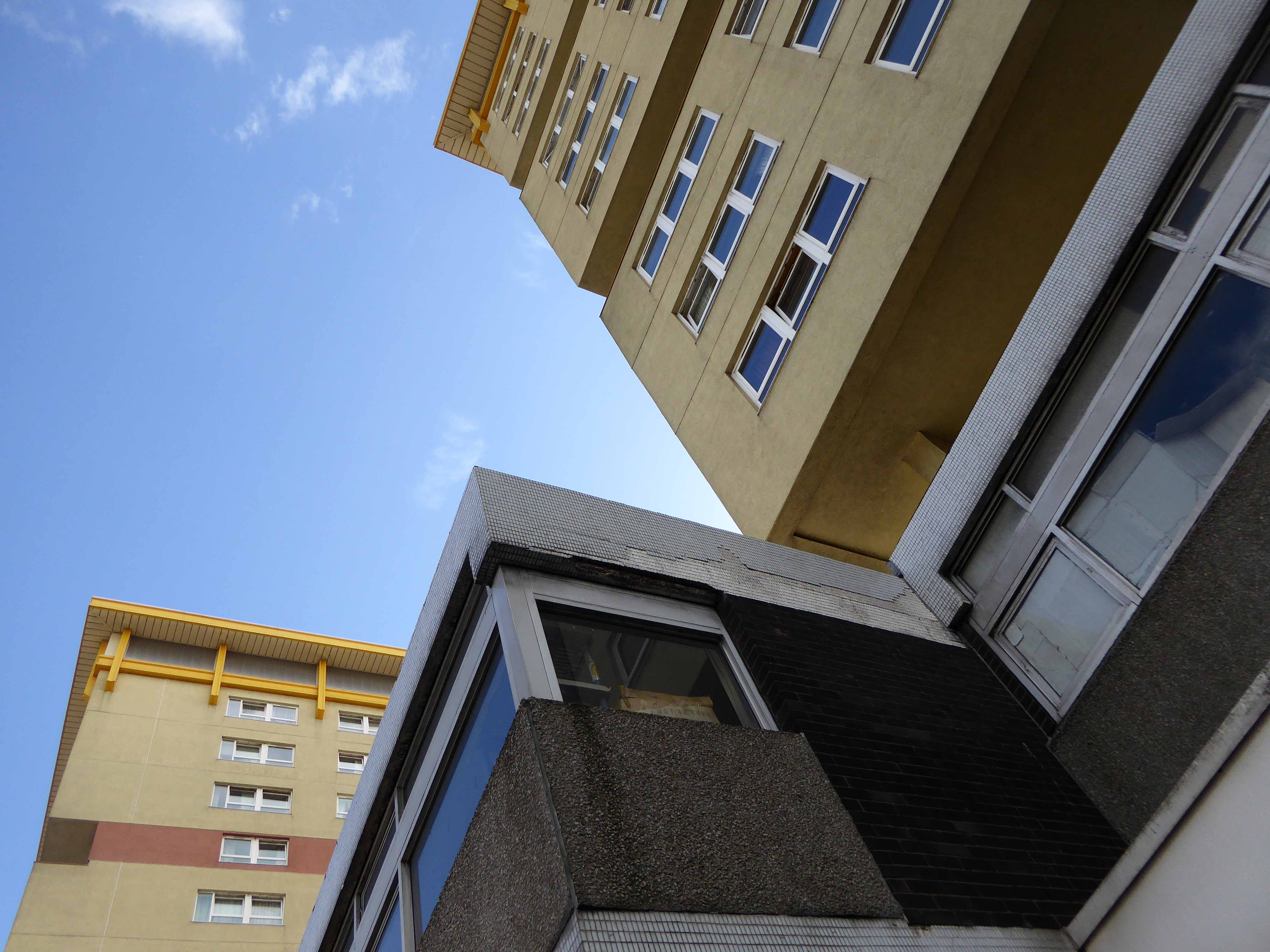
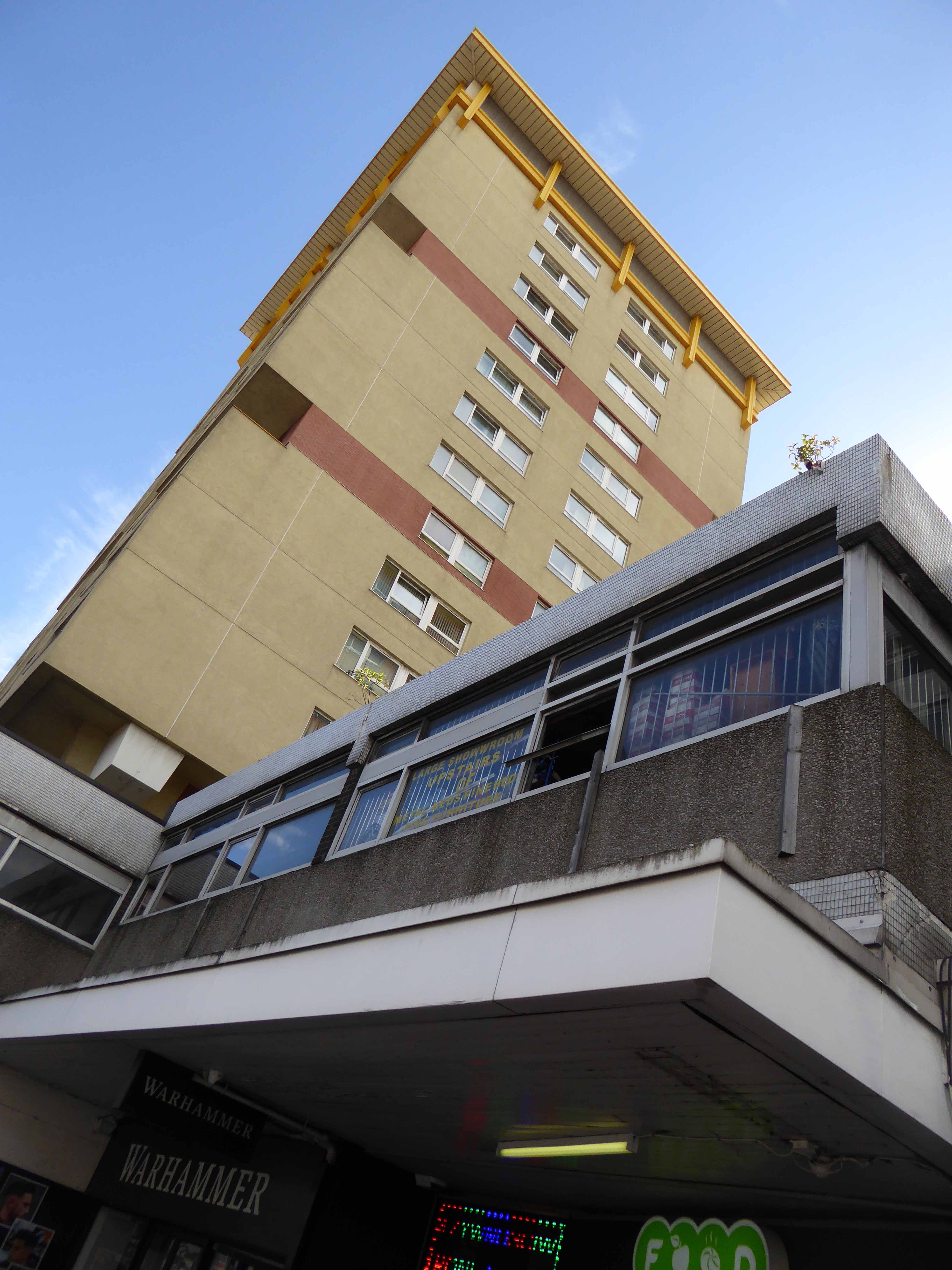
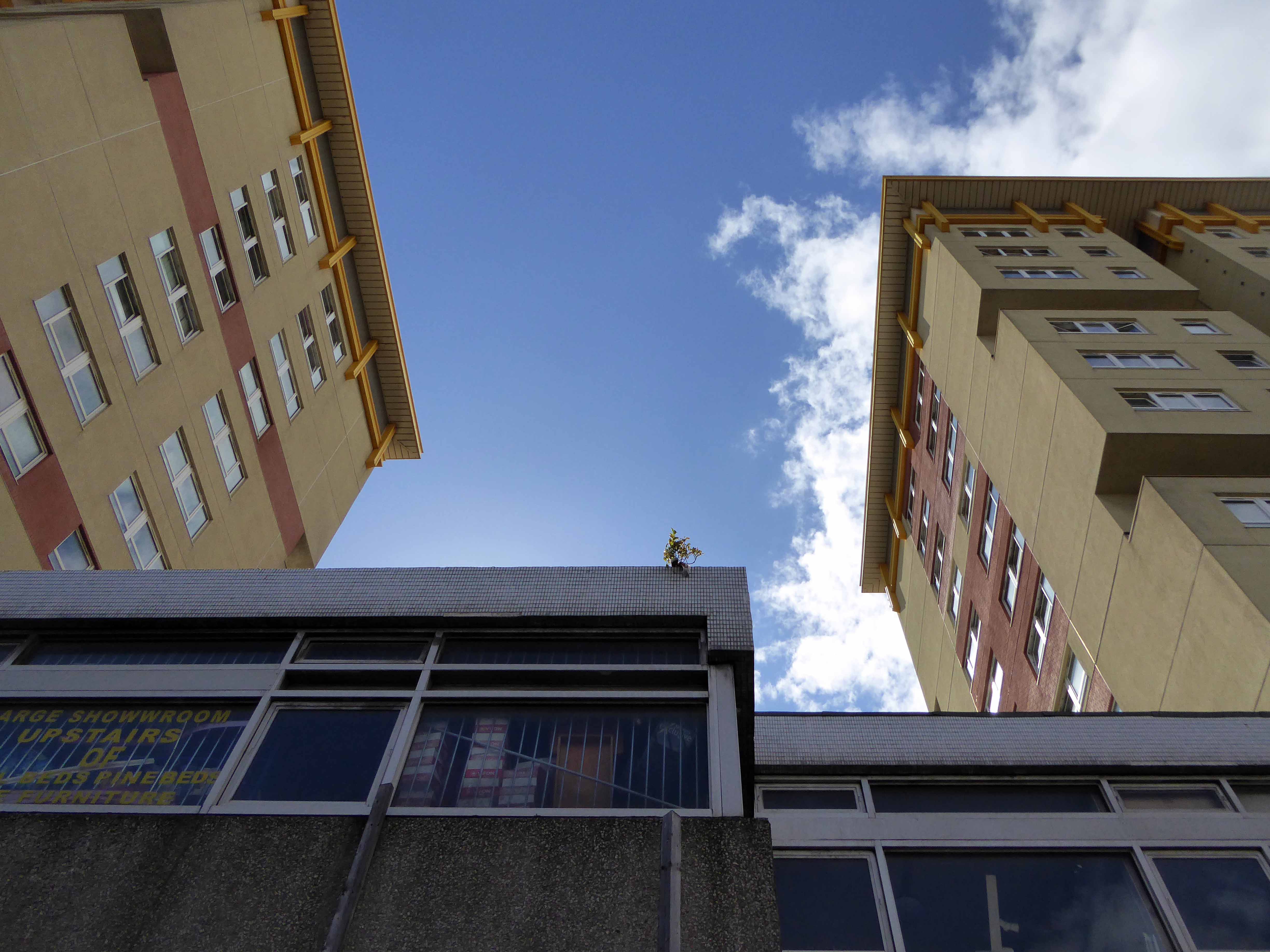
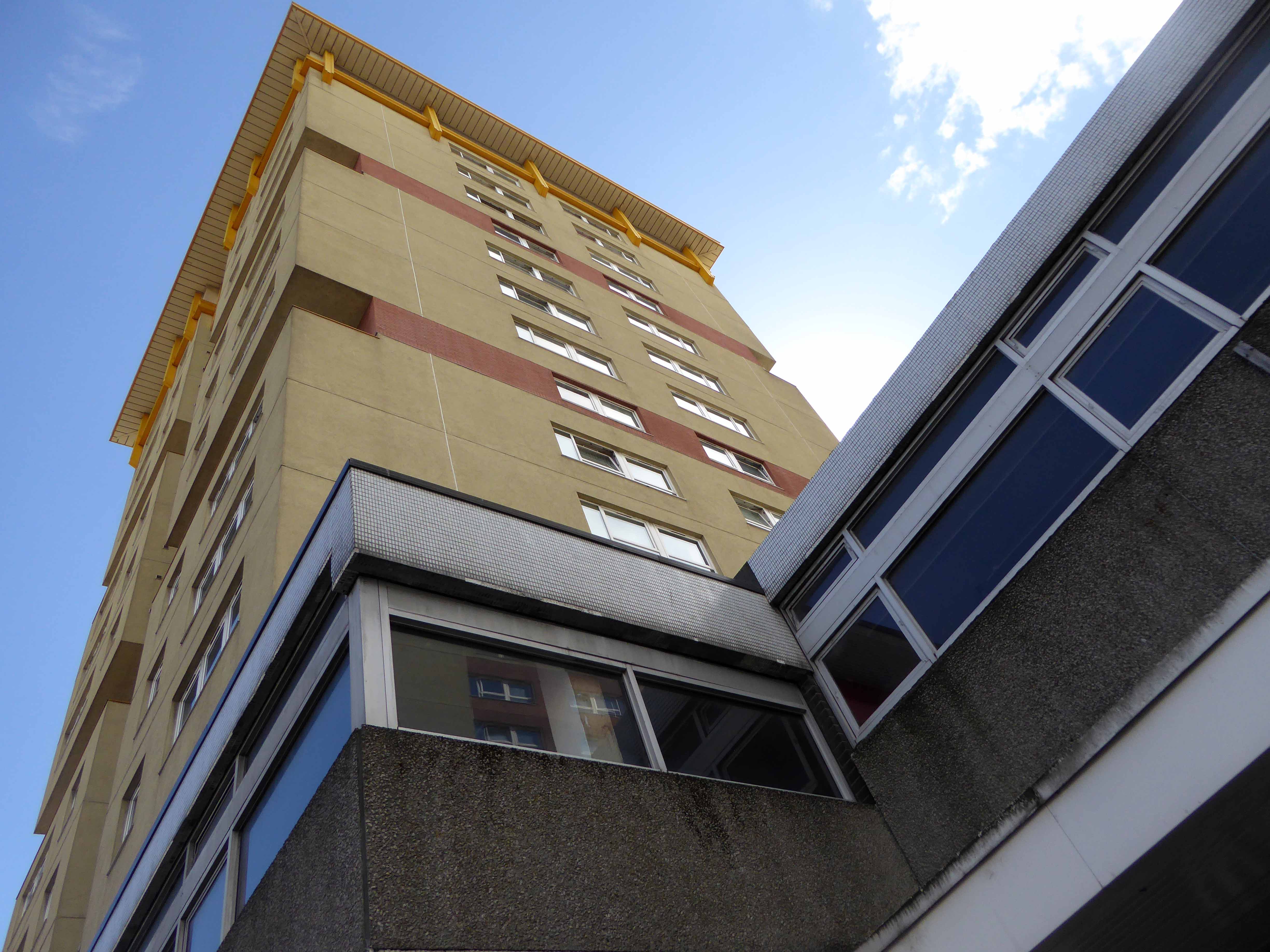
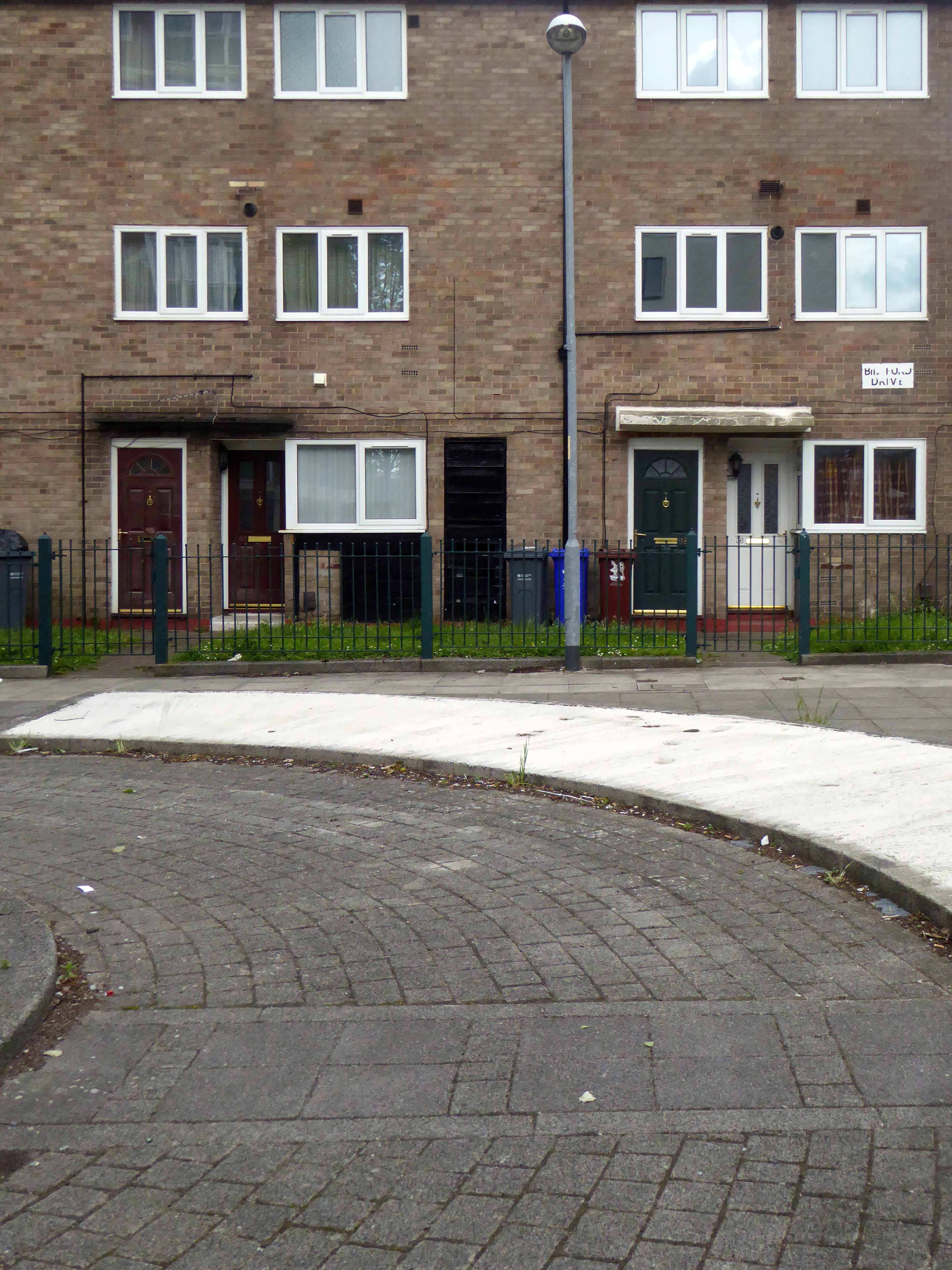
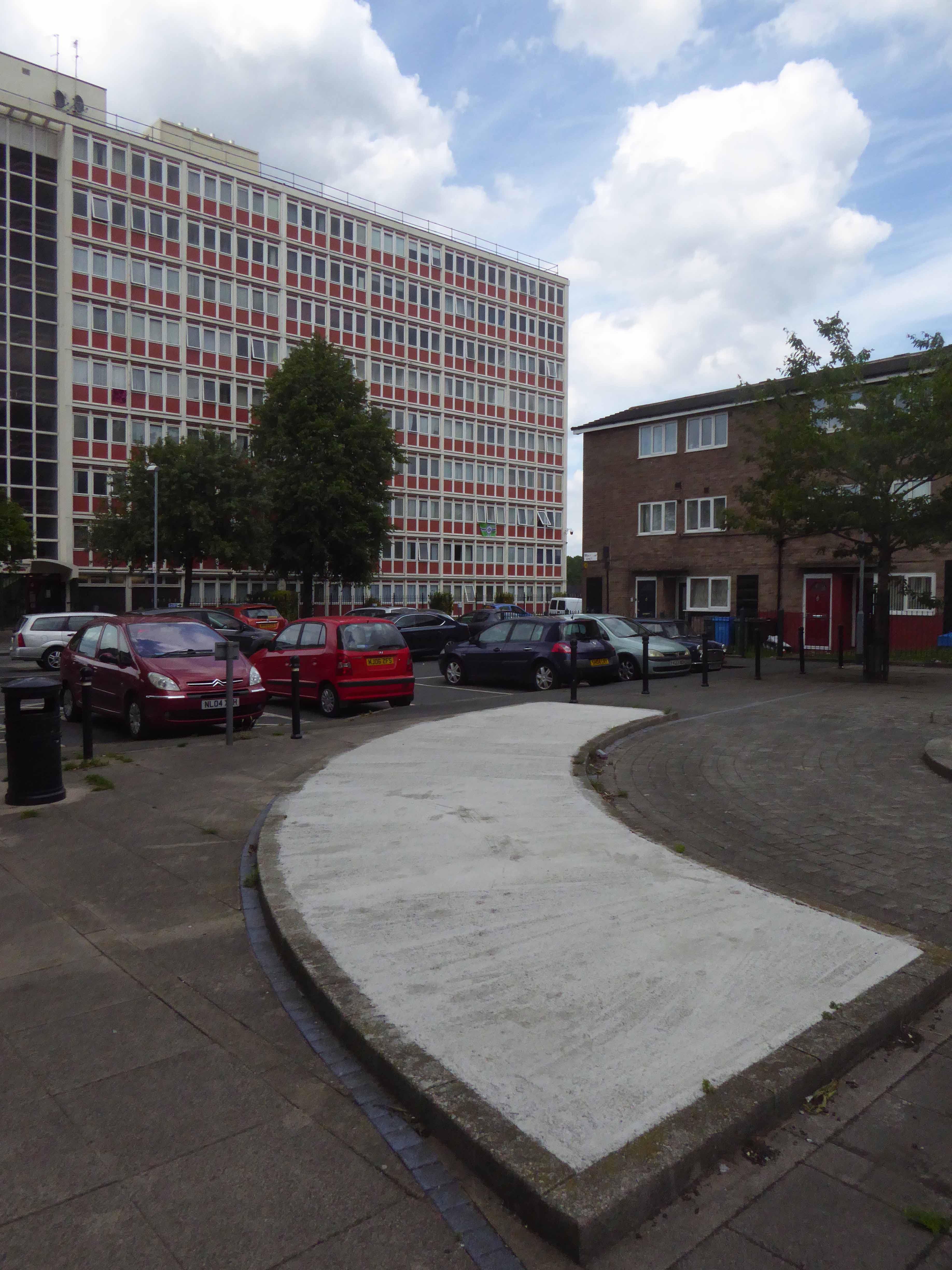
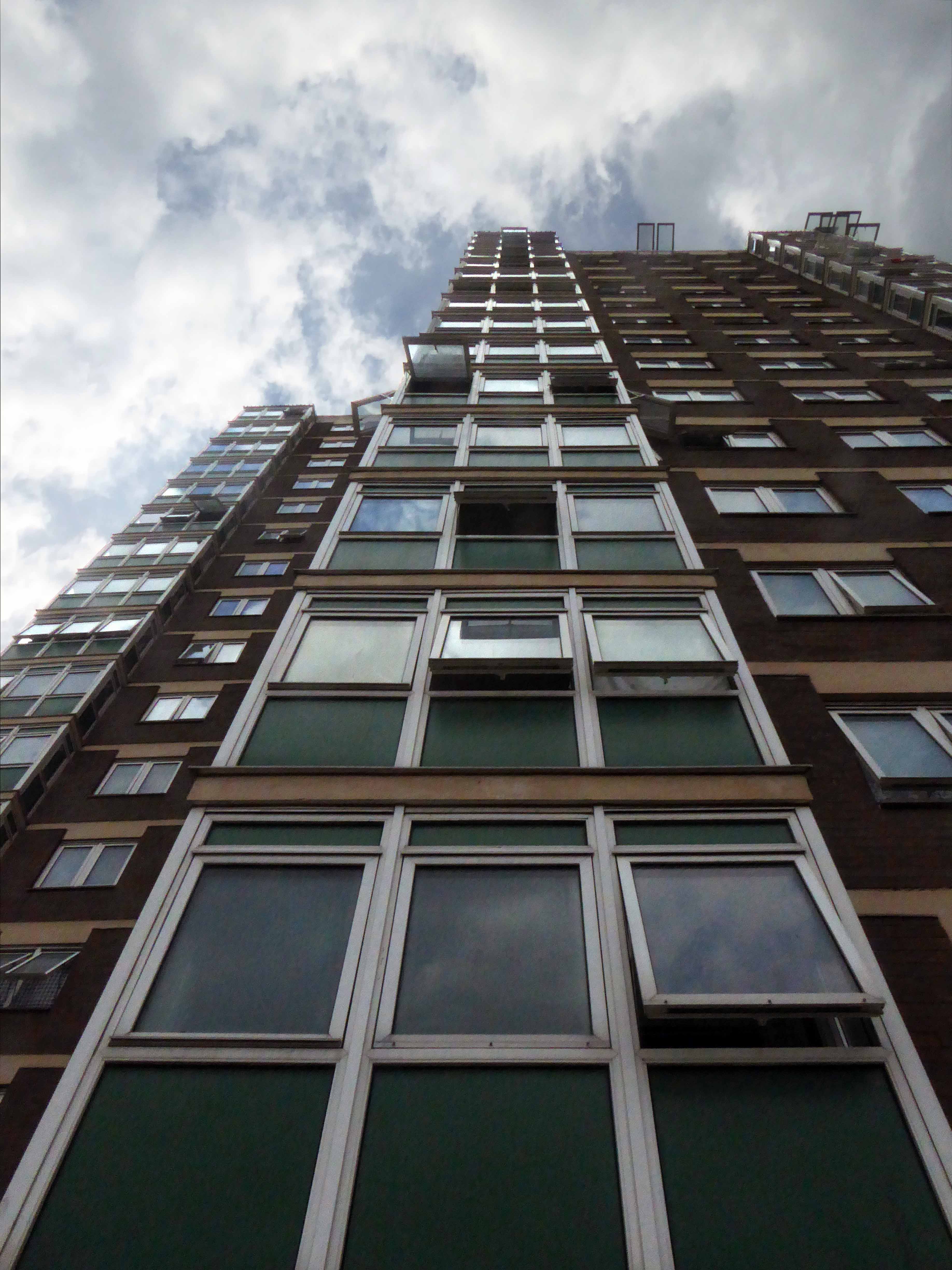
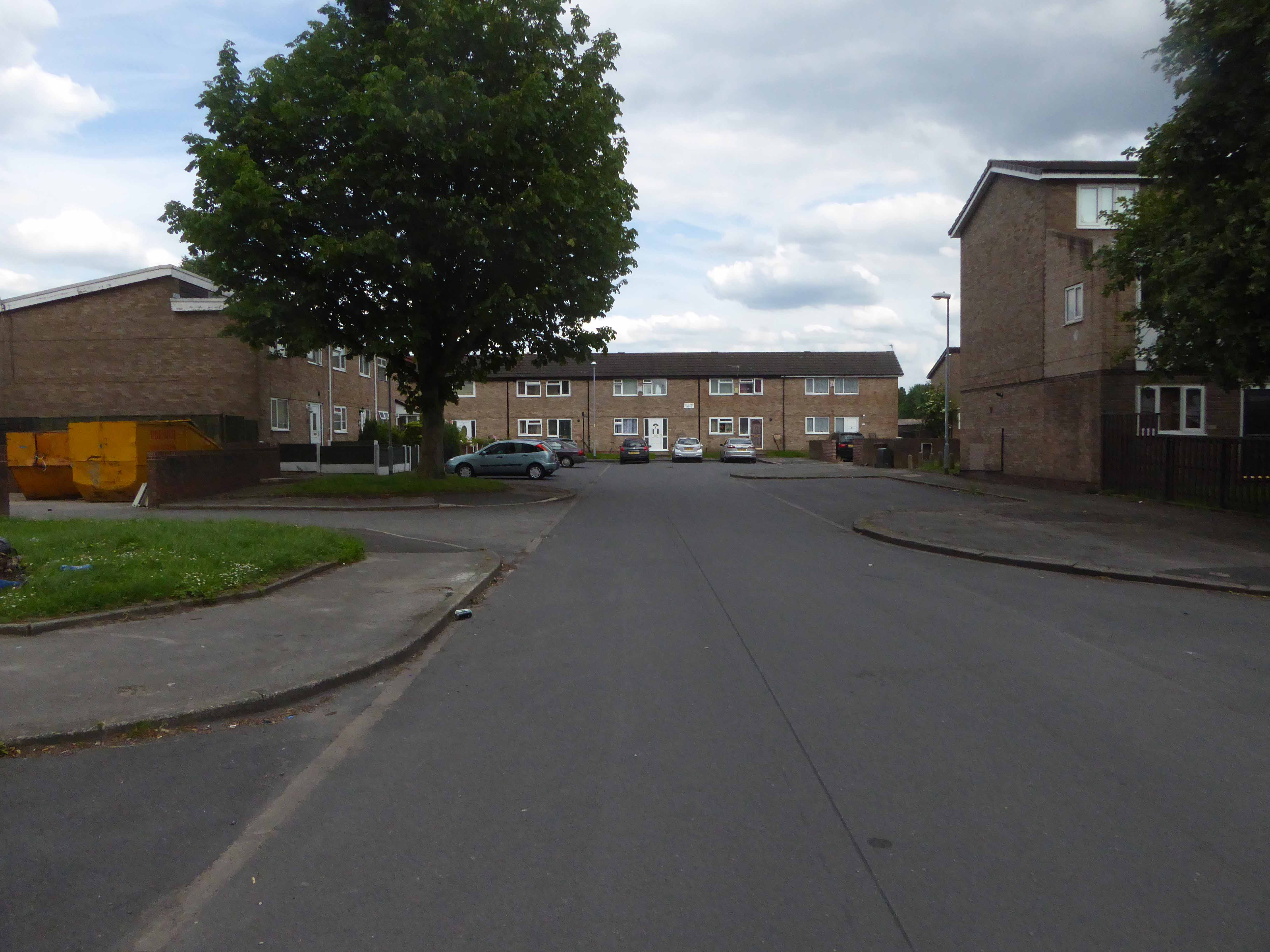
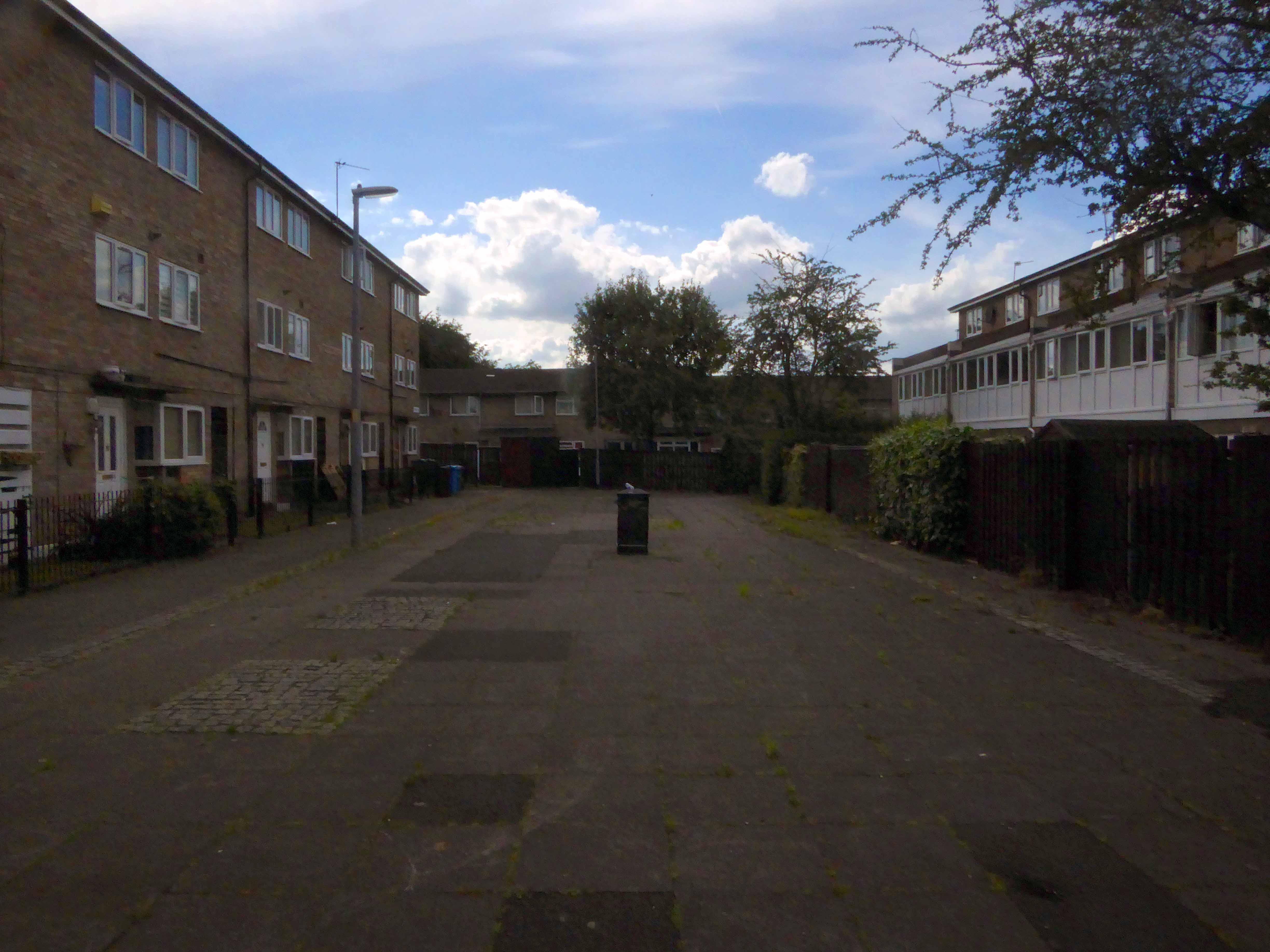
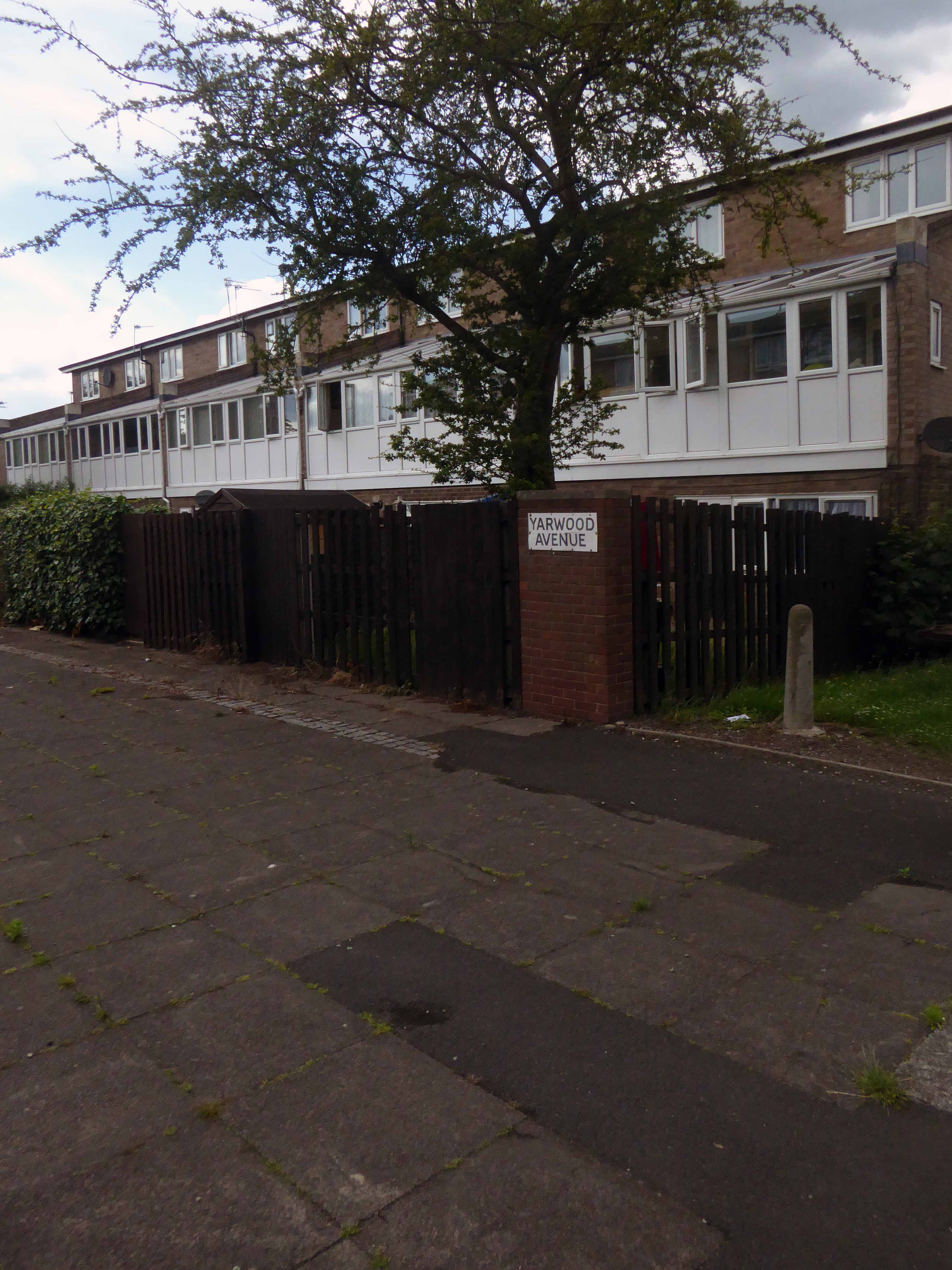
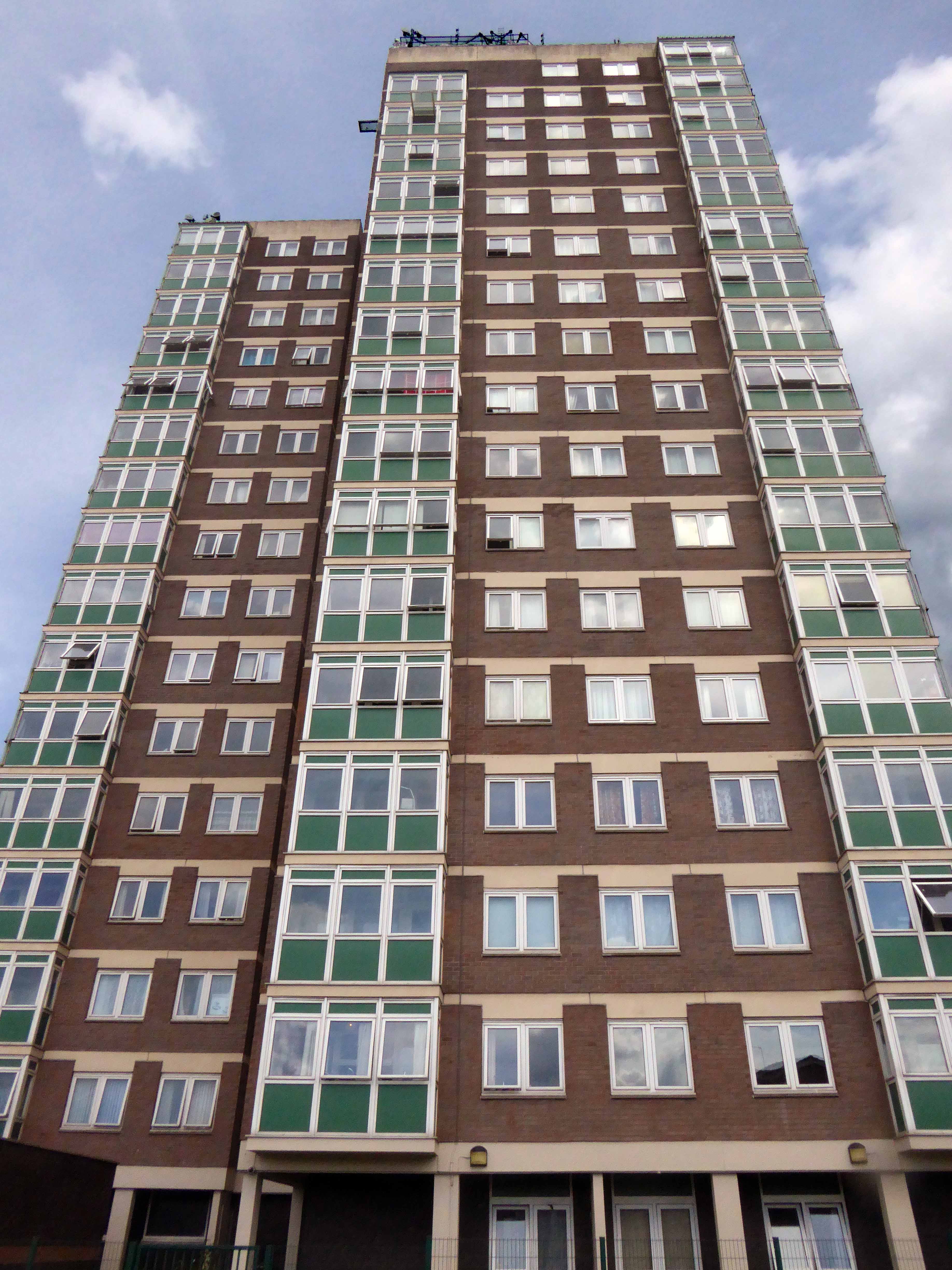
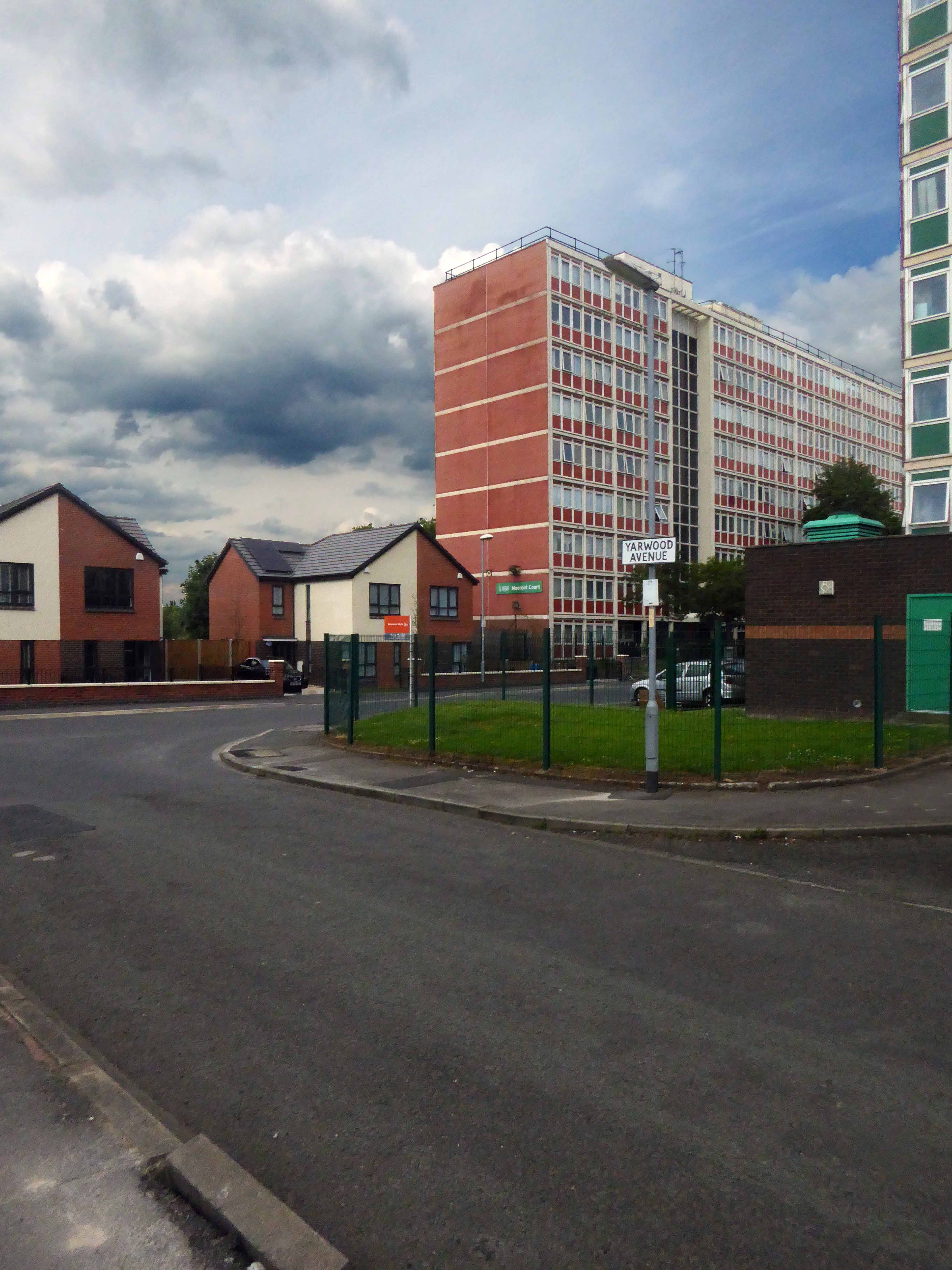
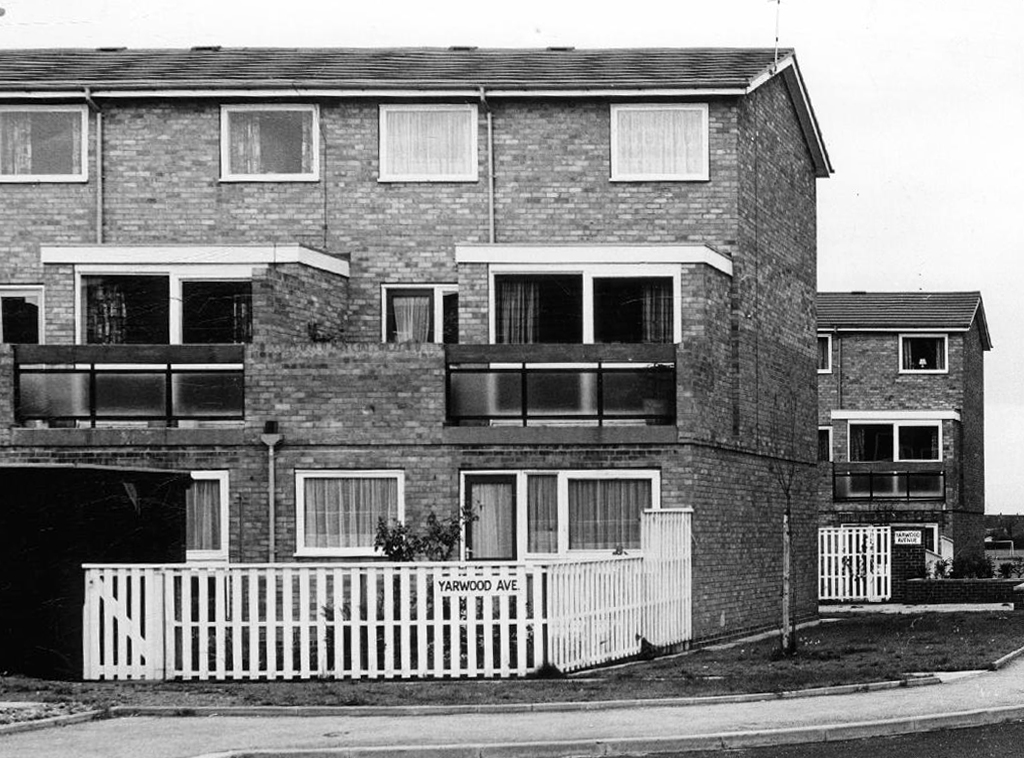
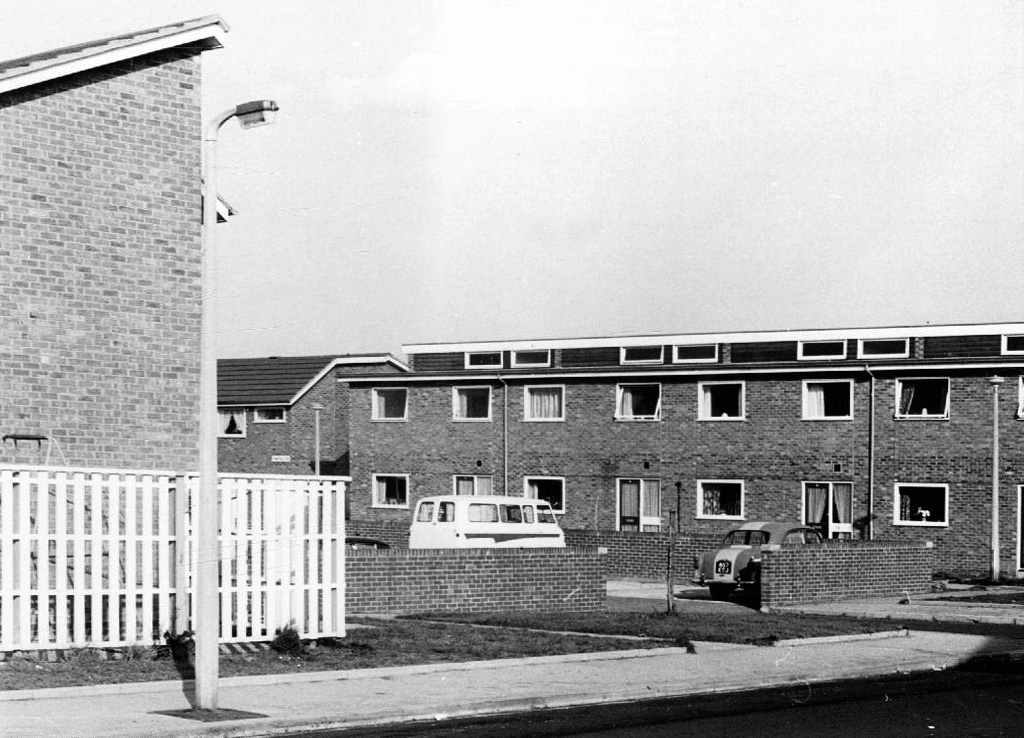
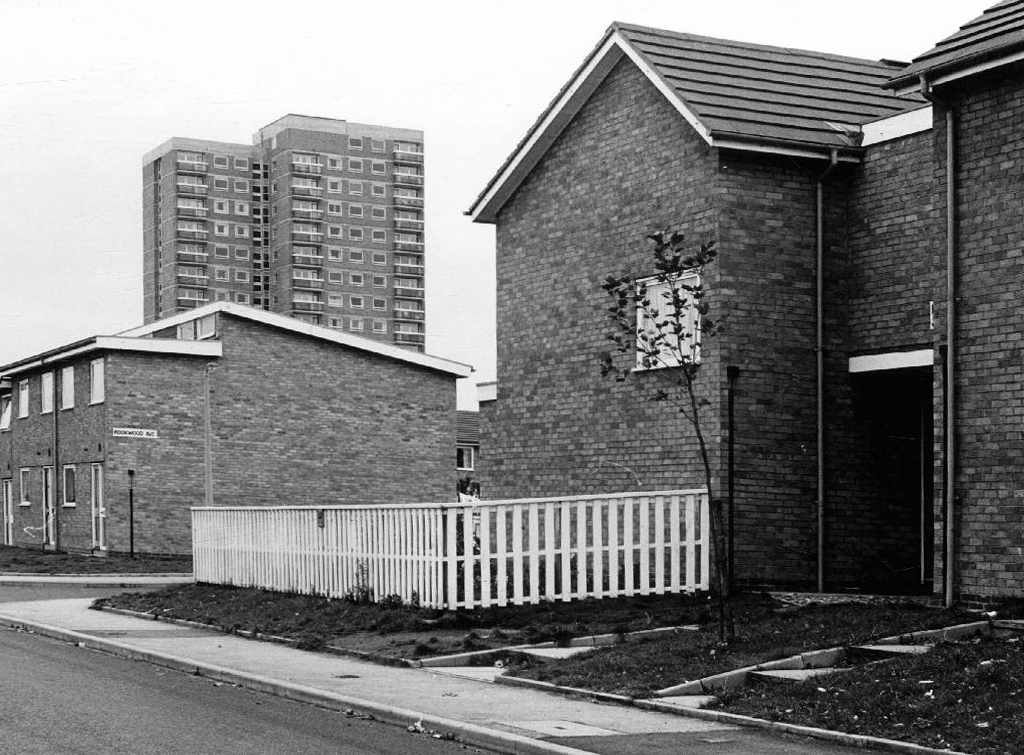
Bromley Street Manchester

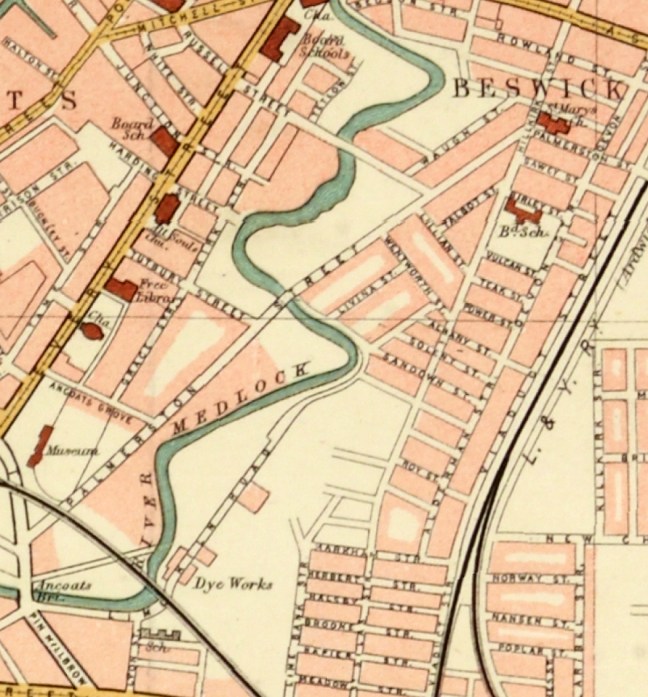
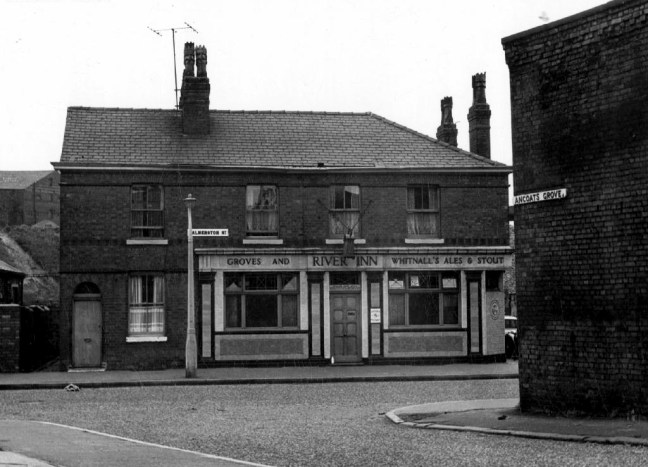
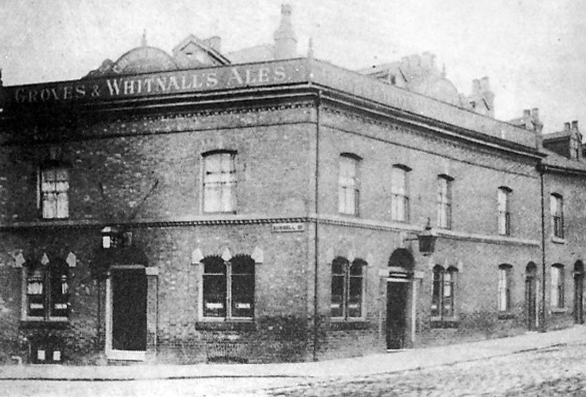
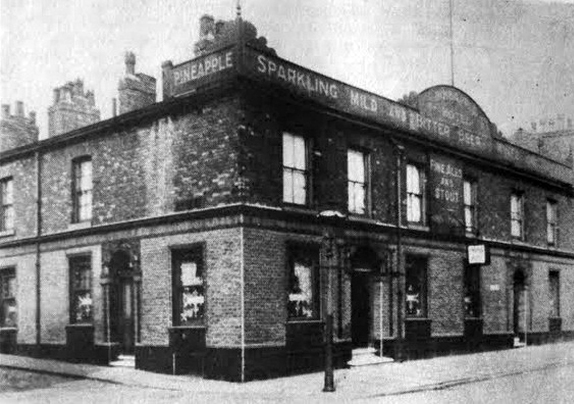
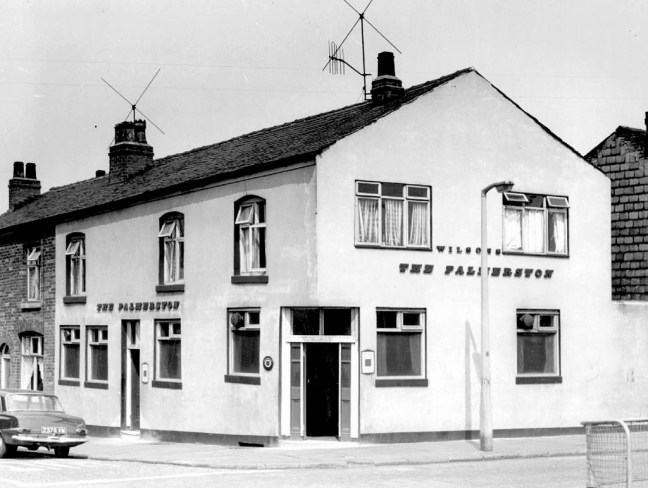
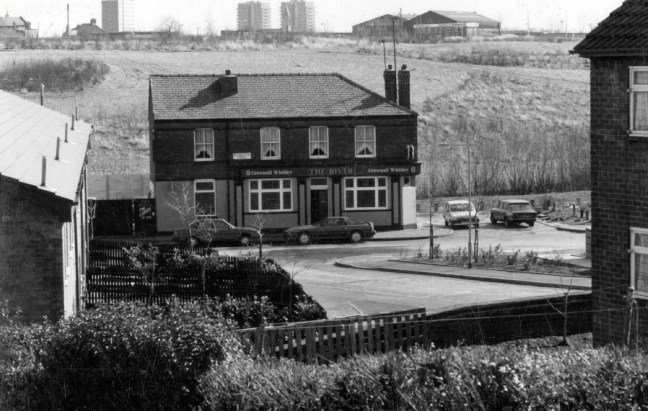
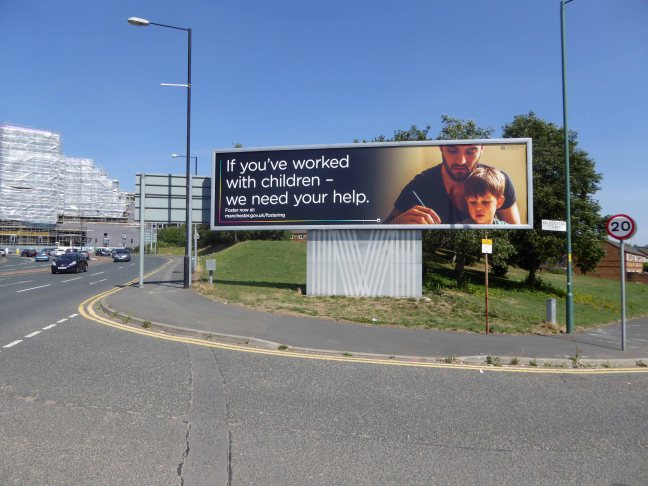
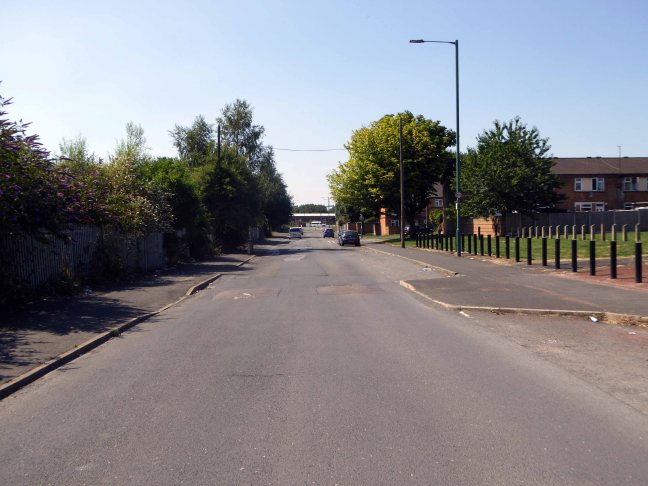
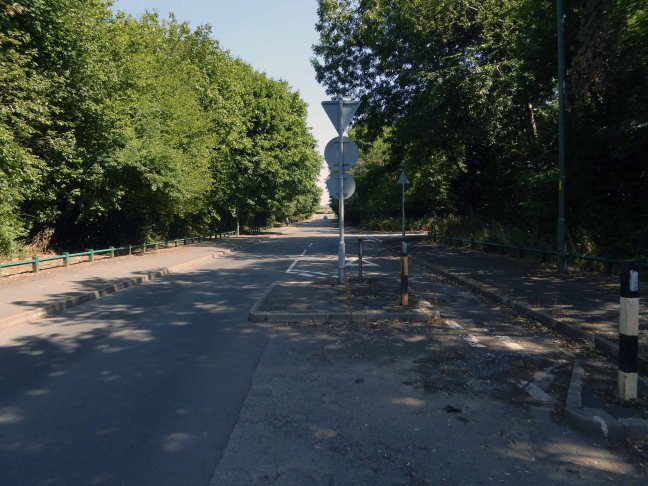
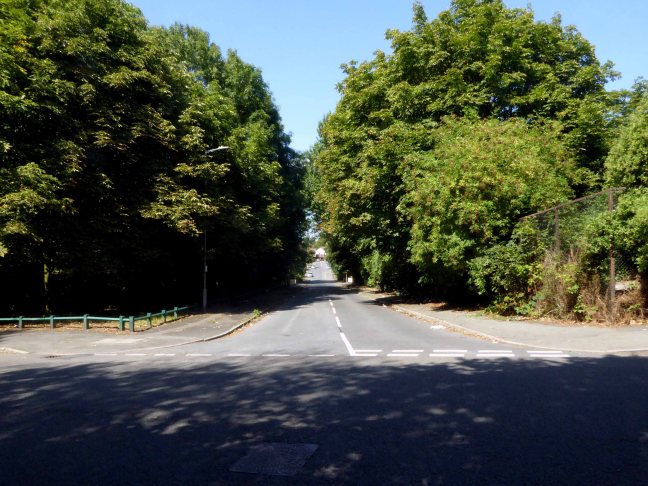
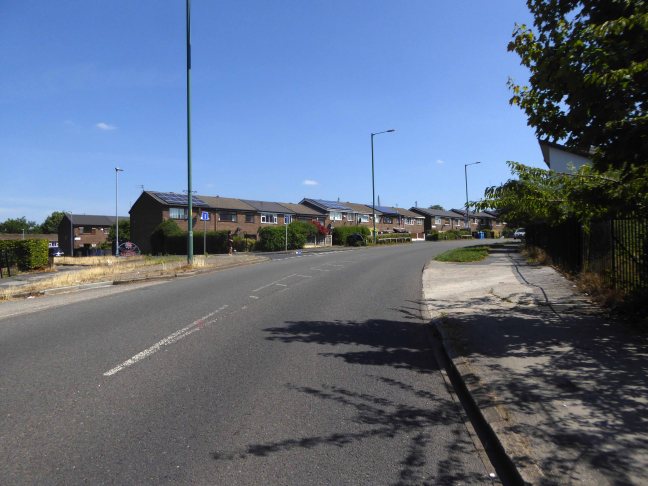
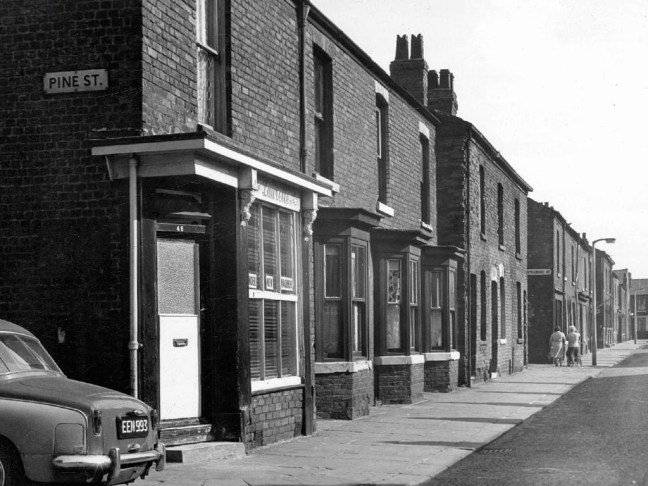
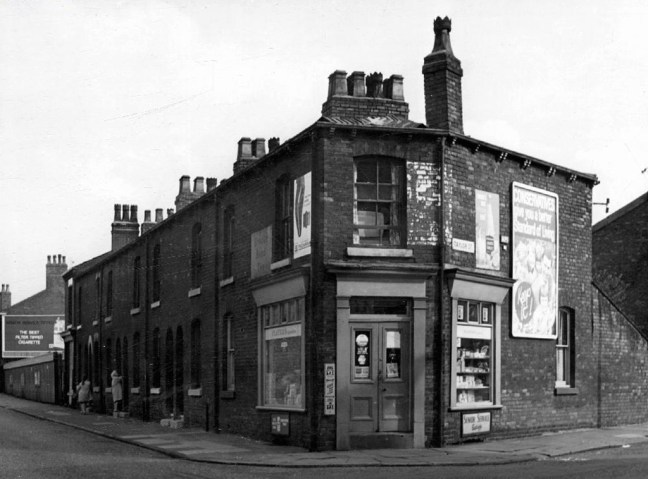
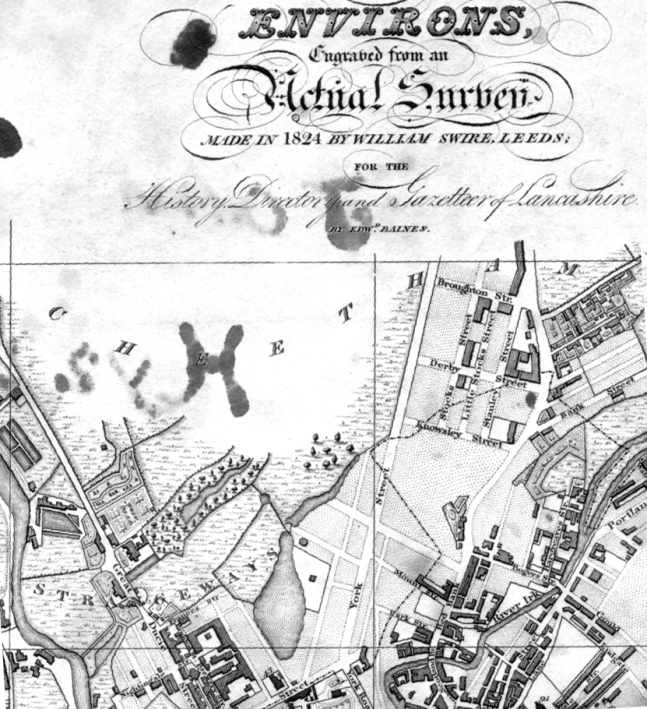
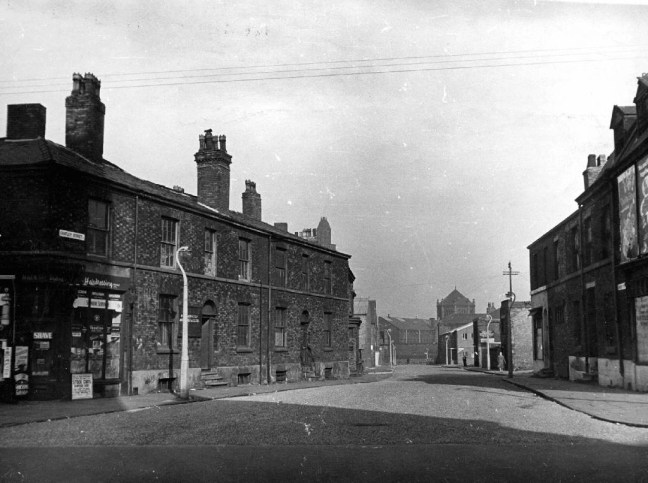
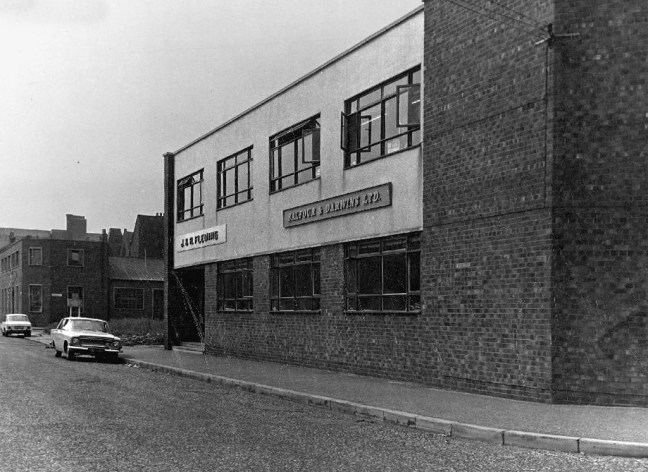
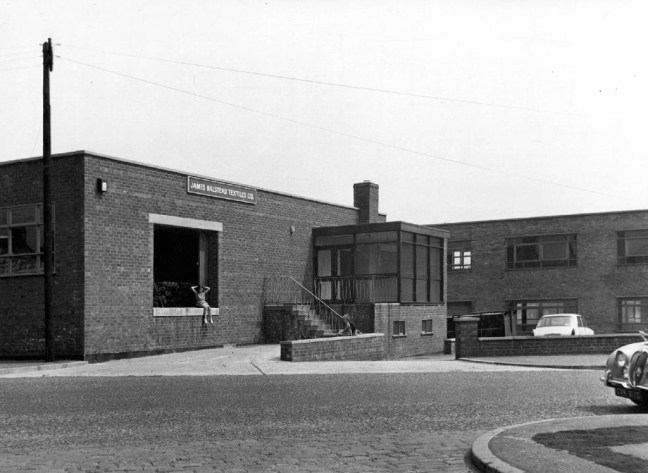
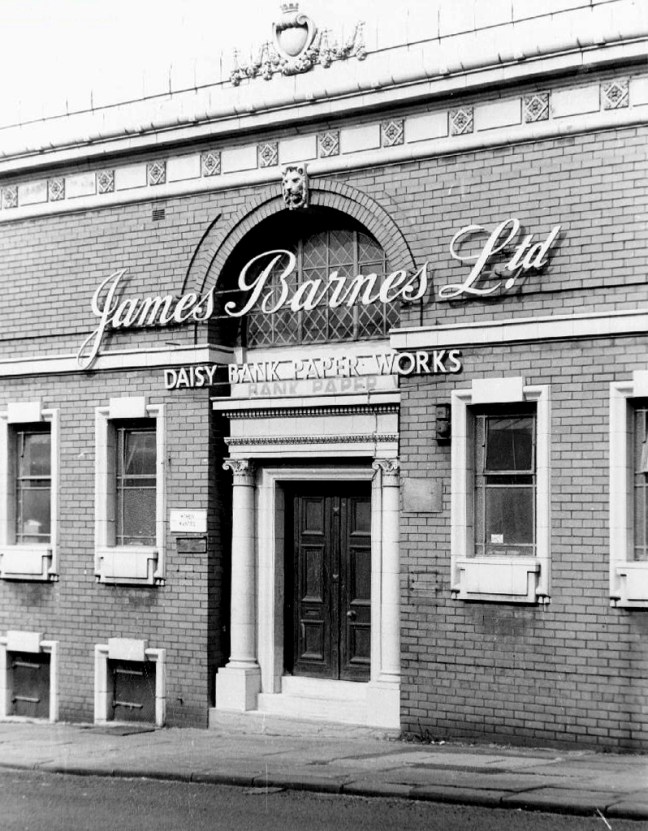
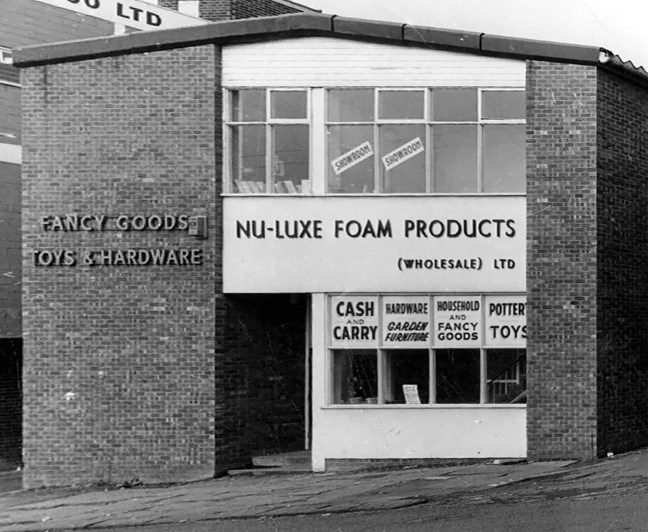
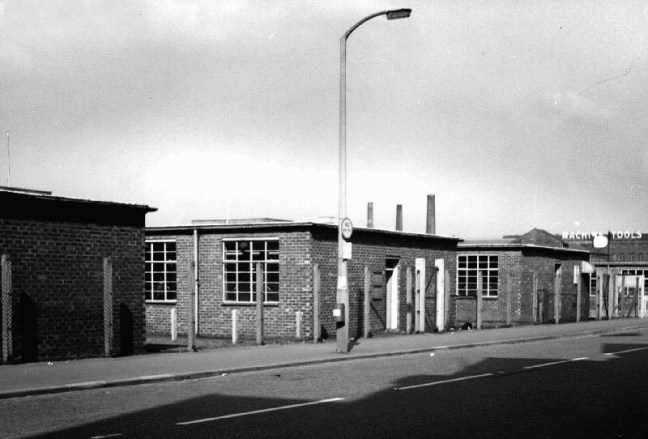
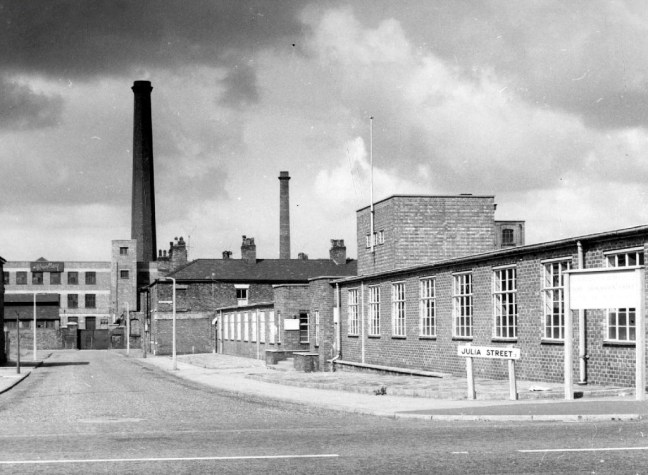
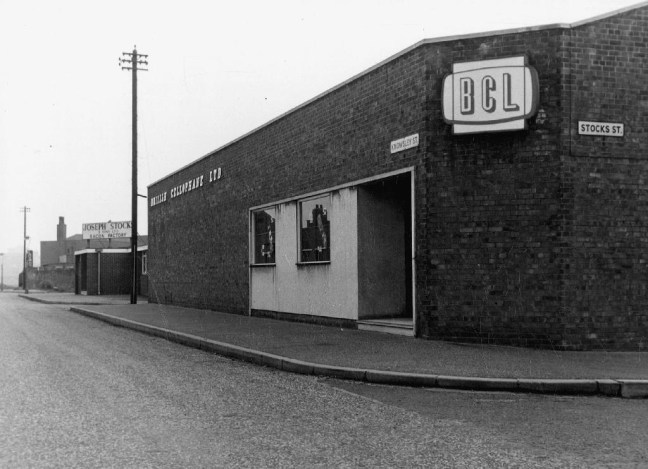
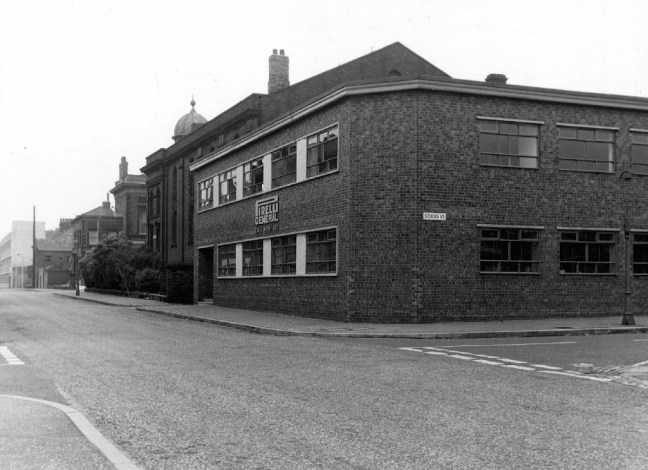
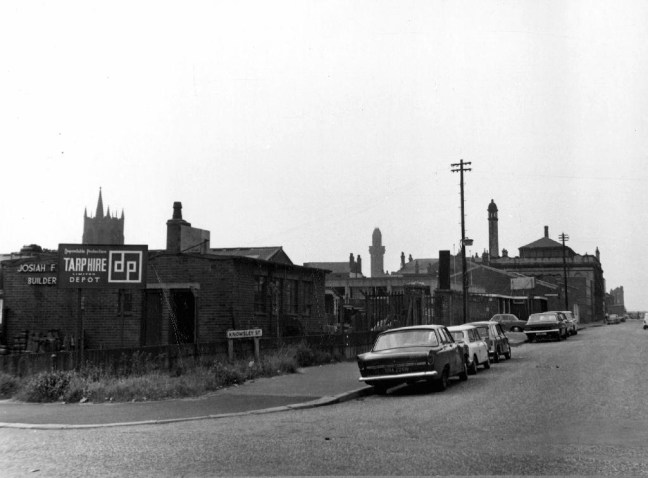
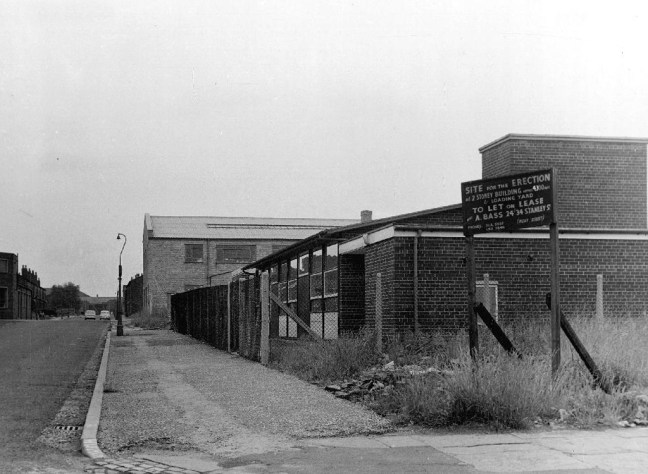
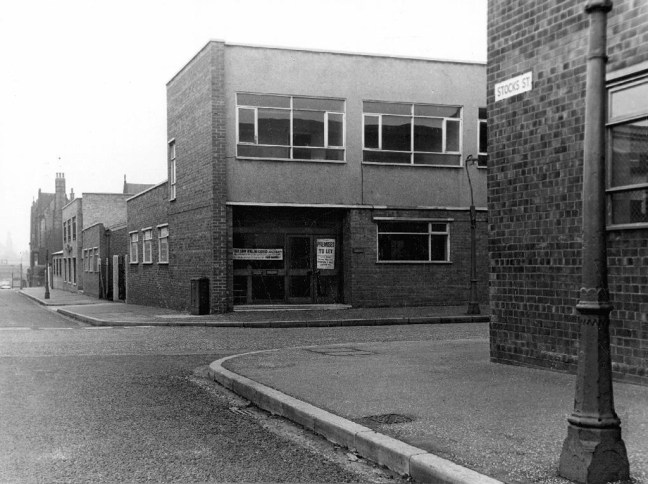
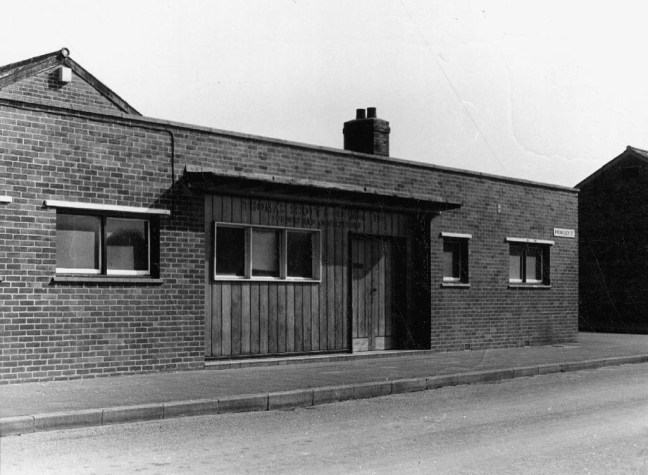
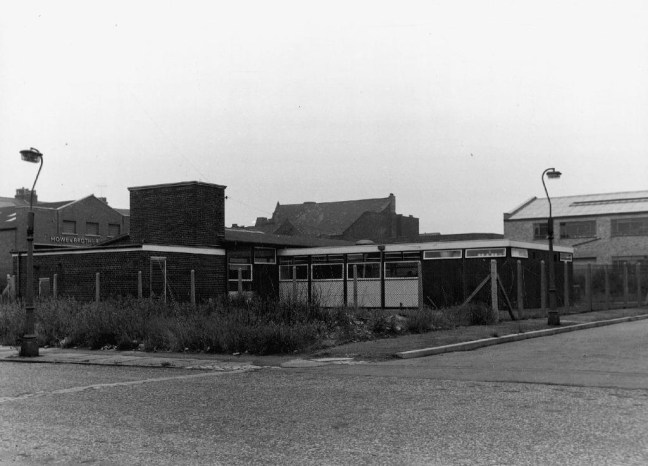
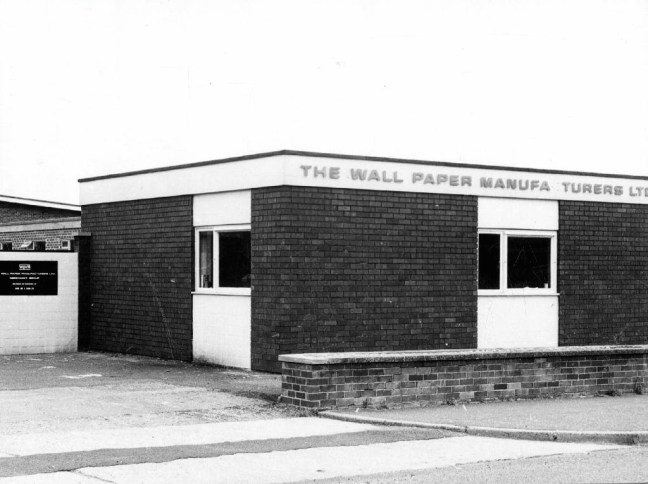
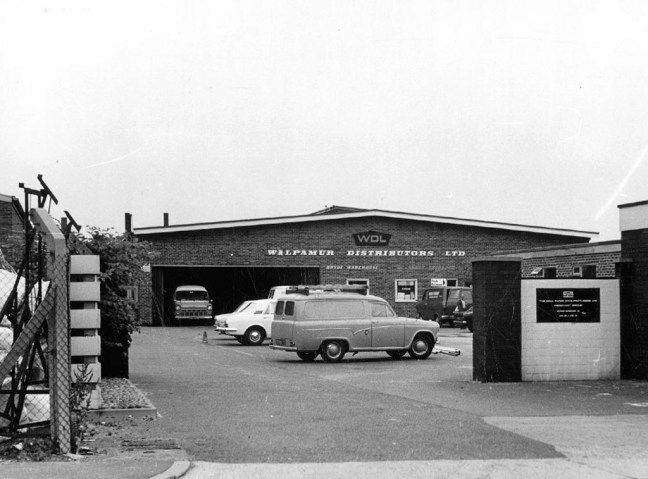
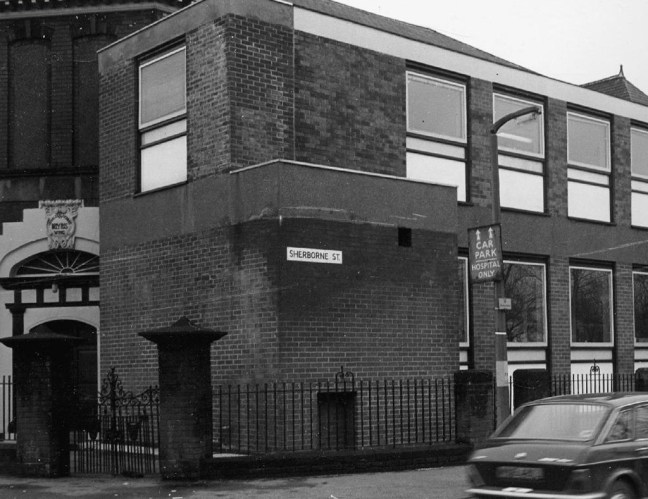
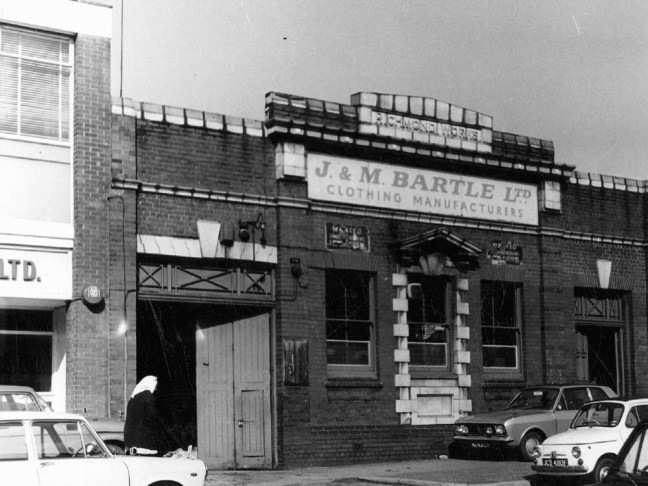
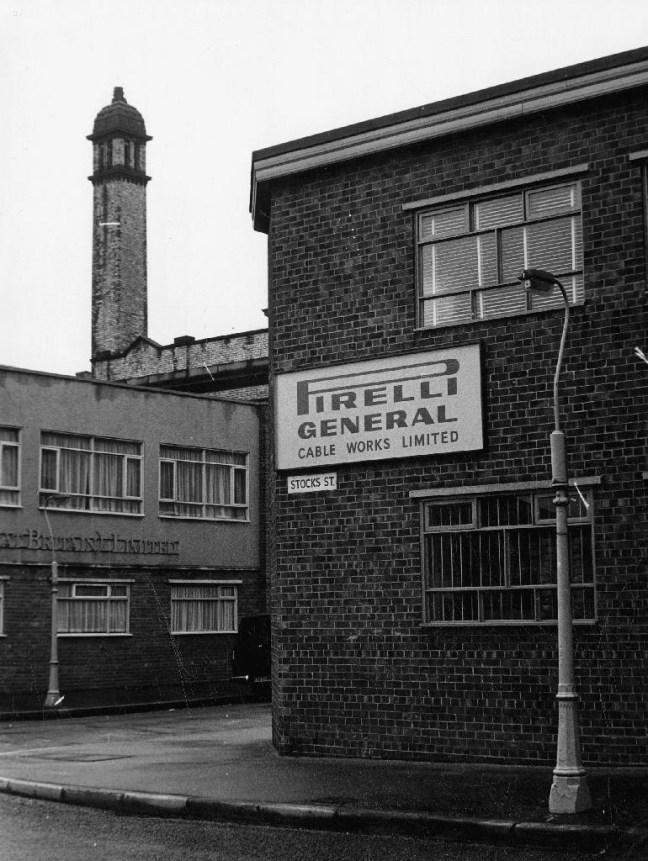
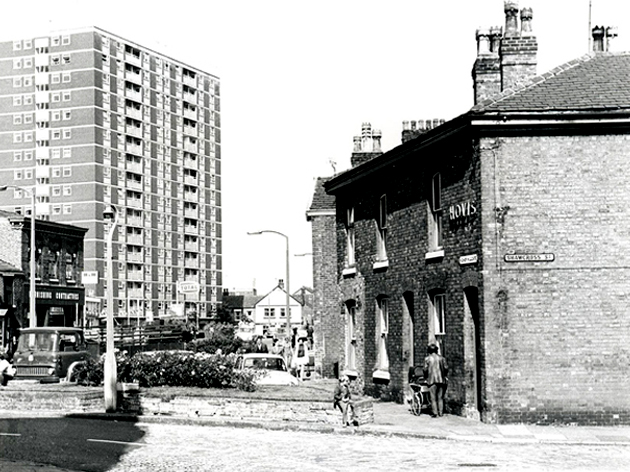
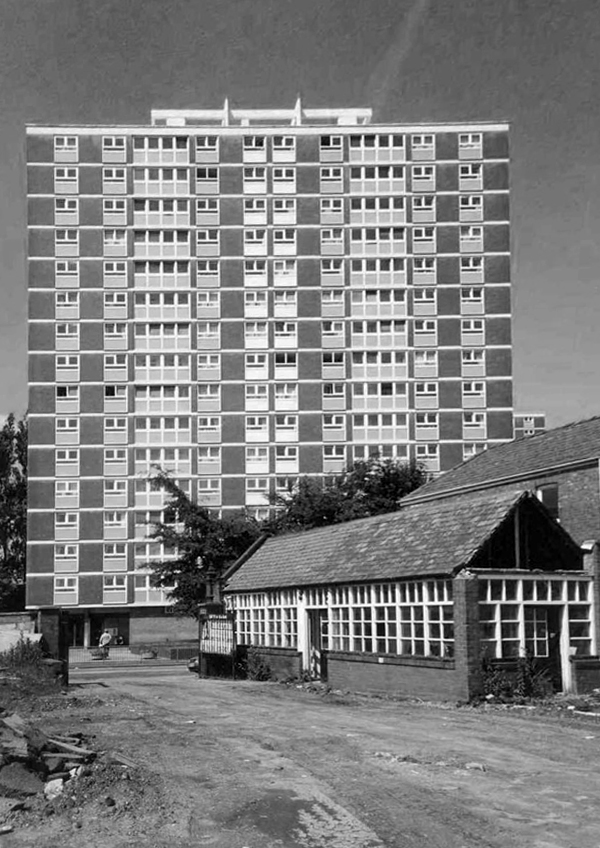
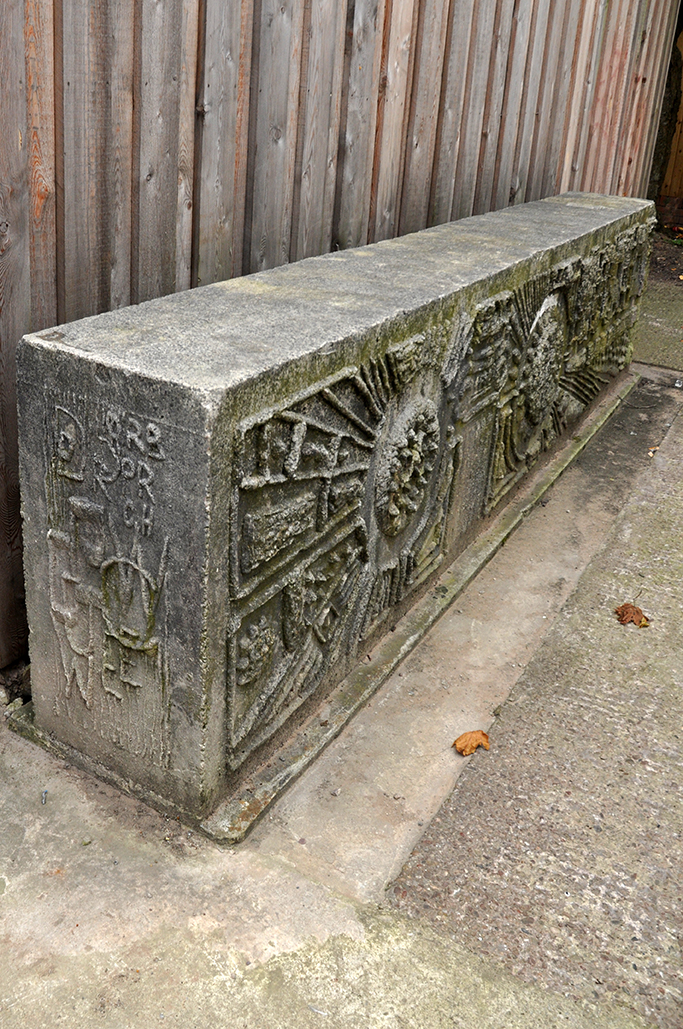
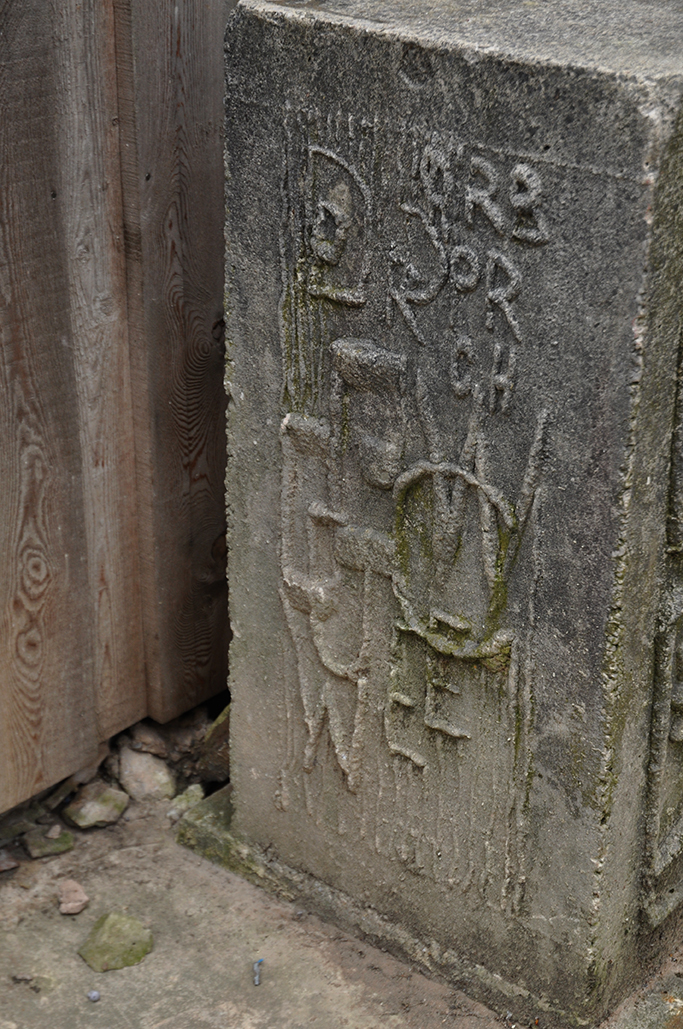
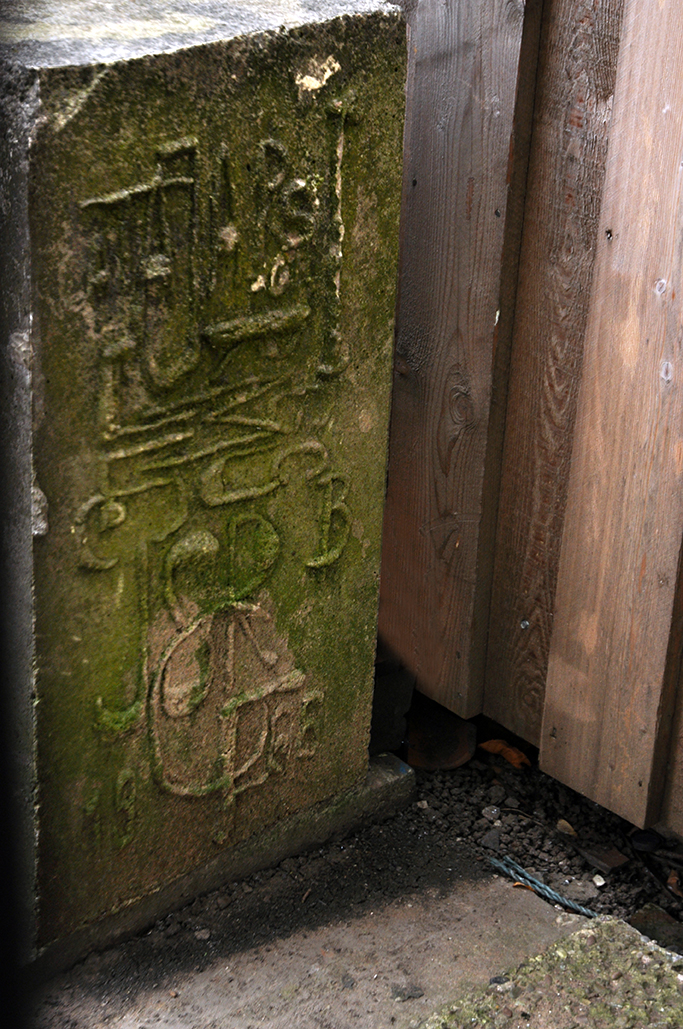
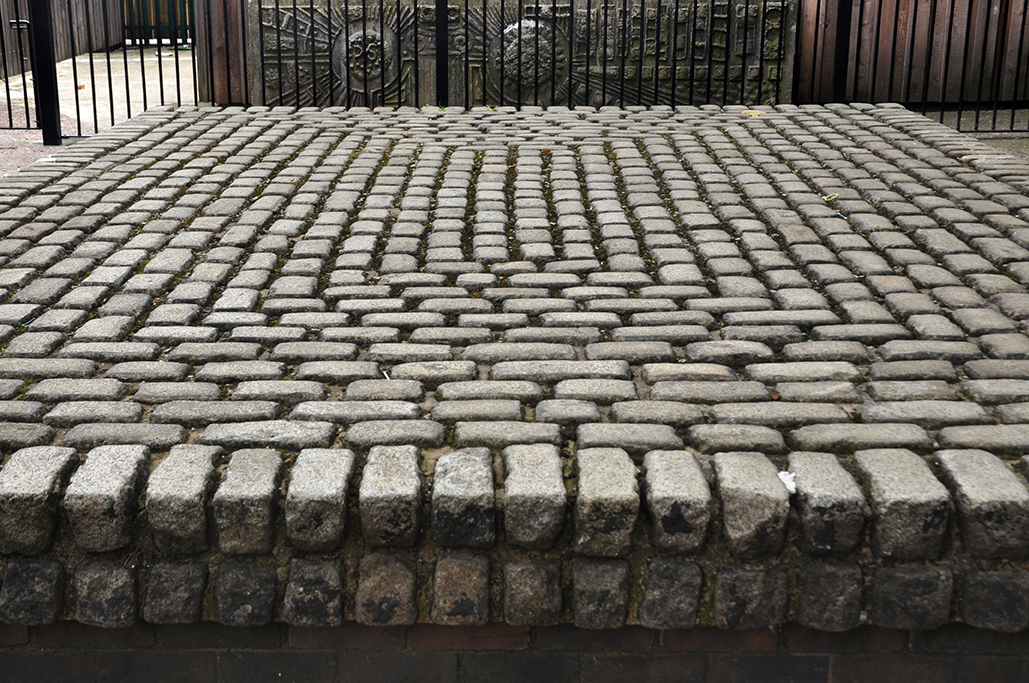
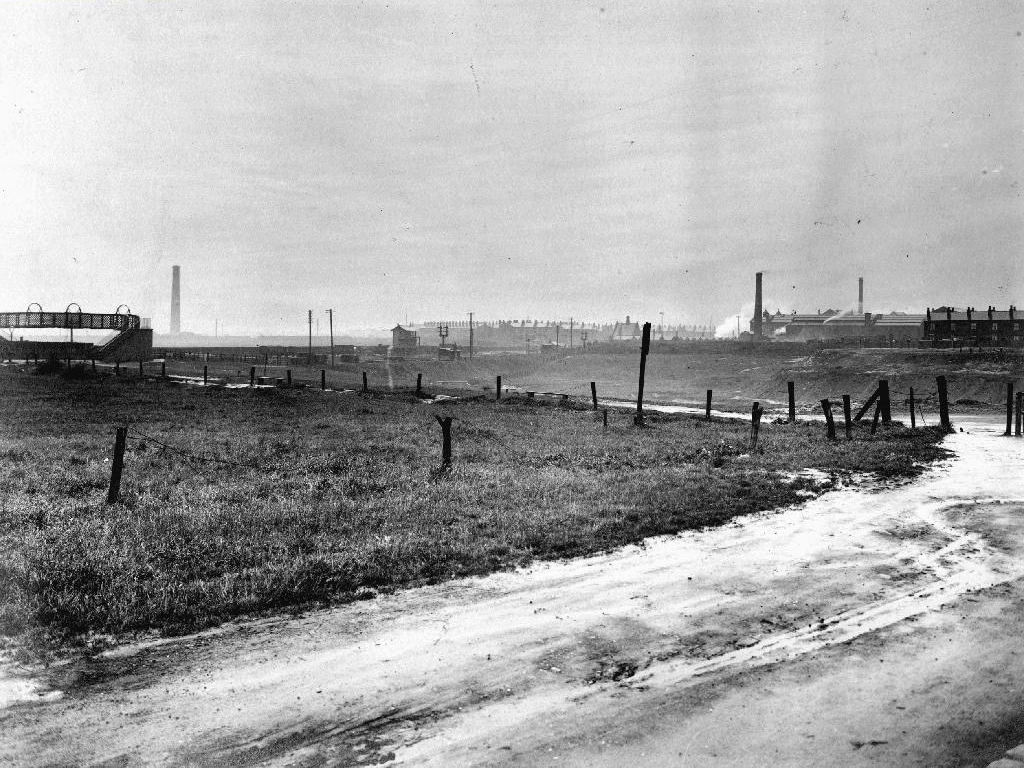
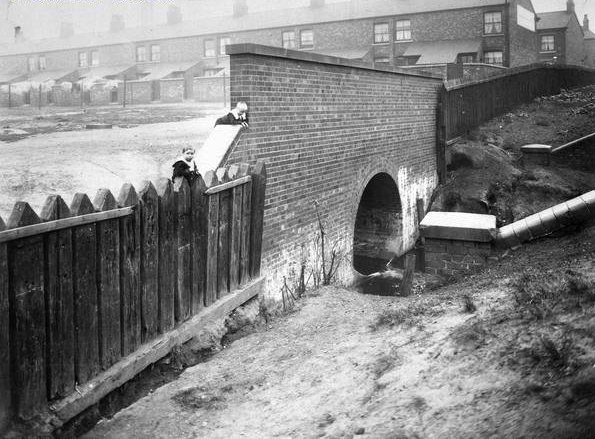
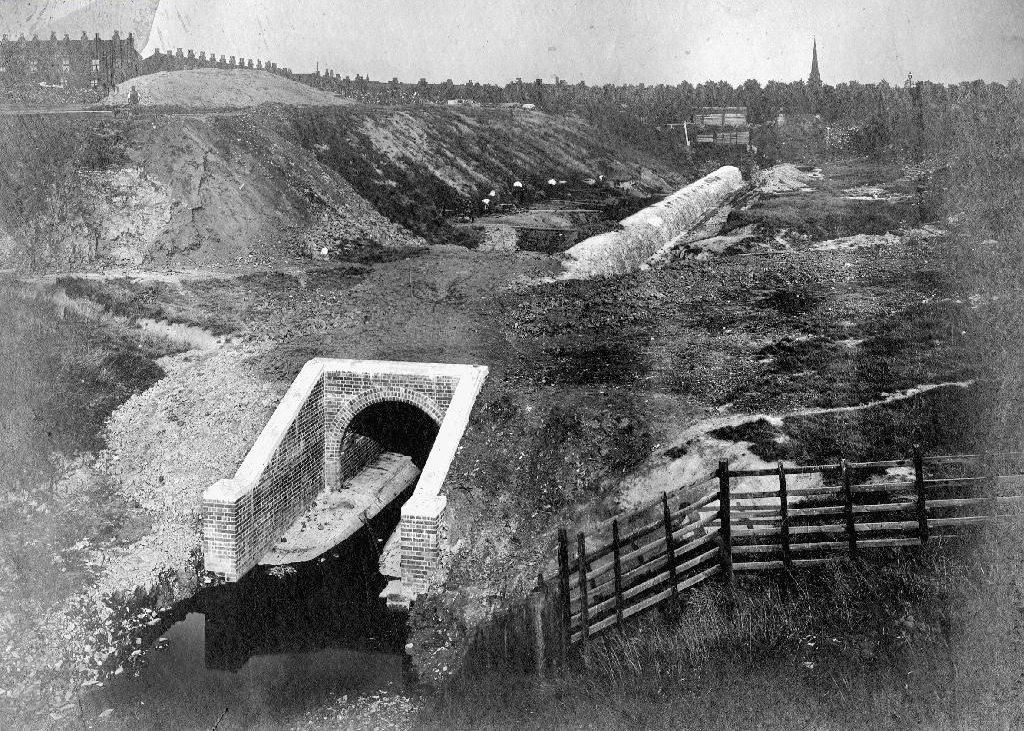
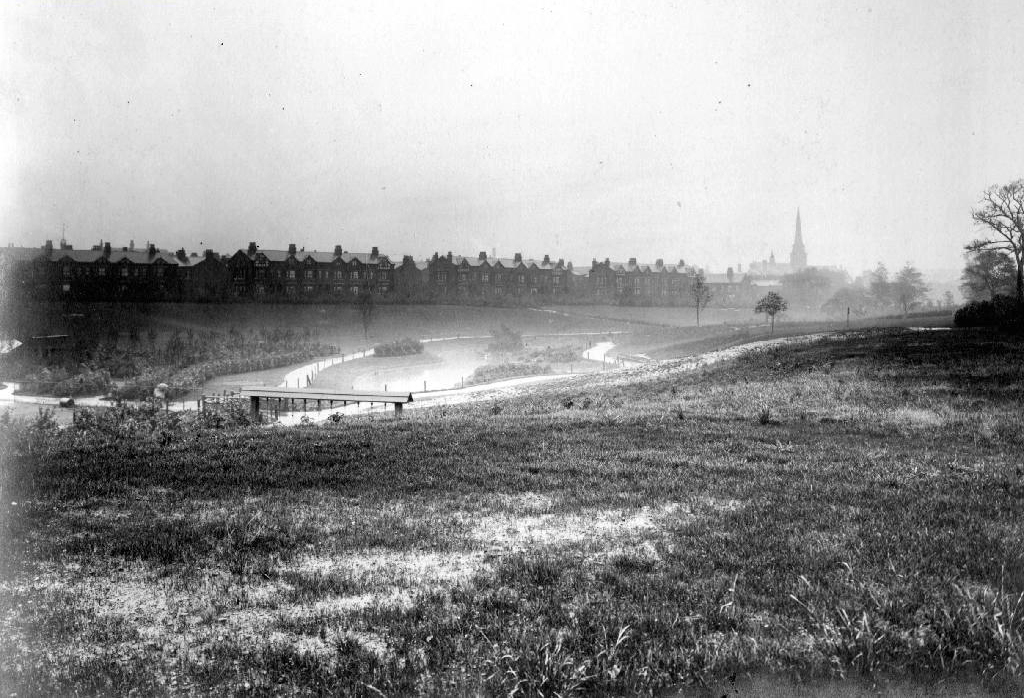
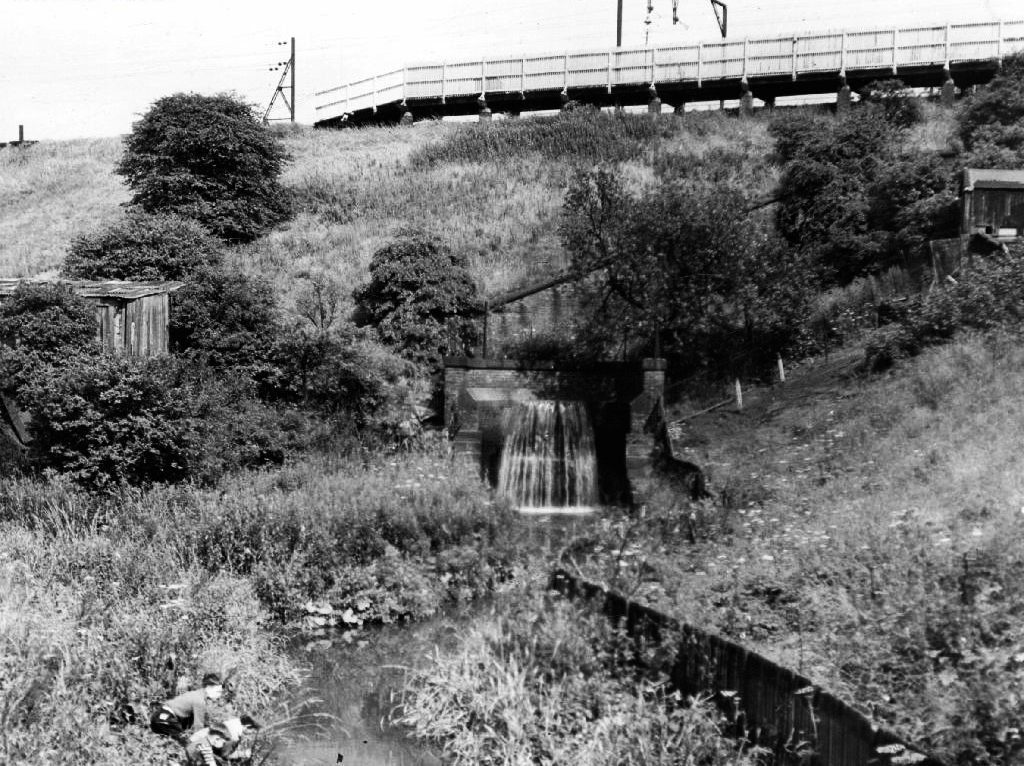
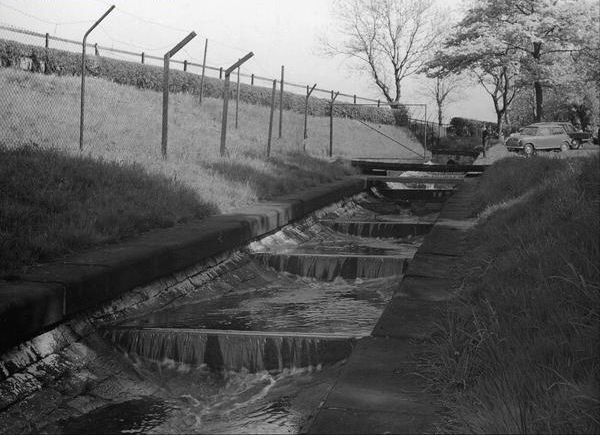
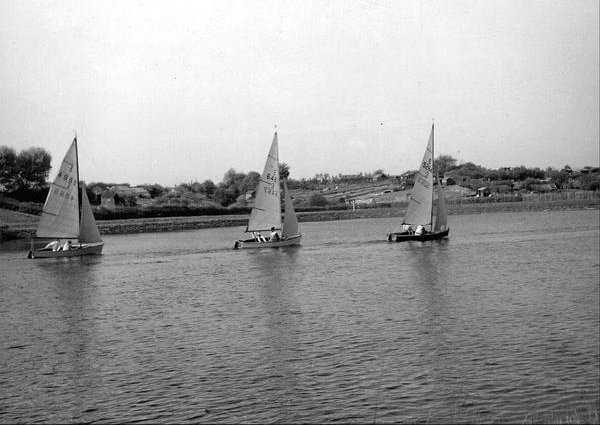
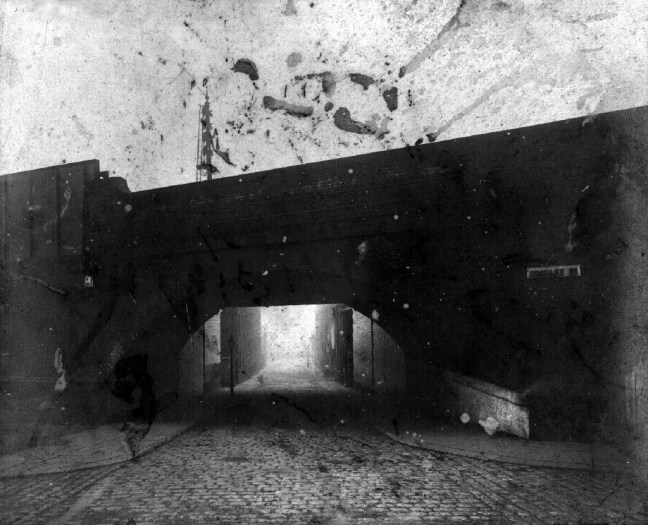
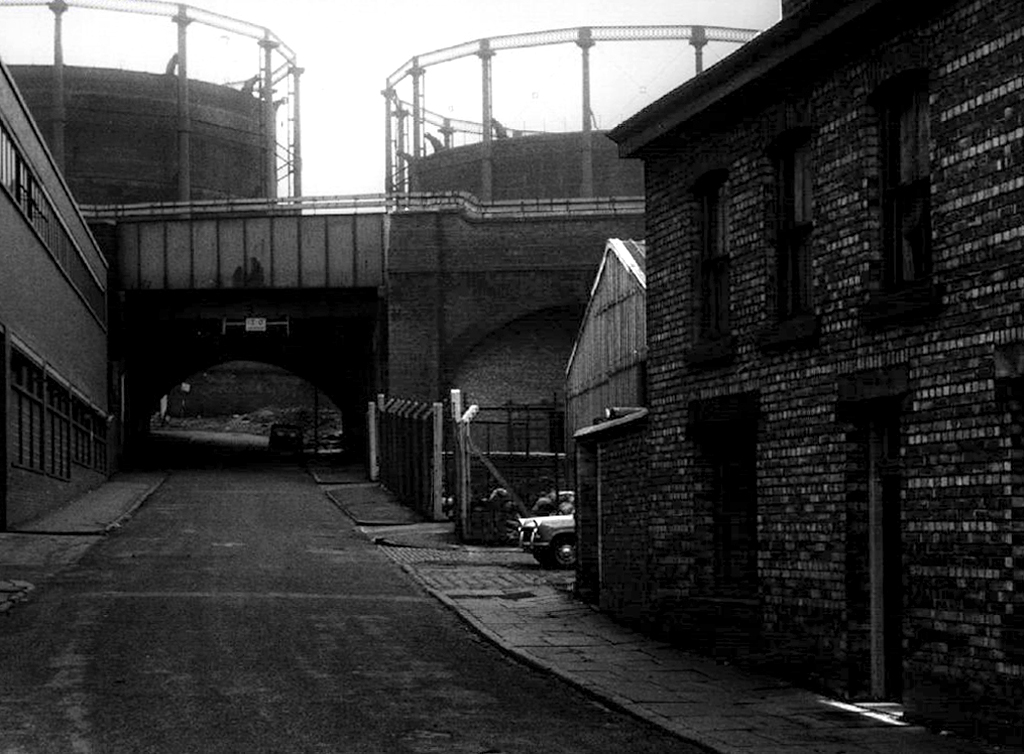
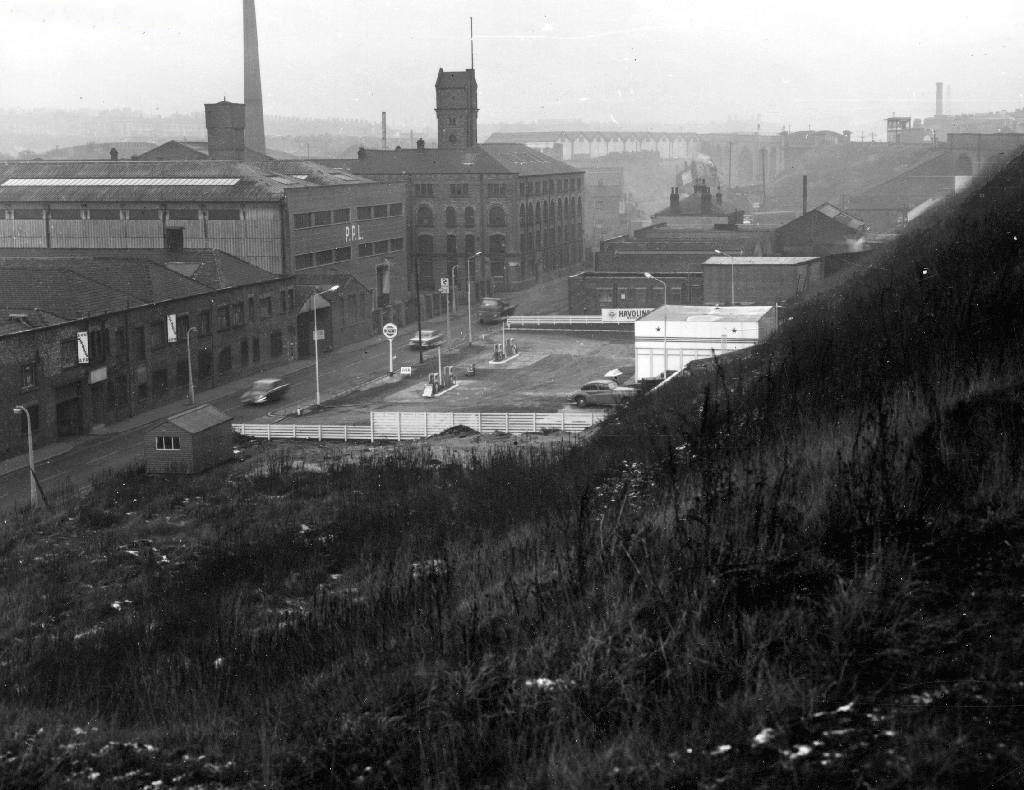
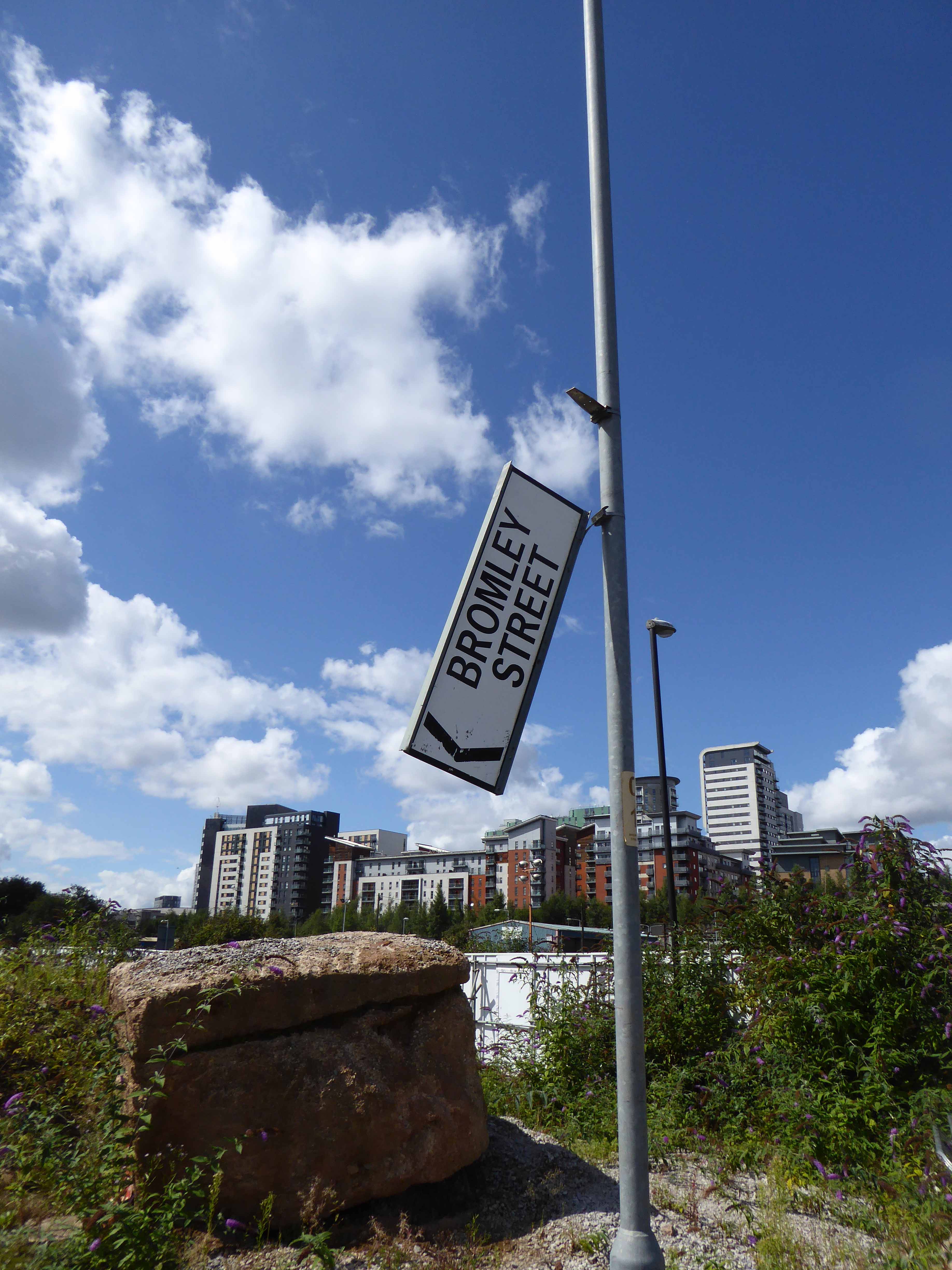
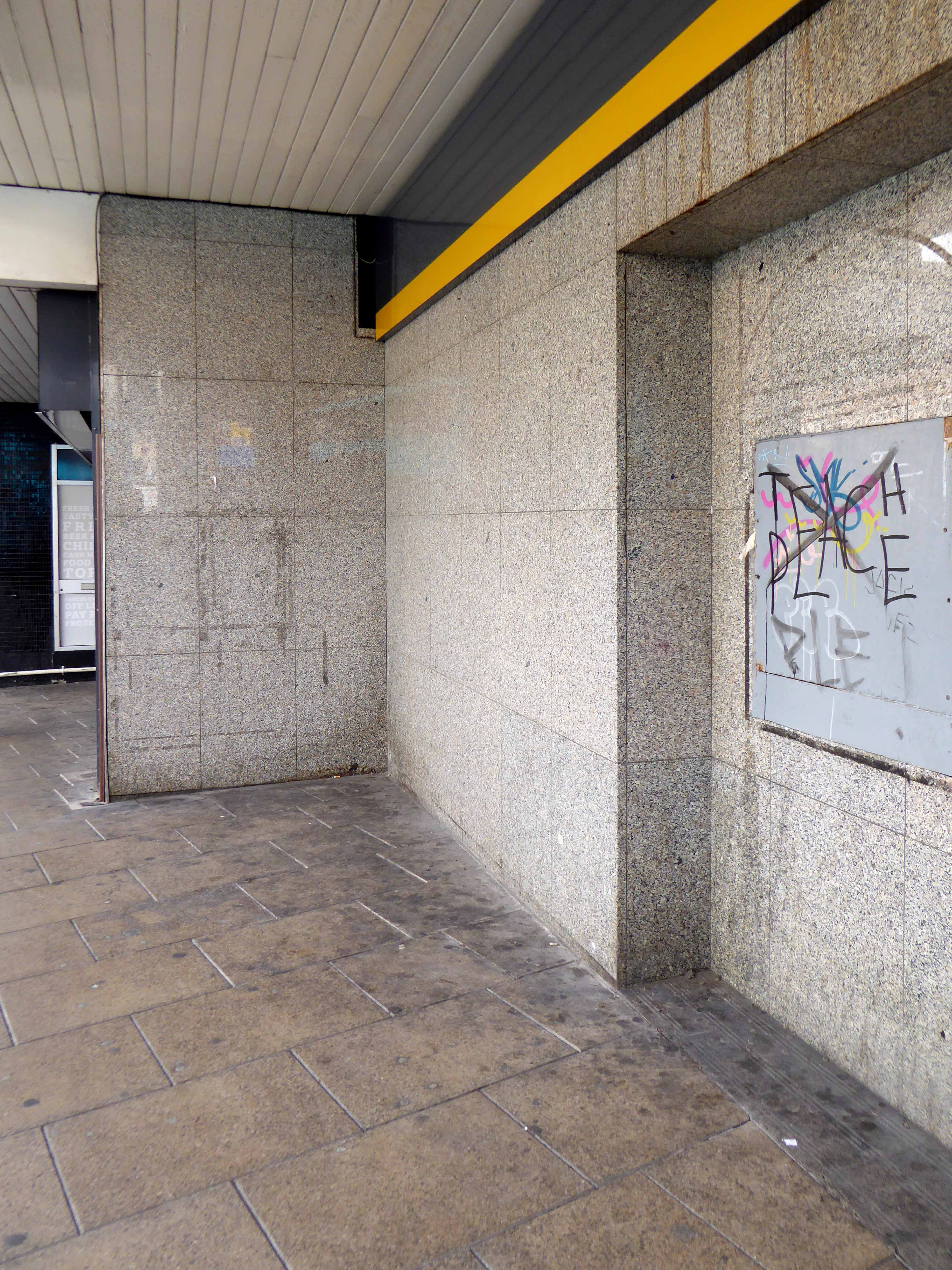
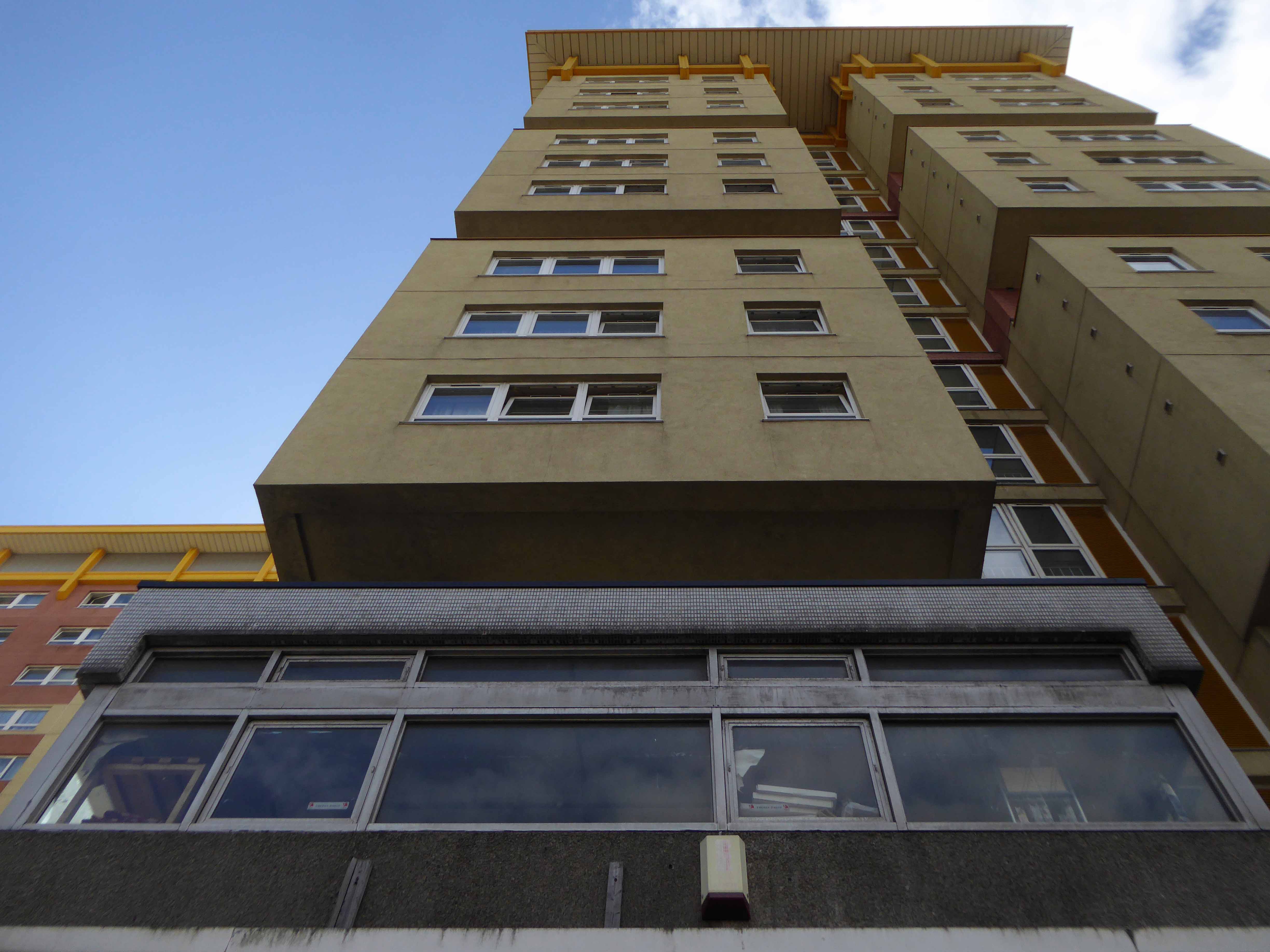
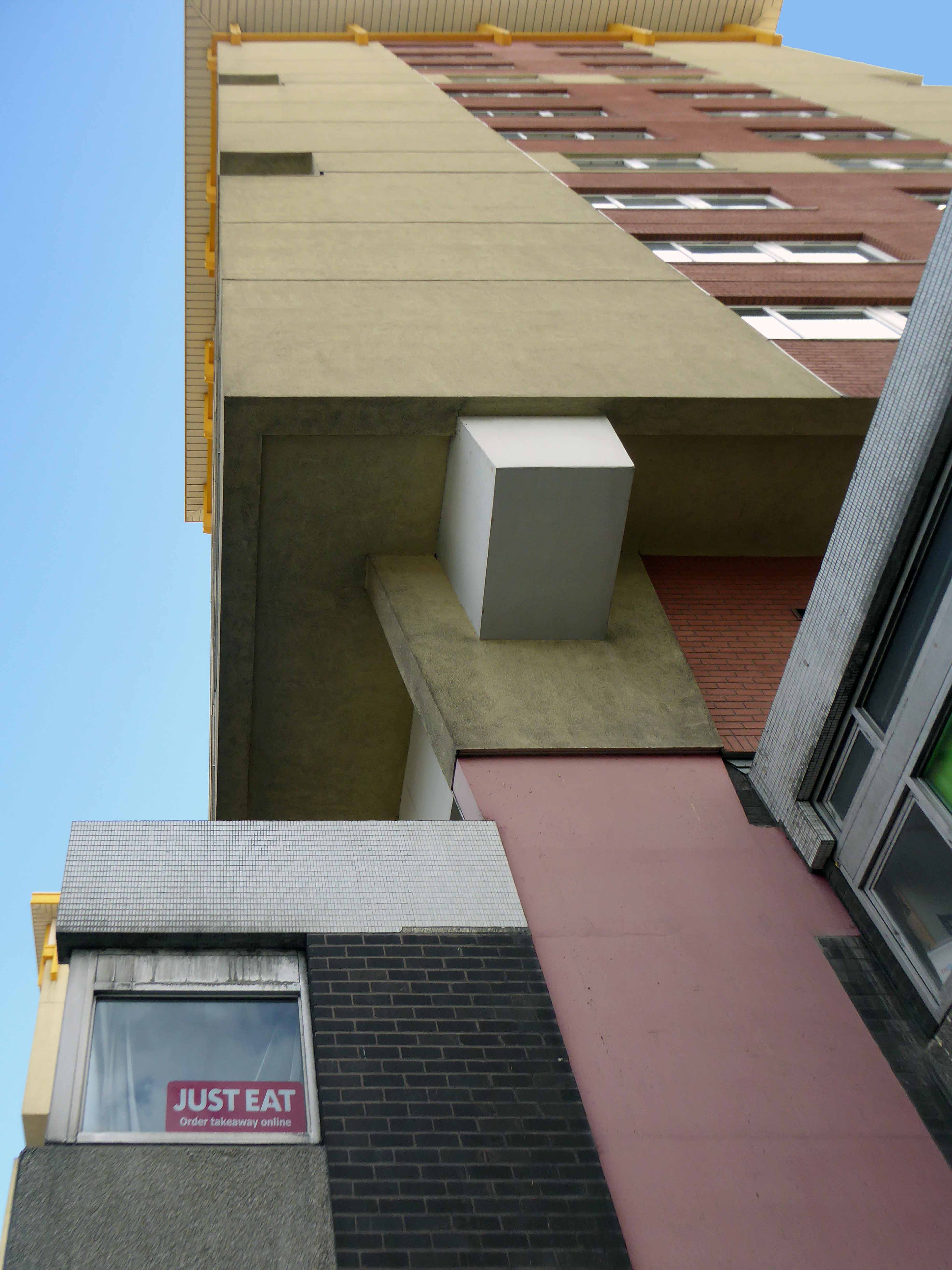
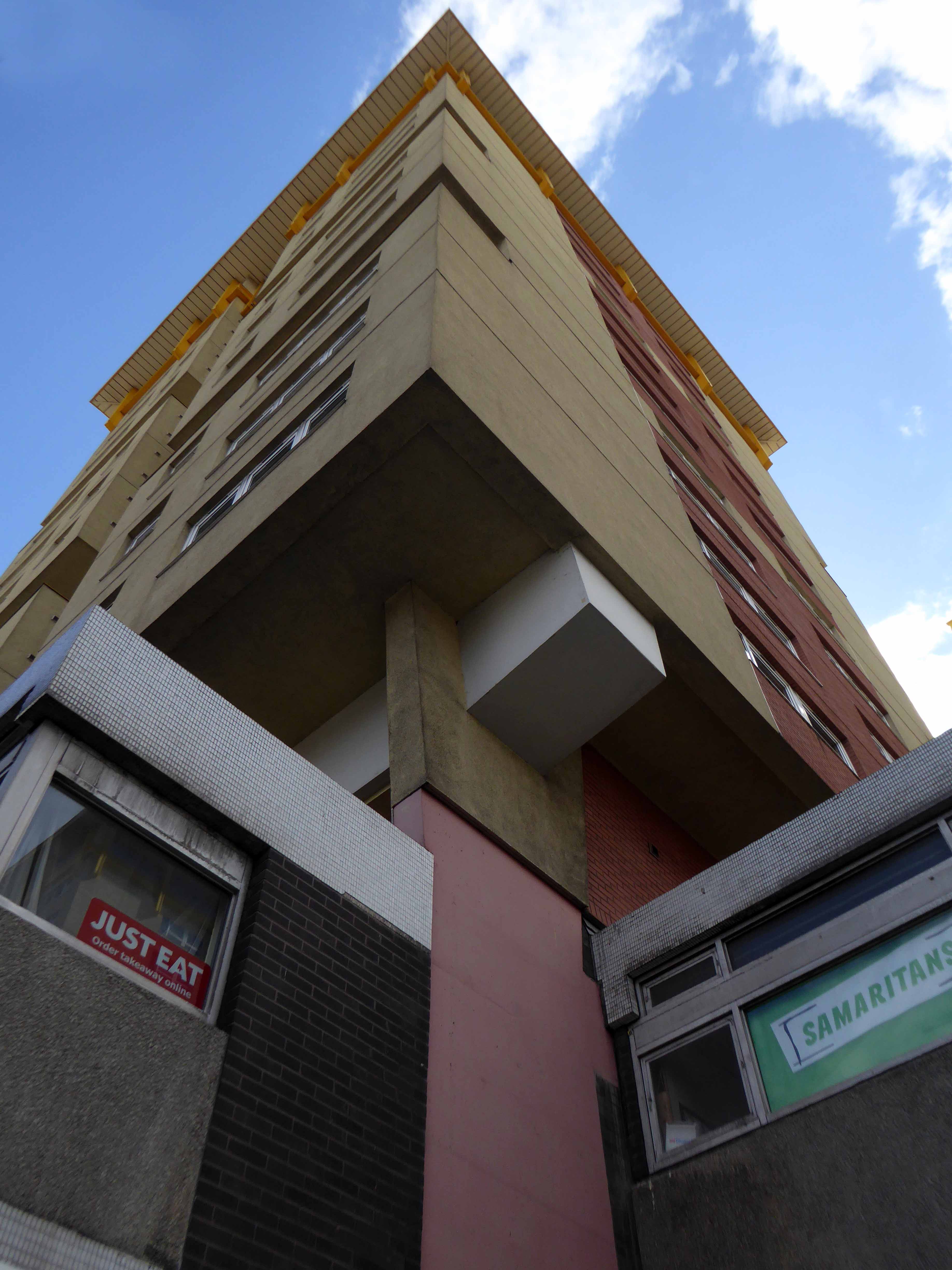
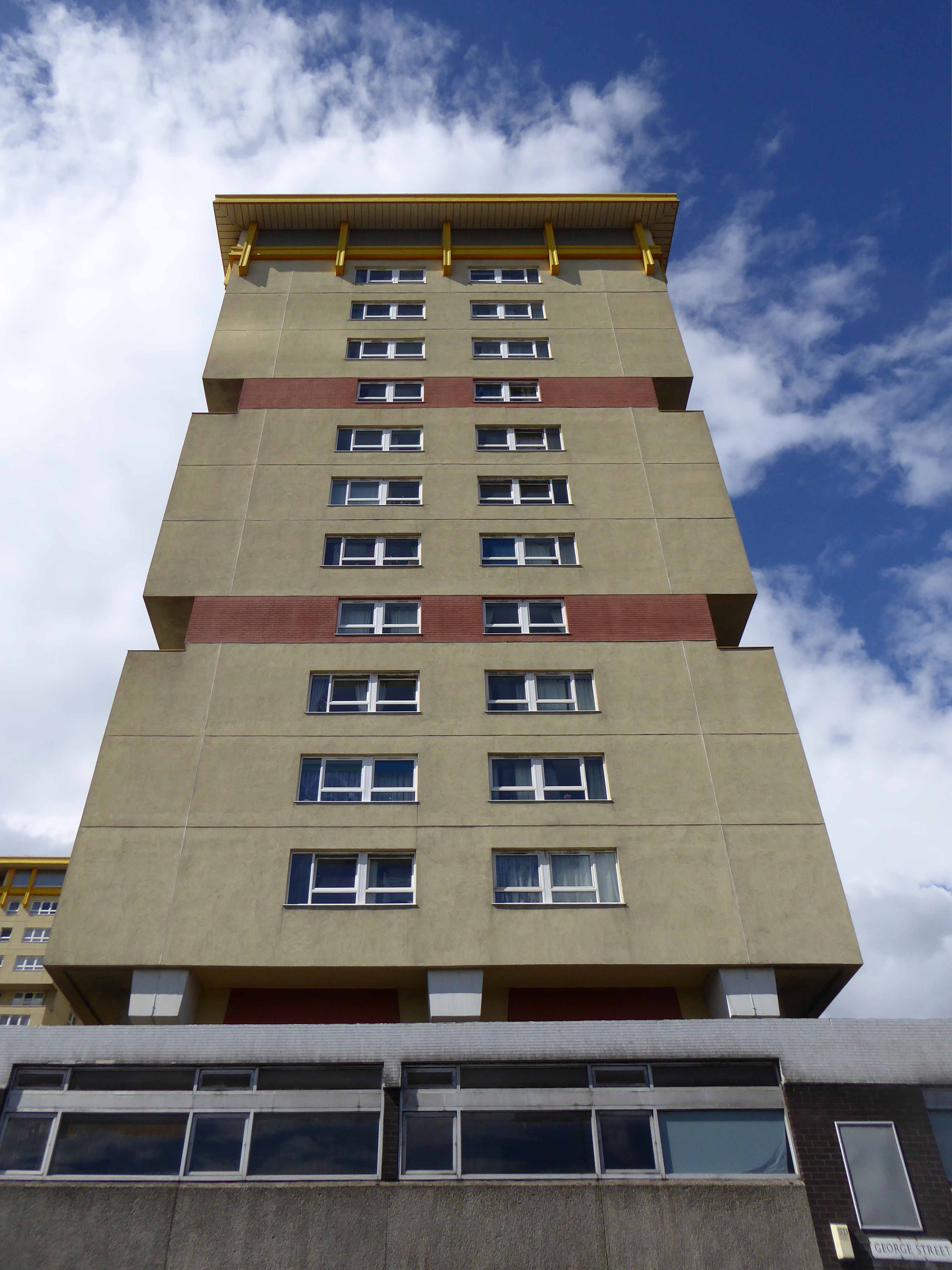
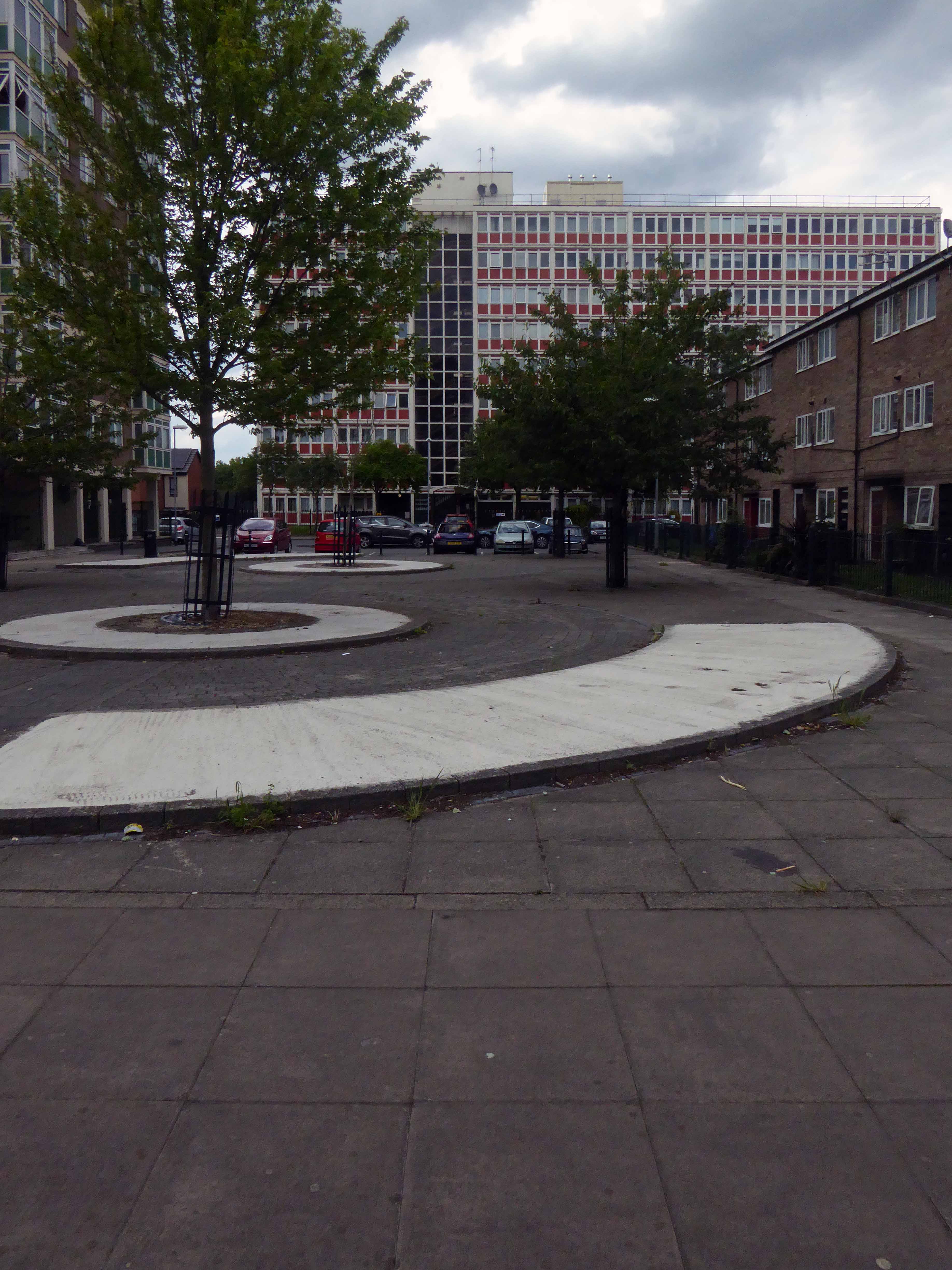
Bromley Street – its northern tip joining with Dantzic Street in the valley of the River Irk, so far so very bucolic, so very, very nice, the street that was going places, tucked cosily beneath the shade of the old L&Y bridge.

webmedia-5.php

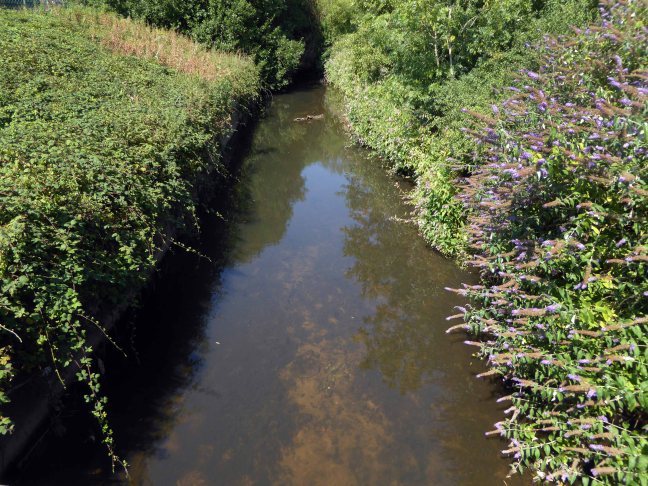
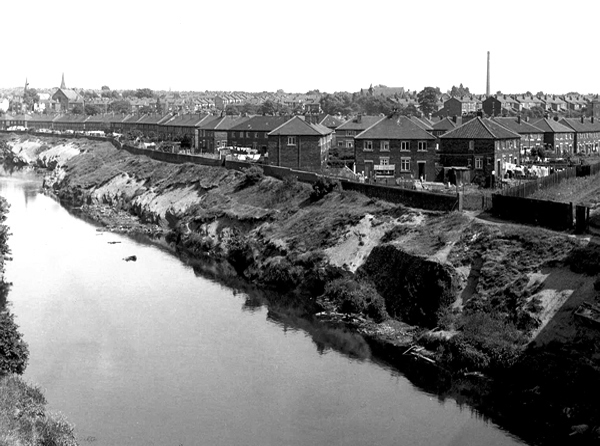
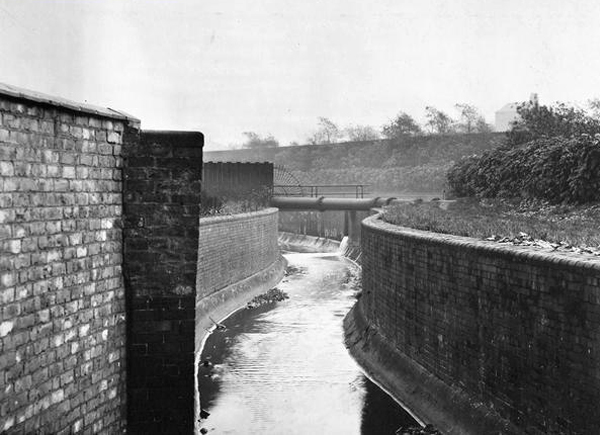
The south bank of the Irk is here very steep and between fifteen and thirty feet high. On this declivitous hillside there are planted three rows of houses, of which the lowest rise directly out of the river, while the front walls of the highest stand on the crest of the hill in Long Millgate. Among them are mills on the river, in short, the method of construction is as crowded and disorderly here as in the lower part of Long Millgate. Right and left a multitude of covered passages lead from the main street into numerous courts, and he who turns in thither gets into a filth and disgusting grime, the equal of which is not to be found – especially in the courts which lead down to the Irk, and which contain unqualifiedly the most horrible dwellings which I have yet beheld. Below it on the river there are several tanneries which fill the whole neighbourhood with the stench of animal putrefaction. The view from Ducie Bridge, mercifully concealed from mortals of small stature by a parapet as high as a man, is characteristic for the whole district. At the bottom flows, or rather stagnates, the Irk, a narrow, coal-black, foul-smelling stream, full of debris and refuse, which it deposits on the shallower right bank.
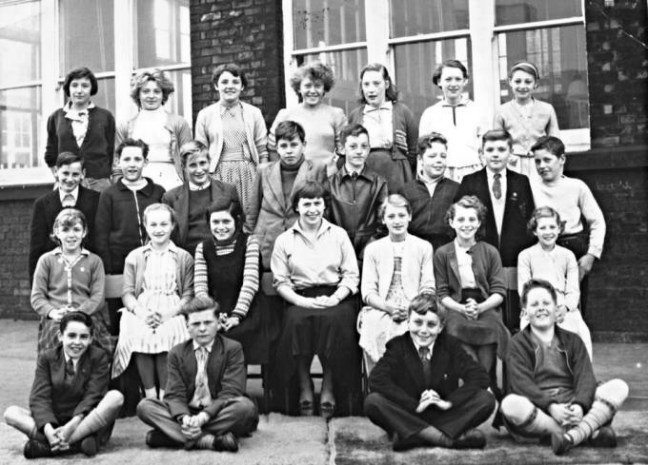
So said Mr Friedrich Engels.

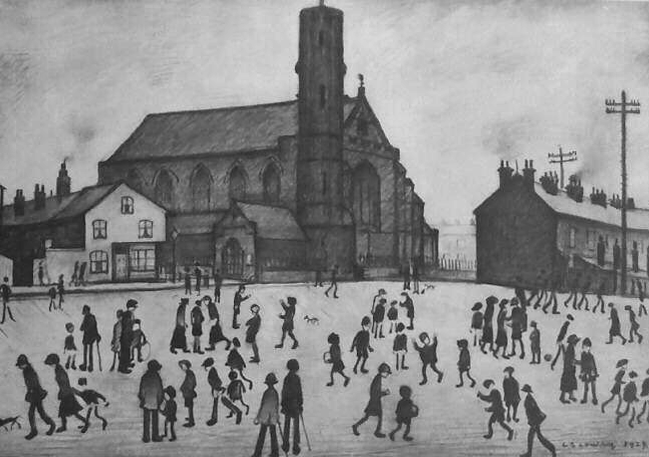
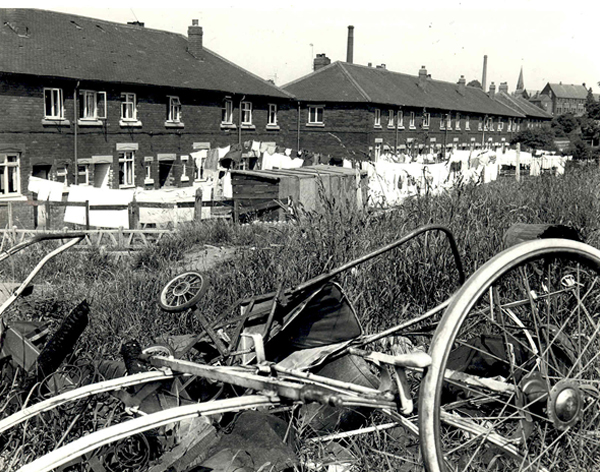
“Not only the blackest but the most sluggish of all rivers” – was surrounded by road, rail, dwelling and factory, high density industrialisation through most of the last century.

webmedia-1.php

Then all of sudden along came a series of events, that saw a shift away from inner-city manufacturing, the outsourcing of all sorts and the demolition of homes. The area and the city became a pale shadow of its former self. Help however was at hand, the boom in buy to let, overseas investment and an ever expanding professional middle class, eagerly  paddled up the murky Irk, emulating the massed forces of 7th Cavalry and the Lone Ranger combined – hurrah!

Screen Shot 2017-08-16 at 15.19.42

If you earn a minimum of £300,000 a year, have a net worth in excess of £3m and want an exceptional mortgage service that is designed to suit your individual needs, get in touch.

160317_DSR_MEN_Angelgate

What have you got to lose?

It’s the gravy train as thick, dark and rewarding as the very inky Irk itself!

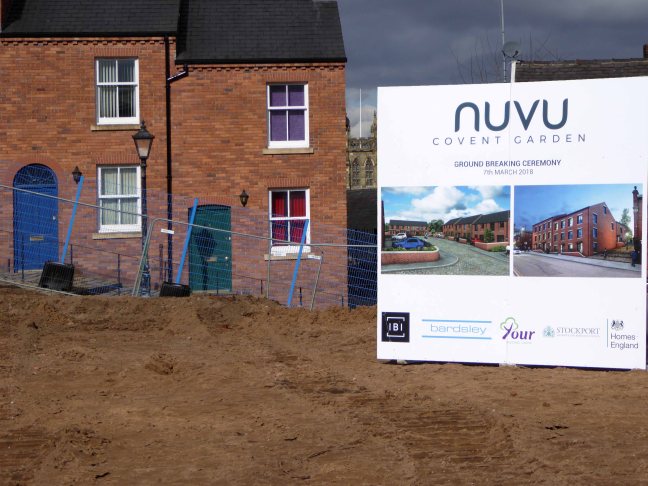
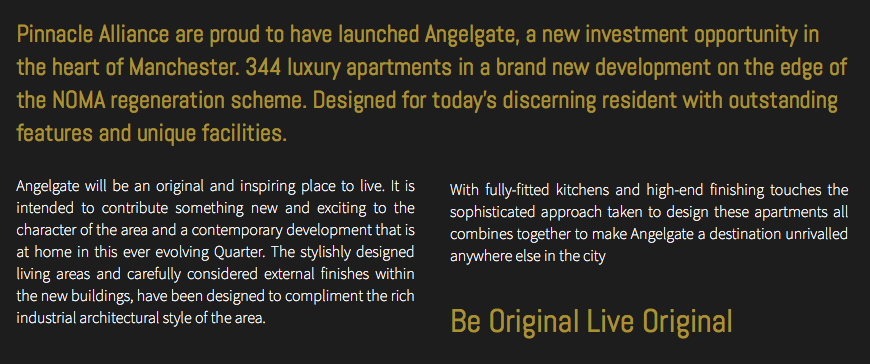
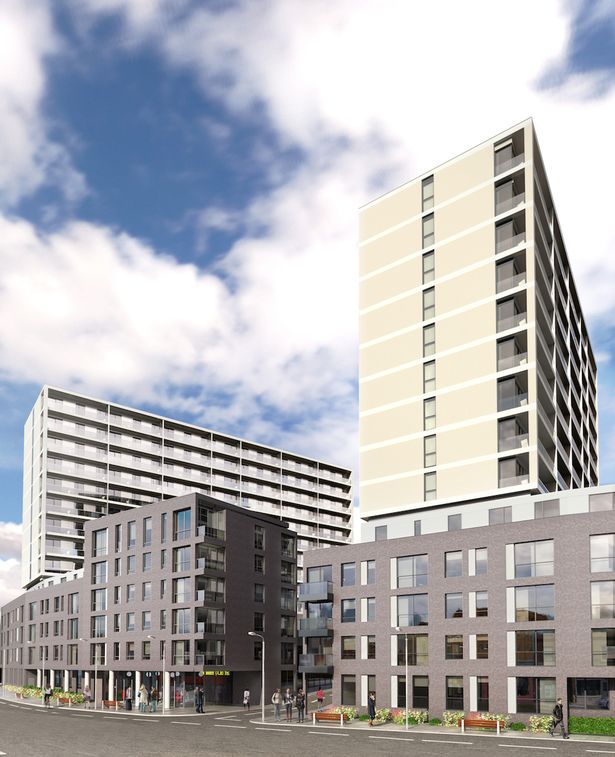
The stylishly designed living areas and carefully considered external finishes within the new buildings, have been designed to compliment the rich industrial architectural style of the area.

A development that even Mr Friedrich Engels himself would be proud of.

But wait, all is not rosy in the digitally constructed flower box garden, that you may see before you, in our online presentation and brochures.

Pinnacle Alliance plans to build 344 luxury apartments on a site near Dantzic Street, as part of the ‘Northern Gateway’. Dozens of investors have paid up to £350,000 for the off-plan apartments in the proposed scheme. But two years since many first paid out for their home, no work has actually begun on the £30m scheme.

The dispute has led to a demonstration in Hong Kong, where around 50 buyers took to the streets over Christmas urging local authorities to take up their concerns. And in an unusual twist, protestors even recorded their own campaign song – to the tune of Jingle Bells – criticising Pinnacle.

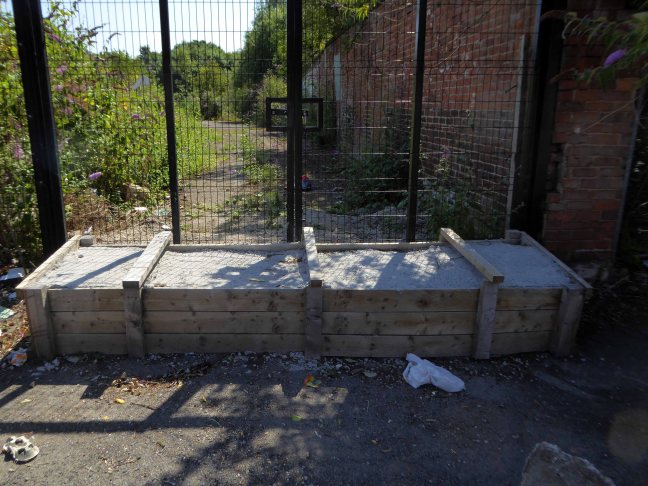
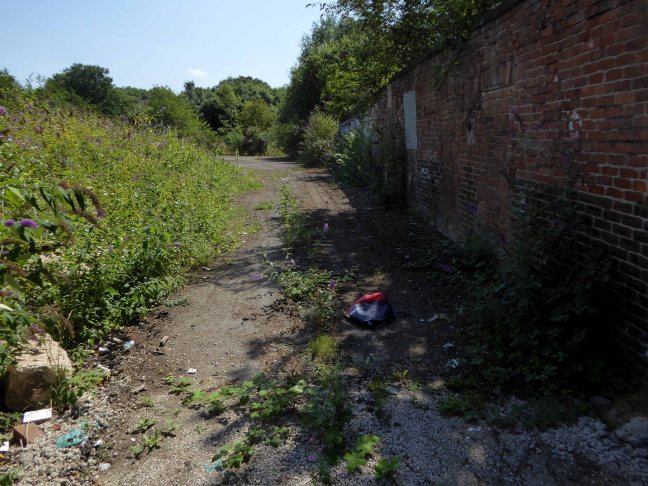
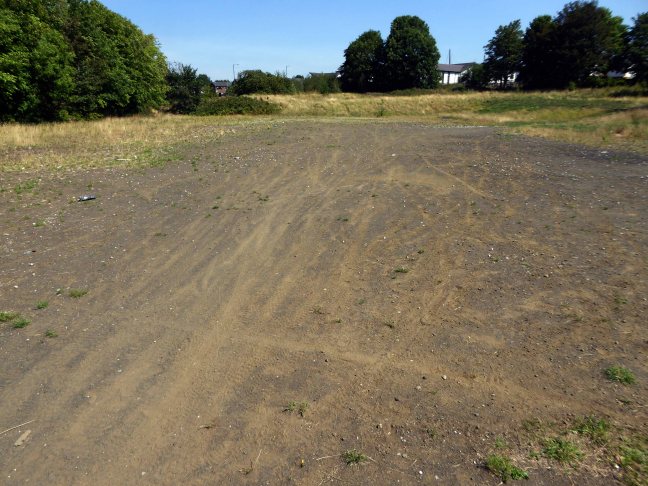
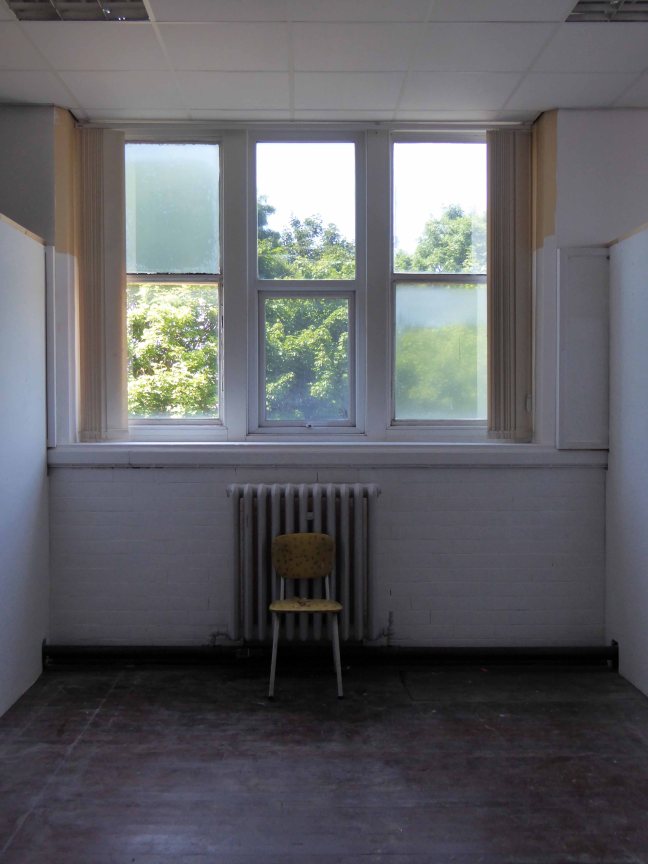
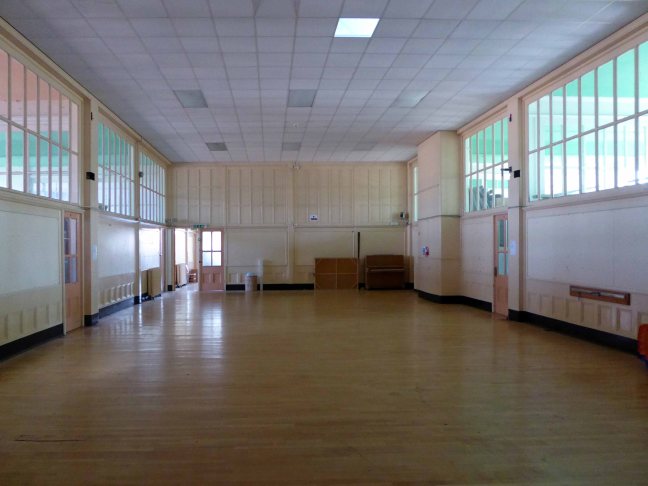
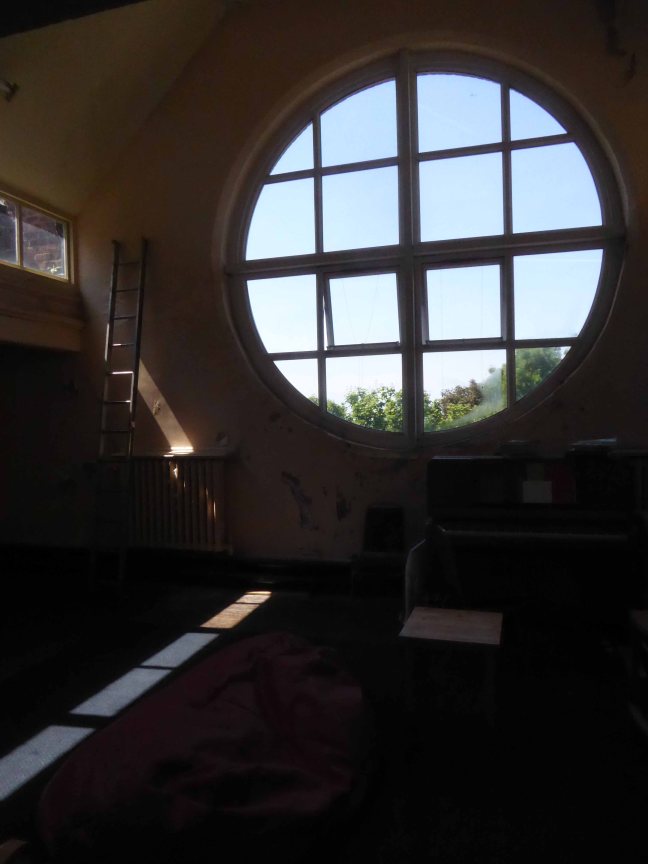
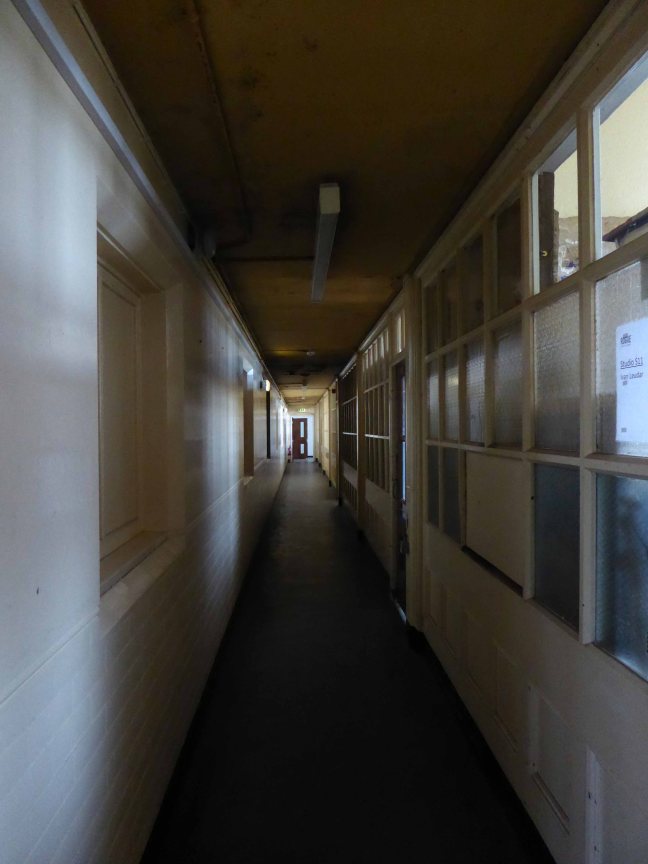
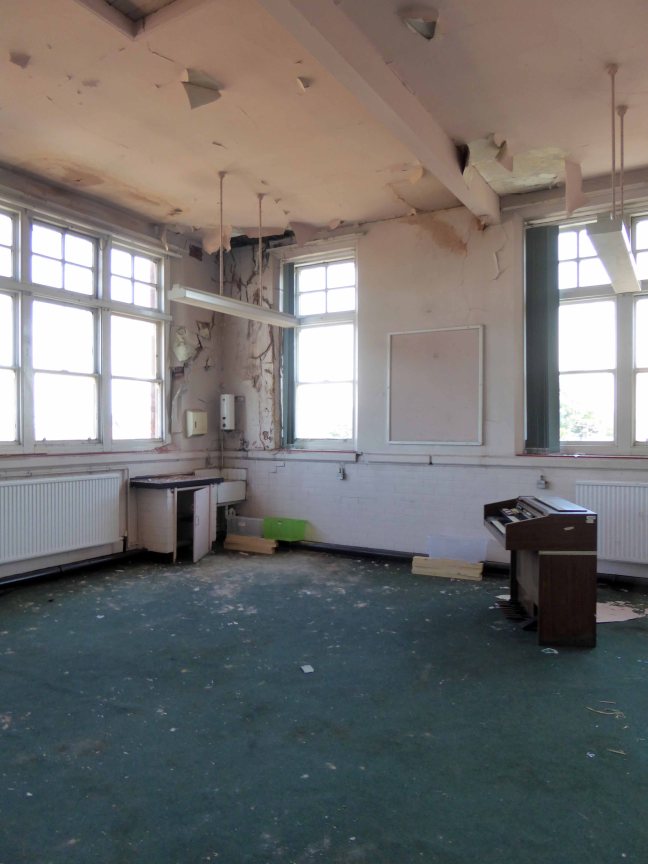
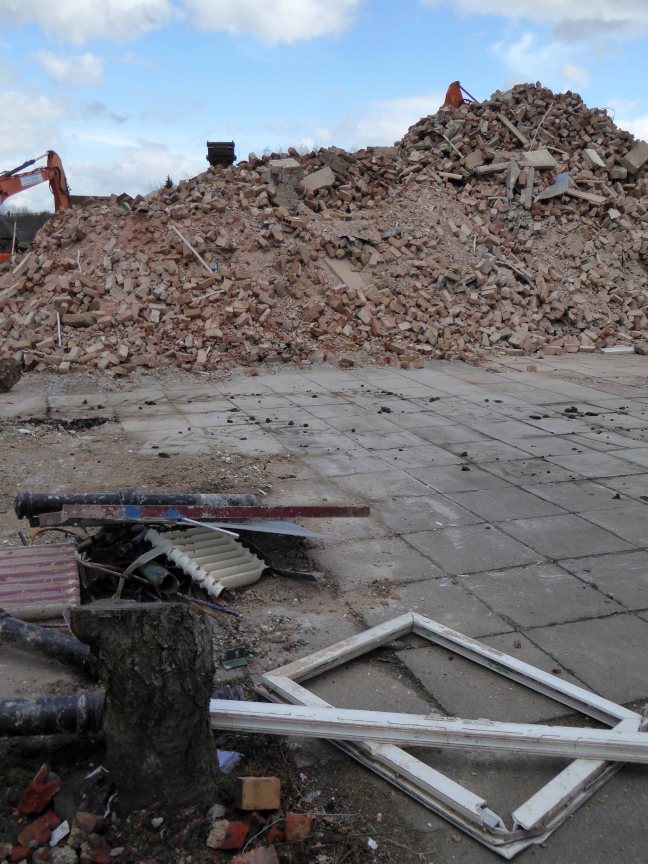
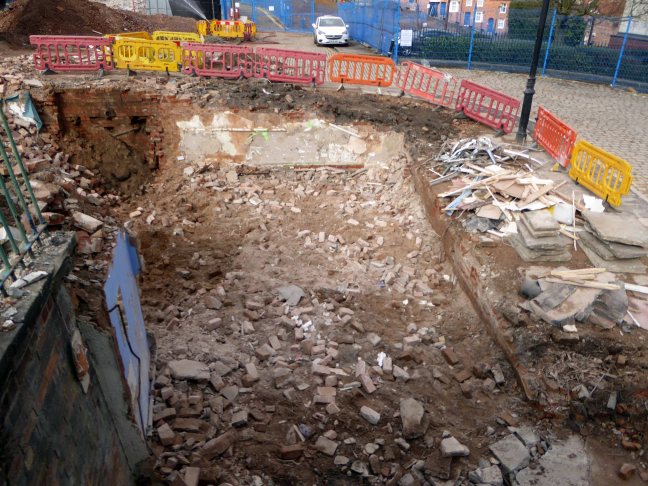
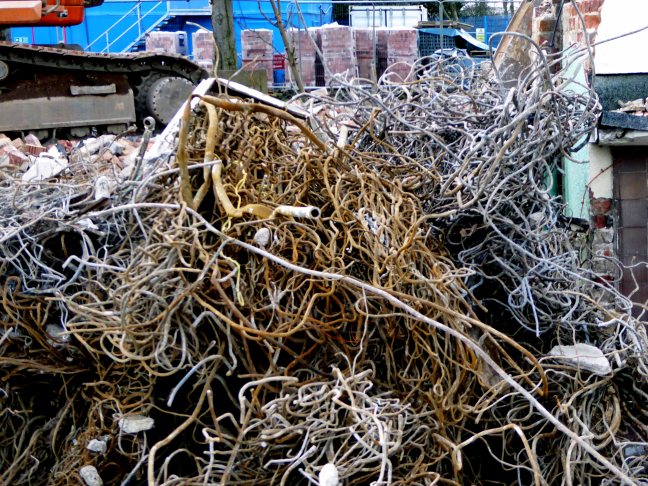
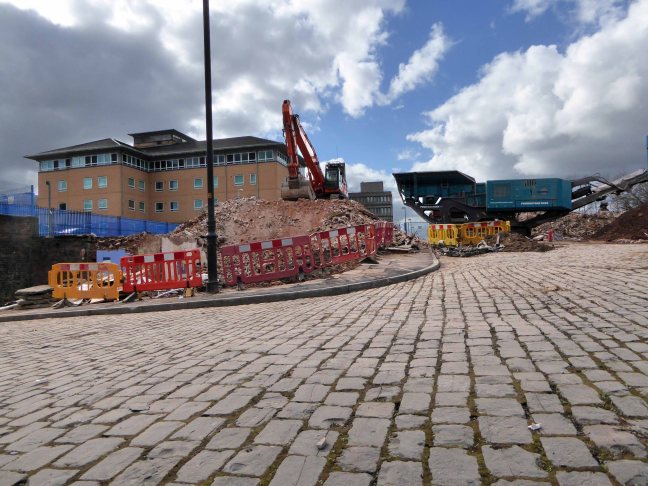
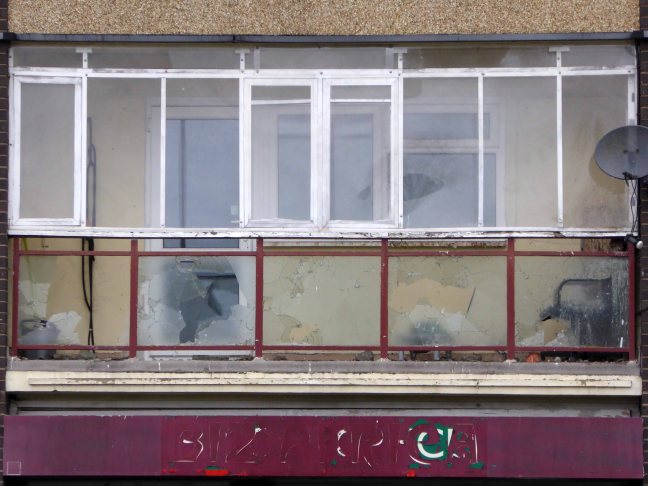
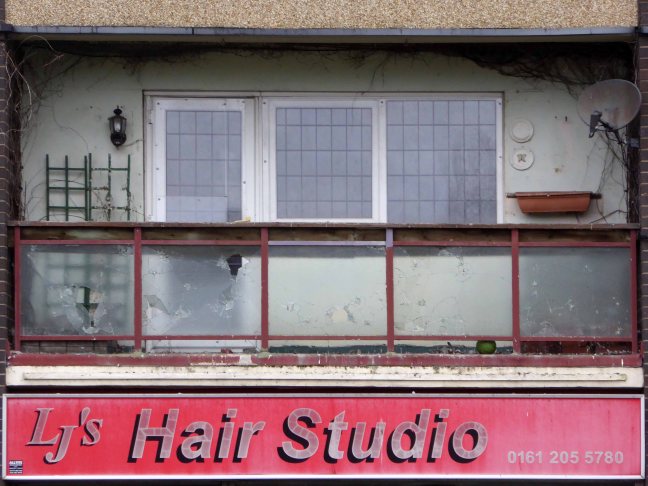
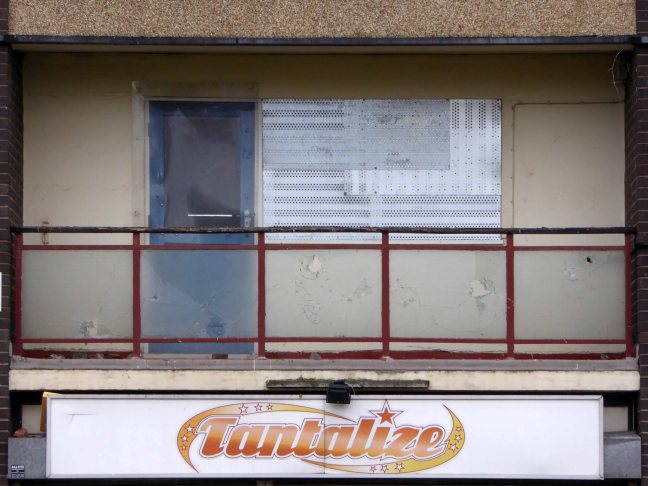
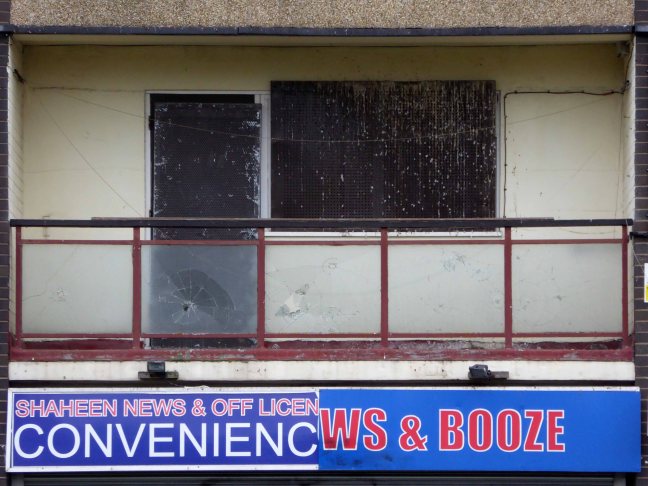
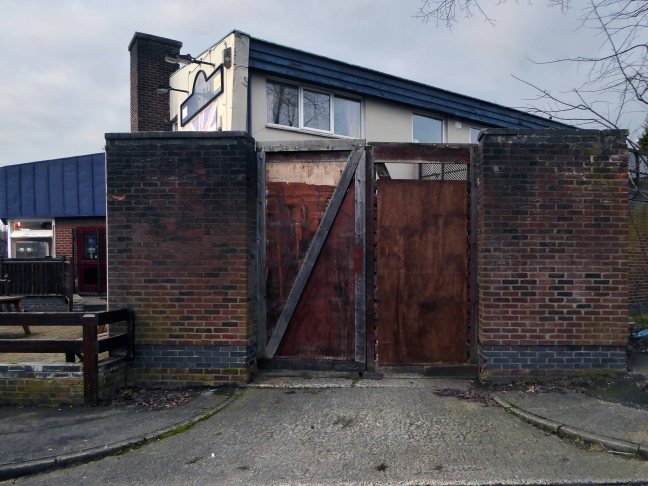
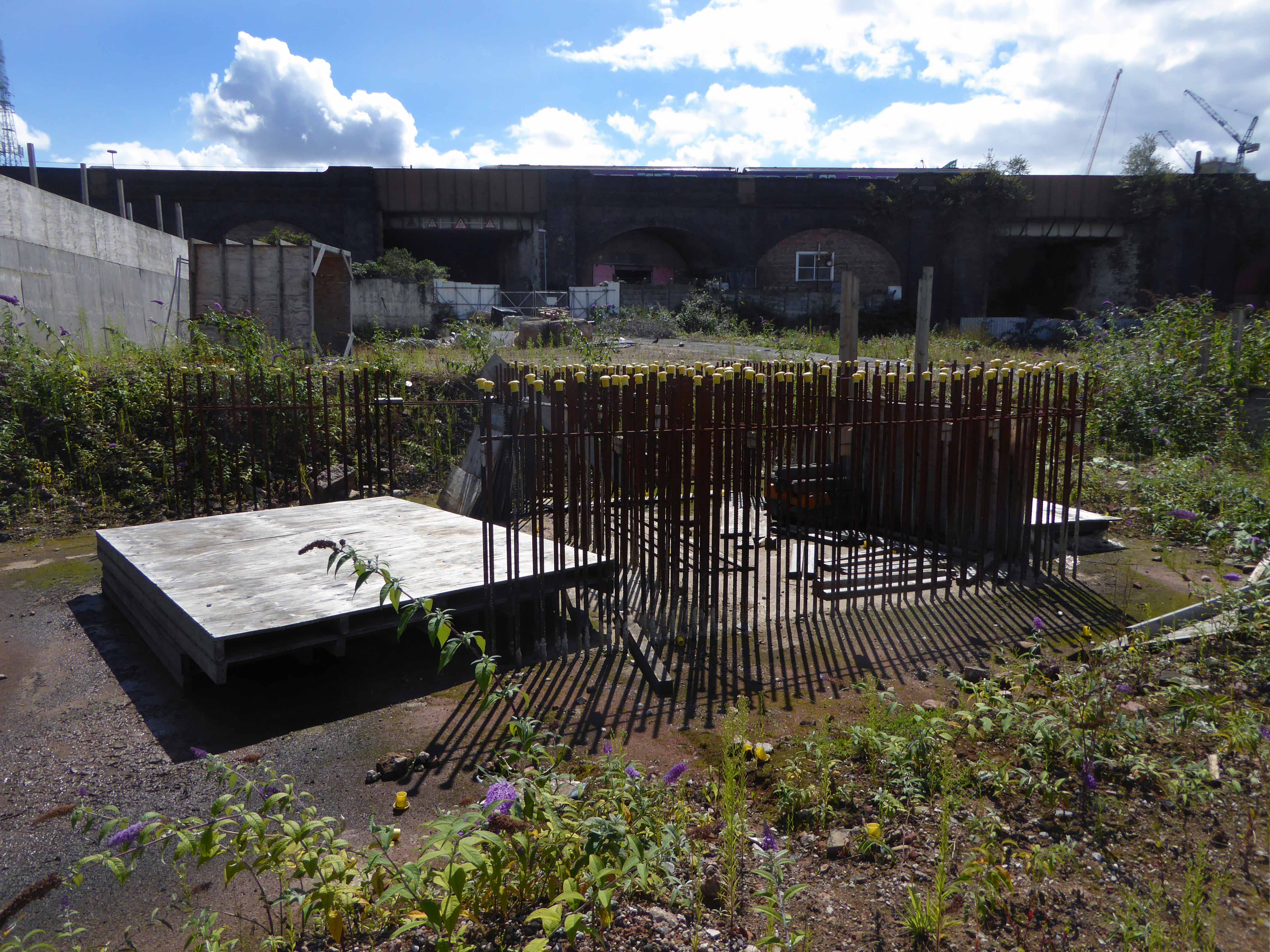
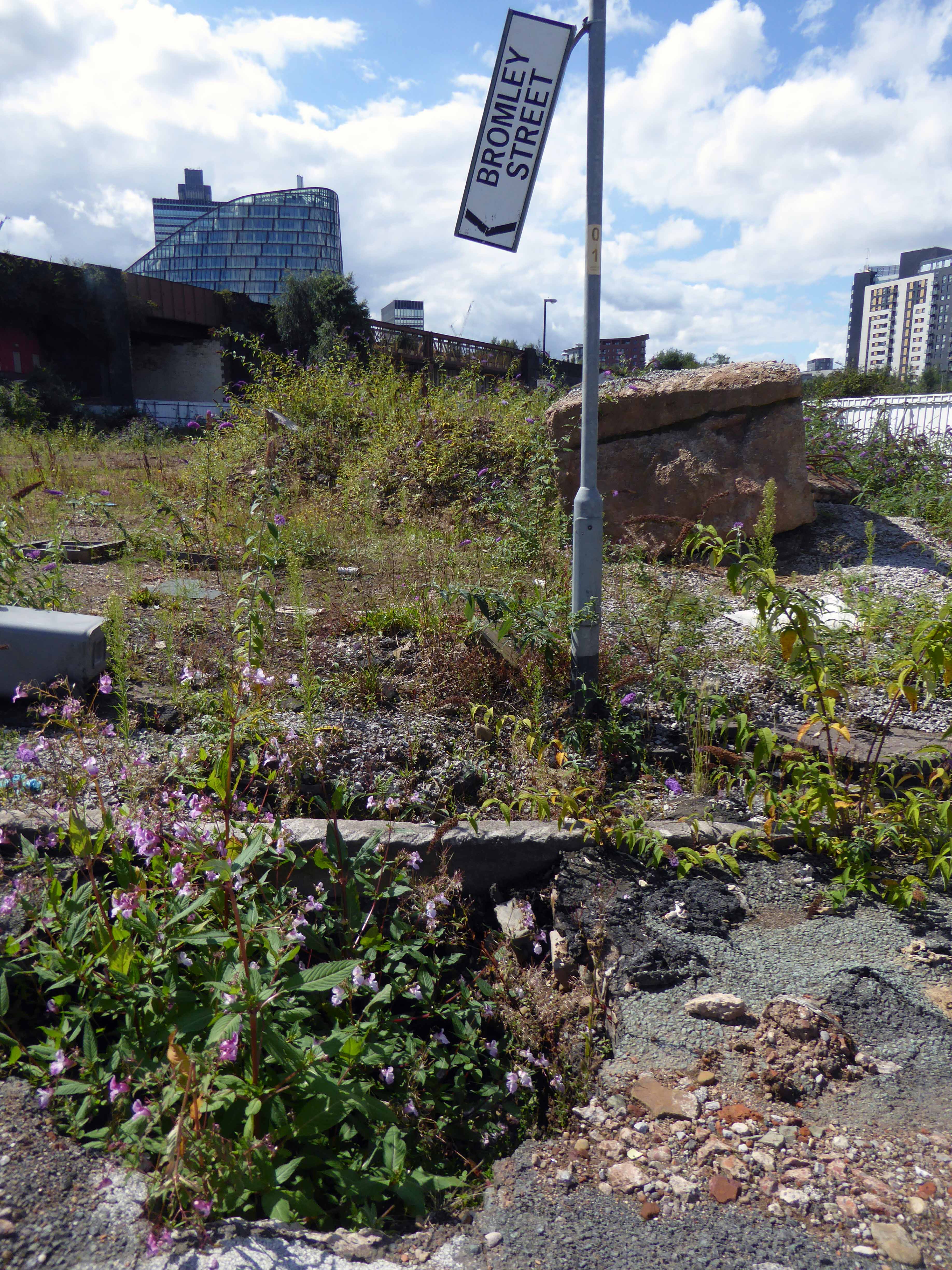
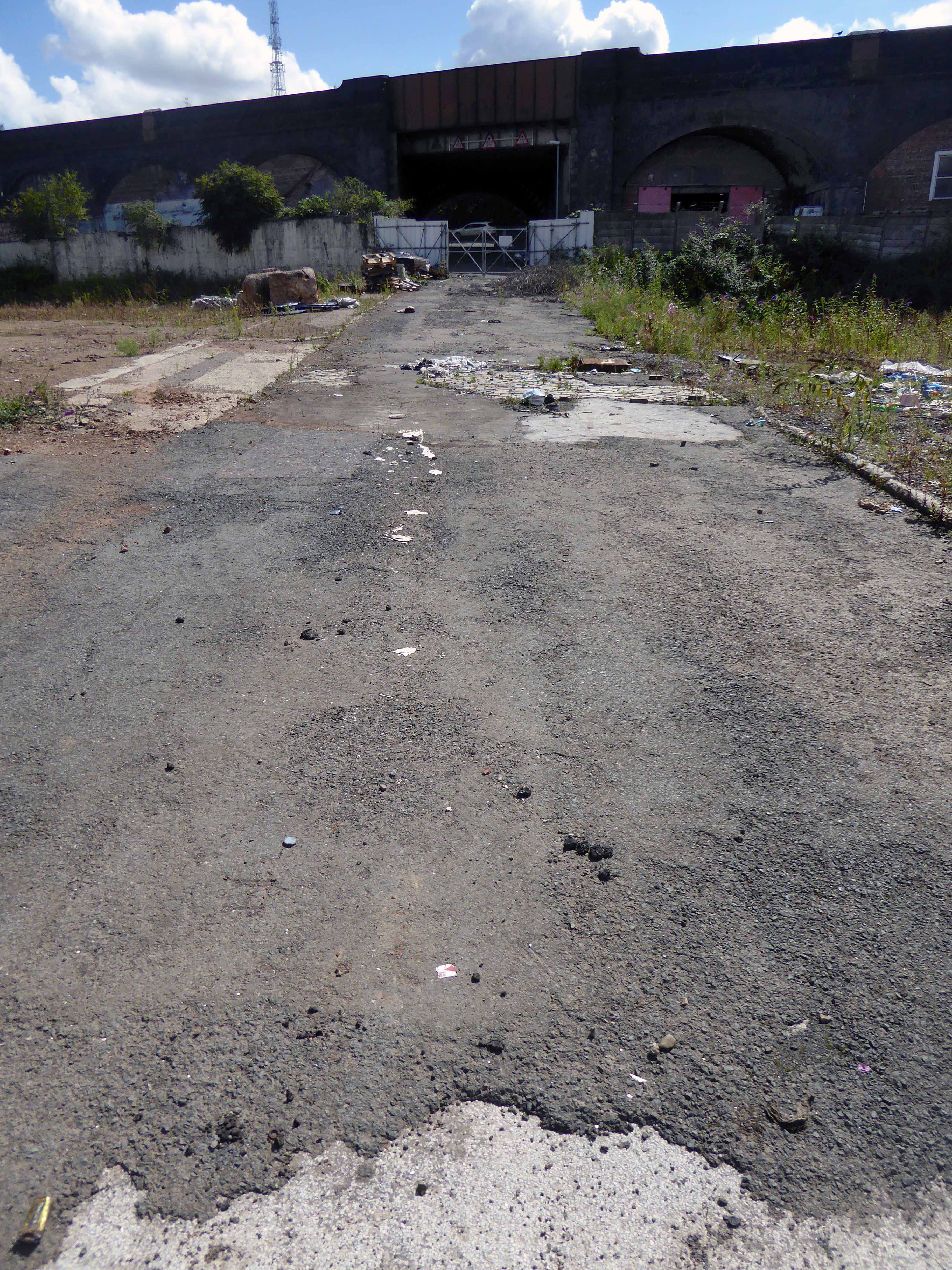
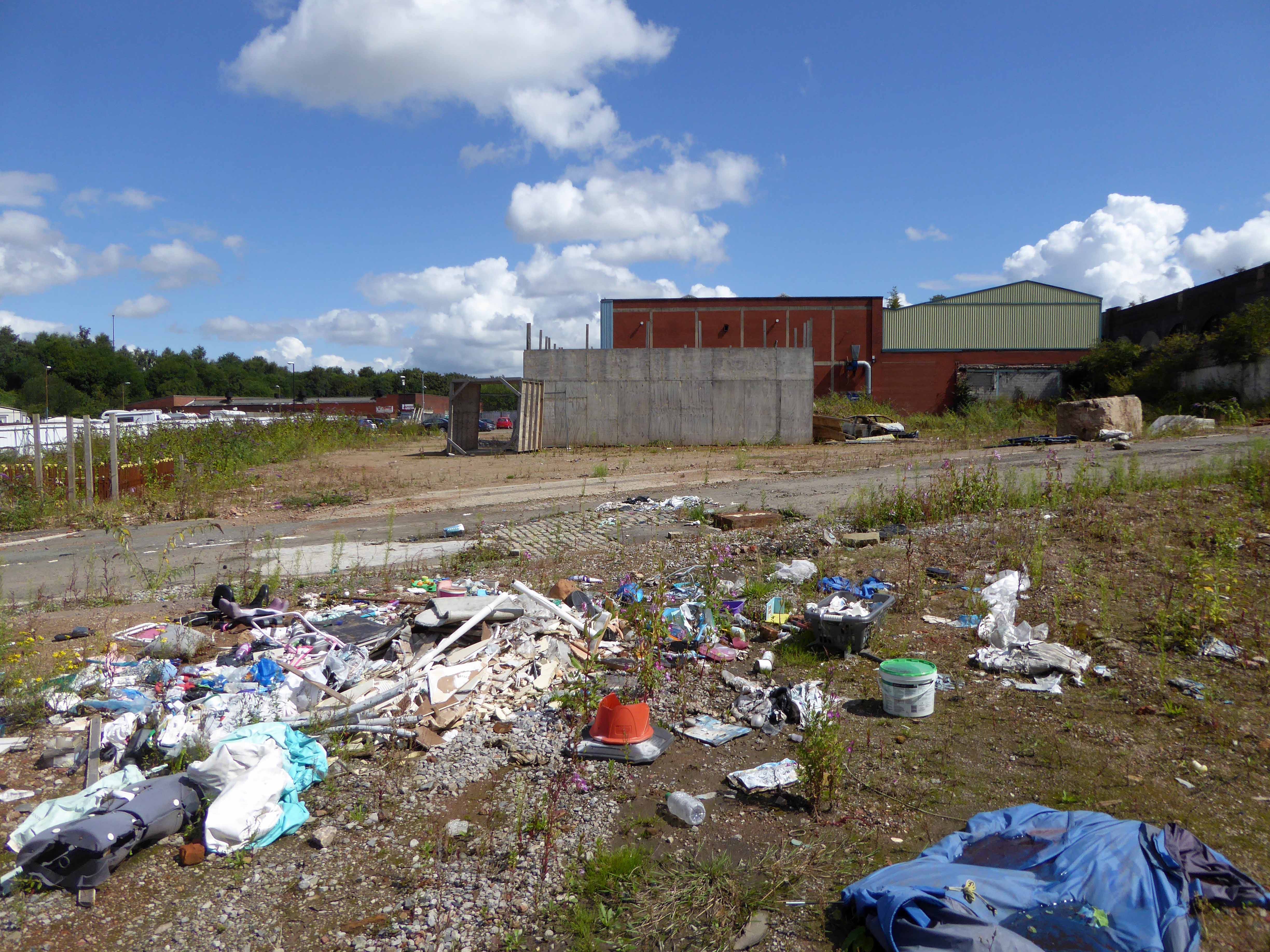
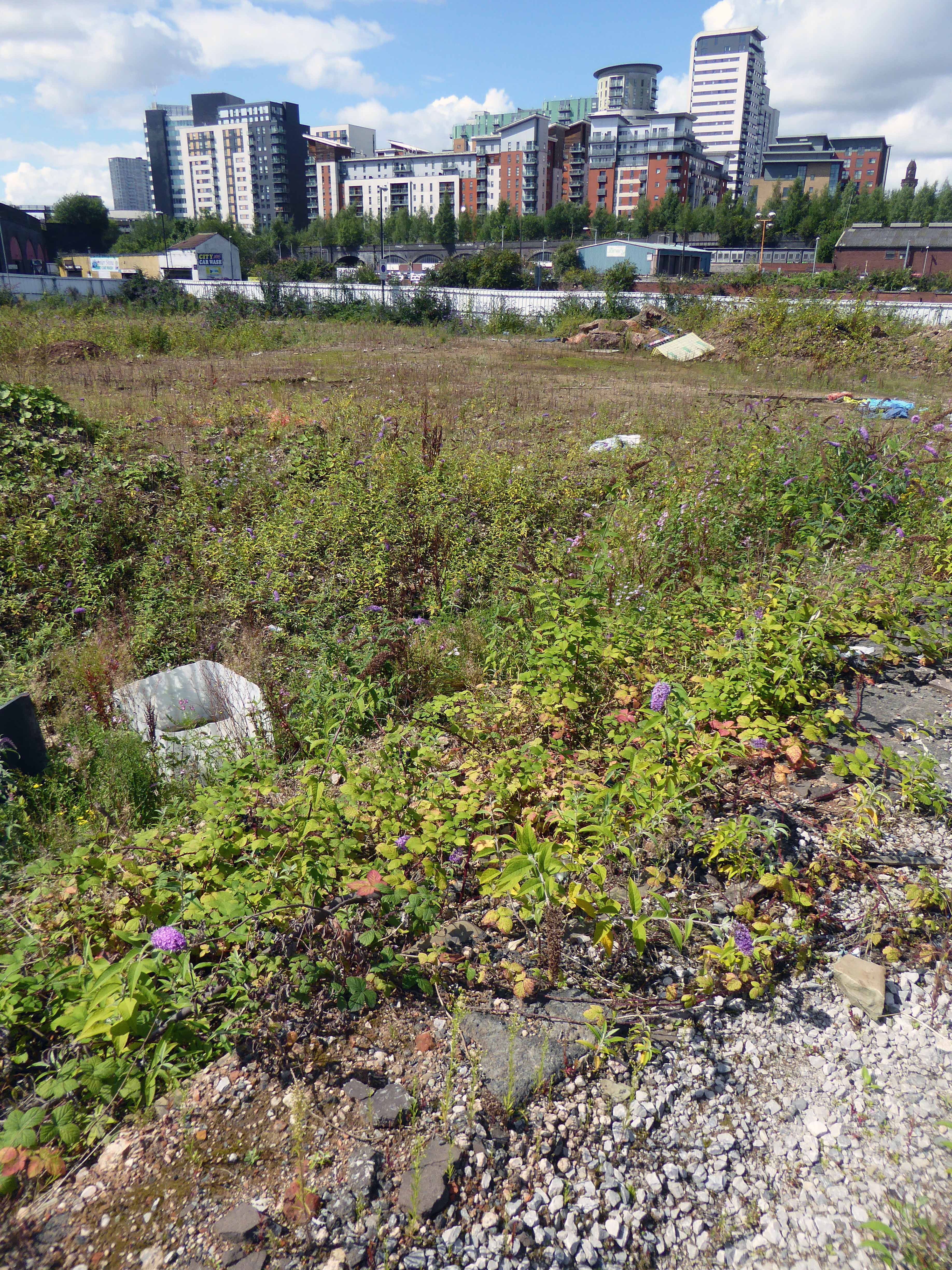
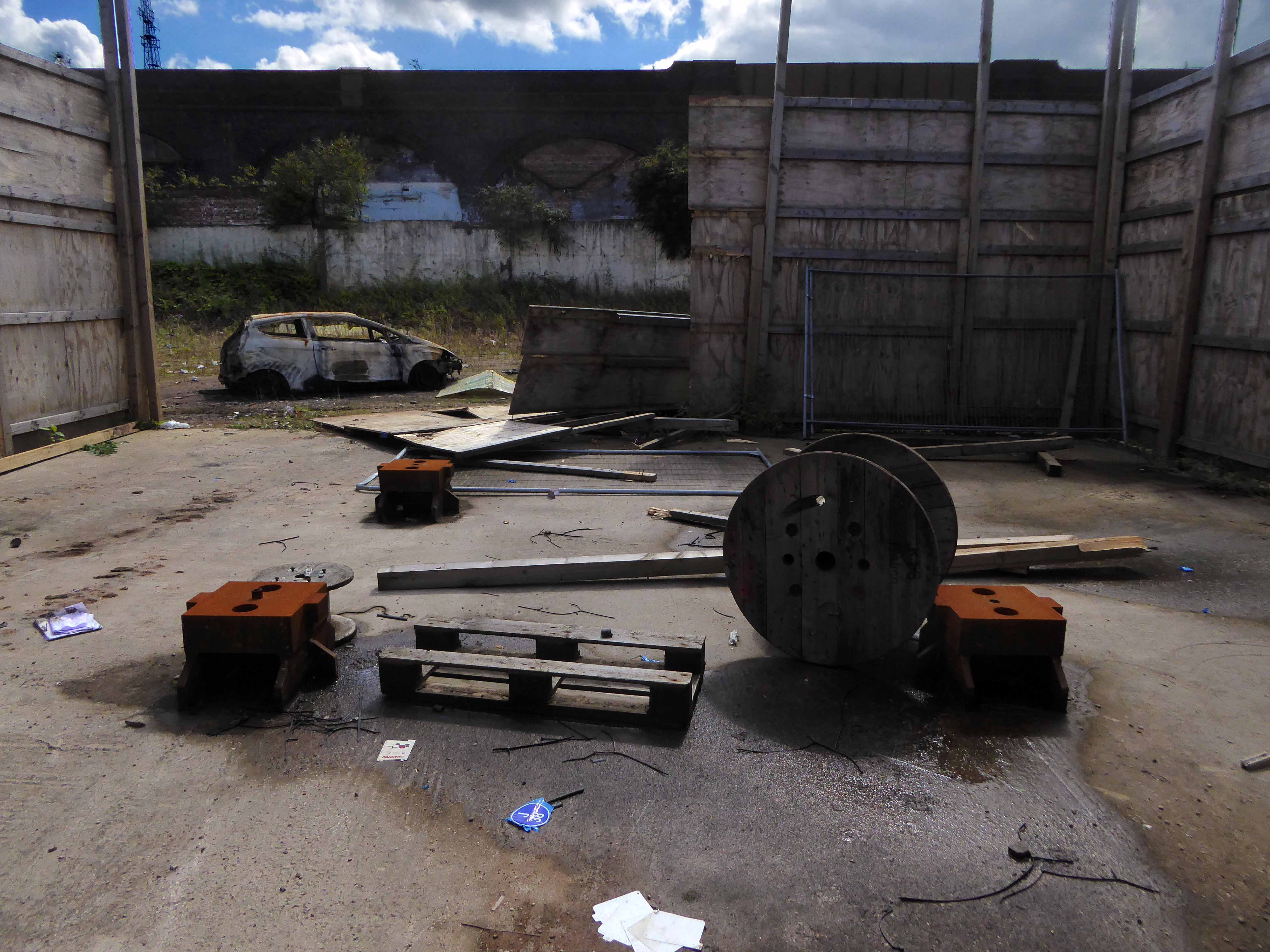
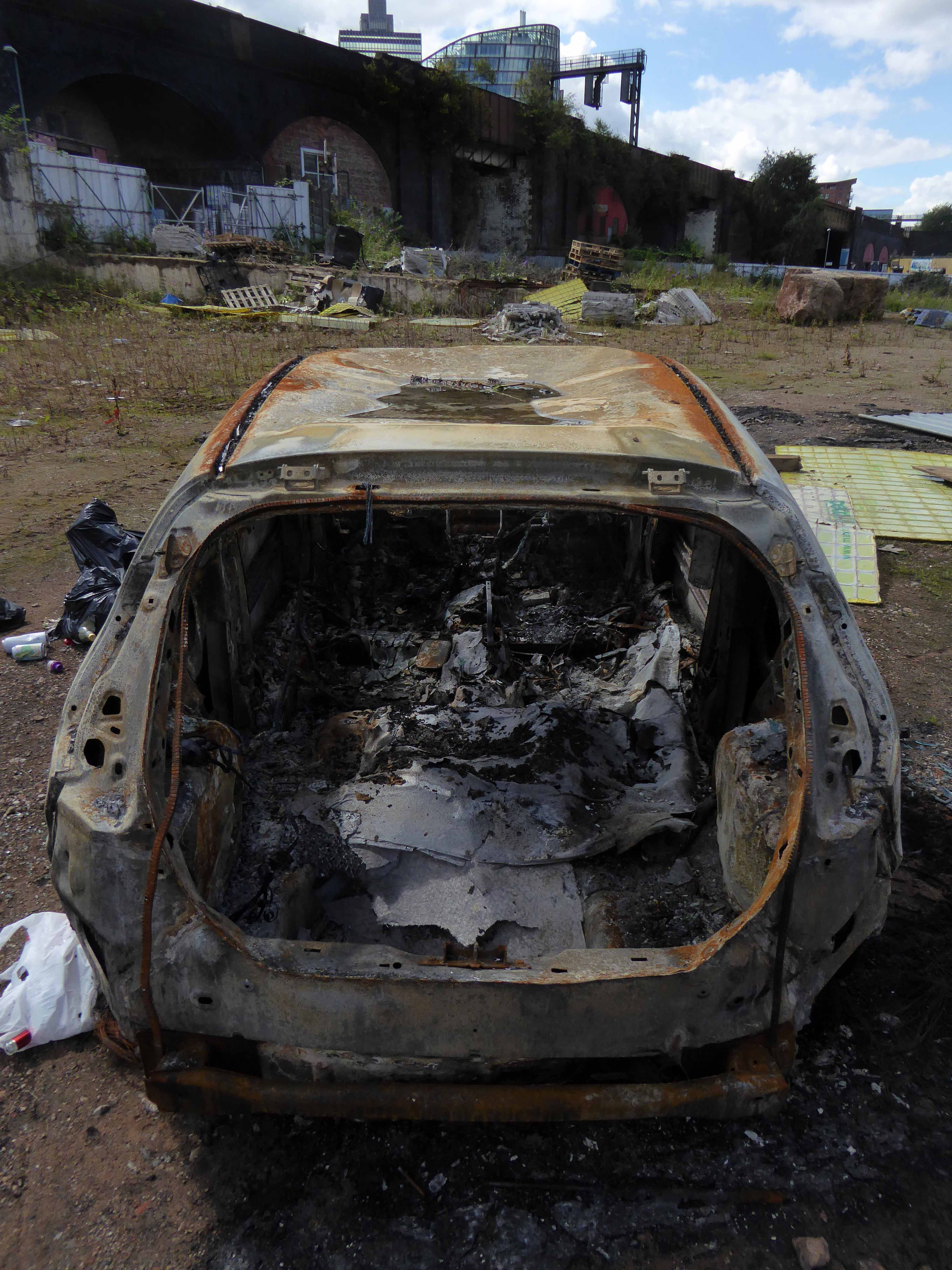
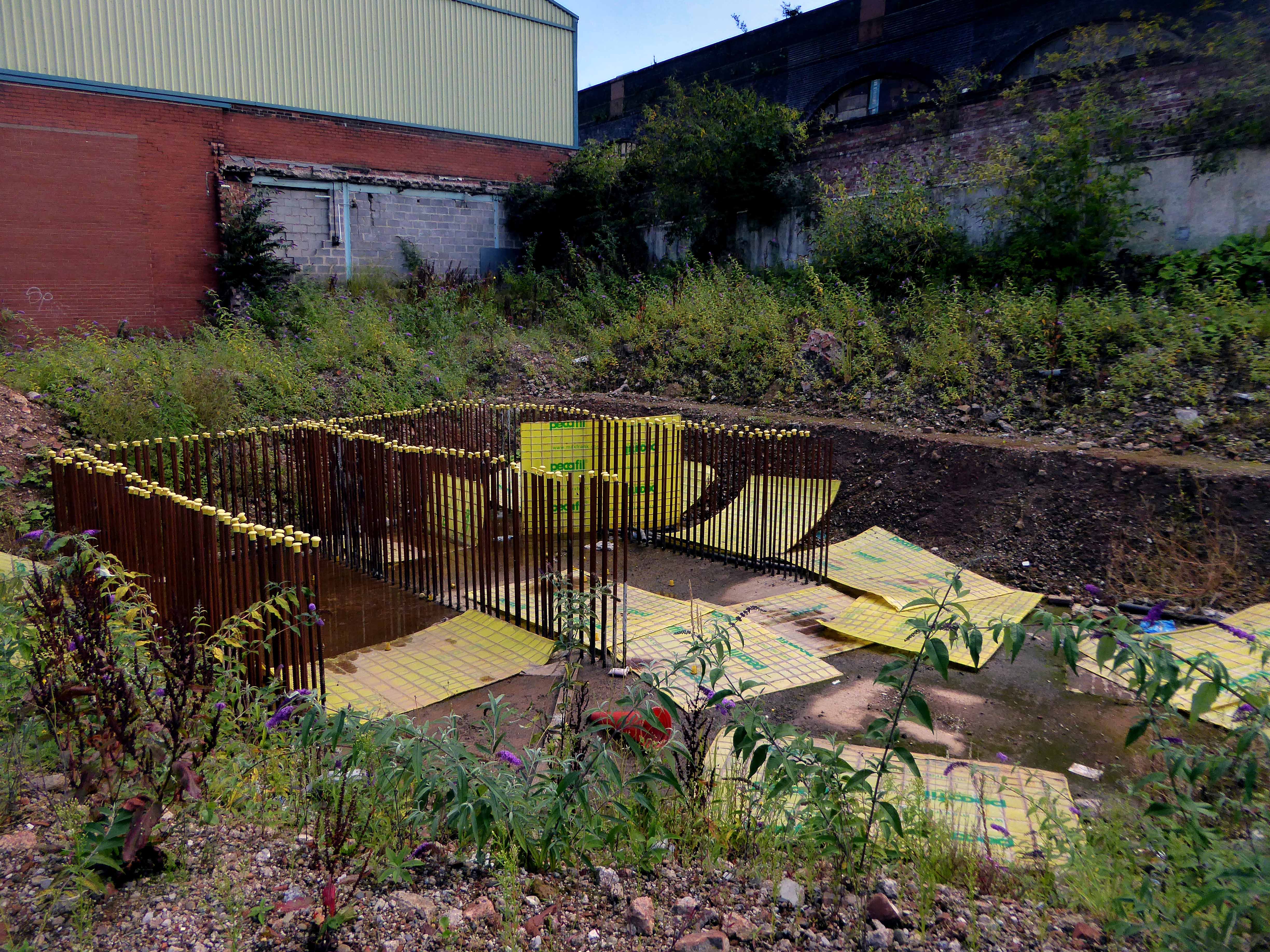
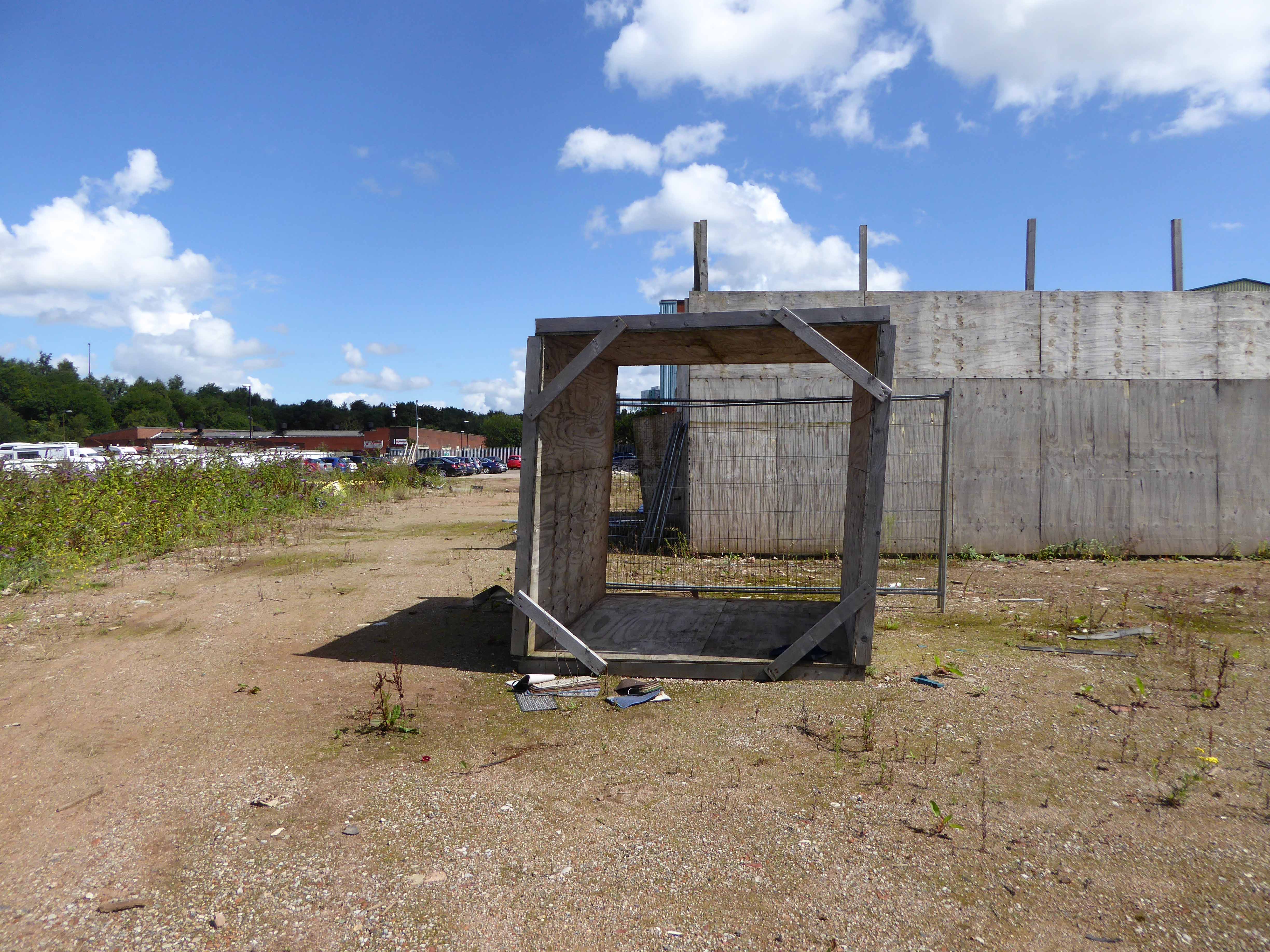
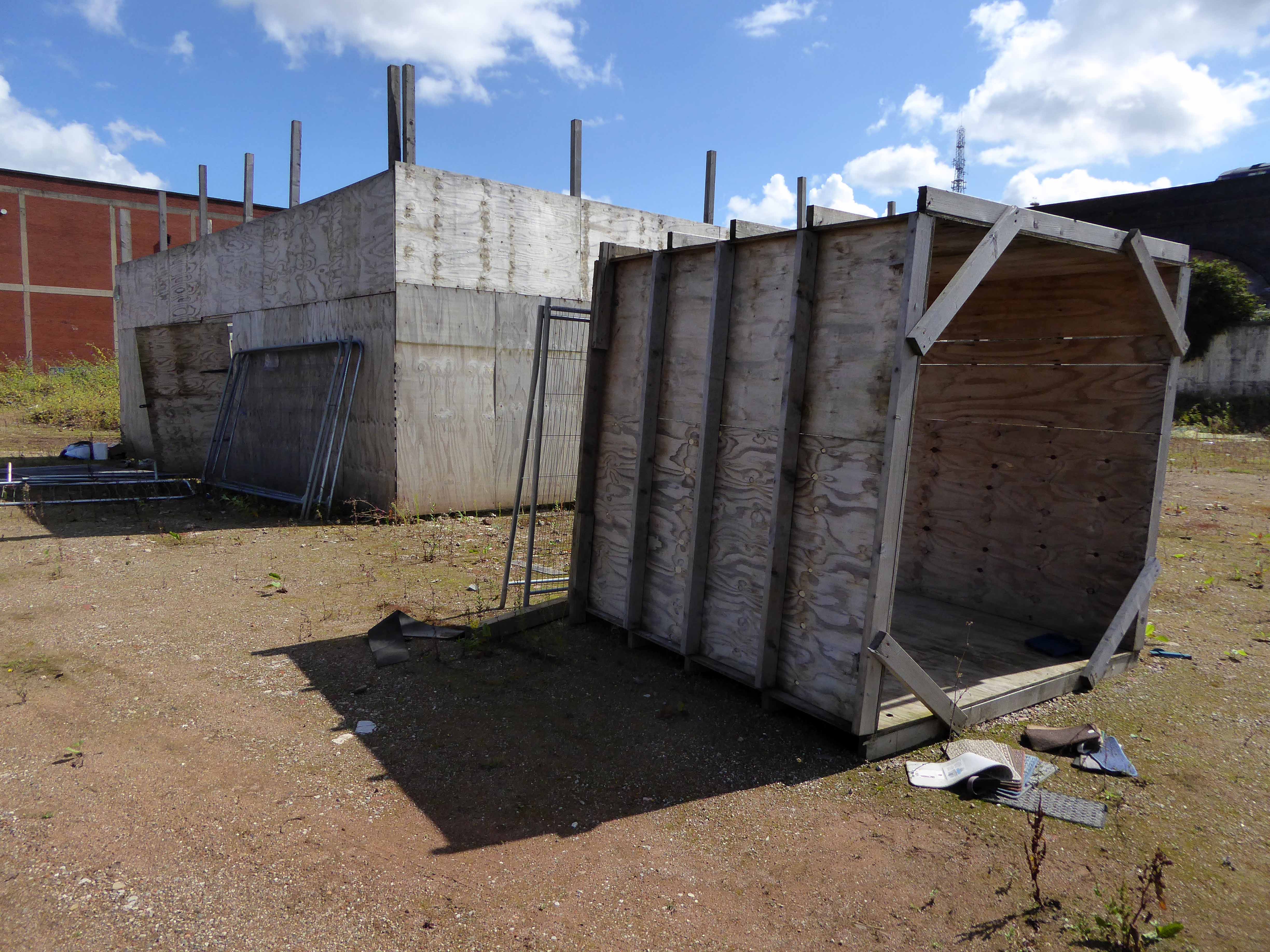
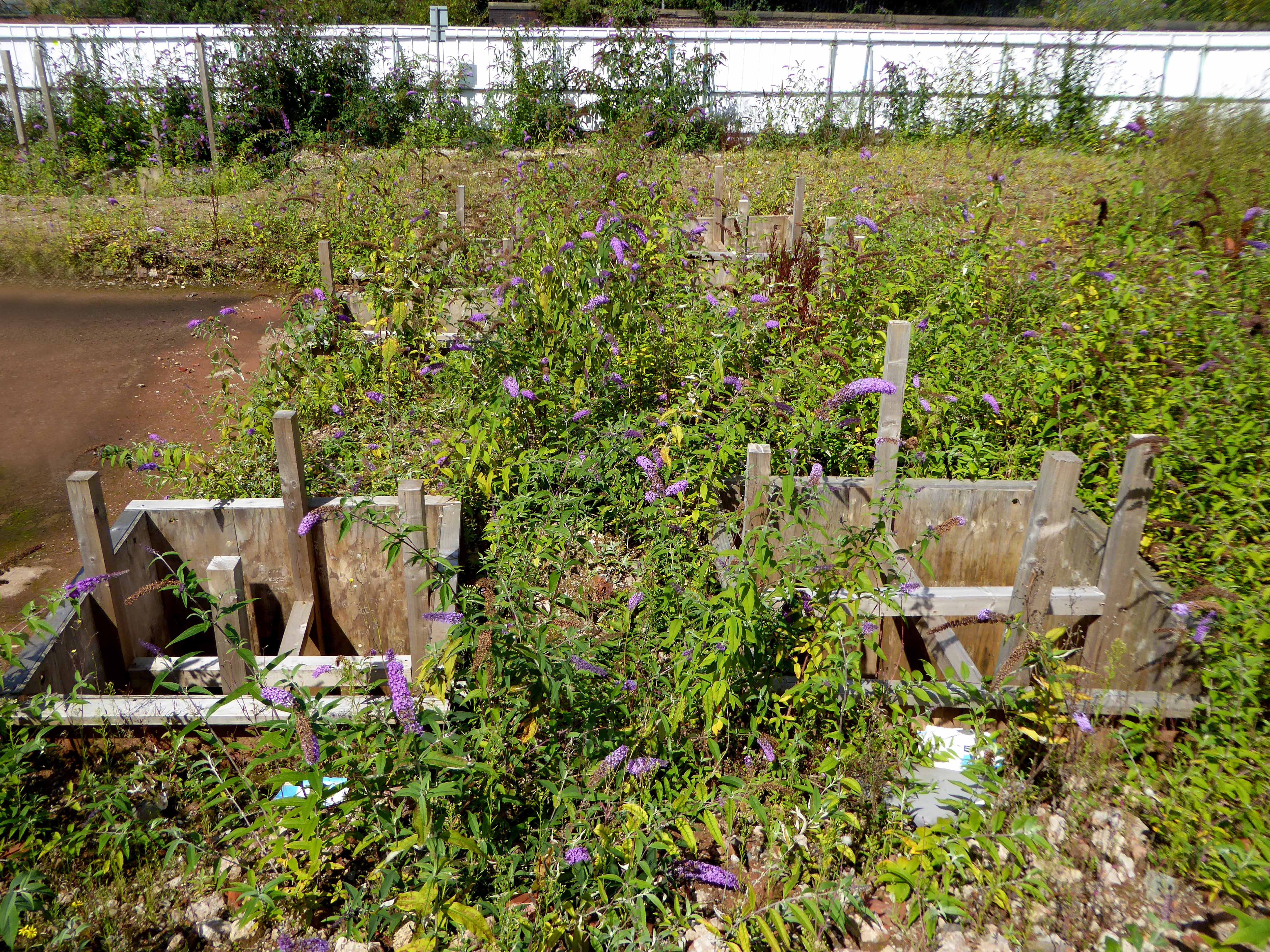
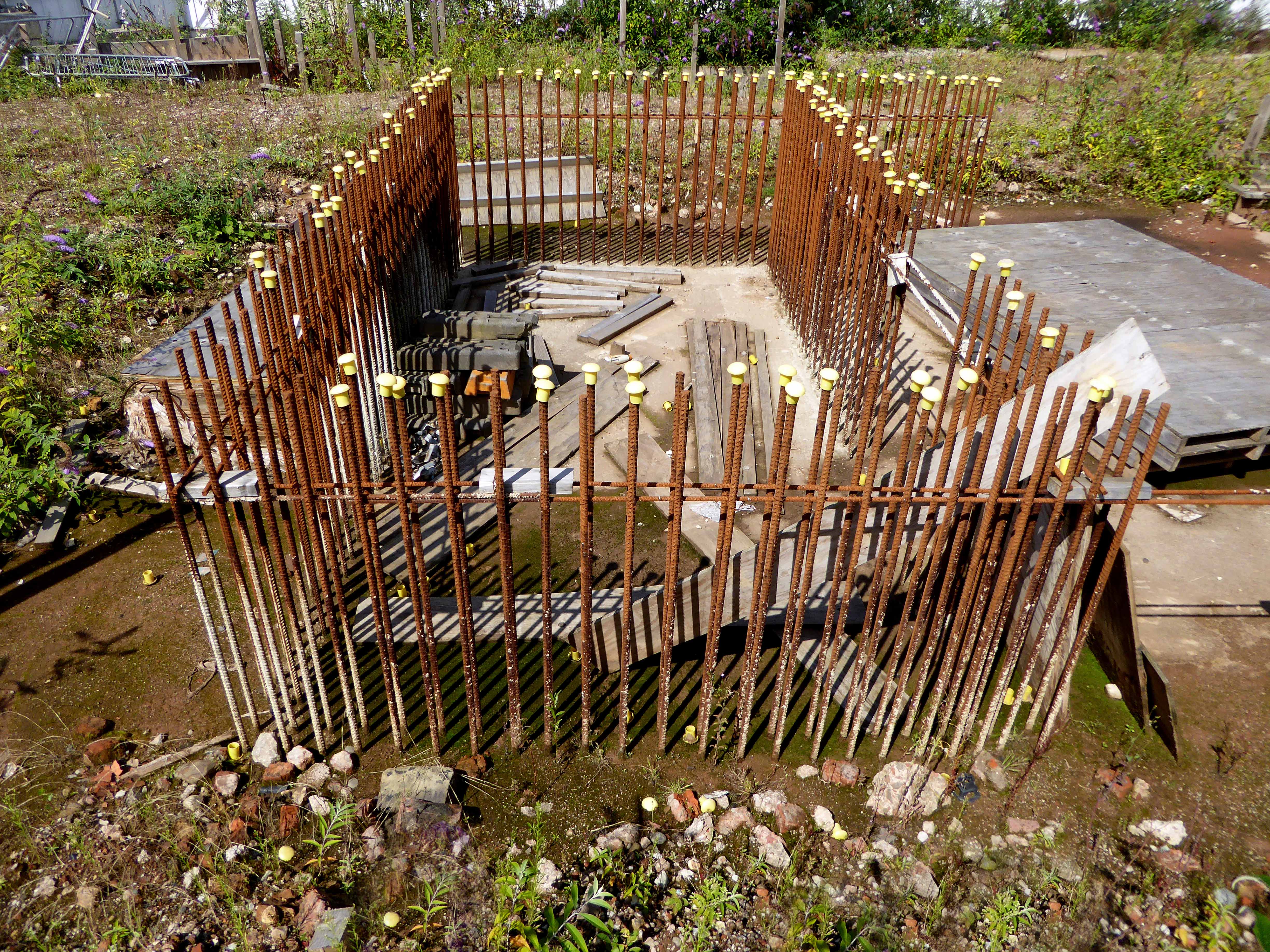
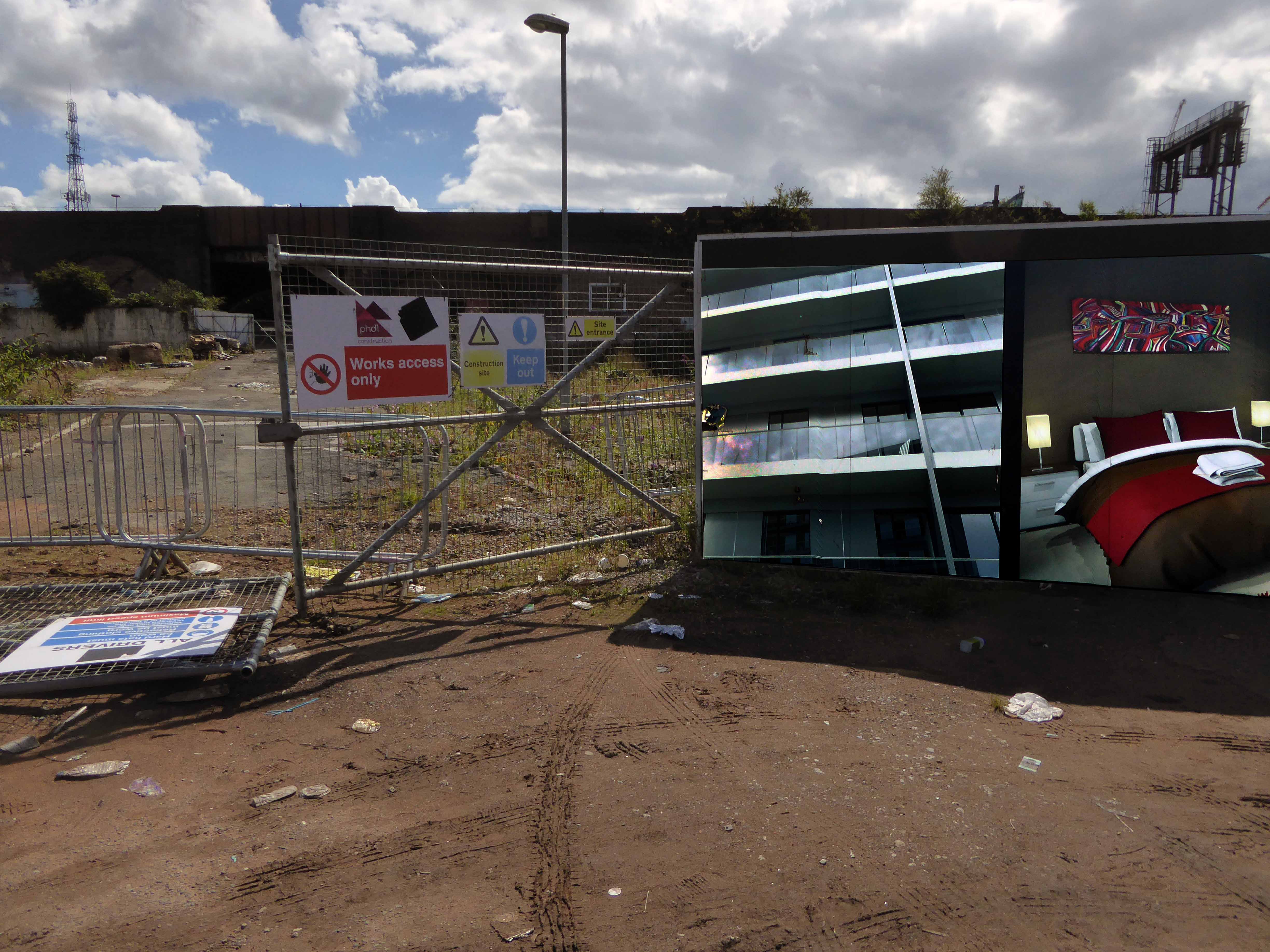
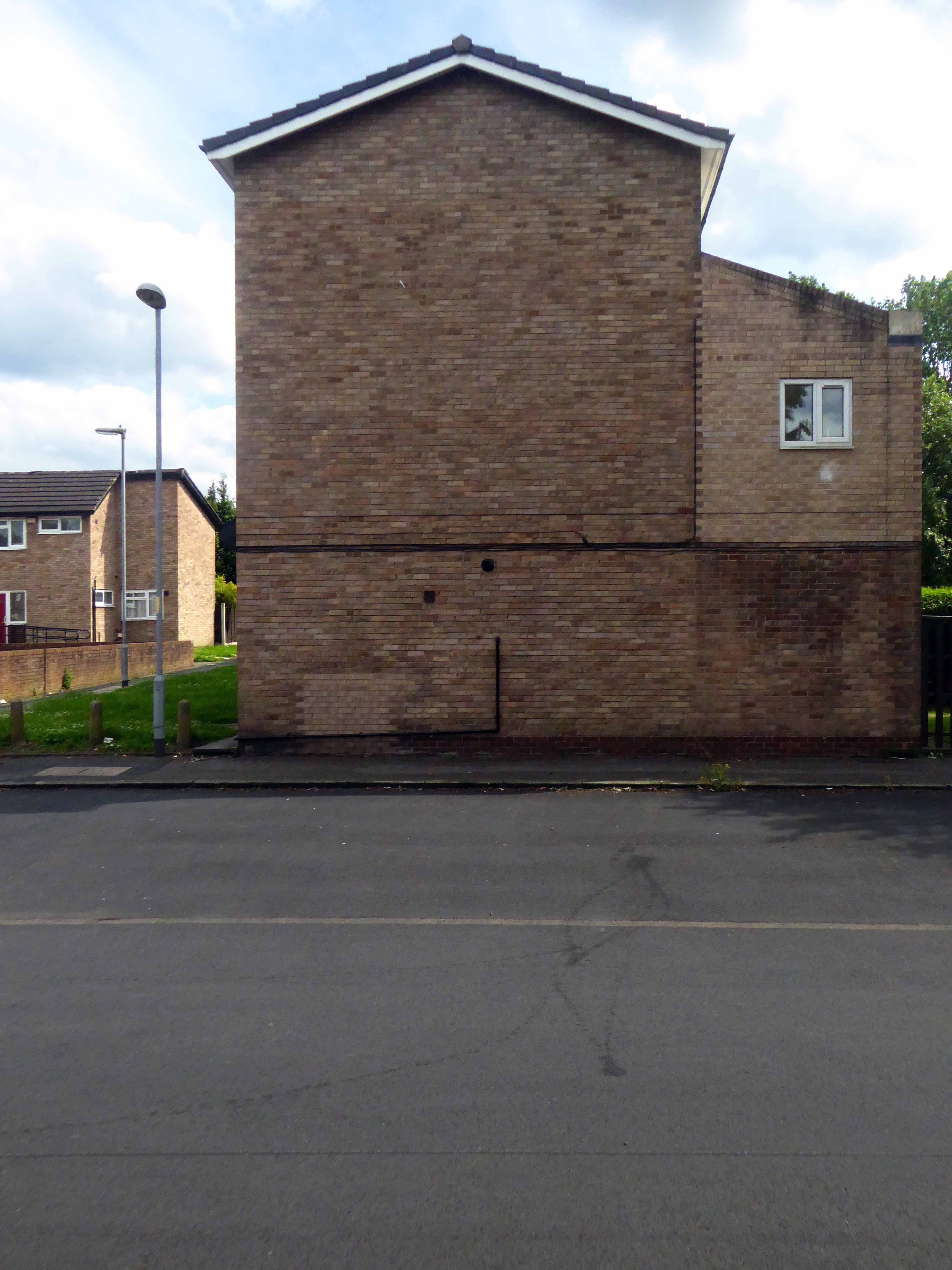
On the day of my visit the site was home to several jackdaws, the charred husk of a burnt out car, hastily discarded childrens’ toys, the most curious of plywood constructs and a sense of anything and everything, ceasing to make any sense whatsoever.

This stunning development will be an original and inspiring place to live.

P1190415

P1190418

P1190419

P1190420

P1190424

P1190428

P1190429

P1190432

P1190438

P1190440

P1190441

P1190442

P1190444

P1190445

P1190446

P1190447

P1190448

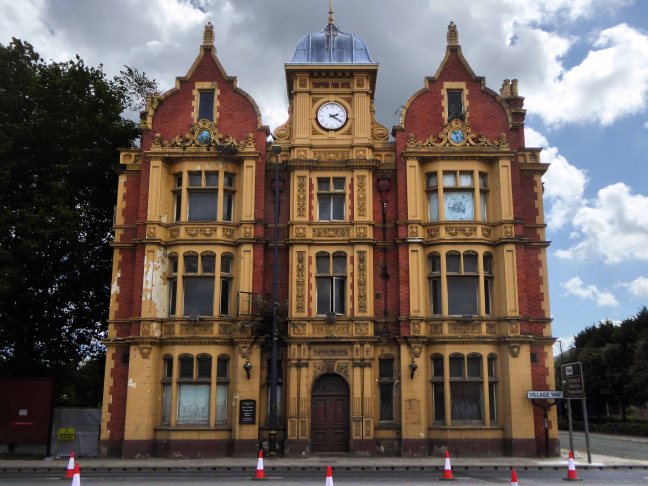
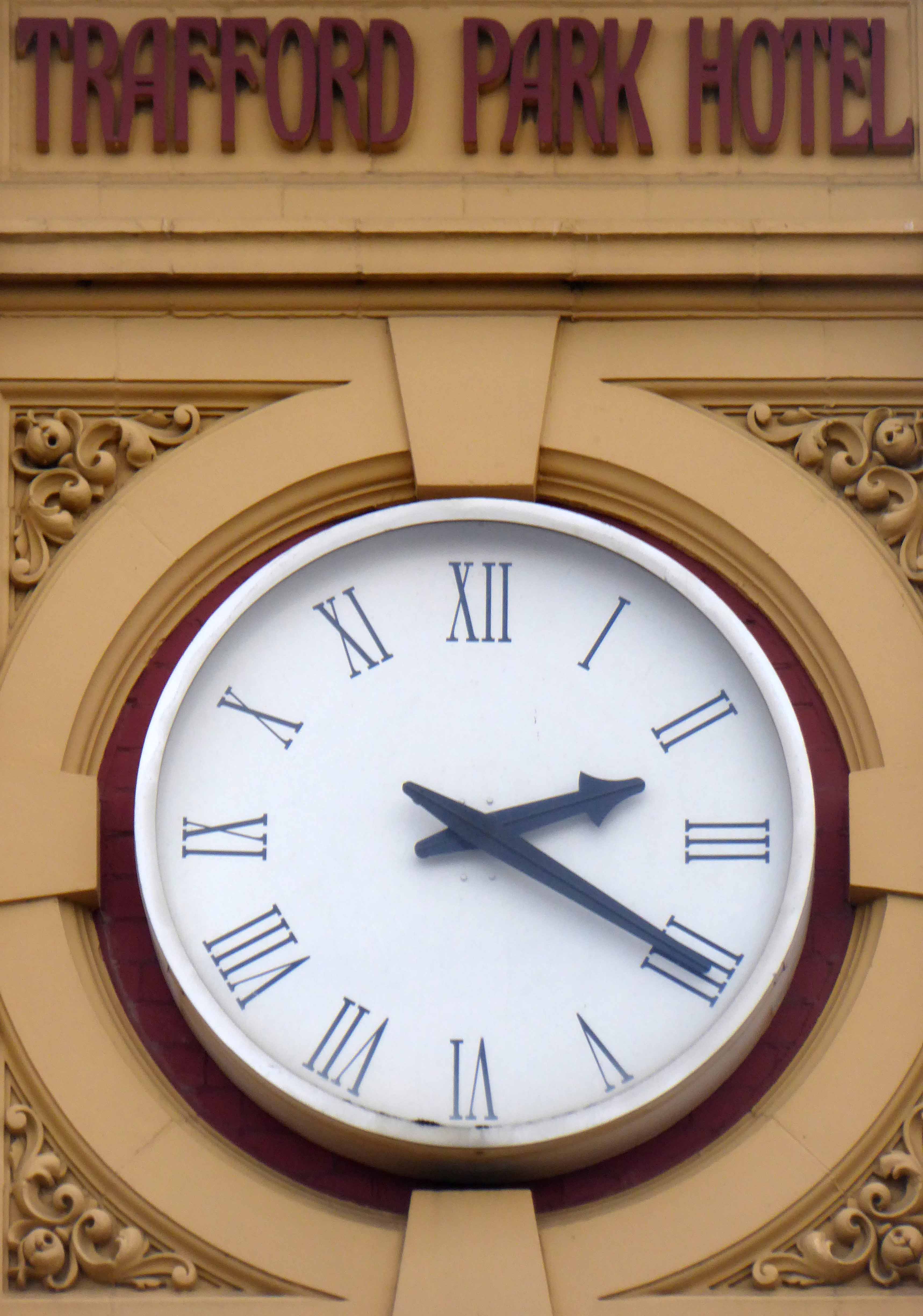
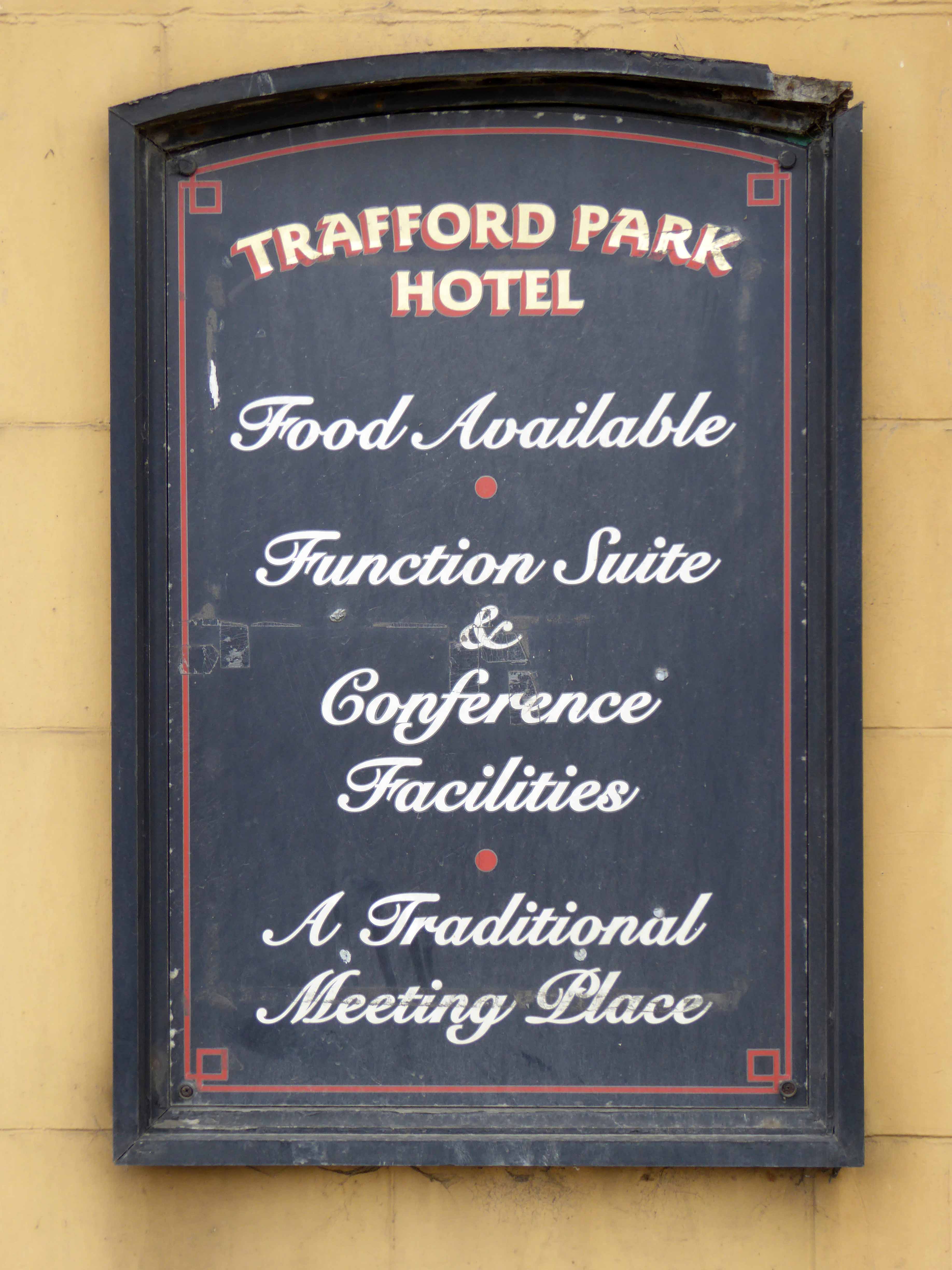
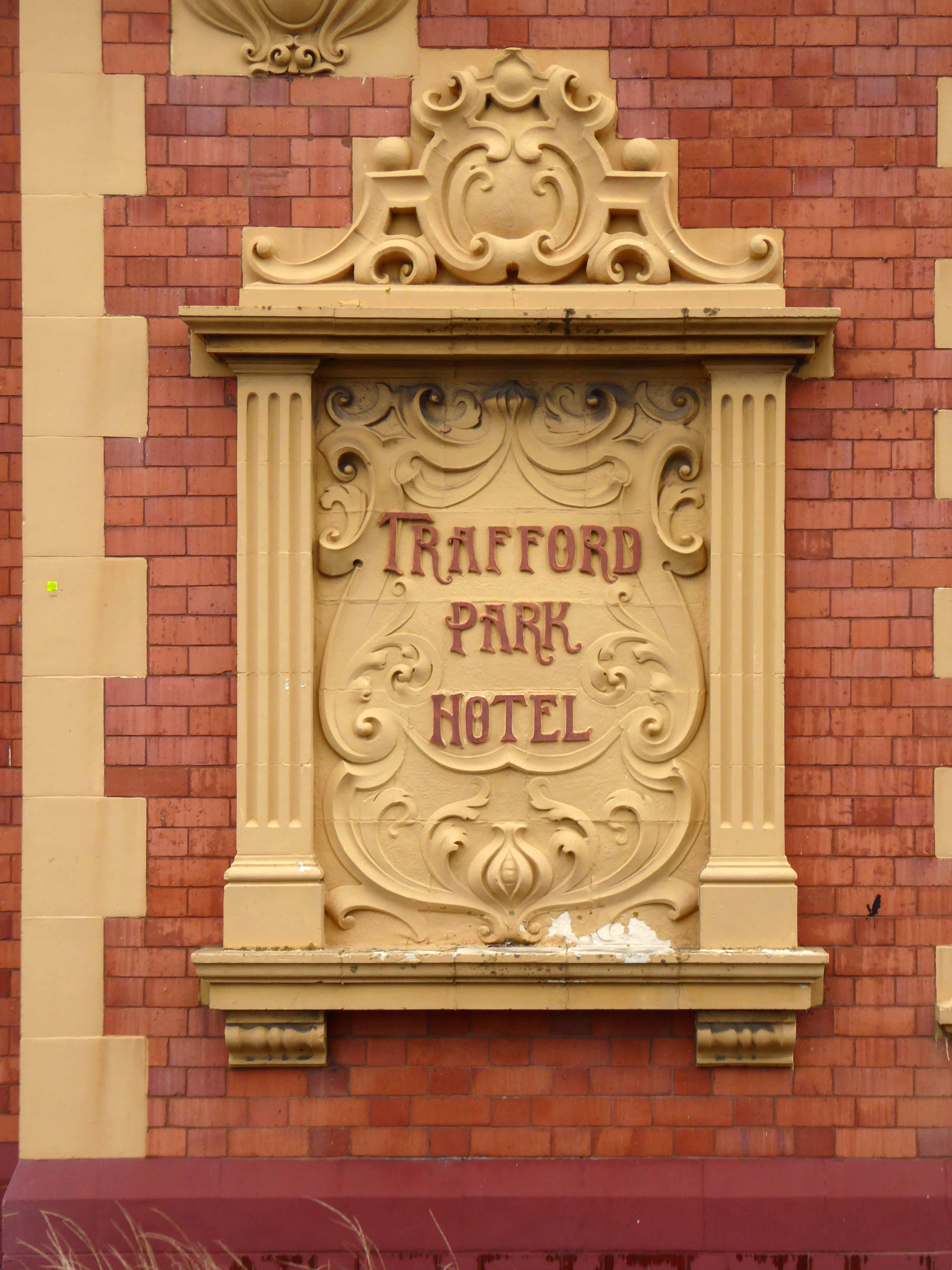
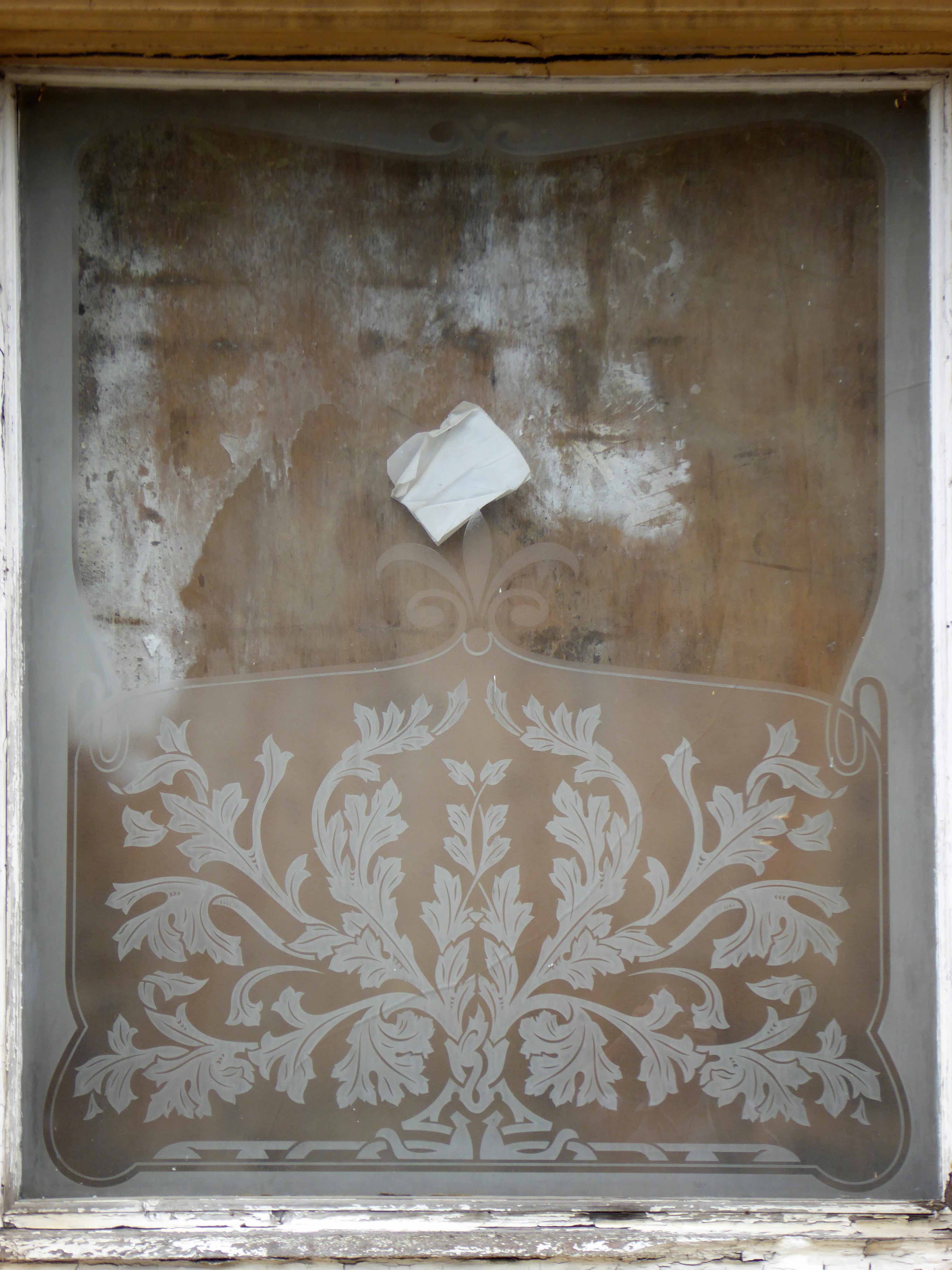
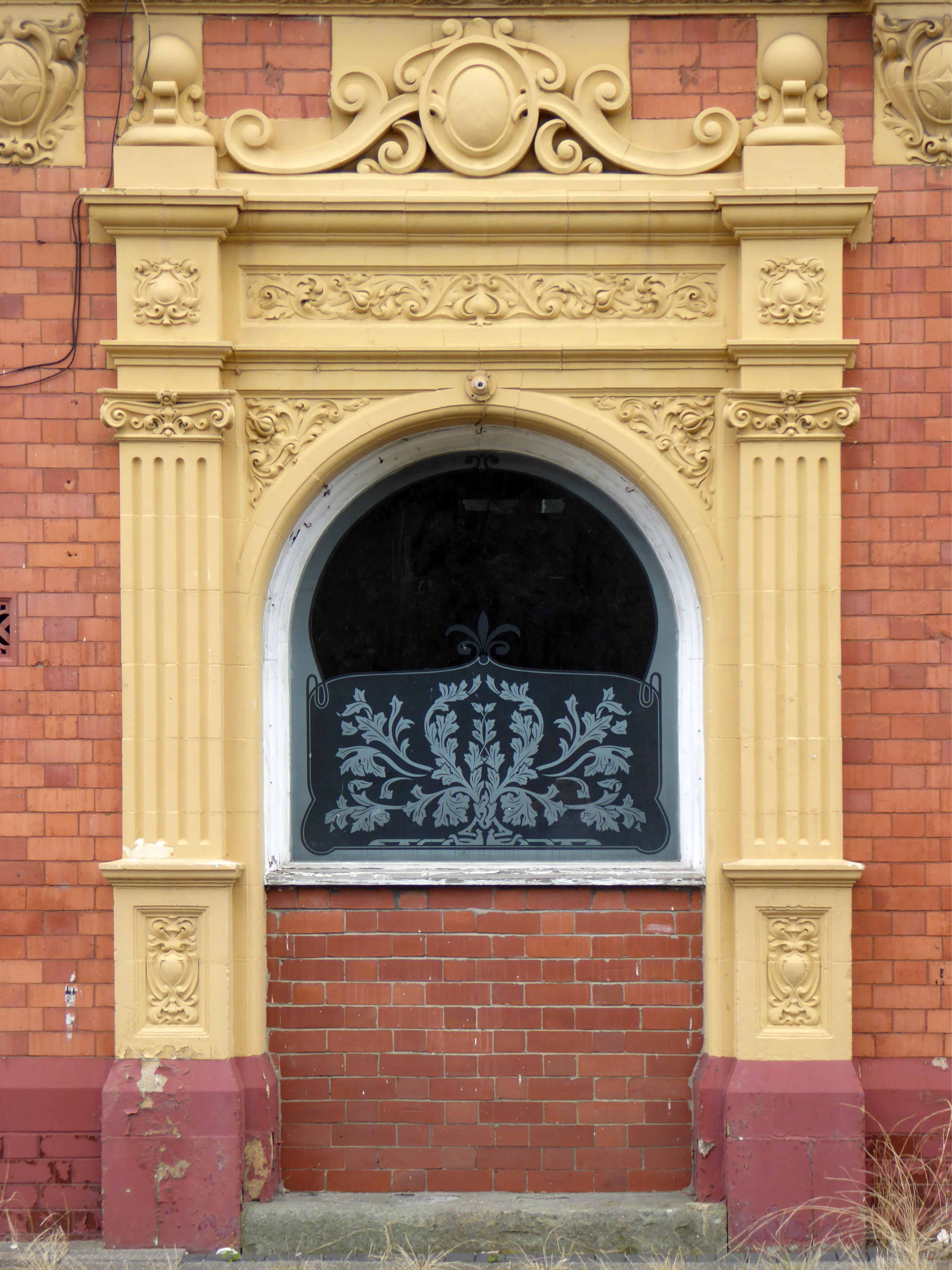
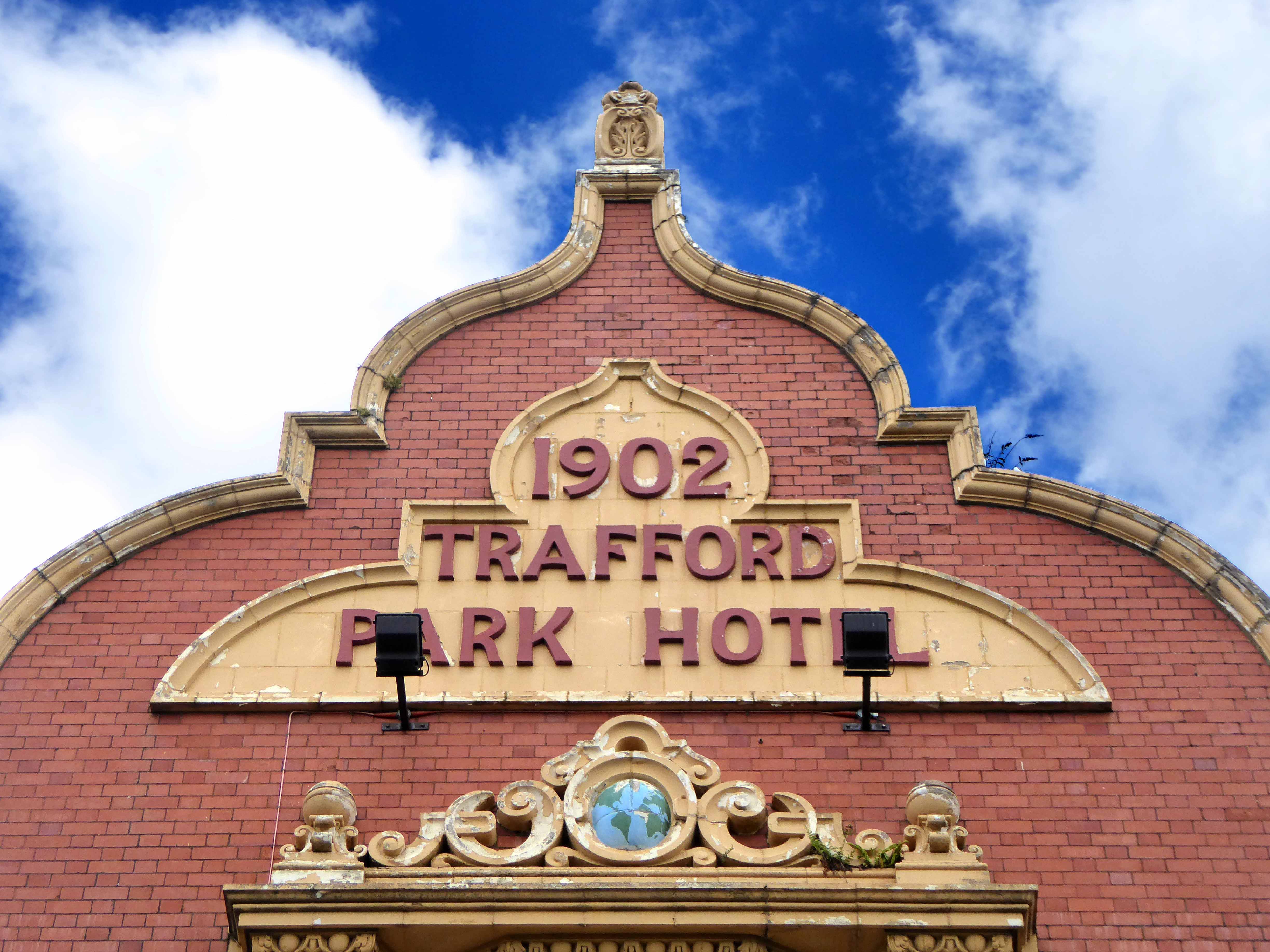
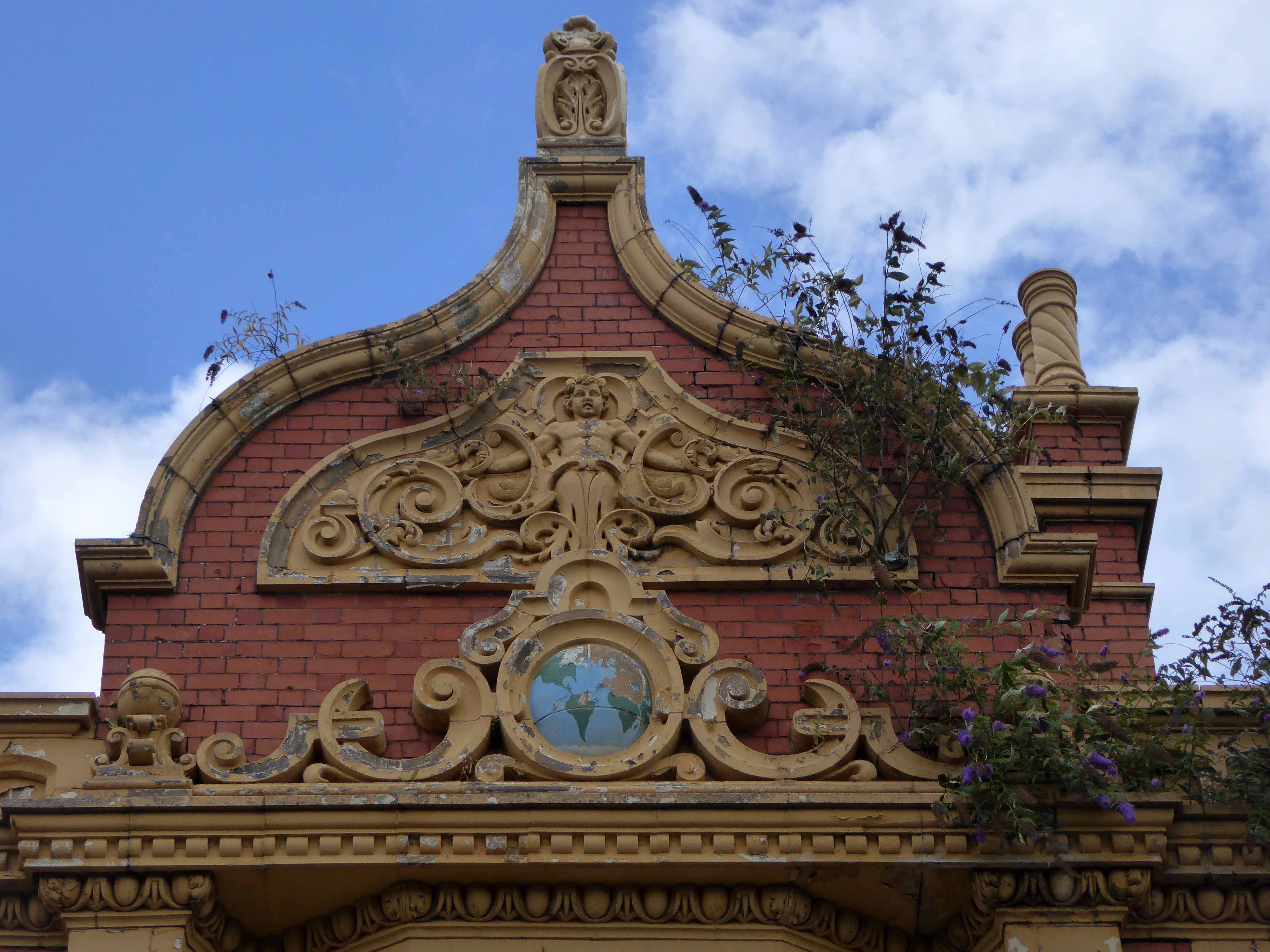
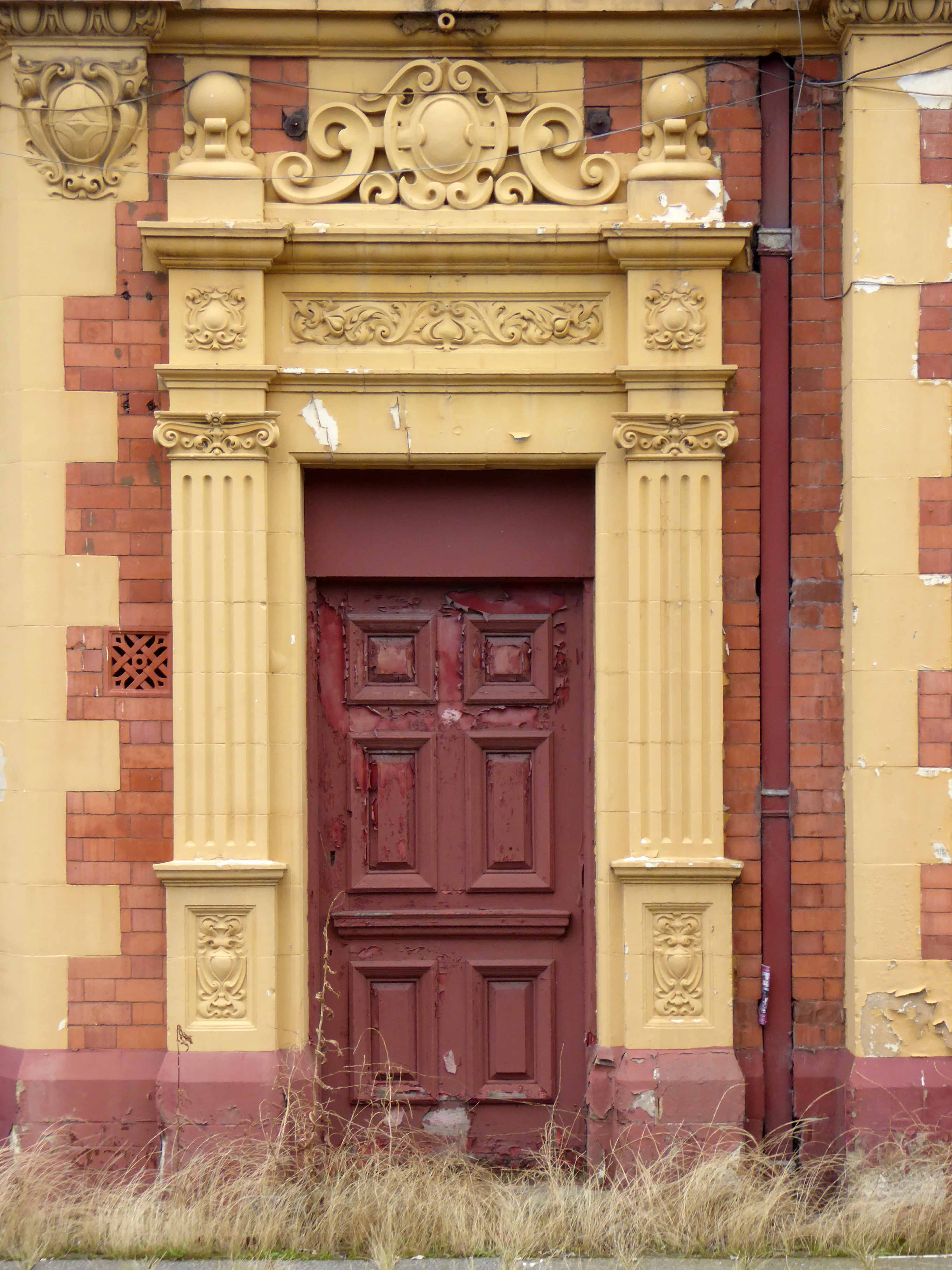
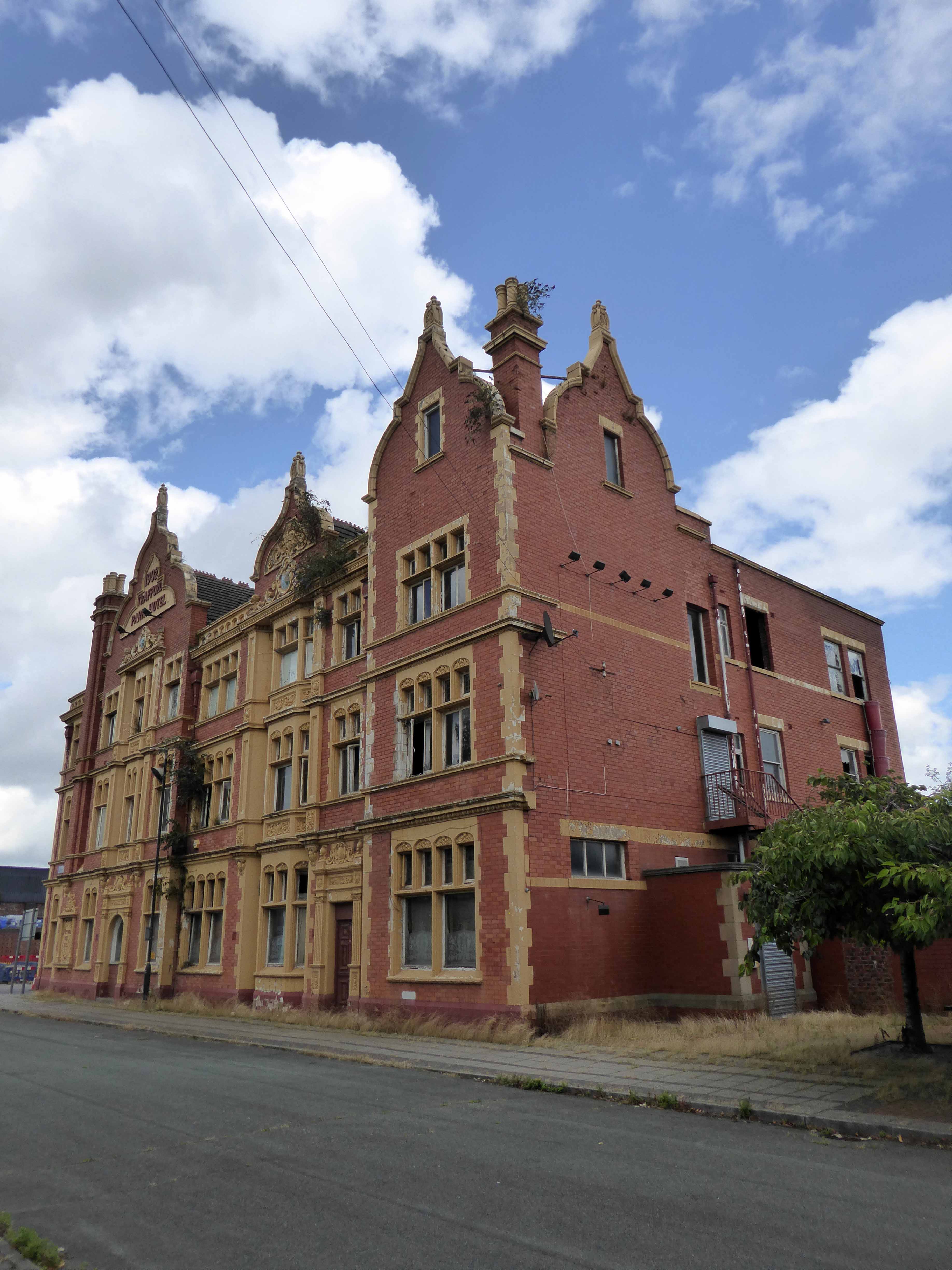
Trafford Park Hotel

It takes a whole corporation to raise a village:

The first American company to arrive was Westinghouse Electric, in 1899, and purchased 130 acres on two sites. Building work started in 1900, and the factory began production of turbines and electric generators in 1902. By the following year, British Westinghouse was employing about half of the 12,000 workers in Trafford Park. Its main machine shop was 899 feet long and 440 feet wide; for almost 100 years Westinghouse’s Trafford Park works was the most important engineering facility in Britain.

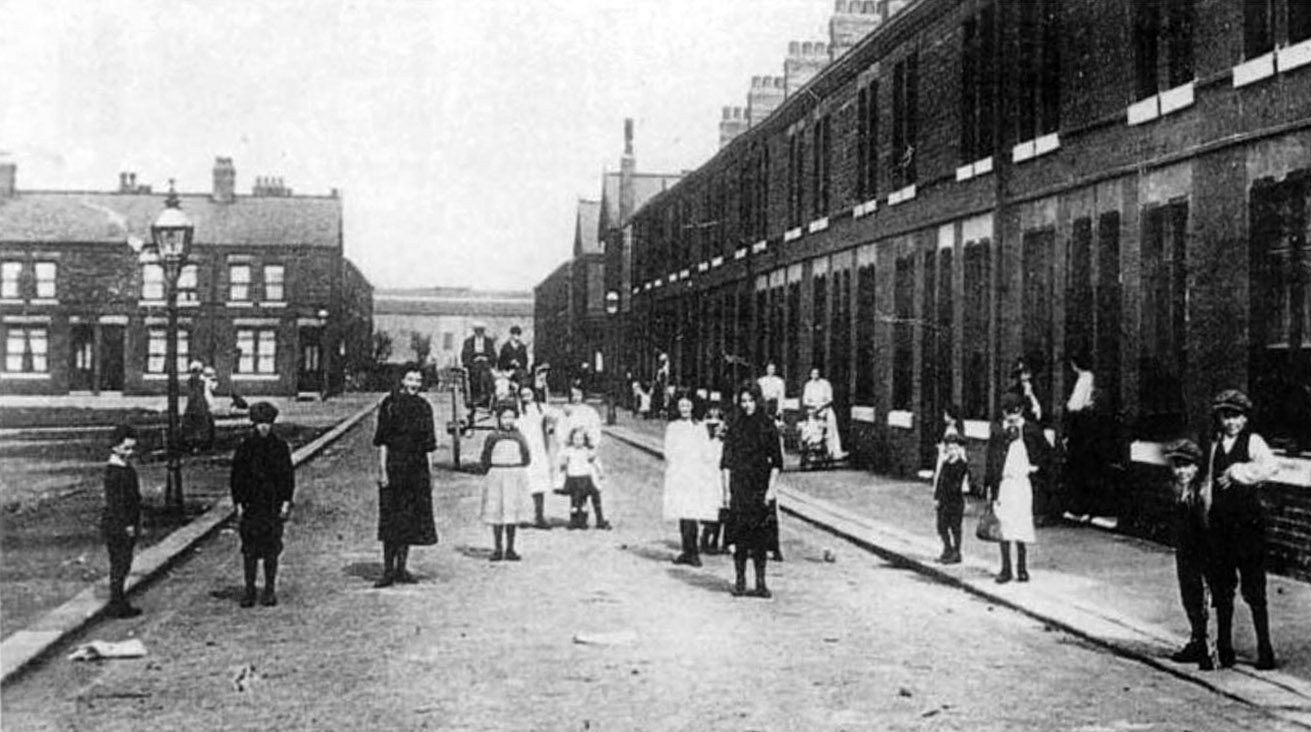
In addition to the factory Westinghouse built a village for his workers on the American style grid system of avenues and streets.  The community had shops, eating rooms, a dance hall, schools, a church, and a cinema.

Eleventh_avenue_trafford_park_1910

And where there is people there is almost inevitably pubs, as sure as night shifts follow day shifts.

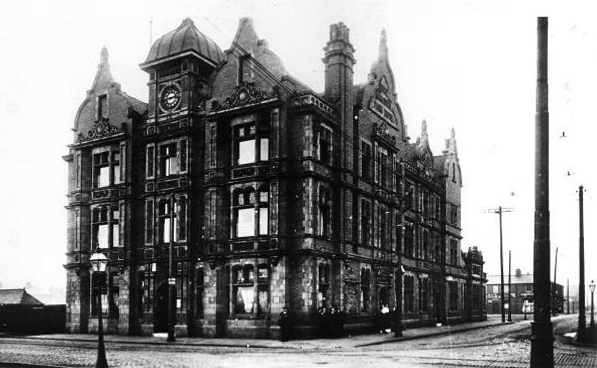
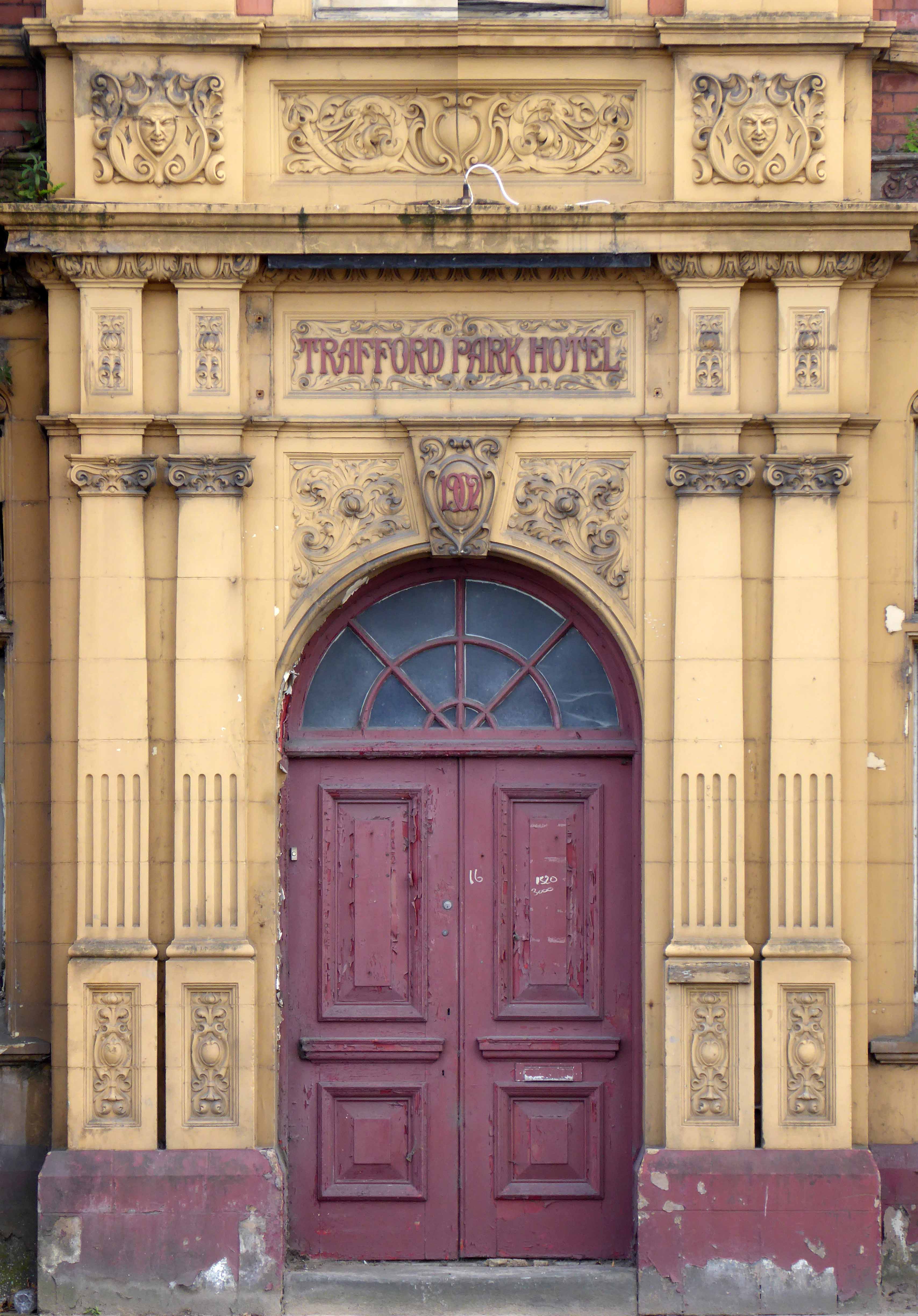
Trafford Park Hotel

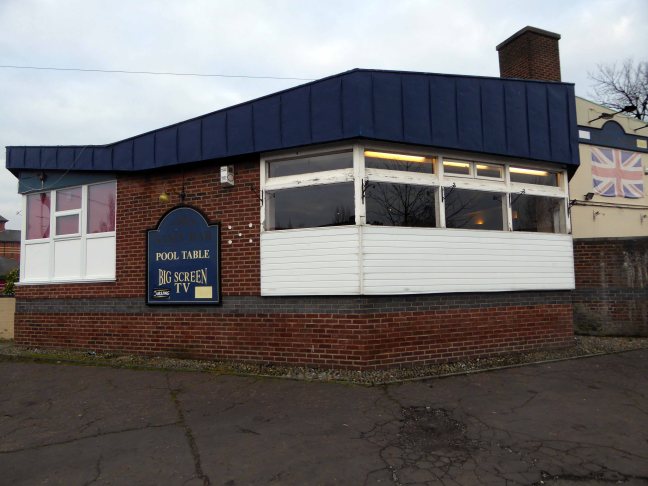
Built in 1902 to keep the Trafford Park industrial dust down, quenching the thirst of the workers employed in the world’s first and largest industrial estate – get in and get outside a pint or two.

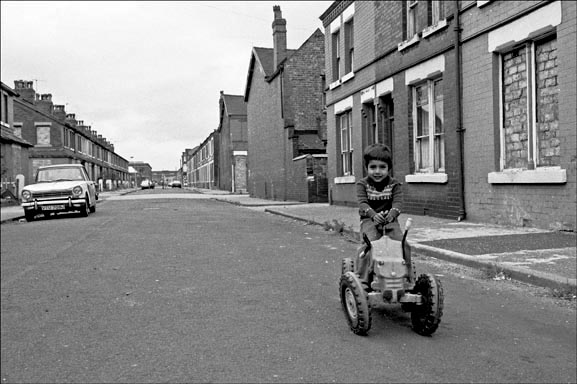
Speed headlong through the years and by 1984, a mix of industrial and economic decline and the general move away from the urban mix of housing and factories, the end is in sight for most of the Village’s homes.

Untitled-3

Photograph Nigel Richards

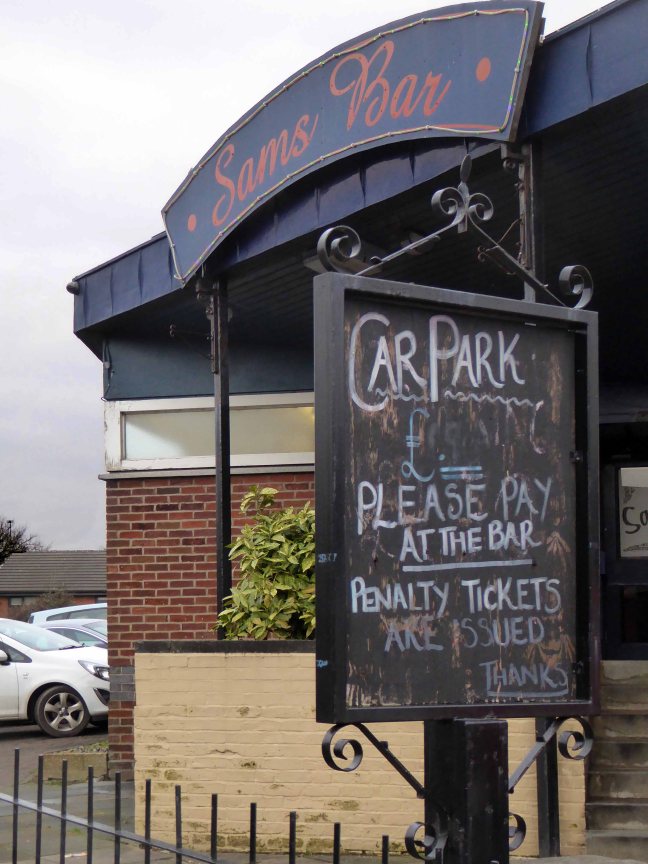
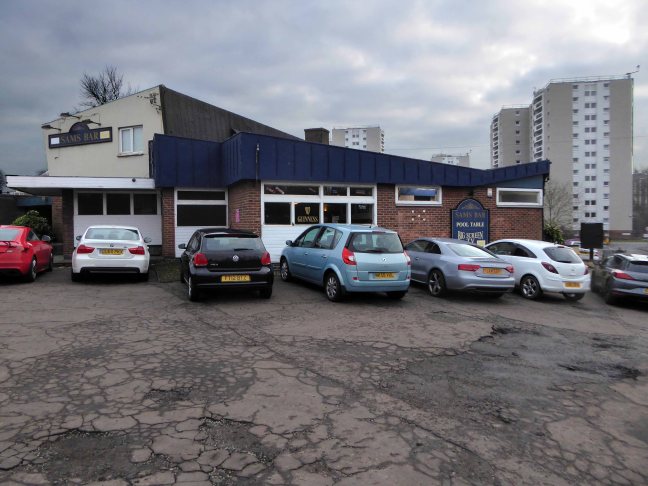
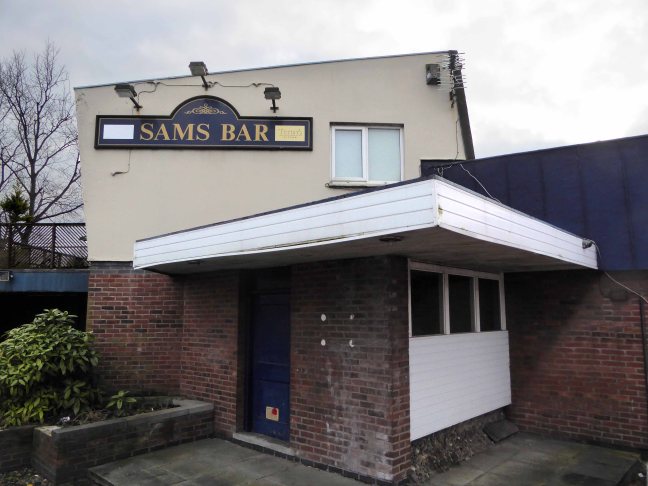
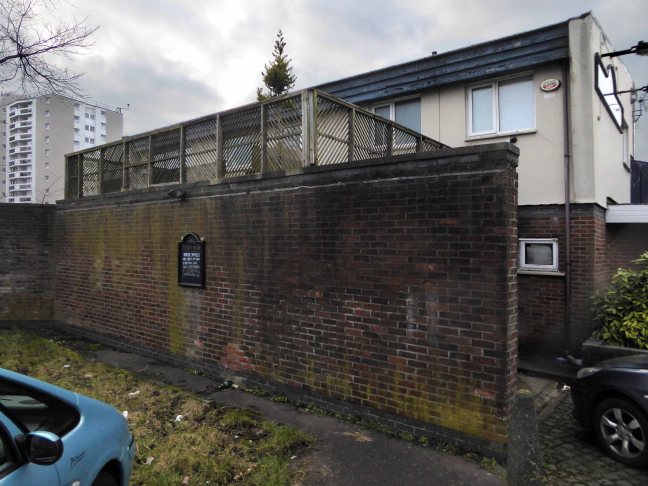
Move a little further along the line and by 2009 and the pub is closed, temporarily home first to a marijuana farm, and subsequently squatters.

Paul, 46, originally from Chew Moor, Bolton, was left homeless in May when his house was repossessed after he lost his job as a mechanical engineer. He found The Freedom Project through its Facebook group and was invited to move in to the Trafford Park Hotel. He said: “The group is apolitical – it’s about freedom of expression, activity and thought.” Enterprise Inns have taken members of The Freedom Project to Salford County Court where a judge gave the brewery an order for possession of the building. 

Enterprise Inns declined to comment.

It takes a whole judicial system and corporate clout to deny a man home.

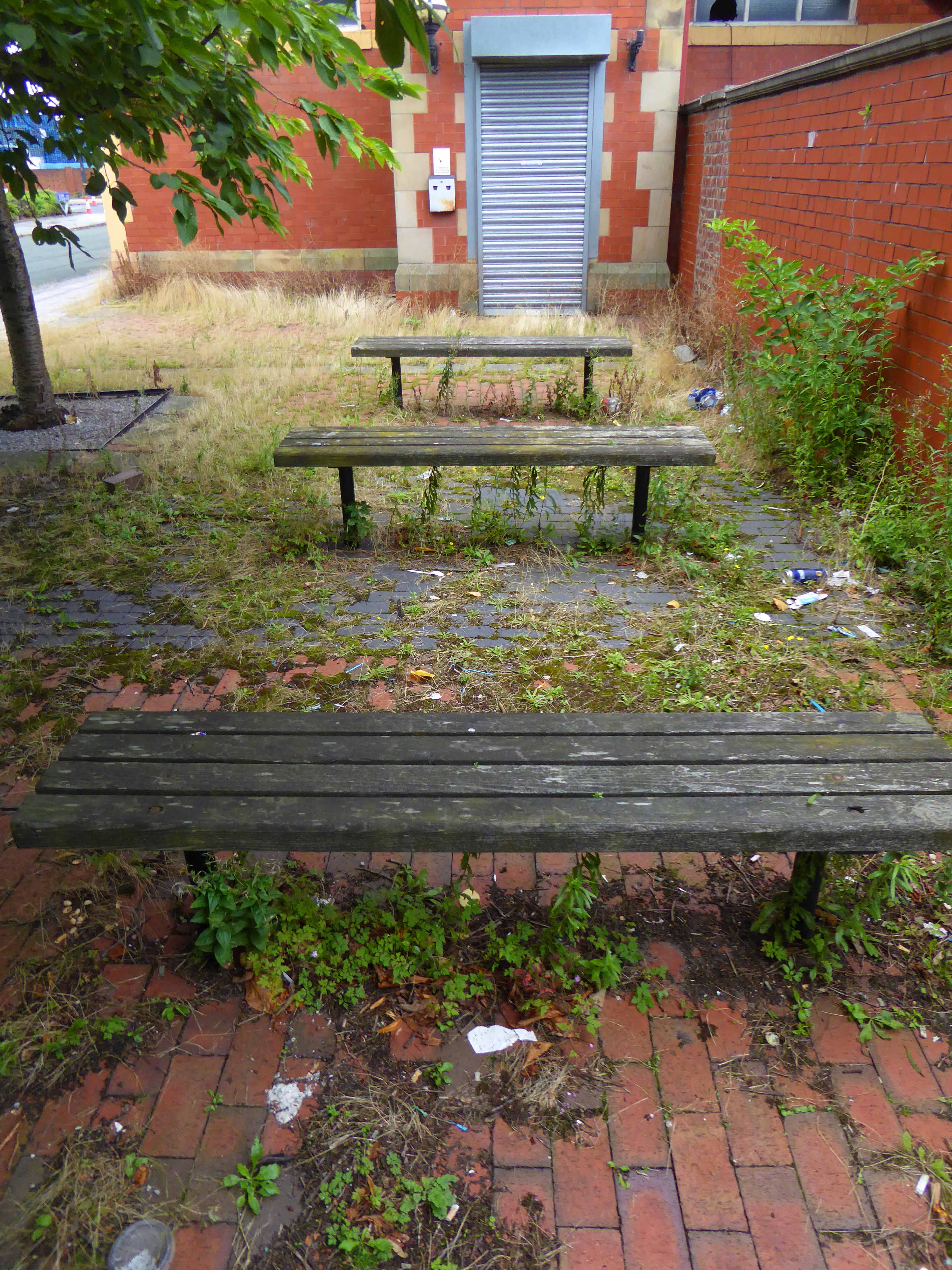
In February 2017 pub was sold for £900,000, though on the day of my August visit there were few signs of the planned conversion to flats or hotel.

One day time will be called on time itself, in the meantime take a walk down the Avenue and feast your eyes on a Grade II  listed terracotta and brick behemoth.

P1180834

P1180832

P1180836

P1180837

P1180838

P1180839

P1180840

P1180841

P1180842

P1180843

P1180844

P1180845

P1180847

P1180848

P1180849


P1180860

P1180861

P1180862

P1180852

Tudor House – Wakefield

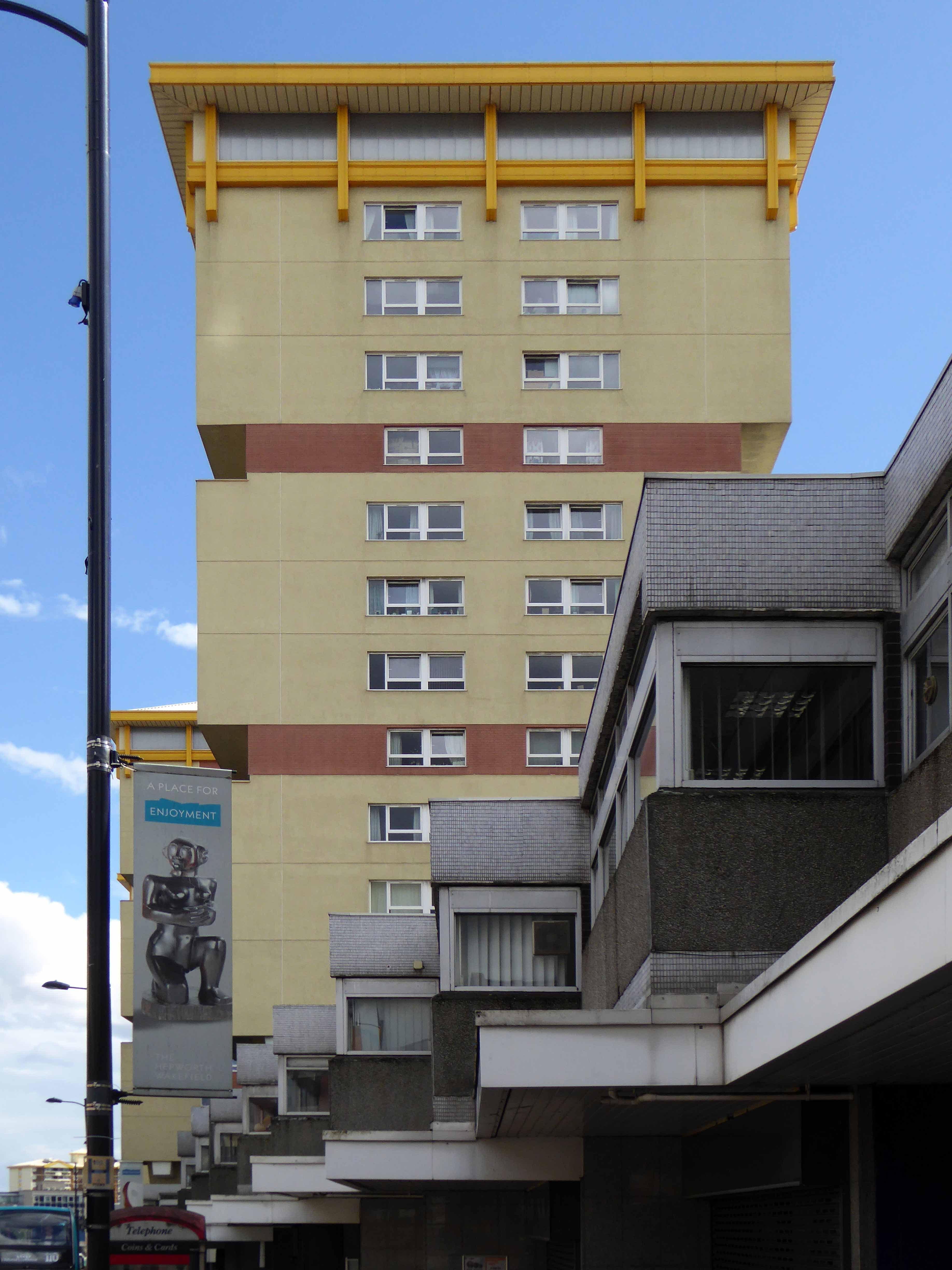
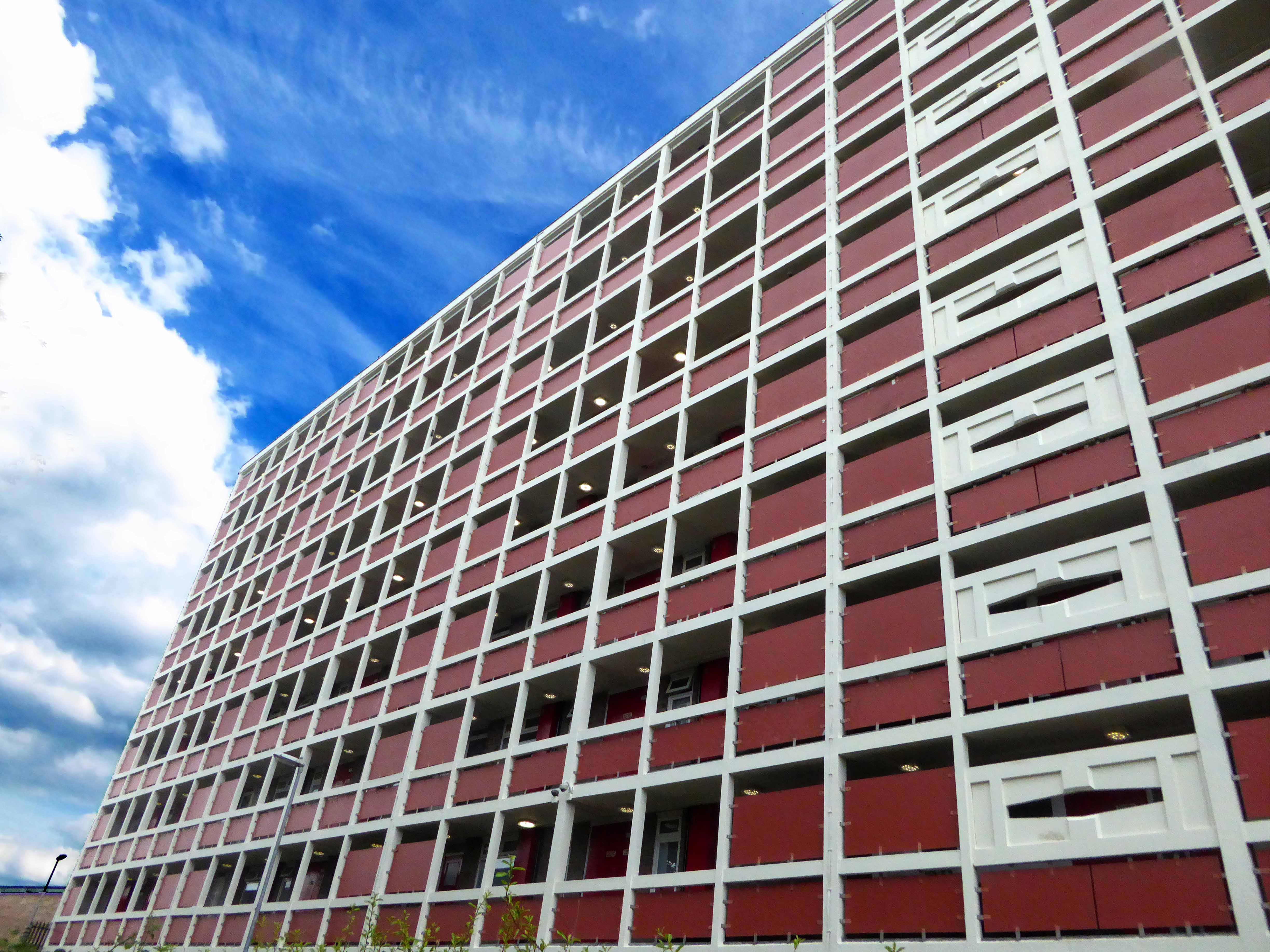
You wouldn’t ever want a bad case of the cladding, the triumph of the expedient over the purist aesthetic. We all may wish to be warm, dry and free from unwanted ingress, whilst exercising a degree of discernment and restraint, regarding the manner in which we are clad.

In Wakefield and in local authorities throughout this fair land there seems to have been a distinct lack of discernment and restraint, regarding the manner in which modern tower blocks are clad.

Cloaking concrete in coloured surfaces better suited to Toytown than our town.

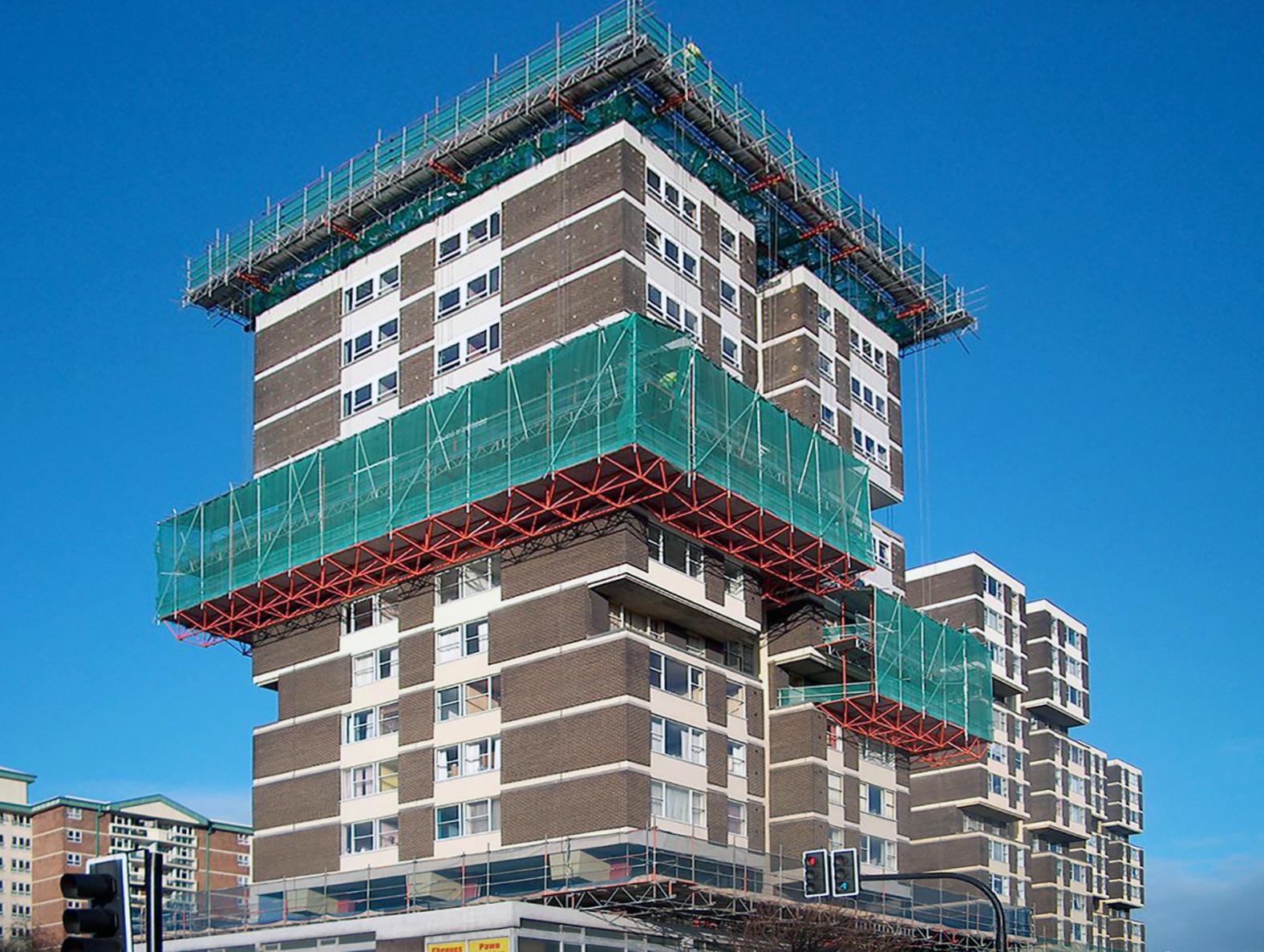
Four twelve-storey H-plan tower blocks built as public housing as part of the central area development of lower Kirkgate. The blocks rise out of other low-rise development. Each block contains 44 one and two-bedroom flats, providing 176 dwellings in total. The consulting architects for the development were Richard Seifert & Partners. Construction is of concrete frame with brick infill panels. The blocks were approved by committee in 1964.

Tudor House aka Lower Kirkgate Comprehensive Development area as was:

13669171_10154435787311600_6732873241408697456_n

13873008_10154435787336600_5185297045755258748_n

Screen Shot 2017-08-01 at 13.37.59

Photographs Tower Block

Ain’t it funny how time and integrity slips away?

wakefield_flats2l

wakefield_flats3l

Photographs Alan White Design

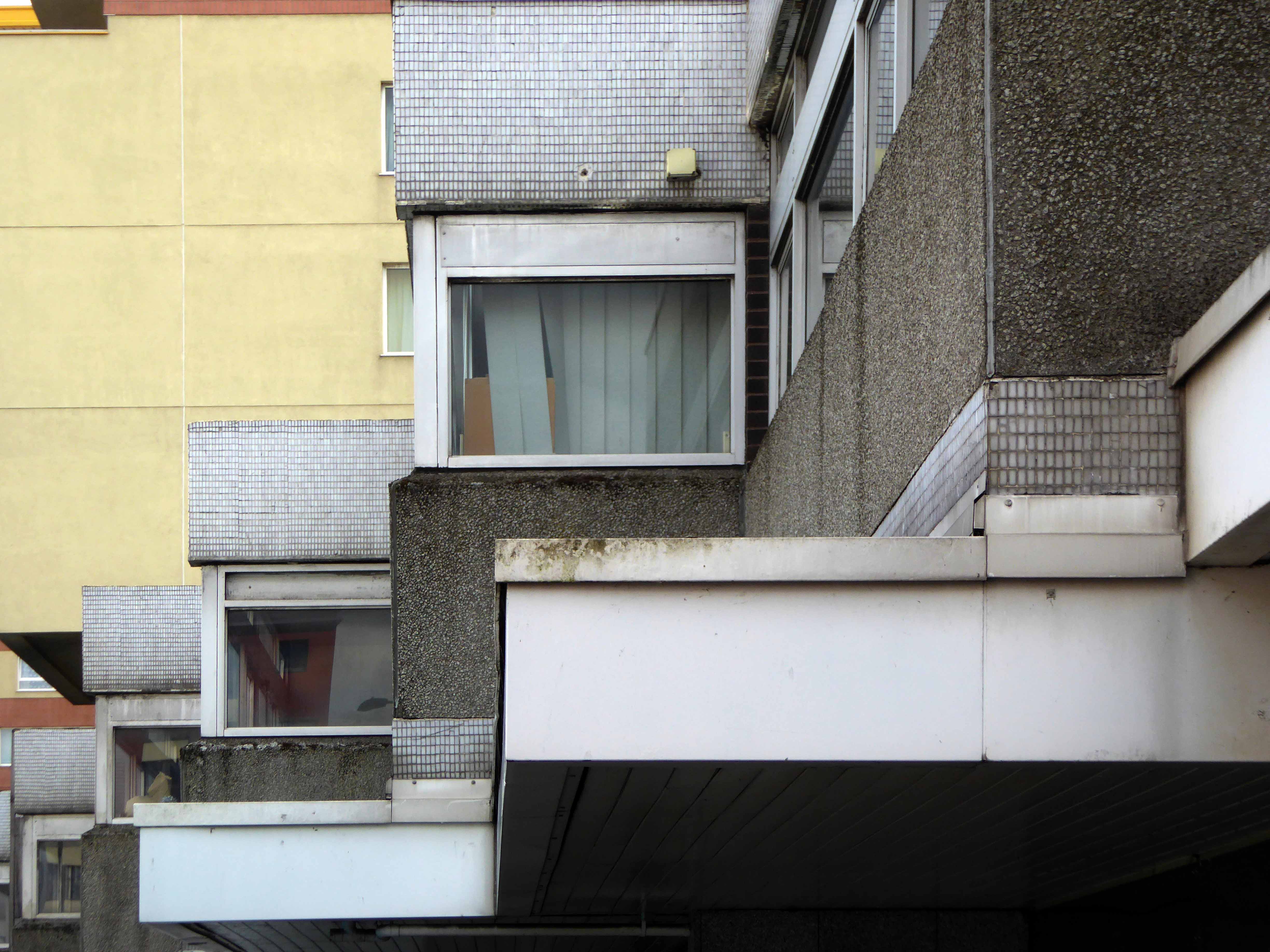
Gone the bold flat roofed, cuboid contrasting concrete and brick towers, whilst confusingly the ground floor retail development remains untouched.

P1180757

P1180759

P1180760

P1180761

P1180762

P1180763

P1180765

P1180766

P1180767

P1180768

P1180769

P1180770

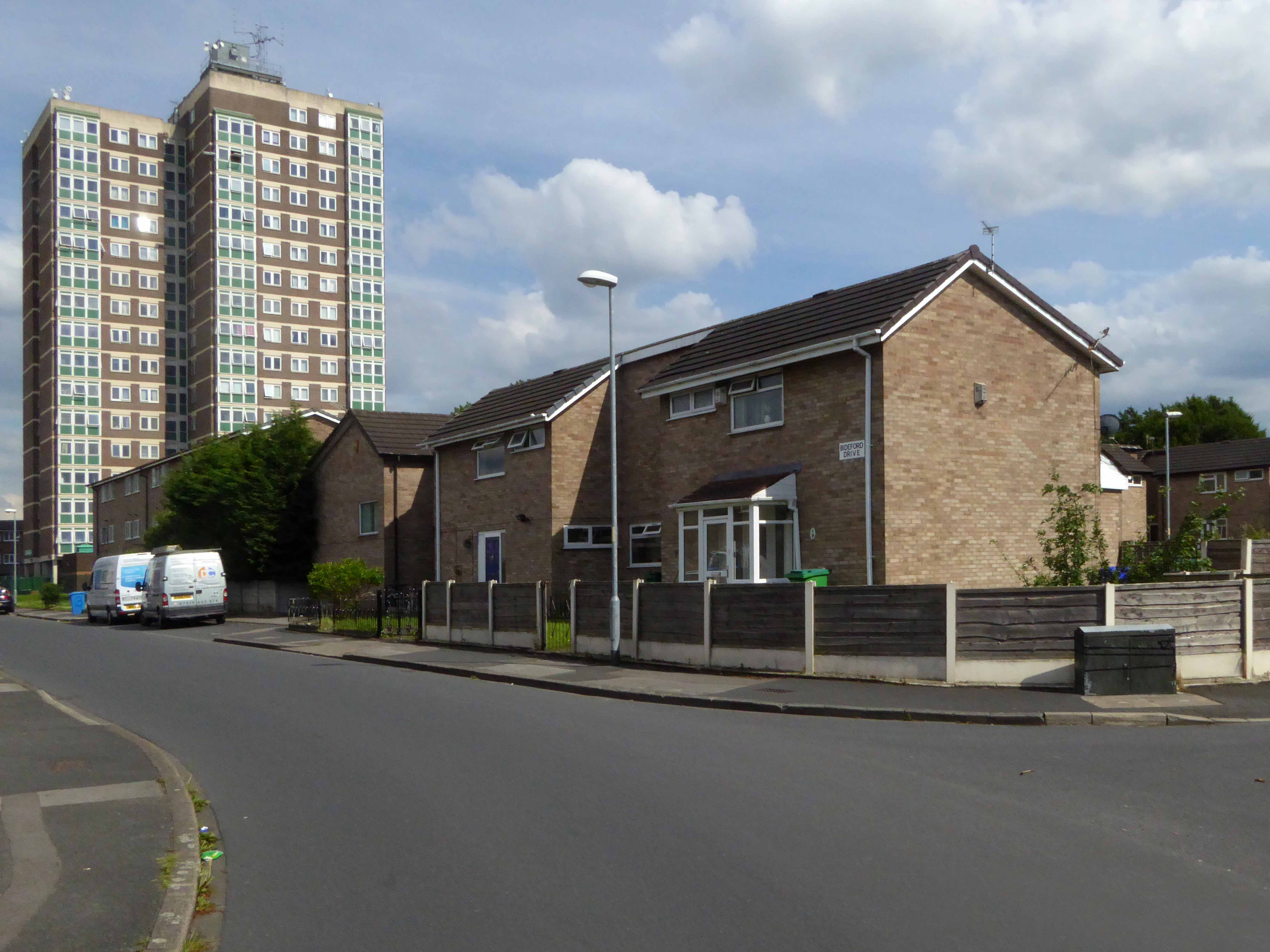
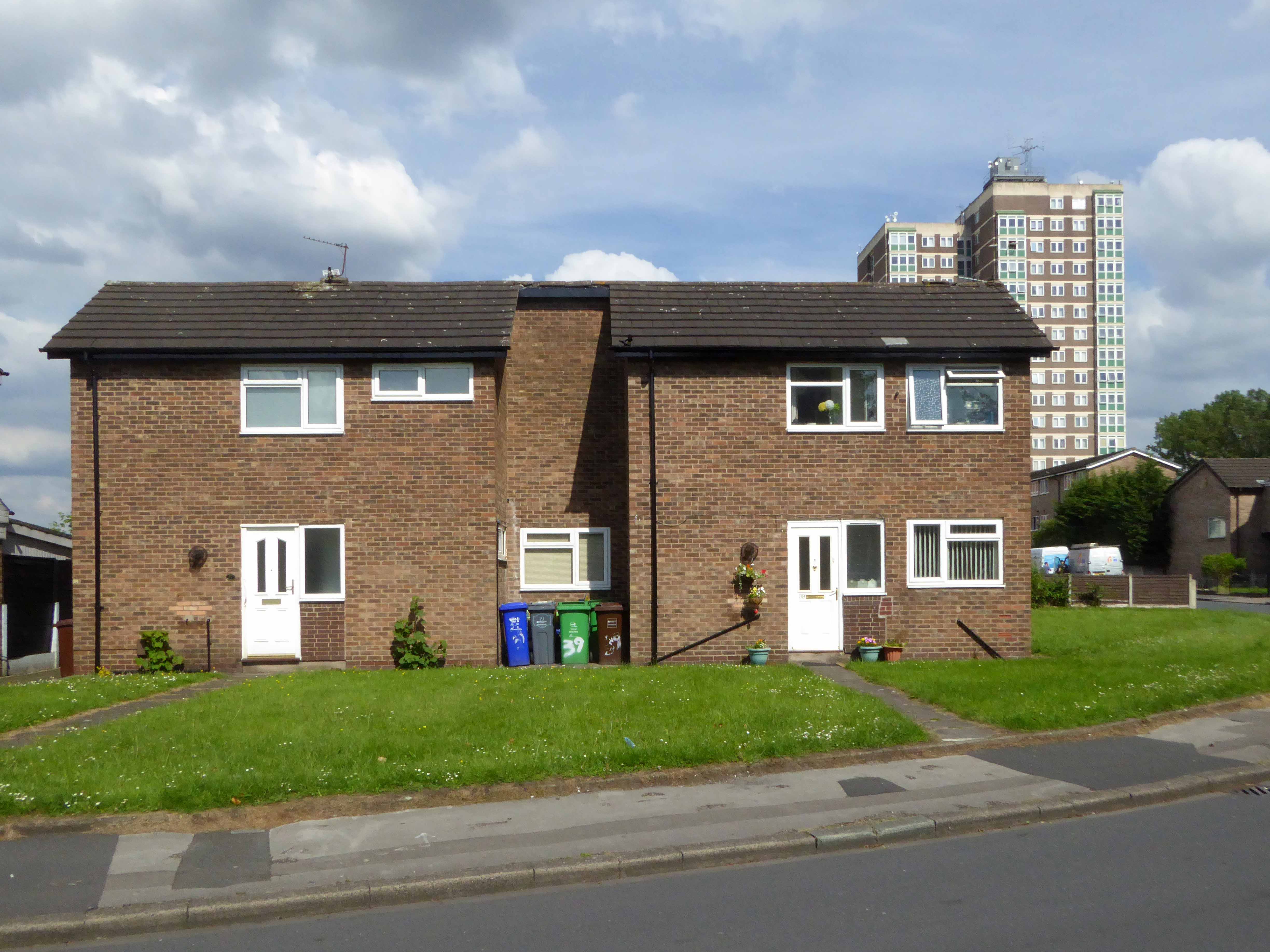
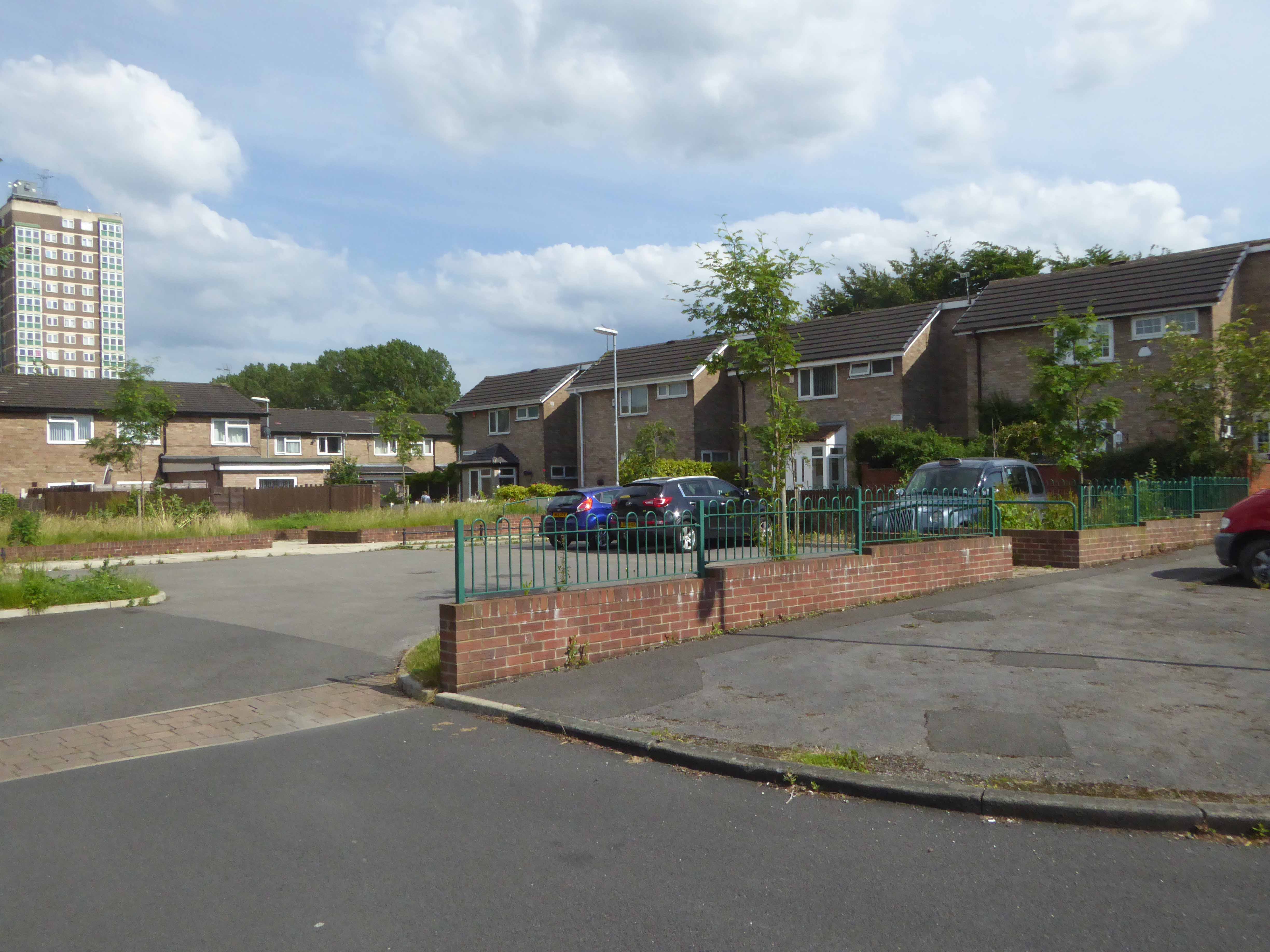
Back to Bideford Drive – Baguley

Screen Shot 2017-06-16 at 11.05.28

Here we are again – having previously travelled back to the inception of the estate in the 1970s.

Structurally little has changed, politically and economically things have shifted.

Tectonically:

The Conservative Party had committed itself to introducing a Right to Buy before Margaret Thatcher became Party leader. After the election of May 1979 a new Conservative government drafted legislation to provide a Right to Buy but, because this would not become law until October 1980, also revised the general consent to enable sales with higher discounts matching those proposed in the new legislation. The numbers of sales completed under this general consent exceeded previous levels. Between 1952 and 1980 over 370,000 public sector dwellings were sold in England and Wales. Almost a third of these were in 1979 and 1980 and it is evident that higher discounts generated and would have continued to generate higher sales without the Right to Buy being in place. 200,000 council houses were sold to their tenants in 1982, and by 1987, more than 1,000,000 council houses in Britain had been sold to their tenants.
The Right to Buy: History and Prospect

The post war policy of building and renting local authority housing was swamped by the phrase property owning democracy, on which the popular conservatism of the 20th century rested, and with it a vision of the good society, was coined by the Scottish Unionist Noel Skelton in a quartet of articles for the Spectator entitled Constructive Conservatism, written in the spring of 1923. The appeal of Popular Capitalism proved compelling, however the periods of de-industrialisation, and the subsequent lull in the building of new affordable homes, has created a myriad of obstacles for those simply seeking somewhere to live and work.

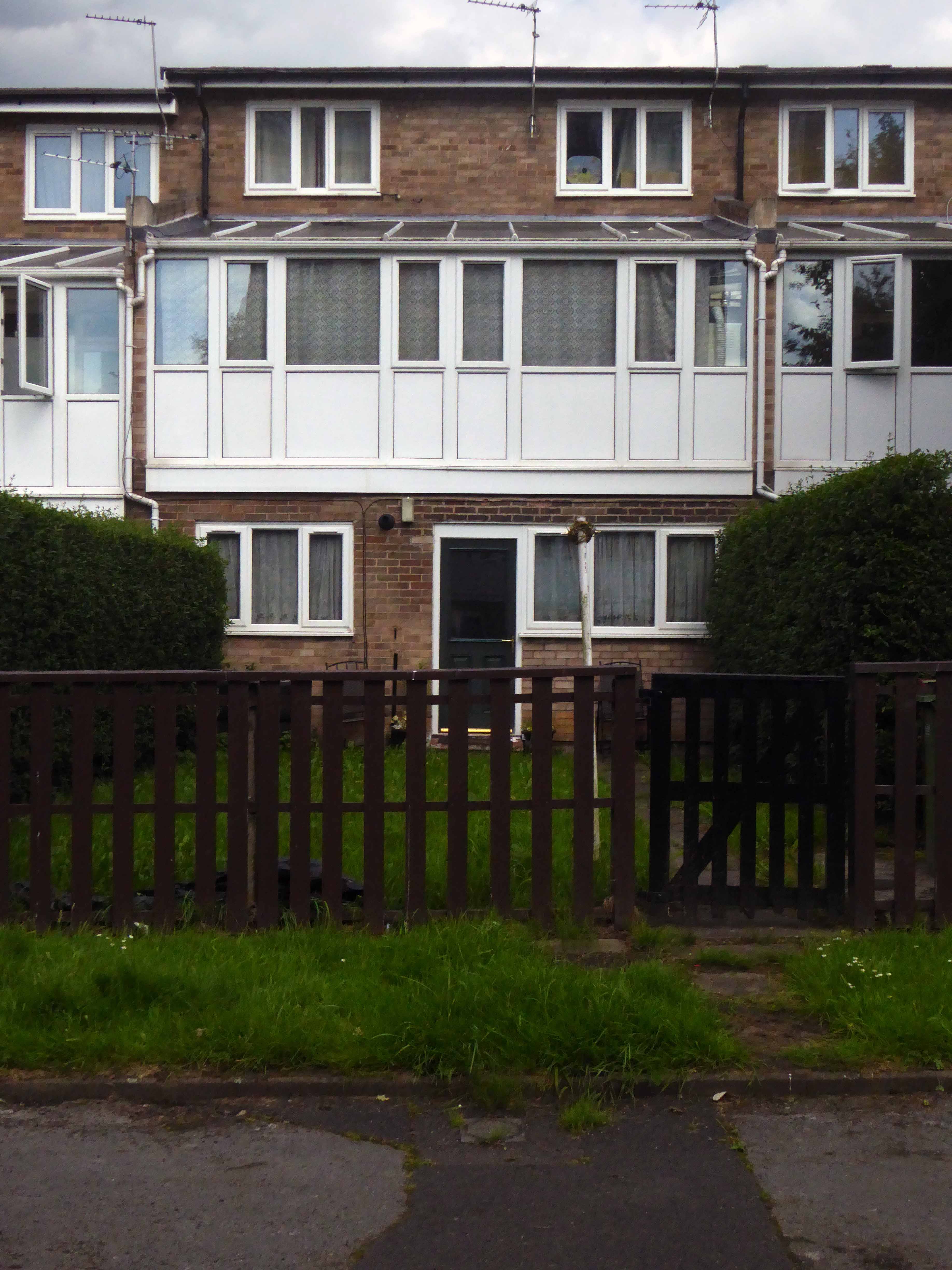
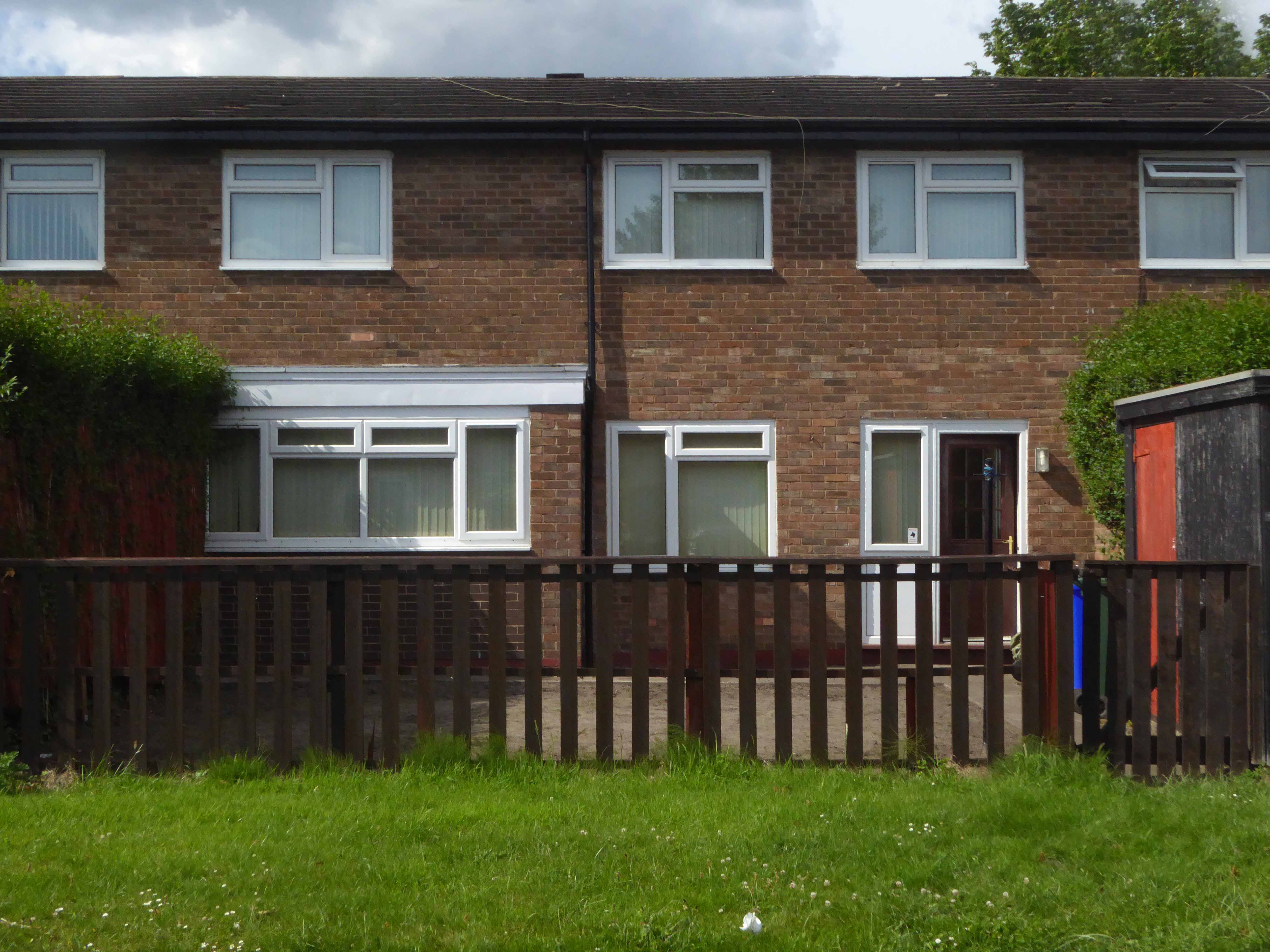
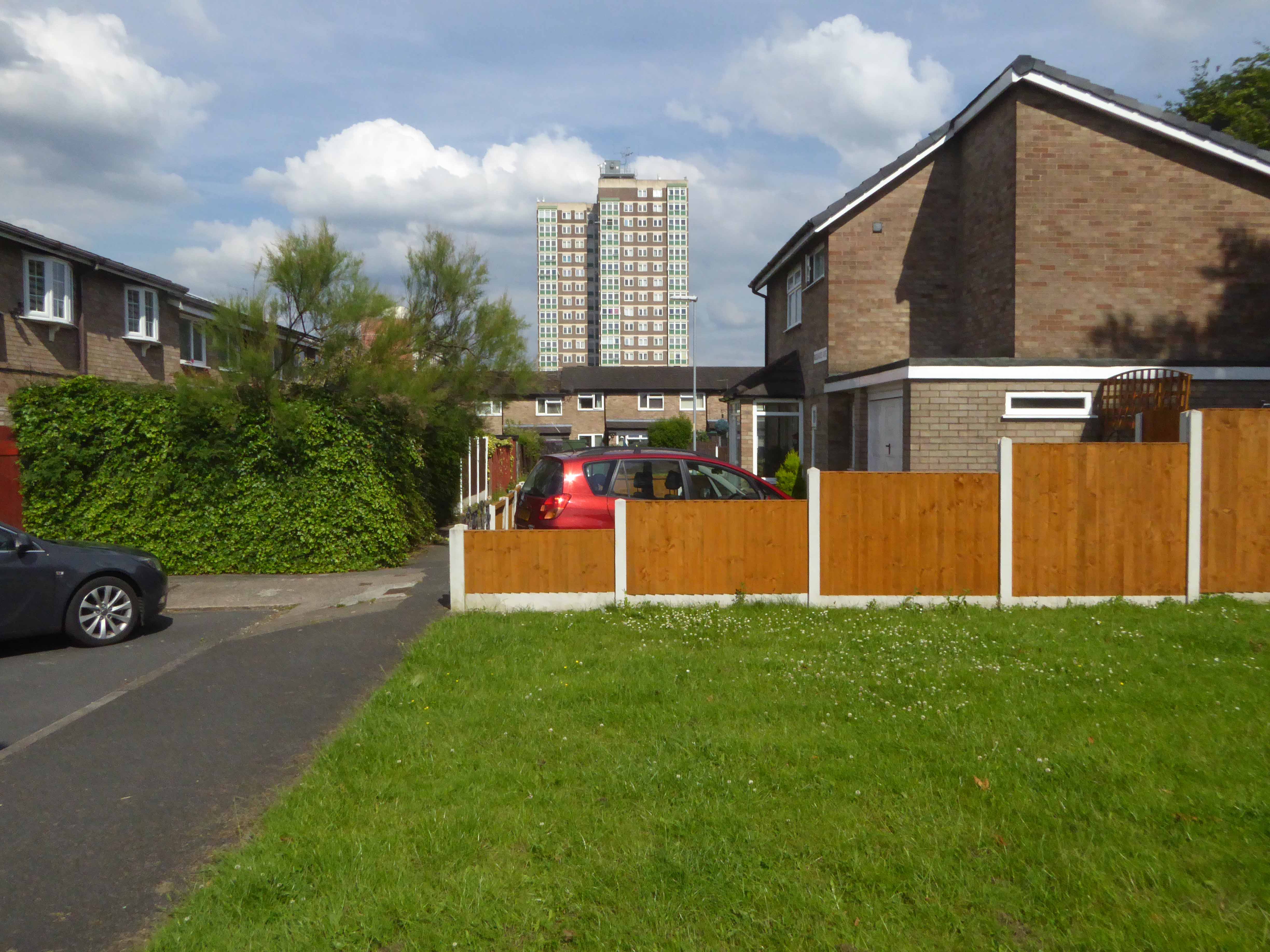
The estate illustrates this historic shift, replete with homeowners decorative amendments and addenda, managing agents and trusts and an end to the architectural integrity of the development.

One could become all Ian Nairn about this, swathed in Outrage.

I myself feel that despite the cosmetic surgery, this remains a homely enclave, residents going about their business in a relatively orderly and happy manner.

Take a look:

P1170298

P1170299


P1170303


P1170306

P1170307

P1170309

P1170312

P1170313

P1170315

P1170318

P1170319


P1170325

P1170327

P1170329

P1170331

P1170335

P1170337

P1170338

P1170339

P1170343

P1170345

P1170348

P1170349

P1170351

P1170353

P1170354

P1170356

P1170358

P1170359


Bideford Drive – Baguley

Baguley is derived from the Old English words Bagca, badger, and Leah, wood.

Historically in Cheshire, Baguley is mentioned in the Domesday Book of 1086, it was incorporated into Manchester in 1931.

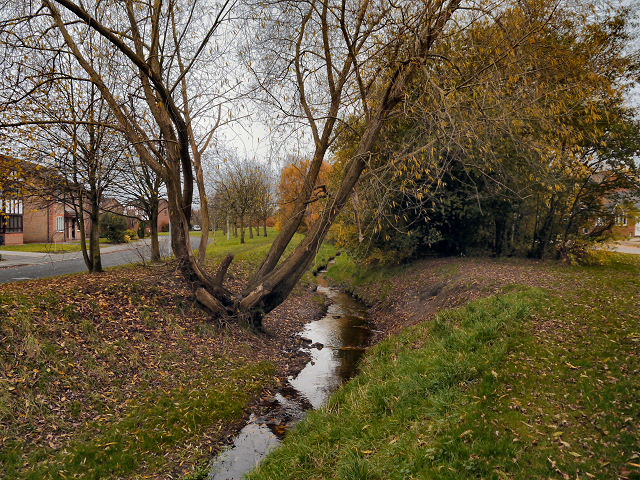
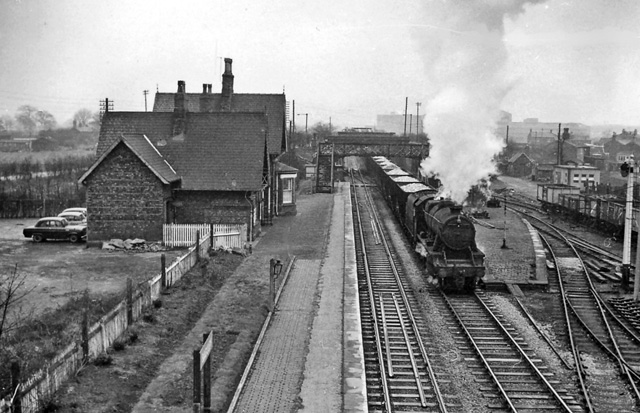
It has a Brook though babble heard I none, it had a Station now long gone.

3223992_1f0fdafd

EPSON scanner image

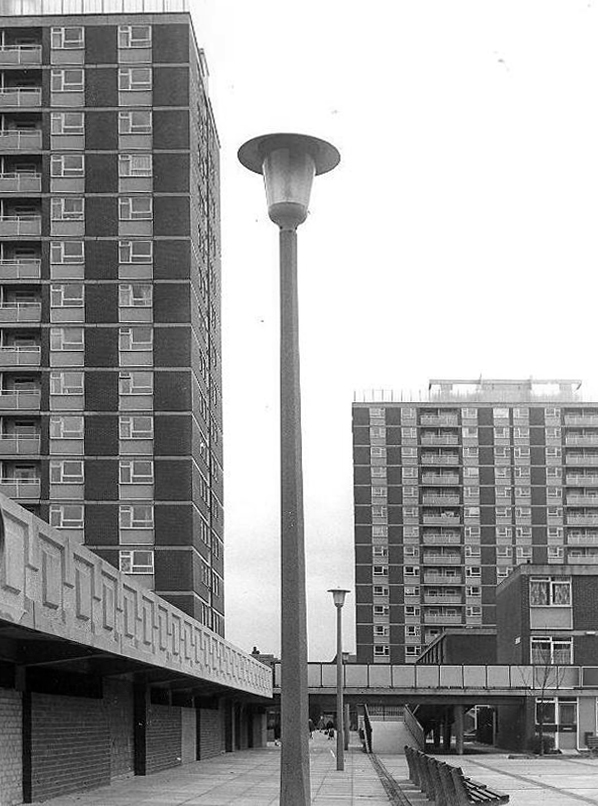
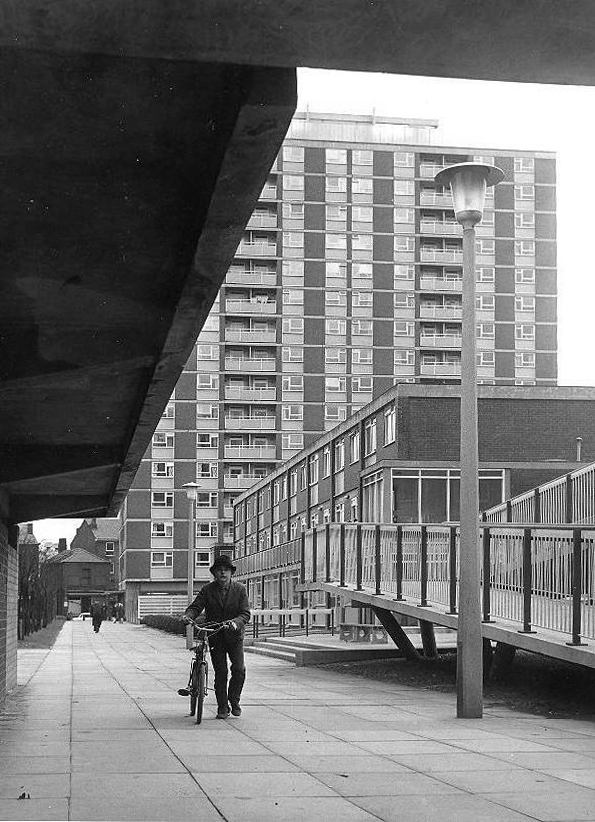
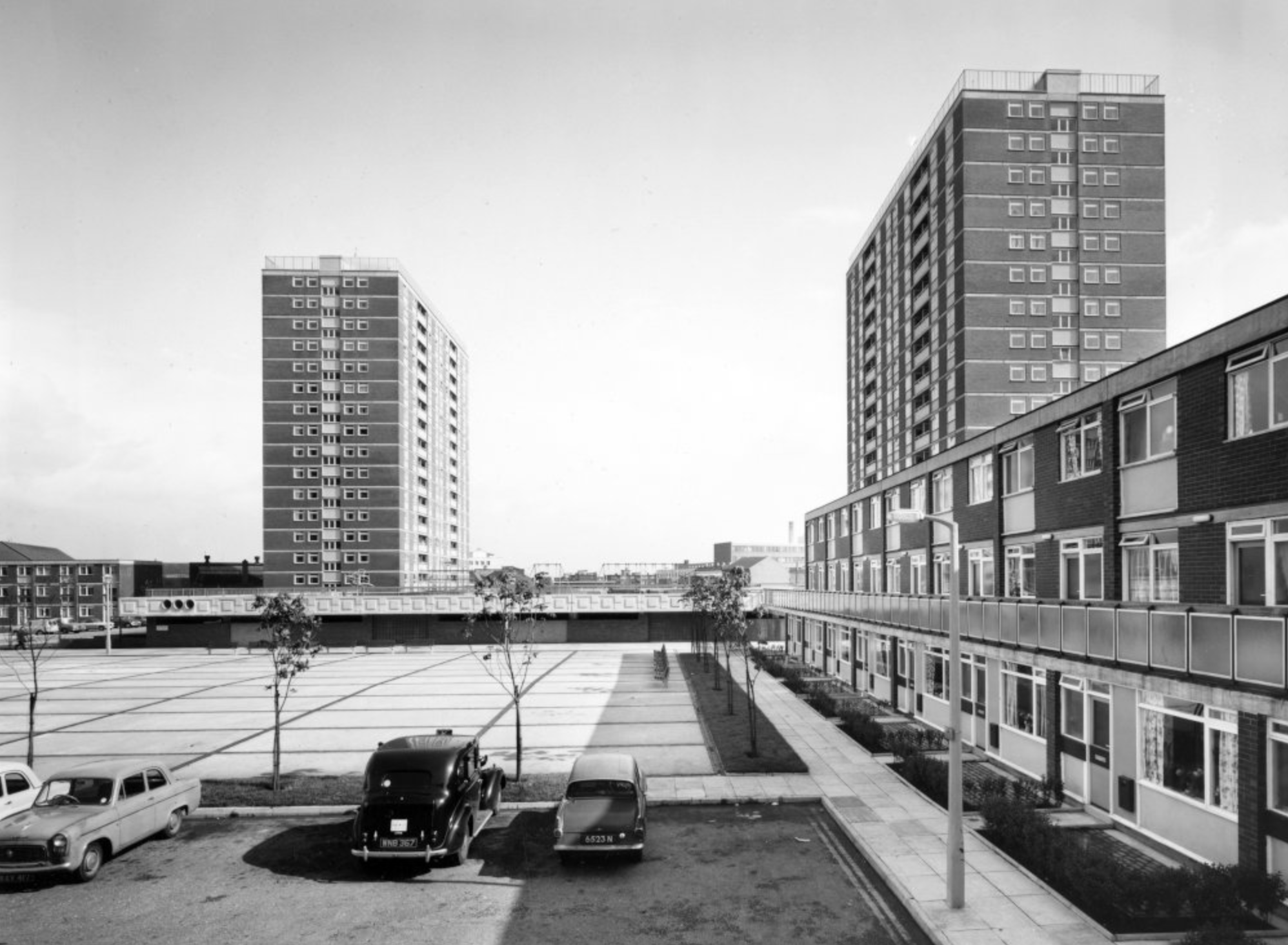
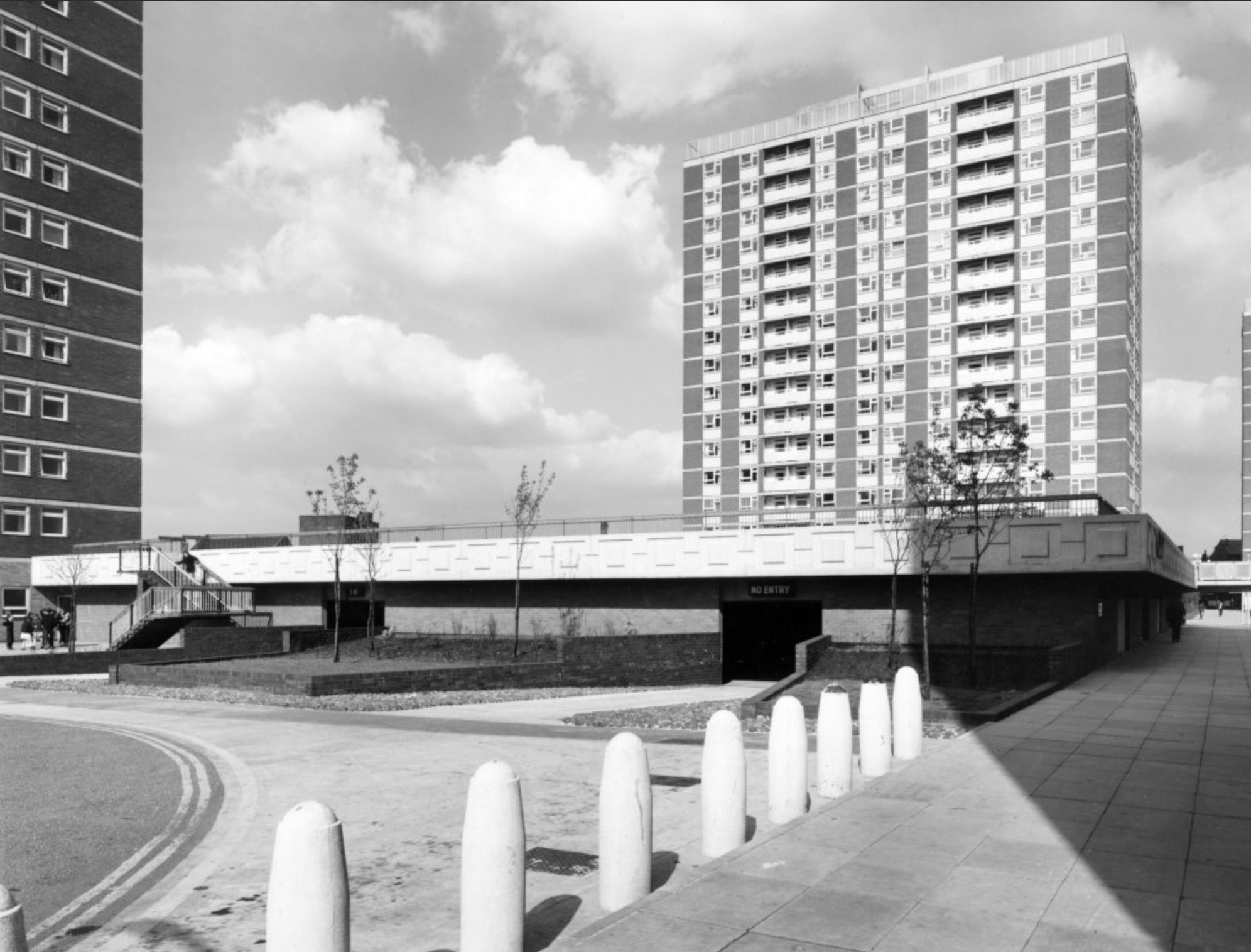
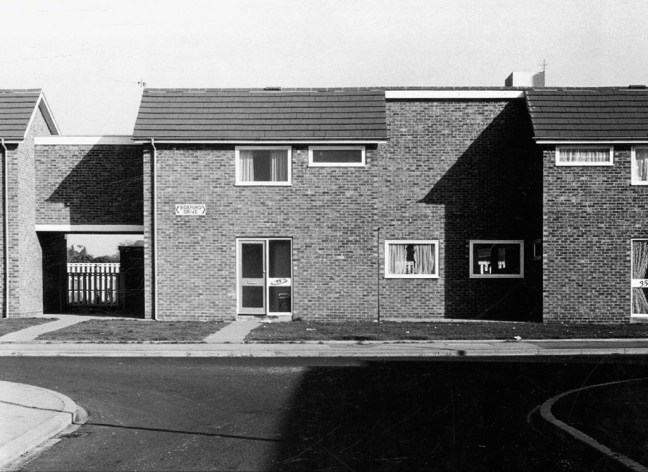
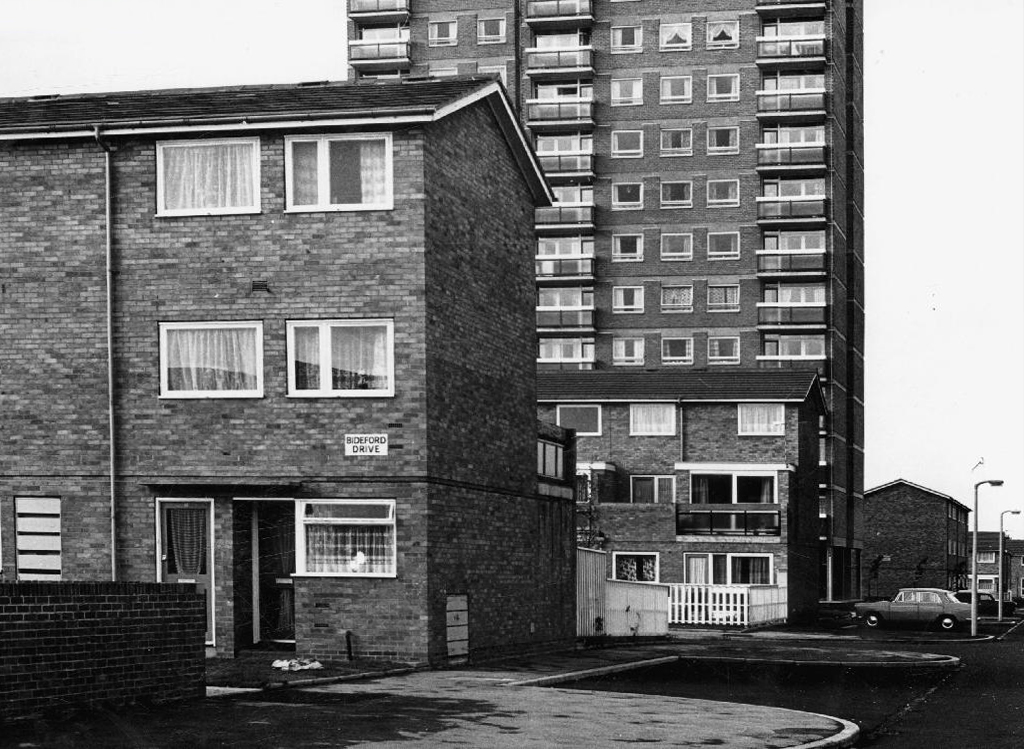
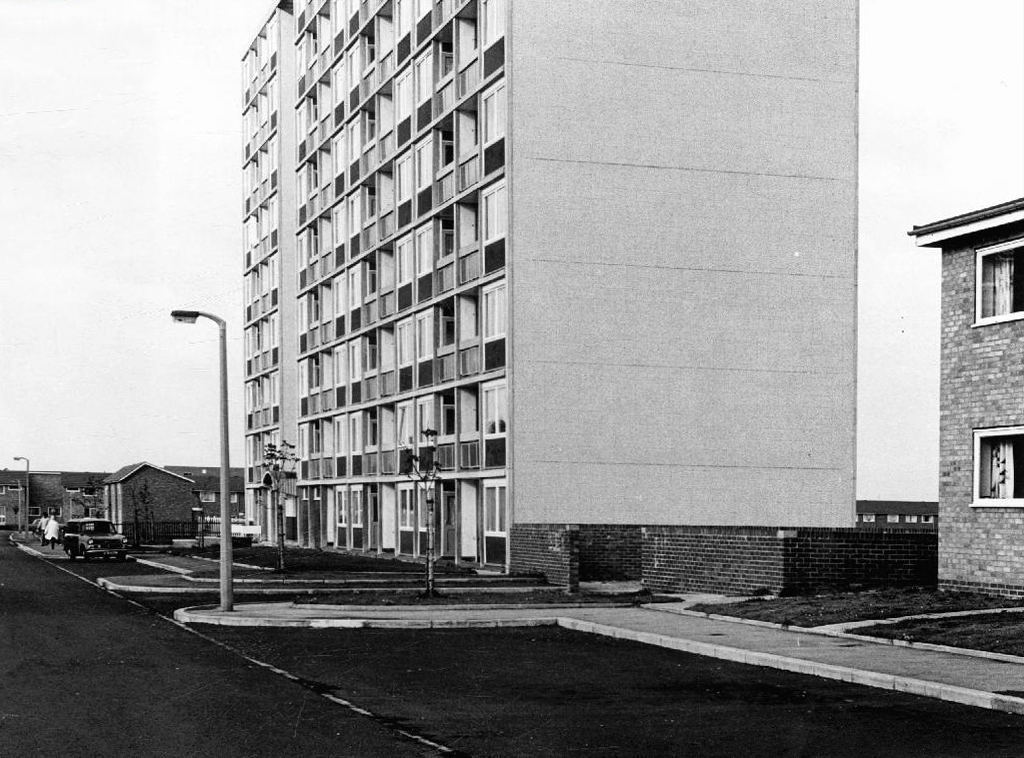
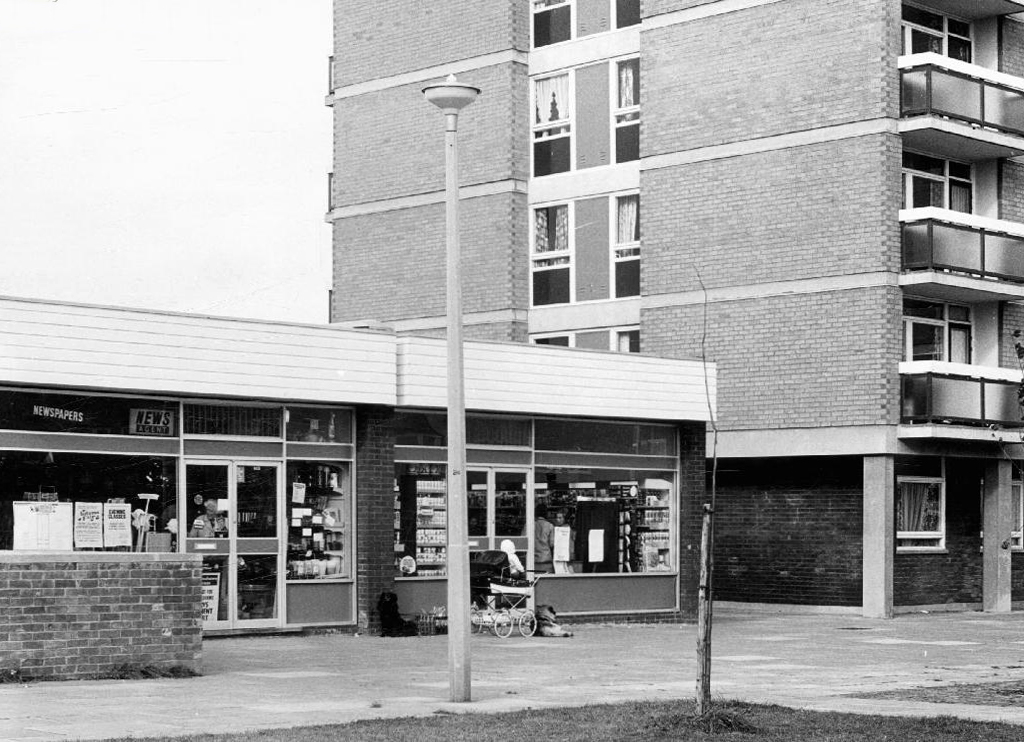
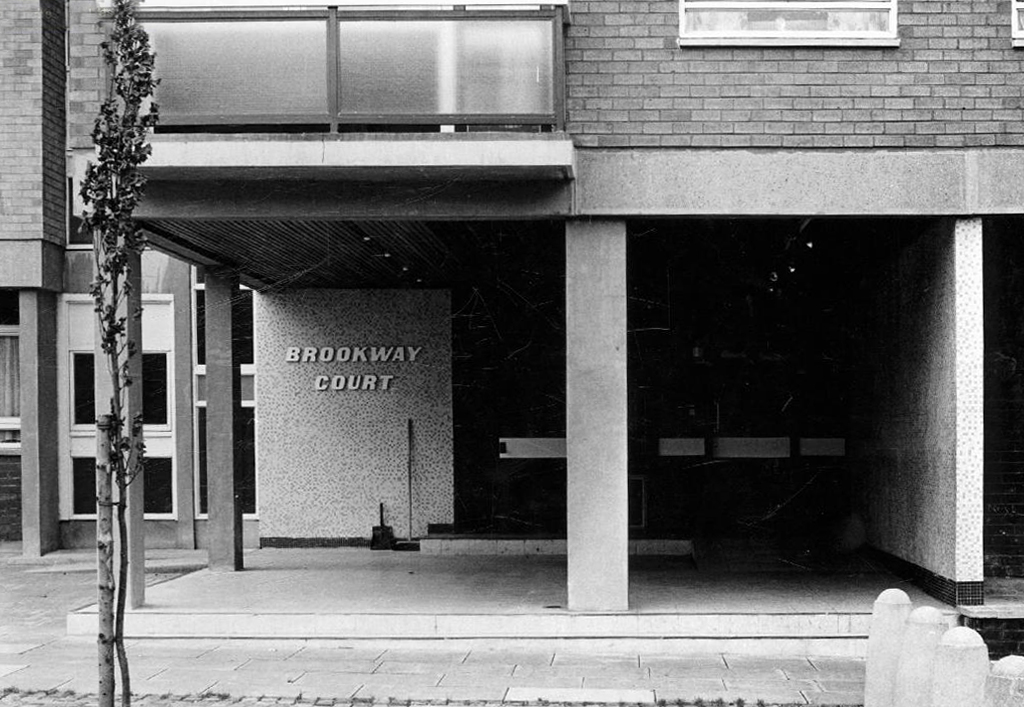
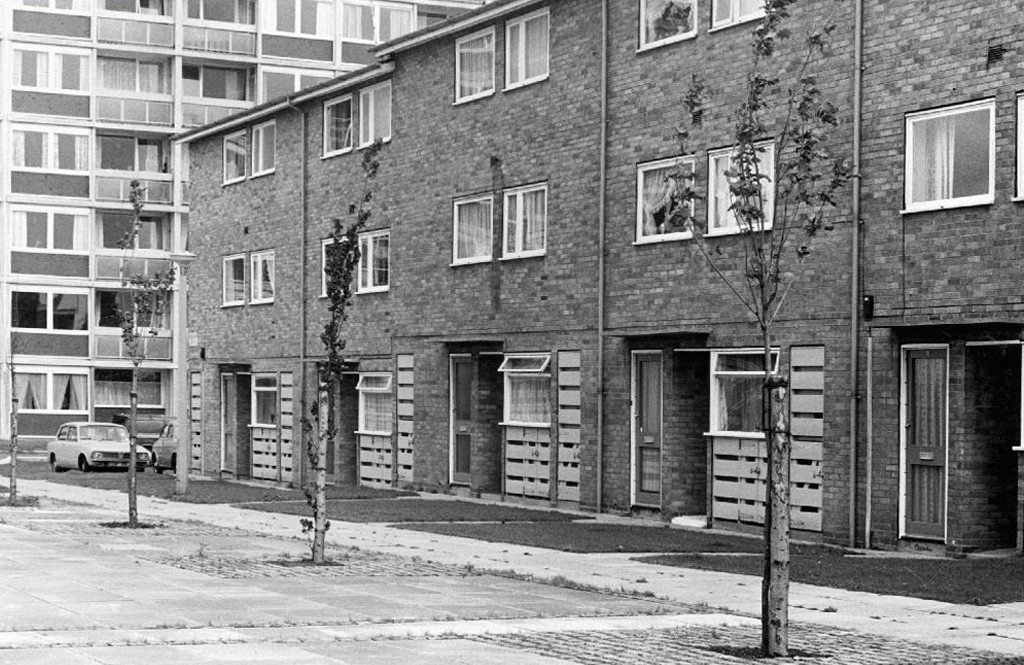
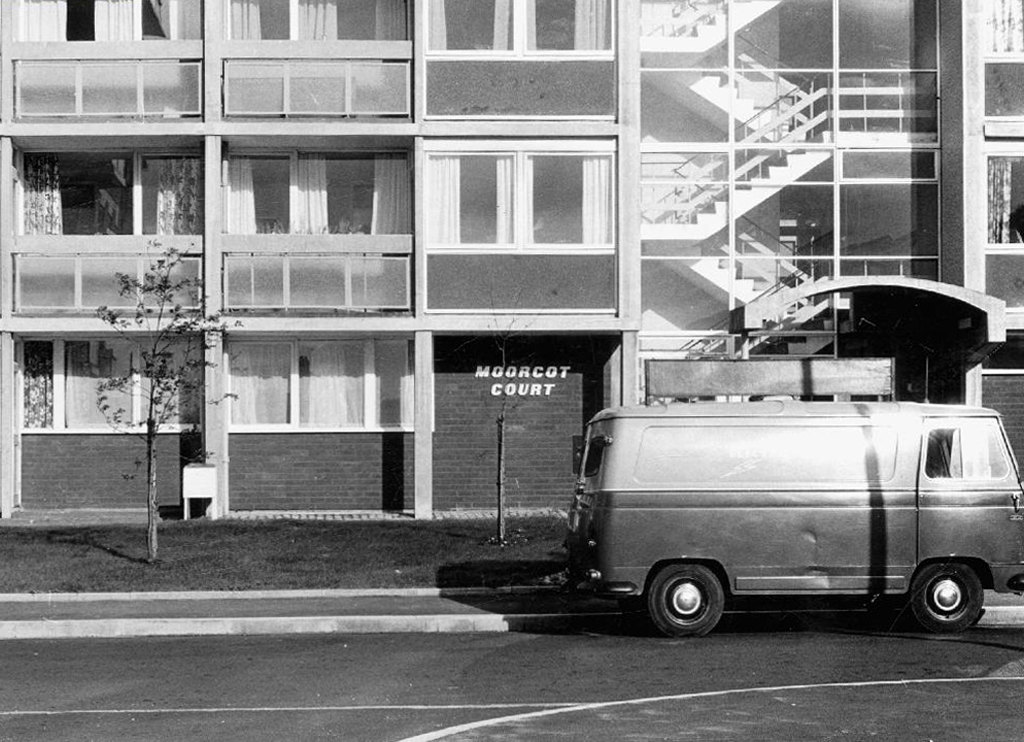
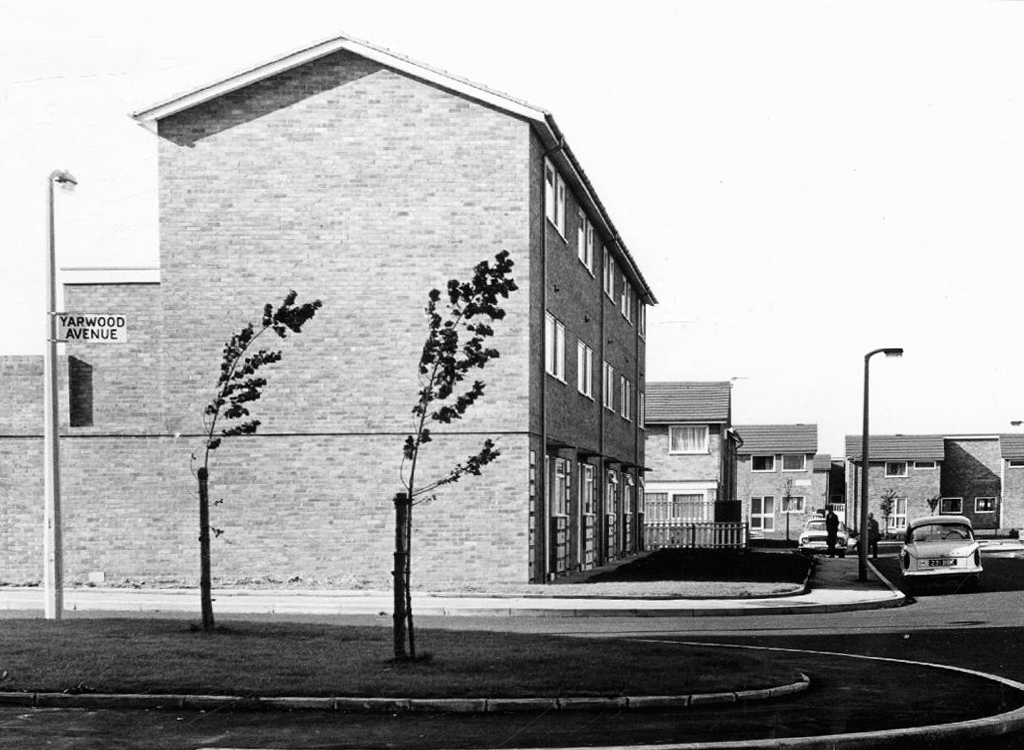
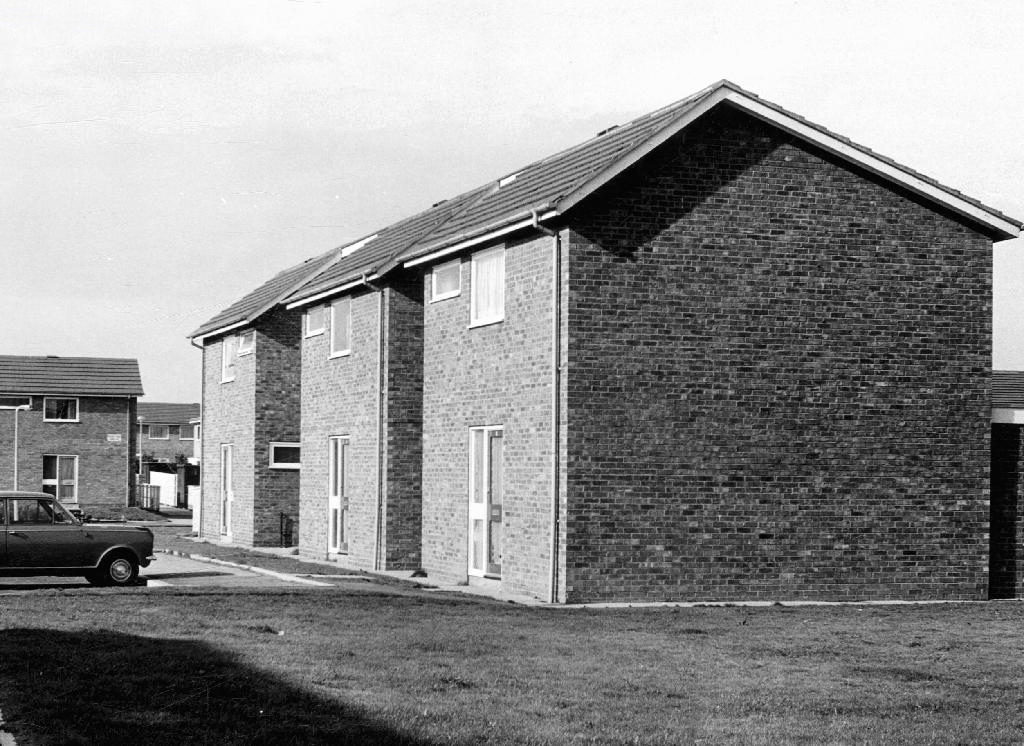
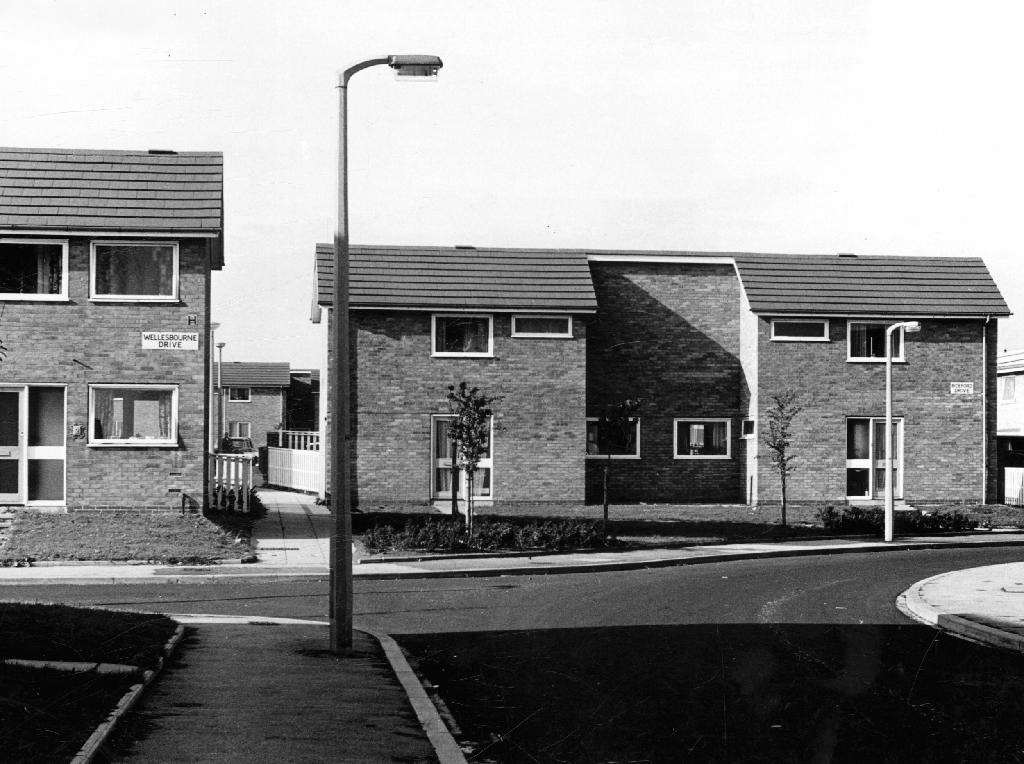
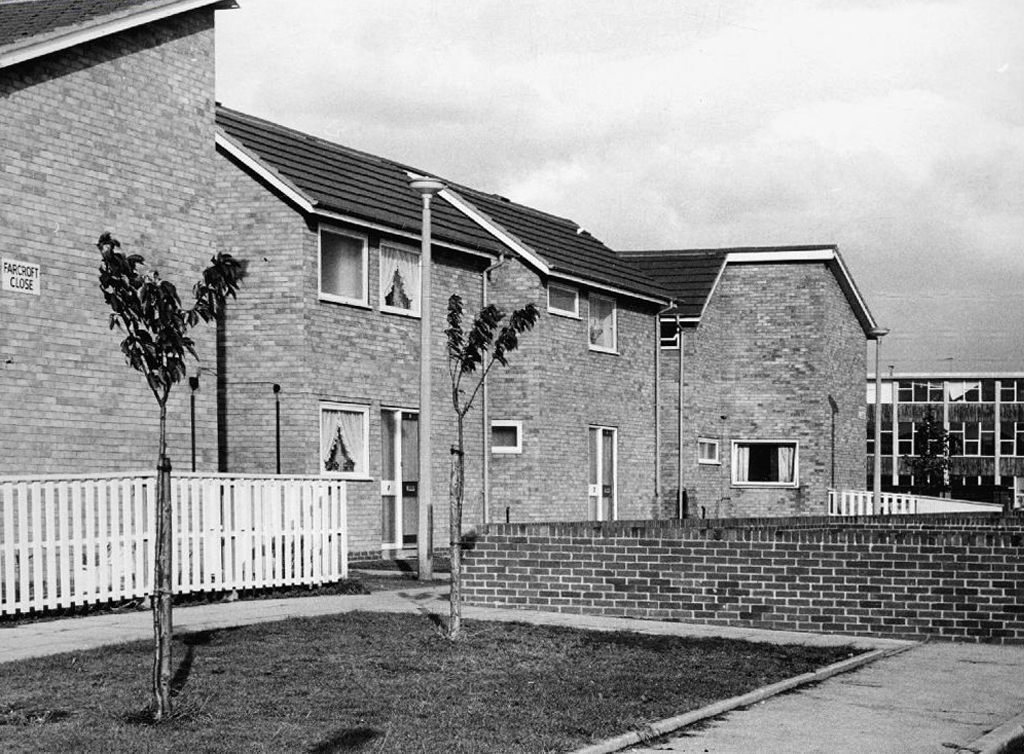
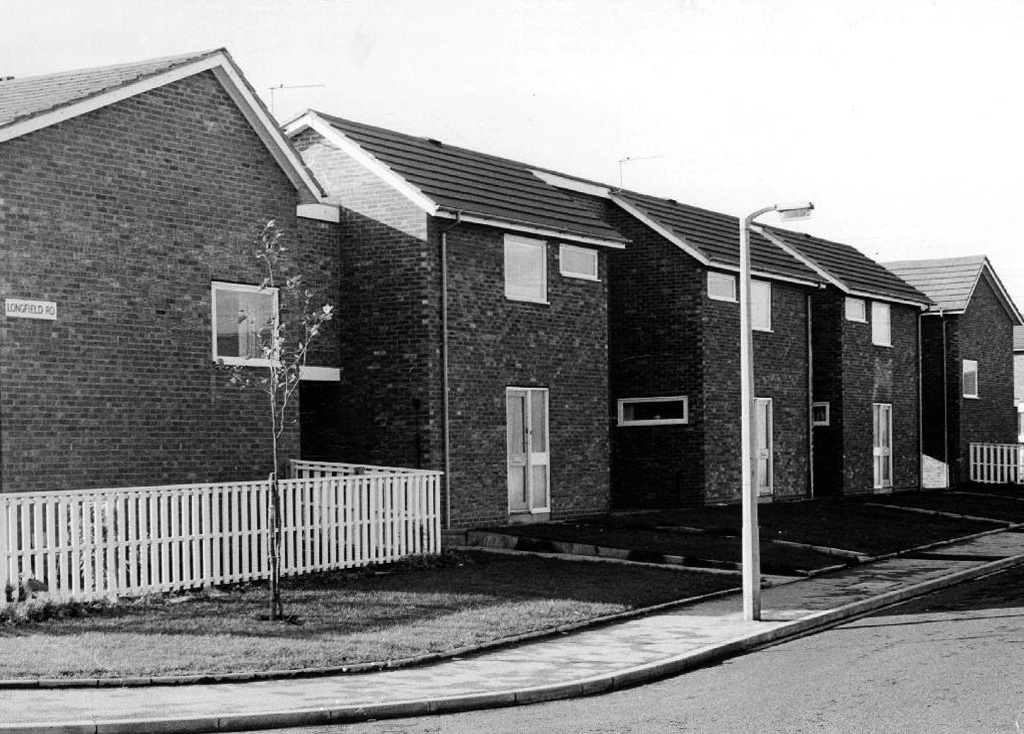
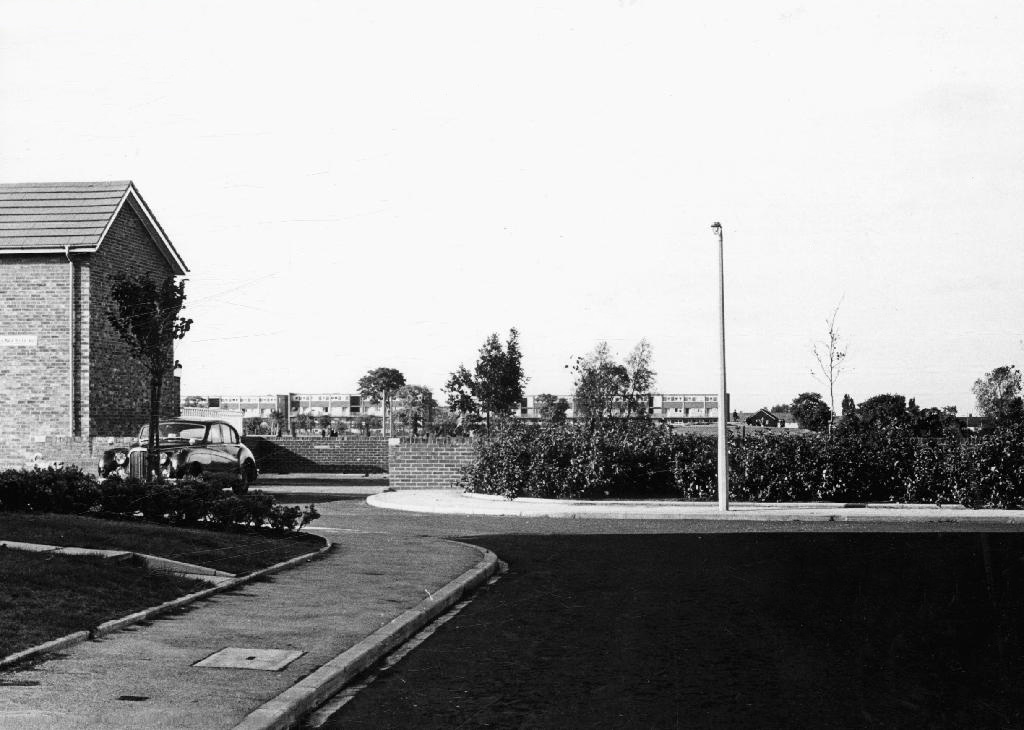
I idled by on my bike to snap the homes around Bideford Drive, which I dutifully did. My curiosity suitably aroused I perused the Manchester Local Image Archive, in search of clues. Planned in 1969 complete in 1971 main contractor Laing architects the City Office.

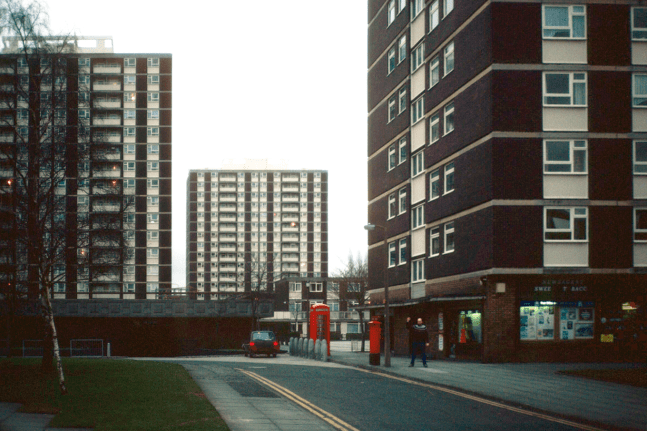
A rich mix of scale and typology, two differentiated blocks, tower and slab, short rows of compact terraces, open spaces, shops, car parking and limited planting. The interlocking geometries, paths and walkways make it an intriguing and entertaining estate, full of small surprises and ideas – these pictures are of 1971.

There is a sharply attenuated and clean feel in the air, optimism on a largely overcast day, a totality – planned integration – homes and architecture of distinction.
 

webmedia-2.php

webmedia-3.php

webmedia-4.php

webmedia-5.php

webmedia-6.php

webmedia-7.php

webmedia-8.php

webmedia-9.php

webmedia-10.php

webmedia-11.php

webmedia-12.php

webmedia-13.php

webmedia-14.php

webmedia-15.php

webmedia-16.php


webmedia.php


St Luke The Physician – Manchester

Cycling around Wythenshawe one sunny day yesterday, in search of friends old and new, I found myself beside myself, beside St Luke’s.

1938-9 by Taylor and Young. Light brown brick in English garden wall bond (roof concealed). Modern functionalist style. Nave with west tower, north and south aisles with porches and side offices, short chancel. Rectangular tower to same width as nave, with short triangular buttresses flanking a square-headed doorway, plain wall except for very large geometrical-floral clock, parapet and very low set-back louvre stage with steeply-pitched hipped roof. Flat-roofed aisles have projected triangular west ends flanking tower, a projected porch at each end of north aisle and corresponding projected offices to south aisle, and very small star-shaped windows with pentagonal surrounds. Nave has 7 pairs of tall square-headed lancets. Short one-bay chancel has concrete cross in place of east window. Interior: basilican character, with low passage-aisles, chamfered piers terminating with lights, flat concrete-beamed ceiling; side-lit chancel with relief figures of angels. 

Grade II listed Historic England

Those are the facts – the fabulous thing is the clock, a playful lesson in geometry, surface and colour, and it keeps time as well.

Wythenshawe is awash with modern churches and this pale brick giant is hard to miss dominating the Brownley Road junction, built to serve the then ever expanding housing estate to the south west of Manchester.

webmedia.php

Brownley Road flats

$_57

webmedia-1.php

Manchester Image Archive

I love the playful touches which offset the monolithic volumes of St Luke’s – go ahead take a look inside:

6176760_orig

luke_int

luke_int1

And out:

P1170366

P1170367

P1170368

P1170369

P1170370

P1170371

P1170372

P1170373


P1170380

P1170381

P1170382

As we cycled by on Friday 12th July 2024 – as we were on the Yuri Gagarin ride, we noticed that the church was open.

The parishioners in attendance, were more than happy to allow us to look around this magnificent interior, many thanks for your hospitality.


Lansbury Tower – London

Neither wrought from purest ivory, nor containing some woe begotten, long gone, misplaced Rapunzel, but conceived as a democratic symbol of a new age of concrete, brick and steel.

Frederick Gibberd’s almost triumphal tower interlocks zig-zag diamonds of cast concrete upwards towards a silently clicking clock, at the head of the Chrisp Street Market.

Lewis Mumford wrote of the adjoining Lansbury Estate:  

Its design has been based not solely on abstract aesthetic principles, or on the economics of commercial construction, or on the techniques of mass production, but on the social constitution of the community itself, with its diversity of human interests and human needs.

15631.1.434.434.FFFFFF

I was privileged to ascend the internal staircase, once open to the public – now reserved for high days, holidays and nosey northern interlopers. Having mildly vertiginous inclinations when so inclined, I gingerly went up in the world and leaned out to take the air and the view.

And this is what I saw.

P1130755 copy

P1130757 copy

P1130758 copy

P1130759 copy

P1130760 copy

P1130761 copy

P1130762 copy

P1130763 copy

P1130765 copy

P1130766 copy

P1130768 copy

P1130770 copy

P1130771 copy

P1130773 copy

P1130775 copy

P1130777 copy

P1130778 copy

P1130825 copy

Lansbury Estate – London

The Lansbury Estate, to the north of East India Dock Road, is the most important, largest and best-known council estate in Poplar. It demonstrates the different trends in post-war council house design and layout. The interest of the estate lies as much, if not more, in the story of its planning and construction, as in what was actually built. This is especially true of its first phase, which formed the basis of the Live Architecture Exhibition in the 1951 Festival of Britain.

lansbury-neighbourhood-map-1951


Originally outlined in the 1943 plan for London, replacing the bomb damaged homes of displaced dockers, the estate has weathered well enough, though changes in demographics, the ever greater engulfing tide of gentrification and the containerisation of all ports, brings a fresh set of challenges and changes.

Go east – I visited the V&A Micro Museum, which has become a focus for residents’ and visitors’  memories and projections of a certain uncertain past and future. Arriving by the Docklands Light Railway, I was immediately drawn towards my destination, by the prominent Lansbury Tower, its clock patiently ticking away the time to and from 1951. Welcomed by staff and fellow travellers at the Chrisp Street Market site we began our tour at the heart of the Festival area – further details of which can be found here at Municipal Dreams.

A mix of market, shops, Festival pub, warm cream London brick terraces and low rise, later tower blocks, schools, churches and open grassed communal areas. On a cold and getting colder late winter’s day, a smattering of residents went purposefully about their business.

Life goes on.
Next time everything’s going to be different.

P1130822 copy

P1130821 copy

P1130820 copy

P1130819 copy

P1130818 copy

P1130817 copy

P1130815 copy


P1130812 copy

P1130811 copy

P1130810 copy

P1130809 copy

P1130807 copy

P1130806 copy

P1130805 copy

P1130803 copy

P1130800 copy

P1130796 copy

P1130794 copy

P1130793 copy

P1130788 copy

P1130786 copy

P1130785 copy

P1130784 copy

P1130783 copy

P1130781 copy

P1130769 copy

P1130767 copy

P1130754 copy

P1130753 copy

P1130751 copy


Seven Sisters – Return to Rochdale

I’ve passed this way before, they’re hard to miss, seven substantial tower blocks towering over the town on College Bank.

But what goes up, may come down.
Screen Shot 2017-03-23 at 13.53.11

Construction in 1963

Demolition in 2017 is one suggestion – following years of poor maintenance, problems of heating and ingress, plus a whole host of other reasons outlined here.
Screen Shot 2017-03-23 at 13.50.02

The housing trust in consultation with residents, have produced a tentative plan.

Screen Shot 2017-03-23 at 13.50.49

This may or may not include the demolition of one or more blocks. On the day of my visit, the tenants I spoke with understood that the blocks faced an uncertain future, and were rightly concerned by the rumours and conjecture. The majority would prefer to stay put, having lived there for several years, raising families and building  homes.

Whatever the outcome I hope that the wishes of the residents are not overwhelmed by political expedience, or the will of the developer.

Take a look for yourself.

P1140328 copy

P1140335 copy

P1140337 copy

P1140339 copy

P1140340 copy

P1140346 copy

P1140347 copy

P1140348 copy

P1140350 copy

P1140351 copy

P1140353 copy

P1140355 copy

P1140356 copy

P1140358 copy

P1140362 copy

P1140370 copy

P1140372 copy

P1140374 copy

P1140444 copy

P1140445 copy


Lower Falinge – Rochdale

Walking between College Bank flats and St Patrick’s church you and I will almost inevitably pass through Lower Falinge.

In April 1967 Rochdale Council’s Estates Committee considered a proposal to build 750 dwellings in four-storey deck access flats in the Falinge area. By November the £1,810,000 scheme for the area bounded by Spotland Road, Hudson Street and Toad Lane was given the thumbs up.

C_71_article_515340_body_articleblock_0_bodyimage

The four-storey development was to provide 527 dwellings with deck access, ramps and overheard walkways. It was planned so people could walk from any point in the area to another without having to return to ground level. Work began in early 1968 and was completed in three stages. More recently they have been up-graded and now have pitched roofs. Freehold Flats were built in the early 1970s. Eleven of the eventual 19 blocks were occupied by August 1971. 

Redevelopment_in_Falinge,_Rochdale,_Lancashire_-_geograph.org.uk_-_1395299

Built at a time when full employment was a tangible reality rather than a fondly recounted folk memory, the area was buoyant and relatively prosperous.

Time, the free market, and casualised labour has not been kind to Lower Falinge and many other post-industrial estates. The Thatcherite press conveniently badges the residents as scum, scroungers and frauds, a carefully conceived sleight of hand, transferring responsibility onto those careless enough to become the victims of an uncaring economic system.

scroungers_headlines_lg

Demonising and dividing working people regardless of ethnicity, ability, sexuality or ability – the equal opportunities abuser.

A few years ago there was even a national news story about a Falinge café serving fry-ups with a can of Stella for £2.50, this was untrue.

So Lower Falinge and its like become the convenient exemplar for the inconvenience of Broken Britain, a PR device to whitewash the very dirty hands that authored its very dirty demise. Those very dirty hands that have no viable solution to a very real problem, of resolving poor peoples’ uncertain futures.

Meanwhile the journalists form a disorderly queue to file the next in line, online assessment of an awful situation devoid of resolution, short of revolution.

2008826_152139

2016126_162425

Transferred from local authority control to charitable trust, forever shape shifting its hard lines to a softer, home made, fluffier image as limited resources, chase limited opportunities, all around the deck access landings.

Life goes on, we live in hope or Lower Falinge.

Limbo-5880

Mishka Henner

The estate is now post-post modern, acquiring another veneer of refurbishment over the now tarnished green of the cover all, all purpose un-repurposed steel railings.

P1140380

P1140381

P1140382

P1140383

P1140384

P1140385

P1140386

P1140387

P1140388

P1140397

P1140399

P1140401

P1140403

Balfron Tower London

The Balfron Tower Conservation Area was designated in October 1998 around the two residential blocks designed by Ernö Goldfinger for the London County Council in the 1960s. The Conservation Area boundary protects the listed Balfron Tower and Carradale House, and other buildings in the ‘Brownfield Estate’, including Glenkerry House, a community centre, shops and associated low-rise housing development.

The 27-storey Balfron Tower is Goldfinger’s first public housing project, and a precursor to his better known Trellick Tower in North Kensington. The neighbouring Carradale House and Glenkerry House sit within the landscaped areas developed at the same time. The Brownfield Estate, also known as the East India Estate, is now recognised as a fine example of planned 1960s social housing. Considered to be exemplary examples of the post-war housing schemes, Balfron Tower and Carradale House were listed in 1998 for their cultural & architectural merit.

This was my first visit, to a key building in the short history of modernist post war housing, currently something of a sleeping giant, awaiting Prince Charming’s kiss.

What will it awake to?

Tower Hamlets are mid consultation, as evidenced in this here document.

On an overcast and ever darkening afternoon, the rain cutting in on a chill wind, set against a slate grey sky, its surfaces and volumes were ever so slightly forlorn.

There is much to be done by way of regeneration, with the attendant issues of heritage, funding, gentrification and inevitably who lives where and why?

Everything you may care to almost know is here.

I walked around the area and took these pictures.

p1130830-copy

p1130831-copy

p1130832-copy

p1130833-copy

p1130834-copy

p1130835-copy

p1130836-copy

p1130837-copy

p1130838-copy

p1130839-copy

p1130840-copy

p1130841-copy

p1130842-copy

p1130843-copy

p1130844-copy

p1130845-copy

p1130846-copy

p1130847-copy

p1130848-copy

p1130849-copy

p1130850-copy

p1130851-copy

p1130852-copy

p1130853-copy

p1130854-copy

p1130855-copy

p1130857-copy

p1130858-copy


p1130860-copy

p1130861-copy

A Taste of the North

Where is the North and what does it look like?

It’s up there somewhere isn’t it, a dark elsewhere, a mythological other place.

I was curious, searching for clues.

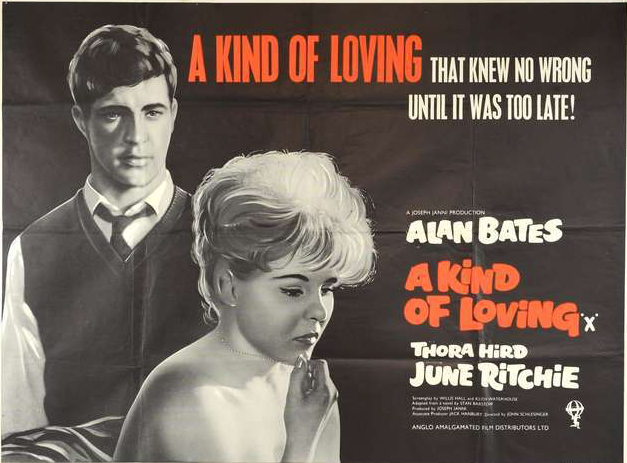
I began in a nearby place in a faraway time, my first reference point, the film adaptation of Shelagh Delaney’s play A Taste of Honey.

Set in Salford by Salford born teenager Shelagh.

A  teenager becomes pregnant by a black sailor. She leaves her feckless mother and her flashy new boyfriend to set up her own home. She moves in with a young gay man, who helps look after her as she faces an uncertain future.

I have compiled a series of photographs of the film’s locations. 

poster2

The film’s release in 1962 broke new ground in terms of its matter of fact depiction of contentious and sensational subject matter. My interest in this instance rests with the visual image of the North that it created.

a_taste_of_honey_1961_film_woodfall_film_productions_mm

Larkhill Road Edgeley Stockport

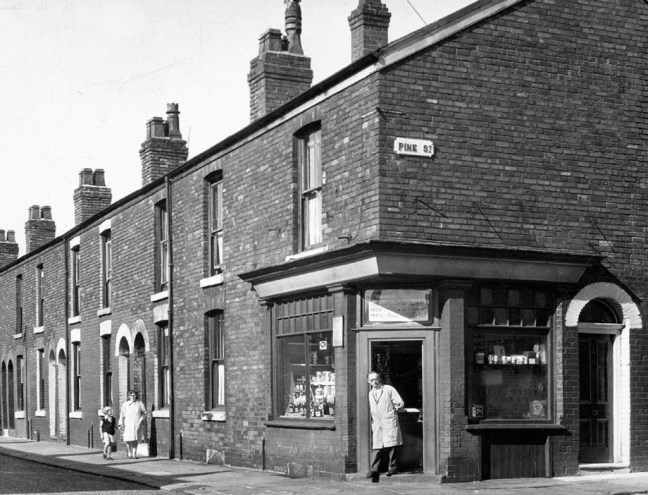
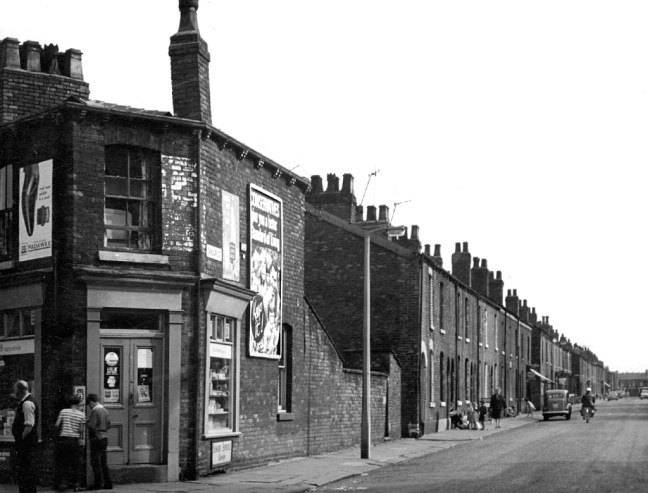
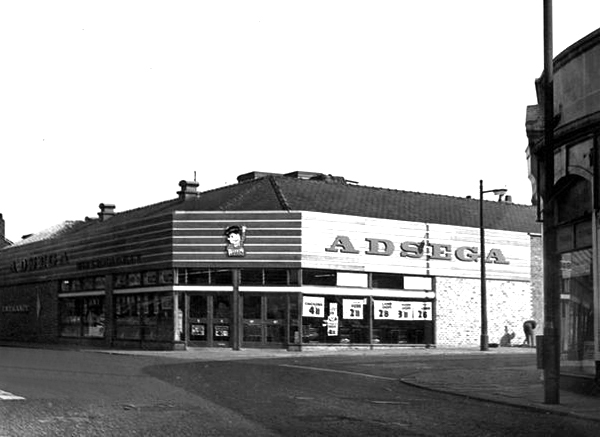
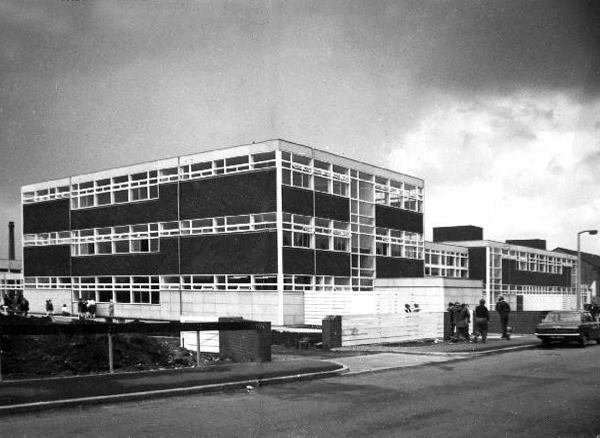
Shot almost entirely on location in black and white by cinematographer Walter Lassally, we are treated to dark treeless vistas, cobbled streets, industrial areas almost perpetually in decline, bleak canals and terraced homes.

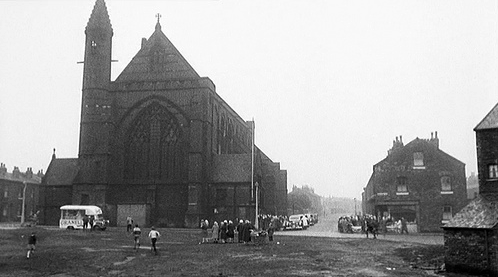
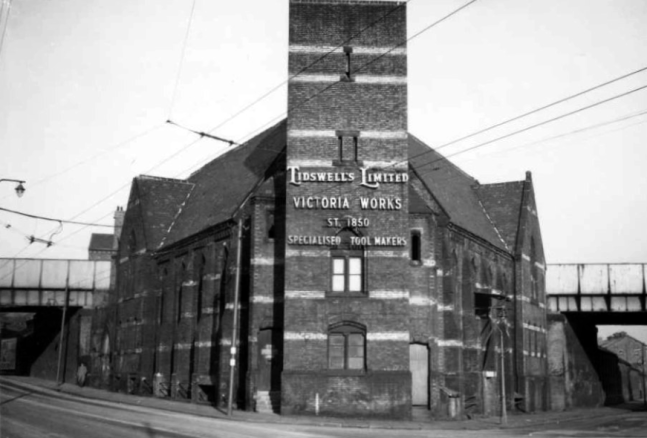
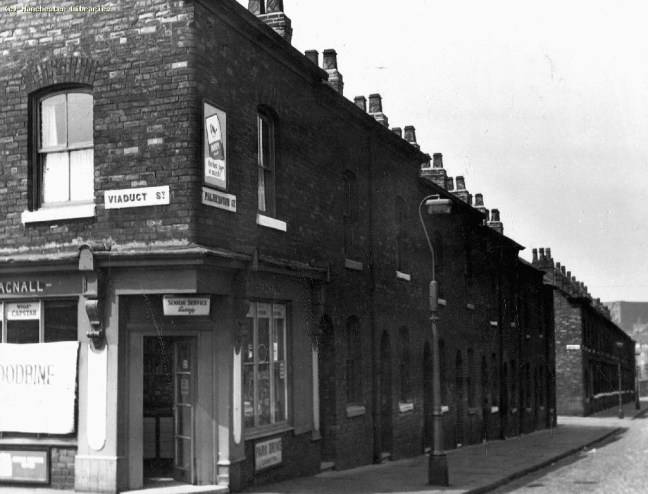
As shown in these archive images of the 1950s, illustrating locations that would subsequently be used in the film adaptation.

There is a comprehensive list of locations here at Reel Streets

cambrian-street

Cambrian Street Holt Town Manchester

gas

Phillips Park Gasworks Manchester

Director Tony Richardson was a product of the British Free Cinema movement, which had previously produced short, sharp documentary and drama work, driven by a leftist outlook and using a restless, immediate approach, aided by the new lightweight cameras and faster film stocks. This is an ethos and methodology that would be carried over into the feature productions of the Woodfall Films company.

bfi-00m-nn0.jpg

Rochdale Canal Manchester

The film was shot in the flat, low, even light of the Winter which heightened the mildly desolate character of the landscape, though ostensibly Salford set many of the locations are in nearby Manchester and Stockport. An early long and free flowing title sequence and establishing shot, is a bus tour around Central Manchester, a city centre which at the time was still graced by a thick accumulation of dark industrial emissions and miasma.

screen-shot-2017-02-03-at-19-44-30

A soot blackened Queen Victoria mute and imperious in Piccadilly Gardens, the freshly blooming cranes of post-war renewal tentatively appearing in the background.

screen-shot-2017-02-03-at-20-30-43

The skyline punctuated by factory chimneys, the tight huddled streets of terraced houses chuffing billowing great grey clouds of smoke – a view familiar in the work of LS Lowry.

a-taste-of-honey-new-4

Barton Bridge

lr-taste-of-honey-msc-swing-bridge

Trafford Swing Bridge

taste-of-honey

Stockport Rail Viaduct

taste_of_honey_01

Phillips Park Gasworks

screen-shot-2017-02-03-at-20-05-24

The location of the home that Jo sets up was ironically the stage set workshop of the Royal Court Theatre (the very theatre where the play was developed and produced) in London – that most northern of cities.

There is a brief respite from this milieu, through a picture in picture sequence based on the image of a suburban bungalow – which along with the coming age of mass motor car ownership, offers the promise of escape.

screen-shot-2017-02-03-at-20-34-51

screen-shot-2017-02-03-at-20-37-15

A giddy day trip to Blackpool represents the temporary release from a contrasting and constricting world, a trip which for Jo emphasises the divide between Mother and her lover.

screen-shot-2017-02-03-at-20-35-56

So we the viewers are left with a cloudily clear, black and white world, a pervasive construct that the North and Manchester is eagerly beginning to casually shuffle off.

Where streets are no longer paved with Eccles Cakes and whippets are hip.

Identity through landscape and location can both define and constrain, but that landscape, its representation, and the identity that it produces are all mutually mutable.

Take some time to watch and rewatch the film, freeze frame where are we?

Who are you?

Semi Detached – Warrington

I was walking back from St Stephen’s Church recently, when I chanced upon a small group of two storey, flat roofed, semi detached social houses.

They were blessed with that post war functionalist brick and concrete chic.

Part of a larger development of homes in the Longford area of the town.

screen-shot-2017-01-31-at-15-33-18

An area which is one of the most socially deprived in the country, with more than its fair share of problems, crack and weed would once have been pressing matters for the Borough Highways Department – these days they are more likely to attract the attention of the boys and girls in blue.

screen-shot-2017-01-31-at-17-17-47

And to cap it all the area is prone to frequent flooding.

longford-flooding

There are signs of hope as the housing association and council embark on a multi million pound refurbishment of the estate including:

Replacing fencing around bungalows.

On the day of my visit the chill January streets seemed quiet and ordered, and I was enchanted by the mismatched pairs of semis that I encountered.

p1130204

p1130205

p1130206

p1130207

p1130208

p1130209

p1130210

p1130212

p1130213

p1130214

p1130215

p1130216

p1130218

p1130219

p1130220


Modern Housing – Warrington

As I walked out one morning, up and down the A49 out of Warrington town centre, on the way somewhere else entirely, the sun and I chanced to fall on a tight group of streets and courtyards, constraining and containing an intriguing collection of modern homes.

screen-shot-2017-01-26-at-13-27-22

Competitively priced, well below national averages – the area looks to be getting along.

screen-shot-2017-01-26-at-13-31-05

Incidence of crime is low to almost non existent.

screen-shot-2017-01-26-at-13-29-59

So an illuminated set of buildings with little by way of further illumination, I presume them to be corporation built, late Seventies? A visually exciting set of varied, interlocking geometric volumes – a formalist model that seems to function. On a chill day most residents were hopefully tucked up safe and warm somewhere or other, public spaces rested, bereft of life. The window spaces are pinched and mean, not only of the elevation facing the adjacent main road, but also on the inward faces. An economy of means and a resultant paucity of light.
p1130228

p1130230

p1130231

p1130233

p1130234

p1130235

p1130236

p1130237

p1130238

p1130239

p1130240

p1130241

p1130242

p1130243

p1130244

p1130245

p1130246

p1130248

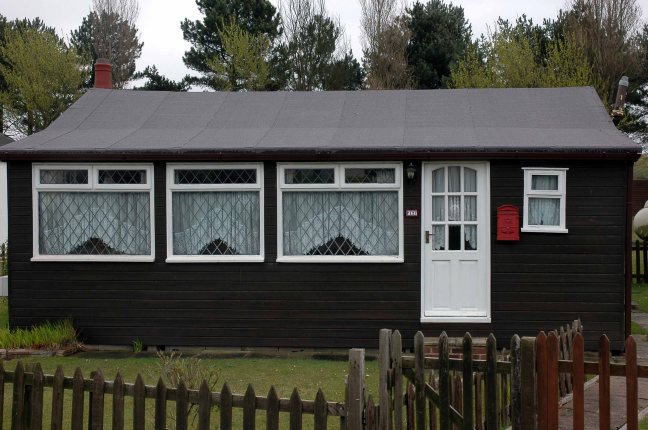
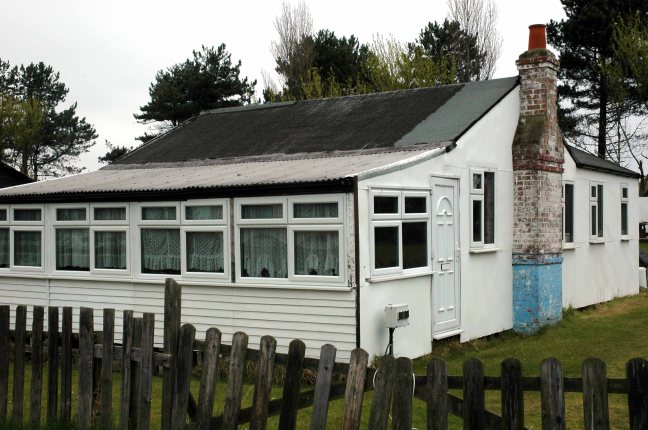
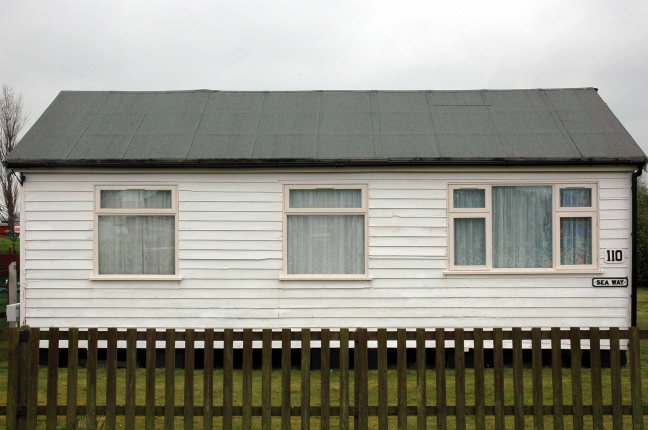
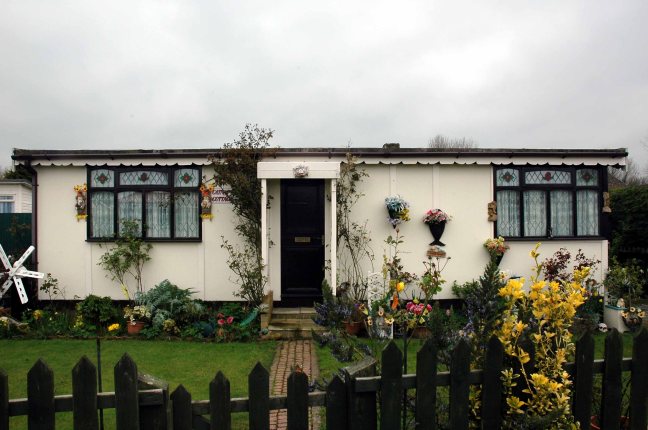
Penrhyn Bay – Ranch House Style

There is some far-flung corner for Wales, that is forever California.

As the clippers and steamers left the Mersey Estuary for the New World, cram packed with emigres some centuries ago, would they expect on their return, some centuries later, to find this architectural cultural exchange, located sedately on Penrhyn Bay?

This is a typology with a limited vocabulary, but spoken in a lilt, with an ever so slight, polite Mid-Atlantic drawl.

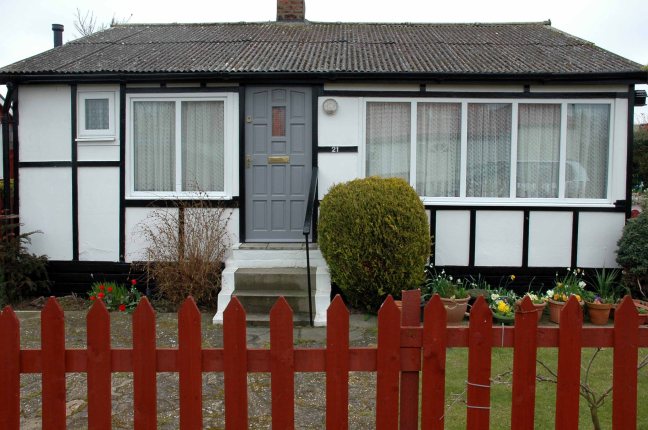
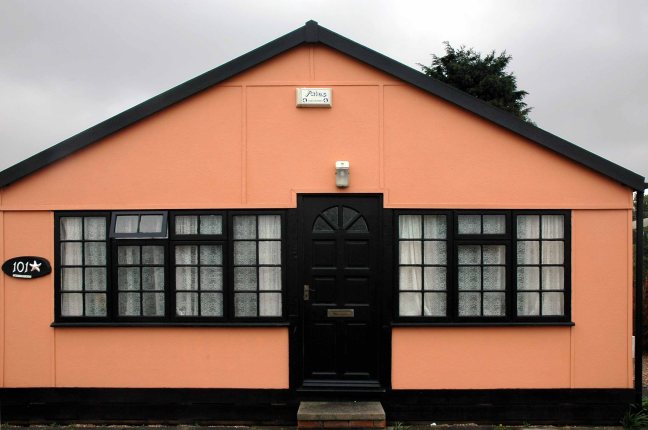
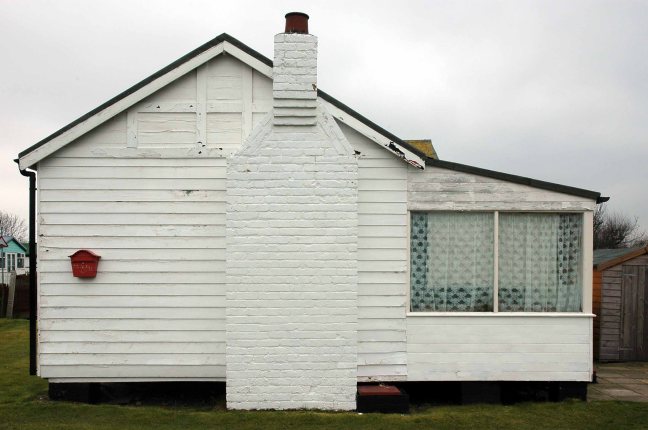
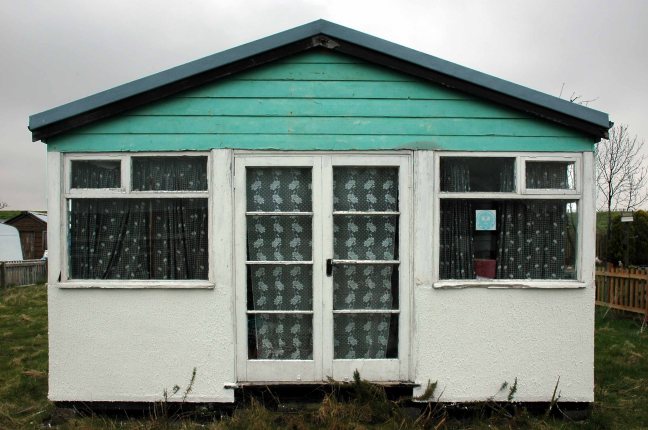
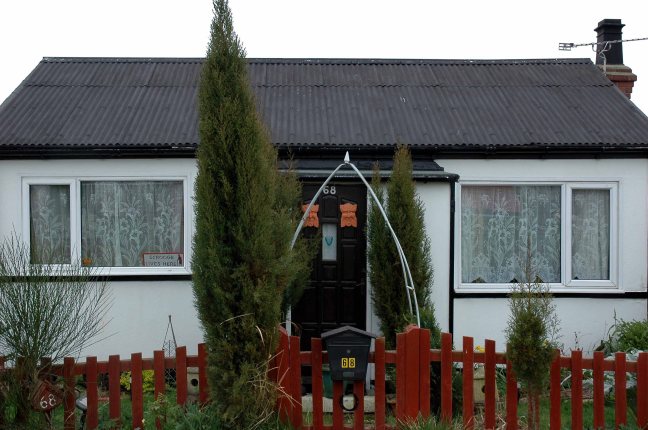
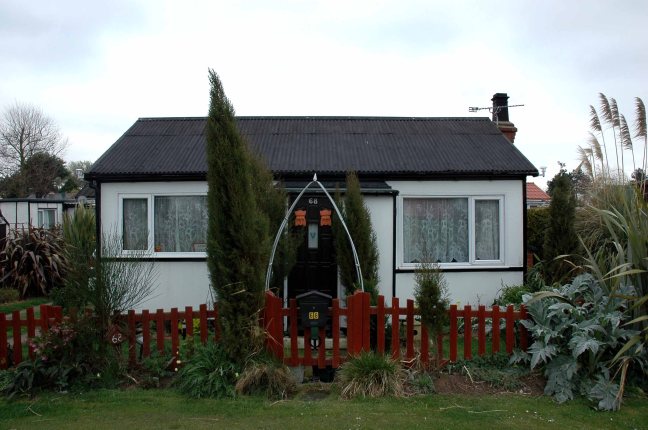
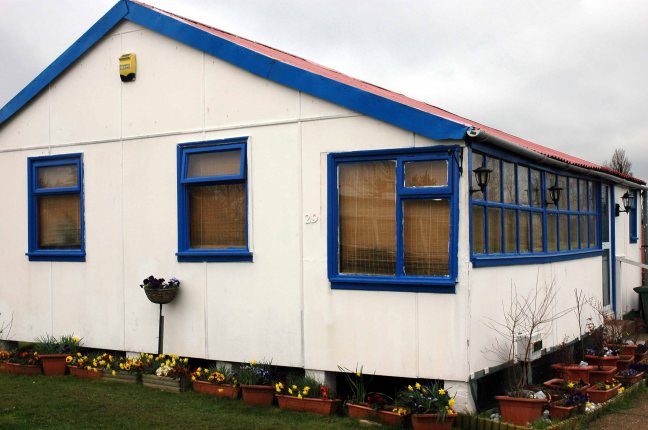
Lightly clad, stone-faced, light and almost expansive the seaside bungalow.

p1100394-copy

p1100395-copy

p1100396-copy

p1100397-copy

p1100399-copy

p1100400-copy

p1100401-copy

p1100403-copy

p1100404-copy

p1100405-copy


p1100407-copy

p1100408-copy

p1100409-copy

p1100410-copy

p1100413-copy

p1100414-copy

p1100415-copy

p1100416-copy

p1100417-copy

p1100418-copy


Myrtle Gardens – Liverpool

Once again I wandered the warm and welcoming streets of Liverpool in search of houses.

Once again I found older housing, dressed up as newer housing with a new roof, windows and clientele, a stone’s throw from my former encounter in St Andrew’s Gardens.

Myrtle Gardens in Edge Hill was part of the larger project of Liverpool’s inter-war rehousing programme – a tale very well told by Municipal Dreams.

An area with a whole heap of history

And a whole heap more on this fine site The Liverpool Picture Book from whence these images were taken:

screen-shot-2016-09-26-at-16-55-03

artist-impression

artists-impression

work-underway-at-myrtle-gardens

dscn0170-1

dscn0174

dscn0170-1

myrtle-gardens1

dscn0169

screen-shot-2016-09-26-at-16-54-43

There is also a  comprehensive visual history here in this clip:

Containing the poignant lost faces of the estate:

A familiar tale of bomb damage, decline and sale to private developers and here we are today, a mix of short student lets, newcomers and a handful of long term residents.

Eddie the porter – named Eddie Porter, a clear case of nominative determinism, proved the perfect host, I introduced myself as the man from the Manchester Modernists, doors opened and the conversation flowed like fine wine.

Tales of lads illicitly playing football in the roof voids, families leaving concrete structures in order to huddle in corrugated iron Anderson Shelters, A Hitler’s time in the ‘Pool and his resolve  save the Liver Building, bombs that did fall on the now missing blocks of flats, a family celebrating the return of their son killed in an air raid.

We parted and I strolled amongst the elevated homes some 300 flats, over 80 years old and continuing to provide shelter and succour for the many, though sadly no longer under the sheltering wing of the Municipal Housing Department and their team of engineers, architects and builders.

p1090436-copy

p1090437-copy

p1090438-copy

p1090439-copy

p1090440a-copy

p1090441-copy

p1090442-copy


p1090444-copy

p1090445-copy

p1090446-copy

p1090447-copy

p1090448-copy

p1090449-copy

p1090450-copy

p1090452-copy

p1090453-copy

p1090454-copy

p1090455-copy

p1090456-copy

p1090458-copy

p1090459-copy

p1090460-copy

p1090461-copy

Wavertree Liverpool – Pathfinder

How does the modern world treat the past?

With a disdain bordering on a sociopathic destructive indifference it appears.

New Labour with an eye to rehouse the housed, tinned up hundreds of homes prior to demolition and redevelopment. They were and still are solid late Victorian terraces possibly in need of improvement – during the 1990’s, period housing stock was refurbished with central government funding, through a system of easily obtained grants. Improving the living conditions of many, maintaining the structures, and  supporting the local self-employed building trade.

So several years down the line, I visited the streets of Wavertree discussed in Owen Hatherley’s article of 2013.

Little or nothing has changed there are some tenanted houses, interspersed between the blanked out windows in sadly deserted streets, save the two camera shy free runners, who had lived and played in the area for some seven years.

p1090427-copy

When one door closes another door closes.

If working-class areas are to defend themselves, they need confidence, both in themselves and in the places they live, otherwise the whole grim process will go on, with councils making the same mistakes and the same lives being destroyed, without interruption.
p1090408-copy

p1090409-copy

p1090410-copy

p1090412-copy

p1090413-copy

p1090414-copy

p1090415-copy

p1090416-copy

p1090417-copy

p1090418-copy

p1090419-copy

p1090420-copy


p1090423-copy

p1090424-copy

p1090425-copy

p1090427a-copy

Needwood Close – Collyhurst

Deep in the heart, just on the edge of central Manchester, there exists a dilemma.

Once a place of full employment and home occupation, time has not been kind to Collyhurst. Work is scarce and the area blighted by a reputation for crime and social problems. Yet it sits by an area of inner city wealth, economic expansion and a growing professional class.

The plan is to expand this growth outside of the fringes of city and into north Manchester, since 2008 this has been the stated aim of the local authority. Tram stops, academies, and retail parks apart, change seems slow to arrive.

Screen Shot 2016-06-17 at 13.54.30

There is a chronic shortage of public funding and seemingly an absence of private capital and speculative development – life is elsewhere.

In the mean time there are properties tinned up awaiting a new dawn.
Needwood Close is one such example.
P1040450 copy

P1040451 copy

P1040453 copy

P1040458 copy

P1040459 copy

P1040460 copy

P1040465 copy

P1040466 copy

P1040468 copy

P1040469 copy

P1040476 copy

P1040477 copy

P1040480 copy

P1040483 copy


North Foreland Estate – Broadstairs

Where the lone lawn ranger, meets the top of the range Range Rover.

Yippee ki oh ki-yay!

Forever out to out Lutyens.

I think you’re probably out to lunch.

To walk the shoreline path through North Foreland Estate, is to walk an intentionally unintentional free market, mash-up of architectural history.

Hey ho let’s go!

To begin at the beginning, 1636 a lighthouse is erected – leaping forward somewhat:

During World War II a number of radar stations were set up by German forces in France and the Netherlands to detect allied aircraft flying across the English Channel and a chain of top secret radar jamming stations were set up by British scientists along the south east coast of Britain. An array of transmitters was set out around gallery of the lighthouse controlled by equipment in the lower lantern as part of this chain.

1280px-North_Foreland_Lighthouse_by_George_Jackson

The North Foreland lighthouse was last manned lighthouse in the UK, but was automated in a ceremony presided over by the Duke of Edinburgh in 1998.

It seems appropriate that the DoE should preside over the automation, however, I digress.

This is a gently rolling coast line, low chalk cliffs harbouring sandy coves and spies.

And the wealth of nations, £2,000,000 gets you this shiny hunk of real estate.

e5d99b95-661e-49d2-b89a-9db836b15c68-xl

A gated community, double negated through further gating, ornamental railings, well clipped hedges, picket fences, high grey stuccoed walls, and attendant dogs.

Big dogs, very big dogs, fortunately with even bigger walls.

P1040768 copy

As is often the case in such areas the residents are short of nothing – excepting residents.

There was but on lone lawnmower owning owner to nod to.

P1040755 copy

Last seen, receding towards his quasi sixties, semi-dormered detached, hat intact.

So accompany me now through the New England homes of the new England, admire the Mock Gothic, Super Krazed Moderne, pseudo Tudo-Jacobethan delights that await us.

P1040756 copy

P1040757 copy

P1040758 copy

P1040759 copy

P1040762 copy

P1040763 copy

P1040764 copy

P1040766 copy

P1040767 copy

P1040769 copy

P1040770 copy

P1040771 copy

P1040772 copy

Too rich for your undernourished pockets, have you considered a drawing of a house?

High concept, conceptual housing for the under-housed.

P1040780 copy

P1040774 copy

P1040775 copy

P1040777 copy

So farewell the North Shoreland I’ll leave you to get on with your high value, property based, rise and fall bollard lifestyle I, like Felix – kept on walking.

P1040783 copy


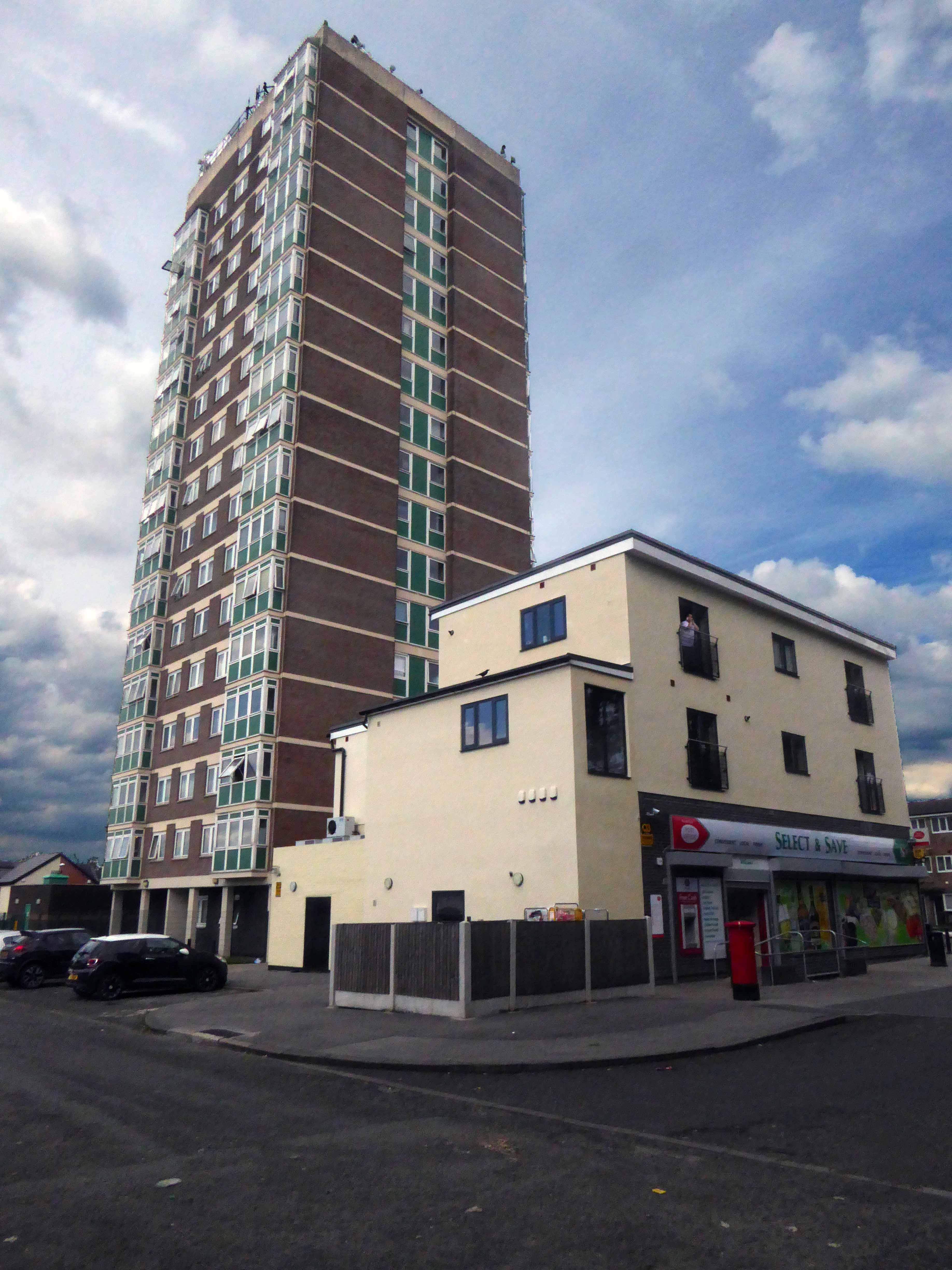
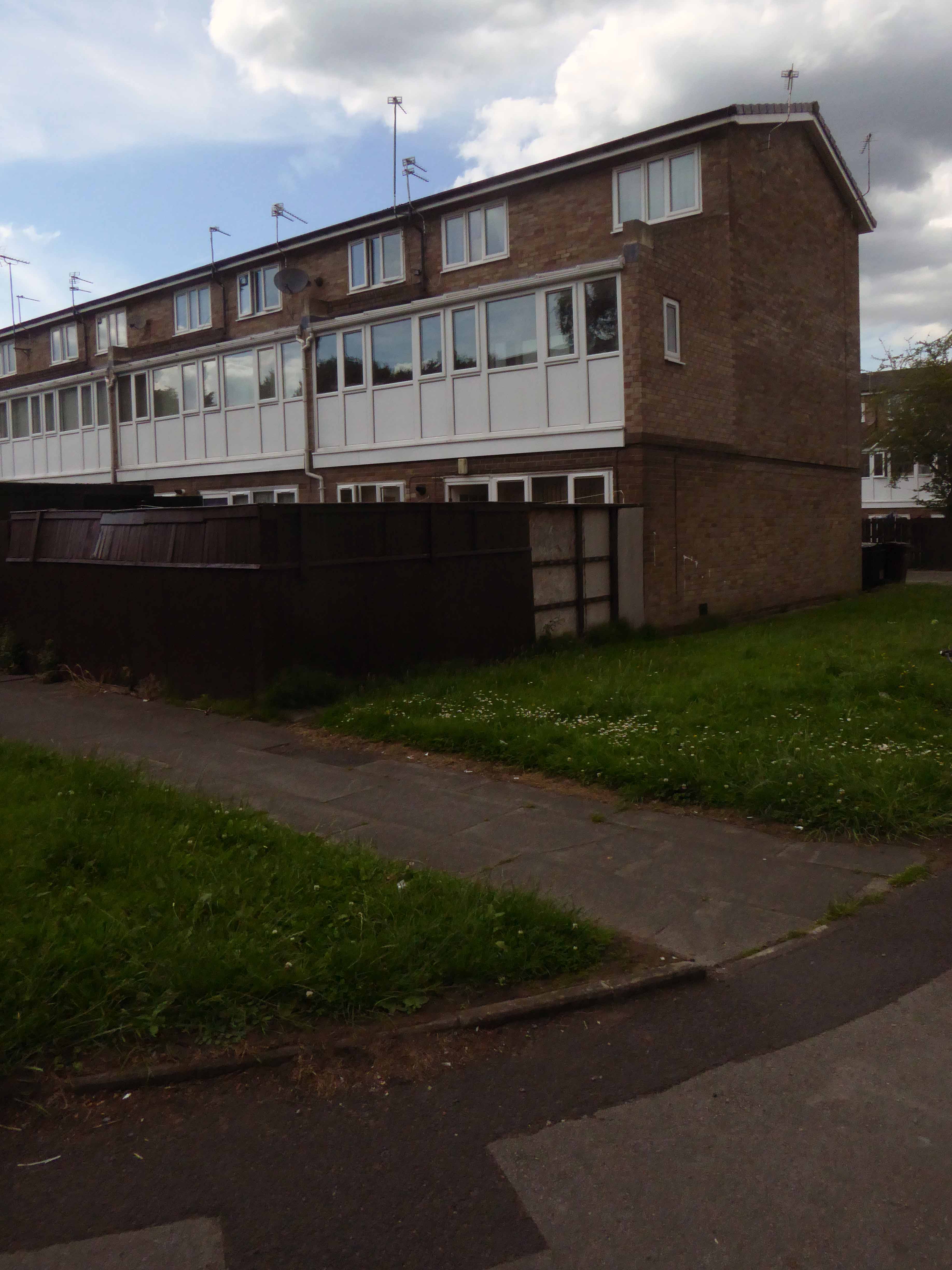
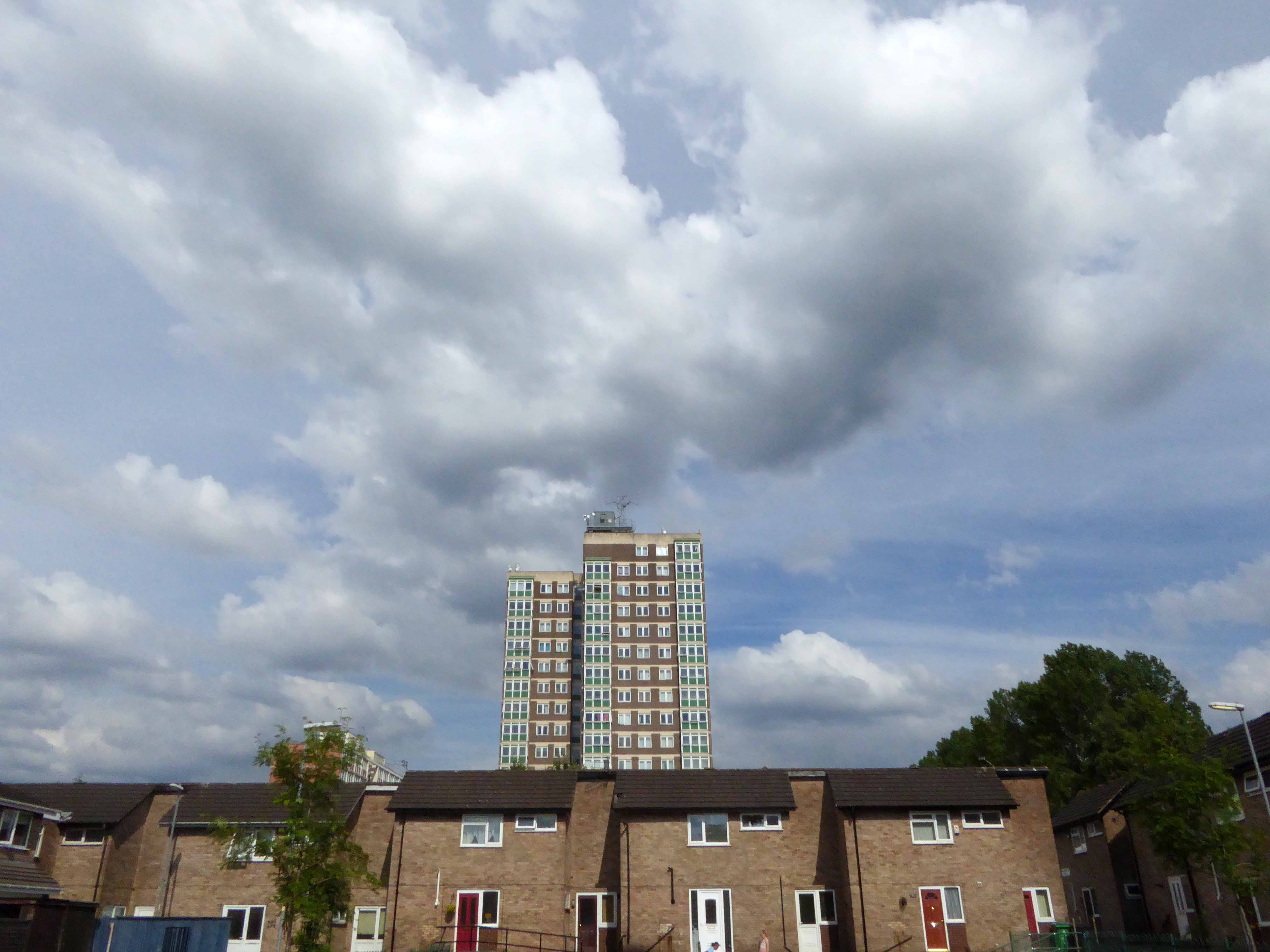
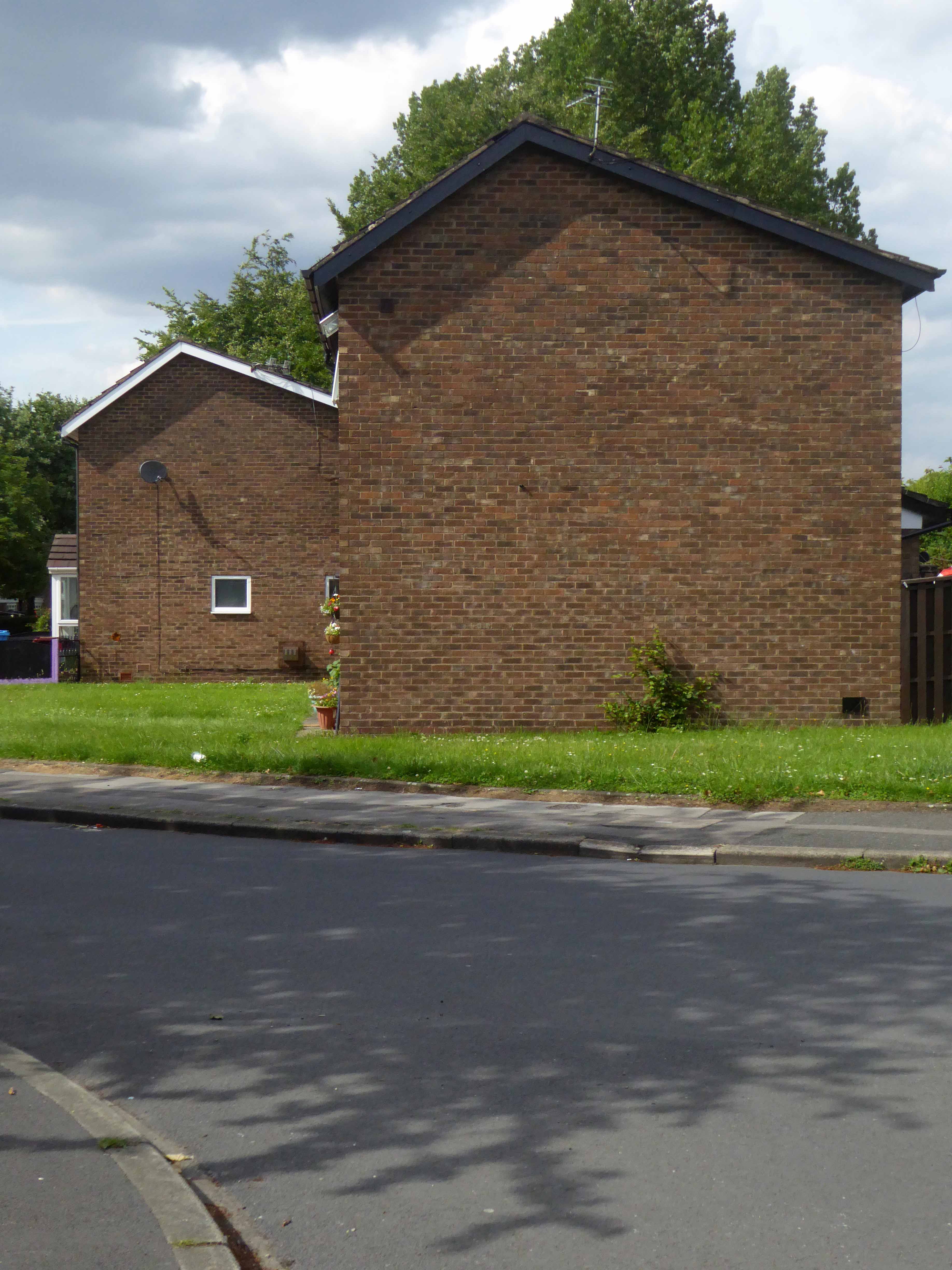
Collyhurst

It’s the end of the road, for the middle of the street.

Needwood Close Collyhurst is closed.

An area that has suffered the slings, swings and arrows of failed PFI bids, absent partners and putative city fathers.

2012

After missing out on £252m of state investment when the Government cut the Homes and Communities Agency budget, Manchester is now trying another approach to deliver the much needed regeneration of Collyhurst.

As reported by Manchester Confidential

2014

The masterplan is part of Manchester Place, a joint initiative between Manchester City Council and the Homes & Communities Agency that looks to create a pipeline of development-ready sites to help the city meet its ambitious target of creating 55,000 new homes by 2027 as set out in the Manchester Residential Growth Prospectus.

Manchester Place will work with investors, such as Manchester Life, a £1bn, partnership between Manchester City Football Club and Abu Dhabi United Group, the privately owned investment company which also owns Manchester City Football Club, to bring 6,000 new homes to east Manchester over the next 10 years.

As outlined in Place North West

2016