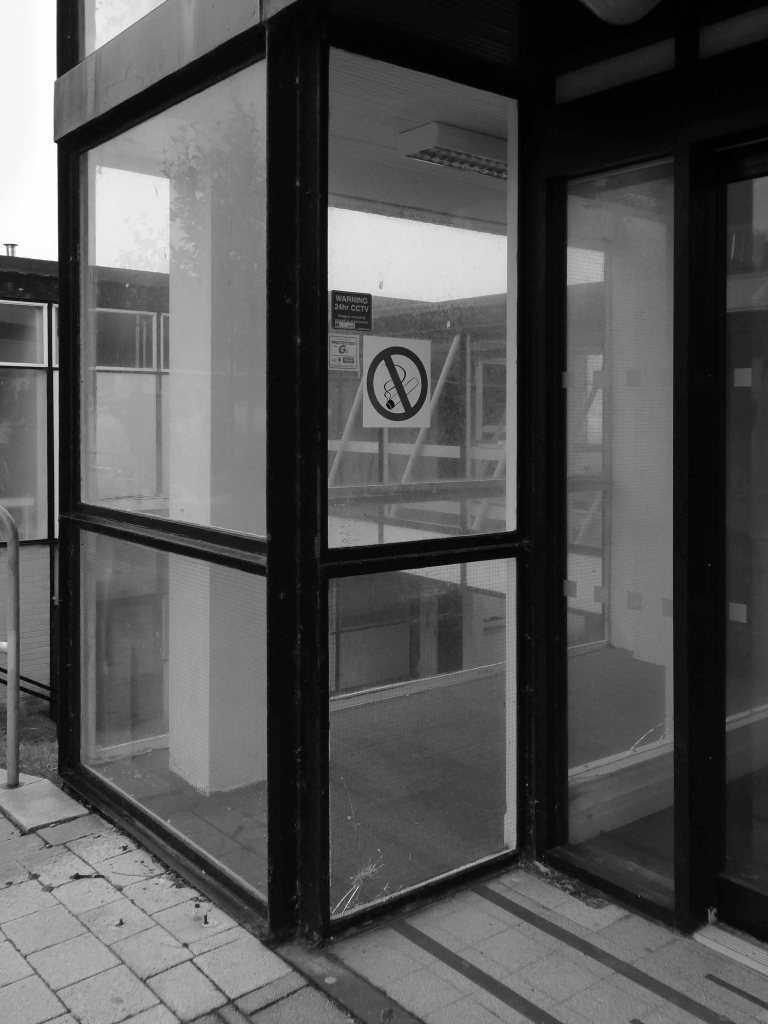
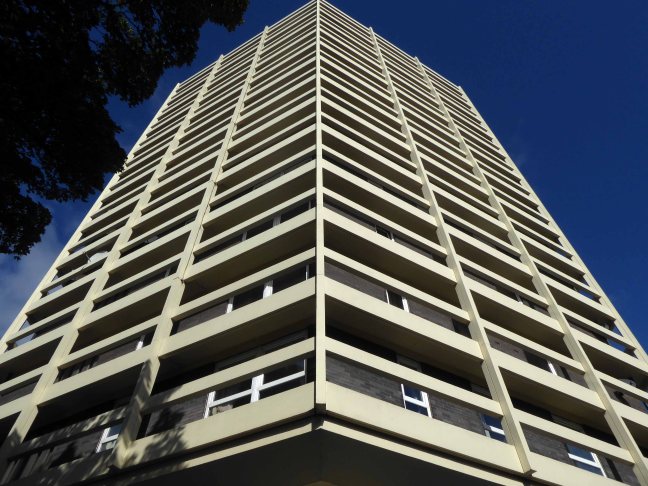
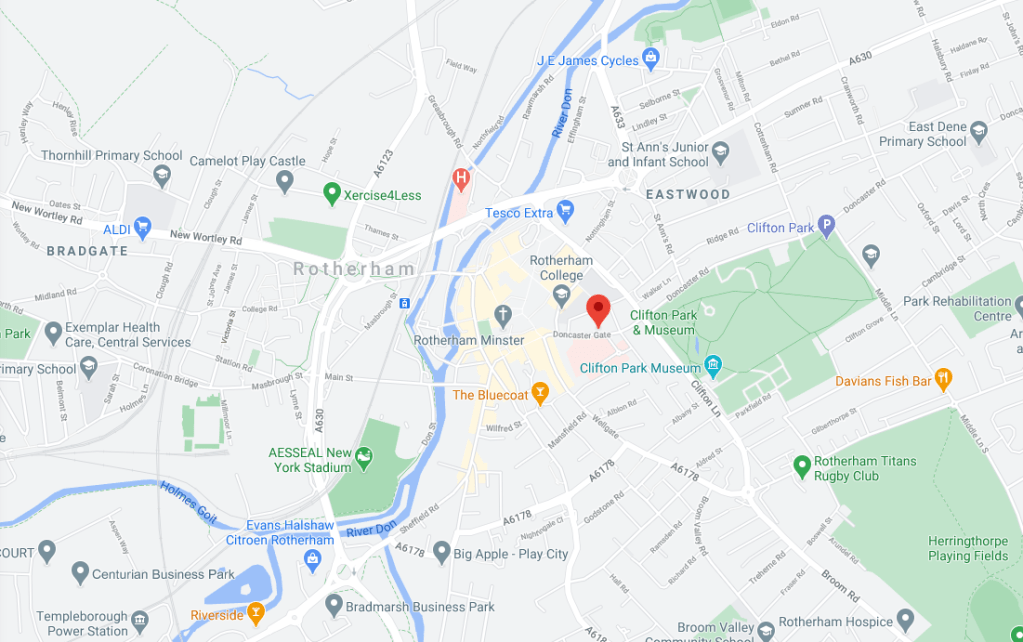
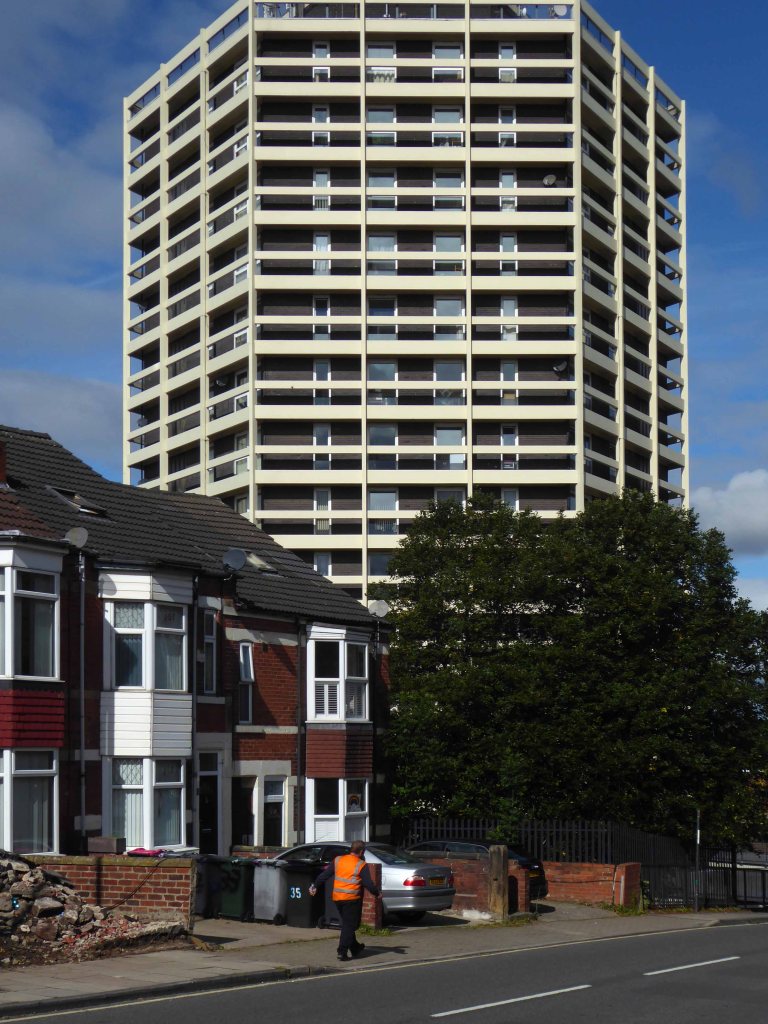
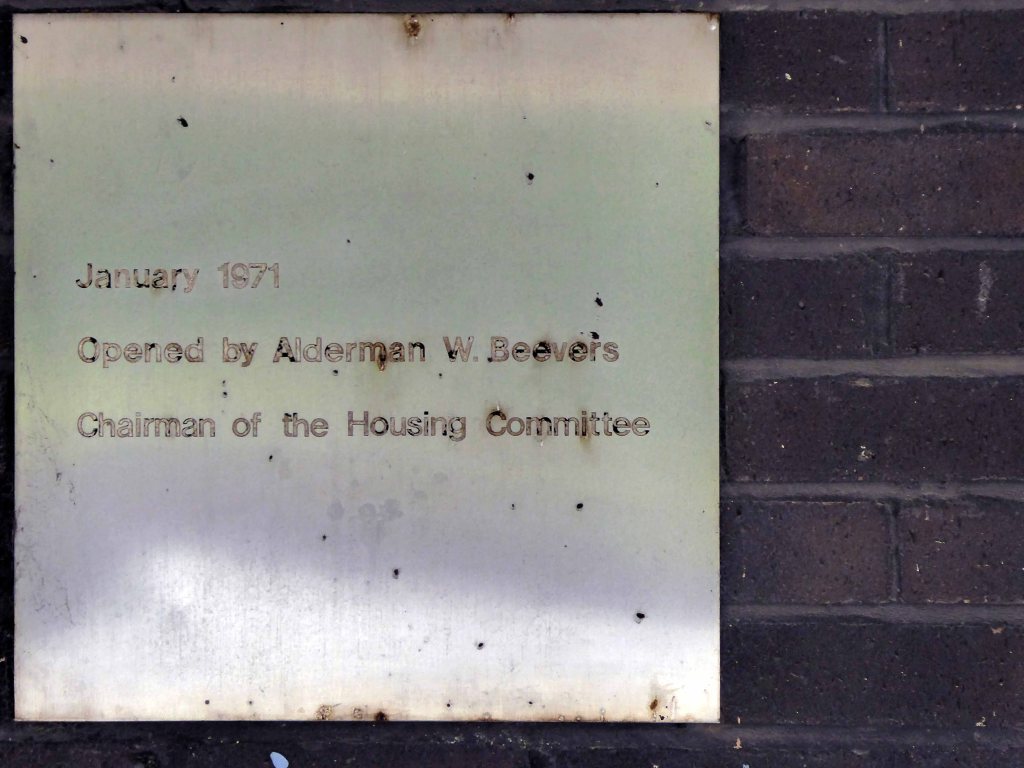
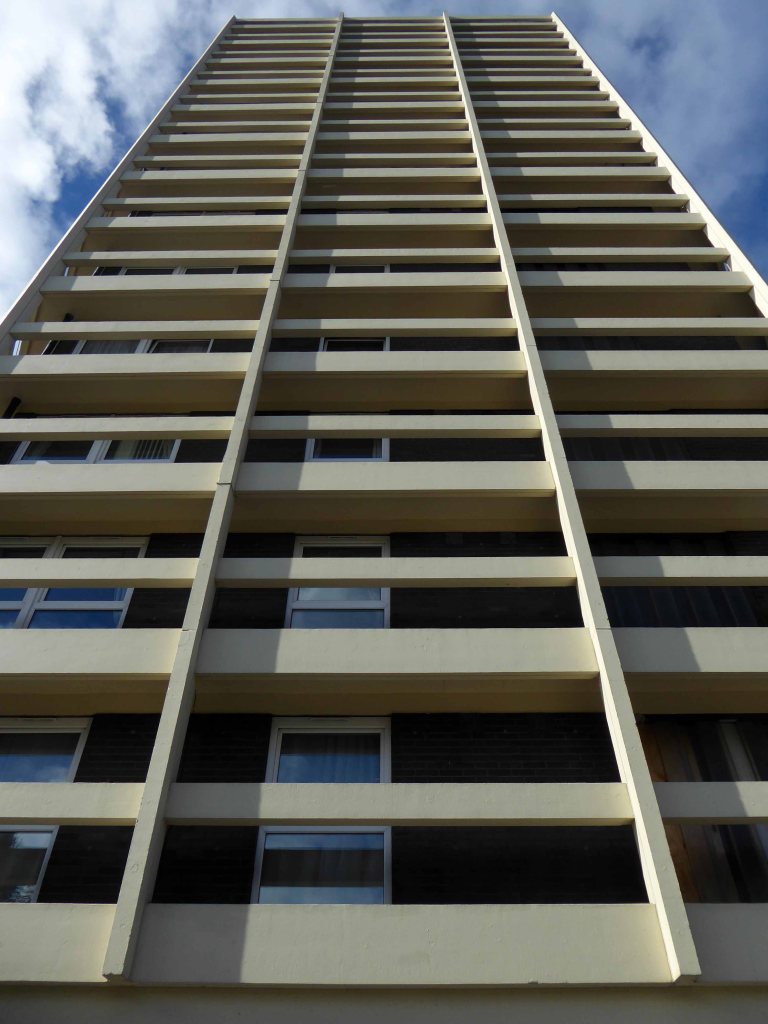
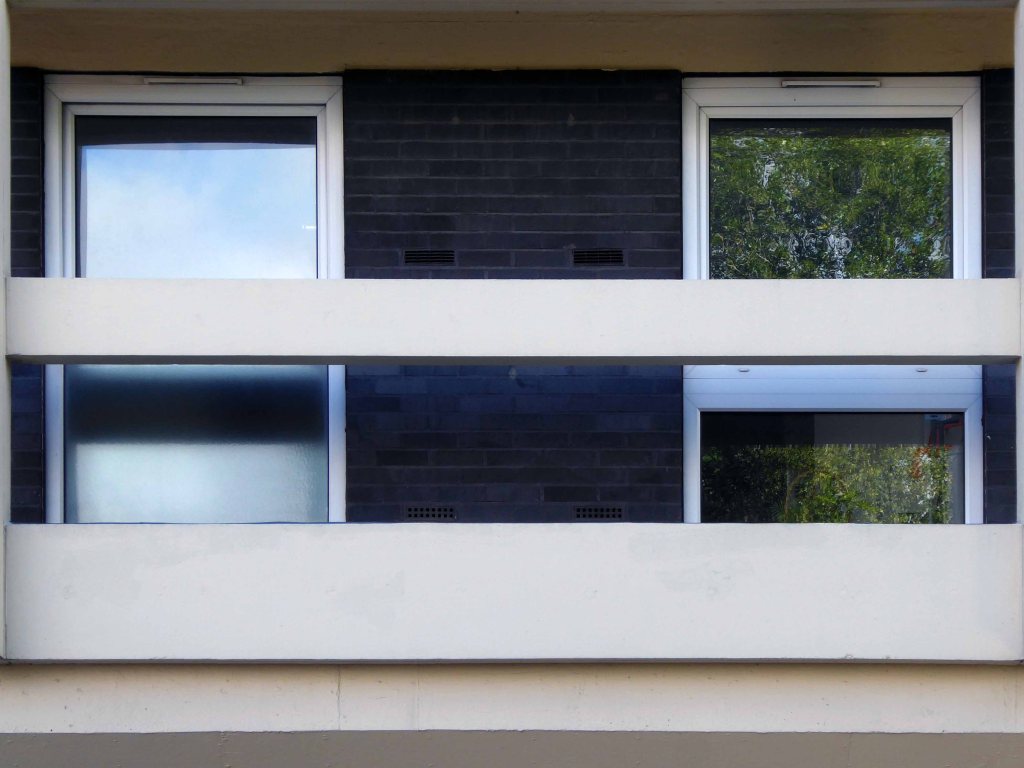
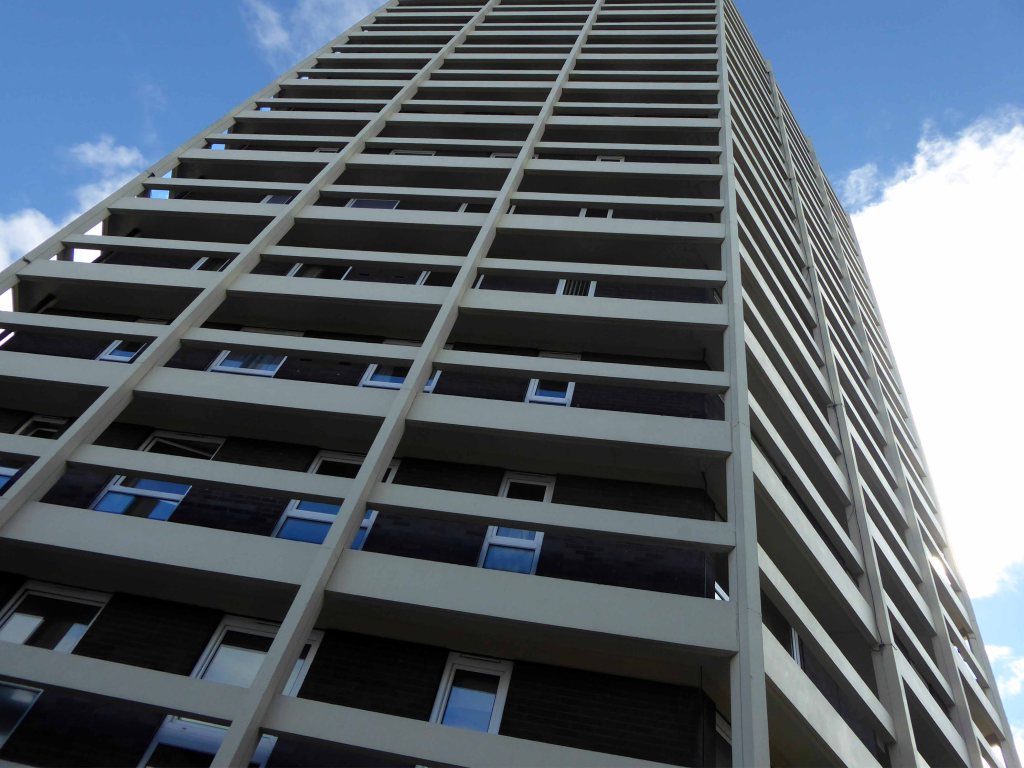
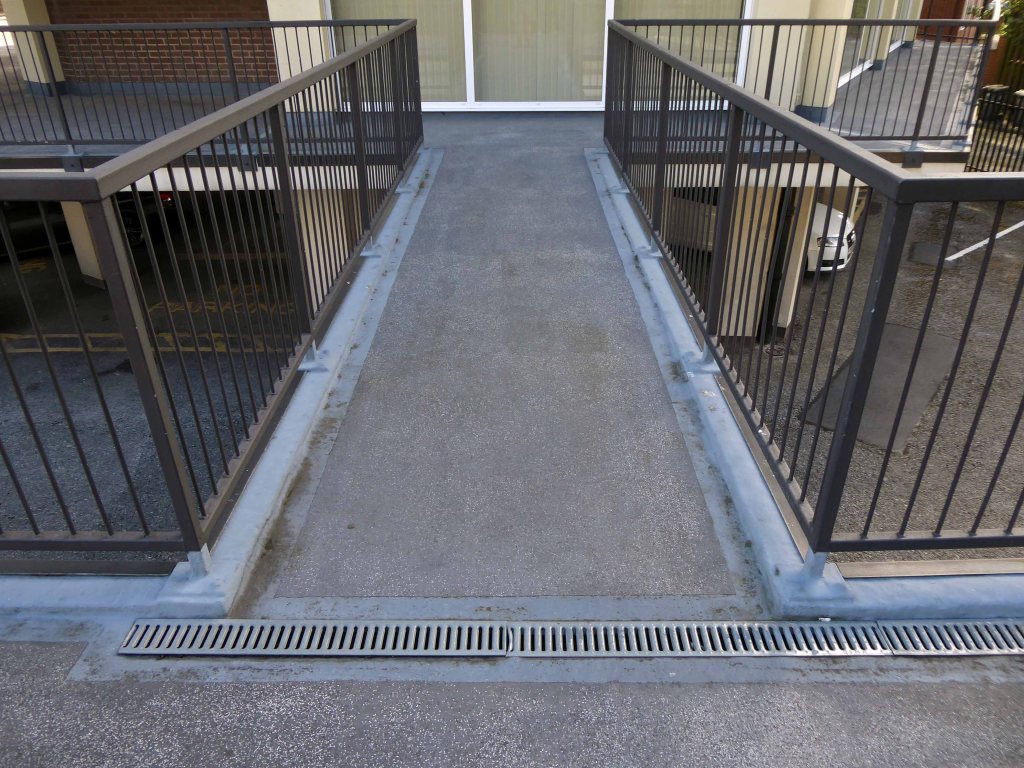
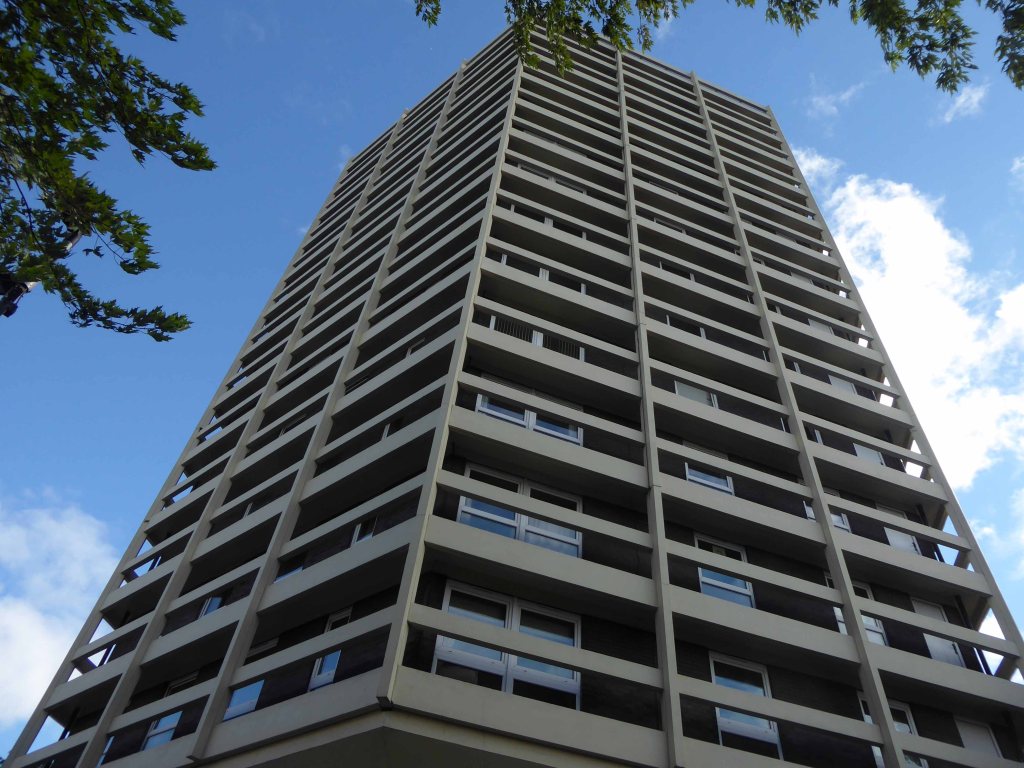
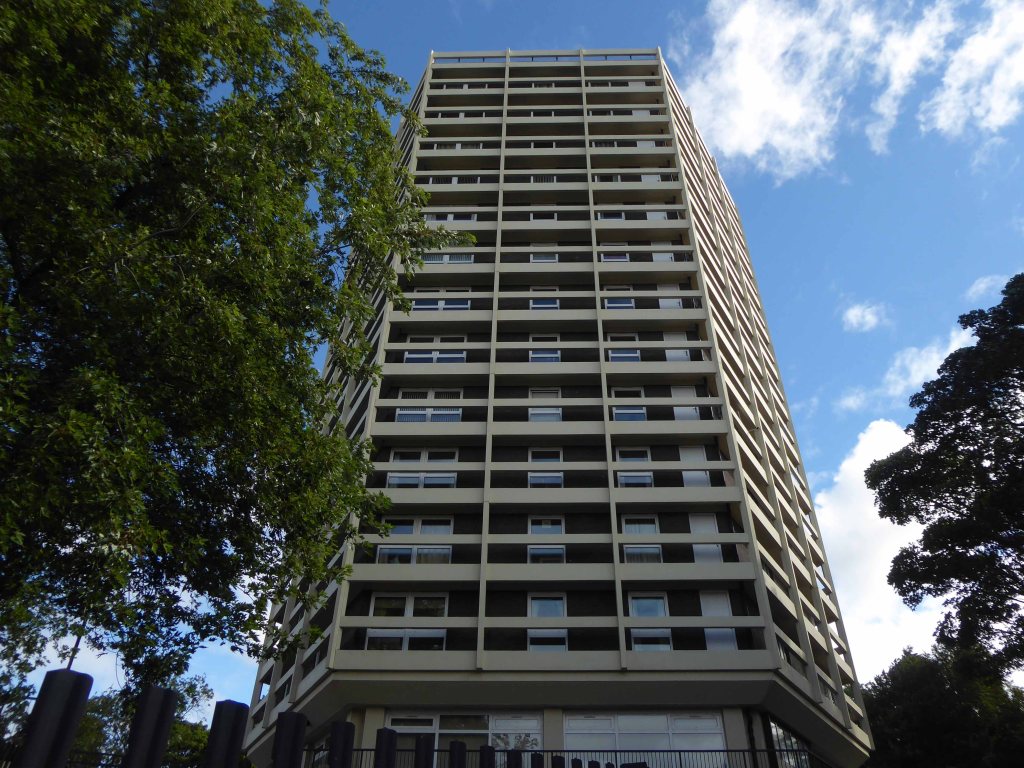
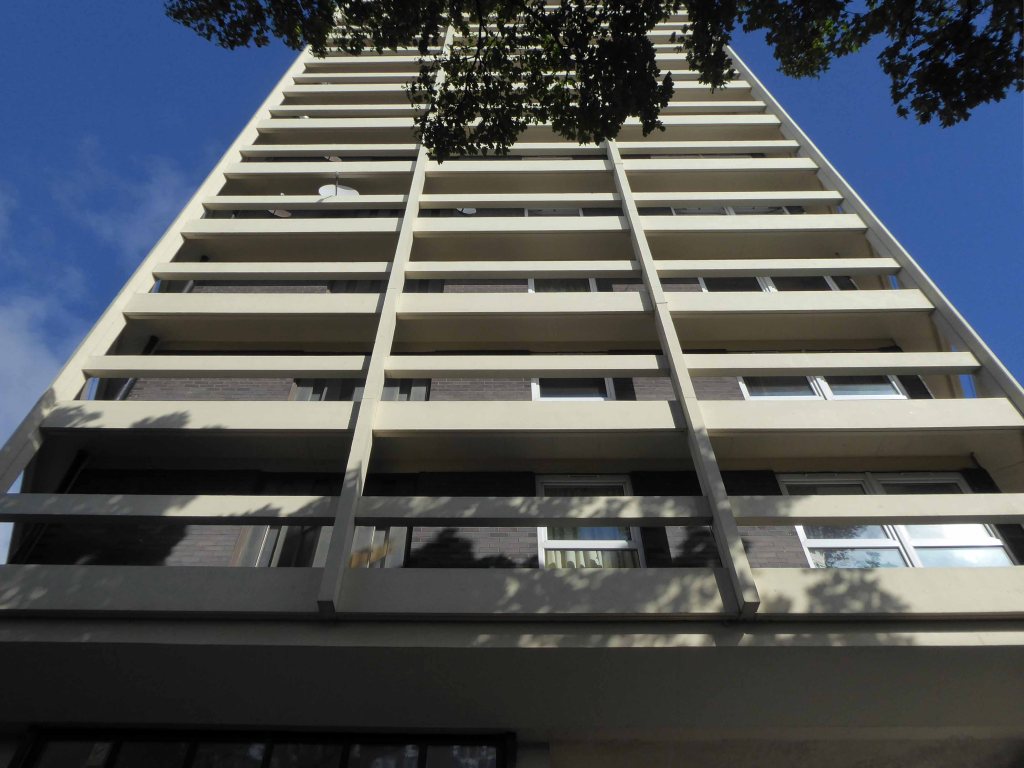
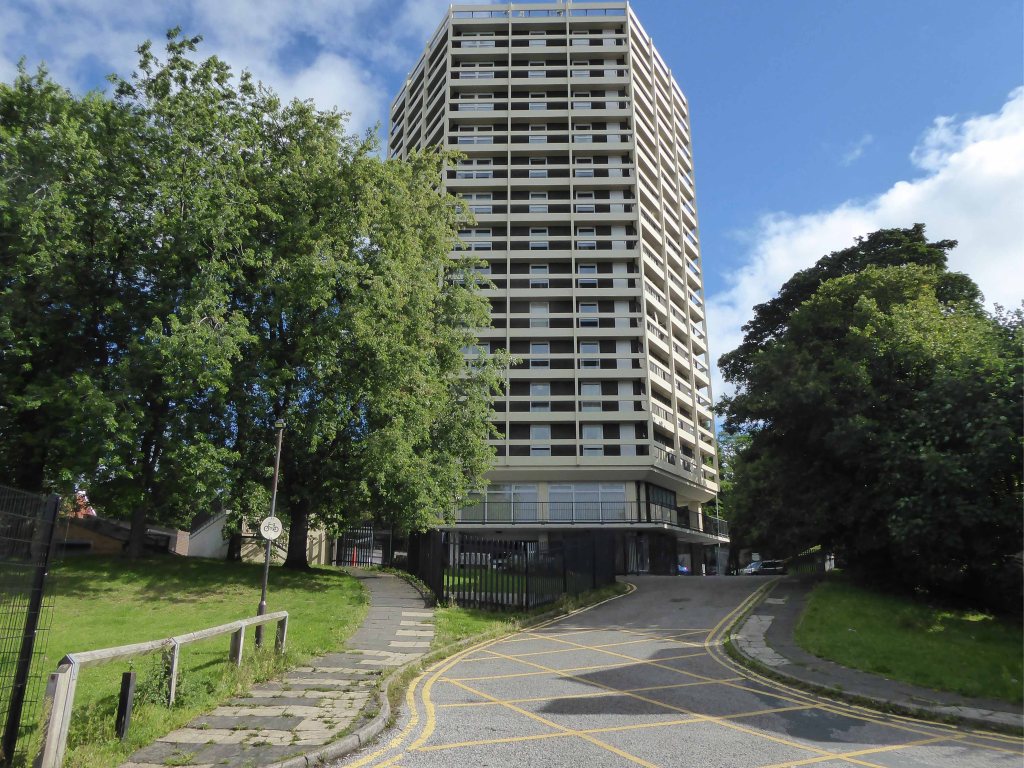
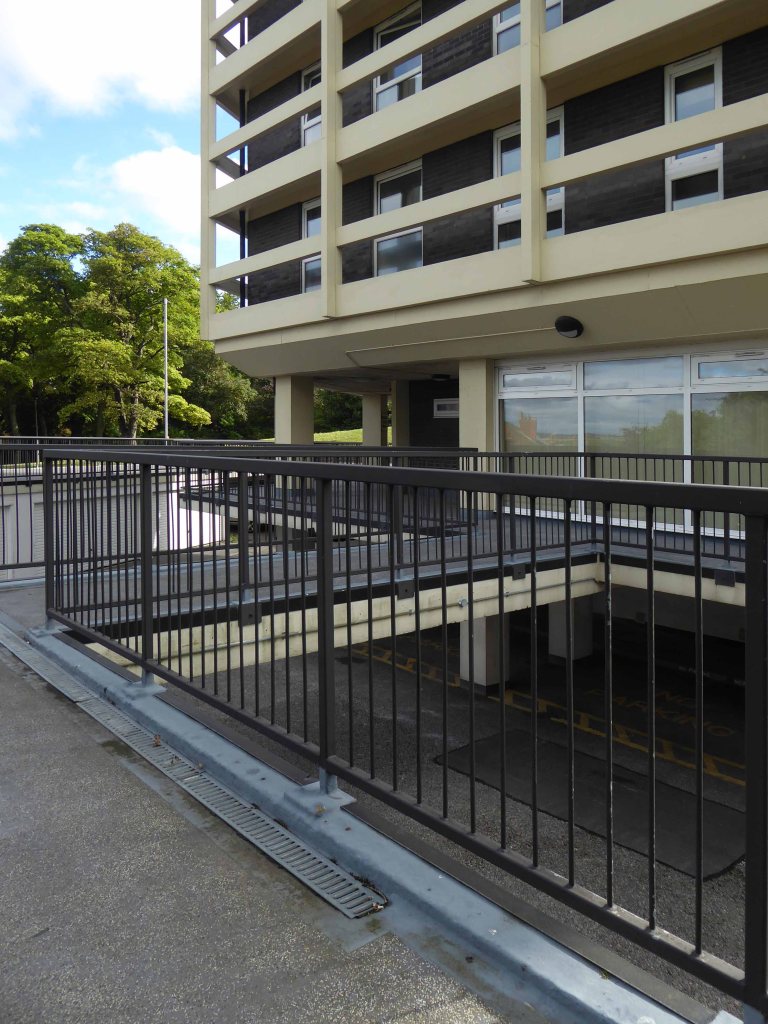
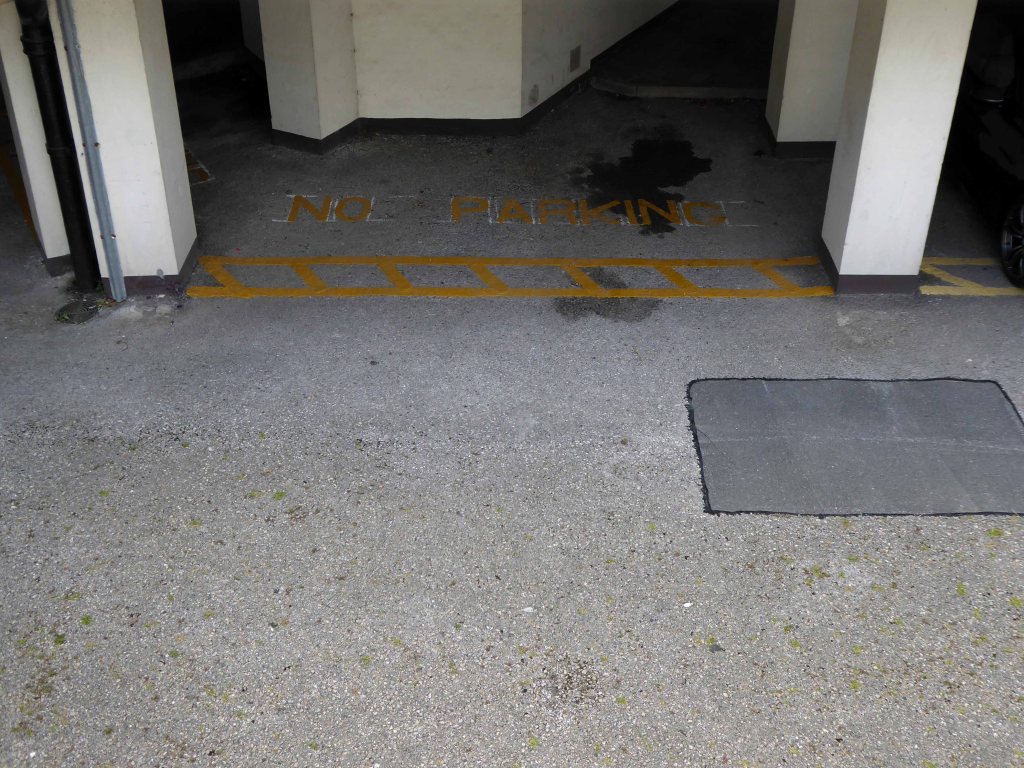
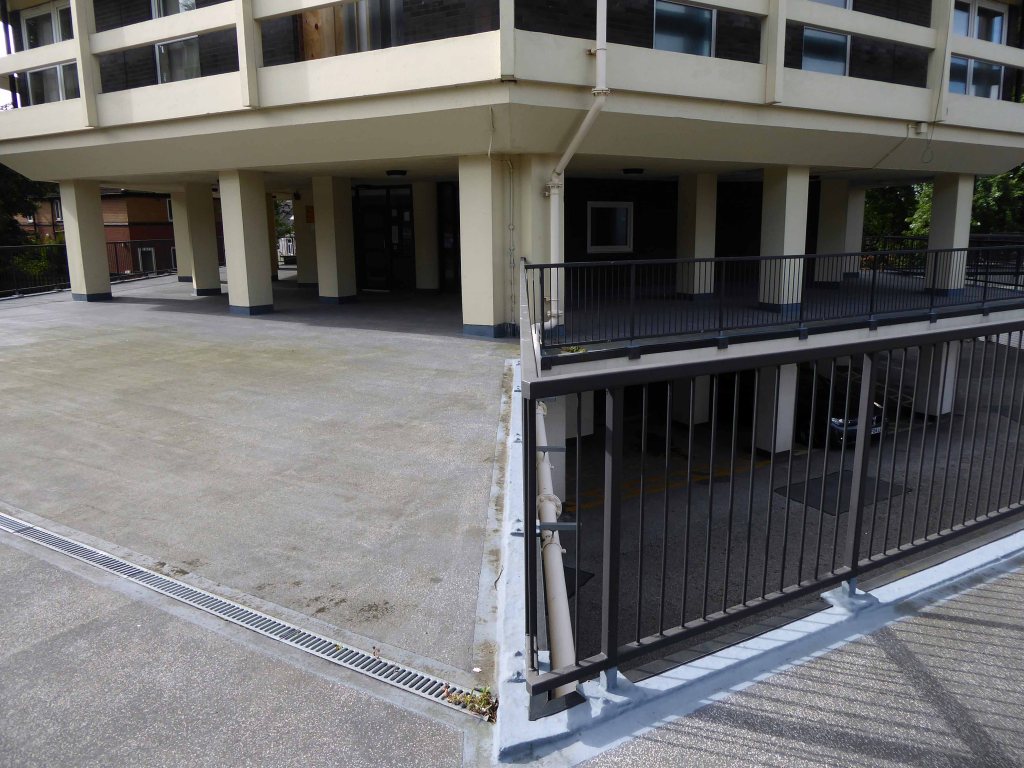
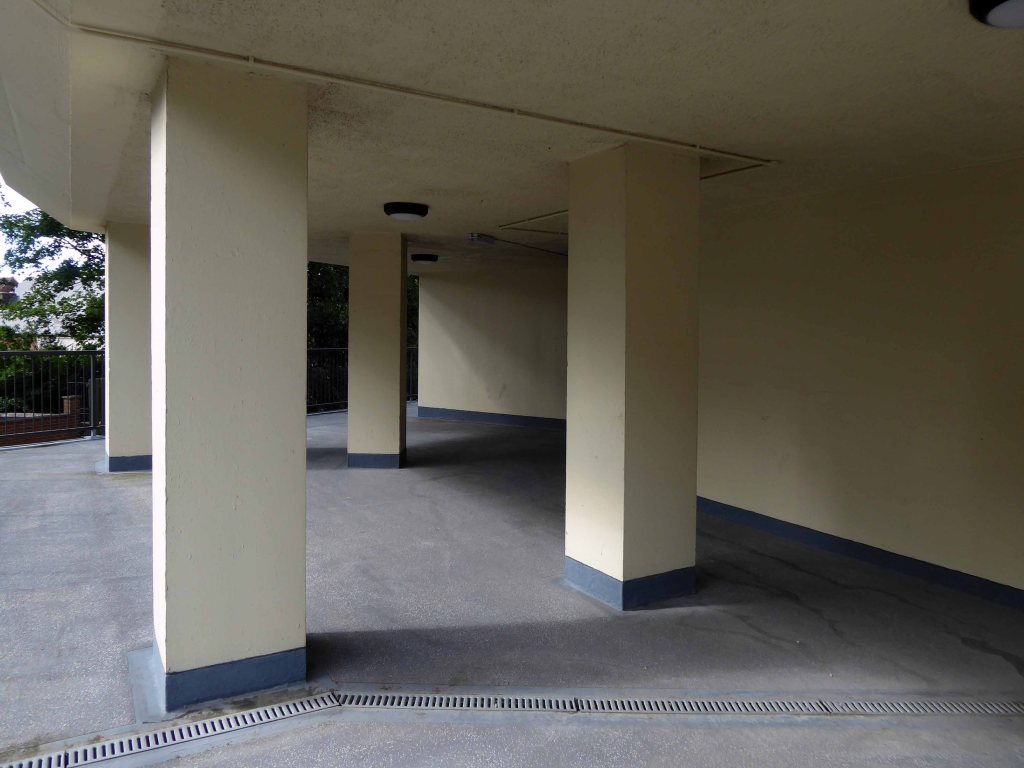
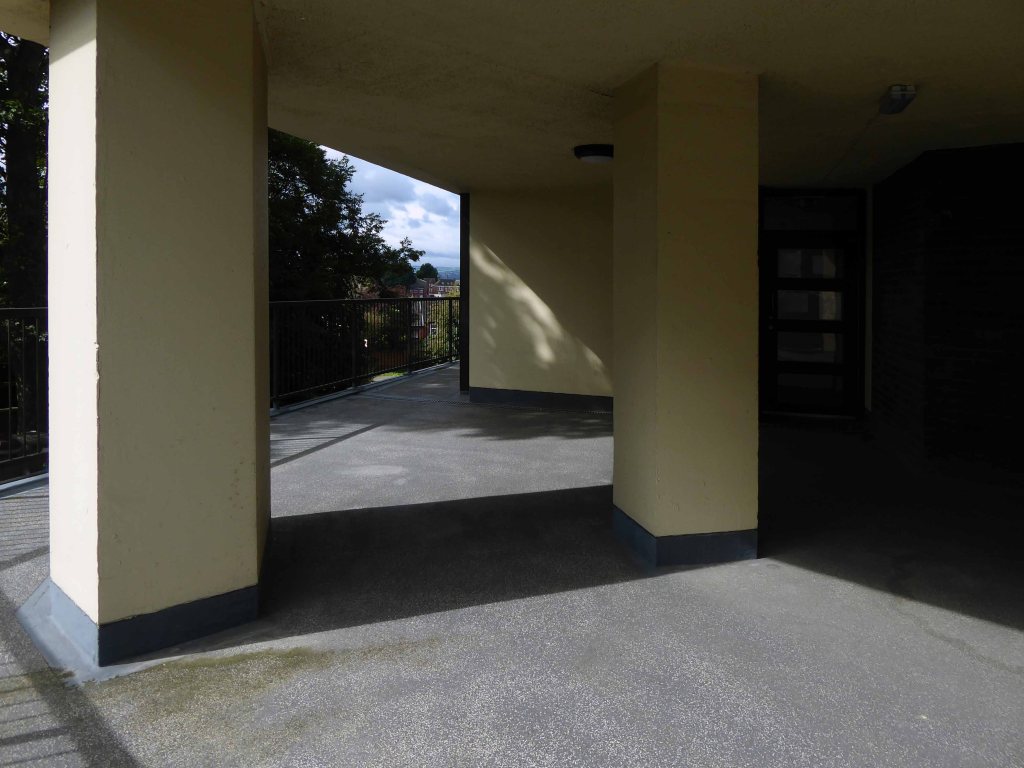
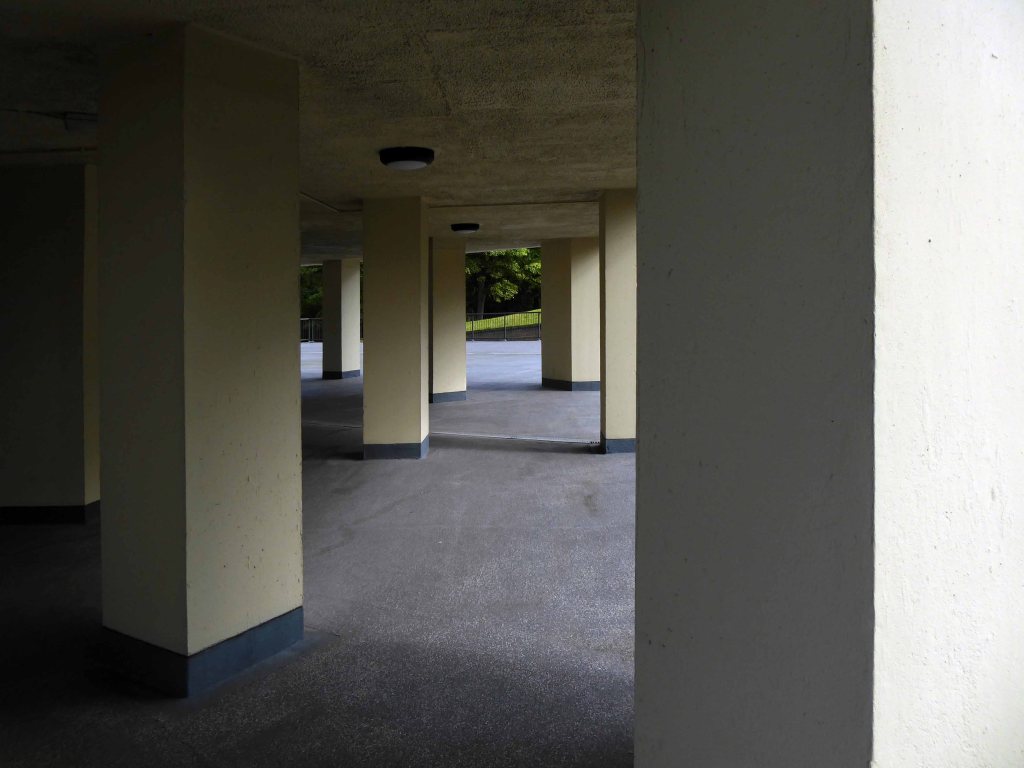
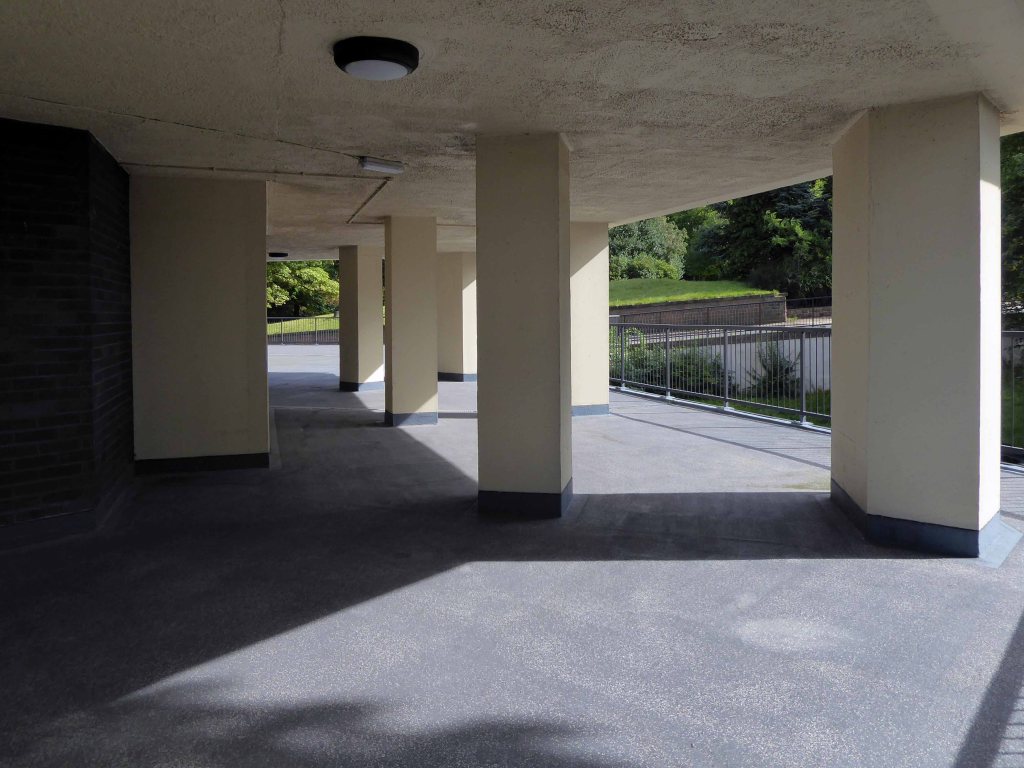
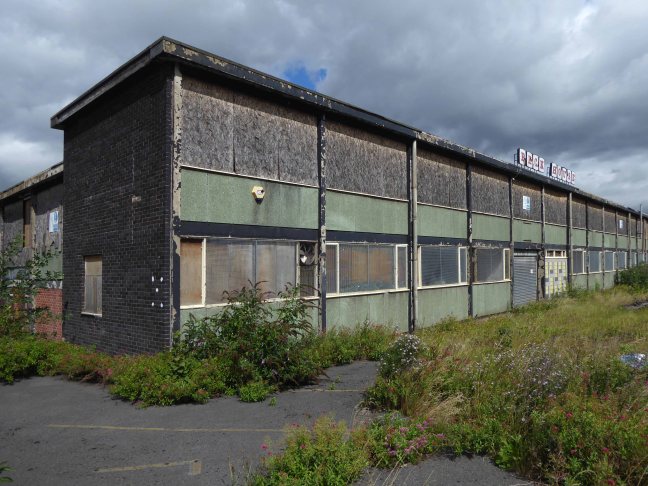
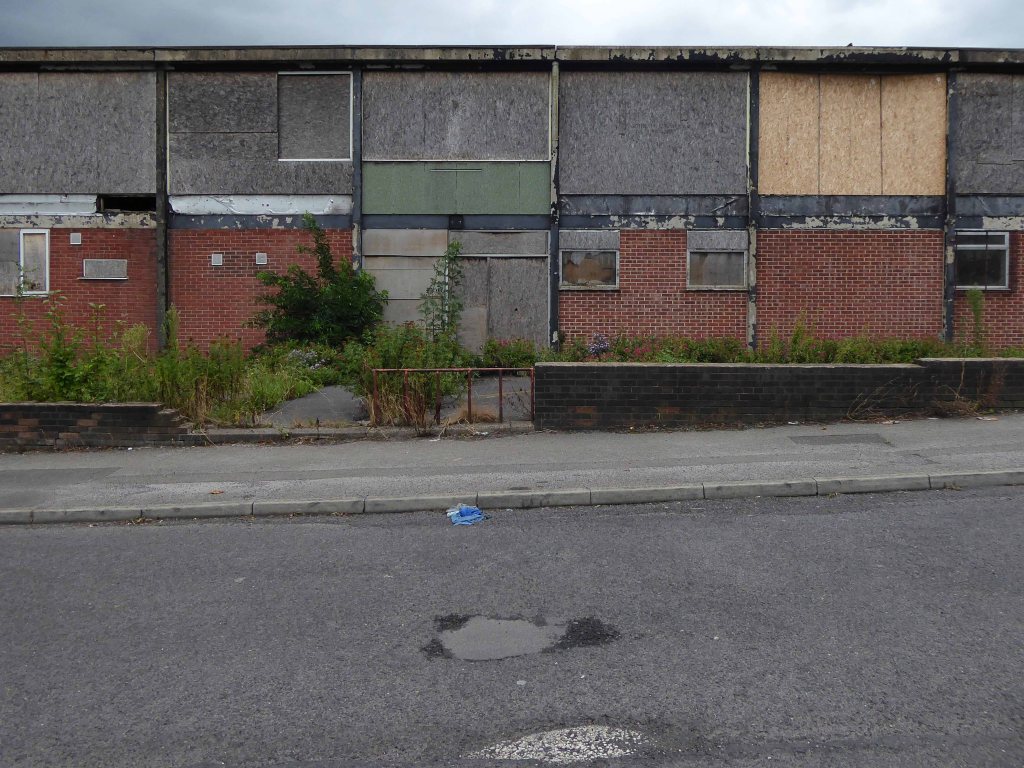
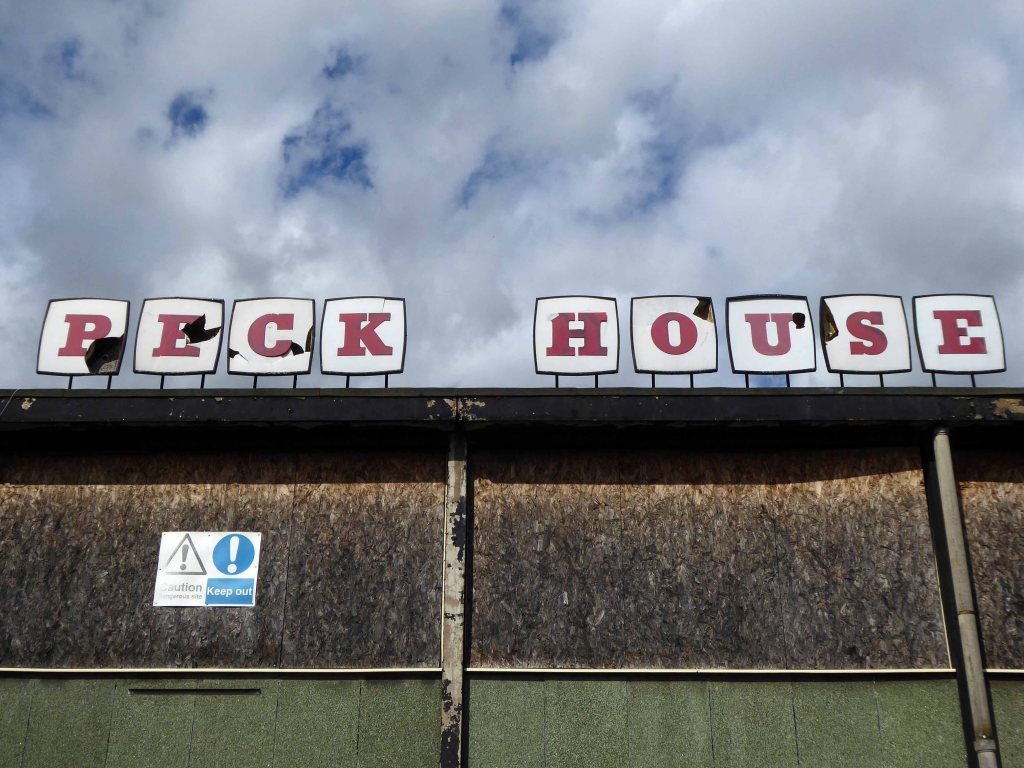
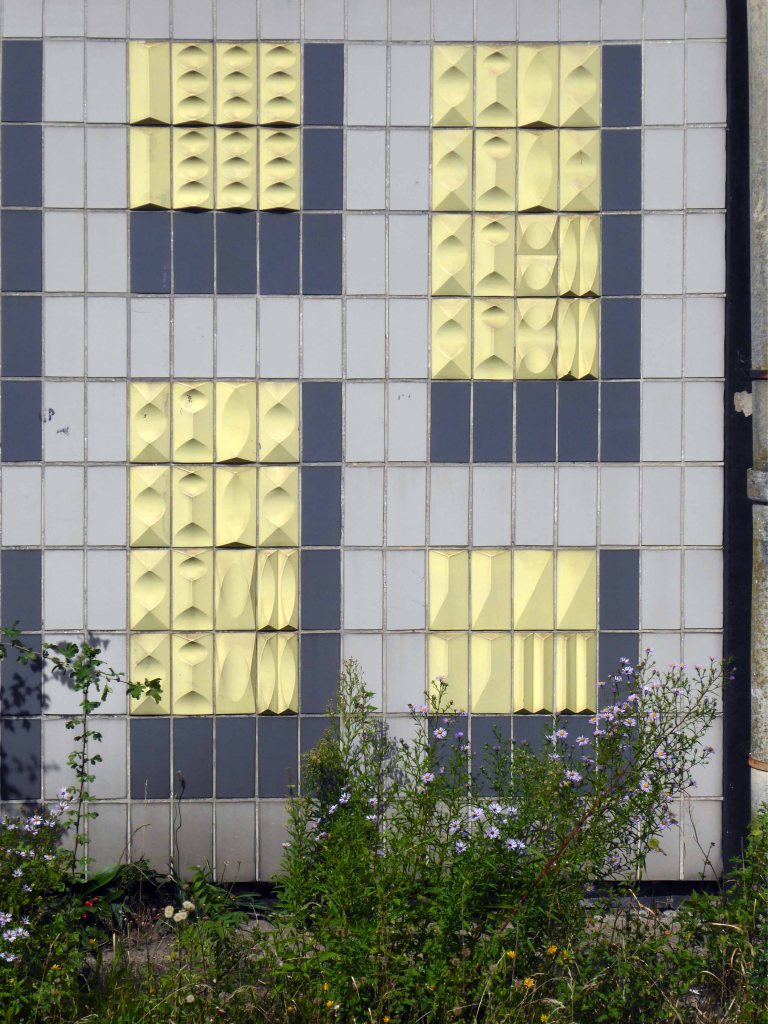
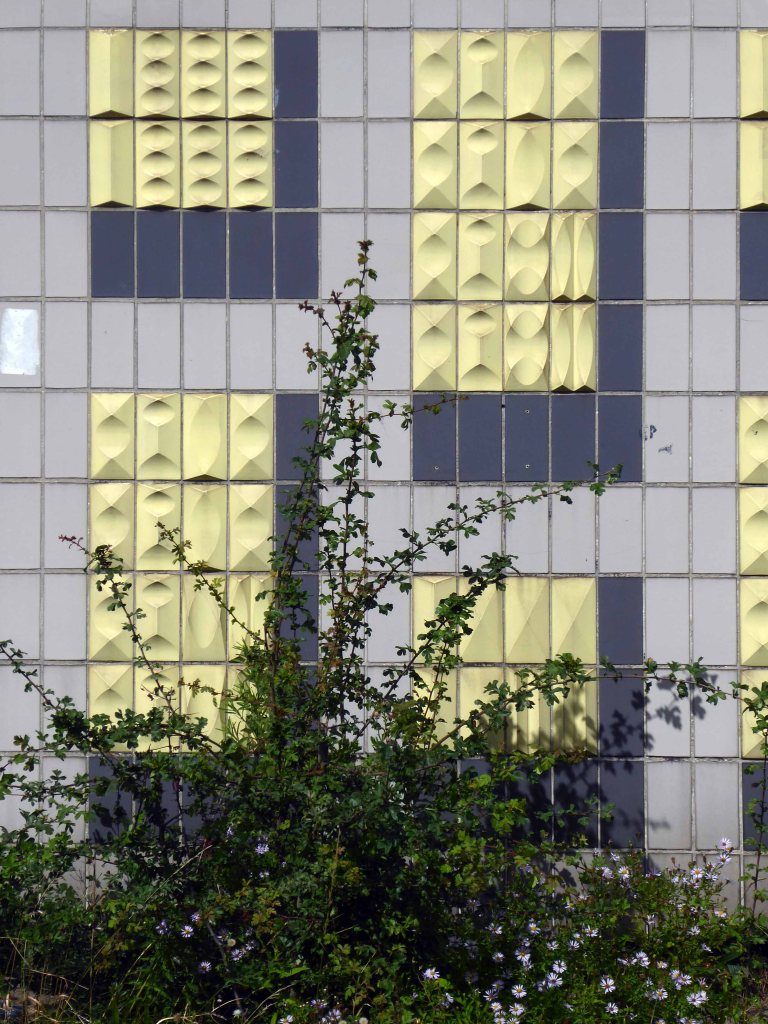
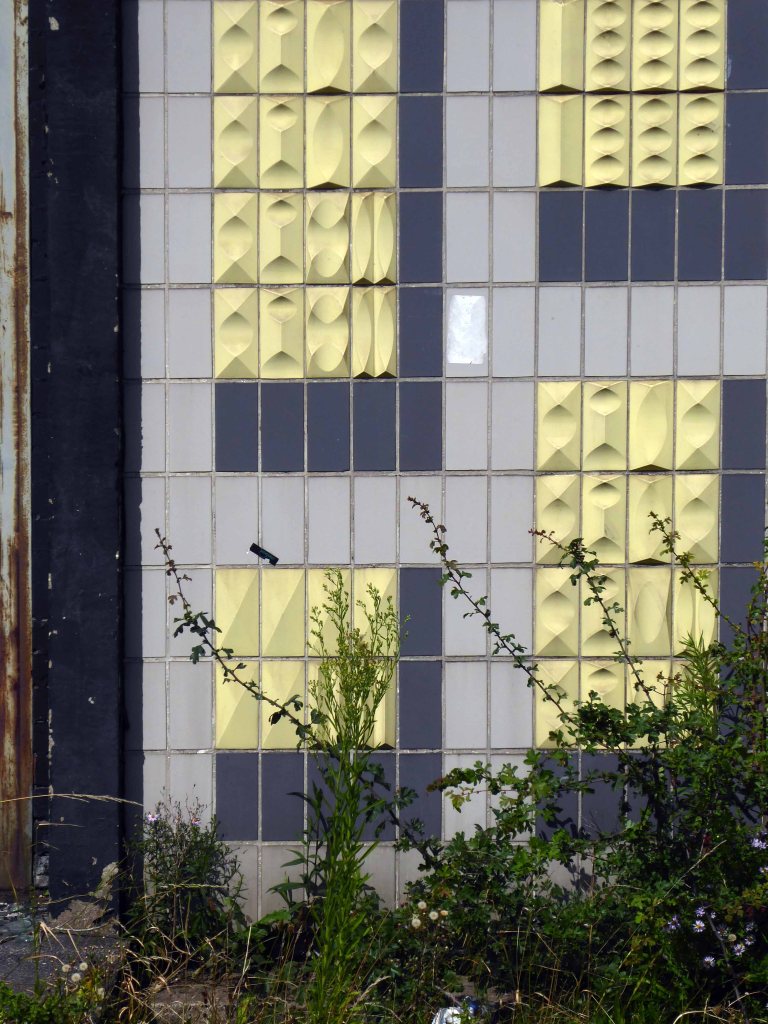
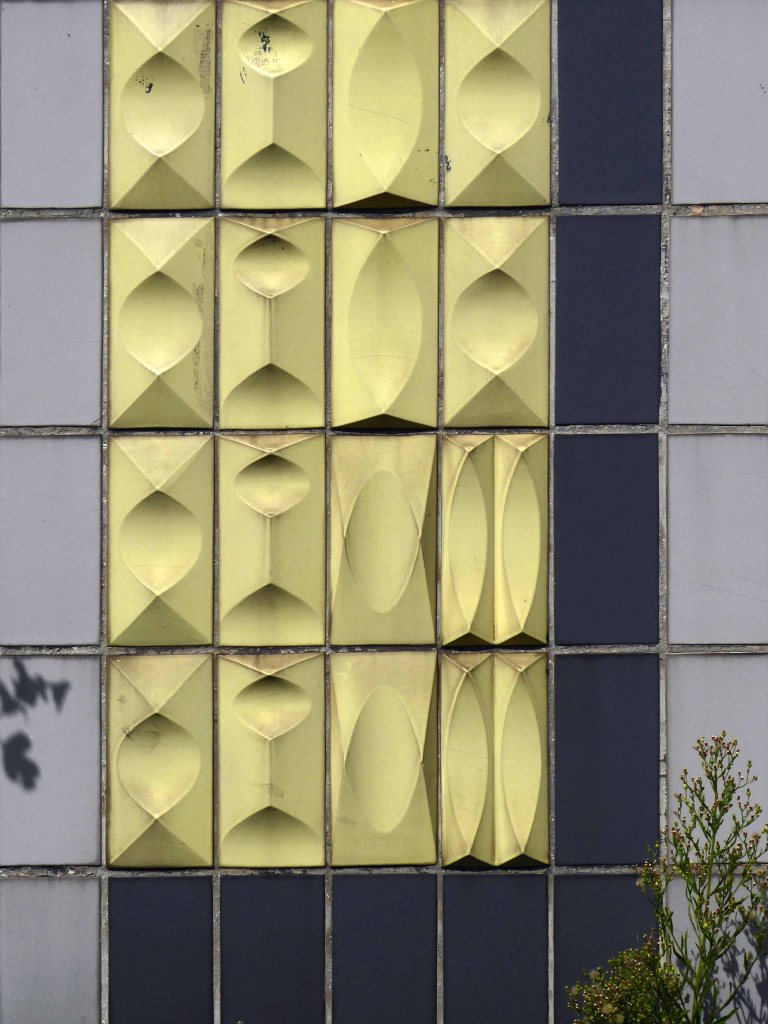
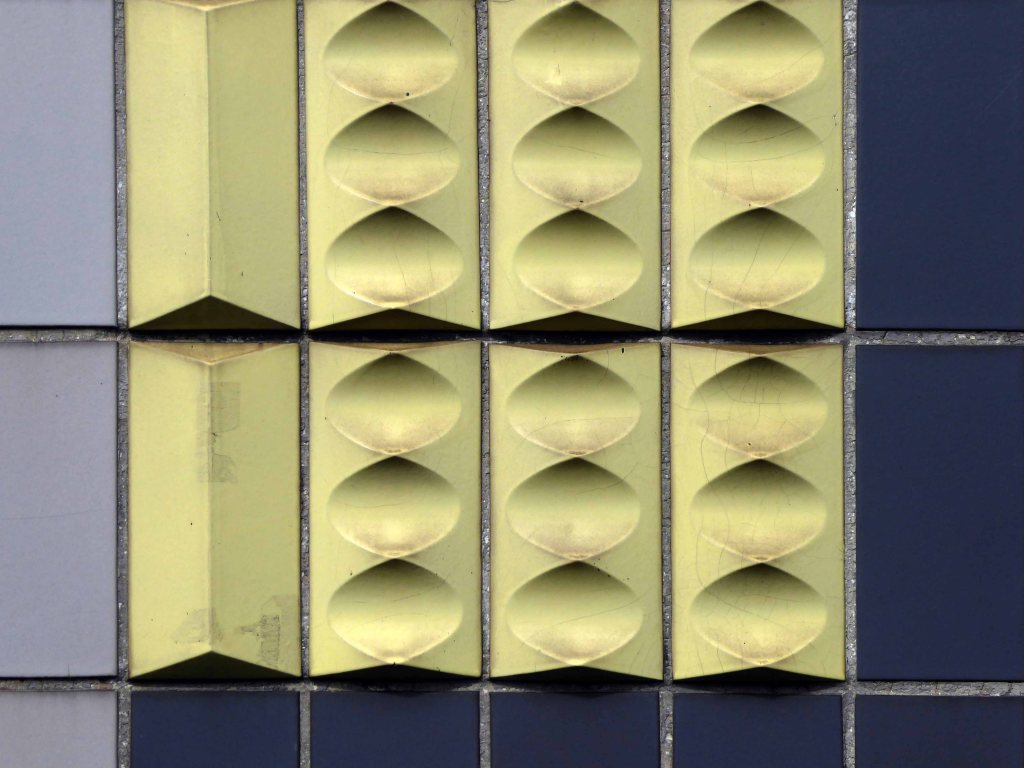
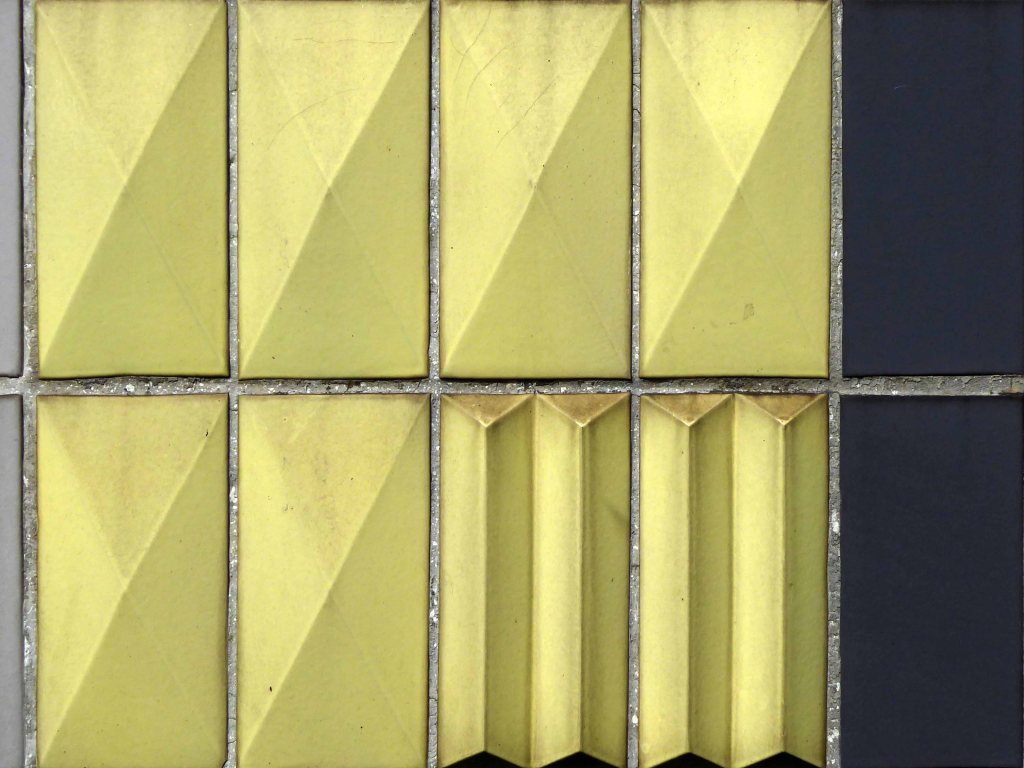
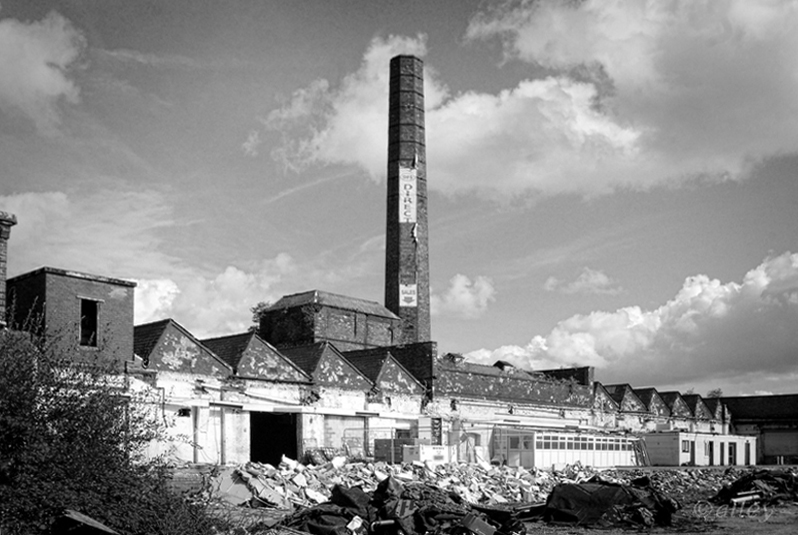
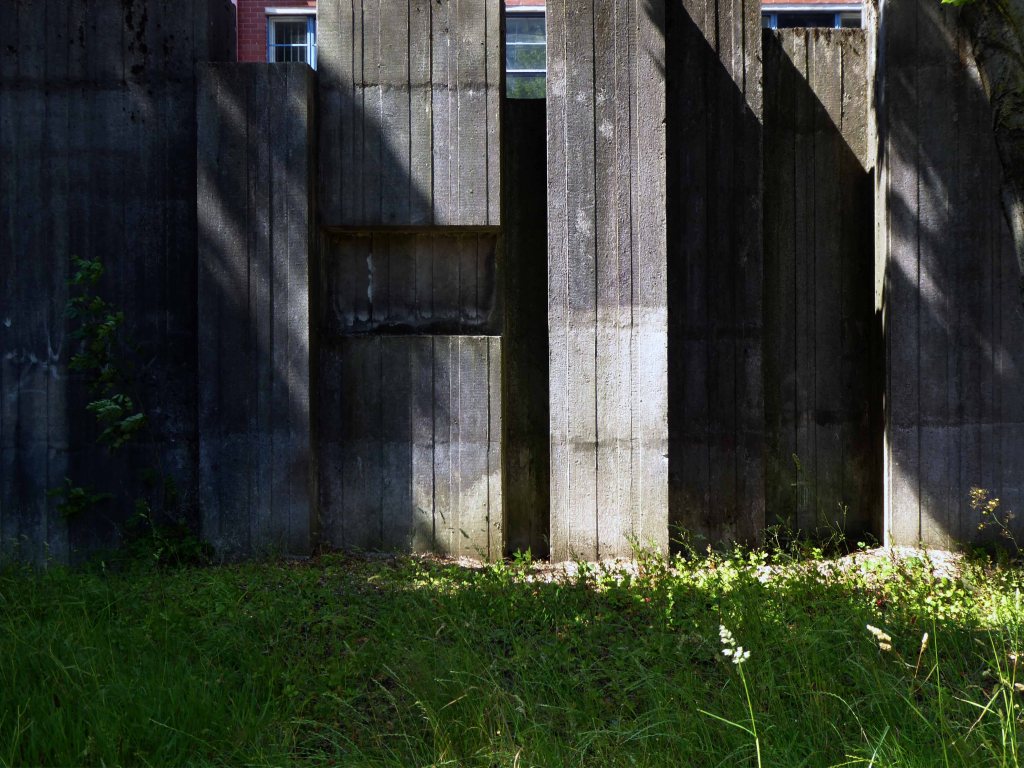
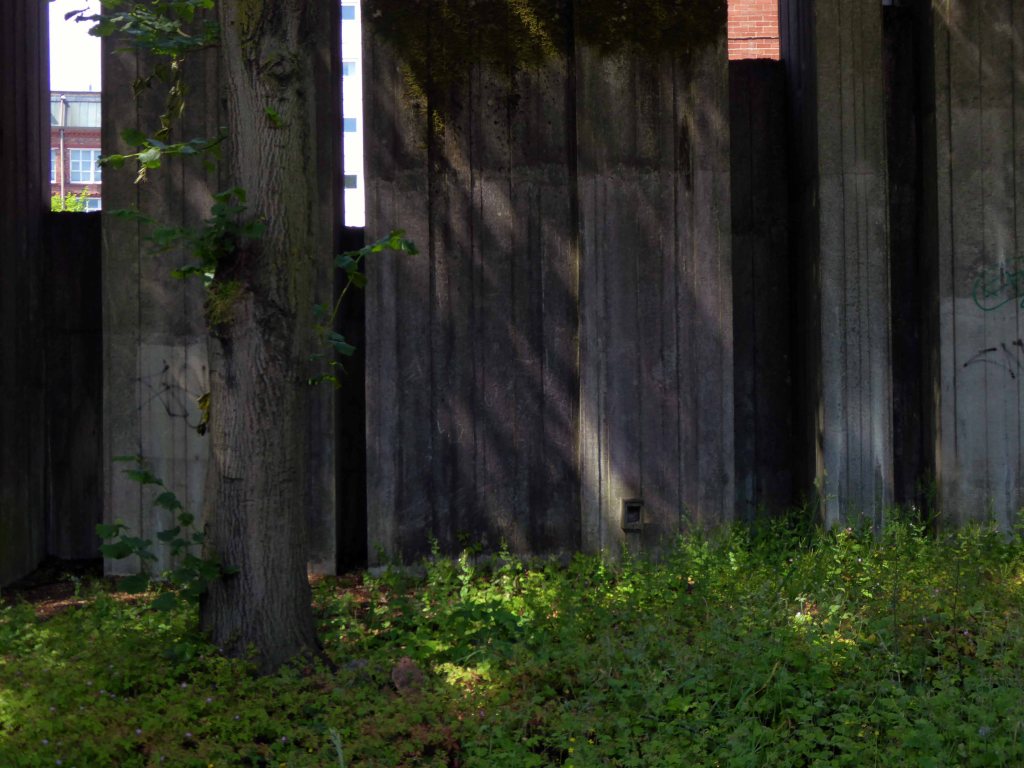
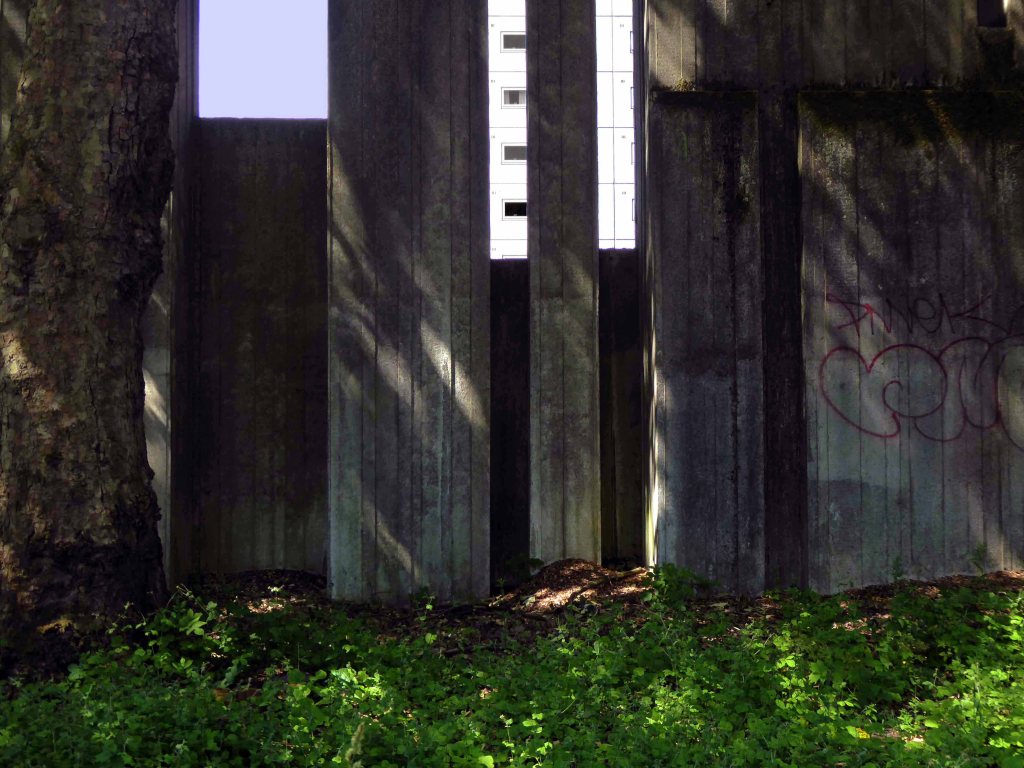
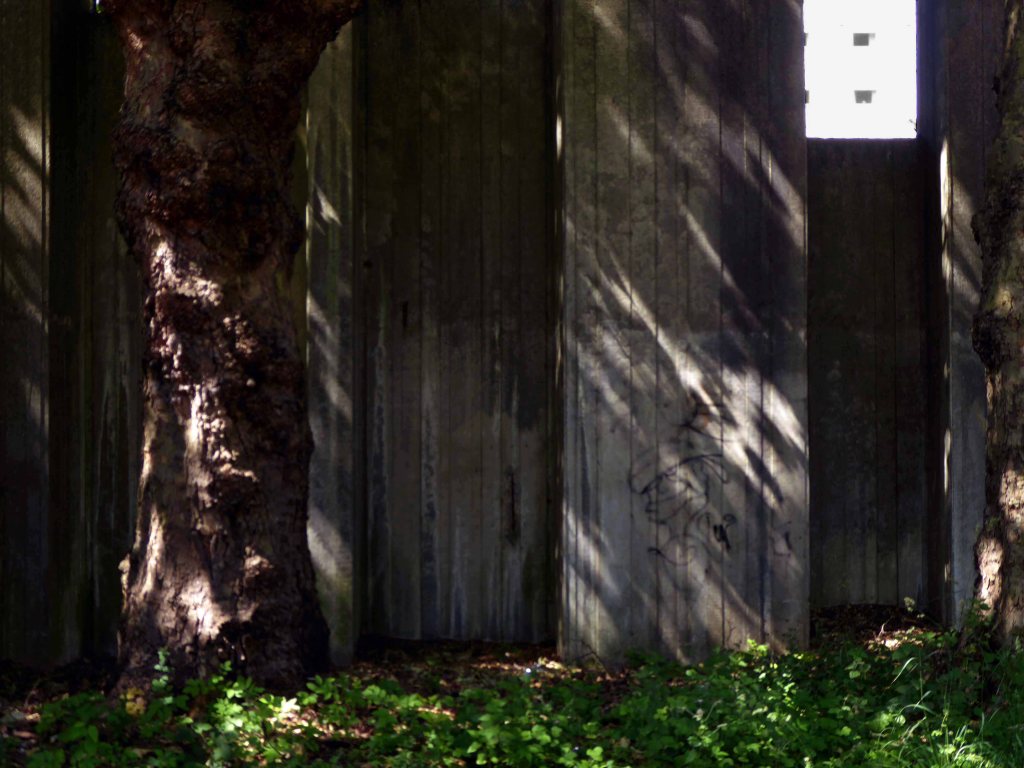
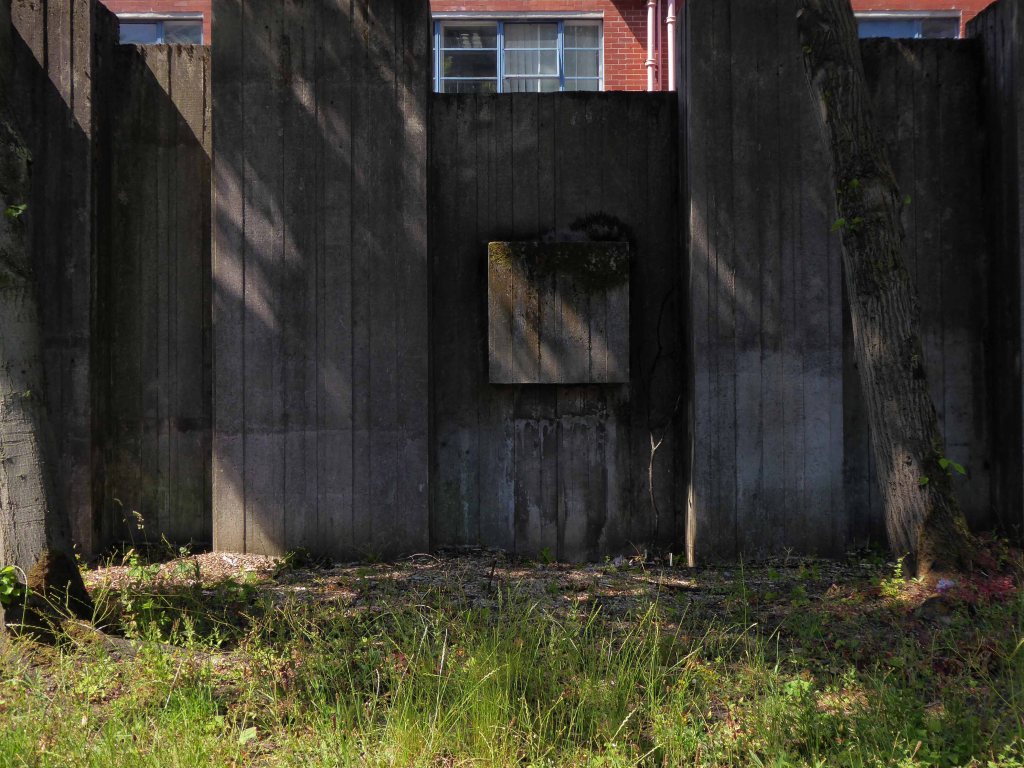
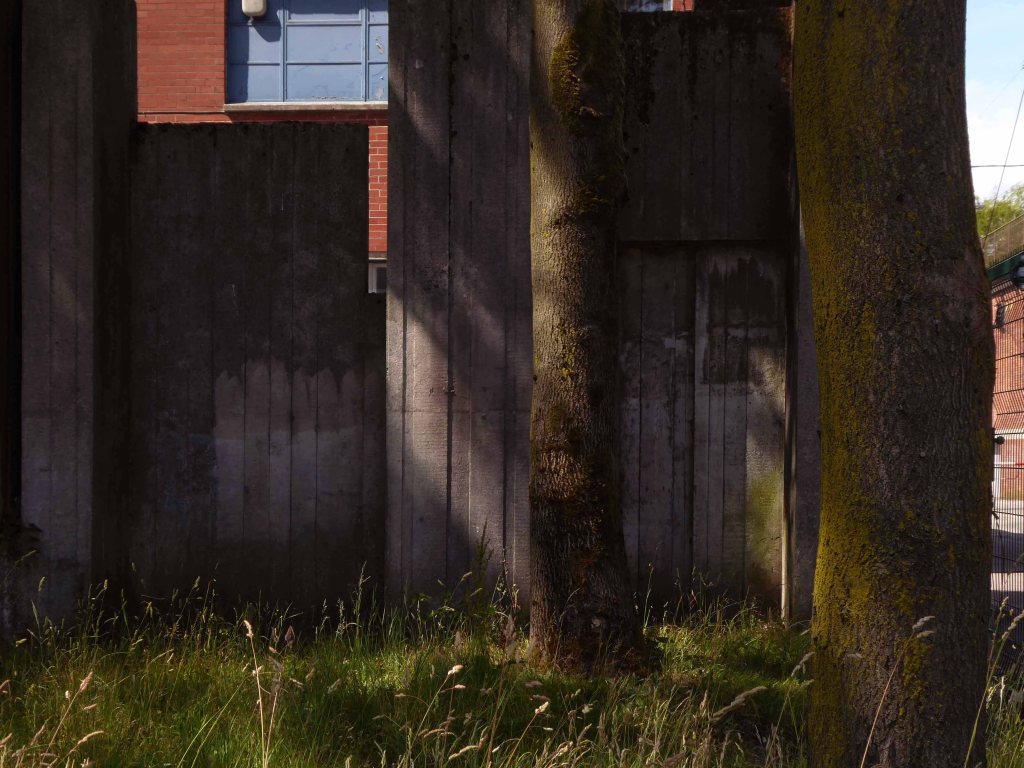
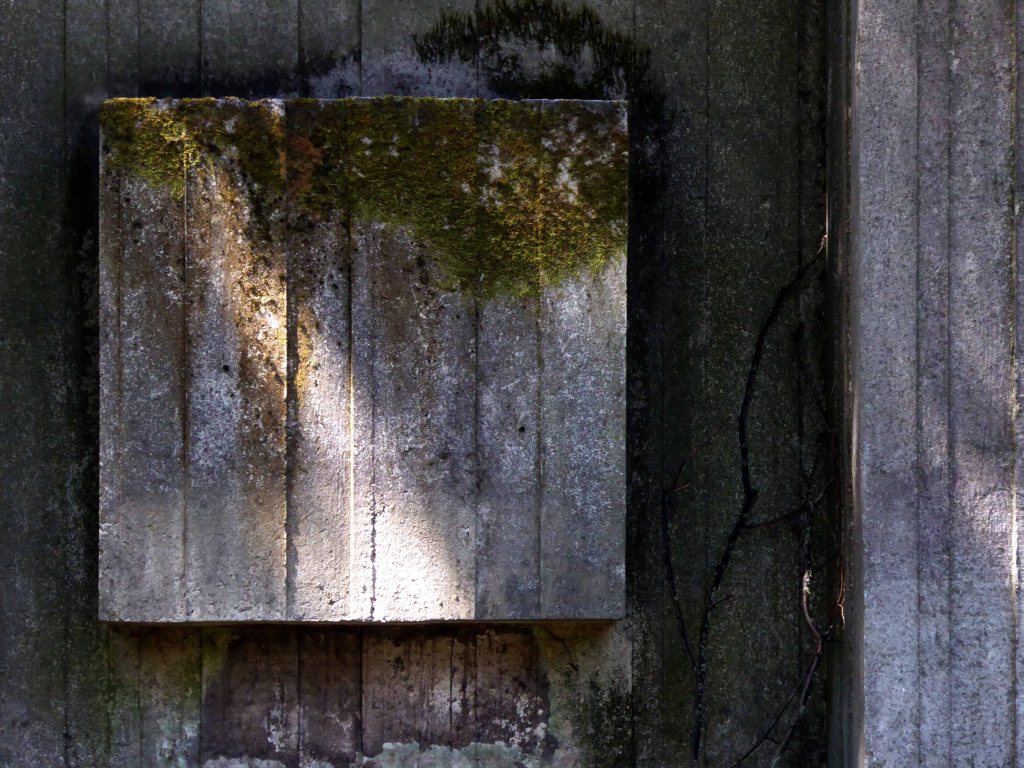
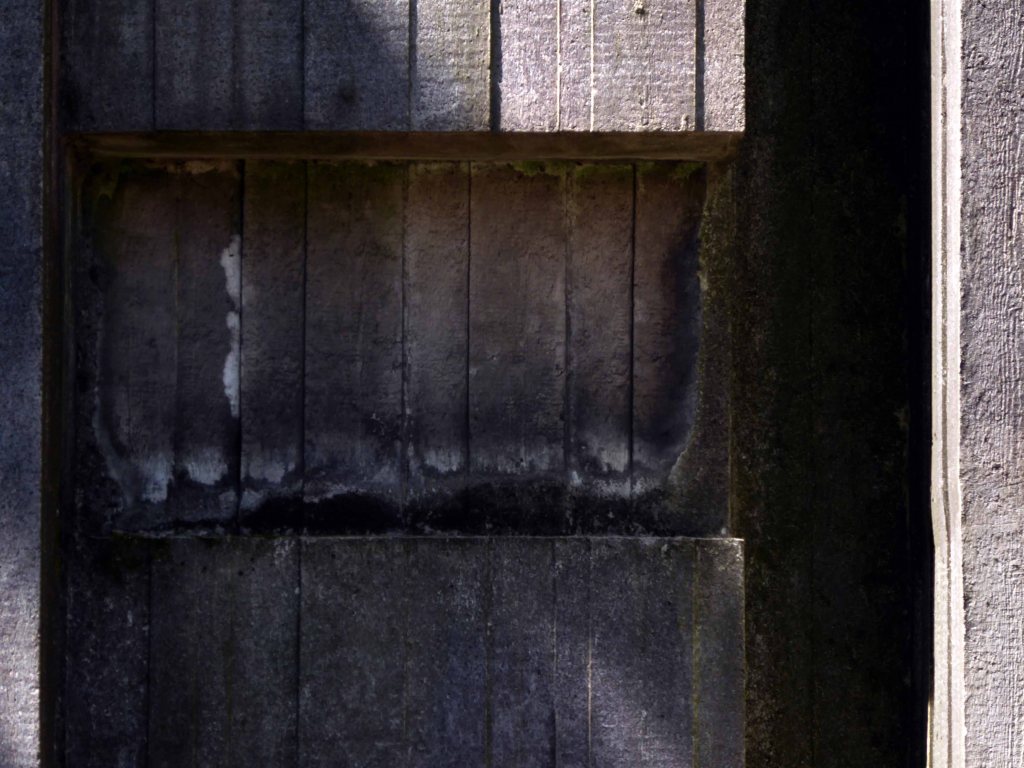
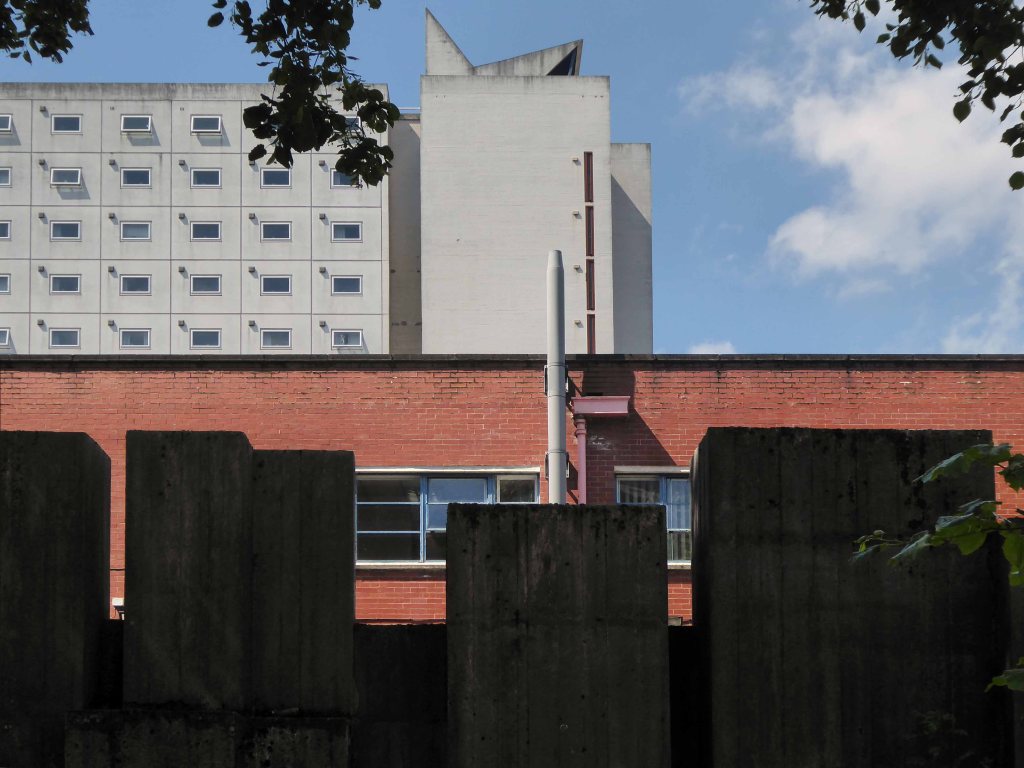
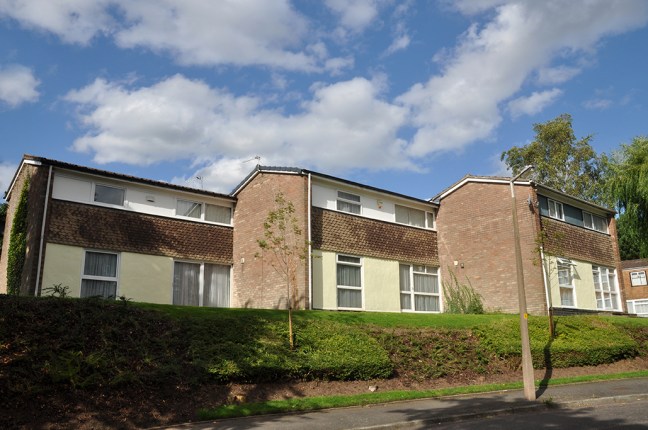
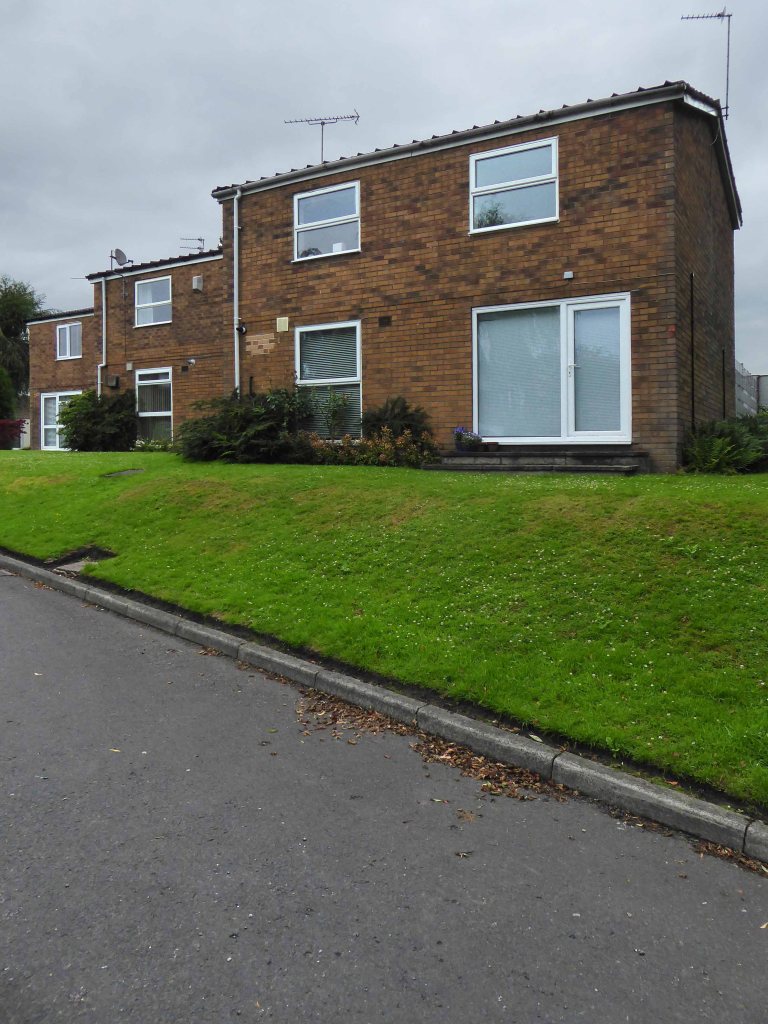
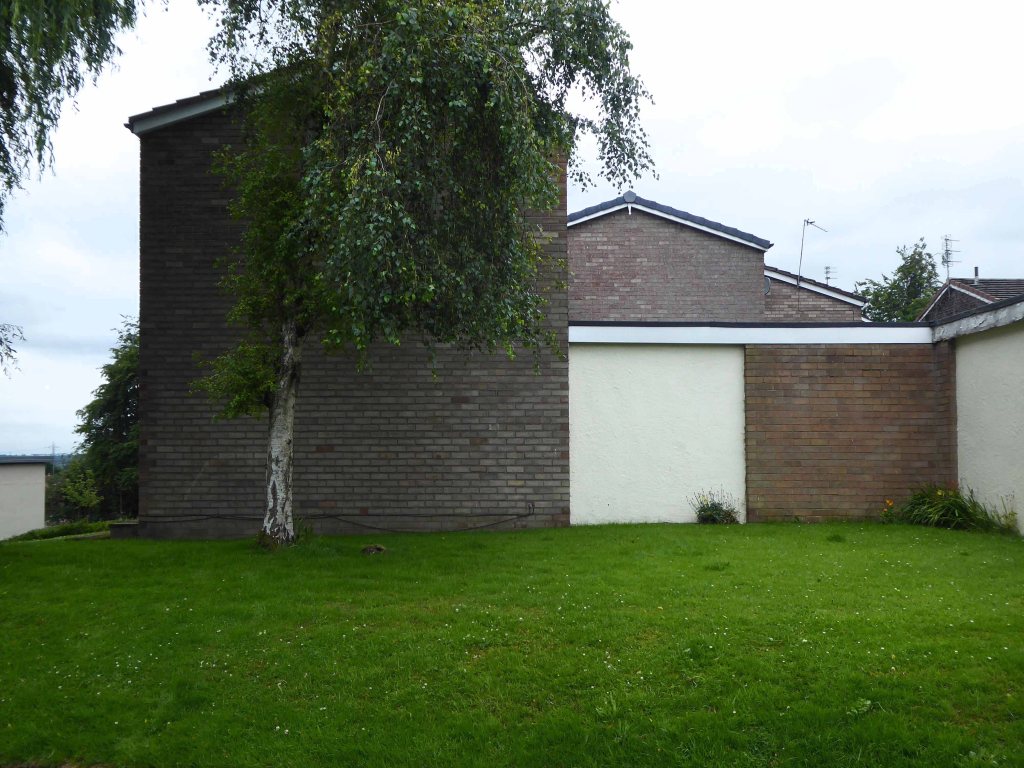
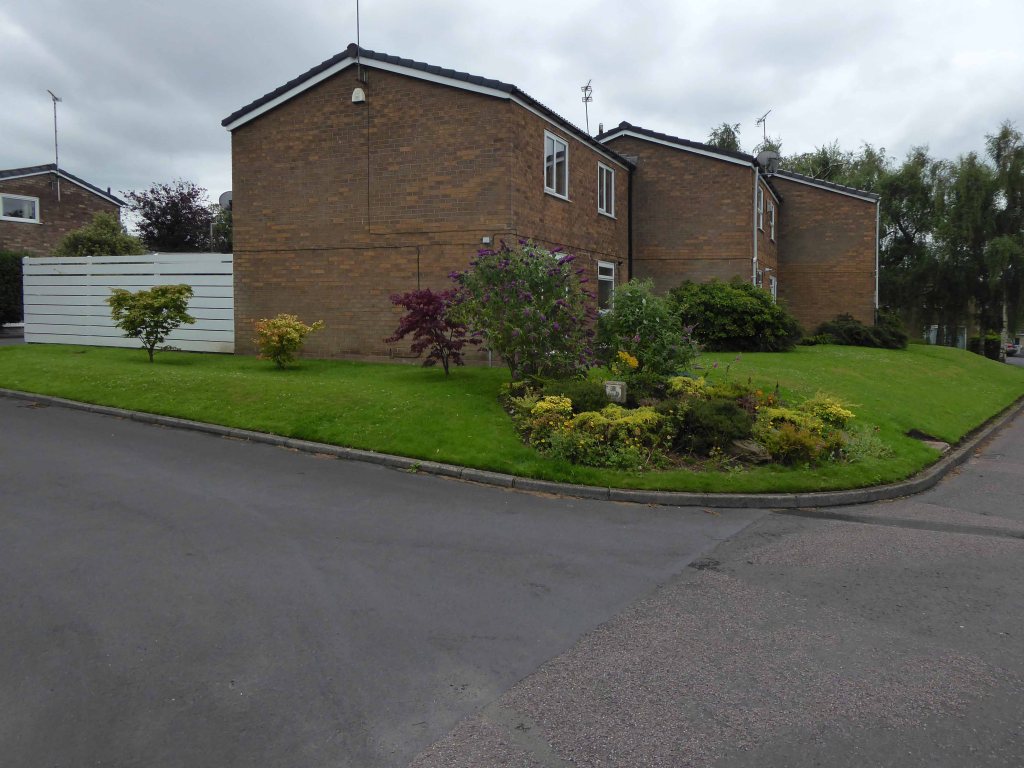
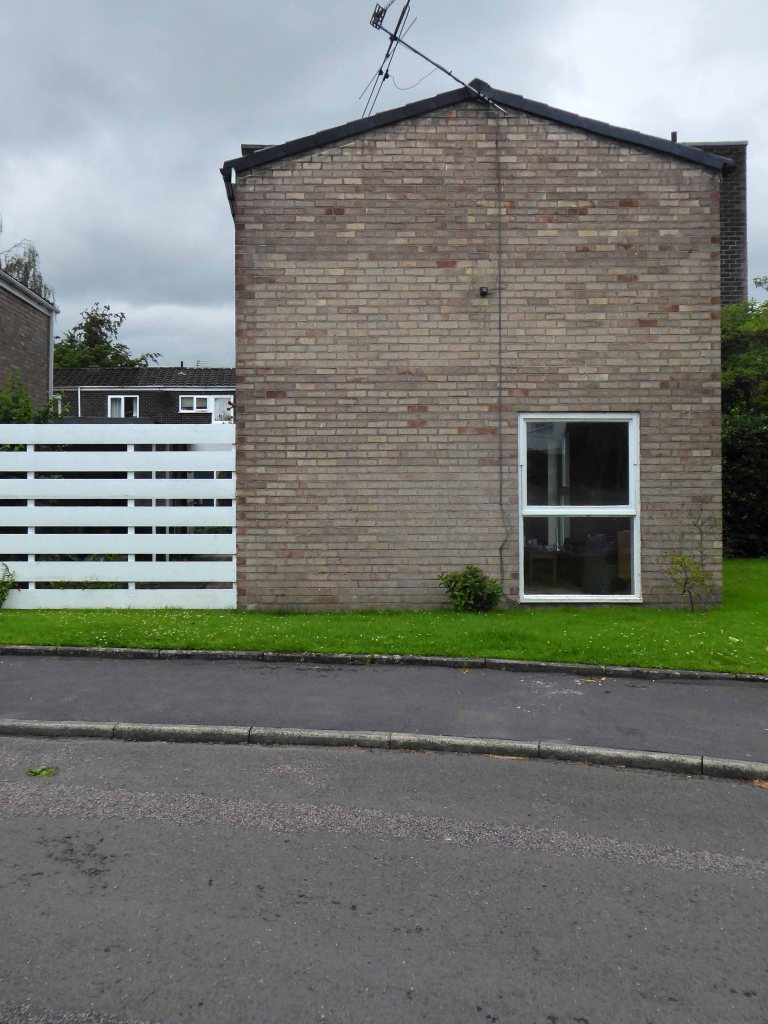
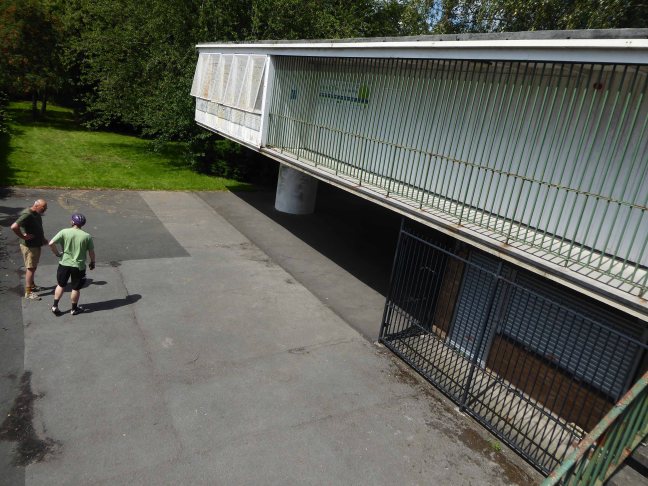
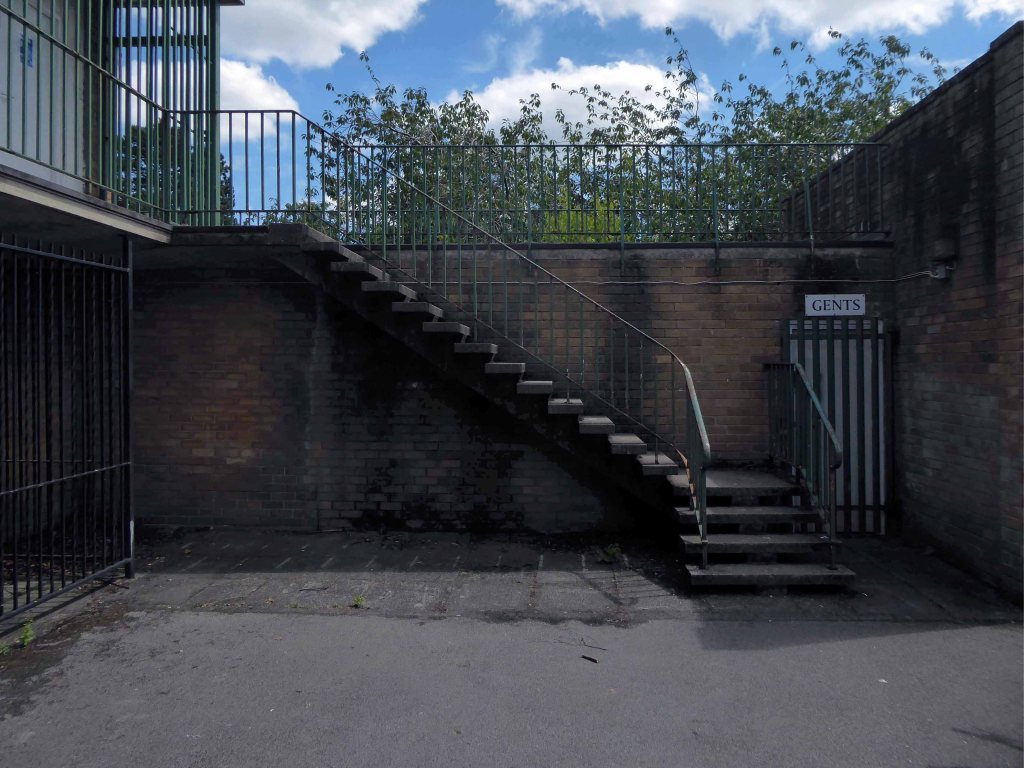
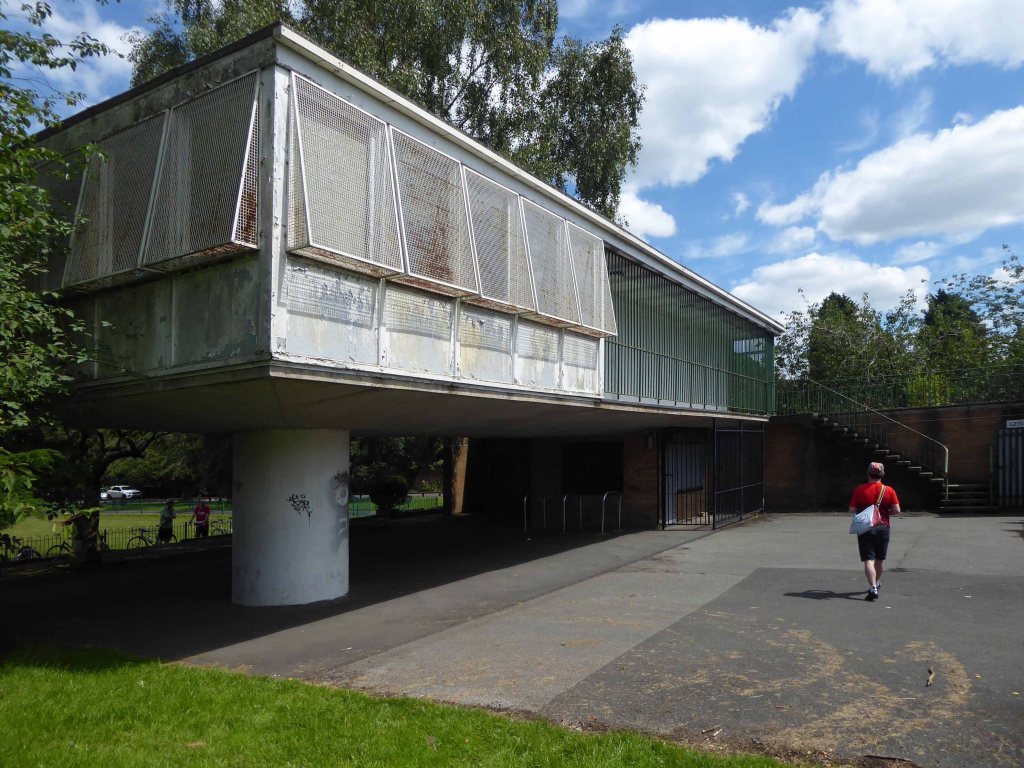
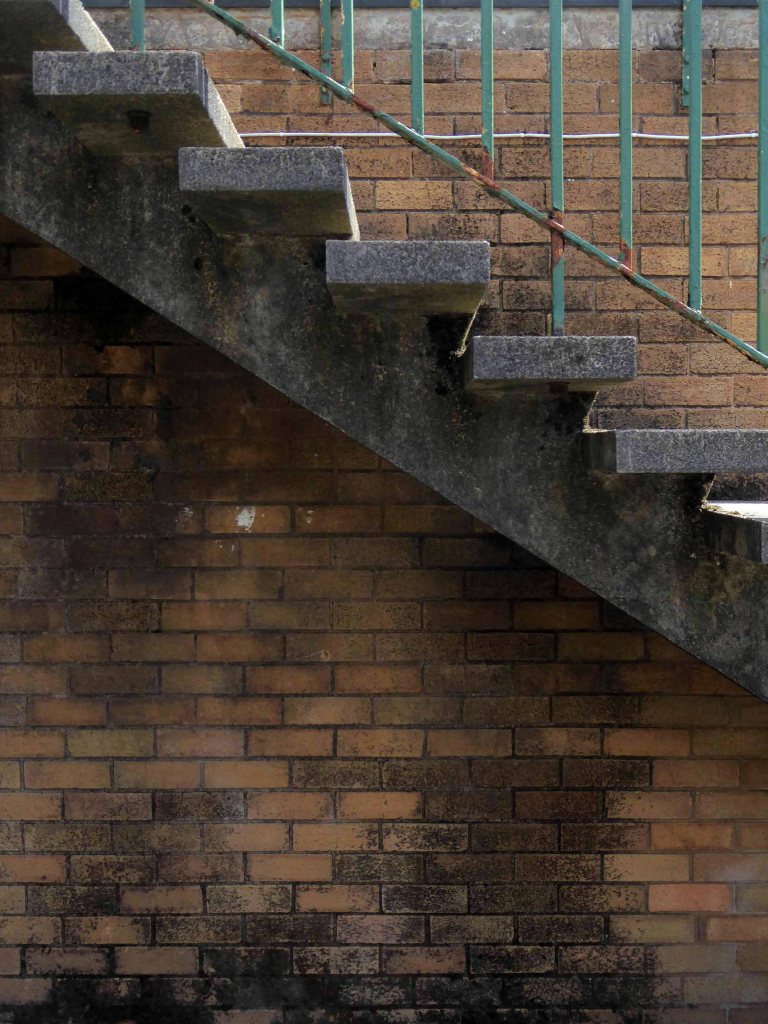
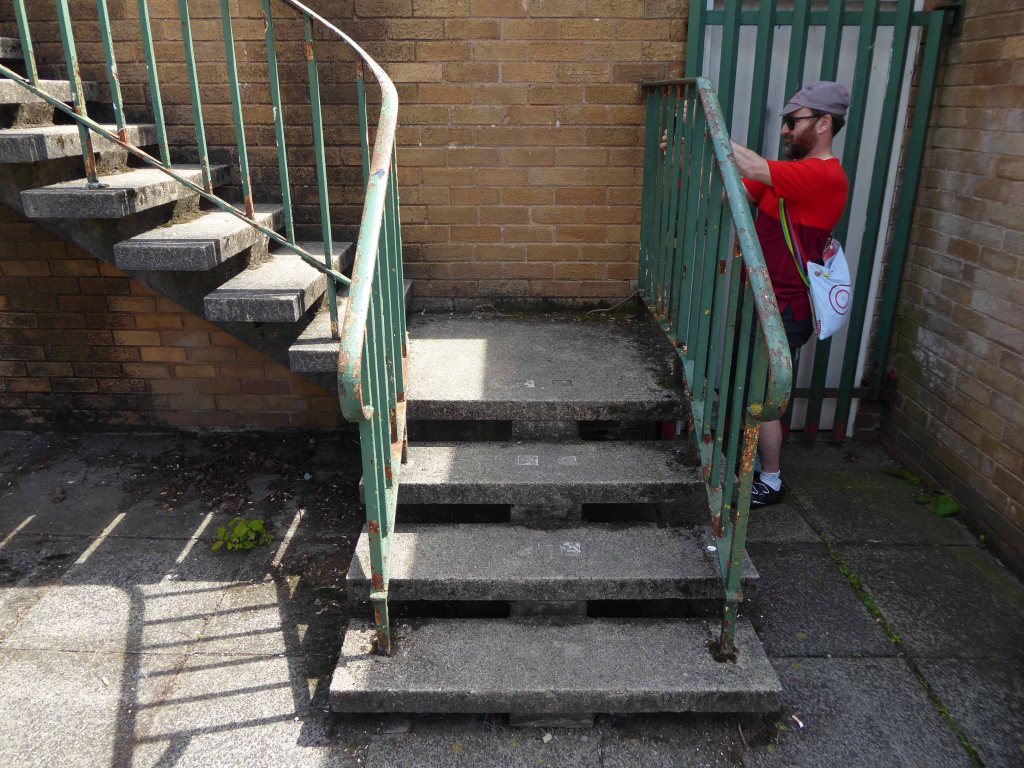
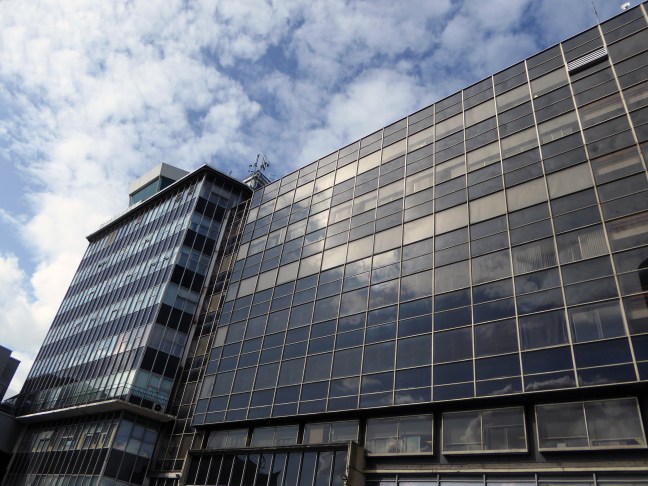
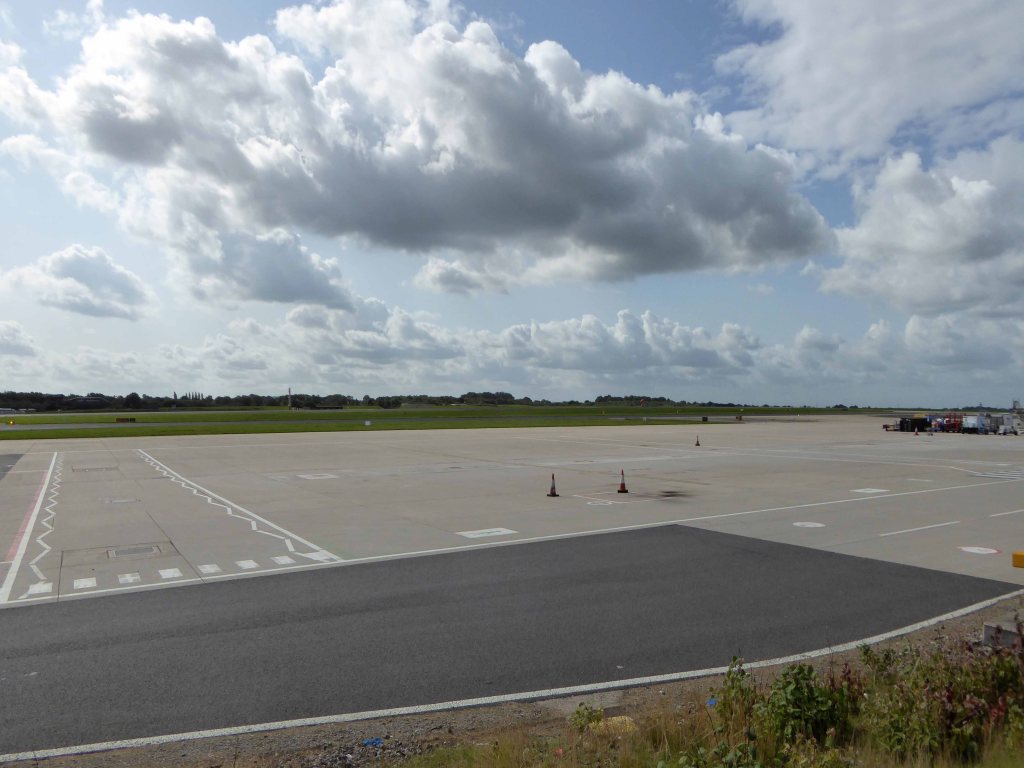
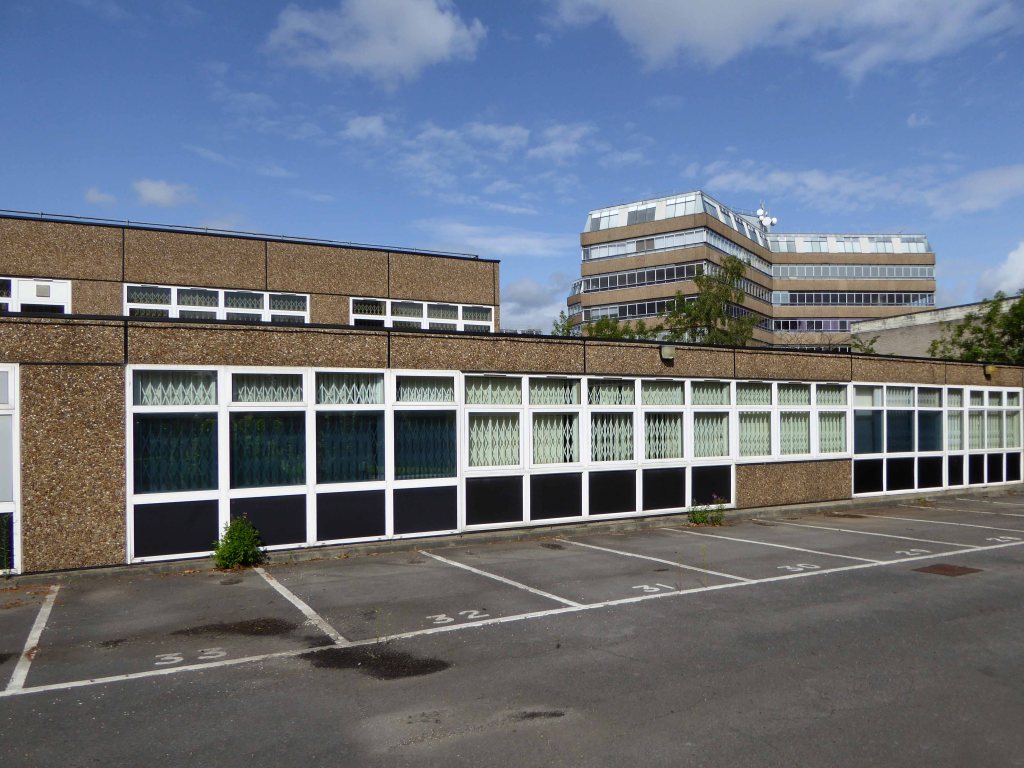
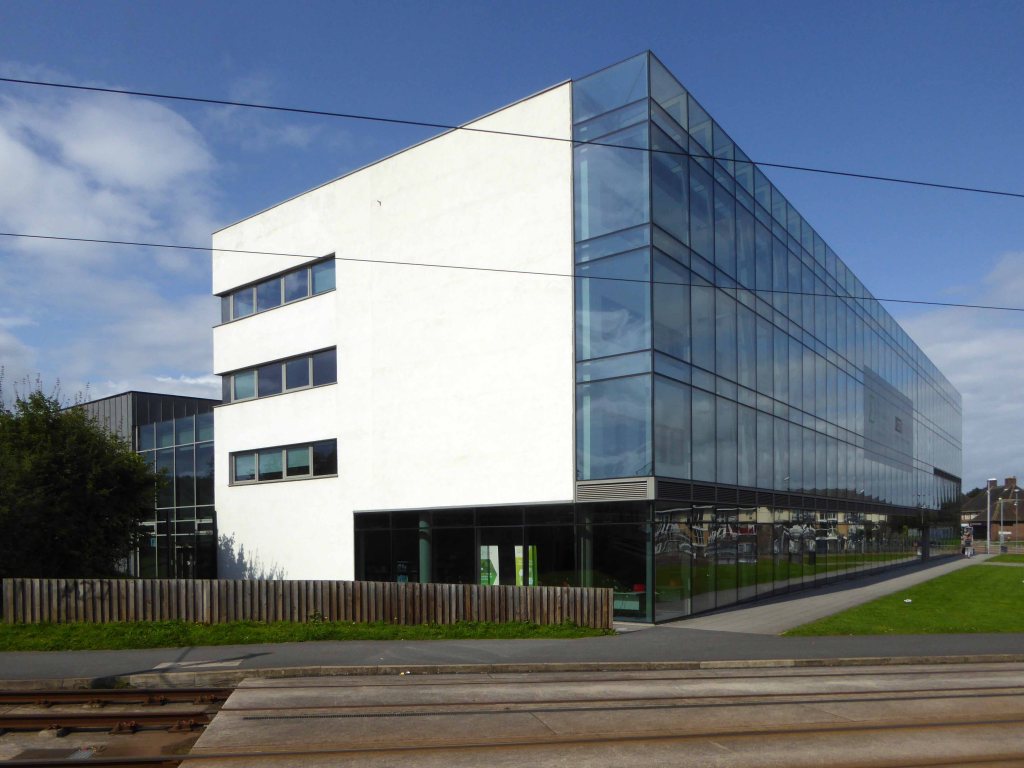
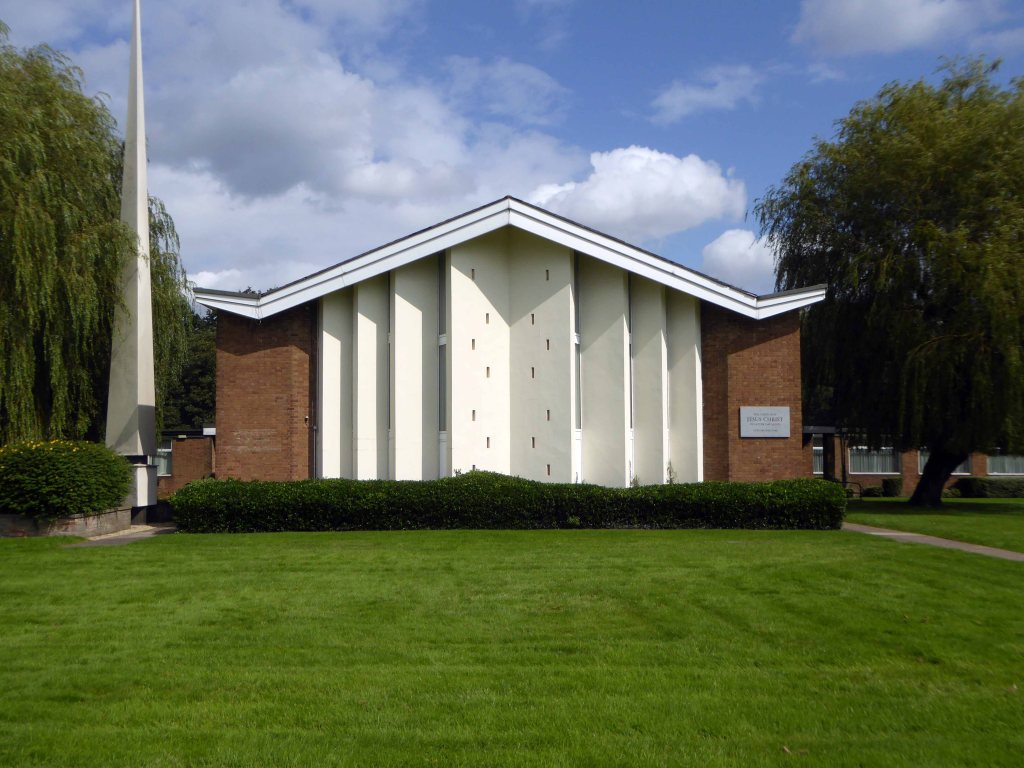
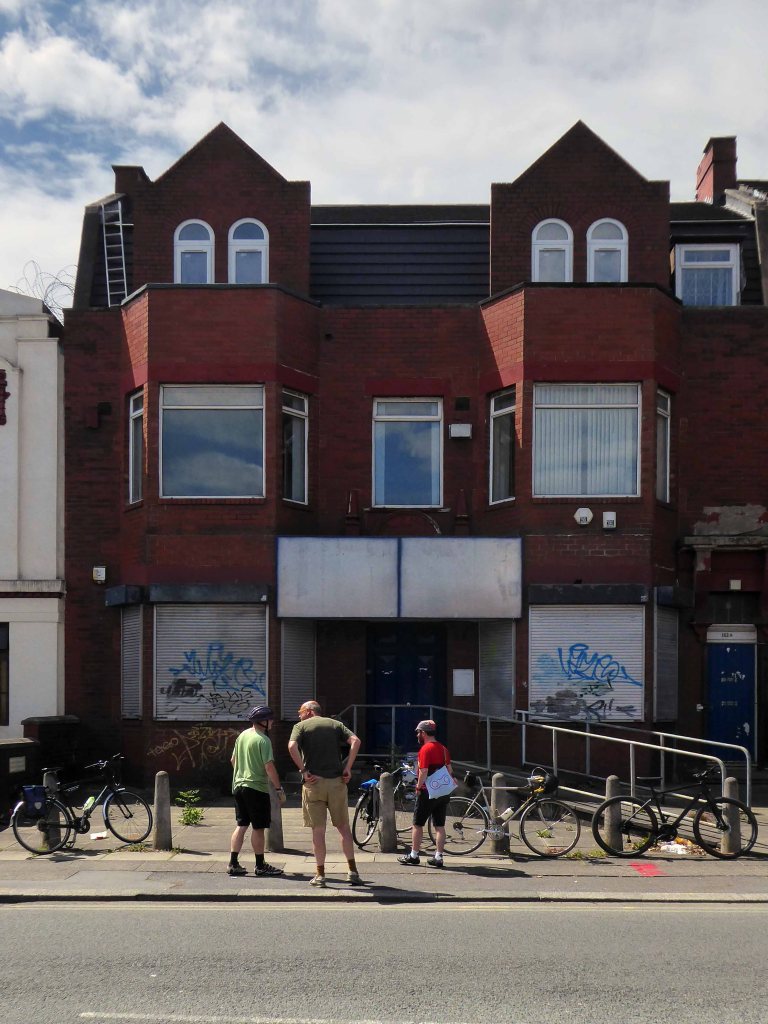
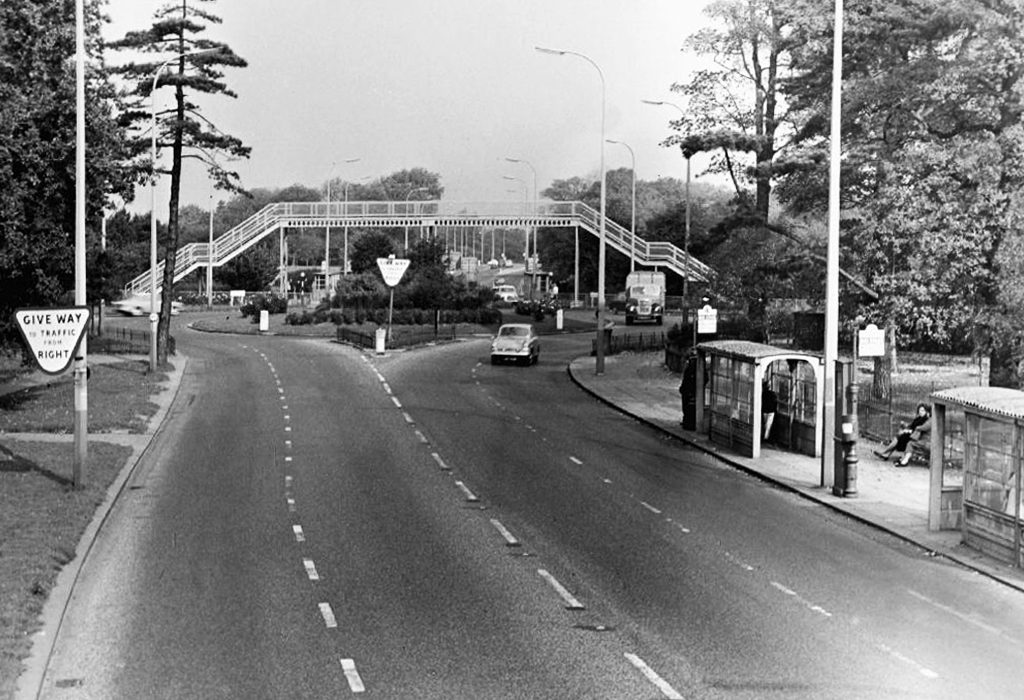
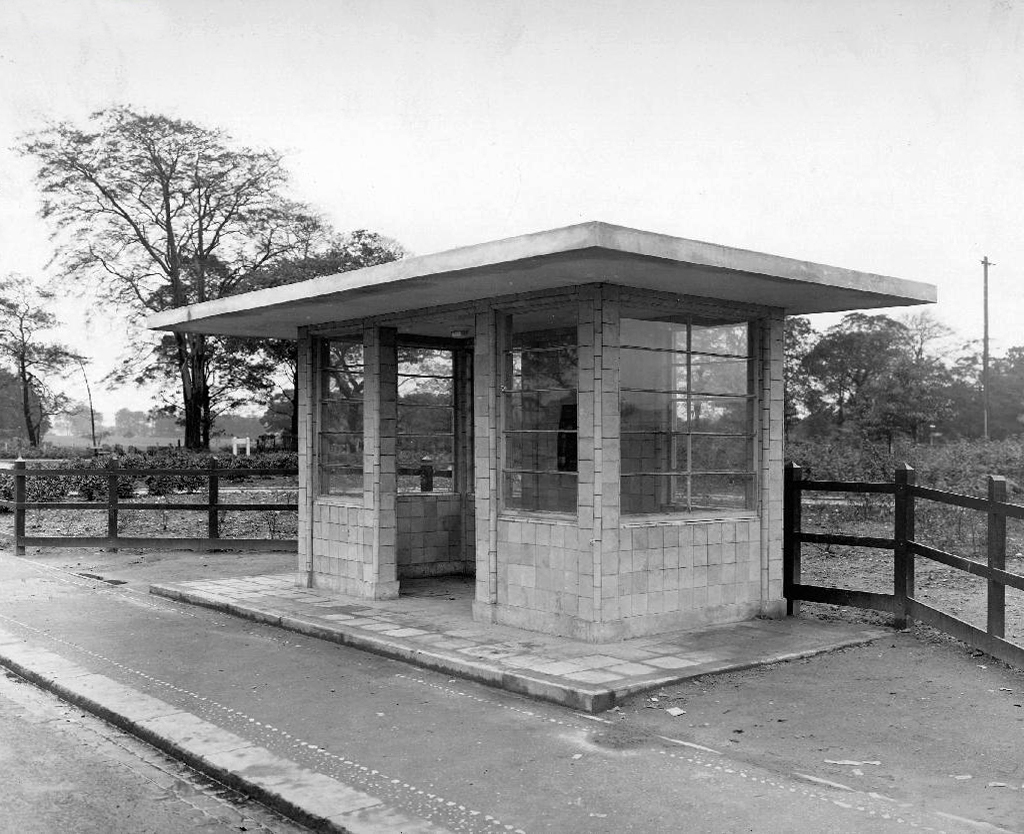
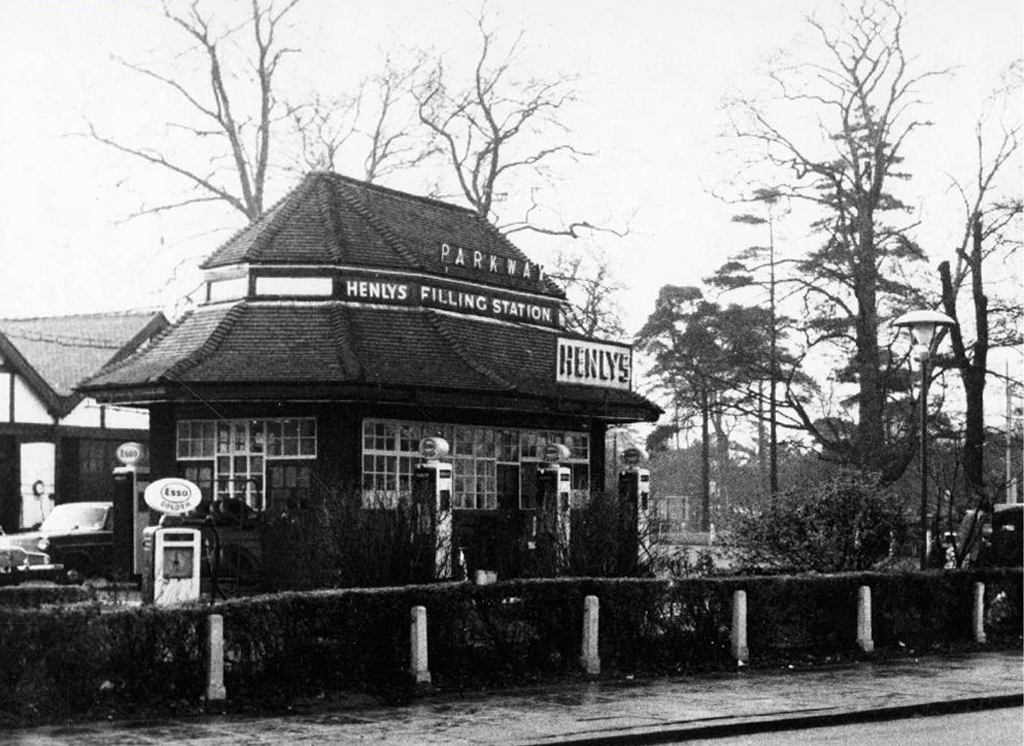
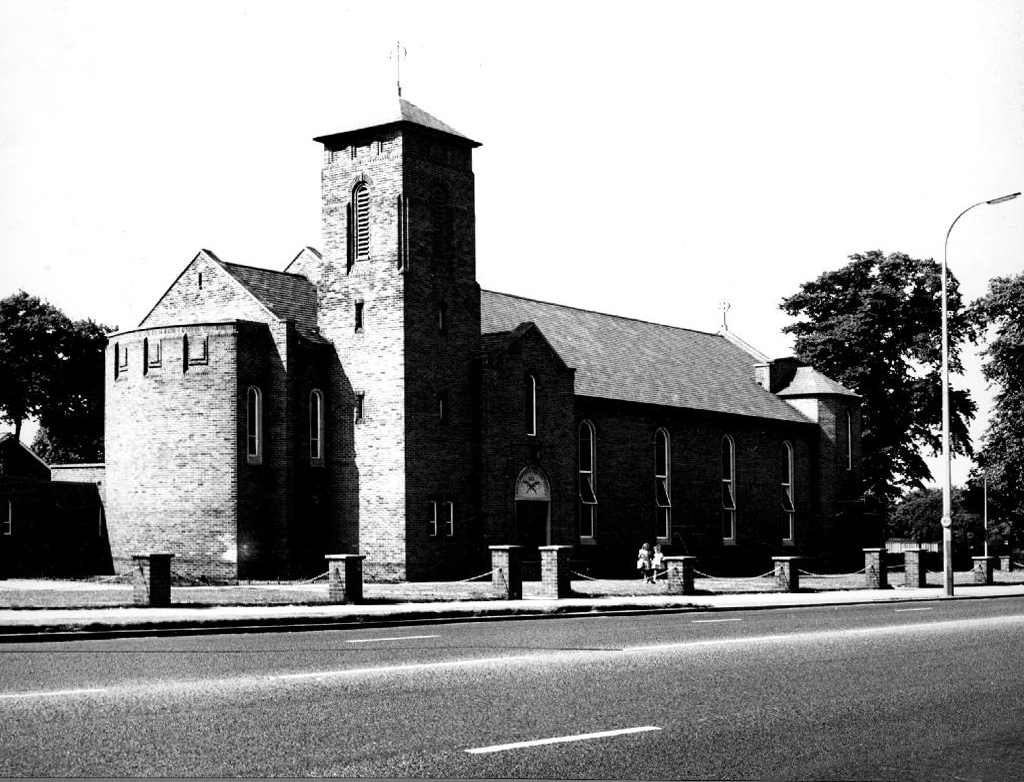
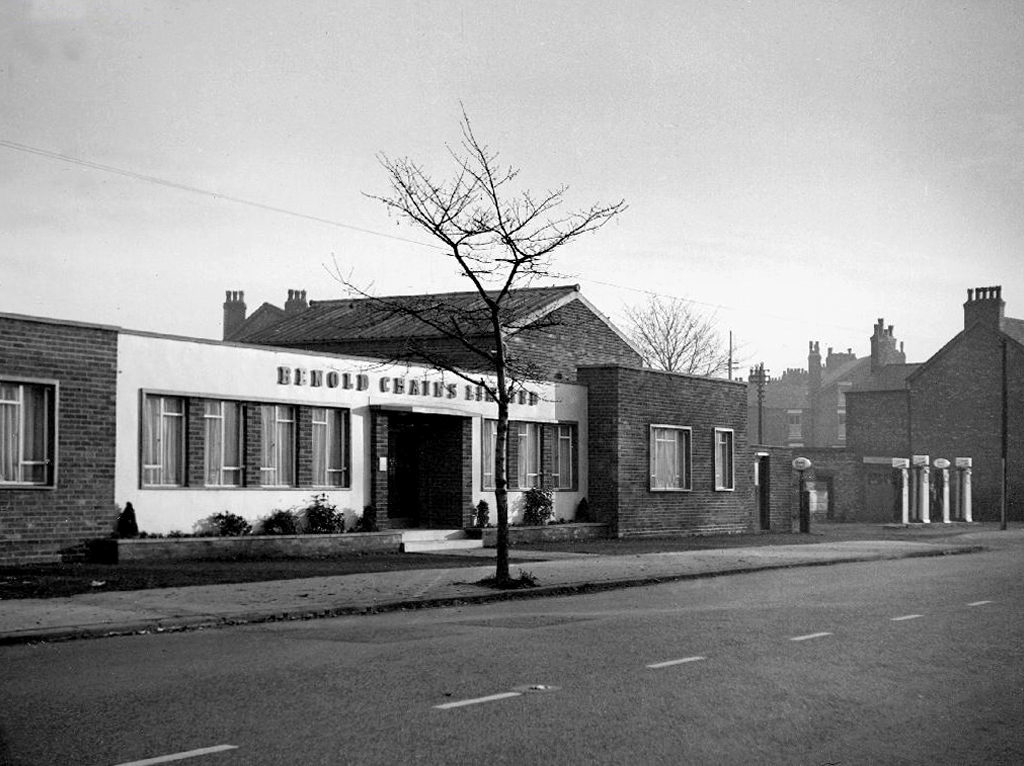
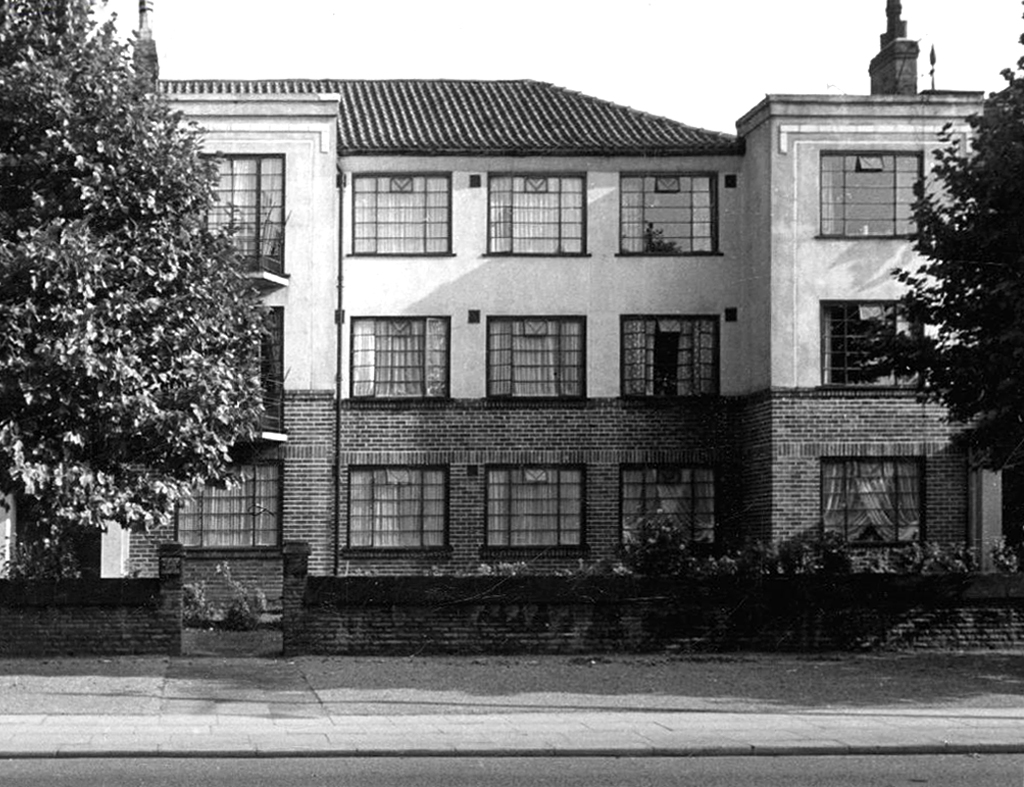
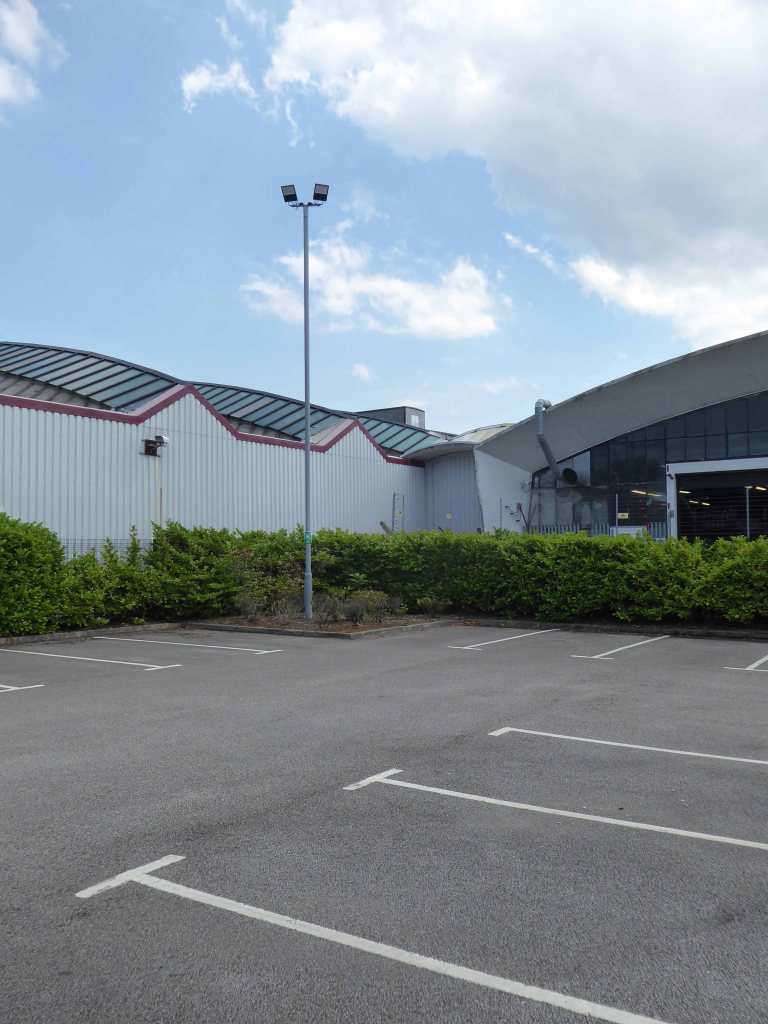
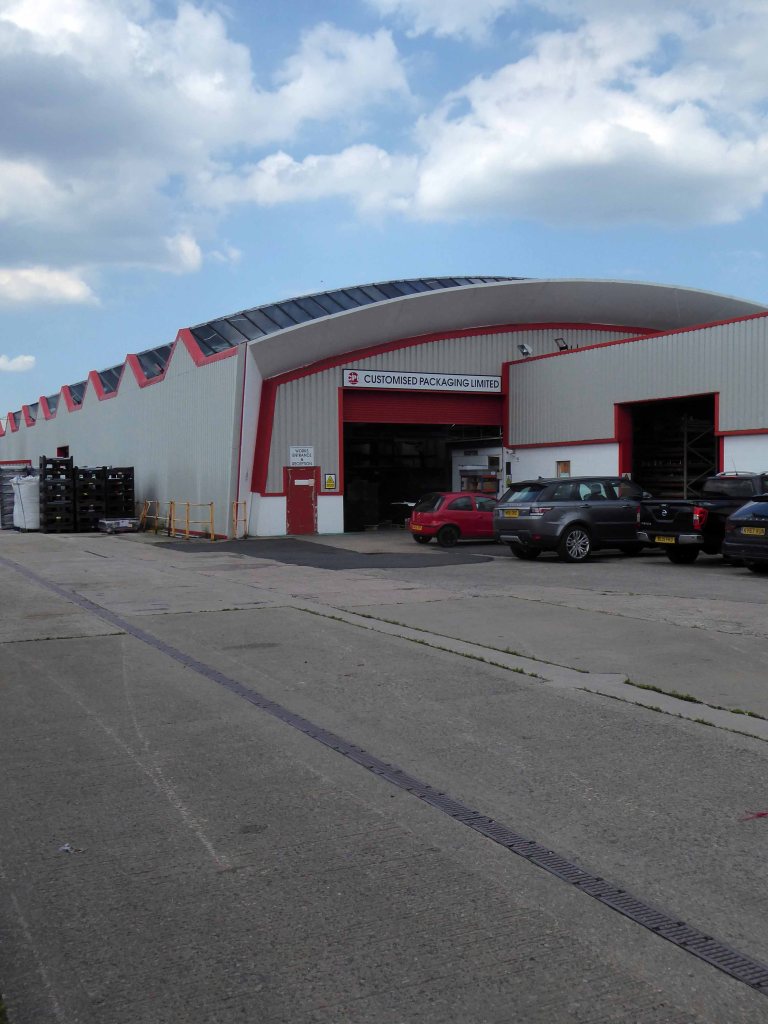
Peck House, a long vacant commercial property on a prominent route into Rotherham, could be flattened for redevelopment as the owners begin discussions with the Council over its future.
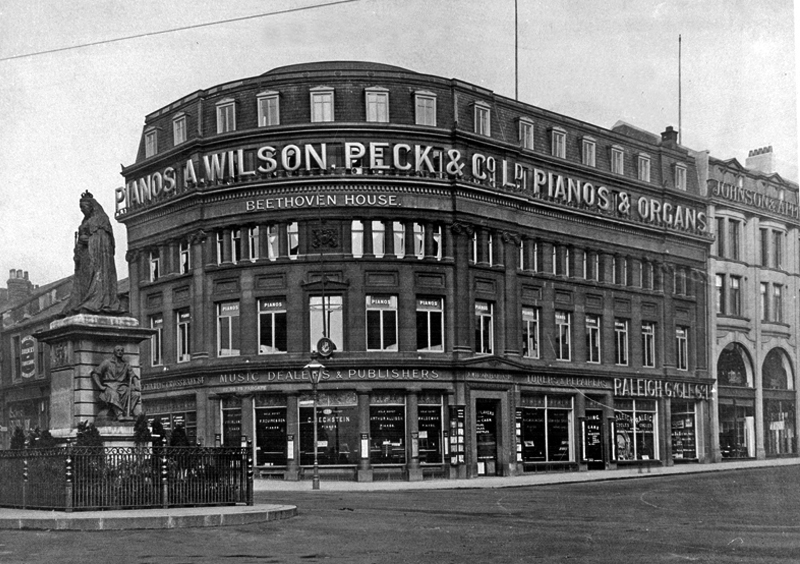
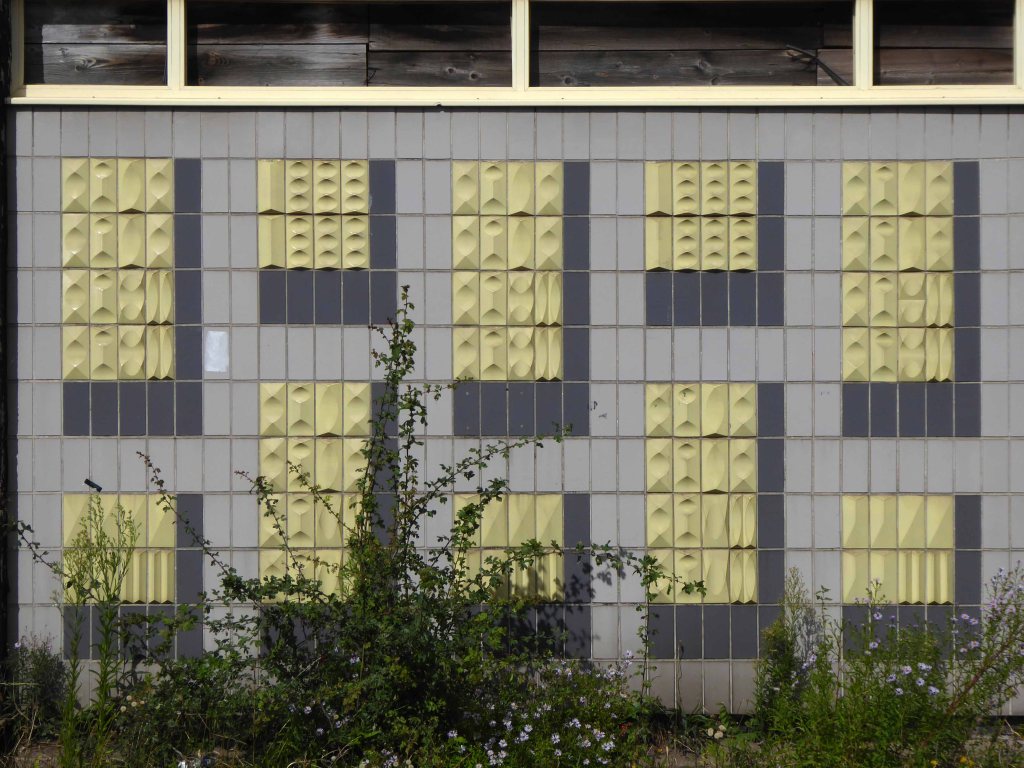
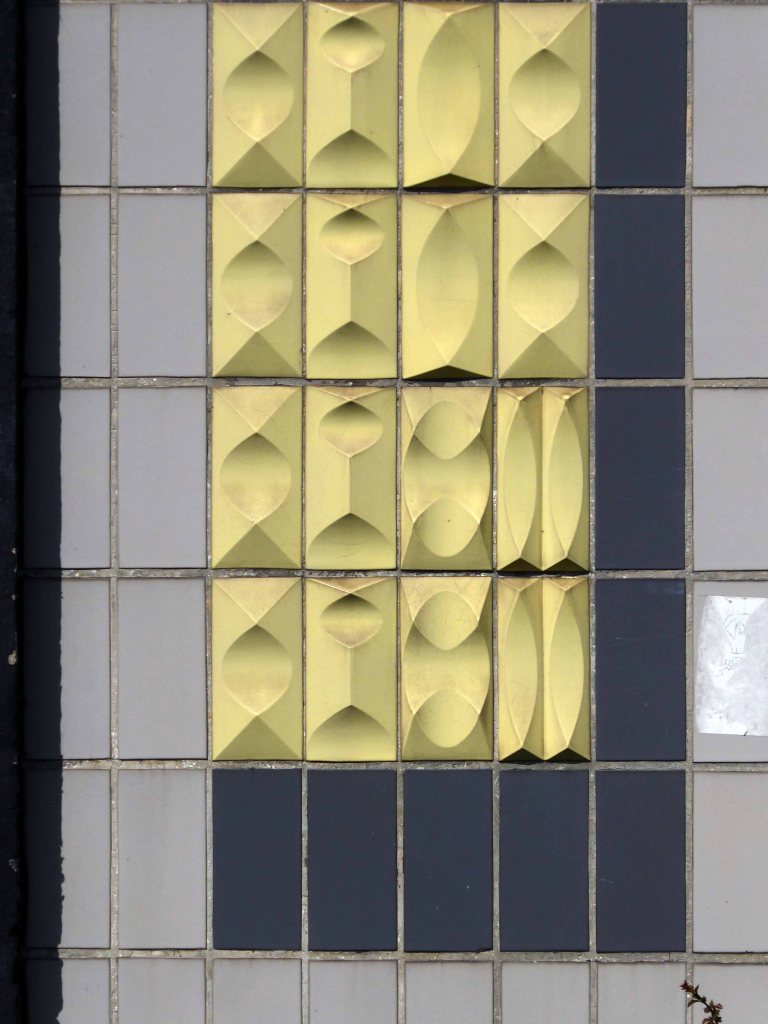
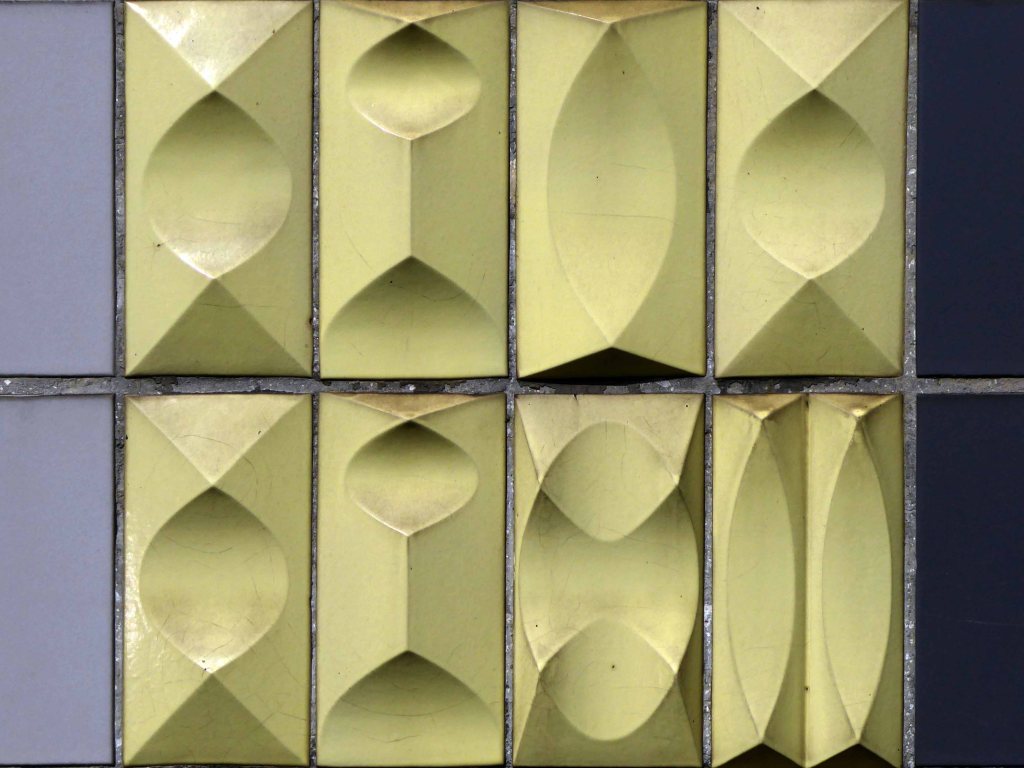
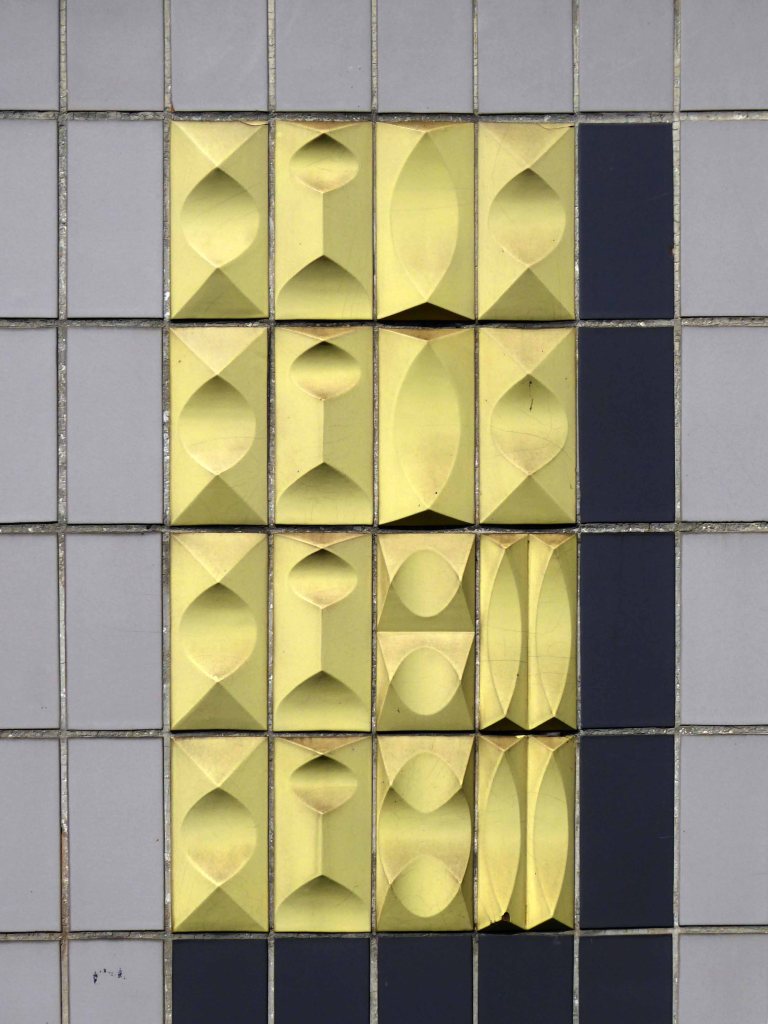
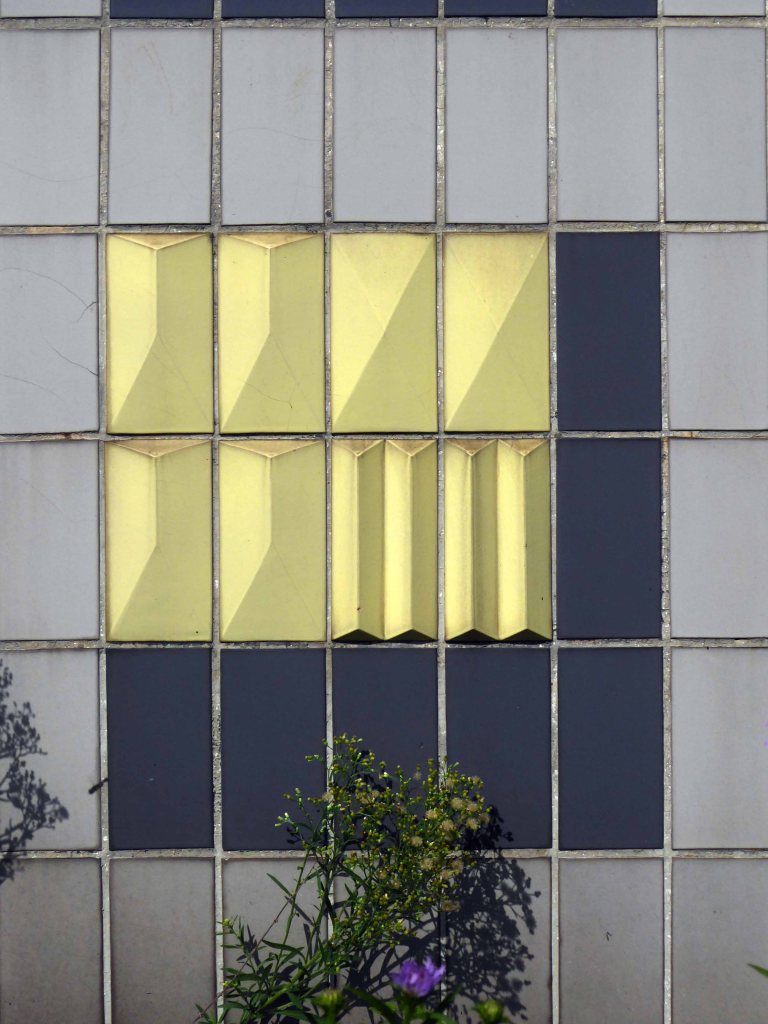
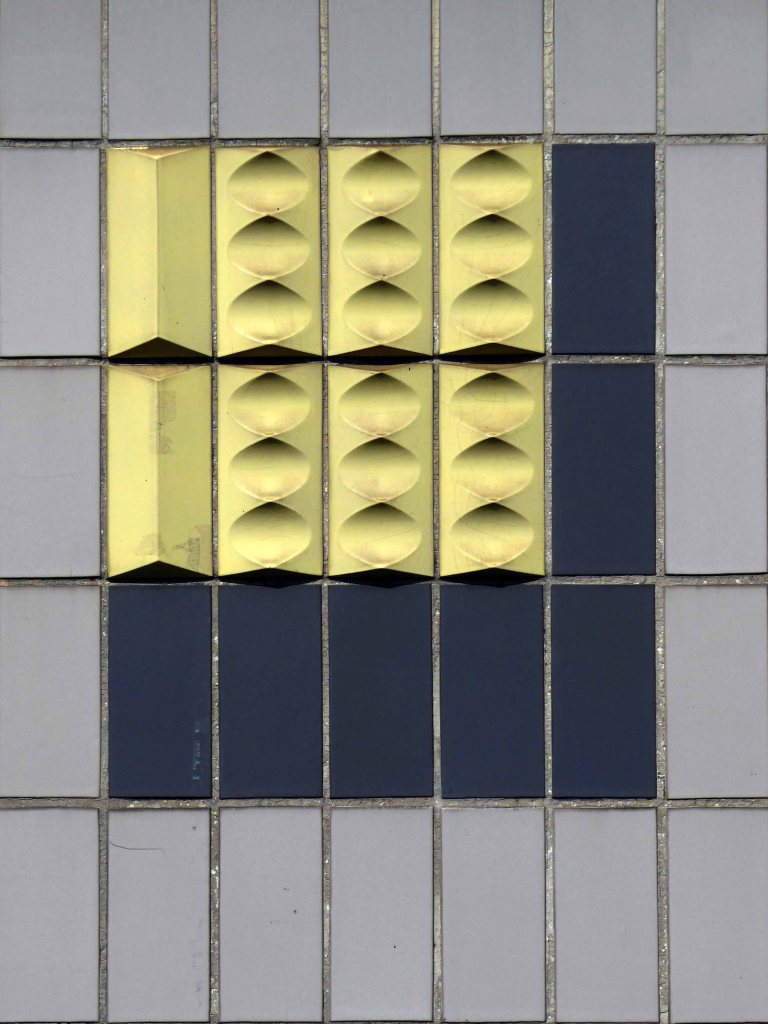
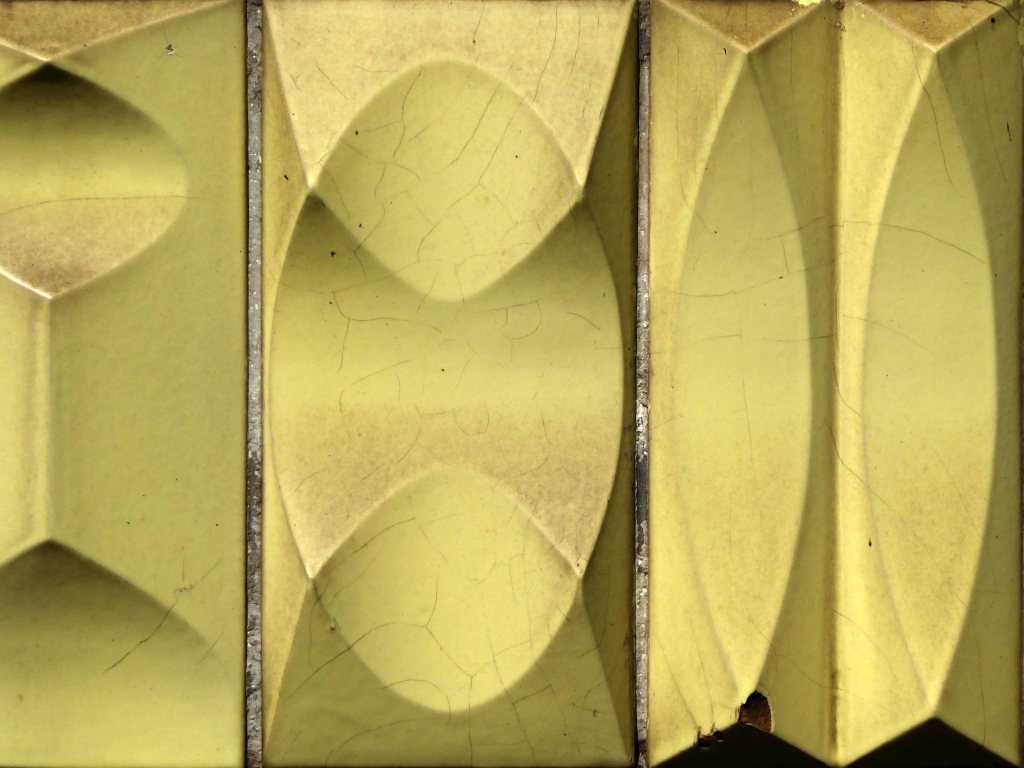
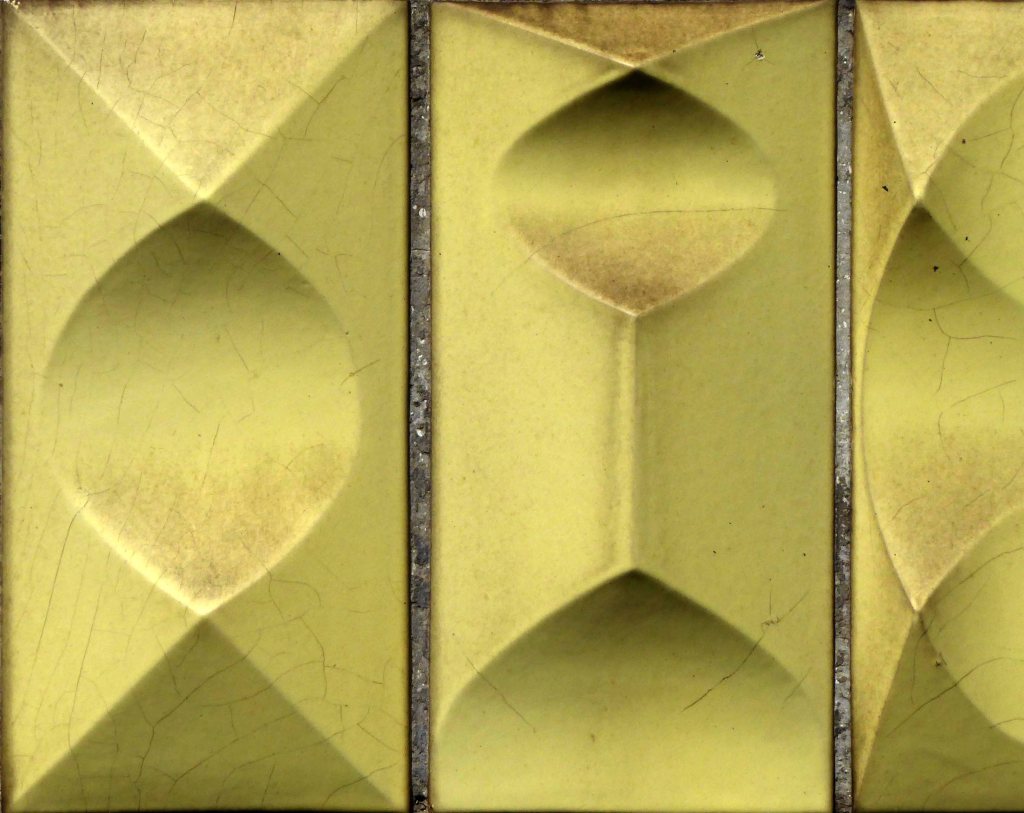
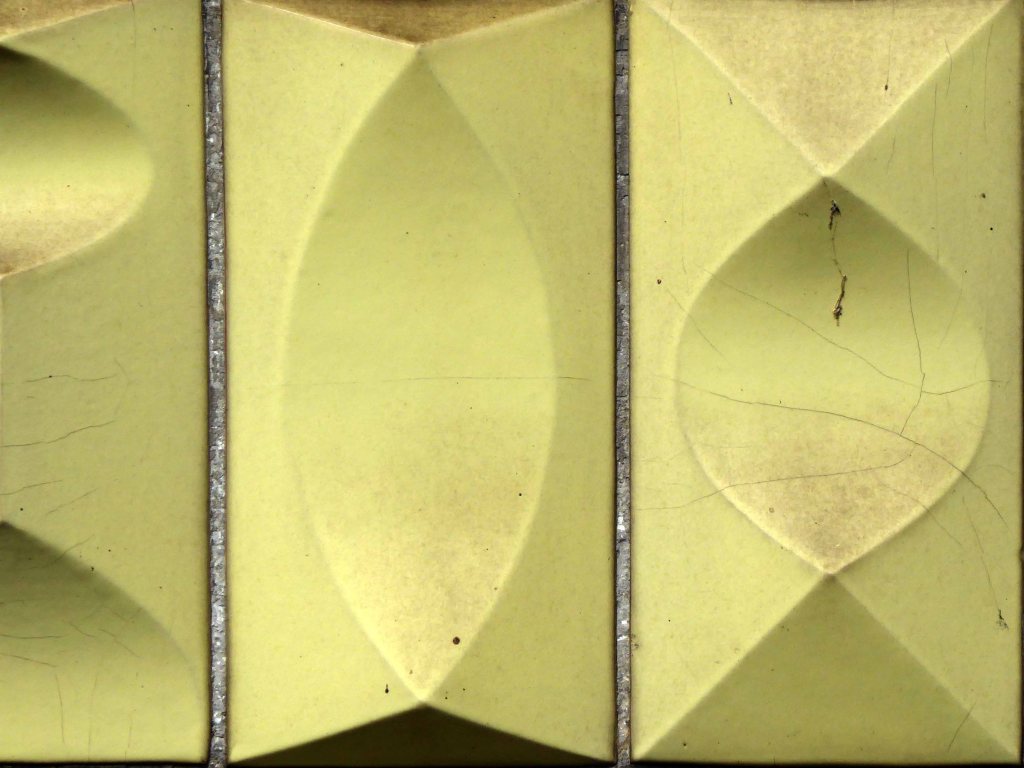
The building on Eastwood Trading Estate, and its unique stylings, was the headquarters of Joseph Peck departments stores.
The owners of the site, Backer Electric, occupy the adjacent building where they continue to manufacture heating elements, supplying products in high volume to the majority of household brand names. Options to reuse Peck House and the site have been investigated for a number of years.
A structural survey was carried out which found the building to be structurally sound and secure and therefore the Council has not been in a position to insist on its demolition.
In 1985, plans came forward to change of use of the retail/wholesale store to a church. In 2004, outline plans were submitted for a development including a hotel, restaurant, hot food takeaway and petrol station for the wider area. In 2014, Peck House was one of a number of sites discounted as the location for a new £5m primary school.
As of Wednesday 26th August 2020 it’s still there underdeveloped and overgrown.
In the company of local resident Helen Angell and having become aware of the site through the paintings of Mandy Payne and the photographs of Sean Madner – I was eager to pay a visit.
Joseph Peck departments stores originated in Rotherham in the late 1800s and had branches in Worksop, Barnsley and Sheffield.
I have only been able to find evidence of the Sheffield store – which may not be linked.
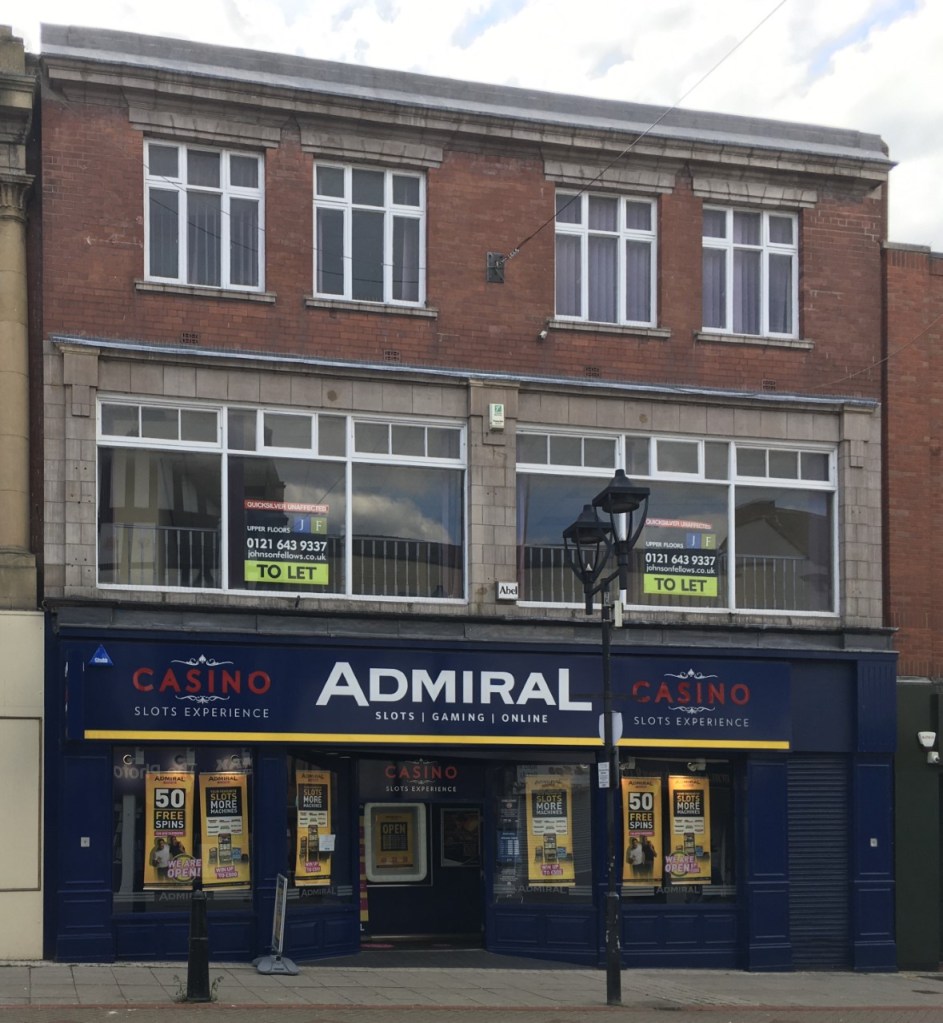
Though there are references to a Rotherham store on Bridgegate.
Joseph Peck was in Bridgegate in Rotherham, and in the late 40’s at Christmas, they had a grotto and a Father Christmas. The queues of parents and children would go down the yard and up Bridgegate. My mum and dad always took my brother and I to see Father Christmas and get a present from him. The store was a department store selling just about everything that was available just after the war. Mum took my brother and I coming up to one Christmas, she was trying to find a bicycle for my brother and I, but they didn’t have one. As we came out of the store, one of old fashioned three wheel railway delivery lorries was just pulling out of the yard. On the back was a blue bike. Mum stopped the driver and asked him where he was taking it. He told her ‘Redgates at the bottom of Ecclesall Road in Sheffield. She shouted ‘Taxi’, and told the driver to ‘follow that lorry’. Just before the lorry arrived on The Moor, she told the taxi driver to overtake the lorry and go to Redgates. We rushed in, she found the manager and asked him about the bike. He hadn’t known that one was being delivered so Mum told him she’d have it without even asking the price. The lorry driver didn’t even have to take it off the lorry, and delivered it to our house next day.
My elder brother had it first, then me, then my younger brother, and finally our young sister. It was still being used when I flew the nest in 1959.
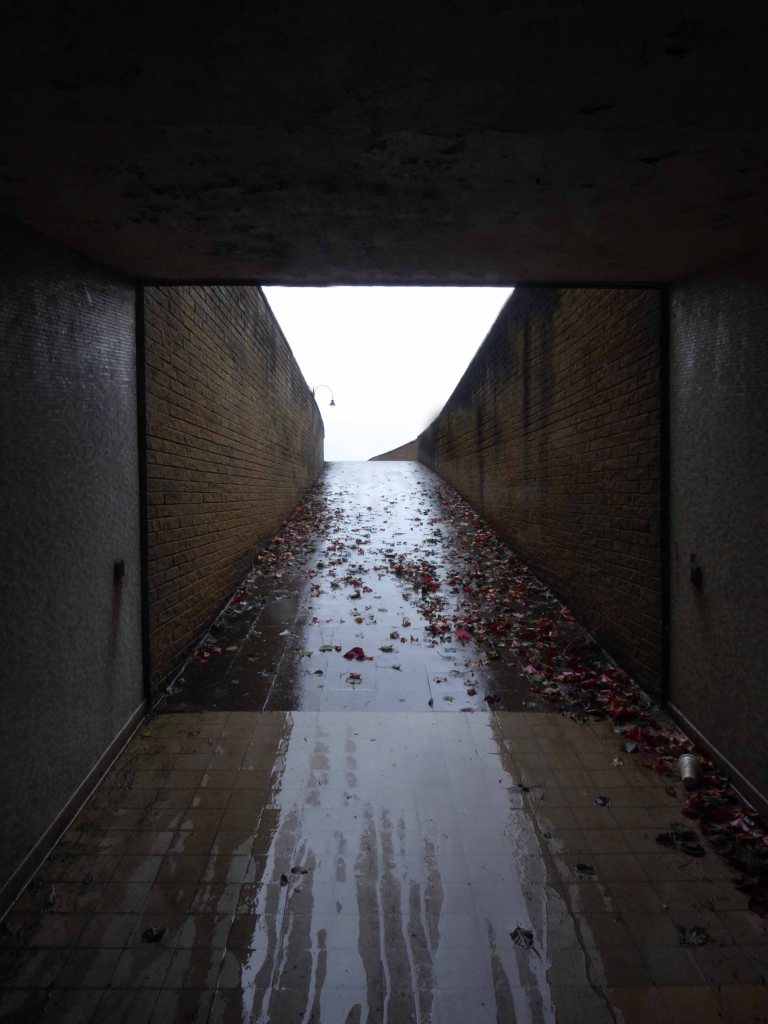
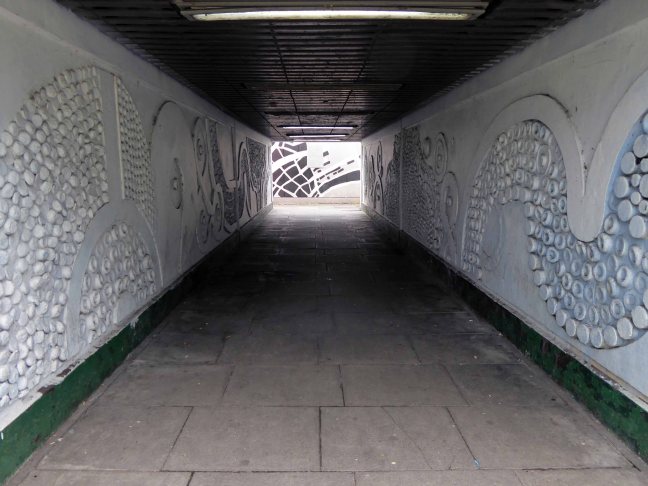
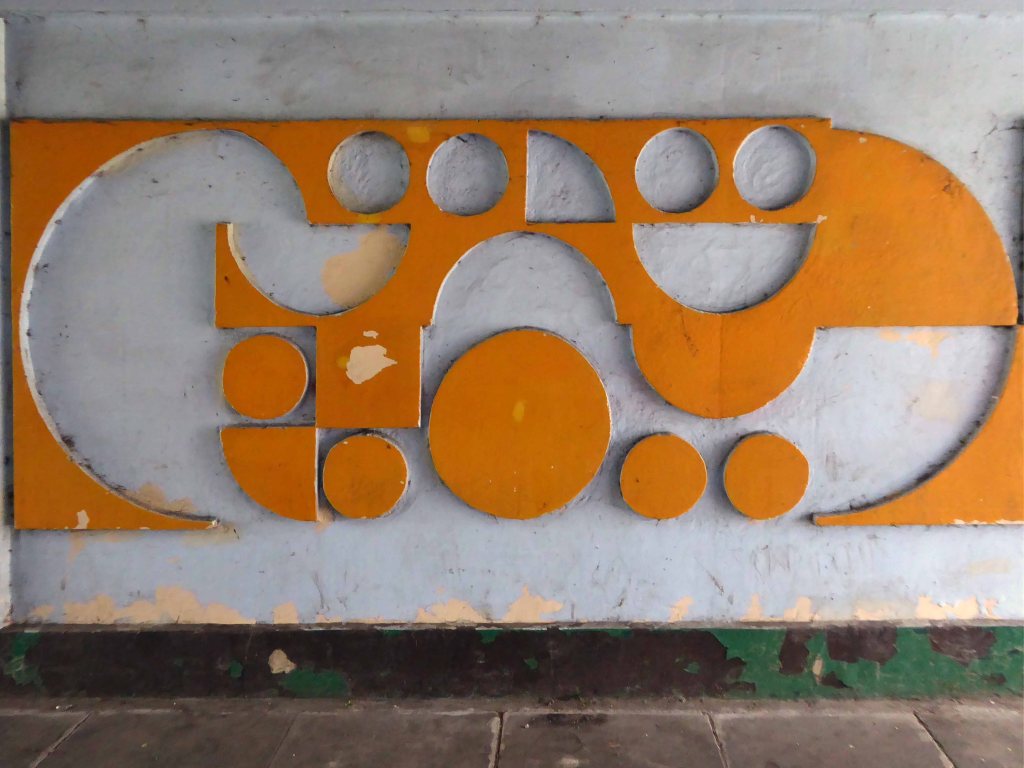
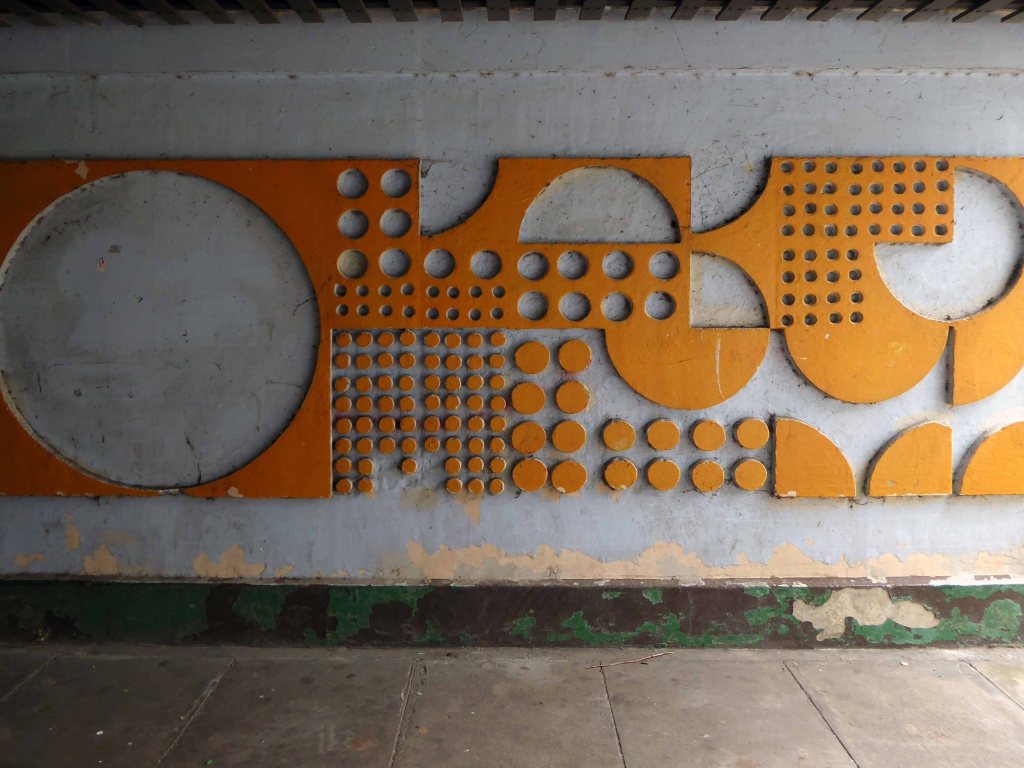
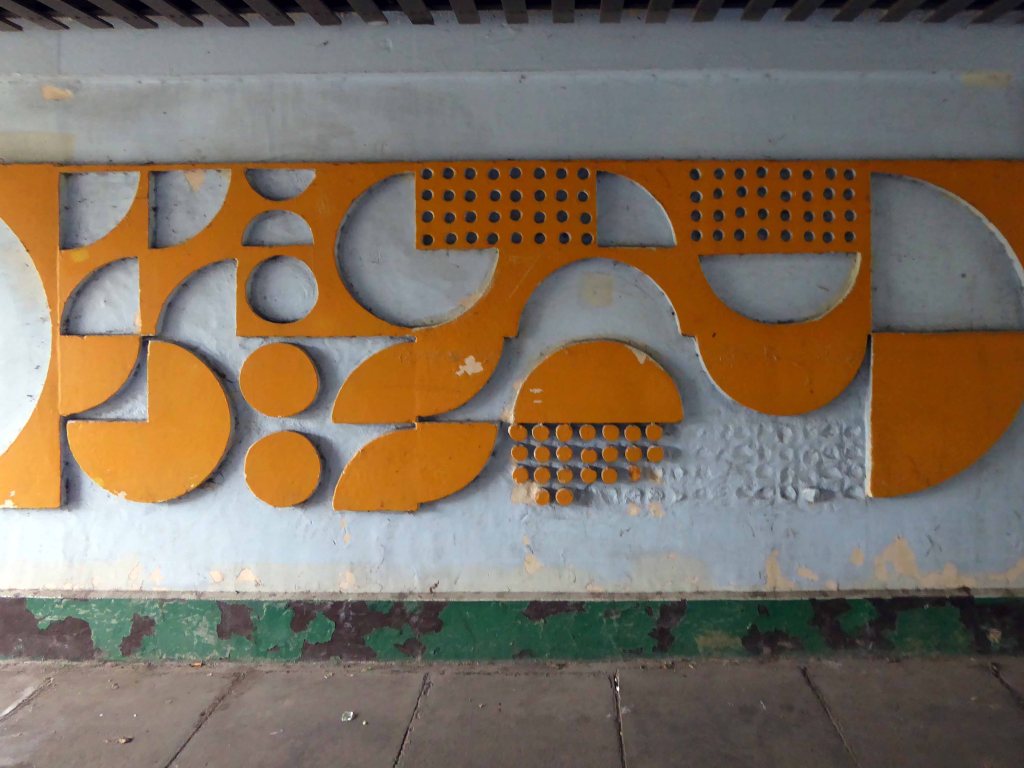
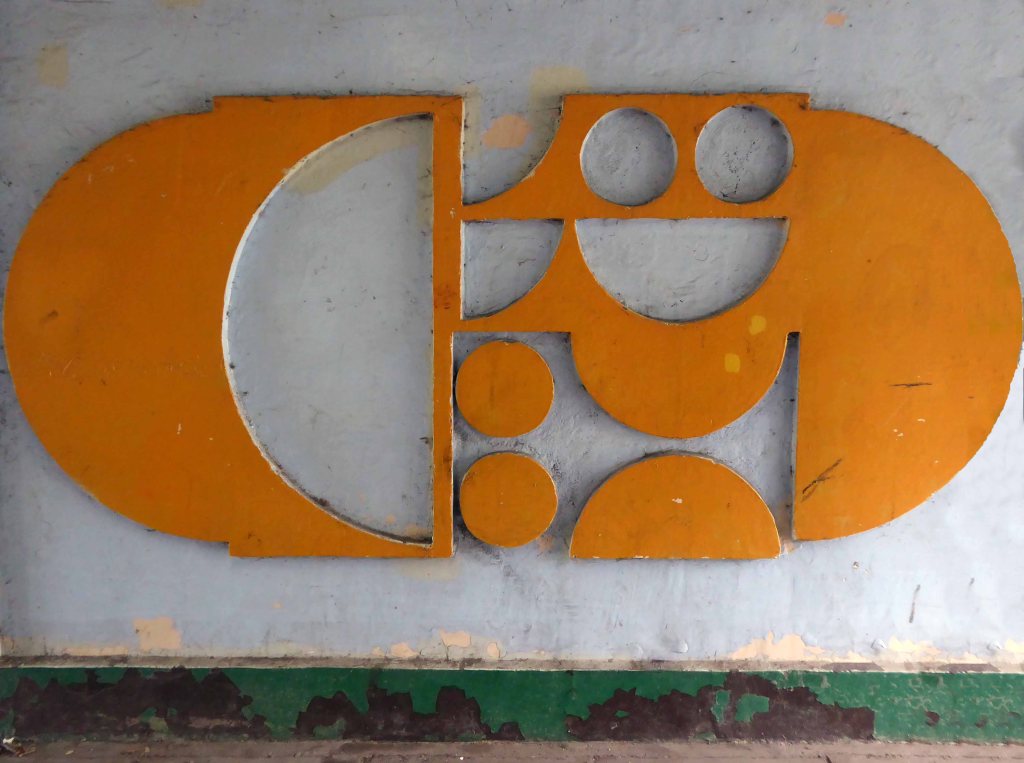
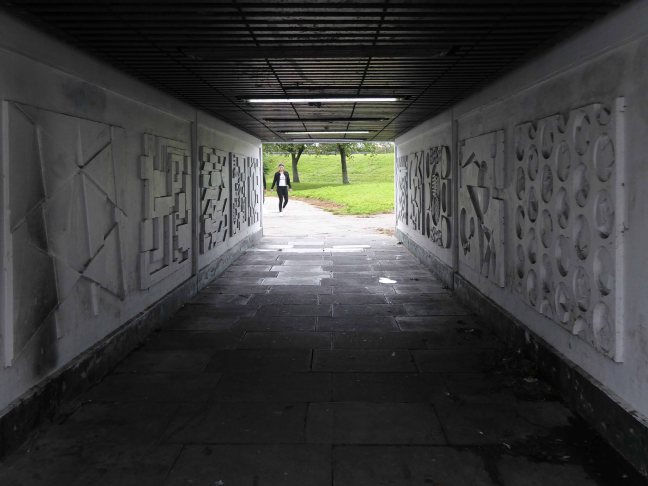
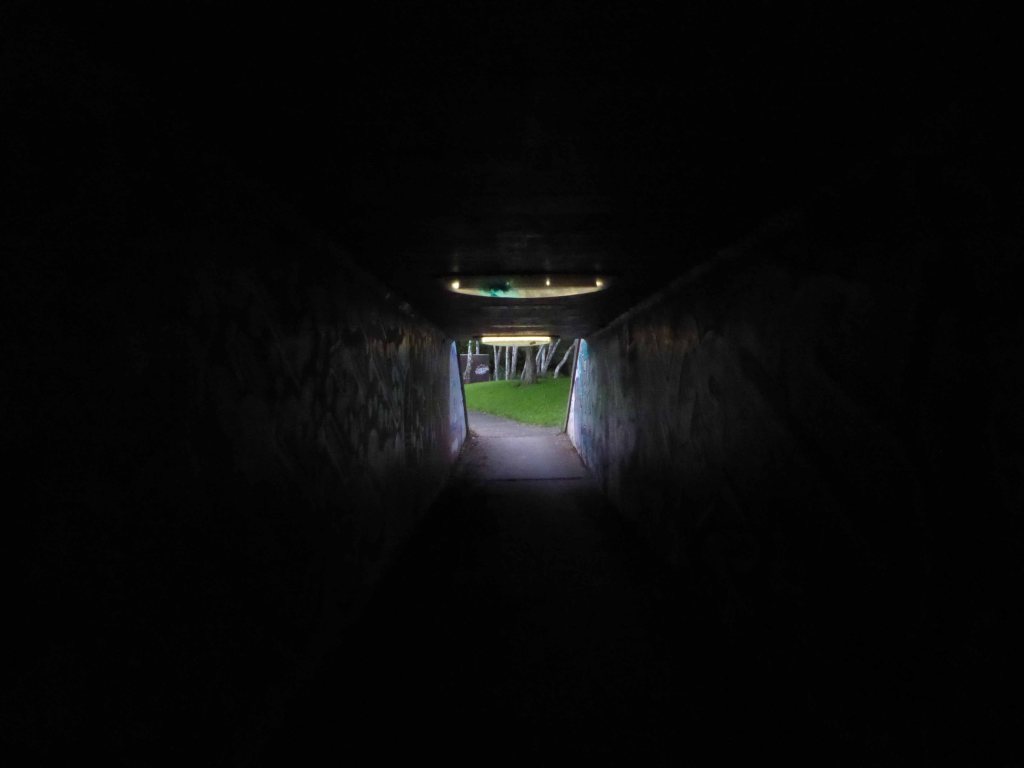
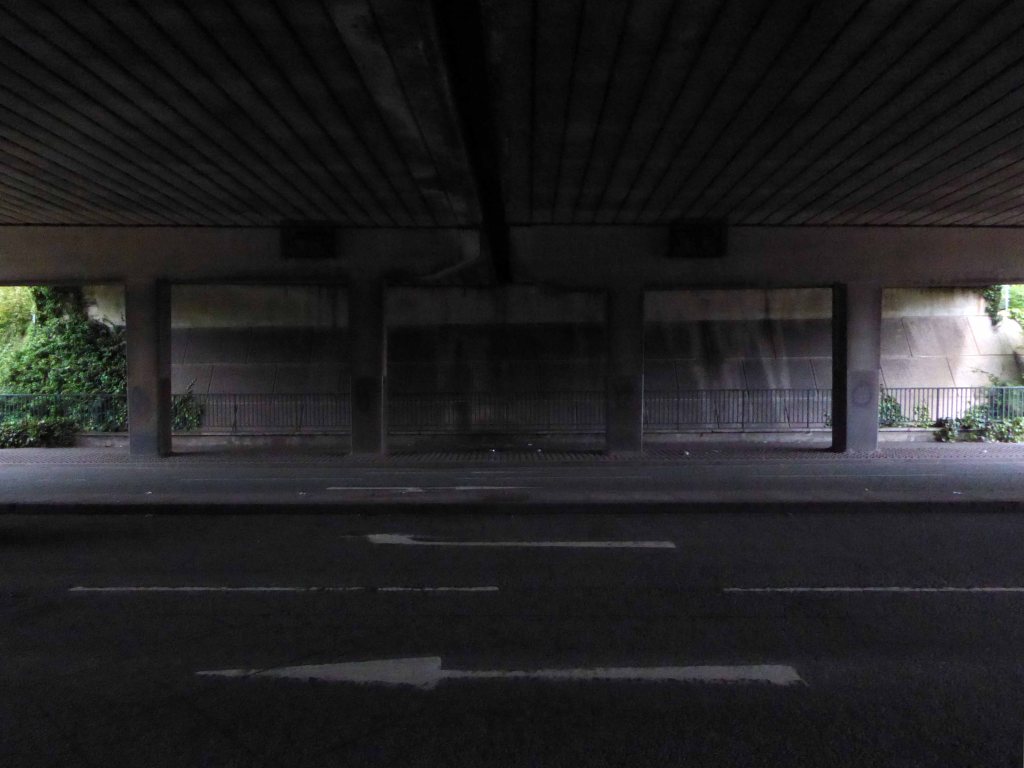
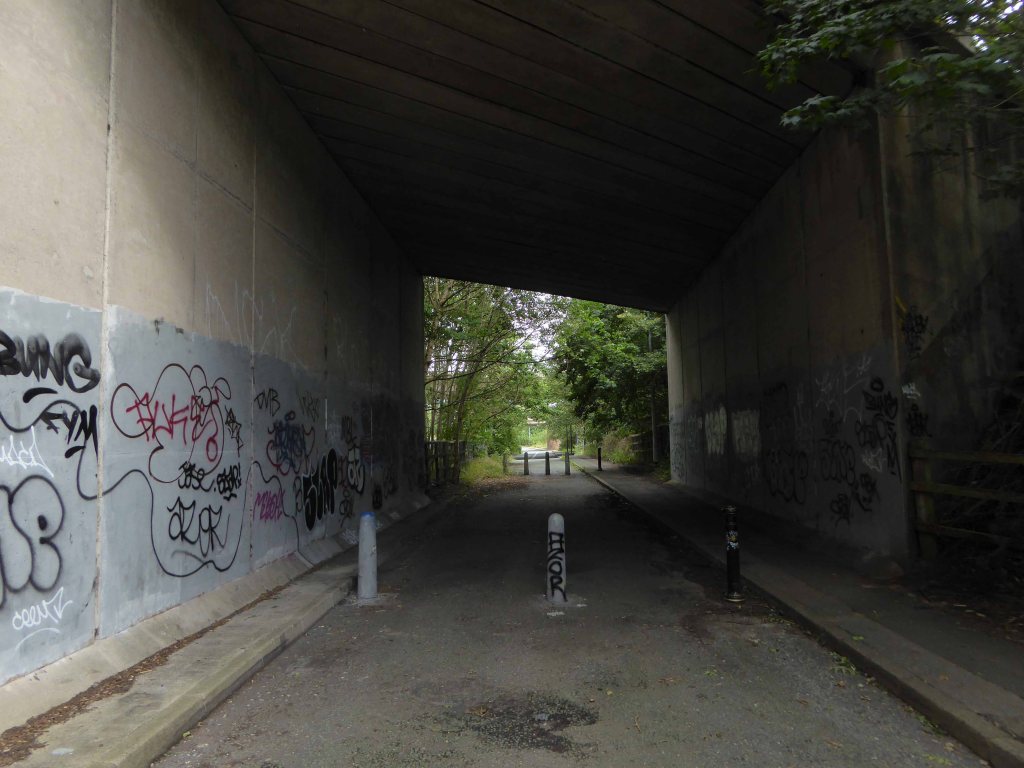
First there was the first, then secondly the second – this is the third and last underpass.
A fitting finish to the series as we pass through the final subterranean frontier out into the clear light of the South Yorkshire day.
Each one is a neglected gem of municipal modernism, the underpass a feature under threat, the pedestrian often subsumed by the drive to accommodate the motor car.
As of last Wednesday, we all seem to have tenuously hung on in there.
Oh we’ll hear the thunder roar, feel the lightning strike. At a point we’ll both decide to meet at the same time tonight.
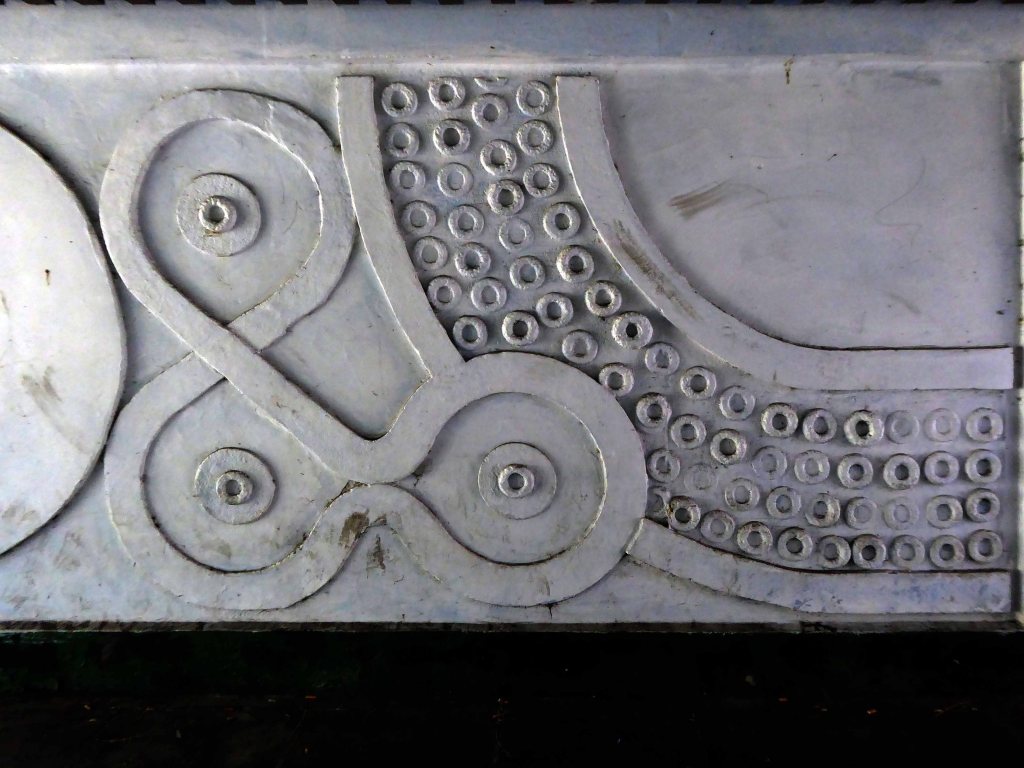
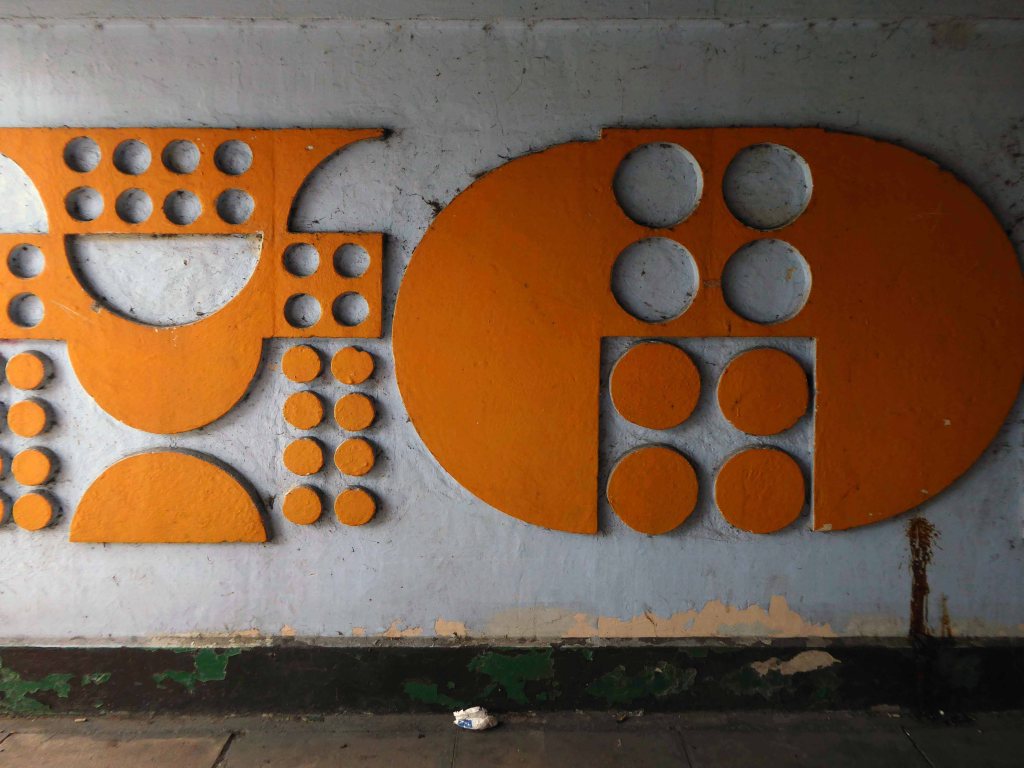
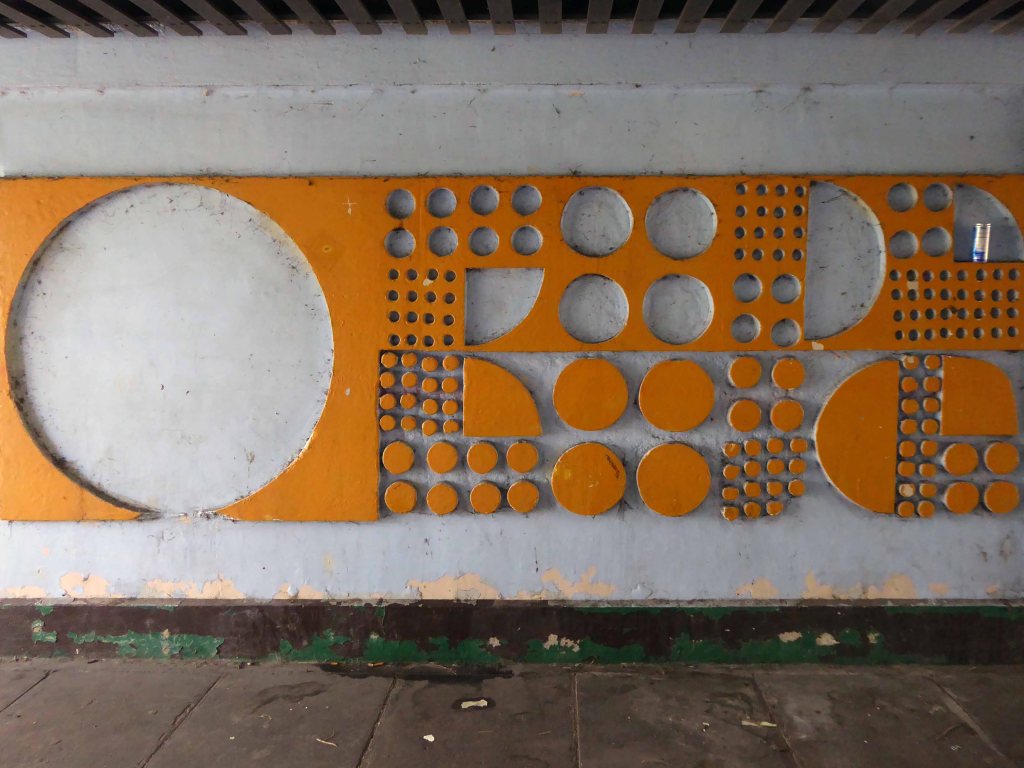
I had seen a photograph posted by Mandy Payne of an underpass in Rotherham – illustrating a delightful concrete relief.
Enlisting the assistance of friend and local resident Helen Angell, we set out on a mission to visit the roundabout in back of the big Tesco, which housed the three underpasses.
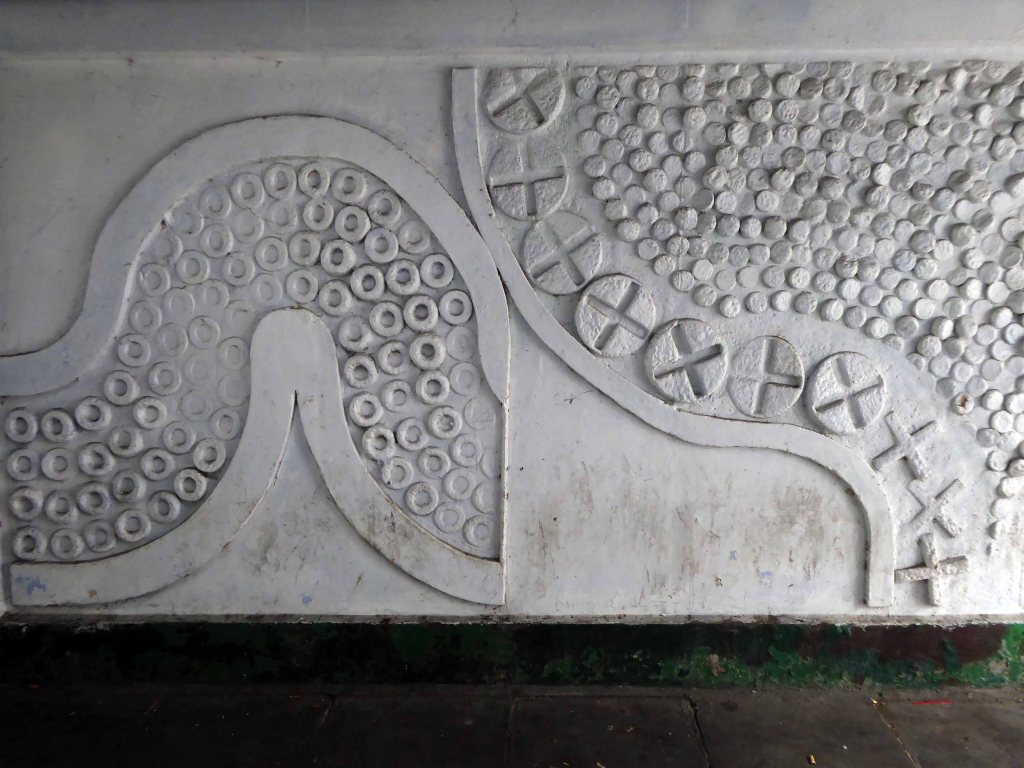
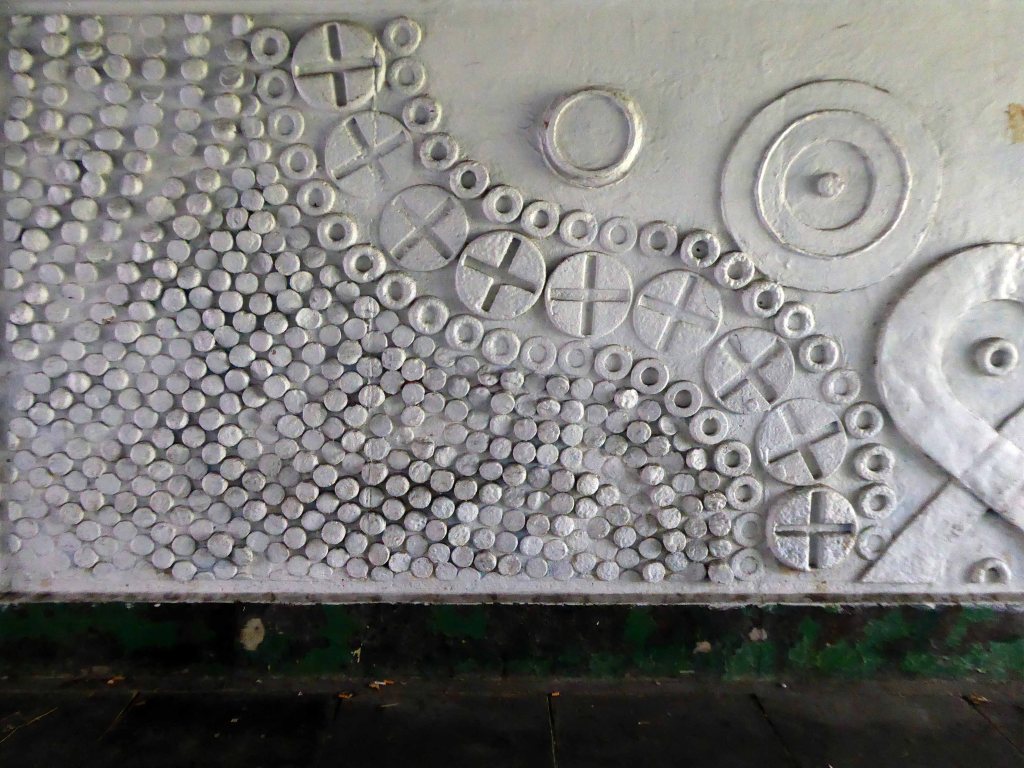
This is the first – painted white, well whiteish – more than somewhat disabused by the passage of time and the passage of users of the underpass.
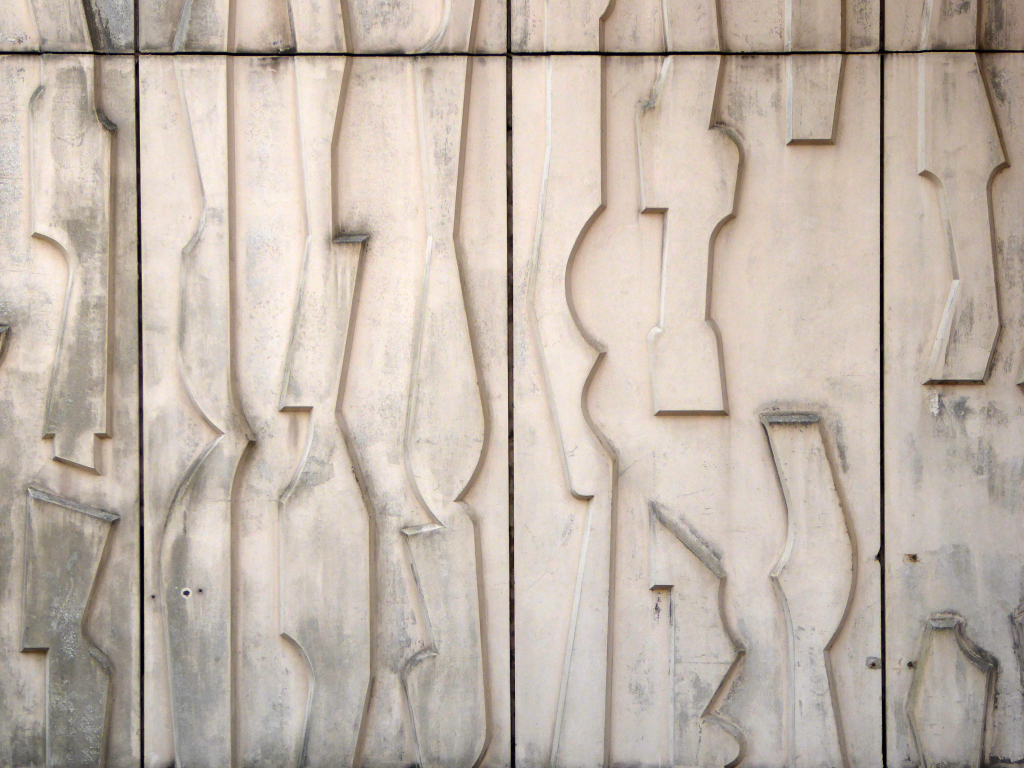
Brute and angular, incised and cursive and currently lacking authorship or attribution.
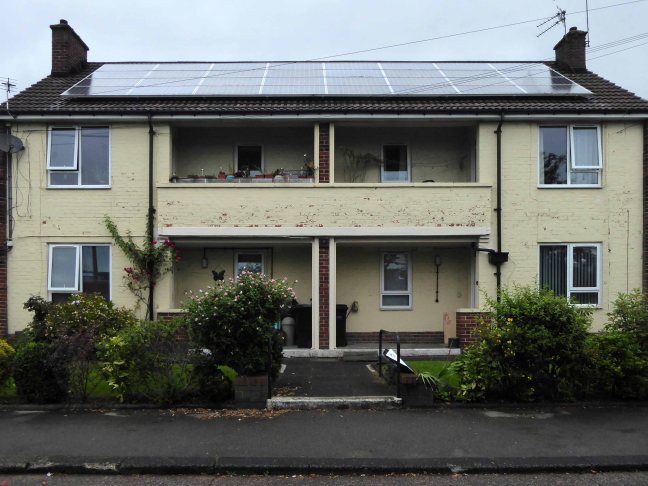
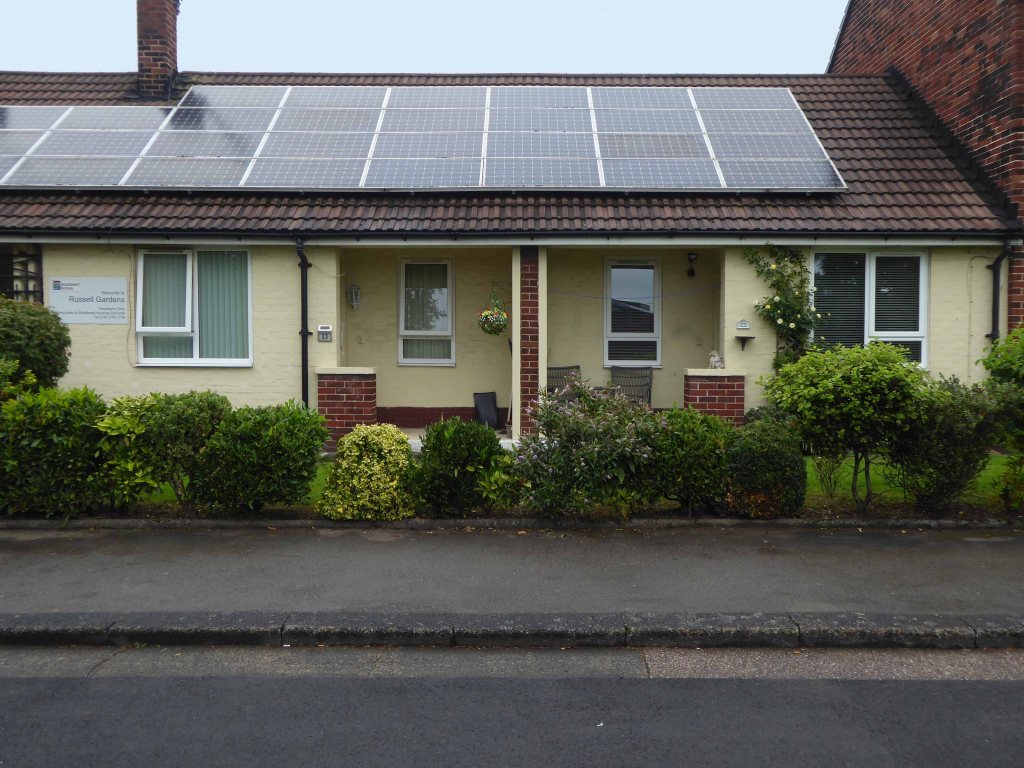
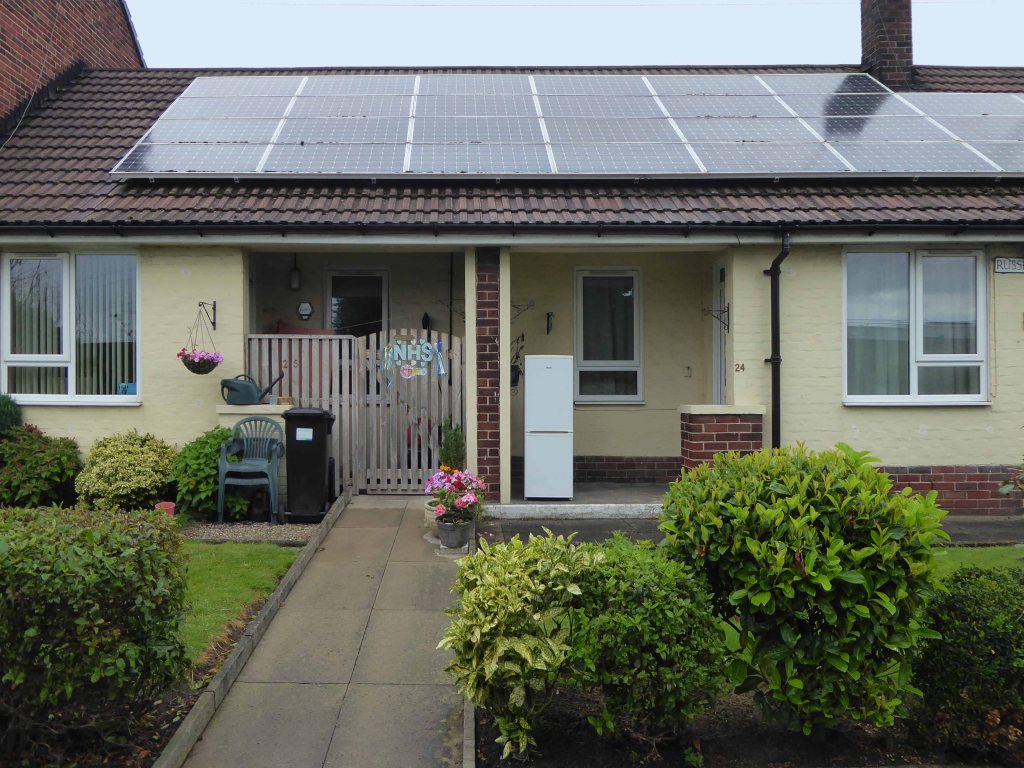
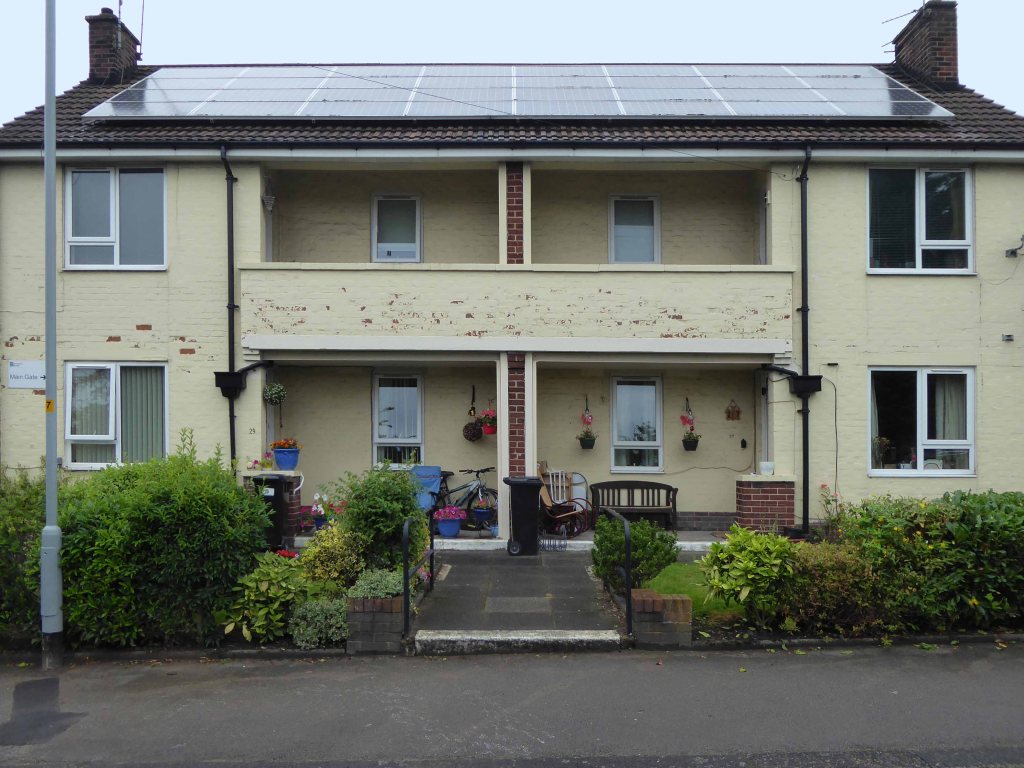
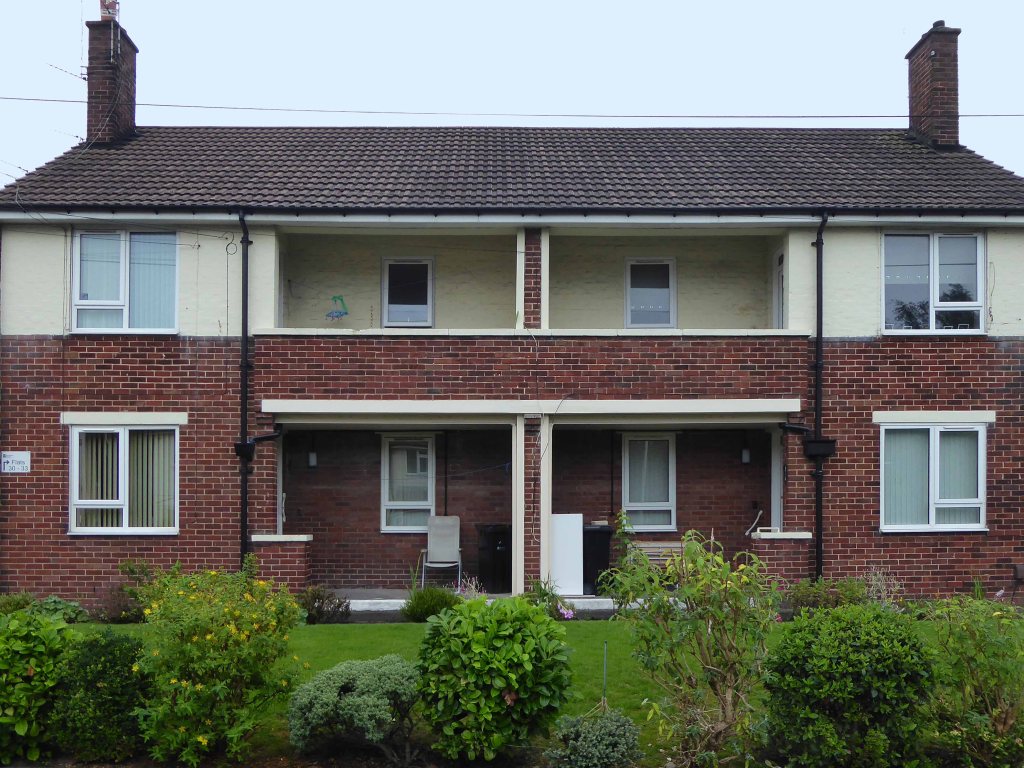
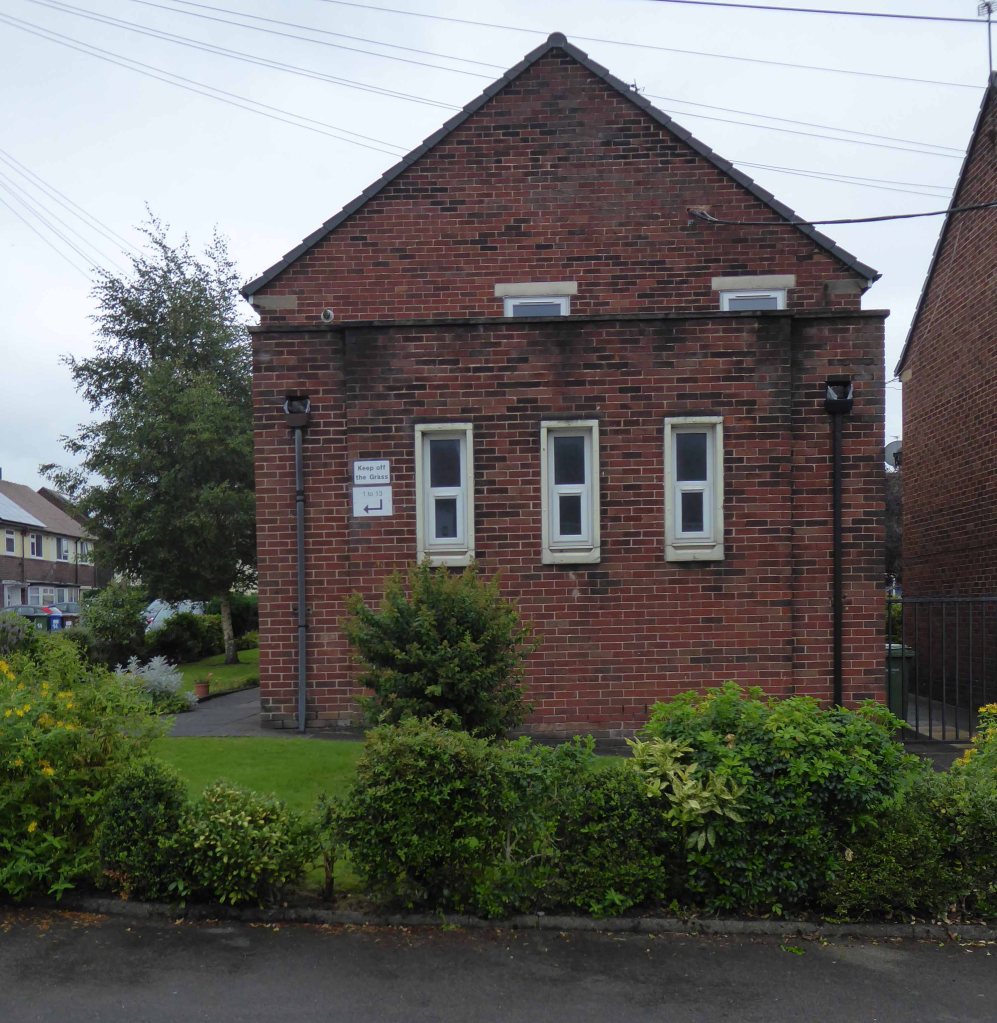
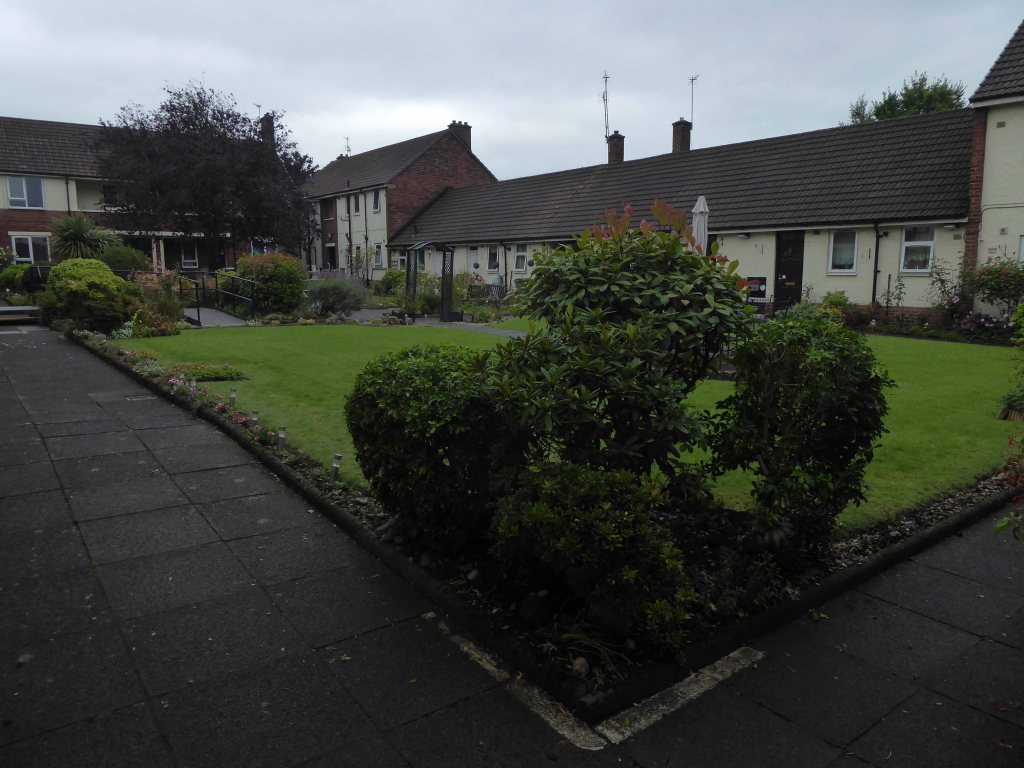
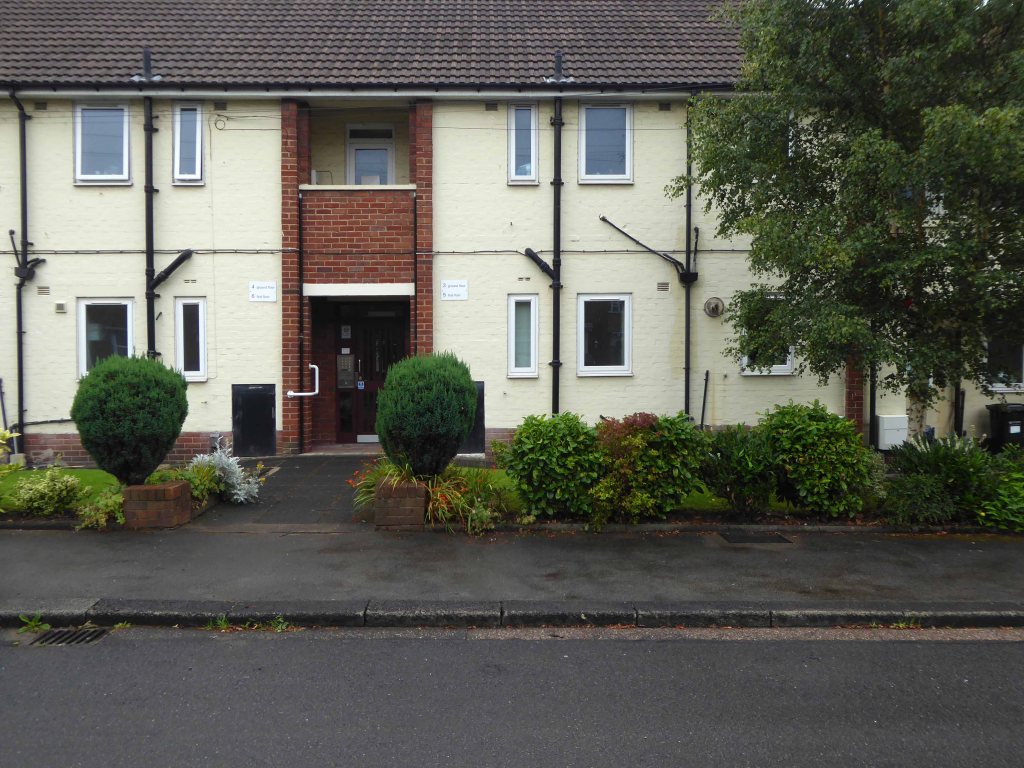
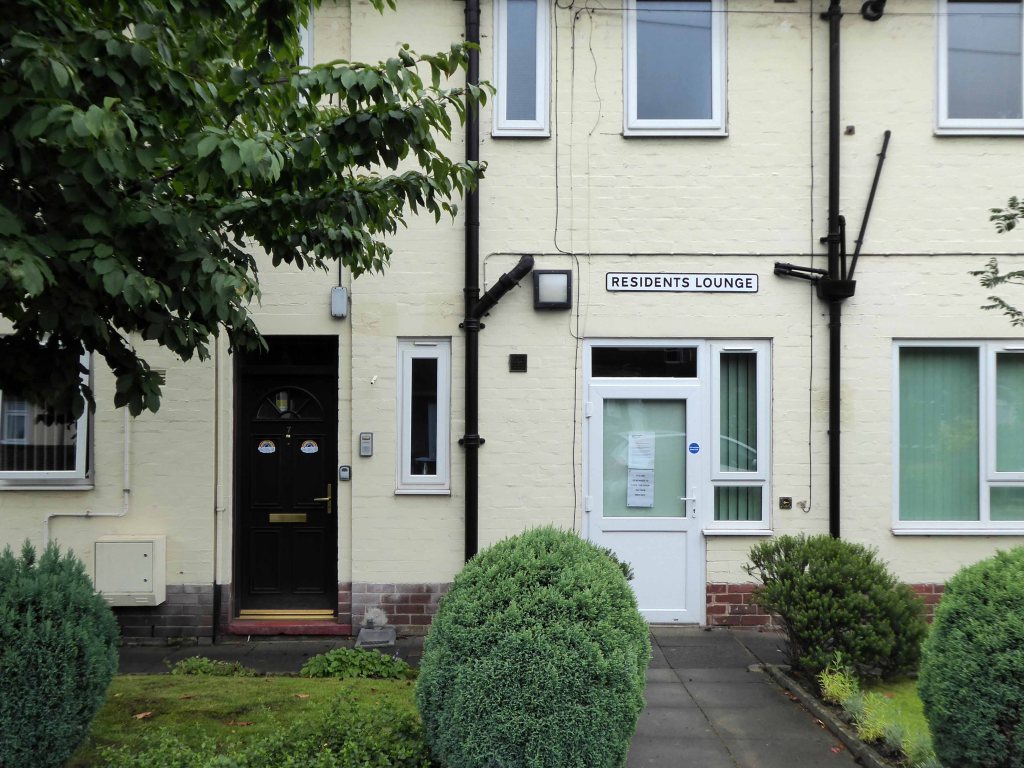
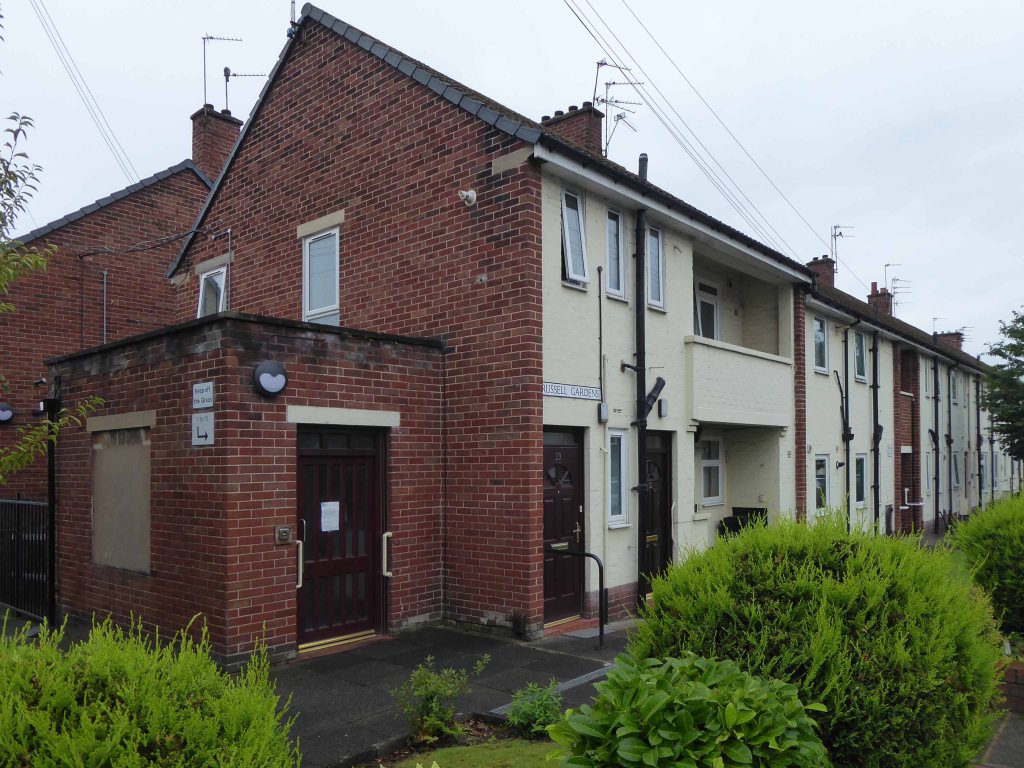
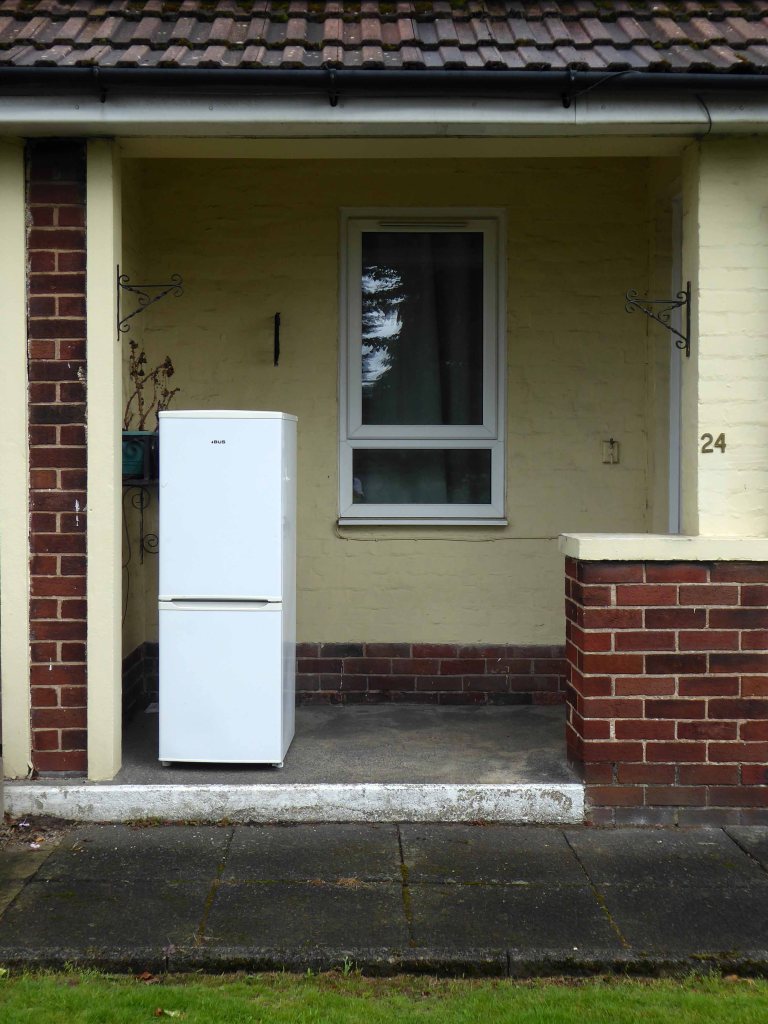
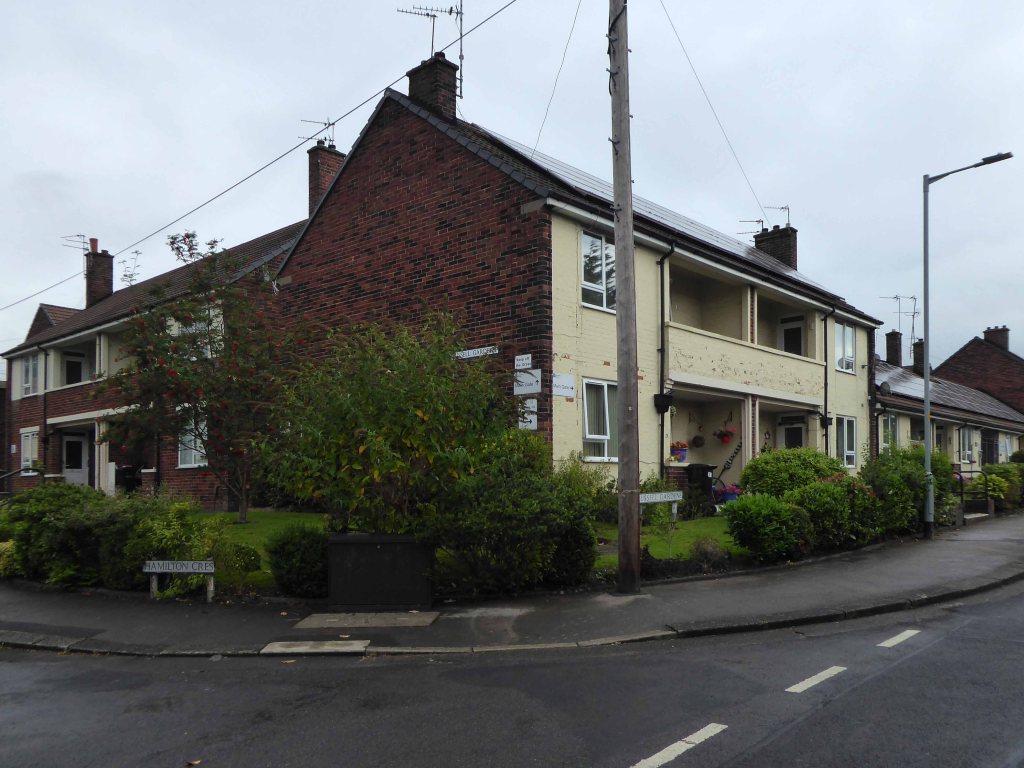
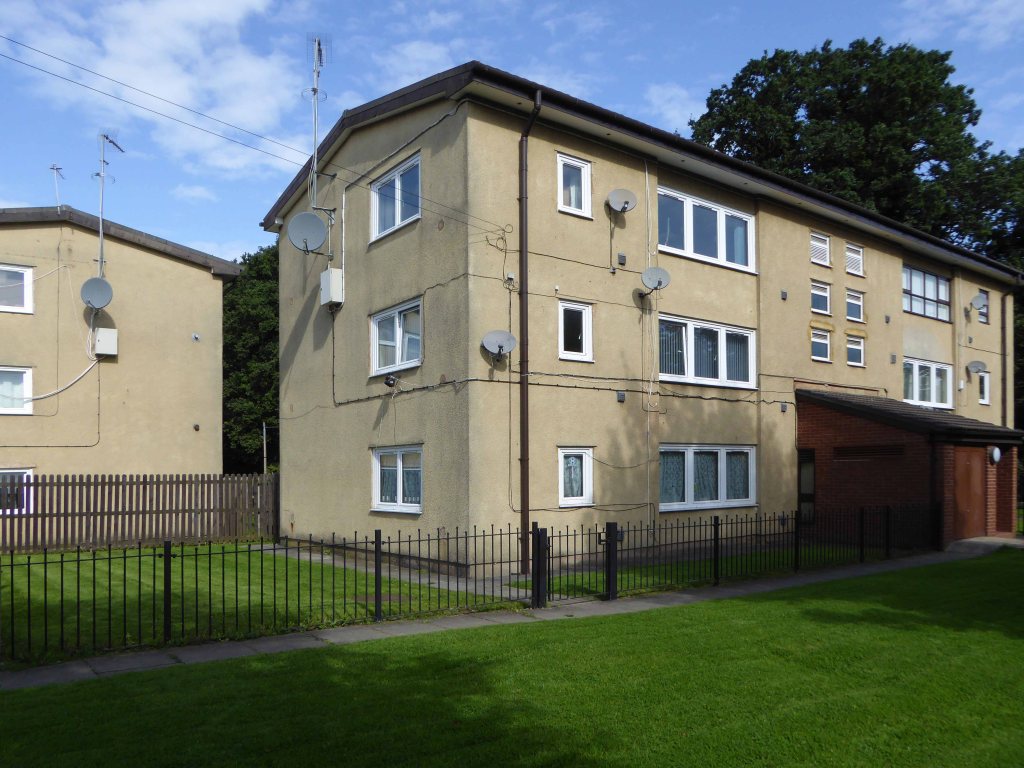
I live just around the corner and often walk by, intrigued by this small rectangle of rectangular sheltered homes, I chose to take a closer look.
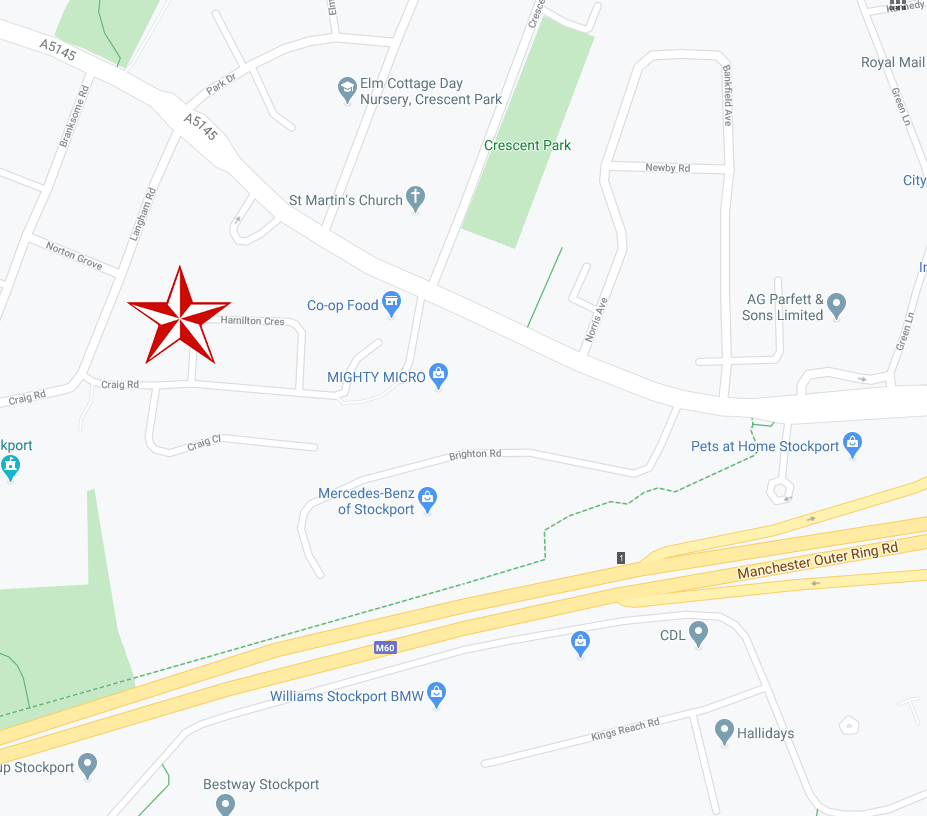
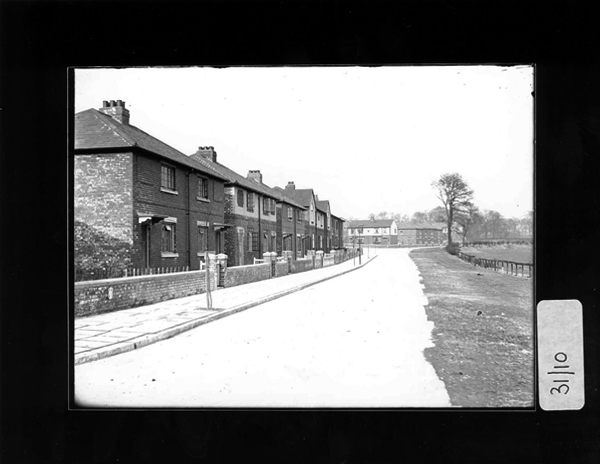
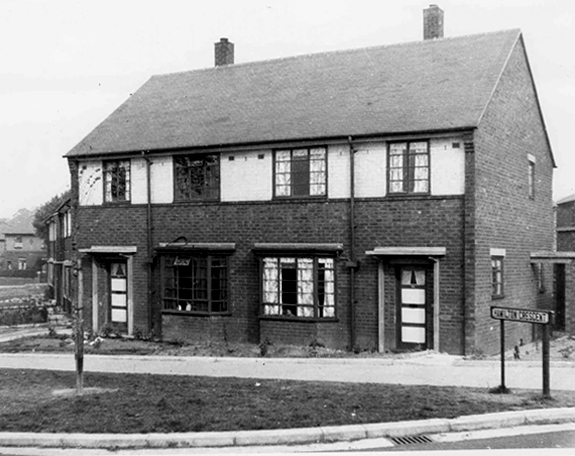
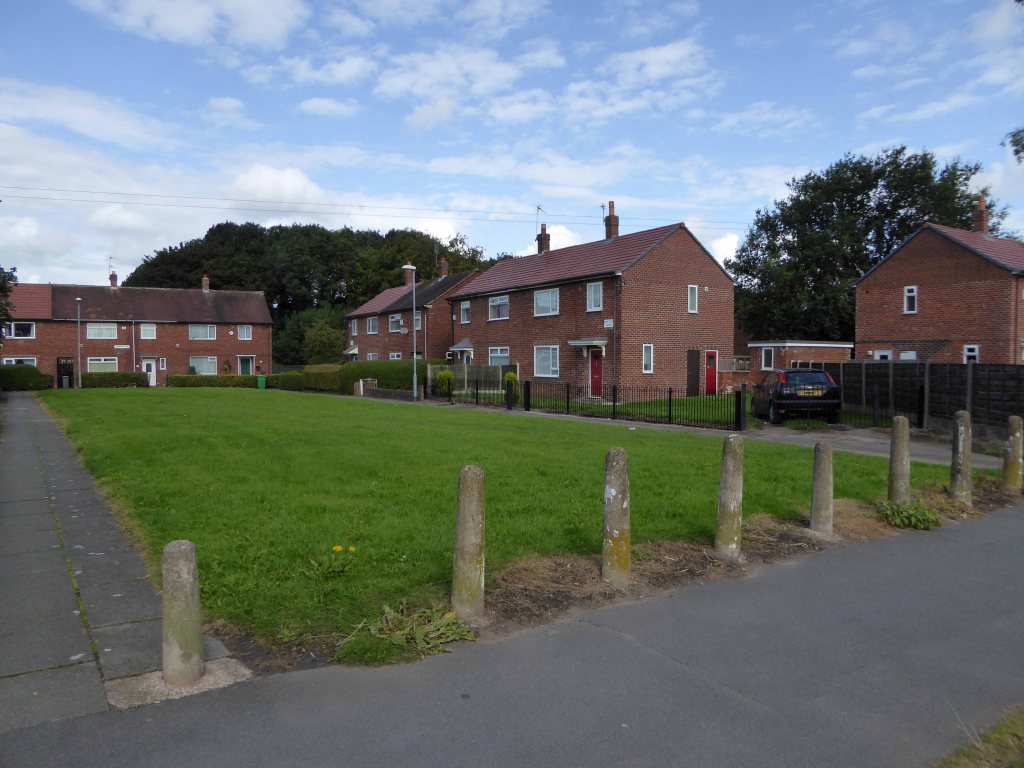
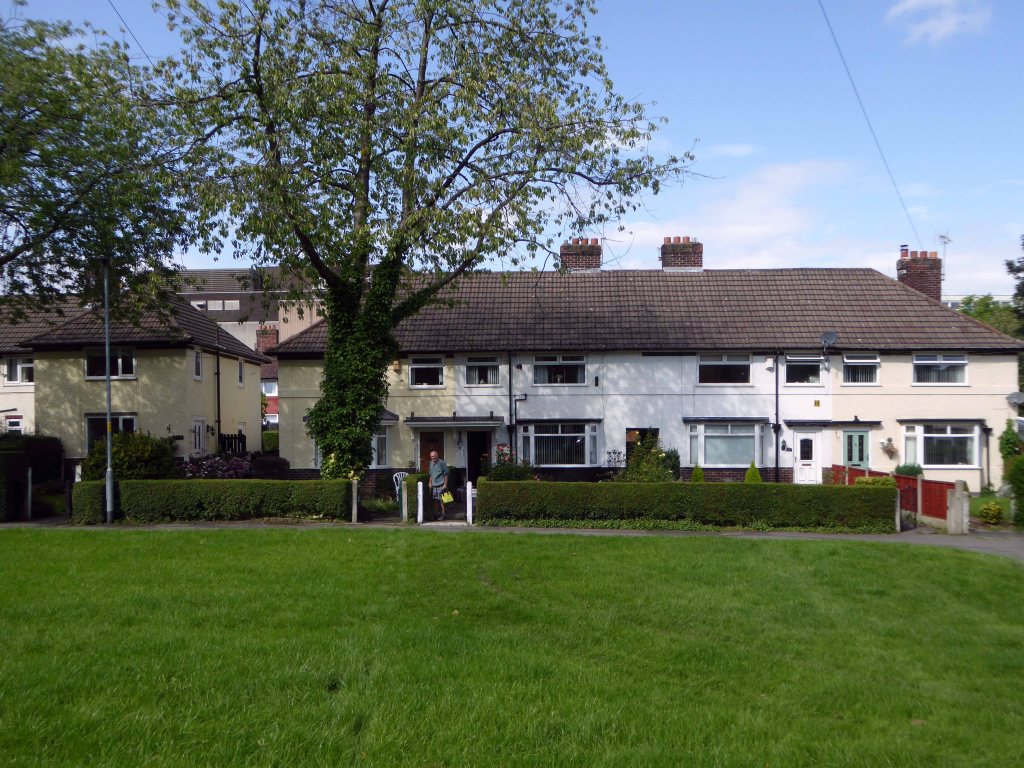
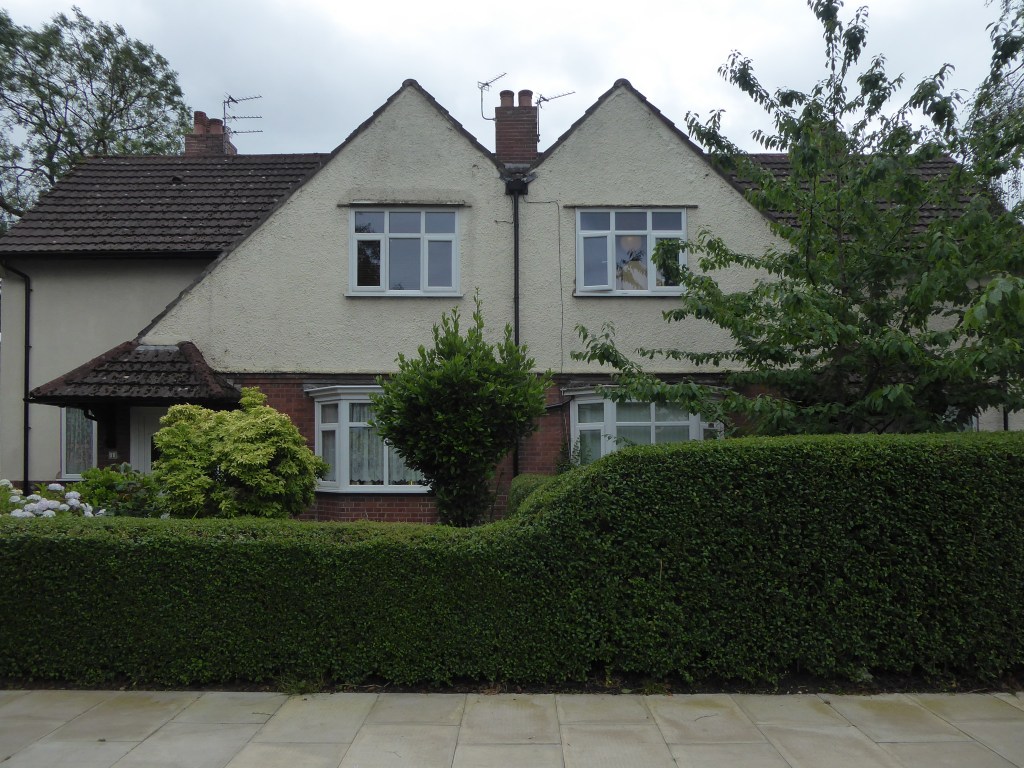
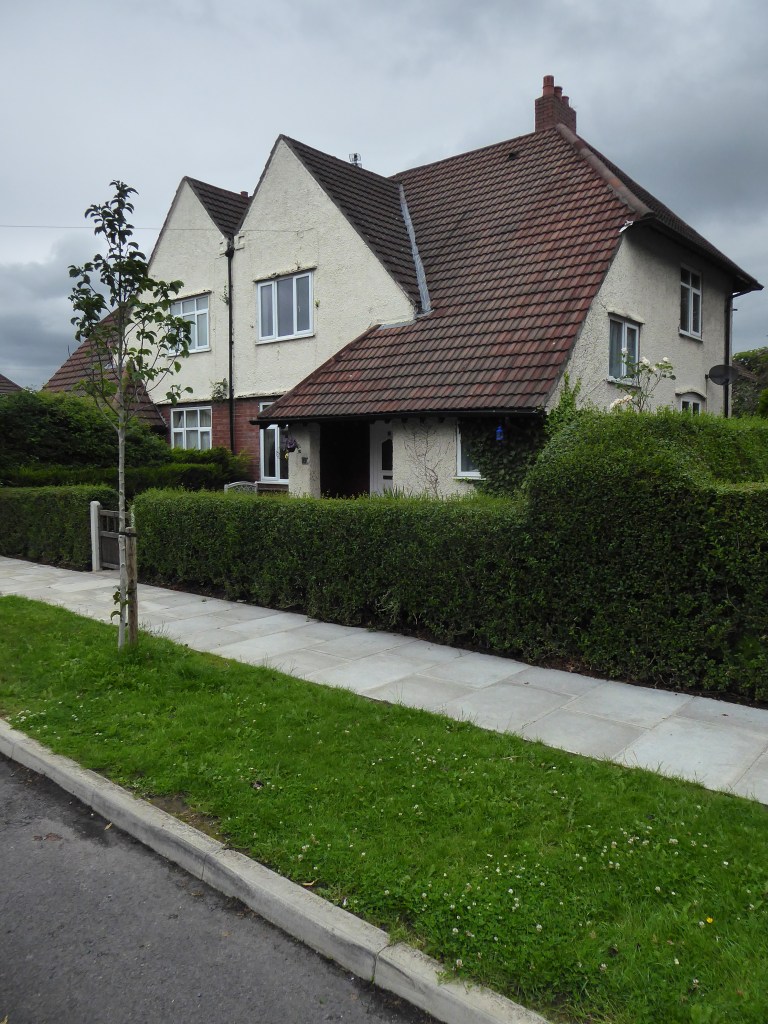
On adjoining Craig Road there are a group of interwar semi-detached homes, social housing built in 1930, facing on to open ground which leads down to the Mersey.
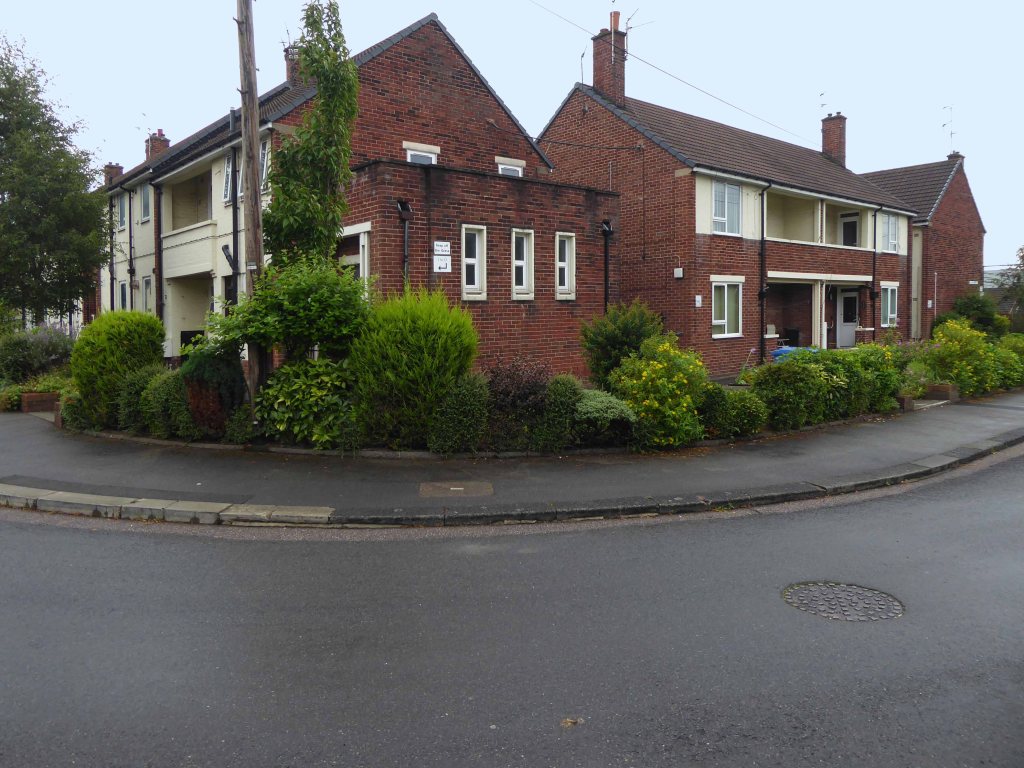
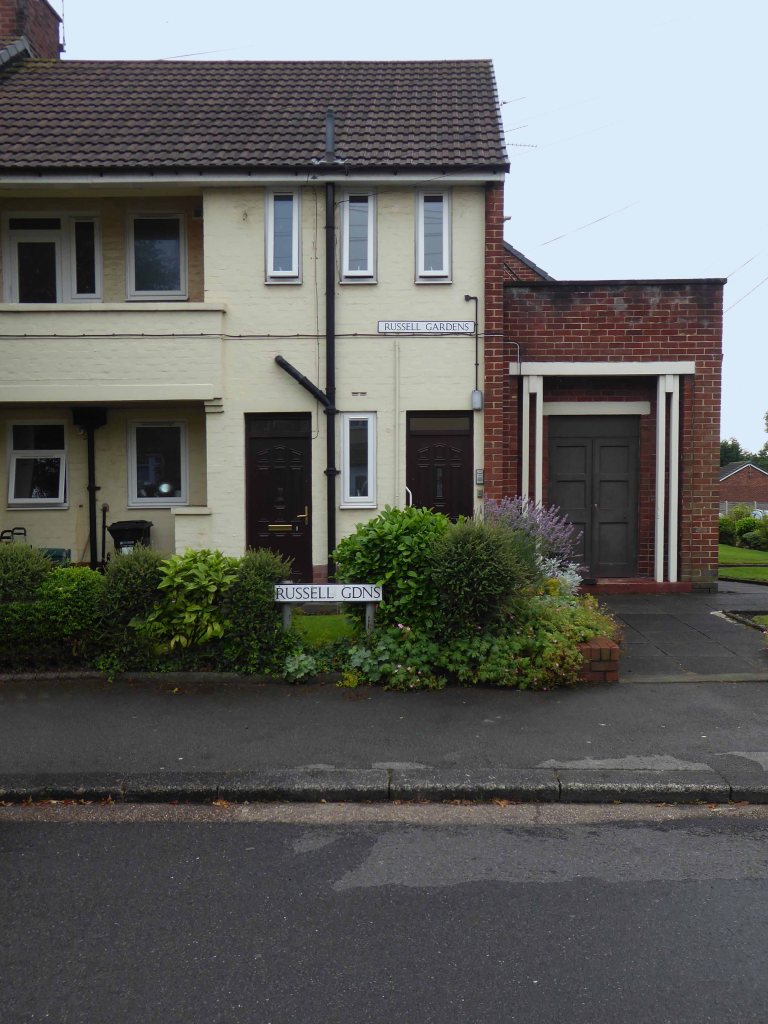
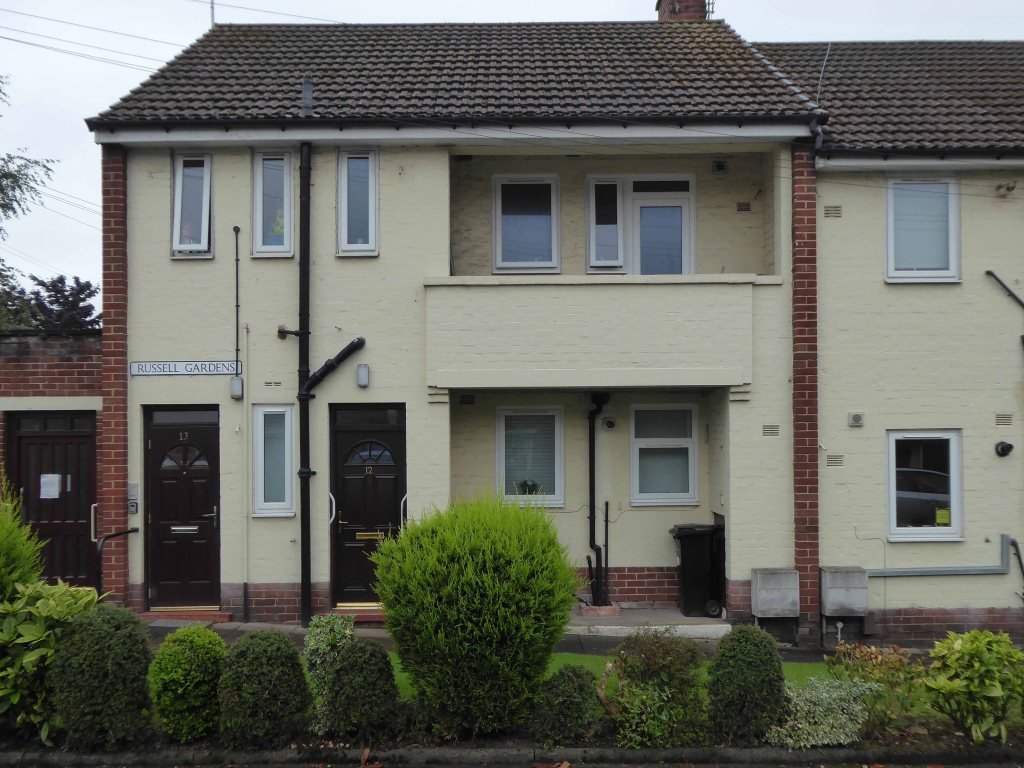
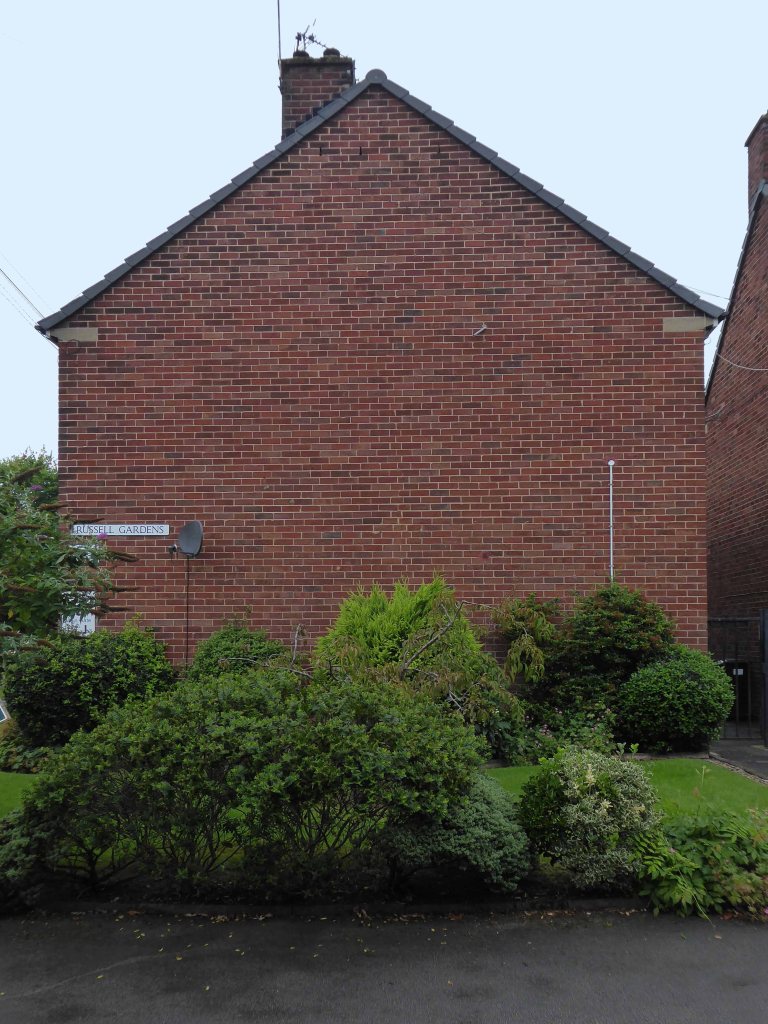
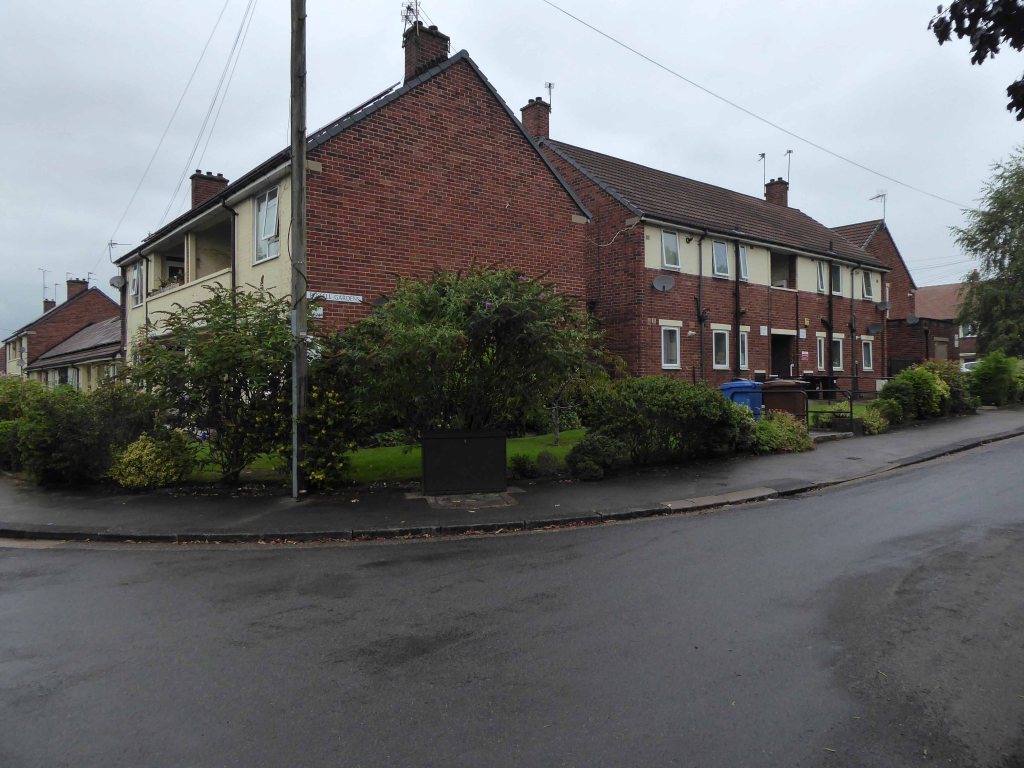
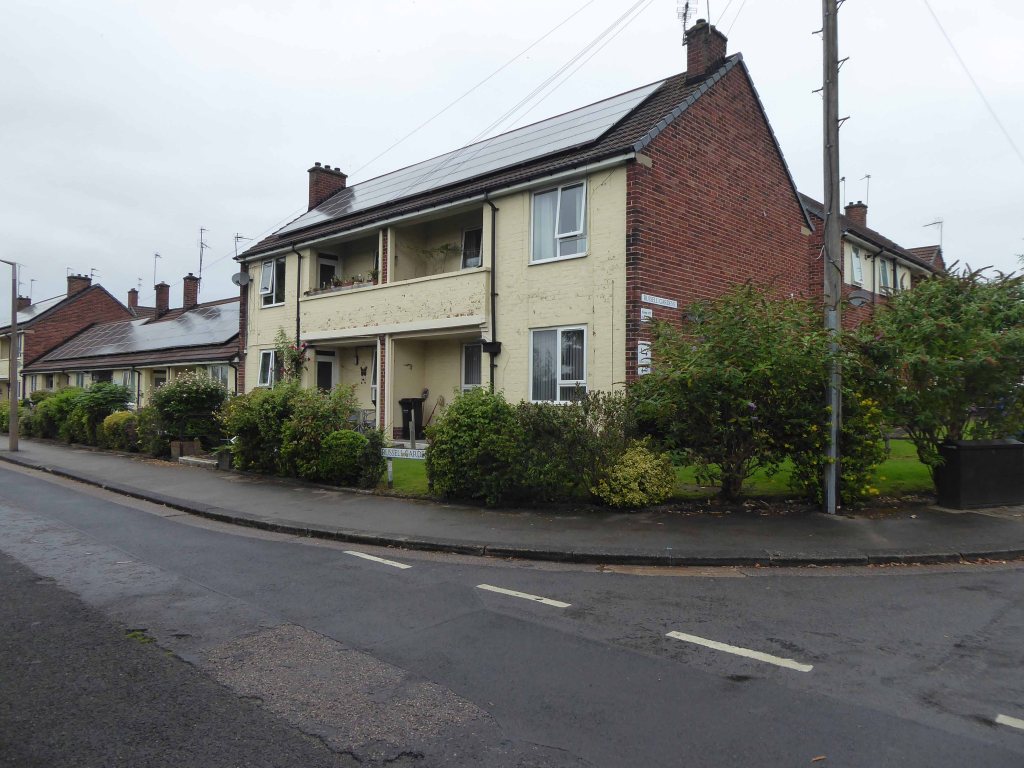
There is an arc of post war social housing on Hamilton Crescent, which surrounds Russell Gardens.
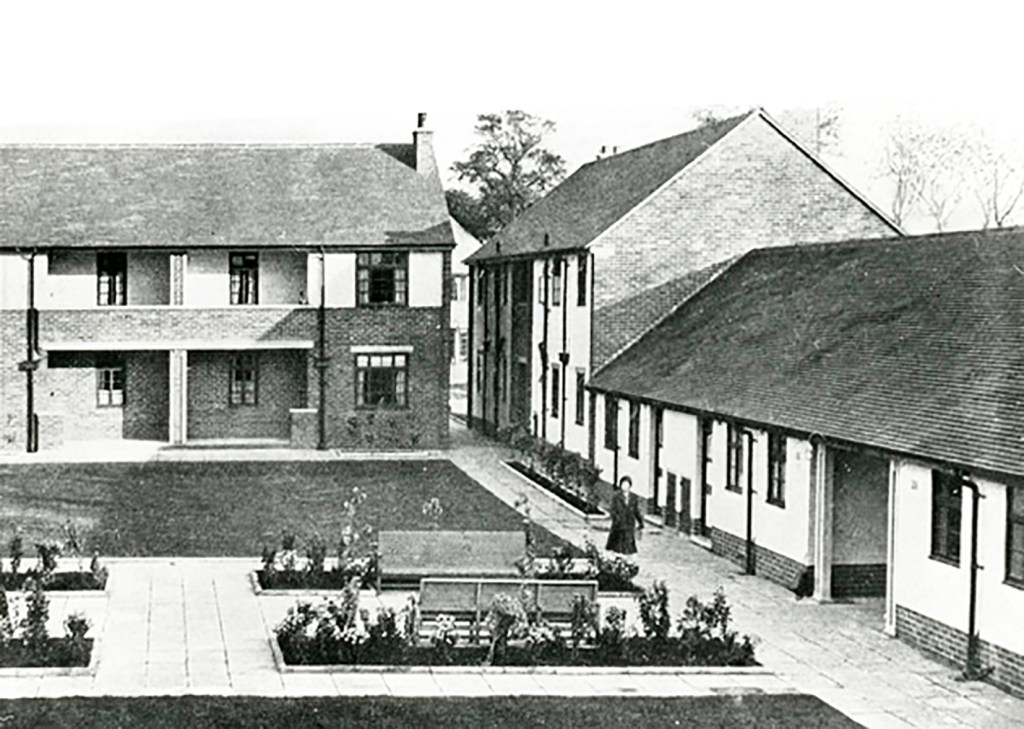
The homes that constitute Russell Gardens built in 1947 were illustrated in the town’s 1948/49 guide book, considered to be something of value.
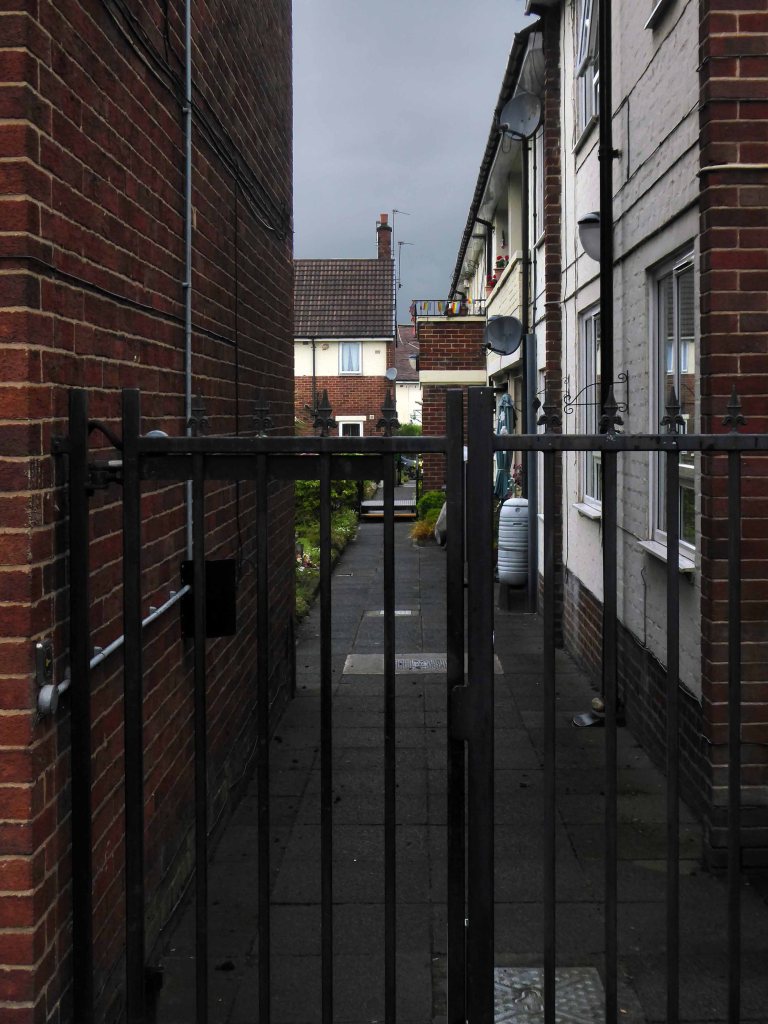
Designed as a diminutive Garden Village, smaller in scale to those found in Burnage or Fairfield, but based on the principle of shared green space and community services.
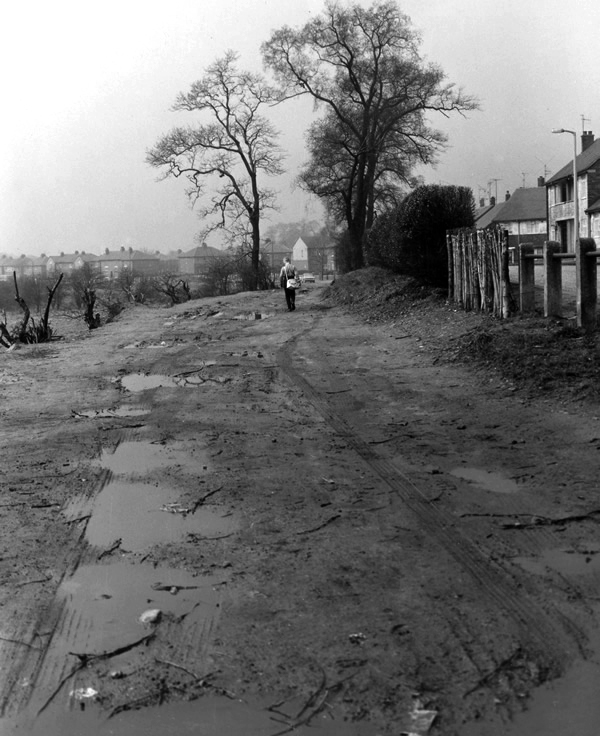
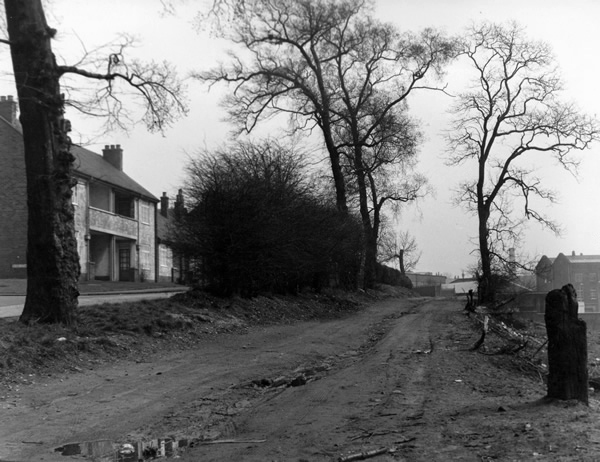
In the 1970s the land to the south, now occupied by the Craig Close development, was yet to be built upon.
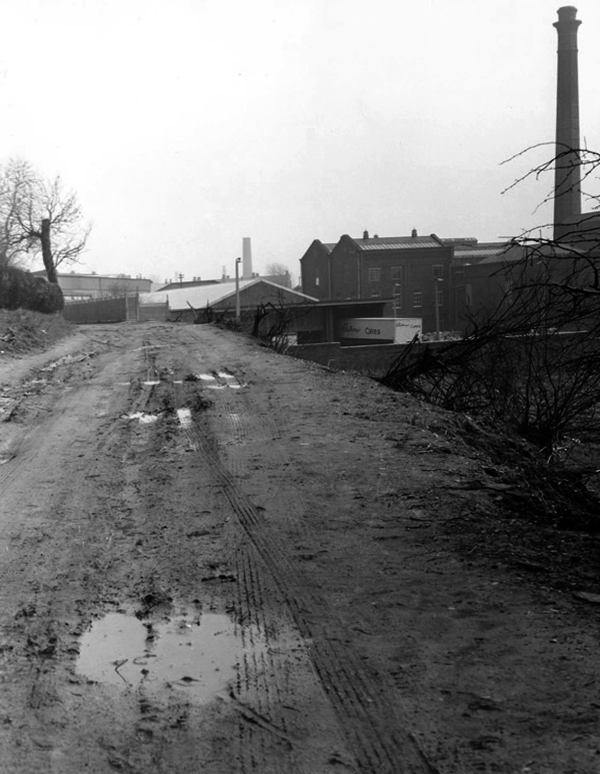
And the Cadbury Works still stood close by on the Brighton Road Industrial Estate:
Built in the late 1800s this was originally Silver Spoon (Pan) Fruit Processing Works, then in the 1920s was Faulders’ Cocoa and Chocolate Works. By the 1930s it was Squirrel Chocolate Works and in 1960s became a distribution depot for Cadbury’s. A friend remembers playing among the pallets of the ‘chocolate factory’ in the 1950s. Later it was occupied by small businesses. The works comprises a large rectangular block with sawtooth roof, and central entrance house with tall chimney. The adjacent rail line, built in 1880, branched into the site.
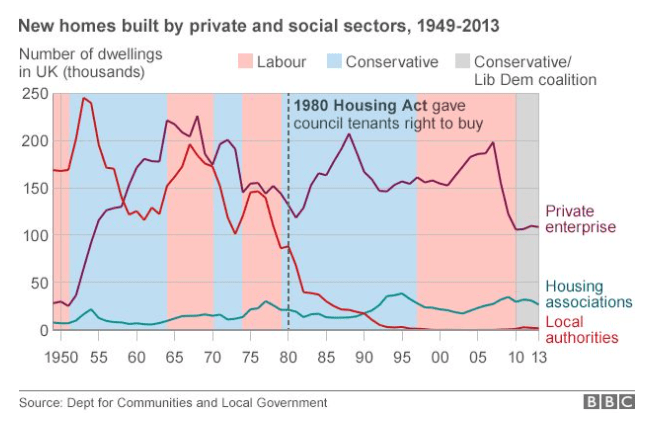
Though many of the surrounding homes were sold off during the Right to Buy era:
After the election of May 1979 a new Conservative government drafted legislation to provide a Right to Buy but, because this would not become law until October 1980, also revised the general consent (May 1979) to enable sales with higher discounts matching those proposed in the new legislation. The numbers of sales completed under this general consent exceeded previous levels. Between 1952 and 1980 over 370,000 public sector dwellings were sold in England and Wales. Almost a third of these were in 1979 and 1980 and it is evident that higher discounts generated and would have continued to generate higher sales without the Right to Buy being in place.
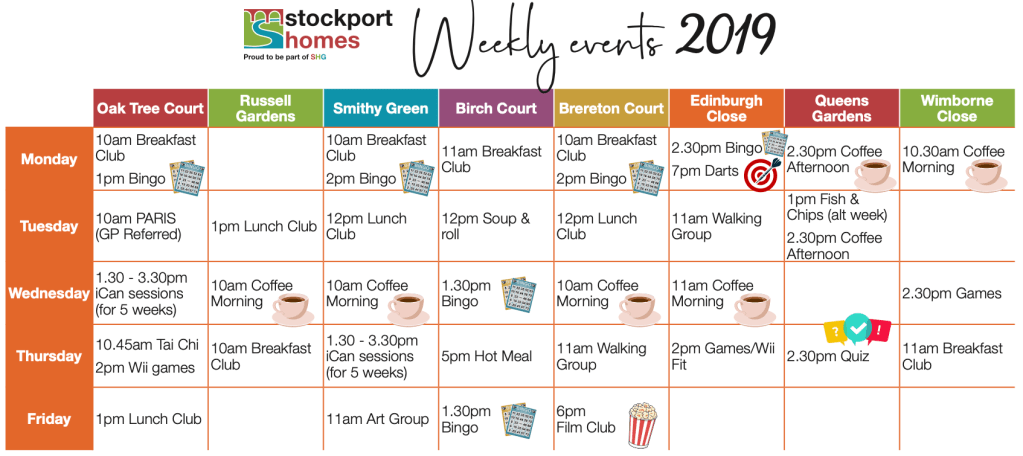
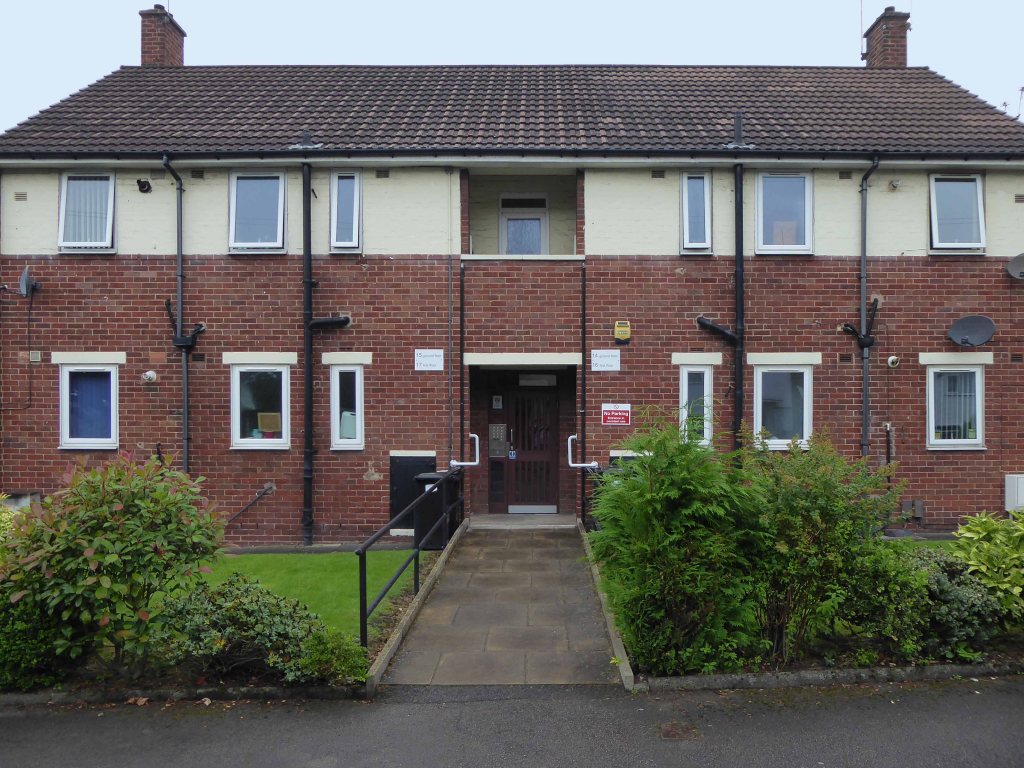
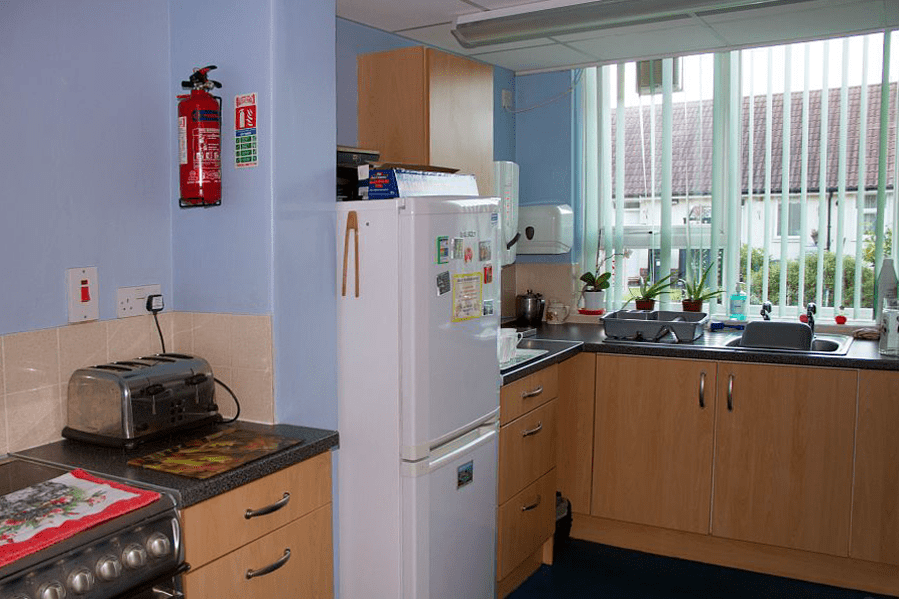
Russell Gardens remains the estate of Stockport Homes managed as sheltered housing for the over 60s.
Retirement housing
33 one bedroom flats built in 1947
Non-resident part time management staff and Careline alarm service
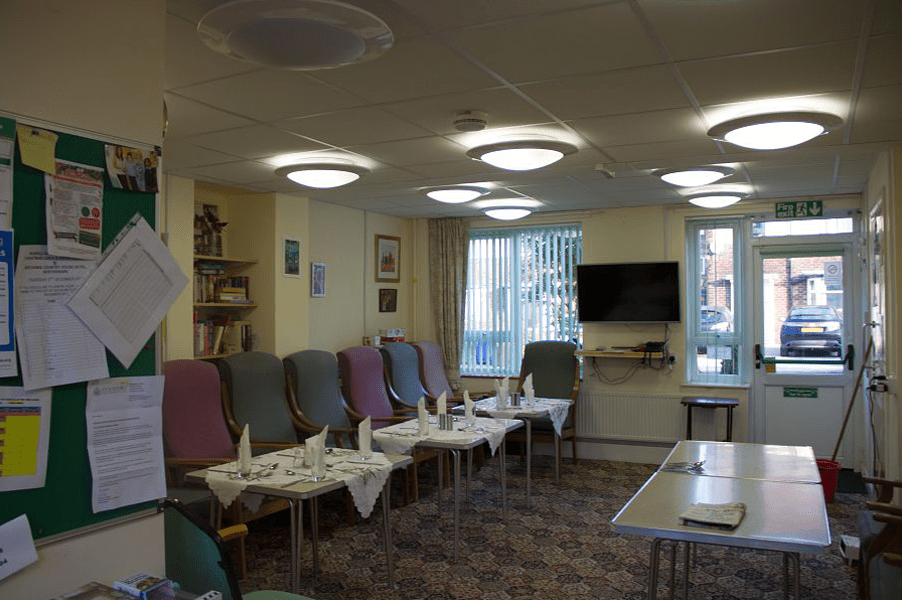
Lounge, Laundry, Garden
The houses are now some fifty years old and in good order, the residents with whom I spoke, seemed more than happy with their homes.
Would that more and more affordable homes for folks of all ages could be built.
The post-war consensus and political will that created this upsurge in construction, has been swept away by market forces.
Let’s take a look at the vestiges of more enlightened times.
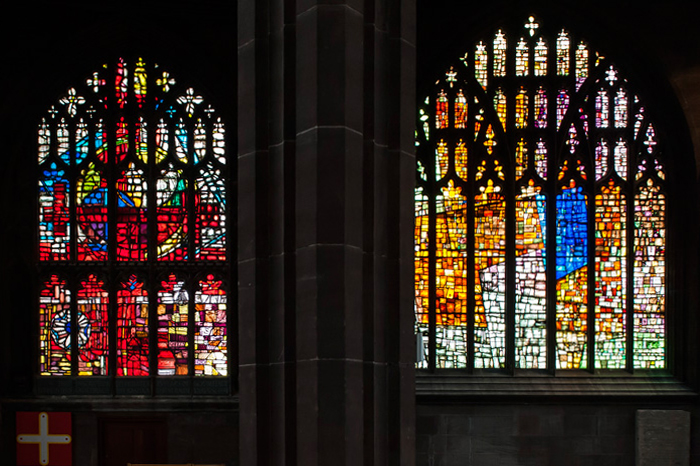
Tony Holloway’s work also illuminates the windows of Manchester Cathedral.
As well as the panels of the Faraday Tower, just the other side of UMIST.
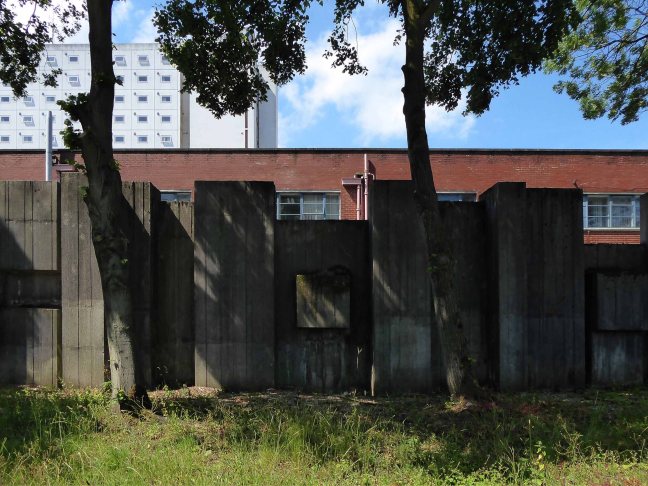
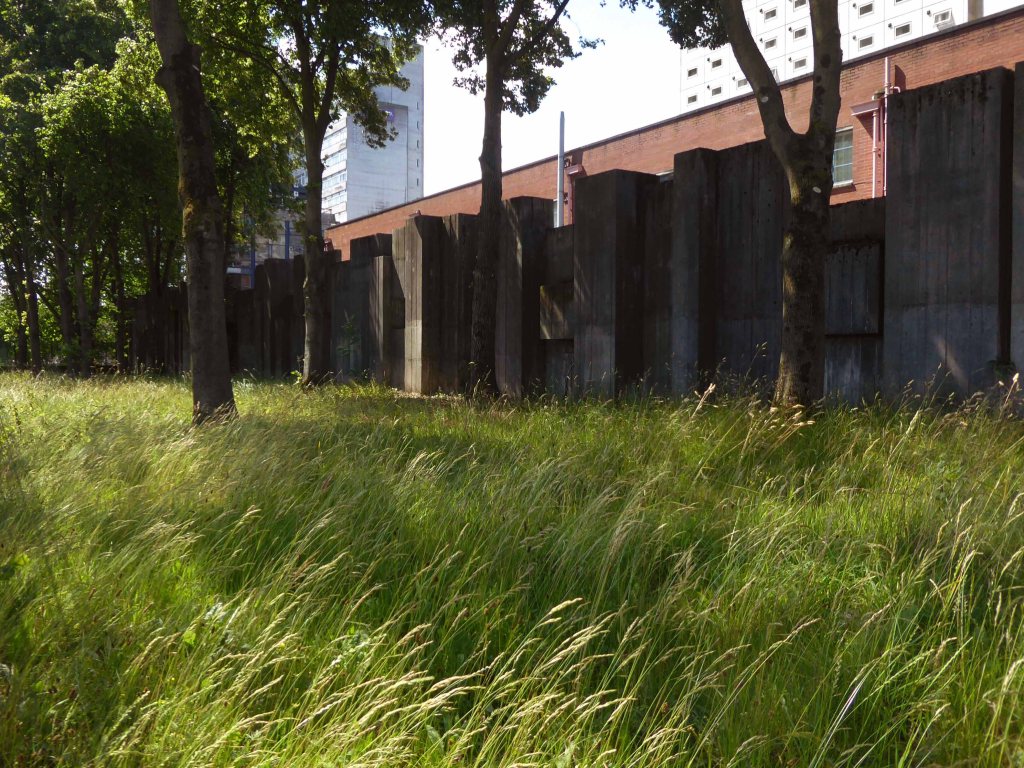
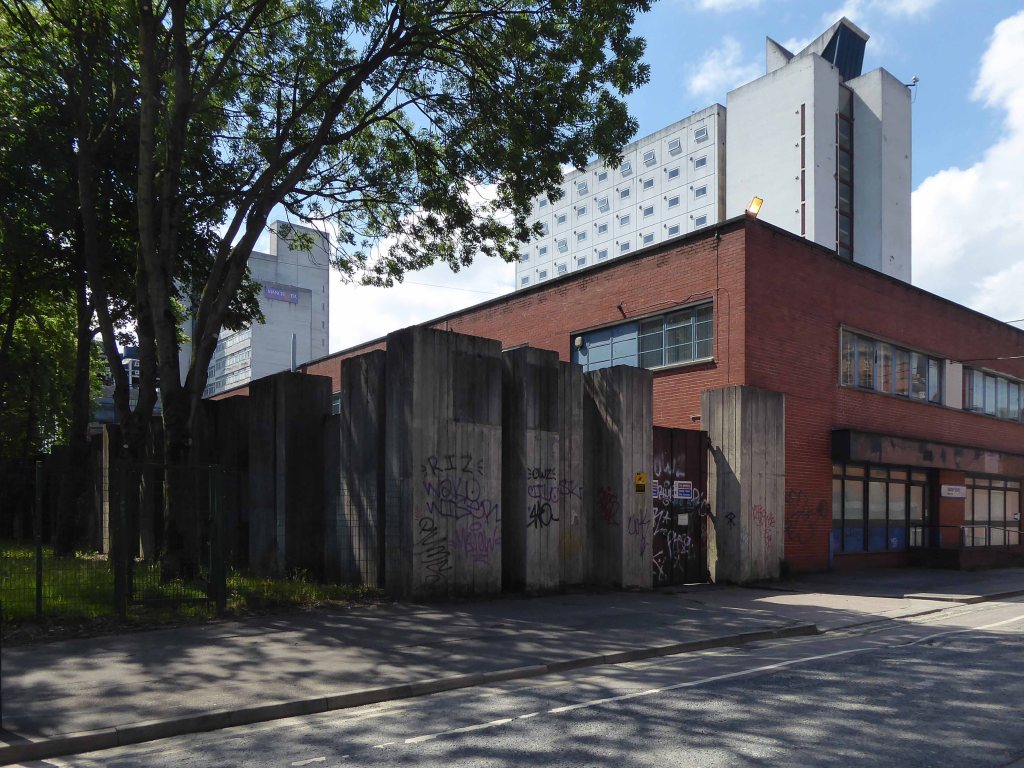
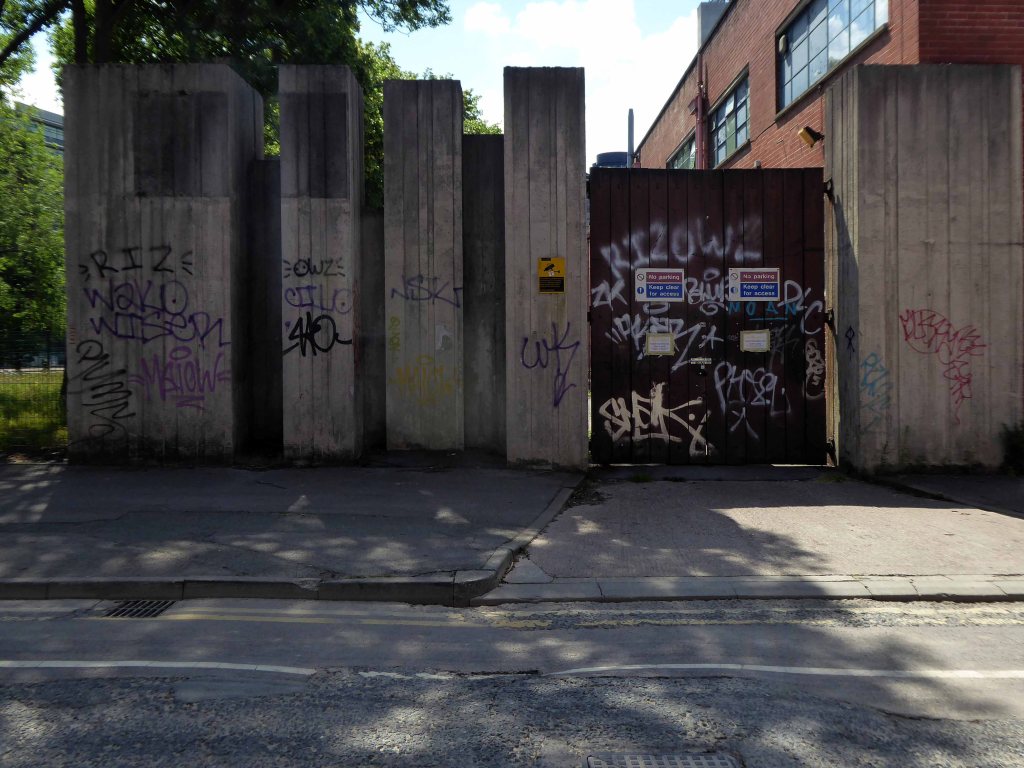
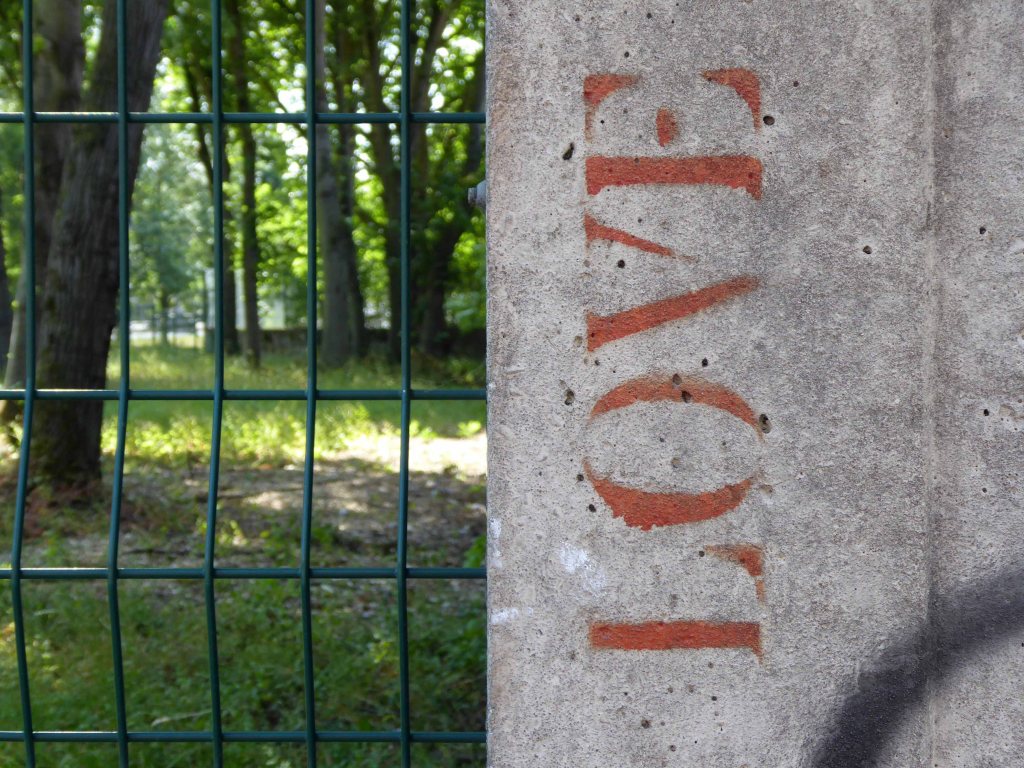
The wall is listed, fenced and obscured by the gradual incursion of assorted greenery.
It’s beginning to attract moss, amongst other things – just not like a rolling stone.
Like nearly everything else, it looks different each time you pass by, more or less light, new tags and signs – so here it is as of Saturday 13th June 2020.
Deneway almost but not quite, literallyon my doorstep:
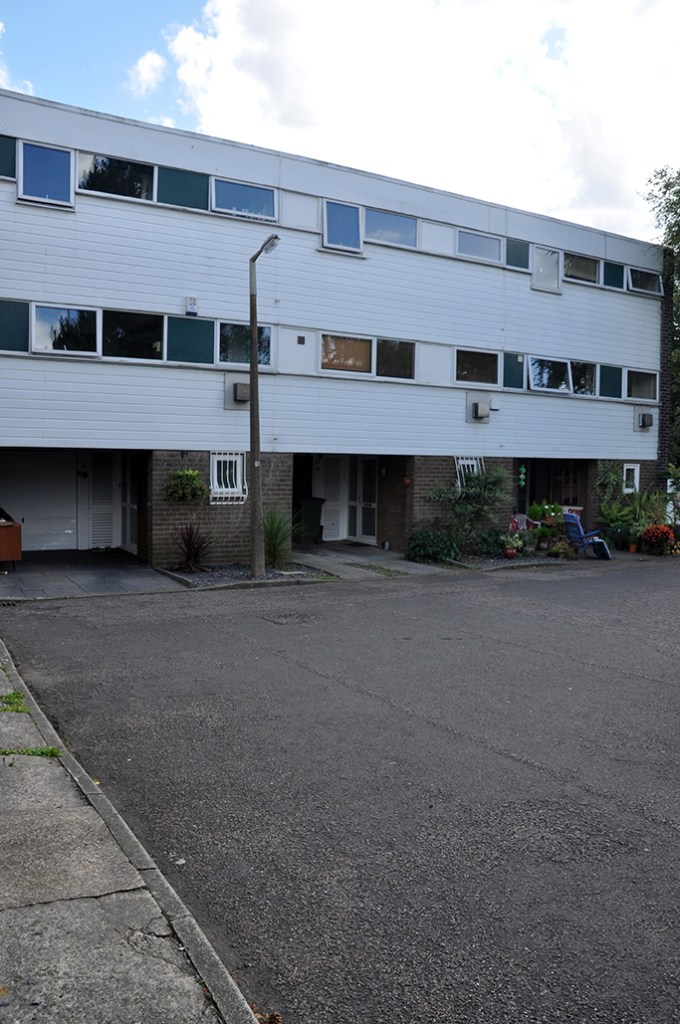
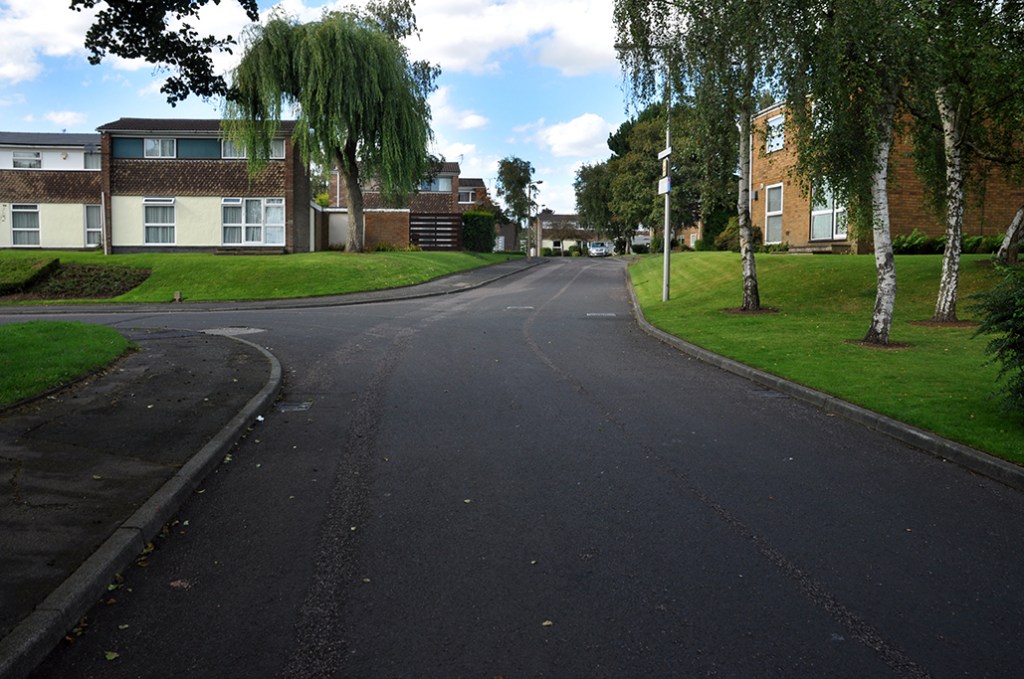
High above the Mersey Valley and 70 meters above sea level Deneway Estate stands proud, affording views of the Pennine White Peak to the south east and nothing but some other houses in all other directions.
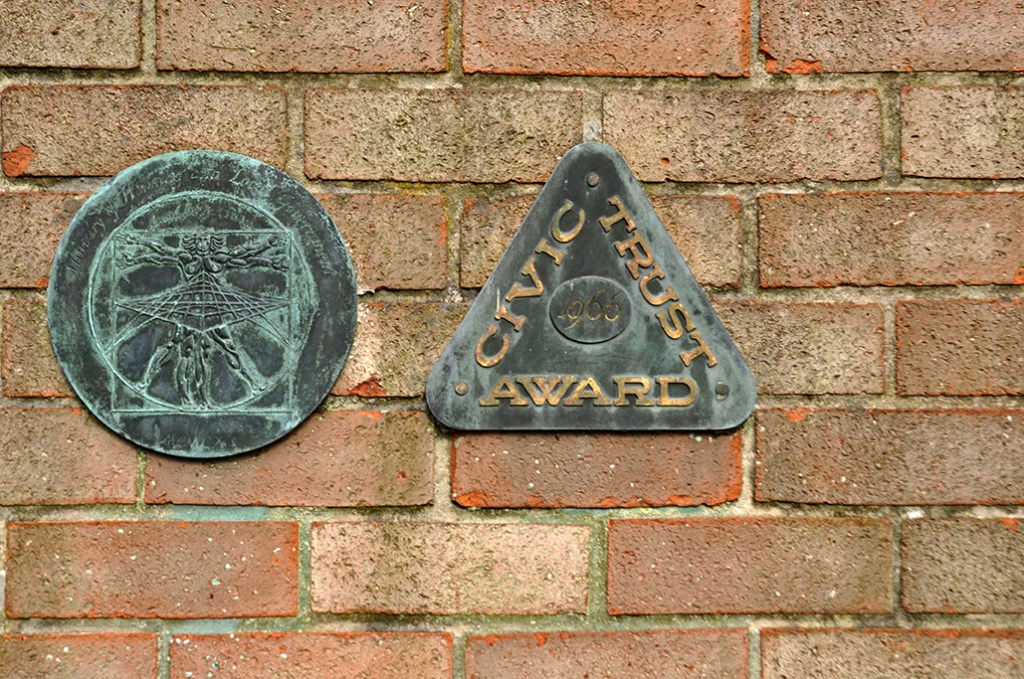
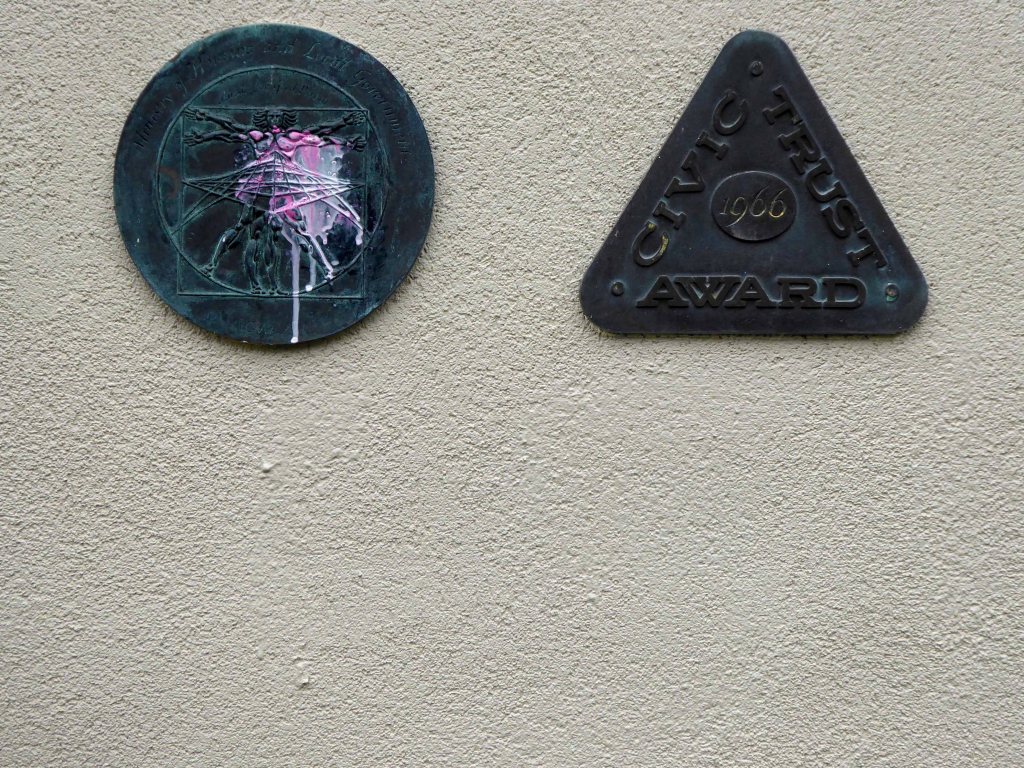
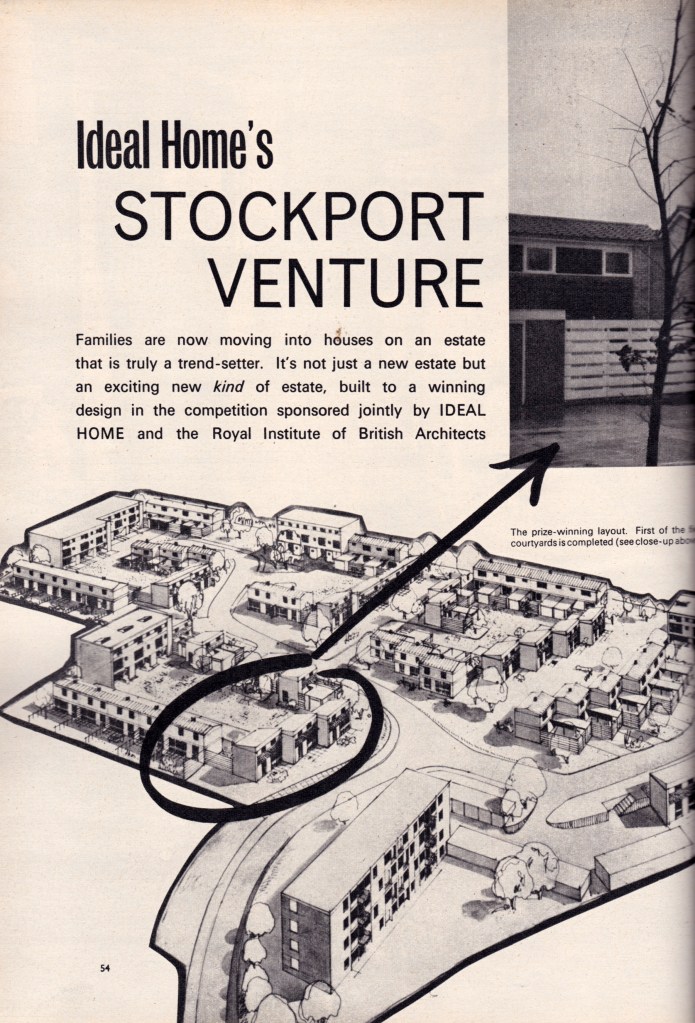
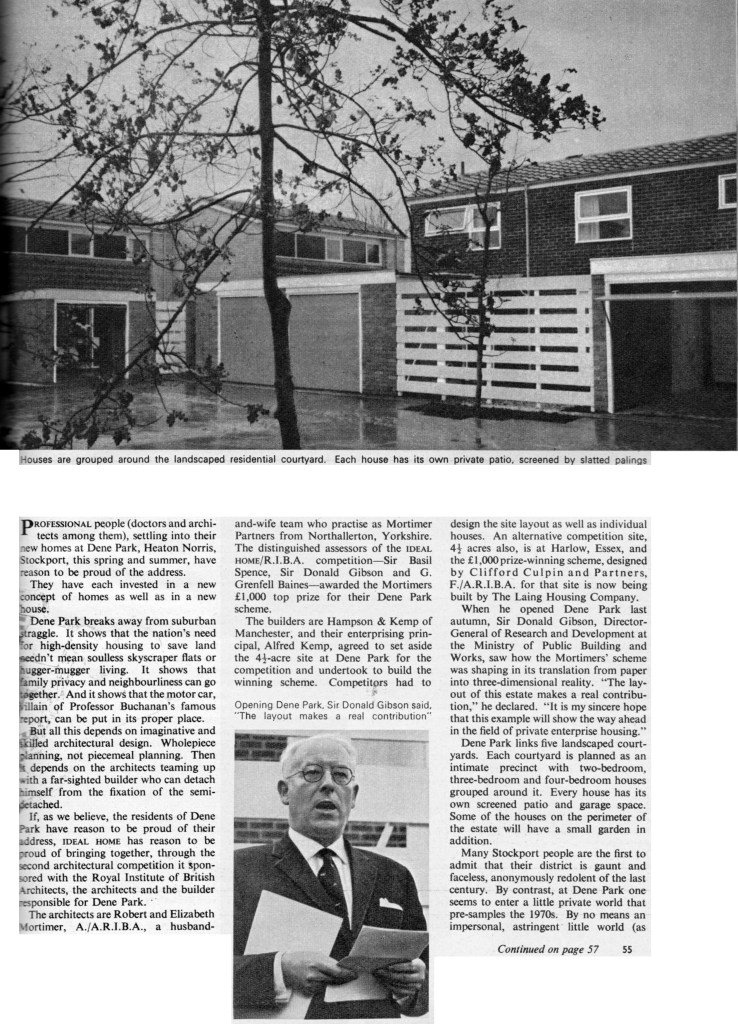
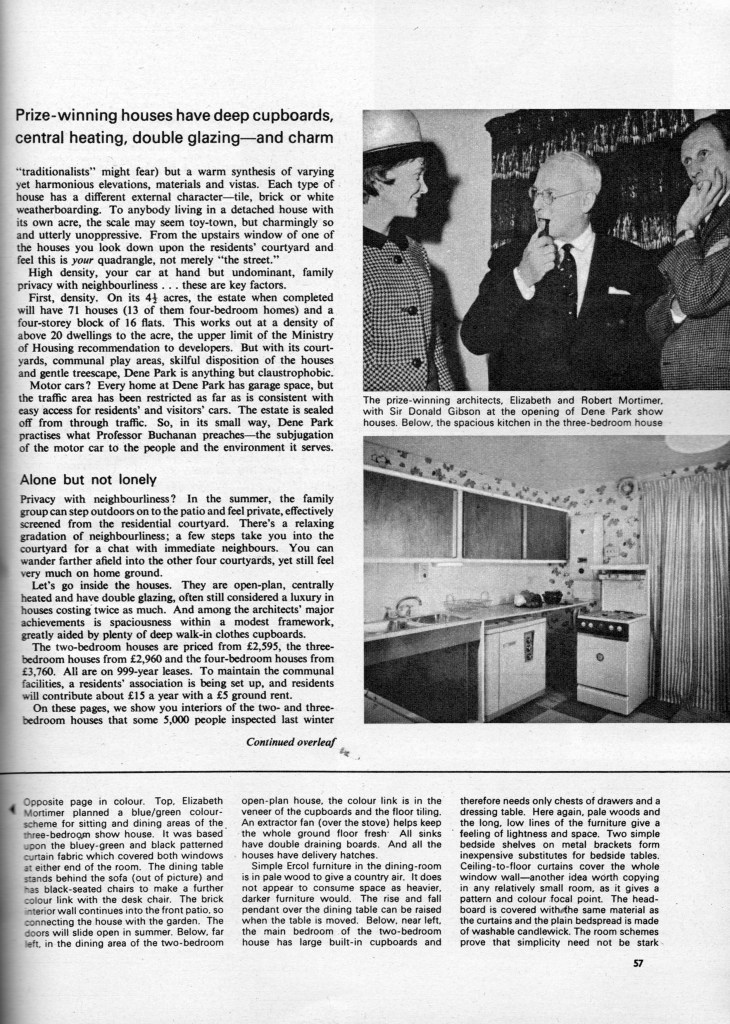
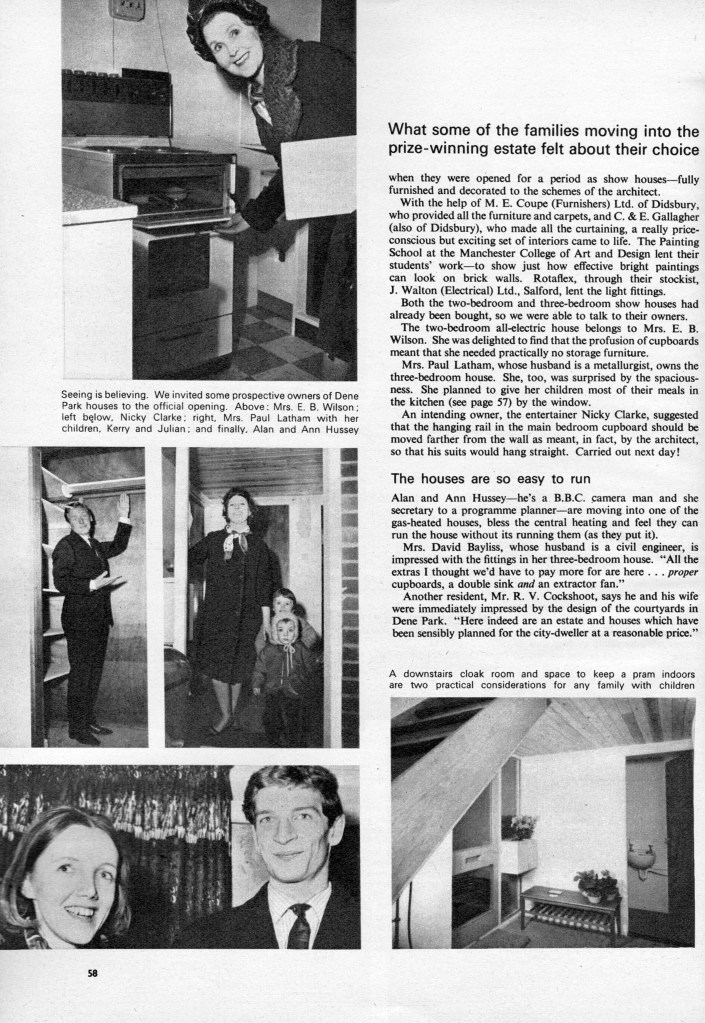
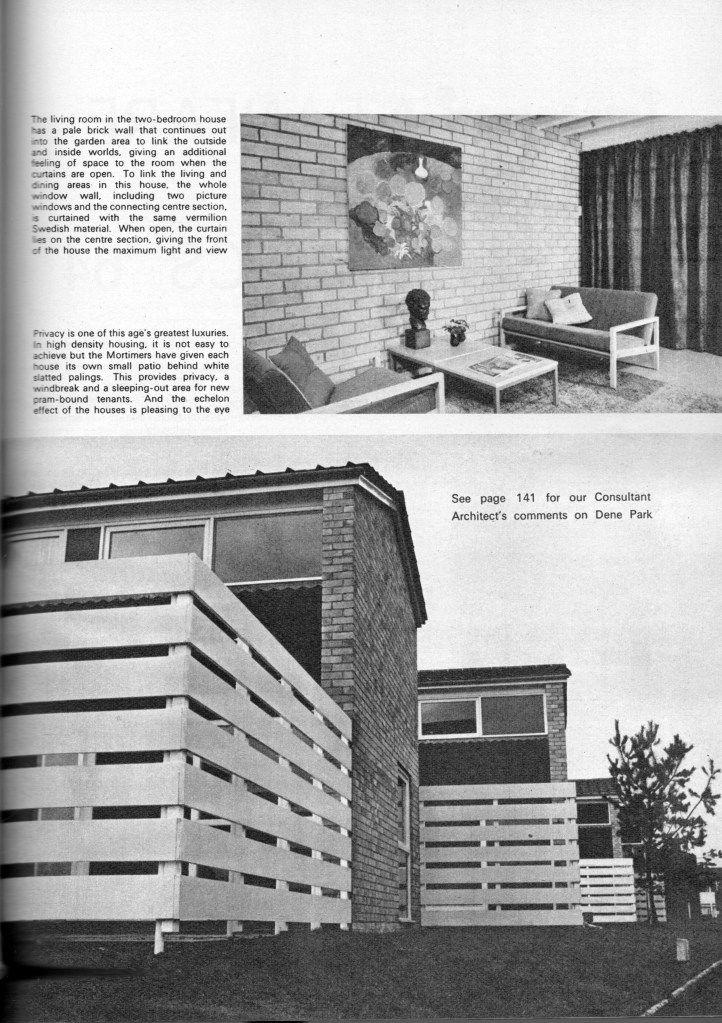
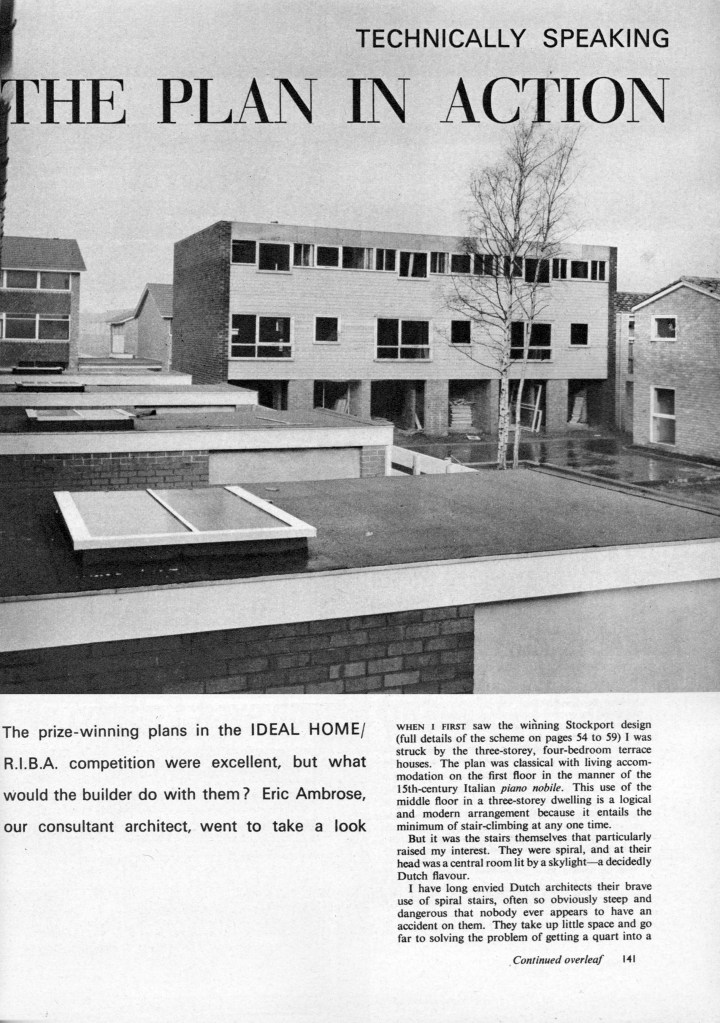
Built in 1964, by architects Mortimer & Partners it was an award winner from the word go – coming first in an Ideal Homes sponsored competition.
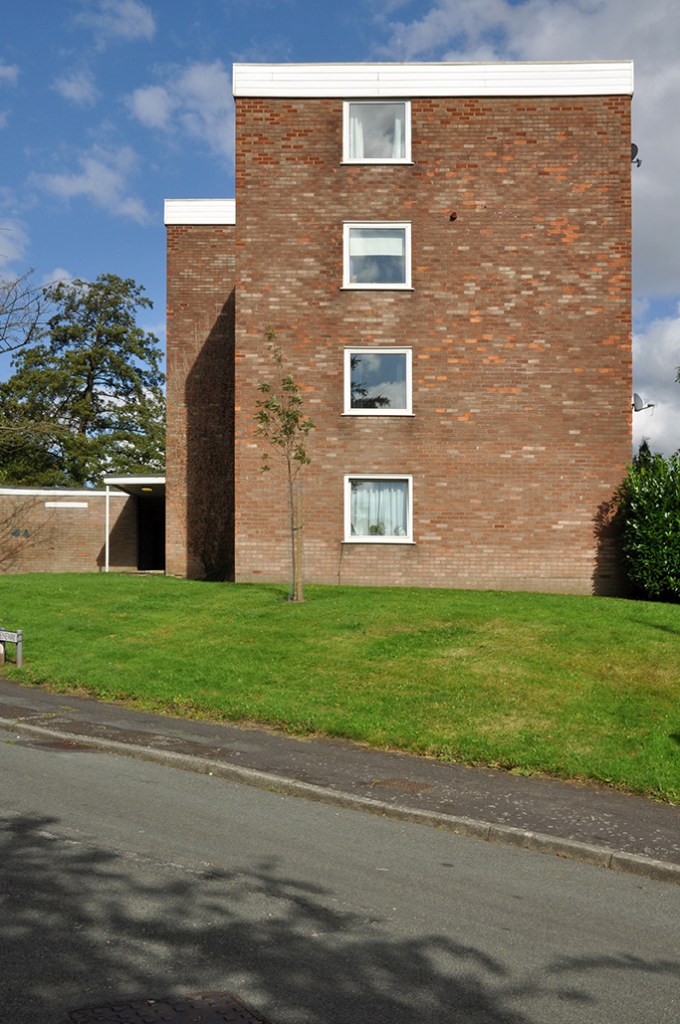
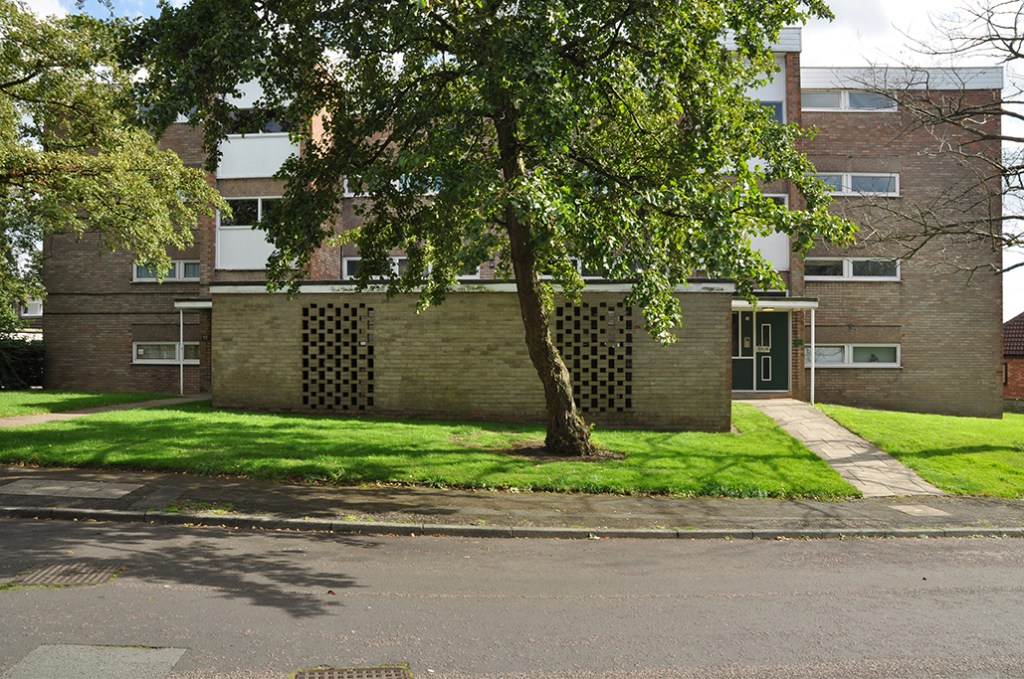
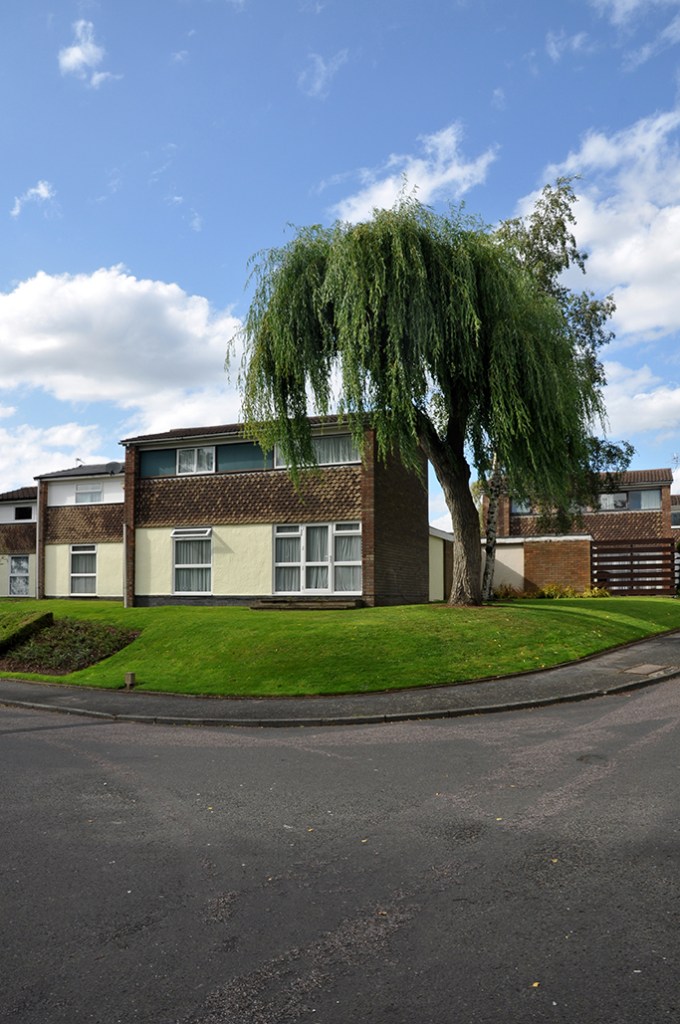
Very much in the tradition of the Span Estates, it consists of small groups of two and three storey terraced homes, with communal open, well tended front gardens. At the entrance to the estate stands a single low tower block of flats.
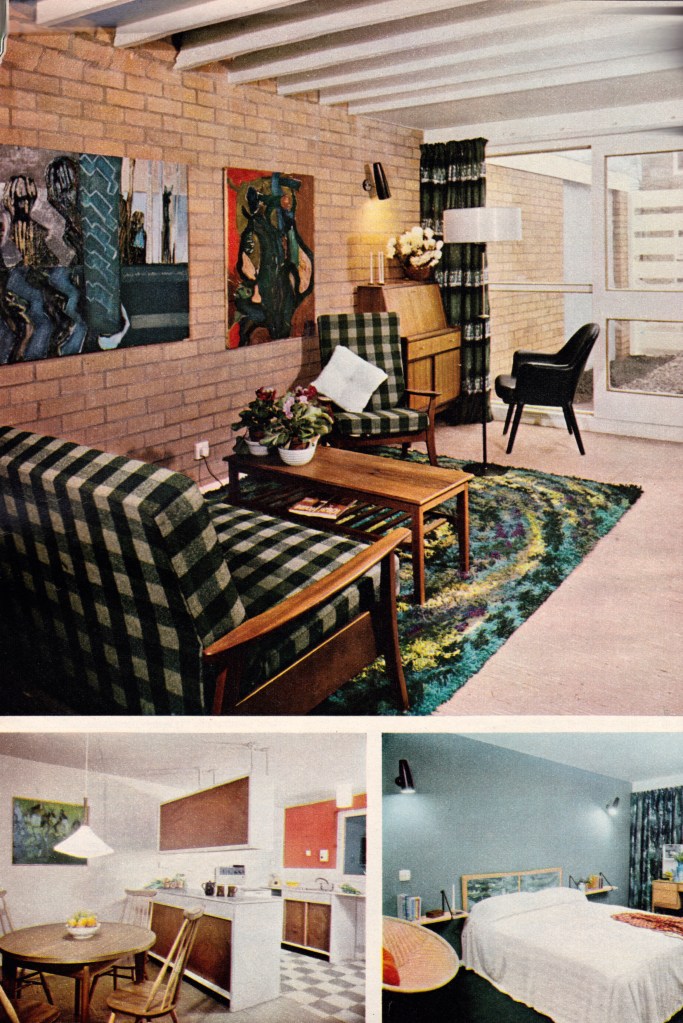
The architecture sits quietly and confidently in the landscape, well behaved, prim and proper. Interiors are open plan and afforded ample daylight by generous windows. Detailing is tiled and wood panelled, with low pitched roofs.
Jump the train, walk, cycle, bus or tram, but arrive with eyes and heart wide opento enjoy this suburban gem – it’s right up my street.
This was my very first piece that appeared on the old Manchester Modernist site way back in 2014.
Six years later I walked up the road again and found the flats clad in a funny colour cladding and the plaques moved, much else was as was. I assume, that under deed of covenant, fencing and guerilla gardening within open areas is verboten, along with fancy extensions.
The estate therefore retains its original integrity.
The sun in the meantime however – had gone in.
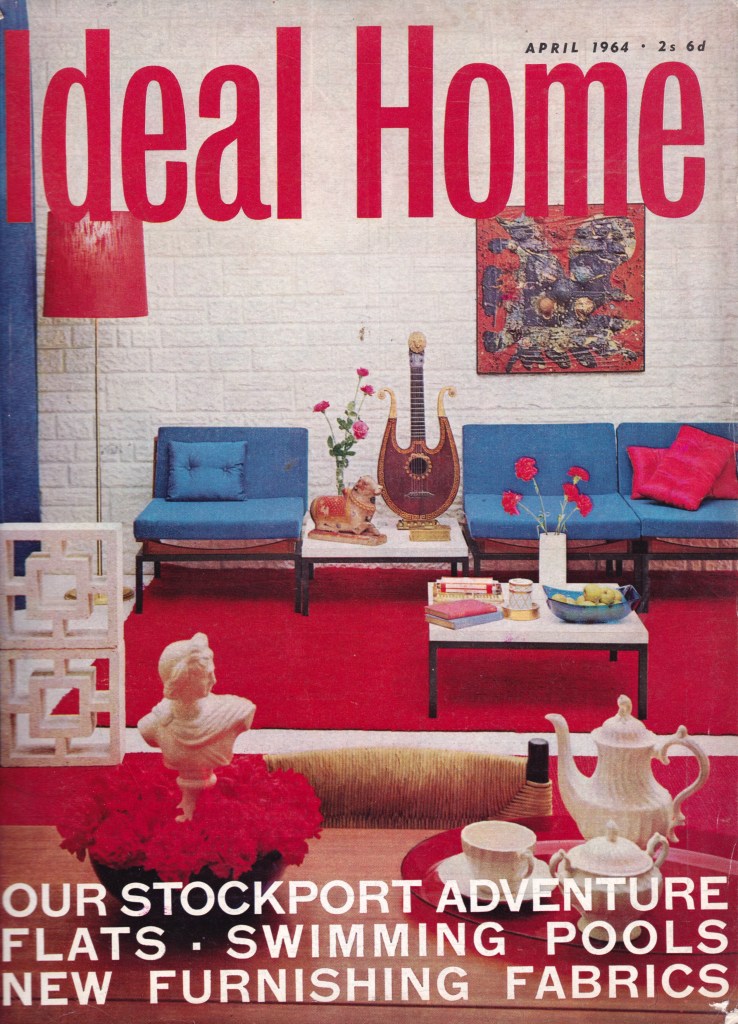
Here are the pages of Ideal Home which featured this award winning estate.
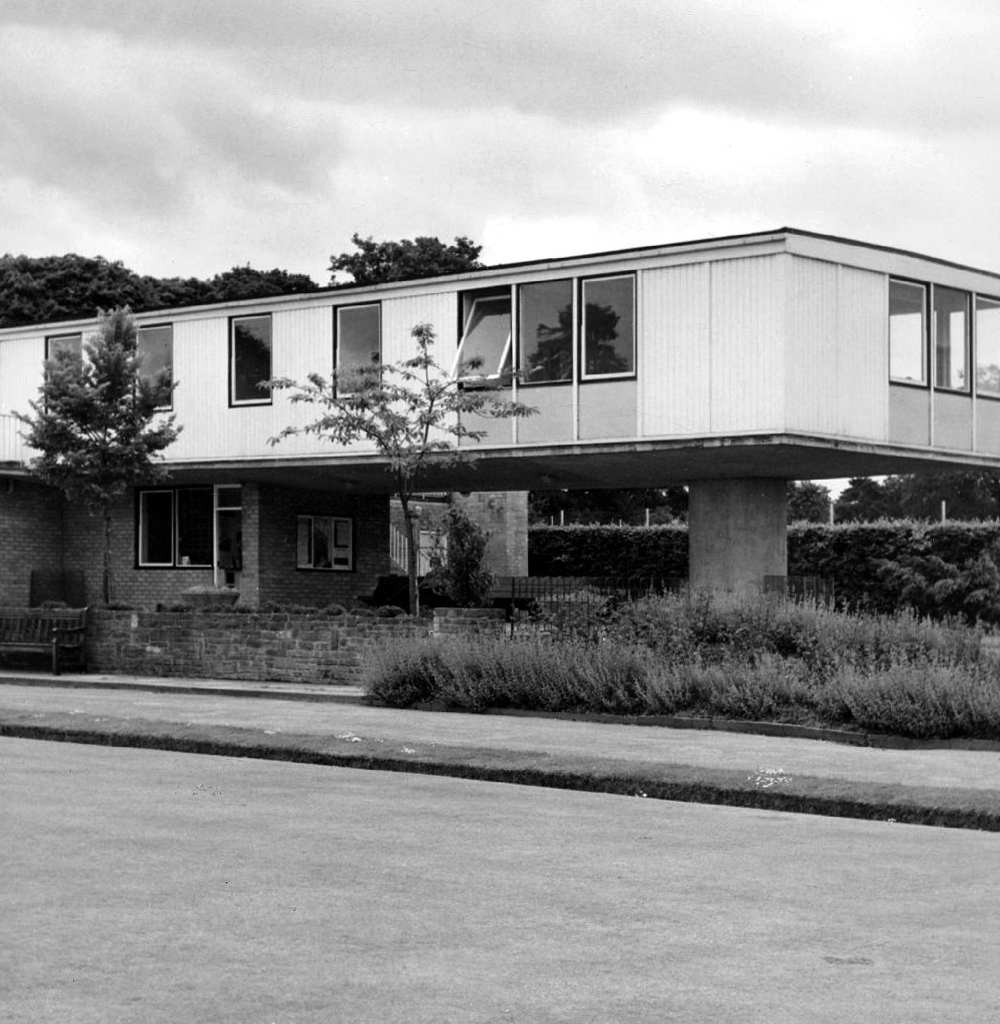
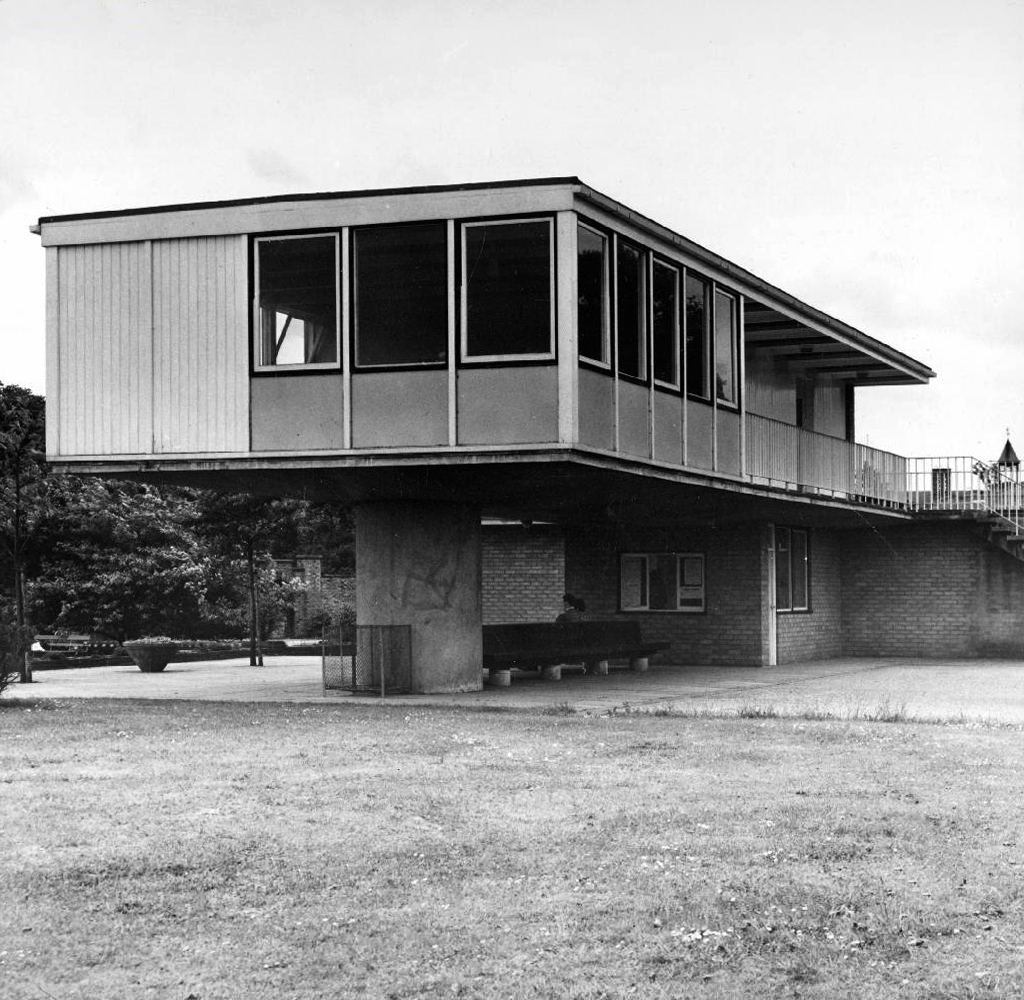
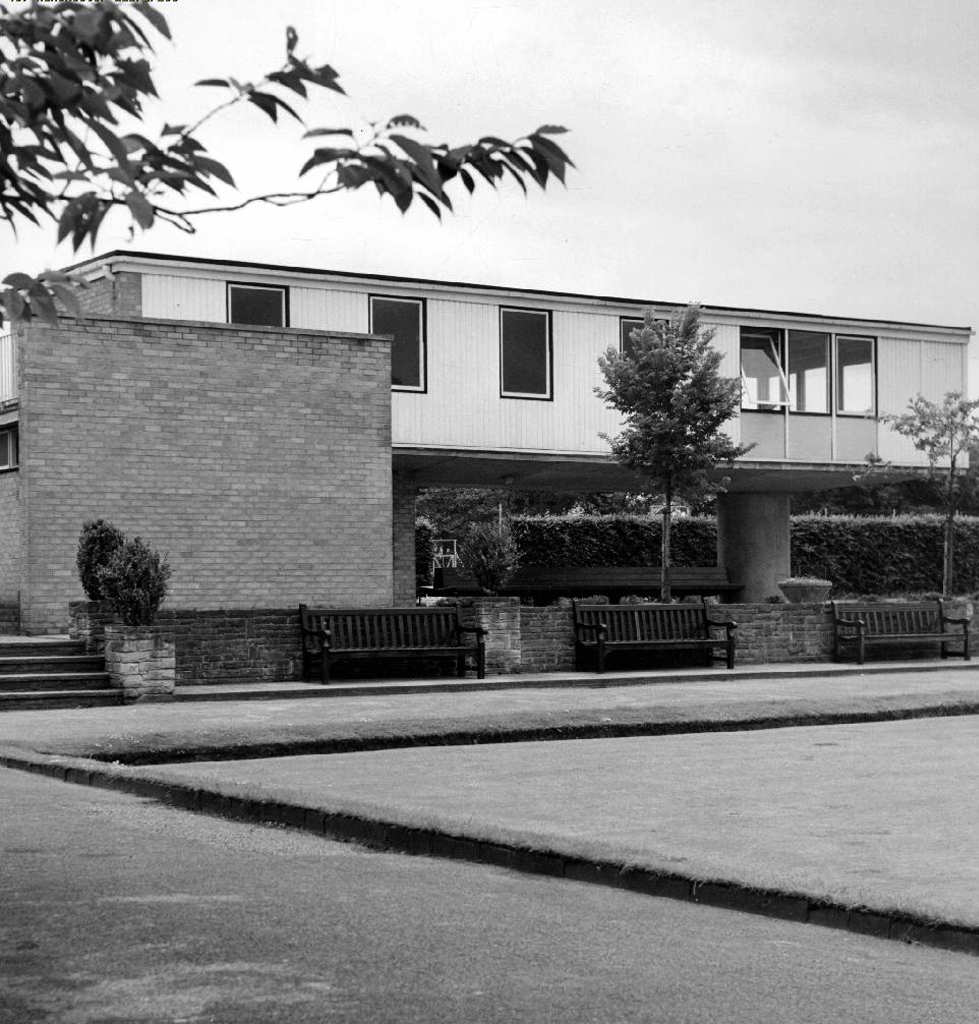
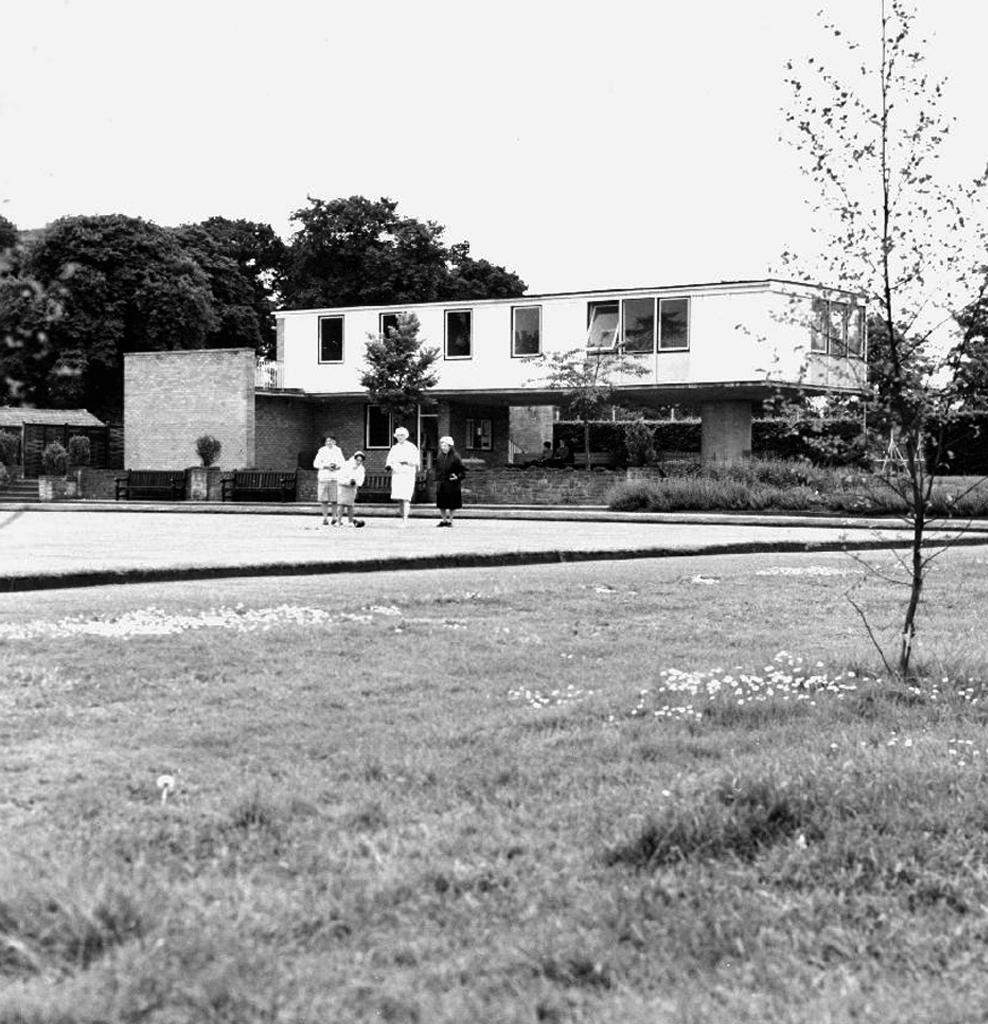
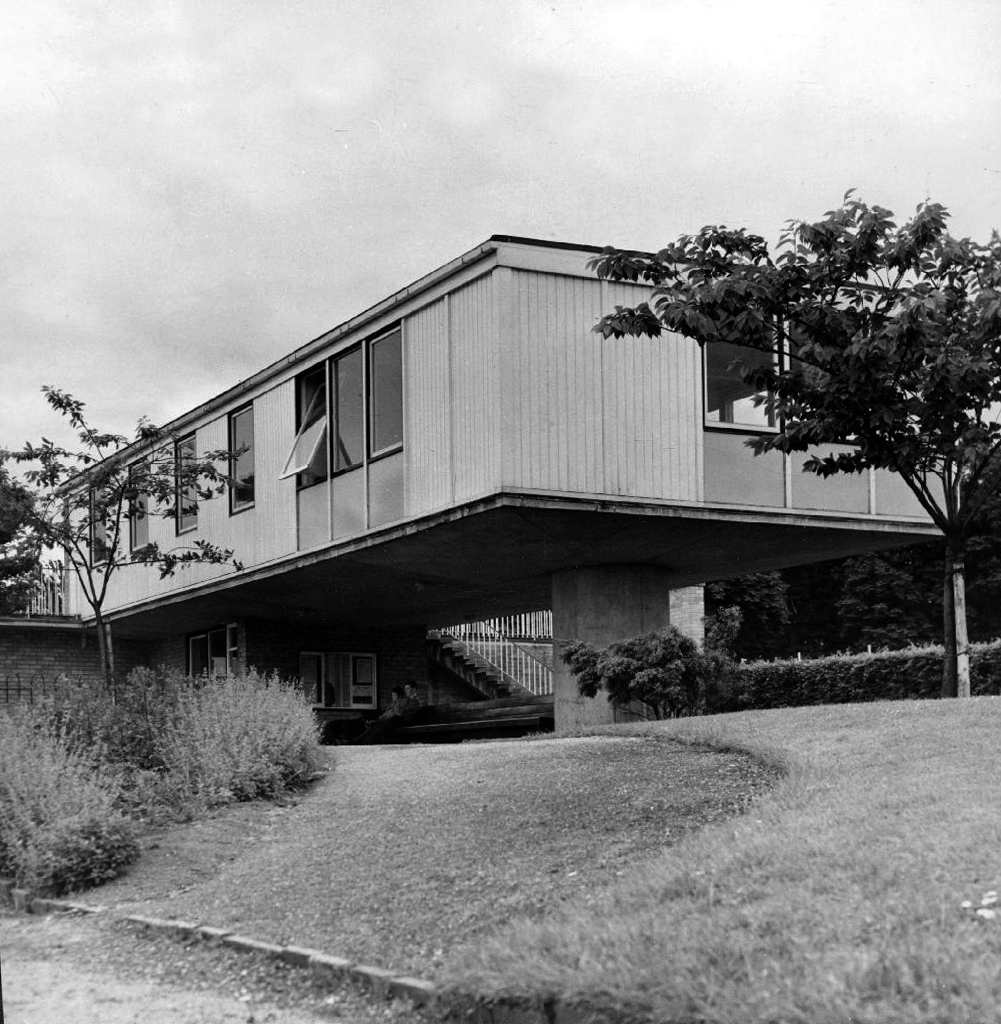
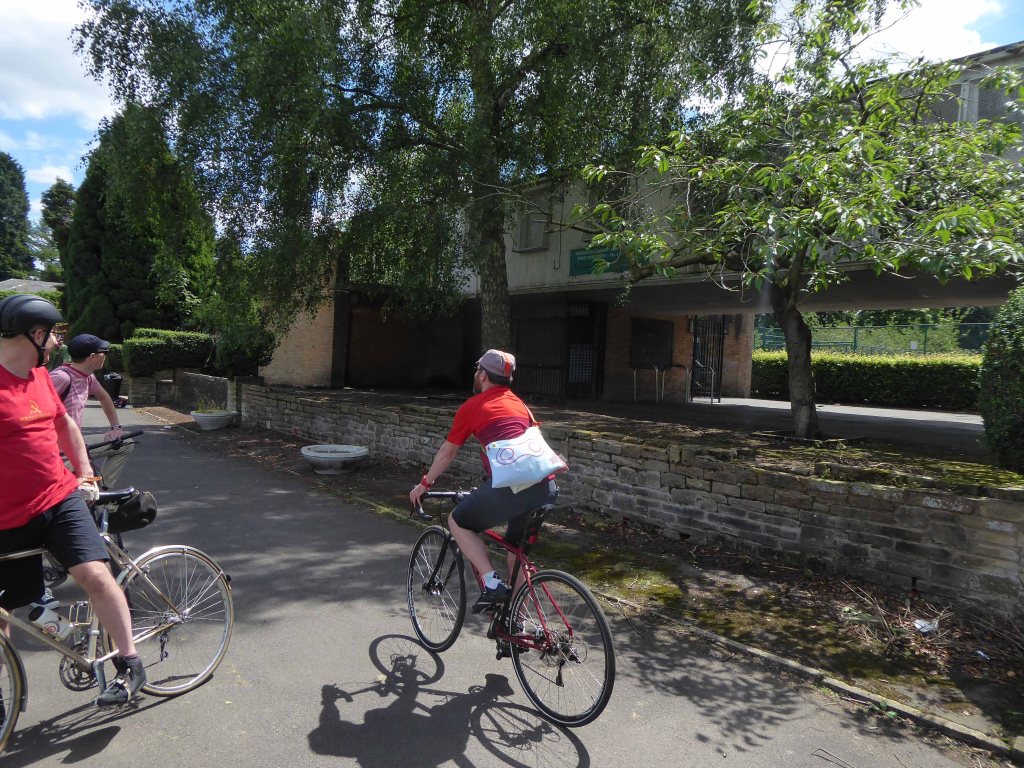
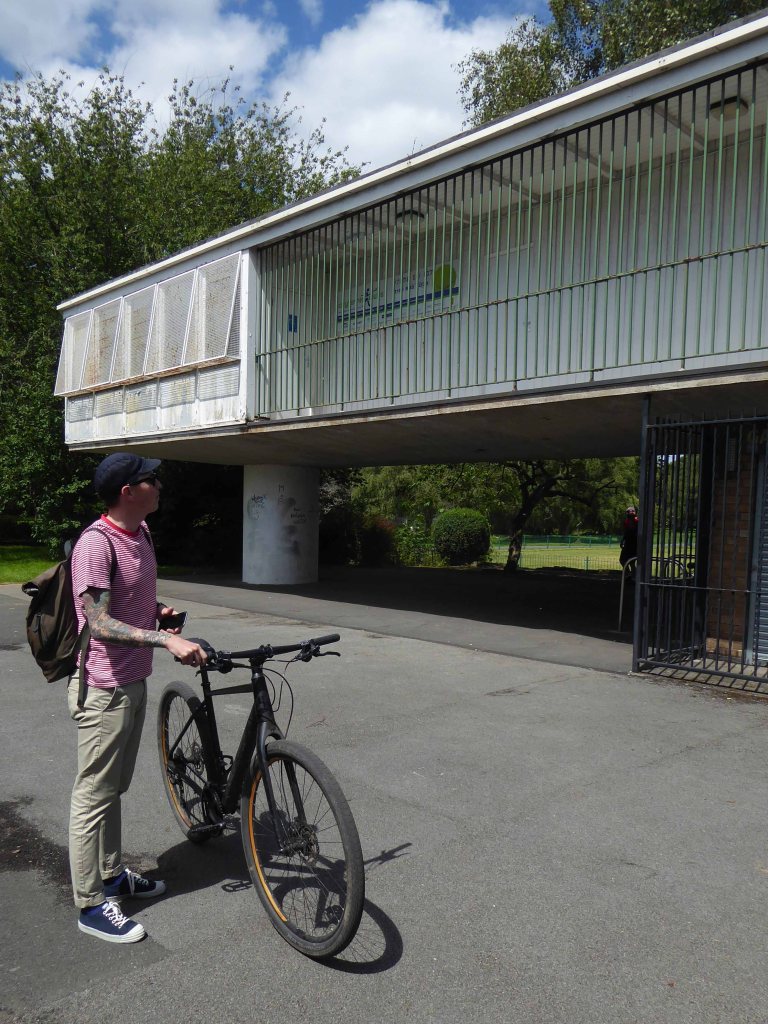
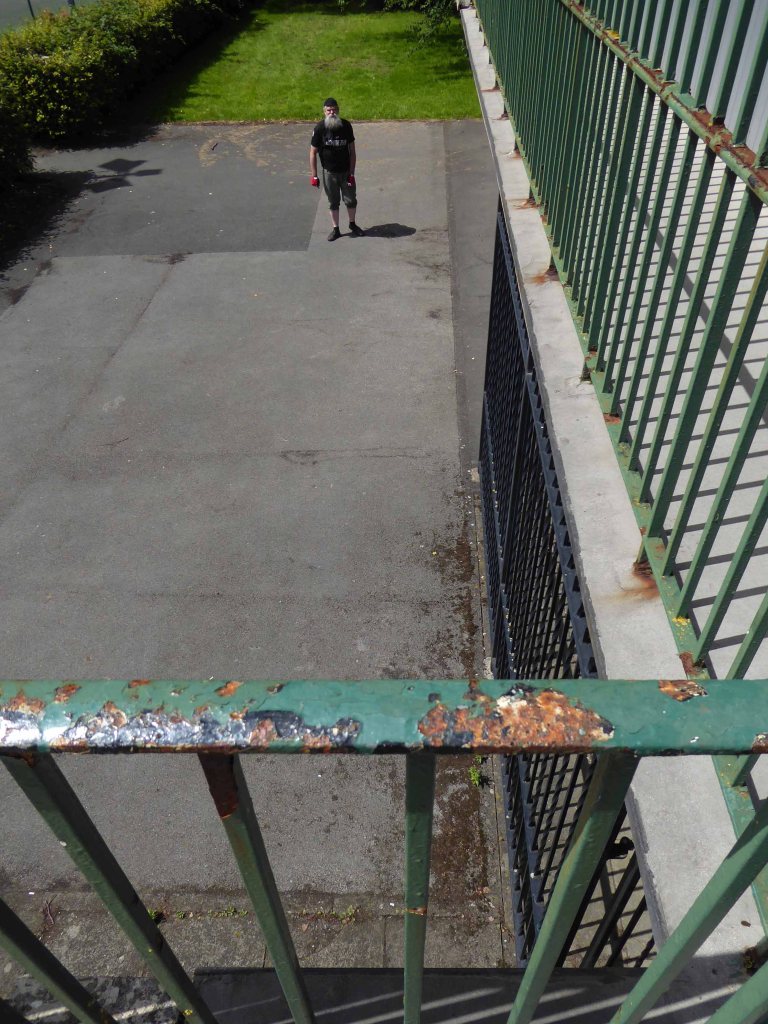
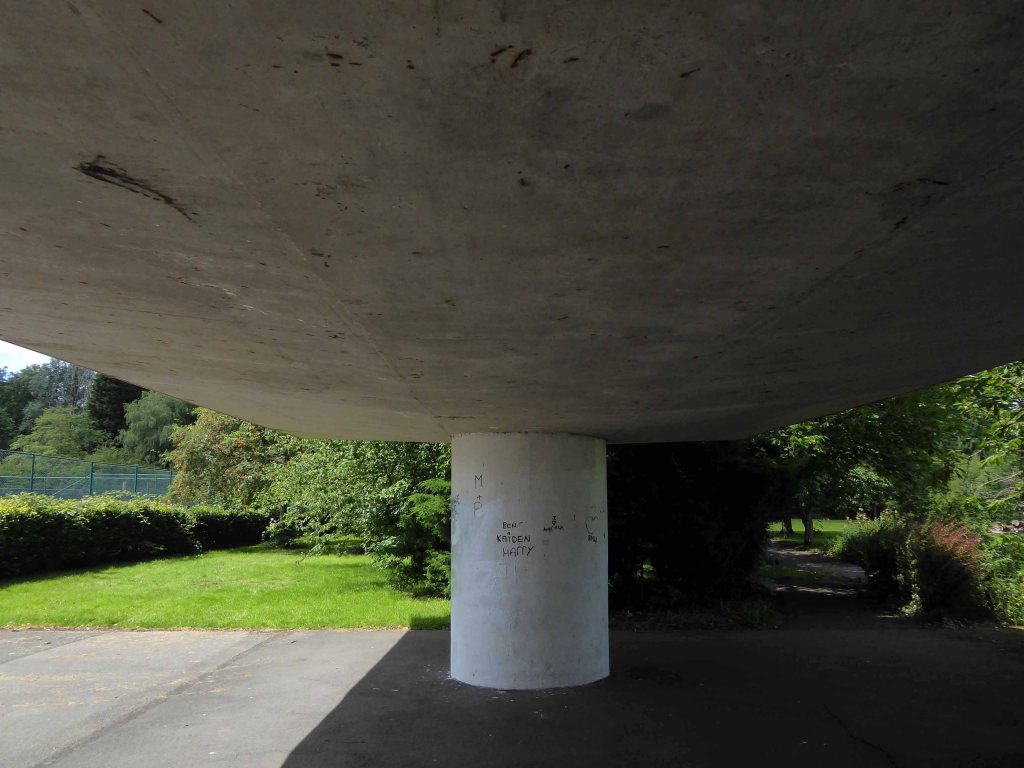
A collective decision was made to pass under the cantilevered and much revered bowls and tennis pavilion.
The building opened in 1960, designed by L.C. Howitt City Architect.
In striking contrast to Wythenshawe Hall of 1540 – recently restored following an arson attack, the bowls and tennis pavilion shows no inclination toward Tudor-bethan revivalism.
Sleek and aloof, supported by a single piloti, offering elevated and ground level views of the sporting areas.
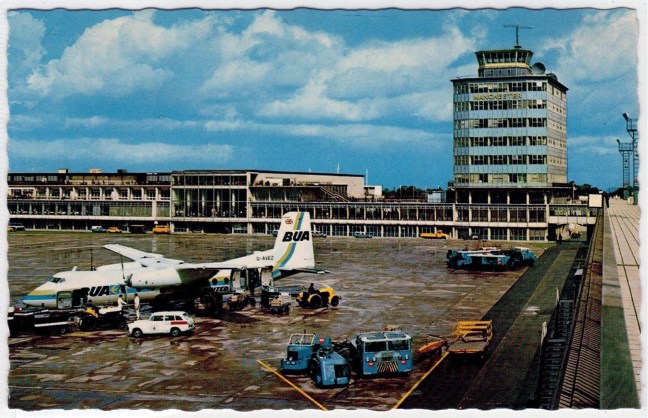
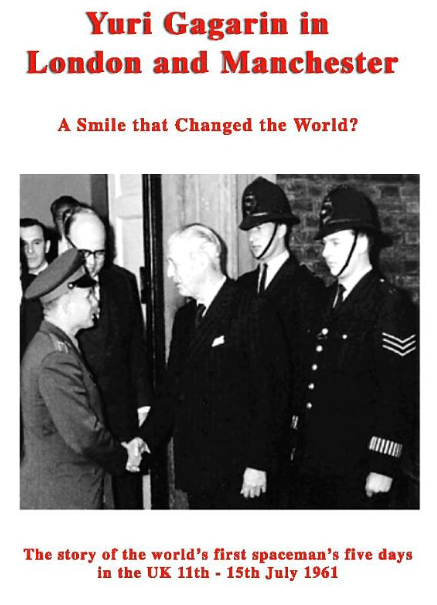
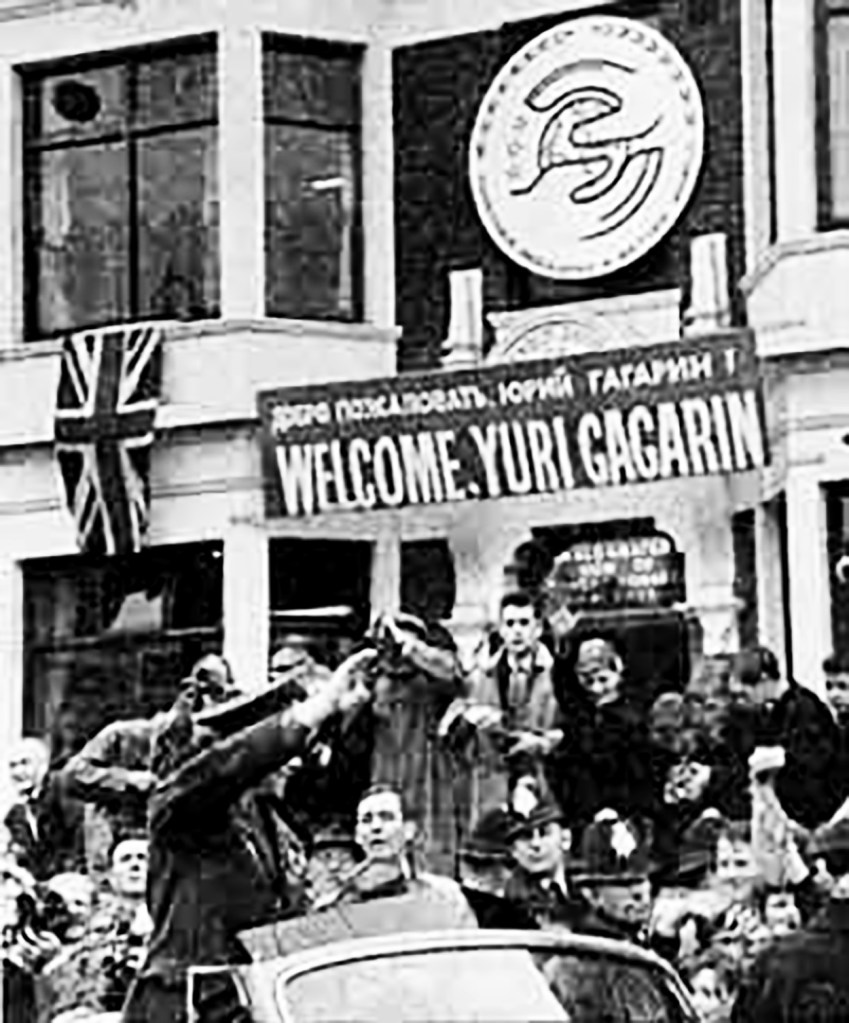
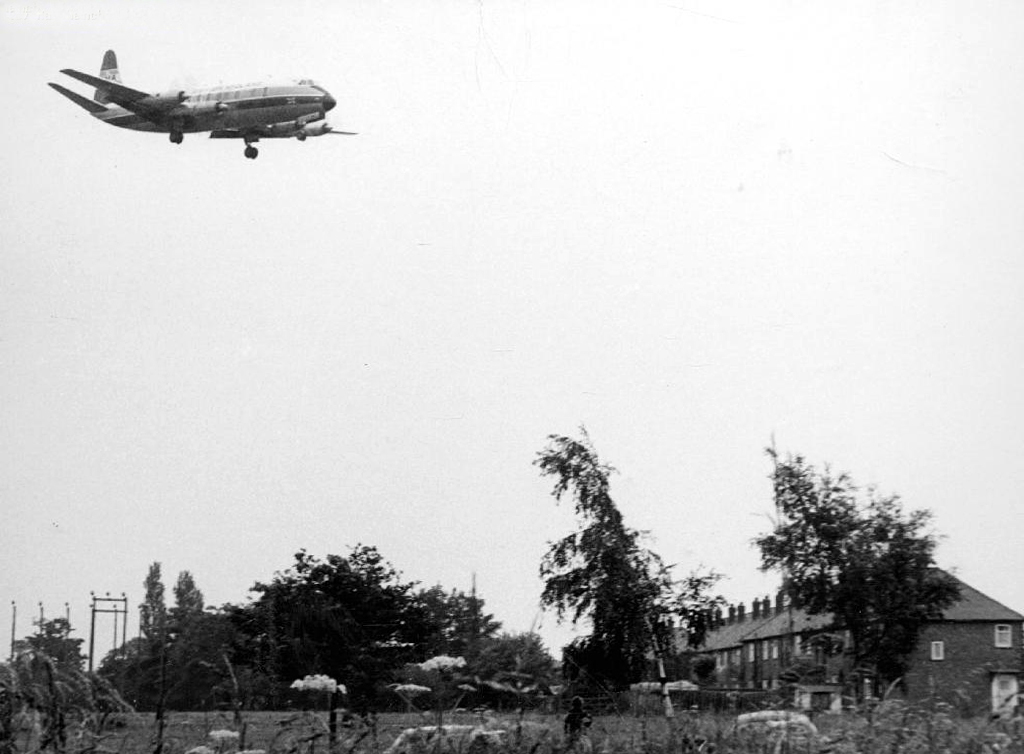
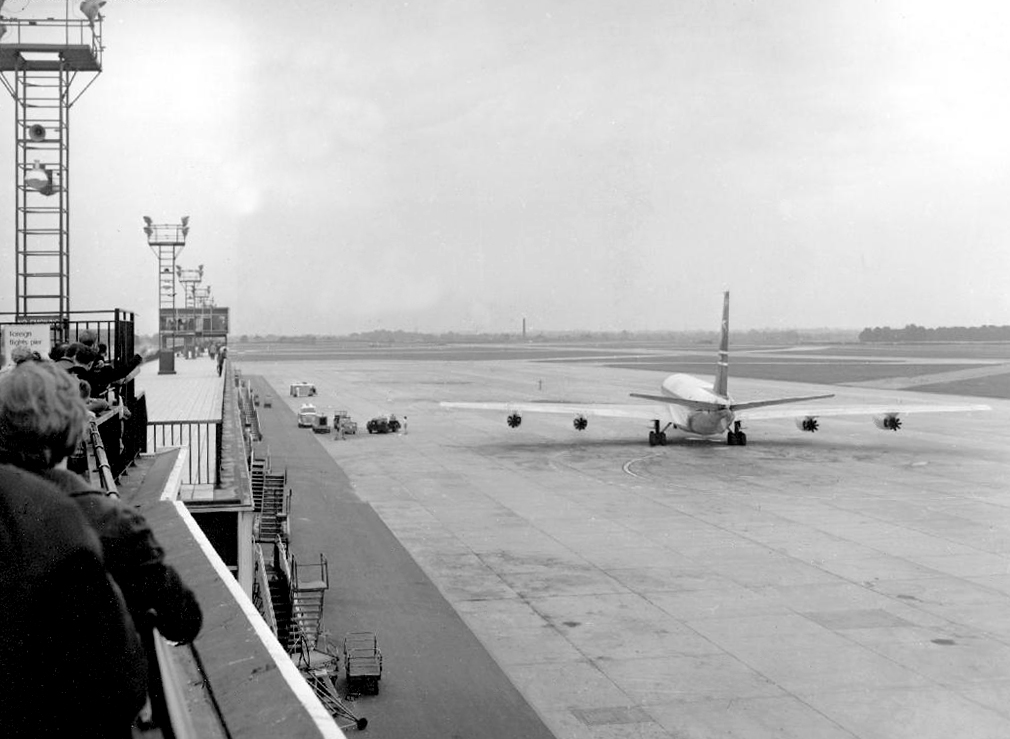
Exactly three months to the day after his flight in Vostok I had ushered in a new age of space exploration, on 12 July 1961, the trim figure of Yuri Gagarin strode down the gangway of a British Viscount airliner and walked briskly out across the runway of Manchester airport towards a sea of expectant faces, and flashing camera bulbs.
A loose approximation of what he may have see on that day in 1961.
We were allowed out of Brownley Green school to line the road as he passed, great memories.
I stood on Chester Road with my mum, I was 4 years old, but still remember it.
At that time, I was a student, working my socks off in the Central Library, I went outside into St. Peter’s Square to watch him pass, he gave everyone a big smile.
Still tell my children, tiny at the time – you saw the first man in space, I remember his smile.
Worked in an office in Albert Square – had a grandstand view of him arriving at the Town Hall.
I can remember a police escort taking Yuri to Albert Square via Princess Parkway through Withington, Fallowfield and Moss side, there were hundreds of people lined up watching a waving at him.
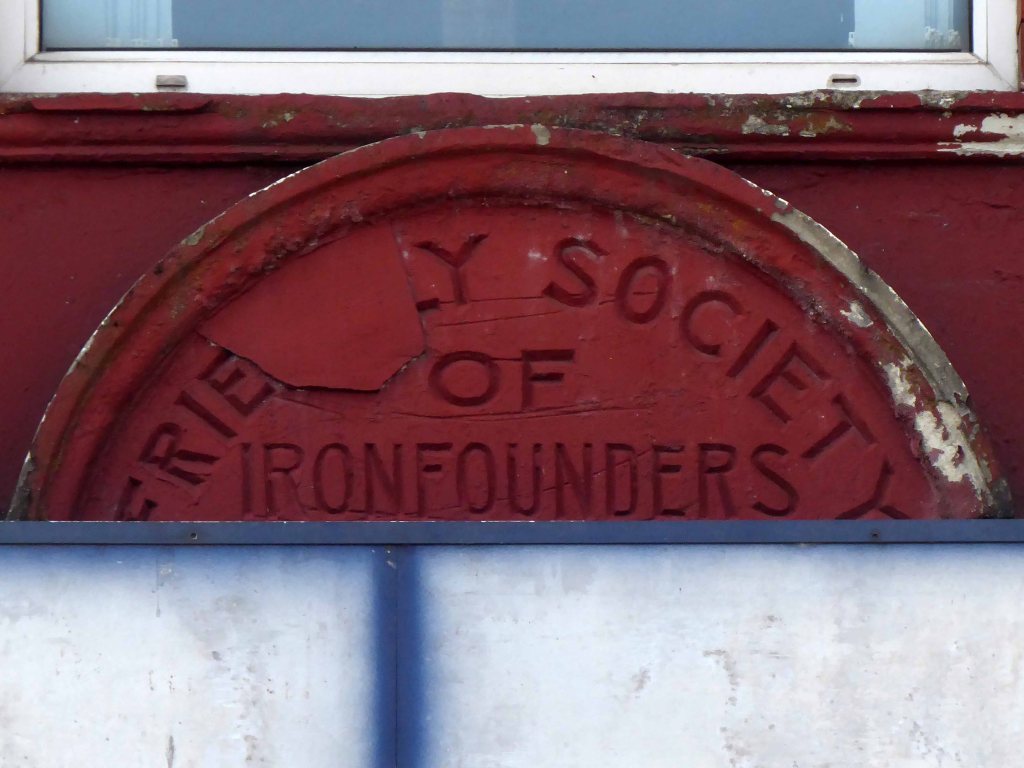
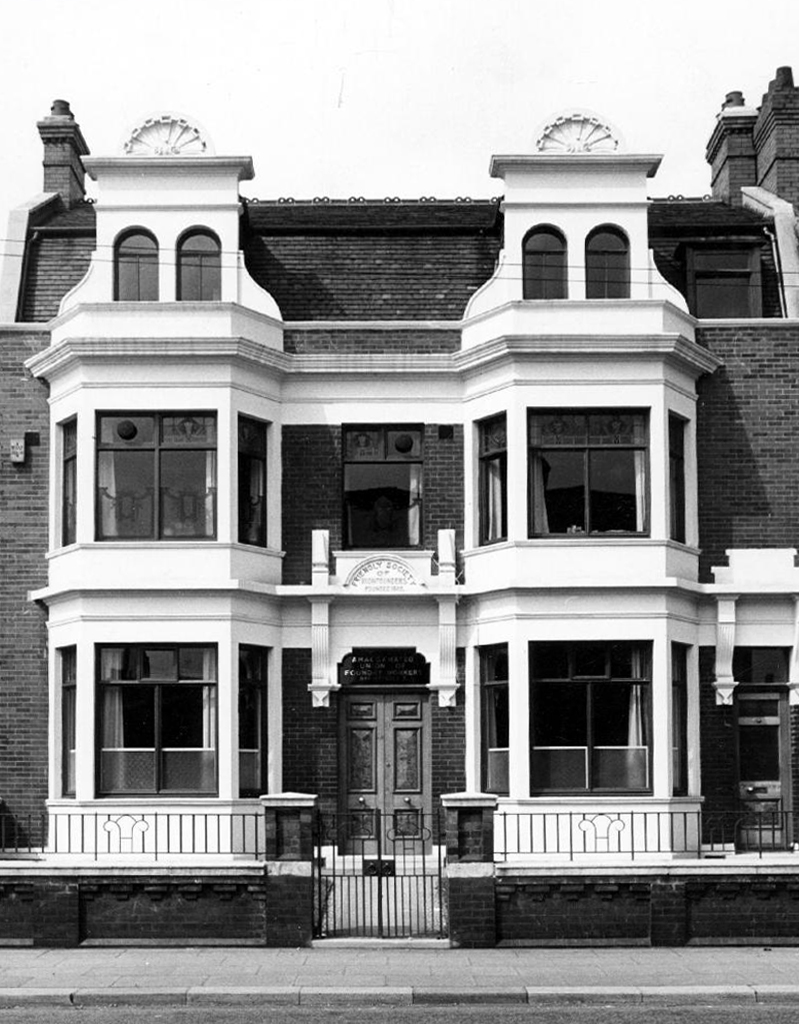
When Gagarin visited Manchester he was given a bronze bust of Lenin made by the Amalgamated Union of Foundry Workers. Four were made in total and my Dad owns one of them.
My Grandad’s funeral was on the day he came, as we passed down Altrincham Rd onto the Parkway policemen who were holding back the crowds saluted, he would have loved it.
Yeah I seen him stood up in a big car with a green uniform on. It was going down Brownley Rd passing Meliden Crescent heading for the Airport in Wythenshawe, I was about 6 years old.
Working for Manchester Parks as a 20 yr old on Princess Parkway and he came past me as I was mowing the grass, in an open top Rolls or Bentley, he saluted me personally as he passed, of course I stood to attention and returned the salute – Magic Moment
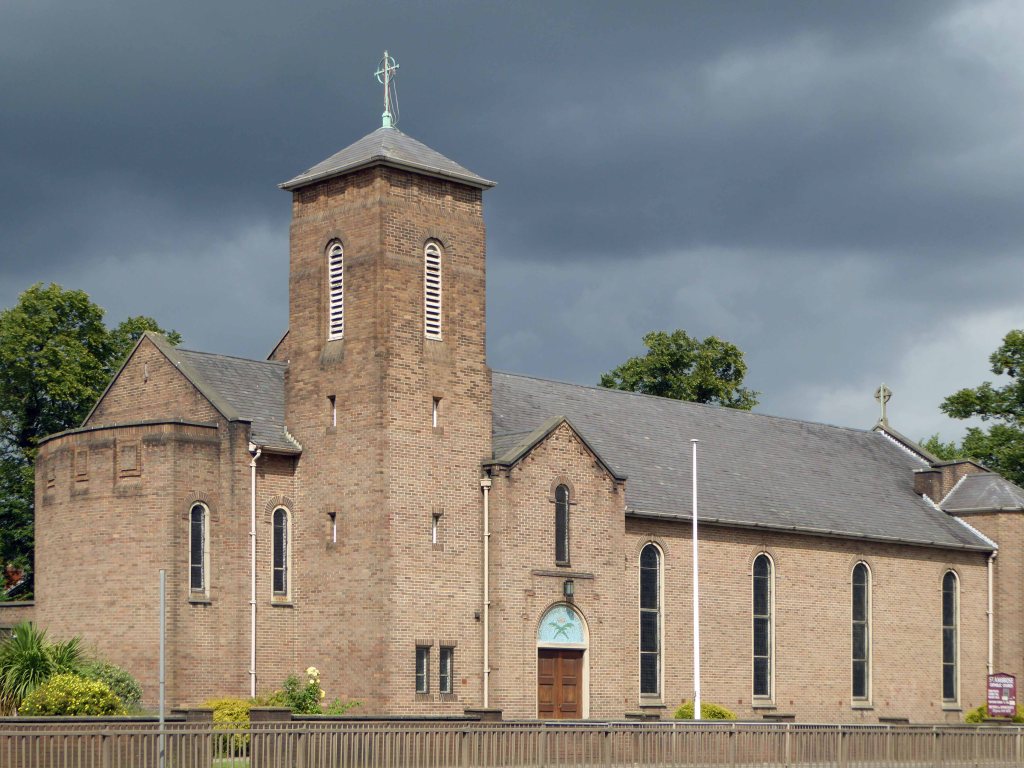
St AmbroseA well-detailed, relatively modest post-war design by Reynolds & Scott, with an impressive and largely unaltered vaulted interior. The dedication relates to St Ambrose Barlow, a Catholic martyr from nearby Barlow Hall.
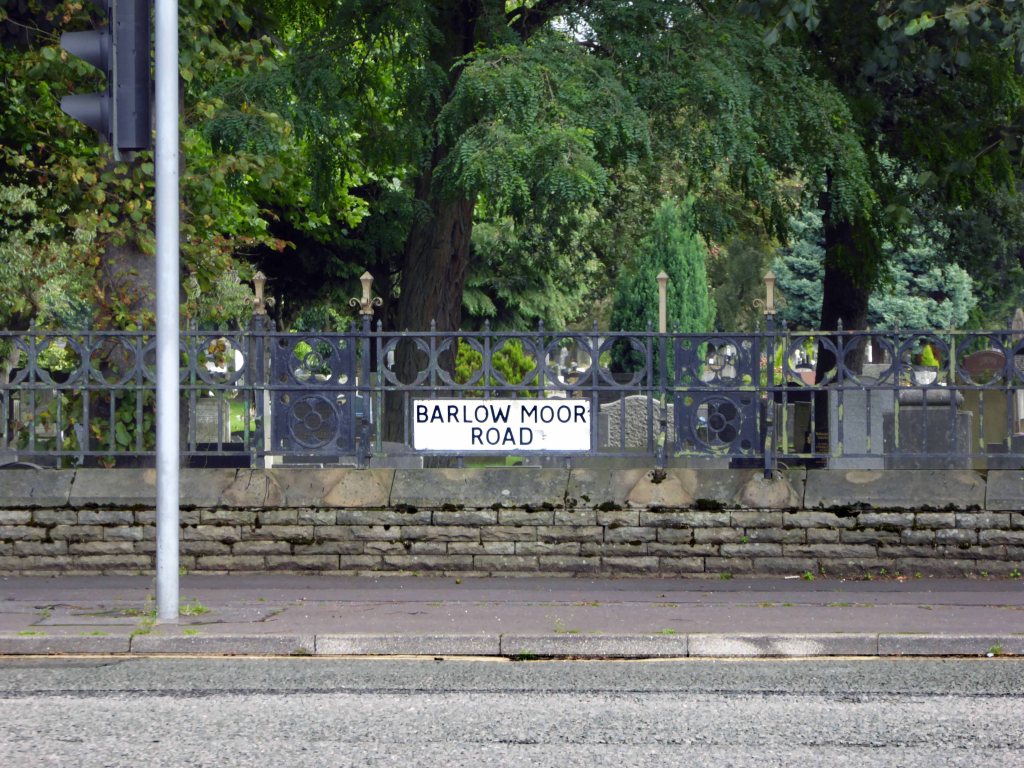
Barlow Moor Road
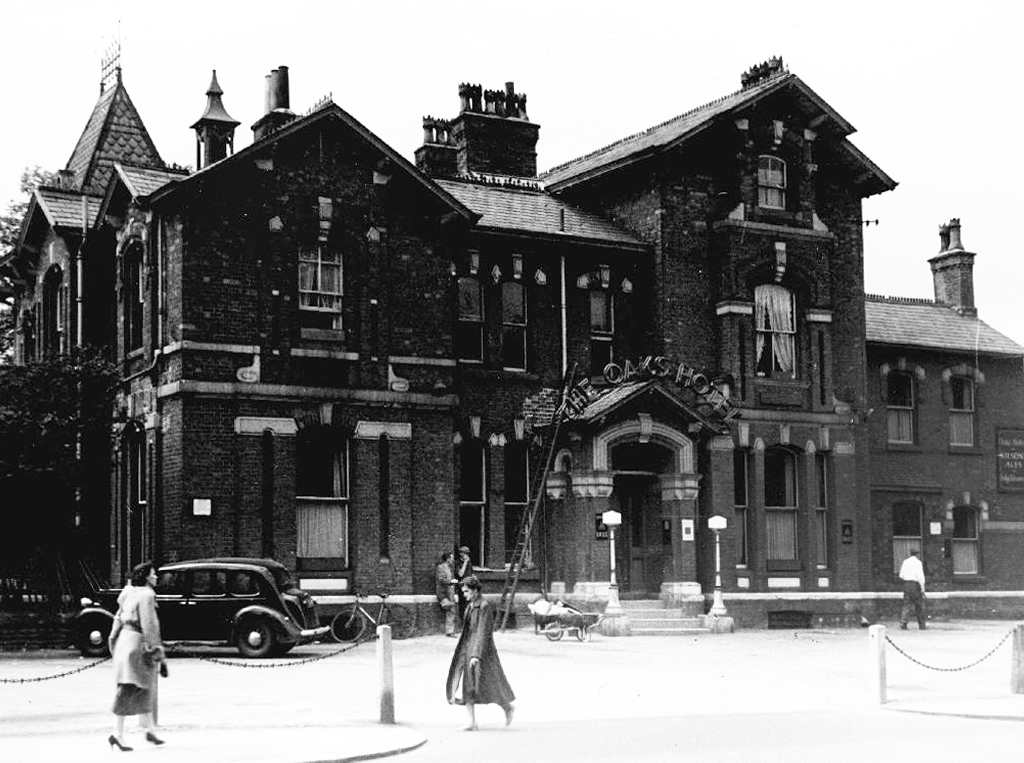
The Oaks demolished in the early 1990s following a brief life as the Sports Bar
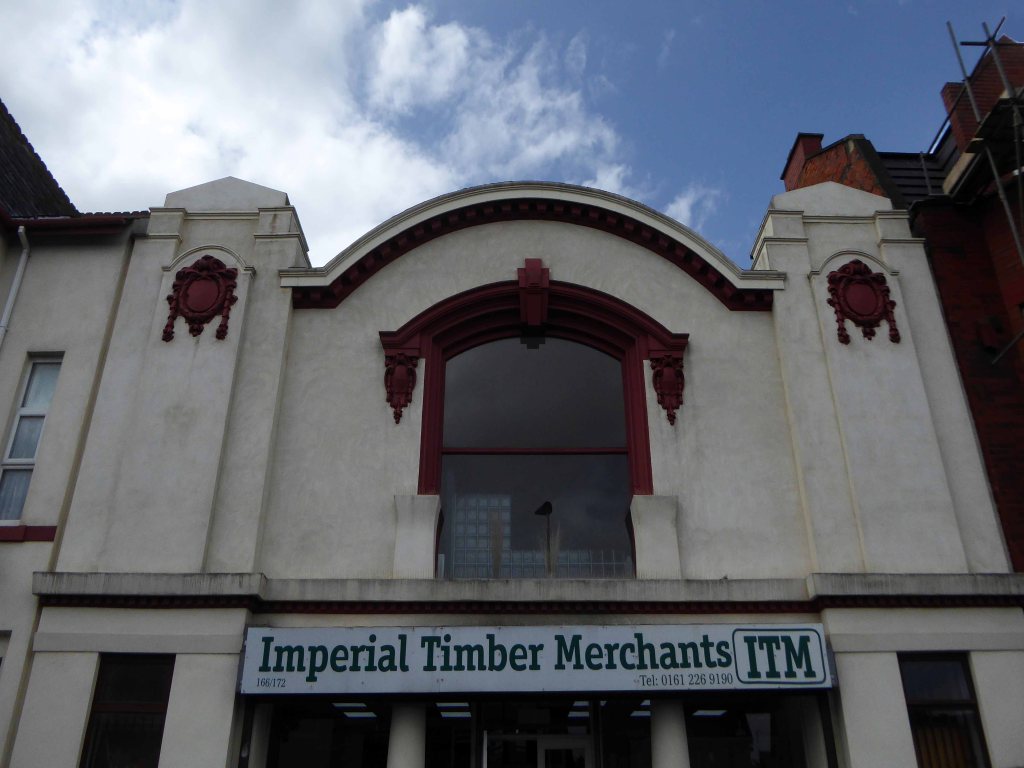
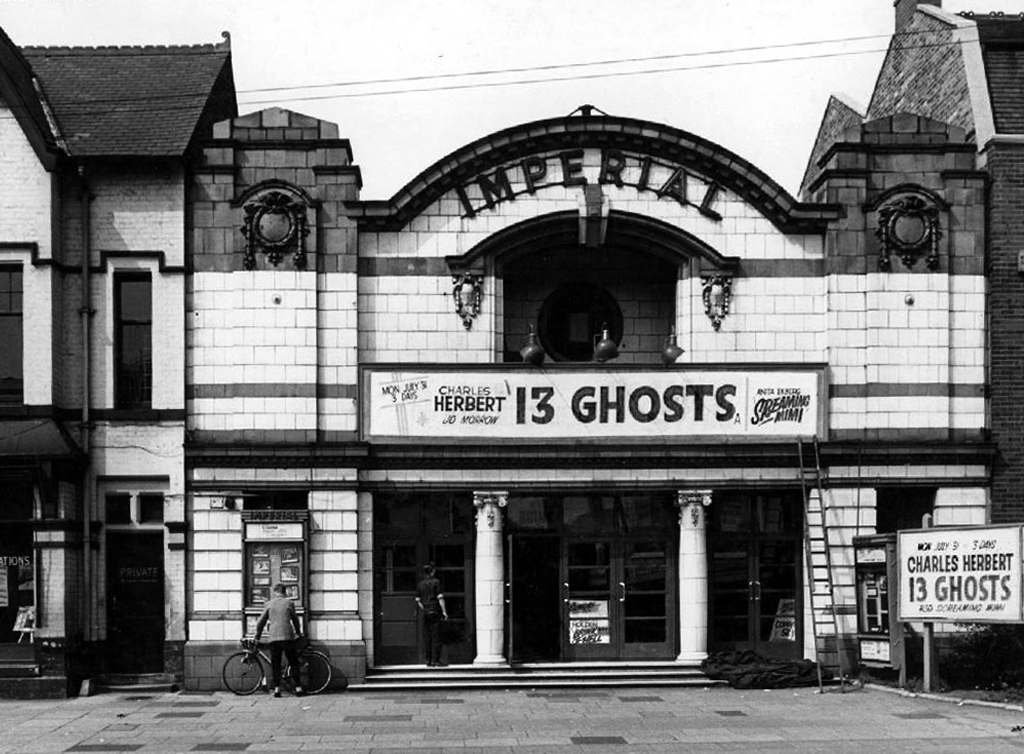
Imperial Picture Theatre – was opened in 1914. Seating was provided in stalls level only. It had a 5 feet deep stage and two dressing rooms. There was also a café in the cinema. Around 1929 it was equipped with a Western Electric sound system.
Architect W.H. Matley
The Imperial Picture Theatre was closed on 15th January 1976 with Charlotte Rampling in Caravan to Vaccares and Jean-Claude Brialy in A Murder Is a Murder Is a Murder.
I was last here in 2016 on a much brighter, blue skied day in March.
2020 mid-lockdown and overcast, I took a walk to take another look.
There is a perennial appeal to this well ordered island of tranquility, an archetypal suburbia incubated in 1906, a copy book estate.
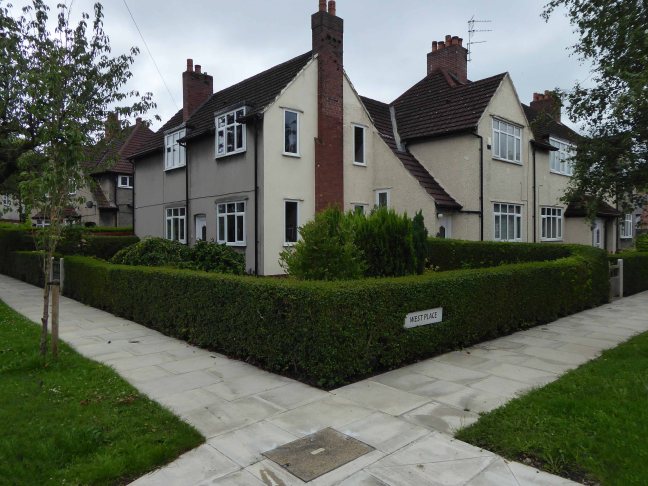
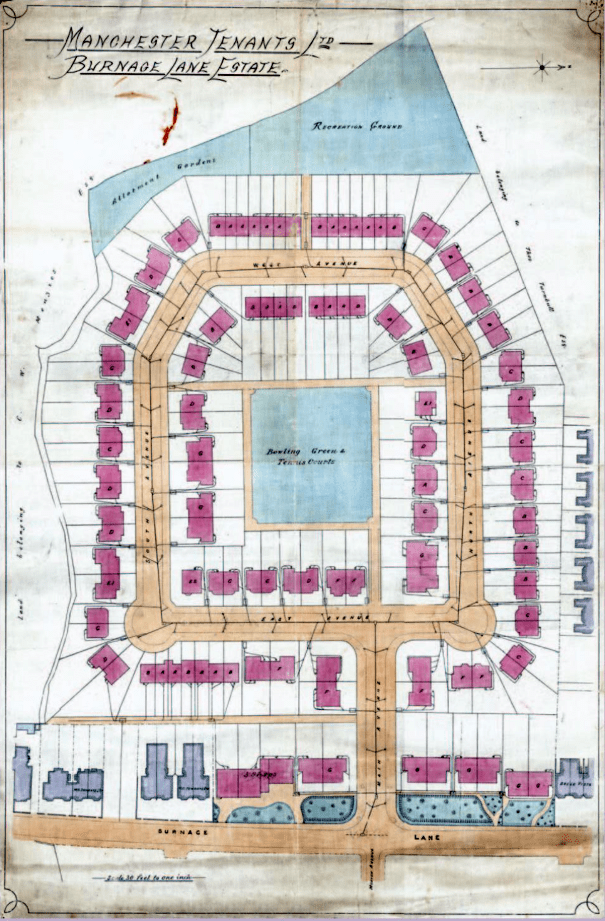
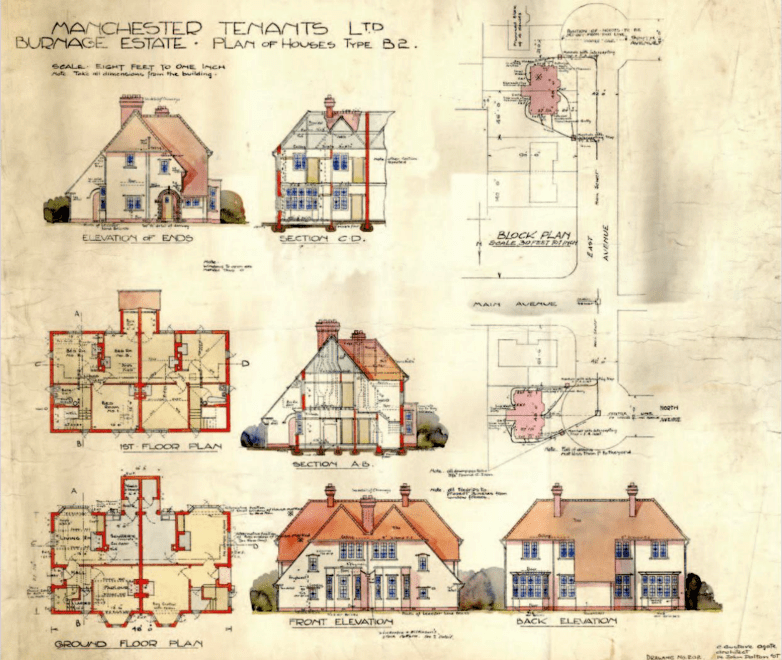
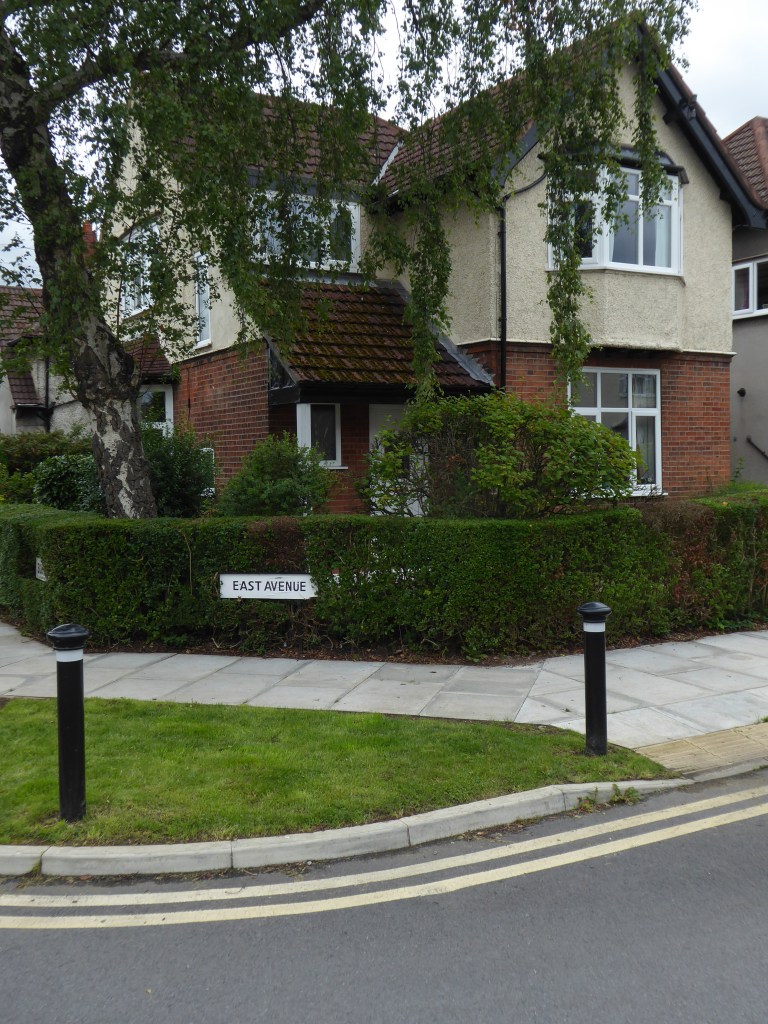
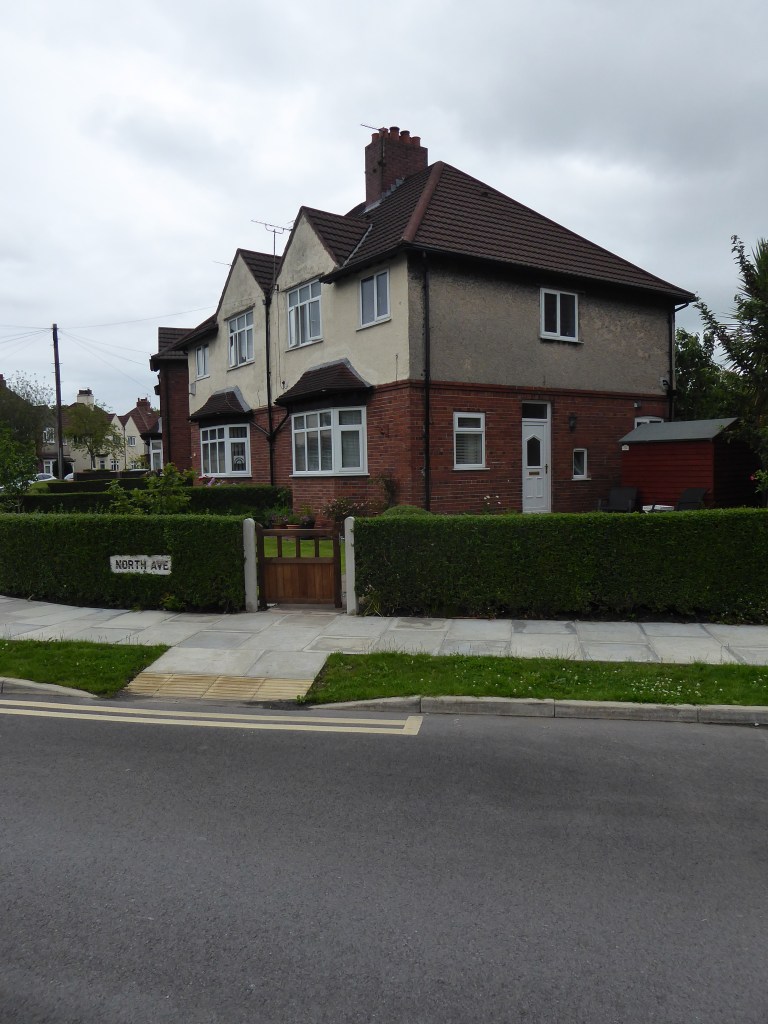
The housing estate of 136 houses known as Burnage Garden Village, a residential development covering an area of 19,113sqm off the western side of Burnage Lane in the Burnage ward. The site is situated approximately six kilometres south of the city centre and is arranged on a broadly hexagonal layout with two storey semi-detached and quasi detached dwelling houses situated on either side of a continuous-loop highway. The highway is named after each corresponding compass point with two spurs off at the east and west named Main Avenue and West Place respectively. Main Avenue represents the only access and egress point into the estate whilst West Place leads into a resident’s parking area.
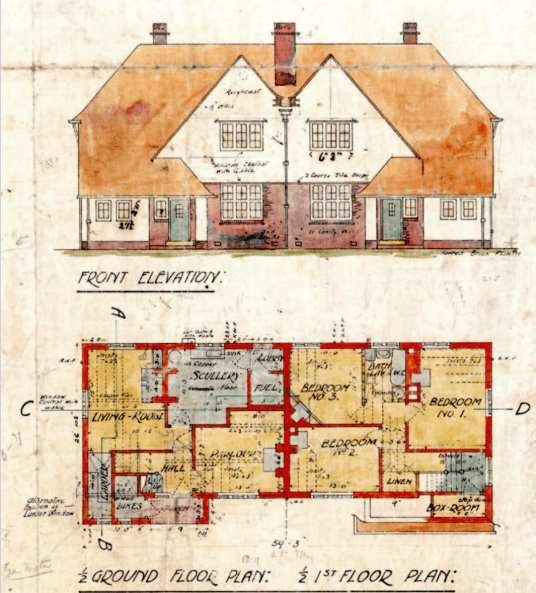
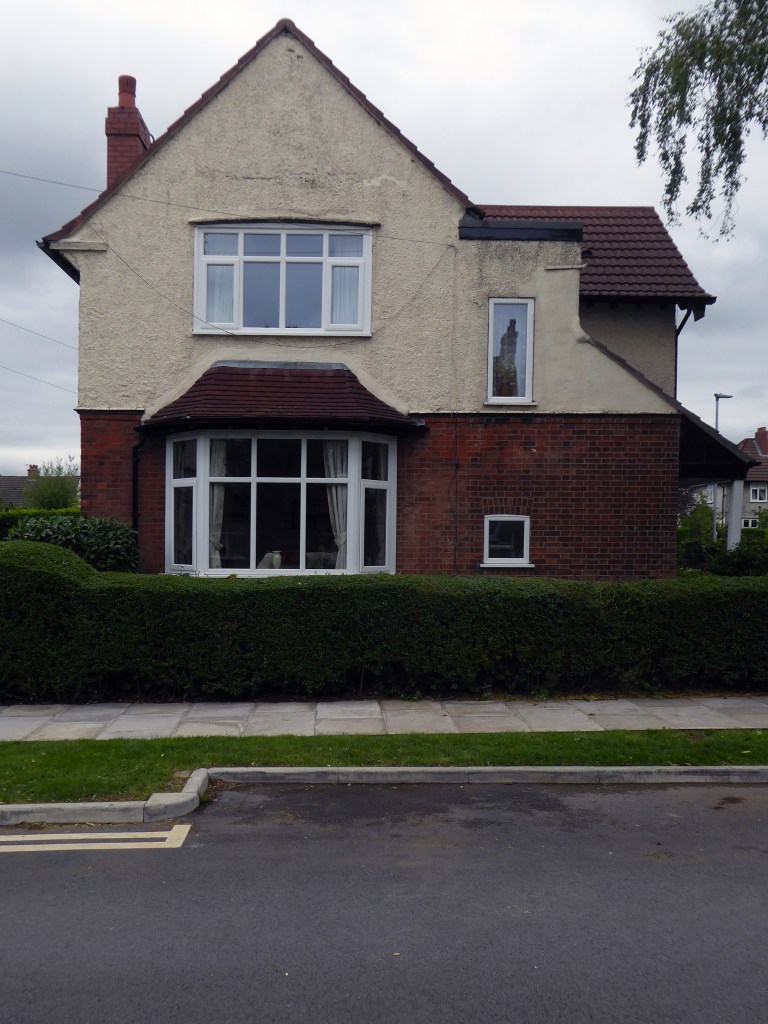
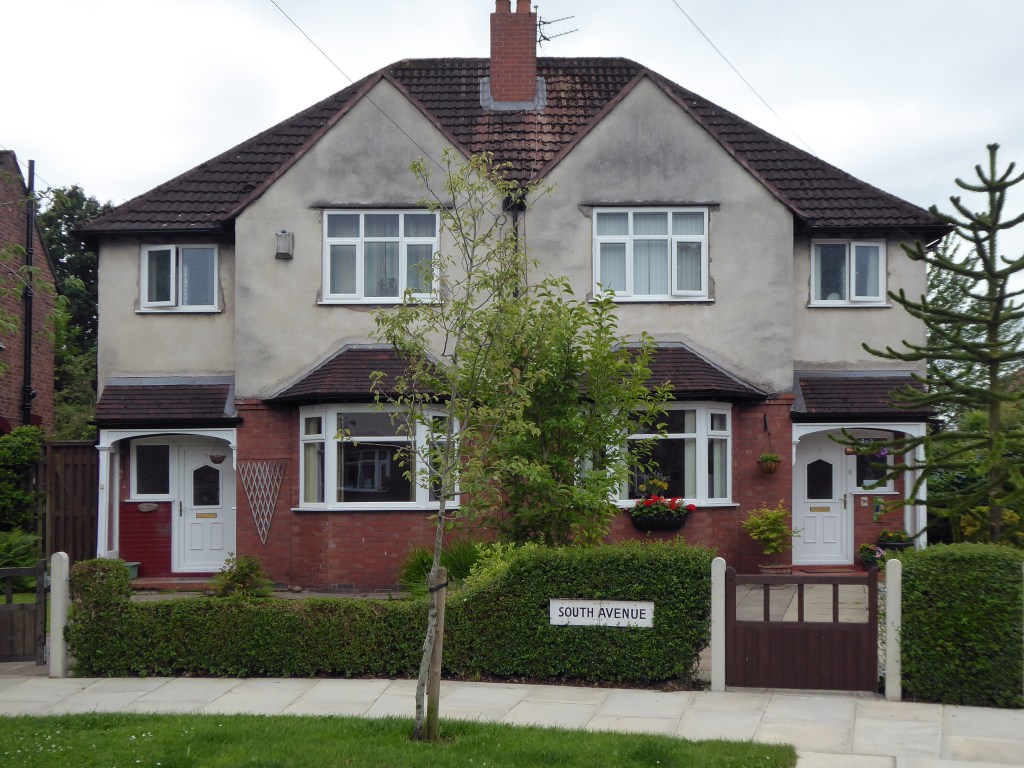
The layout was designed by J Horner Hargreaves. Houses are loosely designed to Arts and Crafts principles, chiefly on account of being low set and having catslide roofs.
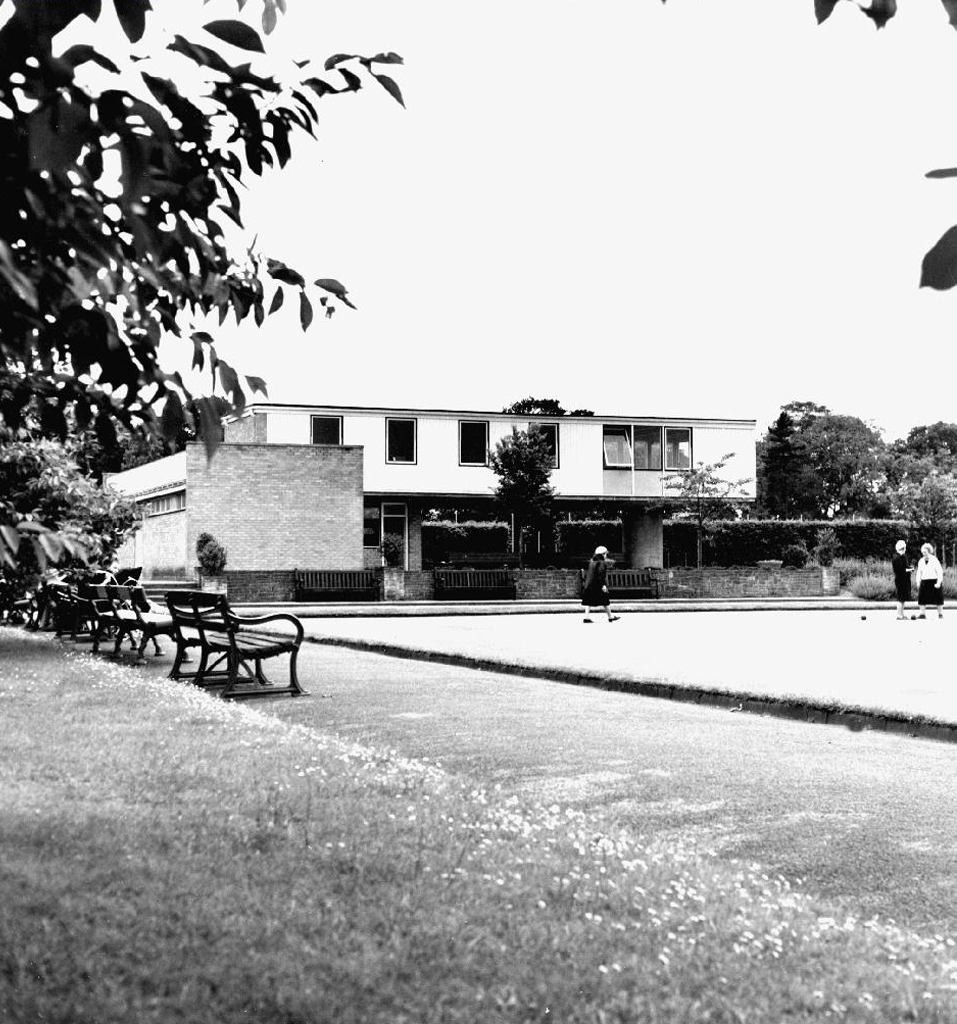
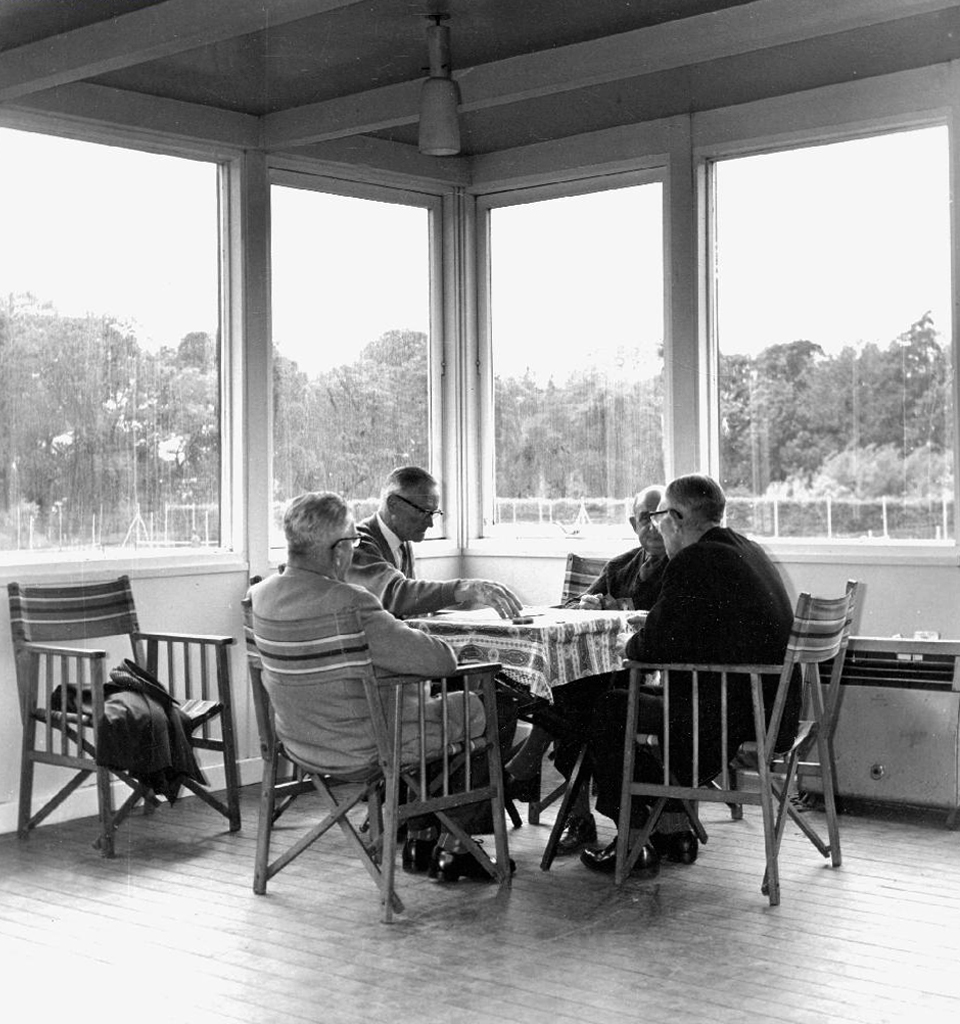
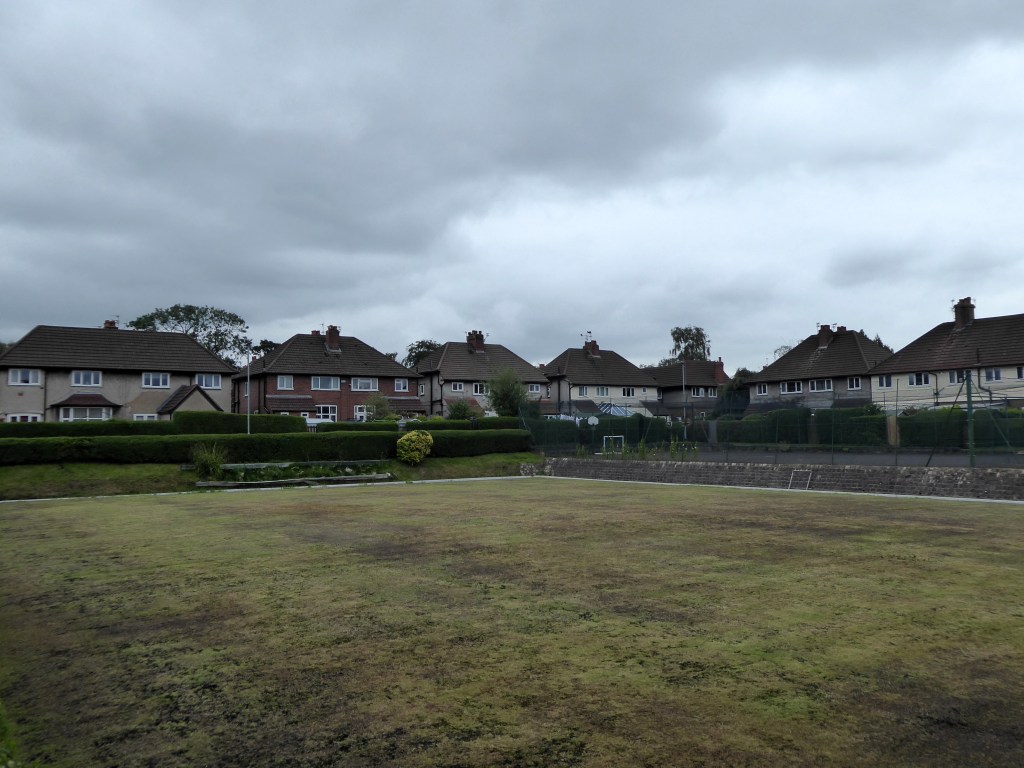
At the centre of the garden village and accessed by a network of pedestrian footpaths, is a resident’s recreational area comprising a bowling green, club house and tennis courts. The estate dates from approximately 1906 and was laid out in the manner of a garden suburb with characteristic hedging, front gardens, grass verges and trees on every street.
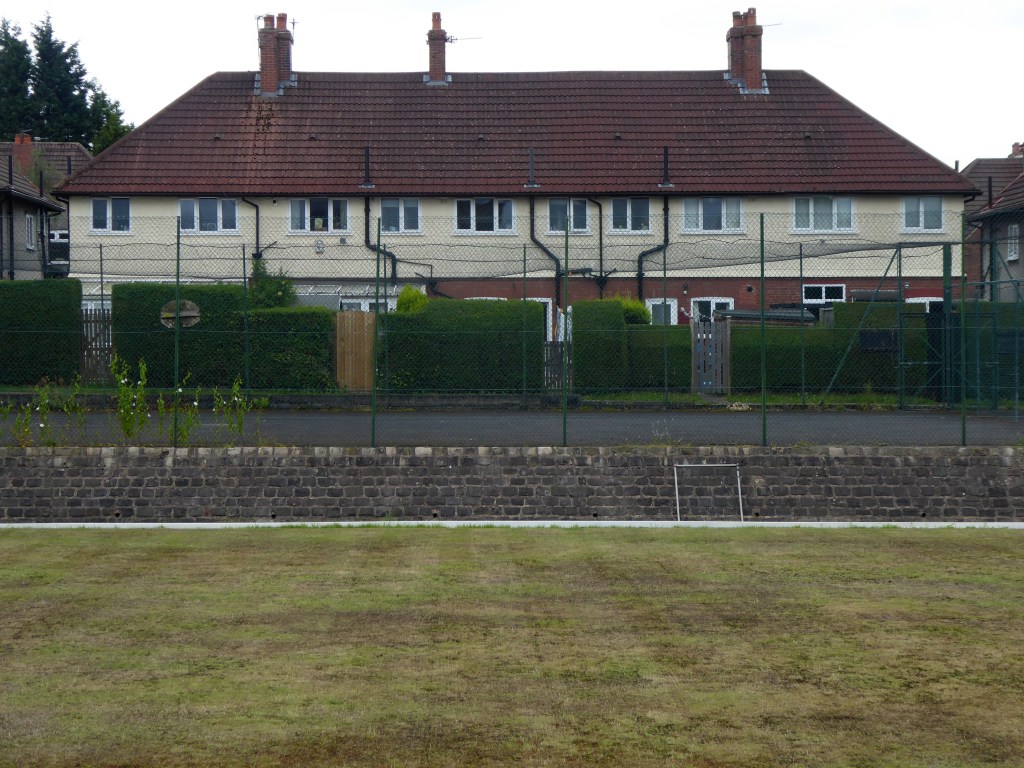
Verges and paving were freshly laid, hedges and gardens well tended, cars parked prettily.
The central communal area calm and restful, but lacking the clunk of lignum vitae wood on jack, hence the scorched earth appearance of the normally well used crown green.
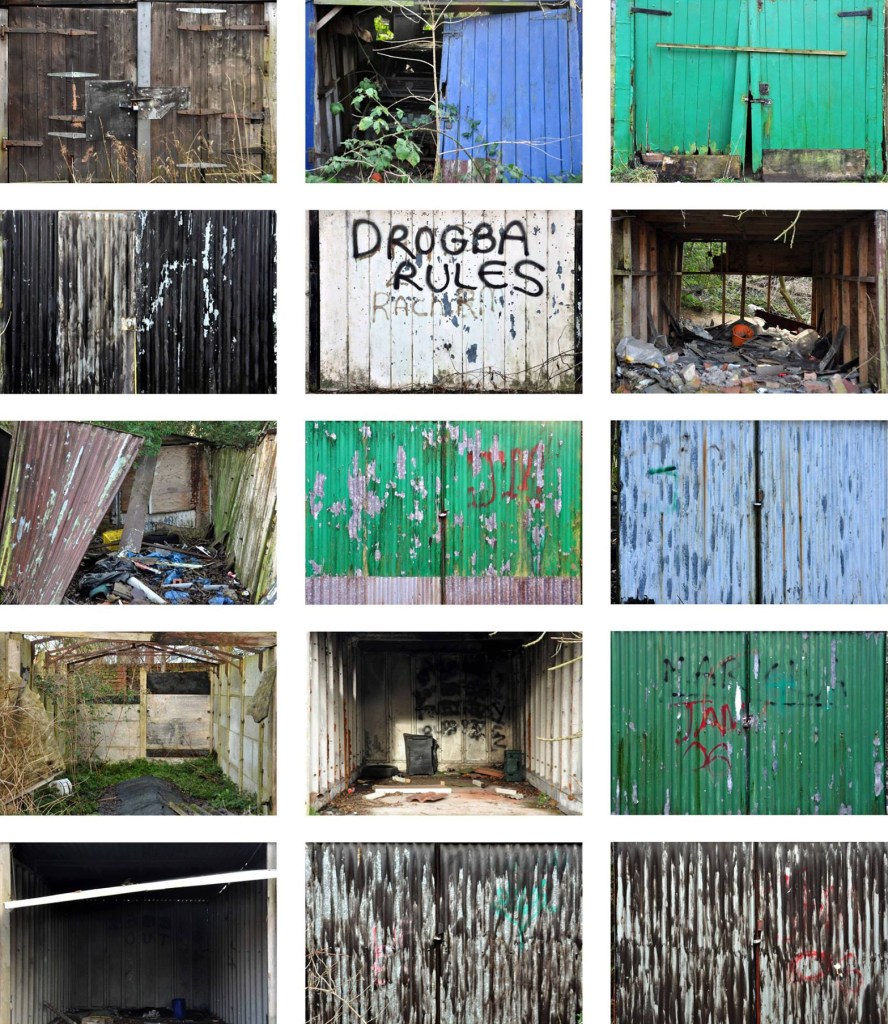
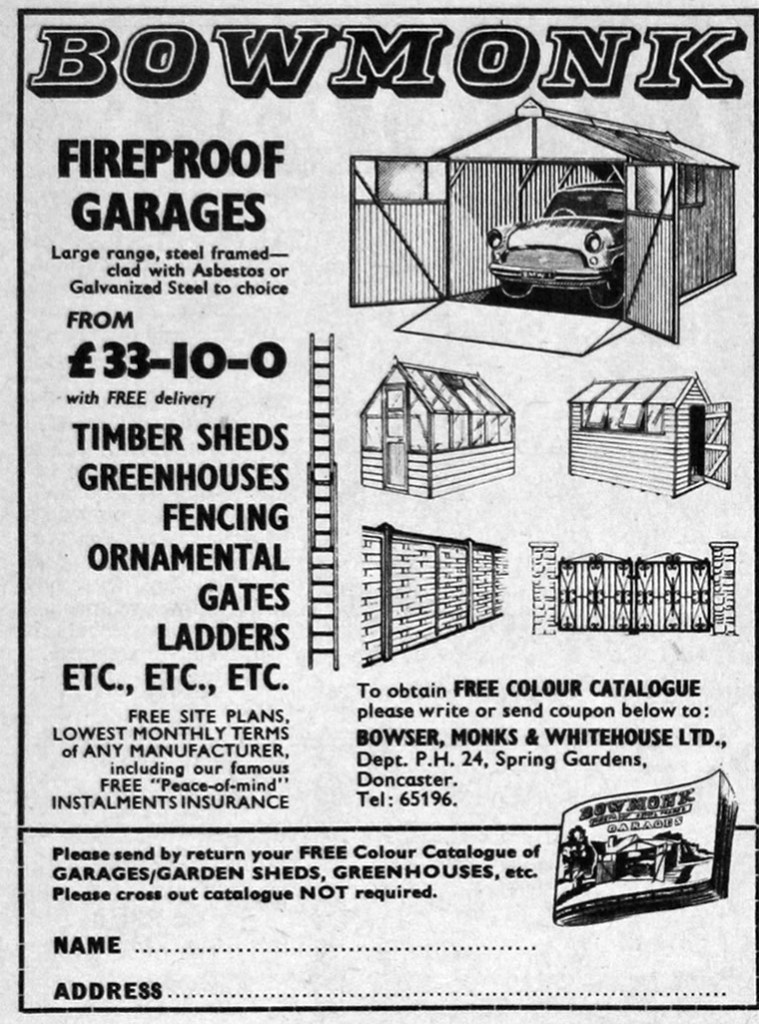
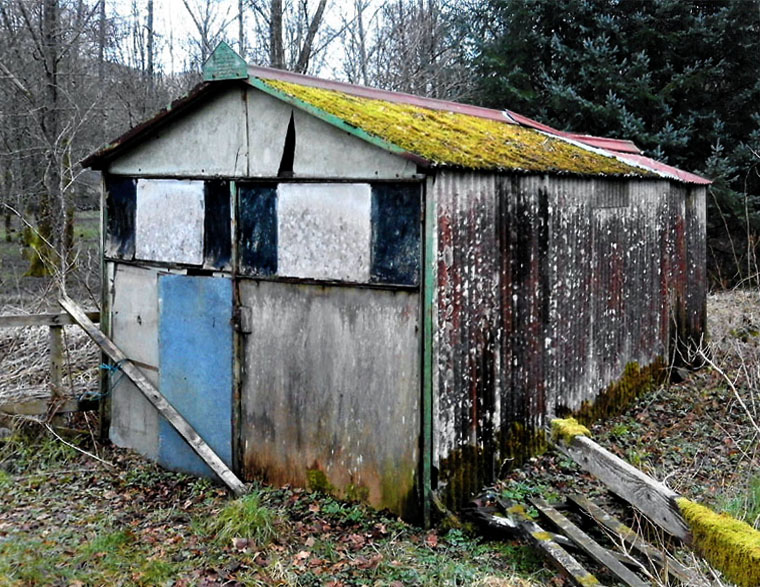
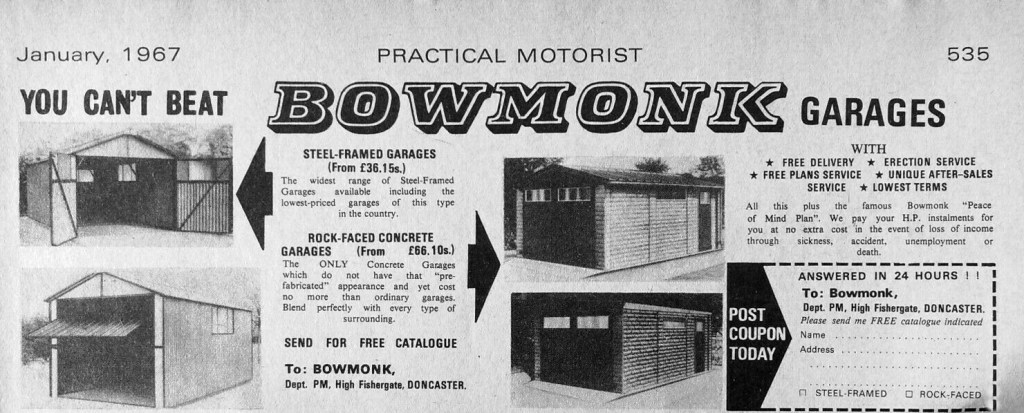
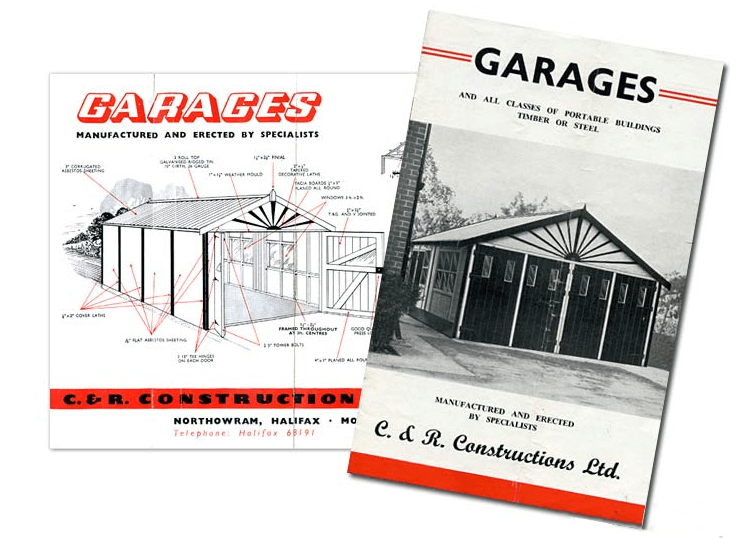
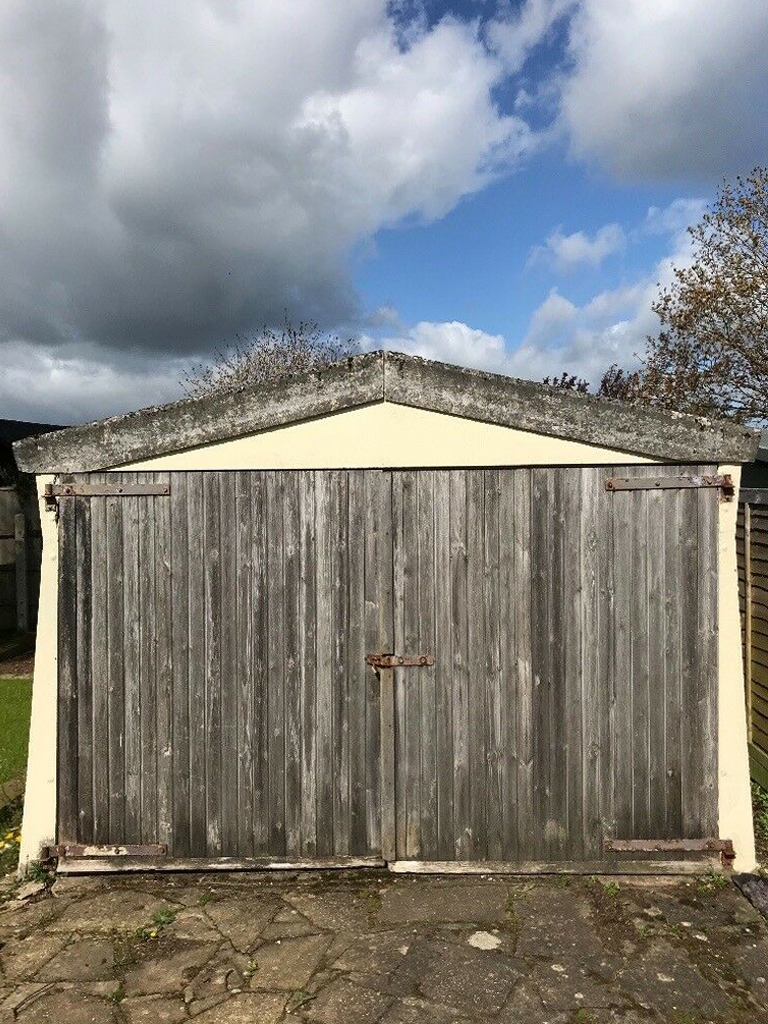
In casual conversation with Mr Matt Rettalick, at the Manchester Modernist HQ our attention casually turned to the topic of the prefabricated concrete garage.
I thought little more of it until yesterday, I then I resolved to get to the bottom of the matter.
Joseph Monier was a gardener and his idea was to develop permanent planters at a low price. In 1867, he patented different products made of reinforced concrete.
Precast panelled buildings were pioneered in Liverpool 1905. The process was invented by city engineer John Alexander Brodie, a creative genius who also invented the idea of the football goal net. The tram stables at Walton in Liverpool followed in 1906. The idea was not taken up extensively in Britain. However, it was adopted all over the world, particularly in Eastern Europe and Scandinavia.
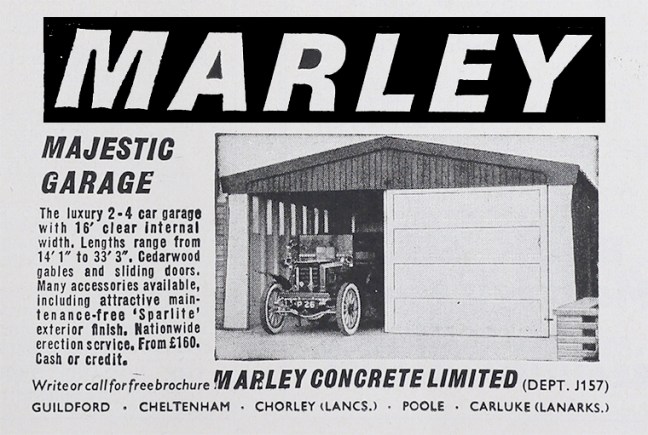
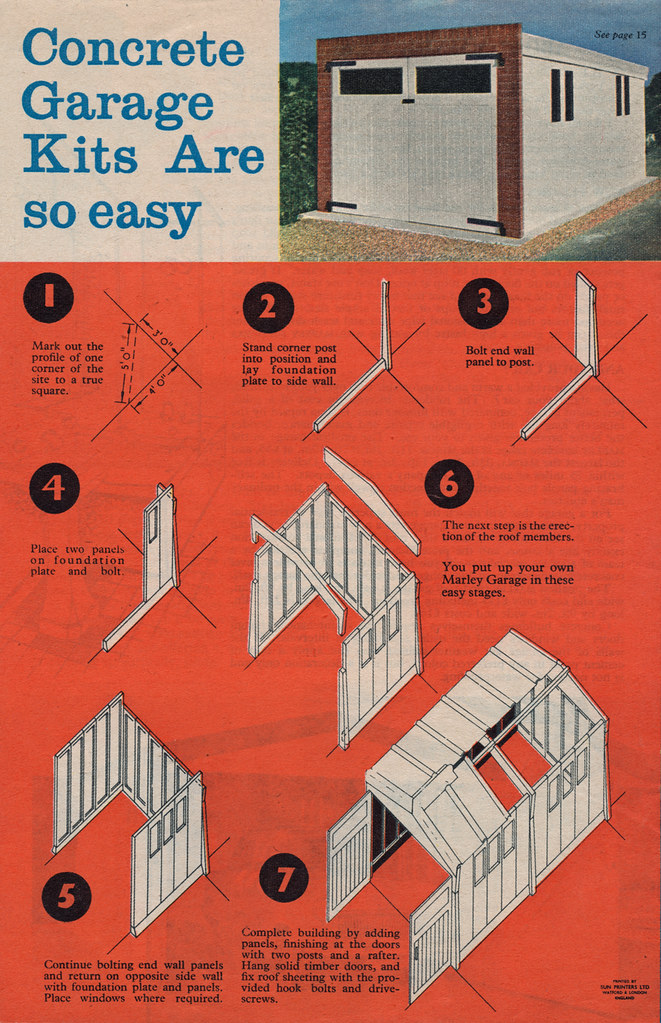
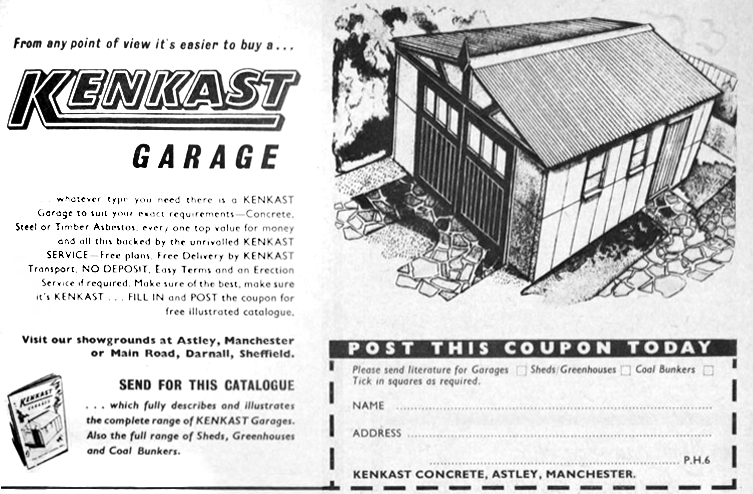
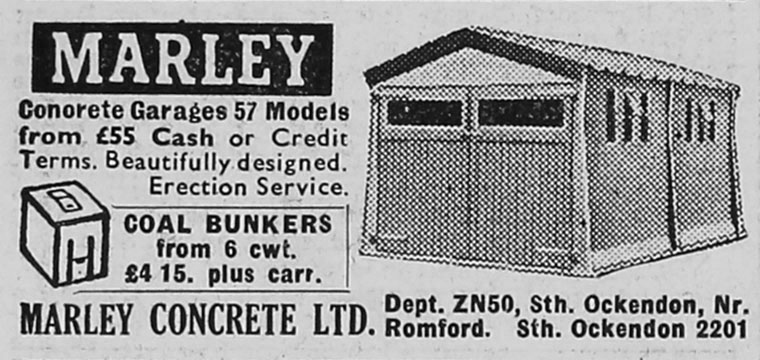
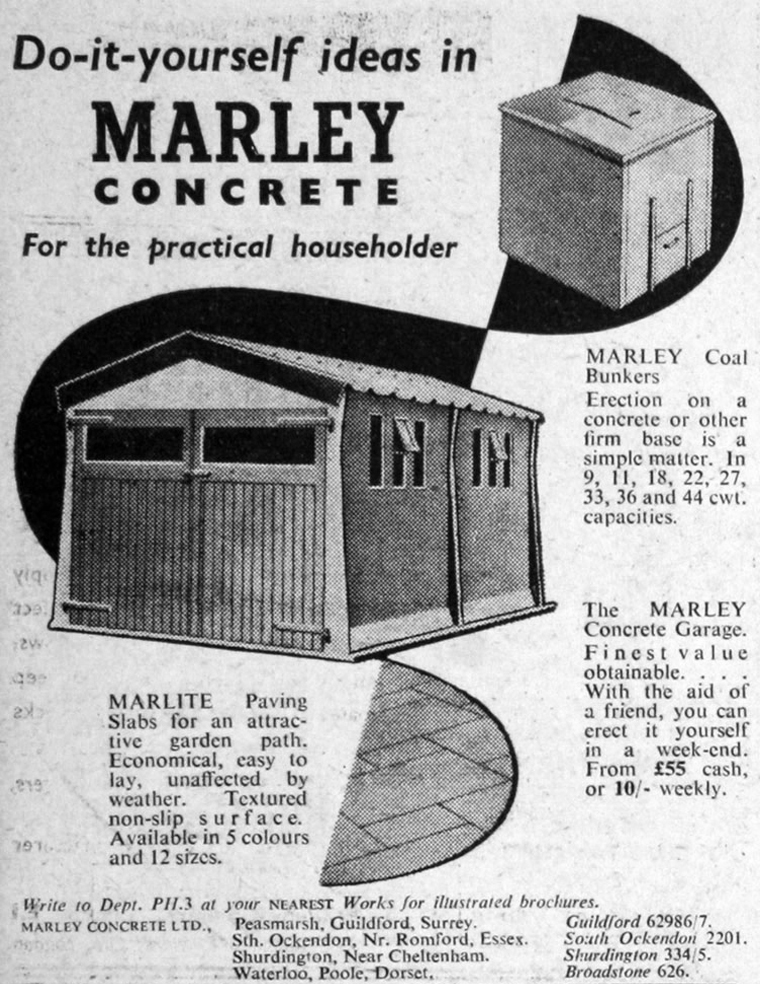
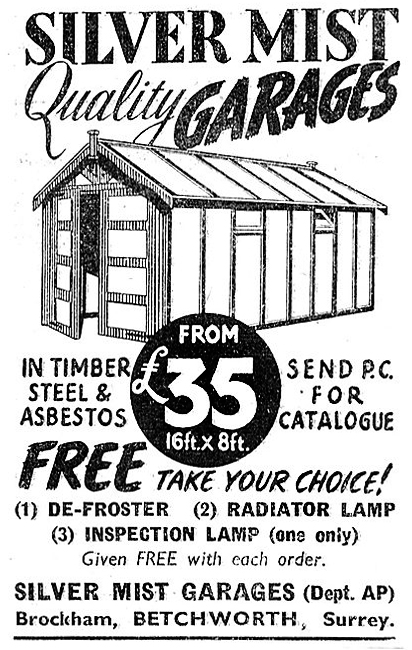
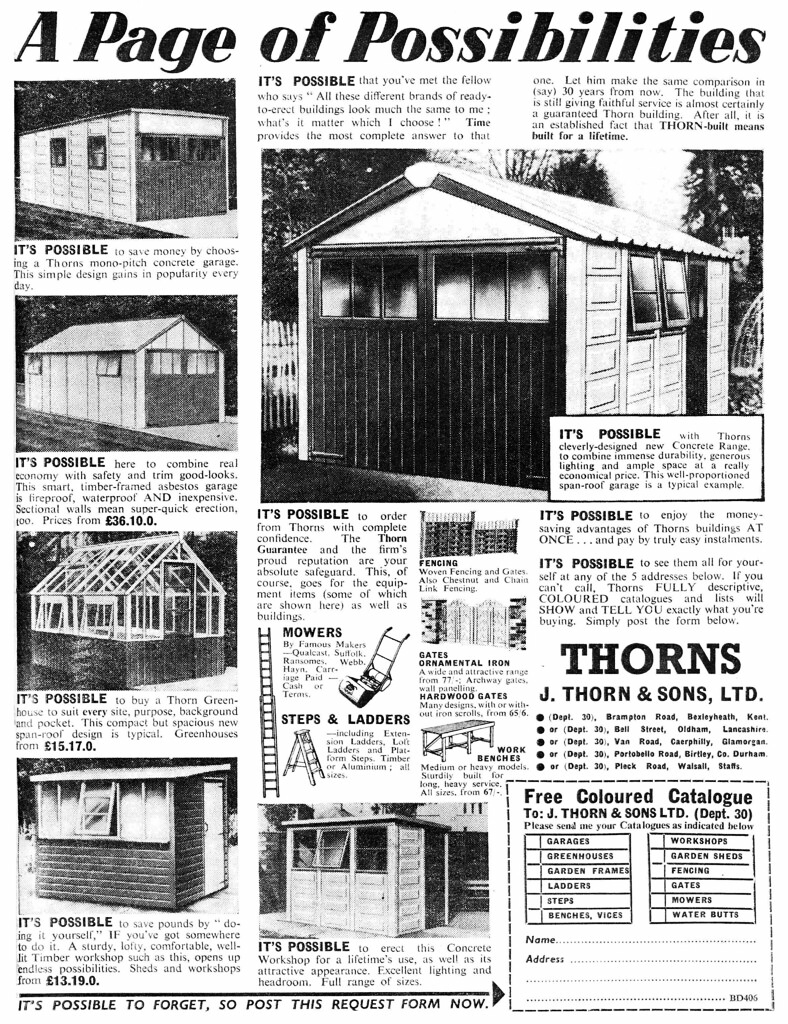
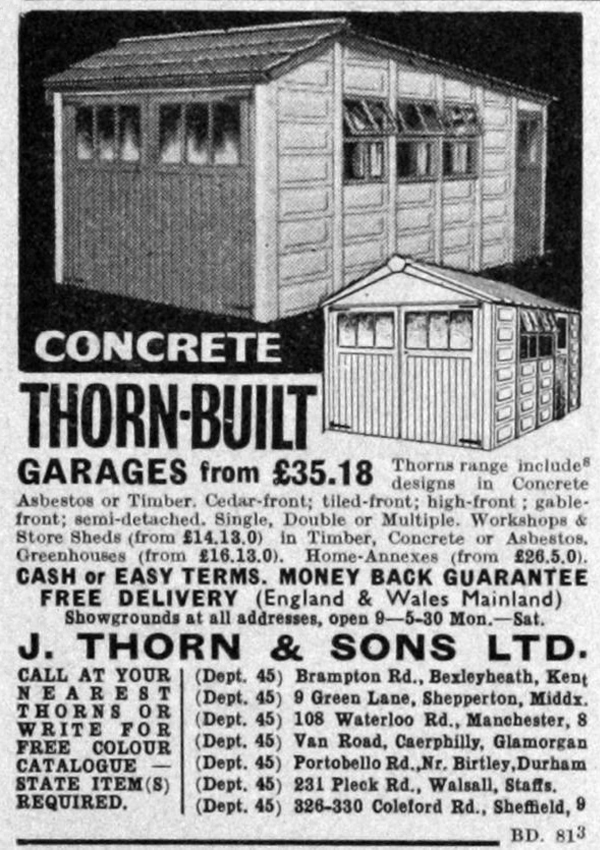
The first concrete kit garages appeared in 1952, manufactured by Marley, earlier models had been constructed from wood, asbestos, corrugated iron or galvanised steel.
The sunrise became a common symbol of inter war optimism.
The increase in car ownership, the growth in the DIY ethic and the lack of an integrated garage, drove the demand for a pre-cast concrete auto-haven at the end of the drive.
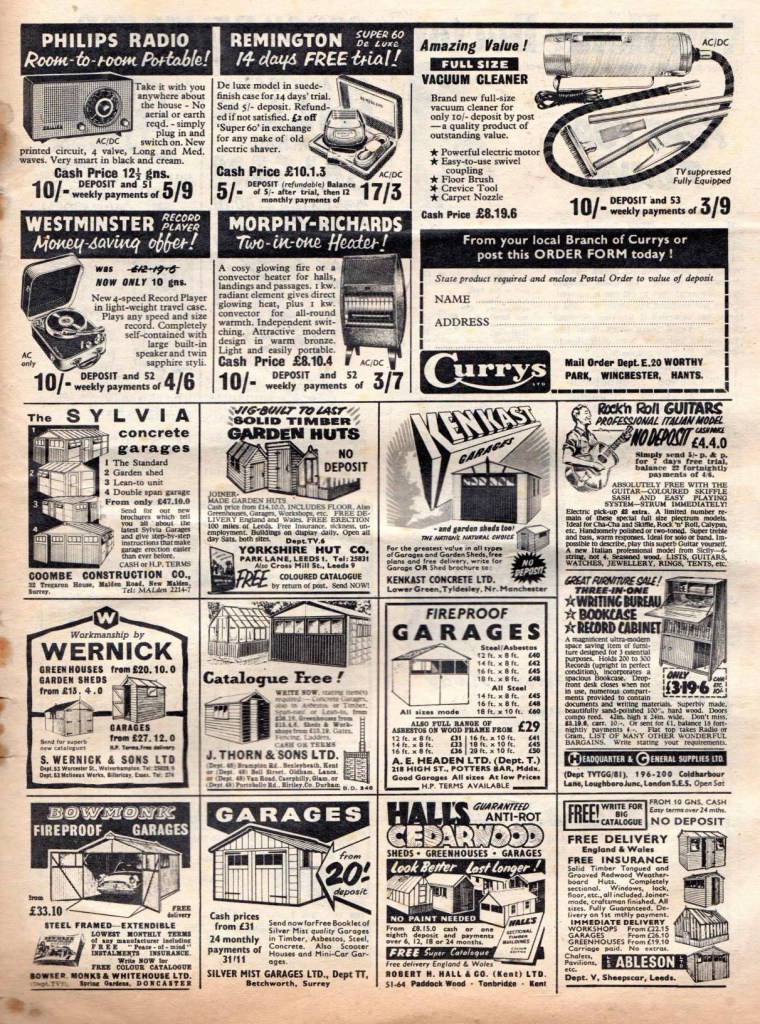
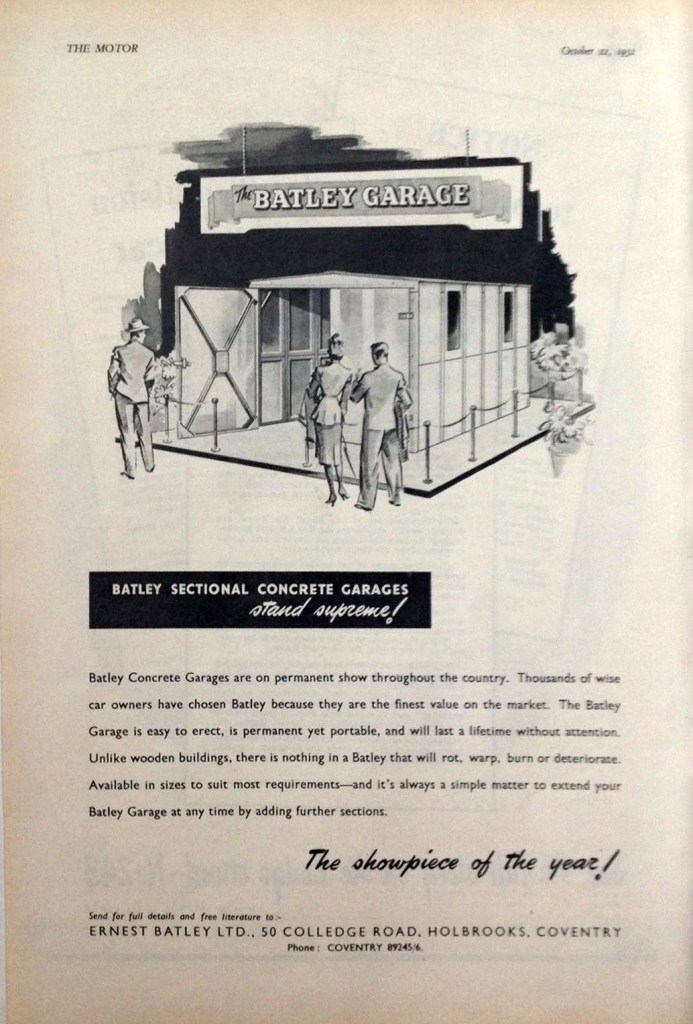
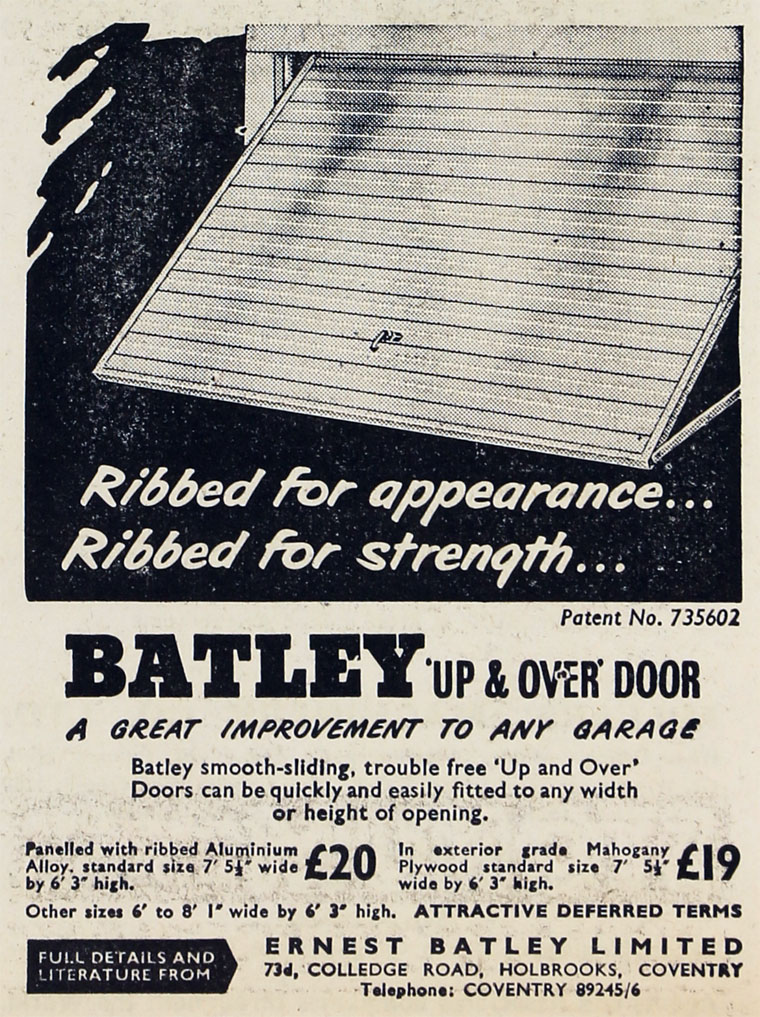
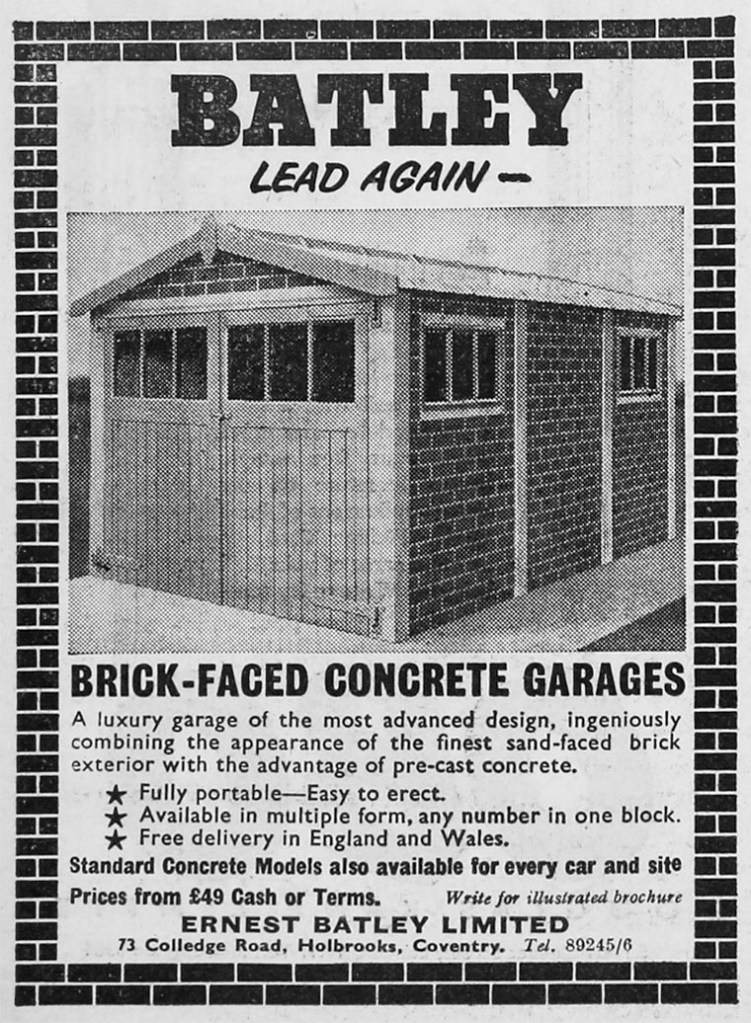
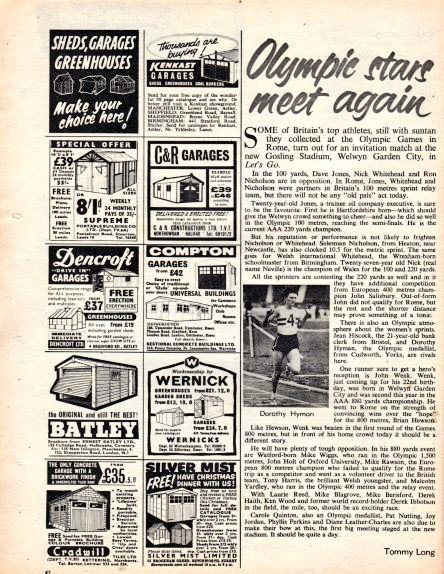
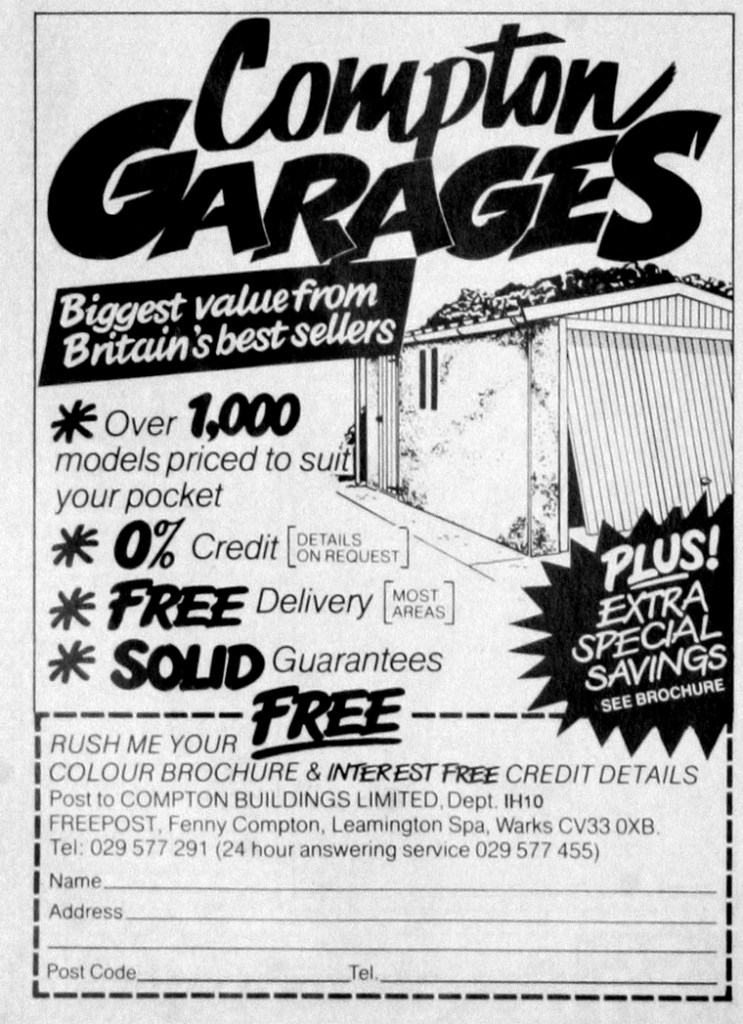
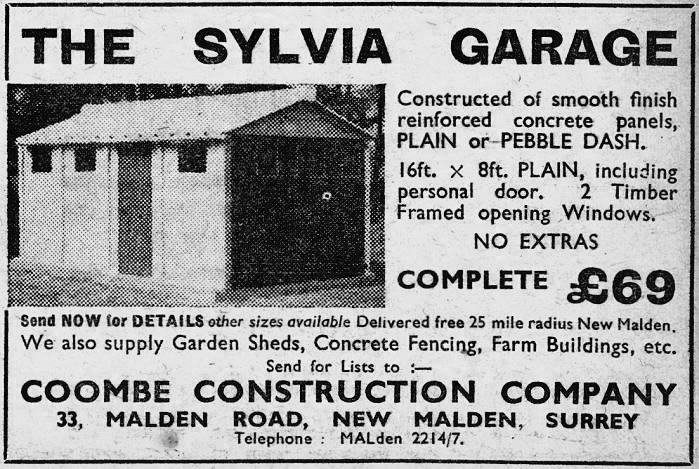
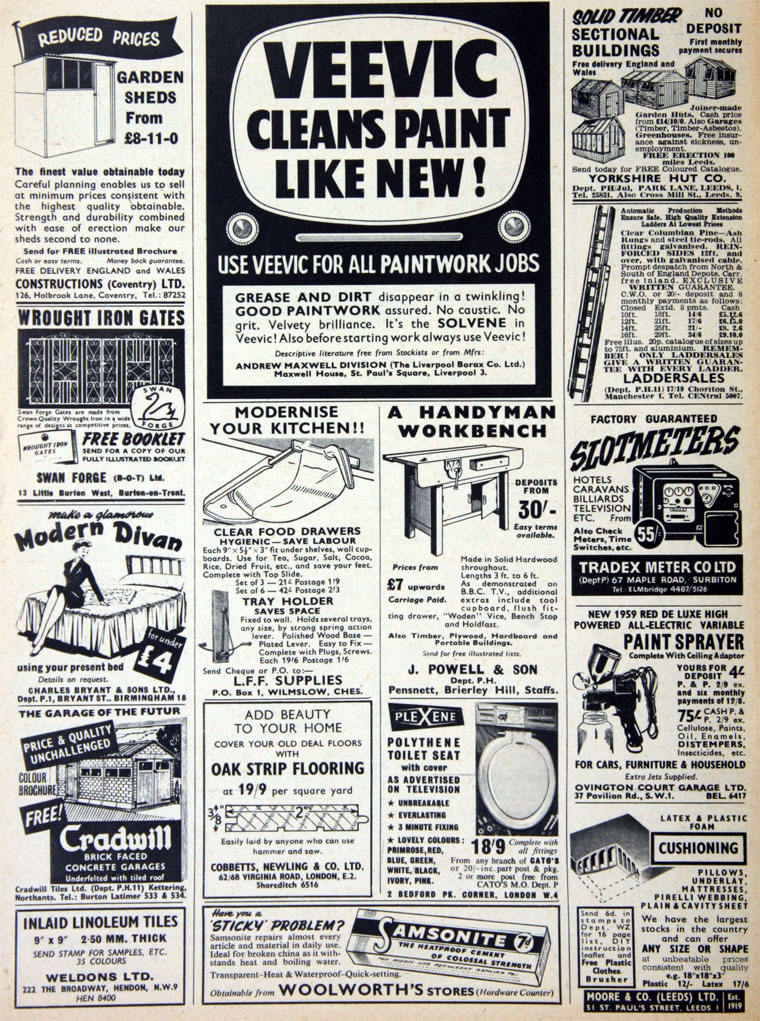
They became a staple of the small ads.
Easy terms built to last.
Kenkast is the name which for me resonates down through the years, though there were it seems, several other manufacturers.
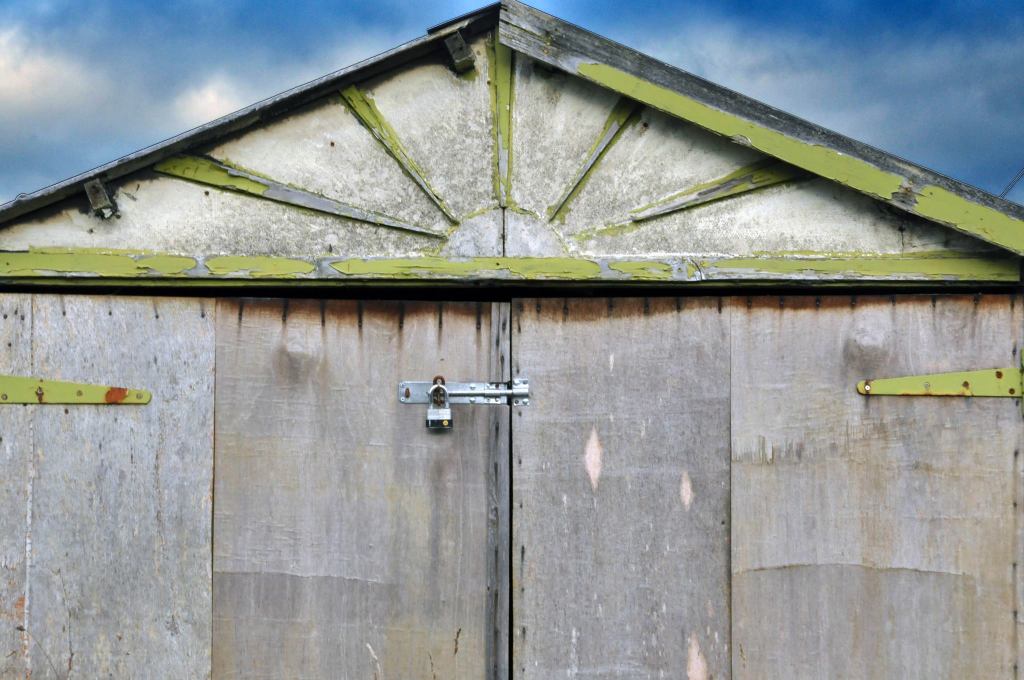
We now live in an age of endless non-stop domestic extension, all of the above are reminders of an age when extra external domestic space was added over a weekend, with help from a friend.
When World War II broke out, Hastings and St Leonards-on-Sea were considered vulnerable to attacks and invasion from abroad. On the night of Saturday 29 July 1944 a doodlebug was hit over the English Channel. Damaged, it nevertheless continued to fly towards the coastline of St Leonards-on-Sea. It was approaching Marine Court which was hosting a servicemen’s party – but it veered and crashed in front of the doors of St Leonard’s Church, making a deep crater. The tower fell into this, and the rest of the church was brought down as well. Although there were no casualties, the church was completely destroyed. Although the problem of rock falls and subsidence associated with the cliffs had continued throughout the life of the church, the War Damage Commission would only pay for it to be rebuilt on the same site. The architectural partnership of brothers Giles and Adrian Gilbert Scott were commissioned to design the new building.
Patrick Reyntiens stained glass
The unique features were inspired by Canon Cuthbert Griffiths, rector from 1929 to 1961. Following a dream, he went to Israel and had the prow of a Galilean fishing boat constructed to form the pulpit.
Marble work on the floor depicts locally caught skate and herring.
Beyond the communion rail are loaves and fishes set in different marble patterns bordered by scallop shells, a copy of the Byzantine mosaic in the Church of the Feeding of the Five Thousand in Galilee.
The structure set into shifting cliffs is subject to subsidence.
Procedures have been completed for St Leonard’s Parish Church on Marina to be closed for worship.
The service will be next Saturday August 4 2018 at 3pm.
Because the building cannot be used the service will be at St Ethelburga’s in St Saviour’s Road.
St Leonard’s has been called the church with an inbuilt message. Even the very stones cry out to those who have eyes to see, ears to hear and a heart to understand and accept the Good News of the Gospel.
I’ve cycled by here for some fifty years or more – always admiring its serrated roof.
Way back when we would roam around on our bikes, exploring the waste ground adjacent to Jackson’s Brickworks.
Where we would scavenge tape from the Rotunda tip.
I remember it as a Remploy Centre.
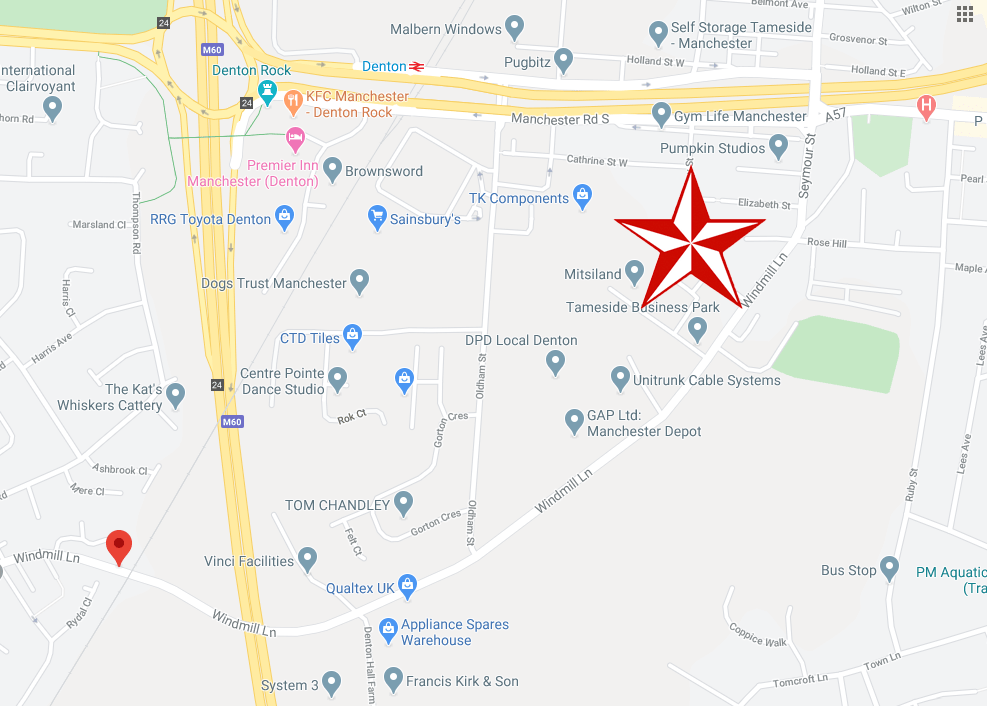
My last 13 years prior to retirement last May were spent at the centre, on Windmill Lane, Denton. Just before I left, a lot of demolition work was done, prior to redevelopment of much of the site.
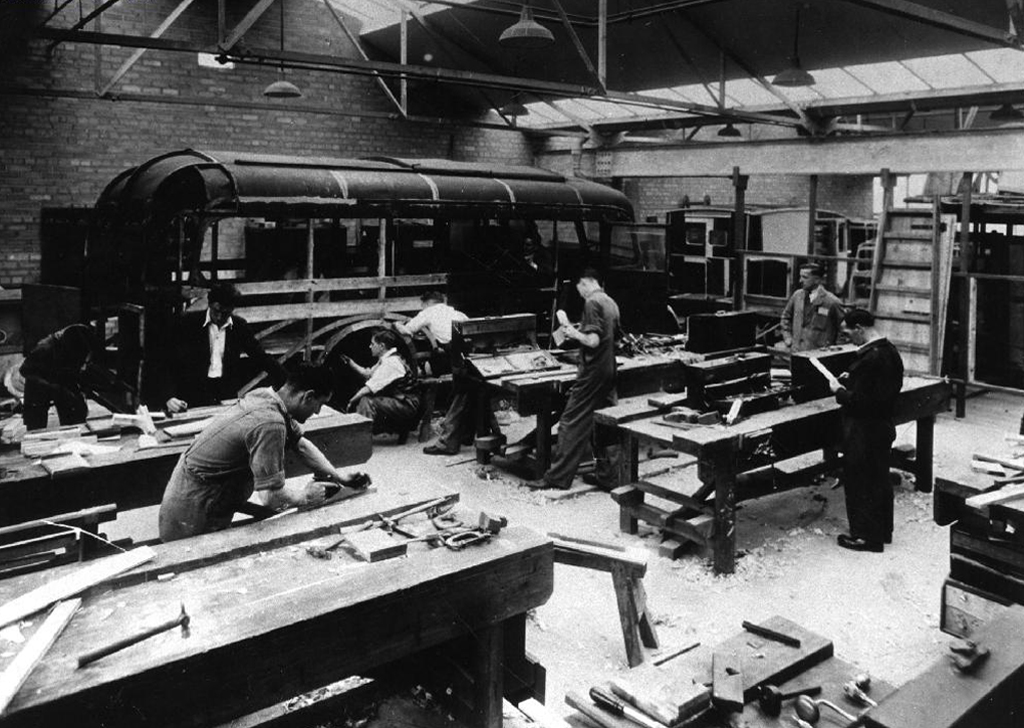
I seem to remember the place always being referred to locally as Th’ Rehab – the Rehabilitation Centre, a Government training centre, where skills were taught, such as joinery, bricklaying etc, and there was also a Remploy Unit housed there.
Local men could go for a free haircut, administered by a well supervised trainee.
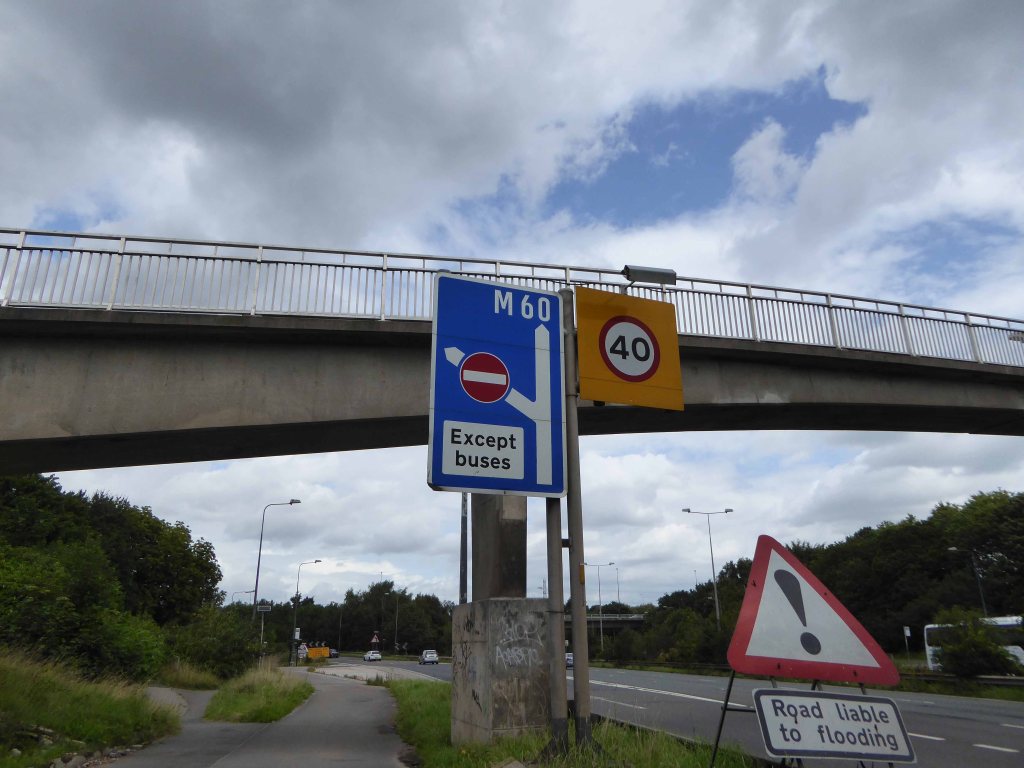
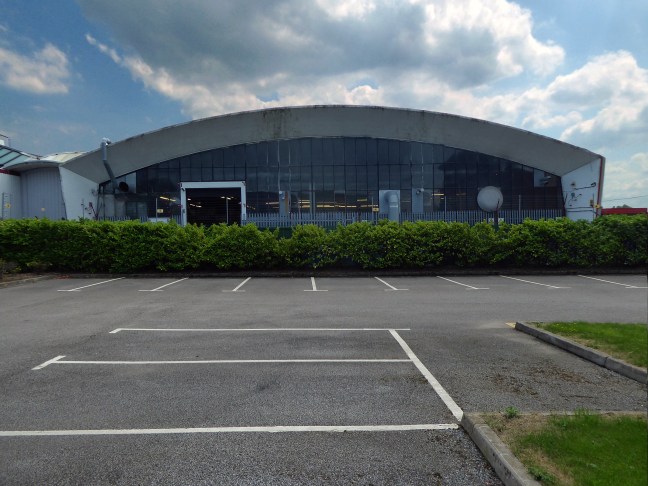
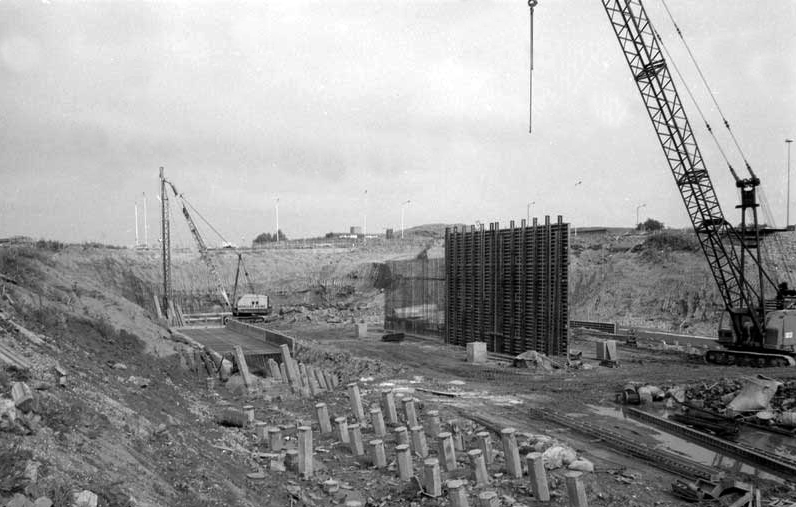
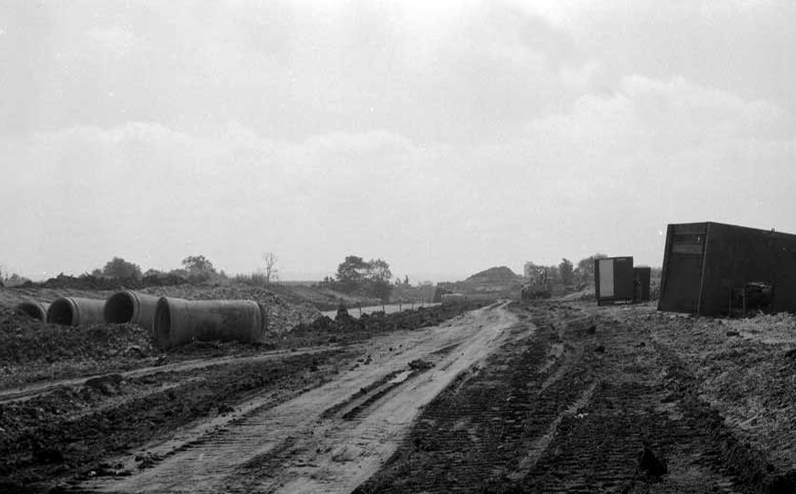
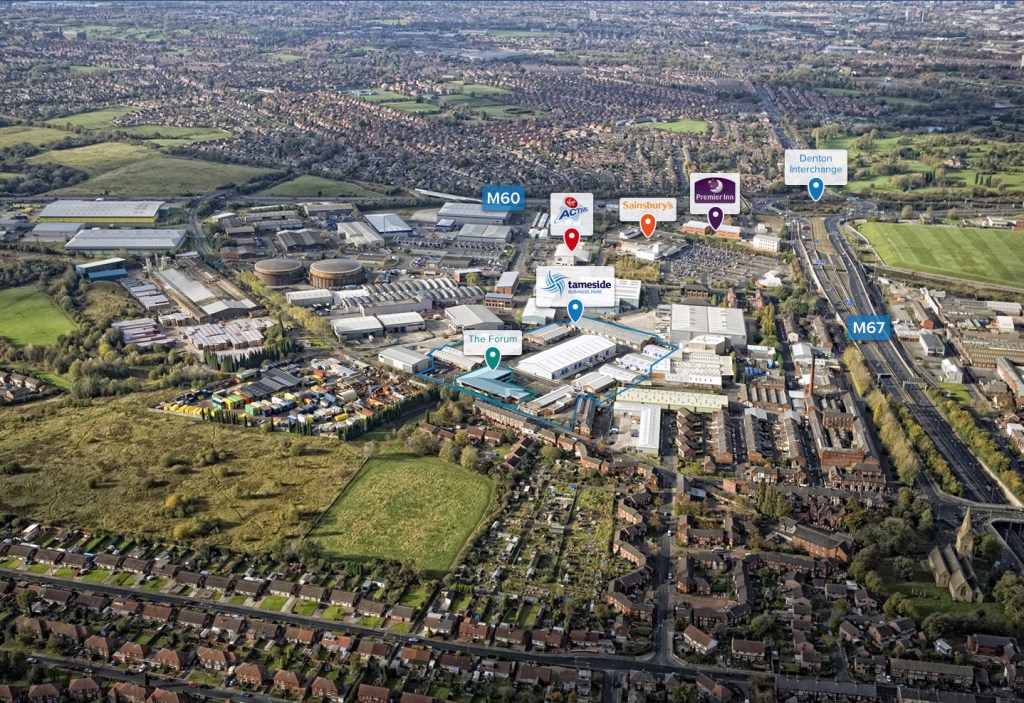
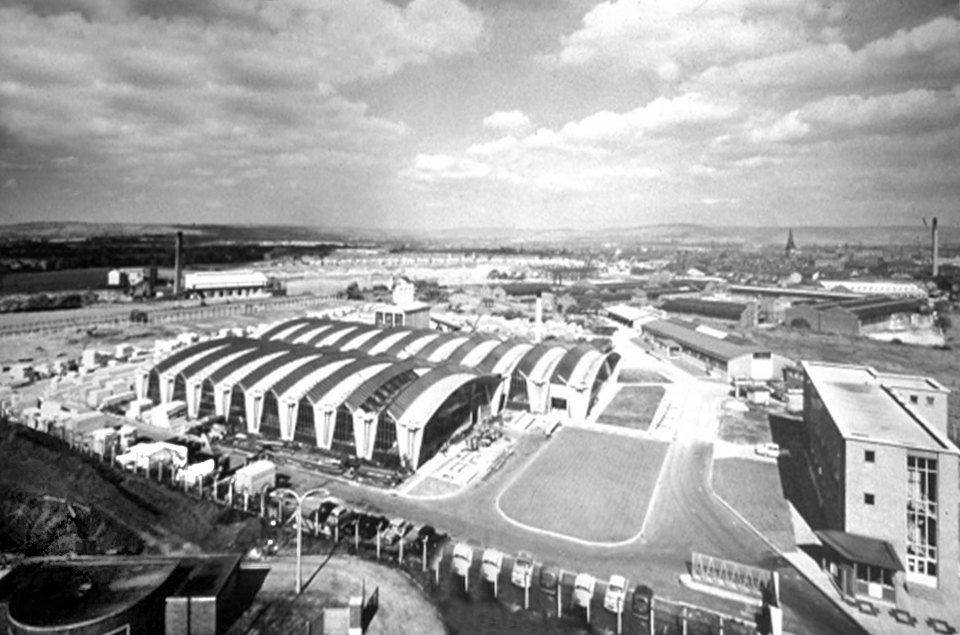
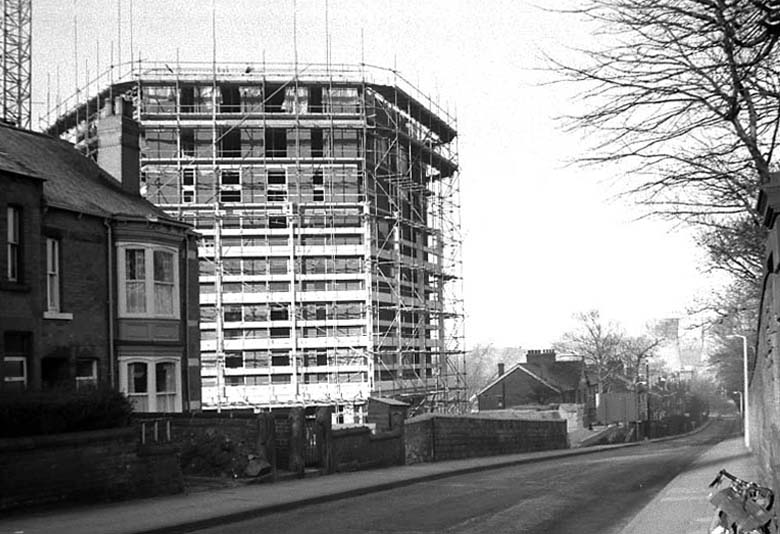
Proximity to the M60, seen here under construction is paramount to its future success.
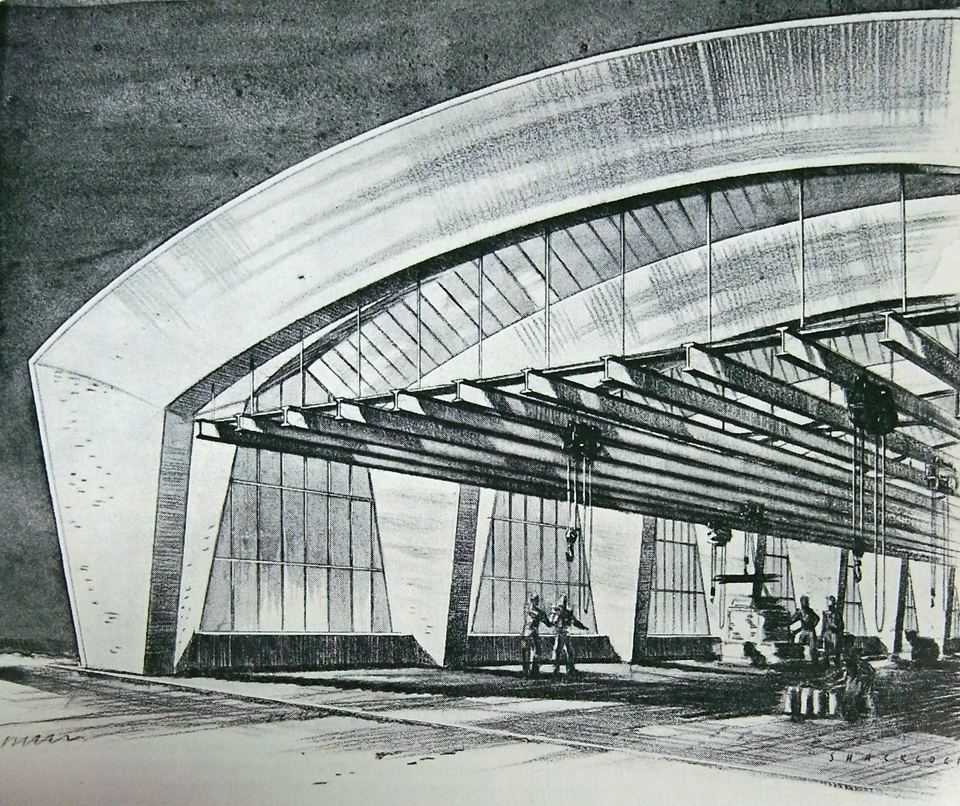
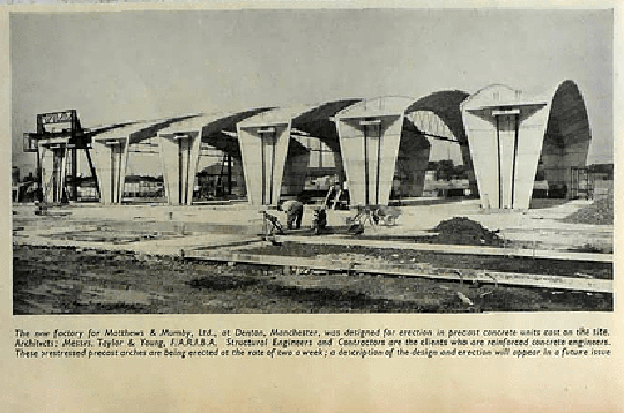
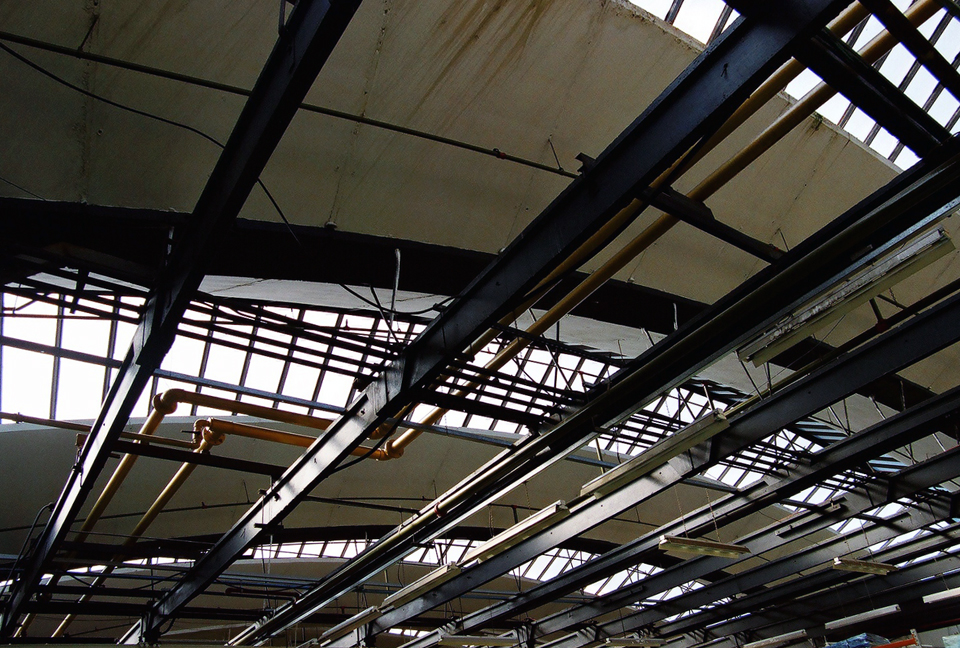
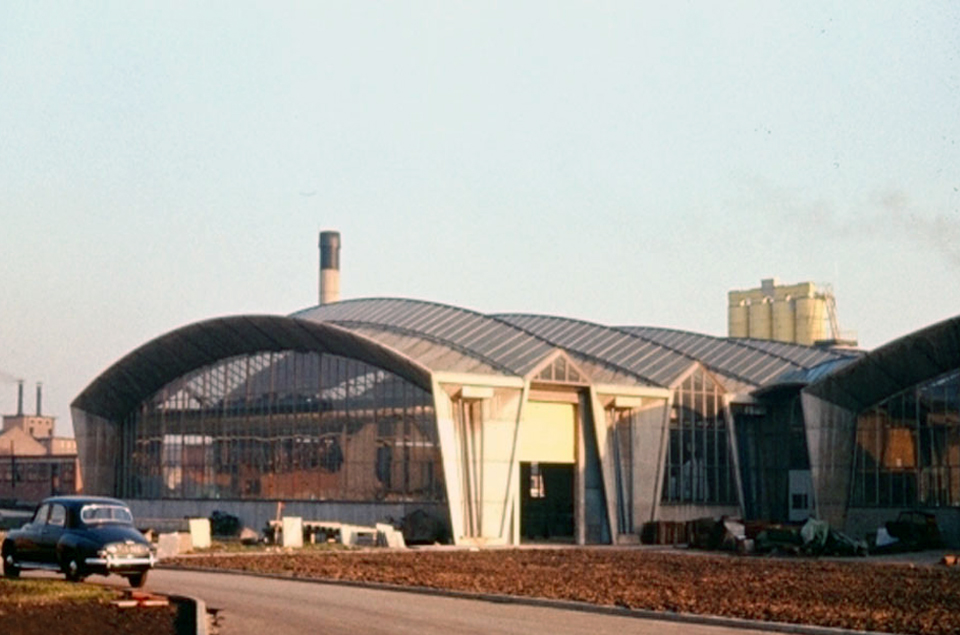
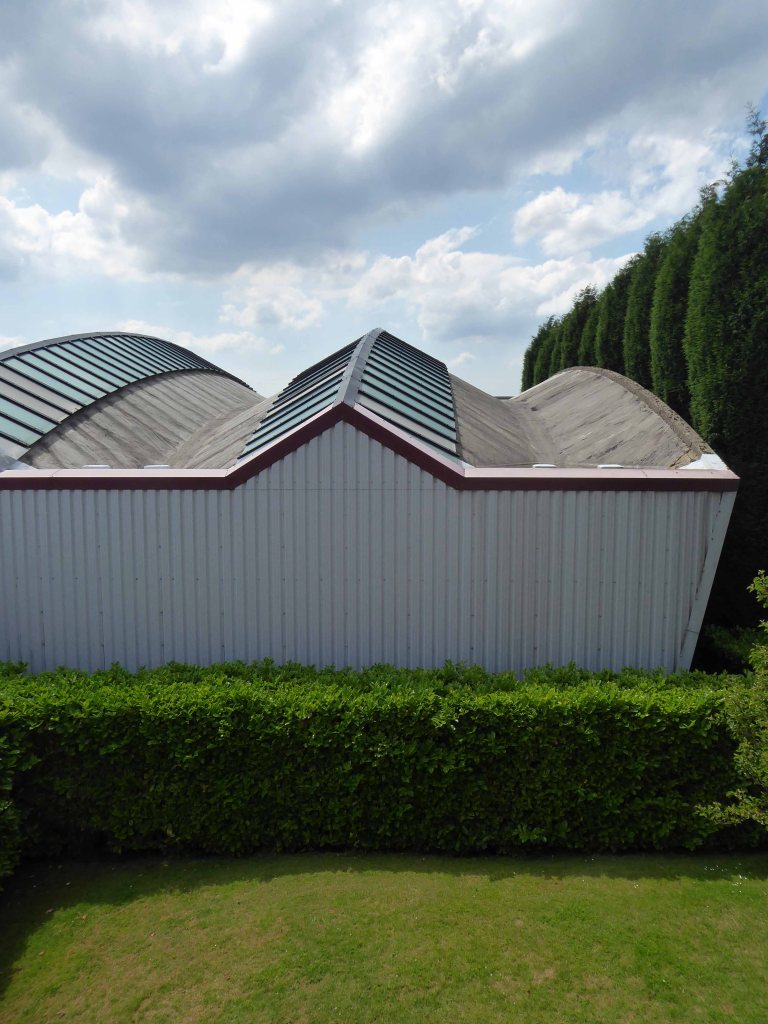
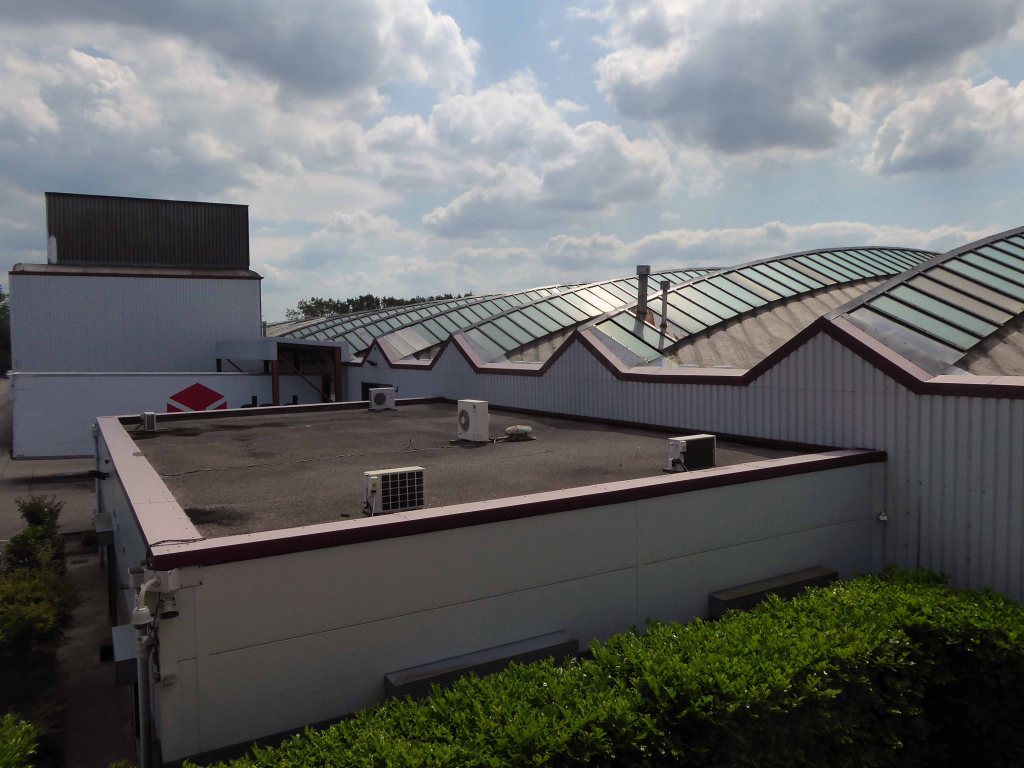
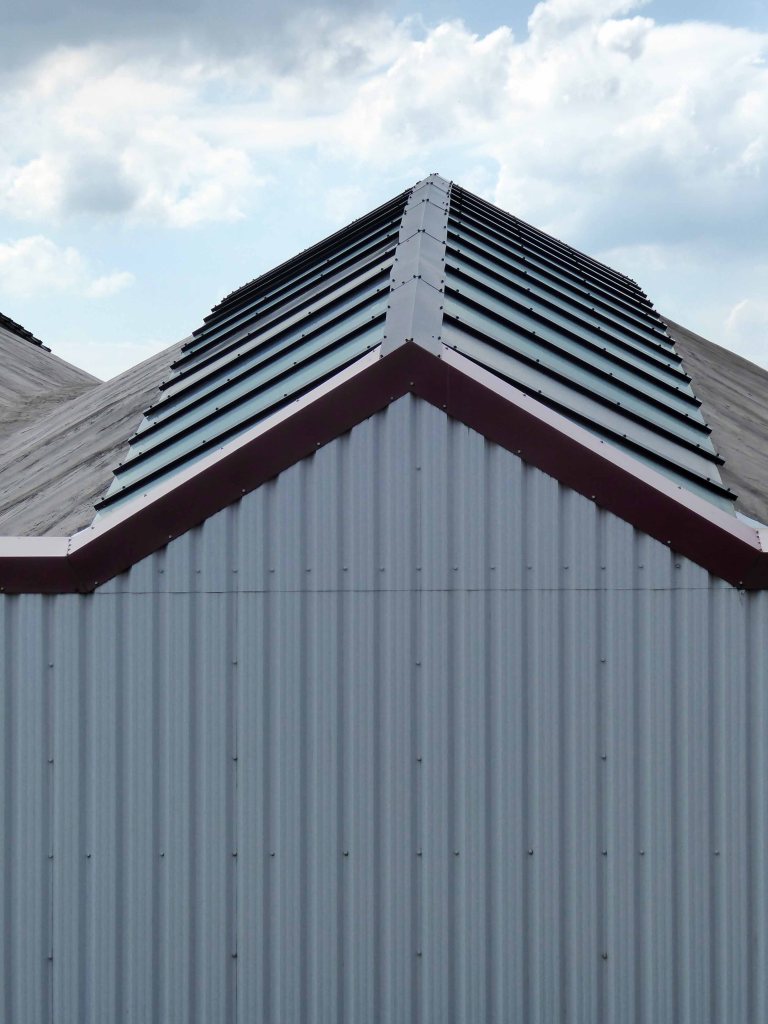
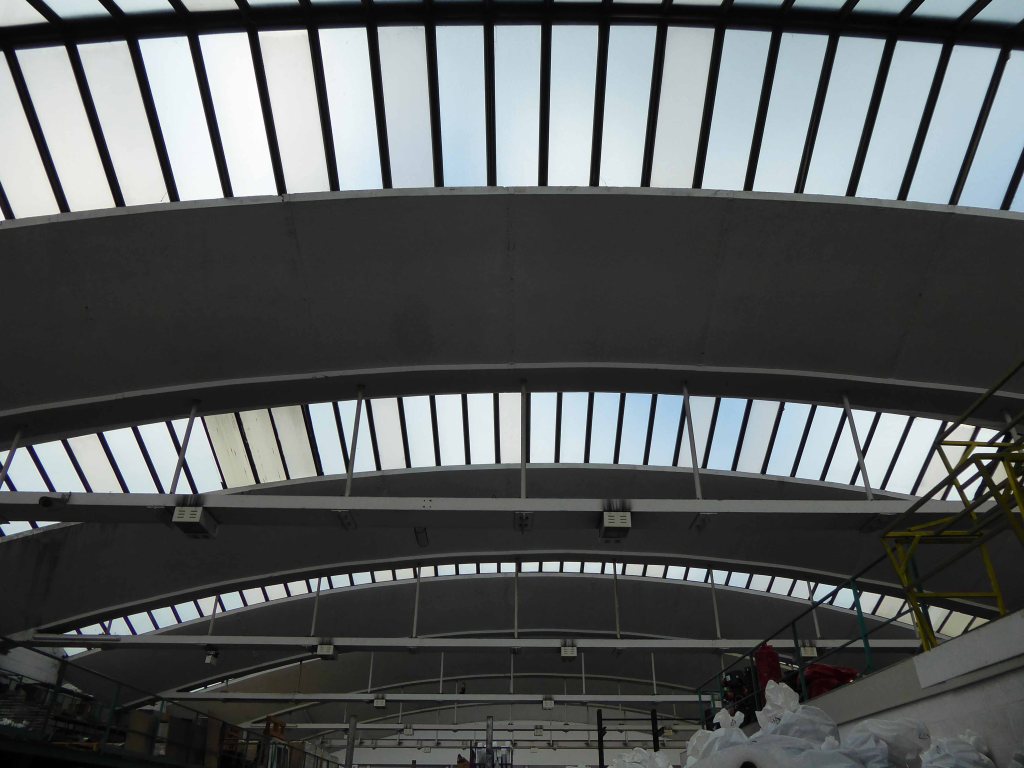
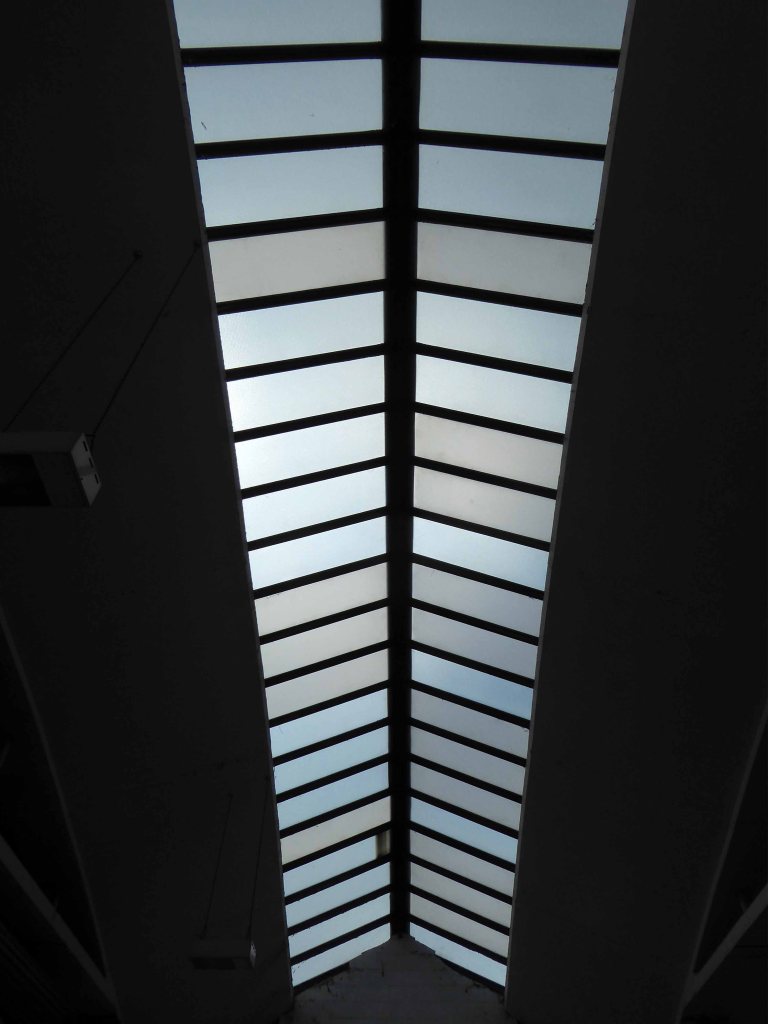
This former production plant for concrete components is now sadly partitioned and houses a number of businesses, only one of which still has a manufacturing base. The engineer for the project was also the client; reinforced concrete engineers, Matthews & Mumby. The intention was to create large floor areas, free from columns, to accommodate fourteen casting beds of about fifty metres in length. The structure of the two sheds was formed from arch units assembled on the ground, jacked into position and post-tensioned to form large tied span arches. Each arch spans approximately thirty metres and was designed to carry up to fourteen one tonne loads along the monorail hangers that ran the length of the factory, centred to each casting bed and suspended from the arches. Lantern section glazing hugs the curve of the arches that act as a reflective surface to provide an even light across the factory floor. The rails and hangers added a further louvered filter to the light, described at the time as ‘the ‘venetian blind’ effect. Originally the elevation between the V shaped columns was also glazed, this has now been filled and significantly reduces the aesthetic presence of the exposed structure and a distinctly ‘modern’ building of the time.
Mainstream Modern – my thanks to Richard Brook for the text and archive images.
So one sunny day last week, on a lockdown walk I went to take a look around.
The addition of cladding is never an uplifting sight on any site – the integrity of the building is seriously challenged.
Sometimes a former Rehabilitation Centre can do without rehabilitation it seems.
What we have here is an abbreviated account of an extraordinary estate.
T Cecil Howitt was responsible for the initial designs, sketches and layout of the first fifty houses in Beachlands, making him both the architect father and inspiration for the estate.
The oyster shell houses, together with the homes on the Beachlands Estate, were a form of kit build, imported from Sweden by local builders Martin and Saunders. The original plan to build envisaged a choice from as many as twelve possible kits, built in four waves, the estate is now studied, photographed and mentioned by architectural historians from across the country.
The estate is the embodiment of mutable Modernism – some original details prevail, whilst others are overwritten in the style de jour.
Having strolled and chatted to the warm and friendly residents, what does still permeate the whole development is a loose bonhomie – that easy going, anything goes manner which the seaside embodies.
The Ridgeback World Voyage takes centre stage – thanks for keeping me company every day.
God bless Asda and the tradition of the British gnome – now writ larger than life.
The route from Eastbourne is a low-level level delight which drifts inevitably toward Bexhill on Sea.
It was decided to ask the RIBA to hold a competition to design the new building and the choice of judge was made by its president Sir Raymond Unwin. He selected Thomas S. Tait, who was respected by established architects but was also known to be sympathetic towards the ideals of new ‘modernist’ architects. The Bexhill Borough Council prepared a tight brief that indicated that a modern building was required and that heavy stonework is not desirable.The competition was announced in The Architects Journal of 7 September 1933, with a closing date of 4 December 1933. Two hundred and thirty designs were submitted and they were exhibited at the York Hall in London Road, from 6 February to 13 February 1934. The results were announced in the Architects Journal of 8 February 1934 and the £150 first prize was won by Erich Mendelsohn and Serge Chermayeff.
It’s Tuesday 5th August 2015 and the taps don’t match – is this a good omen?
Or simply proprietorial pragmatism?
And why is the sink a funny shape?
Any road up we’re off up the road, the sun’s a shining and here we are in Littlehampton.
Looking at a pale blue gas holder, some way off in the middle distance.
Staring up at a fishmonger’s ghost.
Passing by an ultra-squiggly seaside shelter as a runner passes by.
The Long Bench at Littlehampton is thought to be the longest bench in Britain and one of the longest in the world. The wood and stainless steel bench ‘flows’ along the promenade at Littlehampton in West Sussex – curving round lamp posts and obstacles, twisting up into the seafront shelters, dropping down to paths and crossings.
The bench was opened in July 2010 and can seat over 300 people. It was funded by Arun District Council and CABE’s ‘Sea Change’ capital grants programme for cultural and creative regeneration in seaside resorts. The bench was also supported by a private donation from Gordon Roddick as a tribute to his late wife Anita, the founder of the Body Shop, which first began trading in Littlehampton.
Water treatment plant.
Nothing lifts the spirits quite like a wildflower meadow.
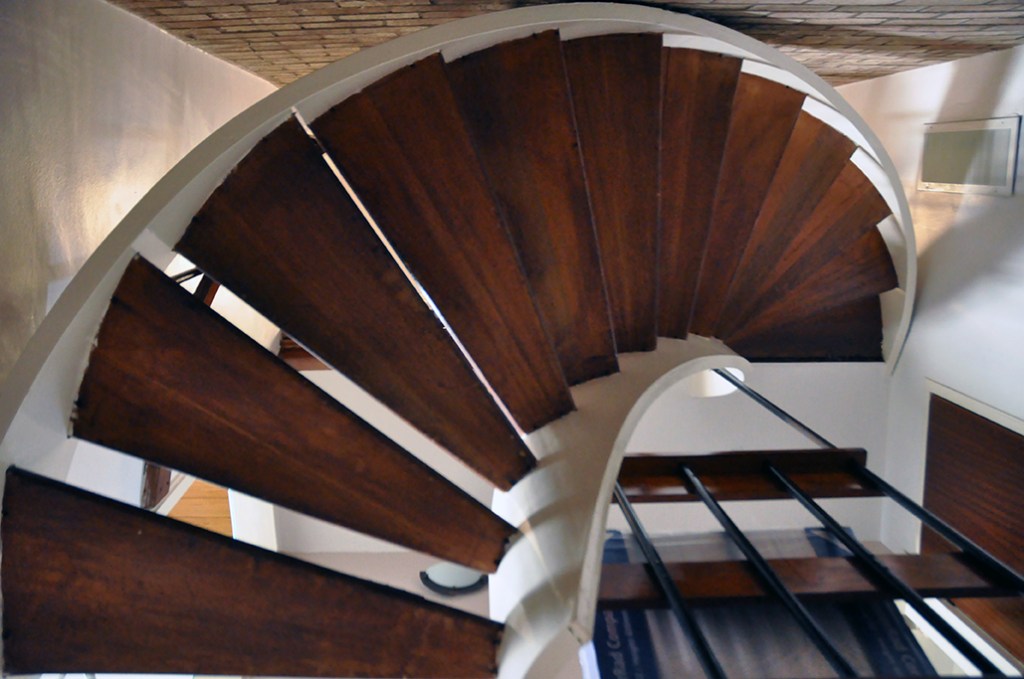
Imagine my surprise having gone around the back – an expressionist concrete spiral stairway.
Letting the sky leak in here at Burlington Court in Goring on Sea
The phrase deceptively spacious is one that is often overused within the property industry, however it sums up this ground floor flat prospectively. Offering a great alternative to a bungalow and providing spacious and versatile living accommodation, this is an absolute must for your viewing list.
What a delightful Modernist frieze on the side of Marine Point – Worthing!
With lifts to all floors this triple aspect corner apartment is situated on the fifth level and has outstanding panoramic sea views across from Beachy Head to Brighton through to the Isle of Wight. It is also benefits from stunning South Down views to the west and north. The property has been recently refurbished to a high specification and includes features such as: Quick-Step flooring, security fitted double glazed windows, a hallway motion sensor lighting system, extensive storage space and two double bedrooms.
Fox and Sons are delighted to offer For Sale this immaculate seafront penthouse located within the highly desirable Normandy Court situated on the sought after West Parade, Worthing. Upon entry you will notice that the communal areas are kept in good condition throughout.
One of the finest modular pre-cast concrete car parks in the land.
Borough council officers have recommended developing the Grafton car park, with a fresh study recommending that building new homes there is key – saying it is important to help revitalise the town centre and bring in new cutlural and leisure activities.
The car park is currently undergoing essential maintenance to be able to keep it open in the short term but the recommendation is that it should eventually be demolished to make way for the new development.
Monday 3rd August 2015 one finds oneself wide wake in the Rydeview Hotel.
Faced with a breakfast best described as indescribable.
I arose and departed, not angry but hungry.
Made my way to the corner of Southsea Common, where once we drank – Tim Rushton and I were often to be found in The Wheelbarrow together.
A boozer no longer, now named for the city’s long gone famous son.
How bad a pub is this? I walk past it to get to my local. Most nights there are six people max in the bar, all huddled around the bar itself, backs to the door. – this often includes the landlord and landlady. They have live music there once in a while and you can’t get served by the one bloke behind the bar – the landlord and landlady never help out, they don’t seem to give a toss.
Beers crap, not worth a visit.
It was never like that in our day.
Visiting our former abode on Shaftesbury Road – where I once dwelt along with Tim, Catherine, Liz and Trish.
Yet more Stymie Bold Italic.
Back to the front for a peer at the pier.
Clarence Pier is an amusement pier located next to Southsea Hoverport. Unlike most seaside piers in the UK, the pier does not extend very far out to sea and instead goes along the coast.
The pier was originally constructed and opened in 1861 by the Prince and Princess of Wales and boasted a regular ferry service to the Isle of Wight. It was damaged by air raids during World War II and was reopened in its current form on 1 June 1961 after being rebuilt by local architects AE Cogswell & Sons and R Lewis Reynish.
Low cloud grey skies and drizzle.
This sizeable two bedroom apartment situated on the seventh floor of the ever popular Fastnet House is offered with no onward chain and the option of a new 999 year lease as well as a share of the freehold. With panoramic views over The Solent towards the Isle Of Wight and Spinnaker Tower, situated in a central location and close to all amenities, this lovely apartment offers luxury living for any prospective buyer. With lift access, the apartment comprises; entrance hallway, a large lounge diner with box bay window boasting stunning sea views across the city and The Solent, master bedroom with built in wardrobes and sea views over The Solent, a spacious second bedroom, fitted kitchen with breakfast bar and a recently updated modern shower room.
Coal Exchange– Peter and Dawn welcome you to their traditional pub in the heart of Emsworth adjacent to the public car park in South Street and close to the harbour.
Lillywhite Bros Ltd is a family run business established over 60 years ago in Emsworth, which is ideally located between Portsmouth and Chichester. It is currently run by brothers Paul and Mike who continue to keep up with modern techniques and equipment, as well as maintaining their traditional values and high standard of customer service.
Next thing you know I’m in Pagham, having become very lost somewhere between there and here, asking for directions from the newsagents and buying a bottle of Oasis.
The newsagent was mildly amused by lack of map, sense and/or sensibility.
I spent many happy hours here in my youth playing the slots with The King.
We would stay here in Tamarisk with my Aunty Alice and Uncle Arthur and Smudge the cat, an idyllic railway carriage shack two rows back from the pebbled seashore.
We would enjoy a shandy at the King’s Beach with Lydia, Wendy and David.
All gone it seems.
On to Bognor a B&B and a brew – a brief glimpse into my luxury lifestyle.
I’ll take an overcast Monday evening stroll along the prom, where I chanced to meet two landlocked Chinese lads, gazing amazed at the sea – they were on a course in Chichester learning our own particular, peculiar ways.
There was no-one else around.
Who can resit the obvious allure of the novelty item?
Or an Art Deco garage fascia.
Fitzleet House was built in the 1960s architects: Donald Harwin & Partners, it consists of seventy four flats, fifteen of them are in a three-storey block next to the main building.
PS&B are pleased to offer this sixth floor flat which is situated conveniently close to the town centre and within close proximity of the sea front. The accommodation is newly refurnbished and is offered unfurnished with south/west facing lounge with small balcony with far reaching views to the sea. Kitchen and bathroom with shower over bath and one double bedroom. Further benefiting from having modern electric heating and double glazing, telephone entry system, lift to all floors, communal sky dish and white goods. With regret no pets and no children – £685 rental is payable calendar monthly in advance.
For many years, a gentleman called Todd Sweeney collected sunshine statistics from the roof of Fitzleet House, which were then forwarded to the Met Office in London to assist with national statistics, and in 1983 one group of Cubs arranged a special tea party on the roof of the building as part of the national tea-making fortnight.
Sunday 2nd August 2015 – you awake and you’re still in Bournemouth and still in one piece, the possibility of late night stag and hen madness passed over without incident.
A quick look around town, then let’s get off to Pompey – where I was very proud to be a Polytechnic art student 1973/76, in good old Lion Terrace.
Last night’s late night drinking den with its fabulous faience frontage and doorstep mosaic.
Close by this tiled porch at The Branksome.
Built 1932 by Seal and Hardy as offices for the Bournemouth Echo, steel-framed, the main elevations faced in Monks Park Bath Stone.
Plans to redevelop the listed Daily Echo offices in Bournemouth were withdrawn shortly before they were due to be discussed by councillors.
That Group’s application to extend the Richmond Hill building to create more work space as well as a 30-bed hotel, café, gym and events space had been recommended for refusal before it was pulled from the agenda for Monday’s meeting.
Vandale House appears to have been refurbished as flats, having lost its architectural type.
The property benefits from modern and contemporary décor throughout, large balcony and views over the Town Centre itself.
This art deco cinema was built for ABC and designed by their regular architect William Glen, it opened in June 1937.
The ABC, originally the Westover Super Cinema, entertained audiences for almost 80 years before it was closed in 2017 – along with the nearby Odeon – to make way for a new Odeon multiplex at the BH2 complex.
In its rejected plans for the site, Libra Homes had pledged to restore the cinema’s original Art Deco frontage, if it survives under the cladding that was added in the 1960s.
Boscombe Pier – is the perfect vantage point to watch volleyball, table tennis and mini golf. If you are feeling adventurous, try scaling the nearby, purpose built boulders next to the pier or have a go at slacklining!
There are nearby are cafés, takeaways and beach shops all within walking distance from Boscombe Pier.The pier is free to enter and has a plethora of activies that individuals and families can enjoy!
Designed by Archibald Smith, the 600 foot pier opened on 28th July 1889. In 1924/5 and 1927, the head was renewed in high alumina concrete and, between 1958 and 1960, the neck was reconstructed using reinforced concrete.
The neck building is a design by the Borough Architects, demonstrating great verve and vivacity. The contemporary style associated with Frank Lloyd Wright’s Usonian houses and made popular with Californian homes in the 1940s was well suited to the requirements of an architecture that combined ‘sun and fun’. The contemporary style made a feature of expressing different elements or planes of a composition with different materials, and here the combination is honest and each element well detailed. The sweep of the cantilevered, boomerang-shaped roof is a particularly joyous feature. It is a building that would have been despised as being exactly of its date until recently; now it is a building that can be celebrated for that very reason, and a rare example of pier architecture from these years.
San Remo Towers a block of 164 flats, with penthouse and office, over basement garage. 1935-8 by Hector O’Hamilton.
Facilities offered as inclusive in this price included centralised hot water and central heating, an auto vac’ cleaning system, centralised telephones, a resident manager, a porter, daily maid, boot cleaning and window cleaning services. There was a Residents’ club with a reading room card room, billiard room and library, and a children’s recreation and games room. There were kiosks in the ground-floor lobbies selling tobacco and convenience items, where the staff took orders for the local tradesmen. The fifth-floor restaurant offered a la carte meals, which could be taken at pension rates of 38s per week. A simpler dinner cost 2/6d. The use of an American architect, Hector O Hamilton, may be an explanation for the building’s large range of facilities, including the grand underground car park and sophisticated servicing
Carlinford benefits from commanding views over Poole Bay looking to the Isle of Wight across to the Purbecks. Included in the annual service charge is a Caretaker, Gardener & the communal areas are kept in good order. A fabulous location and a great place to call home.
Running the length of the pier to catch the ferry across Southampton Water.
Where one is able to see many large ships.
St Patrick’s Catholic Church 1939
W.C. Mangan’s last church in the diocese, with a moderne Gothic character rather than the basilican style he favoured elsewhere. The design is not without character and is in the mainstream of brick church building around middle of the twentieth century.
First siting of Stymie Bold Italic/Profil since Devon
Sadly the Hovercraft Museum was closed – Founded 1987 as a registered charity, the Museum Trust is the worlds greatest collection of Hovercraft archive, film, and historic craft, dating back to to John Thonycroft’s 1870 air lubricated boat models and the then Dr. Cockerell’s 1955 annular jet experiments.
So excited to be boarding yet another ferry.
Seeing Portsmouth for the first time in a long time.
Finding cheap digs at the Rydeview Hotel.
My partner and daughter stayed here recently and the warm reception we received was great, thought it was going to be real value for money however when getting into the family room, which was a decent size, the curtain was half hanging down, iron marks and stains on the carpet, dirty windows, mould on the bathroom ceiling, hole in the bathroom floor and a very random shower head coming from the toilet that was very unpleasant. When we checked in we asked about breakfast and we were told this was going to be an additional £3 – we thought this was great value for money for a full English only to be left hungry and out of pocket! My daughter had one slice of toast, we asked for the full English what we received was cold and hard beans, and un-cooked egg and a rank sausage, the eating area was dirty – cobwebs everywhere.
I too stayed in the Family room with a delightful mouse for company and enjoyed one of the worst meals I’ve ever not eaten.
I headed for the 5th Hants Volunteers where I formally kept company with Felim Egan, Norman Taylor and Ian Hunter way back when.
Drinking Gales HSB – formerly a local brew now owned by Fullers
Established in 1847 Gales Brewery (George Gale & Co. Ltd) was an old brewery situated in Horndean, on the edge of Waterlooville. It made the nutty HSB – Horndean Special Bitter and the newer Gales Bitter. It took its water from its own well situated under the brewery which is fed from the South Downs, and the yeast and liquor, coupled with the local brewing style, produced beers with a sparse head, quite dark in colour.
In late 2005 Fuller’s Brewery bought Gales for £92 million. In January 2006, Fuller’s began cutting jobs at the Horndean brewery, and it was announced on 27 February 2006 that the brewery would close at the end of March 2006, although distribution and warehousing would continue in the area.
It didn’t tater the same and the pub had been gutted – gutted.
I beat a retreat to the Barley Mow – where I fell in with a gang of former Poly students from the 70s – they had studied and never left.