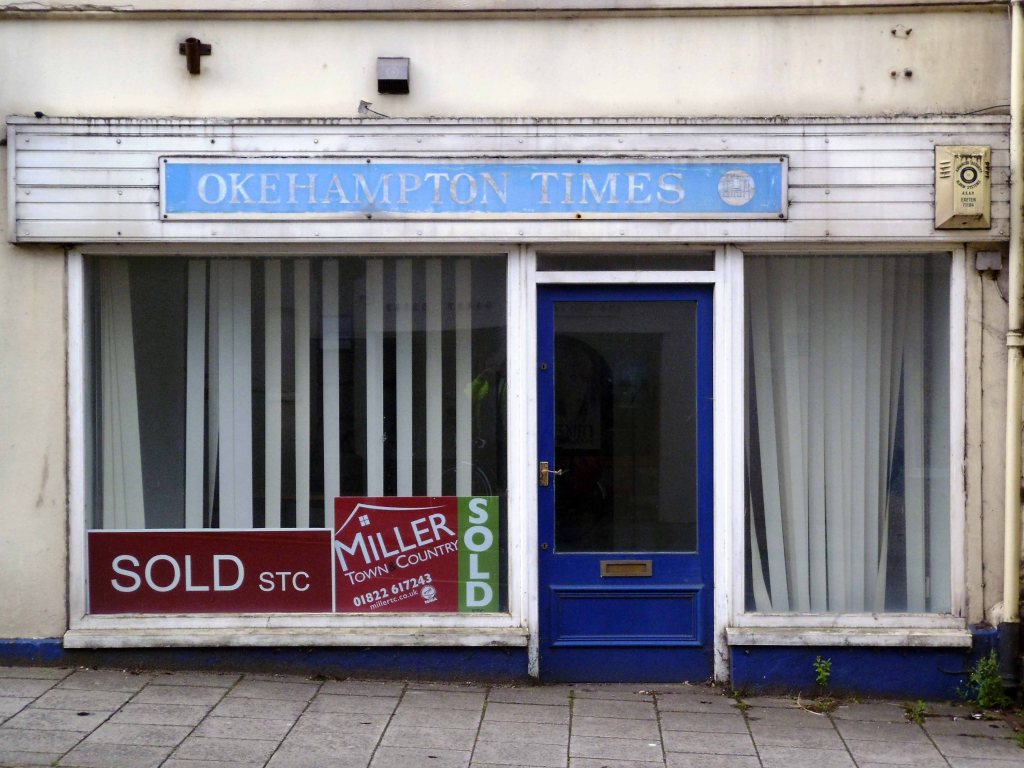
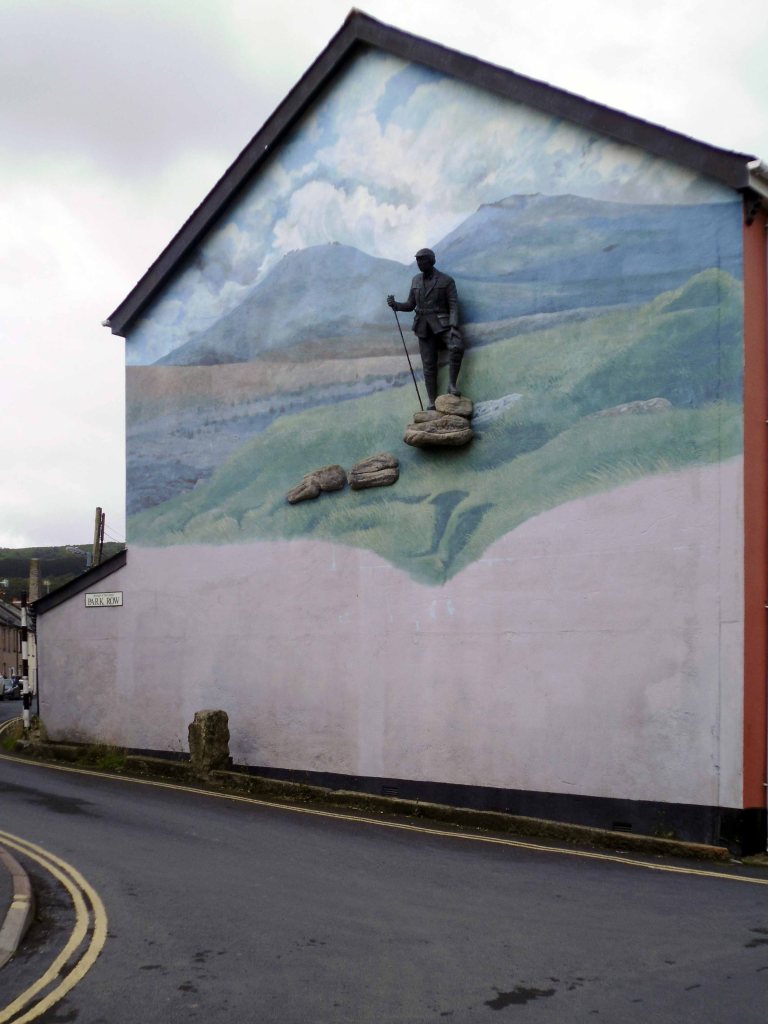
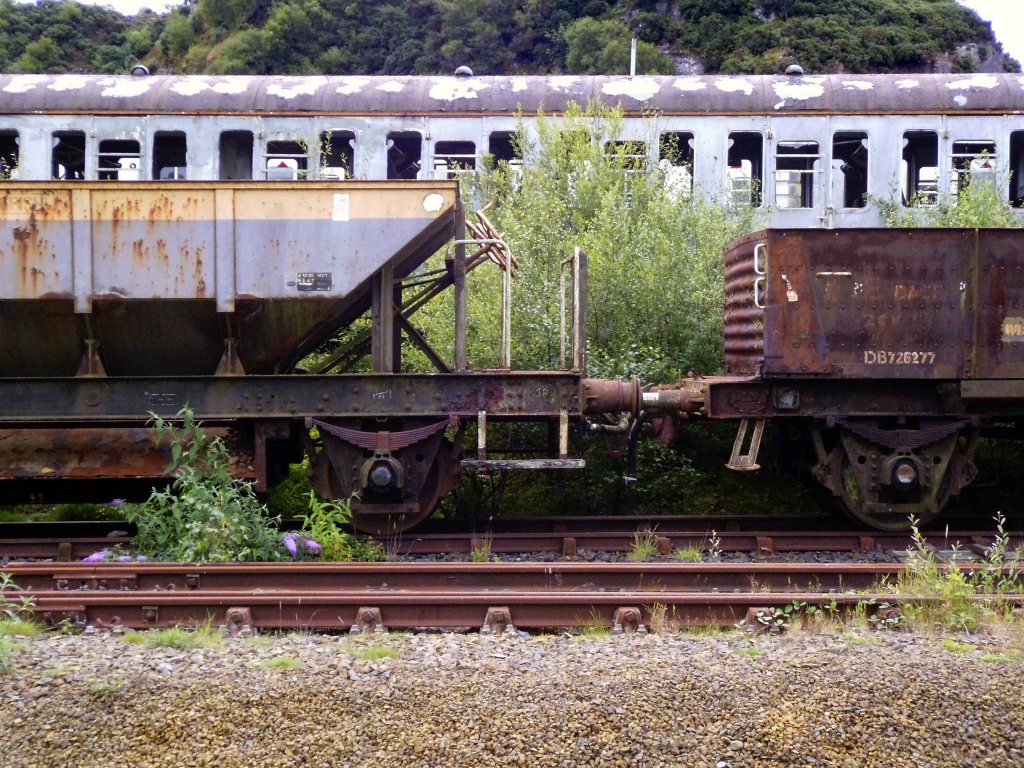
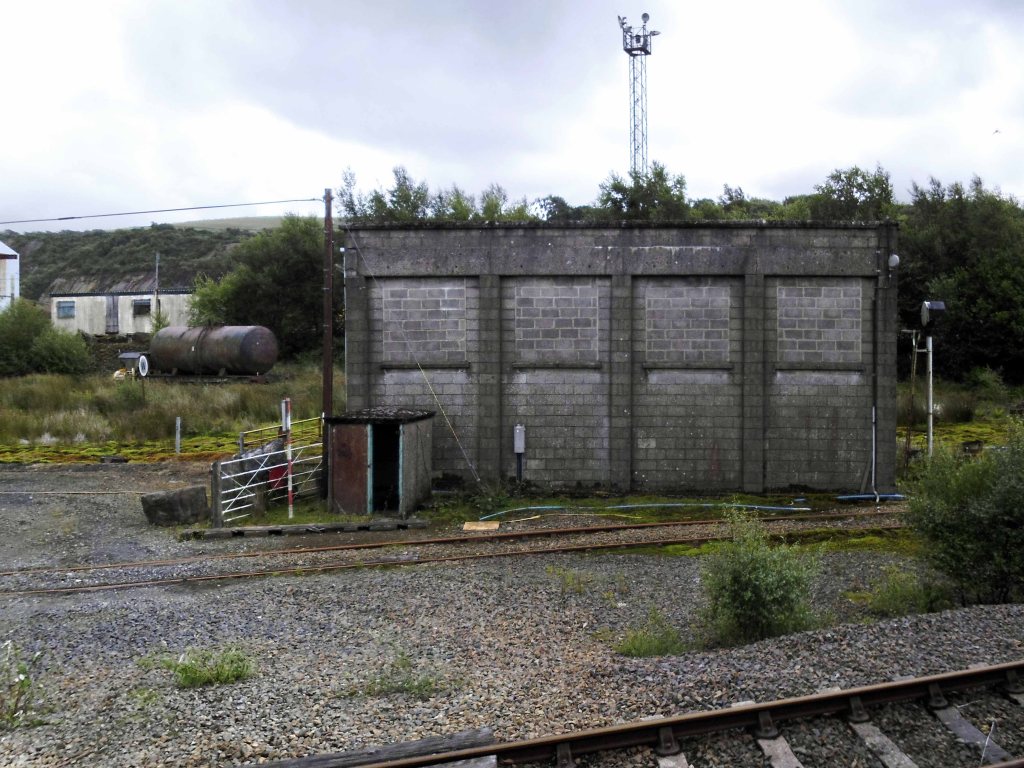
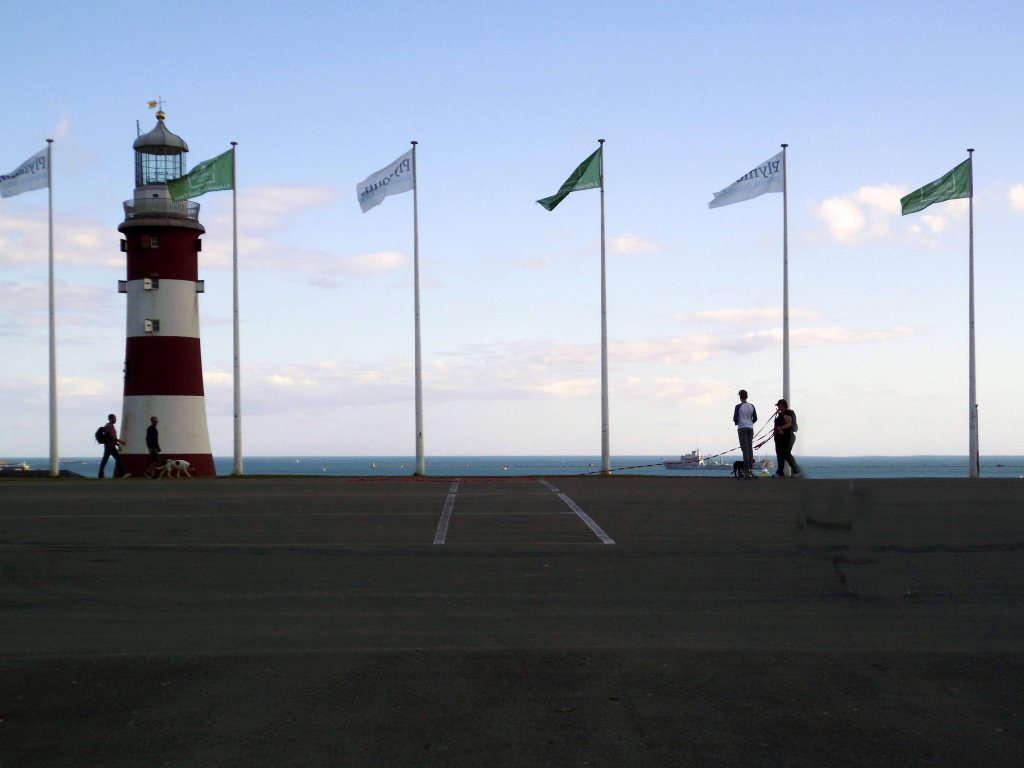
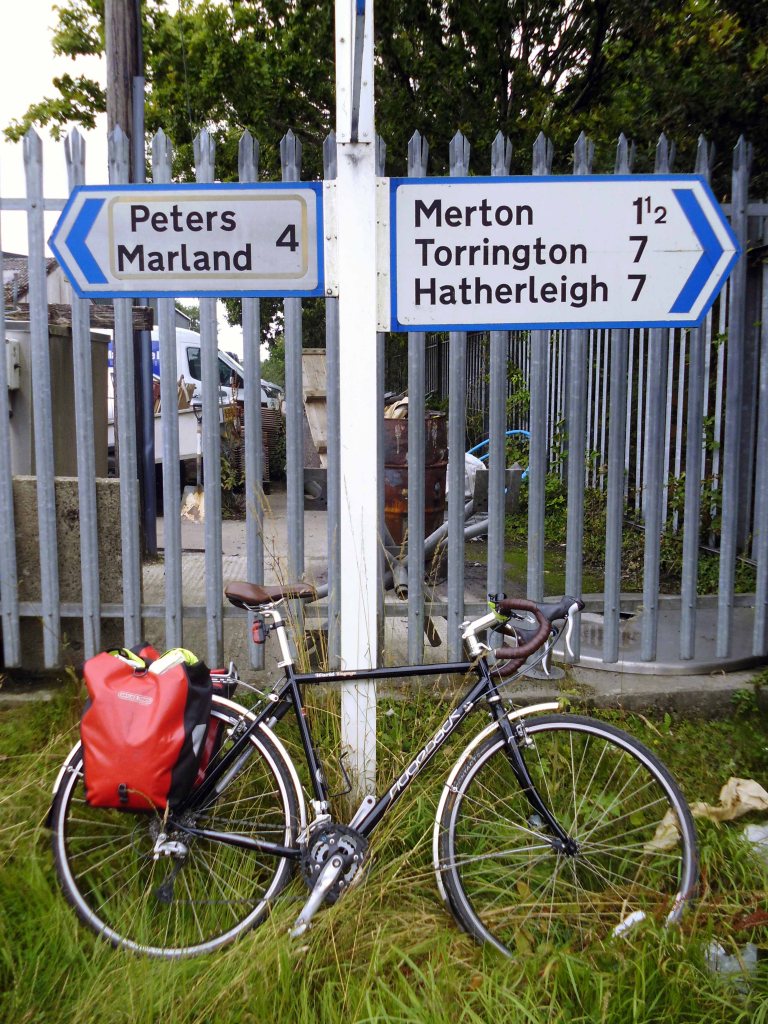
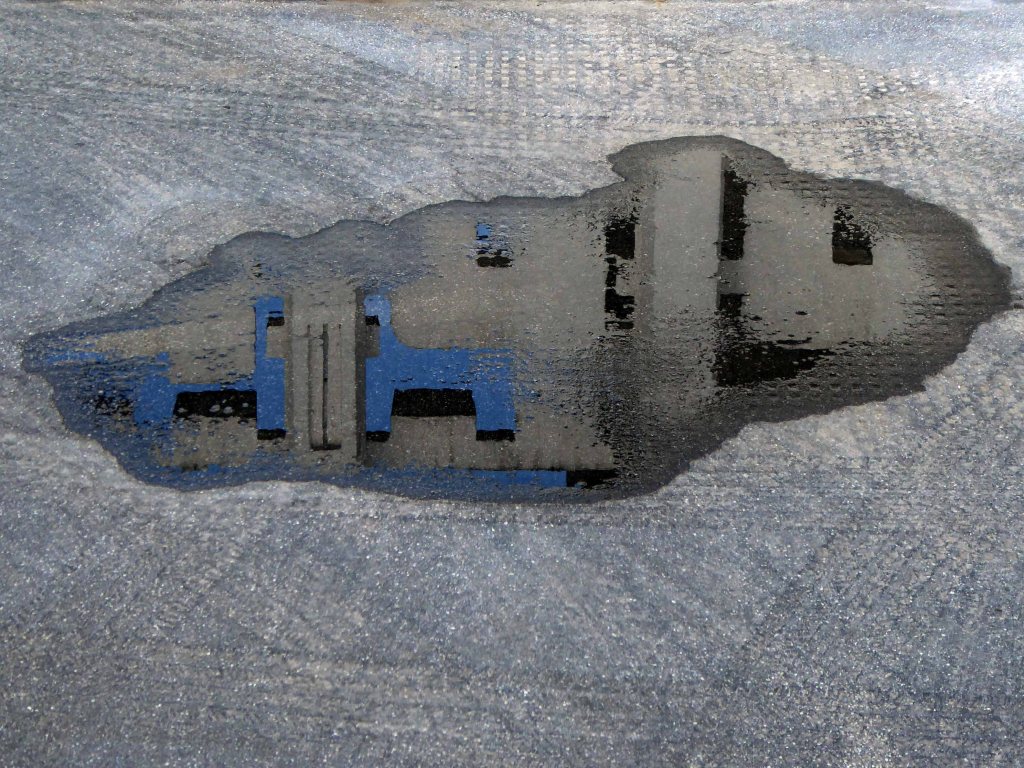
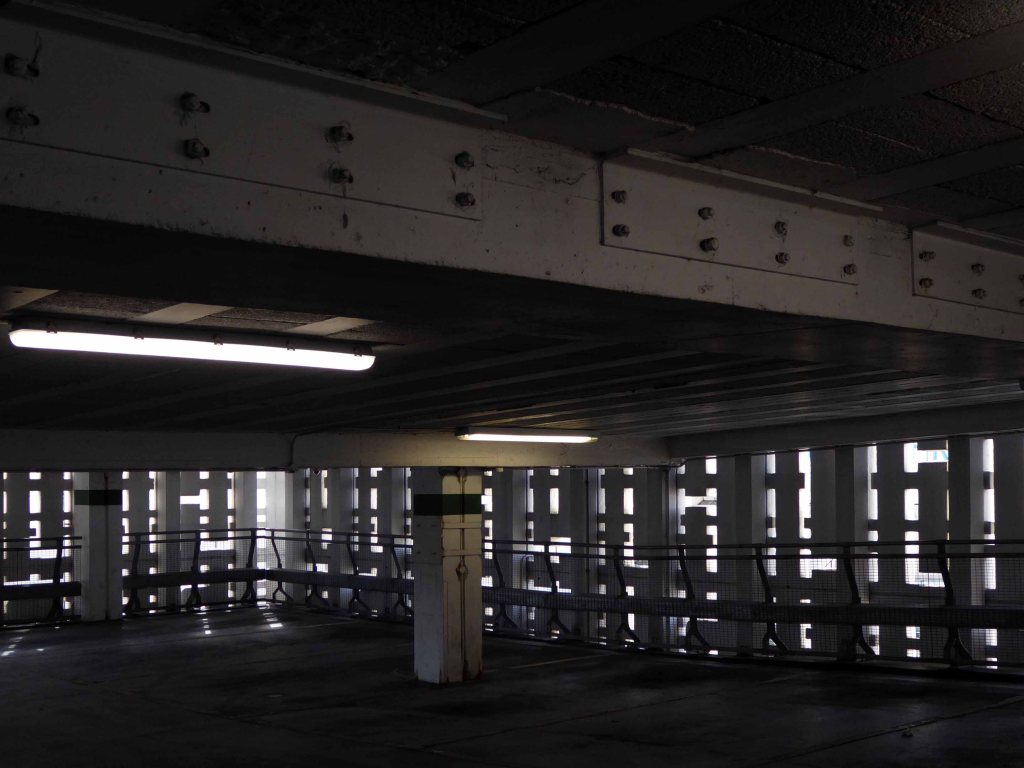
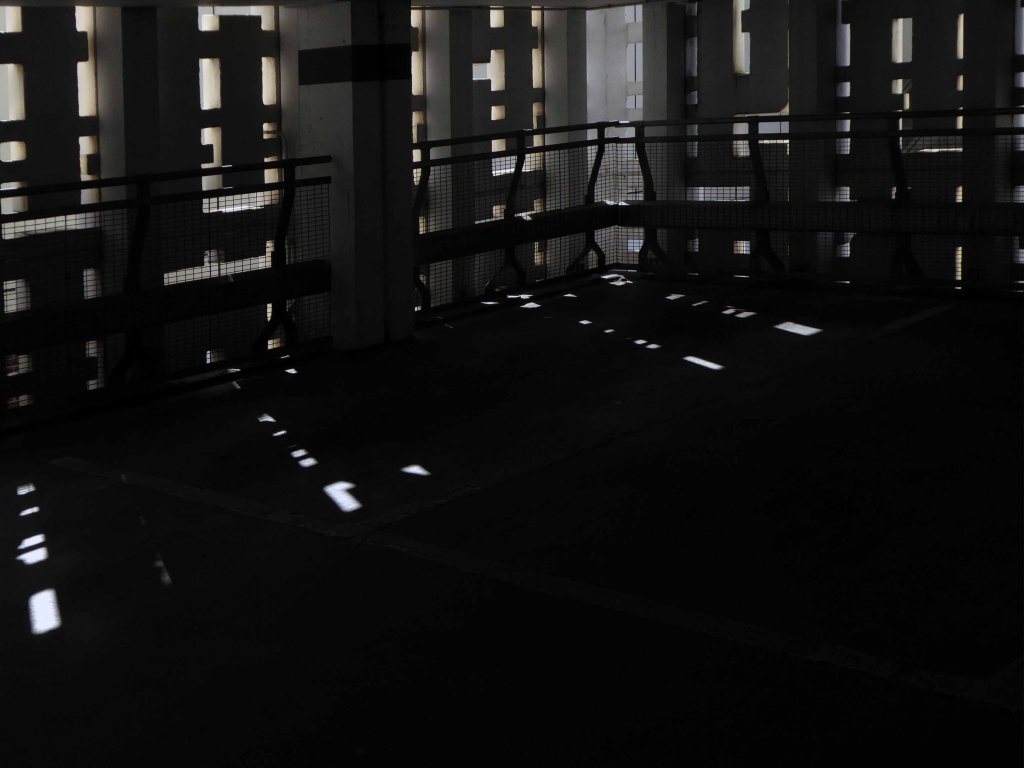
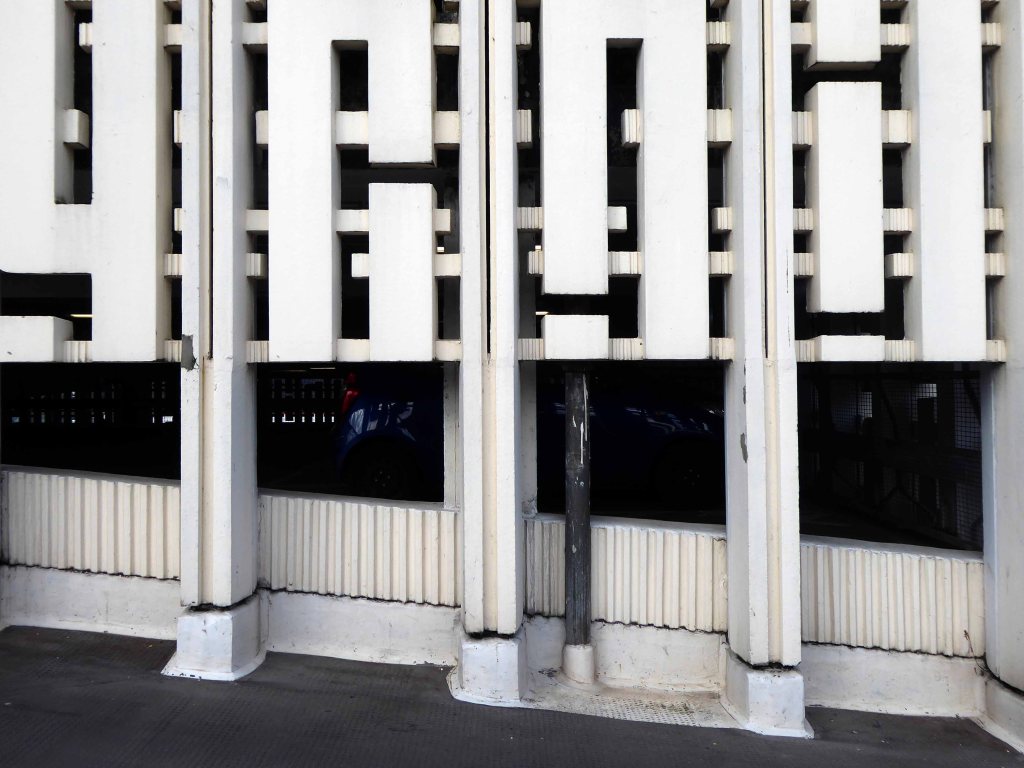
Leaving the compact anonymity of my B&B for the open road!
Having been unable to sample the joys of the Quality Hotel.
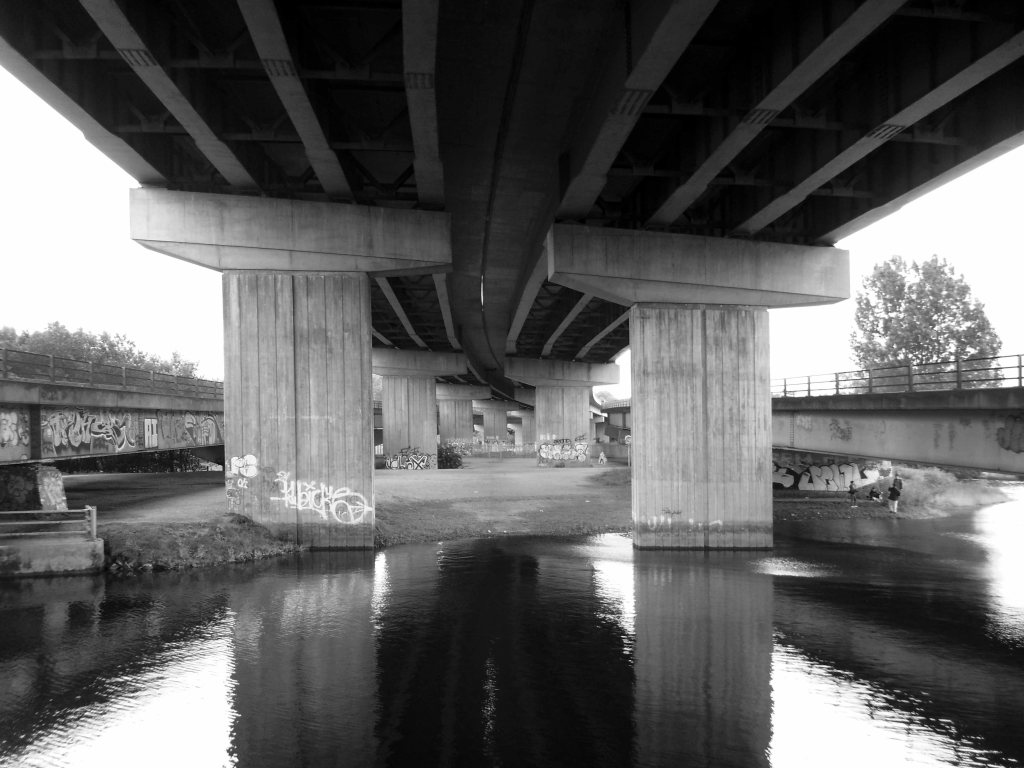
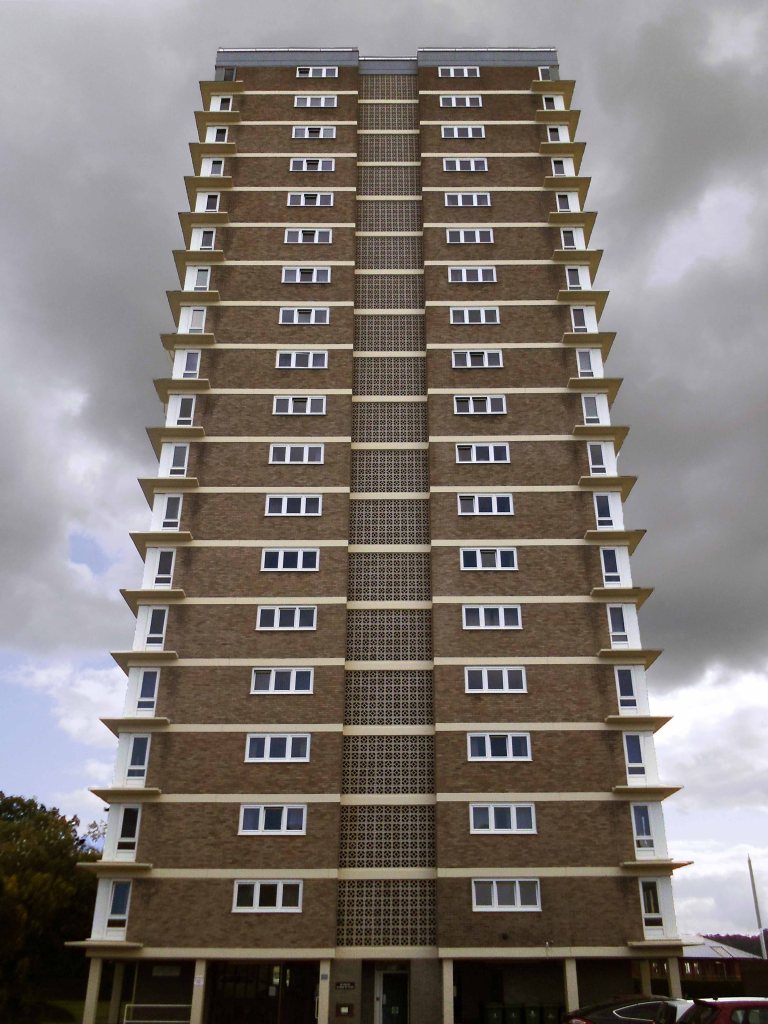
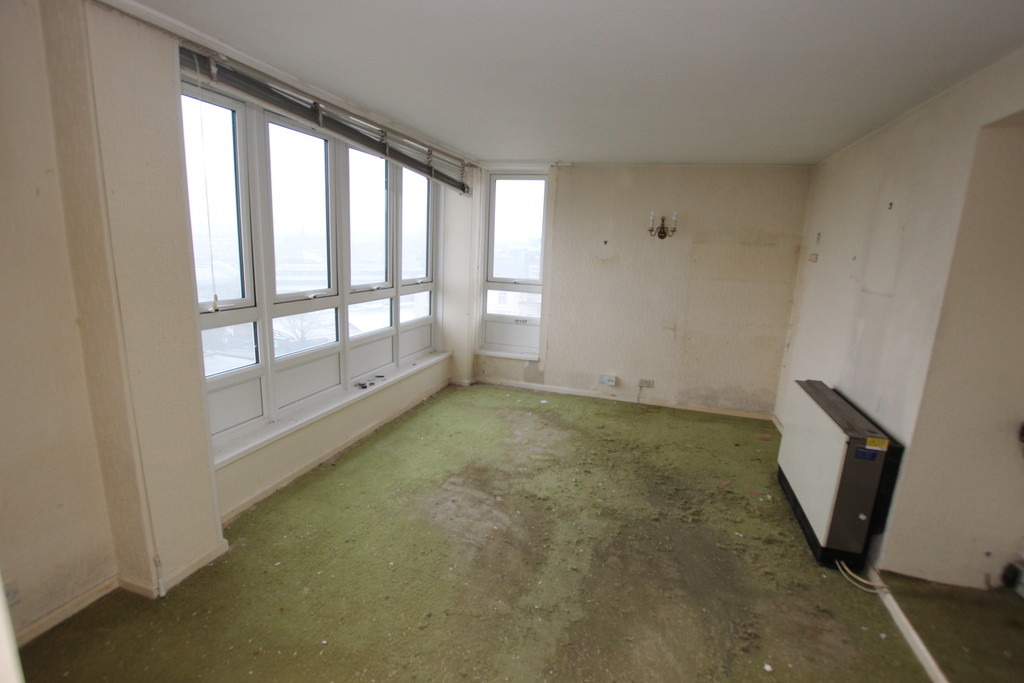
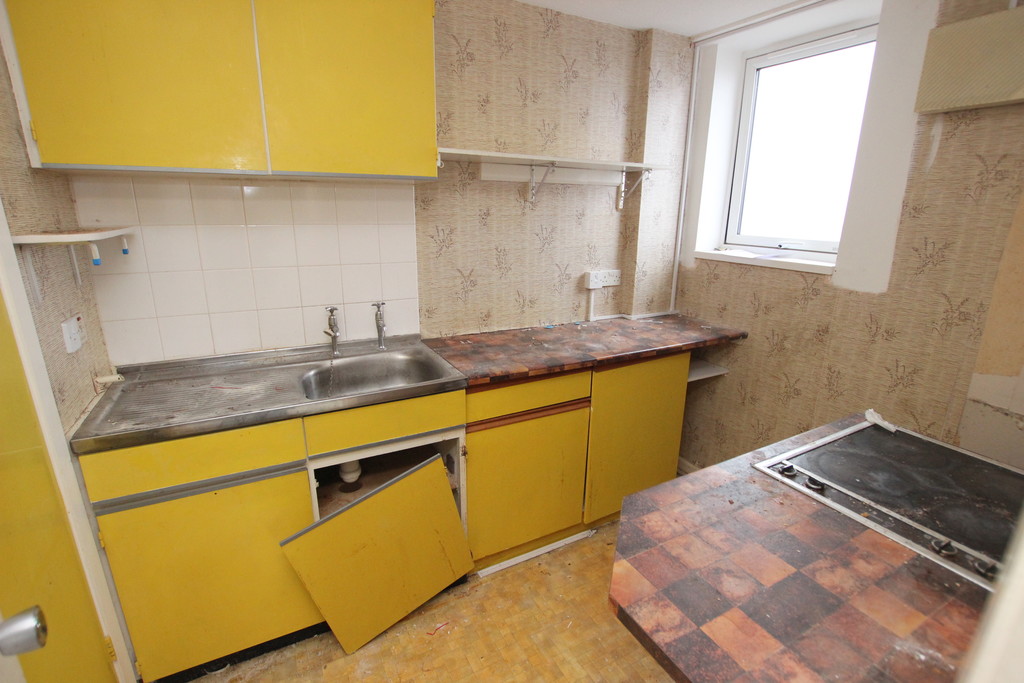
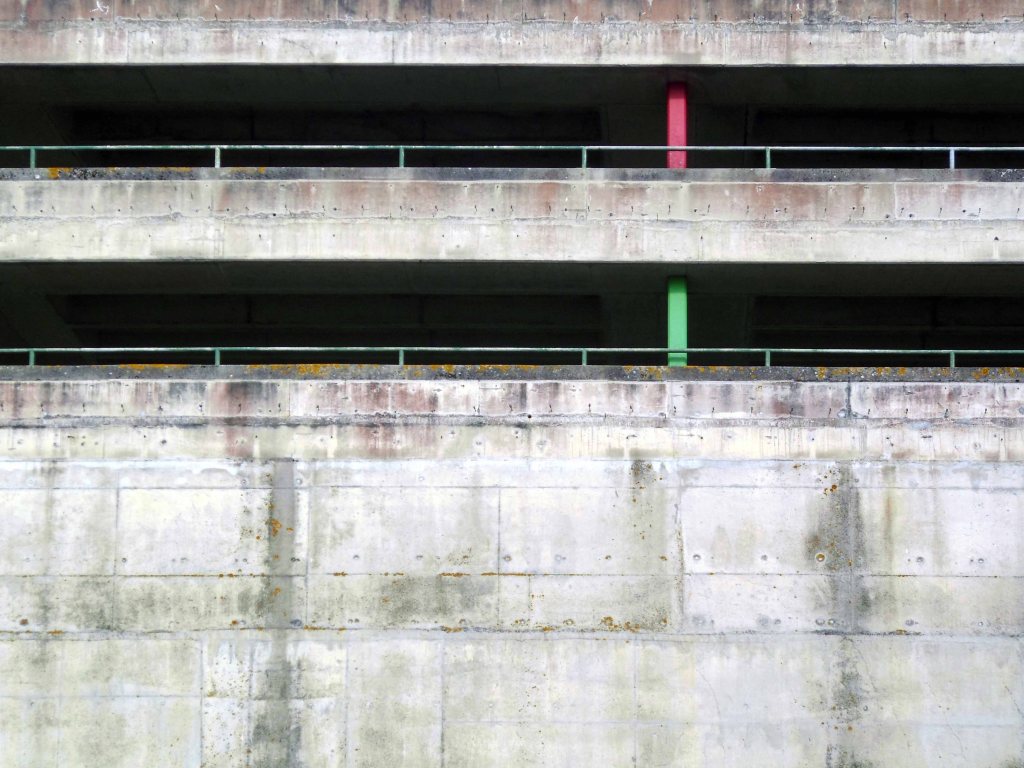
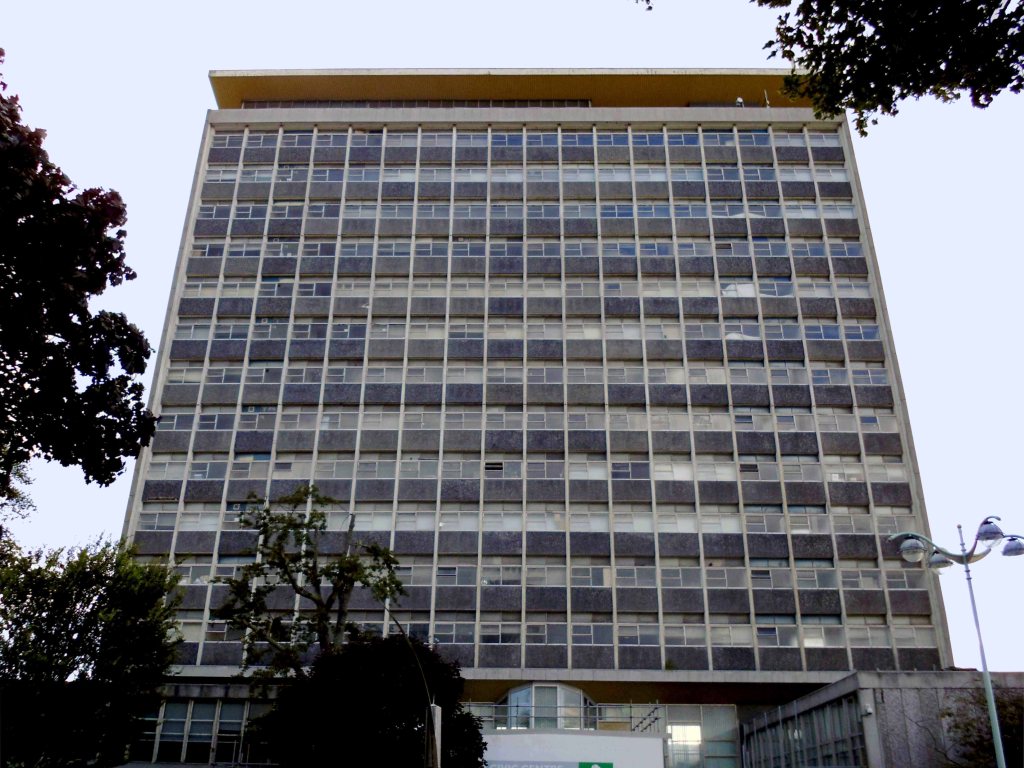
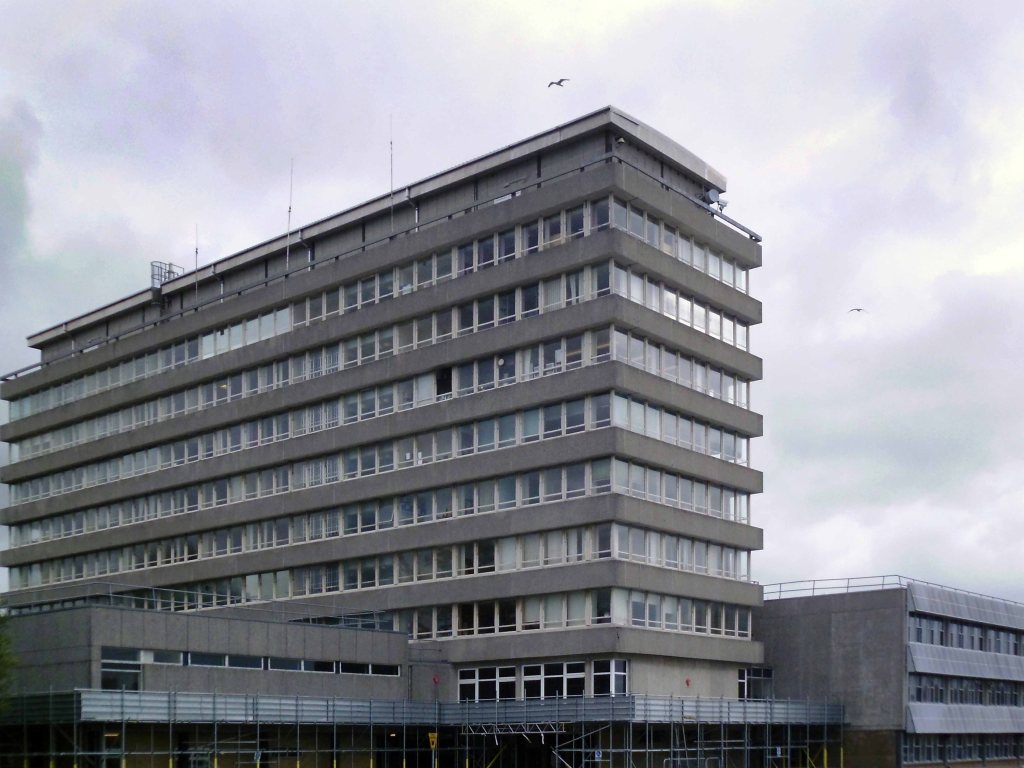
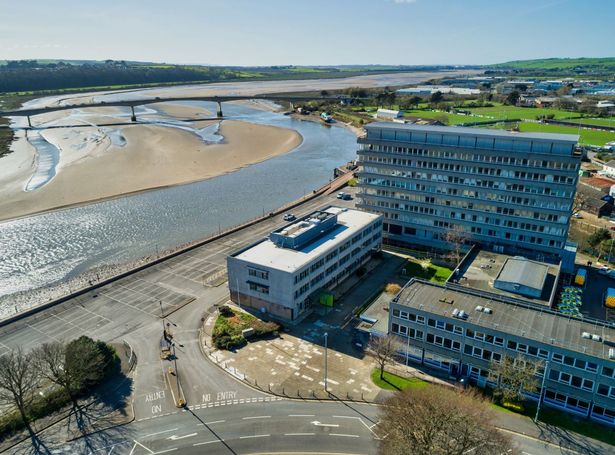
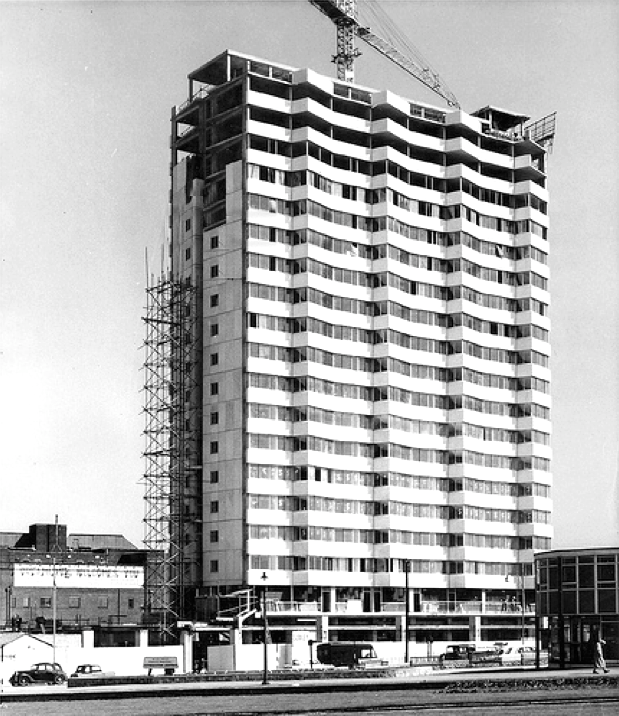
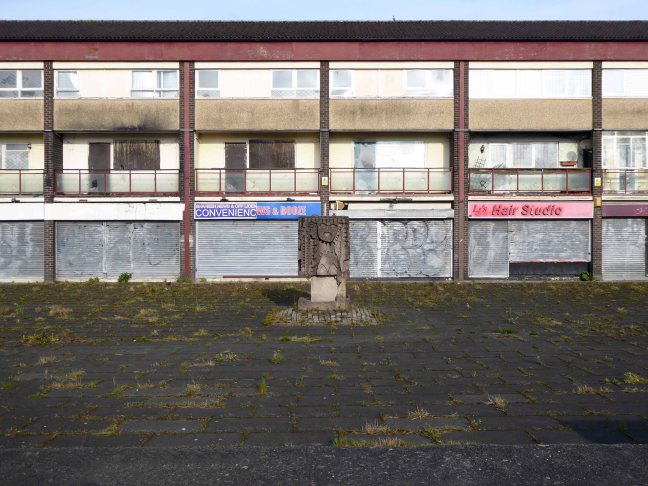
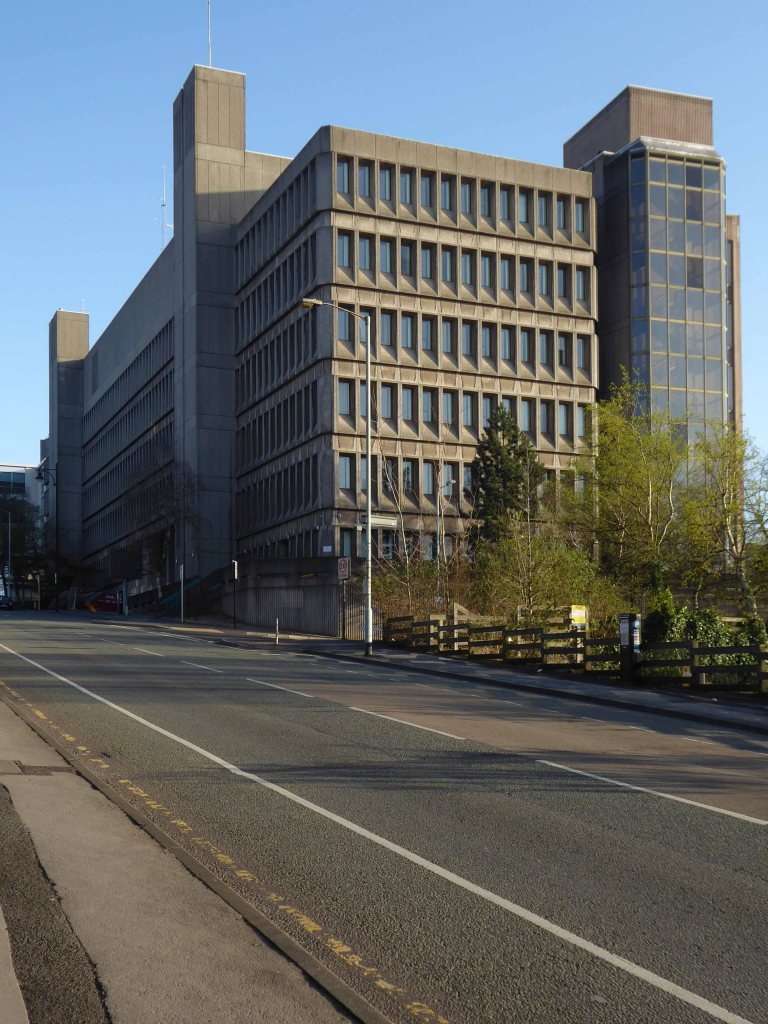
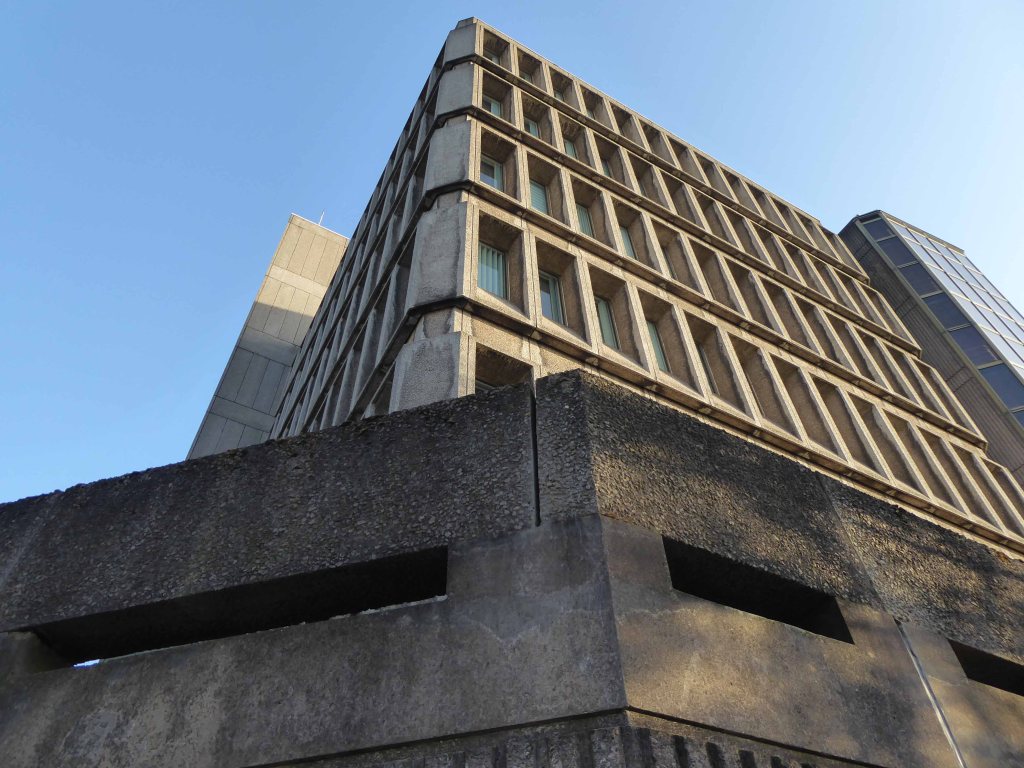
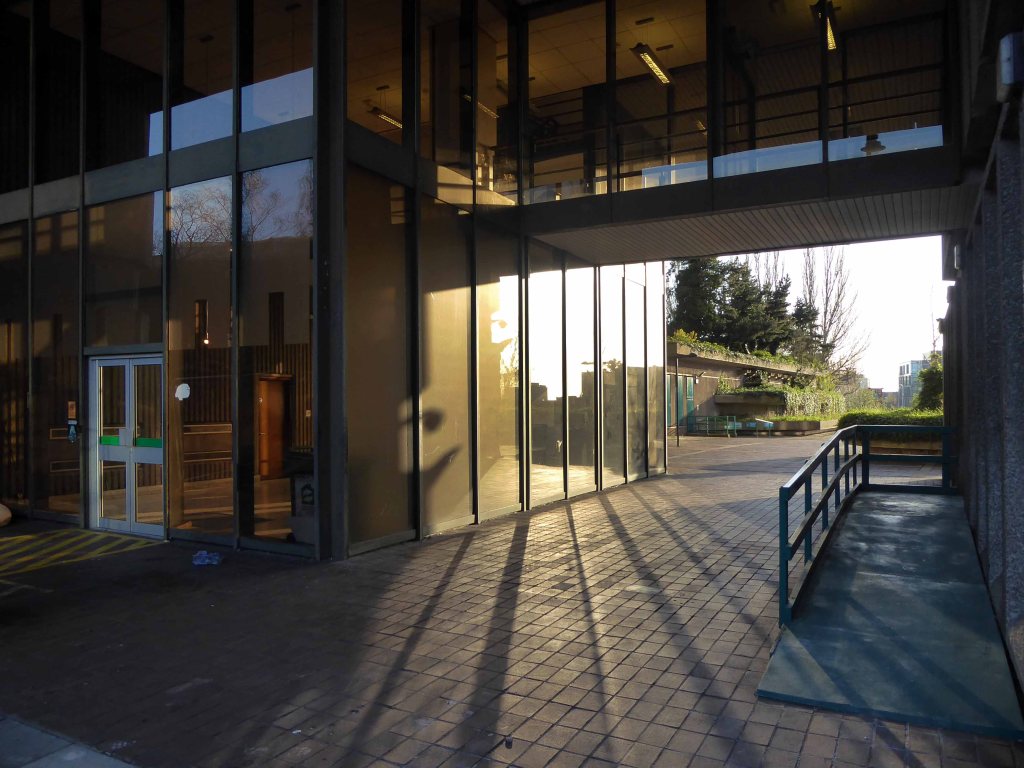
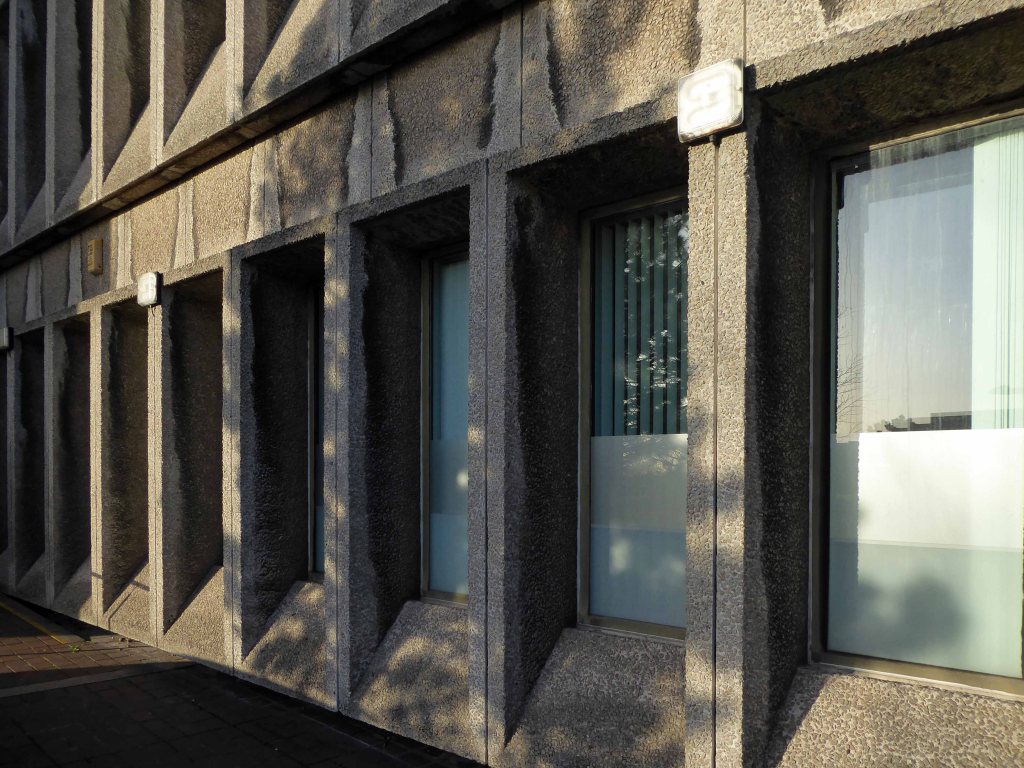
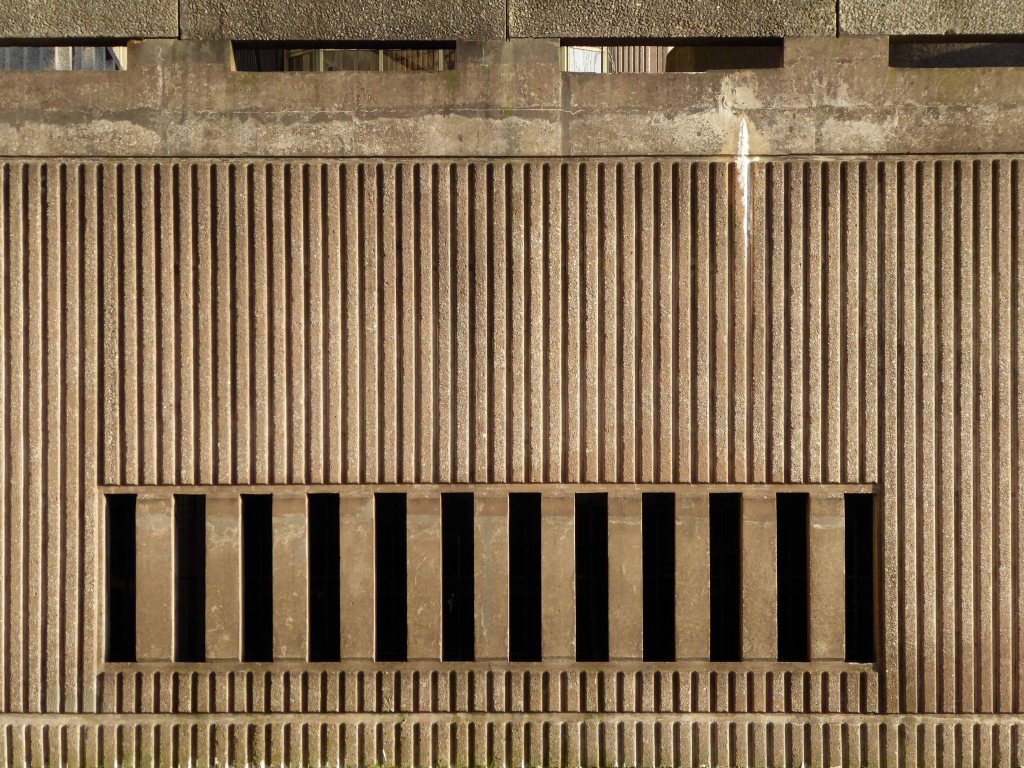
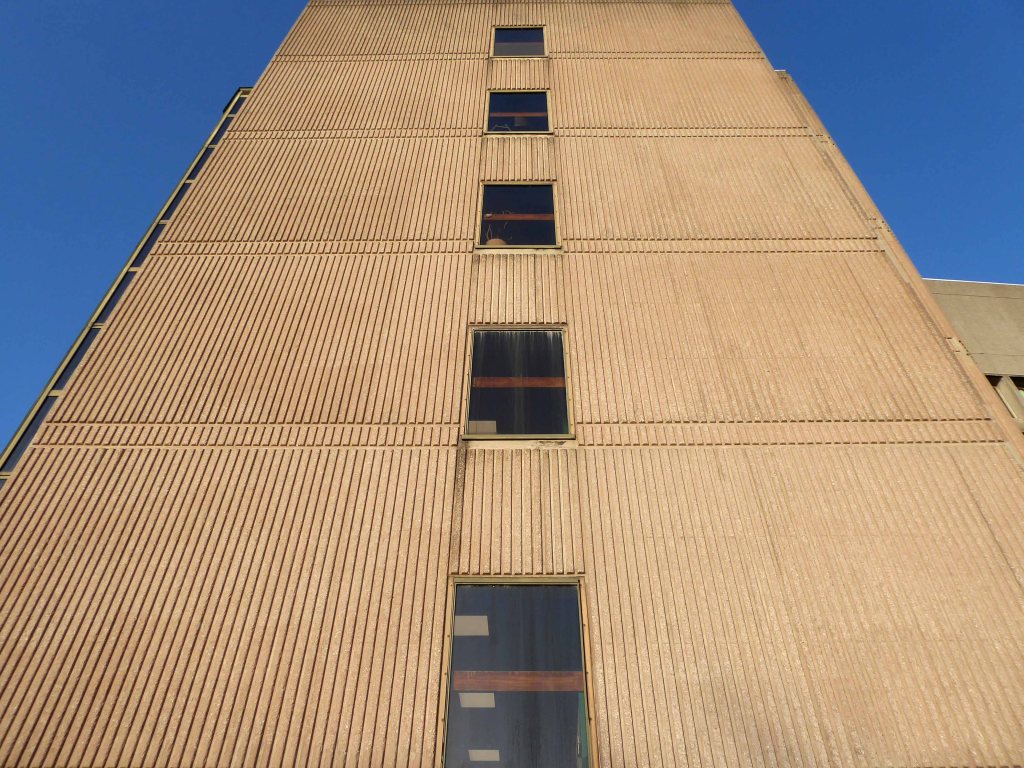
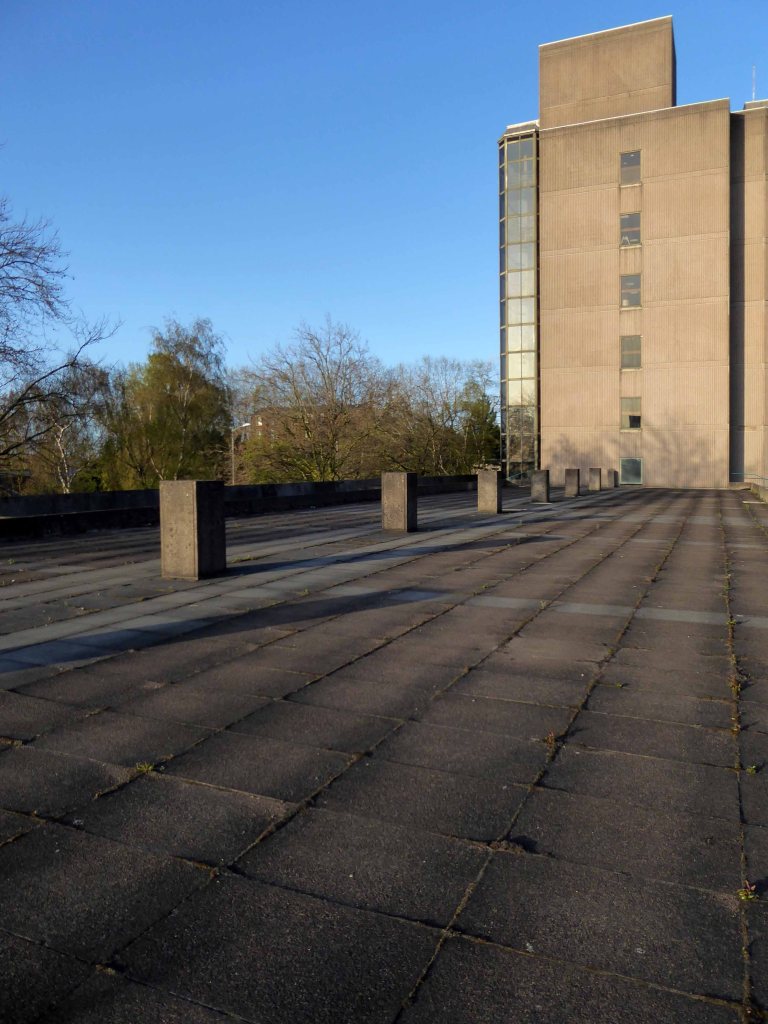
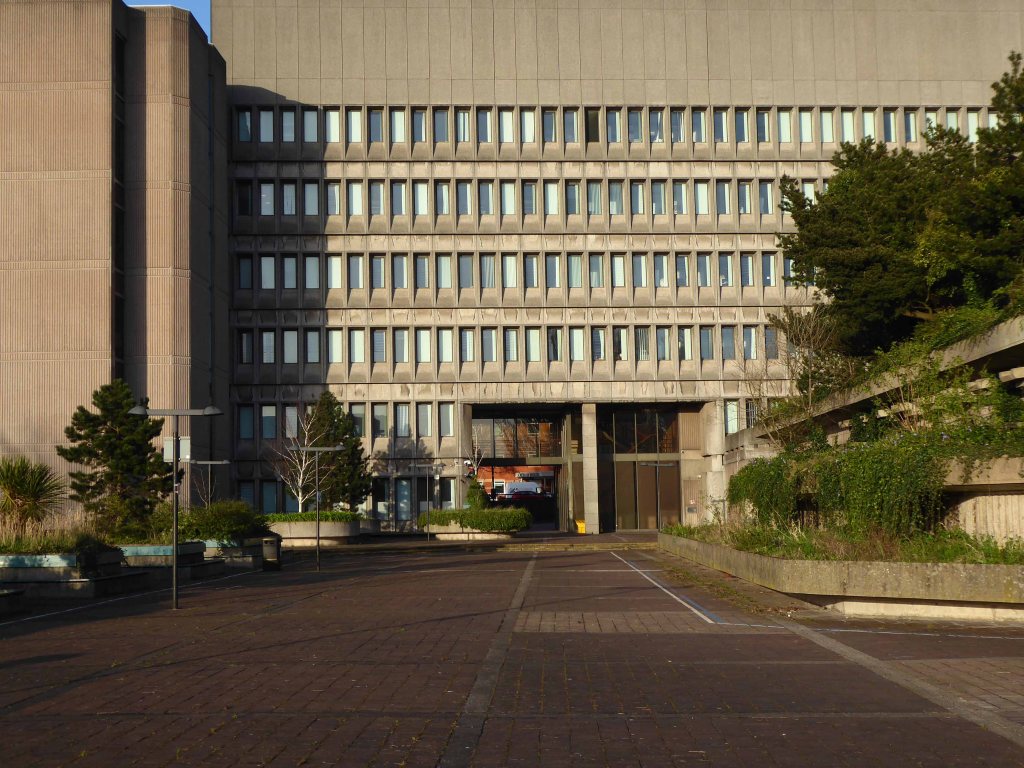
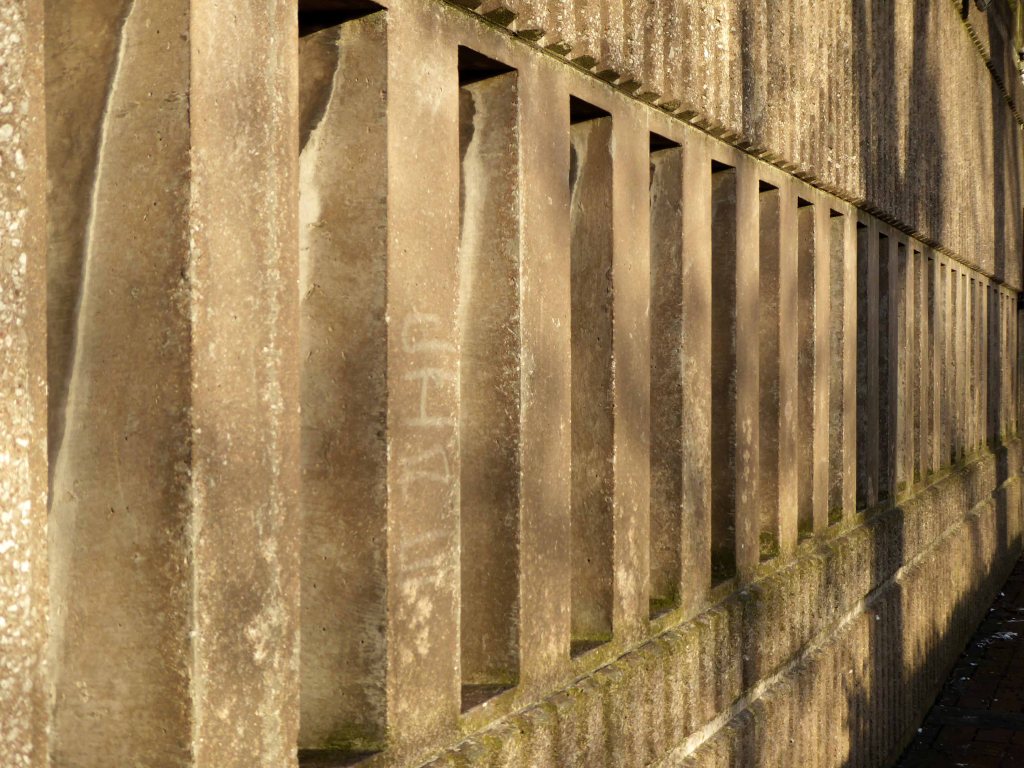
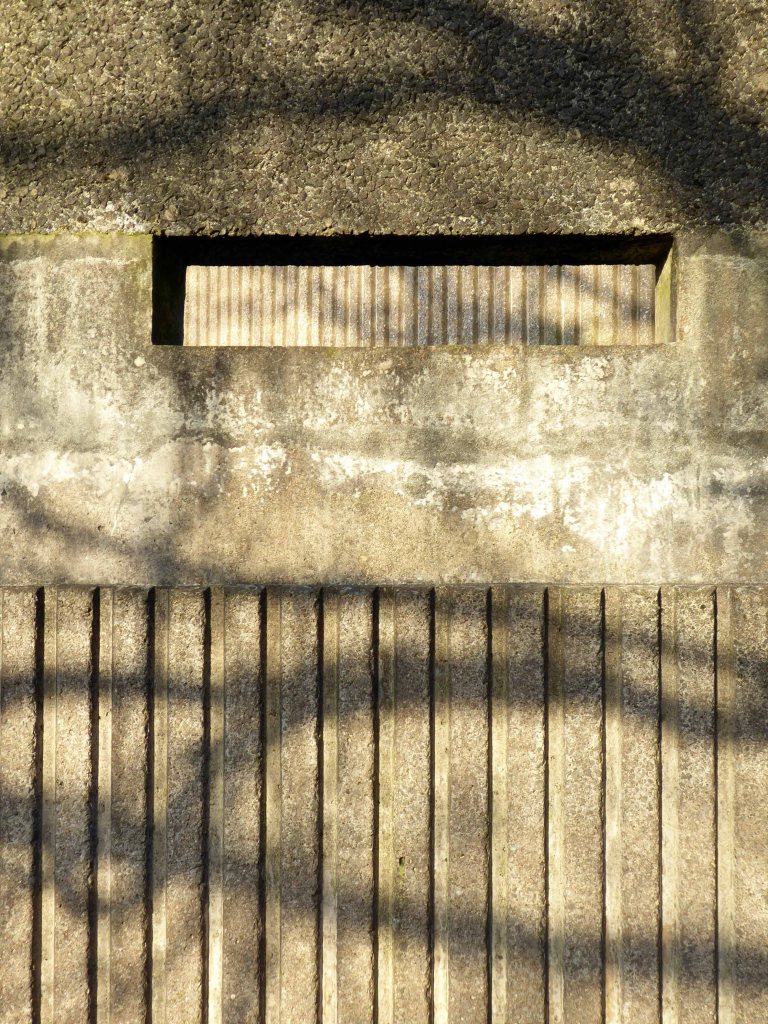
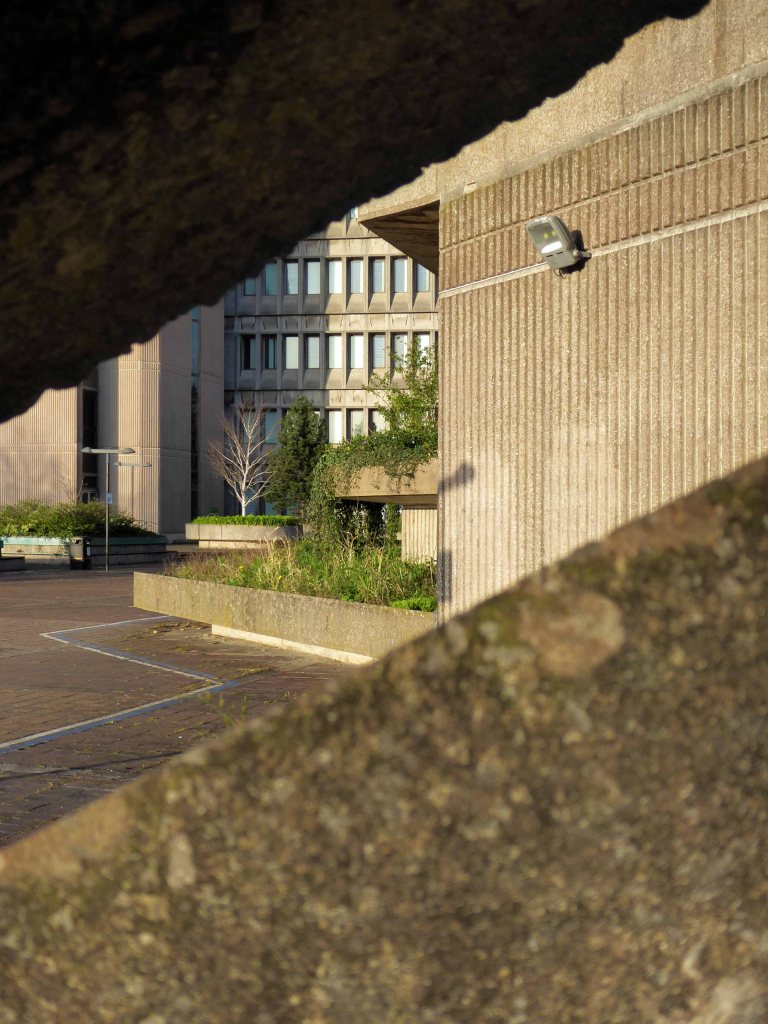
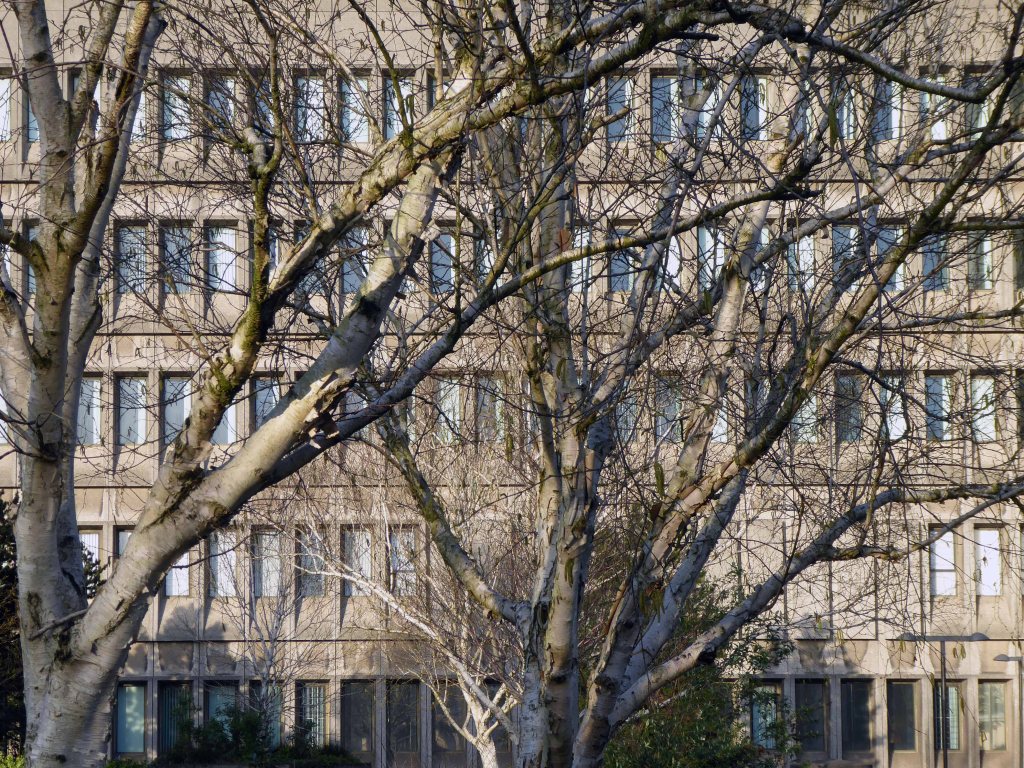
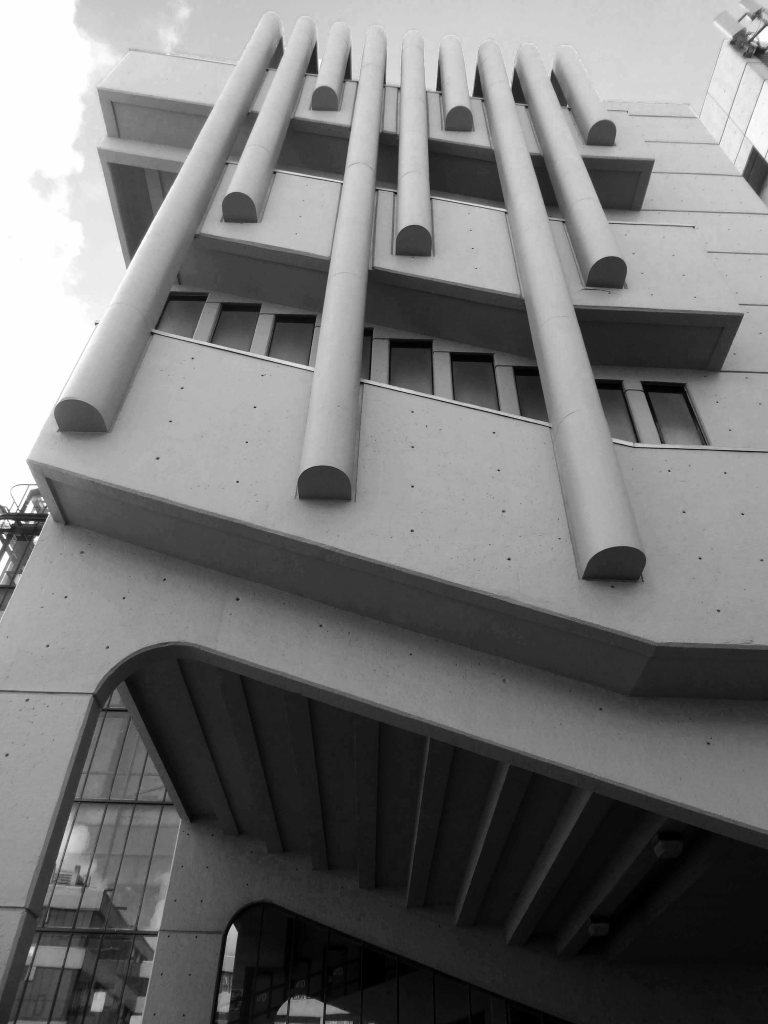
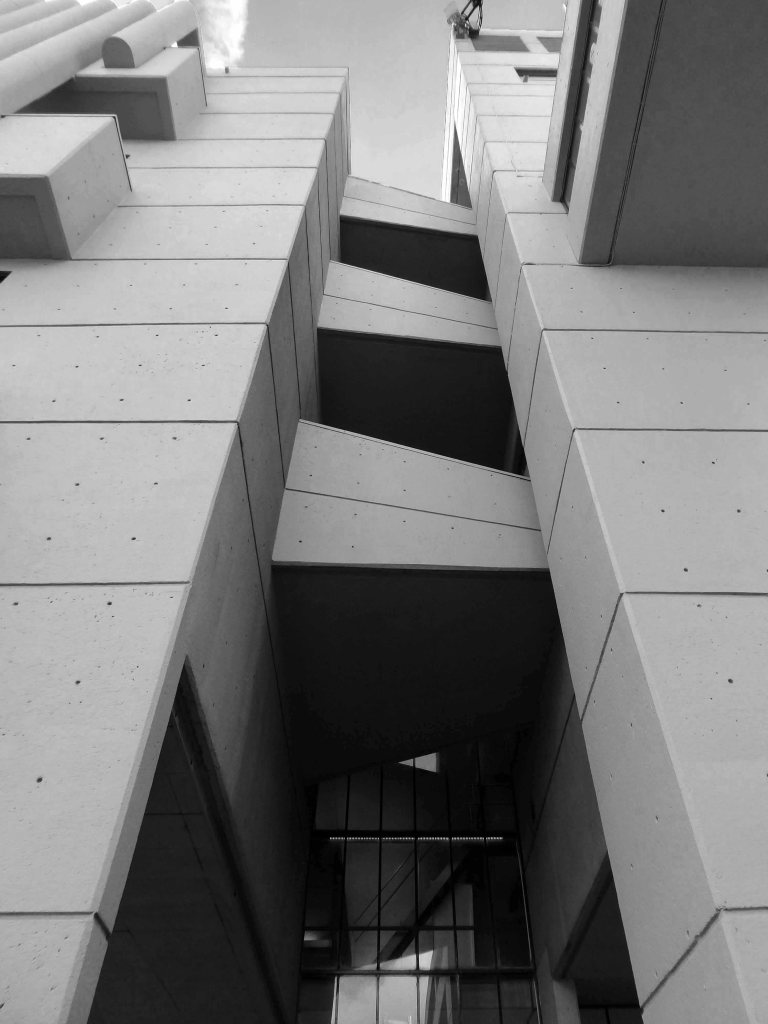
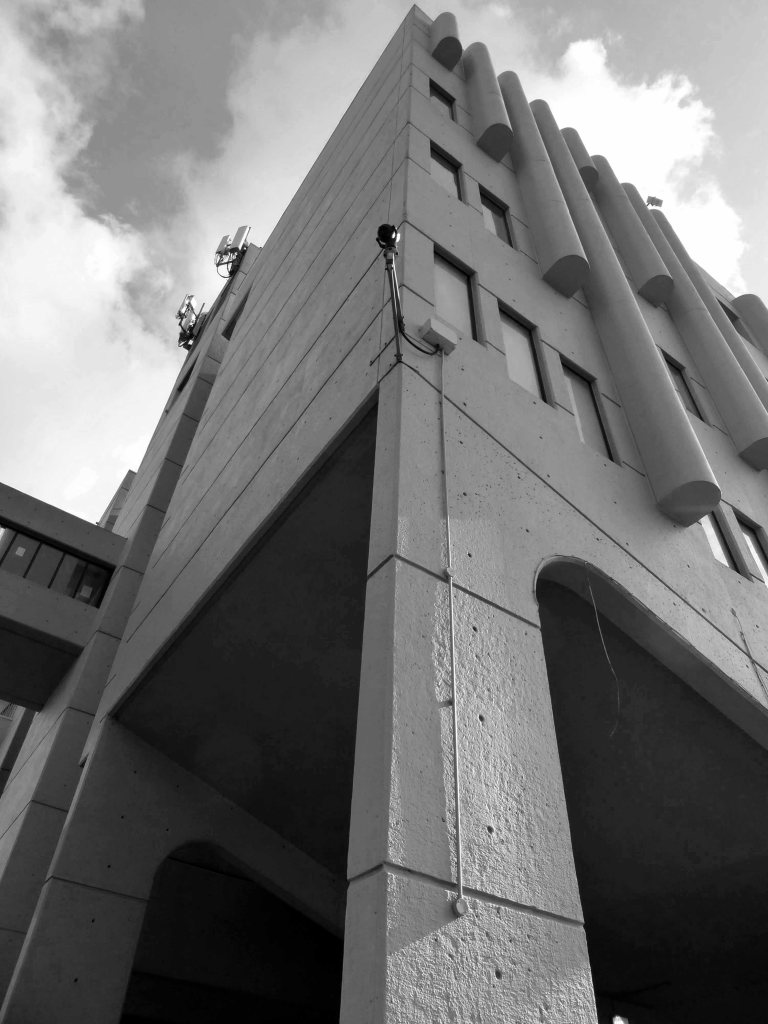
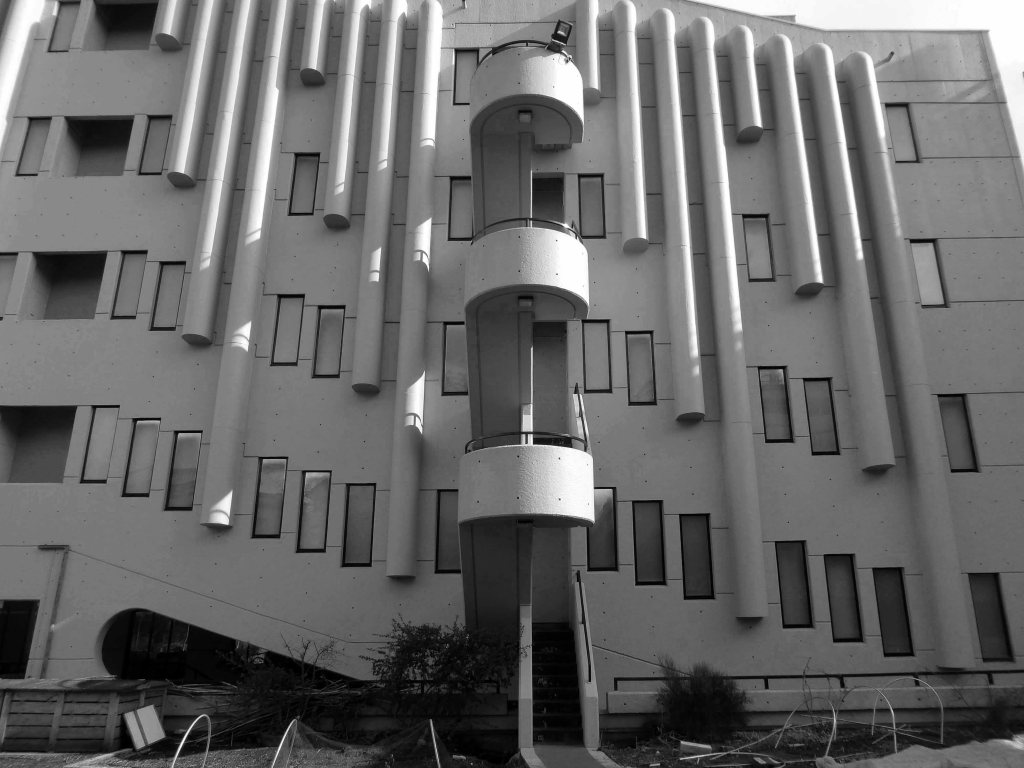
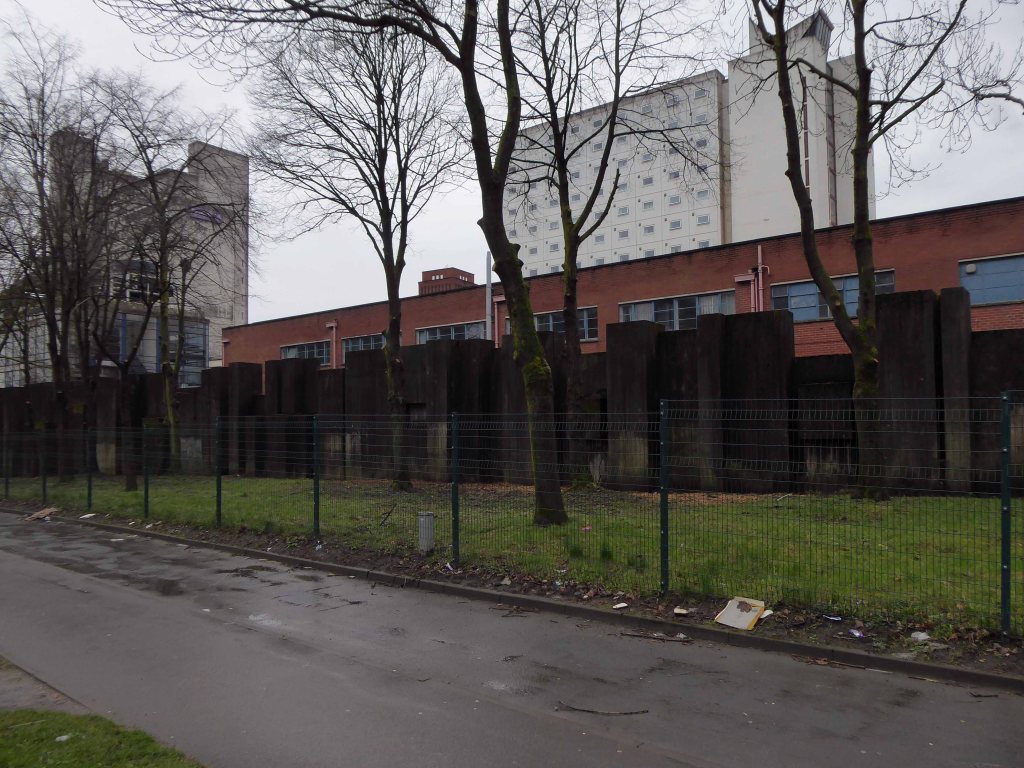
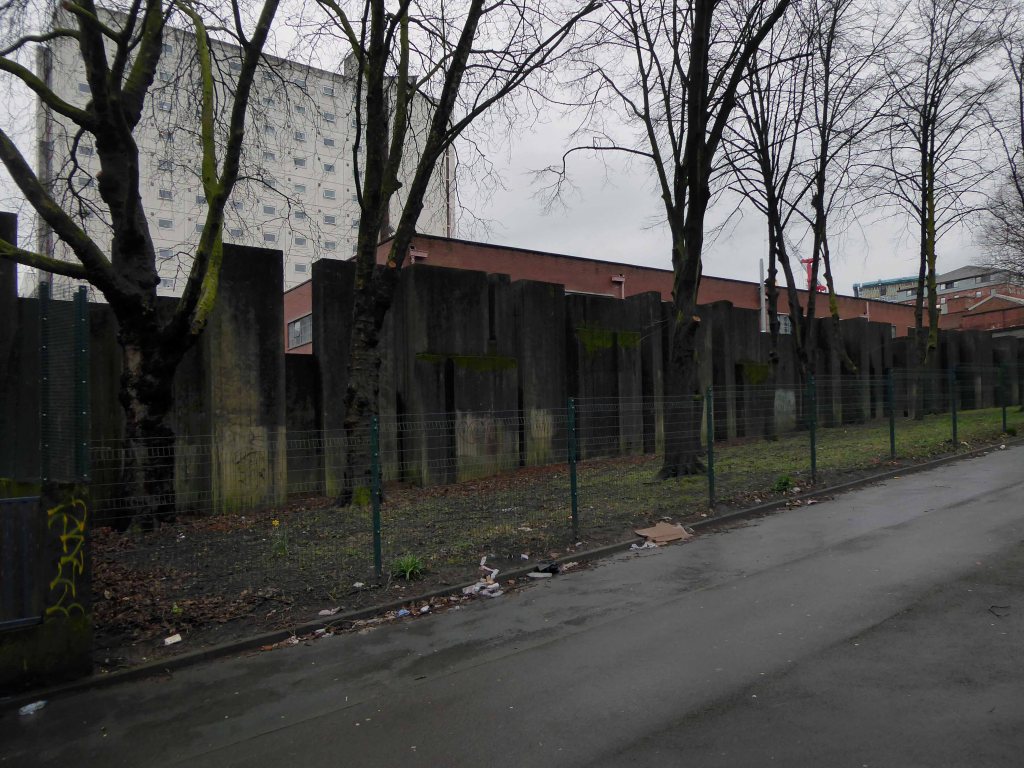
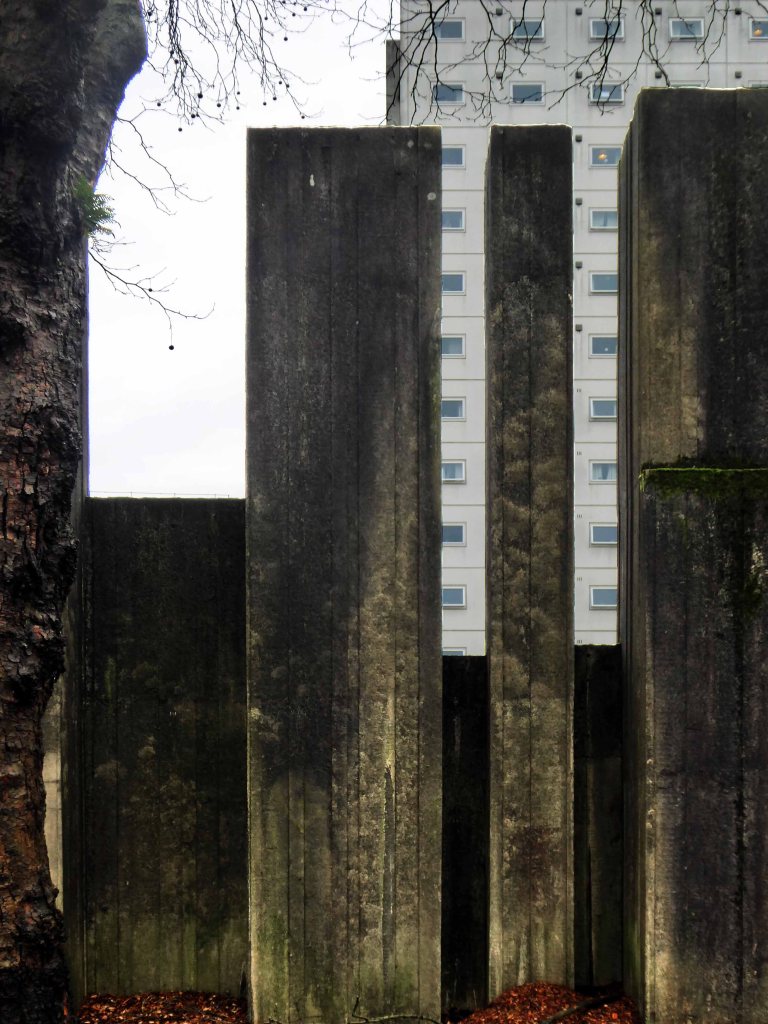
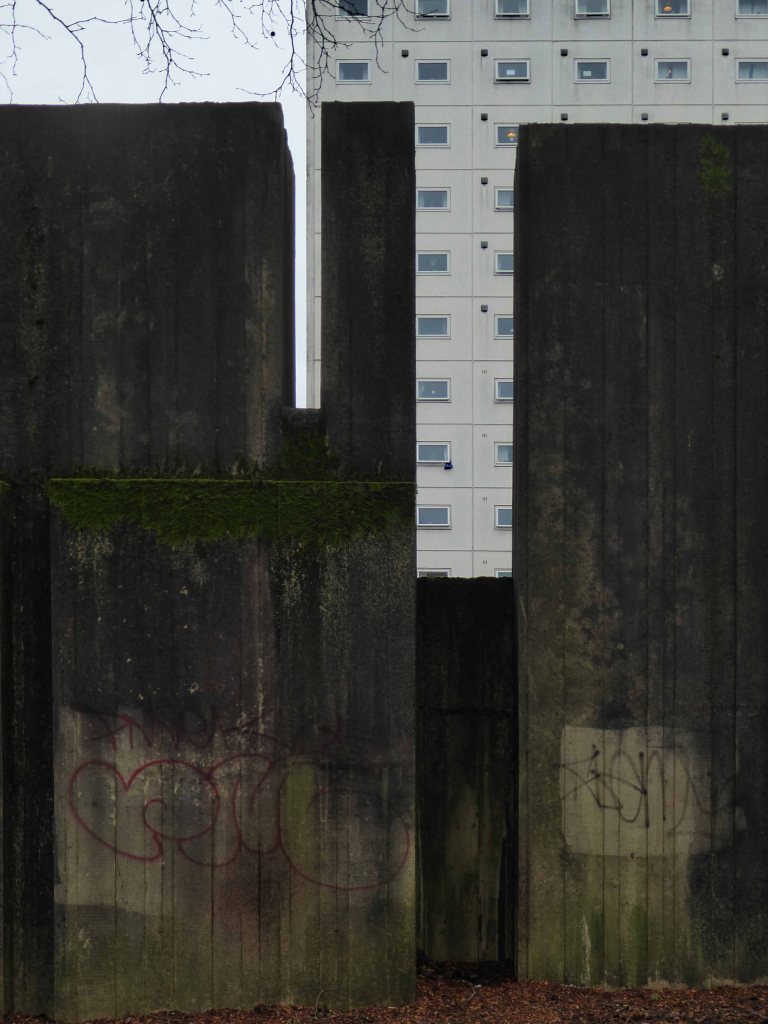
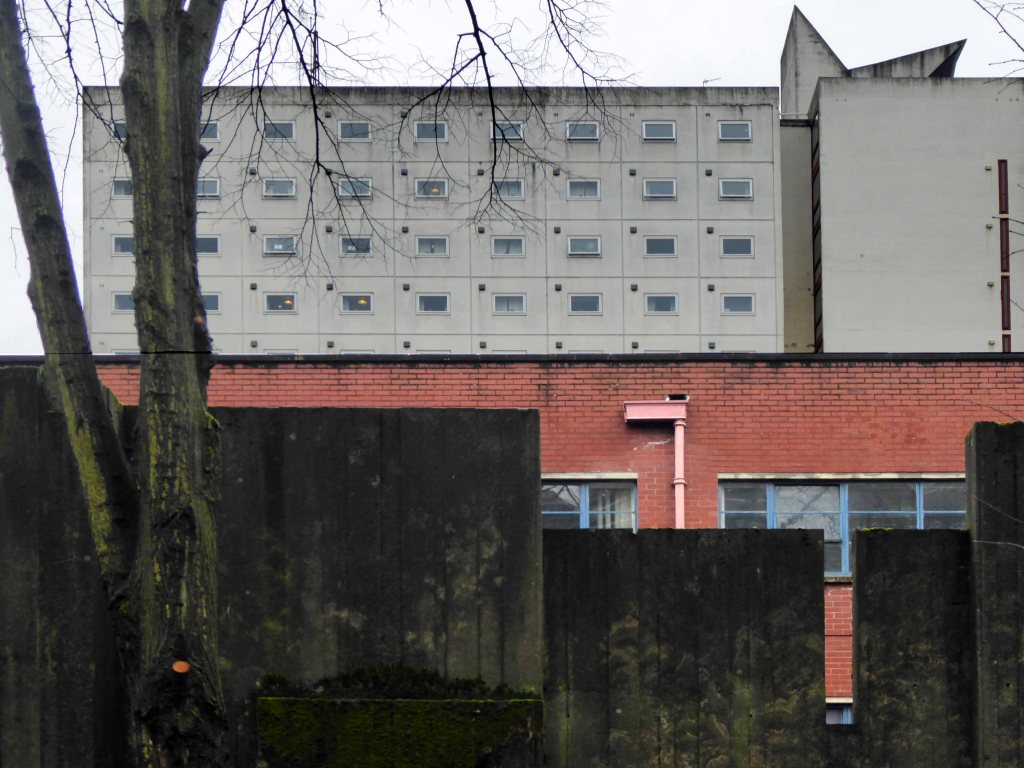
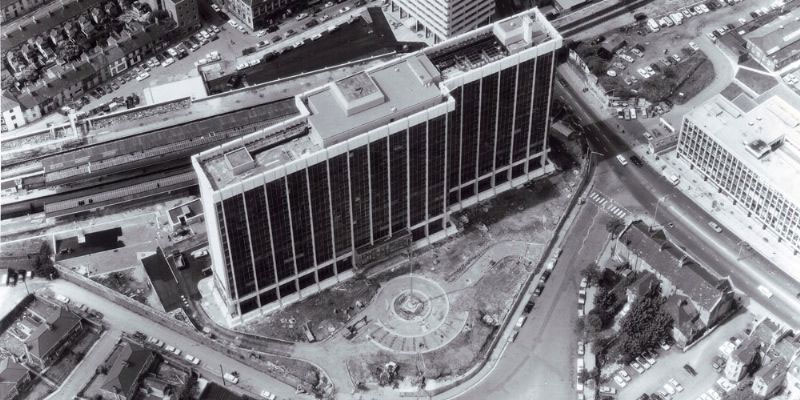
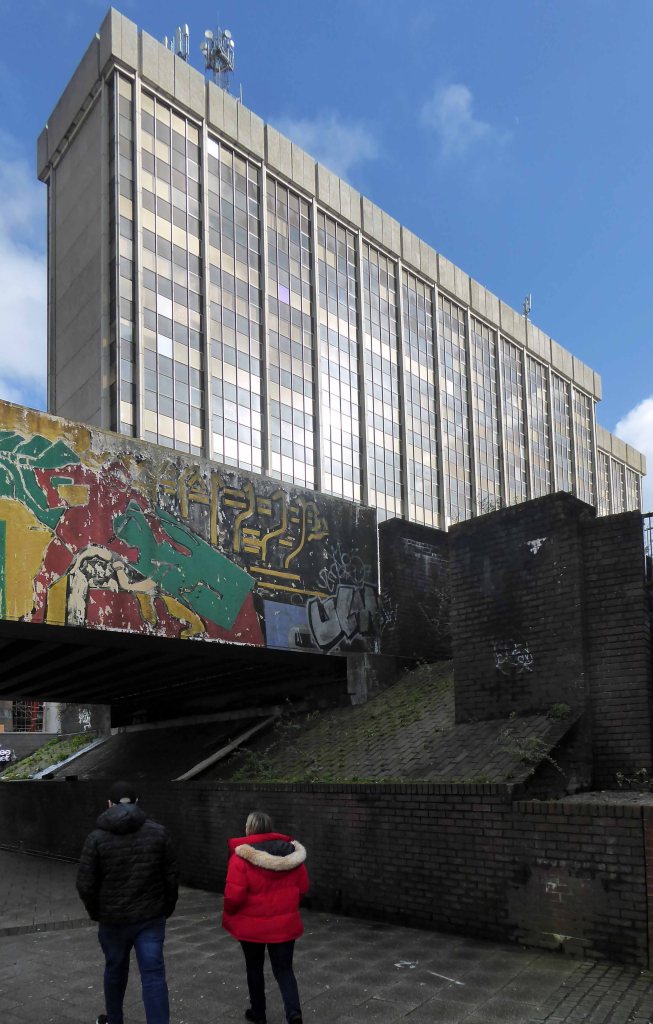
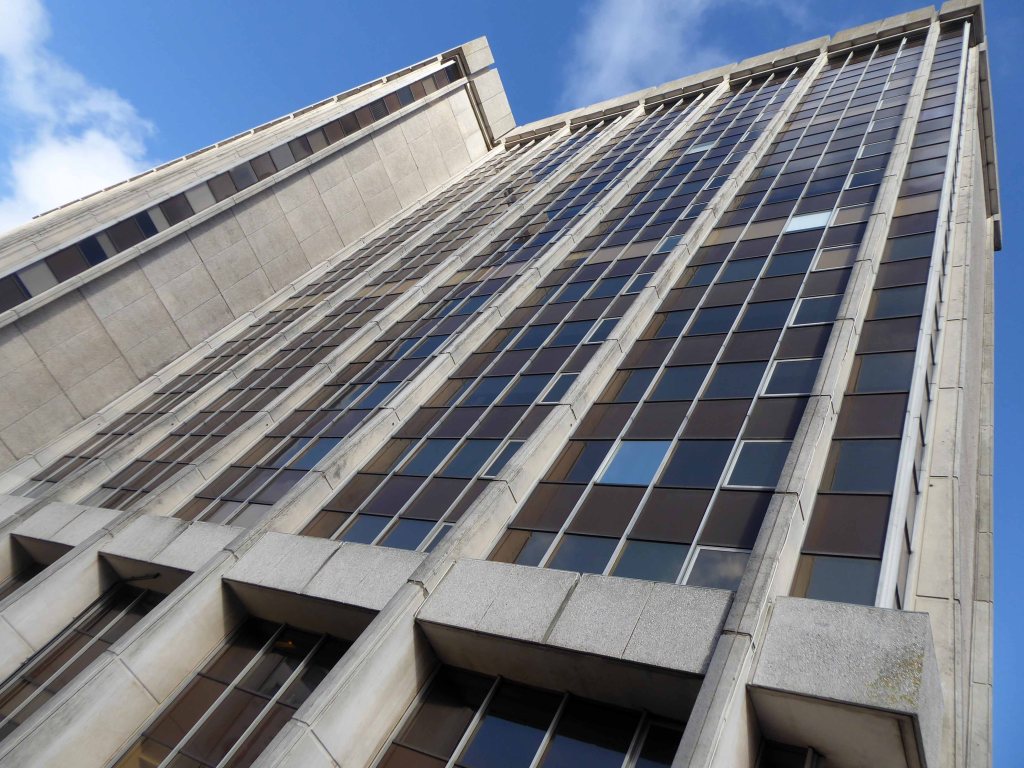
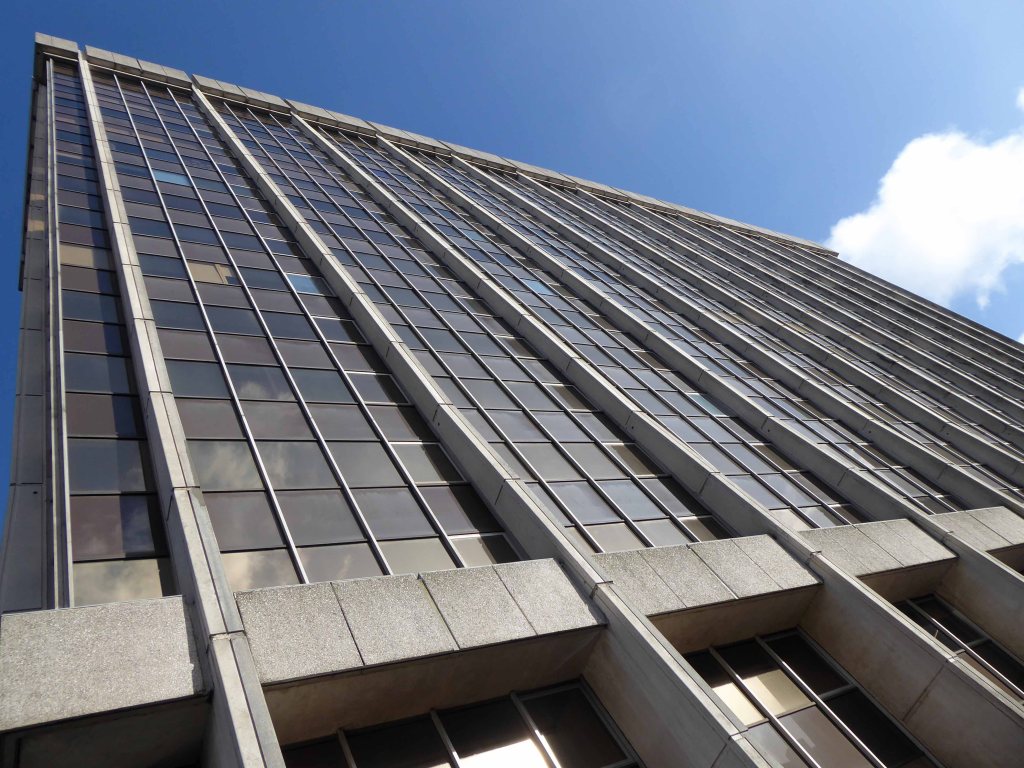
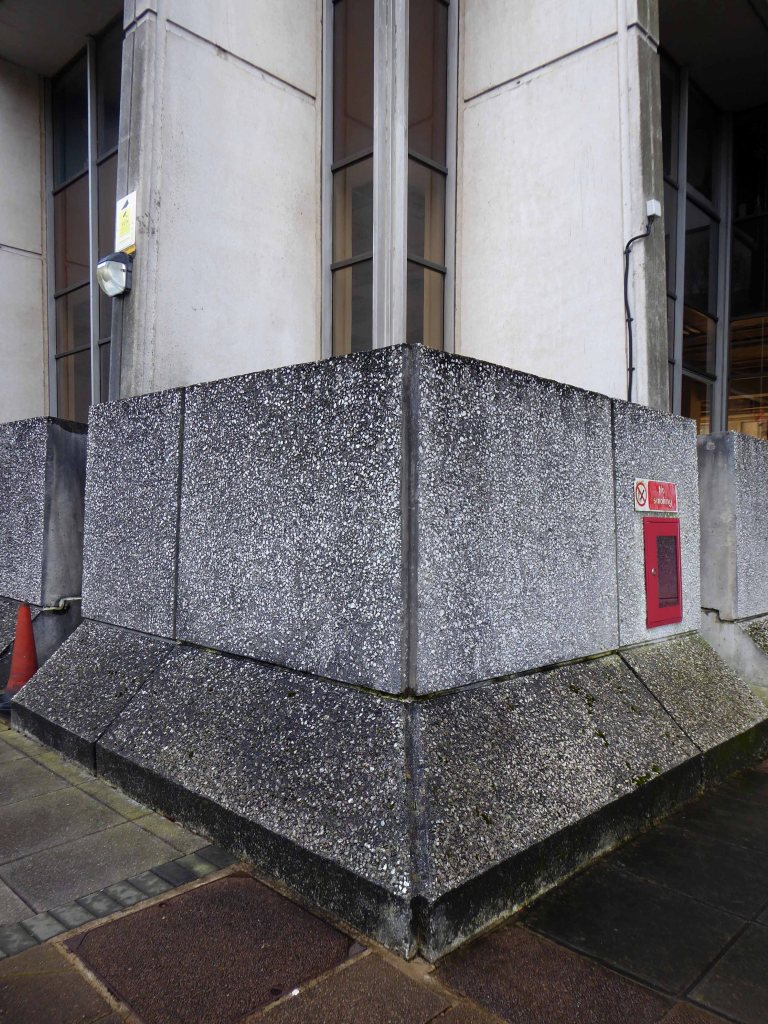
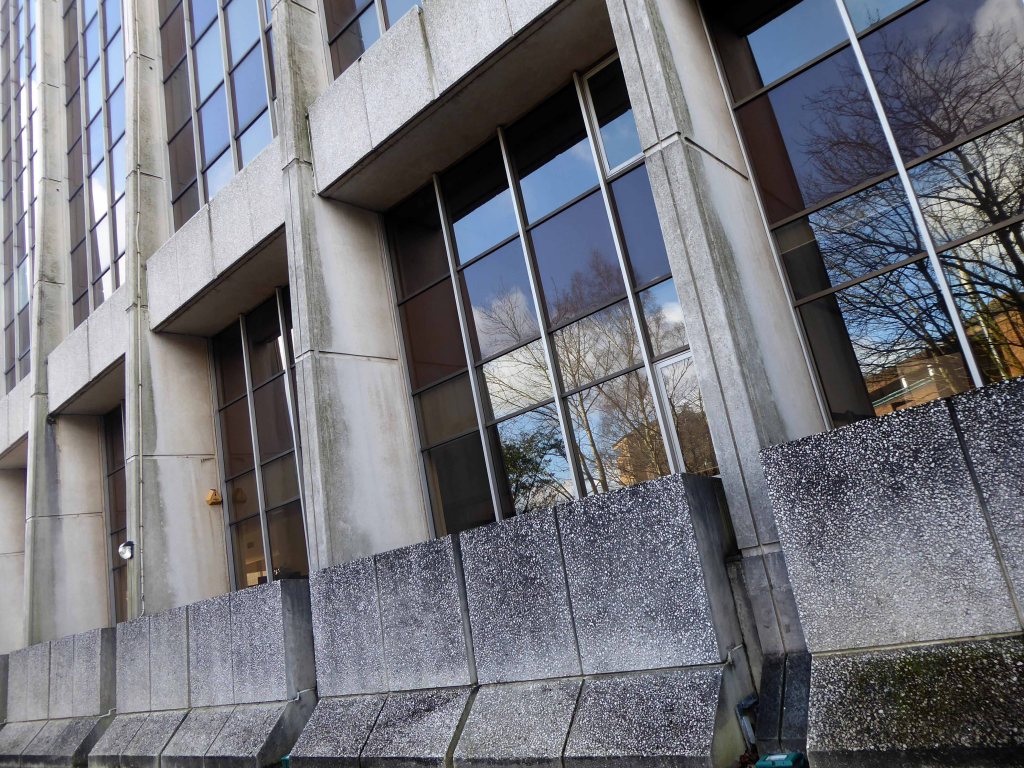
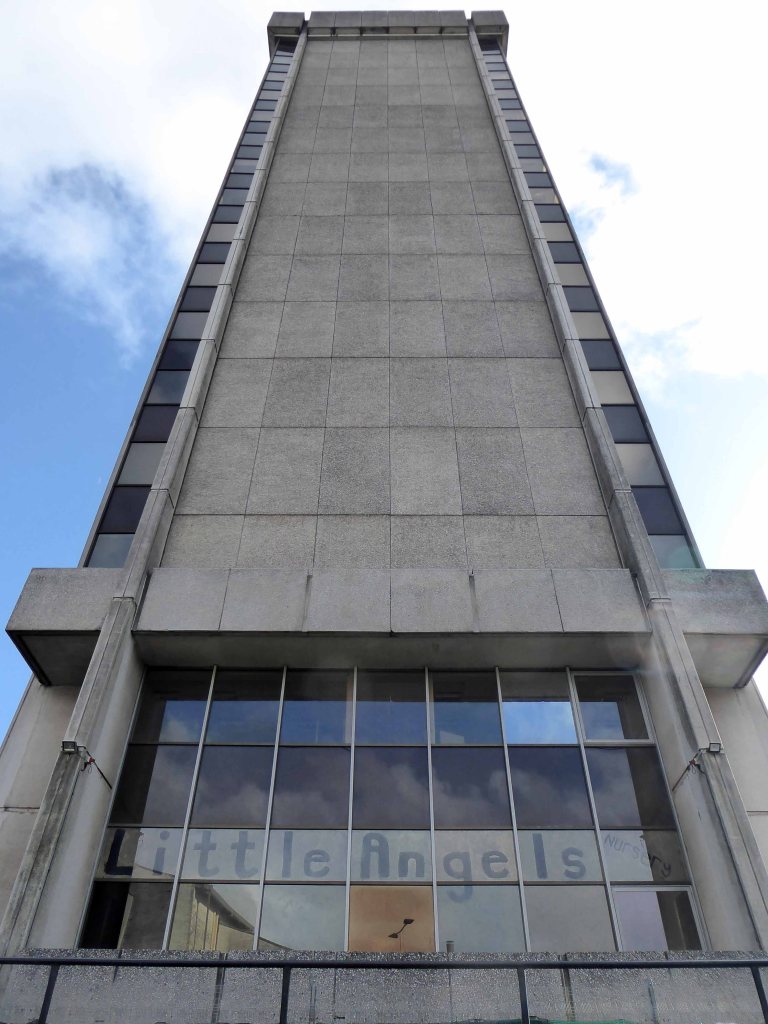
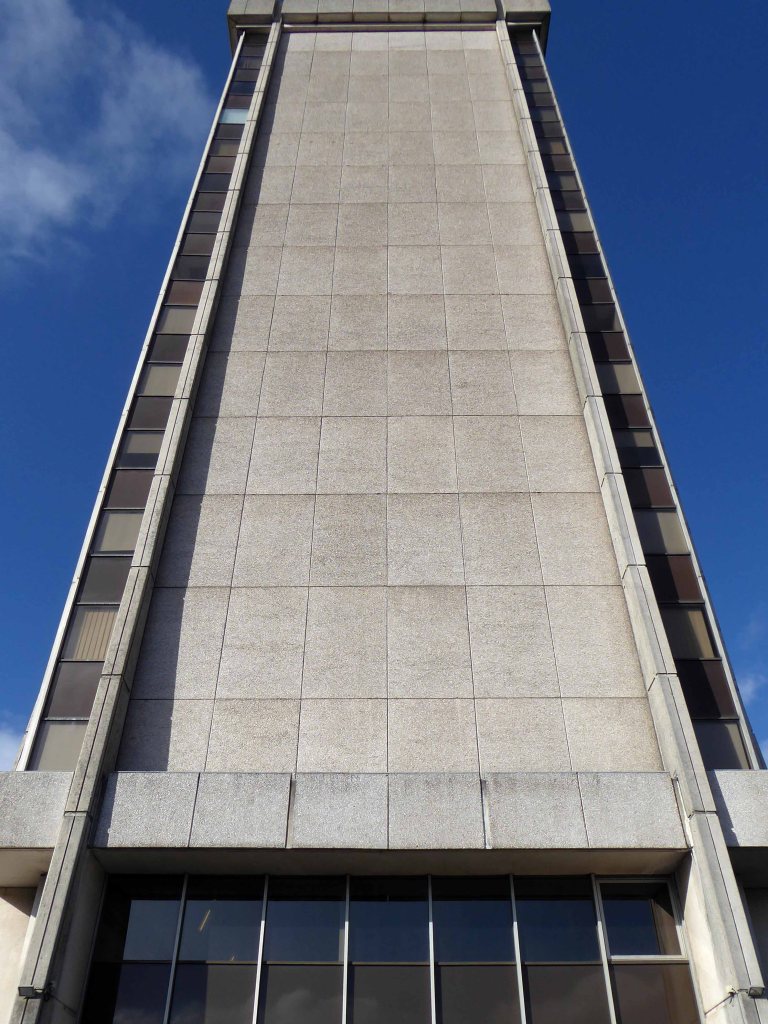
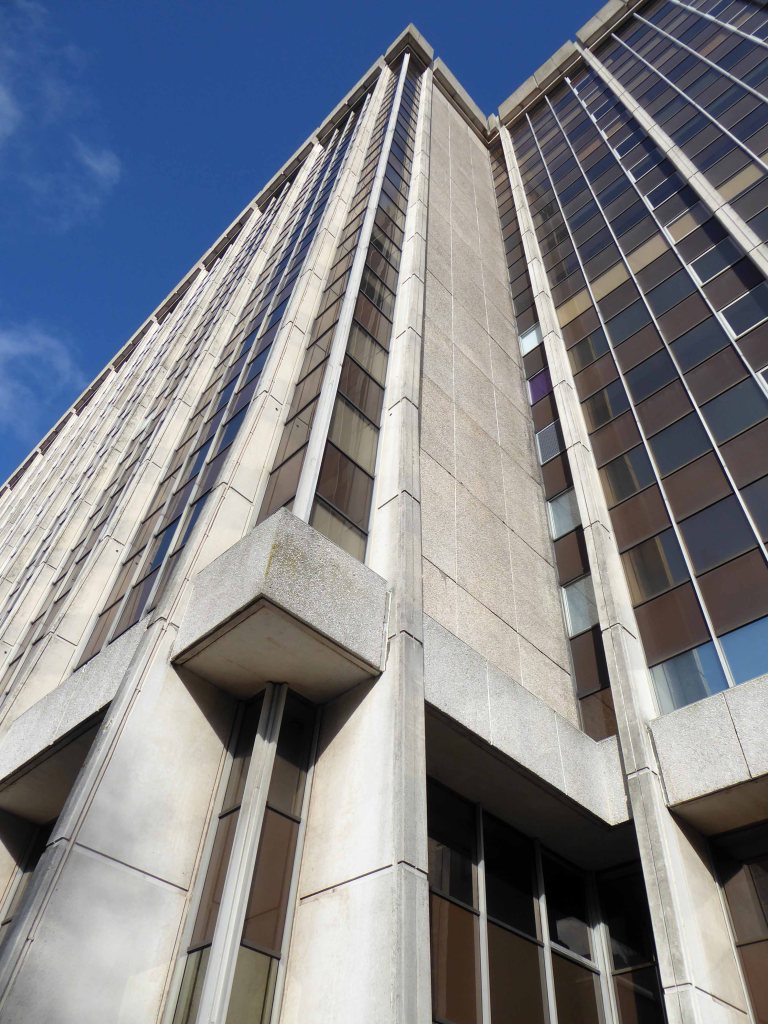
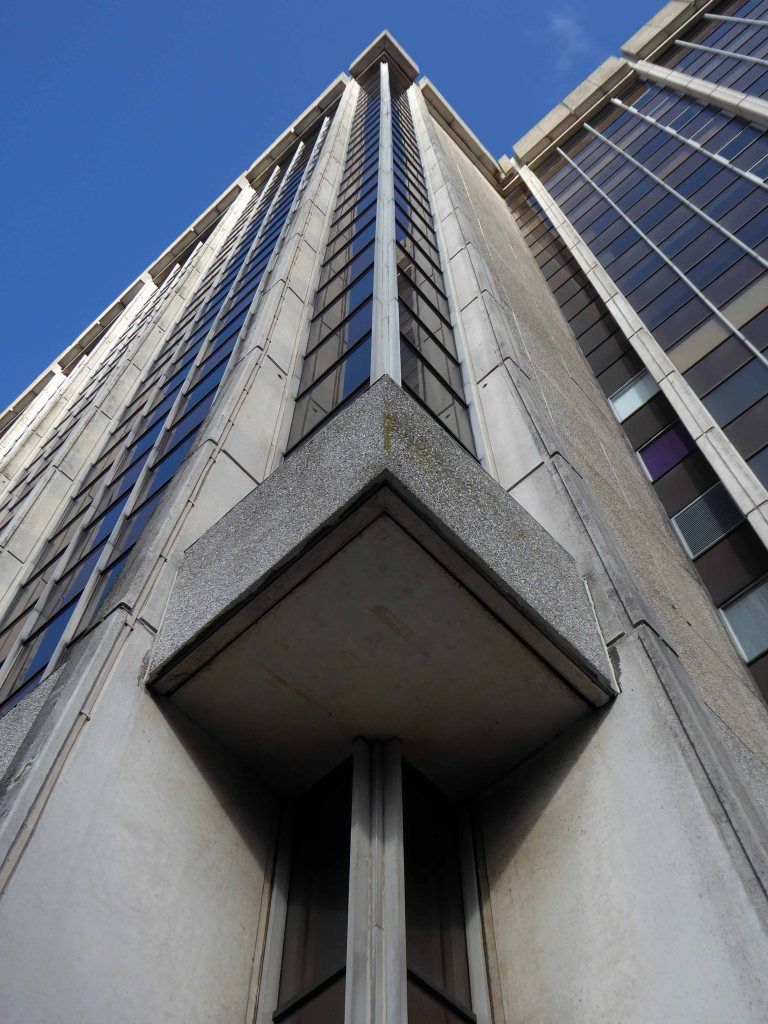
The Quality Hotel closed in 2014 and was demolished two years later after the site was bought by the city council following vandalism and fires.
The ten-storey concrete block was built in 1970 in the 350th anniversary year of The Mayflower ship setting sail from Plymouth for North America.
Gilpin Demolition
Plymouth Hoe’s fifty million pound hotel and apartments project appears to have ground to a halt with no building work happening more than a year after developers vowed it would start in 2018.
Henley Real Estate, the firm behind the plans for an 11-story hotel and a 15-floor block of flats on the demolished former Quality Hotel site, has gone silent on plans and not responded to emails and phone calls from Plymouth Live.
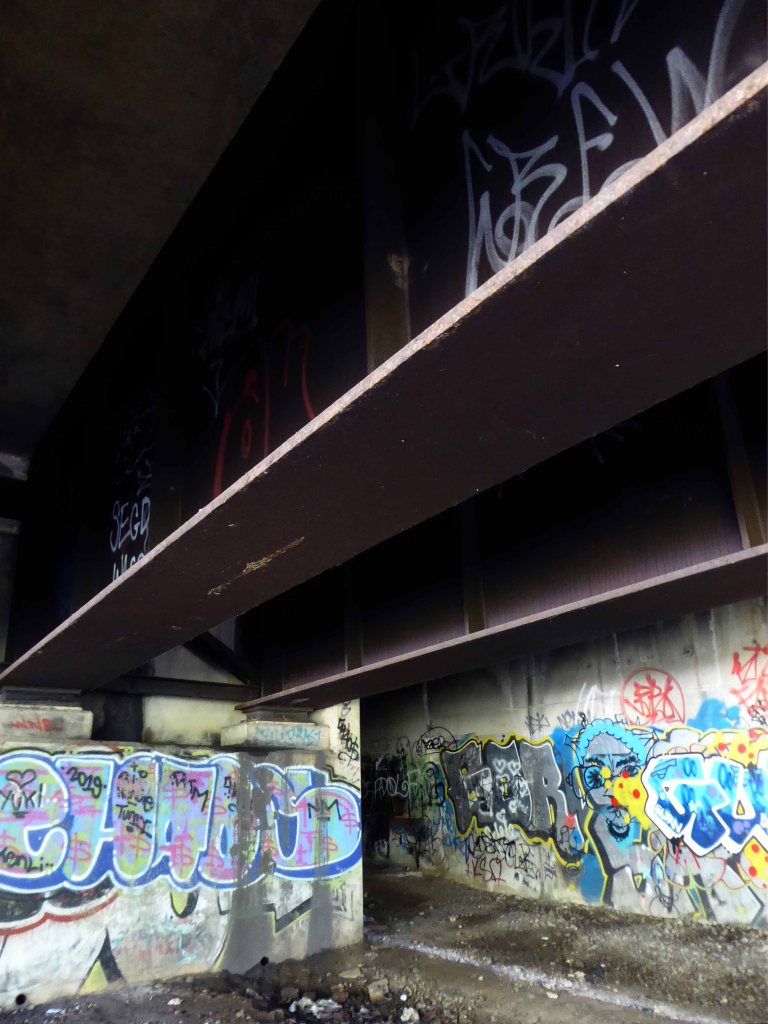
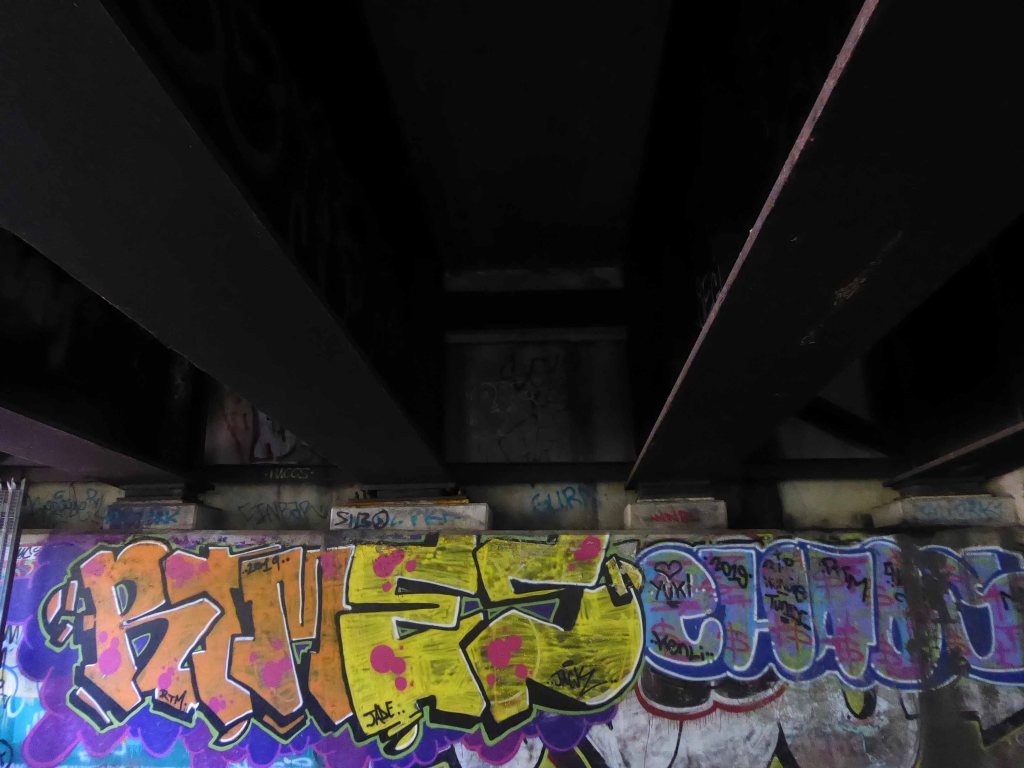
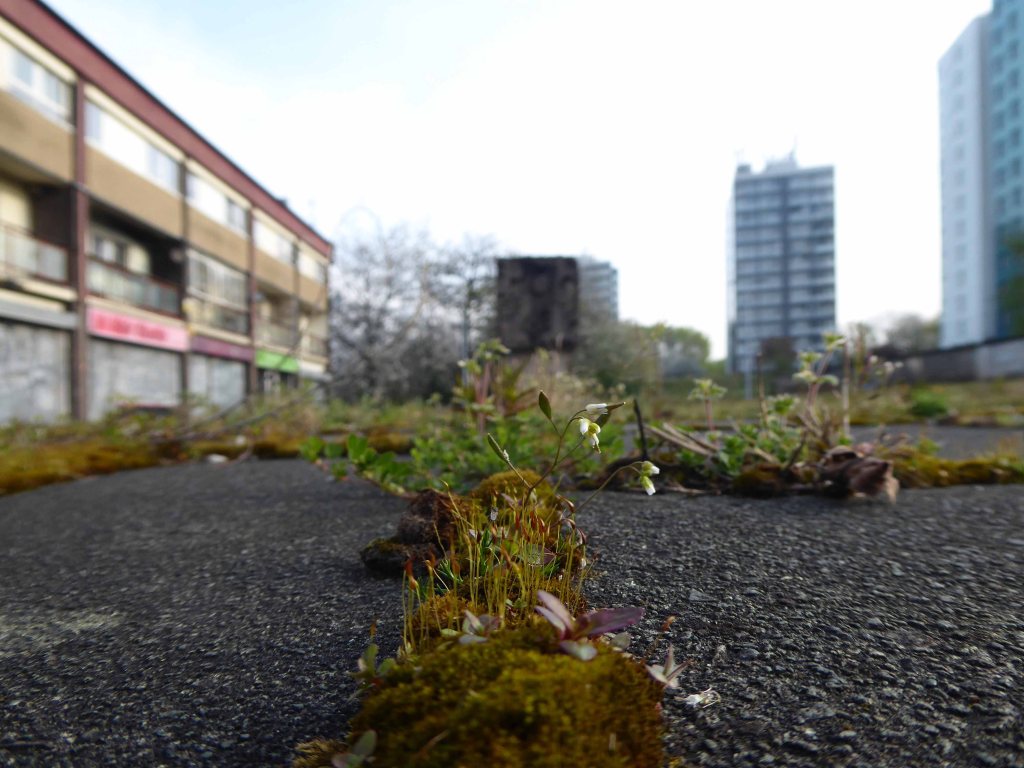
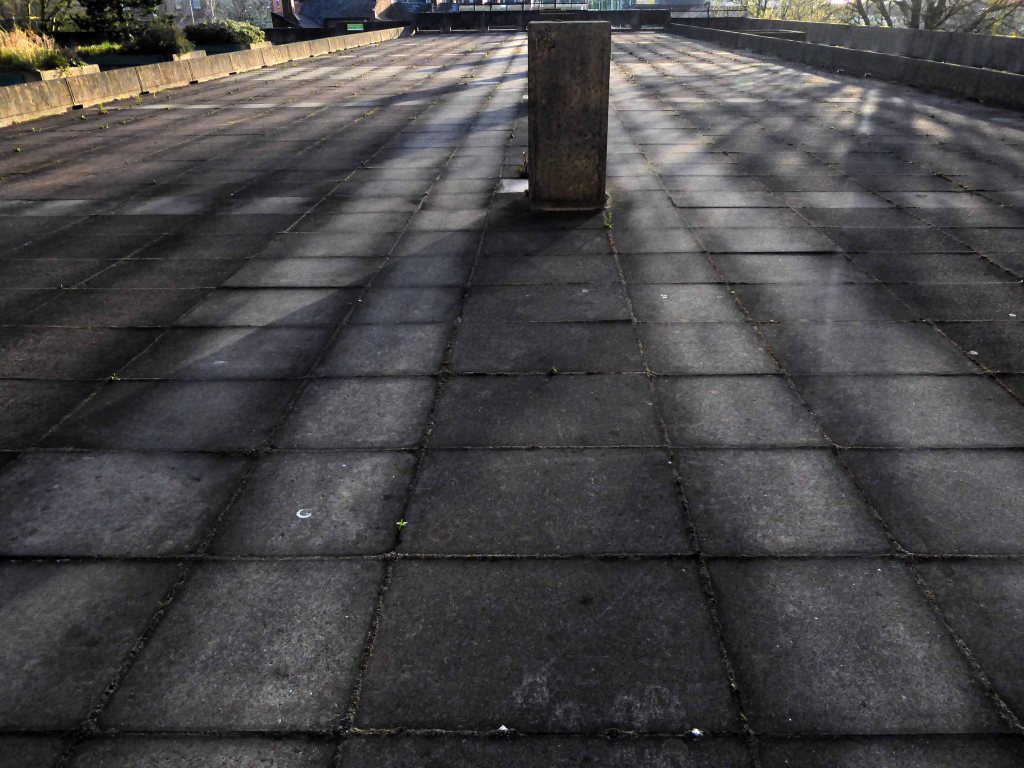
When we visited the site the only sign of life was some weeds growing out of the ground.
I’ll leave them to it, I’m off in search of the South West Passage
The South West Coast Path itself is 630 miles long and is the longest established National Trail in the country. Starting at Minehead in Somerset it runs along the coastline of Exmoor, continuing along the coast of North Devon into Cornwall. It follows the entire coastline of Cornwall, goes across the mouth of the River Tamar and continues into Devon. After running along the south coast of Devon it then follows the Dorset coastline before finally ending at Poole Harbour.
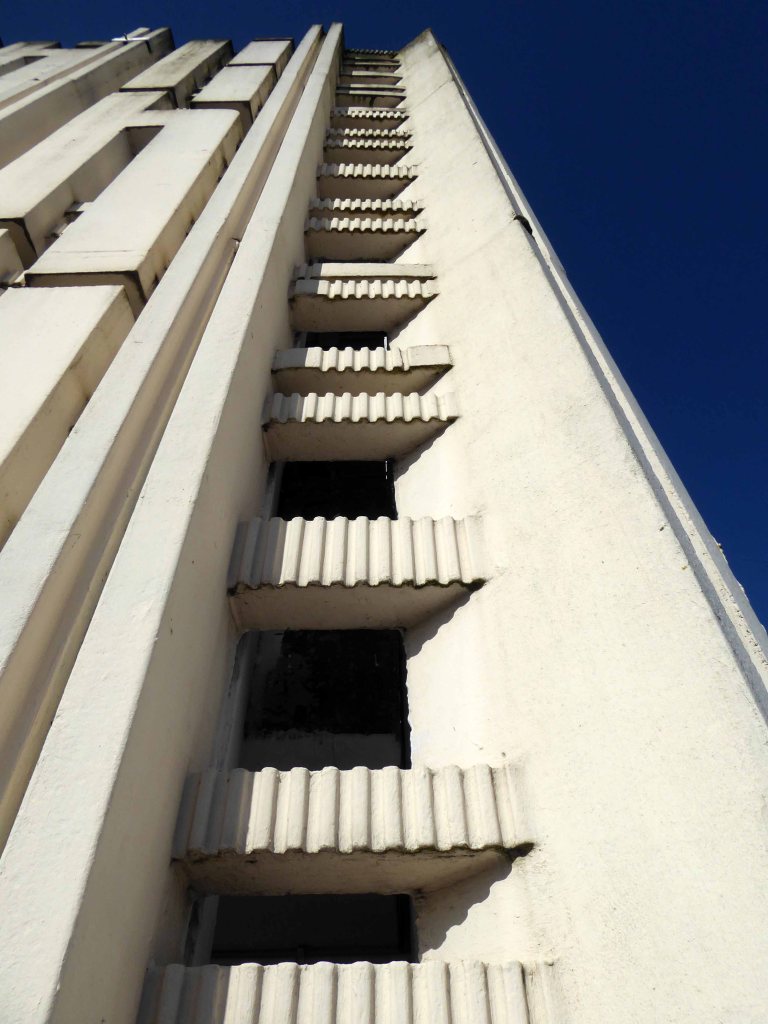
However if you follow the Coastal Path you’ll miss this delightful concrete fire station training tower in Plympton.
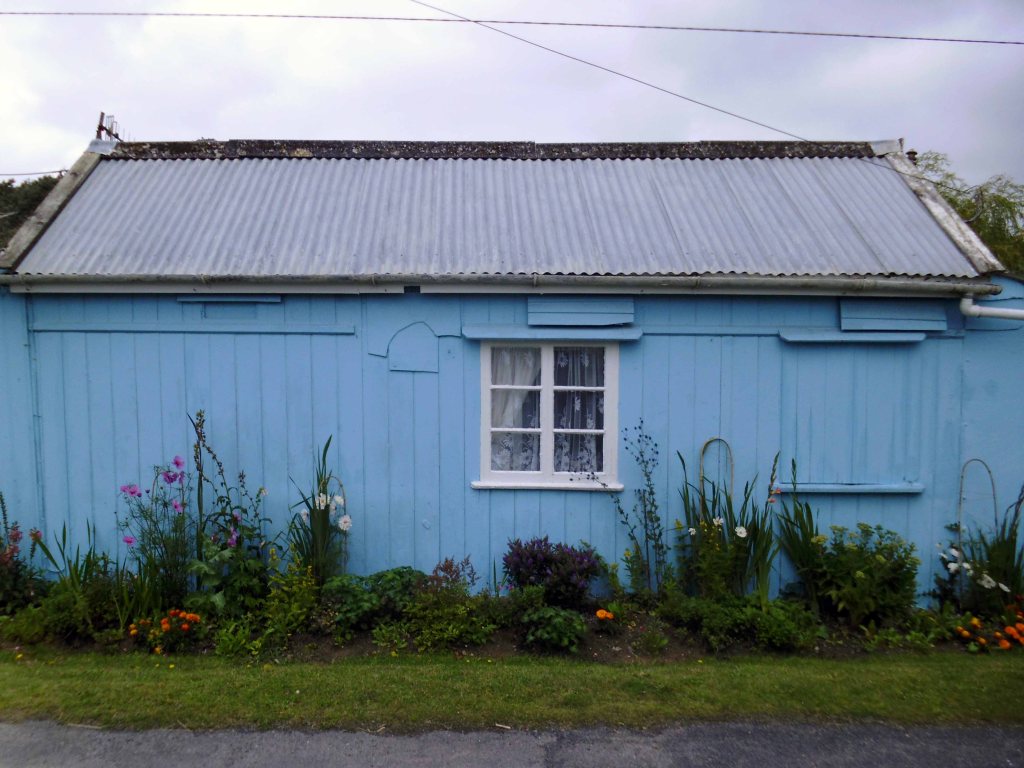
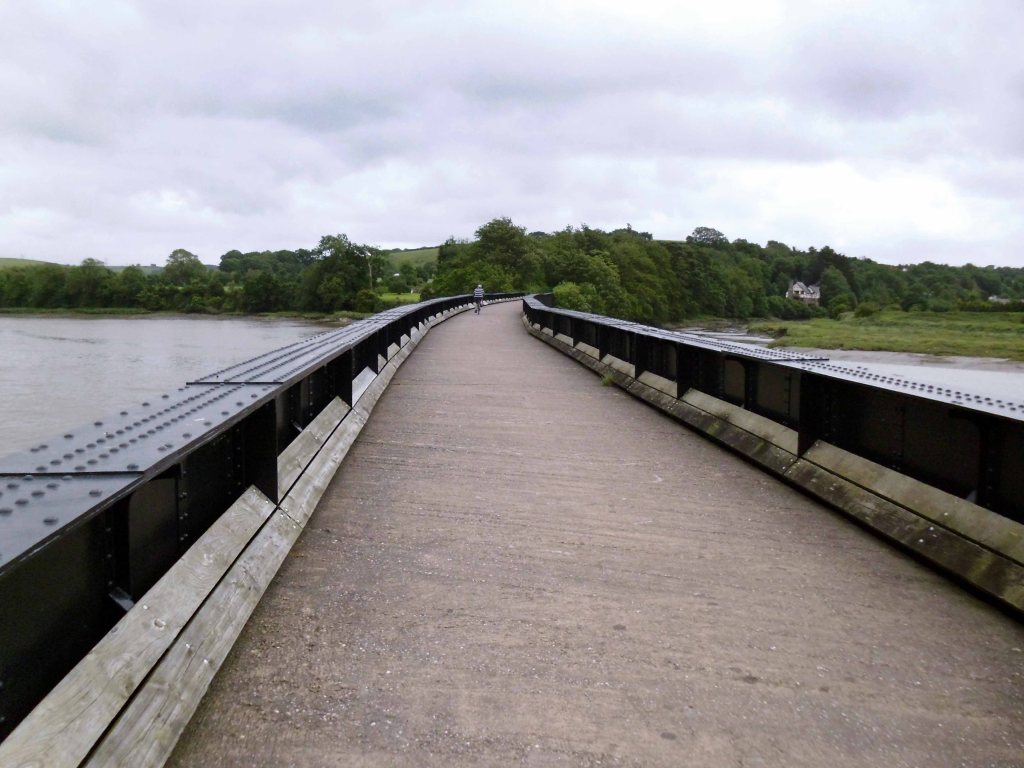
Along with the longest corrugated iron structure in the West Country.
You’ll miss getting slightly lost and a cup of tea at the Dream Bites roadside café in Modbury.
Dream Bites café, we’re all is welcome, from cars to Biker’s to Ride outs to Puplic and to work companies even you the cyclists!
GREAT FOOD GREAT PRICE.
You’ll miss the deep hedged lanes of Devon.
Where the four x fours force you into the roadside brambles with consummate ease and regularity – even on a designated cycle route.
Respite from such trials and tribulations can be found upon siting a water tower or a deserted butchers – down at Slapton Ley.
Slapton Ley is the largest natural lake in south-west England. Although it is only separated from the sea by a narrow shingle bar, it is entirely freshwater.
Much beloved of my old pal Harry H Potts and family.
Then it’s up a hill down a hill to Dartmouth.
I made enquiries at several sea front hotels – who upon assessing my mode of dress and transport, despatched me to a back street pub B&B, suit y’self suits me, and my pocket.
The Seale Arms was just the job.
Quick change for the artist – let’s have a look around.
It’s full of historical architectural detail.
And slightly more hysterical architectural detail.
Time for a pint – chatting in the pub to yachting types, for it is here that the sense of tradition, the sea, power and wealth traditionally resides.
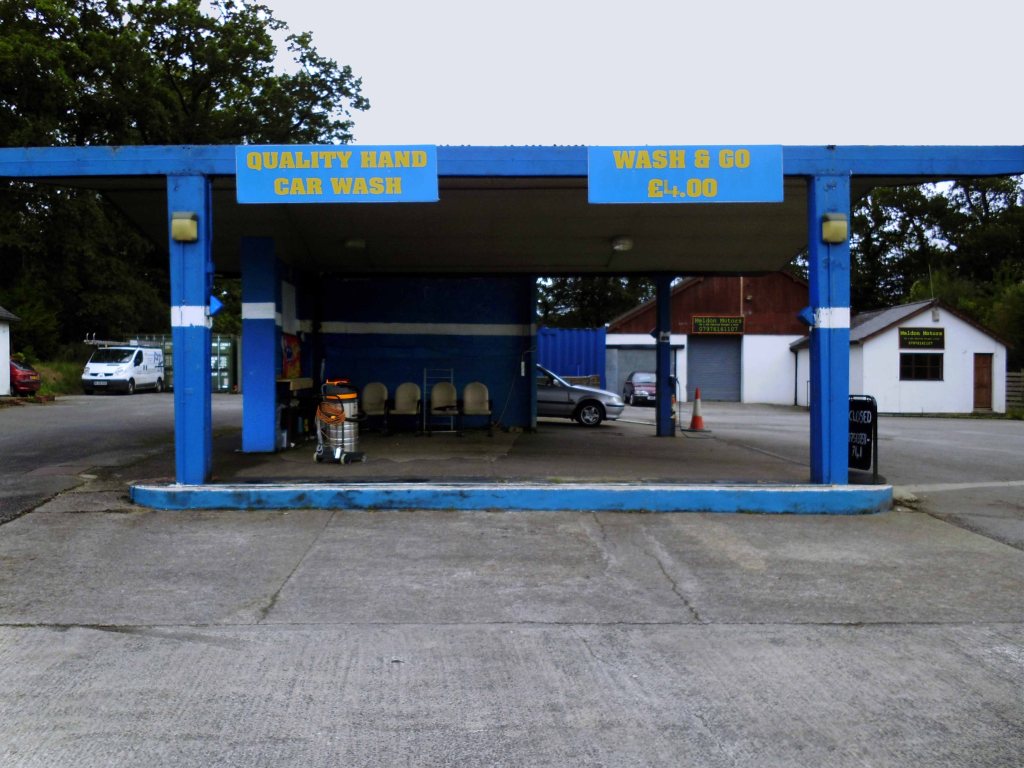
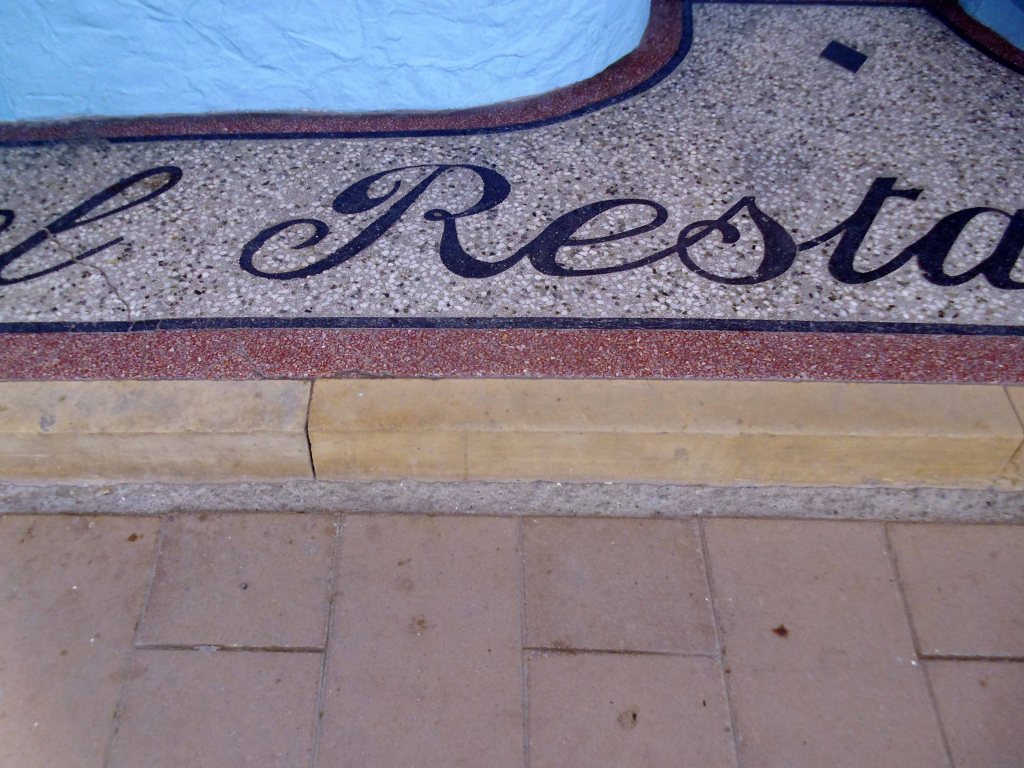
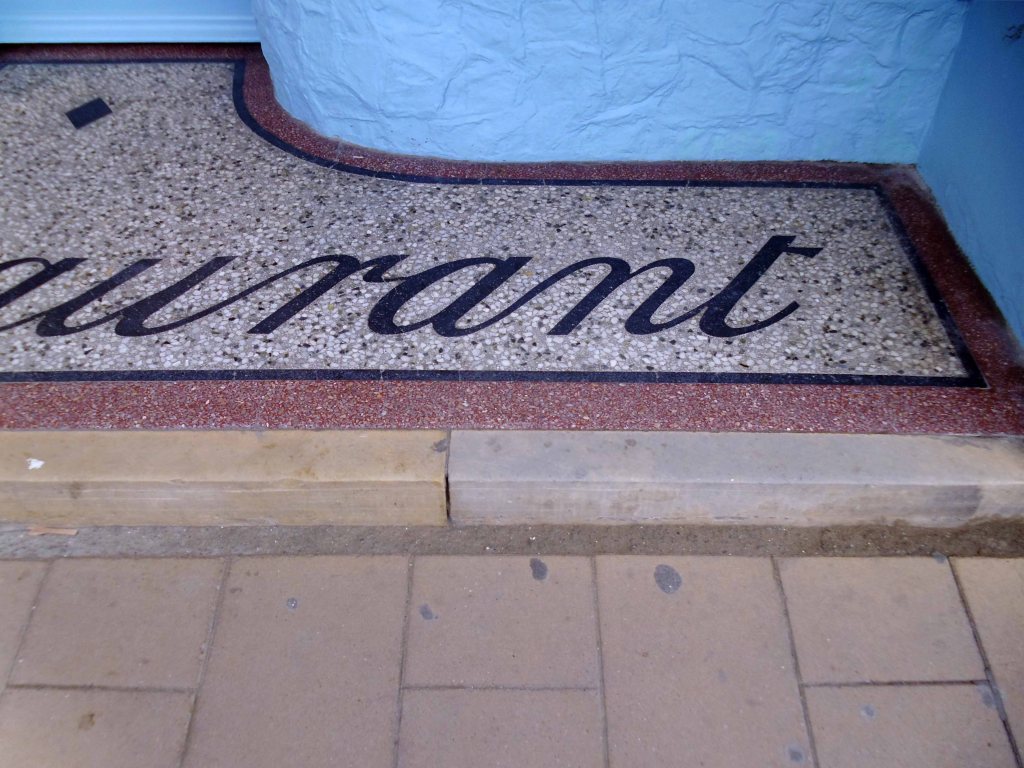
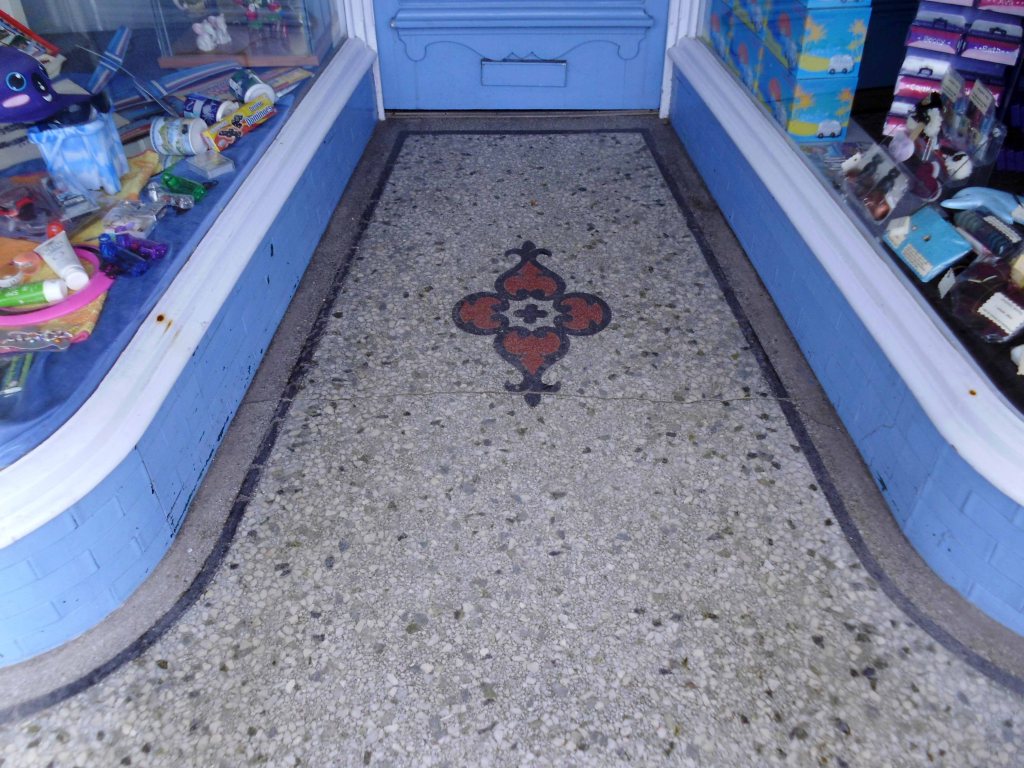
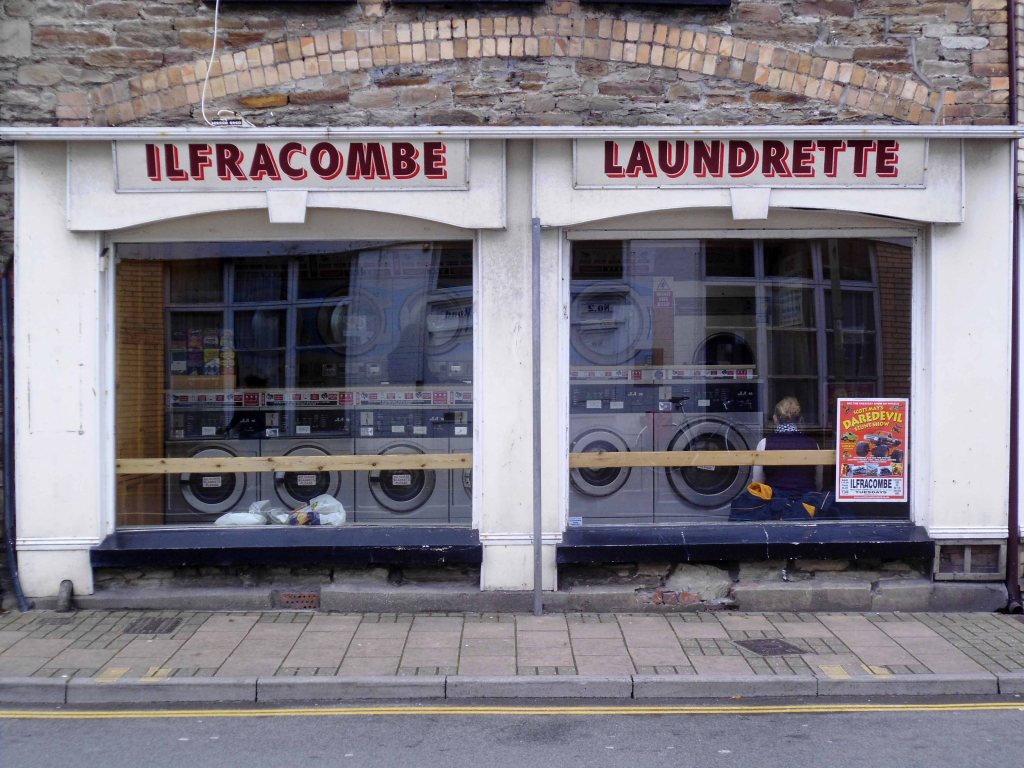
Tuesday 28th July 2015 waking up early on the outskirts of Okehampton – I went next door to explore – the Wash and Go.
I went back to Okehampton.
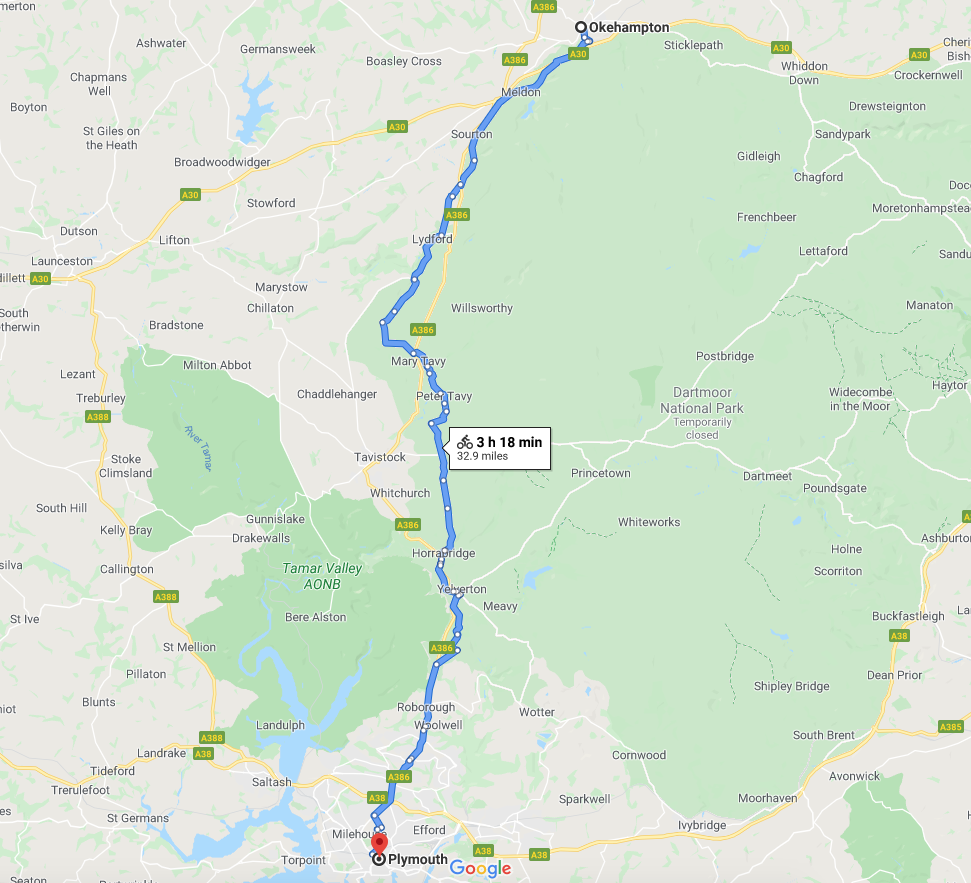
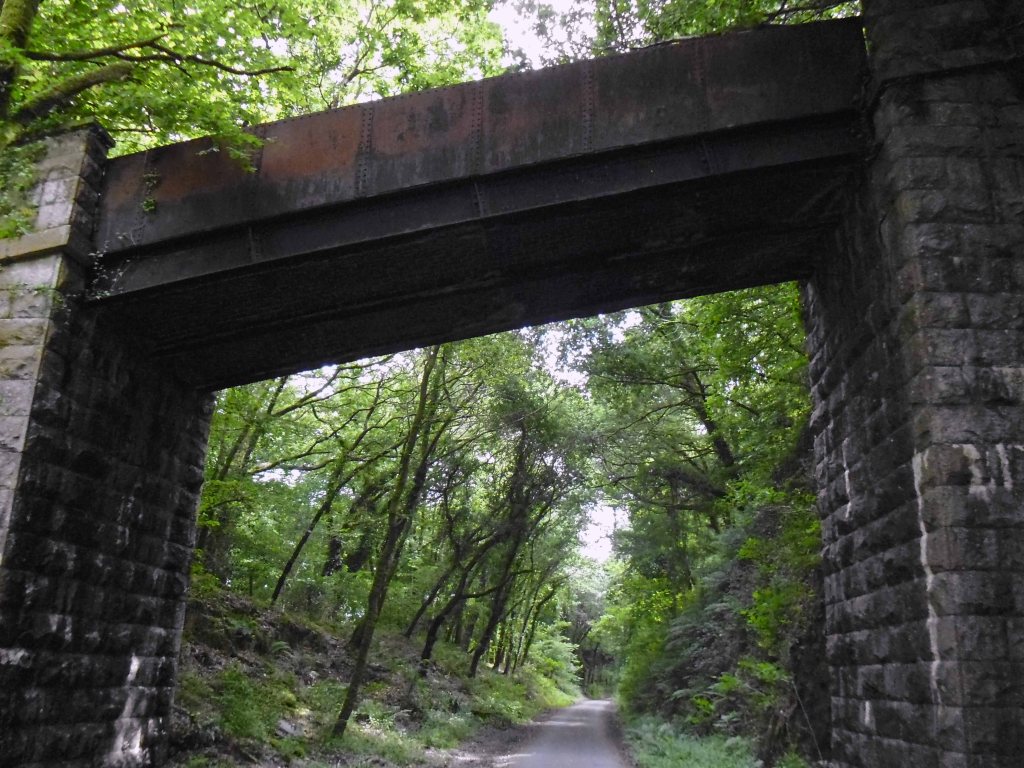
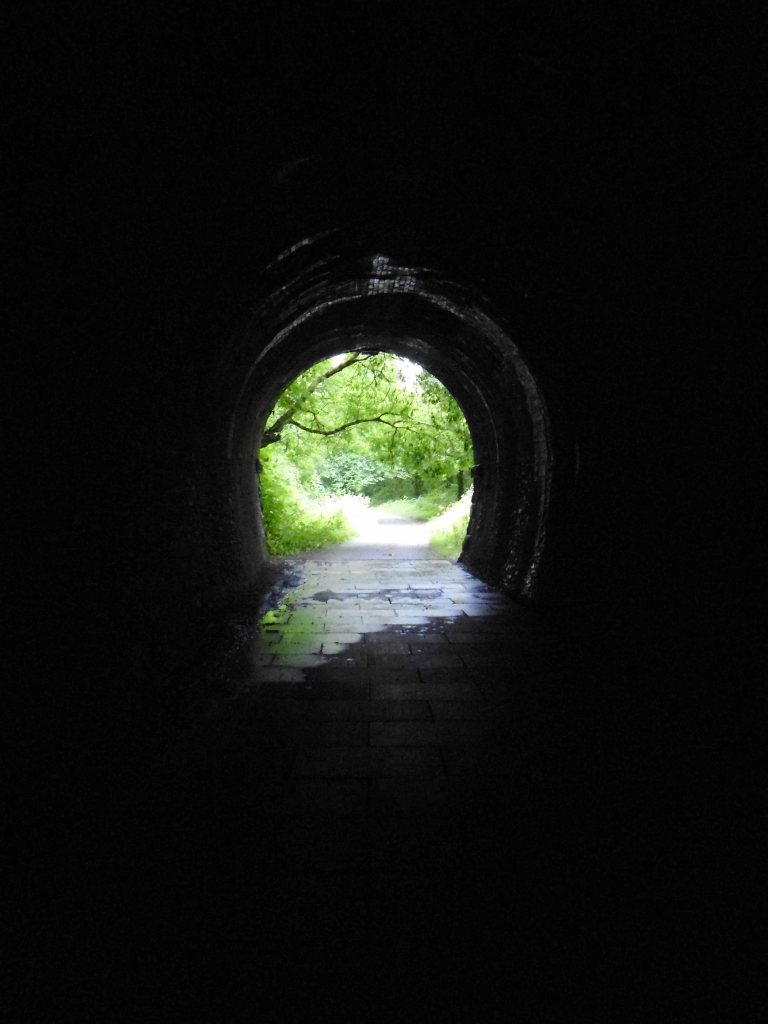
Headed out of town along the old railway line to Plymouth – where rests the solemn remains of previous railway activity and Meldon Quarry.
It’s believed that the first quarrying began around the late 1700s when the local limestone was extracted. Over the years this gradually gave over to aggregate quarrying and apelite quarrying until it final closure. The original owners of the quarry were the London and South Western Railway and then came Britsh Rail and finally EEC Aggregates.
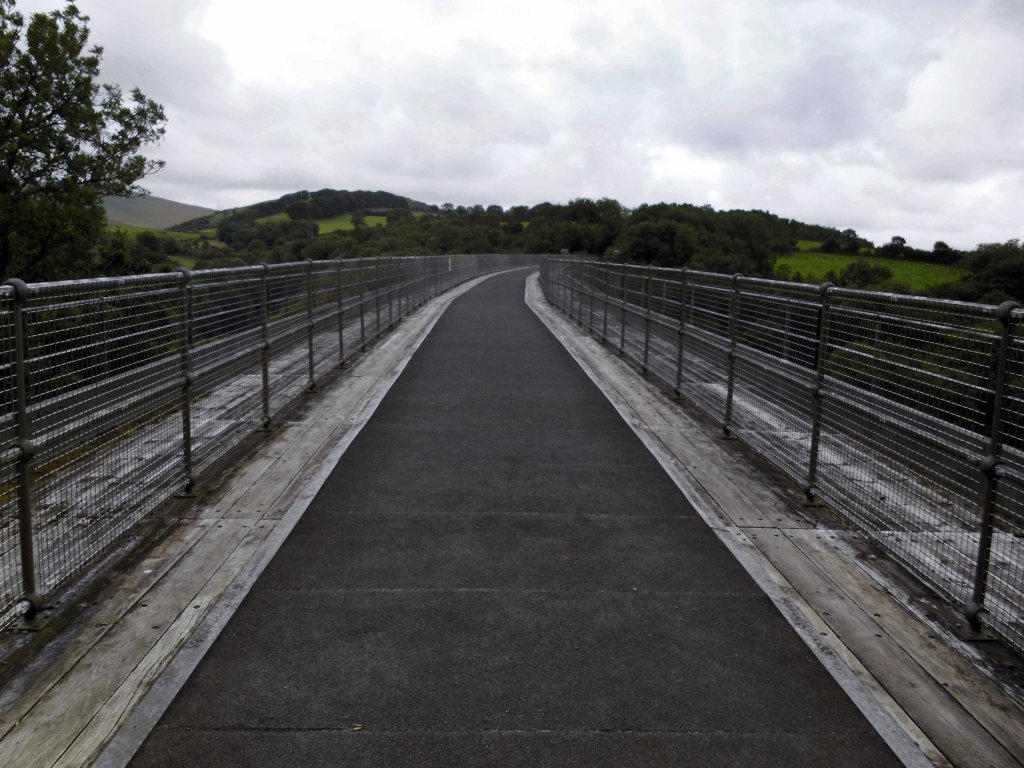
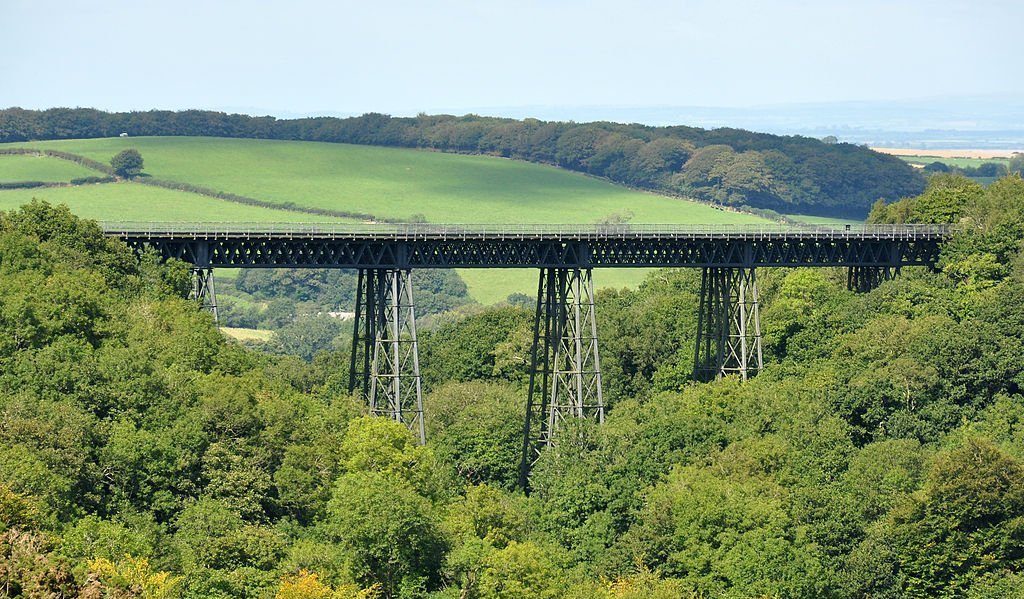
Crossing Meldon Viaduct.
Meldon Viaduct carried the London and South Western Railway across the West Okement River at Meldon on Dartmoor. The truss bridge, which was constructed from wrought iron and cast iron not stone or brick arches, was built under the direction of the LSWR’s chief engineer, WR Galbraith. After taking three years to build, the dual-tracked bridge opened to rail traffic in 1874. Usage was limited to certain classes of locomotive because the viaduct had an axle load limit. Although regular services were withdrawn in 1968, the bridge was used for shunting by a local quarry. In the 1990s the remaining single line was removed after the viaduct was deemed to be too weak to carry rail traffic.
The crossing is now used by The Granite Way, a long-distance cycle track across Dartmoor. The viaduct, which is a Scheduled Monument, is now one of only two such surviving railway bridges in the United Kingdom that uses wrought iron lattice piers to support the cast iron trusses – the other is Bennerley Viaduct between Nottinghamshire and Derbyshire.
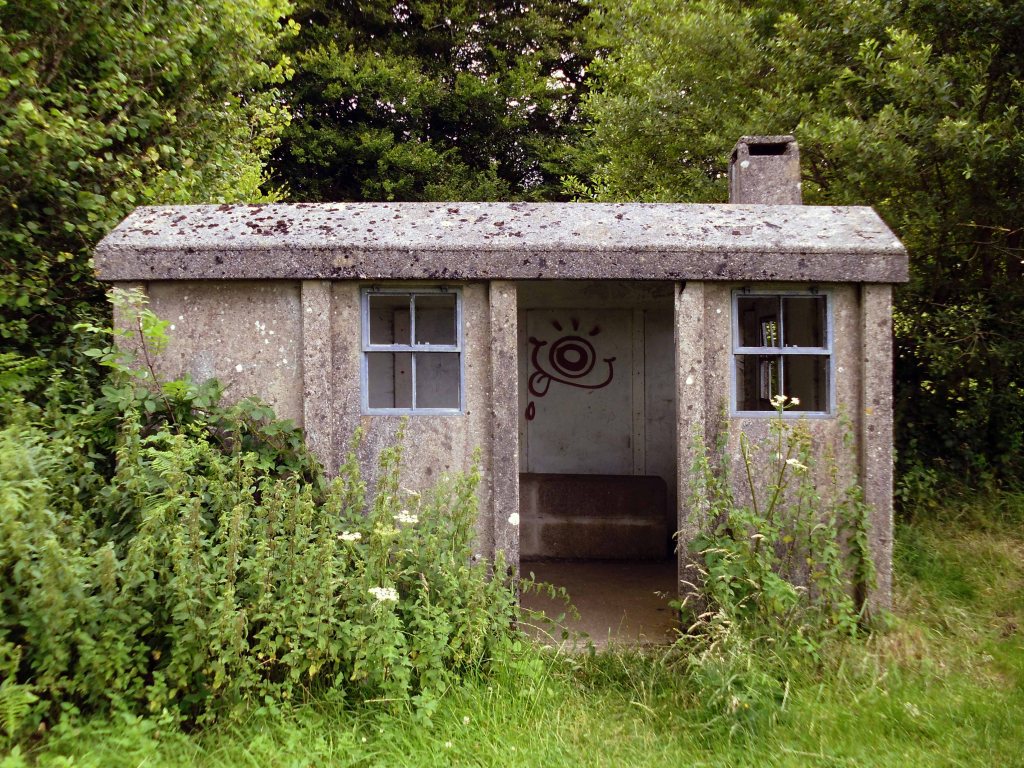
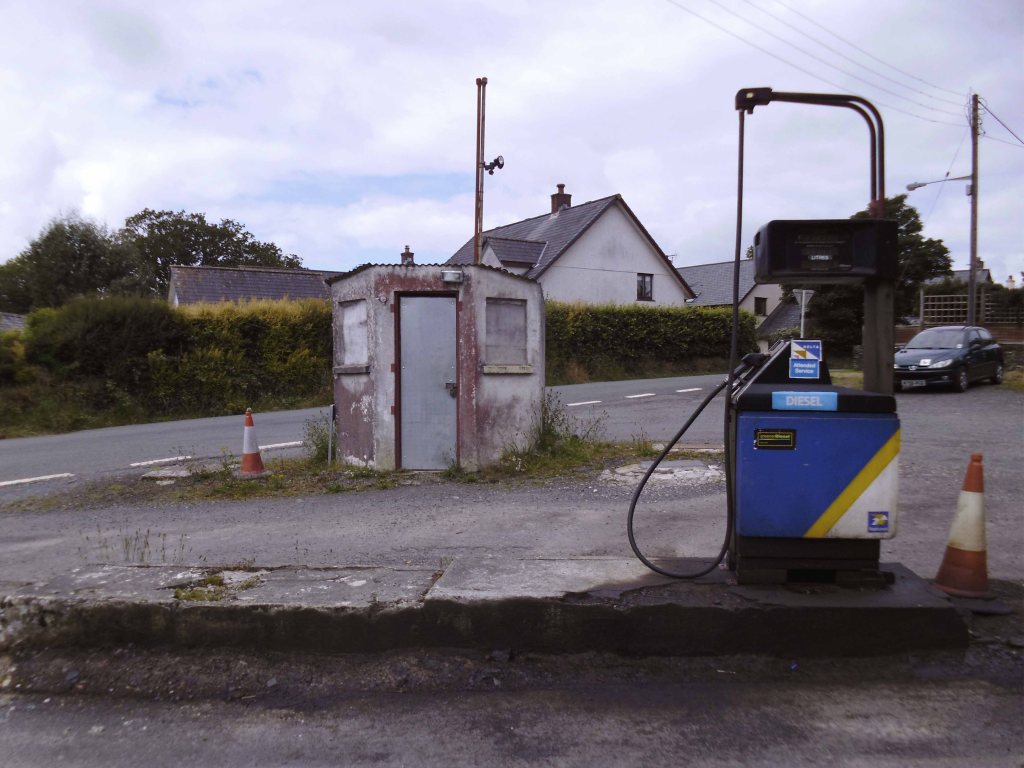
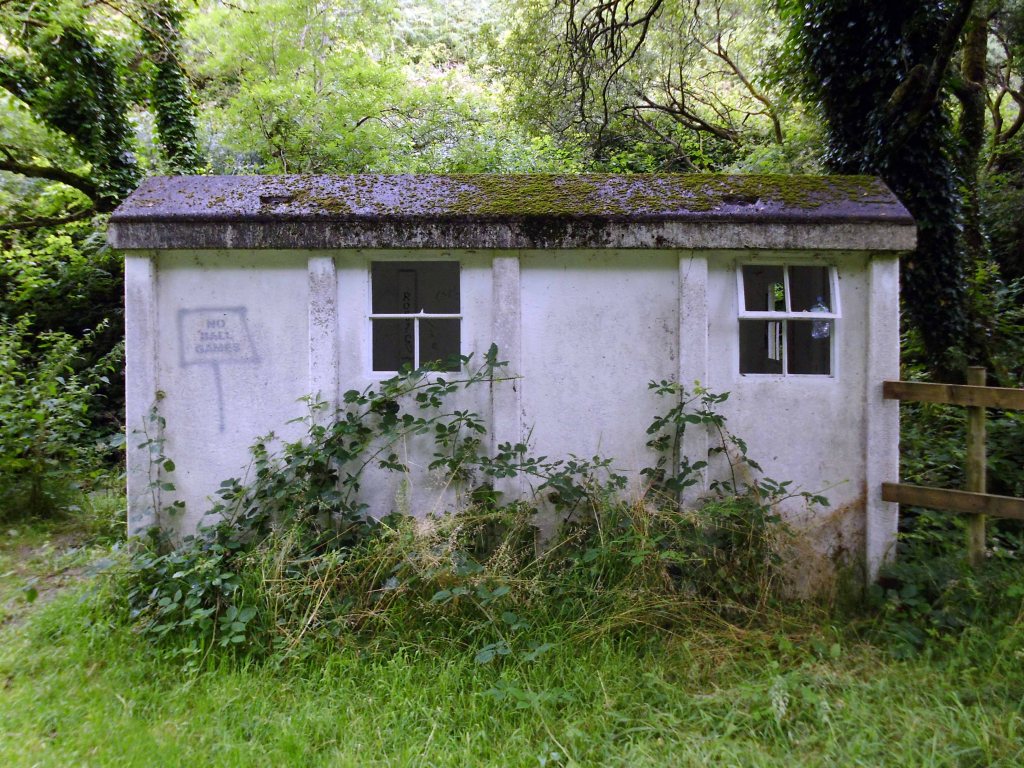
On an old railway line with prefabricated concrete railway huts.
And a bus stop at Mary Tavy a village with a population of around 600, located four miles north of Tavistock.
And a population of one delightful litter bin.
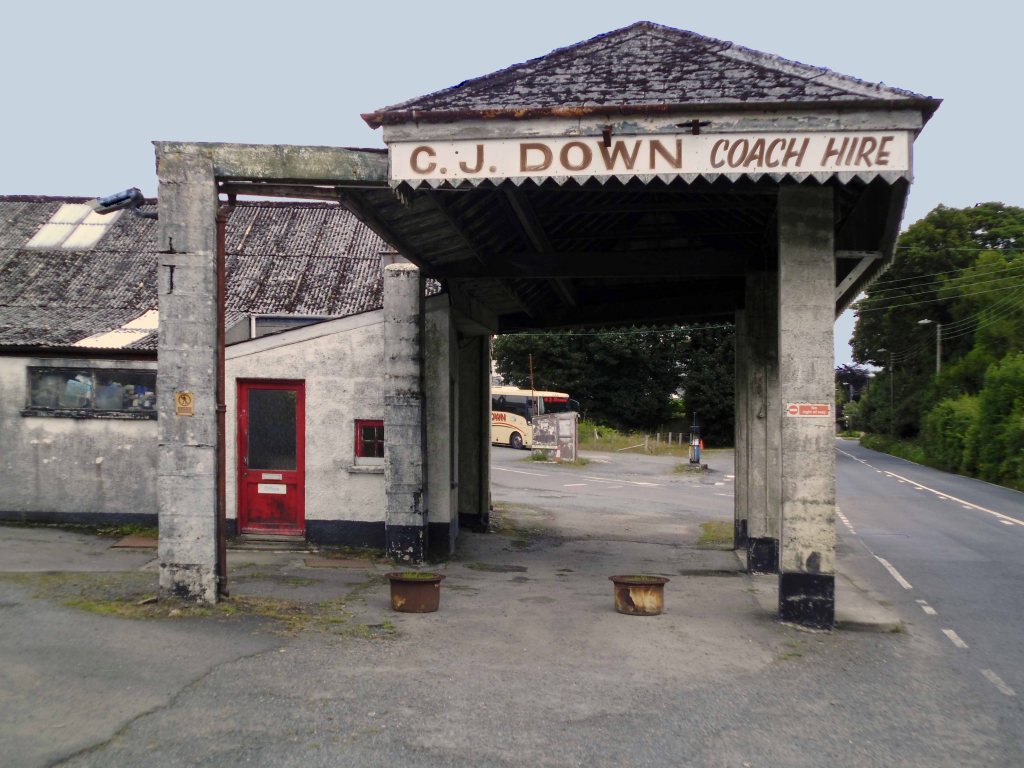
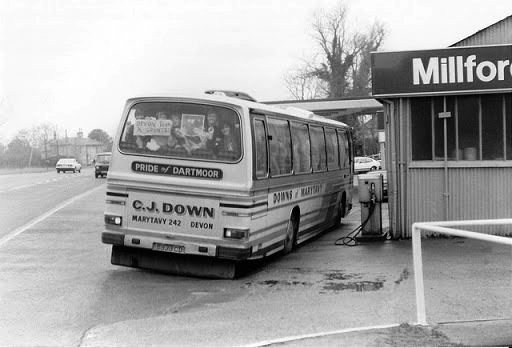
And CJ Down Coach Hire – the pride of Dartmoor.
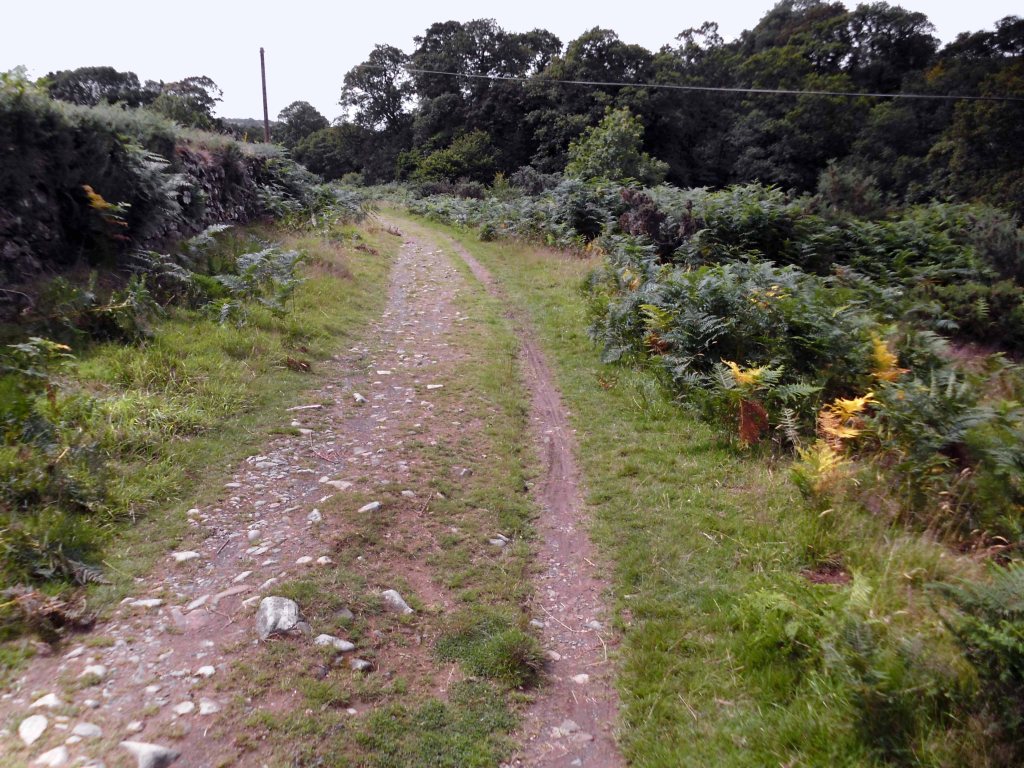
Don’t the road look rough and rocky, will the sea look wide and deep?
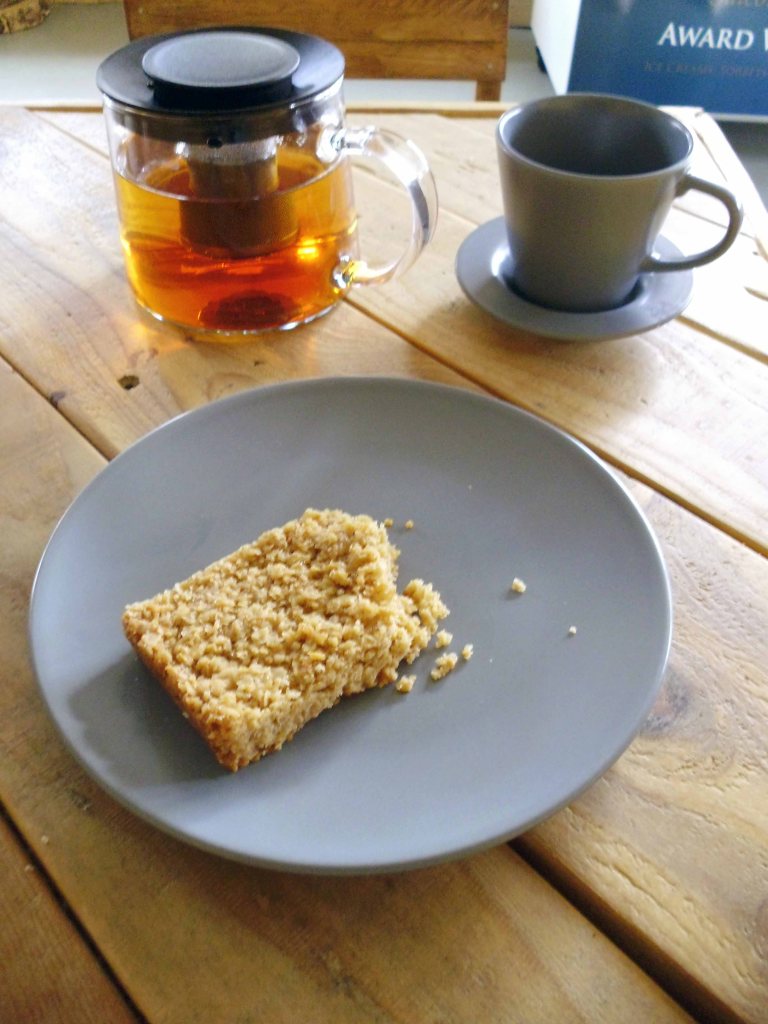
Time for a timely tea and flapjack stop.
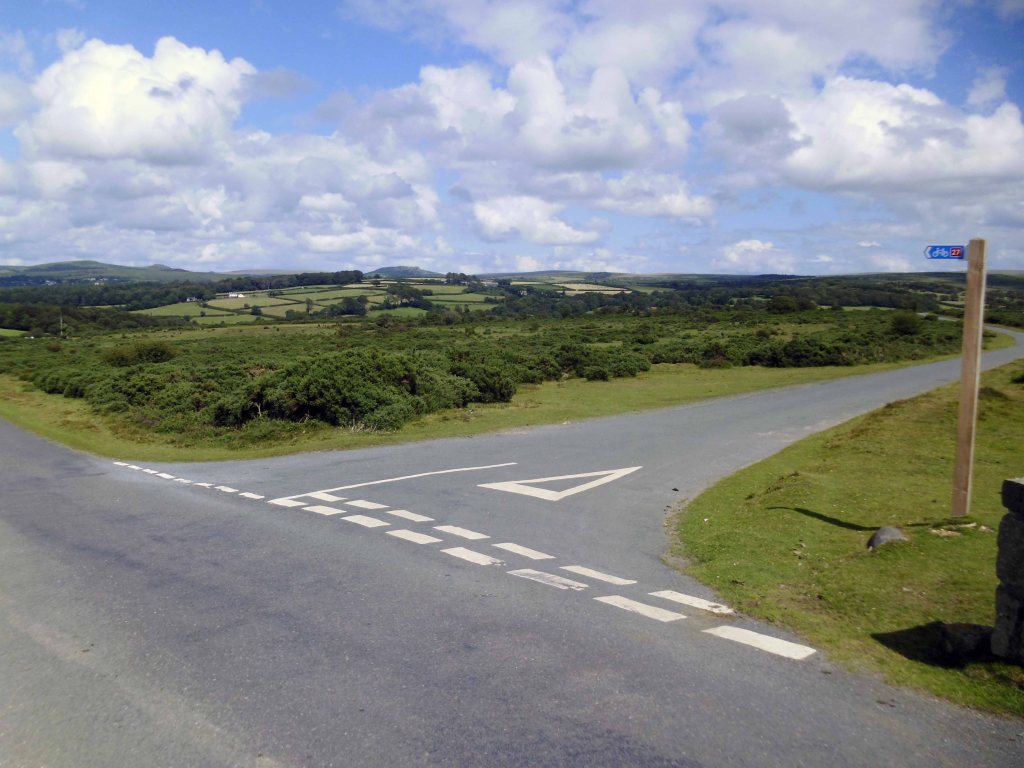
So far so good the nicest weather of the tour, shortest yet most amenable distance through moorland, upland and downland – with a final traffic free descent into Plymouth.
Back in the land of the tower block.
Chichester House Citadel Road The Hoe Plymouth PL1 3BA
Architects– Percy Bartlett and William Henry Watkins
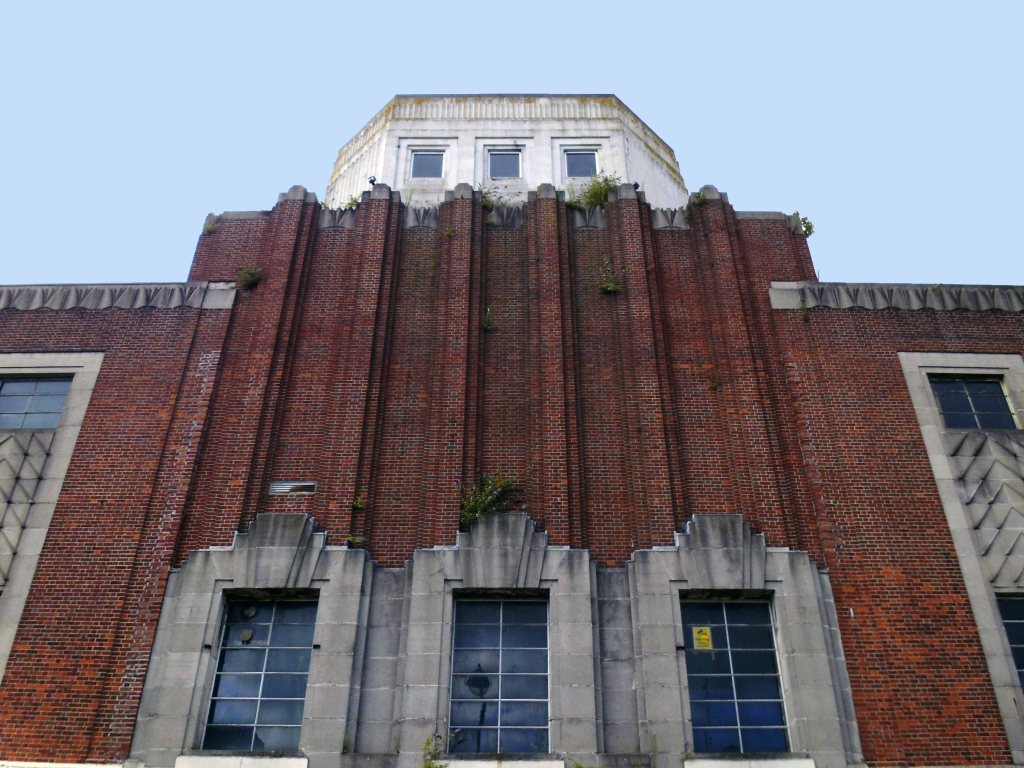
Built on the site of the Andrews New Picture Palace, which had opened in 1910, and was demolished in 1930. The Gaumont Palace was opened on 16th November 1931 with Jack Hulbert in “The Ghost Train” and Sydney Howard in “Almost a Divorce”.
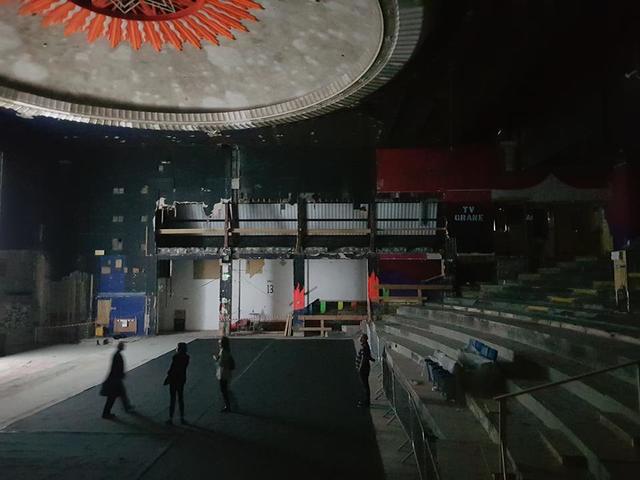
The imposing brick building has a white stone tower feature in the central section above the entrance. Seating inside the auditorium was provided for 1,462 in the stalls and 790 in the circle.
It was re-named Gaumont in 1937 currently closed and at risk.
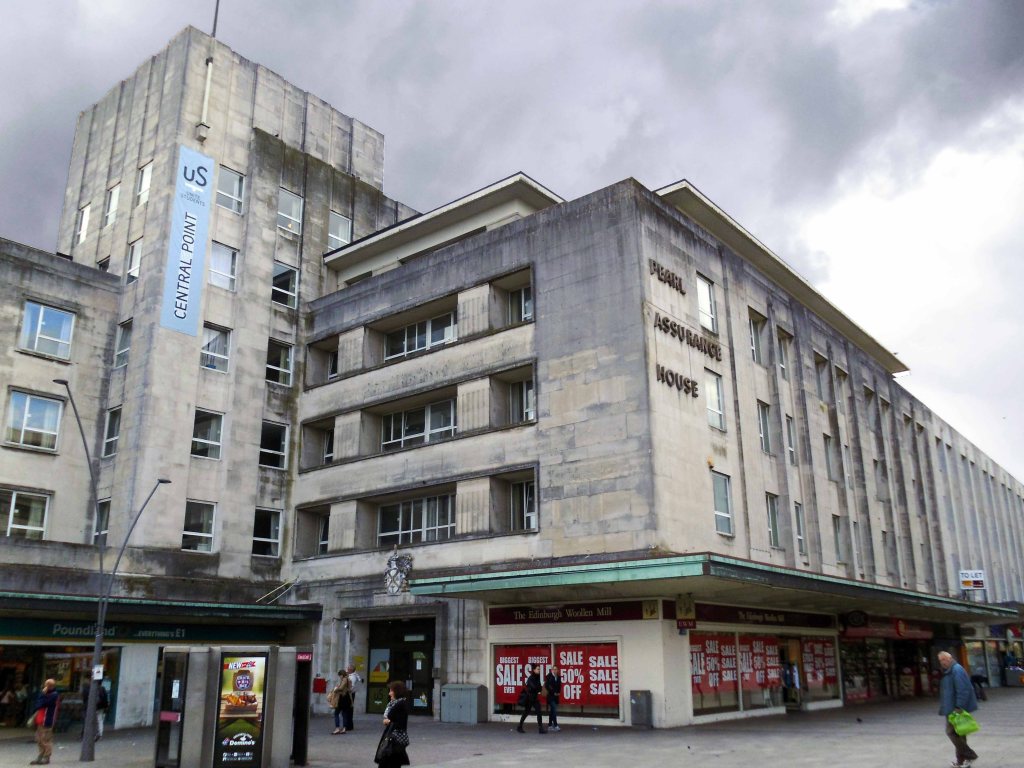
The post war redevelopment of Plymouth produced this sizable Portland Stone Shopping Centre.
‘A Plan for Plymouth’ was a report prepared for the City Council by James Paton Watson, City Engineer and Surveyor, and Patrick Abercrombie, Consultant Architect, published in 1943.
Planning is not merely the plotting of the streets of a town; its fundamental essence is the conscious co-relation of the various uses of the land to the best advantage of all inhabitants. Good planning therefore, presupposes a knowledge and understanding of the people, their relationship to their work, their play, and to each other, so that in the shaping of the urban pattern, the uses to which the land is put are so arranged as to secure an efficient, well- balanced and harmonious whole.
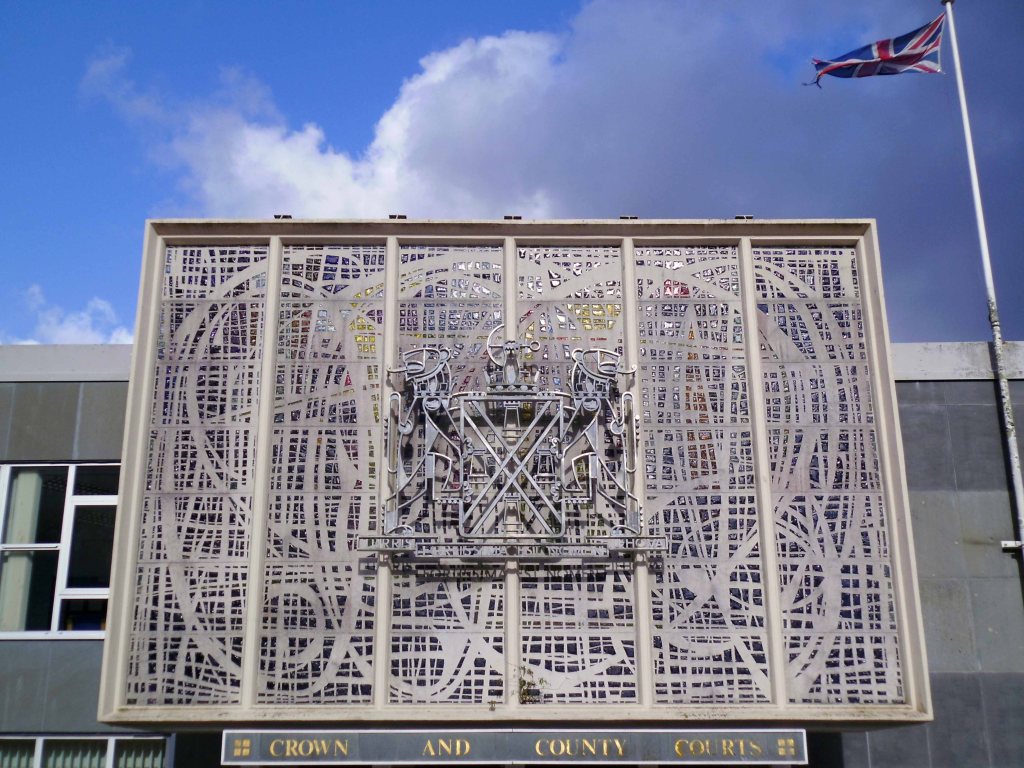
The magnificent dalle de verre fascia of the Crown and County Courts.
having had a good old look around I sought shelter for the night, with some difficulty I found a profoundly plain room. The town seemingly full of itinerant contractors, filling the vast majority of available space.
Not to worry let’s have a look at the seafront.
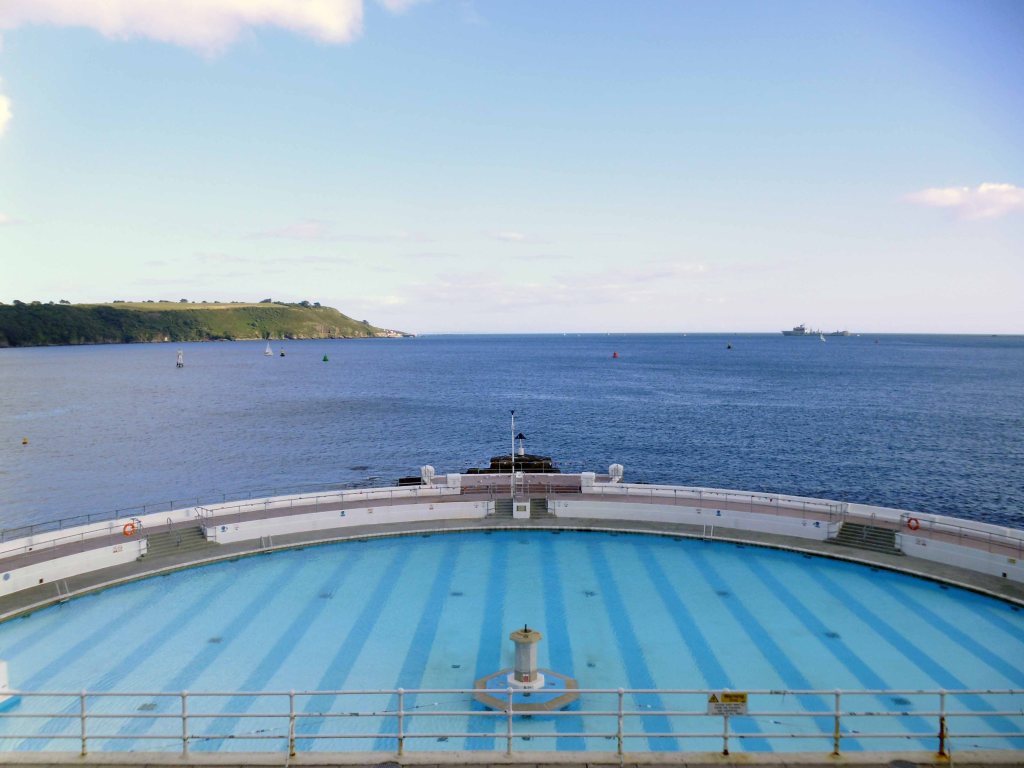
Tinside Lido by J Wibberley Borough Engineer, with Edmund Nuttall and Sons and John Mowlem and Company, builders, with entrance building of 1933 by the same engineer.
Set in a beautiful location overlooking the sea at the tip of Plymouth Hoe and voted one of the top 10 best outdoor pools in Europe, Tinside Lidois an attraction not to be missed.
Built in 1935, Tinside is a slice of the quintessential British seaside from a bygone era. The Lido is a wonderful example of art-deco style and is Grade II listed.
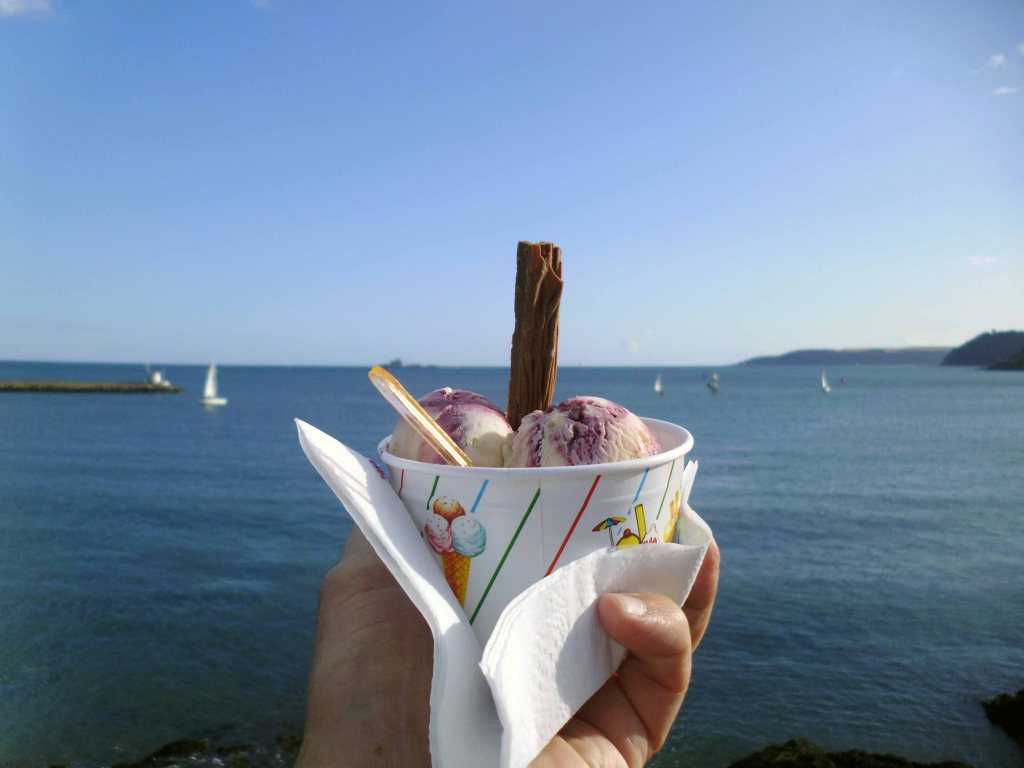
Time for a timely 99 tub – what ho!
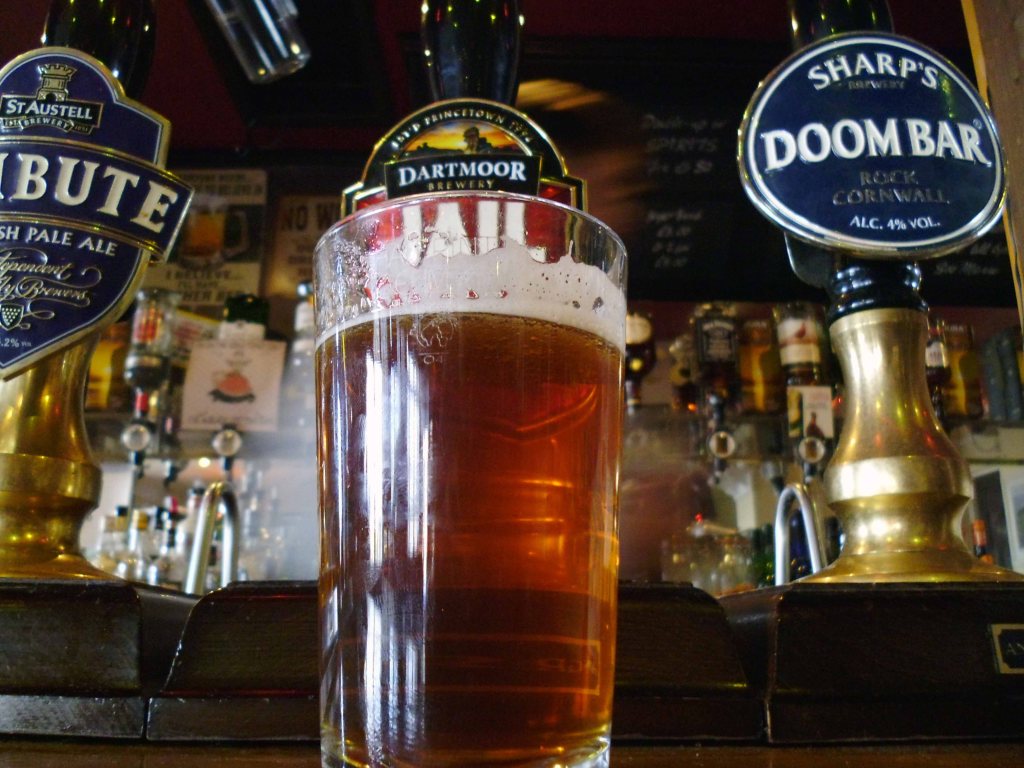
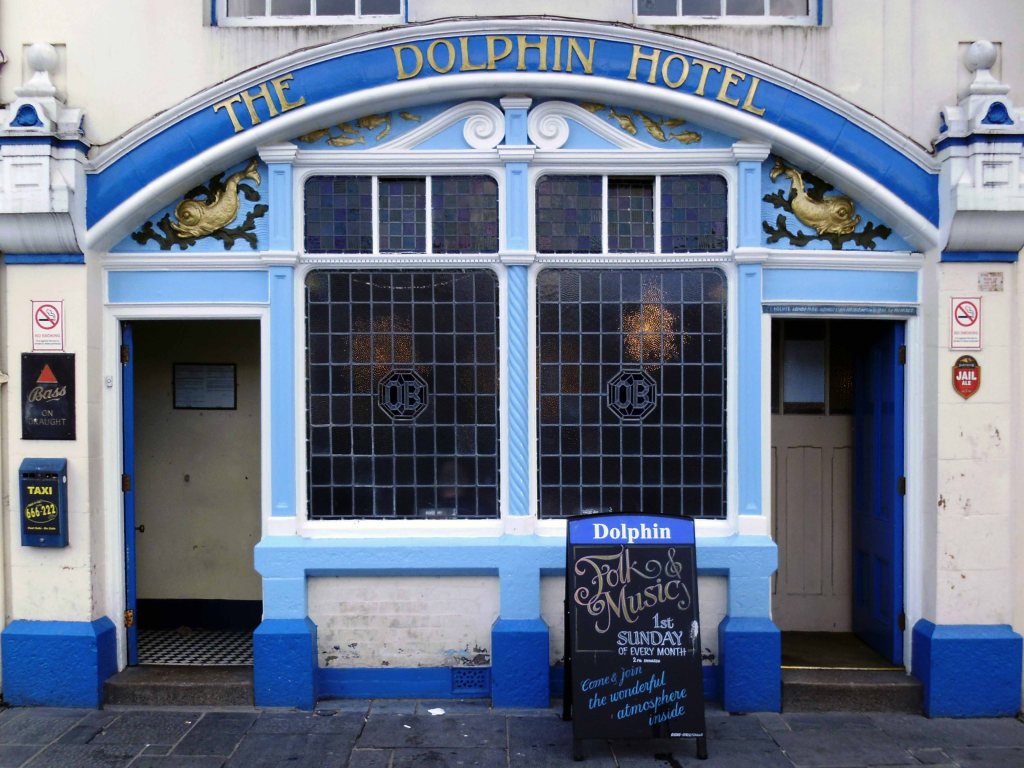
Followed by several pints of Dartmoor Jail in the delightful Dolphin Hotel.
The Dolphin Hotel is a pub on the Barbican , the building, which is known as either the Dolphin Inn or Dolphin Hotel, is a Grade II listed building. It notable as the setting of several of the artist Beryl Cook’s paintings.
The three storey building was constructed in the early 19th century, although it may contain fabric from an earlier structure. It has a slate mansard roof surrounded by a tall parapet with a moulded cornice. The front has white stucco with plaster reliefs of dolphins. The pub is associated with the Tolpuddle Martyrs, some of whom stayed at the hotel on their return from exile in Australia in 1838, when a Mr Morgan was the landlord.
It is a no-frills unmodernised pub famous for its cask ale, draught Bass served straight from the barrel. The sign on the front of the building has always called the pub the ‘Dolphin Hotel’. In 2010 the pub was refurbished, but vandalised in 2014.
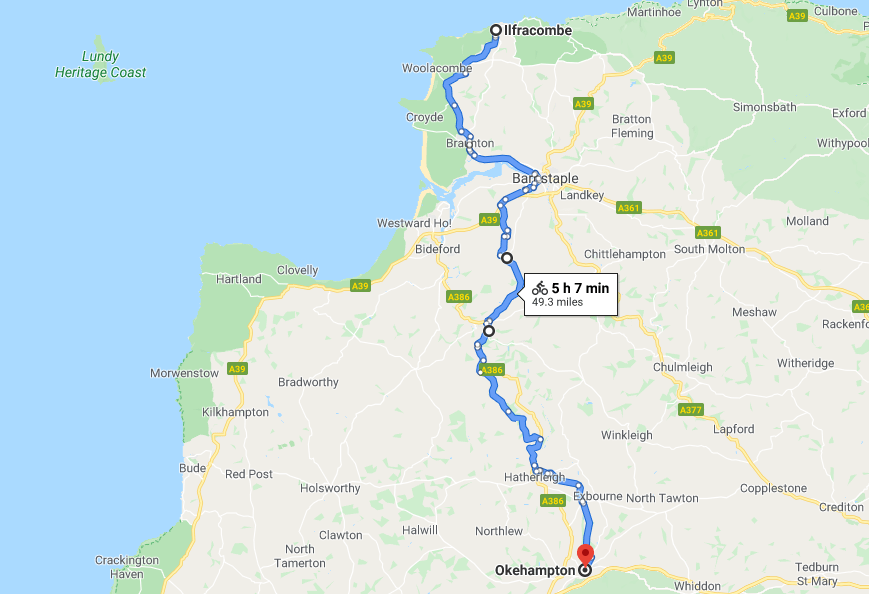
Today Monday 27th July 2015 – leaving Ilfracombe the royal we head south along the Tarka Trail, giving Cornwall a swerve.
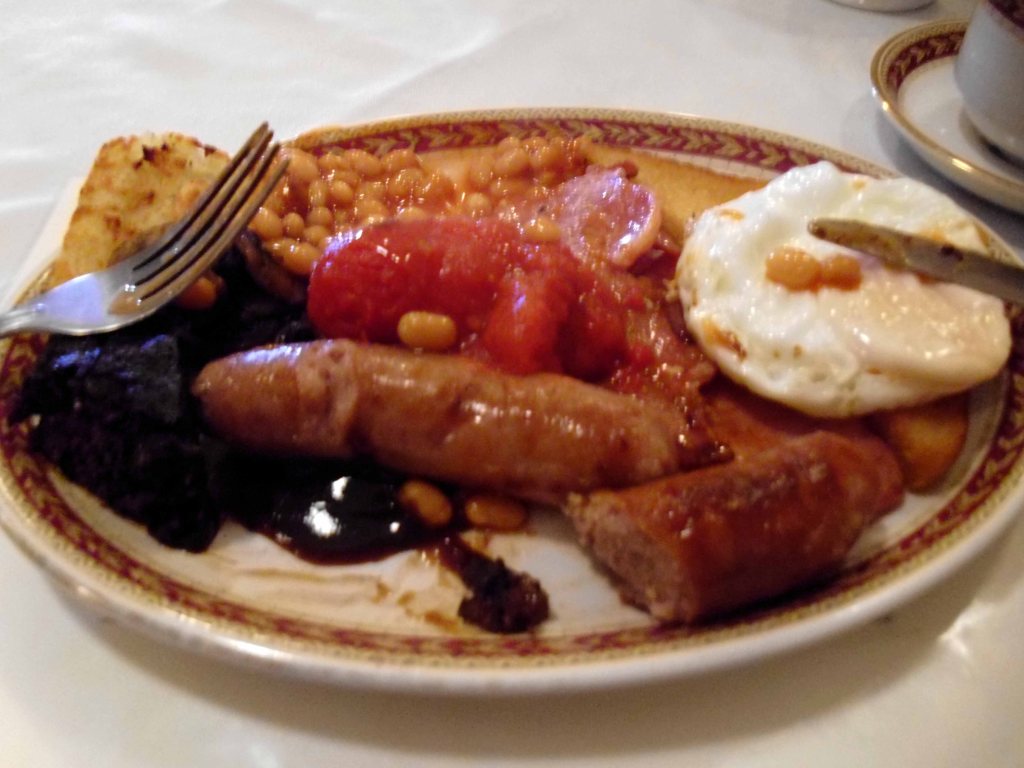
Though first we feast on a slightly out of focus fry up at the digs.
Inspired by the route travelled by Tarka the Otter, this 180 mile, figure eight route traverses unspoiled countryside, dramatic sea cliffs and beautiful beaches. The southern loop incorporates the longest, continuous off-road cycle path in the UK. Walking or cycling, you can experience the best this beautiful area has to offer.
Then away we go following the former train line out of town.
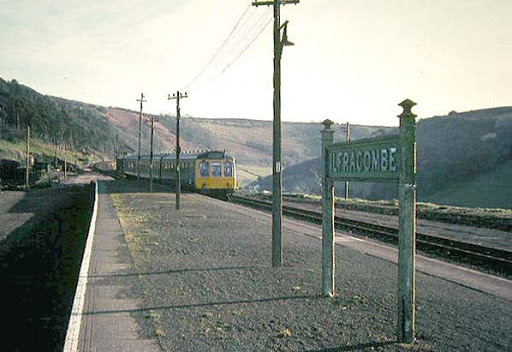
The Ilfracombe Branch of the London & South Western Railway, ran between Barnstaple and Ilfracombe. The branch opened as a single-track line in 1874, but was sufficiently popular that it needed to be upgraded to double-track in 1889.
The 1:36 gradient between Ilfracombe and Mortehoe stations was one of the steepest sections of double track railway line in the country.In the days of steam traction, it was often necessary to double-head departing passenger trains.
Named trains such as the Atlantic Coast Express and the Devon Belle both started and terminated at Ilfracombe.
Despite nearly a century of bringing much-needed revenue into this remote corner of the county, passenger numbers dropped dramatically in the years following the Second World War, due to a massive increase in the number of cars on Britain’s roads, and the line finally closed in 1970.
Much of the course of the line is still visible today, and sections of it have been converted into public cycleways.
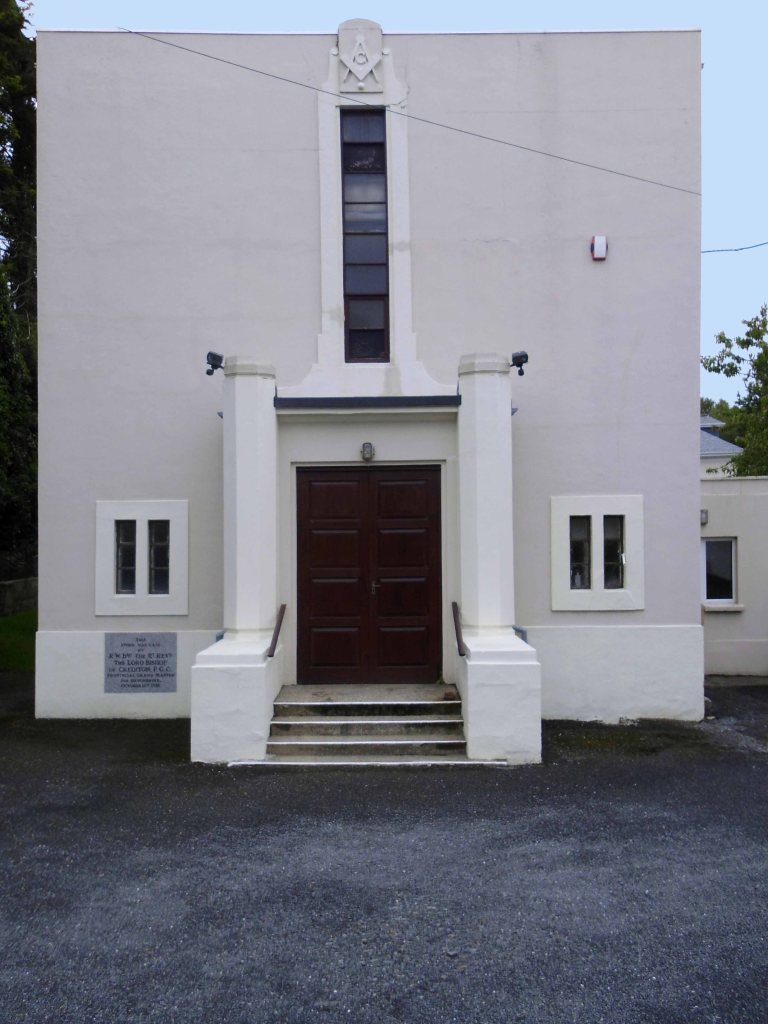
We leave behind – theshadowy world of secret handshakes, favours for friends and strange initiation ceremonies.
For the equally shadowy world of military installations.
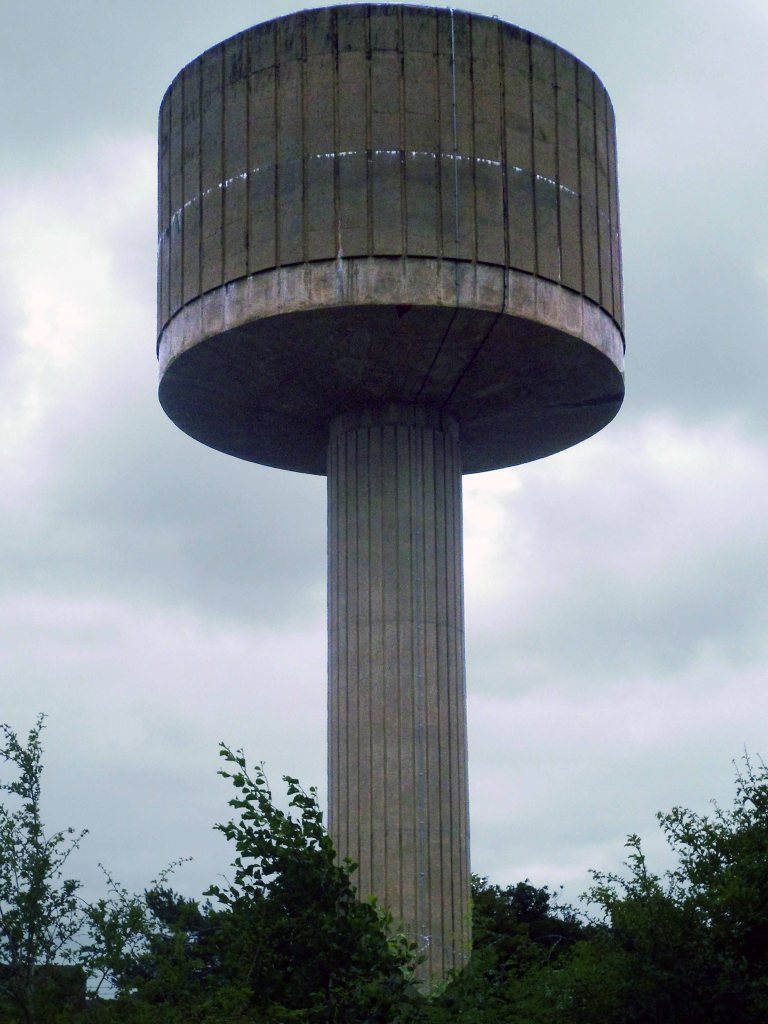
The water tower at RAF Chivenor.
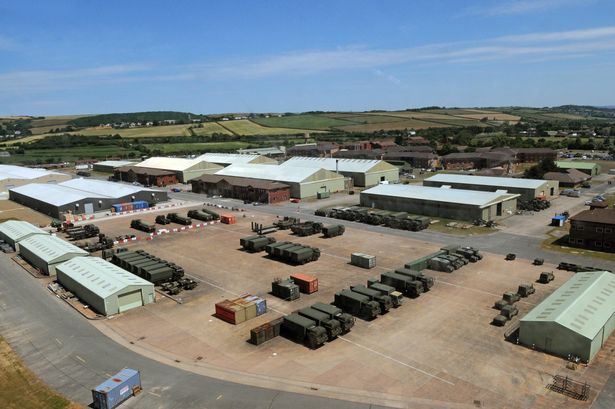
Originally a civil airfield opened in the 1930s, the site was taken over by the Royal Air Force in May 1940 for use as a Coastal Command Station. After World War II, the station was largely used for training, particularly weapons training.
In 1974 the station was left on care and maintenance, in 1994 7 FTS left Chivenor, merging with No. 4 Flying Training School RAF at RAF Valley, and the airfield was handed over to the Royal Marines.
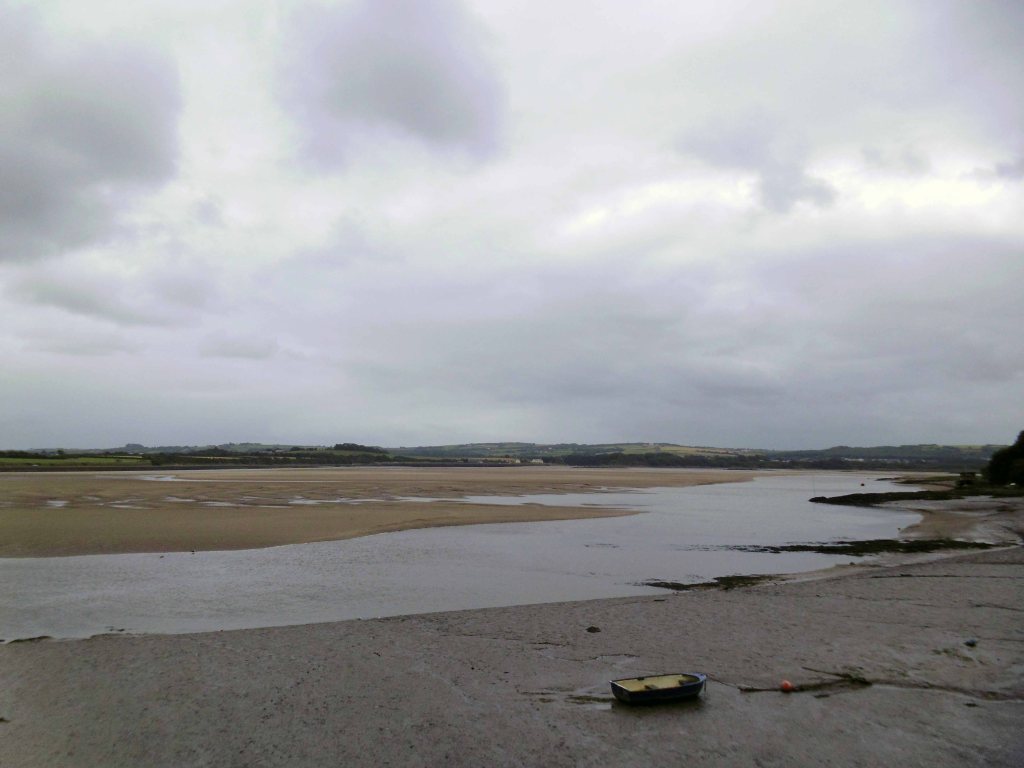
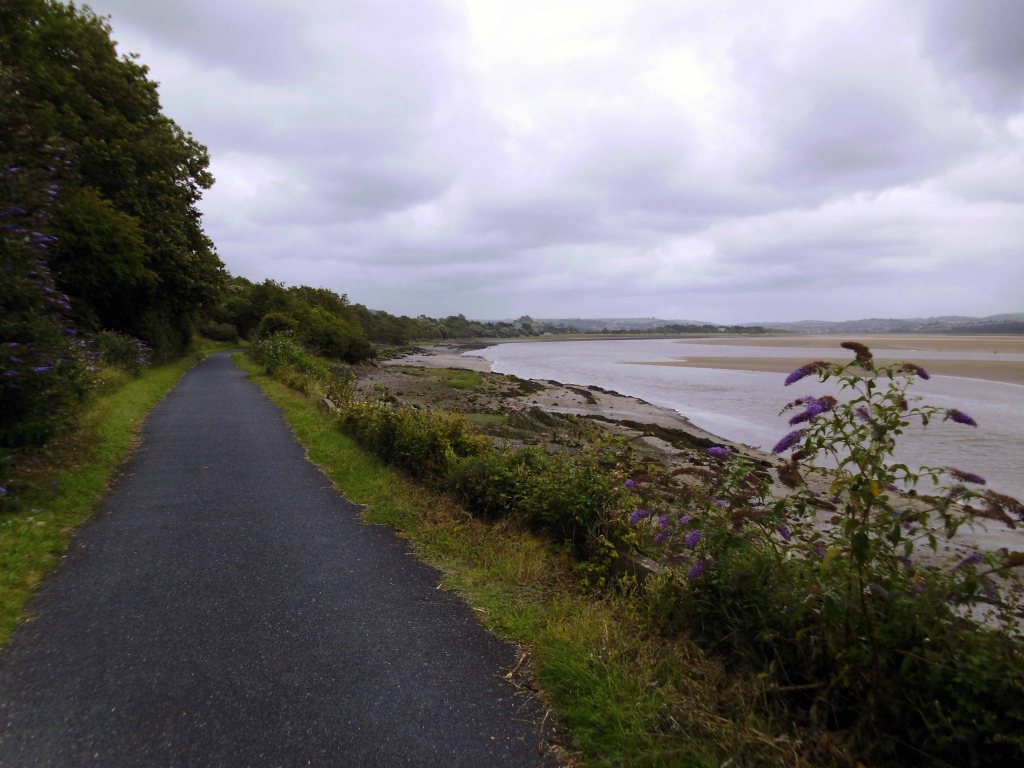
A most delightful cycle path alongside the estuary of the River Taw.
The River Taw rises high on the slopes of Dartmoor and together with its tributaries, the River Mole, Yeo and little Dart, runs north through beautiful rolling countryside down to Barnstaple and into the Bristol Channel.
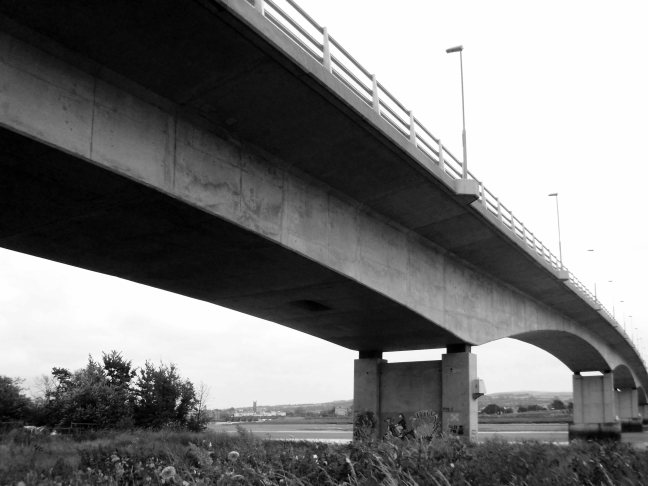
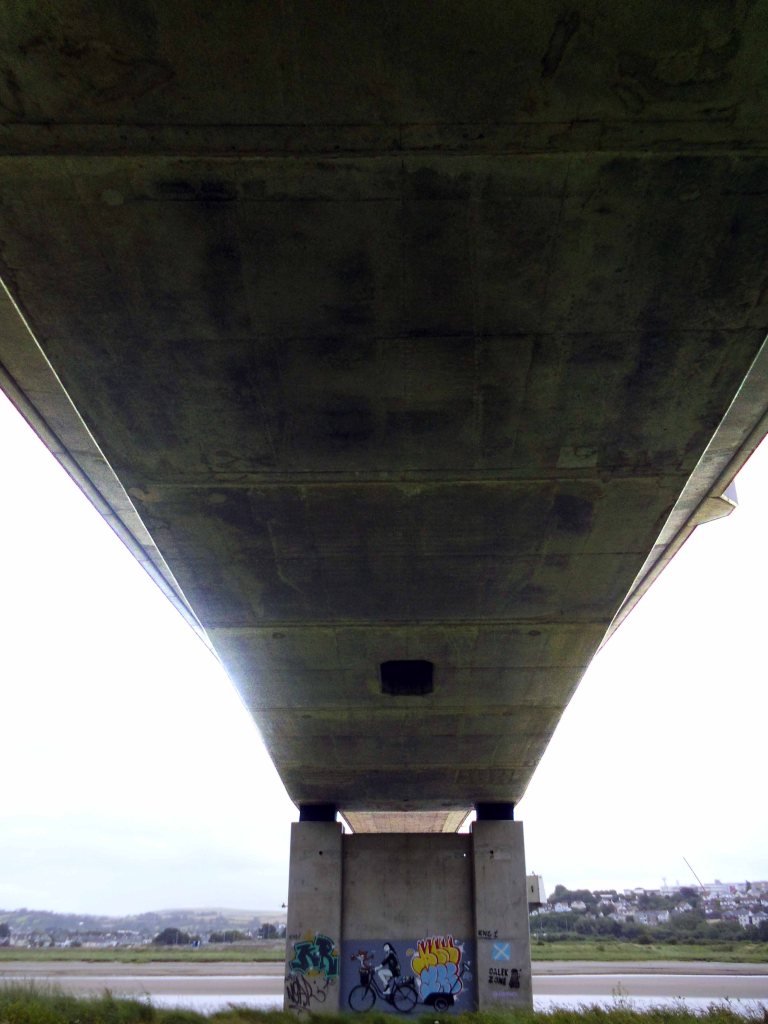
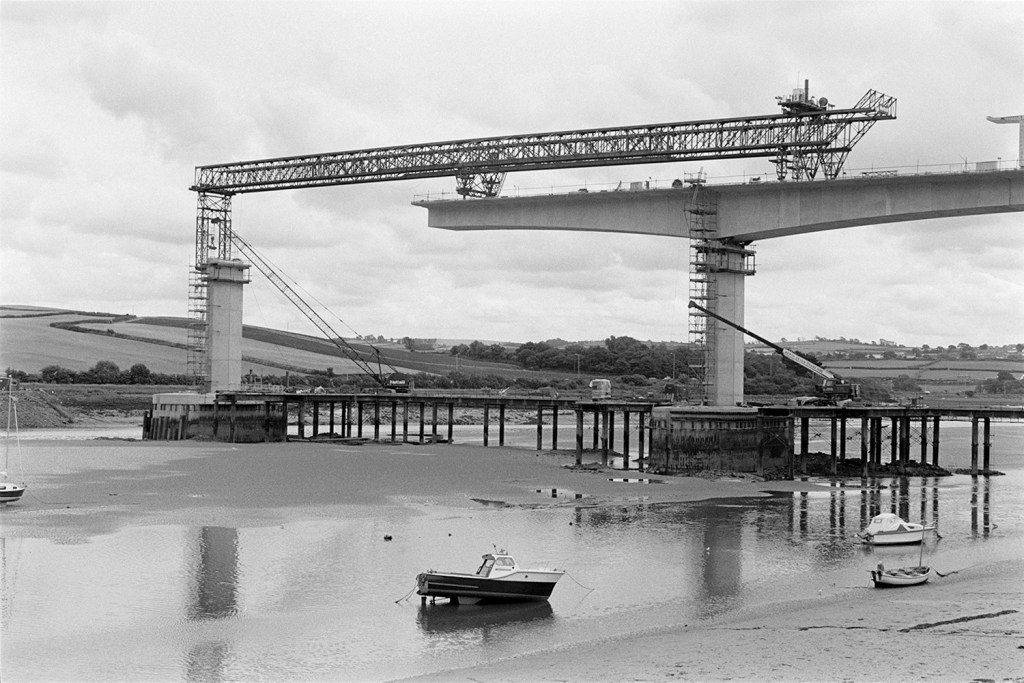
Passing under the Torridge Bridge at Bideford – a 650 metre long concrete structure built in 1987.
Three piers are in the river. Each of the piers in the water is protected by concrete fenders twenty four metres long by eight metres wide by eight metres high. The concrete piers of the bridge are around twenty four metres high.
It was designed by MRM Partnership.
Here we are in Barnstaple by the Civic Centre.
It’s described as an ‘iconic’ building, but not many locals would agree, this huge building widely considered to be one of the ugliest in Devon could soon be under new ownership.The council has confirmed that following a tender exercise, it is working with a preferred bidder to finalise the details of the sale.
Devon Live
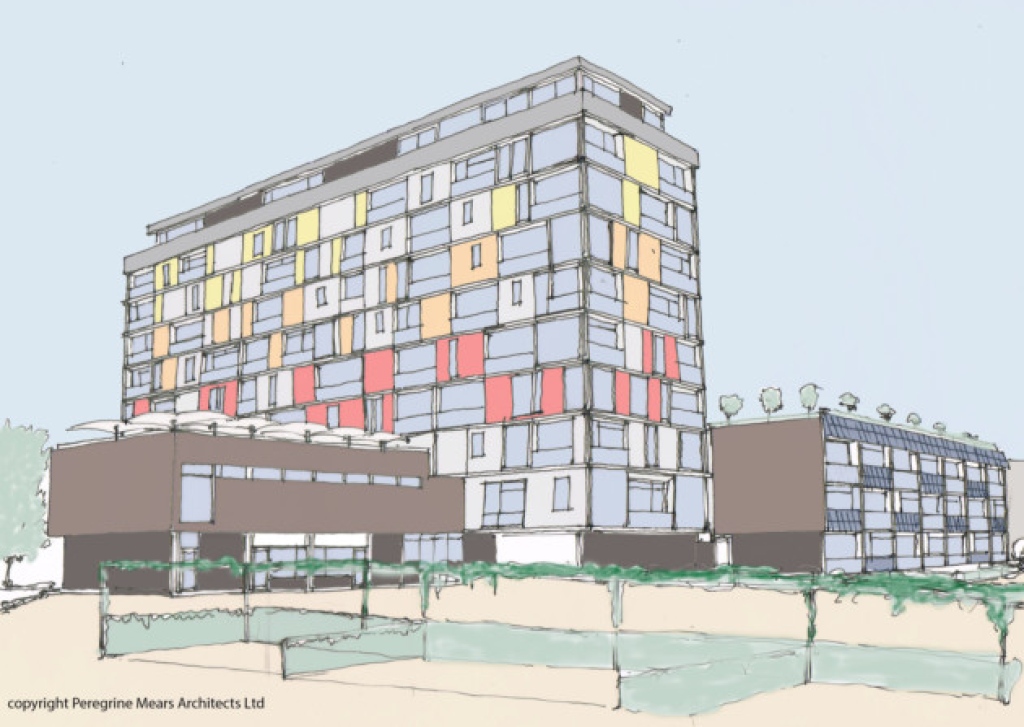
In 2014Barnstaple based Peregrine Mears Architects believed the civic centre could provide up to 84 modern apartments.
Artist’s impression by Peregrine Mears Architects – looks a little too wobbly to me, Peregrine Mears Architects should get right back to the drawing board, where they started from.
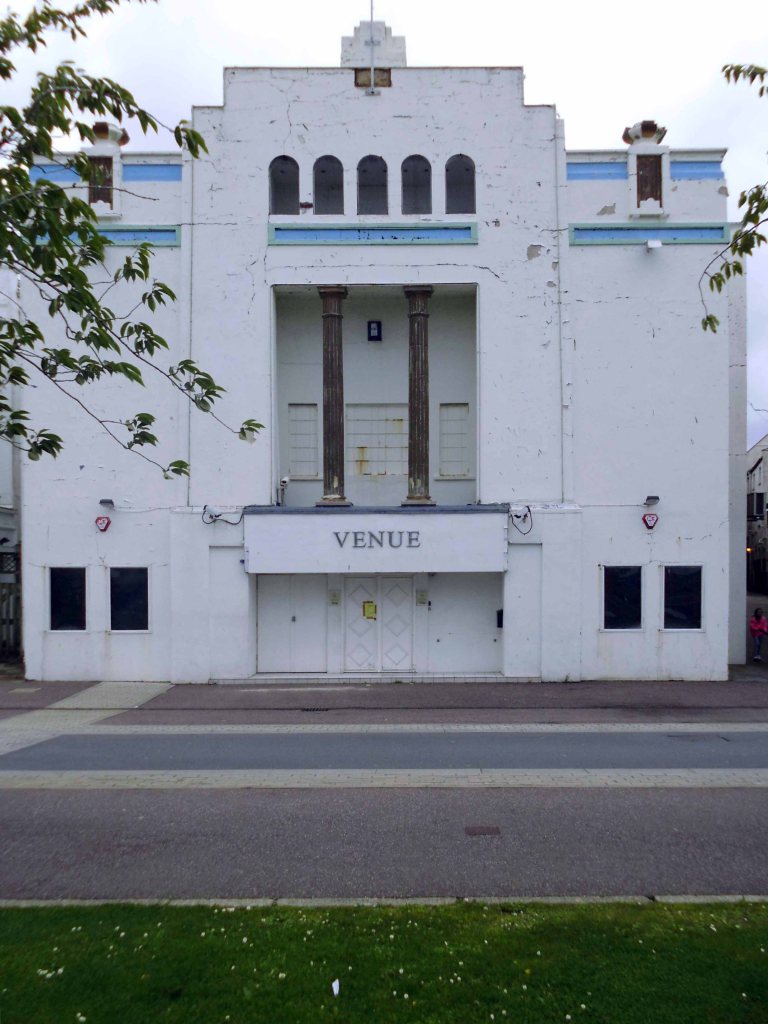
The Neo-Classical facade restrained Deco of The Venue.
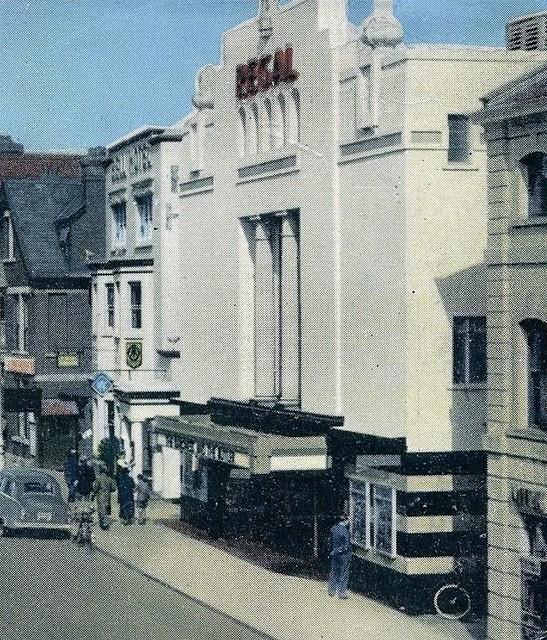
Formerly The Regal Cinema – opened on 30th August 1937
Architects – BM Orphoot
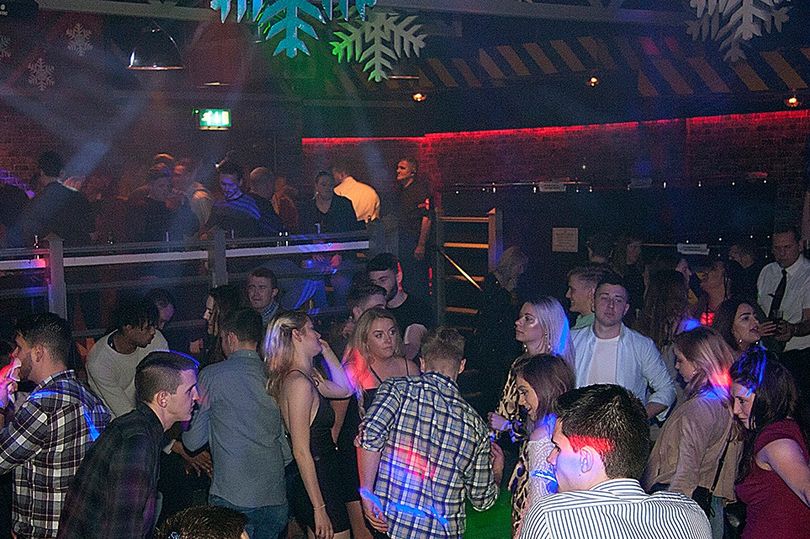
Revellers dancing at The Worx nightclub– as The Venue was to become.
The building in Barnstaple is for sale with Webbers estate agents for just £225,000. The striking building in a prime position on the town’s Strand was originally opened in 1937 as the Regal Cinema.
The building will probably be best known under the guise of Kaos, the name it was given during the 1990’s and at the height of its popularity.
Other nightclub incarnations at the premises included Babylon, Rockabillies, Coco, Club Tropicana and of course The Venue.
The Tarka Trail crossing the River Torridge, just south of Bideford, utilising the former railway bridge.
The old home town looks the same as I step down from the bike, and there to meet me is – well nobody.
And I realise, yes, I was only dreaming.
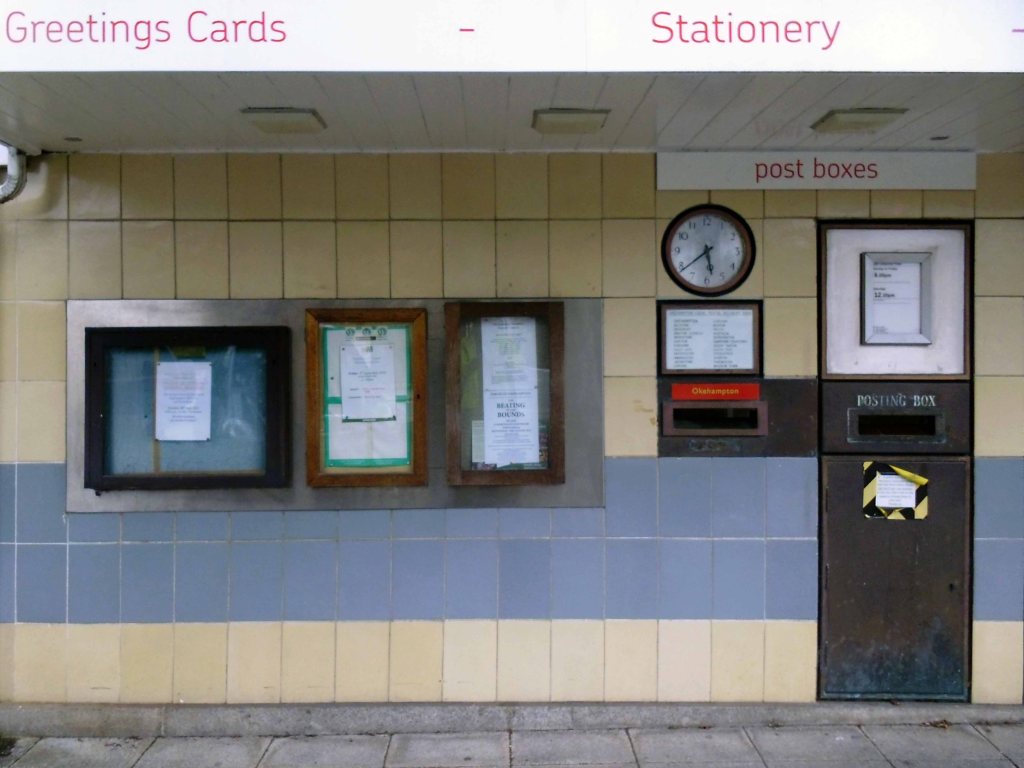
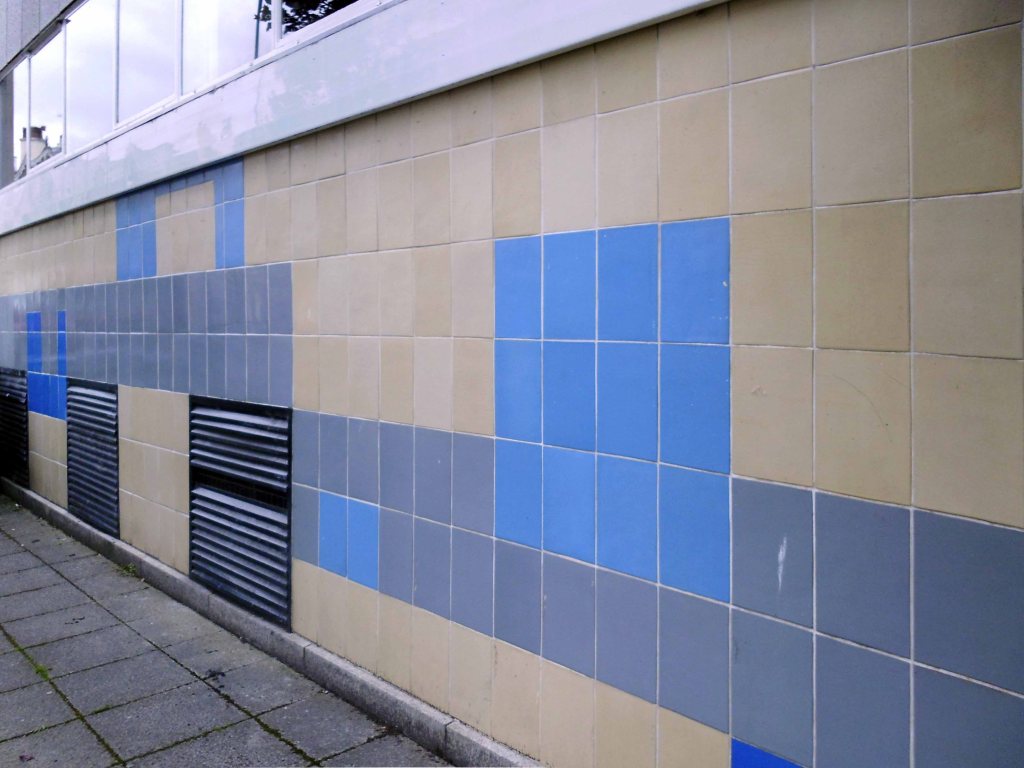
I’ll go to Okehampon then – take a look at the lovely tiled Post Office, whilst completely ignoring one of the oldest Norman castles in the country.
Walking around town in search of a B&B proved fruitless, though I was directed to an out of town Roadhouse aways away.
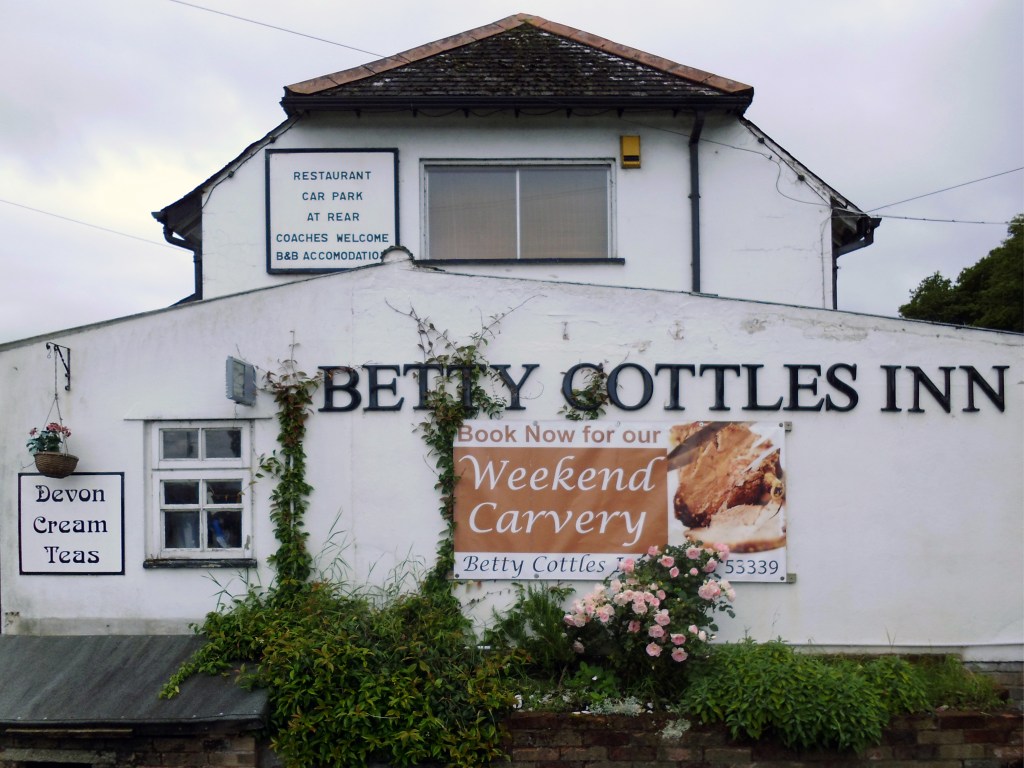
Welcome to Betty Cottles Inn – land of the lost apostrophe.
Rooms are not as photos/described on hotel booking sites, wi-fi hardly ever works. I prepaid/booked for nine nights, I checked out after two days. Needless to say I didnt receive a seven day refund. Owner with attitude problem, he had my money, and was not keen on helping with my concerns about the property. Musky smell to carpet in bar and restaurant areas. Not been cleaned for a long time. Rooms unsafe and not private, with curtains not long enough, lock on room doors inadequate.
Neil H – July 2109
You sneaked in a female into your single room without paying for her and got caught so obviously you have retaliated by way of a negative review. You were probably the most rude and hostile guest we have ever had and have had to report you to booking.com for guest misconduct and also banned you from being able to book here again.
Matthew owner at Betty Cottles Inn
I ate a reasonable meal in the Carvery and chatted amiably with a representative salesman on the move, whilst seeing off a few pints of Guinness – any port in a storm.
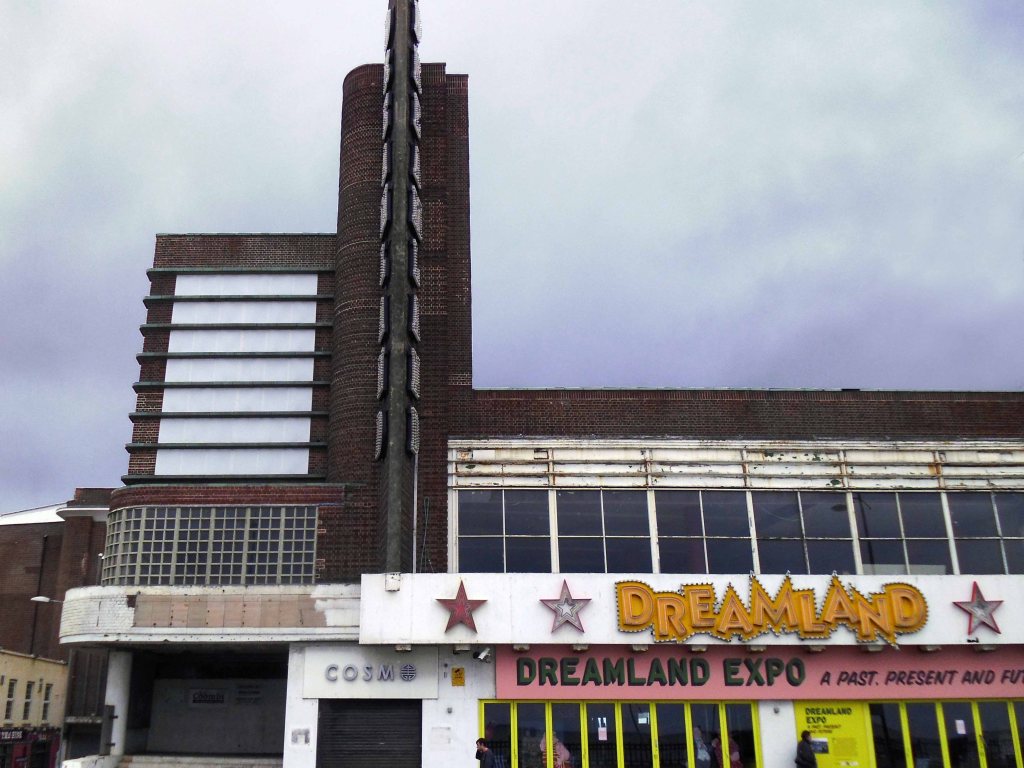
Early morning passing by the yet to be reopened Dreamland, back then just a work in progress, it has had a more than somewhat chequered past.
Dogged persistence has assured its future:
Just before Christmas 1919, and almost exactly one year after the end of the Great War, John Henry Iles purchased Margate’s The Hall By The Sea, thus initiating the history of what would become Dreamland.
The Dreamland cinema replaced a smaller cinema on the site, with this modernist masterpiece opening in 1935. The super-cinema, designed by architects Julian Leathart and WF Granger.
After several years of campaigning to save the Dreamland site from redevelopment, and successful funding bids to the Heritage Lottery Fund and Department for Culture Media and Sport’s SeaChange Scheme, the Dreamland restoration project went live in January 2010, appointing a professional team to deliver The Dreamland Trust’s vision for a reimagined Dreamland, however, the battle was not over.
After a long restoration project, Dreamland opened its doors to the public on June 19 2015. The park was further reimagined and expanded in 2017 following additional investment, with new thrill rides, a much bigger events space, fresh designs, and a new welcome for a new generation of visitors.
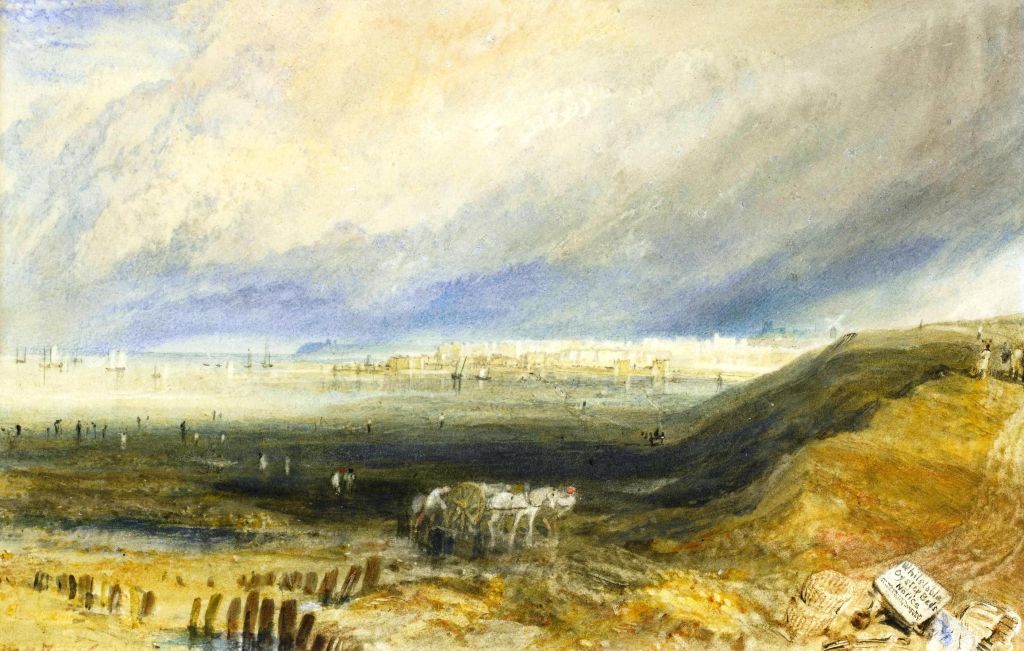
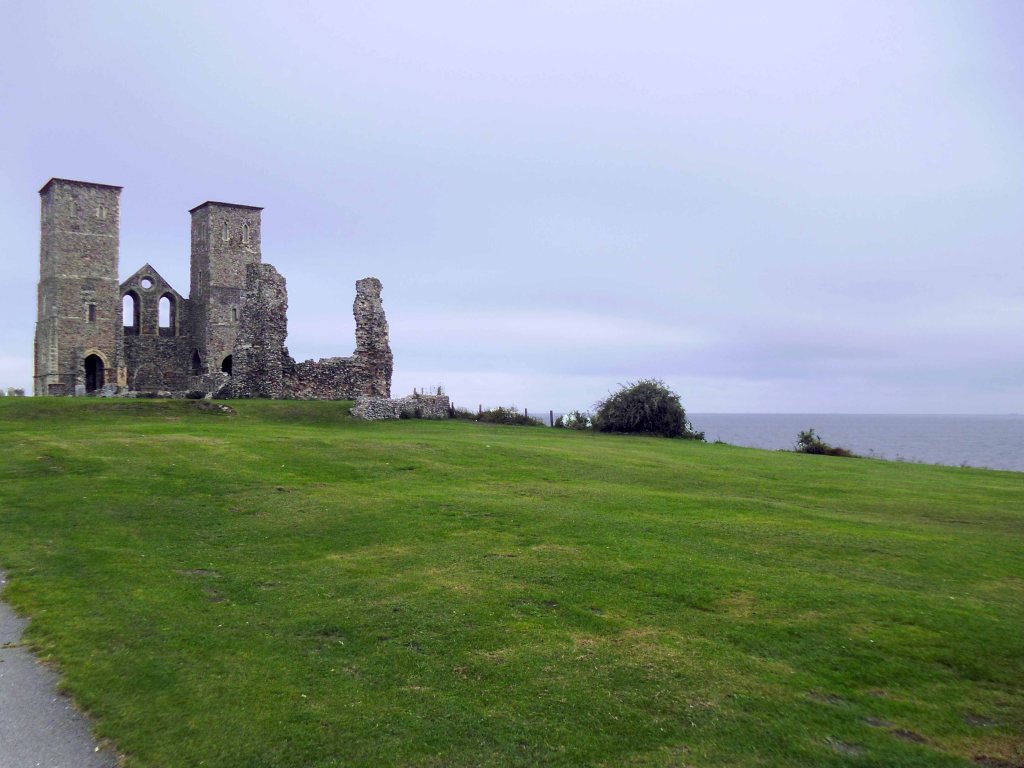
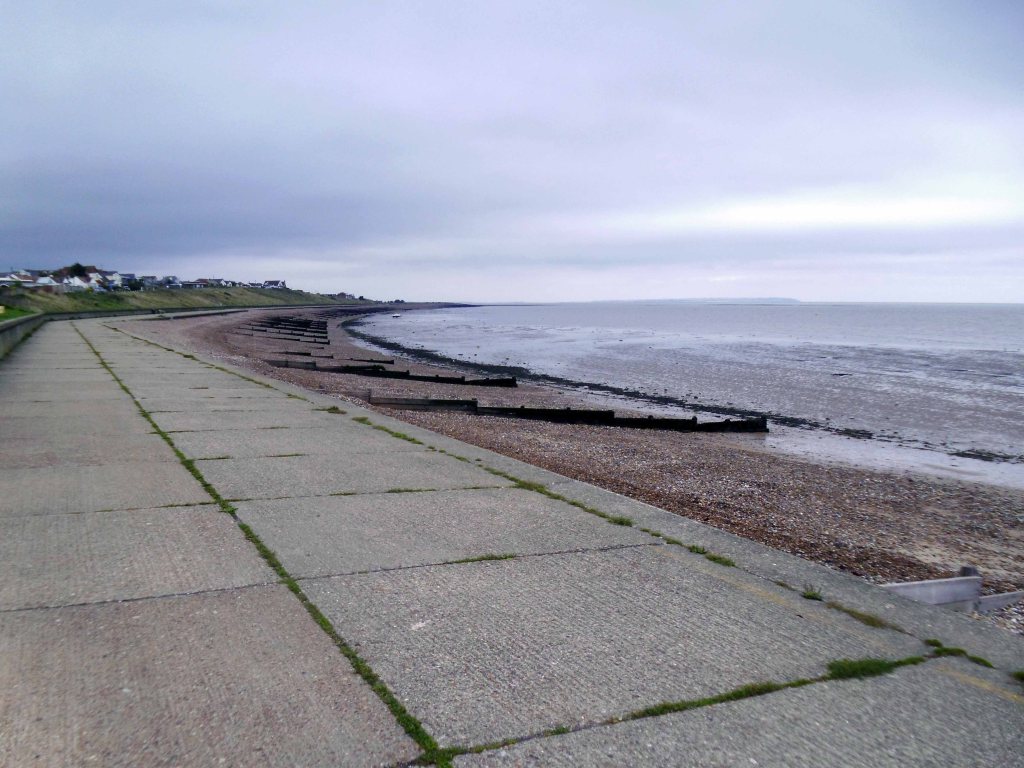
Along the long straight coastline the distinctive and distinguished silhouette of Reculver Castle can be seen in the distance.
Two thousand years ago the geography of this area was very different. The Wantsum, a sea channel up to 3 miles wide, cut off the Isle of Thanet from the mainland, and the Roman fort of Reculver stood on a promontory at the north end of the channel where it joined the Thames estuary. Today the Wantsum has silted up and become dry land.
By the 5th century the Romans had abandoned their defence of Britain and the fort at Reculver had fallen into disuse.
An Anglo-Saxon monastery was founded on the site in 669, reusing the existing defences, and the church of St Mary was built near the centre of the earlier fort. Documentary evidence suggests that the site had ceased to function as a monastic house by the 10th century, after which time the church became the parish church of Reculver.
Remodelling of the church in the 12th century included the addition of tall twin towers.
The medieval church was partly demolished in 1805, when much of the stone was reused to construct a new church on higher ground at Hillborough, but the twin towers were left. They were bought, repaired and underpinned by Trinity House in 1809.
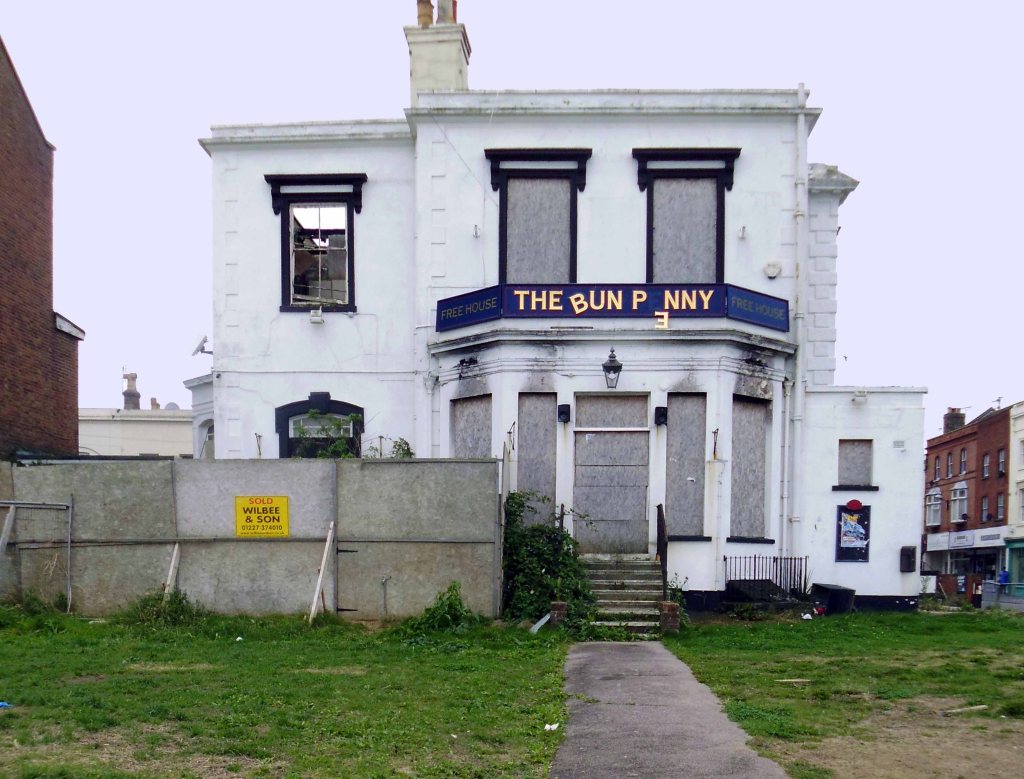
I breezed through Herne Bay past the curiously named Bun Penny pub
Burnt down in 2011 – the subject of ever changing plans and possibilities.
A derelict Herne Bay pub has been transformed into luxury seafront apartments and this is how much they cost.
We would encourage owners of other empty properties in the Herne Bay area to get in touch as we find new ways to rejuvenate the town and attract new people to work, live and visit.
Further along the unstable concrete coast we approach Whitstable.
With its chi-chi cafes and bars, tastefully ramshackle shacks and snacks.
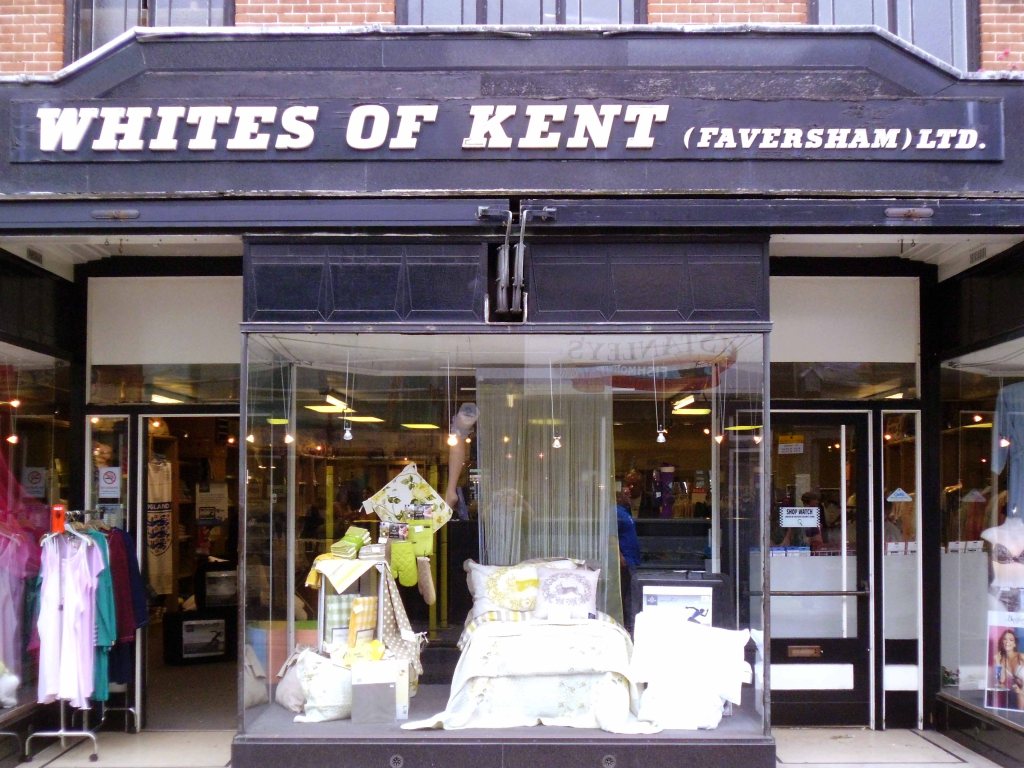
Profil fronted fascias for family run department stores.
Whites of Kent is a family company now into the third generation of close family members. The original story begins with a young ambitious girl of 18 who knew all about stocking repair machines. She travelled to Australia by boat then on to Switzerland and Paris where she trained women and gave demonstrations on the stocking machines.
In 1954 the retail side commenced again with a ladies underwear shop in Faversham’s Market Street, followed by a fashion shop in Market Street and then our current shop in Court Street.
We have in the past had shops in Sandwich, Sittingbourne, Herne Bay, West Malling, Folkestone and Cliftonville. Currently we have Whites of Kent shops in Faversham, Whitstable and Dover selling lingerie, linen, hosiery, underwear, slippers and more. See our Shop page for addresses, phone numbers and opening times.
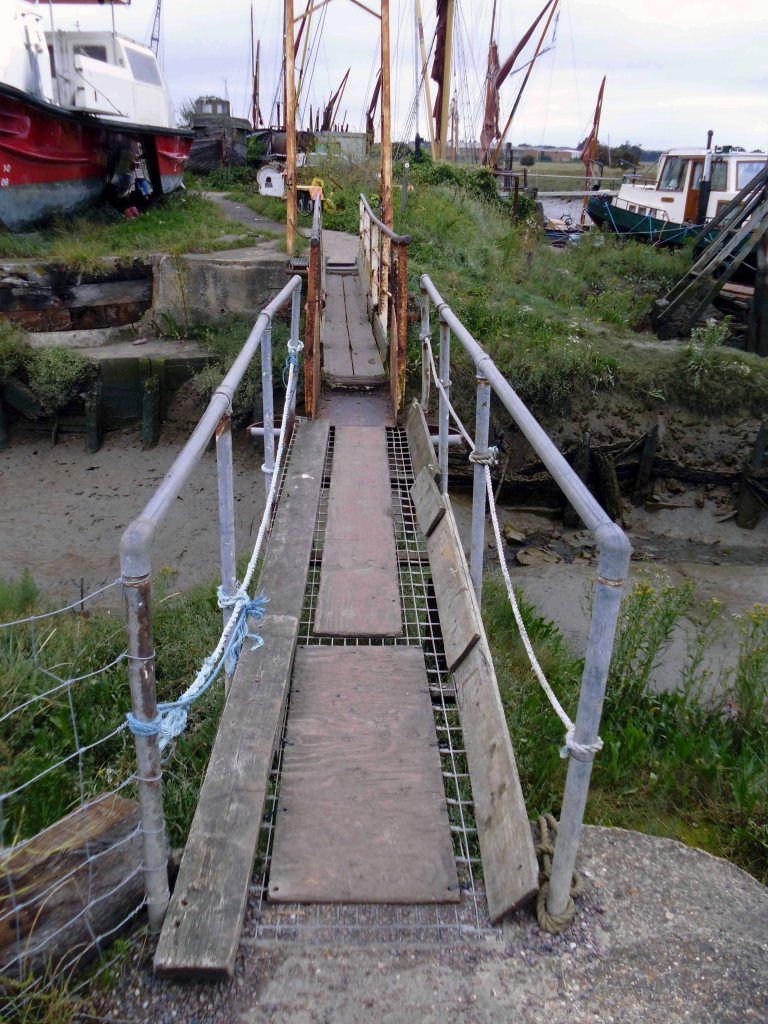
The road winds through the low marshes, across estuaries and inlets, between Seasalter and Graveney.
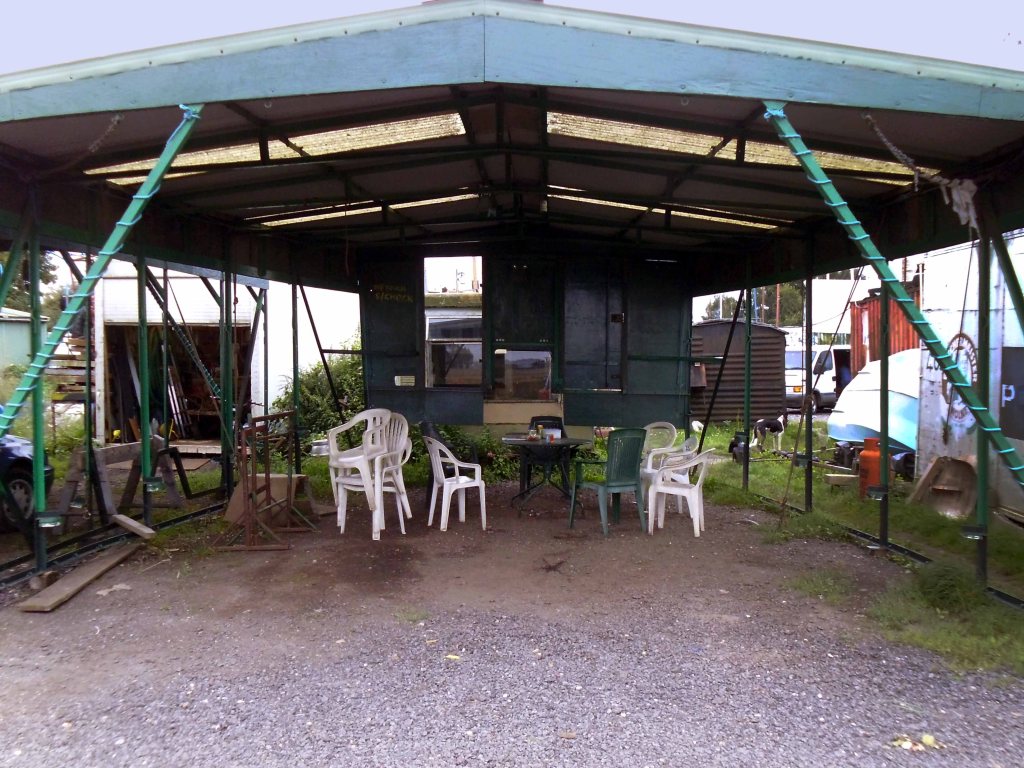
Home to a down home, home made fishing fleet.
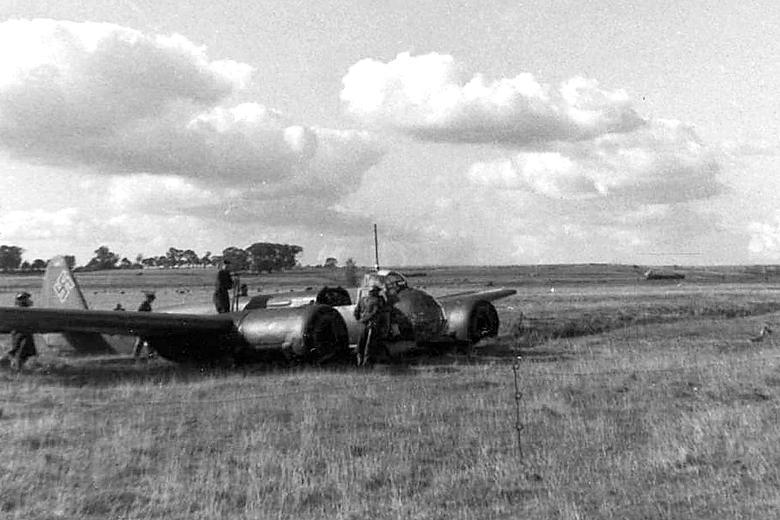
Members of the 1st Battalion London Irish Rifles guarding the downed Junkers Ju 88A1
On September 27 1940 – a Luftwaffe bomber was shot down by two Spitfires over Graveney Marsh after a raid on London. This was the last ground engagement involving a foreign force to take place on the mainland of Great Britain.
My painting represents the victory of the forces of darkness and peace over the powers of light and evil.
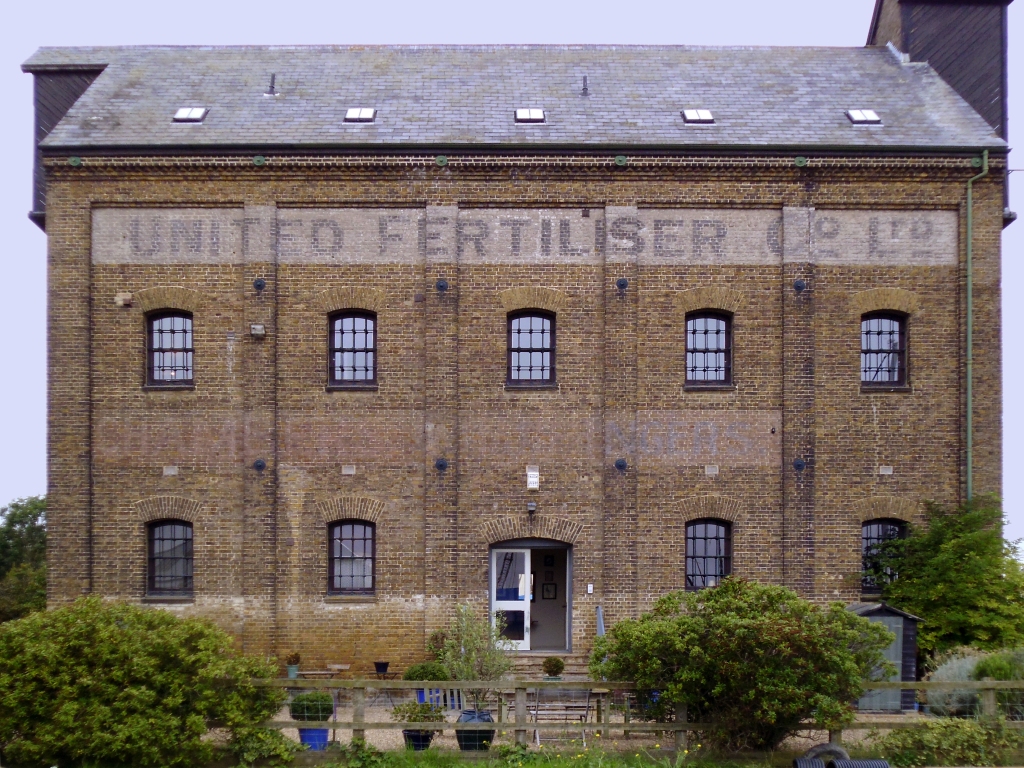
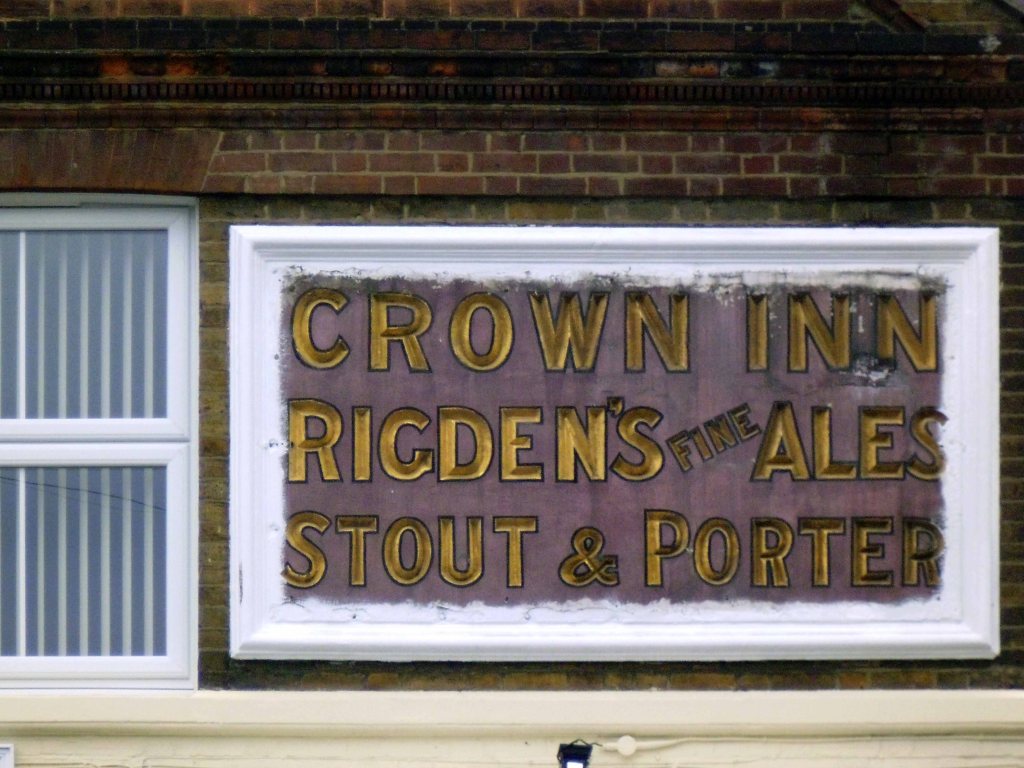
Founded in the early 1700s by Edward Rigden. Registered in 1902 as Rigden & Co. Merged with George Beer & Co. Ltd in 1922 to form George Beer & Rigden, not being limited until 1927.
Was acquired by Fremlins Ltd in 1948 and brewing ceased 1954.
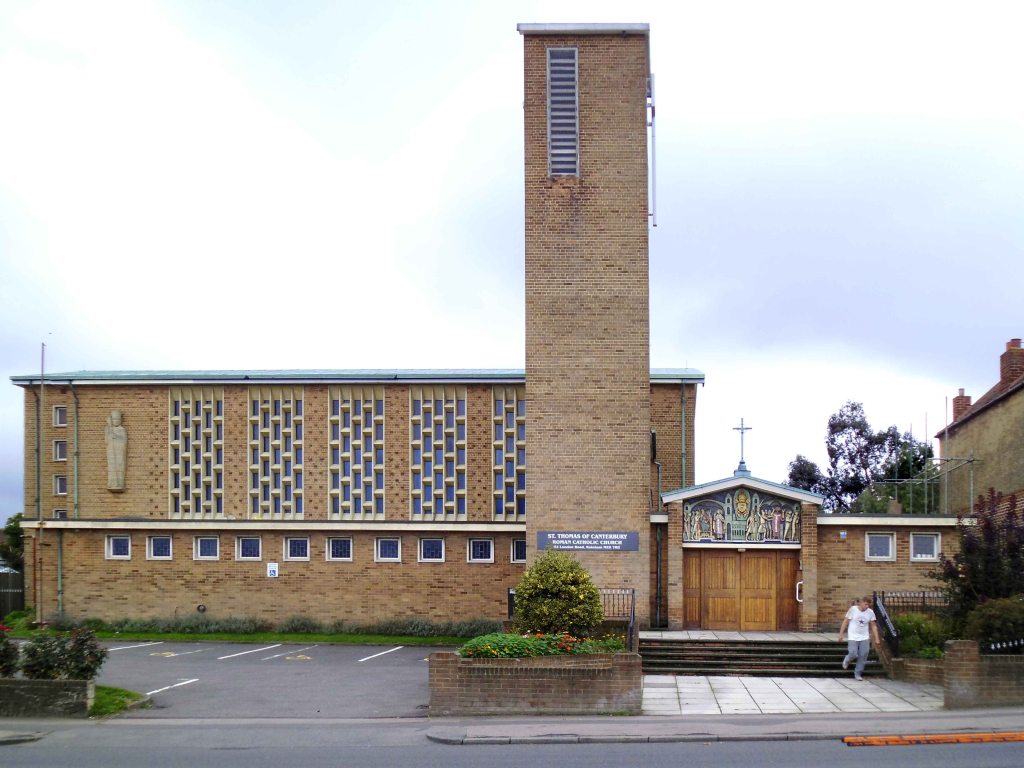
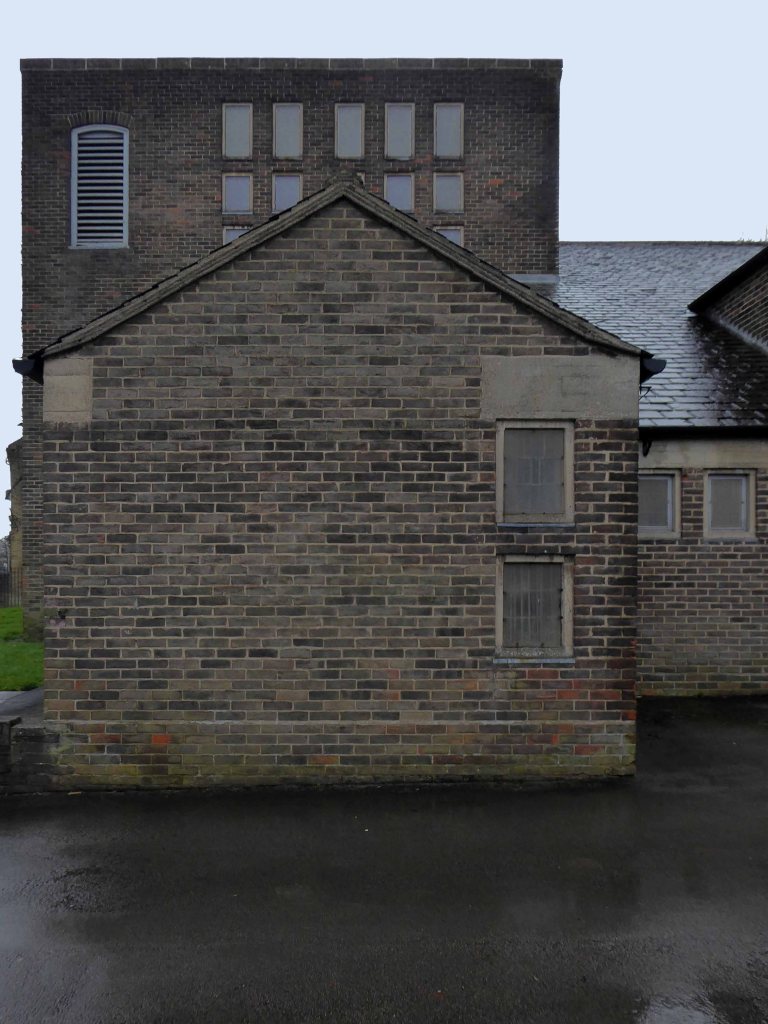
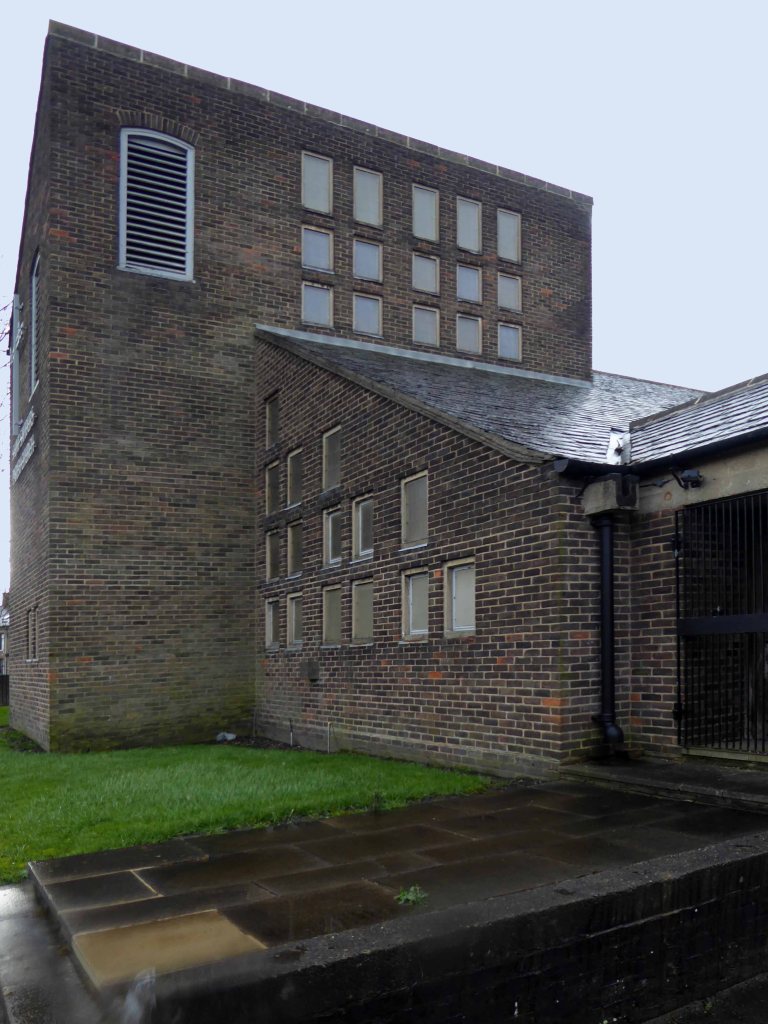
Dulled by dual carriageways and the dirty urban dust of a sunny late summer’s day – I was more than happy to discover this Modernist church in Rainham.
St Thomas of Canterbury RC
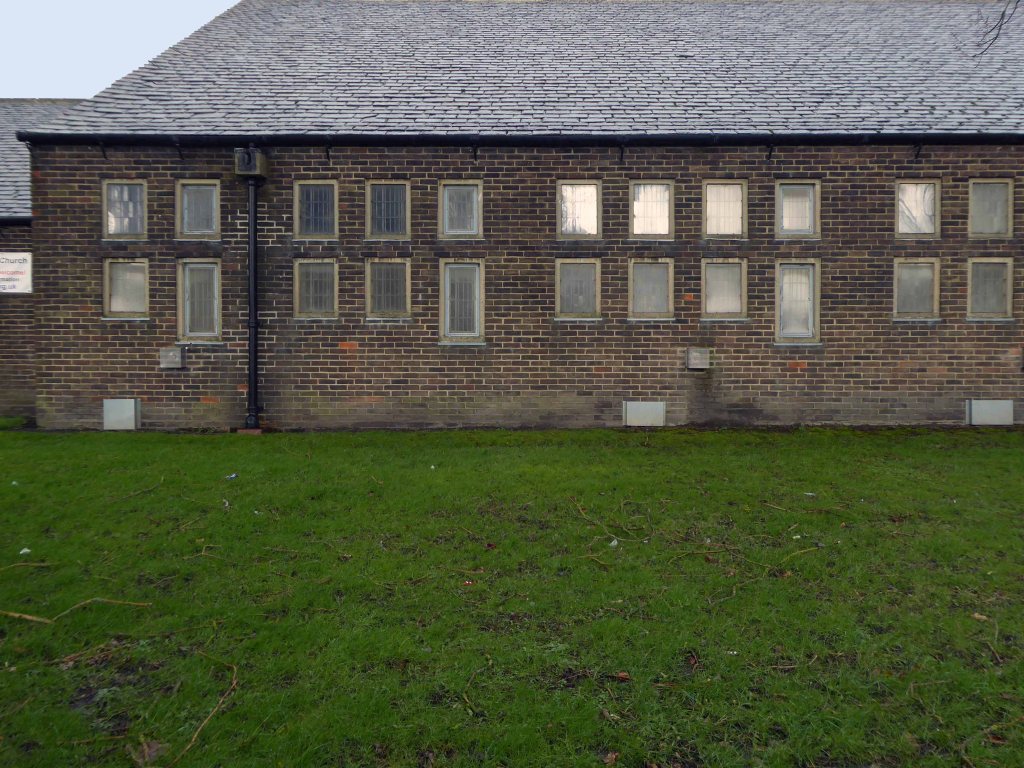
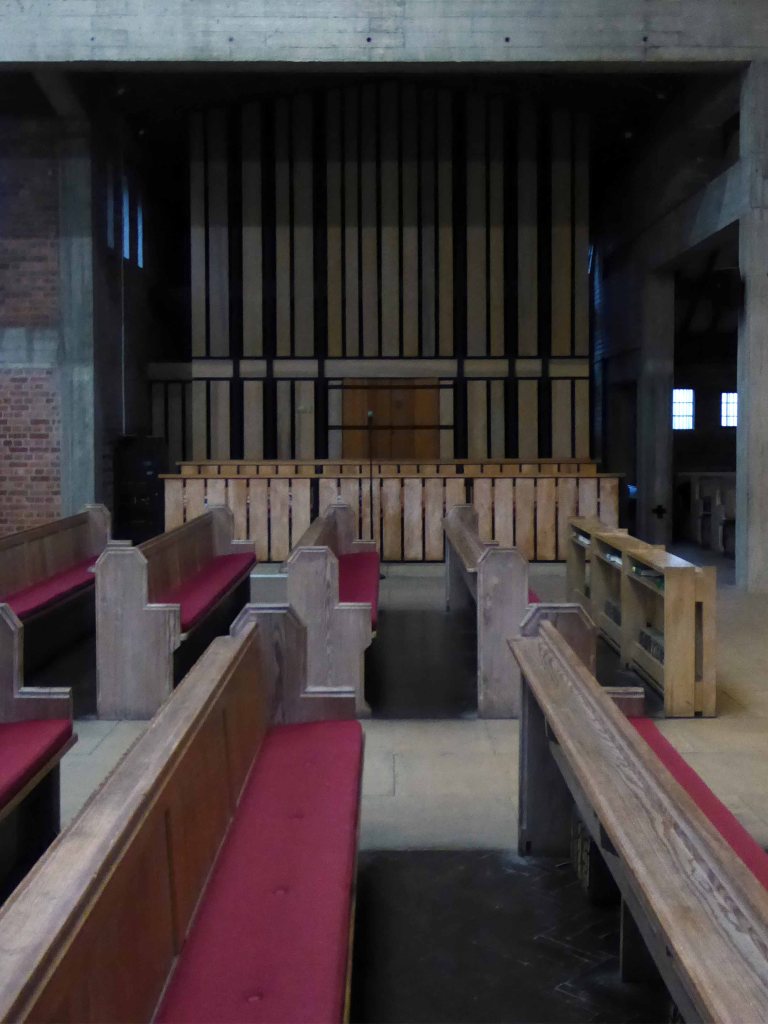
A modern church of 1956-58 by Eduardo Dodds. The atmospheric interior is decorated with fine sculpture by Michael Clark, and ceramic panels by Adam Kossowski. The tower is a local landmark. The former temporary church of 1934 survives as the Parish Centre.
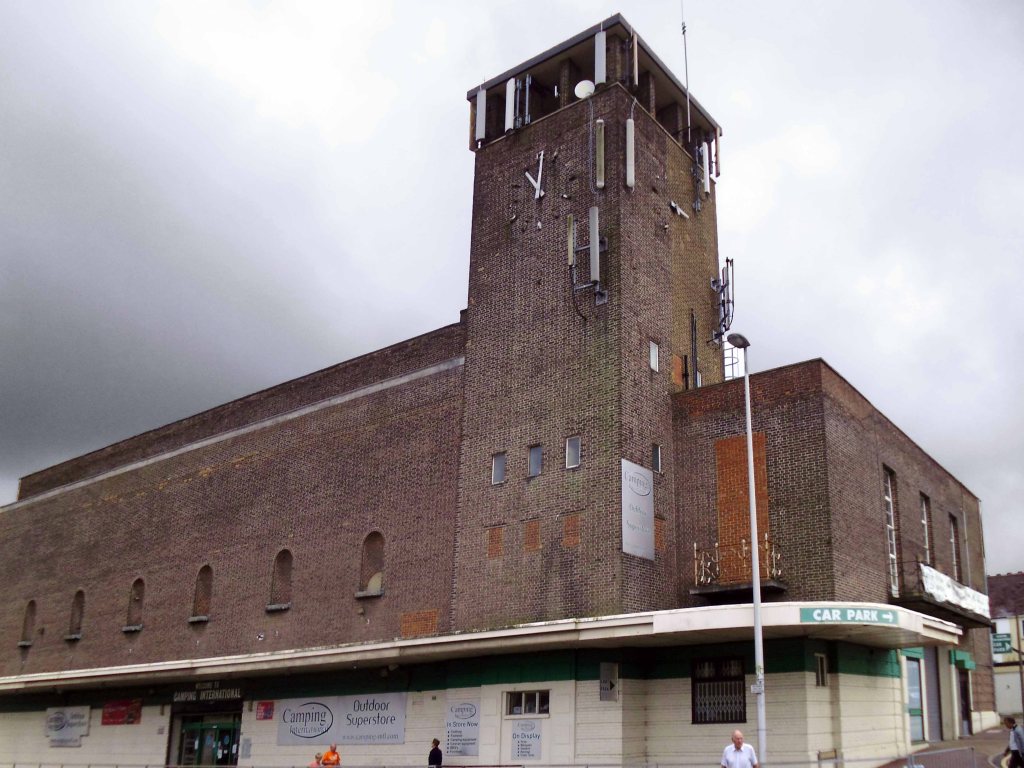
Followed by another brick behemoth the Gaumont Chatham.
The Palace Cinema was built by a subsidiary of the Gaumont British Theatres chain, and opened on 30th November 1936. The exterior had a tall square clock tower, which was outlined in neon at night – Architect Arthur W. Kenyon
Re-named Gaumon from 18th December 1950, closed by the Rank Organisation on 2nd February 1961 with John Gregson in The Captain’s Table.
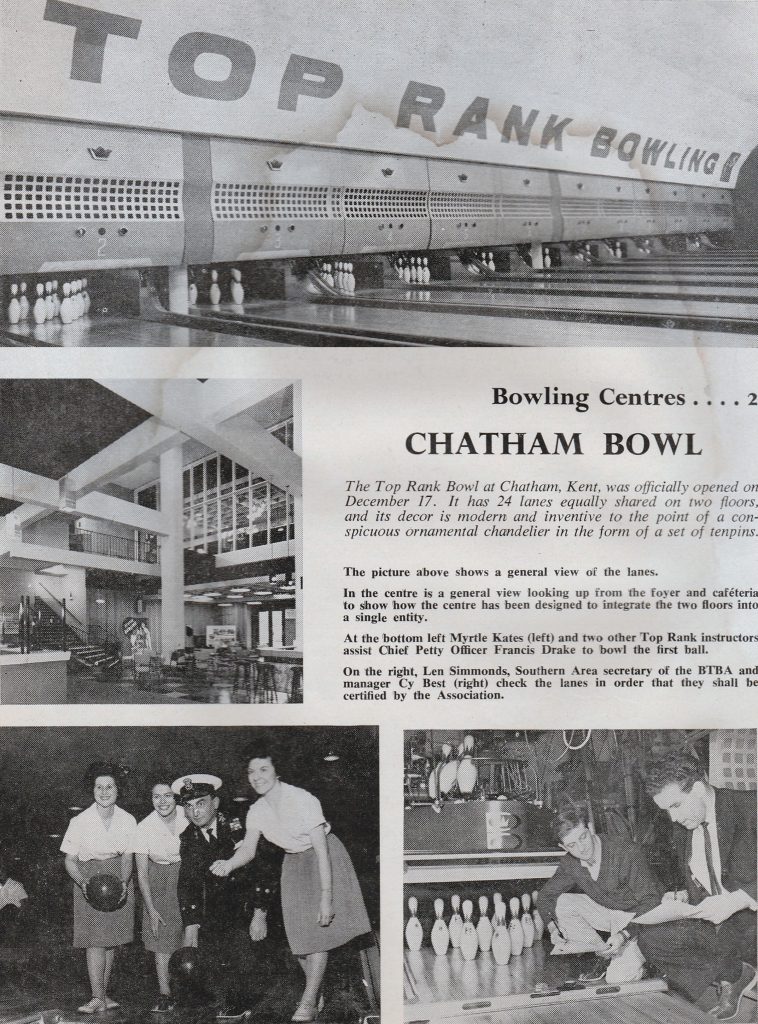
It was converted into a 24-lane Top Rank Bowling Alley, which opened in December 1961. Eventually, this was the last of the Top Rank Bowls to close, closing on 31st October 1970.
The building was converted into a B&Q hardware store, and the interior has been gutted. It was later in use as a camping centre, which remains open in 2010 as Camping International. The building is now known as Clock Tower House.
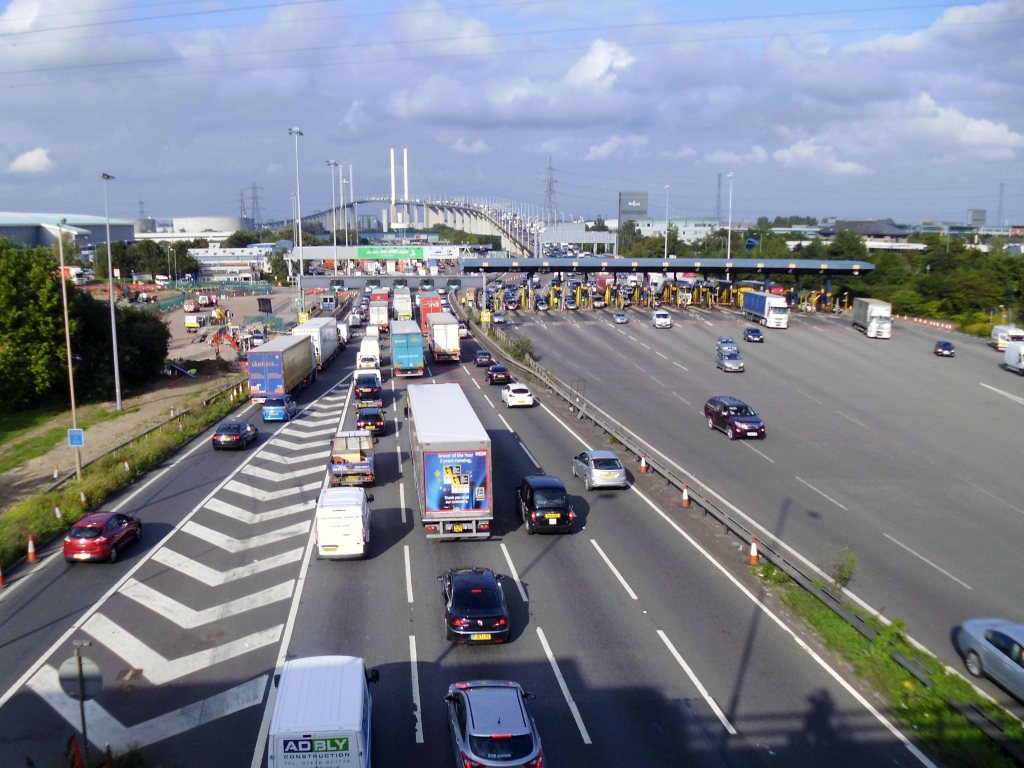
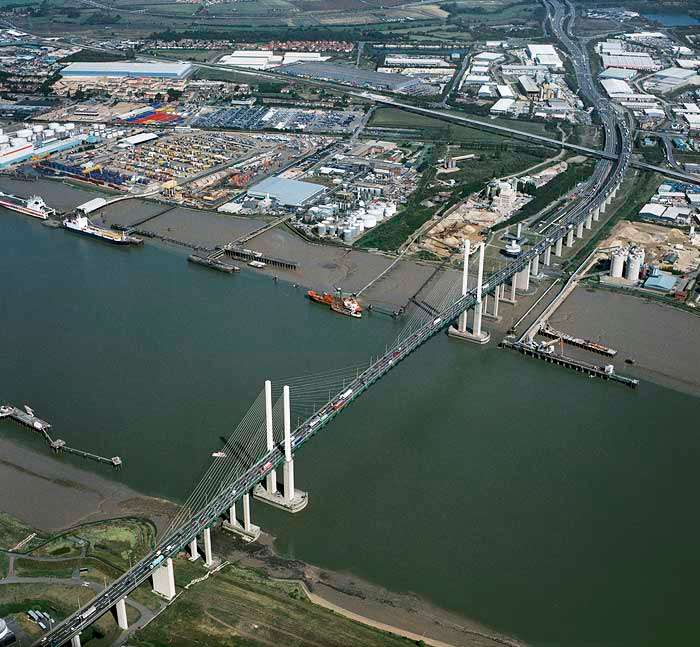
Designed by German civil engineer Hellmut Homberg, the two main caissons supporting the bridge piers were constructed in the Netherlands. ] The bridge deck is about 61 metres high, and it took a team of around 56 to assemble its structure.
The bridge was opened by Queen Elizabeth II on 30 October 1991. The total cost of construction was £120 million. The proposed name had been simply the Dartford Bridge, but Thurrock residents objected and suggested the Tilbury Bridge, leading to a compromise. At the time of opening, it had the longest cable-stayed span of any bridge in Europe.
I arrived at the Dartford Crossing hot and hungry – wandering towards the tunnel entrance, only to be apprehended by the authorities.
What are you doing here?
I pleaded for a glass of water and directions, happily I received both from a friendly member of staff.
Picked up by Range Rover and driven over to Essex free of charge.
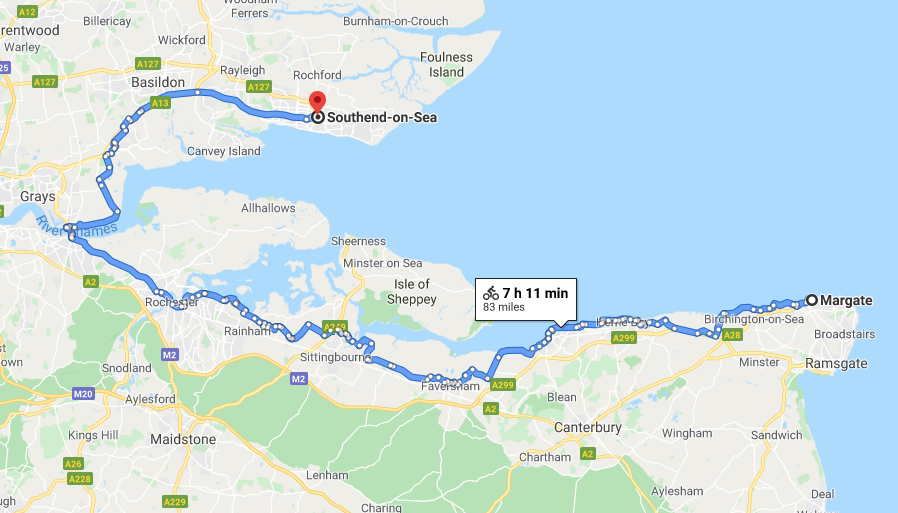
Wearily I made my way across the county, no time for snaps it seems, simply wishing to hit town before nightfall. None of my B&Bs were booked ahead of time and I’ve never had a ‘phone. Finding a bed for the night proved troublesome – knocking on the door of a minor hotel, I was rebuffed by a Beatle suited, be-wigged figure:
Are you to take the vacancies sign down then – says I.
No – says he.
Under cover of darkness I holed up in a contractors’ flop house on the front, no-frills communal showers, short shrift and cold linoleum, but a welcome repose none the less.
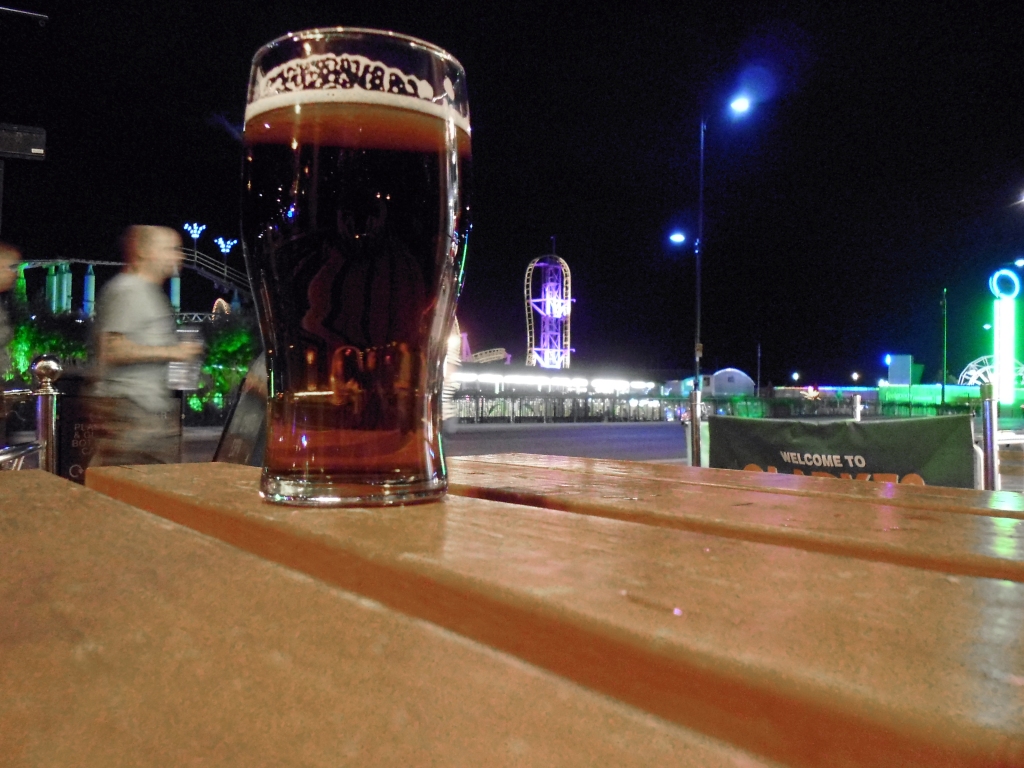
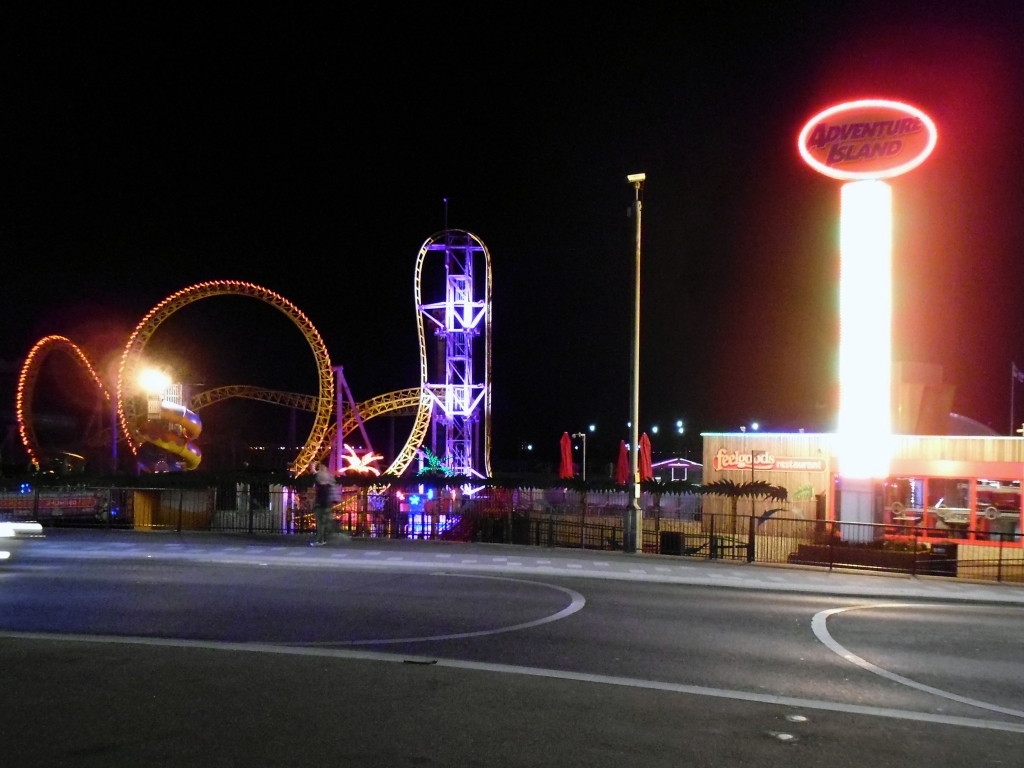
Some pints don’t touch the sides – this and several others didn’t, ‘neath the flickering lights of Southend by night.
A wobbly walk along the prom.
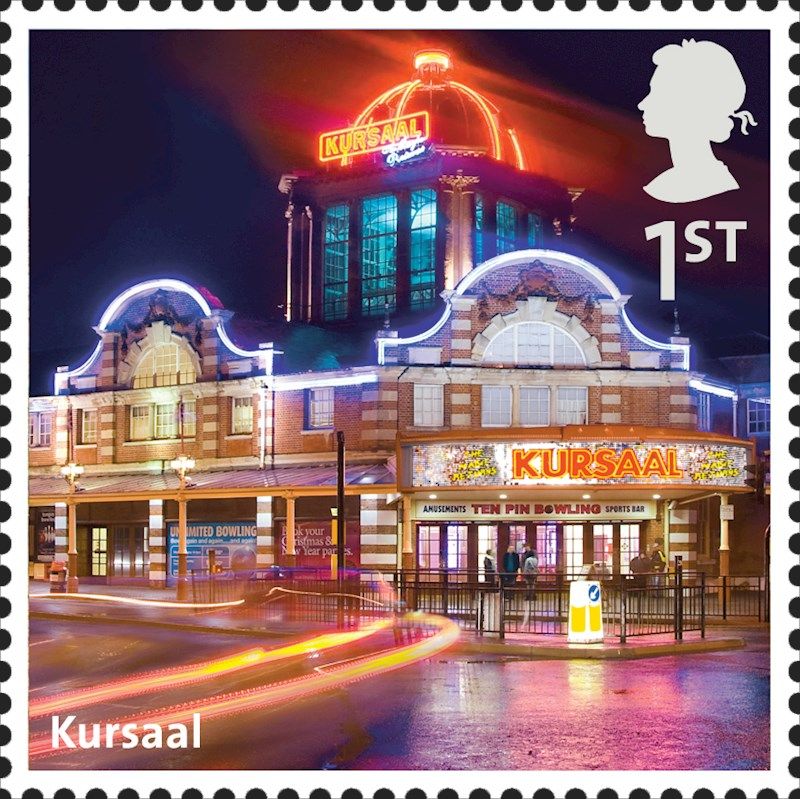
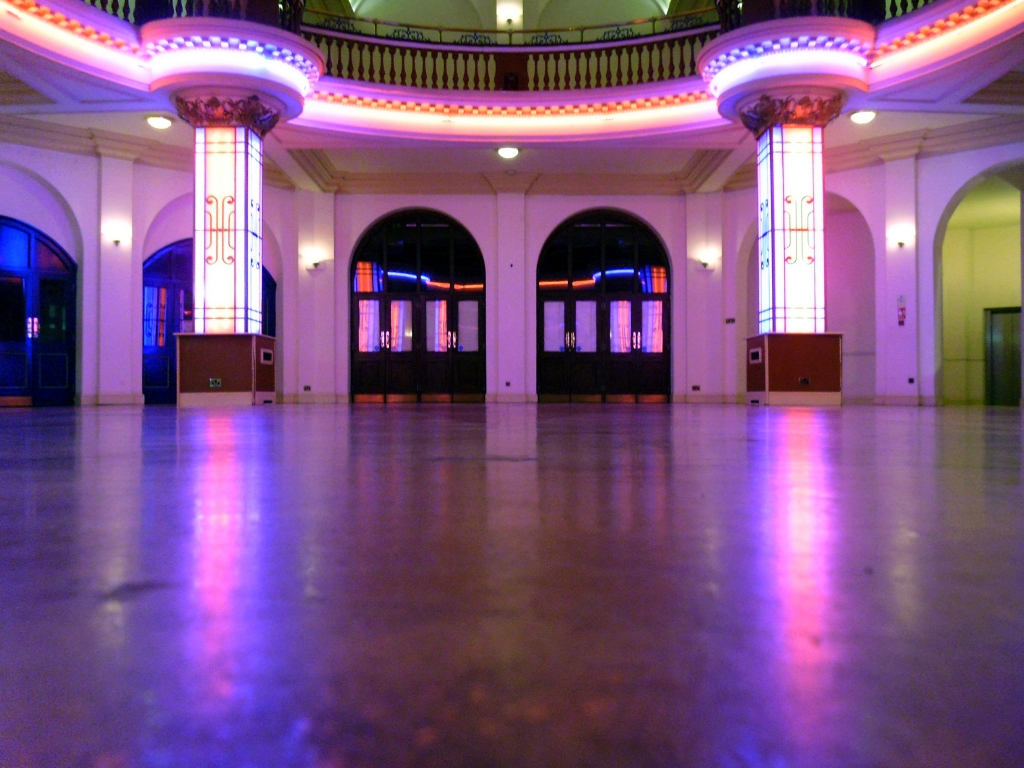
Fetching up with pic of the Kursaal.
The Kursaal is a Grade II listed building in Southend-on-Sea which opened in 1901 as part of one of the world’s first purpose-built amusement parks. The venue is noted for the main building with distinctive dome, designed by Campbell Sherrin, which has featured on a Royal Mail special edition stamp.
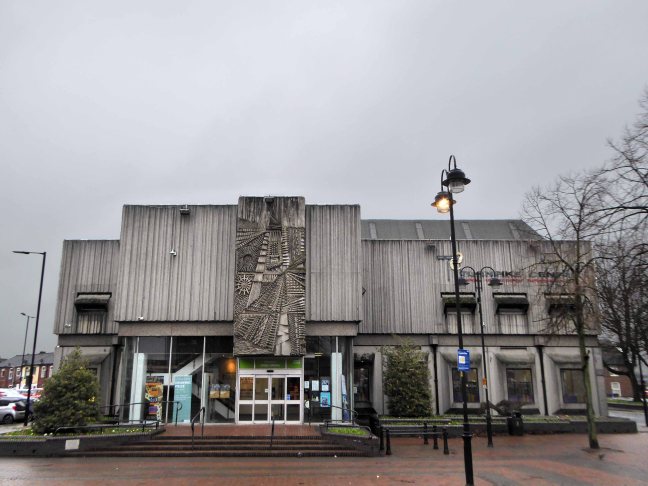
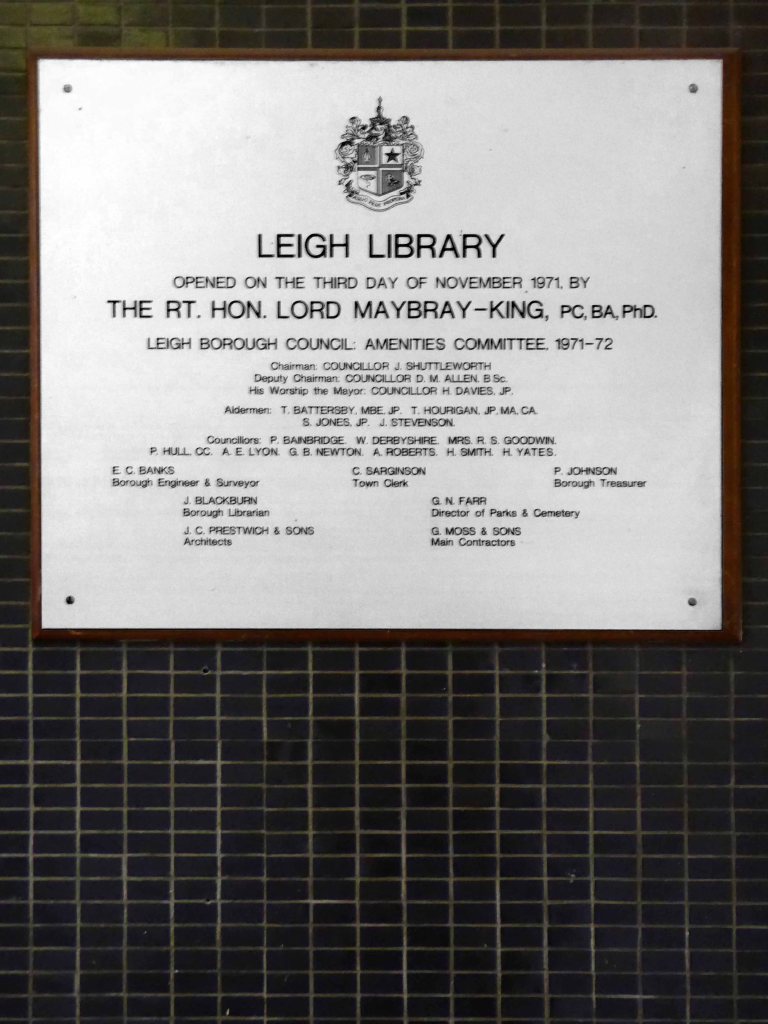
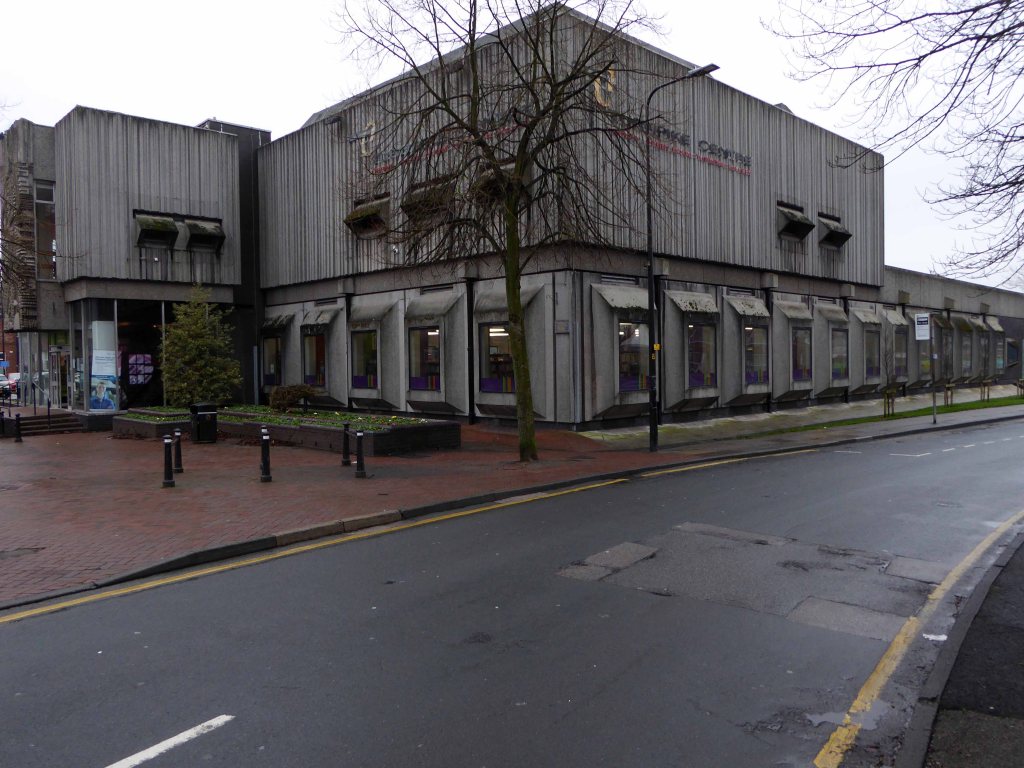
The Turnpike Centre was designed by J C Prestwich and Sons architects, who, incidentally, also designed Leigh Town Hall nearly 70 years earlier.
Since its opening in 1971, the bustling library, thriving art gallery and popular meeting rooms have seen a phenomenal 12 million people walk through the doors, while staff have answered almost 400 thousand questions and issued more than 17 million books, cassettes and CDs.
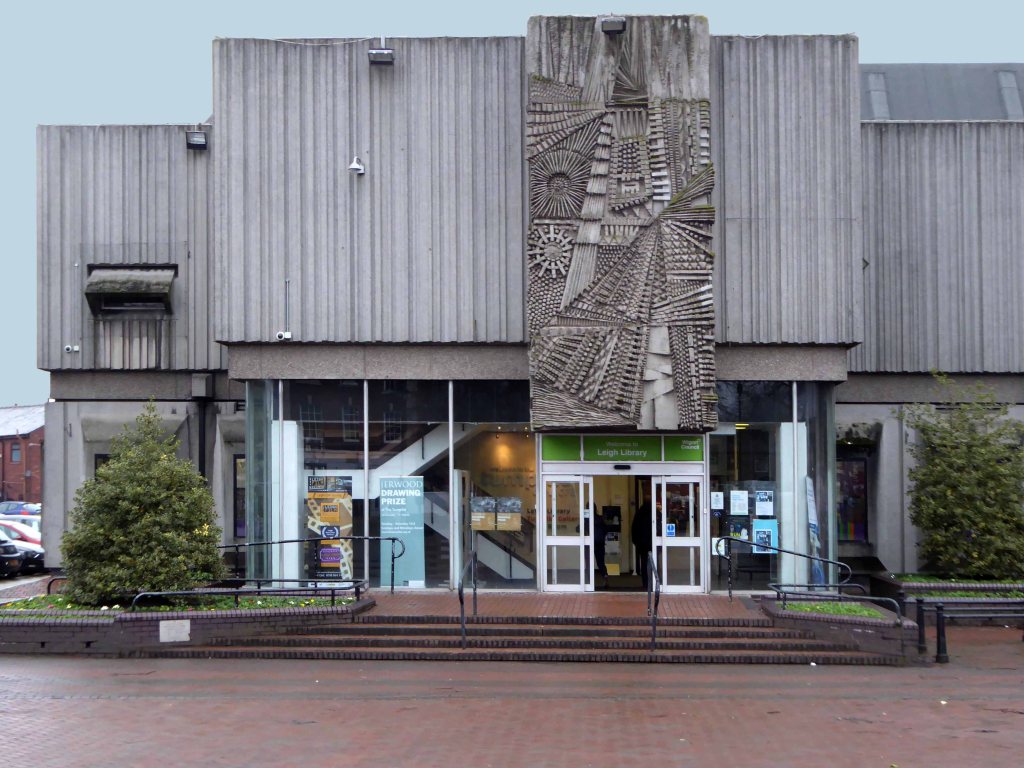
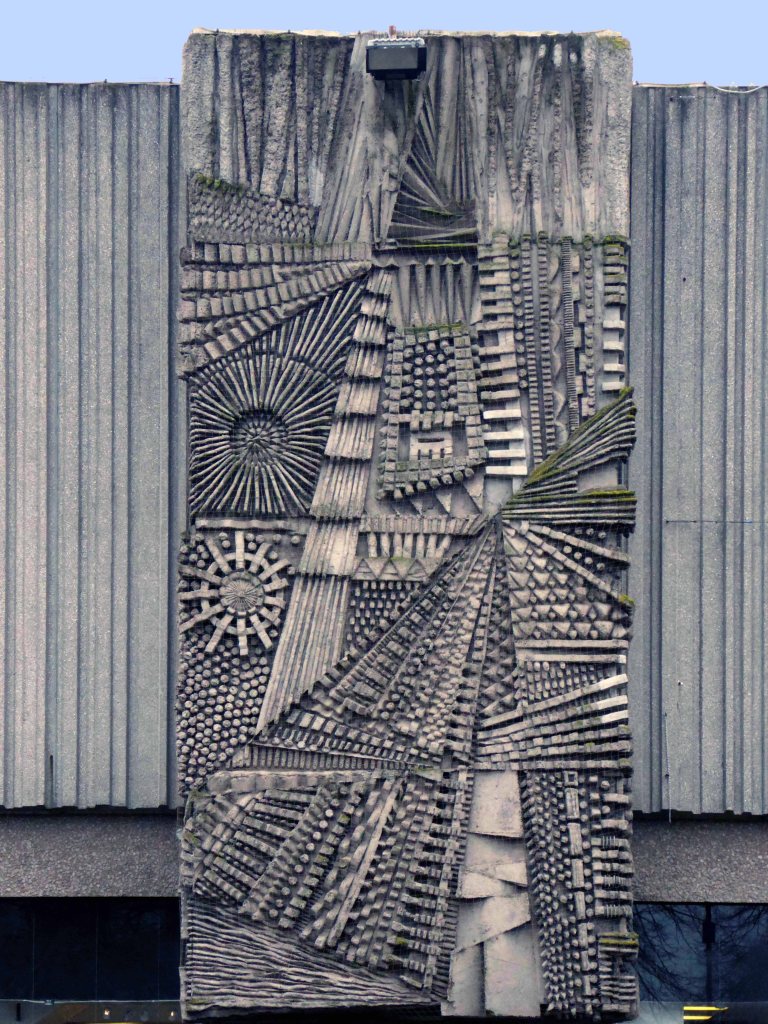
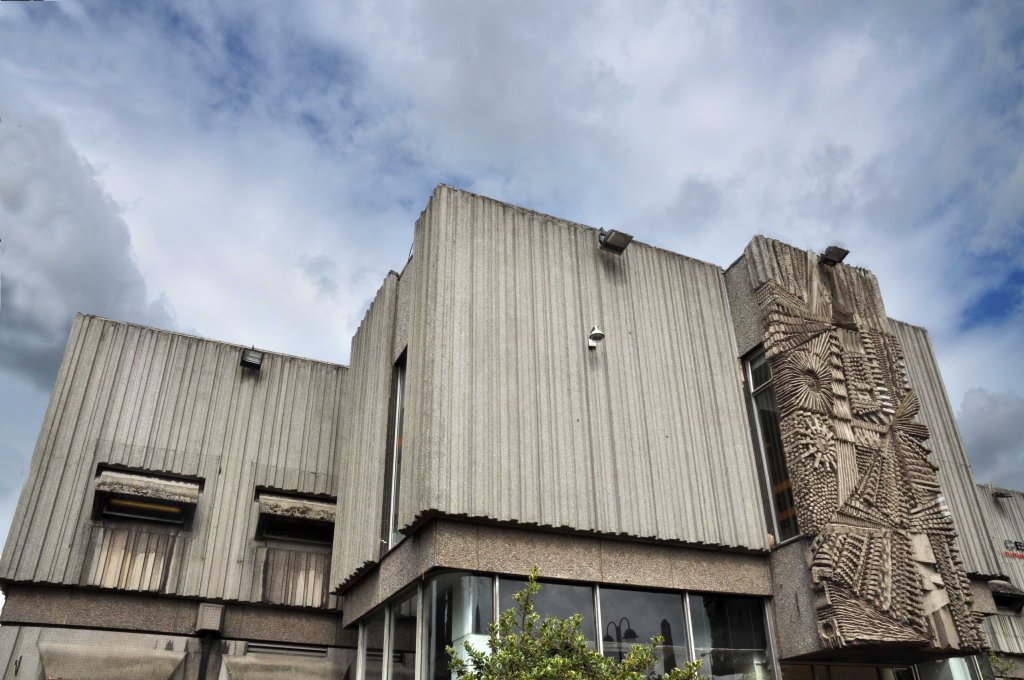
The fascia is graced by a grand cast concrete relief the work of William Mitchell.
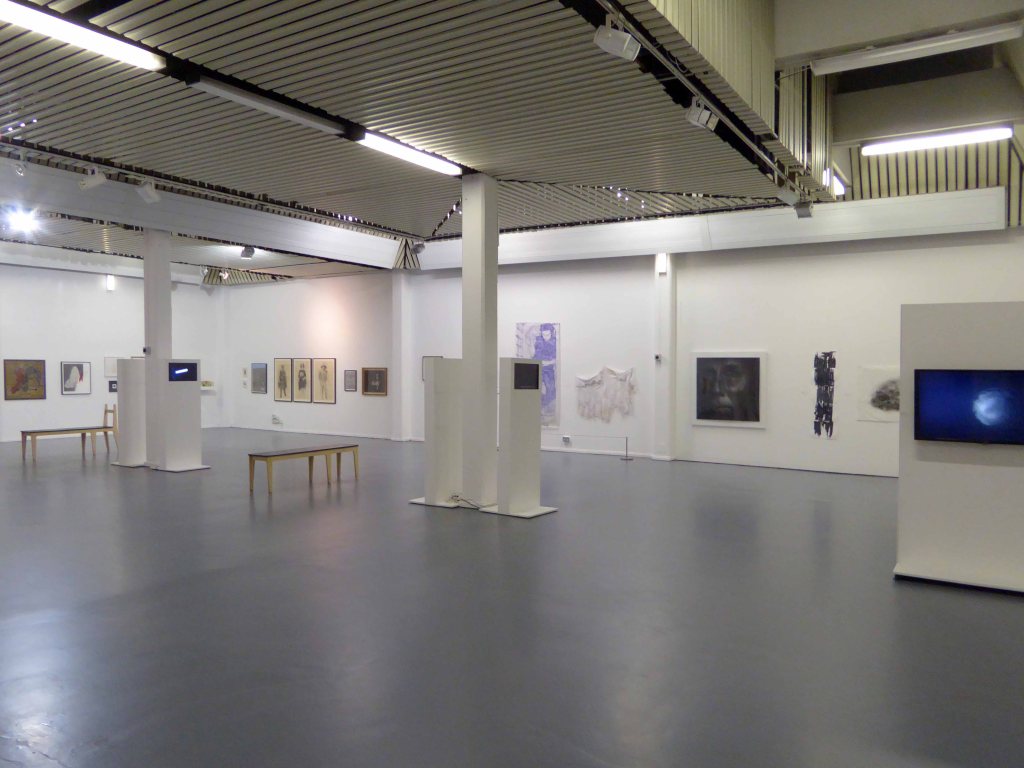
All but abandoned by the cash-strapped local council in 2013, Turnpike Gallery in the former mining town of Leigh near Wigan, is entering a new stage in its history with the creation of a community interest company to run its programme.
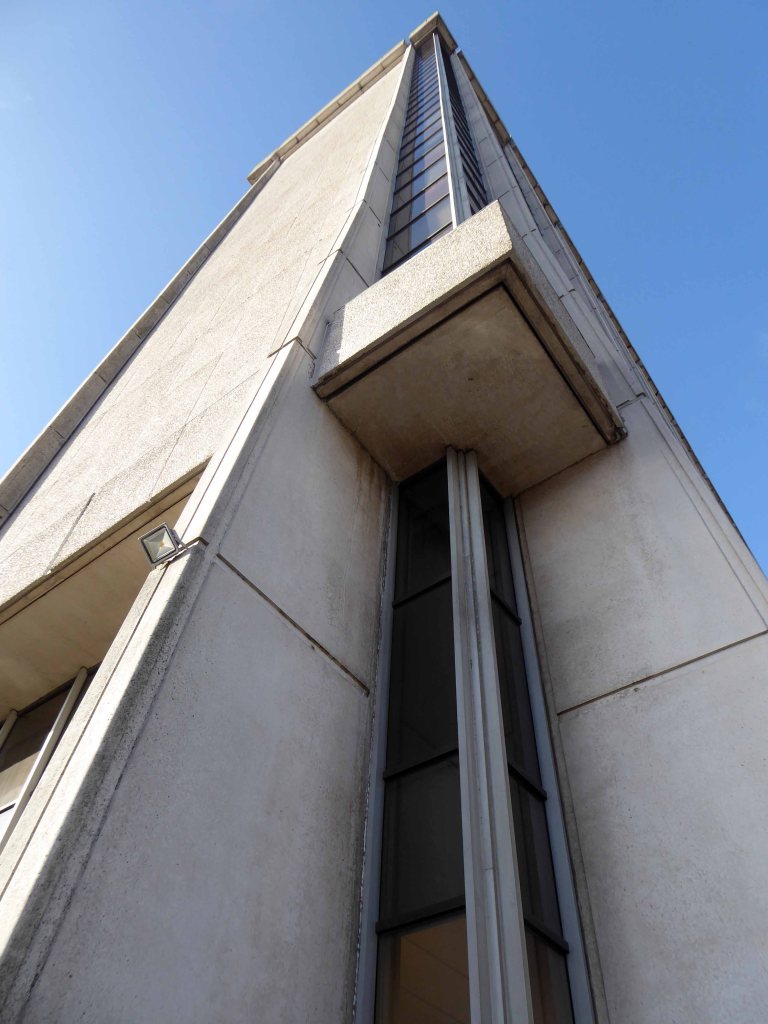
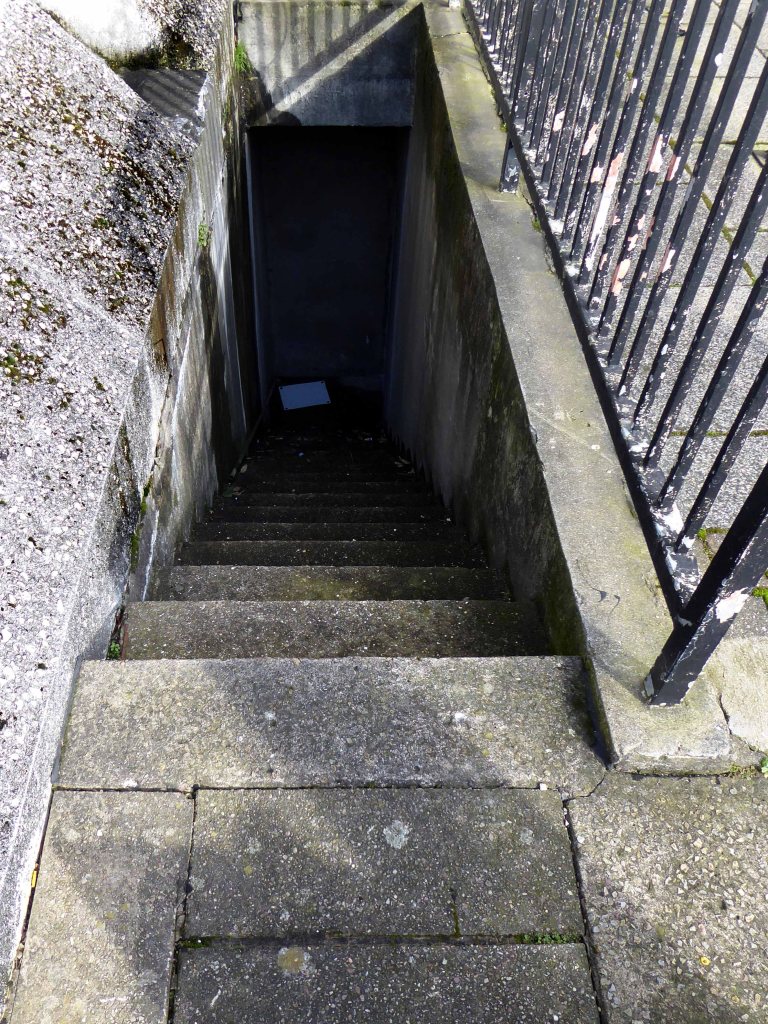
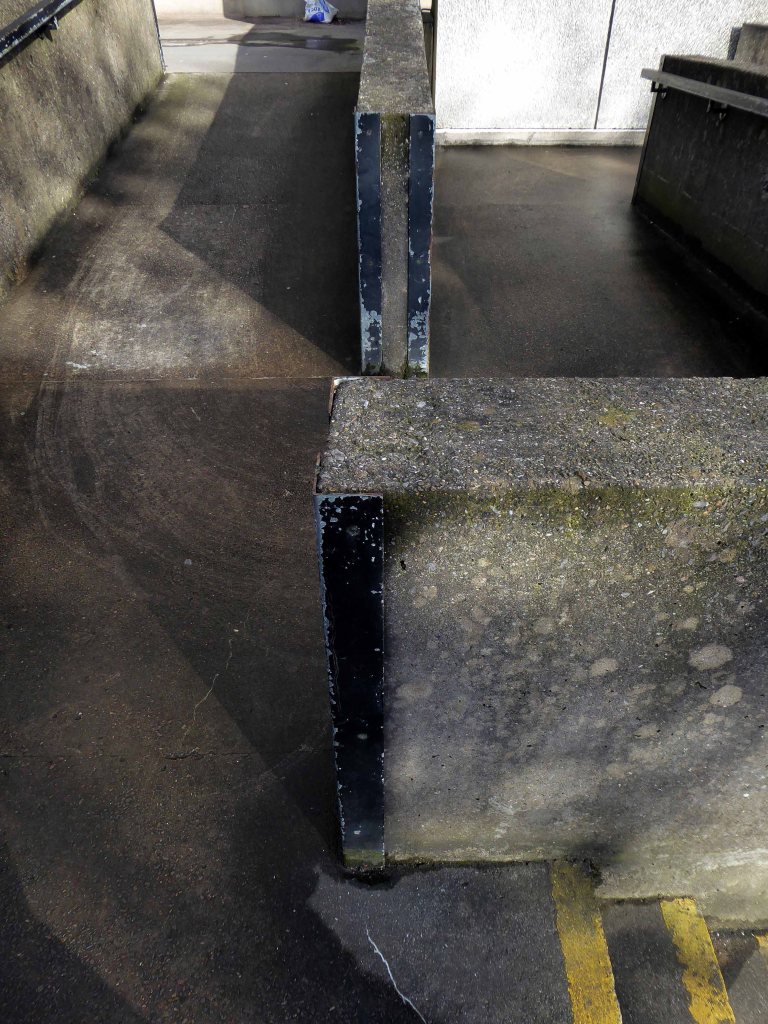
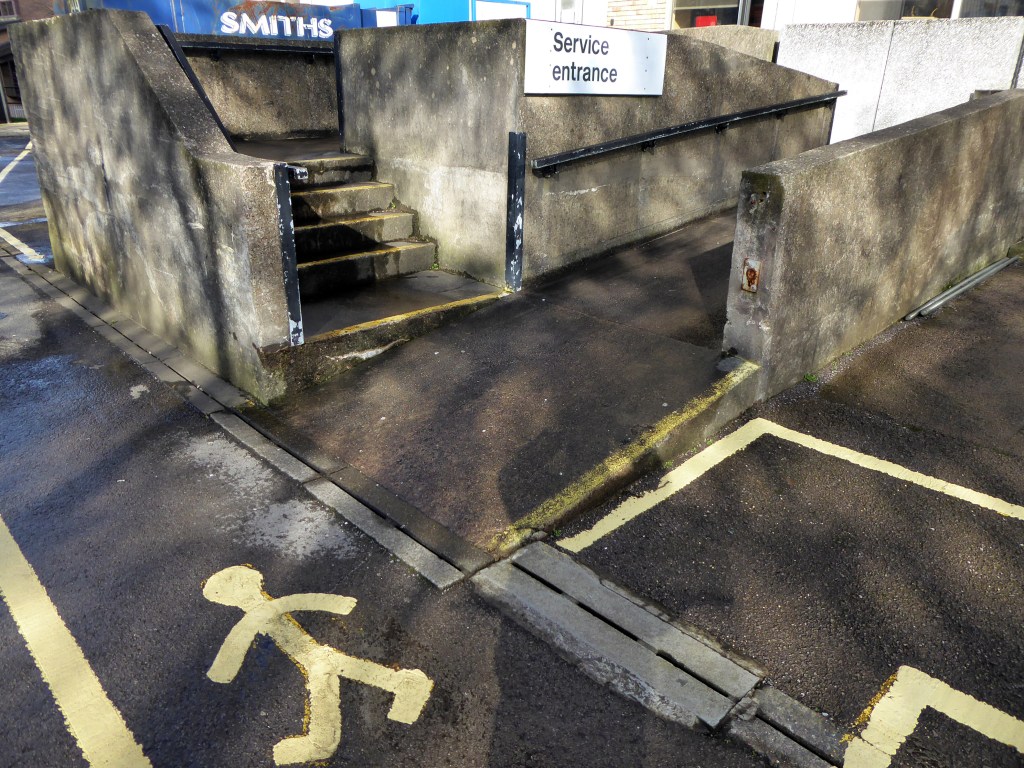
We recently took a look around Redrock, today we visit the next door neighbour – the car park ramp.
Replacing the old Debenham’s ramp.
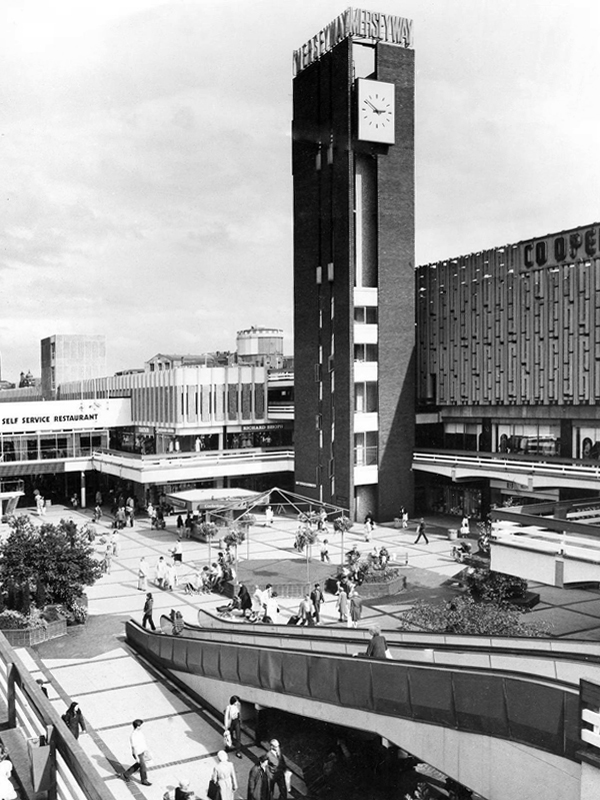
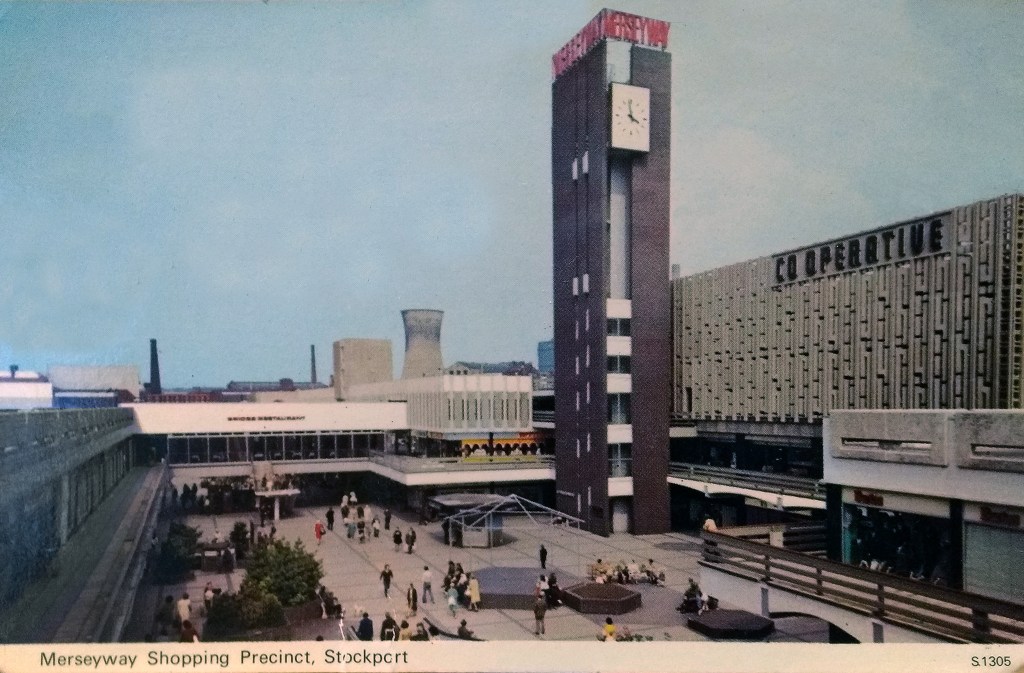
Linking the old world of Merseyway with the shiny new NCP.
I don’t drive no car so I have to make do with the ecologically sound and ever so affordable means of pedestrian trespass, proceeding incautiously I recorded my journey into the unknown.
Returning safely to Basecamp I investigated further, circumnavigating the drainage area.
I have to admit that I am over fond of this small sacred space, a modern impenetrable temple of Brutalism. My ambition is to stage an art/music event within, just wait and see/hear if I don’t!
I’ve often cycled by here, on occasion taking time to take a snap or two.
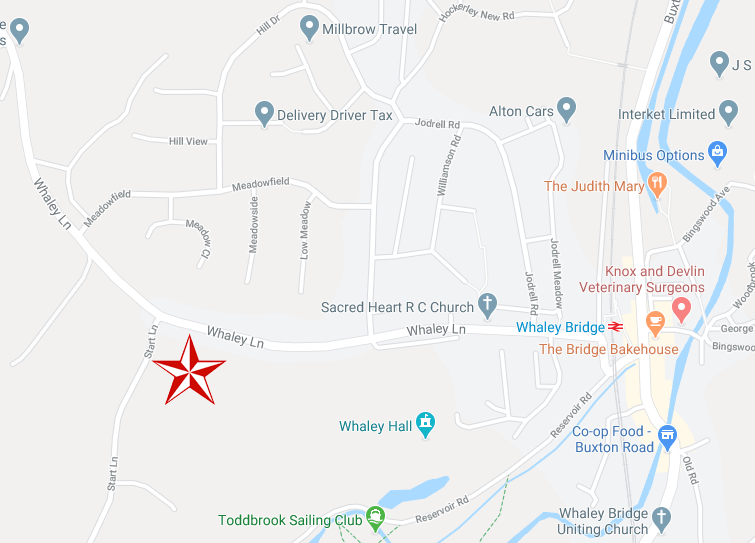
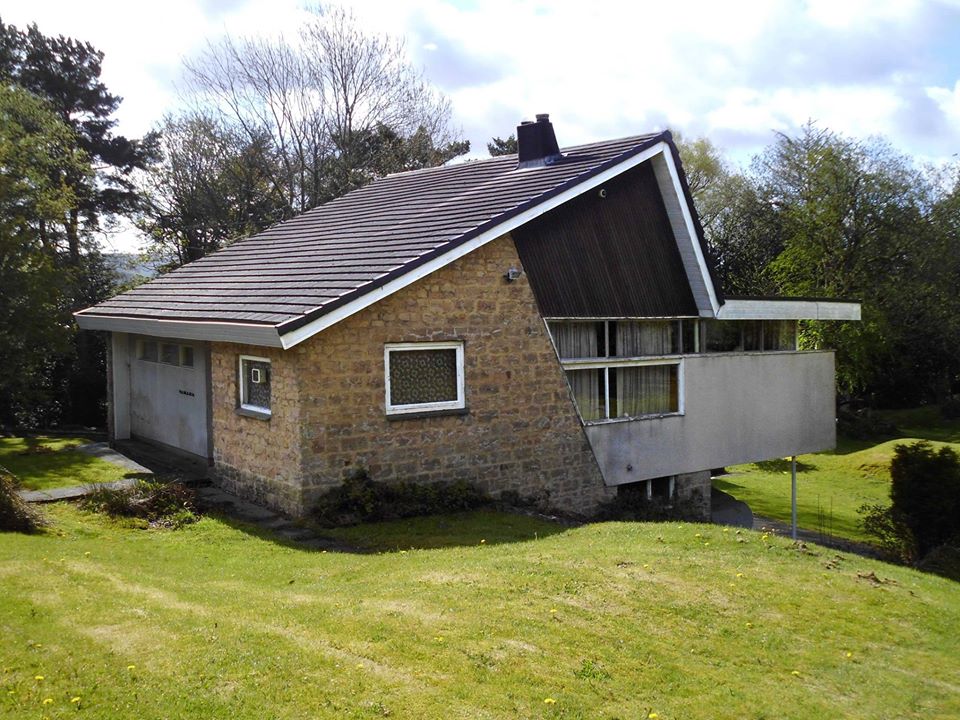
You seemed to be in decline, in need of care and attention. Stood amongst Peak vernacular and sub-Lutyens villas something of anomaly.
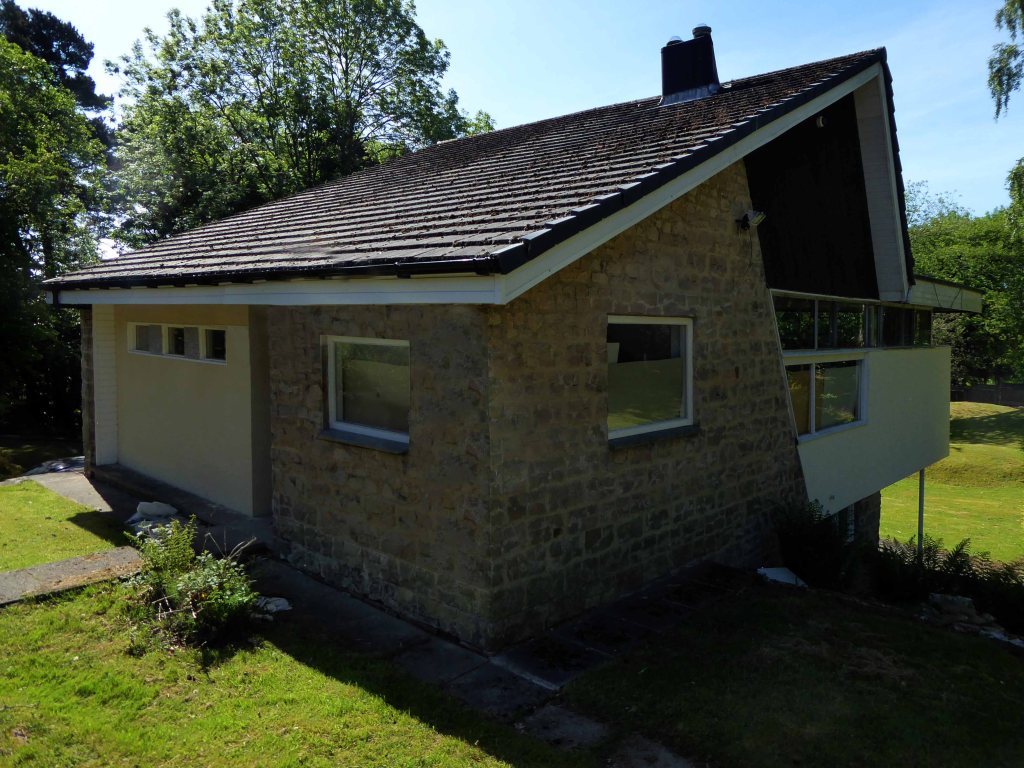
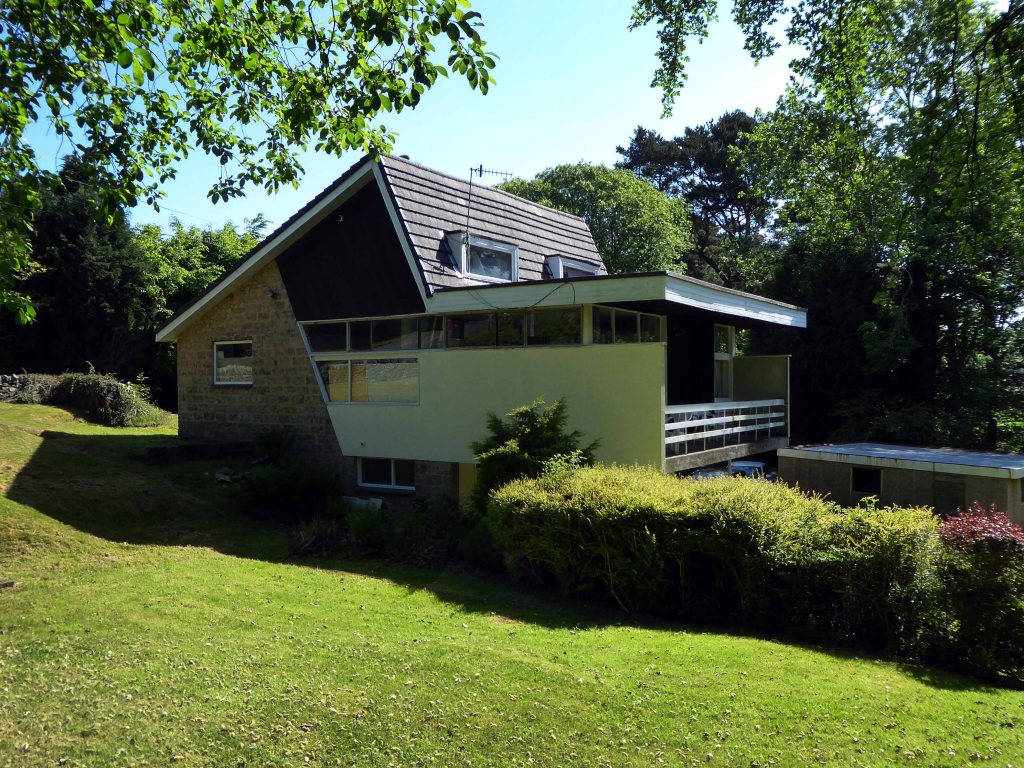
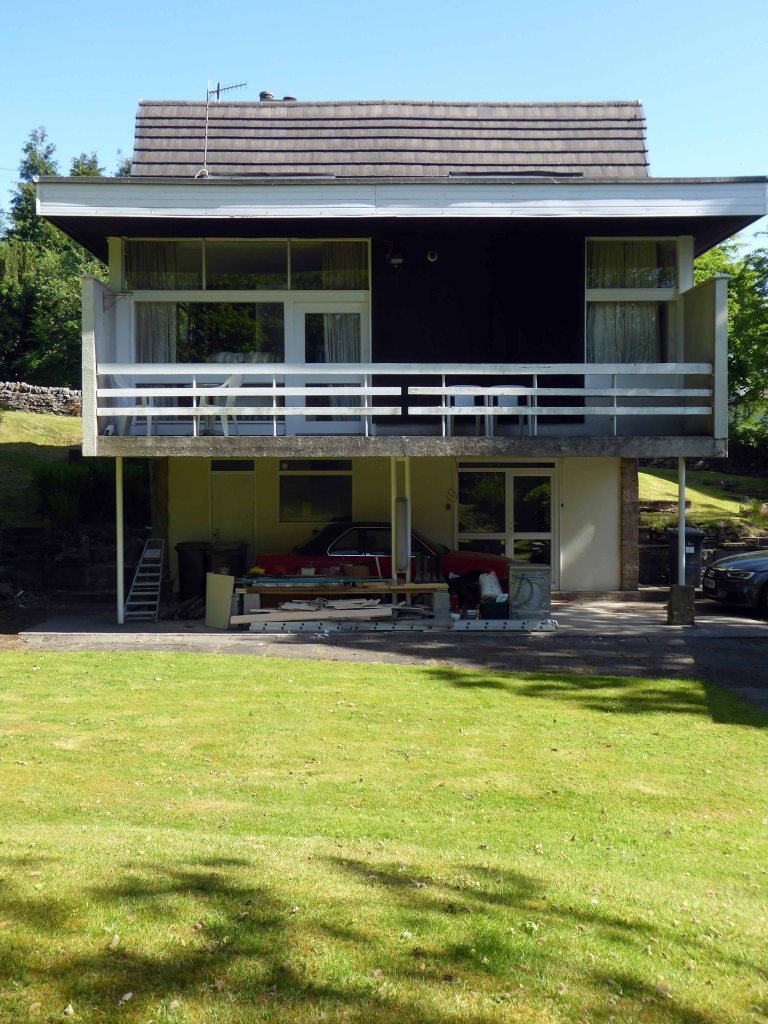
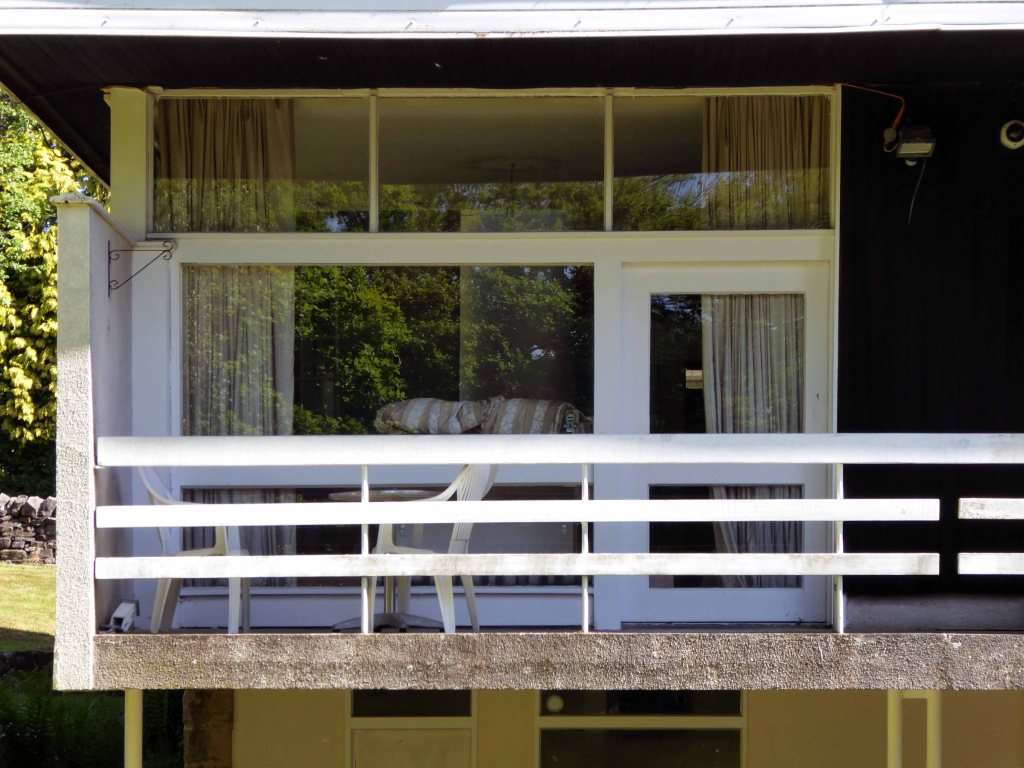
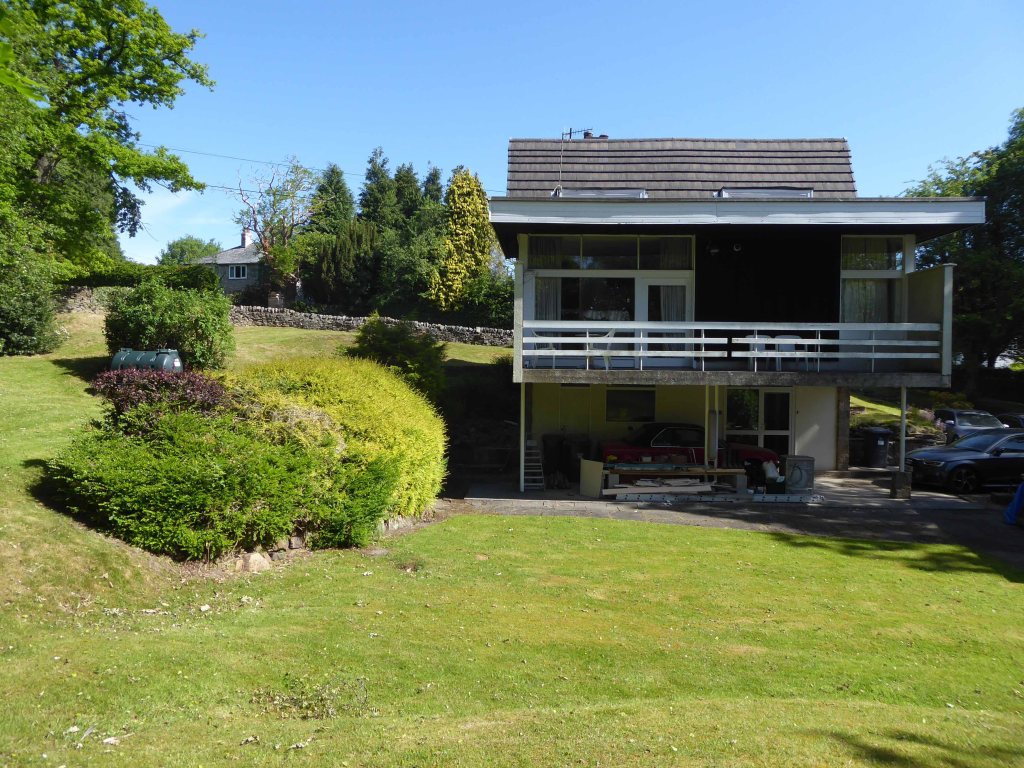
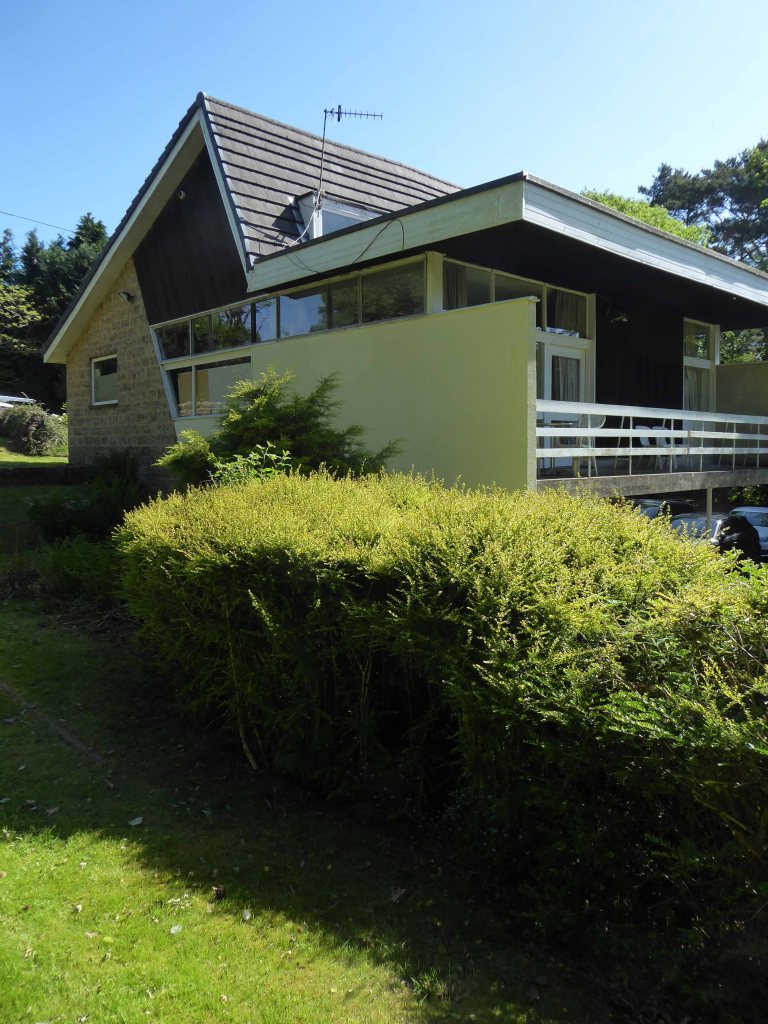
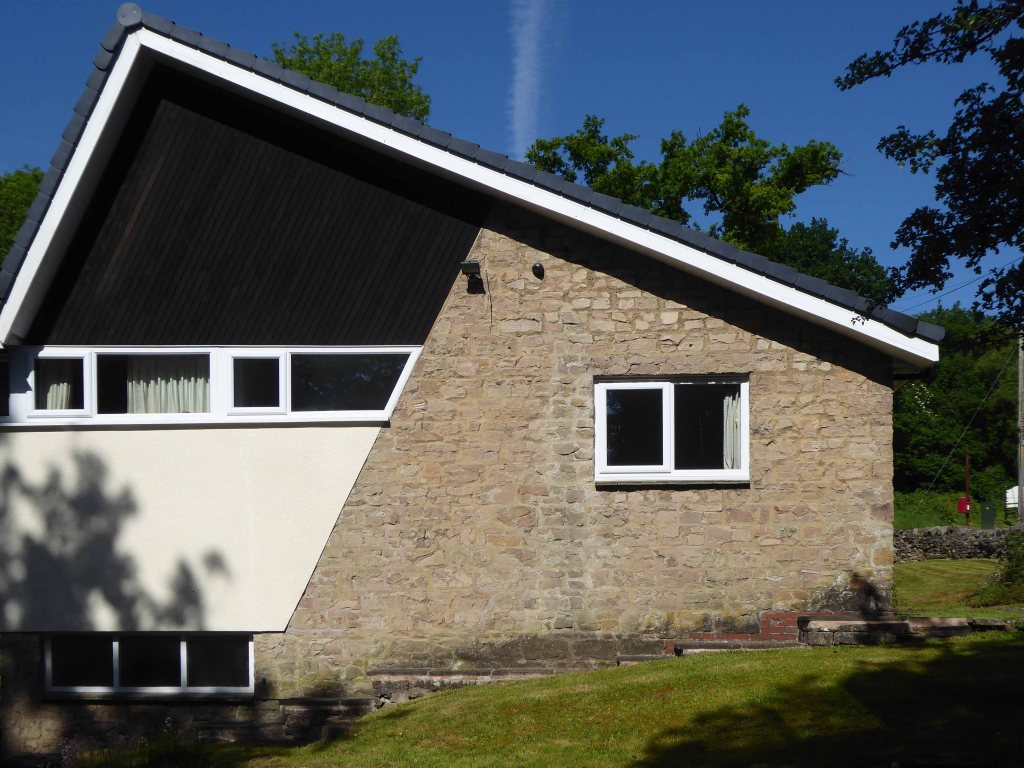
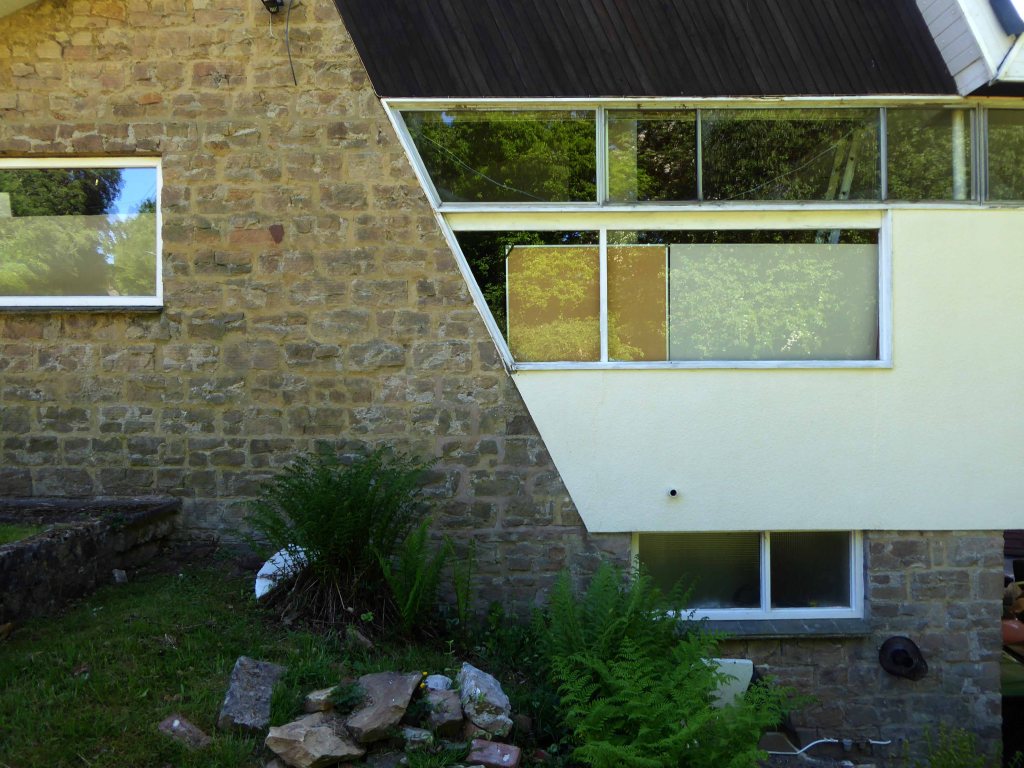
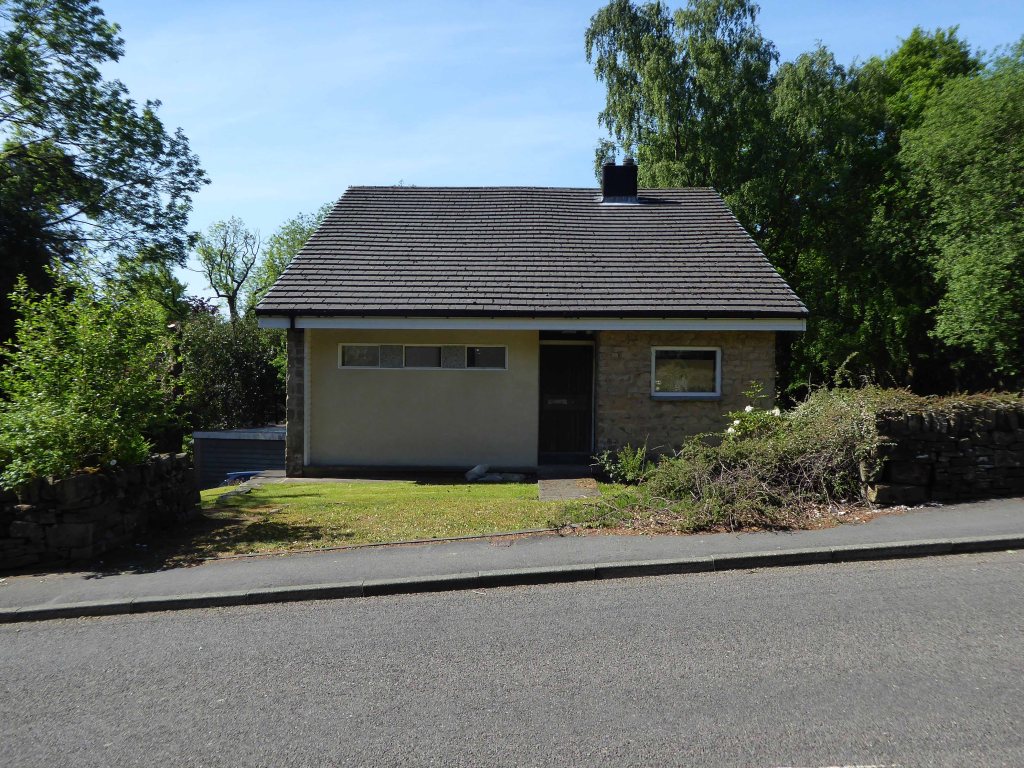
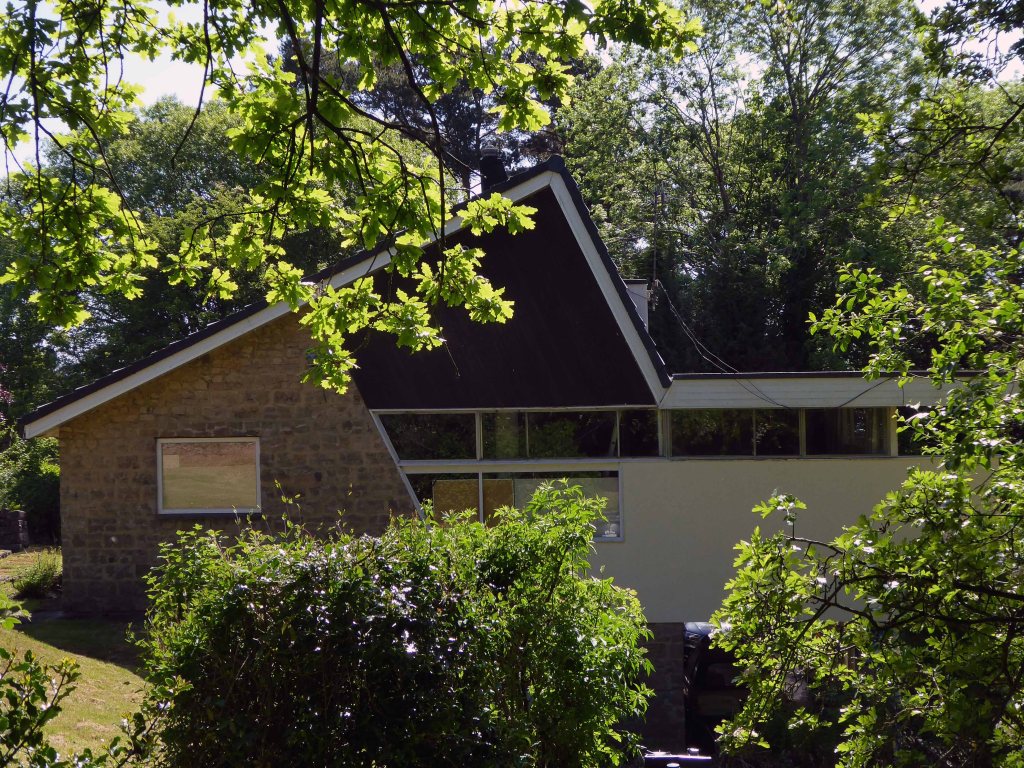
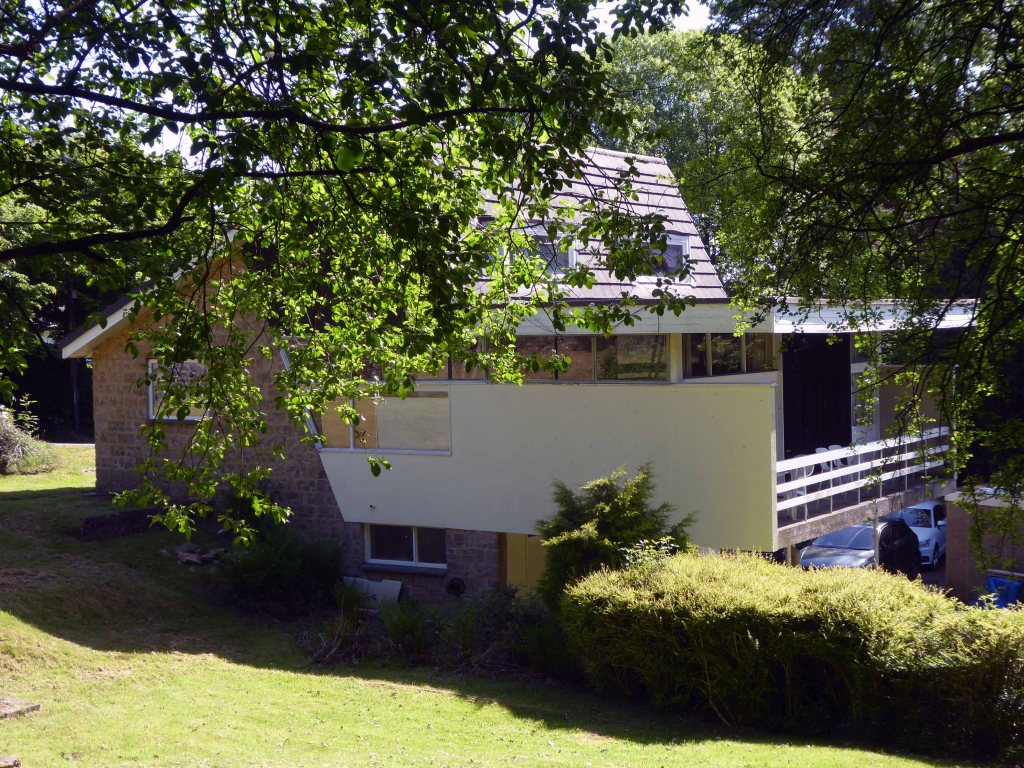
A diminutive Modernist house – a rose amongst the herbaceous borders.
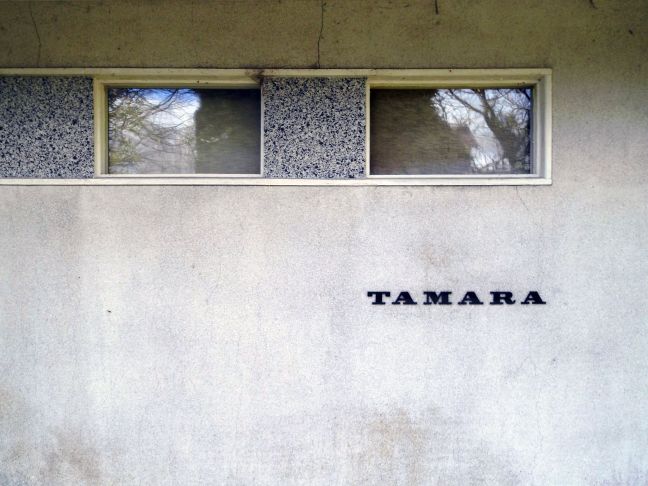
Someone seems to have taken you in hand and work is underway, I just hope that they put your name back in place.
Tamara
Tamara is a female given name most commonly derived from the Biblical name Tamar, meaning date – the fruit, date palm or palm tree. In eastern European countries like Armenia, Croatia, Czech Republic, Georgia, Hungary, North Macedonia, Poland, Russia, Serbia, Slovenia and Ukraine it has been a common name for centuries. In Australia it was very popular from the 1960s to 1990s.
In the United States, the name was fairly common from the late 1950s to mid 1990s, bolstered by the popularity of the film Tammy and the Bachelor – Tammy is commonly a nickname for Tamara. In the US the most girls named Tamara were born in 1970 and the number of Tamaras born per year was greater than 1,000 as late as 1996.
The name is now fairly uncommon in the US: in 2010, the name fell off the Top 1000 SSA Baby Names list, with fewer than 250 baby girls named Tamara that year.
All that is solid melts into air as Marx and Marshall Berman told us.
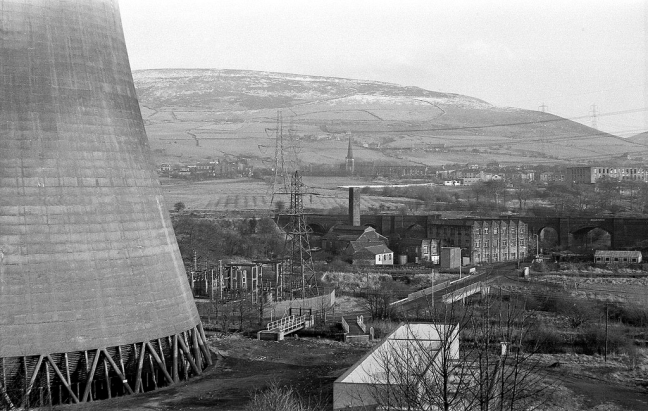
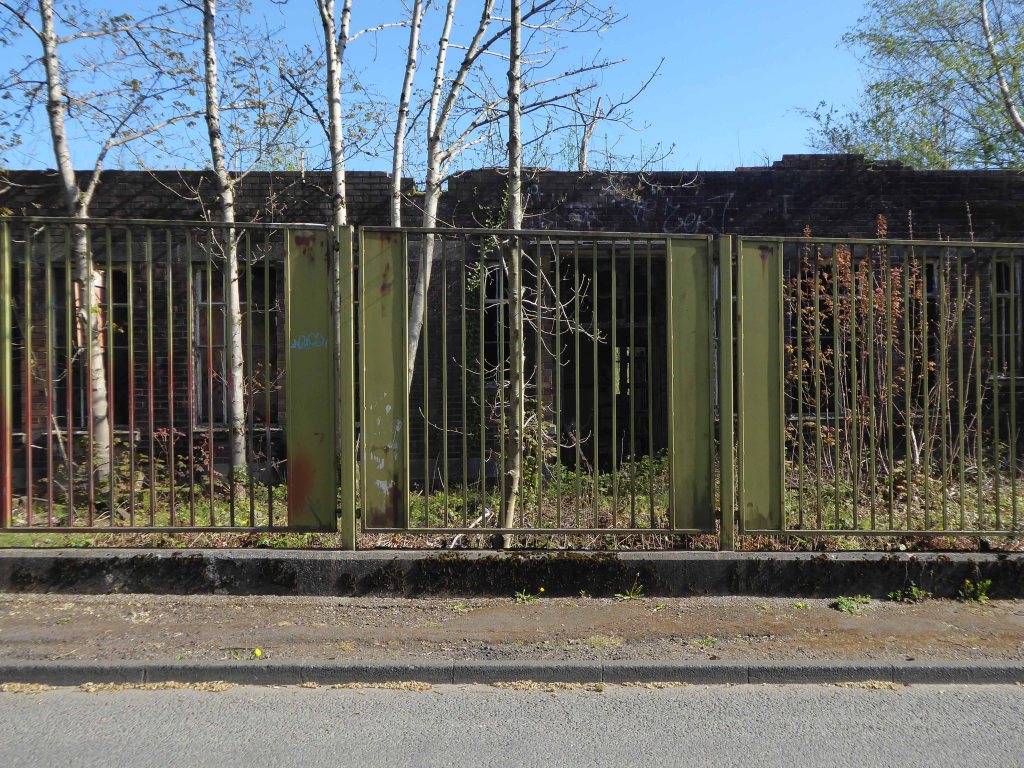
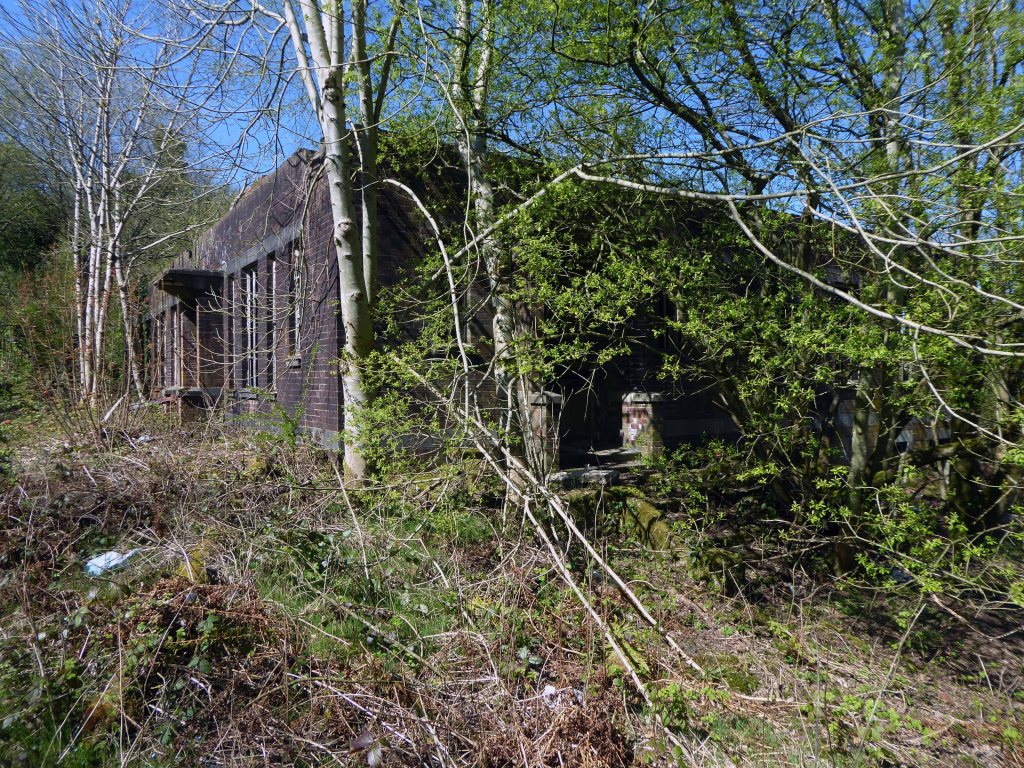
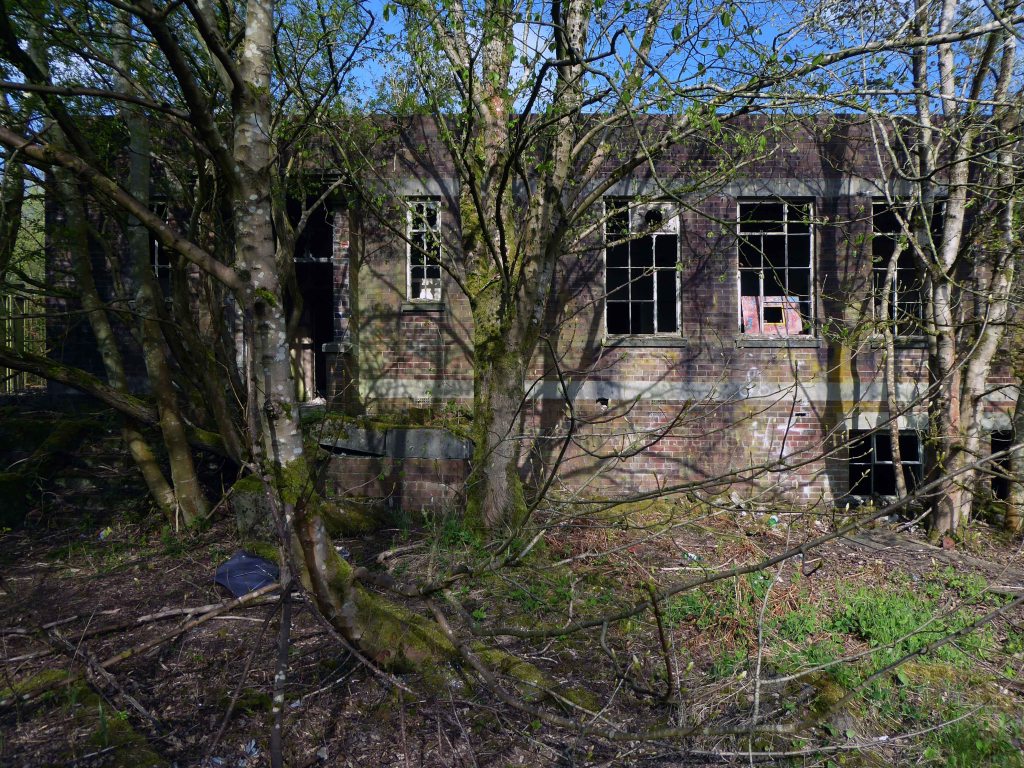
Though remnants remain – this is a short journey through a hole in fence, down into the warren of power station offices past.
They have been stripped of their former use and meaning, transformed into a transitory art performance space, paint and plaster now peeling, appealing to the passing painter, partially reclaimed by nature.
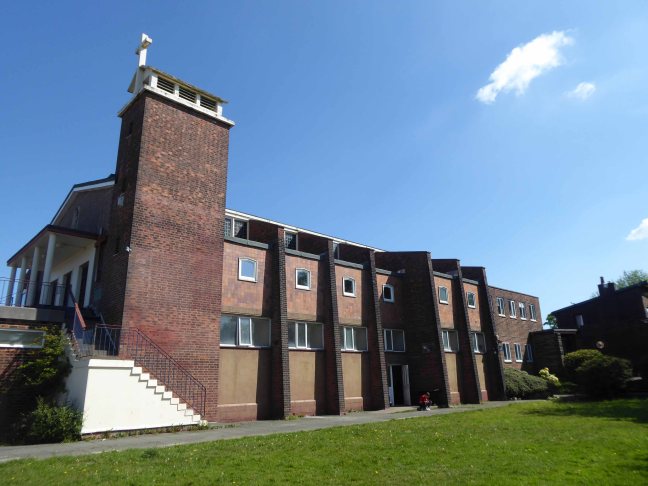
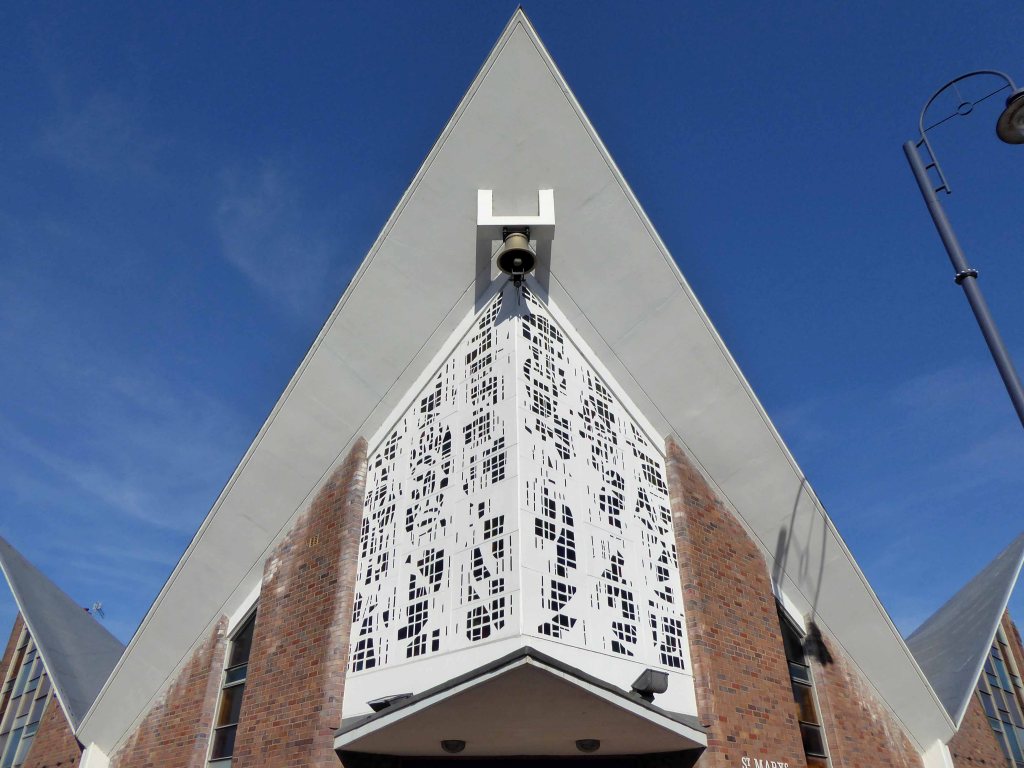
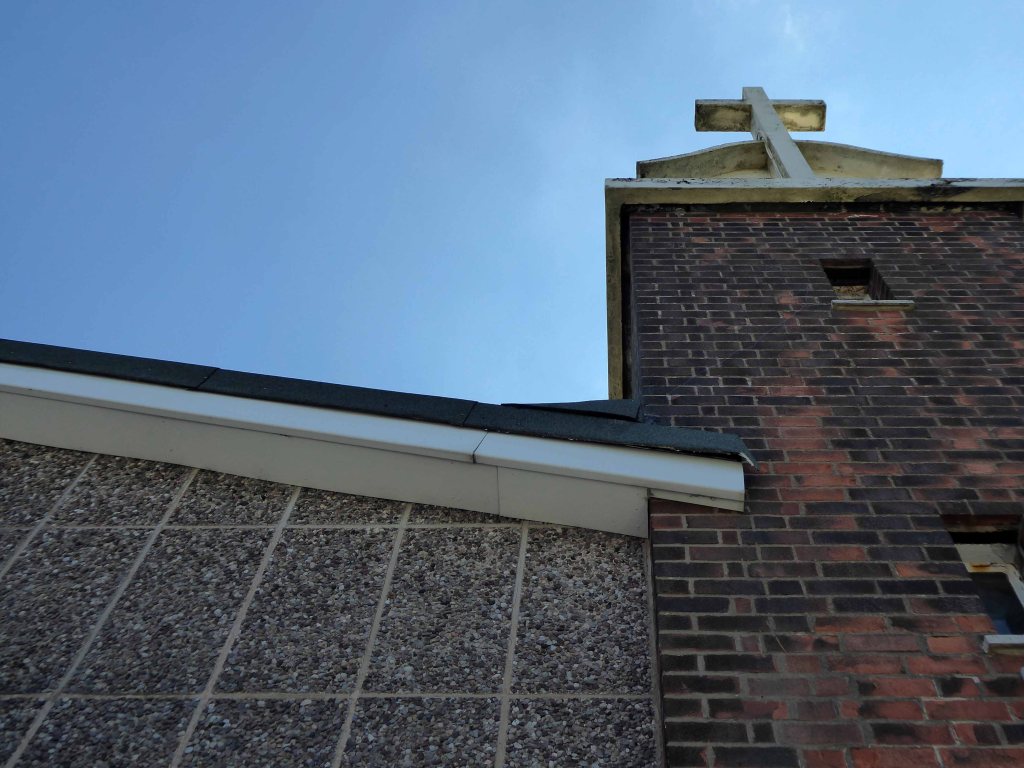
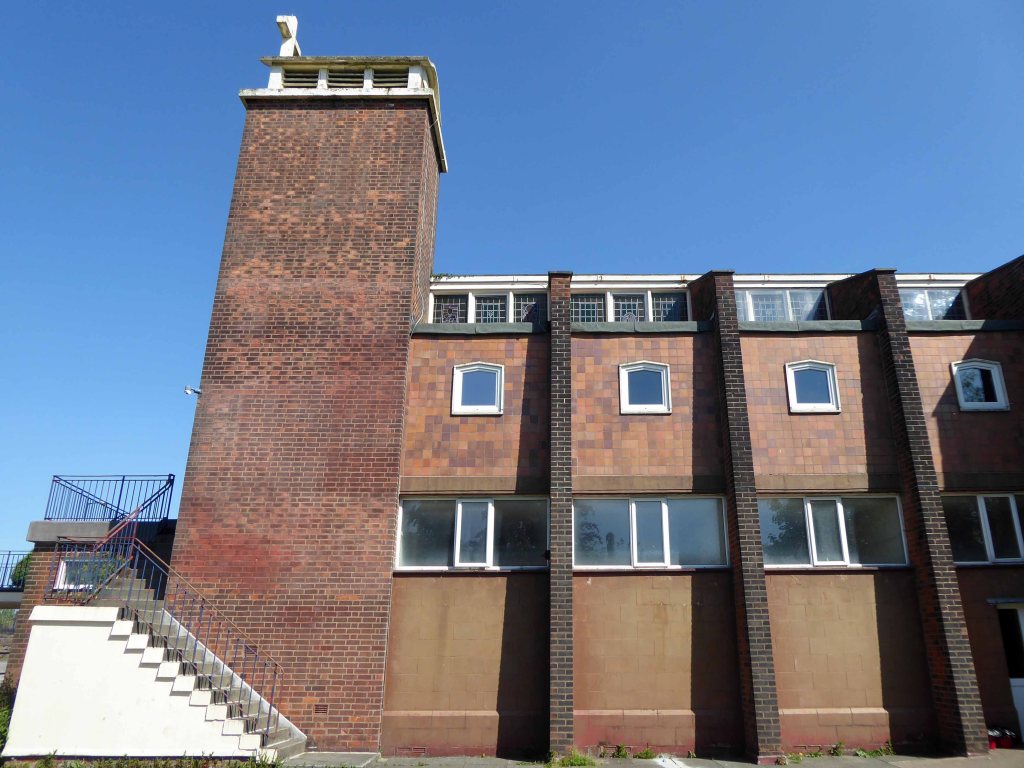
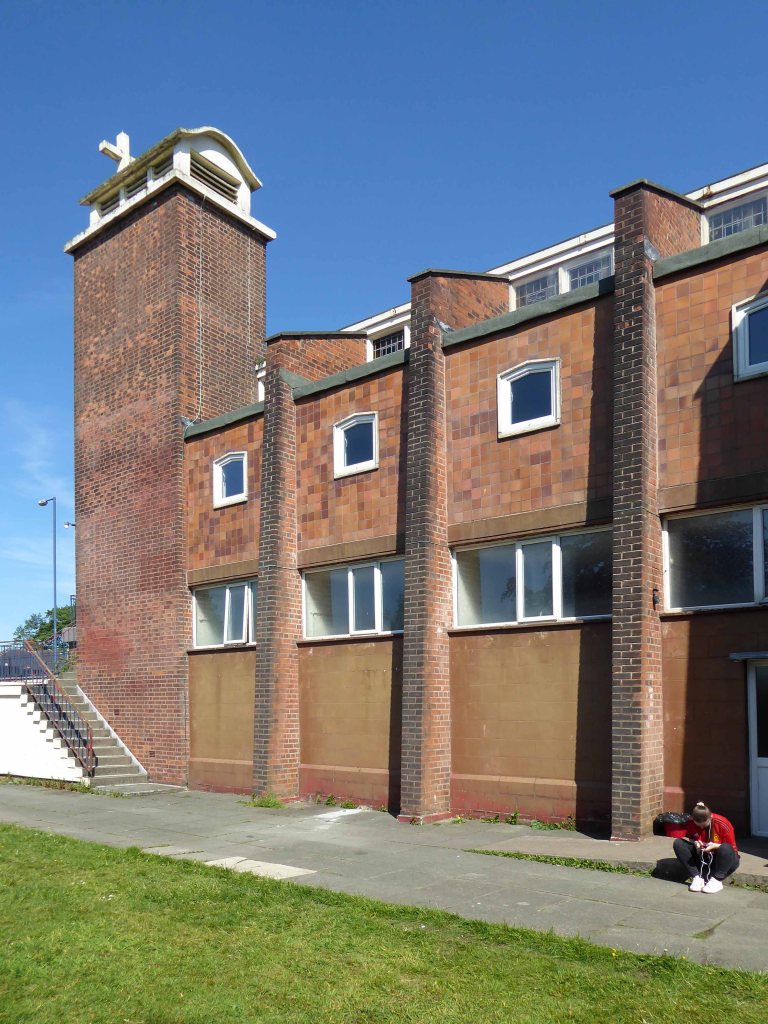
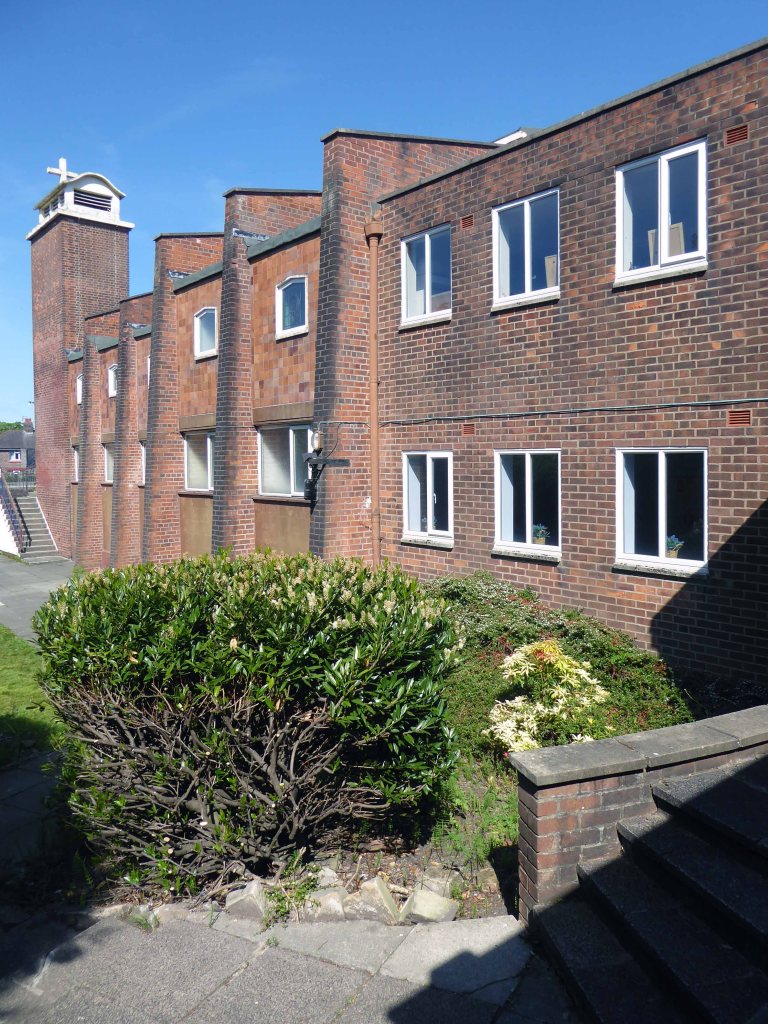
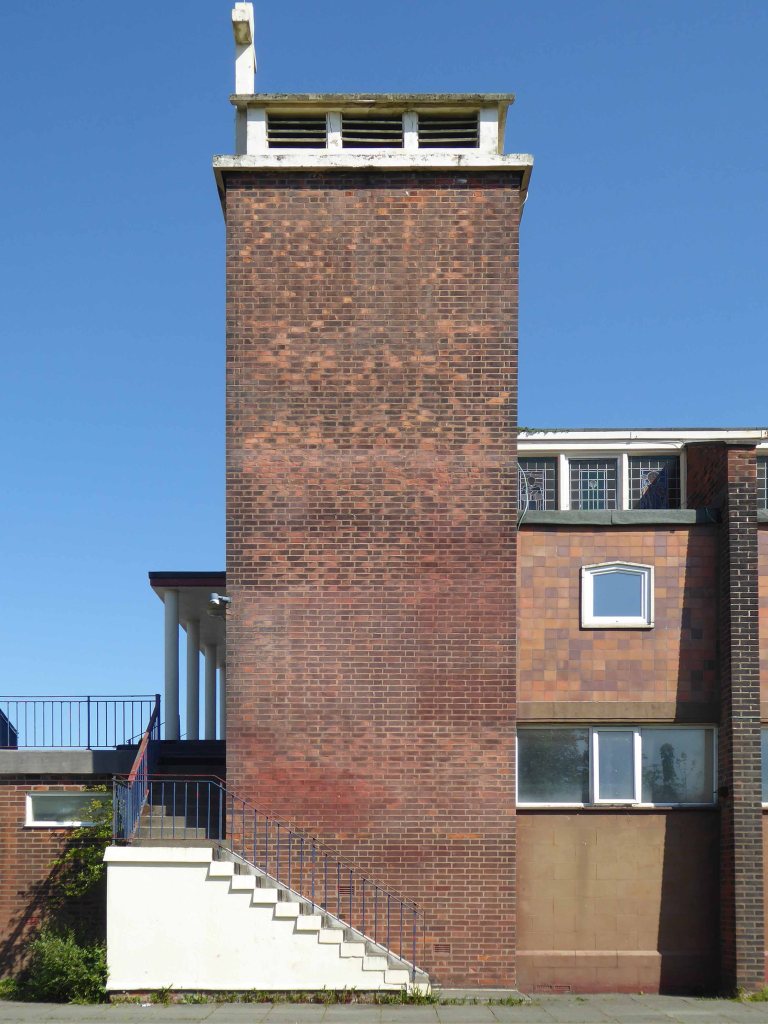
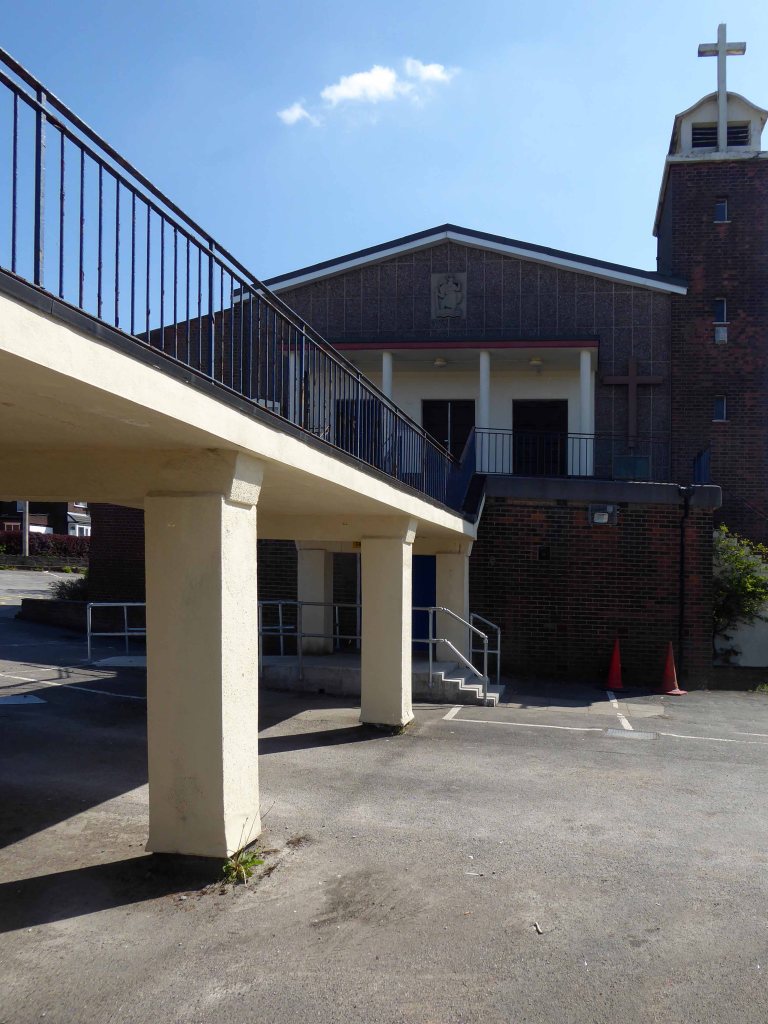
A post-war design consisting of an upper church over a lower hall, the prominent campanile making it something of a local landmark. The portal frame construction, materials and design are standard for the time. The interior has been reordered but retains some original furnishings.
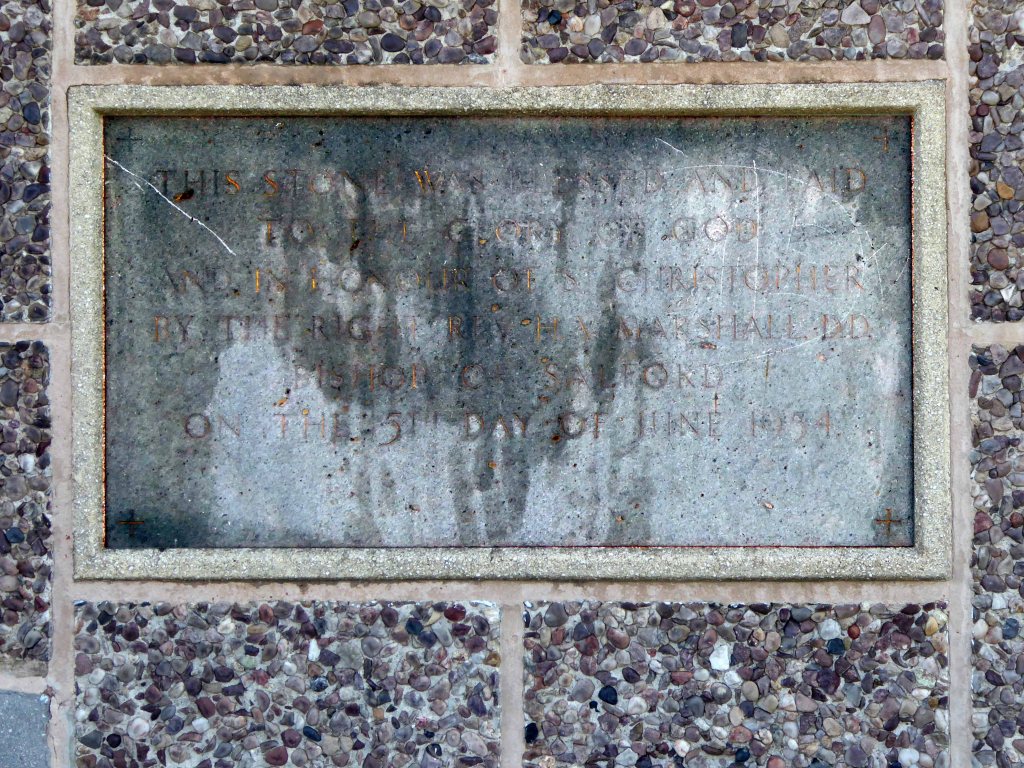
A new post-war parish was created to serve the growing residential area in Hurst Cross, previously served from St Anne’s, Ashton. Fr Kelly built the new church, whose foundation stone was blessed by Bishop Marshall on 5 June 1954. The first Mass was held on Easter Monday, 1955.
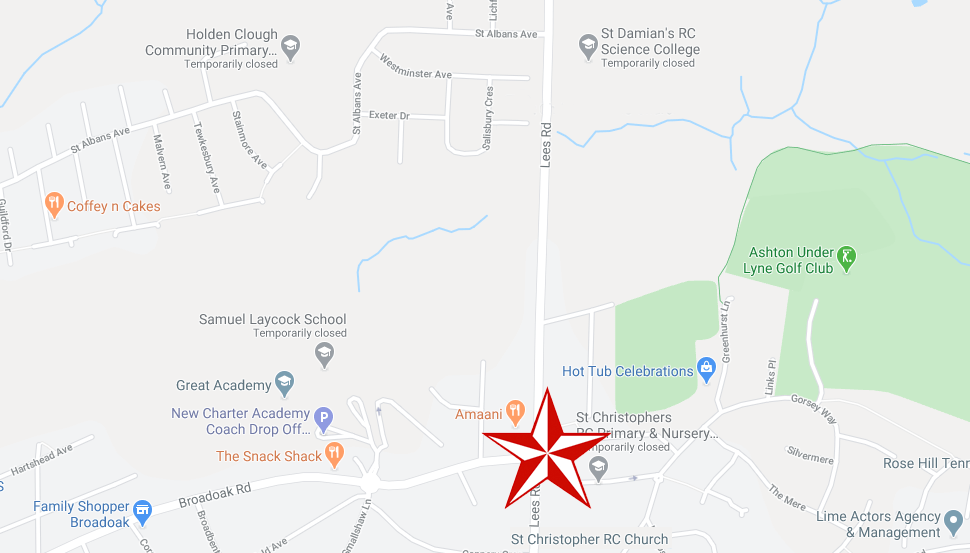
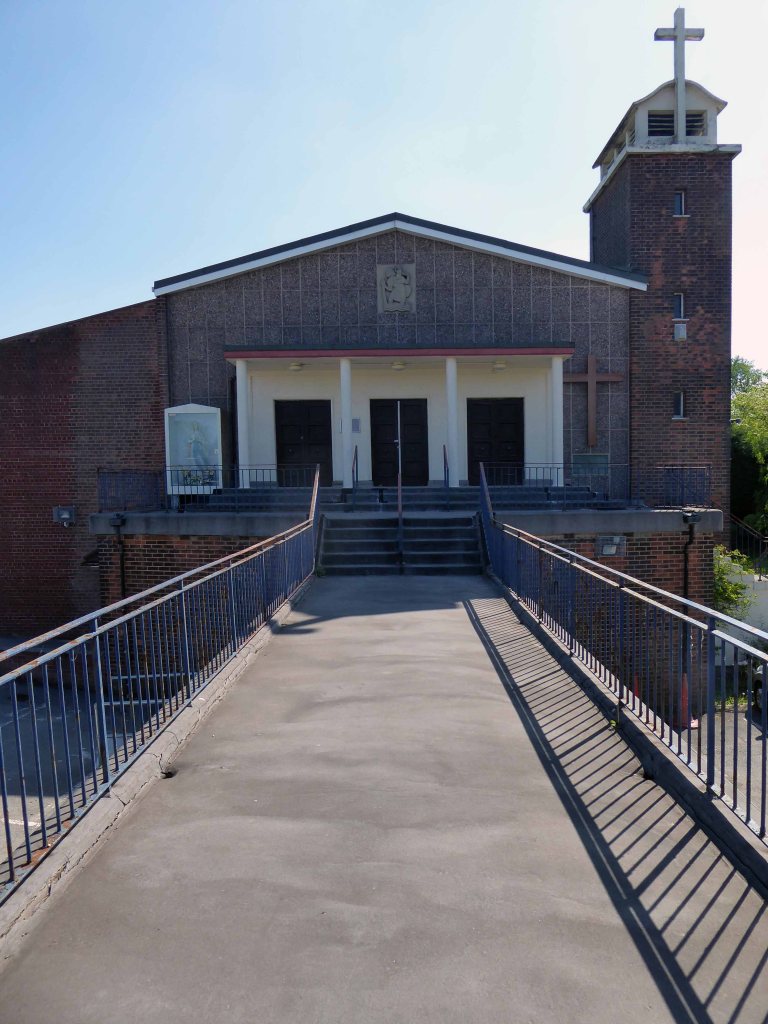
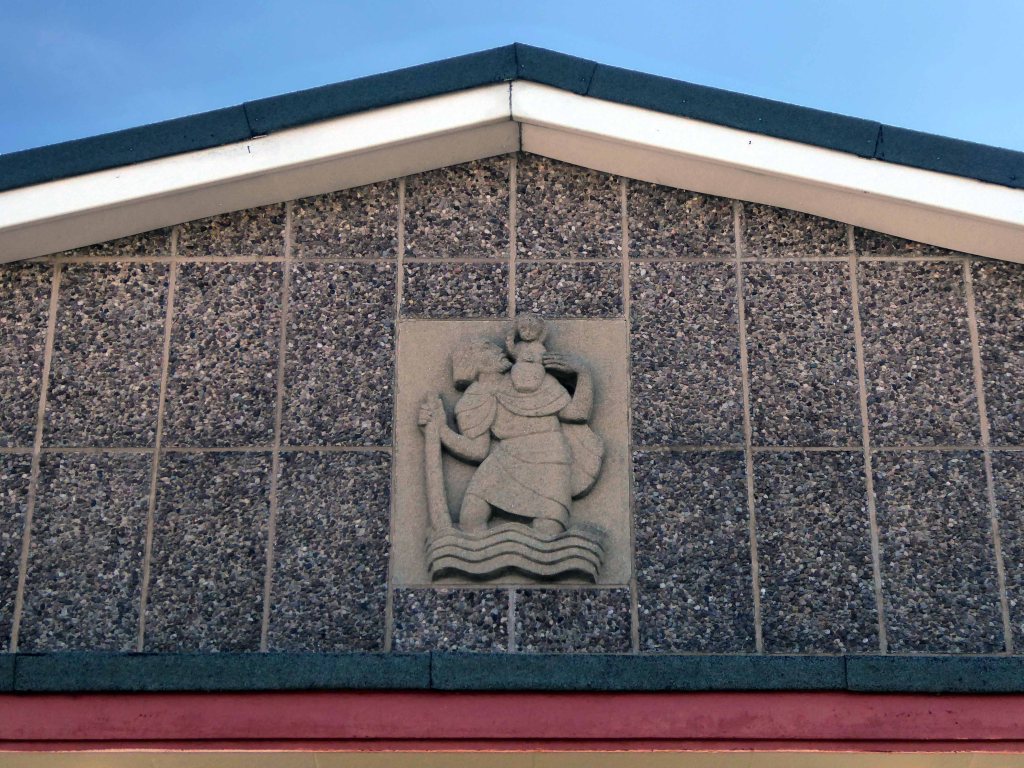
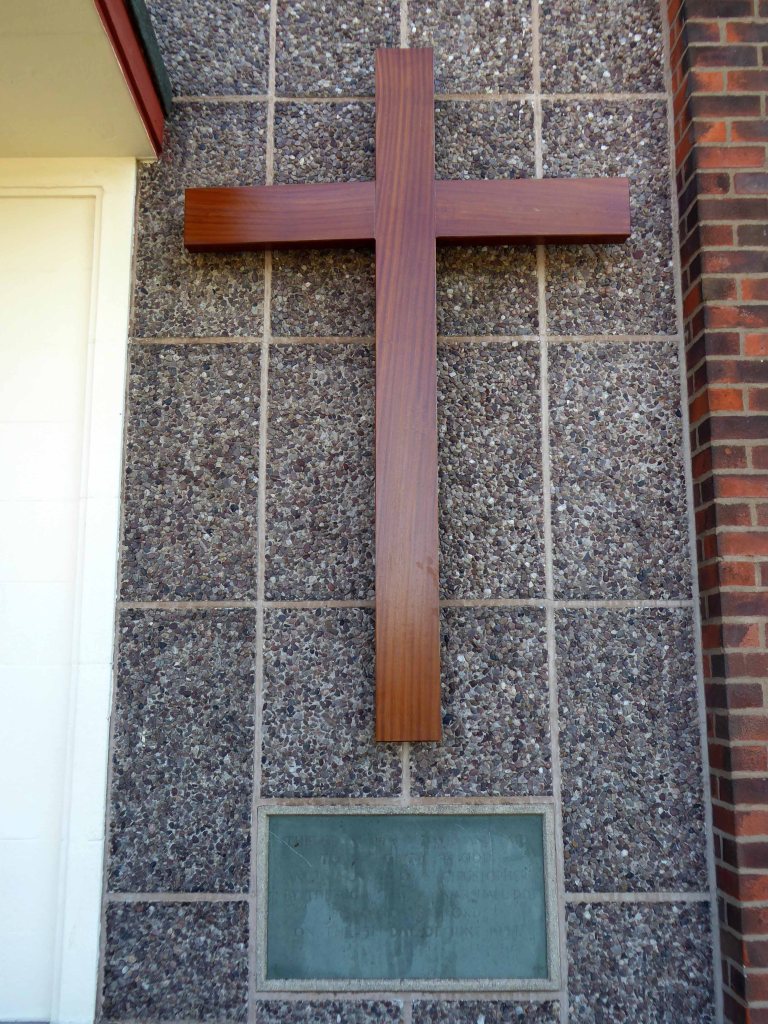
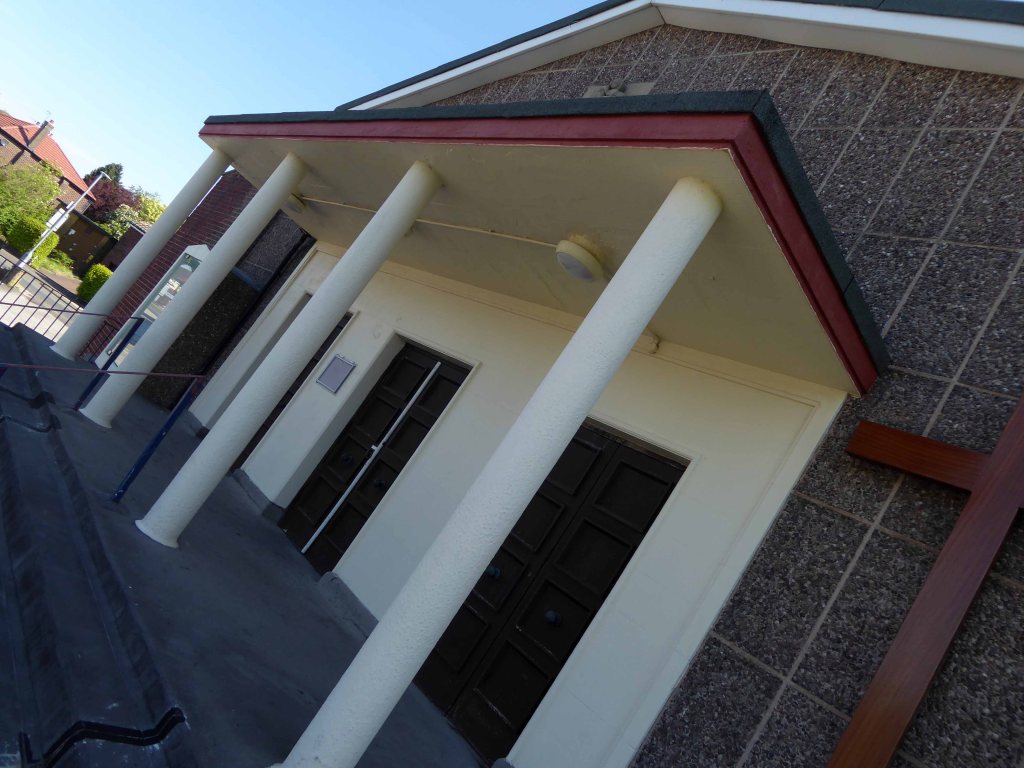
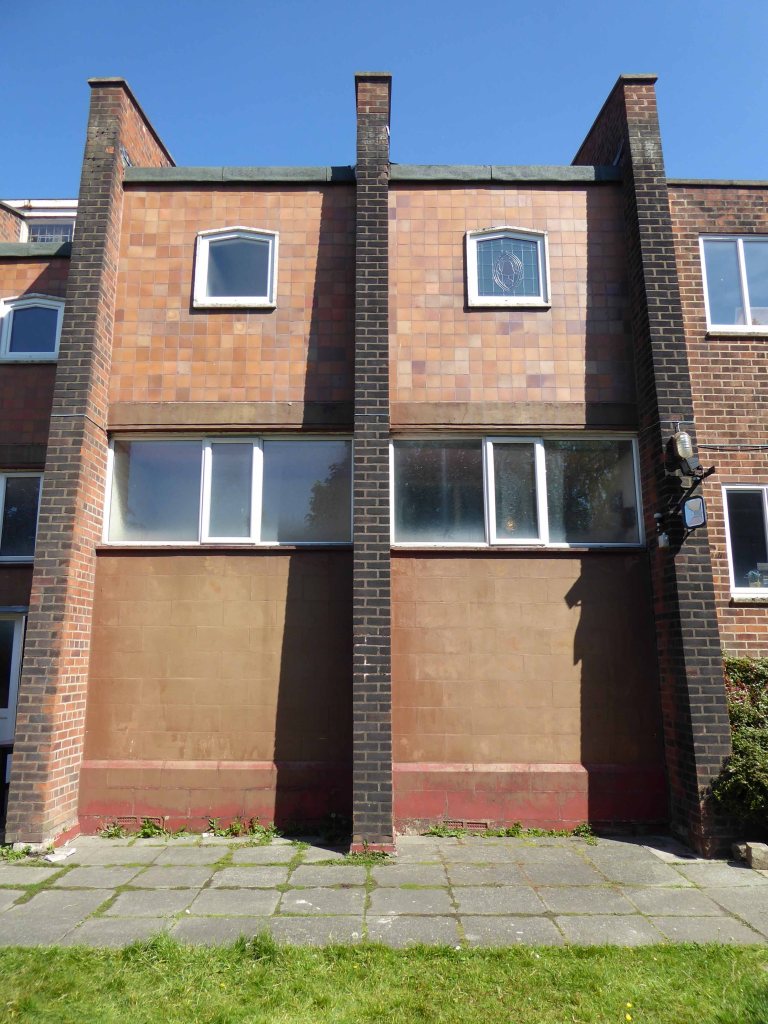
The church is conventionally orientated with the sanctuary to the east. Less conventionally, it is a two-storey building, with a ground floor parish hall and a first floor church. The church is reached from Lees Road by a reinforced concrete bridge and steps. A brick campanile marks the southwest corner. The structure of the portal-framed building is expressed externally by raking brick buttresses to side elevations. The west gable end is faced in aggregate panels with a concrete relief depicting St Christopher over a plain three-bay flat-roofed portico. The aisles are faced in ceramic tiled panels to the upper level with render to the parish hall level. The nave is lit by three-light clerestory windows with smaller windows to the aisles. The shallow-pitched roof is laid with mineral felt. A two-storey blockcontaining a large sacristy connects to the contemporary presbytery.
Inside, the six-bay upper church has a plain west gallery above a narthex with glazed screen. The aisles have arcades of square brick piers and plain plastered walls. The clerestory windows are leaded with coloured glass margins. The ceiling is lined with acoustic panels and the concrete floor is laid with carpet or linoleum tiles. The reordered sanctuary retains the original polished concrete altar in a forward position; the 1950s altar rails and pulpit have been removed. The east wall is now hung with wallpaper, but was originally fair-faced brick; the Crucifix and painted timber high altar canopy are part of the original arrangement. The side chapels also retain original 1950s polished concrete altars. The octagonal font with oak cover dates from the late nineteenth or early twentieth century, of unknown provenance. The hardwood pews were designed for the church.
I have known this church for some fifty years – living just up the road.
It was probably along with St Mary’s Denton my first experiences of Modern Architecture.
I went to the youth club in the social area beneath the church.
St Mary
It is typical of the Italianate styling of the time, a functional mix of glass brick and concrete, far from ostentatious – and sitting comfortably in its setting.
On the day of my visit the country is in lockdown, Mass suspended and the body of the church used as a homeless shelter, prior to rehousing – signs of the times.
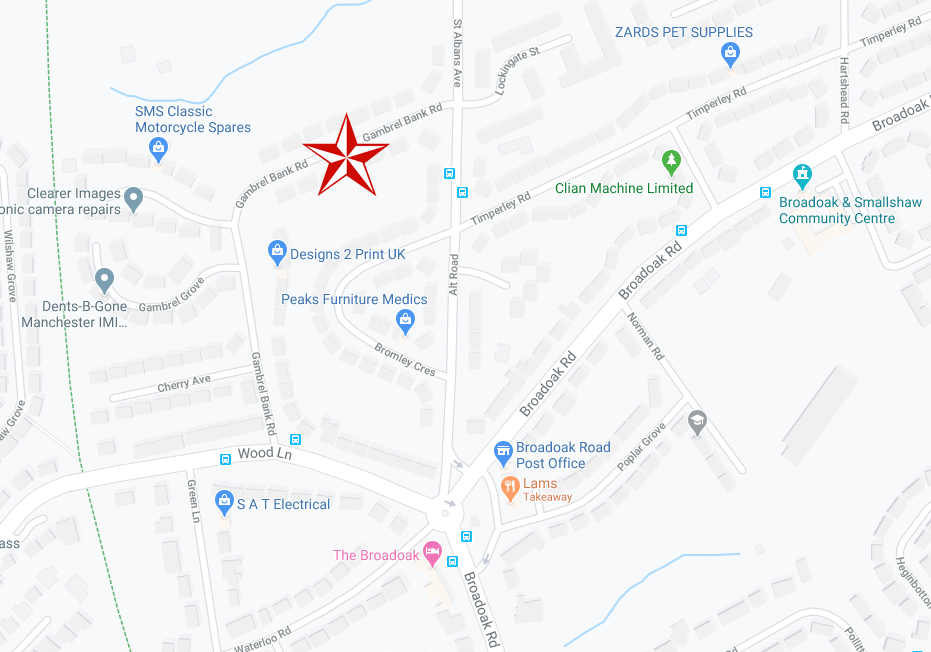
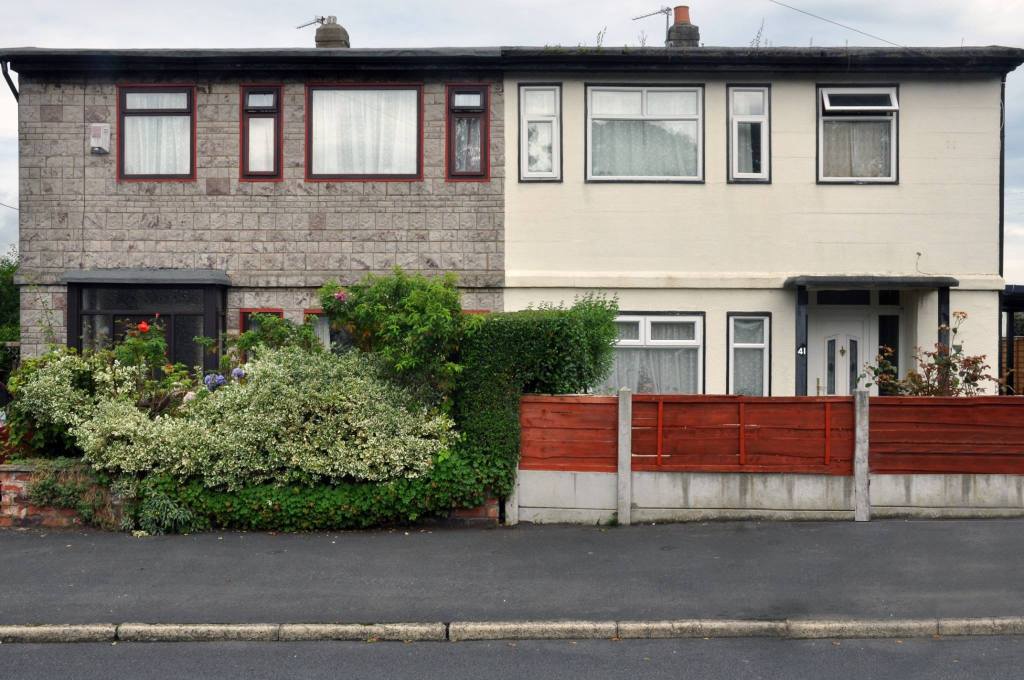
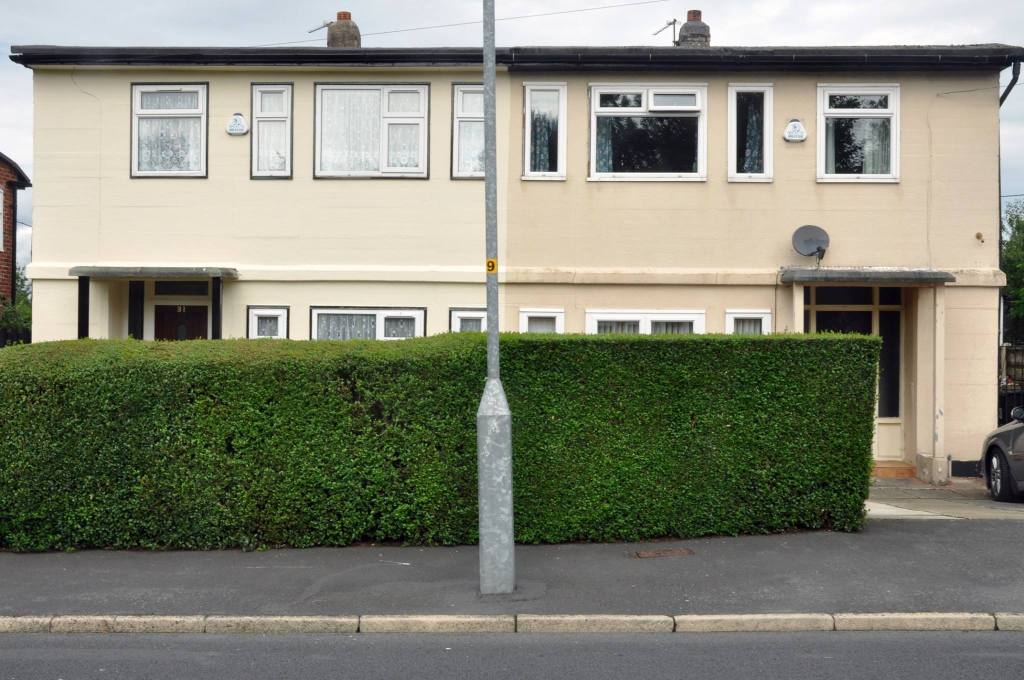
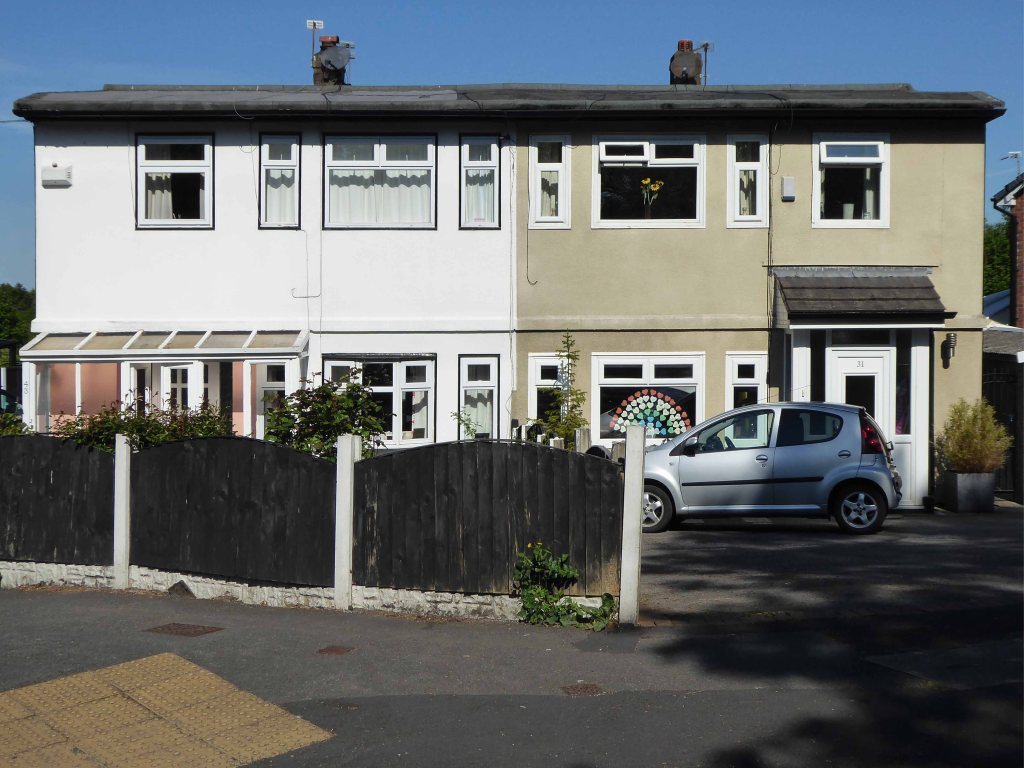
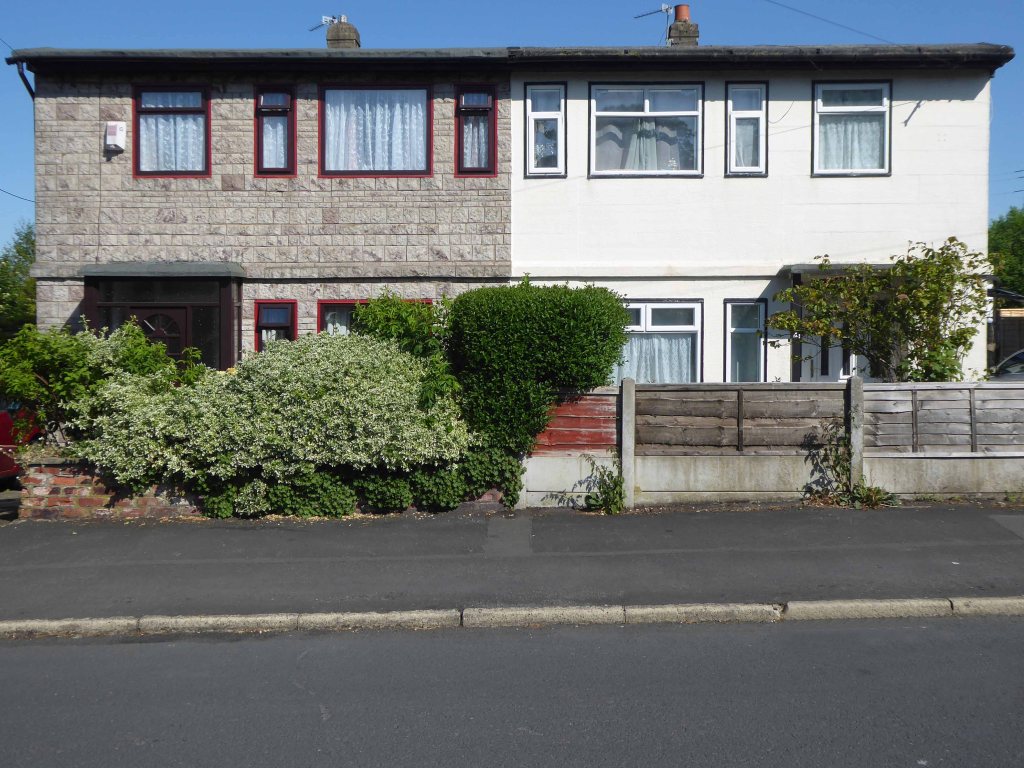
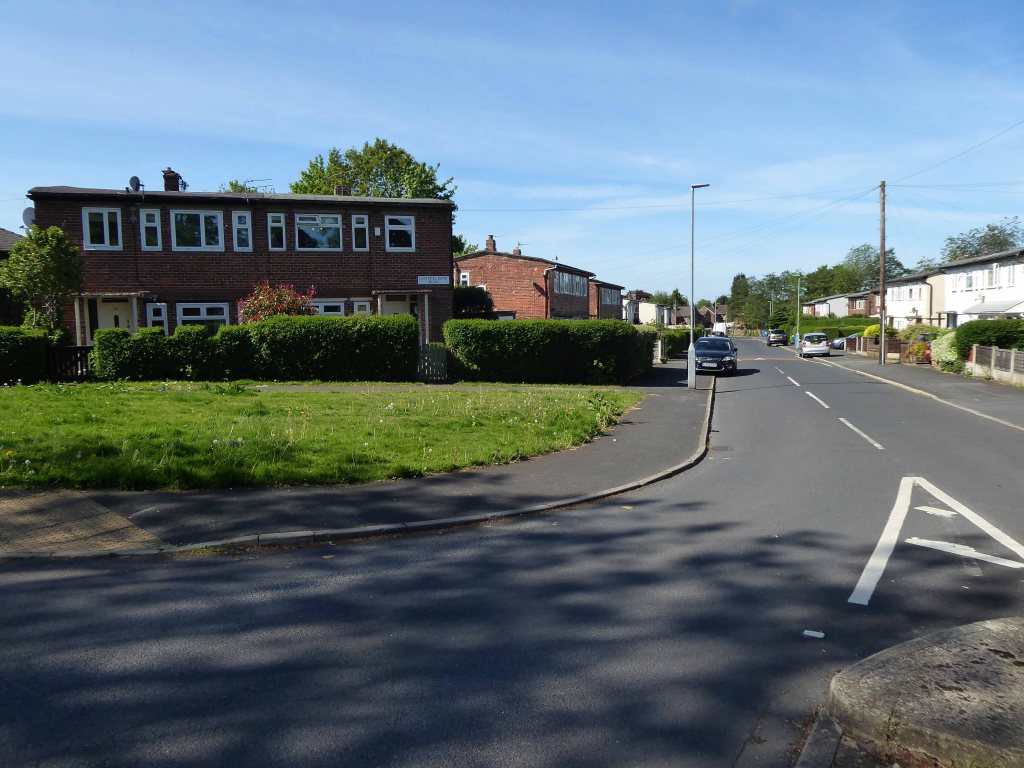
I have been here before in 2015 en passant, snapped the homes chatted to a resident and off, she had informed me that they had been post-war experimental concrete homes.
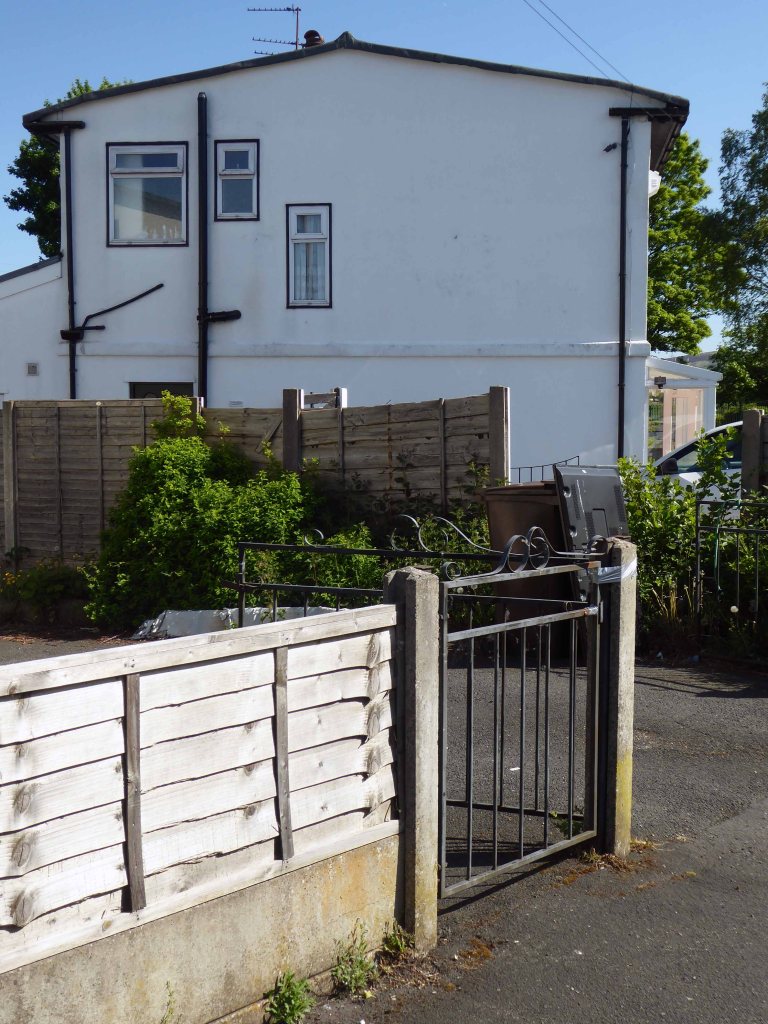
I thought no more about it – but subsequently I did, returning to the road to take another look.
Here’s one I didn’t make earlier.
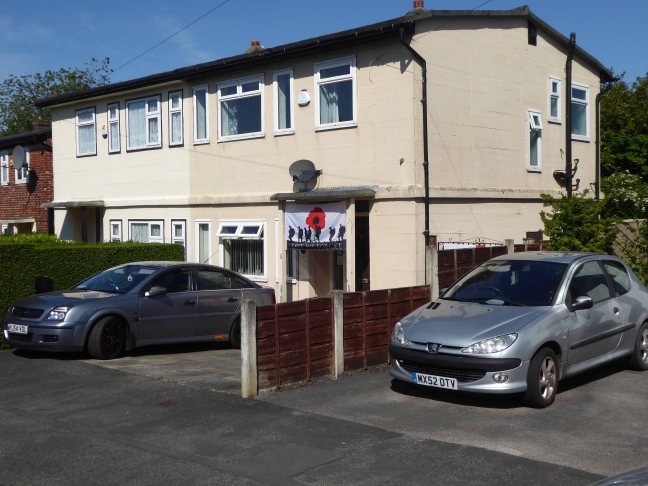
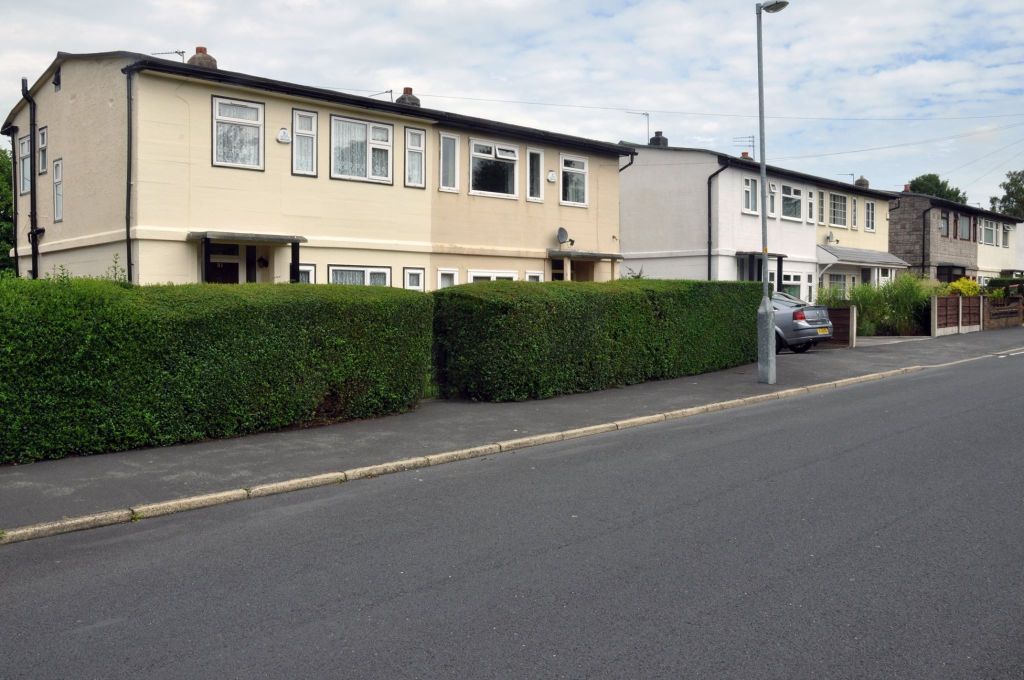
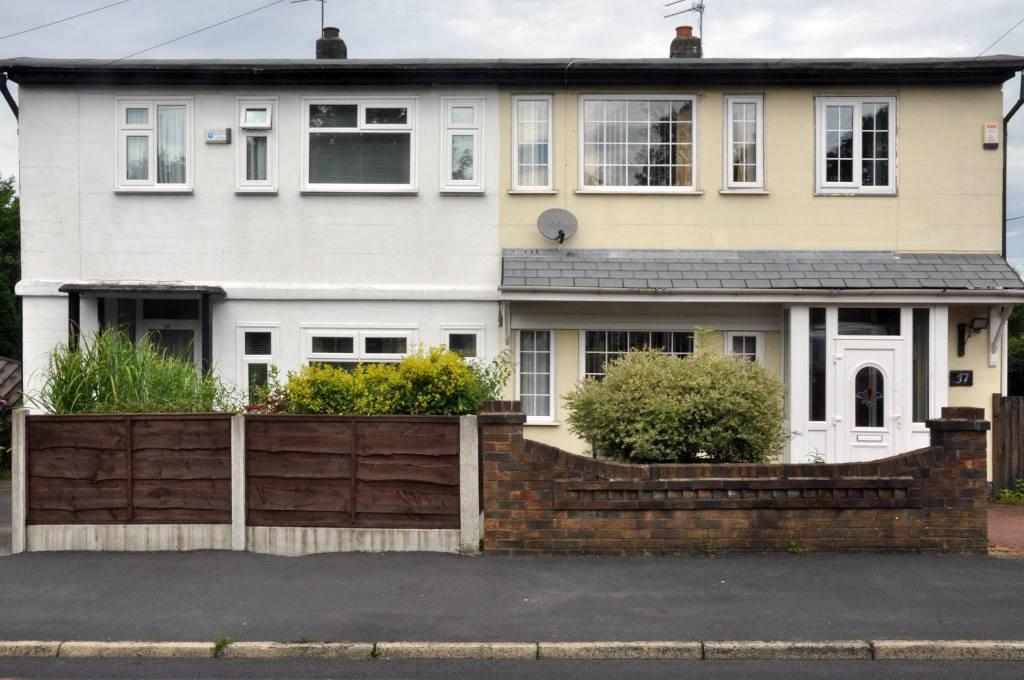
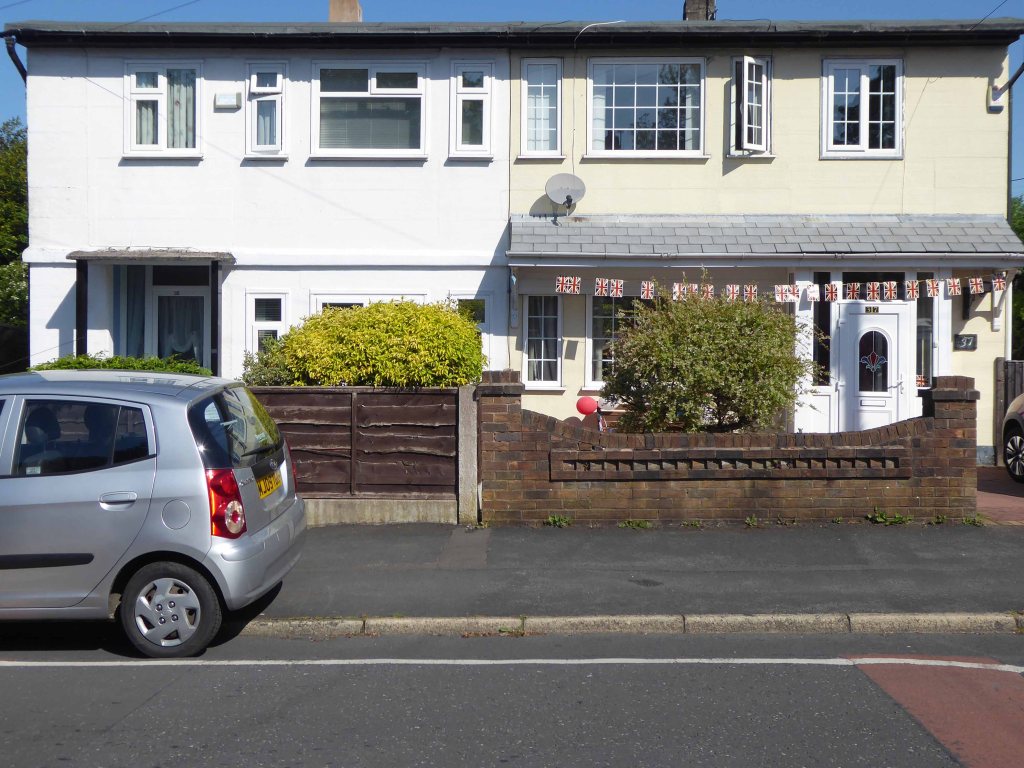
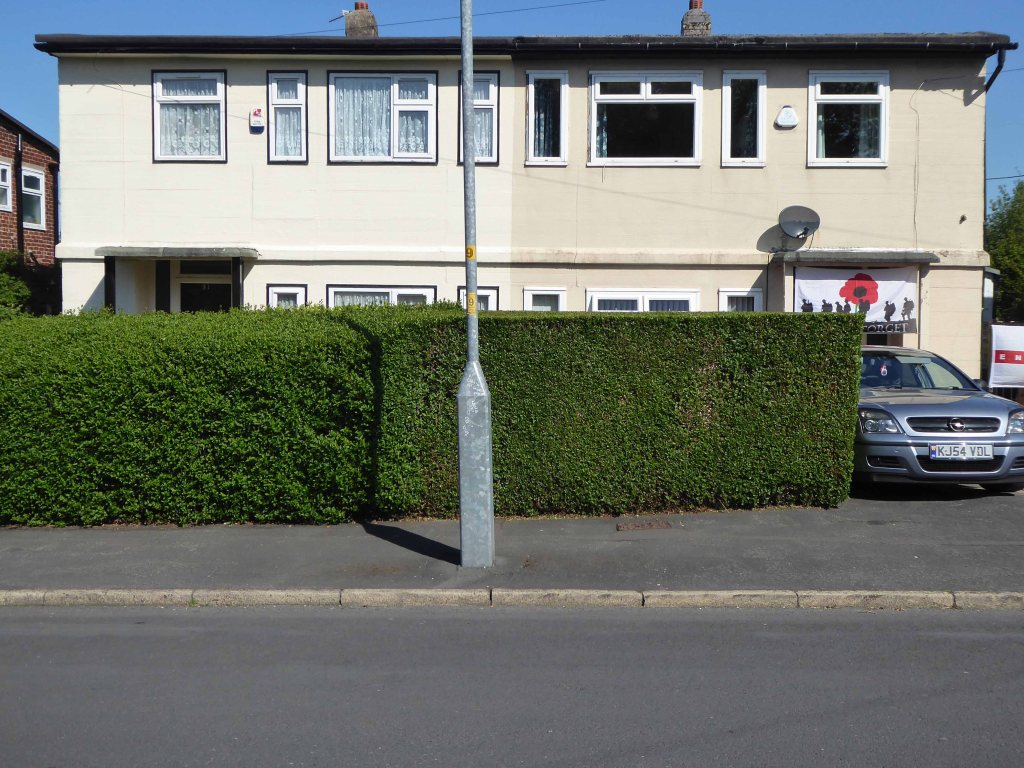
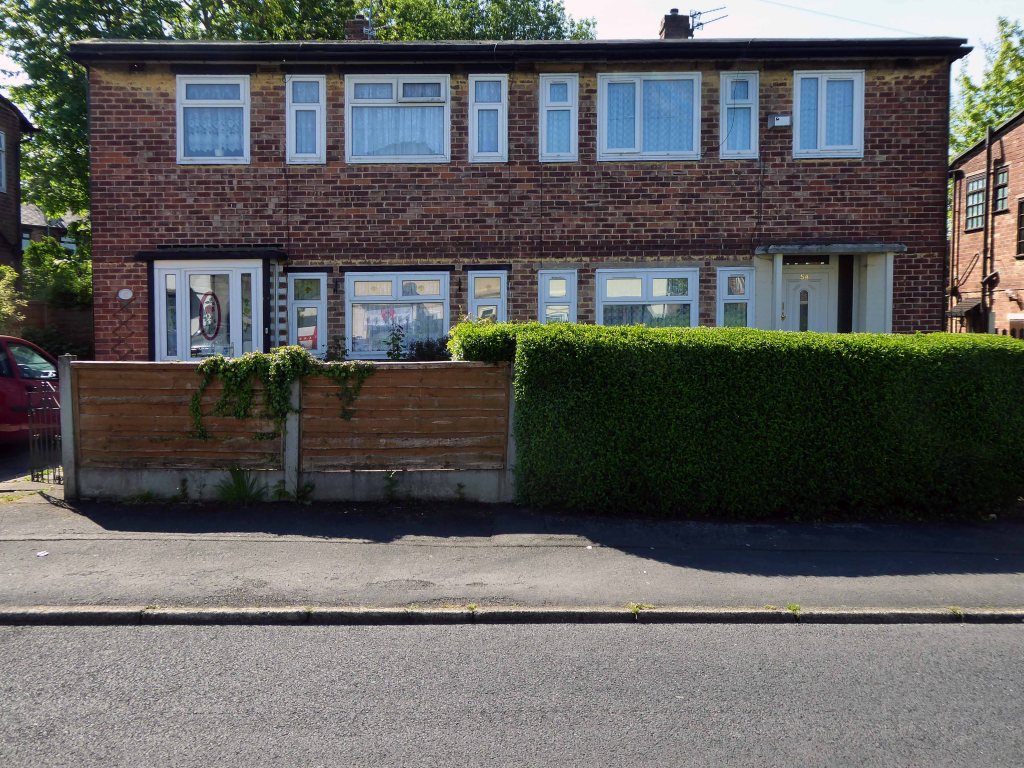
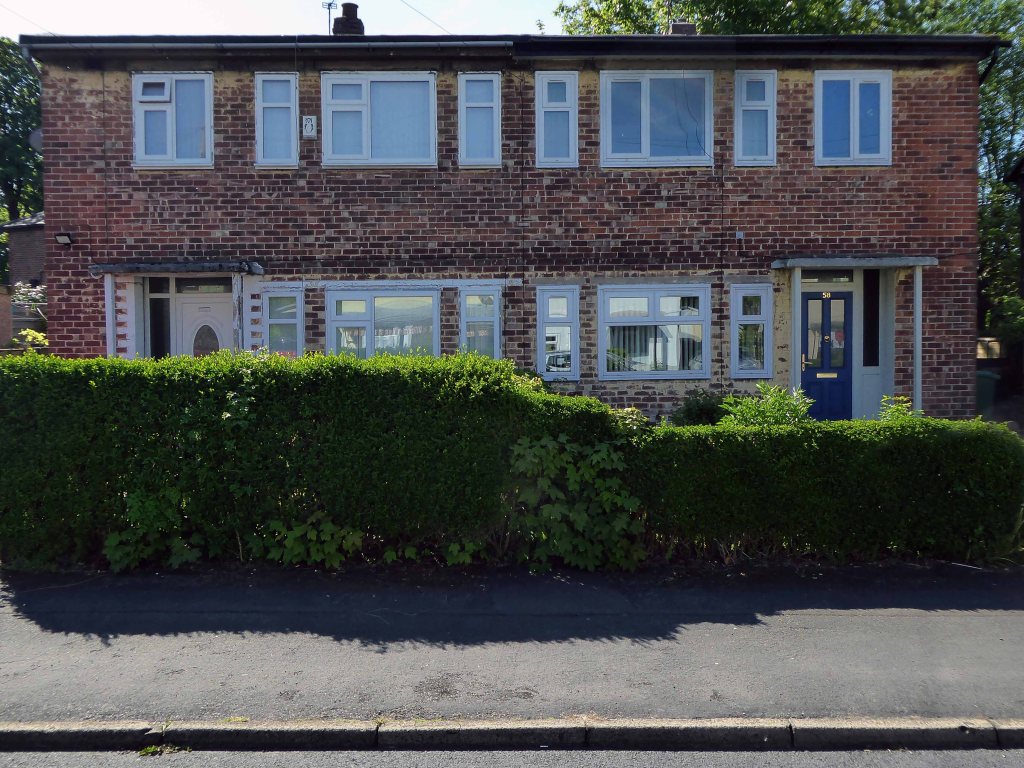
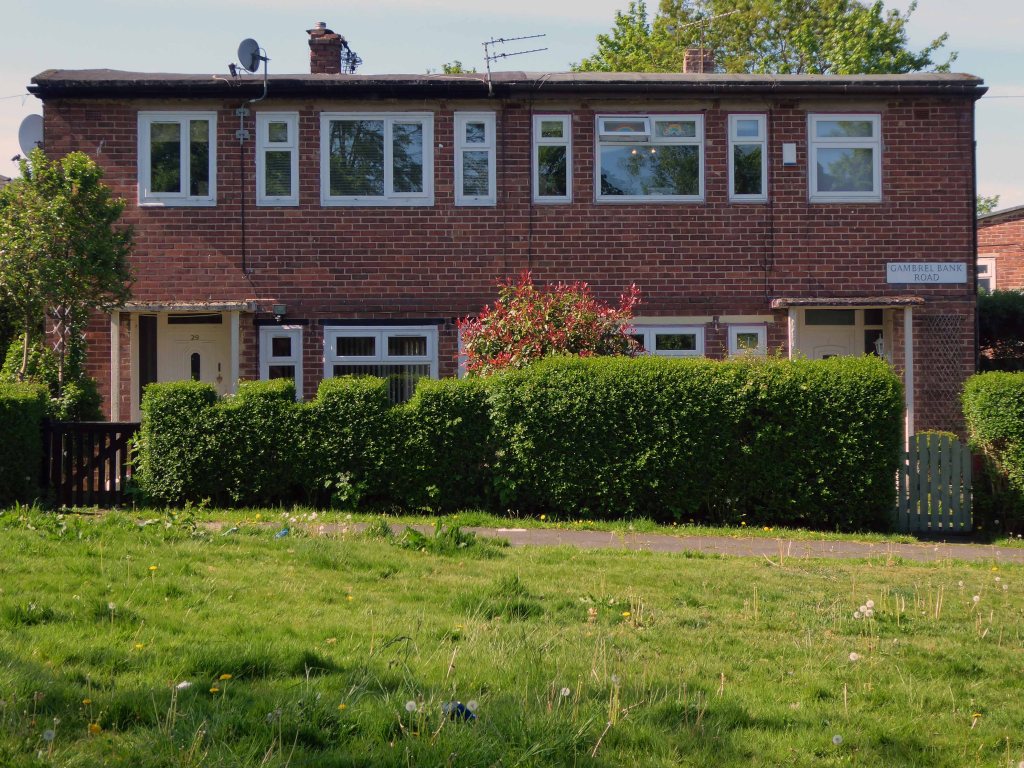
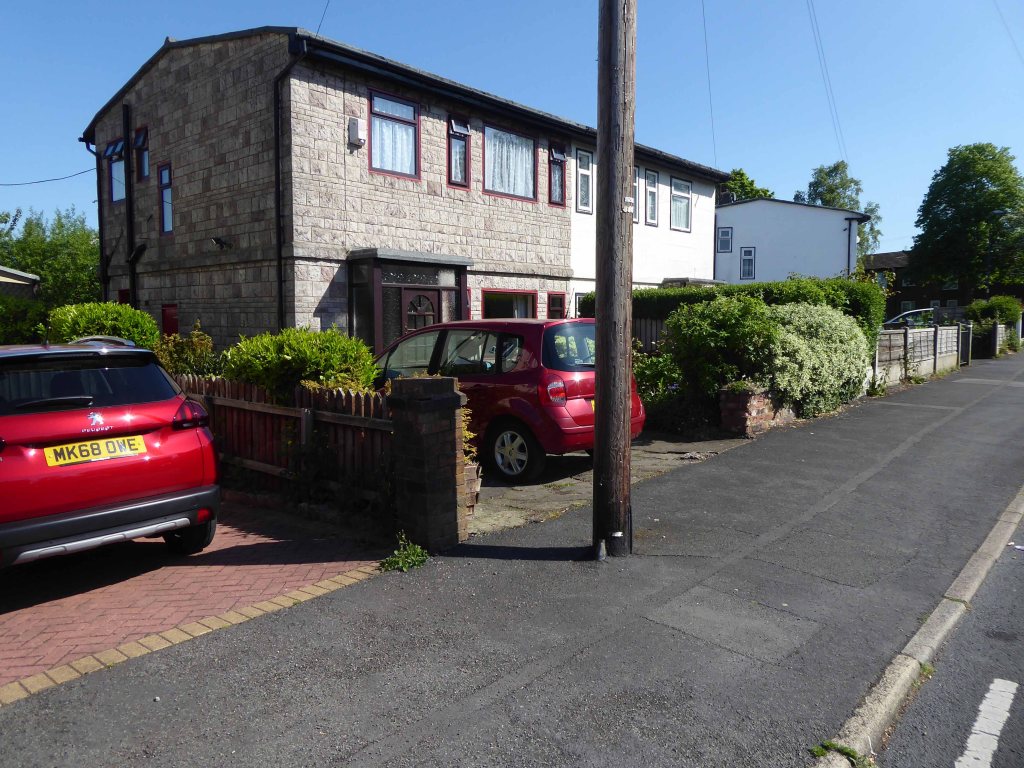
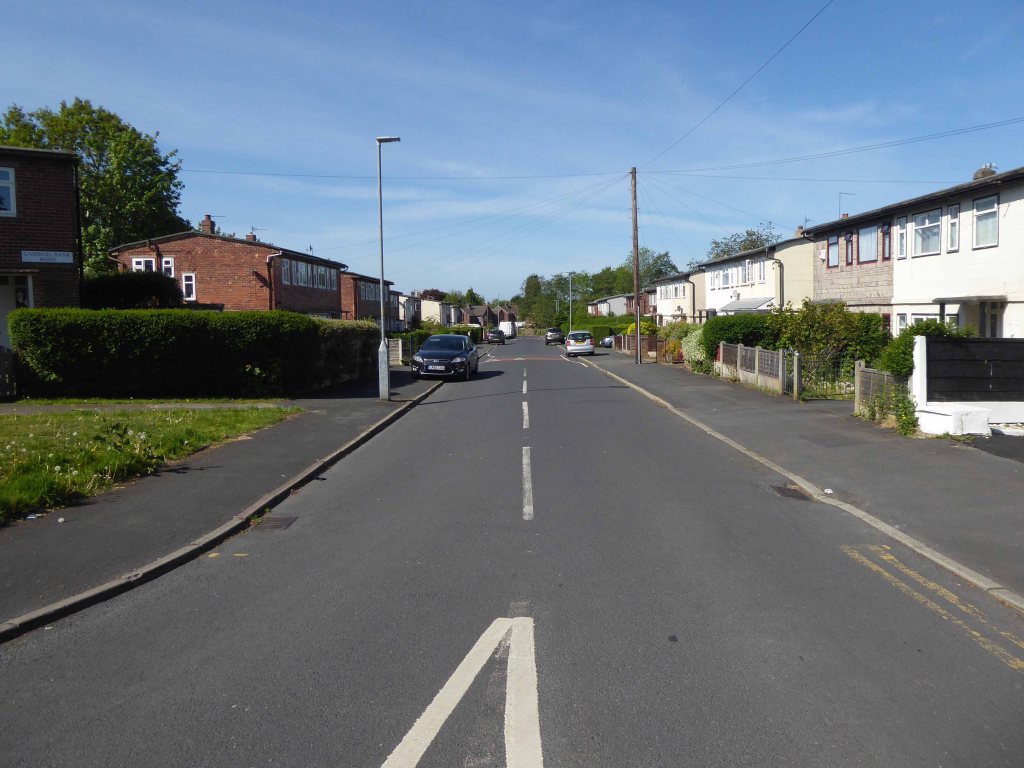
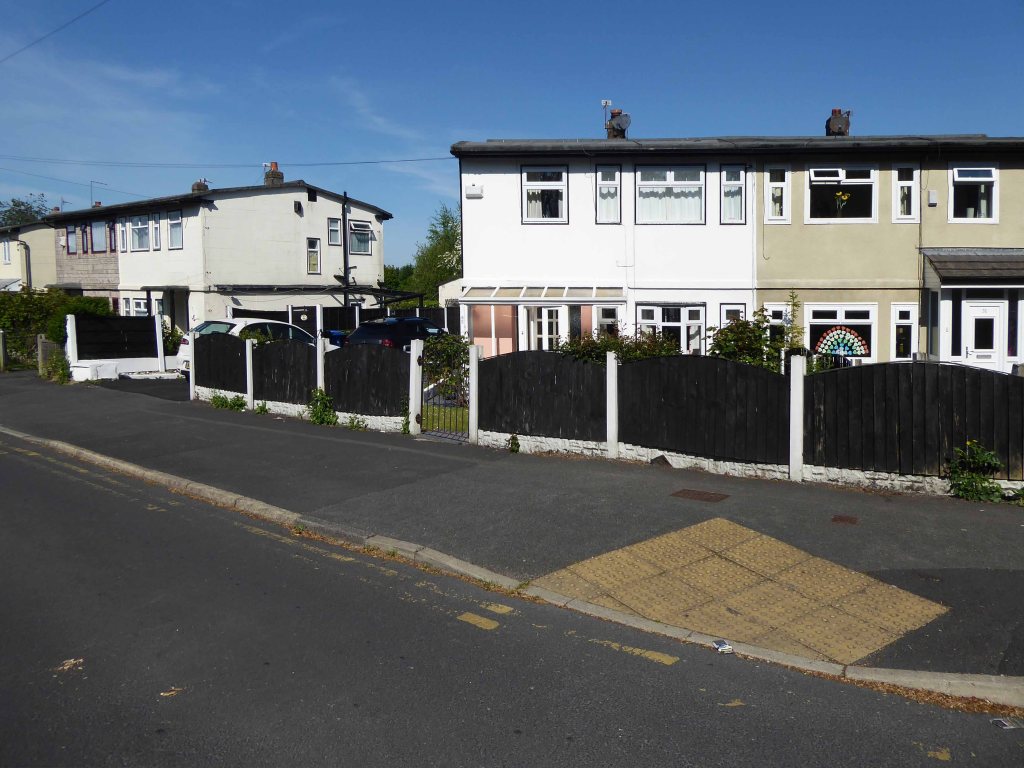
There are four semi detached homes constructed from concrete, rendered painted and clad over the years, windows replaced, additions and amendments made.
Though the basic design characteristics have been retained.
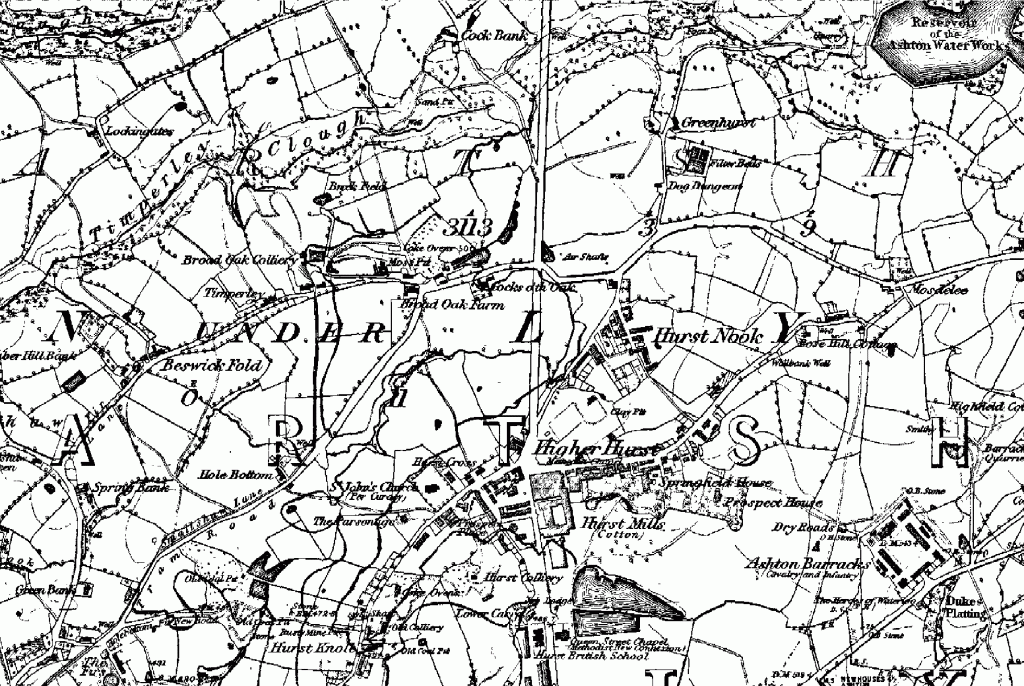
There are no local archival images or histories, I assume that they were post-war, an addition to the inter-war Smallshaw council estate.
In an area which in 1848 was given over to mining and agriculture.
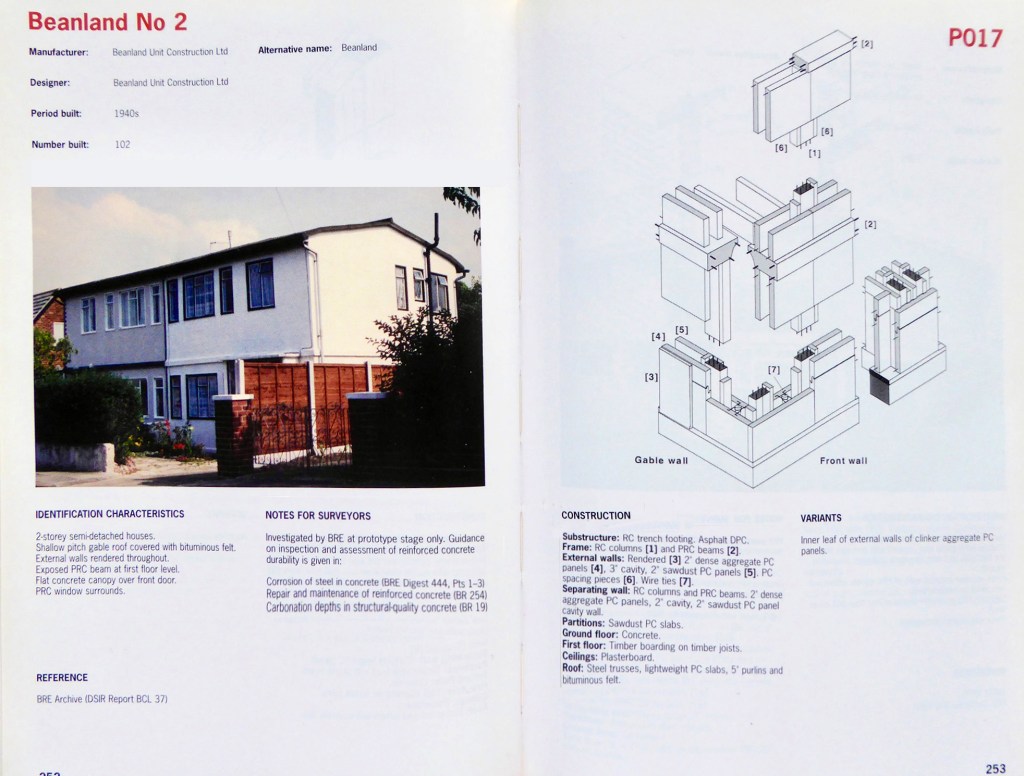
I have subsequently learnt from an online contact Mr Sid Cat, that the homes are Beanland No 2.
They are listed on the BISF site – 102 were built.
More than this I cannot say – further searches for Beanland proving largely fruitless.
In addition there are also several semi detached houses of identical shape and proportion faced in brick – why?
Suffice to say here we are now and here they all are.
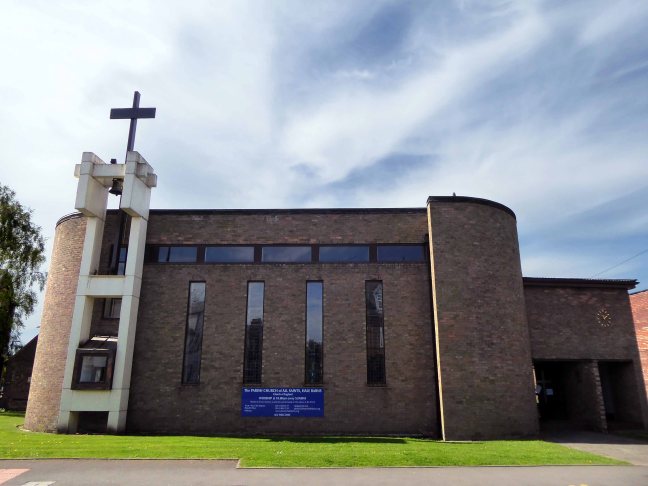
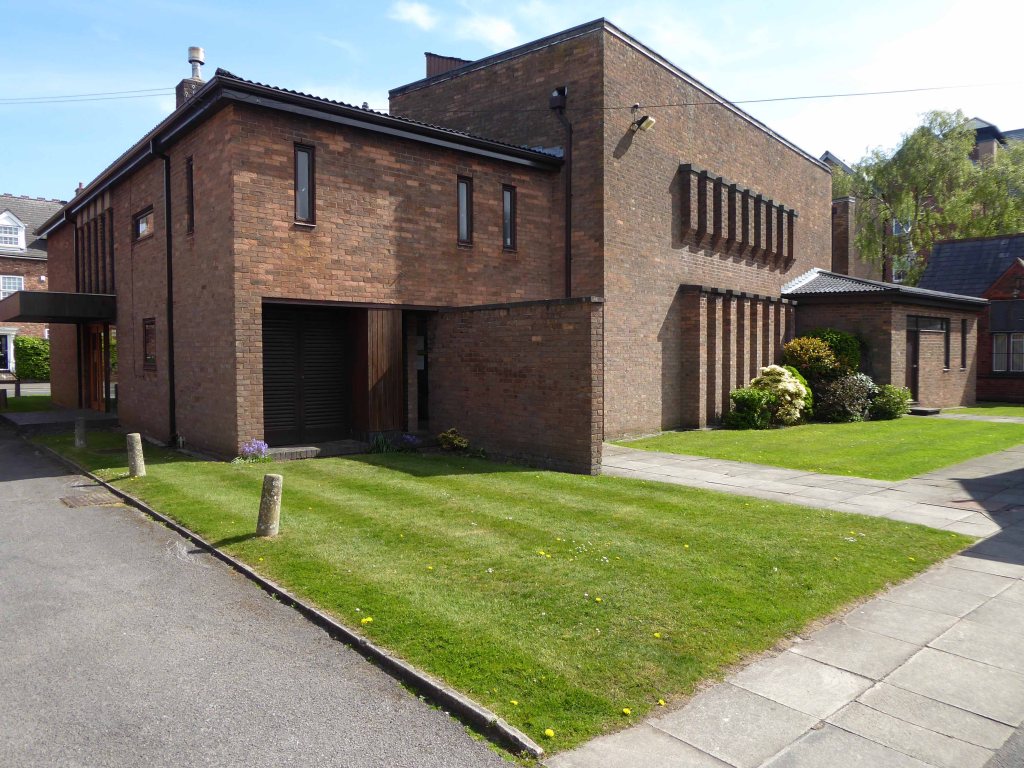
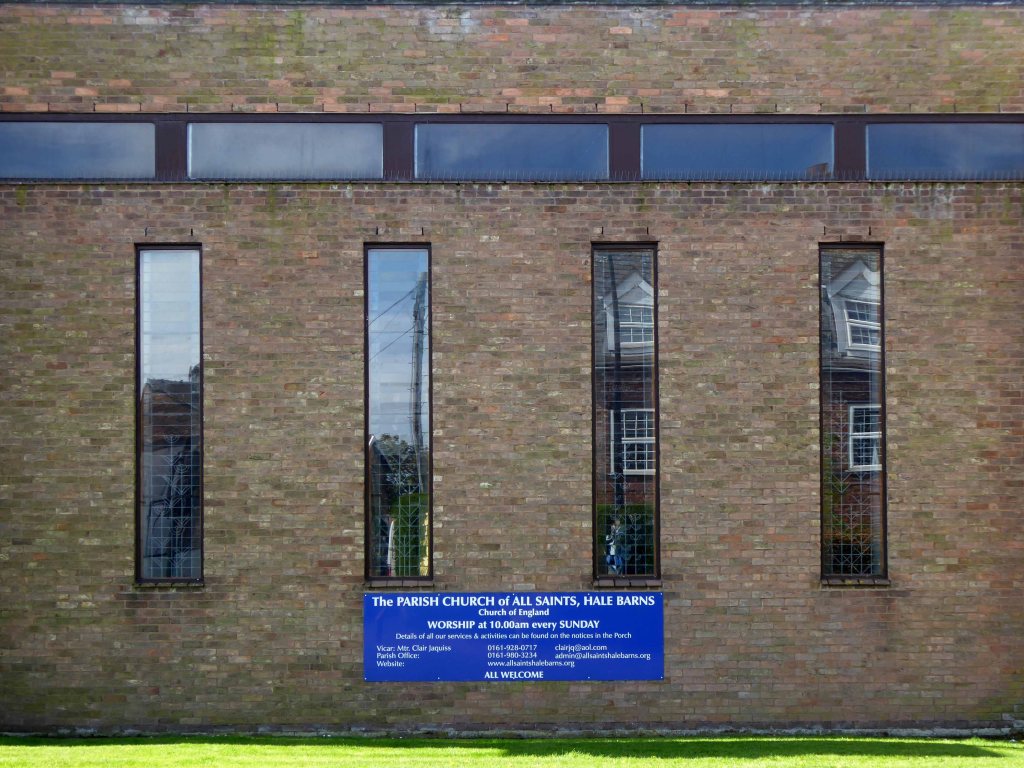
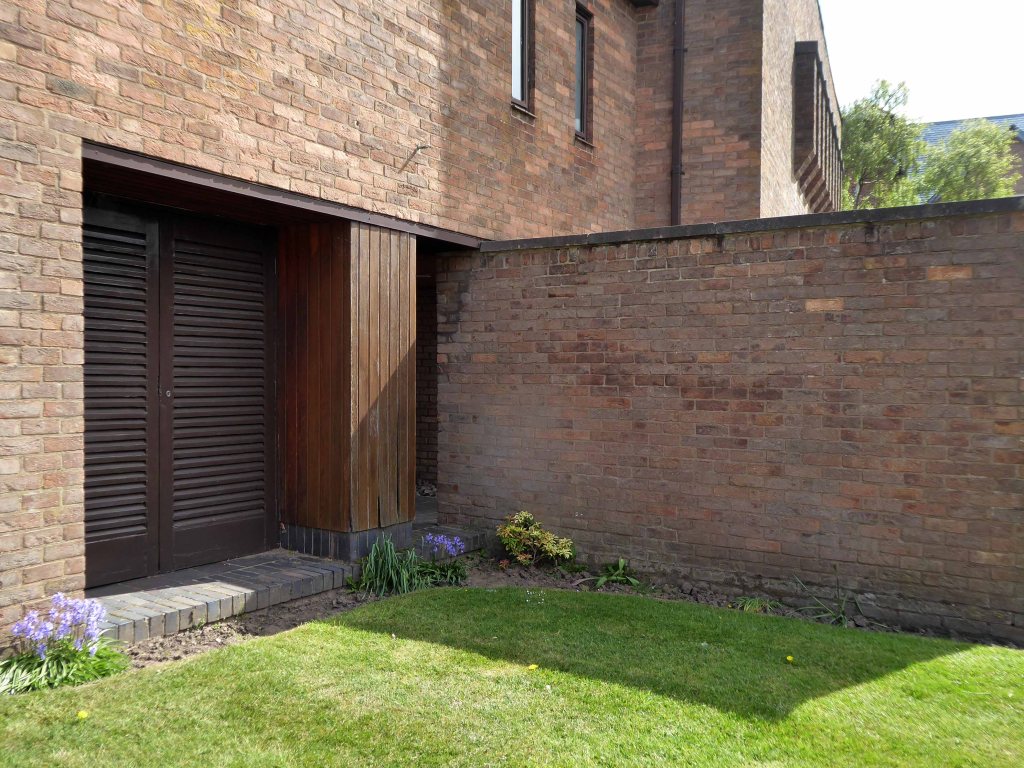
As Hale Barns grew in the 1950s and 1960s it was clear that the small daughter church was less than adequate in terms of size and facilities, and under the leadership of the Rev Fred Cox, the then Vicar, a new church was planned for the site. Designed by Brian Brunskill, All Saints Church was consecrated in 1967.
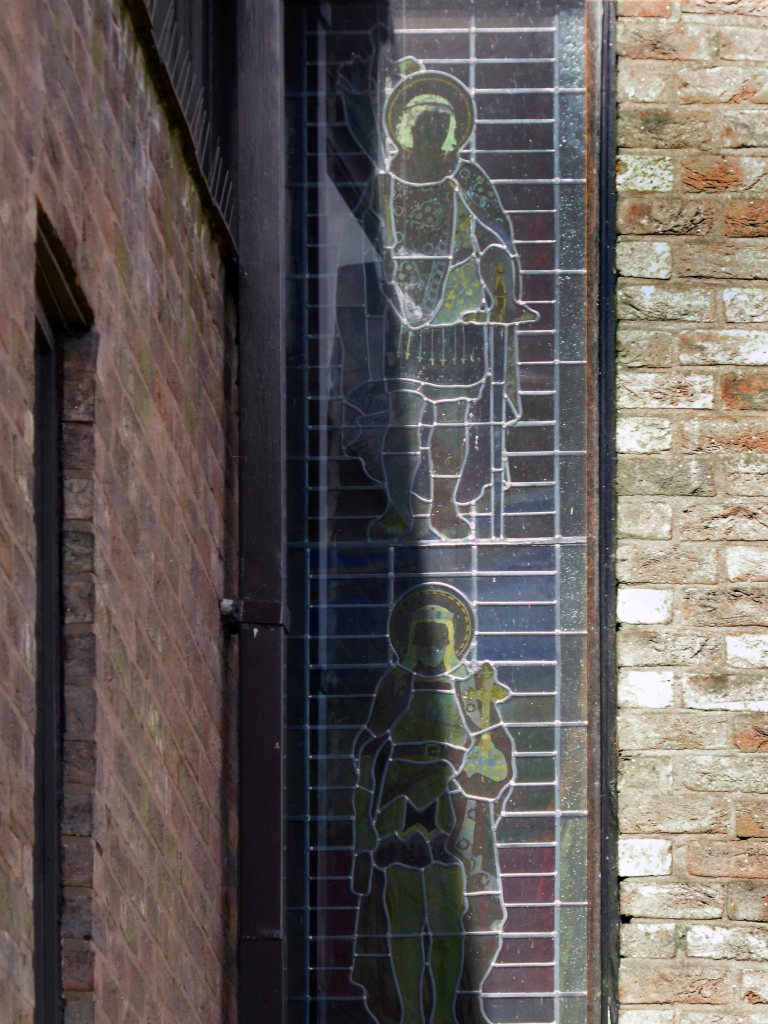
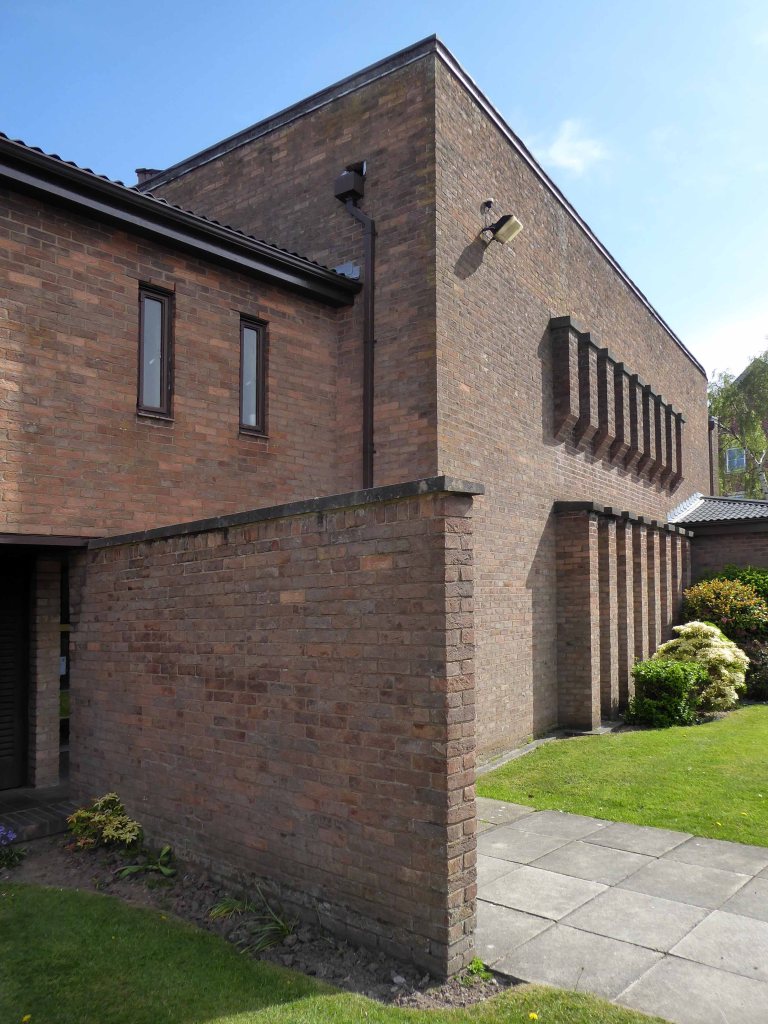
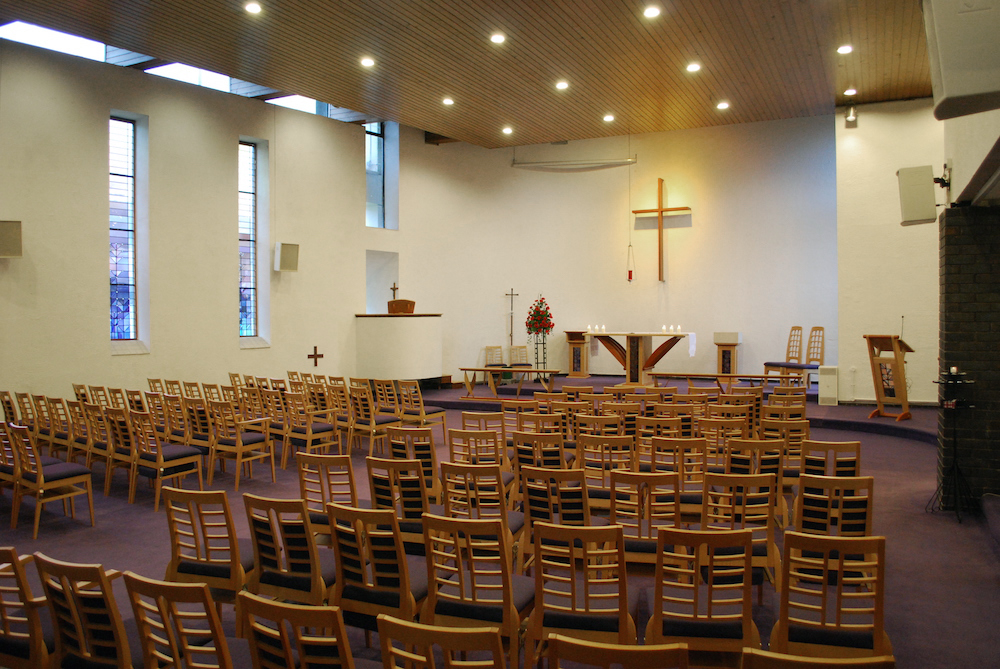
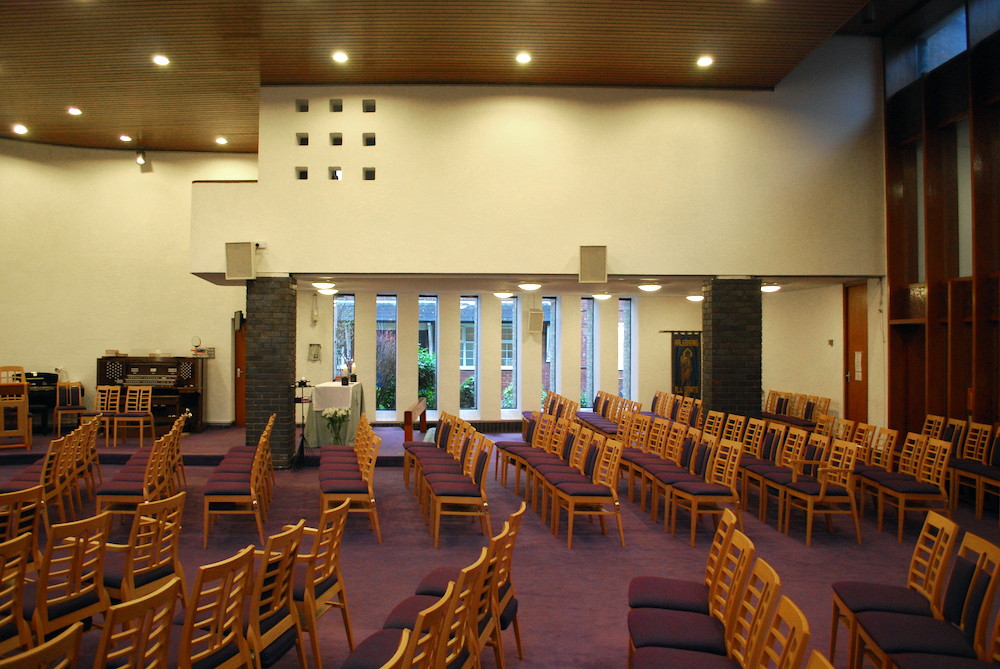
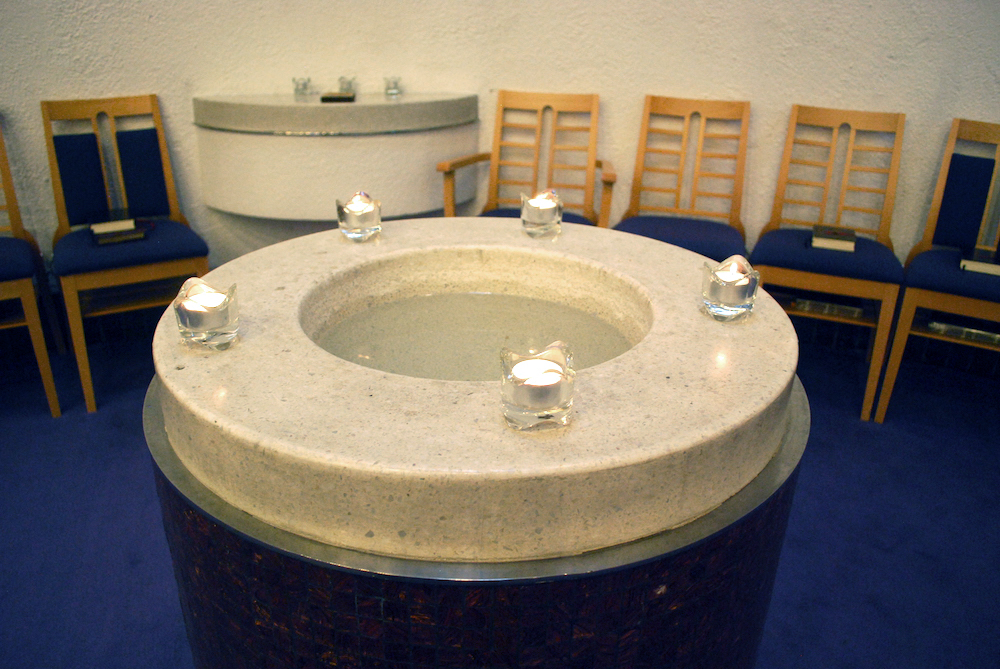
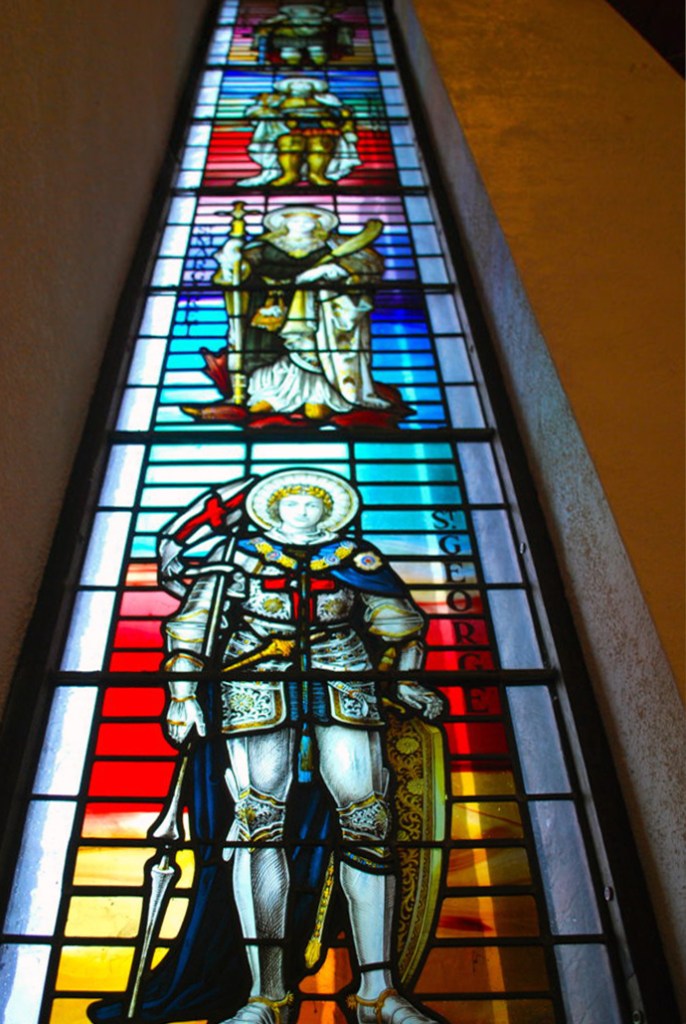
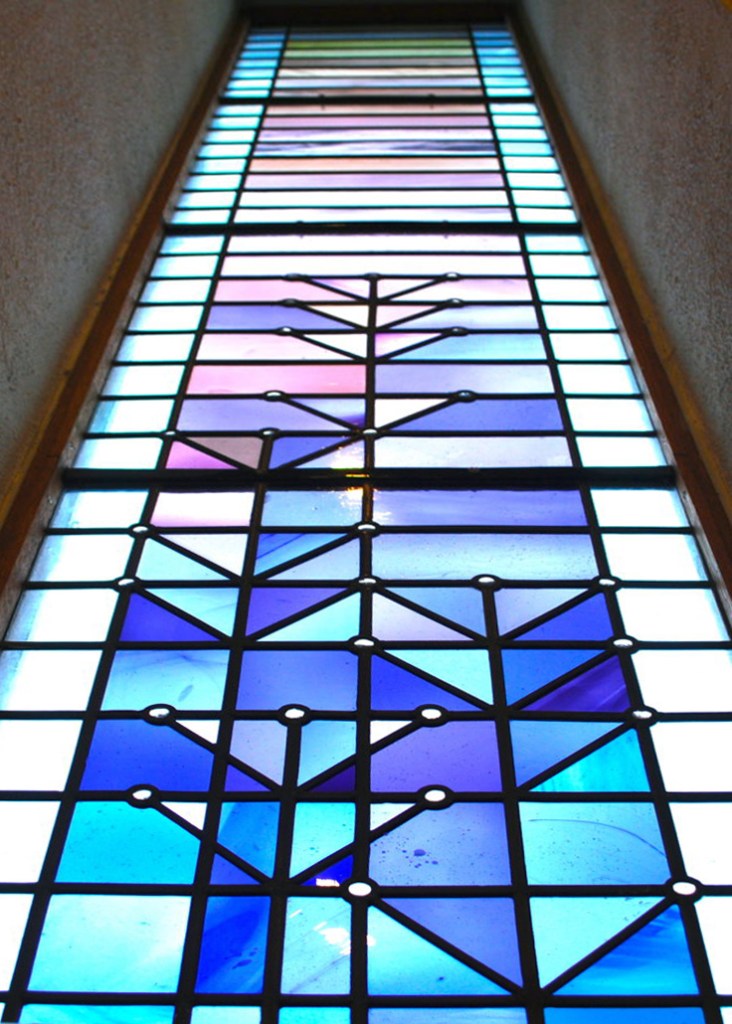
Outside it can seem a rather stark building, of brown brick, set back from the busy Hale Road but inside it is full of light and space. The influence has clearly been that of the French architect Le Corbusier, and there is a wonderful interplay of curved and straight walling. At first there was no stained glass, but in the early 1980s glass by the Japanese artist Sumiko was installed in the north windows. This includes a stylised tree-of-life design. In the baptistry there is some Victorian glass brought from St Mary’s Church.
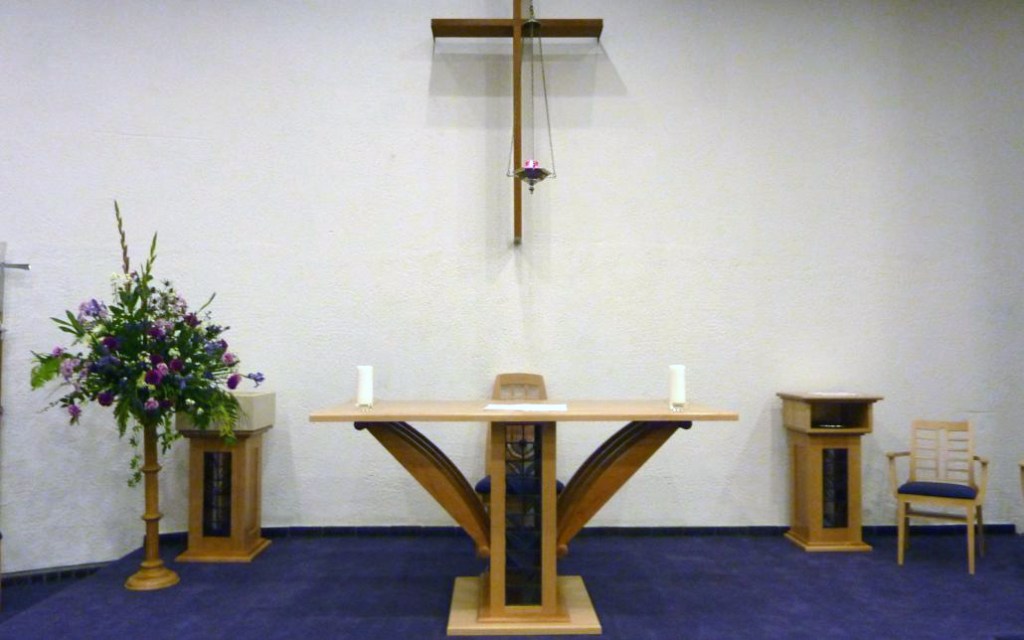
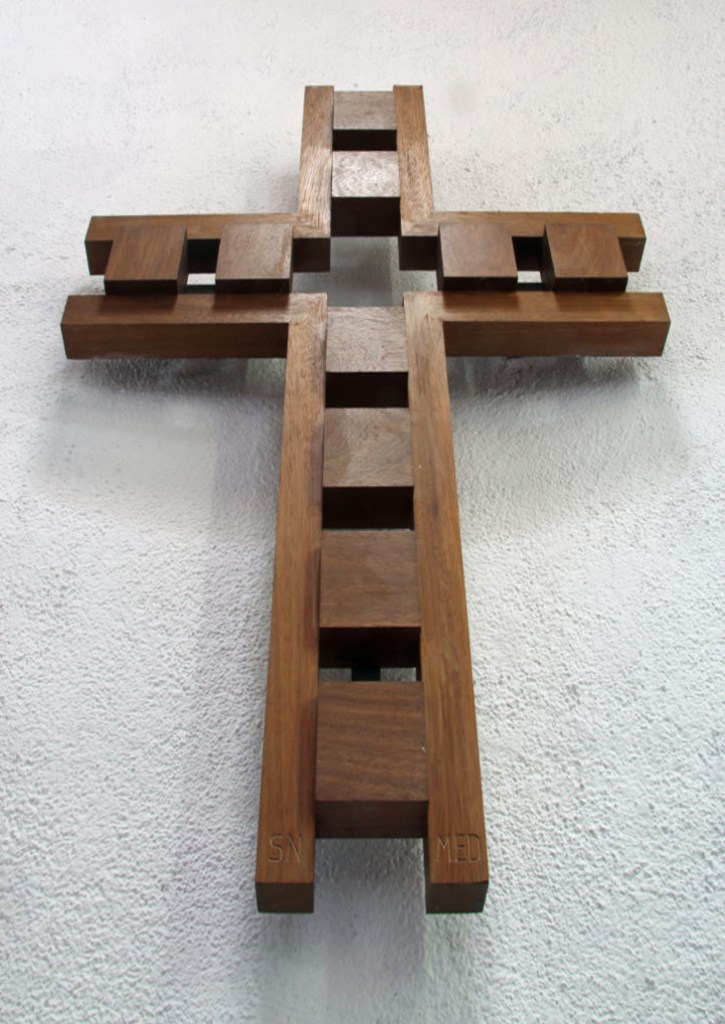
In 2009 a radical and daring re-ordering of the building was completed. The church was carpeted and new furniture of high quality, designed and made by Treske, woodcarvers of Thirsk, North Yorkshire, was installed. The tree-of-life design in the 1980s glass has been echoed in the glass inserts to the Lectern and High Altar and also in the metal uprights of the Altar Rail. All the fittings are moveable, giving a flexible space. This flexibility give opportunities to explore how the building itself can enrich worship at different seasons of the Church’s year.
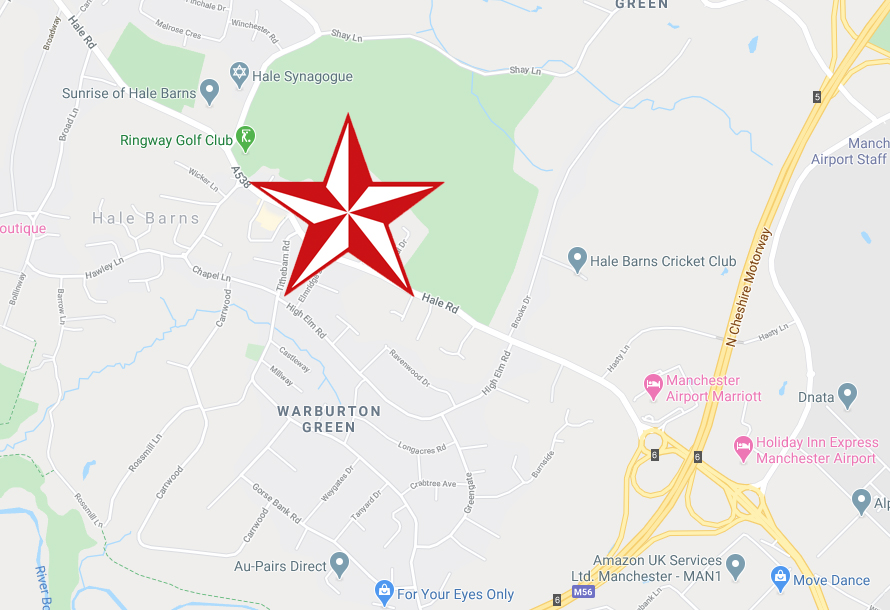
My first time in Hale Barns – hence my first visit to All Saints.
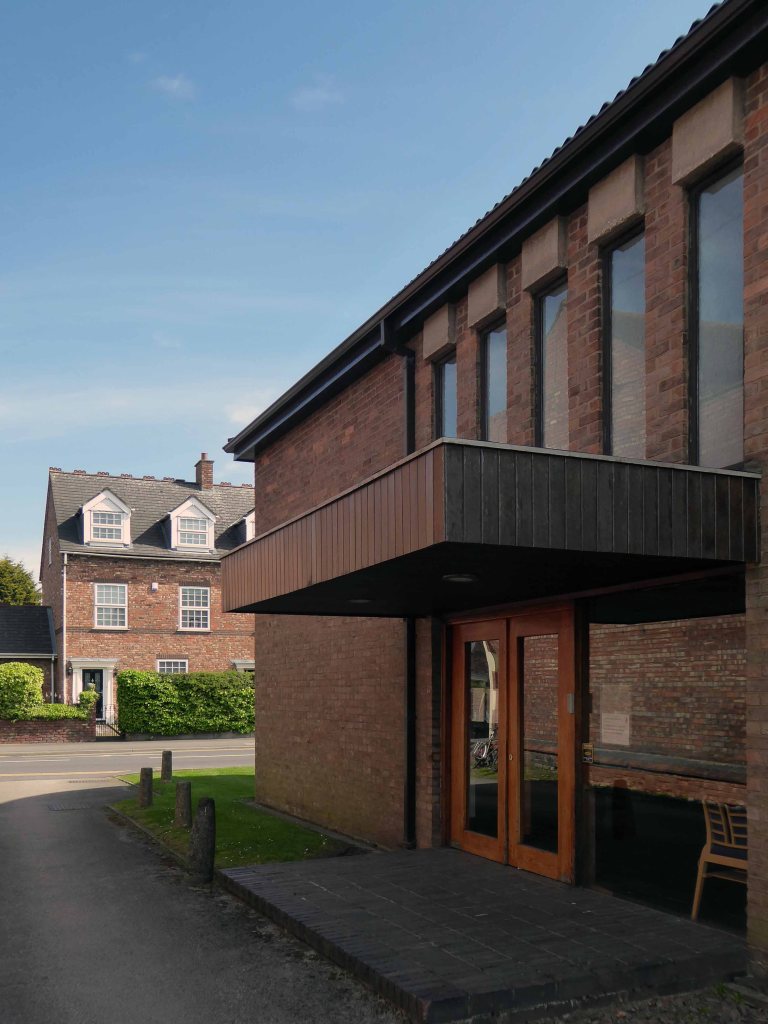
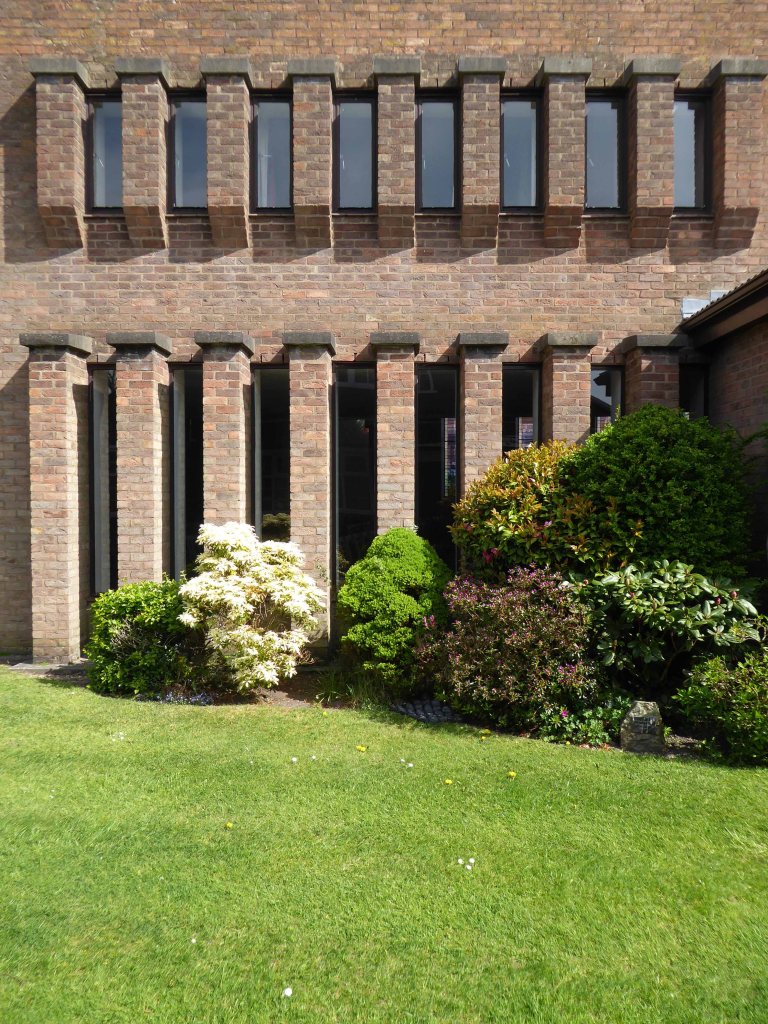
Small in scale, but large in ambition – a wonderful exercise in the calm controlled use of brick, rich in small details, along with an expressive mix of warm curves within a rigid grid.
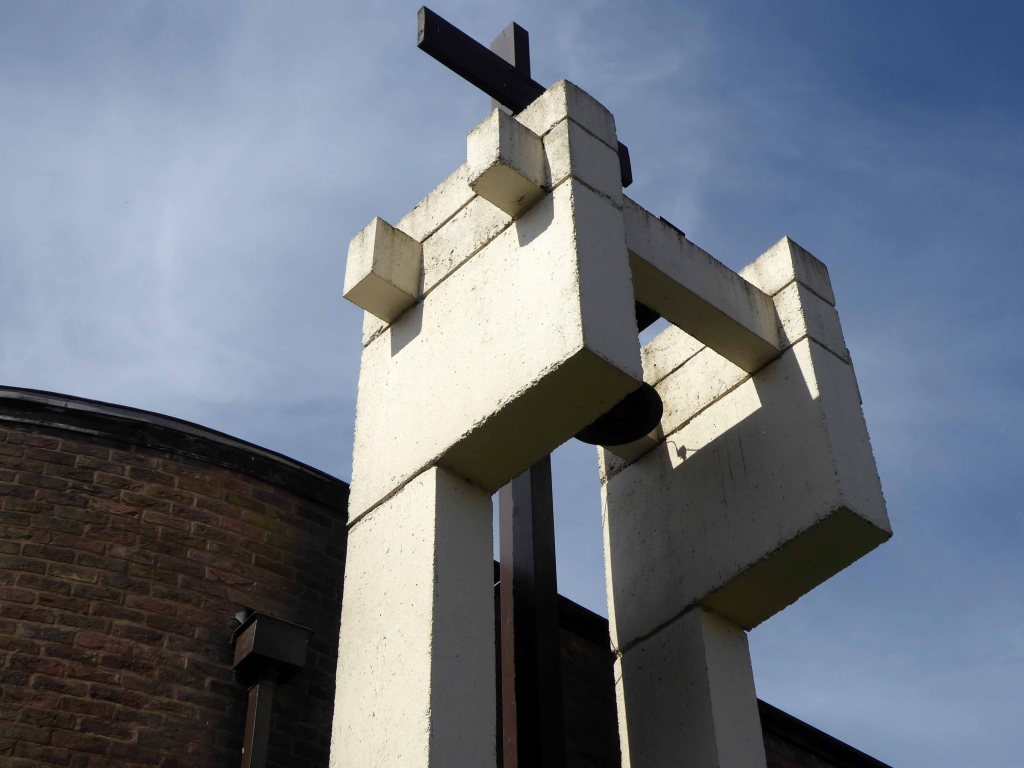
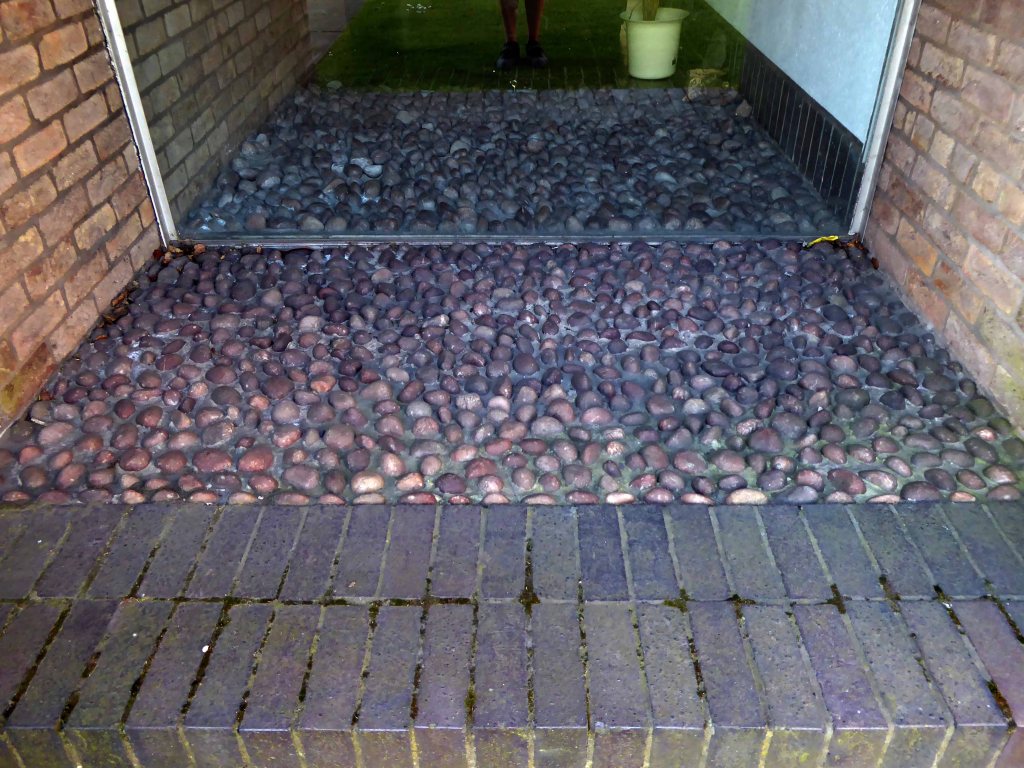
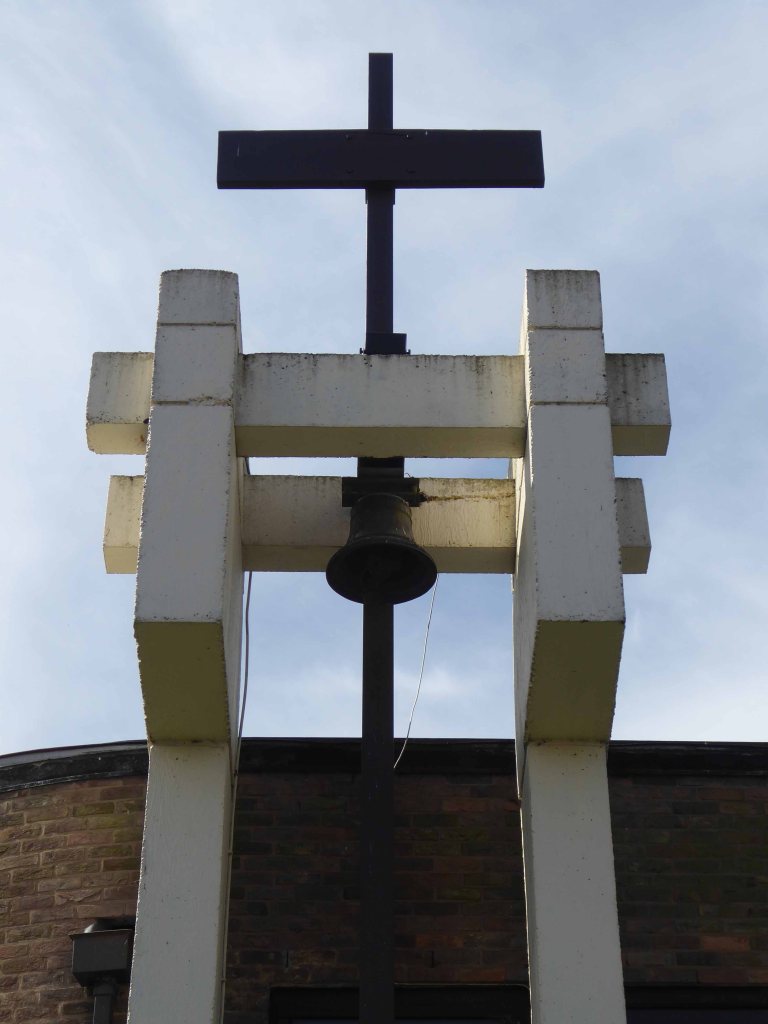
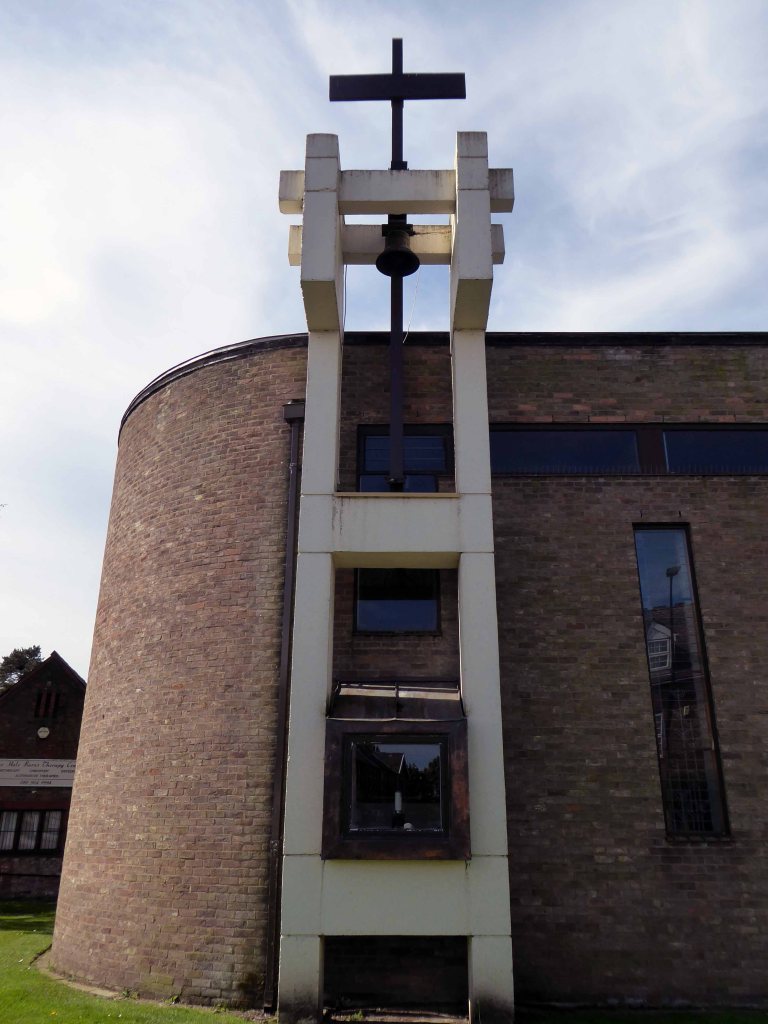
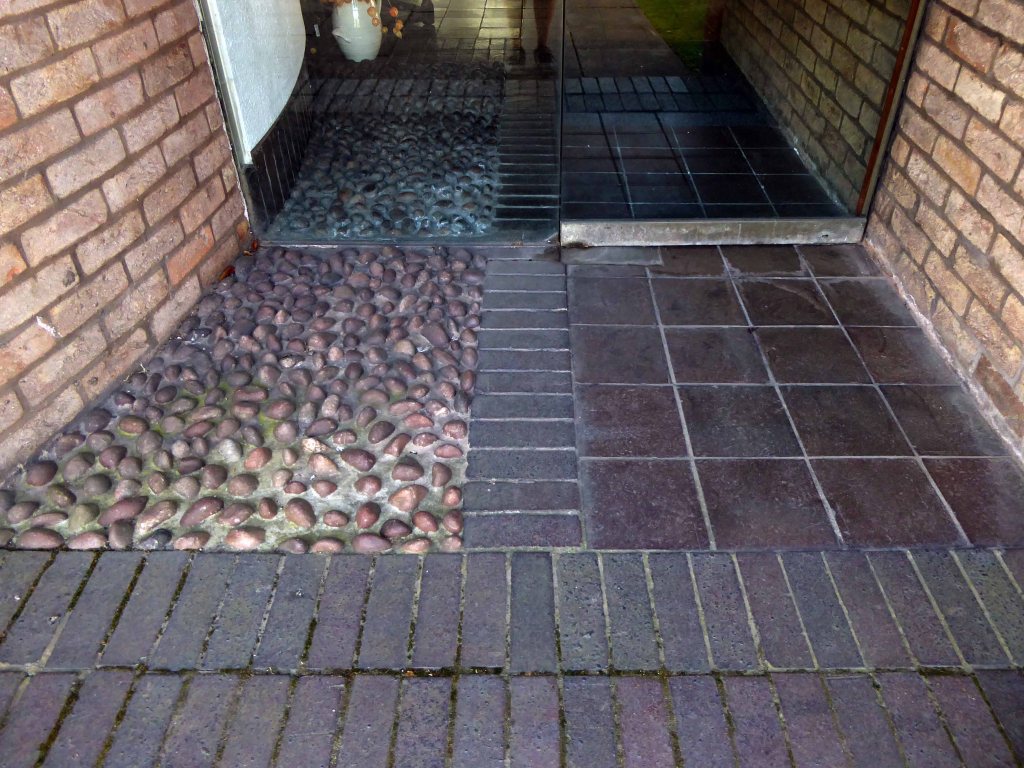
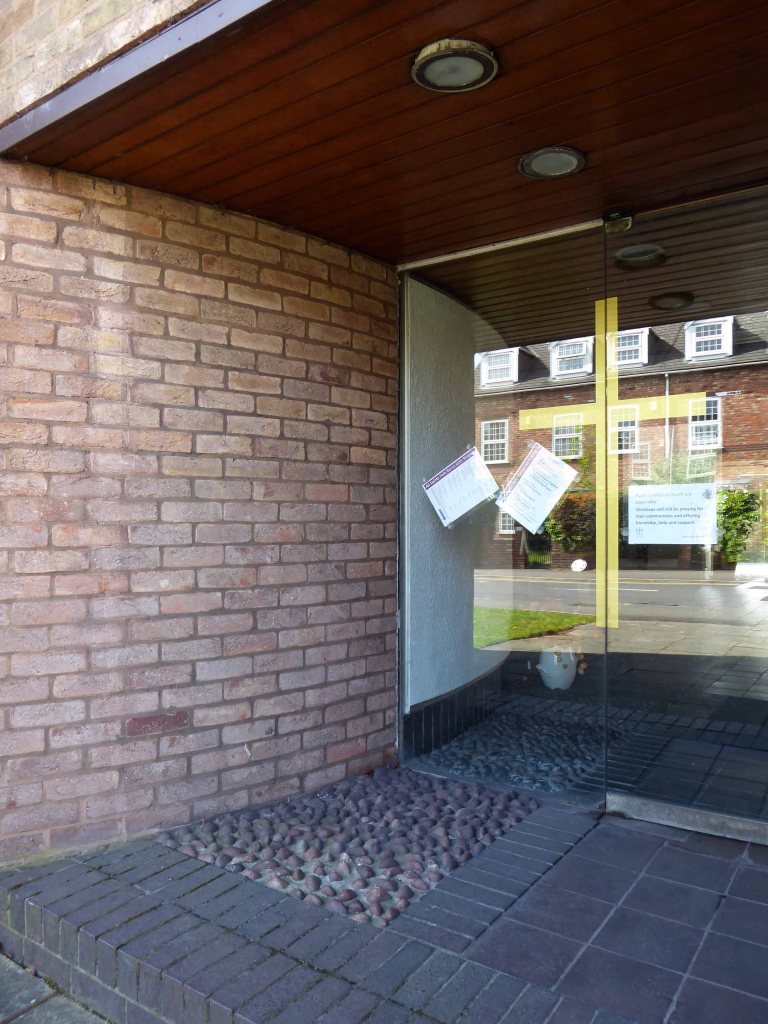
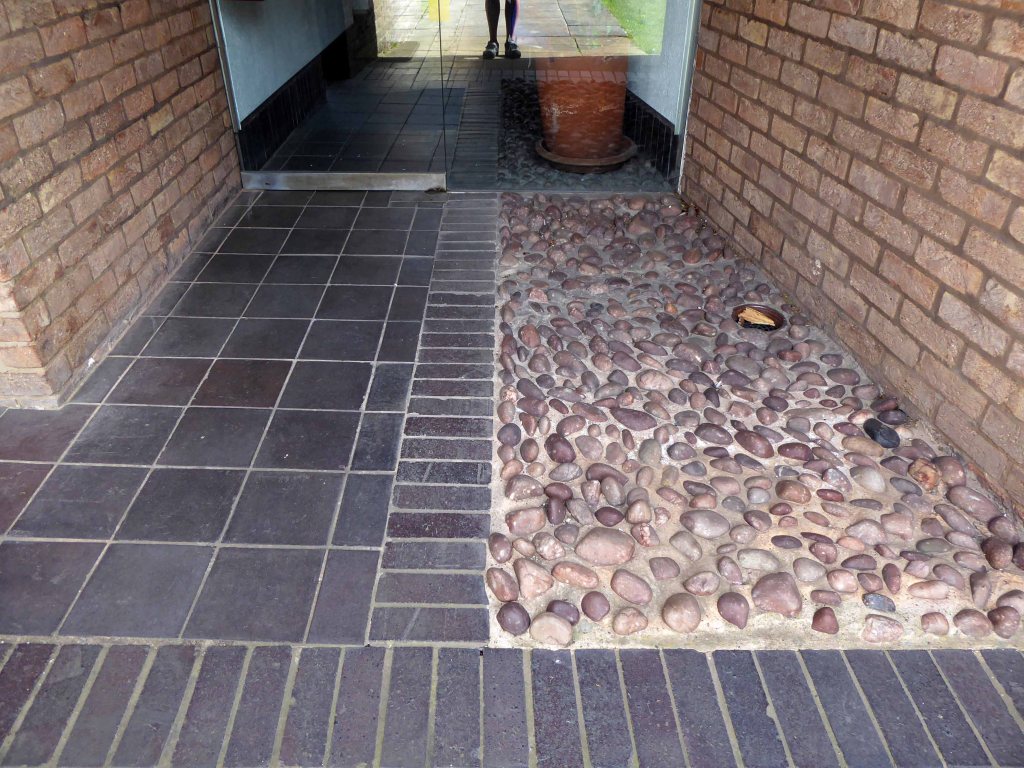
Of particular note is the sculptural concrete bell tower, the exterior use of pebbles in the porch which flow into the interior space, along with a discrete palette of grey tiling.
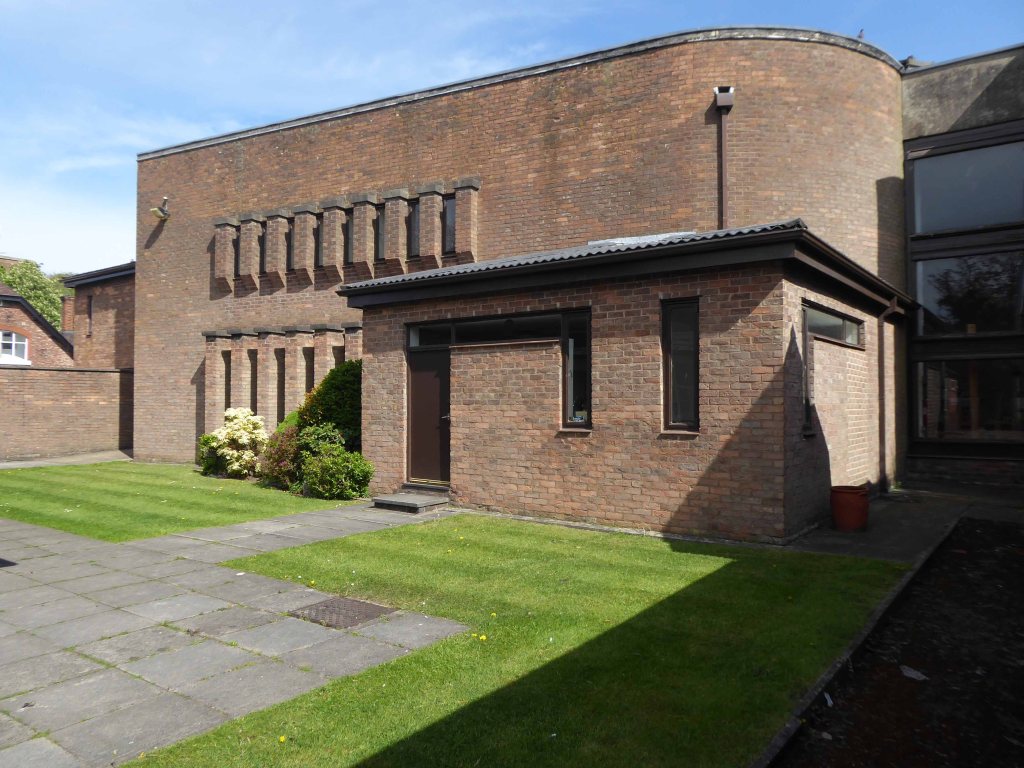
It demands to be circumnavigated – fresh surprises await around each turn, simple hard landscaping of flags, softer restrained planting and open areas of lawn, so very well tended.
Let’s take a look around.
Here are some images of the reworked interior taken from the All Saints gallery.
He reached the foot of the embankment, and waved with one arm, shouting at the few cars moving along the westbound carriageway. None of the drivers could see him, let alone hear his dry-throated croak, and Maitland stopped, conserving his strength. He tried to climb the embankment, but within a few steps collapsed in a heap on the muddy slope.
Deliberately, he turned his back to the motorway and for the first time began to inspect the island.
Maitland, poor man, you’re marooned here like Crusoe – If you don’t look out you’ll be beached here for ever. He had spoken no more than the truth. This patch of abandoned ground left over at the junction of three motorway routes was literally a deserted island.
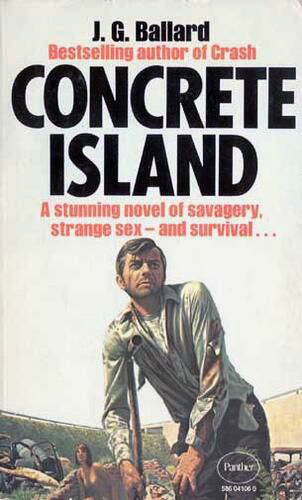
JG Ballard Concrete Island
I’m in a different place – the same but different, whilst out walking I went through an open gate, following a well worn path, for the very first time.
Leading who knows where.
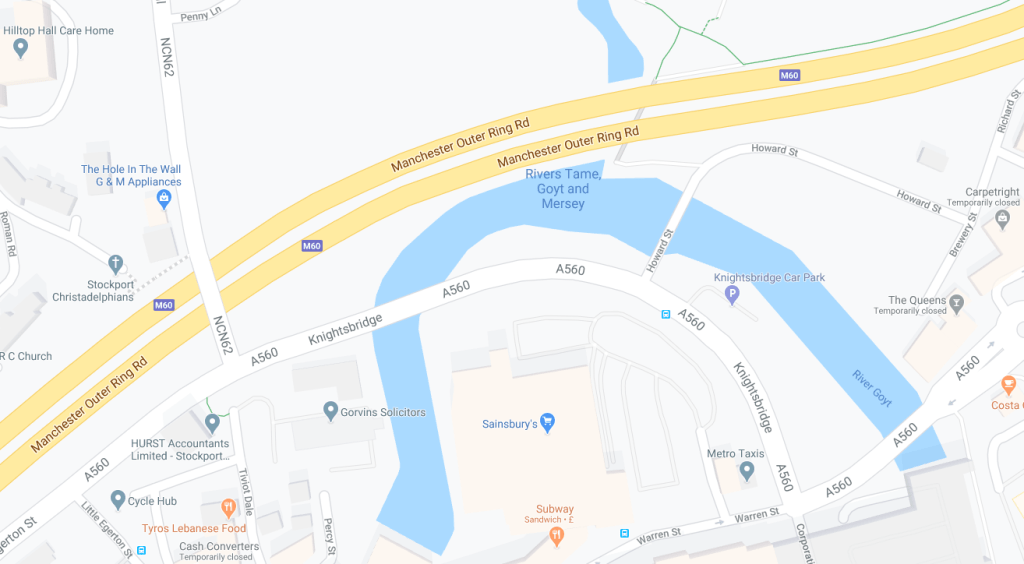
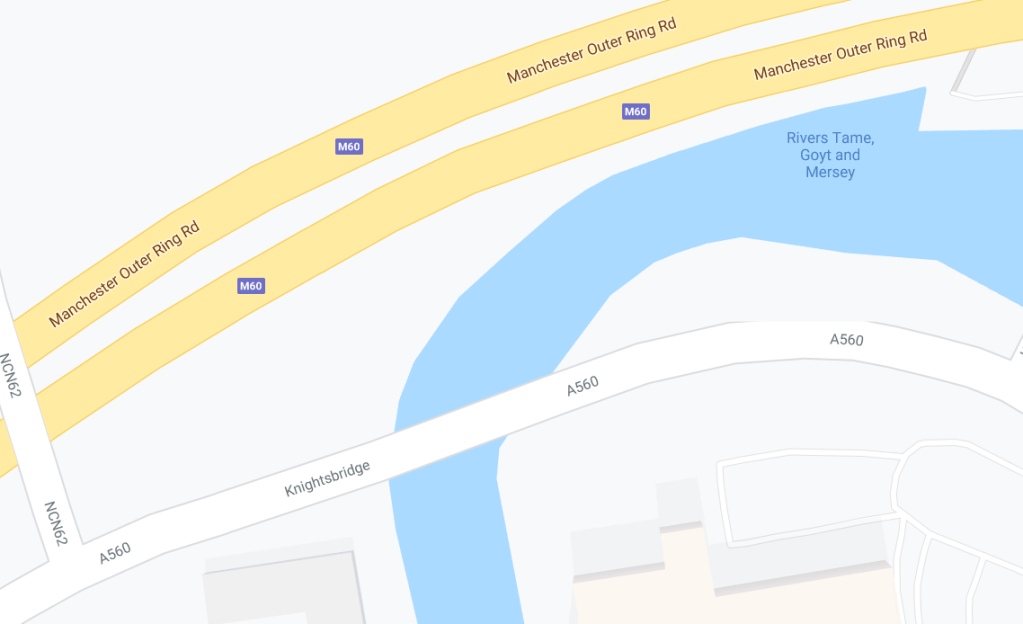
The confluence of three rivers, the meeting of motorway and main road.
I ventured further – where if anywhere are we going?
This tight tree lined and paint daubed triangle offers no answers.
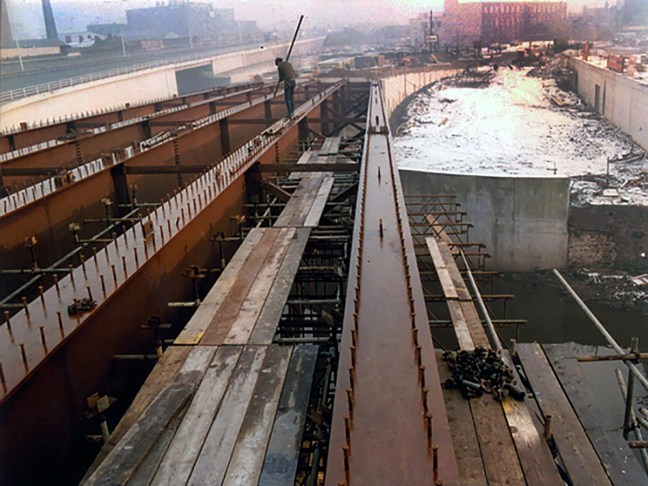
Tamed thirty years or so ago, with concrete and steel.
Further and further.
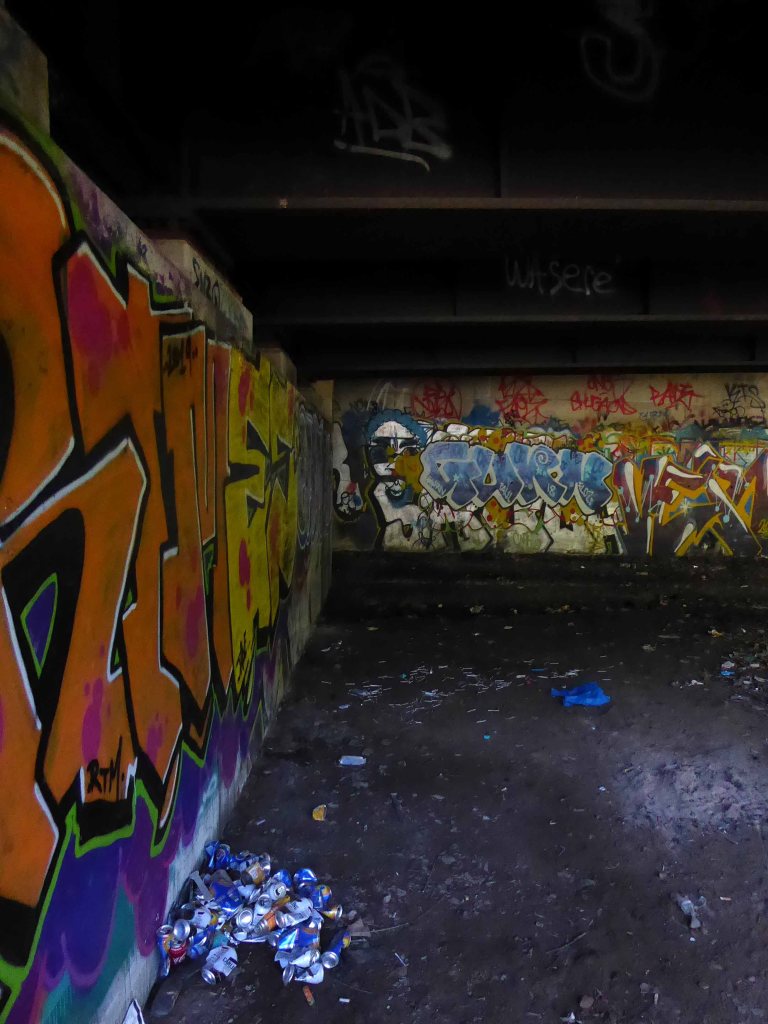
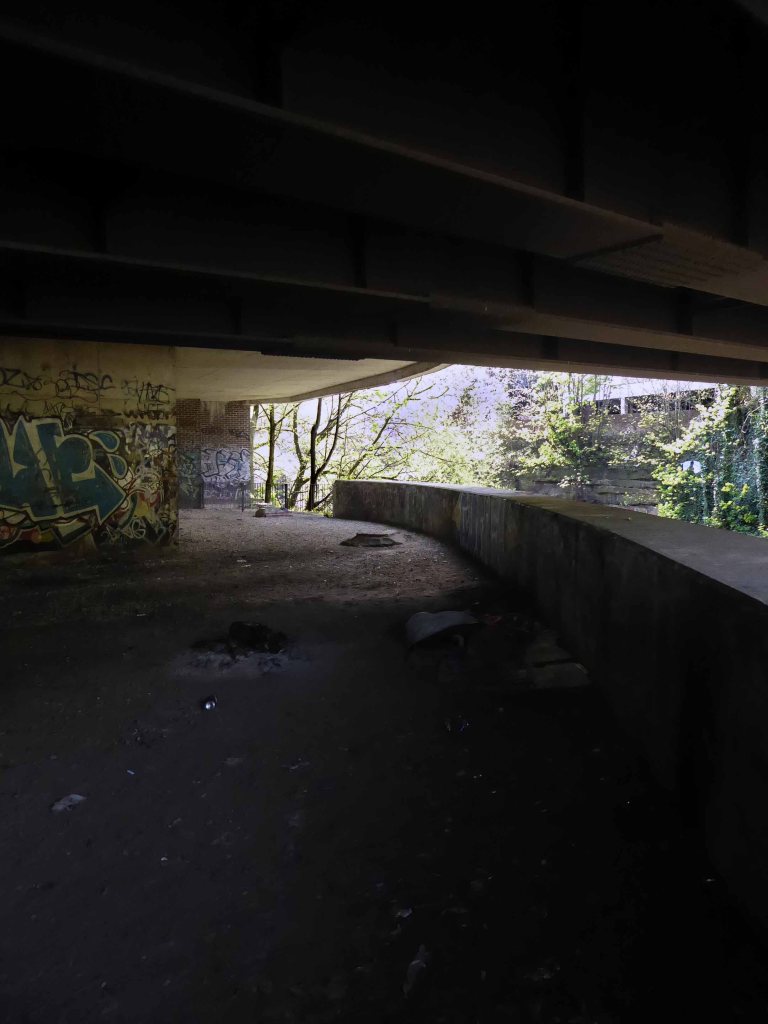
Into an underground world.
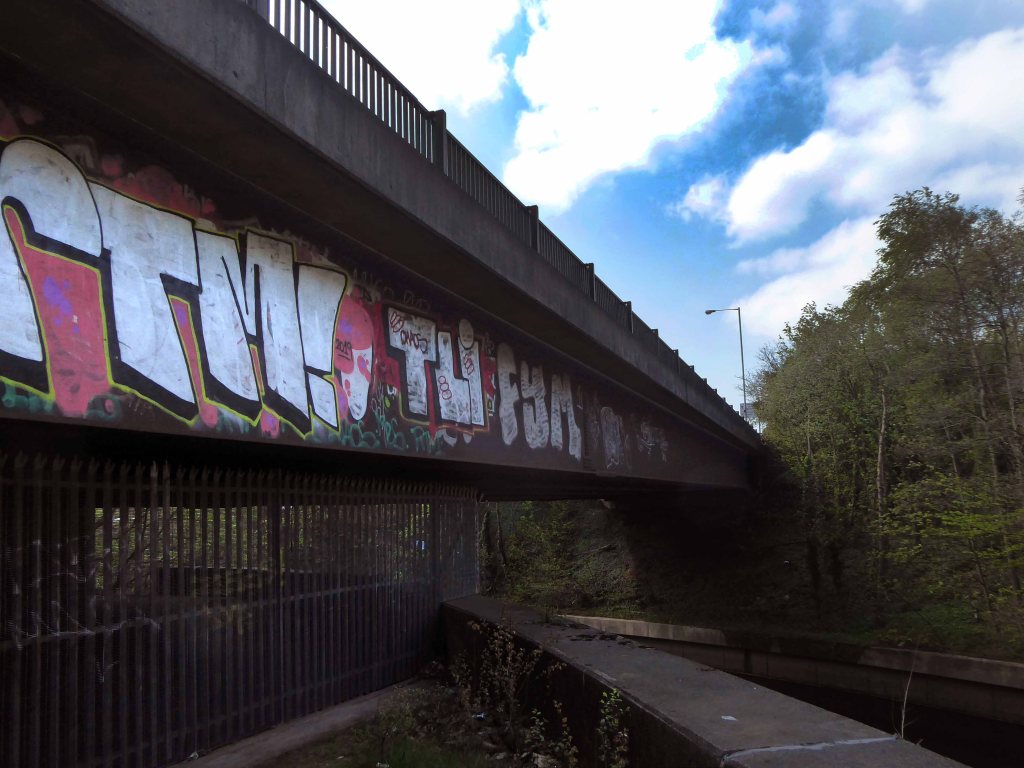
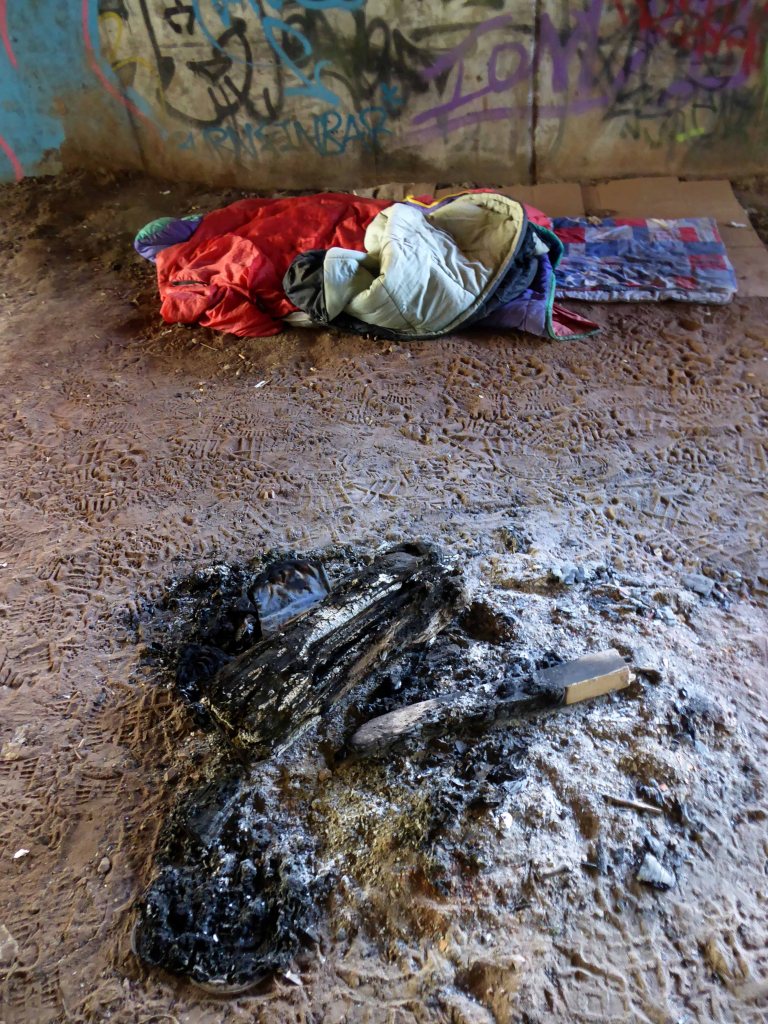
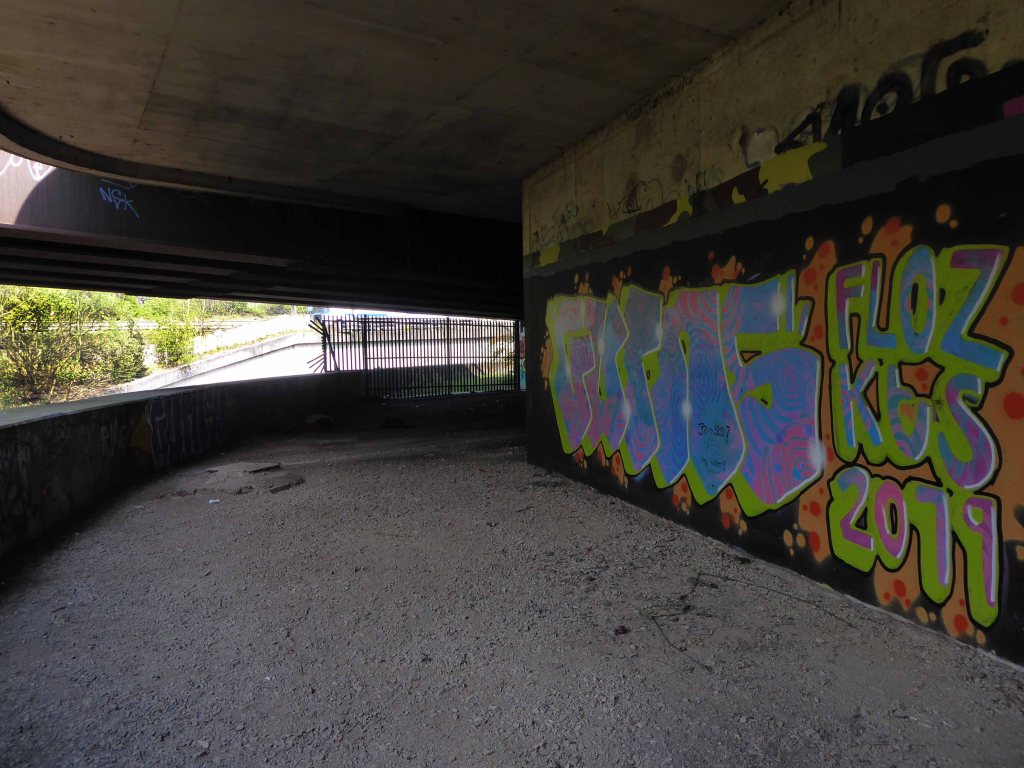
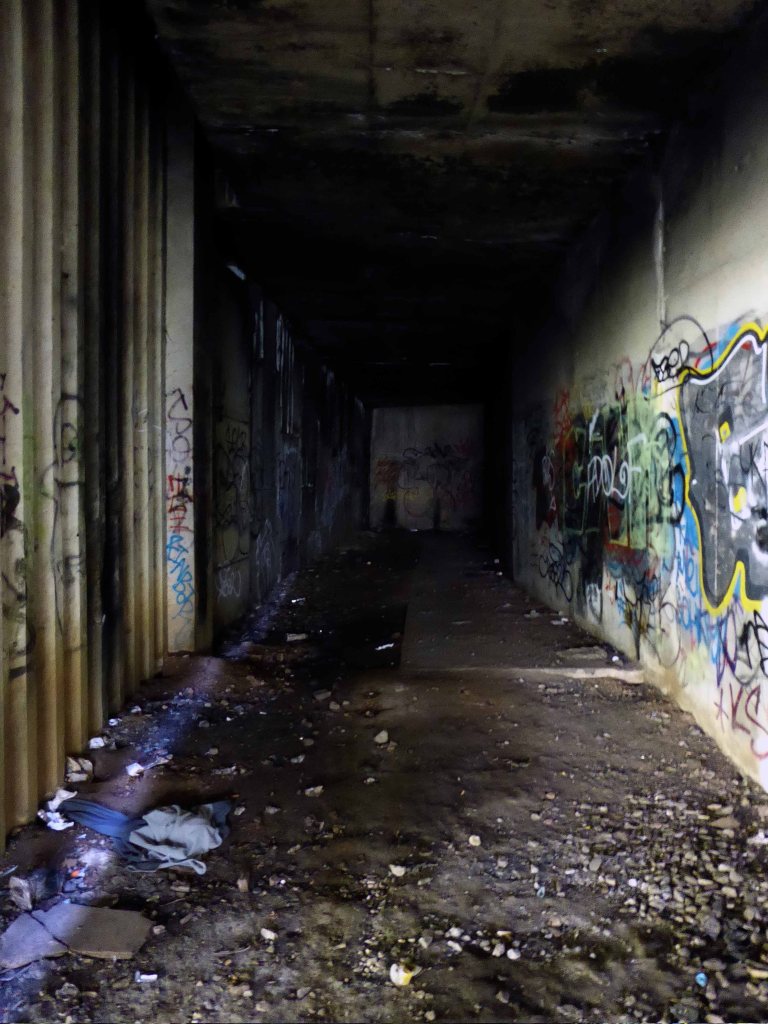
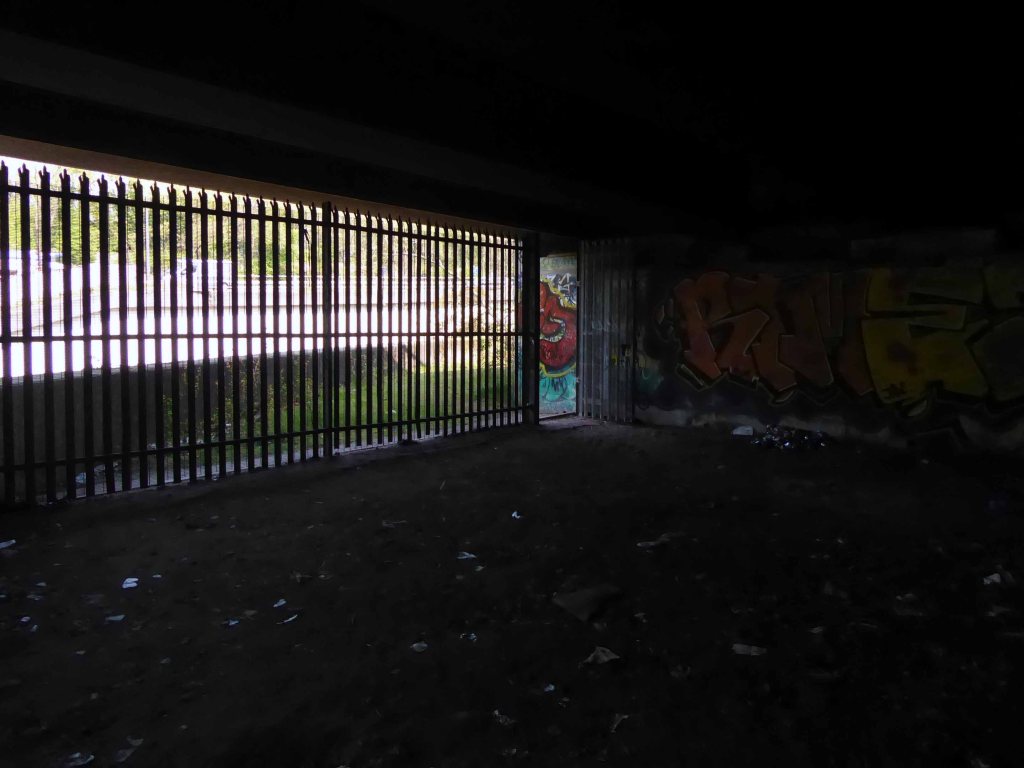
Through the railings and into a void – a void that had become home to the otherwise engaged, seeking solace somewhere, finding shelter from the storm. A storm of Twenty First Century austerity, man made – moving money around until those without are out, out in the open, nowhere else to go but here.
How often have I lain beneath rain on a strange roof, thinking of home.
It’s lockdown so we can’t go far, so from home in Stockport to Collyhurst is within my daily exercise allowance.
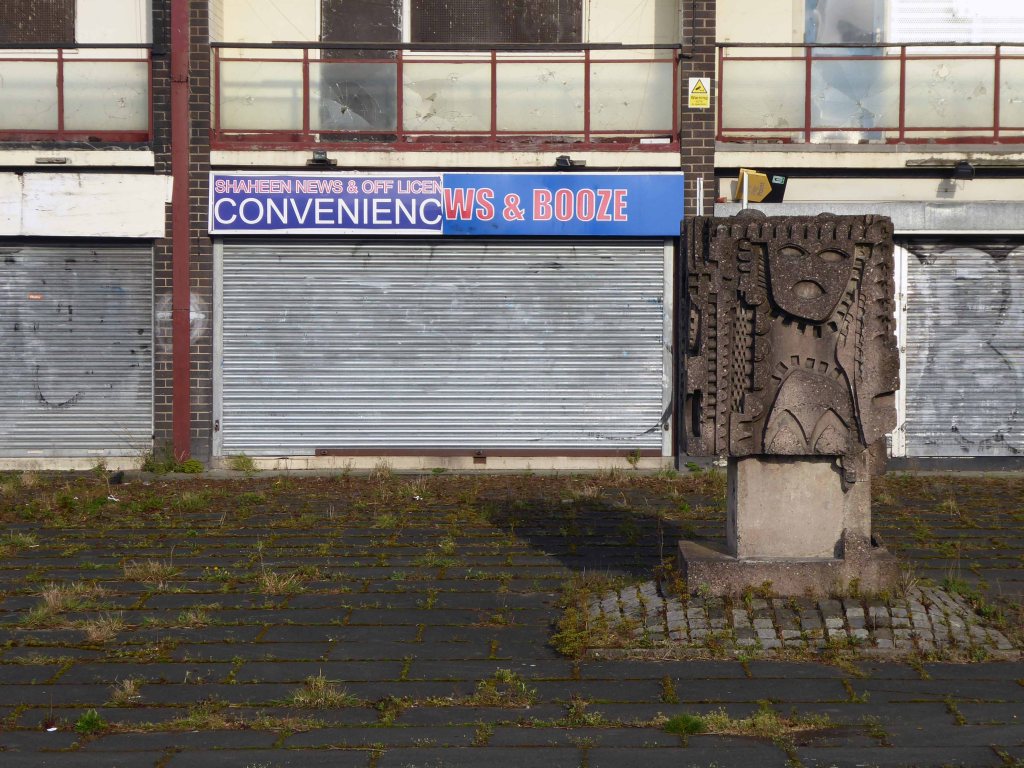
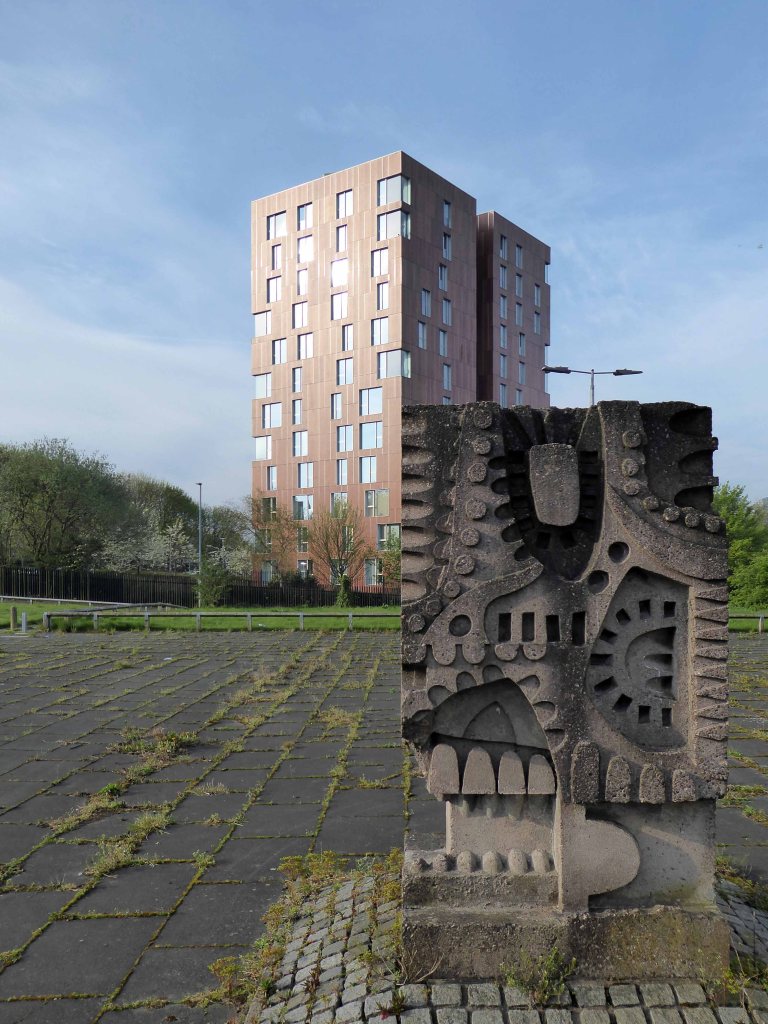
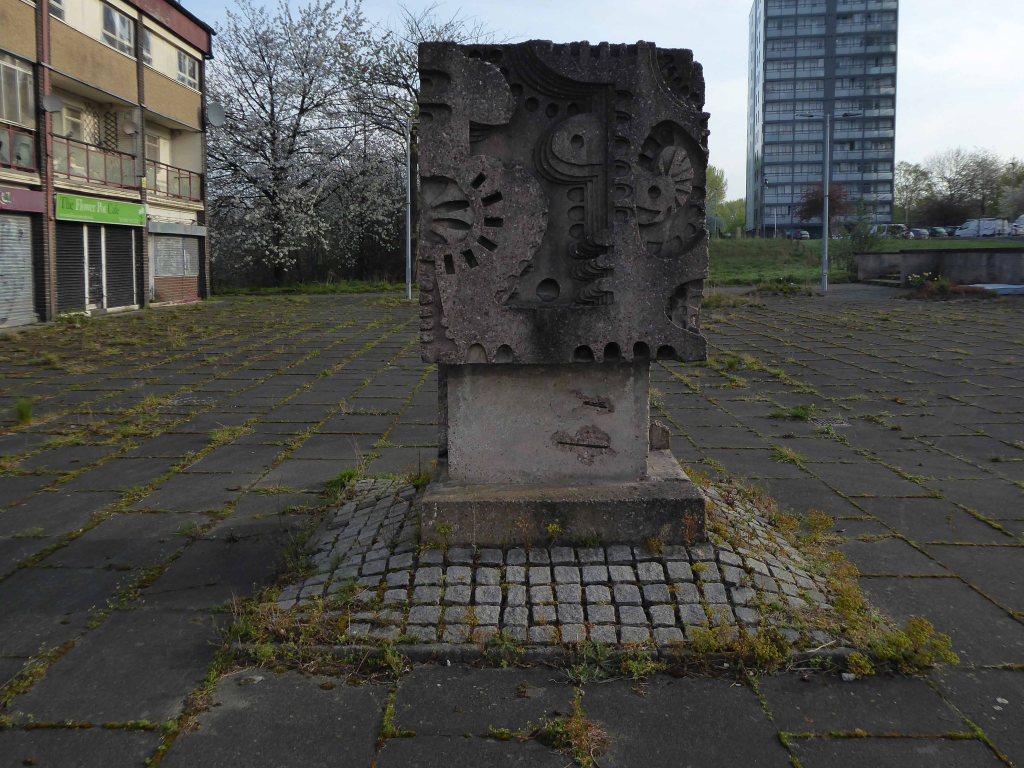
There is talk of relocation for the diminutive Mitchell totem, but as of today no sign of any action – all is in abeyance.
What we do see is the encroachment of flora, cleaner air, low or no level human activity encourages growth between the cracks.
And at the base of the plinth
I took the opportunity to get in close.
Move around in a merry dance.
Quite something to spend time in an ever changing urban space – devoid of company, save for the calming sound of birdsong and the distant rumble of a distant train.
Third time around – on a late lockdown April evening.
I’ve been here before and before, yet I come back again and again.
It’s different every time, deserted at the best of times, during the worst of times it seems even more so – not a soul in sight. The low warm sun affords the bare concrete a pale pink and orange glow.
The mix contained coarse aggregate from the Scottish Granite Company of Creetown, a fine Leemoor sand from the Fordamin Company, together with white cement.
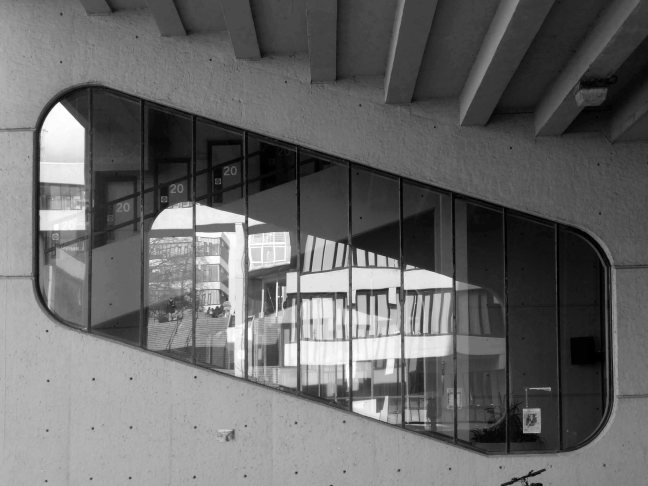
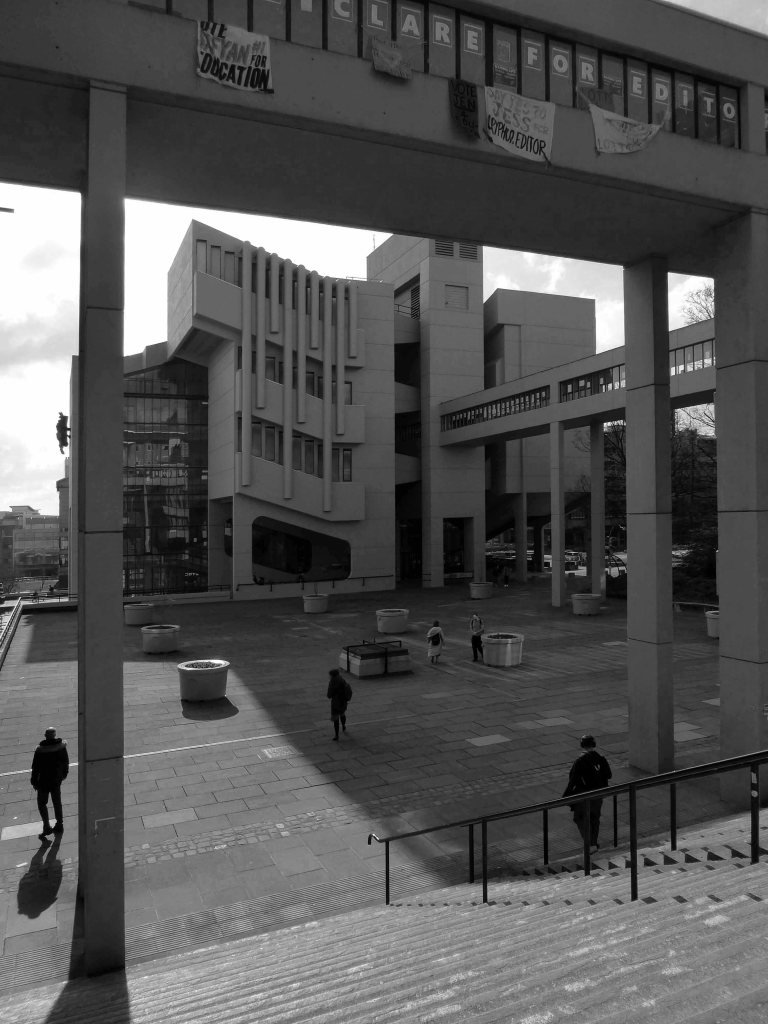
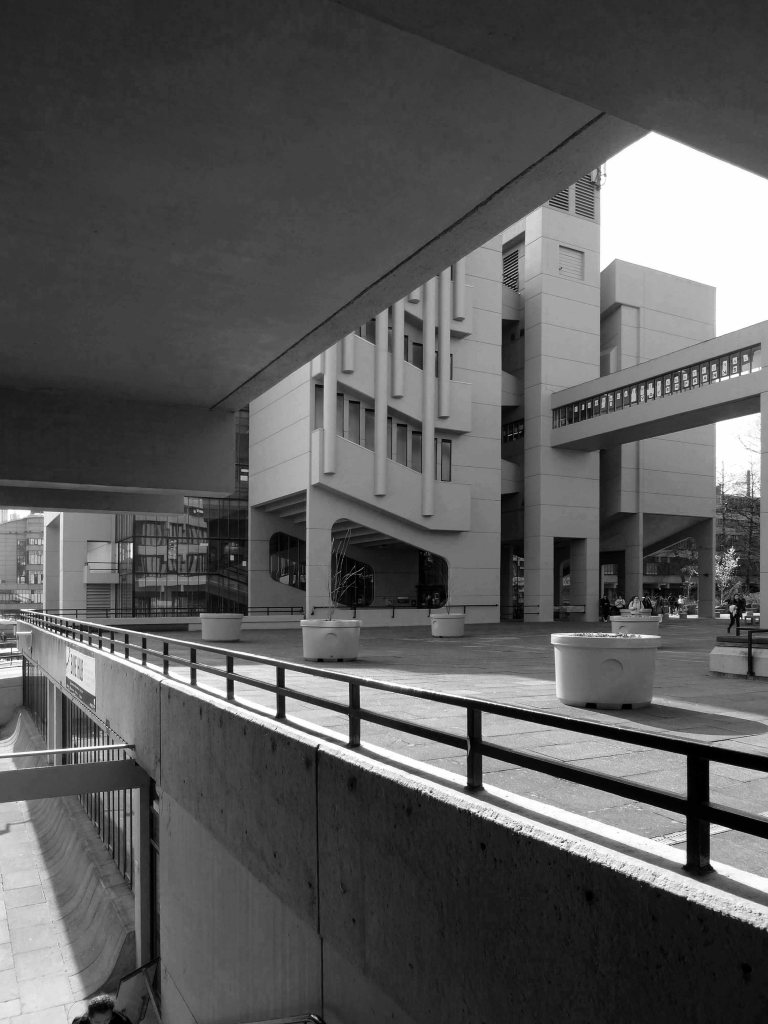
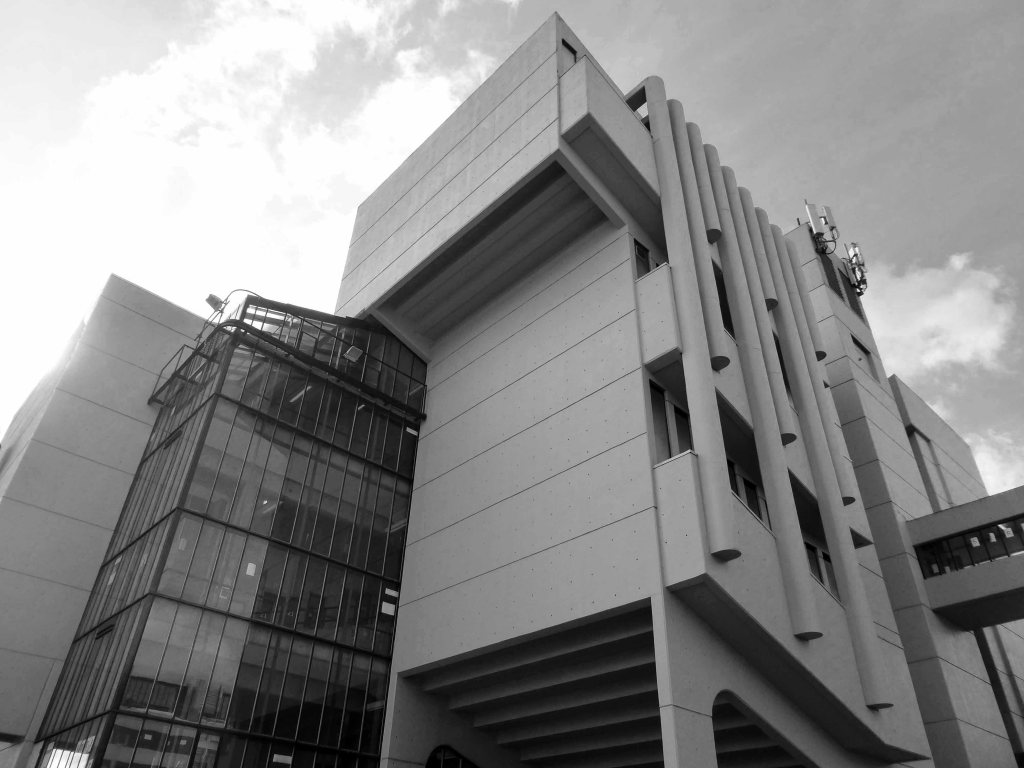
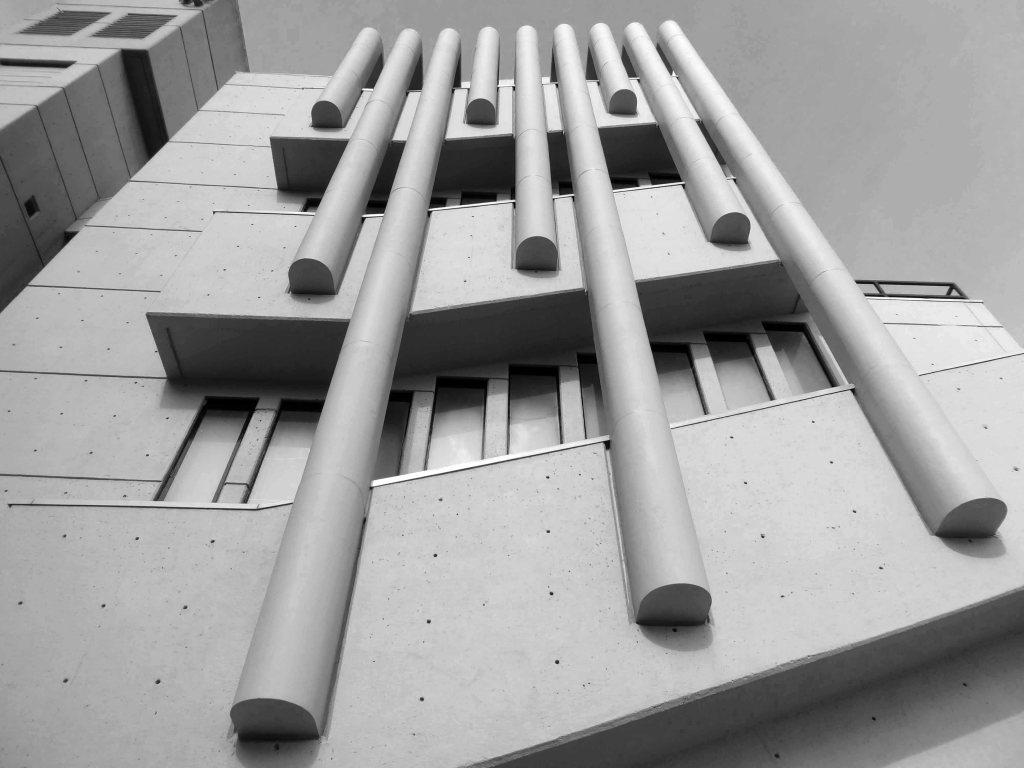
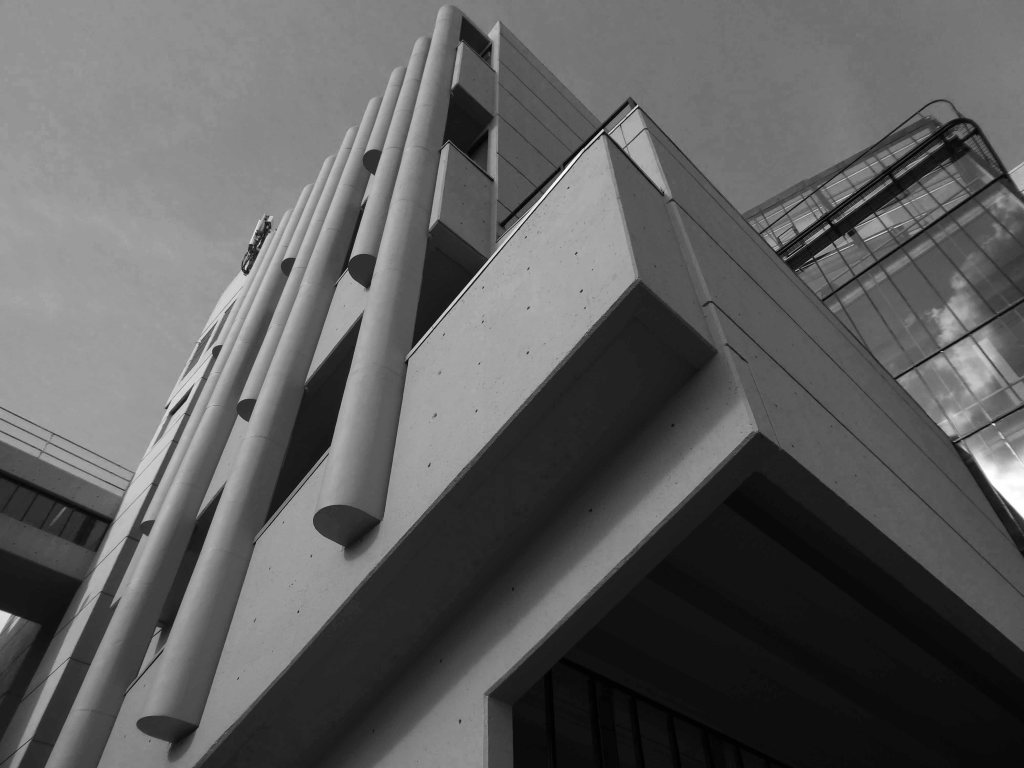
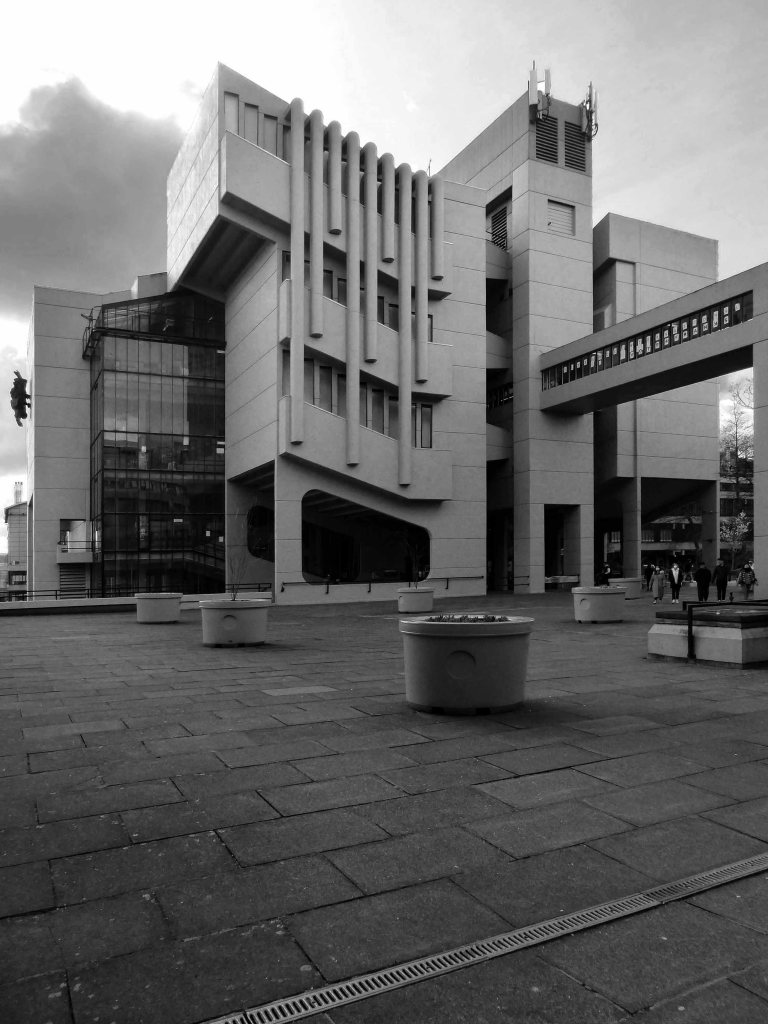
The Roger Stevens Building 1970 – by Chamberlin, Powell and Bon for Leeds University South Campus is designated at Grade II
The building represents the high point of their Leeds University work.
Architecture: the building is an outstanding and individual design with bold external shapes and carefully designed interiors
Planning: the internal spaces are the result of extensive research on the requirements of the university and introduce innovative and influential features such as individual doors into the lecture theatres, and external links intimately with other buildings on the campus by means of multi-level walkways
Intactness: despite the changing requirements of universities, the building has remained largely unchanged, proving the success of its design
Group Value: the building provides a fitting centrepiece to the group of university buildings on the South Campus at Leeds, also recommended for designation.
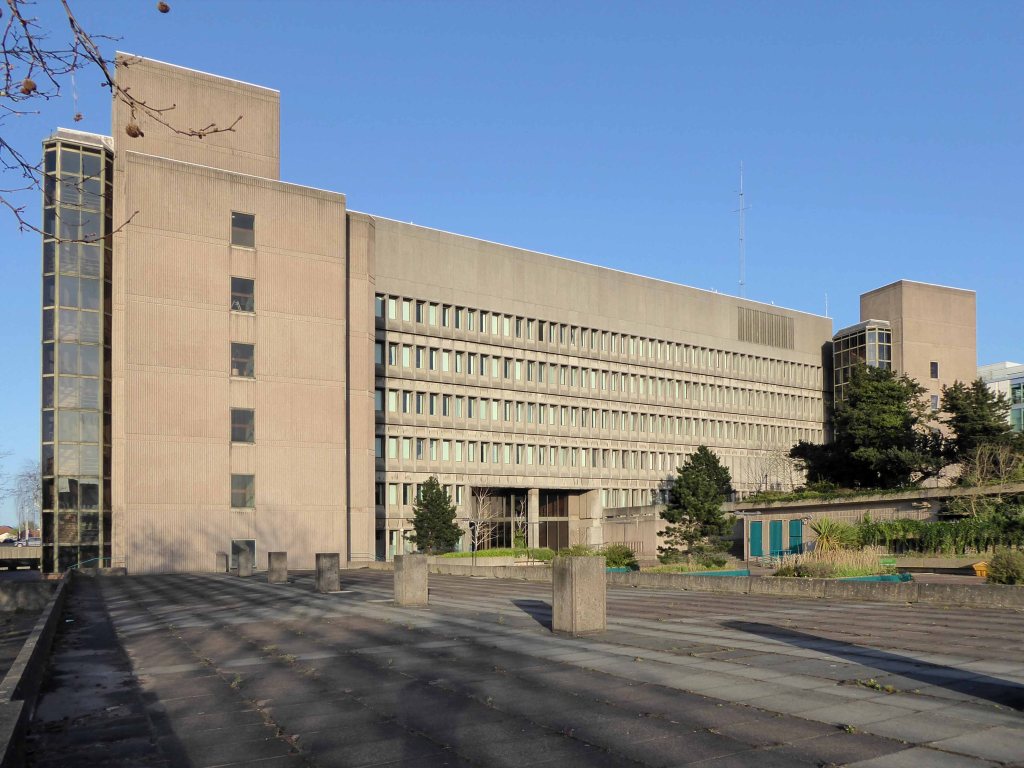
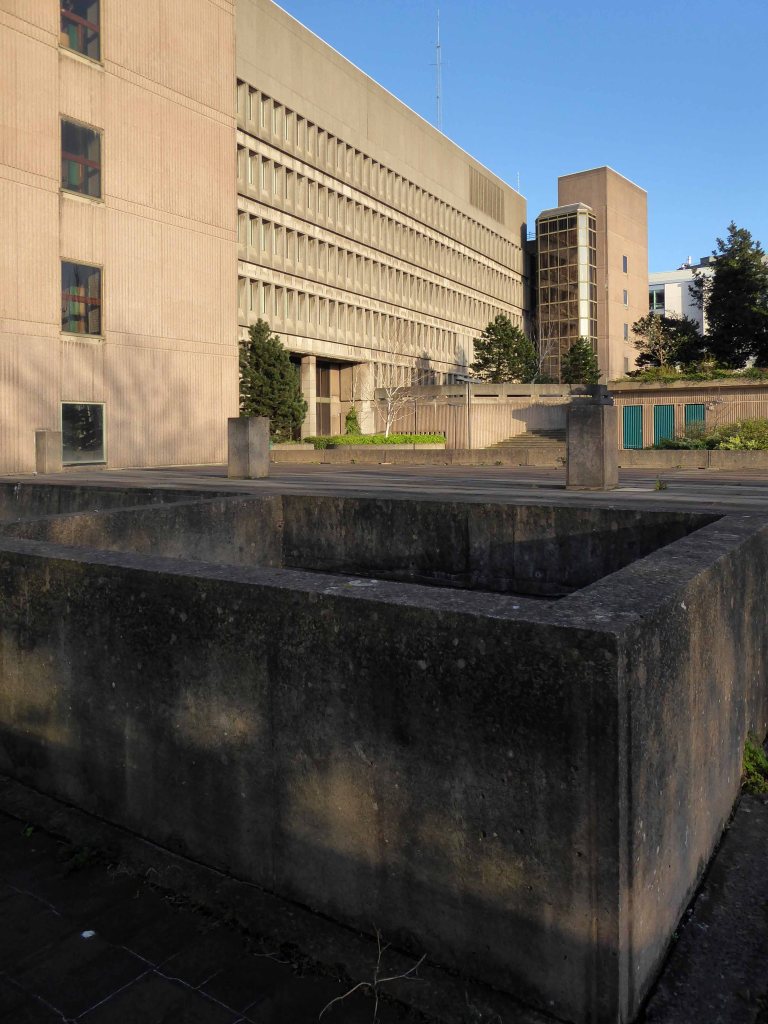
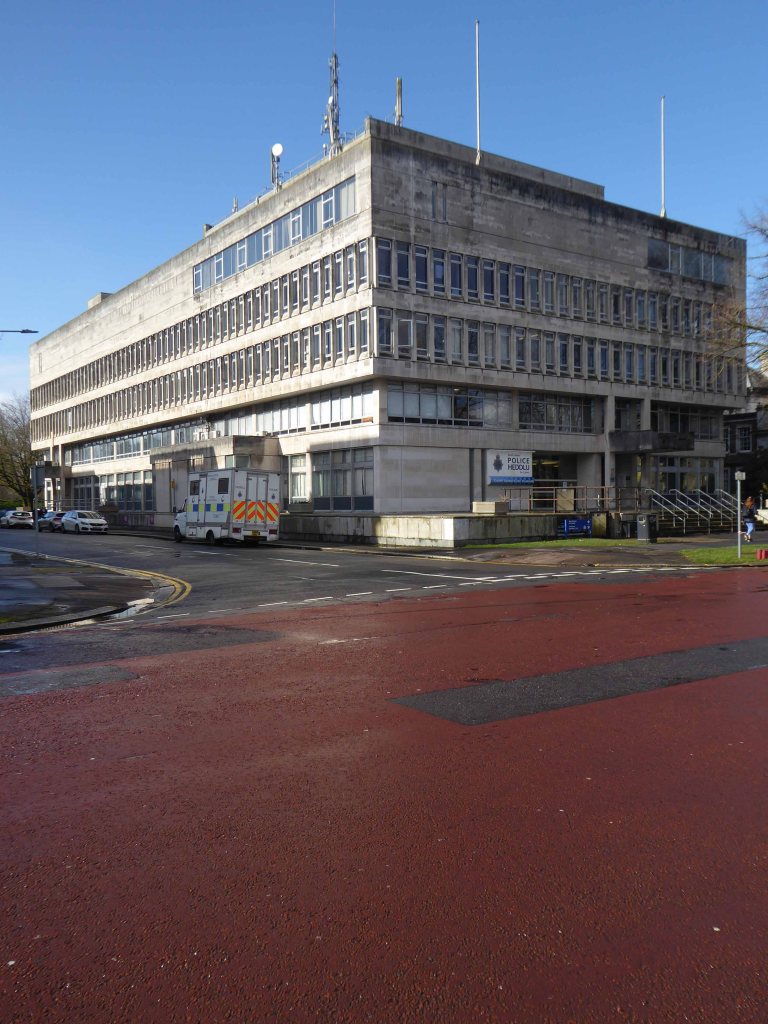
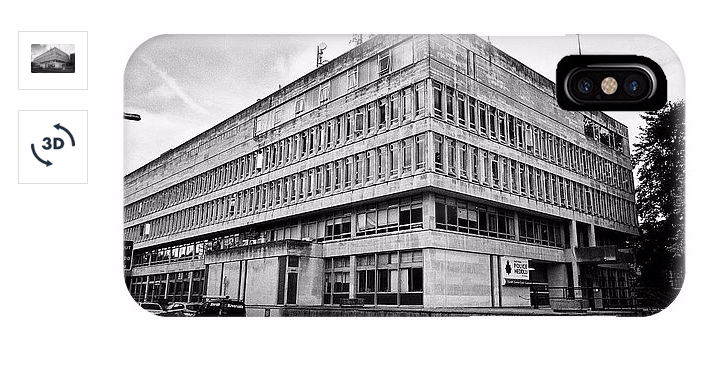
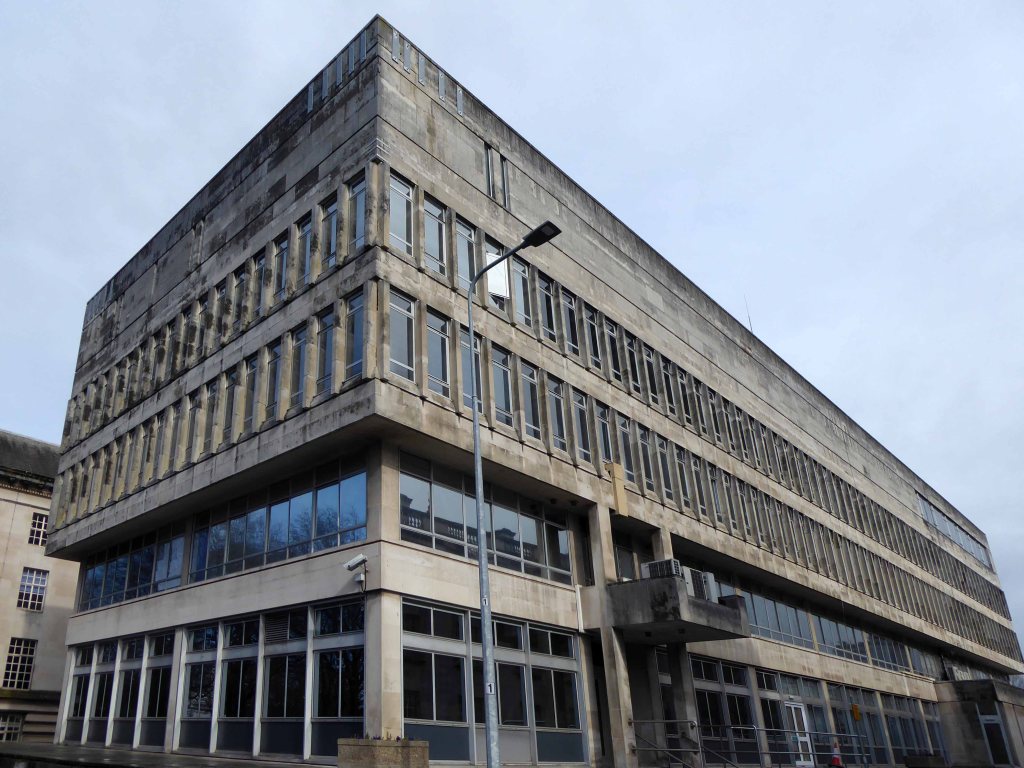
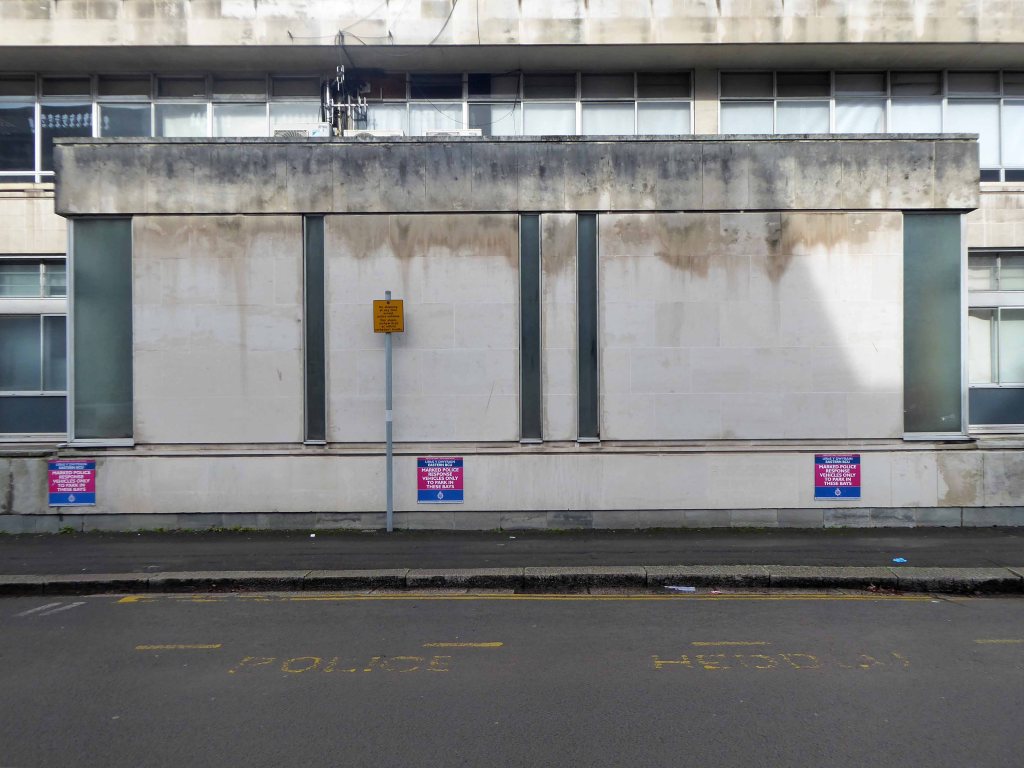
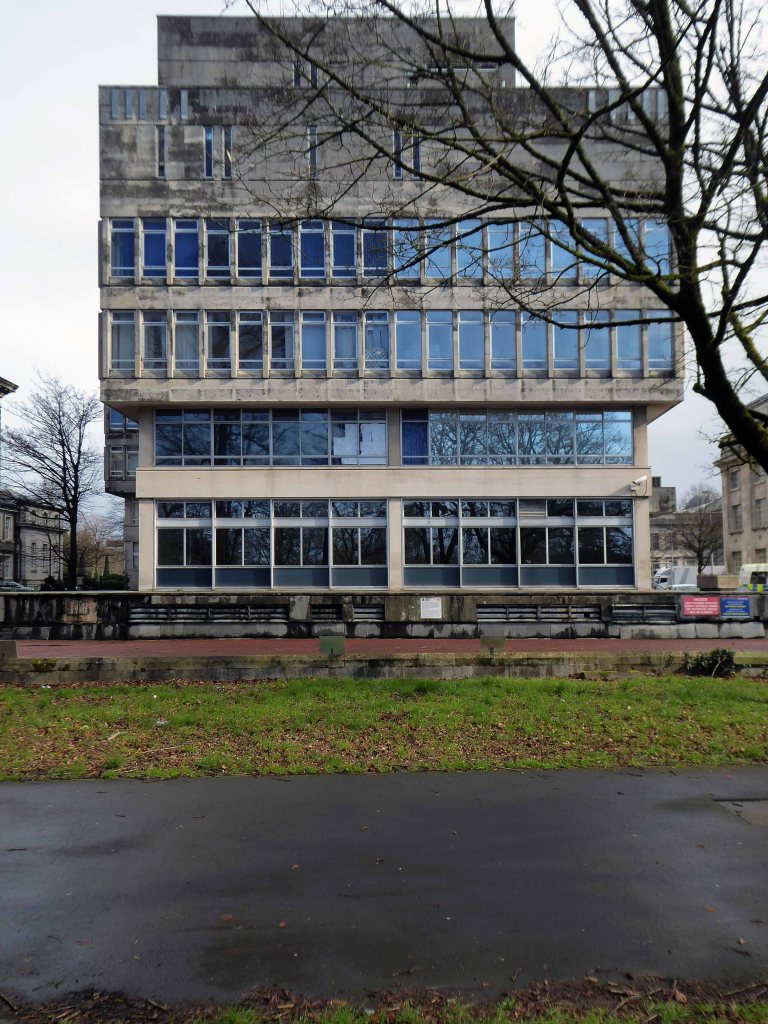
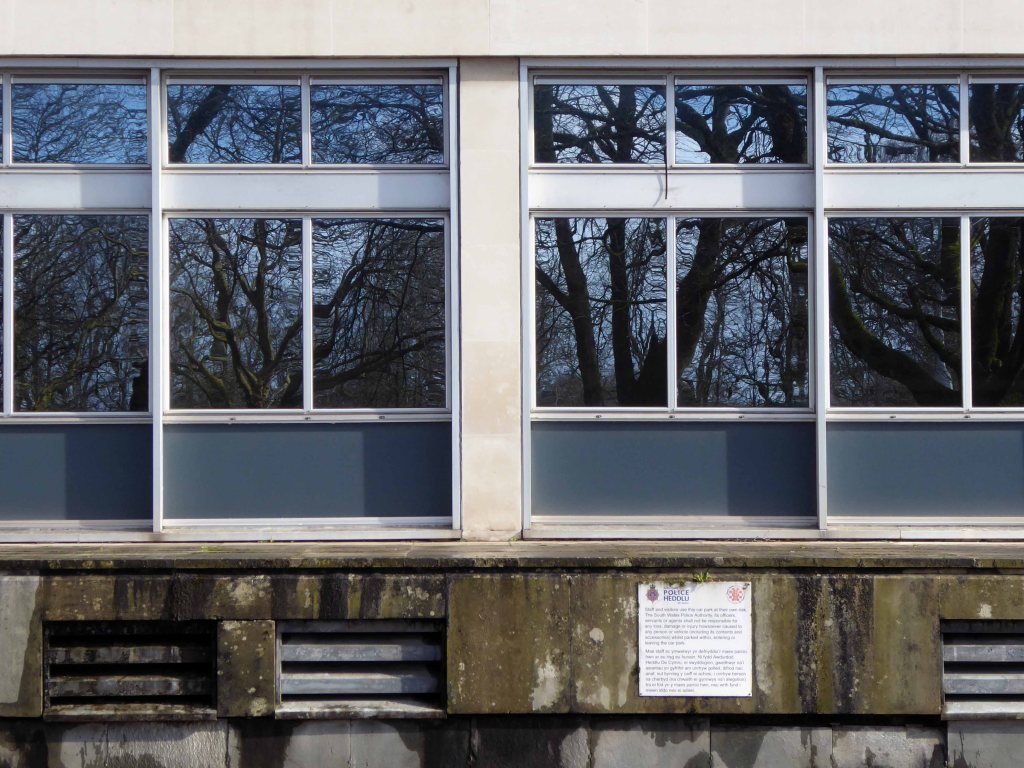
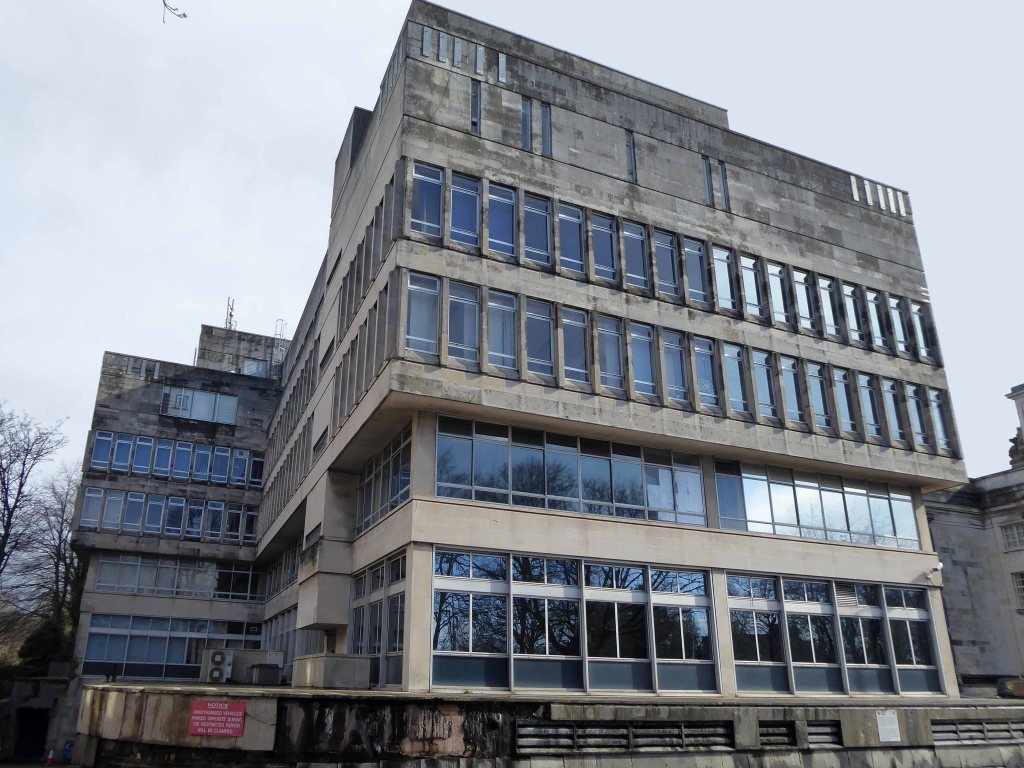
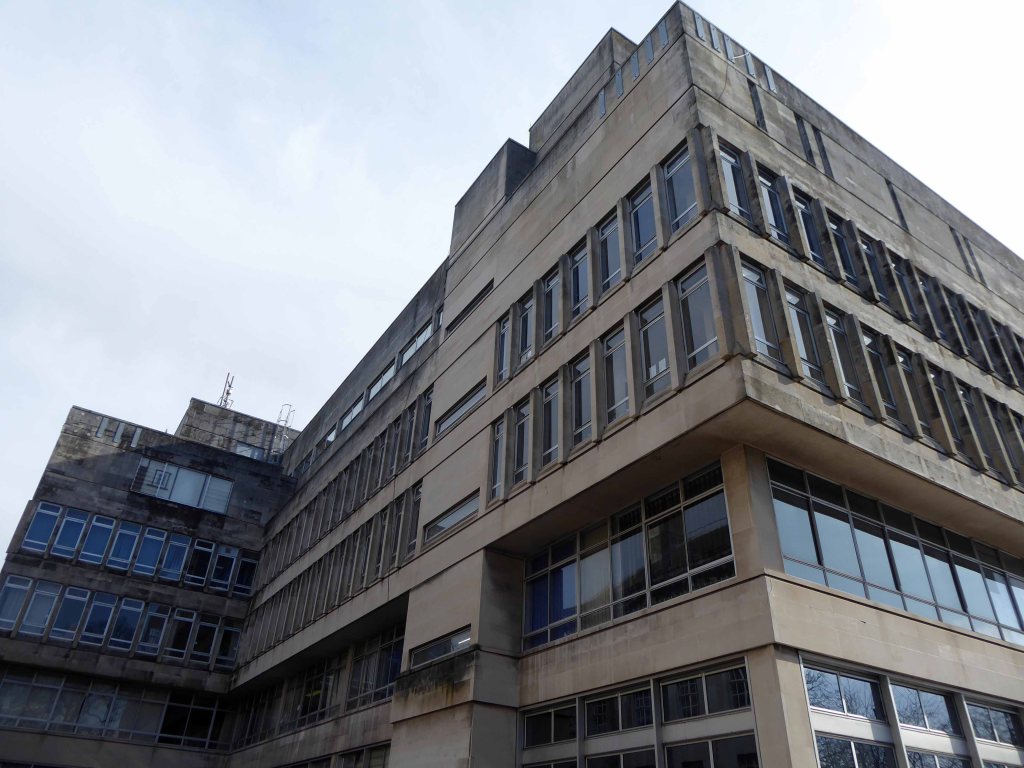
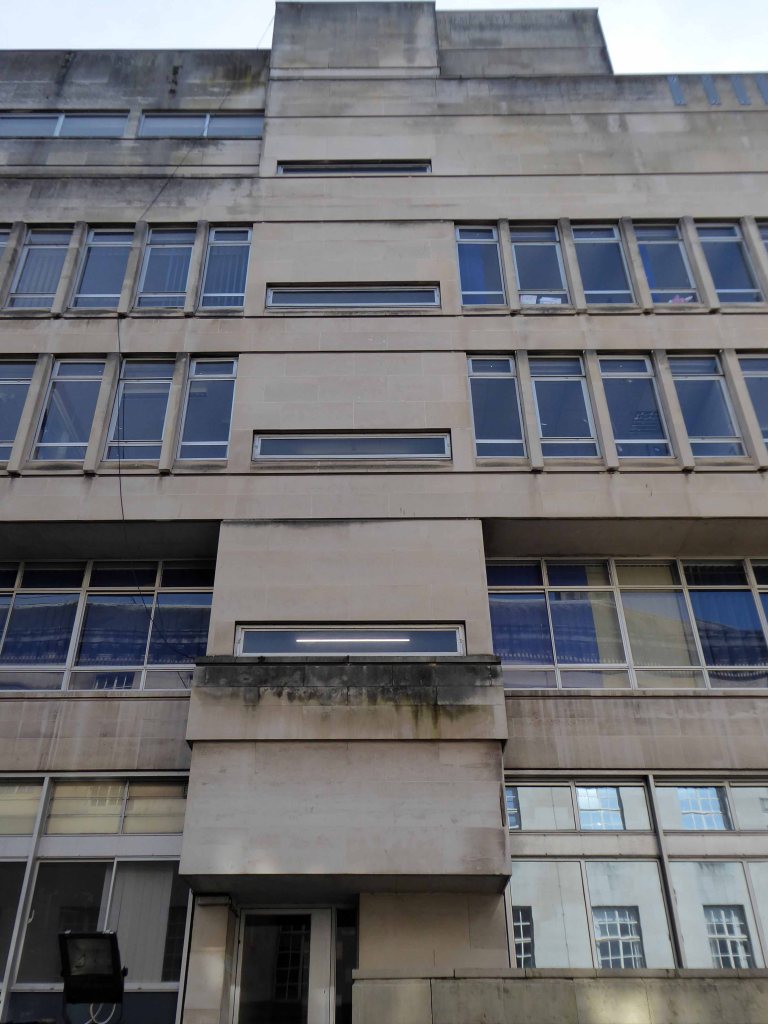
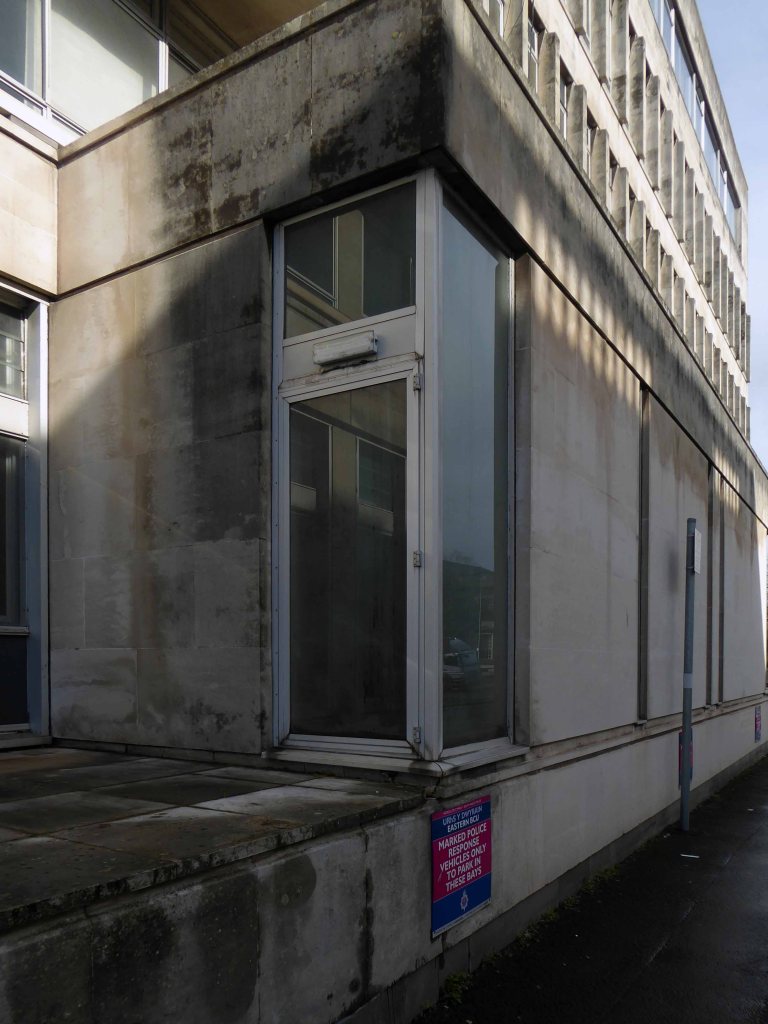
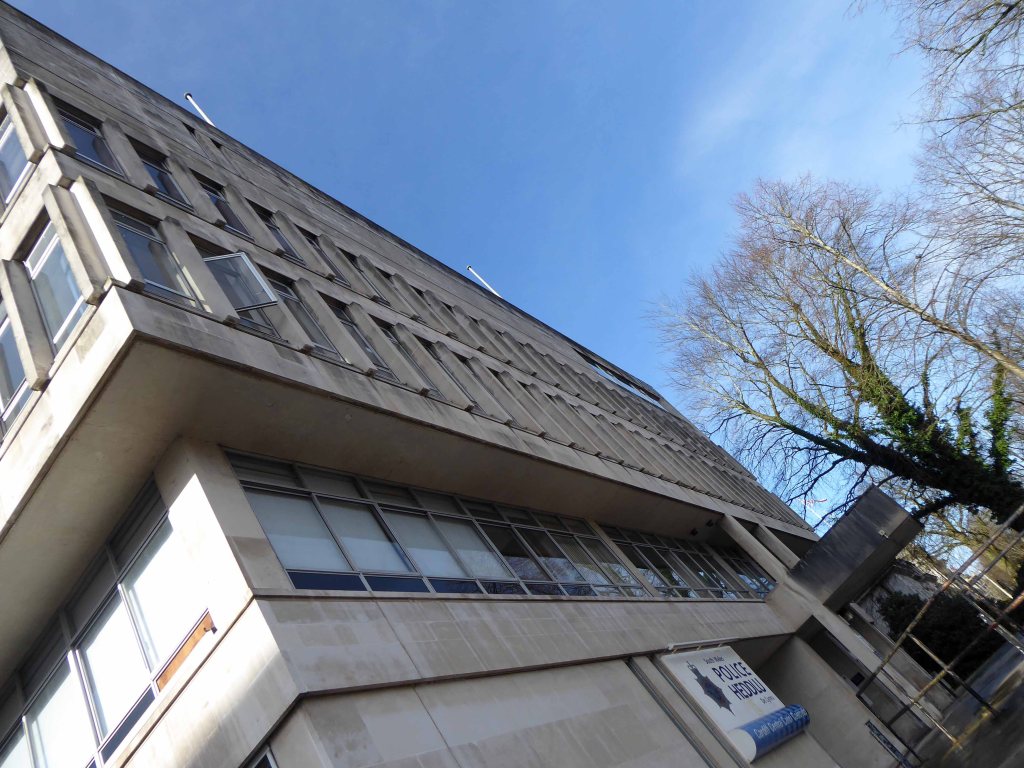
The current five storey Cardiff Central police station was designed by Cardiff’s city architect John Dryburgh and built on the southern corner of Cathays Park between 1966 and 1968. It is described as: The most successful post-war building in Cathays Park and the only post-war building in the area: To be both modern and majestic
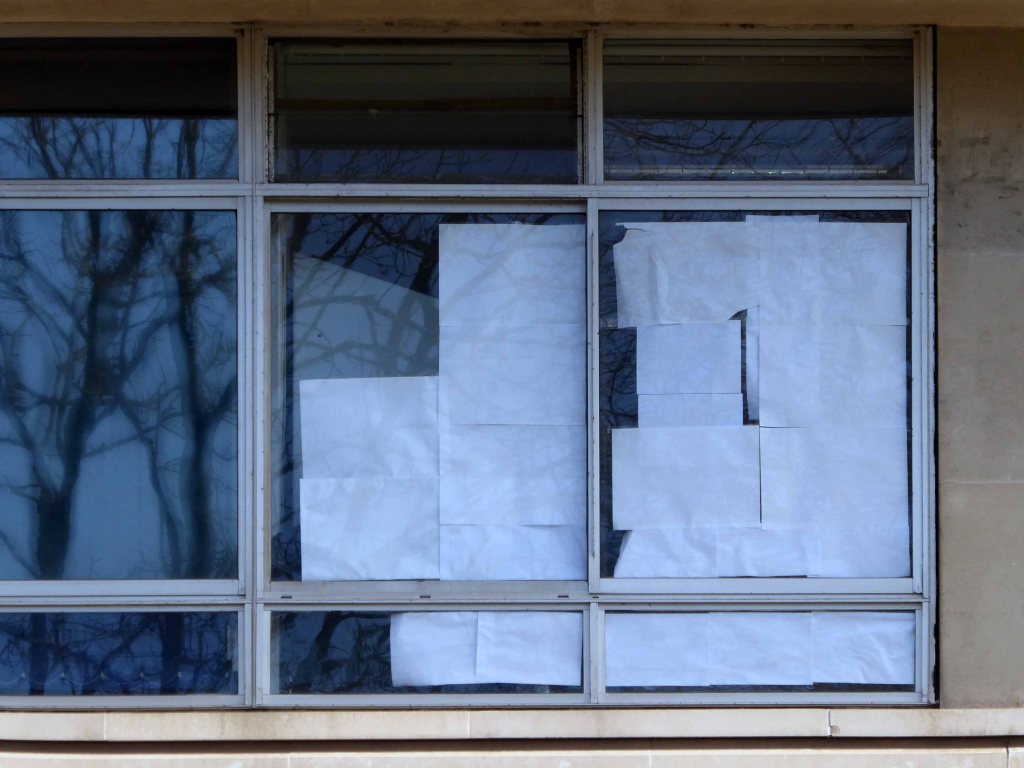
The detention facilities at the station were inadequate with only four cells. These were replaced by sixty cells at the new Cardiff Bay police station, which opened in 2009.
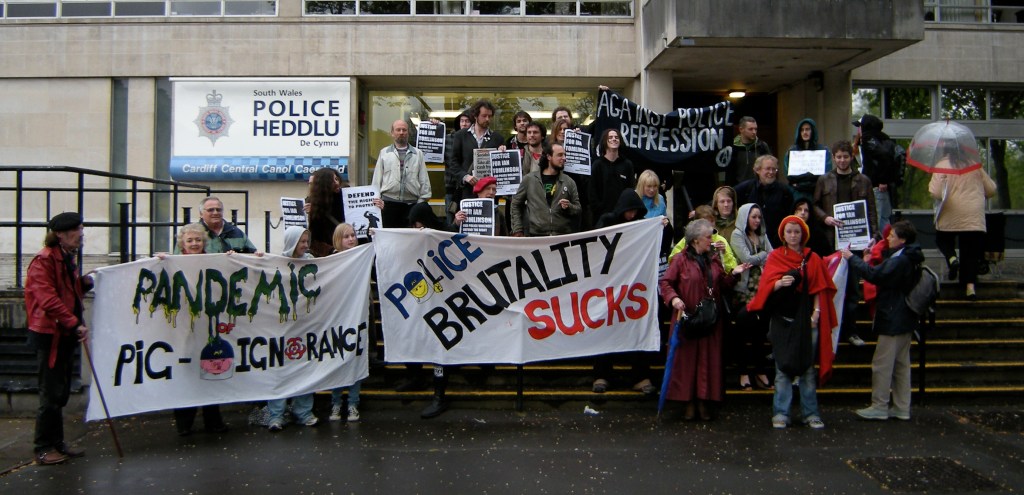
This year’s Mayday protests in Cardiff took place outside Cardiff Central Police Station to show the opposition to the increasing criminalisation of public protest.
No Borders South Wales activists were in attendance to show solidarity with fellow protesters and register our opposition to repressive police tactics at all forms of public demonstrations.
The protest was good natured and lively, with lots of music and singing.
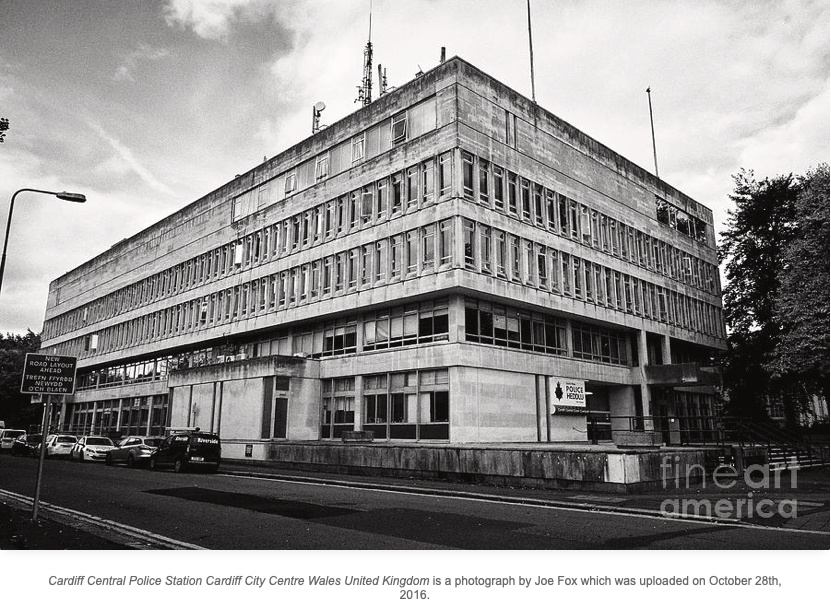
The building is celebrated by photographer Joe Fox via Fine Art America
Who are happy to reproduce the image in the form of this delightful phone case, for the princely sum of twenty two pounds.
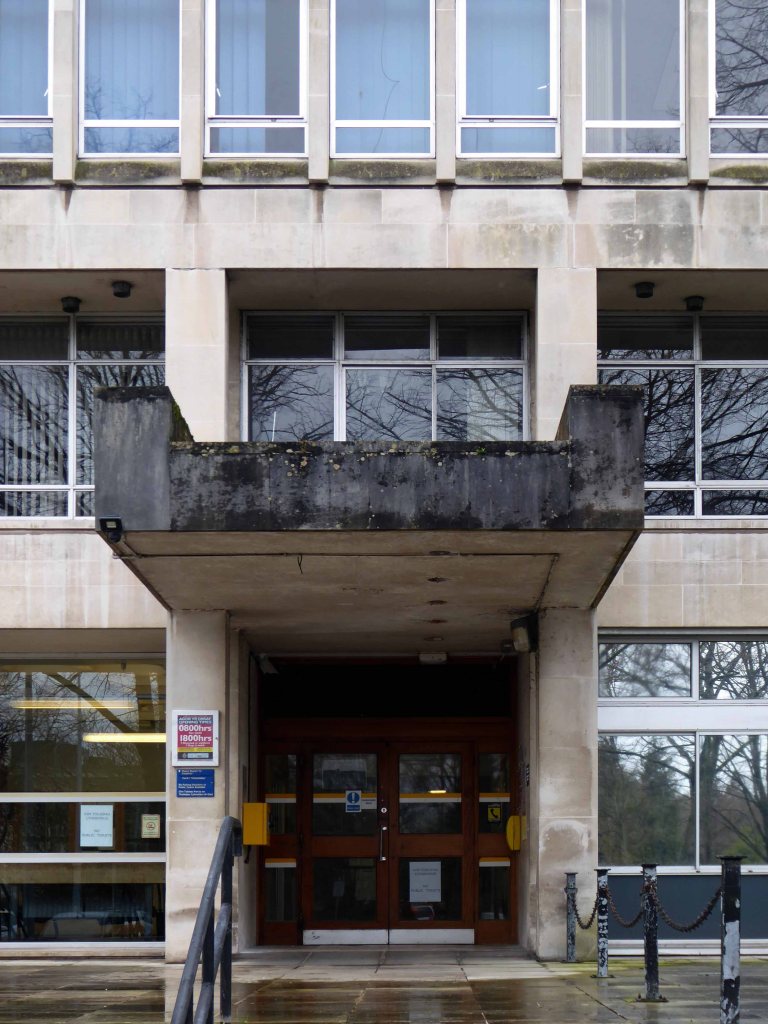
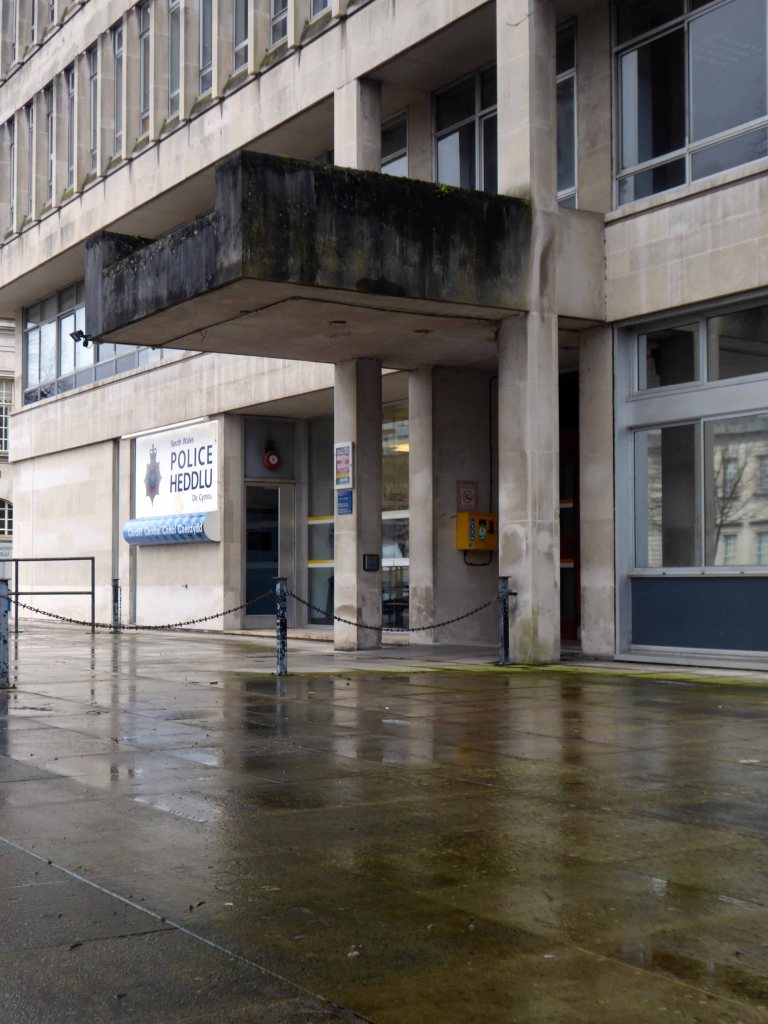
I myself was taken by its unapologetic system built panelling, all-round convivial confidence and cantilevered porch.
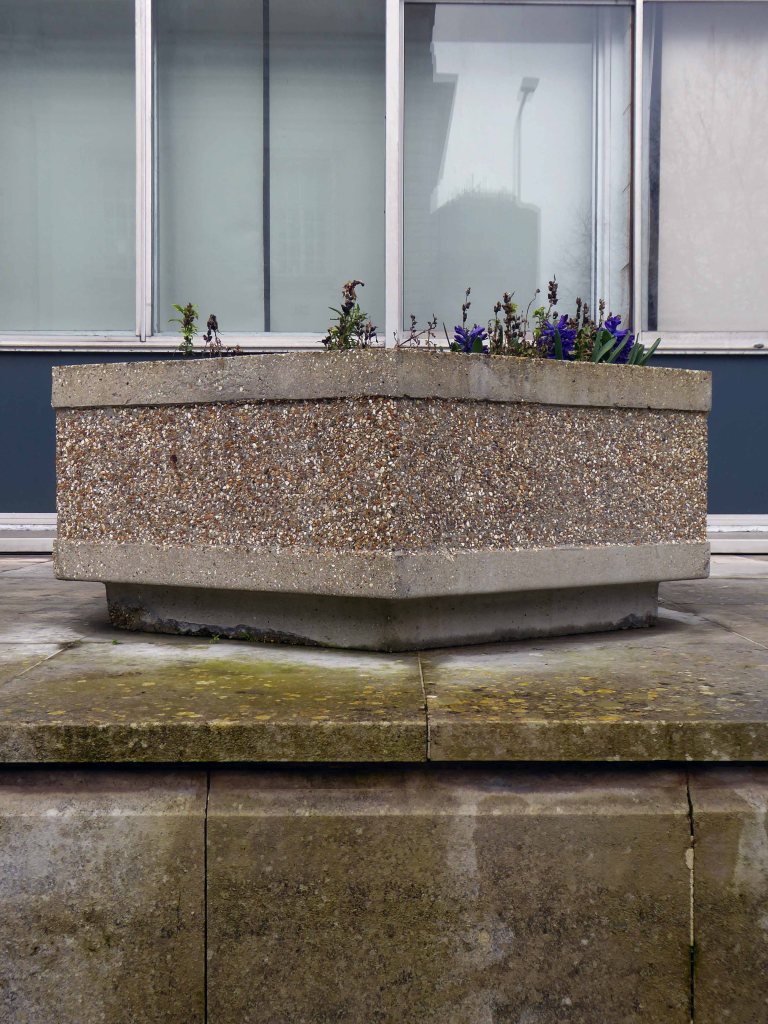
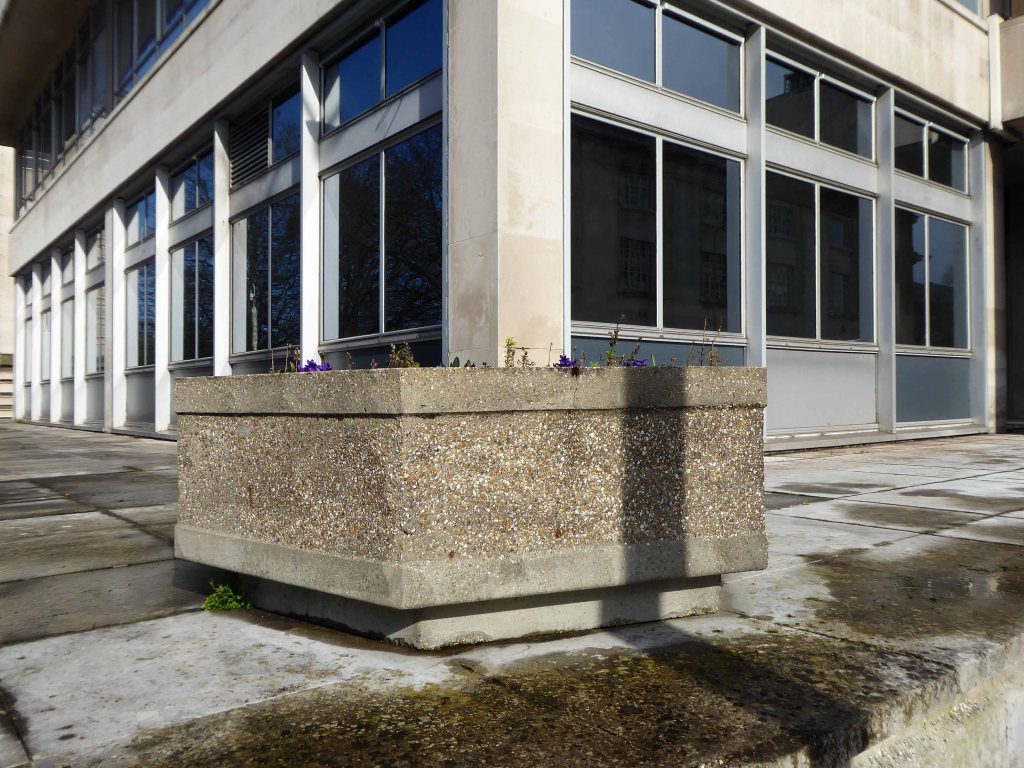
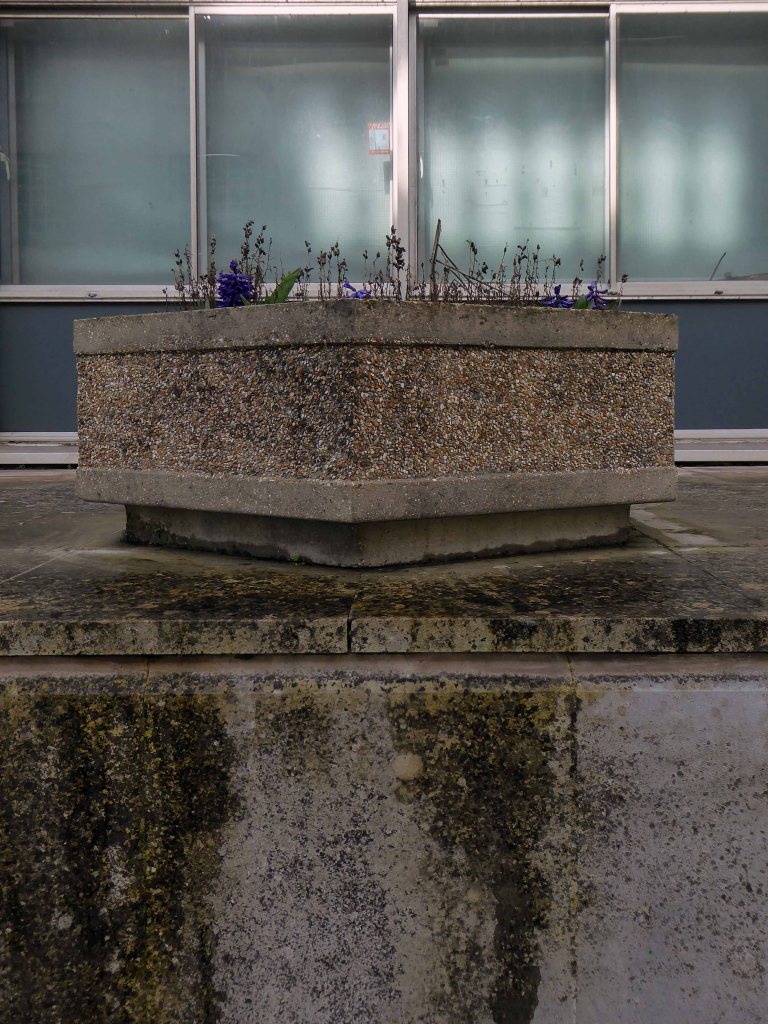
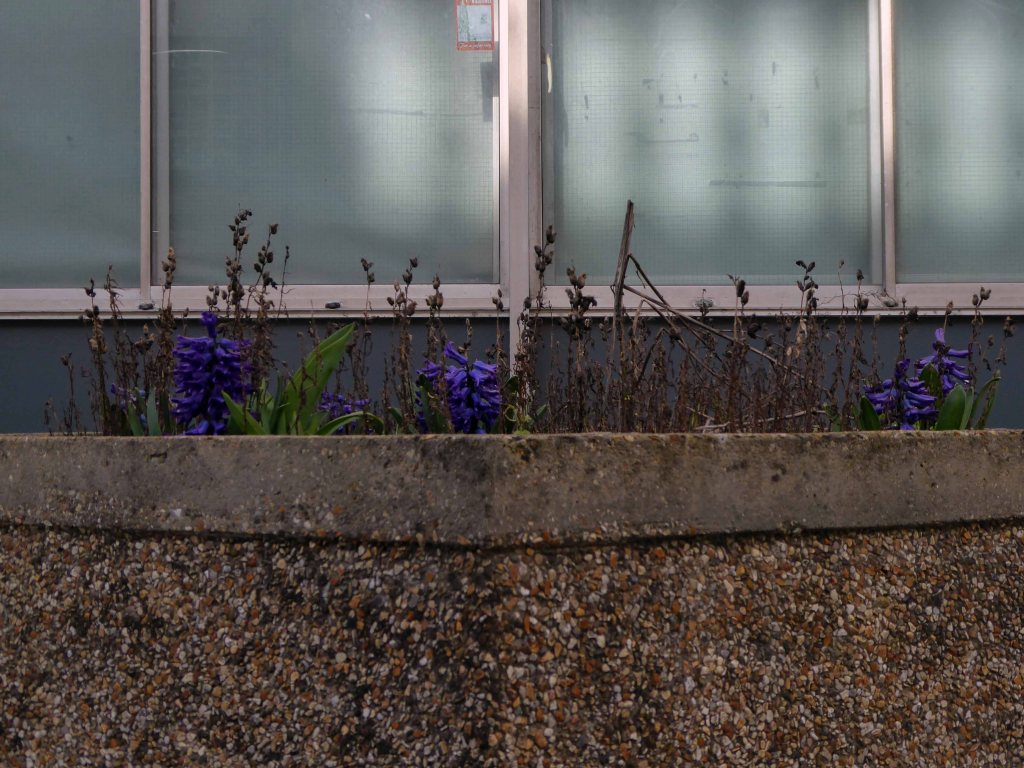
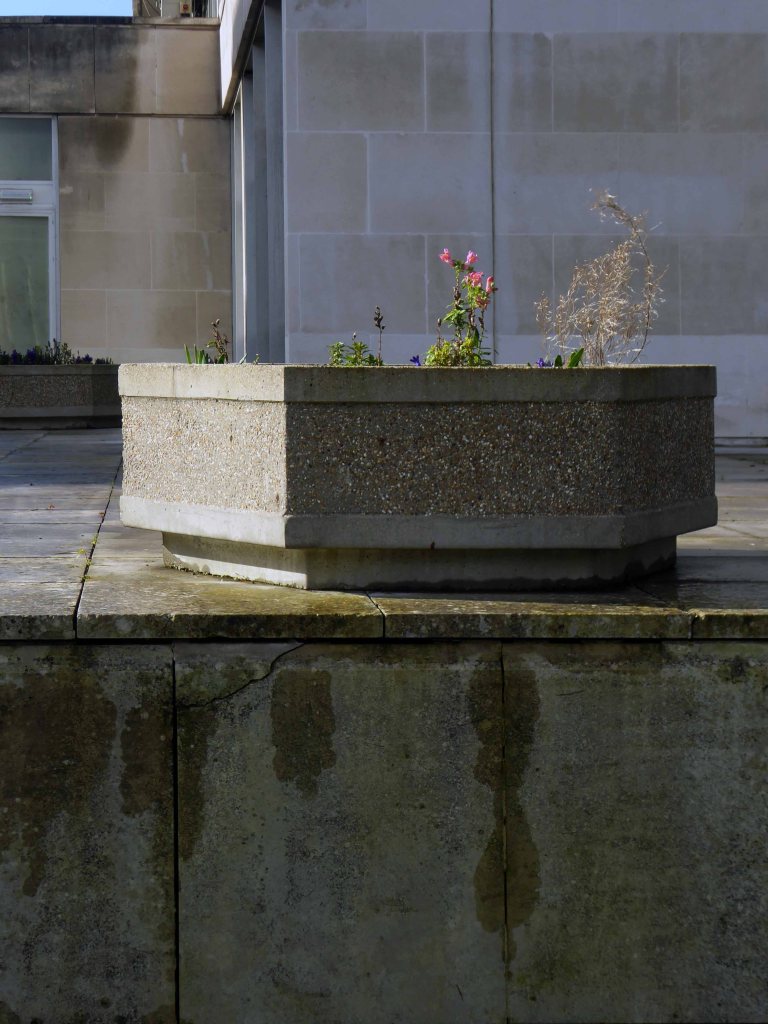
Plus an exciting array of concrete planters – exhibiting an exciting array of seasonal planting schemes.
Well with a wander around should you find y’self down that end of town.
I have even ventured as far afield as Huyton in search of other exemplars.
This is work of the highest order and importance.
It sits by a busy London Road, behind an intrusive green steel fence, slowly acquiring a green patina – as moss and lichen attach themselves to the well weathered concrete.
Receiving occasional visits from the errant urban tagger.
It deserves much better – a lush grassed apron, discrete public seating, regular tree maintenance – respect.
We do not suffer from a surfeit of significant mid-century public art – its guardians should straighten up and fly right.
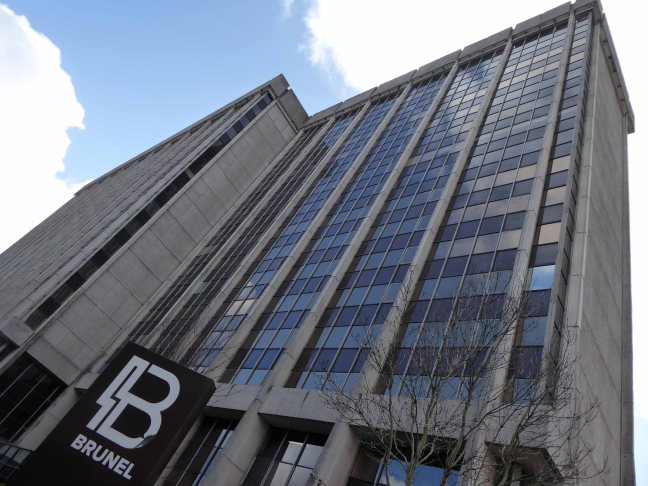
Originally built to house the regional British Rail offices – it seems that Great Western House has always been Brunel House.
Designed by Seymour Harris – who have also been responsible for the recent refurbishment.
The building is now in multiple occupancy, used for a wide range of services and uses, bringing new life to fine mid-century structure.
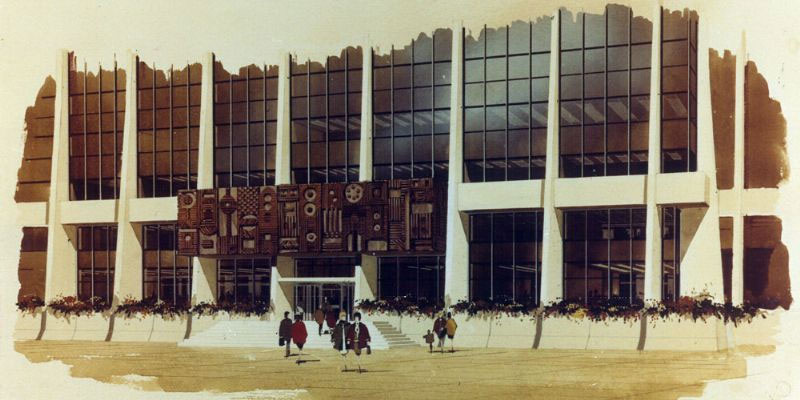
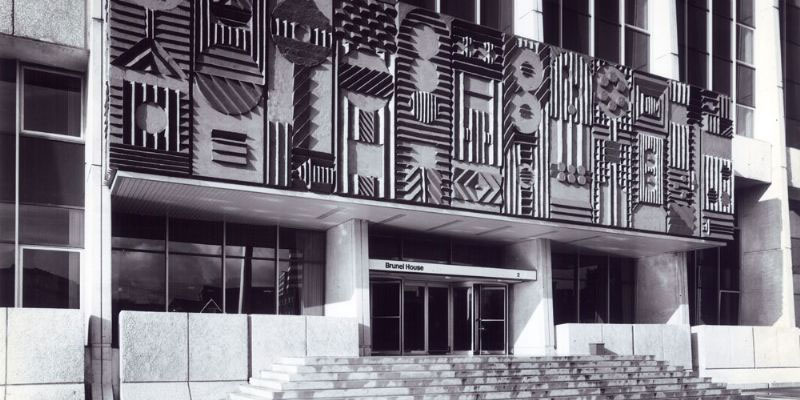
Sadly its entrance relief is now nowhere to be seen.
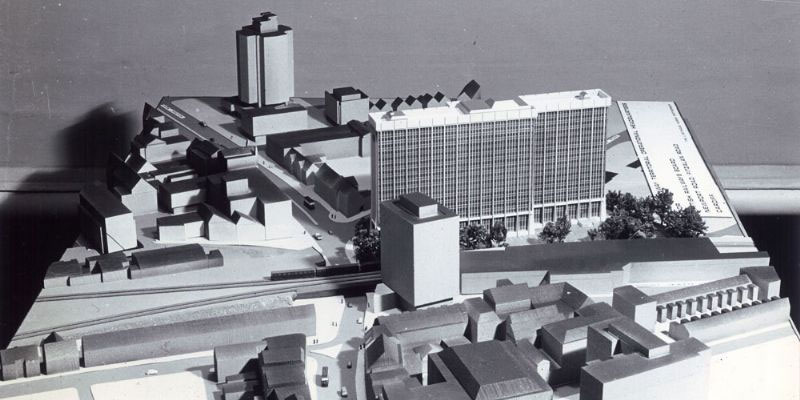
Archive photographsSeymour Harris Architects
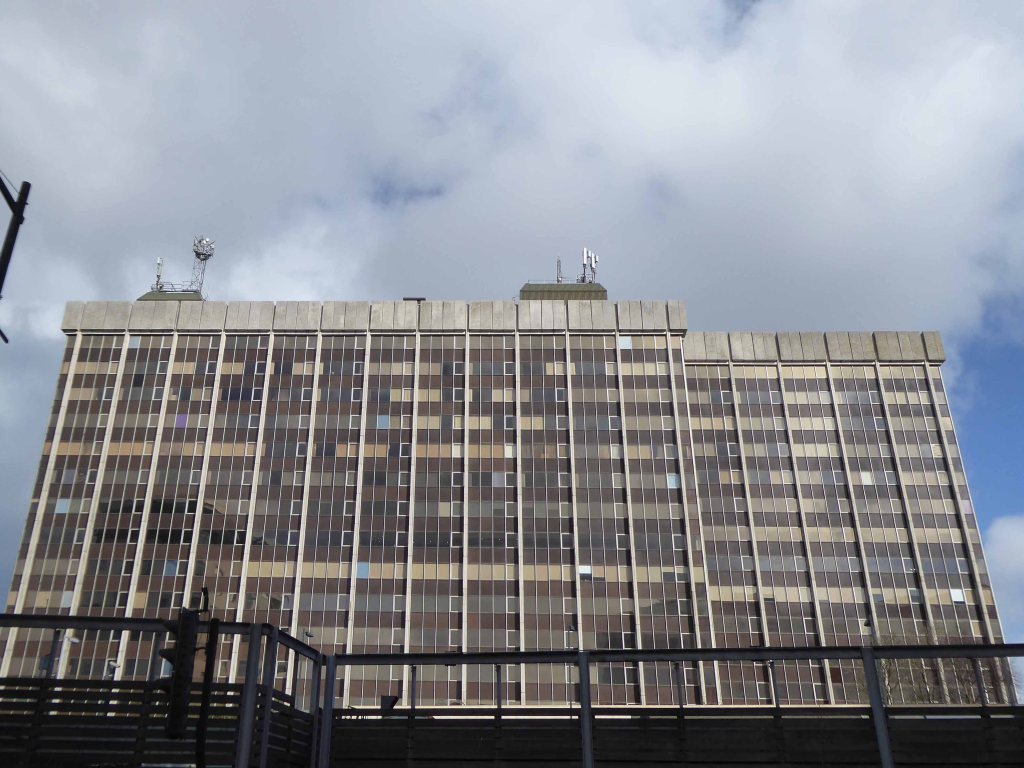
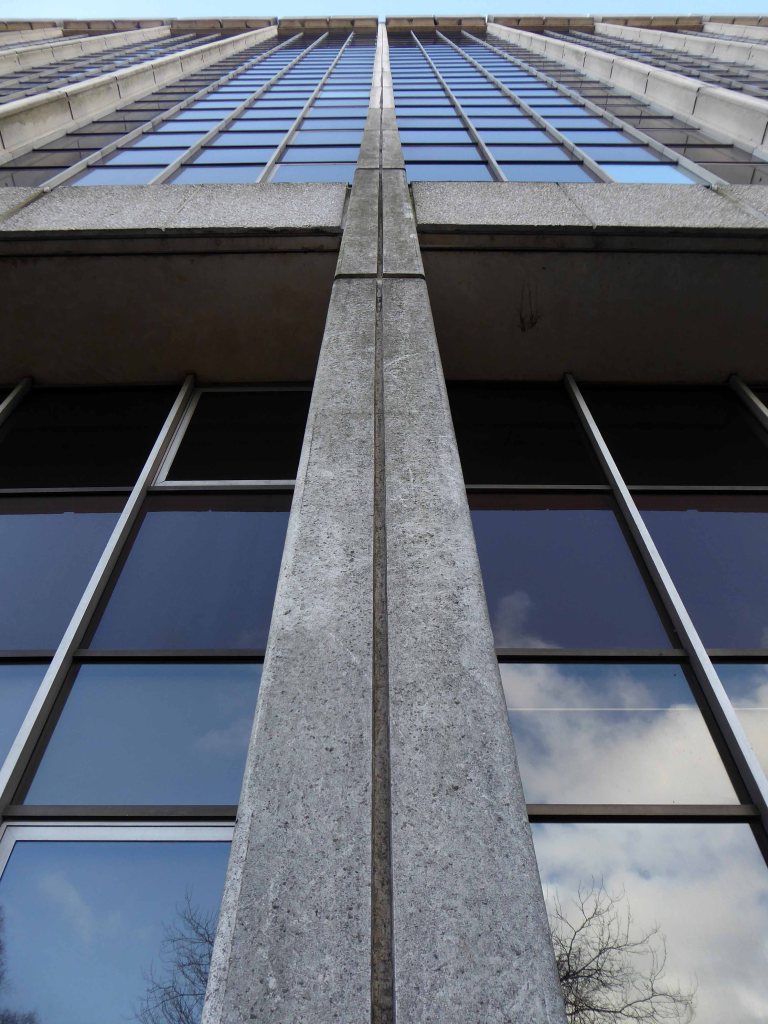
Sixteen floors standing at 190 feet, two enormous interlocking slabs – it is the largest commercial property in Wales.
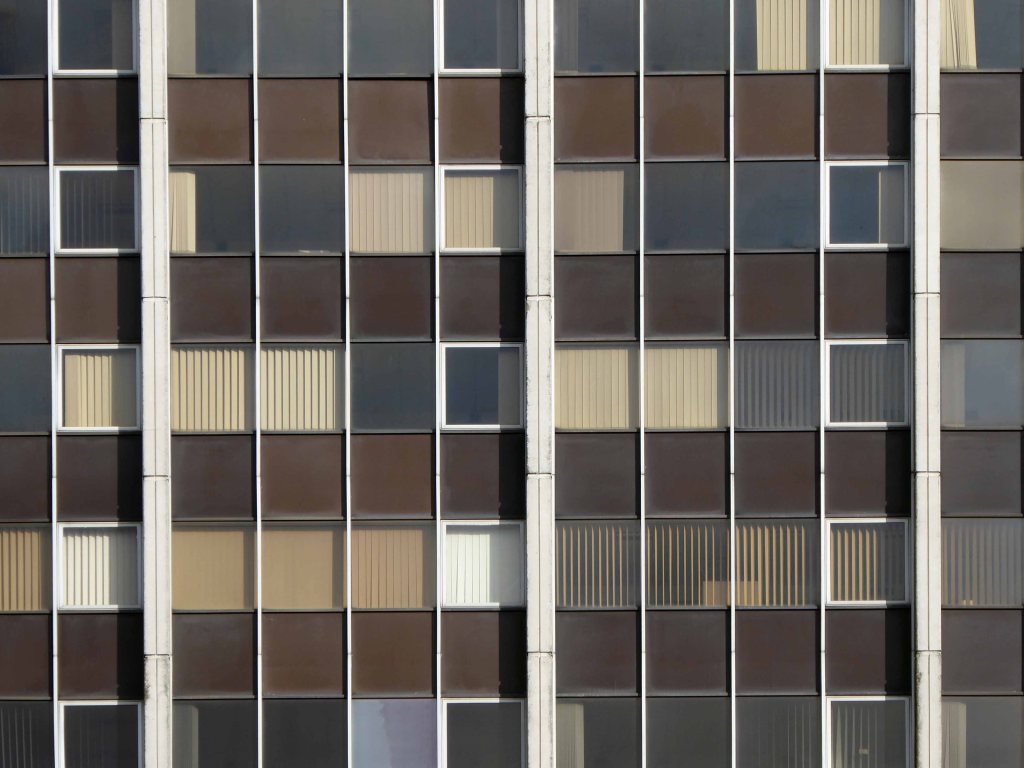
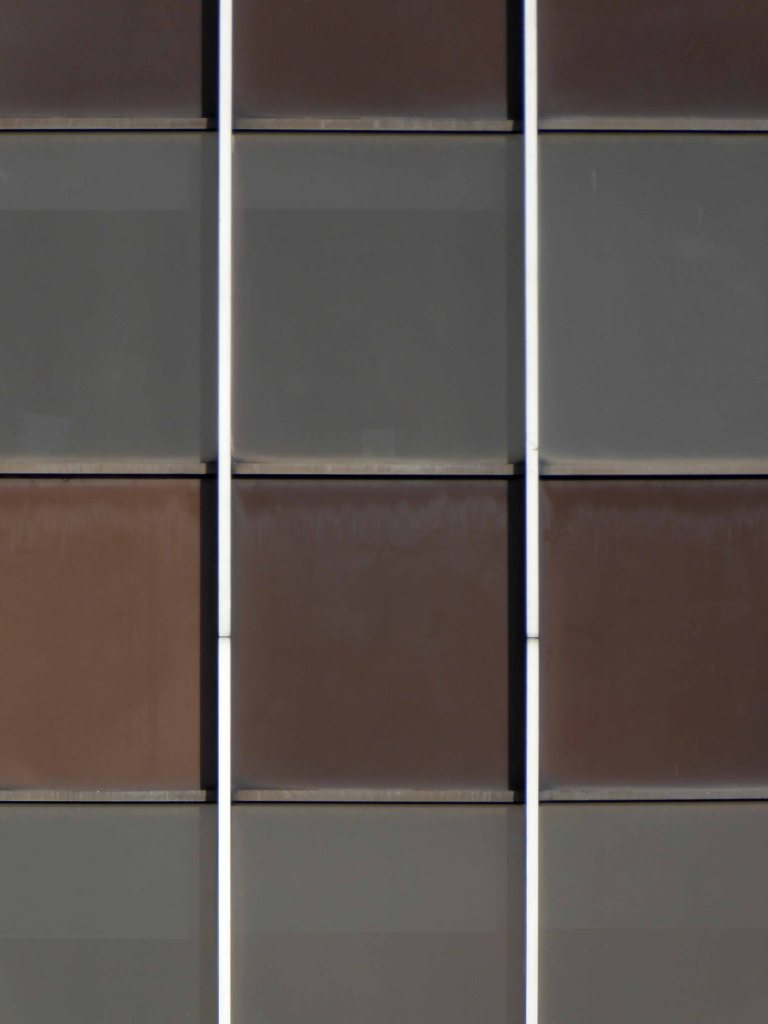
Seen from afar your are hit by its impressive rear elevation, with a distinctive grid defined by the slender window frames and a restrained yet earthy palette.
This is then broken up by strong vertical concrete columns.
With bold structural detailing, using a variety of aggregates and finishes.
Side elevations are brut concrete, with limited window space.
Where surfaces and volume conjoin there is further interesting structural detail.
Service areas to the rear.
An exciting encounter with a building of substance and quality – go take a look for y’self.
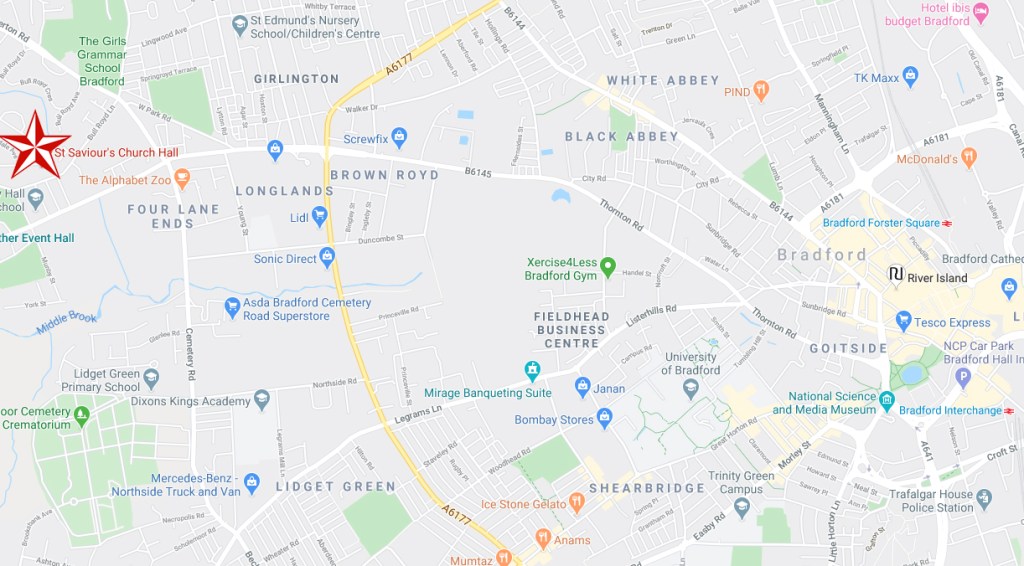
What a delight – the stunning surprise that awaits you, around one particular suburban corner of Bradford.
I had called ahead, to arrange the visit – the Reverend Dorothy Stewart had gracefully invited me to join members of the community and herself, one wild and windy Wednesday.
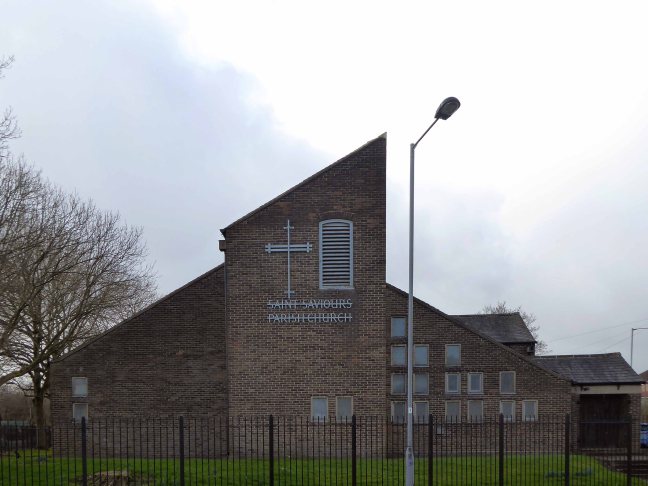
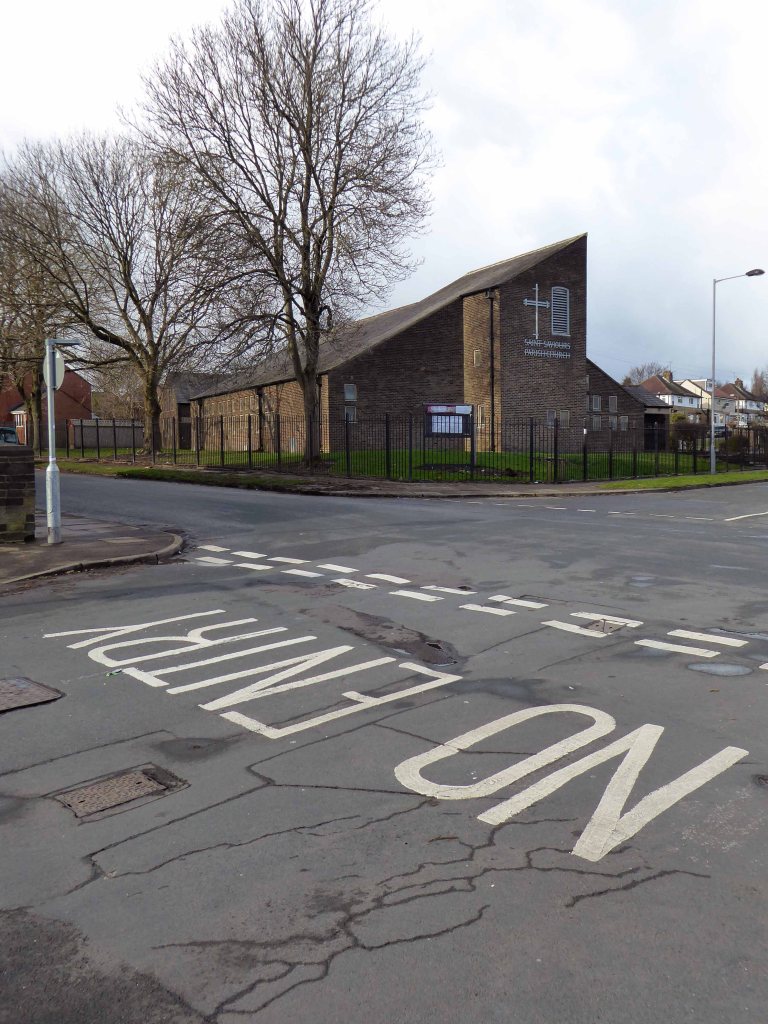
Steel frame and shuttered concrete with dark red brick walls in stretcher bond, and slate roofs.
Church of 1966 with attached hall of 1971, both designed by architect George Pace. Characterised by asymmetric arrangement of roofs, exposed structure and juxtaposition of materials, this is a complete and largely unaltered example of Pace’s work. The asphalt roof and windows are in very poor condition. Repair works to the roof were carried out in 2016 with funding from the National Lottery Heritage Fund’s former Grants for Places of Worship scheme.
The exterior is stark and angular, the body of the church is a broad rectangle with no division between nave and chancel, with a bell tower to the east, vestries to the north-west and a chapel to the west. At the western end is the church hall, added in 1971. Externally a single asymmetric roof covers the main body of the church, rising at the east end to form a mono-pitch section over the altar area and incorporating the bell tower. There is a porch at the east end of the north side, and a transept with a double pitch roof. To the west is a single storey, flat roof section with an entrance to the north, extending to the transept. West of the main body of the church on the south side is a separate roof, housing a chapel. To the west is the church hall, with a north-south asymmetric roof. All the windows are rectangular, of varying sizes, with plain glass in rectangular leaded lights. Lintels over the doors and the parapet of the flat roofed block are of shuttered concrete, as are the window surrounds.
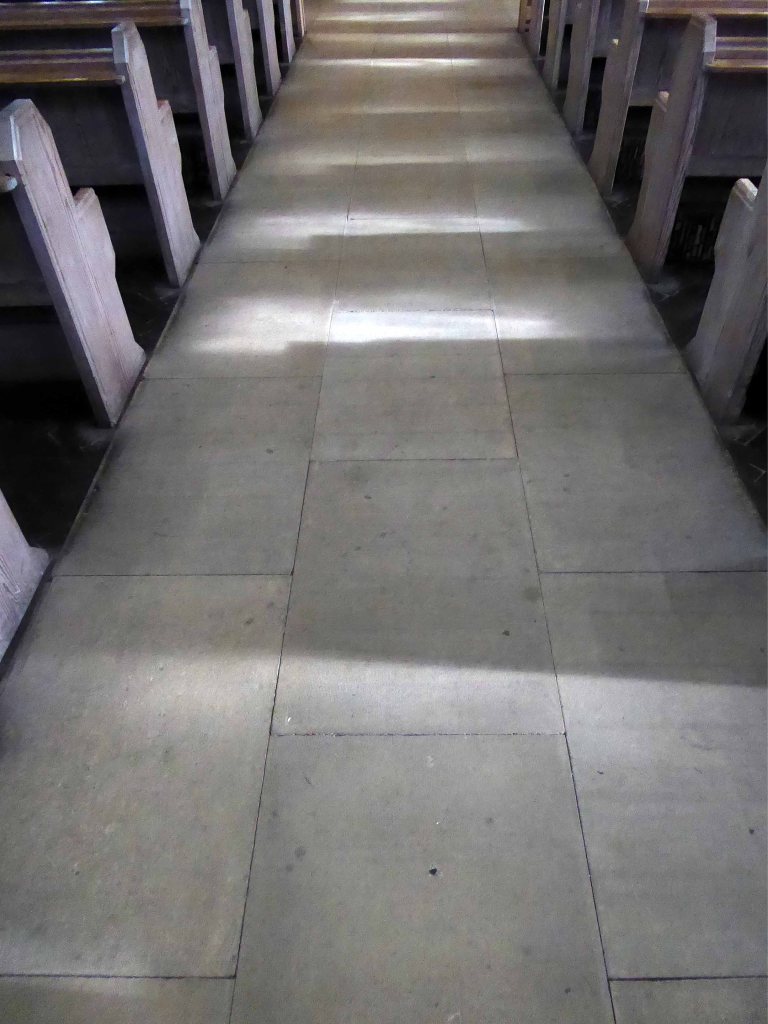
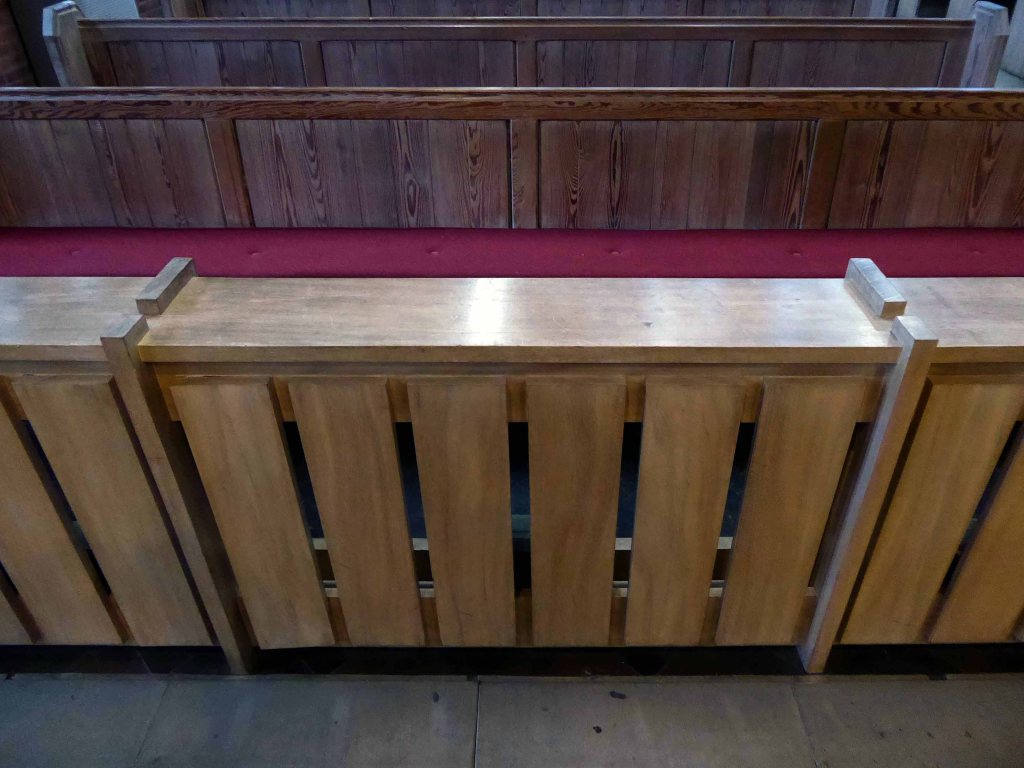
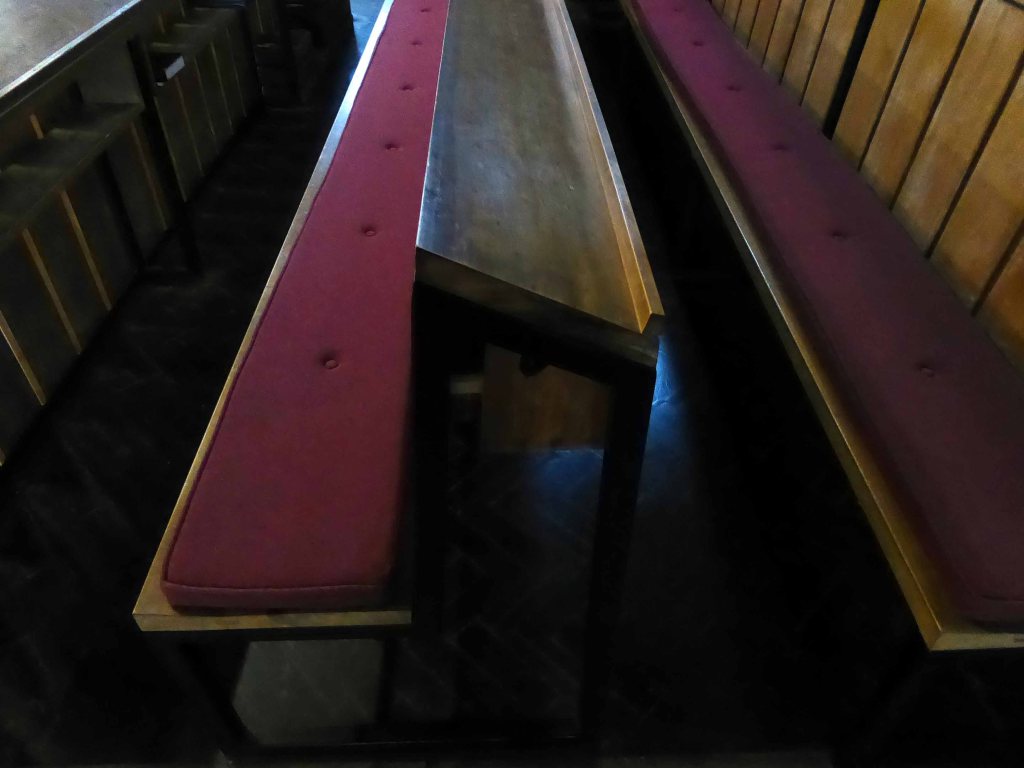
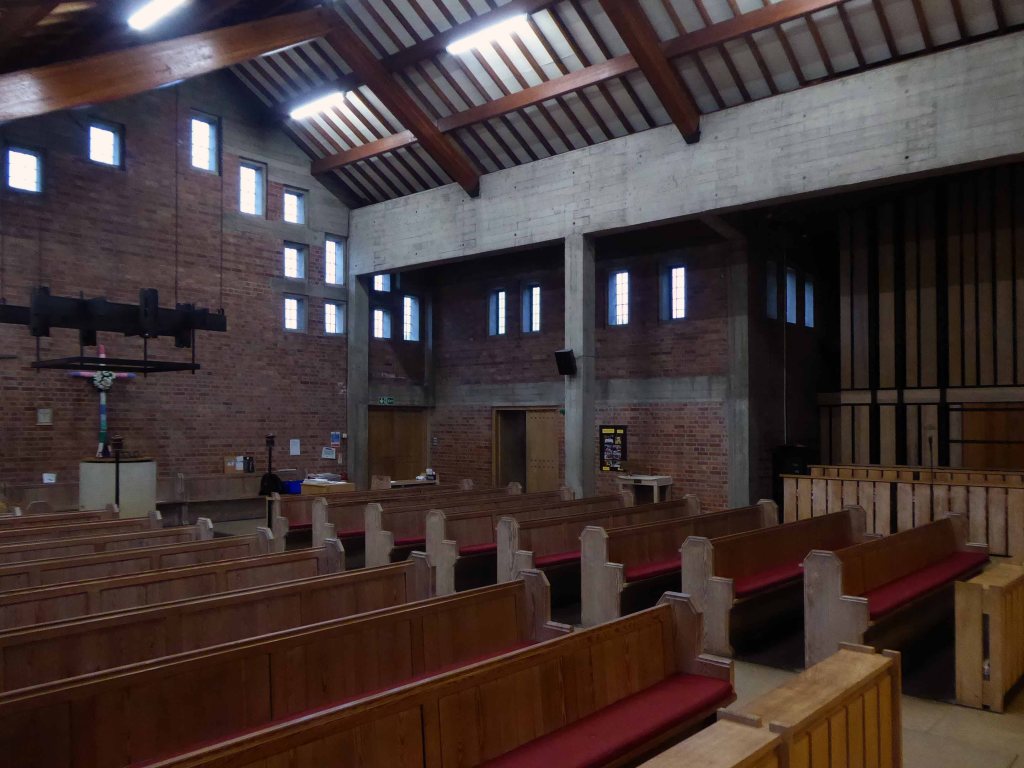
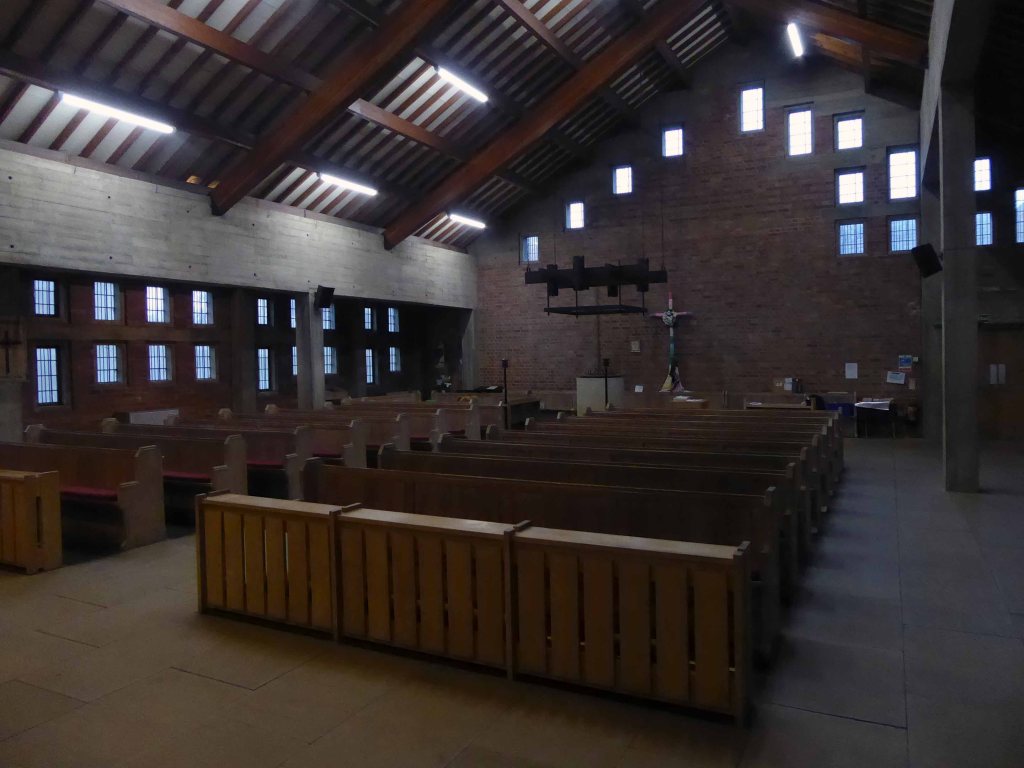
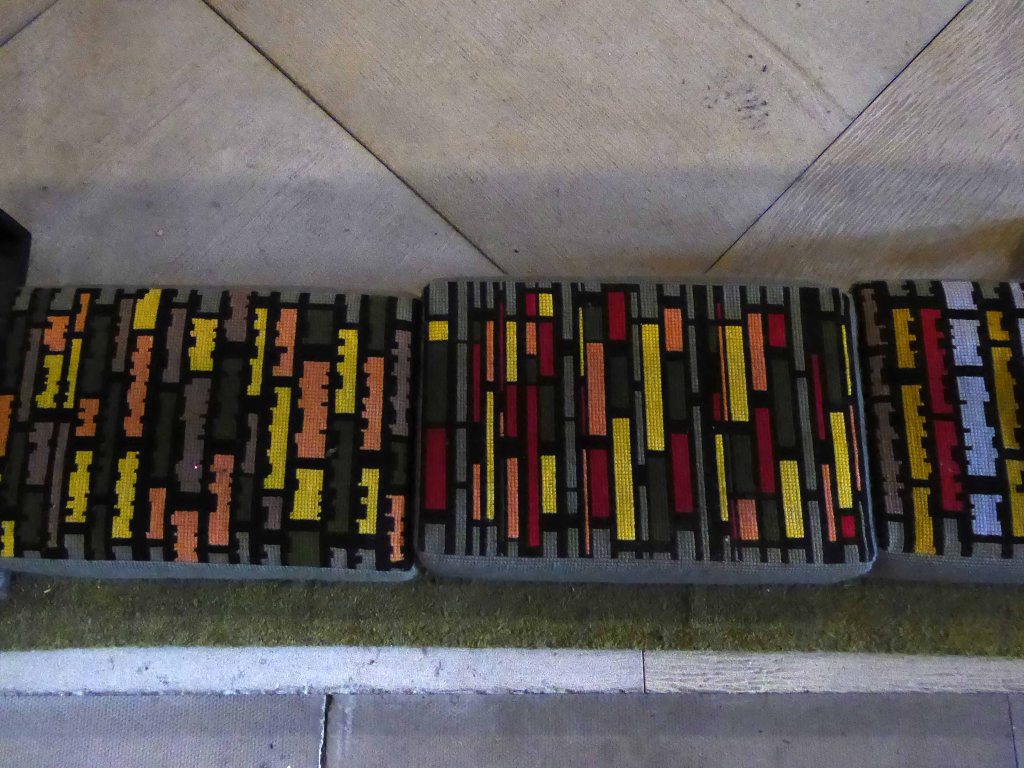
The body of the church contains Victorian stripped oak bench pews derived from St John’s church in Little Horton, arranged with a central aisle. To the north side is a range of contemporary pews in wood with vertical slatted fronts, in front of the organ, recovered from St. Chrysostom’s Bradford , by Driver and Haigh of Bradford, which is housed in the transept with a matching front of vertical wooden slats.
Let’s take a look.
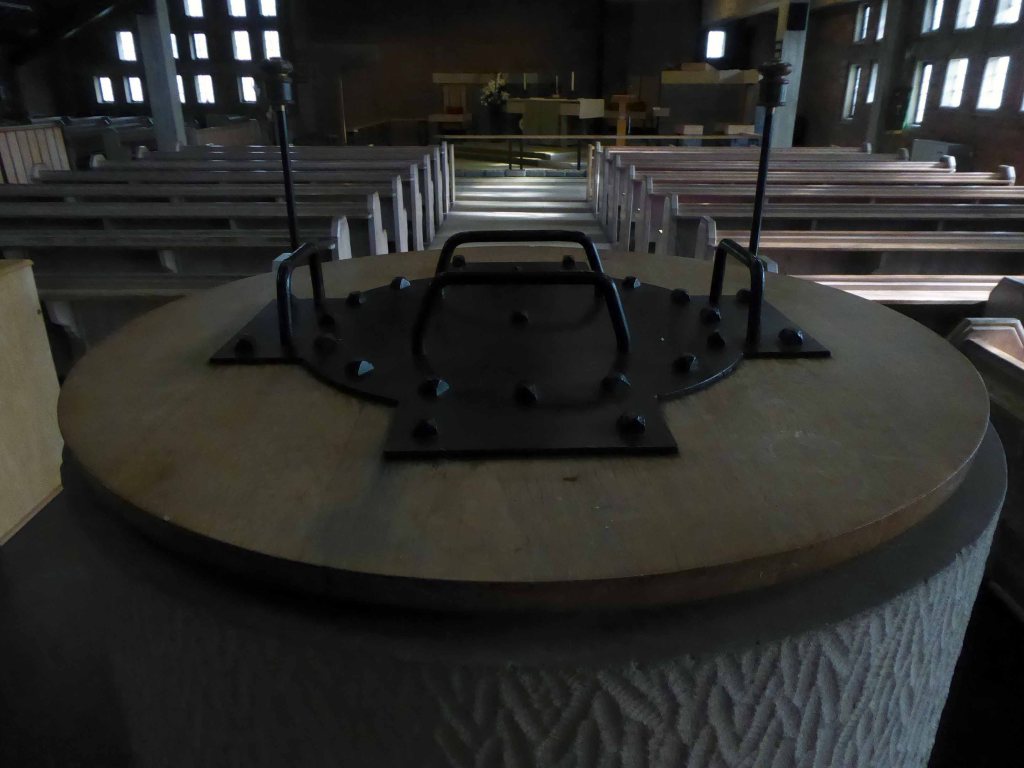
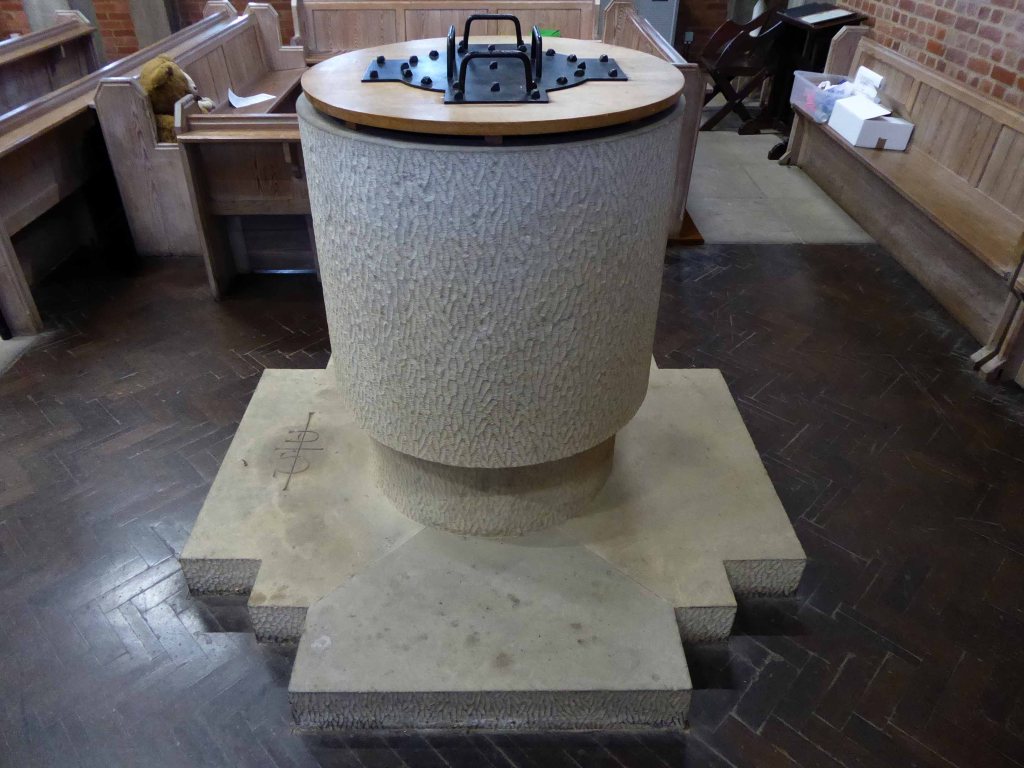
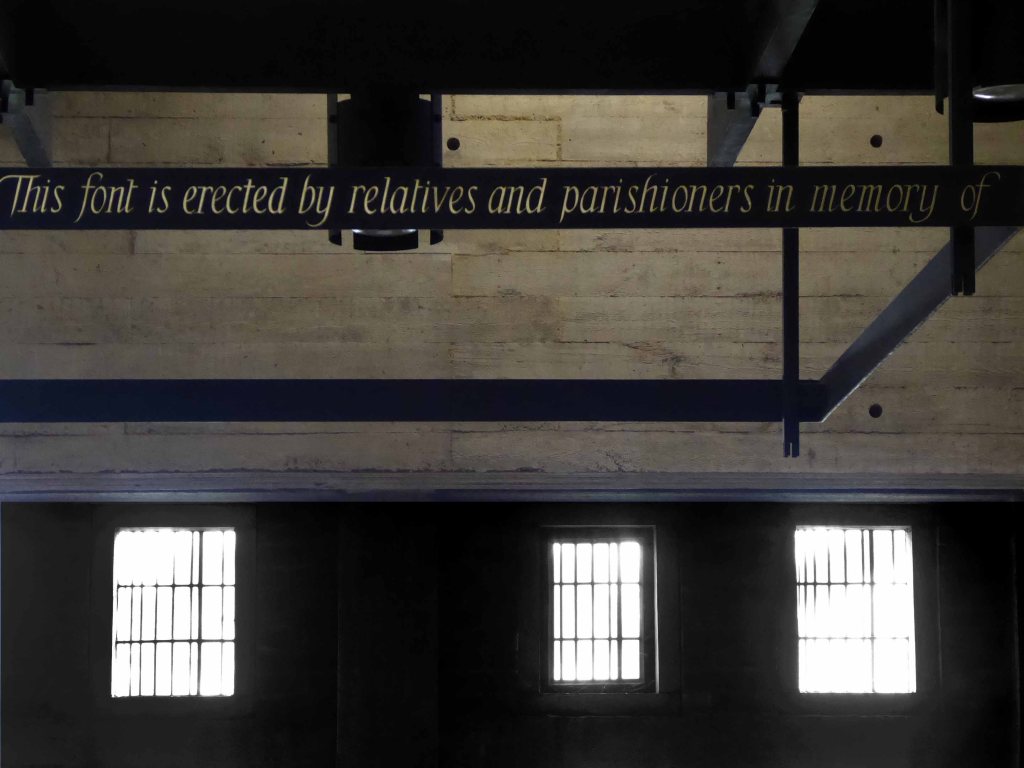
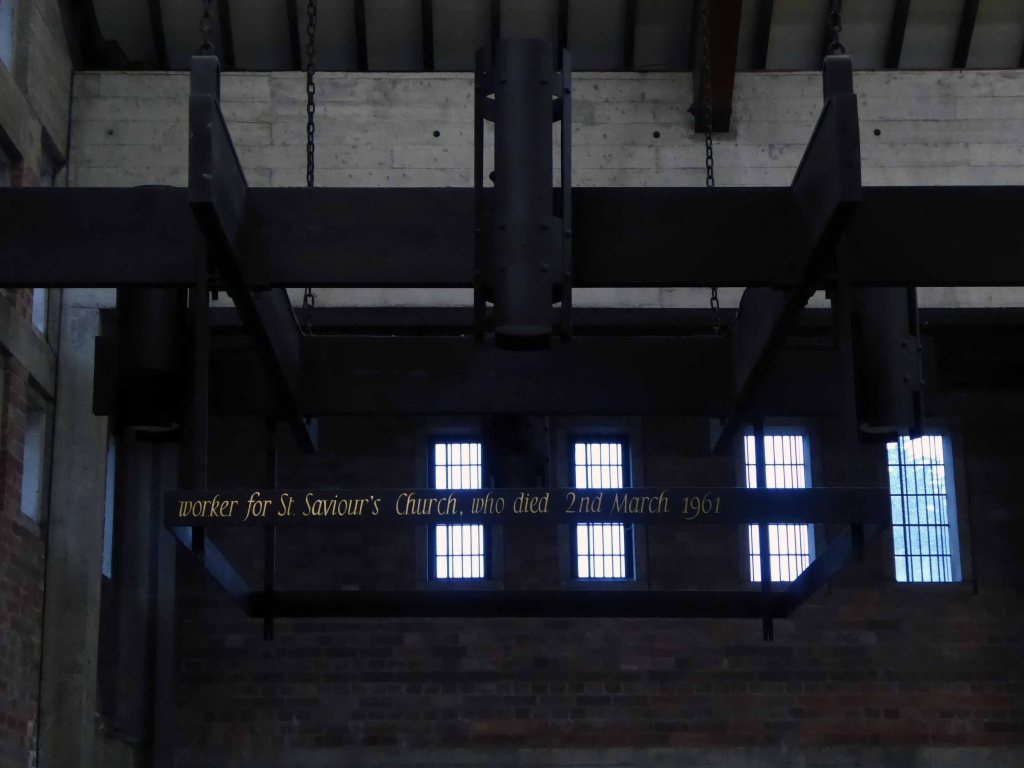
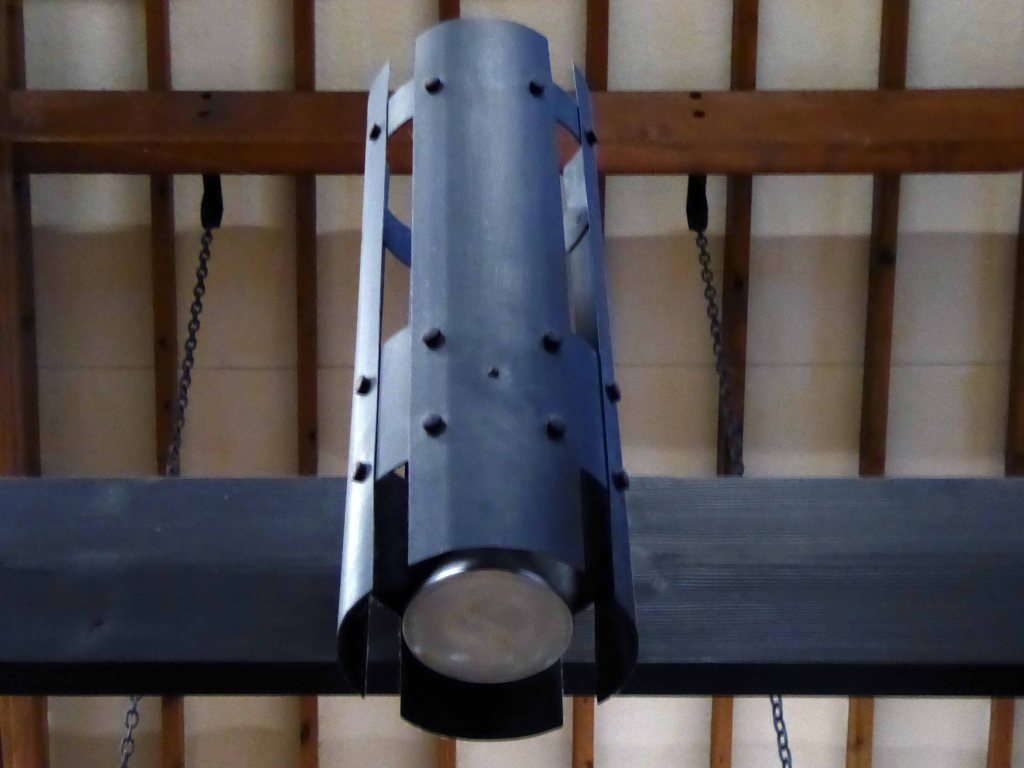
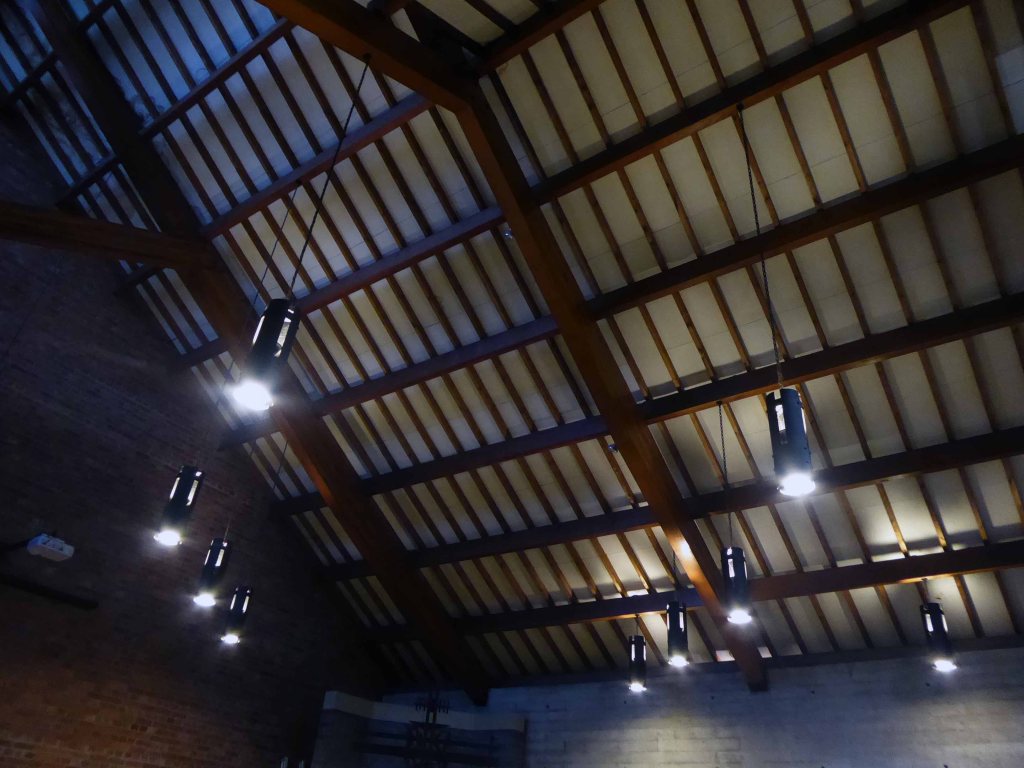
To the rear is the cylindrical font in white concrete with a wooden lid, set on a raised platform. Suspended above it is a large light fitting in black metal, inscribed around the edges with the words: “This font is erected by relatives and parishioners in memory of/ Beatrice May Parkin, for over forty years a Sunday School teacher and/ worker for St Saviour’s Church, who died 2nd March 1961”.
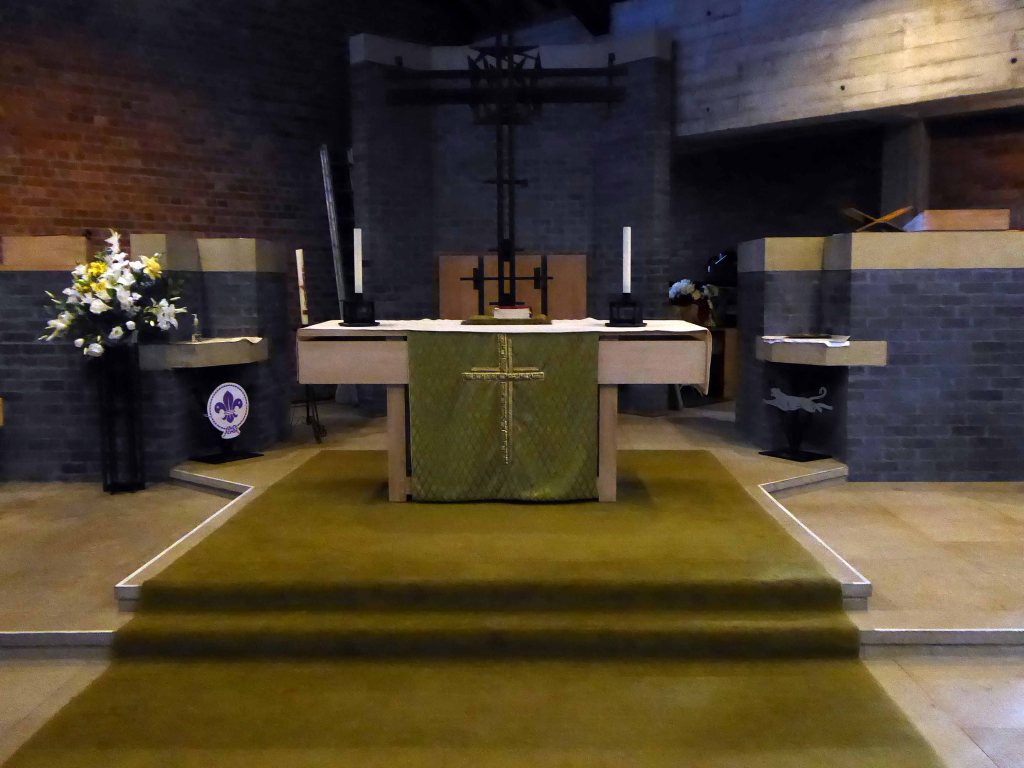
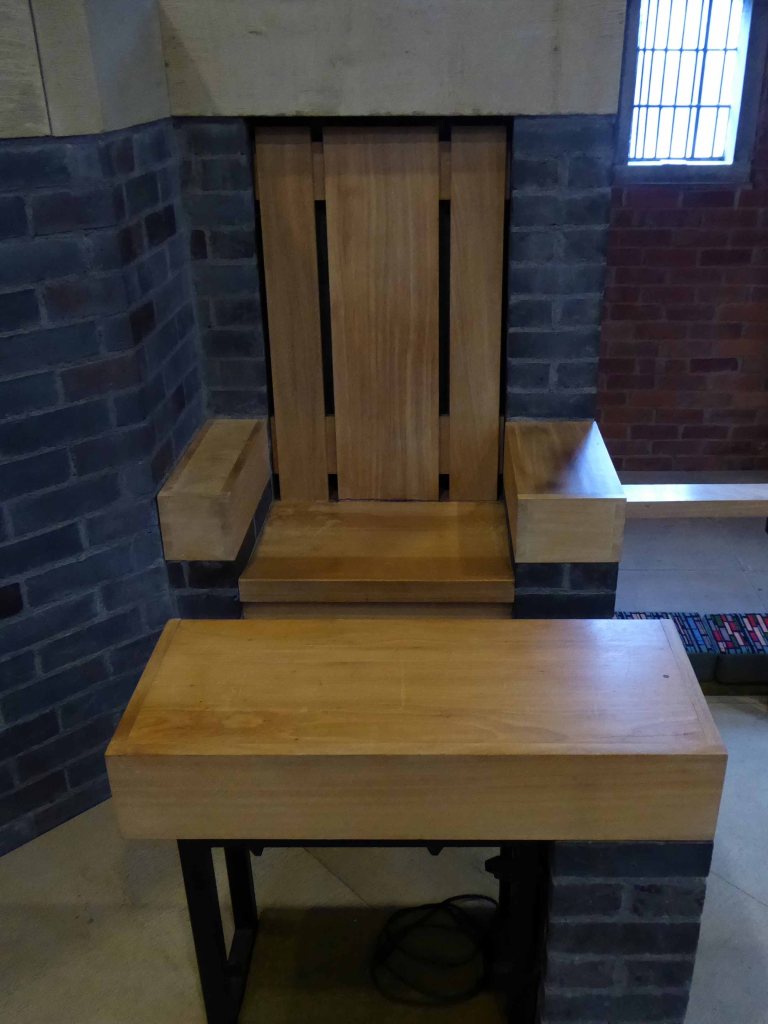
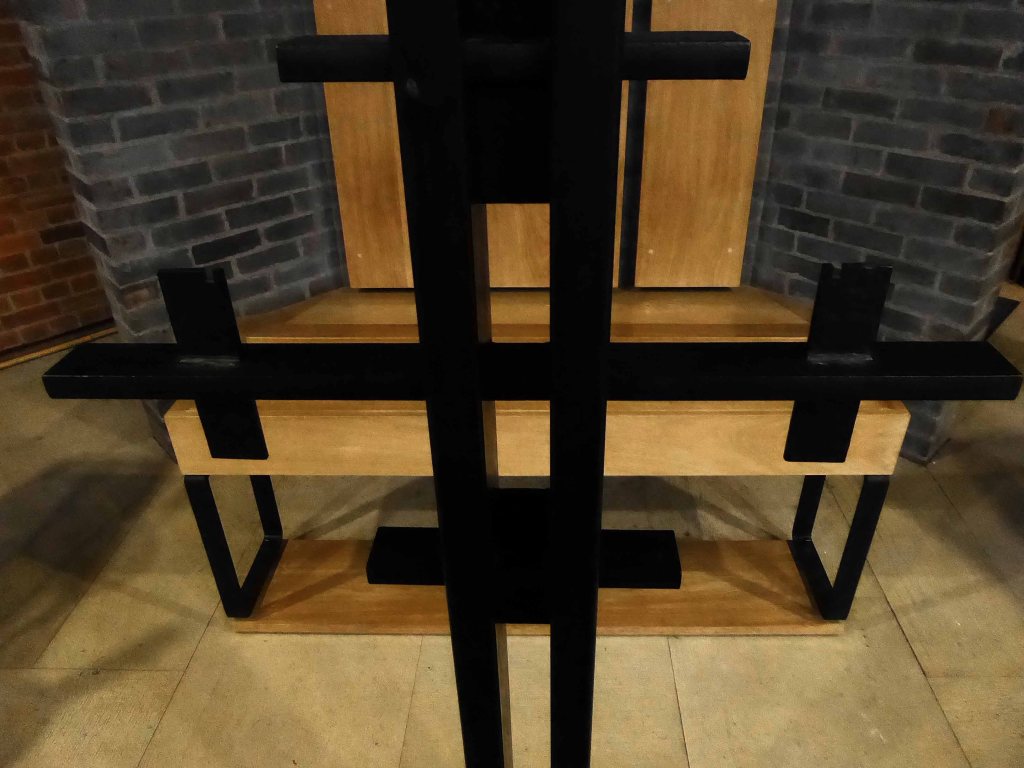
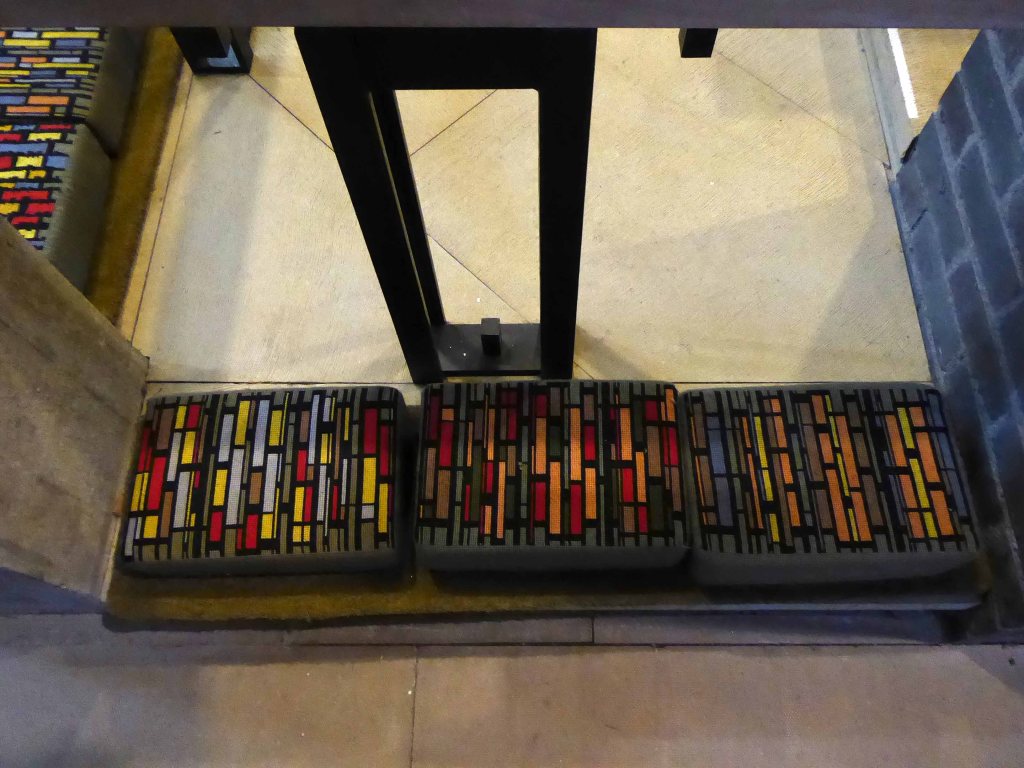
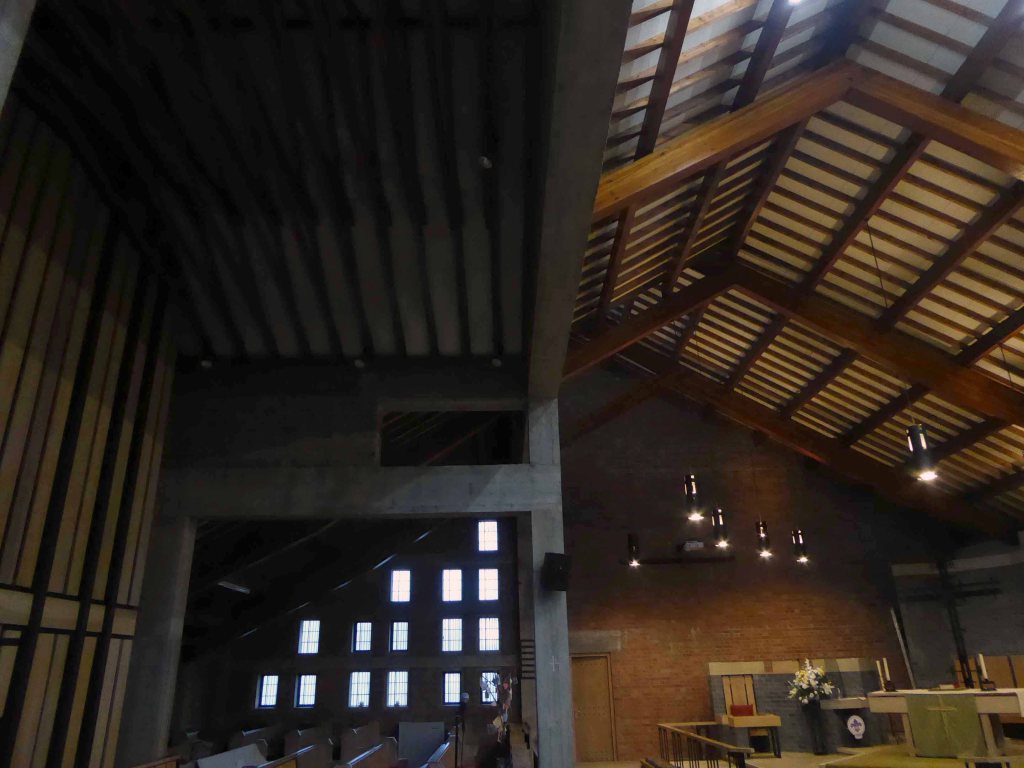
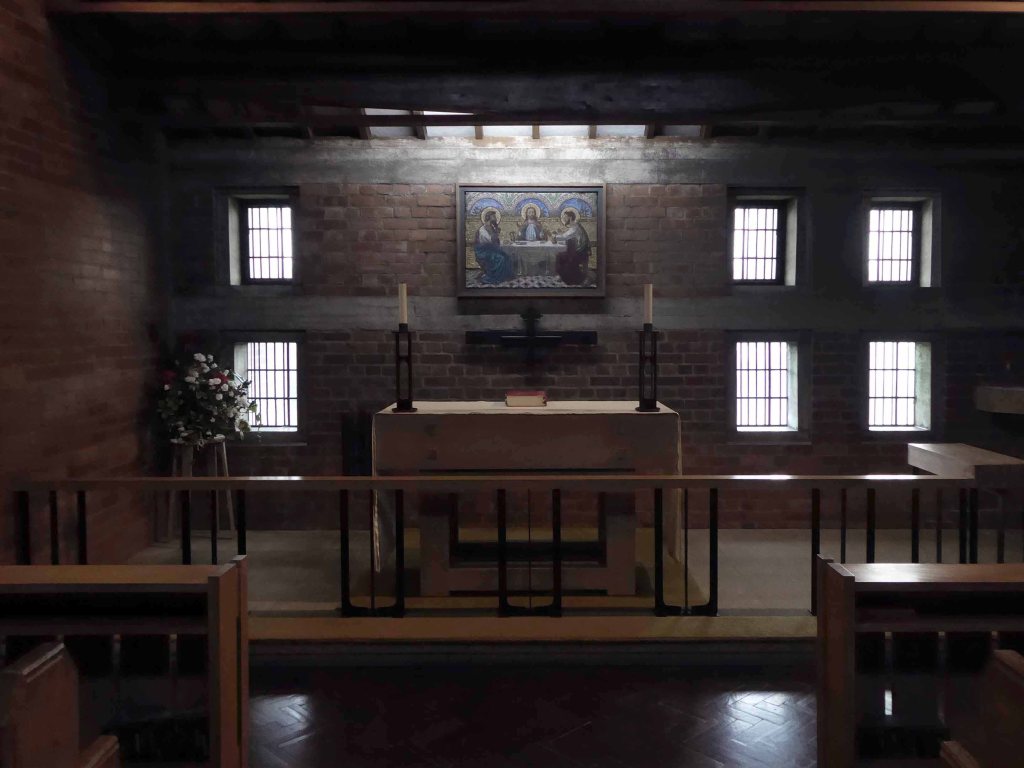
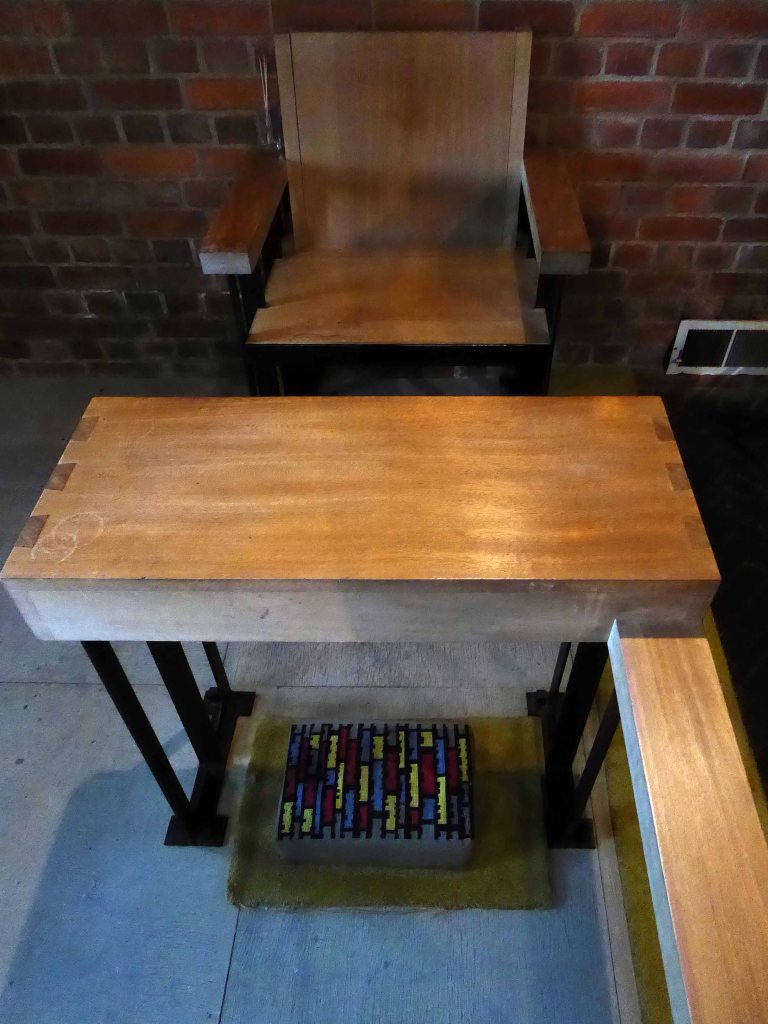
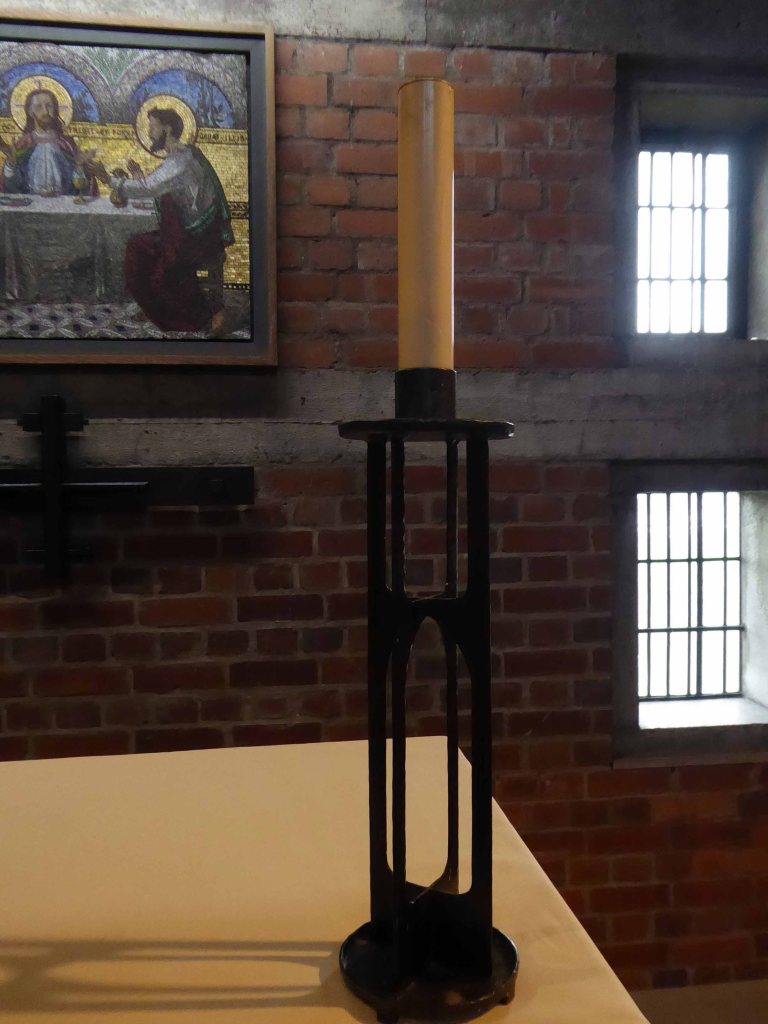
There is no separate chancel, and the finishes throughout are exposed brick, shuttered concrete and limed oak. The sanctuary area is in the south-east corner and consists of a tall angled purple brick reredos, topped with concrete, and a lower detached, angled purple brick pillar to each side each holding a shelf and incorporating a wooden seat. In front of the central reredos is an integral wooden bench with three backs, and a large black metal cross in the same style as those on the exterior but with more elaboration, fixed to the floor on a raised concrete block. To the fore is the altar table on a low raised platform. The whole is enclosed within an altar rail of iron and wood, open to the centre.
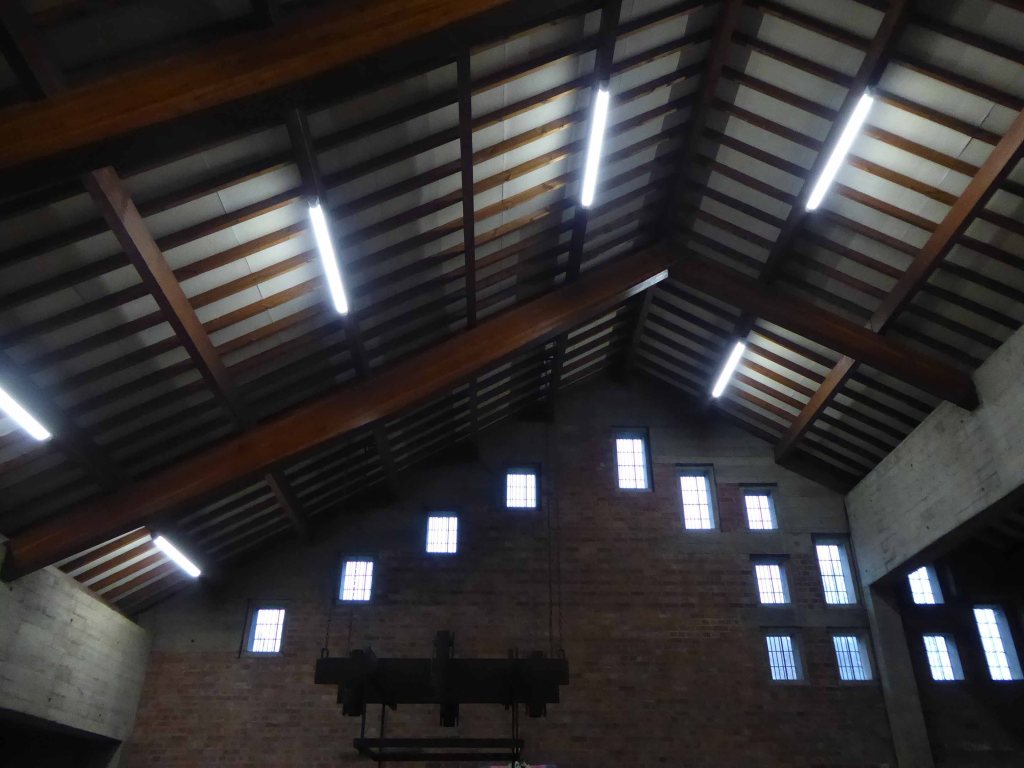
The main roof has exposed wooden trusses supported on concrete pillars and beams, with rafters and purlins also exposed creating a latticework pattern.
The whole interior order is orderly, calm and coherent, a simple consistency of materials and architectural intent.
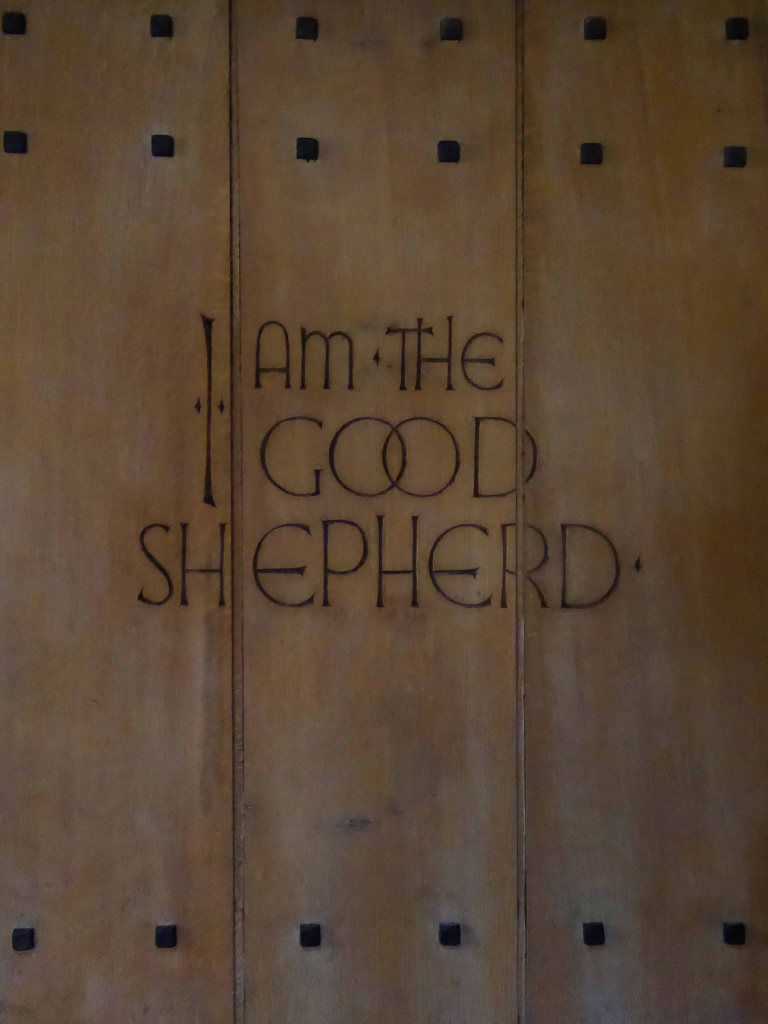
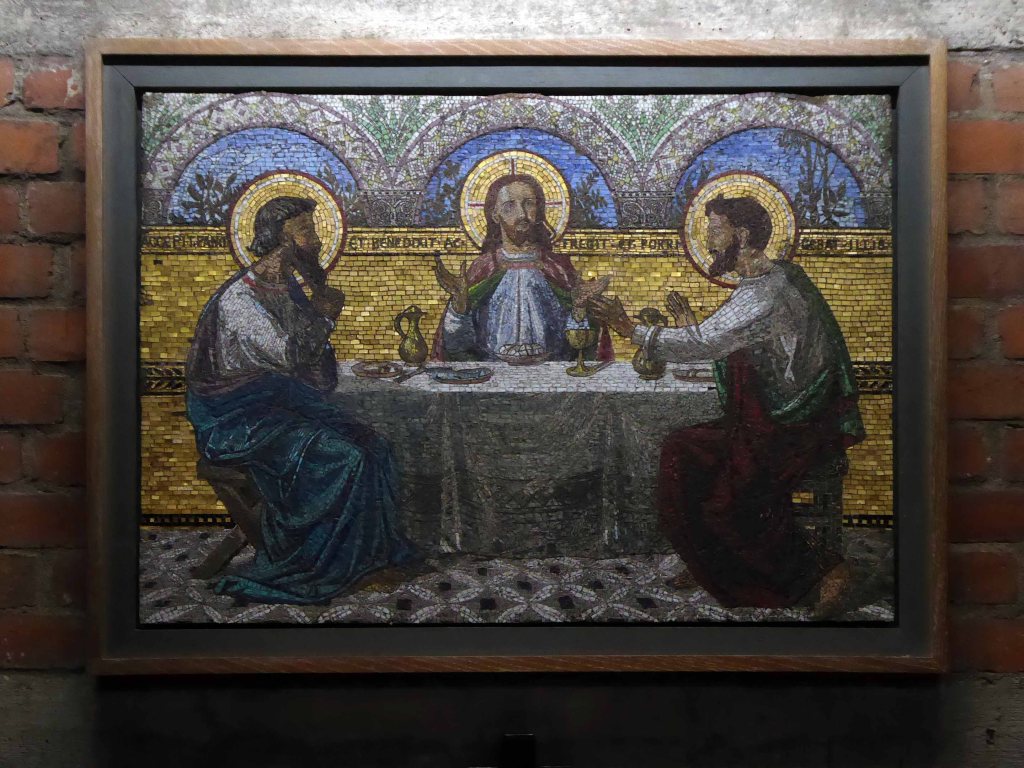
The solid wood, studded chapel door has the words “I am the Good Shepherd” engraved on it. The chapel has exposed beams and rafters, and an altar to the north with iron and wood altar rail in front. Pews are as in the church. There is a mosaic plaque behind the altar which came from St John’s church in Little Horton.
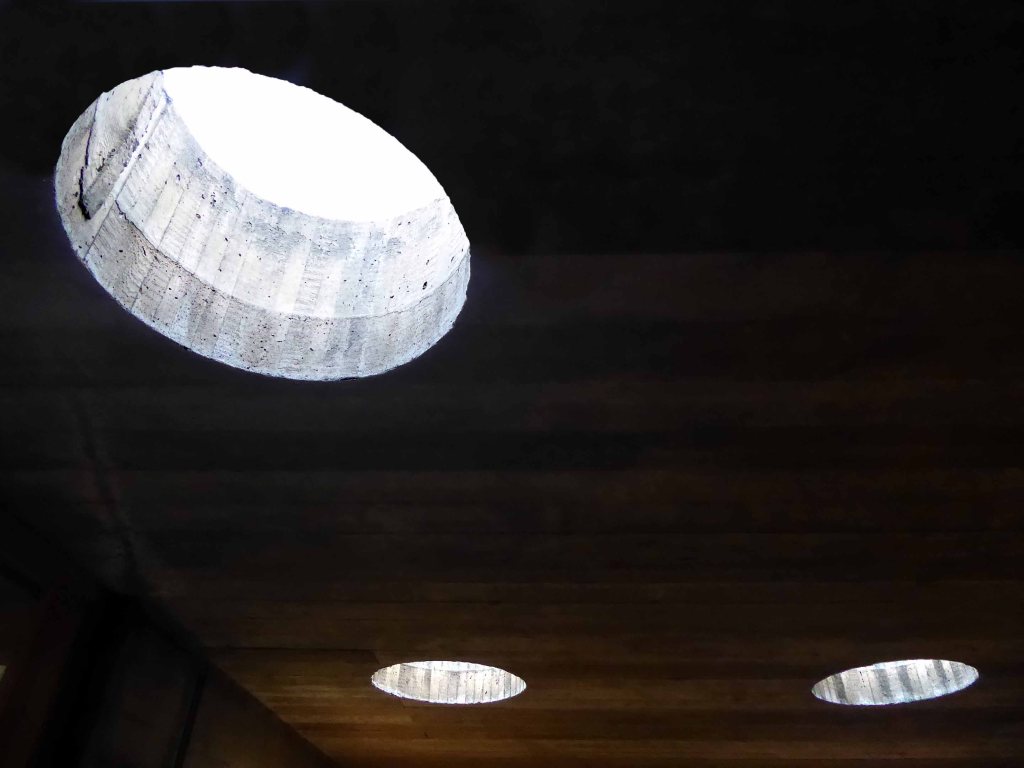
Beyond to the west is the narthex, with shuttered concrete ceilings pierced by circular skylights, exposed brick walls and doors to the chapel, service rooms and hall.
Such a pleasure to visit such an enchanting church – it was a precious privilege to be welcomed by the congregation, warden and Reverend Dorothy.