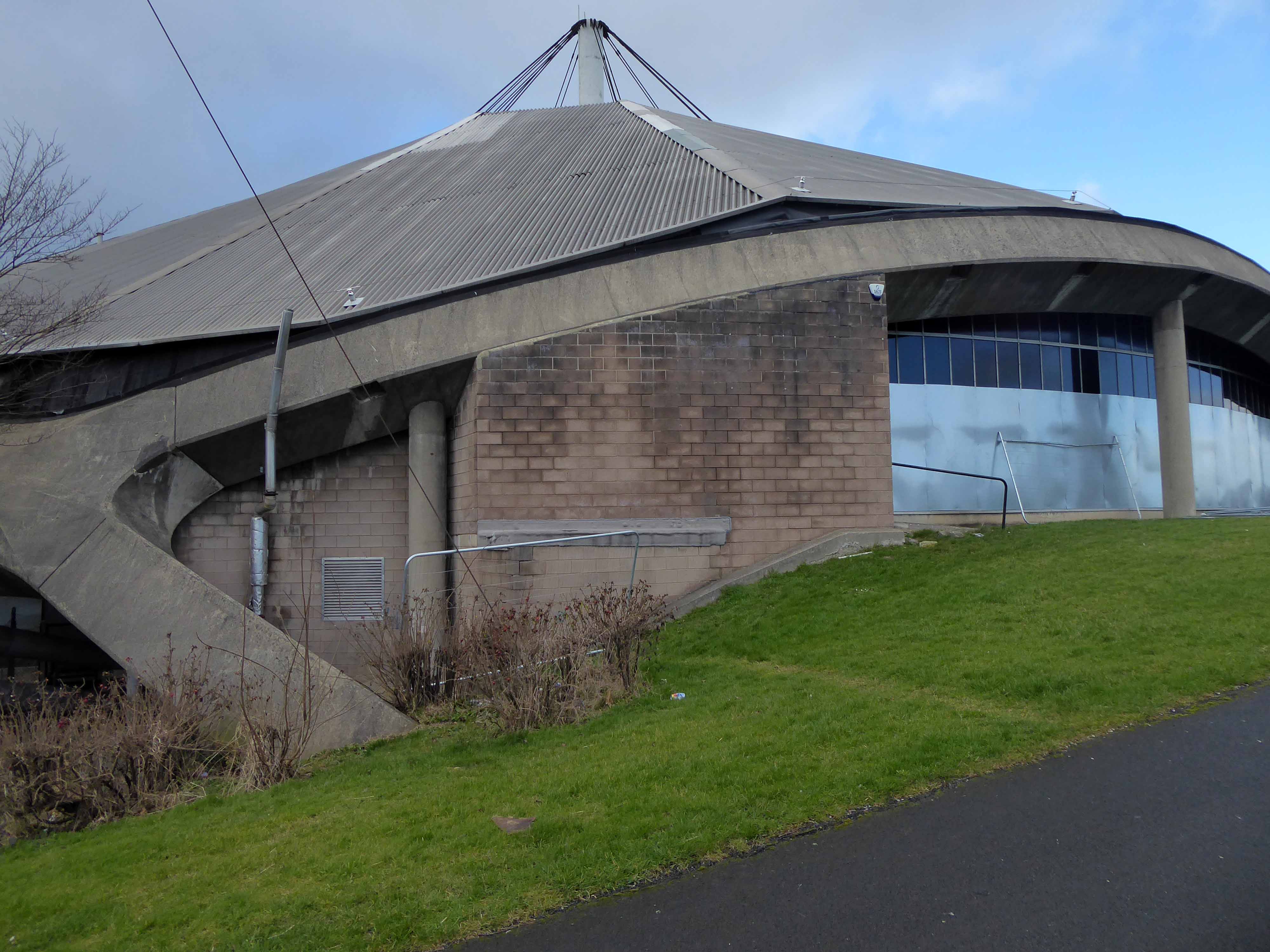
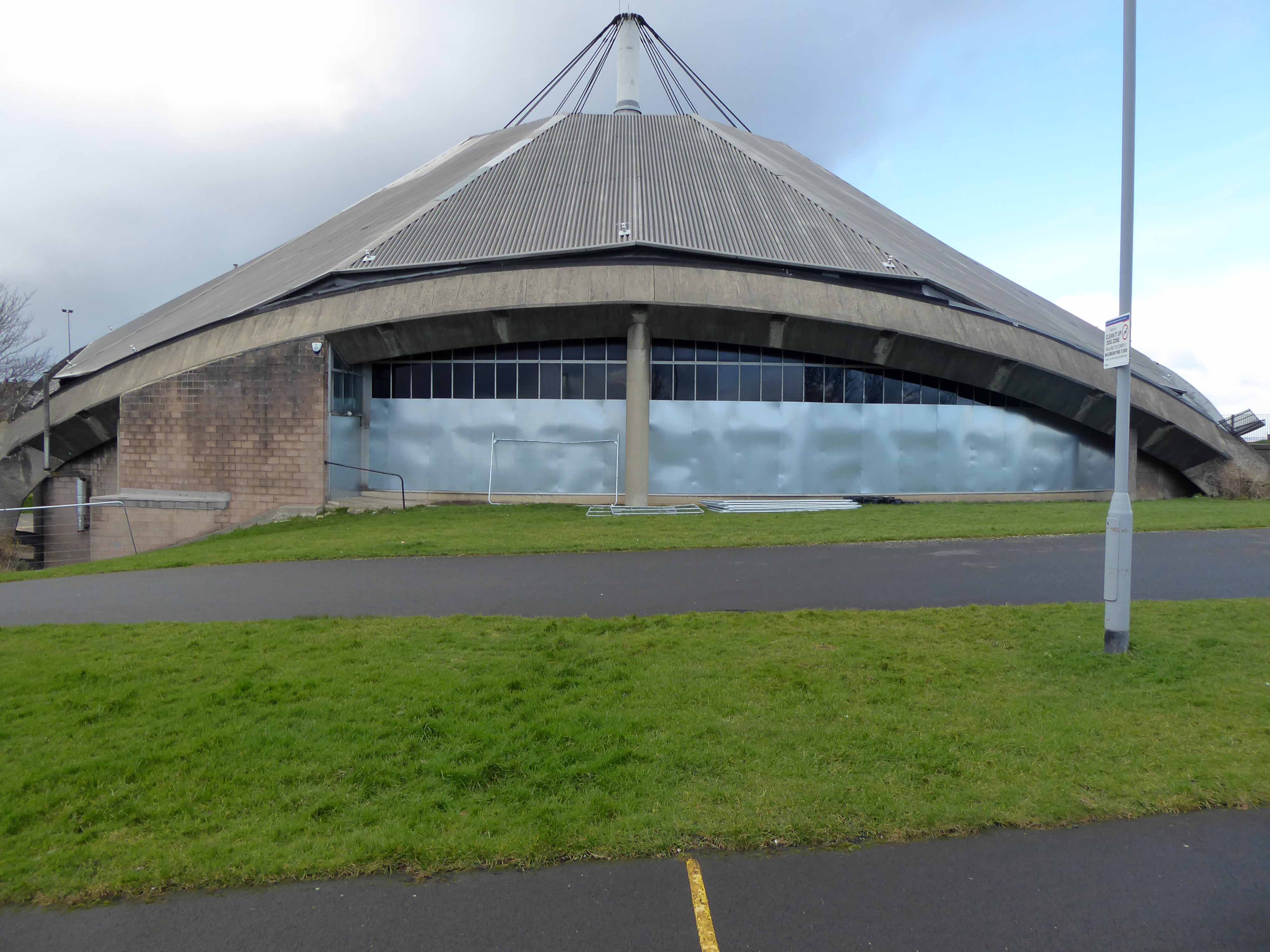
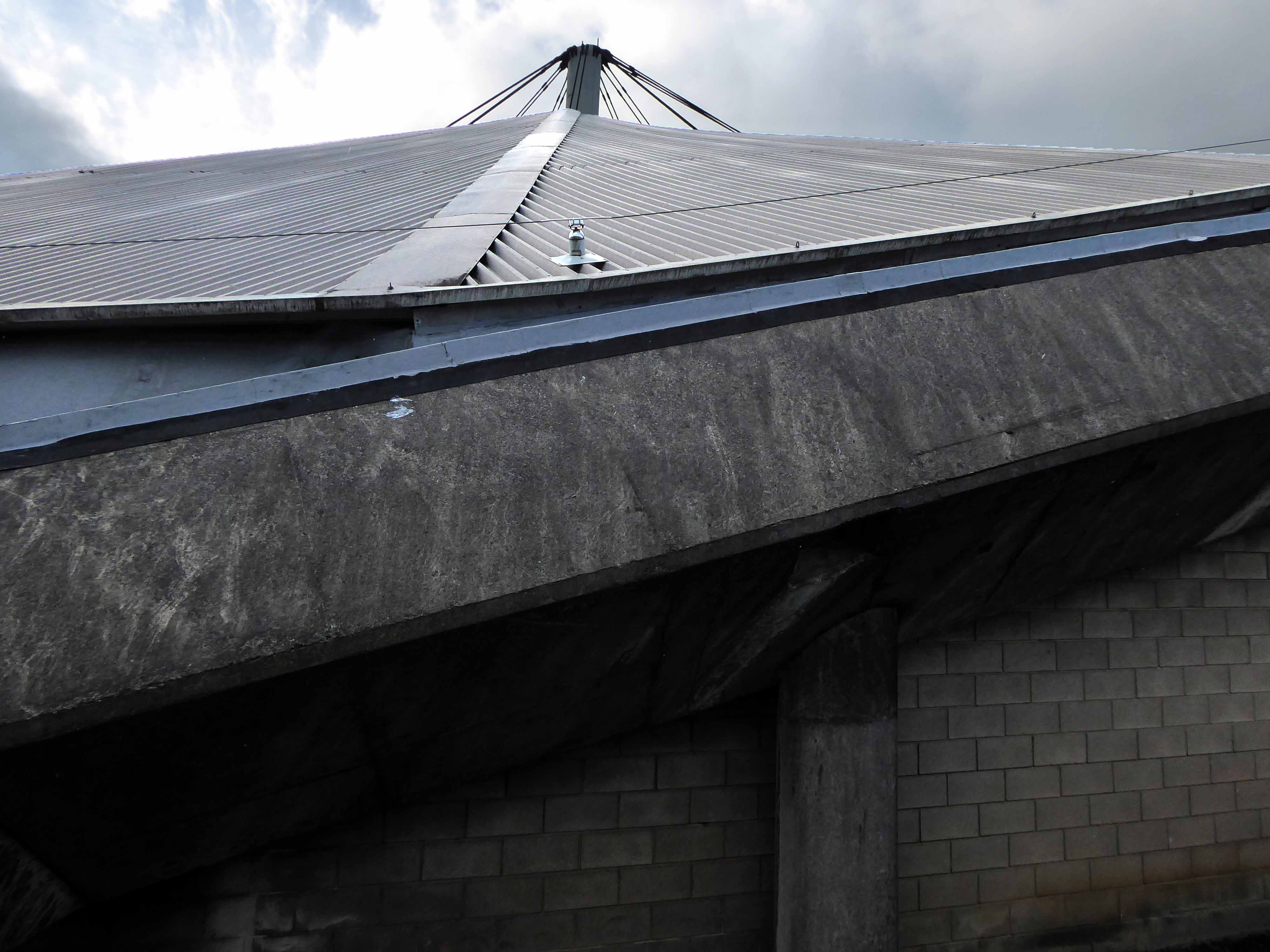
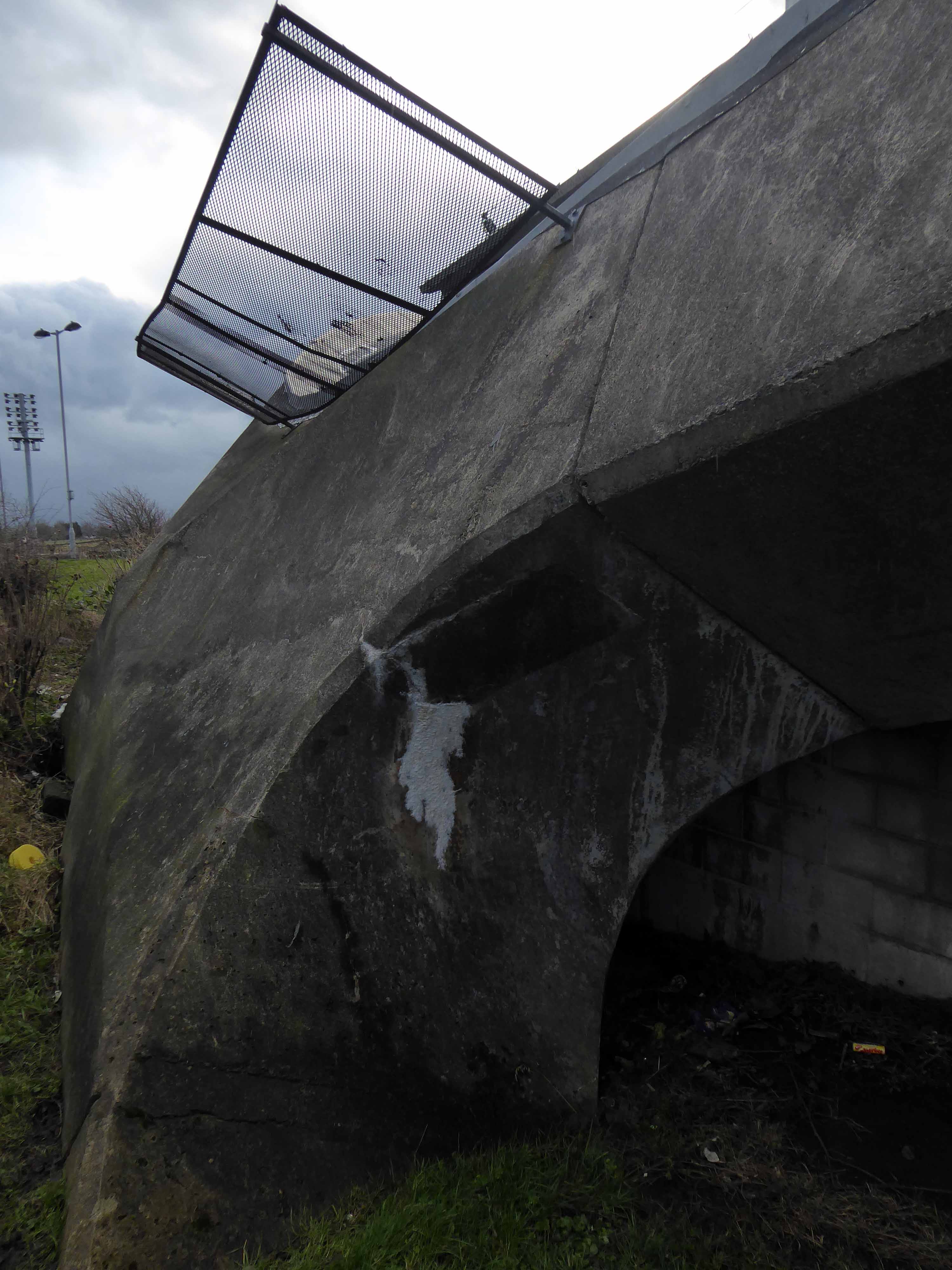
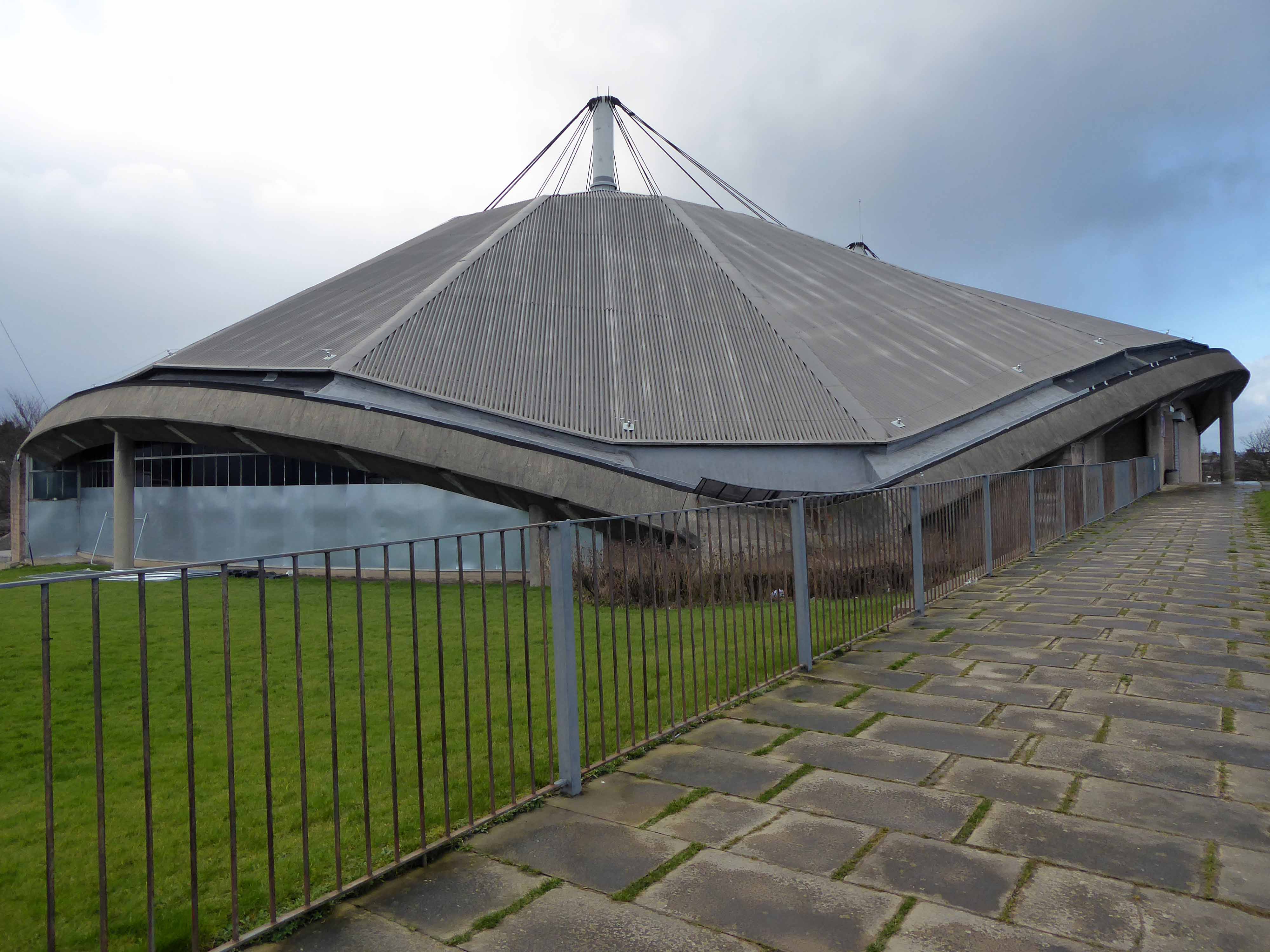
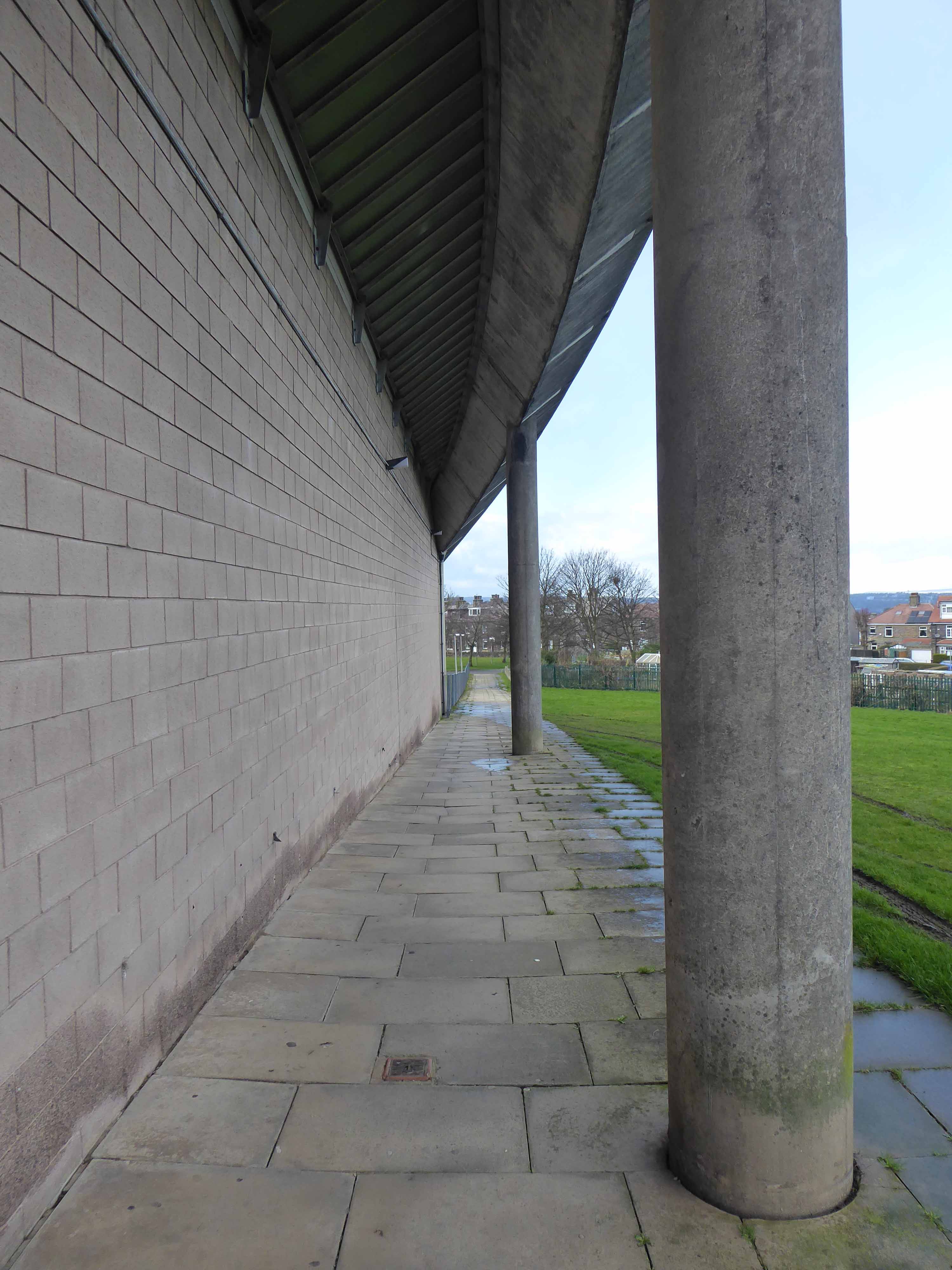
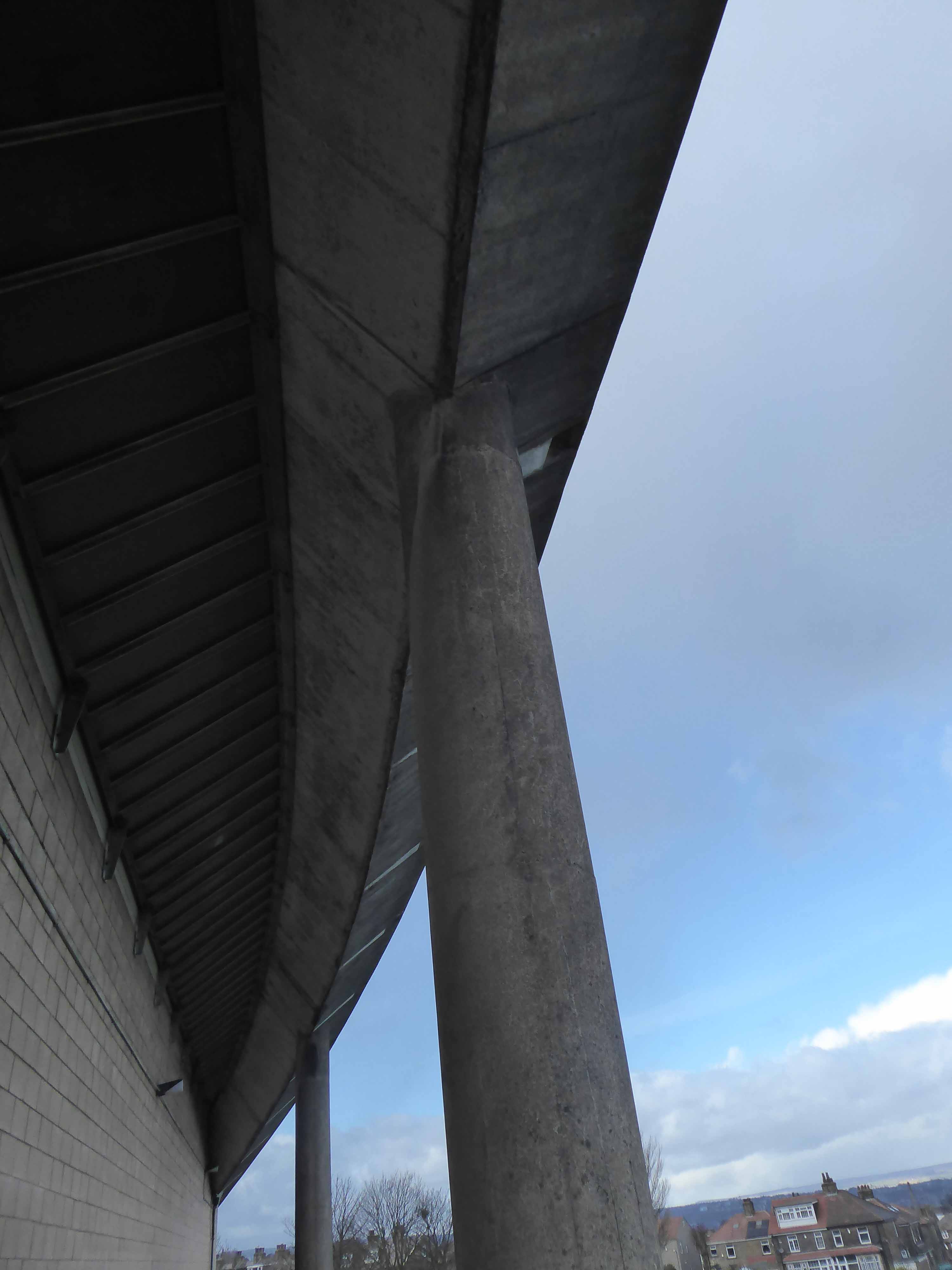
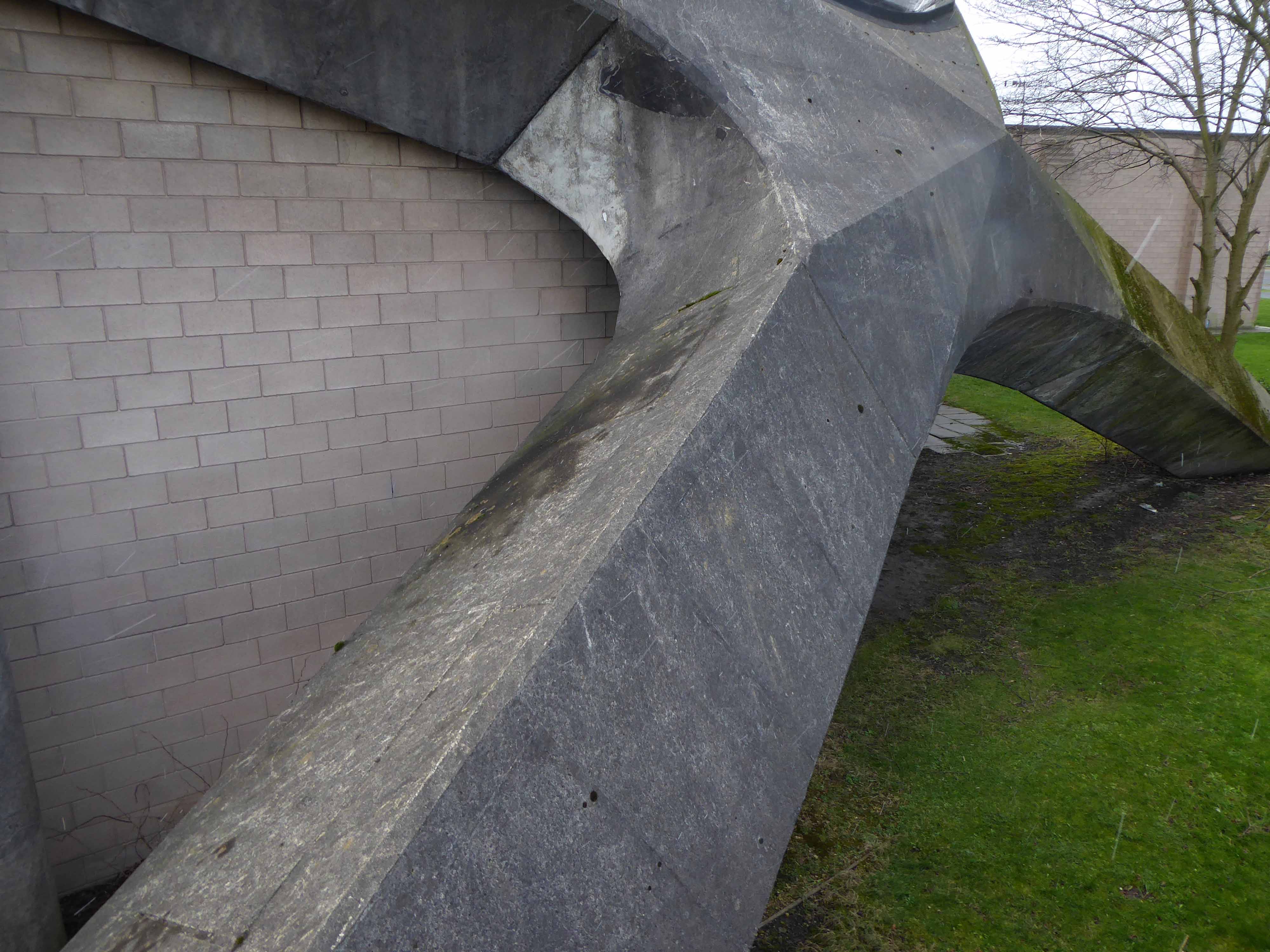
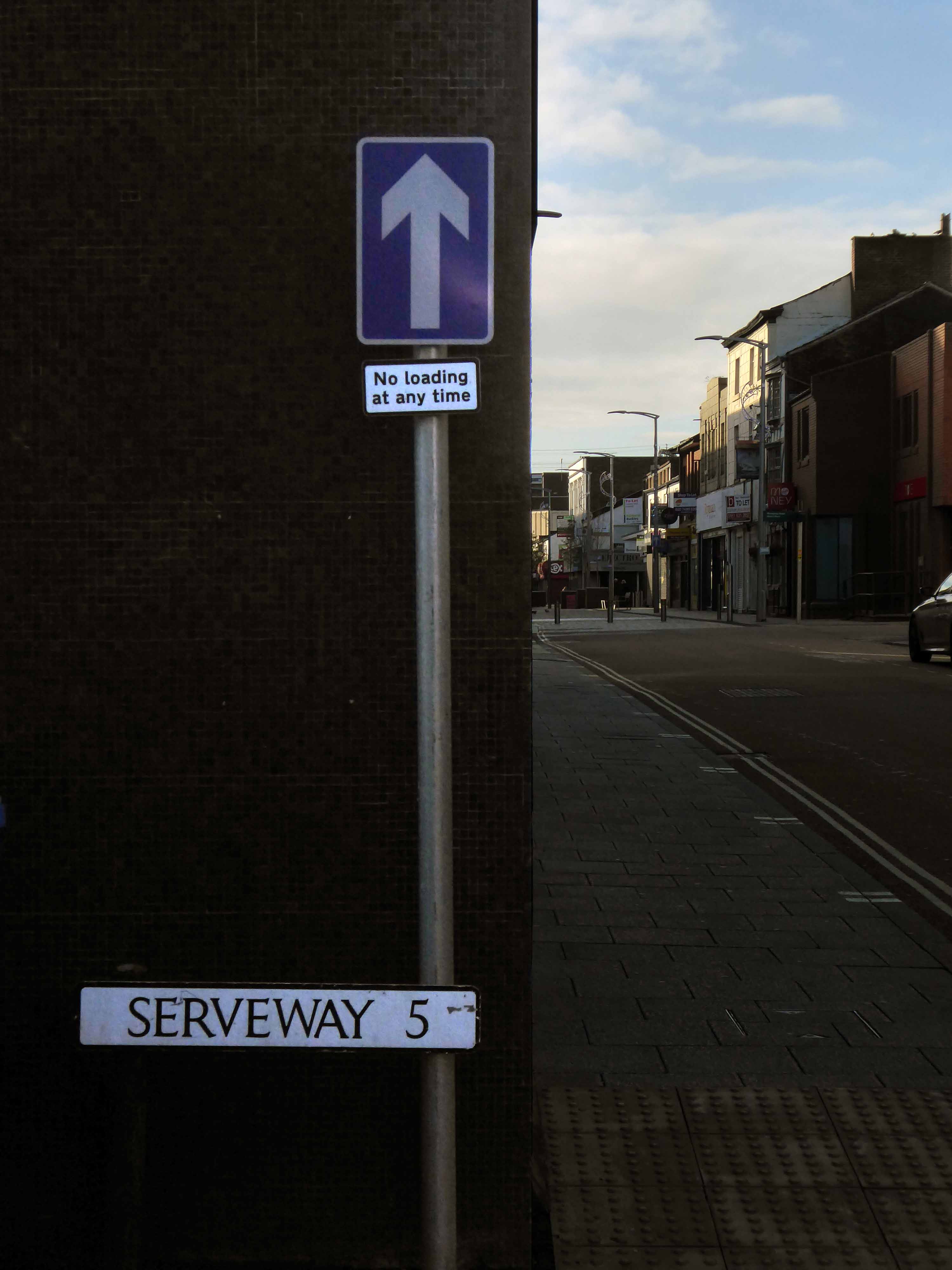
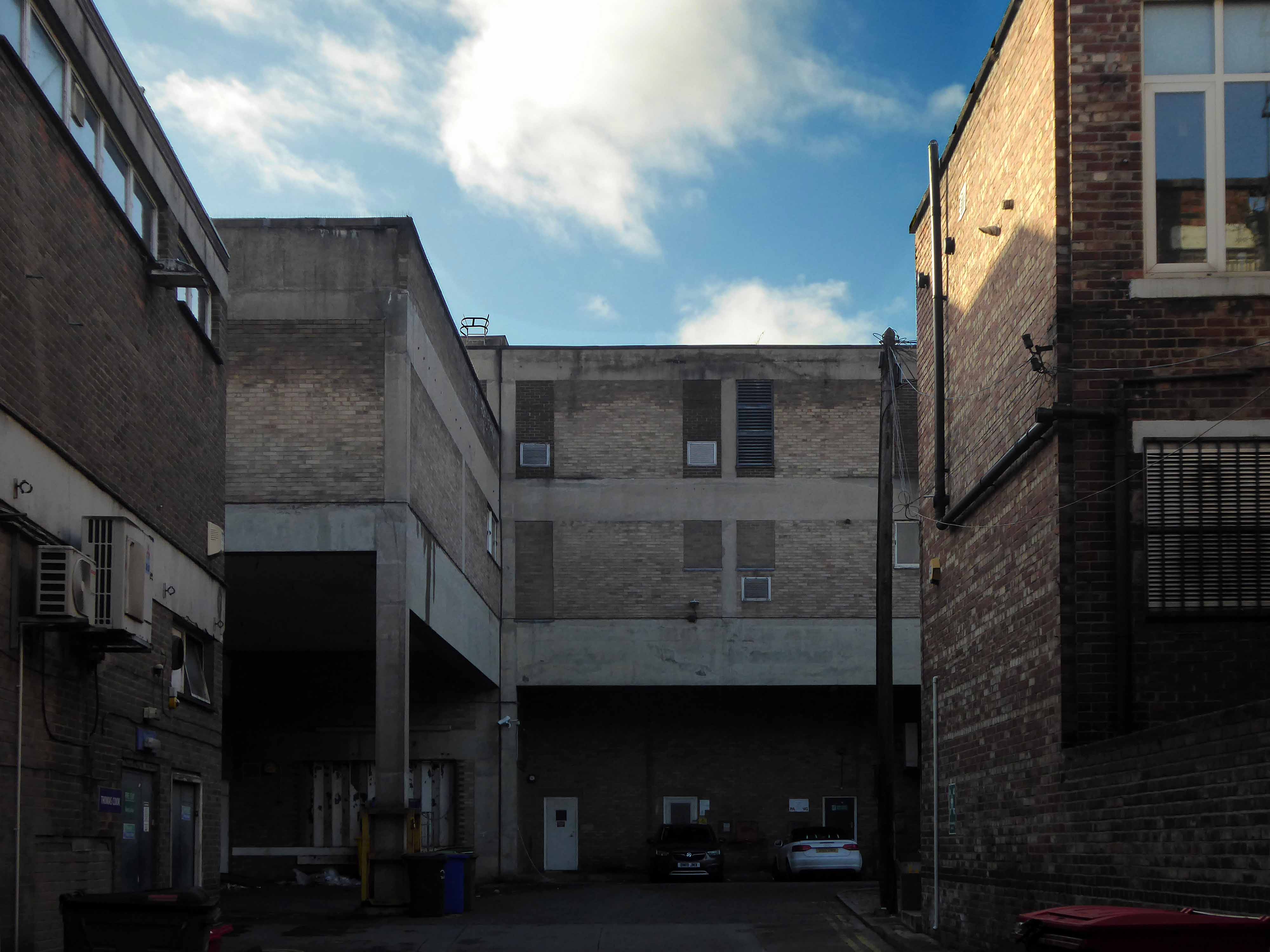
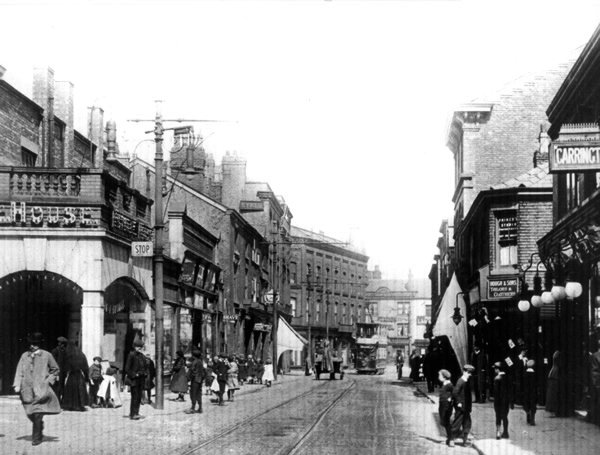
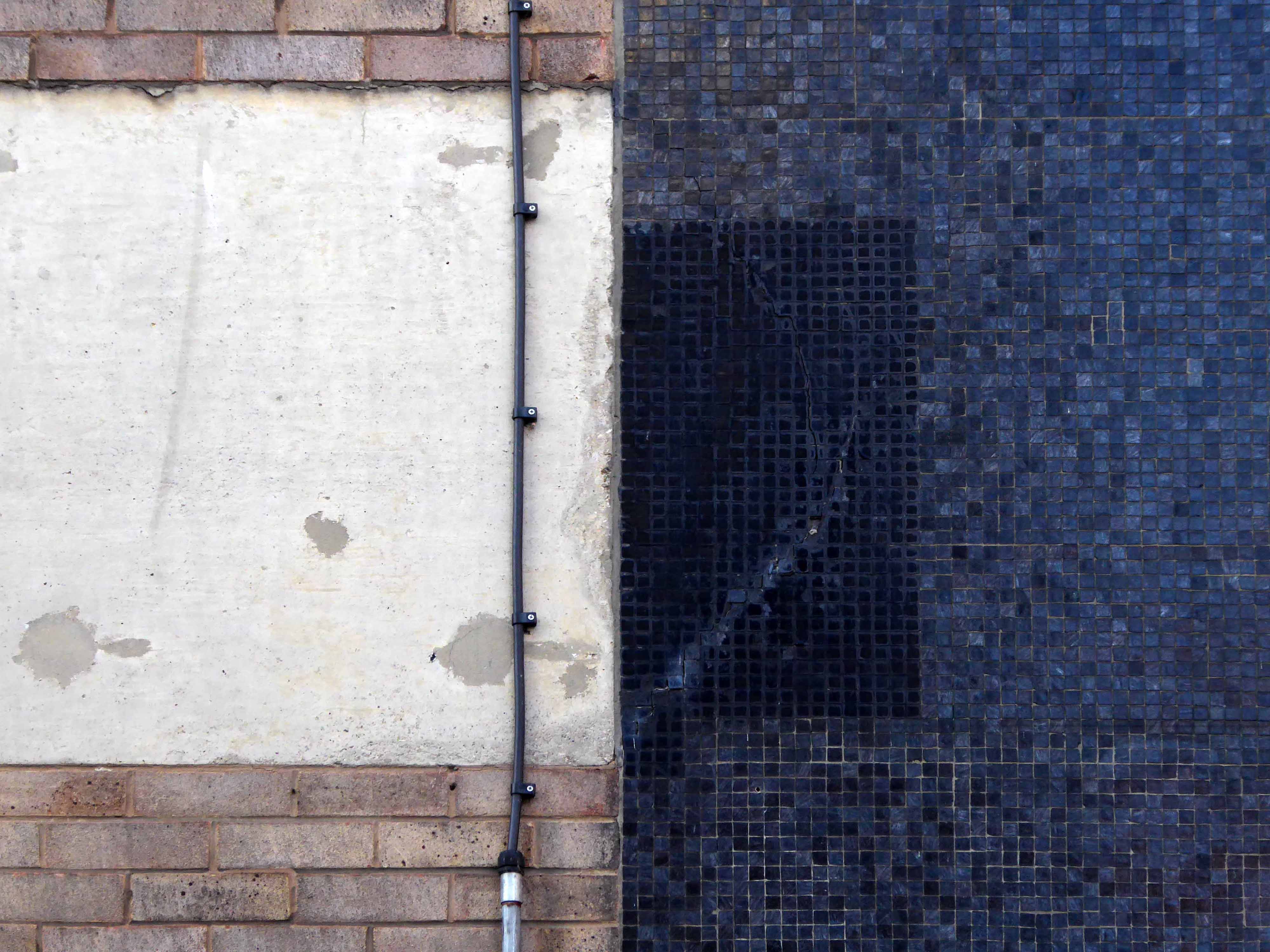
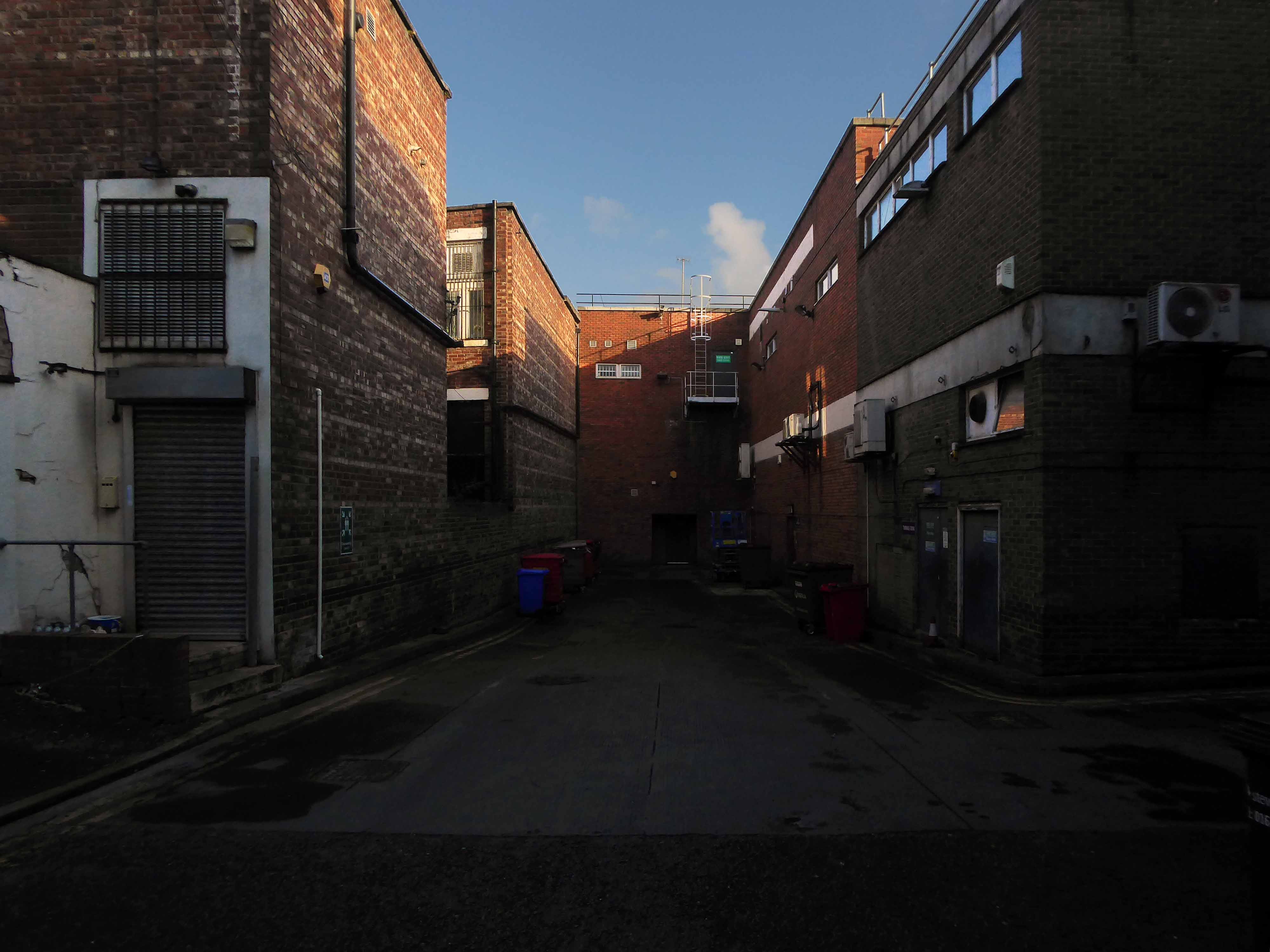
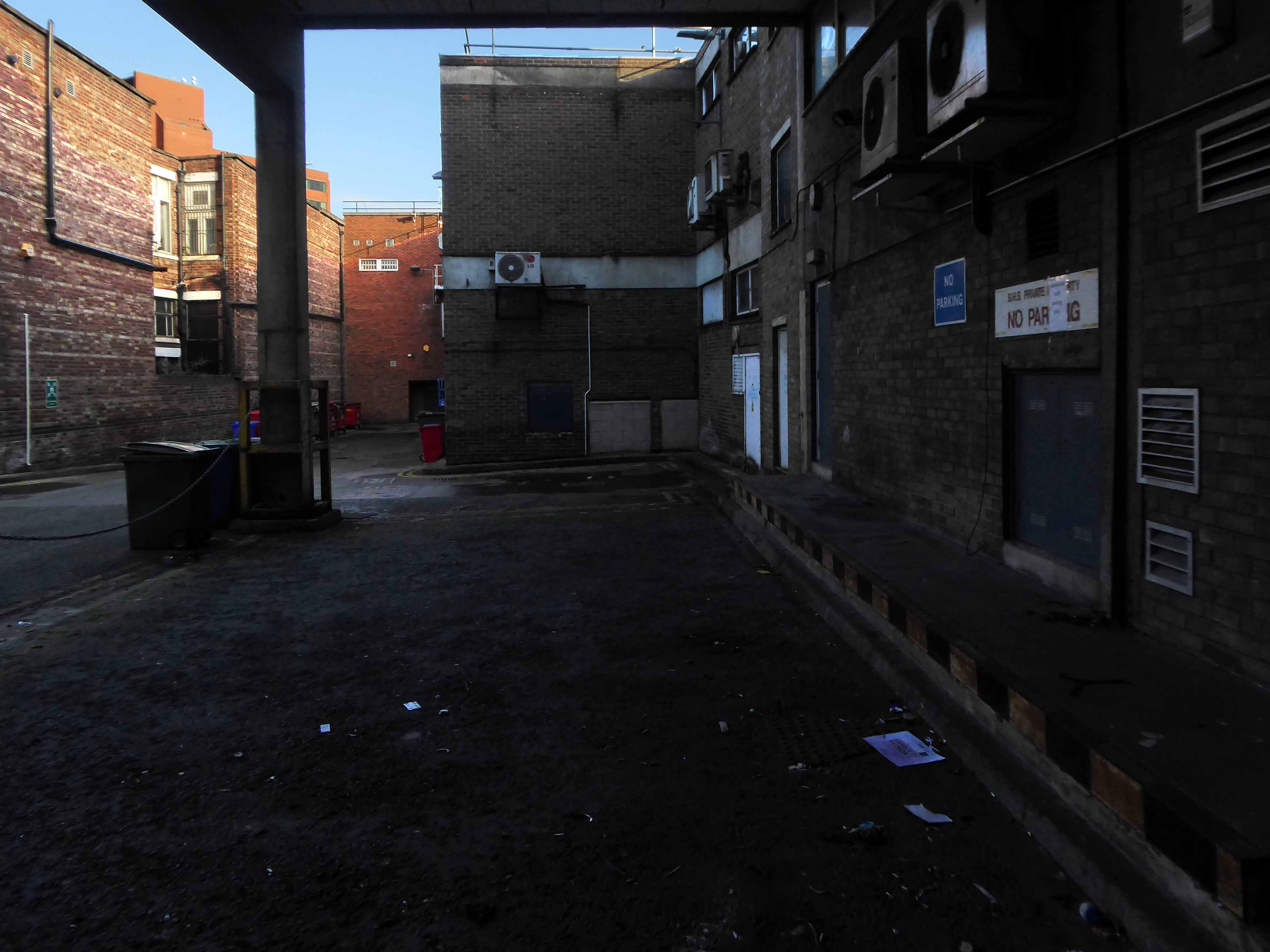
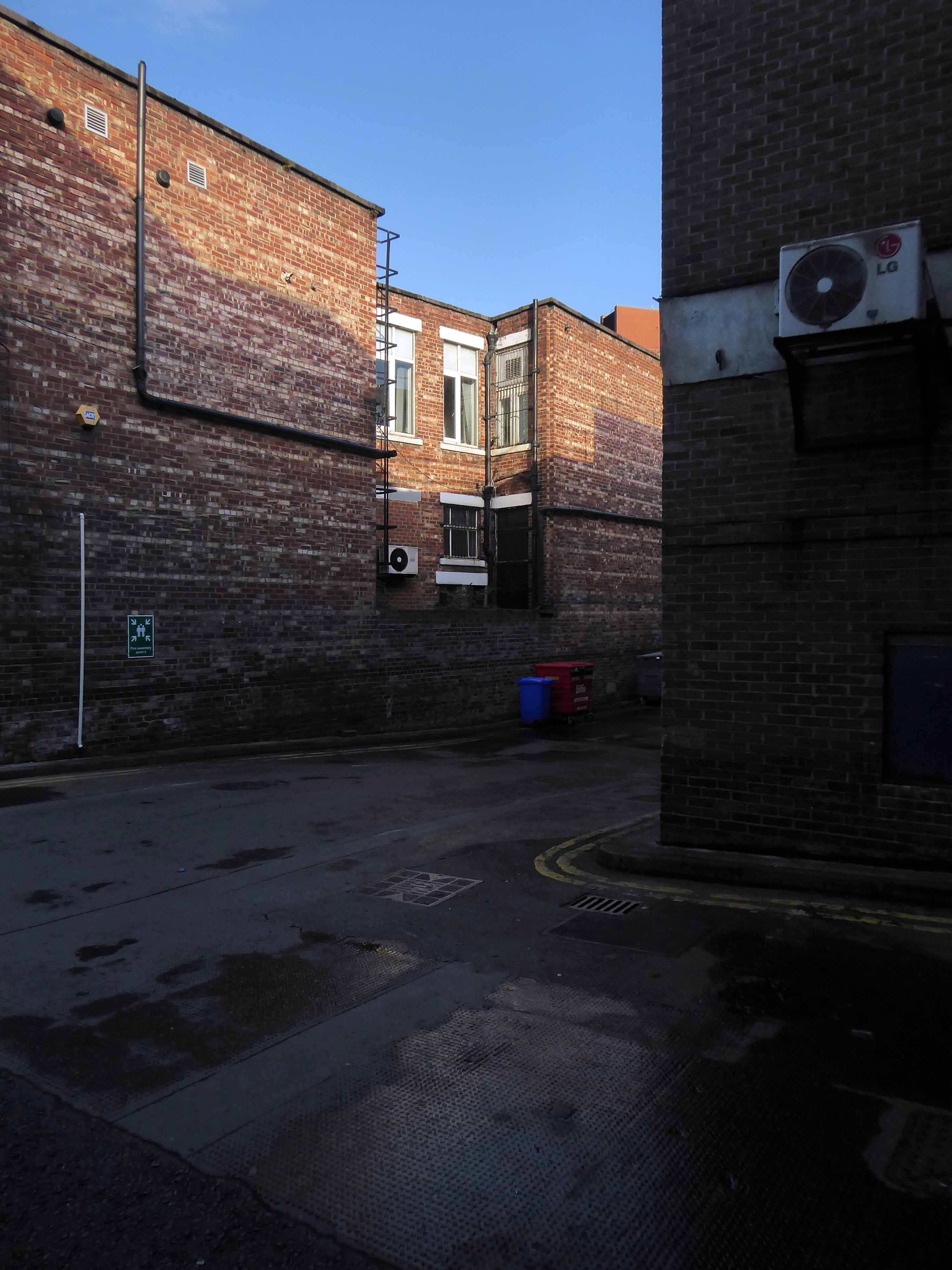
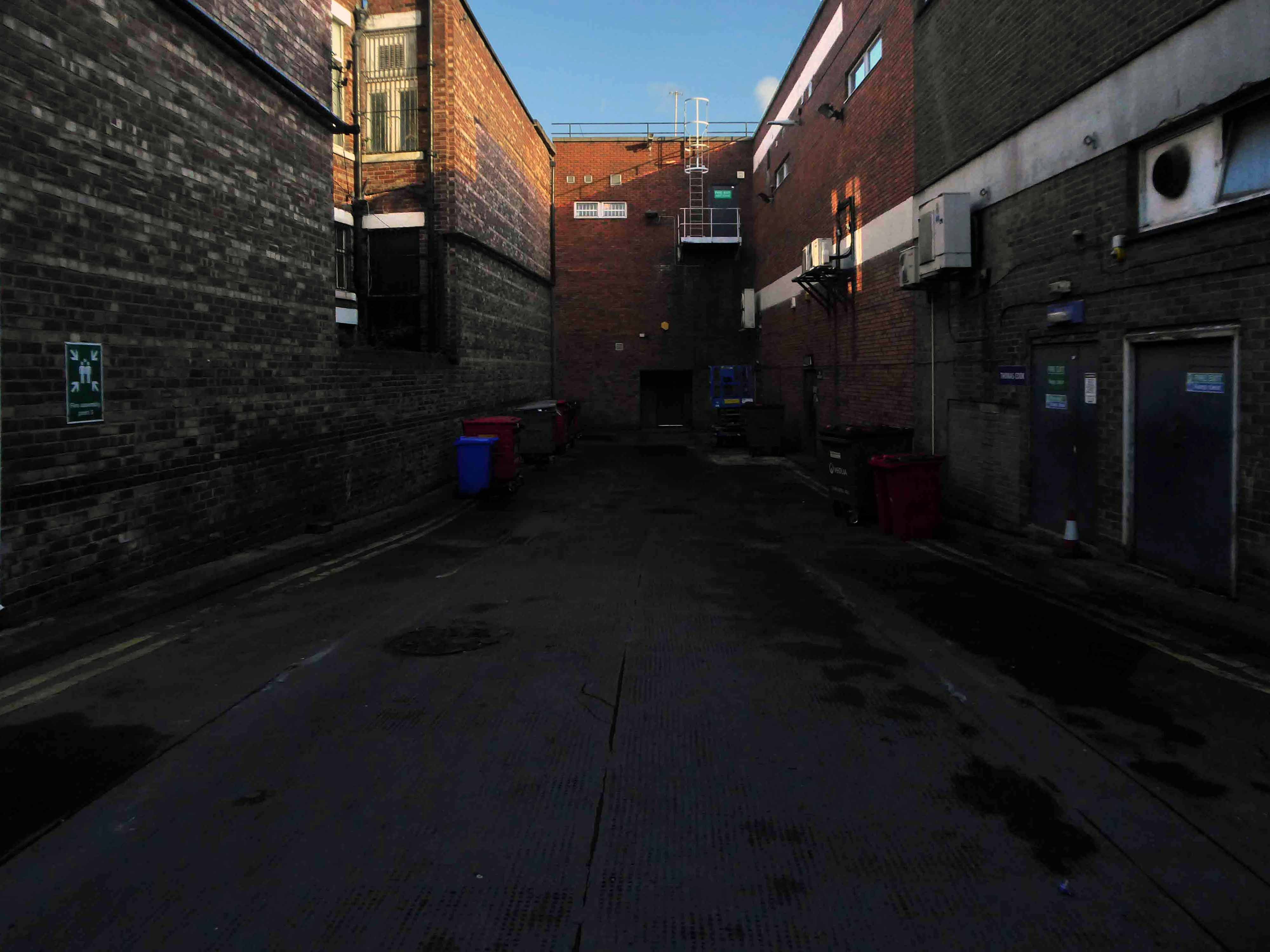
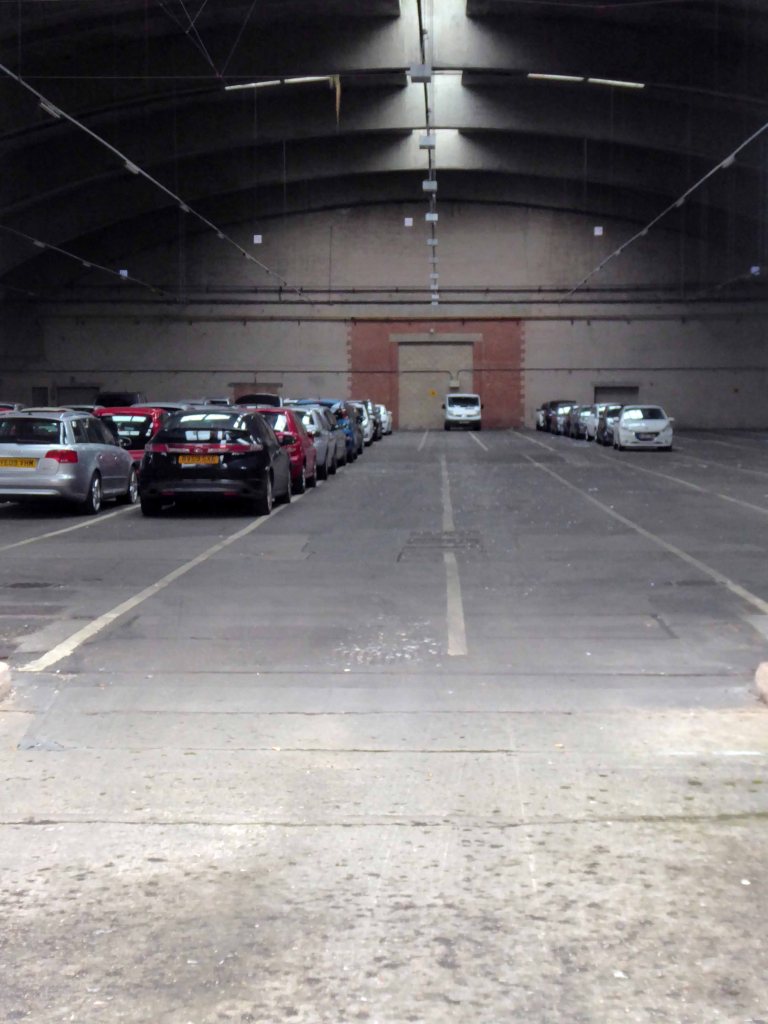
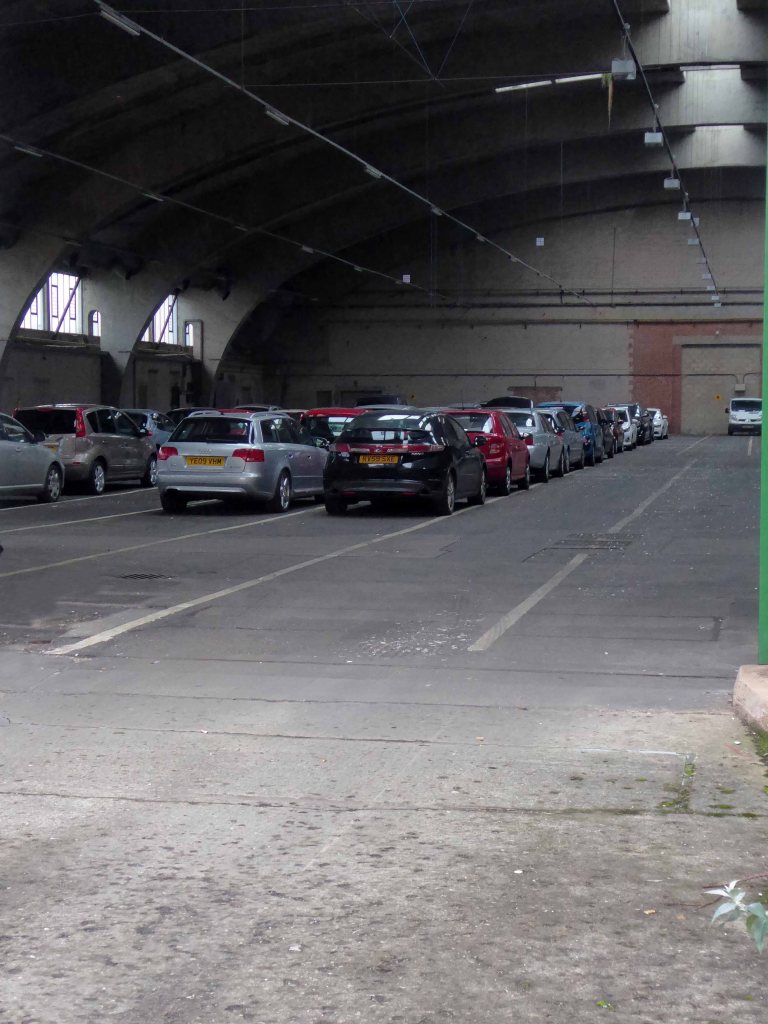
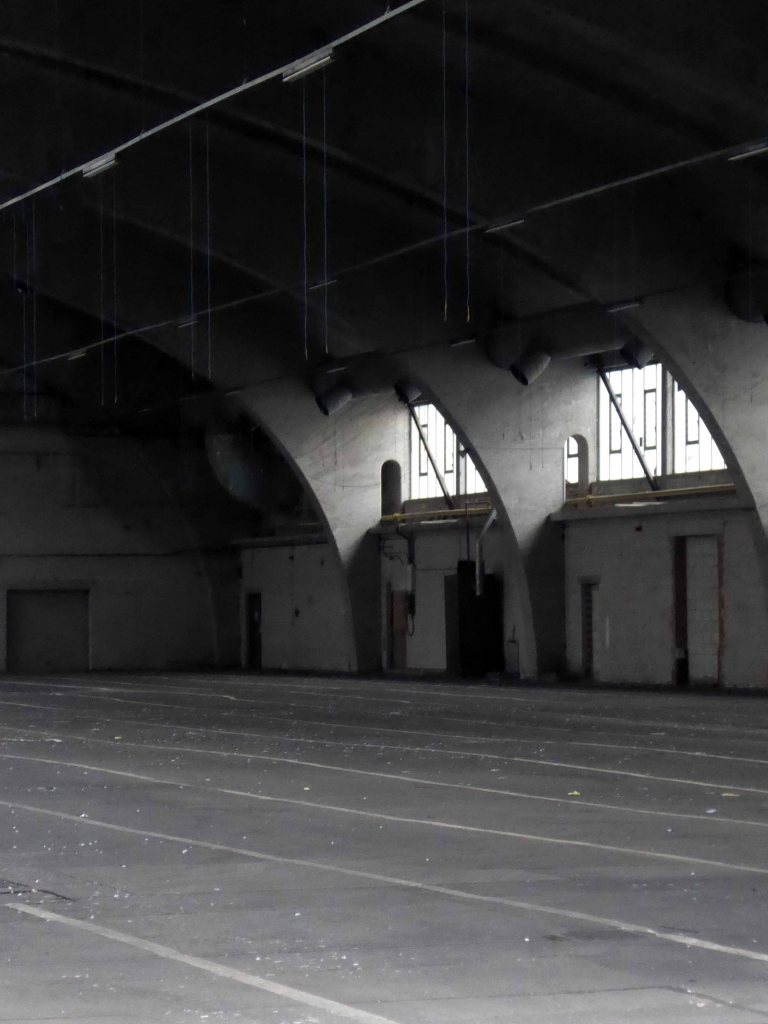
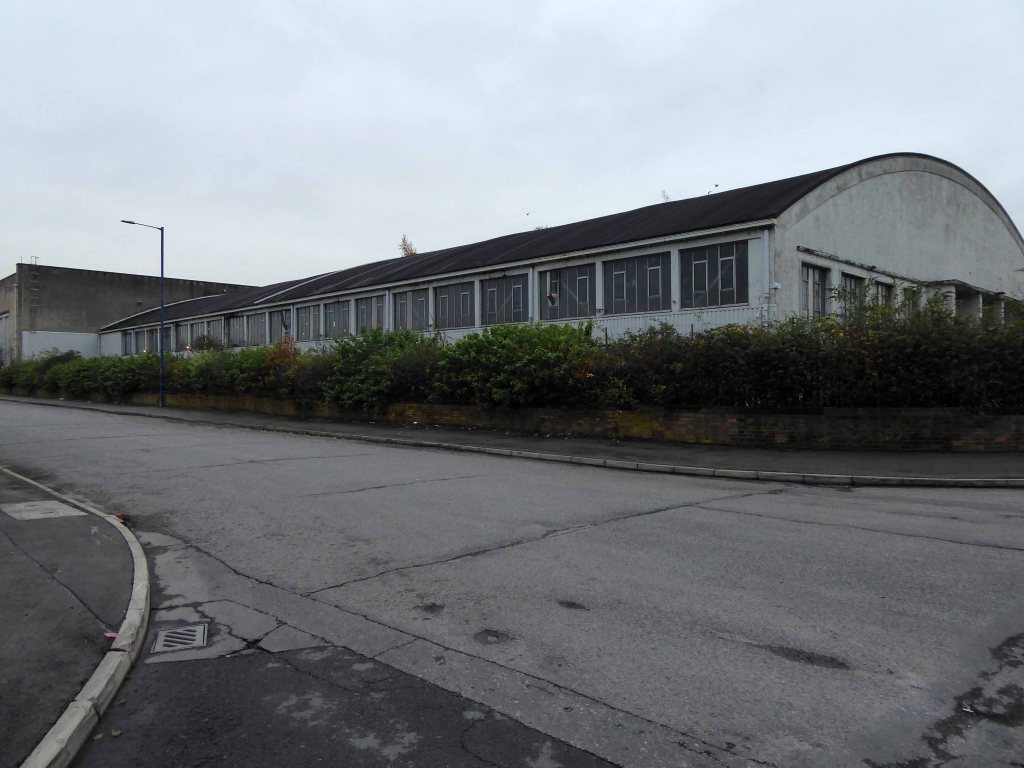
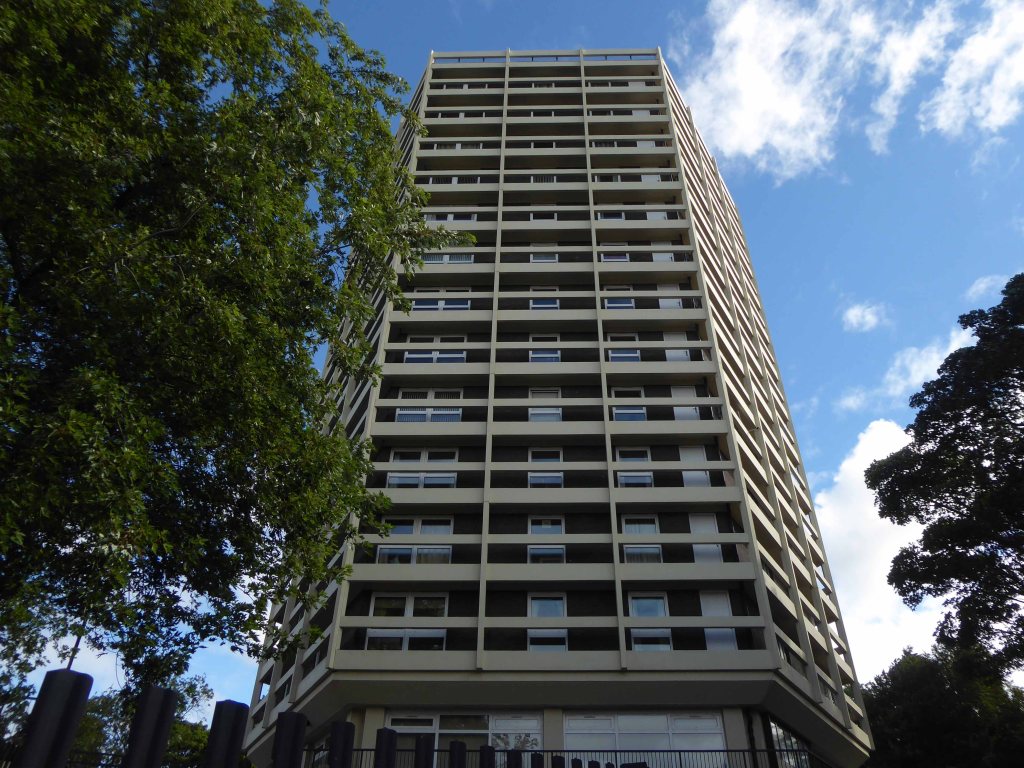
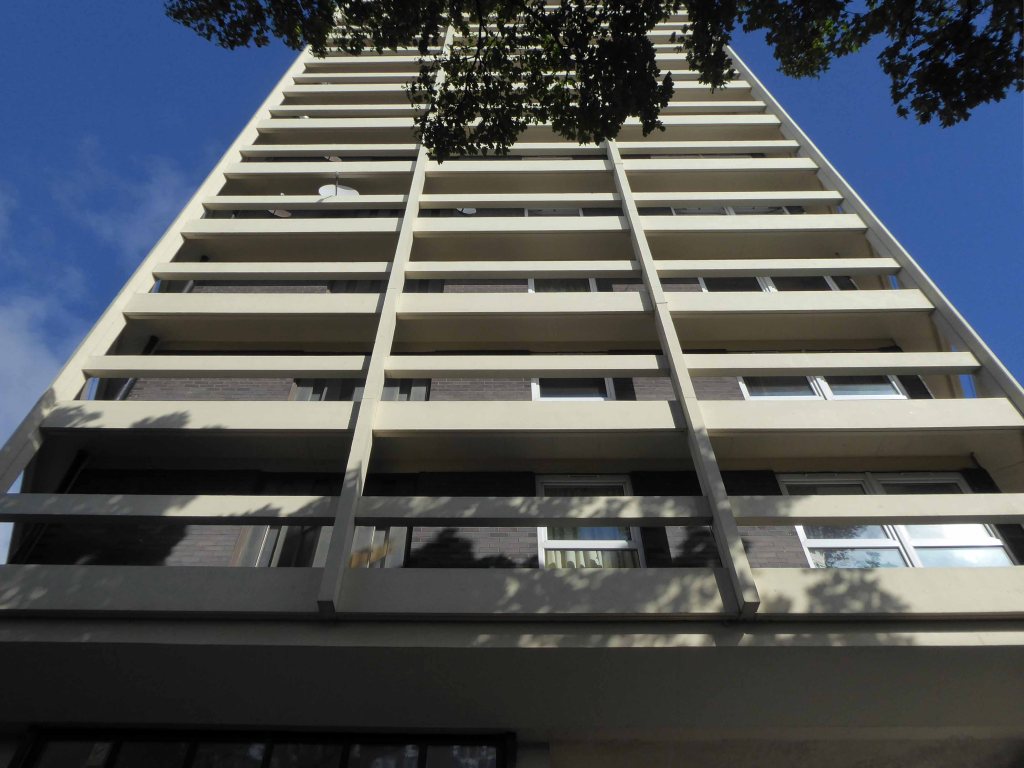
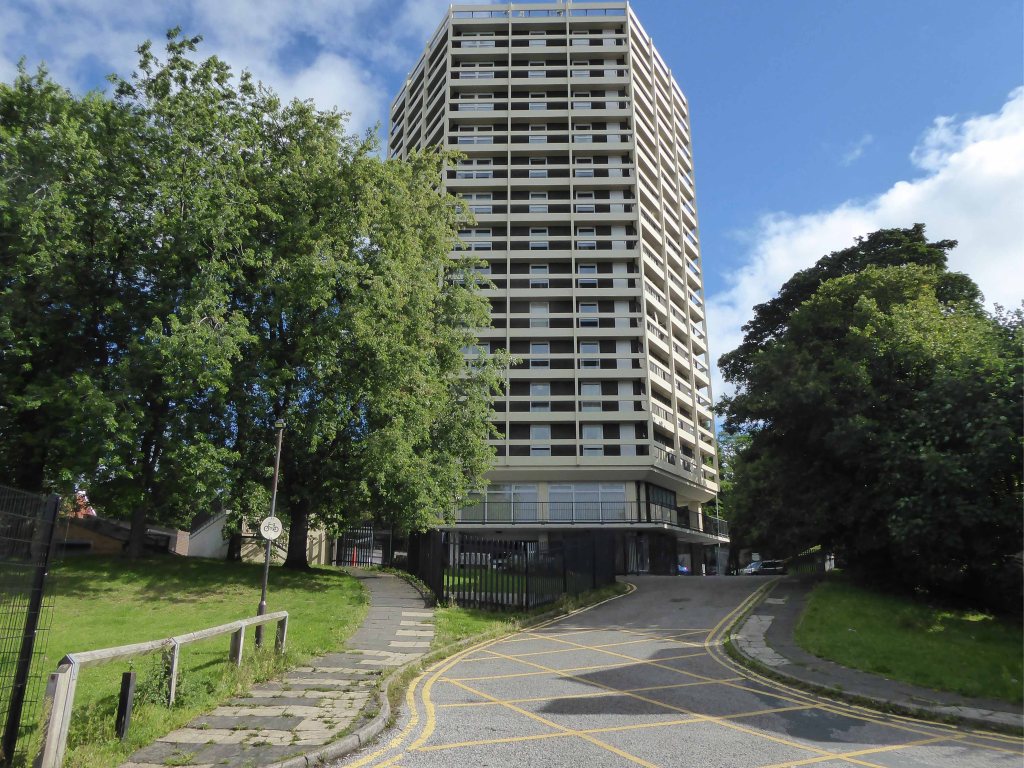
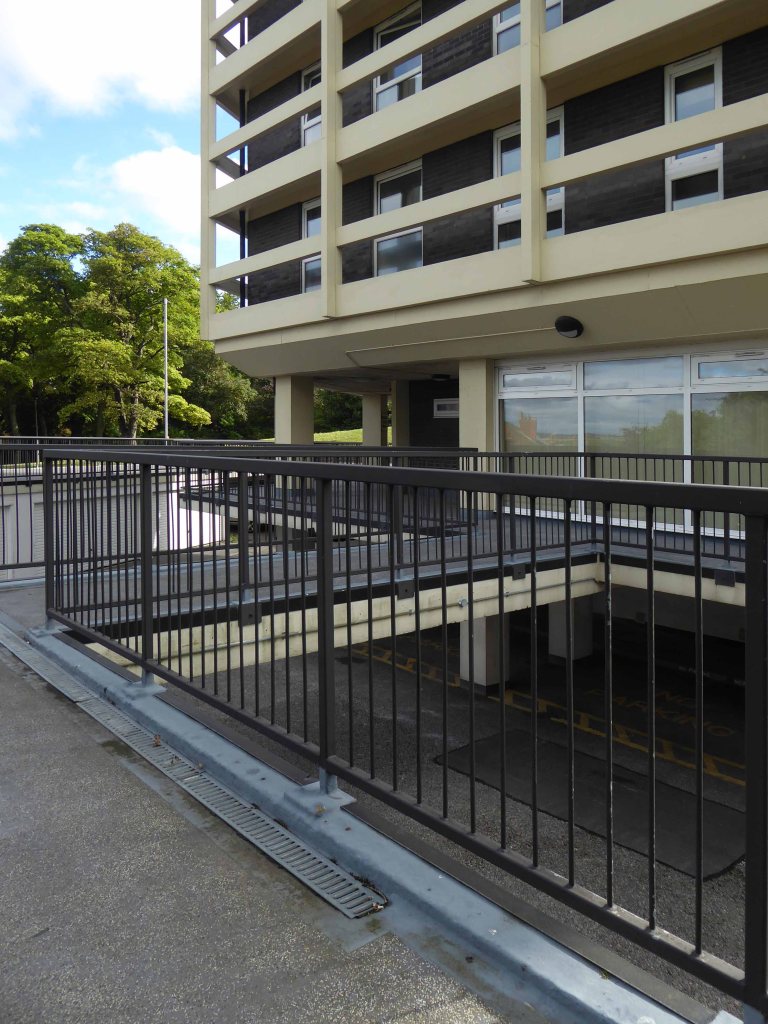
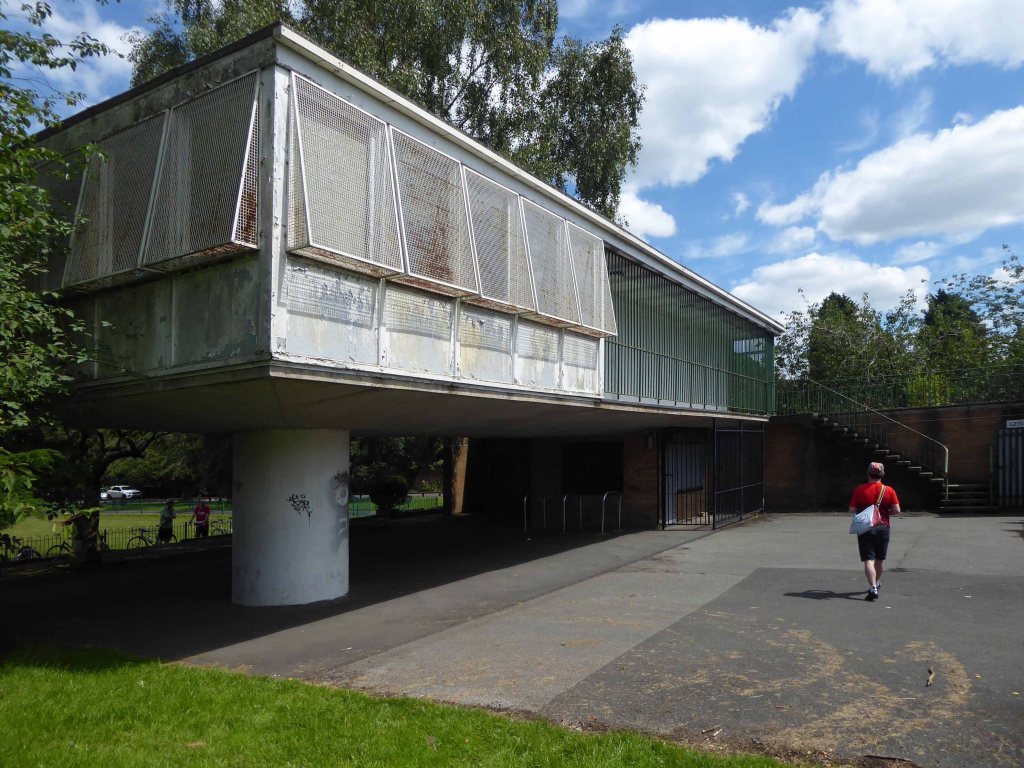
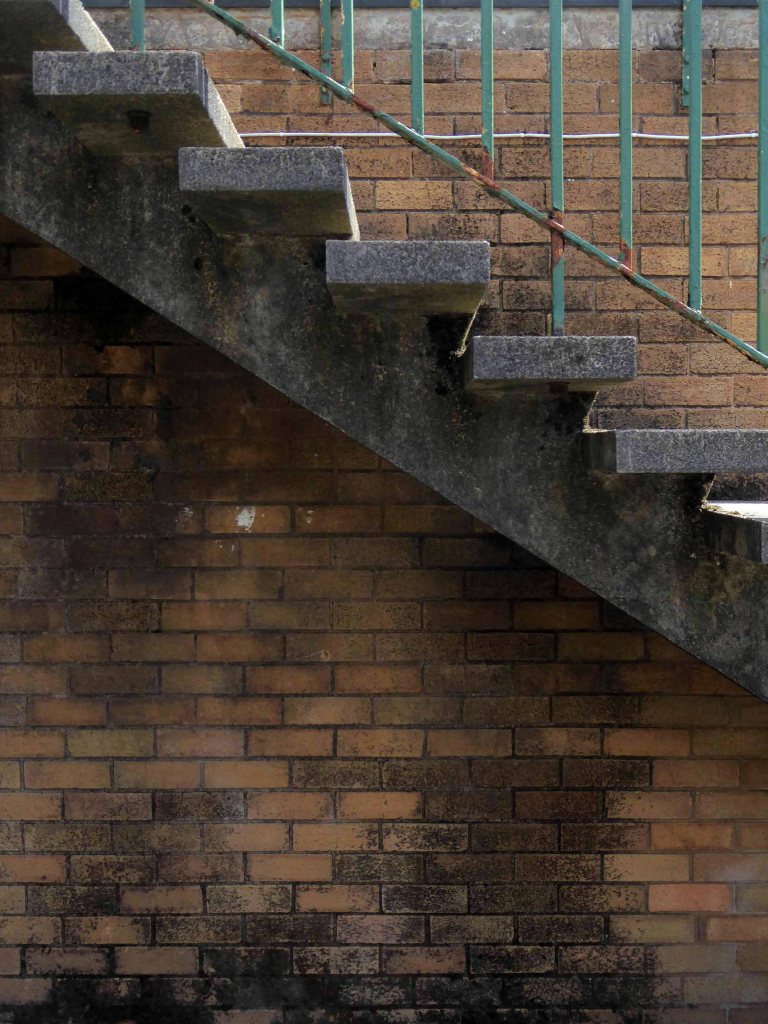
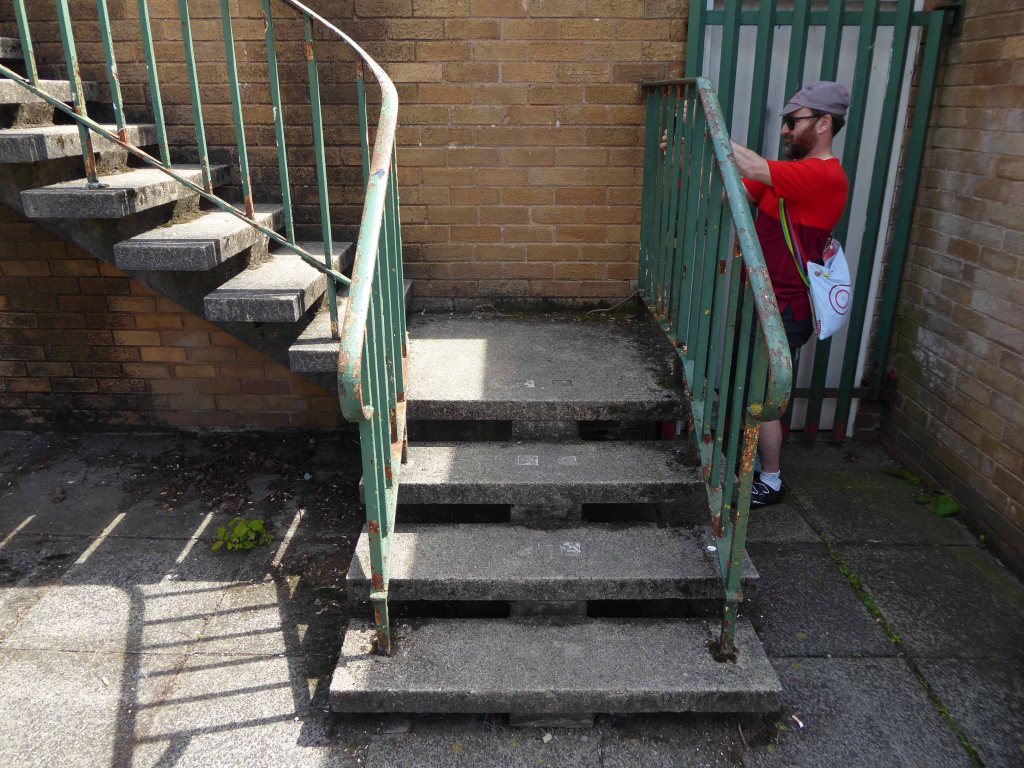
Turnpike Centre – Leigh

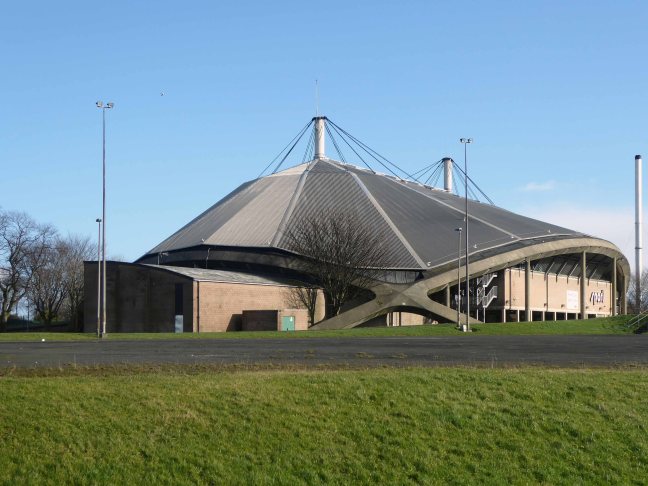
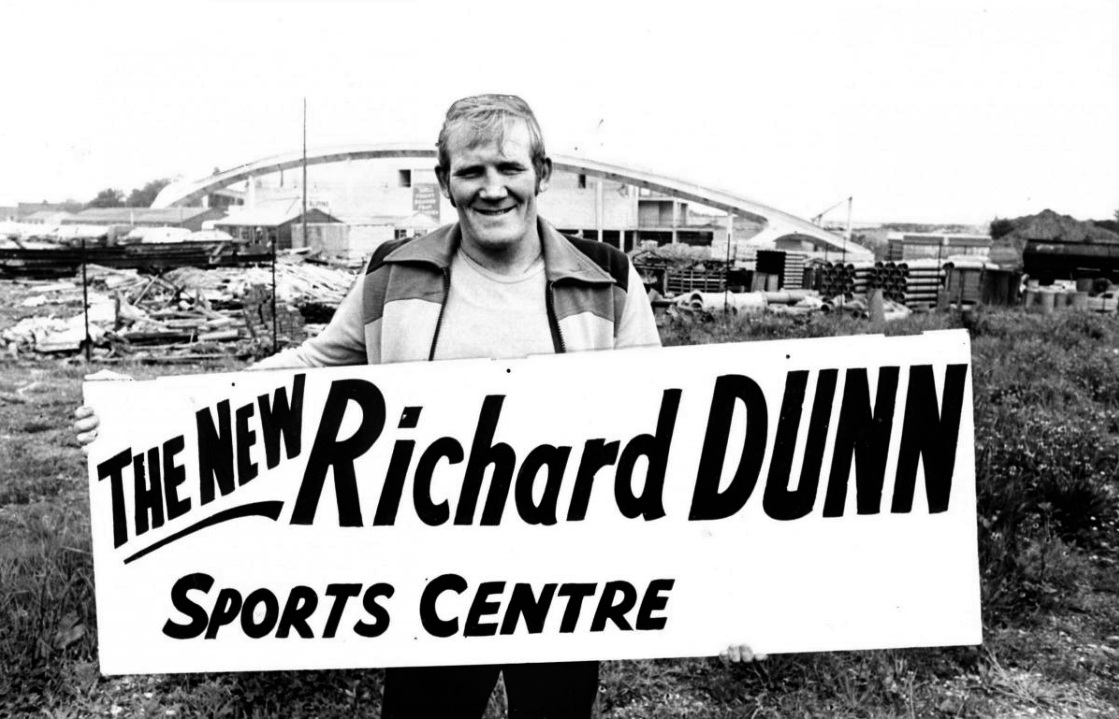
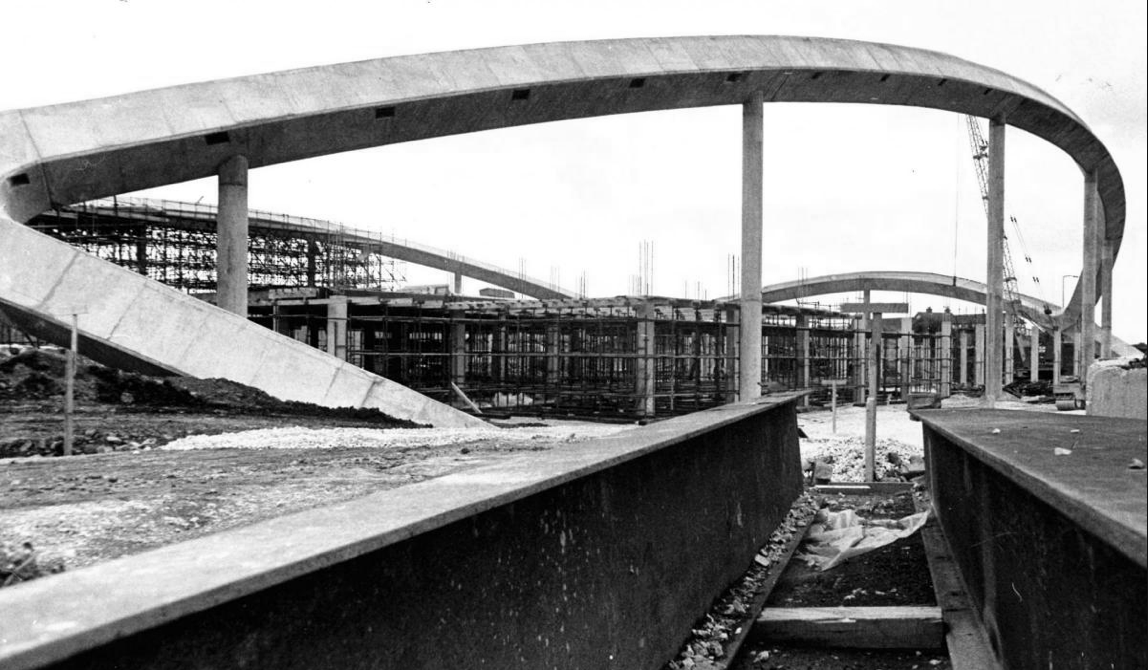
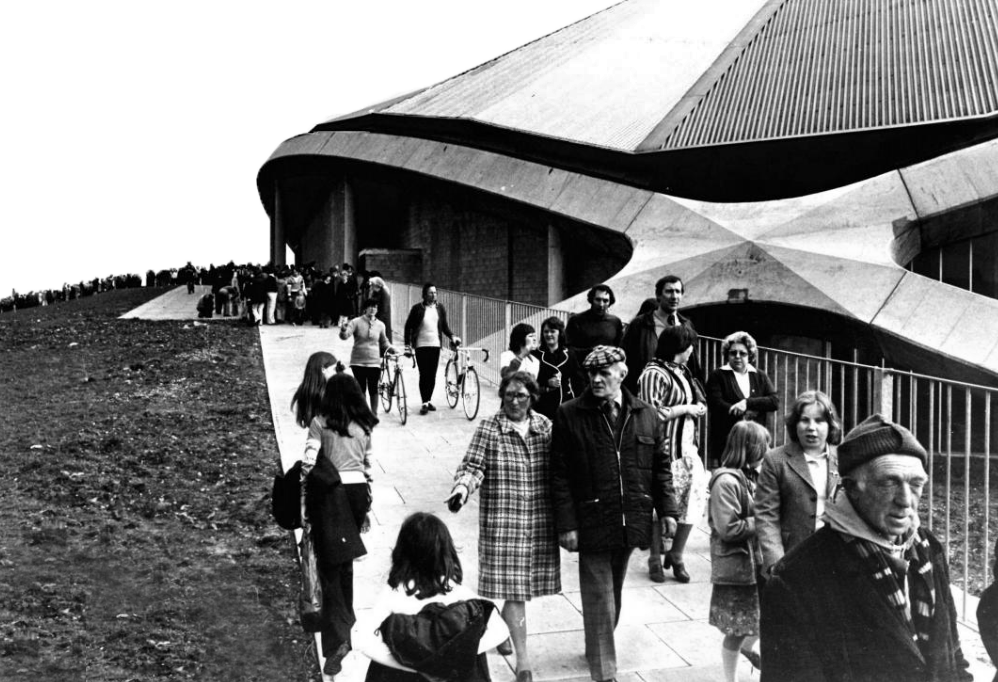
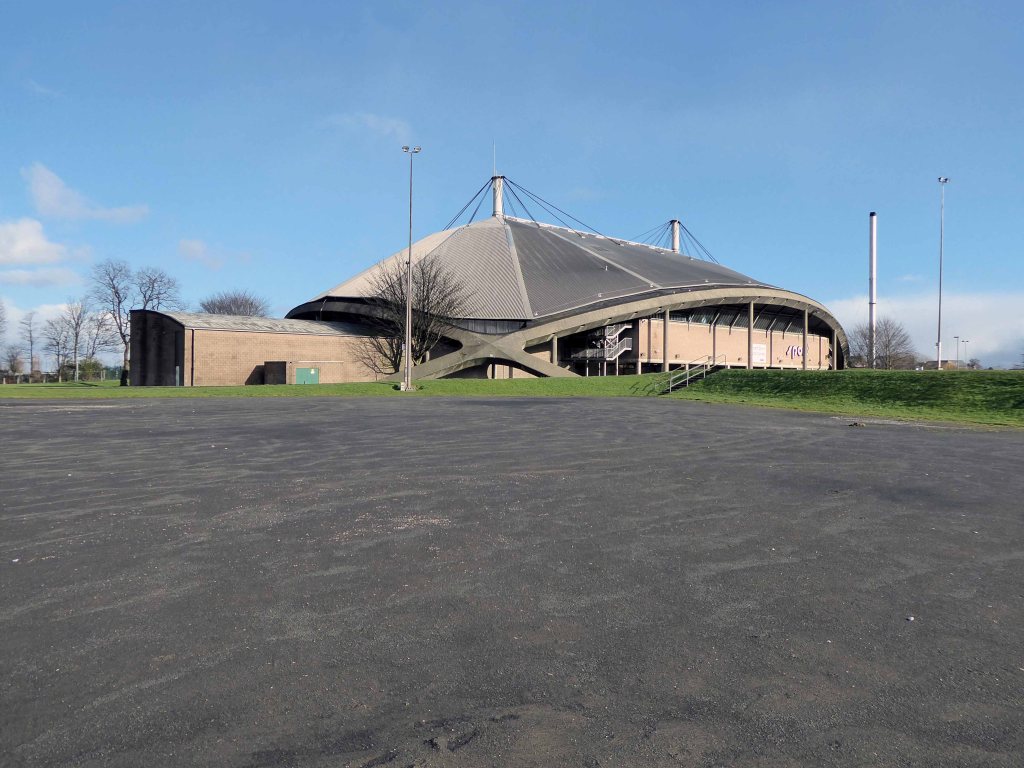
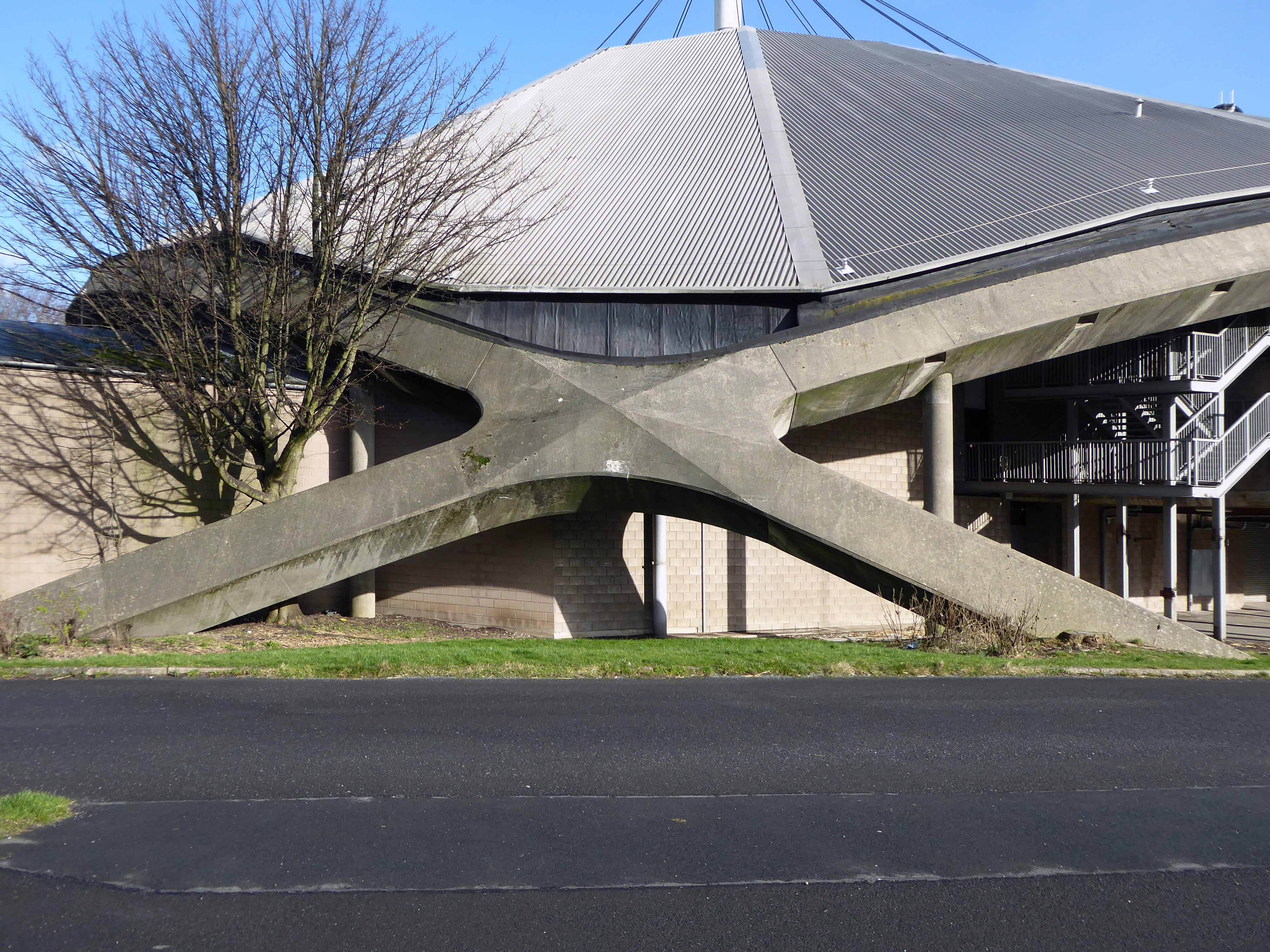
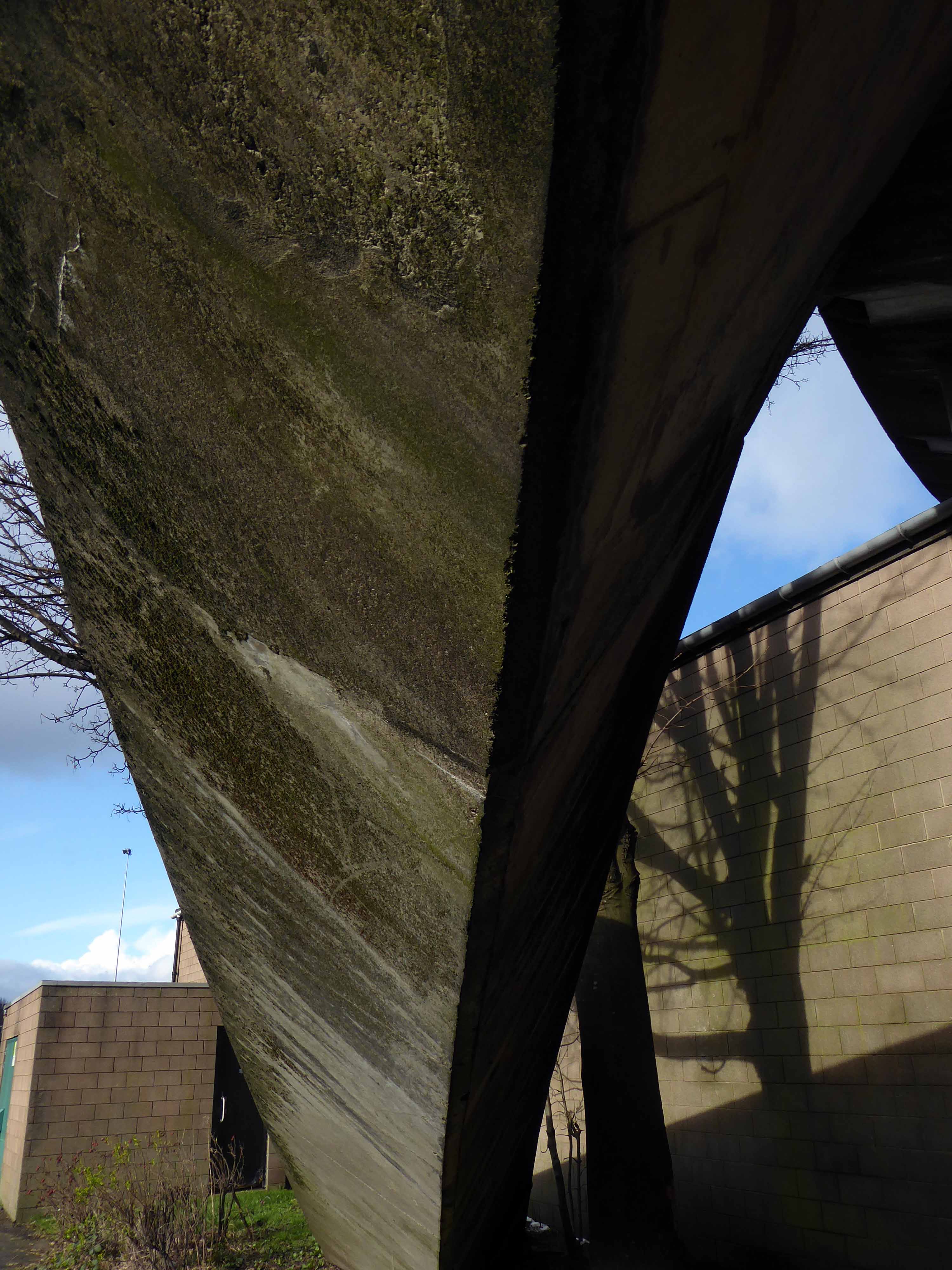
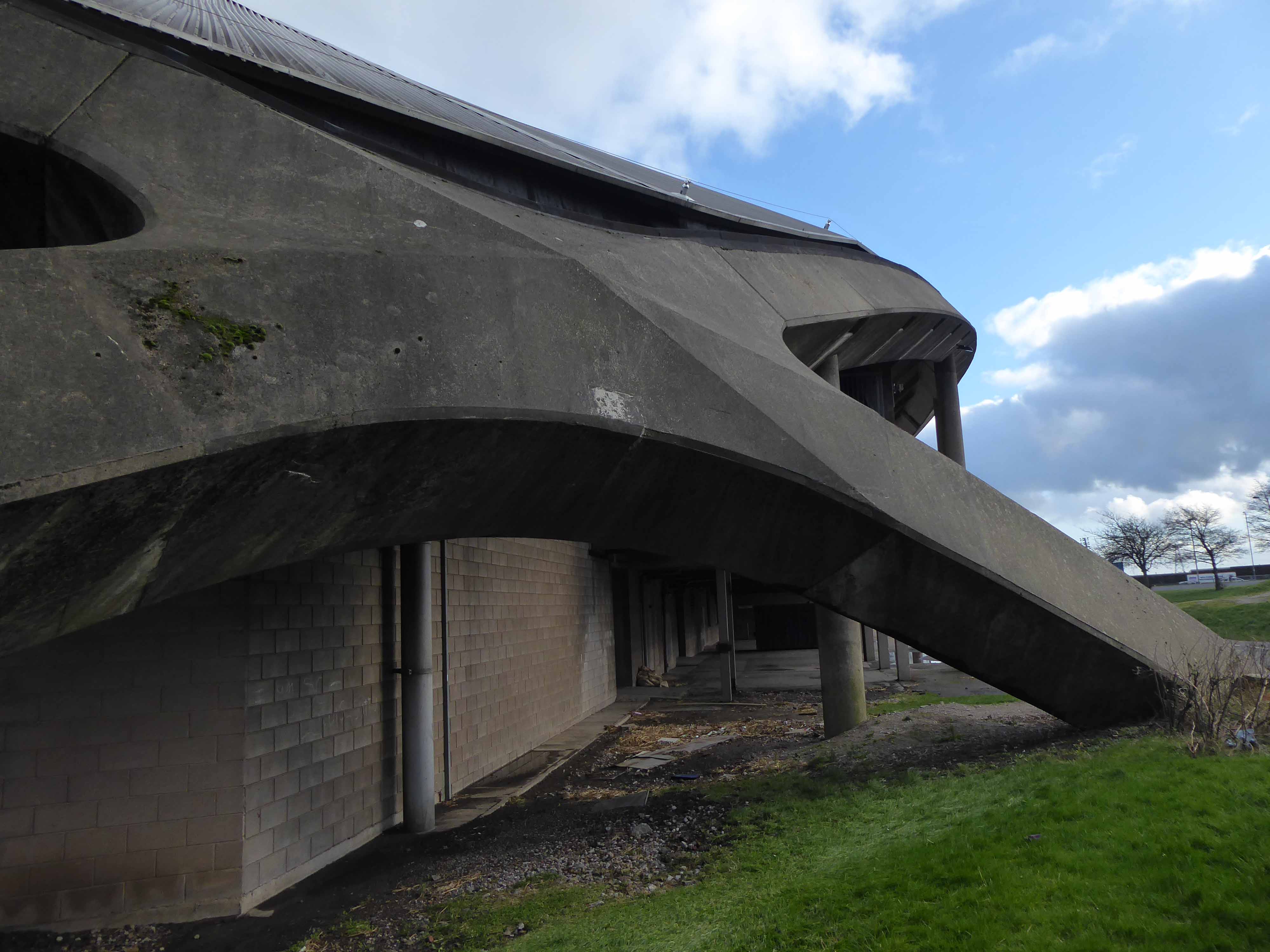
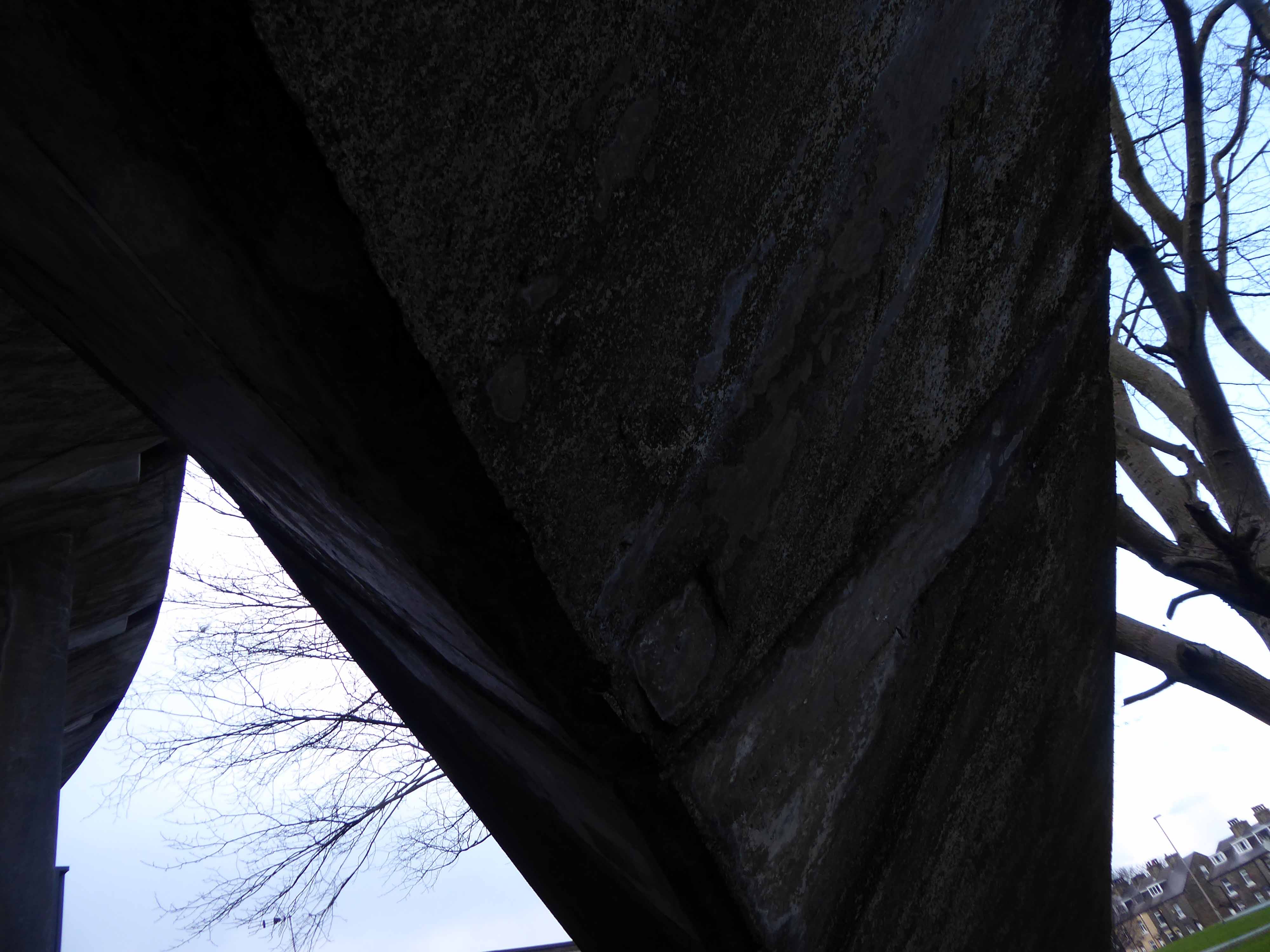
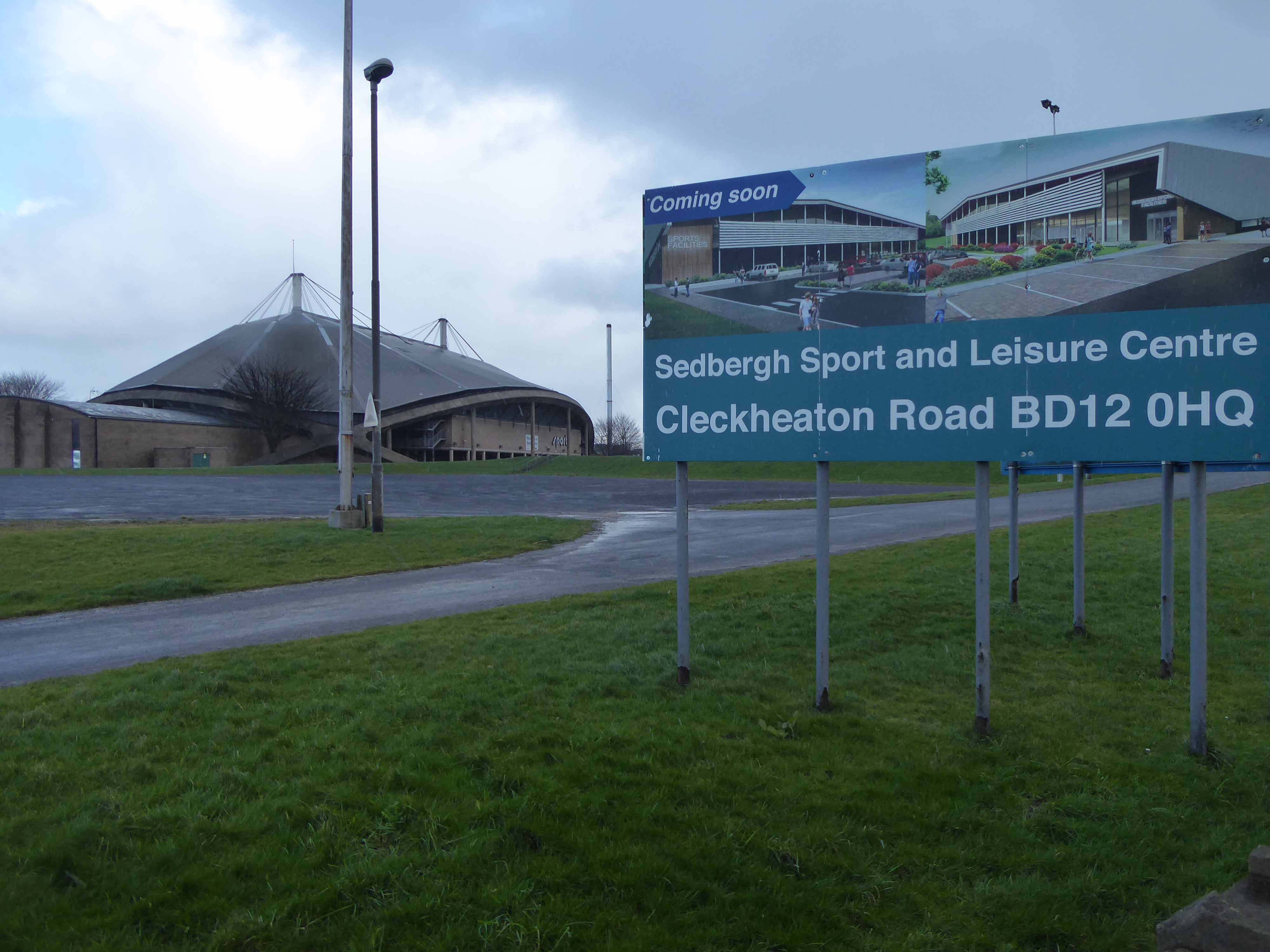
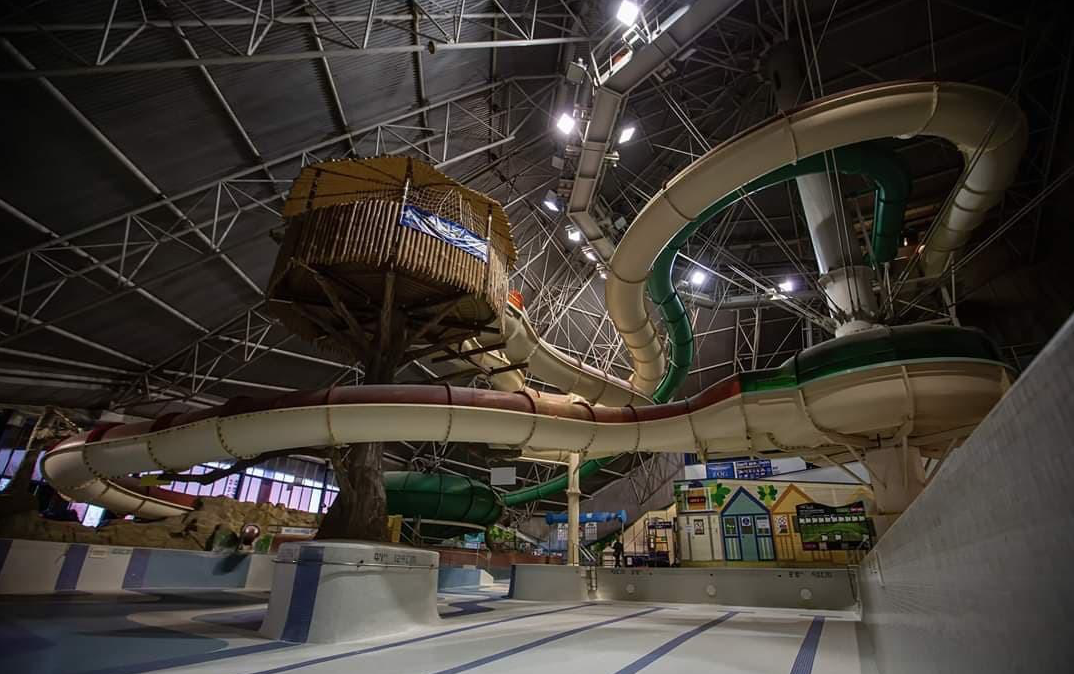
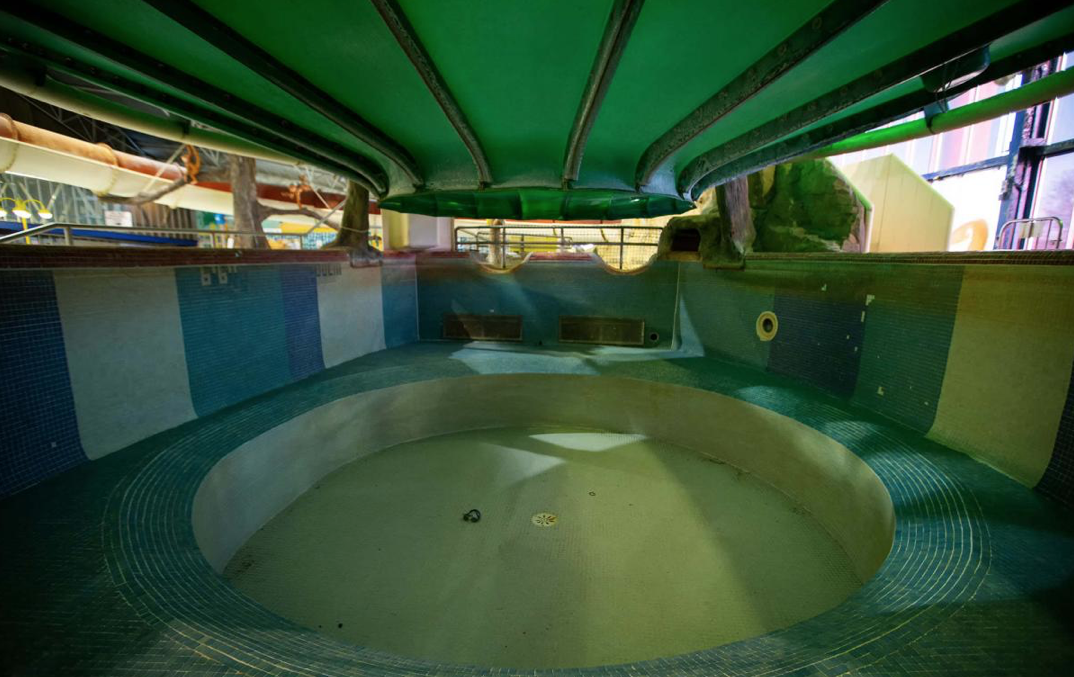
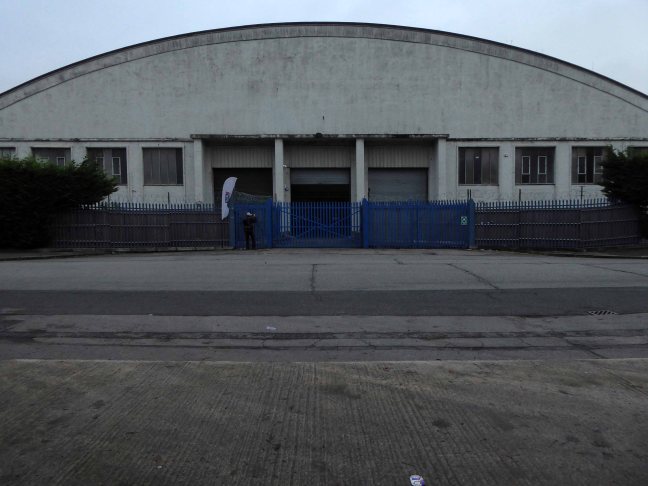
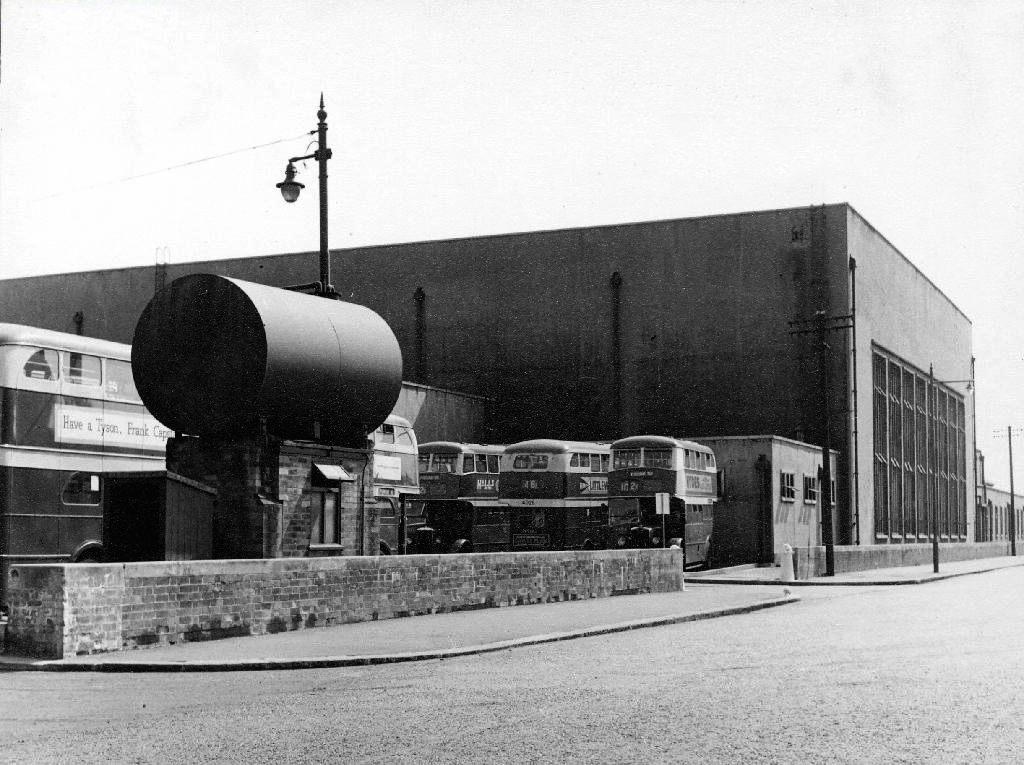
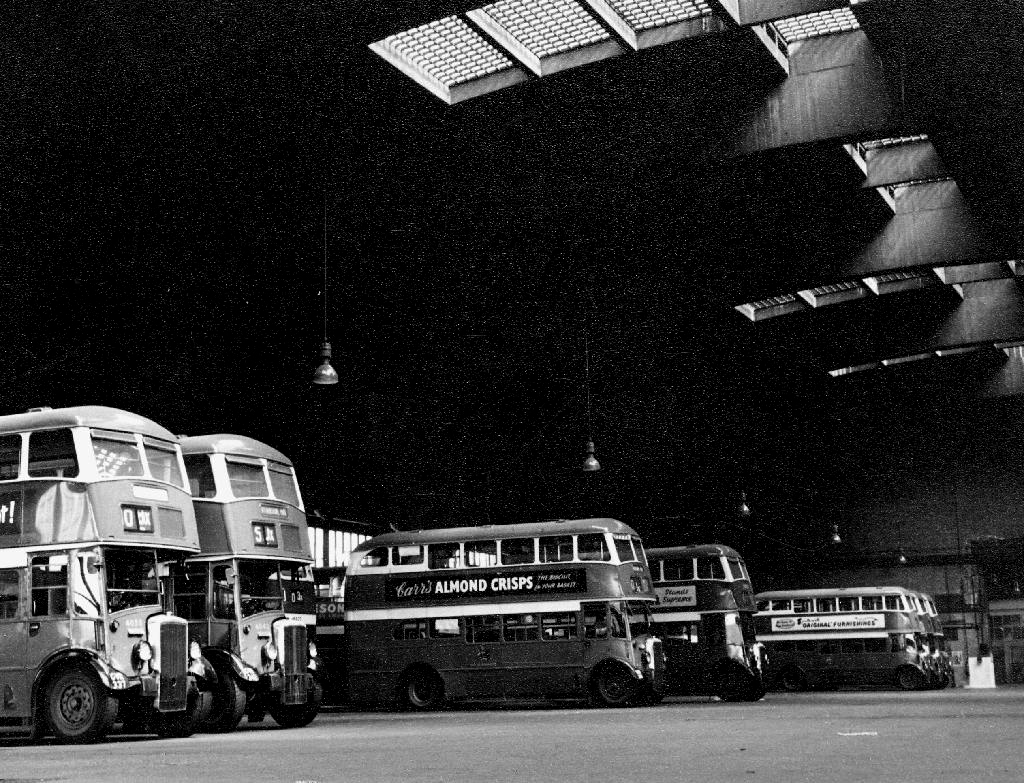
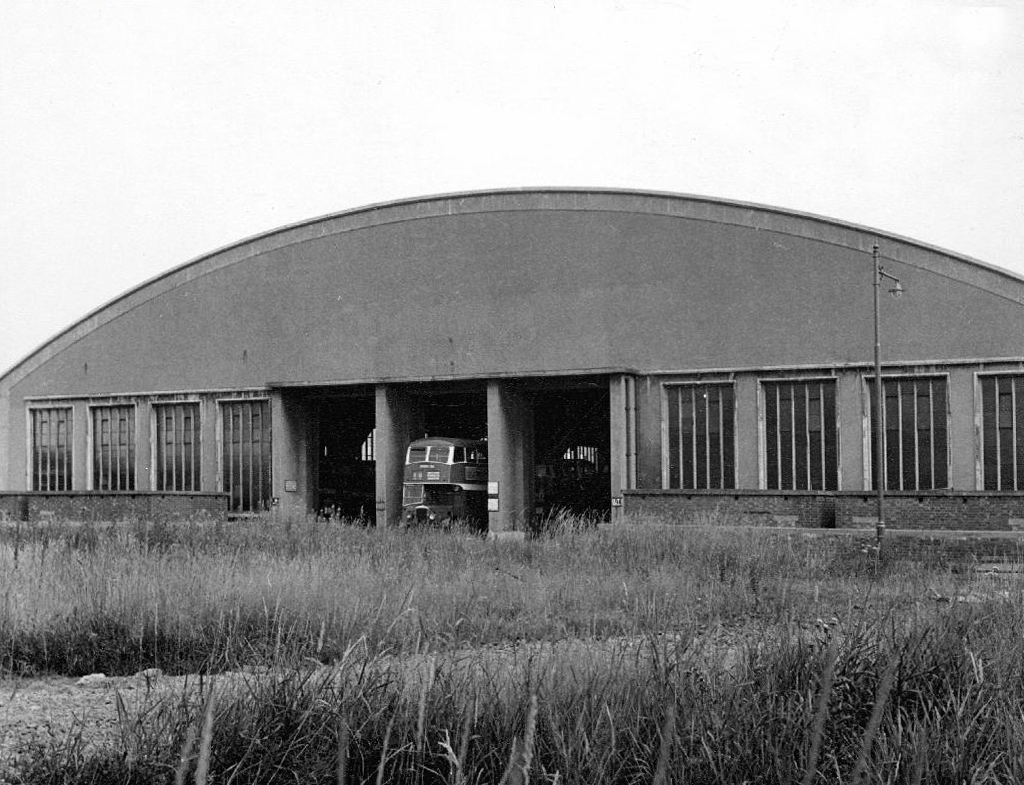
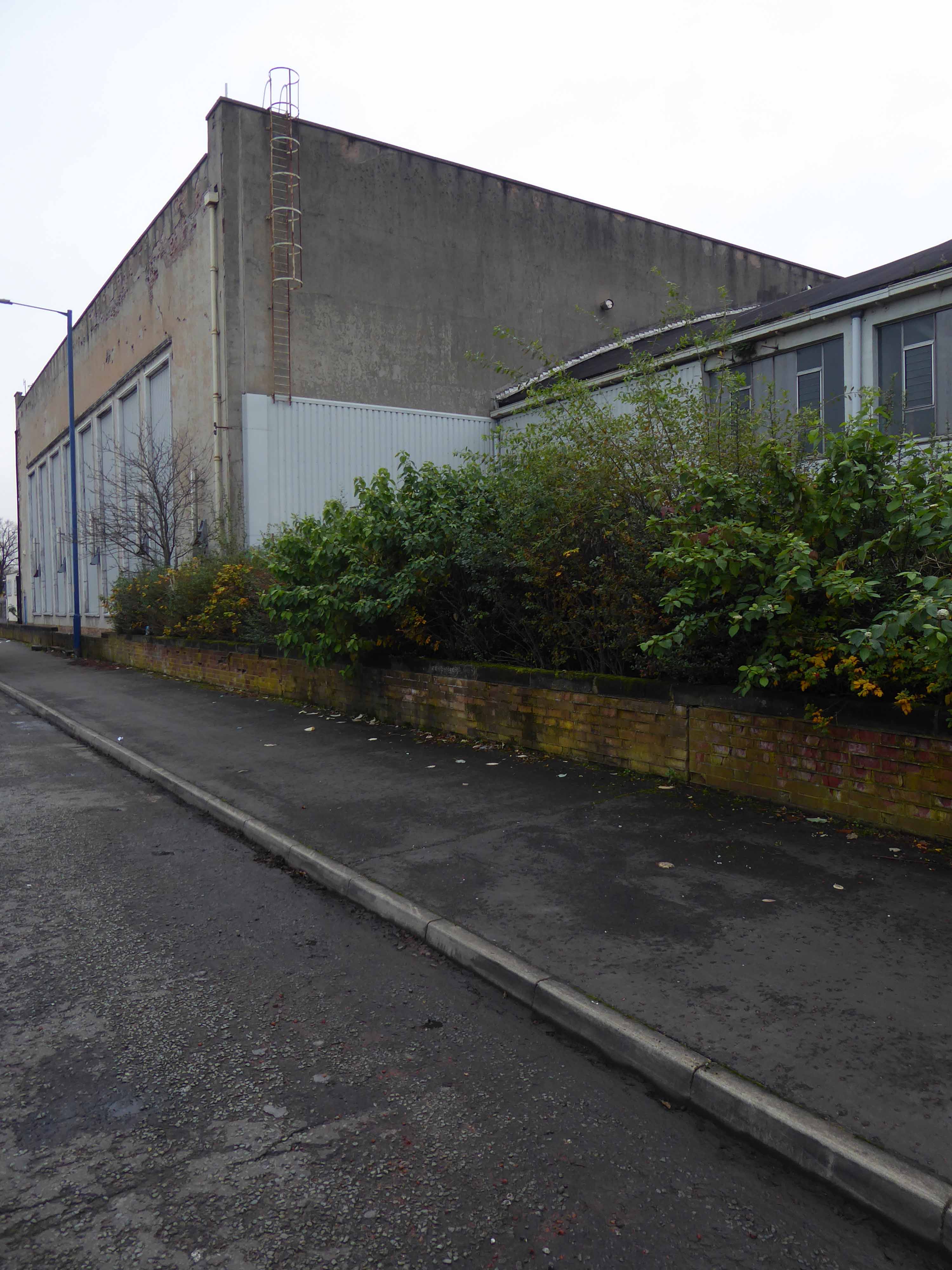
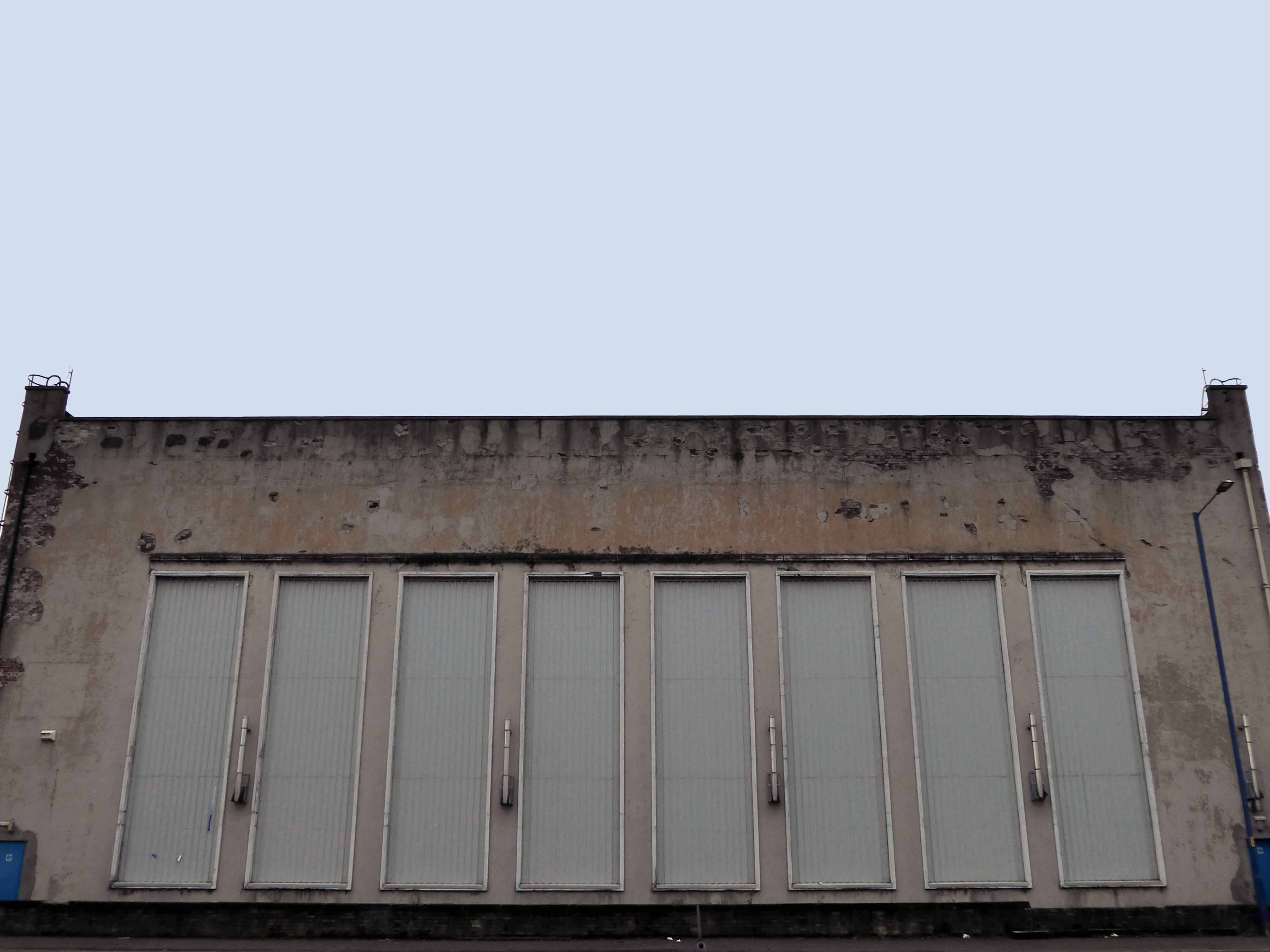
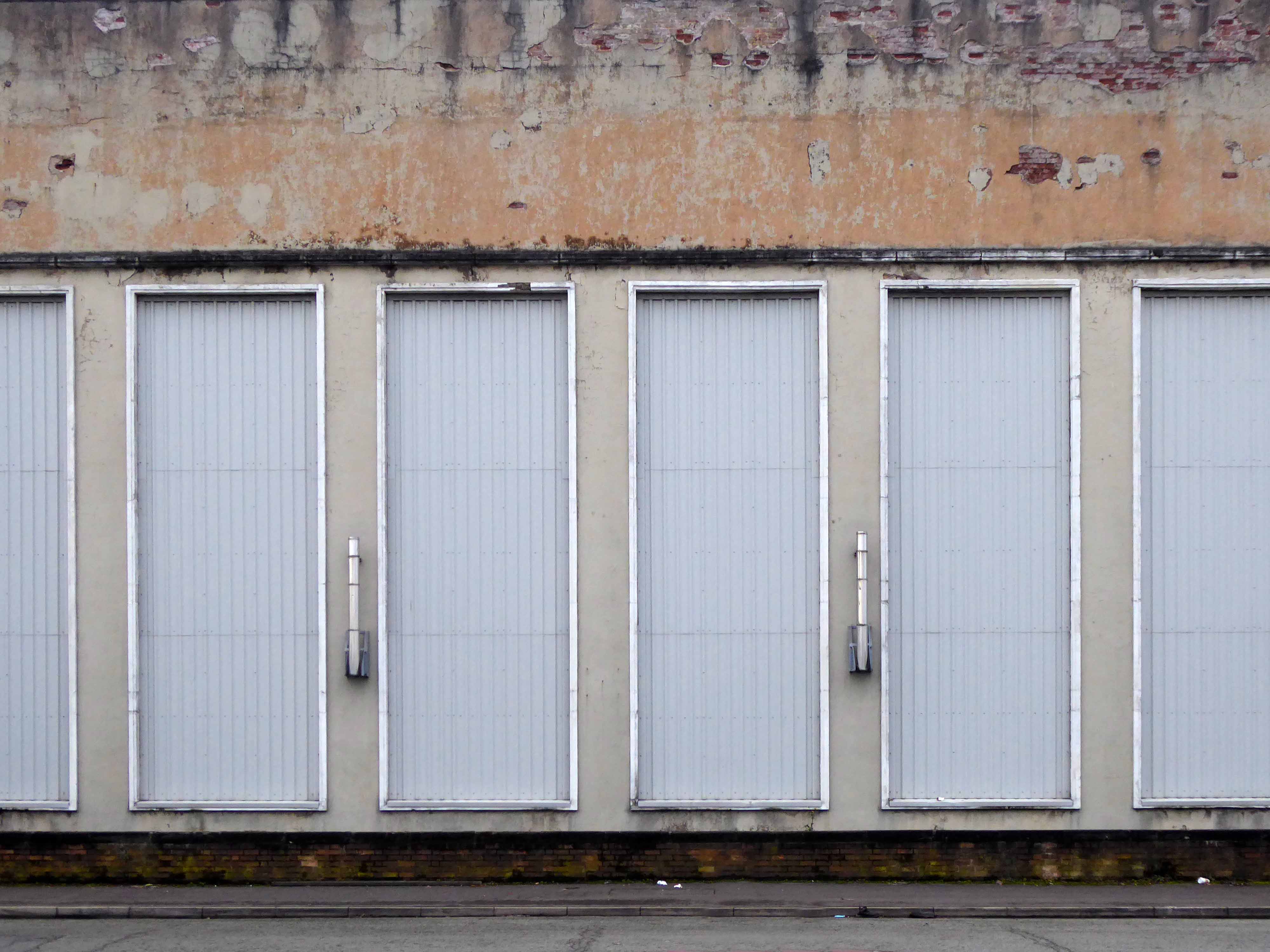
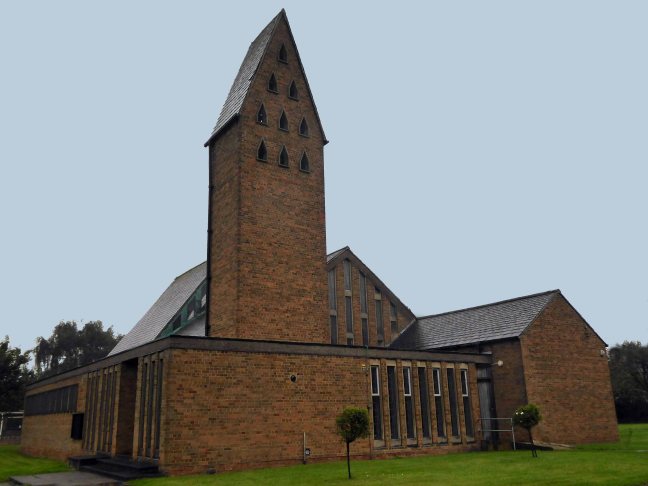
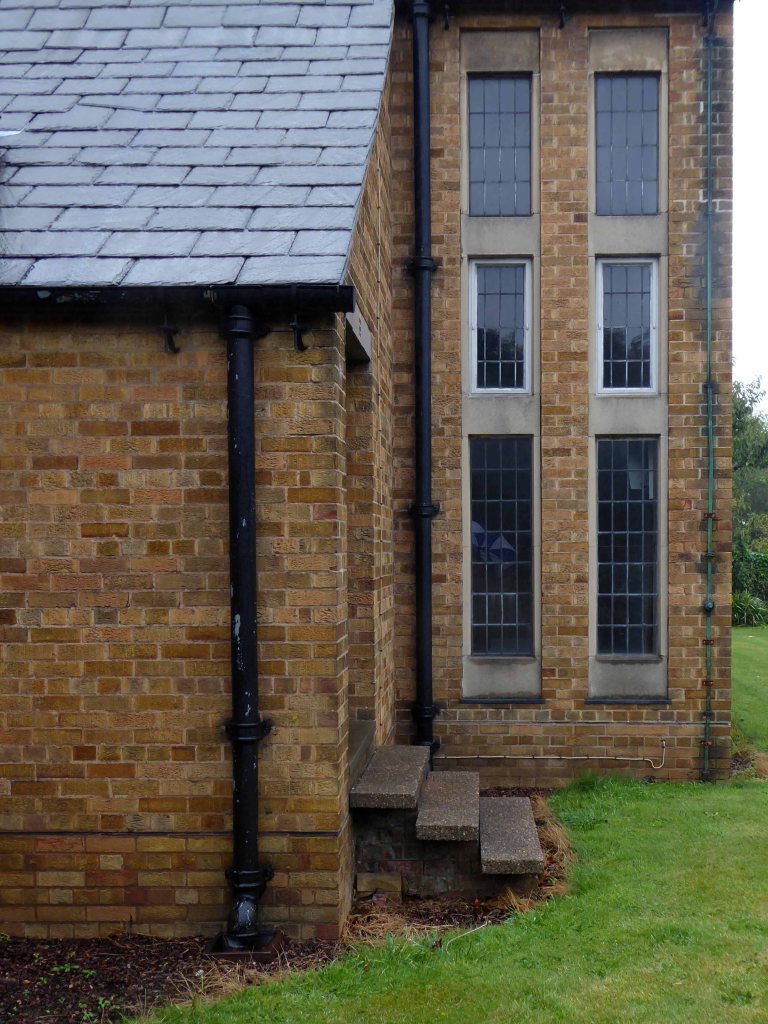
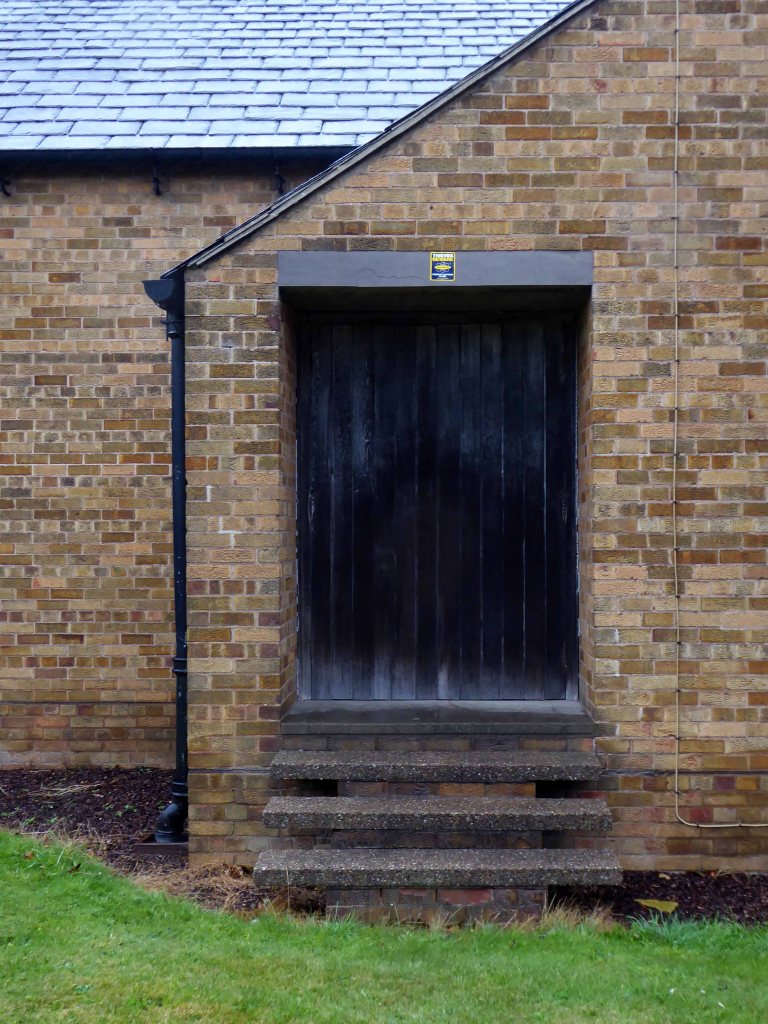
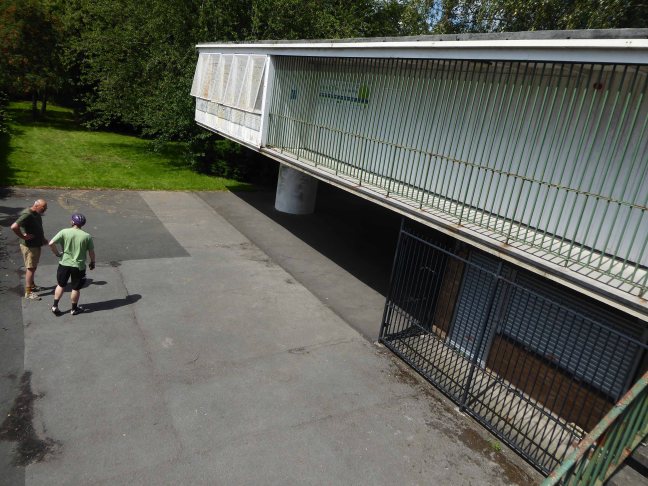
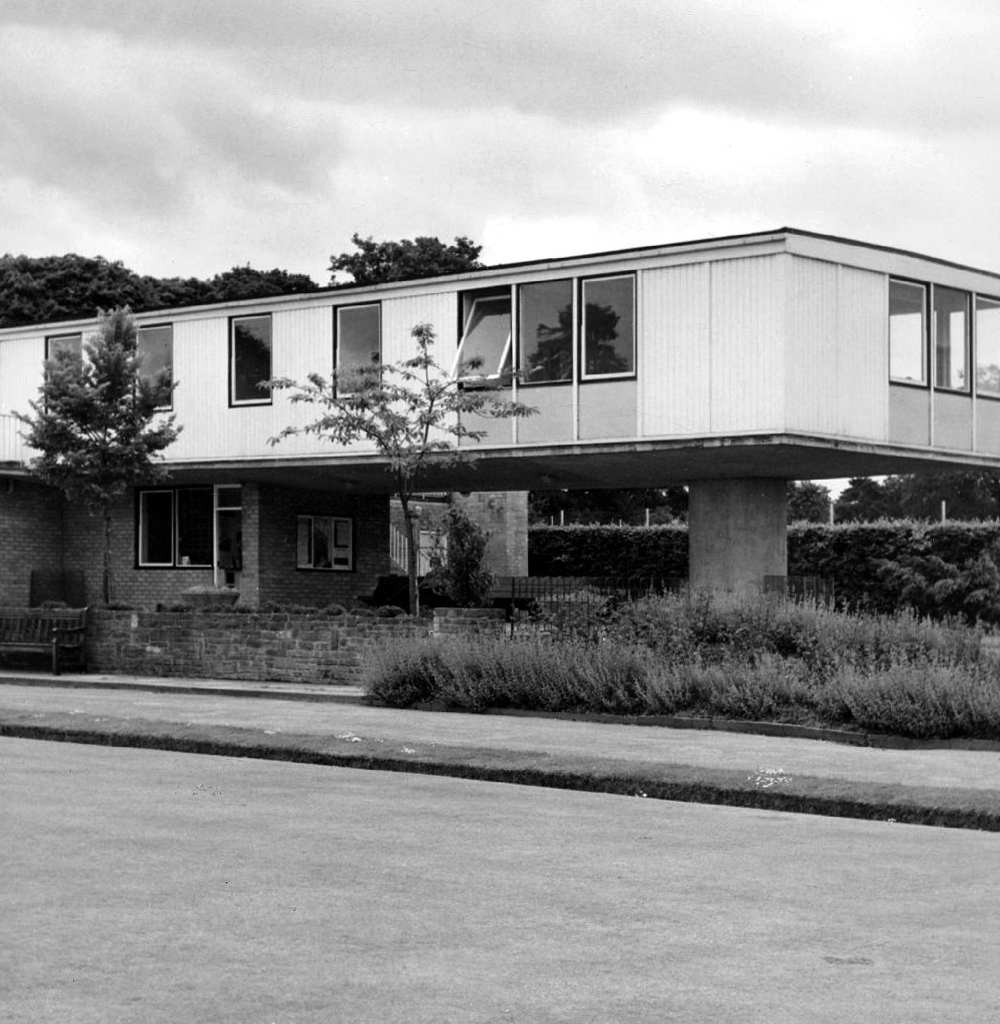
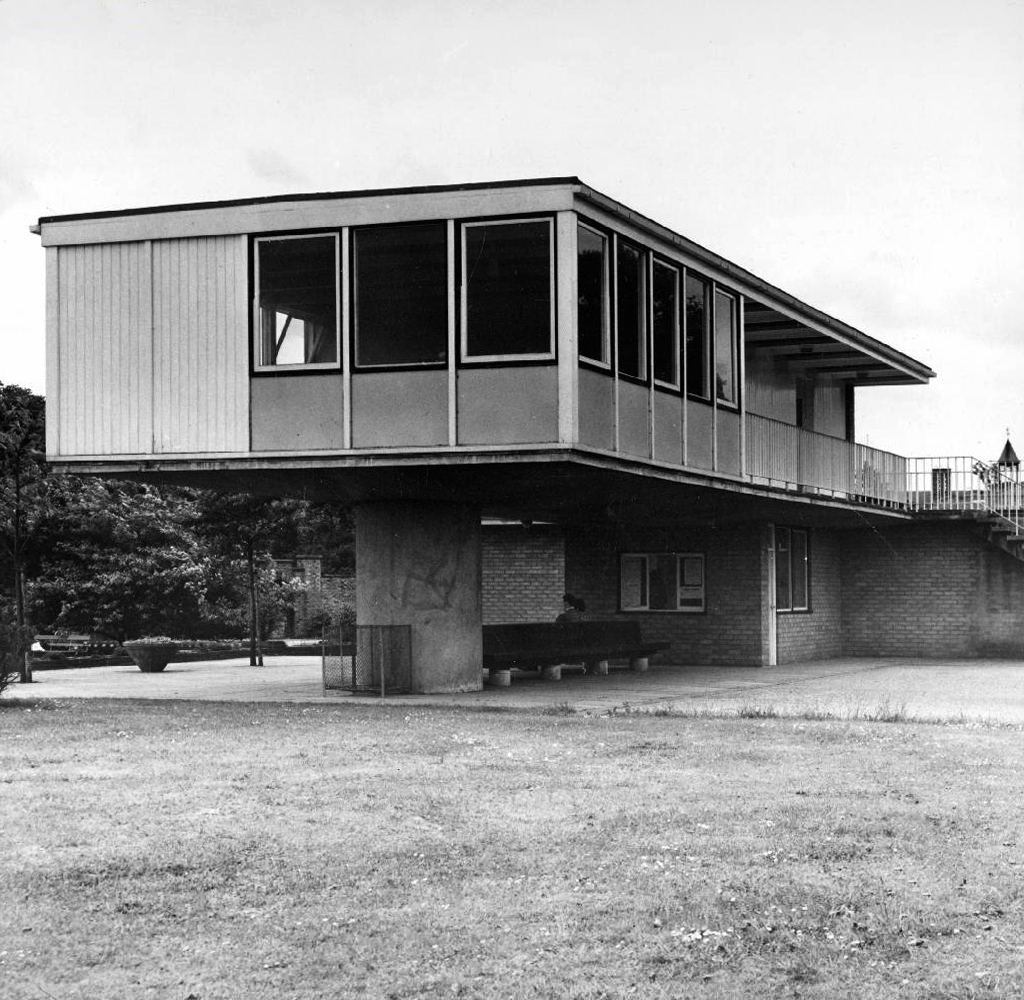
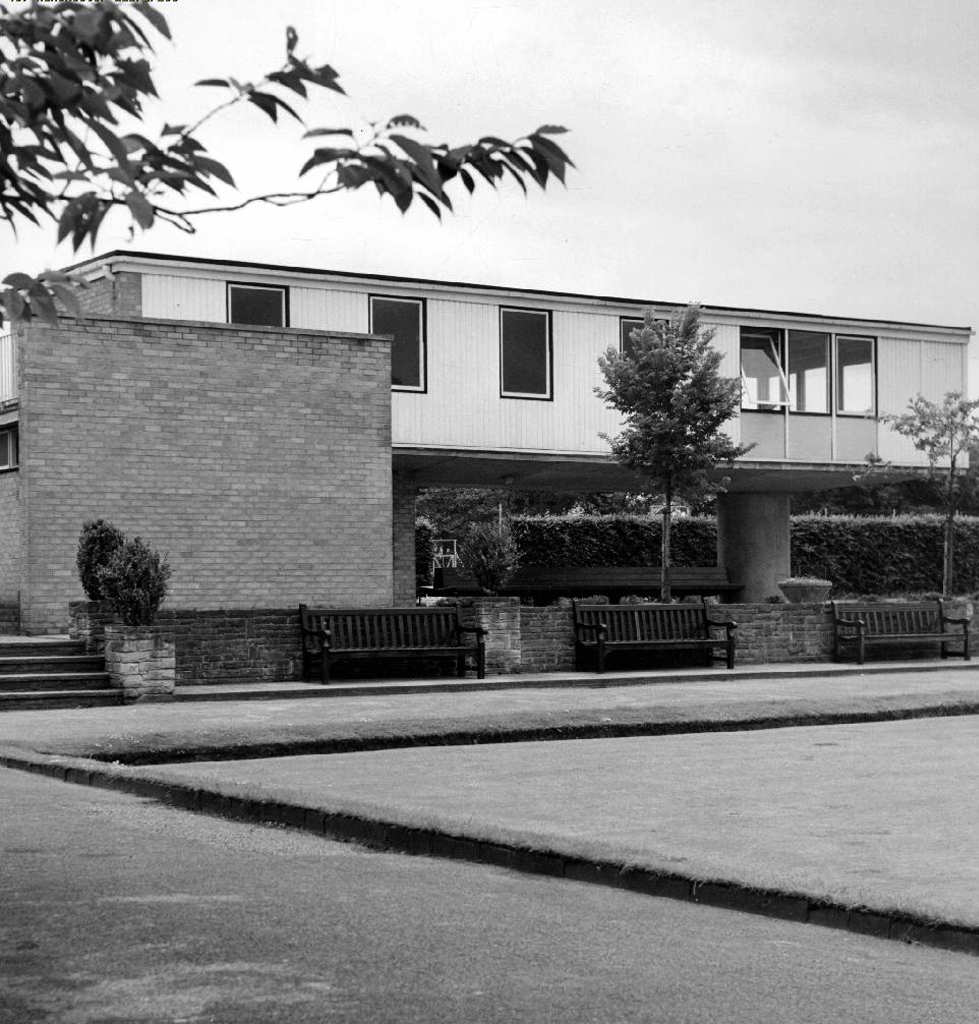
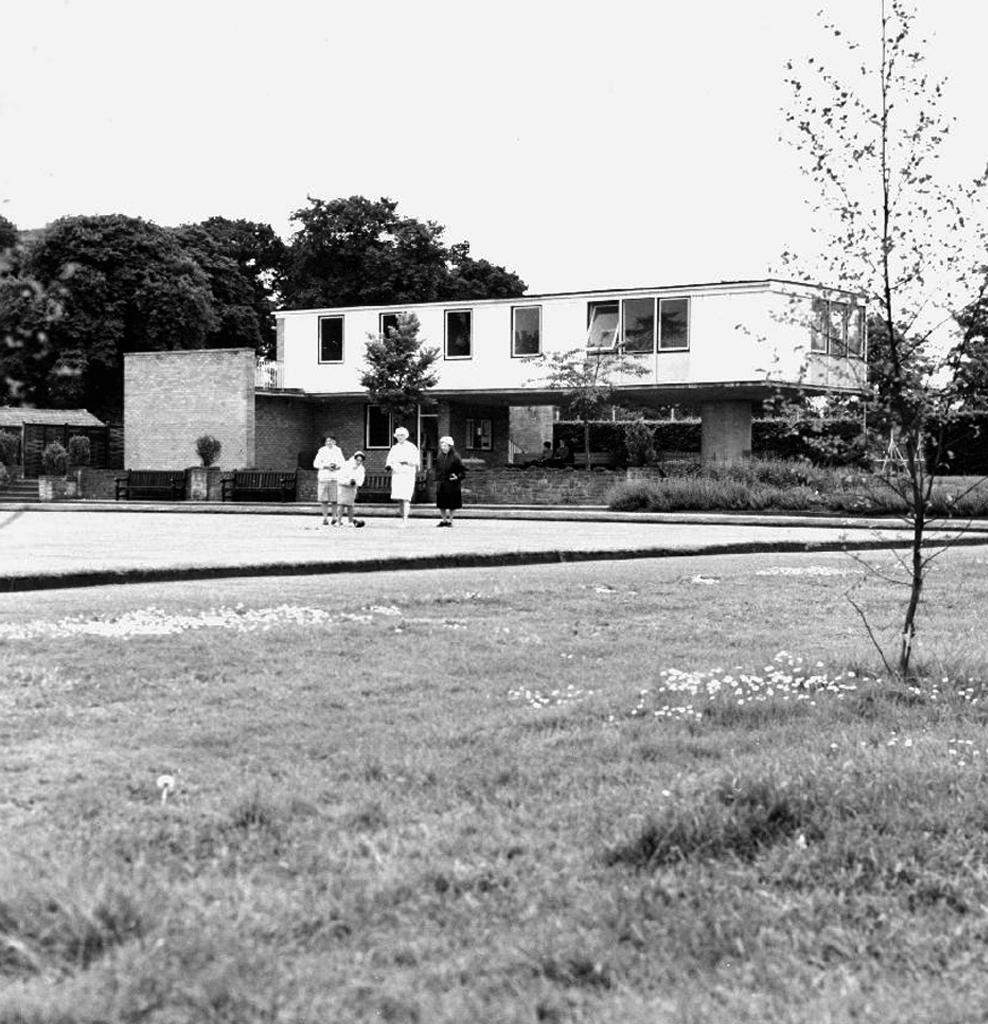
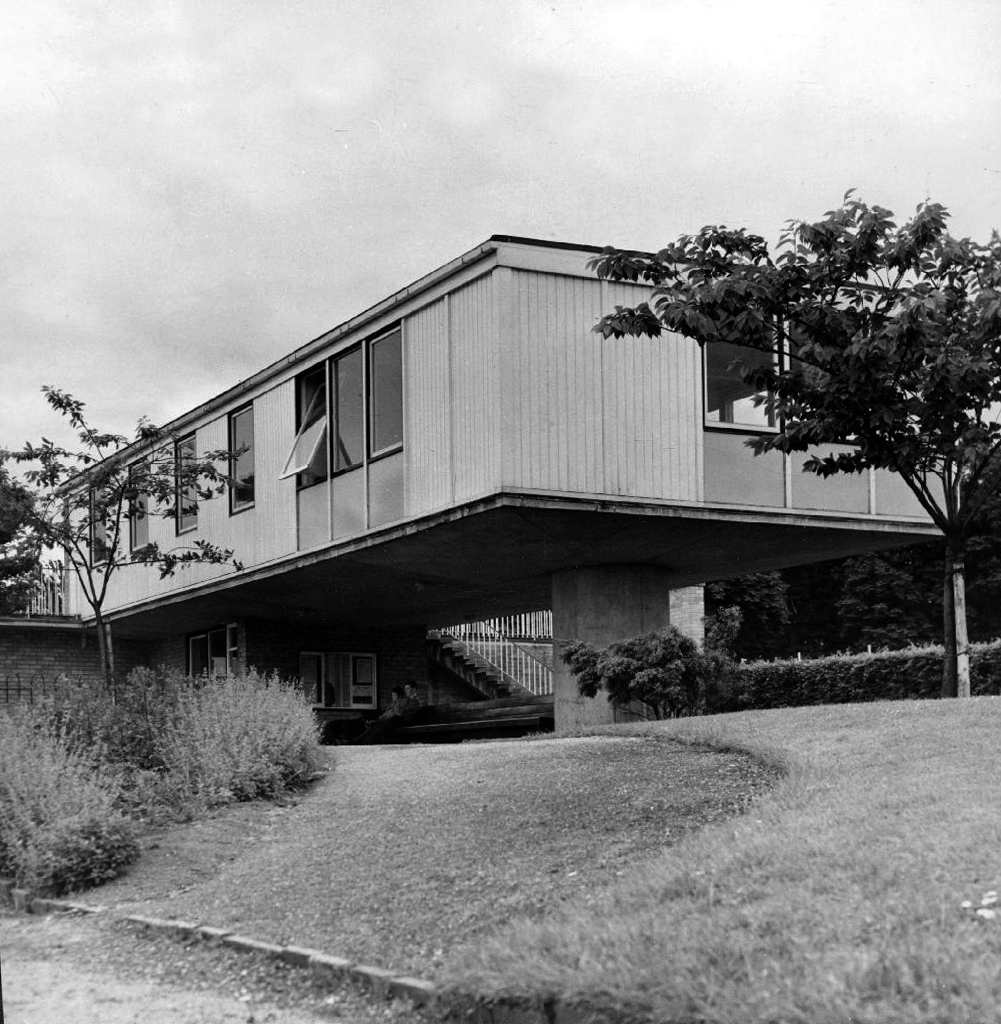
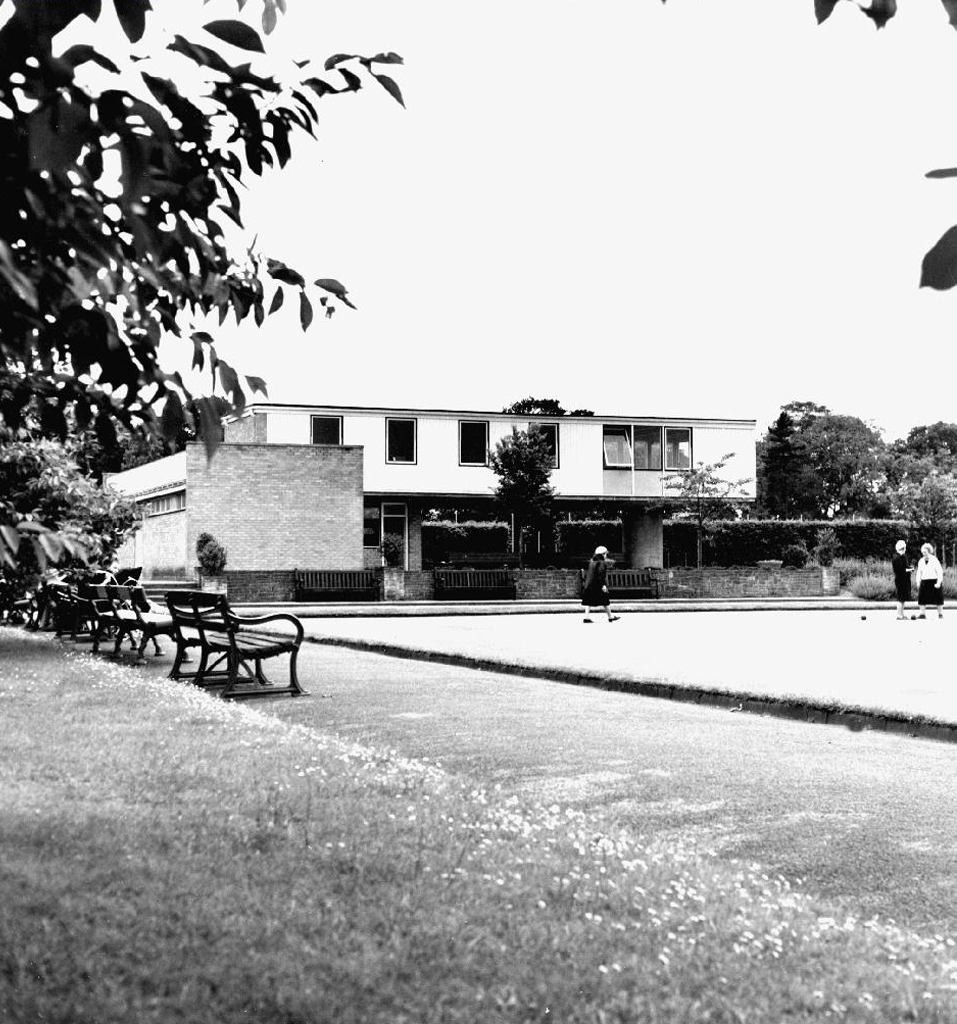
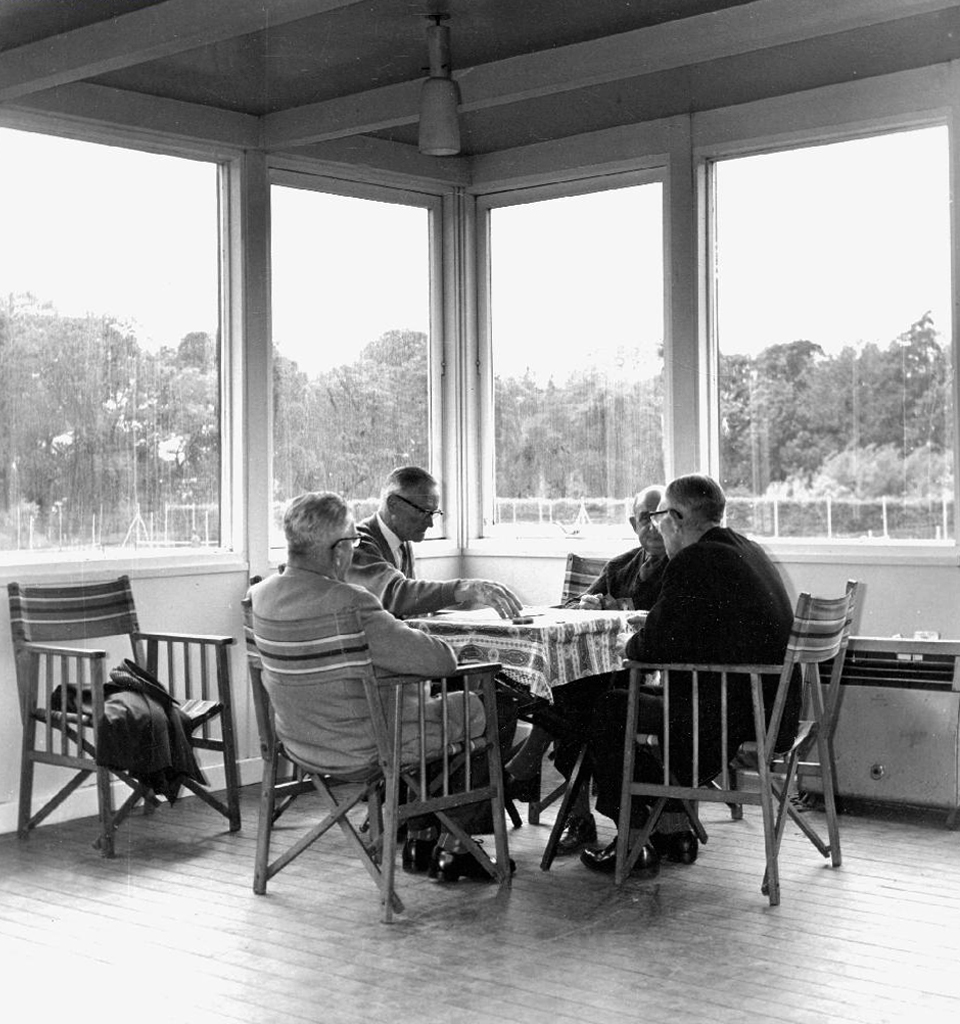
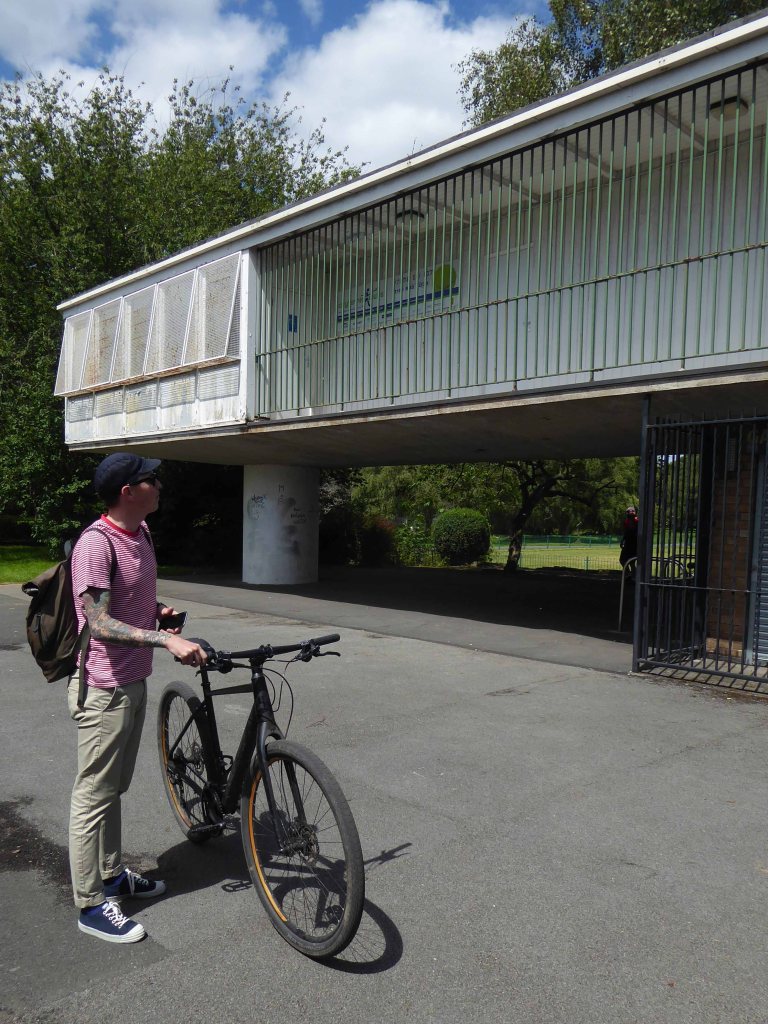
The Turnpike Centre was designed by J C Prestwich and Sons architects, who, incidentally, also designed Leigh Town Hall nearly 70 years earlier.

Since its opening in 1971, the bustling library, thriving art gallery and popular meeting rooms have seen a phenomenal 12 million people walk through the doors, while staff have answered almost 400 thousand questions and issued more than 17 million books, cassettes and CDs.

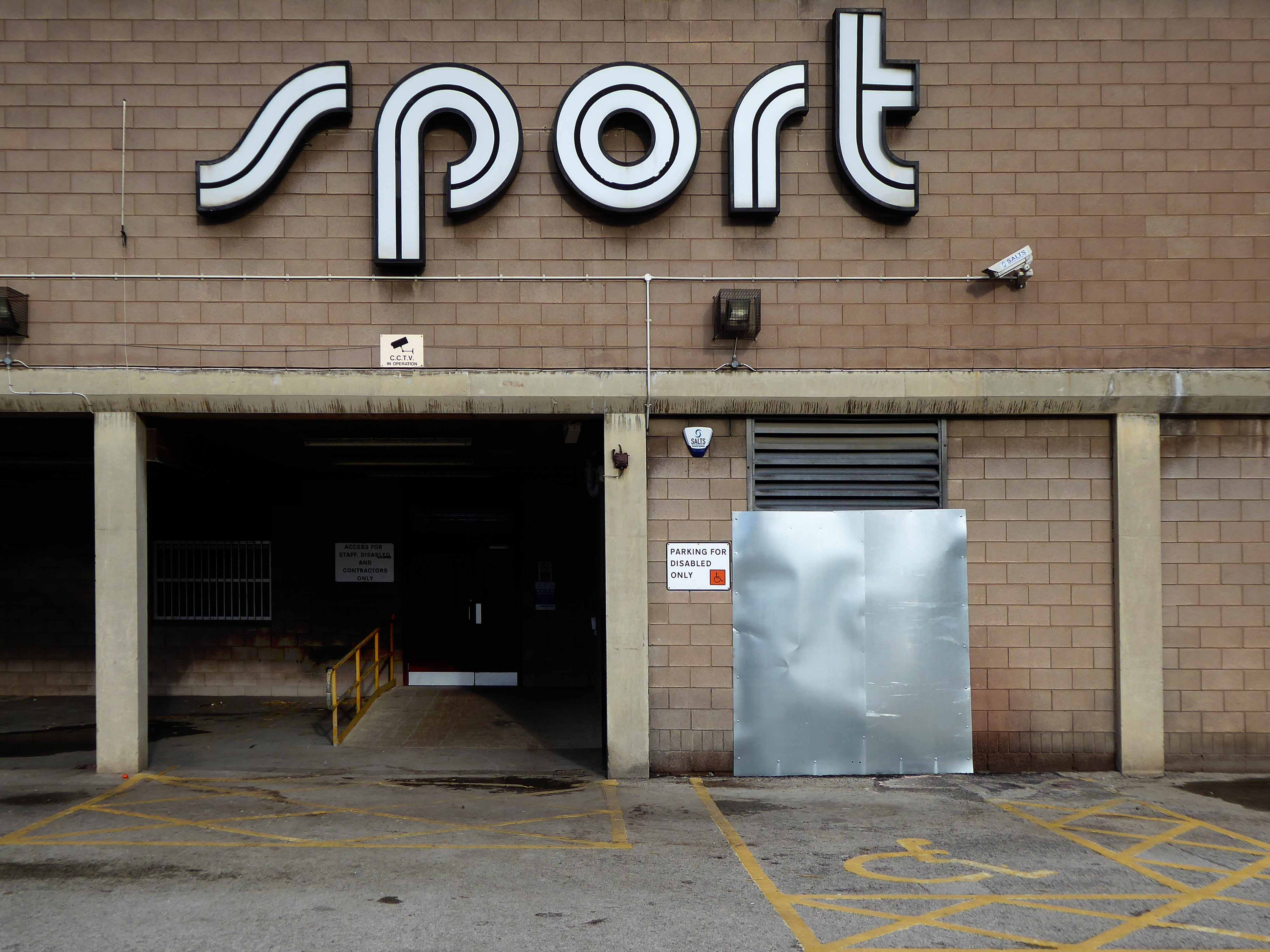
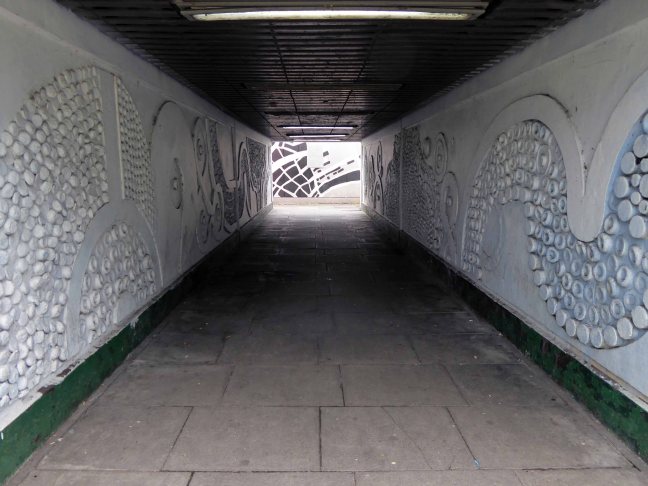
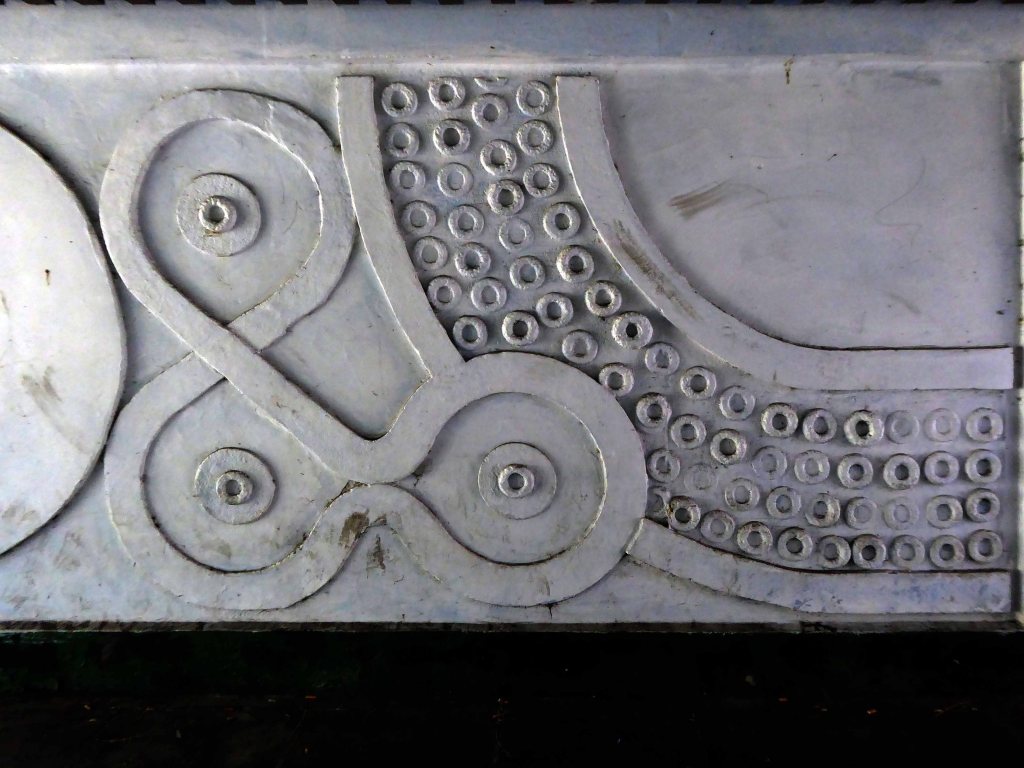
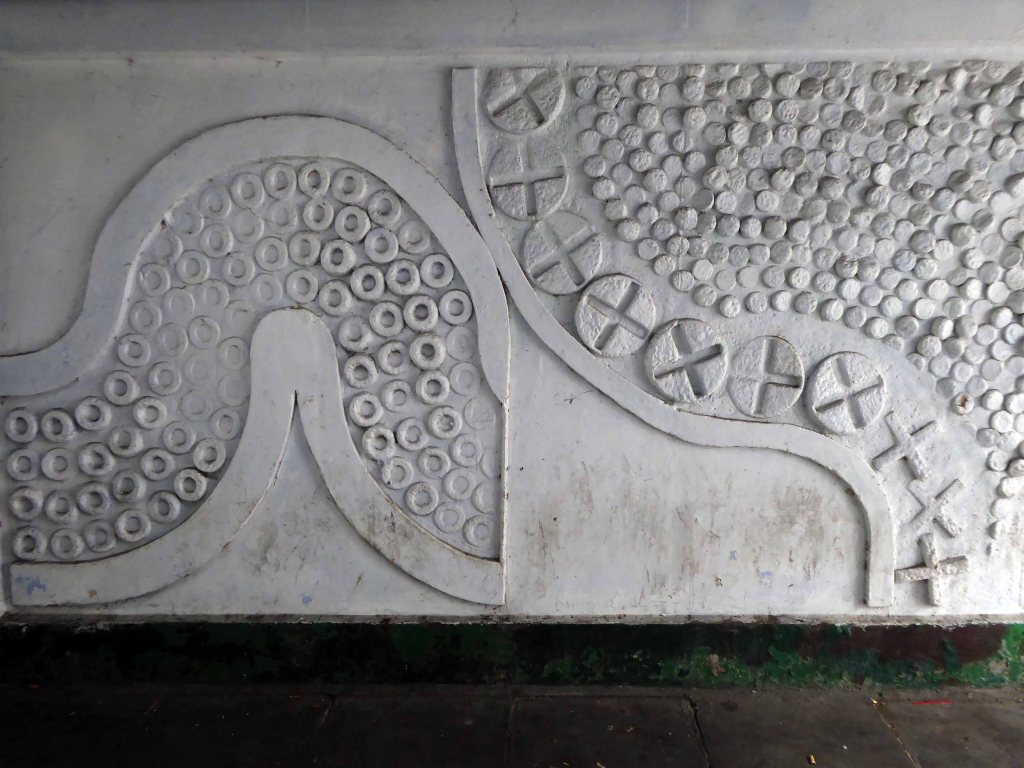
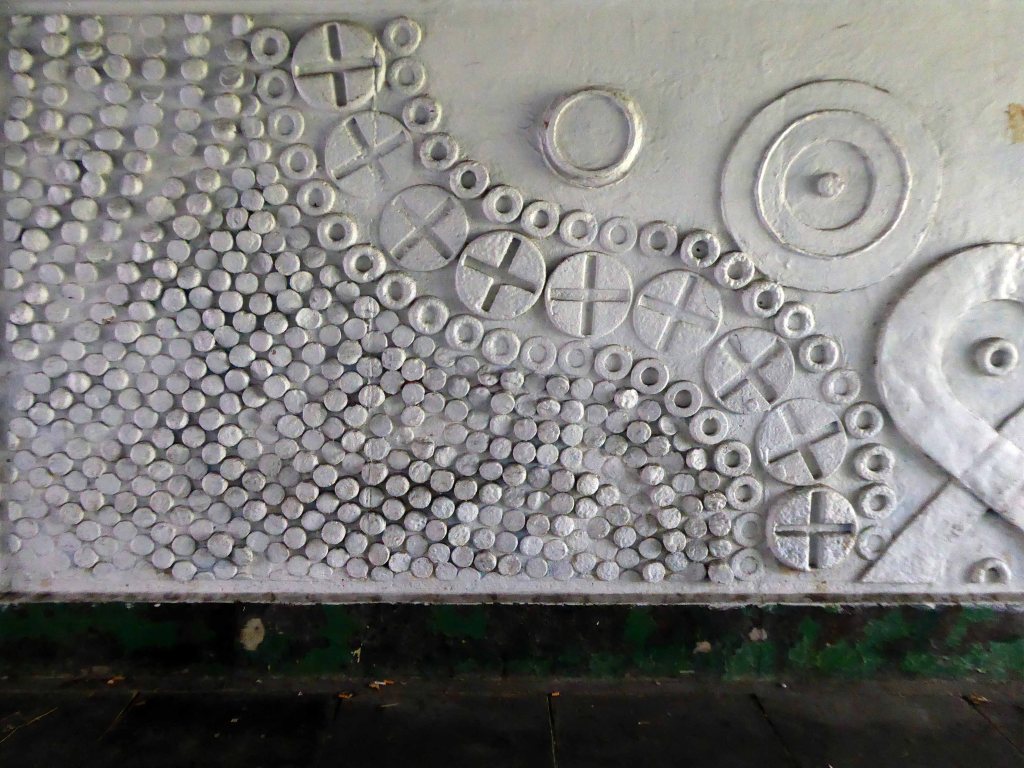
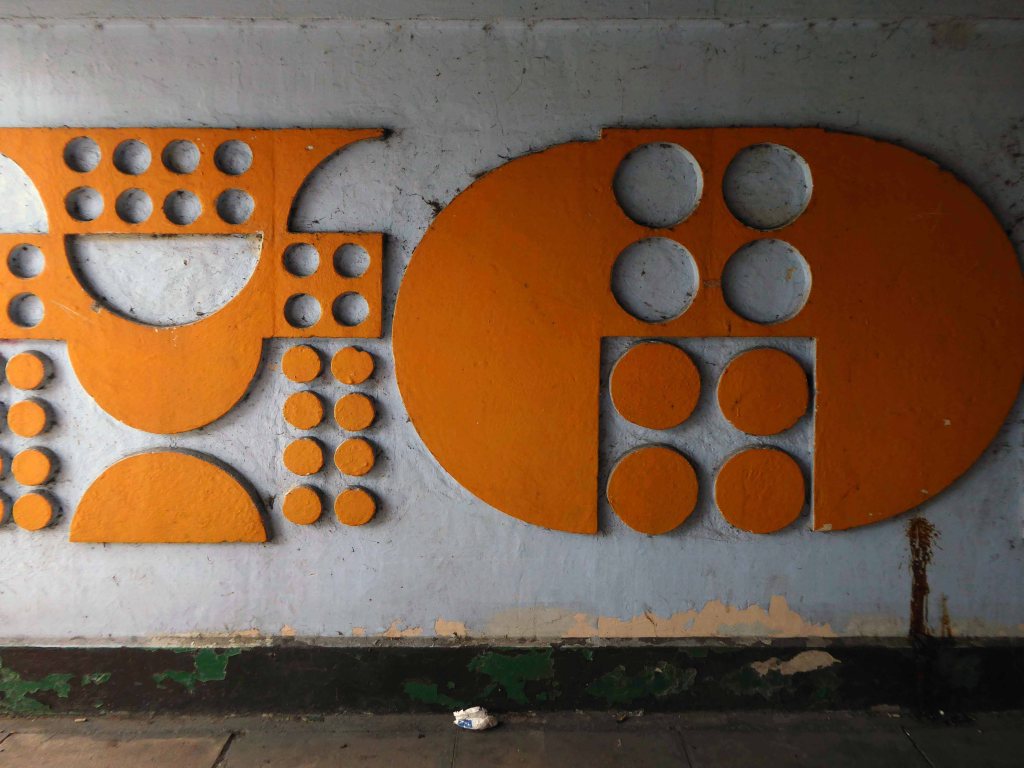
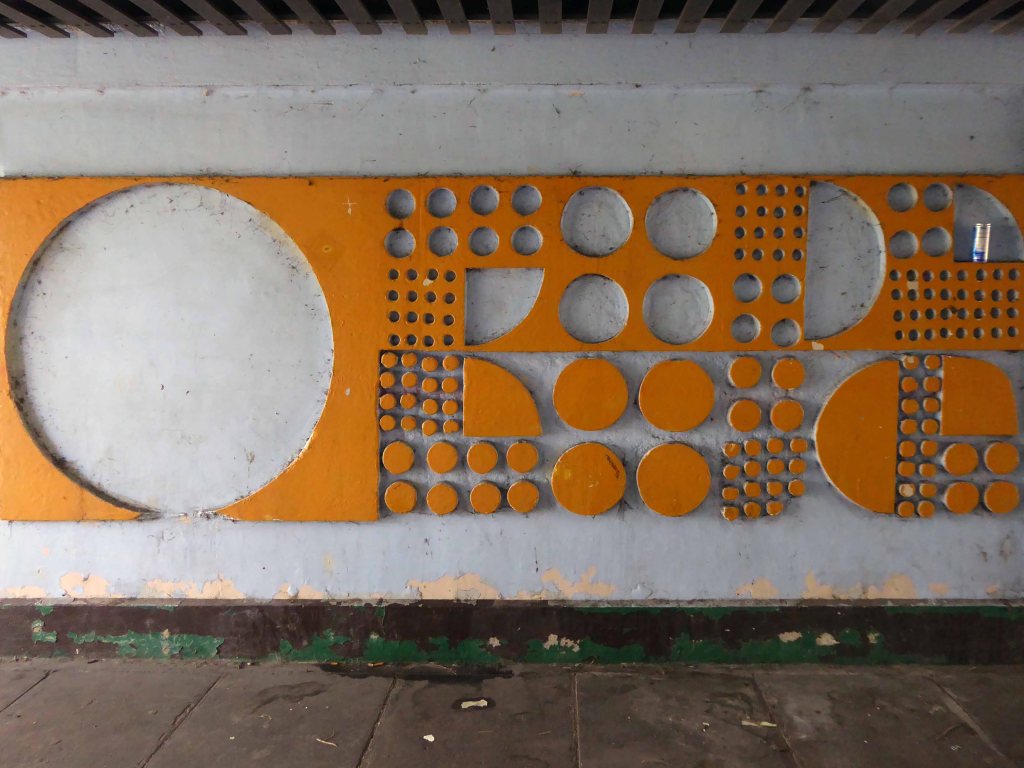
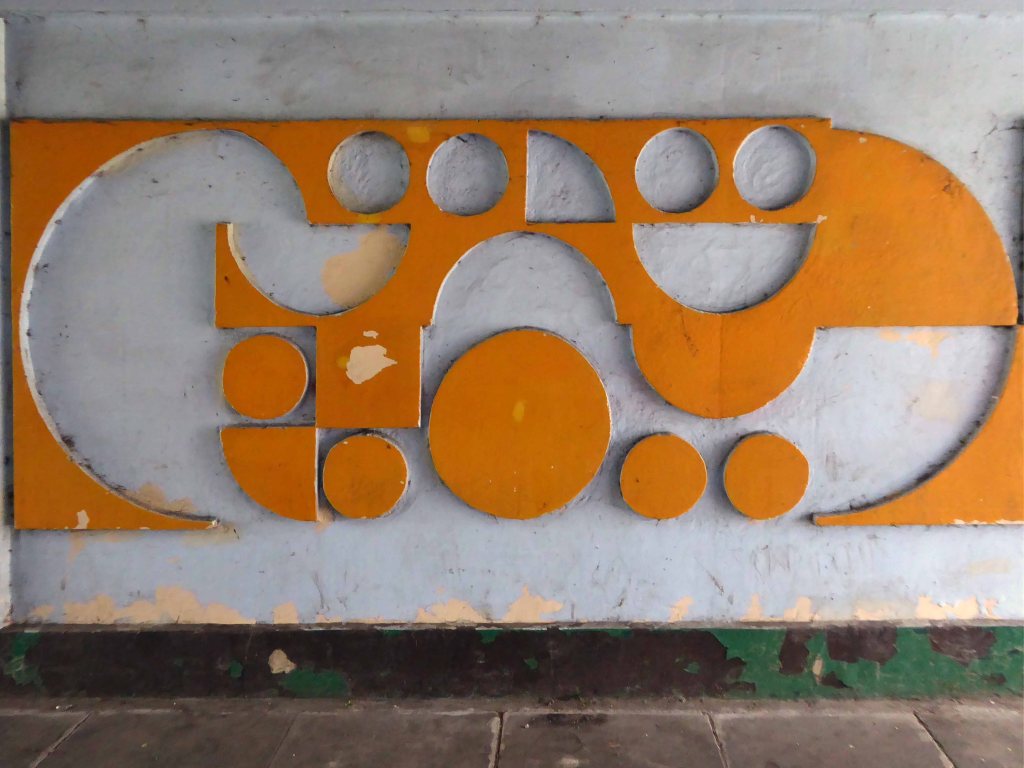
The fascia is graced by a grand cast concrete relief the work of William Mitchell.

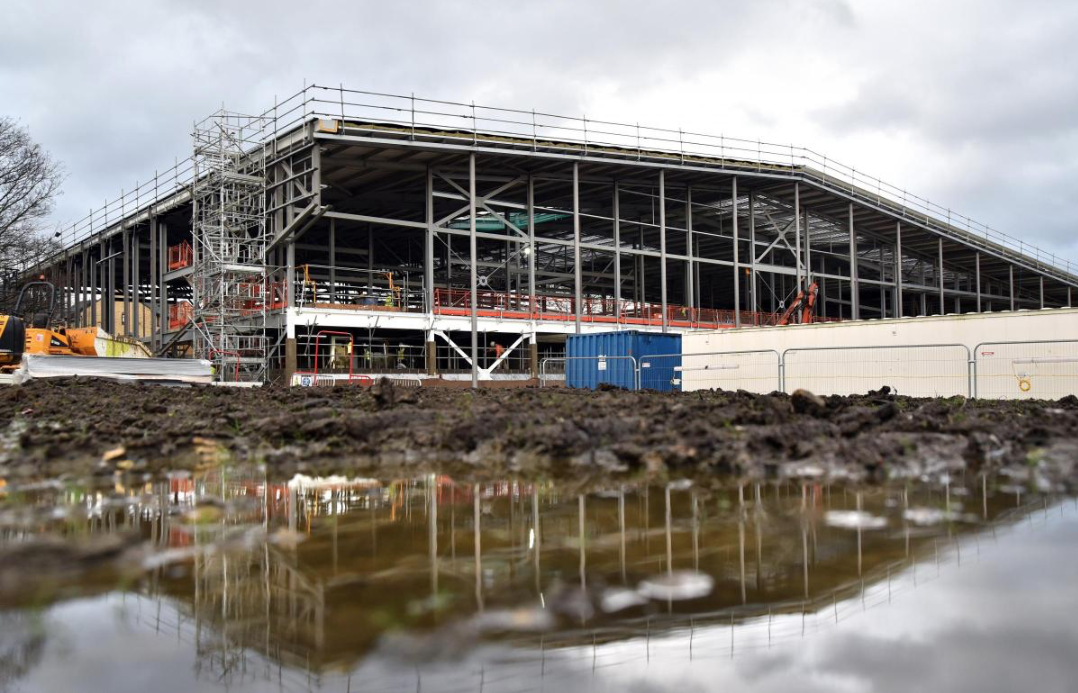
All but abandoned by the cash-strapped local council in 2013, Turnpike Gallery in the former mining town of Leigh near Wigan, is entering a new stage in its history with the creation of a community interest company to run its programme.

Natalie Bradbury a.n

Helen Stalker has curated and promoted a series of fine exhibitions in the interim period – sadly arrested by current circumstances.

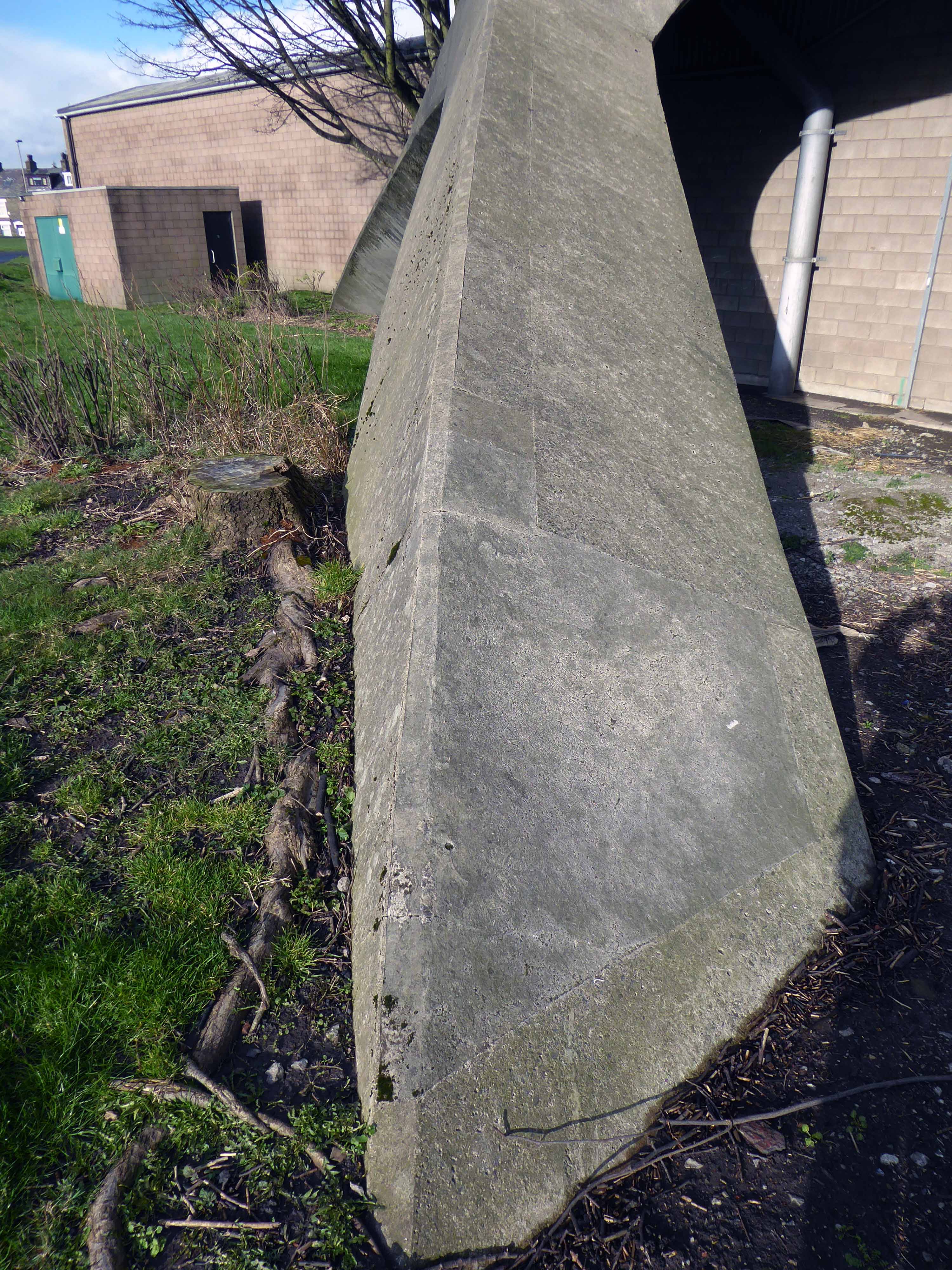
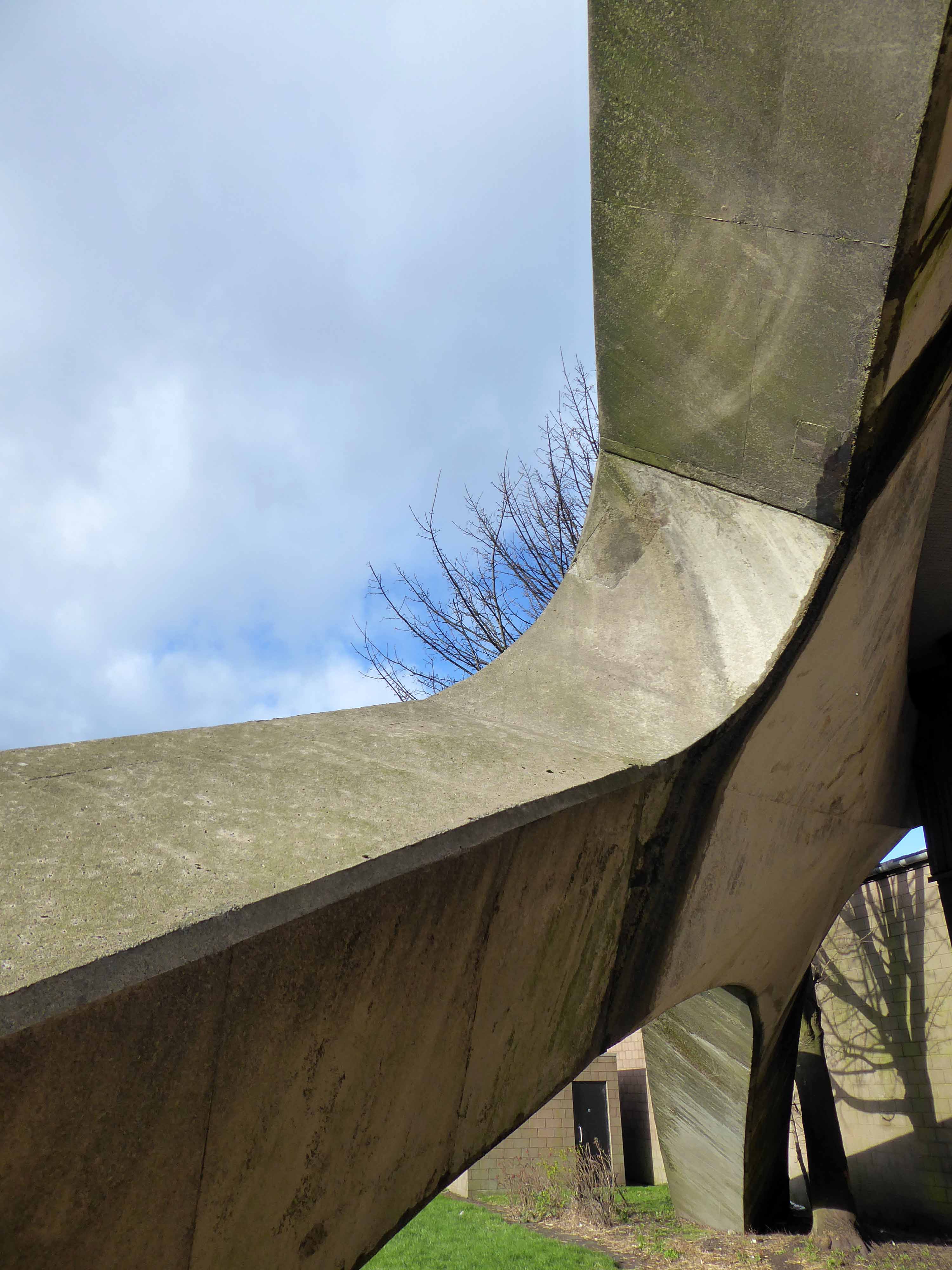
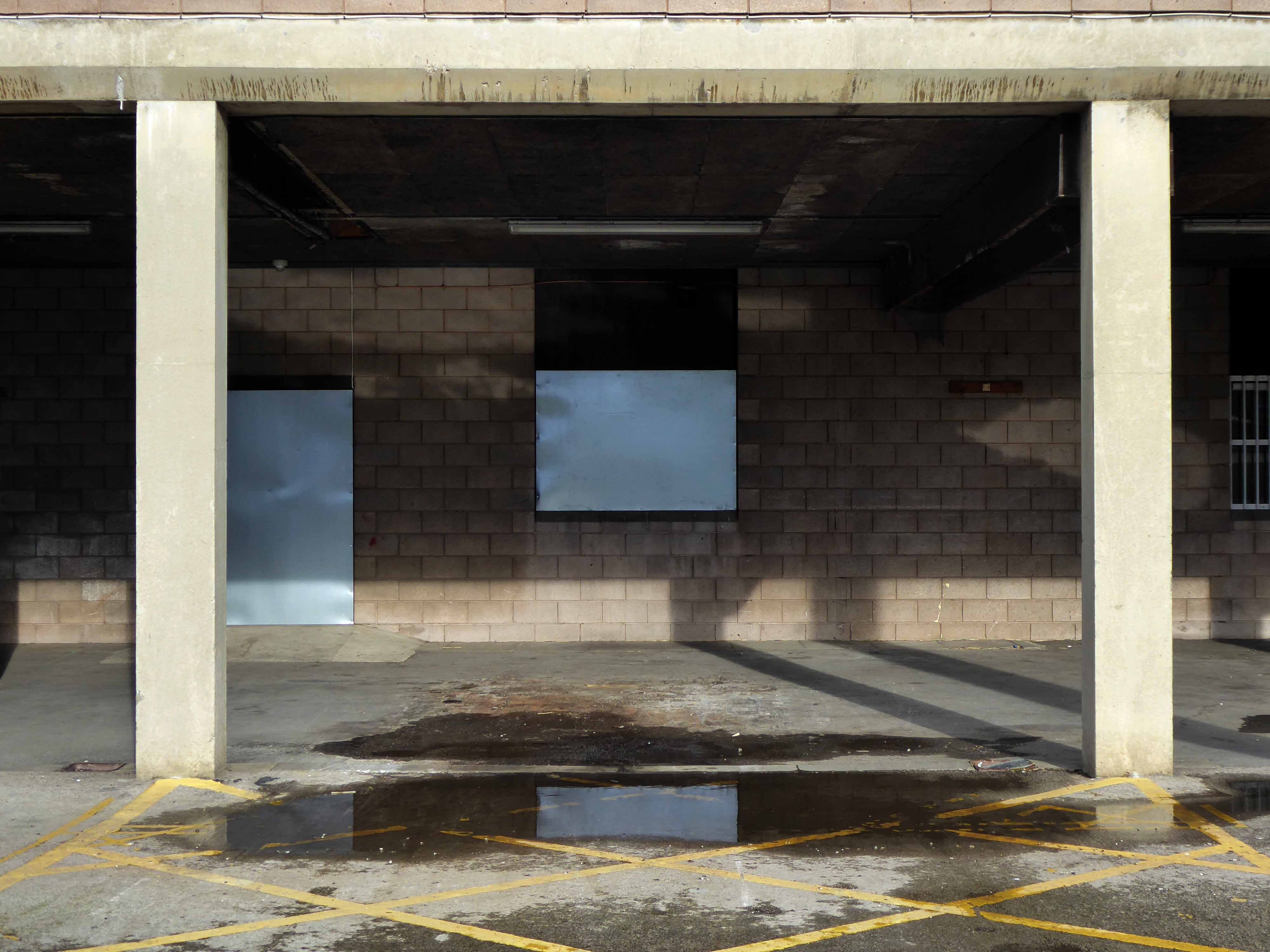
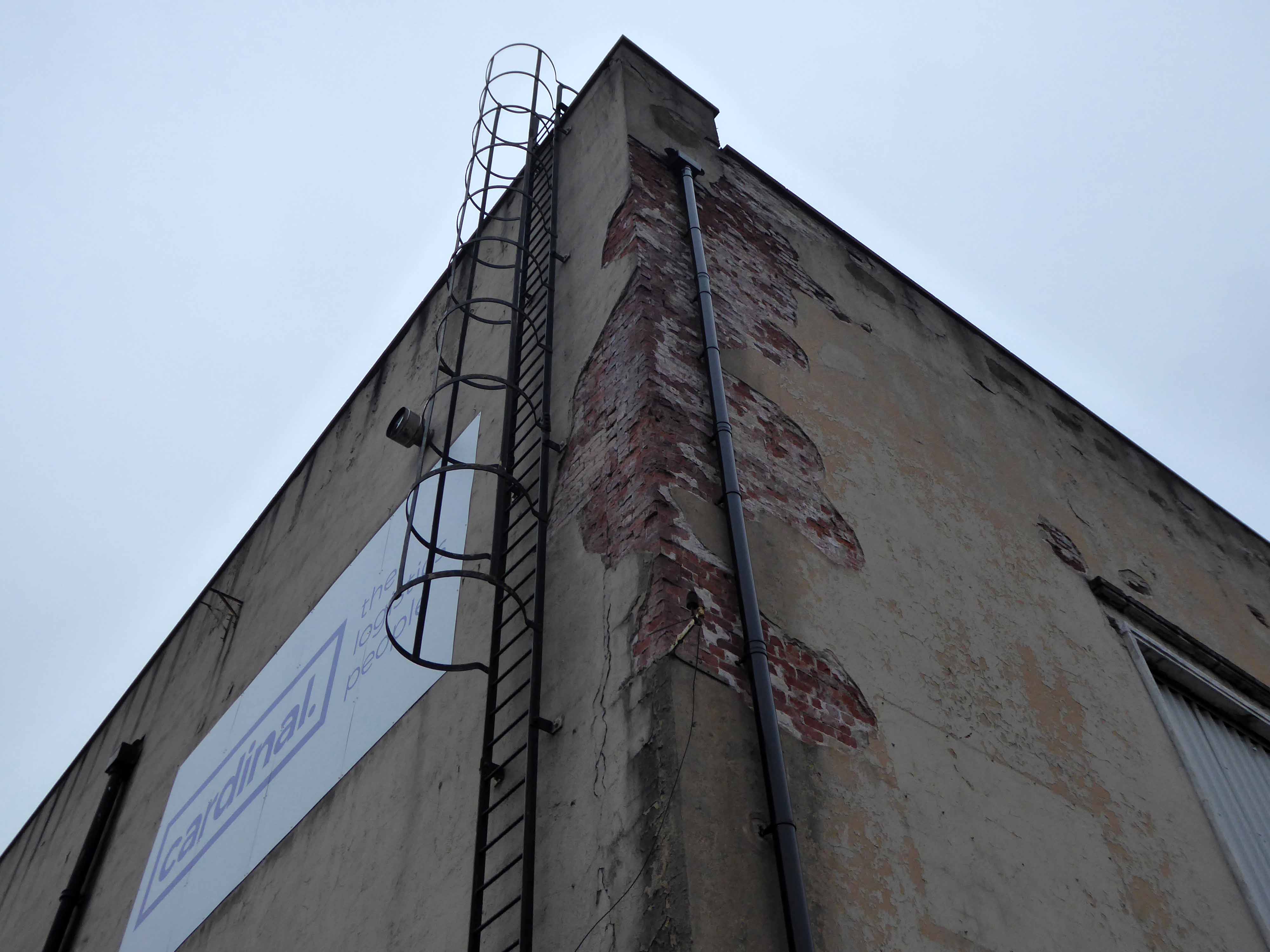
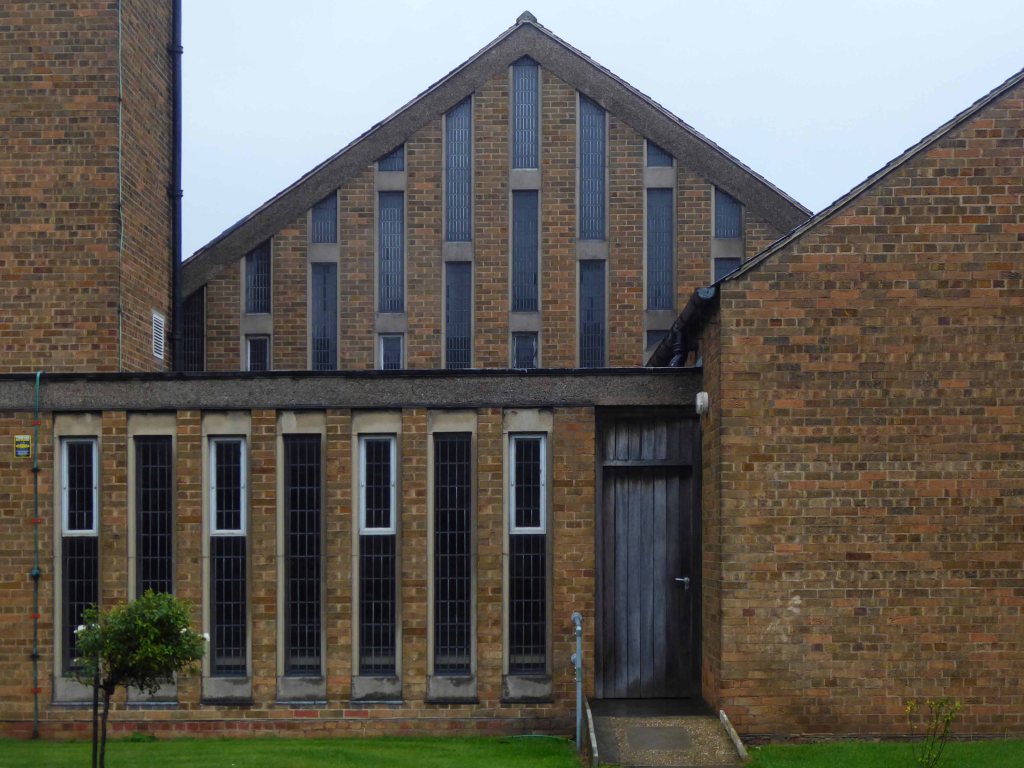
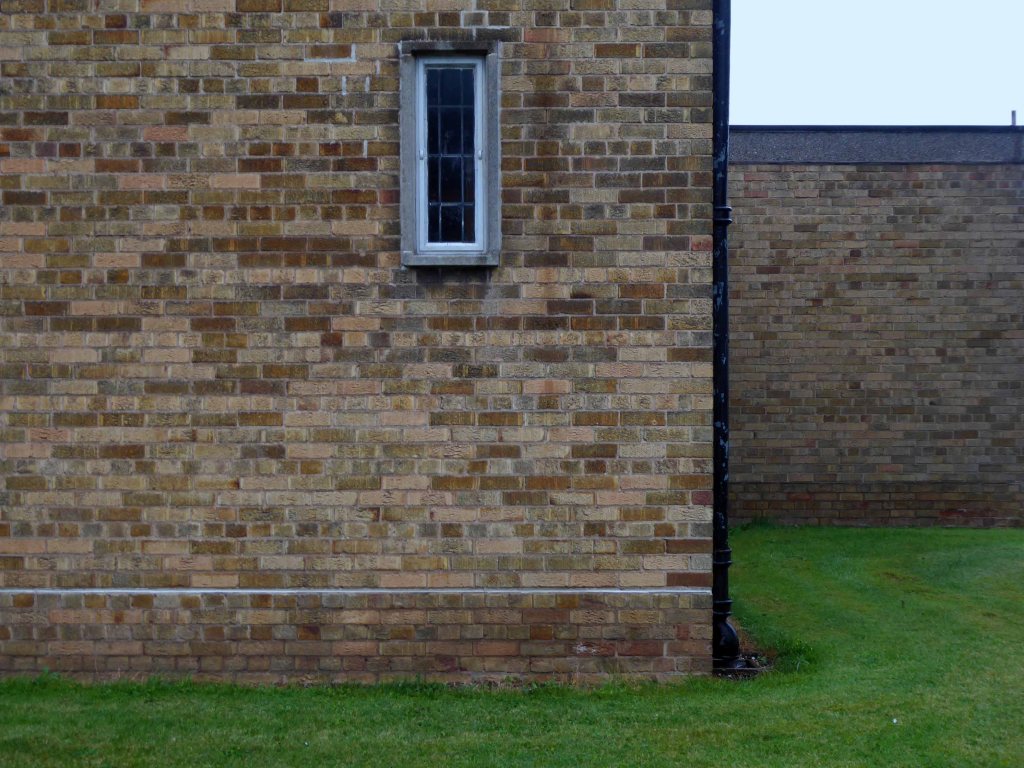
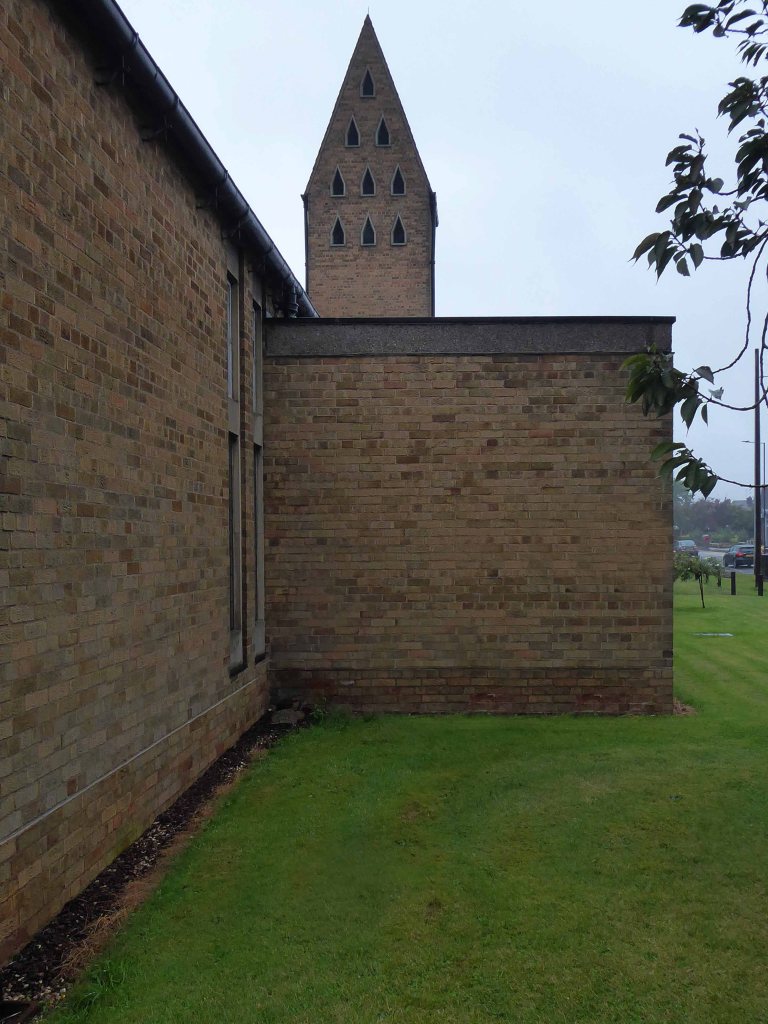
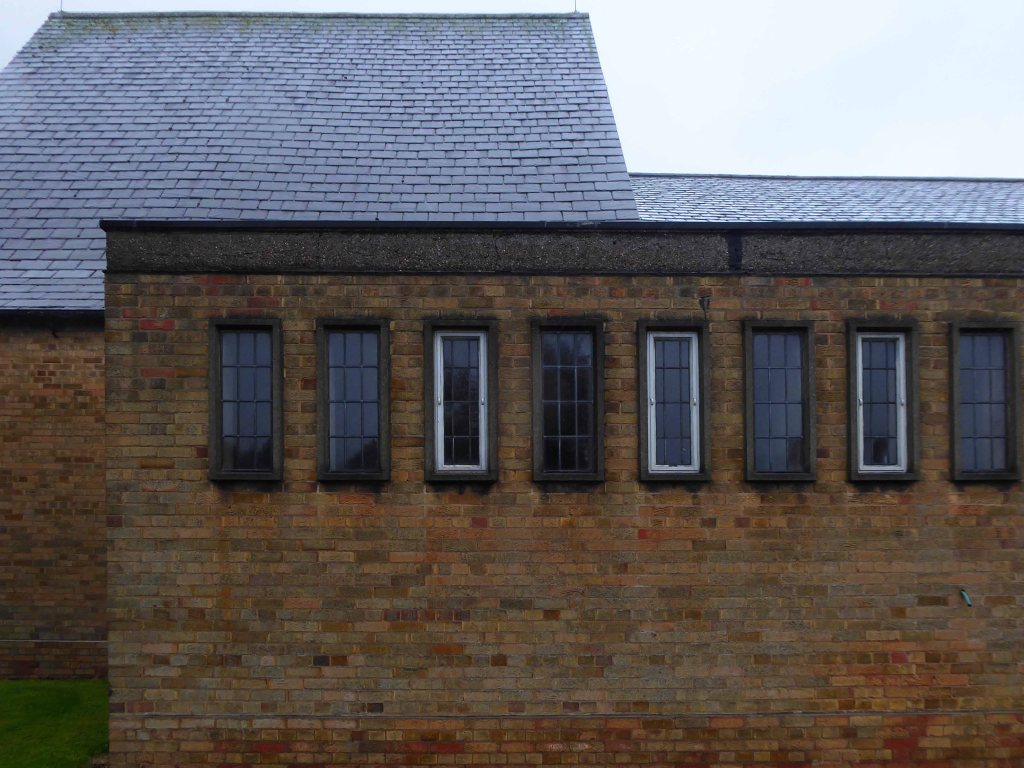
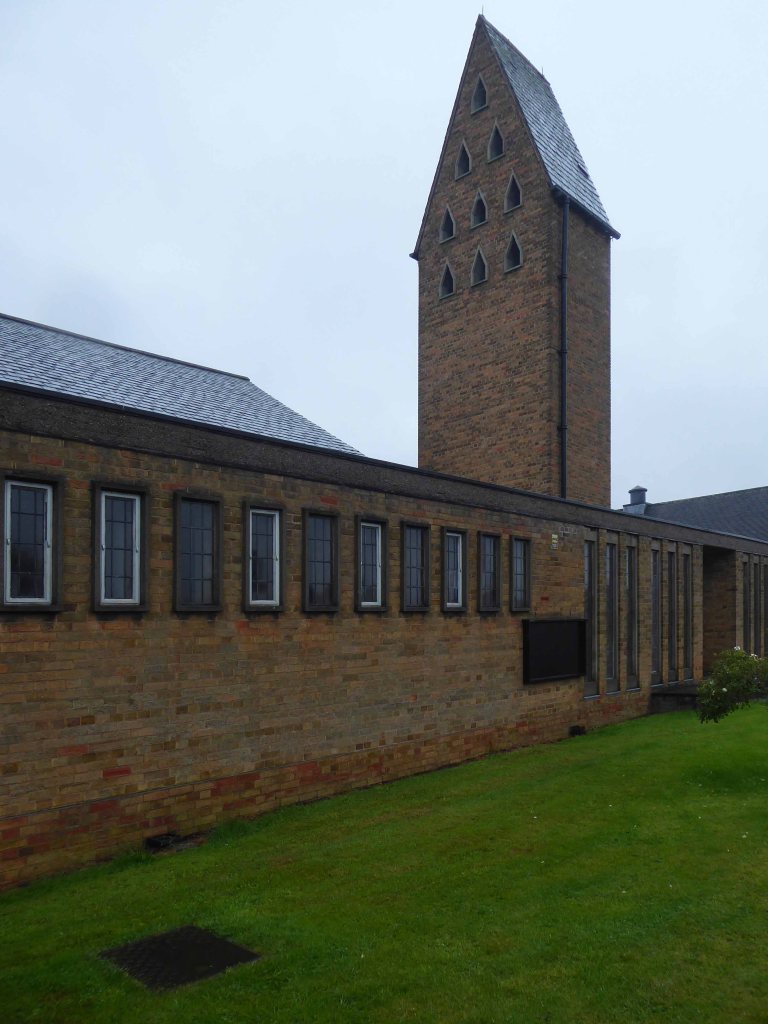
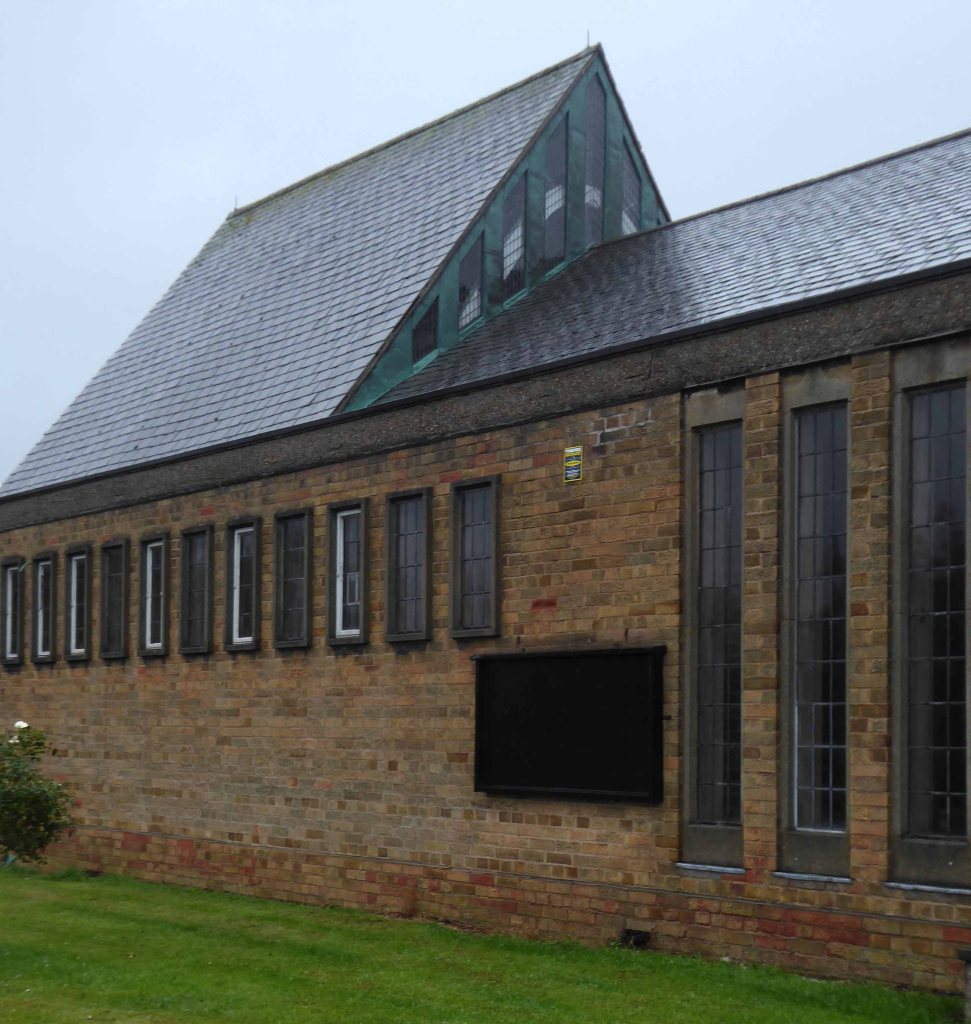
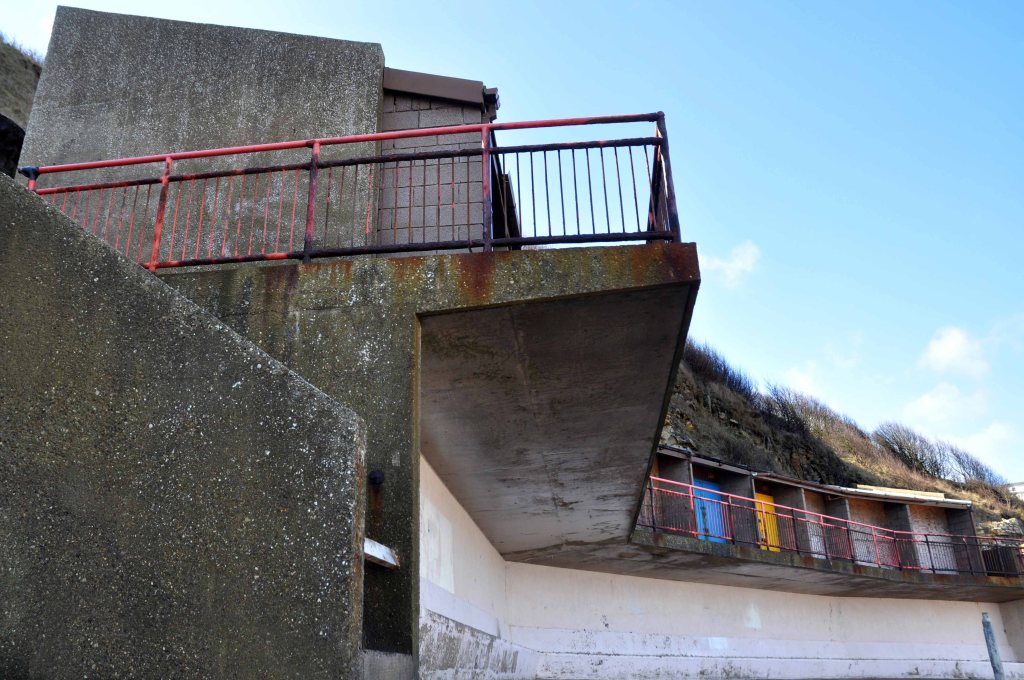
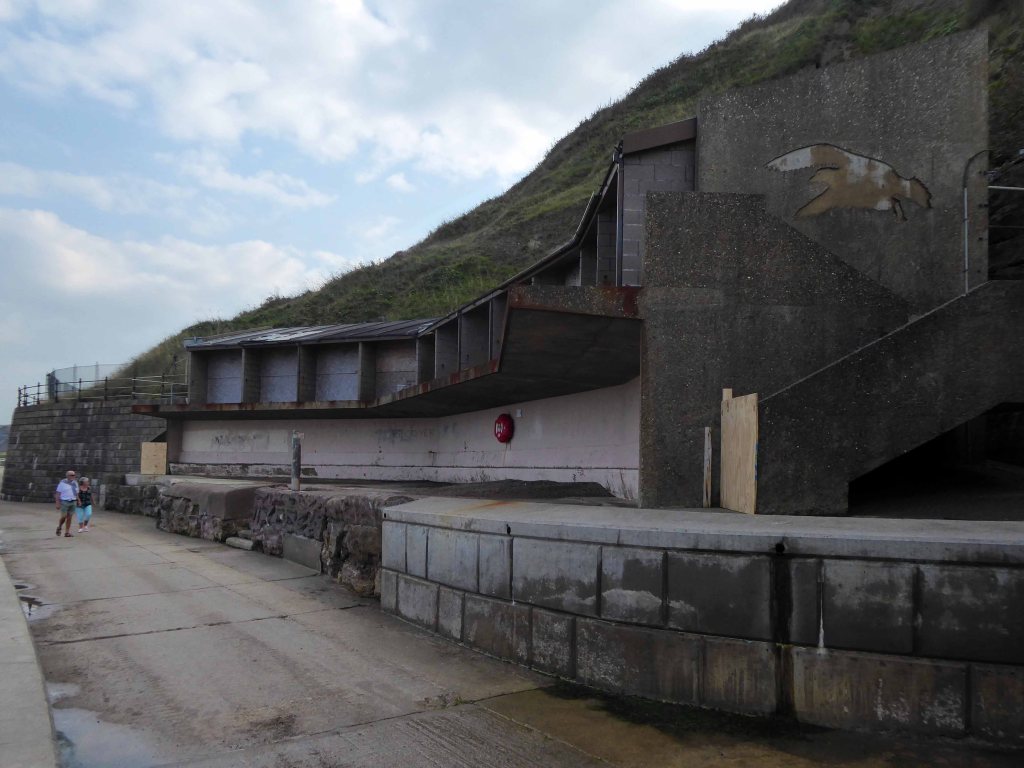
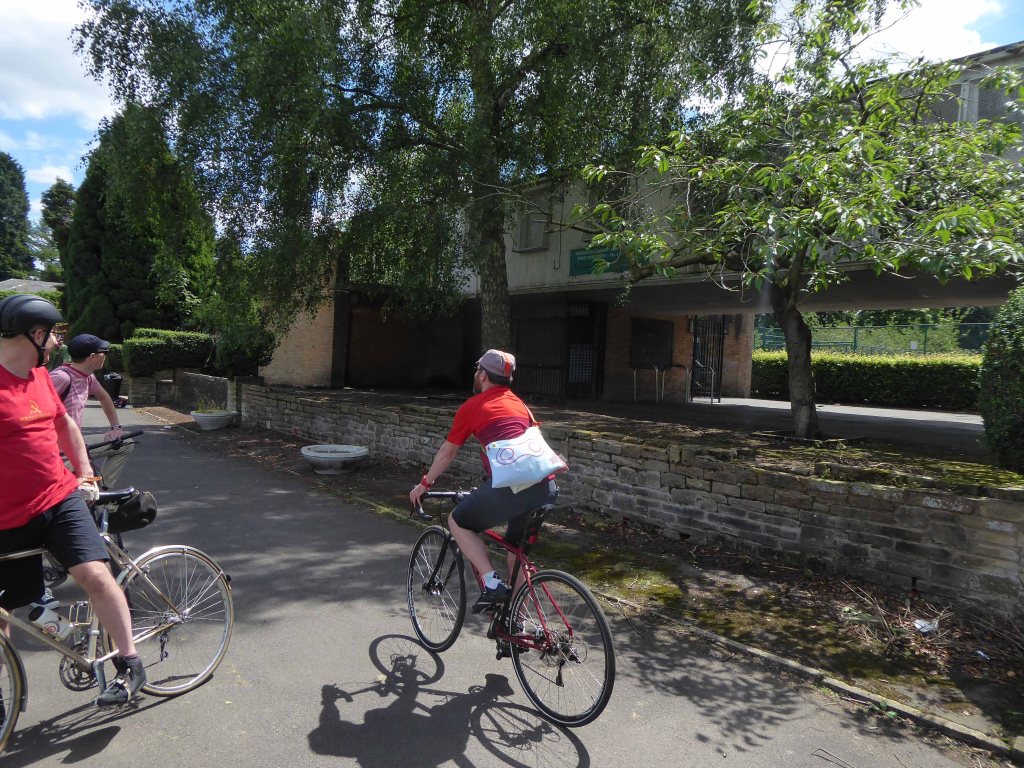
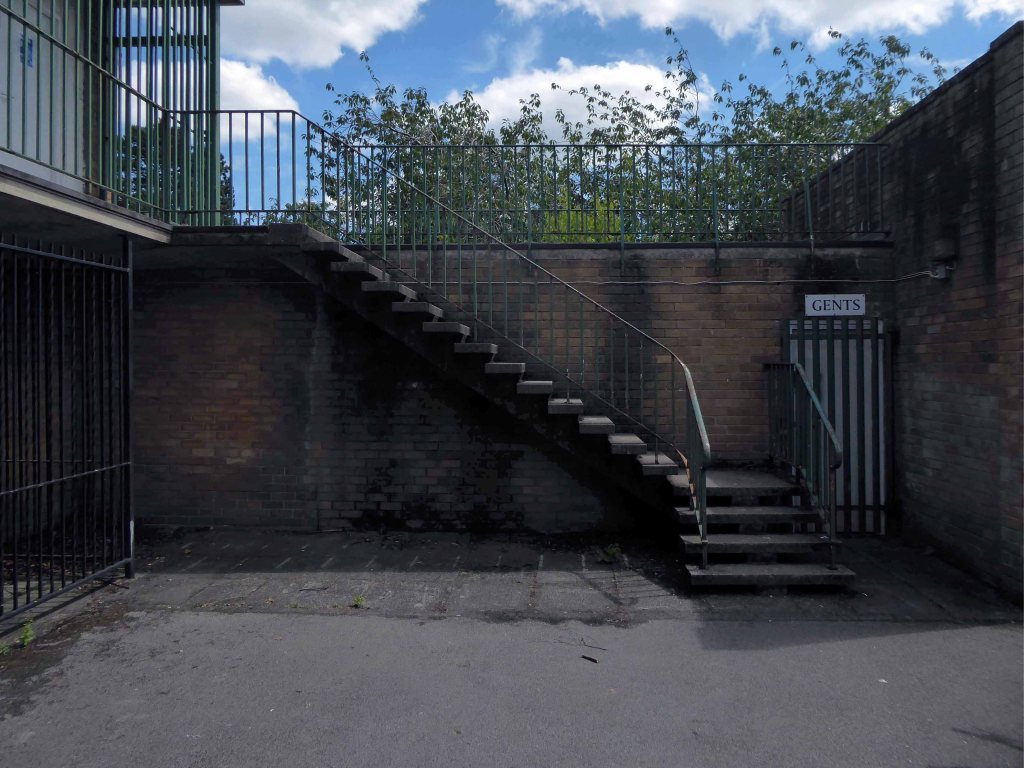
Let’s take a look around the exterior of a building which reflects the confidence and pride of a very individual town.

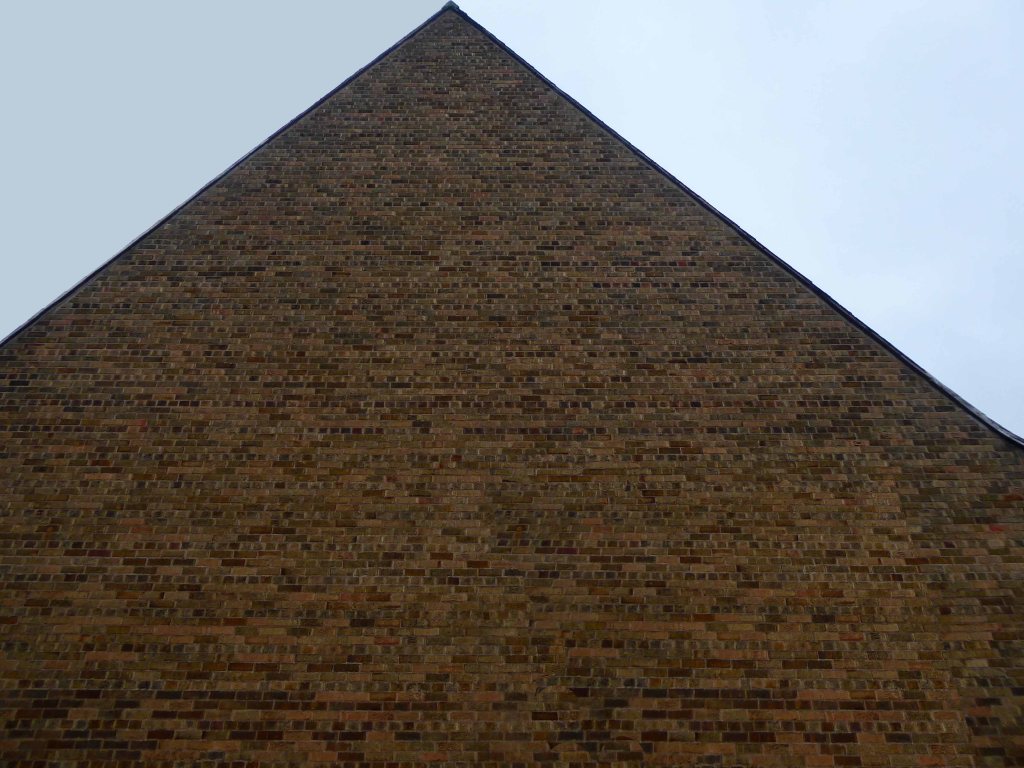
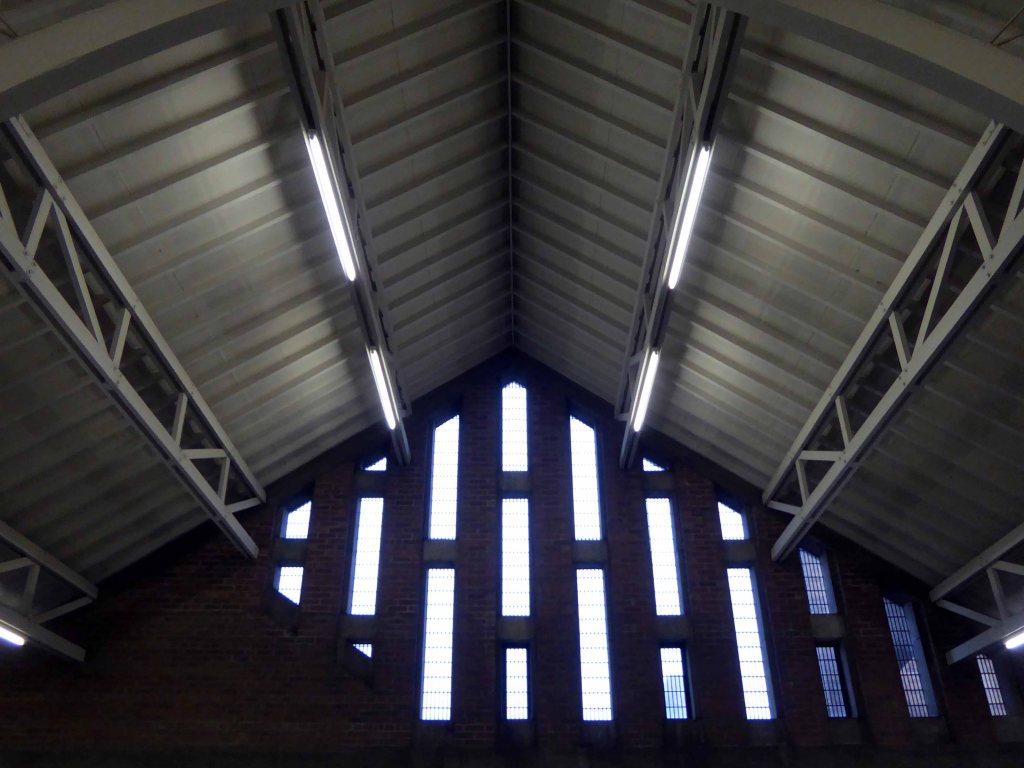
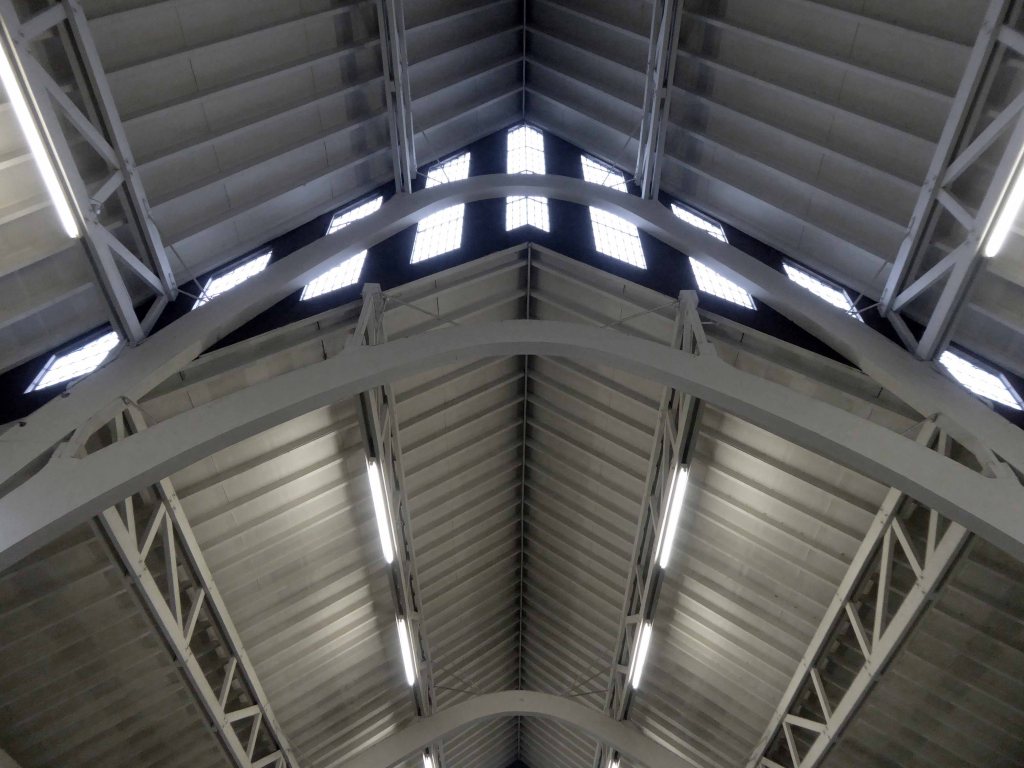
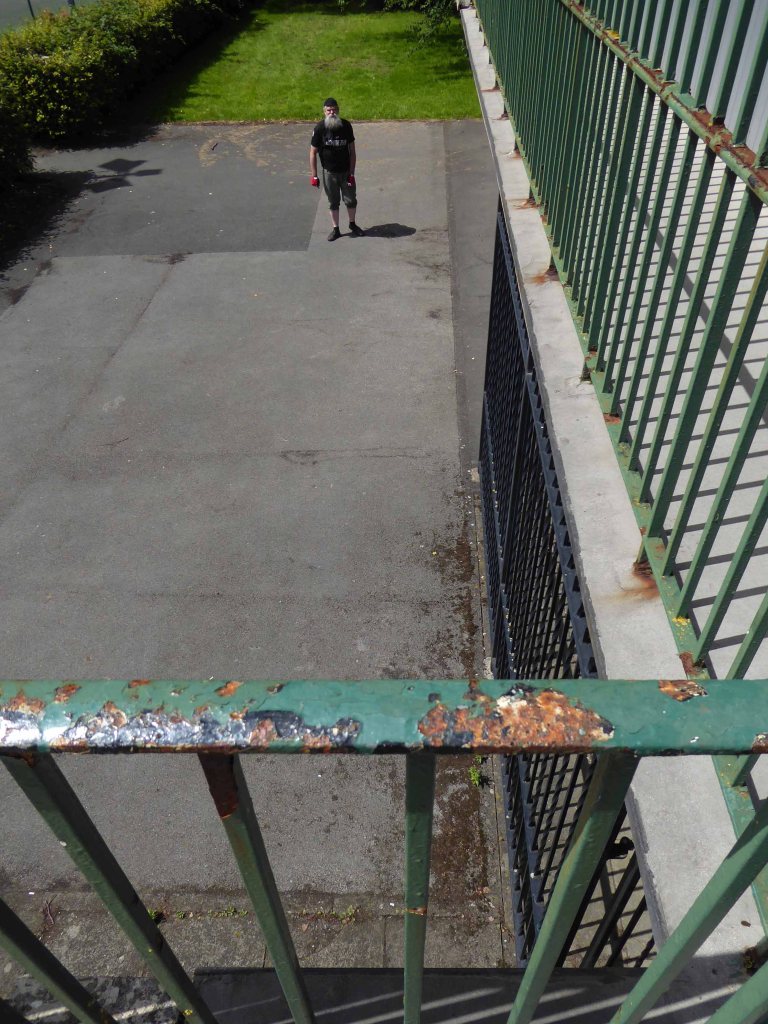
On our last visit we even got to look up on the roof.

So post lockdown, when you feel it’s safe and socially acceptable to do so travel to Leigh – take a look.

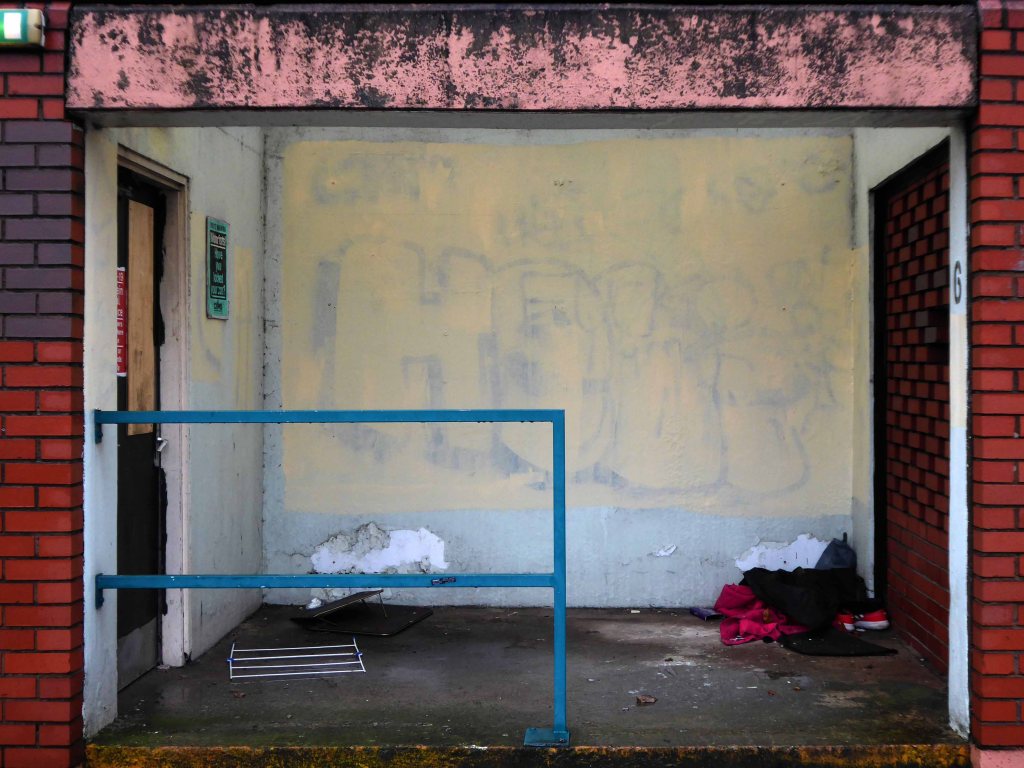
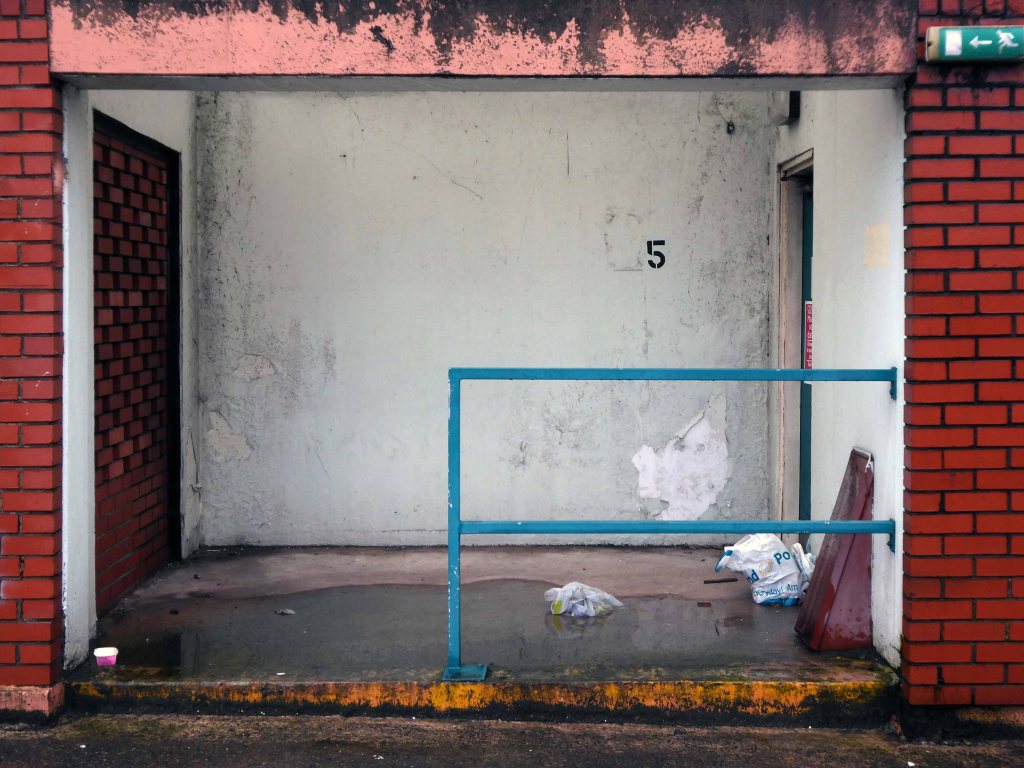
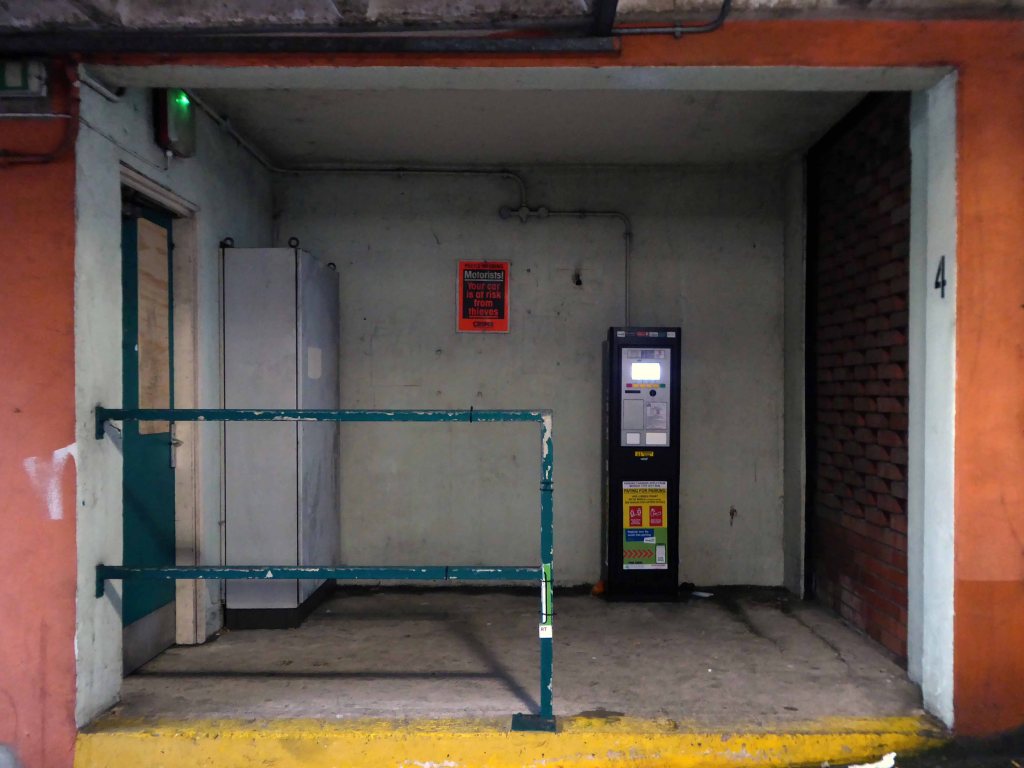
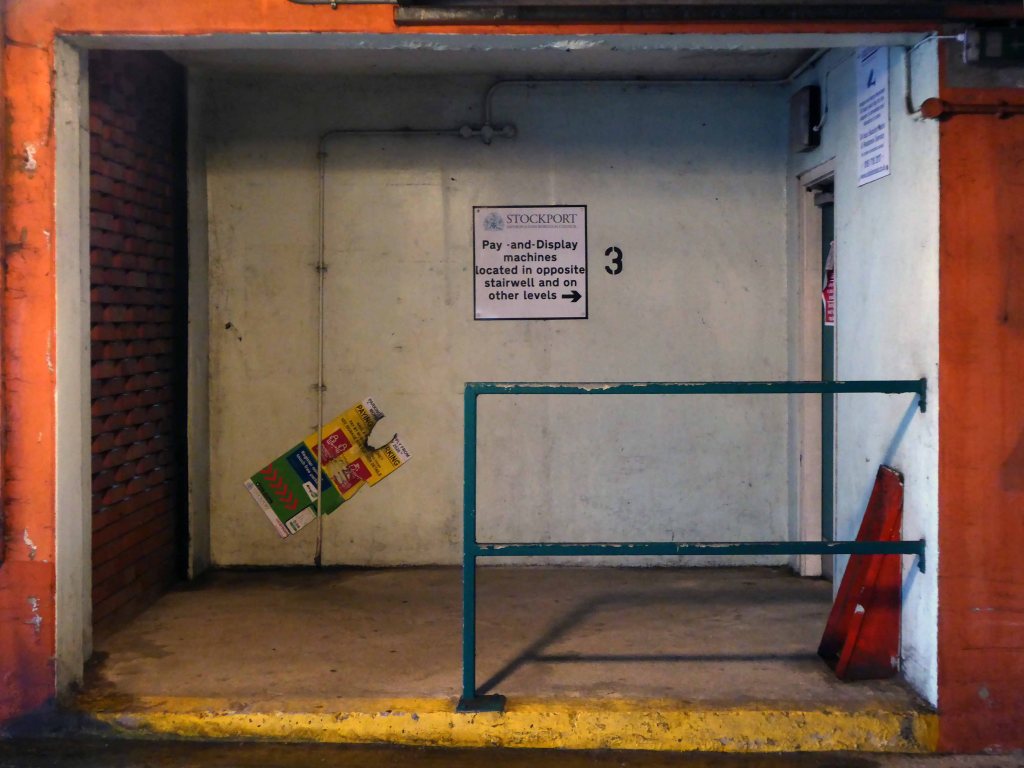
Car Park Ramp – Stockport

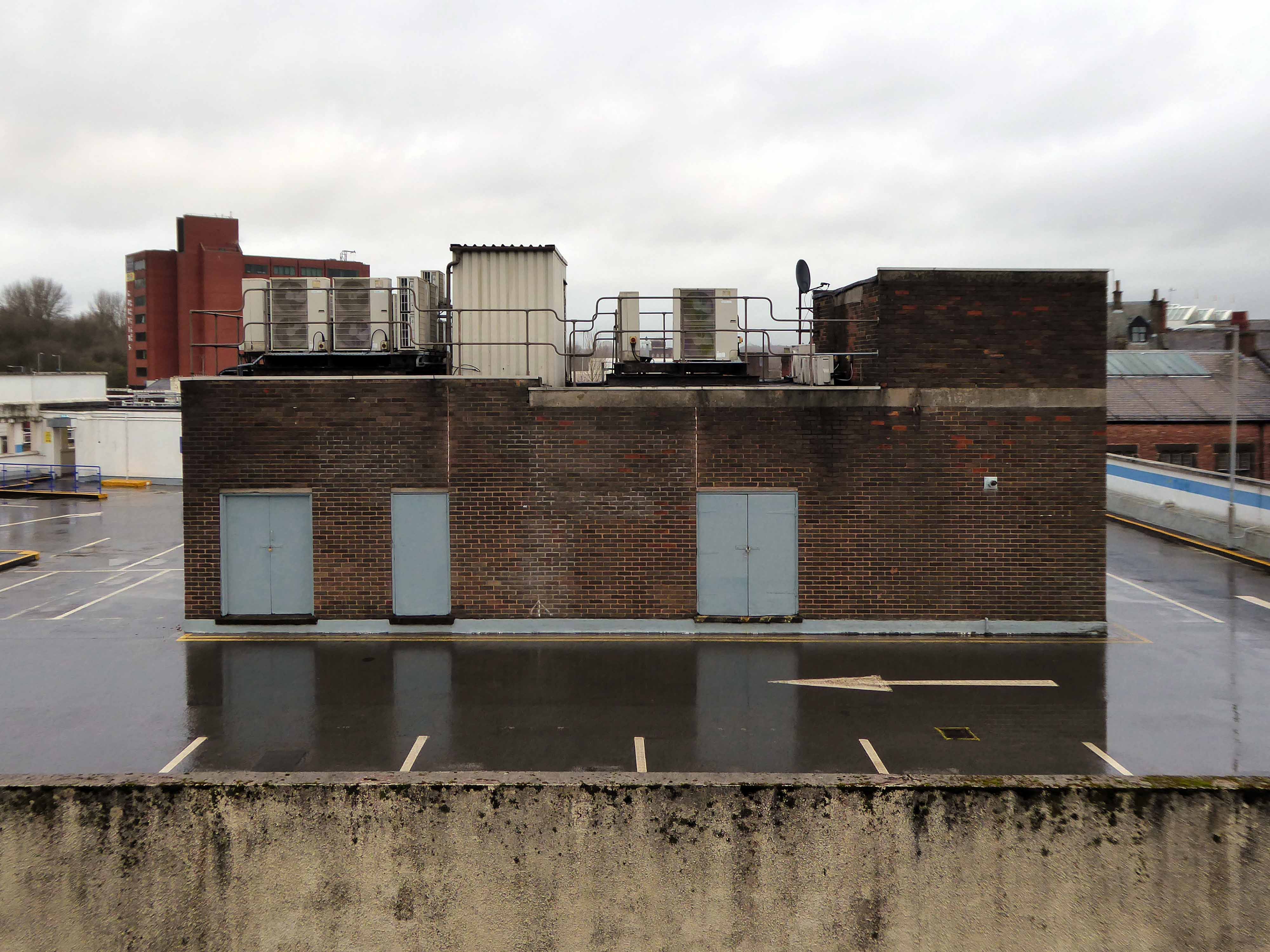
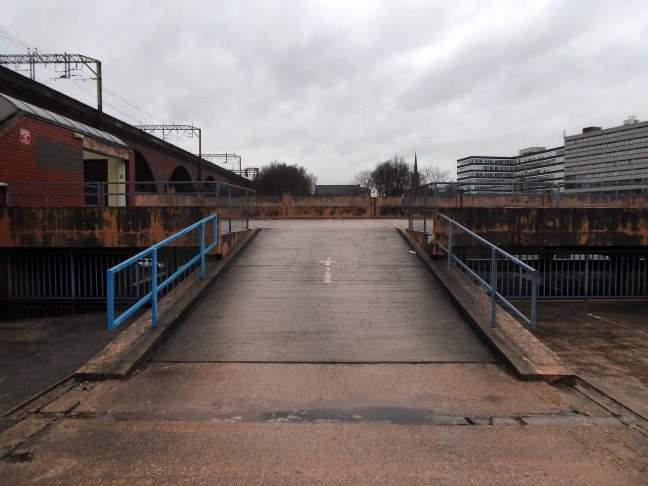
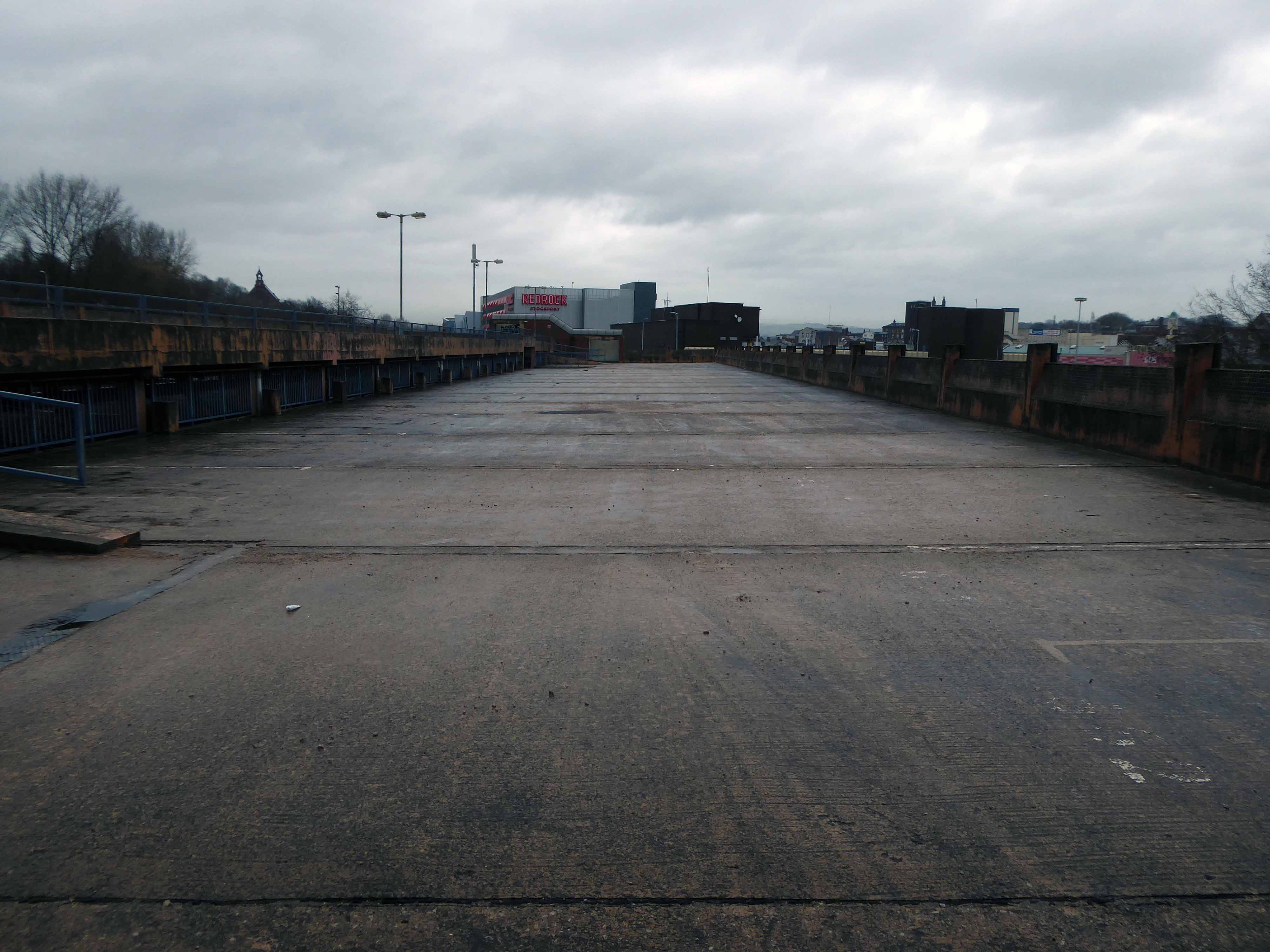
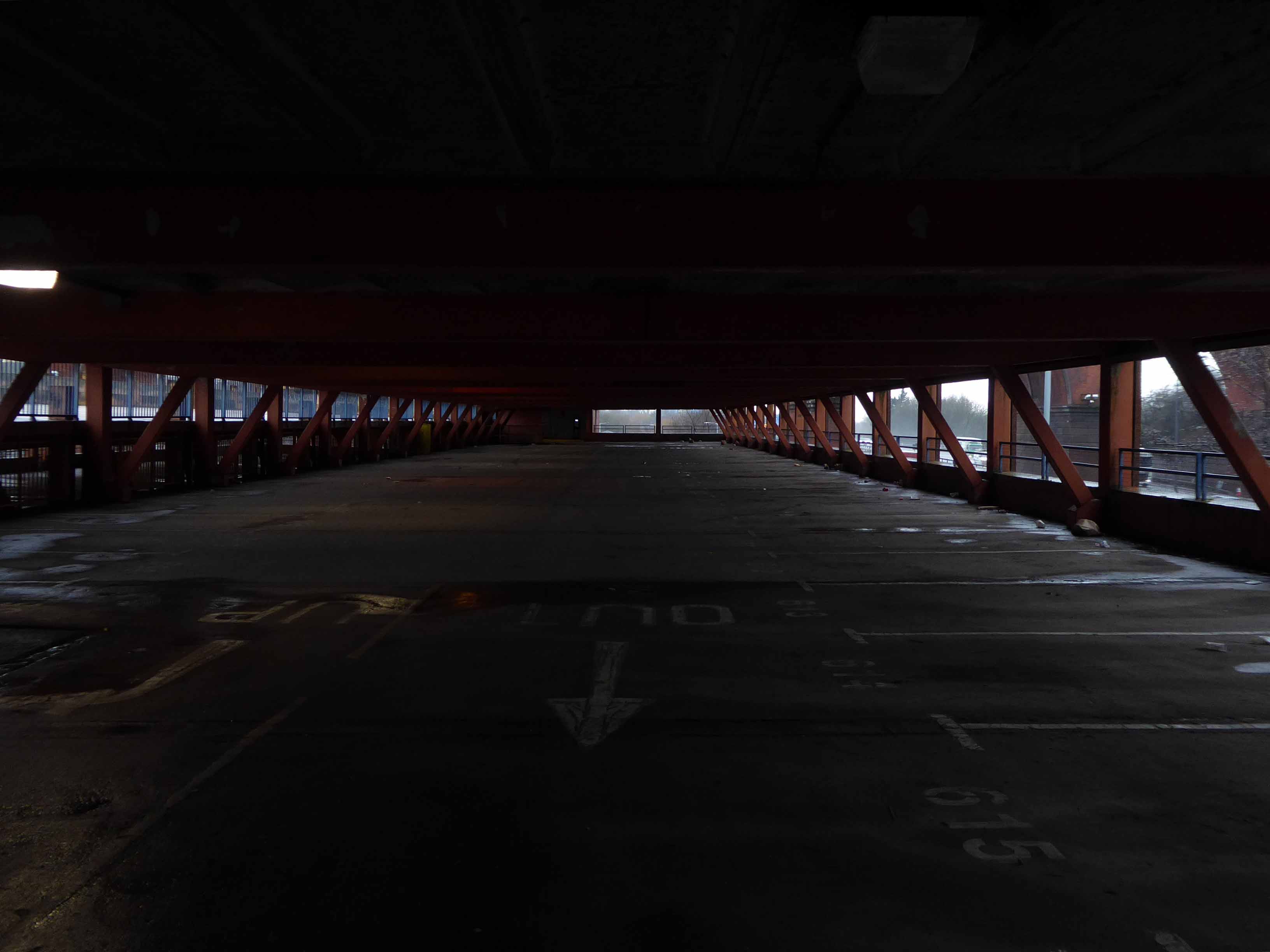
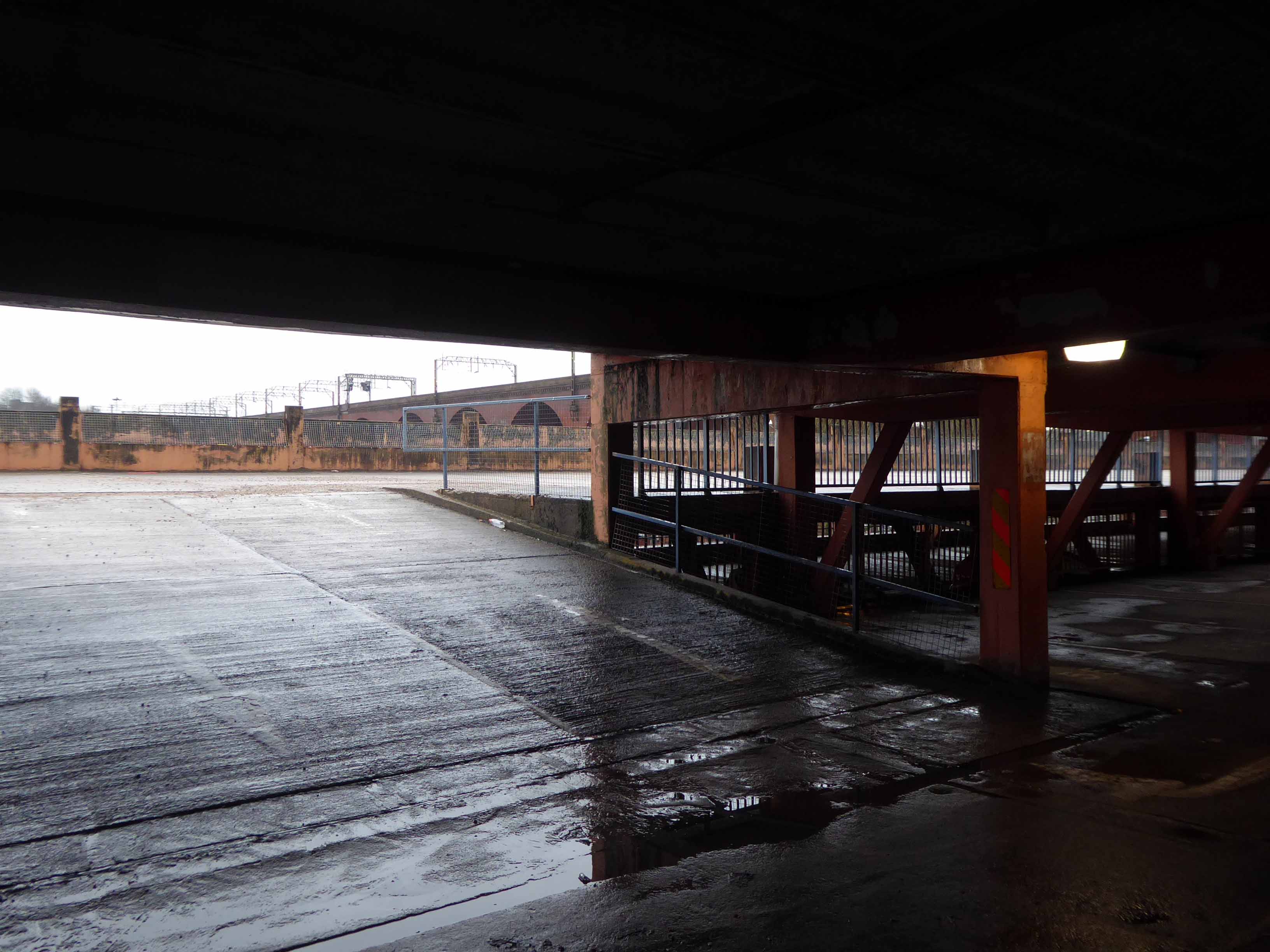
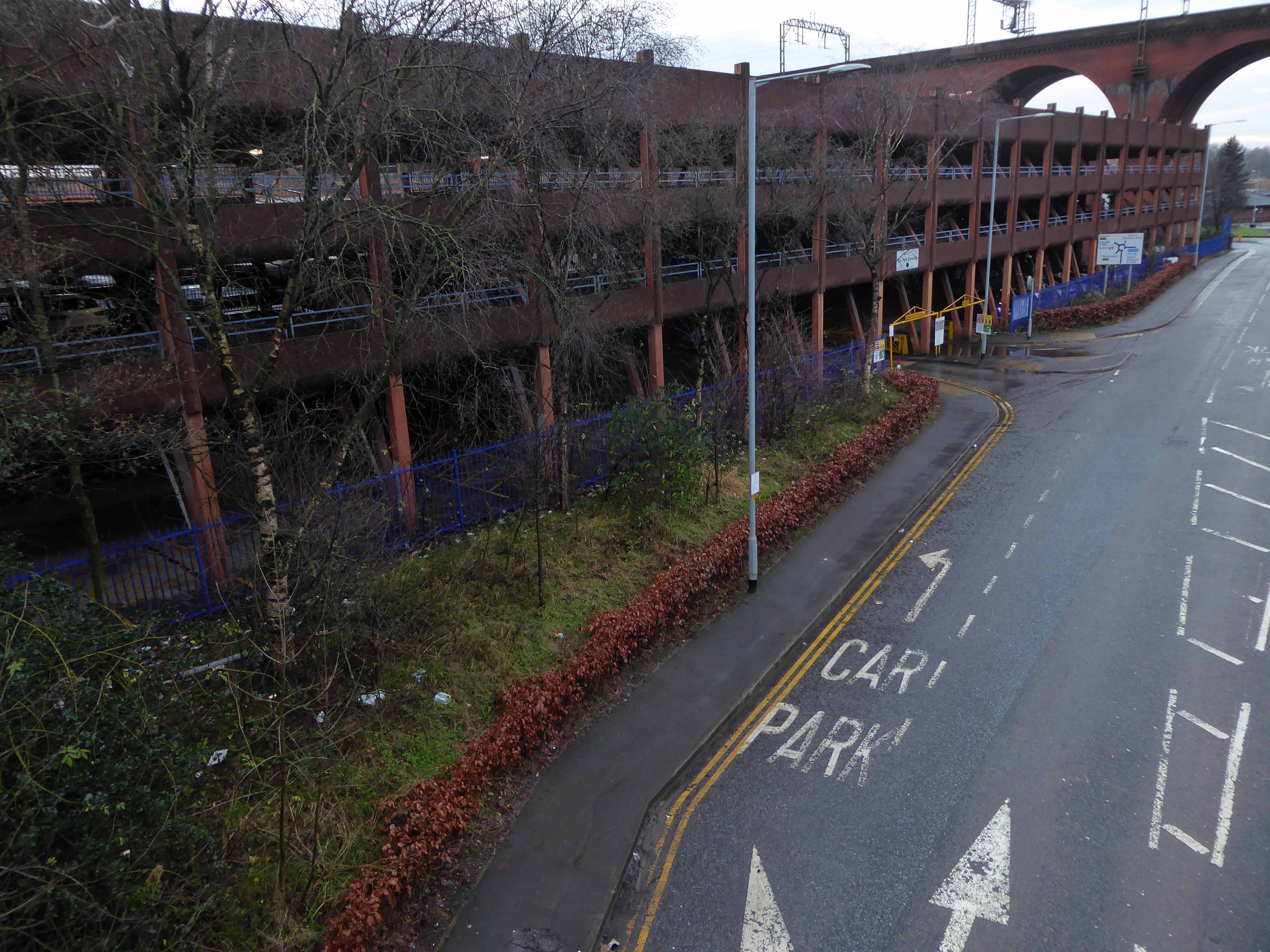
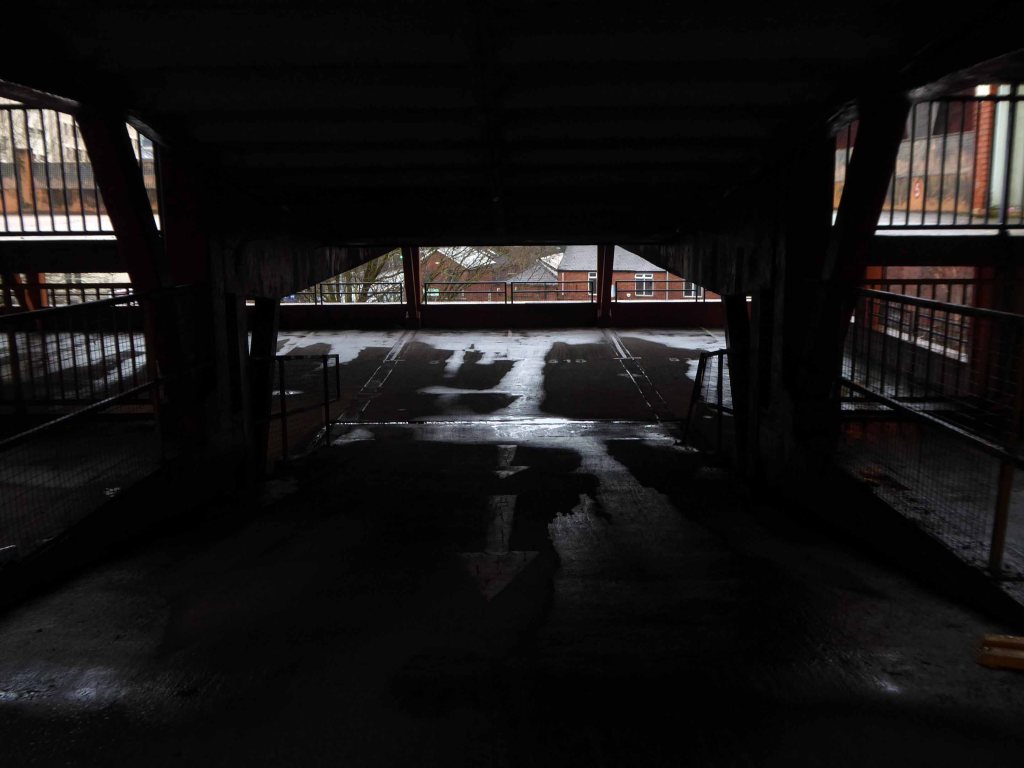
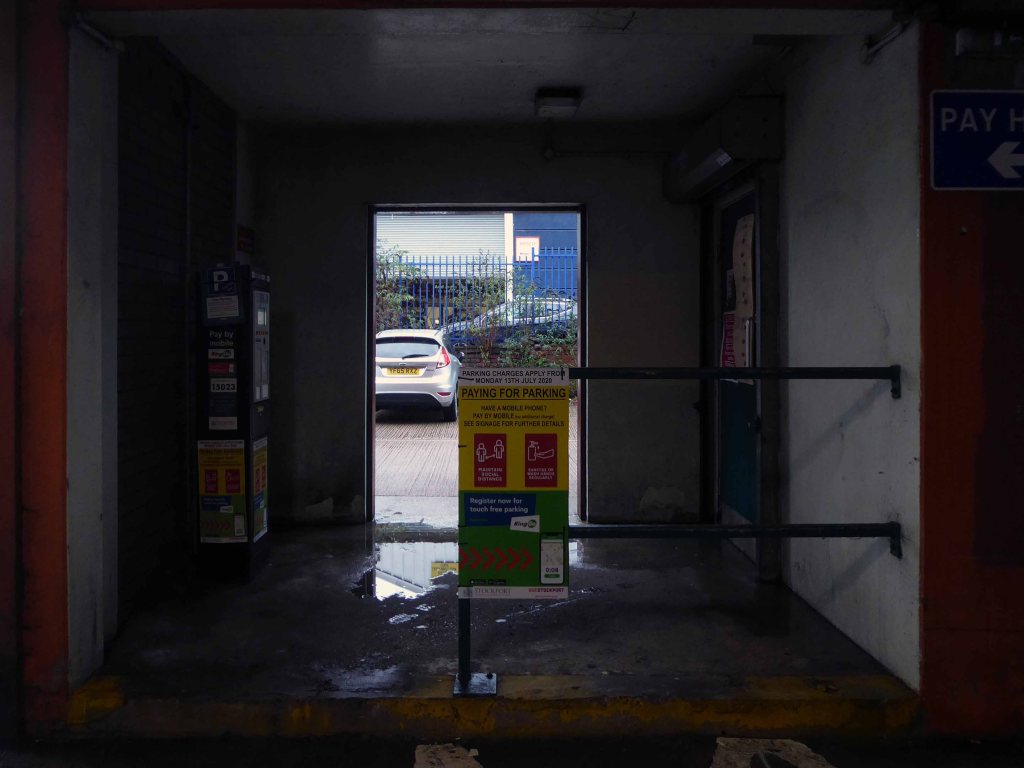
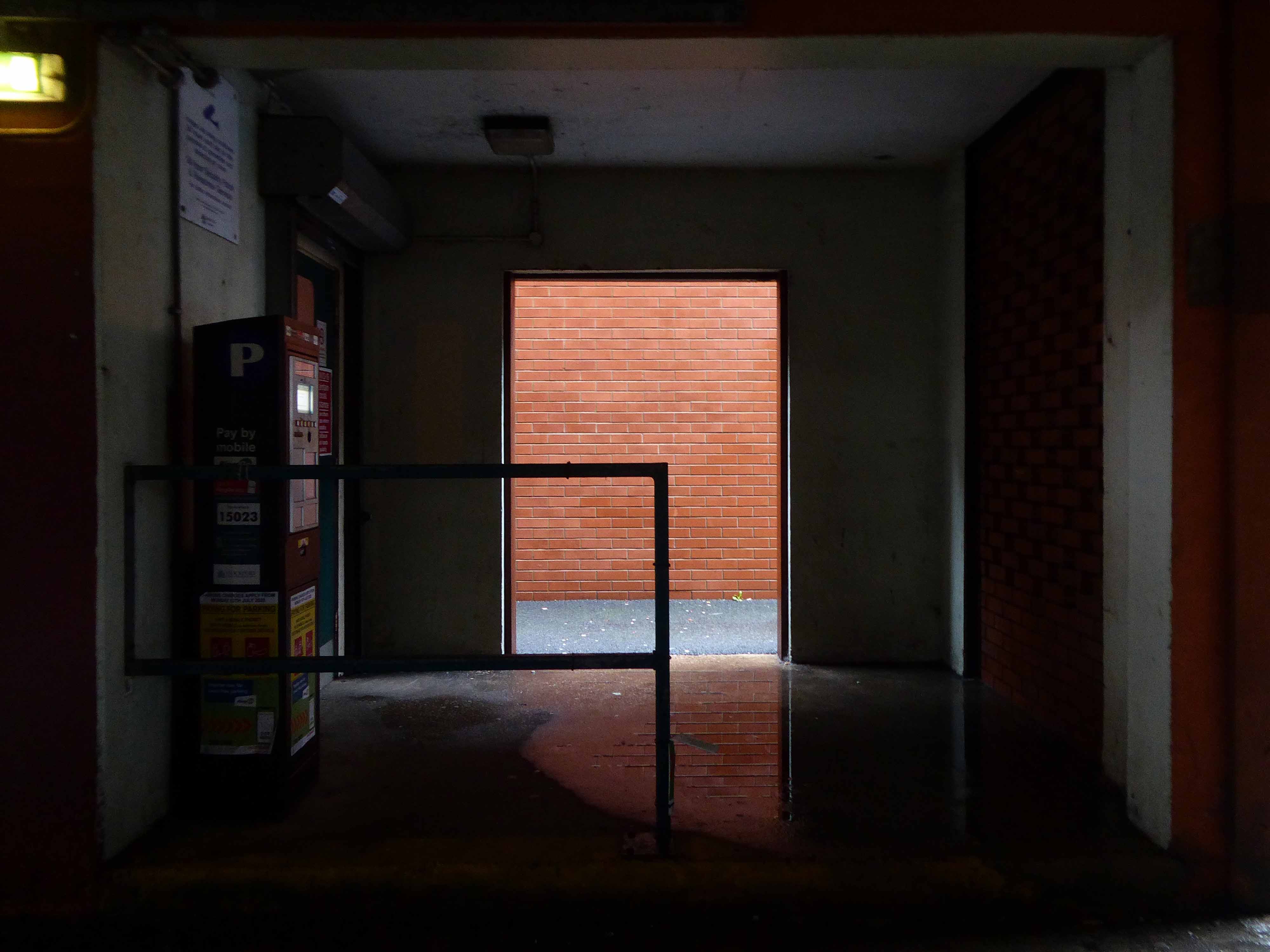
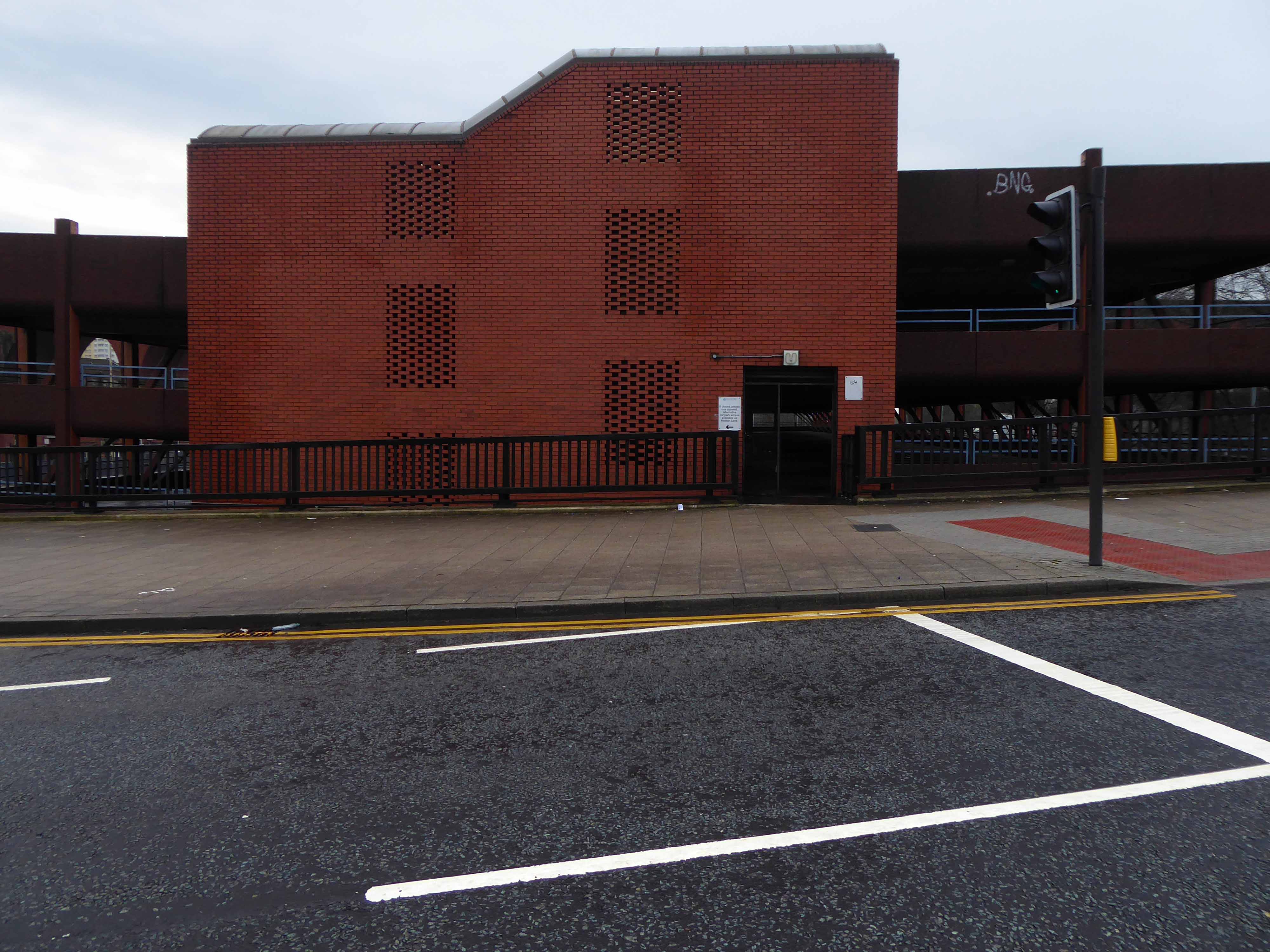
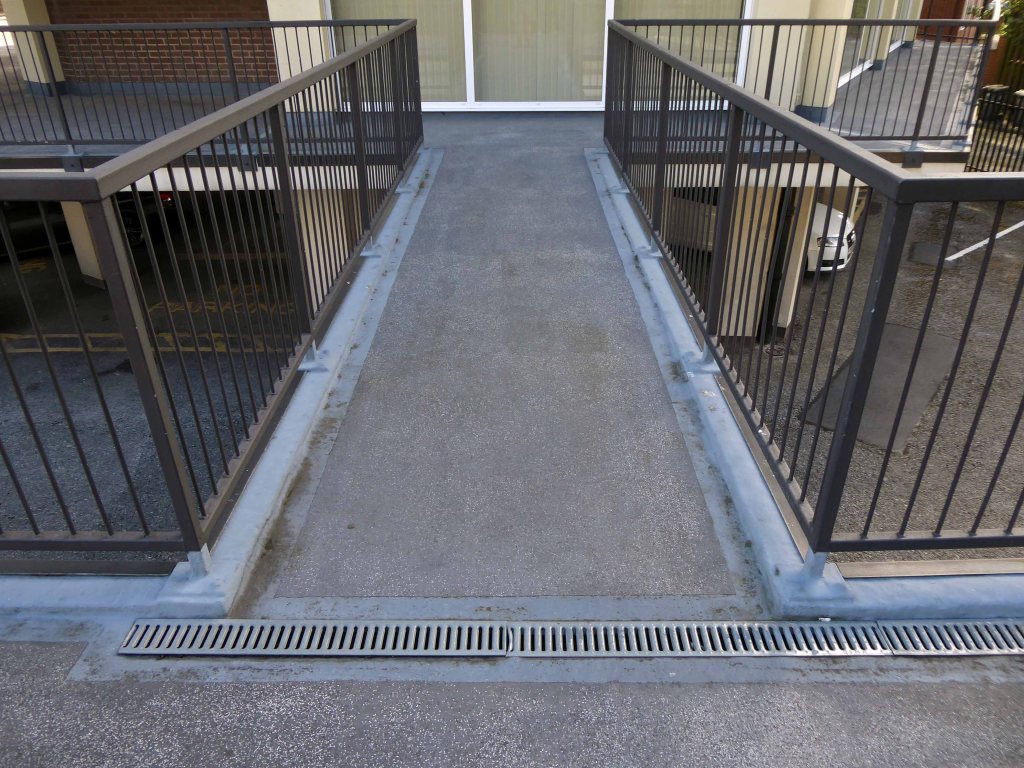
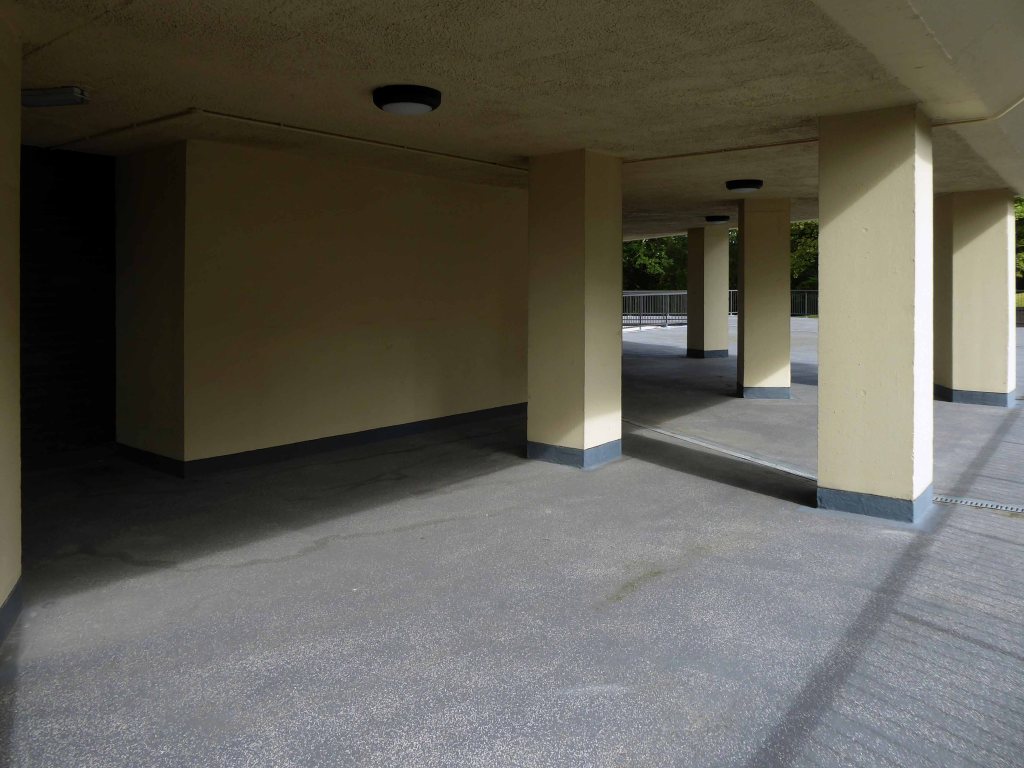
We recently took a look around Redrock, today we visit the next door neighbour – the car park ramp.

Replacing the old Debenham’s ramp.

Linking the old world of Merseyway with the shiny new NCP.

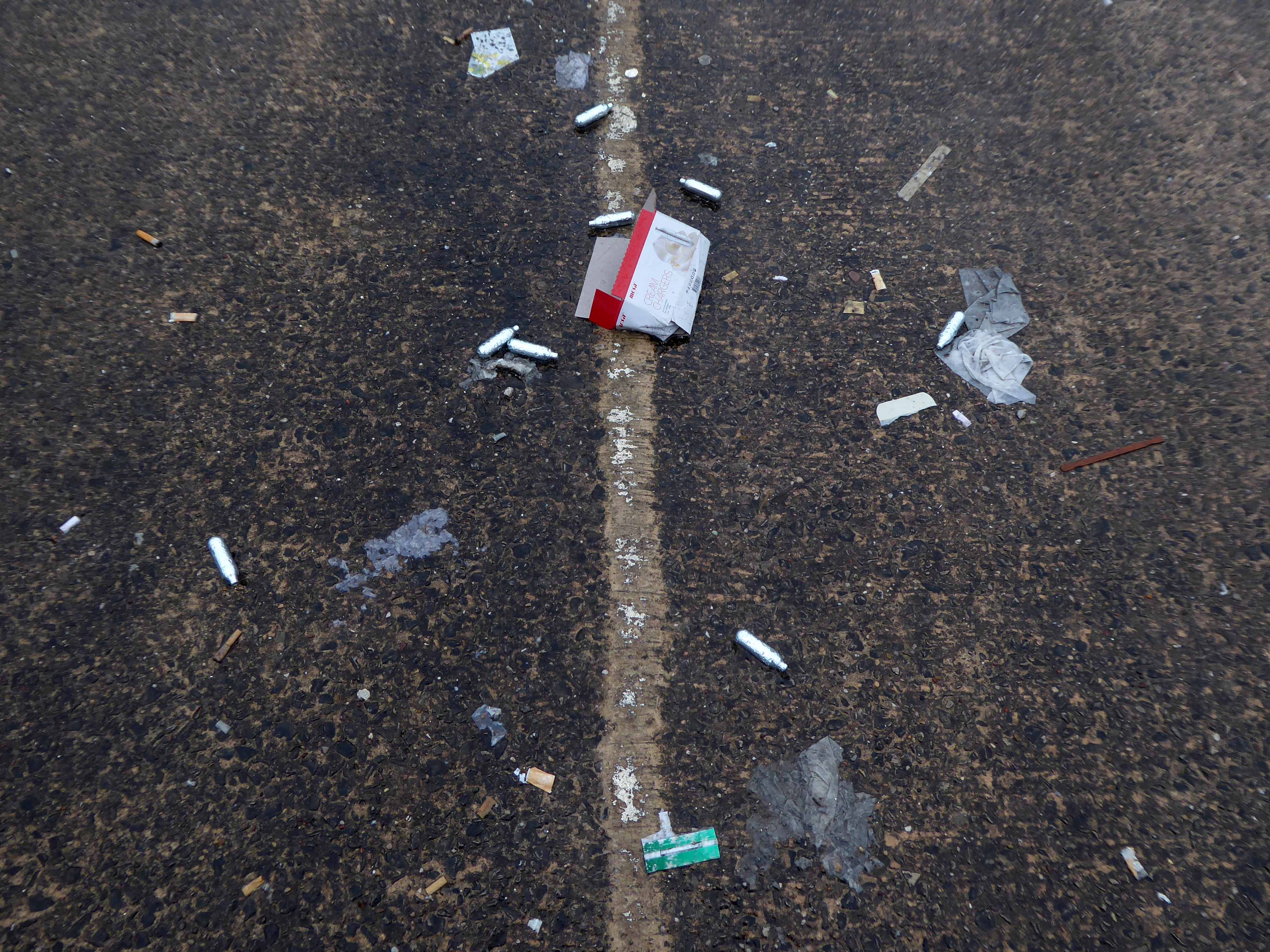
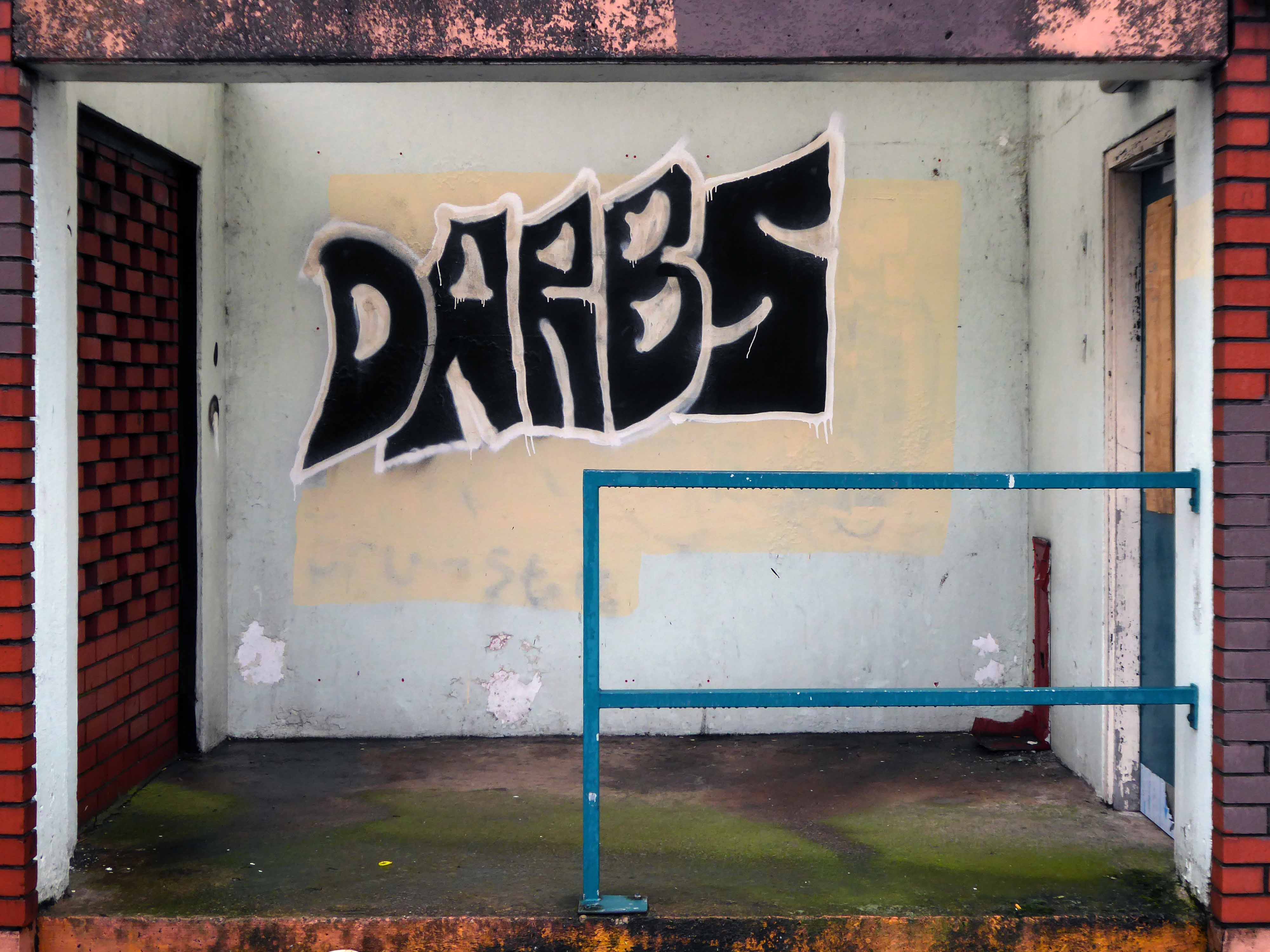
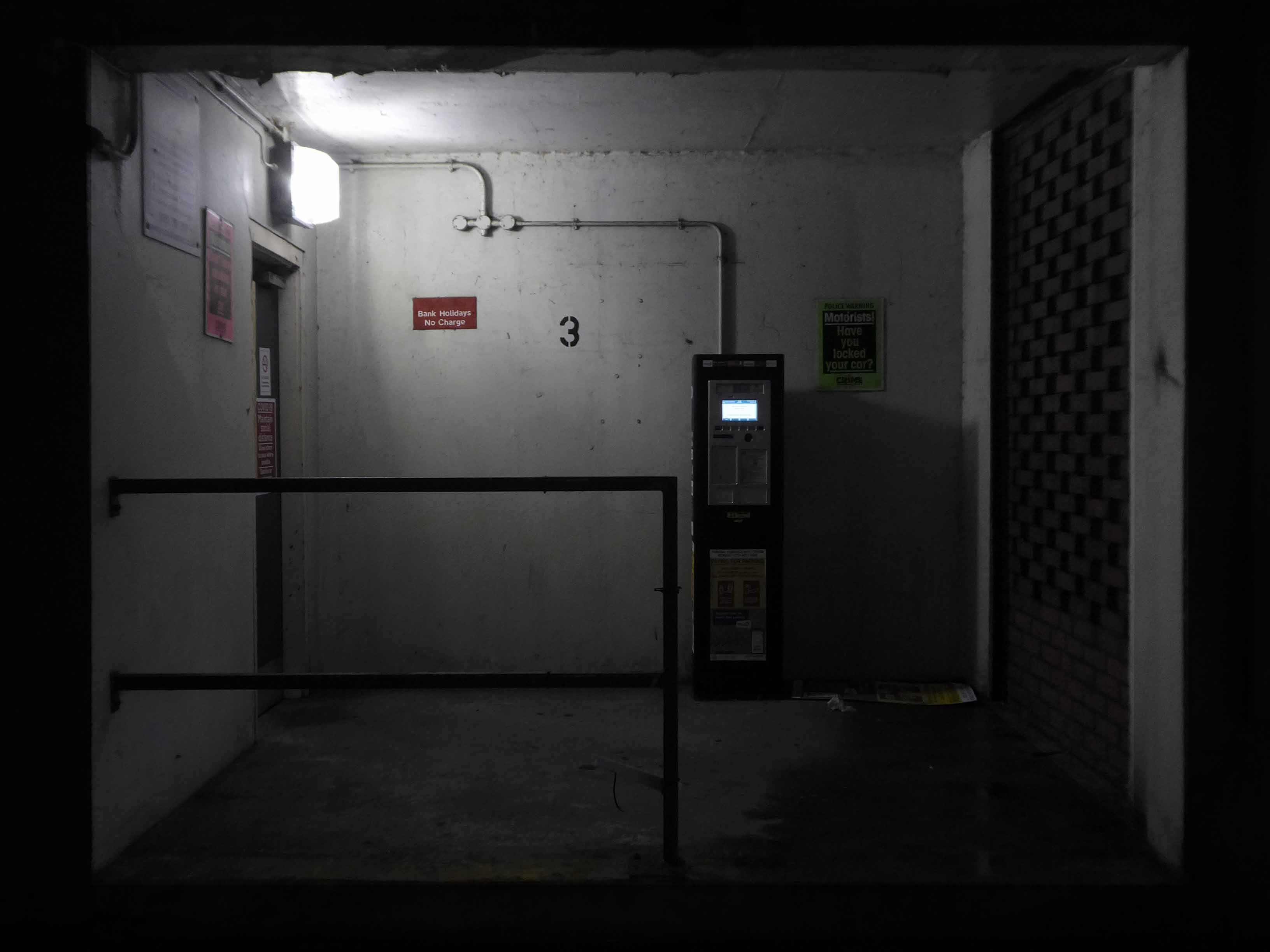
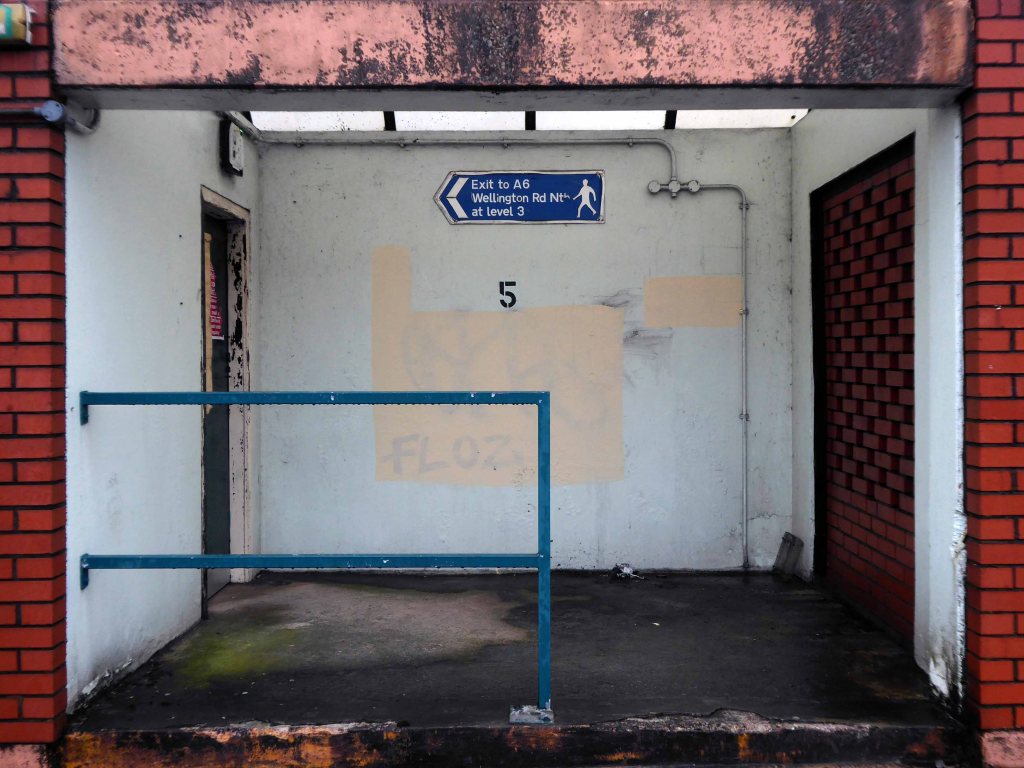
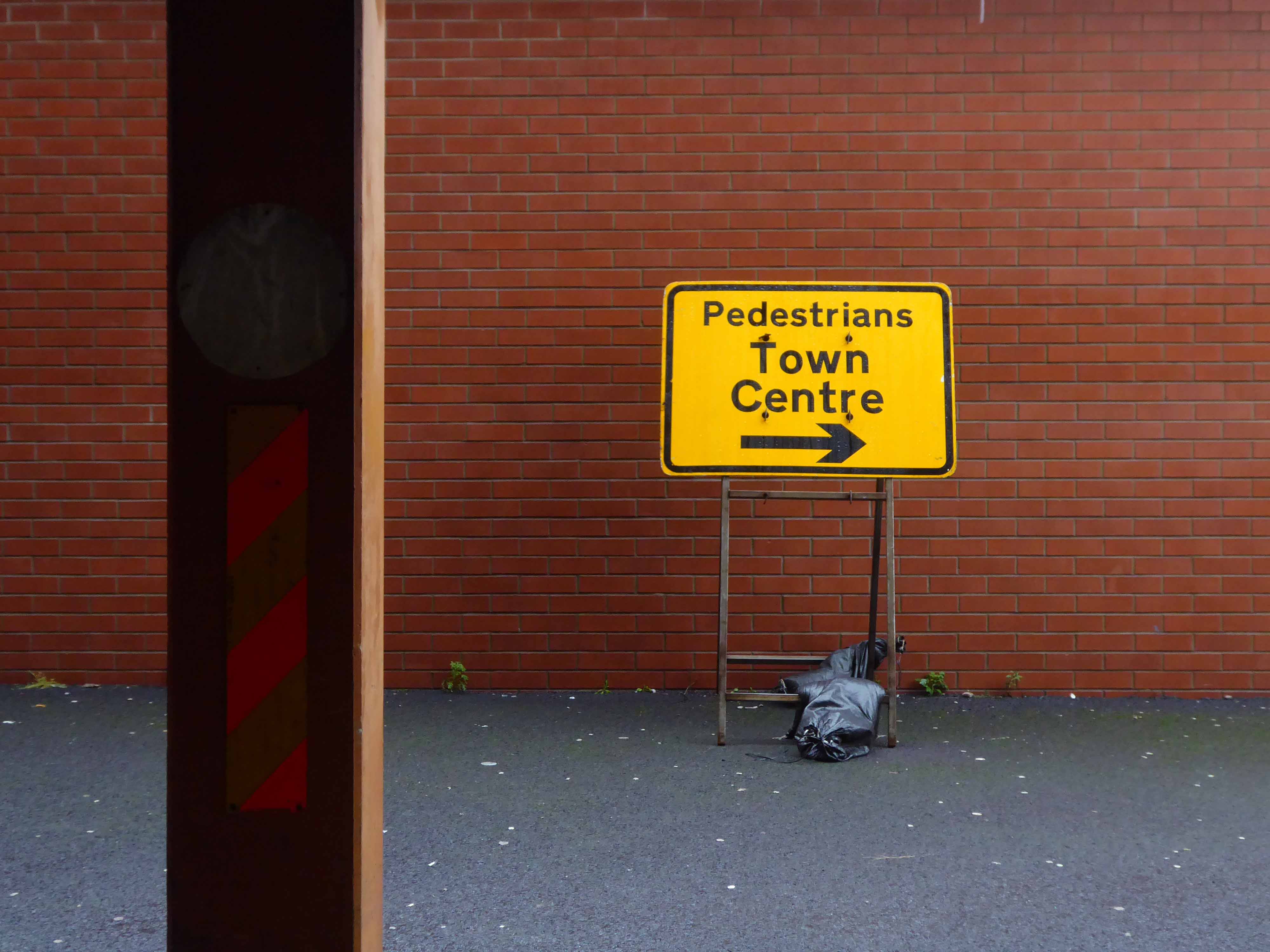
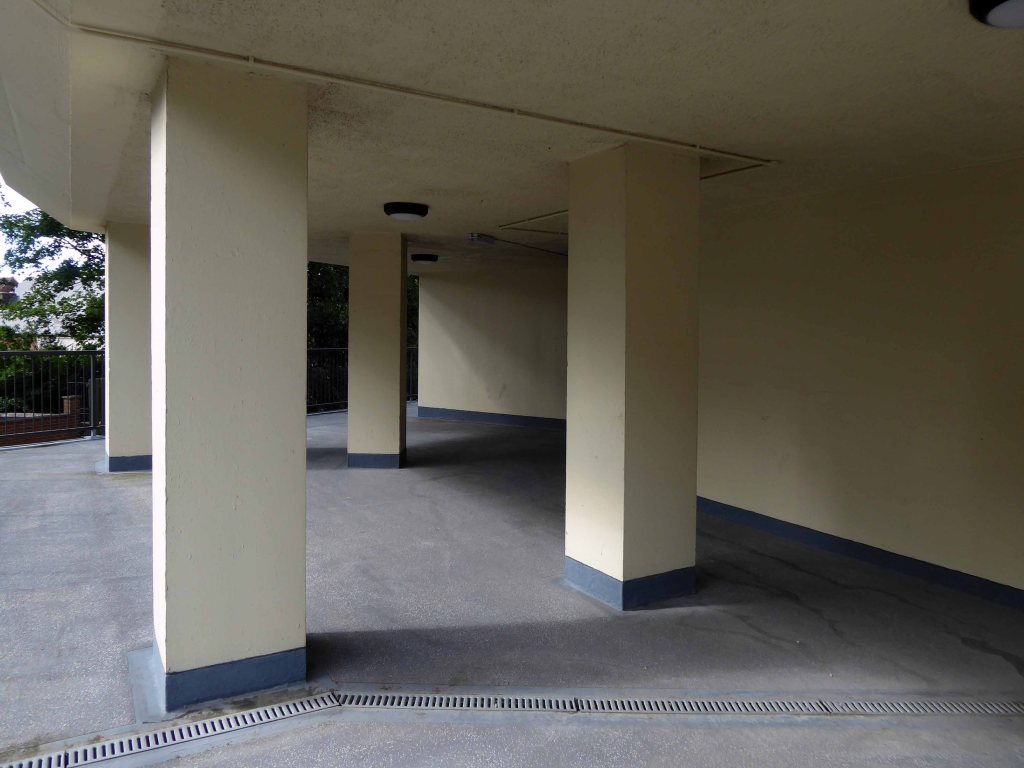
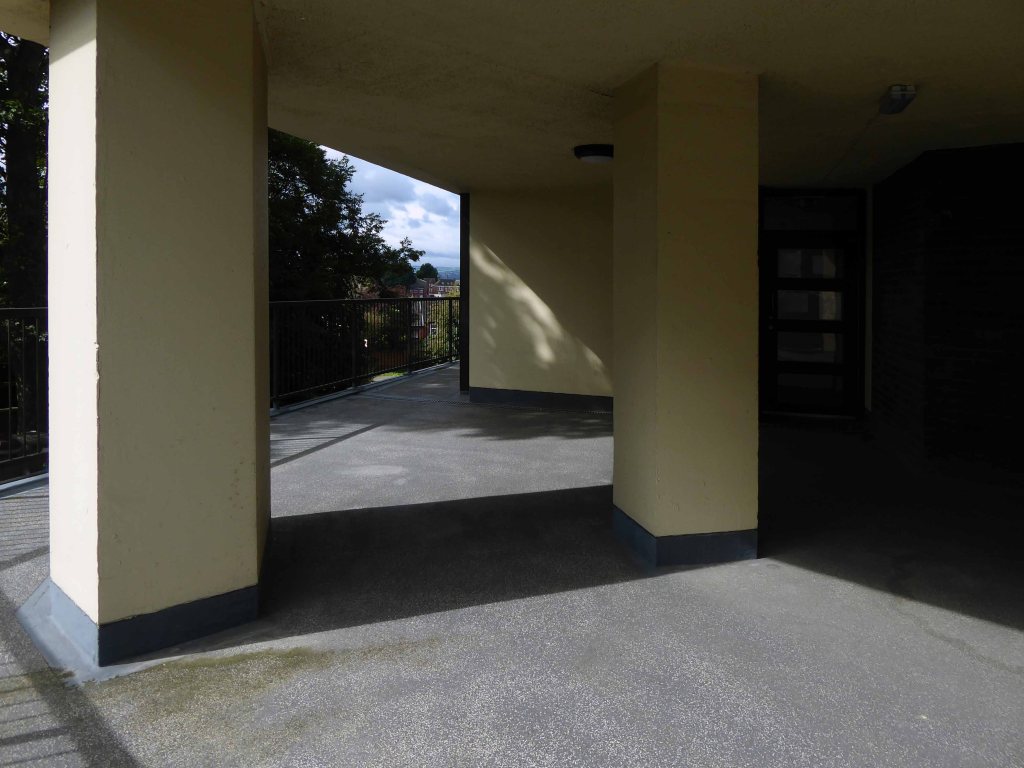
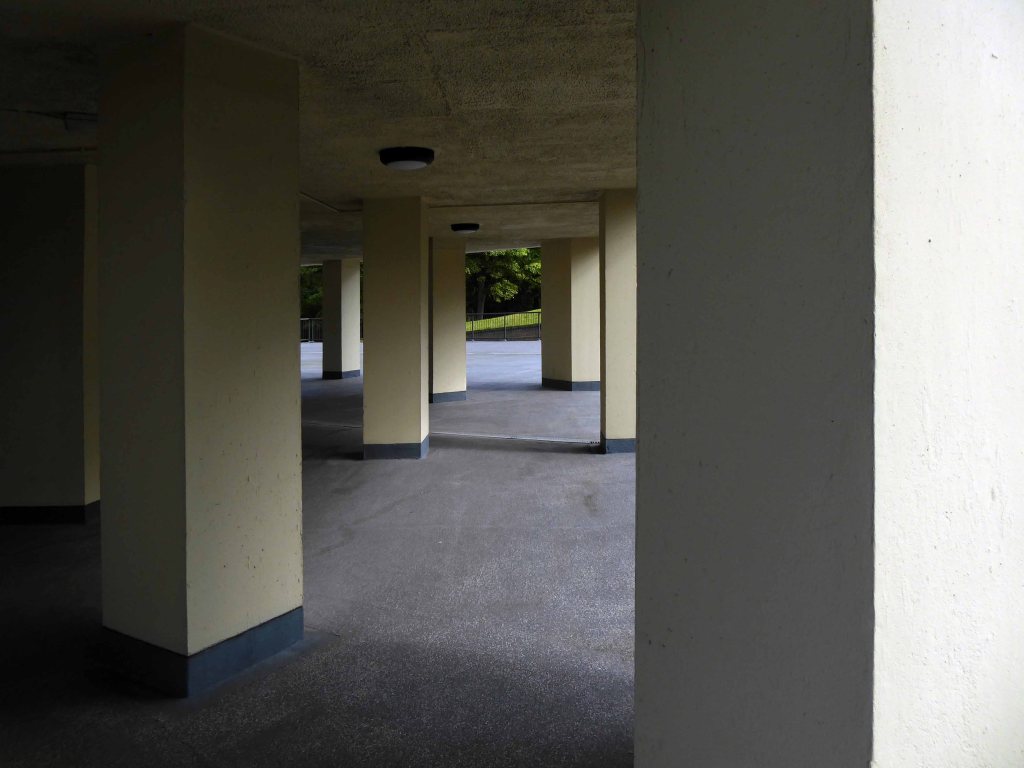
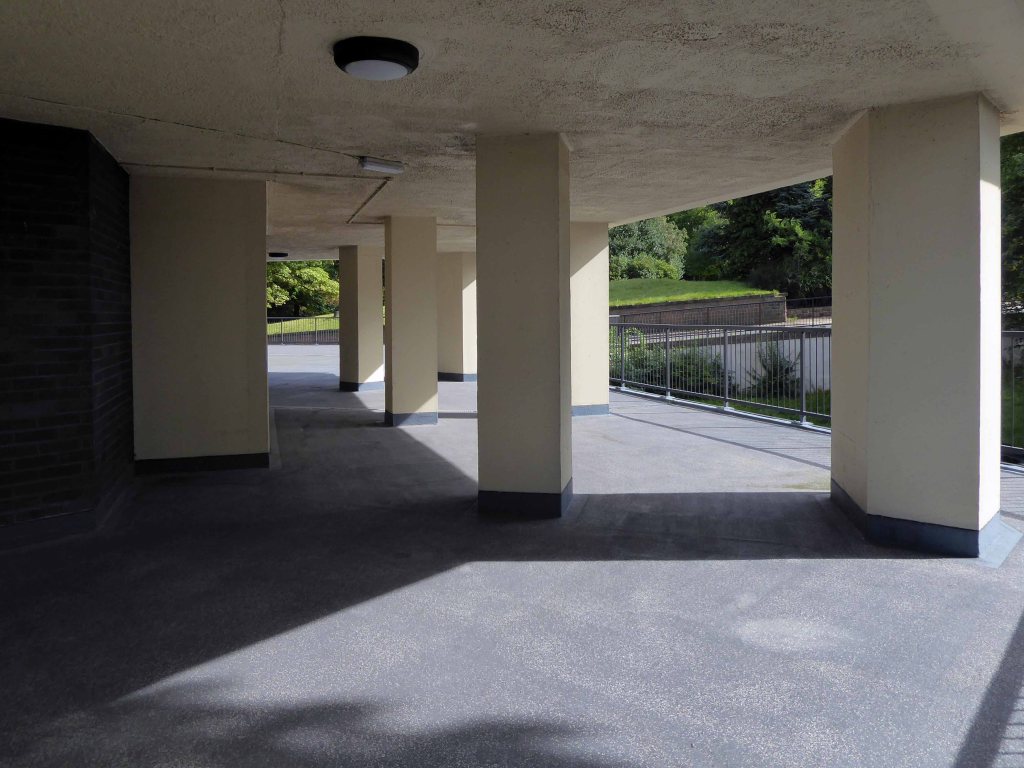
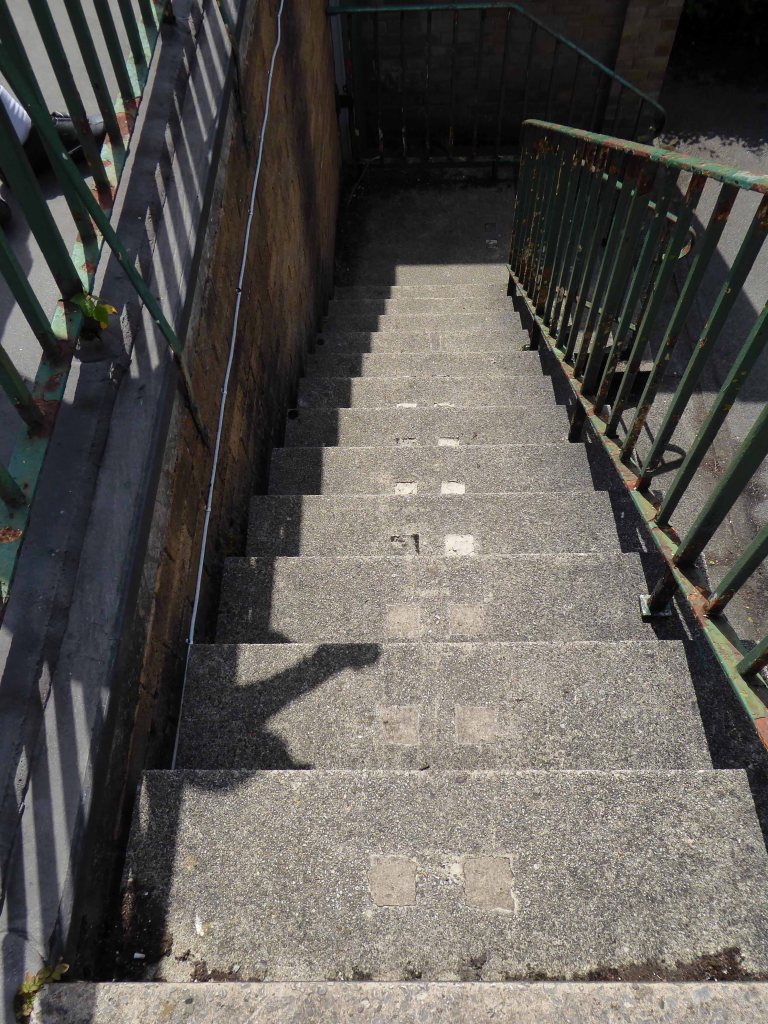
I don’t drive no car so I have to make do with the ecologically sound and ever so affordable means of pedestrian trespass, proceeding incautiously I recorded my journey into the unknown.

Returning safely to Basecamp I investigated further, circumnavigating the drainage area.

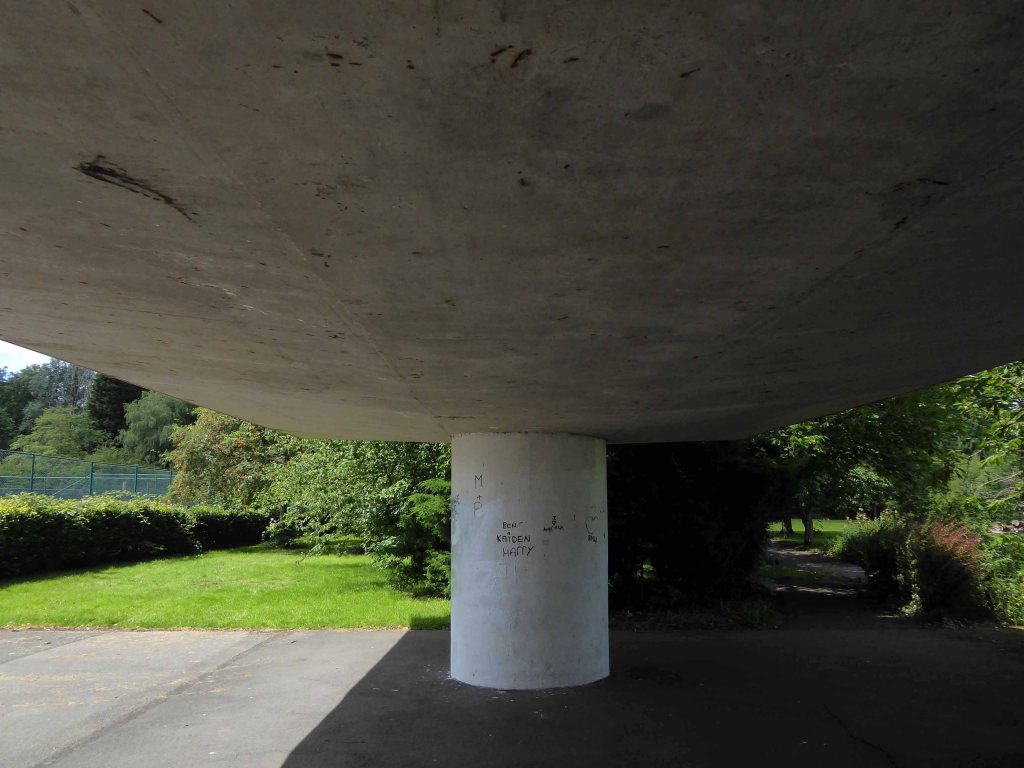
I have to admit that I am over fond of this small sacred space, a modern impenetrable temple of Brutalism. My ambition is to stage an art/music event within, just wait and see/hear if I don’t!

Tamara – Whaley Bridge

I’ve often cycled by here, on occasion taking time to take a snap or two.

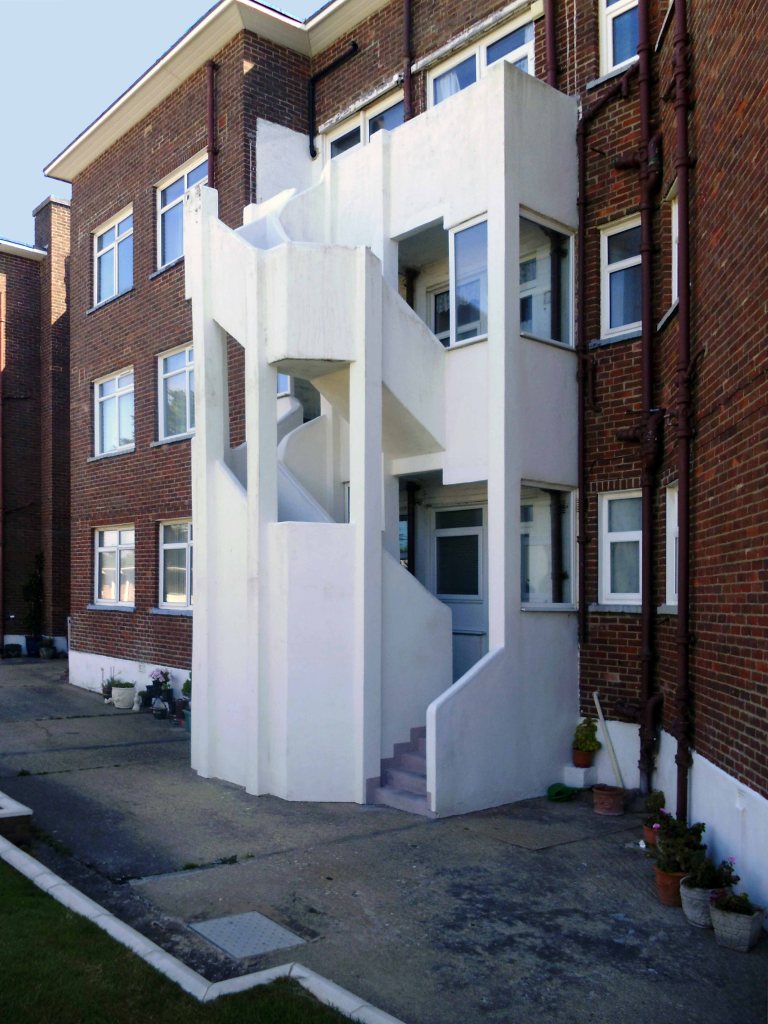
You seemed to be in decline, in need of care and attention. Stood amongst Peak vernacular and sub-Lutyens villas something of anomaly.

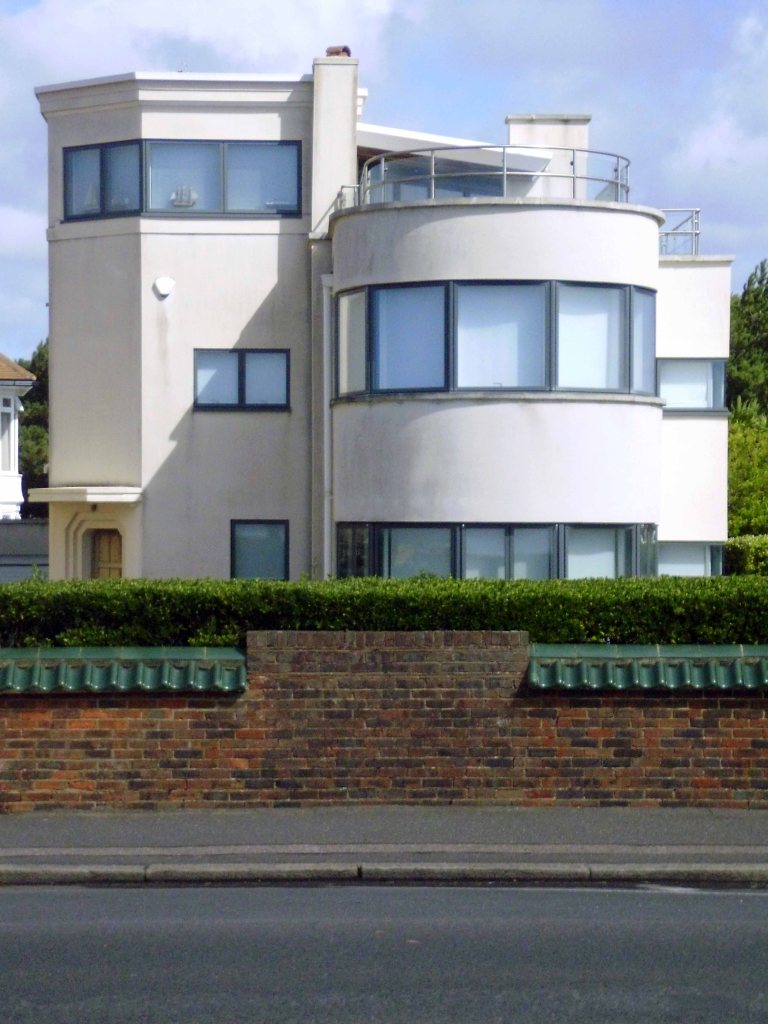
A diminutive Modernist house – a rose amongst the herbaceous borders.

Someone seems to have taken you in hand and work is underway, I just hope that they put your name back in place.

Tamara

Tamara is a female given name most commonly derived from the Biblical name Tamar, meaning date – the fruit, date palm or palm tree. In eastern European countries like Armenia, Croatia, Czech Republic, Georgia, Hungary, North Macedonia, Poland, Russia, Serbia, Slovenia and Ukraine it has been a common name for centuries. In Australia it was very popular from the 1960s to 1990s. 

In the United States, the name was fairly common from the late 1950s to mid 1990s, bolstered by the popularity of the film Tammy and the Bachelor – Tammy is commonly a nickname for Tamara. In the US the most girls named Tamara were born in 1970 and the number of Tamaras born per year was greater than 1,000 as late as 1996.

The name is now fairly uncommon in the US: in 2010, the name fell off the Top 1000 SSA Baby Names list, with fewer than 250 baby girls named Tamara that year.

Hartshead Power Station – Offices

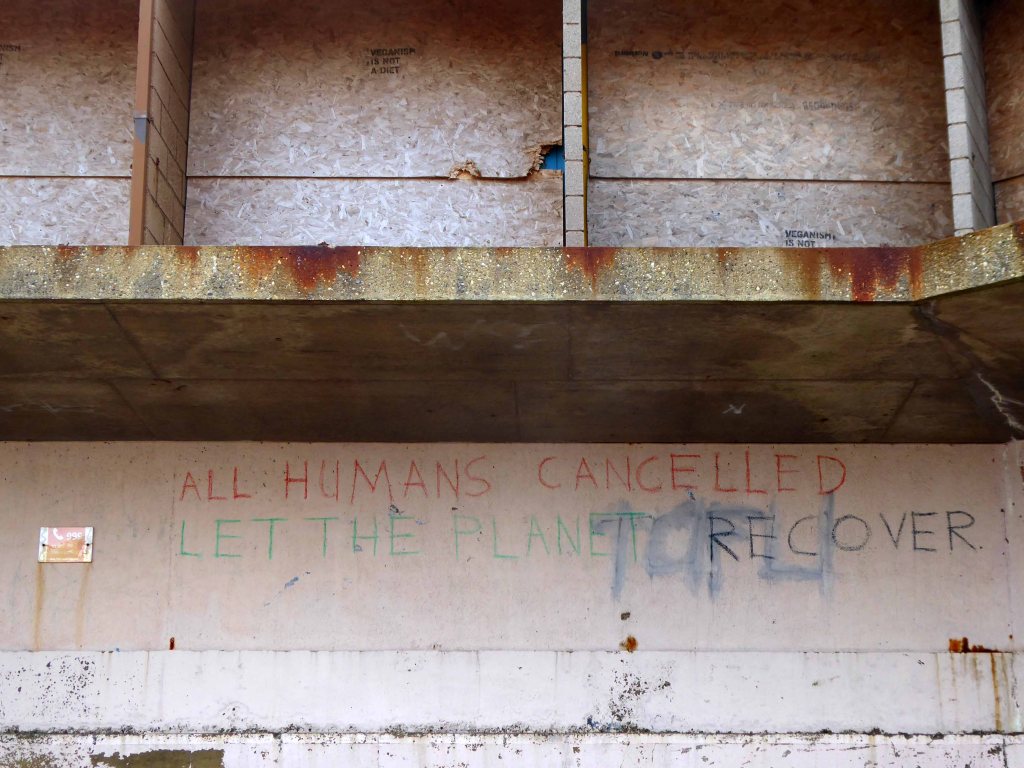
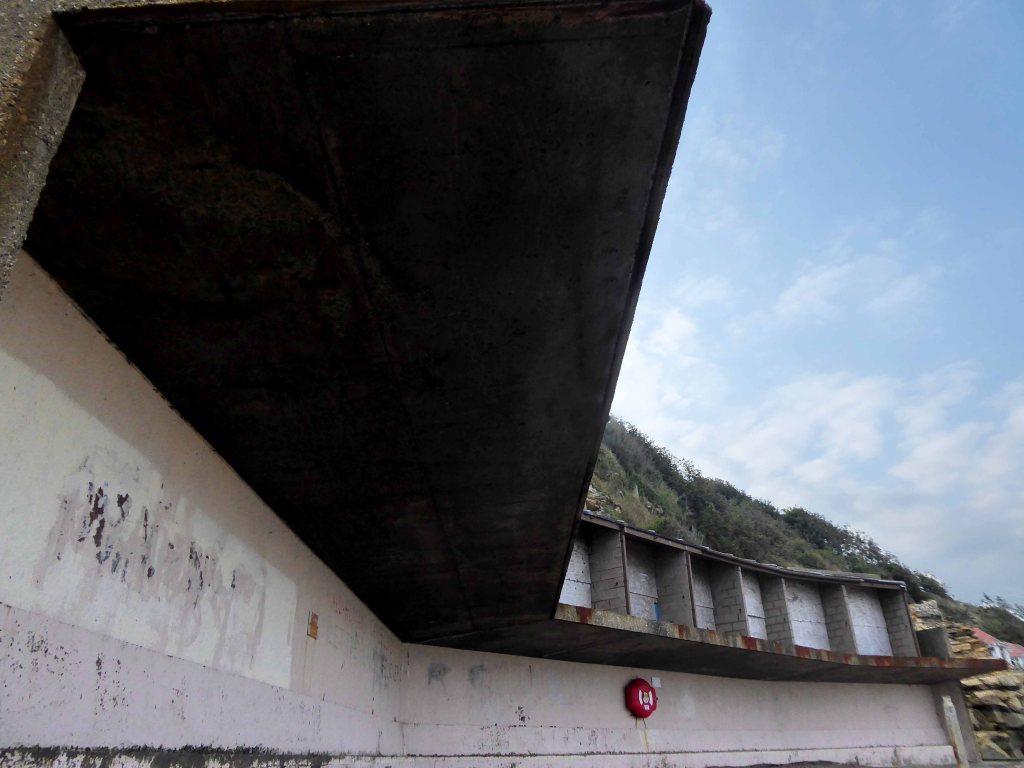
We have of course been here before, to see a concrete bus shelter and a derelict control room.

All that is solid melts into air as Marx and Marshall Berman told us.

Though remnants remain – this is a short journey through a hole in fence, down into the warren of power station offices past.

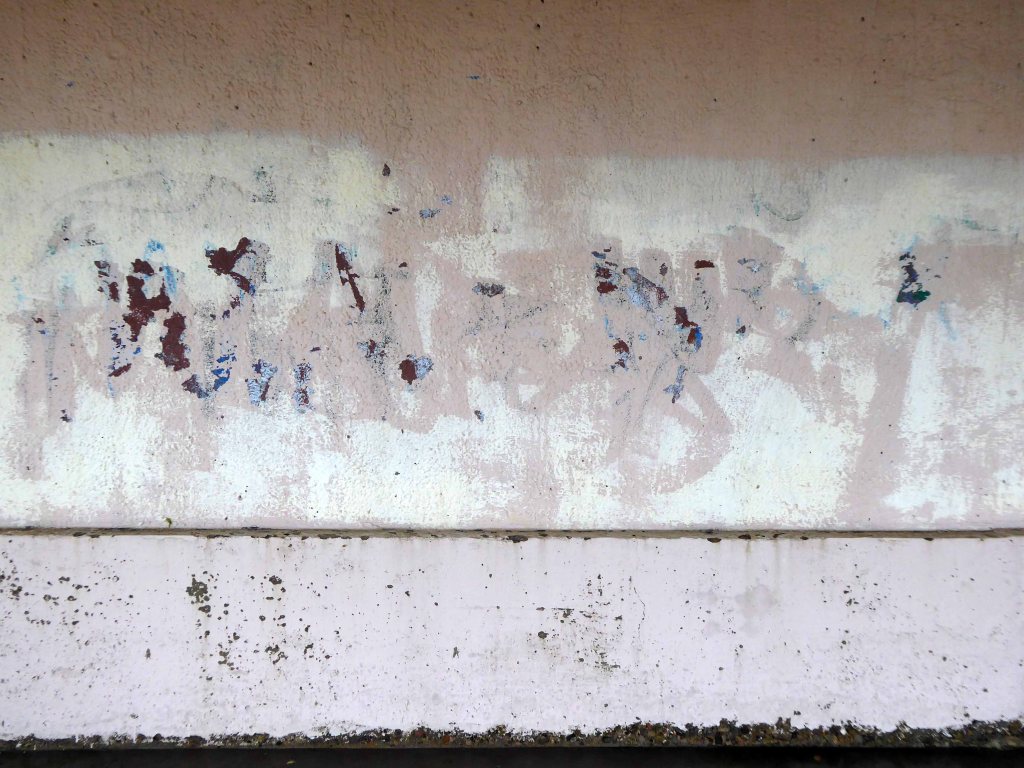
They have been stripped of their former use and meaning, transformed into a transitory art performance space, paint and plaster now peeling, appealing to the passing painter, partially reclaimed by nature.

Let’s tag along:

St Christopher RC – Ashton under Lyne

Lees Road Ashton-under-Lyne OL6 8BA

Architect: Francis A. Kerr 1955

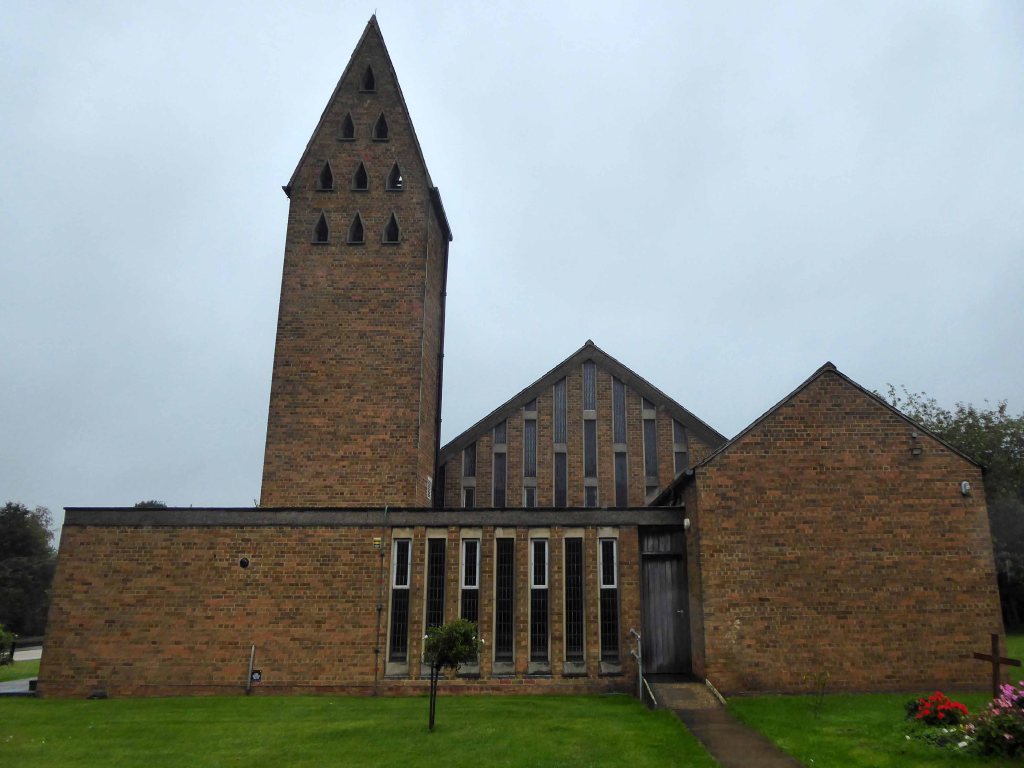
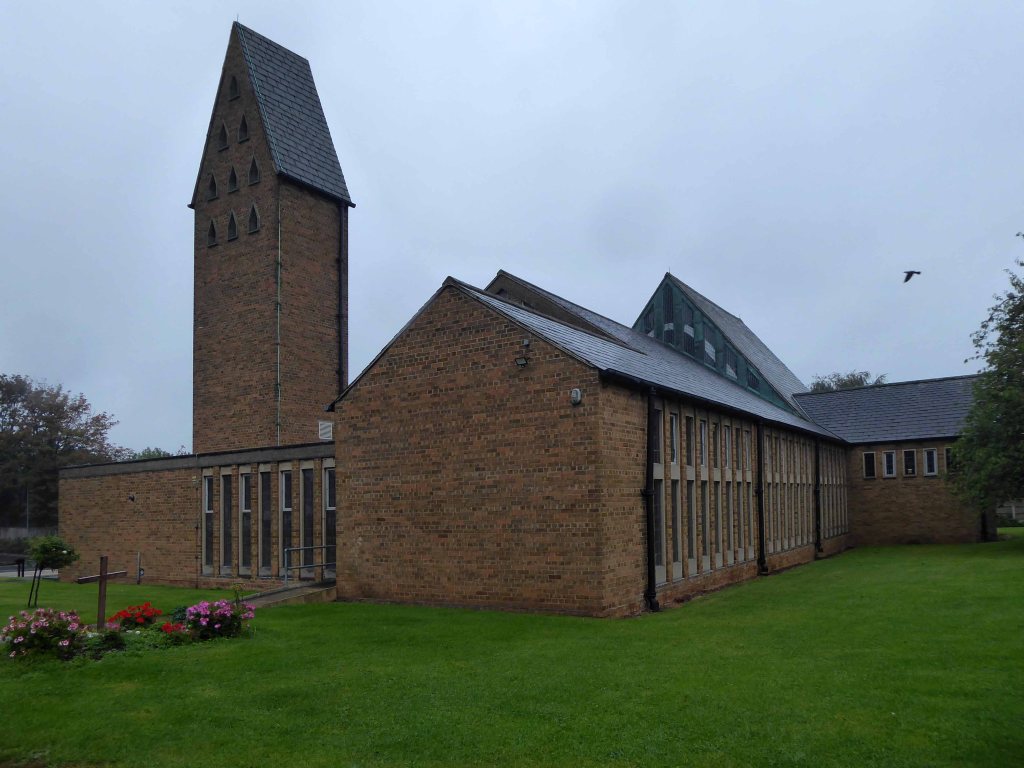
A post-war design consisting of an upper church over a lower hall, the prominent campanile making it something of a local landmark. The portal frame construction, materials and design are standard for the time. The interior has been reordered but retains some original furnishings. 

A new post-war parish was created to serve the growing residential area in Hurst Cross, previously served from St Anne’s, Ashton. Fr Kelly built the new church, whose foundation stone was blessed by Bishop Marshall on 5 June 1954.  The first Mass was held on Easter Monday, 1955. 

The church is conventionally orientated with the sanctuary to the east. Less conventionally, it is a two-storey building, with a ground floor parish hall and a first floor church. The church is reached from Lees Road by a reinforced concrete bridge and steps. A brick campanile marks the southwest corner. The structure of the portal-framed building is expressed externally by raking brick buttresses to side elevations.  The west gable end is faced in aggregate panels with a concrete relief depicting St Christopher over a plain three-bay flat-roofed portico.  The aisles are faced in ceramic tiled panels to the upper level with render to the parish hall level. The nave is lit by three-light clerestory windows with smaller windows to the aisles. The shallow-pitched roof is laid with mineral felt.  A two-storey block containing a large sacristy connects to the contemporary presbytery.

Inside, the six-bay upper church has a plain west gallery above a narthex with glazed screen. The aisles have arcades of square brick piers and plain plastered walls. The clerestory windows are leaded with coloured glass margins. The ceiling is lined with acoustic panels and the concrete floor is laid with carpet or linoleum tiles. The reordered sanctuary retains the original polished concrete altar in a forward position; the 1950s altar rails and pulpit have been removed. The east wall is now hung with wallpaper, but was originally fair-faced brick; the Crucifix and painted timber high altar canopy are part of the original arrangement.  The side chapels also retain original 1950s polished concrete altars. The octagonal font with oak cover dates from the late nineteenth or early twentieth century, of unknown provenance. The hardwood pews were designed for the church.

Taking Stock

I have known this church for some fifty years – living just up the road.

It was probably along with St Mary’s Denton my first experiences of Modern Architecture.

I went to the youth club in the social area beneath the church.

St Mary

It is typical of the Italianate styling of the time, a functional mix of glass brick and concrete, far from ostentatious – and sitting comfortably in its setting.

On the day of my visit the country is in lockdown, Mass suspended and the body of the church used as a homeless shelter, prior to rehousing – signs of the times.

Beanland House No 2 – Ashton under Lyne

Gambrel Bank Road Ashton under Lyne

I have been here before in 2015 en passant, snapped the homes chatted to a resident and off, she had informed me that they had been post-war experimental concrete homes.

I thought no more about it – but subsequently I did, returning to the road to take another look.

Here’s one I didn’t make earlier.

There are four semi detached homes constructed from concrete, rendered painted and clad over the years, windows replaced, additions and amendments made.

Though the basic design characteristics have been retained.

There are no local archival images or histories, I assume that they were post-war, an addition to the inter-war Smallshaw council estate.

In an area which in 1848 was given over to mining and agriculture.

I have subsequently learnt from an online contact Mr Sid Cat, that the homes are Beanland No 2.

They are listed on the BISF site – 102 were built.

More than this I cannot say – further searches for Beanland proving largely fruitless.

In addition there are also several semi detached houses of identical shape and proportion faced in brick – why?

Suffice to say here we are now and here they all are.

All Saints Church – Hale Barns

Hale Rd Hale Barns Altrincham WA15 8SP

As Hale Barns grew in the 1950s and 1960s it was clear that the small daughter church was less than adequate in terms of size and facilities, and under the leadership of the Rev Fred Cox, the then Vicar, a new church was planned for the site. Designed by Brian Brunskill, All Saints Church was consecrated in 1967.

Outside it can seem a rather stark building, of brown brick, set back from the busy Hale Road but inside it is full of light and space.  The influence has clearly been that of the French architect Le Corbusier, and there is a wonderful interplay of curved and straight walling.  At first there was no stained glass, but in the early 1980s glass by the Japanese artist Sumiko was installed in the north windows.  This includes a stylised tree-of-life design. In the baptistry there is some Victorian glass brought from St Mary’s Church.

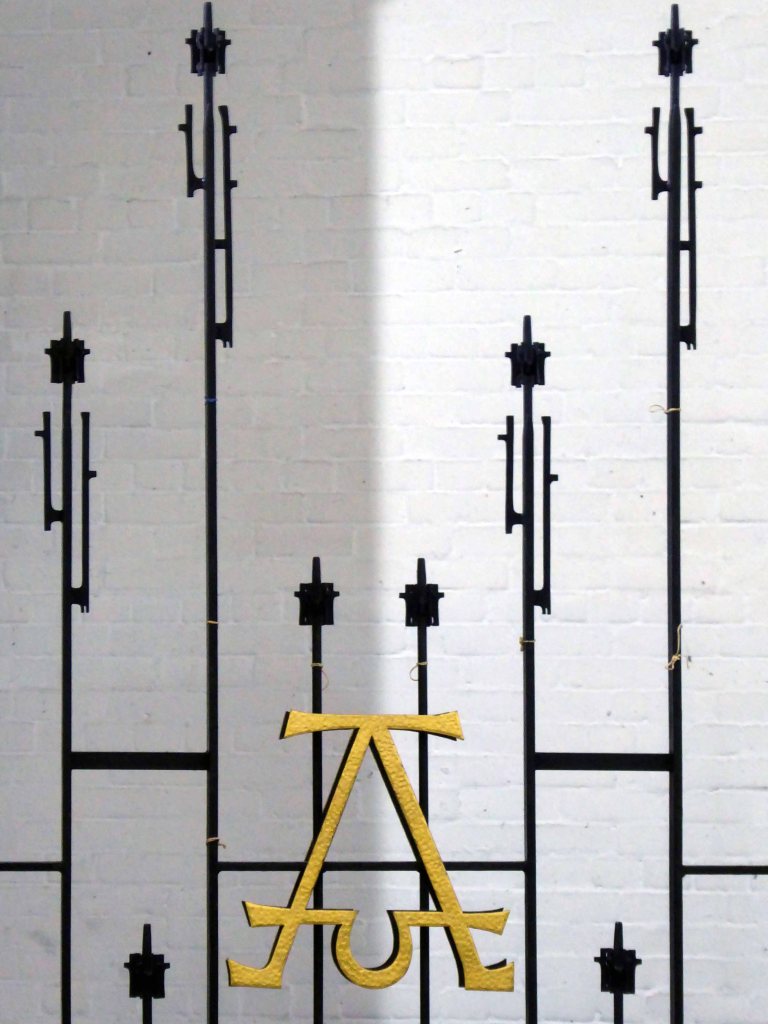
In 2009 a radical and daring re-ordering of the building was completed. The church was carpeted and new furniture of high quality, designed and made by Treske, woodcarvers  of Thirsk, North Yorkshire, was installed.  The tree-of-life design in the 1980s glass has been echoed in the glass inserts to the Lectern and High Altar and also in the metal uprights of the Altar Rail.  All the fittings are moveable, giving a flexible space.  This flexibility give opportunities to explore how the building itself can enrich worship at different seasons of the Church’s year. 

All Saints

My first time in Hale Barns – hence my first visit to All Saints.

Small in scale, but large in ambition – a wonderful exercise in the calm controlled use of brick, rich in small details, along with an expressive mix of warm curves within a rigid grid.

Of particular note is the sculptural concrete bell tower, the exterior use of pebbles in the porch which flow into the interior space, along with a discrete palette of grey tiling.

It demands to be circumnavigated – fresh surprises await around each turn, simple hard landscaping of flags, softer restrained planting and open areas of lawn, so very well tended.

Let’s take a look around.

Here are some images of the reworked interior taken from the All Saints gallery.

Concrete Island – Stockport

He reached the foot of the embankment, and waved with one arm, shouting at the few cars moving along the westbound carriageway. None of the drivers could see him, let alone hear his dry-throated croak, and Maitland stopped, conserving his strength. He tried to climb the embankment, but within a few steps collapsed in a heap on the muddy slope.

Deliberately, he turned his back to the motorway and for the first time began to inspect the island.

Maitland, poor man, you’re marooned here like Crusoe – If you don’t look out you’ll be beached here for ever. He had spoken no more than the truth. This patch of abandoned ground left over at the junction of three motorway routes was literally a deserted island.

JG Ballard Concrete Island

I’m in a different place – the same but different, whilst out walking I went through an open gate, following a well worn path, for the very first time.

Leading who knows where.

The confluence of three rivers, the meeting of motorway and main road.

I ventured further – where if anywhere are we going?

This tight tree lined and paint daubed triangle offers no answers.

Tamed thirty years or so ago, with concrete and steel.

Further and further.

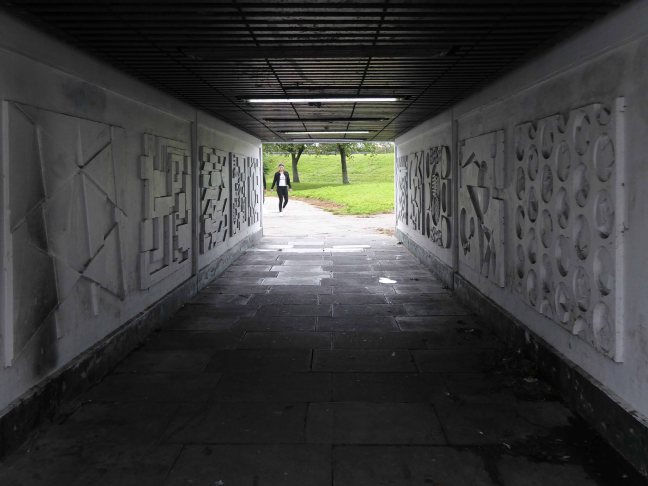
Into an underground world.

Through the railings and into a void – a void that had become home to the otherwise engaged, seeking solace somewhere, finding shelter from the storm. A storm of Twenty First Century austerity, man made – moving money around until those without are out, out in the open, nowhere else to go but here.

How often have I lain beneath rain on a strange roof, thinking of home. 

William C. Faulkner

William Mitchell – Collyhurst

It’s April 2020 and I’m here again.

Having been before and before and before.

It’s lockdown so we can’t go far, so from home in Stockport to Collyhurst is within my daily exercise allowance.

There is talk of relocation for the diminutive Mitchell totem, but as of today no sign of any action – all is in abeyance.

What we do see is the encroachment of flora, cleaner air, low or no level human activity encourages growth between the cracks.

And at the base of the plinth

I took the opportunity to get in close.

Move around in a merry dance.

Quite something to spend time in an ever changing urban space – devoid of company, save for the calming sound of birdsong and the distant rumble of a distant train.

Stopford House – Again and Again

Third time around – on a late lockdown April evening.

I’ve been here before and before, yet I come back again and again.

It’s different every time, deserted at the best of times, during the worst of times it seems even more so – not a soul in sight. The low warm sun affords the bare concrete a pale pink and orange glow.

The mix contained coarse aggregate from the Scottish Granite Company of Creetown, a fine Leemoor sand from the Fordamin Company, together with white cement.

So here we are again, again:

Leeds University – Roger Stevens Building

The Roger Stevens Building 1970 – by Chamberlin, Powell and Bon for Leeds University South Campus is designated at Grade II

The building represents the high point of their Leeds University work.

Architecture: the building is an outstanding and individual design with bold external shapes and carefully designed interiors

Planning: the internal spaces are the result of extensive research on the requirements of the university and introduce innovative and influential features such as individual doors into the lecture theatres, and external links intimately with other buildings on the campus by means of multi-level walkways

Intactness: despite the changing requirements of universities, the building has remained largely unchanged, proving the success of its design

Group Value: the building provides a fitting centrepiece to the group of university buildings on the South Campus at Leeds, also recommended for designation.

Historic England

I was asked by the Leeds Modernists to put together a walk which avoids the the Roger Stevens Building, so I did just that.

That didn’t stop me visiting the site on the day of my visit.

This is what I saw:

Cardiff Central Police Station

The current five storey Cardiff Central police station was designed by Cardiff’s city architect John Dryburgh and built on the southern corner of Cathays Park between 1966 and 1968. It is described as: The most successful post-war building in Cathays Park and the only post-war building in the area: To be both modern and majestic

The detention facilities at the station were inadequate with only four cells. These were replaced by sixty cells at the new Cardiff Bay police station, which opened in 2009.

This year’s Mayday protests in Cardiff took place outside Cardiff Central Police Station to show the opposition to the increasing criminalisation of public protest.

No Borders South Wales activists were in attendance to show solidarity with fellow protesters and register our opposition to repressive police tactics at all forms of public demonstrations.

The protest was good natured and lively, with lots of music and singing. 

The building is celebrated by photographer Joe Fox via Fine Art America

Who are happy to reproduce the image in the form of this delightful phone case, for the princely sum of twenty two pounds.

I myself was taken by its unapologetic system built panelling, all-round convivial confidence and cantilevered porch.

Plus an exciting array of concrete planters – exhibiting an exciting array of seasonal planting schemes.

Well with a wander around should you find y’self down that end of town.

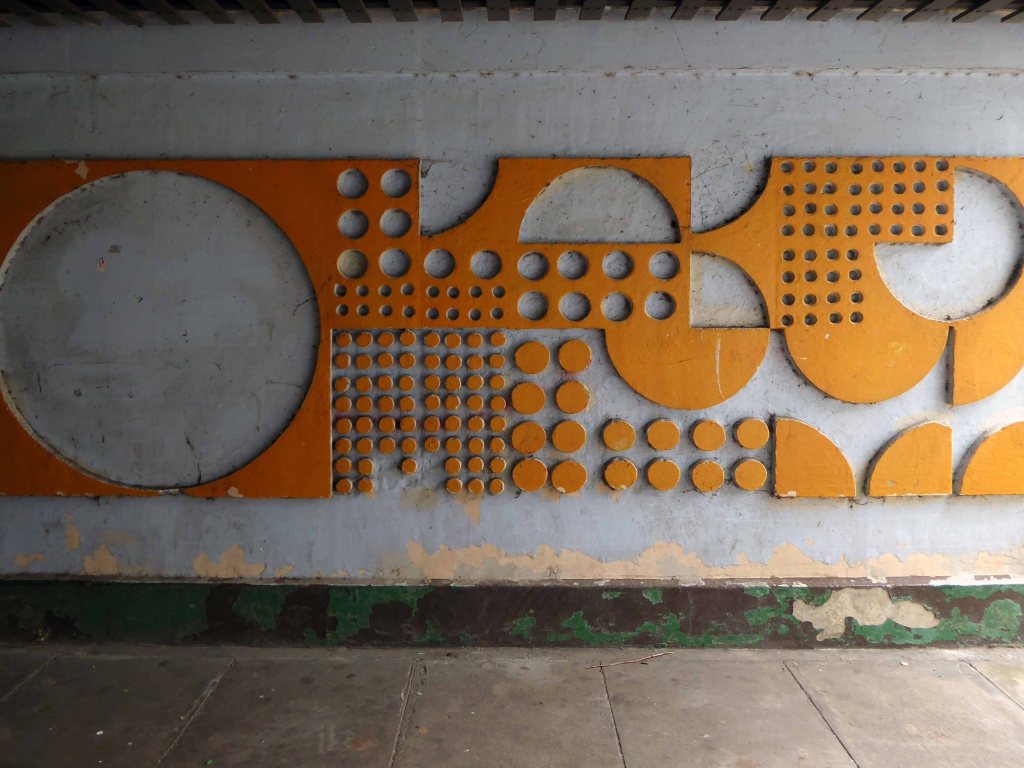
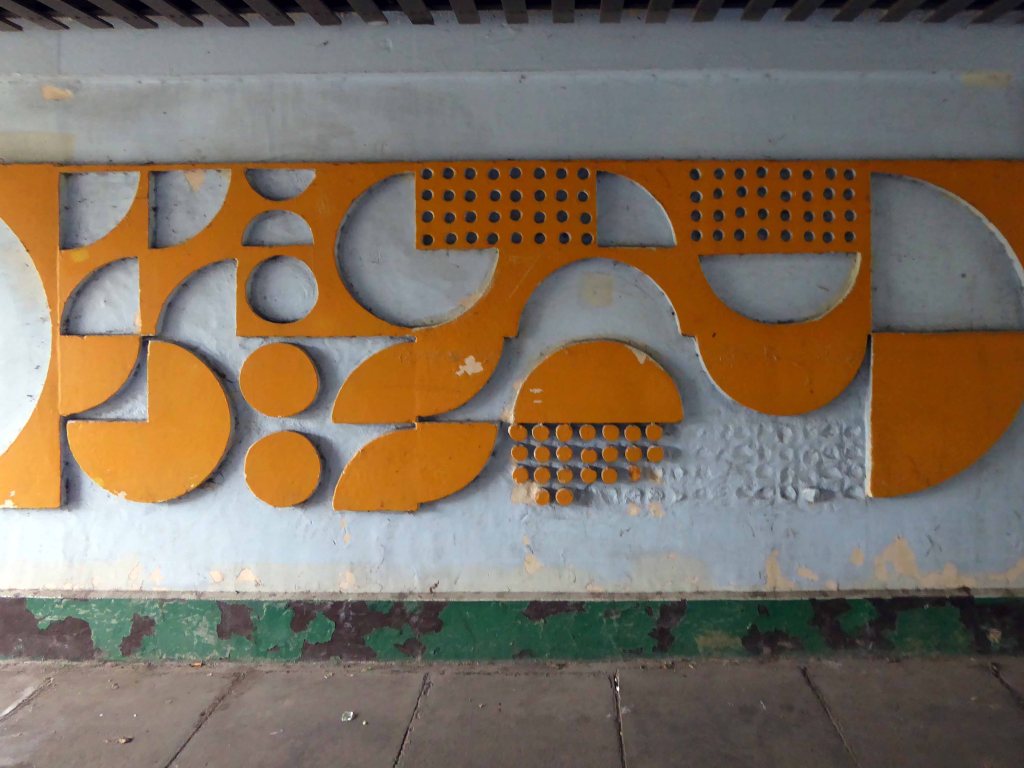
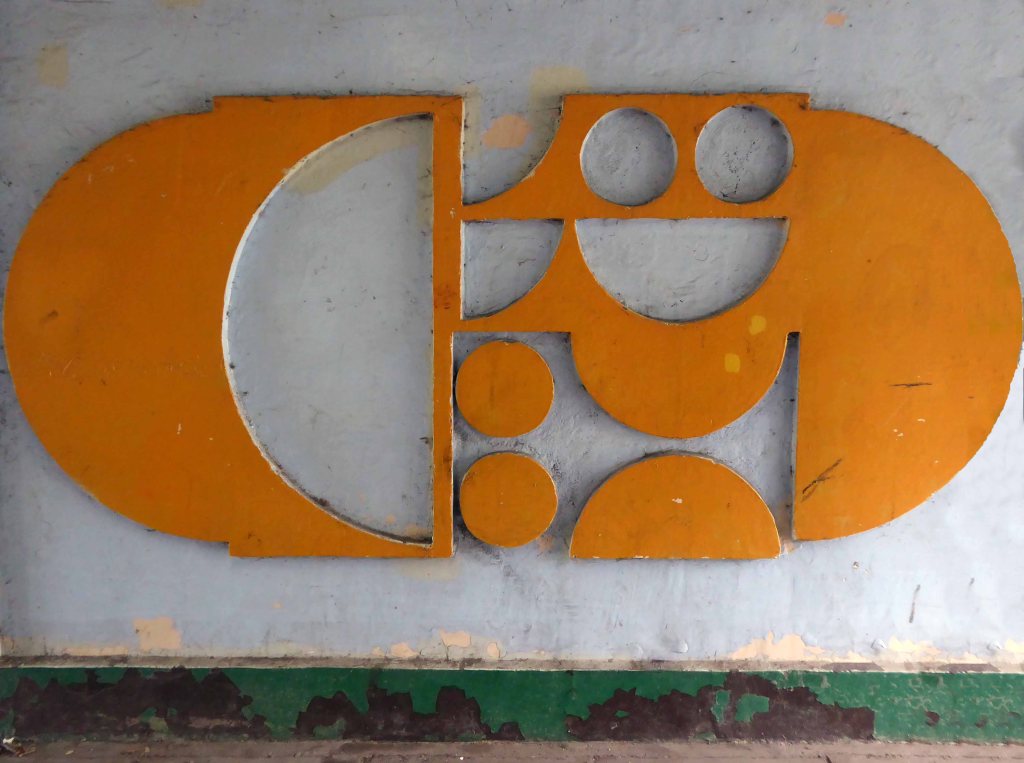
Merseyway – Alan Boyson Screen Wall

Deep in the heart of Stockport at the centre of our very own shopping centre – Merseyway.

A pierced concrete relief screen wall surrounds the former Co-op, currently Primark, car park.

The work of Alan Boyson – today the 16th of March 2020 would have been his ninetieth birthday.

I’ve even gone so far as to analyse its structure:

So I went for a walk this morning, as I have on several previous occasions, to take a look around the site – inside and out.

Tony Holloway Sculptural Wall – Manchester

Sculptural wall and sound buffer – 1968 by Antony Holloway in collaboration with architect Harry M Fairhurst.

Concrete approximately 68 metres long and between 4.5 and 6 metres high – Brutalist style.

Grade II Listed June 10th 2011 – Historic England

The only structure on the former UMIST site, now part of the extensive University of Manchester estate.

Regularly visited on our Manchester Modernist walks, along with his nearby architectural panels.

I have even ventured as far afield as Huyton in search of other exemplars.

This is work of the highest order and importance.

It sits by a busy London Road, behind an intrusive green steel fence, slowly acquiring a green patina – as moss and lichen attach themselves to the well weathered concrete.

Receiving occasional visits from the errant urban tagger.

It deserves much better – a lush grassed apron, discrete public seating, regular tree maintenance – respect.

We do not suffer from a surfeit of significant mid-century public art – its guardians should straighten up and fly right.

Right?

Brunel House – Cardiff

Originally built to house the regional British Rail offices – it seems that Great Western House has always been Brunel House.

Designed by Seymour Harris – who have also been responsible for the recent refurbishment.

The building is now in multiple occupancy, used for a wide range of services and uses, bringing new life to fine mid-century structure.

Sadly its entrance relief is now nowhere to be seen.

Archive photographs Seymour Harris Architects

Sixteen floors standing at 190 feet, two enormous interlocking slabs – it is the largest commercial property in Wales.

Seen from afar your are hit by its impressive rear elevation, with a distinctive grid defined by the slender window frames and a restrained yet earthy palette.

This is then broken up by strong vertical concrete columns.

With bold structural detailing, using a variety of aggregates and finishes.

Side elevations are brut concrete, with limited window space.

Where surfaces and volume conjoin there is further interesting structural detail.

Service areas to the rear.

An exciting encounter with a building of substance and quality – go take a look for y’self.

St Saviour’s Church – Bradford

St Saviours 25 Ings Way Bradford BD8 0LU

What a delight – the stunning surprise that awaits you, around one particular suburban corner of Bradford.

I had called ahead, to arrange the visit – the Reverend Dorothy Stewart had gracefully invited me to join members of the community and herself, one wild and windy Wednesday.

Steel frame and shuttered concrete with dark red brick walls in stretcher bond, and slate roofs.

Church of 1966 with attached hall of 1971, both designed by architect George Pace. Characterised by asymmetric arrangement of roofs, exposed structure and juxtaposition of materials, this is a complete and largely unaltered example of Pace’s work. The asphalt roof and windows are in very poor condition. Repair works to the roof were carried out in 2016 with funding from the National Lottery Heritage Fund’s former Grants for Places of Worship scheme.

Listed November 2007

The exterior is stark and angular, the body of the church is a broad rectangle with no division between nave and chancel, with a bell tower to the east, vestries to the north-west and a chapel to the west. At the western end is the church hall, added in 1971. Externally a single asymmetric roof covers the main body of the church, rising at the east end to form a mono-pitch section over the altar area and incorporating the bell tower. There is a porch at the east end of the north side, and a transept with a double pitch roof. To the west is a single storey, flat roof section with an entrance to the north, extending to the transept. West of the main body of the church on the south side is a separate roof, housing a chapel. To the west is the church hall, with a north-south asymmetric roof. All the windows are rectangular, of varying sizes, with plain glass in rectangular leaded lights. Lintels over the doors and the parapet of the flat roofed block are of shuttered concrete, as are the window surrounds.

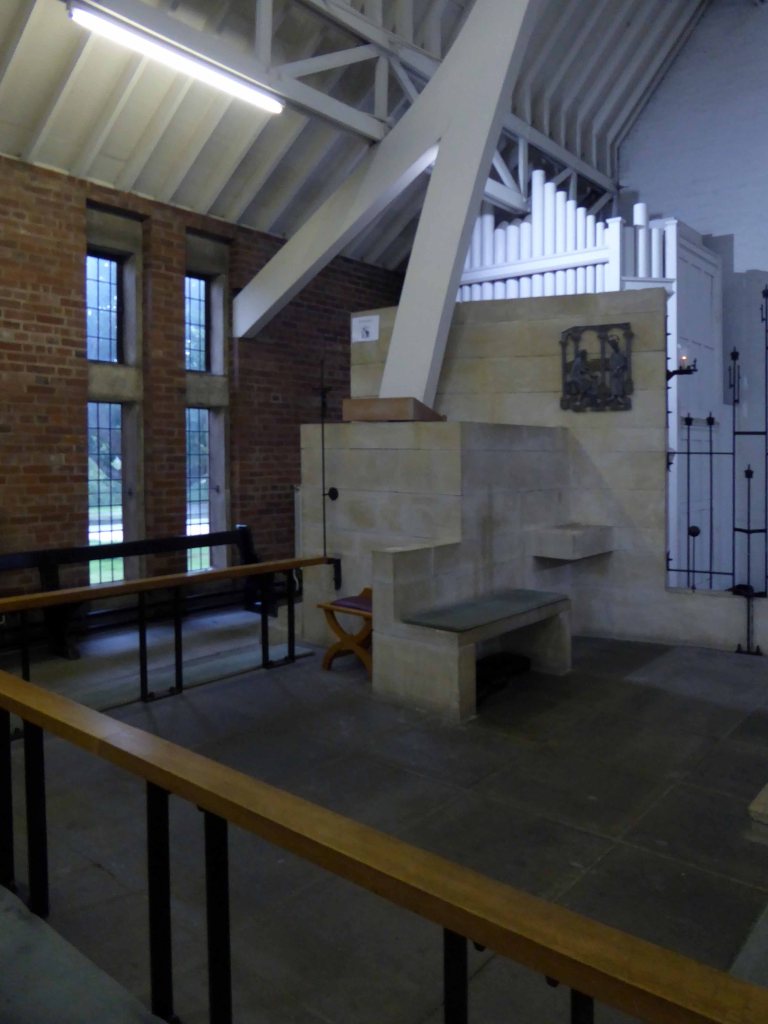
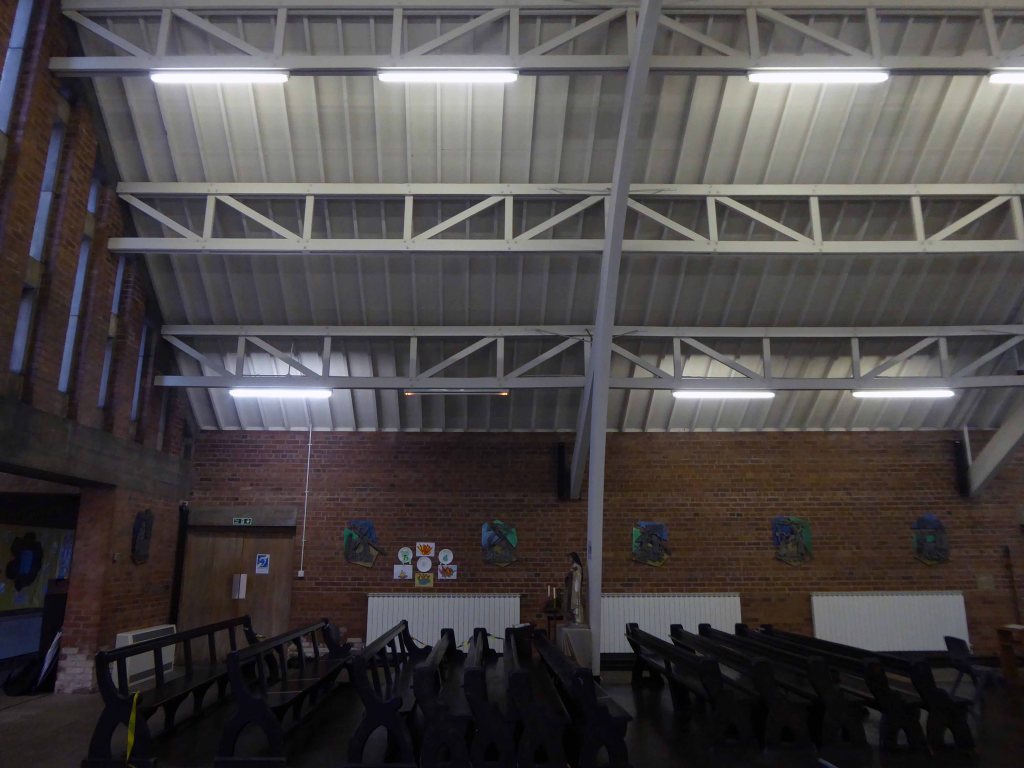
The body of the church contains Victorian stripped oak bench pews derived from St John’s church in Little Horton, arranged with a central aisle. To the north side is a range of contemporary pews in wood with vertical slatted fronts, in front of the organ, recovered from St. Chrysostom’s Bradford , by Driver and Haigh of Bradford, which is housed in the transept with a matching front of vertical wooden slats.

Let’s take a look.

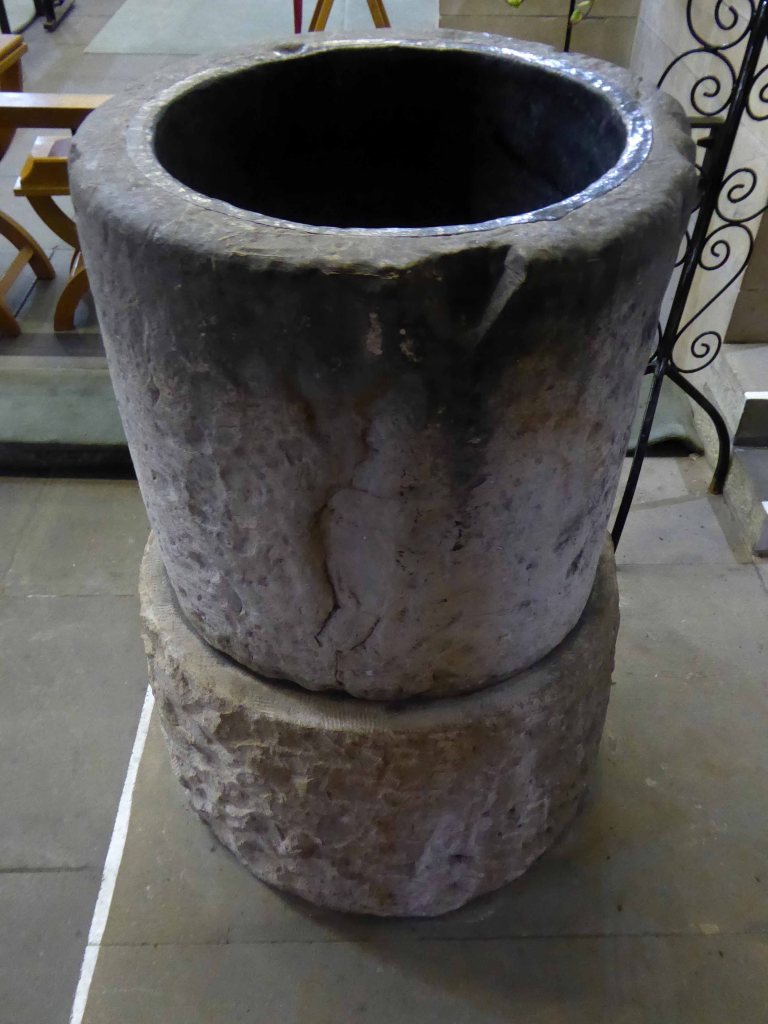
To the rear is the cylindrical font in white concrete with a wooden lid, set on a raised platform. Suspended above it is a large light fitting in black metal, inscribed around the edges with the words: “This font is erected by relatives and parishioners in memory of/ Beatrice May Parkin, for over forty years a Sunday School teacher and/ worker for St Saviour’s Church, who died 2nd March 1961”.

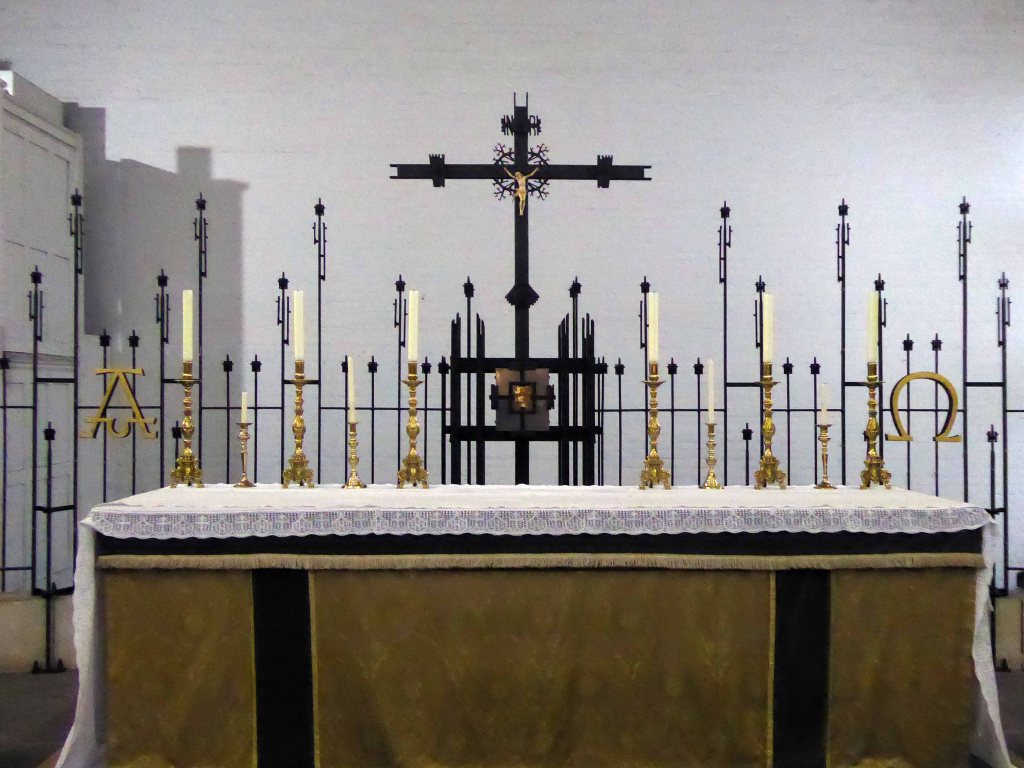
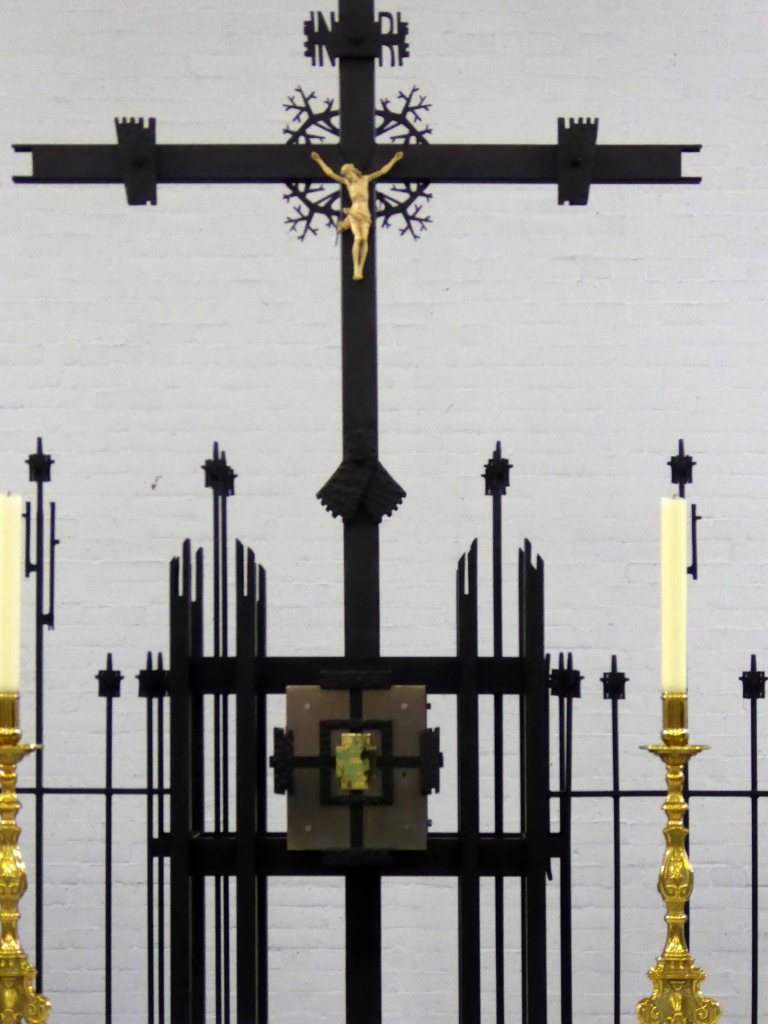
There is no separate chancel, and the finishes throughout are exposed brick, shuttered concrete and limed oak. The sanctuary area is in the south-east corner and consists of a tall angled purple brick reredos, topped with concrete, and a lower detached, angled purple brick pillar to each side each holding a shelf and incorporating a wooden seat. In front of the central reredos is an integral wooden bench with three backs, and a large black metal cross in the same style as those on the exterior but with more elaboration, fixed to the floor on a raised concrete block. To the fore is the altar table on a low raised platform. The whole is enclosed within an altar rail of iron and wood, open to the centre.

The main roof has exposed wooden trusses supported on concrete pillars and beams, with rafters and purlins also exposed creating a latticework pattern.

The whole interior order is orderly, calm and coherent, a simple consistency of materials and architectural intent.

The solid wood, studded chapel door has the words “I am the Good Shepherd” engraved on it. The chapel has exposed beams and rafters, and an altar to the north with iron and wood altar rail in front. Pews are as in the church. There is a mosaic plaque behind the altar which came from St John’s church in Little Horton.

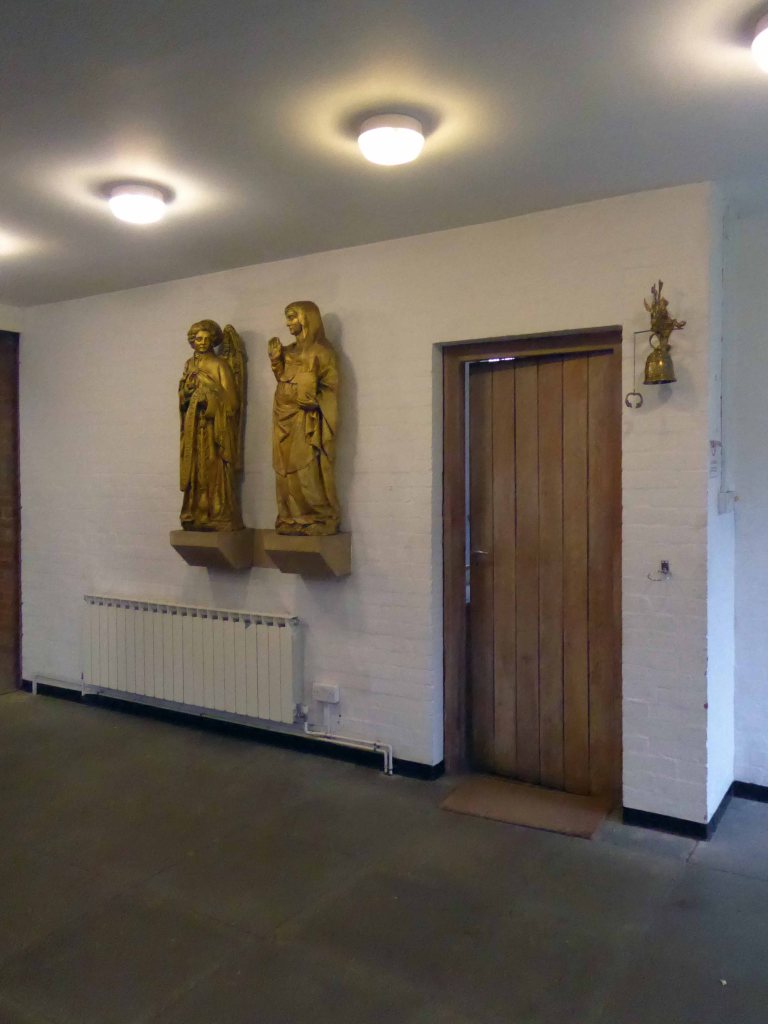
Beyond to the west is the narthex, with shuttered concrete ceilings pierced by circular skylights, exposed brick walls and doors to the chapel, service rooms and hall. 

Such a pleasure to visit such an enchanting church – it was a precious privilege to be welcomed by the congregation, warden and Reverend Dorothy.

Once again – many sincere thanks.

See also: William Temple Church of St Mark’s and St Mark’s Broomhill

Cecil Cinema – Hull

Anlaby Road and Ferensway Hull HU1 2NR

After you, Claude – no, after you Cecil

The Theatre De-Luxe was built in 1911 at the corner of Anlaby Road and Ferensway with its entrance in Anlaby Road and its auditorium along the side of the pavement in Ferensway. Kinematograph Year Book of 1914 lists 600 seats and the owners as National Electric Picture Theatres Ltd.

In 1925, the theatre was rebuilt to a radically altered ground-plan and renamed the Cecil Theatre. The opening night was Monday 28th September 1925. The entrance was in a curved façade at the Anlaby Road/Ferensway corner. The alignment of the new, larger, auditorium was at right angles to Ferensway, and parallel to Anlaby Road. Effectively, the length of the Theatre De-Luxe auditorium became the width of the Cecil Theatre’s. Seating was 1,700 with 700 of those in the balcony, according to the Hull Daily Mail. The Cecil Theatre was originally designed for silent movies with a full orchestra pit. KYB 1931 lists it having Western Electric sound installed; and a 1931 aerial view shows that a brick horn-chamber had been built onto the wall at the rear of the stage. It had a 35 feet wide proscenium. The cinema also had a café attached.

The Cecil Theatre’s demise came during bombing on the night of 7/8 May 1941 when German incendiary bombs reduced the building to a shell; and it remained like that until demolition in 1953.

Cinema Treasures

Work on the new Cecil Theatre was begun in April 1955 and it was opened on 28th November 1955 with 1,374 seats in the stalls and 678 in the balcony.

Architects: Gelder & Kitchca

At the time of opening it had the largest CinemaScope screen in the country measuring 57 feet wide, and the first film shown was Marilyn Monroe The Seven Year Itch. The proscenium was 60 feet wide, and the cinema was equipped with a Marshall Sykes 3Manual/15Ranks organ, which was opened by organist Vivian Newall.

There was also a 100-seat restaurant & bar which in 1971 was converted into a second screen seating 137 (Cecil 2). The following year the main auditorium was spilt into 2 smaller cinemas in the balcony (Cecil 1 & 3 each seating 307) and an entertainment hall in the former stalls which became a Mecca Bingo Club, with Mecca also operating the cinemas.

In the 1980’s it was taken over by the Cannon Cinemas chain. The cinema operation was closed on 23rd March 1992 and the cinemas were ‘For Sale and/or Lease. It was taken over by Take Two Cinemas and renamed Take Two Cinema. It was closed on 27th February 1997 and the two screens in the former circle were stripped out and converted into a snooker club.

Whilst bingo continues in the former stalls area of this post war 
cinema, the former mini cinemas in the circle still contain the snooker tables, but the space is unused. The screen in the former restaurant/cafe area remains basically intact, but is unused.

Cinema Treasures

I worked at the Cecil in the three years before it closed in the 90’s. MGM owned the place before the Virgin group bought it and closed it. It was a good place to work and an interesting building. Behind the scenes had remained unchanged since Anna Neagle first opened it. The organ had been removed however but the organ room was still in tact in the bingo section of the building. The fire exits led to long dark corridors that were always being infiltrated by kids sneeking in for a free shows. I understand that this was always the case. The resturant kitchen was fully intact and resembled something out of a Kubrick film – very spooky place!

Bilko2000

And so the projectors whirr no more, house is called at the Cecil – possibly the most oddly named cinema in the land.

Happily it remains an imposing presence in the centre of the city – a mammoth modern temple of entertainment – reflecting the ever changing tastes of the day and the morning after.

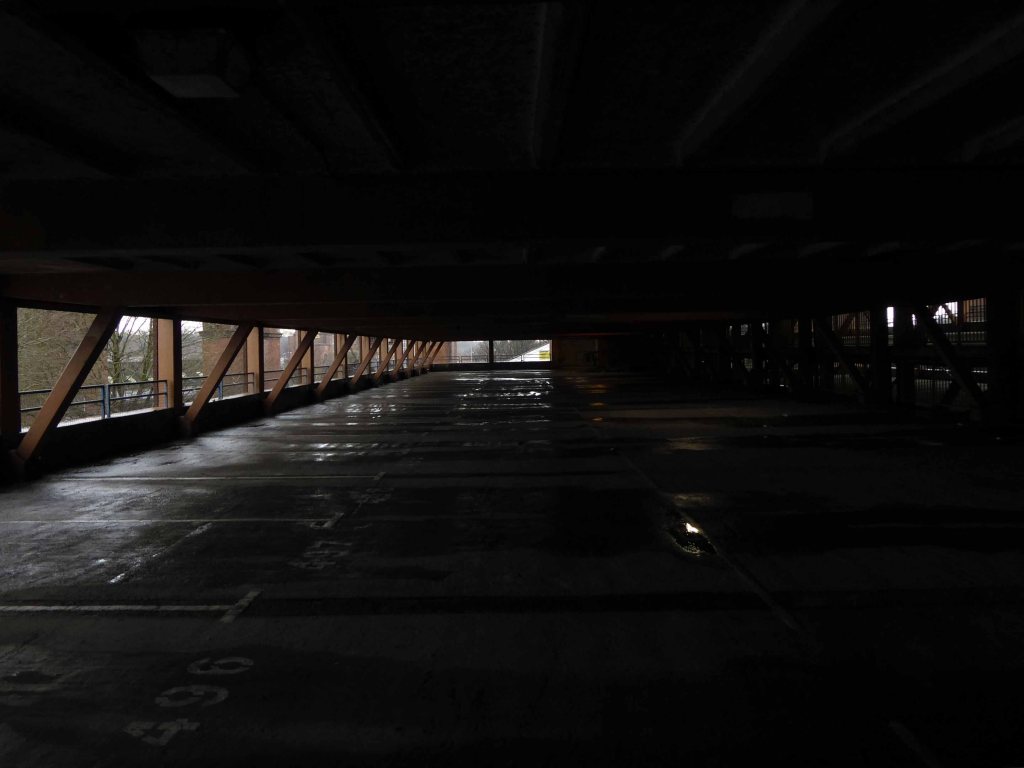
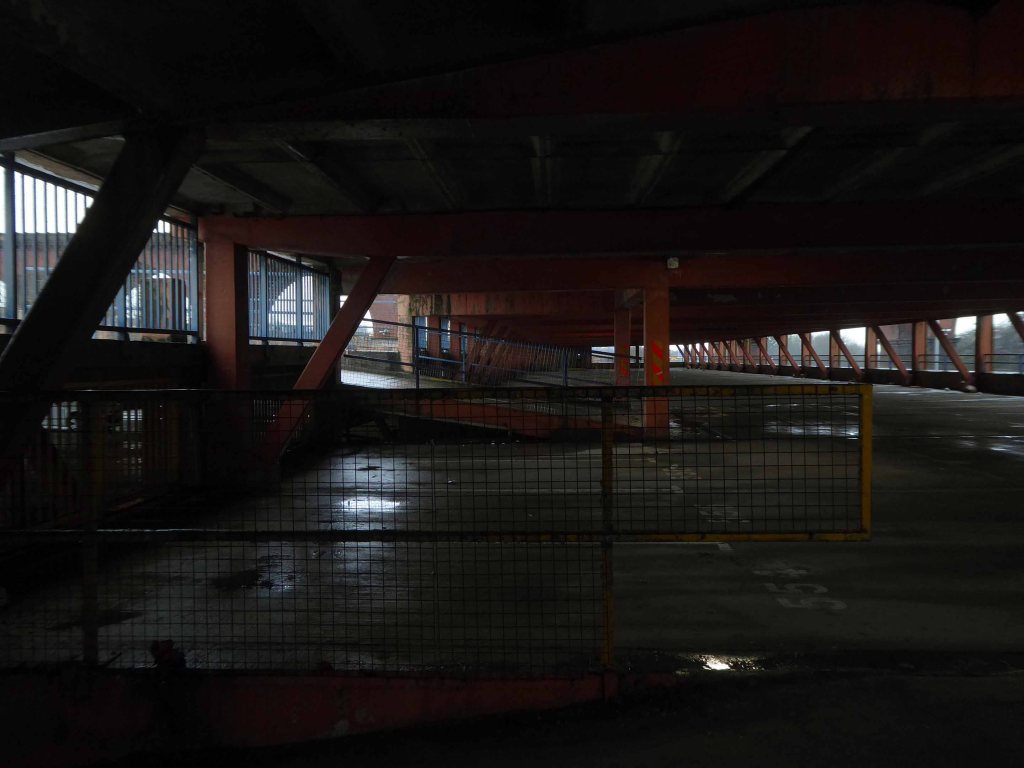
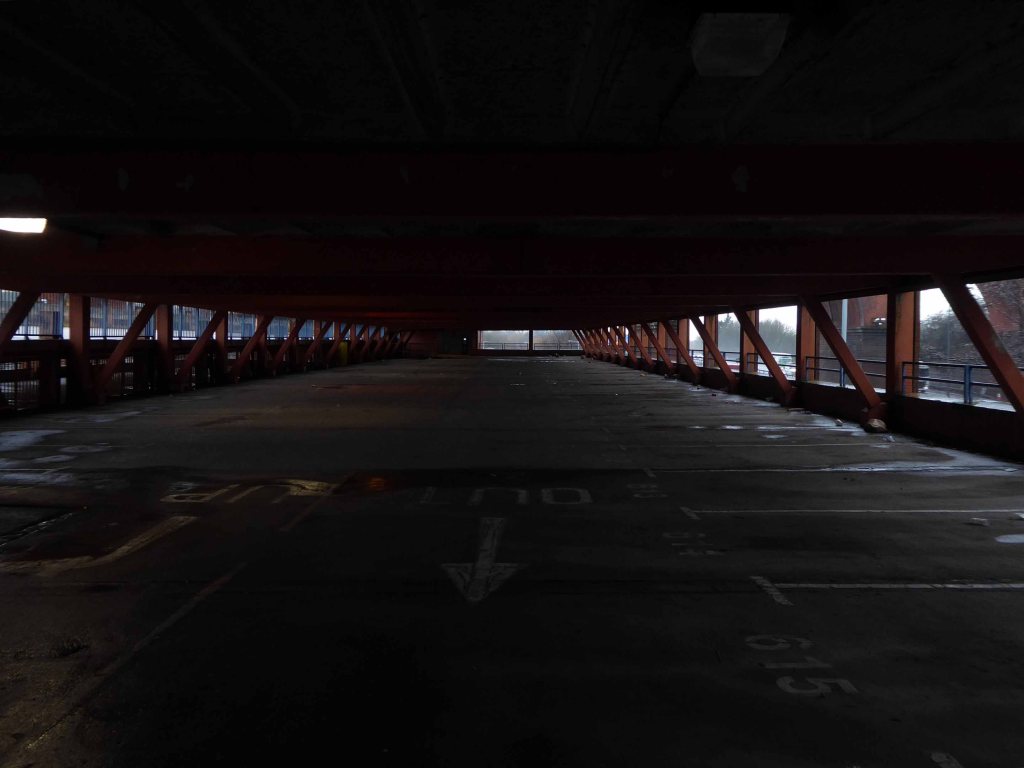
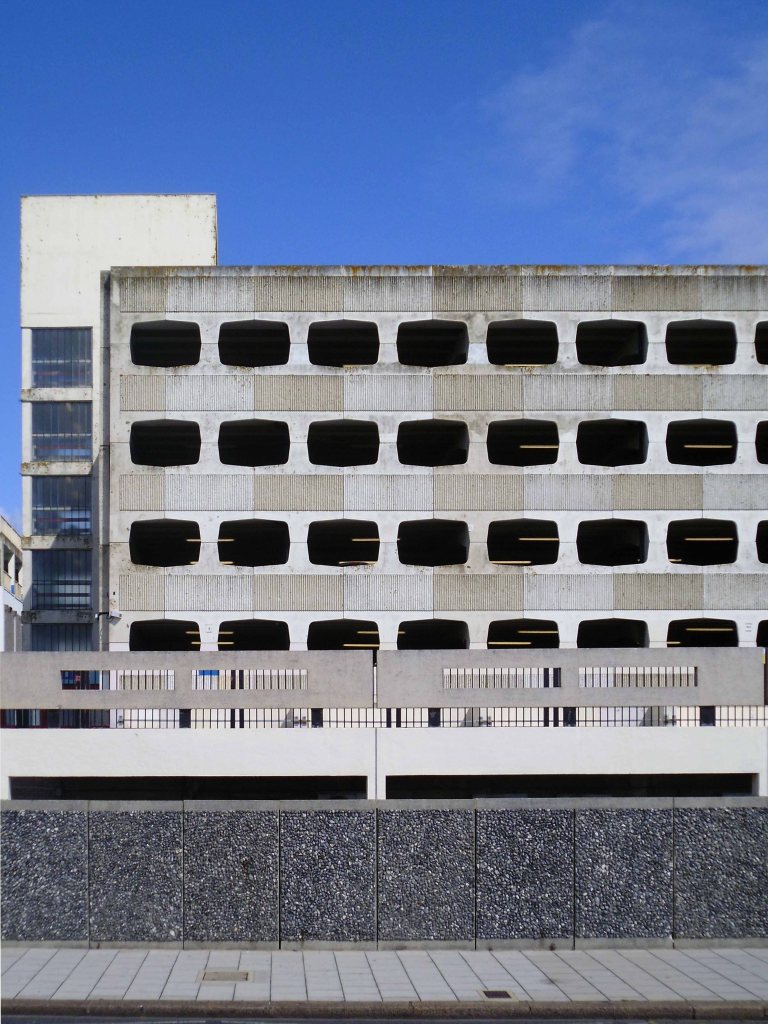
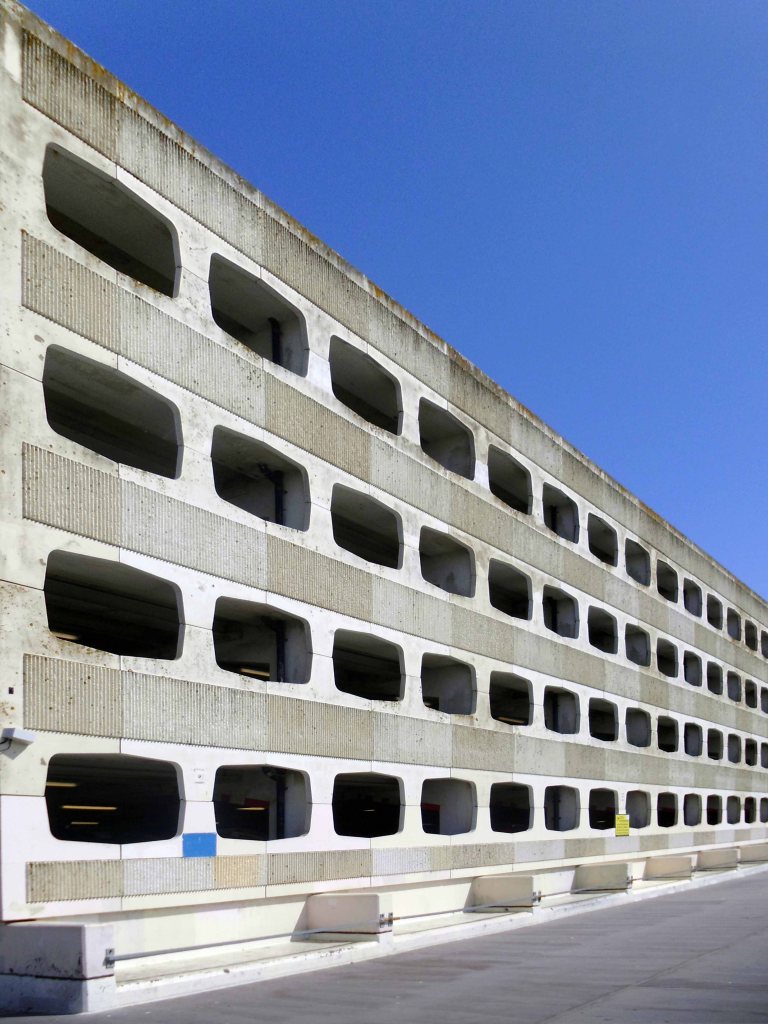
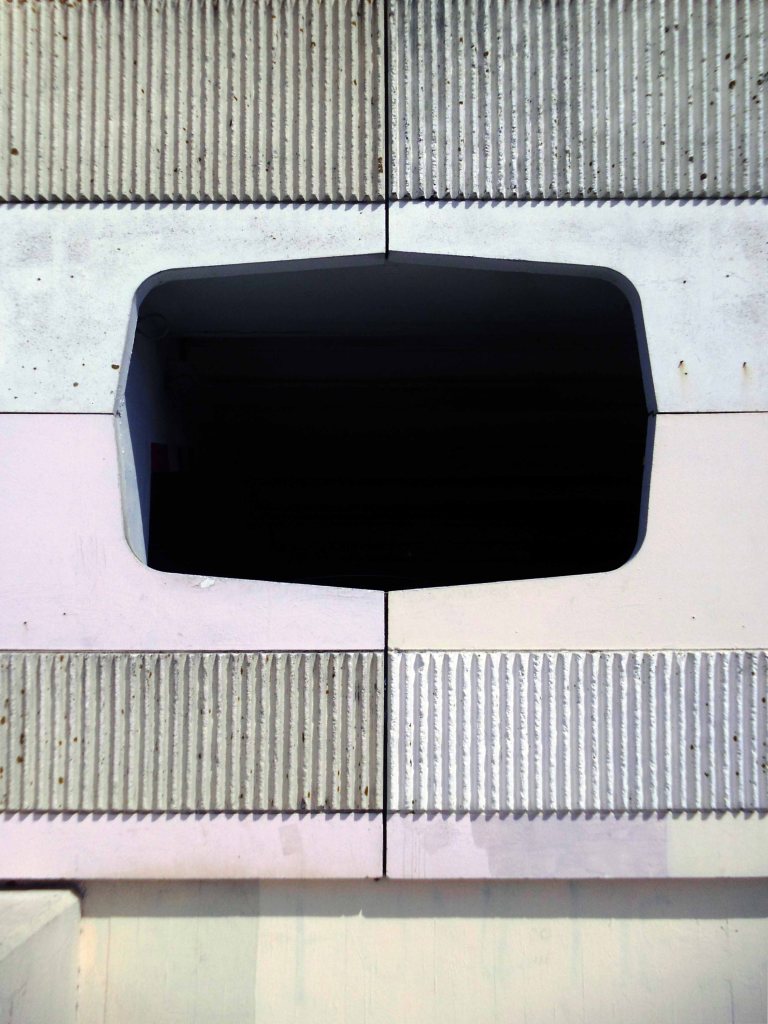
George Street Car Park – Hull

My previous Hull walk was was linear, along the Humber Estuary open and expansive.

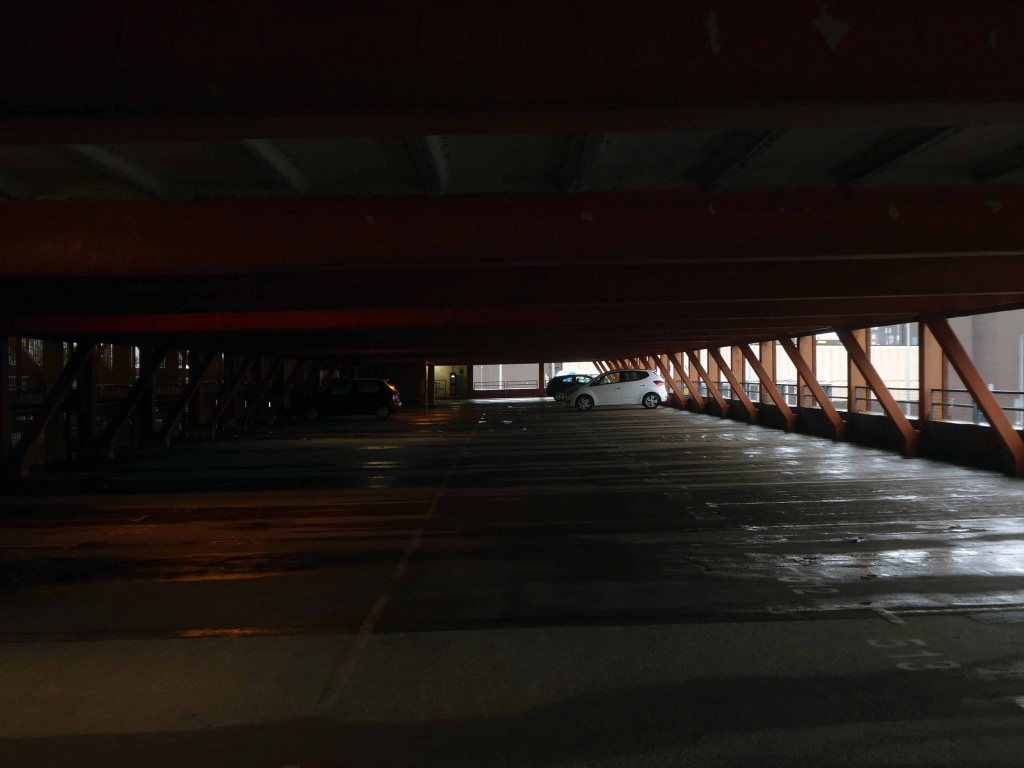
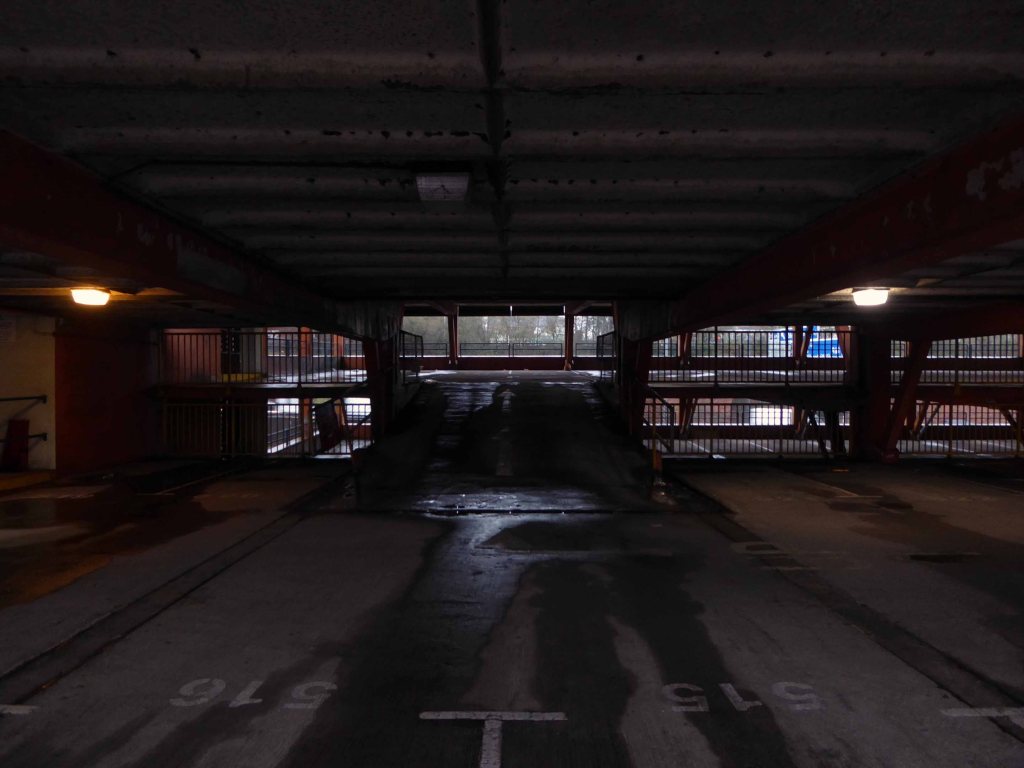
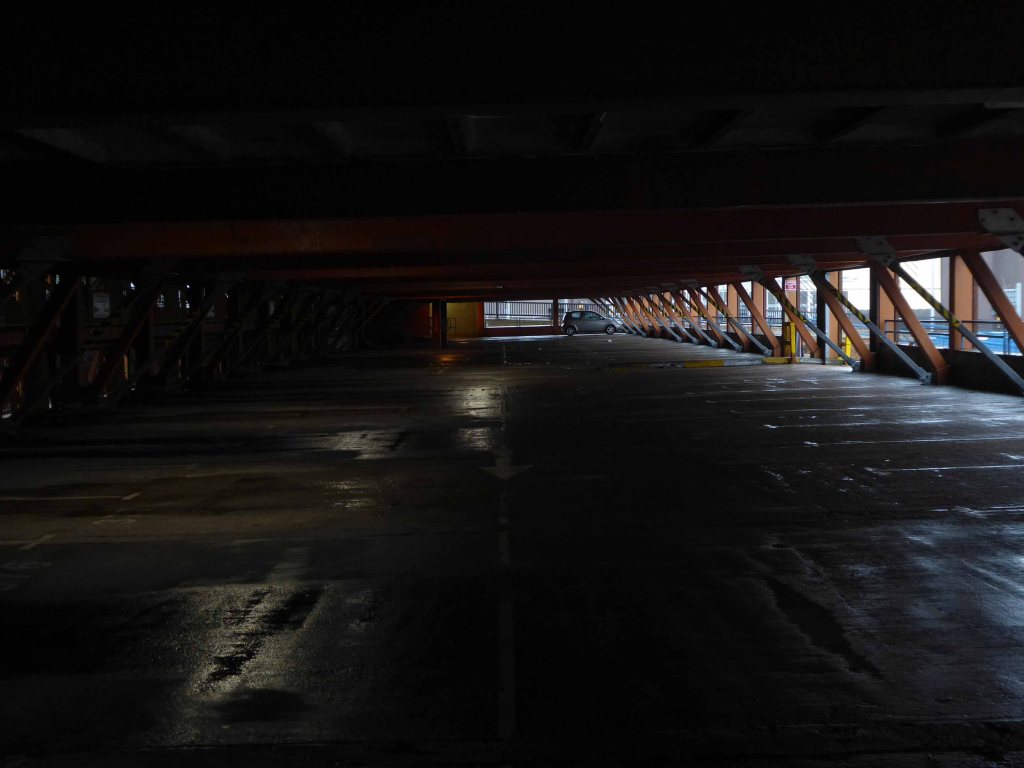
This was a very different kettle of fish – spiralling out of control, rising and falling, walking the ramp, a journey into one’s inner self.

Possibly the worst multi storey I have been in for years.

Spooky, filthy, bays too small, machines remote, access tortuous.

Avoid.

So says Nick Shields

Dark, Gloomy and Rotting .

Looks a good candidate for a location for a crime watch reconstruction.

Quoth Peter Campbell

It’s a multi story multi Storey and no mistake

I couldn’t possibly pass comment, I walk can’t drive, won’t drive – though simply can’t resist exploring car parks.

Though the local paper has identified an issue of fitness to fit.

Heard the one about a city centre car park where you can’t easily park your car? It might sound like a joke but it’s no laughing matter for drivers trying to squeeze into vacant spaces at Hull City Council’s multi-storey car park in George Street. For motorists are finding it increasingly difficult to manoeuvre into its tight parking bays.

I myself navigated the bays with ease, though not without that unique sense of foreboding and unease, generated by an empty concrete carapace where car space, decay and ingress are issues.

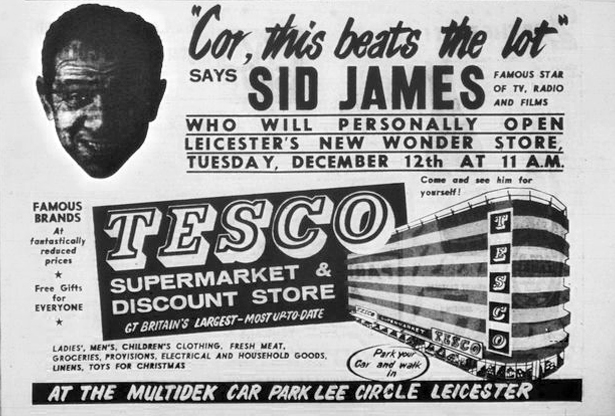
It was designed and developed by Maurice Weston in the 1960s. He had two companies, Multidek and Dekotel, and built circular continuous ramp car parks in Hull, Nottingham, Leicester, Bristol and Bournemouth, some of them also involving circular hotels on the upper floors. In its day, the bays were easily wide enough for most cars. When I used George Street myself, it felt great to use, because you could easily reverse into the pitches and there were no tight corners to negotiate. But car widths have probably got the better of it, these days, and you can’t widen the pitches because of the position of the pillars.

The plans were very complicated to get approved because the George pub was a listed building and the car park had to be built around it. Incidentally, Maurice Weston also had an option to develop the wasteland on Ferensway in the 60s, but his hotel and entertainment centre project didn’t get past the council.

Thanks to David Sugarman

Let’s take a look.

Platform 13/14 Piccadilly – Concreter Planter

So here we are again at Piccadilly Station – stood standing at the western end of Platforms 13 and 14, waiting on a Southport train.

Time to spare and spend a few more magic moments with an old and trusted friend.

The back-filled concrete planter.

Seen here in a neglected and forlorn state, awaiting minor repairs to its upper sealed surface.

Once incarcerated and seemingly set for demolition, our diminutive concrete pal has lived to fight another day.

Standing alone in all elements, disabused by illicit smokers, grabbing a serruptitious chuff, whilst avoiding the ubiquitous Network Rail CCTV.

Sat upon by the indolent leg weary traveller, having missed yet another cancelled train.

Your days may yet be numbered, as the platforms are part of a Station upgrade – the platforms are not thought to be commodious by the majority of train users.

I for one shall campaign for your preservation and reinstatement – right at the heart of matters.

My personal, totemic modernist work of public art.

Somethings are worth fighting for!

Sandown Court – Southport

I must go down to the seas again, to the vagrant gypsy life,

To the gull’s way and the whale’s way where the wind’s like a whetted knife;

And all I ask is a merry yarn from a laughing fellow-rover,

And quiet sleep and a sweet dream when the long trick’s over.

Where better to lay your weary head than Southport’s Sandown Court?

Longing for languorous days, gazing out at the distant sea, from the window of your fourteenth floor flat.

What’s Good for the Goose – is worth a gander.

My extensive research shows the flats were a location for the Norman Wisdom film, a saucy serving of seaside slap and tickle.

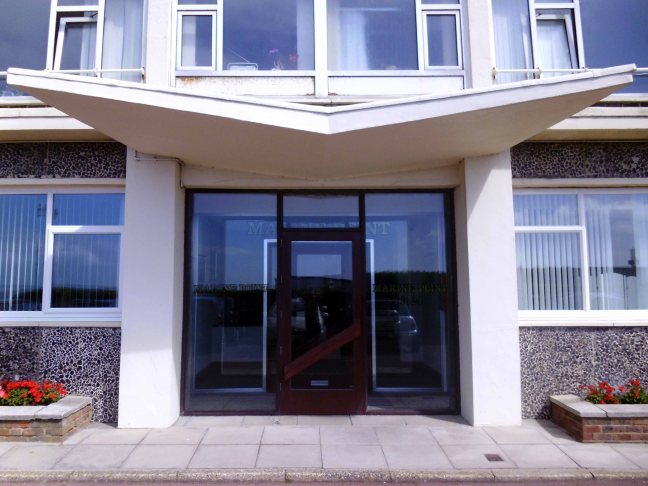
Conveniently situated twixt shore and traffic island – offering extensive accommodation for the discerning tenant.

Balconies clad with cast concrete abstracted panels, attractive dolphin-based water feature.

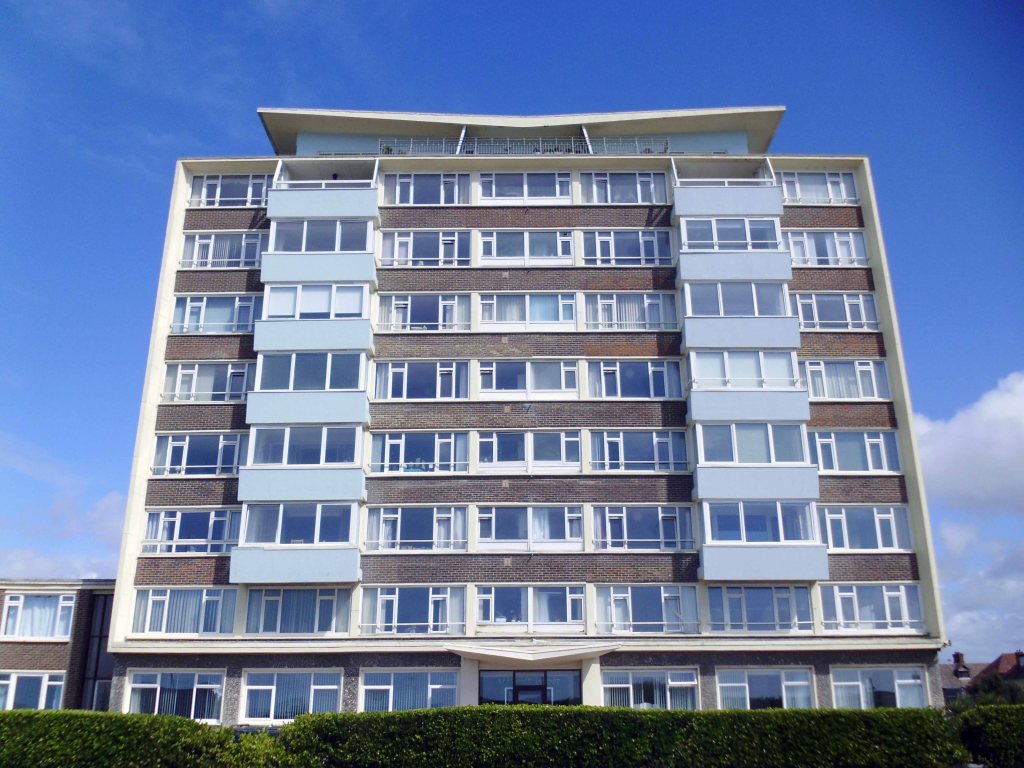
What more could you ask for?