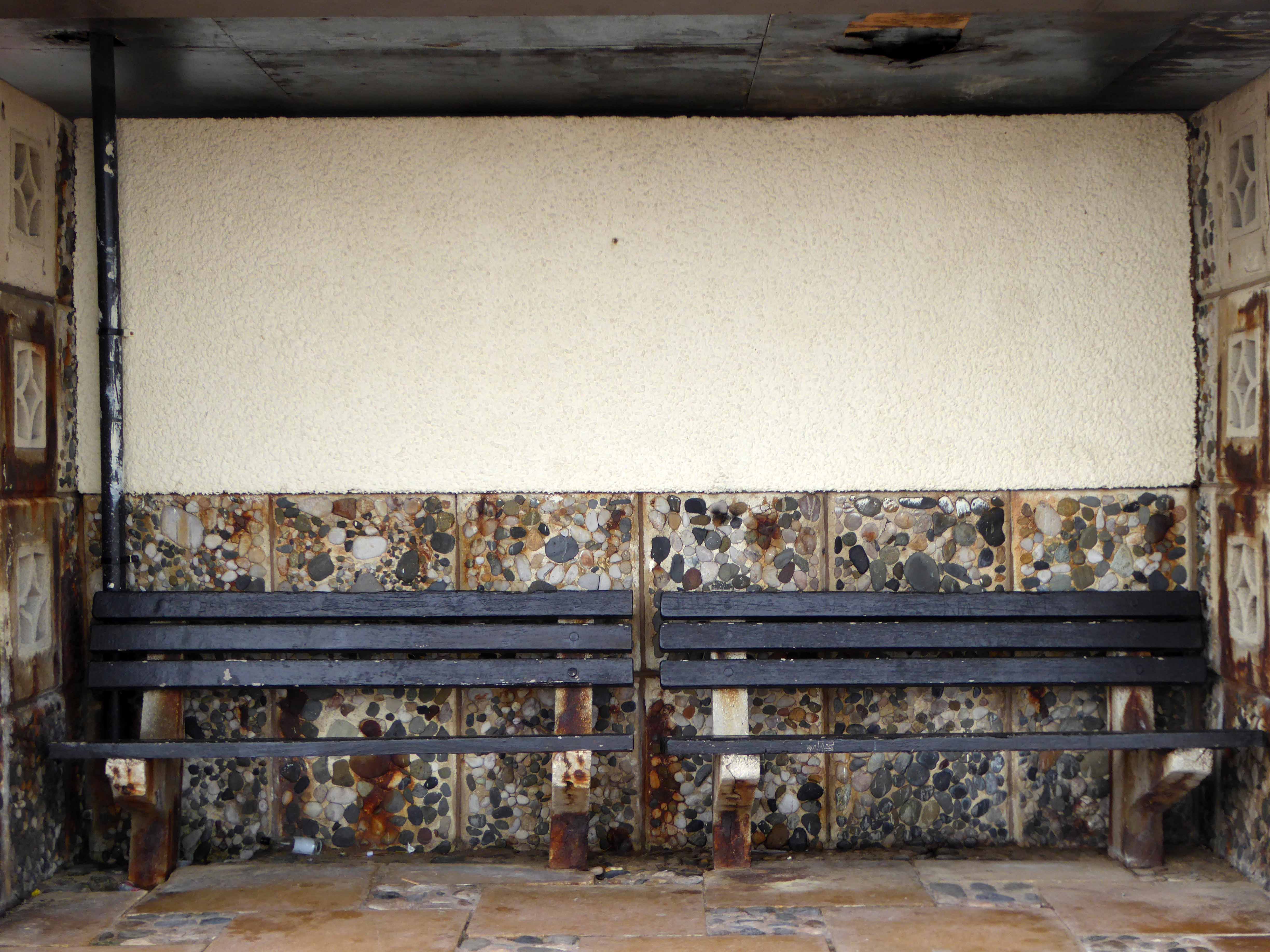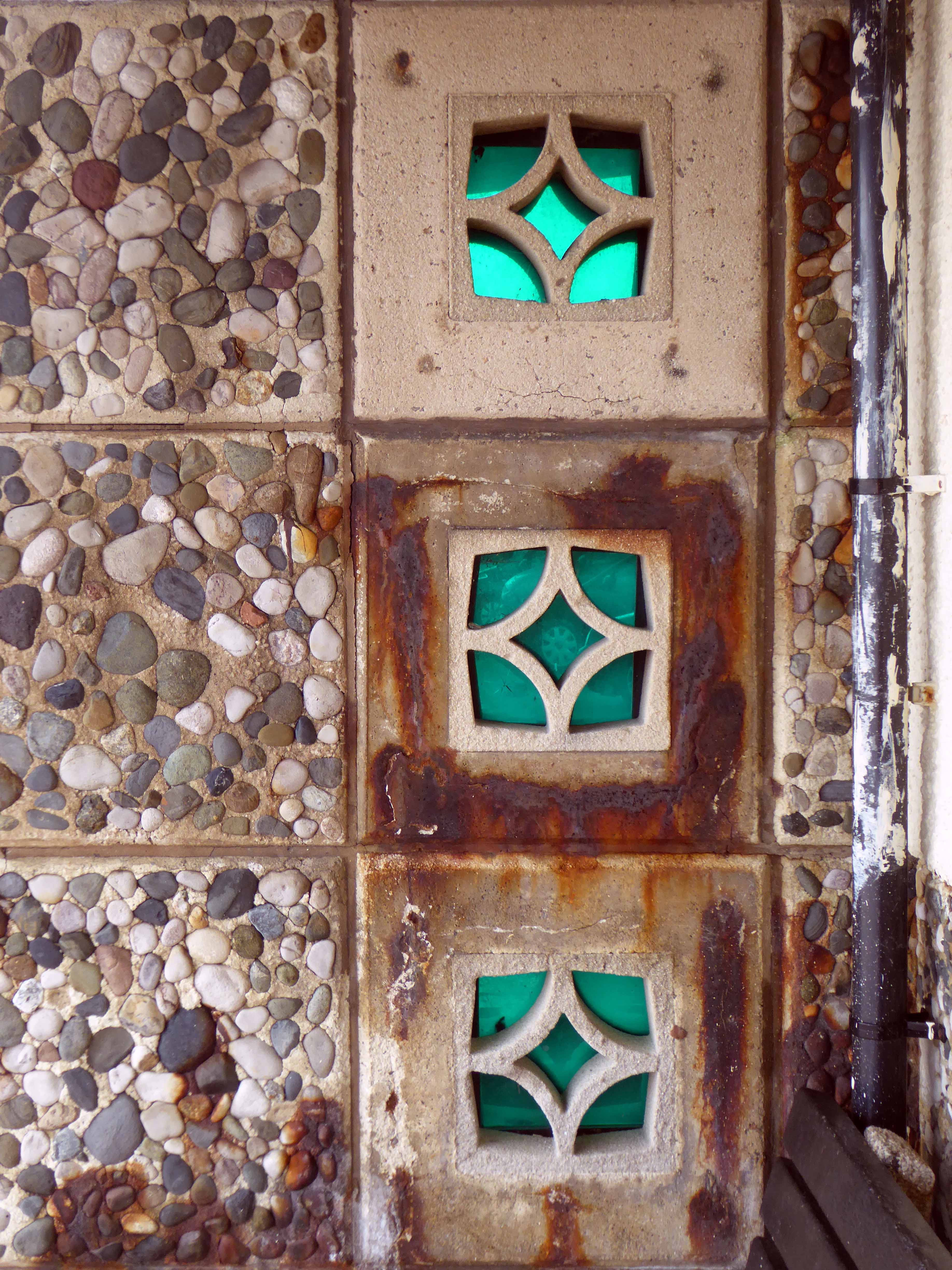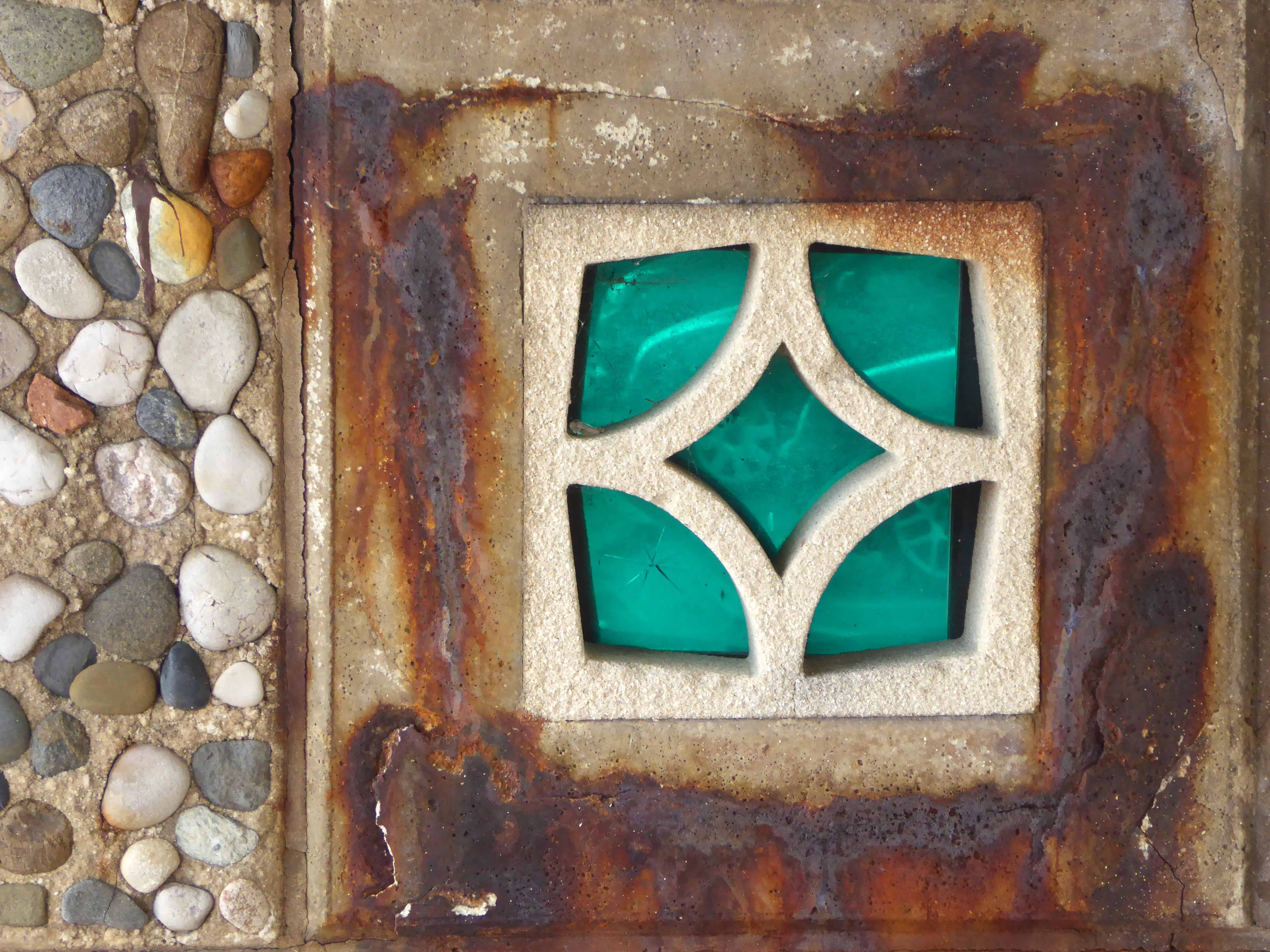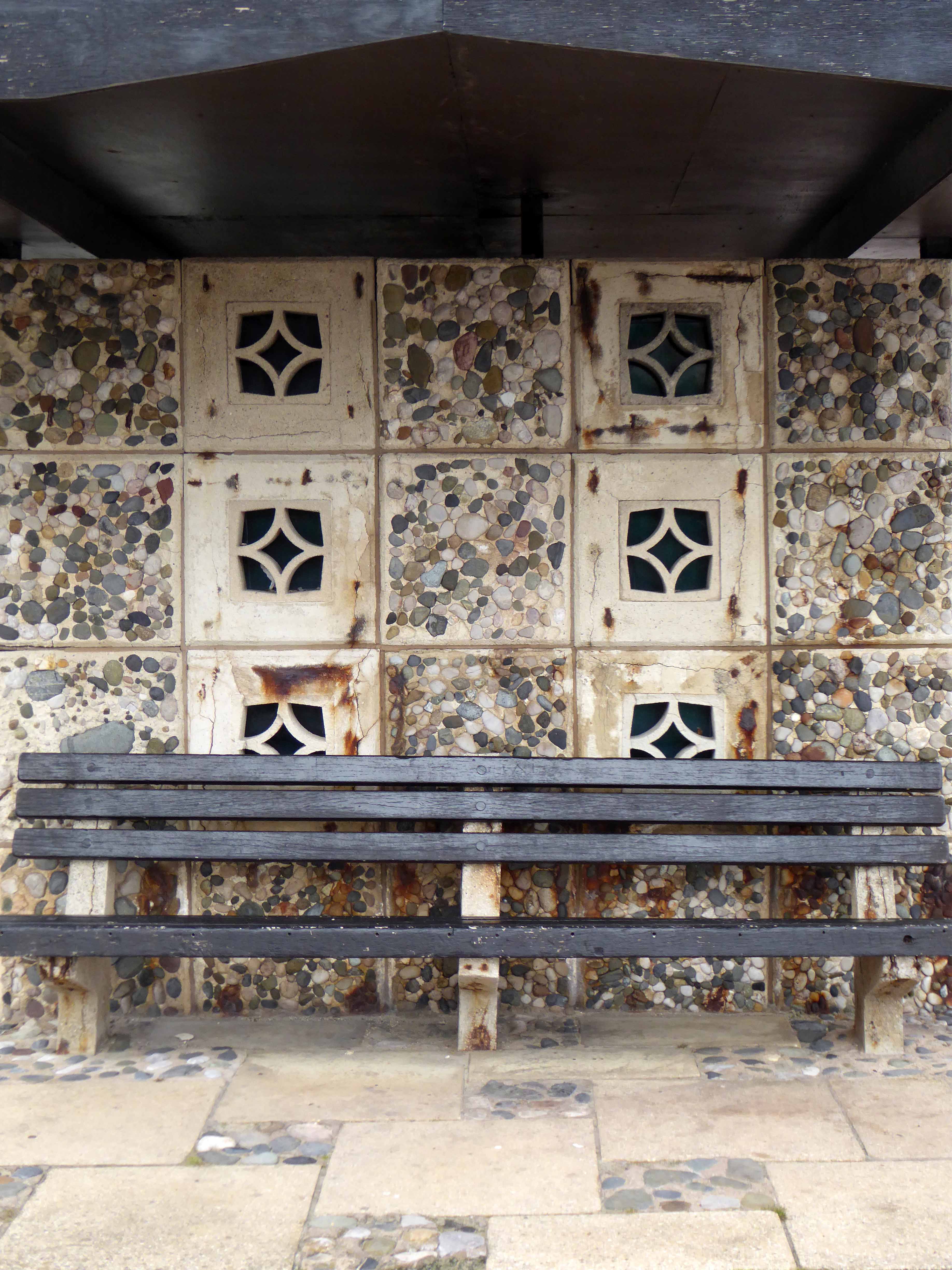
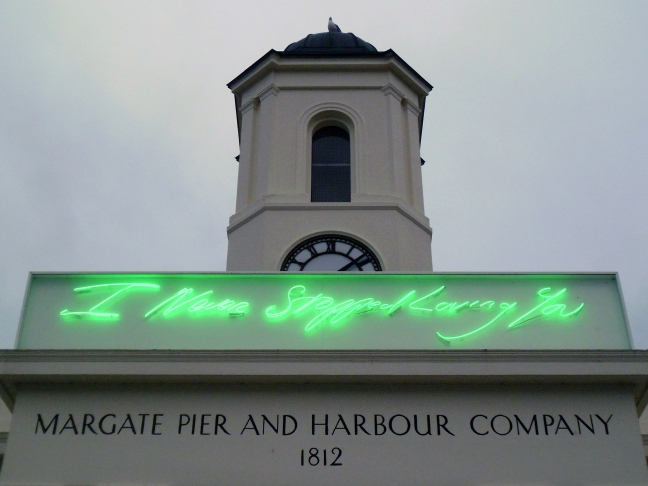
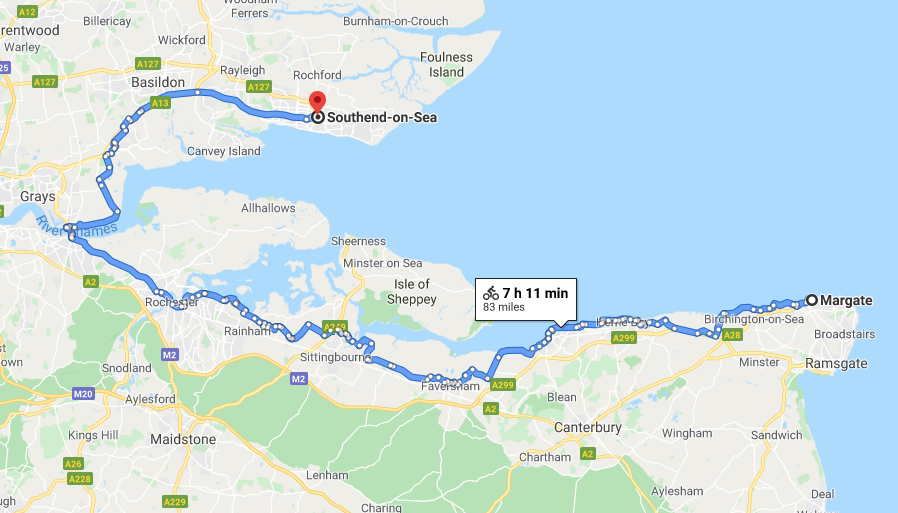
Margate to Southend

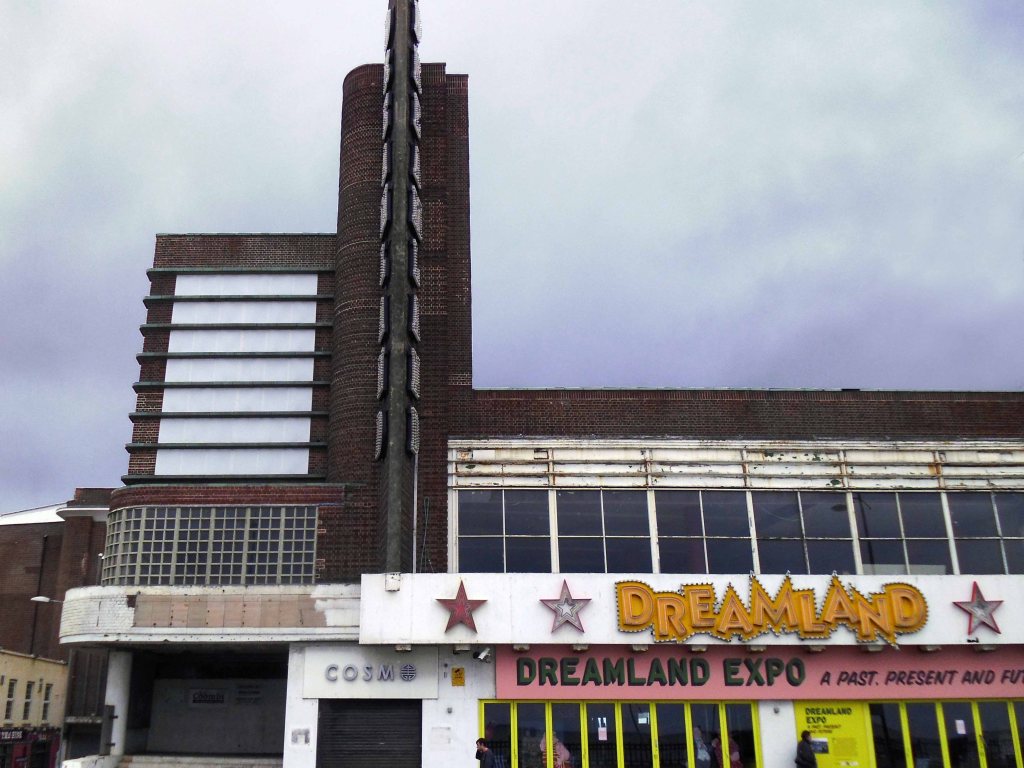
Early morning passing by the yet to be reopened Dreamland, back then just a work in progress, it has had a more than somewhat chequered past.

Dogged persistence has assured its future:

Just before Christmas 1919, and almost exactly one year after the end of the Great War, John Henry Iles purchased Margate’s The Hall By The Sea, thus initiating the history of what would become Dreamland.

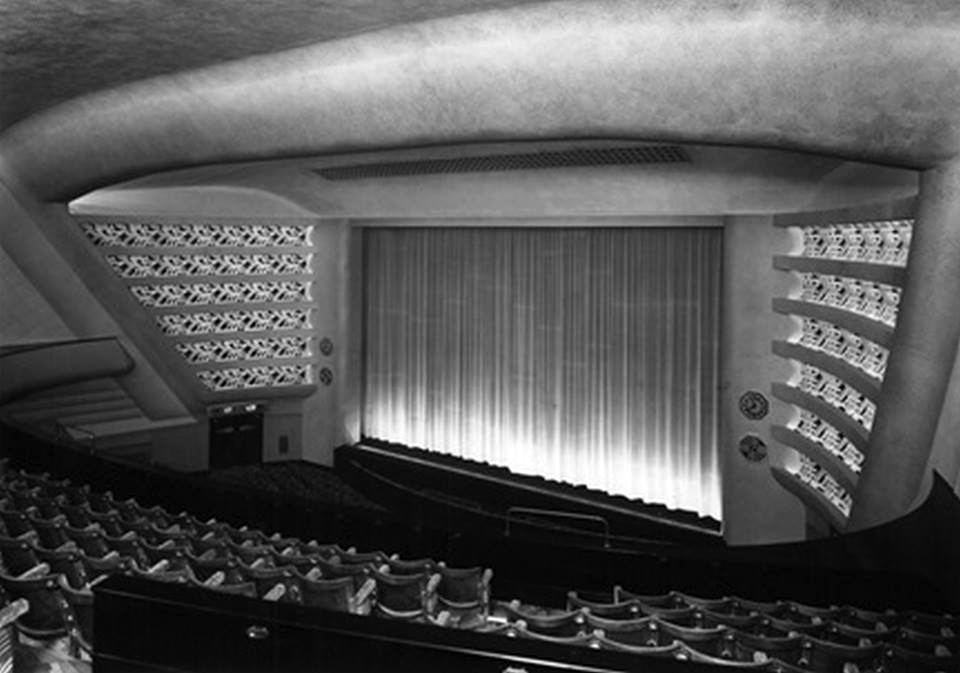
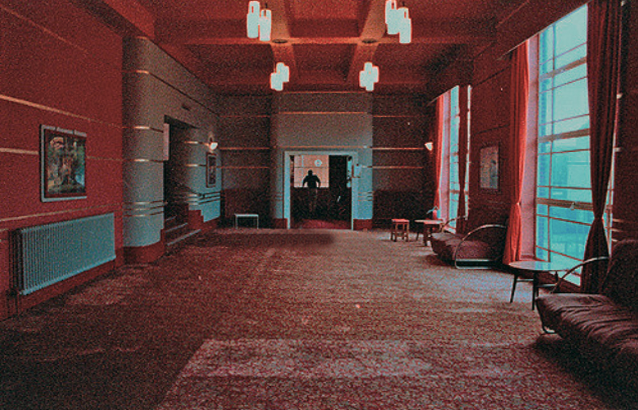
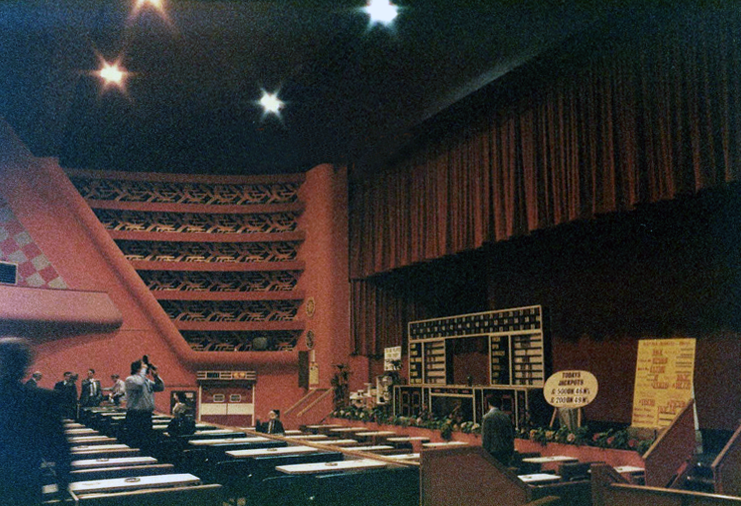
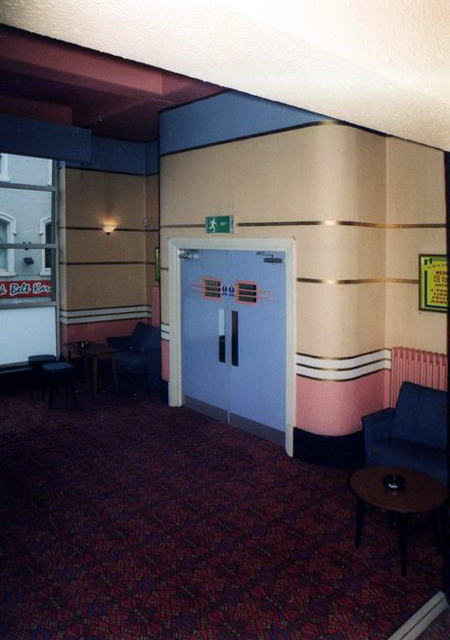
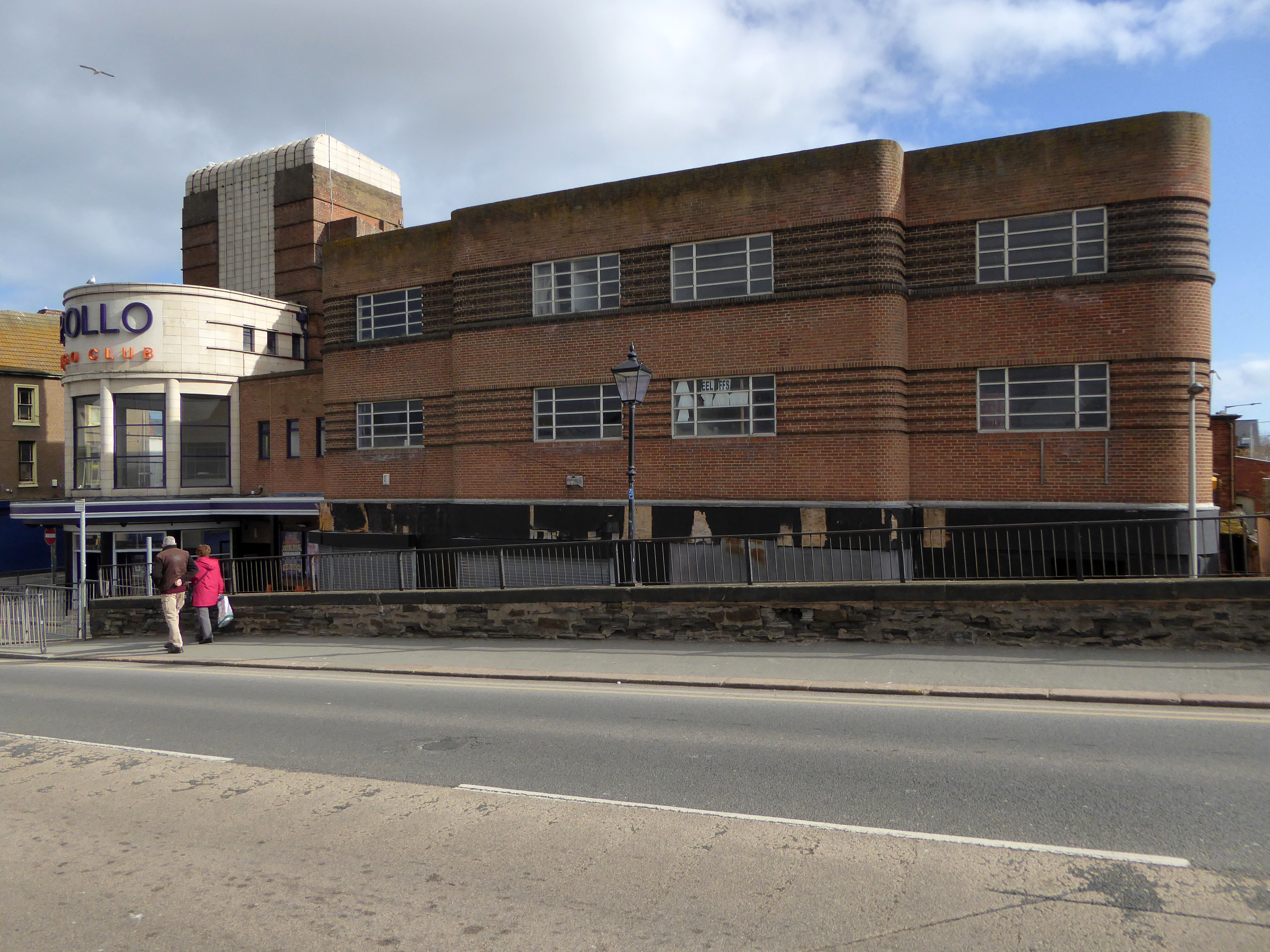
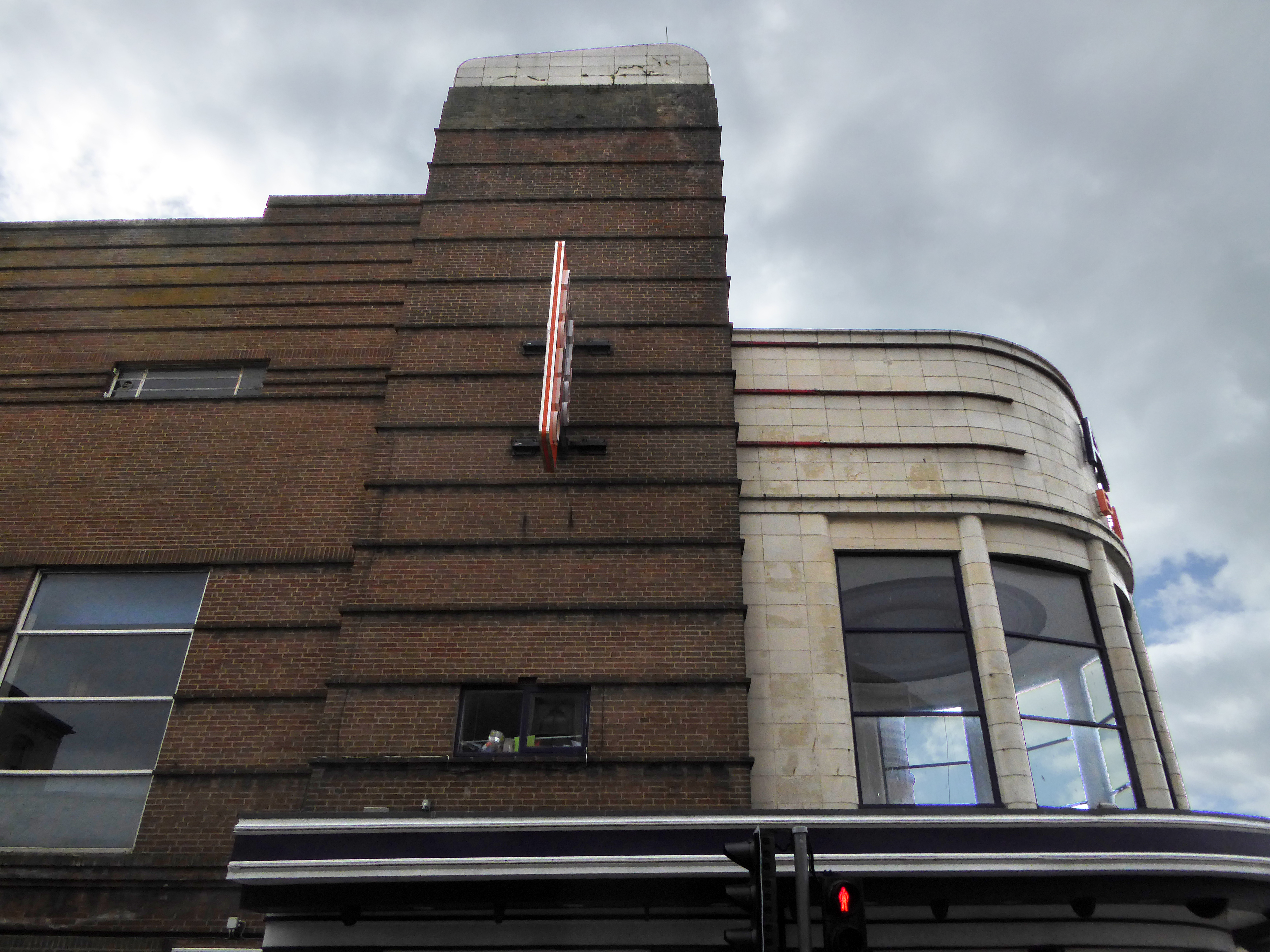
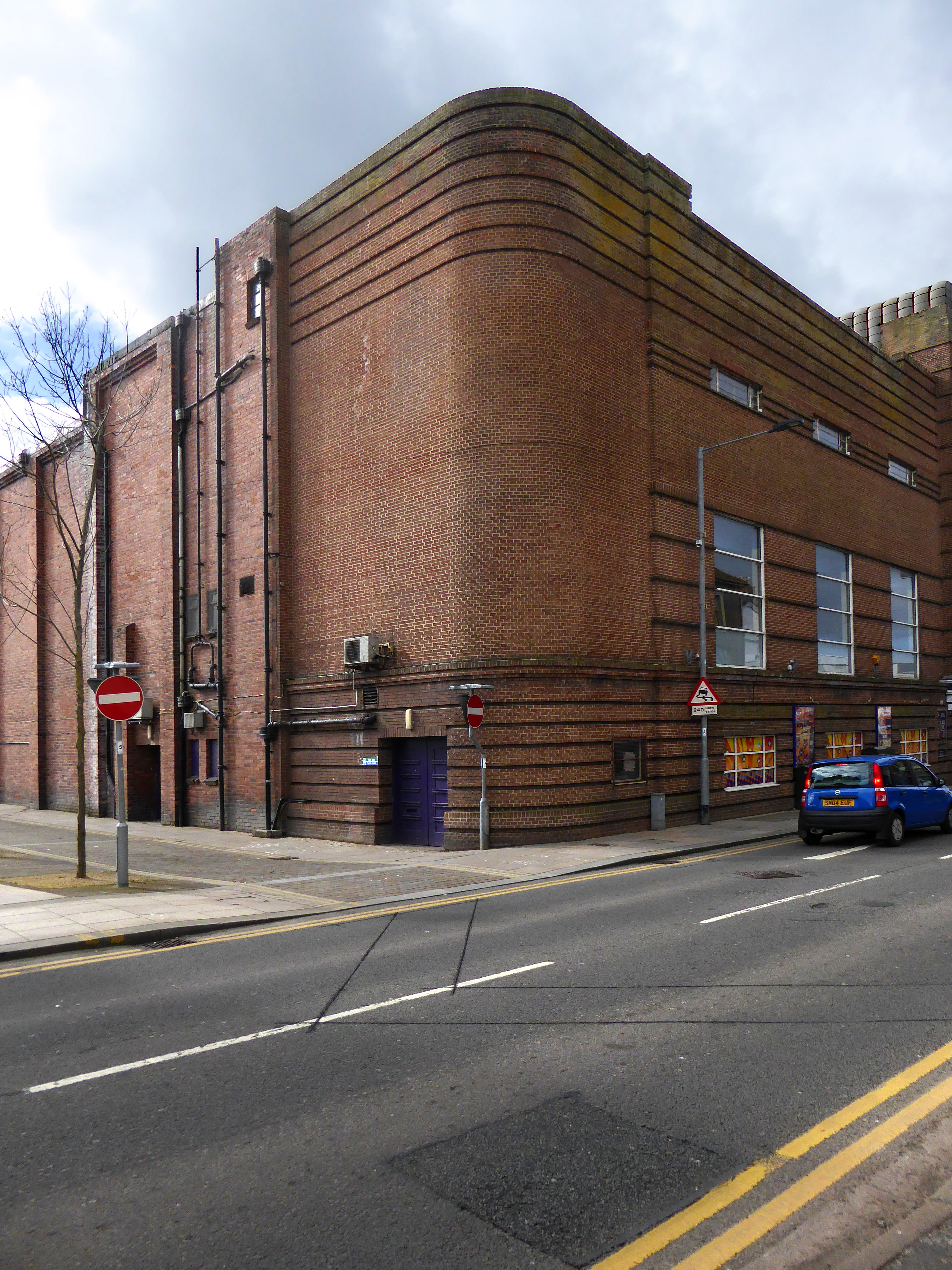
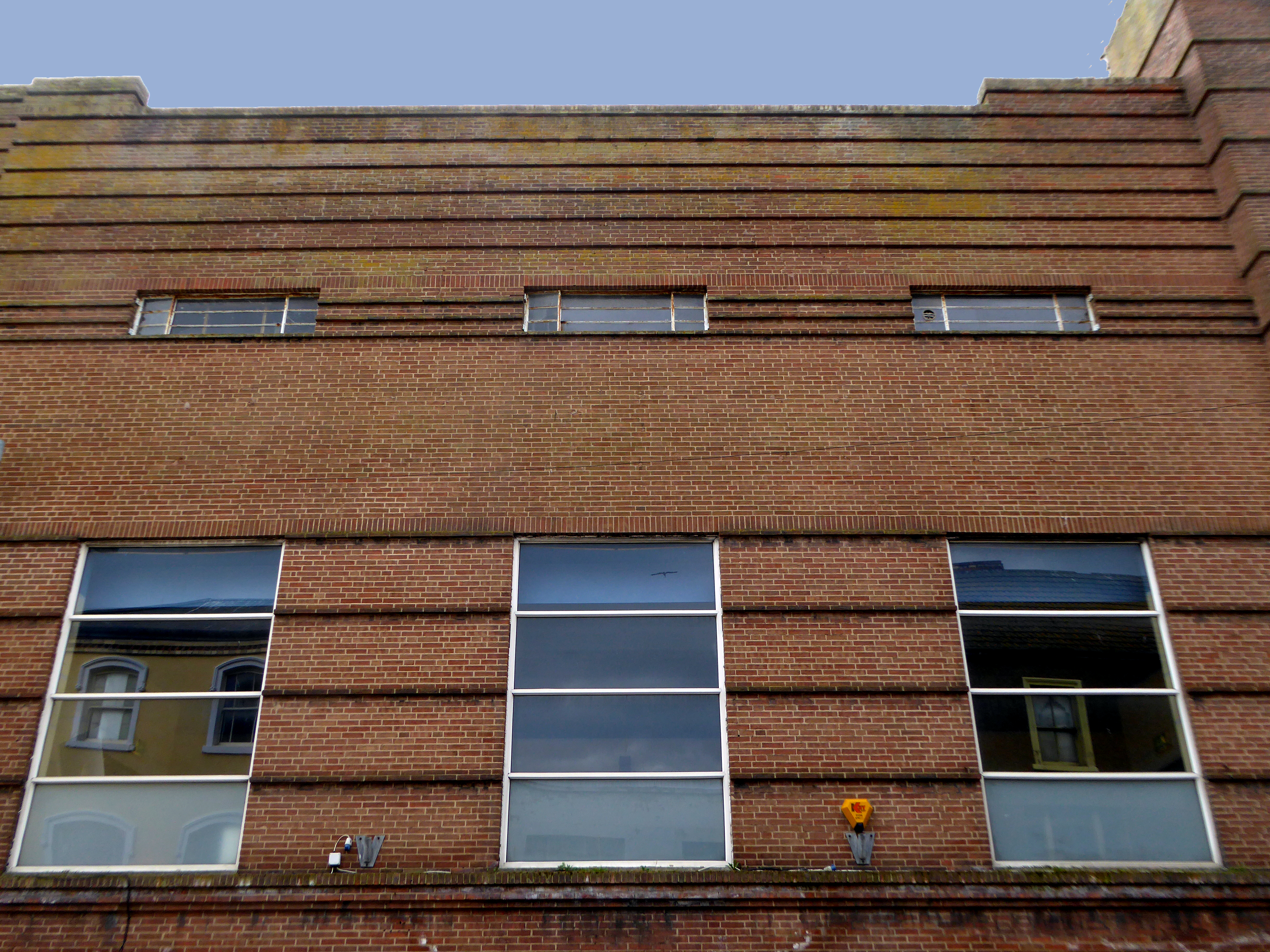
The Dreamland cinema replaced a smaller cinema on the site, with this modernist masterpiece opening in 1935. The super-cinema, designed by architects Julian Leathart and WF Granger.

After several years of campaigning to save the Dreamland site from redevelopment, and successful funding bids to the Heritage Lottery Fund and Department for Culture Media and Sport’s SeaChange Scheme, the Dreamland restoration project went live in January 2010, appointing a professional team to deliver The Dreamland Trust’s vision for a reimagined Dreamland, however, the battle was not over.

After a long restoration project, Dreamland opened its doors to the public on June 19 2015. The park was further reimagined and expanded in 2017 following additional investment, with new thrill rides, a much bigger events space, fresh designs, and a new welcome for a new generation of visitors.

Dreamland

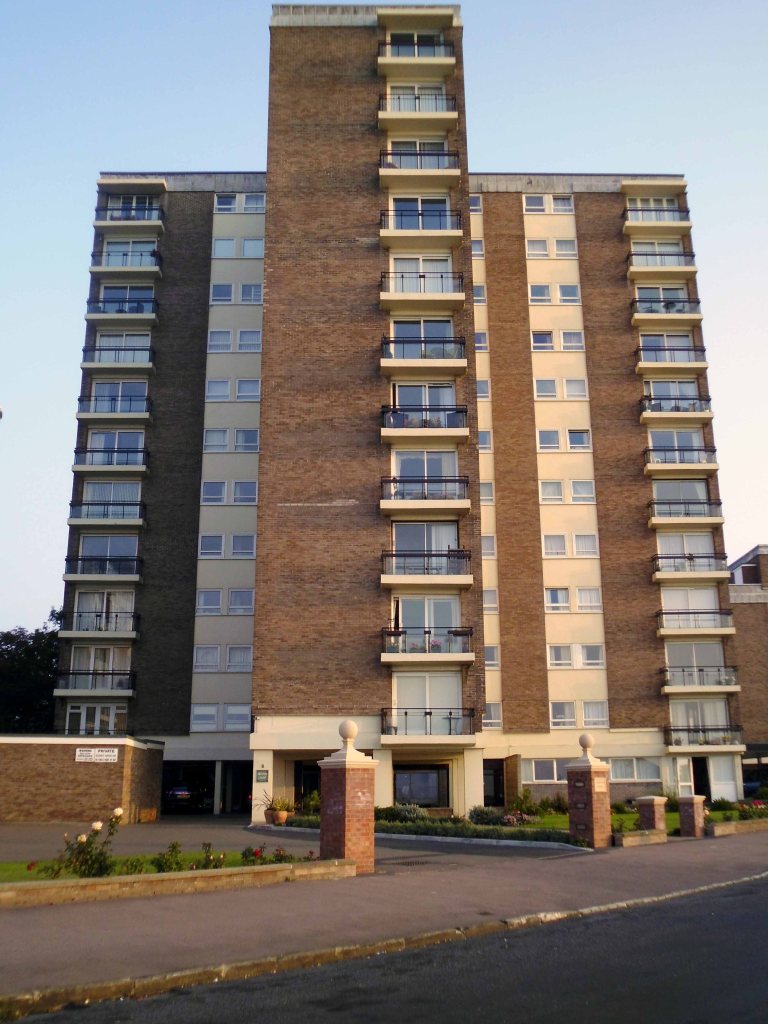
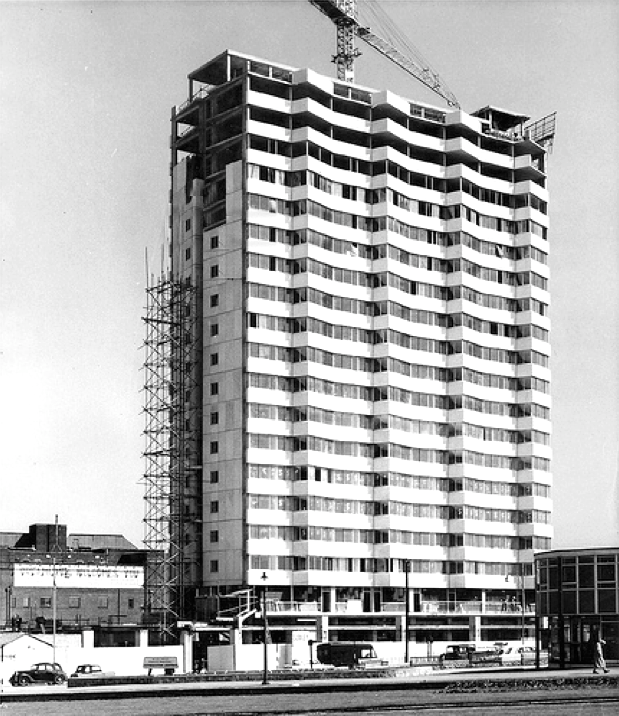
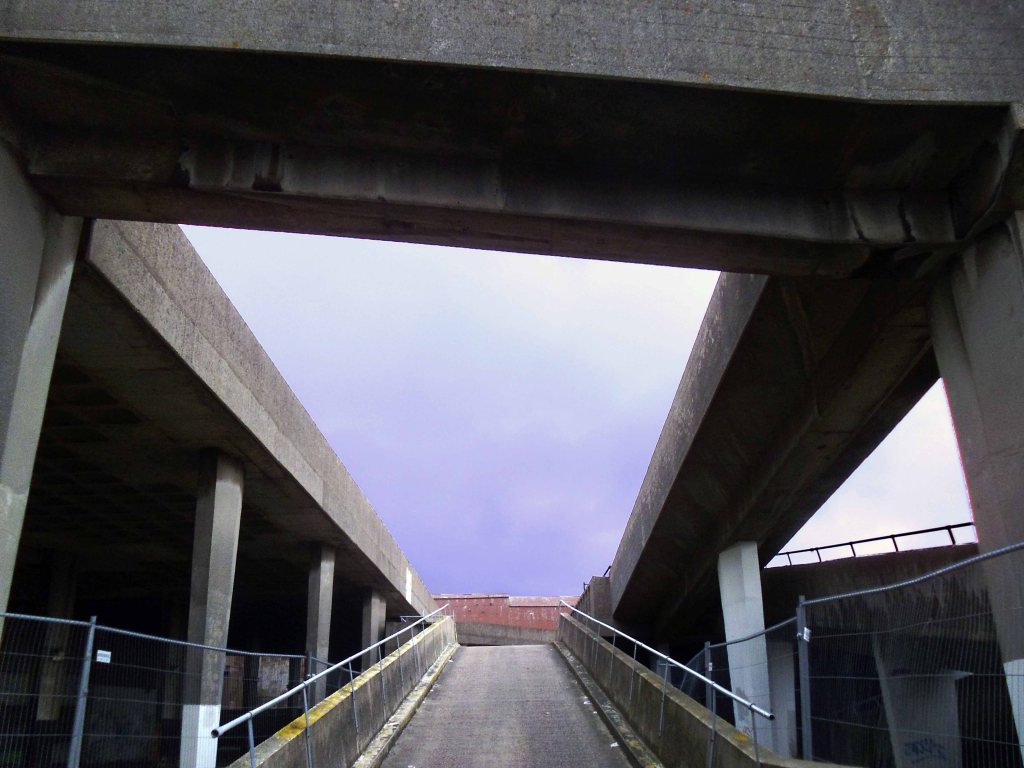
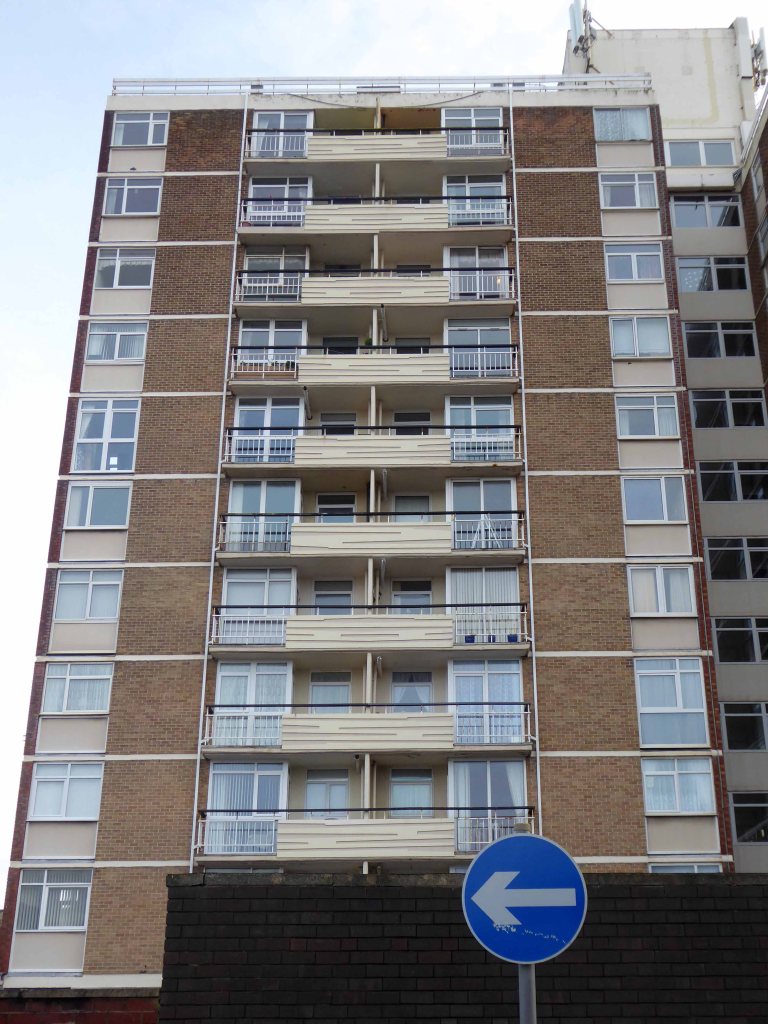
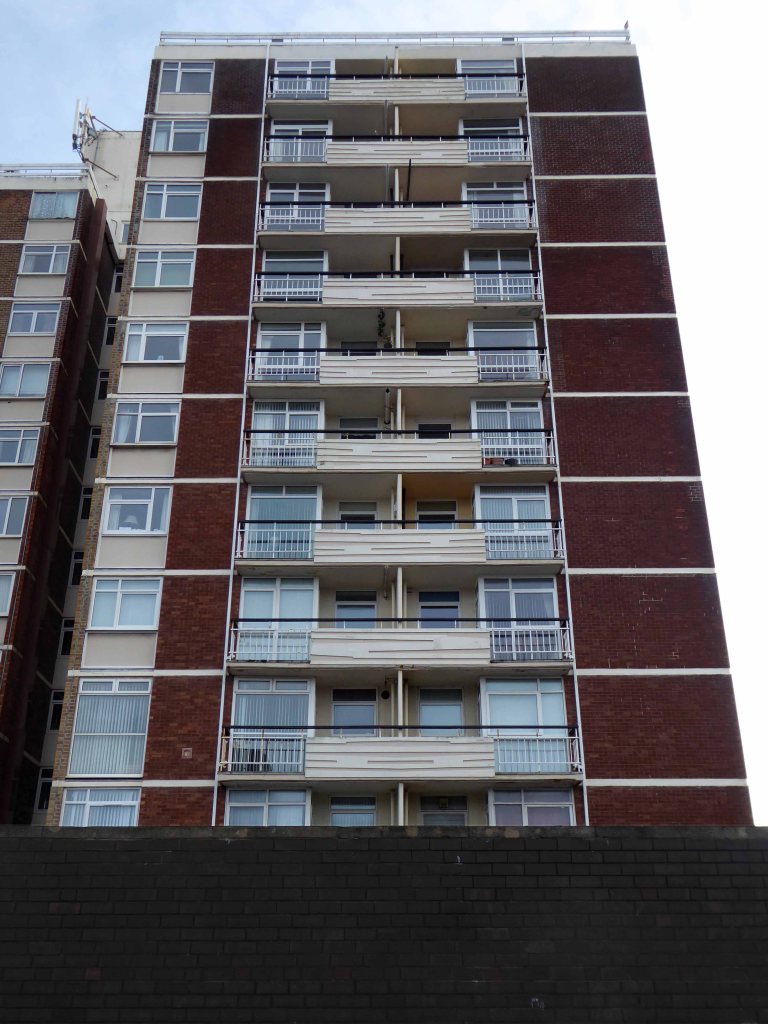
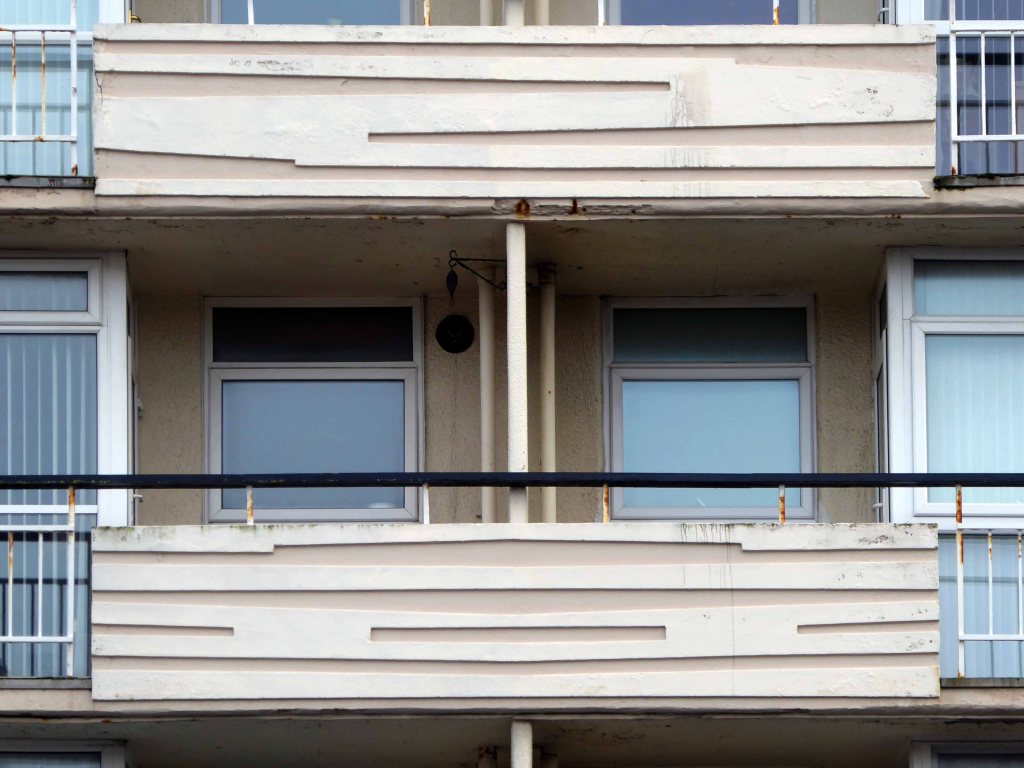
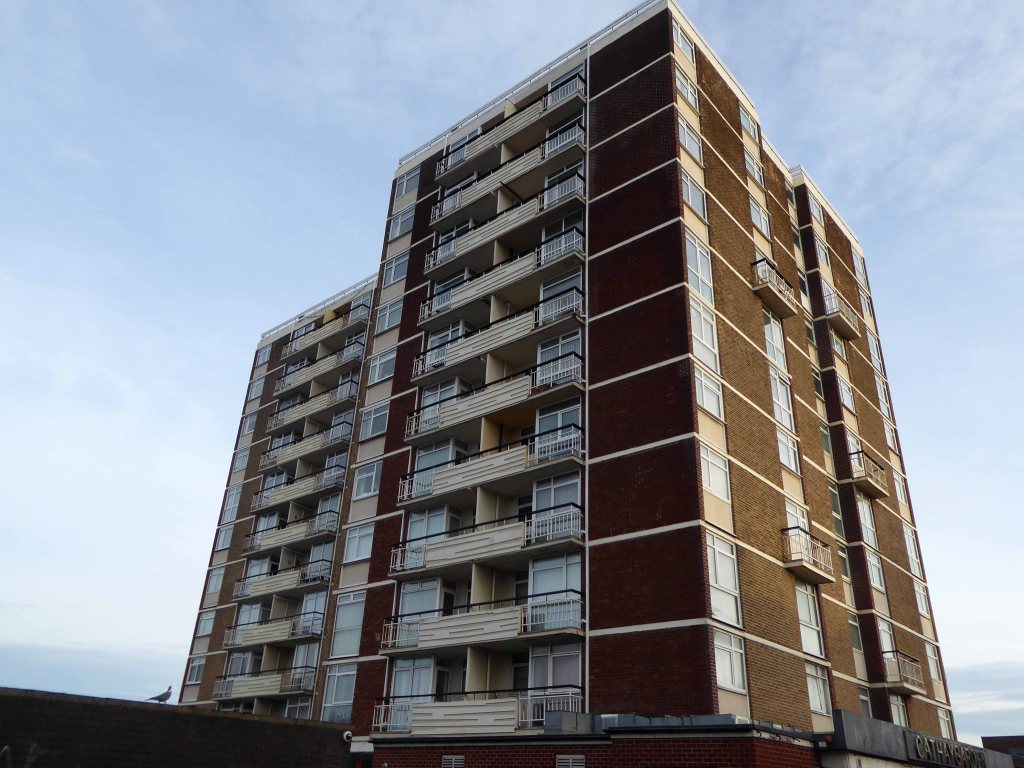
Just enough time to take a quick look inside the Arlington House car park then off we go again.

Tuesday 2nd September leaving Margate and cycling along the North Kent Coast.

Hotter than July and into a headwind.

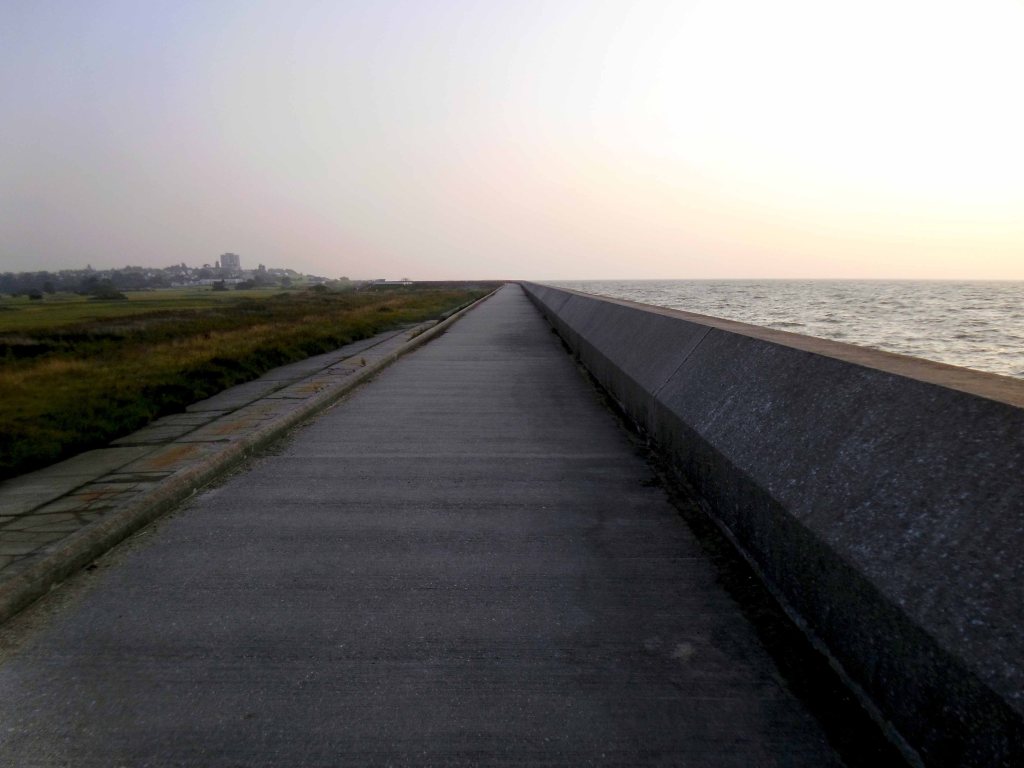
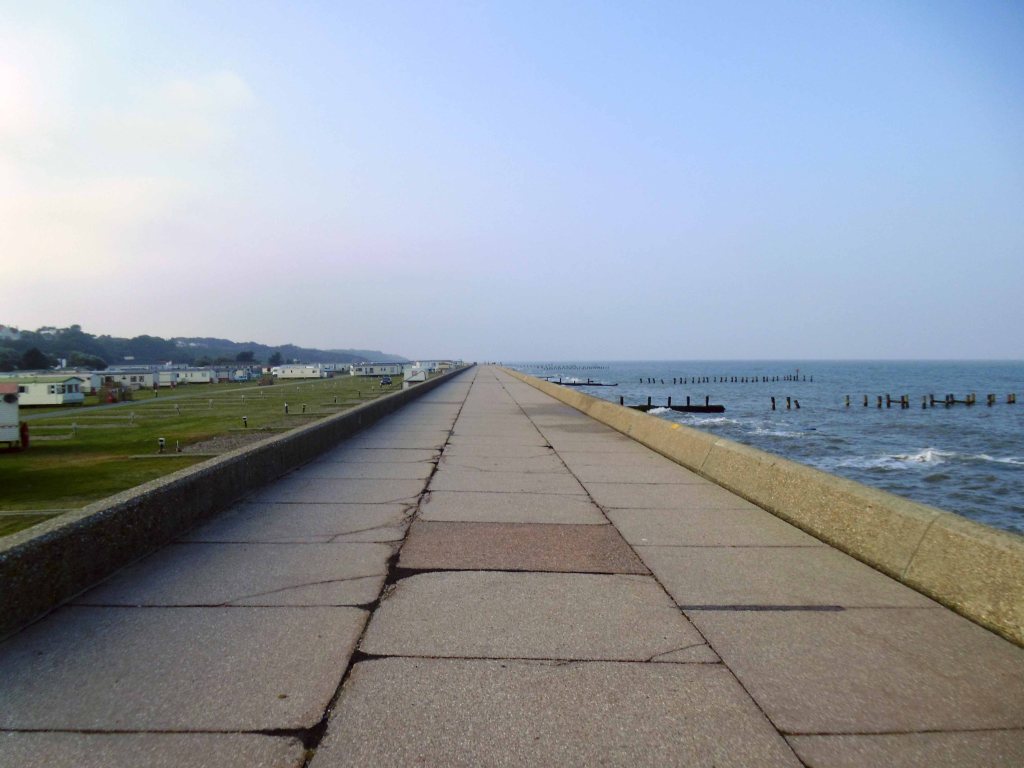
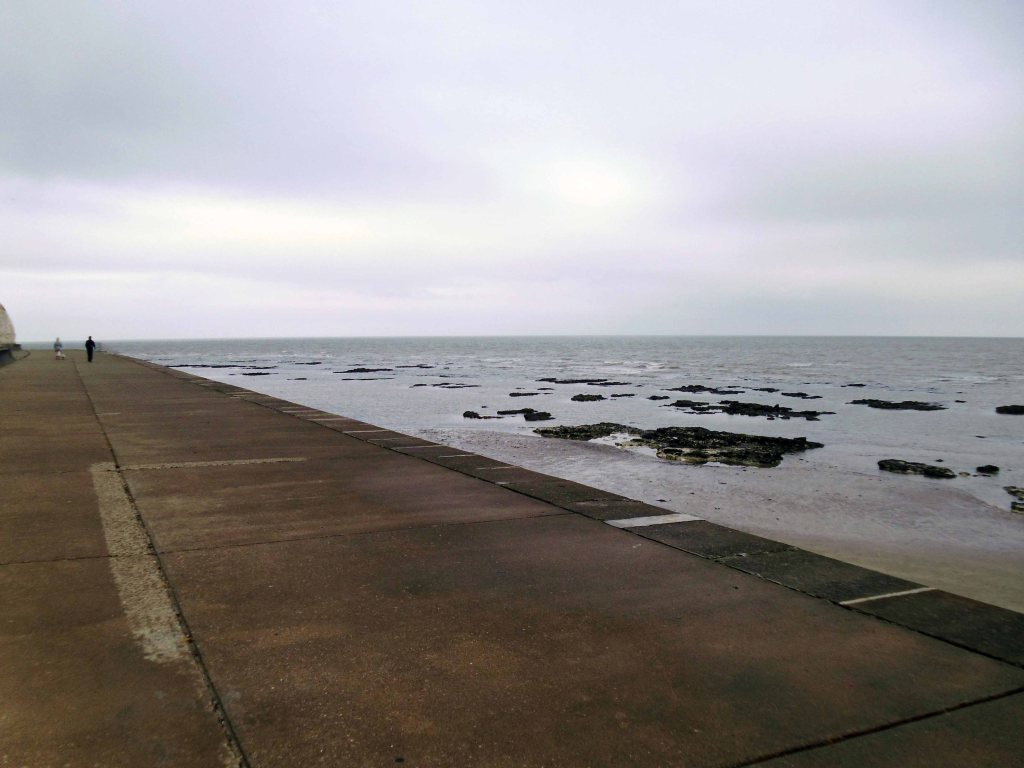
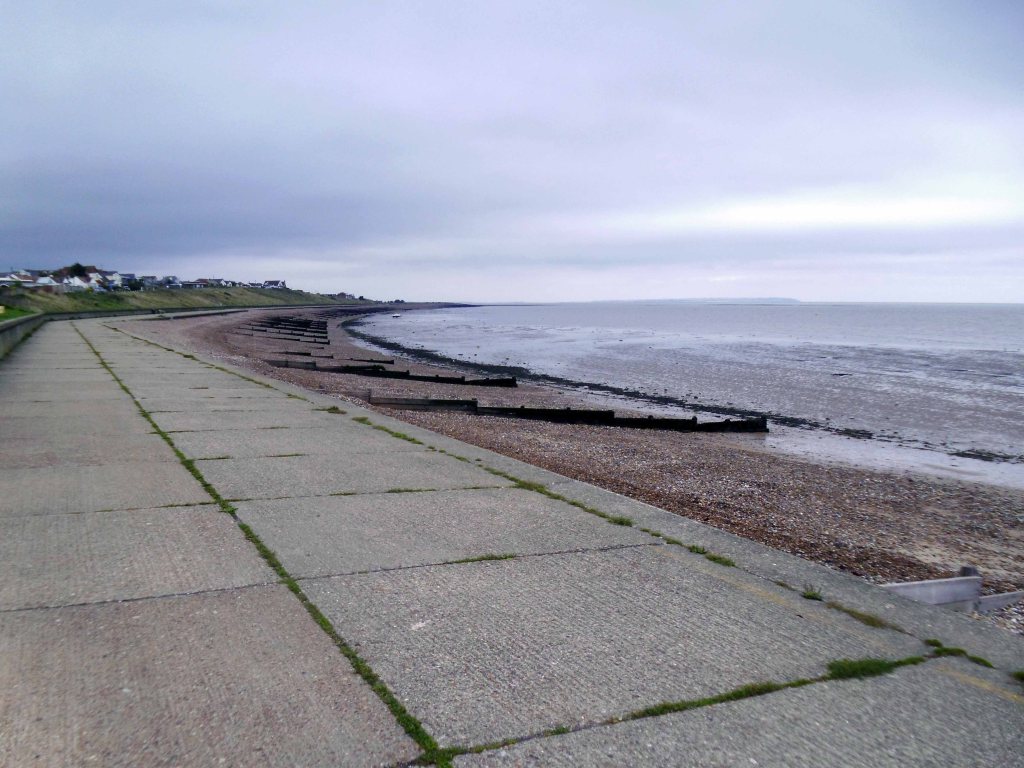
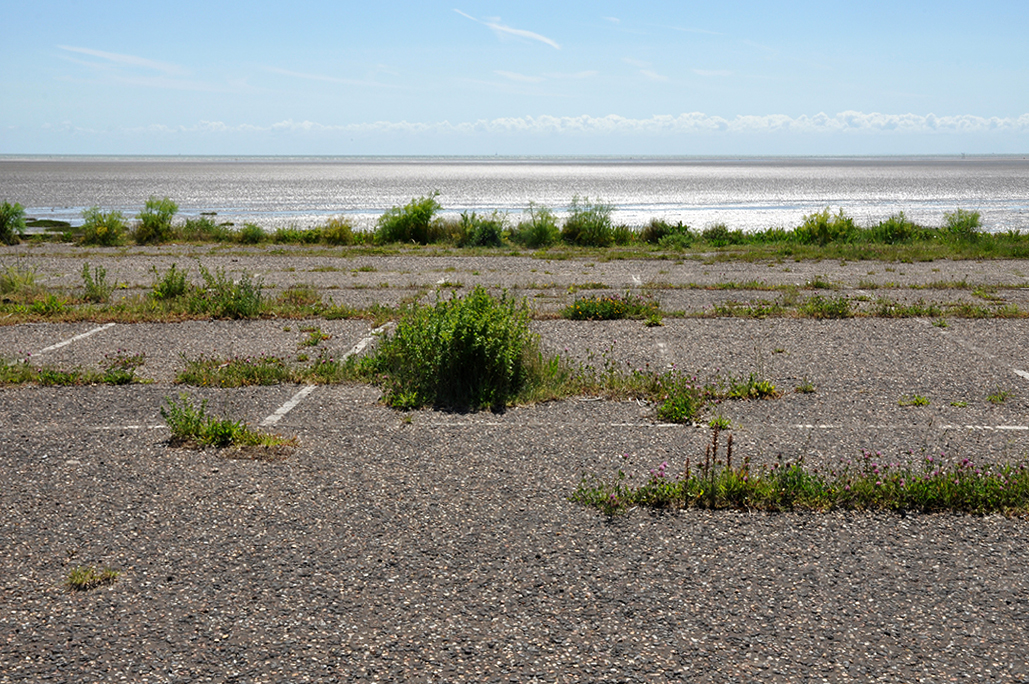
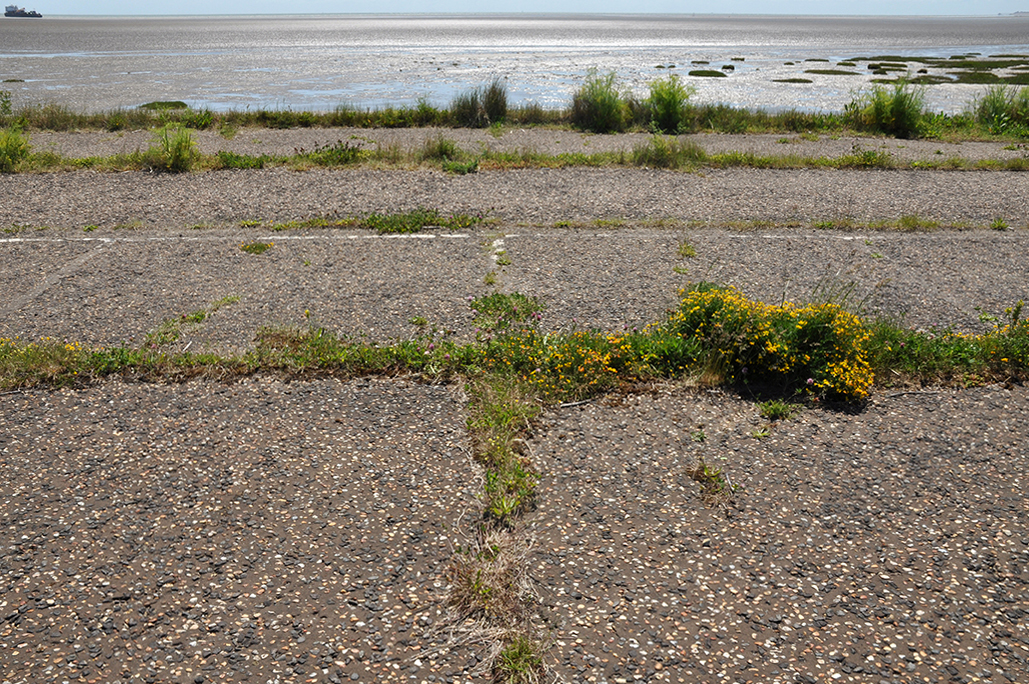
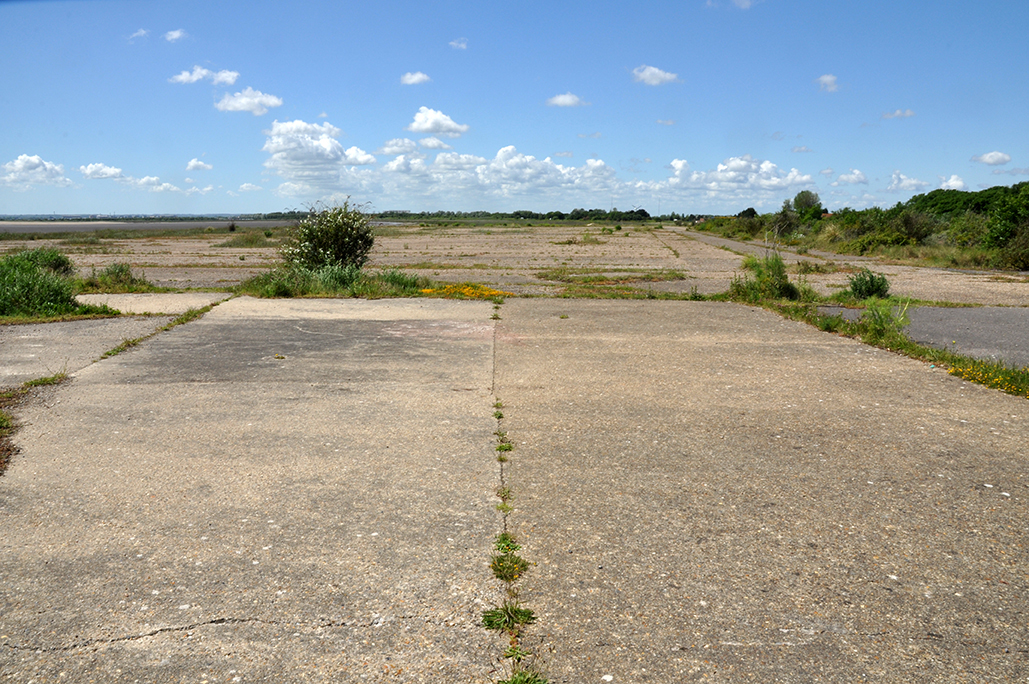
A flat concrete surface raised above the oyster beds.

The Whitstable Oyster Fishery Company traces its roots back to 1793, but oysters have been a part of Whitstable’s history for far longer.

The Romans loved Whitstable oysters and documentation proves that they were sending oysters back to Rome in around 80AD.

Whitstable Oyster Company

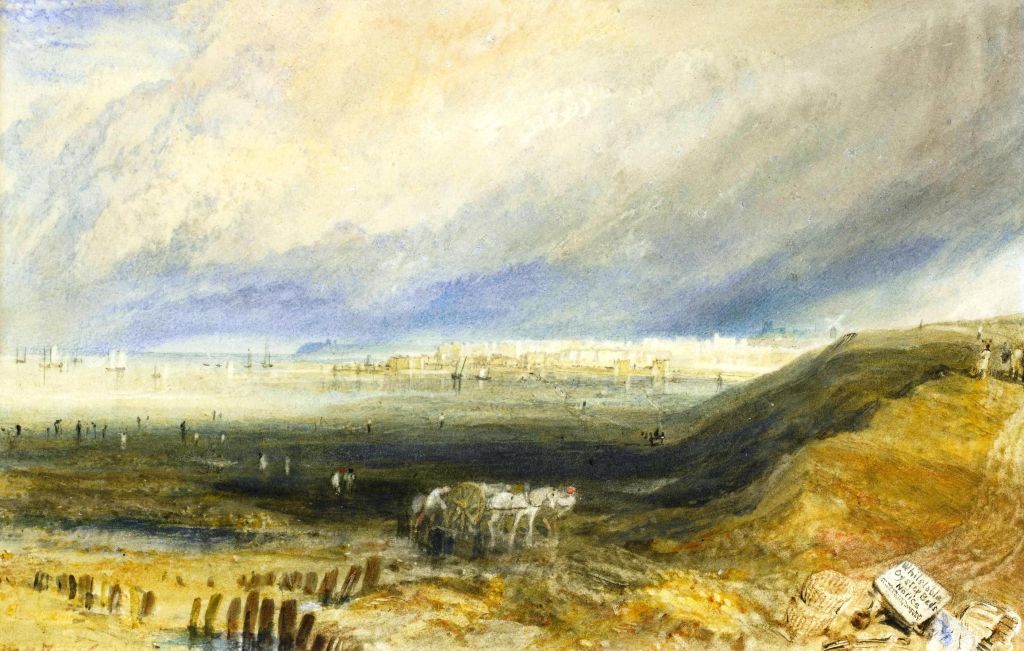
JMW Turner also found time to record the area.

Sold for £ 252,000 inc. premium

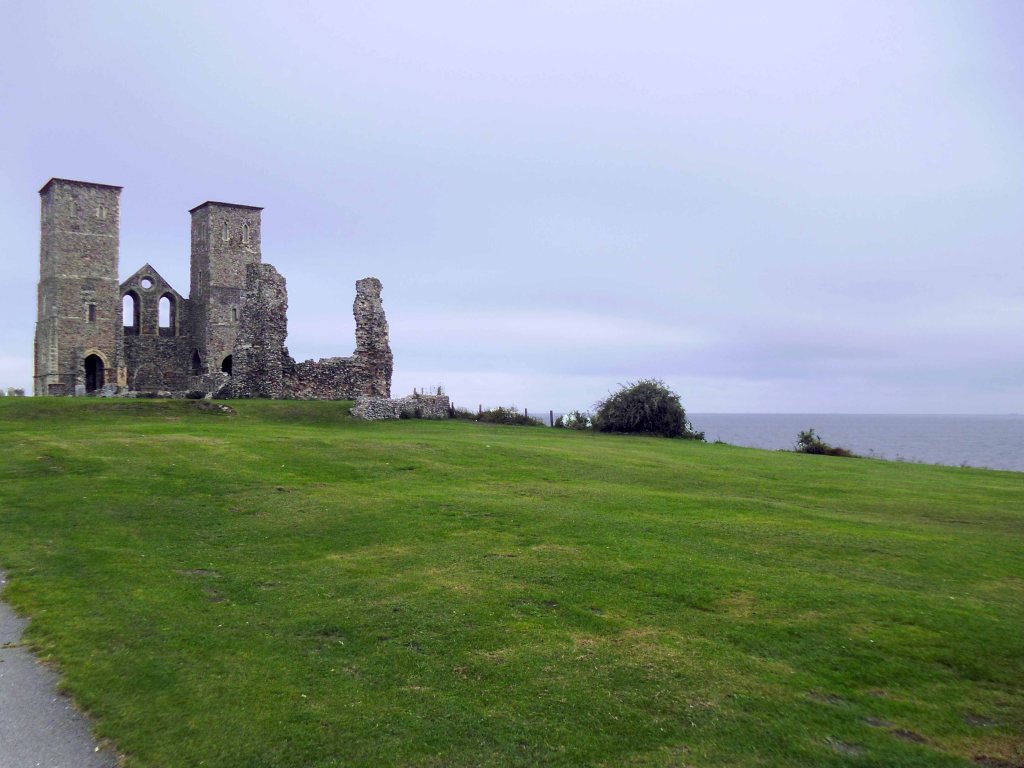
Along the long straight coastline the distinctive and distinguished silhouette of Reculver Castle can be seen in the distance.

Two thousand years ago the geography of this area was very different. The Wantsum, a sea channel up to 3 miles wide, cut off the Isle of Thanet from the mainland, and the Roman fort of Reculver stood on a promontory at the north end of the channel where it joined the Thames estuary. Today the Wantsum has silted up and become dry land.

By the 5th century the Romans had abandoned their defence of Britain and the fort at Reculver had fallen into disuse.

An Anglo-Saxon monastery was founded on the site in 669, reusing the existing defences, and the church of St Mary was built near the centre of the earlier fort. Documentary evidence suggests that the site had ceased to function as a monastic house by the 10th century, after which time the church became the parish church of Reculver.

Remodelling of the church in the 12th century included the addition of tall twin towers.

The medieval church was partly demolished in 1805, when much of the stone was reused to construct a new church on higher ground at Hillborough, but the twin towers were left. They were bought, repaired and underpinned by Trinity House in 1809.

English Heritage

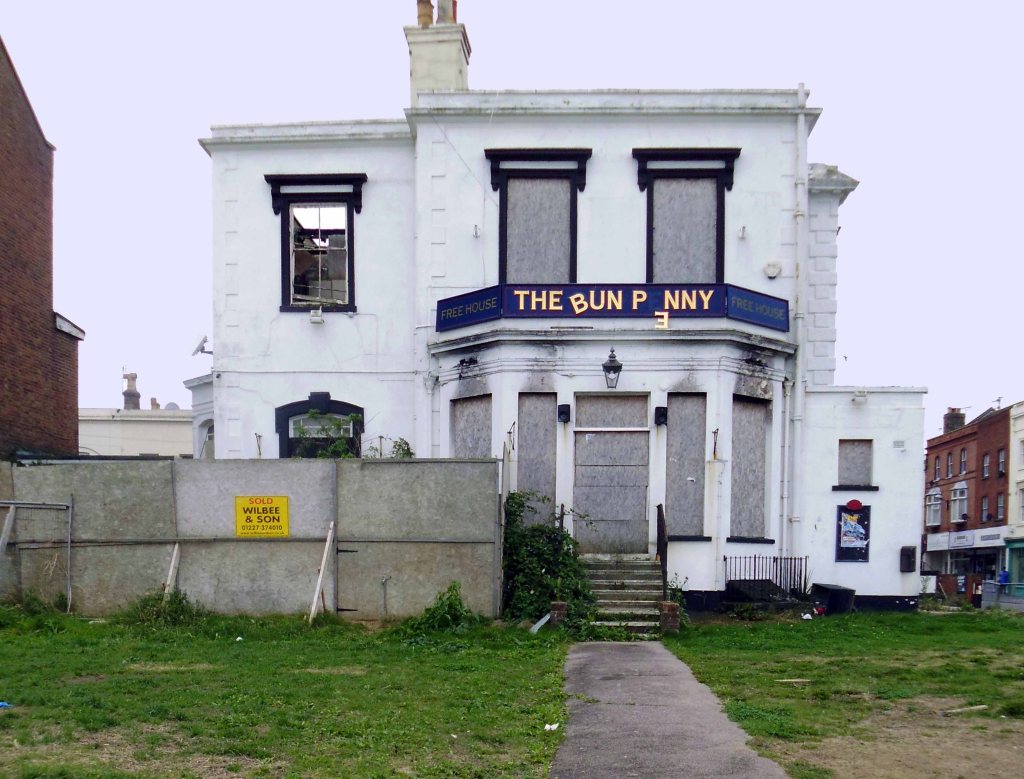
I breezed through Herne Bay past the curiously named Bun Penny pub

Burnt down in 2011 – the subject of ever changing plans and possibilities.

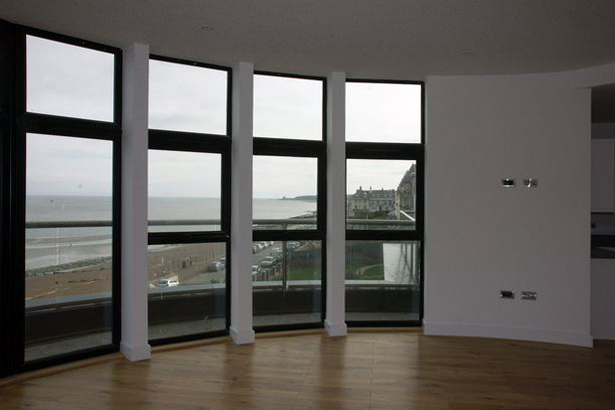
A derelict Herne Bay pub has been transformed into luxury seafront apartments and this is how much they cost.

We would encourage owners of other empty properties in the Herne Bay area to get in touch as we find new ways to rejuvenate the town and attract new people to work, live and visit.

Kent Live

Further along the unstable concrete coast we approach Whitstable.

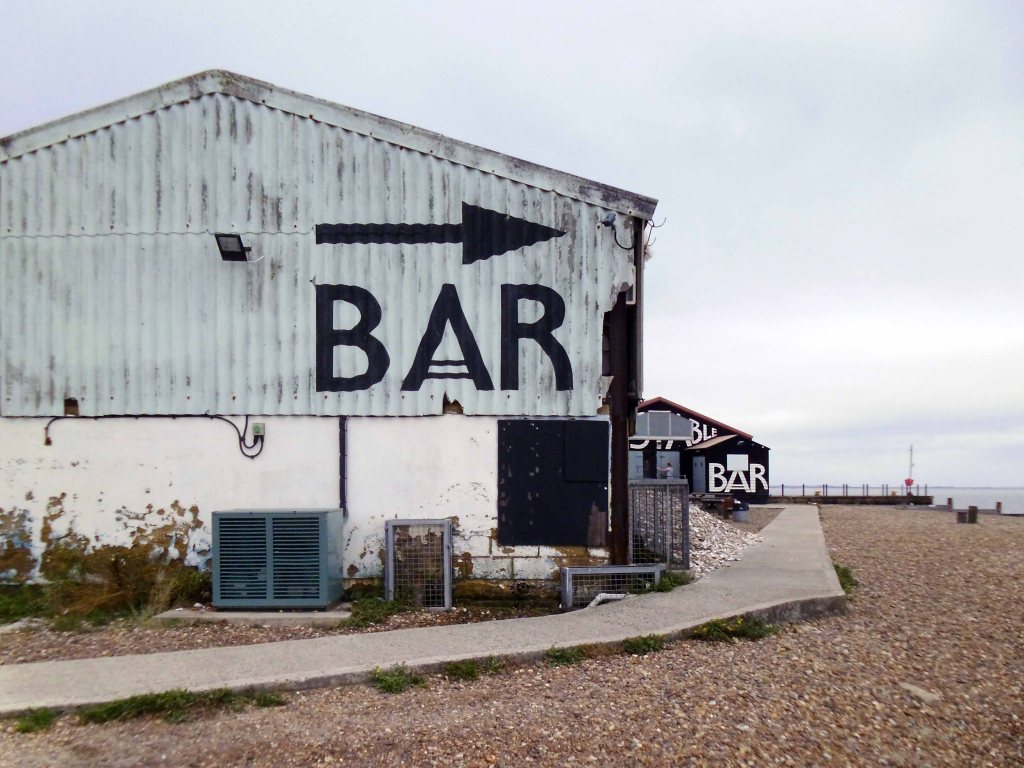
With its chi-chi cafes and bars, tastefully ramshackle shacks and snacks.

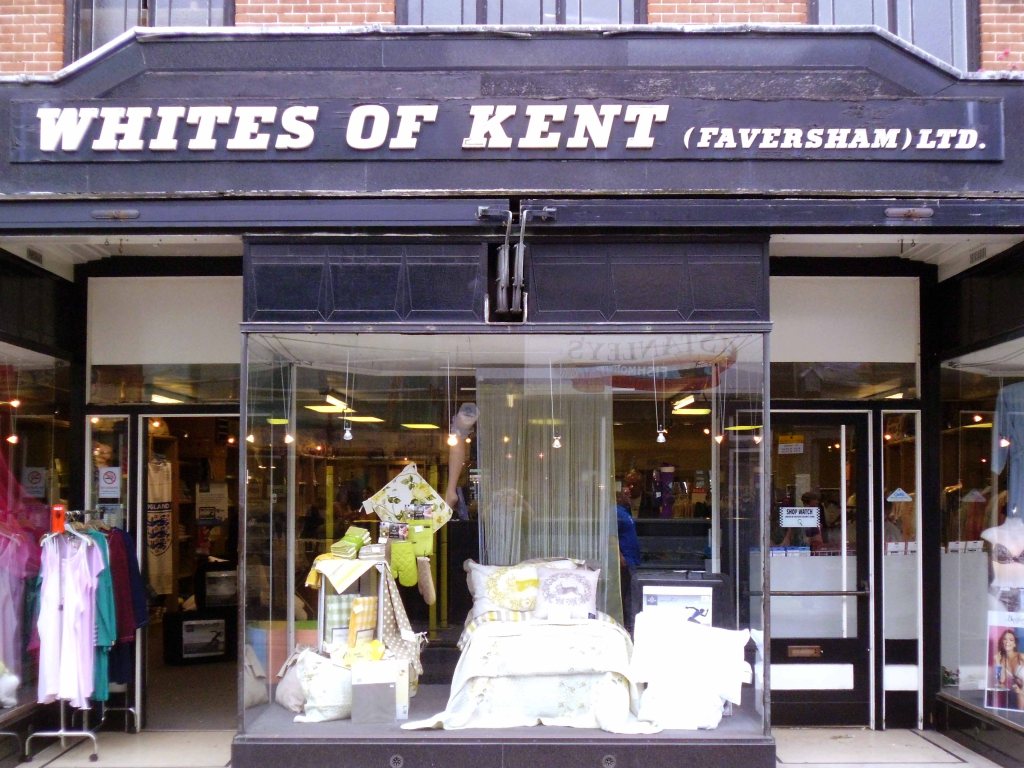
Profil fronted fascias for family run department stores.

Whites of Kent is a family company now into the third generation of close family members. The original story begins with a young ambitious girl of 18 who knew all about stocking repair machines. She travelled to Australia by boat then on to Switzerland and Paris where she trained women and gave demonstrations on the stocking machines.

In 1954 the retail side commenced again with a ladies underwear shop in Faversham’s Market Street, followed by a fashion shop in Market Street and then our current shop in Court Street.

We have in the past had shops in Sandwich, Sittingbourne, Herne Bay, West Malling, Folkestone and Cliftonville. Currently we have Whites of Kent shops in Faversham, Whitstable and Dover selling lingerie, linen, hosiery, underwear, slippers and more. See our Shop page for addresses, phone numbers and opening times.

Whites of Kent

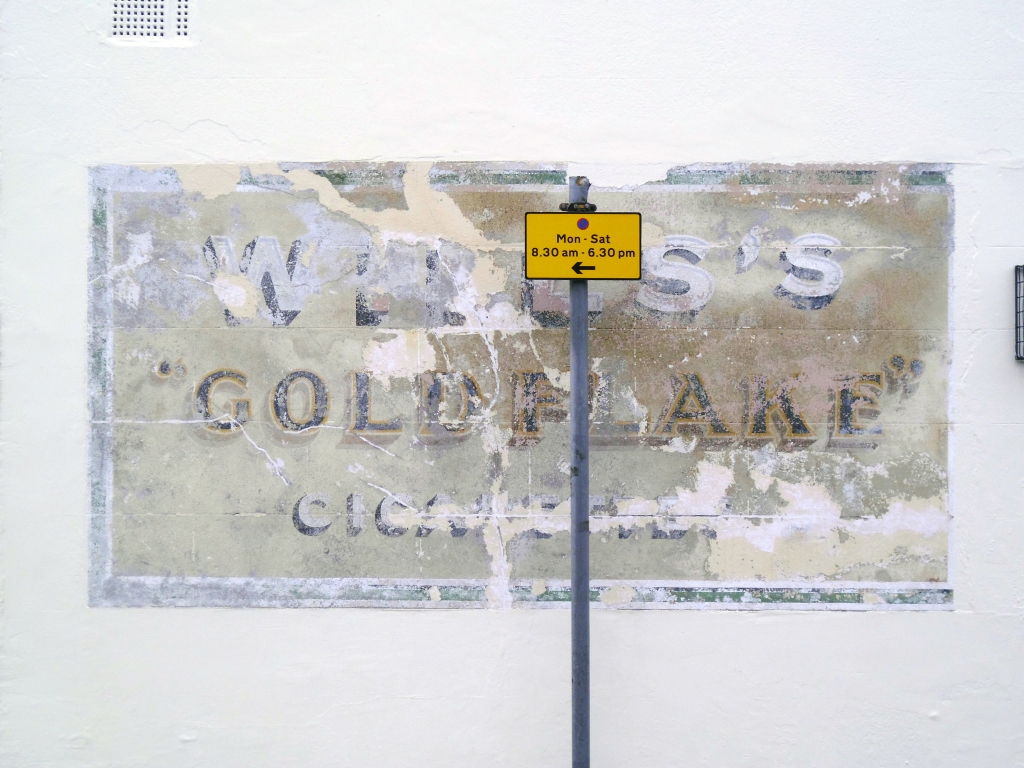
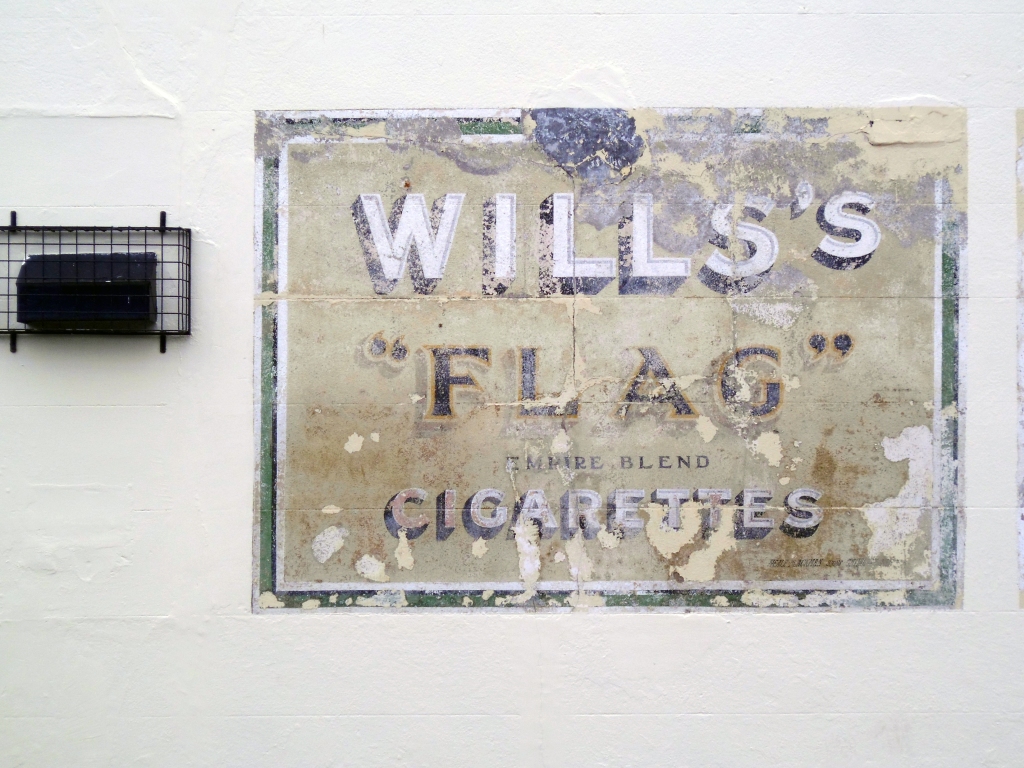
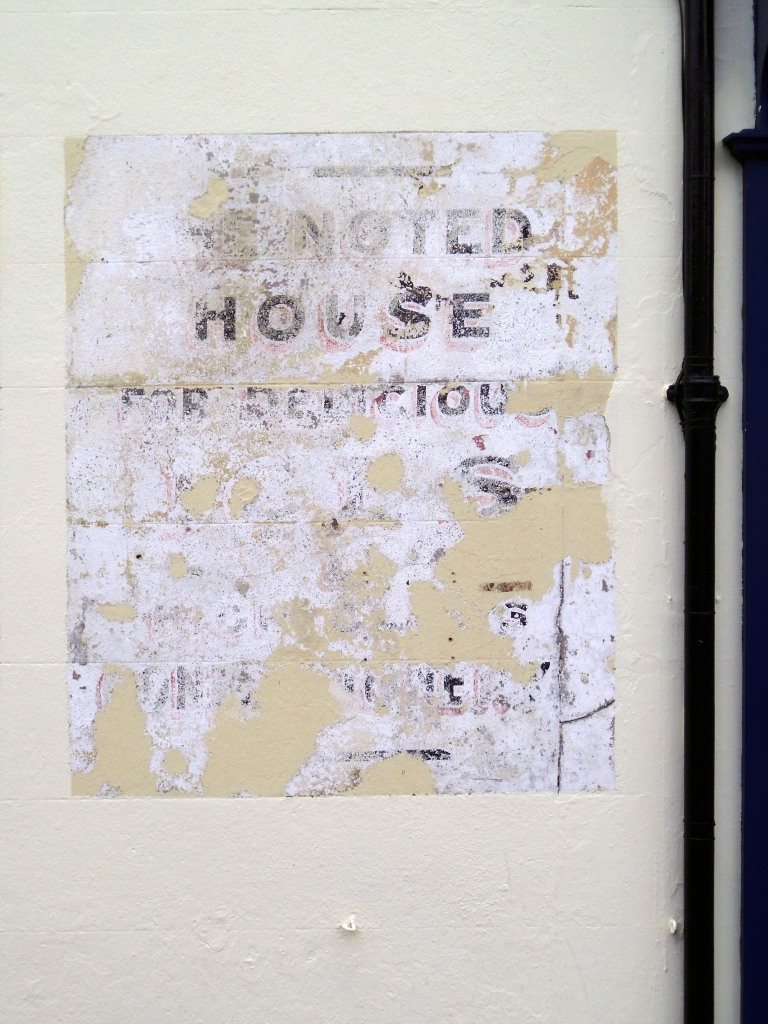
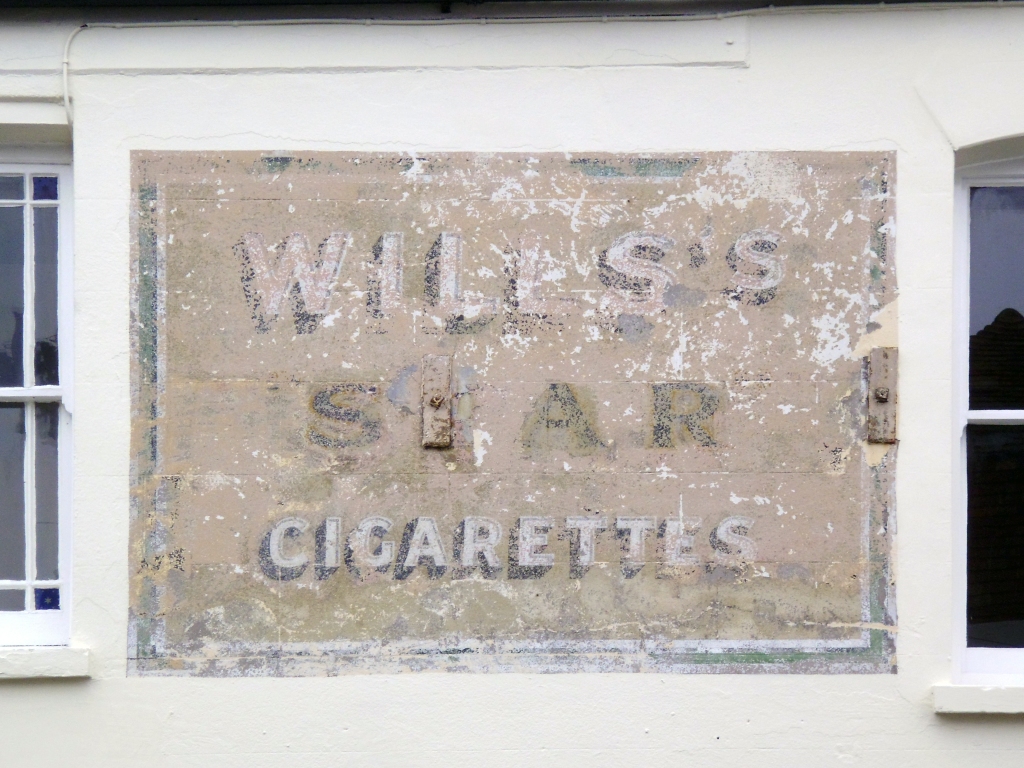
A fine display of tobacconist’s ghost signs.

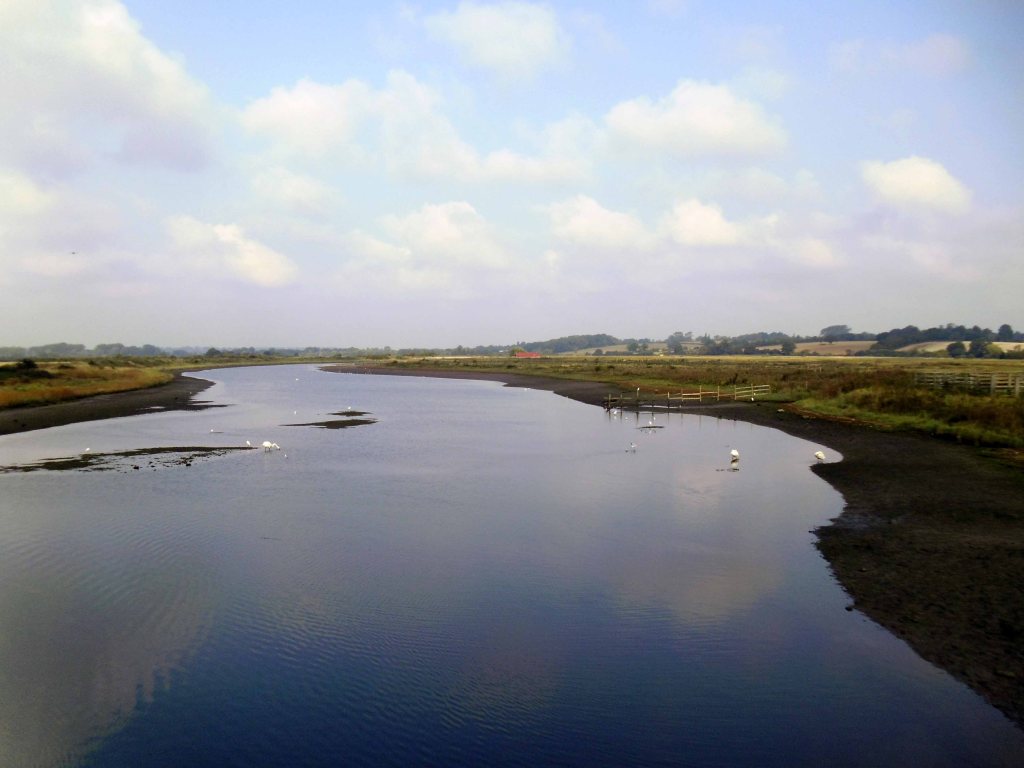
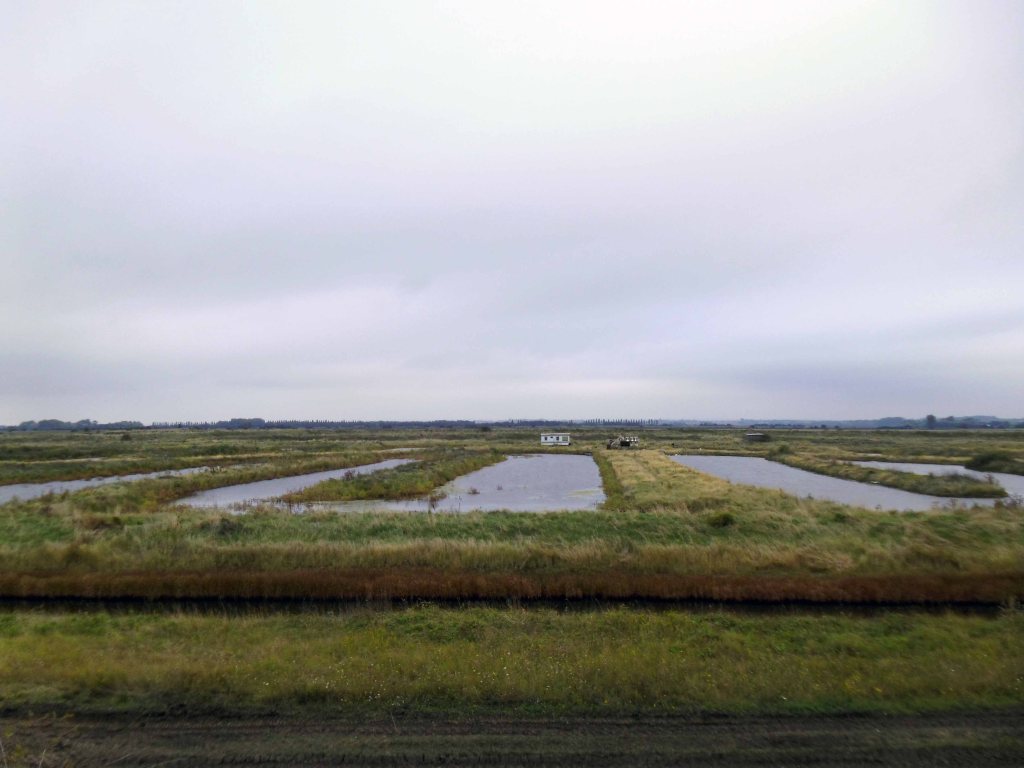
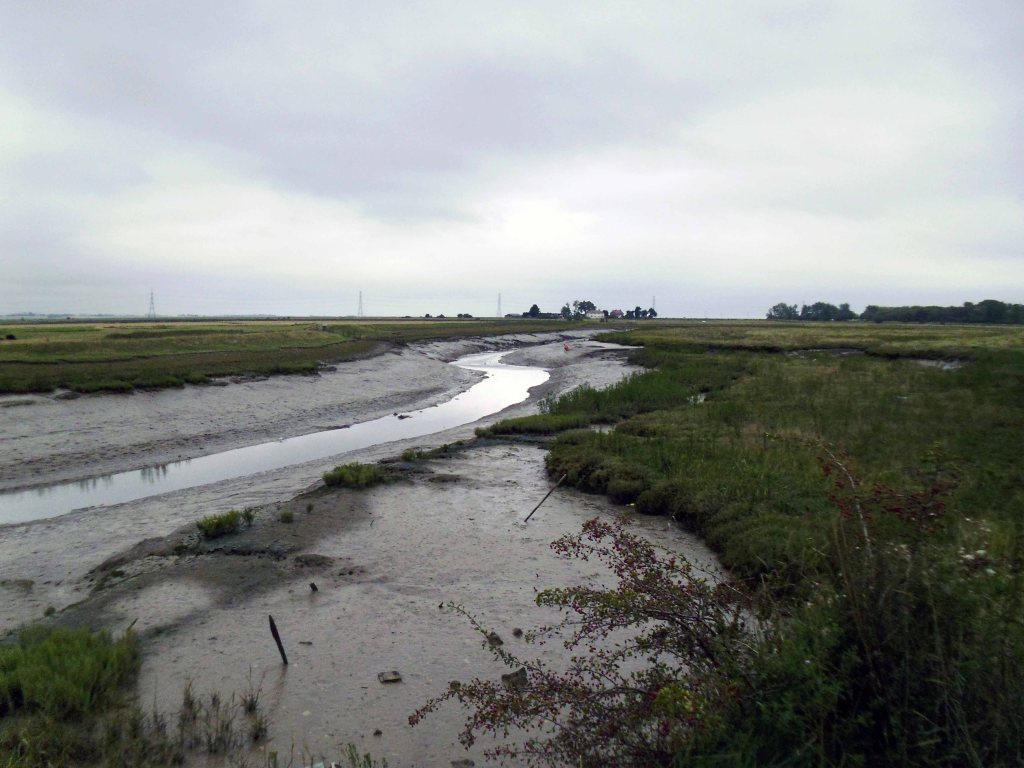
The road winds through the low marshes, across estuaries and inlets, between Seasalter and Graveney.

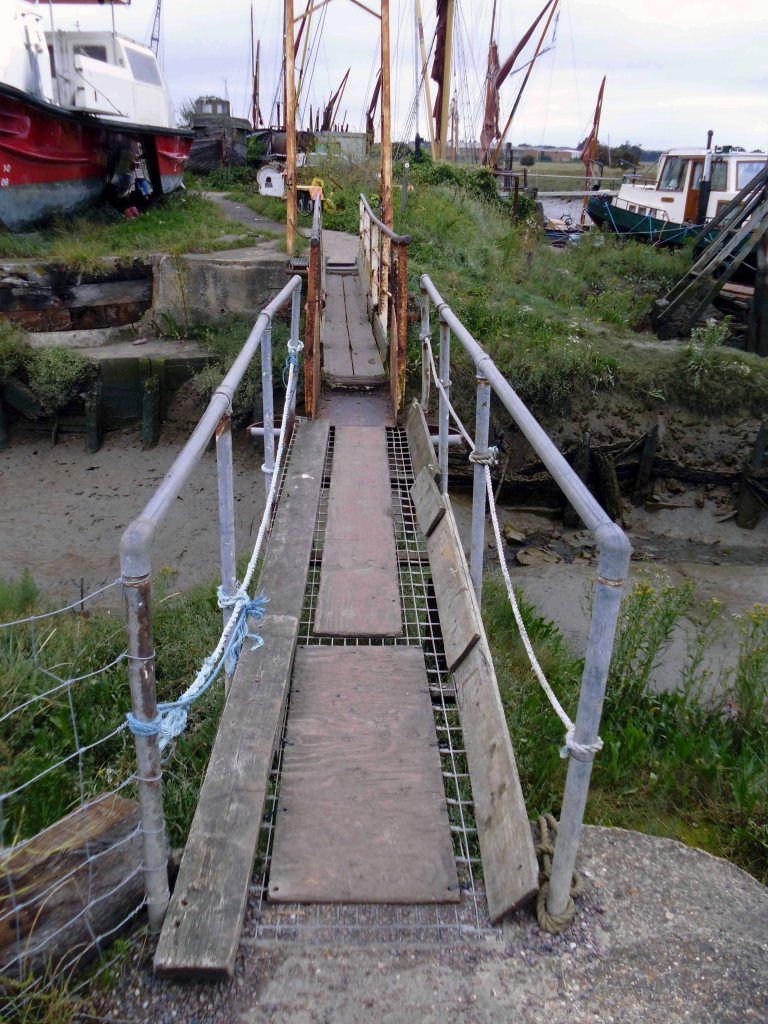
Home to a down home, home made fishing fleet.

Members of the 1st Battalion London Irish Rifles guarding the downed Junkers Ju 88A1

On September 27 1940 – a Luftwaffe bomber was shot down by two Spitfires over Graveney Marsh after a raid on London. This was the last ground engagement involving a foreign force to take place on the mainland of Great Britain.

Wikipedia

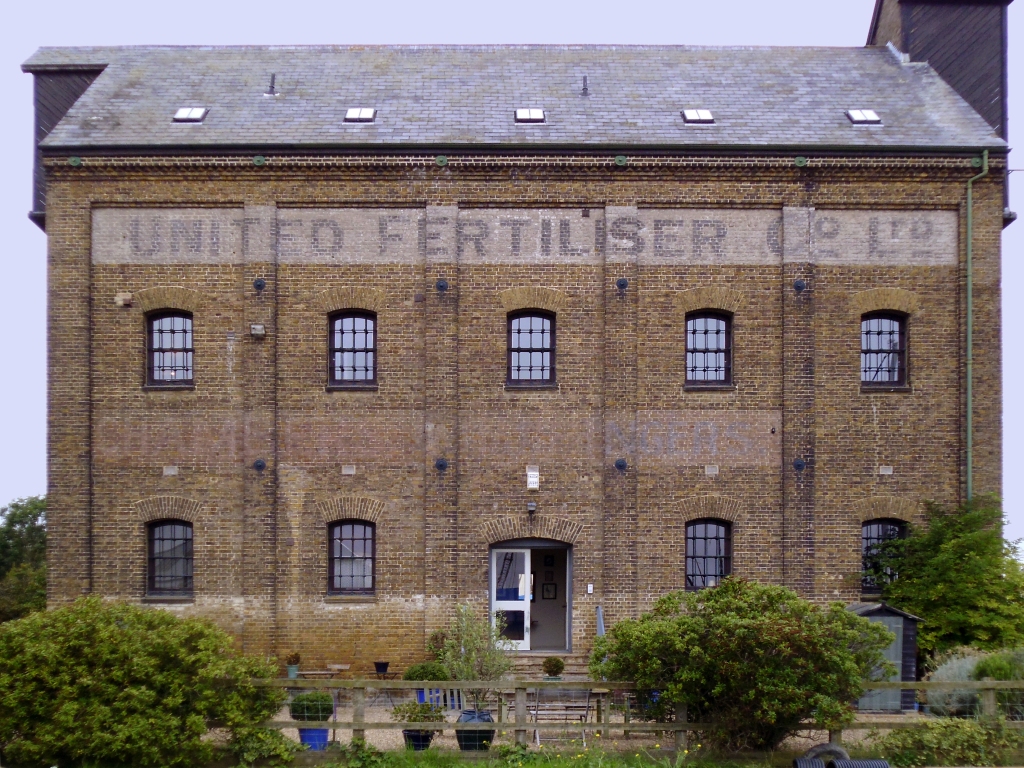
As is common in post-industrial England industrial buildings become executive homes, busy ports become marinas or moribund marshes.

Ready for conversion to a bijou des-res.

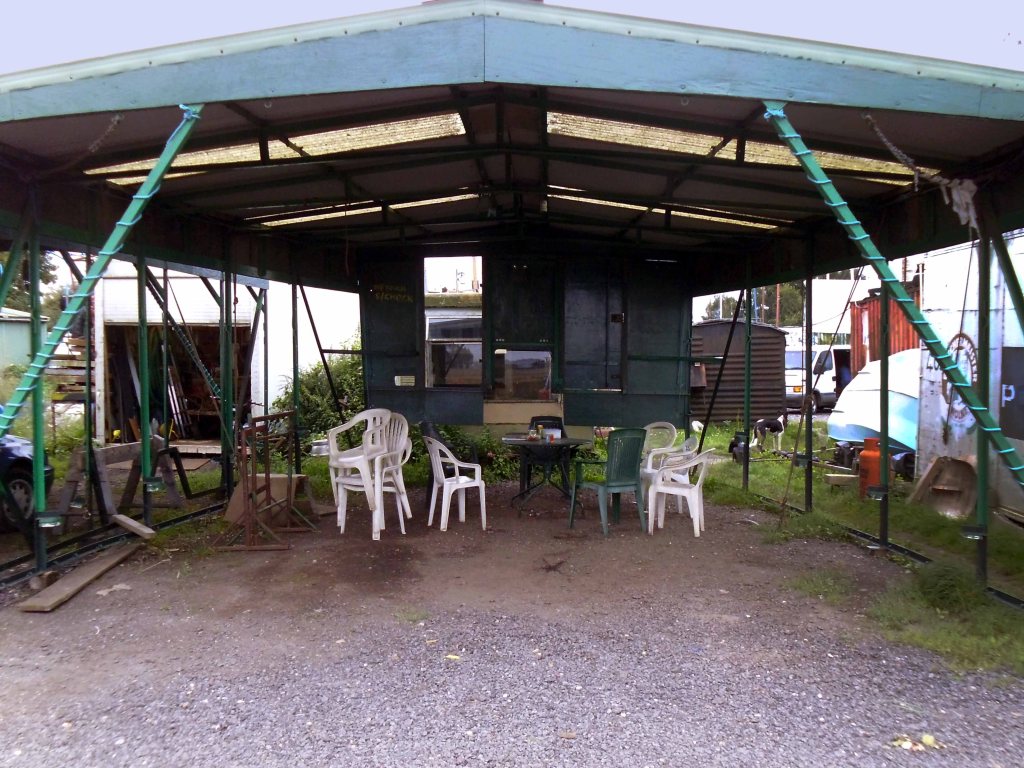
It was time to make time through the garden of England – pressing on past hillbilly hideaways.

Housing late Ad Reinhardt’s.

My painting represents the victory of the forces of darkness and peace over the powers of light and evil.

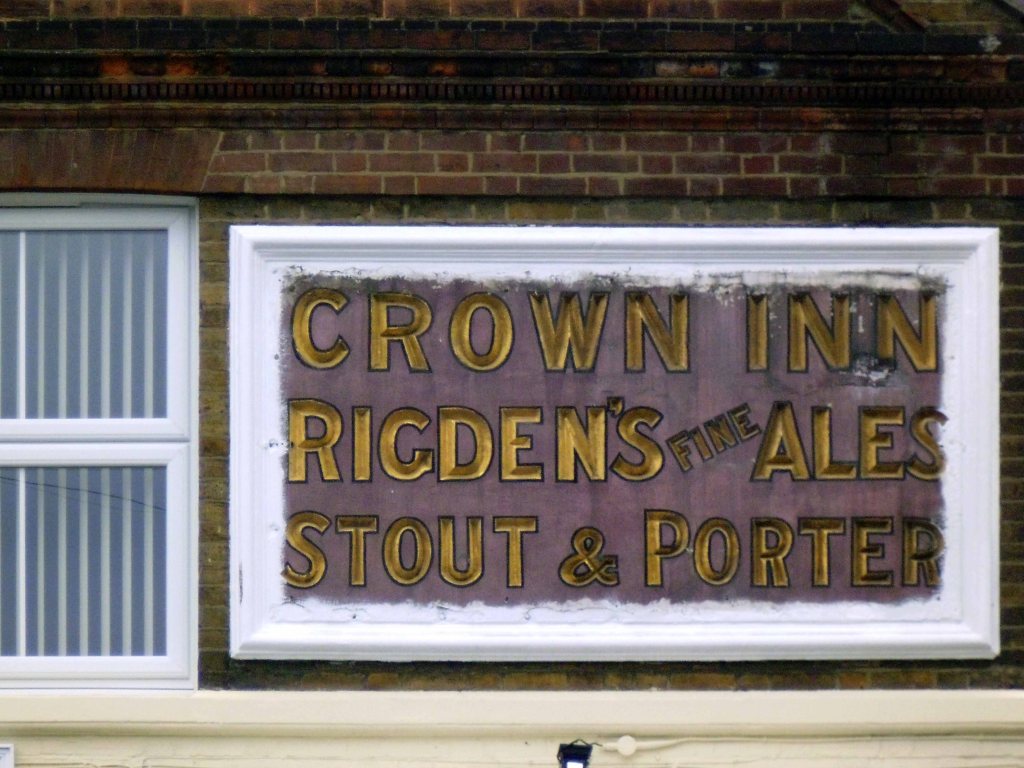
Founded in the early 1700s by Edward Rigden. Registered in 1902 as Rigden & Co. Merged with George Beer & Co. Ltd in 1922 to form George Beer & Rigden, not being limited until 1927.

Was acquired by Fremlins Ltd in 1948 and brewing ceased 1954.

Brewery History

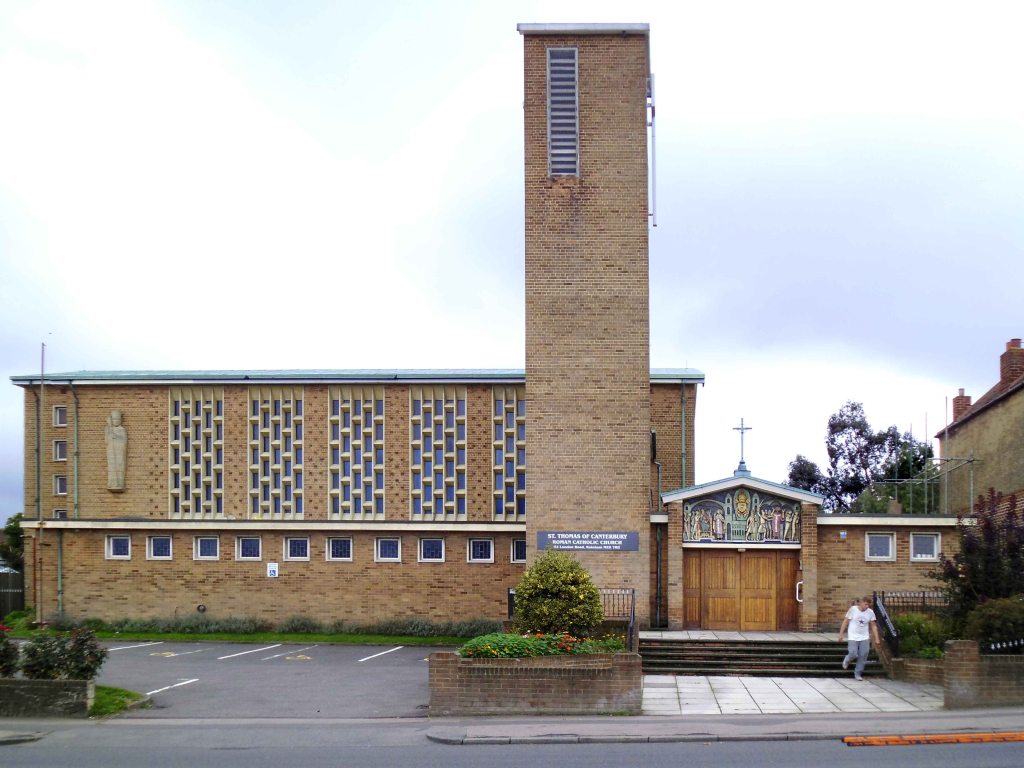
Dulled by dual carriageways and the dirty urban dust of a sunny late summer’s day – I was more than happy to discover this Modernist church in Rainham.

St Thomas of Canterbury RC

A  modern  church  of  1956-58  by  Eduardo  Dodds.  The  atmospheric interior is decorated with fine sculpture by Michael Clark, and ceramic panels by Adam Kossowski. The tower is a local landmark. The former temporary church of 1934 survives as the Parish Centre.

Taking Stock

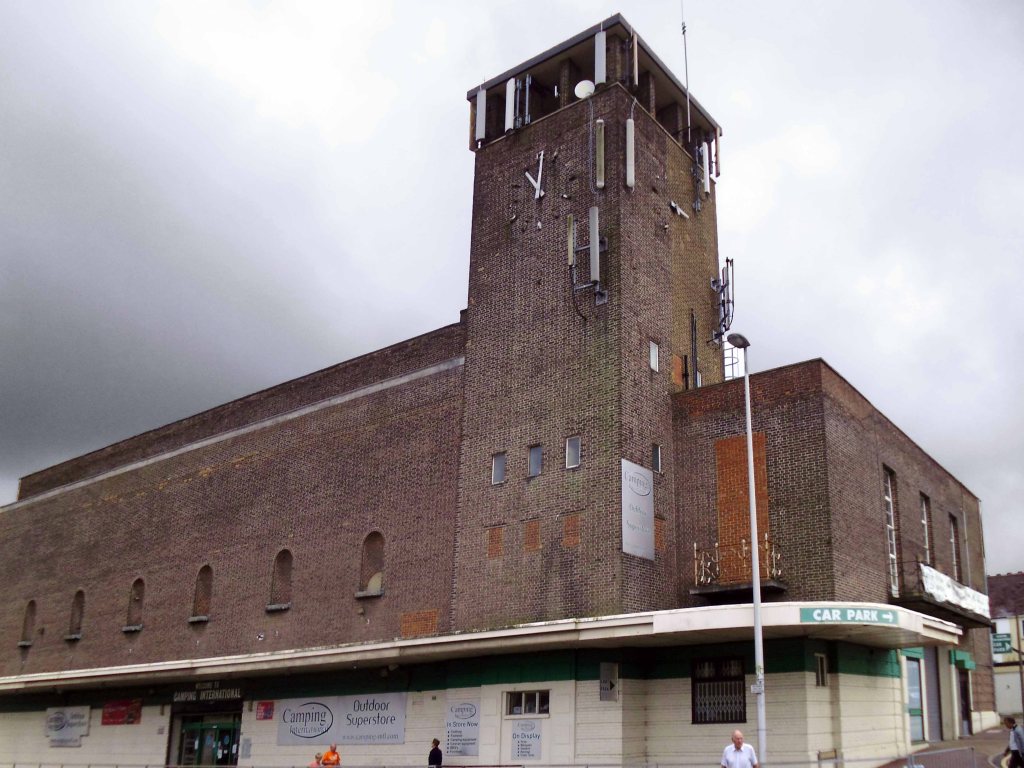
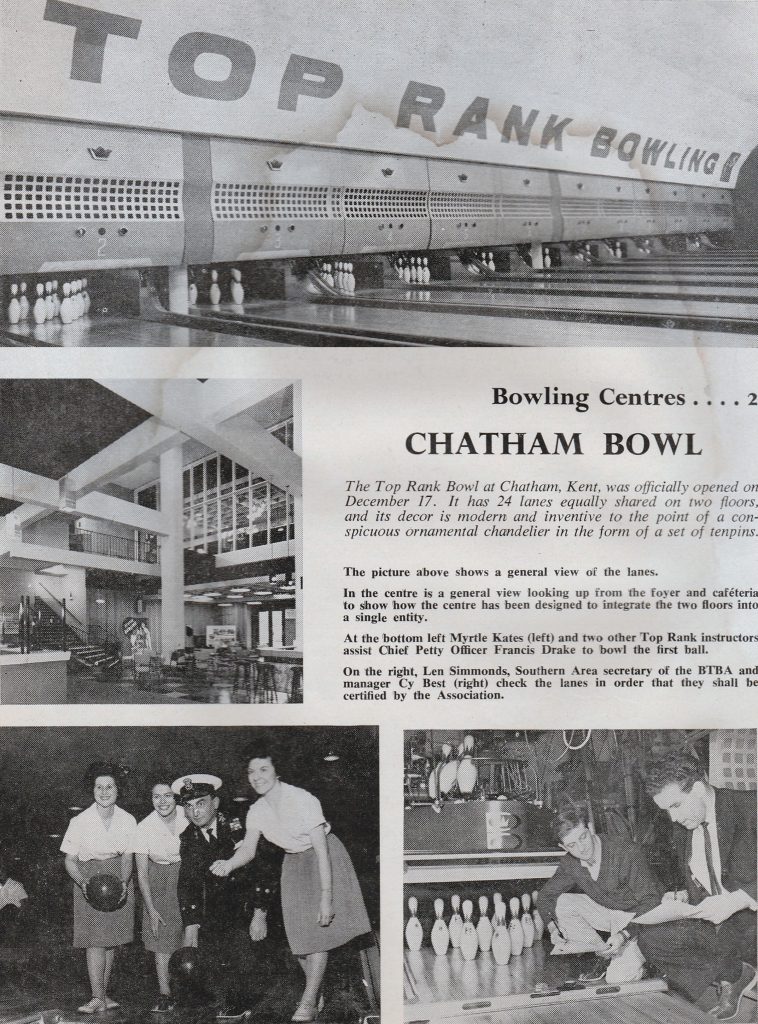
Followed by another brick behemoth the Gaumont Chatham.

The Palace Cinema was built by a subsidiary of the Gaumont British Theatres chain, and opened on 30th November 1936. The exterior had a tall square clock tower, which was outlined in neon at nightArchitect Arthur W. Kenyon

Re-named Gaumon from 18th December 1950, closed by the Rank Organisation on 2nd February 1961 with John Gregson in The Captain’s Table.

It was converted into a 24-lane Top Rank Bowling Alley, which opened in December 1961. Eventually, this was the last of the Top Rank Bowls to close, closing on 31st October 1970.

The building was converted into a B&Q hardware store, and the interior has been gutted. It was later in use as a camping centre, which remains open in 2010 as Camping International. The building is now known as Clock Tower House.

Cinema Treasures

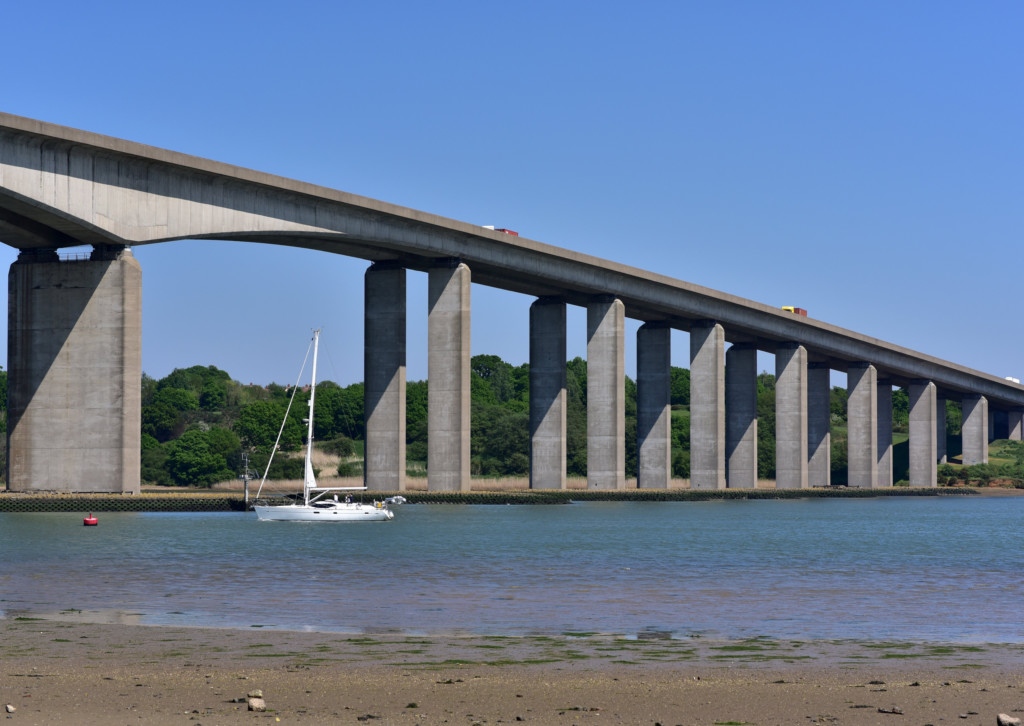
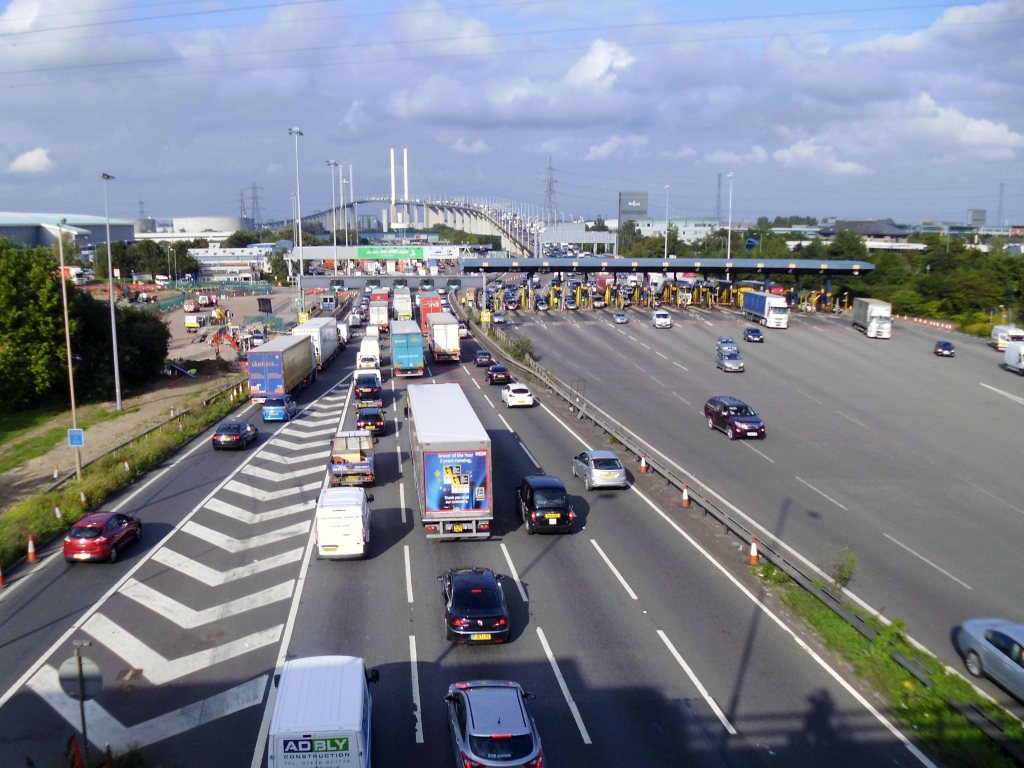
Queen Elizabeth II Bridge Toll.

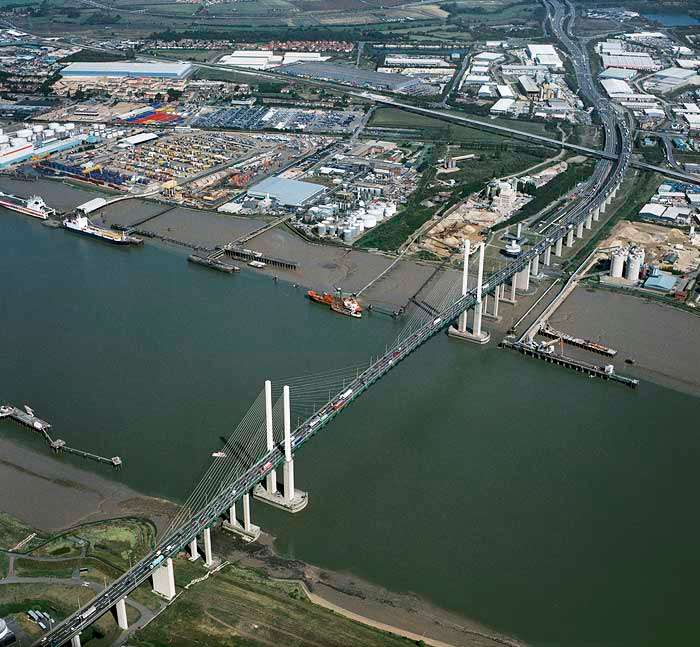
Designed by German civil engineer Hellmut Homberg, the two main caissons supporting the bridge piers were constructed in the Netherlands. ] The bridge deck is about 61 metres high, and it took a team of around 56 to assemble its structure.

The bridge was opened by Queen Elizabeth II on 30 October 1991. The total cost of construction was £120 million. The proposed name had been simply the Dartford Bridge, but Thurrock residents objected and suggested the Tilbury Bridge, leading to a compromise. At the time of opening, it had the longest cable-stayed span of any bridge in Europe.

Wikipedia

I arrived at the Dartford Crossing hot and hungry – wandering towards the tunnel entrance, only to be apprehended by the authorities.

What are you doing here?

I pleaded for a glass of water and directions, happily I received both from a friendly member of staff.

Picked up by Range Rover and driven over to Essex free of charge.

Wearily I made my way across the county, no time for snaps it seems, simply wishing to hit town before nightfall. None of my B&Bs were booked ahead of time and I’ve never had a ‘phone. Finding a bed for the night proved troublesome – knocking on the door of a minor hotel, I was rebuffed by a Beatle suited, be-wigged figure:

Are you to take the vacancies sign down then – says I.

No – says he.

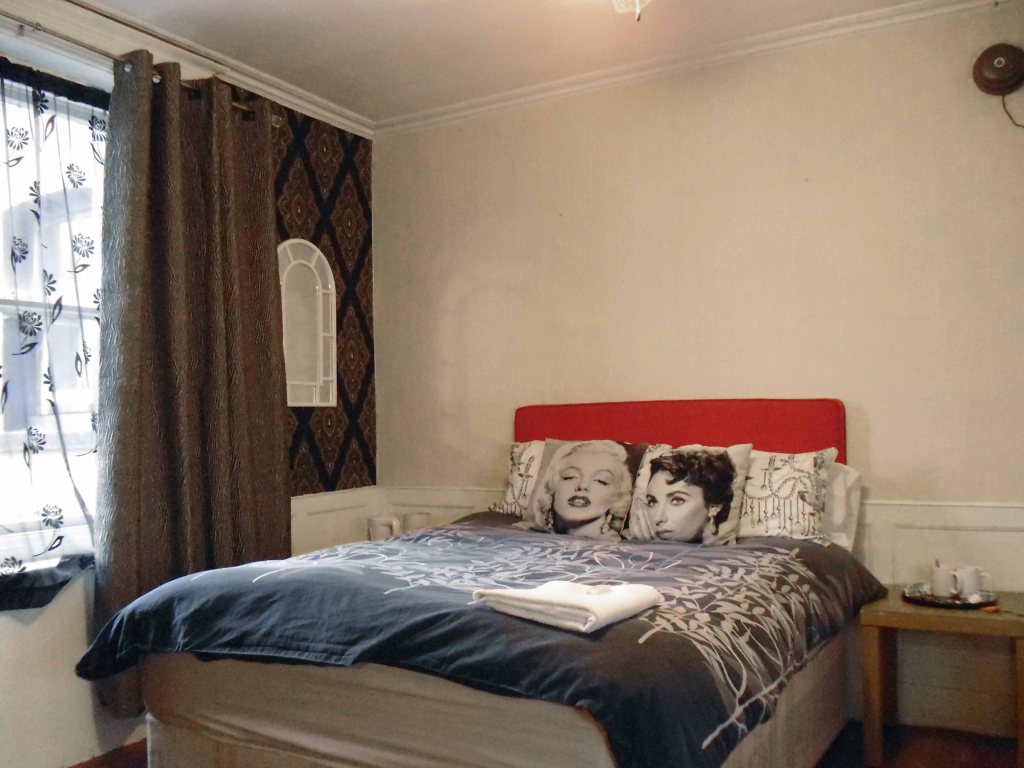
Under cover of darkness I holed up in a contractors’ flop house on the front, no-frills communal showers, short shrift and cold linoleum, but a welcome repose none the less.

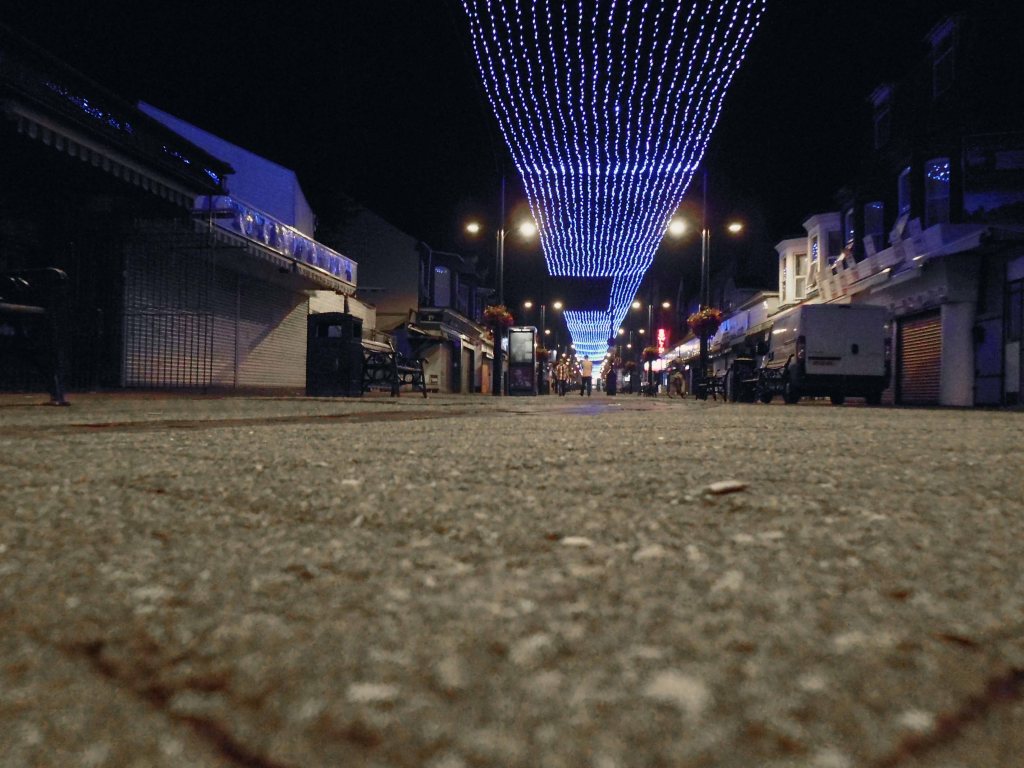
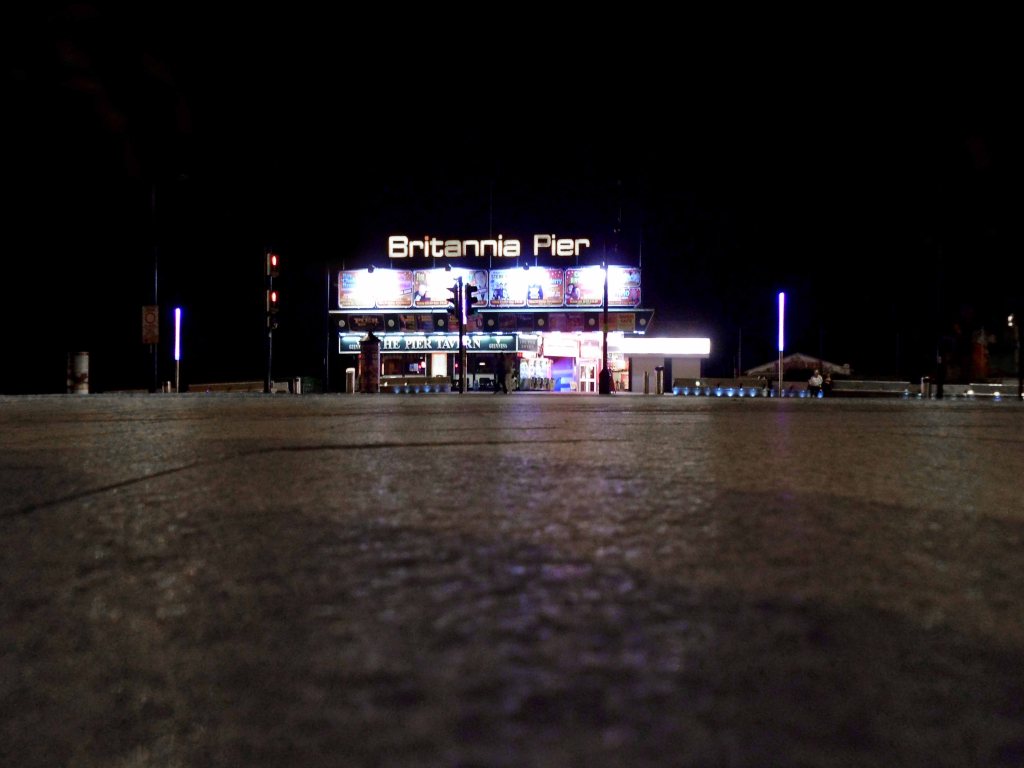
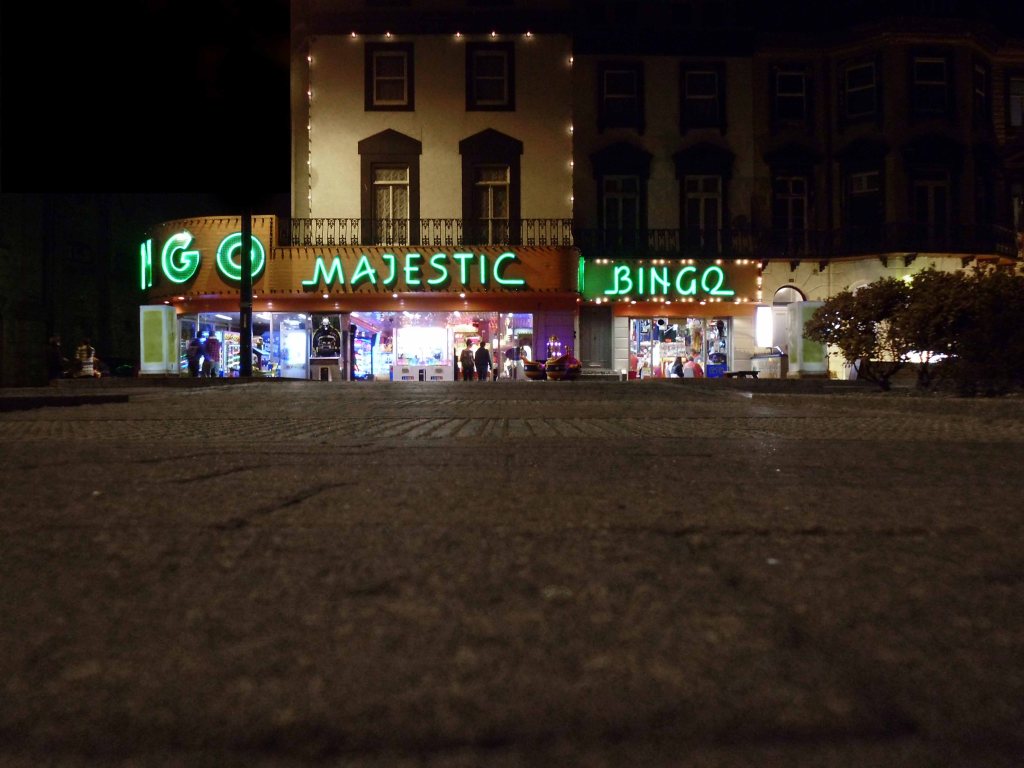
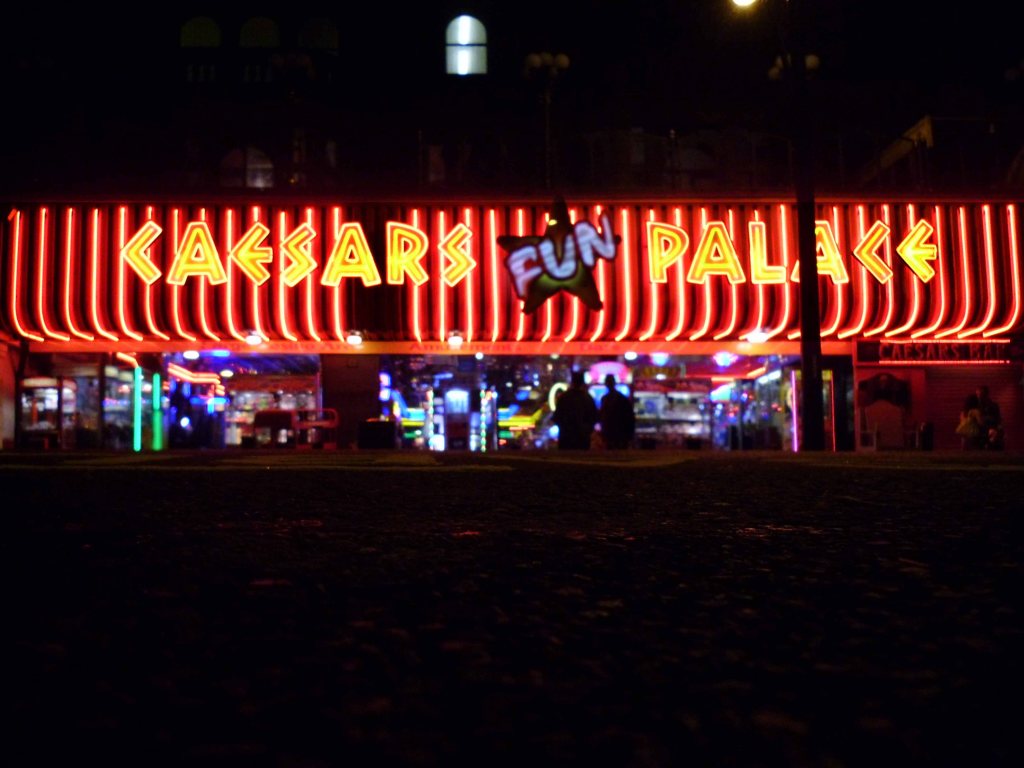
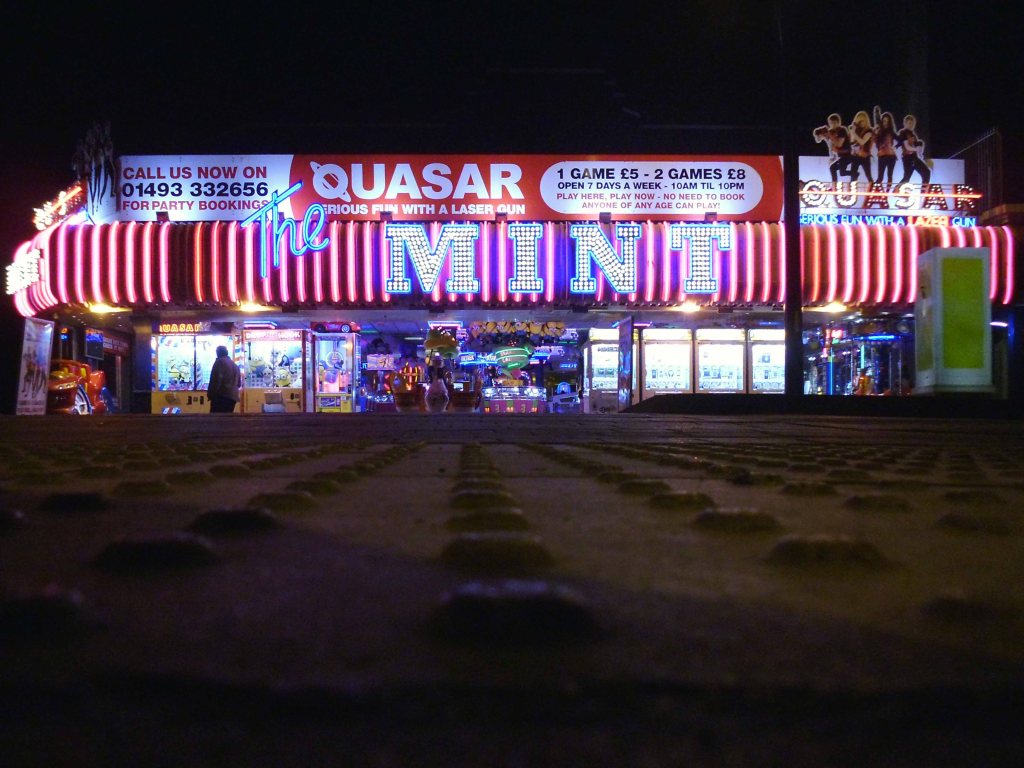
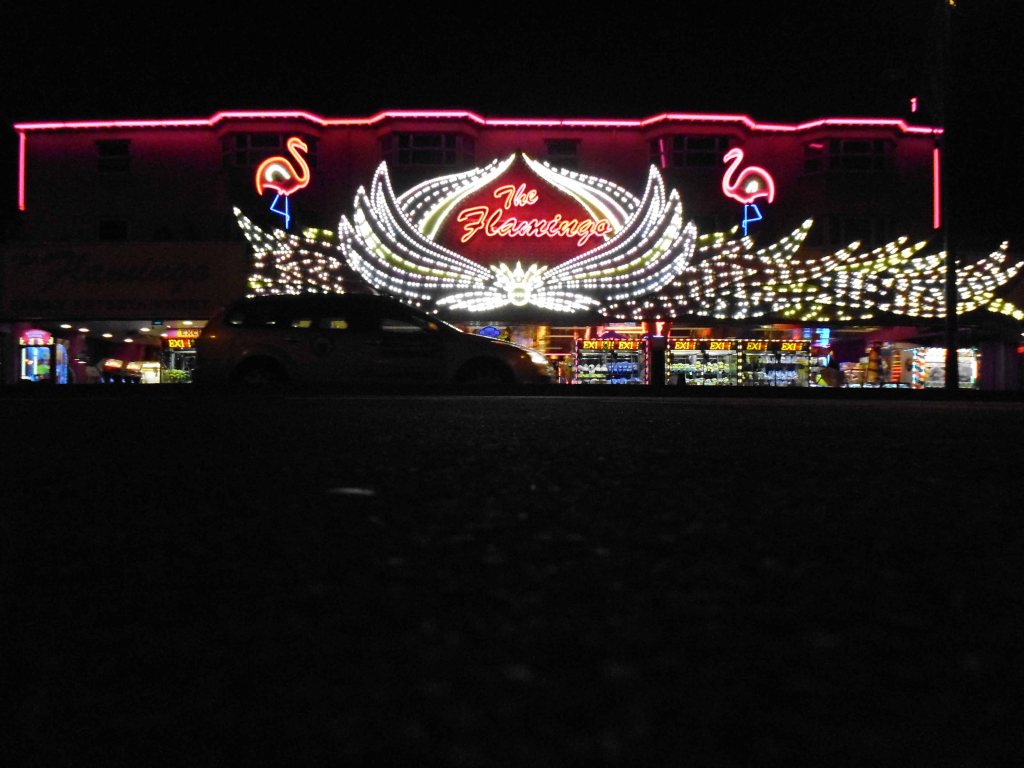
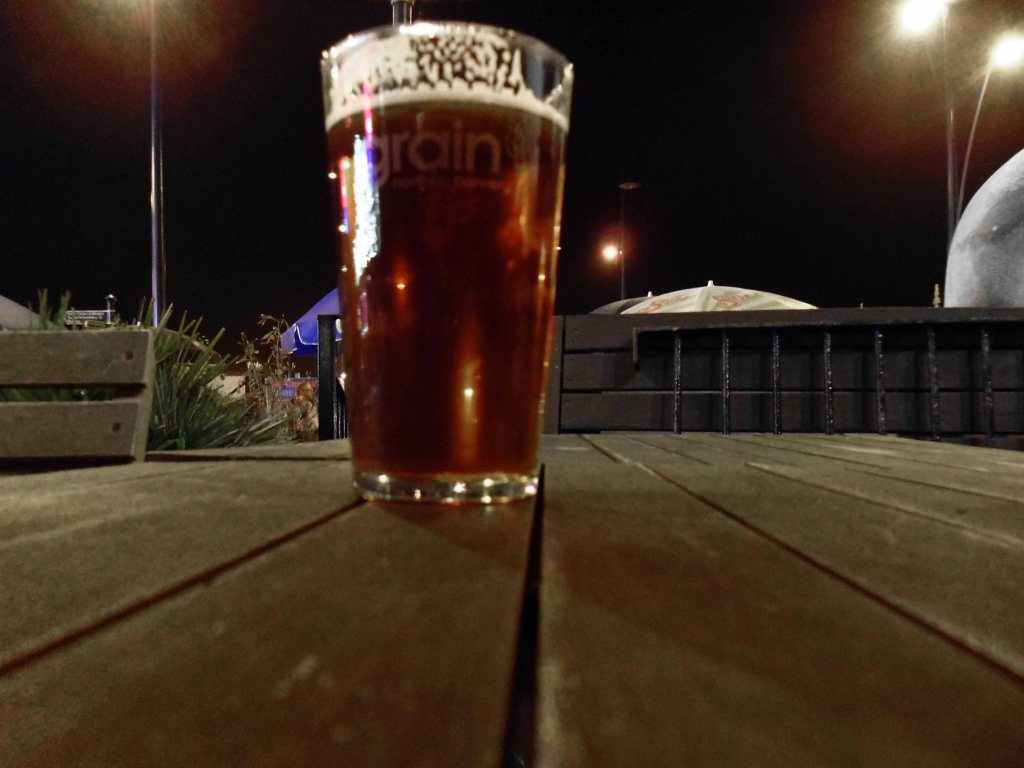
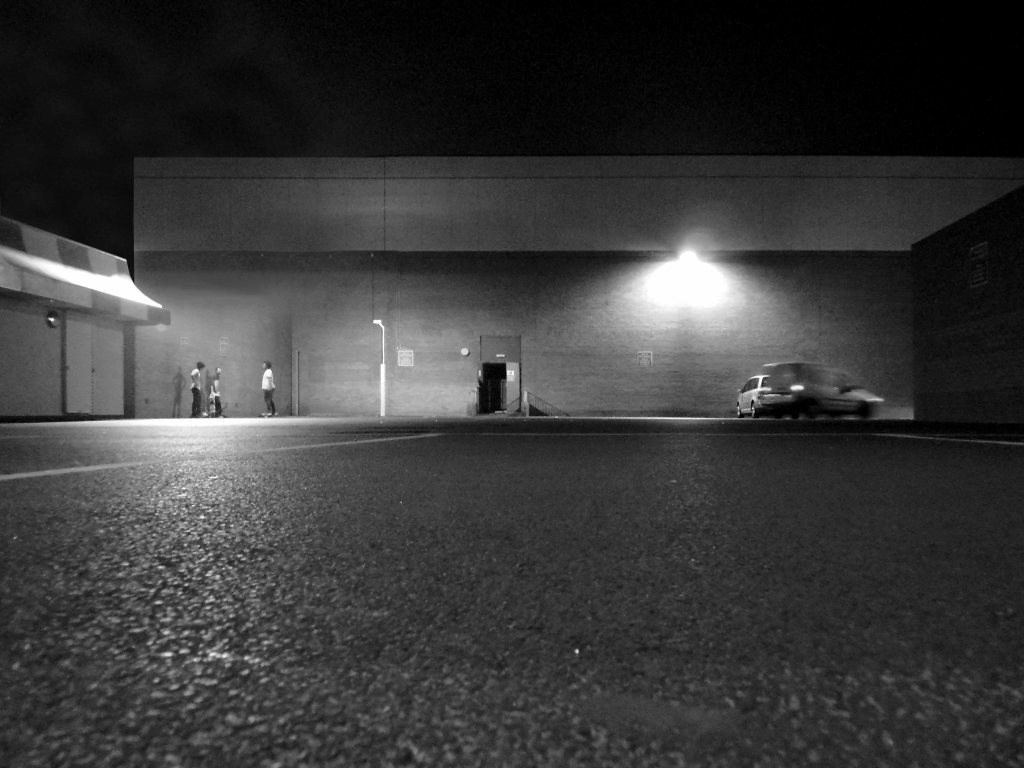
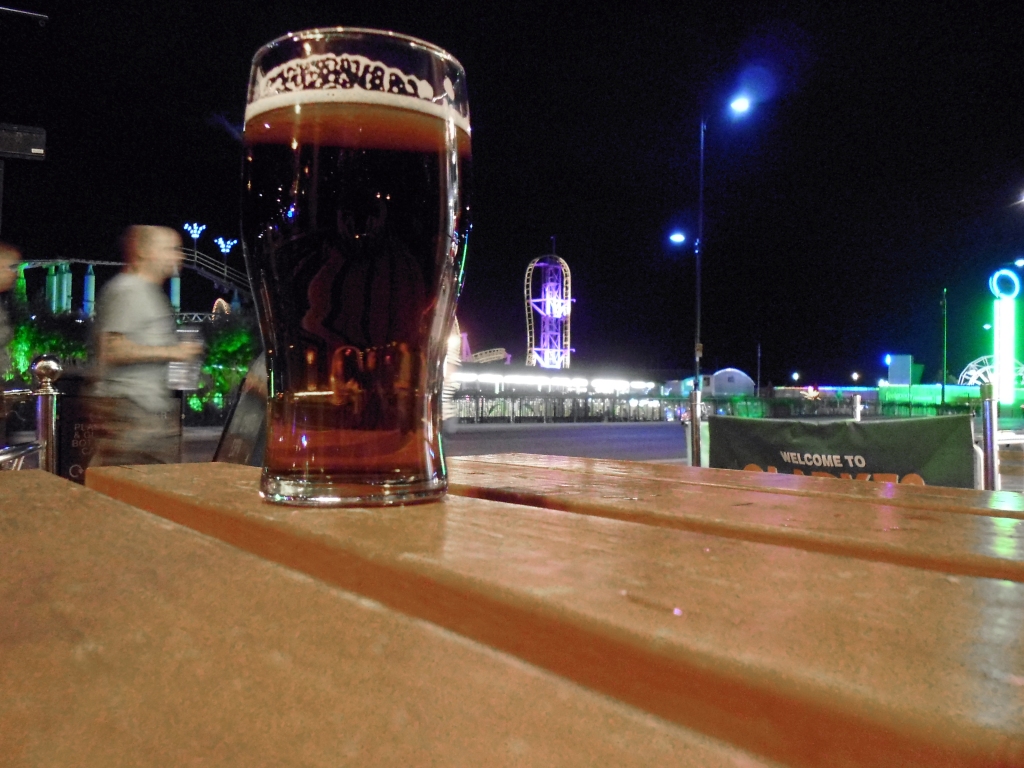
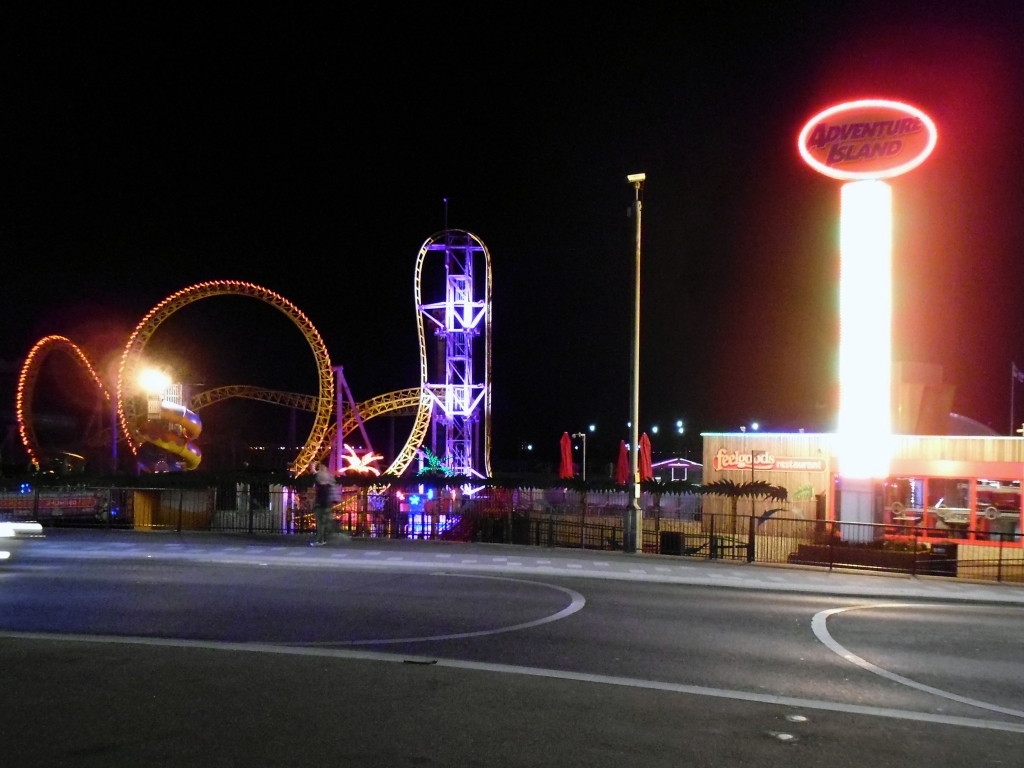
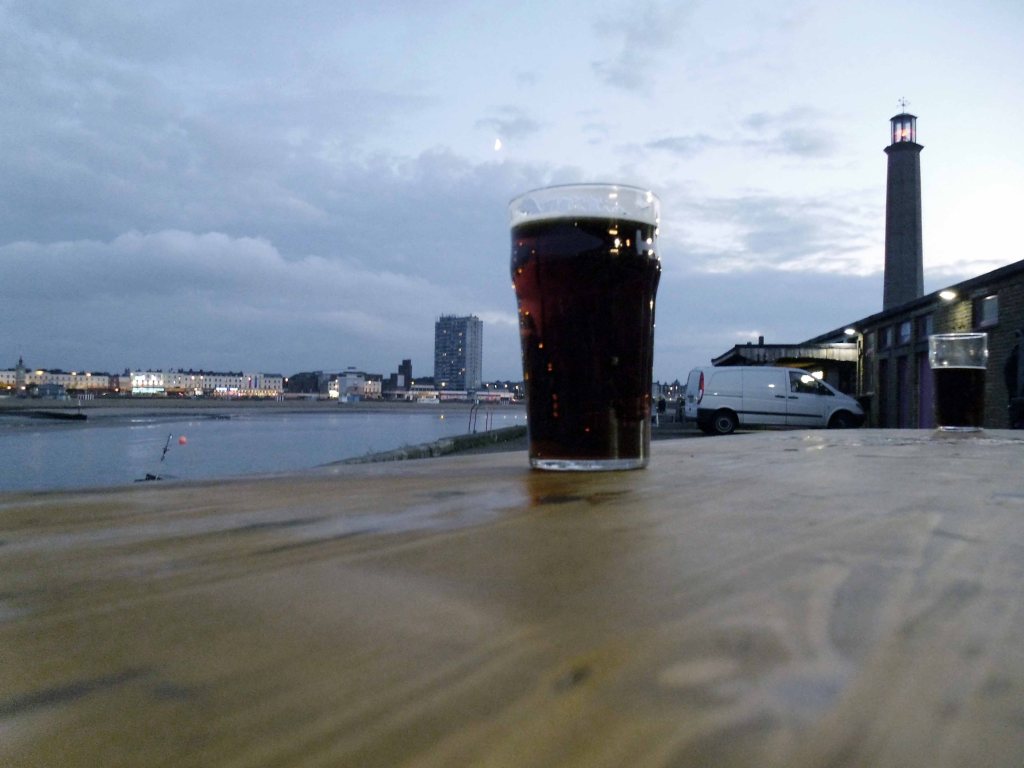
Some pints don’t touch the sides – this and several others didn’t, ‘neath the flickering lights of Southend by night.

A wobbly walk along the prom.

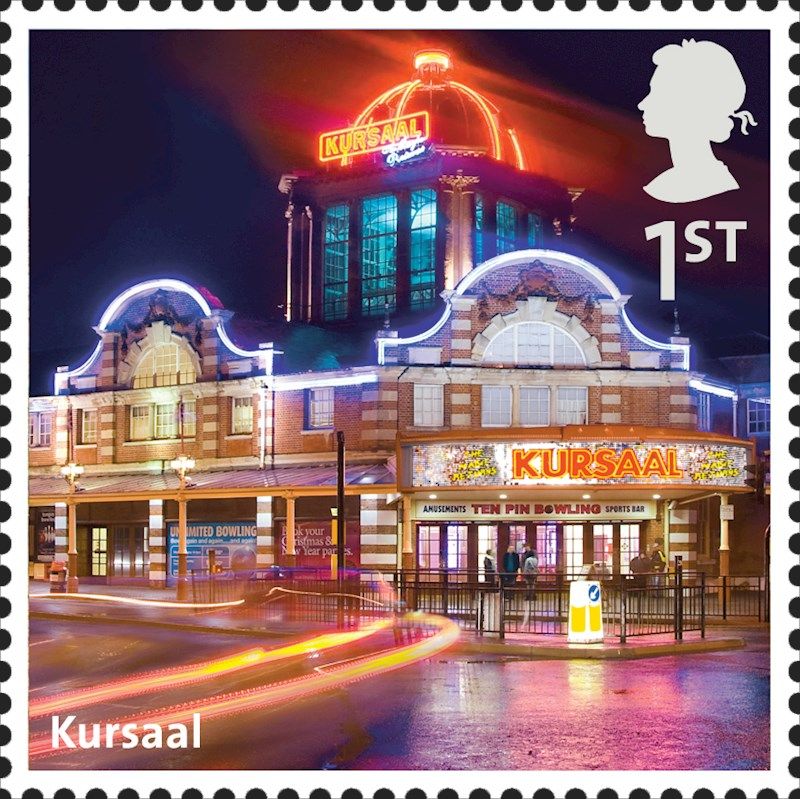
Fetching up with pic of the Kursaal.

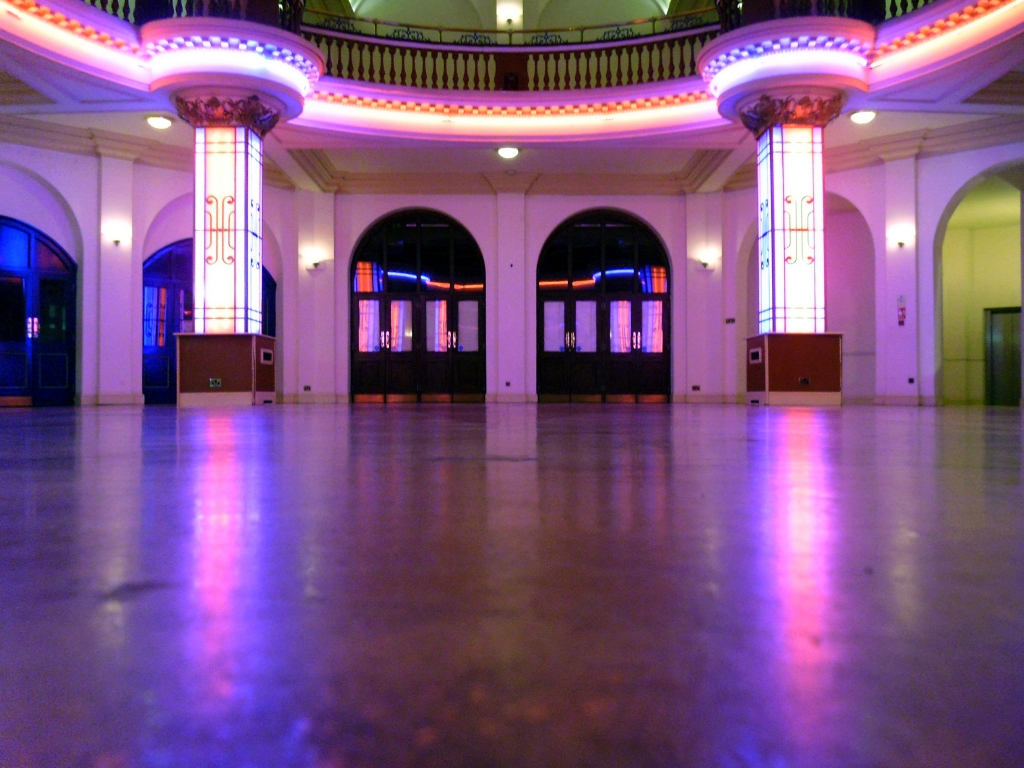
The Kursaal is a Grade II listed building in Southend-on-Sea which opened in 1901 as part of one of the world’s first purpose-built amusement parks. The venue is noted for the main building with distinctive dome, designed by Campbell Sherrin, which has featured on a Royal Mail special edition stamp.

Wikipedia

Night night.

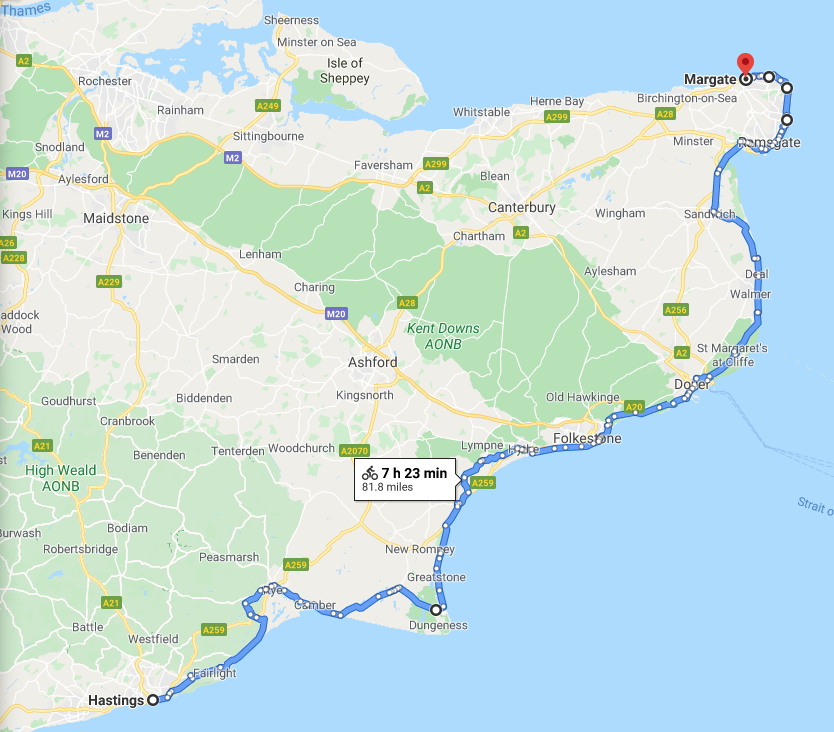
Hastings To Margate

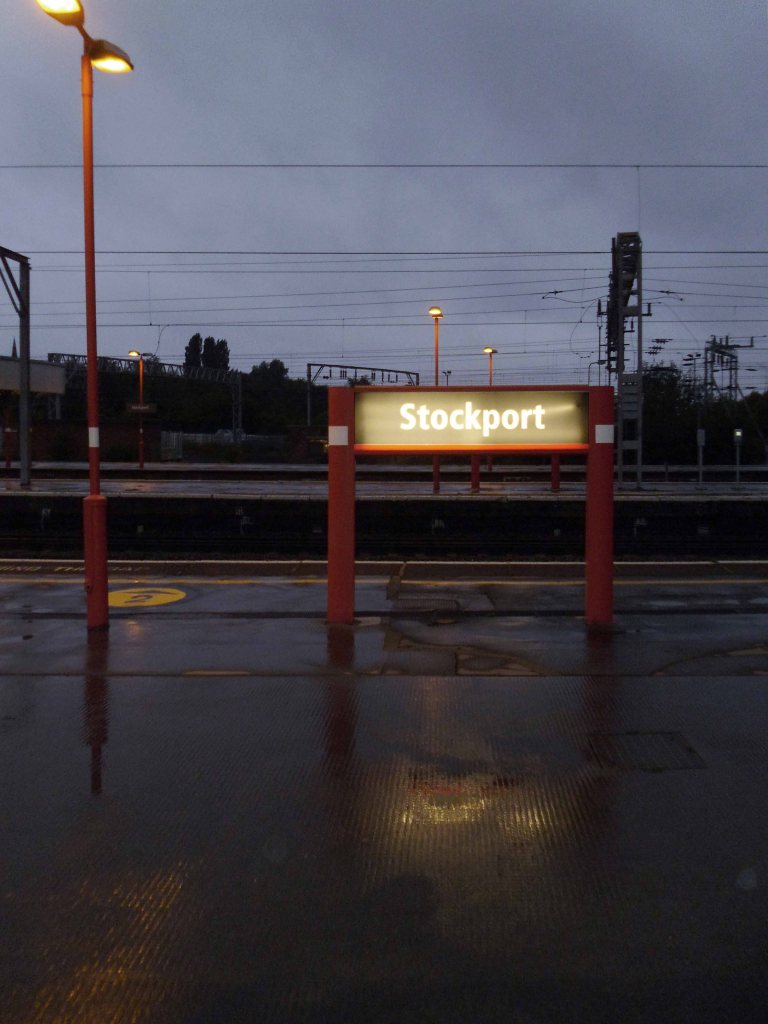
Early one morning, six o’clock on Saturday 30th August 2014 to be precise – I set out on my bike from my humble Stockport home, Pendolino’d to Euston, London Bridged to Hastings.

It was my intention to follow the coast to Cleethorpes, so I did.

Five hundred miles or so in seven highly pleasurable days awheel, largely in bright late summer sun. Into each life however, some rain must fall, so it did.

Kent, Essex, Suffolk, Norfolk and Lincolnshire flashed by slowly in lazy succession, to the right the sea – you can’t get lost, though I did. Following Sustrans signs is relatively easy, as long as they actually exist, when I reached Kings Lynn I decided to buy a map.

I set out at eight o’clock on Monday 1st September – I had taken early retirement in March. I would have normally been enrolling new students and teaching photography in a Manchester Further Education College, as I had done for the previous thirty years.

Not today thanks.

With the wind and my former career behind me, I cycled on with an unsurpassable sense of lightness and elation.

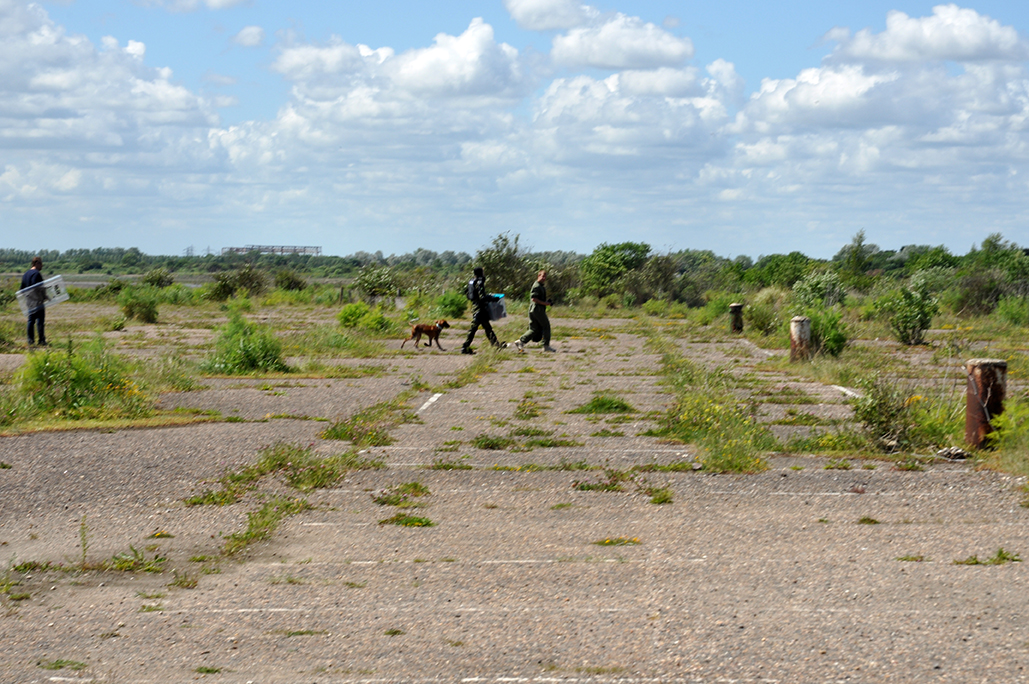
This is what I saw.

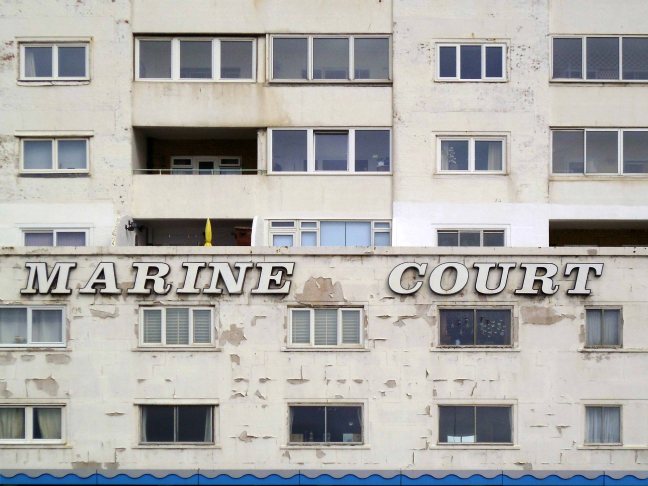
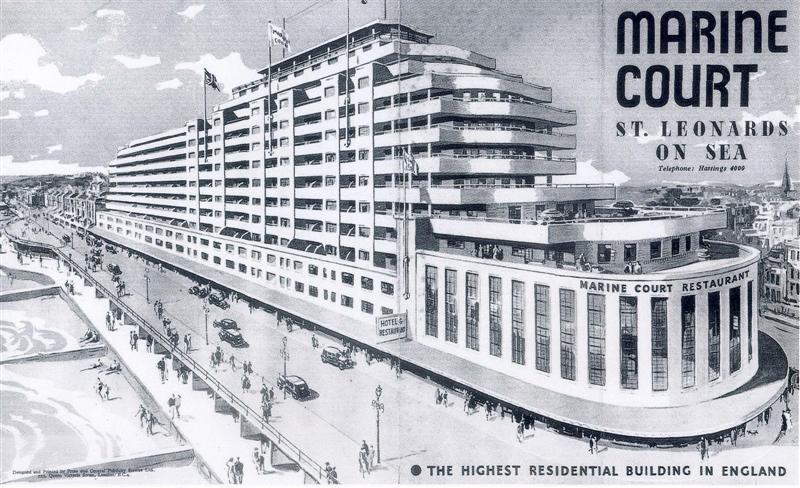
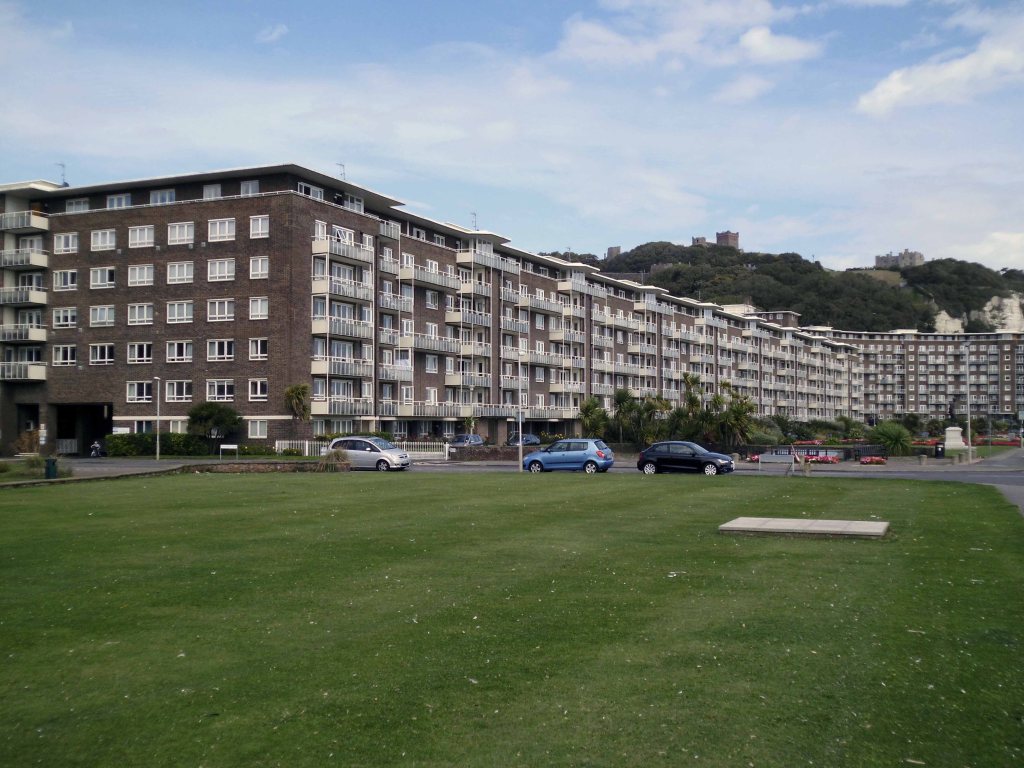
Above and below is Marine Court

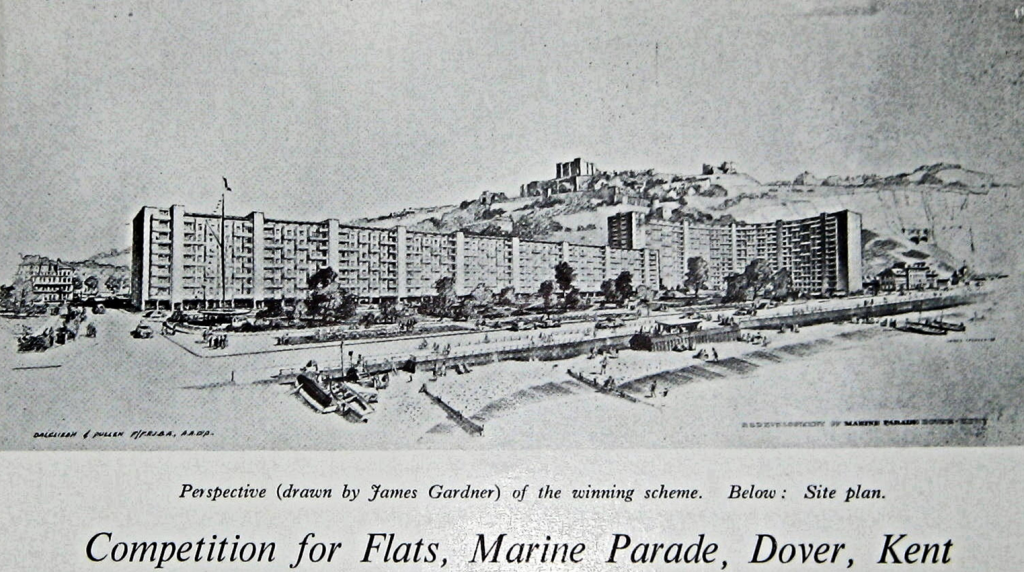
The building was designed by architects Kenneth Dalgleish and Roger K Pullen, with overt references to the Cunard White-Star Line Queen Mary, which had entered commercial transatlantic service in 1936. The east end of Marine Court is shaped to imitate the curved, stacked bridge front of the Queen Mary; the eastern restaurant served to imitate the fo’c’sle deck of the ship.

Modernist Britain

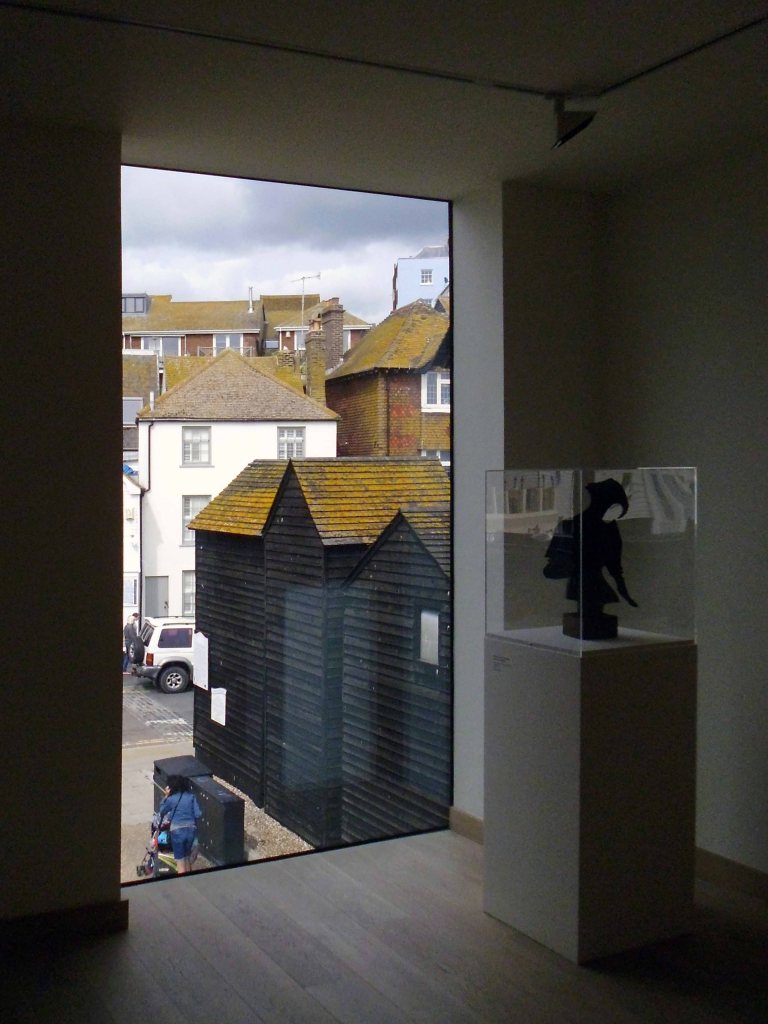
The then Jerwood Gallery looking towards the Old Town’s distinctive fisherman’s sheds.

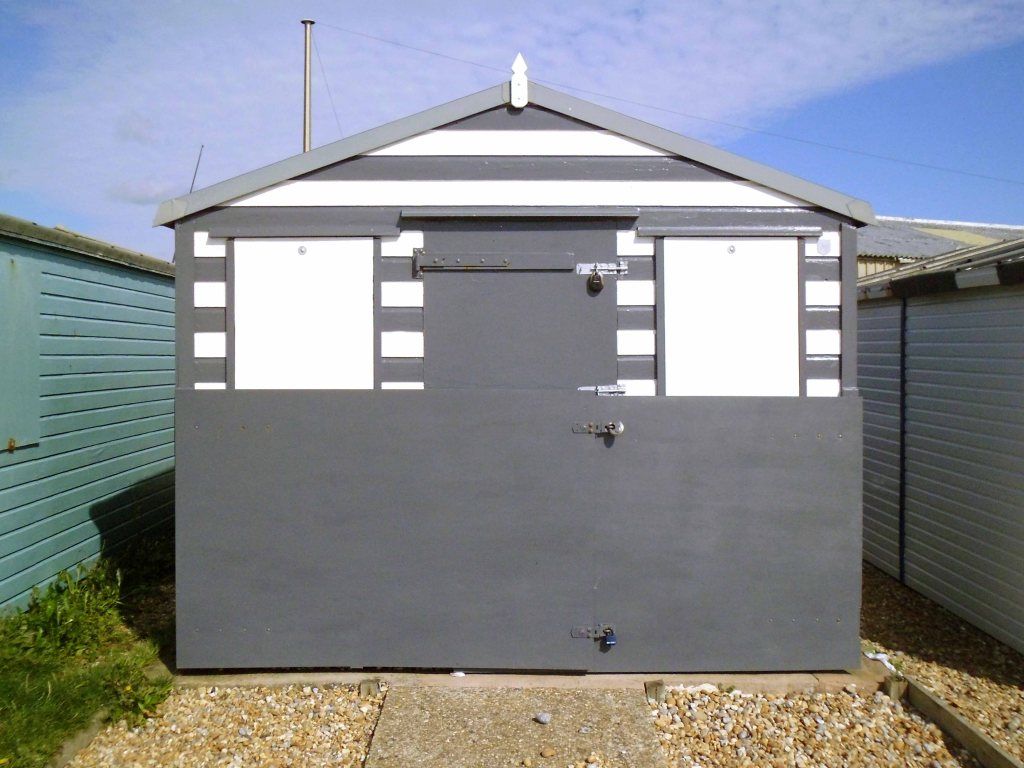
One grey beach hut bucks the trend.

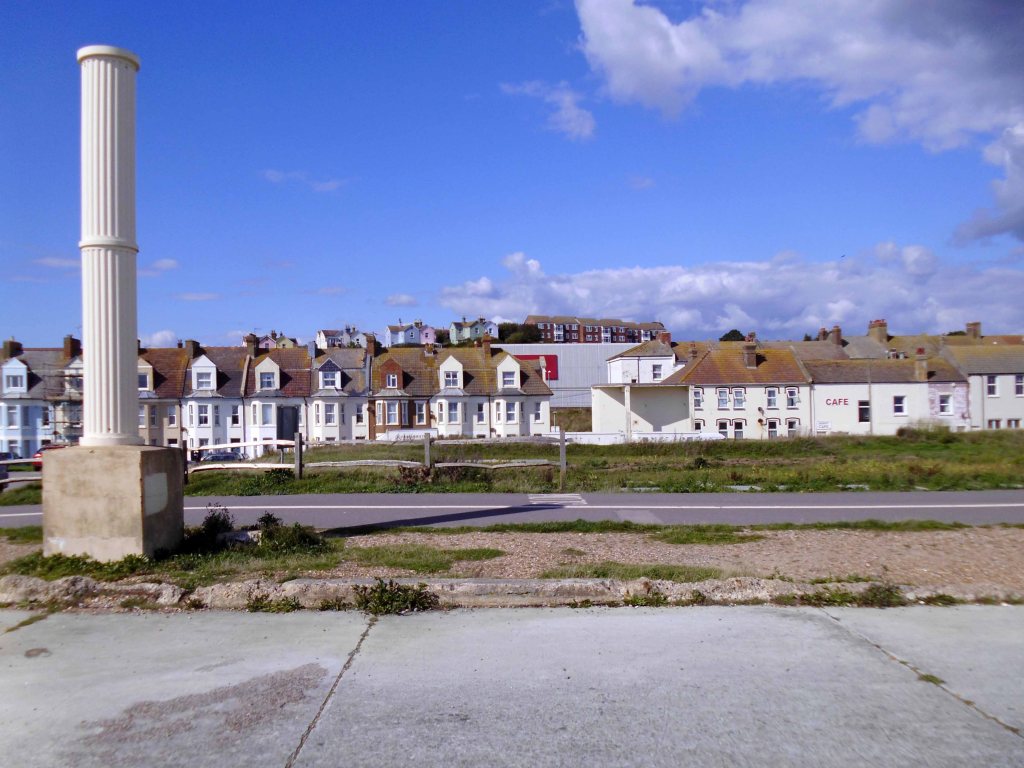
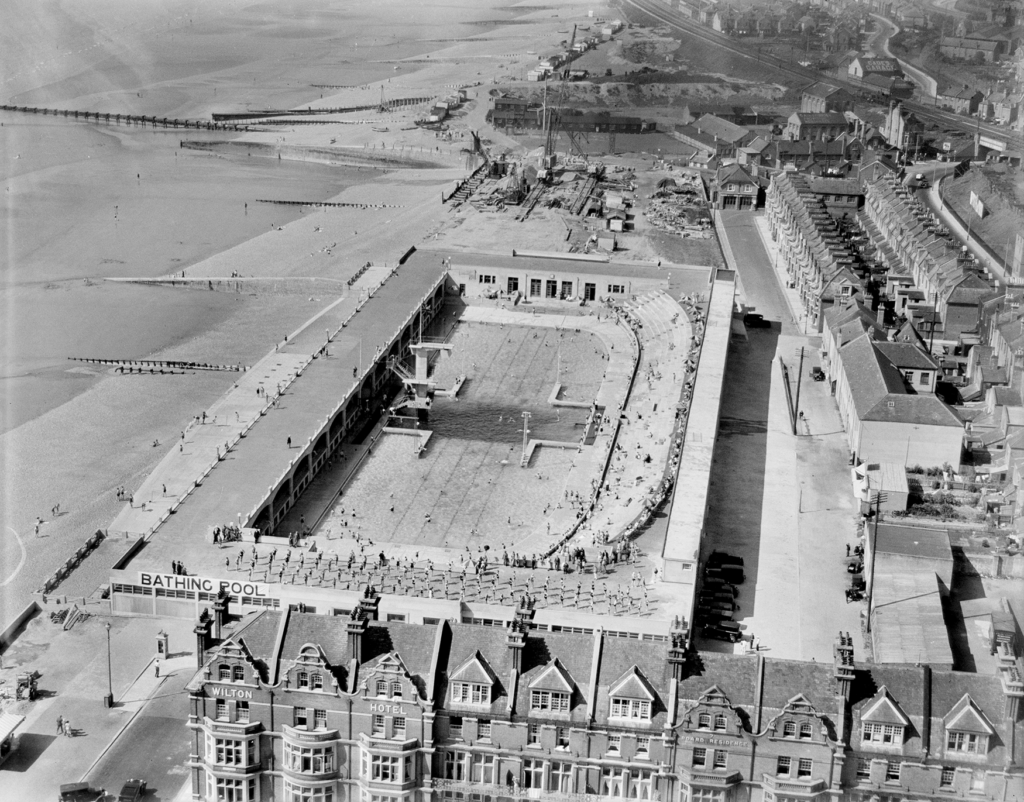
This is all that remains of the St Leonard’s Lido

Photo Historic England

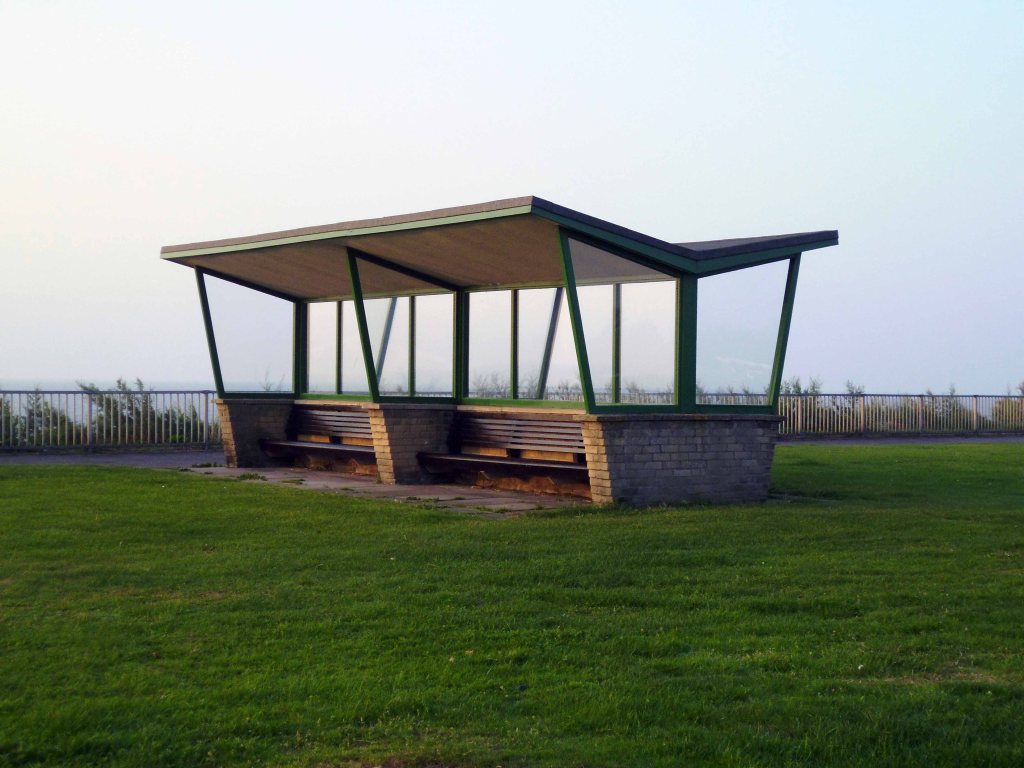
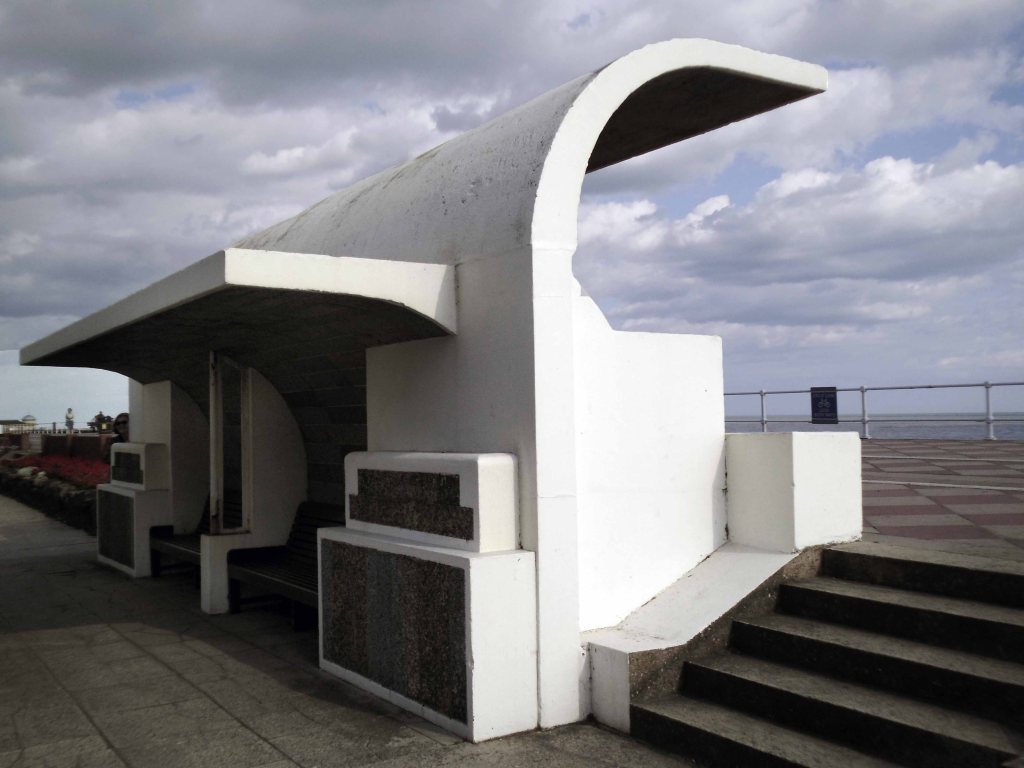
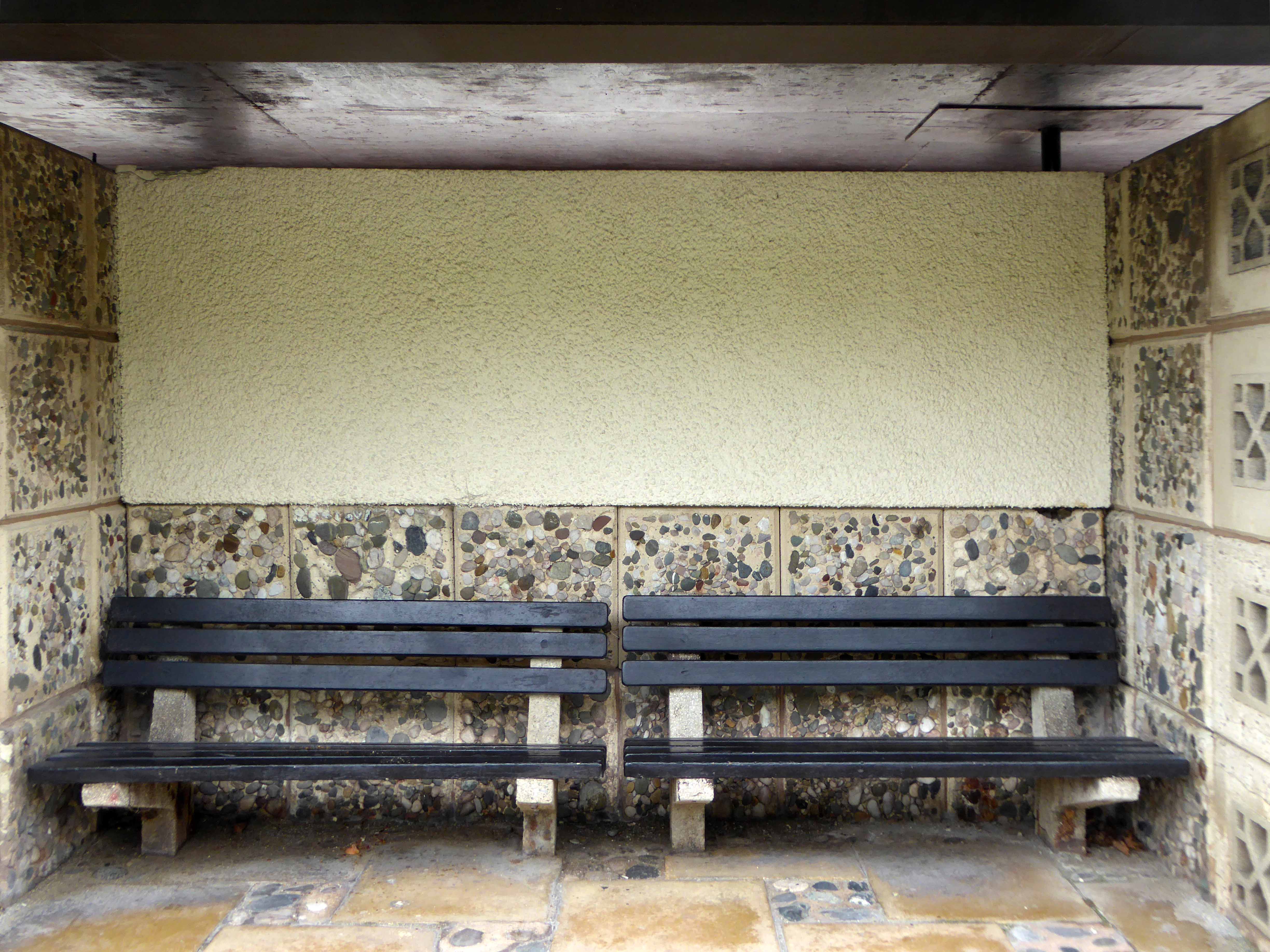
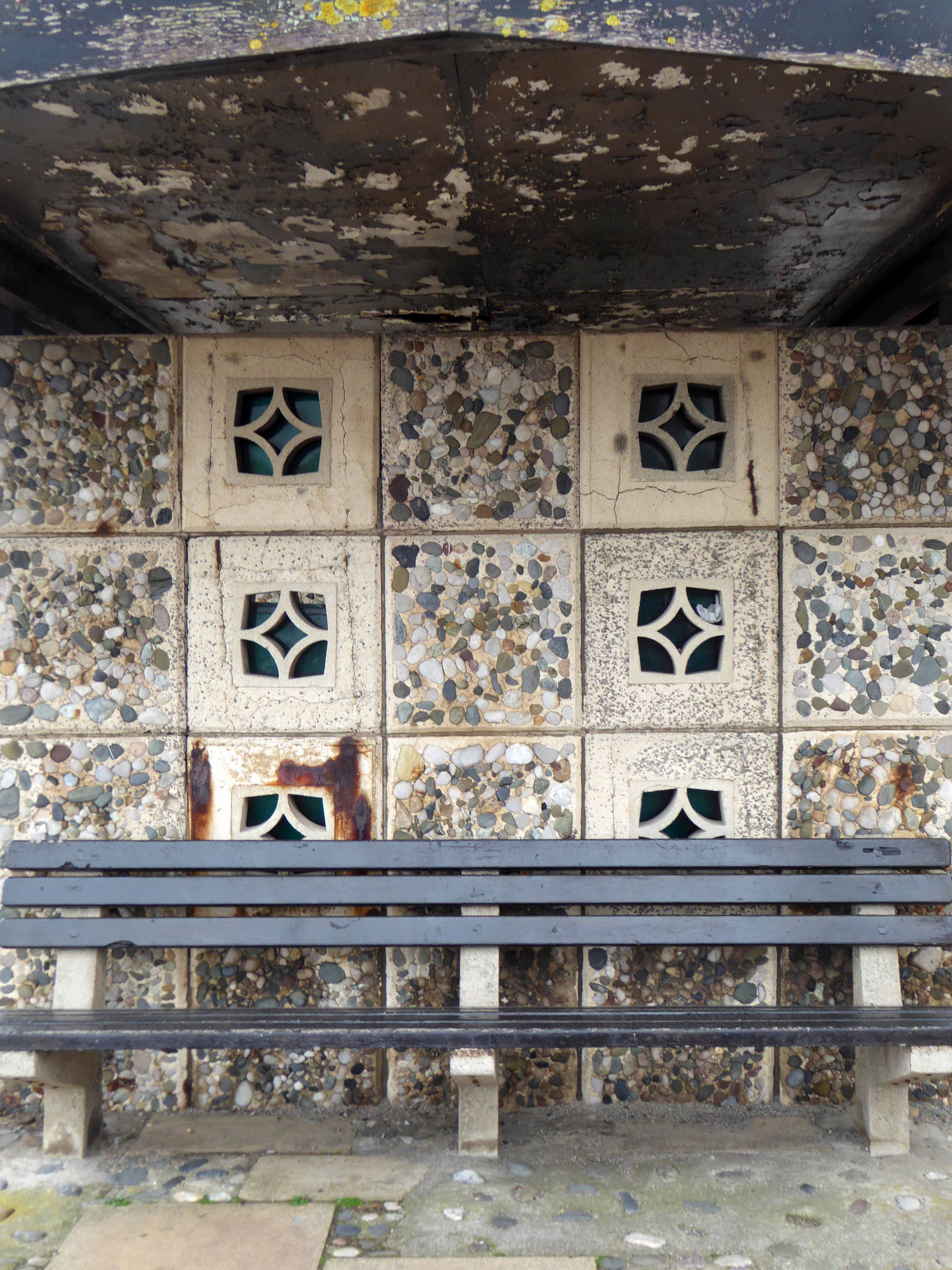
This is one of many seaside shelters devised by Sidney Little in constructing the concrete promenade – let’s head east.

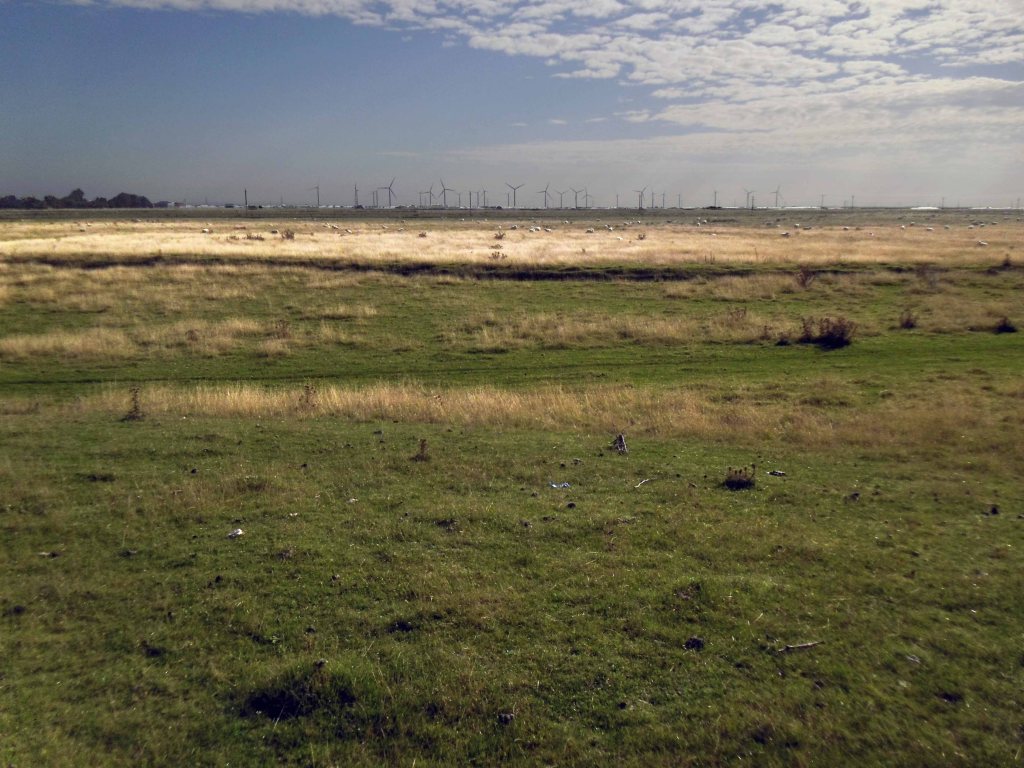
The view across the Romney Marshes from Camber toward Dungeness – which on this occasion I bypassed.

Harold Gilman

Beloved of many passing painters.

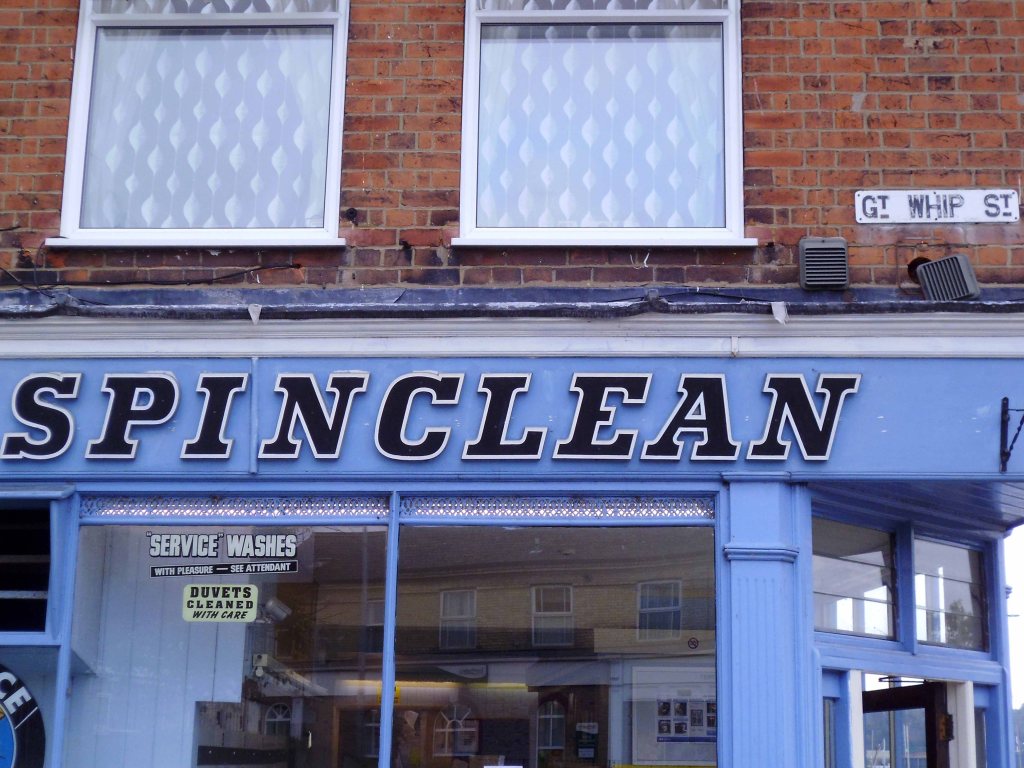
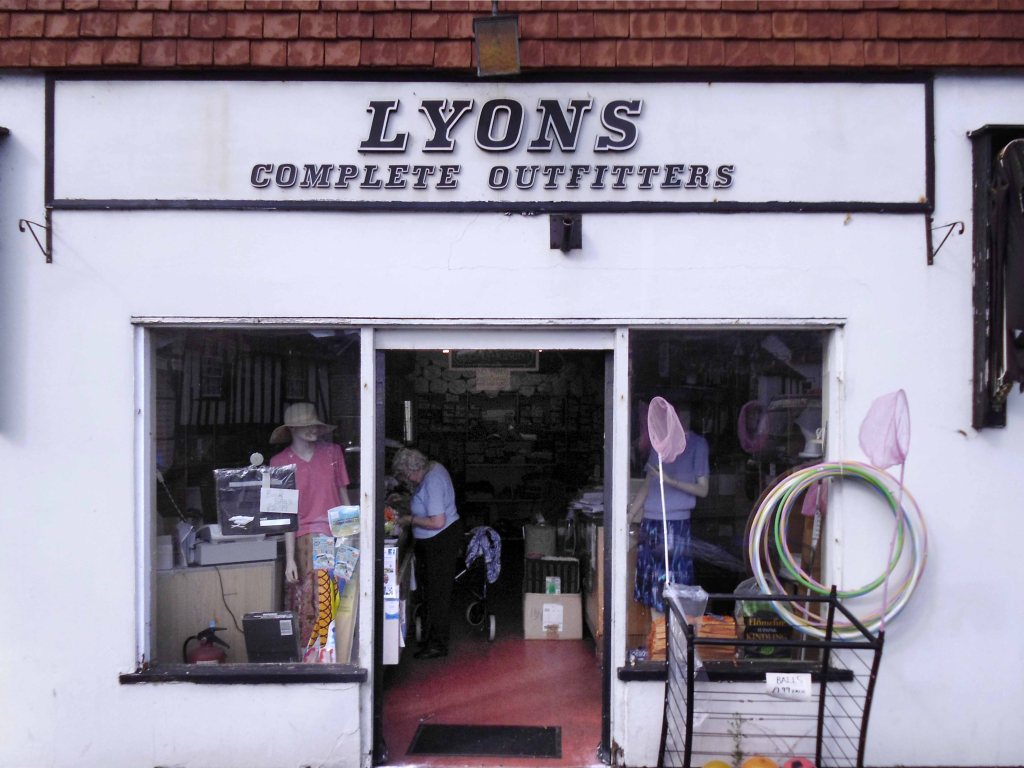
The first Profil aka Stymie Bold Italic encounter – Lyons of Lydd Romney.

Designed by Max and Eugen Lenz and first cast by Haas in 1947.

Fonts in Use

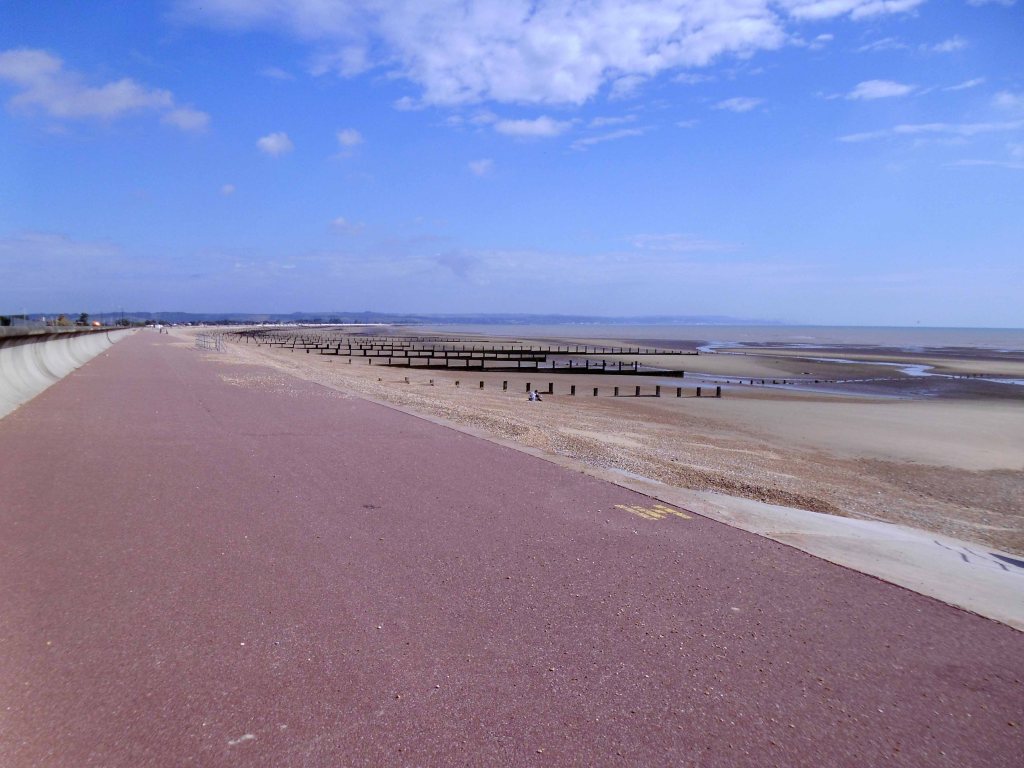
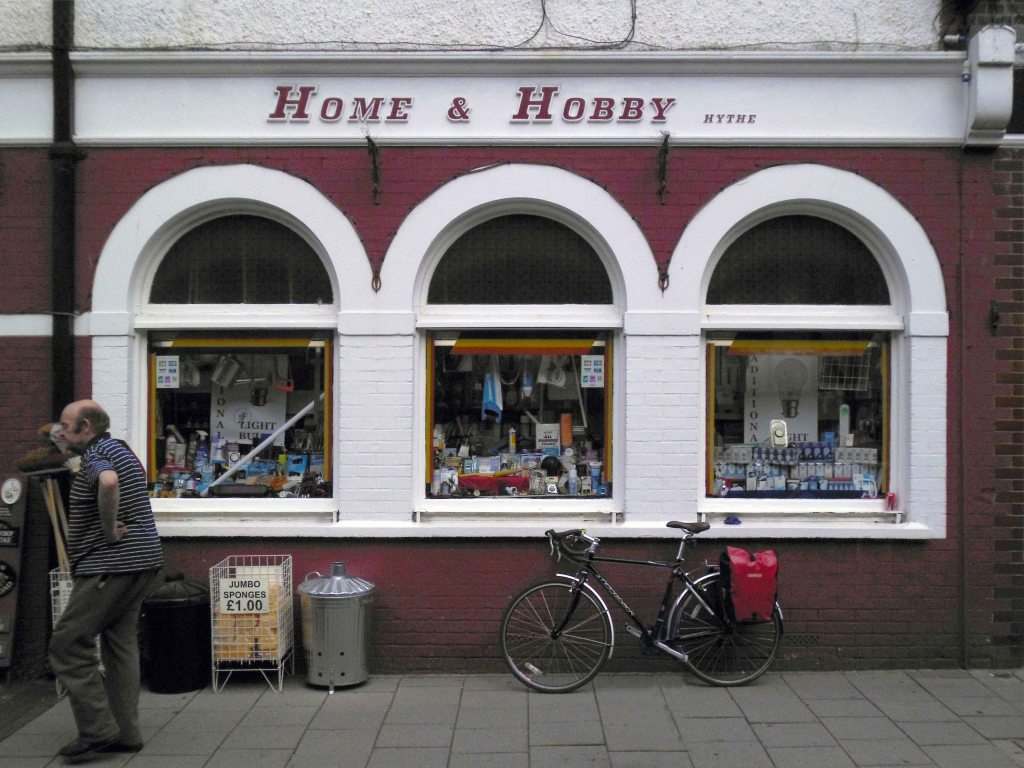
Heading towards Hythe on the coastal defence path.

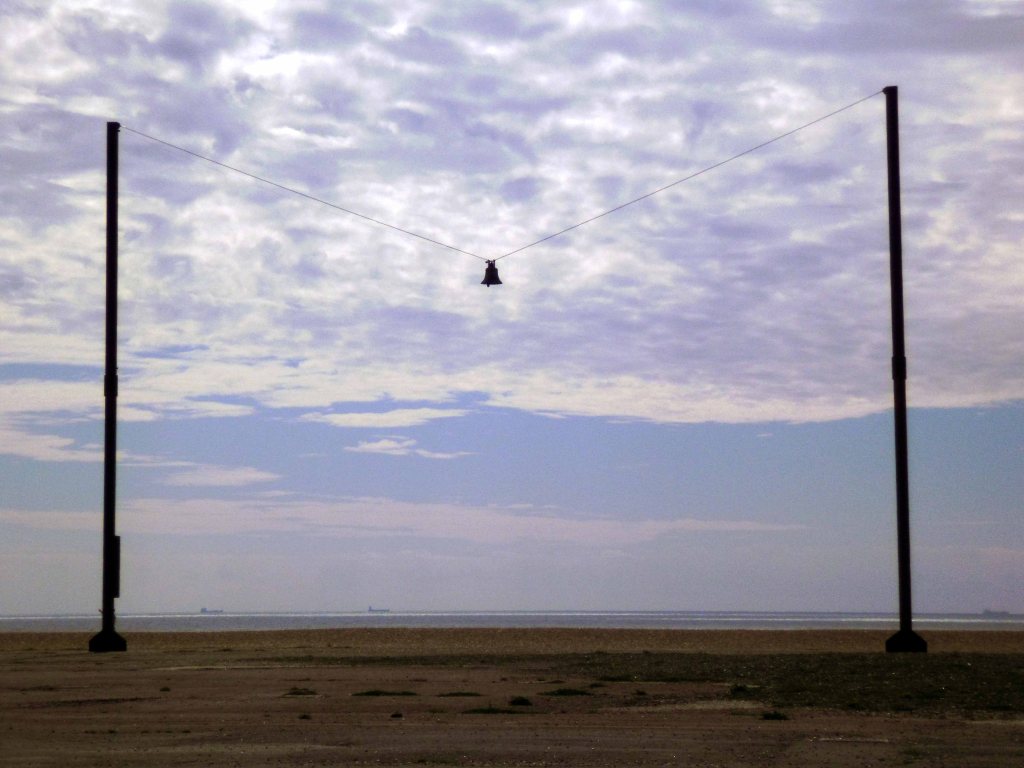
Out of Tune Folkestone Seafront, opposite The Leas Lift – is home to AK Dolven’s installation. It features a 16th-century tenor bell from Scraptoft Church in Leicestershire, which had been removed for not being in tune with the others. It is suspended from a steel cable strung between two 20m high steel beams, placed 30m apart.

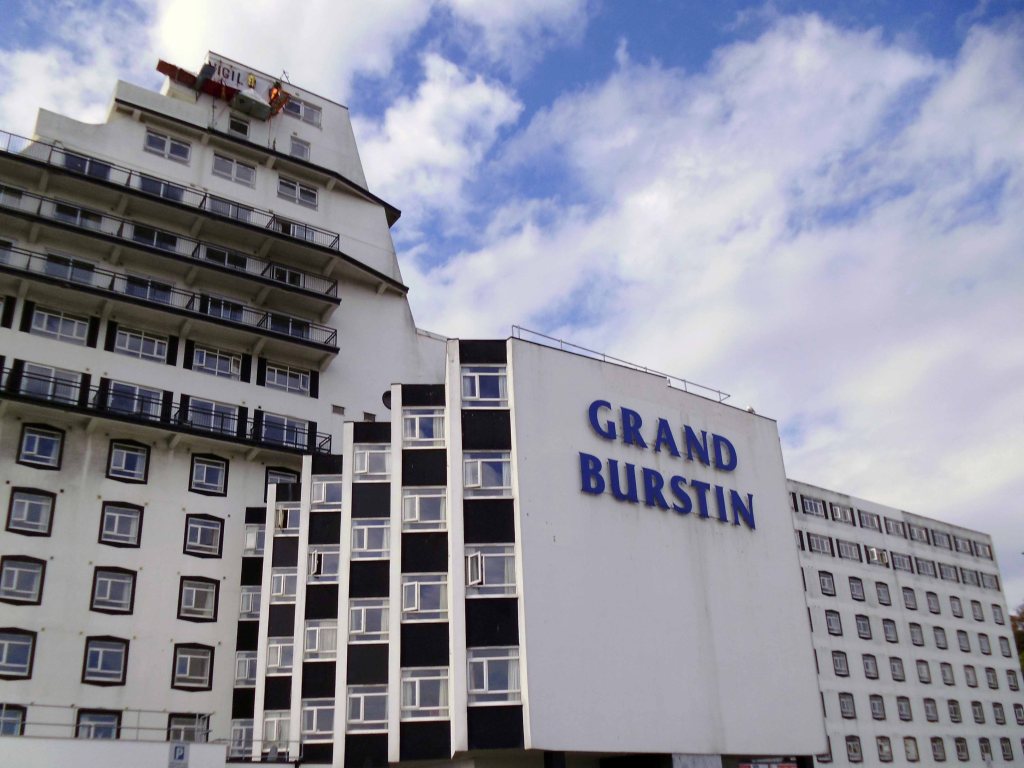
For Folkestone Triennial 2014, Alex Hartley’s response to the title Lookout is inspired by the imposing architecture of the Grand Burstin Hotel, which overlooks the Harbour. For his project Vigil, Hartley will use state of the art climbing technology to make a lookout point suspended from the highest point of the hotel. This climber’s camp will be inhabited for the duration of the Triennial, by the artist and by volunteers, all of whom will keep a log of what they observe. 

The current hotel was built in 1984 from the foundations of the Royal Pavilion Hotel, originally built in 1843. Out of the 4,094 reviews currently on TripAdvisor 974 are of the terrible rating which doesn’t inspire much hope.

The most recent review is titled – Dirty Dated Hotel With Clueless Staff.

Kent Live 2018

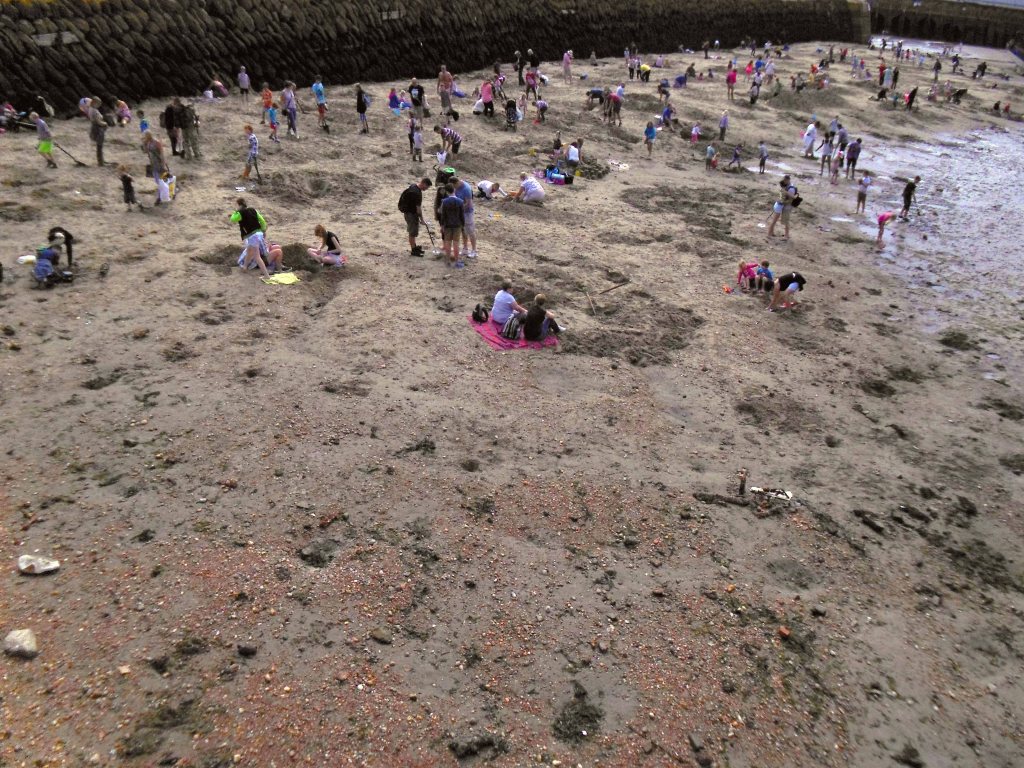
Gold rush with spades after artist Michael Sailstorfer hides £10,000 of gold on foreshore for town’s Triennial arts festival.

Guardian

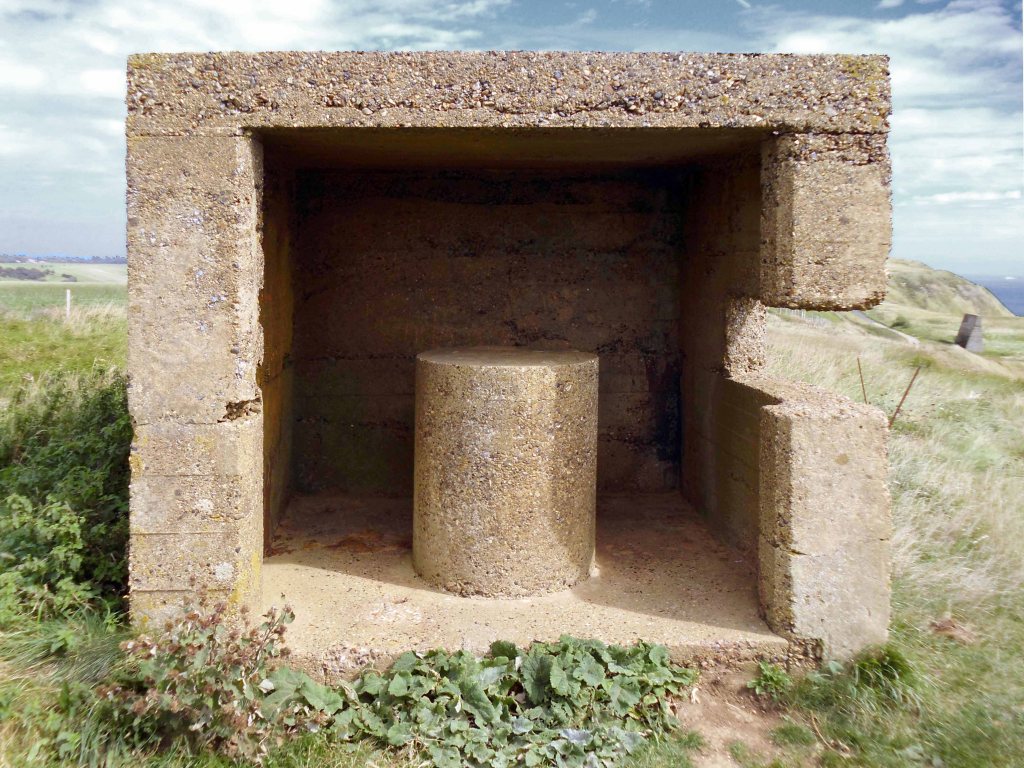
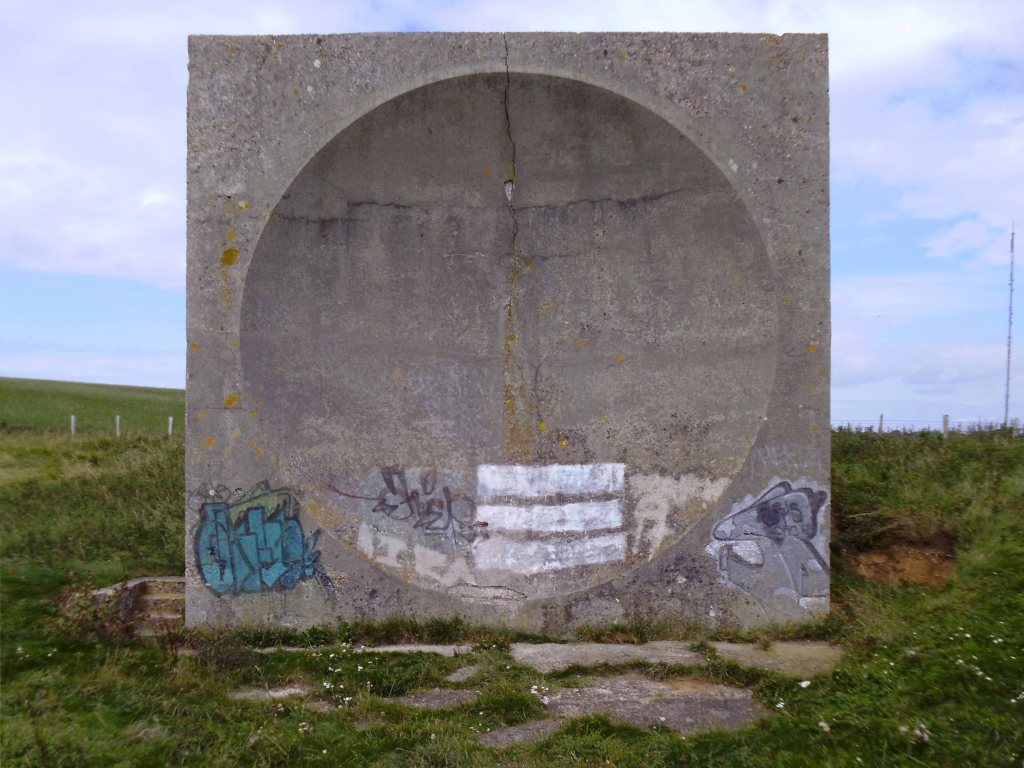
Abbot’s Cliff acoustic mirrors

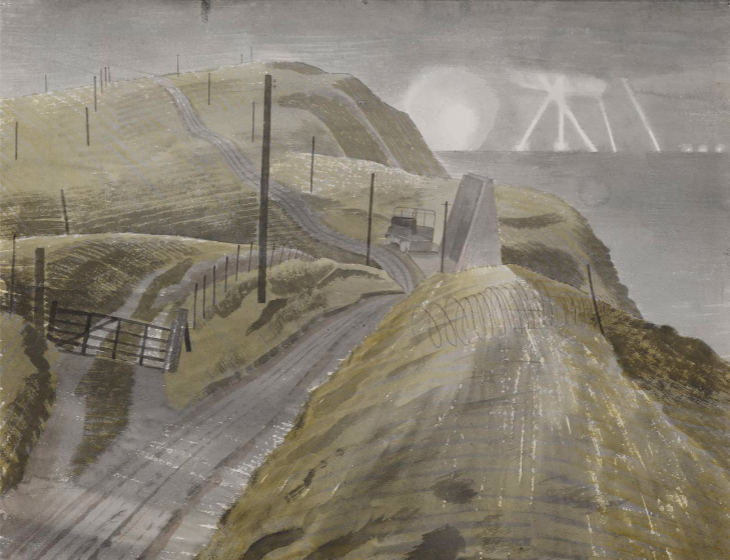
Before the advent of radar, there was an experimental programme during the 1920s and 30s in which a number of concrete sound reflectors, in a variety of shapes, were built at coastal locations in order to provide early warning of approaching enemy aircraft. A microphone, placed at a focal point, was used to detect the sound waves arriving at and concentrated by the acoustic mirror. These concrete structures were in fixed positions and were spherical, rather than paraboloidal, reflectors. This meant that direction finding could be achieved by altering the position of the microphone rather than moving the mirror.

Graham Stephen

Eric Ravilious Abbot’s Cliff – 1941

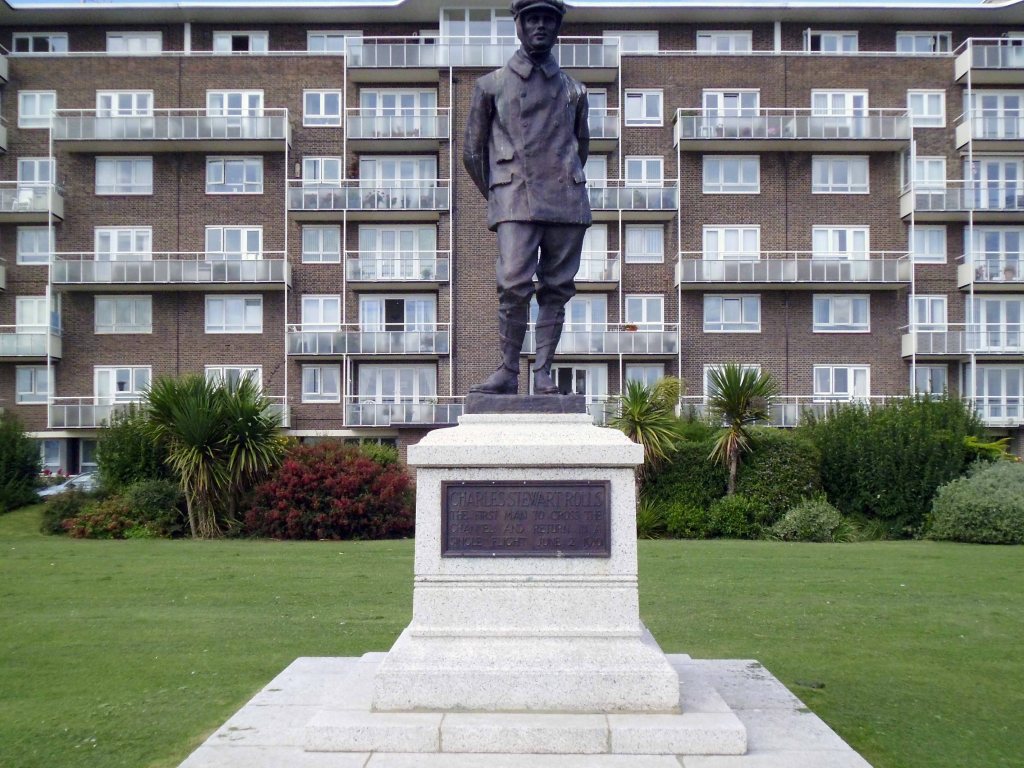
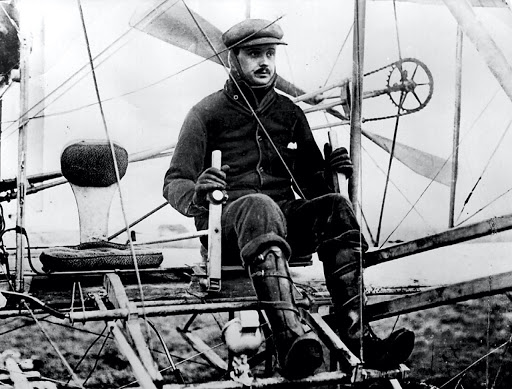
Charles Stewart Rolls was a Welsh motoring and aviation pioneer. With Henry Royce, he co-founded the Rolls-Royce car manufacturing firm. He was the first Briton to be killed in an aeronautical accident with a powered aircraft, when the tail of his Wright Flyer broke off during a flying display in Bournemouth.

In September 1953 it was announced that Roger K Pullen and Kenneth Dalglish had won and were to receive 100 guineas, for a design for the Gateway Flats.

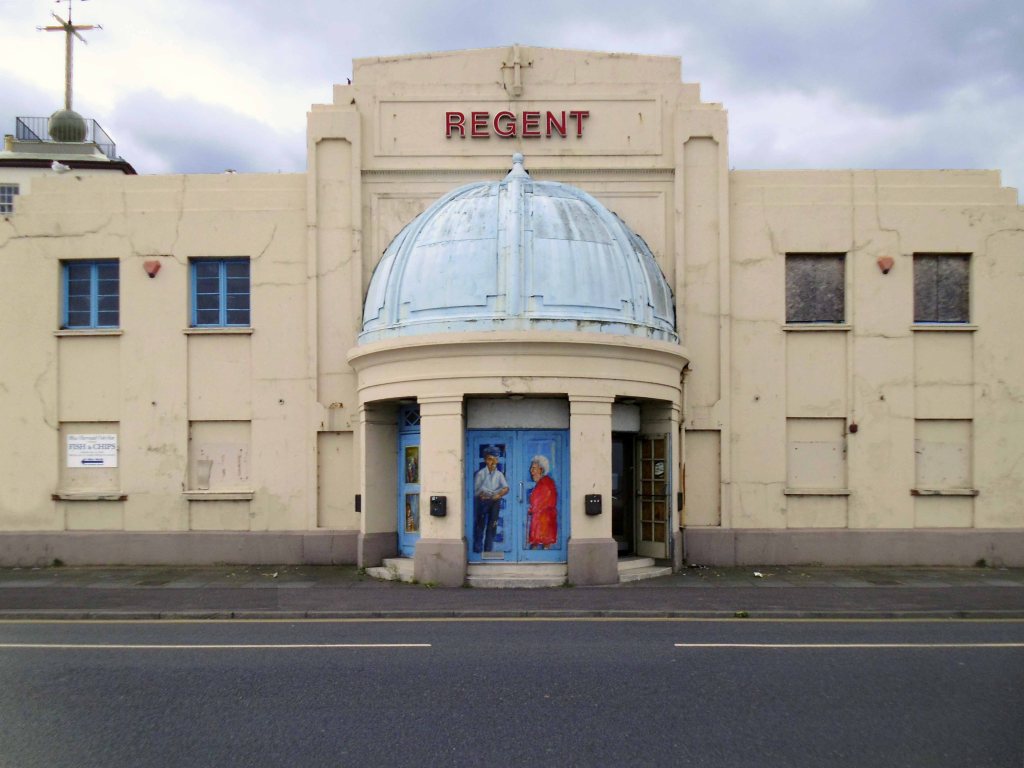
Local folks would love to re-open The Regent

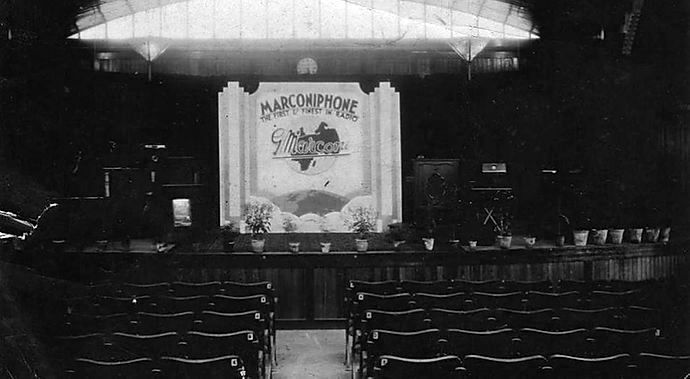
Behind the Art Deco facade of the Regent was once a grand ironwork and glass Pavilion, built to house regular performances by military bands, which the Edwardian holidaymakers loved. The Lord Warden of the Cinque ports, Lord Beauchamp, officially opened the Pavilion Theatre on Deal’s seafront in 1928.

Cinema Treasures

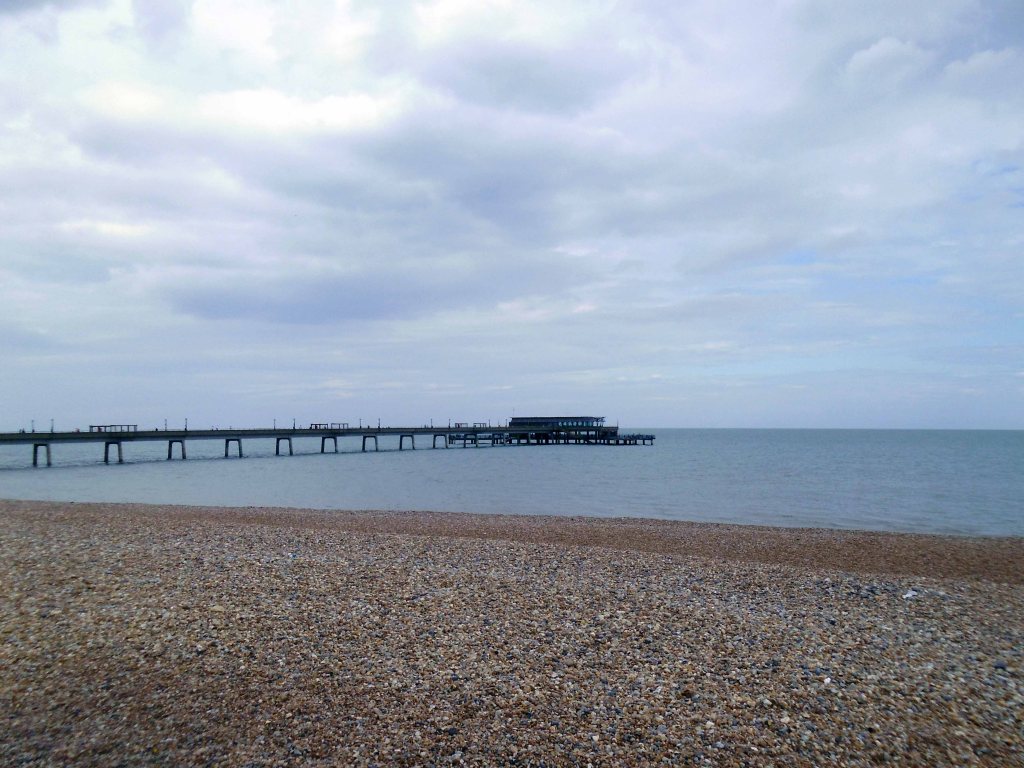
Deal Pier was designed by Eugenius Birch and opened on 8th November 1864, in 1954 work started on Deal’s third and present-day pier. The new pier took three years to build and was formally opened by the Duke of Edinburgh on 19 November 1957. It was the first seaside pleasure pier of any size to be built since 1910. Designed by Sir W Halcrow and Partners, the 1026ft-long structure comprises steel piles surrounded by concrete casings for the main supports. The pier head originally had three levels but, these days, the lower deck normally remains submerged.

Deal Web

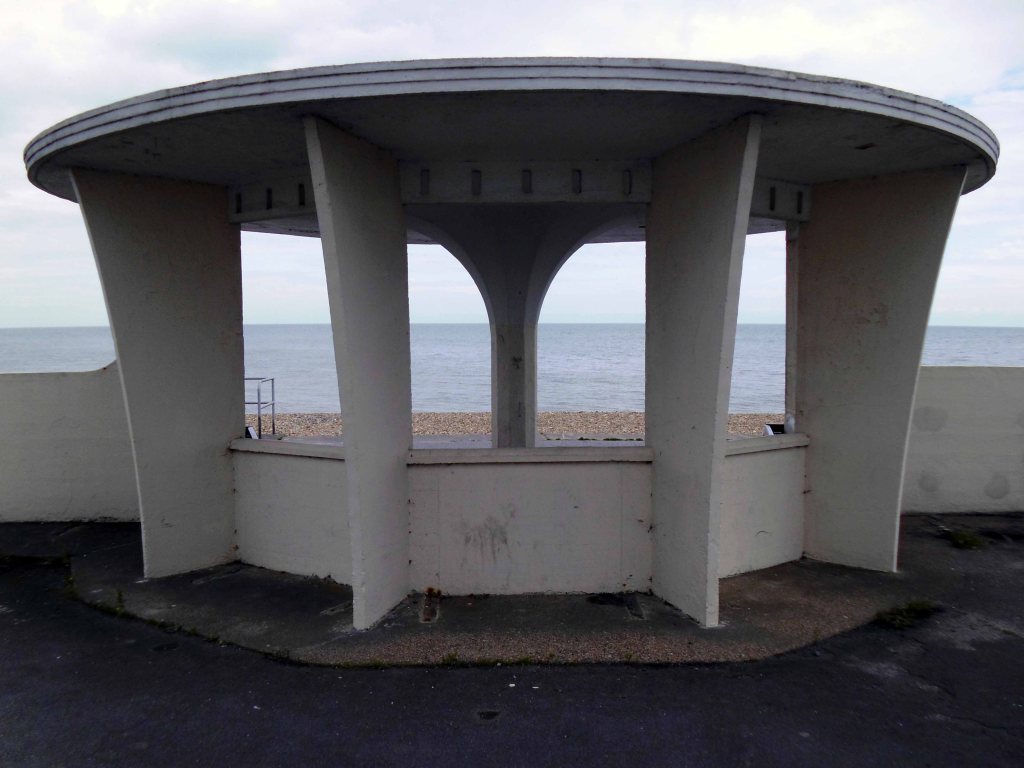
Seafront Shelters Deal

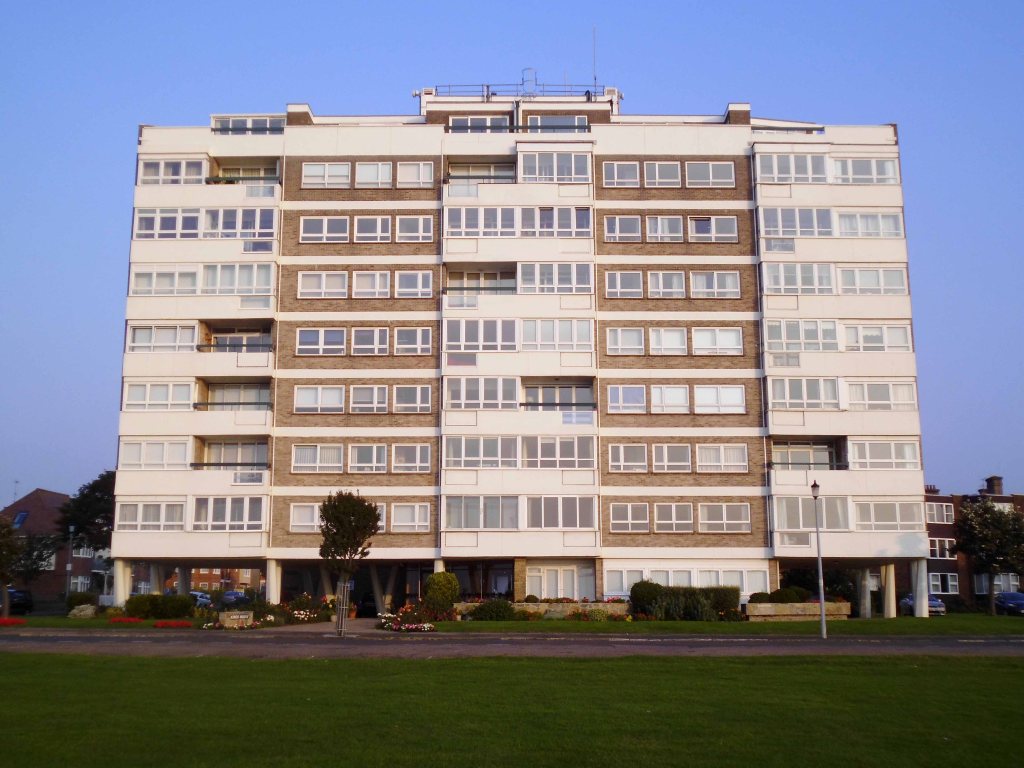
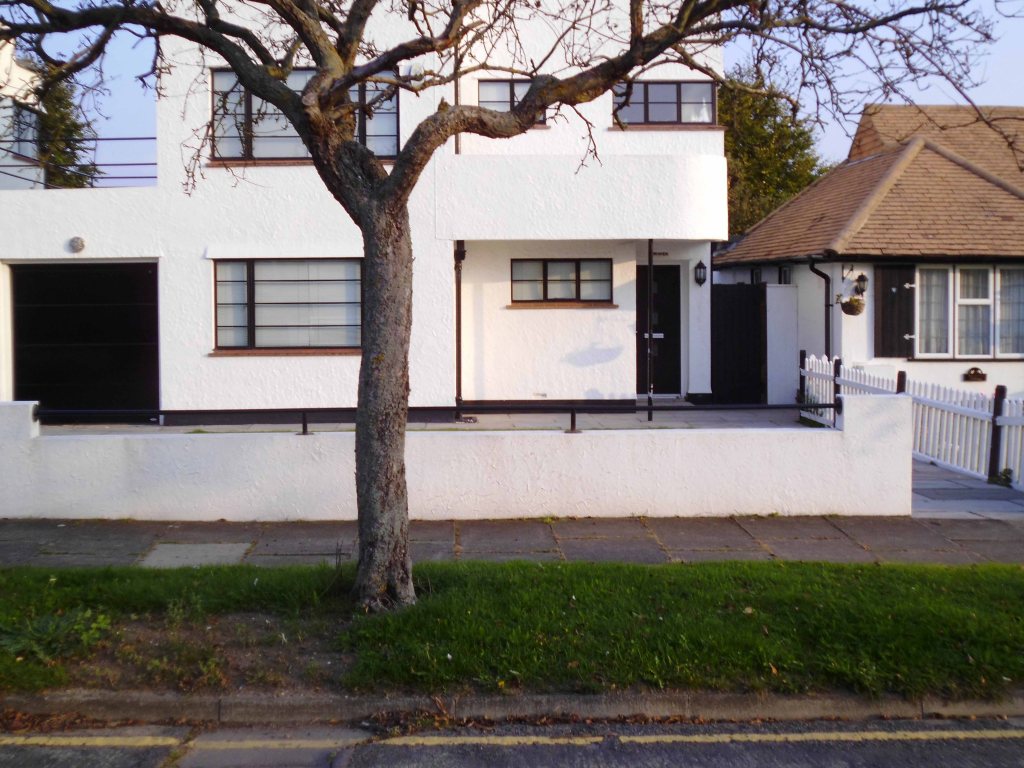
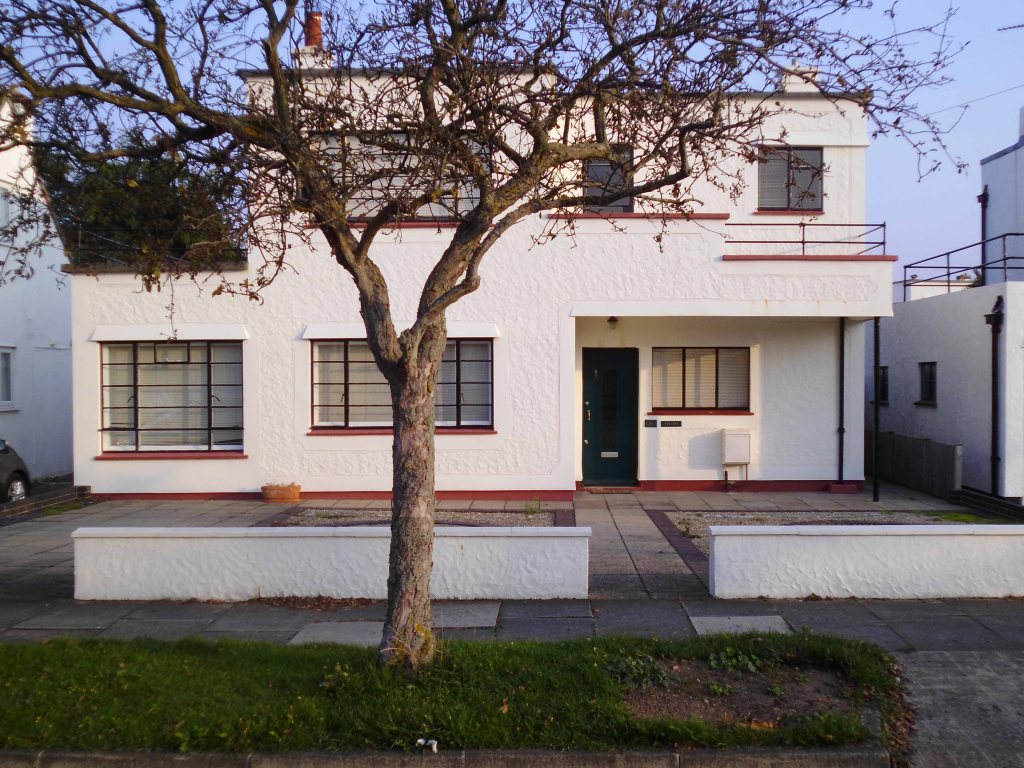
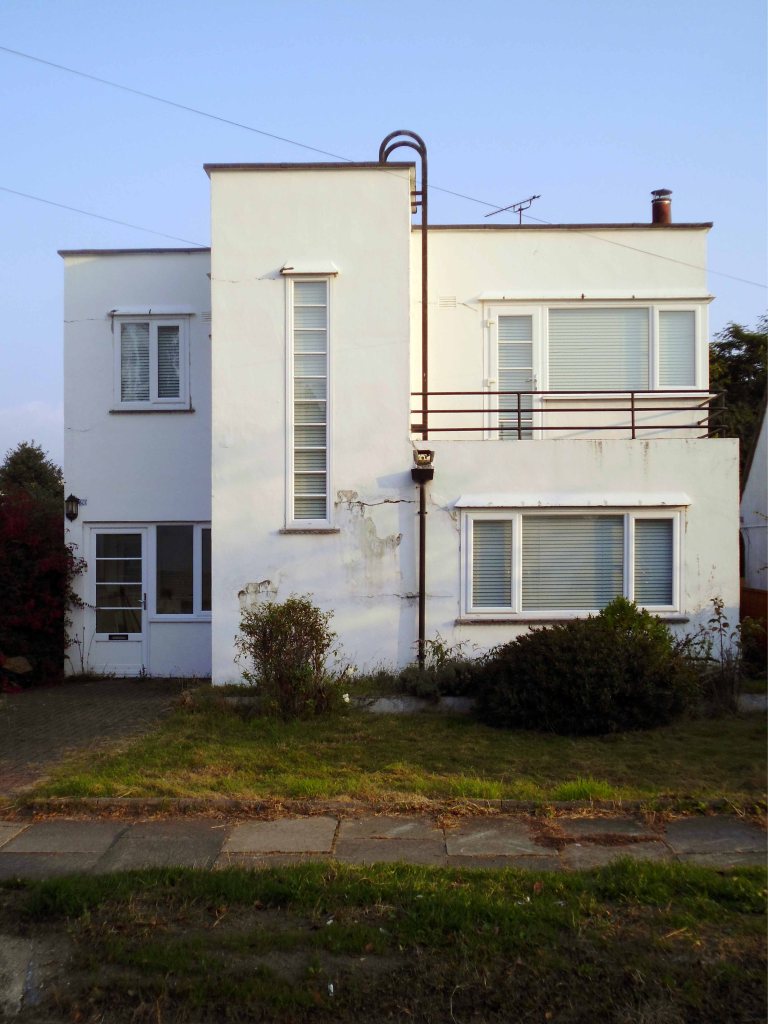
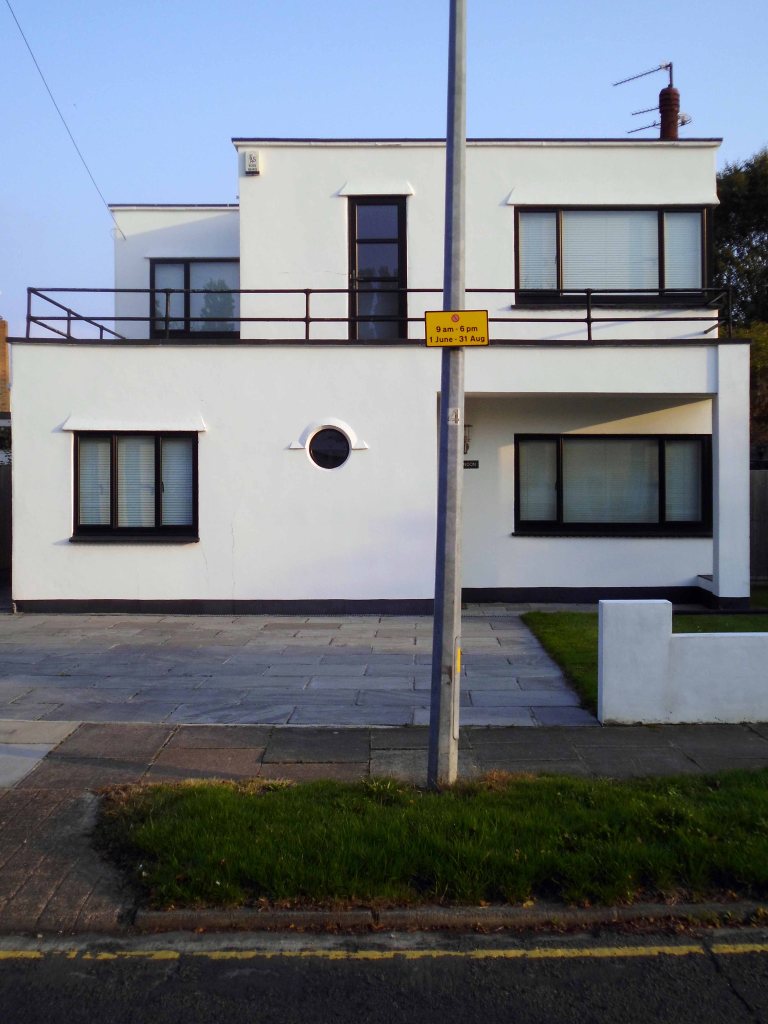
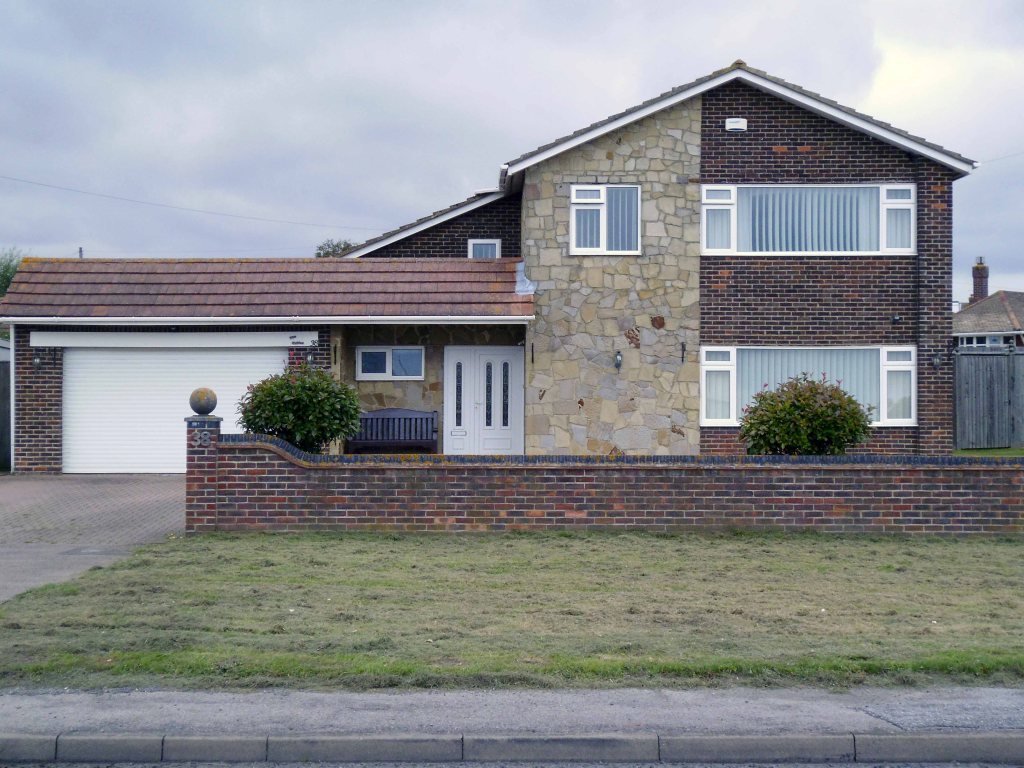
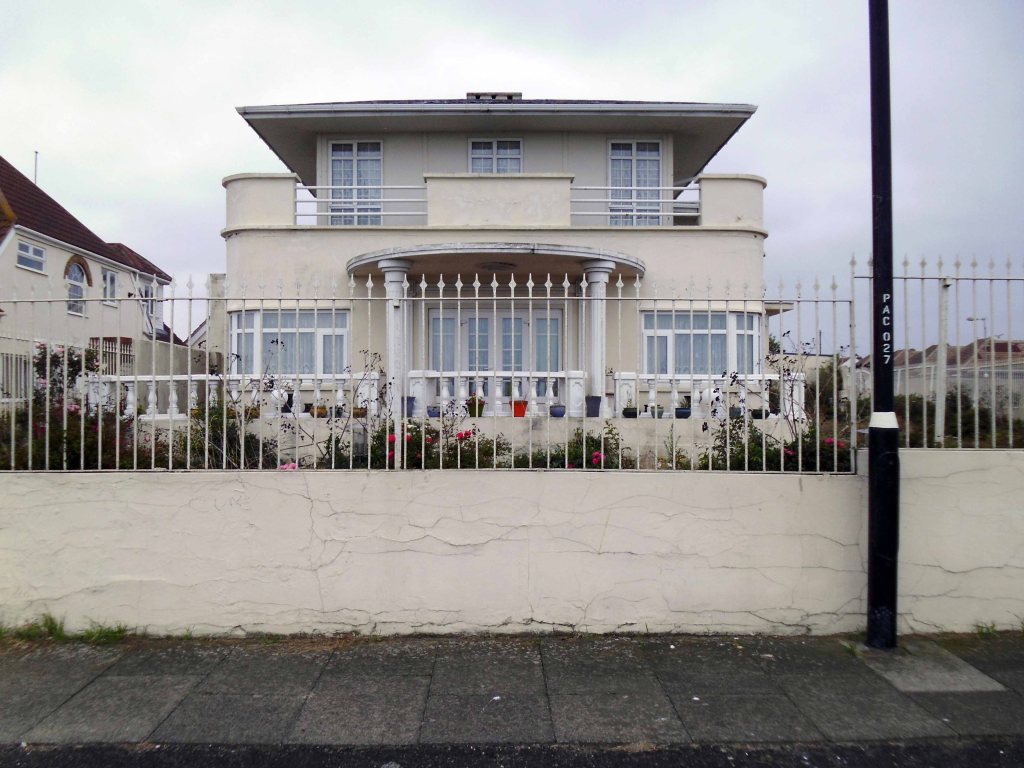
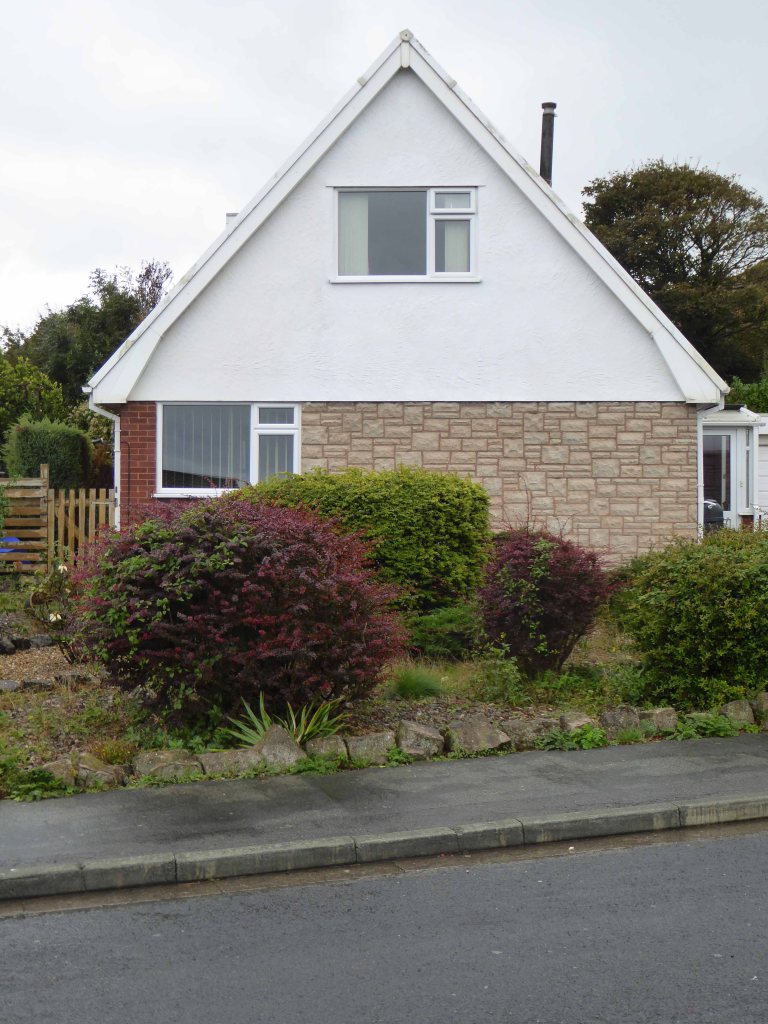
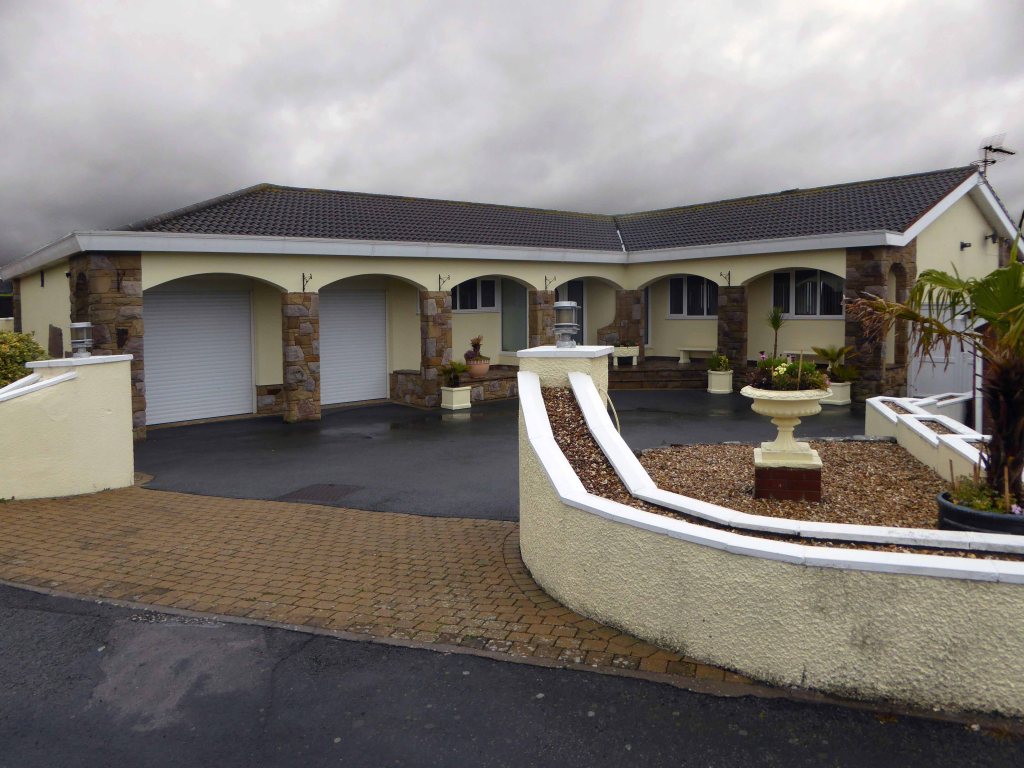
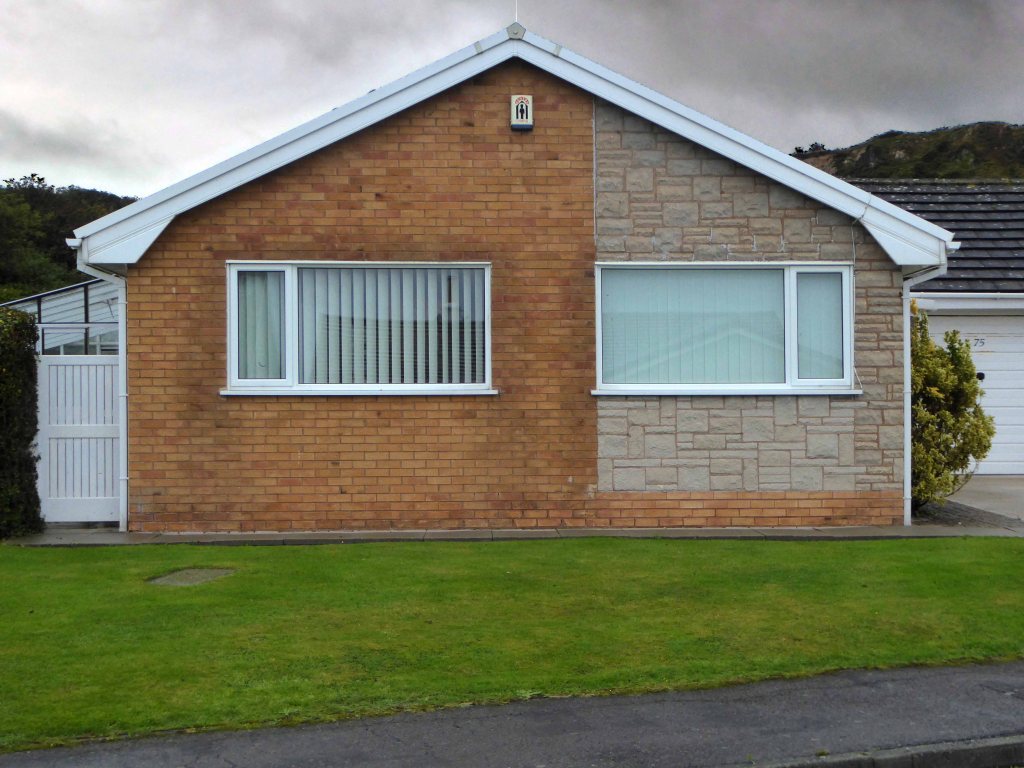
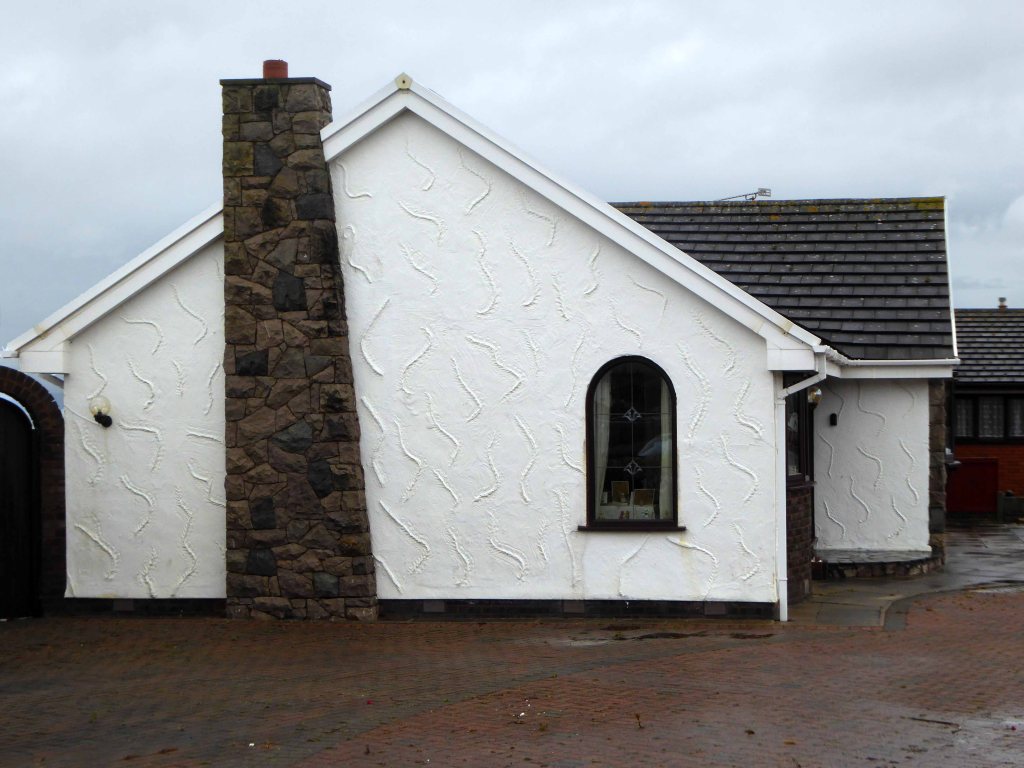
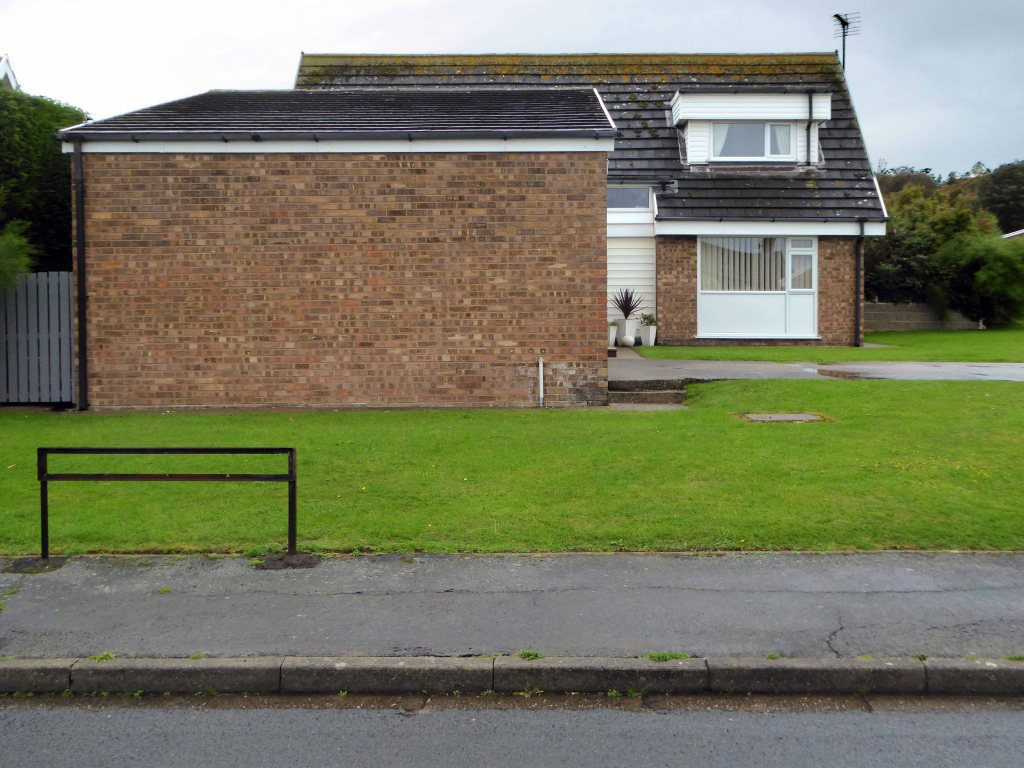
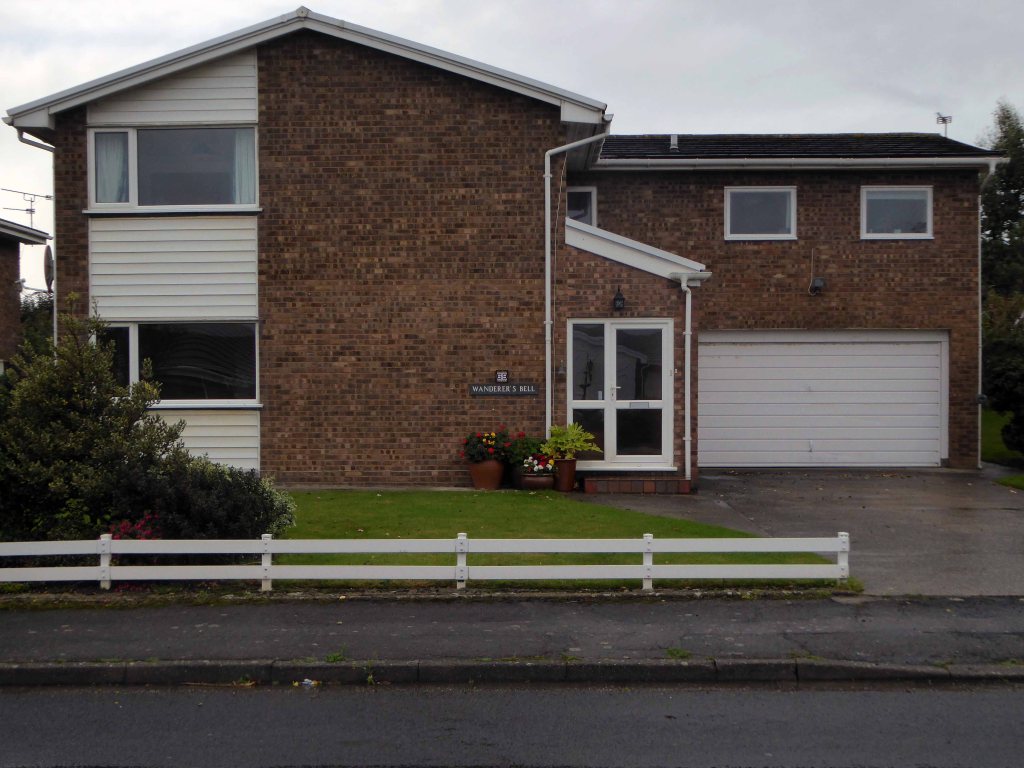
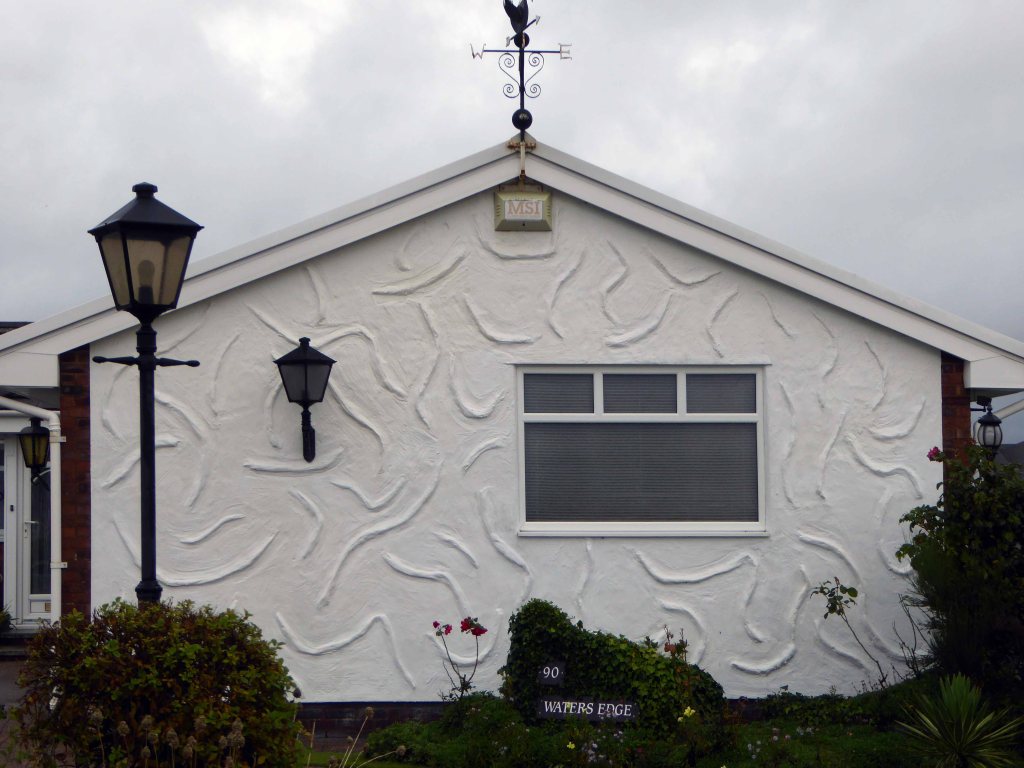
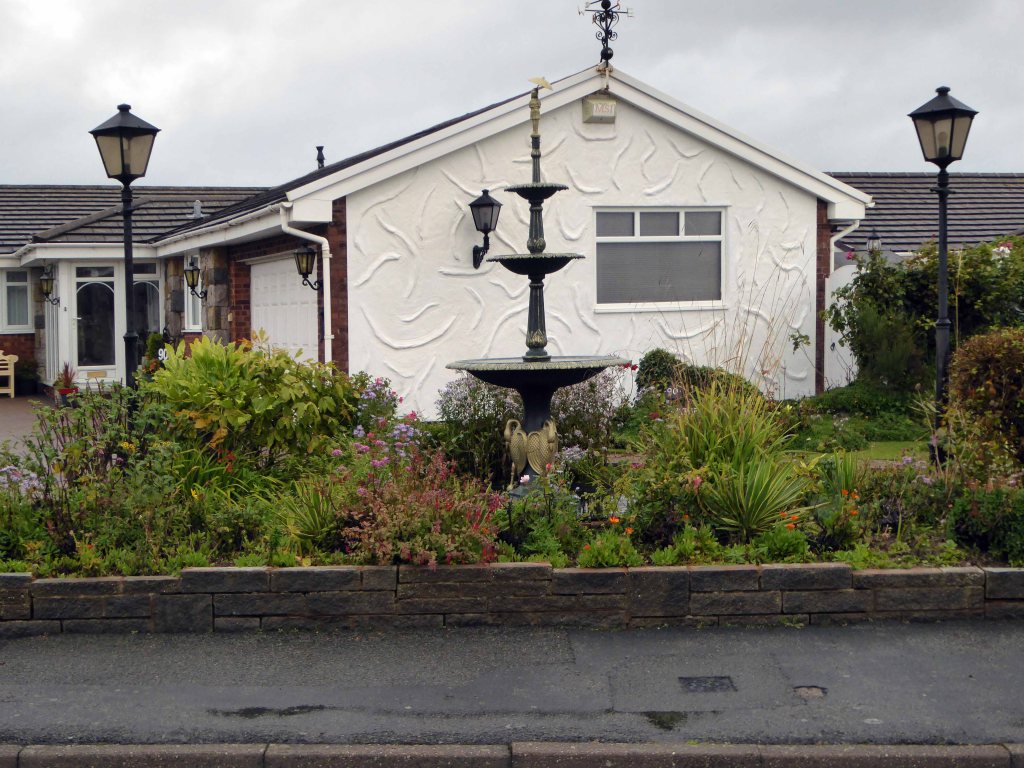
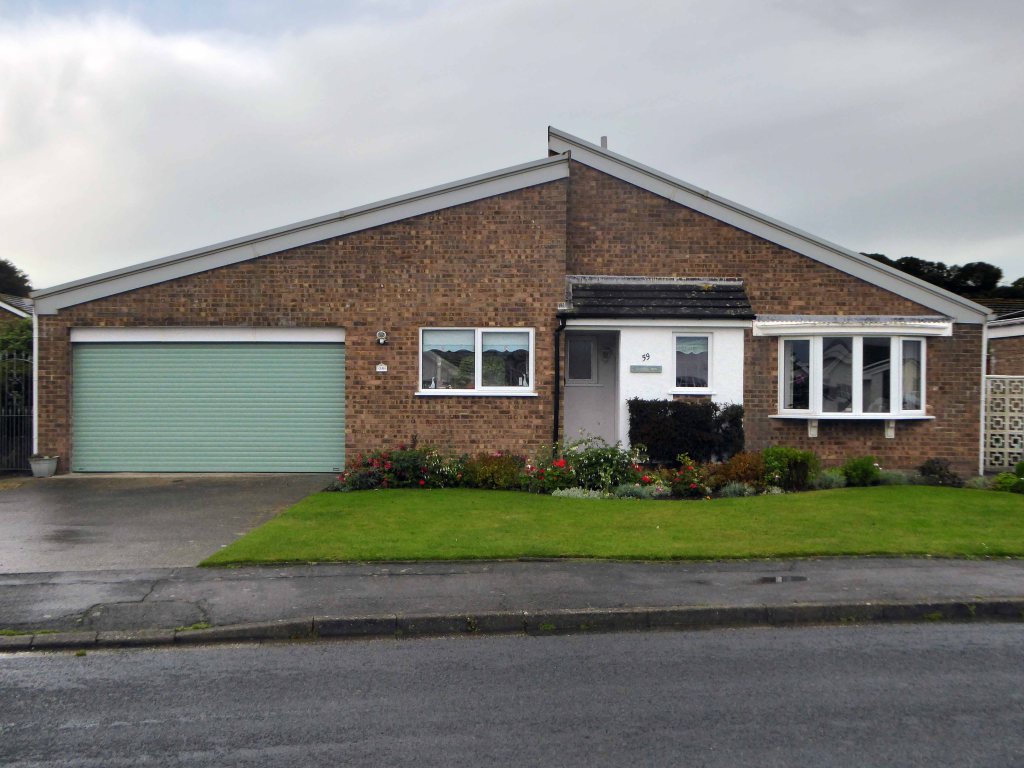
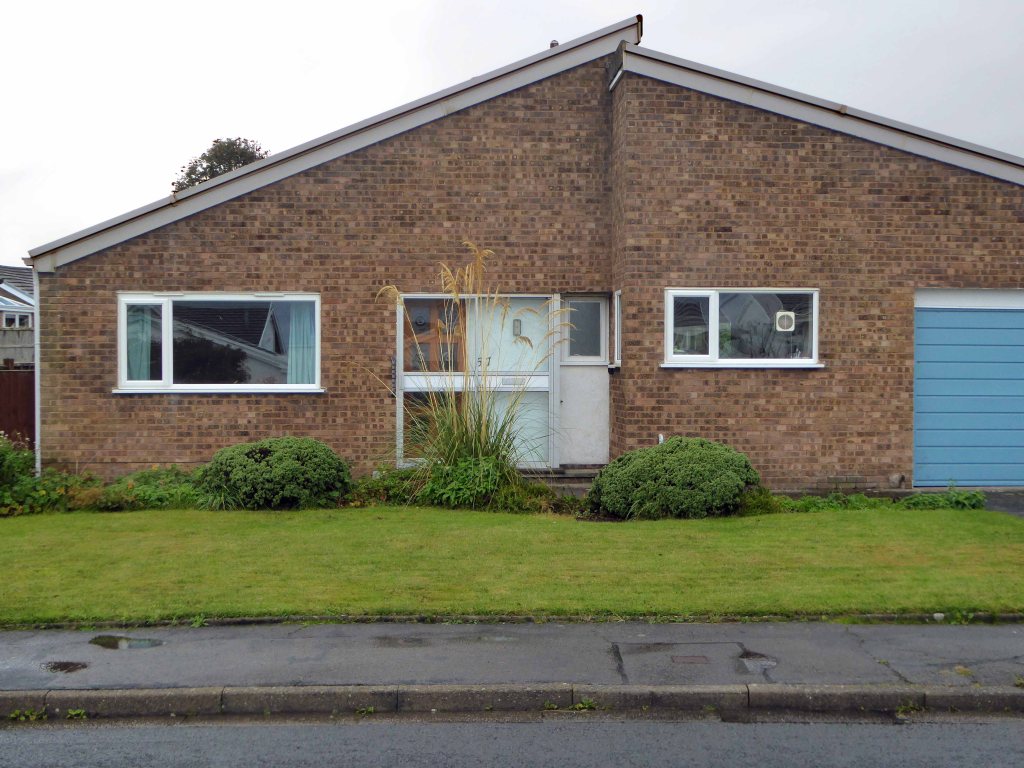
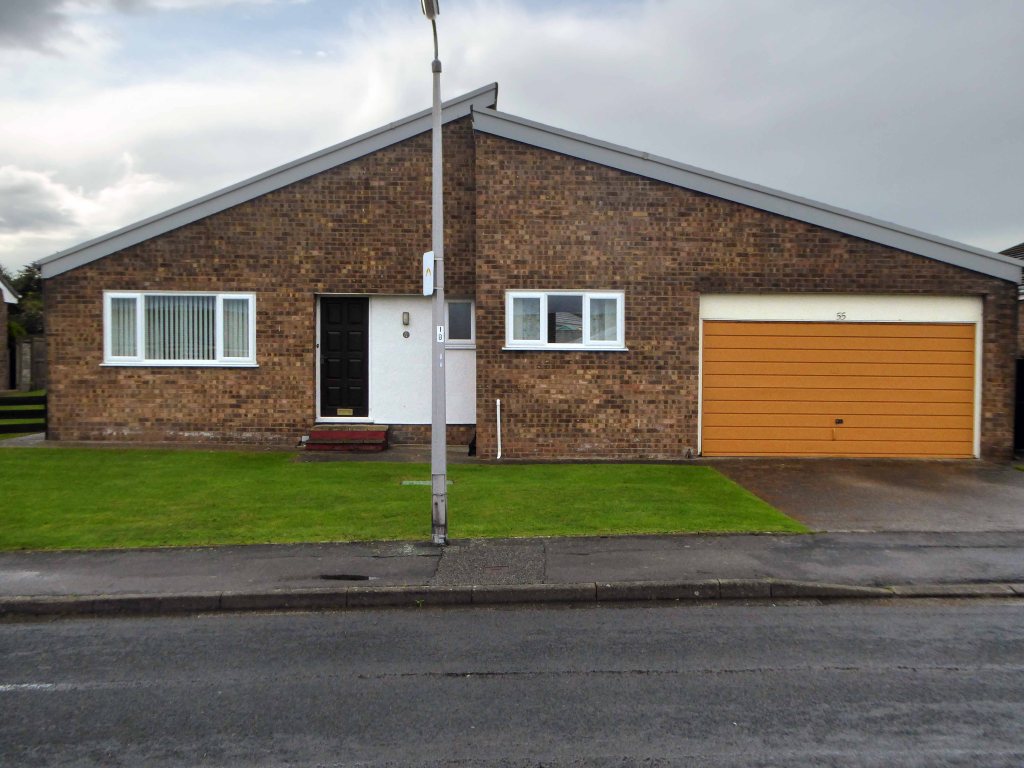
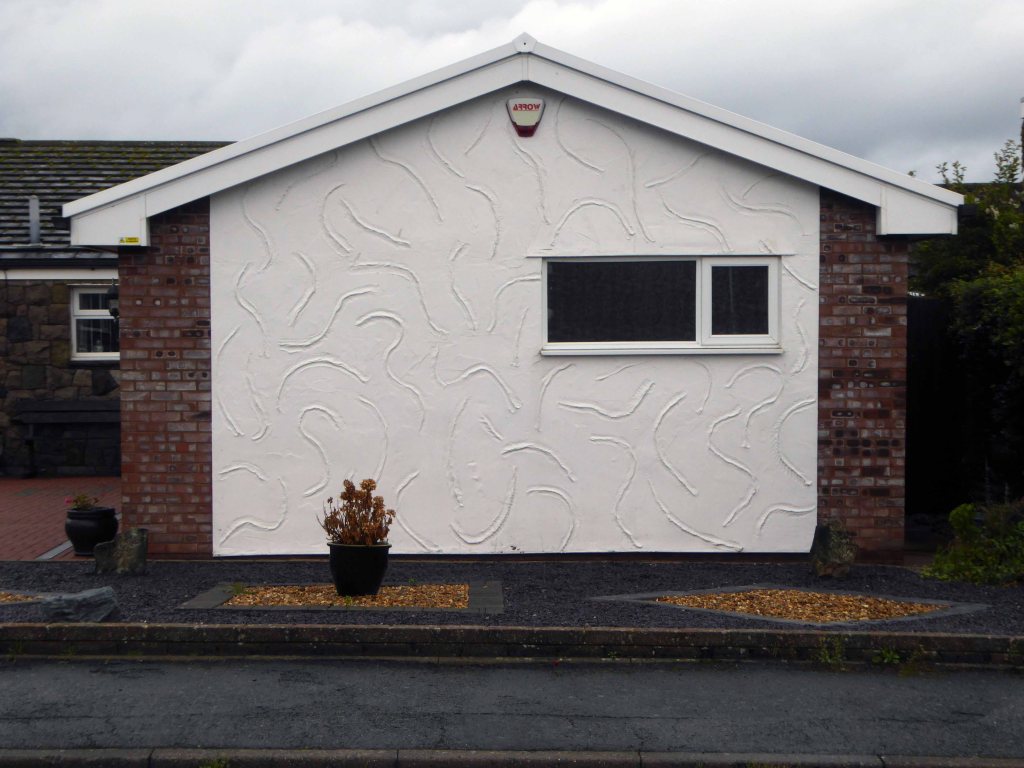
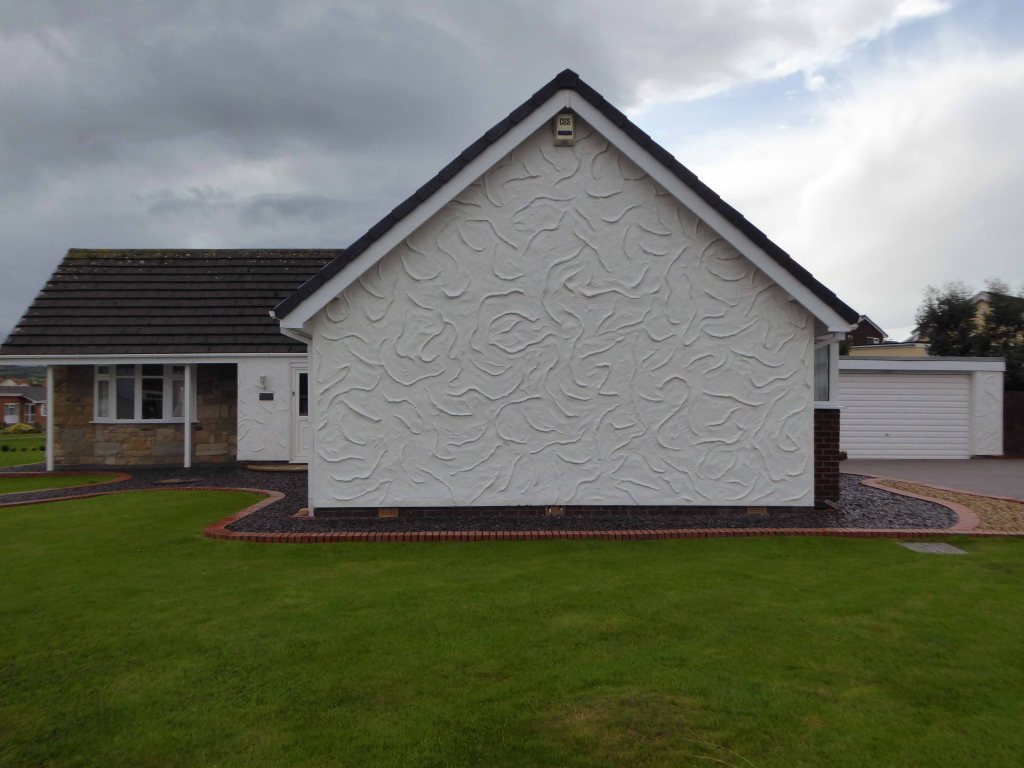
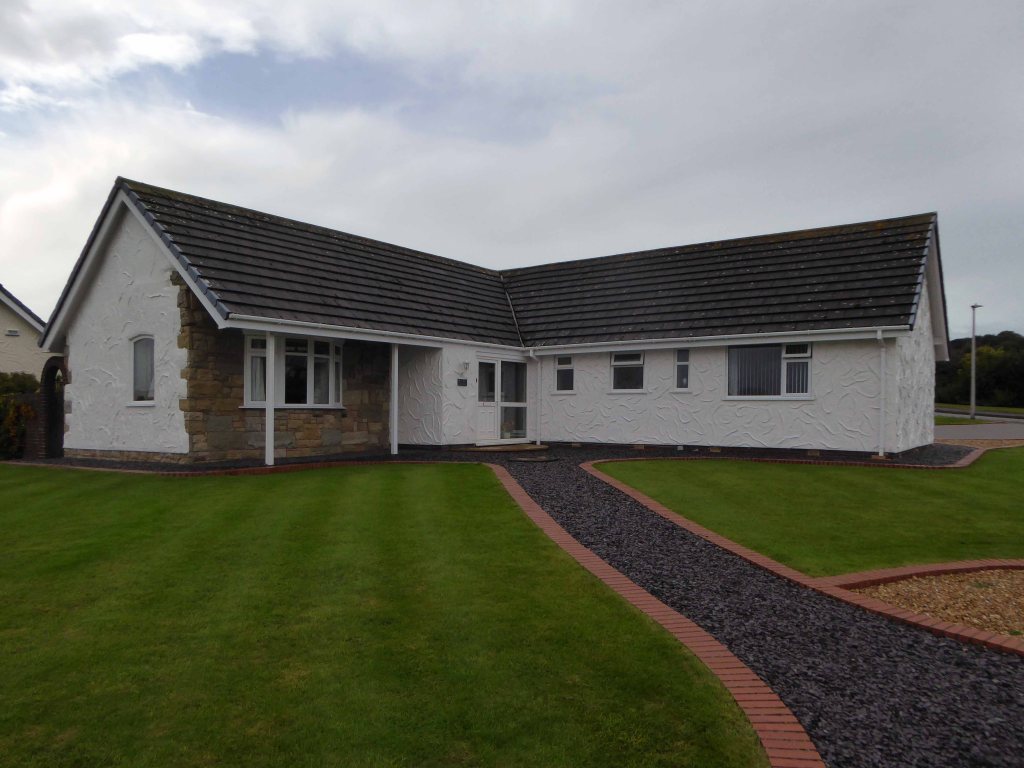
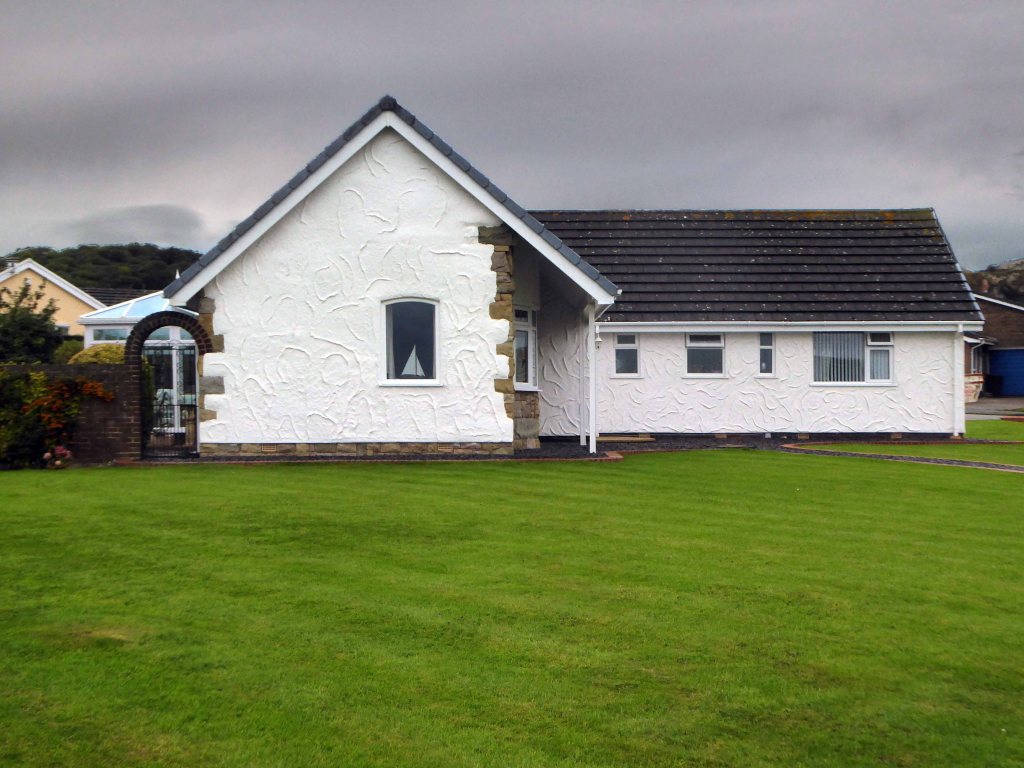
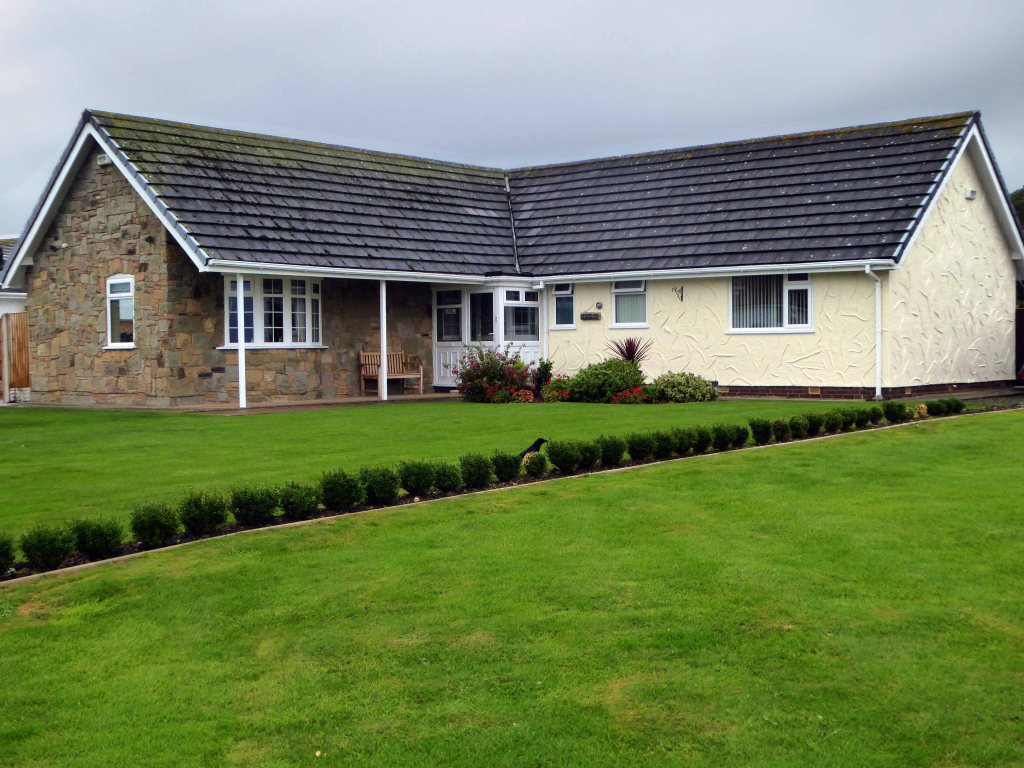
The Kent coastline is home to a vast variety of homes from the crazy clad Prairie Style ranch house to the Debased Deco.

Following ten fun hours of cycling time for a timely rest in the B&B.

Passing by the prestigious Turner Contemporary

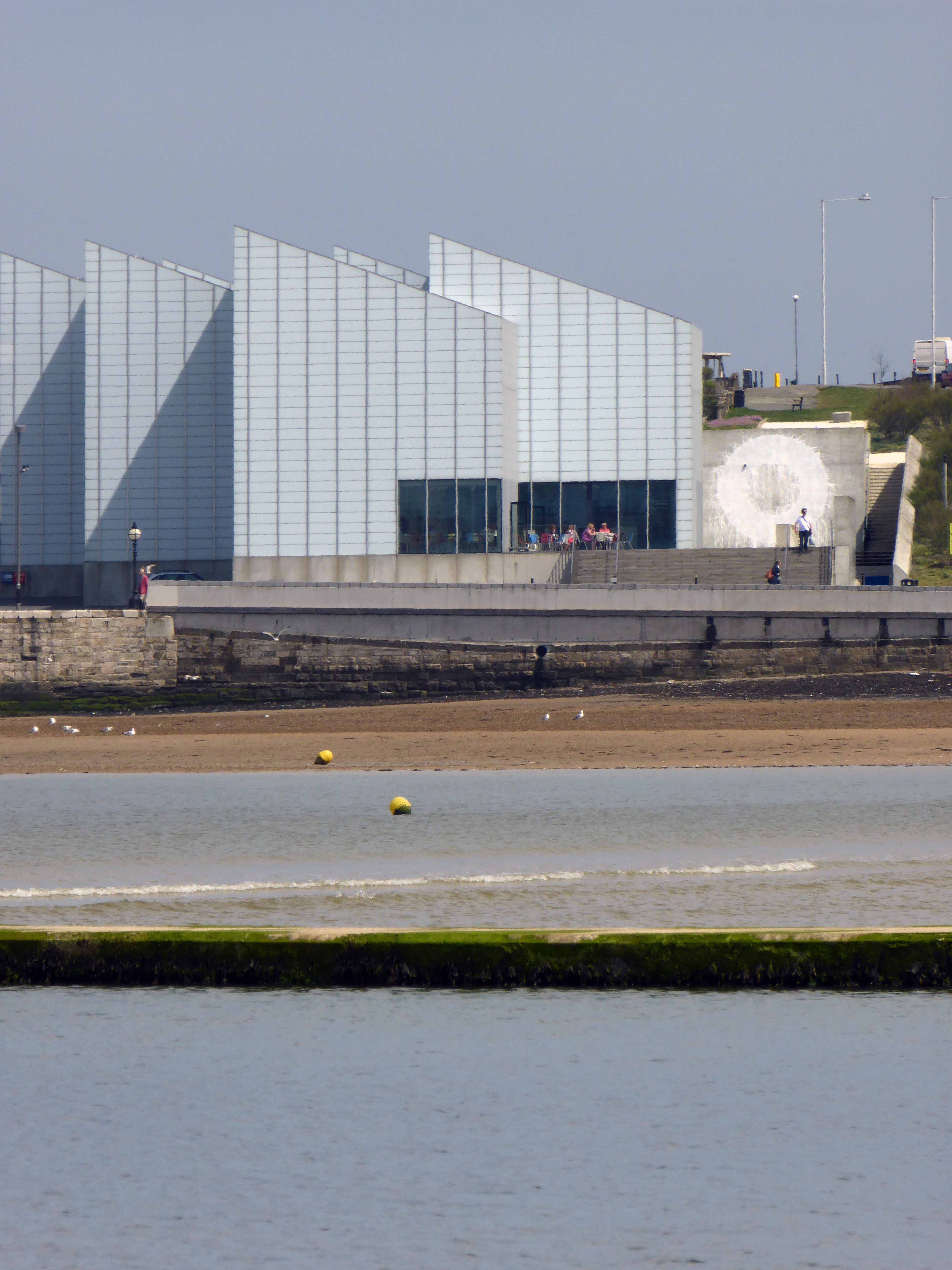
The building was designed by David Chipperfield – It was built on the raised promenade following a flood risk analysis. Construction started in 2008, and was completed for opening in April 2011, at a cost of £17.5 million. The gallery opened on 16 April 2011.

Wikipedia

Finally as the sun sets in the west, a pint of something nice in the Harbour Arms.

Night night.

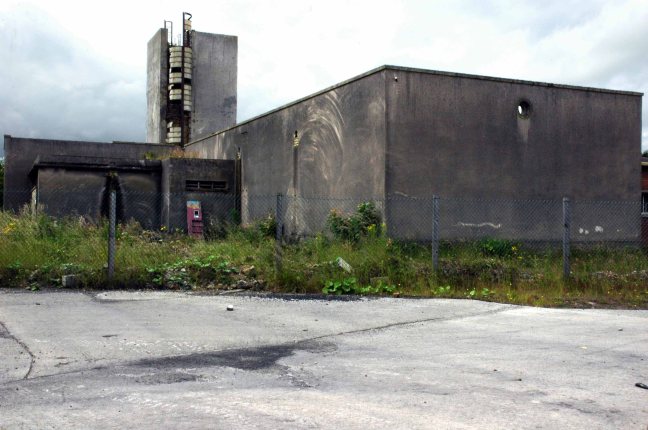
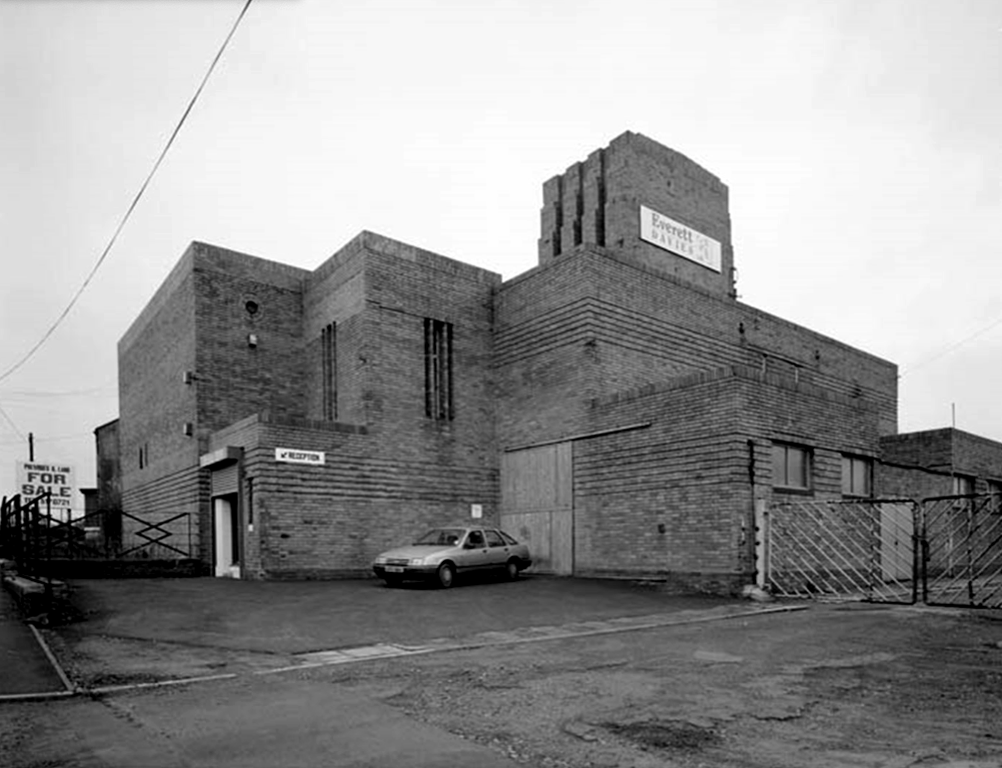
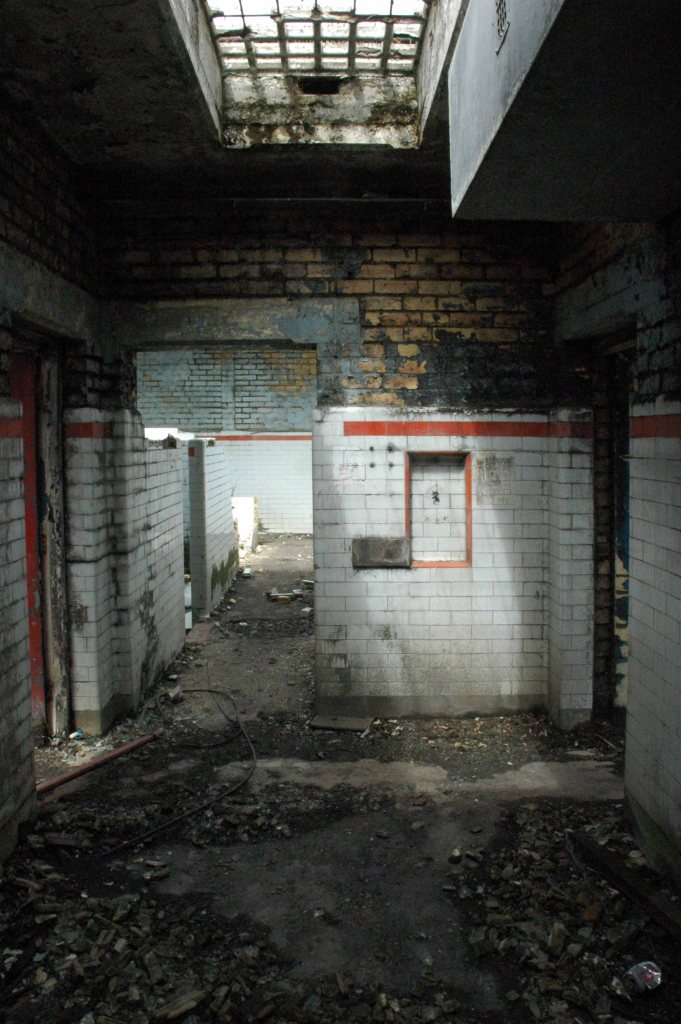
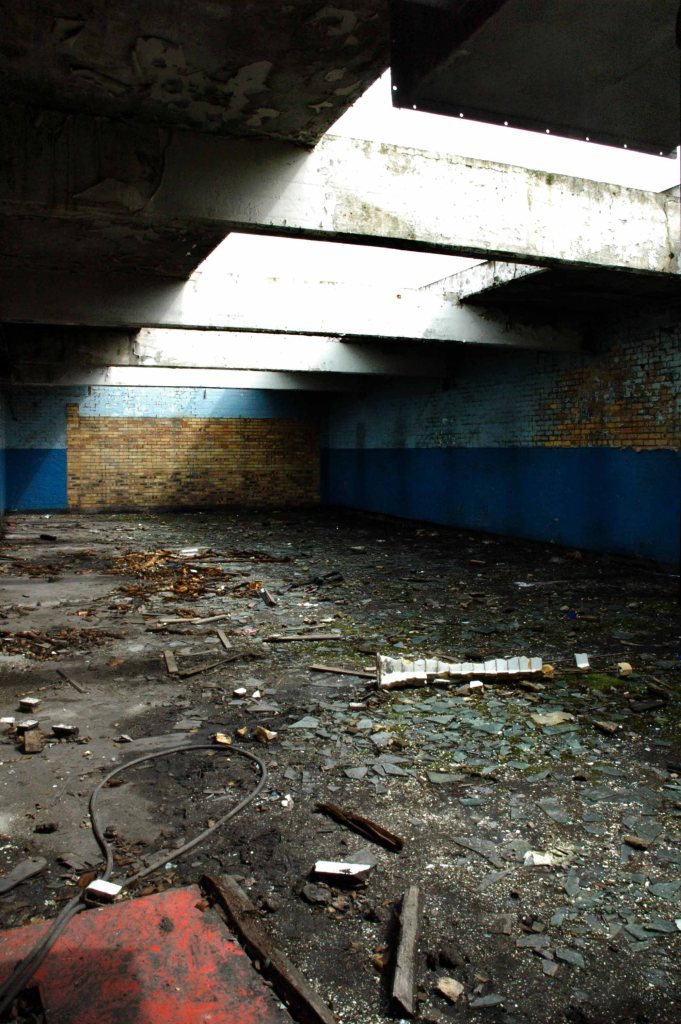
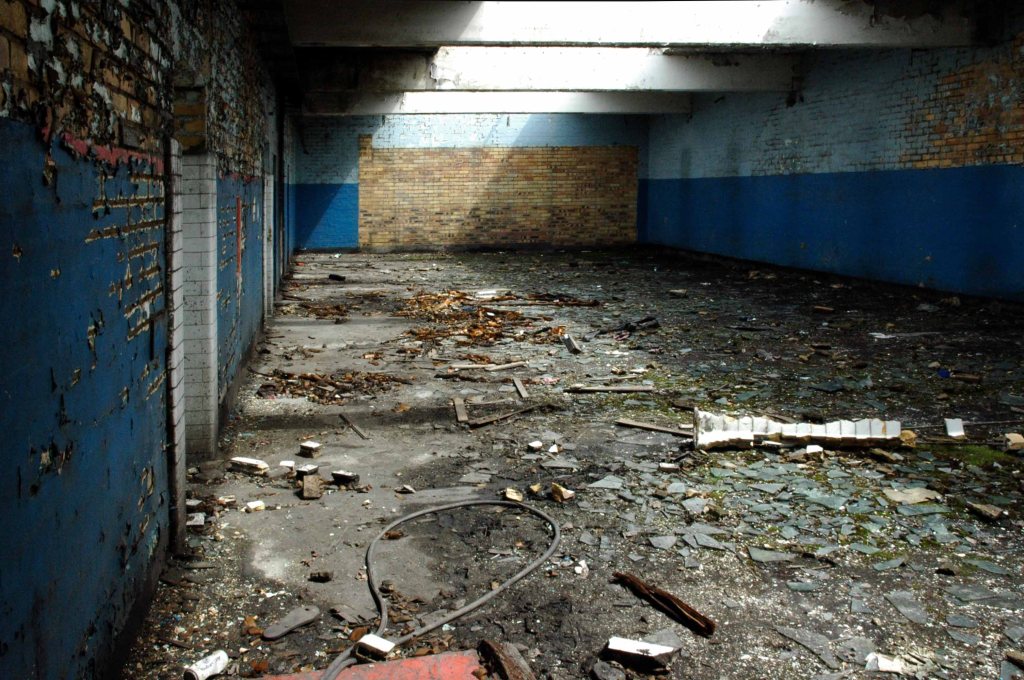
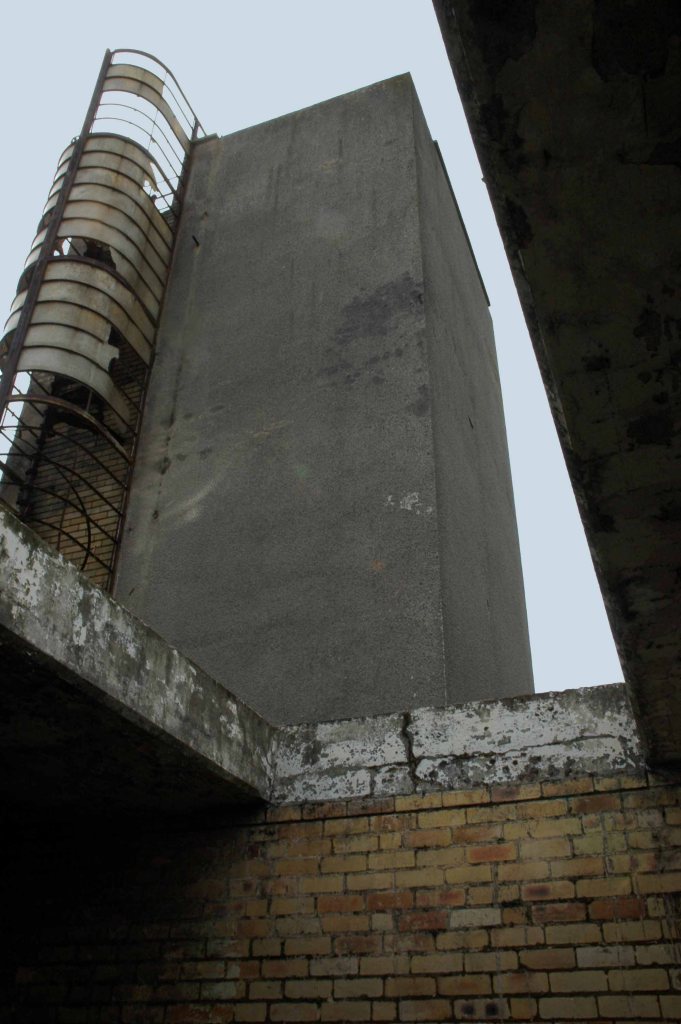
Lynemouth Pithead Baths

Pithead Baths 1938 by FG Frizzell.

Pebbledashed over white brick. Roofs part concrete slab, part glazed behind parapet. Irregular plan, Modern Movement style. Group of blocks of varying height round tall central tower with rounded, glazed stair turret. Walls mainly sheer, with plinth and slight roof projection.
Long block on east of tower has central south projection with glazed, banded steel double door under high strip of windows beneath eaves overhang. Taller storeroom to west has similar doors in 2 recessed banded glazed bays; and abuts on south-east corner of tower. Similar double doors in base of tower. Large lower south-western canteen wing abuts on west side of tower and has banded glazing around two sides above a projecting sill. Slightly-projecting 3-bay office section to north has steel cross casements; on its return another casement and a door with hollow-chamfered jambs and flat hood. Taller bath block behind. Wave pattern on rainwater heads.

Listed 18th December 1985 Historic England

FG Frizell was also responsible for the Elemore Colliery Pithead Baths in James Terrace Sunderland.

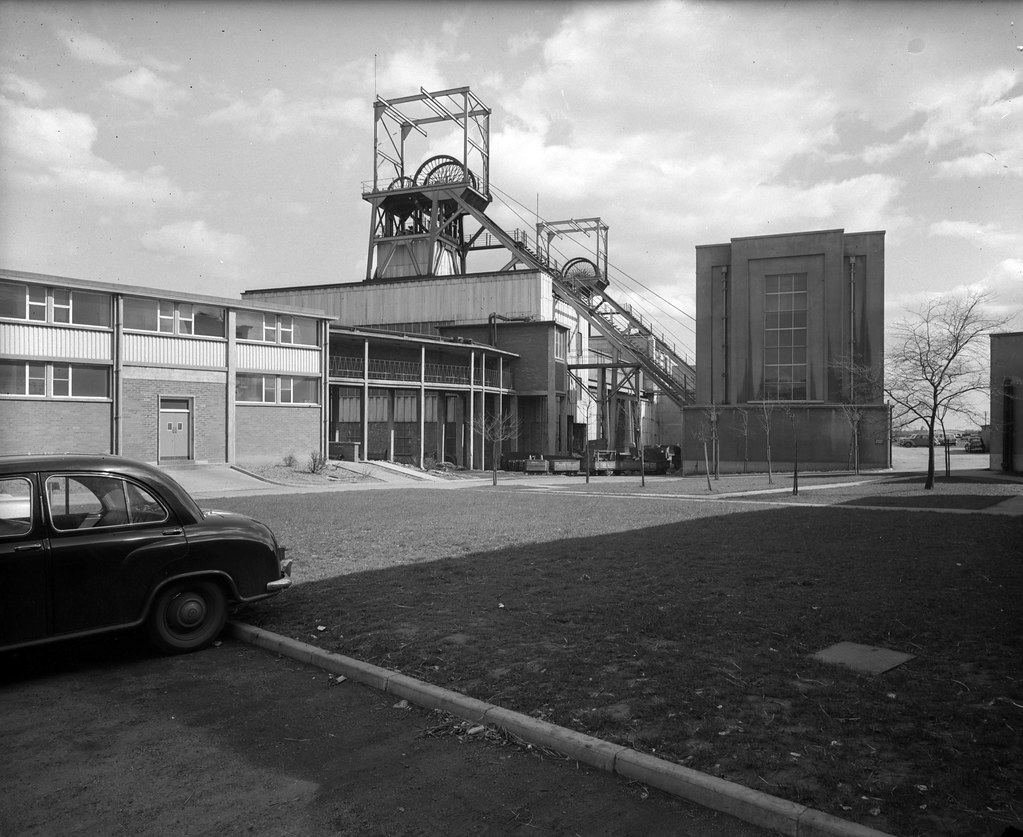
This is the youngest colliery in the neighbourhood, having commenced operations for the Ashington Coal Co Lt. in 1934. The shafts, which are situated comparatively near to the coast, are two in number, and both were sunk to the High Main seam level, which is 486 ft from the surface. The downcast No. 1 is 18 ft in diameter and is used for coal-raising on two shifts per day, and the upcast, which has a diameter of 15 ft, is used for ventilation and emergency man riding only.

The seams being worked are the High Main, the Diamond, the Main, and the Yard. Each of these seams shows practically the same nature of roof and floor as throughout the two neighbouring collieries and the distance between the seams is also comparable. They are, of course, found at slightly greater depths at Lynemouth, the Yard seam, for example, being 660 ft. below the surface near to the shafts, as compared with some 300 ft. at Ellington.

Durham Mining Museum

April 1962

It was one of Britain’s largest collieries until it was closed in 1994.

I was cycling the coast in July 2012 and happened by, seeing the tower of the baths from an adjacent path, passing by the faded signage.

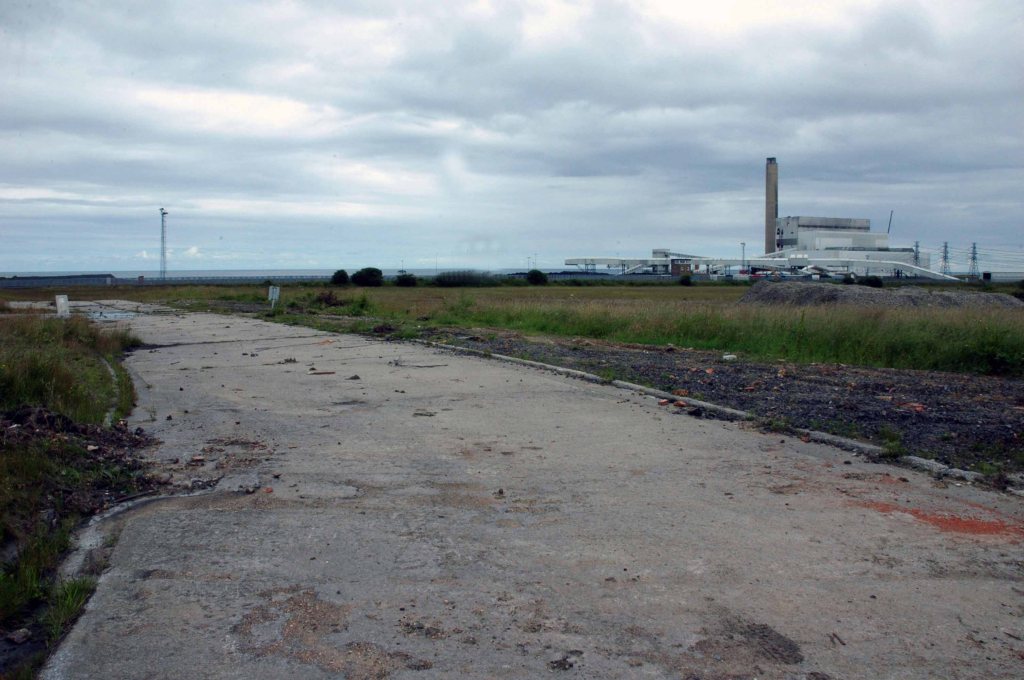
Into the raw expanse of a now empty post-industrial landscape.

And on towards the bath house.

I am not by nature an urbex urban explorer, simply an explorer.

Entering the open site, I was well aware of the significance of the building and its history – working lives that had constructed the baths, entered and left through those very same doors.

Hull to Hessle – Humber Estuary Walk

Overcast and grey – heading headlong into the prevailing westerly.

This is just the day to walk from Hull to Hessle.

From the recently renovated early morning, empty piazzas of Hull Marina to the foot of the Humber bridge.

To the left the interminable rippling brown surface of the river, relentlessly heading out to sea.

To the right a modern melange of working docks – shipping aggregates and timber, hither and thither.

The vacant haunts of fisher folk no longer casting nets, forever and a day.

Disused and decayed warehousing, betrayed by the coming of the container, home now to the Urbex snapper and itinerate tagger.

Out of town retail parks fuelled by debt.

Dried up reed beds swaying beneath the weight of the wind.

The suspended bed of the bridge, floating high above the waters, far below.

Take a walk with me now.

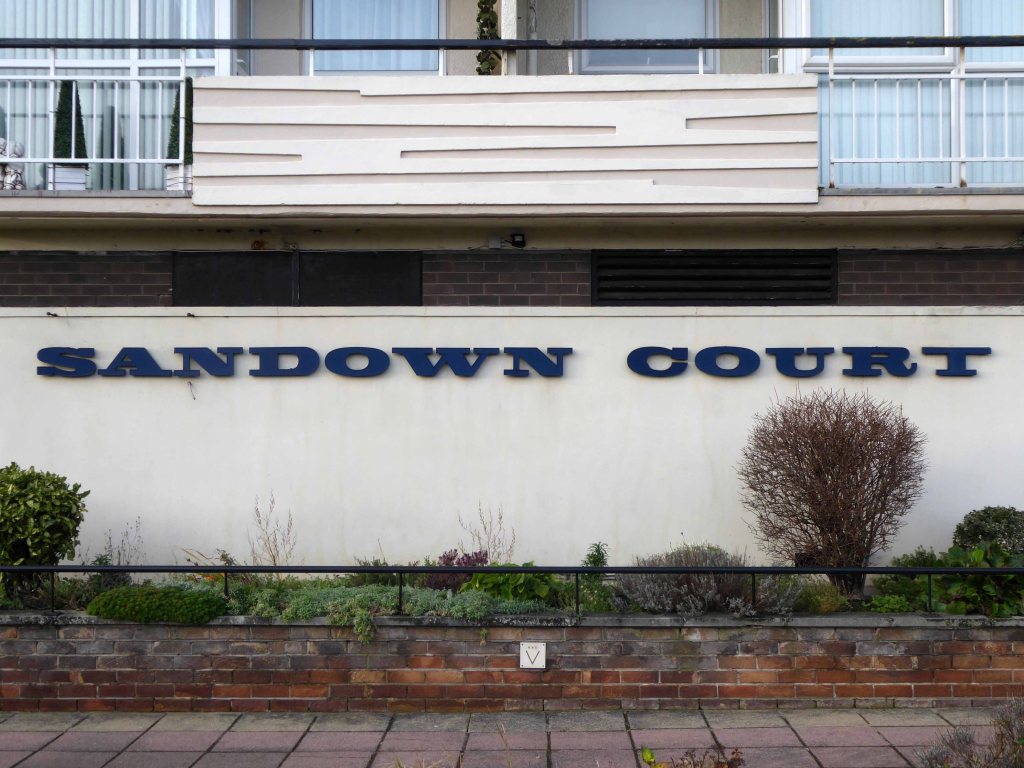
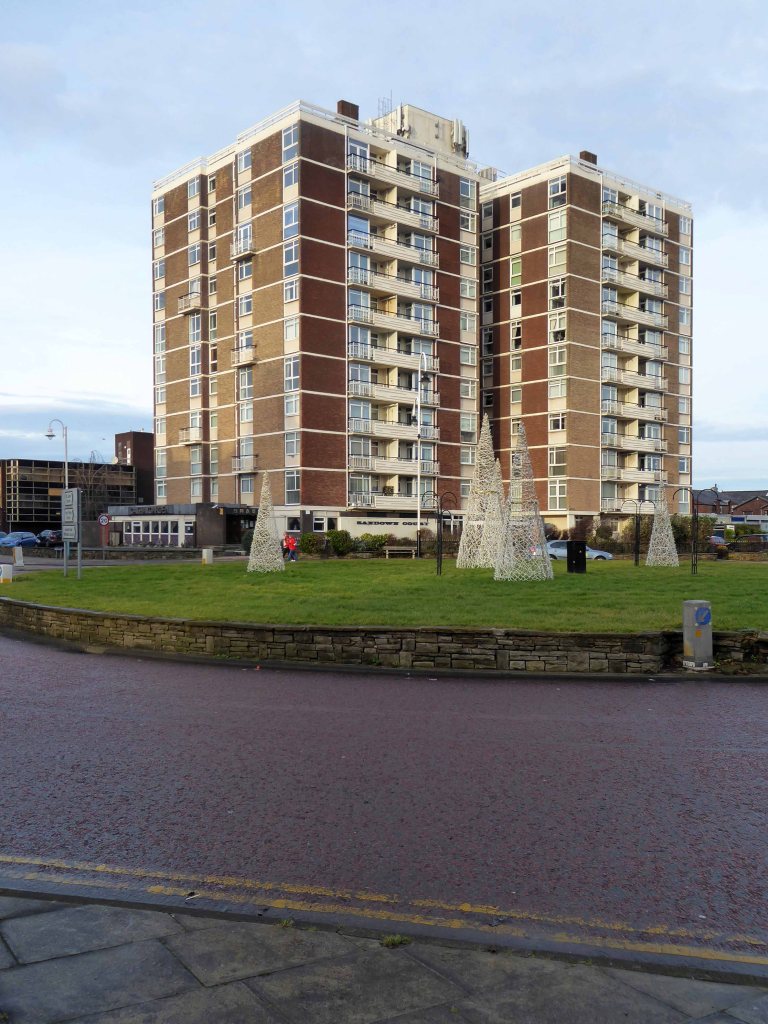
Sandown Court – Southport

I must go down to the seas again, to the vagrant gypsy life,

To the gull’s way and the whale’s way where the wind’s like a whetted knife;

And all I ask is a merry yarn from a laughing fellow-rover,

And quiet sleep and a sweet dream when the long trick’s over.

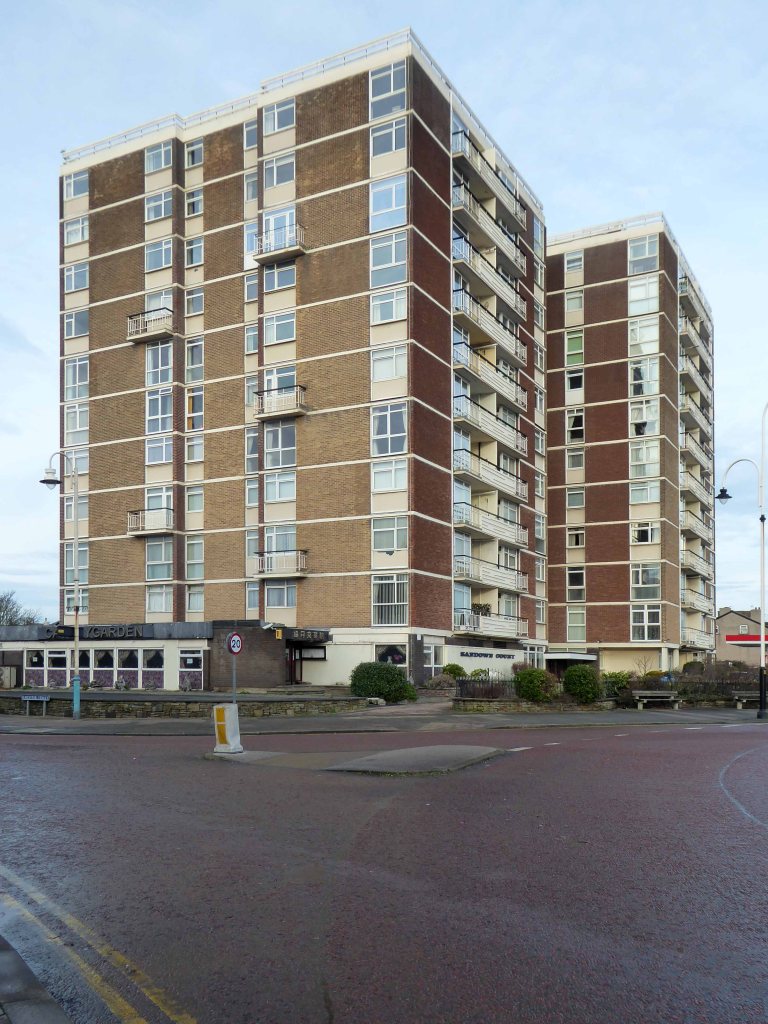
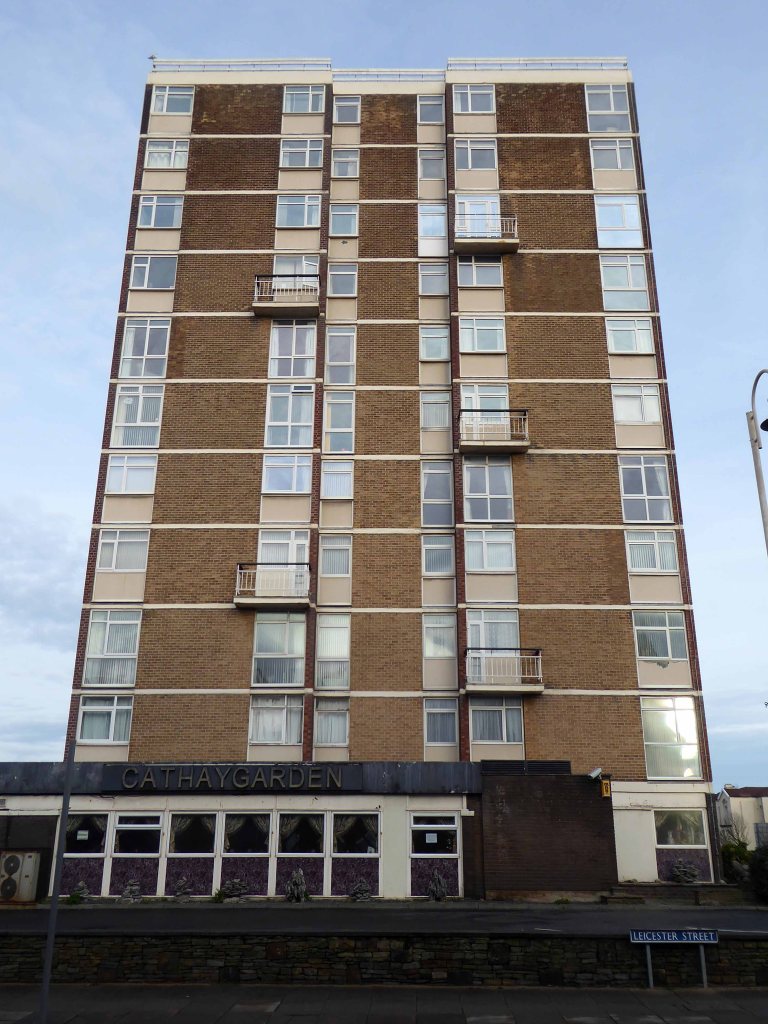
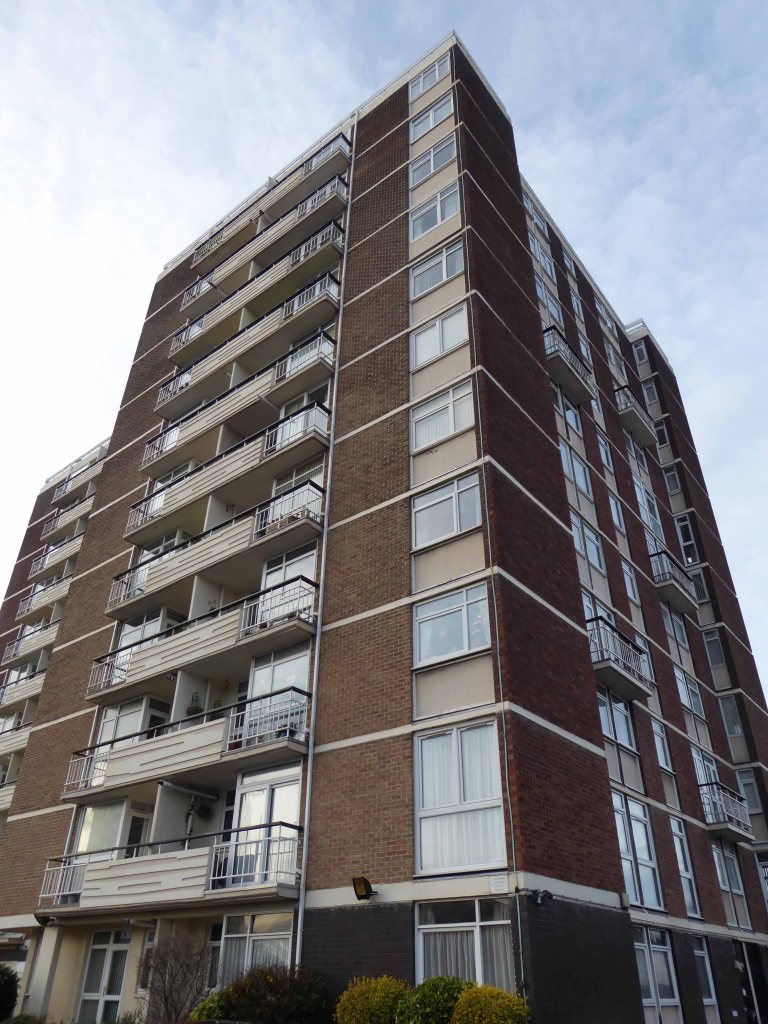
Where better to lay your weary head than Southport’s Sandown Court?

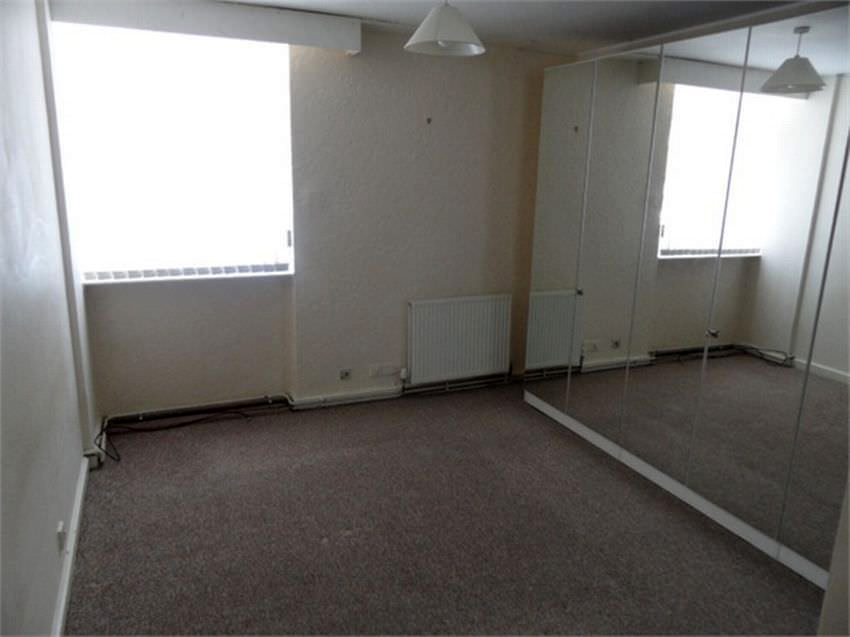
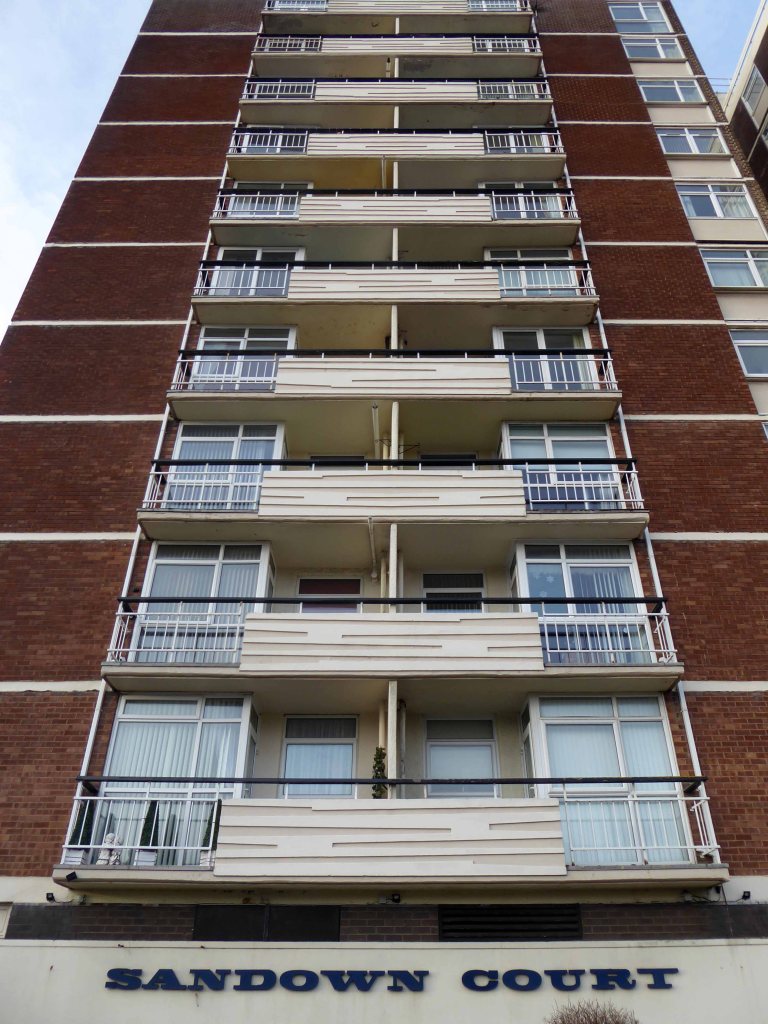
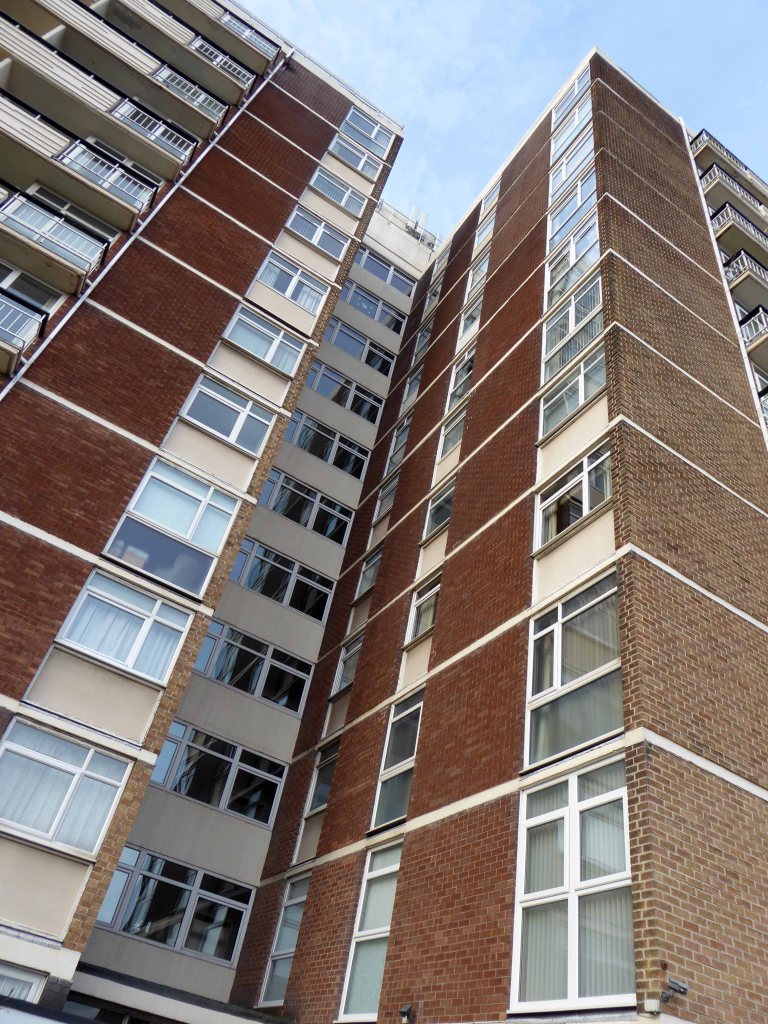
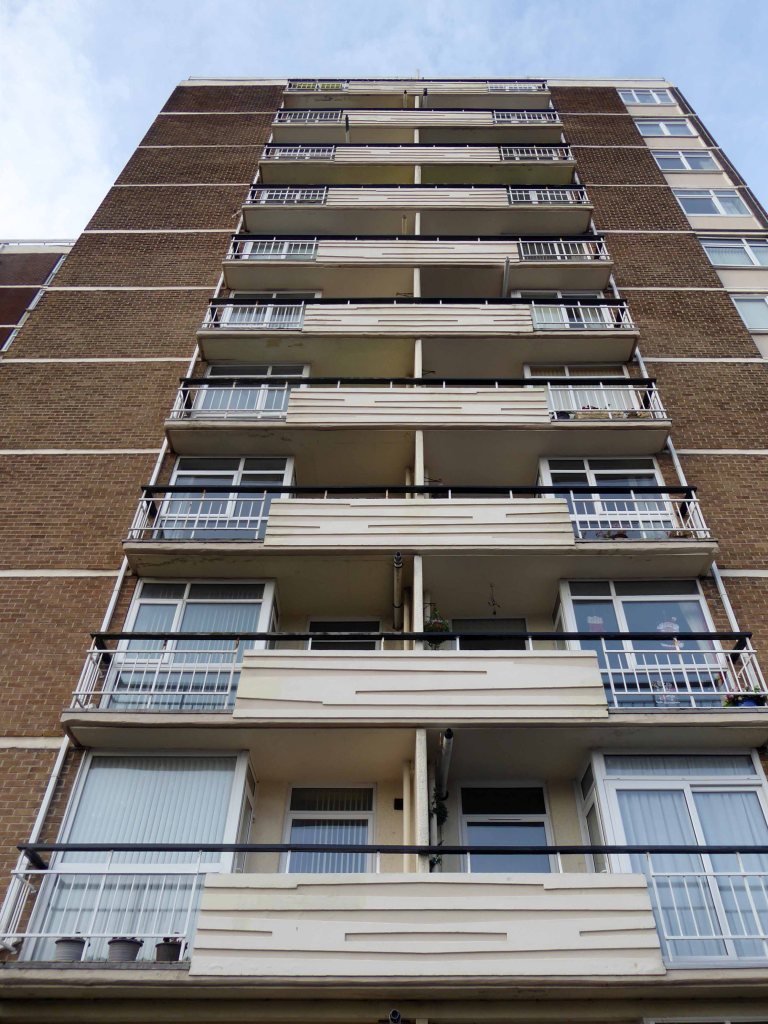
Longing for languorous days, gazing out at the distant sea, from the window of your fourteenth floor flat.

What’s Good for the Goose – is worth a gander.

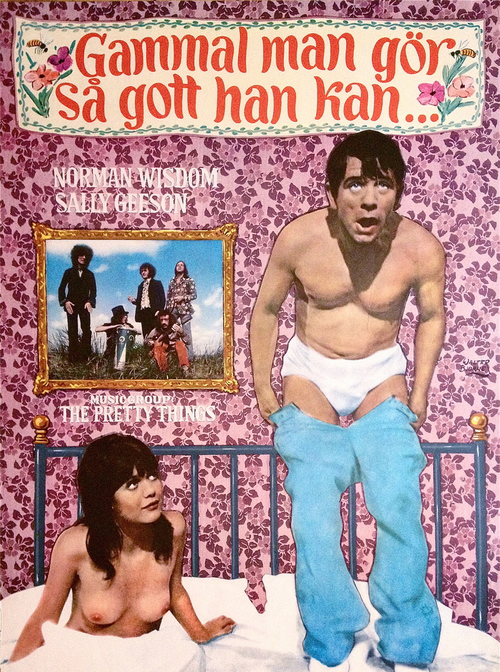
My extensive research shows the flats were a location for the Norman Wisdom film, a saucy serving of seaside slap and tickle.

Conveniently situated twixt shore and traffic island – offering extensive accommodation for the discerning tenant.

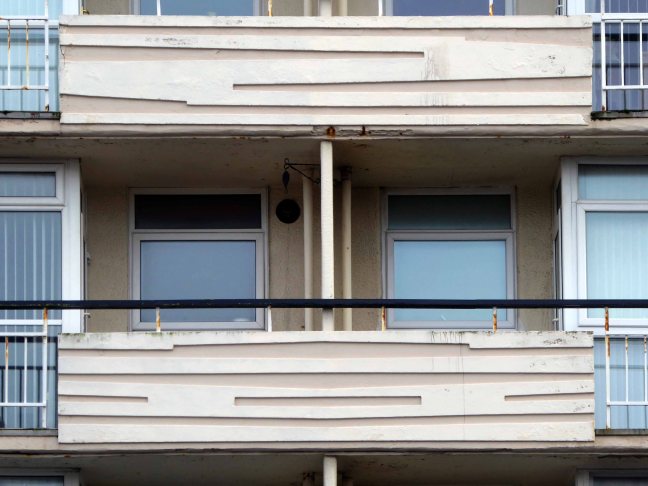
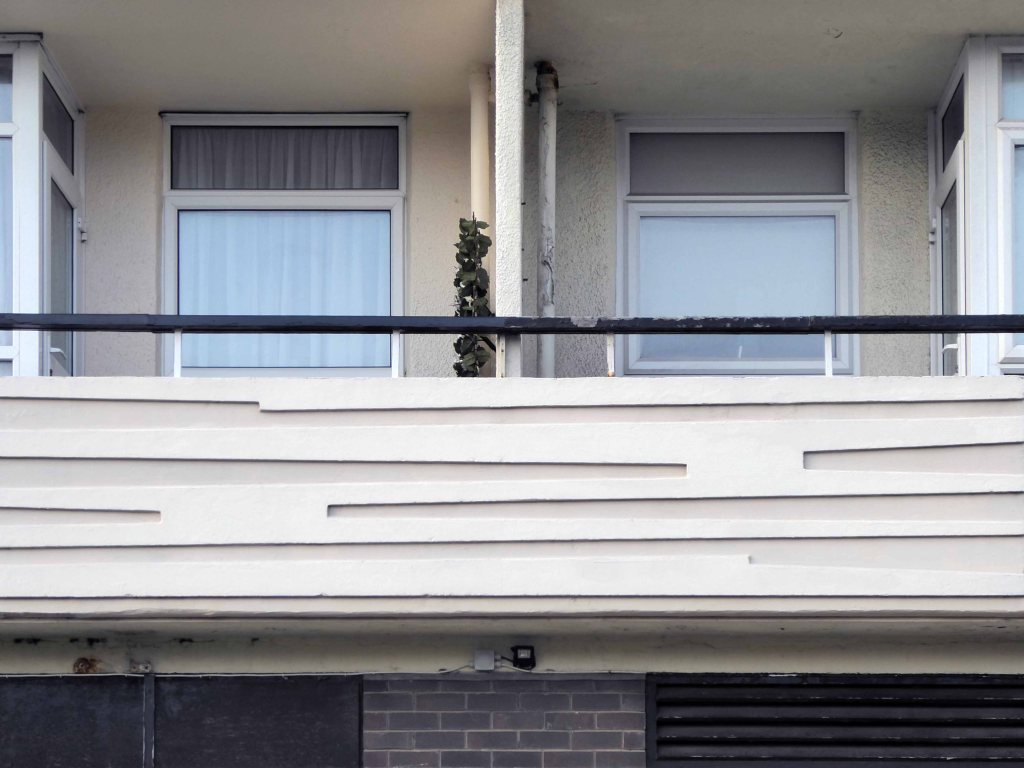
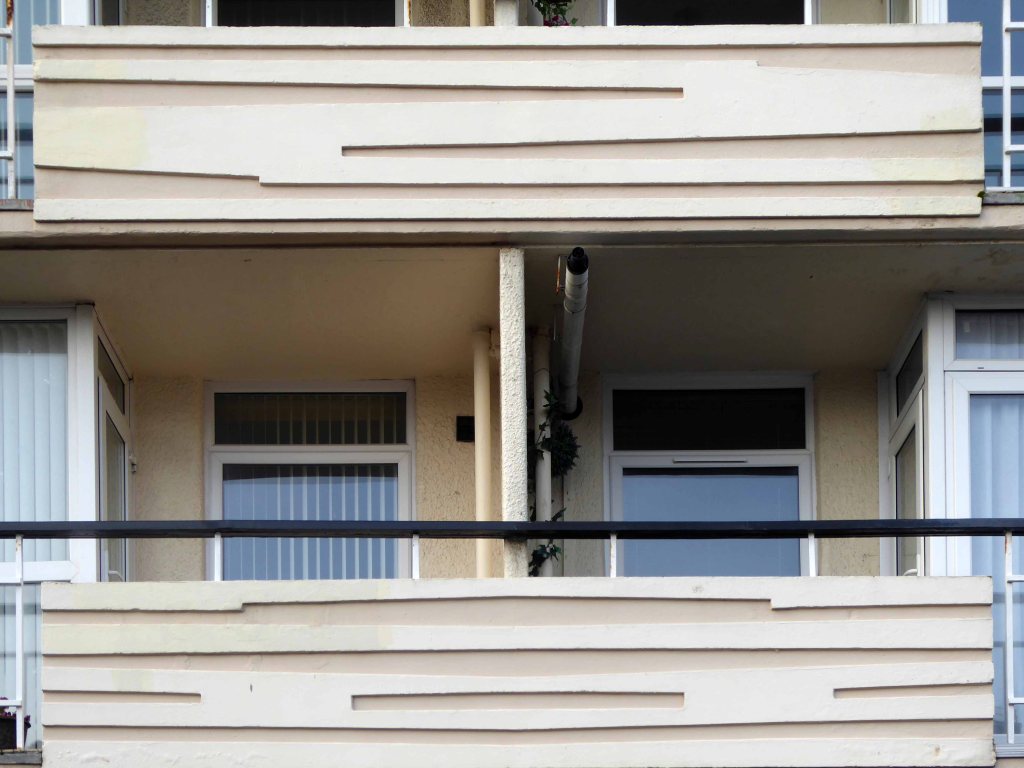
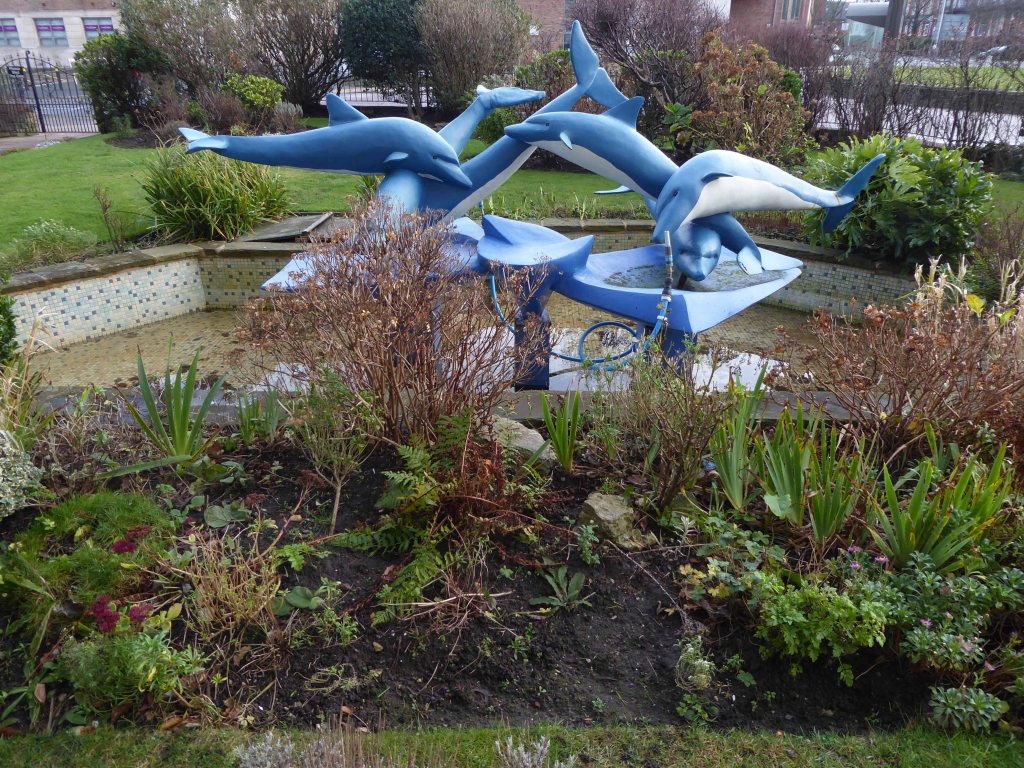
Balconies clad with cast concrete abstracted panels, attractive dolphin-based water feature.

What more could you ask for?

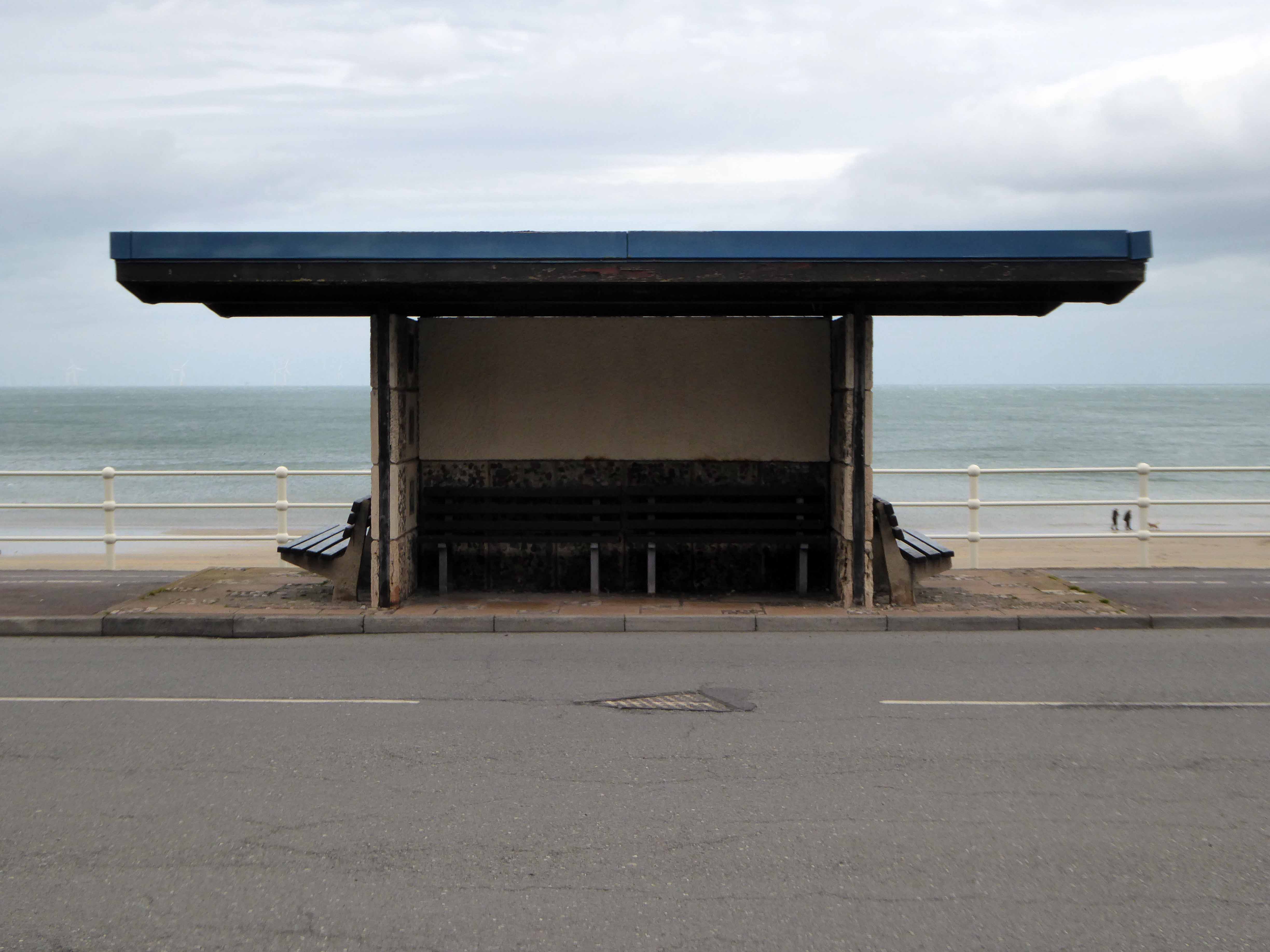
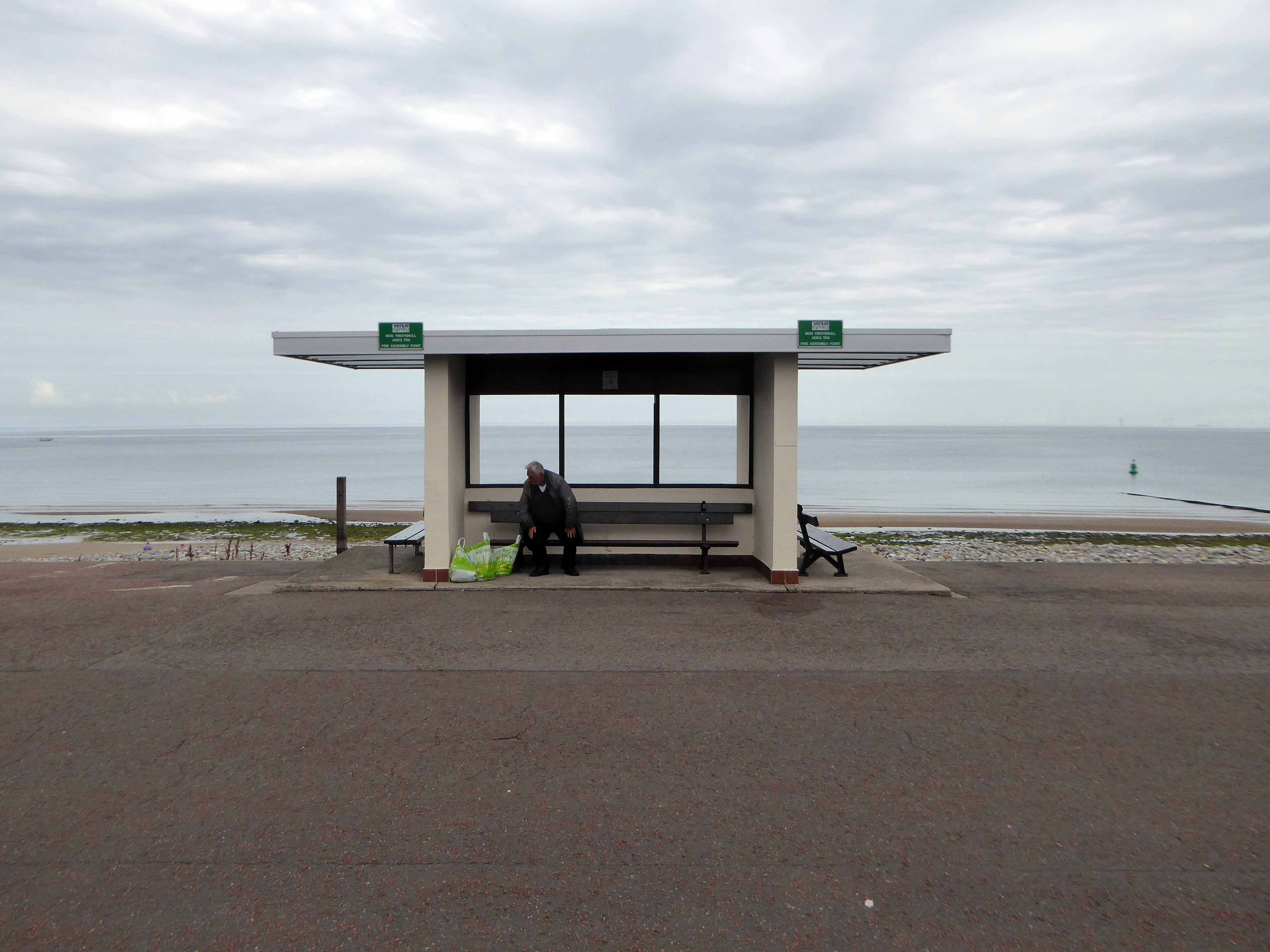
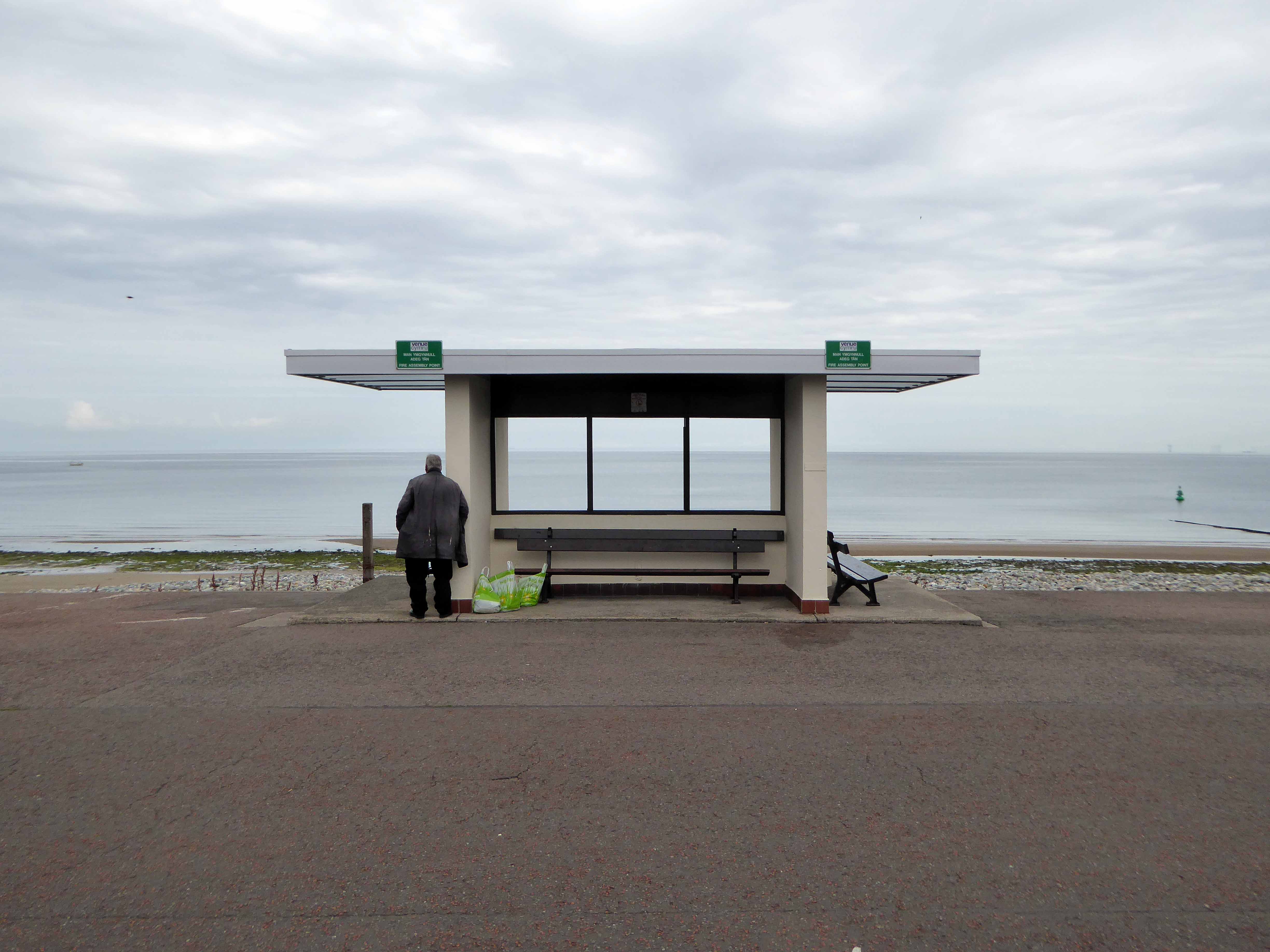
Shelters – Rhos on Sea

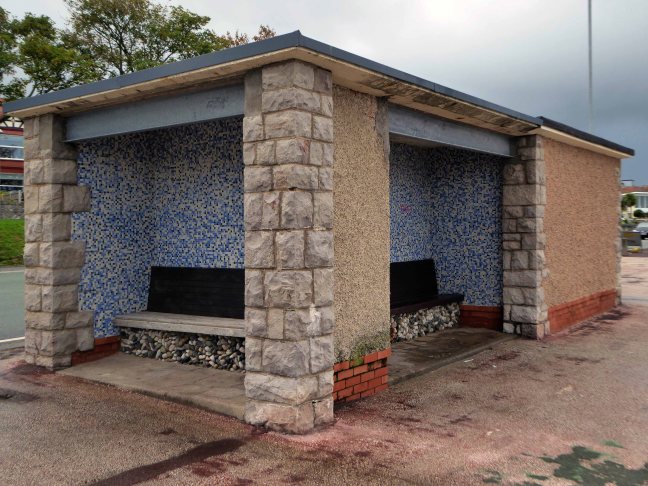
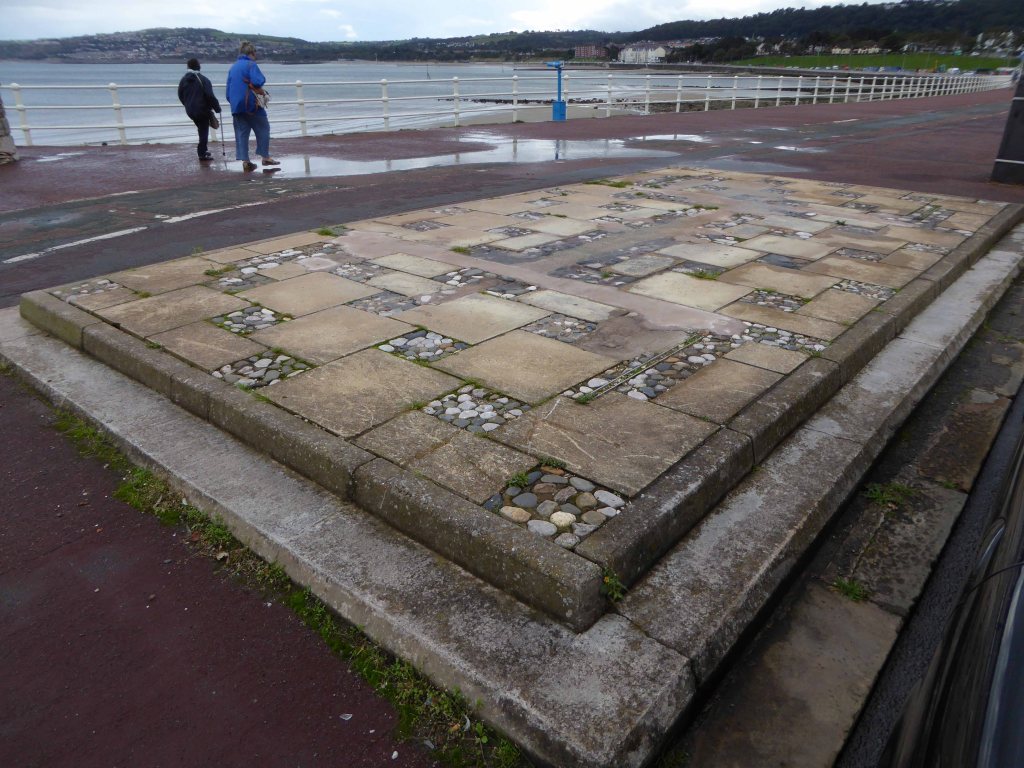
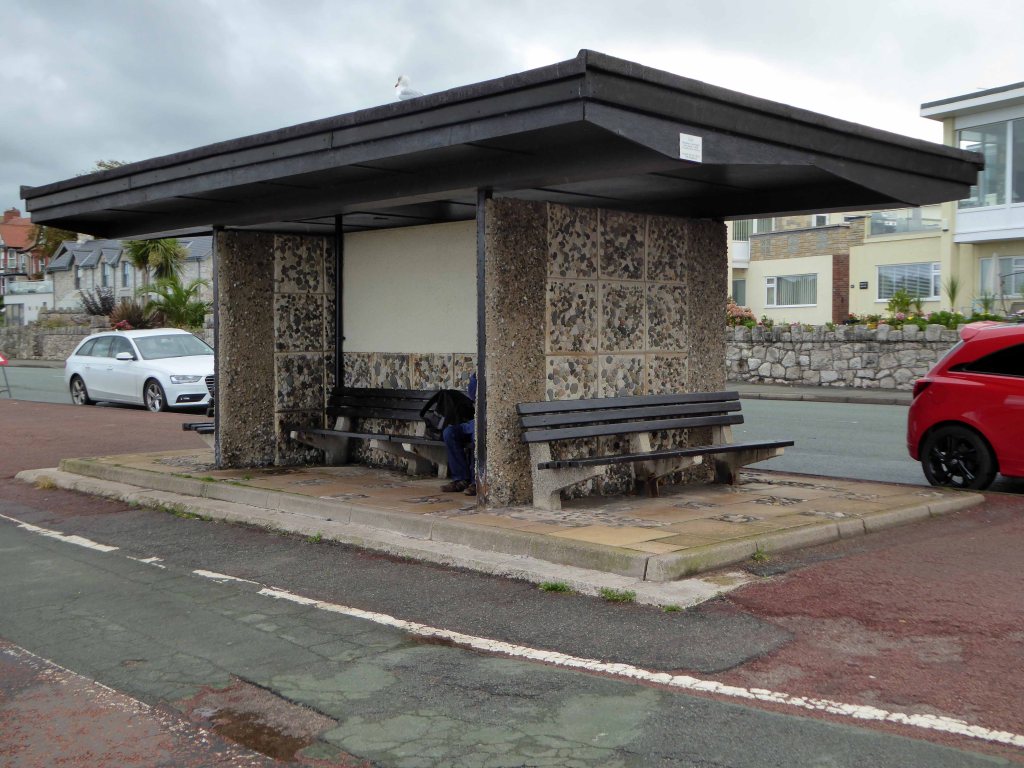
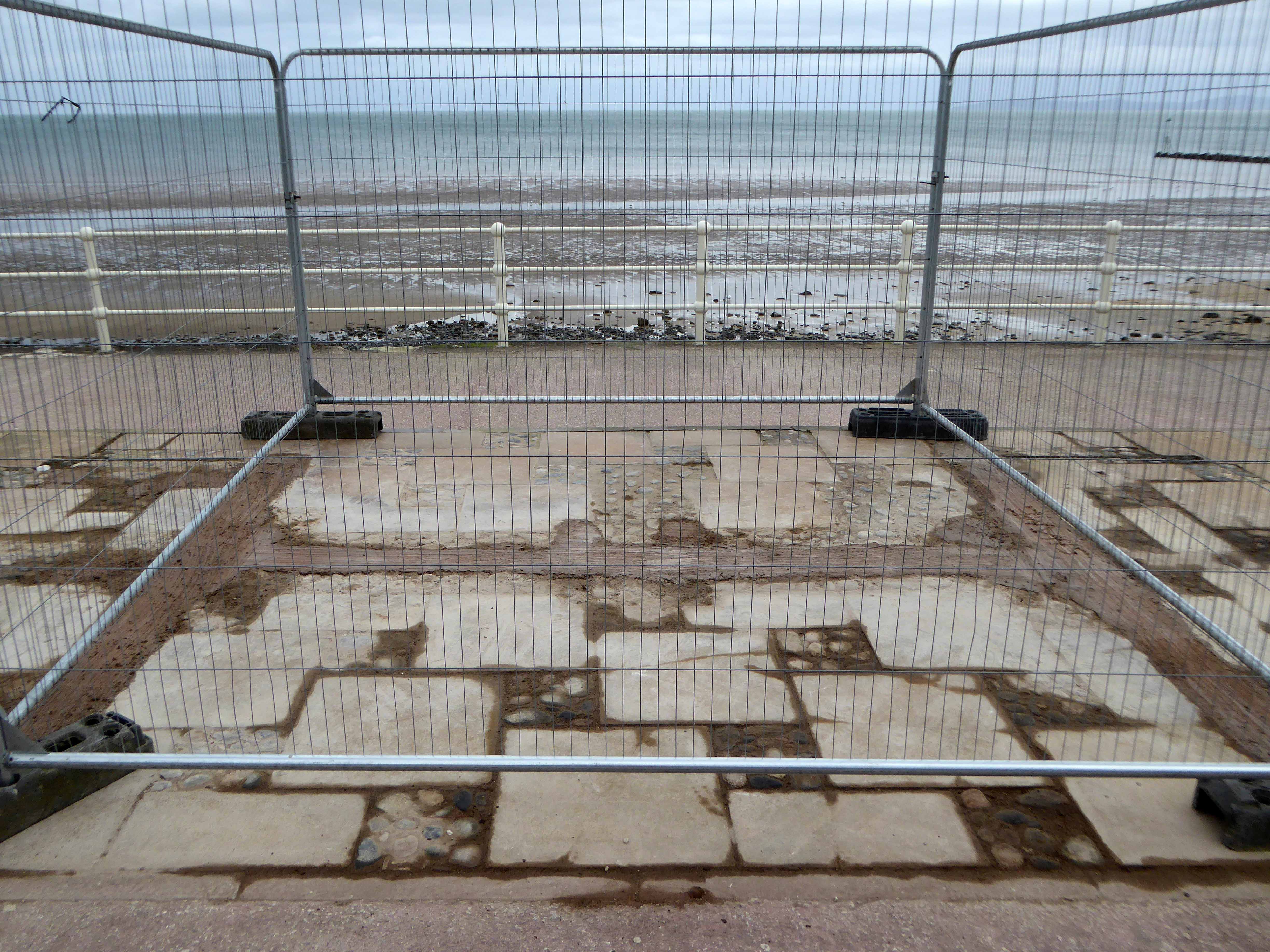
I thought that you may have all been removed – phase two of several phases reshaping the hard landscape of Wales.

It seems I was incorrect – I’m happy to report that as of last Friday only one of our shelters is missing.

So I more or less repeated the task undertaken on my last visit.

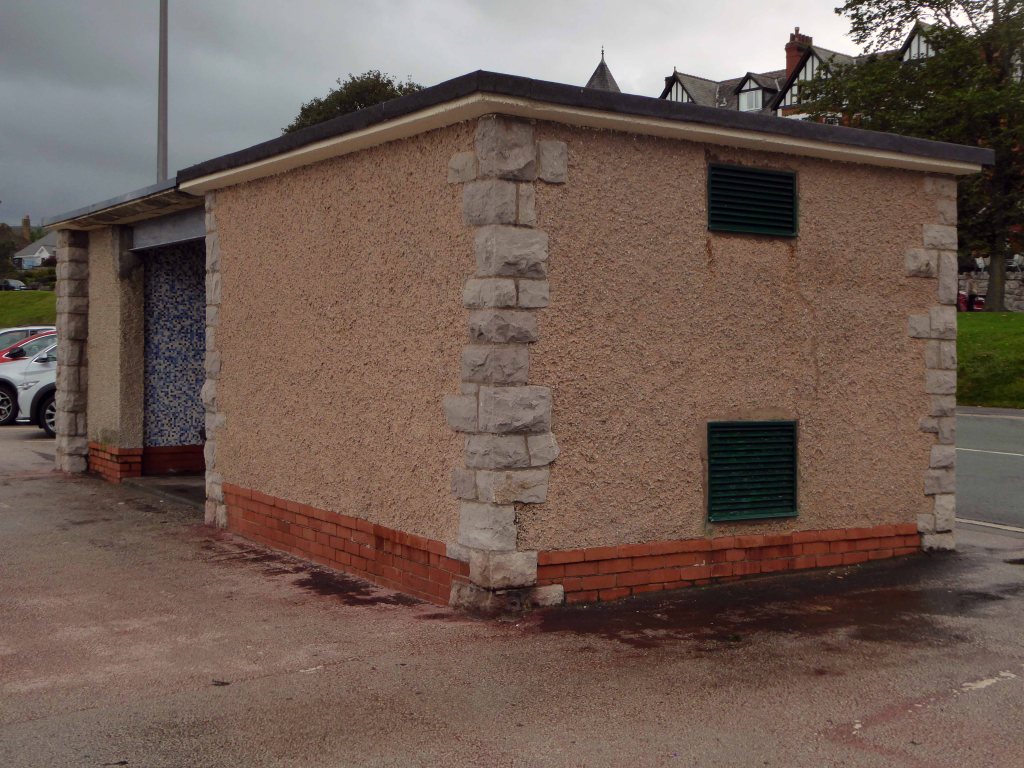
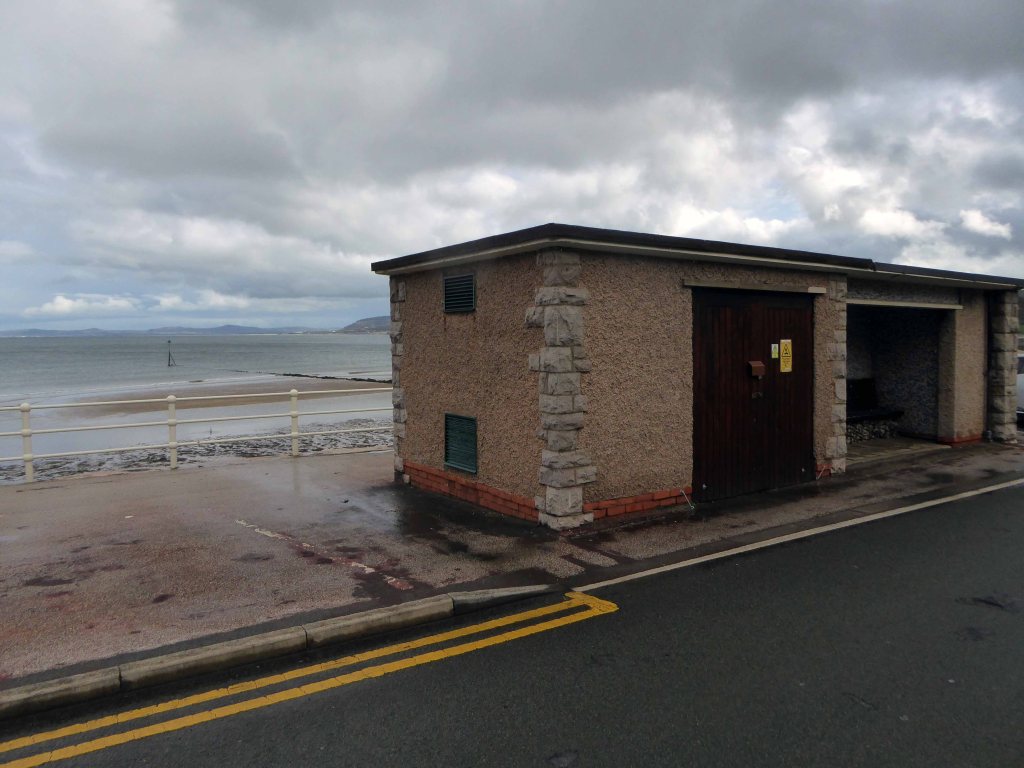
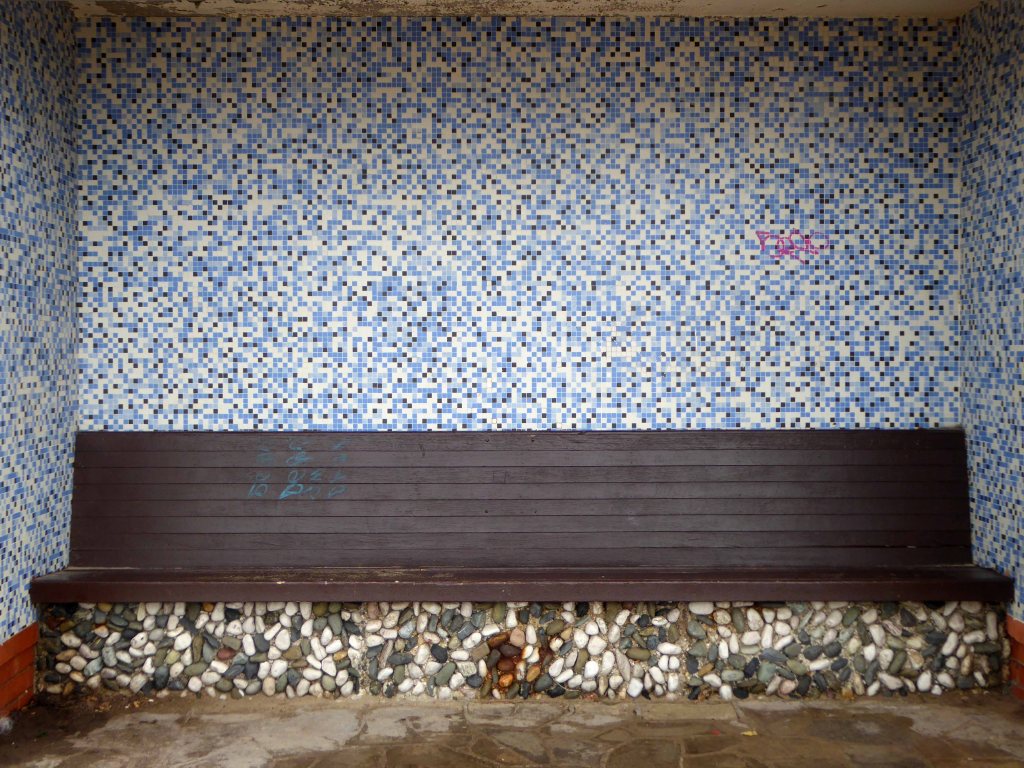
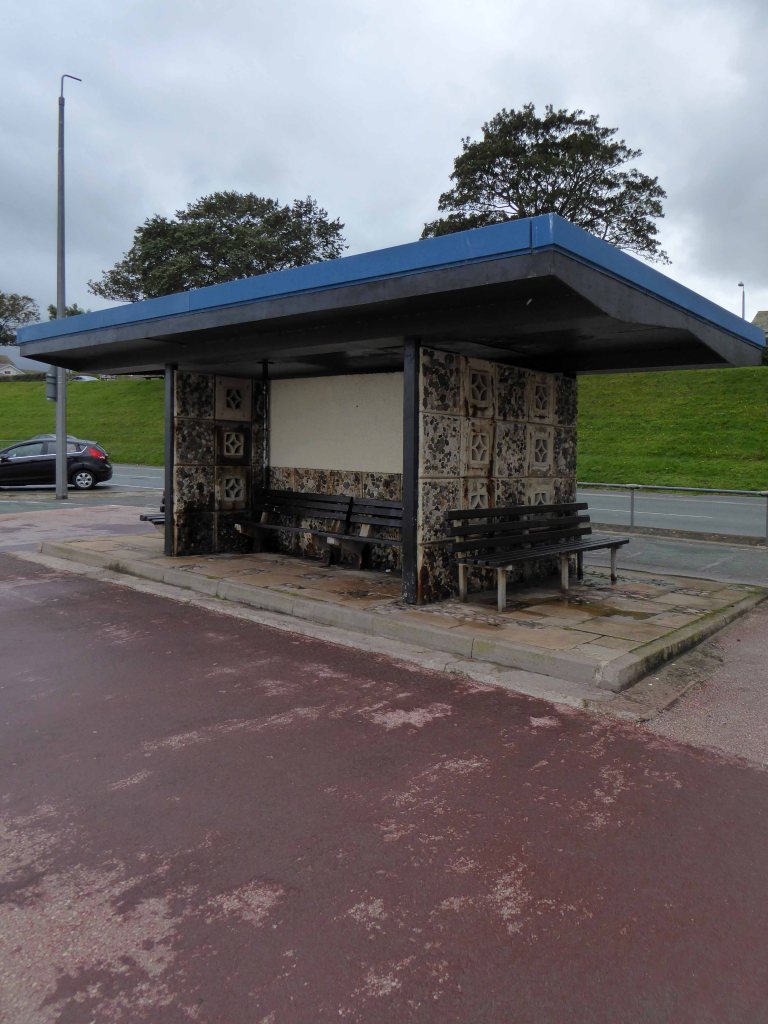
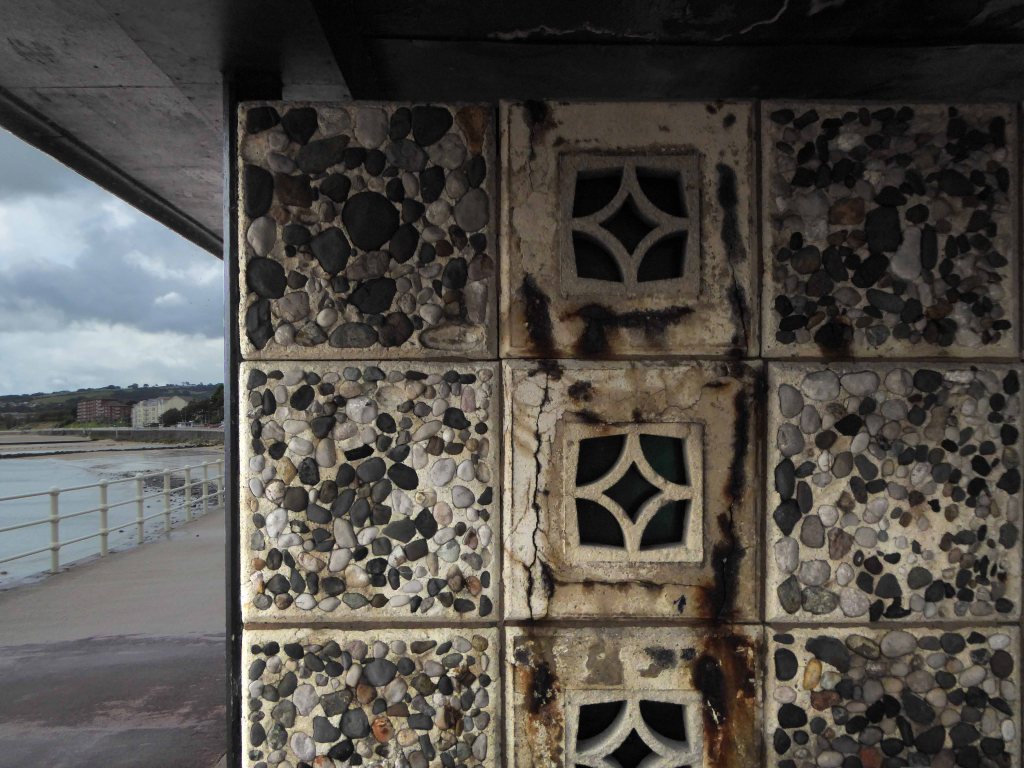
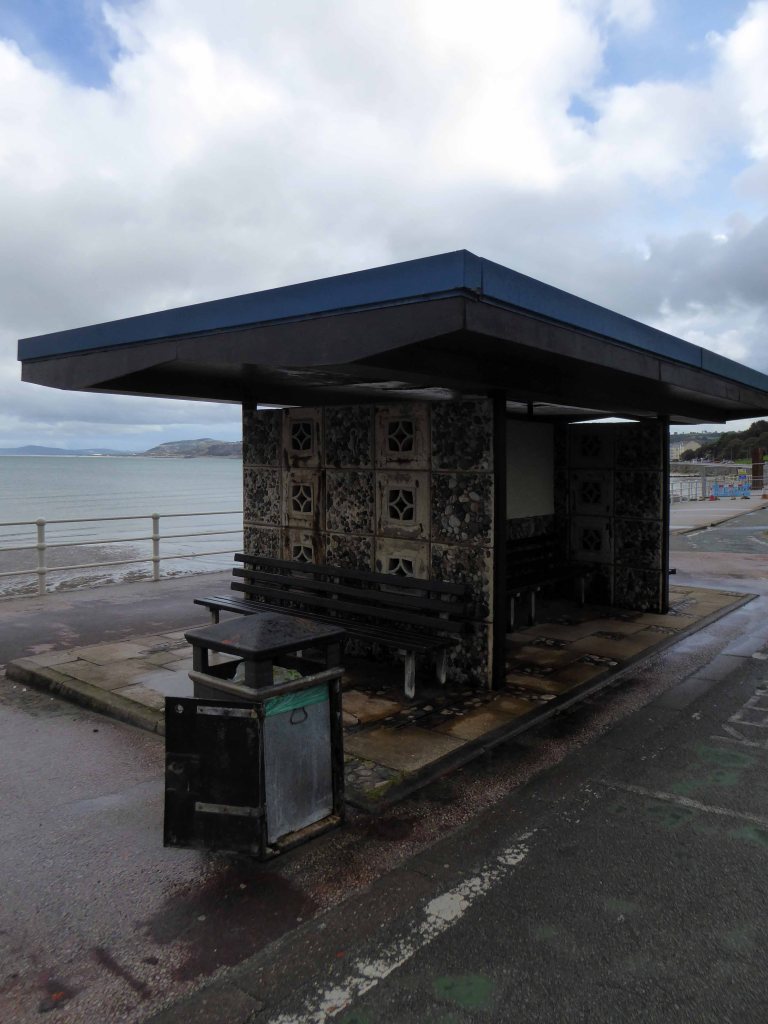
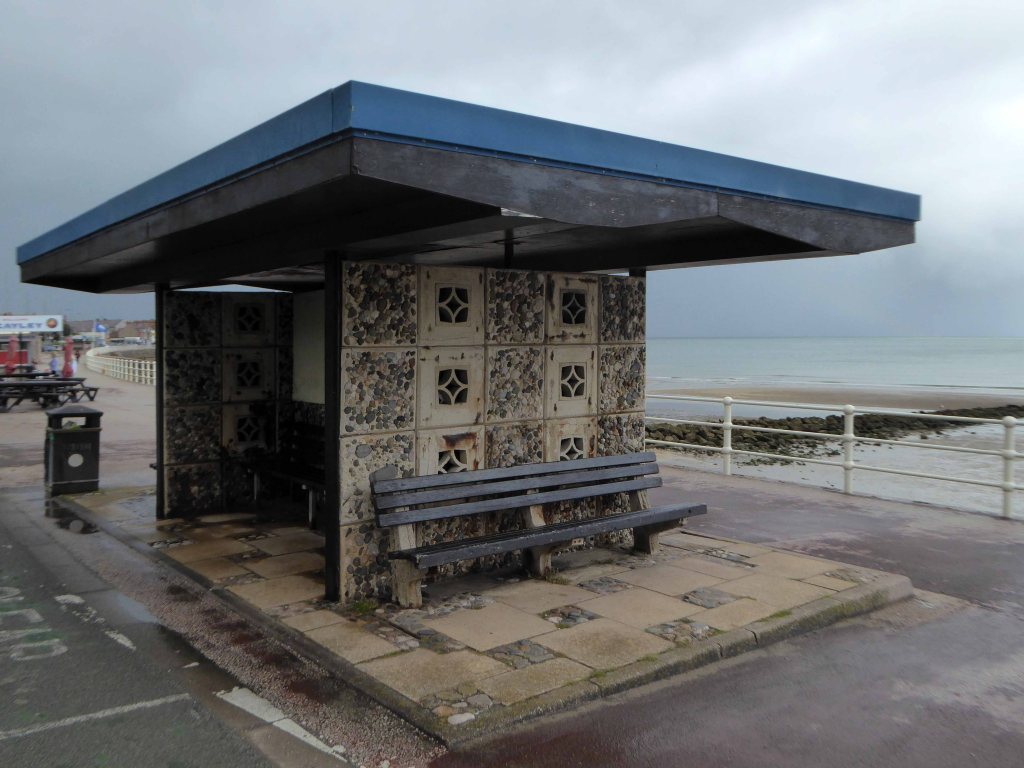
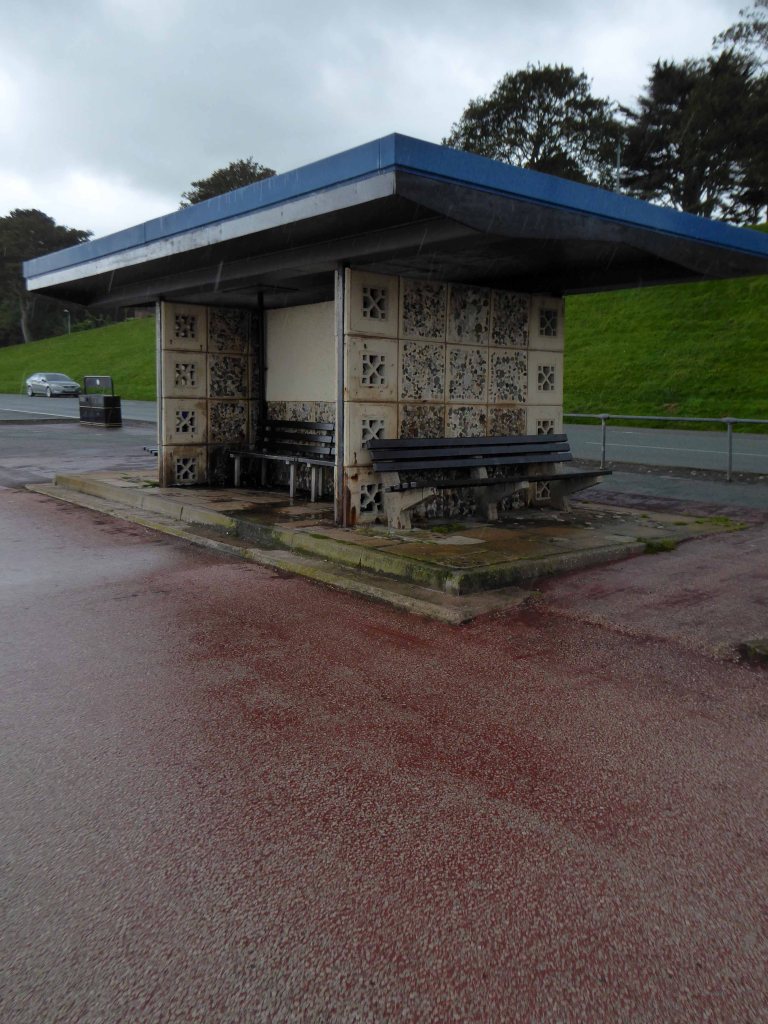
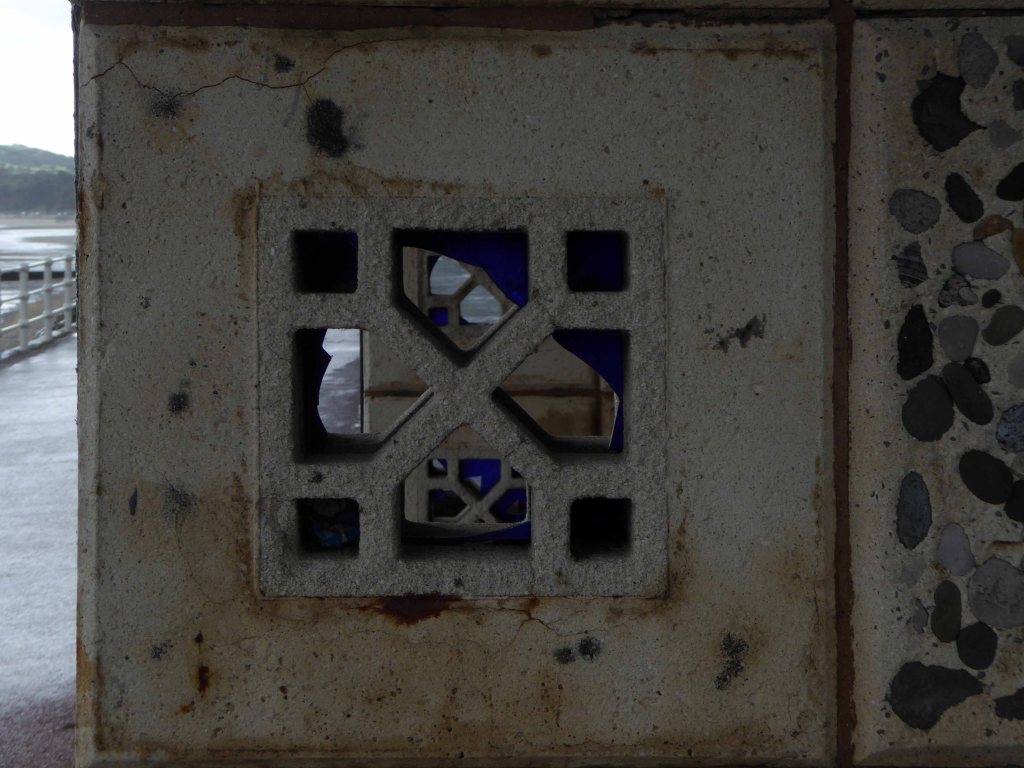
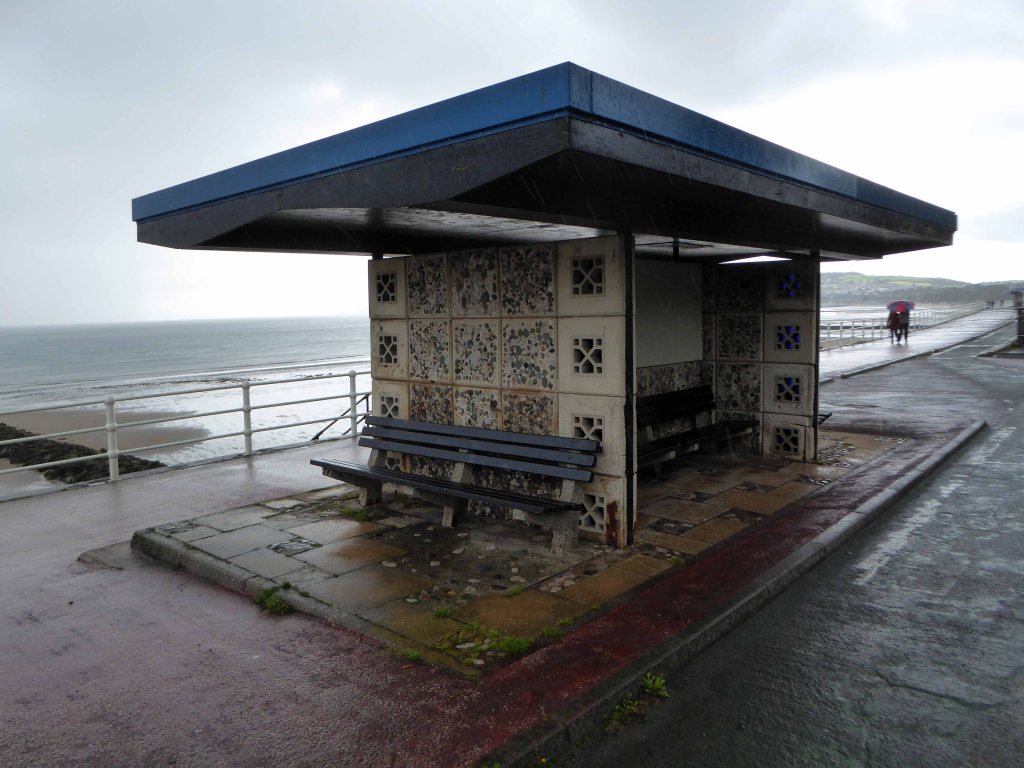
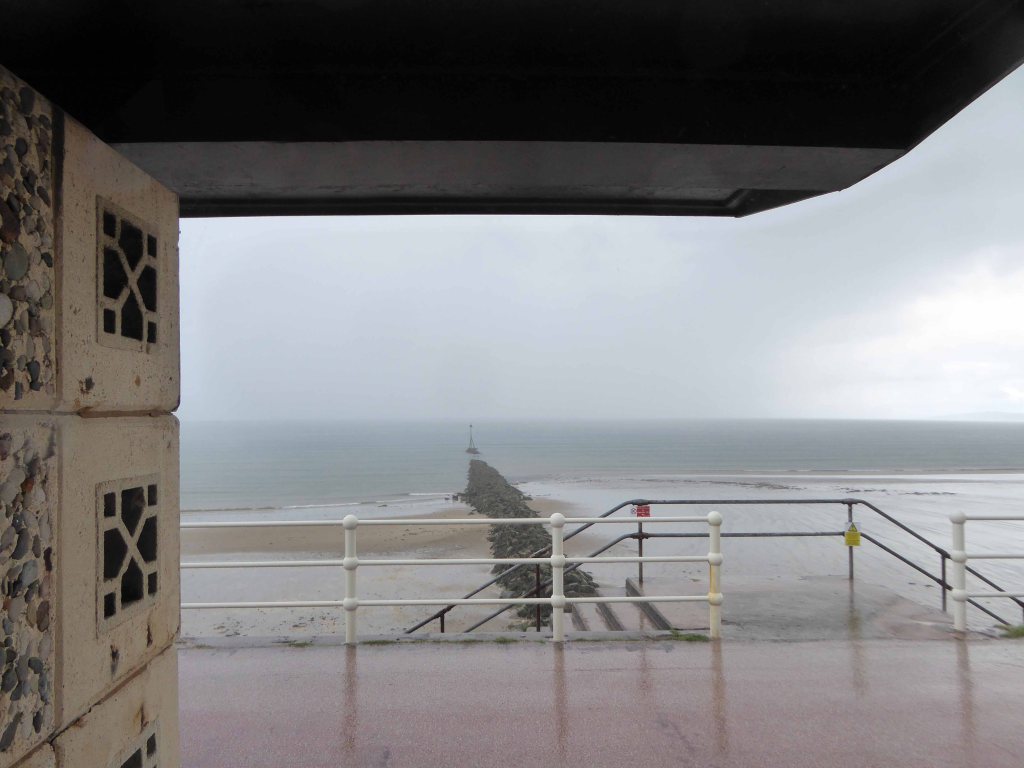
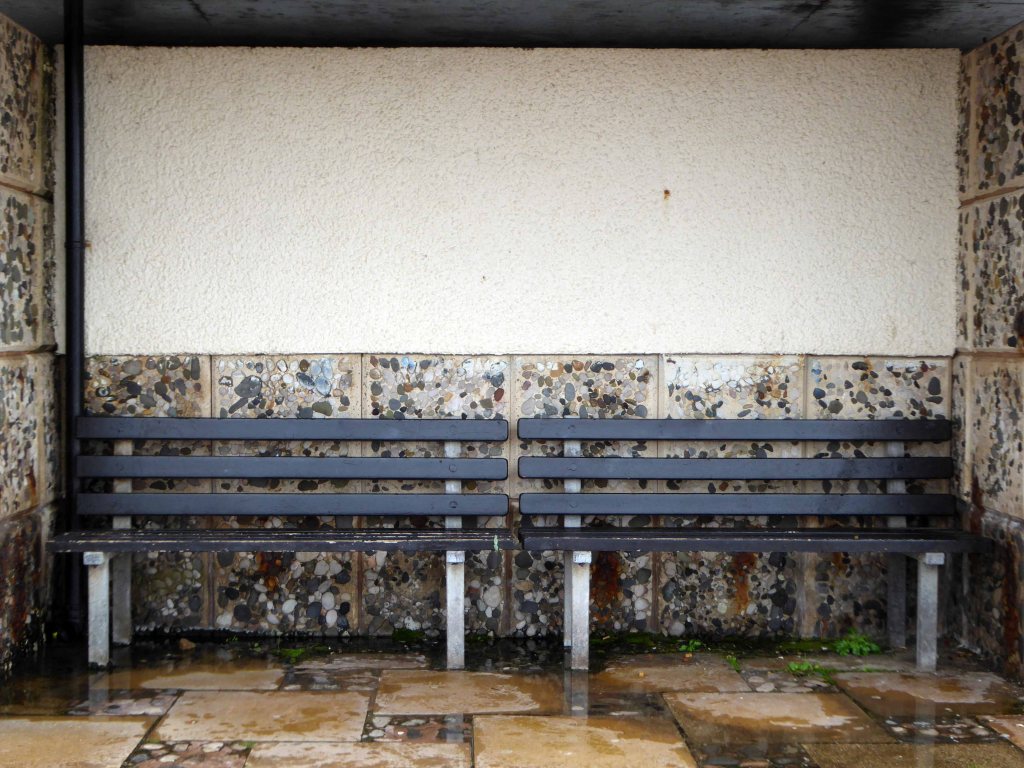
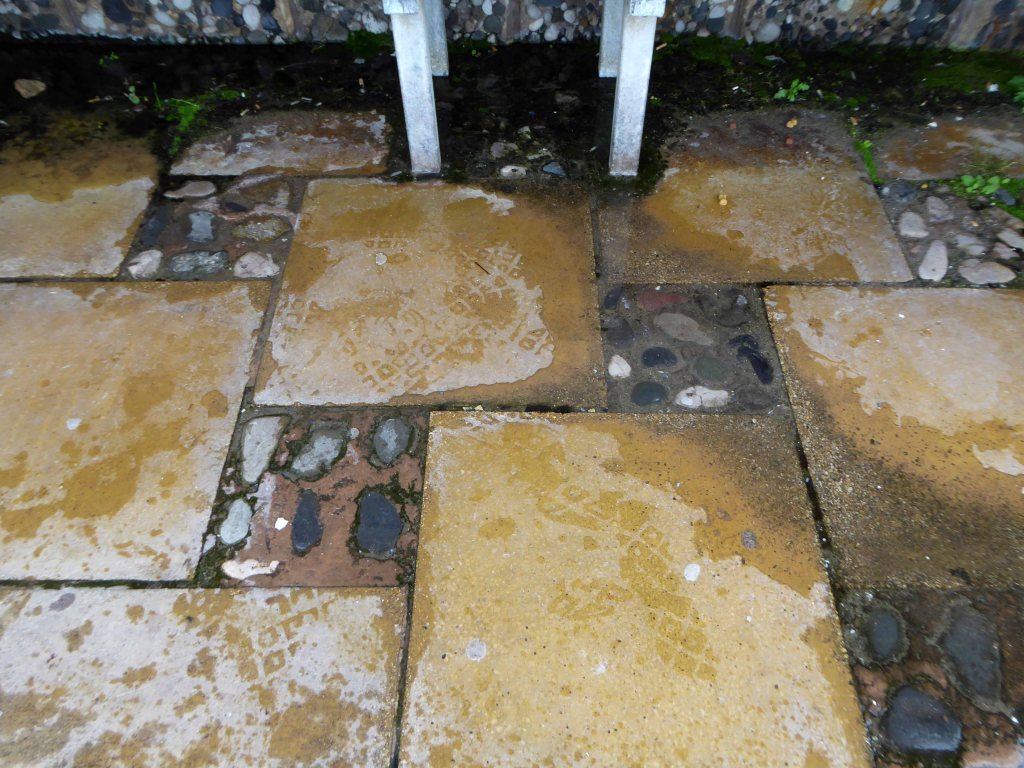
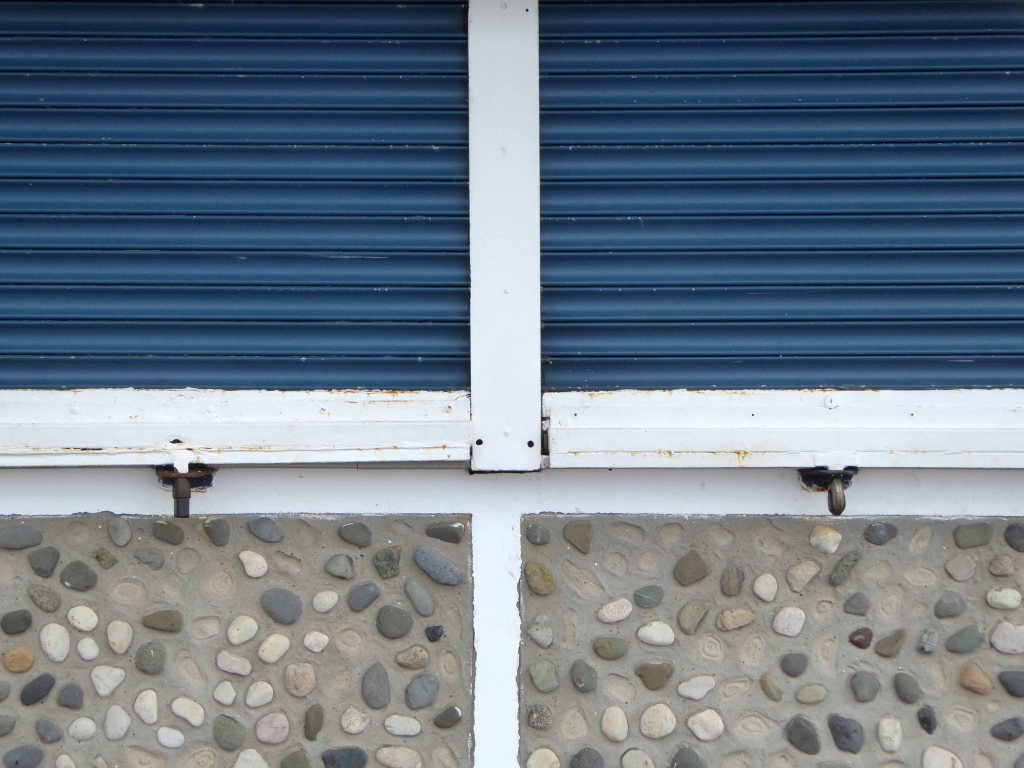
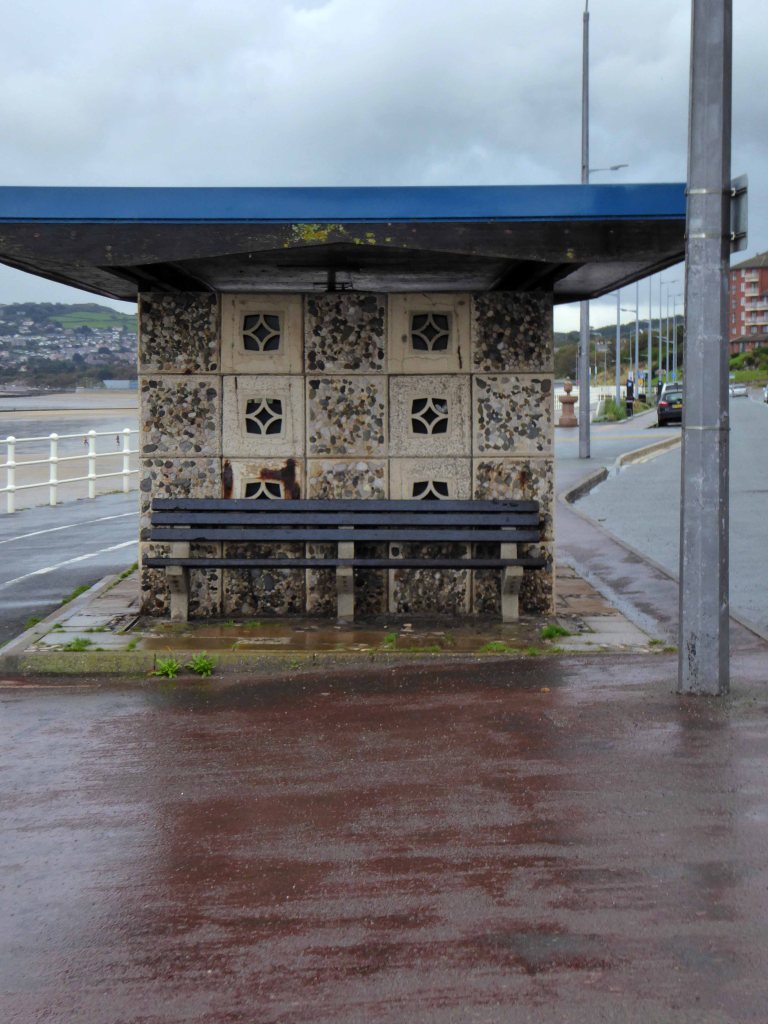
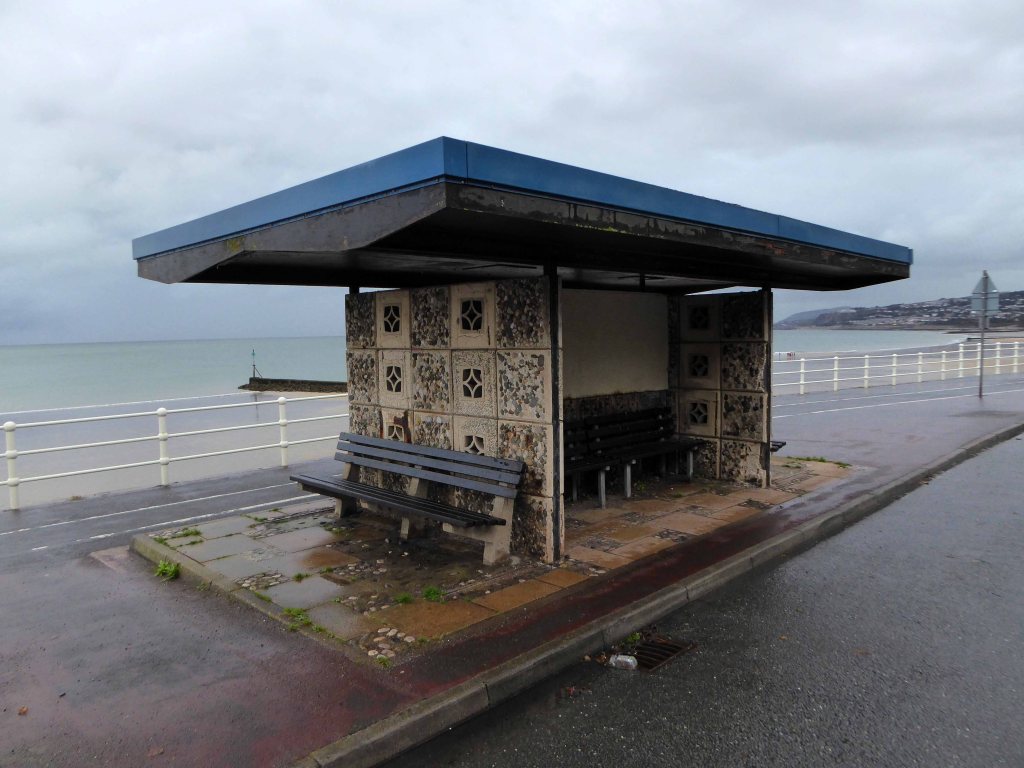
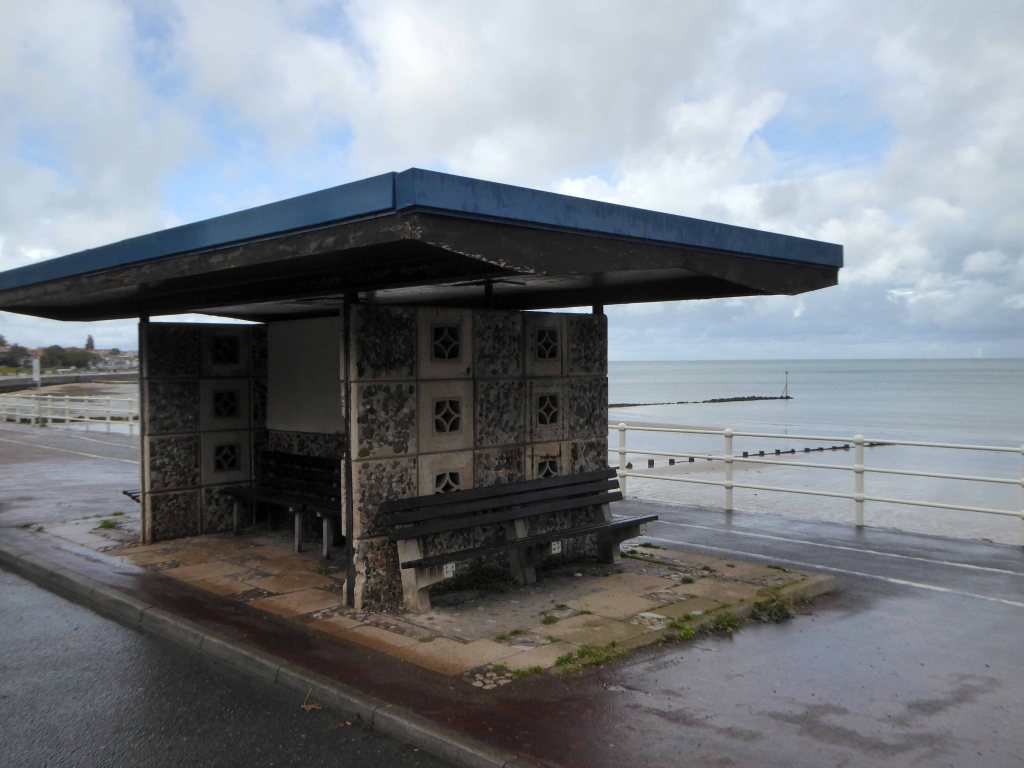
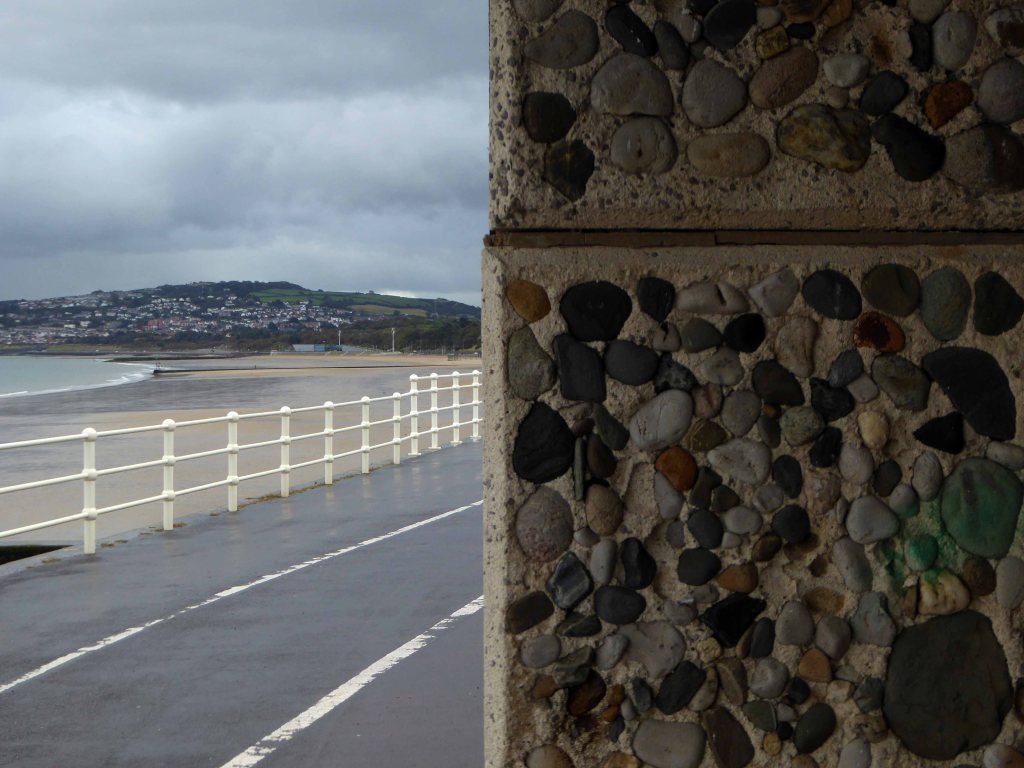
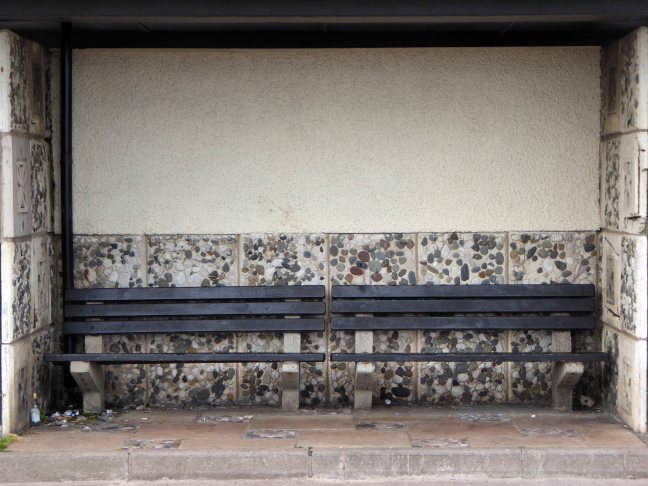
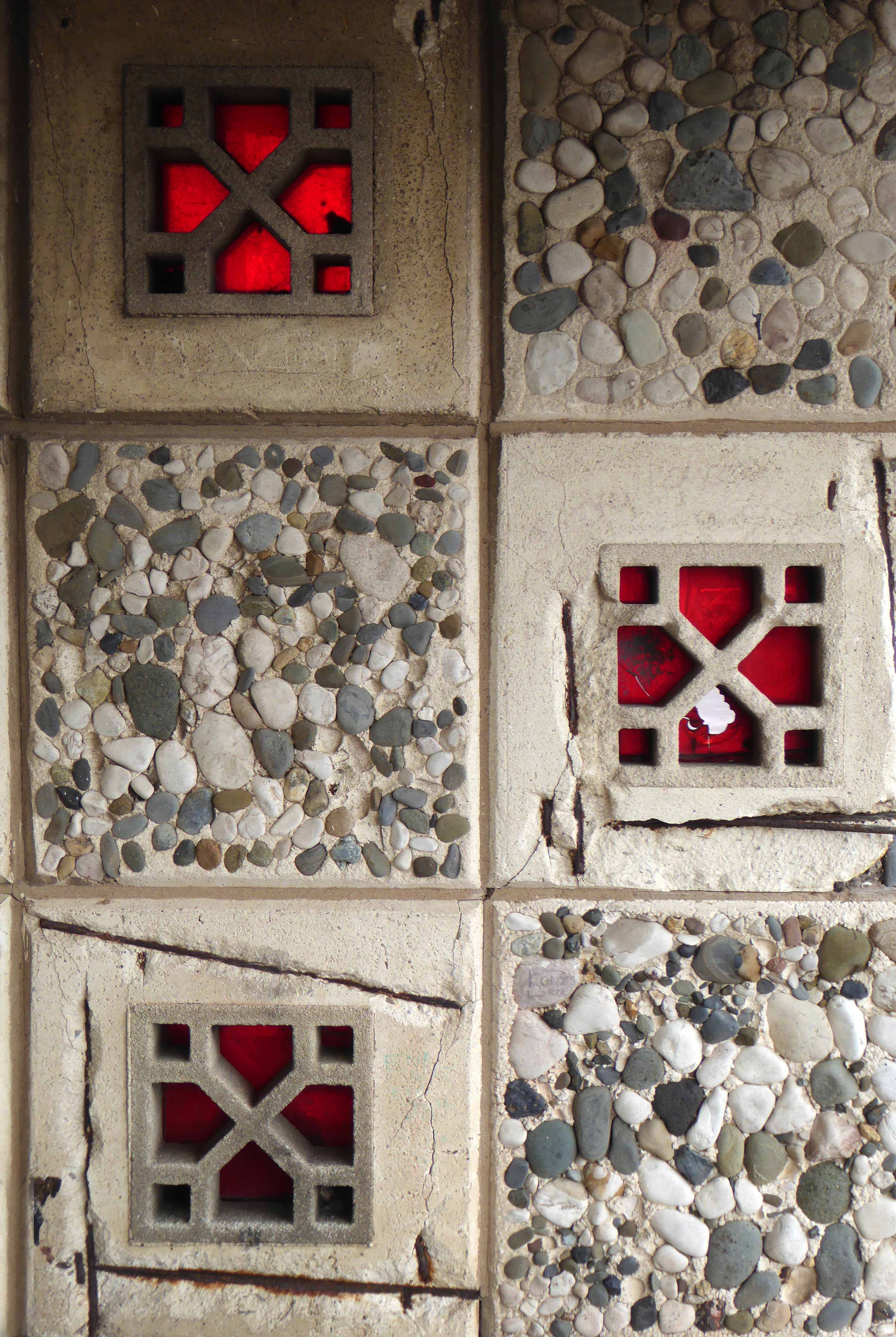
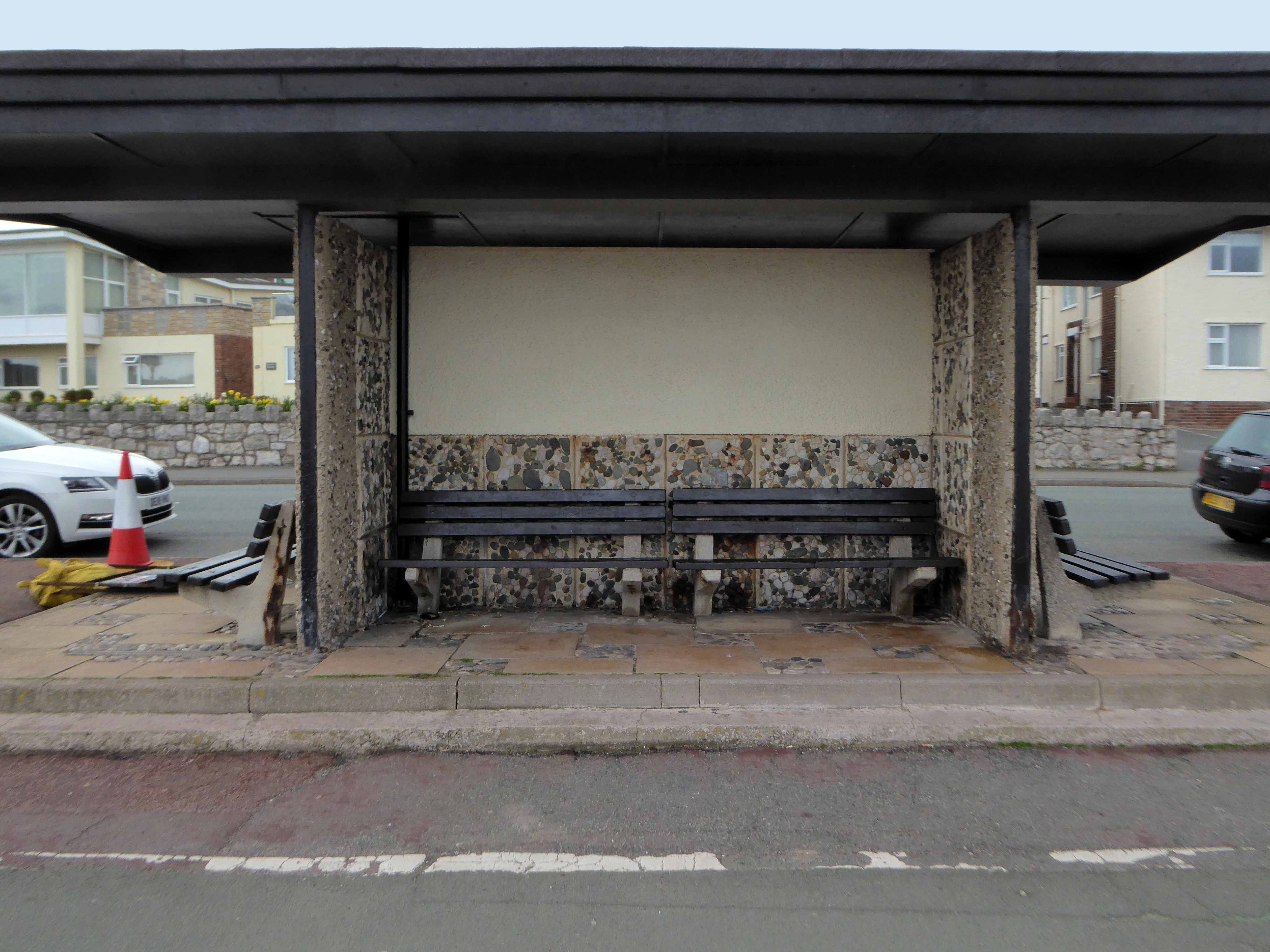
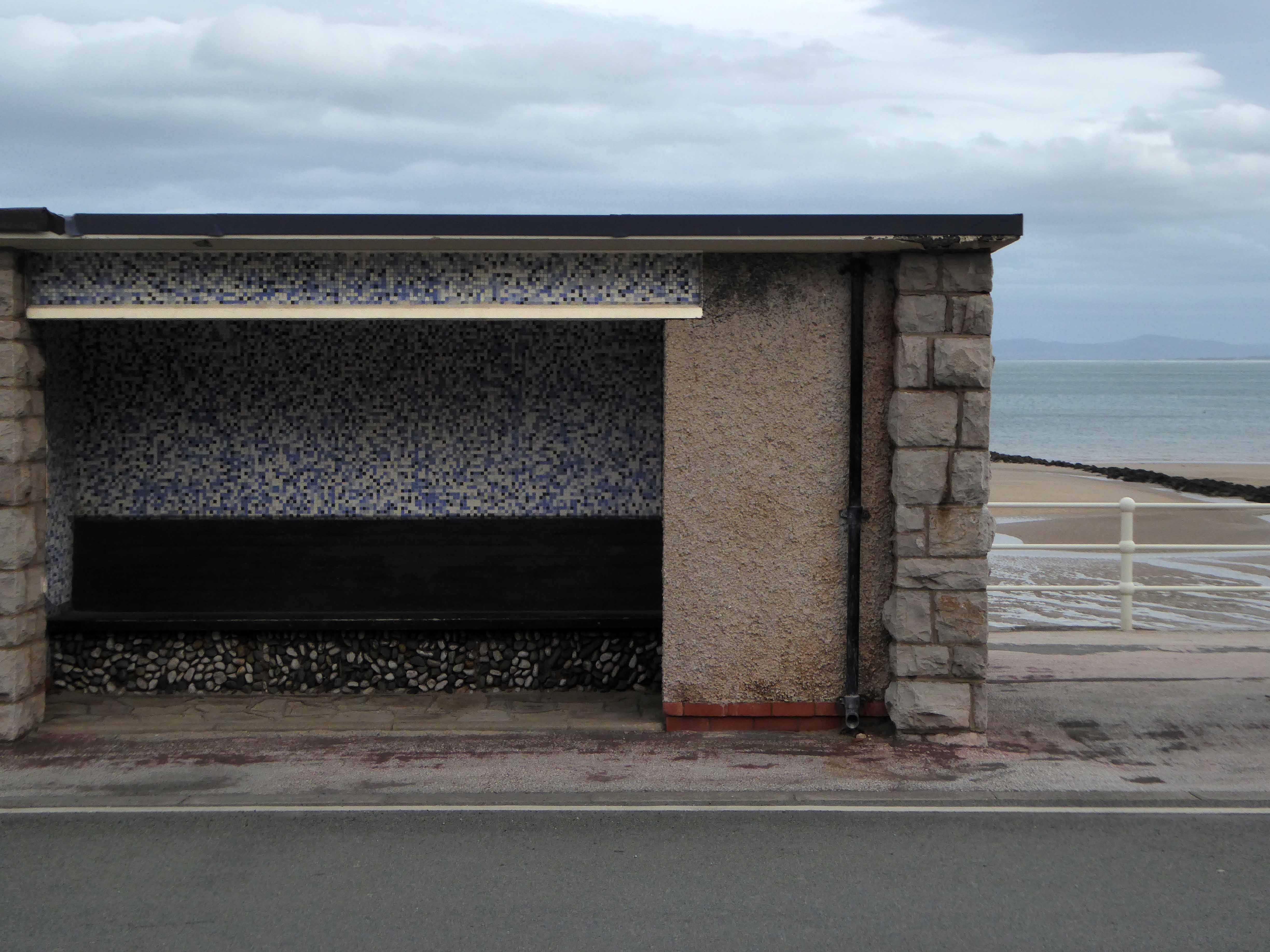
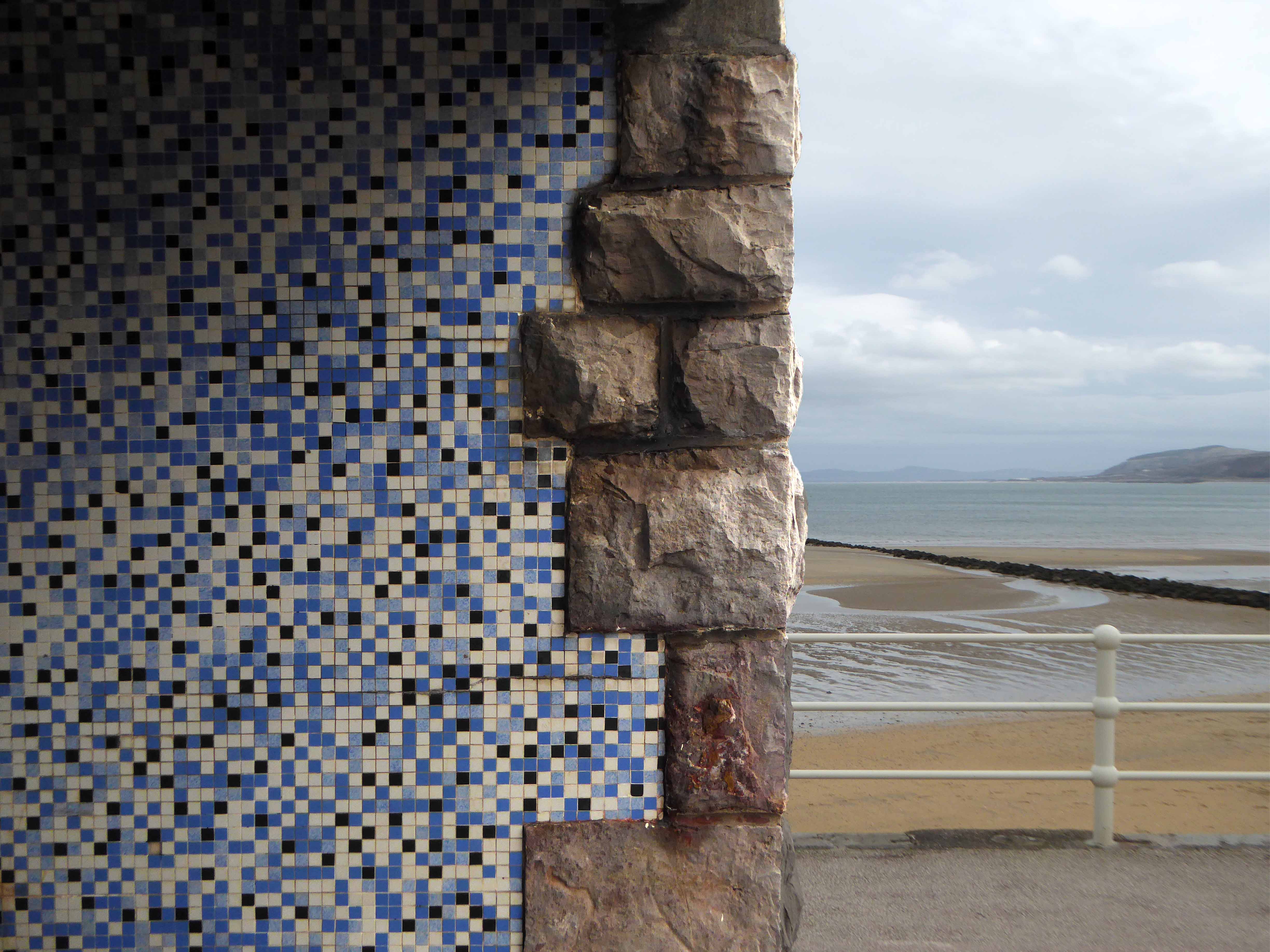
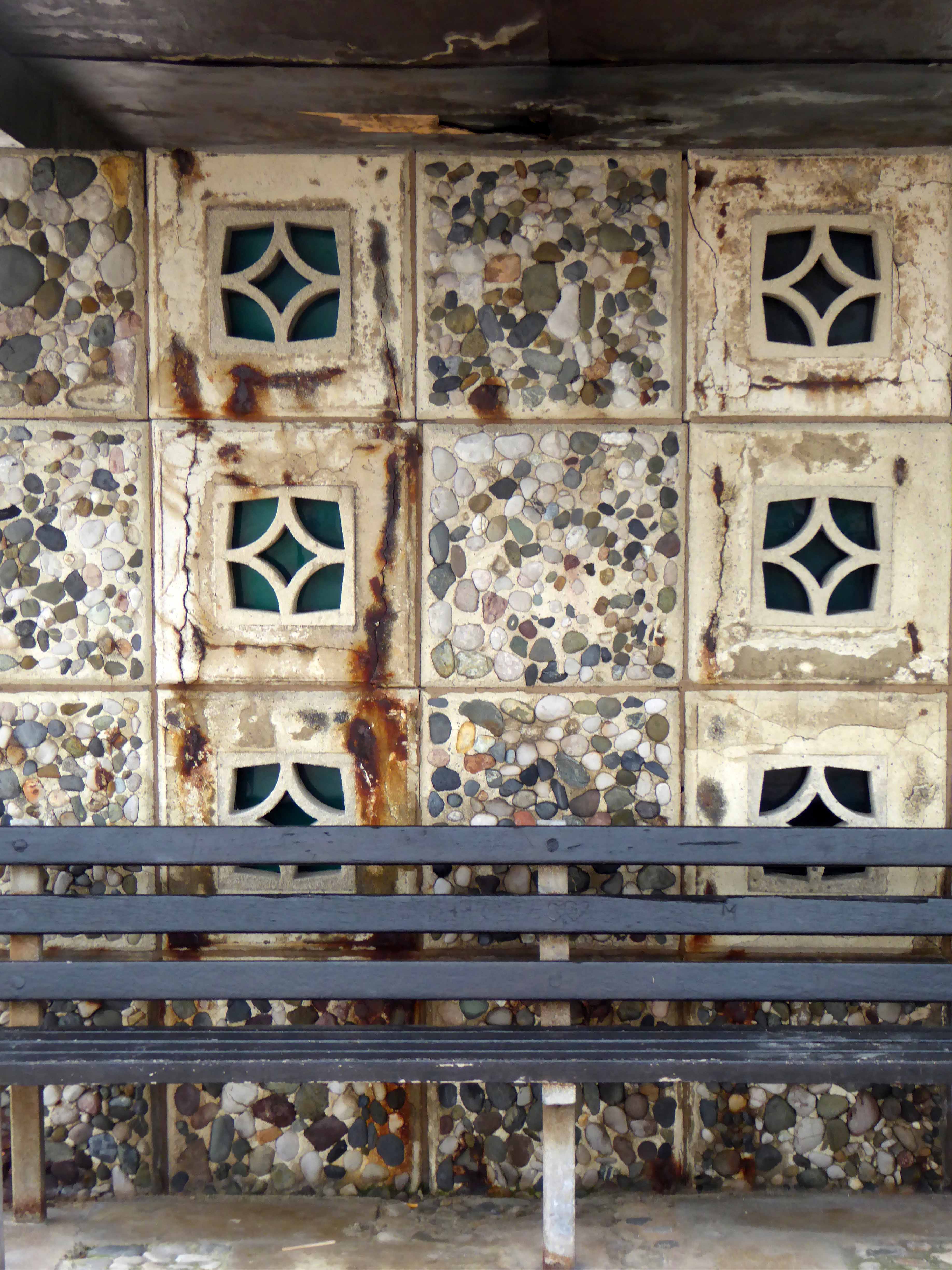
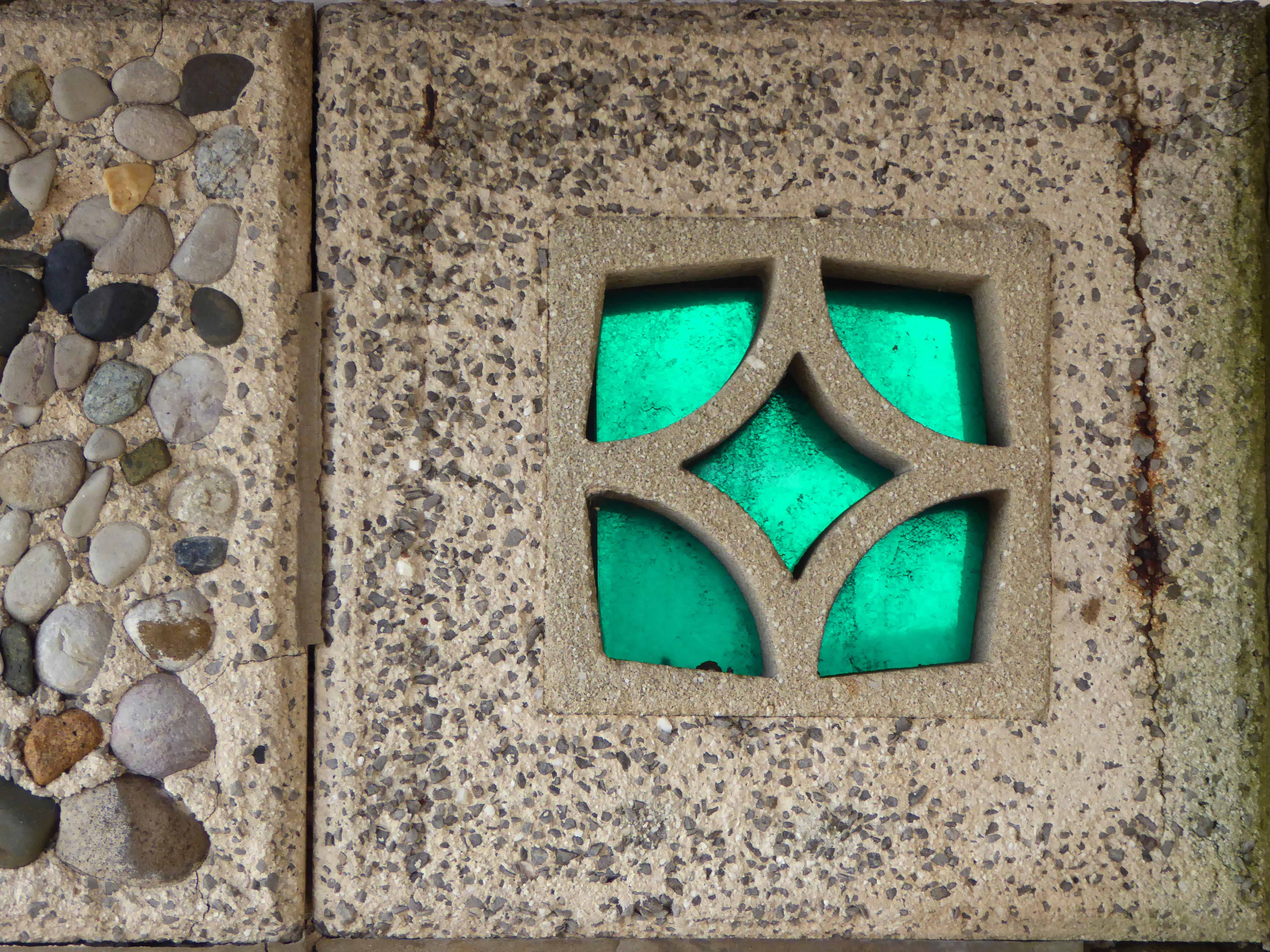
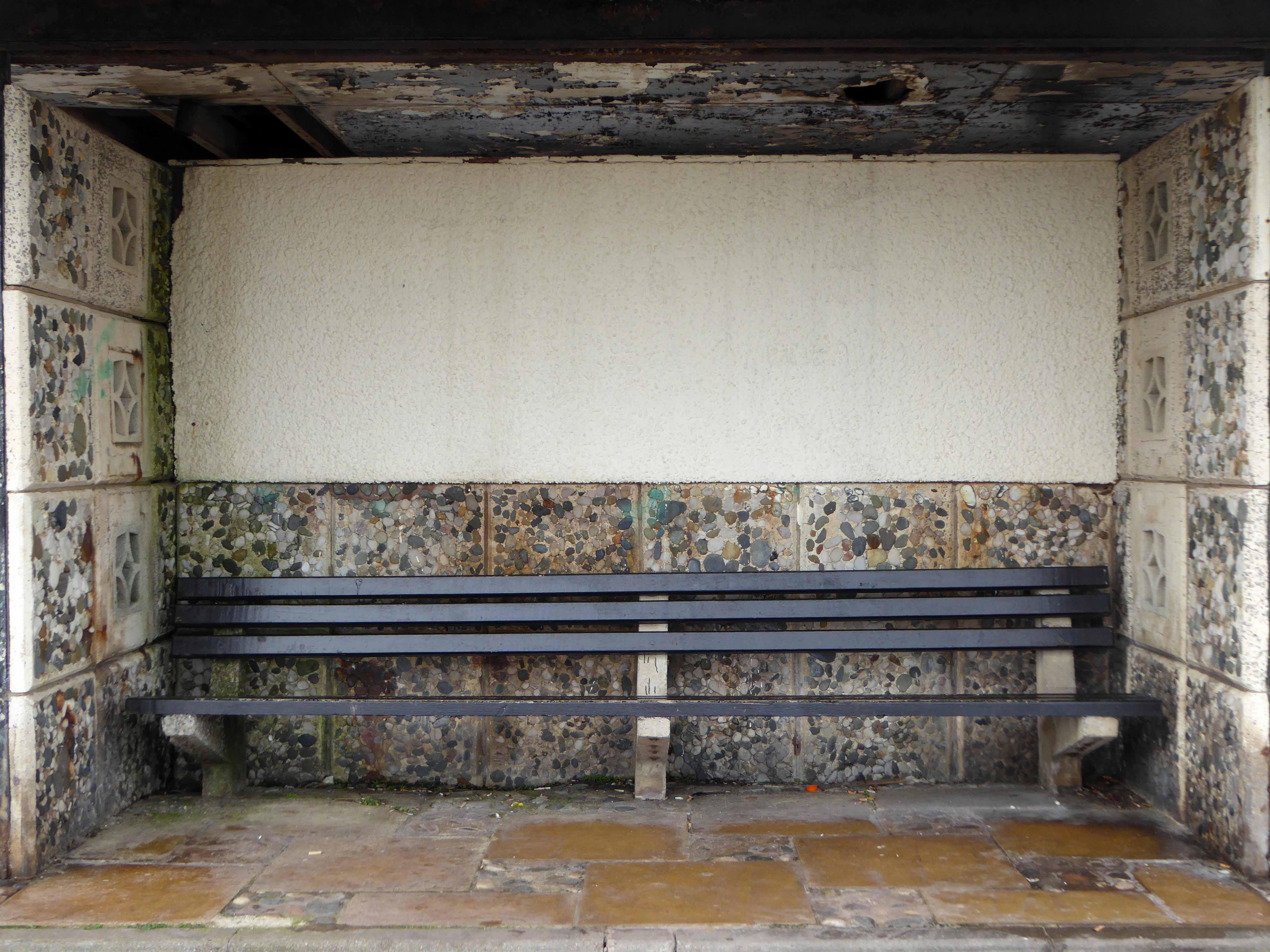
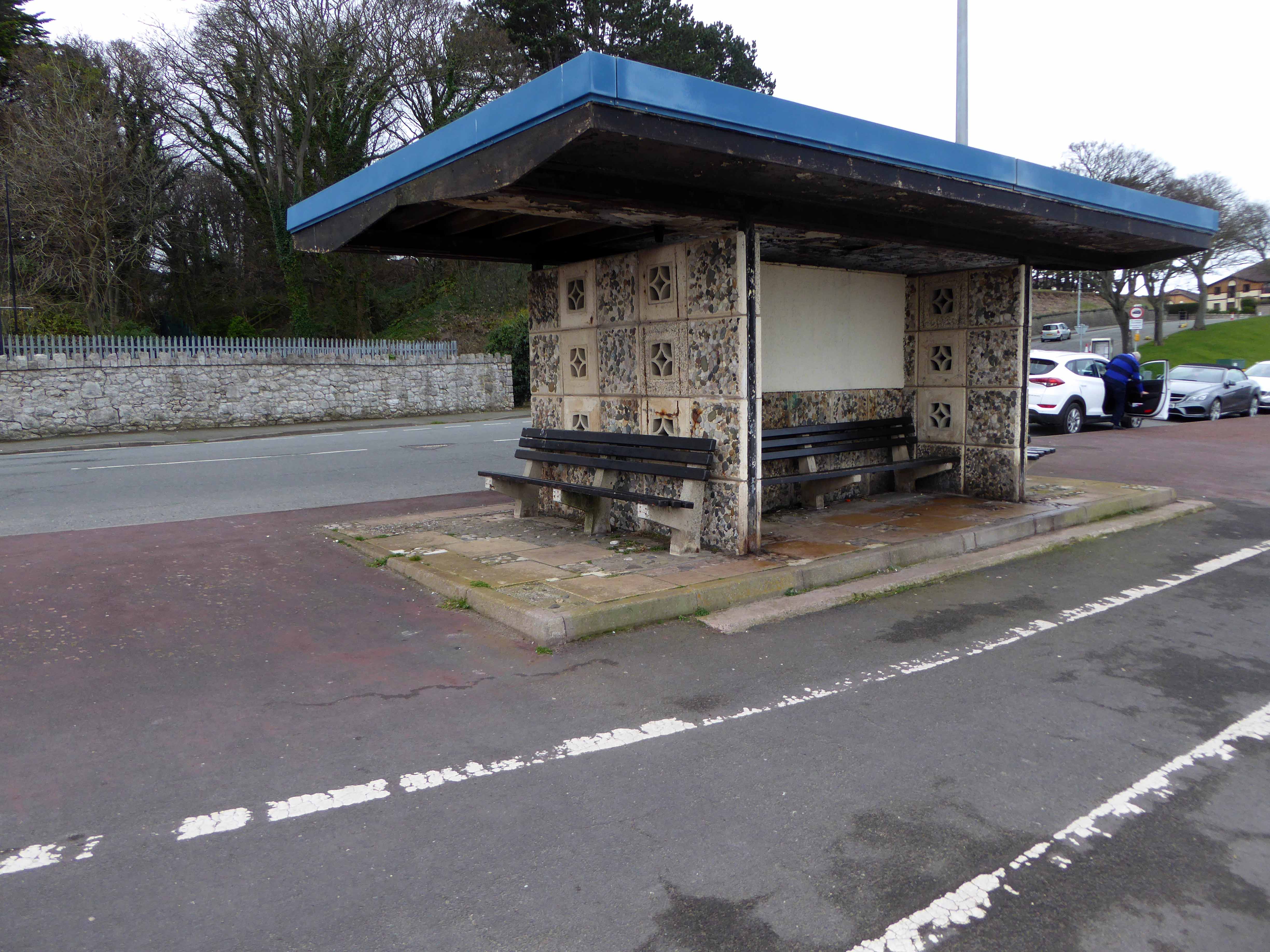
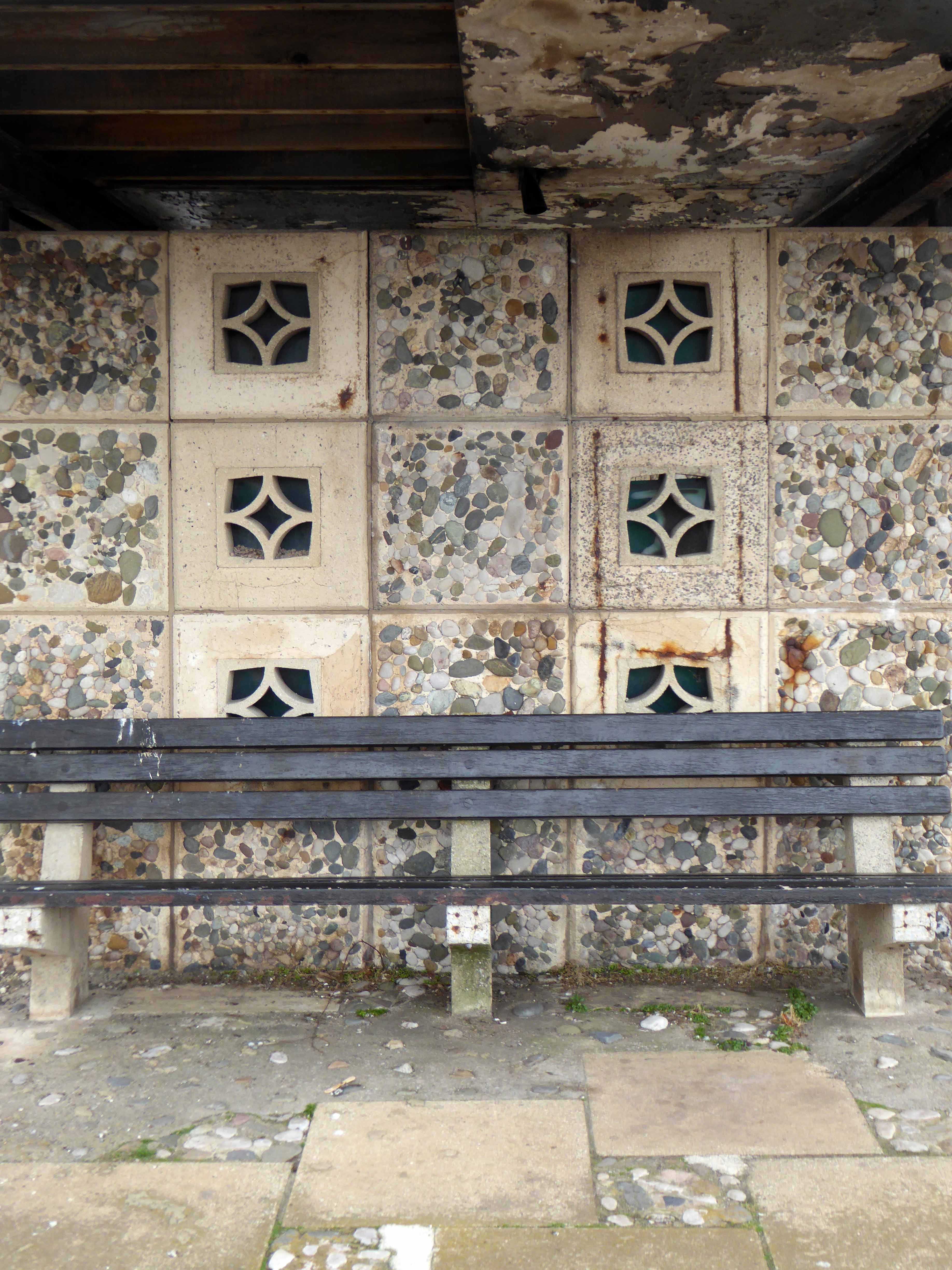
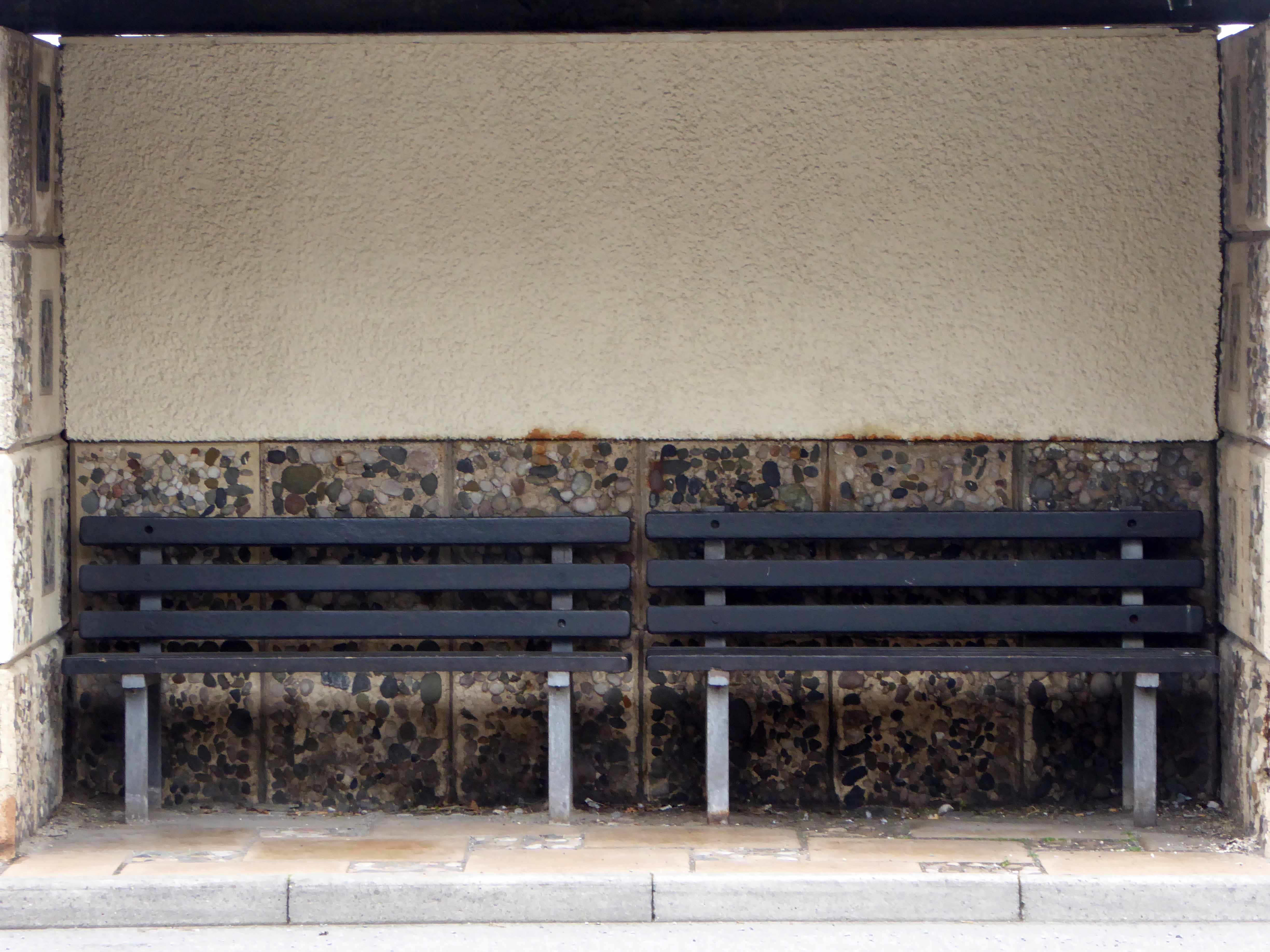
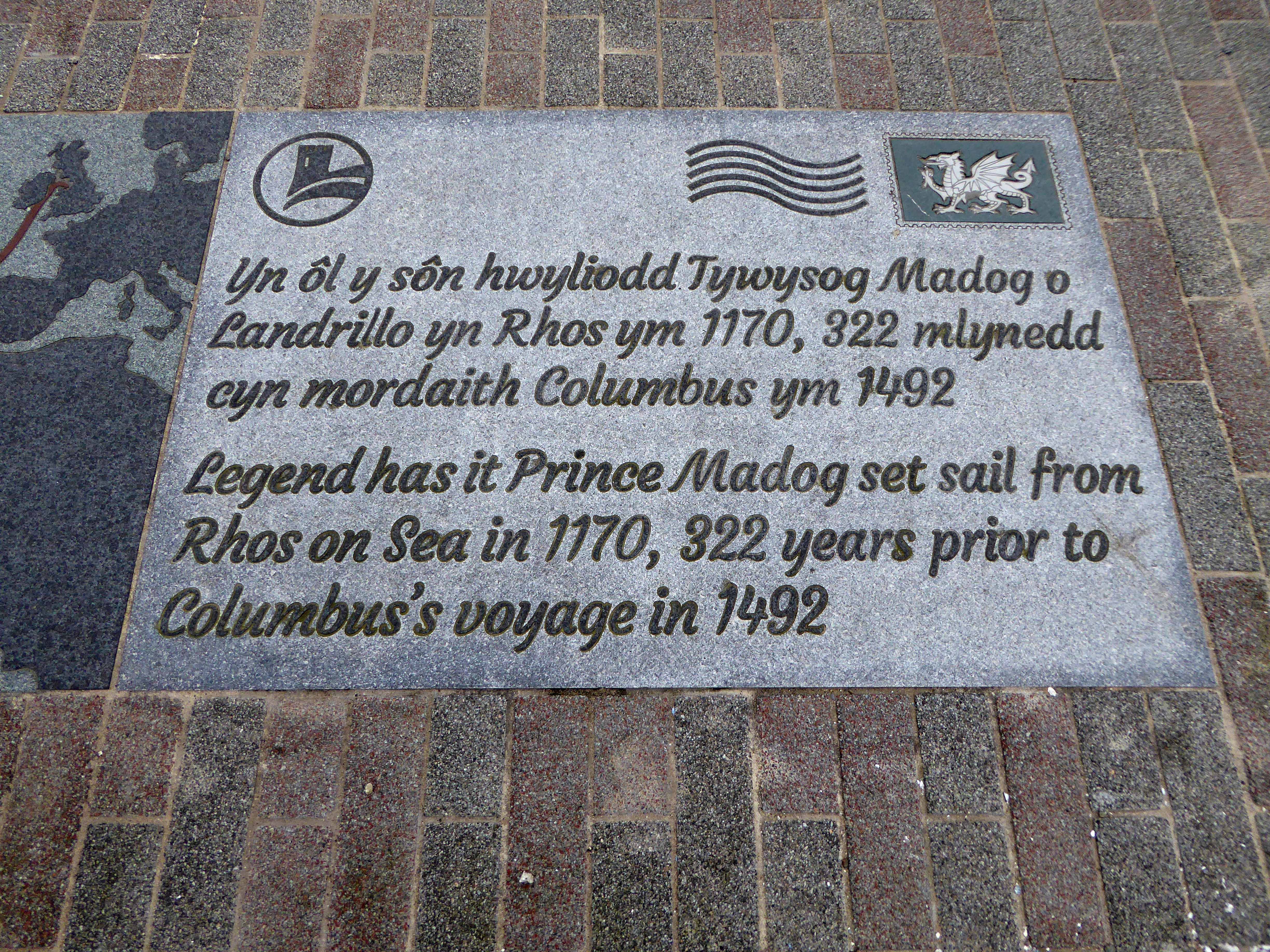
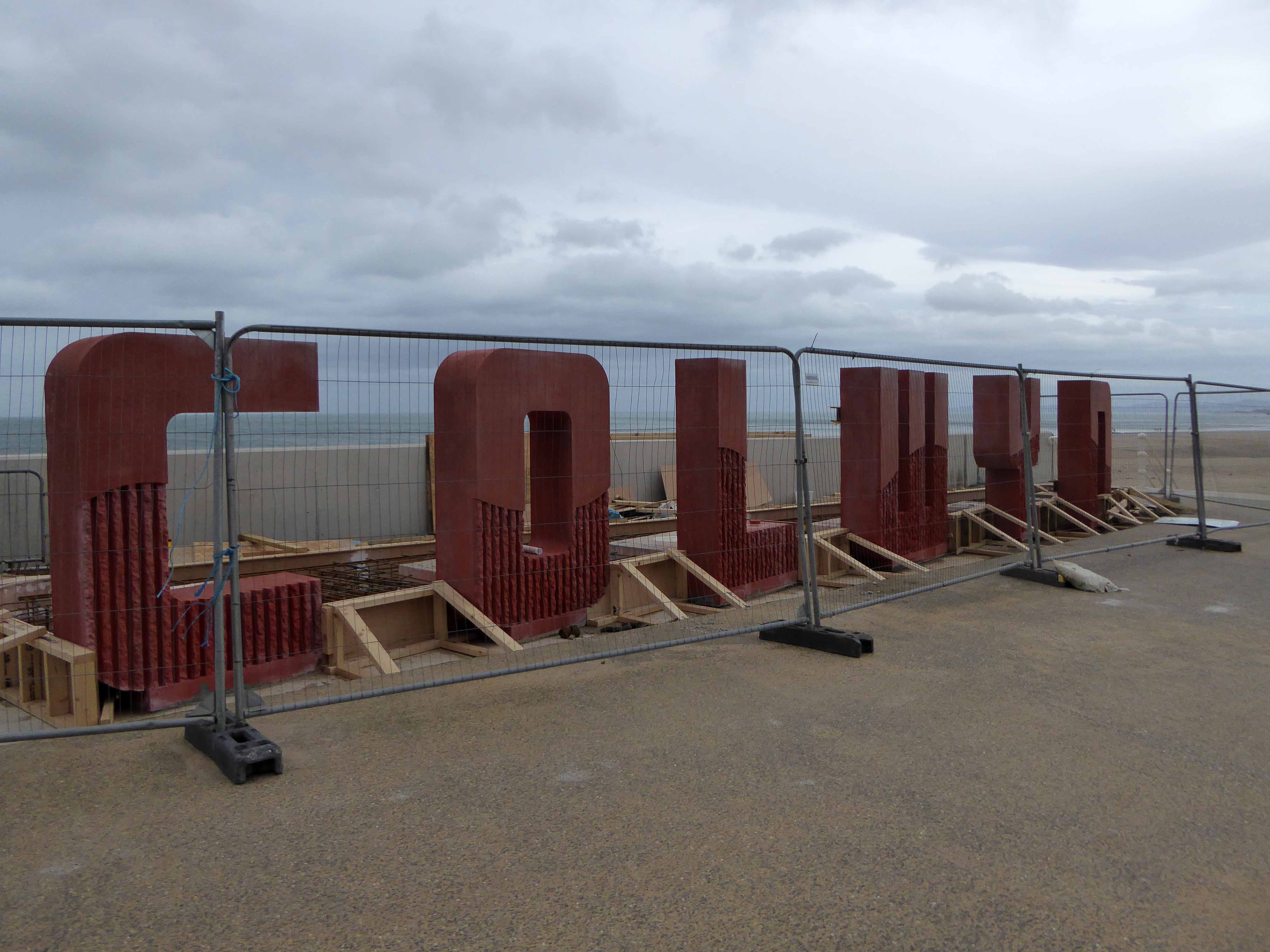
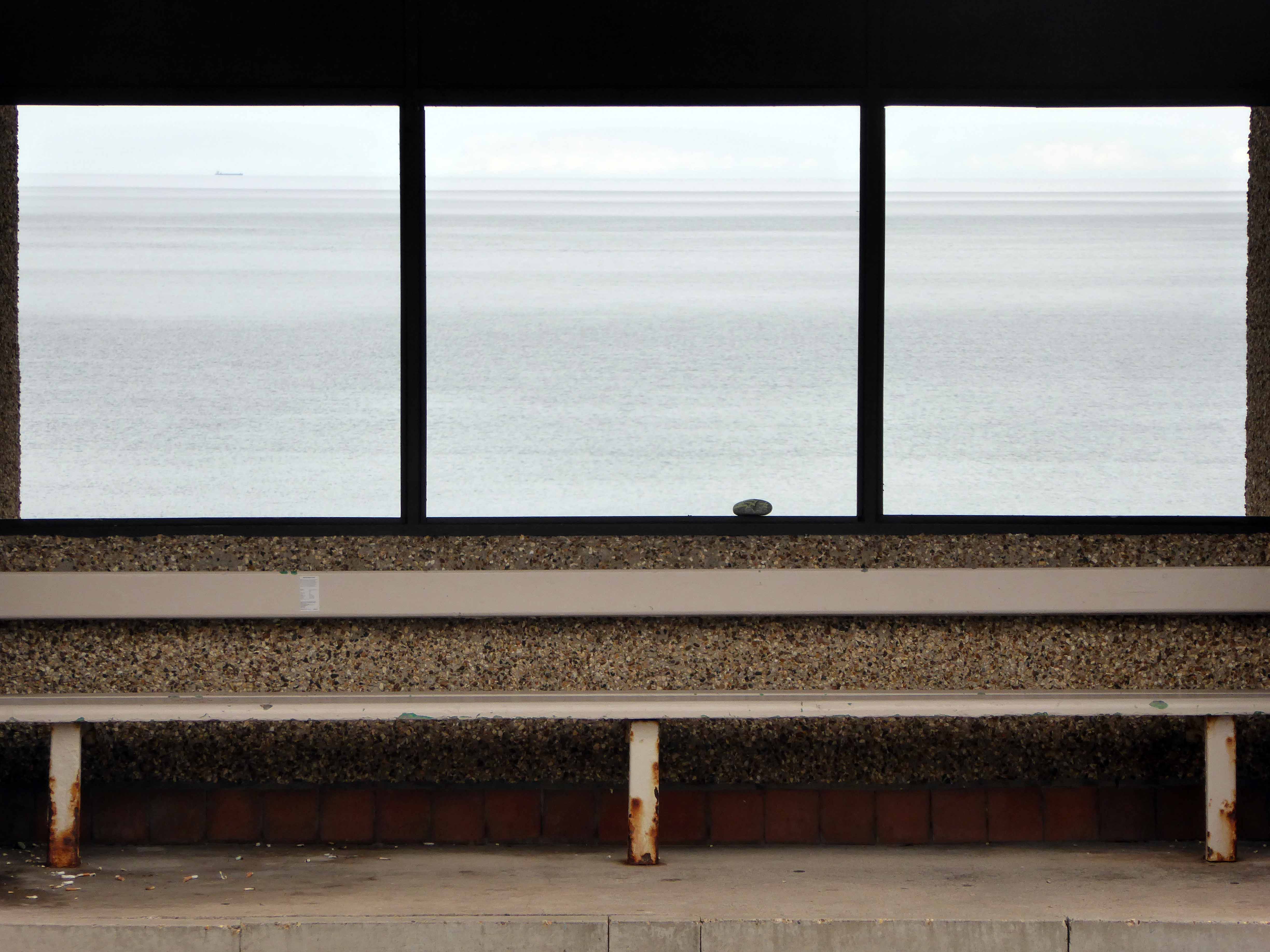
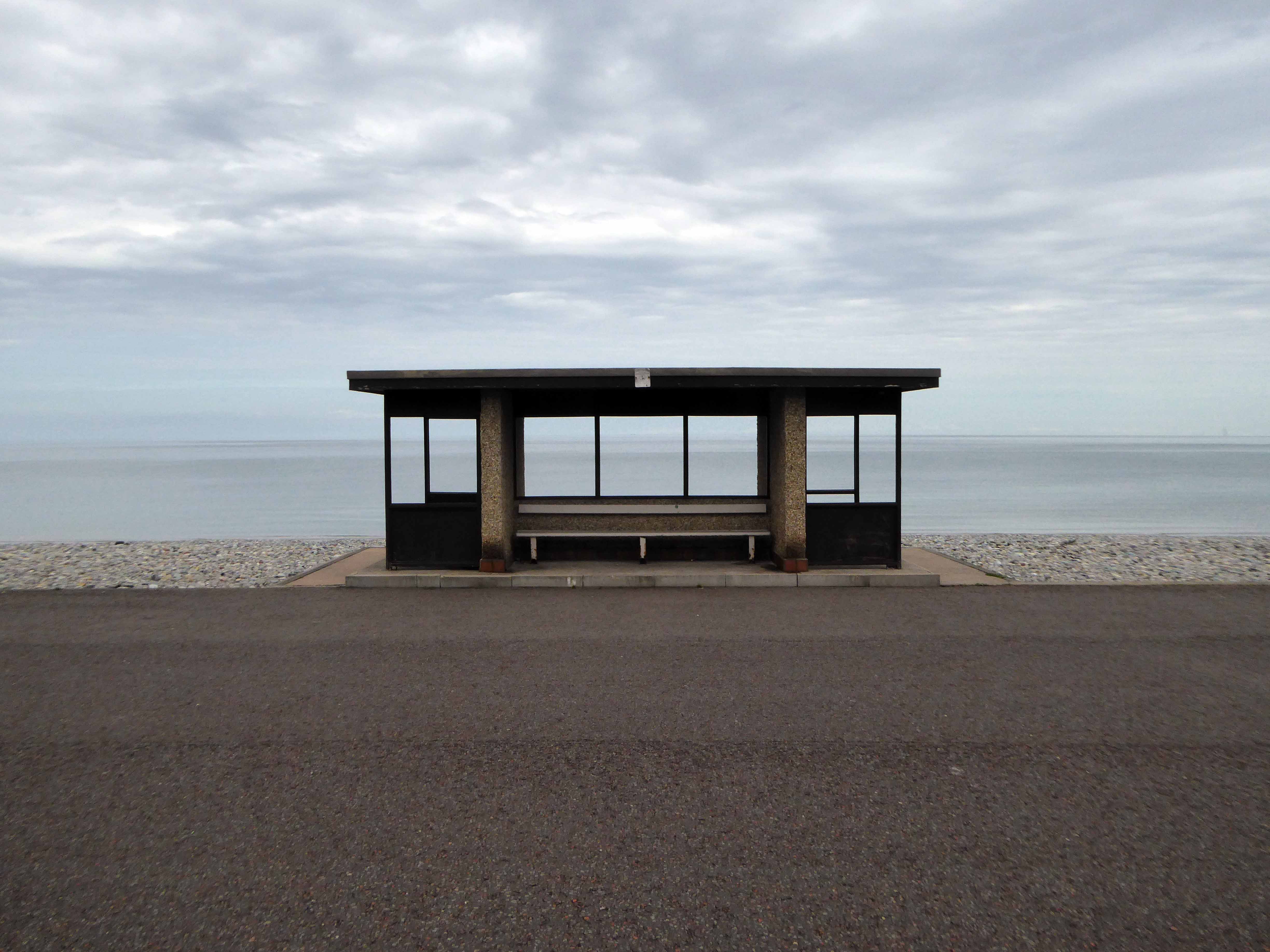
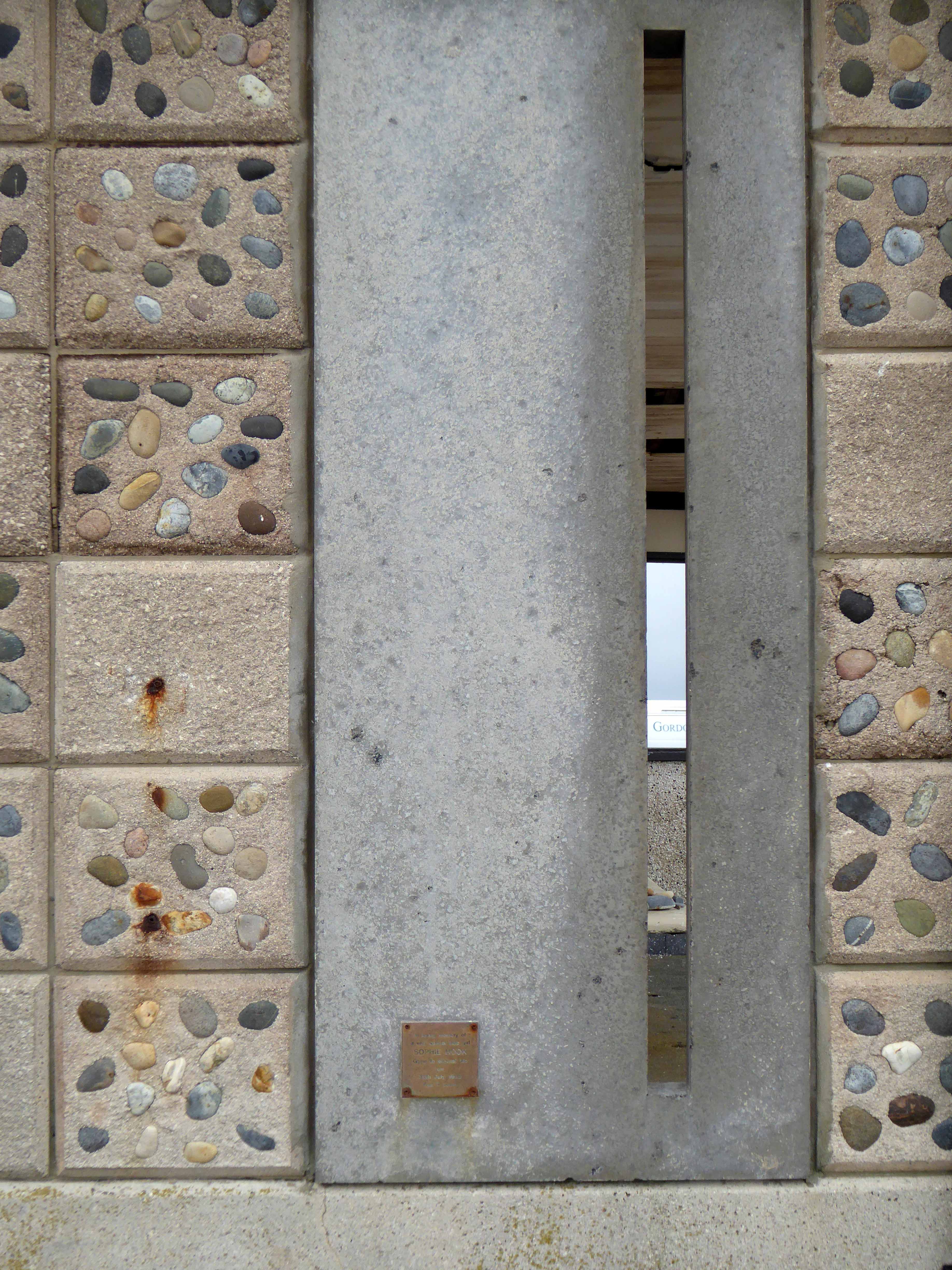
Yet another series of photographs of the amalgamated municipal mash-up – concrete glass pebbles pebbledash paving mosaic and imagination rendered corporeal courtesy of Cyngor Bwrdeistref Sirol Conwy.

And the constantly berated Undeb Ewropeaidd.

Jubilant Leave supporters in Conwy are celebrating a convincing win in the historic EU referendum vote.

The Brexit backers secured a majority of more than 5,000, winning the poll by 35,357 votes to 30,147 votes.

Daily Post

So here we are almost all present and correct – let’s take a stroll down the prom together, stopping only to snap and shelter from time to time, from the short sharp September showers.

Penrhyn Bay – Again And Again

Here we are again again.

Baby it happens when you’re close to me
My heart starts beating – hey a strong beat.
Oh I can’t leave you alone
Can’t leave you alone

I walk over the Little Orme and there you are so well behaved – trimmed topped and tailed polished window washed windswept so sub-urbane.

Nothing ever happens here or does it?

The highly popular singing duo Anne Ziegler and Webster Booth retired to a small bungalow in Penrhyn Bay.

It provided a location for an episode of  Hetty Wainthropp Investigates

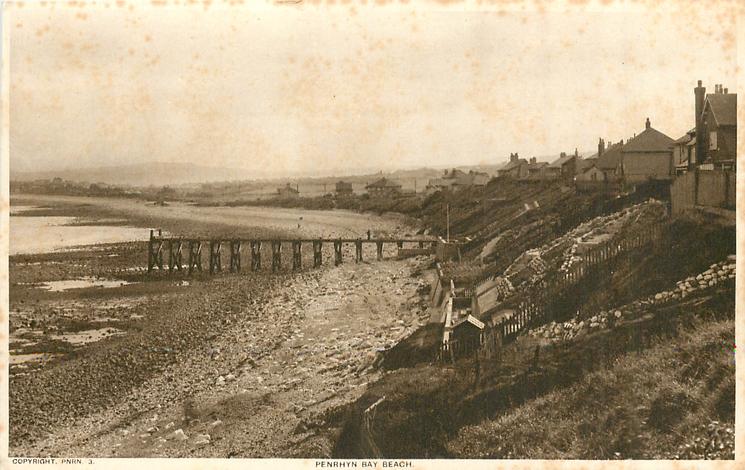
Originally a small farming community, Penrhyn Bay came to rely heavily on the employment opportunities of the limestone quarry operating since the mid-19th century, and served by its own narrow gauge railway, but quarrying ceased in 1936.

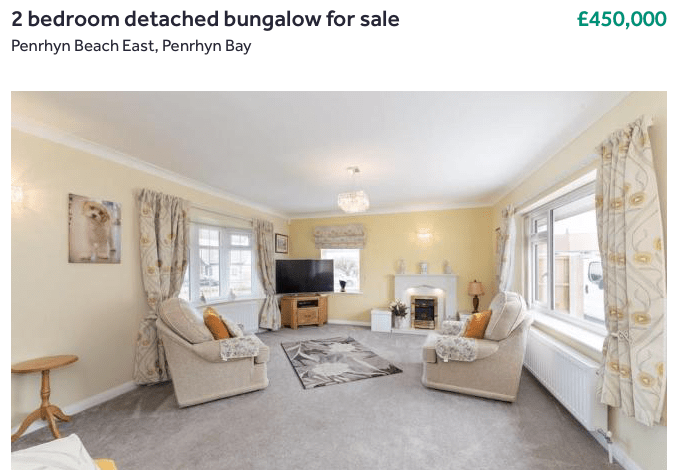
However, Penrhyn Bay expanded rapidly in the 20th century to become a desirable suburb of Llandudno – my you’re a hot property.

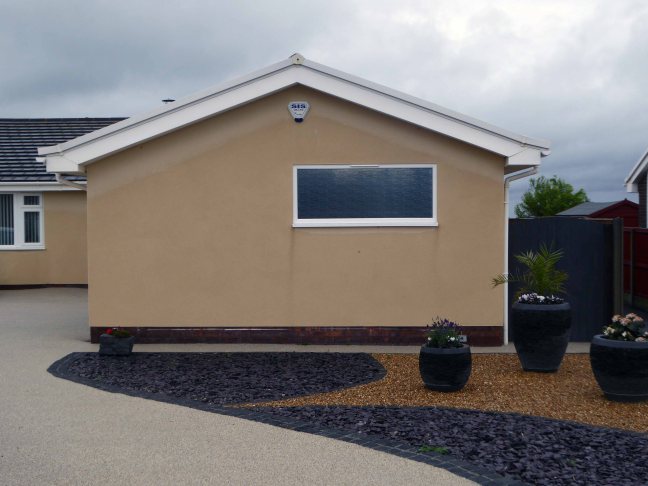
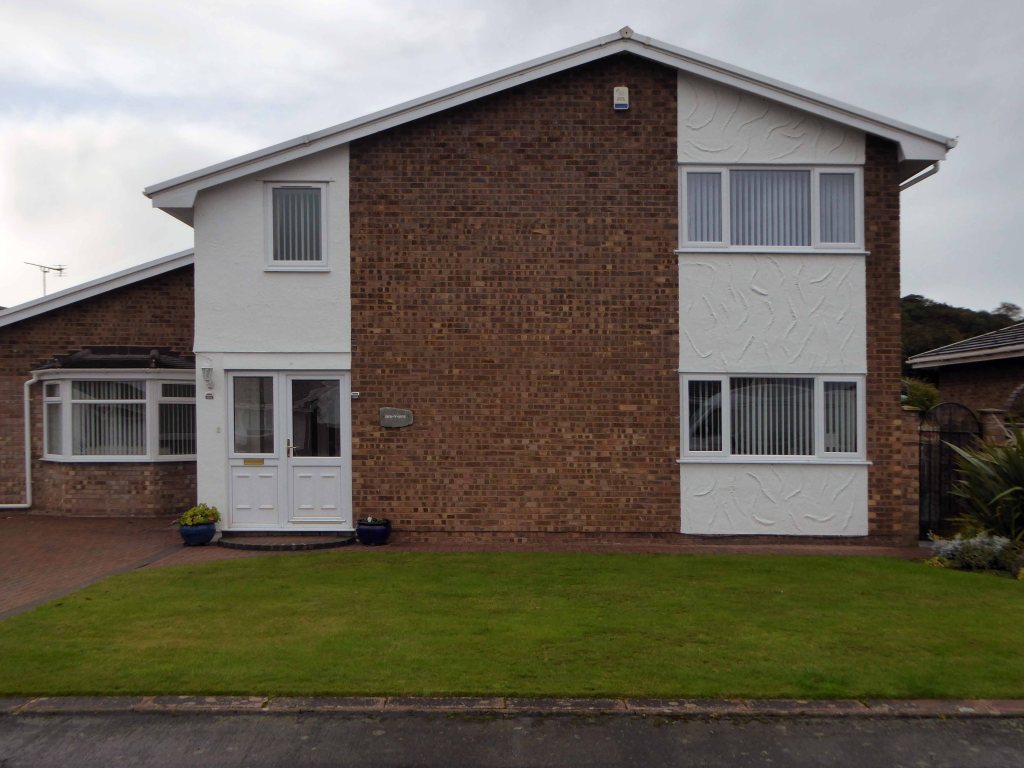
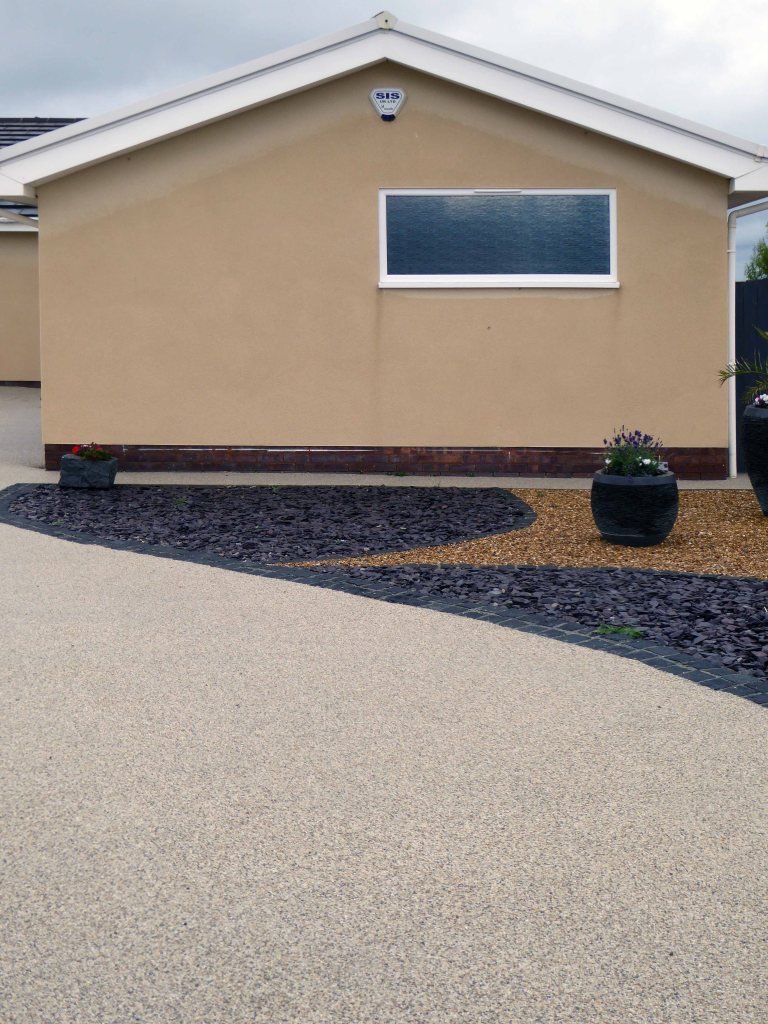
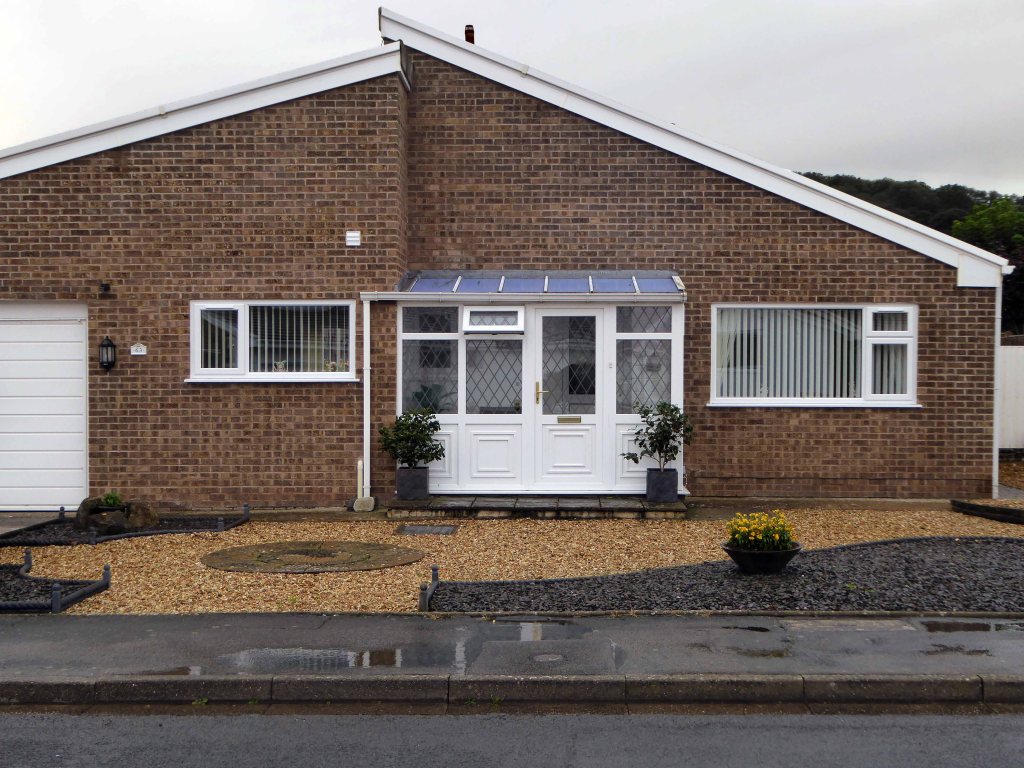
Almost half a million pounds and counting as the ever mounting mountain of retiring and retired knock upon your over ornate uPVC doors.

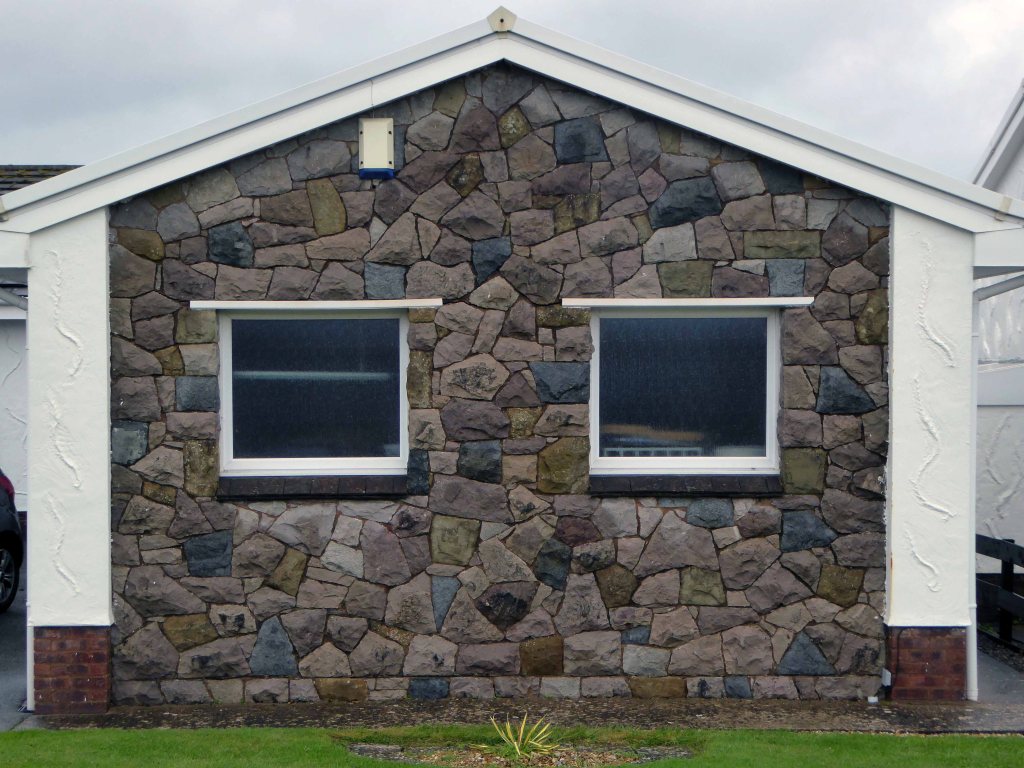
So here we are, as the rain clears and the sun almost breaks – your carefully rendered and stone clad walls, not quite awash with a golden midday glow.

Just like Arnie and General McArthur I’ll be back – I shall return.

Shelters Rhos to Colwyn

I have previously sought succour in your shady shelters, as unrelenting sheets of steel grey rain peppered the wind whipped Irish sea.

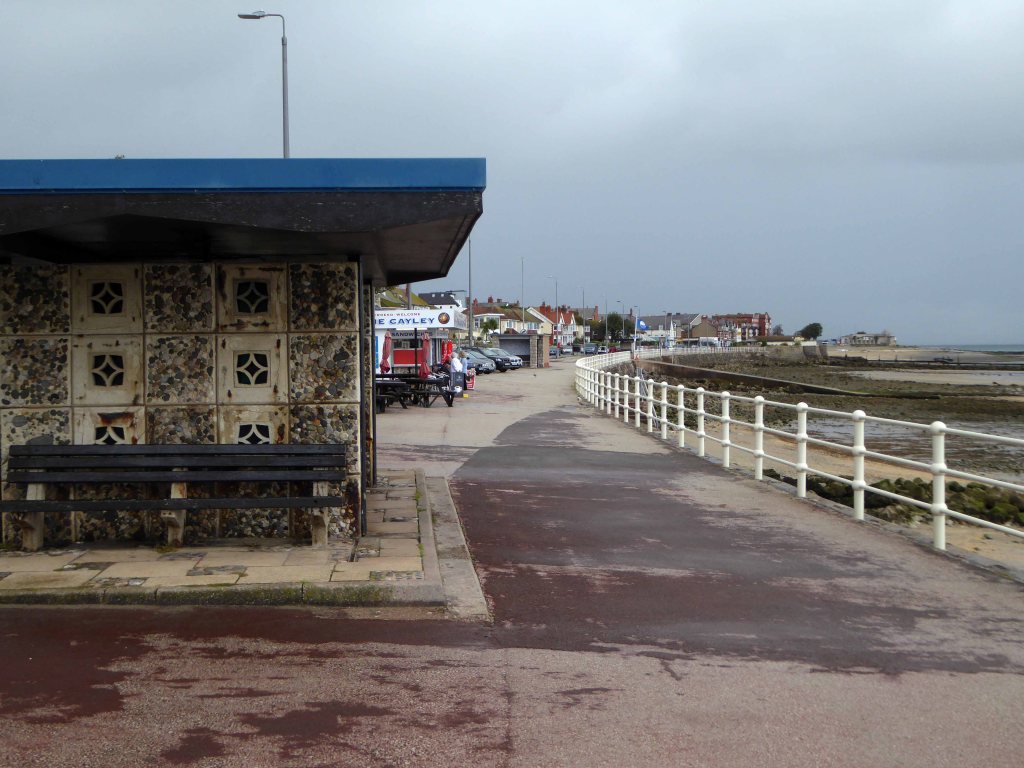
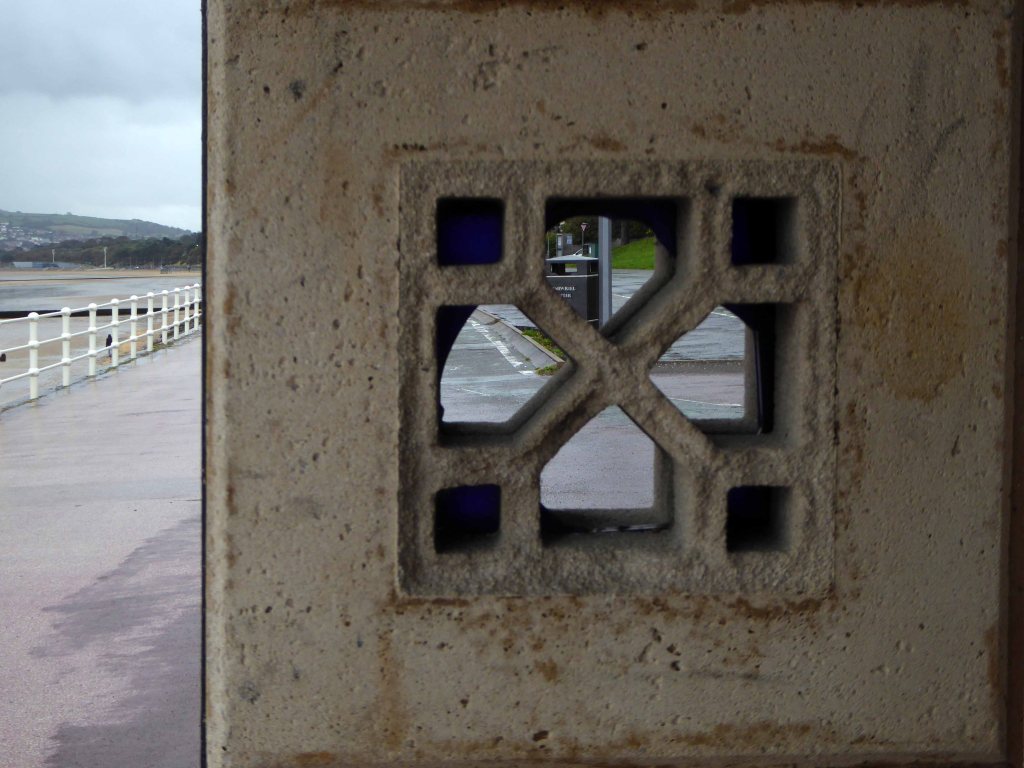
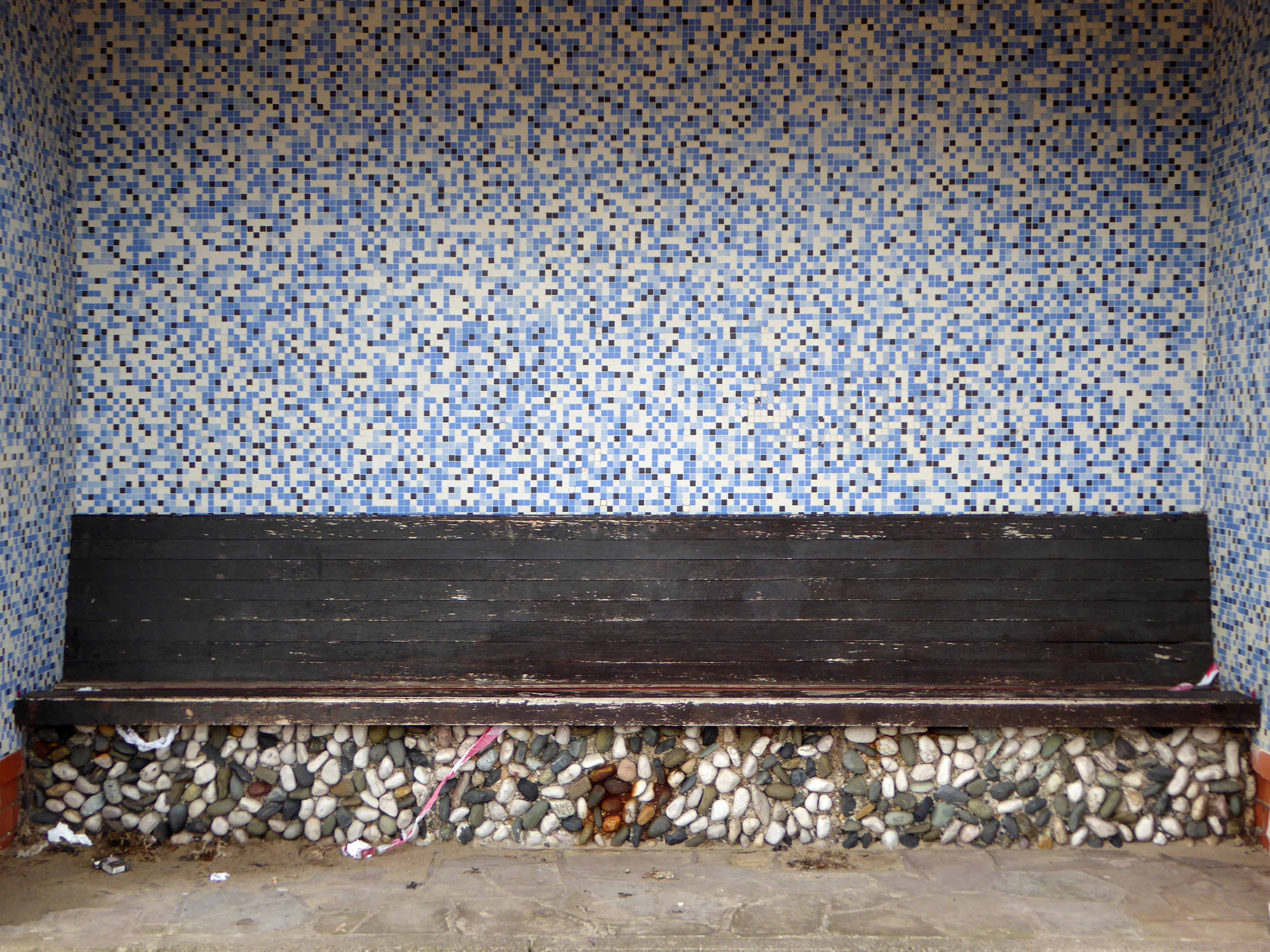
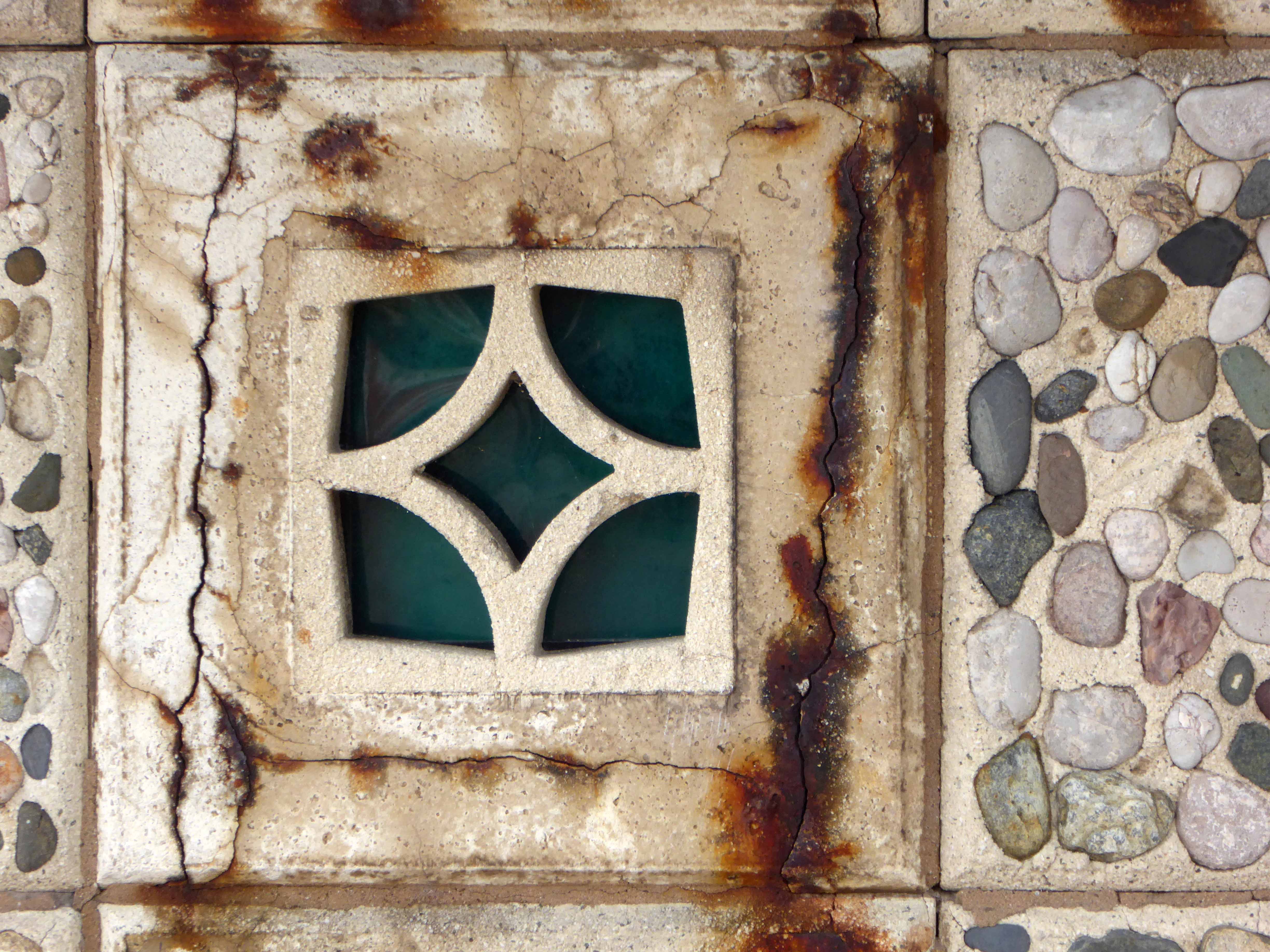
A concrete cornucopia of Californian screen block, glass, pebbledash, mosaic and crazy paving.

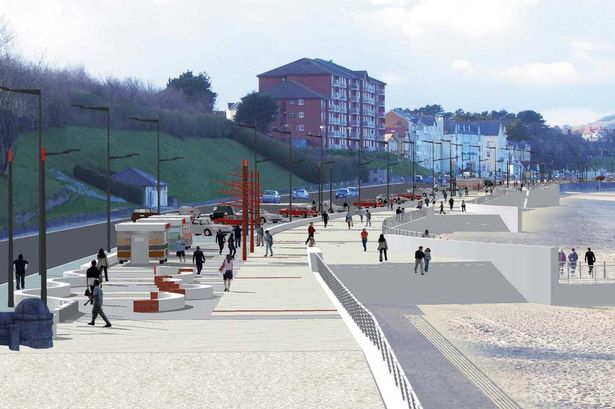
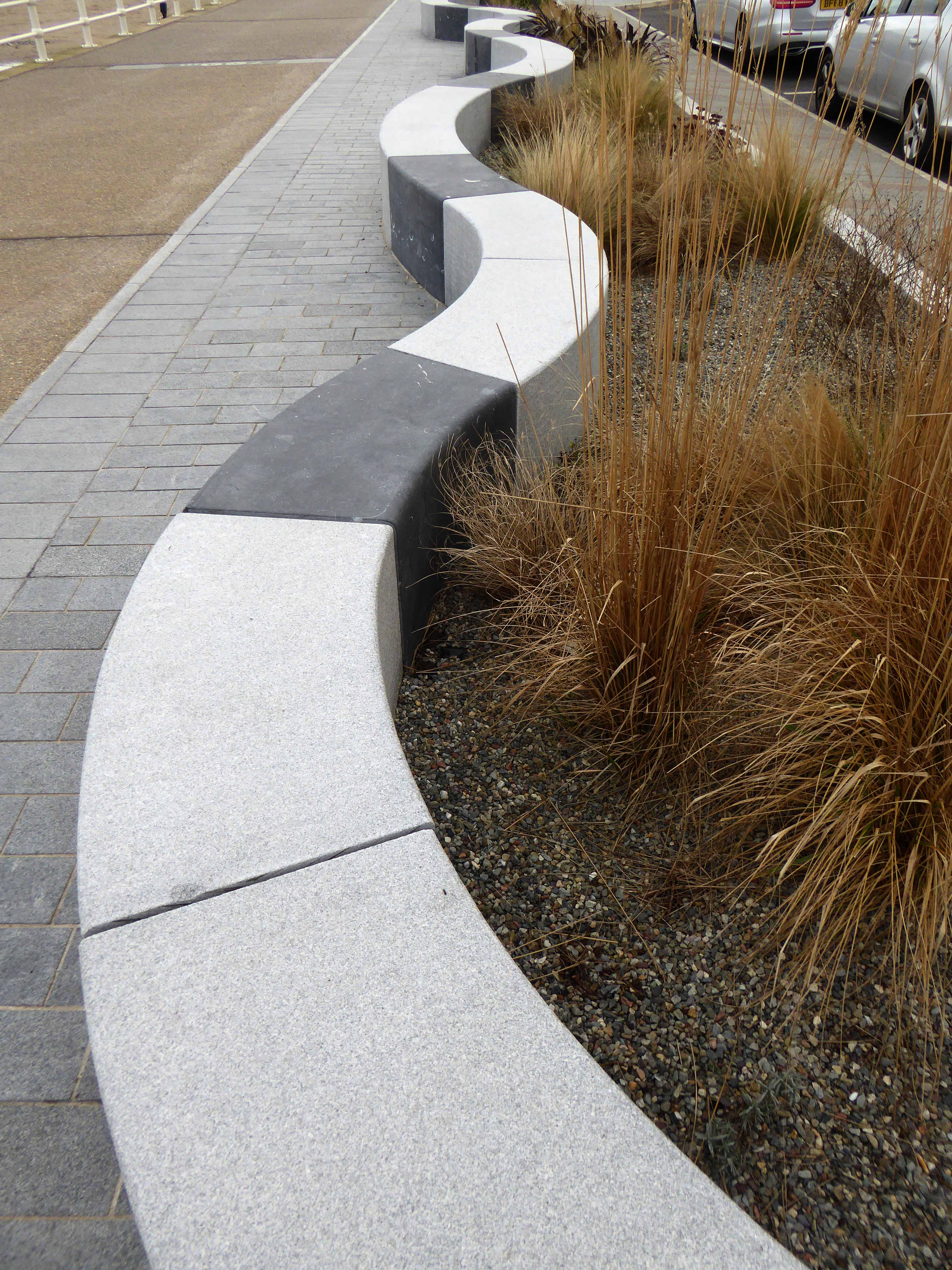
Municipal modernism under threat as the unstoppable force of coastal improvement lumbers on, a pantechnicon of shiny surfaces, sensitive planting, contemporary seating and laser-cut, contextually appropriate historical panels.

As Hardscape introduces a wholesome dose of CGI style medicine to the promenade

I for one will miss you all when you’re gone.

Next time I pass all this will seem as a dream, a tale told by a fool full of sand and fury signifying nothing.

Crazy Golf – Postcards From Blackpool

This in so many senses is where it all began – my first encounter with the visual arts was through my Aunty Alice’s postcard album. Predating visits to Manchester City Art Gallery in my mid-teens, I was lost in a world of post WW1 printed ephemera, rendered less ephemeral by careful collection and collation. Sitting entranced for hours and hours absorbing the photography, text and illustration of hundreds of unseen hands.

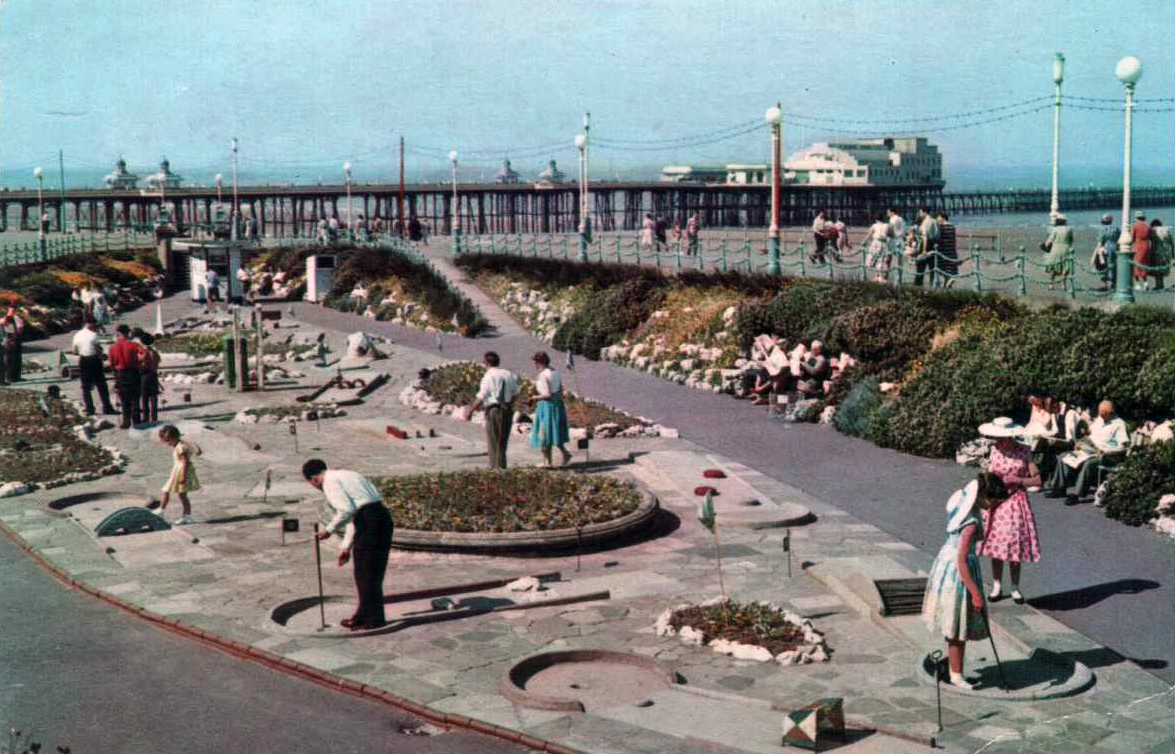
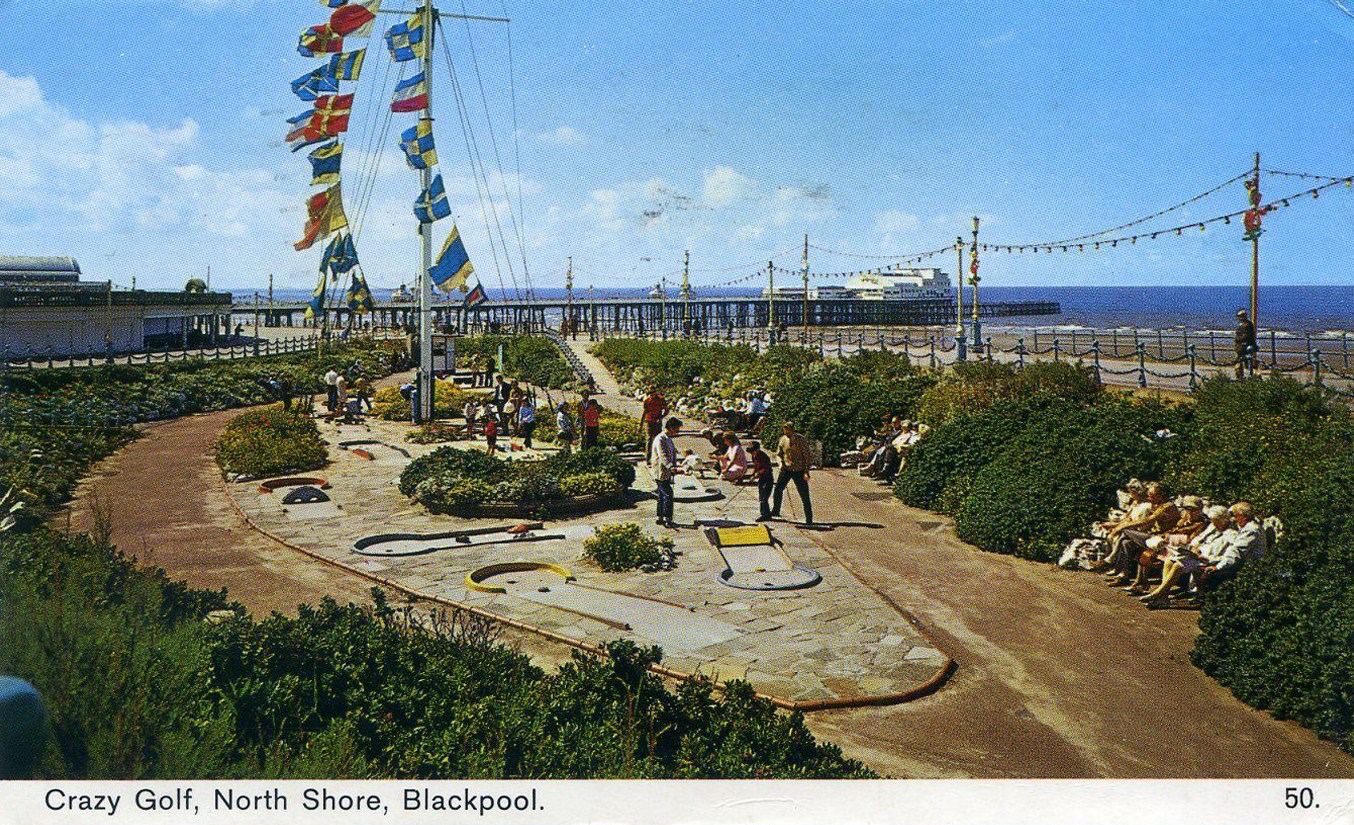
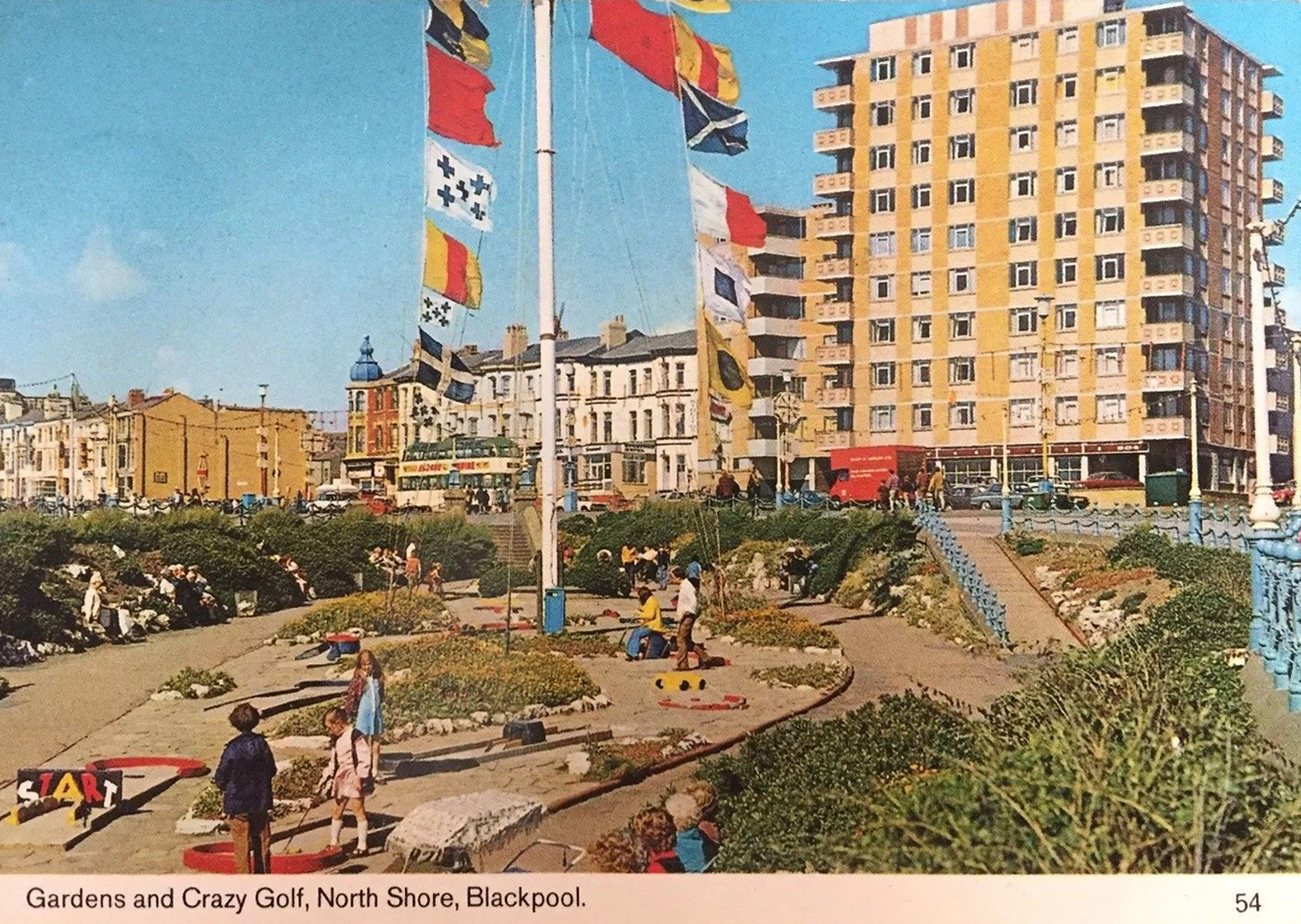
This is North Shore Blackpool – behind the Metropole in the early 60s.

The colour is muted by the then state of the art colour reproduction, the holiday dress is constrained by the codes of the day. Light cotton frocks and wide brimmed sun hats, shirts tucked in belted slacks, sandals and shorts – purely for the pre-teens.

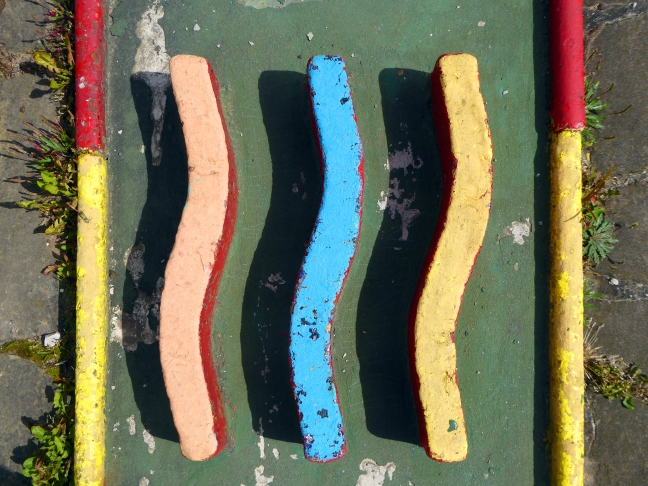
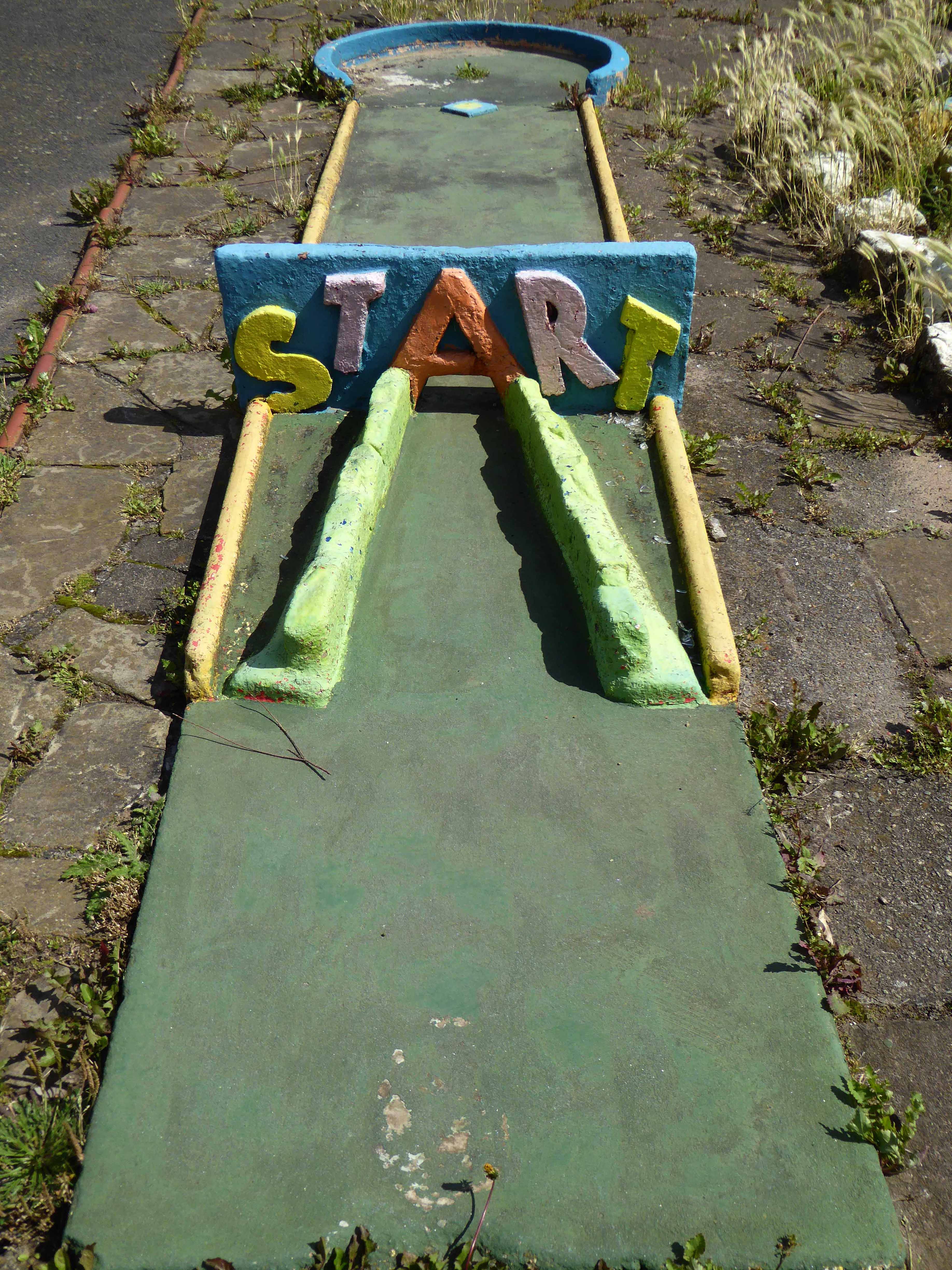
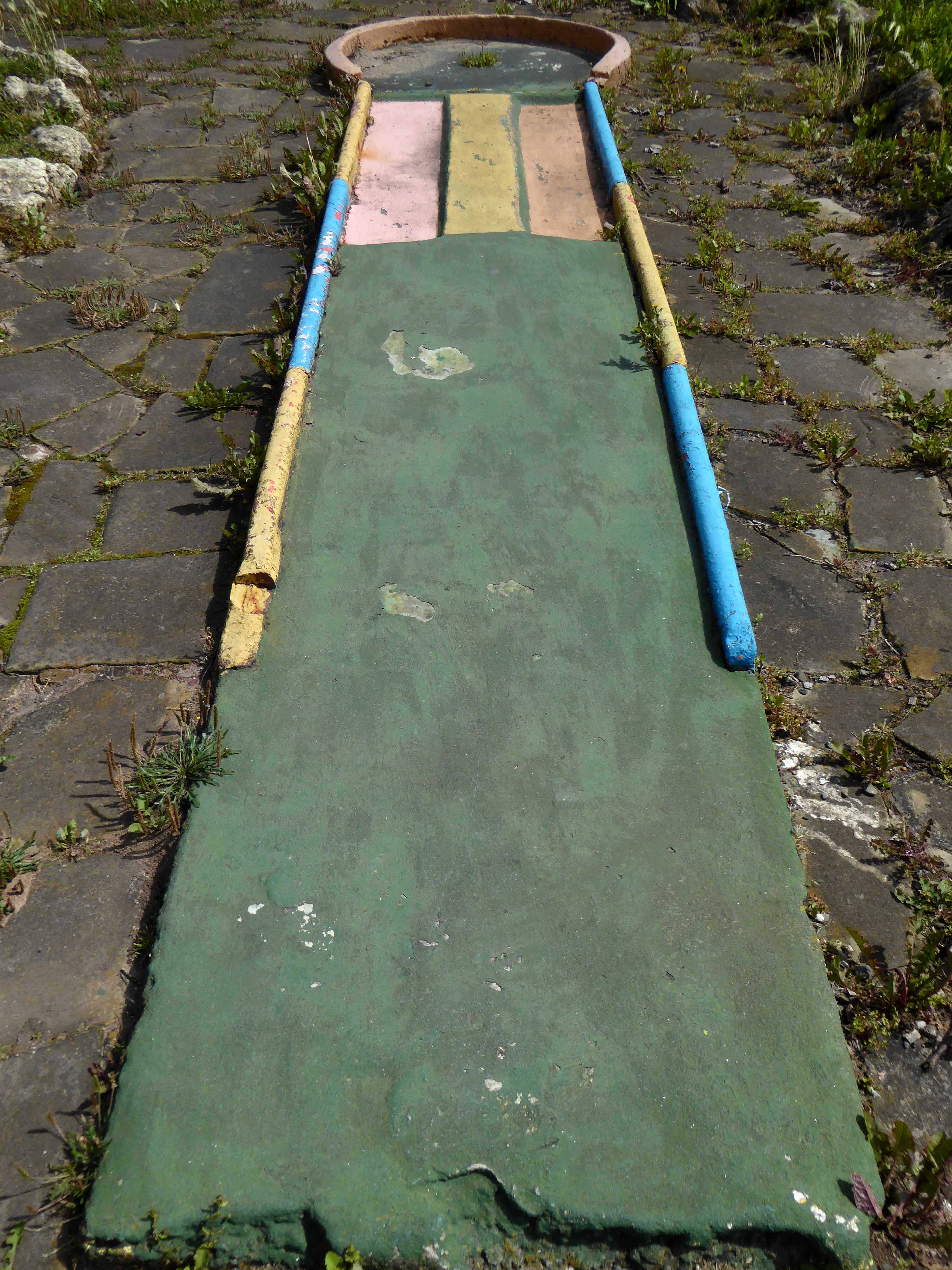
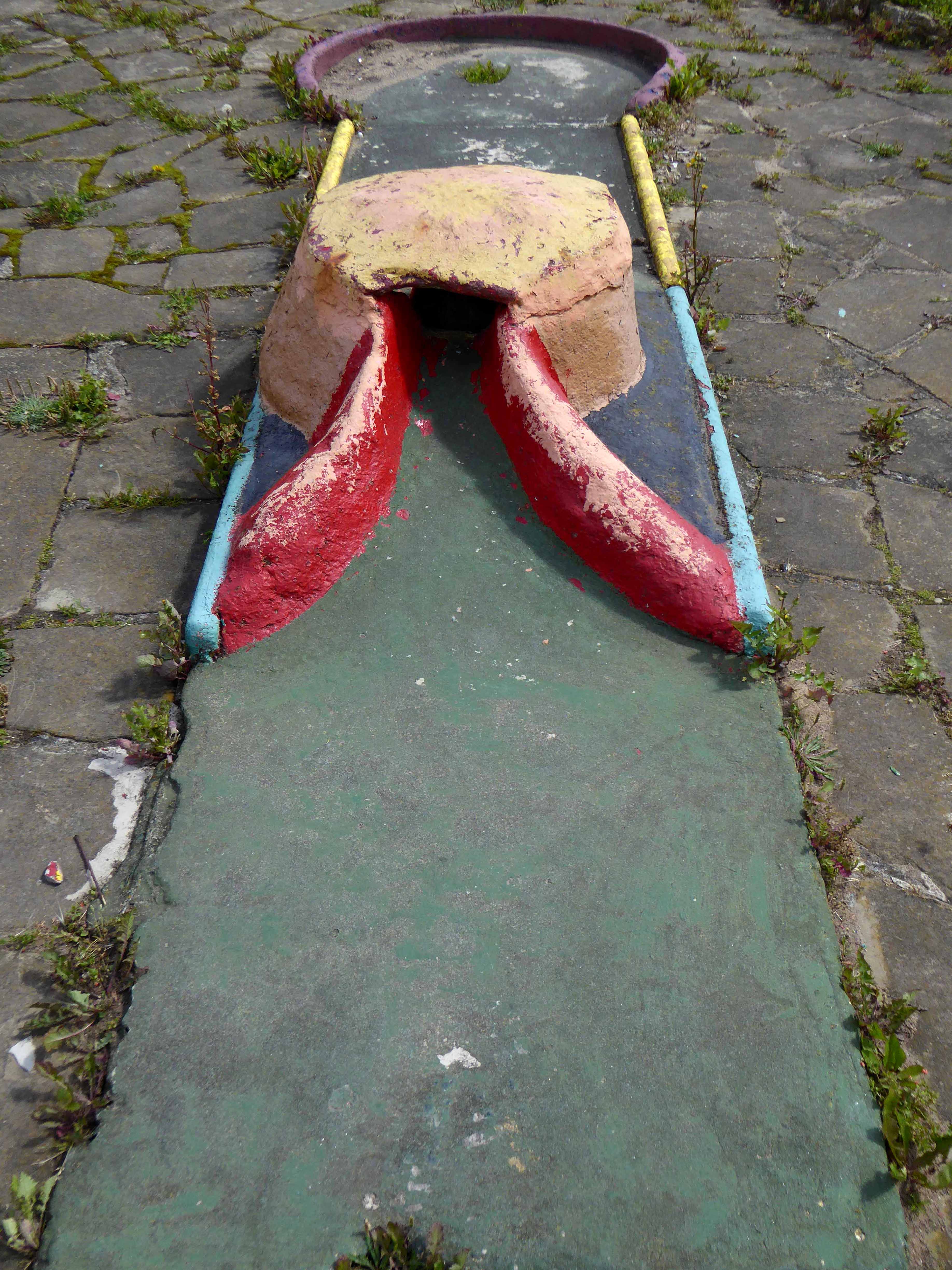
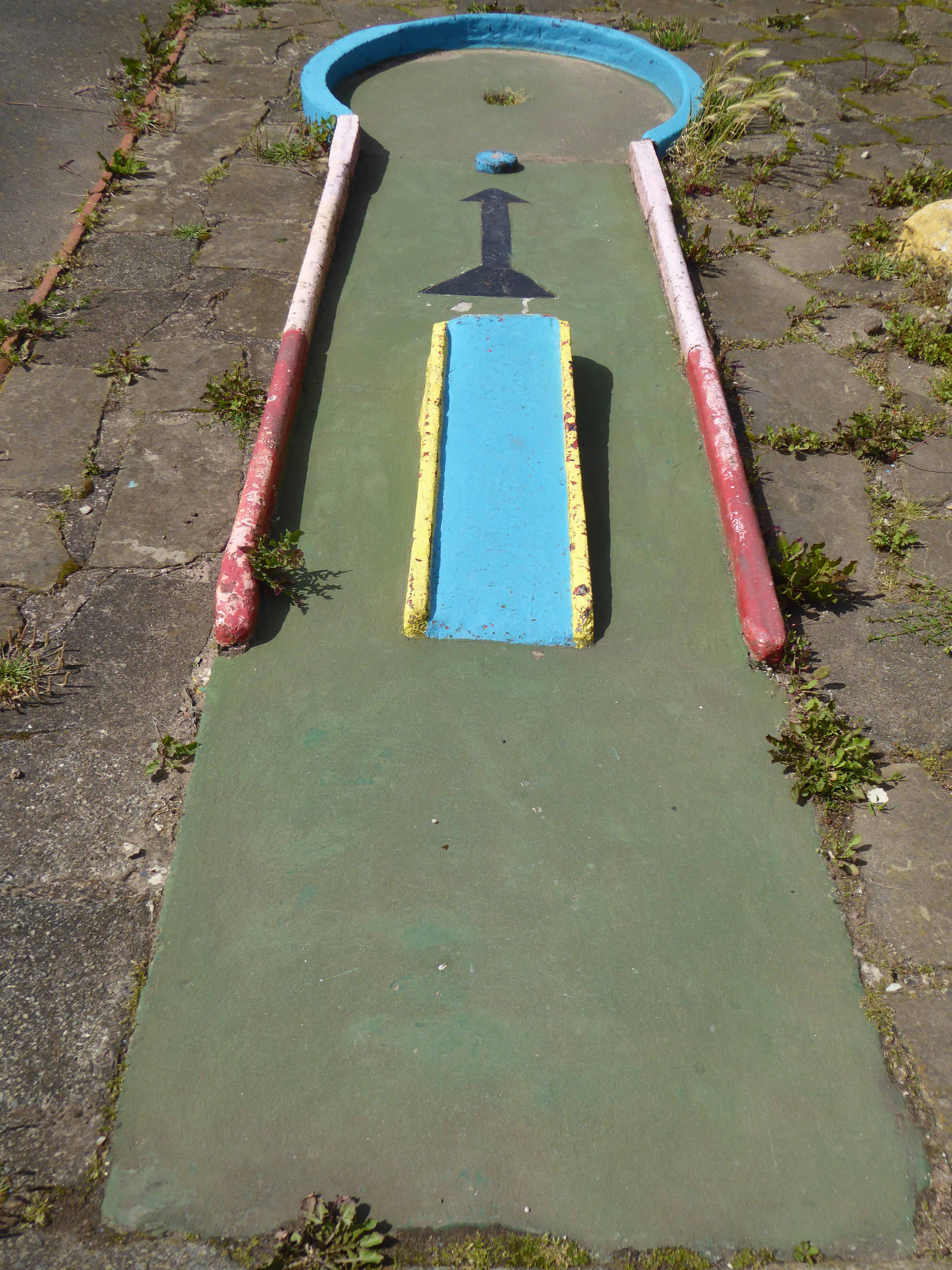
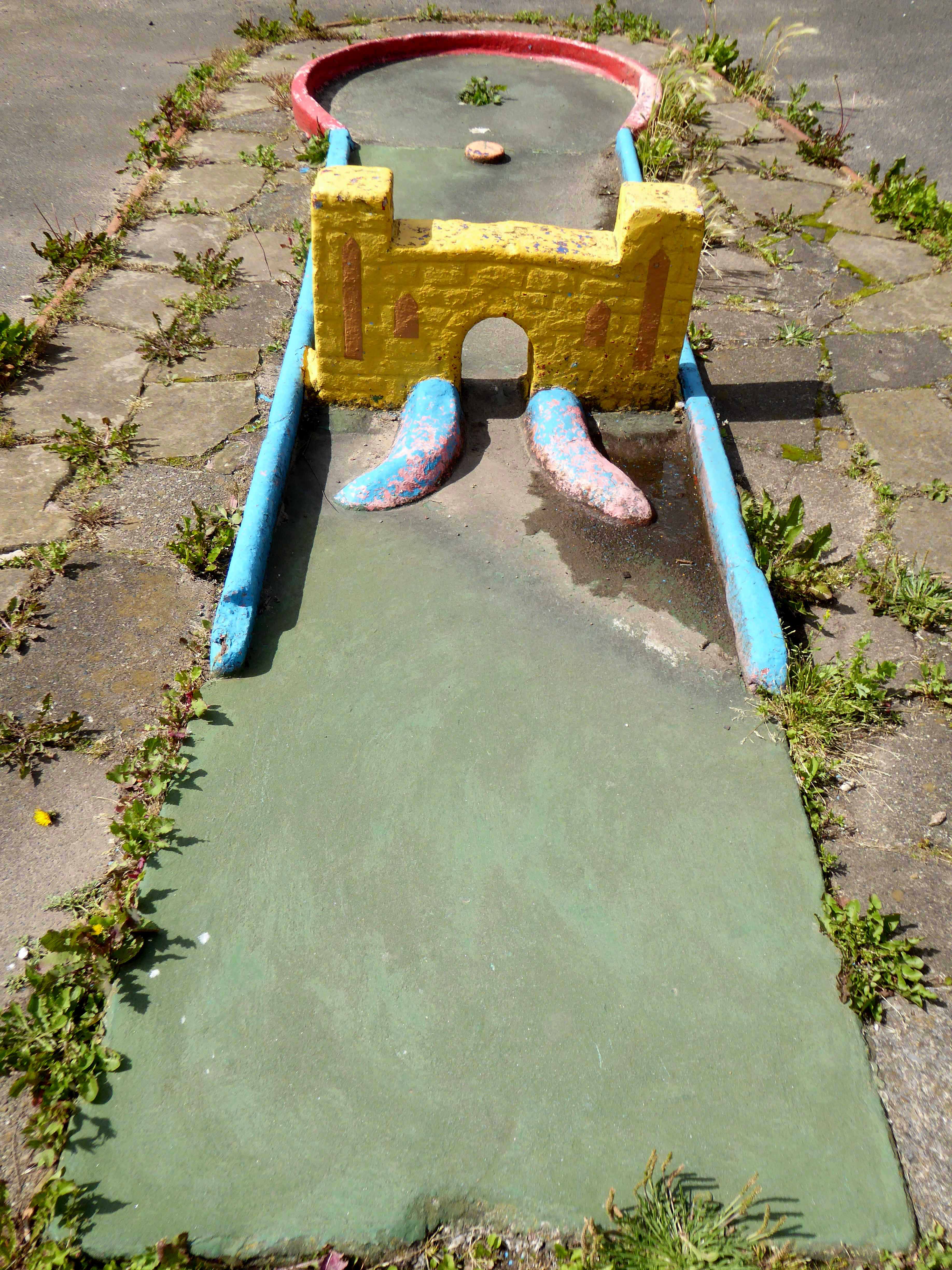
The focus and locus of fun is located on the prom and what better way to squander a moment or eighteen, than with a pleasurable round of crazy golf. Municipal Modernist frivolity rendered corporeal in corporation concrete, repainted annually ahead of the coming vacationers.

Domesticated Brutalism to soften the soul.

And there can be no better away to inform the awaiting world of your capricious coastal antics than a picture postcard, so playfully displayed on the corner shop carousel – 10p a pop.

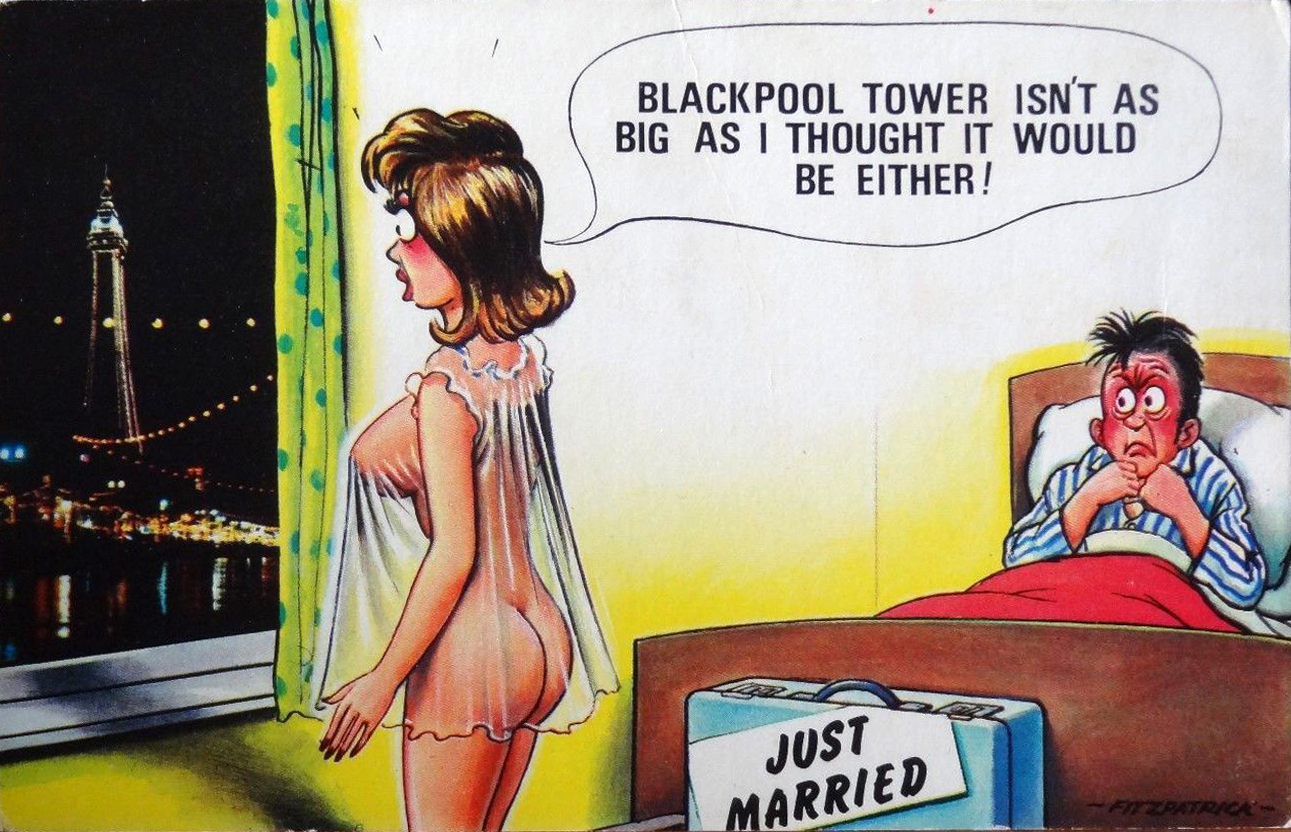
Stopping to chuckle at the Bamforth’s mild mannered filth, yet finally purer of heart, opting for the purely pictorial.

Man and boy and beyond I have visited Blackpool – a day, week or fortnight here and there, the worker’s working week temporarily suspended with a week away.

Times have now changed and the new nexus is cash, all too incautiously squandered – Pleasure Beach and pub replacing the beach as the giddy stags and hens collide in an intoxicating miasma of flaming Sambuca, Carling, Carlsberg and cheap cocktails – for those too cash strapped for Ibiza.

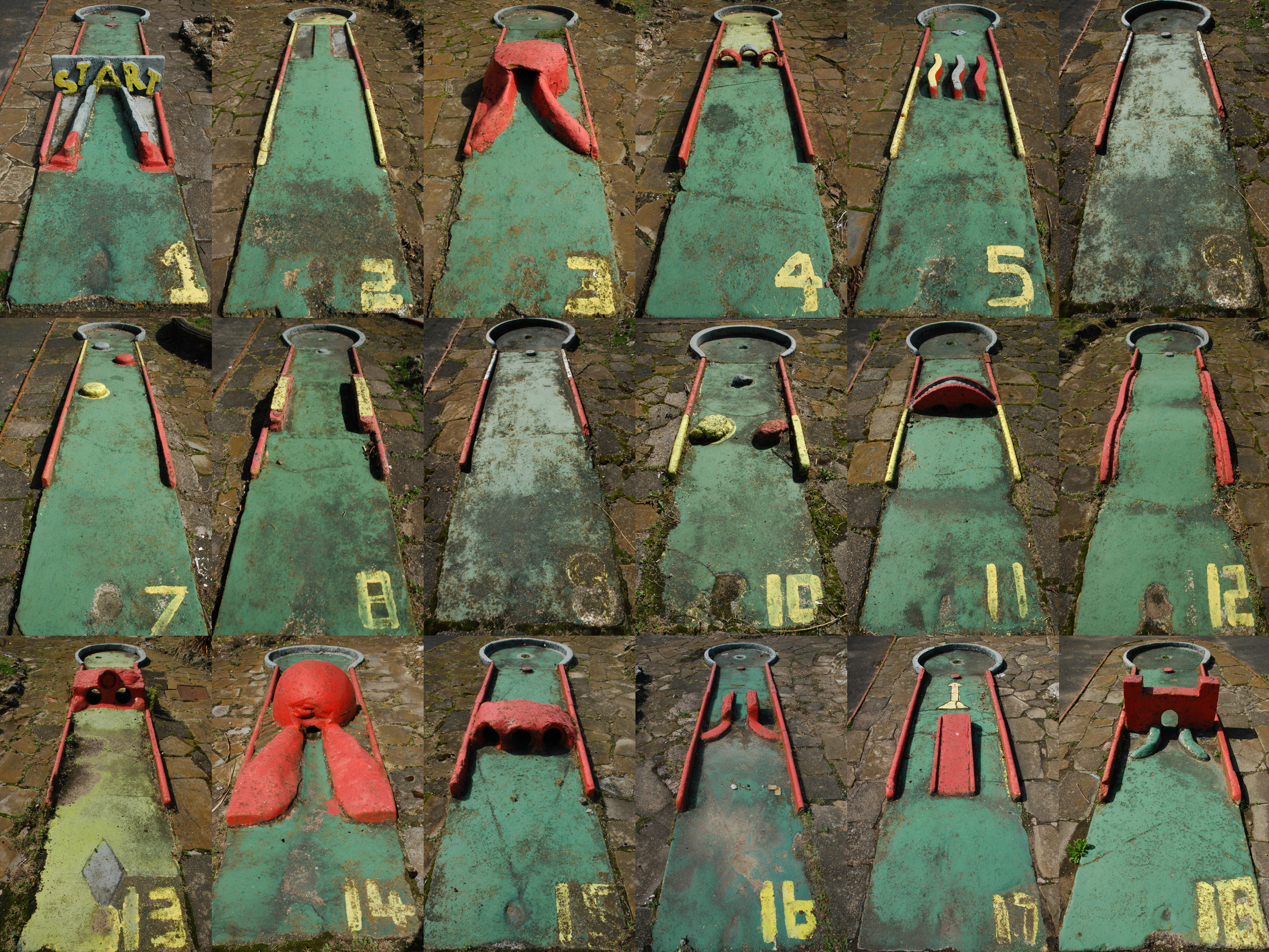
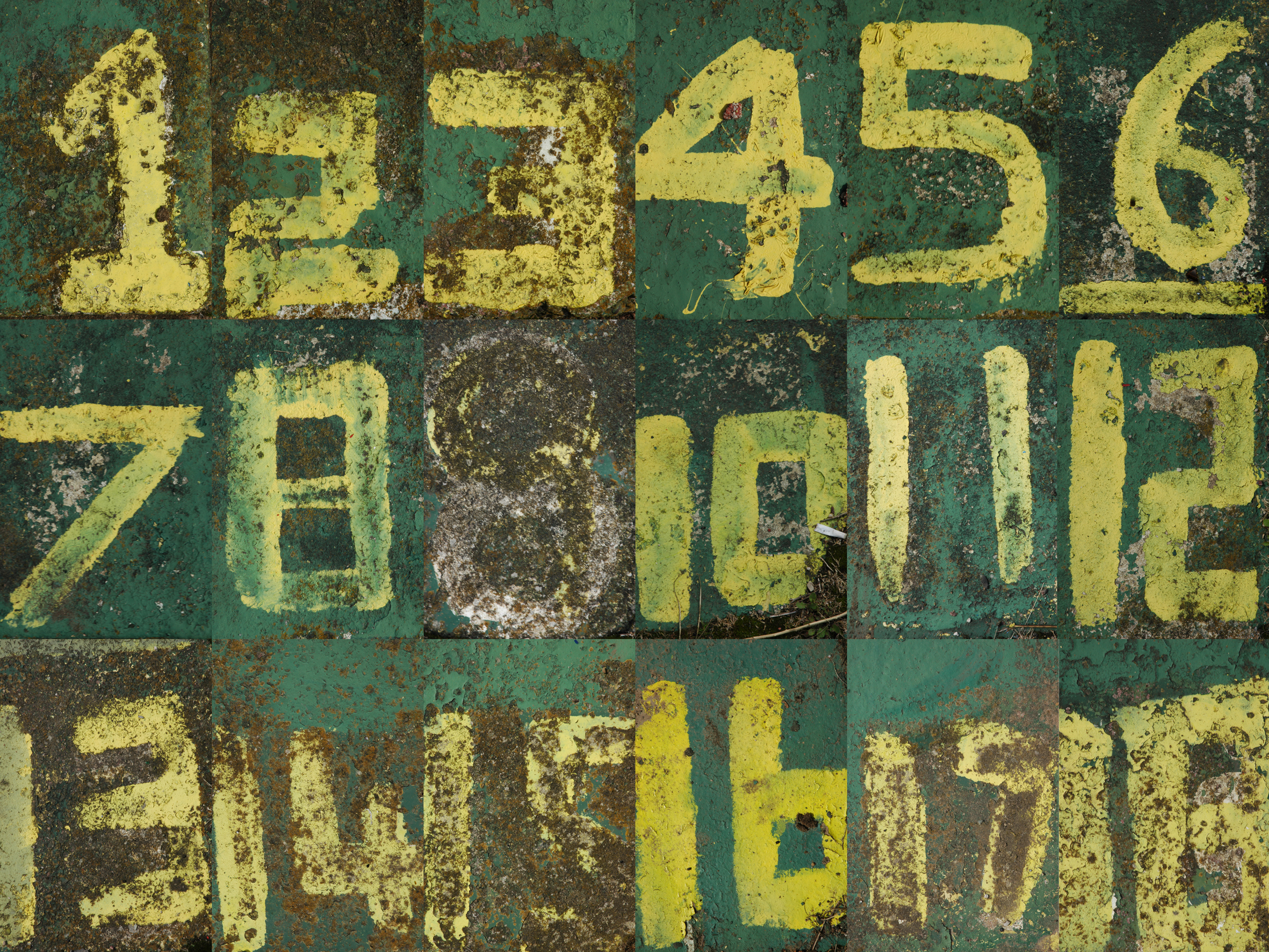
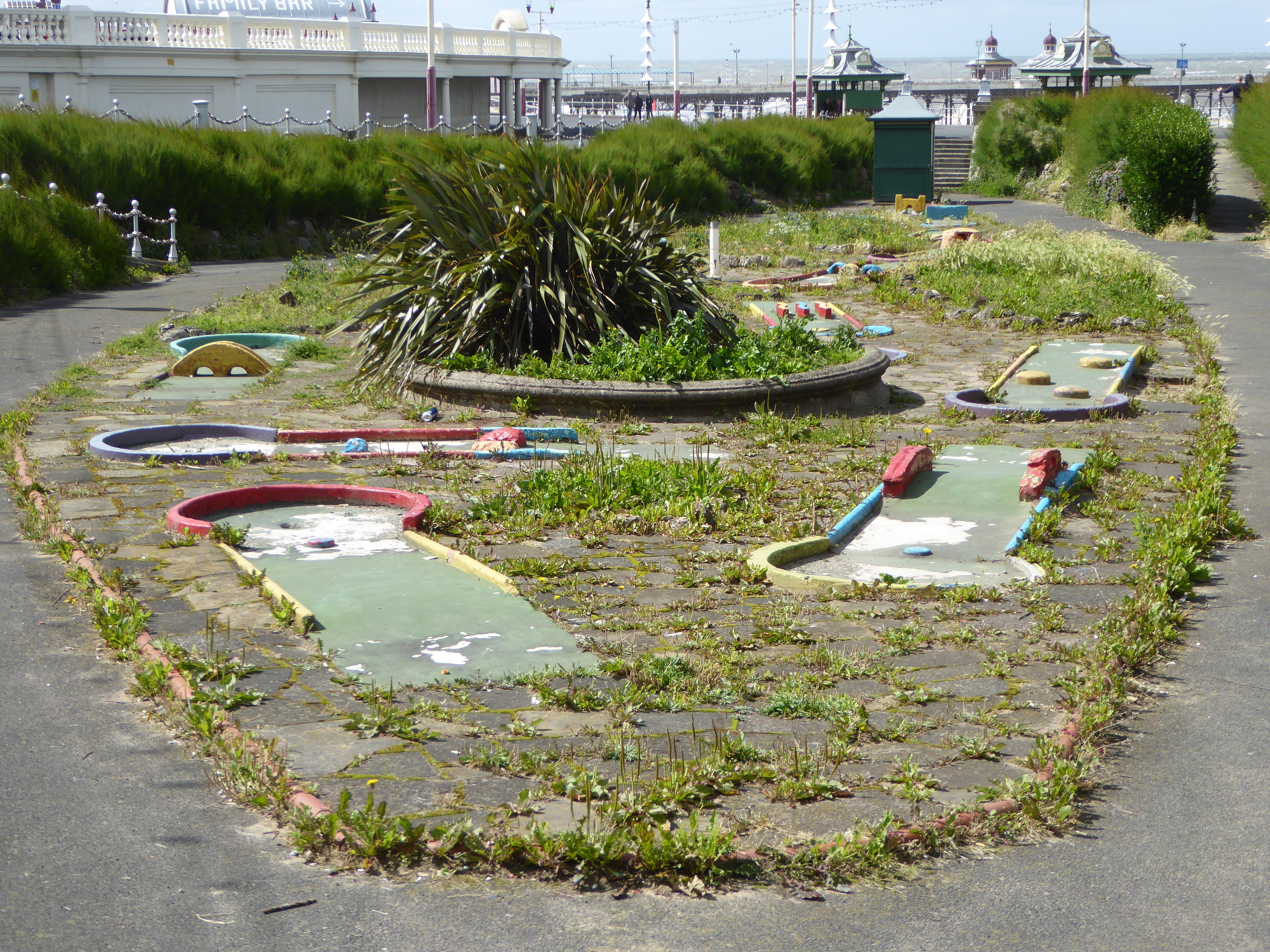
The numbers are up – 18 times nothing is nothing – each year as I revisit, the primarily primary colour paint wears a little thinner in the thin salt air and the whining westerly wind, of the all too adjacent Irish Sea.

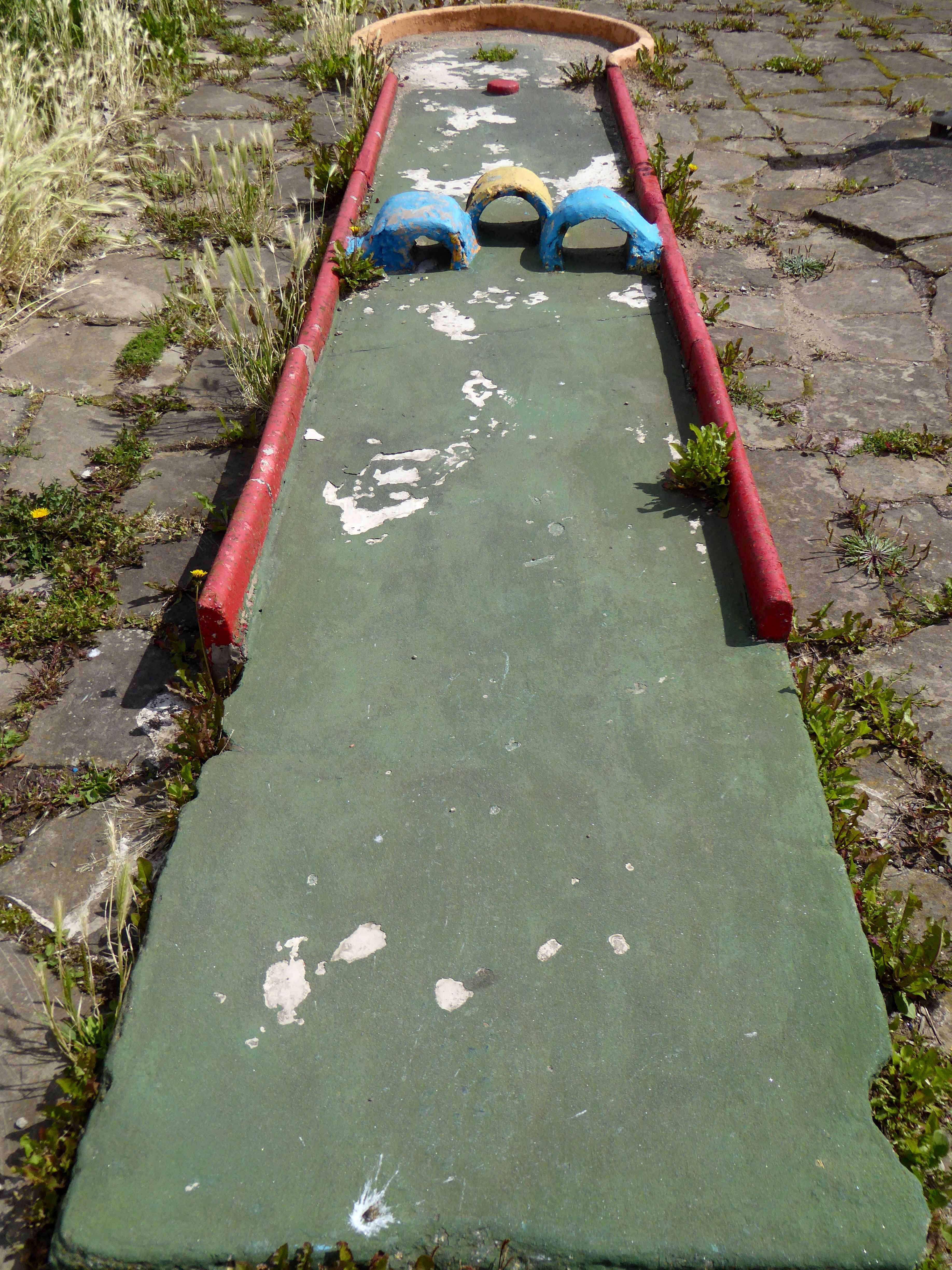
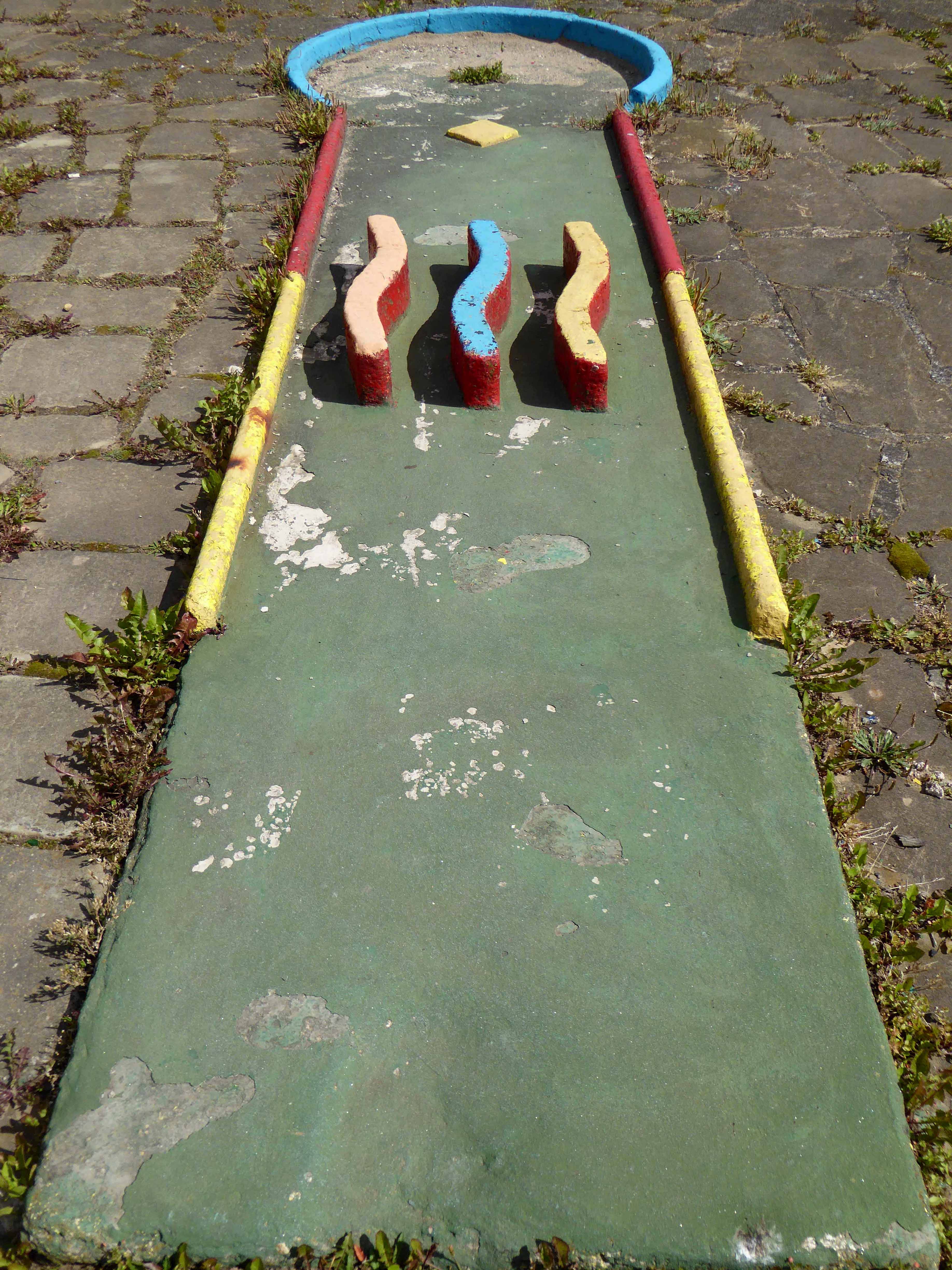
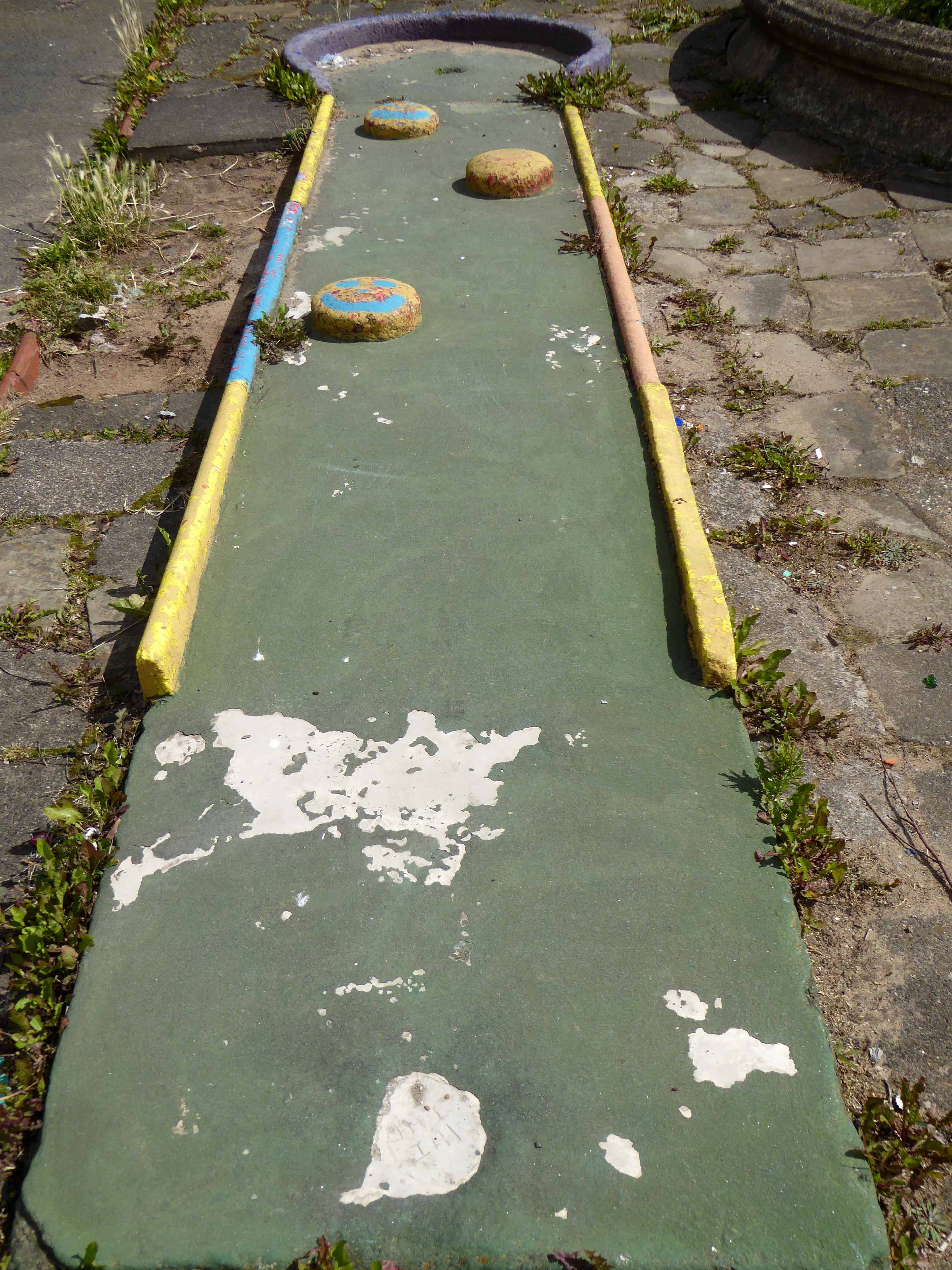
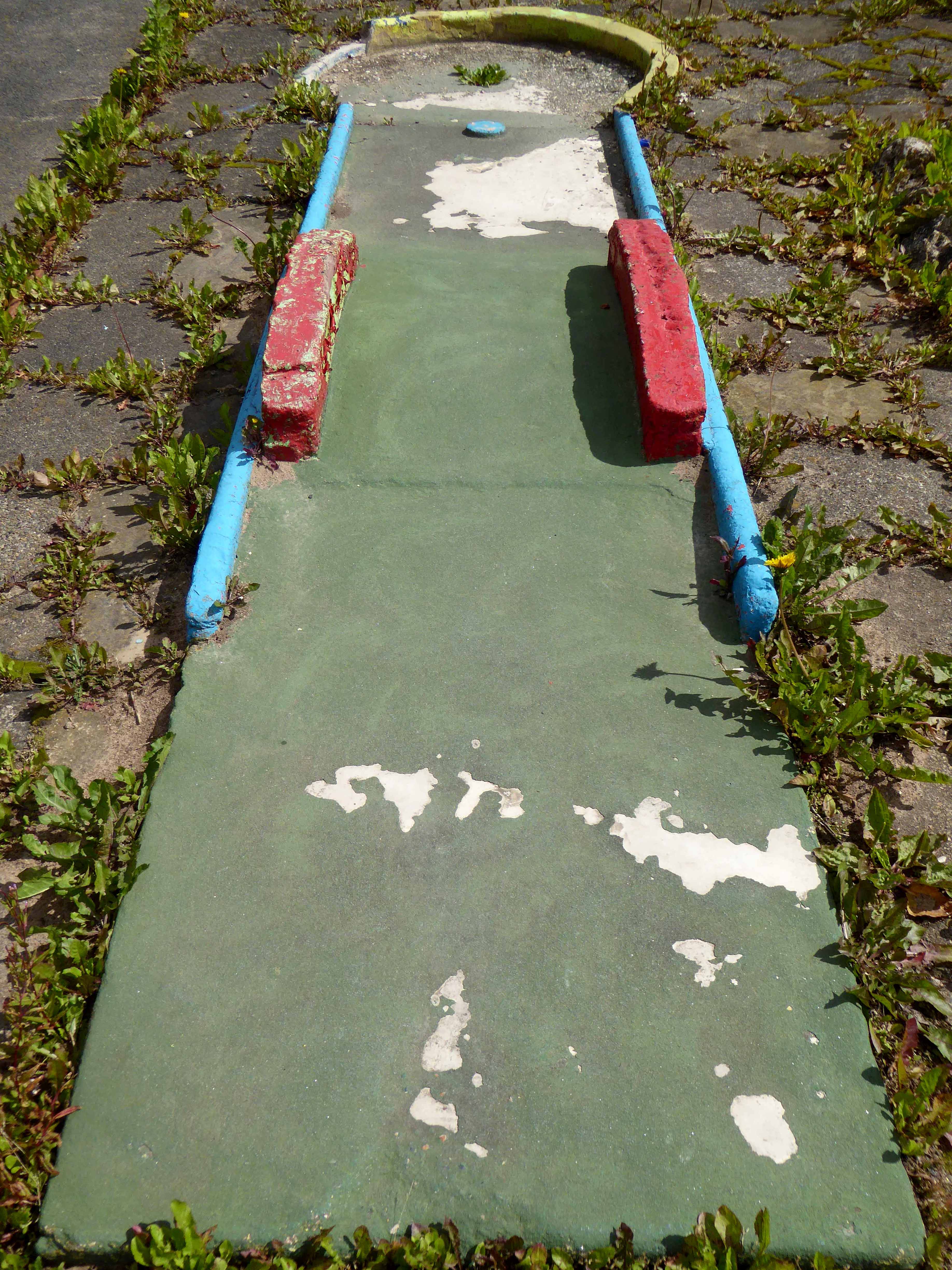
Overgrown and underused awaiting the kids and grown ups that forever fail to show. On one visit the sunken course had become the home of the daytime hard drinkers, they suggested we refurbish and run the course as a going concern. I declined lacking the time, will and capital for such a crazy enterprise.

The starting has finally stopped.

Fusciardi’s – Eastbourne

Antonio Fusciardi emigrated in the 1960s in search of a better life. He opened a number of businesses in Ireland. In 1965 he met Anna Morelli at an Italian wedding and romance blossomed. The couple married and set up home in Marine Parade, Eastbourne. They worked very hard in establishing the business and attributed their success to ambition, dedication and the family.

It say so here

30 Marine Parade just set back from the seafront, selling the most delicious ice creams, decorated with the most delightful tiles.

I have seen similar in Hanley

DSC_0086 copy

And Halifax

p1010331

These being produced by Malkin Tiles

But neither of the former are anywhere near as nice as these Eastbourne examples.

So get yourself down there feast your eyes on these beauties.

Treat y’self to an ice cream too!

Fusciardi’s – often licked never beaten!

P1310625

P1310626

p13106271.jpg

P1310628

P1310629

P1310630P1310631

P1310632

p13106331.jpg

P1310634

P1310635

P1310636

P1310637

P1310638

P1310639


On The Waterfront – Llandudno

A welwyd eisoes.

I’ve been here before, as have others before me.

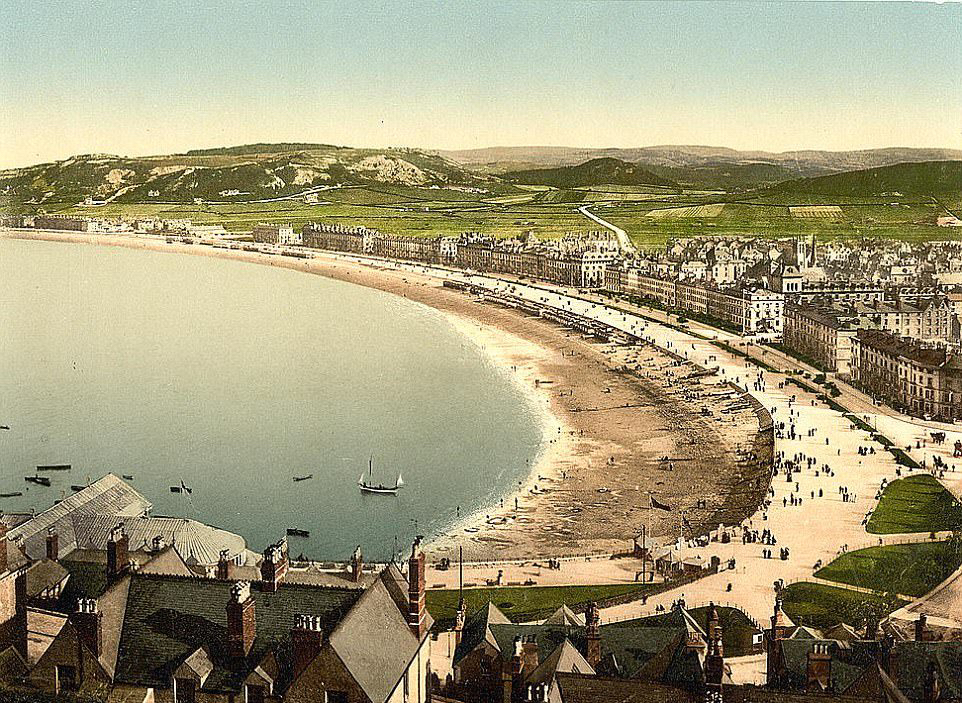
The town of Llandudno developed from Stone Age, Bronze Age and Iron Age settlements over many hundreds of years on the slopes of the limestone headland, known to seafarers as the Great Orme and to landsmen as the Creuddyn Peninsula.

Some years later.

In 1848, Owen Williams, an architect and surveyor from Liverpool, presented landowner Lord Mostyn with plans to develop the marshlands behind Llandudno Bay as a holiday resort. These were enthusiastically pursued by Lord Mostyn. The influence of the Mostyn Estate and its agents over the years was paramount in the development of Llandudno, especially after the appointment of George Felton as surveyor and architect in 1857.

4358C48B00000578-0-image-m-113_1503056487584

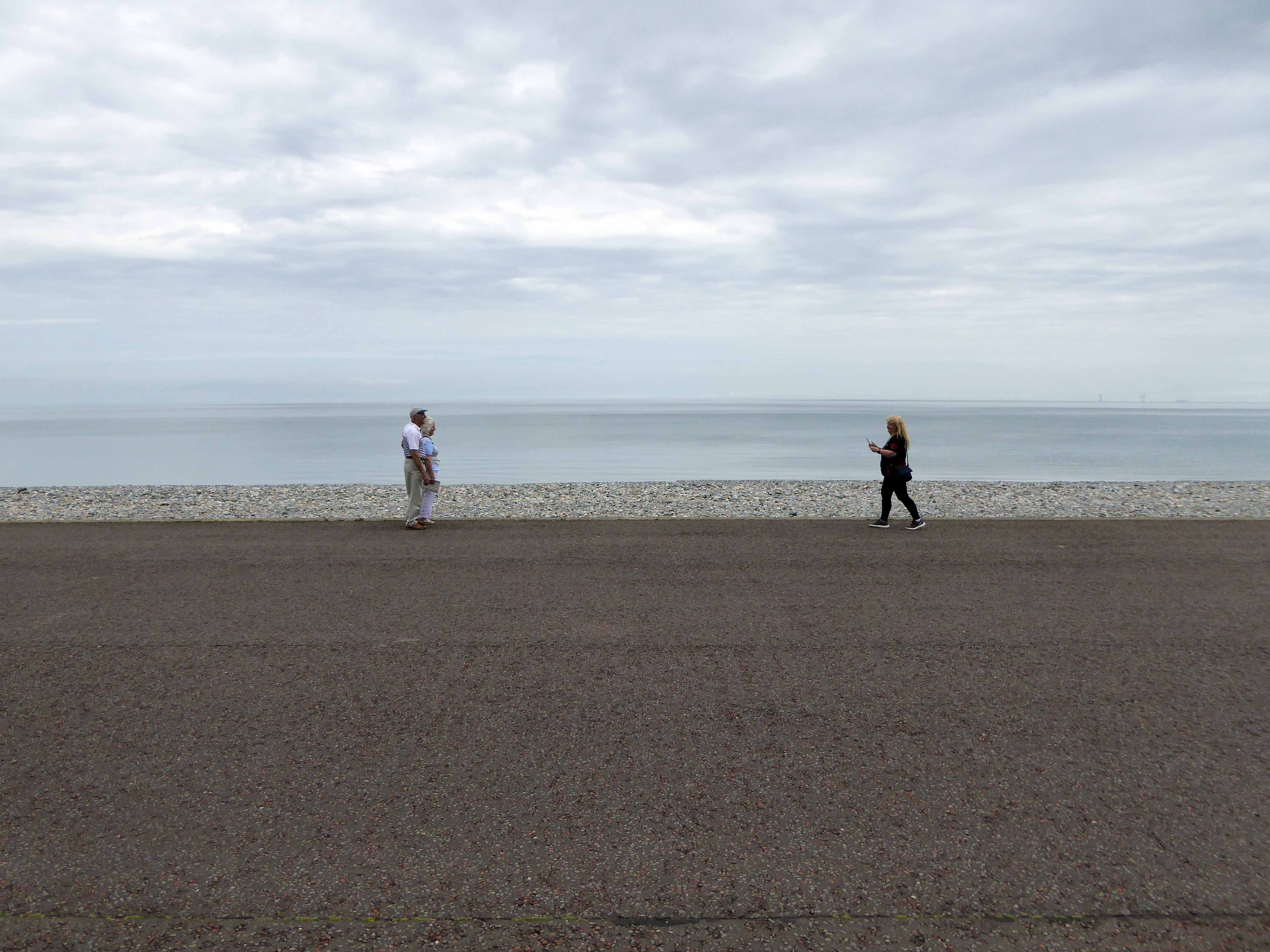
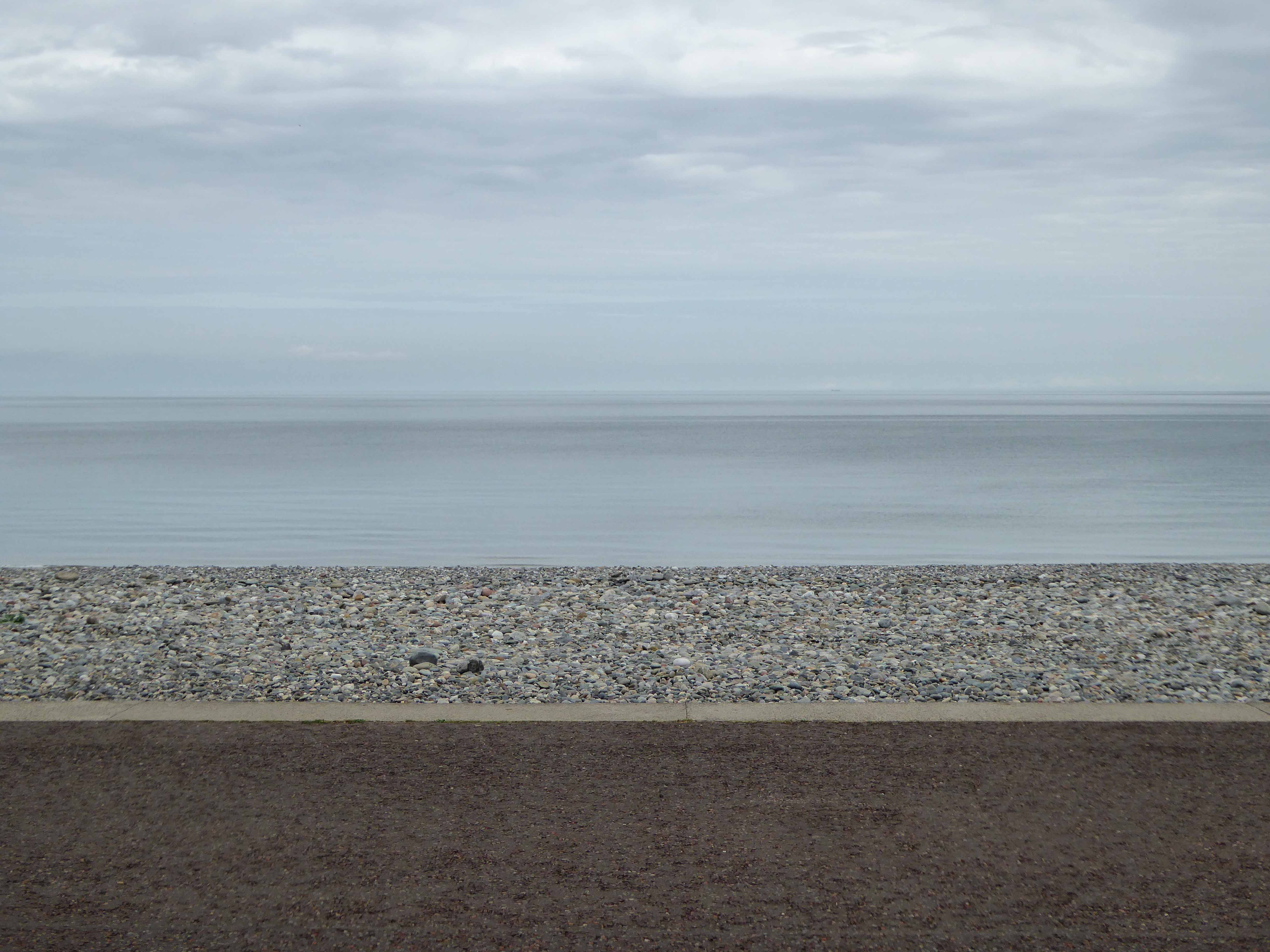
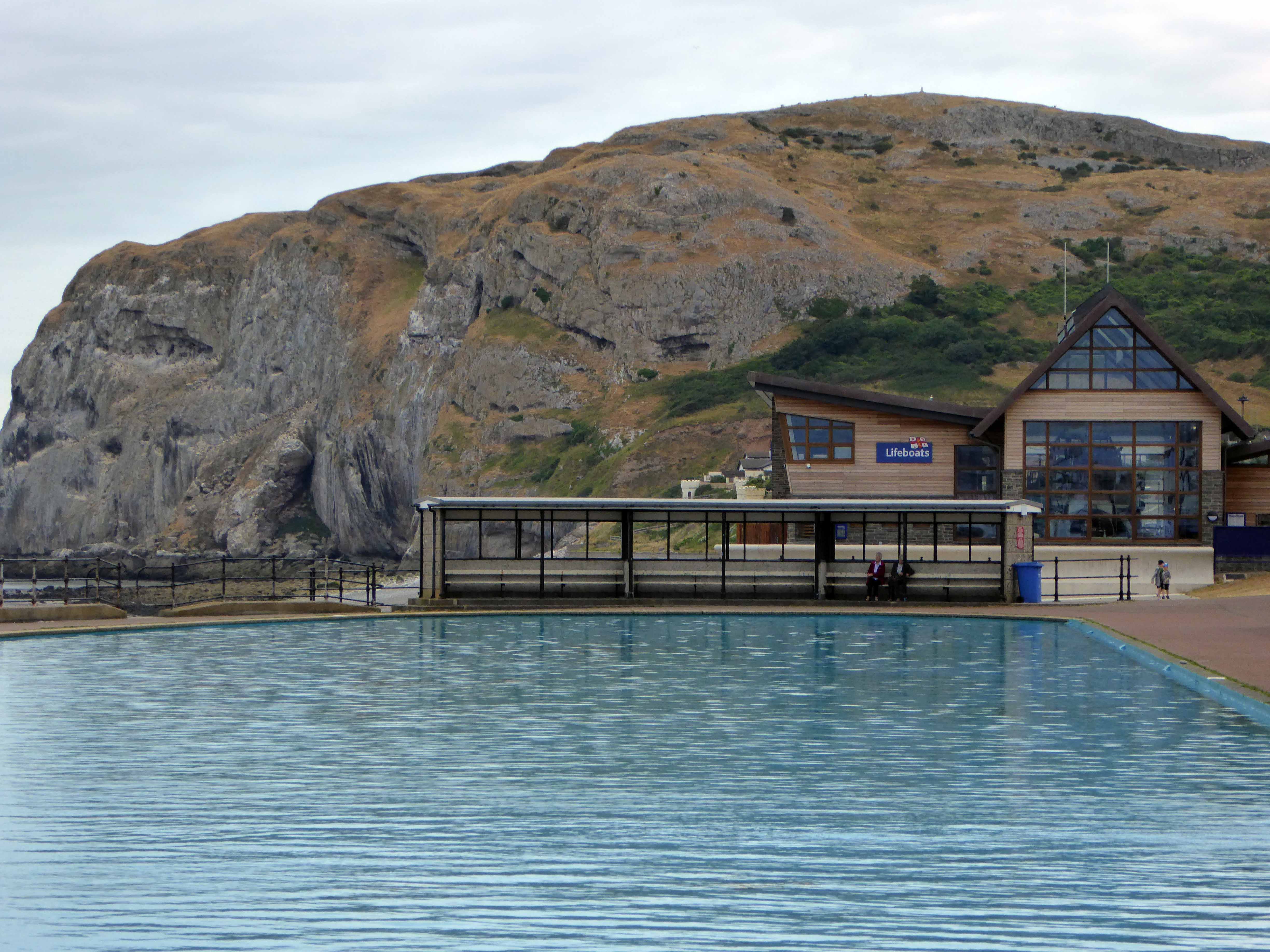
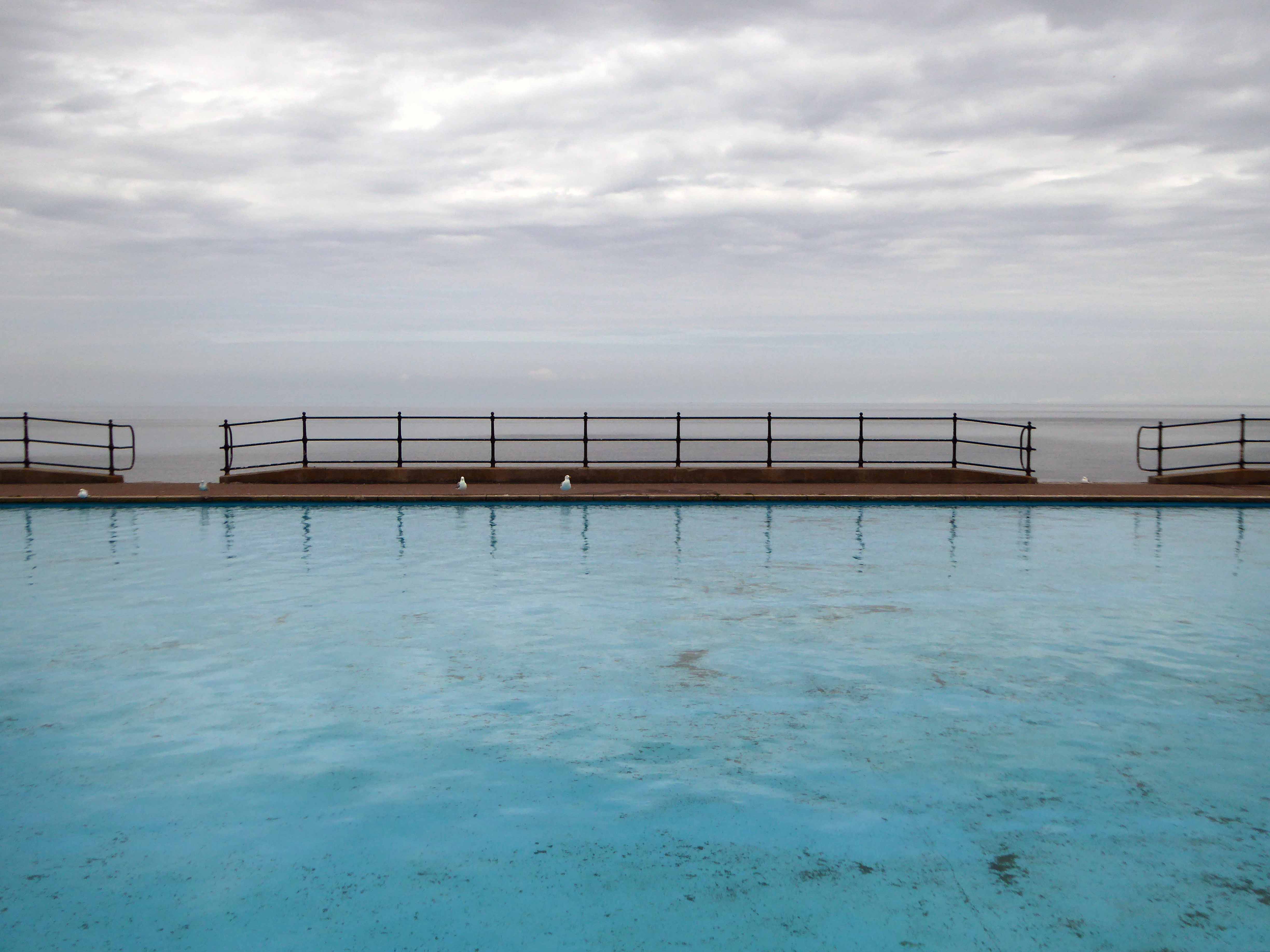
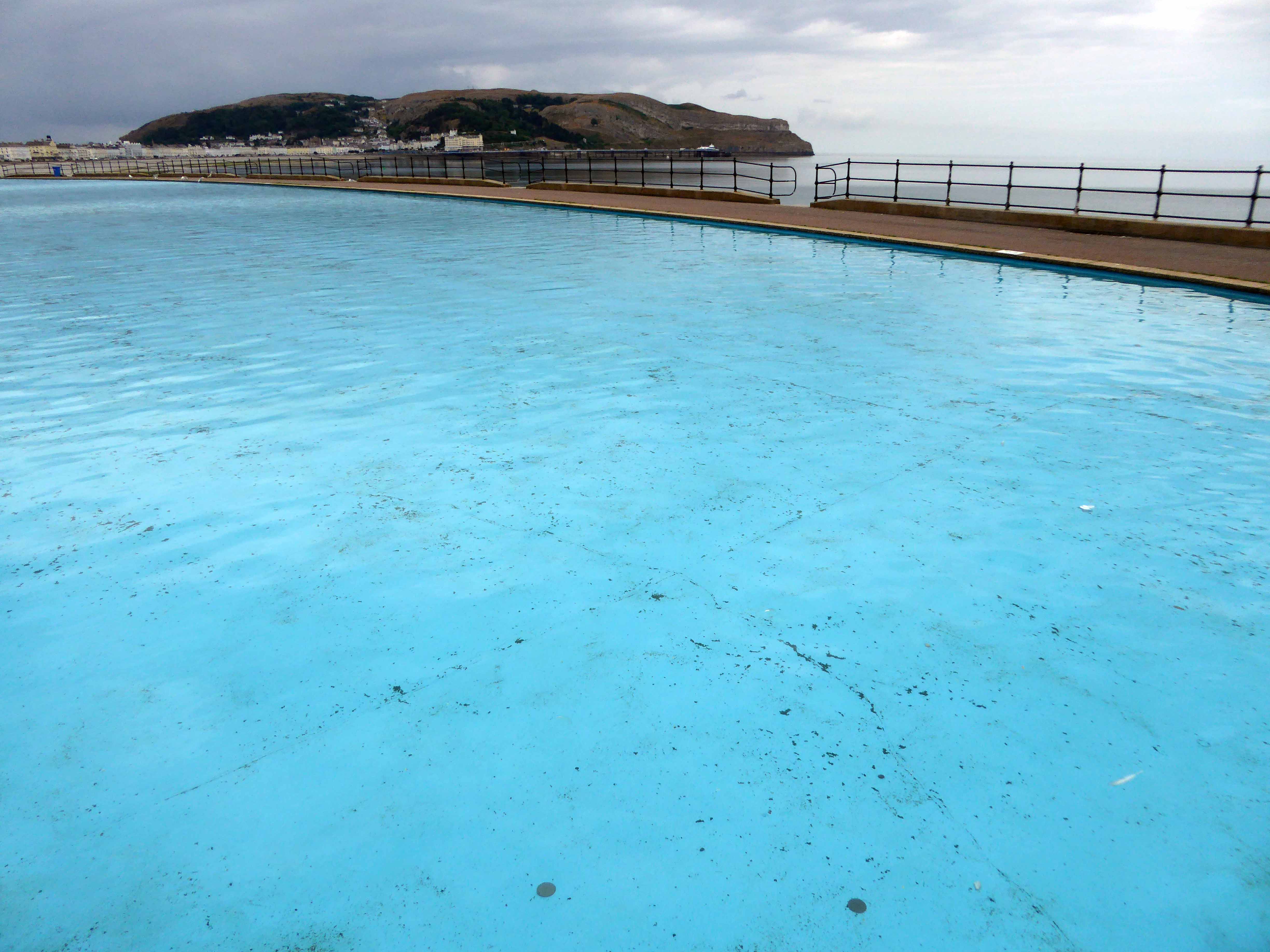
The edge of the bay is marked by concrete steps and a broad promenade, edging a pebbled beach which arcs from Orme to Orme.

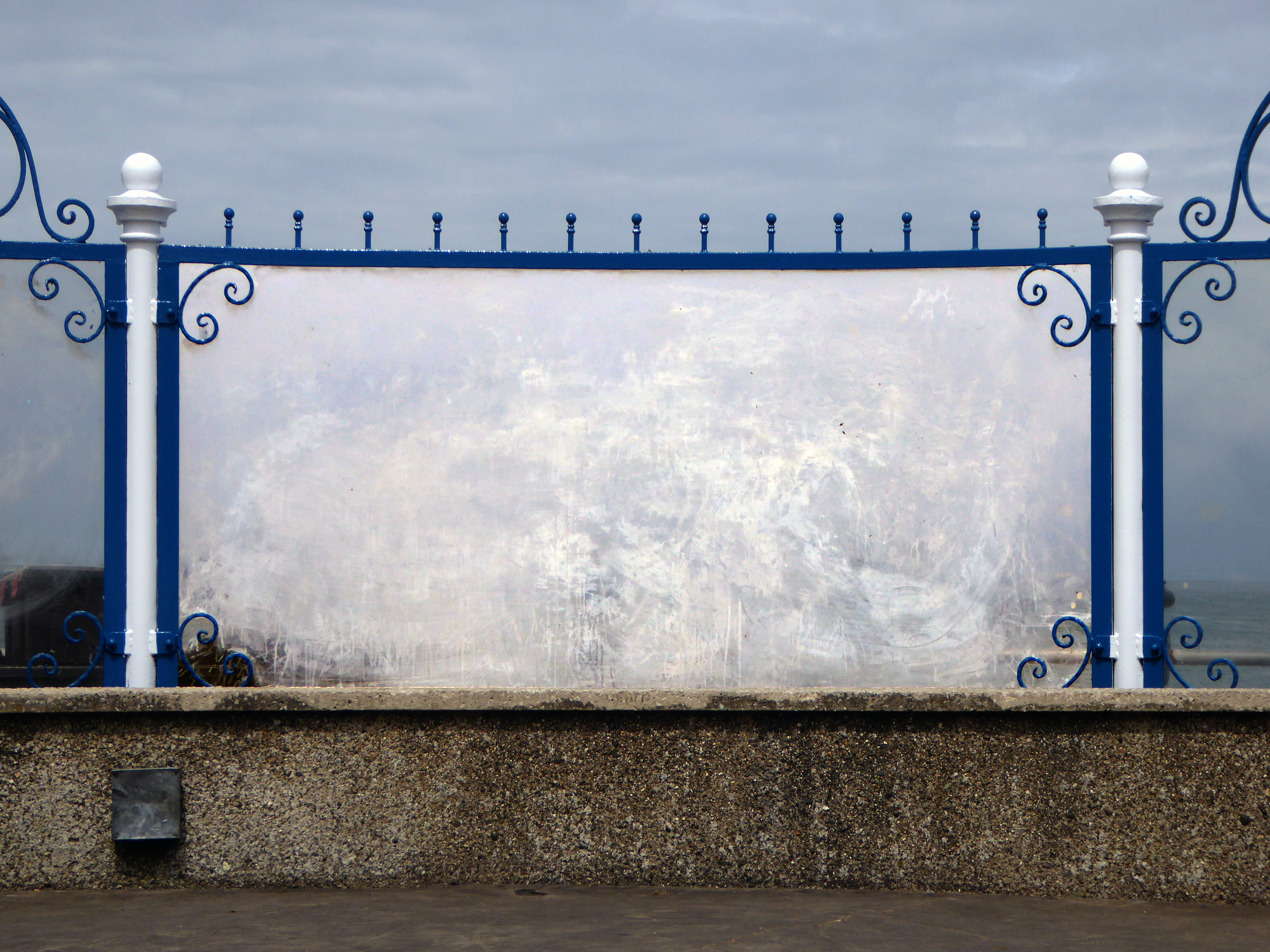
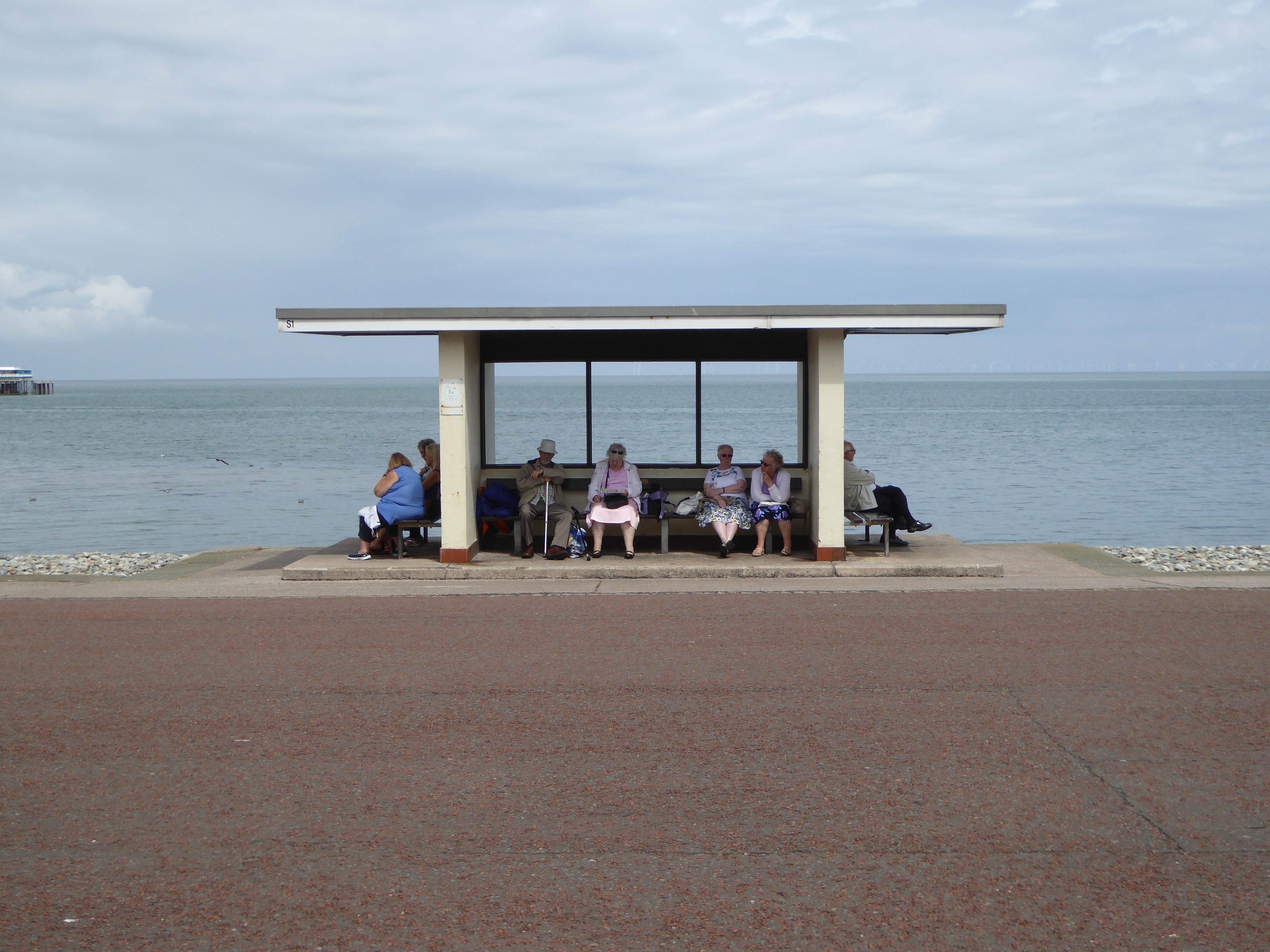
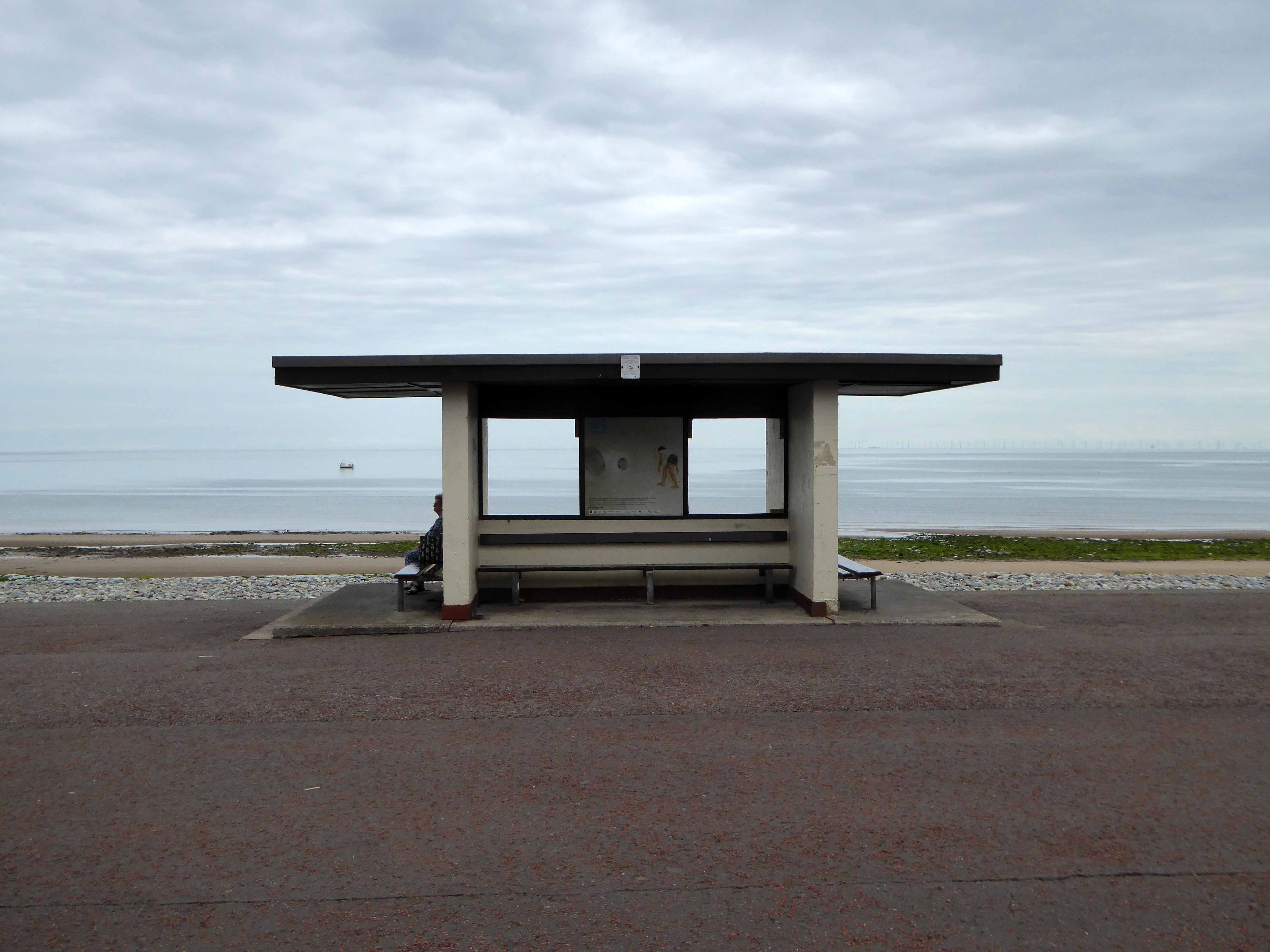
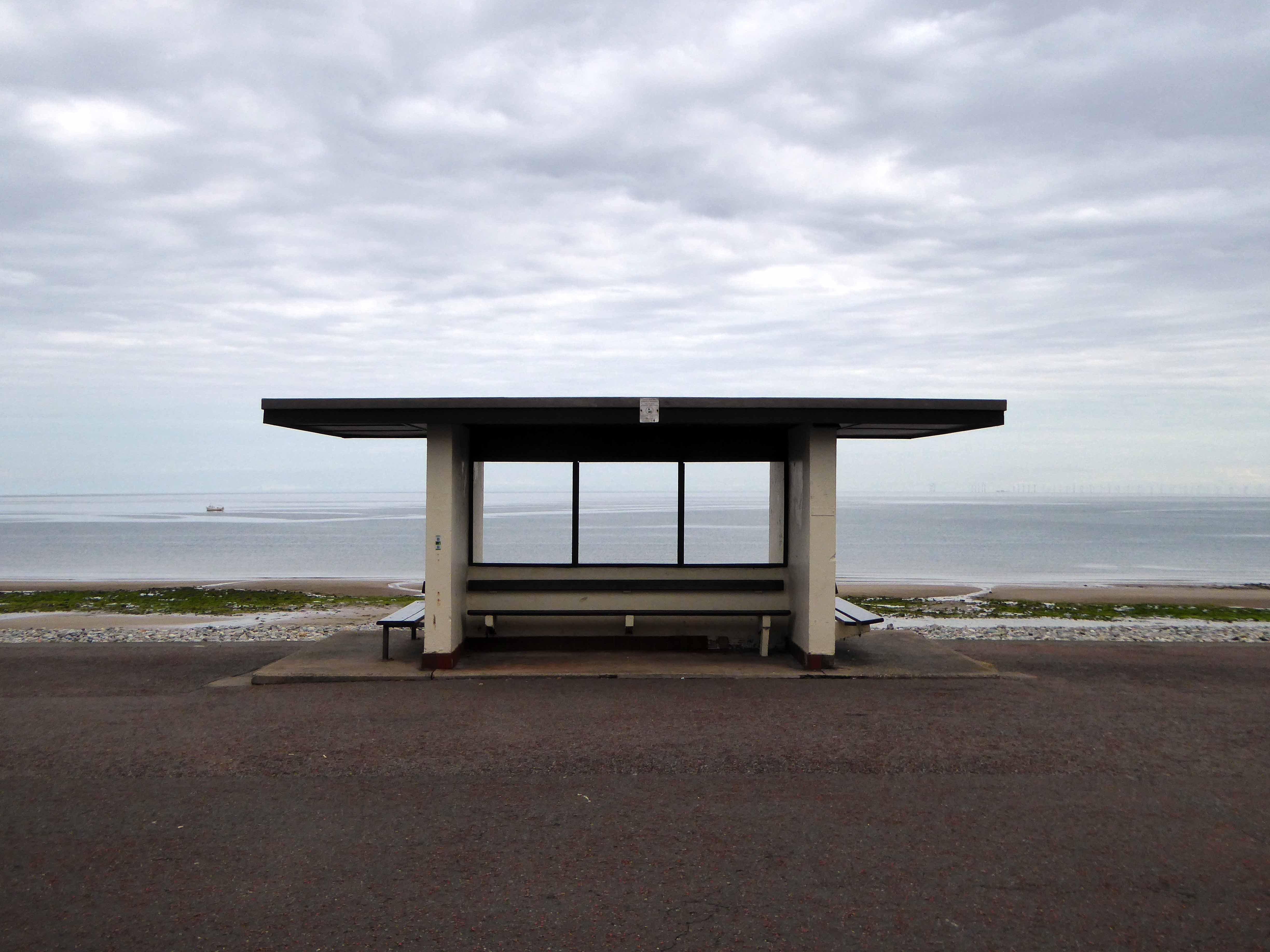
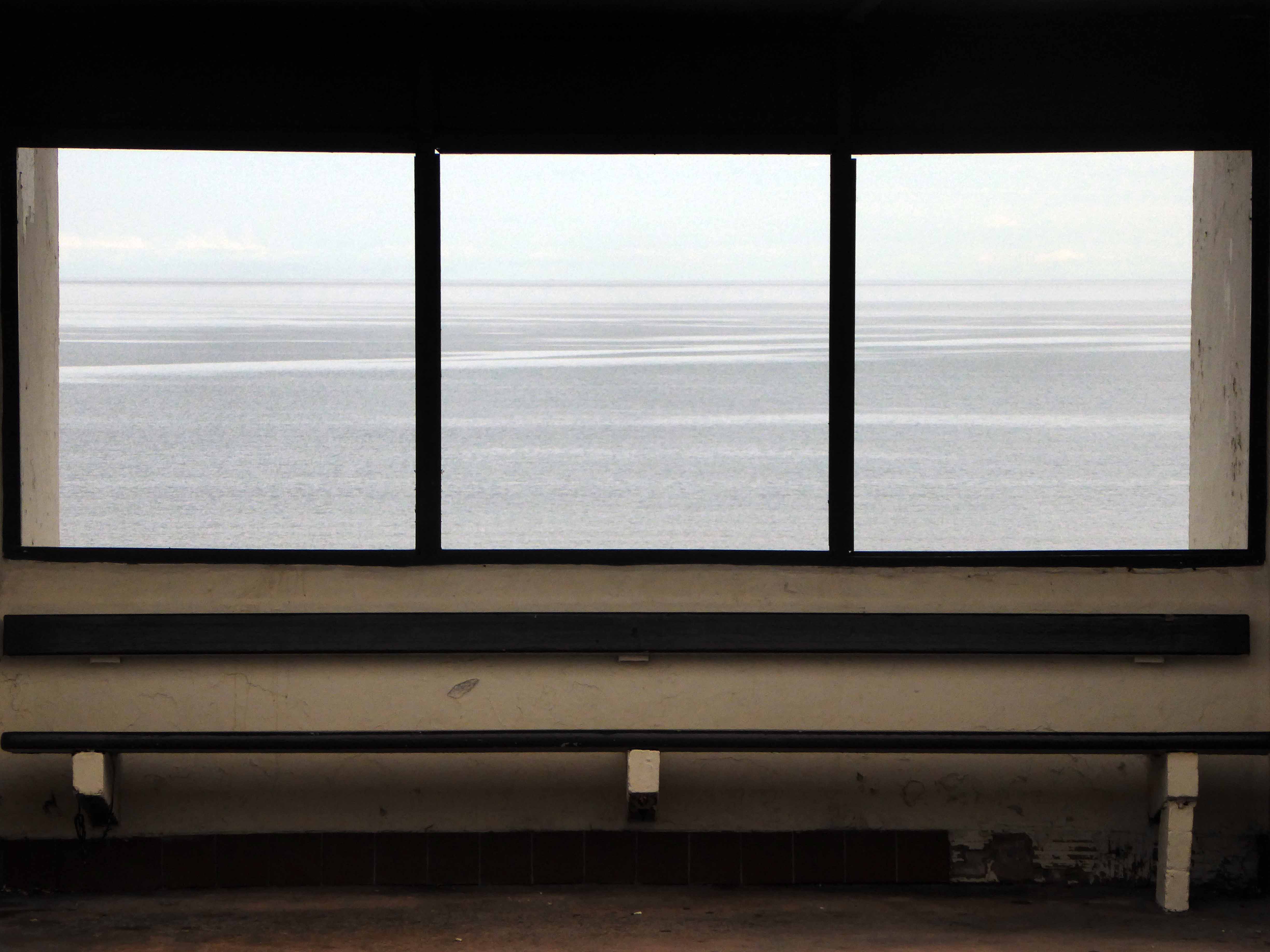
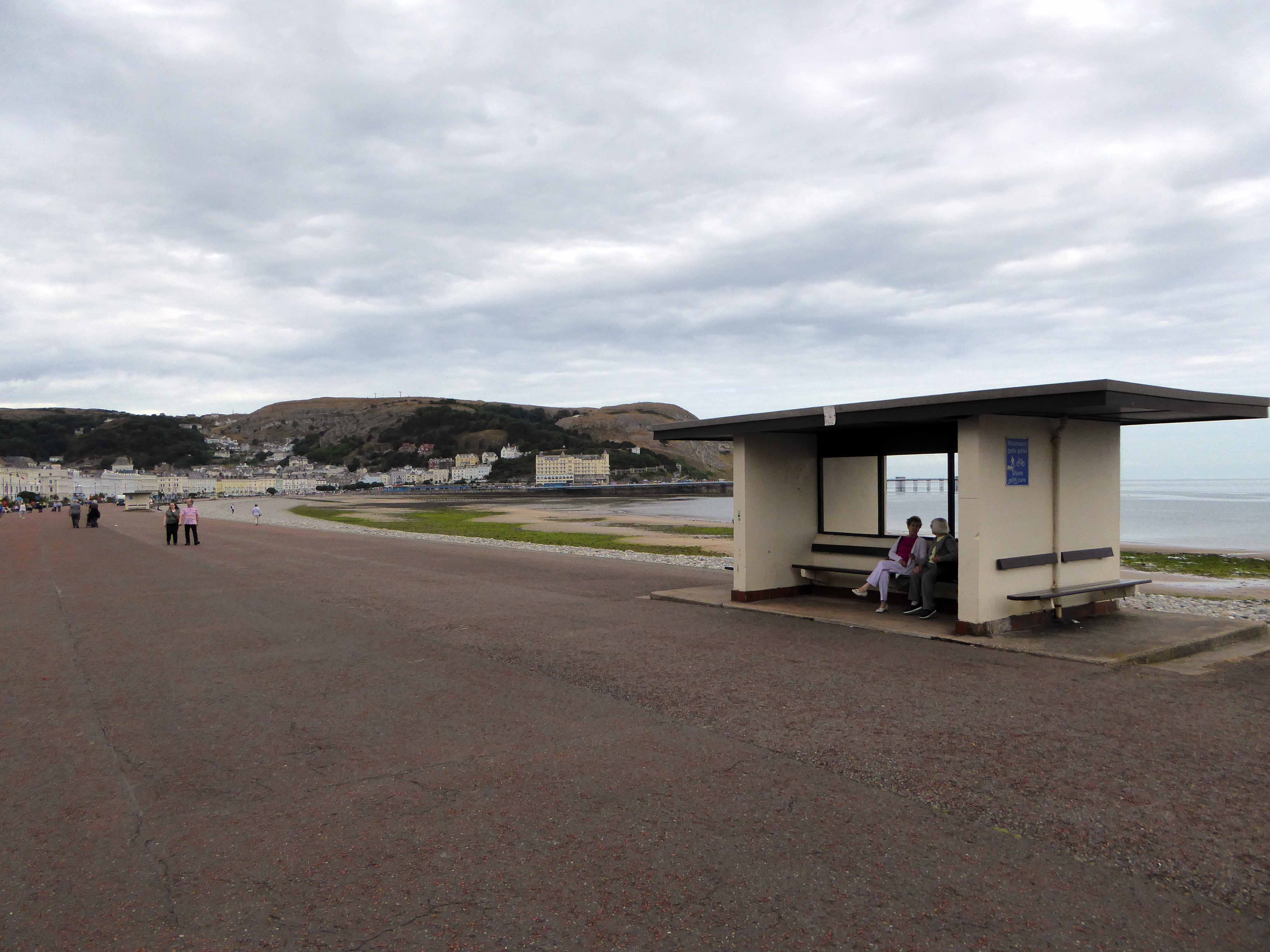
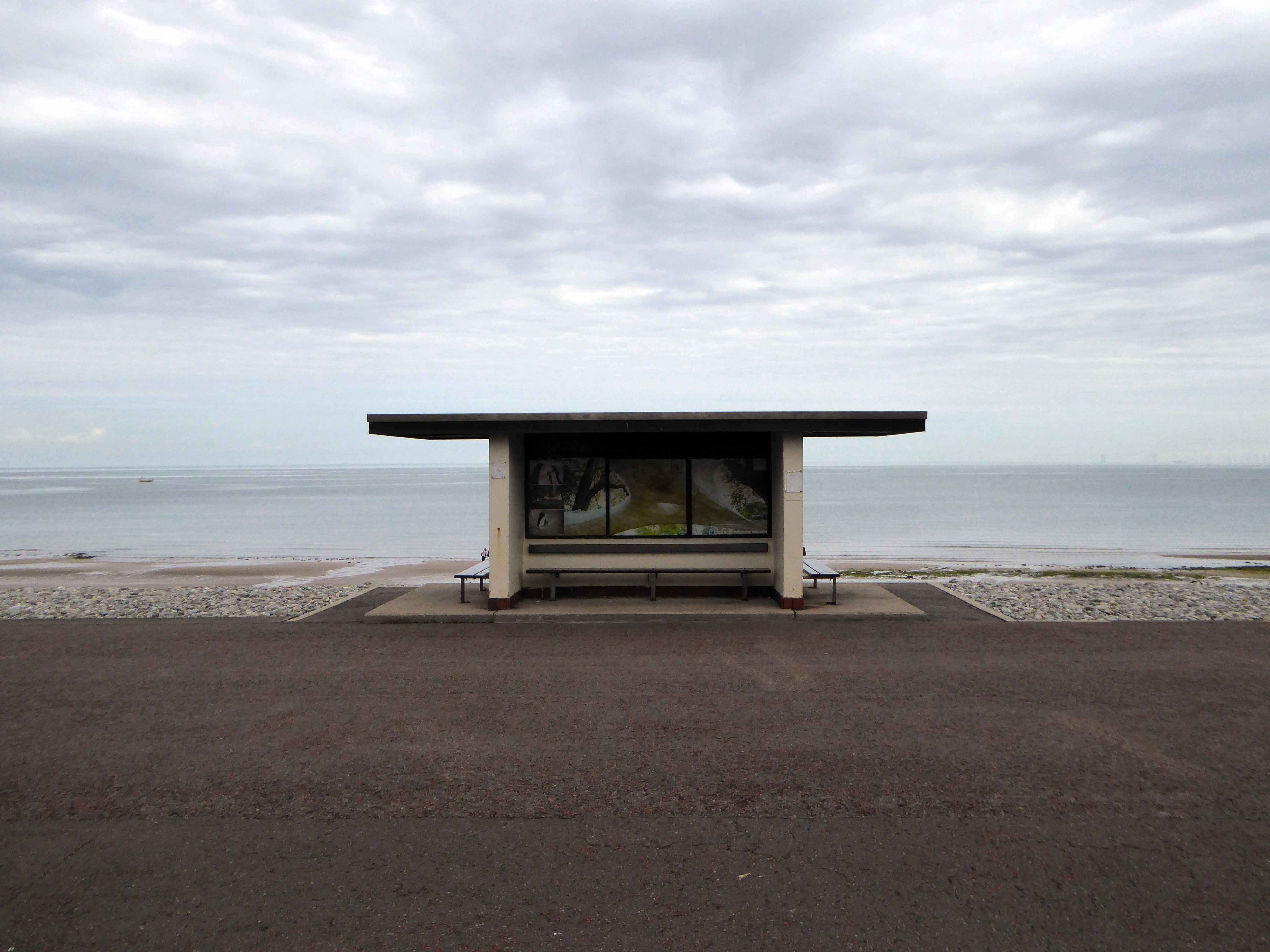
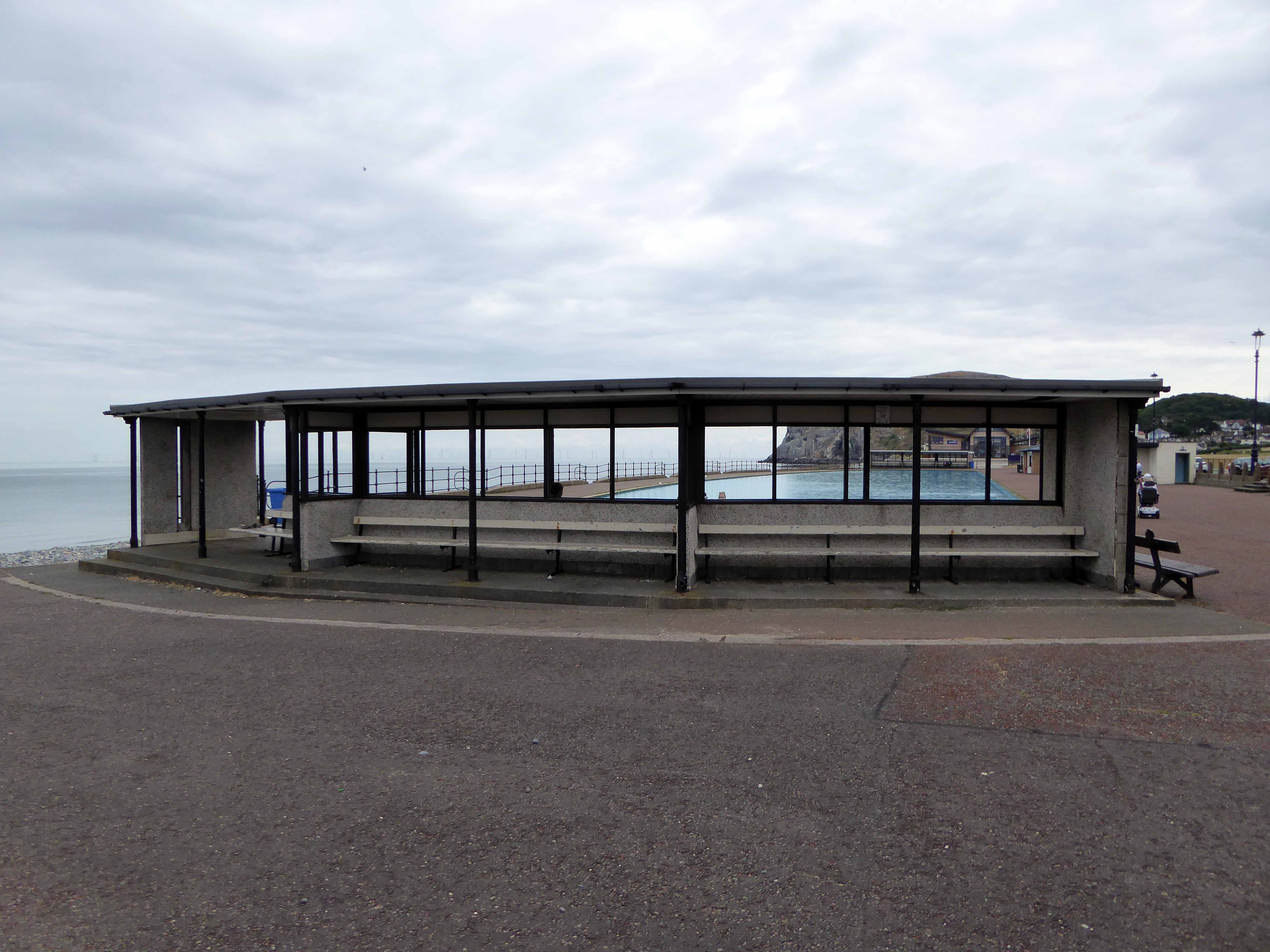
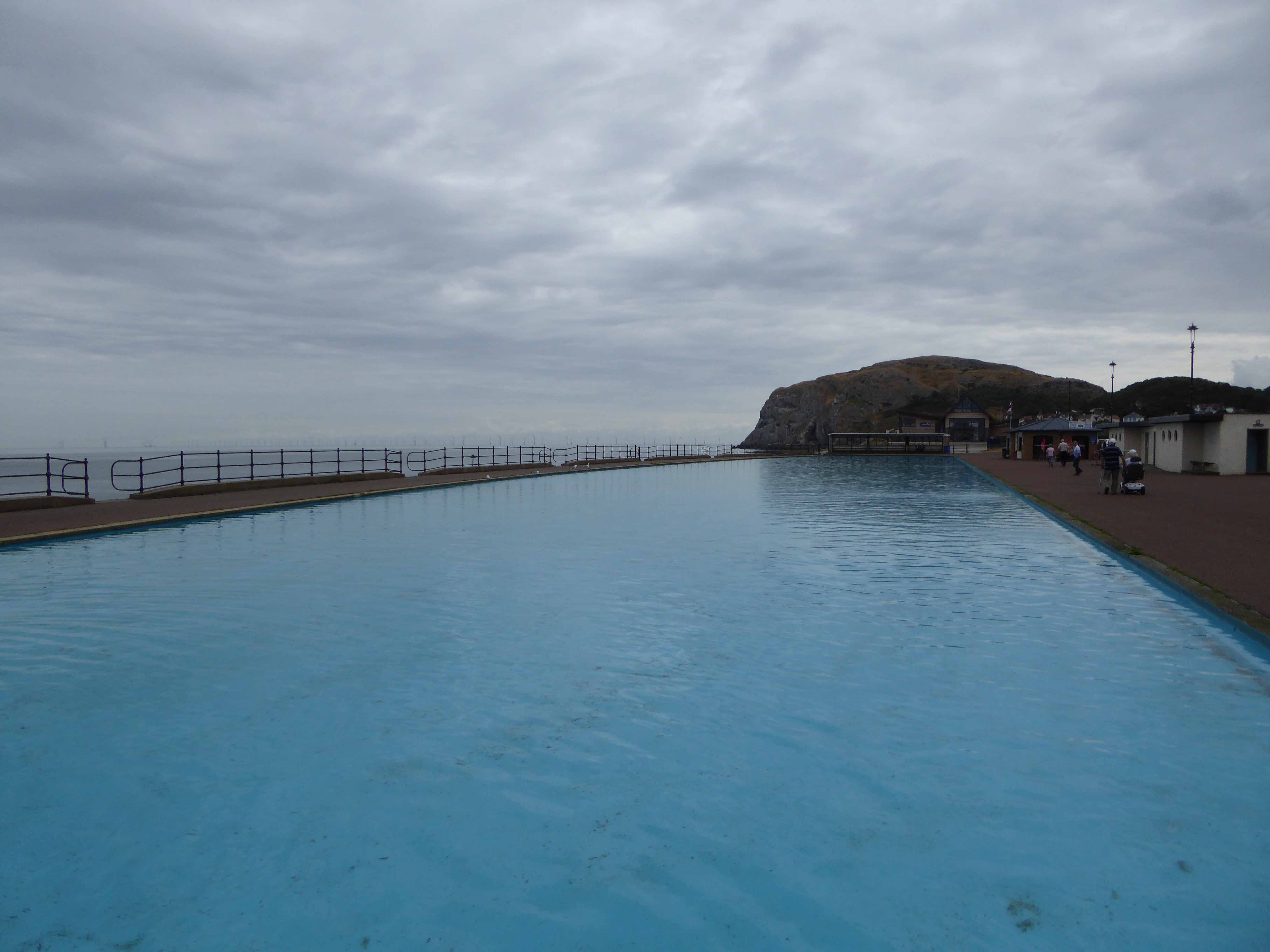
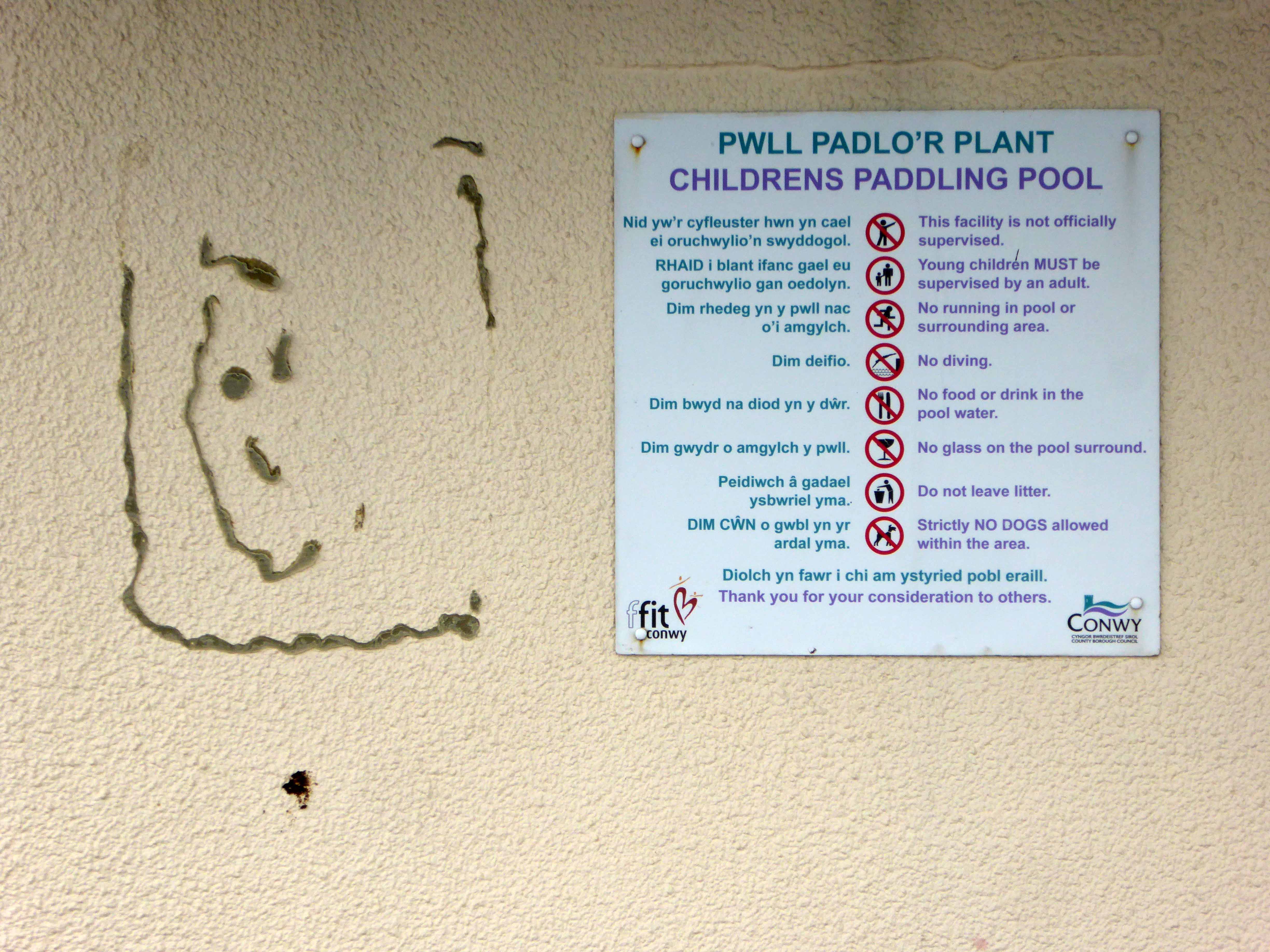
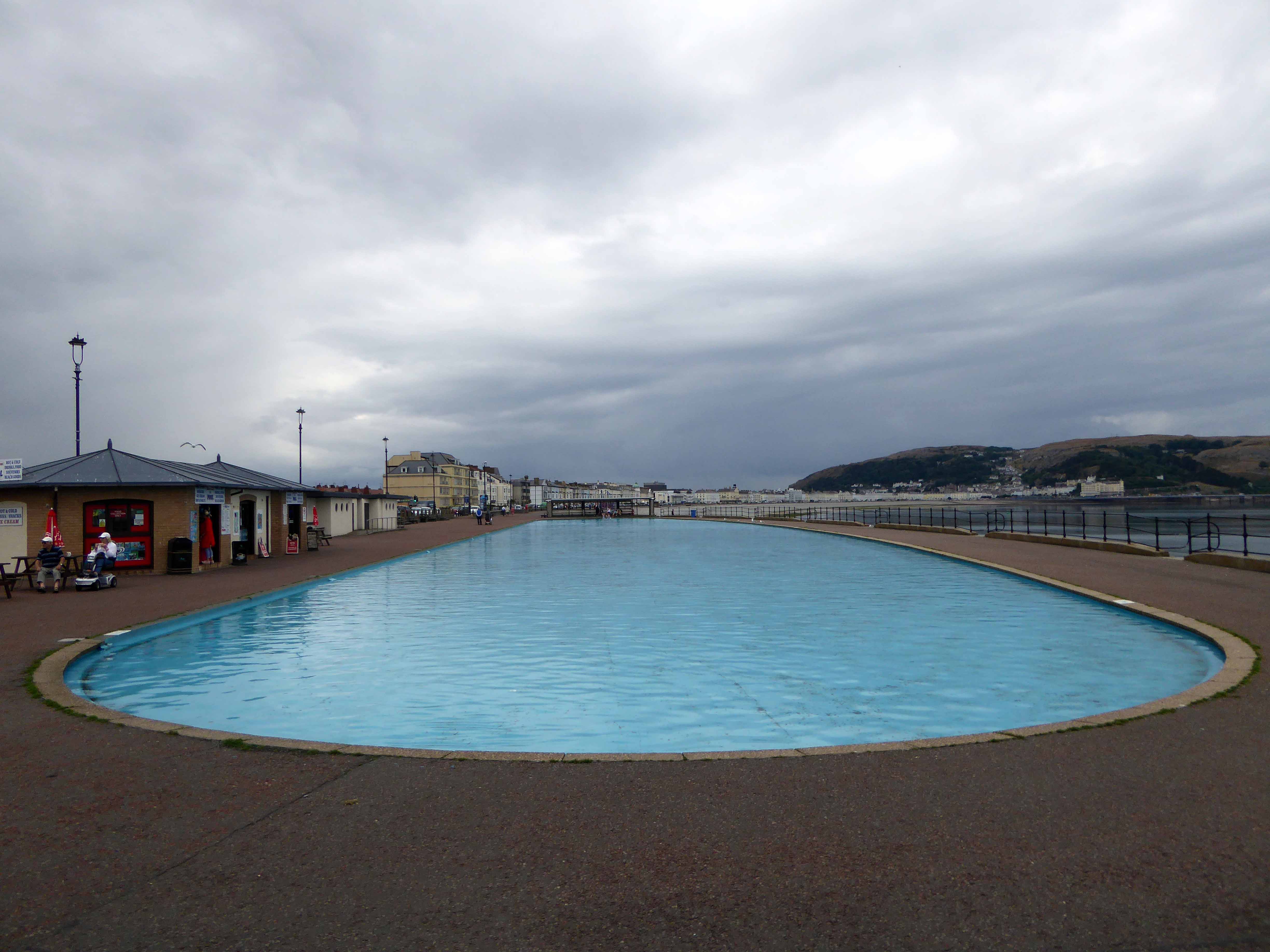
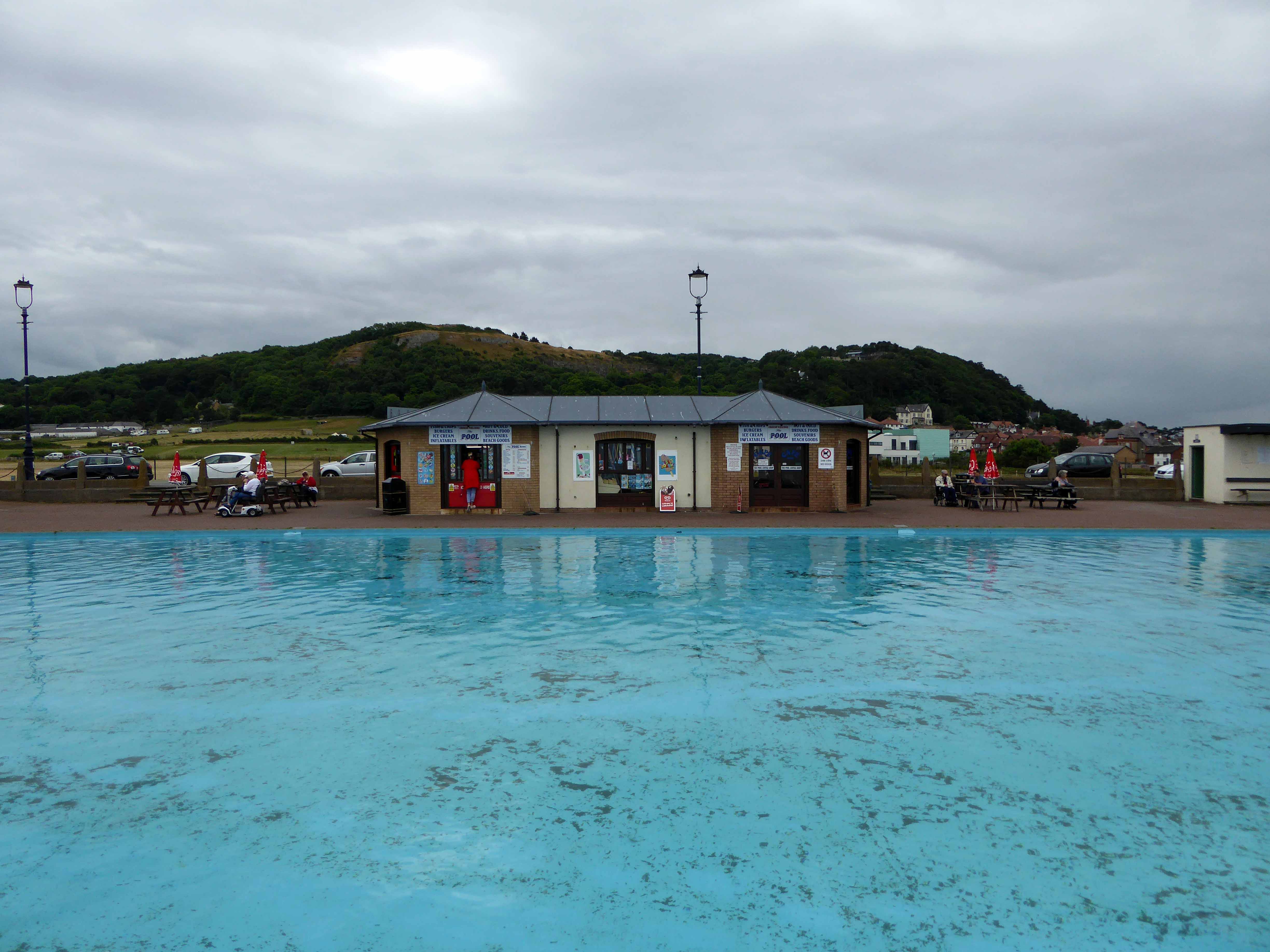
Walk with me now and mark the remarkable shelters, paddling pools and bandstand screens, along with the smattering of people that people the promenade.

P1270521

P1270522

P1270445

P1270447

P1270448

P1270449

P1270450

P1270453

P1270456

P1270458 1

P1270460 1

P1270461

P1270463

P1270465

P1270466

P1270467

P1270469

P1270470

P1270471

P1270473

P1270476

P1270477

P1270481

P1270482

P1270484

P1270485

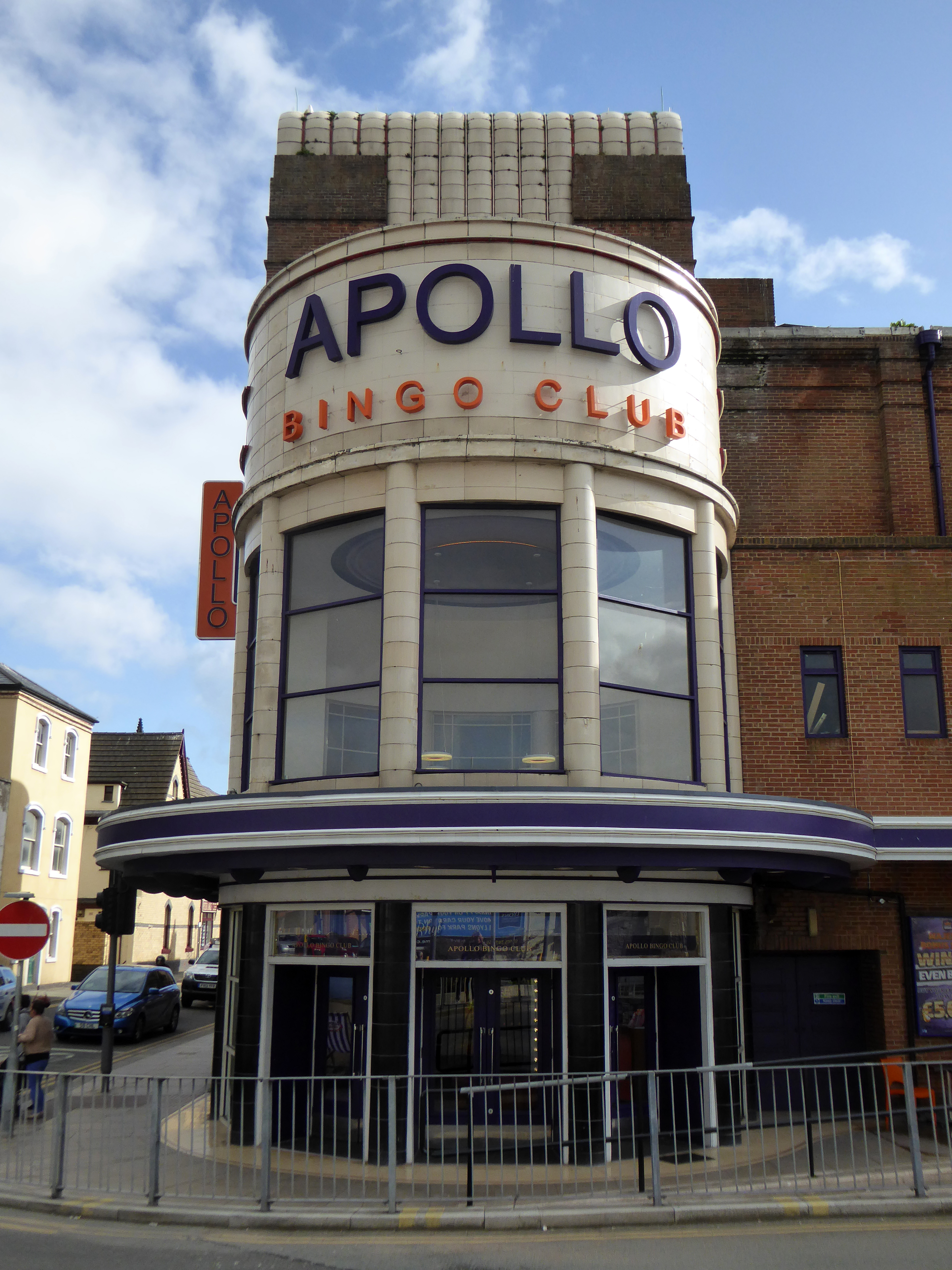
Odeon Cinema – Brighton Road Rhyl

Architects

Robert Andrew Bullivant 1910-2001
Harry William Weedon    1887-1970

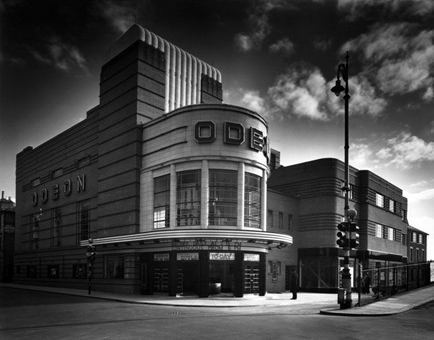
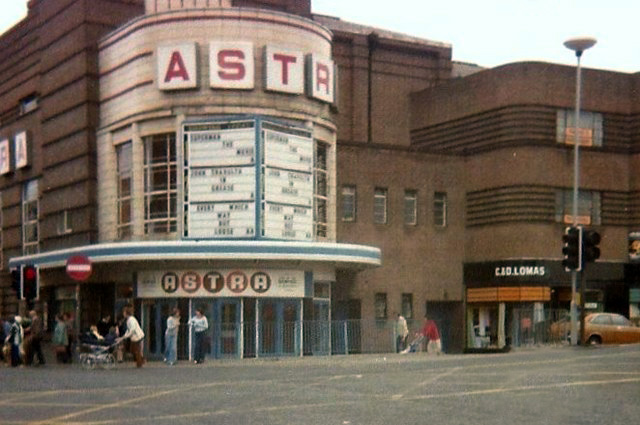
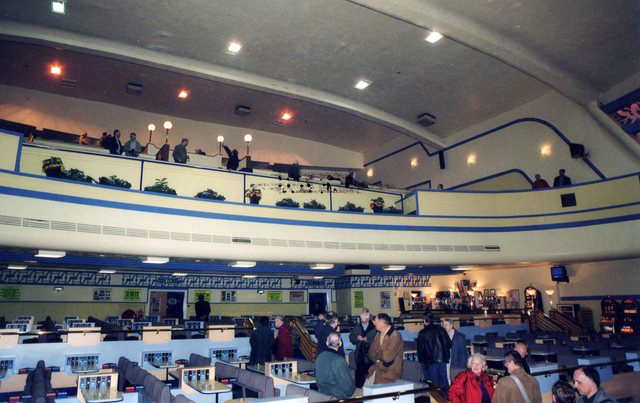
Robert Bullivant joined the Harry Weedon practice in 1935 and was responsible for the design of the Odeons at Chester, York, Burnley, Exeter and Rhyl. Taken over by Hutchinson in 1969, this cinema was renamed Astra. It was made into a triple screen in 1972 and the stalls were later converted for bingo. It was designated Grade II listed status in 1989. The cinemas closed in 1995 and the building reverted to a single auditorium for bingo.

RIBA

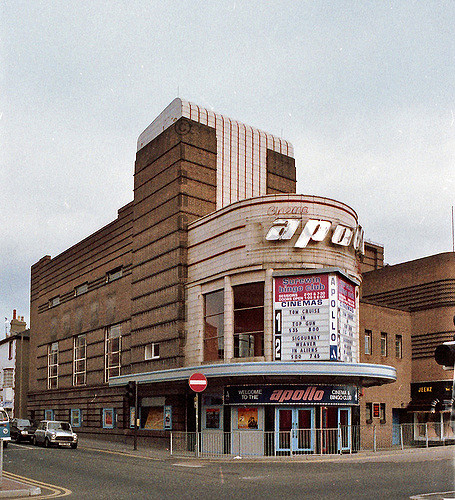
So much of our picture house heritage no longer exists, where once a town or city could support several cinemas of varying scale, architectural merit or style, few now remain intact. Happily the Rhyl Odeon has survived from Astra, Apollo to Gala to the stars and beyond.

Playing to perennially packed houses, the people’s palaces accommodated old and young.

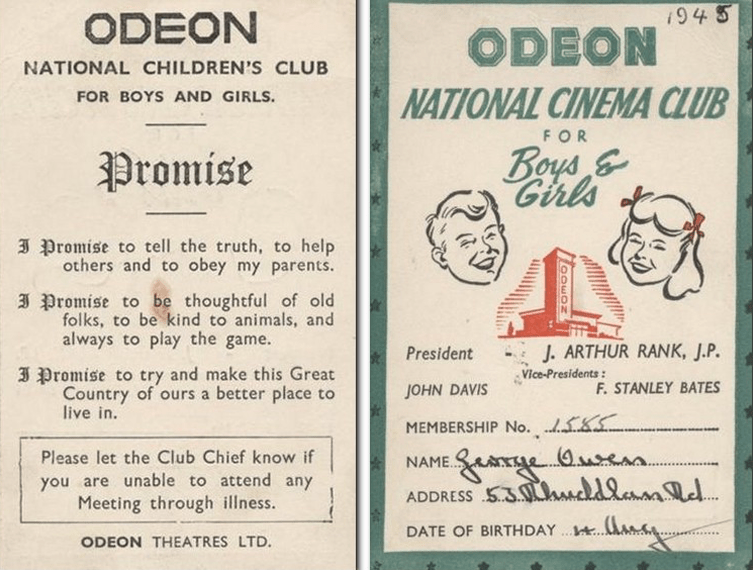
Saturday morning matinees  for the boys and girls – making this Great Country of ours a better place to live in.

Screen Shot 2018-04-25 at 10.27.01

If memory serves, in the Odeon auditorium to the left of the screen there was a suitably stylish, numberless clock of six-sided shape. In 1972 the Odeon, by then taken over and renamed Astra Cinema, underwent alterations to become the first three-screen complex in Wales: Astra 1, 2 and 3. By the mid 1980s the Odeon/Astra had been taken over by Apollo and was running as two cinemas plus bingo at first – and bingo only since the present Apollo Cinema Complex opened on the prom.
blank.jpg

large

4299348687_1e8263119c_z

George Owen 1985

Colin Jones Rhyl Life

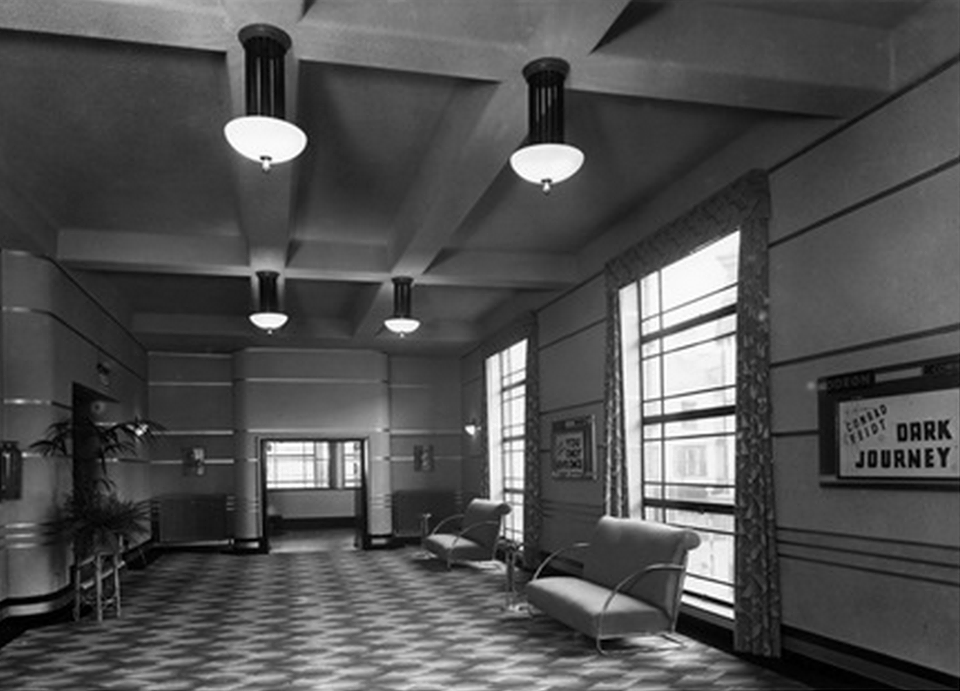
Foyer and auditorium

John Maltby 1937

23905275_1502310953209419_8012062427337007043_n

18119254_1303614579745725_4790859378321171907_n

Ian Grundy 2008

Screen Shot 2018-04-25 at 11.27.52

Screen Shot 2018-04-25 at 11.29.15

Graham Rumble 2016

large-1

large

An original Odeon Theatre, built for the Oscar Deutsch Odeon Theatres Ltd. chain, opened on 30th October 1937 with Flora Robson in “Farewell Again”.

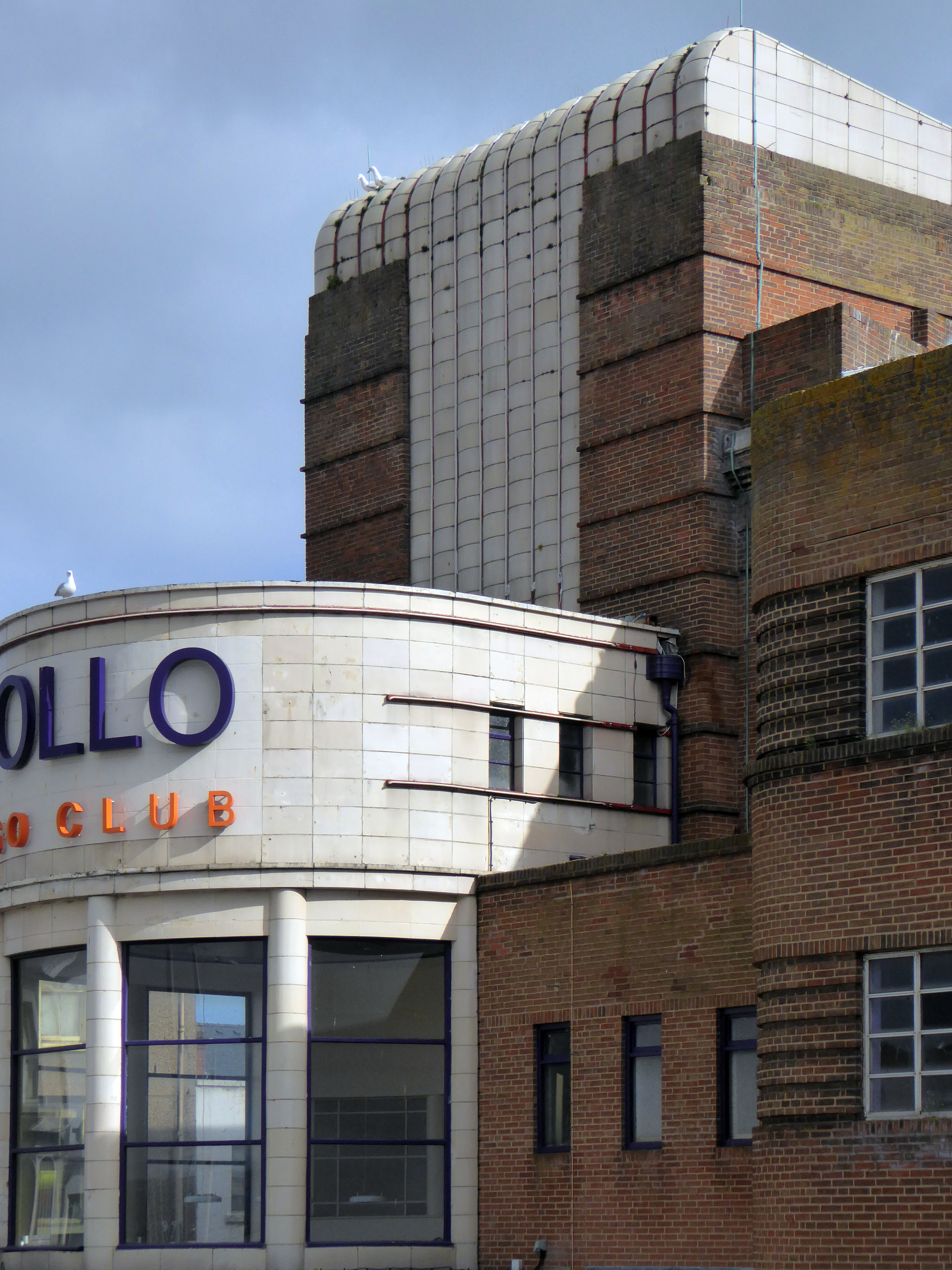
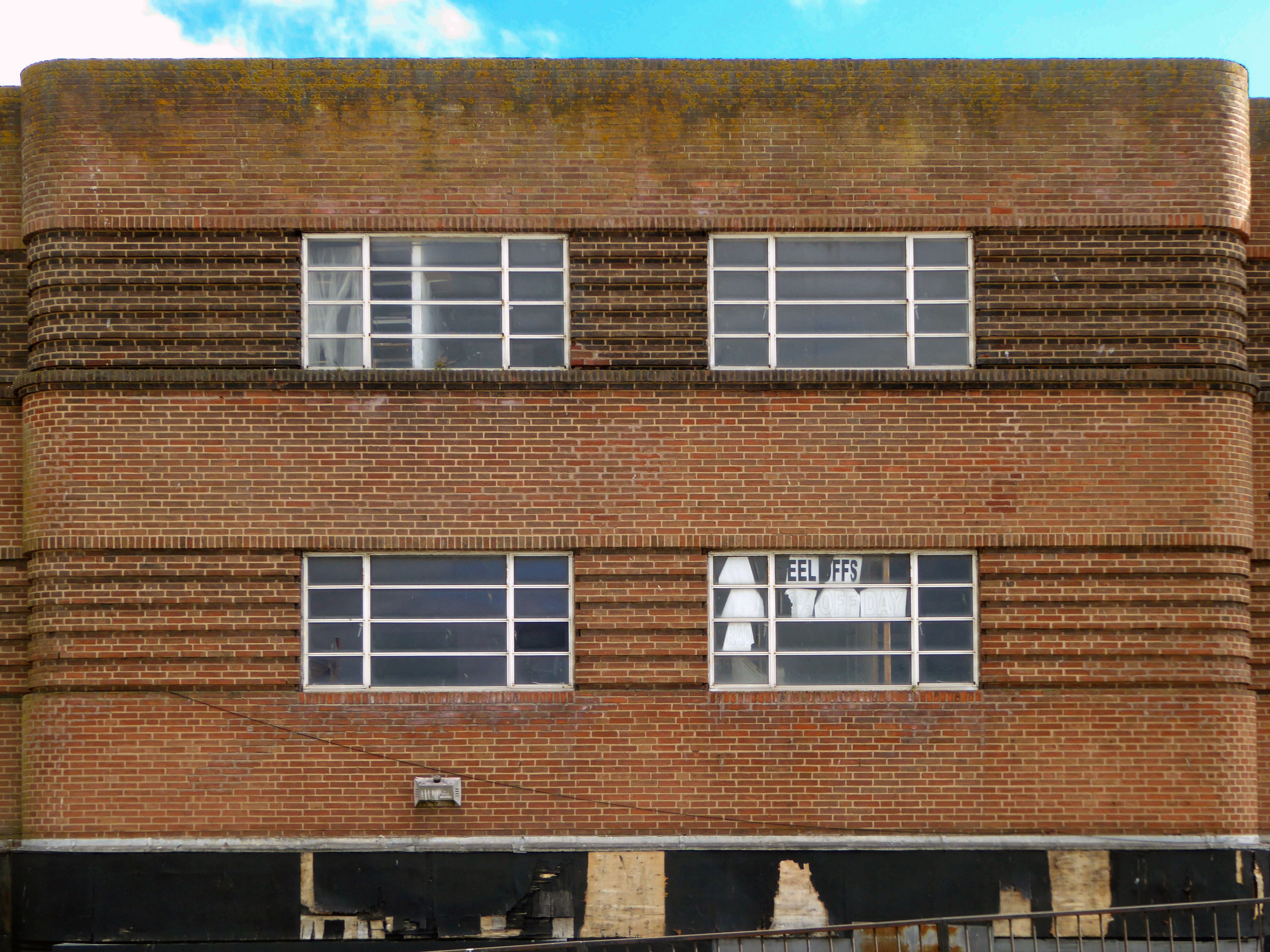
The corner entrance rotunda was lower than the rest of the building and was faced with cream faiance tiles, broken with windows. Behind this was a tower-like feature which contained the main foyer. Seating in the auditorium was provided for 862 in the stalls and 546 in the circle. On each side of the proscenium opening there were large panelled decorative grilles on the splay walls. Lighting in the auditorium was provided by concealed lighting in troughs across the ceiling.

From the 13th October 1969 it was taken over by the Hutchinson Leisure Group and re-named Astra Cinema. They triplexed the cinema from 24th April 1972 with seating for 750 in the former stalls and two mini screens seating 250 and 225 in the former circle. Later, the stalls screen was converted into a bingo club, whilst the two mini cinemas continued on film.

In the late-1980’s the building was taken over by Apollo Leisure UK Ltd. and it was re-named Apollo Cinema. The two mini cinemas were closed in October 1995 and the building was de-tripled into one space again, becoming the Apollo Bingo Club, which remains open today.

From 4th January 1989, the former Odeon Theatre was designated a Grade II Listed building.

Cinema Treasures

P1240812

P1240813

P1240817

P1240814

P1240815

P1240818

P1240819

P1240820


Humberston Fitties

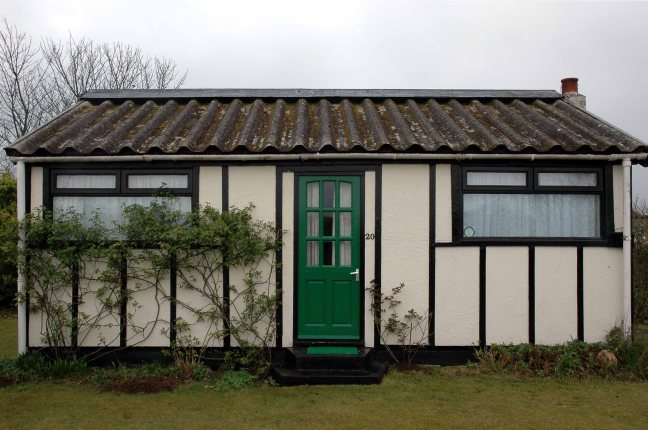
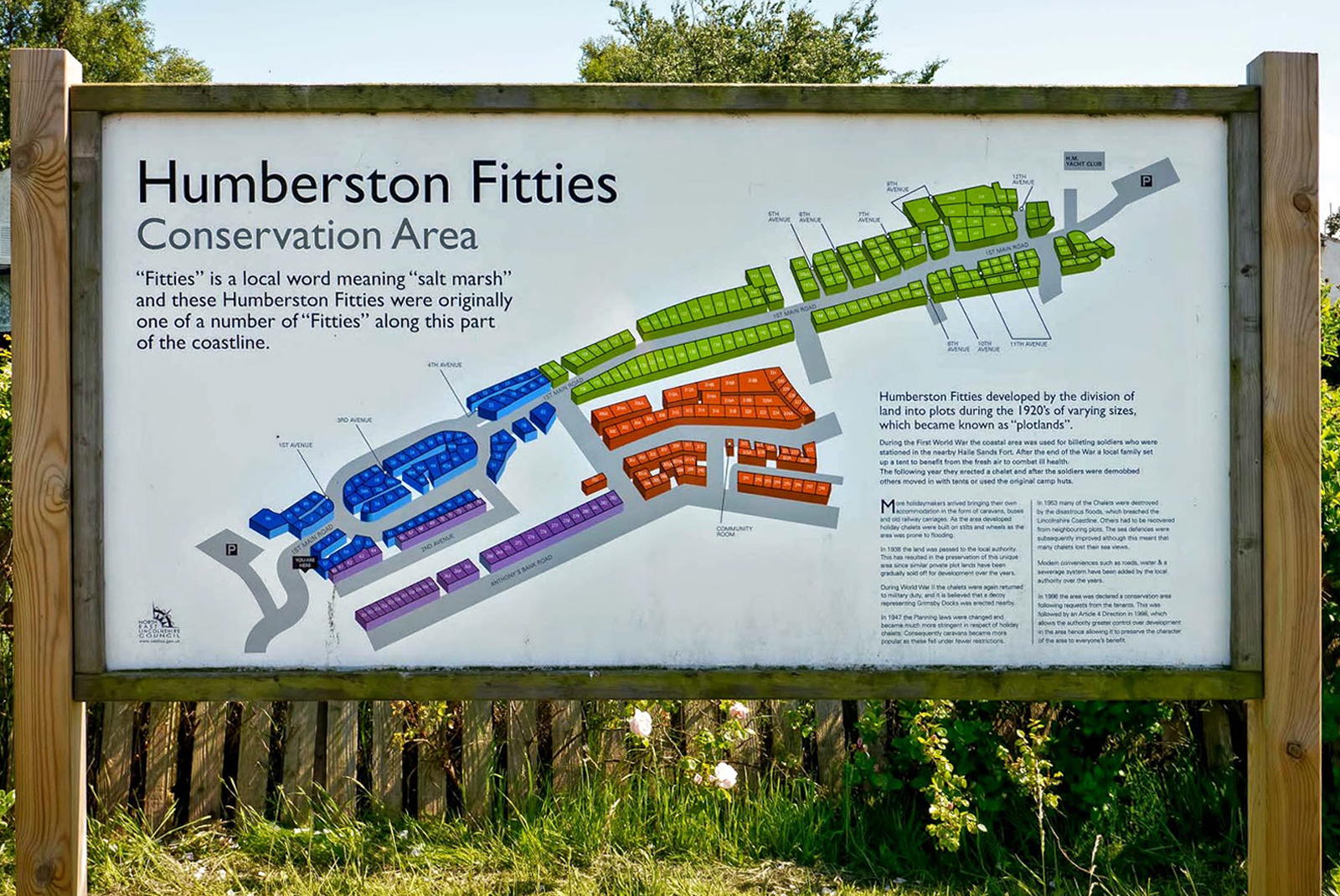
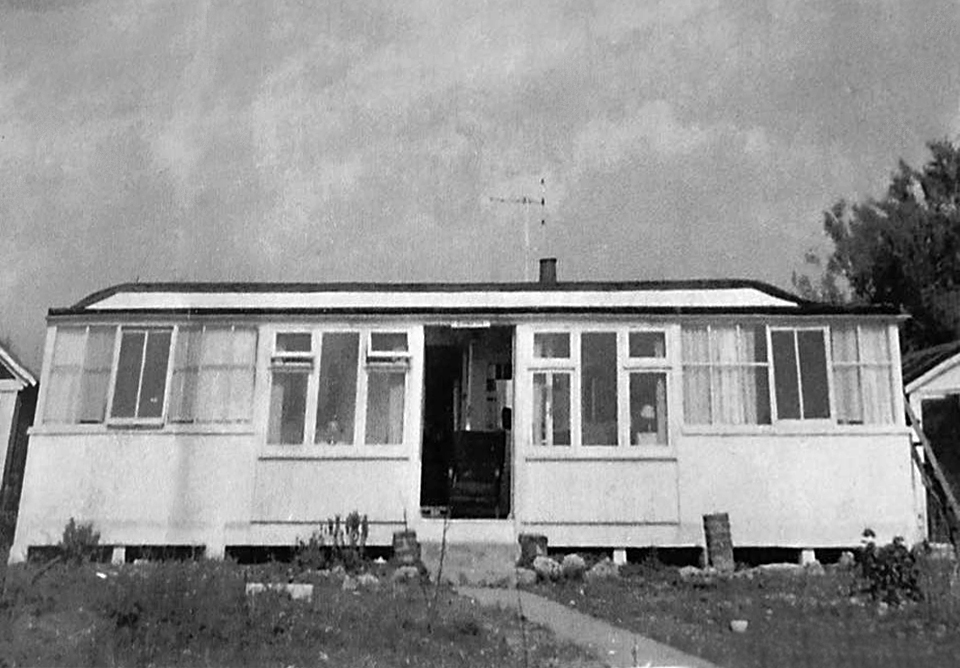
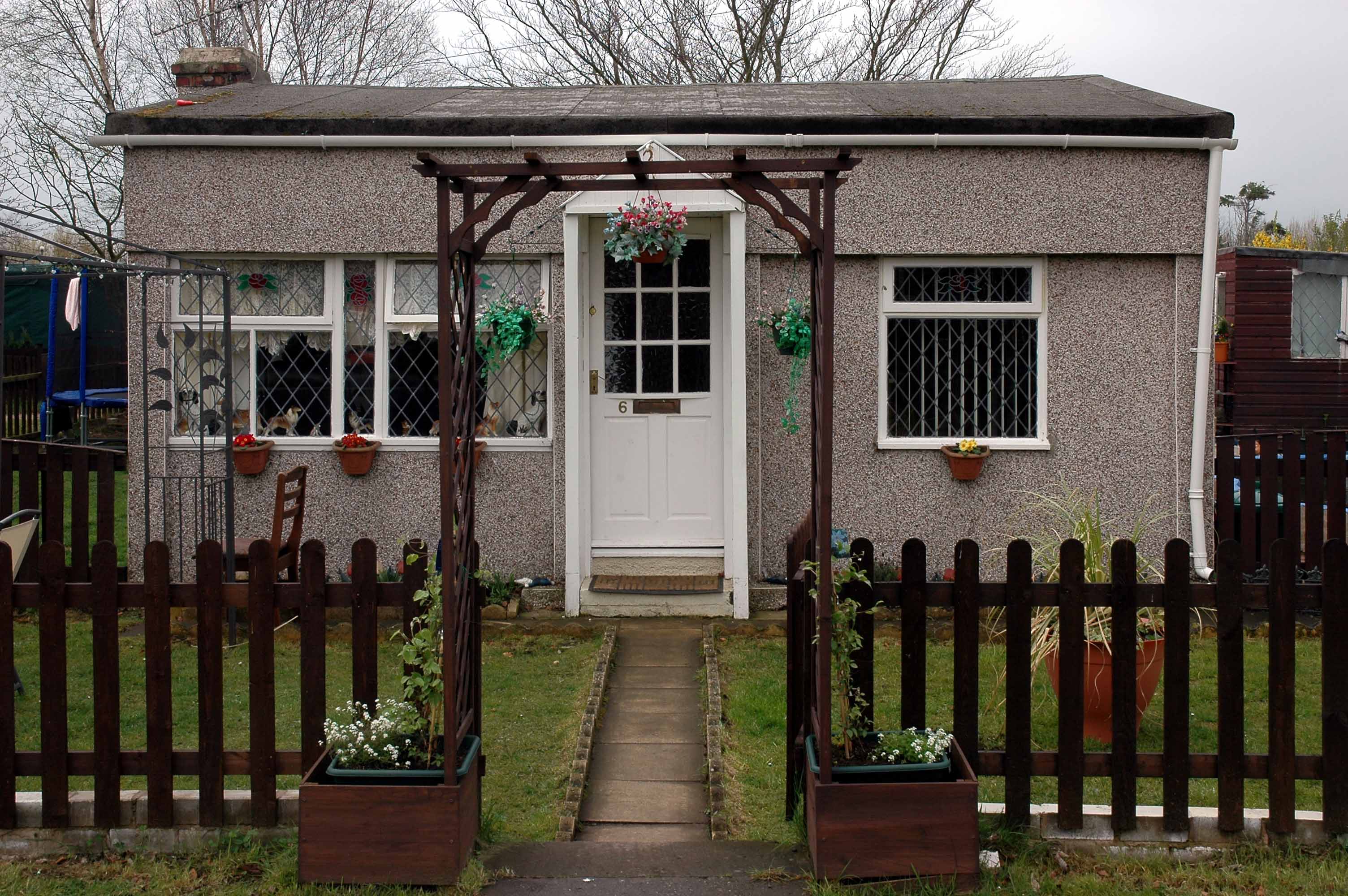
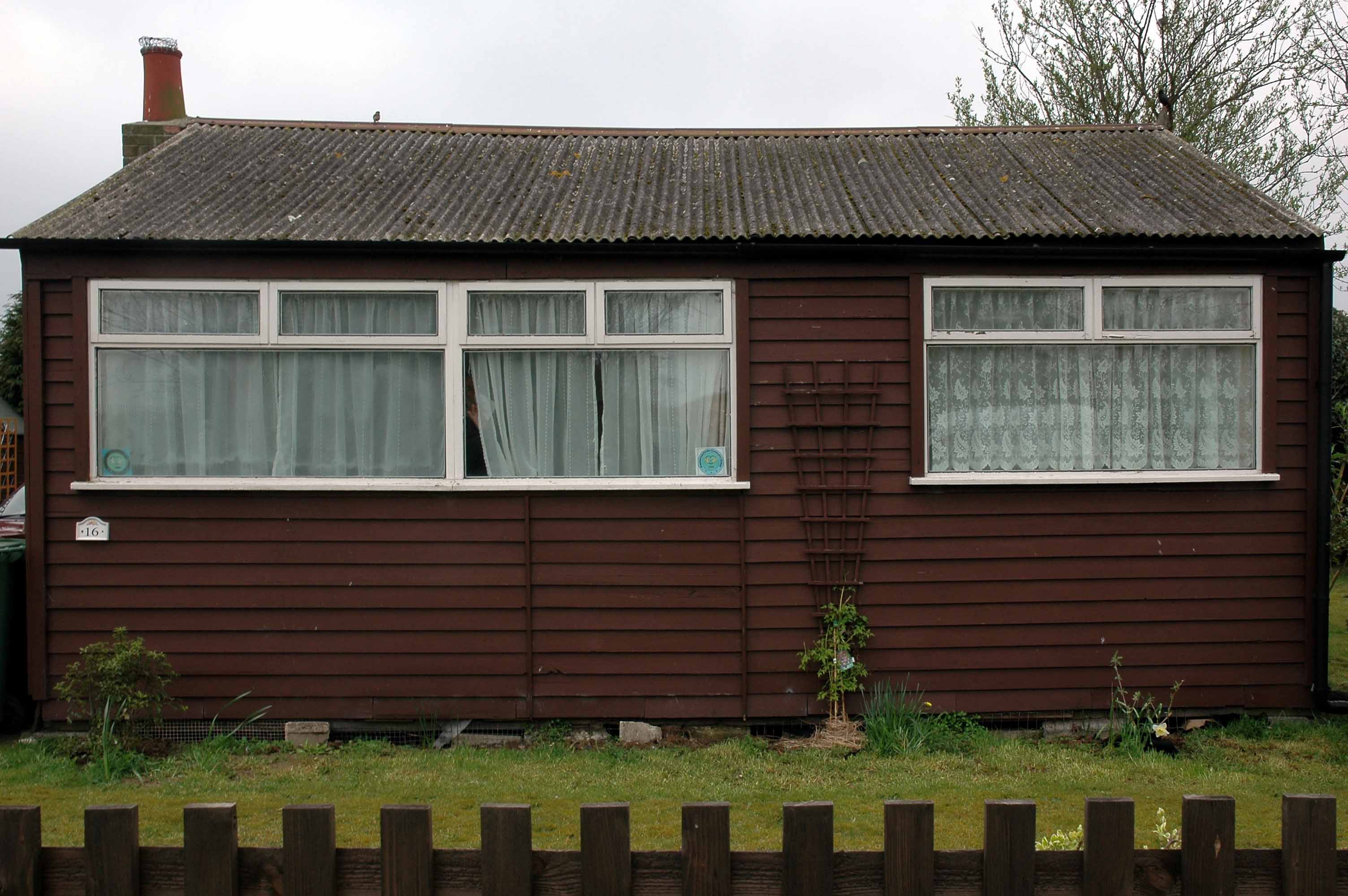
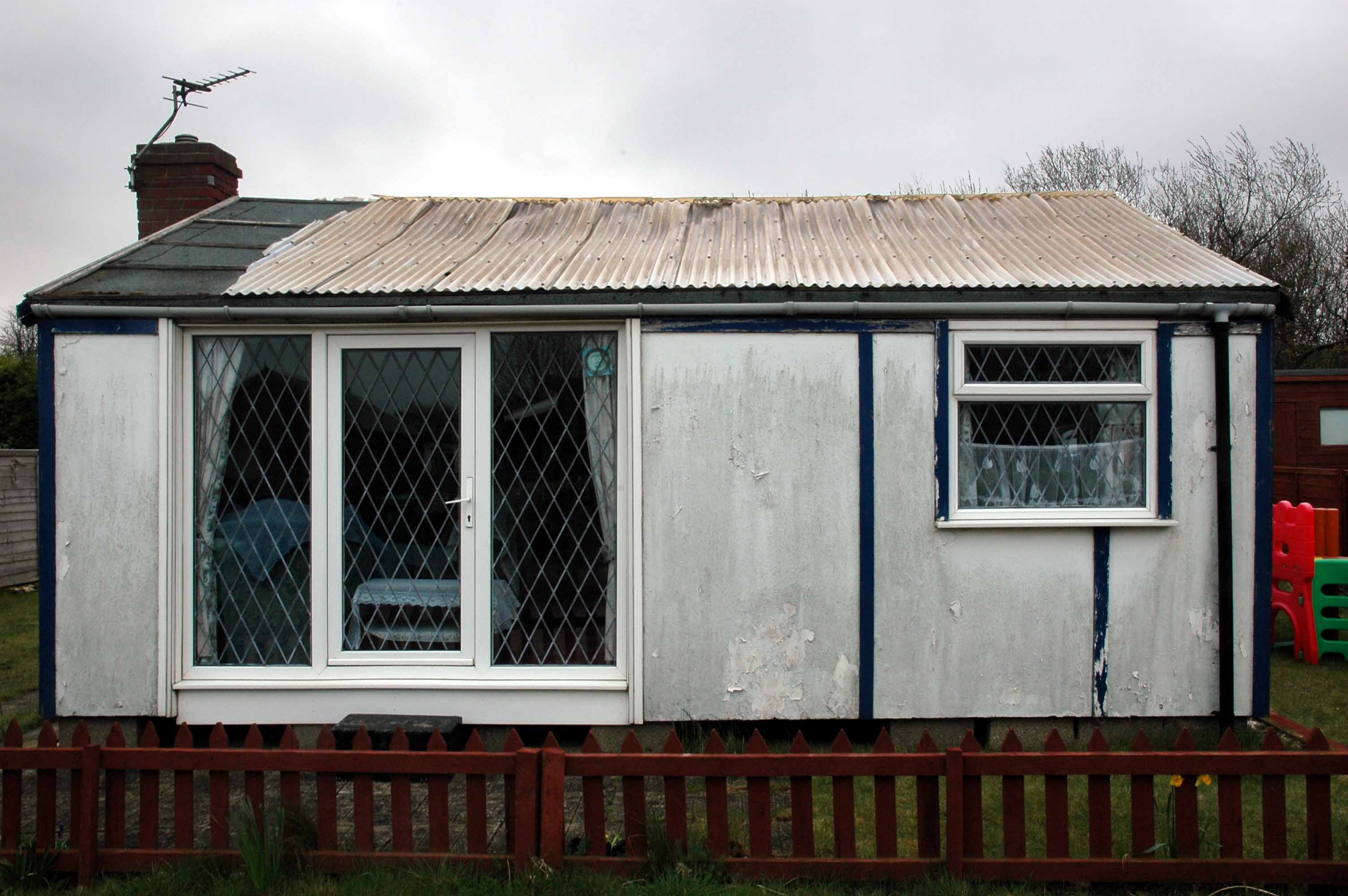
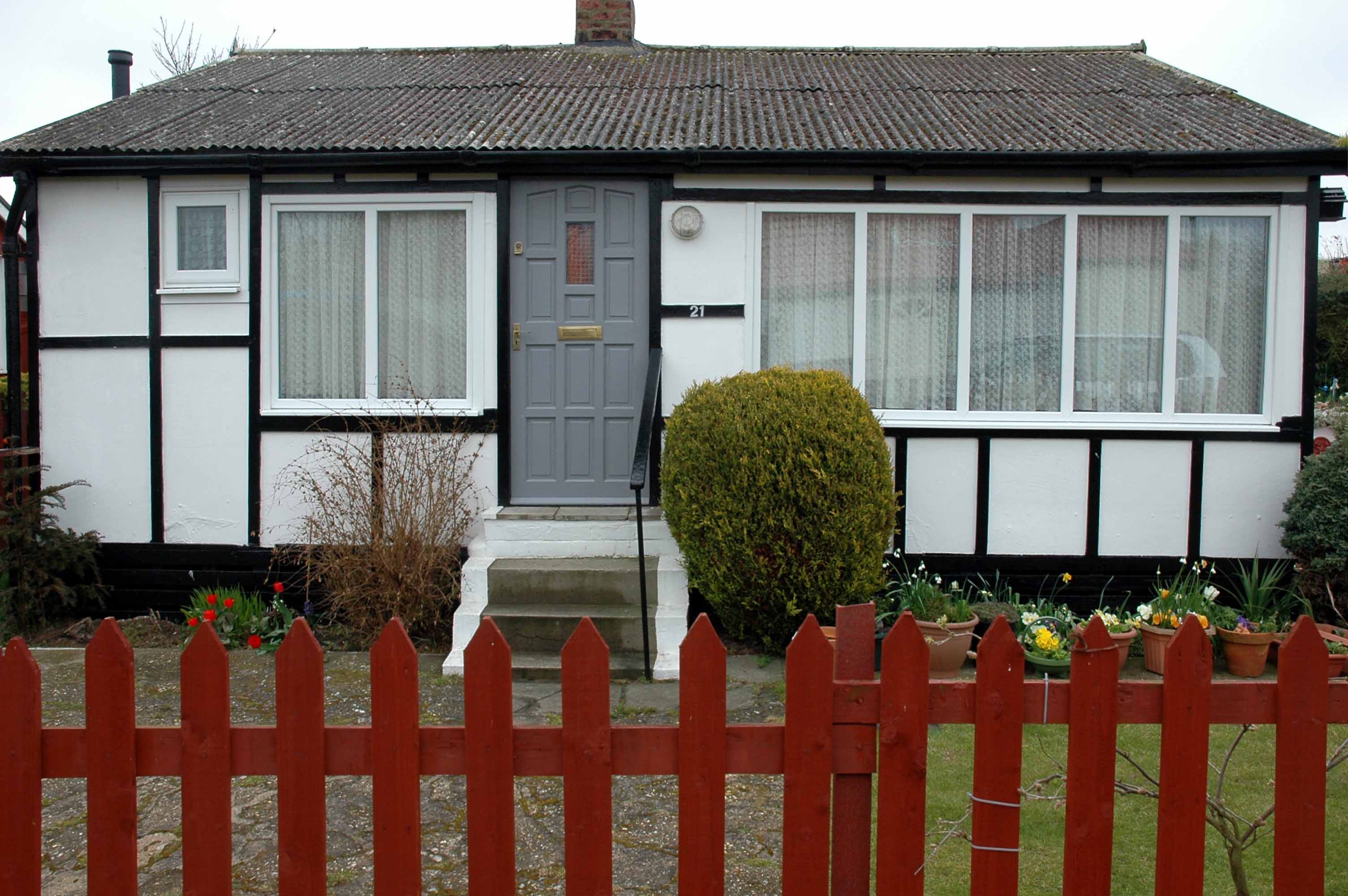
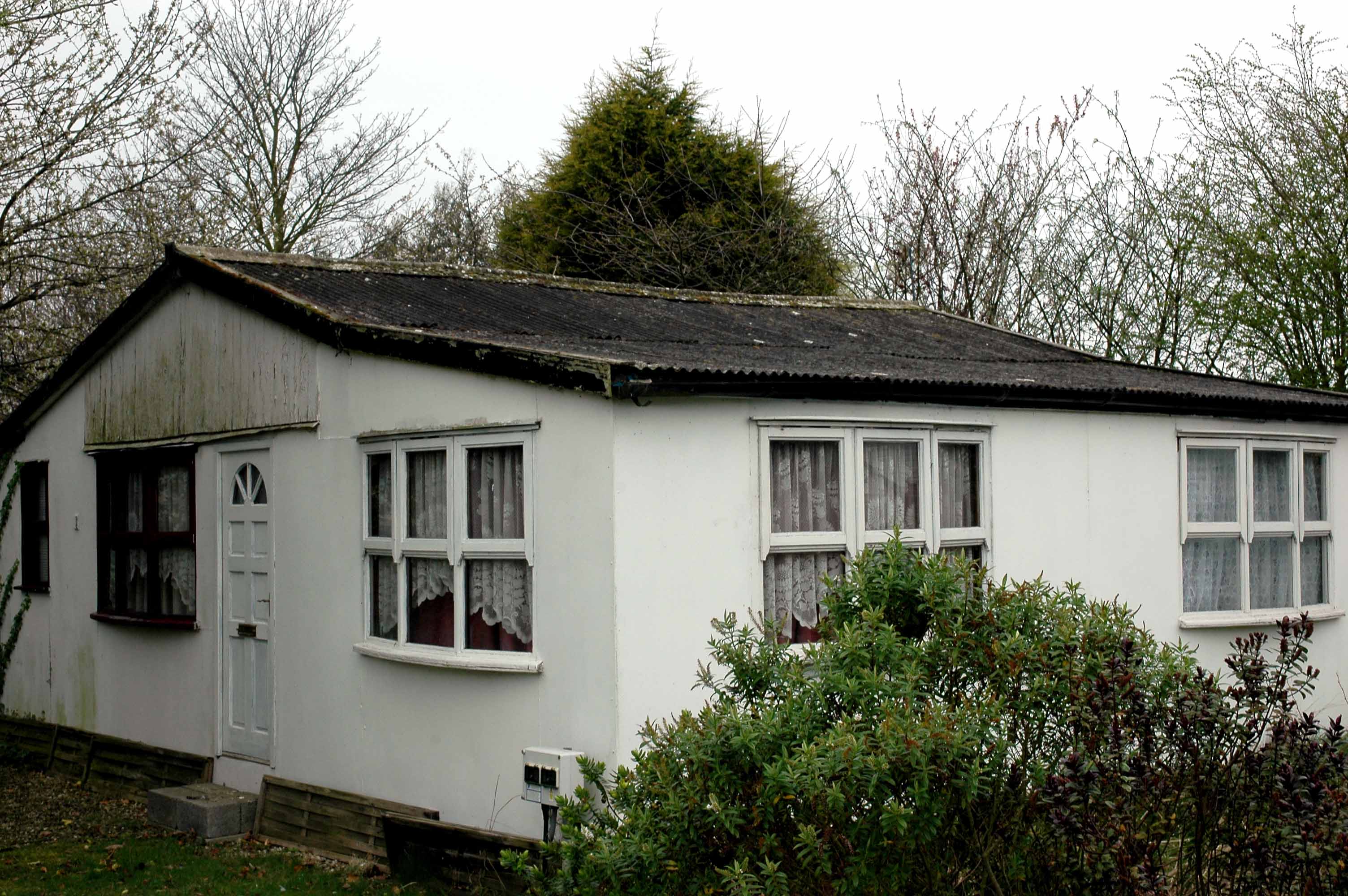
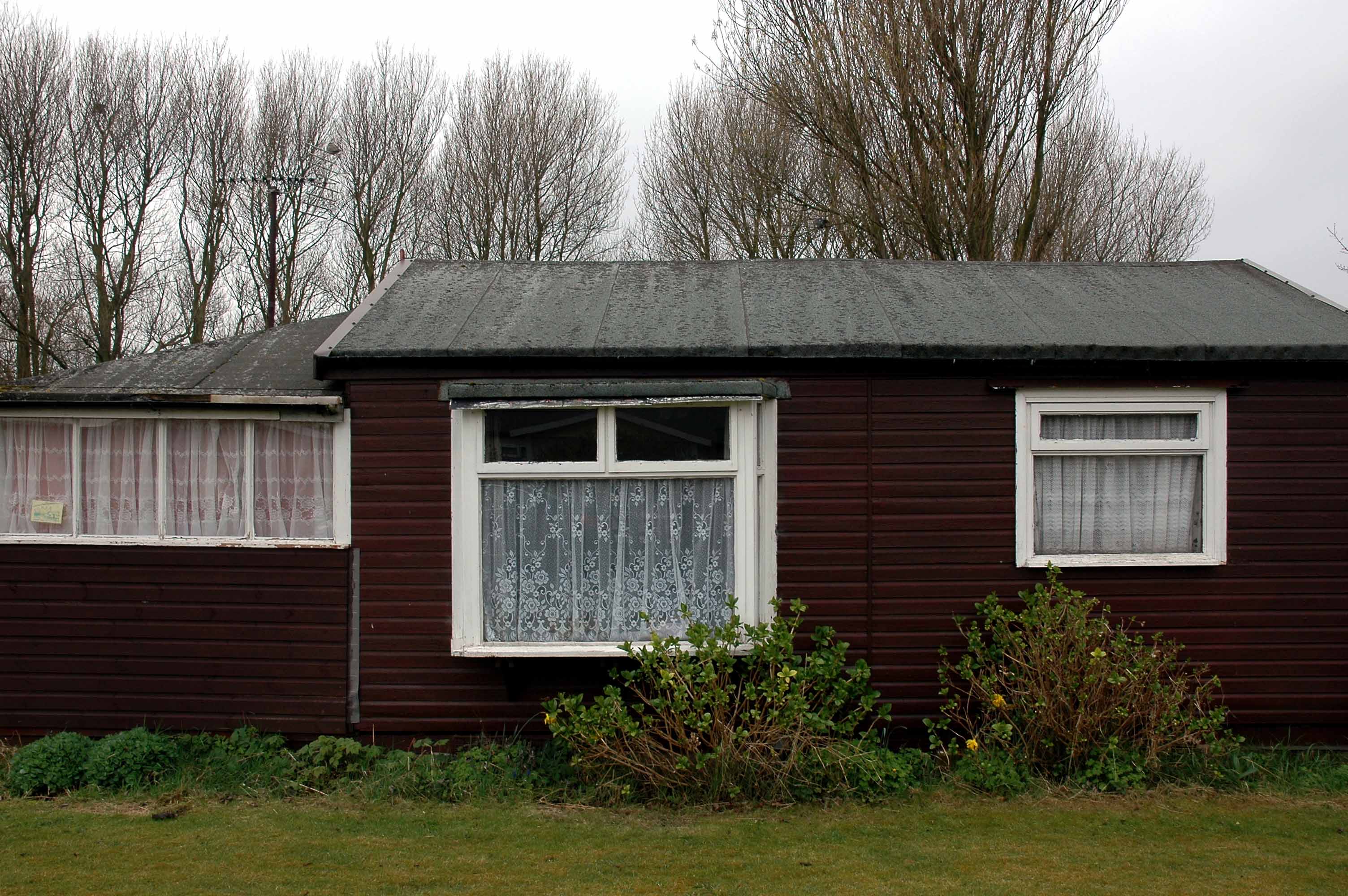
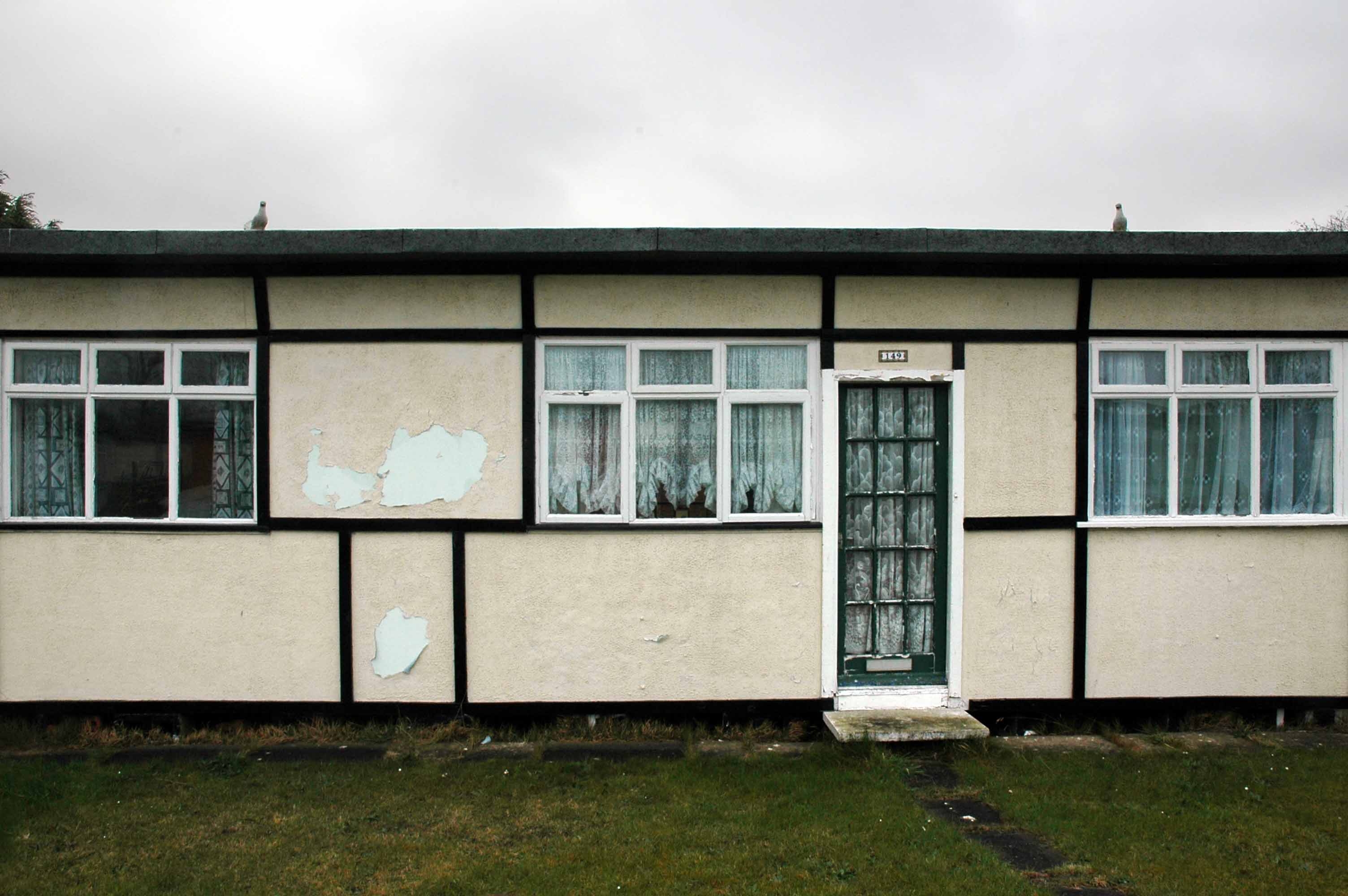
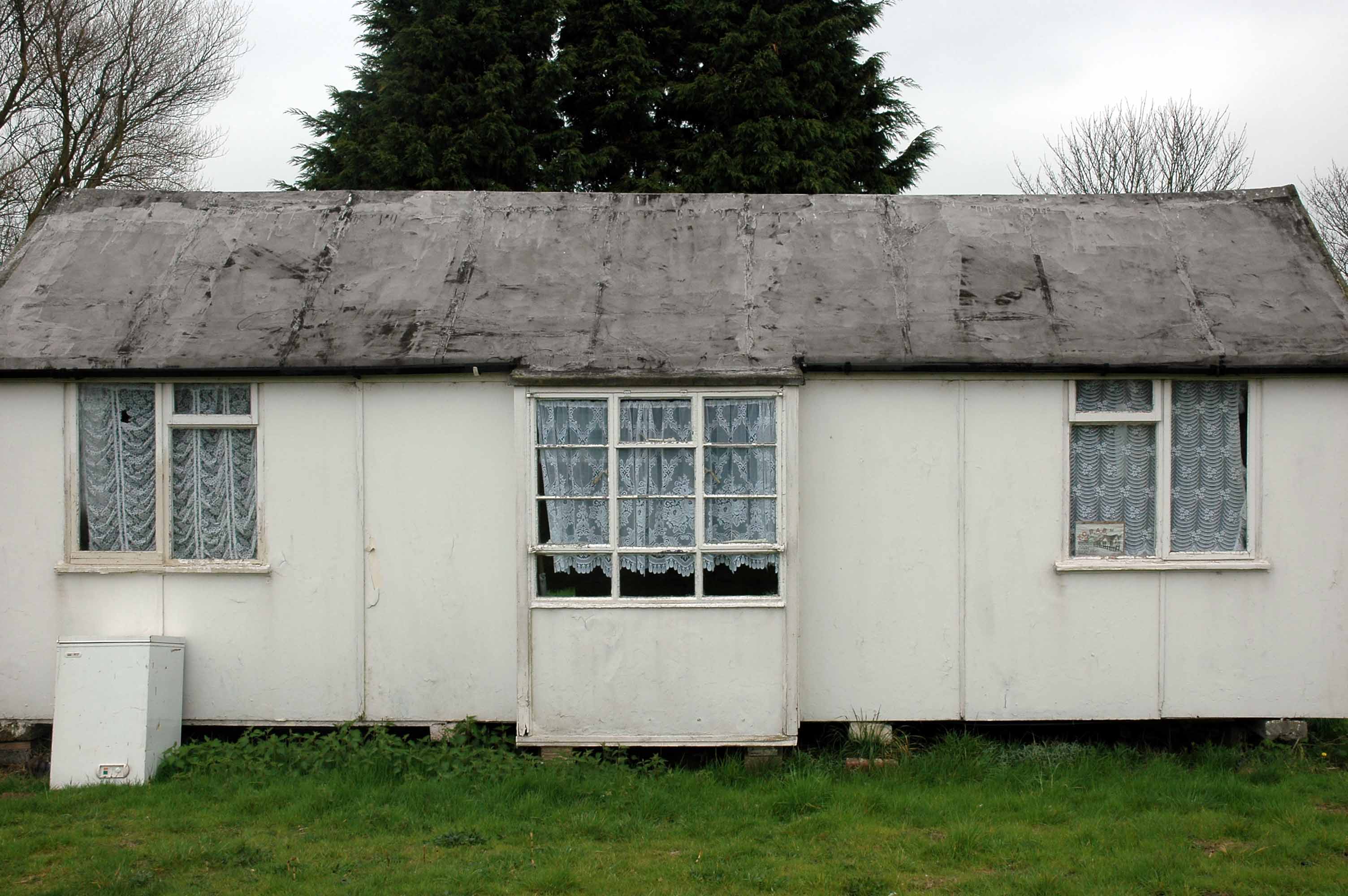
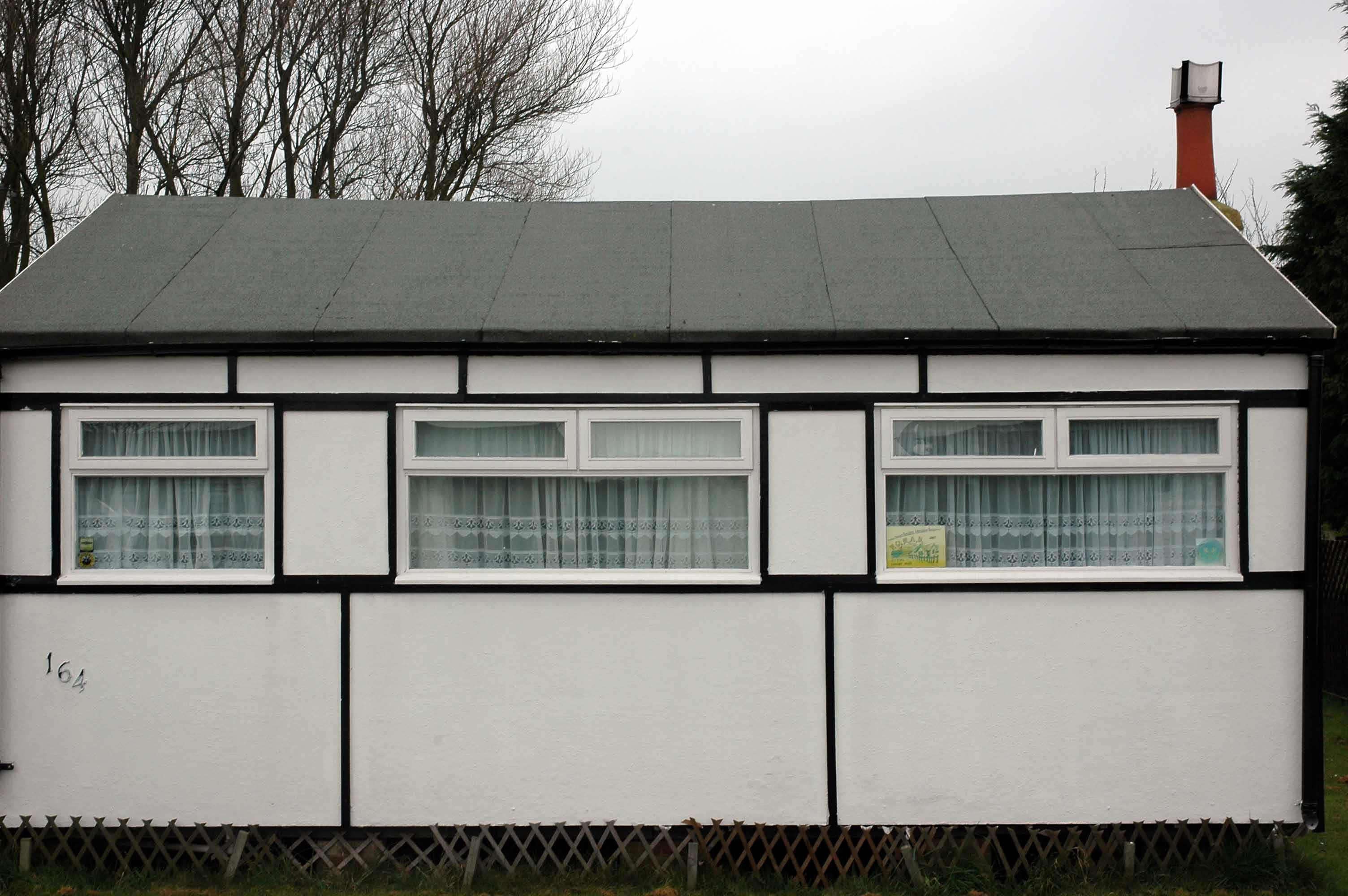
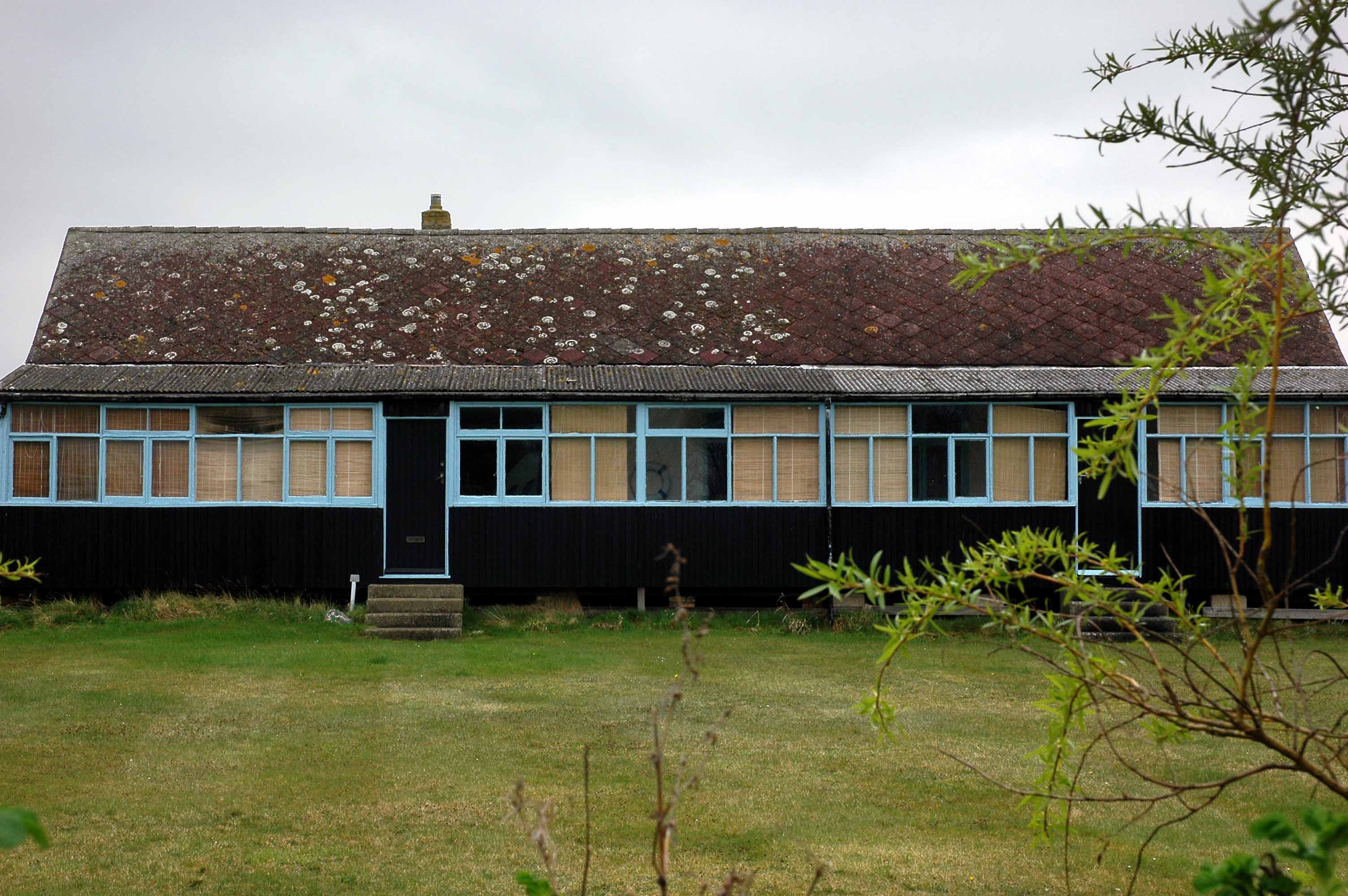
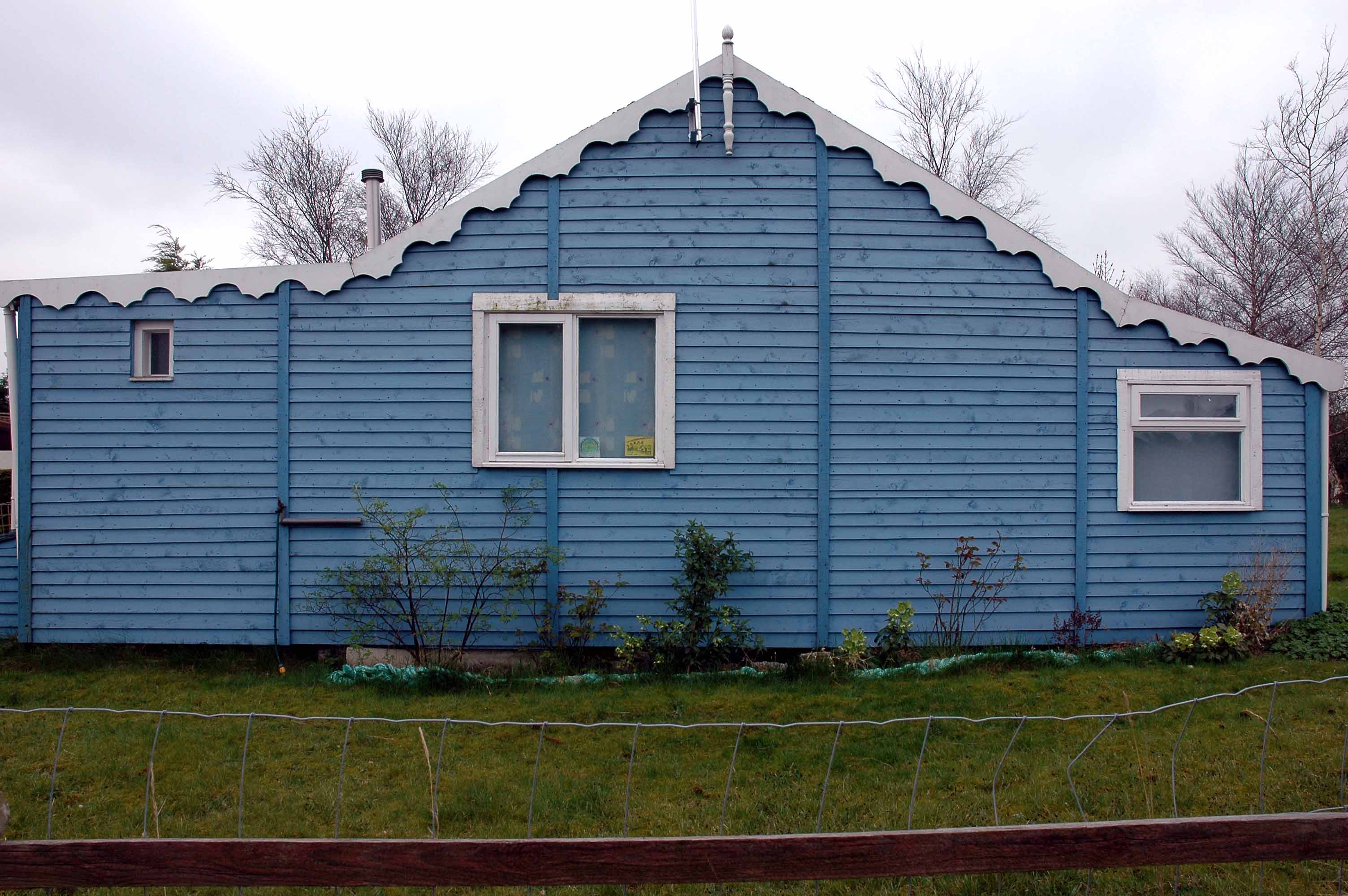
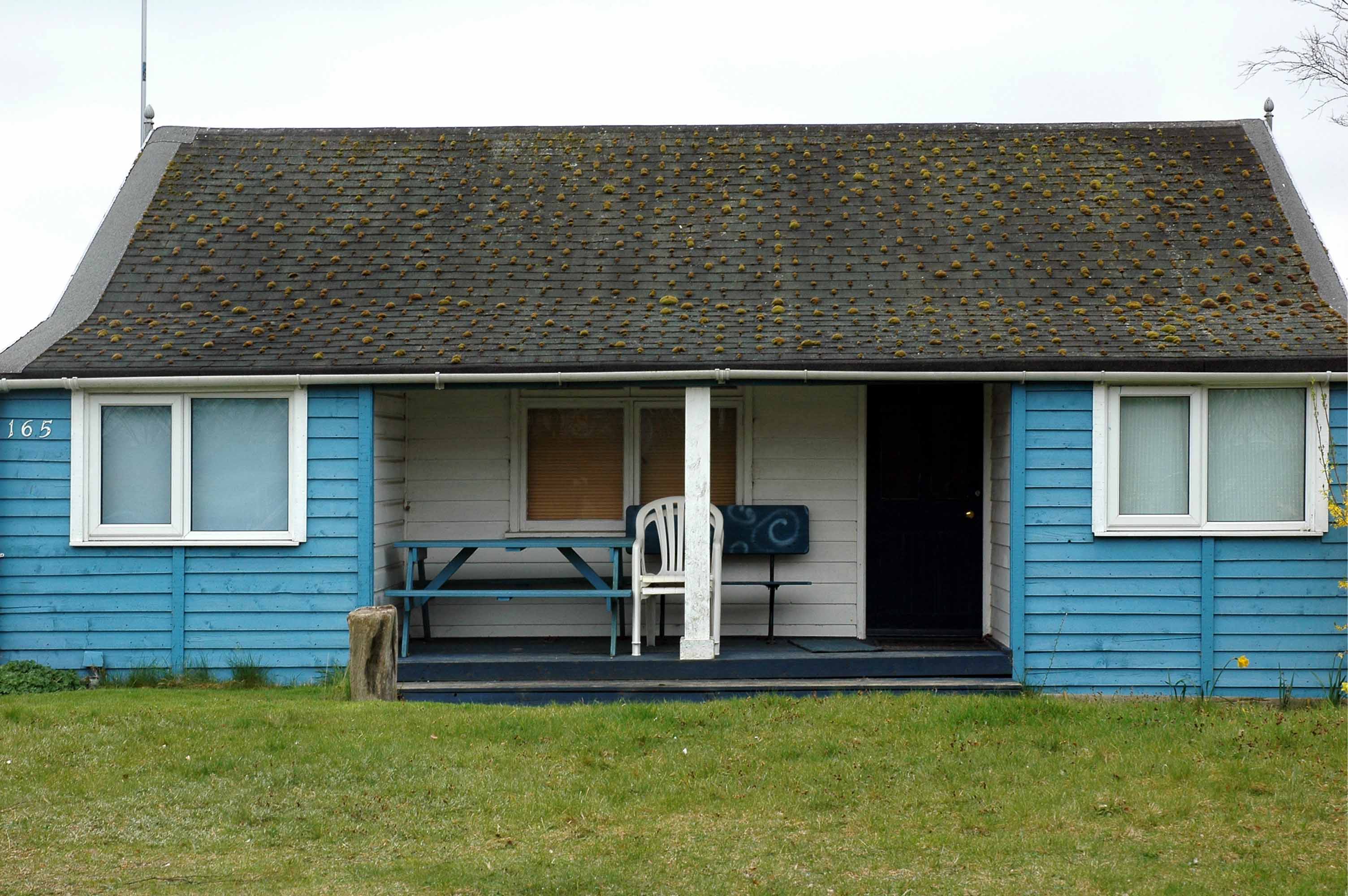
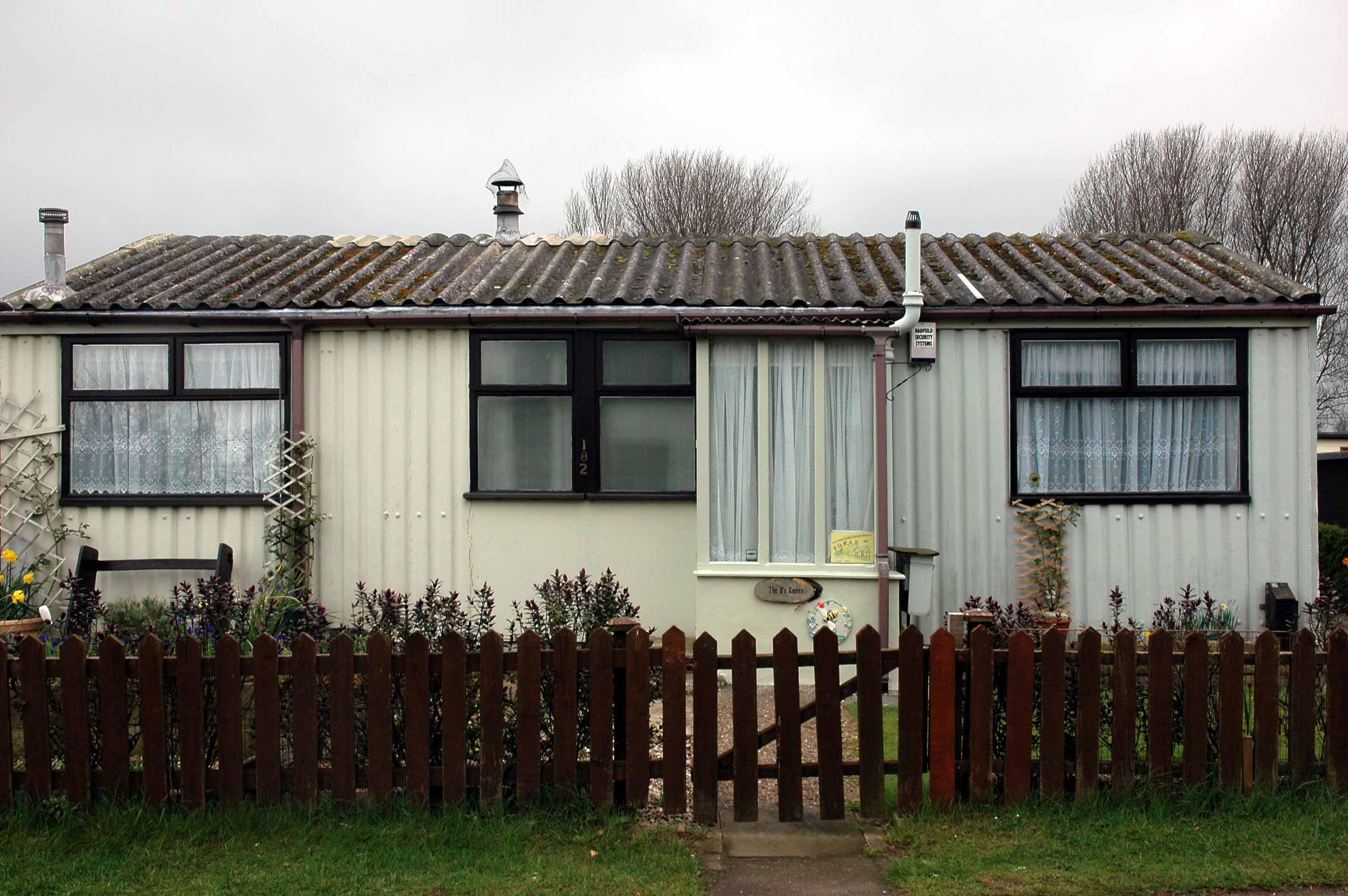
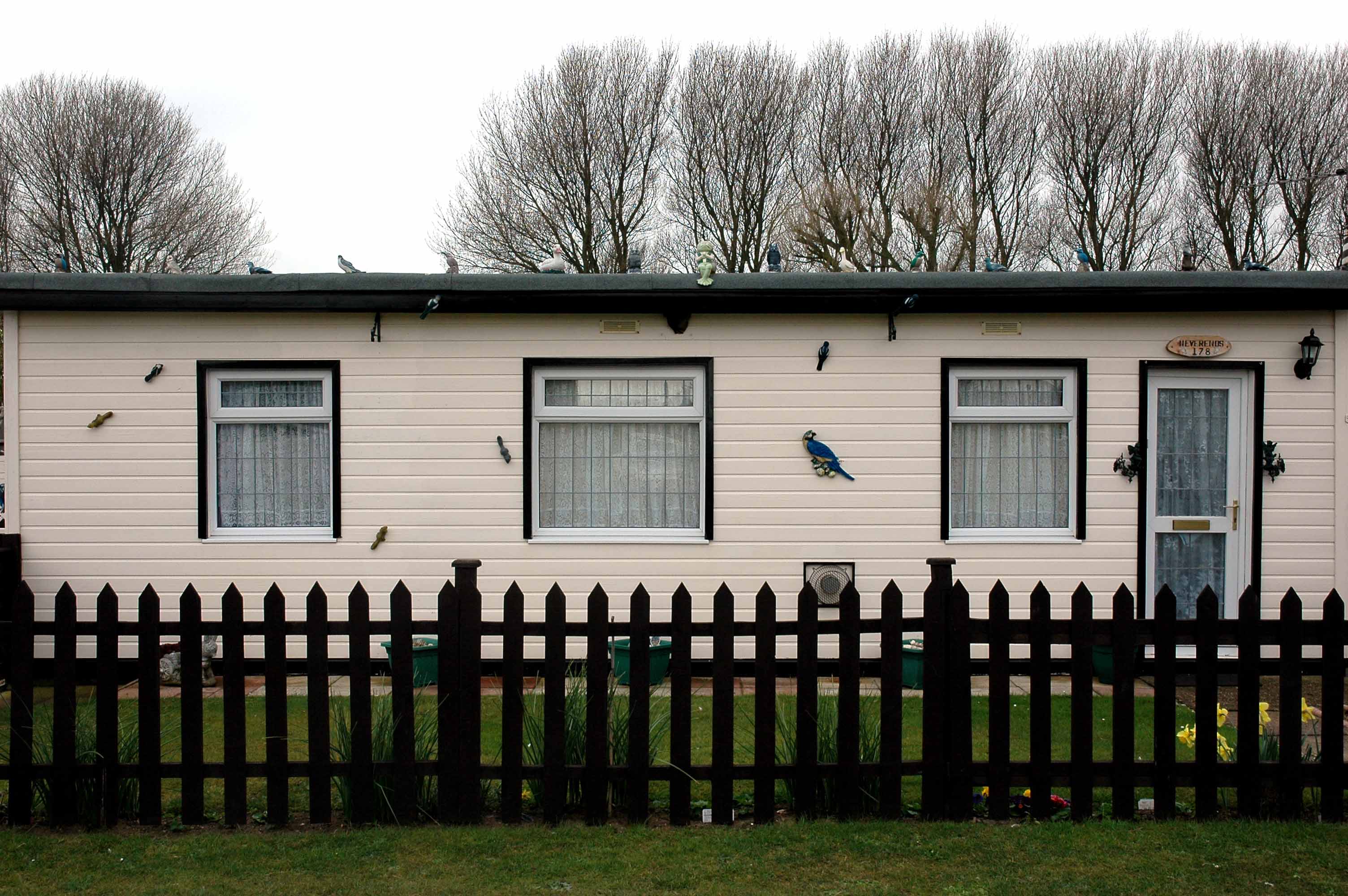
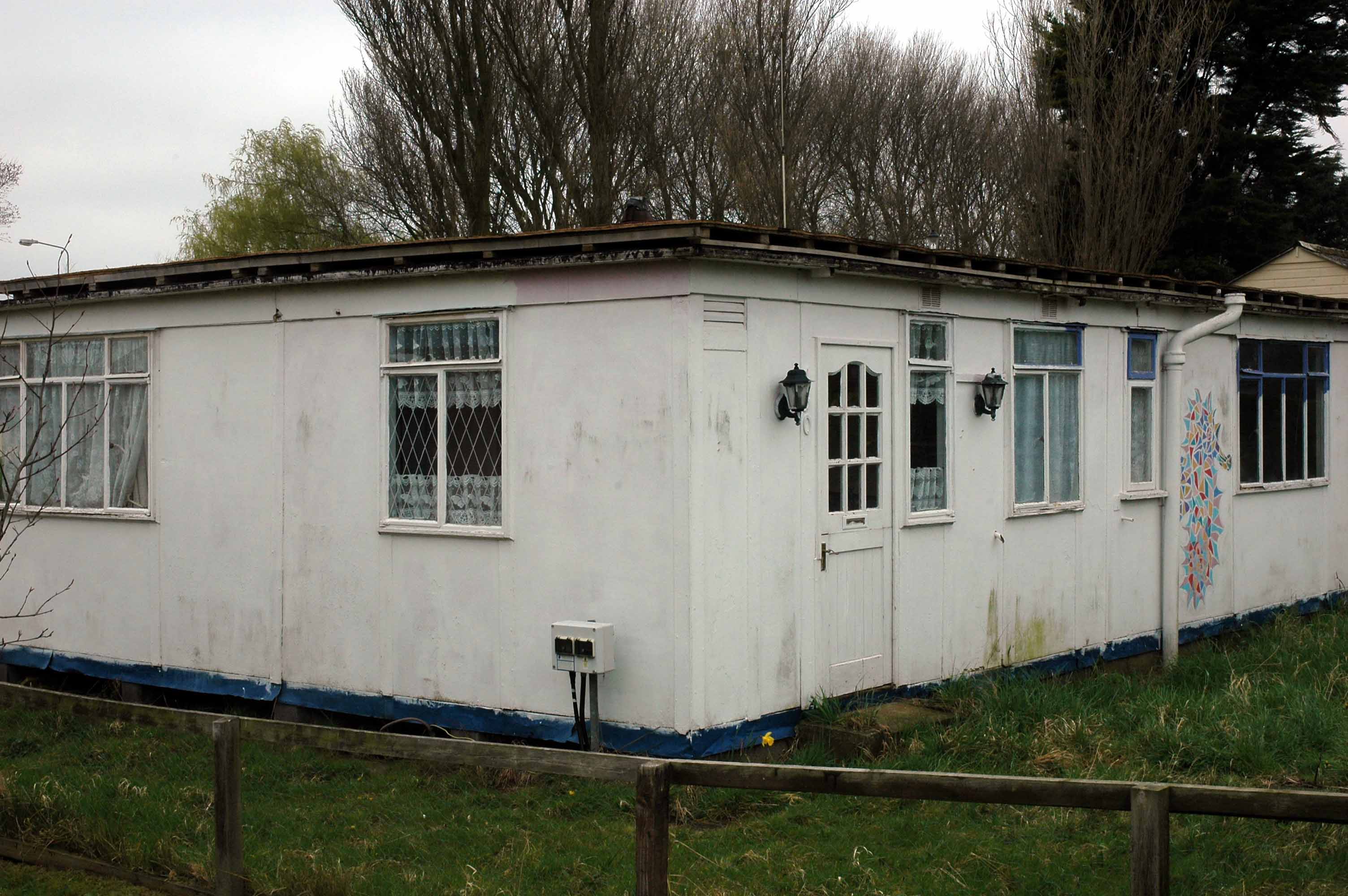
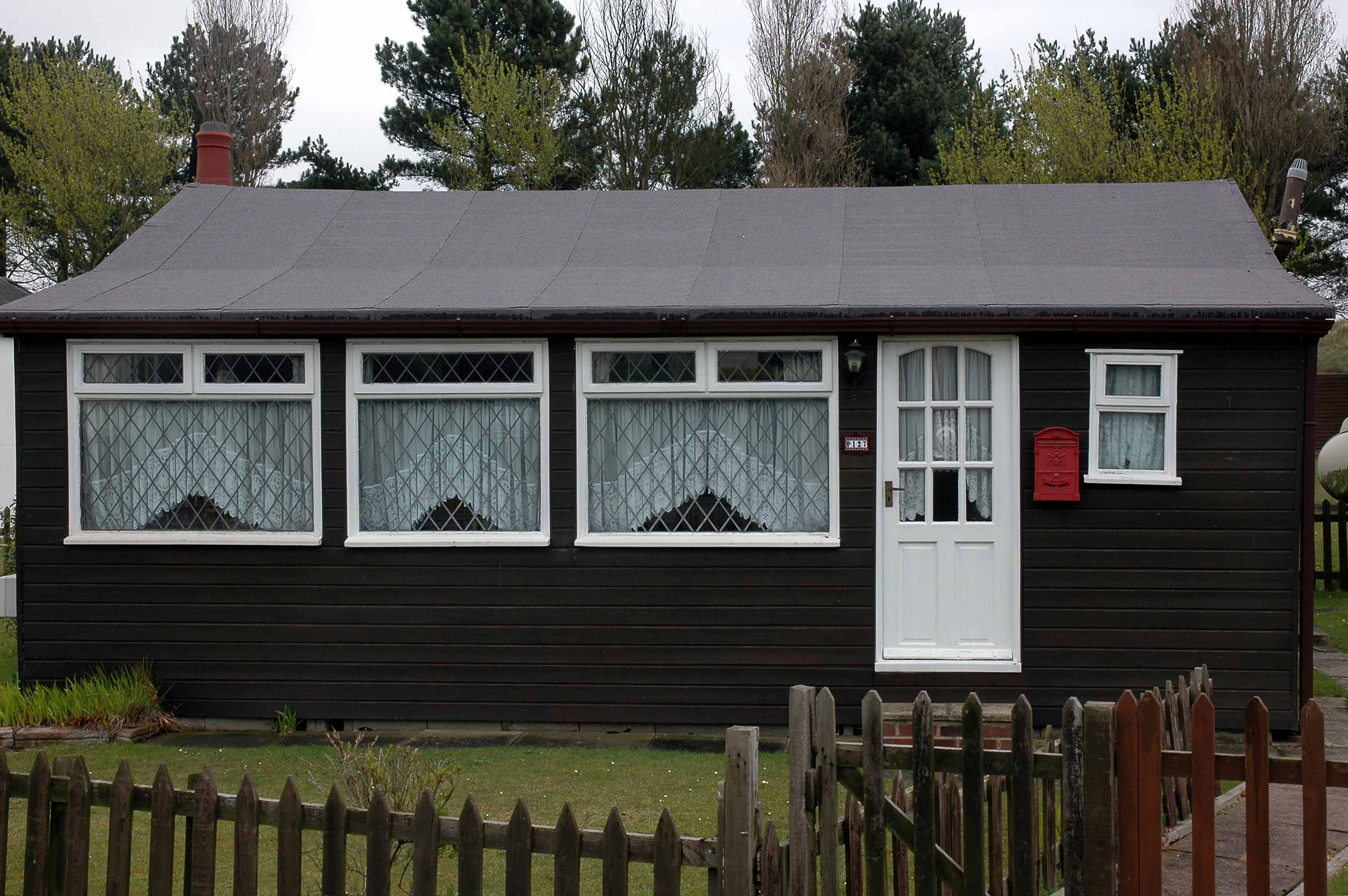
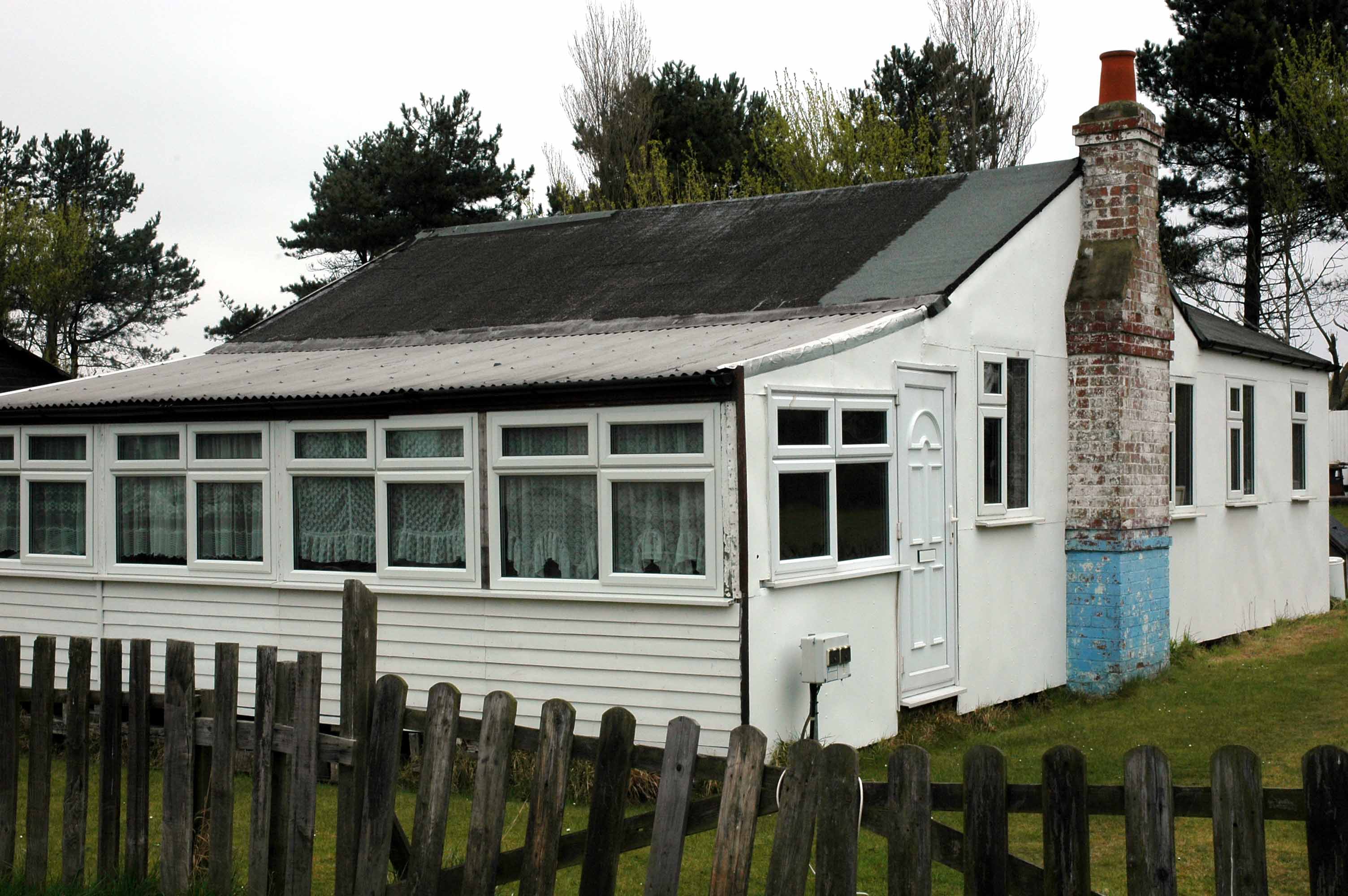
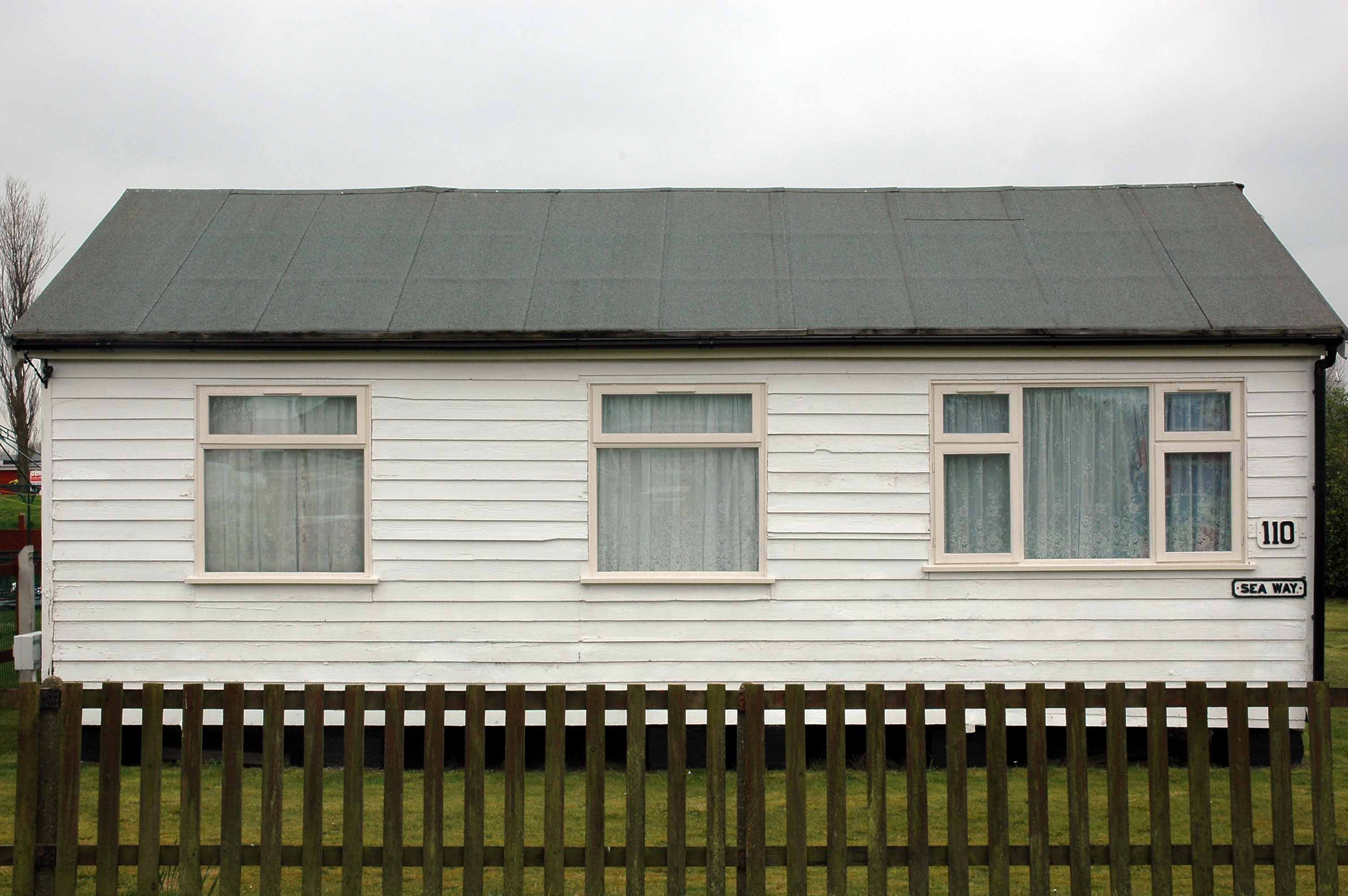
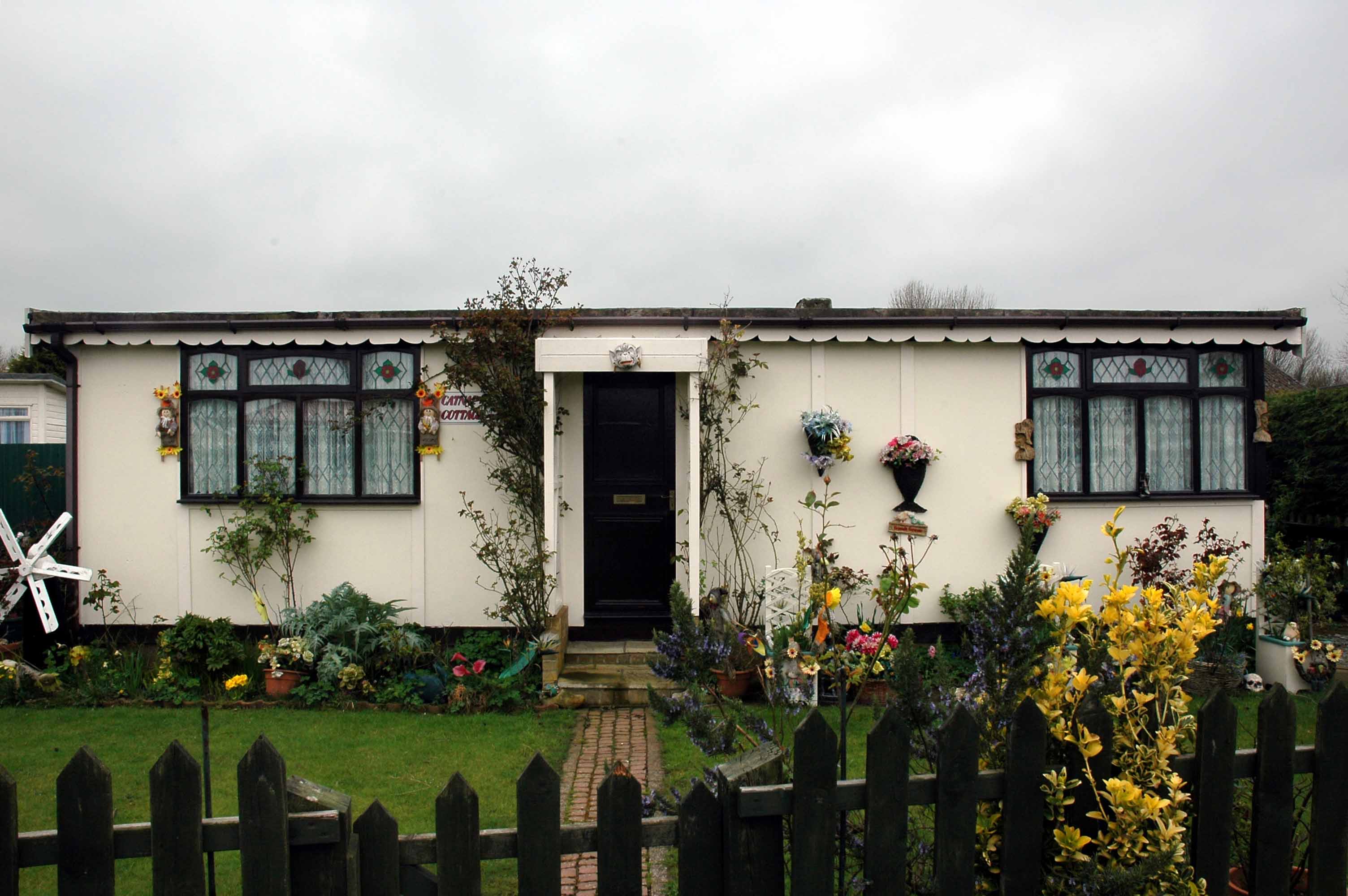
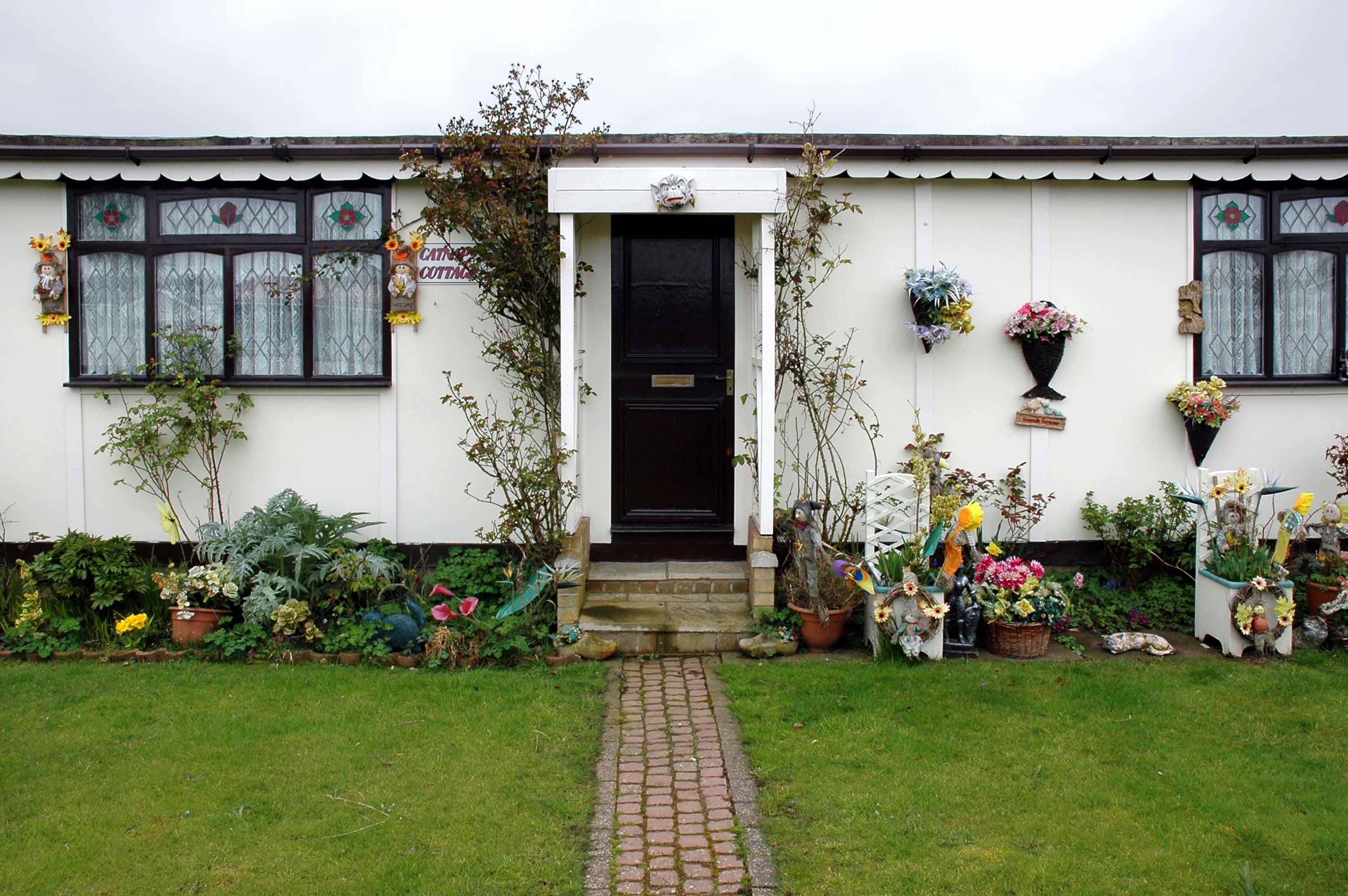
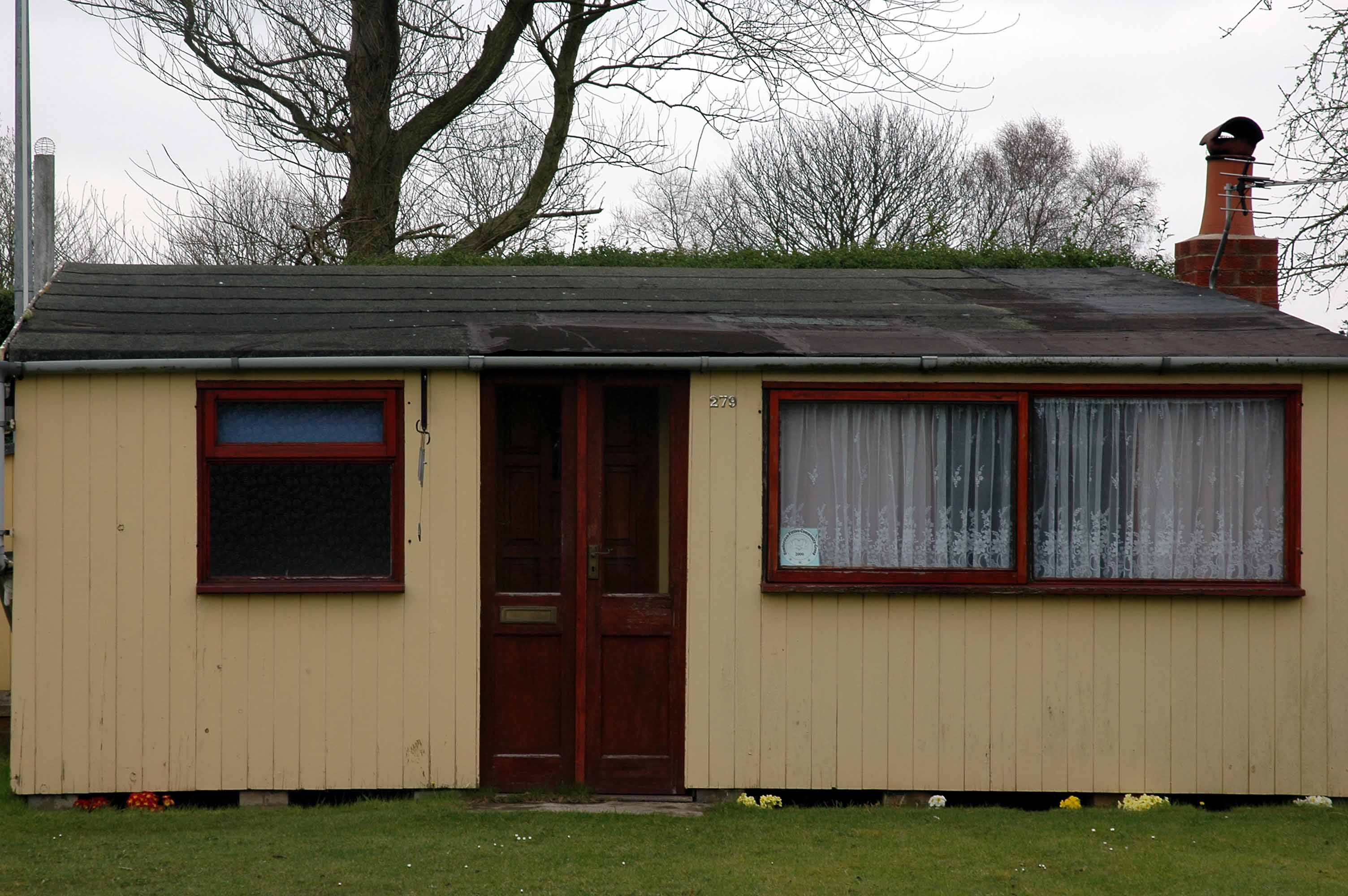
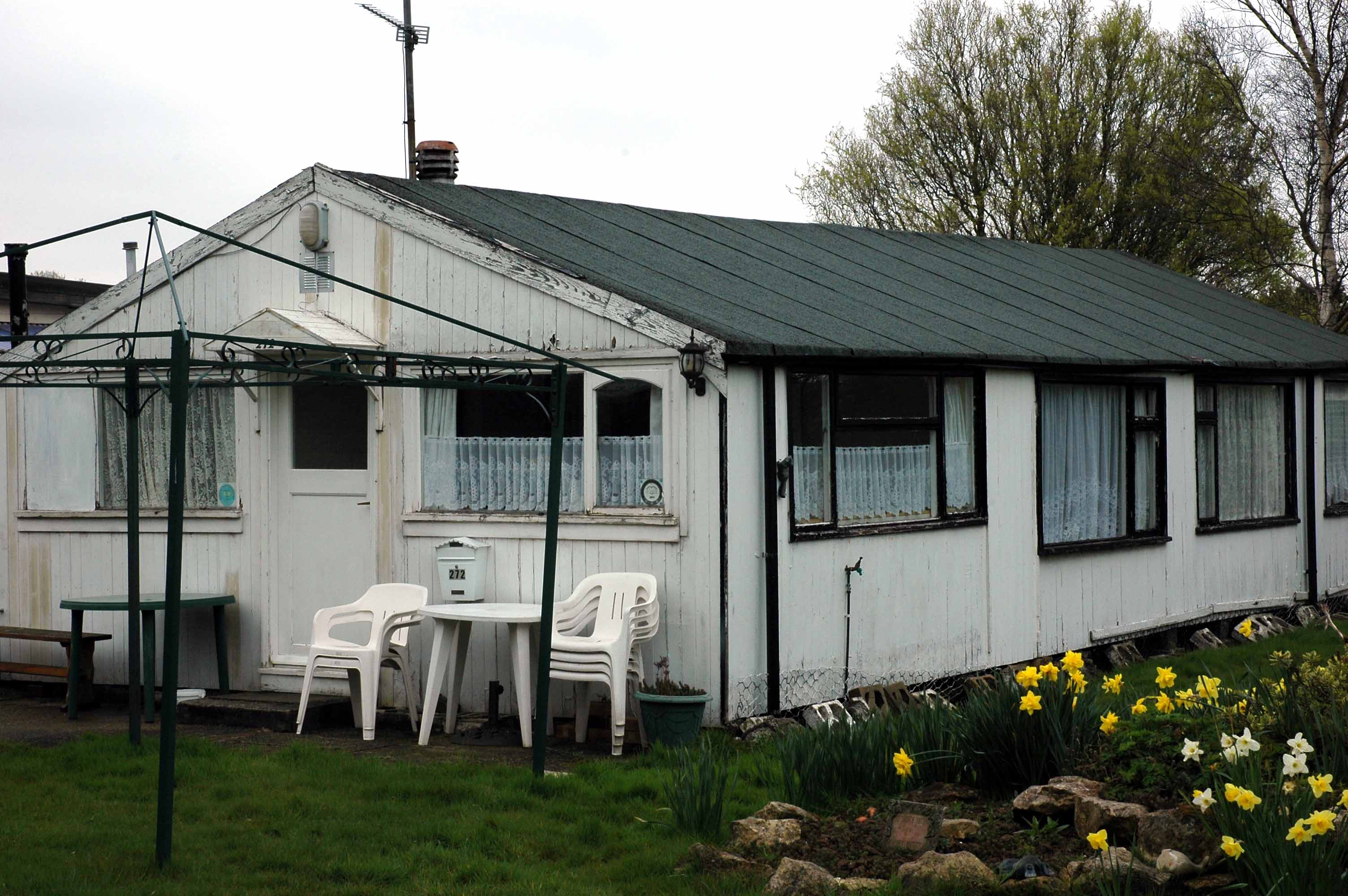
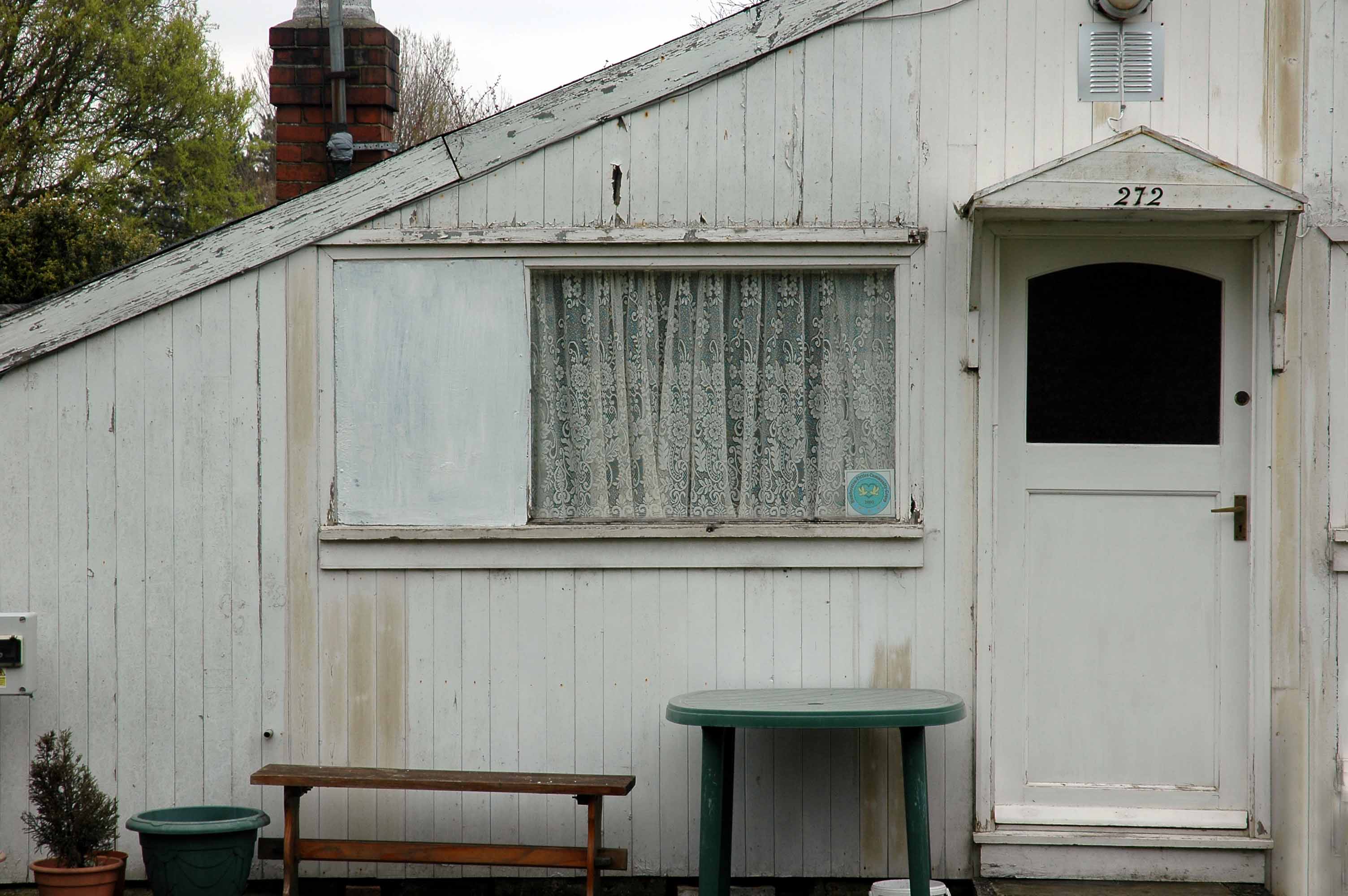
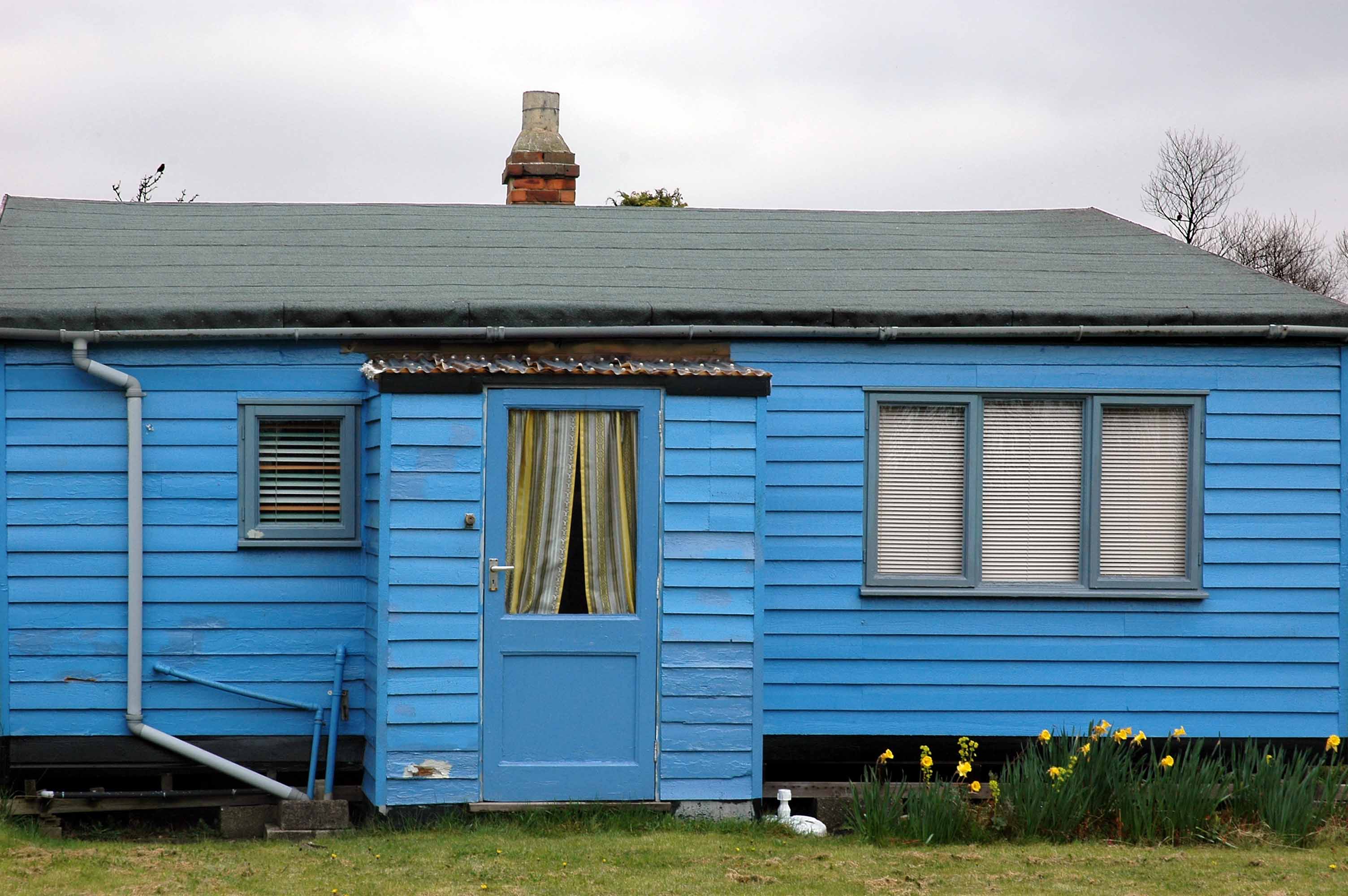
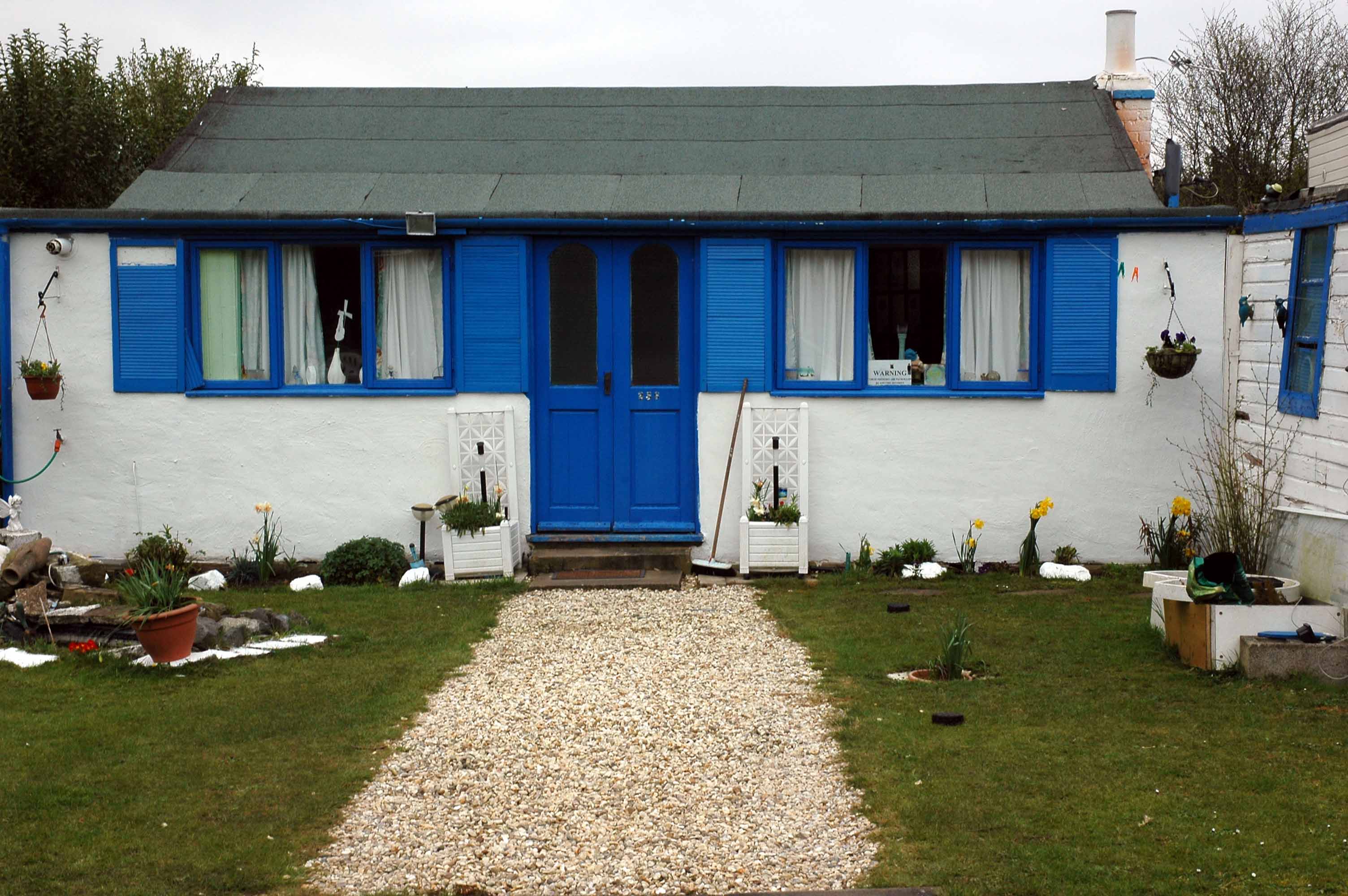
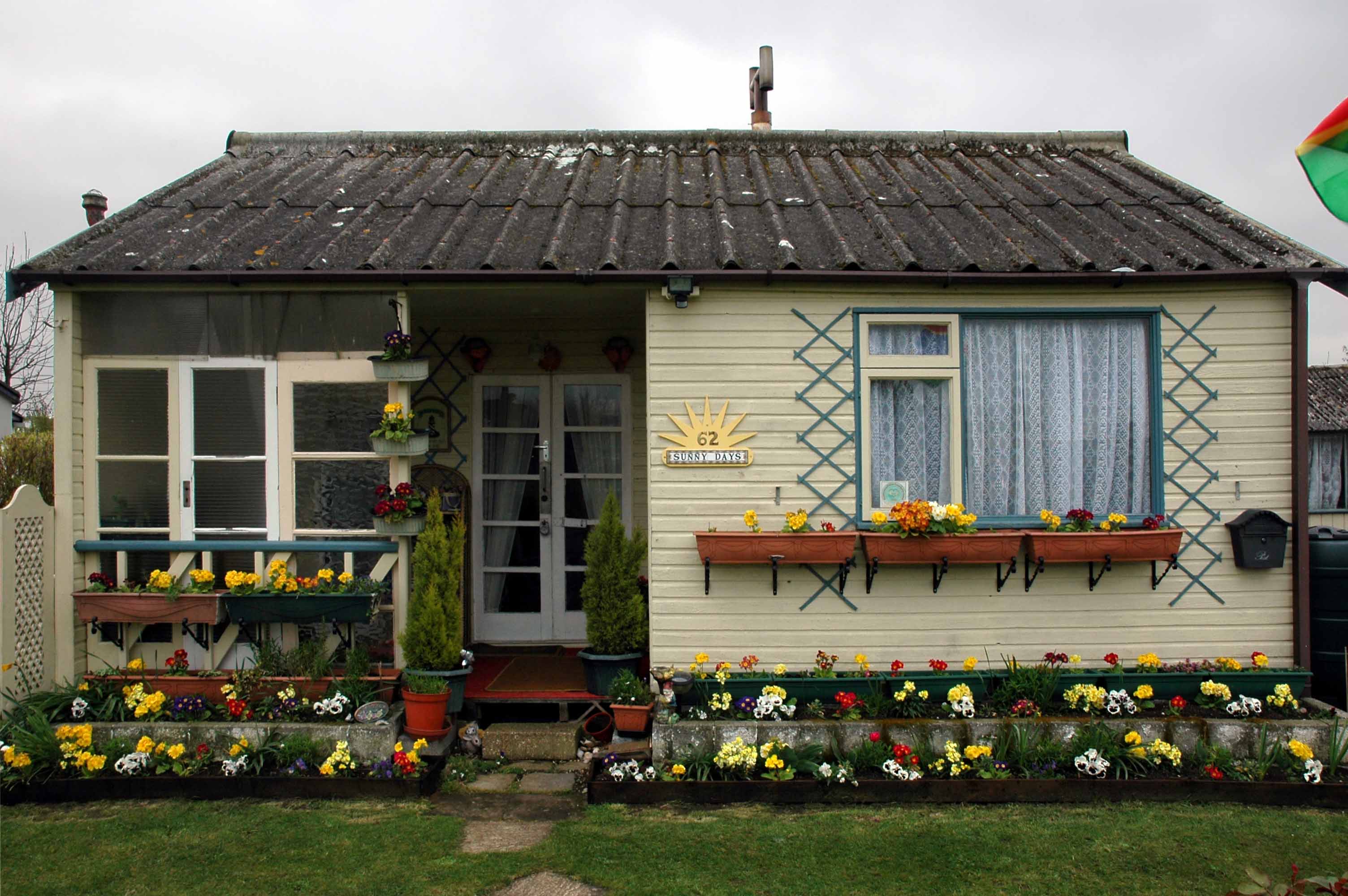
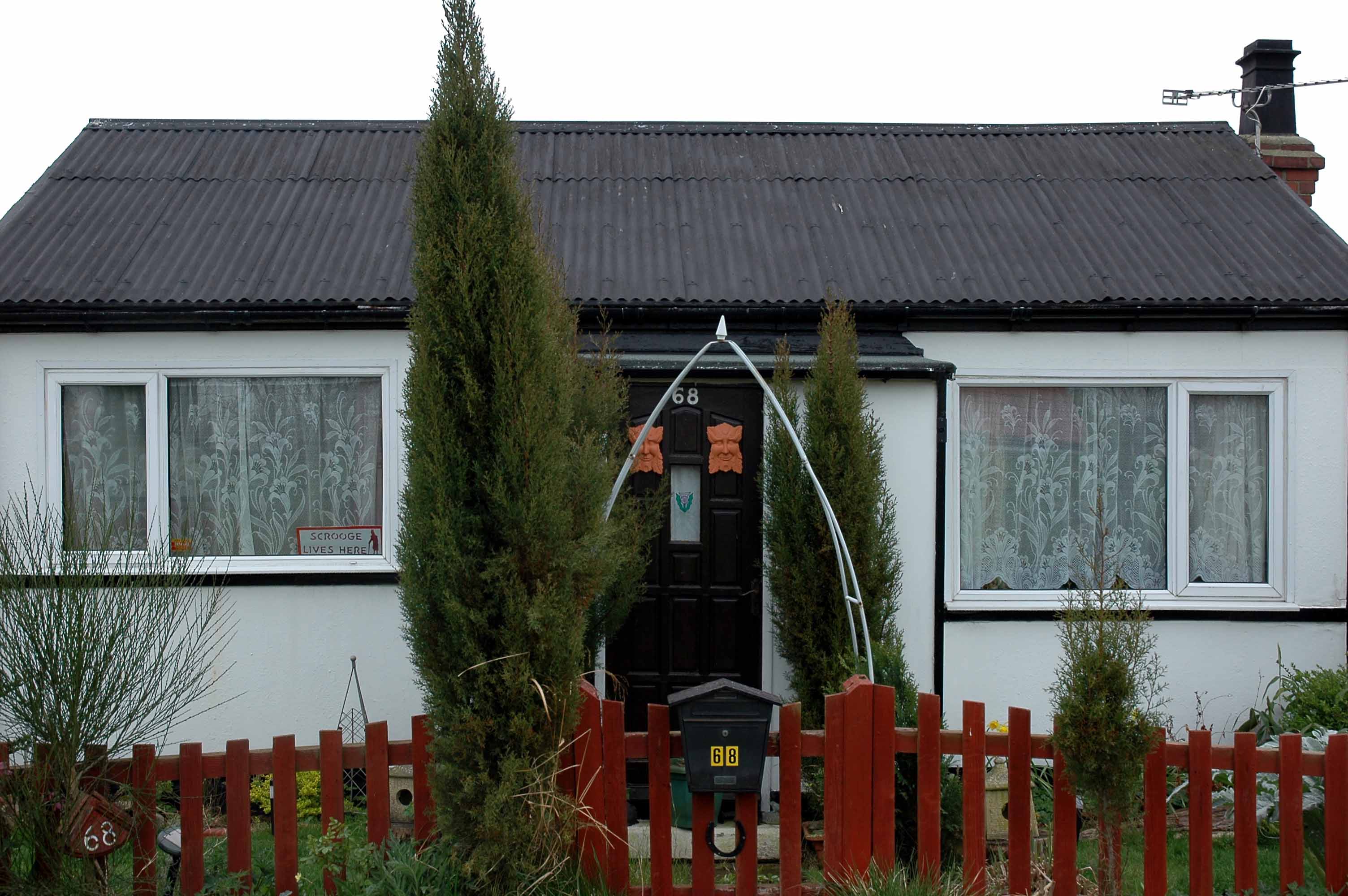
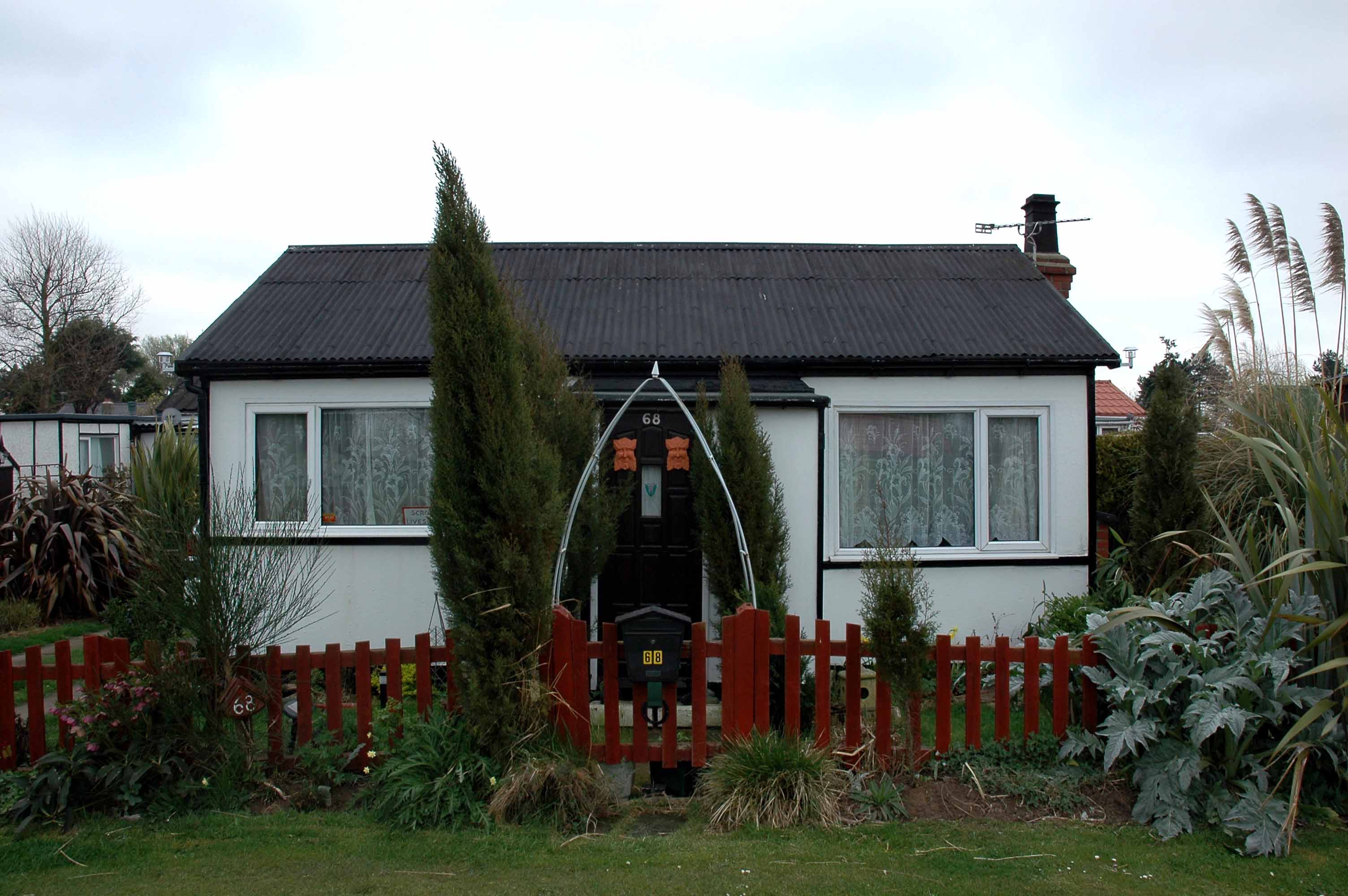
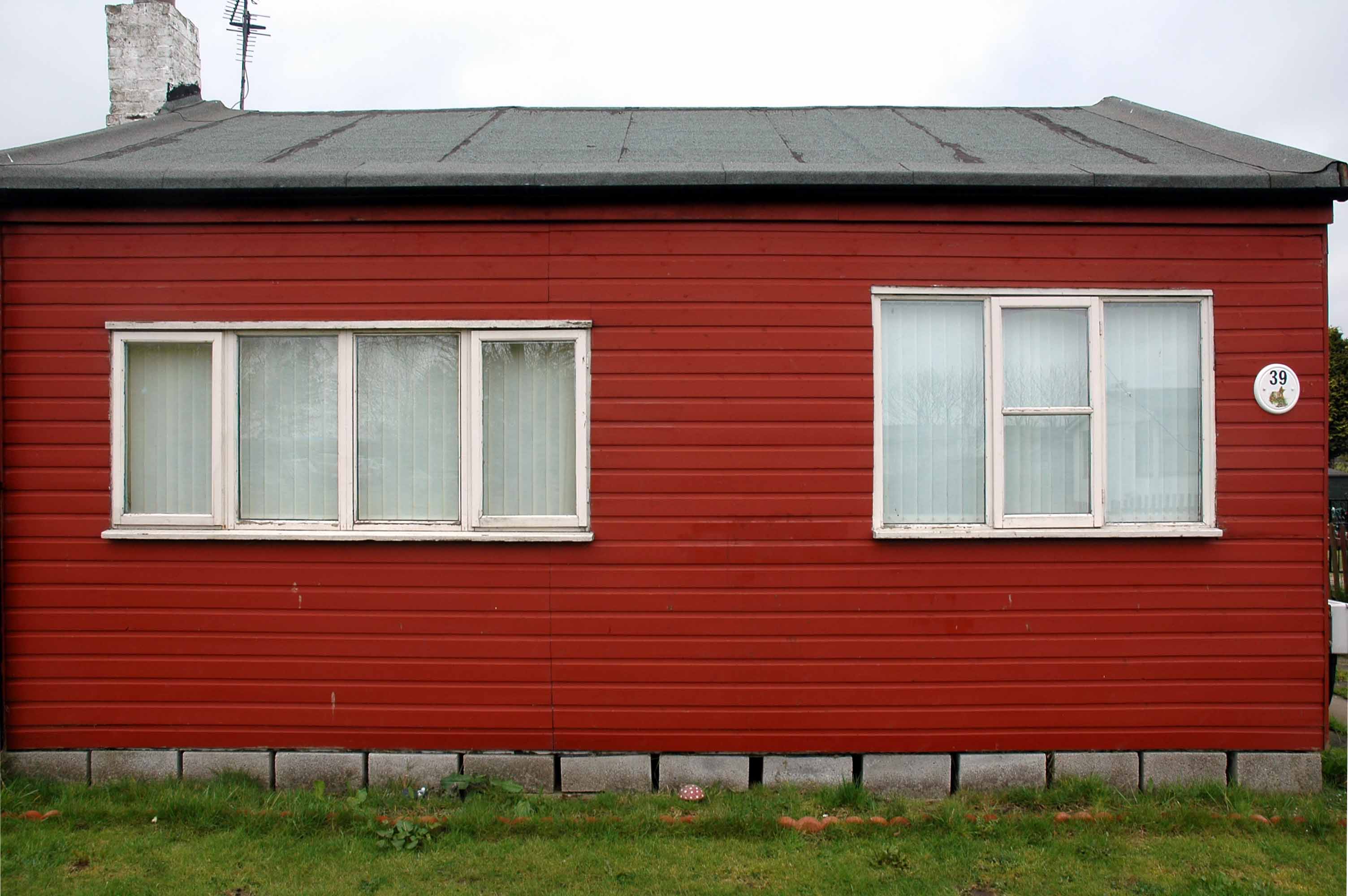
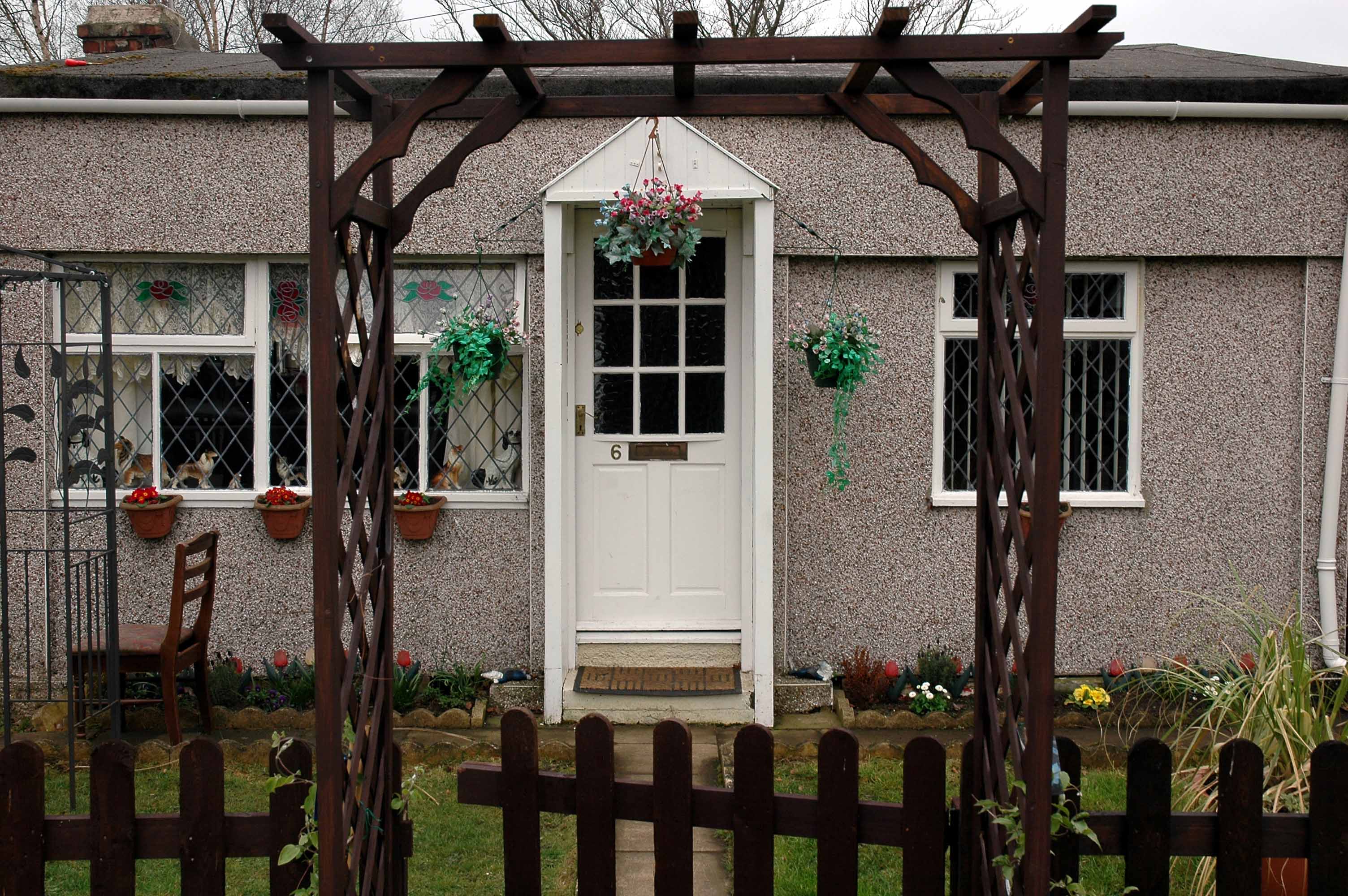
Betwixt and between the two world wars, the shortage of housing for the homeless, hopeless and dispossessed lead to an acceleration in the building of an informal architecture – the so-called Plotlands.

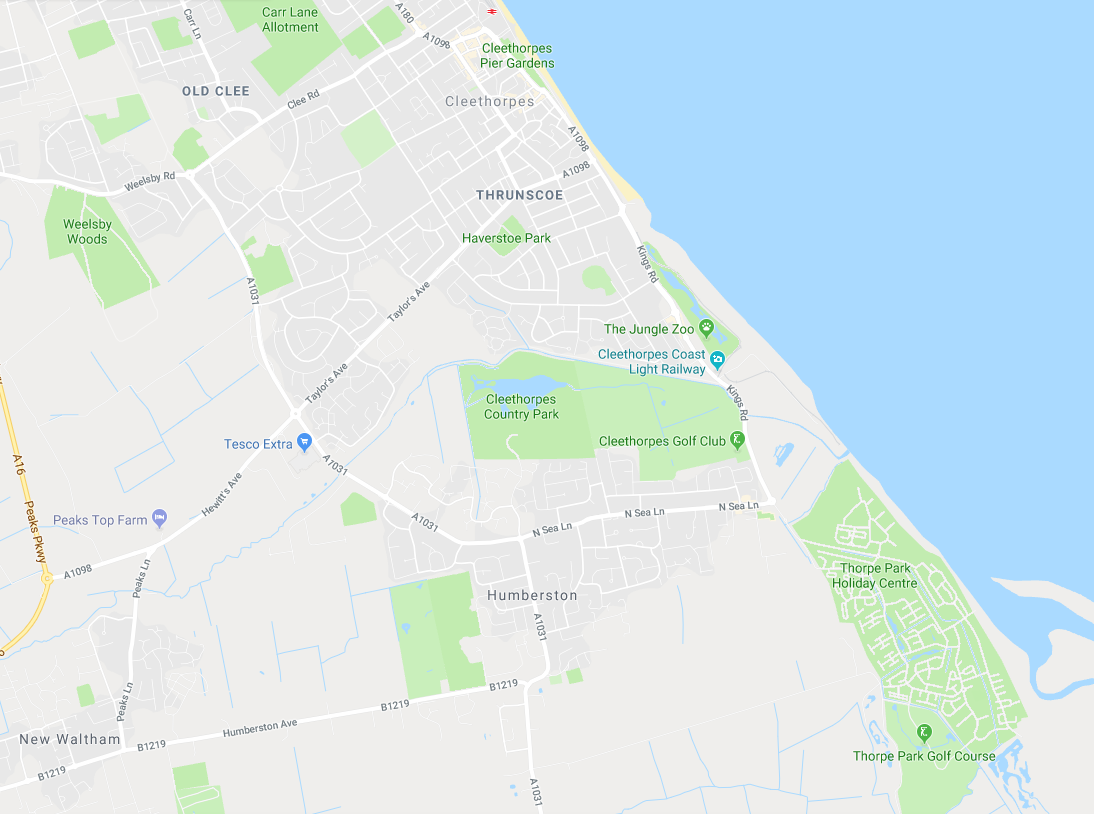
One such area and precious survivor from the last century is the Humberston Fitties – situated to south of Cleethorpes, preserved in time by the happy homesteaders.

Screen Shot 2018-03-04 at 14.47.01

Though under threat from Local Authority negligence or intervention, three hundred and twenty chalets prevail – against the incursion of planning regulations, building specs and a lack of respect.

_P1090924_edited-1

I feel a real affinity for all Plotlands, having spent many summers in the converted Pagham railway carriage, belonging to my Aunty Alice and Uncle Arthur. They relocated to the south coast seeking cleaner air for Arthur’s ailing, industrialised northern lungs, thus prolonging his life.

tamarisk

Tamarisk – Pagham

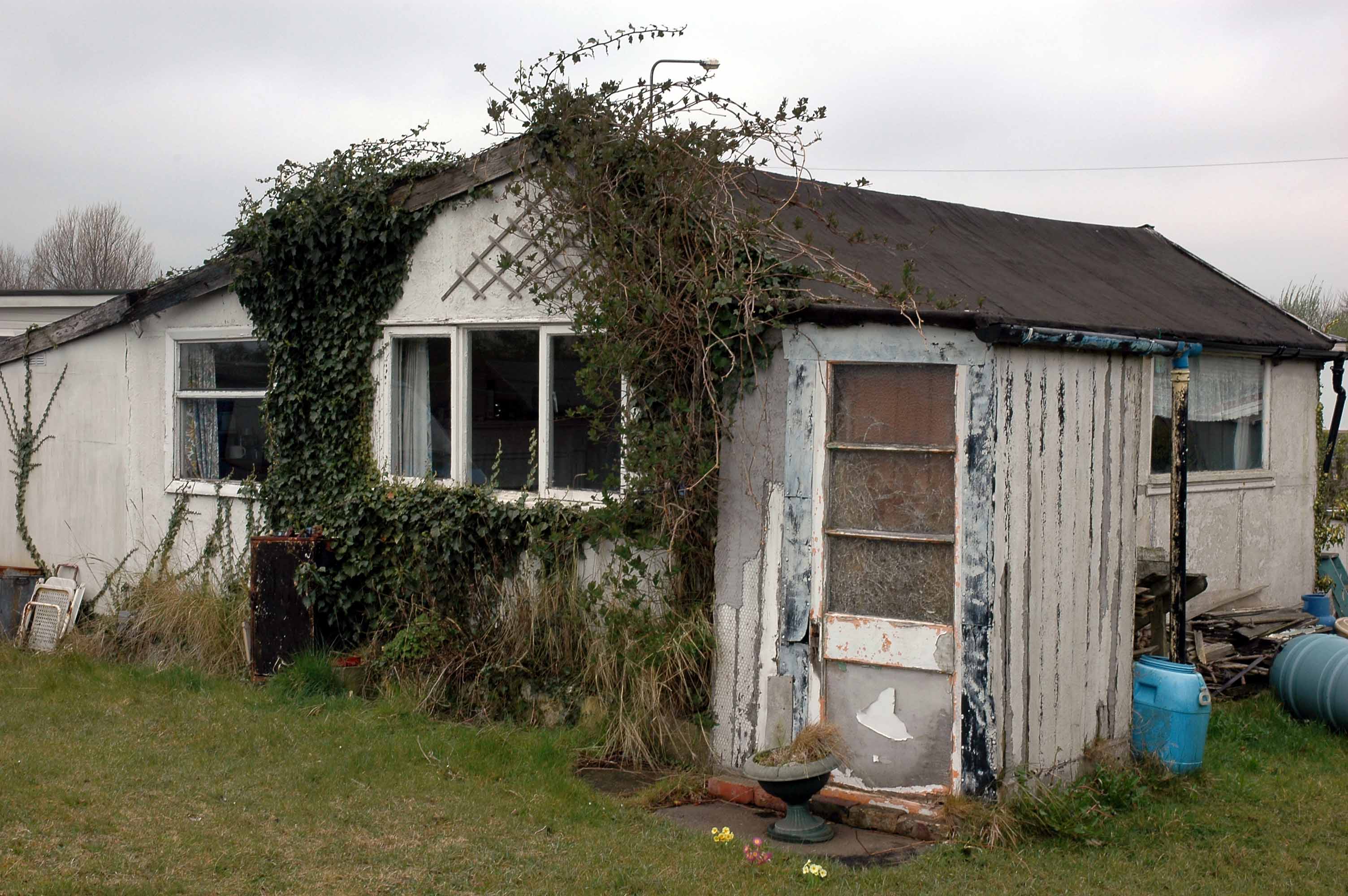
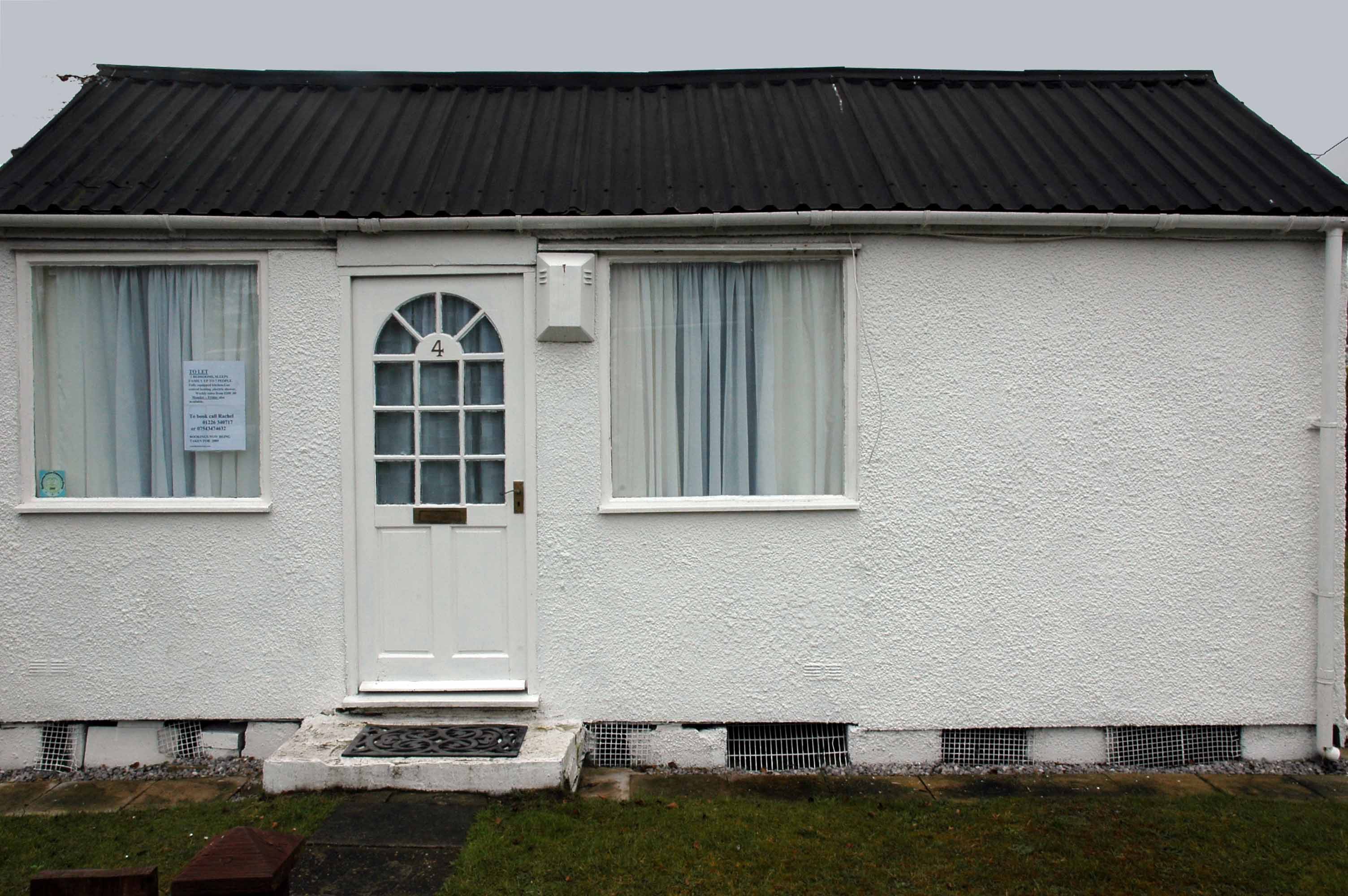
So here are the photographs I took on a visit to The Fitties in July 2008, I walked the home made roads, amazed by the vigour and variety of shape, size, personal affectation and practical pragmatism, of this all too human architecture.

This is a particular form of independent minded Modernism – hand-forged from the vernacular.

It is better to have your head in the clouds, and know where you are, than to breathe the clearer atmosphere below them, and think that you are in paradise.

Henry David Thoreau

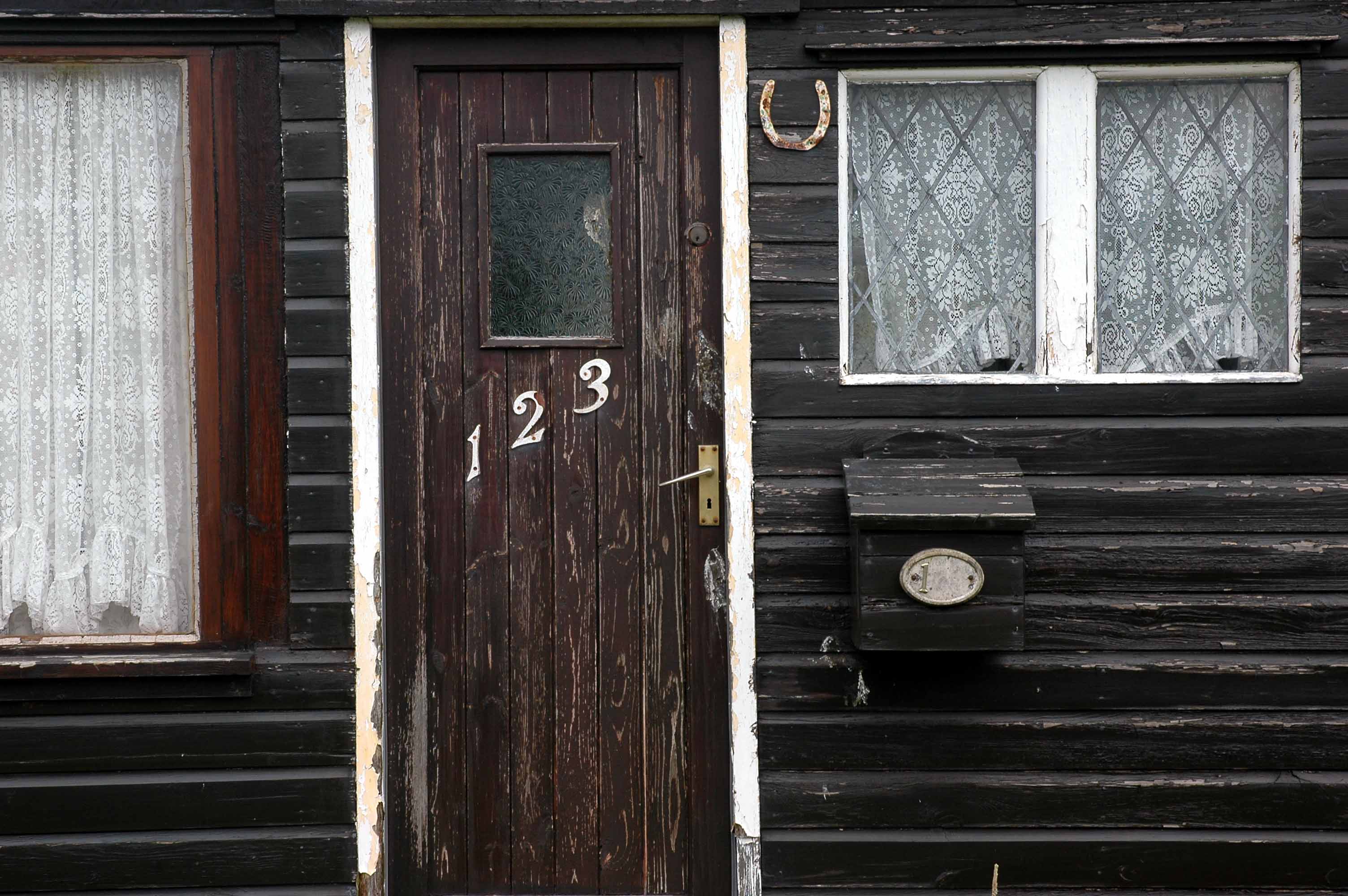
123 copy

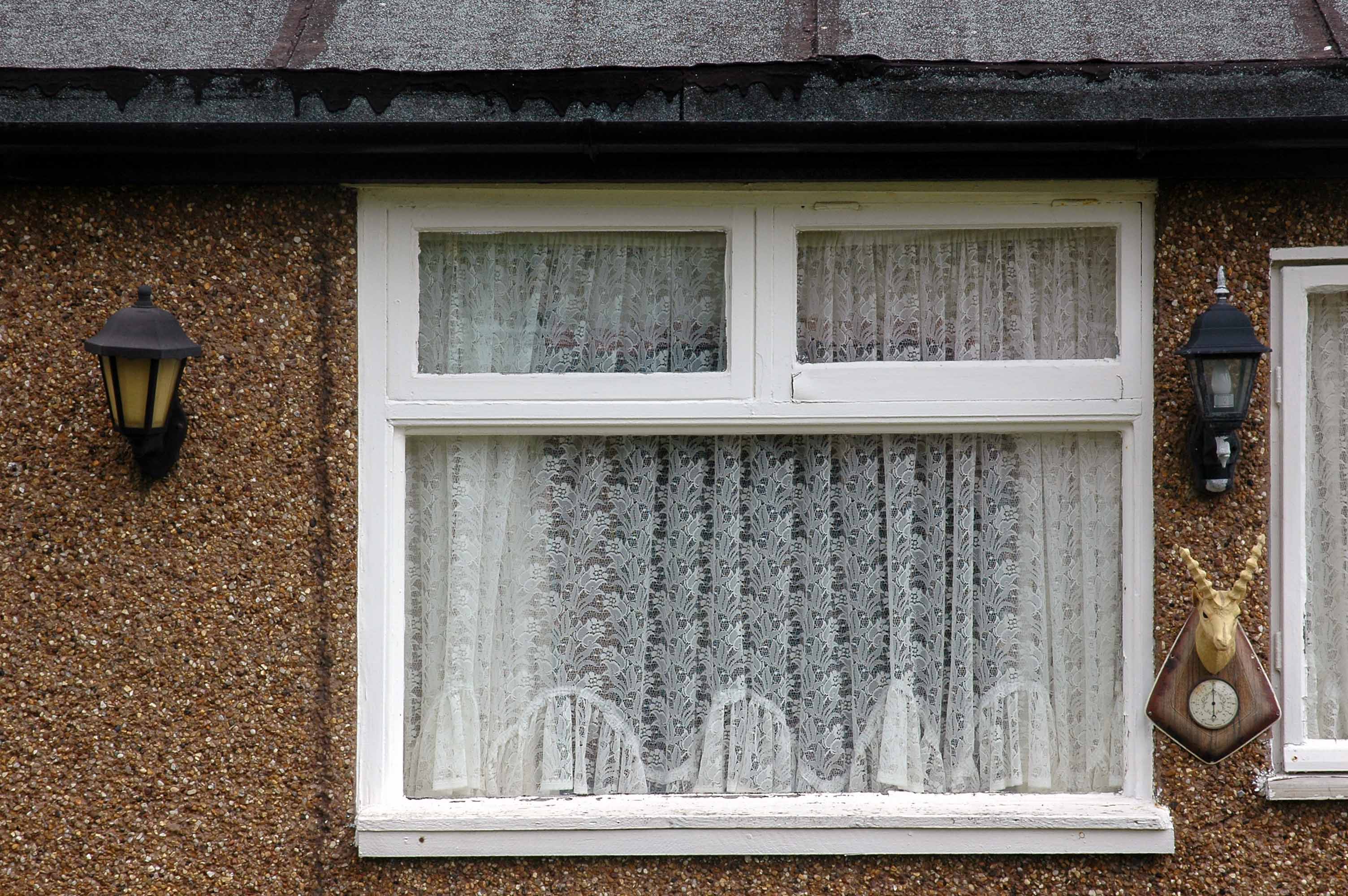
barometer

DSC_0003

DSC_0004

DSC_0005

DSC_0006

DSC_0007

DSC_0009

DSC_0010

DSC_0012

DSC_0013

DSC_0014

DSC_0015

DSC_0016

DSC_0017

DSC_0018

DSC_0019

DSC_0020

DSC_0021

DSC_0022

DSC_0023

DSC_0024

DSC_0025

DSC_0030

DSC_0032

DSC_0033

DSC_0035

DSC_0036

DSC_0037

DSC_0038

DSC_0040

DSC_0041

DSC_0042

DSC_0043

DSC_0044

DSC_0045

DSC_0046

DSC_0047

DSC_0048

DSC_0049

DSC_0051

DSC_0052

DSC_0054

DSC_0055

DSC_0056

DSC_0057

DSC_0058

DSC_0059

DSC_0061

nets copy

nets2 copy

roof copy

sea way copy

verandah


Sea Front Shelter – Hastings

I have been here before, adoring the full range of Hasting’s sea front shelters.

They form an integral part of the general scheme designed and overseen by The Concrete King Sidney Little.

On my most recent visit the most distant shelter was receiving a wash and brush up, a brand new coat of paint or two, restored to bright red and white shipshape order, this land locked delight looked ready to set sail across the adjacent Channel to who knows where.

Offering a somewhat occluded view of blue skies and faraway shores, the bus stops here and goes on forever and forever.

P1170950

P1170955

P1170956


P1170961

P1170963


P1170965

P1170966

P1170967

P1170968

P1170969

P1170970

P1170971

P1170972

P1170973

P1170974

P1170976

P1170977

P1170978

P1170979

P1170980

P1170982

Pallot and Collins Murals – Bexhill on Sea

Could there be a more moderne town?

Bexhill on Sea, blessed with the delightful De La Warr Pavillion.

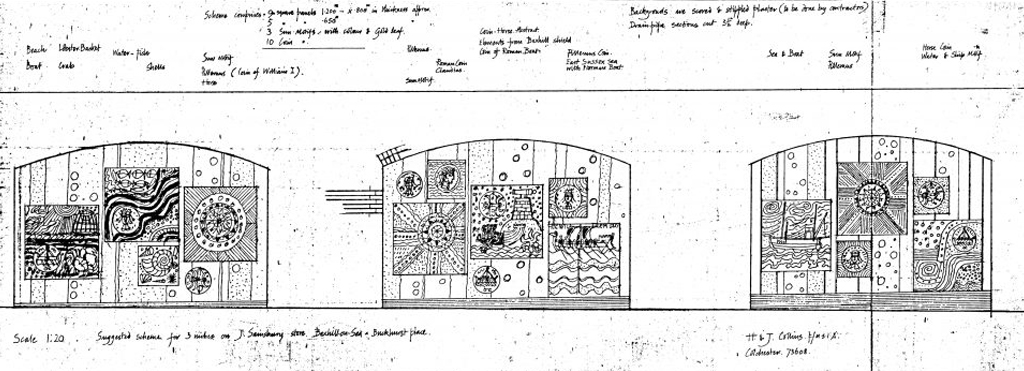
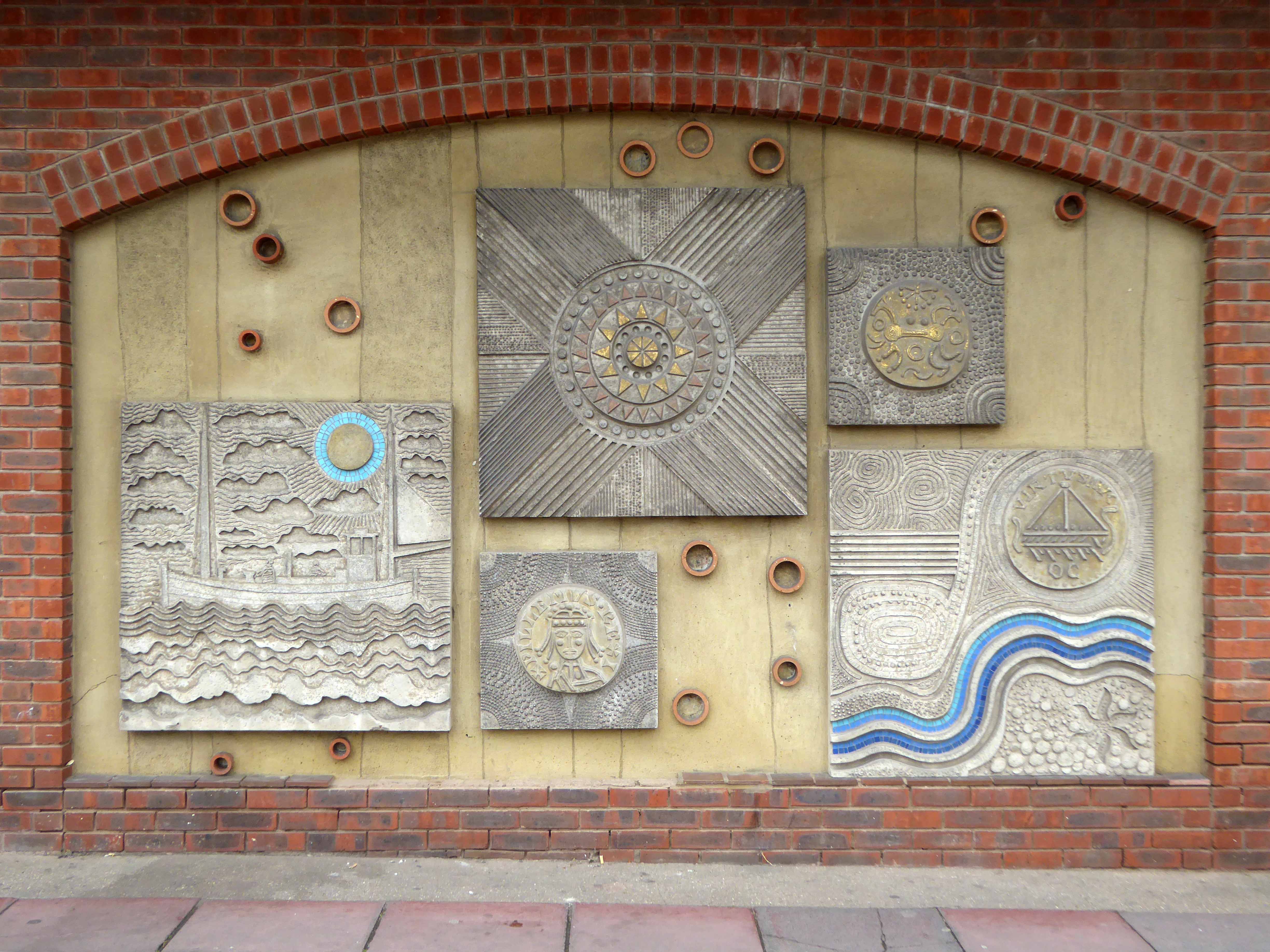
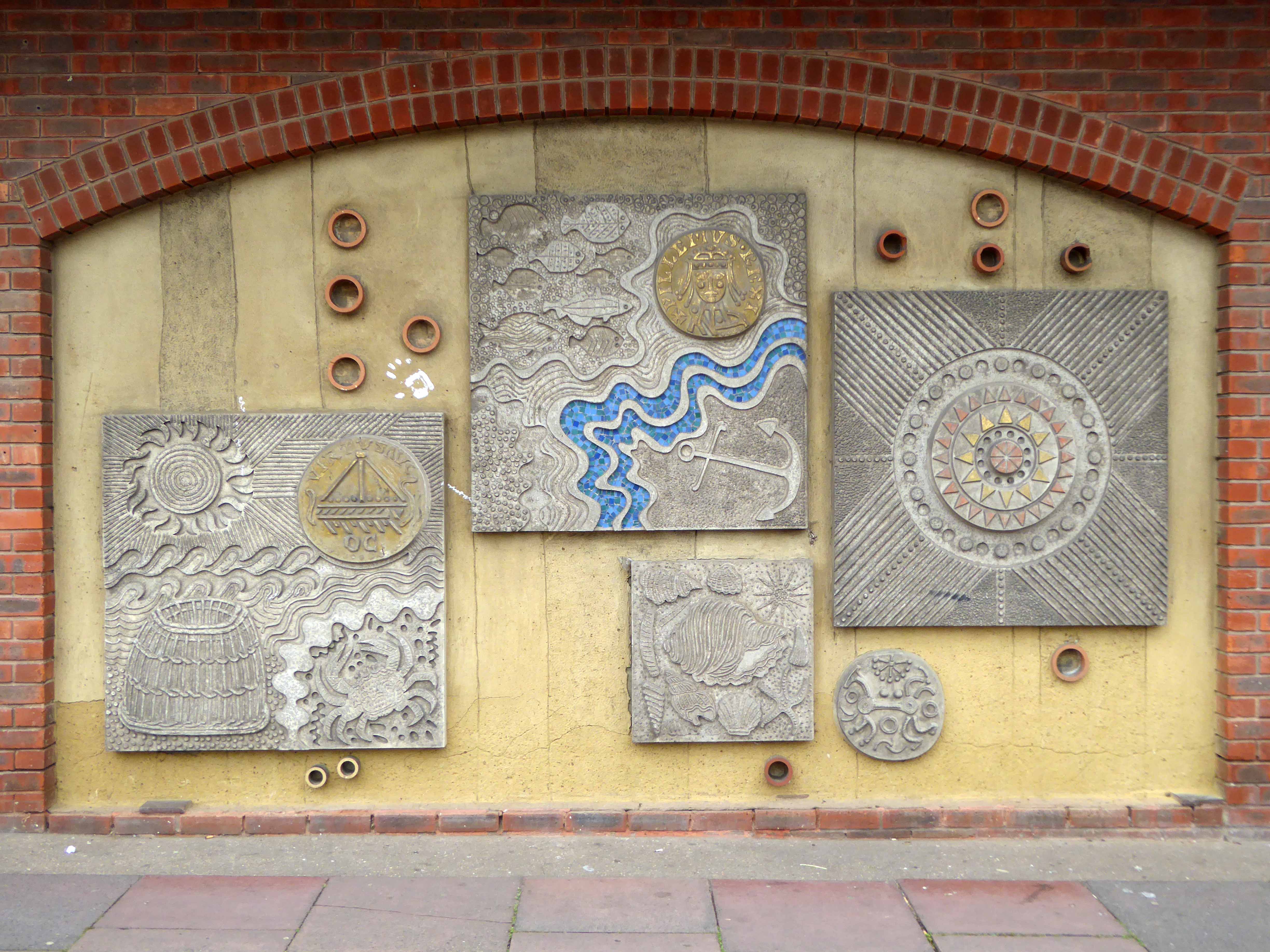
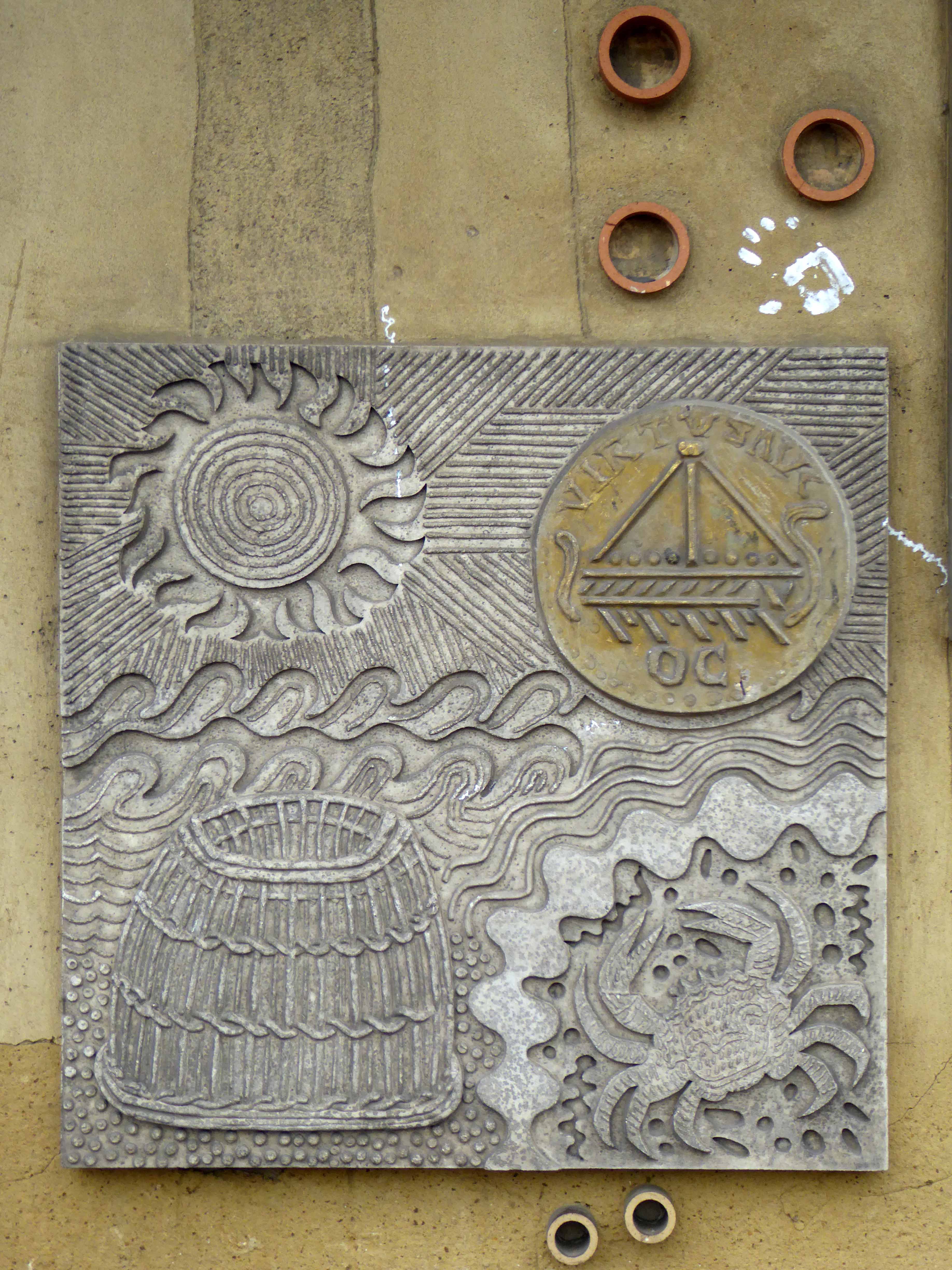
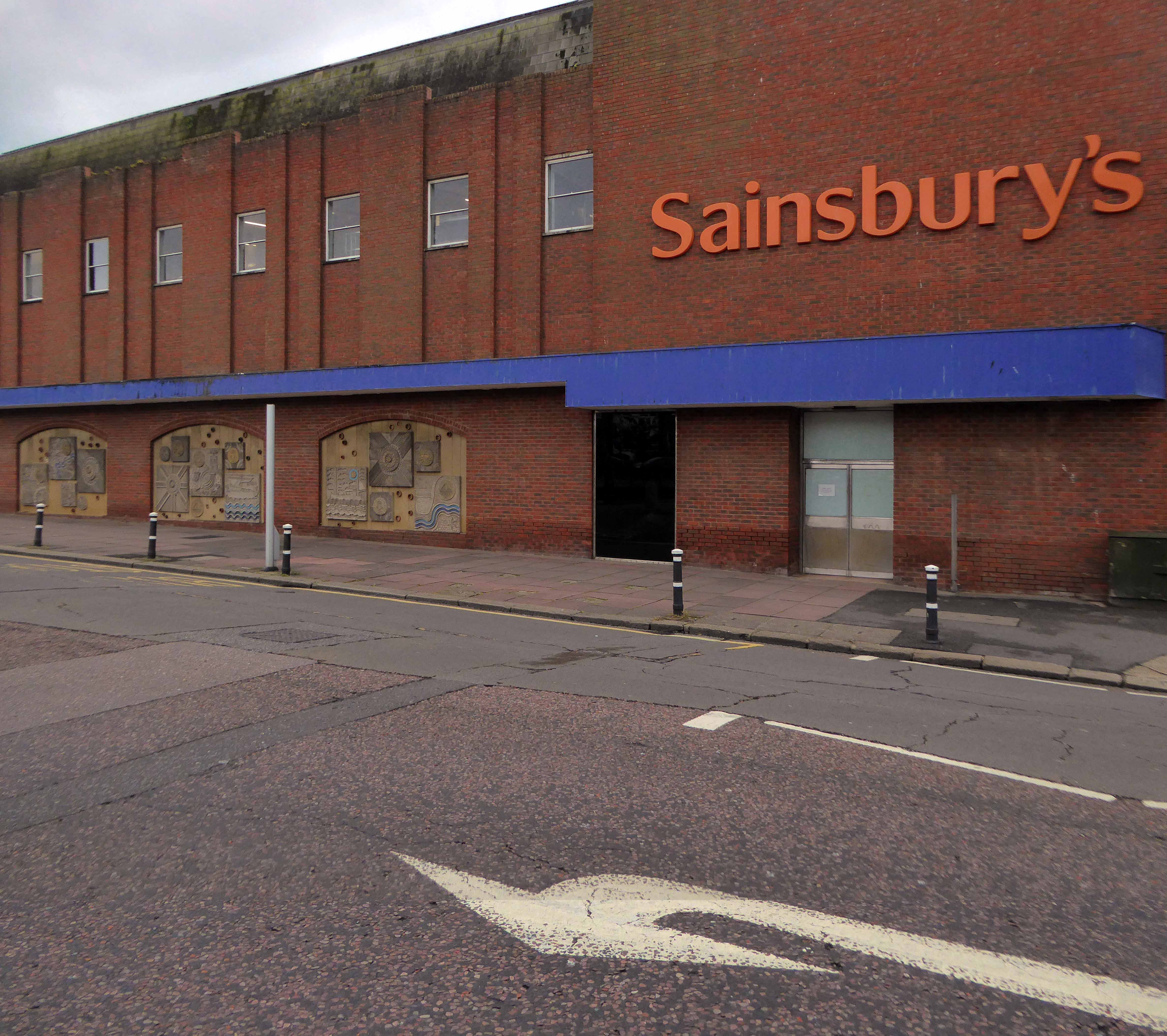
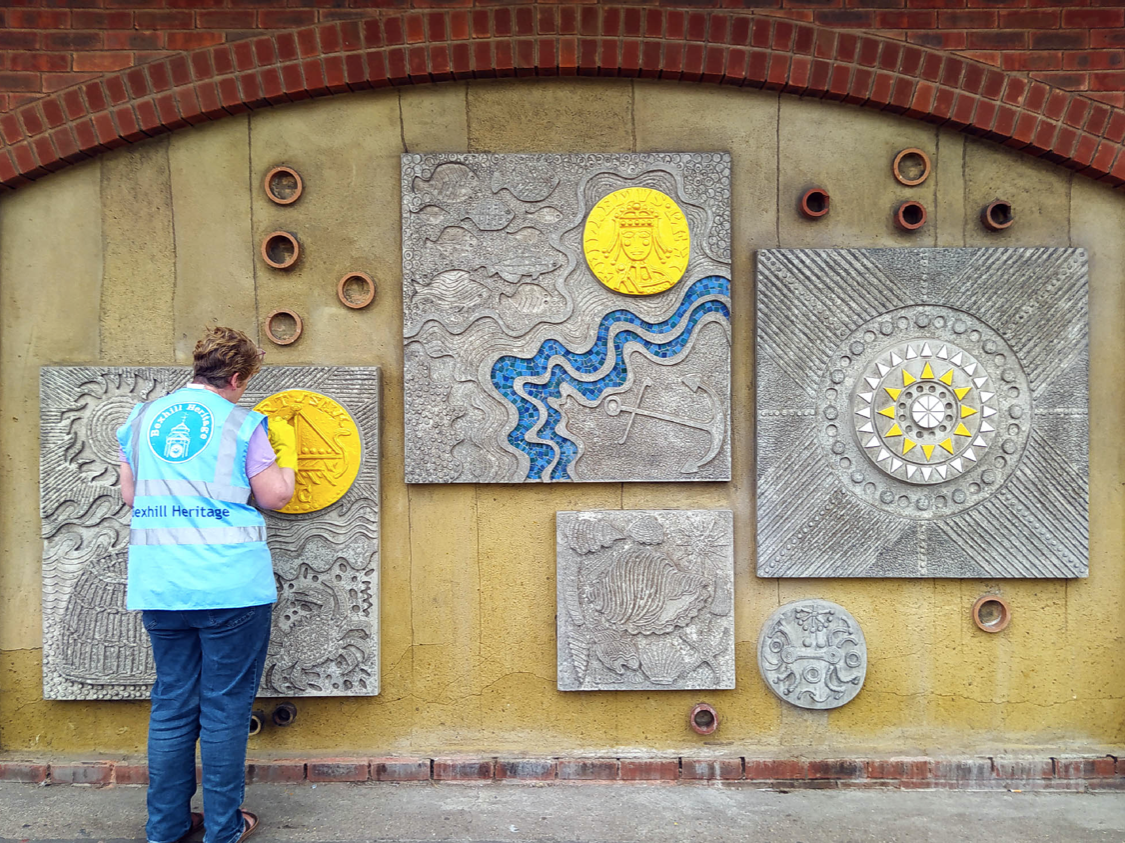
Plus the Pallot and Collins murals inset into the wall of their local branch of Sainsbury’s.

The third such public sculpture I have had the pleasure to visit following trips to Newcastle and the now defunct BHS in my hometown of Stockport.

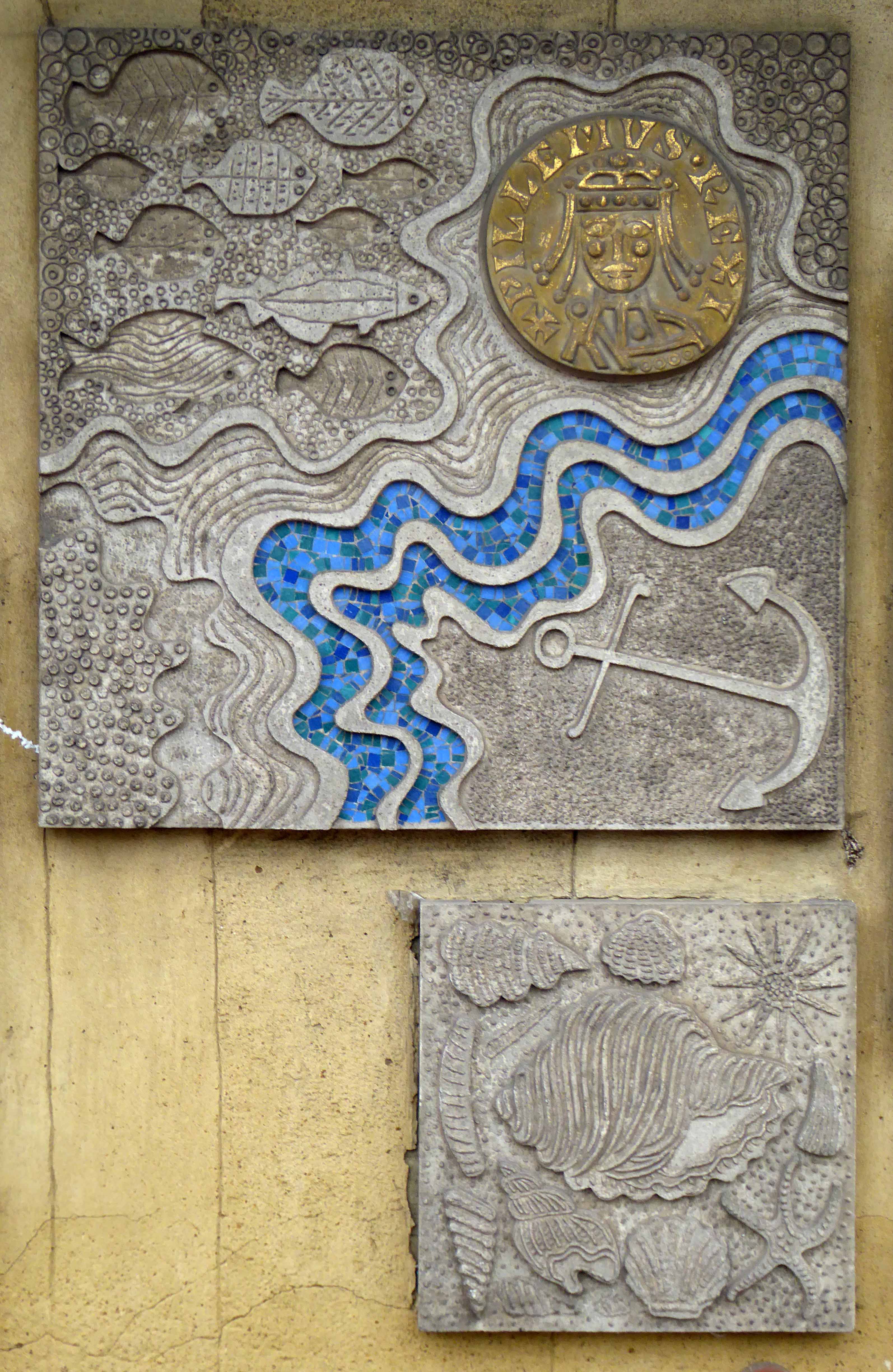
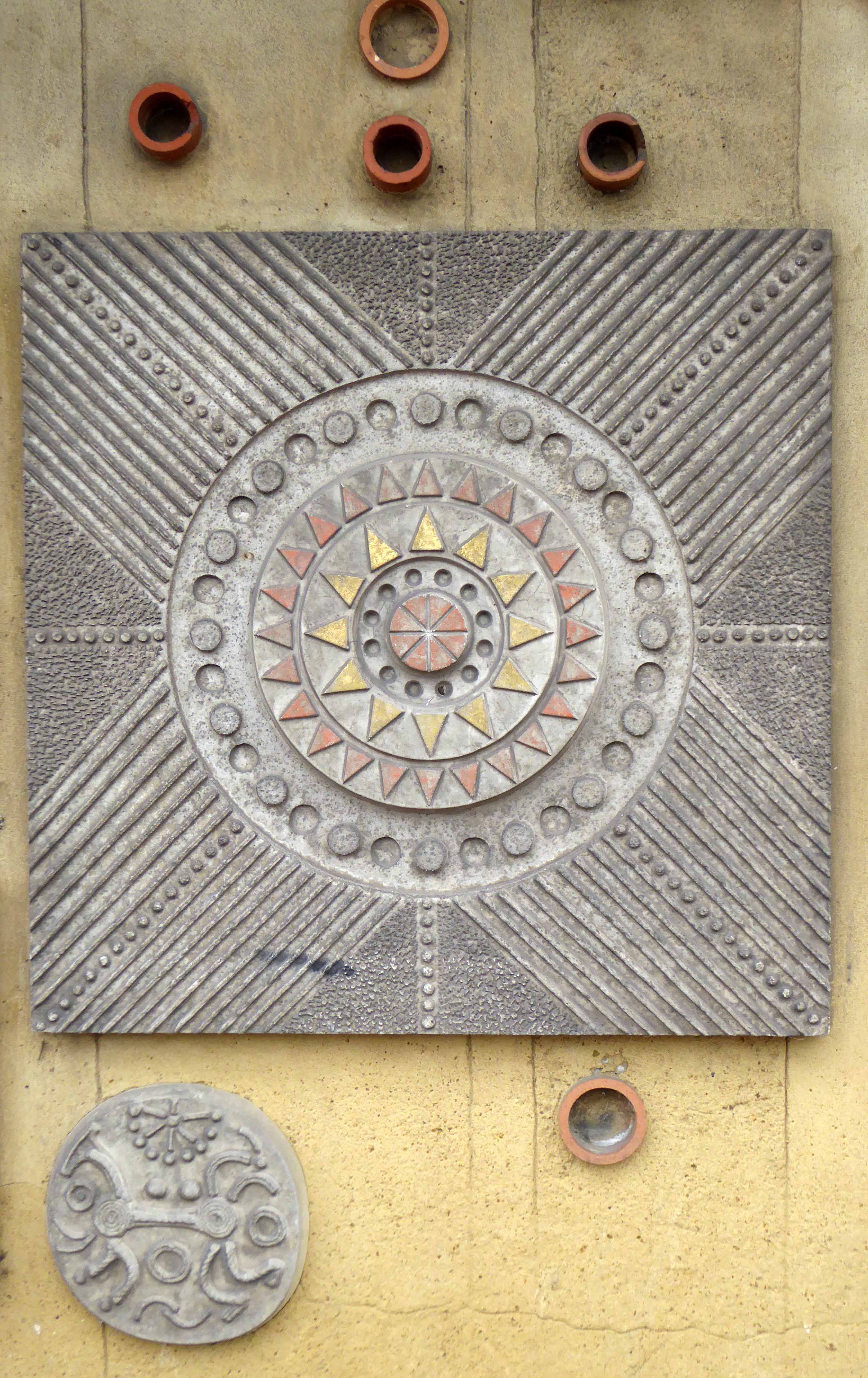
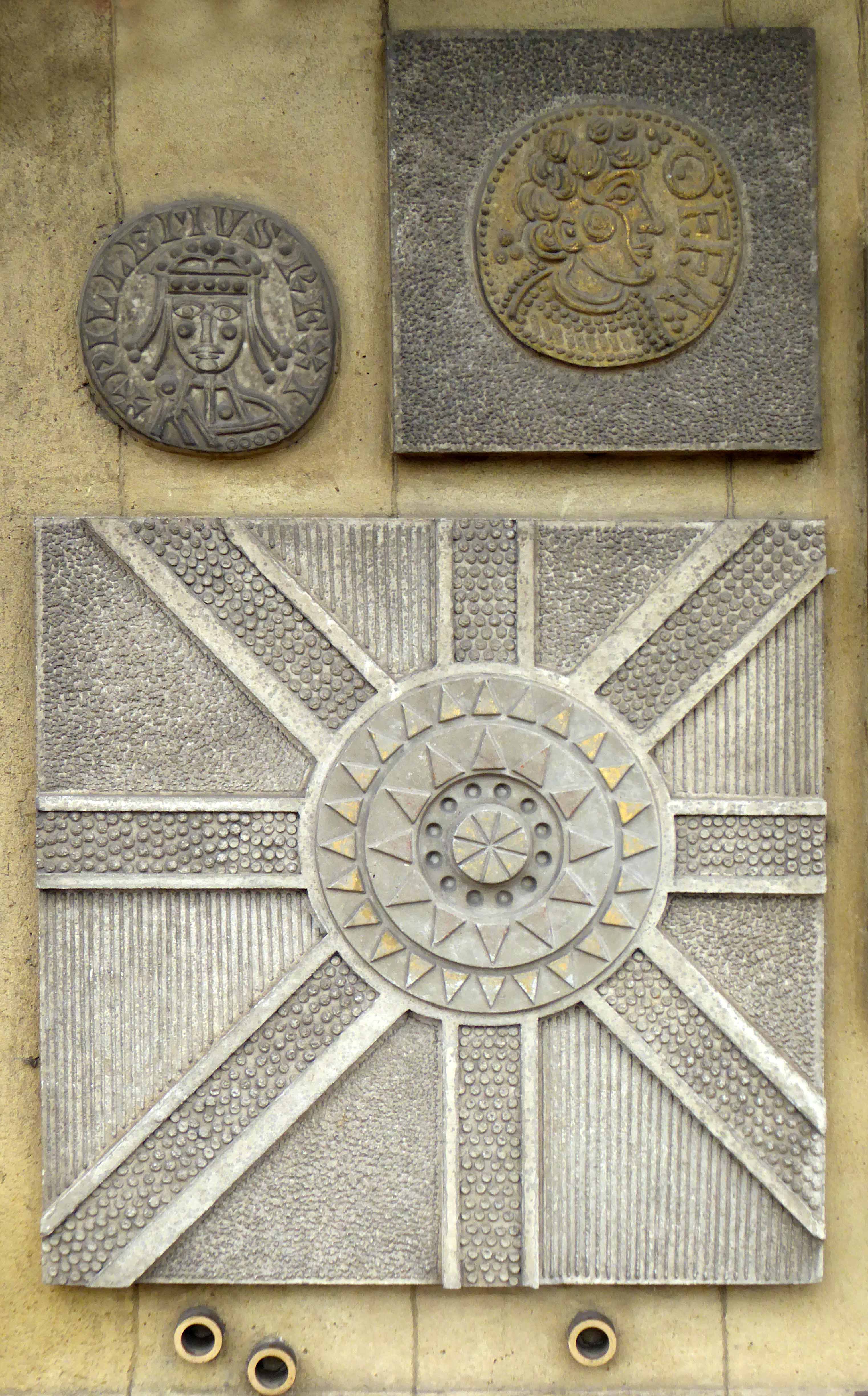
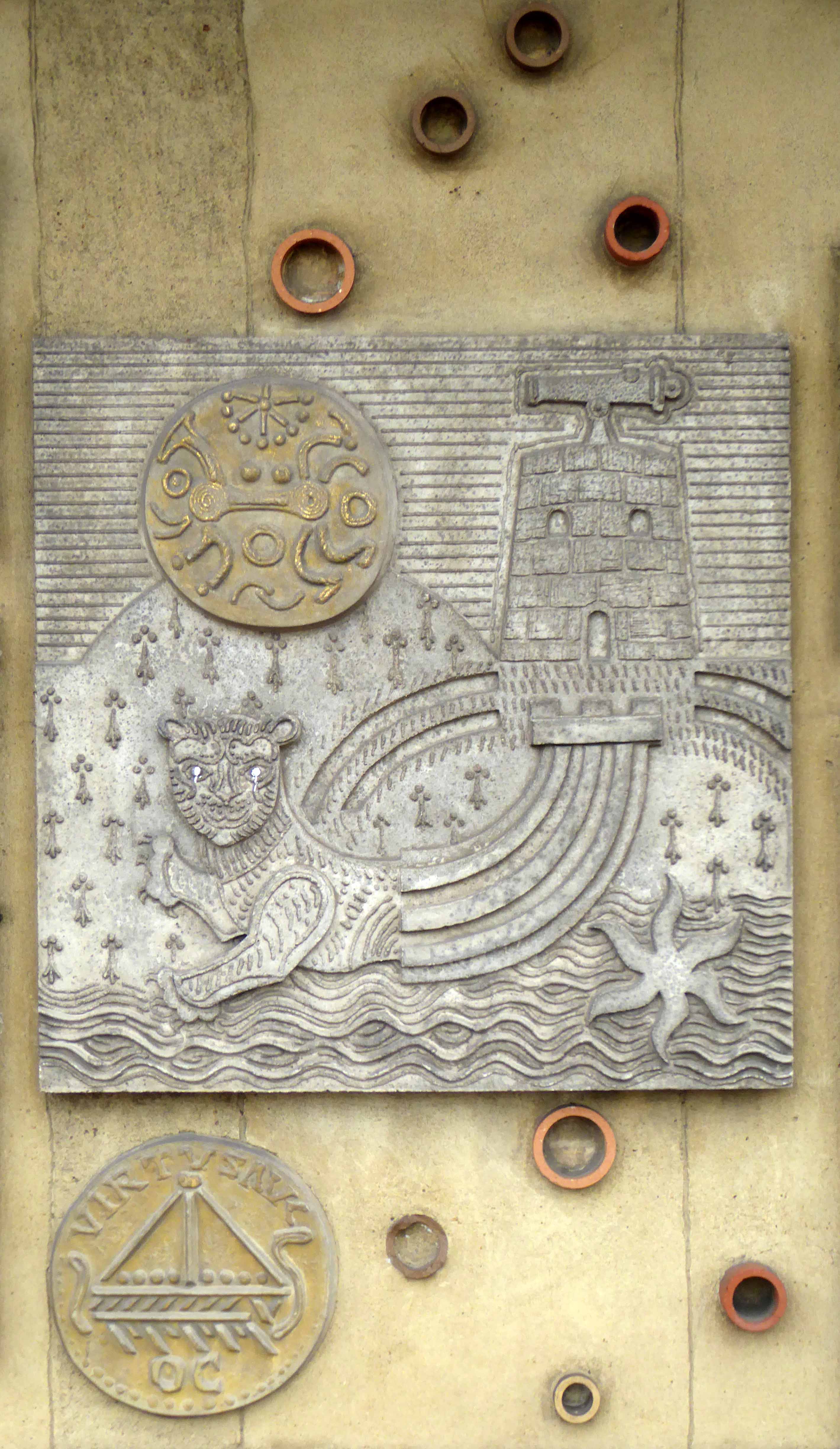
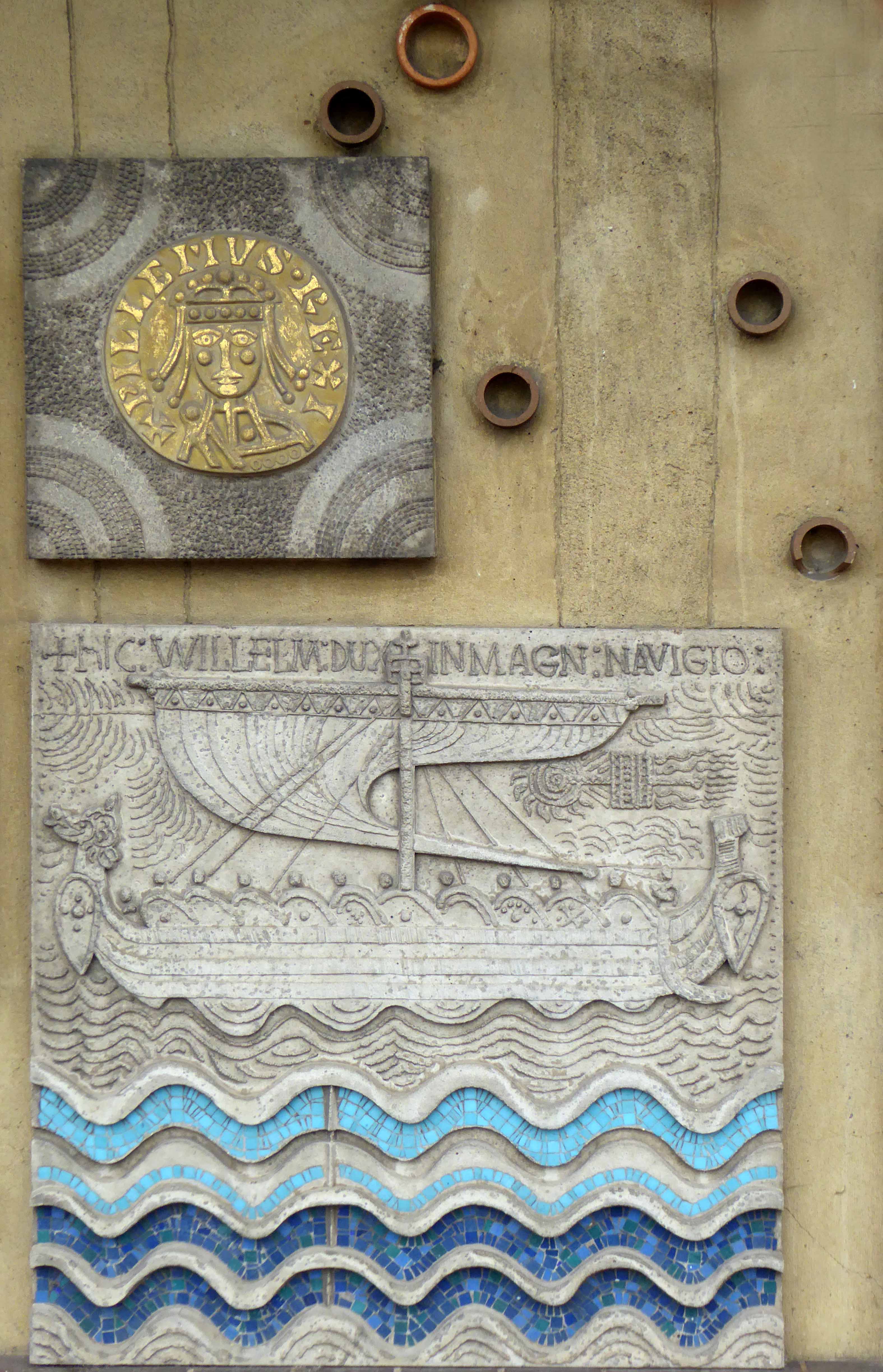
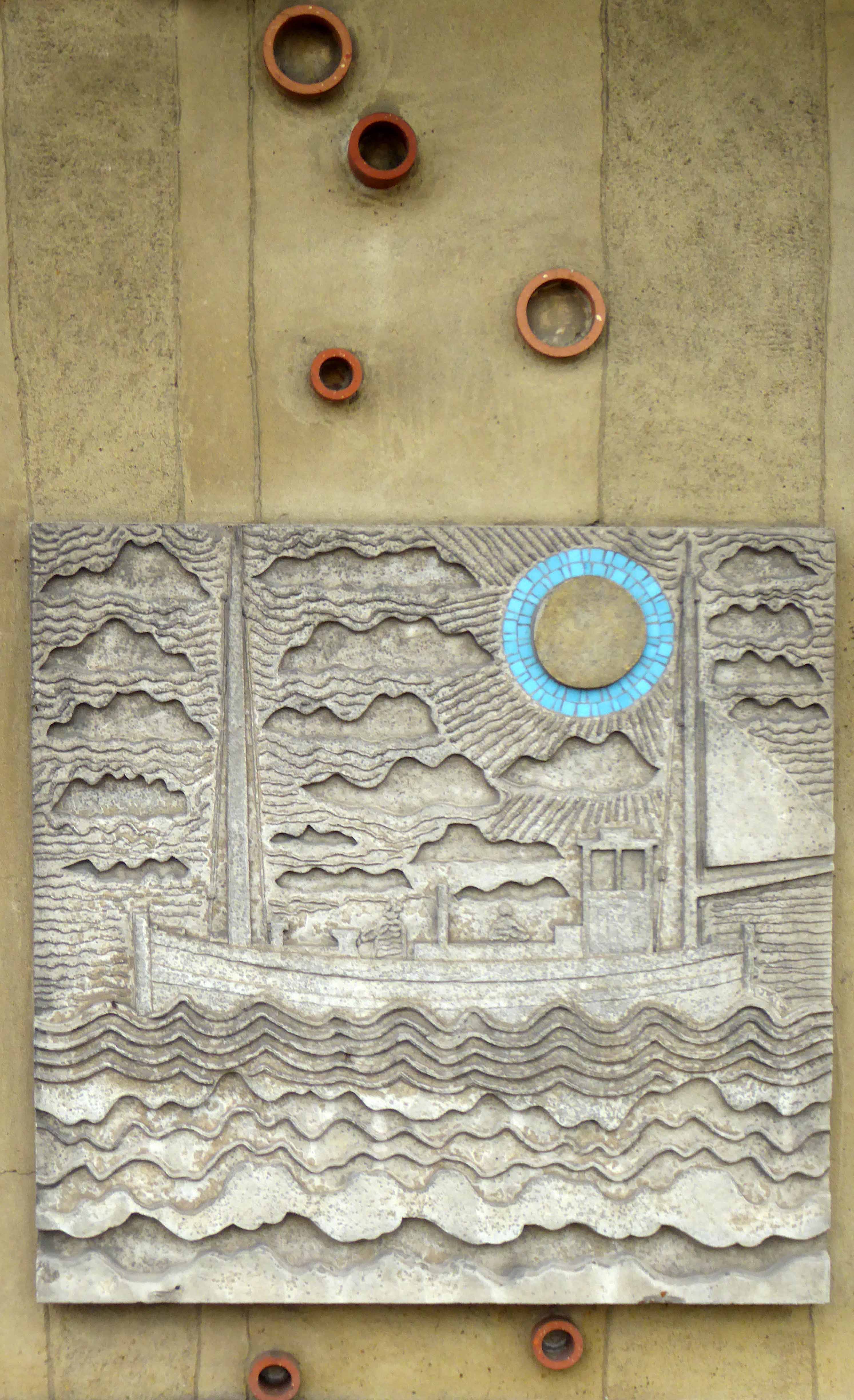
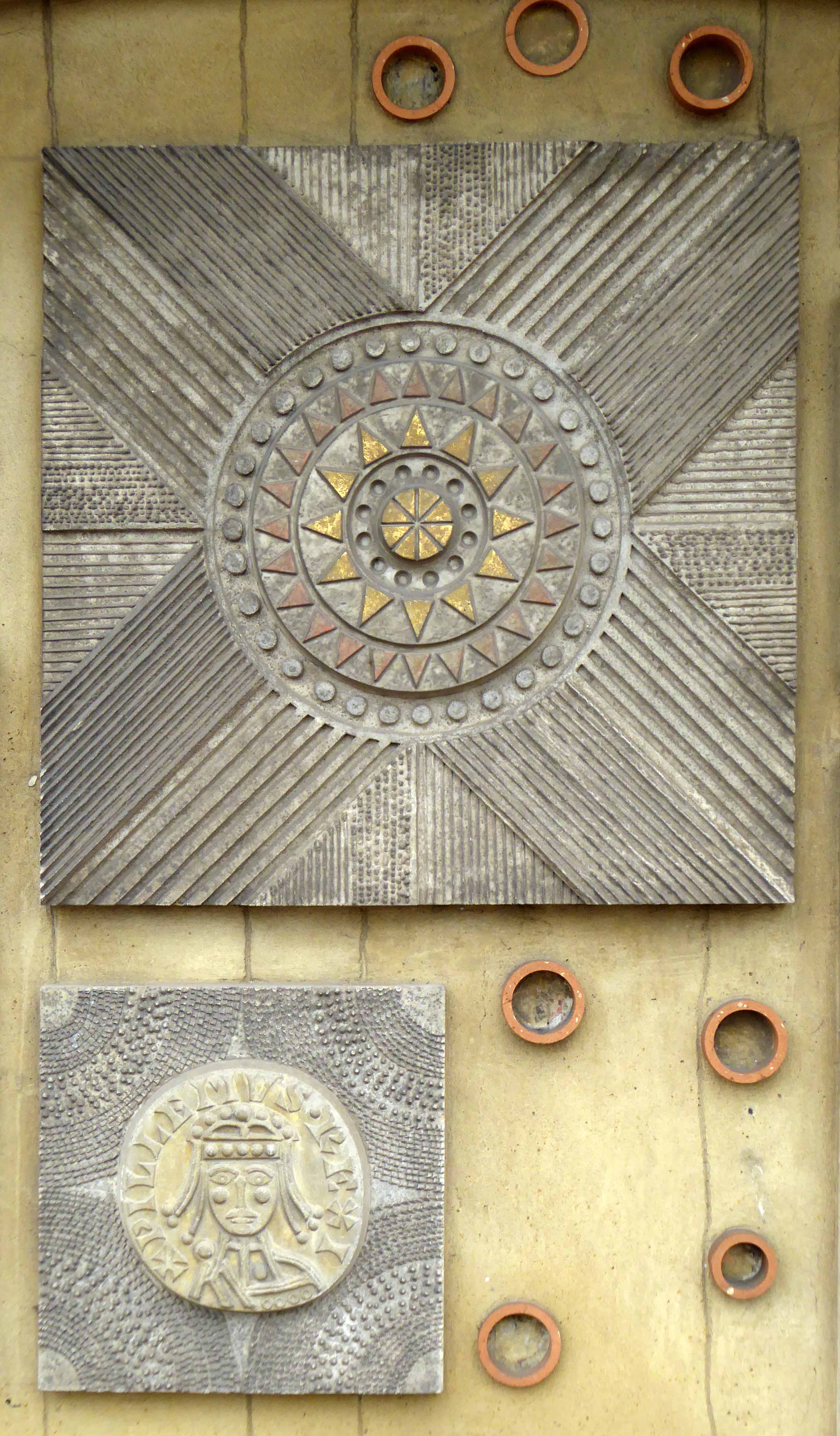
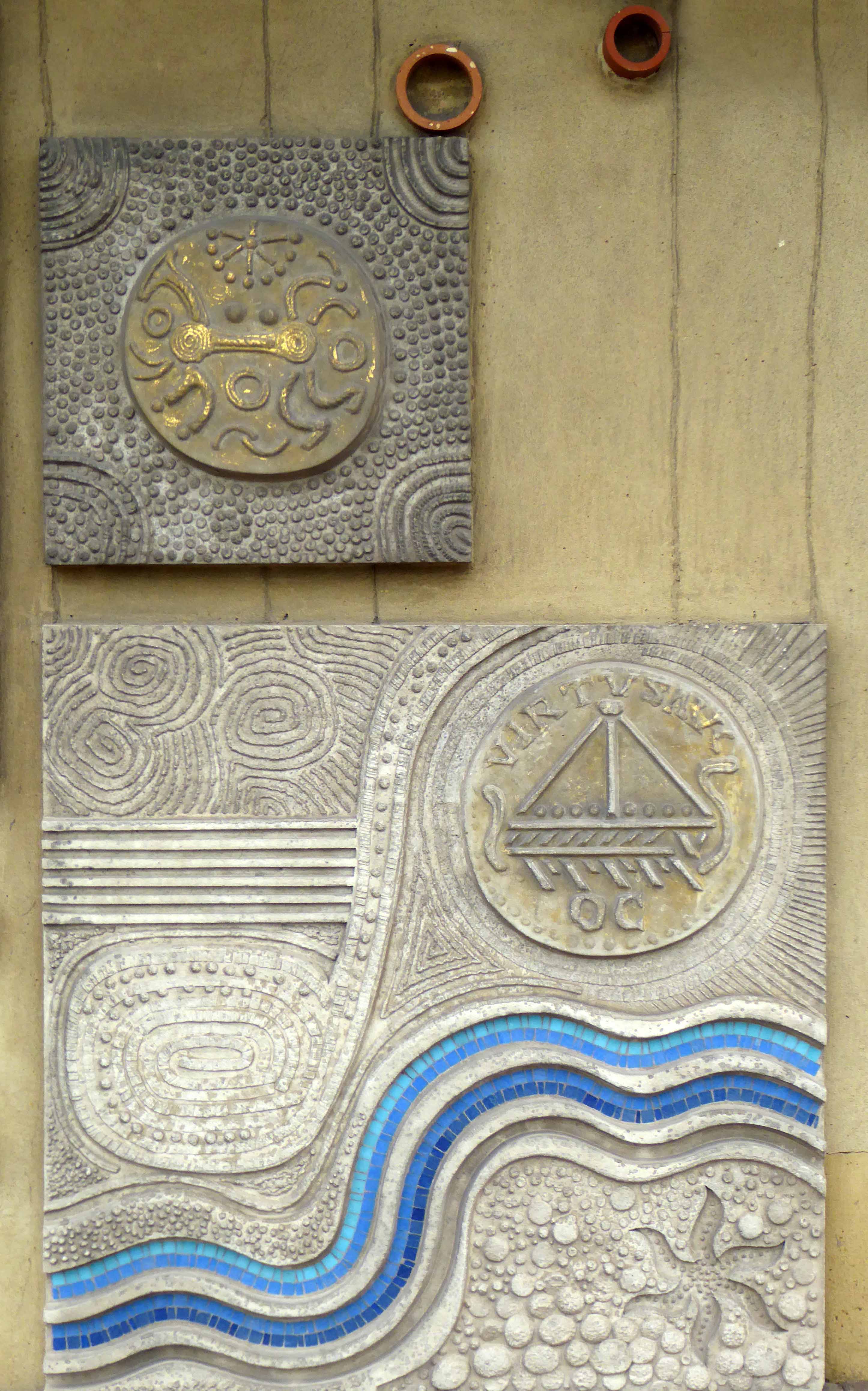
Henry William Collins and Joyce Millicent Pallot have a very special place in my heart, their lives’ work together gracing the Festival of Britain, GPO Tower and Expo 70, along with other retail outlets in Southampton, Gloucester, and Colchester. A distinctive style of bas relief in impressed concrete, ceramic terrazzo and simple modern motifs, drawn from local history and imagery.

Take a look around.

OriginalPlan1-1024x371

P1170853

P1170854

P1170855

P1170857

P1170858

P1170859

P1170860

P1170861

P1170862

P1170863

P1170864

P1170865

P1170867

P1170868

P1170869

P1170870

P1170872

P1170878

Great to see that the murals have been restored recently by Bexhill Heritage.

Screenshot 2024-10-22 at 10.53.56

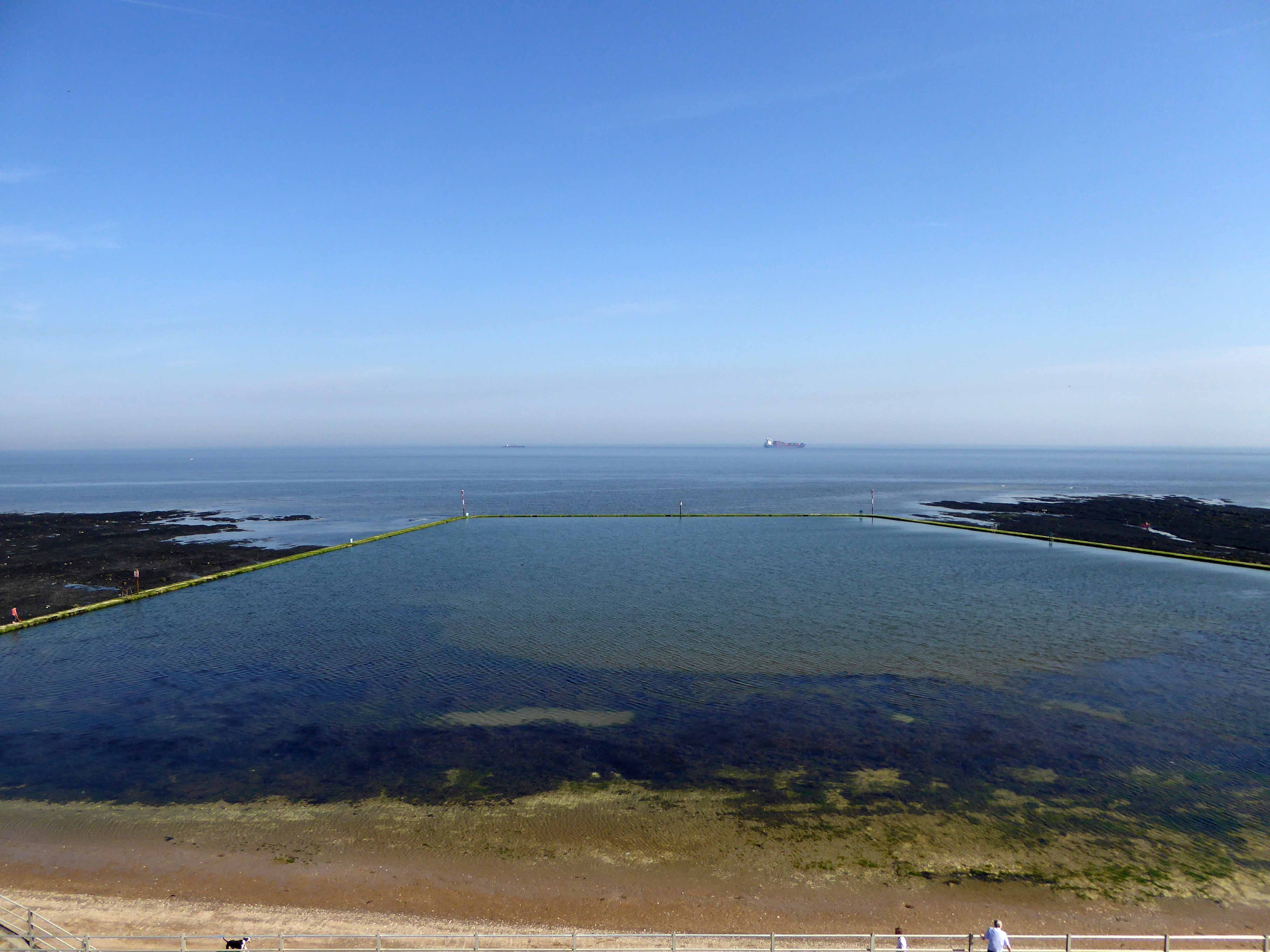
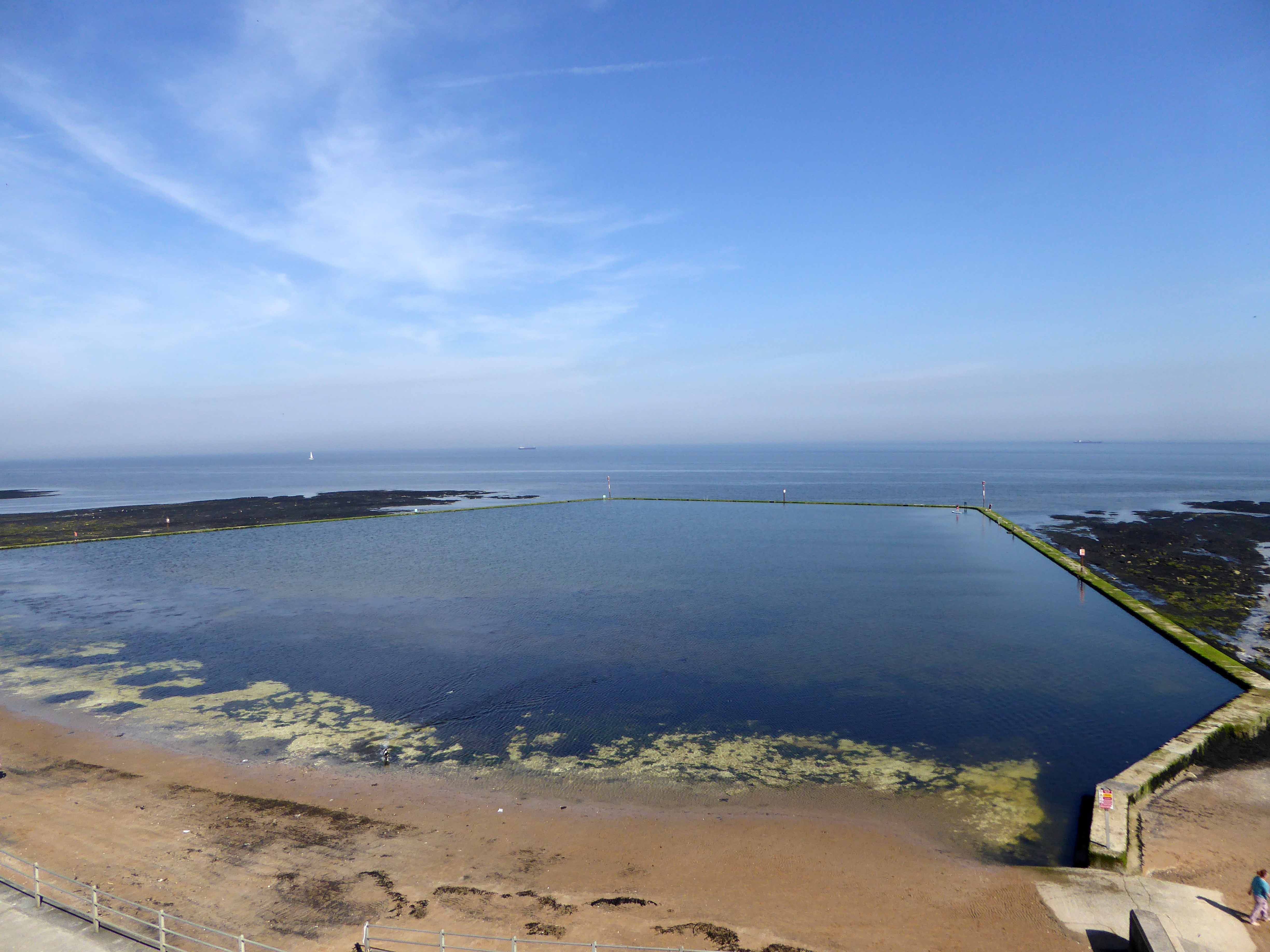
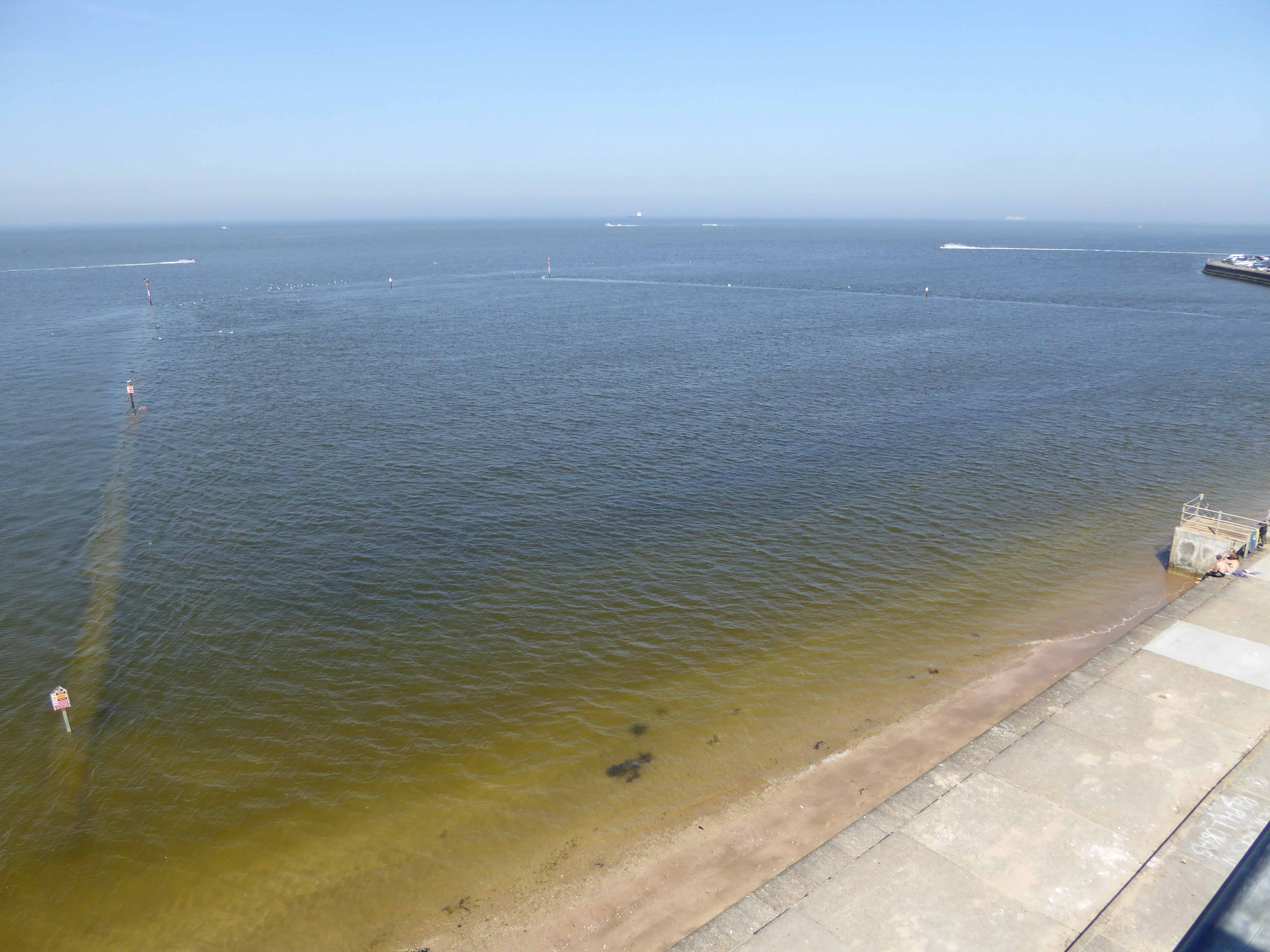
Margate – Tidal Pools

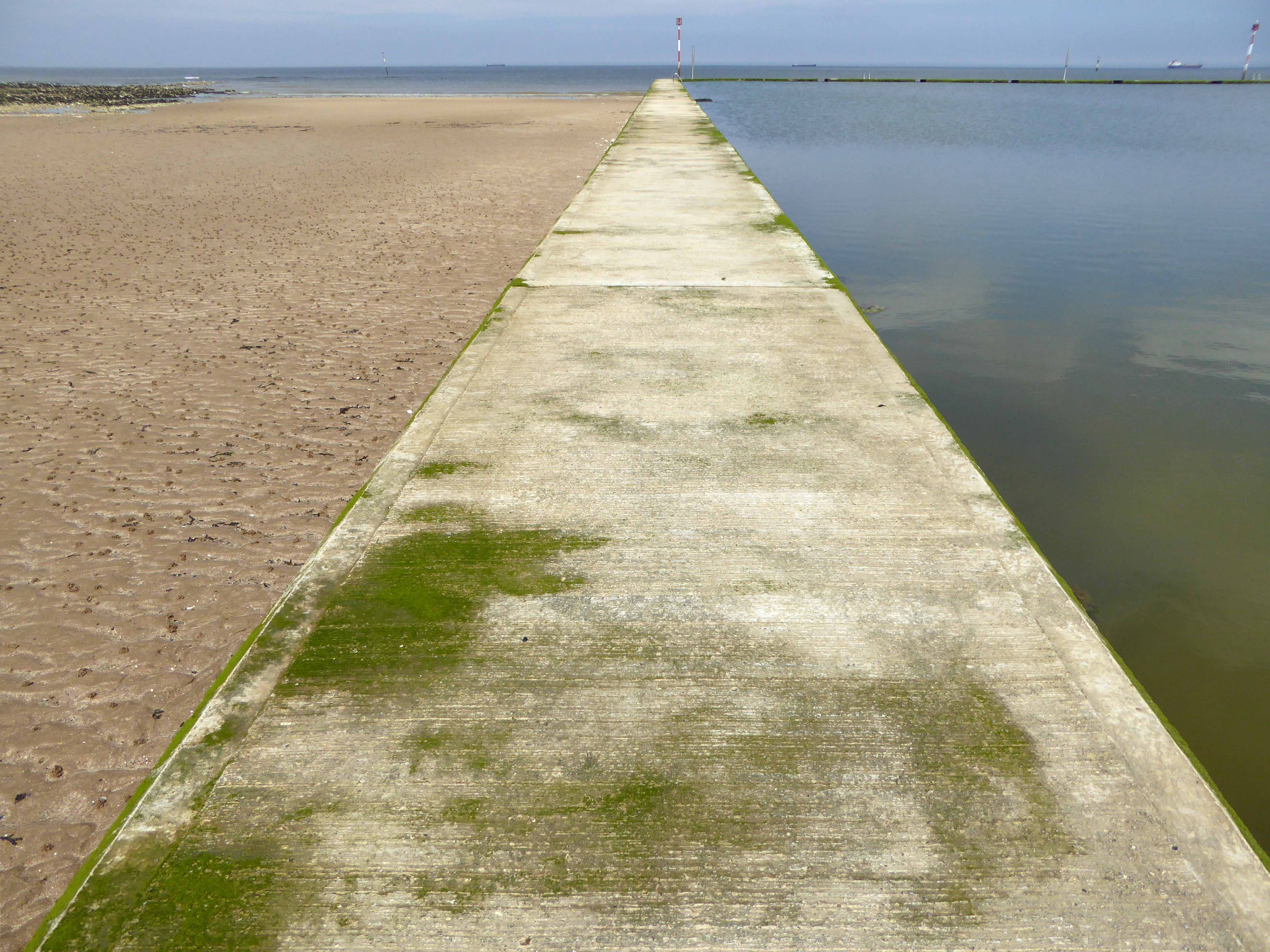
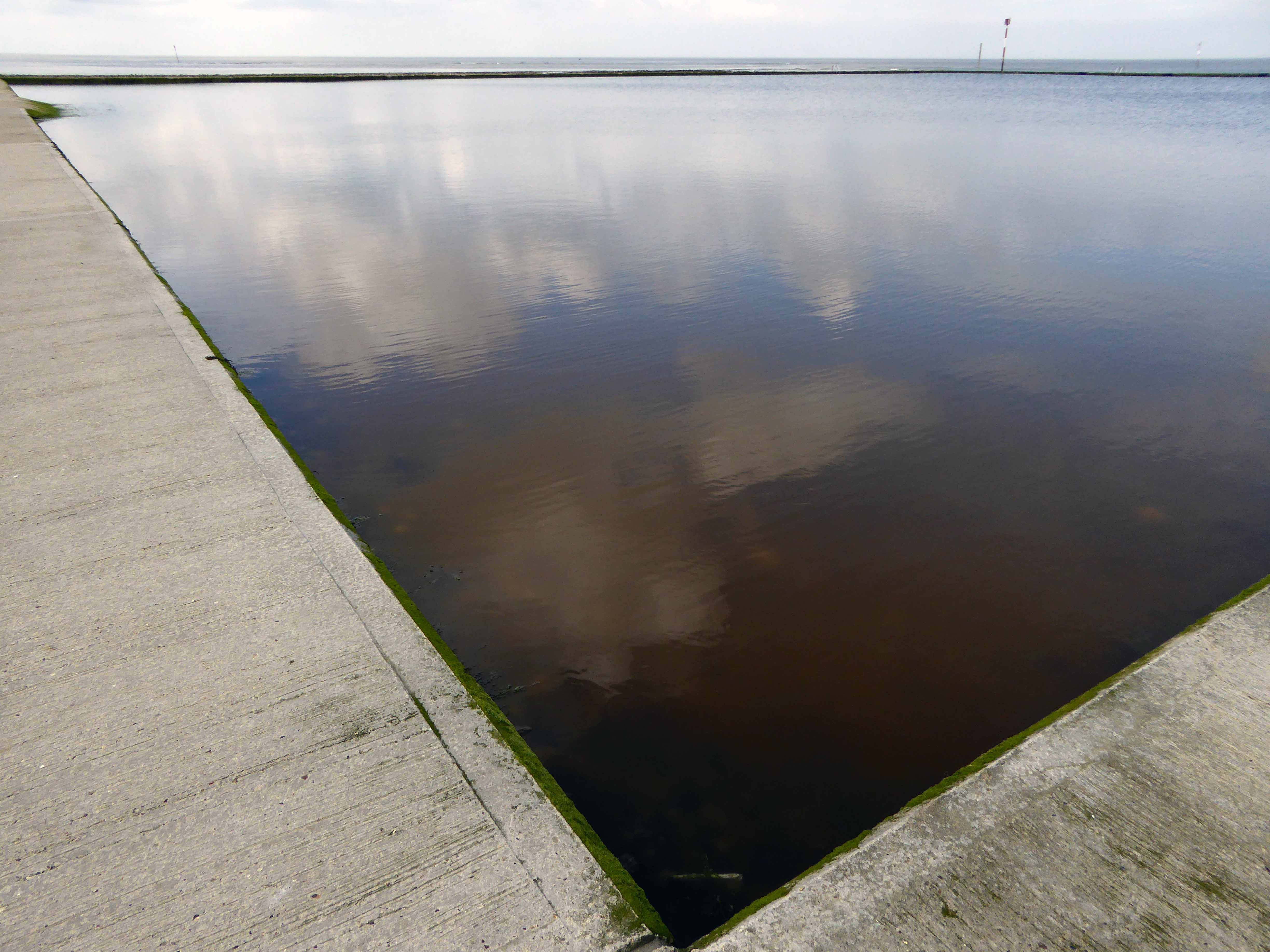
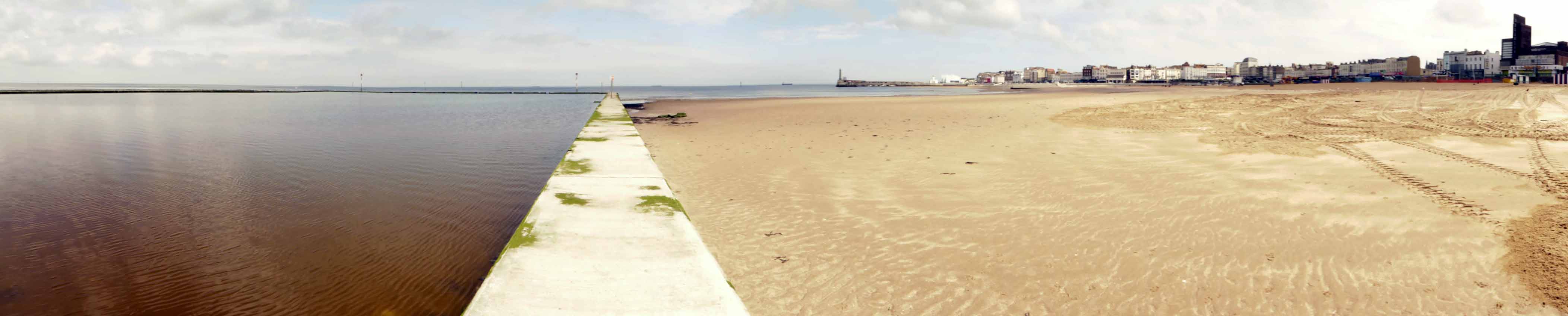
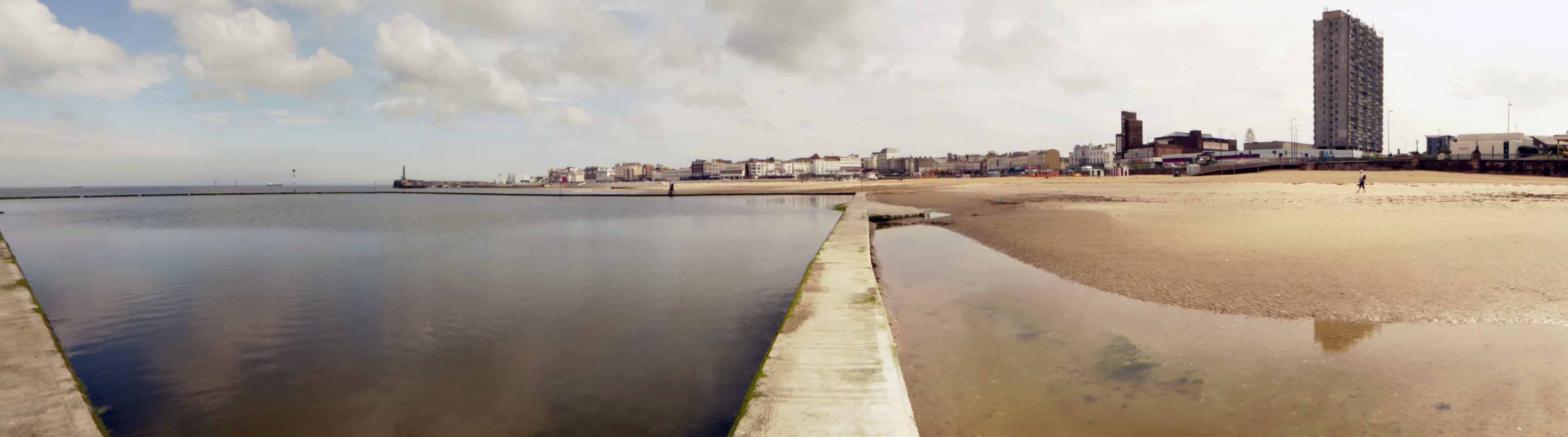
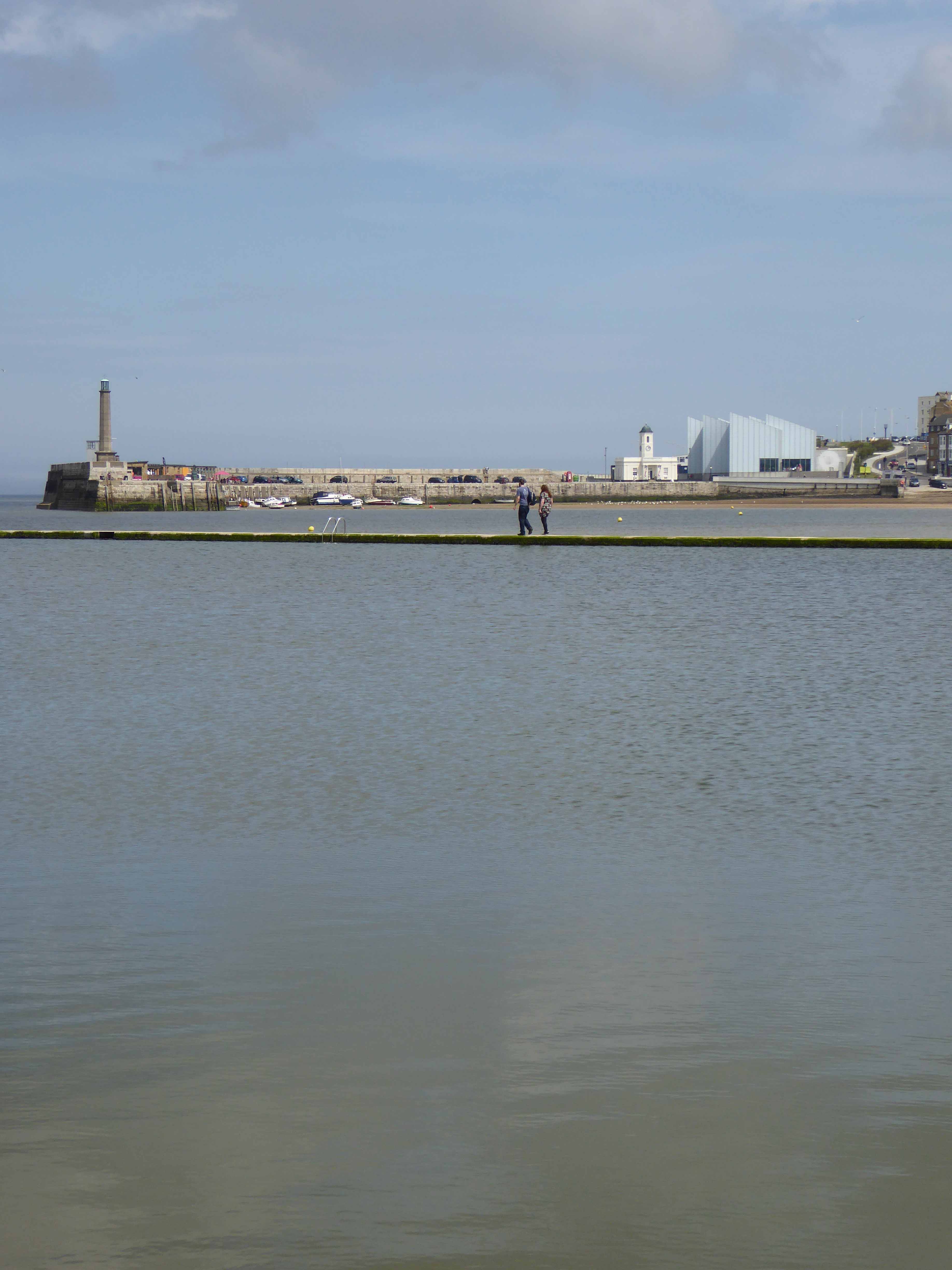
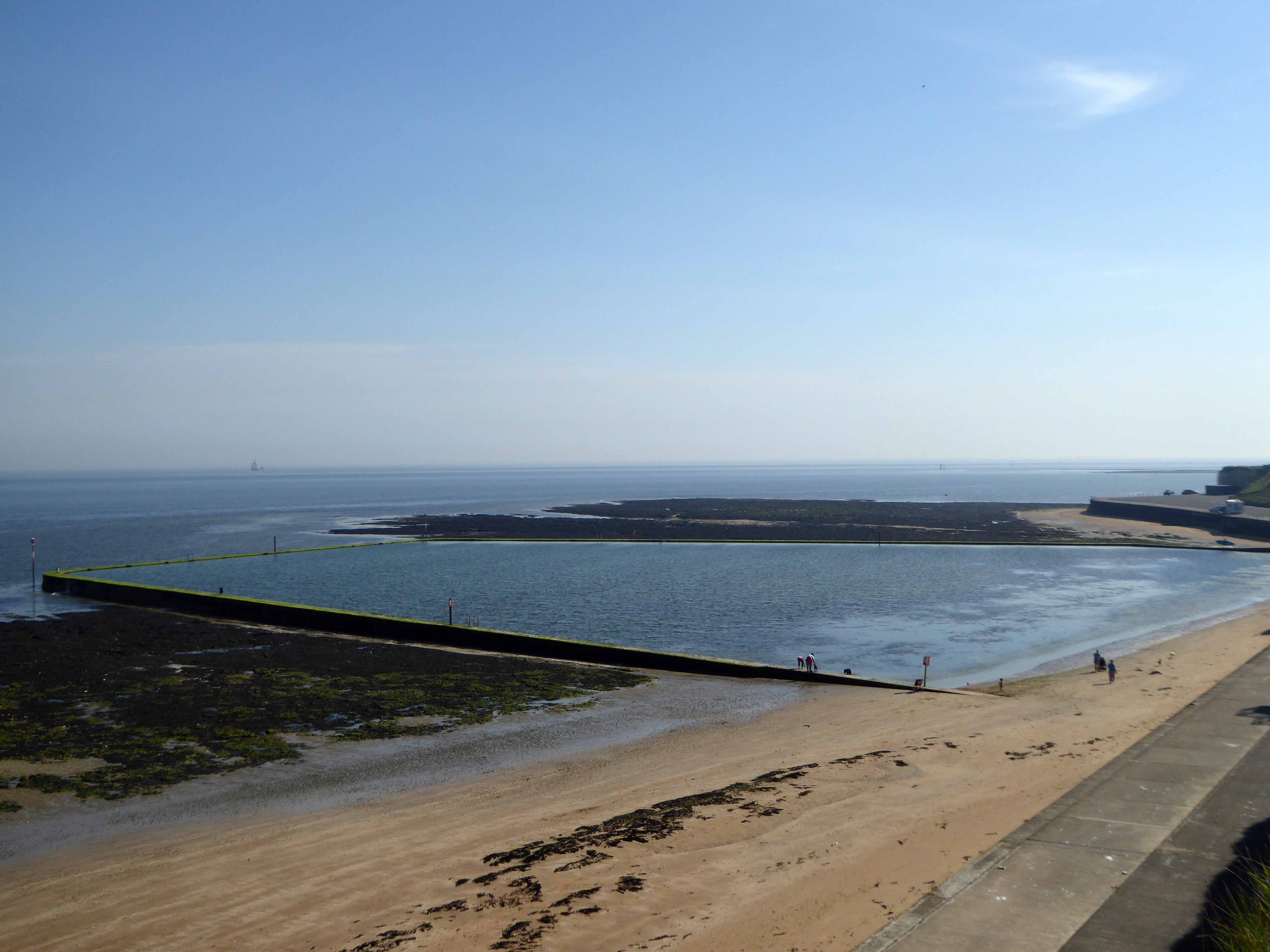
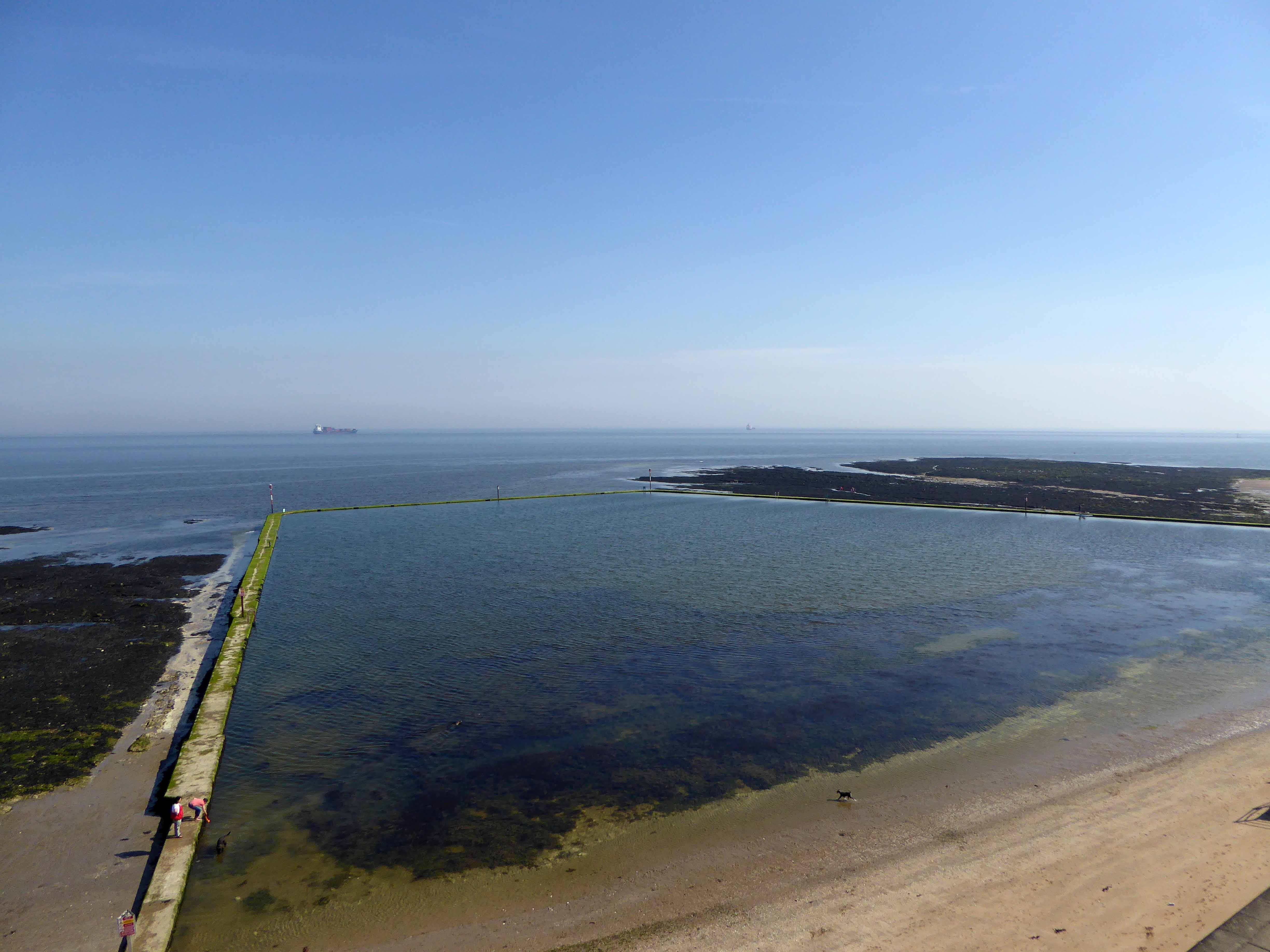
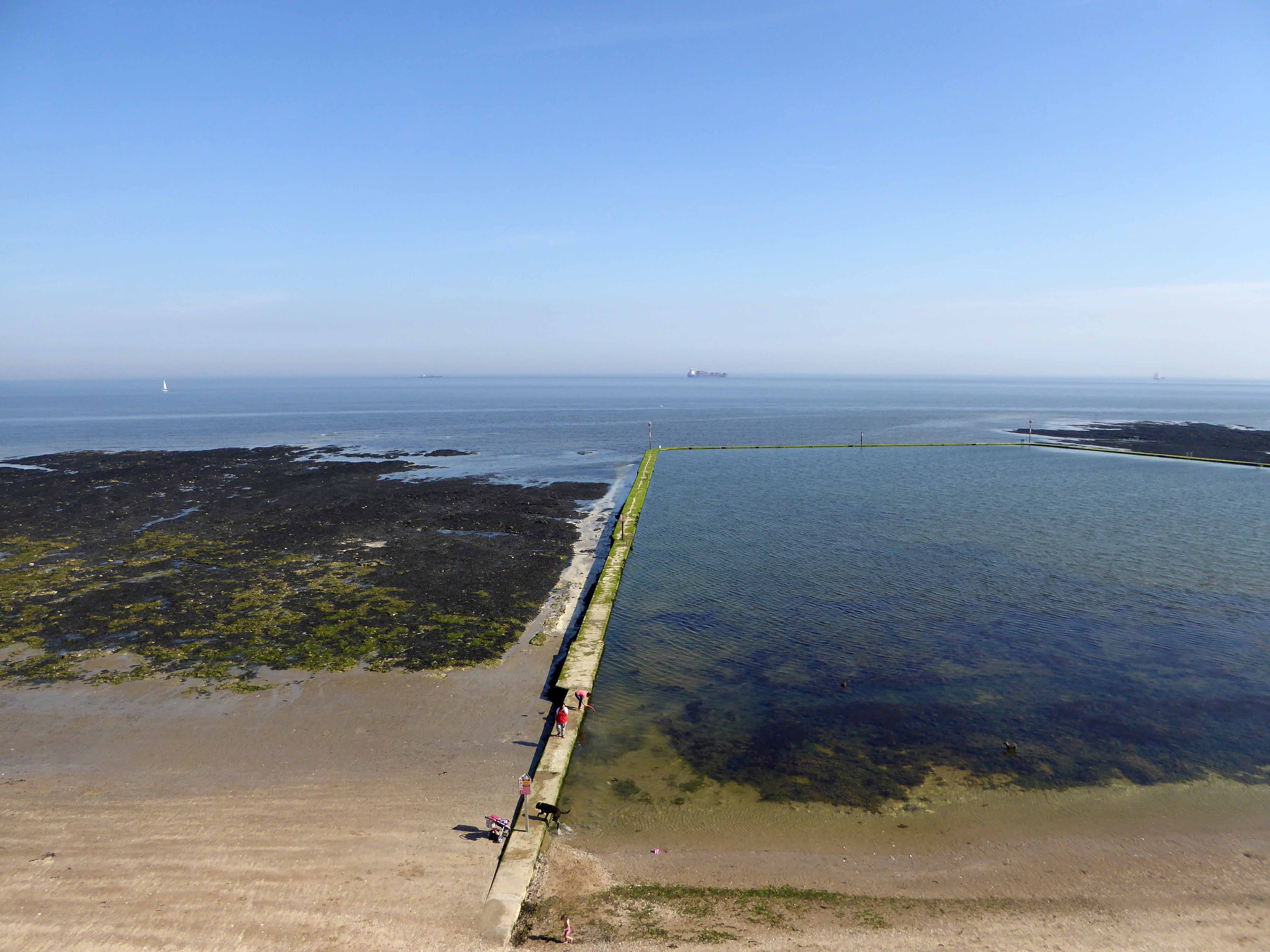
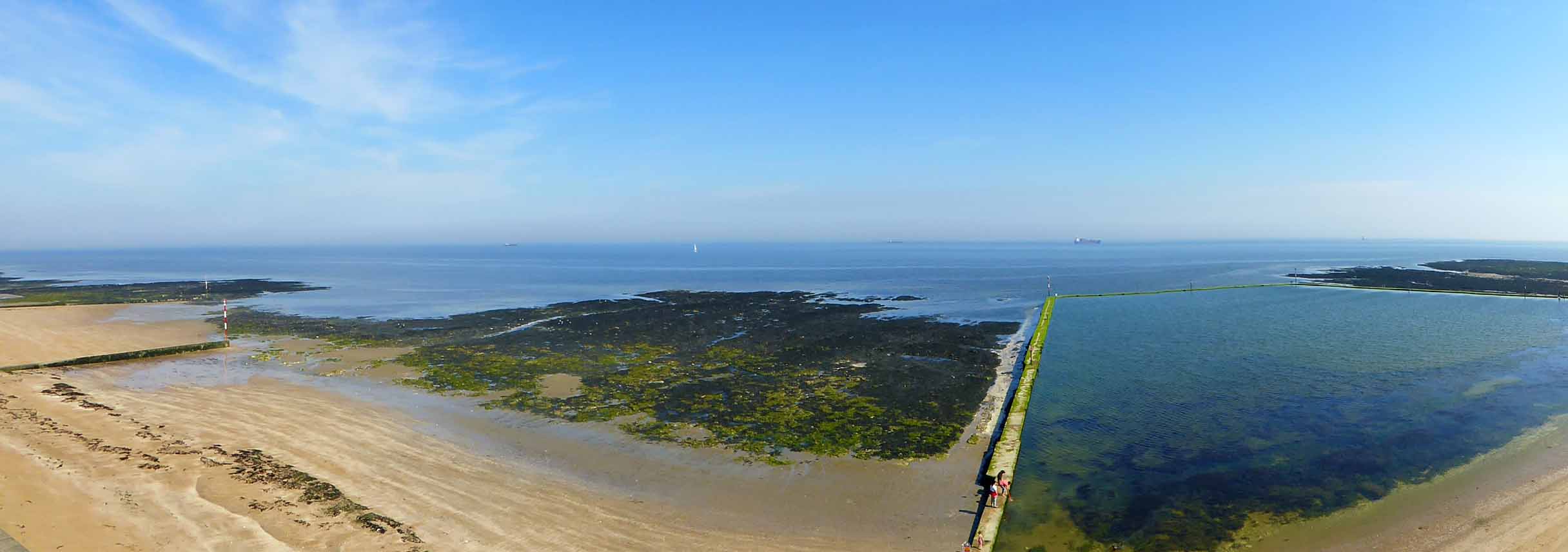
Margate a town of two pools.

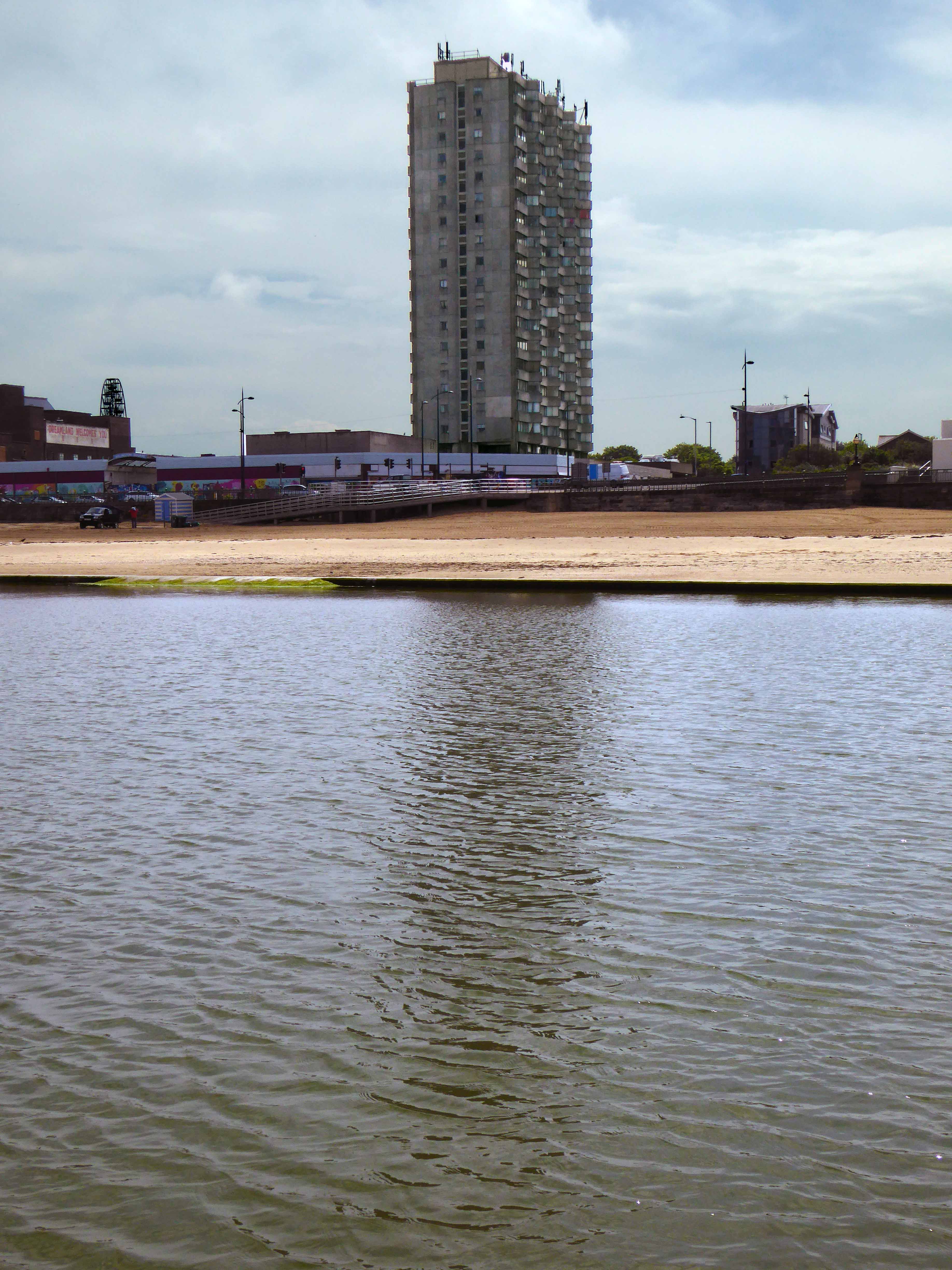
The first tucked in by the prom, a moments walk from the station and overlooked by the imposing Arlington House and the shimmer of the Turner Contemporary

– alas no longer the domain of the wild swimmer.

A large delicious expanse of seawater, now sadly designated as a boating pond.

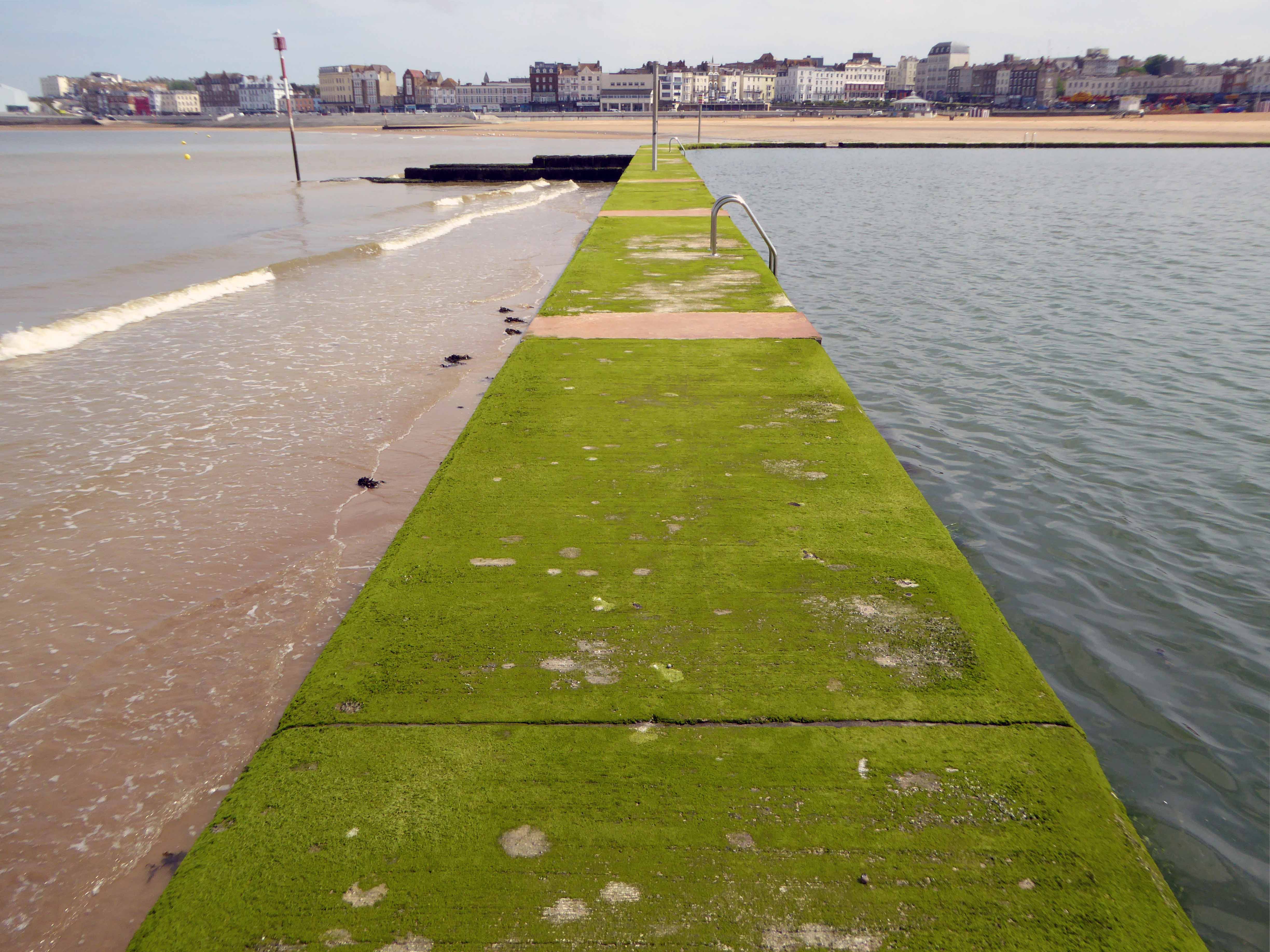
I was drawn magnetically to this elemental artifice, where untamed waters meet a controlled concrete geometry, waves temptingly lapping the walls.

Would that it could be open again to the town’s swimmers.

I am latterly reliably informed, that the pool is well used by local aquarists, despite the Local Authority’s prohibitions and ministrations – bravo!

P1050061 copy

P1050062 copy

P1050063 copy


P1050065 copy

P1050066 copy

P1050067 copy


P1050072 copy

P1050073 copy

P1050077 copy


P1050082 copy

P1050083 copy

P1050085 copy

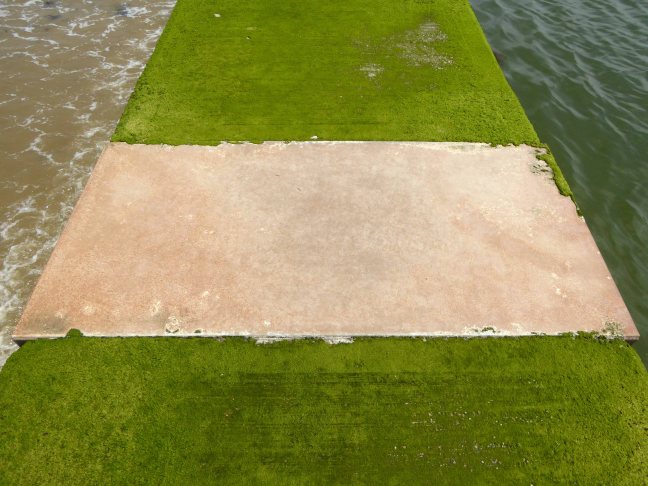
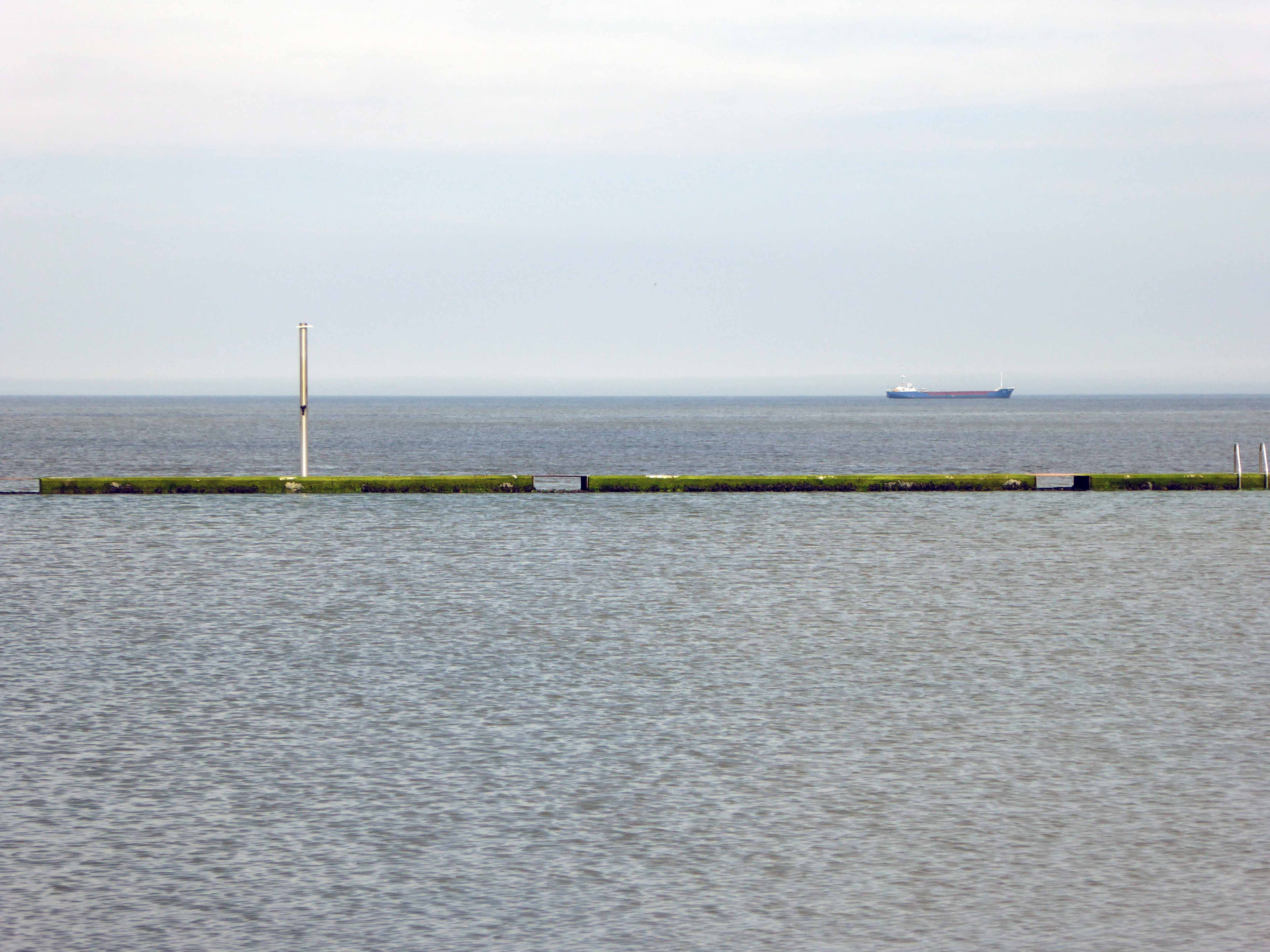
The second at Walpole Bay still open to the swimmer and what’s more it’s listed.

Walpole Bay Tidal Pool, one of two tidal pools designed by Margate’s borough engineer in 1937, constructed in concrete blocks reinforced by reused iron tram rails, is listed at Grade II for the following principal reasons: * Structural engineering interest: an ambitious project because of its scale, the weight of each concrete block, and that work needing to be carried out day and night because of the tides; * Scale and design: impressive in scale and shape, occupying 4 acres and three sides of a rectangle, the sides 450 feet long diminishing towards the seaward end which was 300 feet long; * Social historical interest: provided an improvement to sea bathing at the period of the greatest popularity of the English seaside; * Degree of intactness: intact apart from the loss of the two diving boards which do not often survive; * Group value: situated quite near the remains of the 1824-6 Clifton Baths (Grade II), an 1935 lift and the other 1937 tidal pool. 

P1040713 copy

P1040716 copy

P1040717 copy

P1040718 copy

P1040719 copy

P1040720 copy

P1040836 copy

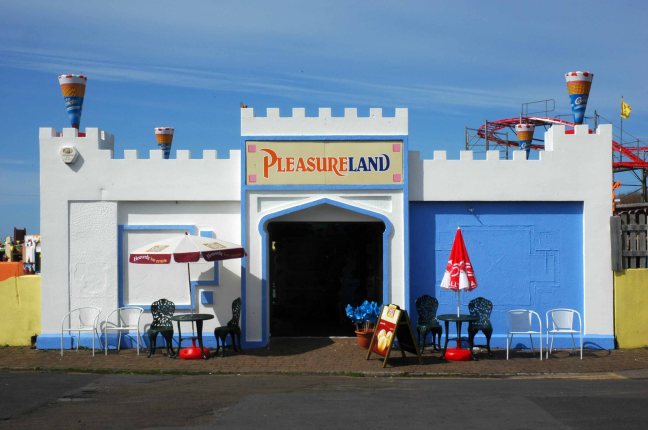
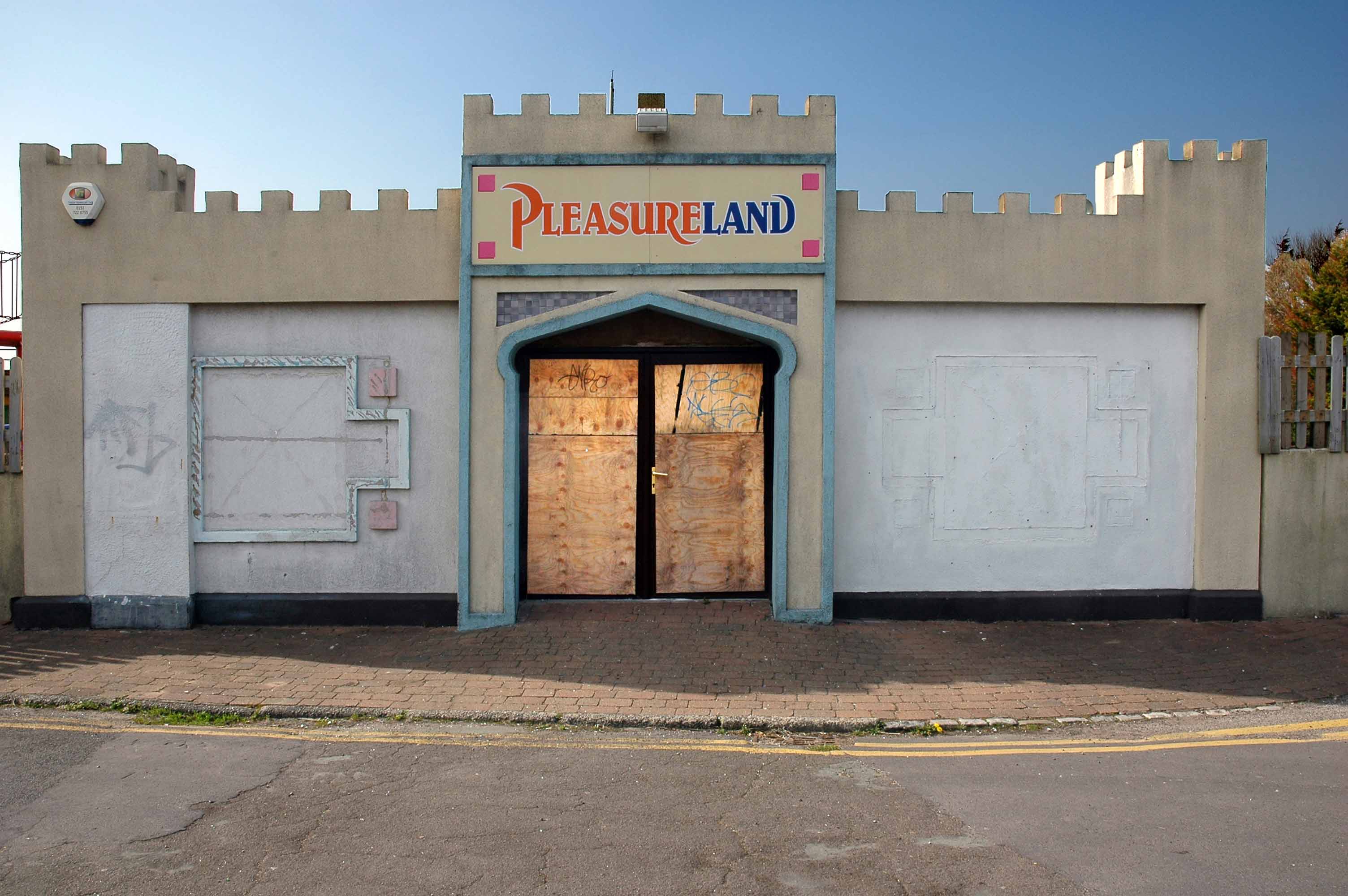
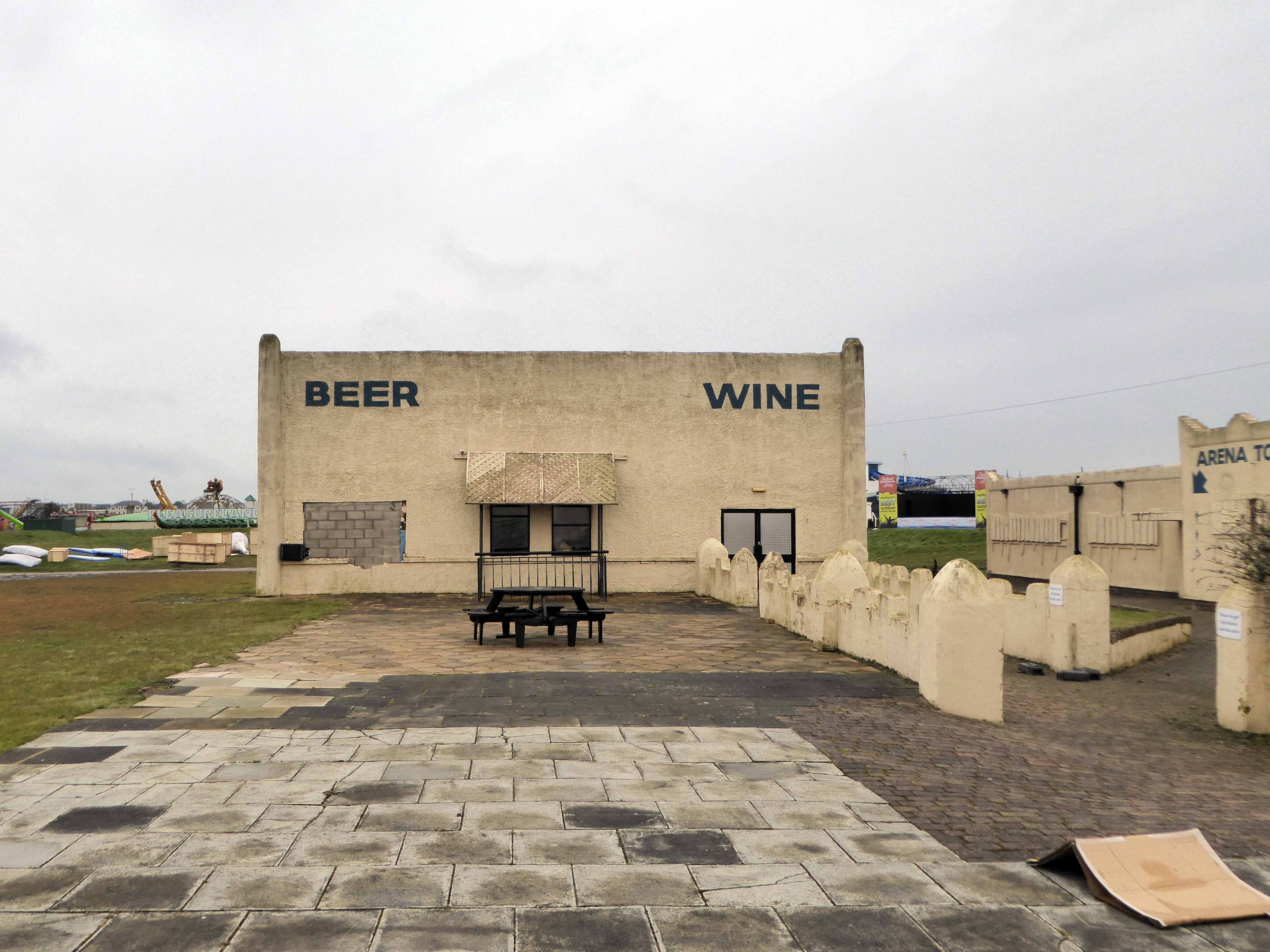
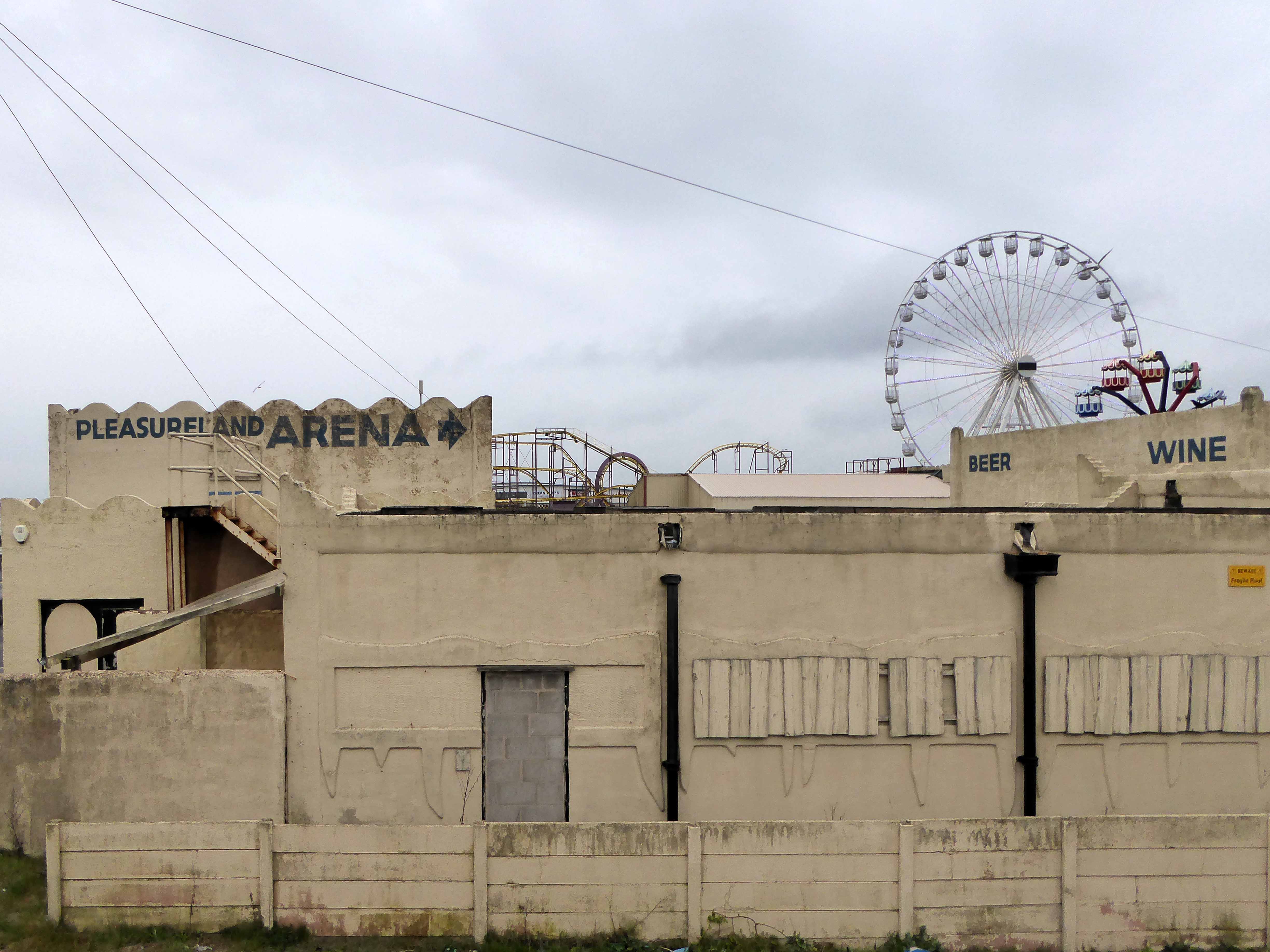
Pleasureland

“But now I have come to believe that the whole world is an enigma, a harmless enigma that is made terrible by our own mad attempt to interpret it as though it had an underlying truth.”

Umberto Eco

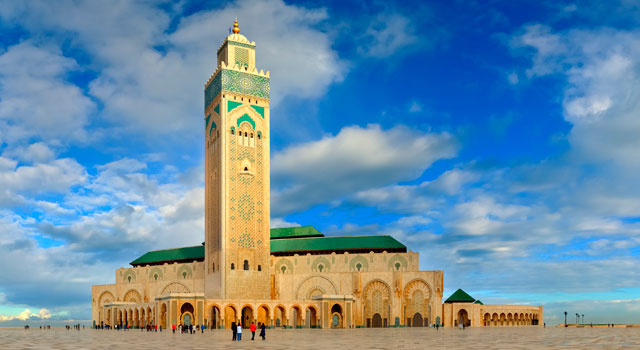
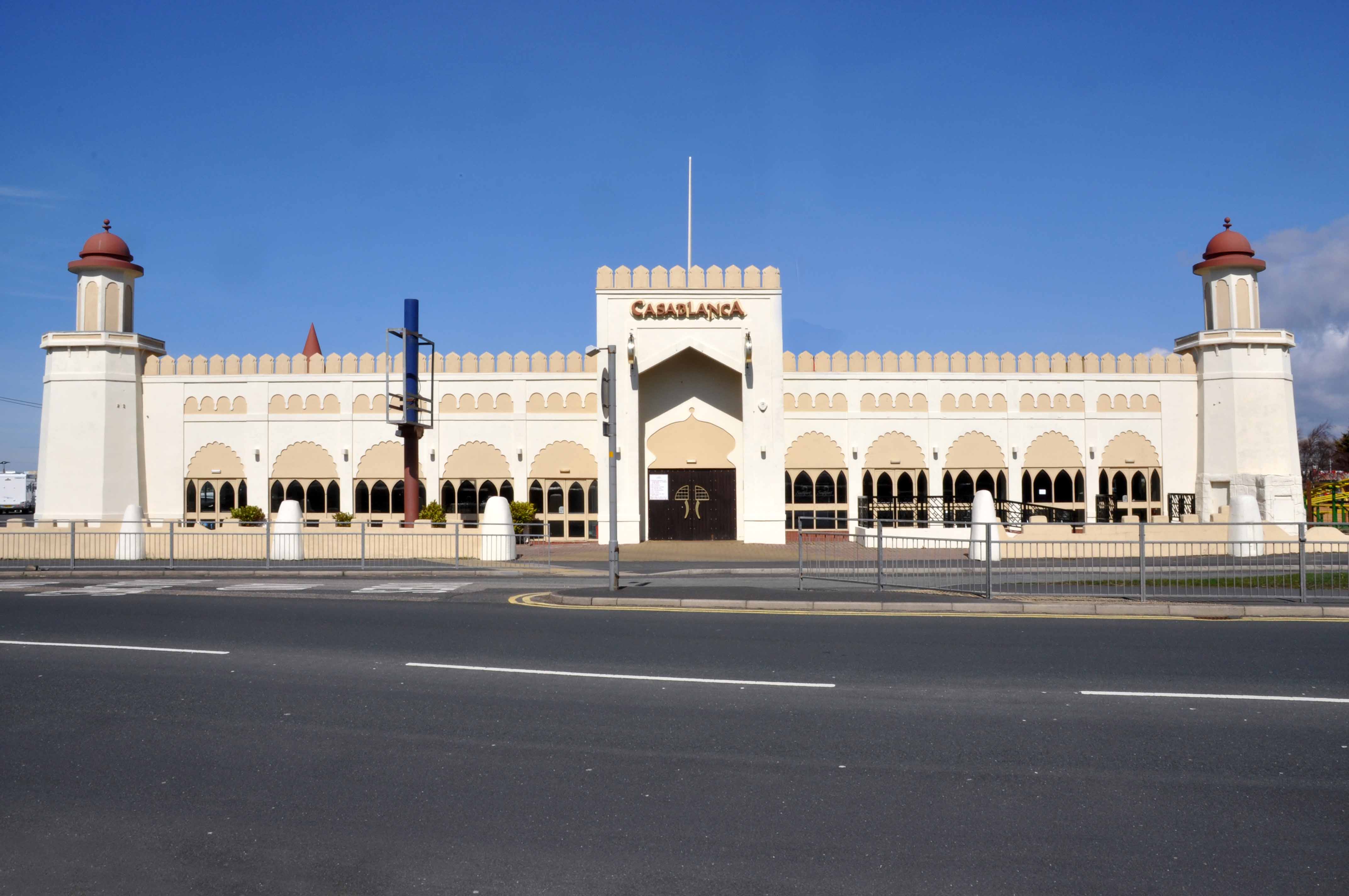
Somewhere between Las Vegas Nevada and Casablanca Morocco lies Southport.

Somewhere in Southport lies Pleasureland.

Separated by oceans and oceans of artifice.

A puzzle wrapped in a riddle, wrapped in an enigma, wrapped in a wind blown fish and chip paper, tipped lazily onto the edge of Lancashire.

The seaside itself an invention of the railways, and an expanding leisured class.

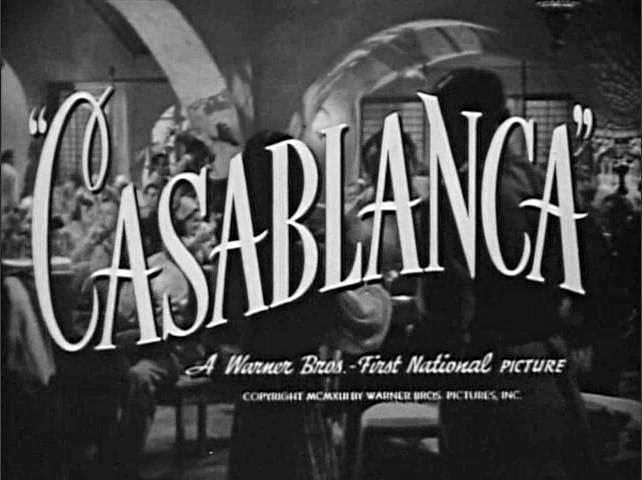
To begin in the middle, the Hollywood cinema creates an Orientalist mythology around Morocco. A confection of exotic confinement, conspiratorial glances and romance.

Who are you really, and what were you before?

What did you do and what did you think, huh? 

We said no questions. 

Here’s looking at you, kid.

Casablanca,_title

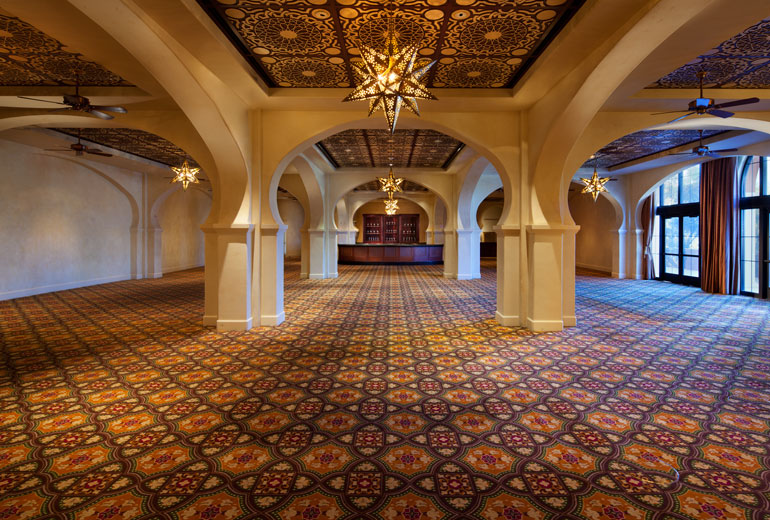
Which in turn becomes parody of itself, constructing an airport that apes its own constructed image, a brash reflection in an eternally wonky mirage of a mirror.

casablanca-mosque-hassan-ii

The same mirror that reflects across the Atlantic, to that cap it all capital of Kitsch.

img13228702

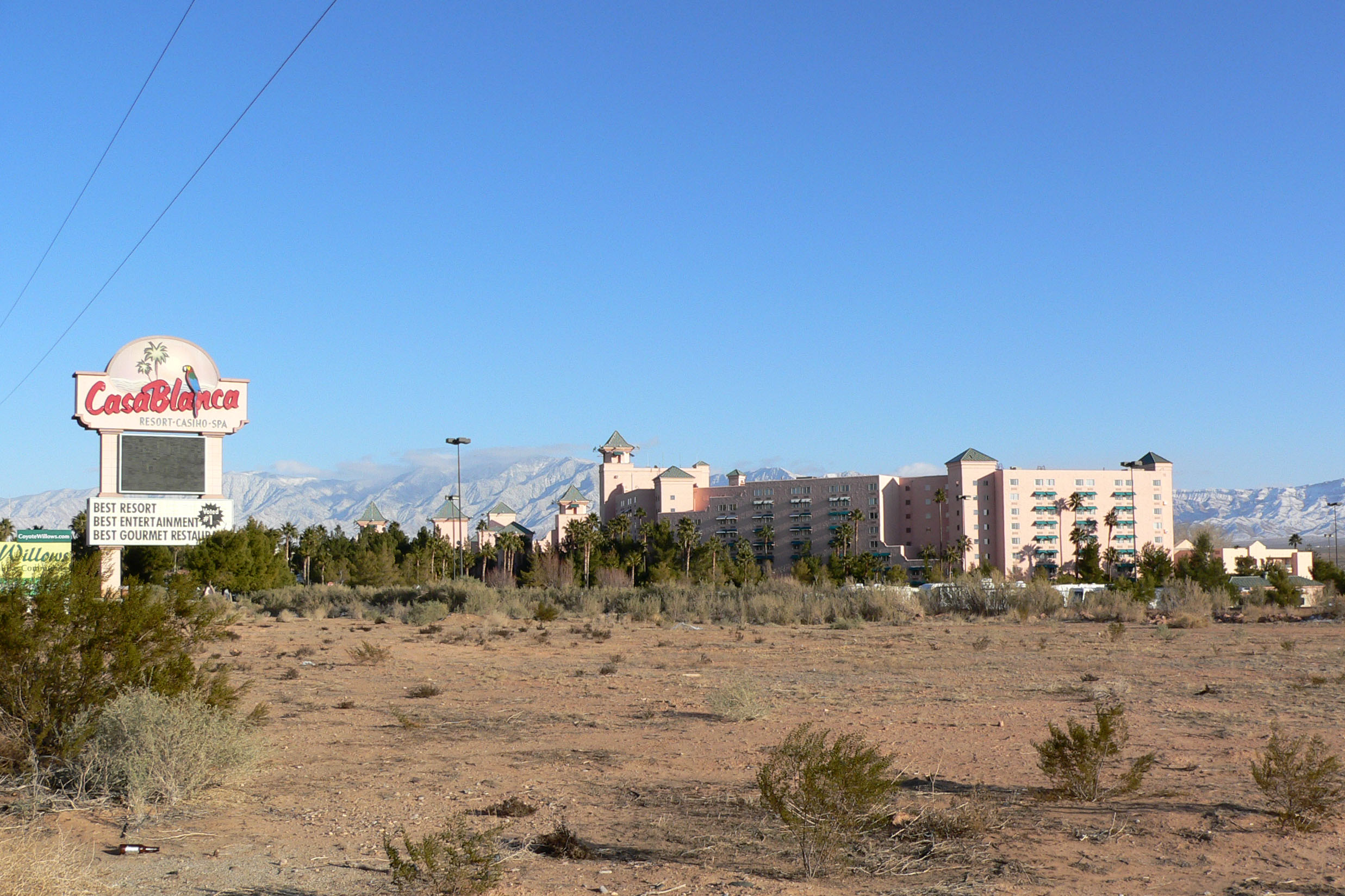
A veritable smorgasbord of visual treats and retreats in Mesquite Nevada.

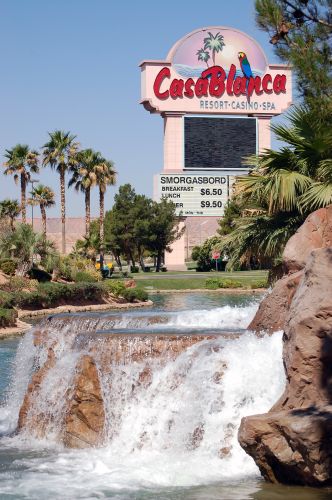
CasaBlanca_Resort_Casino_1

Or the Casablanca Ballroom Westin Lake Hotel – Las Vegas.

wes3786br.144830_xx

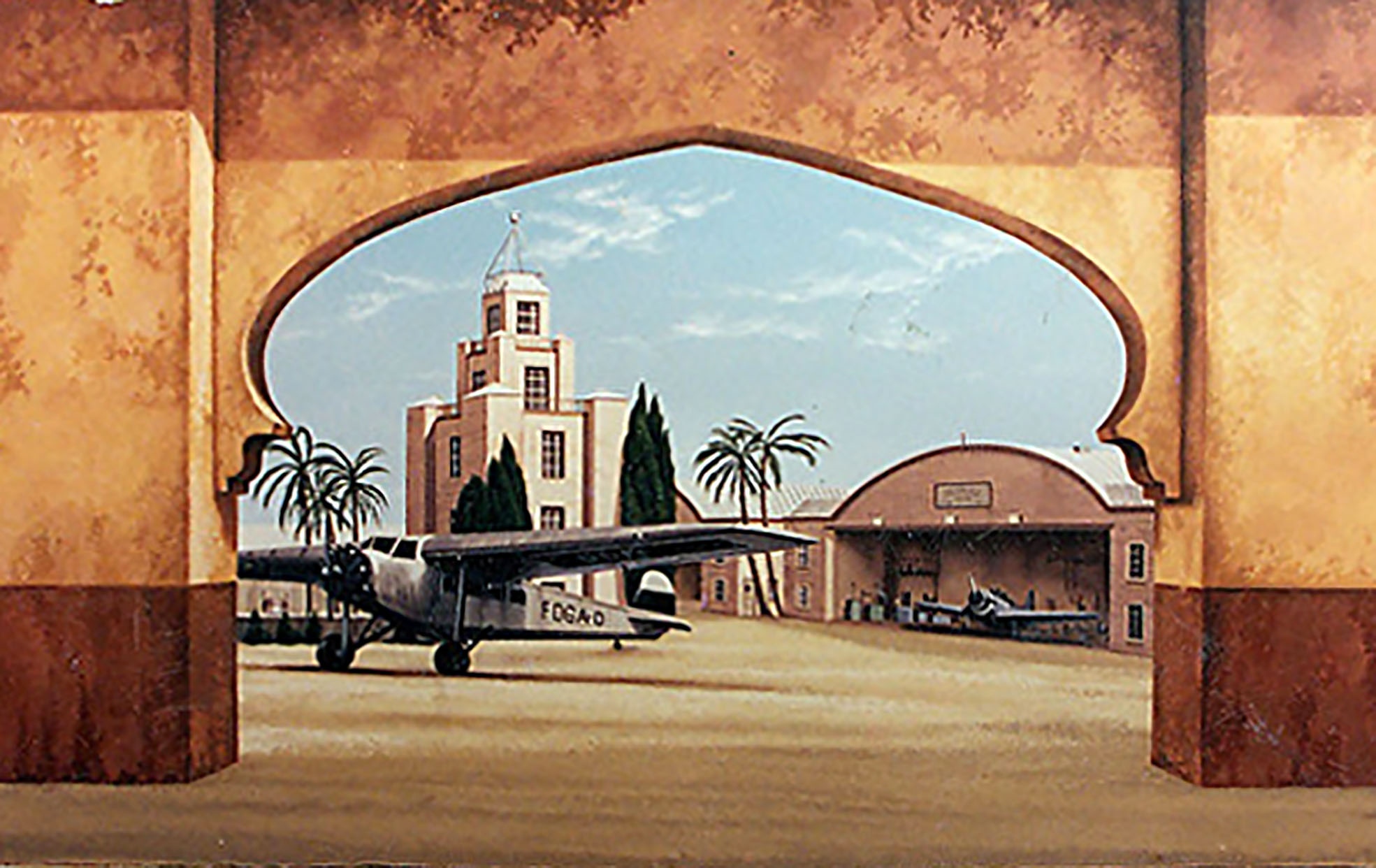
Flying home to the Warner Brothers Stage 16 Restaurant

casablanca-backing-for-stage-16-resturant-las-vegas

Or indeed Southport.

DSC_0068 copy

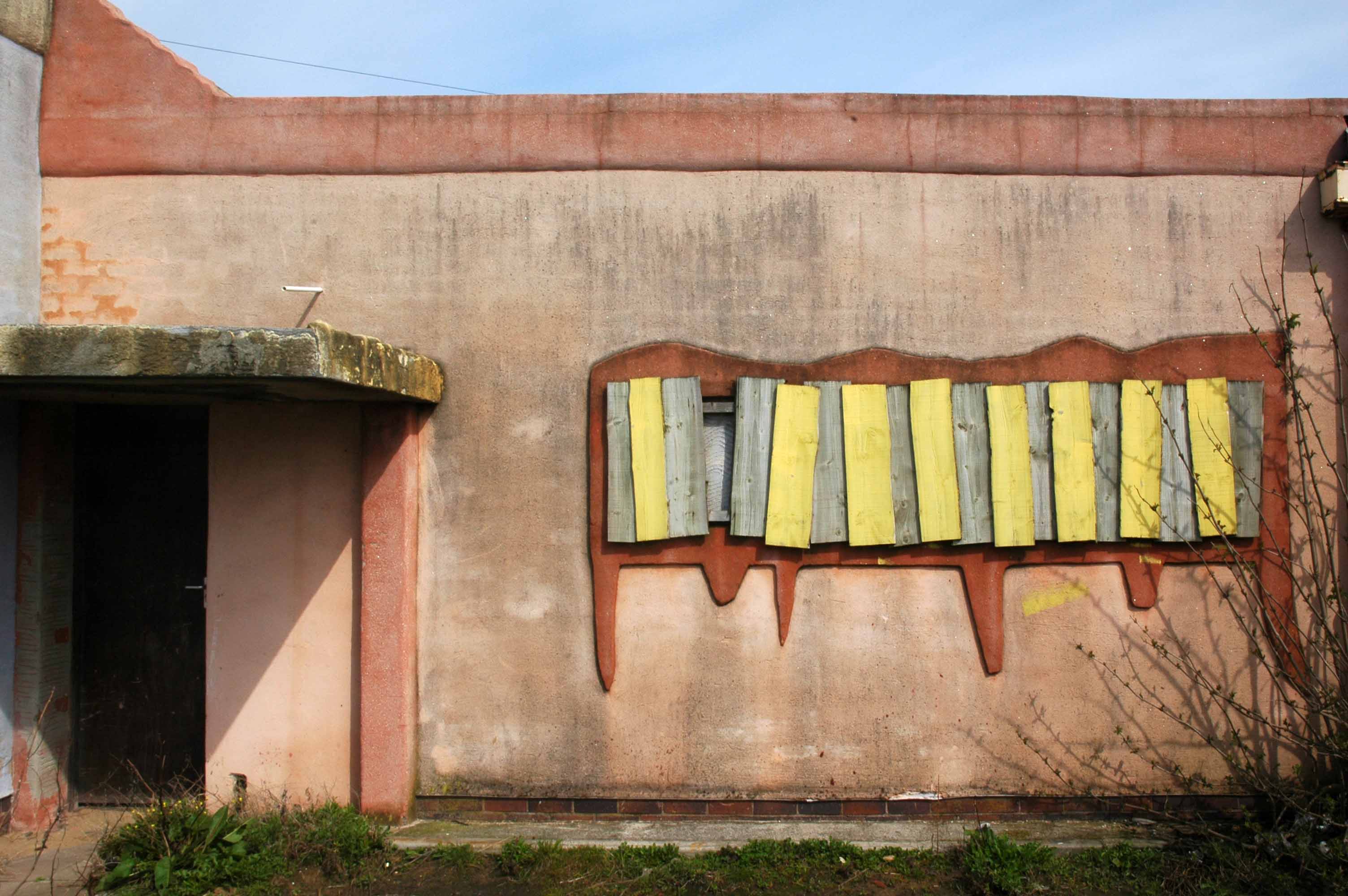
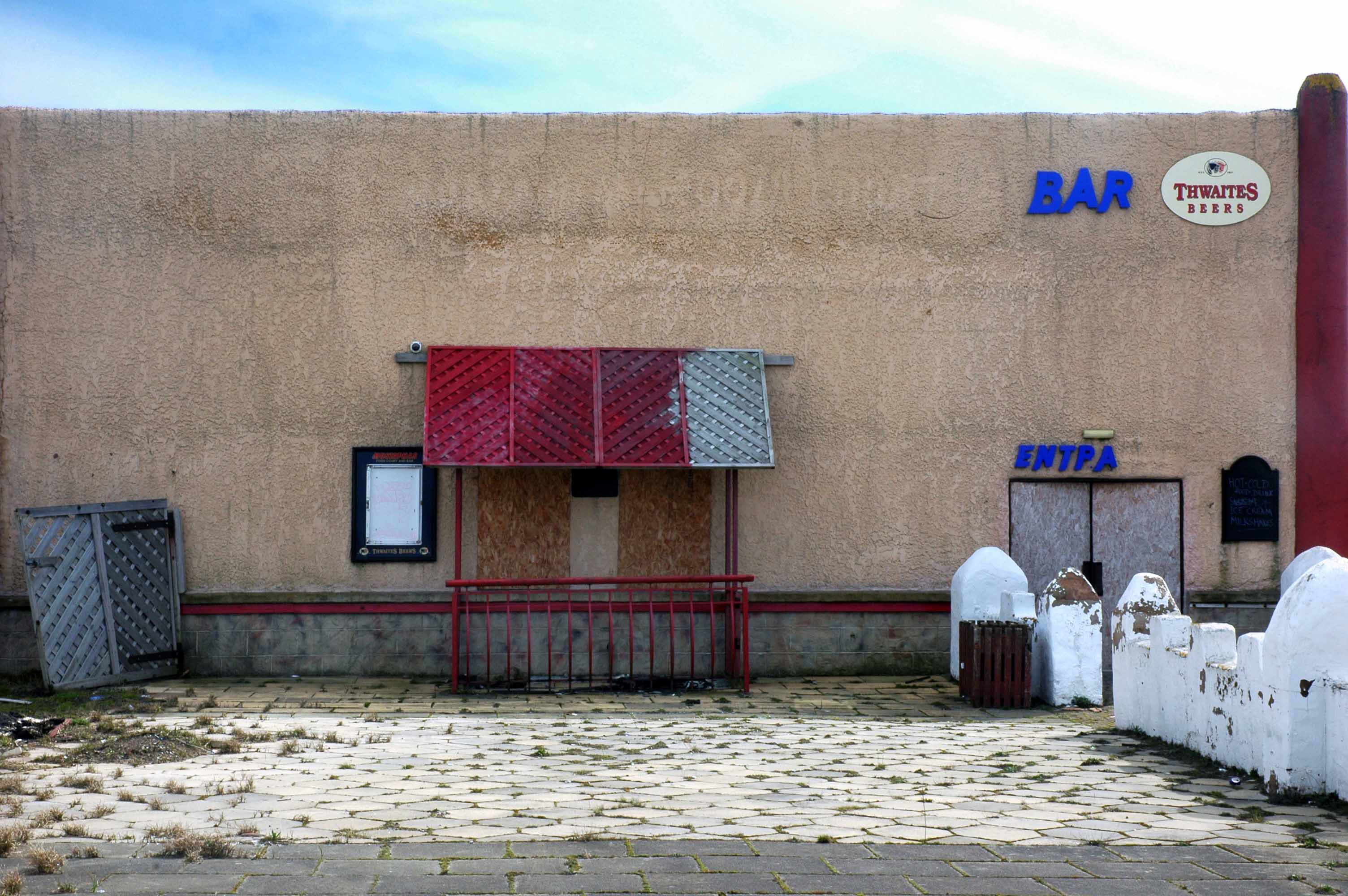
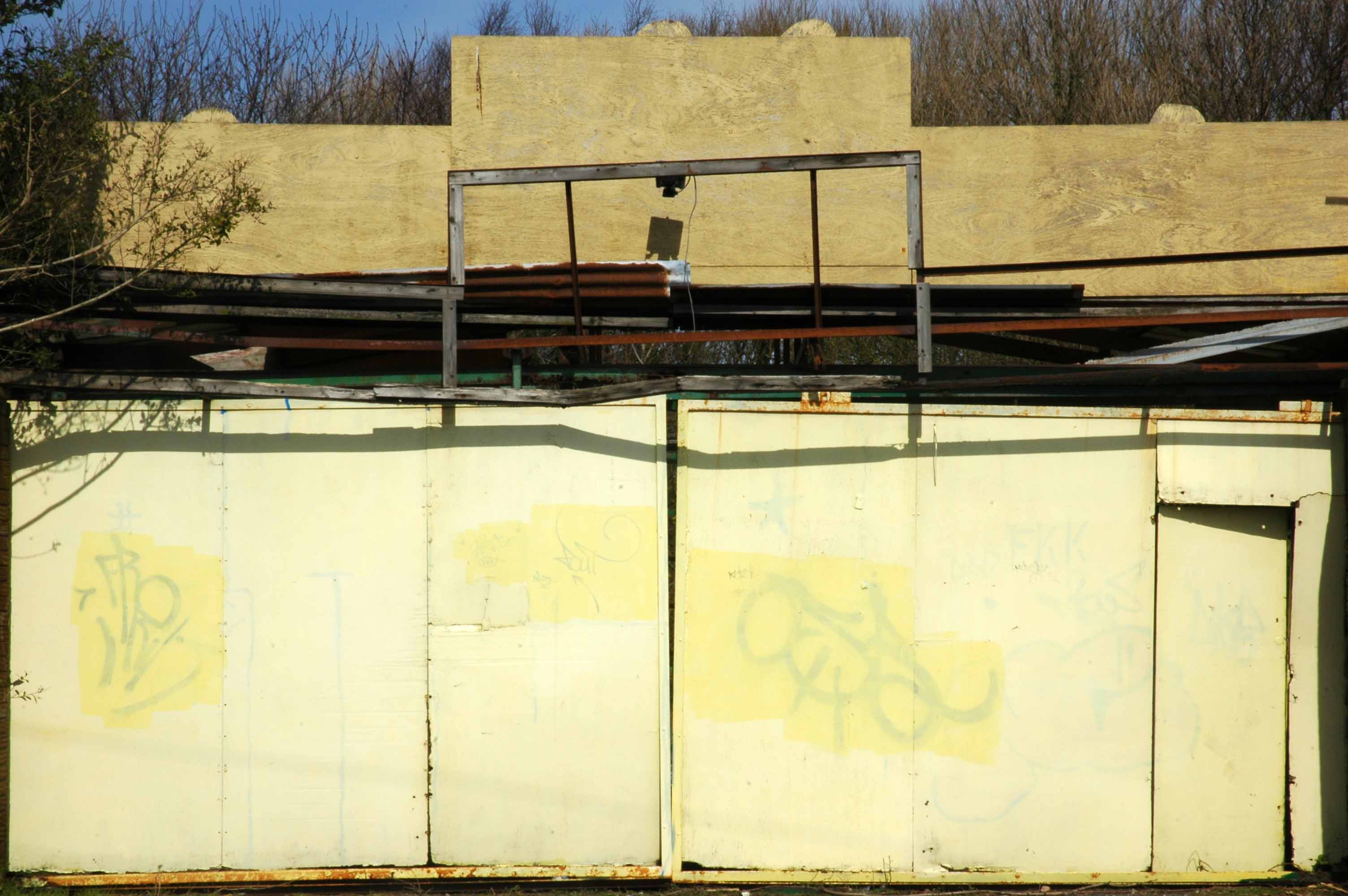
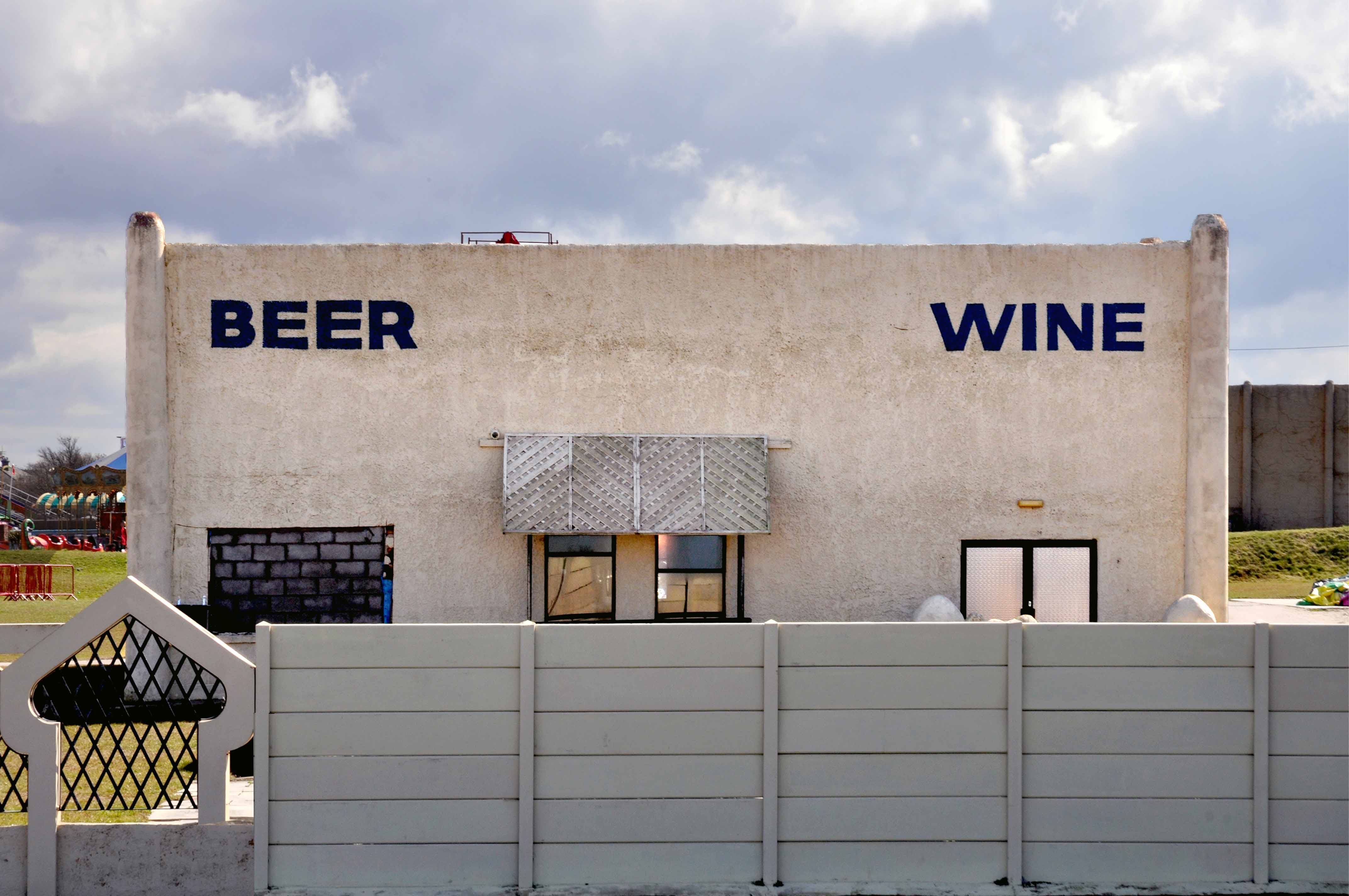
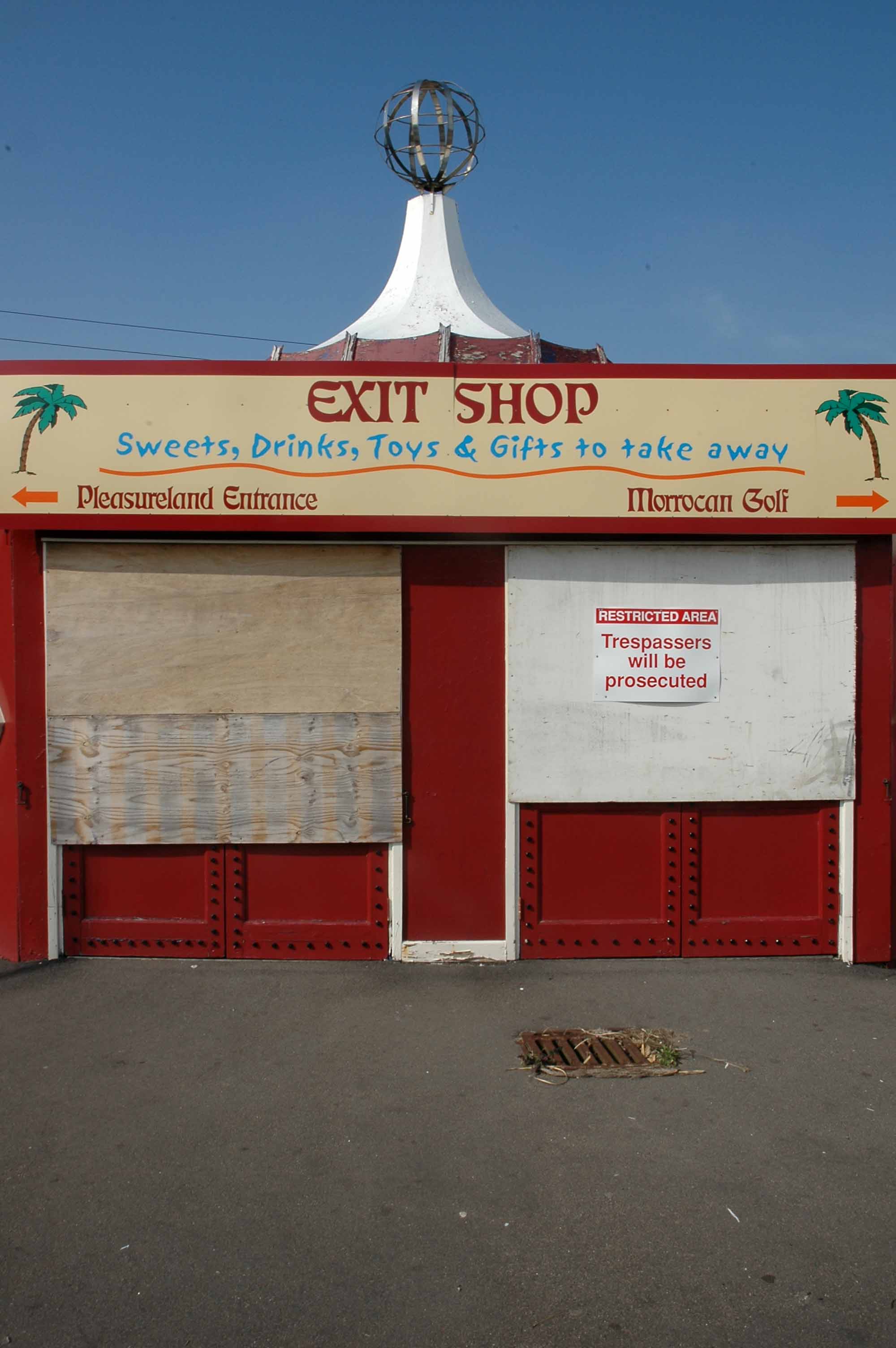
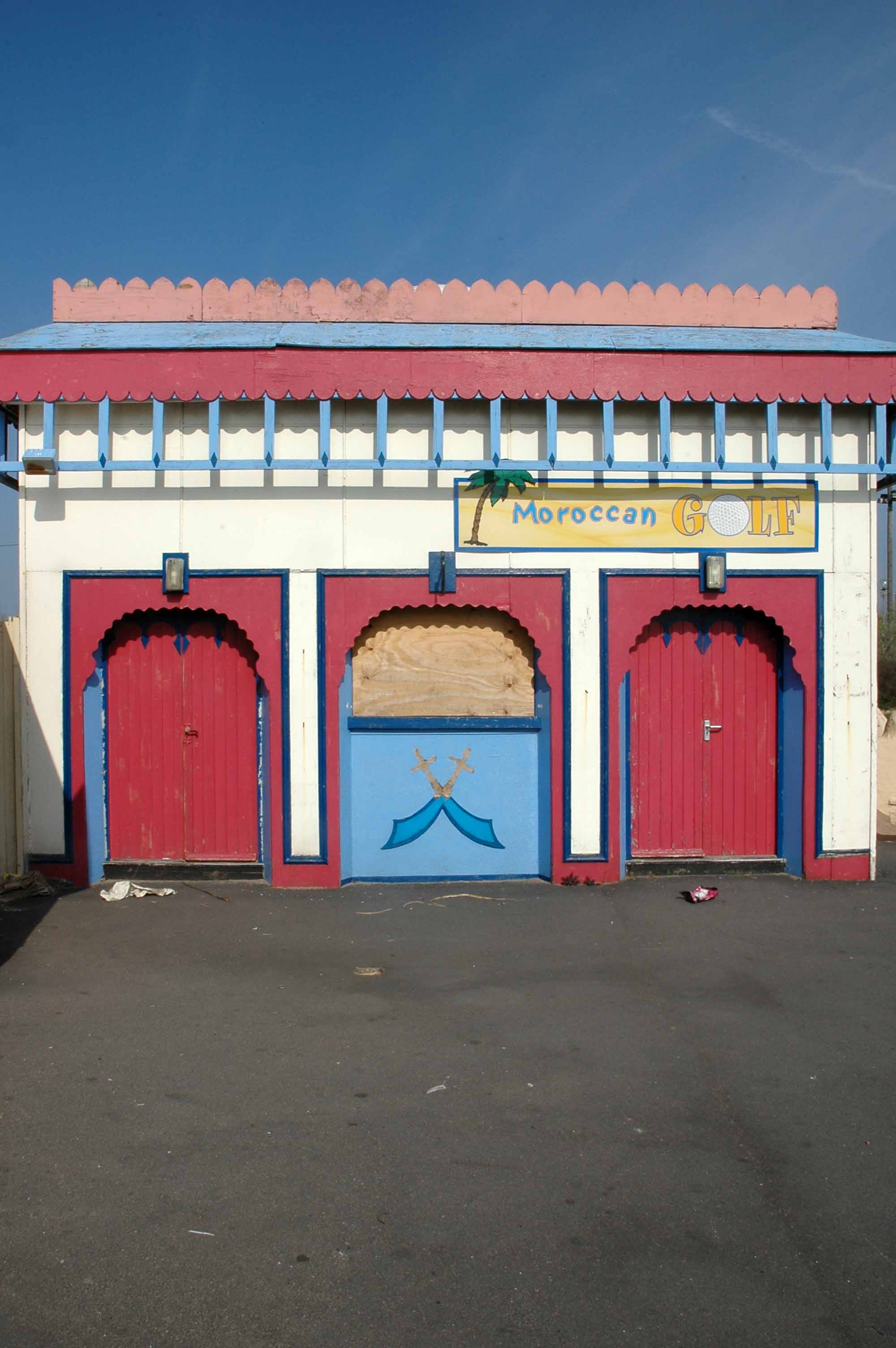
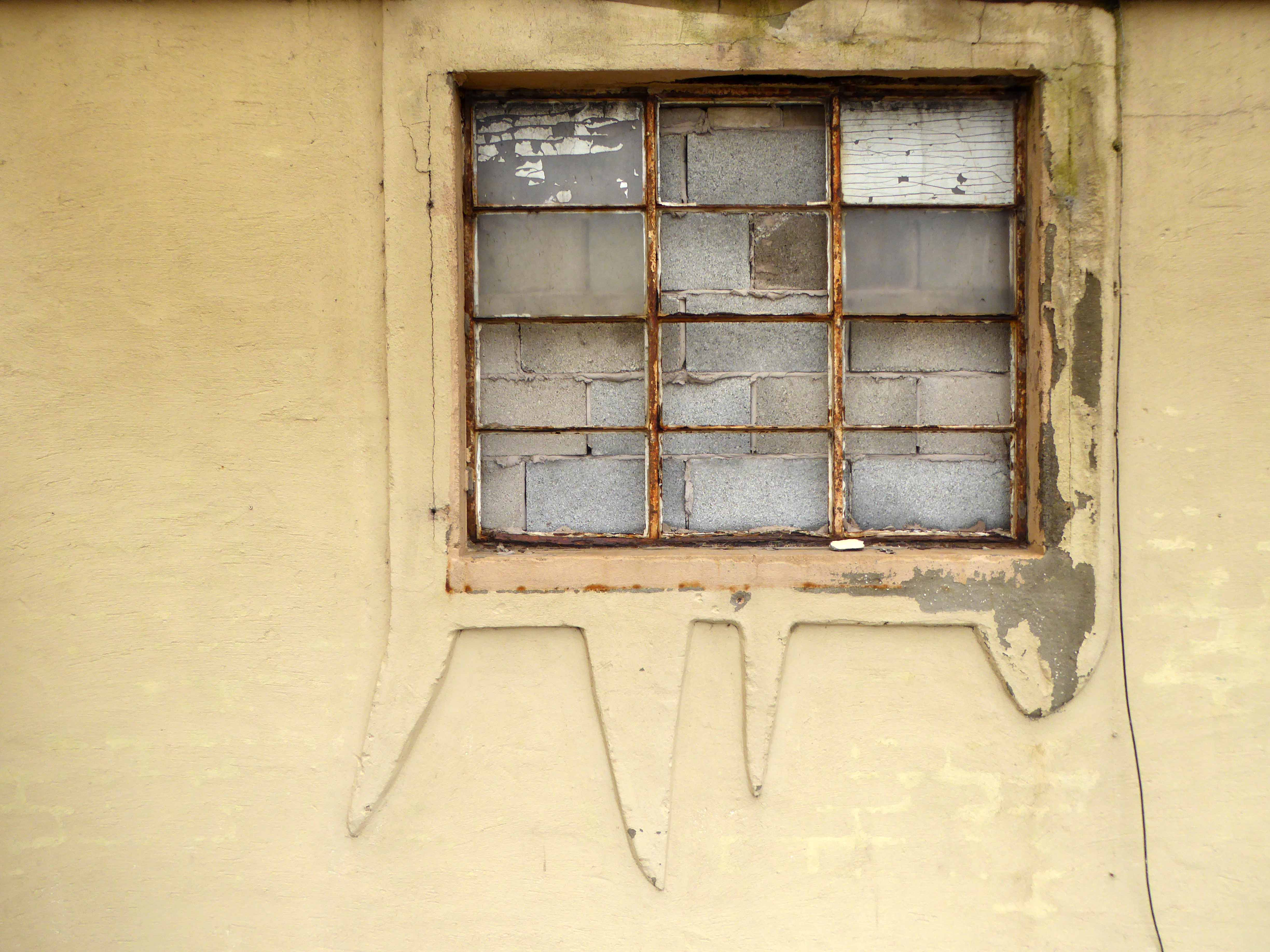
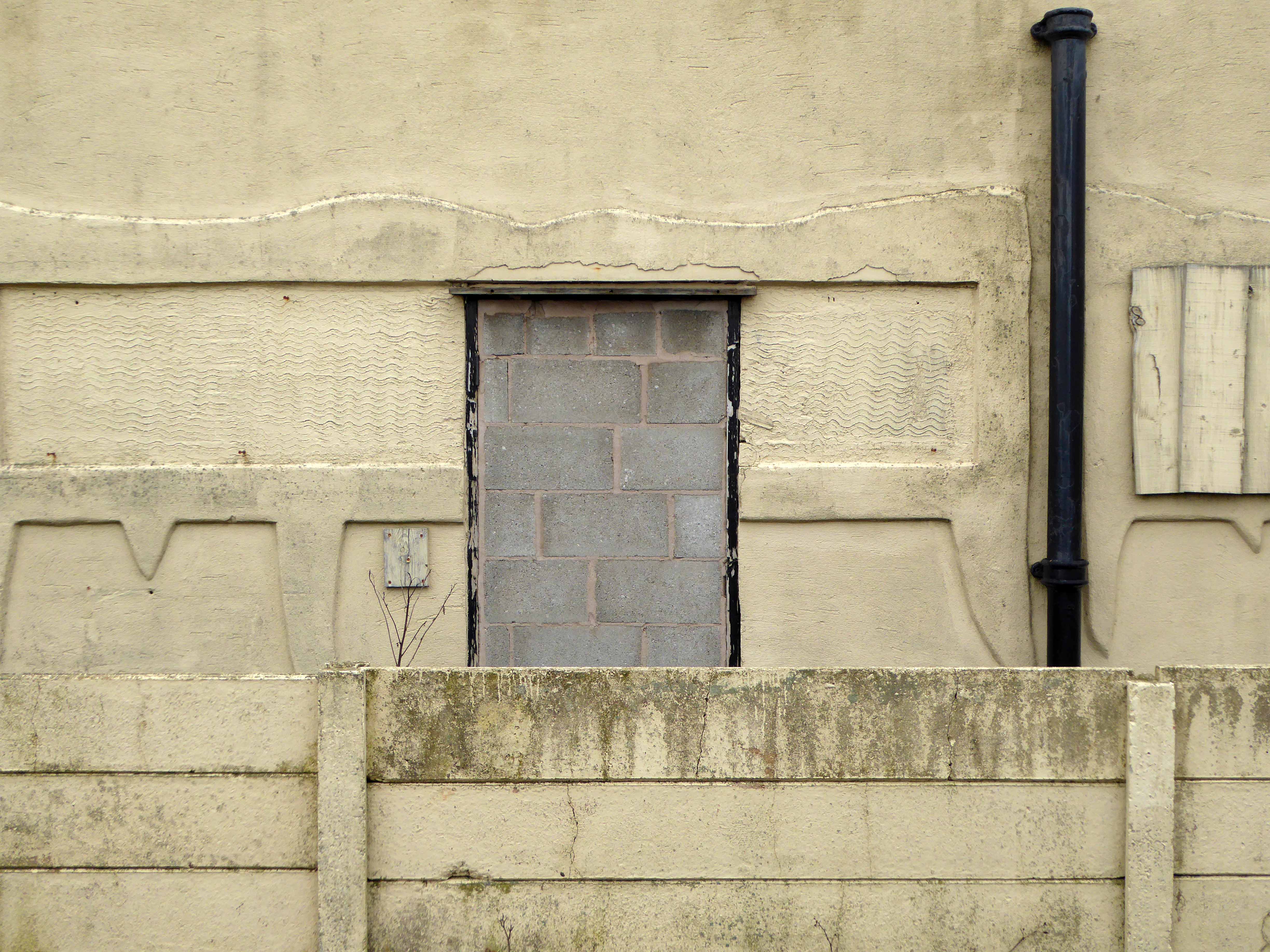
2011 – I had my first close up and personal encounter with the wood frame, chicken wire and faux adobe render rendering of North Africa, on the coast of North West England. It was in a state of semi-advanced neglect, an extraordinary experience. Pleasureland had already faked it’s own demise, a pre-boarded up, boarded up frontier town.

DSC_0065 copy

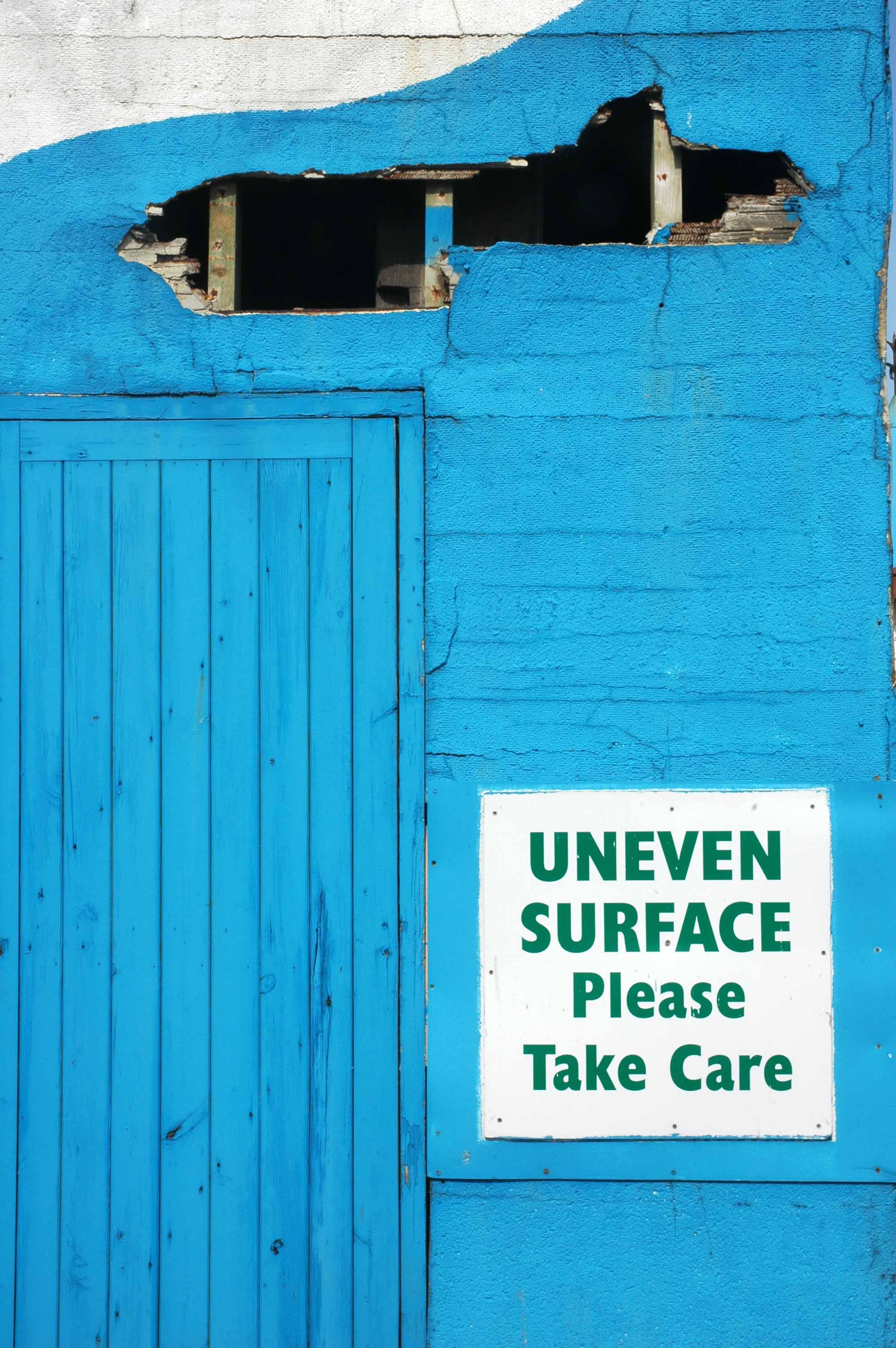
Where the edges of meaning are blurred beyond belief, take care.

We are dealing with uneven surfaces.

DSC_0070 copy

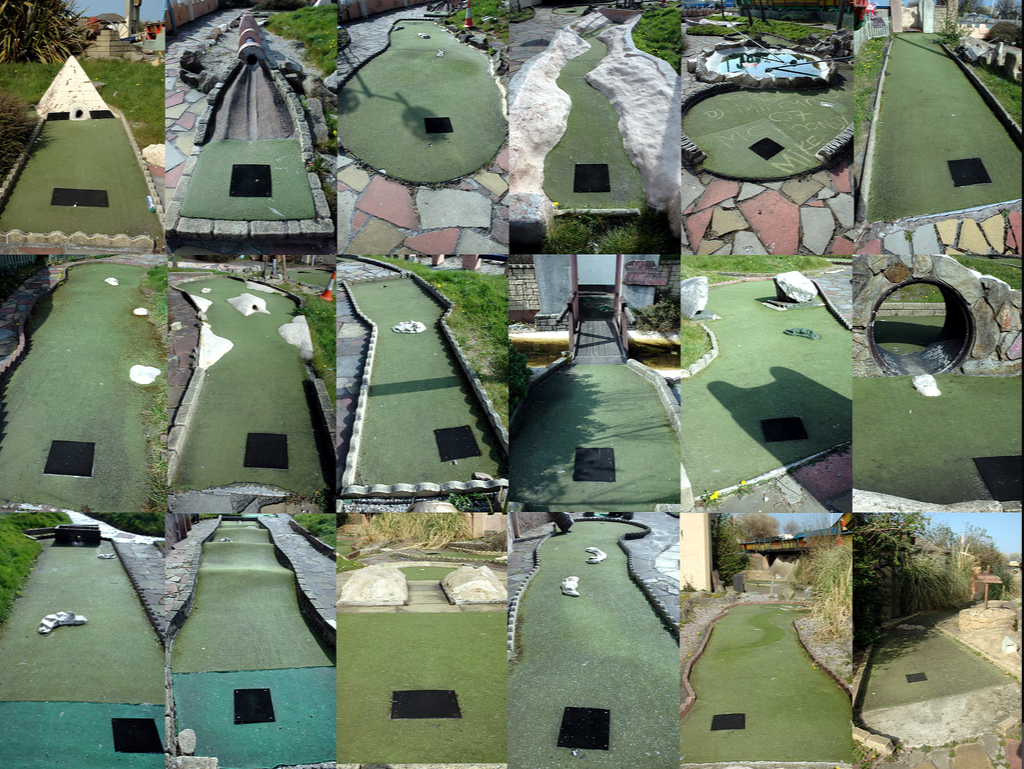
Who could resist a Moroccan themed crazy golf course?

You are now entering a Scoobidoo-esque scenario, where the mask is never finally removed, nothing is revealed.

Screen Shot 2016-04-29 at 12.58.53

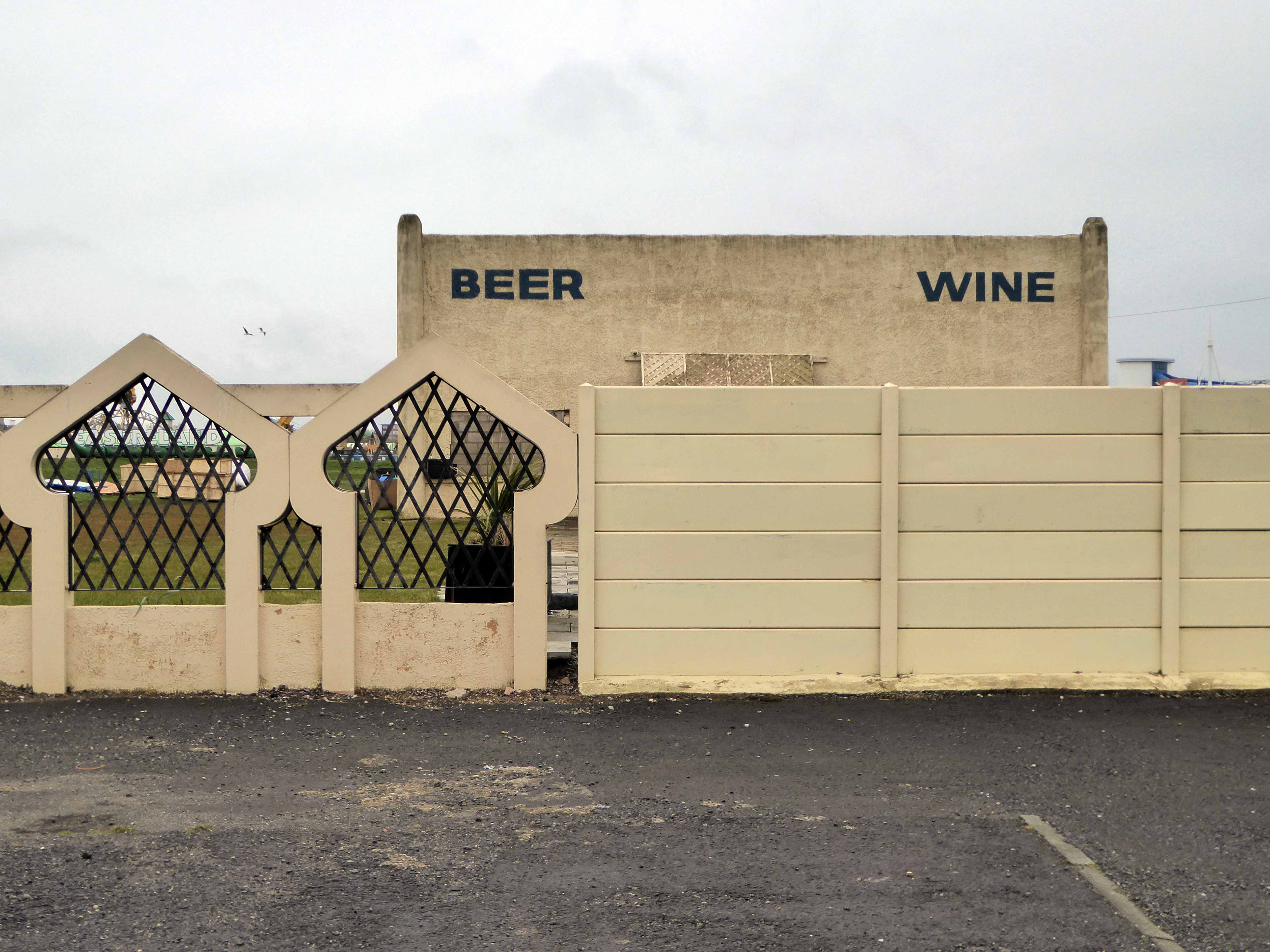
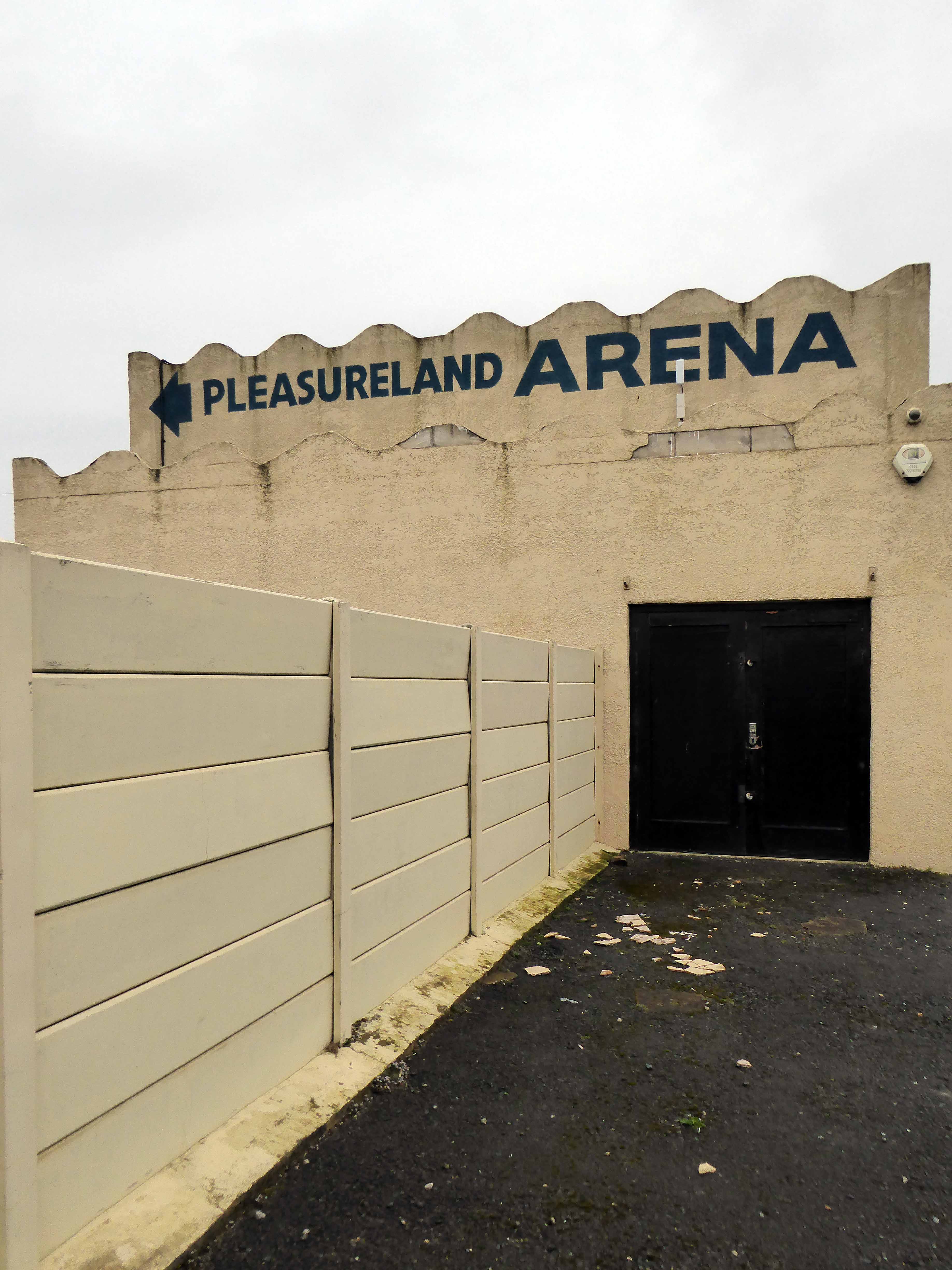
2016 – I returned, the world had turned a revival was in part taking place, some of the pleasure returned to Pleasureland, whilst the seafront facing bars remained empty.

One man holds the key the glue, that bonds these distant lands.

The myth to end all myths.

DSC_0087 copy

For he is forever in his own orbit, omniscient.

DSC_0090 copy

Make the world go away
And get it off my shoulders
Say the things you used to say
And make the world go away

Pegwell Bay Hoverport

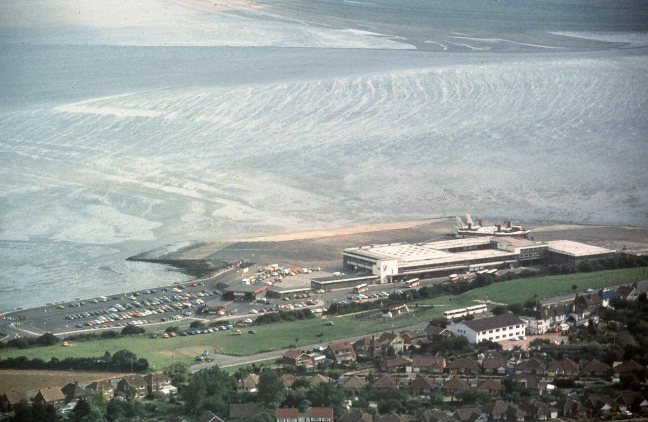
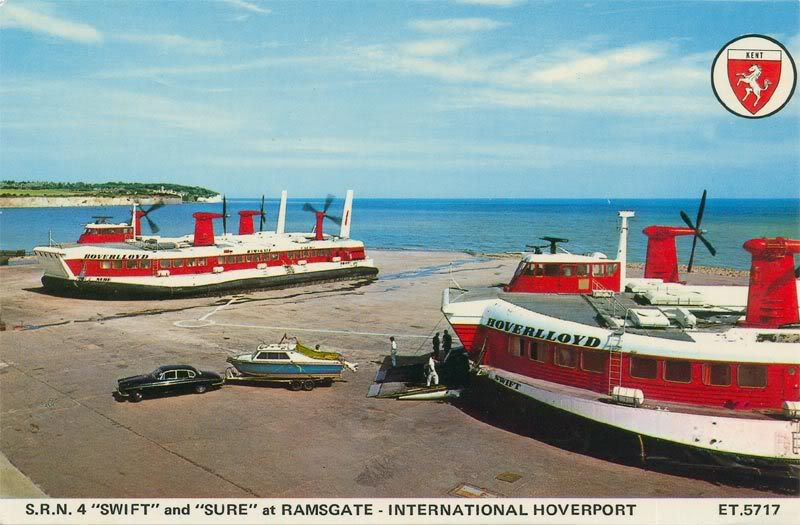
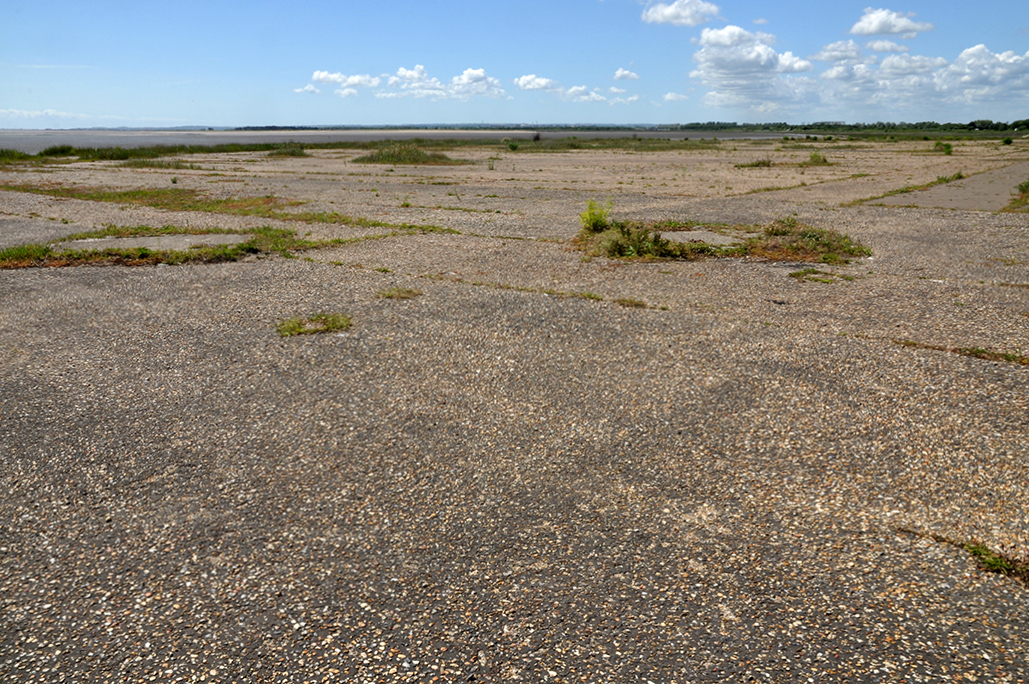
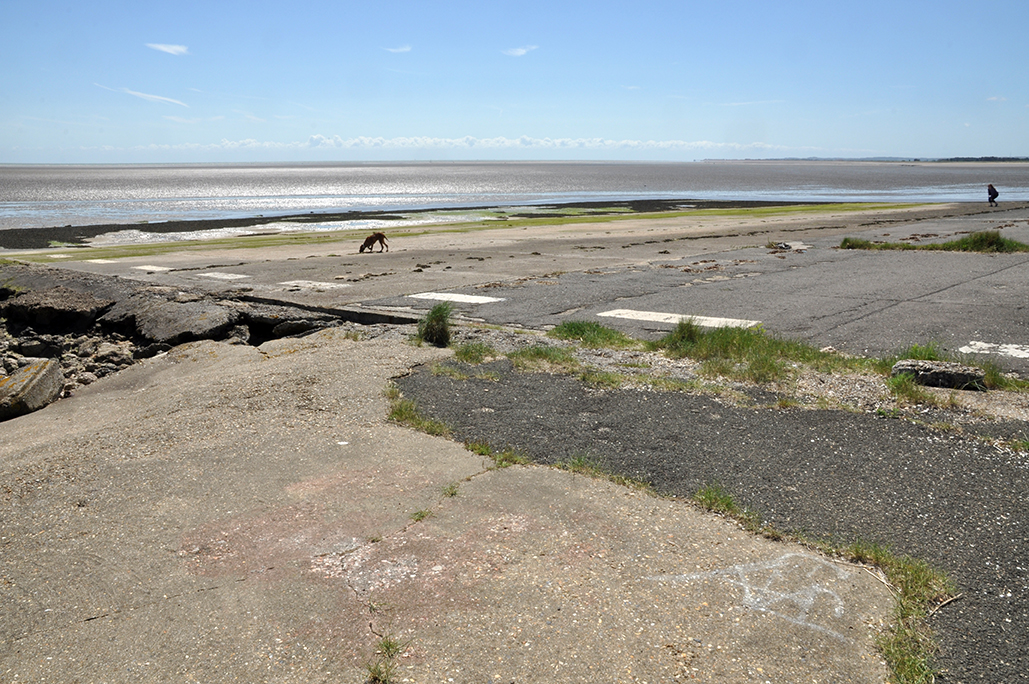
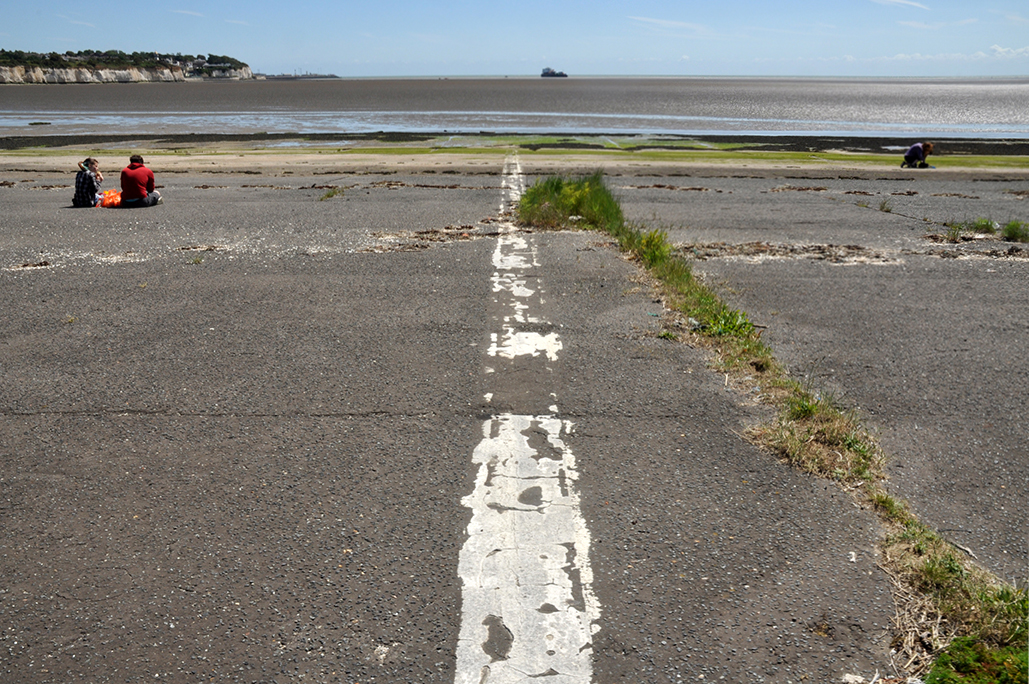
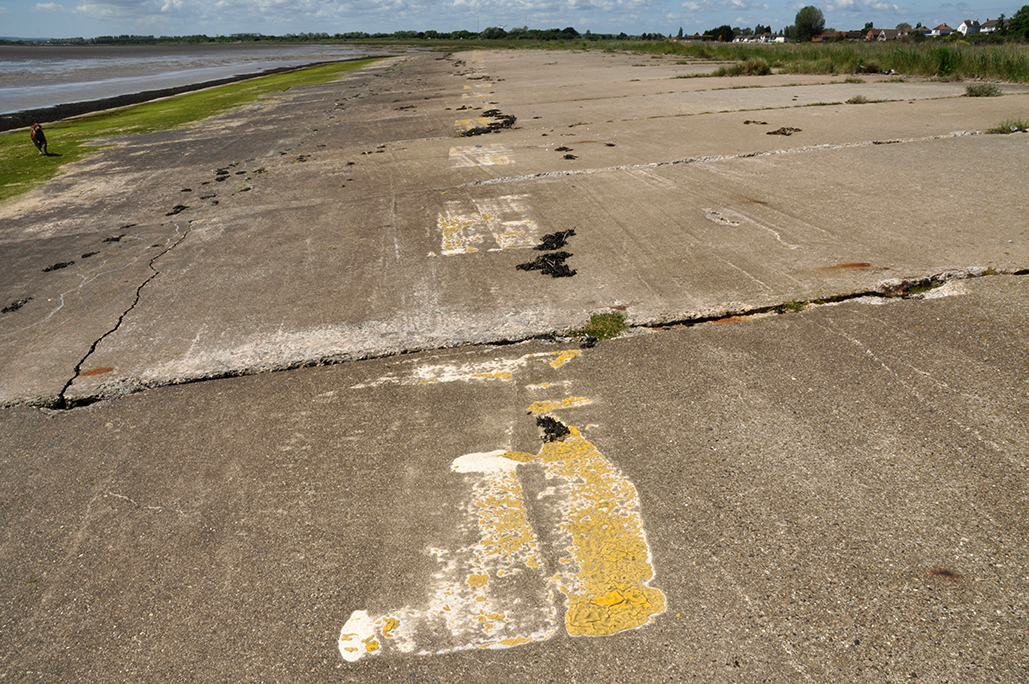
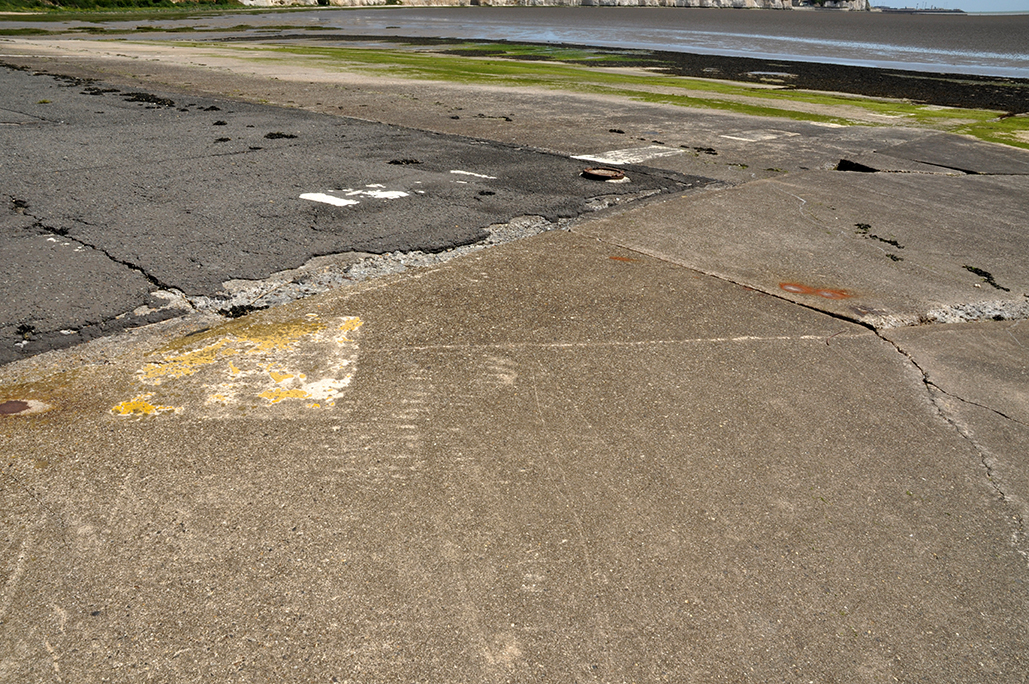
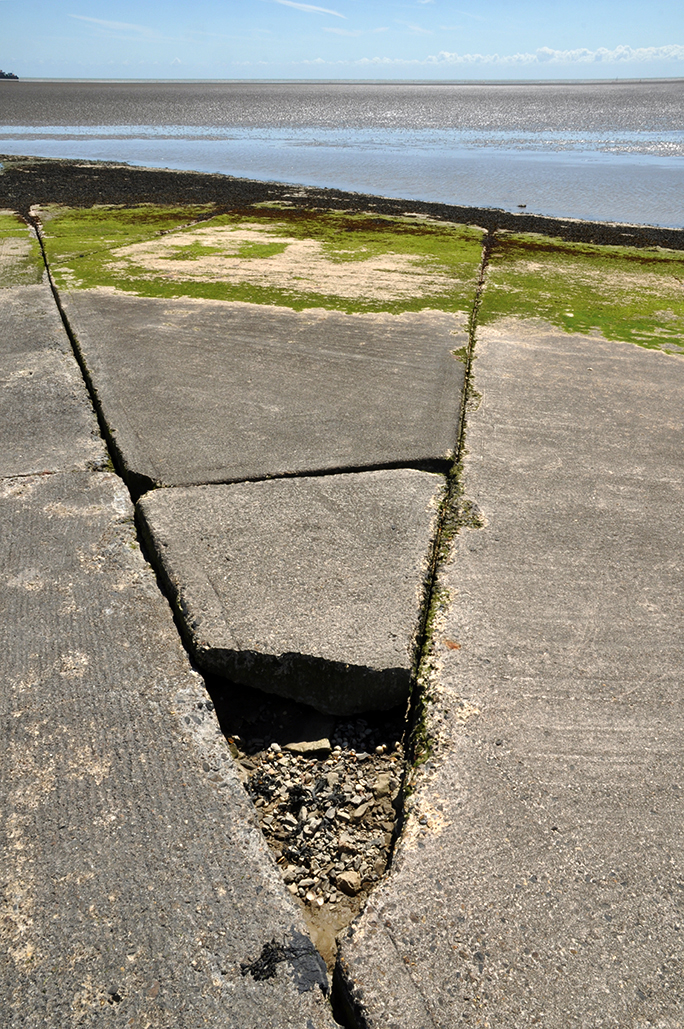
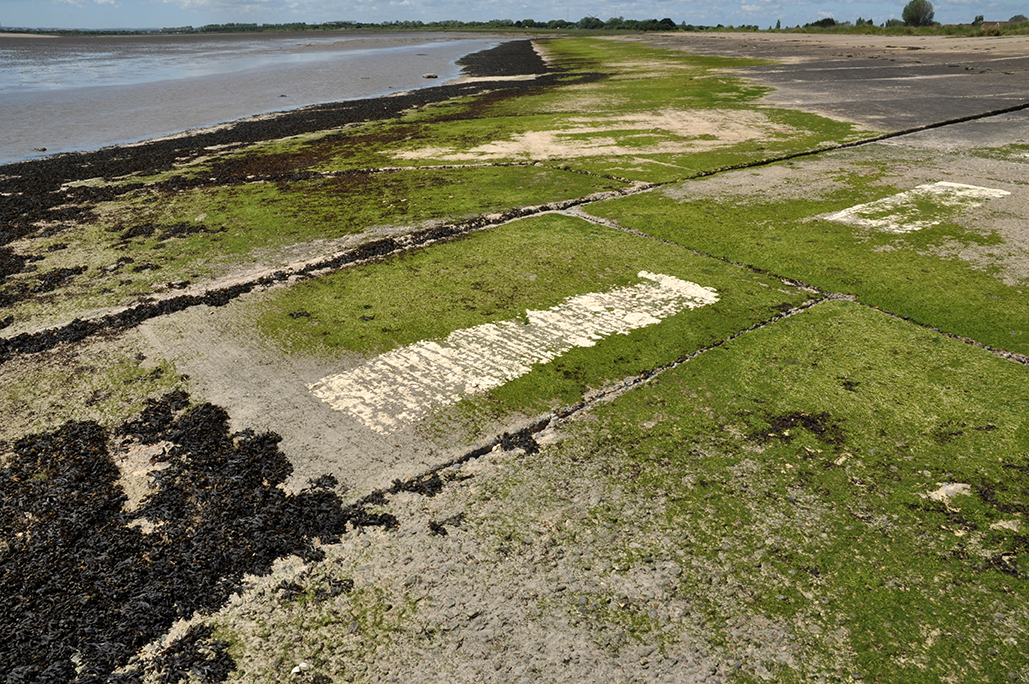
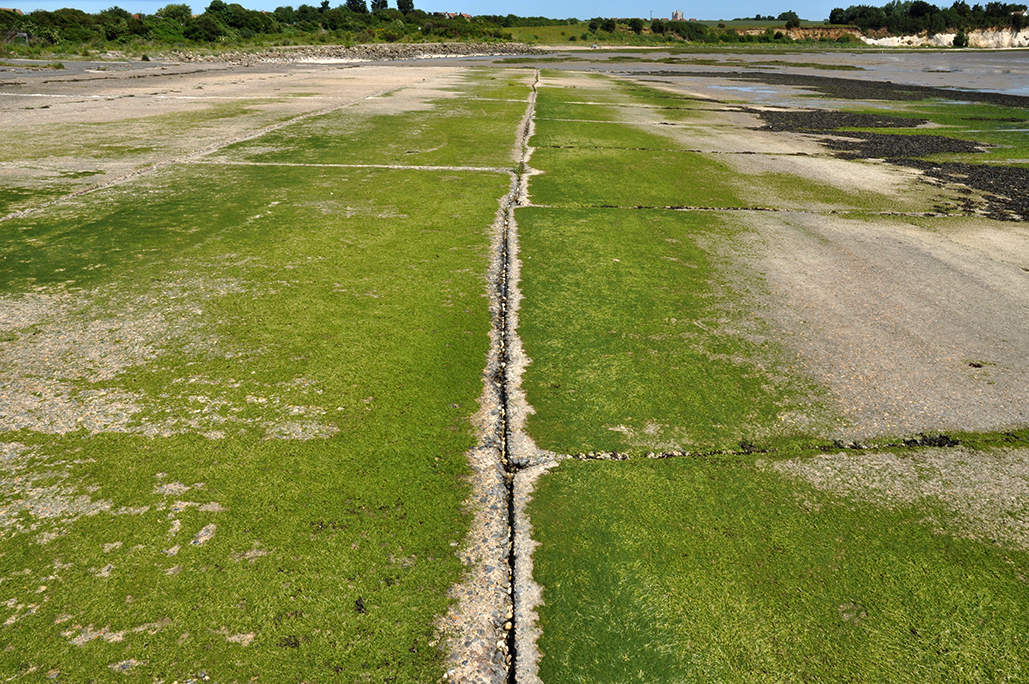
Once, for a very, very  long time indeed there was a shoreline, then sure enough, eventually there was a Hoverport – then there wasn’t.

Opened in 1969 just outside Ramsgate along the Kent coast, Hoverlloyd a Swedish owned company began a cross-channel hovercraft service to Calais.

Along came Prince Philip:

http://www.britishpathe.com/video/prince-philip-opens-hovercraft-at-ramsgate

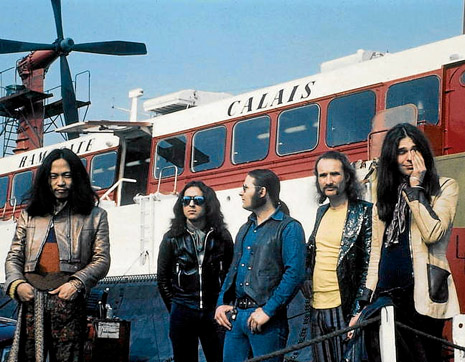
Can came:

germanrocknight0909141

And went:

lsrn49

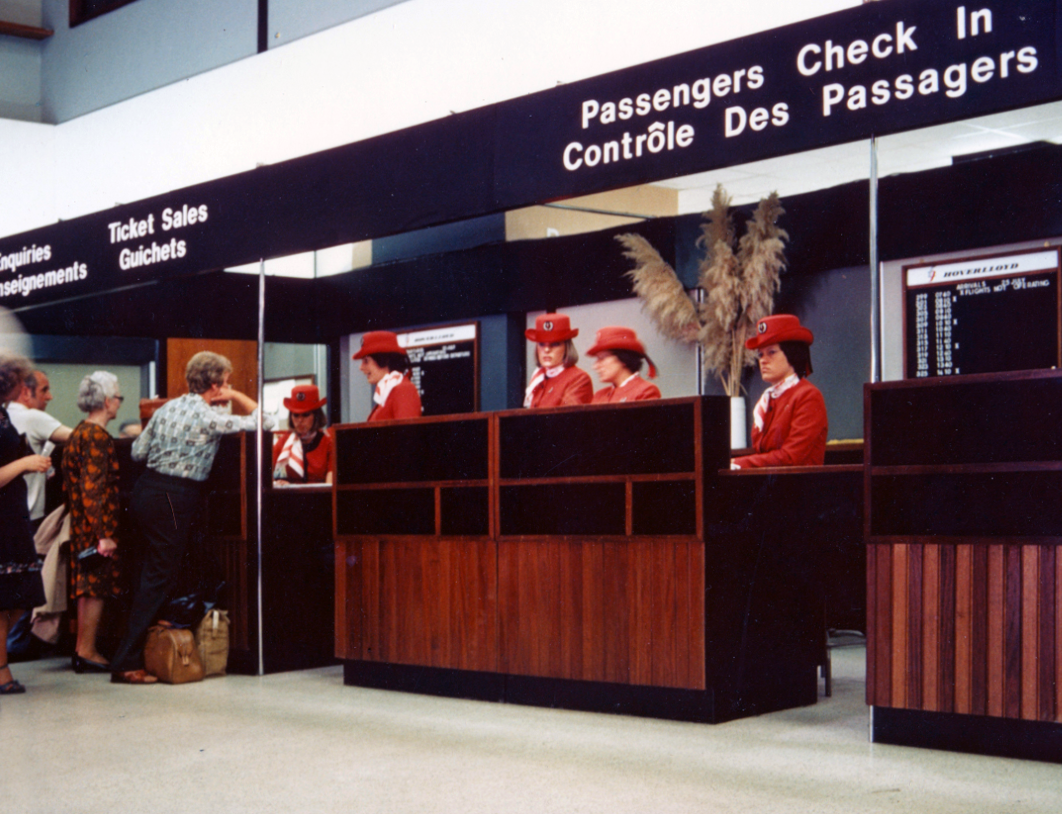
The passengers’ every need was attended to with alacrity and style.

“As a Stewardess your appearance was paramount, a beautician would come in during training to teach us how to apply make up.”


Screen Shot 2016-01-31 at 15.25.22


But it simply wasn’t enough.

The life of Christopher Cockerell’s bold British invention, was short and bumpy.

Genevieve Payne, a former stewardess:

“I remember the summer of 1979 as a year of really bad weather and rough seas.”

“I was working on a craft in a force 8, so on this day we were literally hitting the ceiling, passengers were throwing up everywhere.”

“One lady became hysterical I had to slap her to calm her down.”

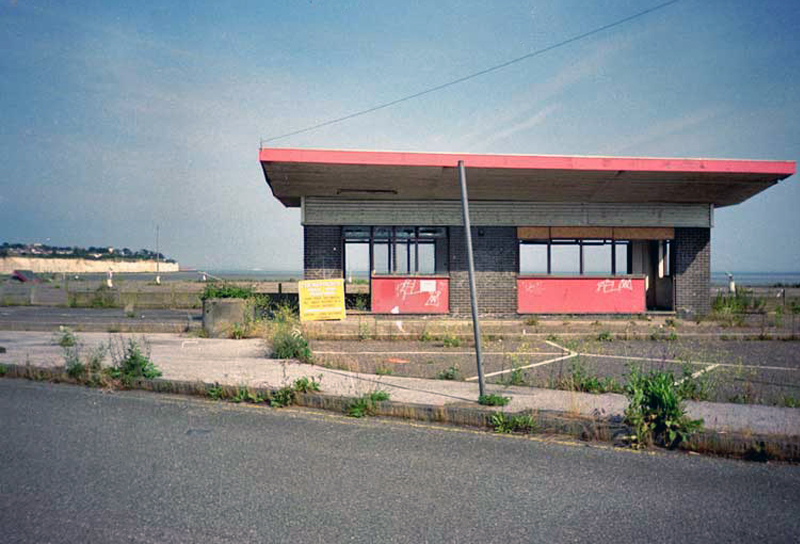
By the 1980’s Pegwell and the hovercraft were in terminal terminus decline.

ramsgate_hoverport_car-entrance-03

It’s a lot less bother without a hover.

ramsgate_hoverport_terminal-05

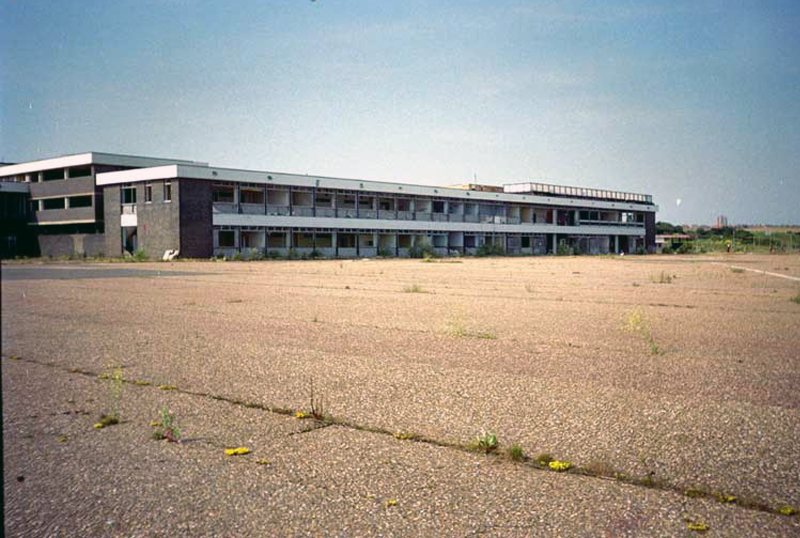
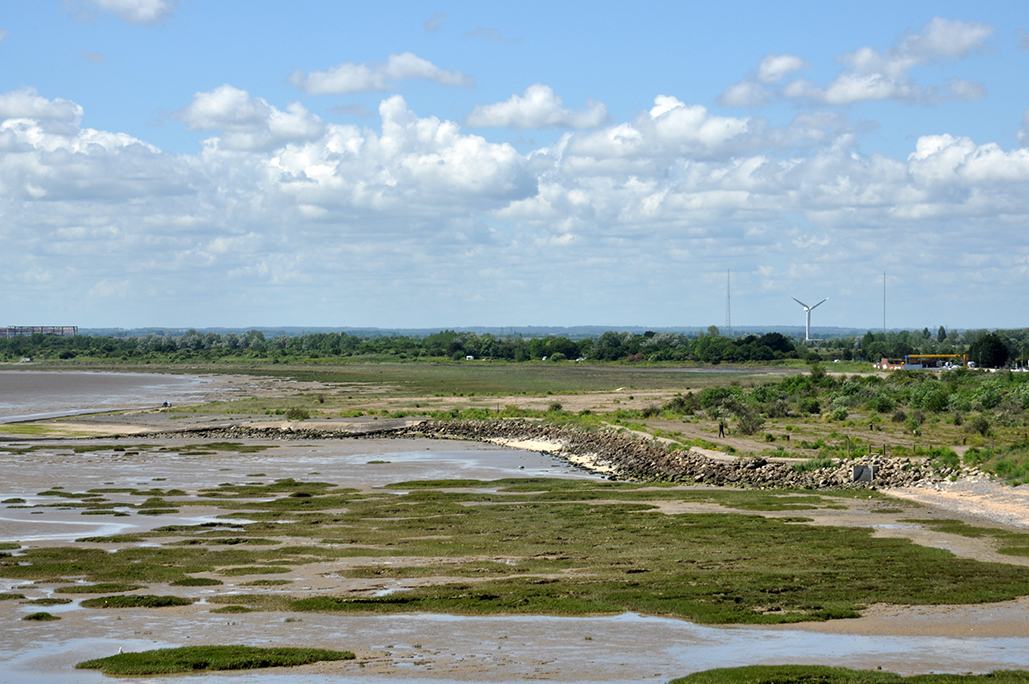
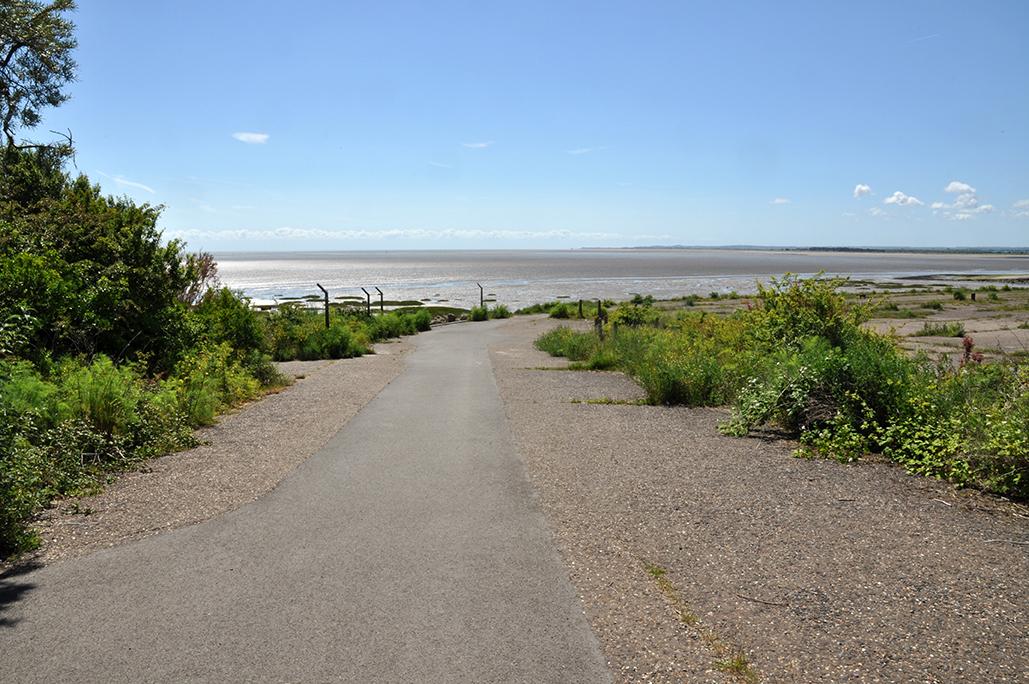
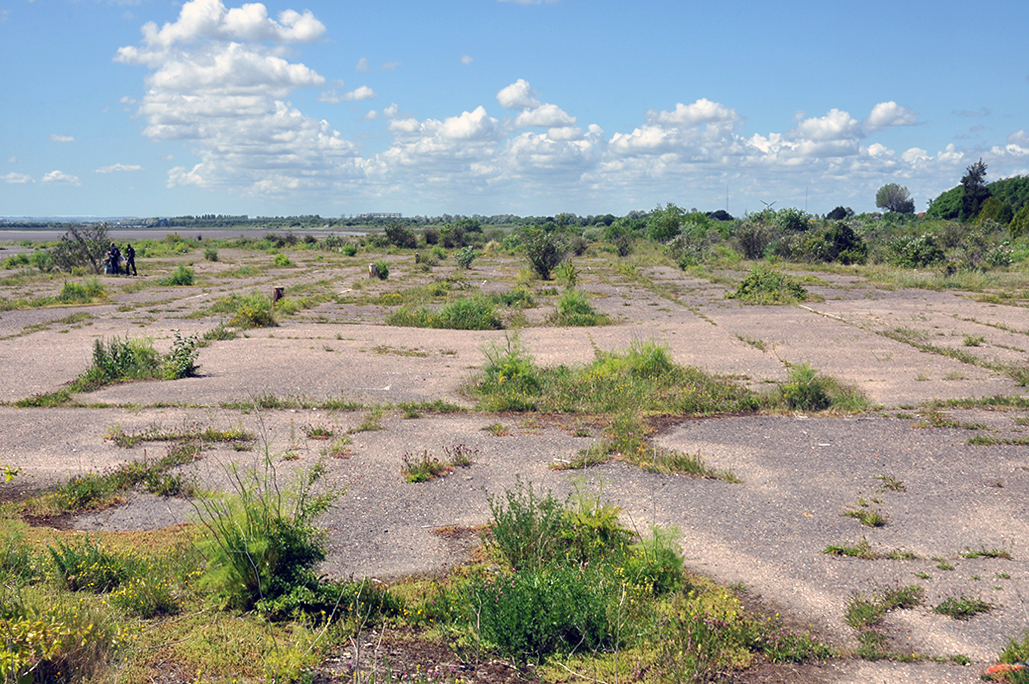
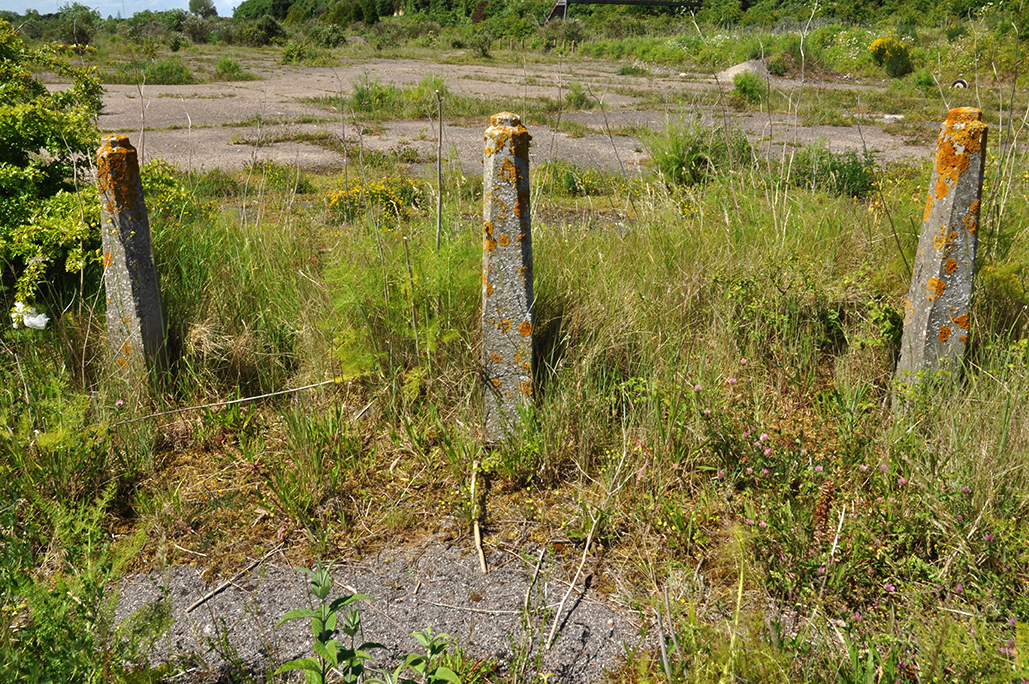
What prevails is the shoreline, a concrete landing skirt and the slow process of reclamation, as nature decides that the council is quite right to decide to create a nature reserve.

Thanks to and for further information http://www.hoverlloyd.org/index.html

Here it is today:

DSC_0698 copy

DSC_0701 copy

DSC_0703 copy

DSC_0704 copy

DSC_0705 copy

DSC_0707 copy

DSC_0708 copy

DSC_0709 copy

DSC_0713 copy

DSC_0714 copy

DSC_0715 copy

DSC_0718 copy

DSC_0721 copy

DSC_0723 copy

DSC_0724 copy

DSC_0726 copy

DSC_0728 copy

DSC_0732 copy

DSC_0742 copy

DSC_0744 copy


Hastings – Arthur Green’s

Facing happily out to sea, hard by Hastings promenade, sits Arthur Green’s, former menswear shop of some considerable distinction. Currently operating as an antiques centre, the whole of the perfectly preserved, period interior is now listed by English Heritage.

A mosaic porch and glass lined vestibule, invite you into a palace of dark hardwood fittings, capacious drawers, glass fronted cabinets, and an ornately carved cashiers booth, all topped off and lit by crystal chandeliers.

Few such example still exist intact, their contents usually ripped out, ripped off and reinstalled in chi-chi overpriced, cosmopolitan boutiques – suits you sir?

I think not!

My thanks to the helpful and patient staff who informed and facilitated my mooching.

Take a walk along the front – pop in.

P1020506 copy

P1020523 copy

P1020510 copy

P1020521 copy

P1020522 copy

P1020526 copy

P1020512 copy

P1020511 copy

P1020520 copy

P1020508 copy

P1020529 copy

P1020518 copy

P1020509 copy

P1020530 copy

P1020505 copy

P1020515 copy

P1020507 copy

P1020516 copy

P1020514 copy

P1020513 copy

P1020528 copy

Margate – Batchelor’s Patisserie

Idly meandering through Cliftonville, along Northdown Road, I chanced upon the most delightful of cake shop windows. Being something of an aficionado of cakes, shops and windows it seemed like an ideal opportunity to snap away, with customary broad-smiling, wide-eyed enthusiasm. Furthermore why not go in? I was met with the most charming of receptions from the patron Stuart Turner and staff – not unreasonably inquisitive regarding my impromptu picture taking, I explained my particular interest in the patisserie. The interior of the 50’s bakery, shop and café is perfectly preserved, with a little sympathetic restorative work. Well upholstered and formica topped the furniture is the finest of its kind, each table graced with fresh flowers, condiments and loving care and attention. An exquisite array of breads, pastries and cakes, resting on delicate doilies, displayed in glass fronted cases. I encourage you to visit, take tea, take cake, take away the fondest of sweet memories.

DSC_0261 copy

DSC_0278 copy

DSC_0270 copy

DSC_0266 copy

DSC_0269 copy

DSC_0264 copy

DSC_0291 copy

DSC_0289 copy

DSC_0284 copy

DSC_0282 copy

DSC_0273 copy

DSC_0279 copy

DSC_0285 copy

DSC_0286 copy

DSC_0287 copy