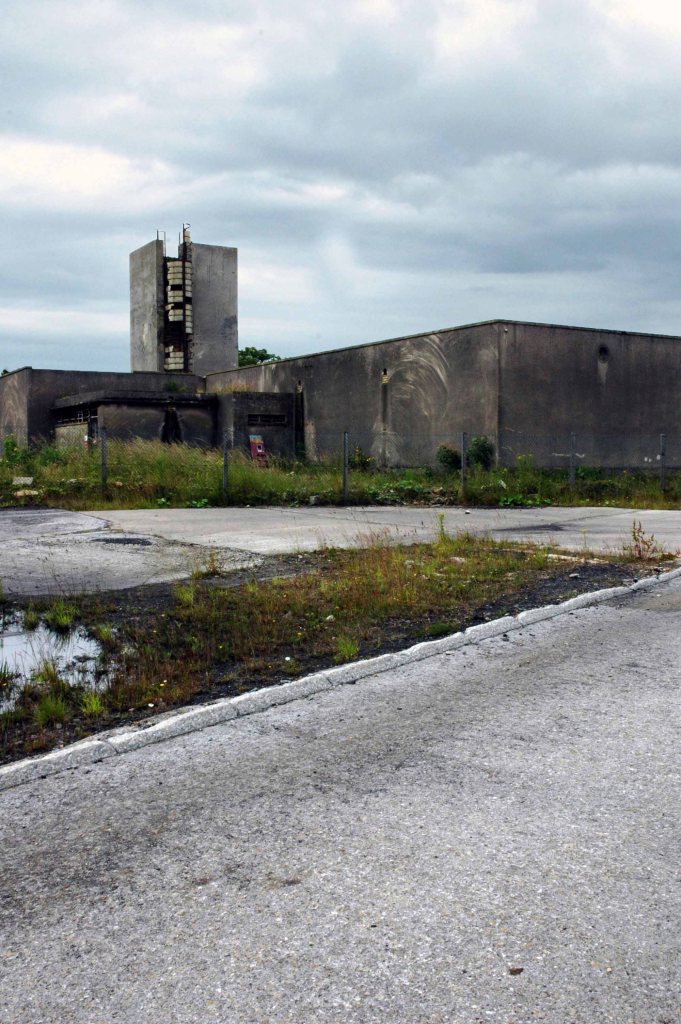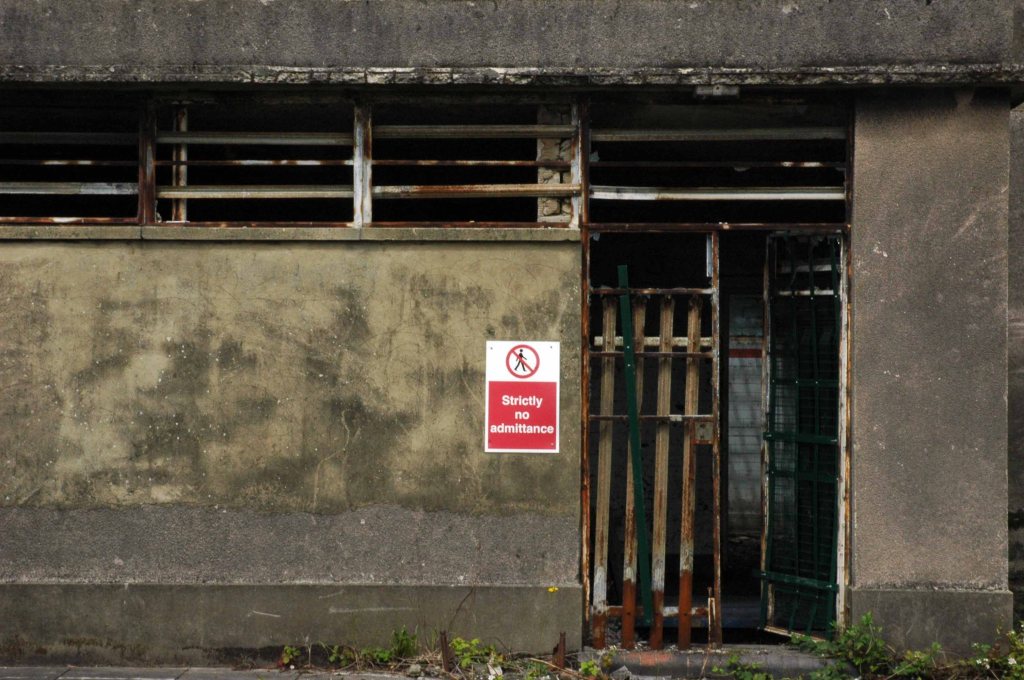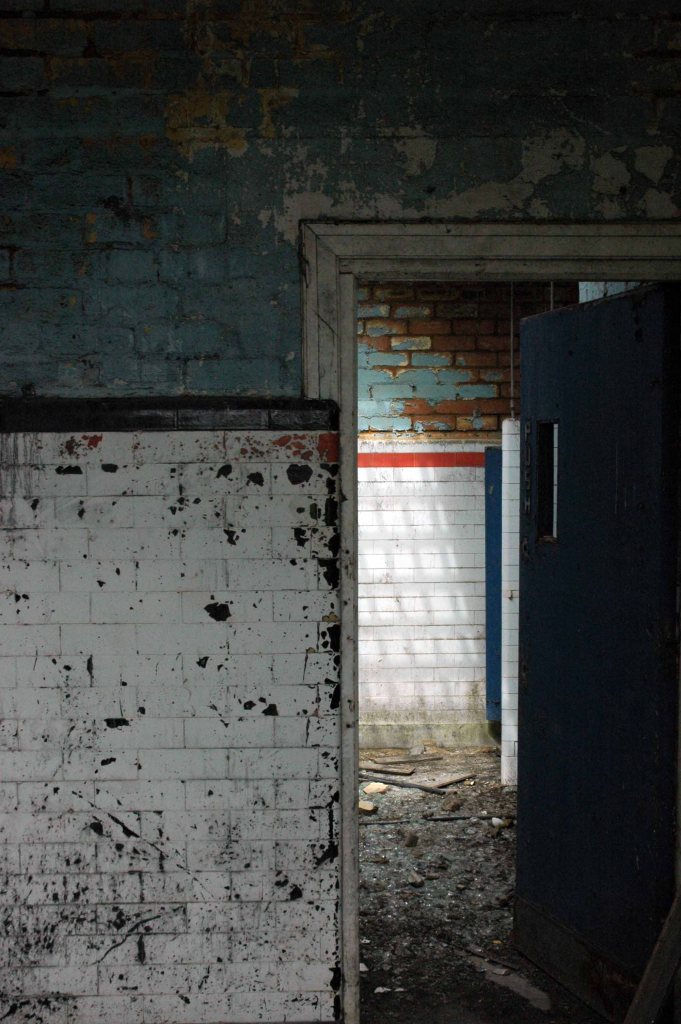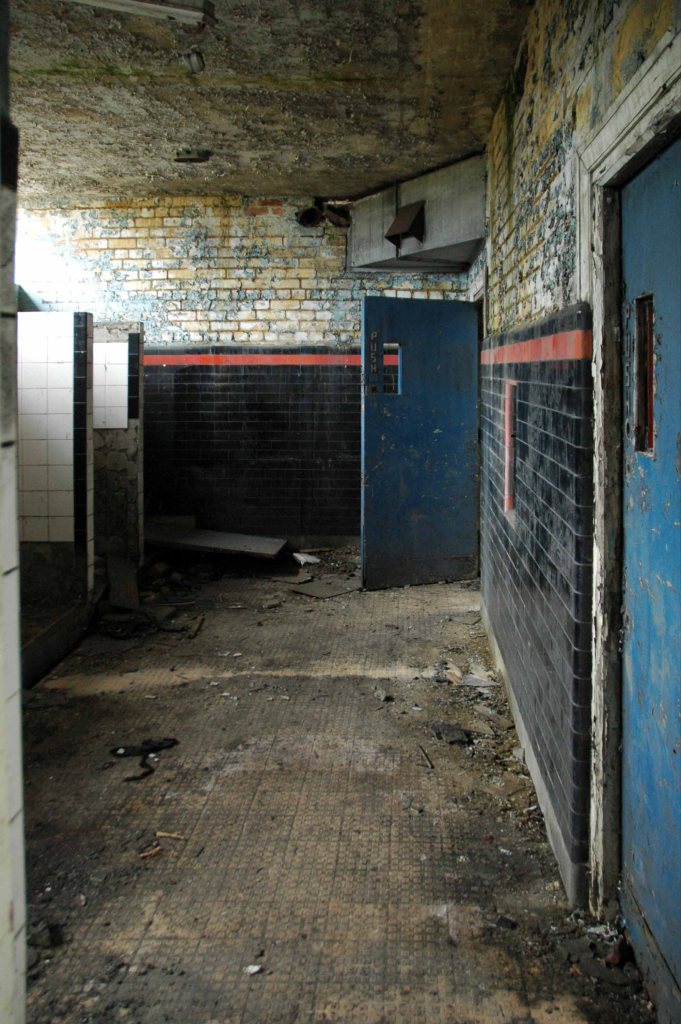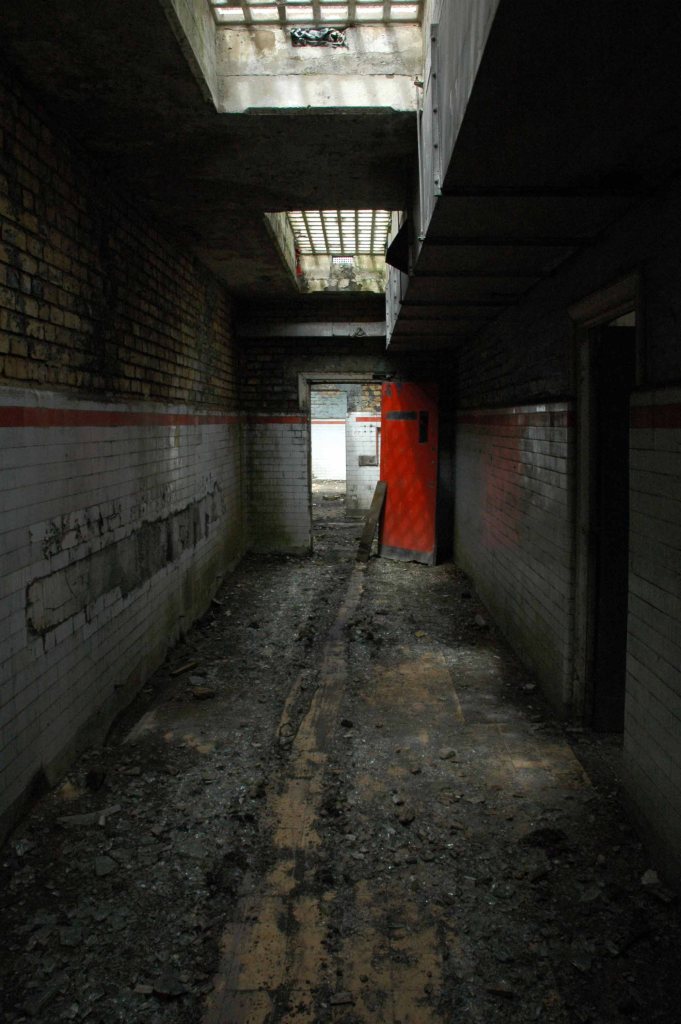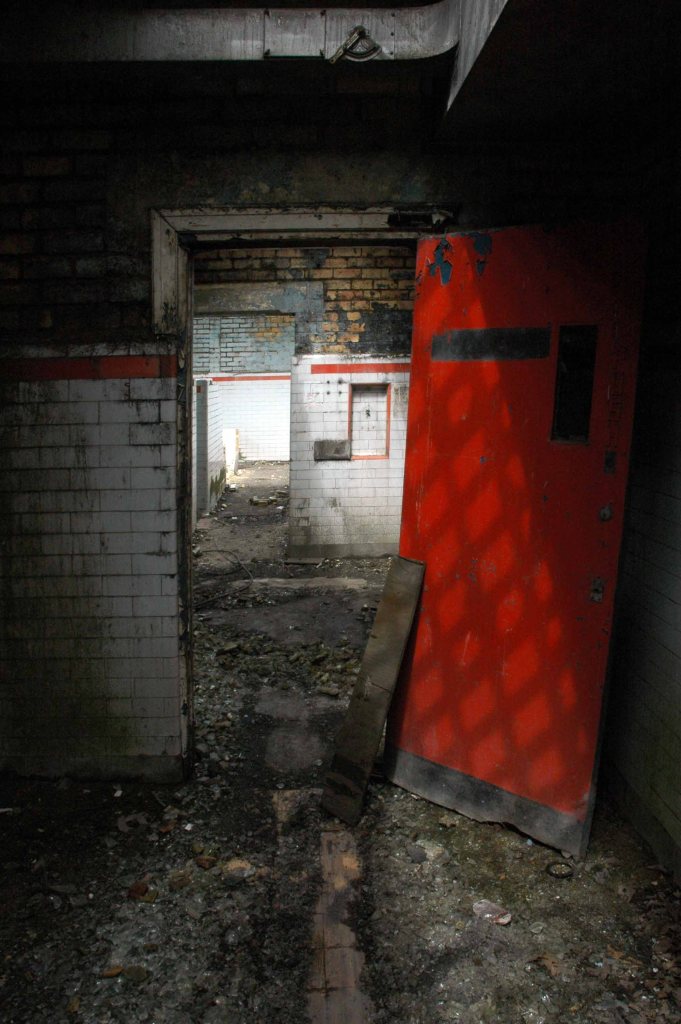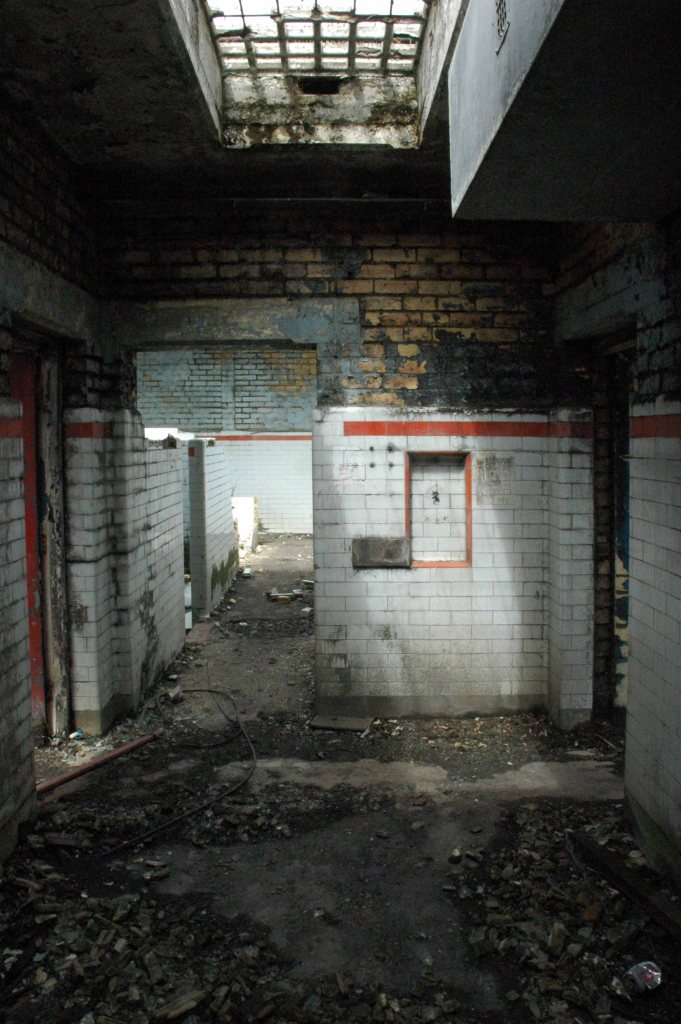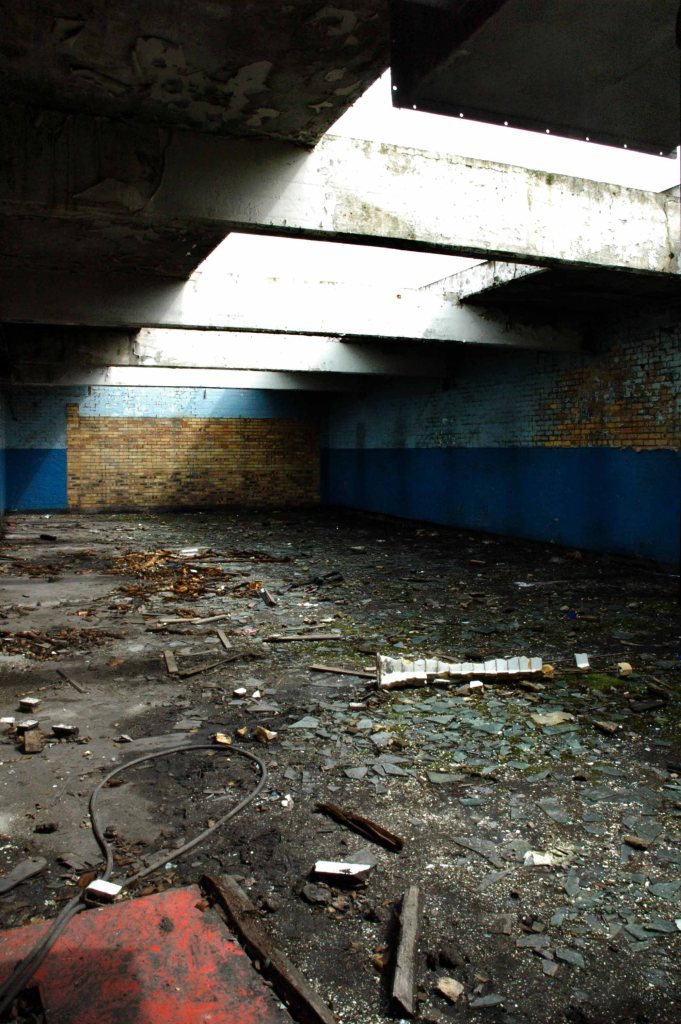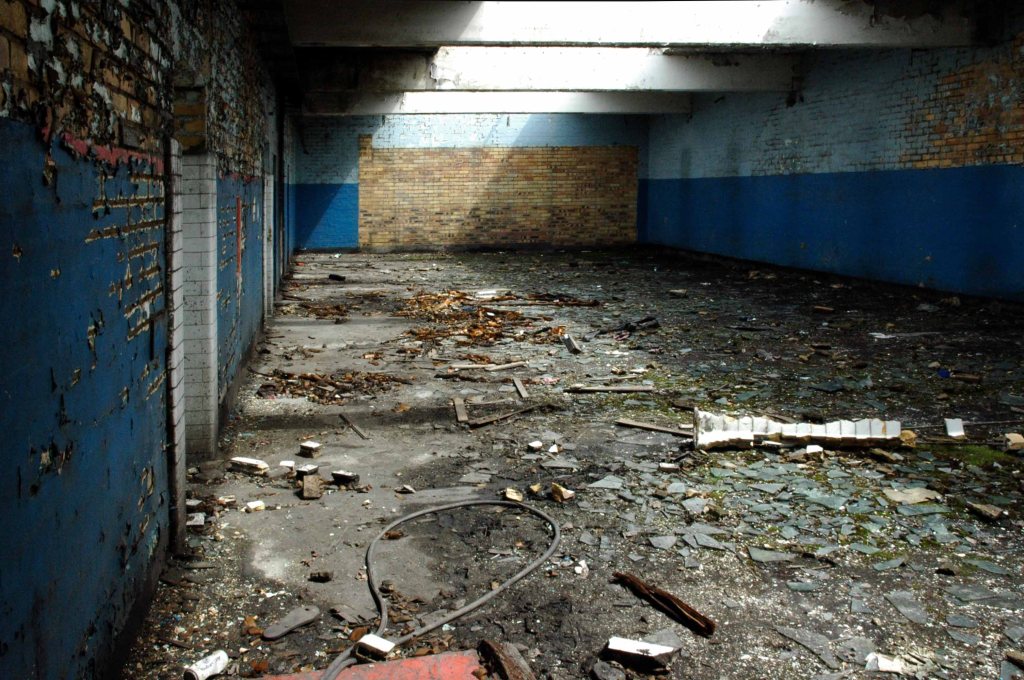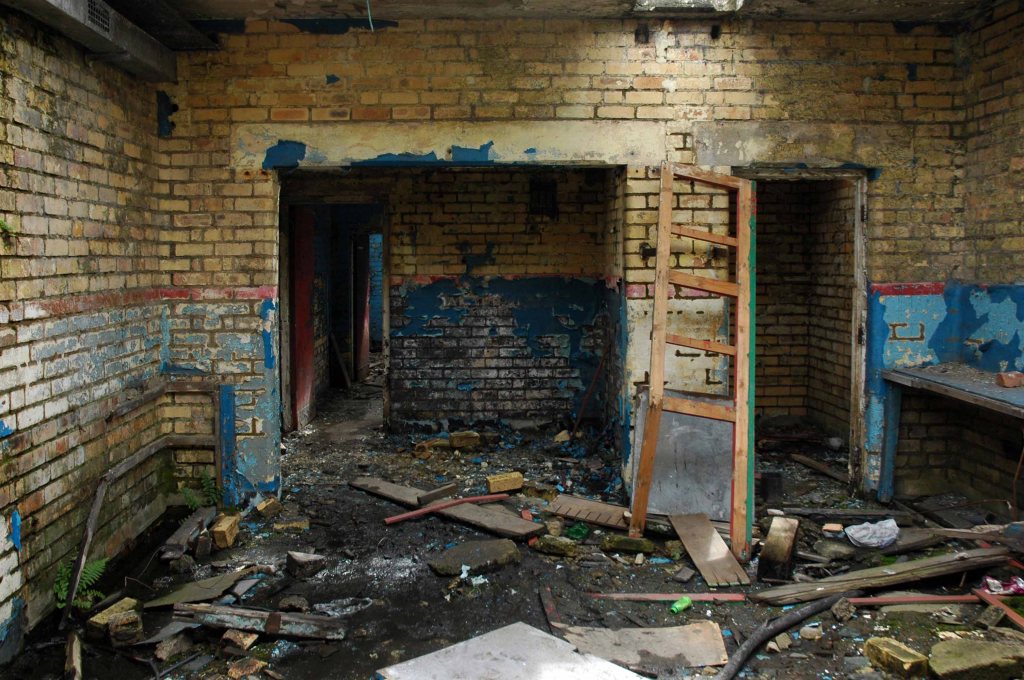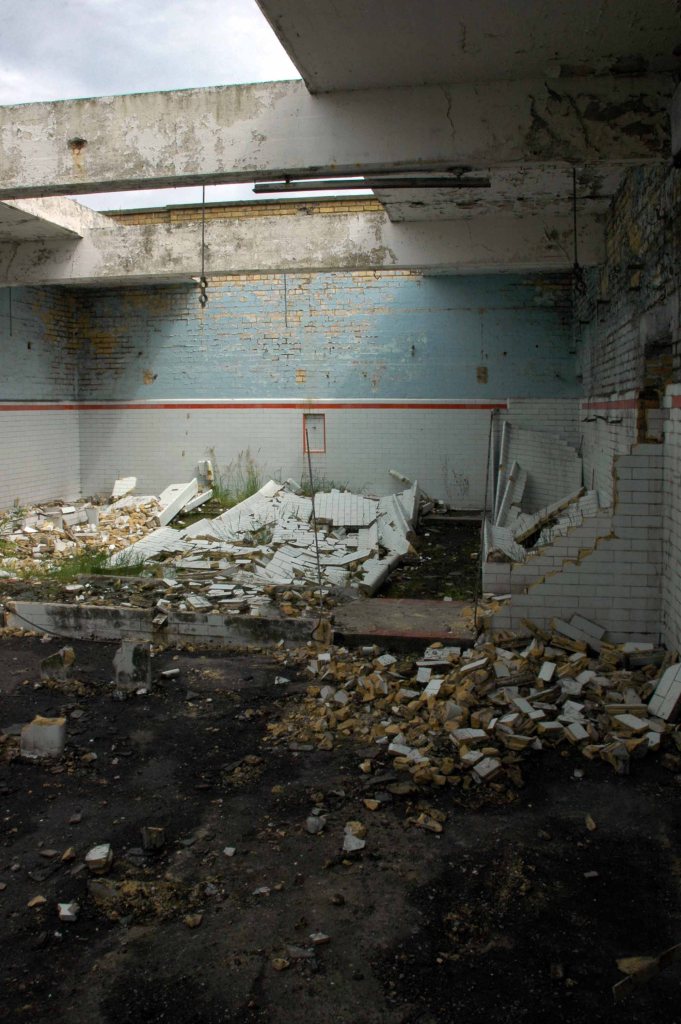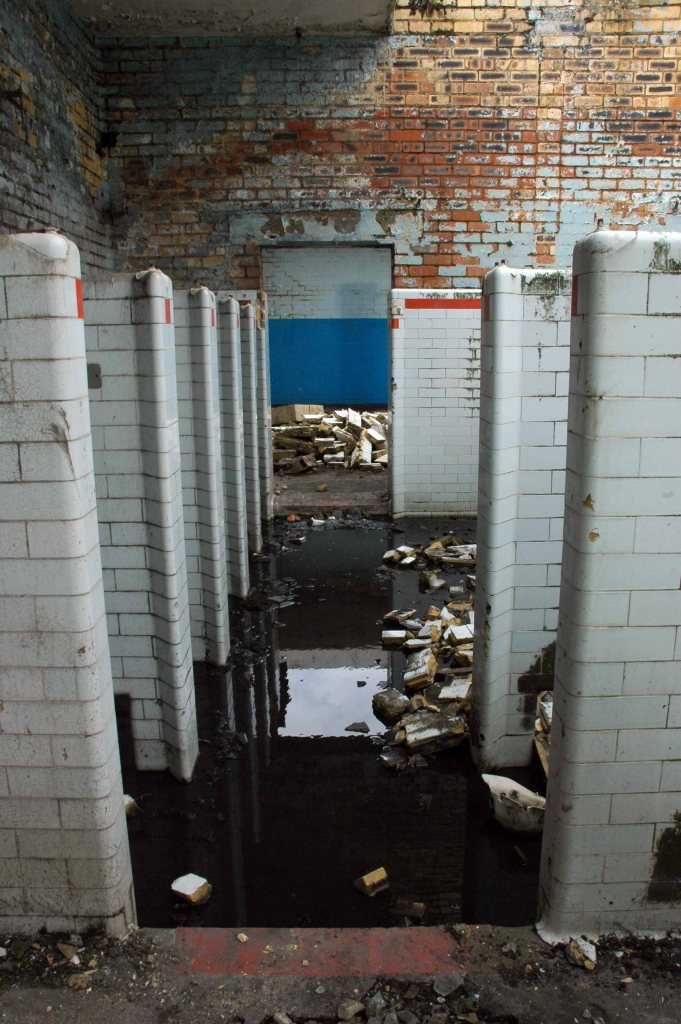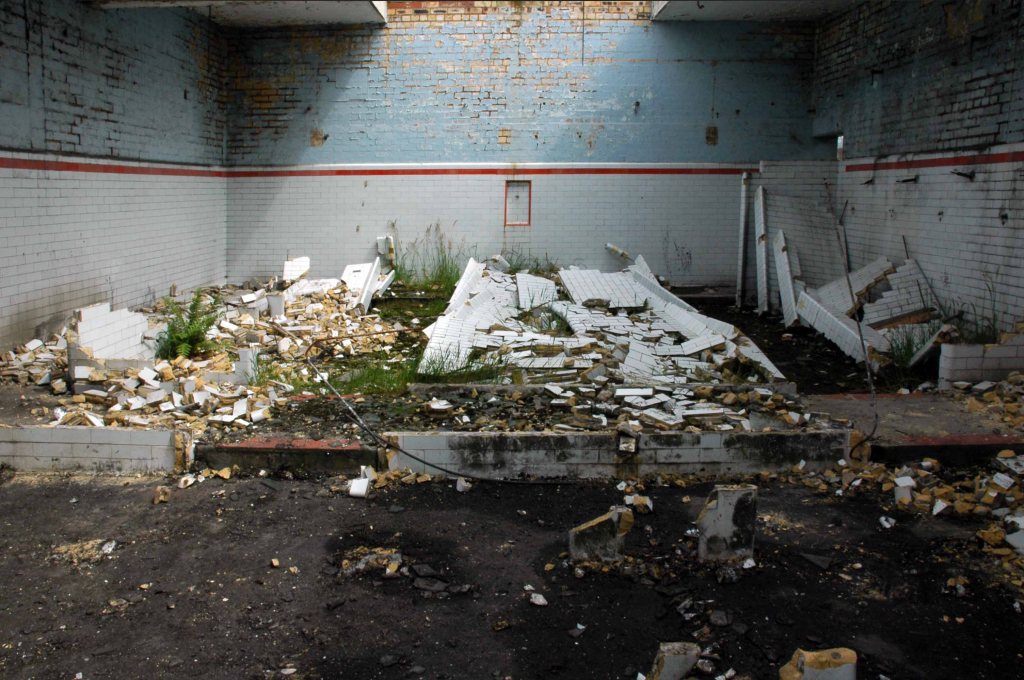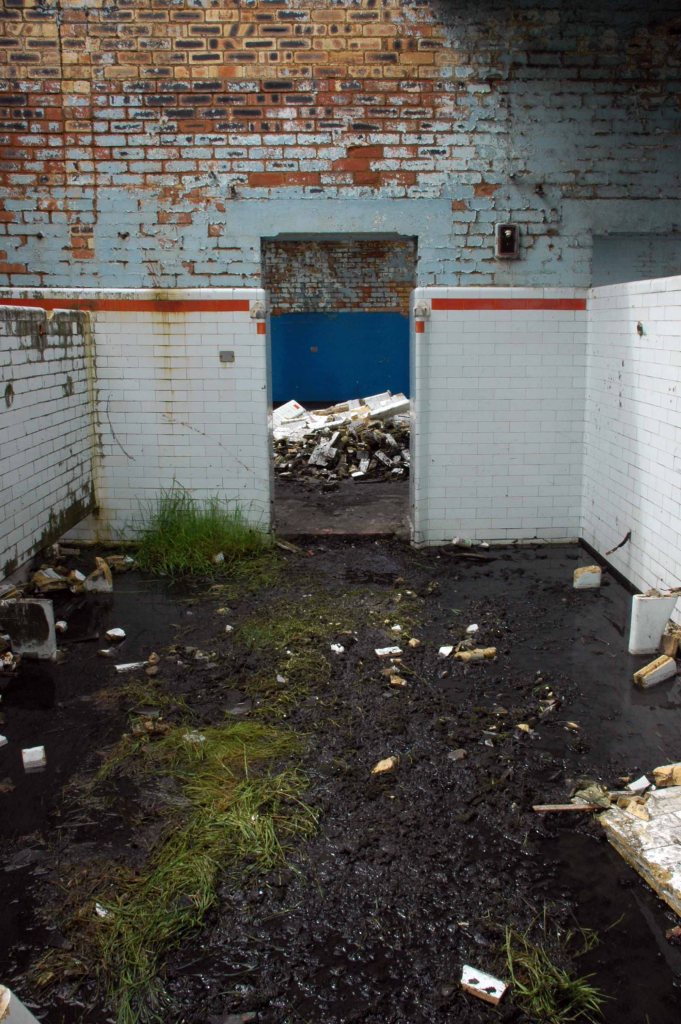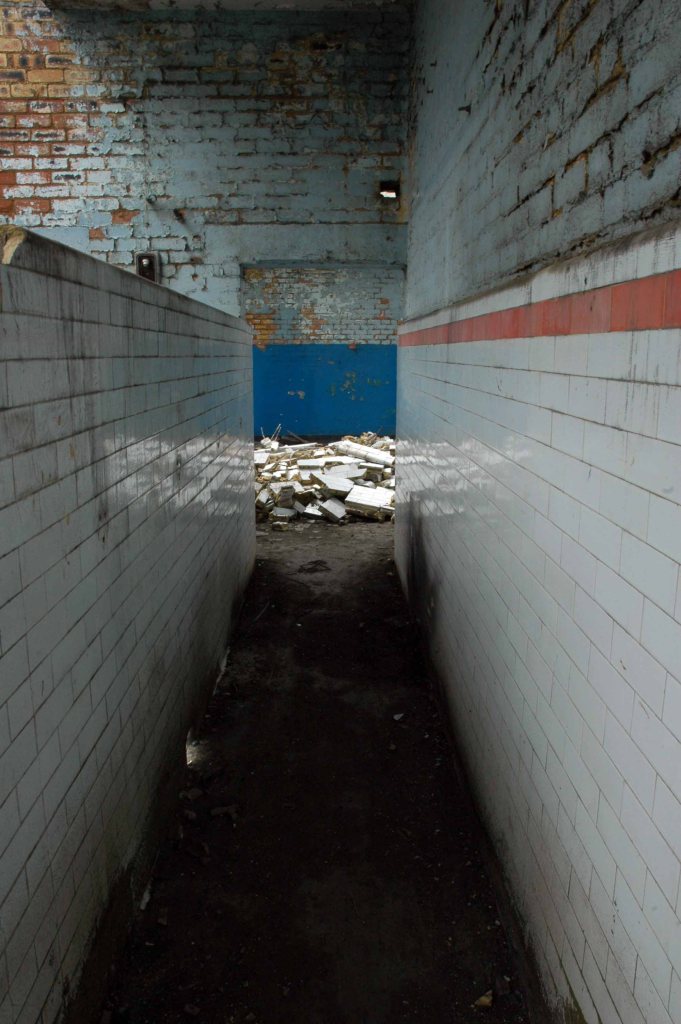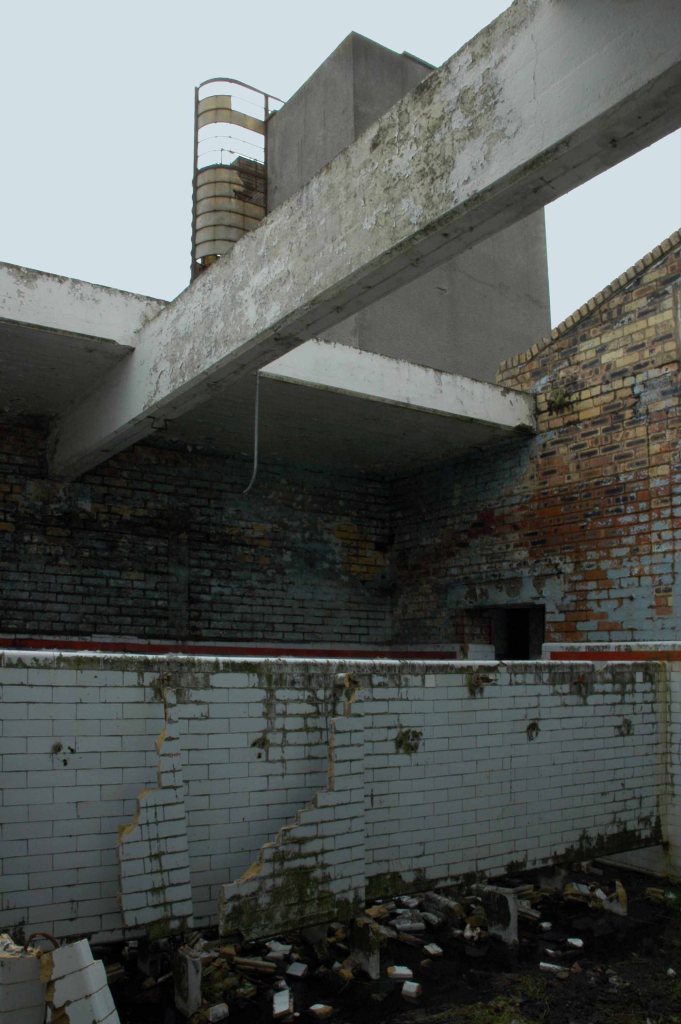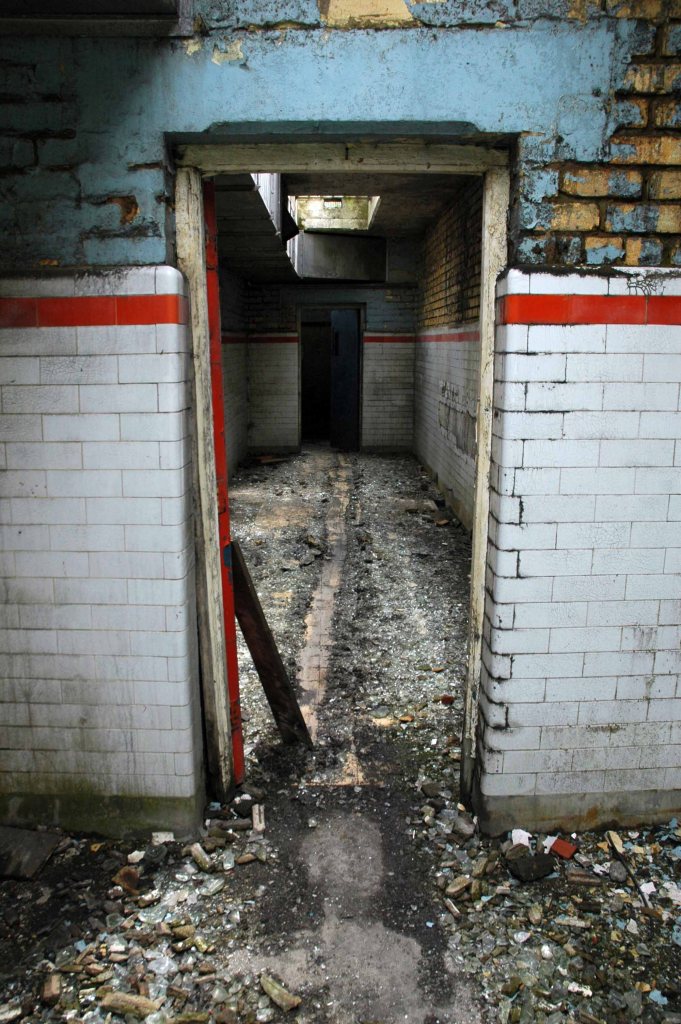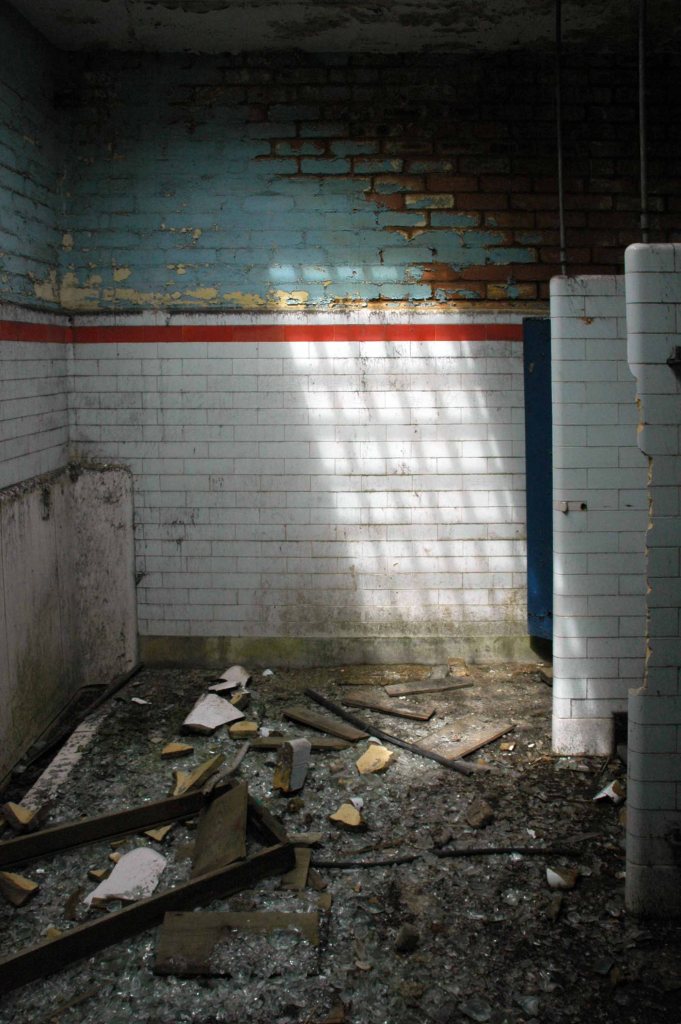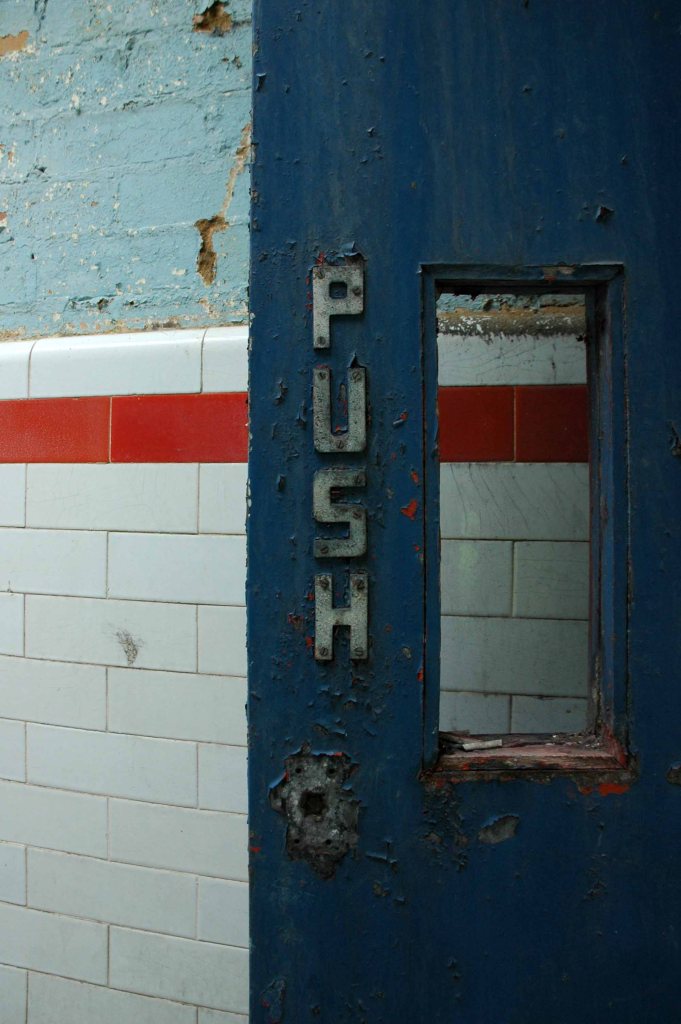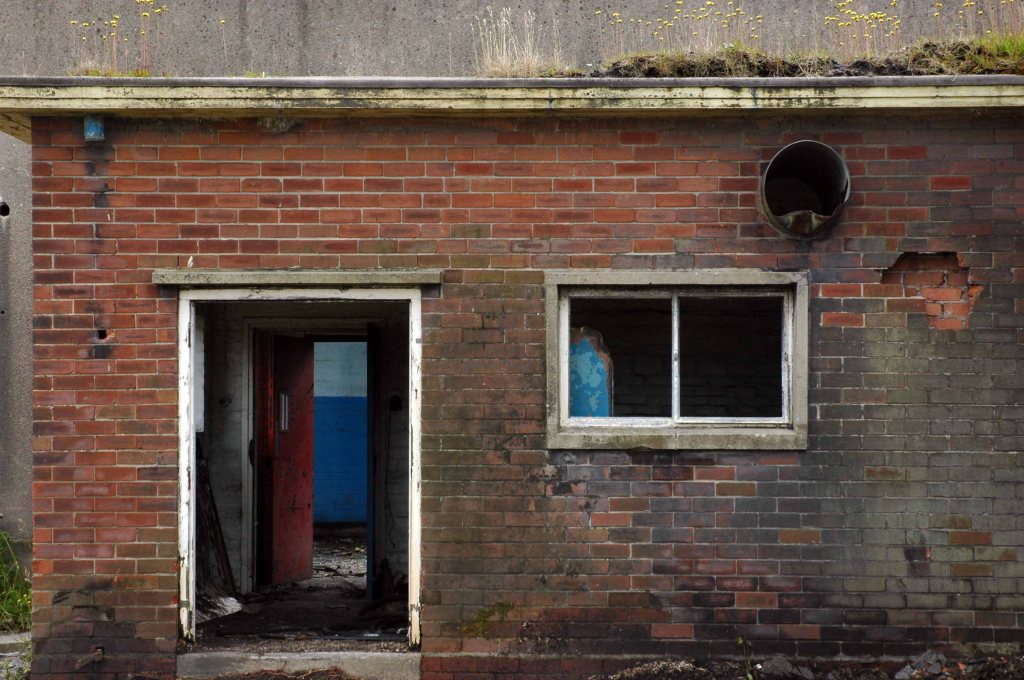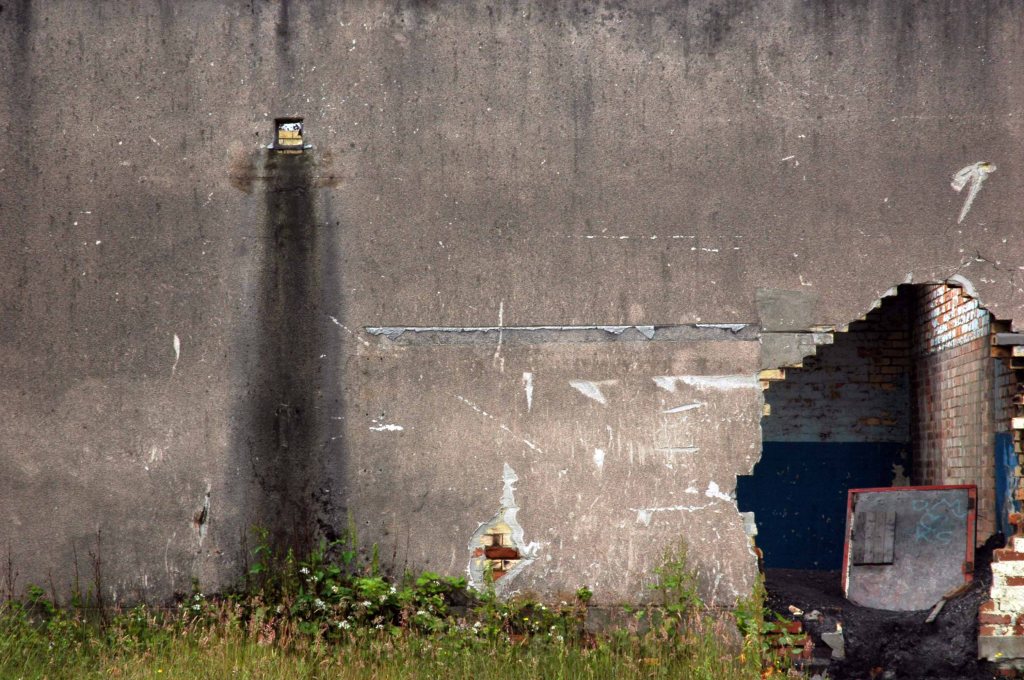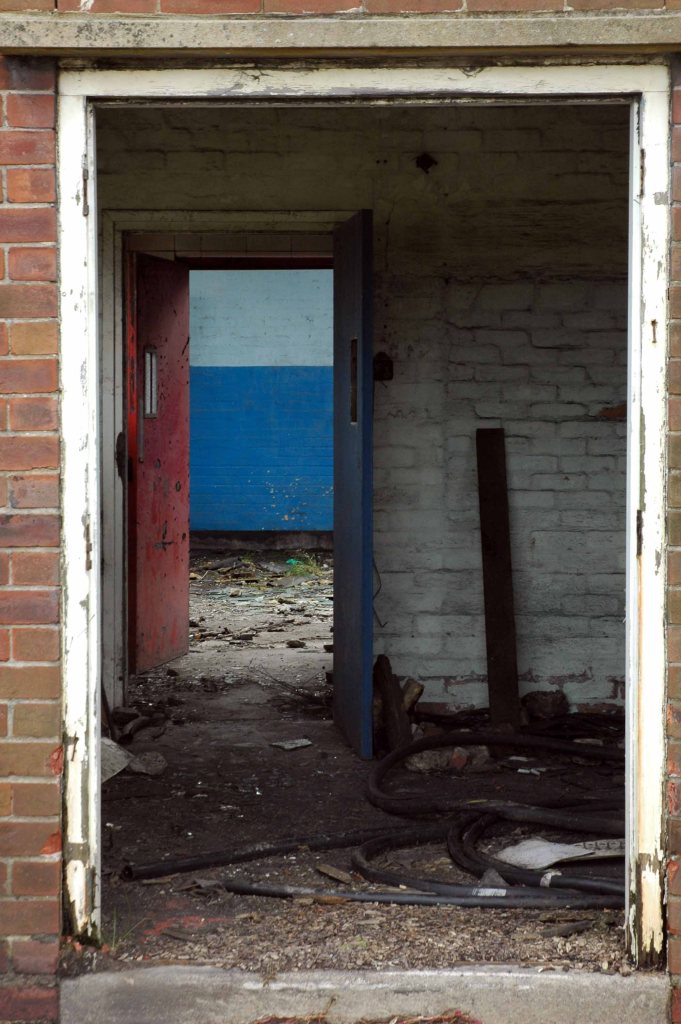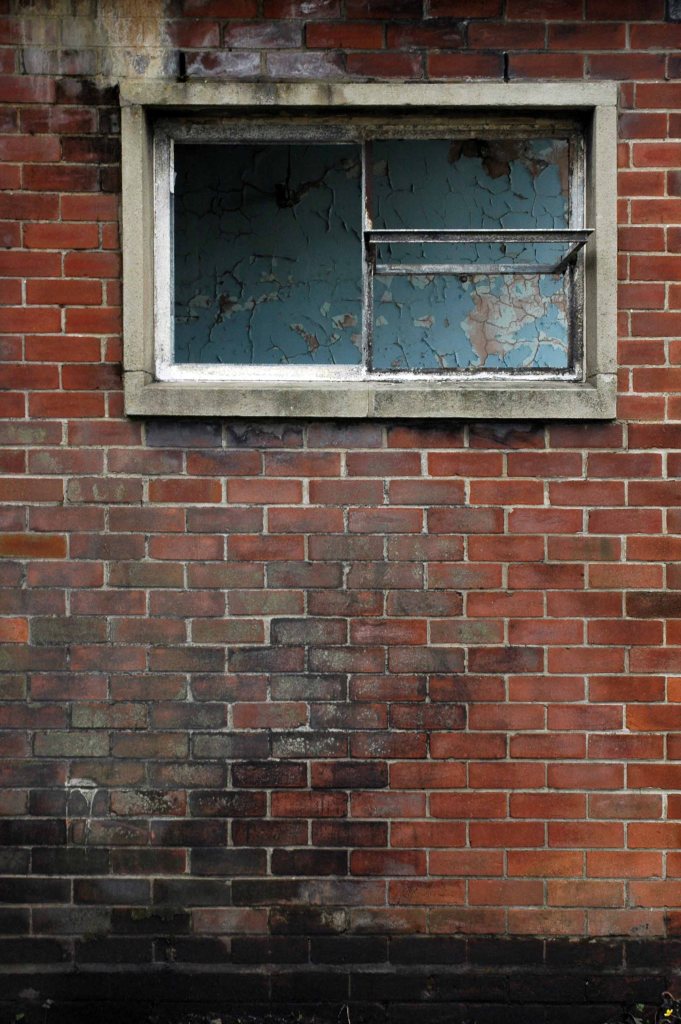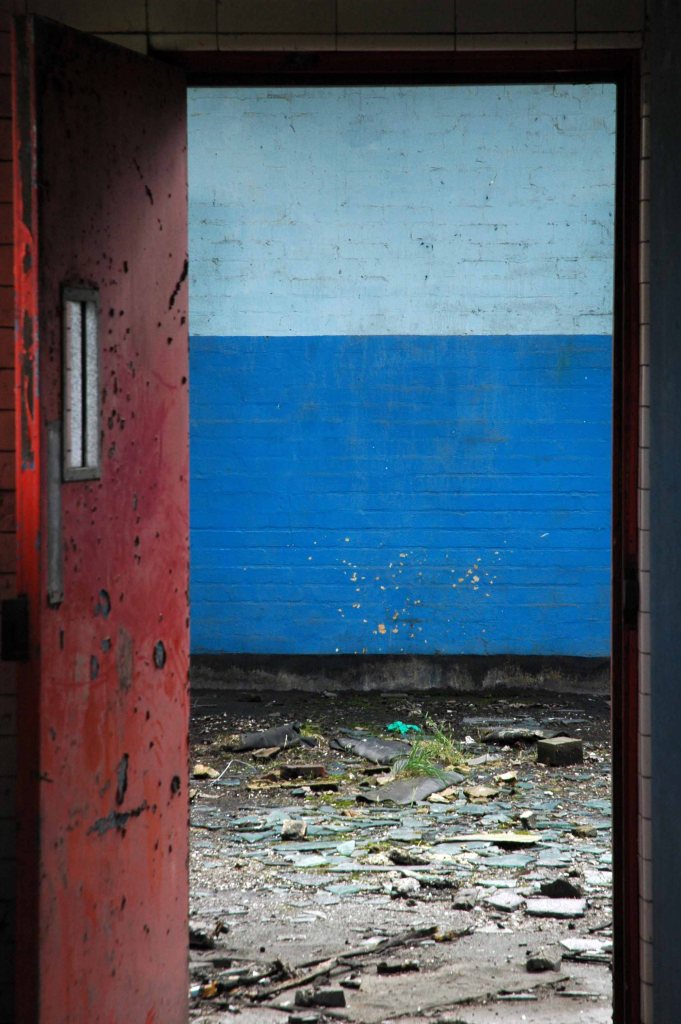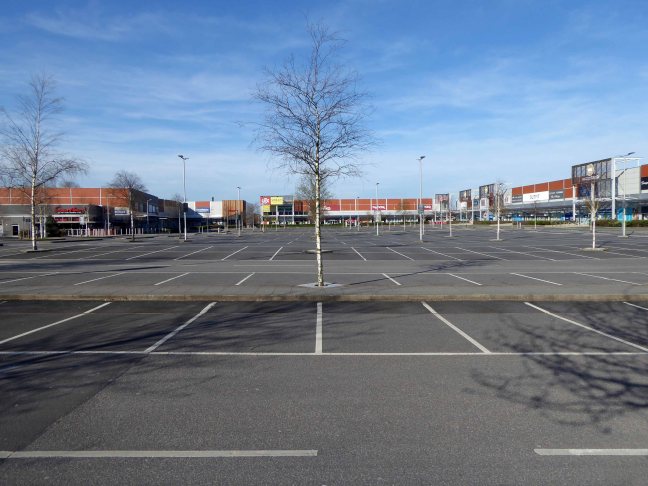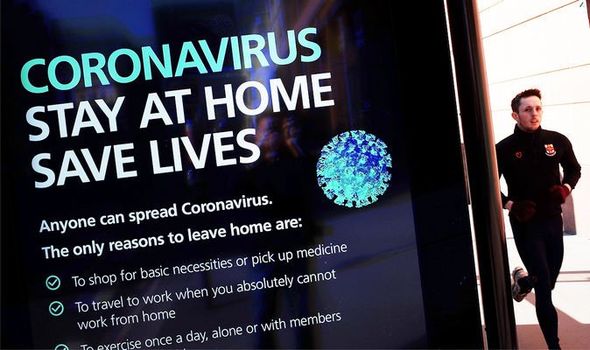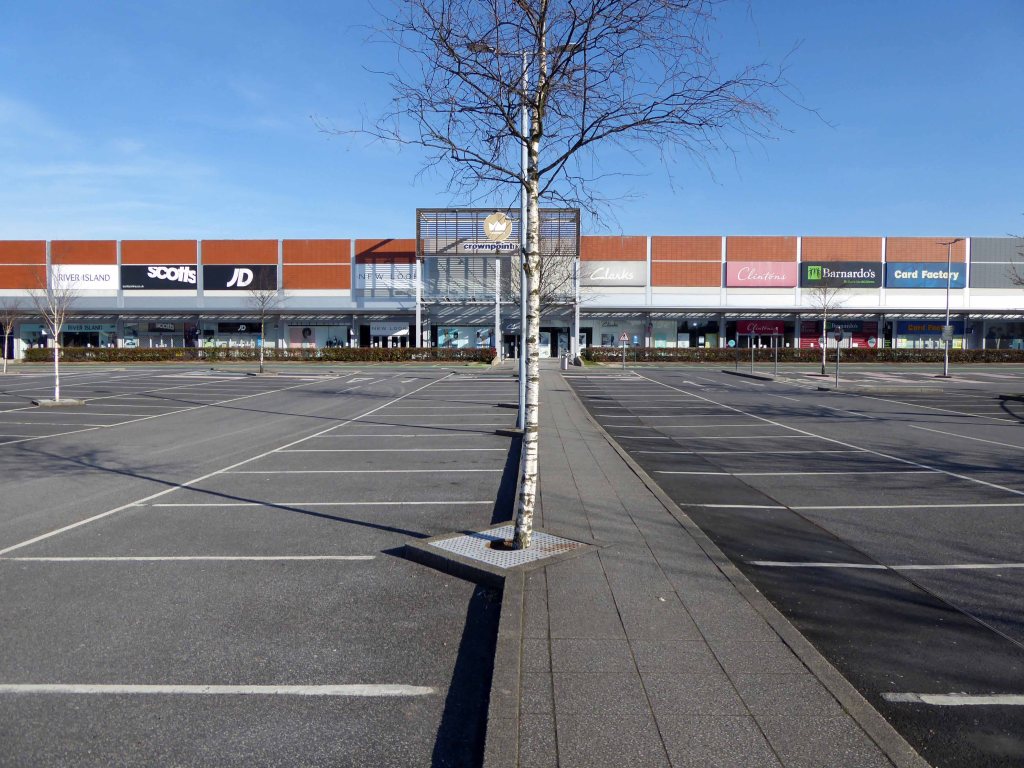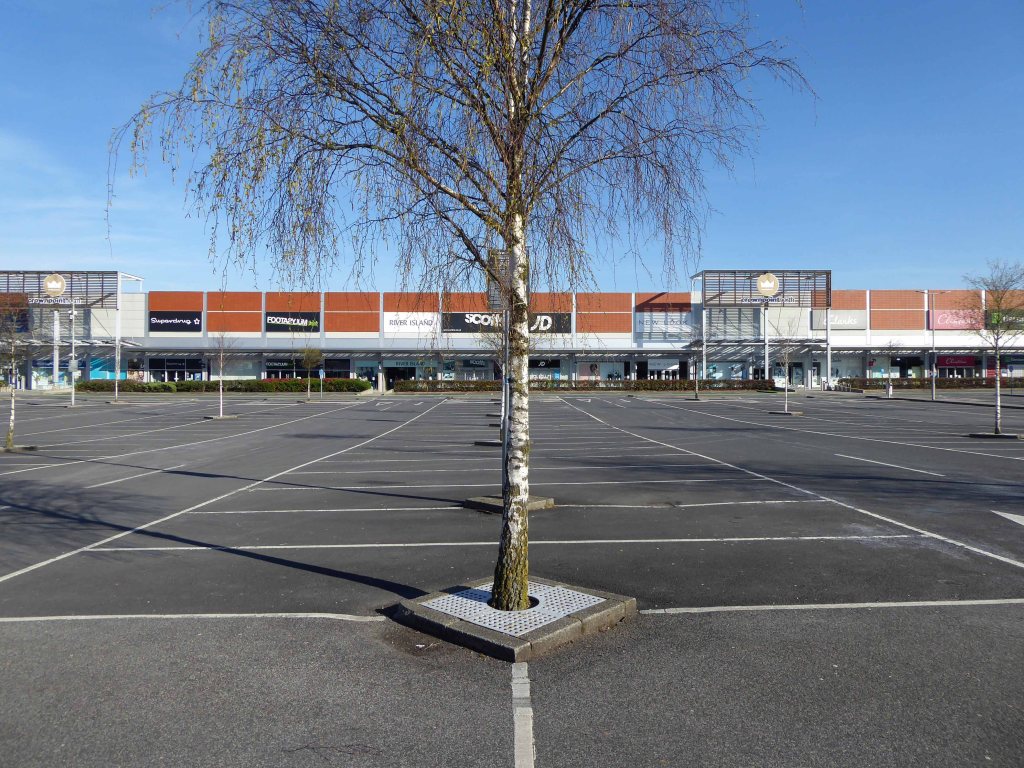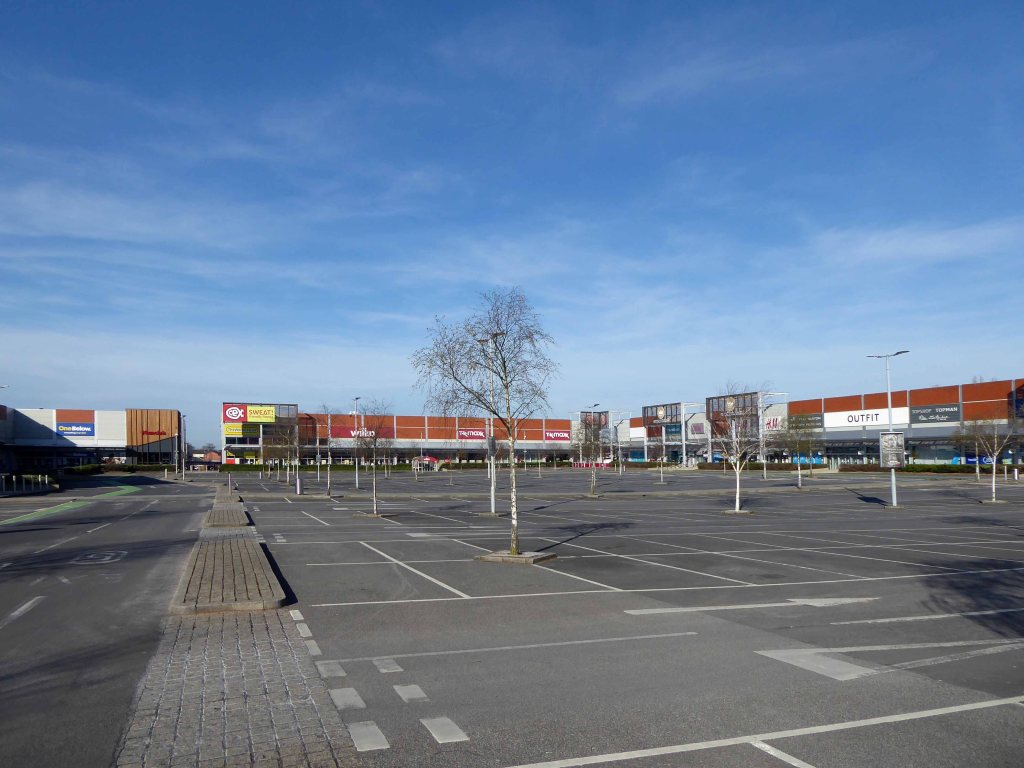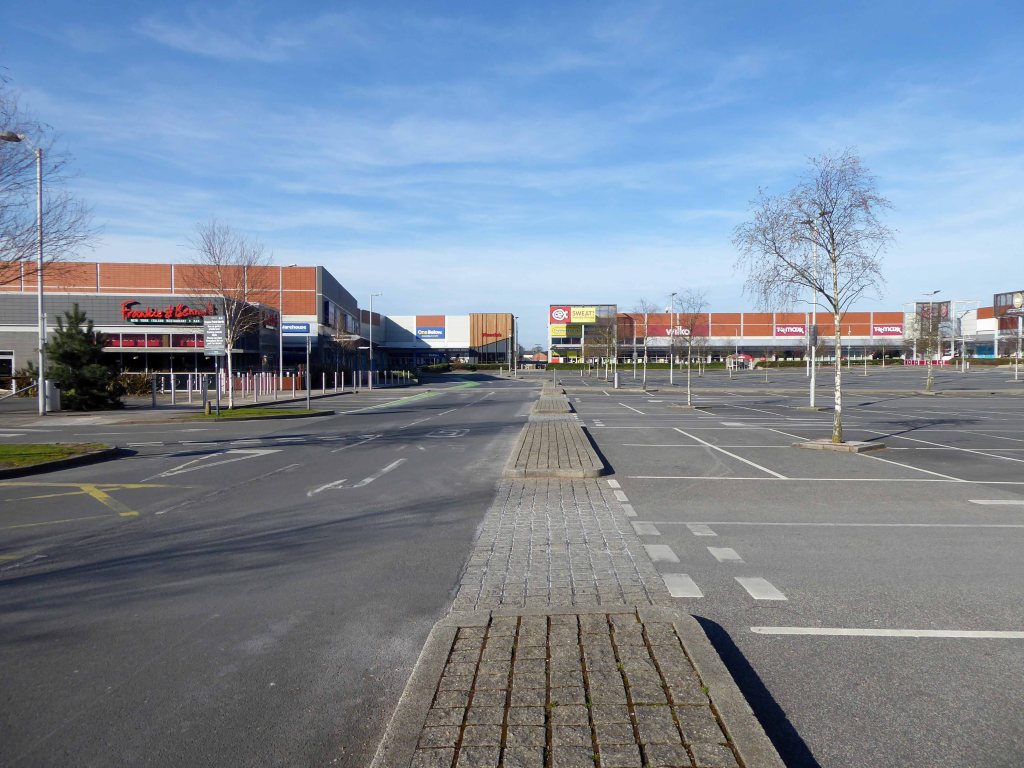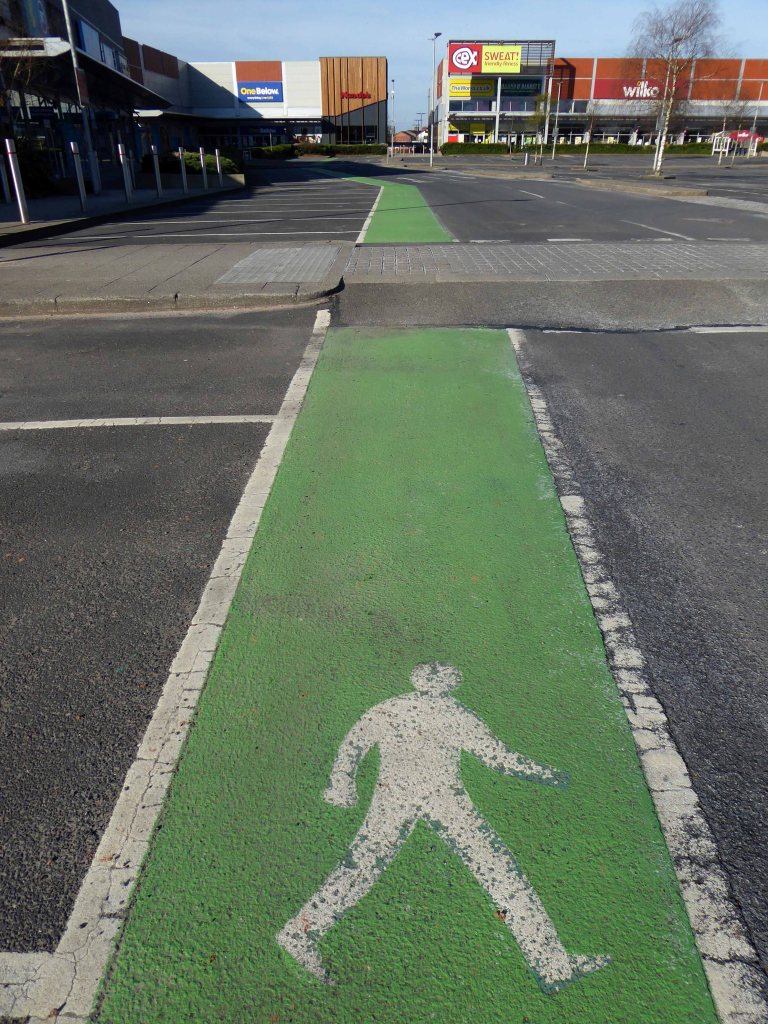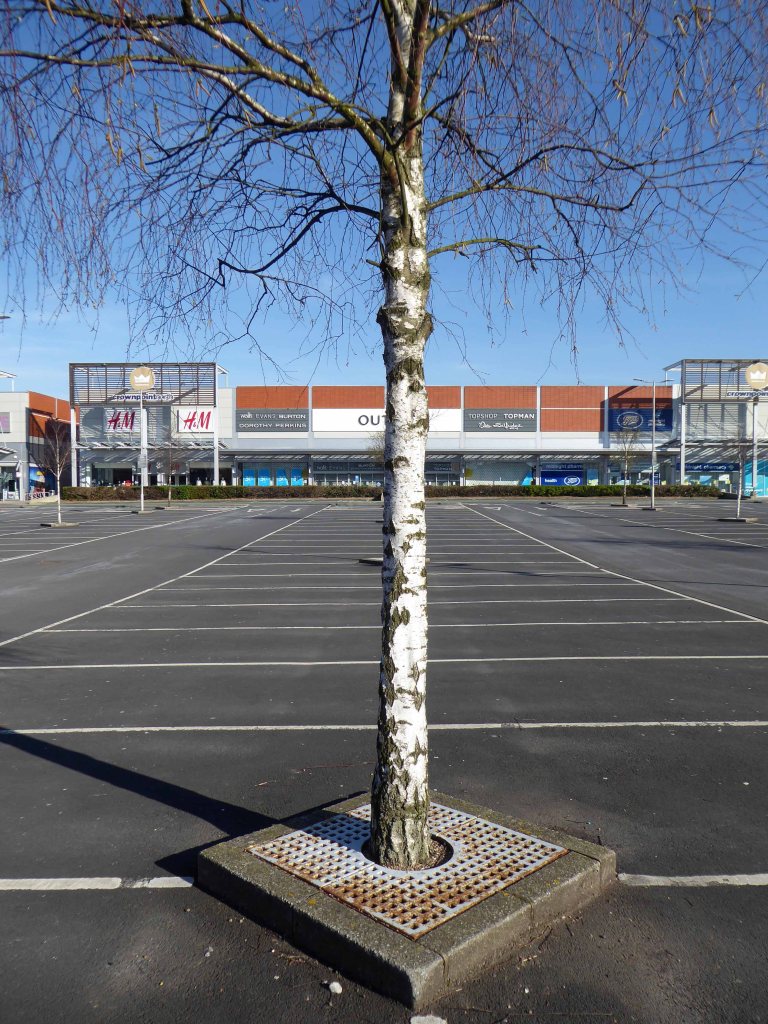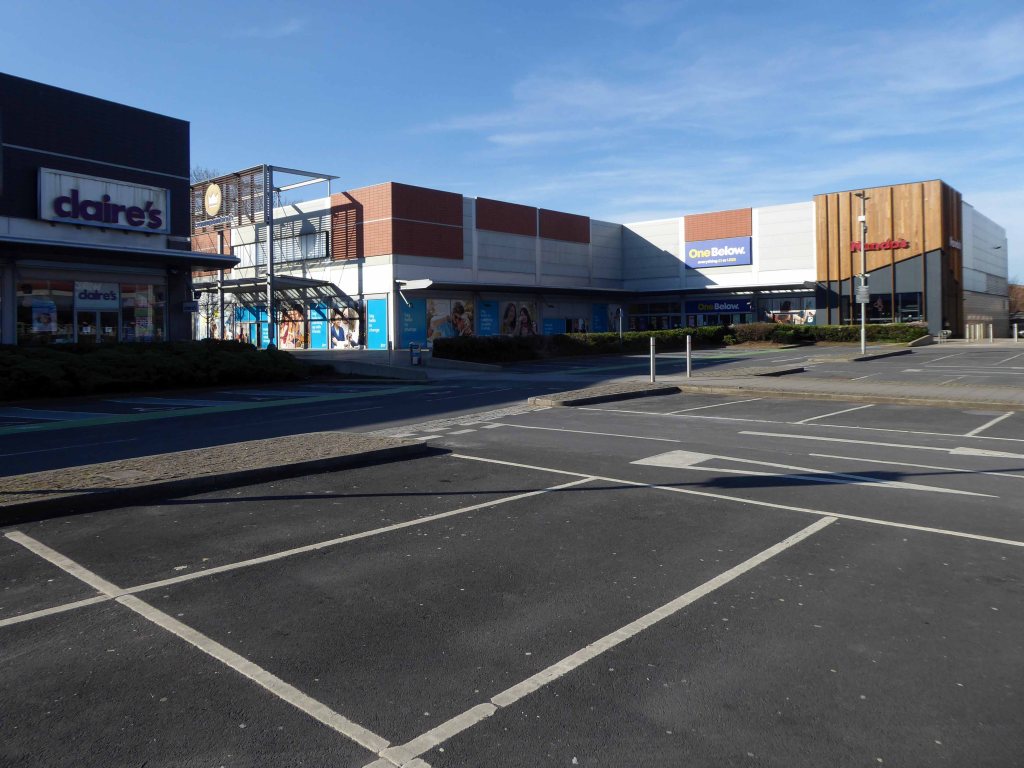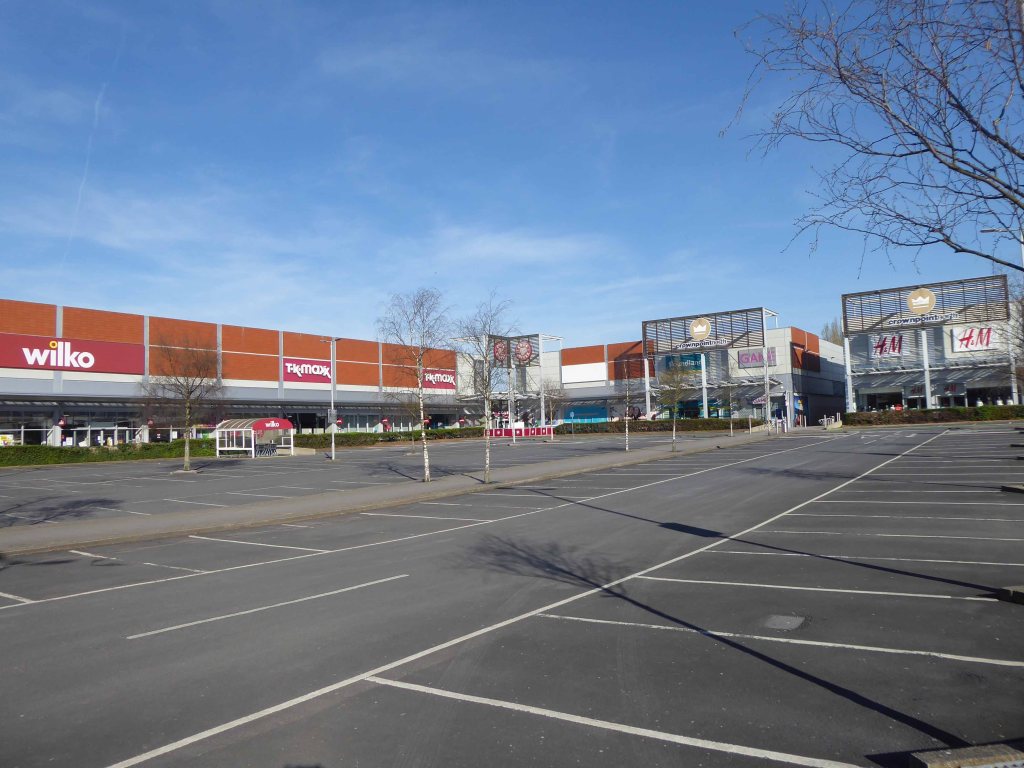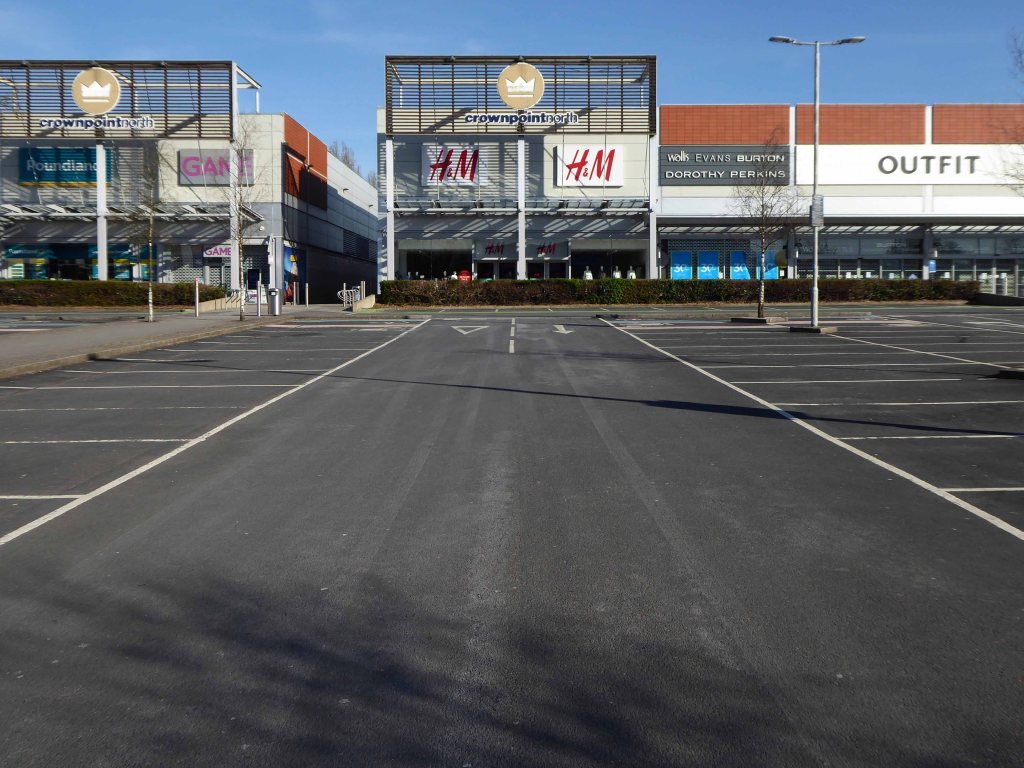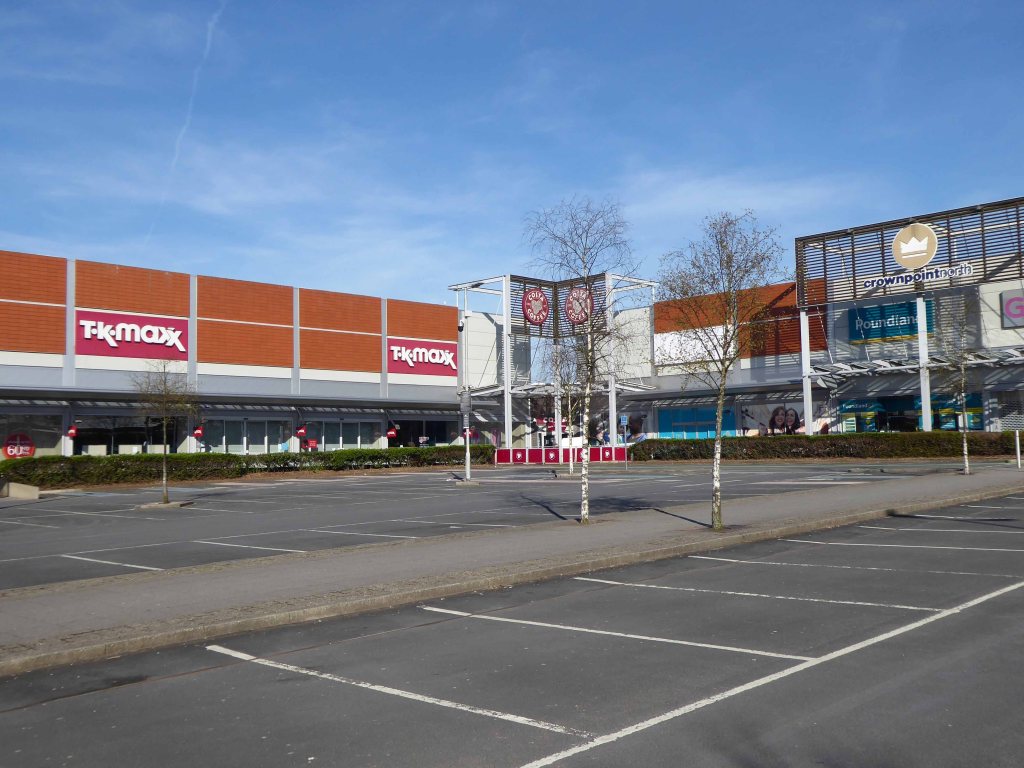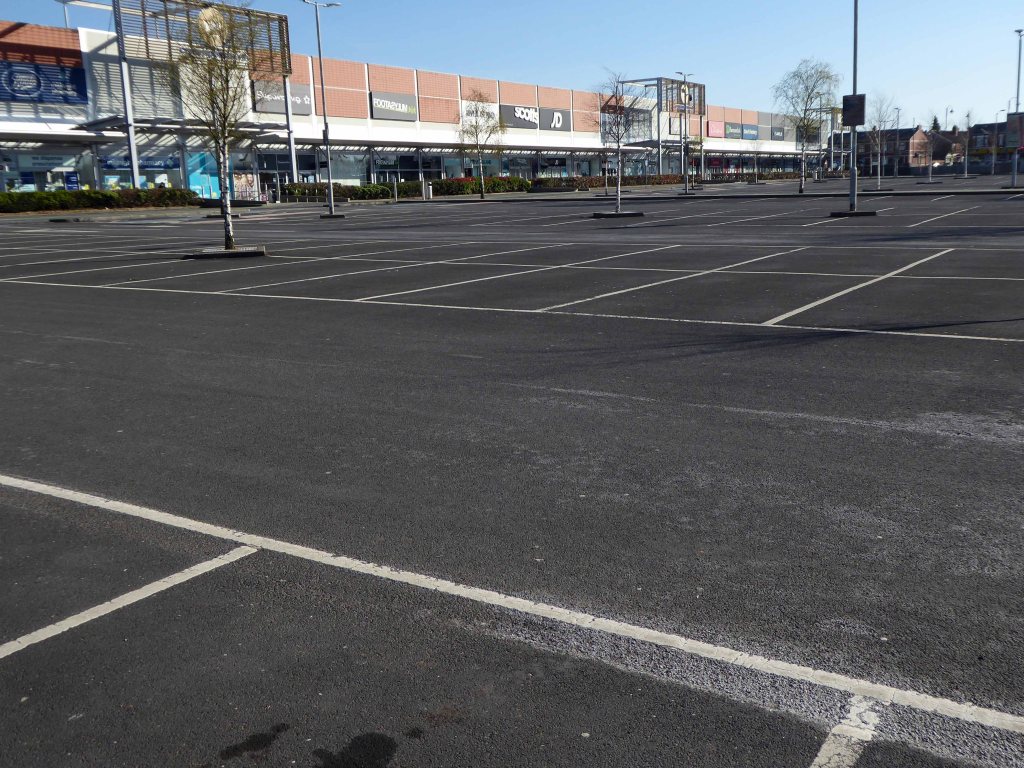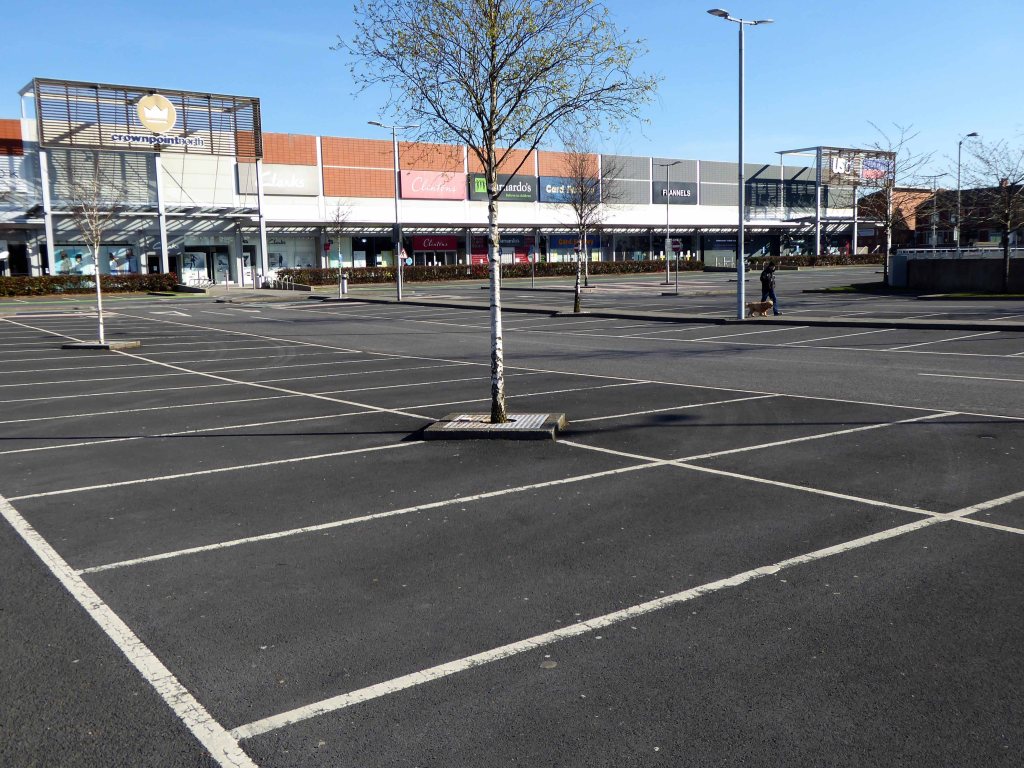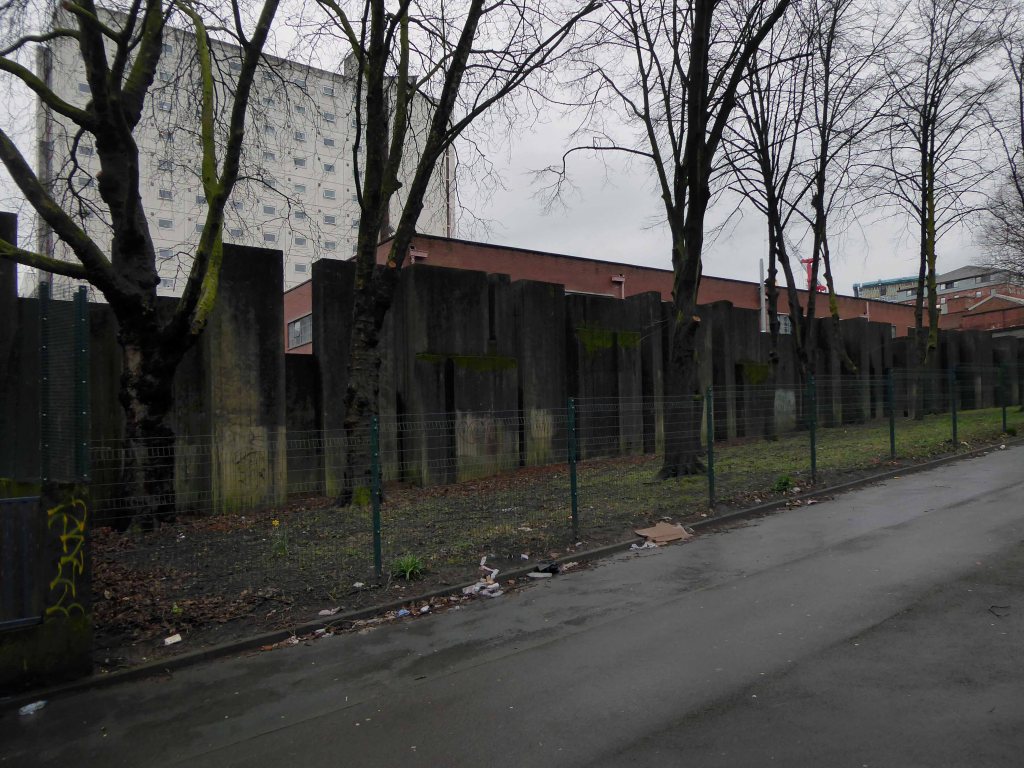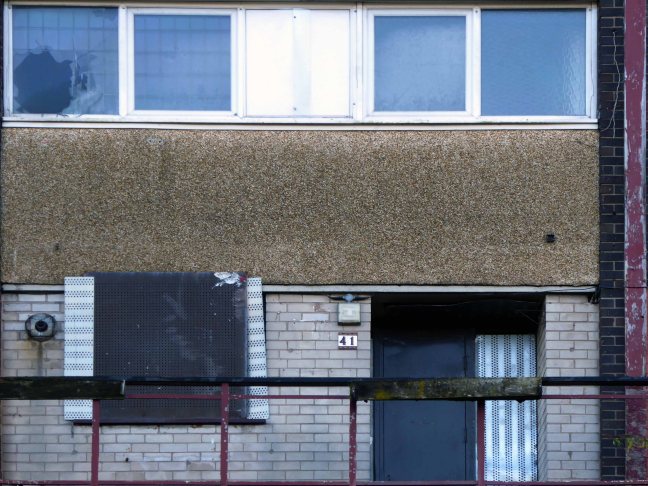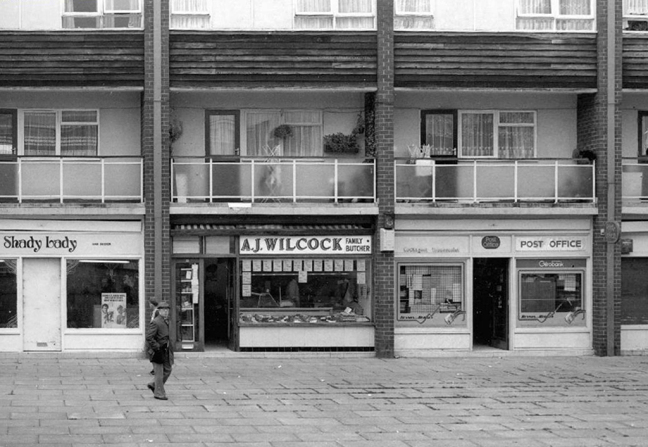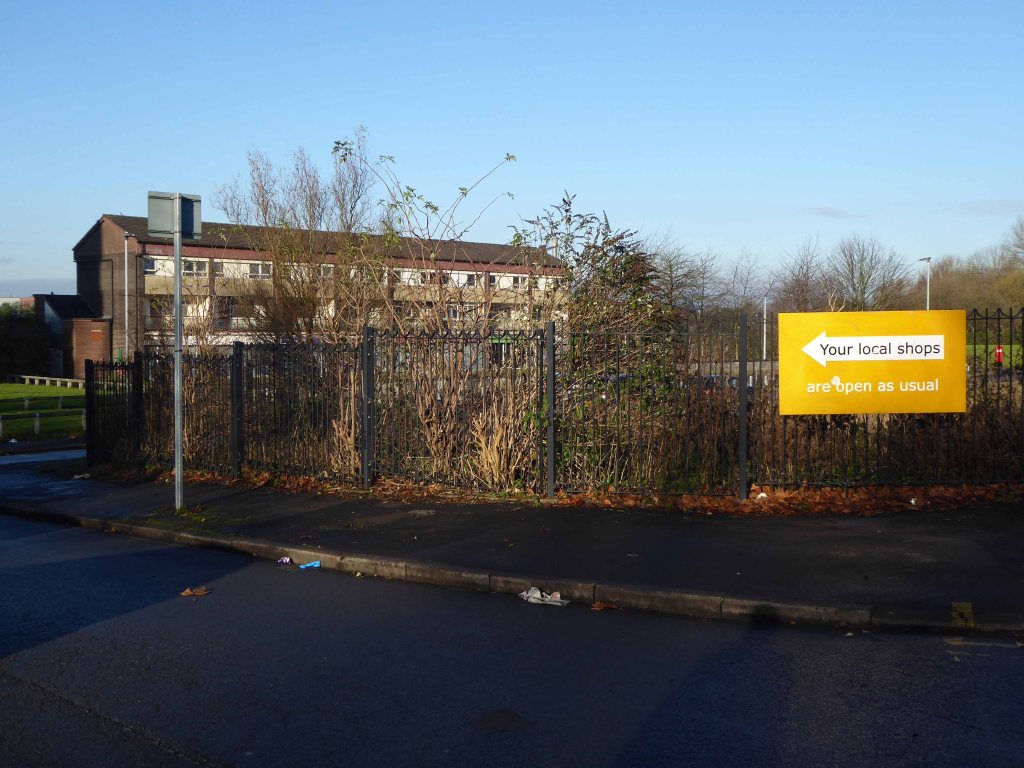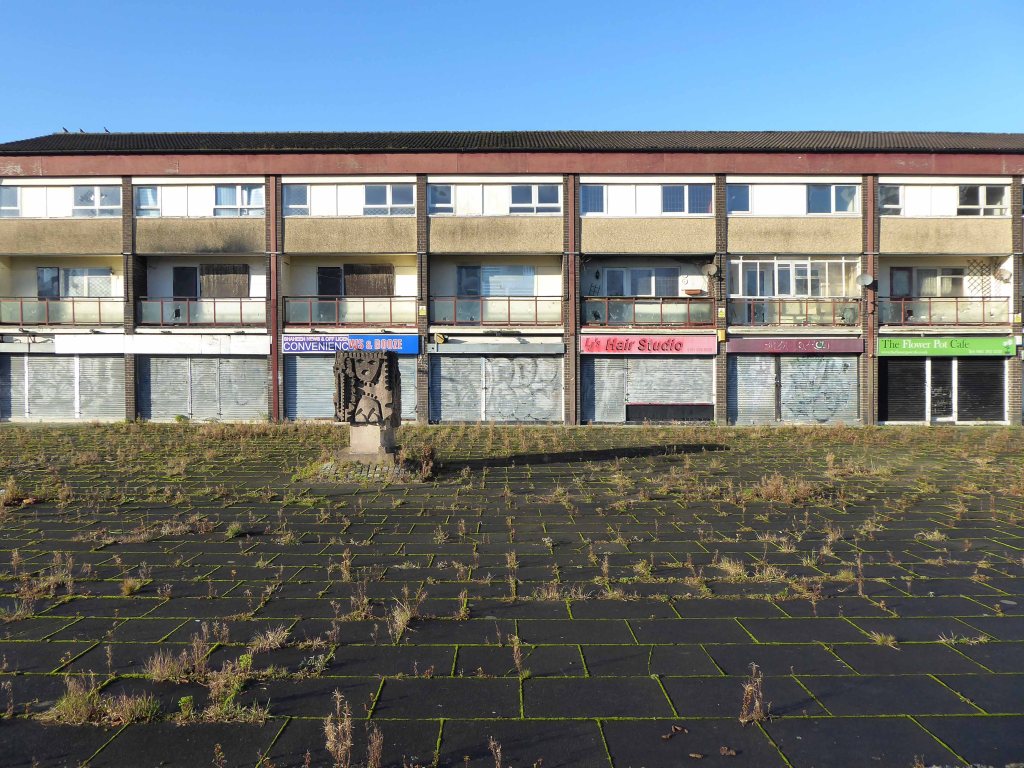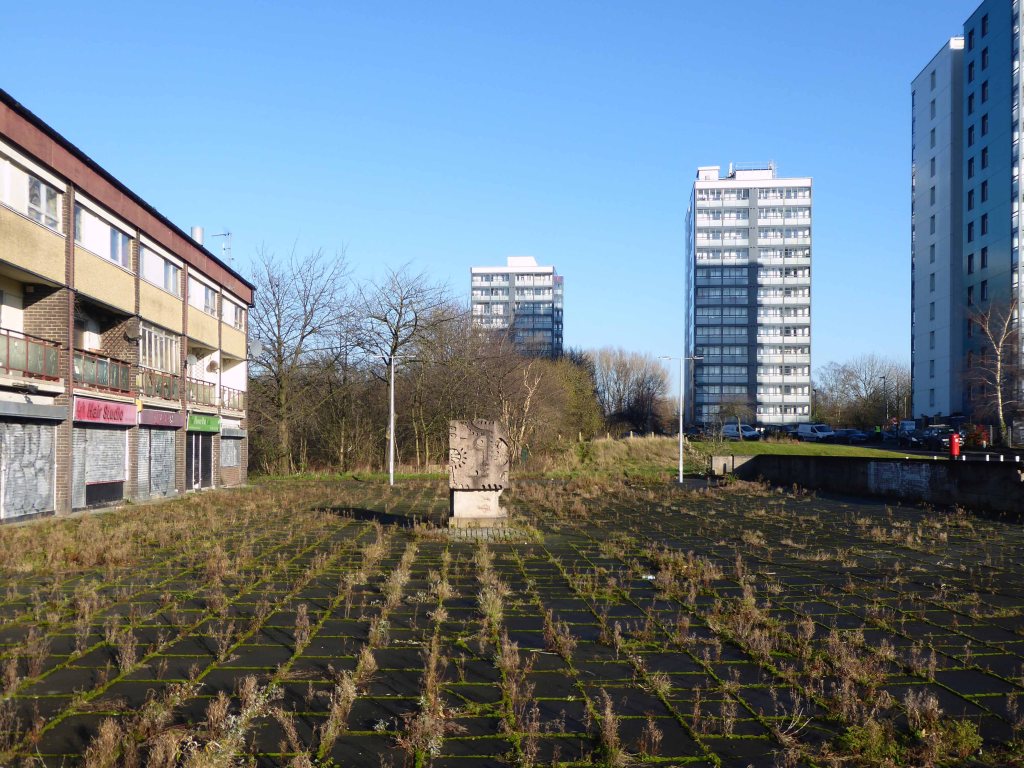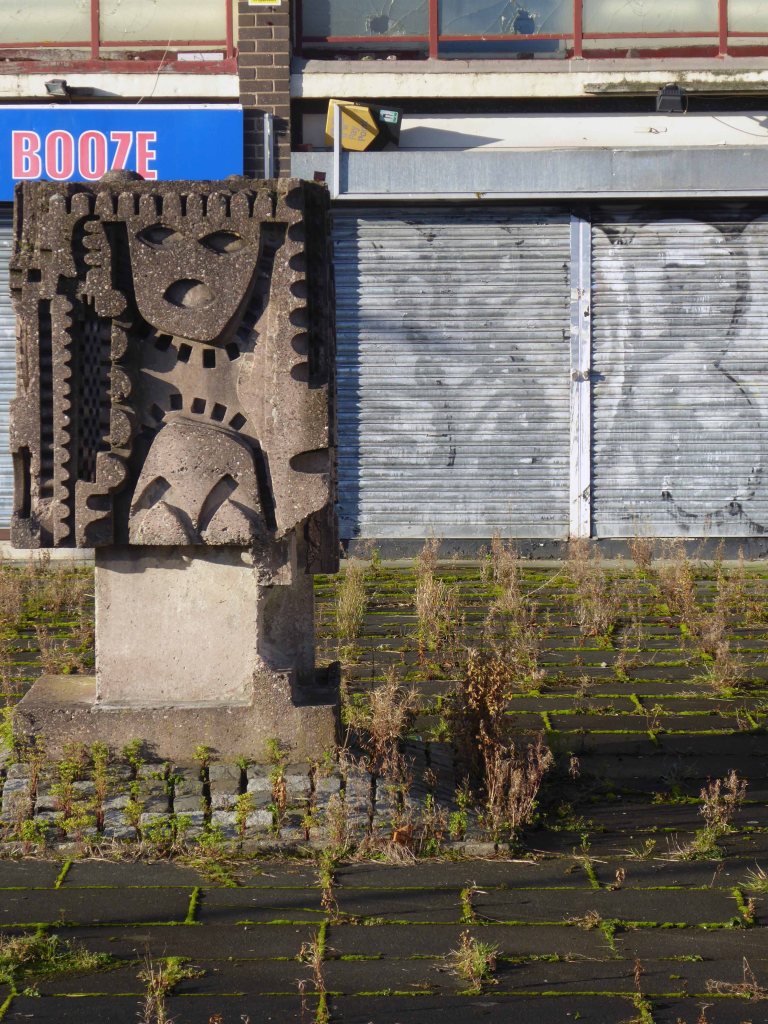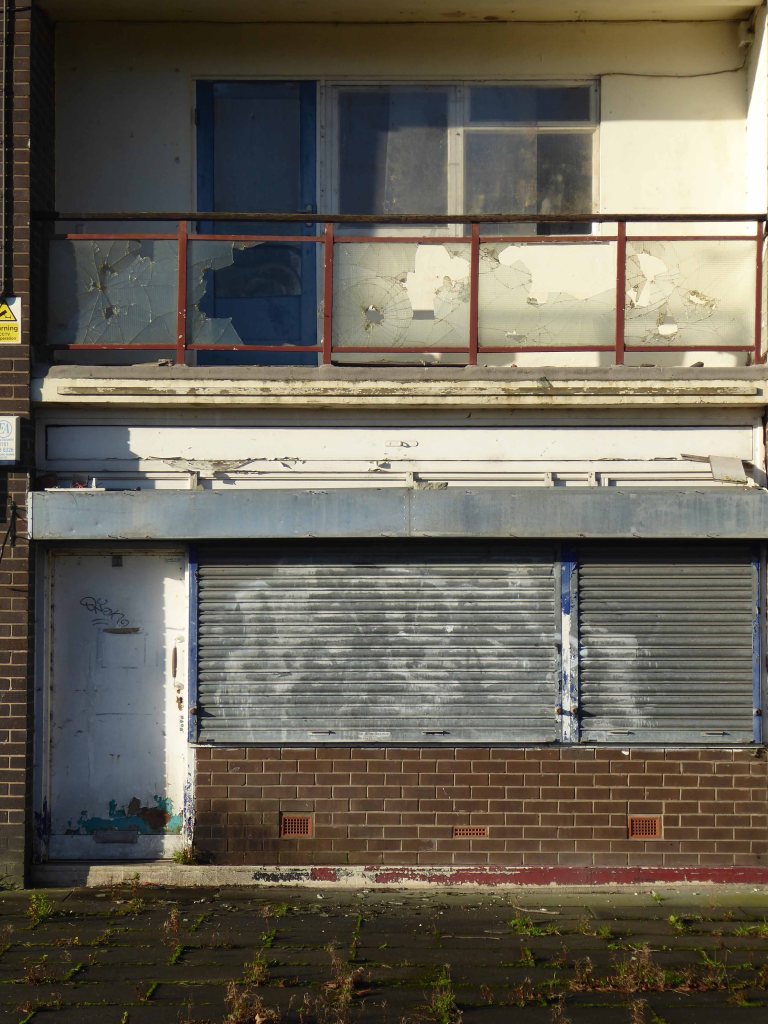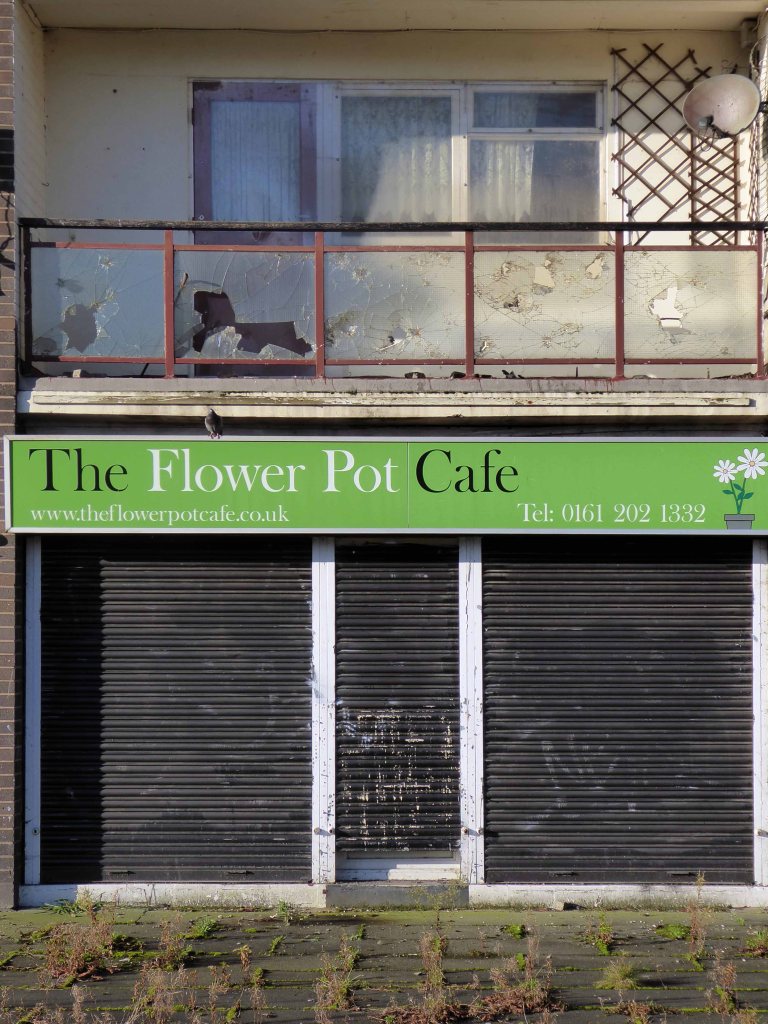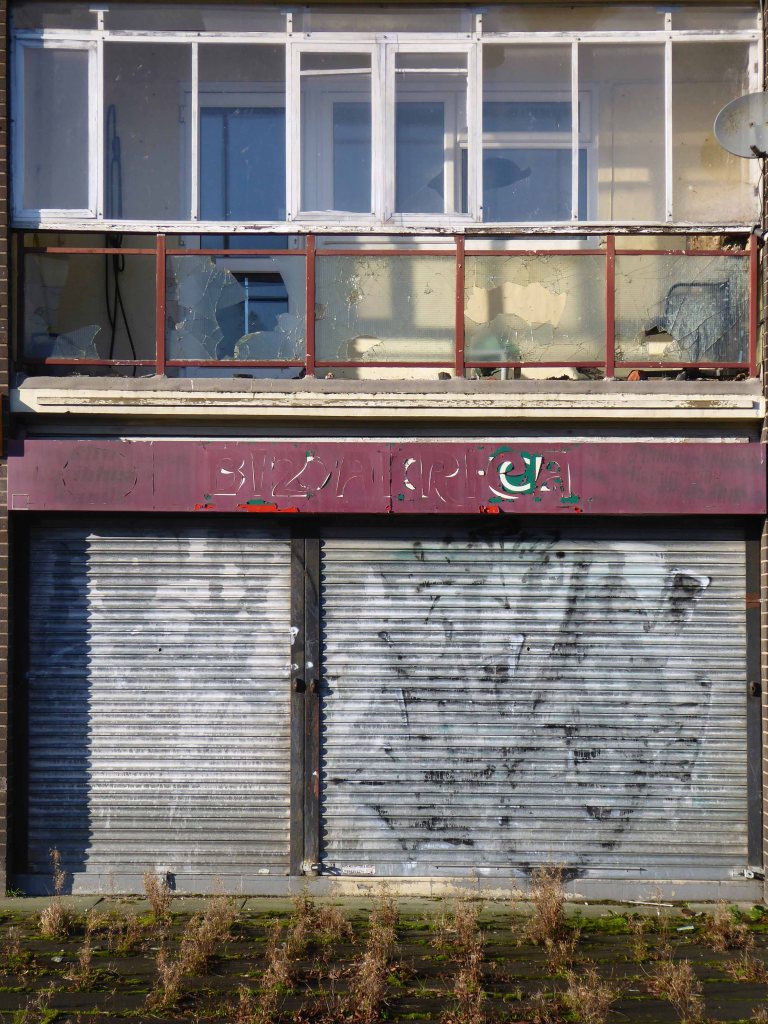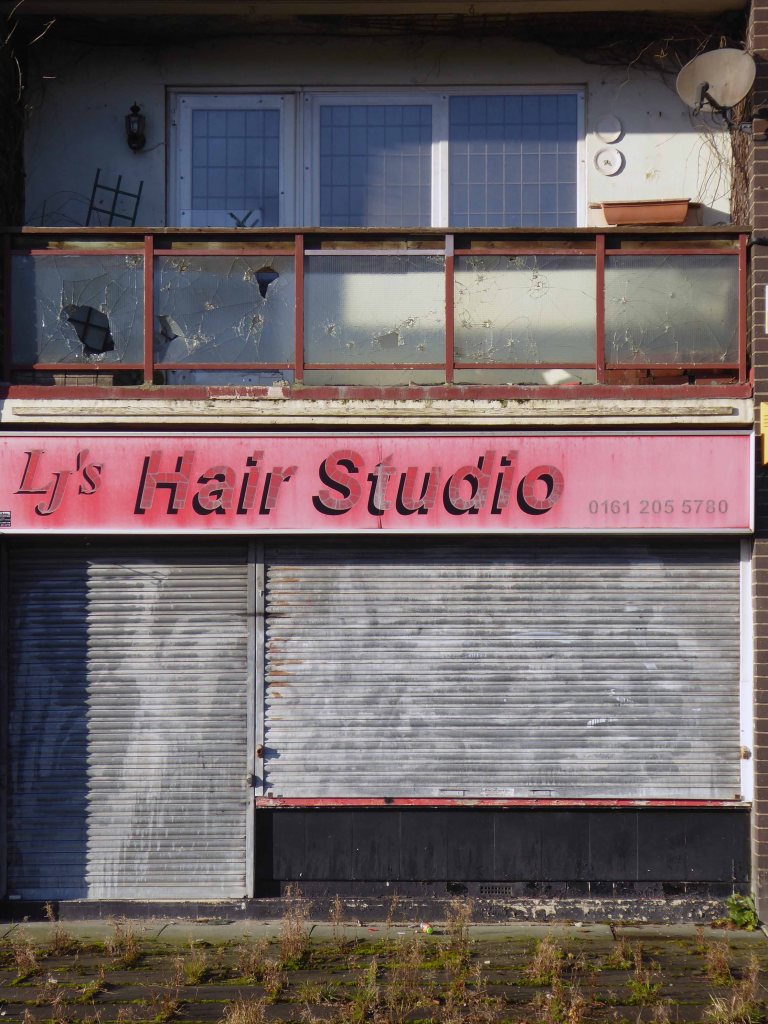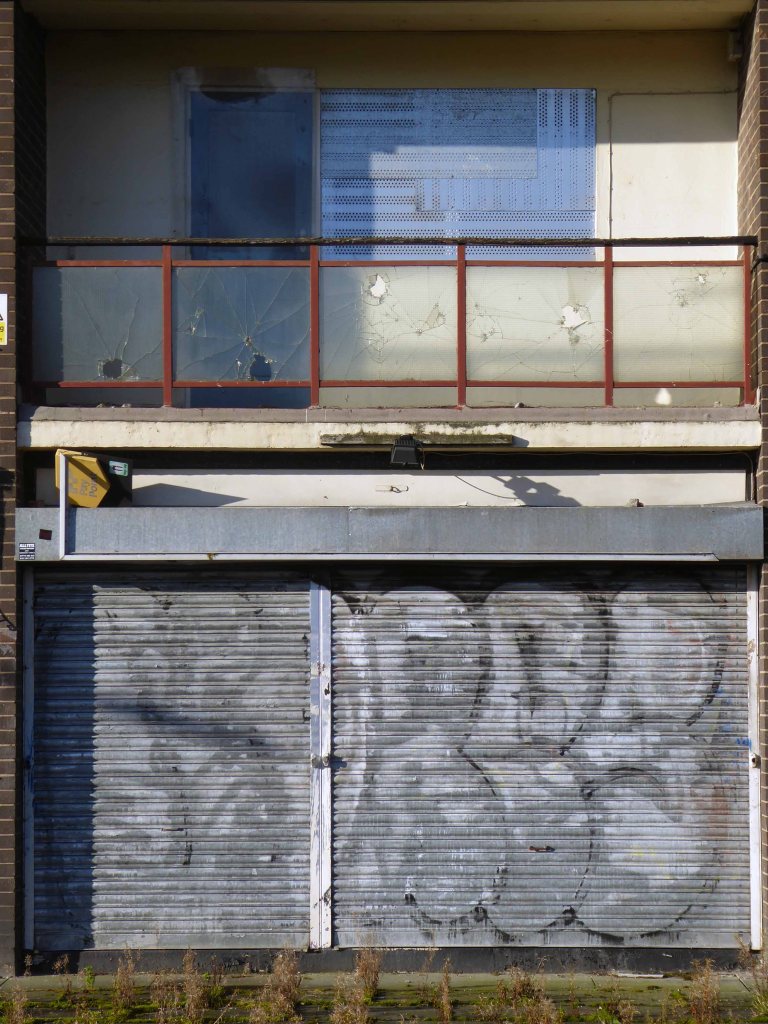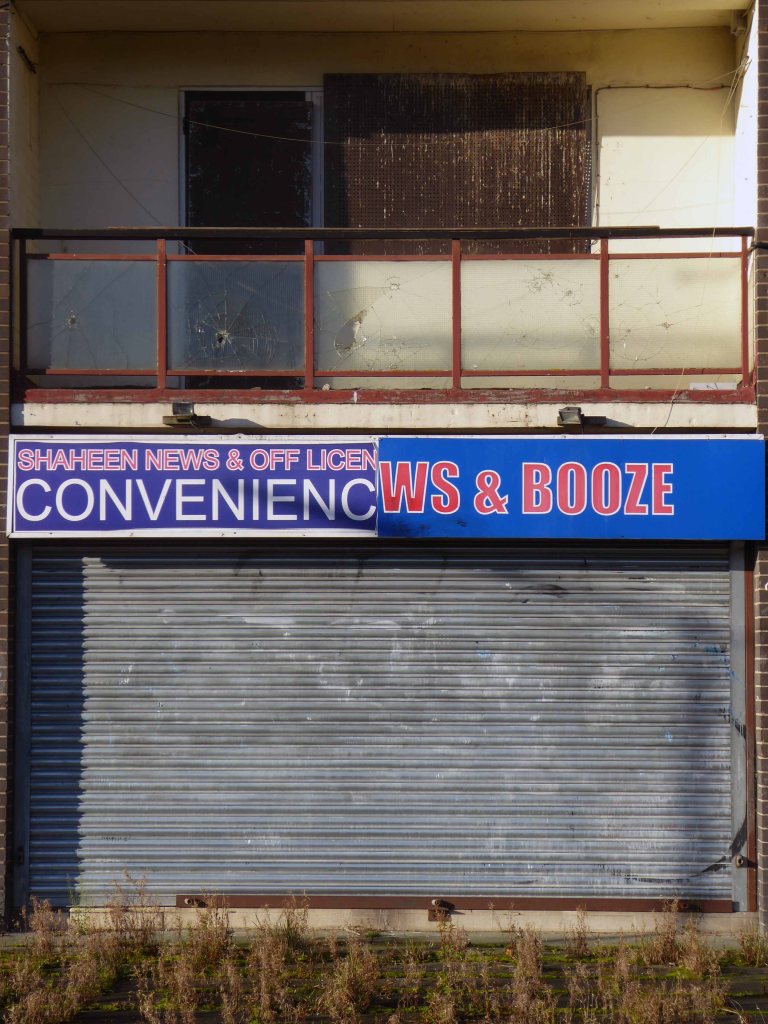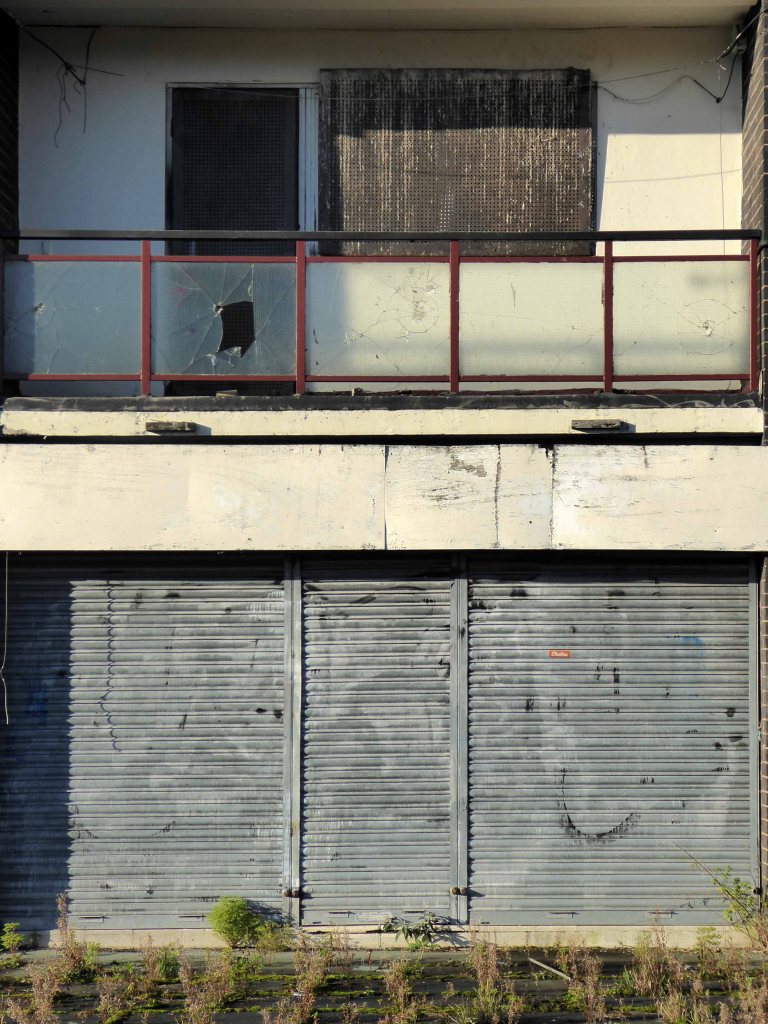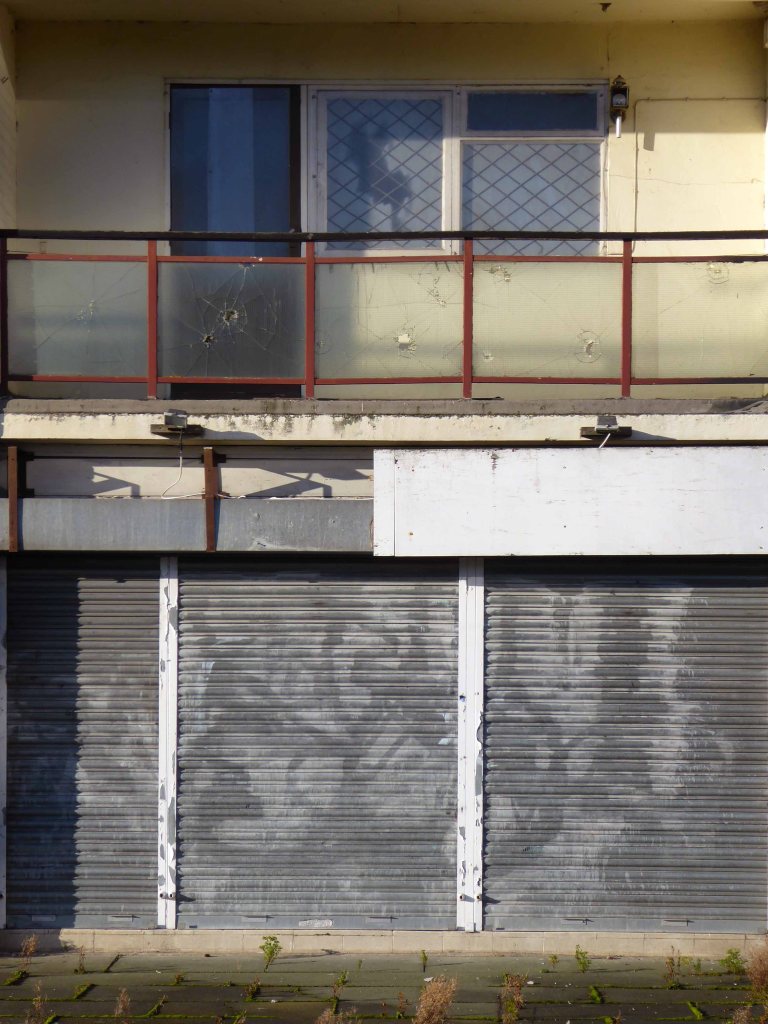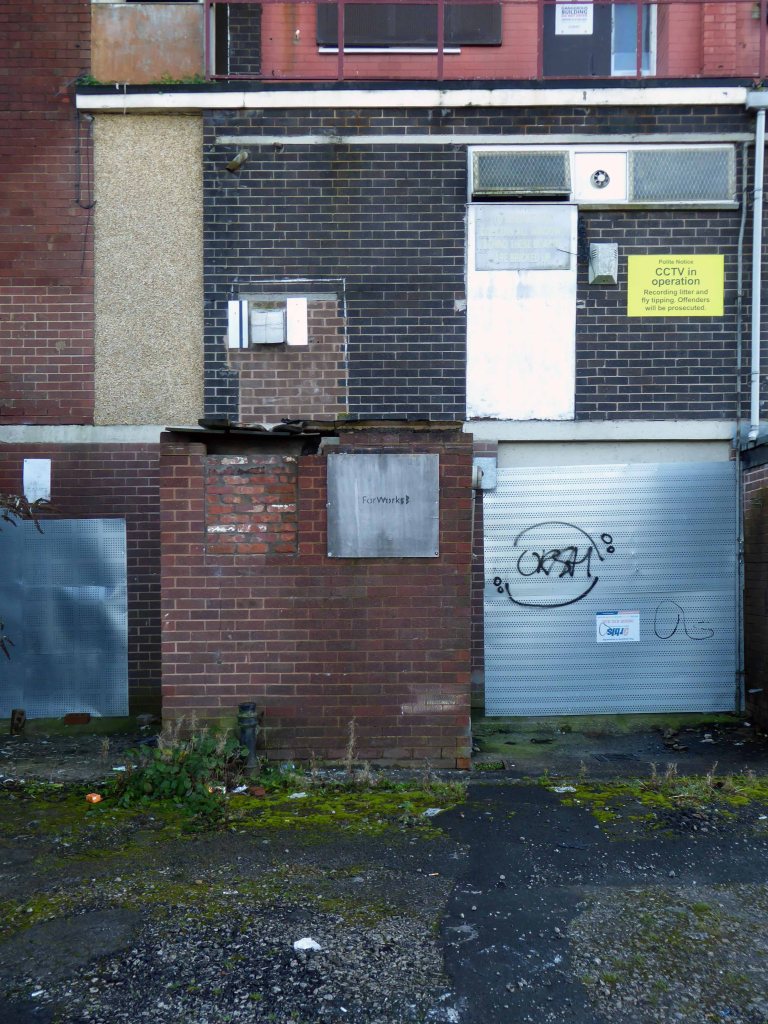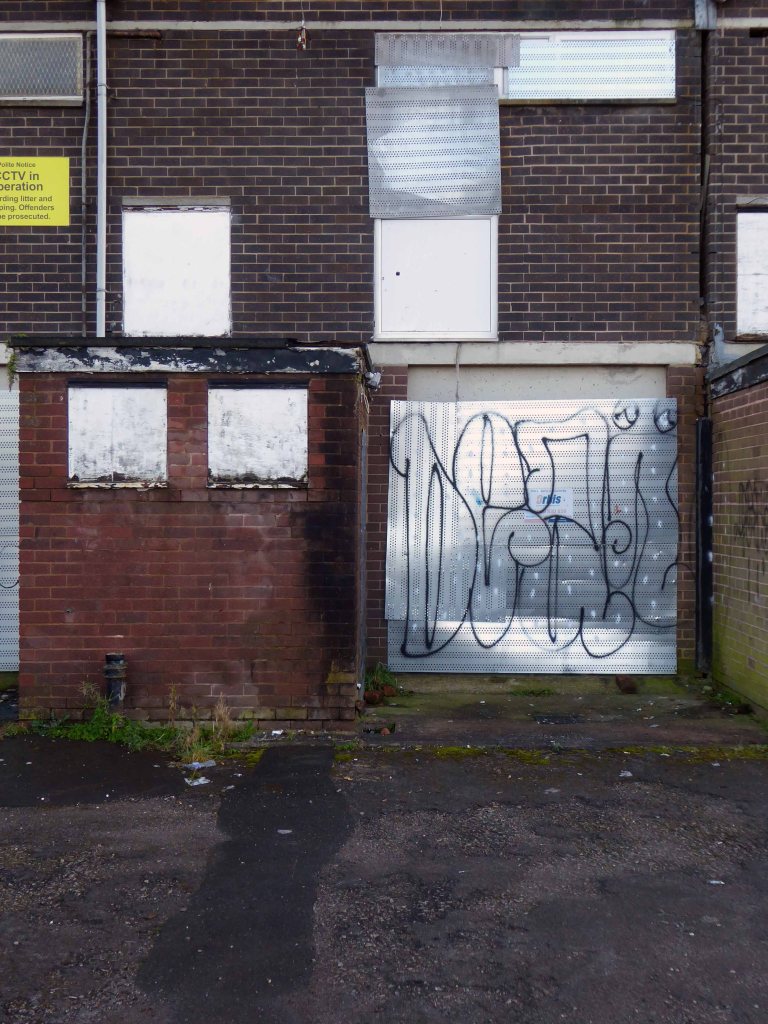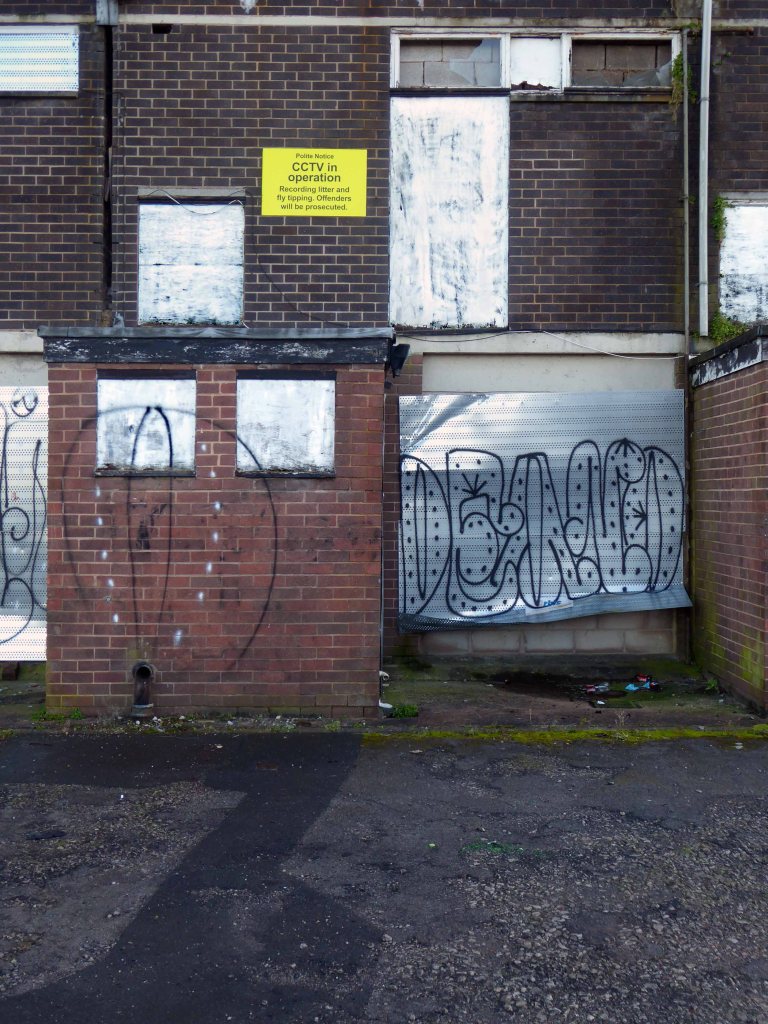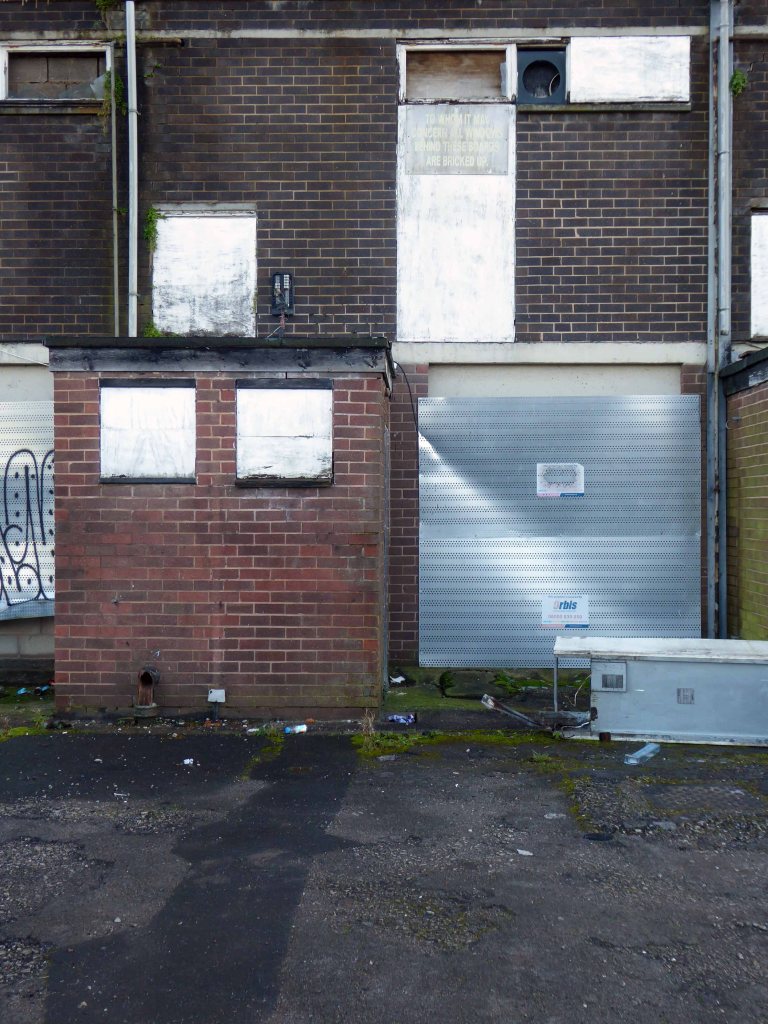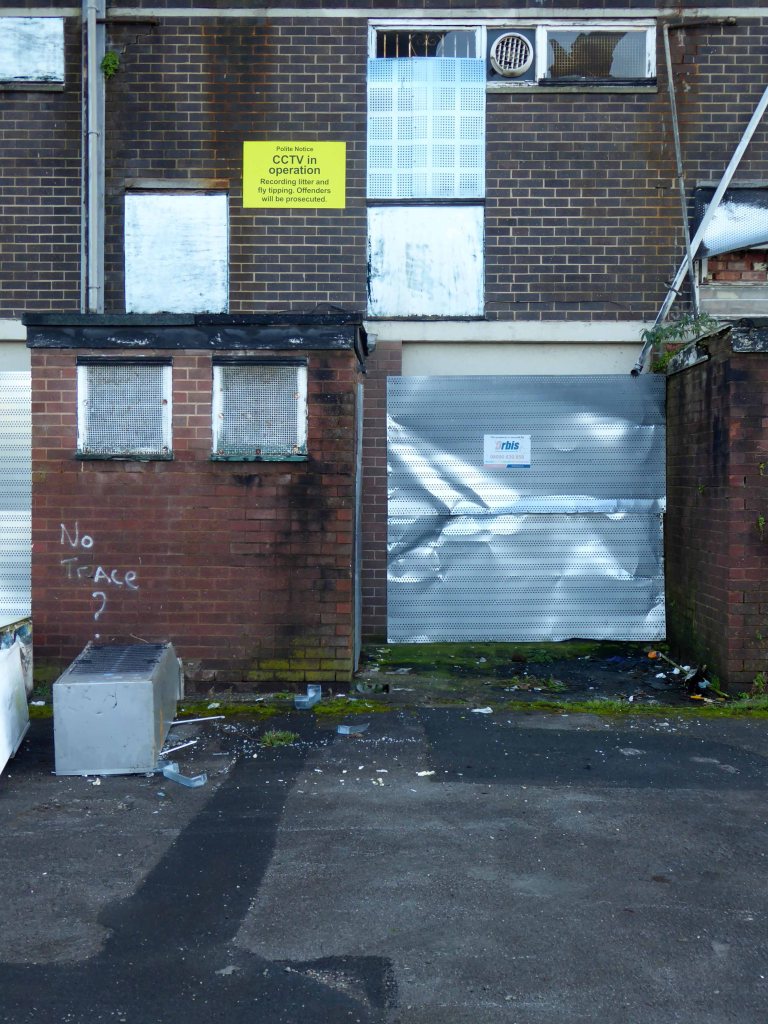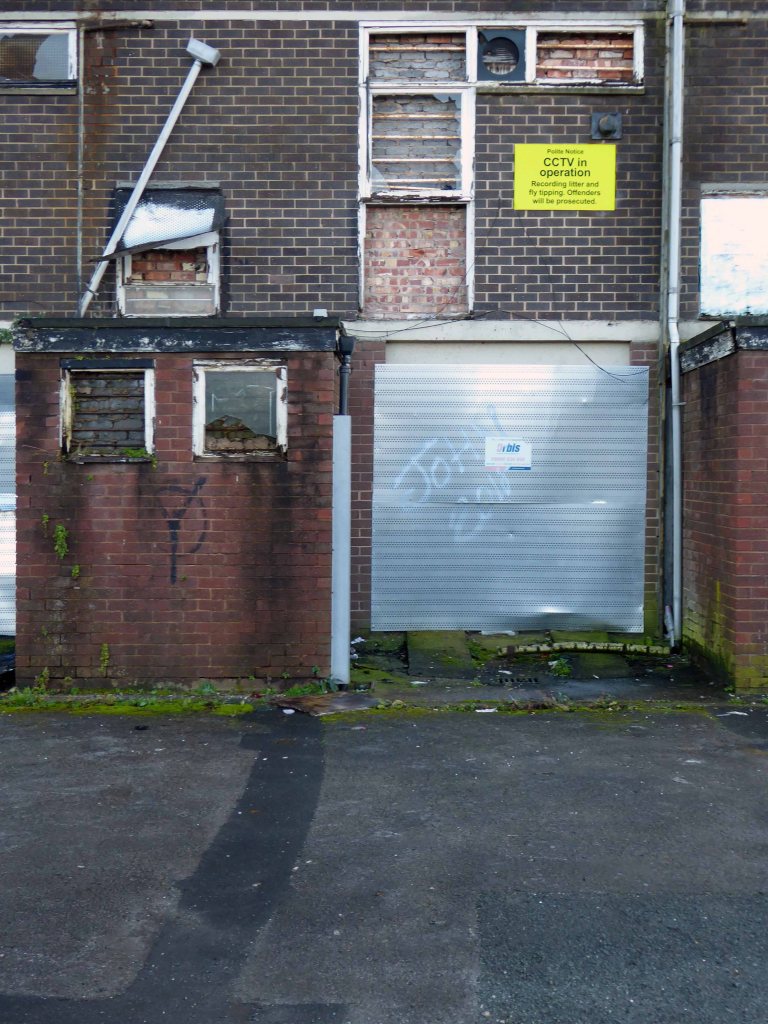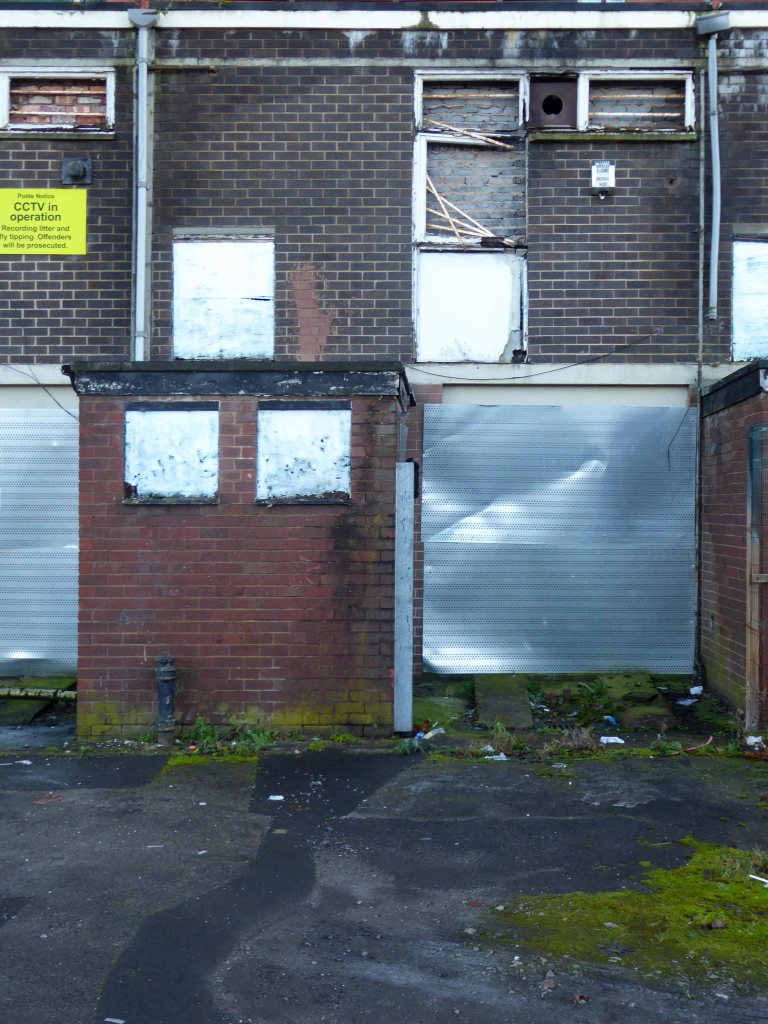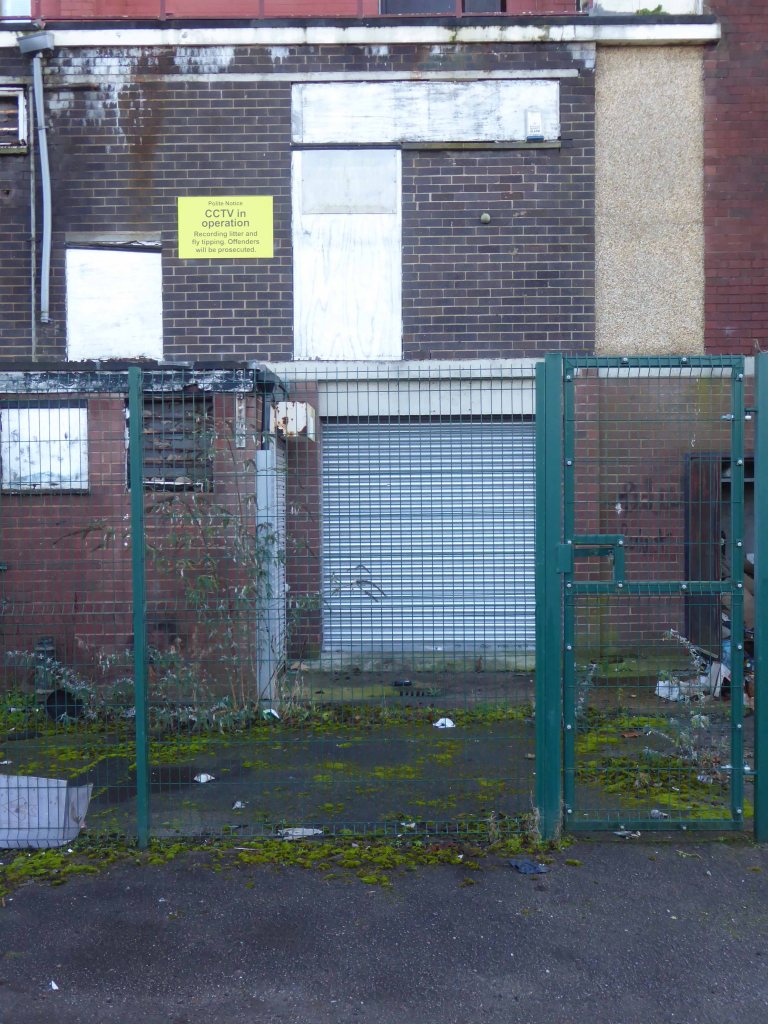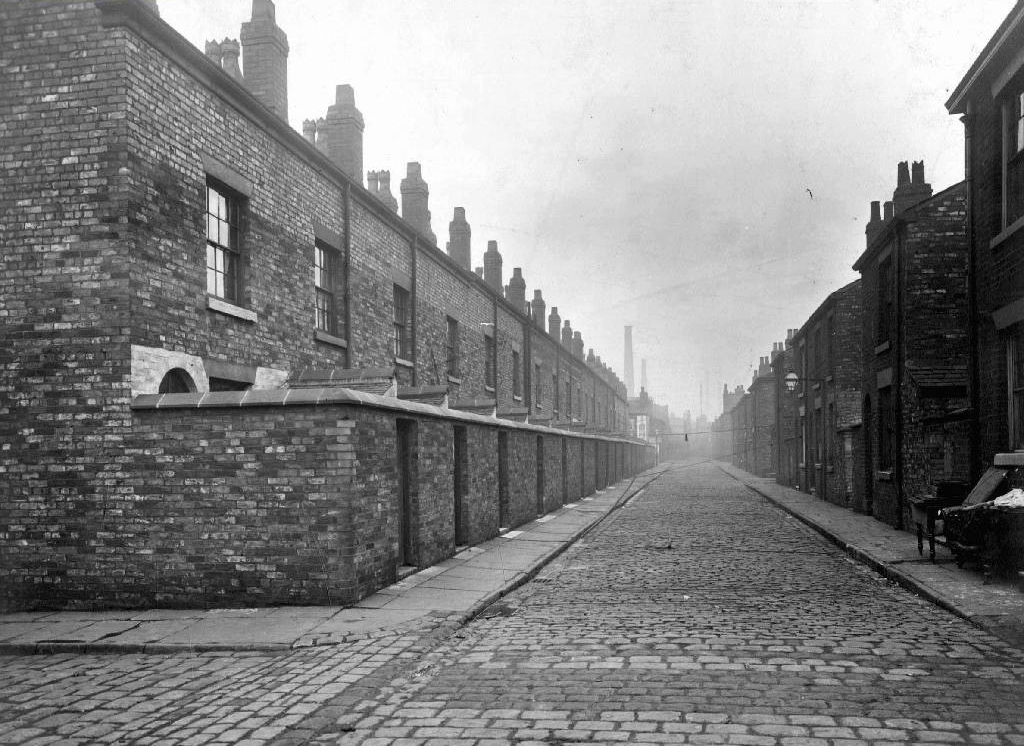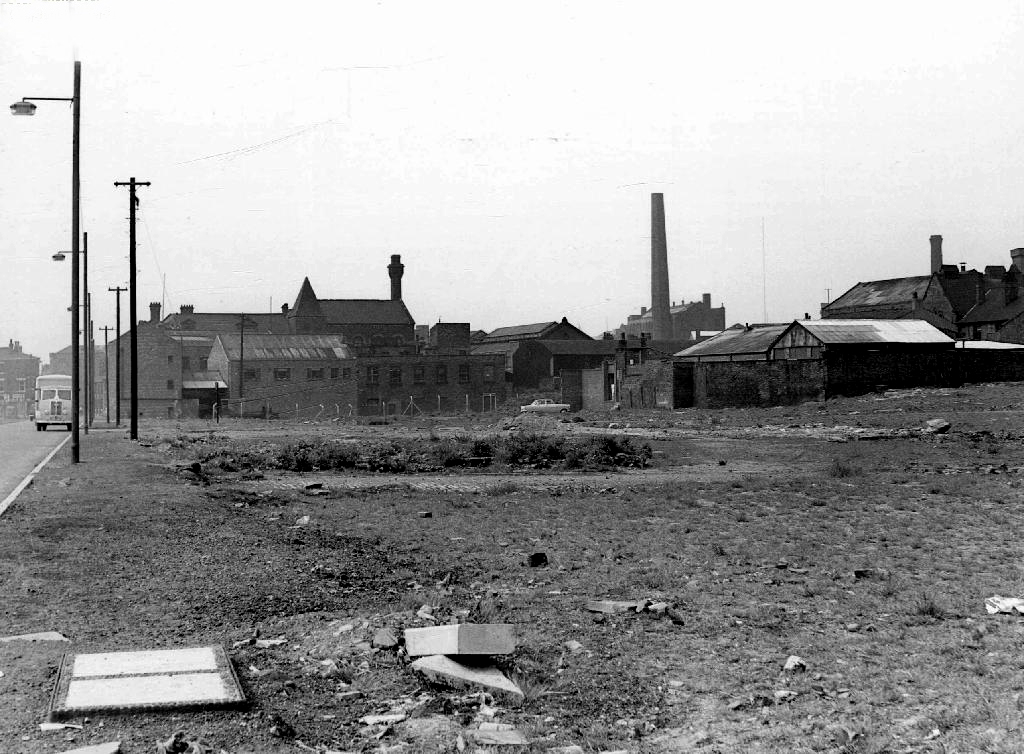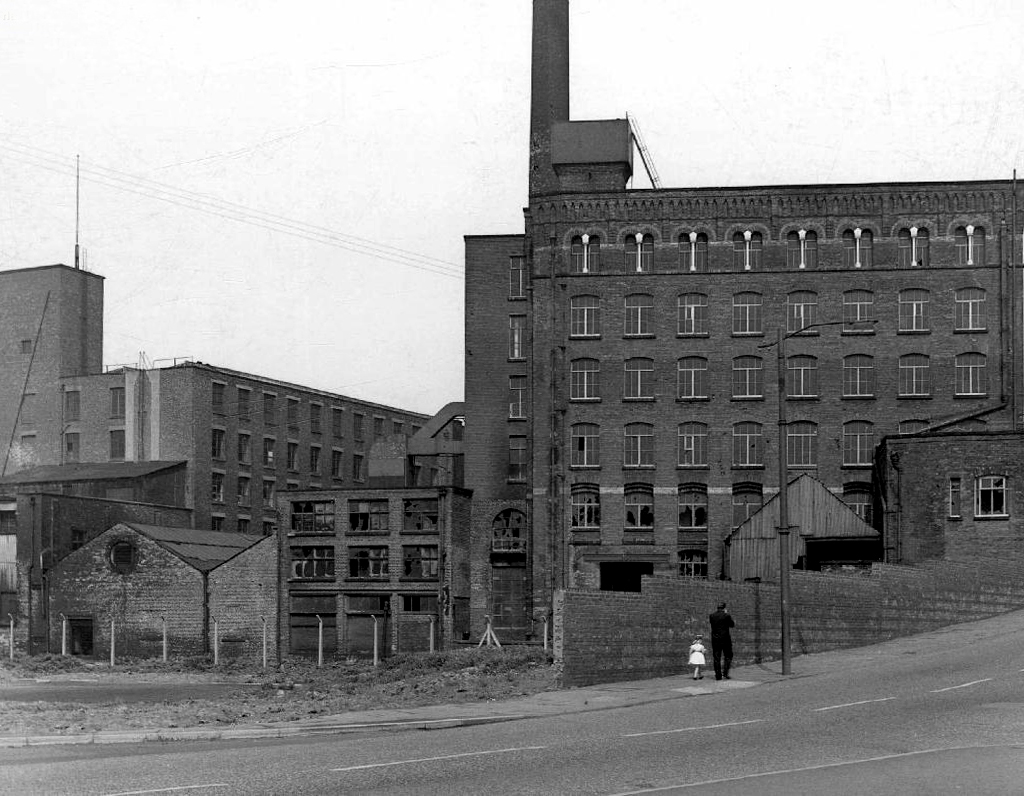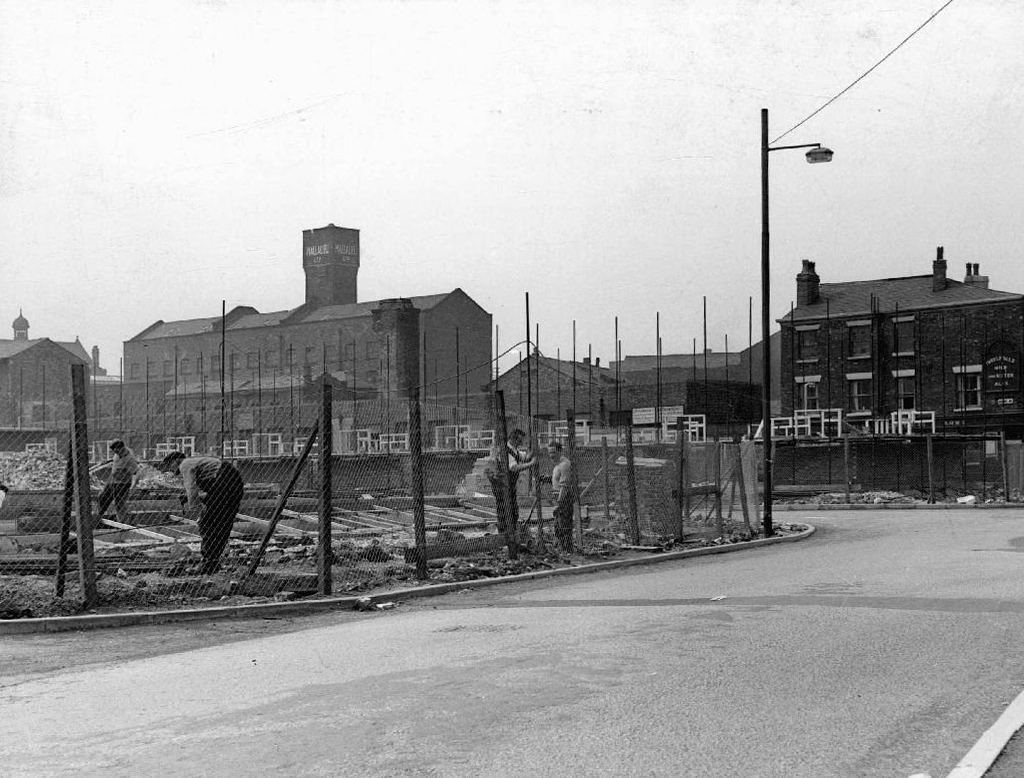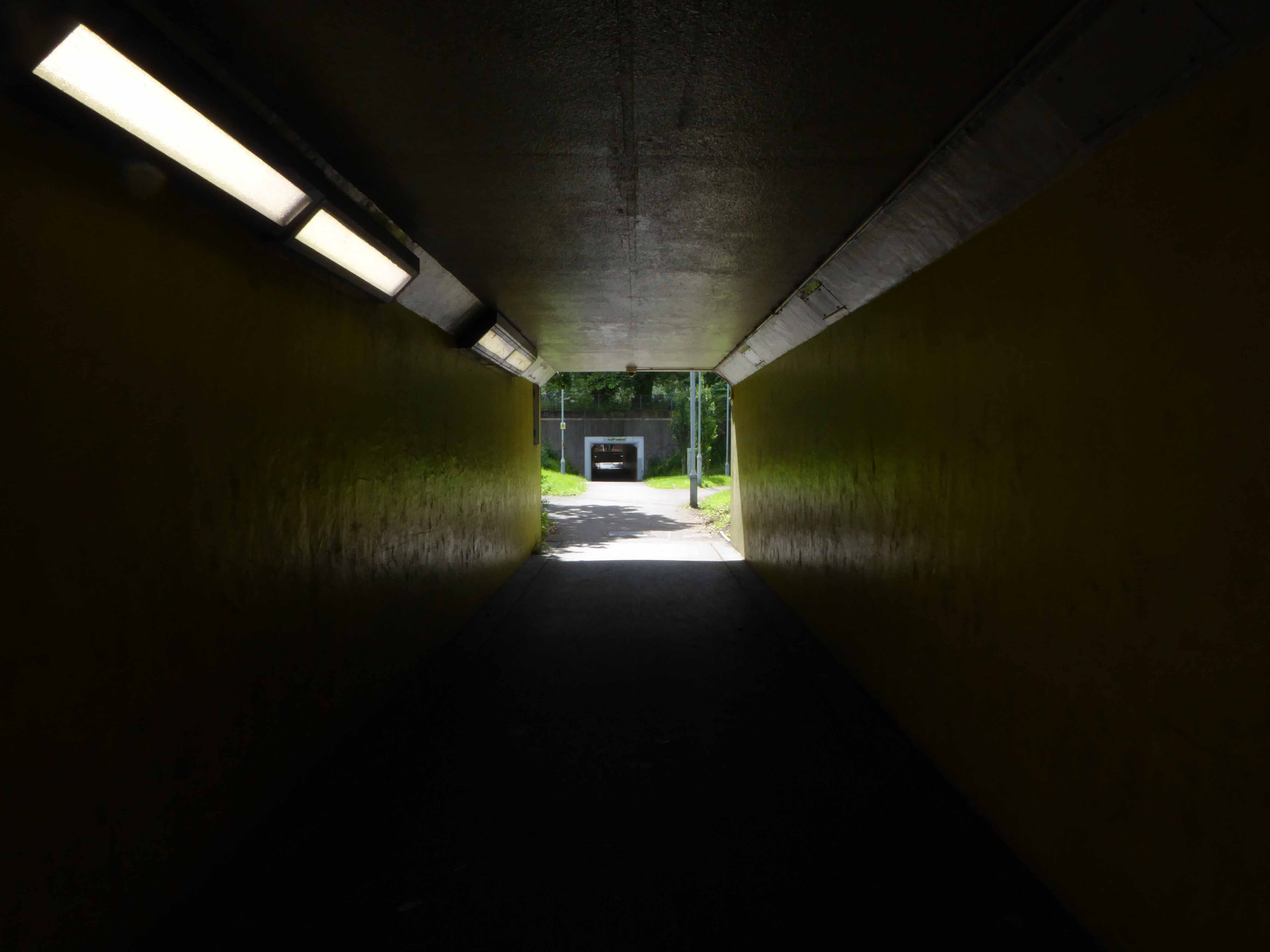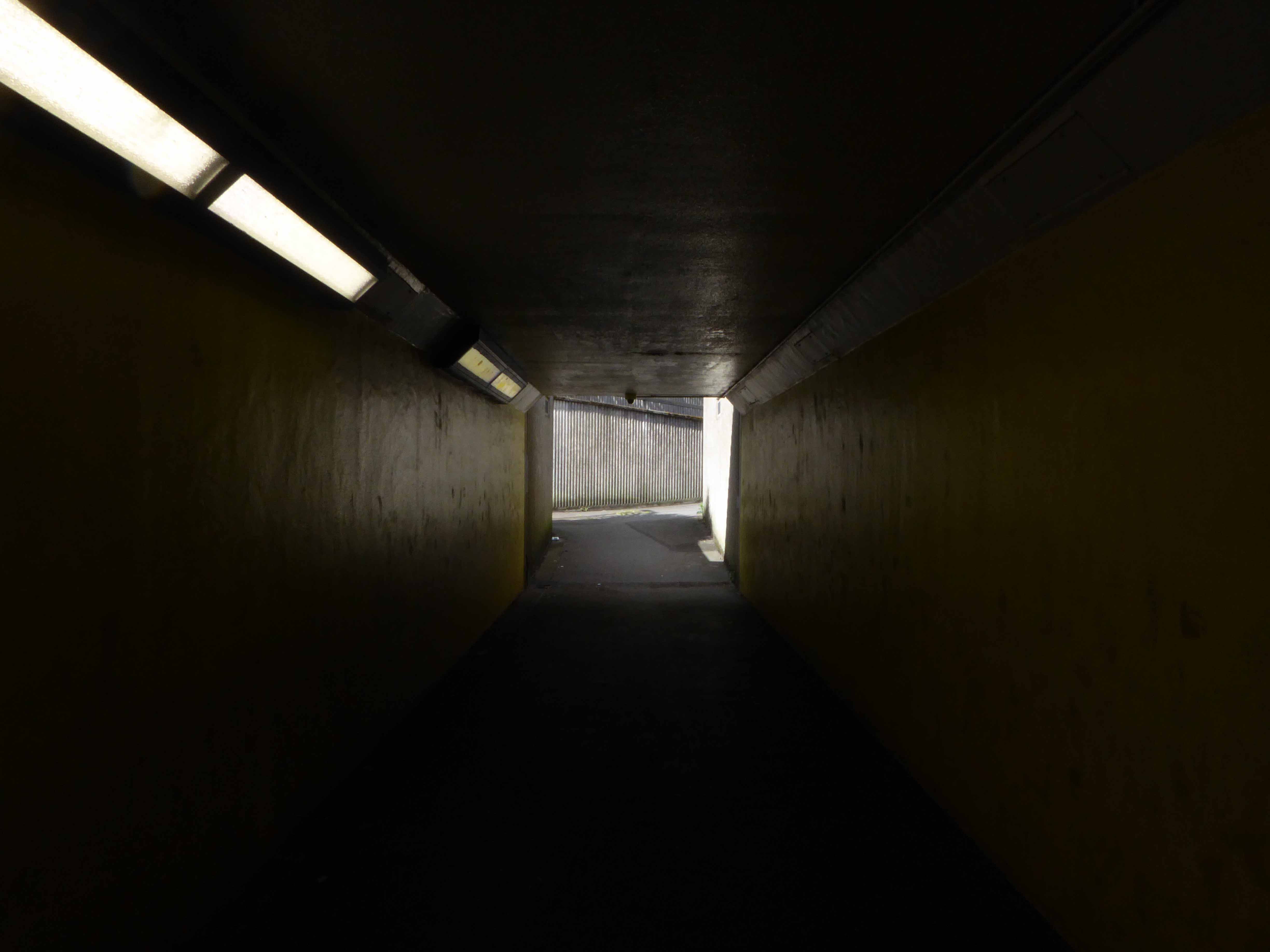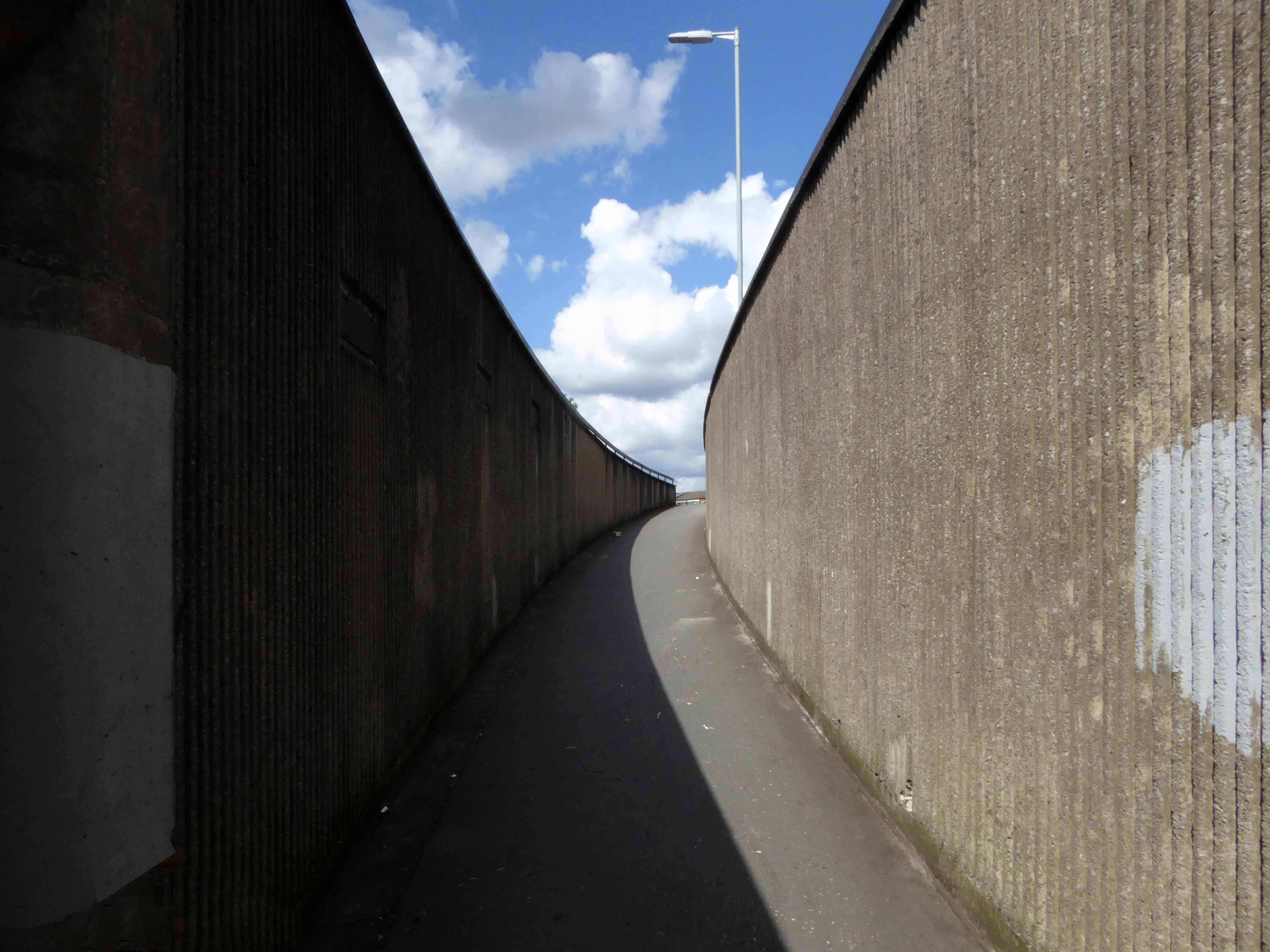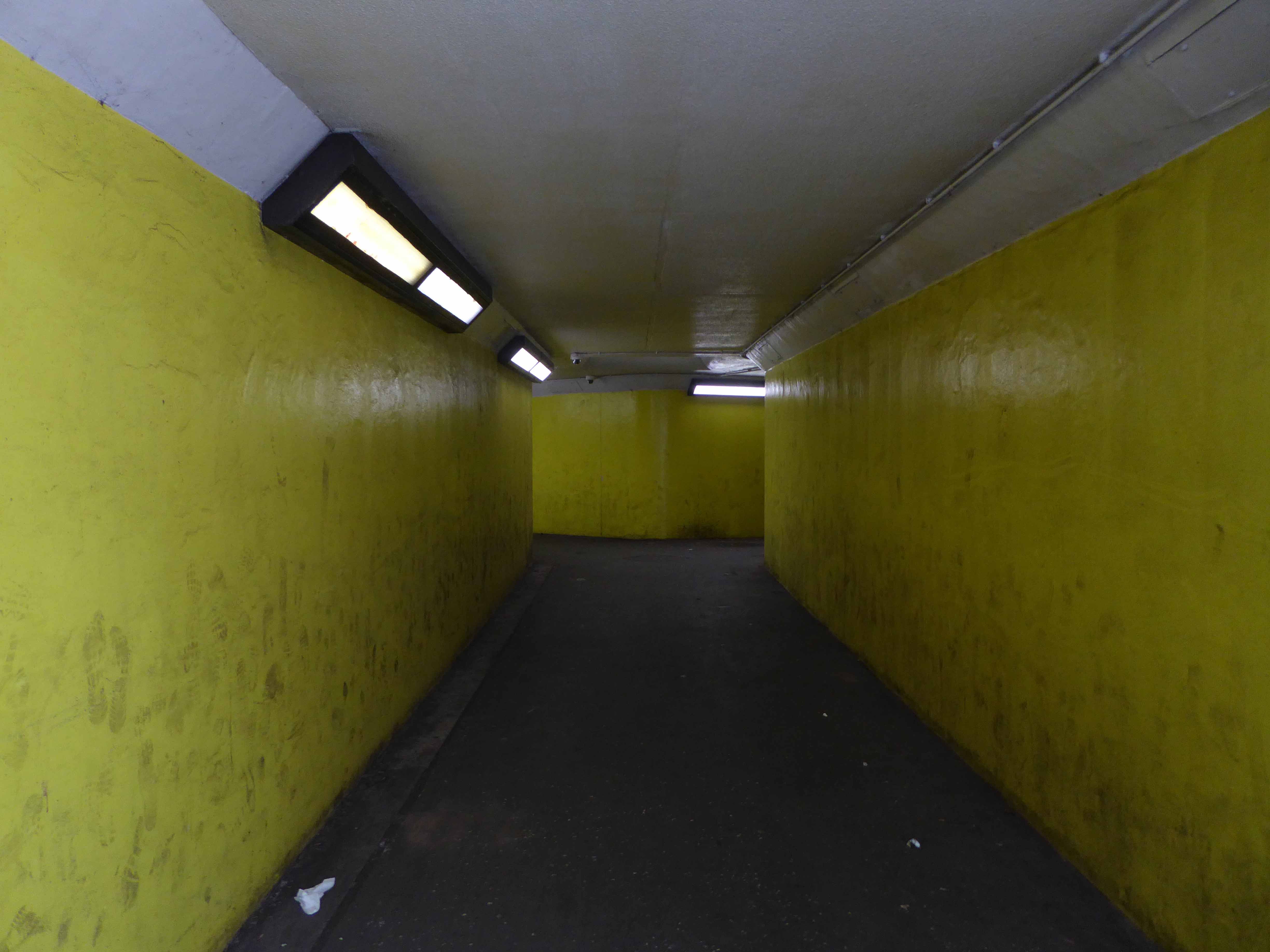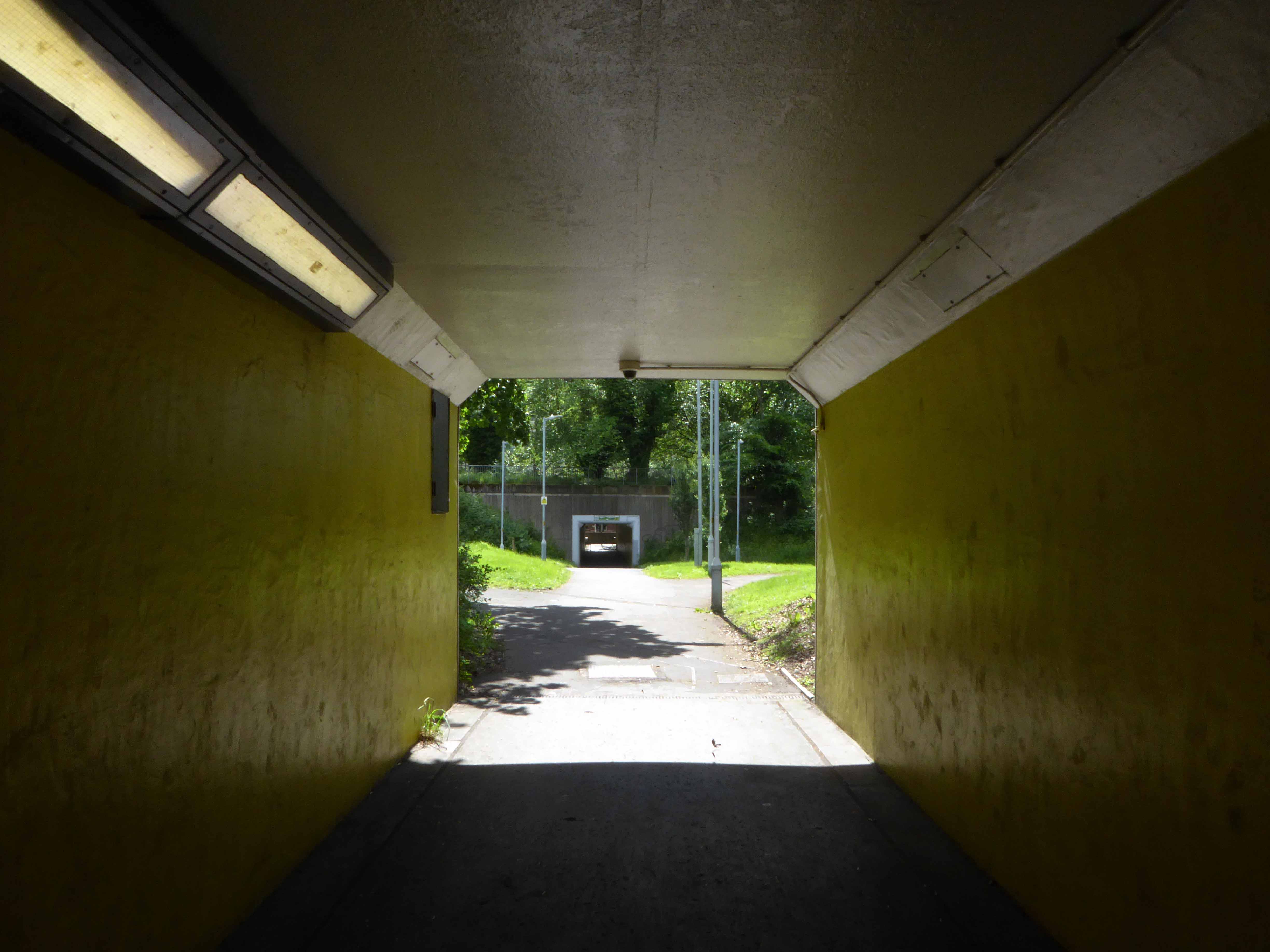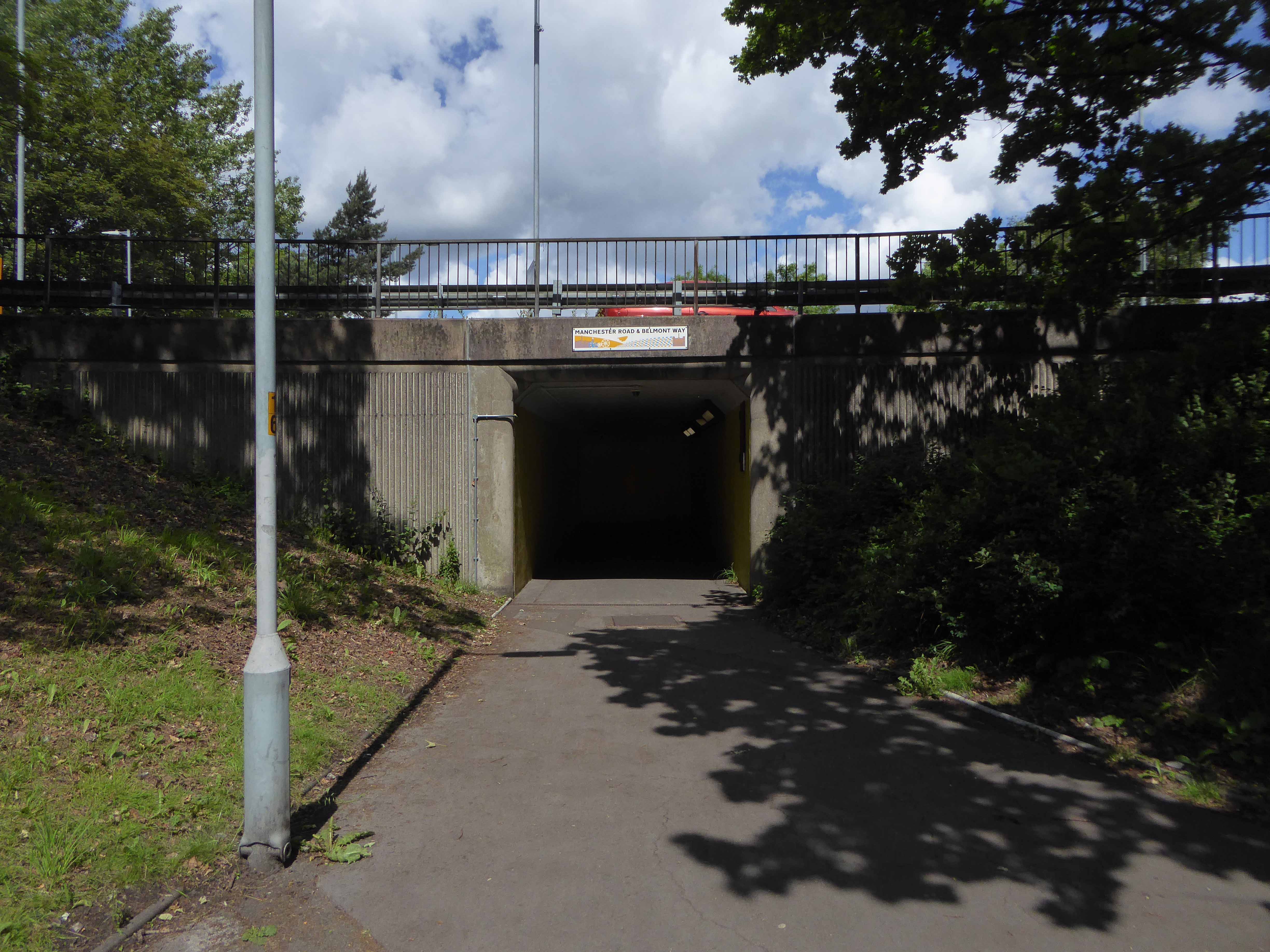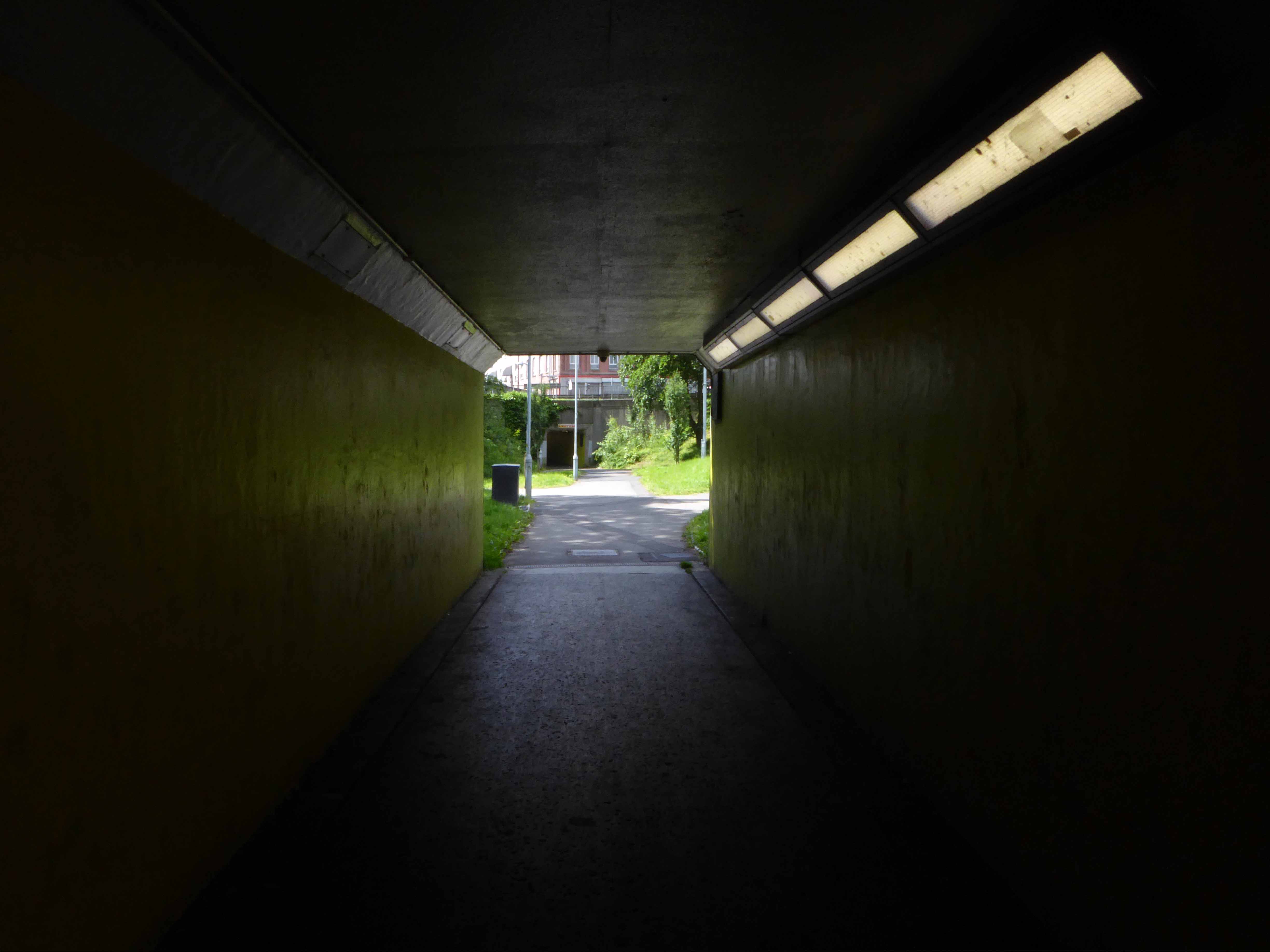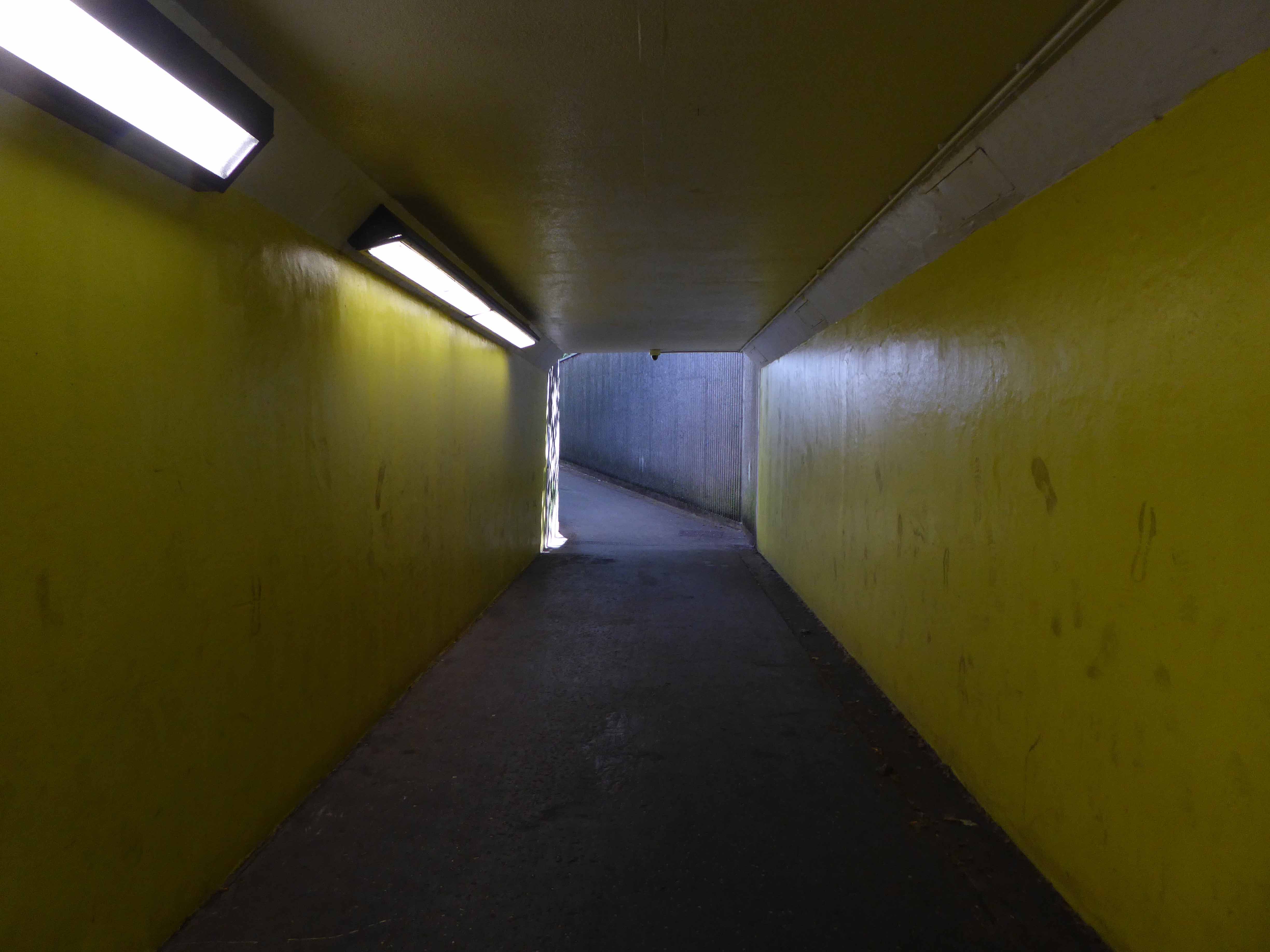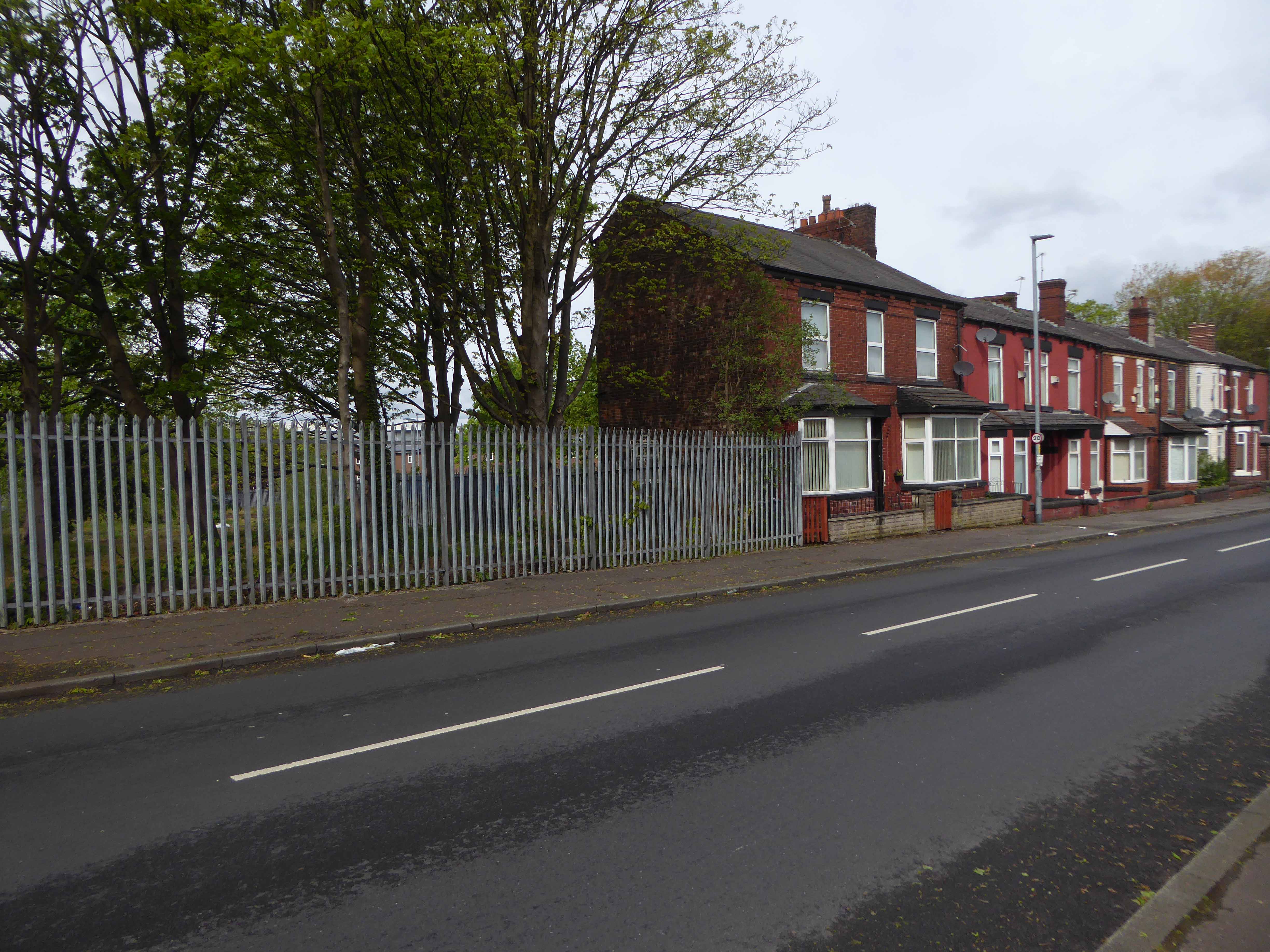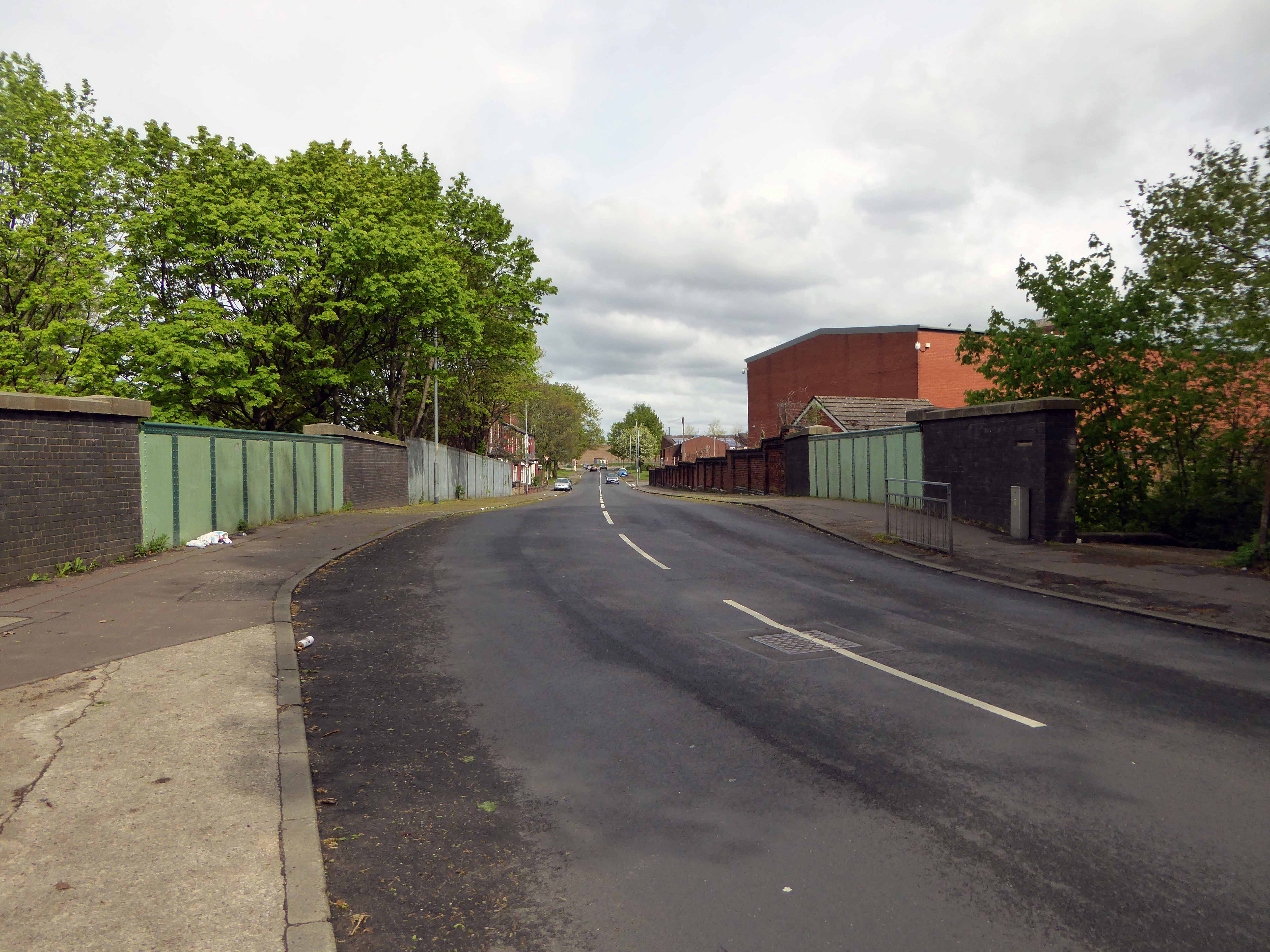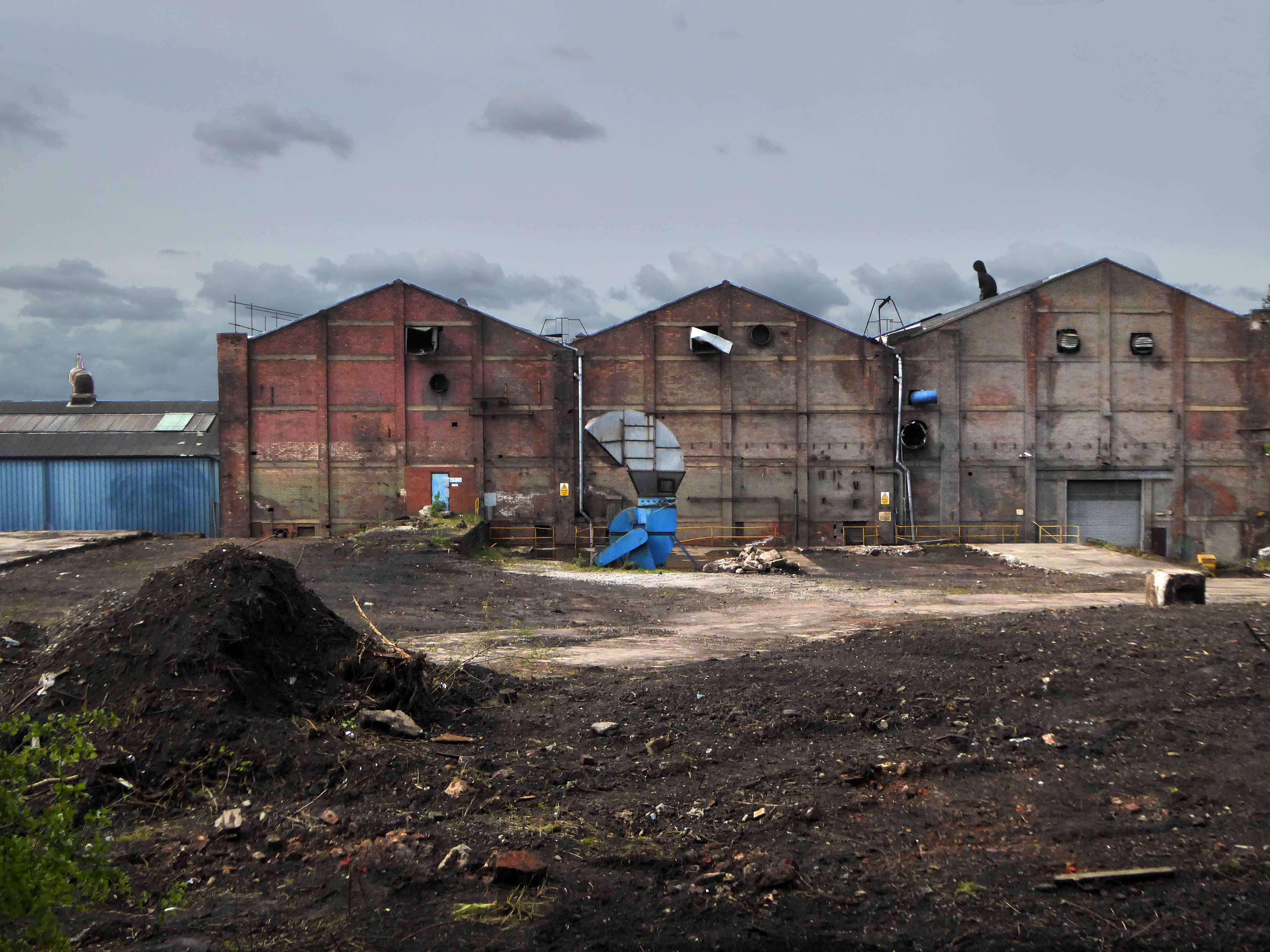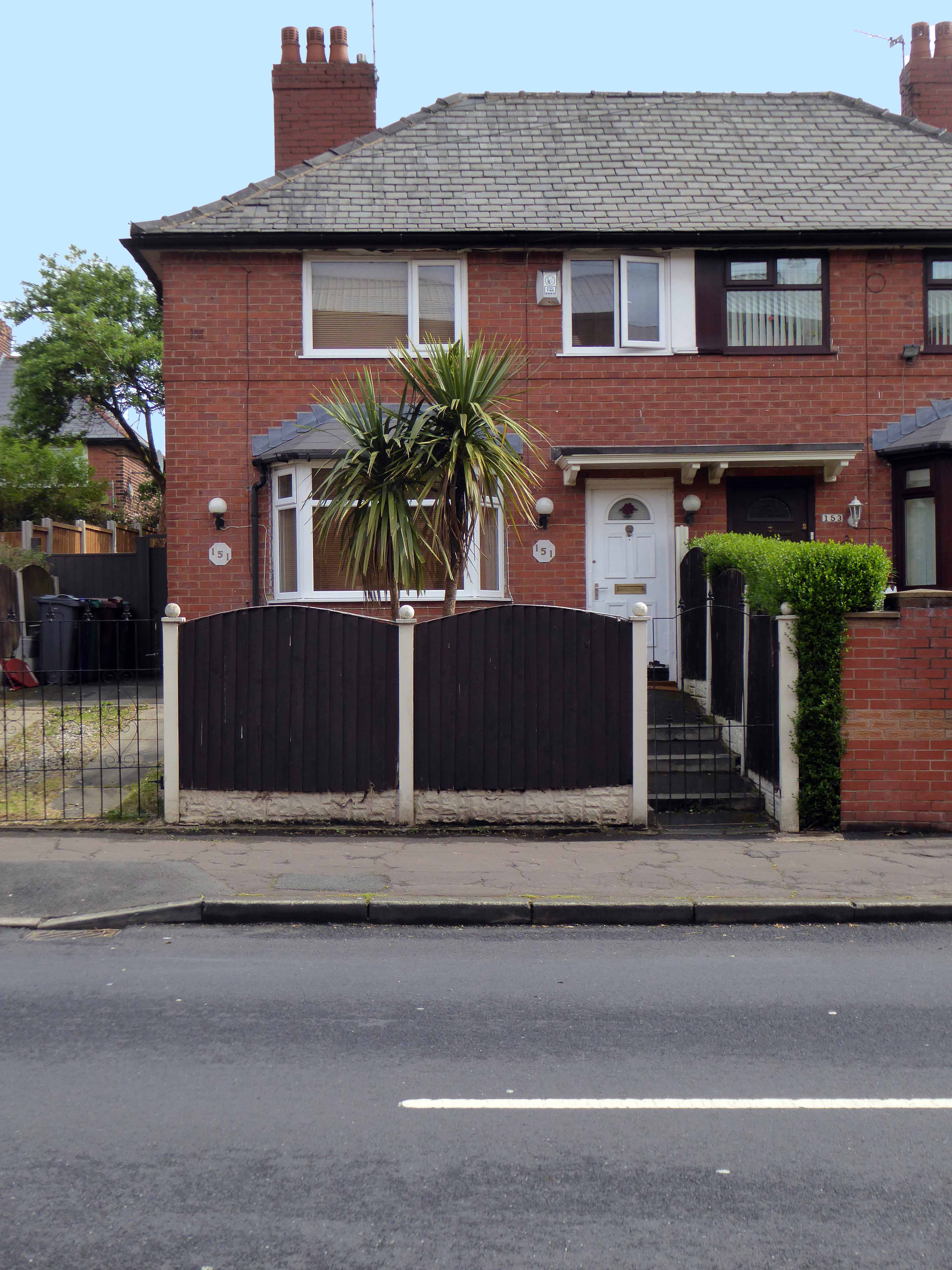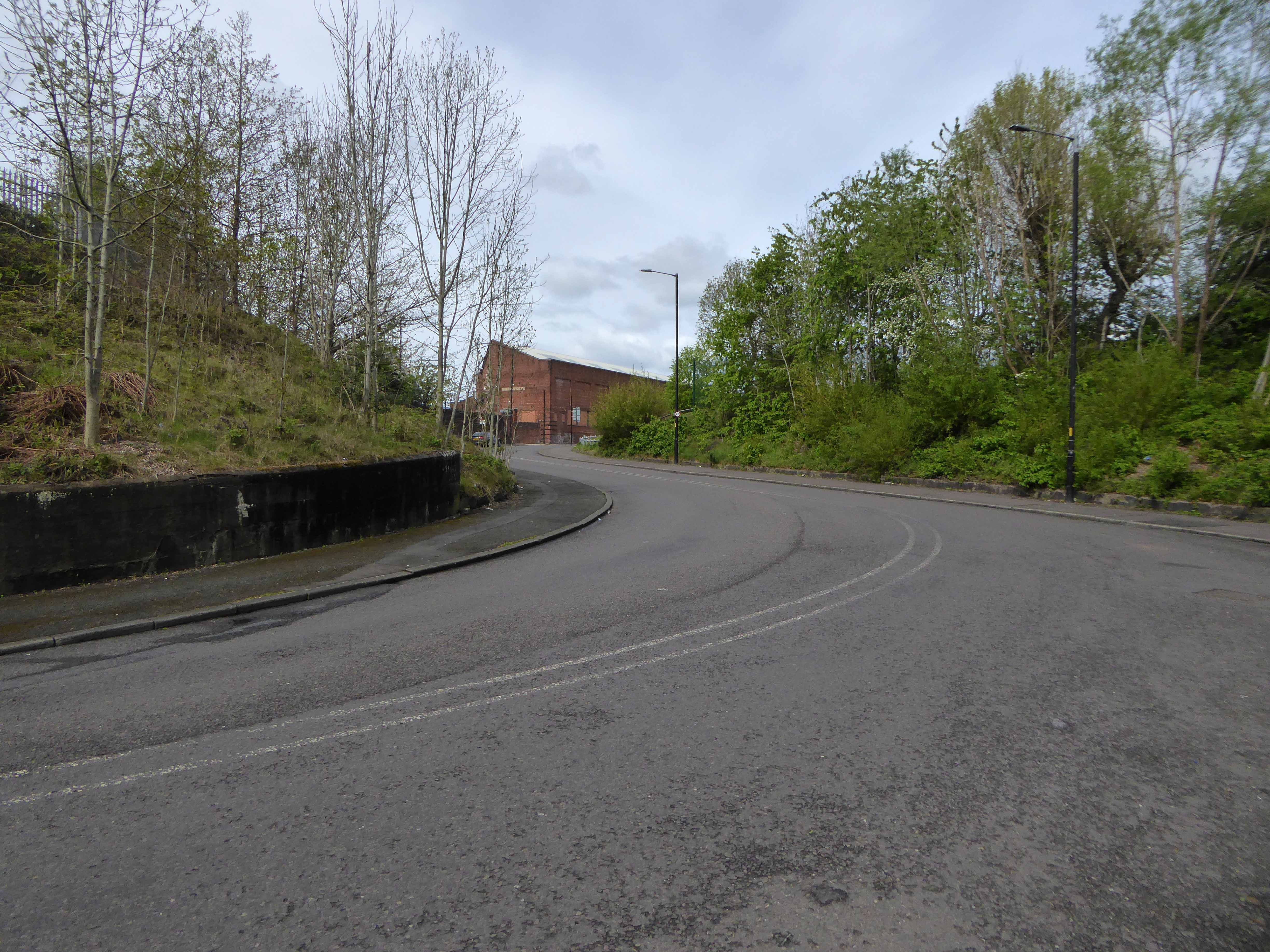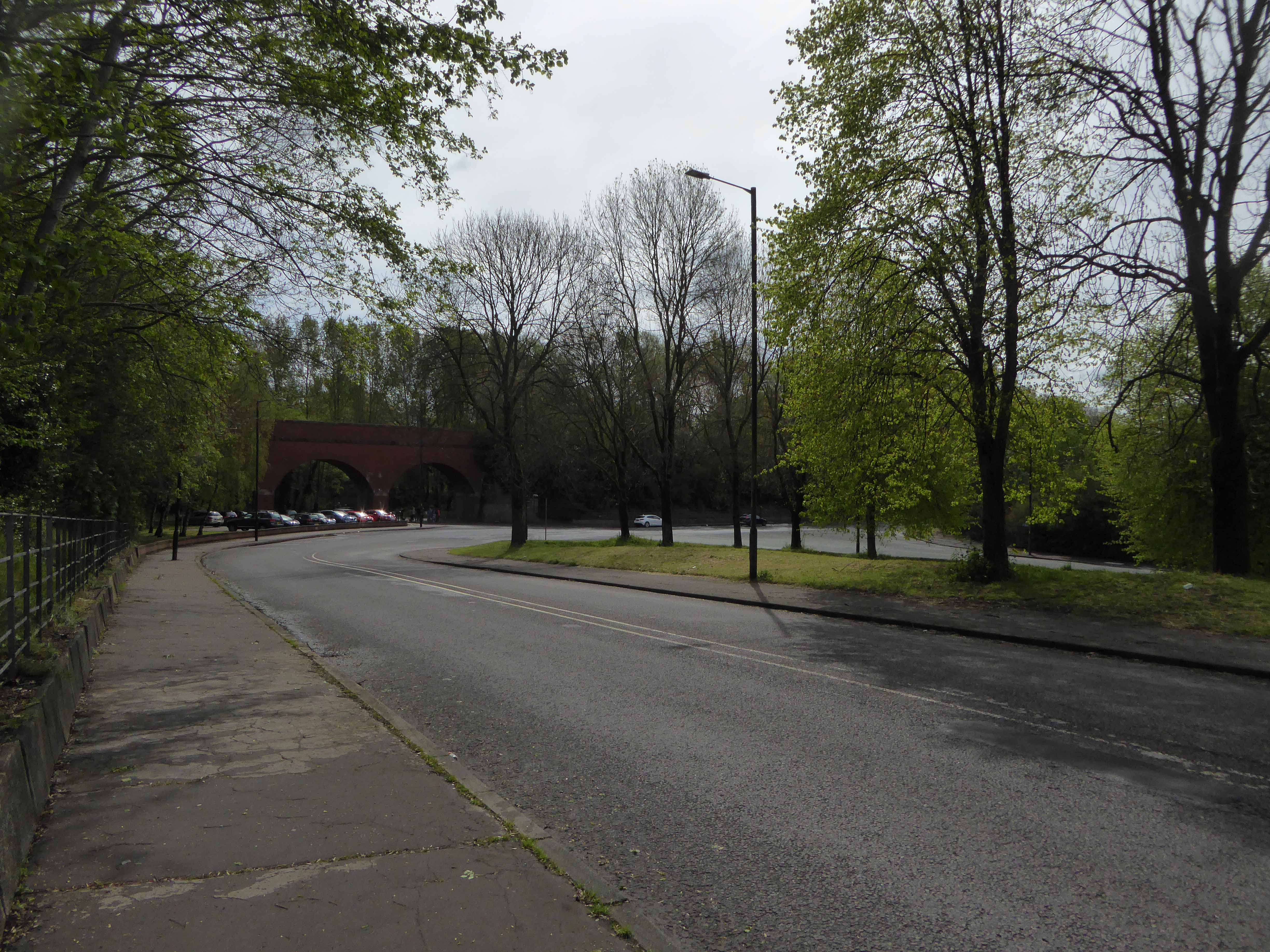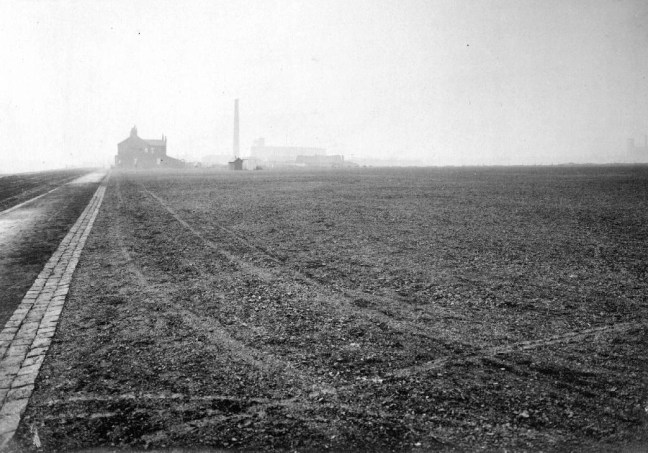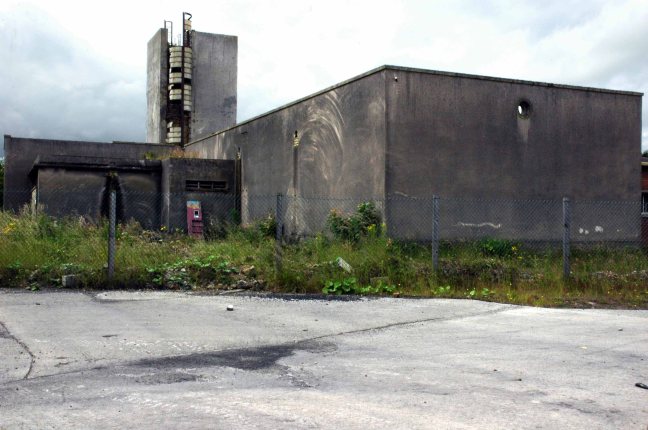
Stasis is the order of the day – the last stand for this forlorn stand of shops.
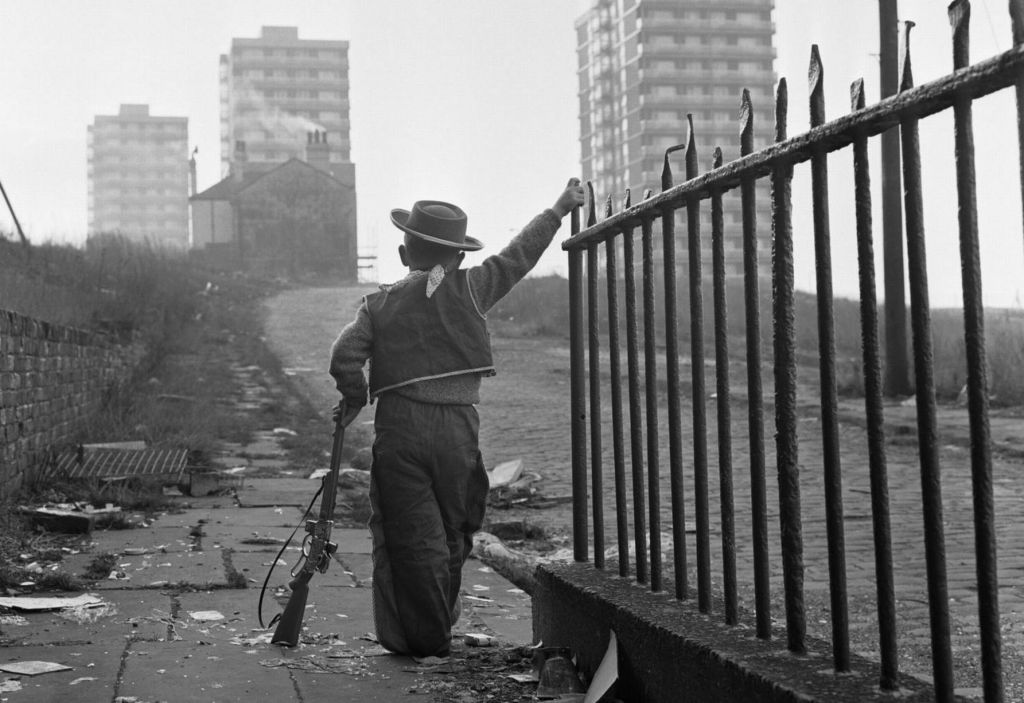
Once the realm of cobbles, railings, high rise arrivals and urban cowboys – an area overwhelmed by the weight of its past and the insubstantial promise of a sustainable future.
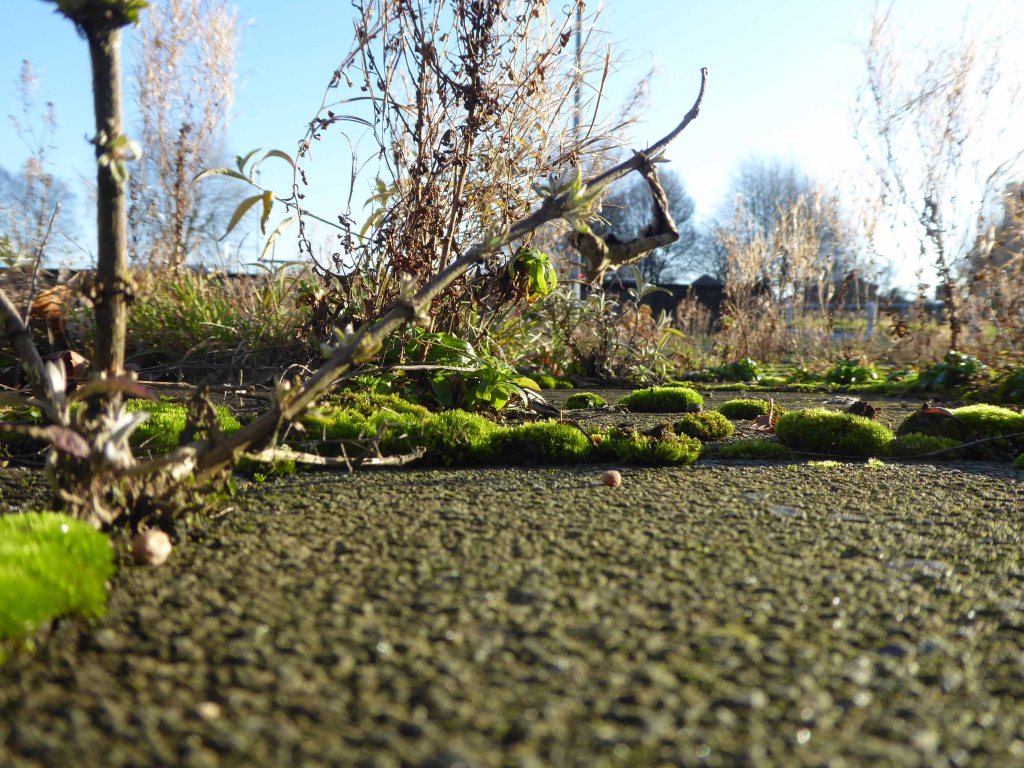
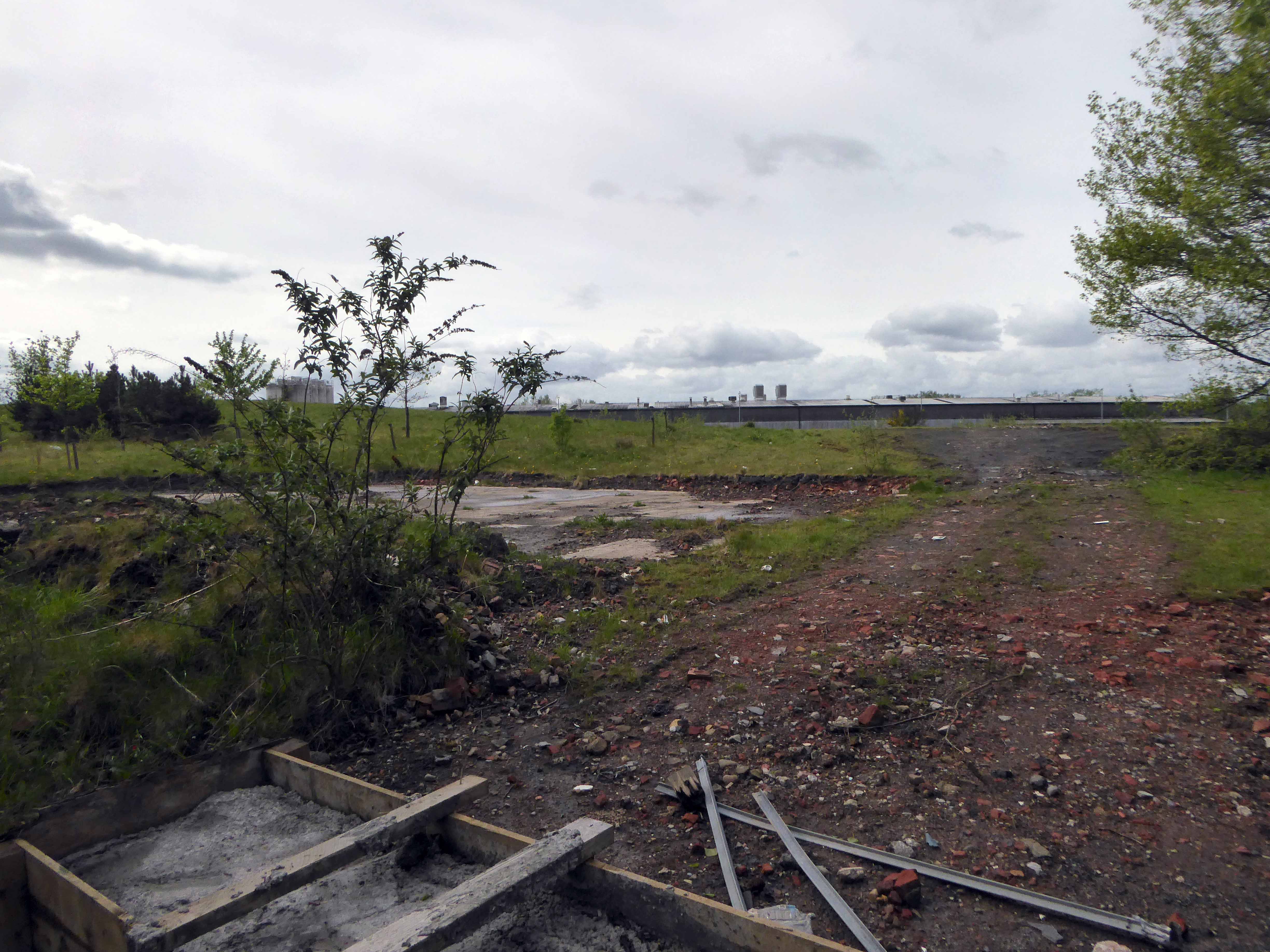
Where once productive and fulfilling lives were lived, buddleia now blooms, whilst thin grass entwines around forlorn fencing and betwixt ever widening cracks in the uneven paving.
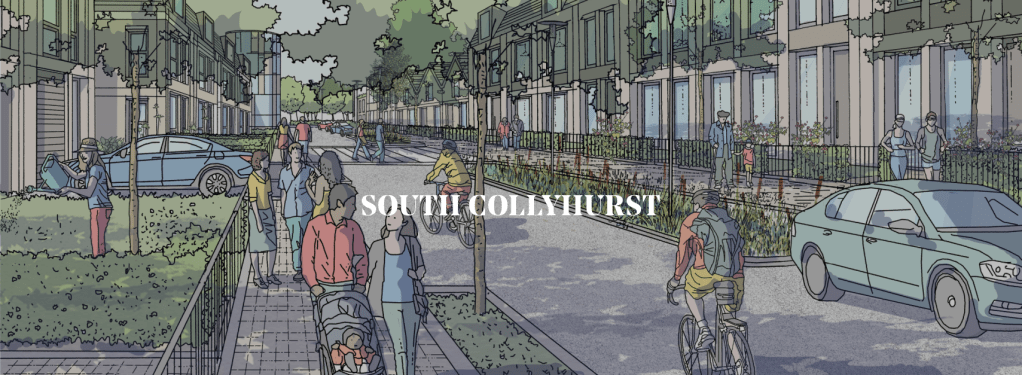
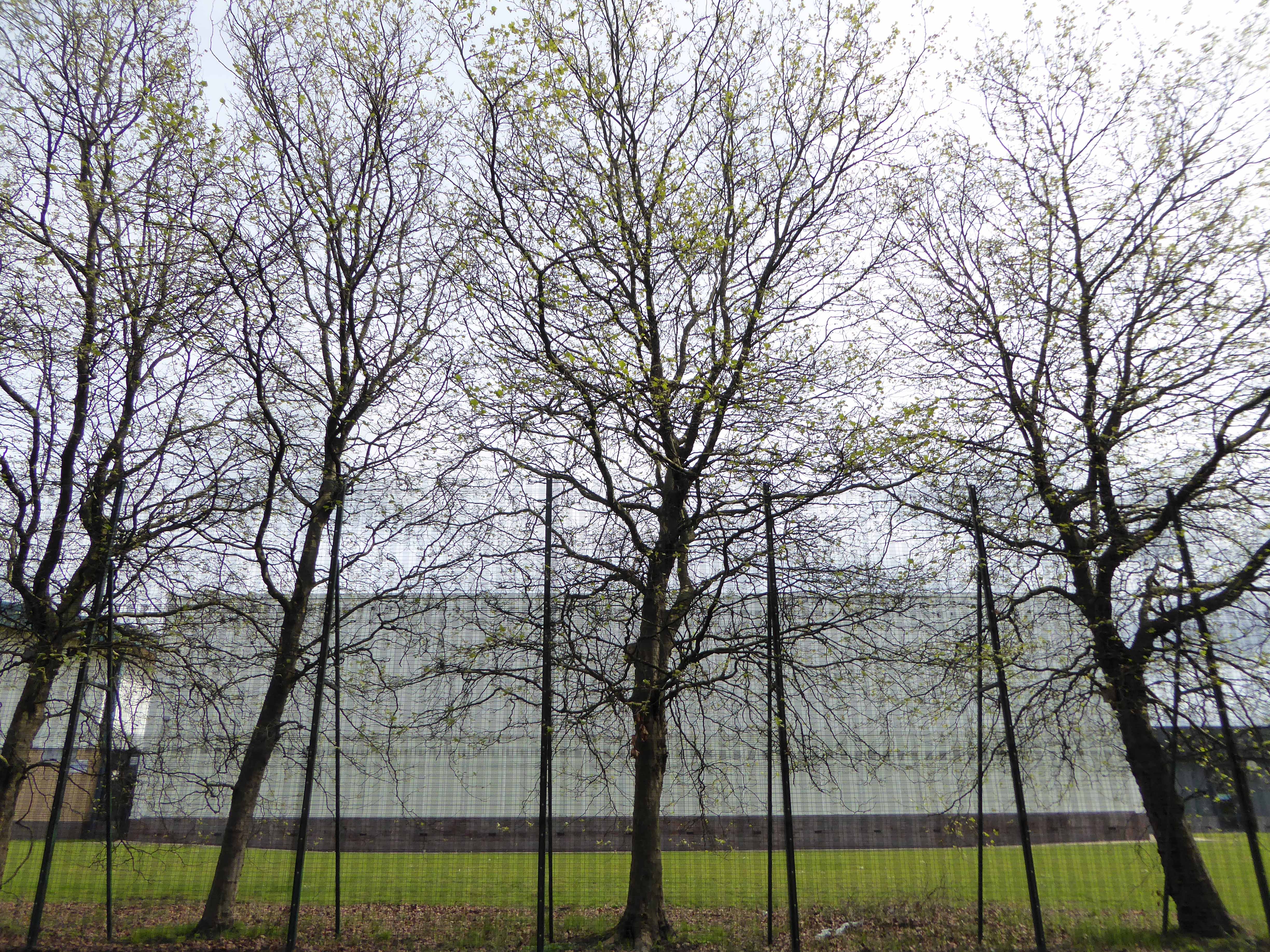
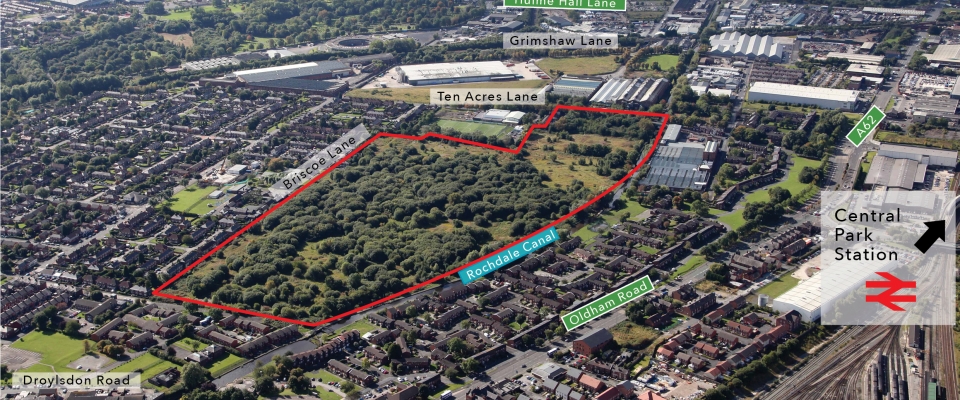
Development in South Collyhurst will take the form of residential-led, family-focused neighbourhoods. We’ll be providing a variety of housing types and tenures to encourage diversity, along with a mix of social and community infrastructure that supports a family lifestyle in close proximity to the city centre.
There are two ideas of government. There are those who believe that if you just legislate to make the well-to-do prosperous, that their prosperity will leak through on those below. The Democratic idea has been that if you legislate to make the masses prosperous their prosperity will find its way up and through every class that rests upon it.
William Jennings Bryan 1896
Indeed, You have turned the city into a heap of rubble, a fortified town into ruins; the fortress of strangers is a city no more; it will never be rebuilt.
Isiah 25:2
And they that shall be of thee shall build the old waste places: thou shalt raise up the foundations of many generations; and thou shalt be called, the repairer of the breach, the restorer of paths to dwell in.
Isiah 58:12
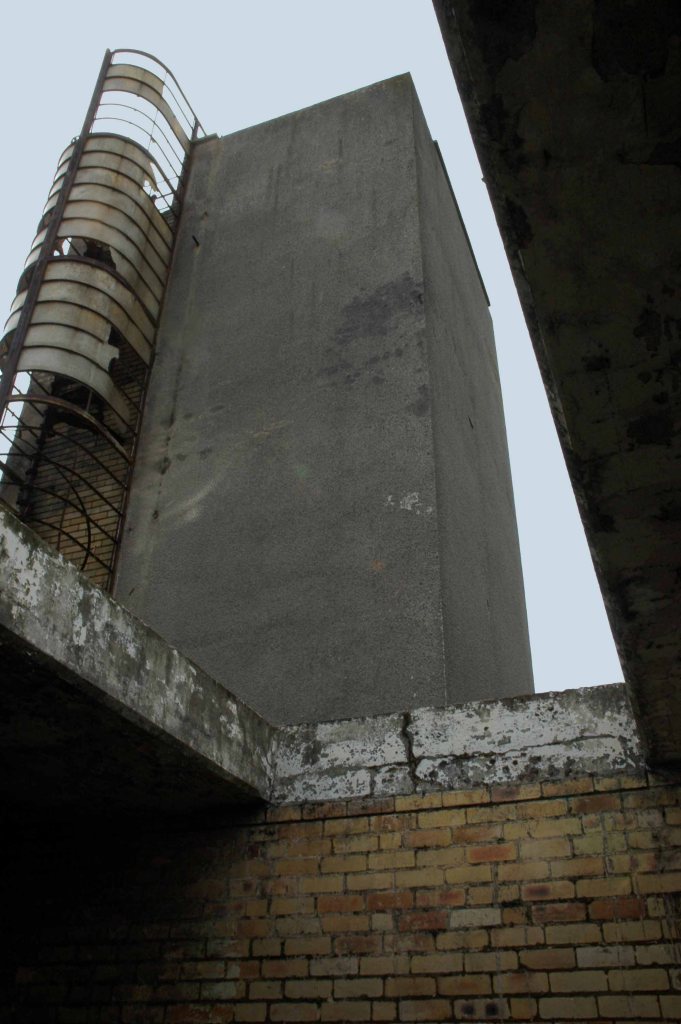
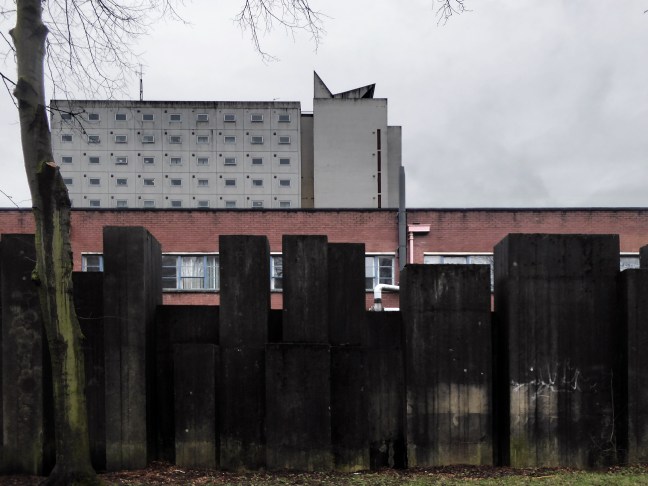
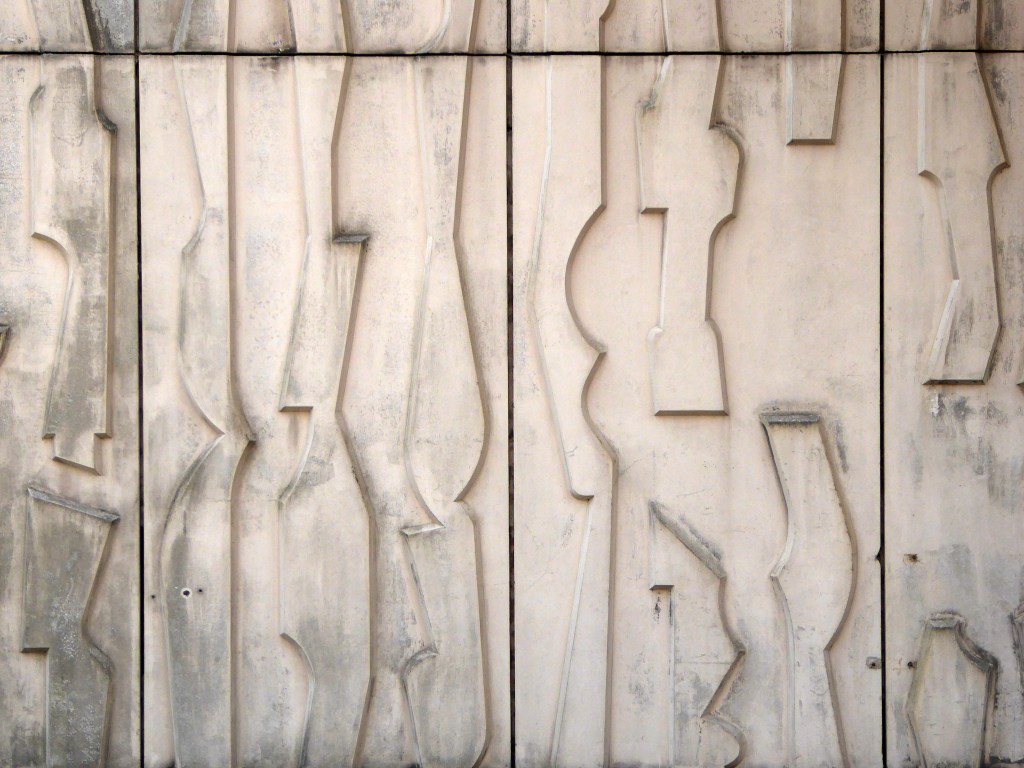
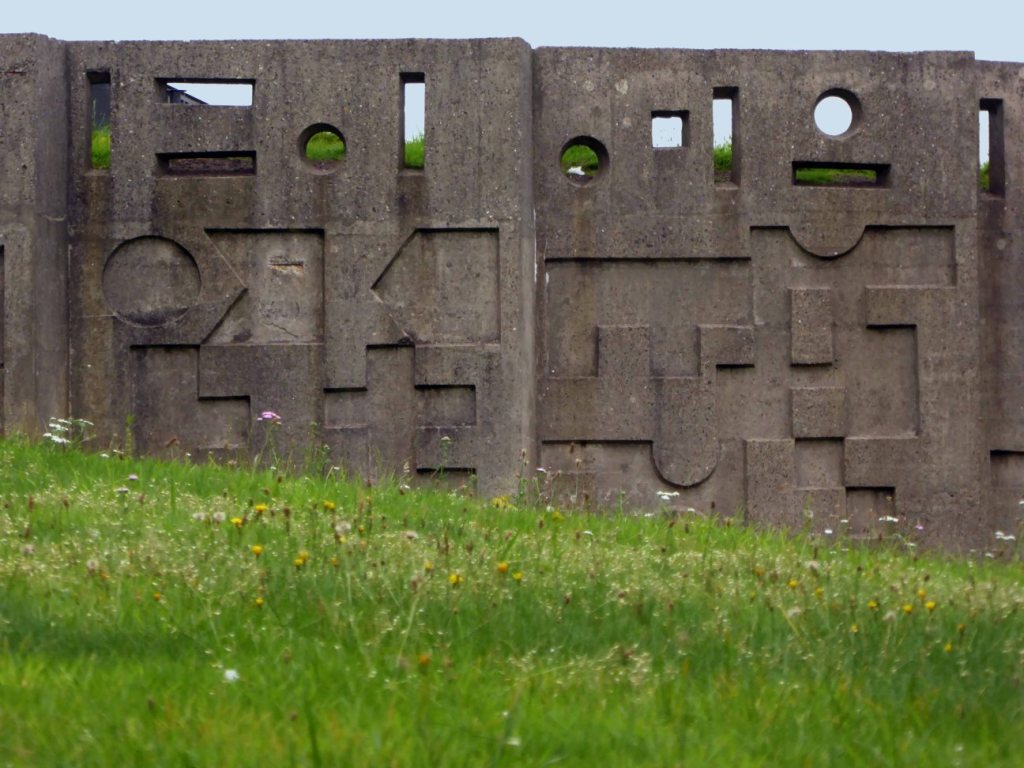
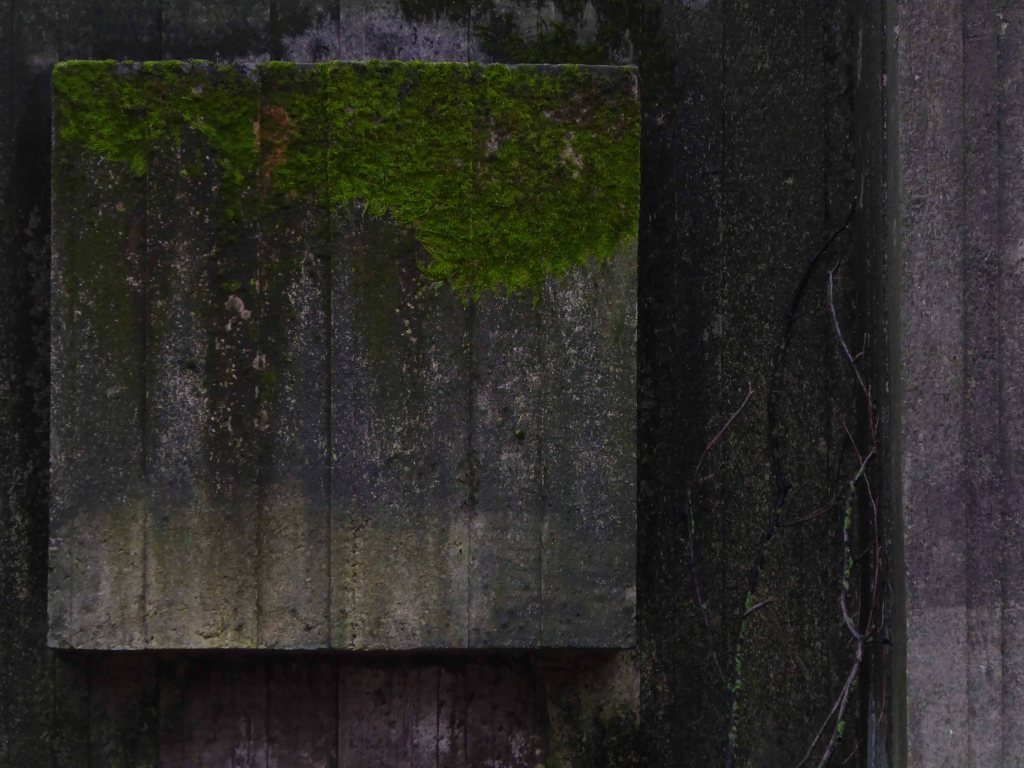
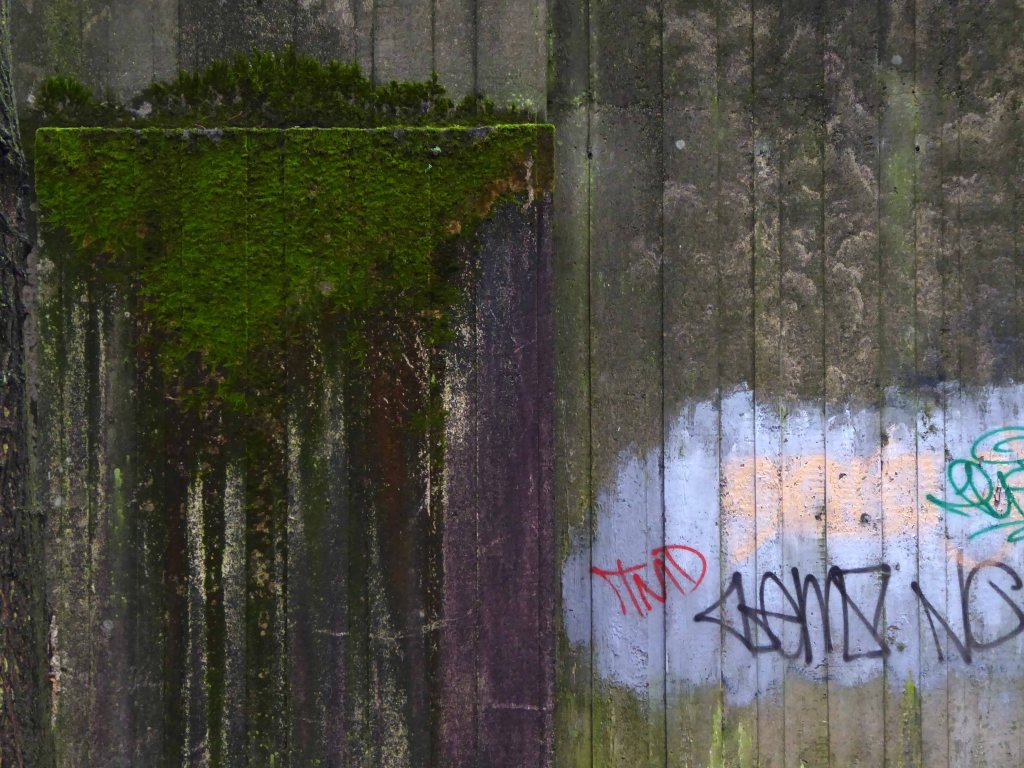
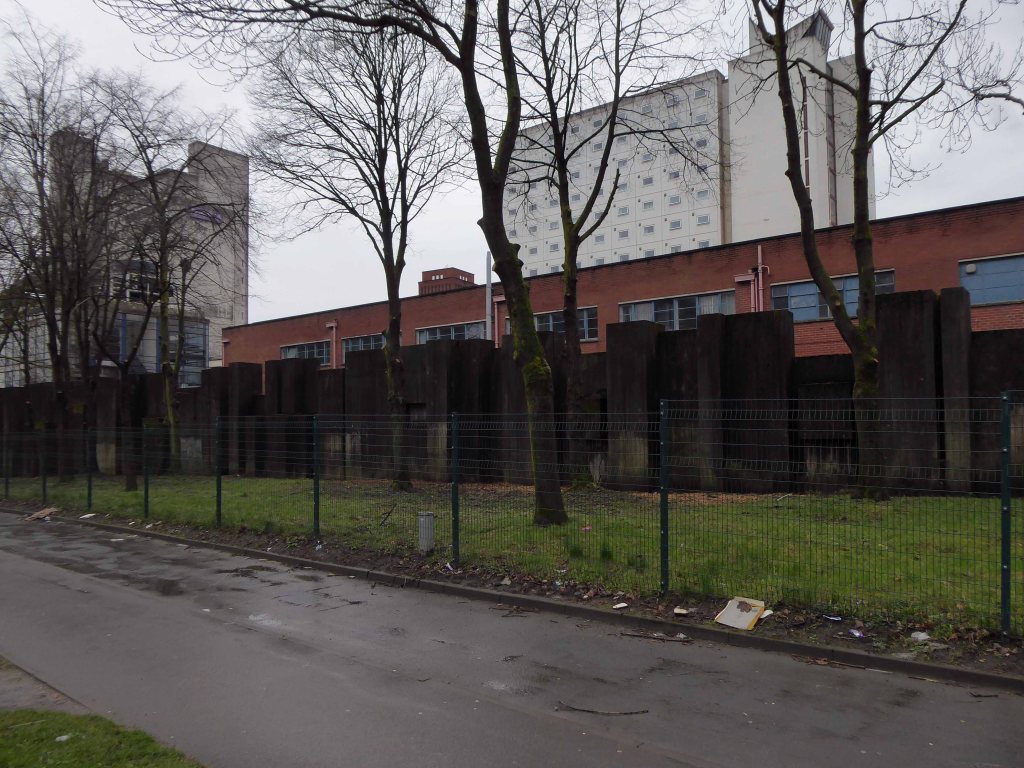
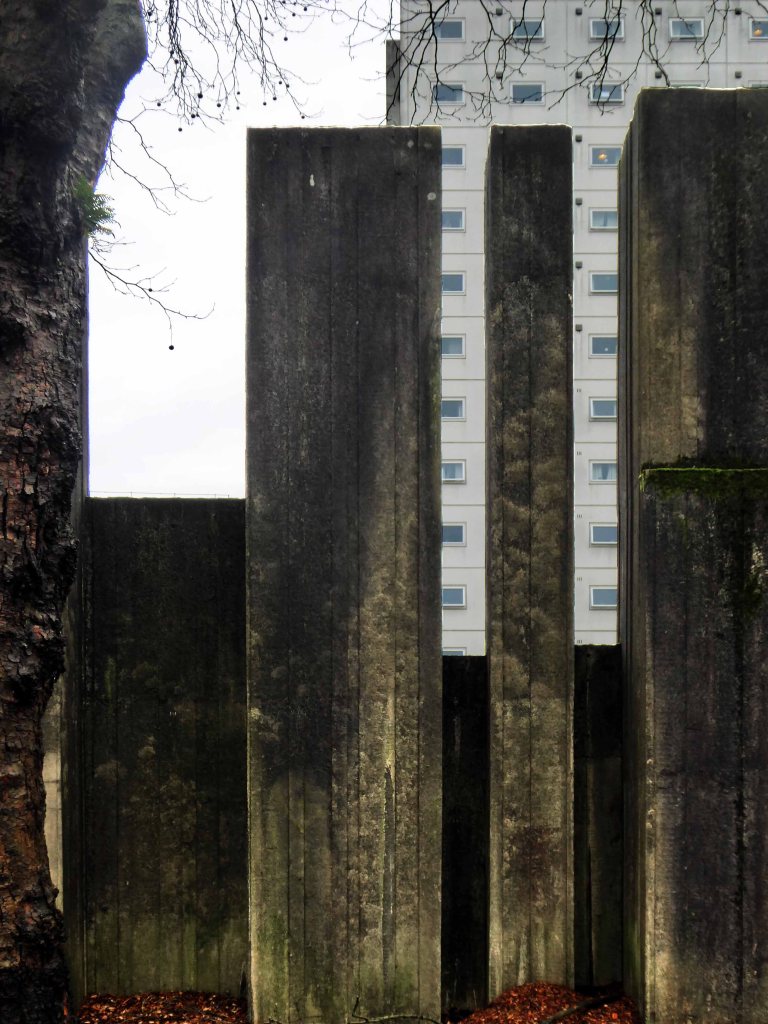
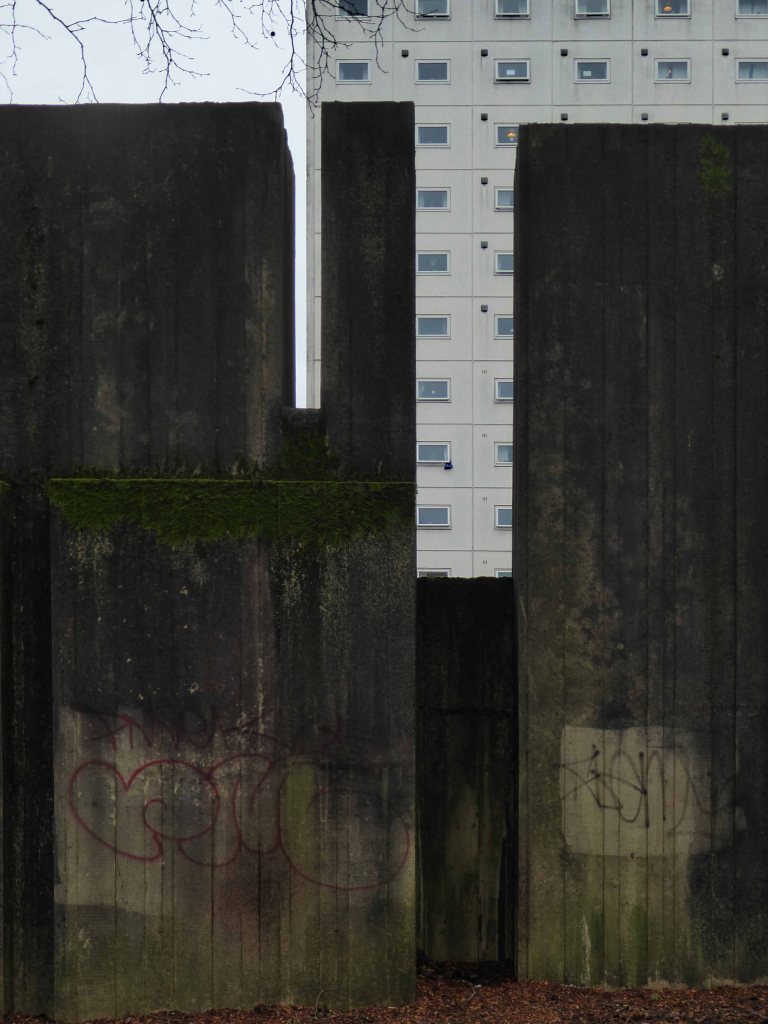
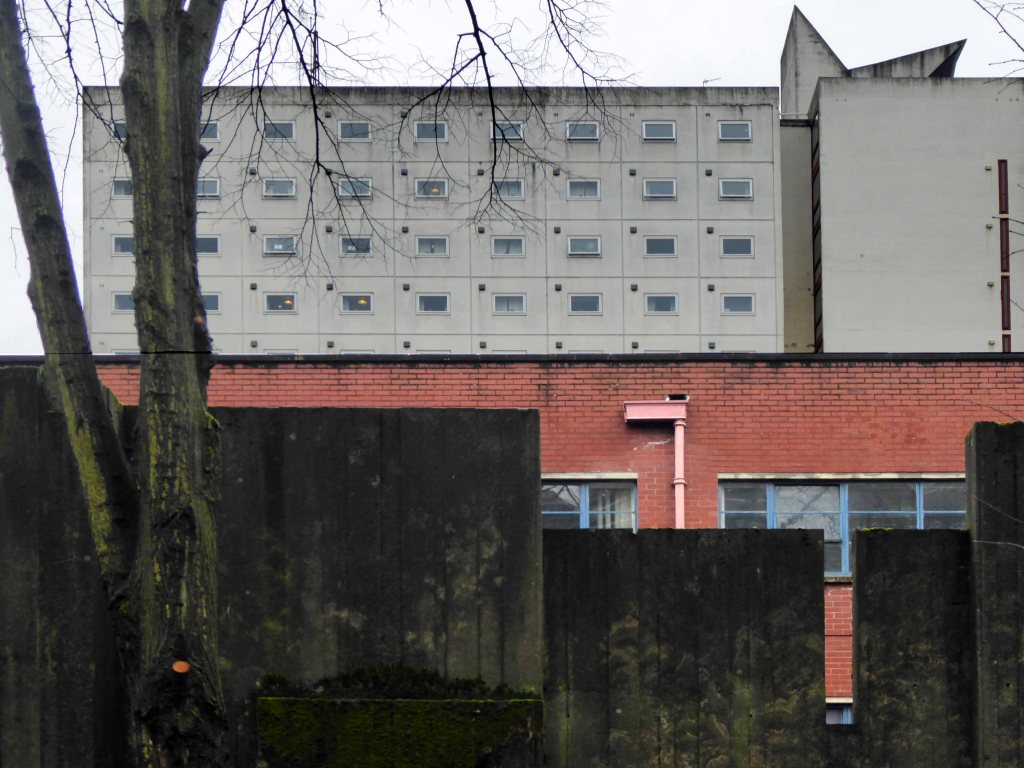
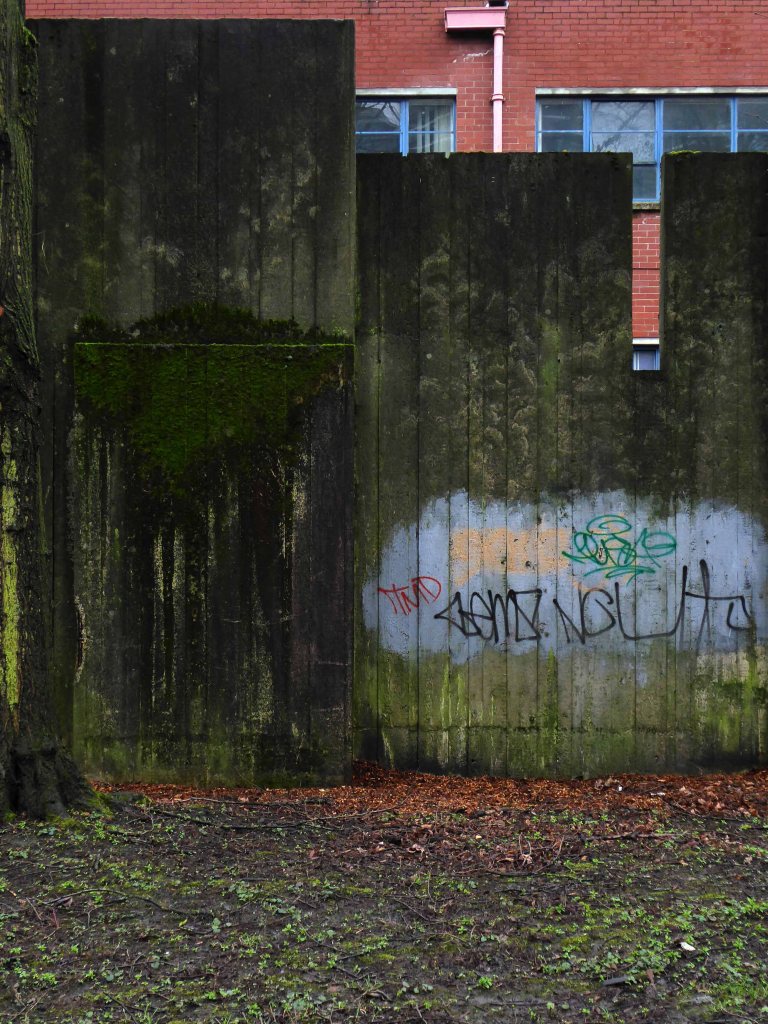
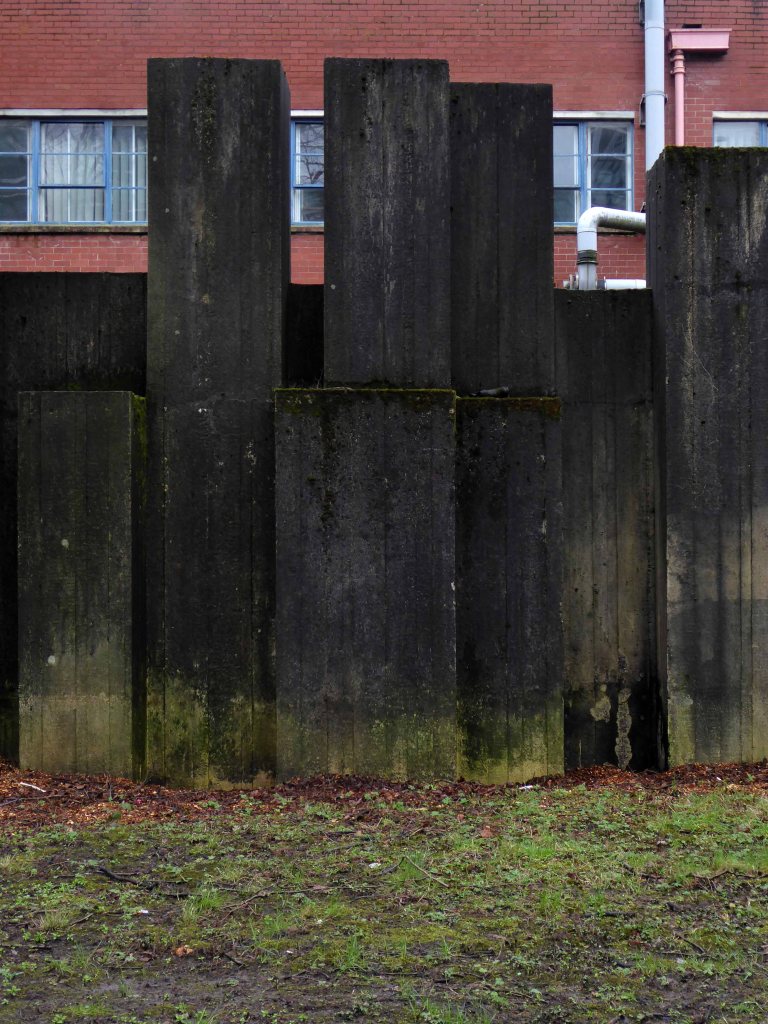
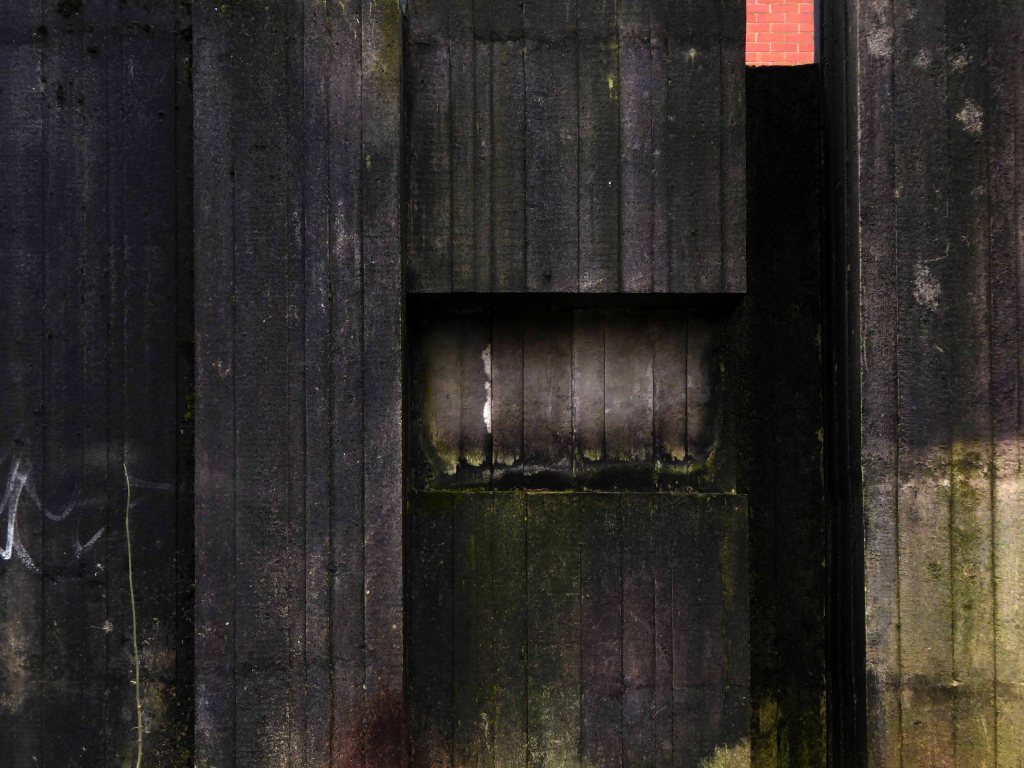
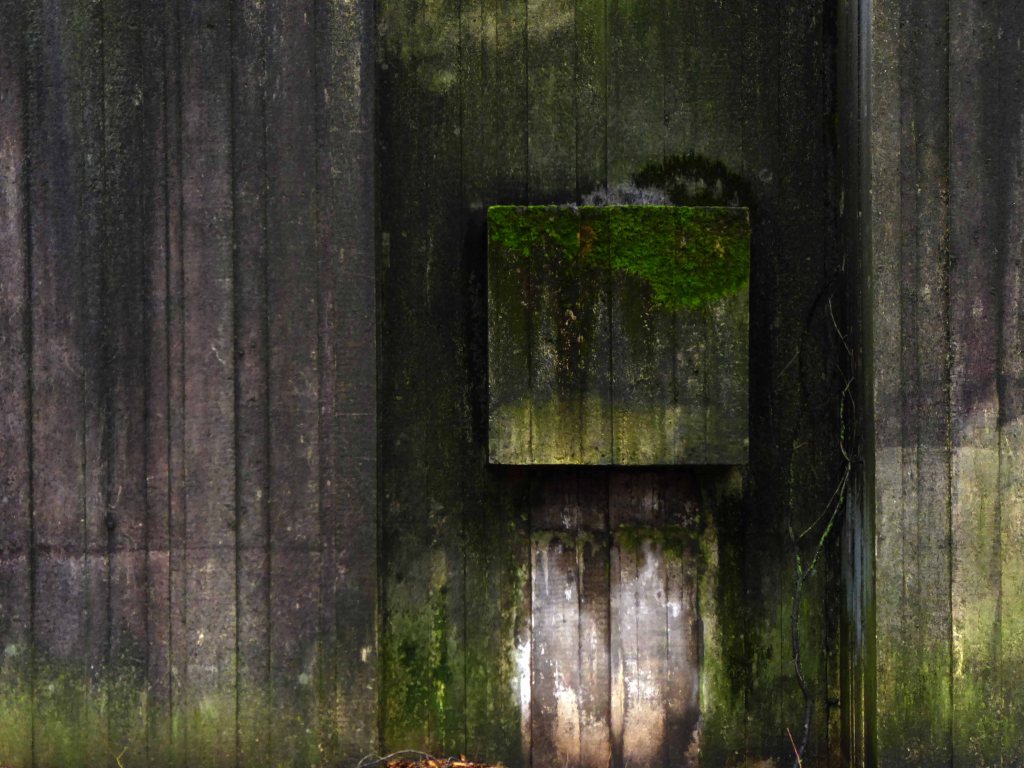
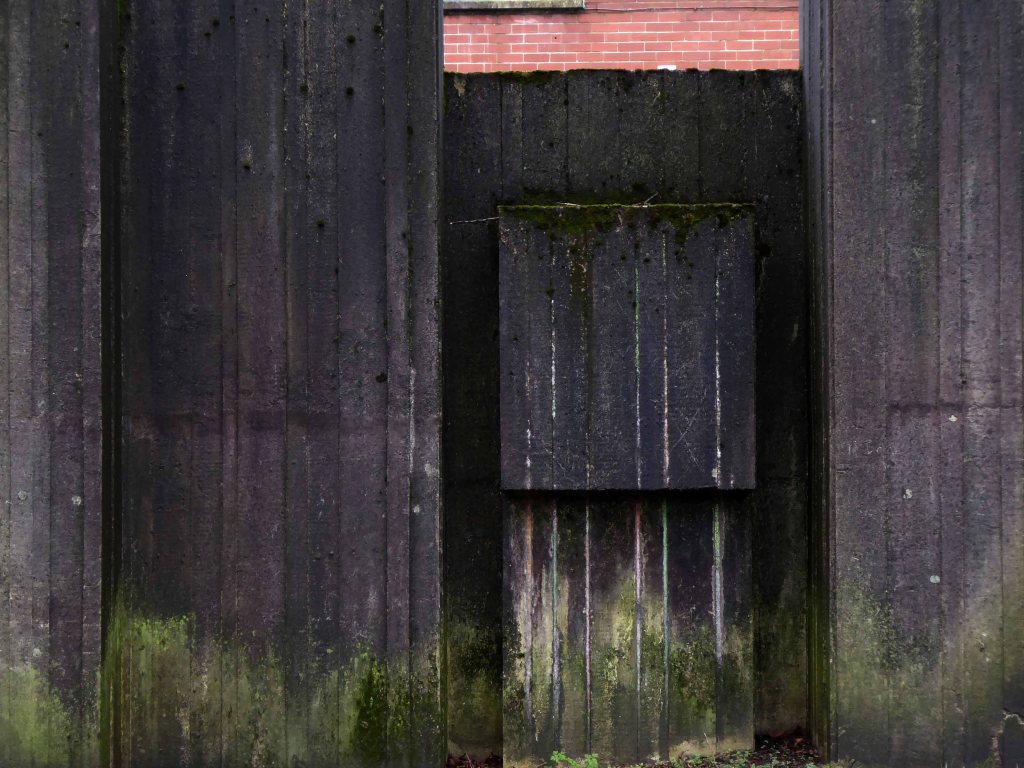
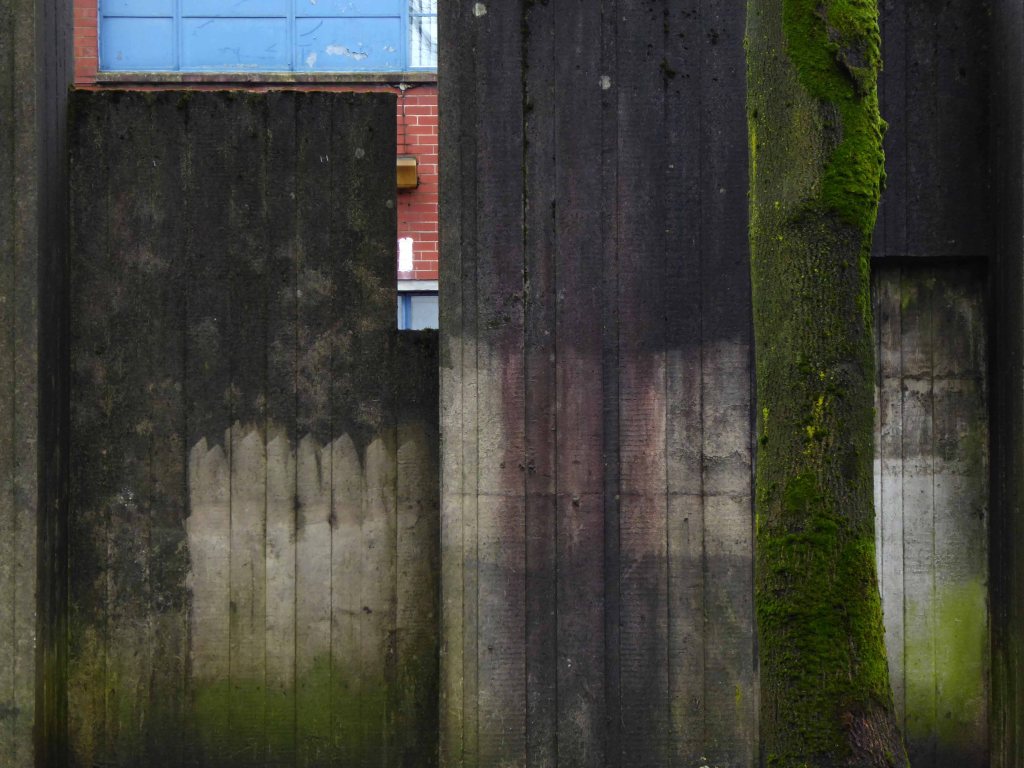
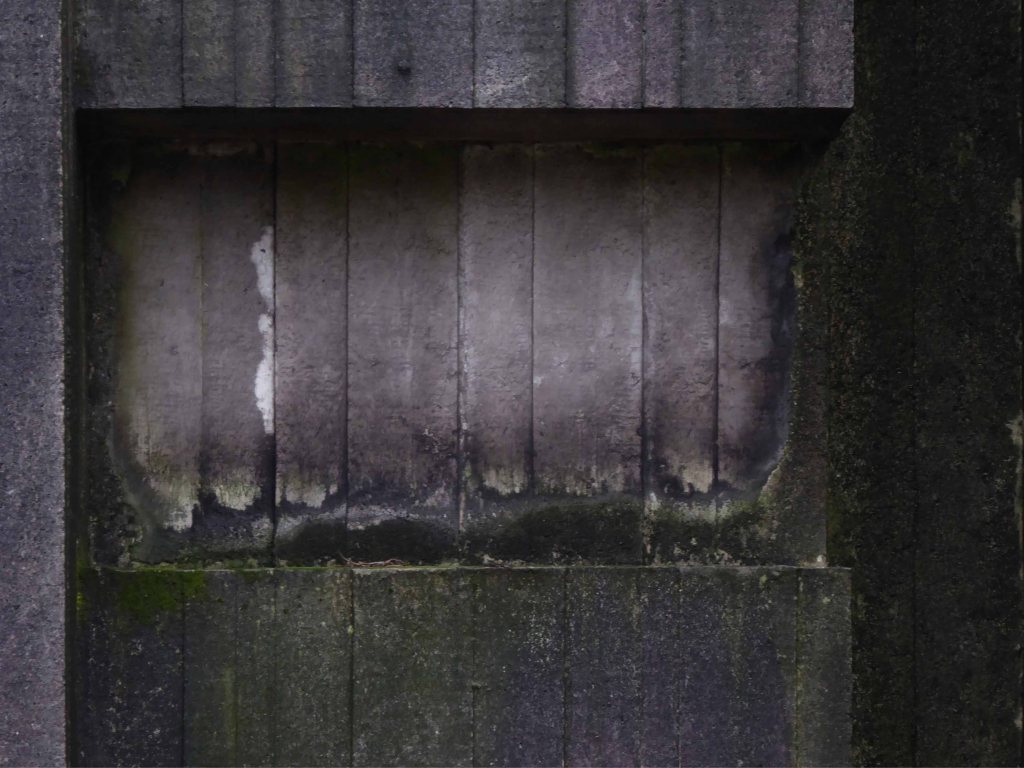
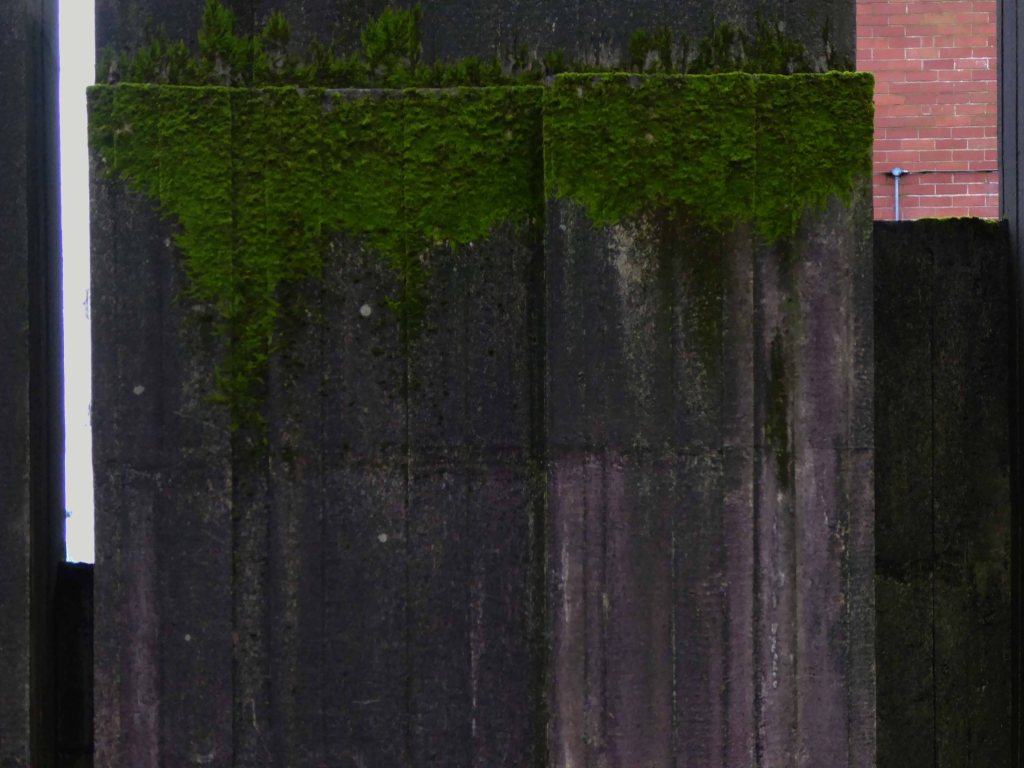
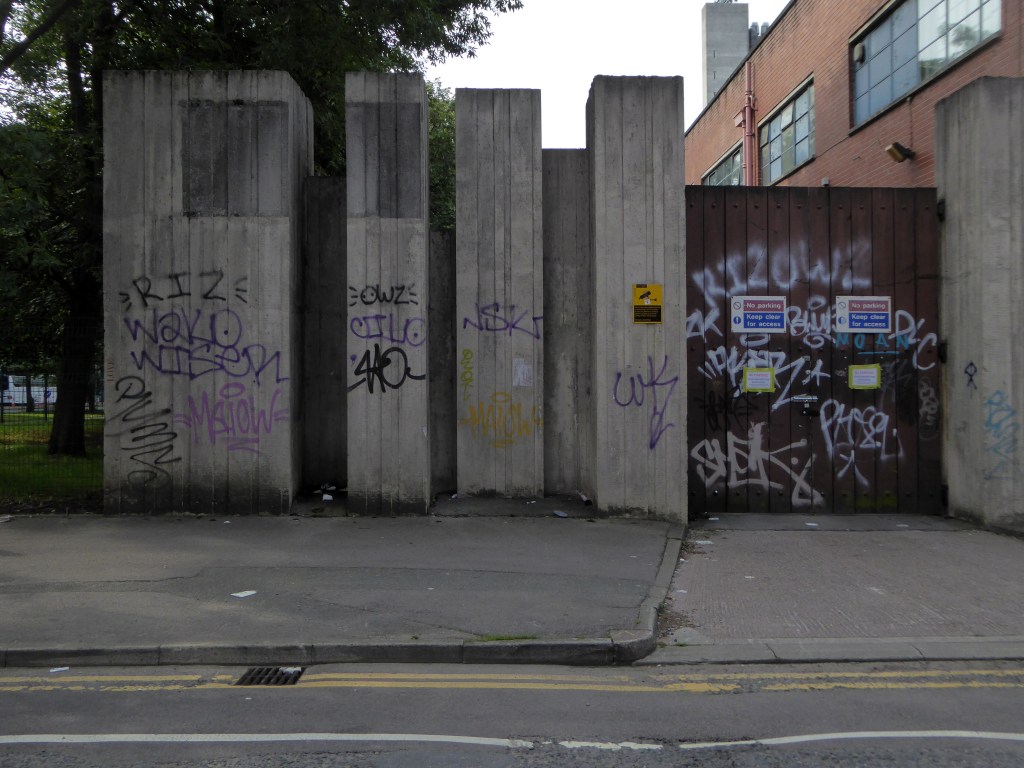
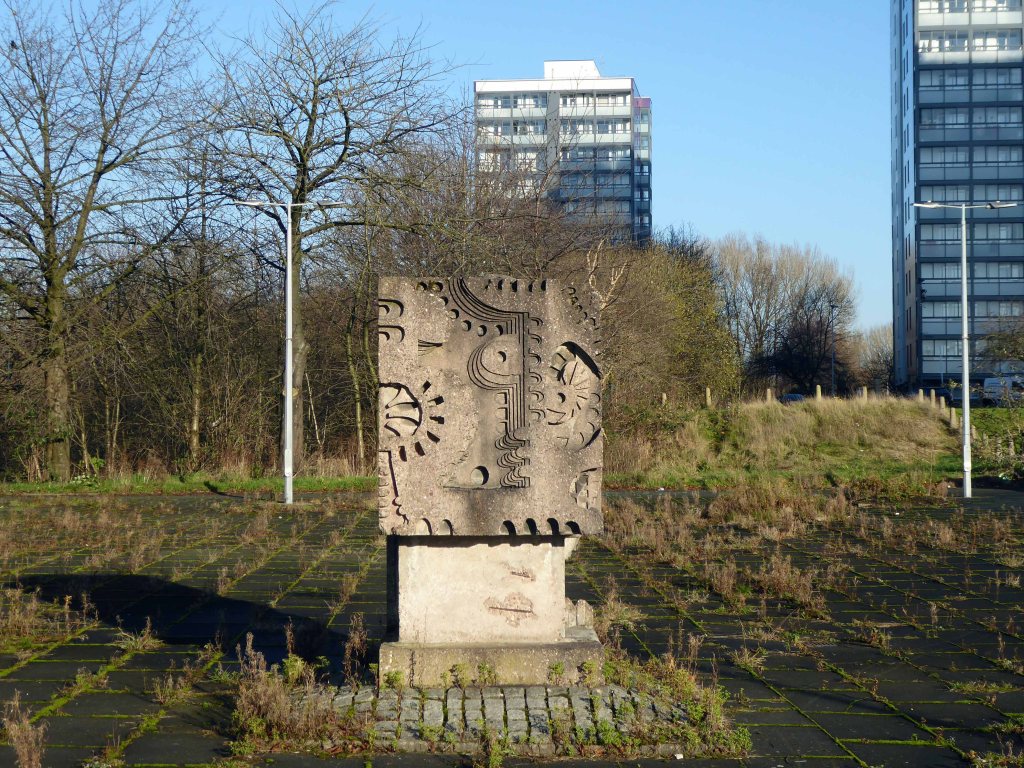
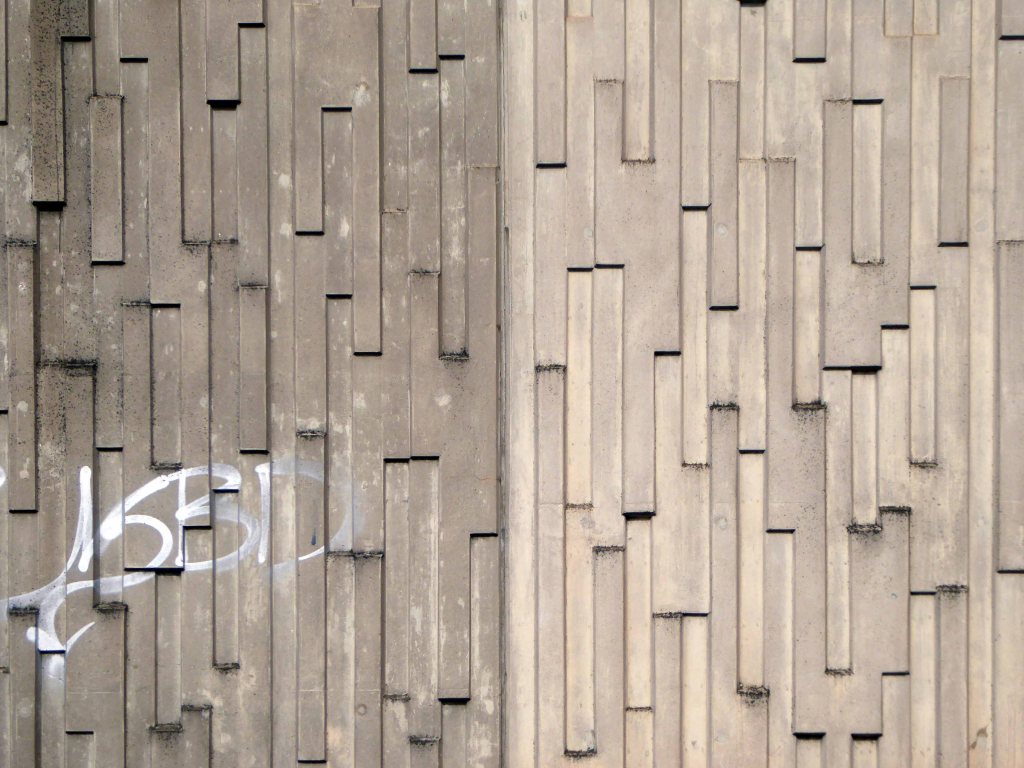
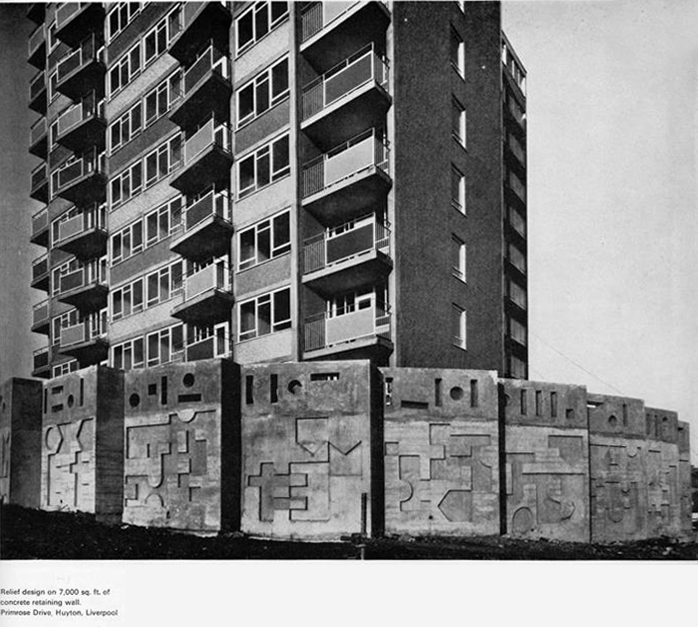
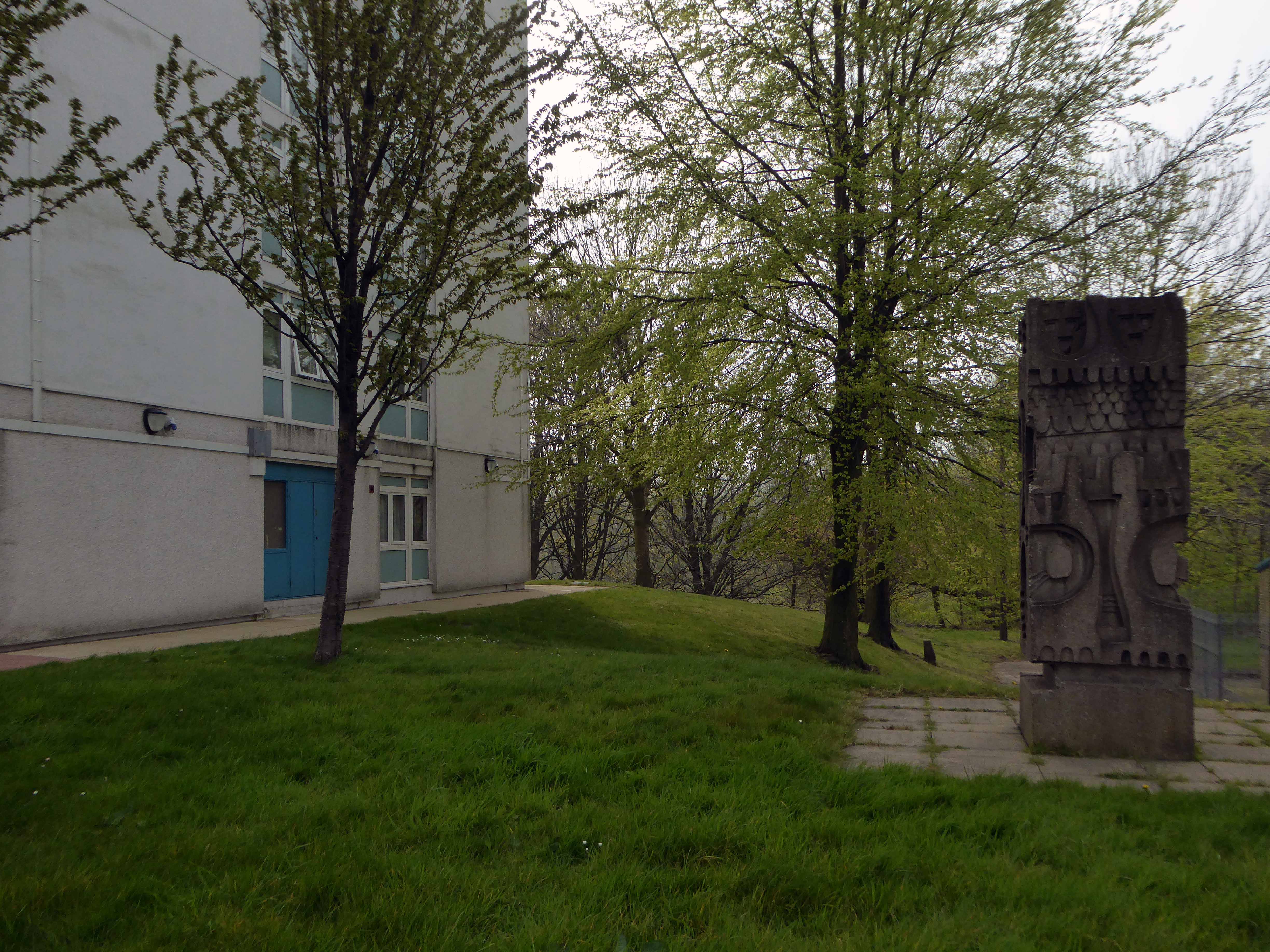
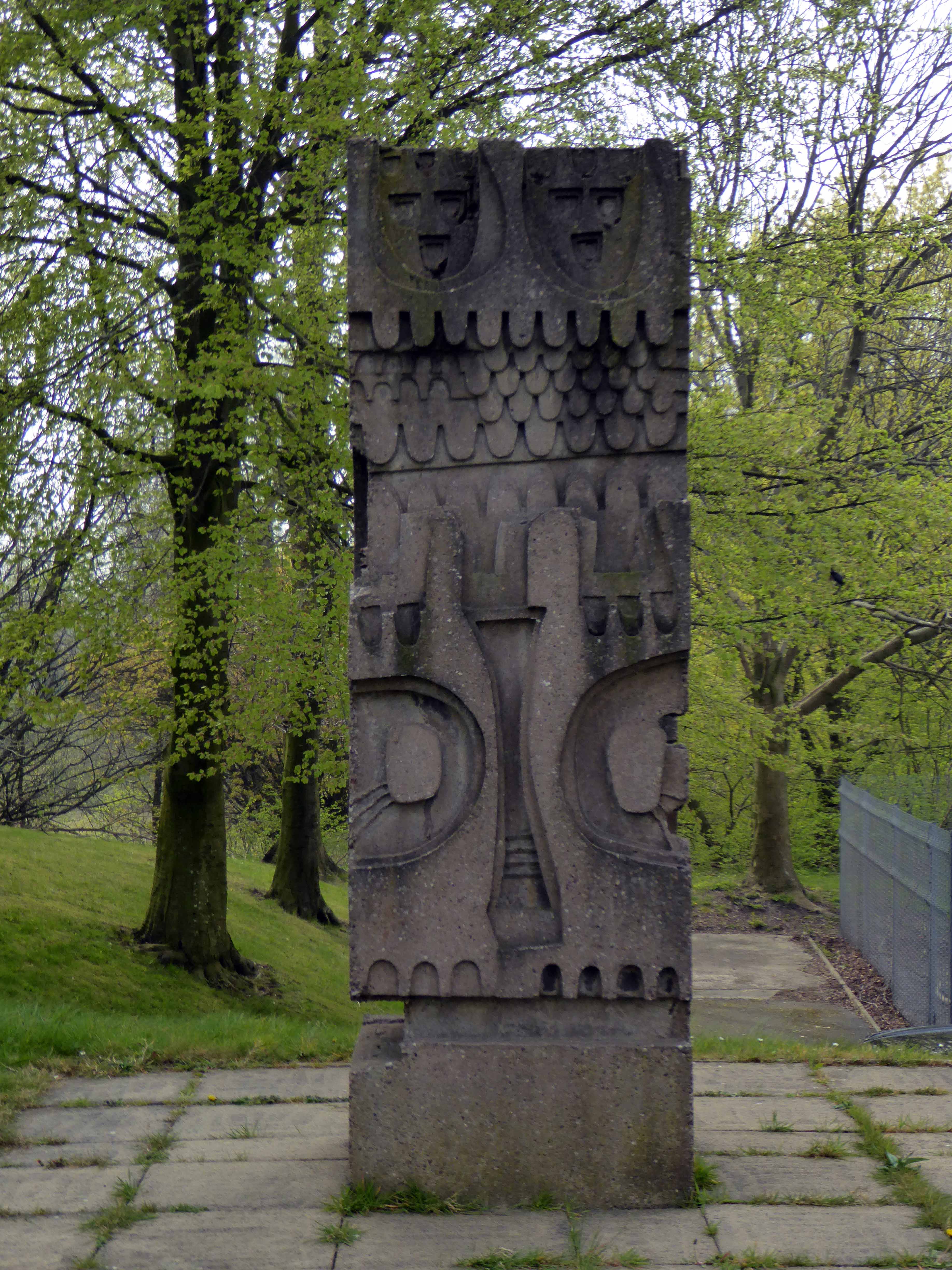
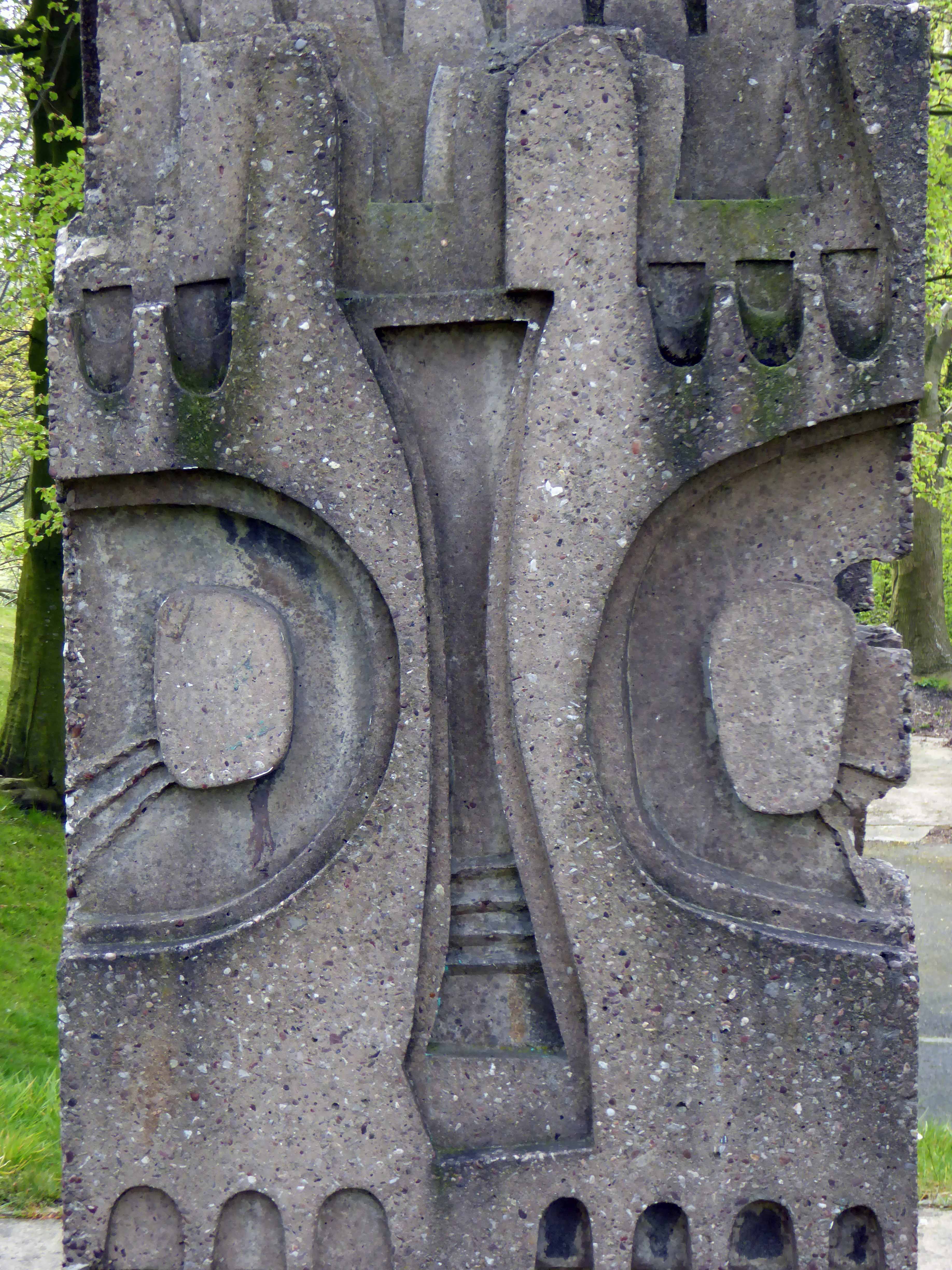
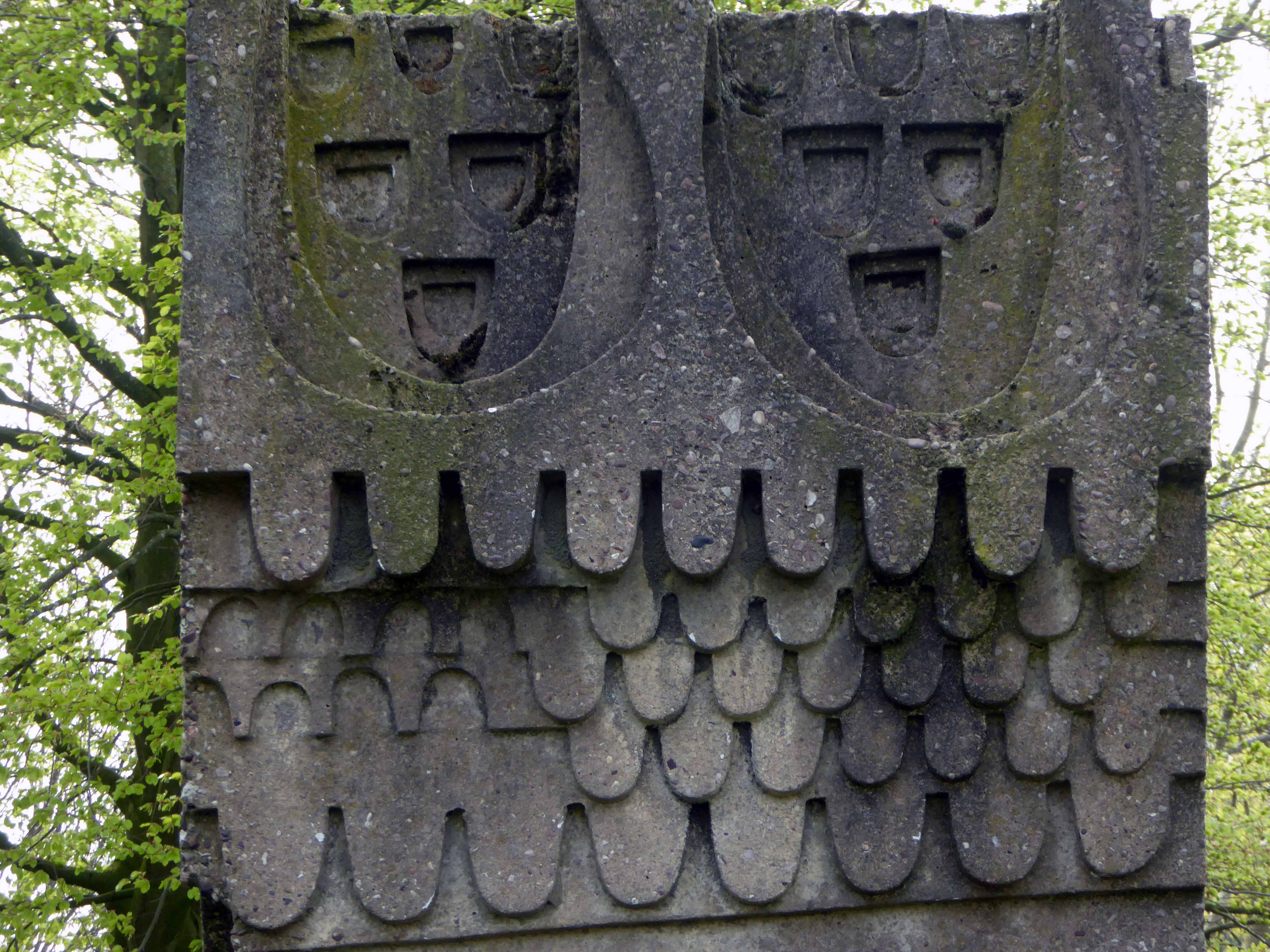
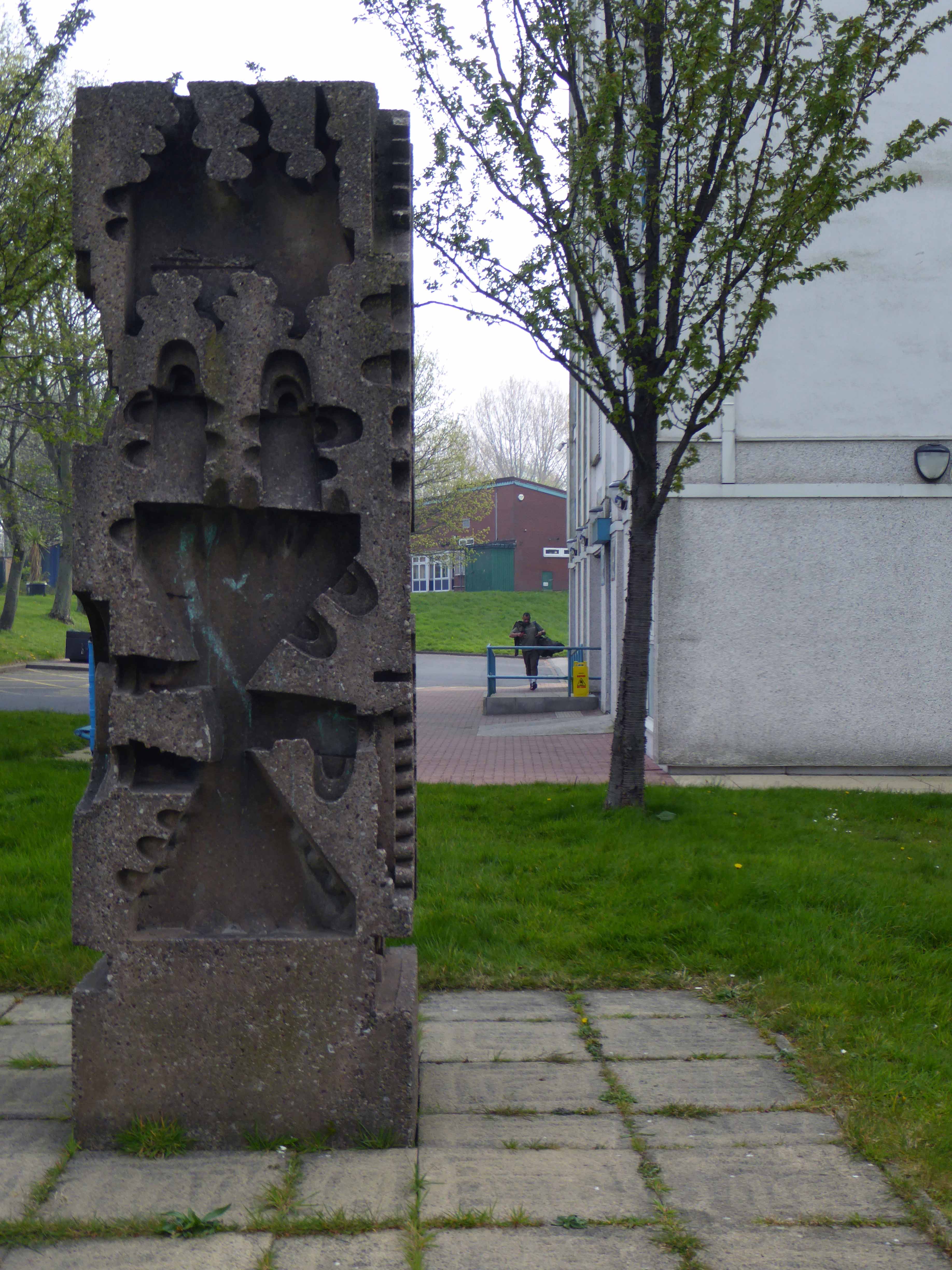
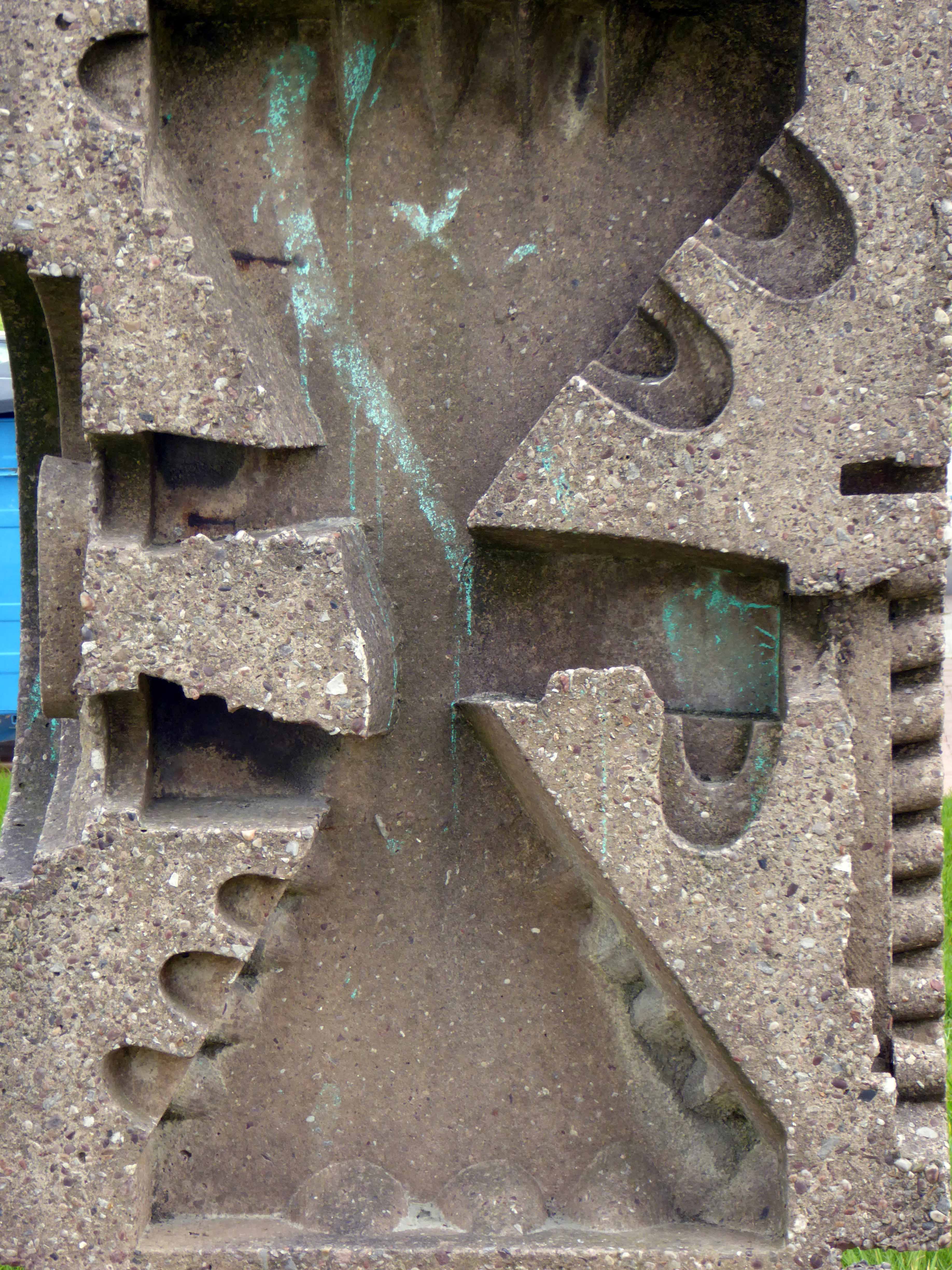
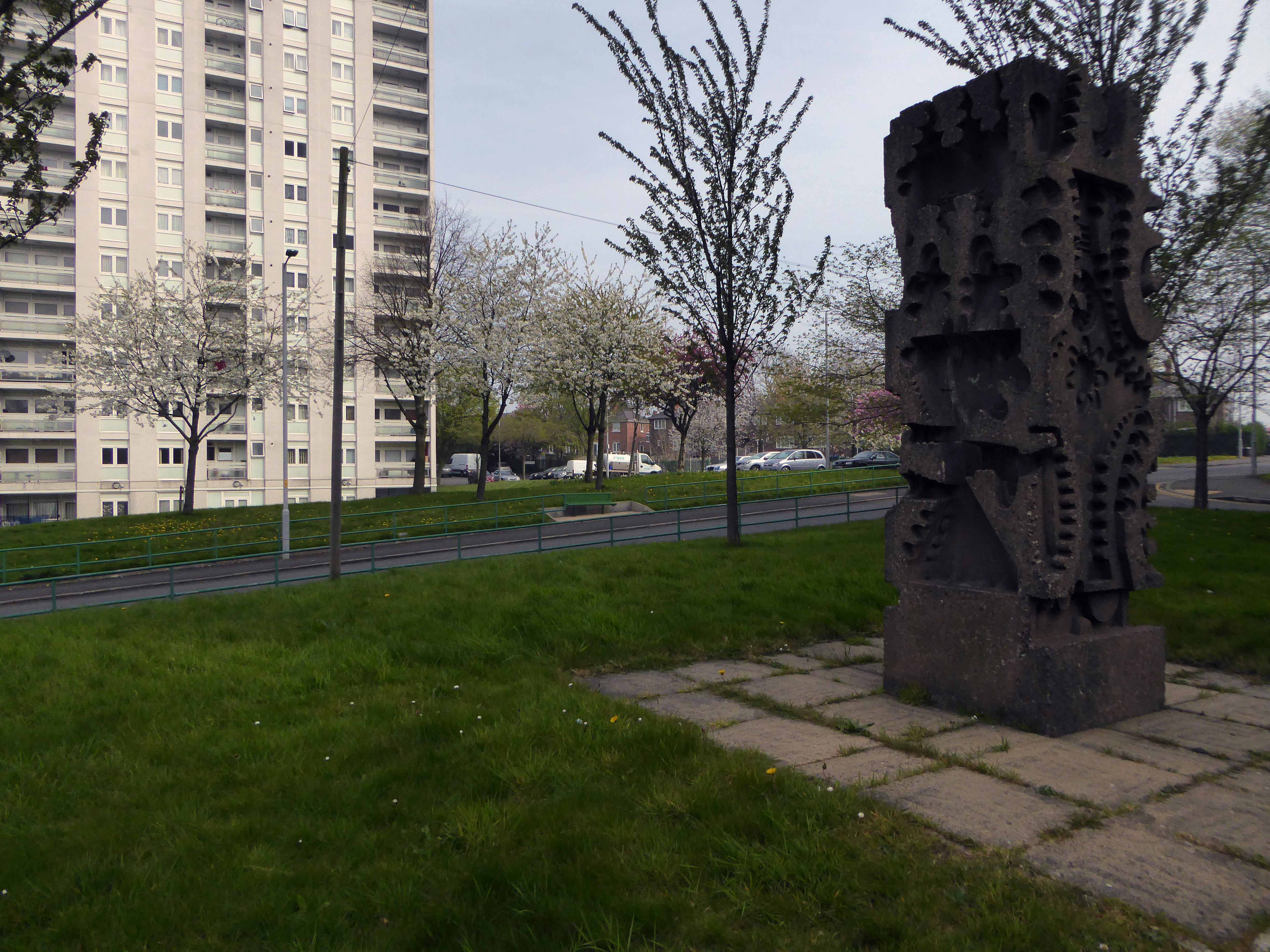
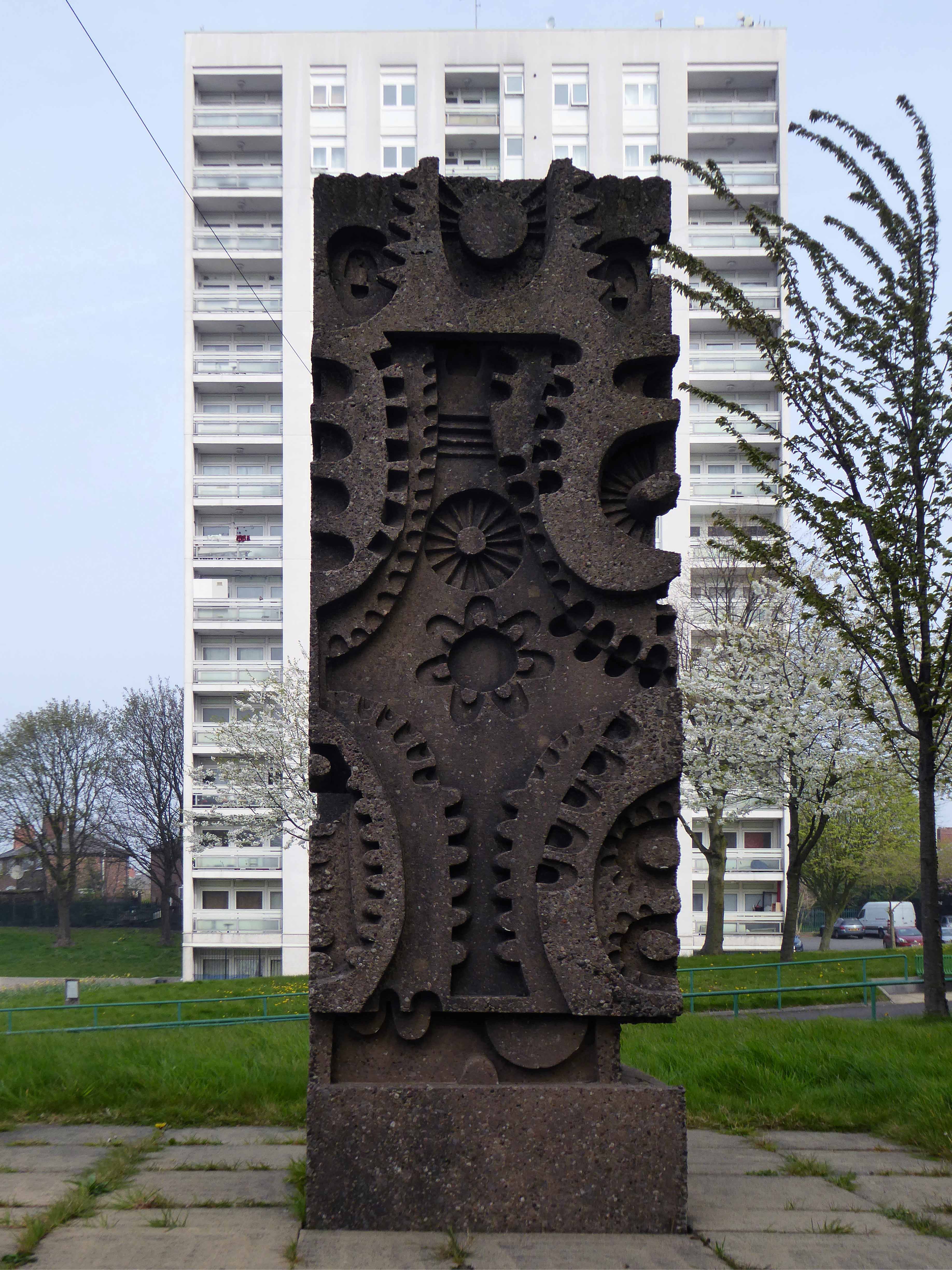
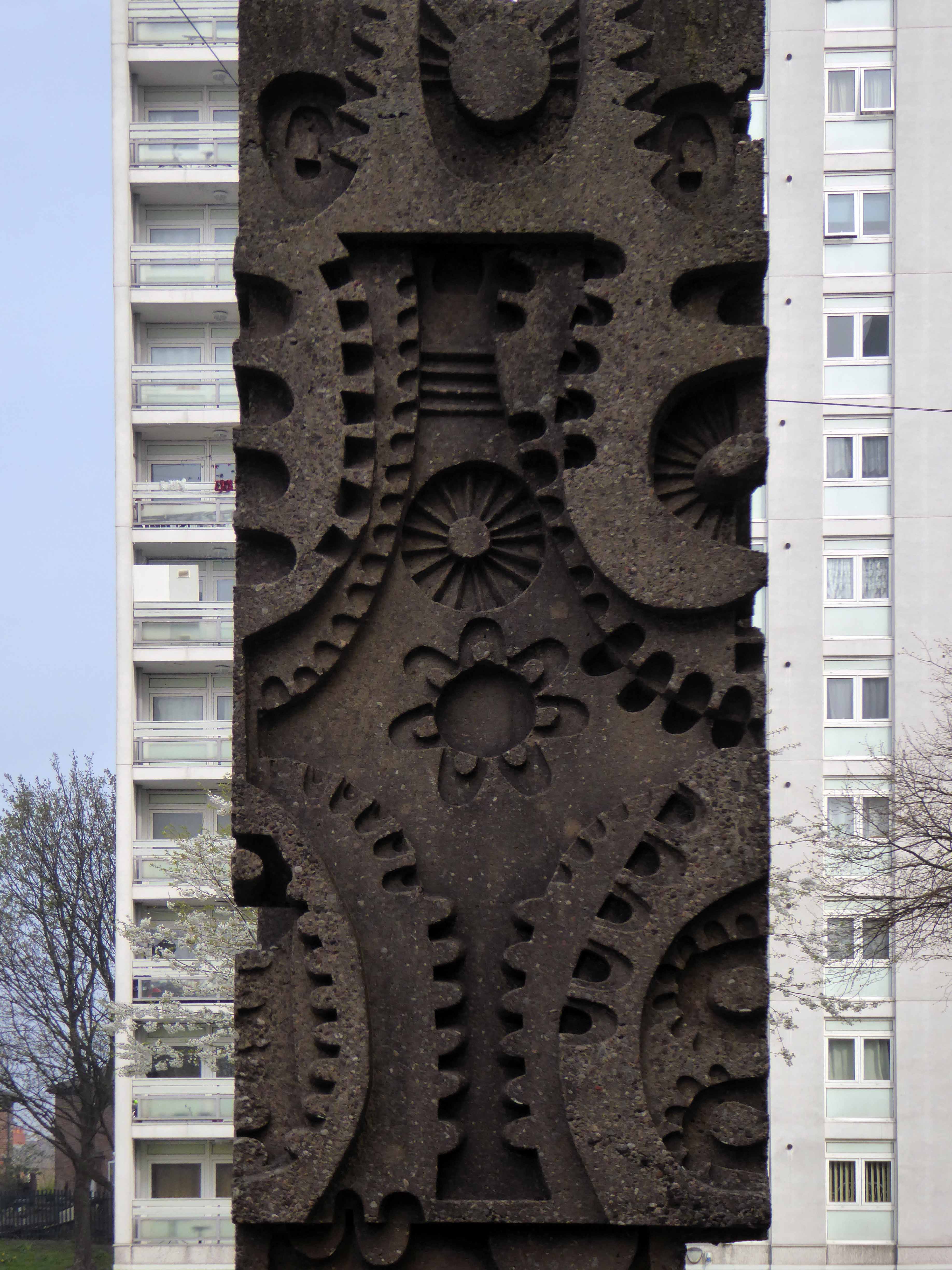
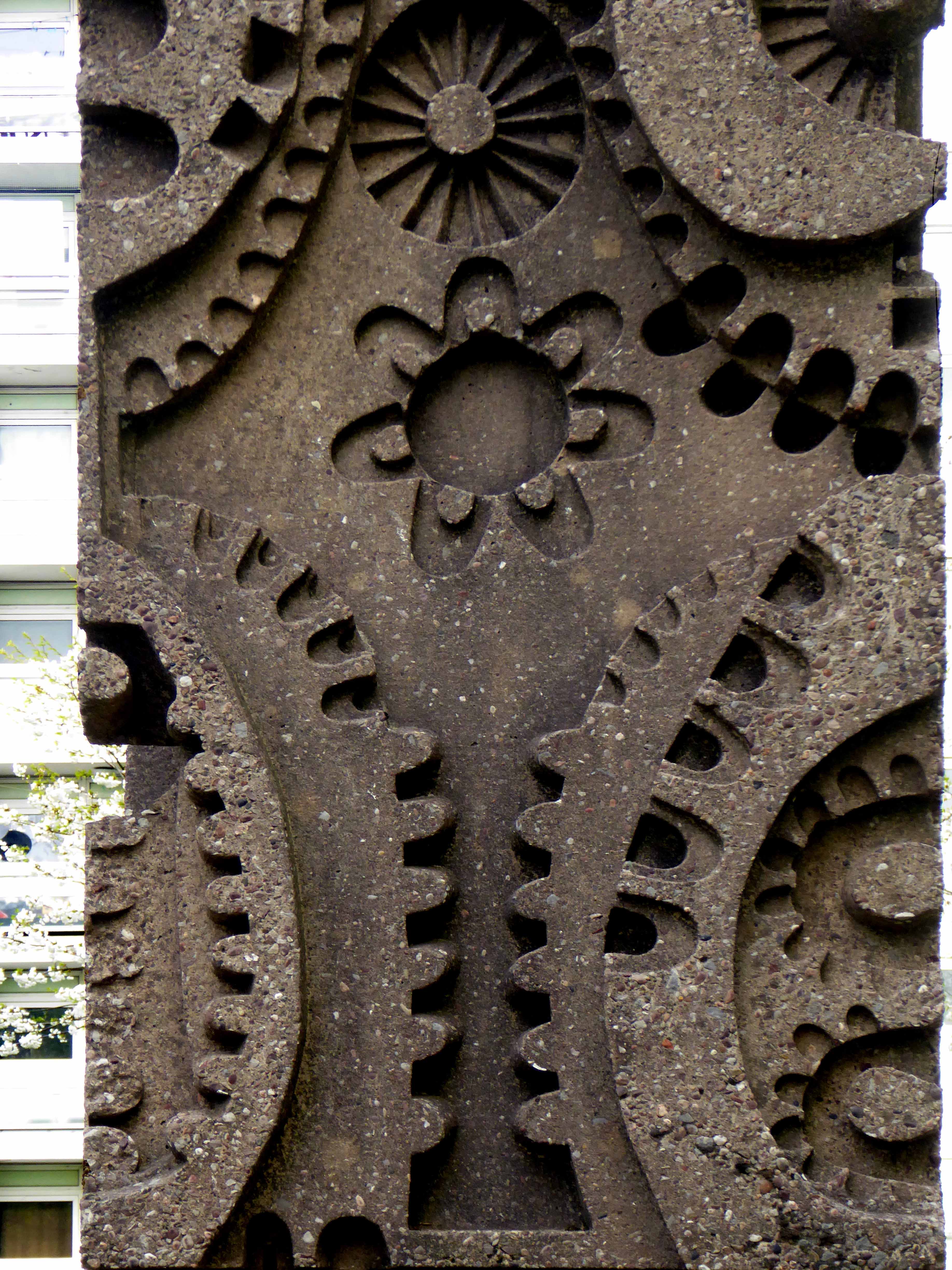
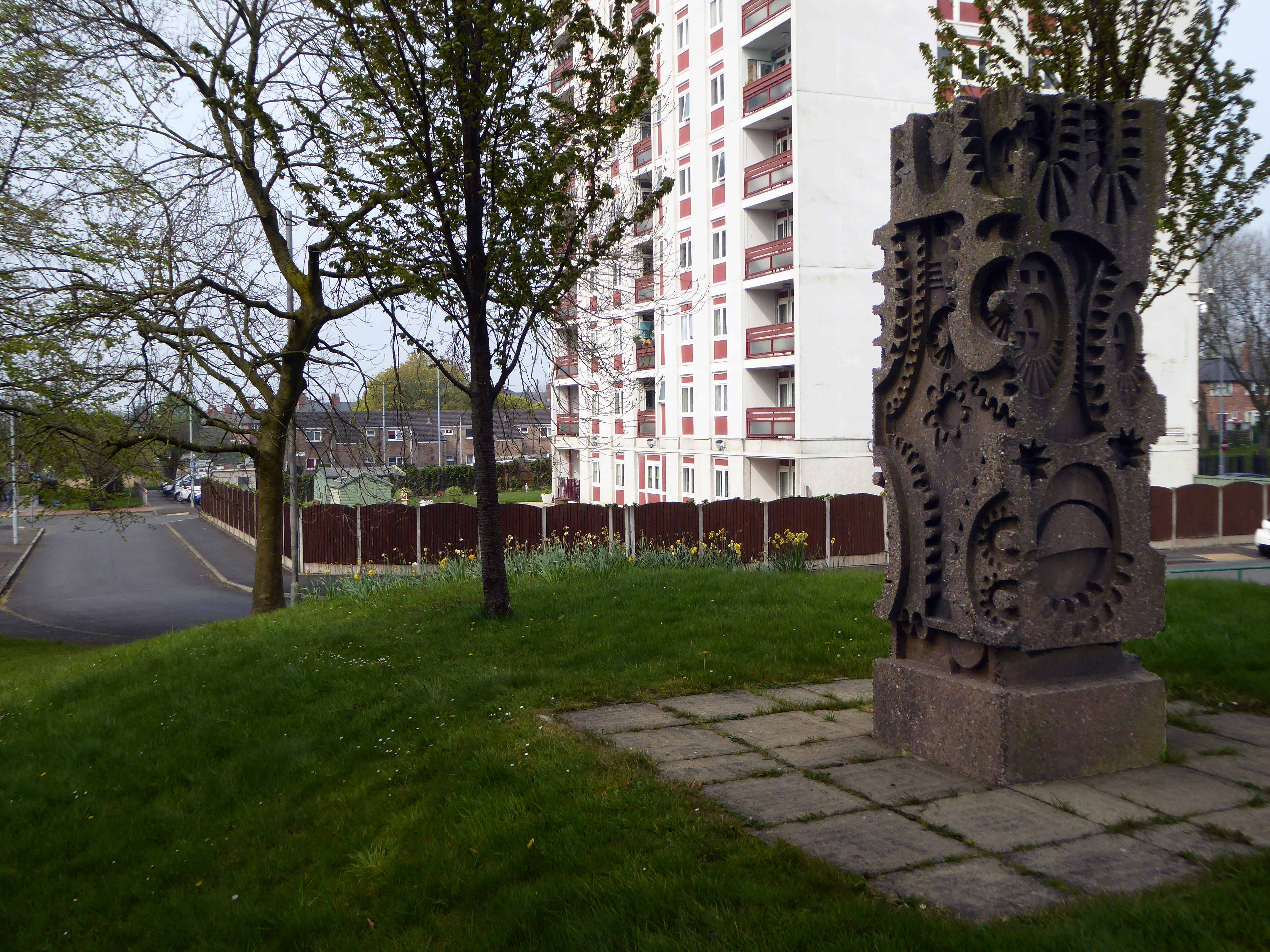
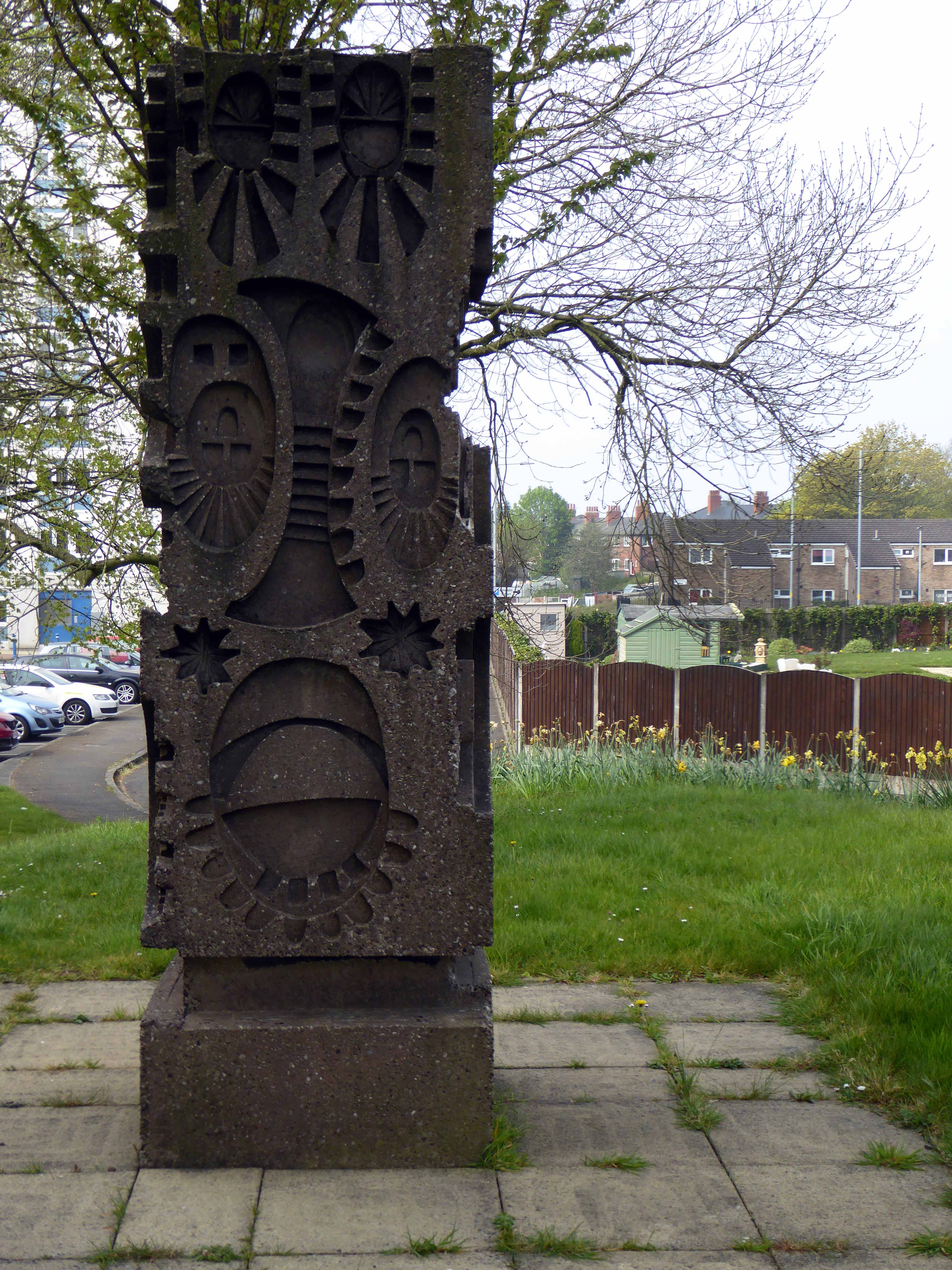
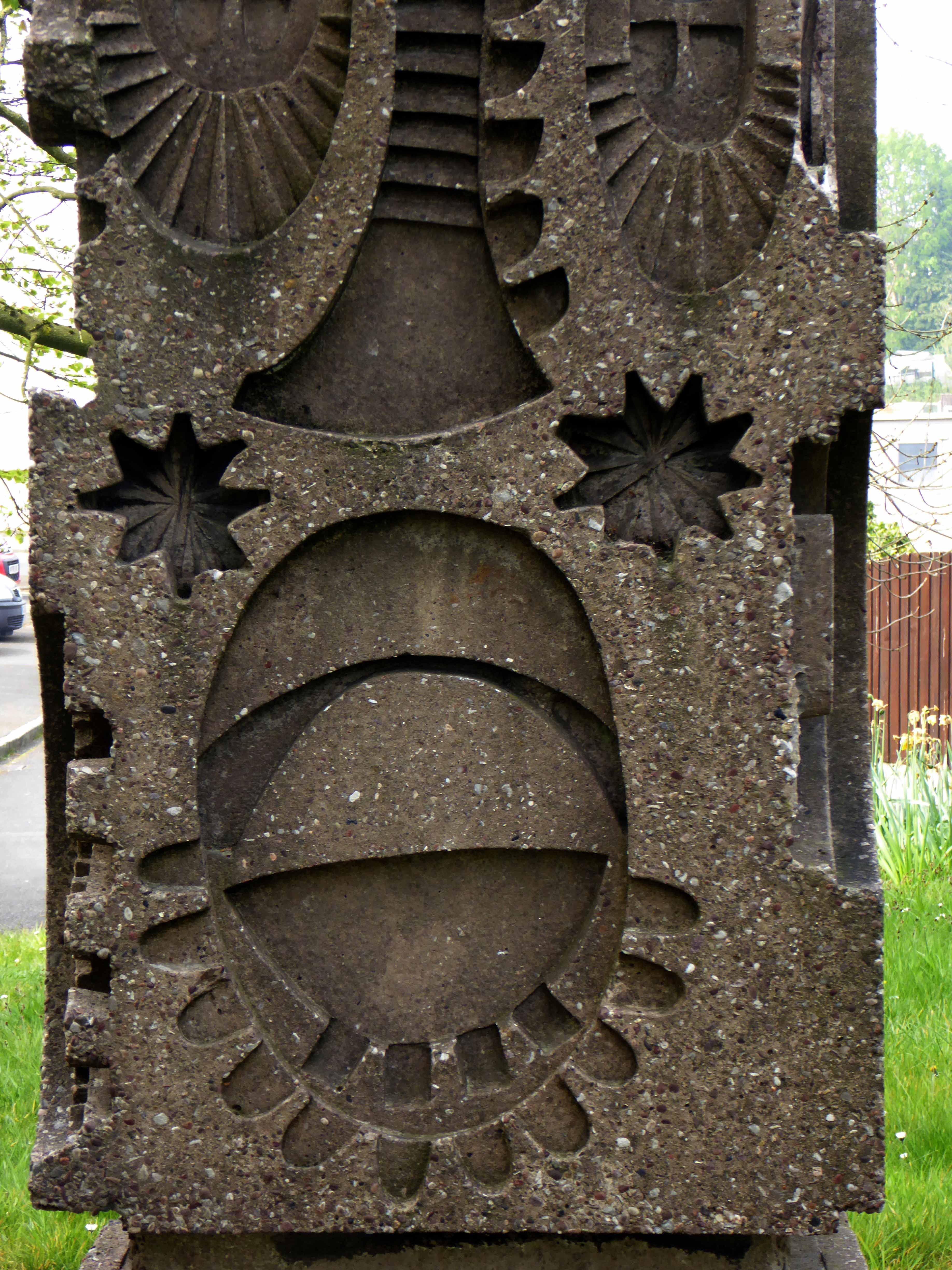
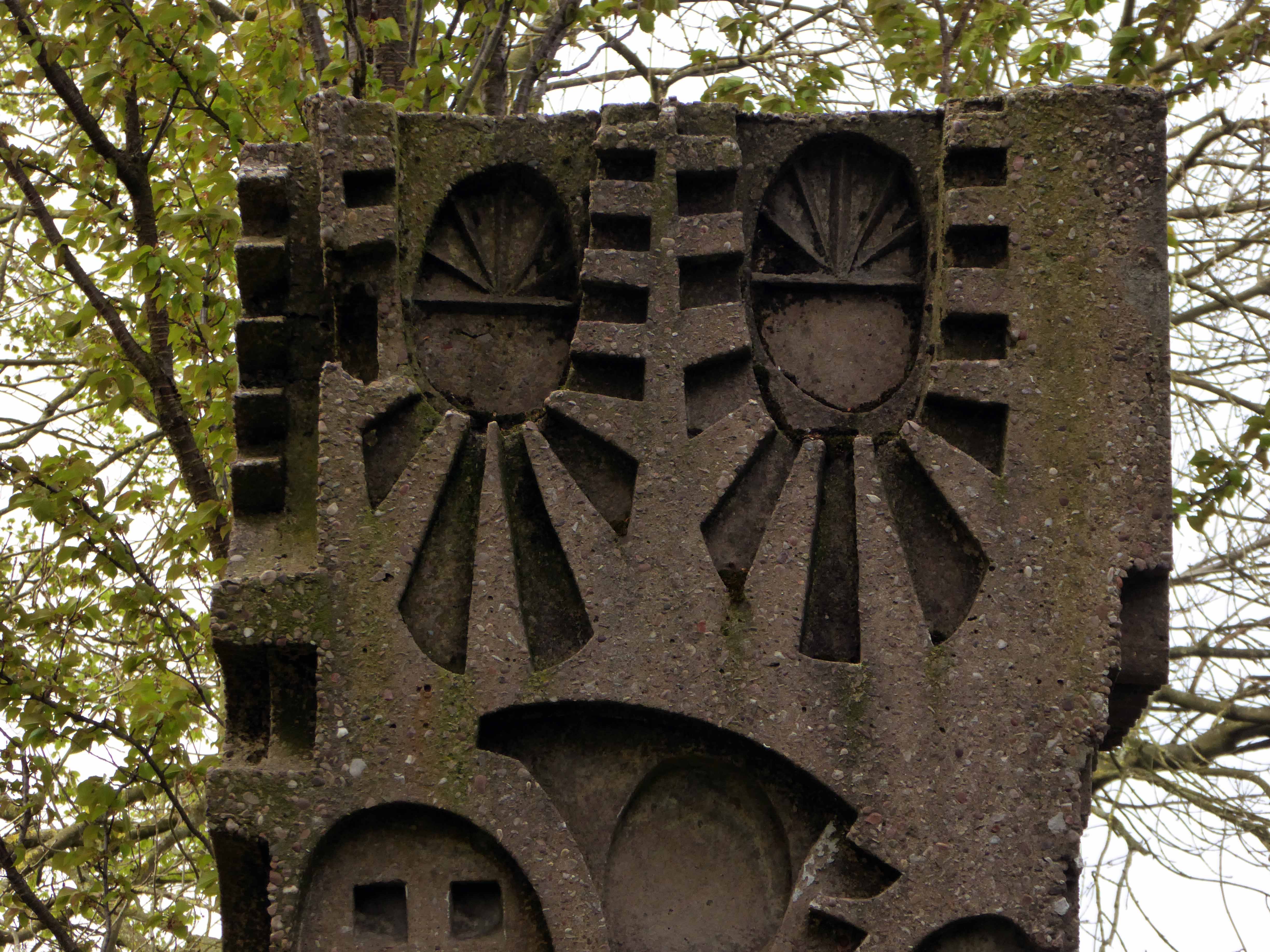
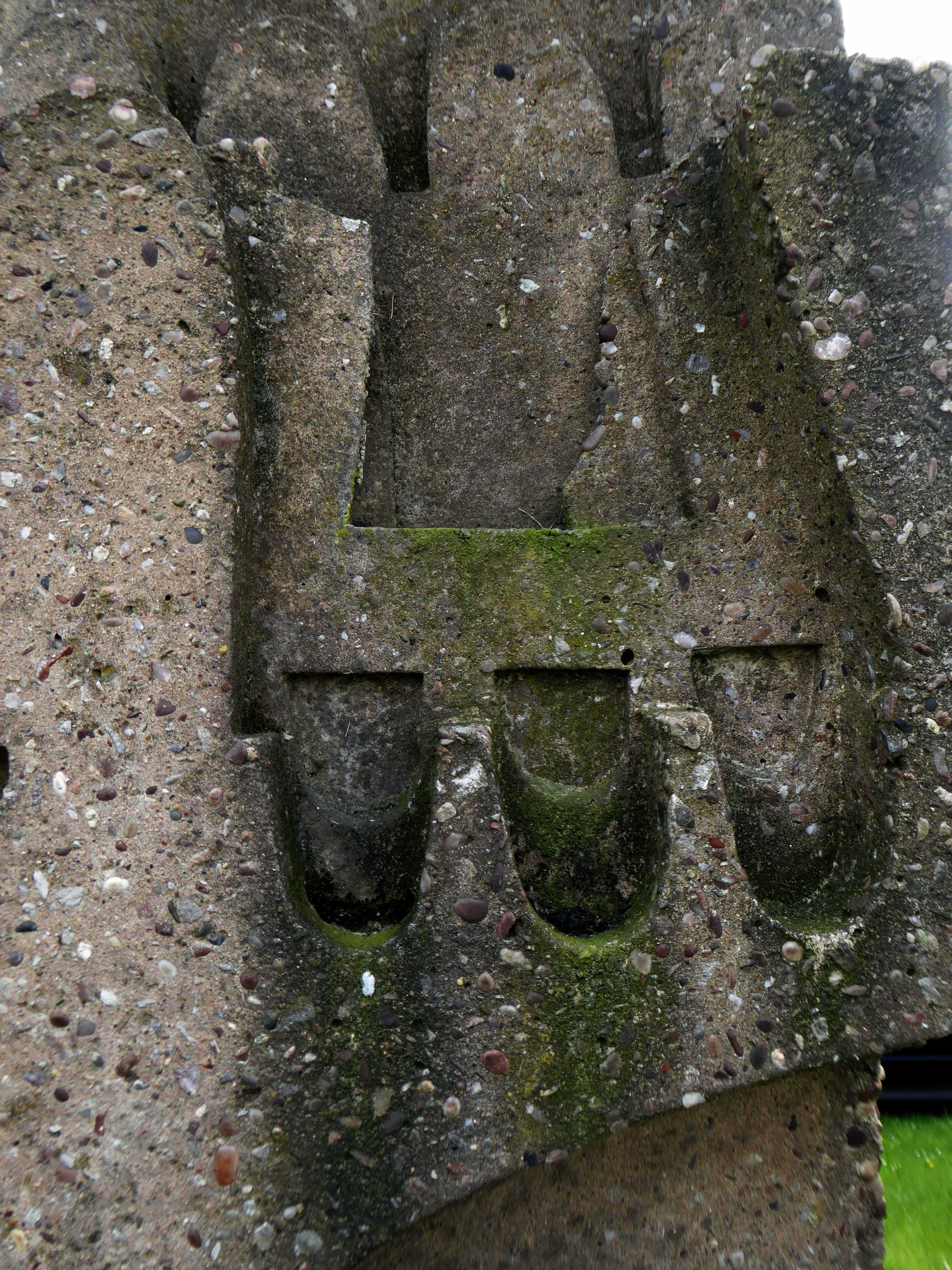
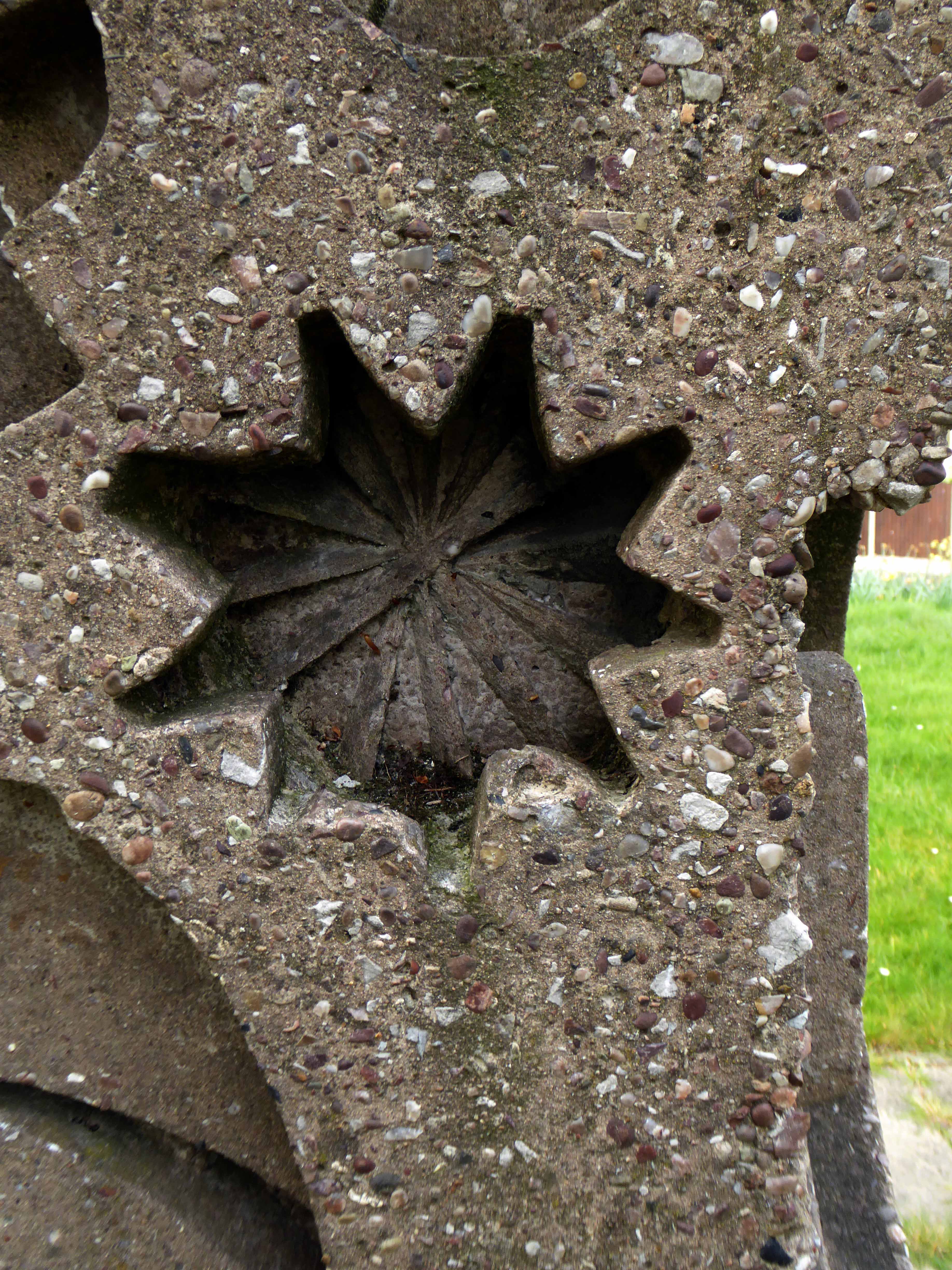
The putative William Mitchell cast concrete block stares stolidly at its surroundings, overseeing a slow and painful decline.
All that is solid melts into air, all that is holy is profaned, and man is at last compelled to face with sober senses his real conditions of life, and his relations with his kind.
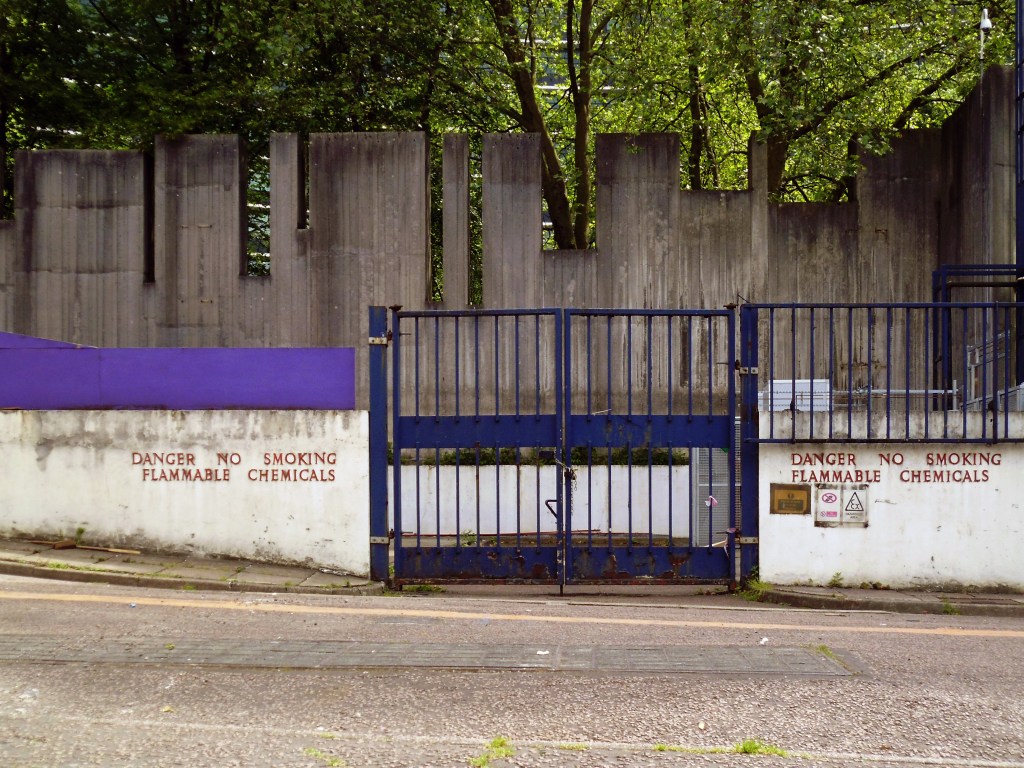
There’s no business like no business – it’s no better out the back.
This is an unprecedented opportunity to deliver a significant residential-led development connecting the north to the centre of Manchester. Working with our partners we’re re-imagining the essential neighbourhoods of our city.
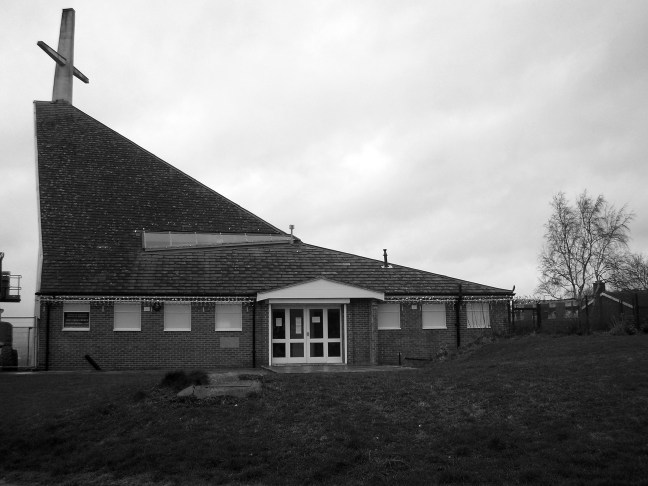
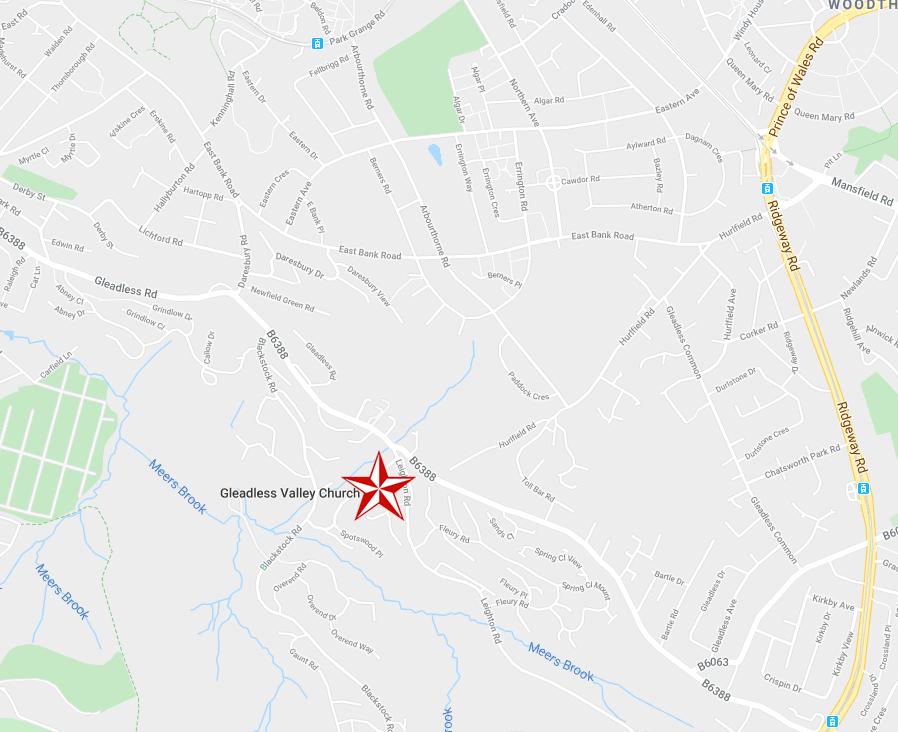
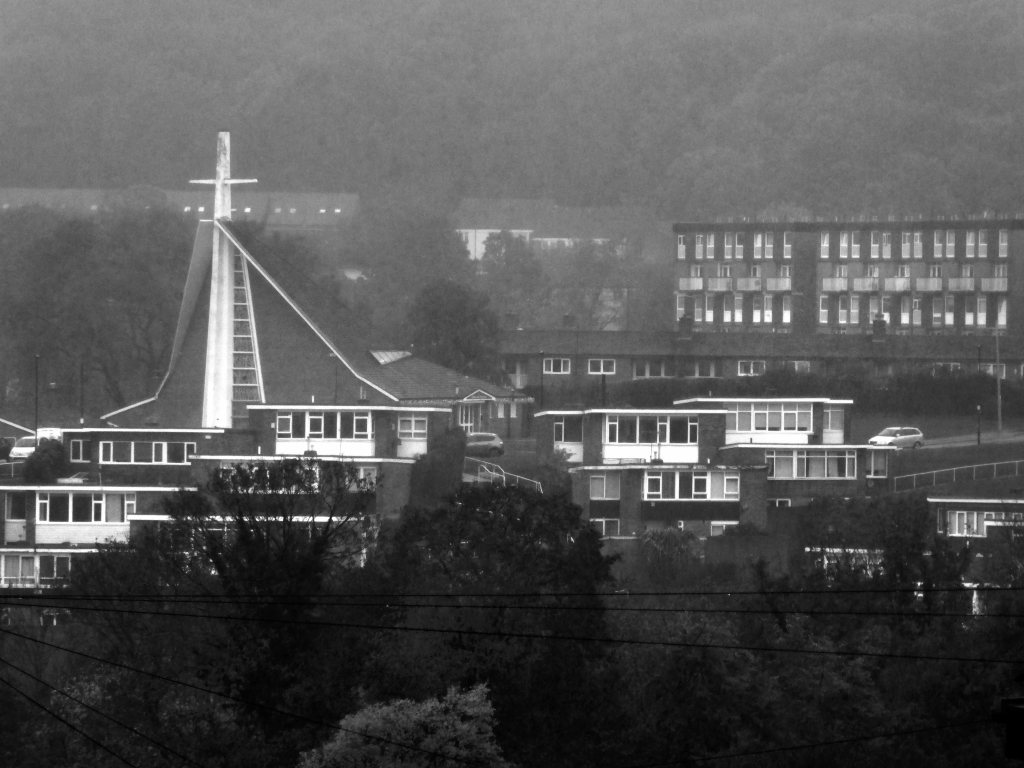
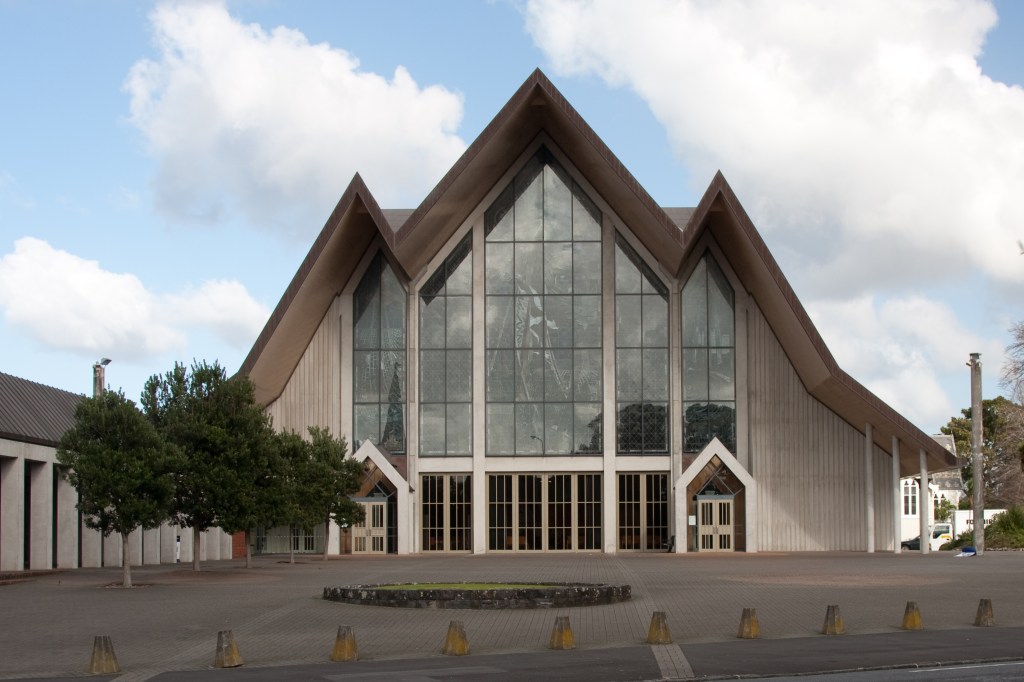
Holy Cross is positioned in a spectacular position among the houses on the Rollestone hillside.
Holy Cross is a church for people of all ages and stages of life.
Apart from the warm welcome at Holy Cross, you will always find something that is relevant to your age and stage in life – however old you are and whatever walk of life you come from.
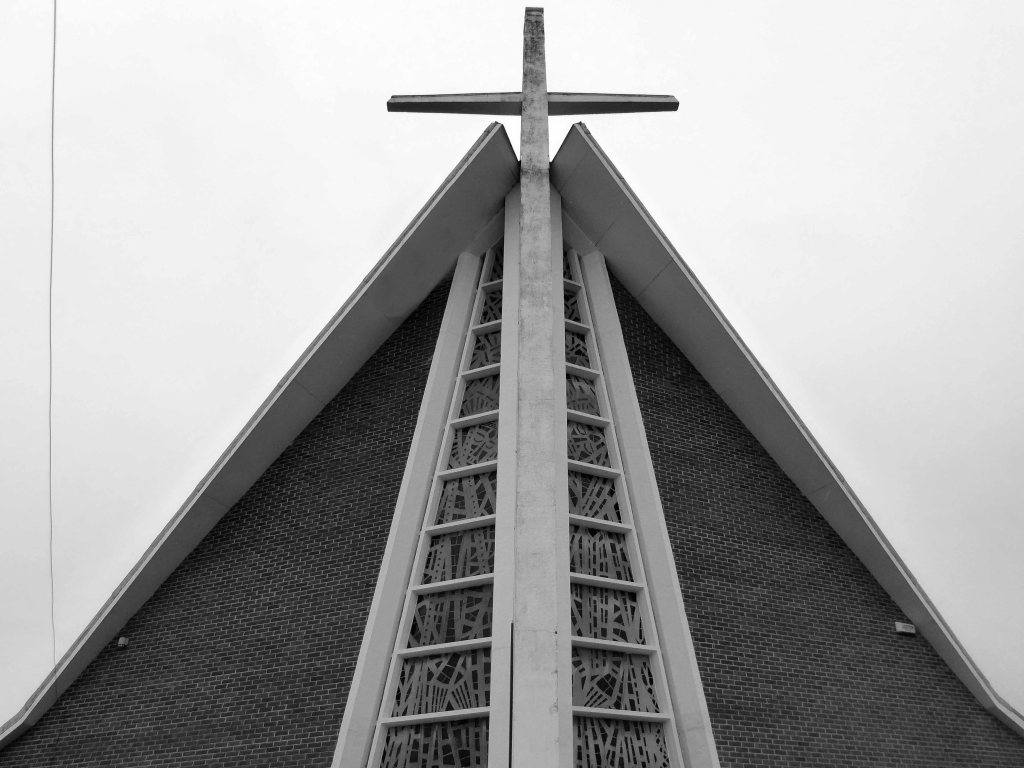
It has a canted front which is triangular in shape which has a large white cross at its apex.
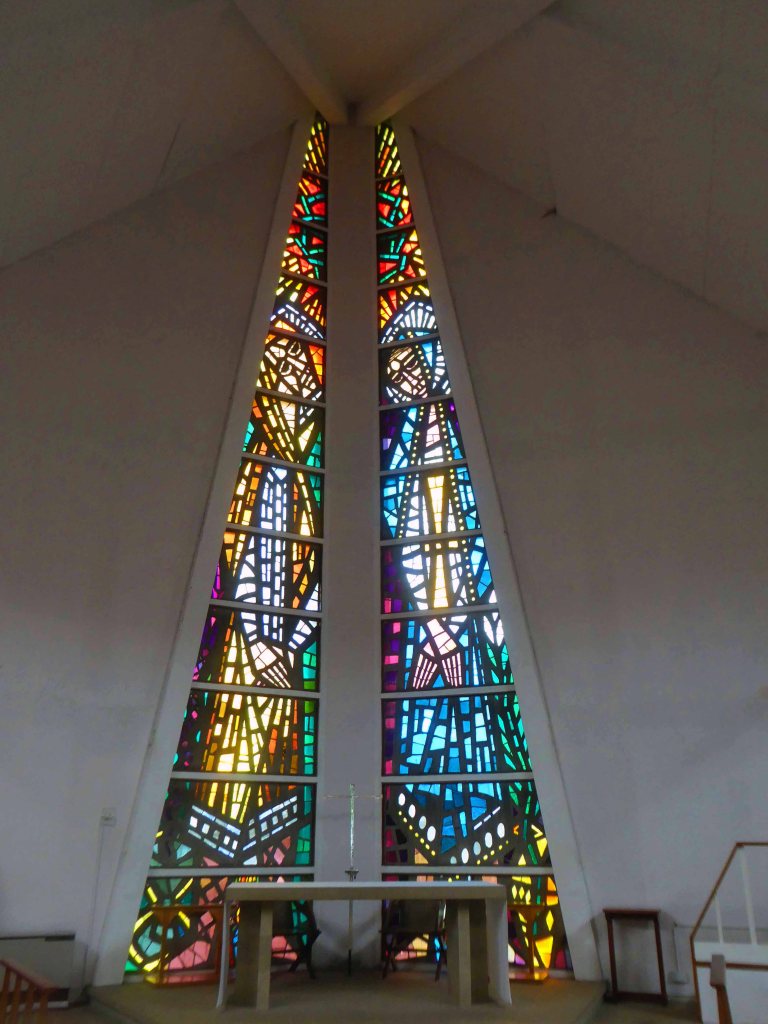
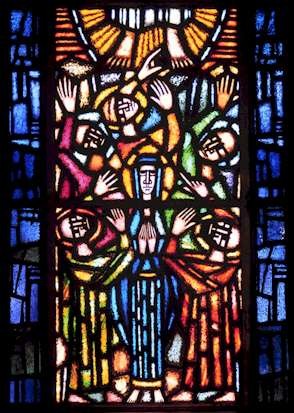
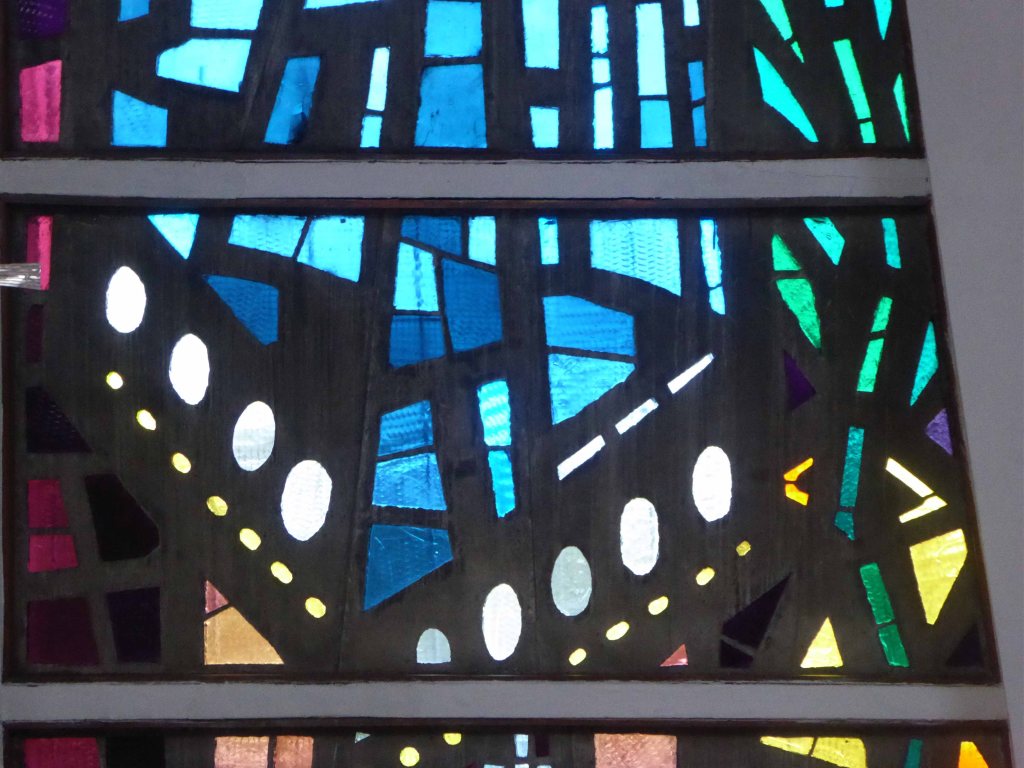
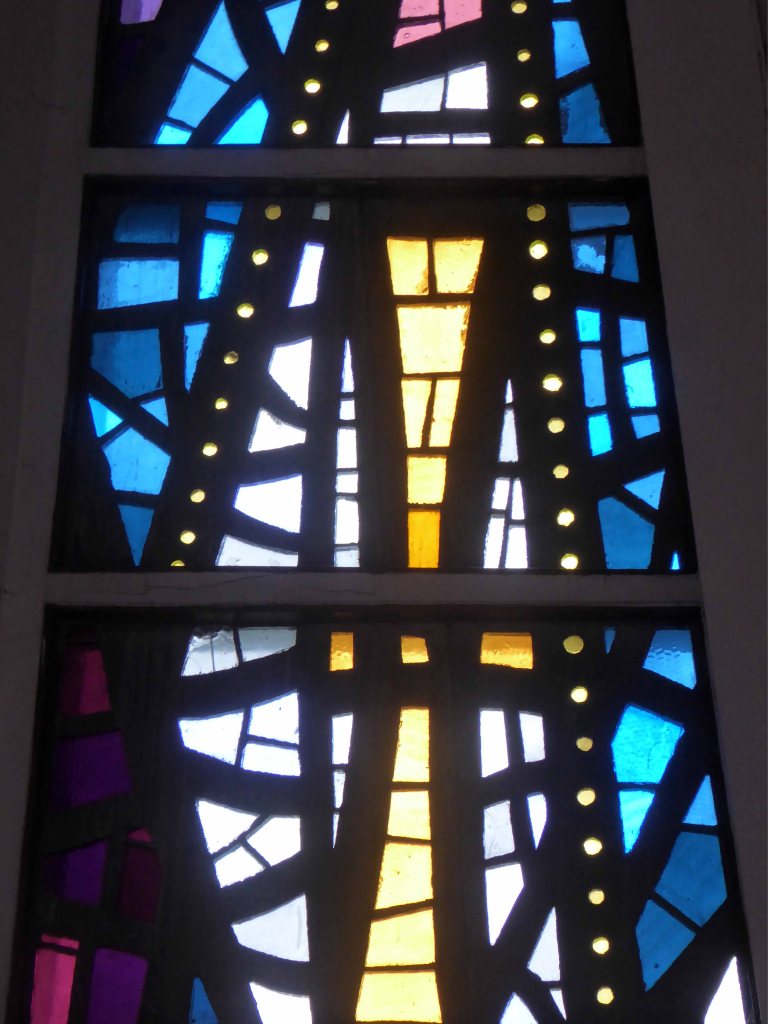
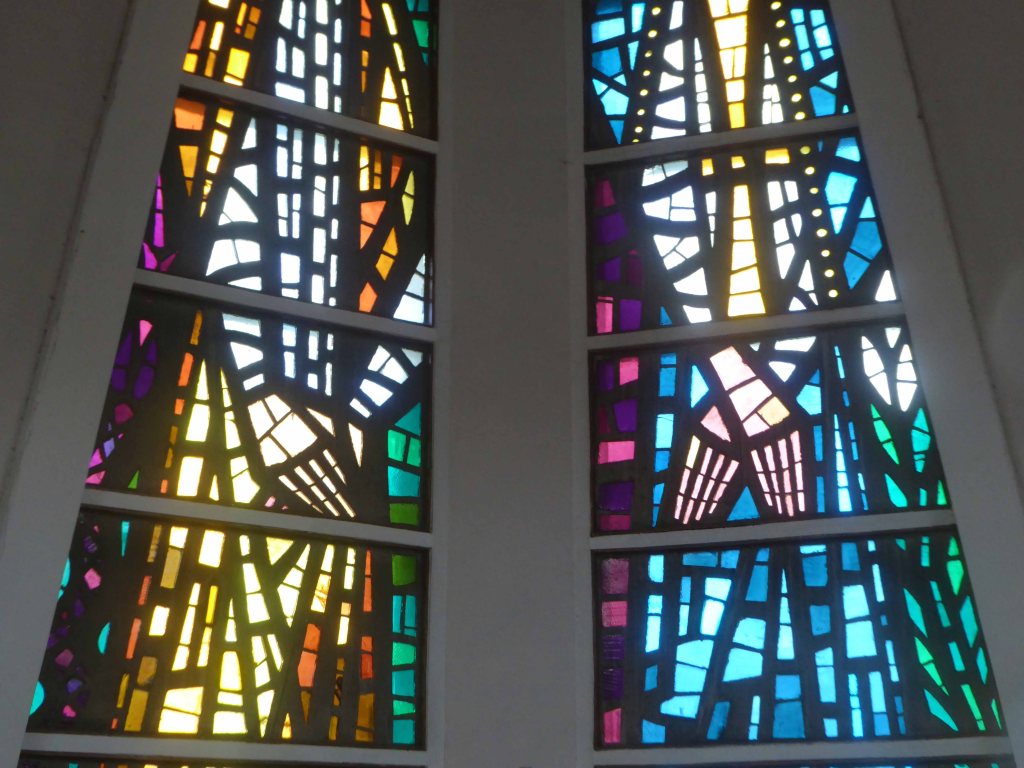
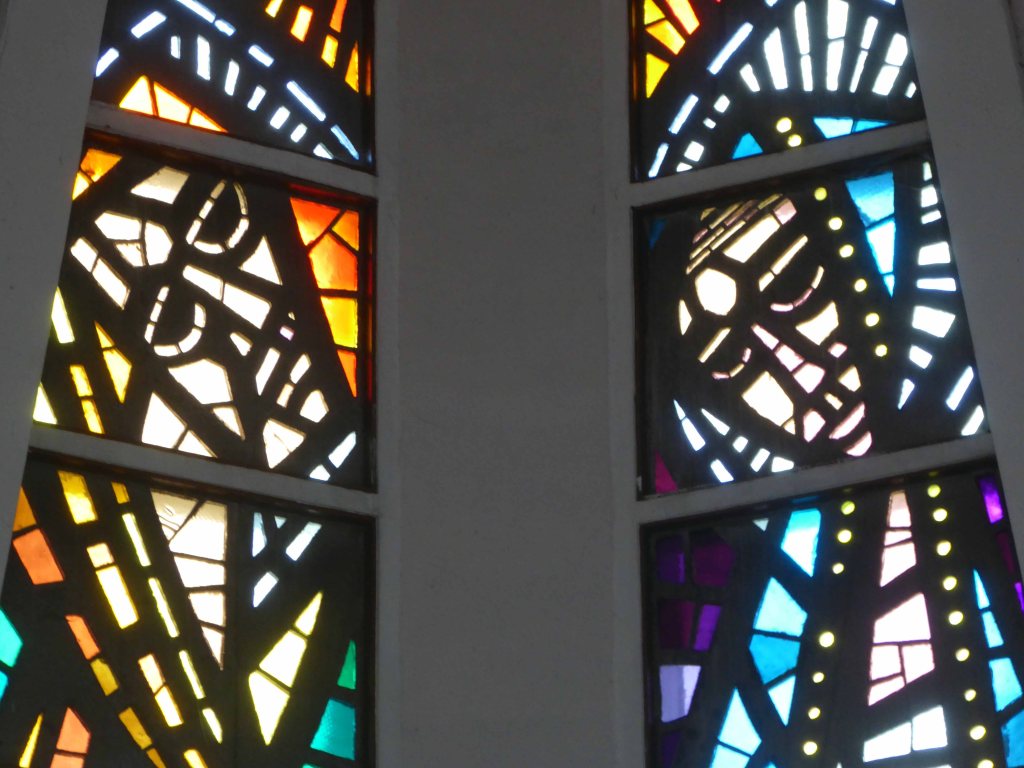
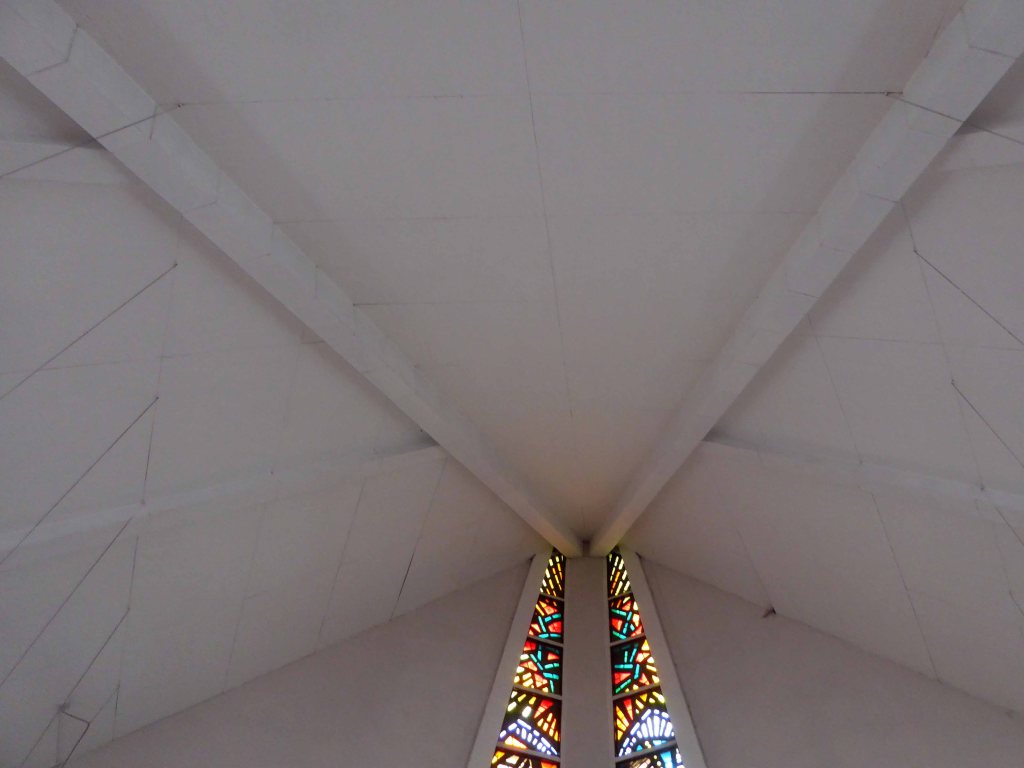
The interior features full height stained glass windows of the Virgin Mary and St John by John Baker Ltd.
Born in 1916, John aka Jack studied at the Central School in London and worked under James Hogan at the Whitefriars stained-glass studios before joining Samuel Caldwell junior at Canterbury Cathedral in 1948 to help reinstate the medieval glass removed for safekeeping during the Second World War.
He subsequently authored English Stained Glass; the revised edition of this work, English Stained glass of the Medieval Period , which was to become one of the most popular soft back books on English medieval glass ever published.
Apart from his conservation skills, John was also an inspired teacher at Kingston College of Art. He produced windows for a number of churches, including eleven windows for the church of the Holy Name, Bow Common Lane, Mile End; two windows and a brick sculpture for the church of Little St Peter, Cricklewood; eighteen windows for St Anne’s church, East Wittering, Sussex; two large abstract windows for Broomfield Chapel, Abbots Langley; ten large concrete and glass windows for the new parish church, Gleadless Valley, Sheffield; and twenty-two glass windows for the Convent Chapel, St Michaels, Finchley. He also created a huge Jesse window for the church at Farnham Royal. The church was demolished in 2004, but the glass is now in storage, and some of the panes will be installed in the welcome are of the new church.
His favourite works were the windows he produced for Auckland Cathedral, New Zealand – as seen above.
John Baker, born Birmingham, 11 March 1916, died Hastings, 20 December 2007.
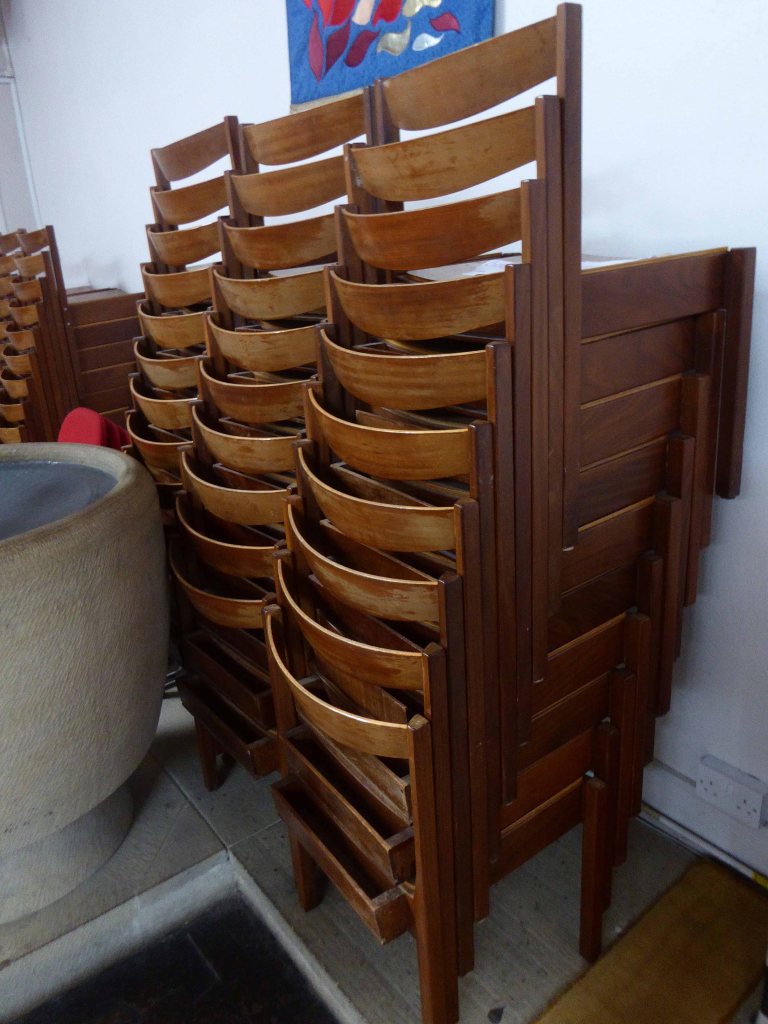
The concrete altar is set on a raised paved podium, complemented by a silver cross and distinctive Arts and Crafts style oak chairs.
The original seating seems to be no longer in use, replaced by a newer more comfortable alternative.
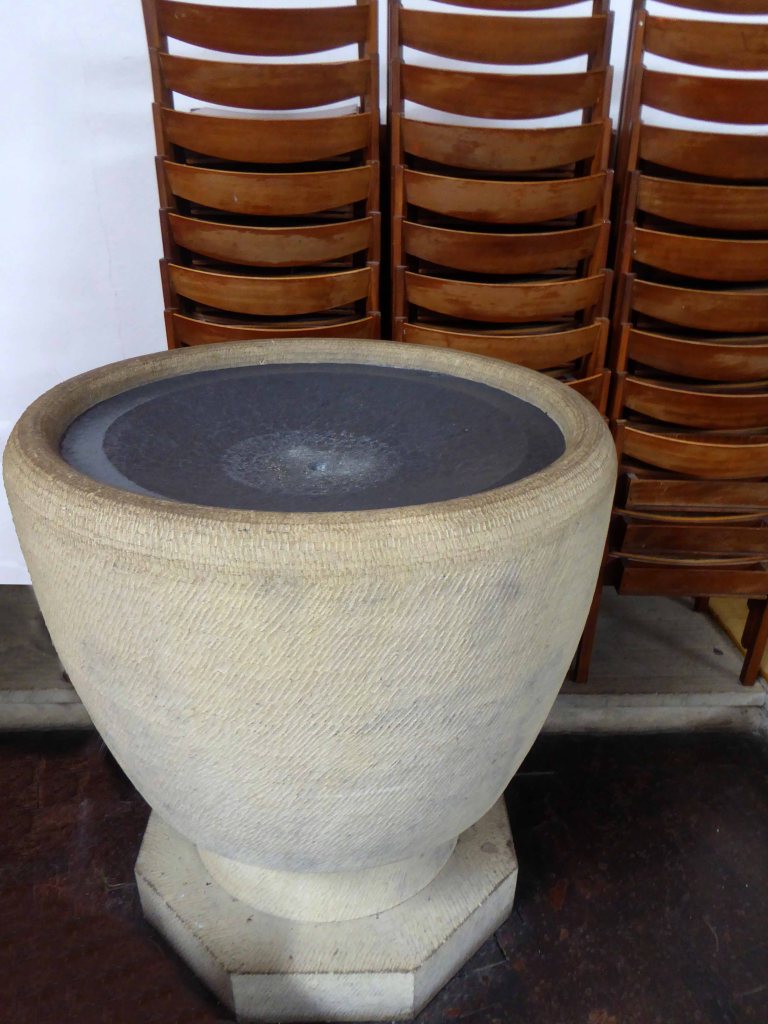
There is a large carved stone font.
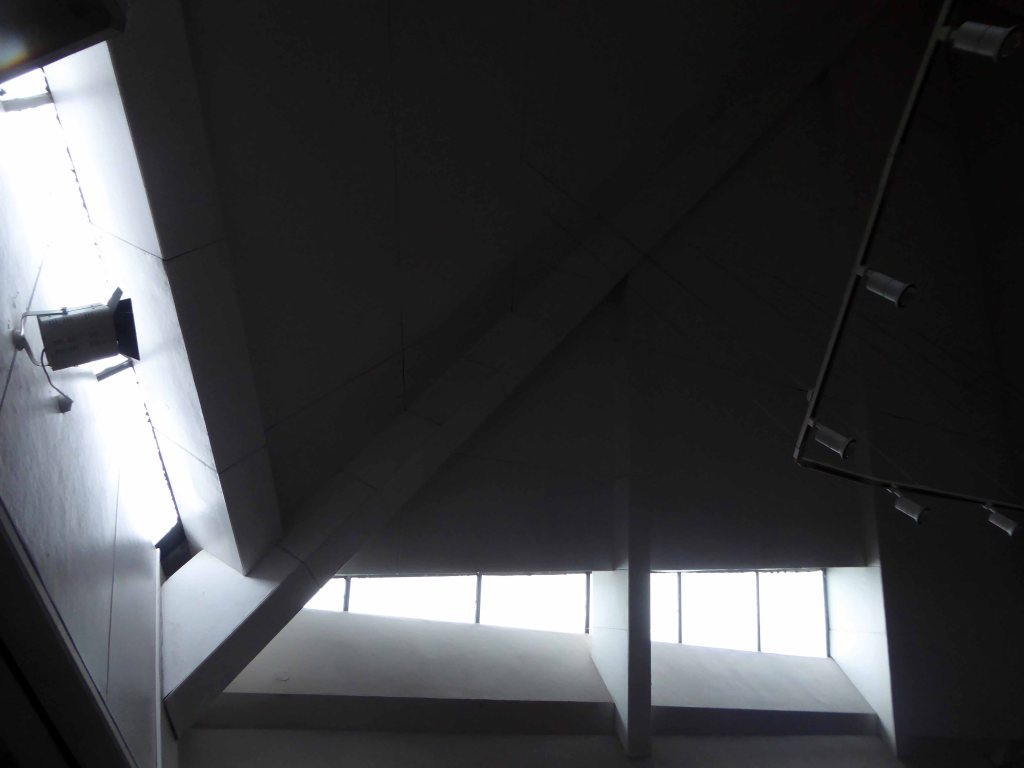
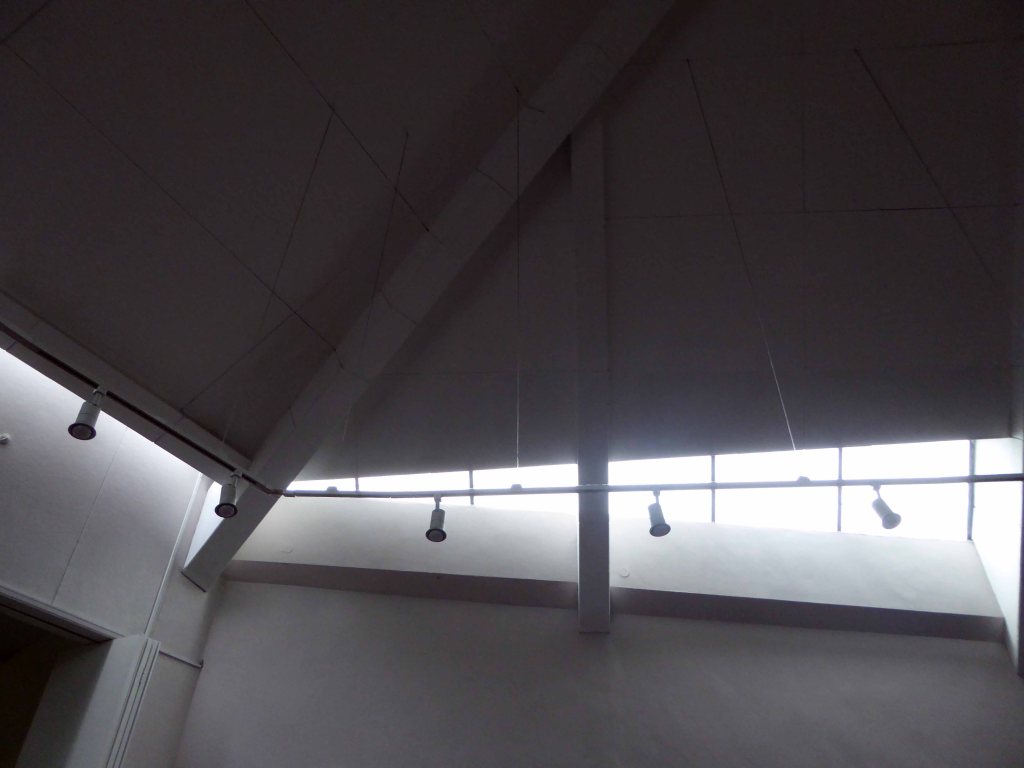
The main body of the steeply pitched roof space is illuminated by slotted windows.
Many thanks to the key holders and parishioners at Holy Cross, our Sheffield guide Mick Nott and Claire Thornley at Eleven Design – for making our visit possible.
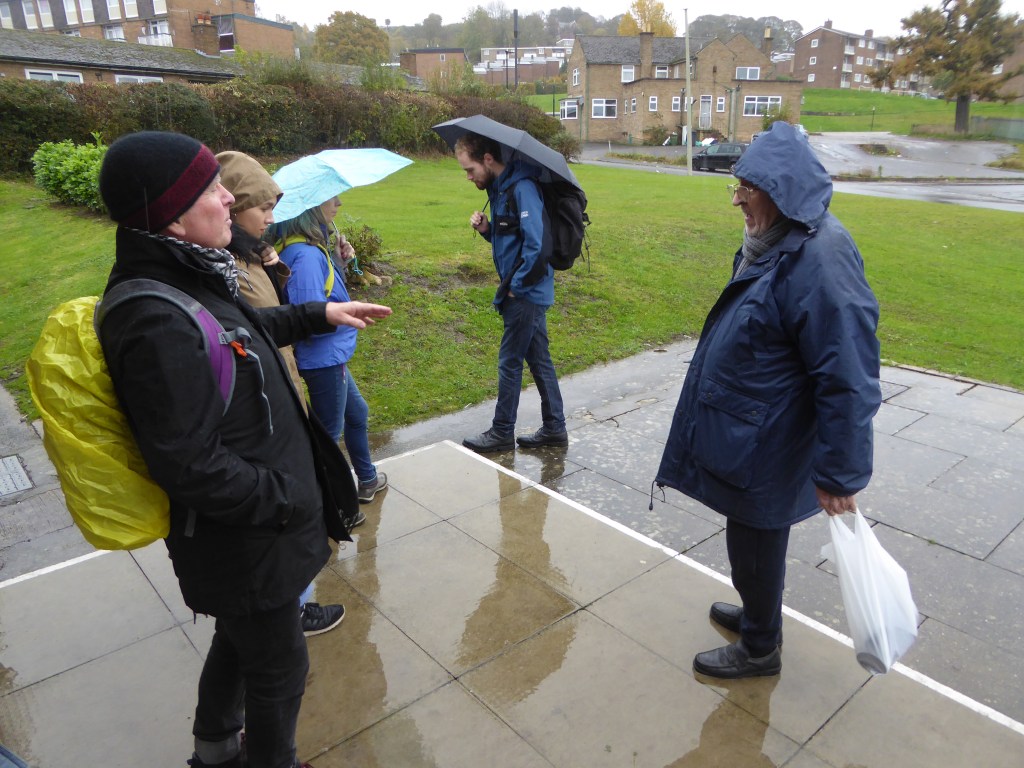
Thanks also to all those who turned up on Saturday to walk a very, very wet Gleadless Valley.
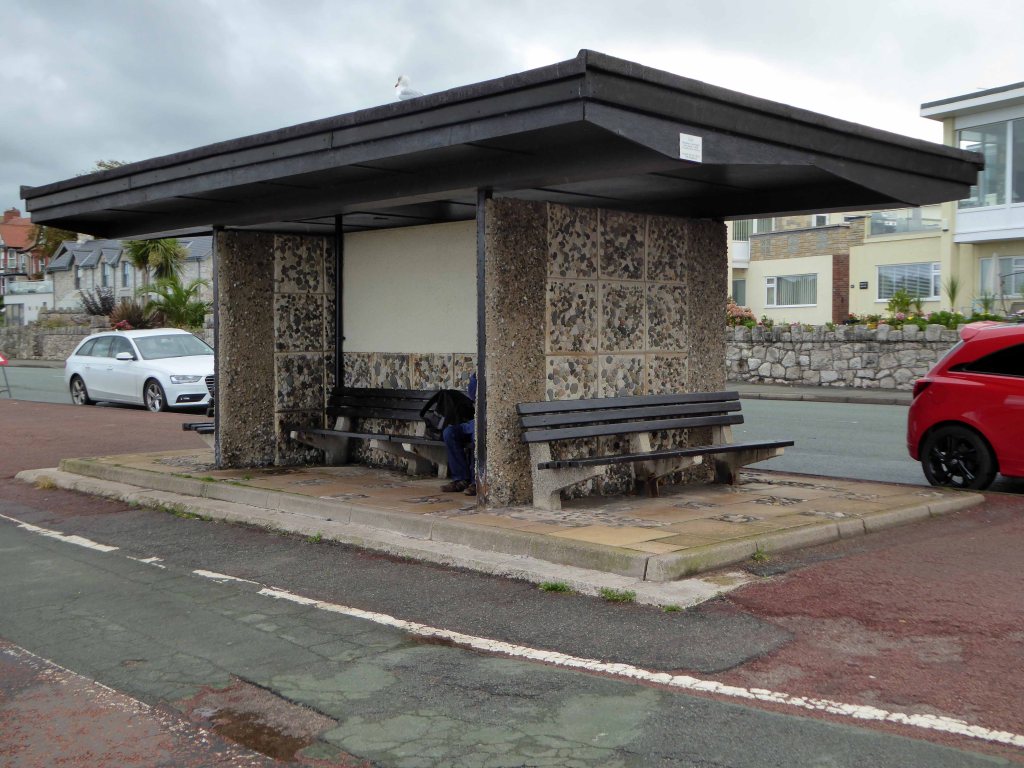
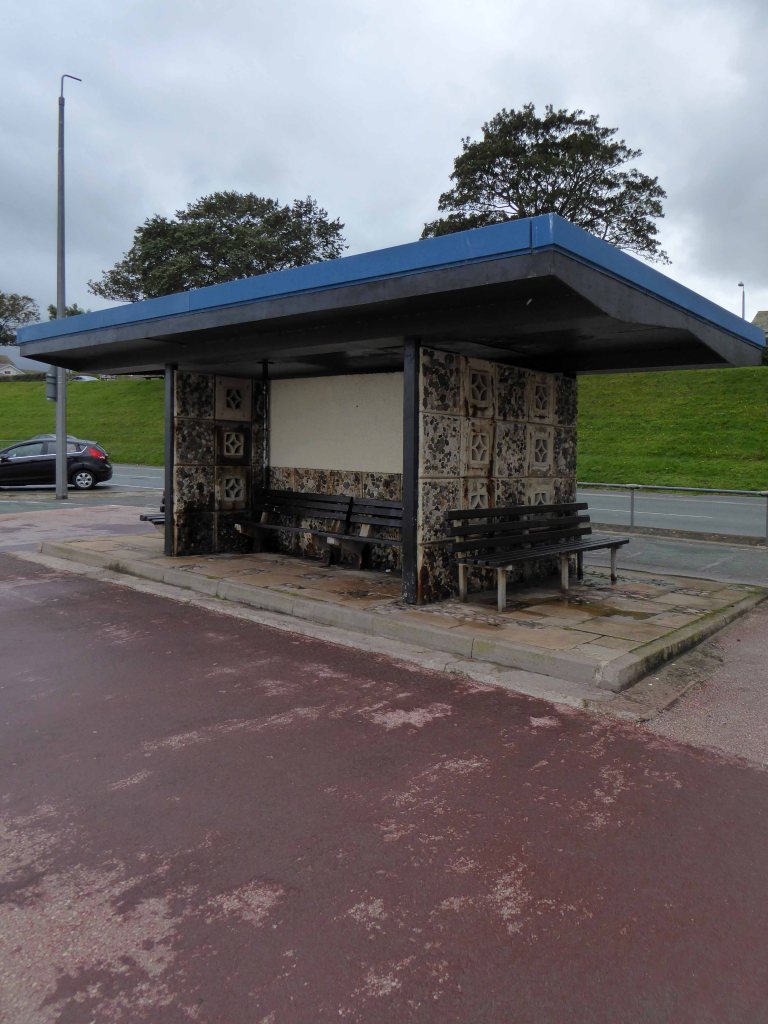
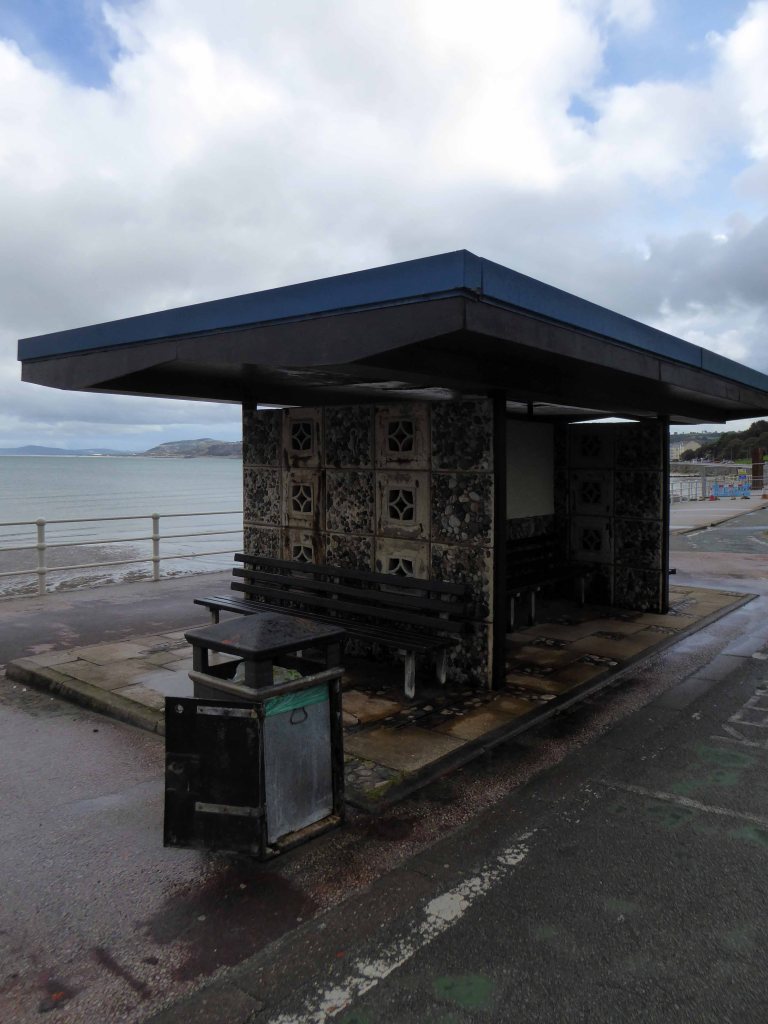
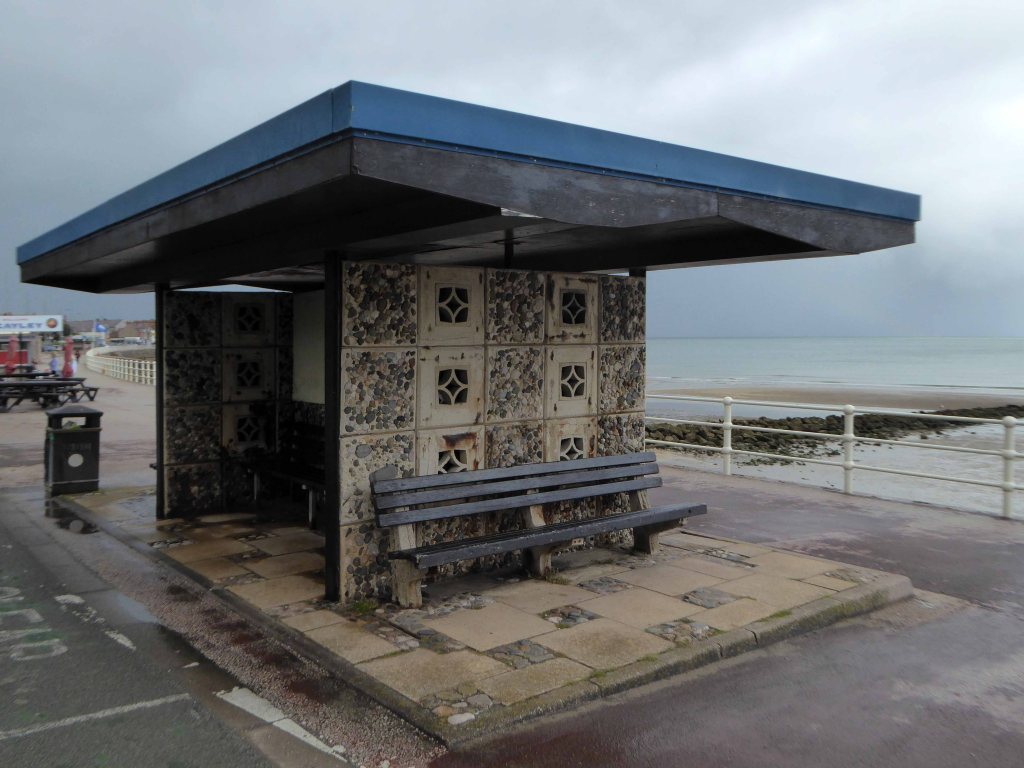
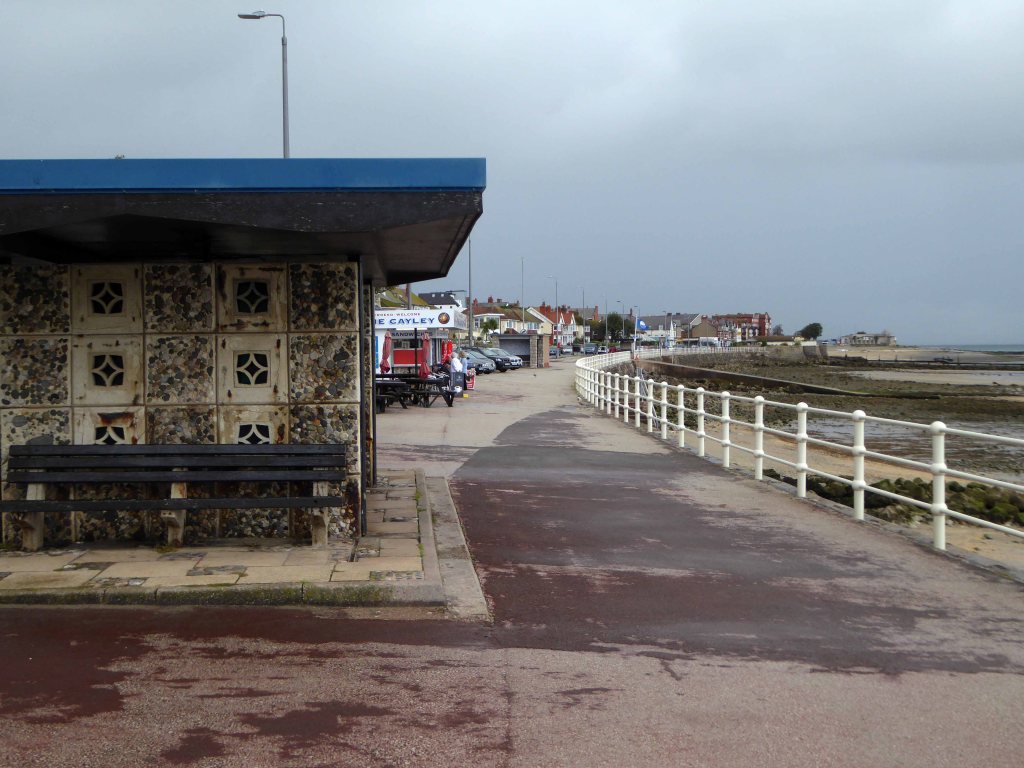
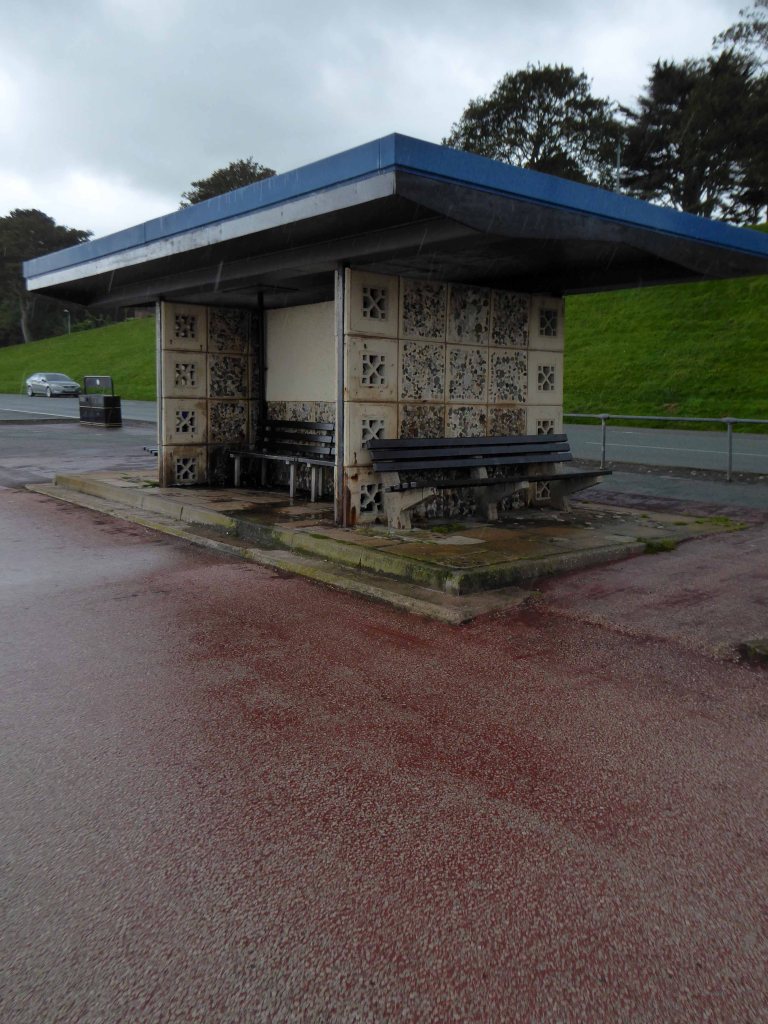
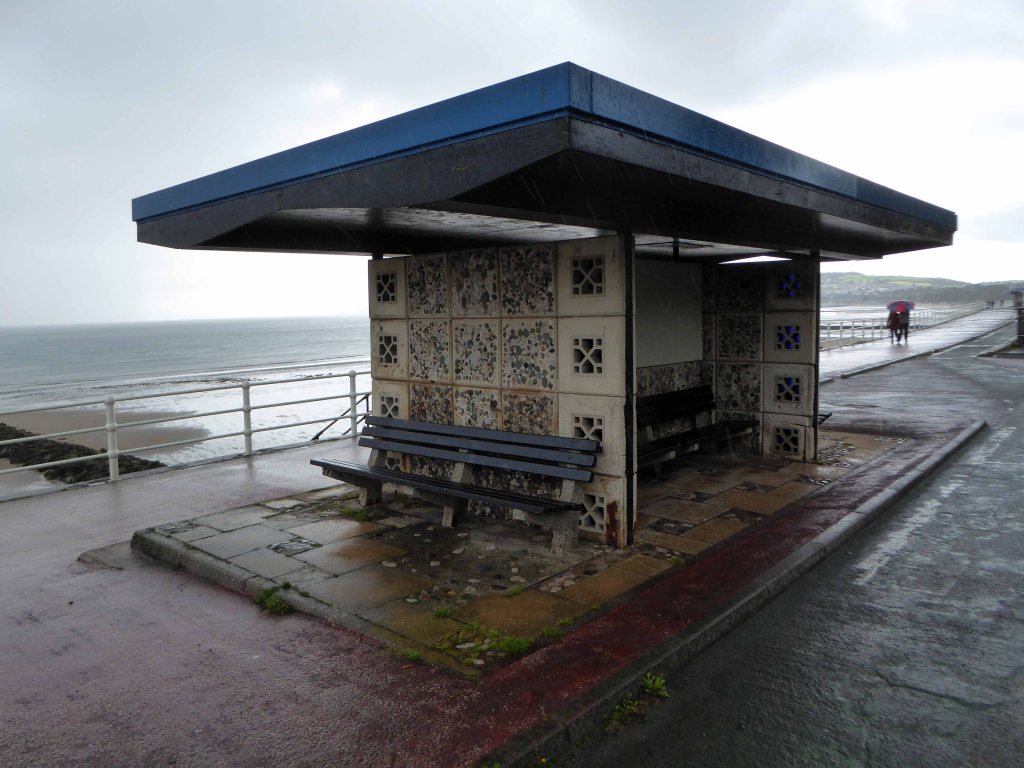
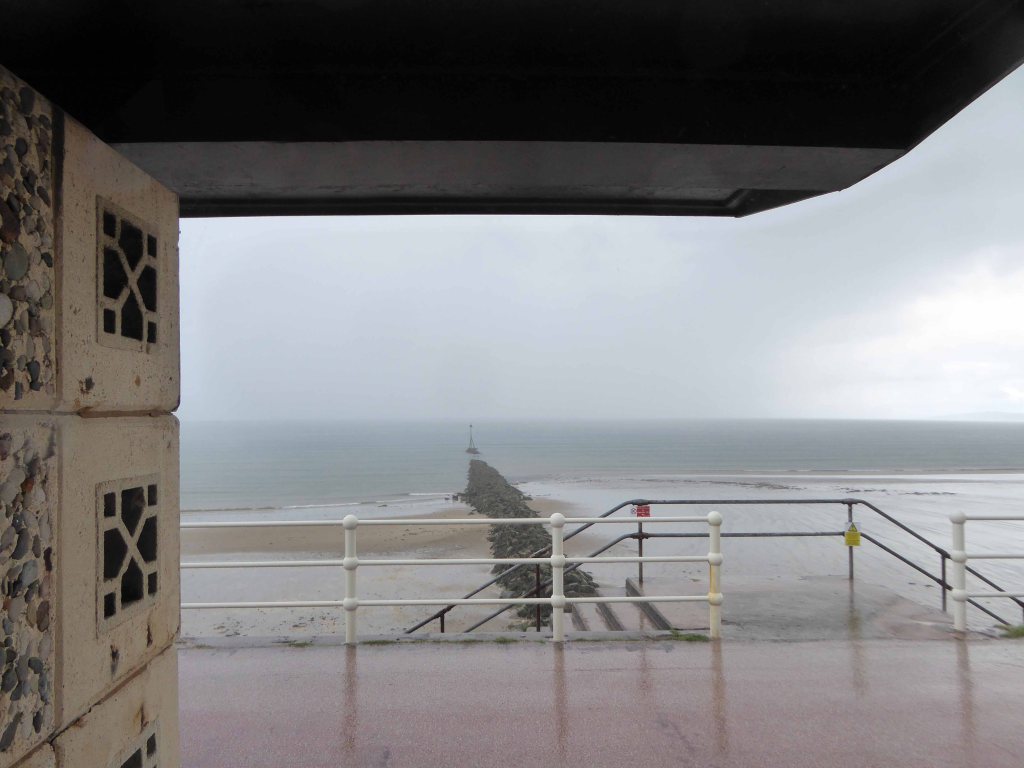
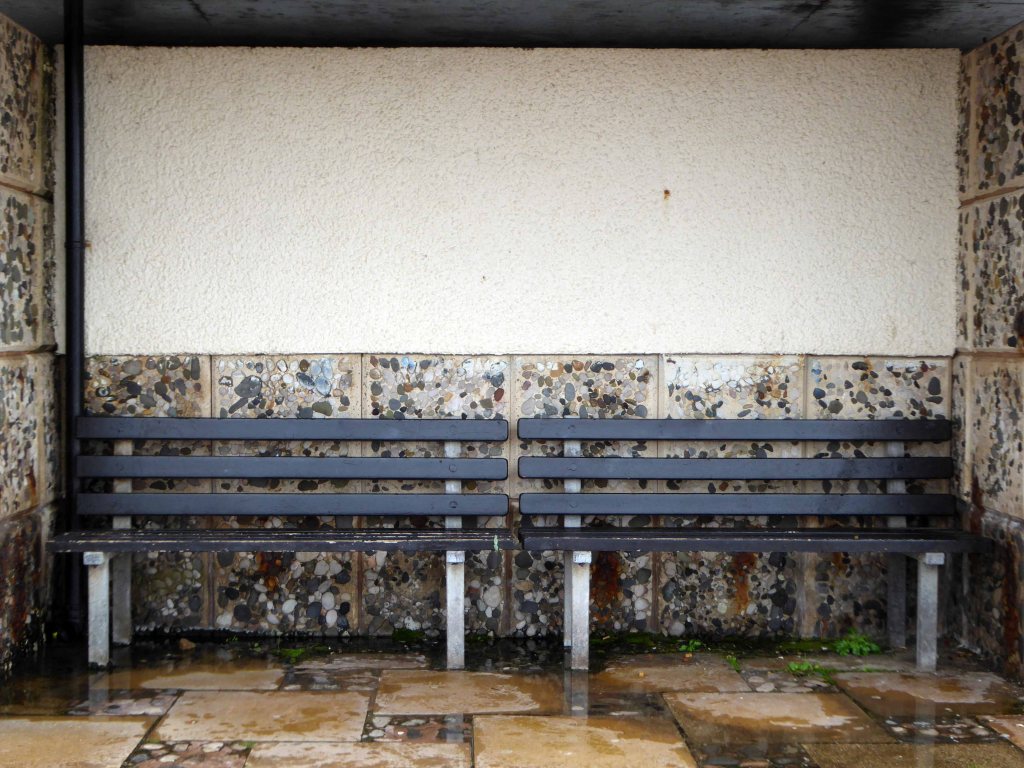
I thought that you may have all been removed – phase two of several phases reshaping the hard landscape of Wales.
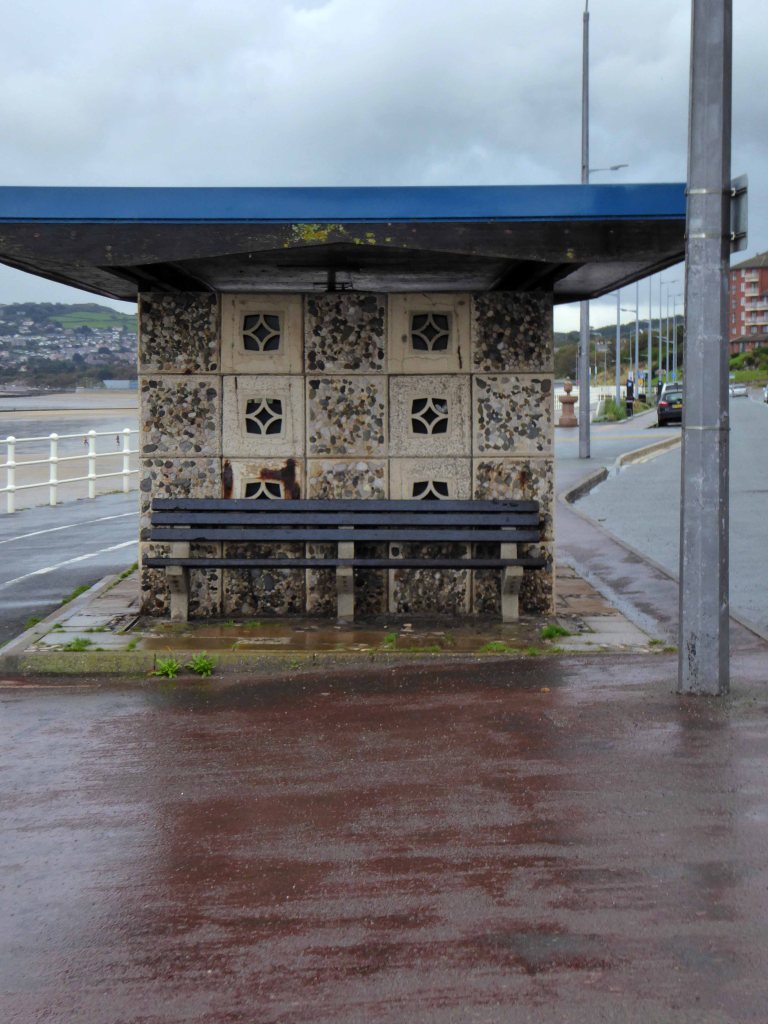
It seems I was incorrect – I’m happy to report that as of last Friday only one of our shelters is missing.
So I more or less repeated the task undertaken on my last visit.
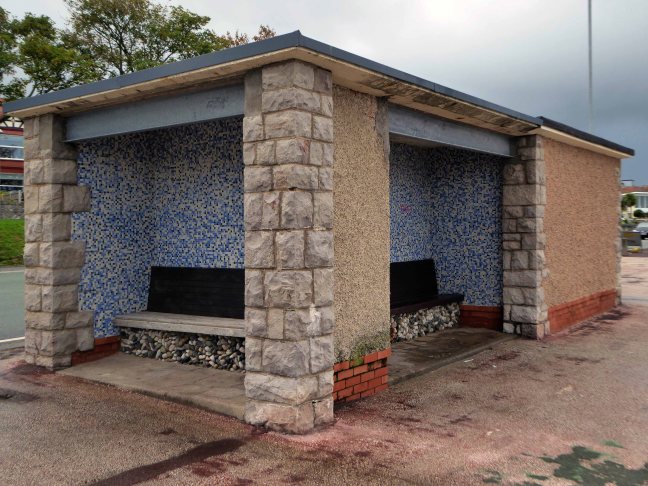
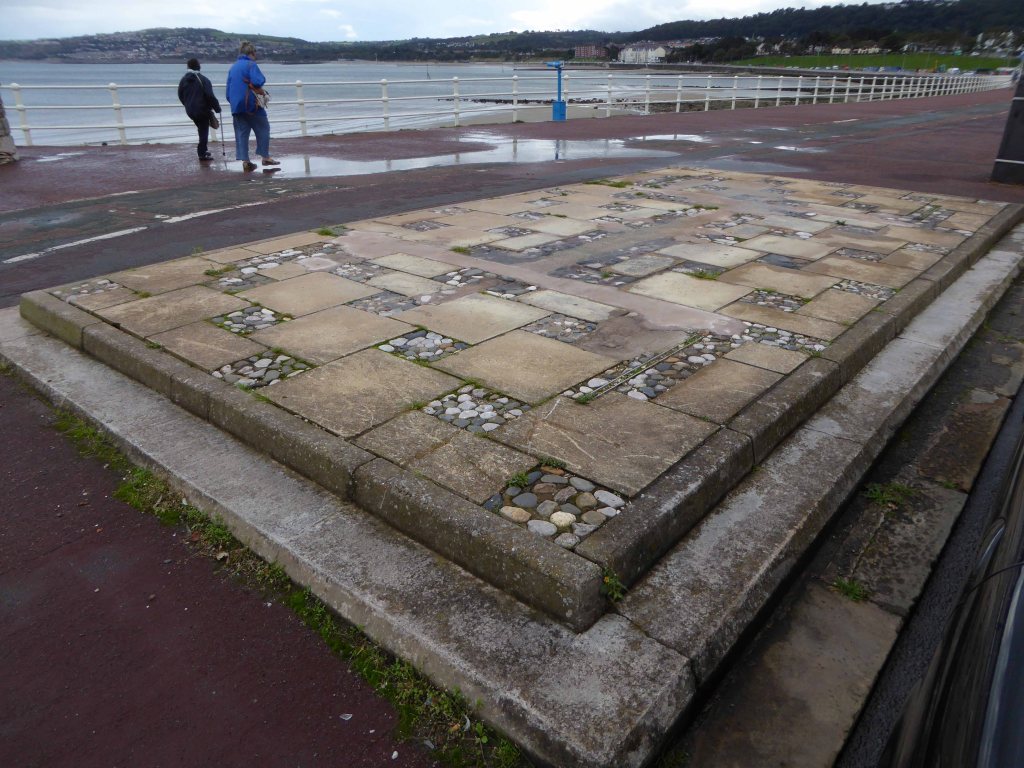
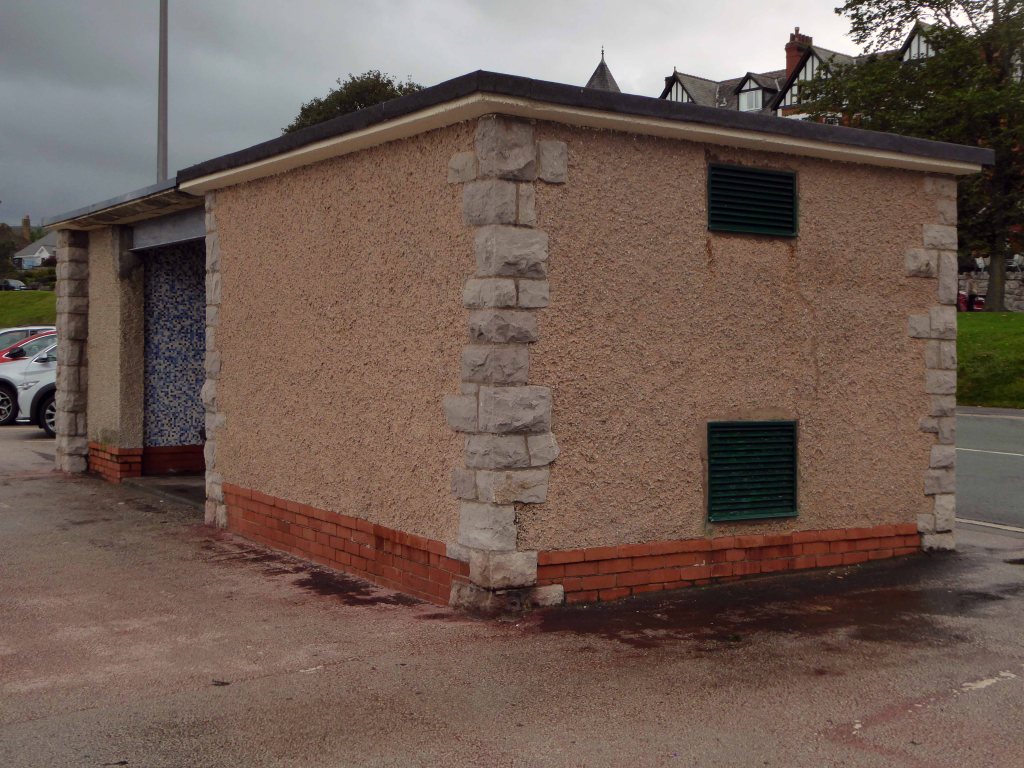
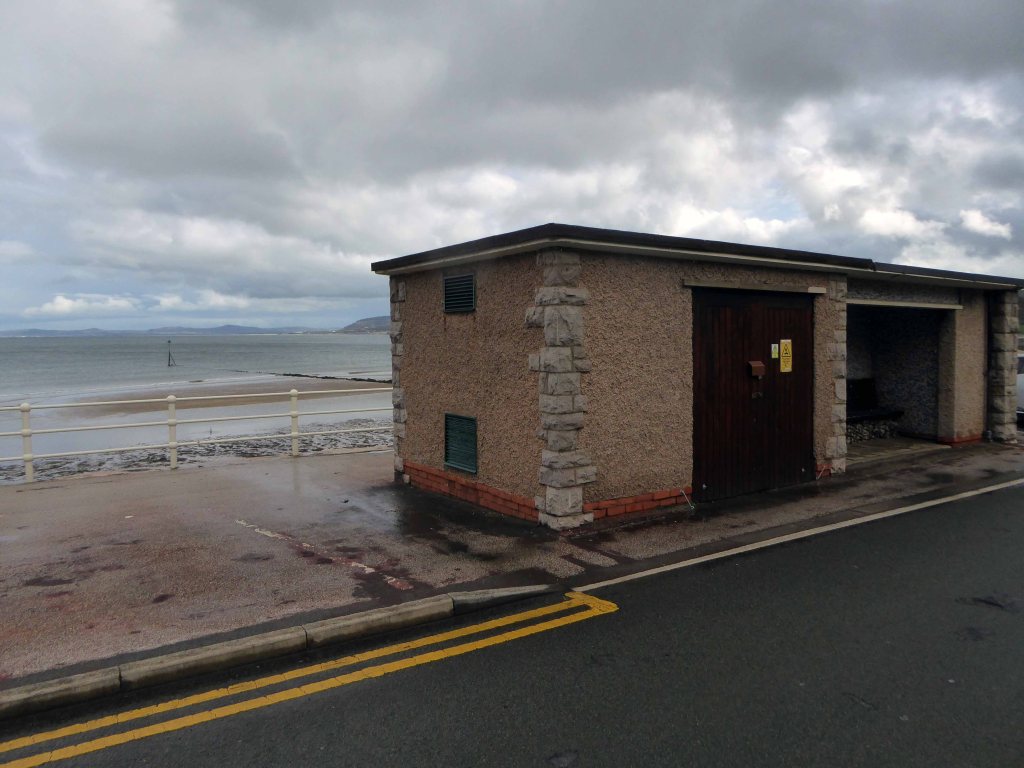
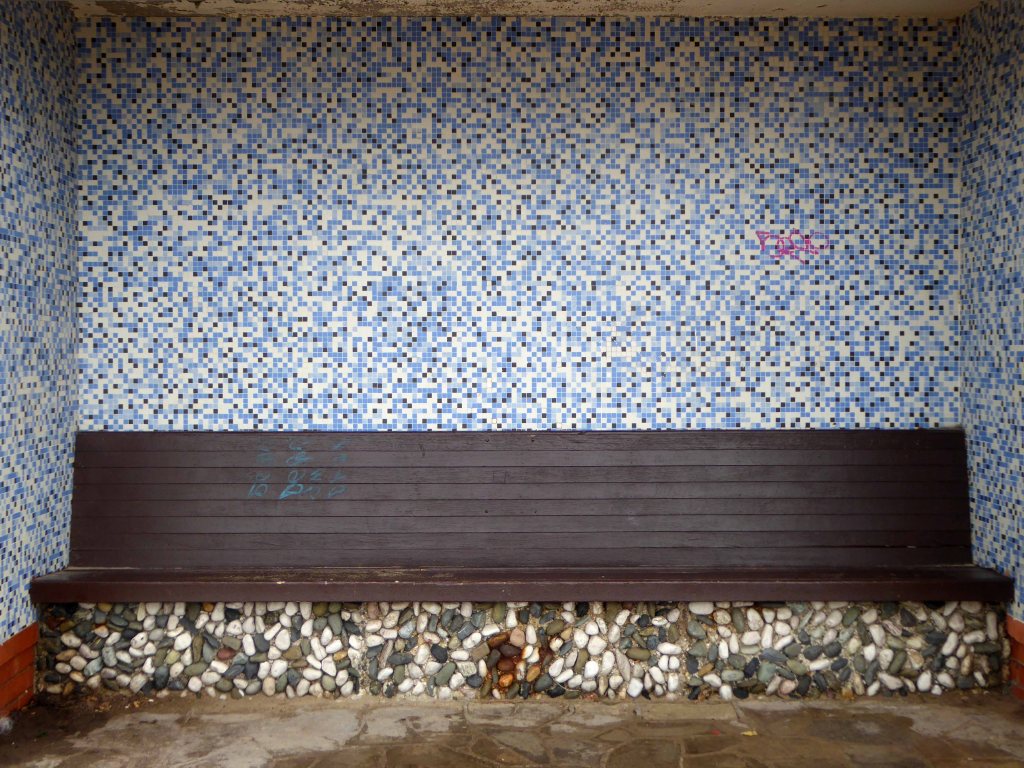
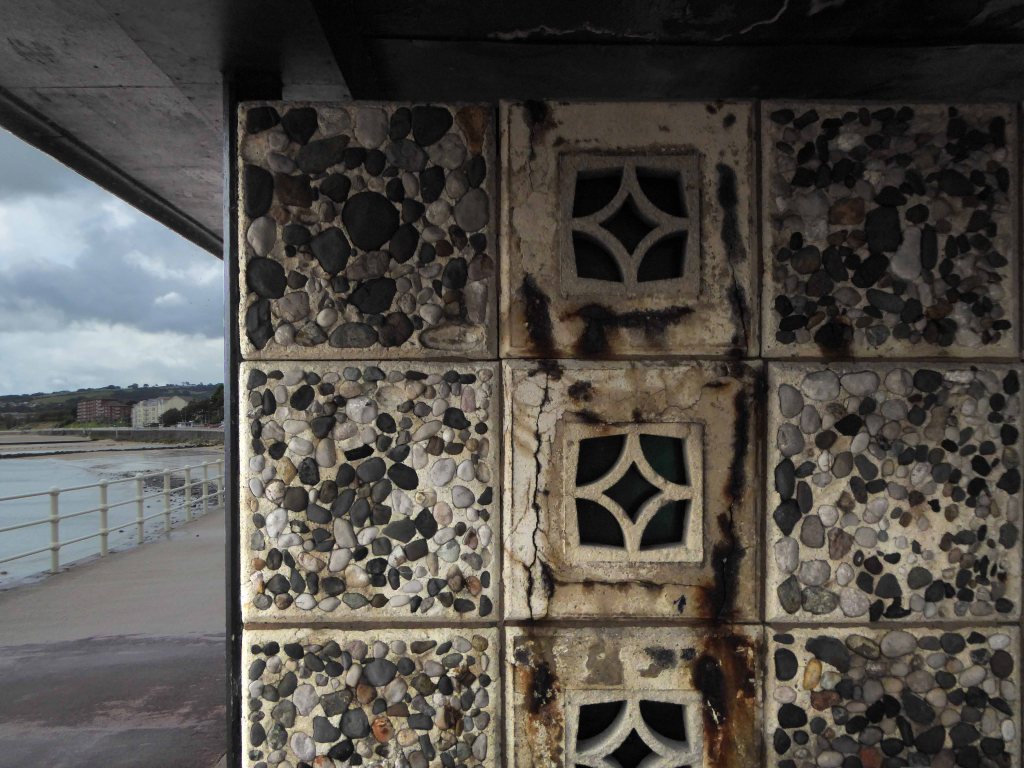
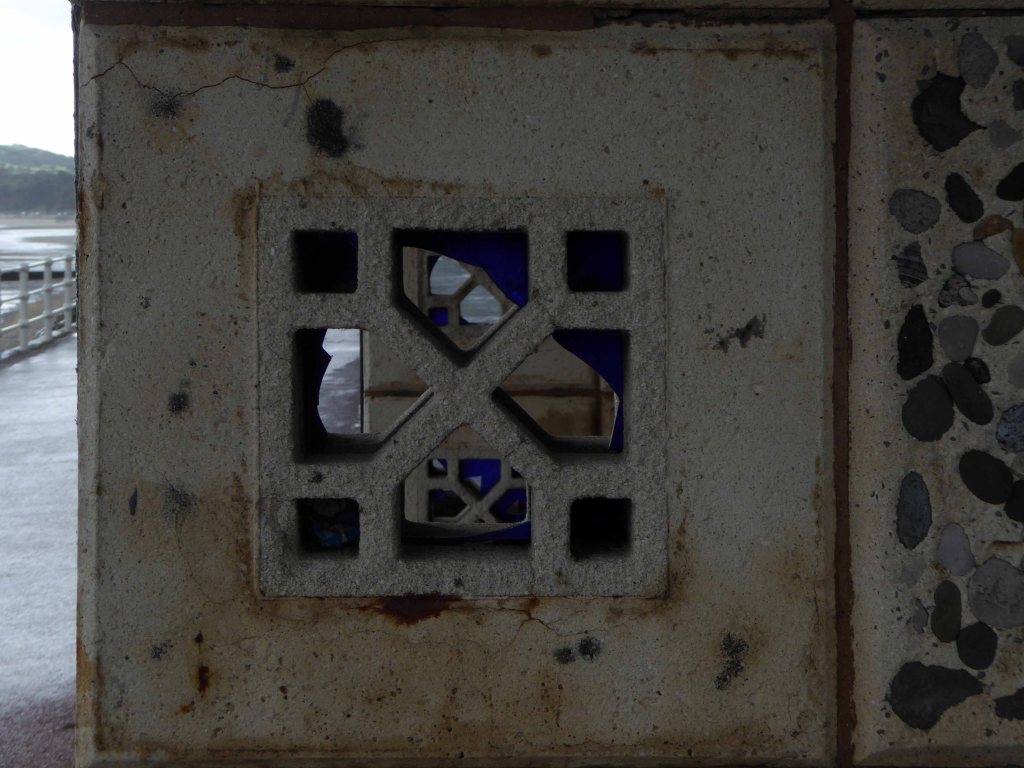
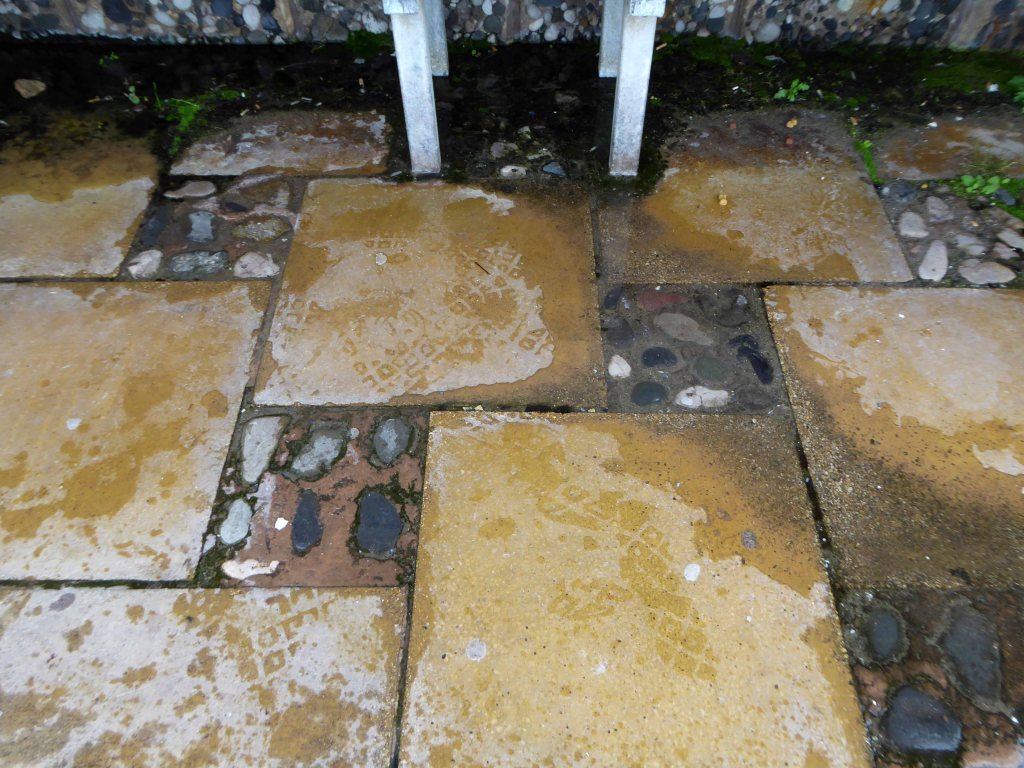
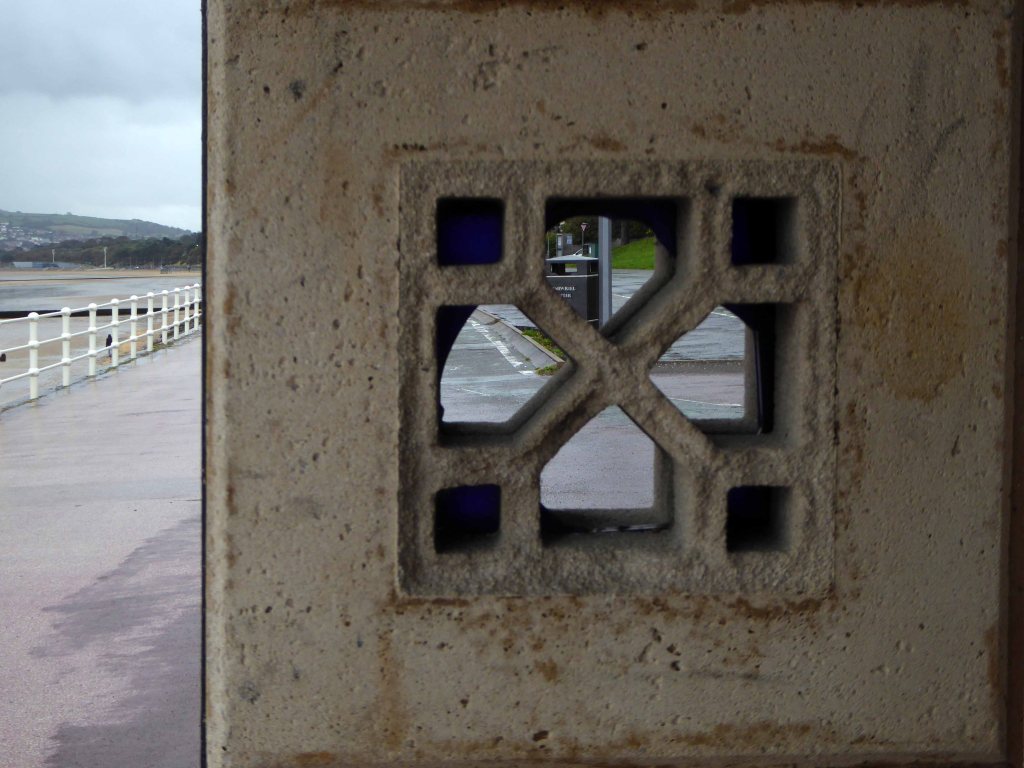
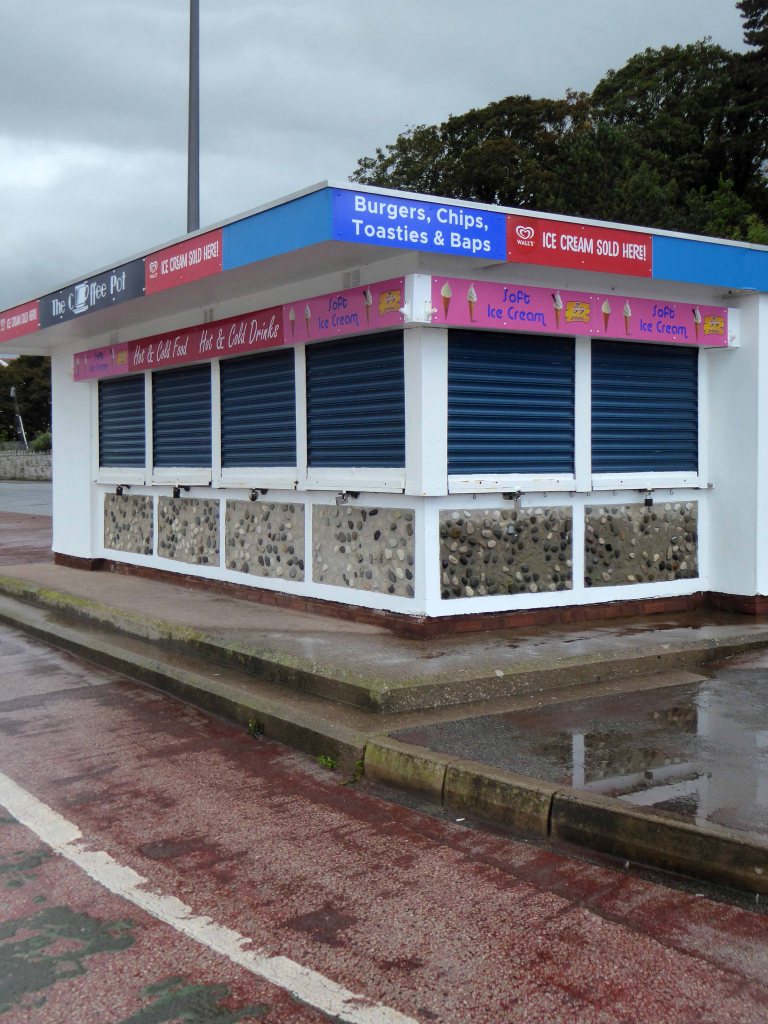
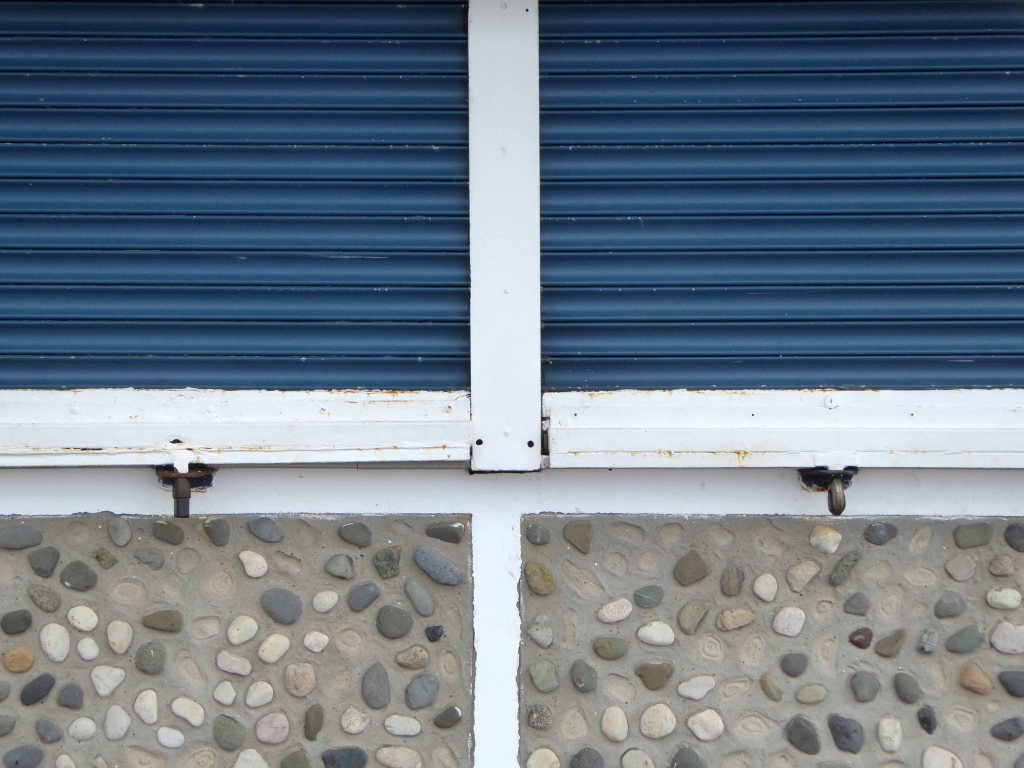
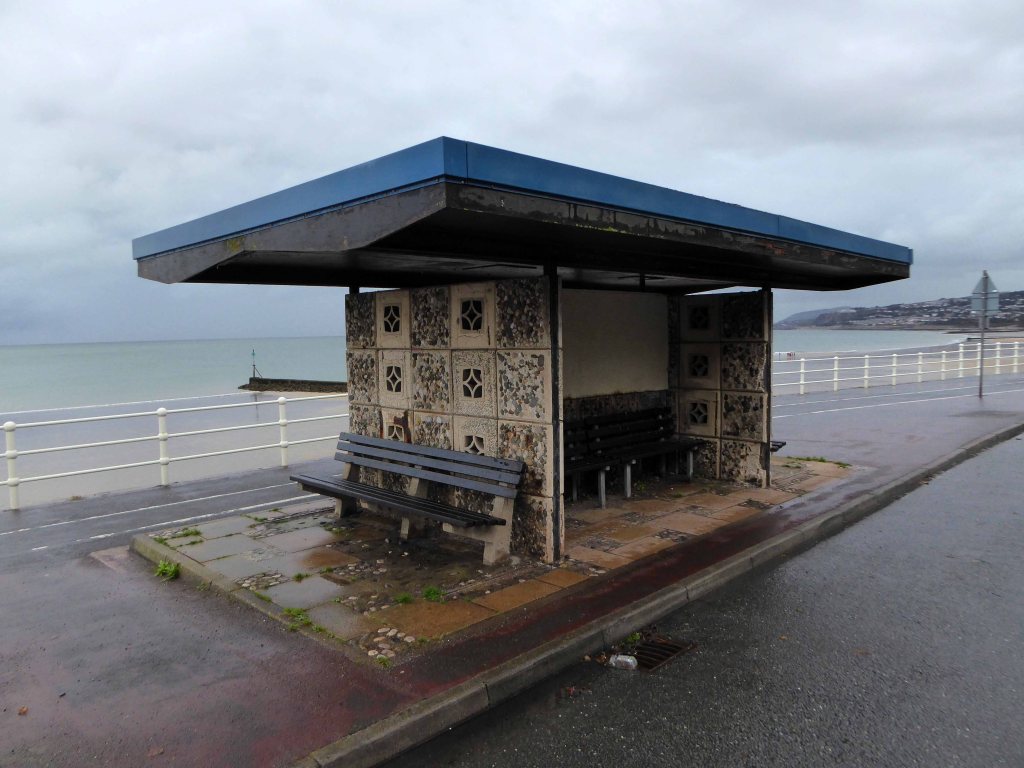
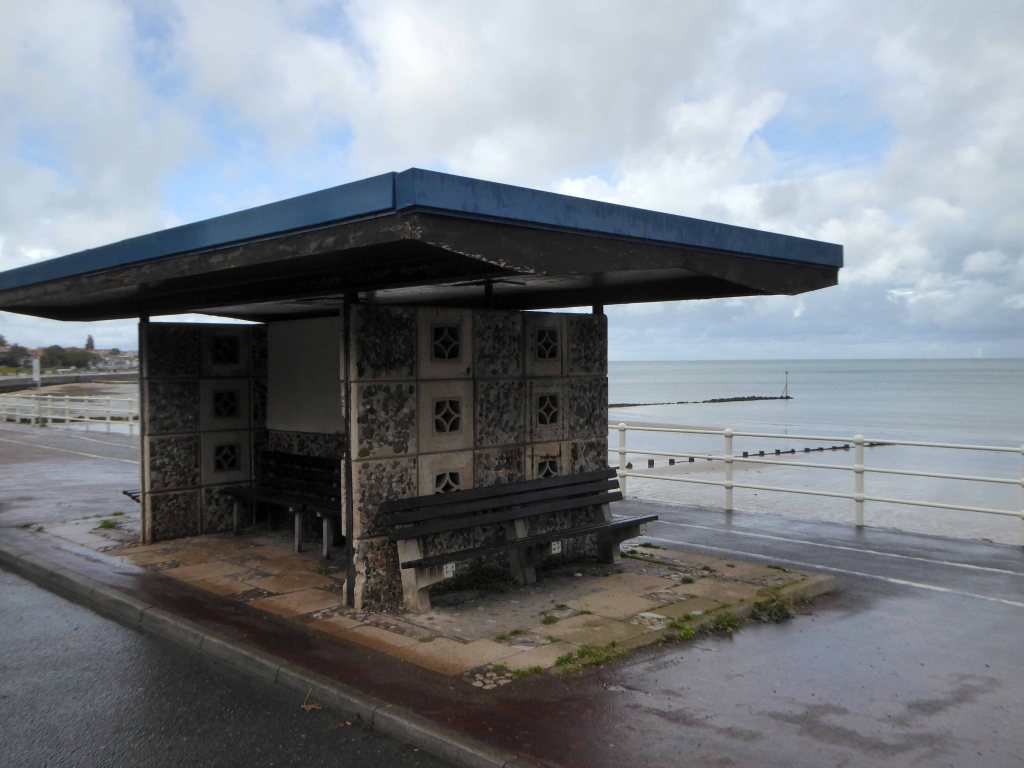
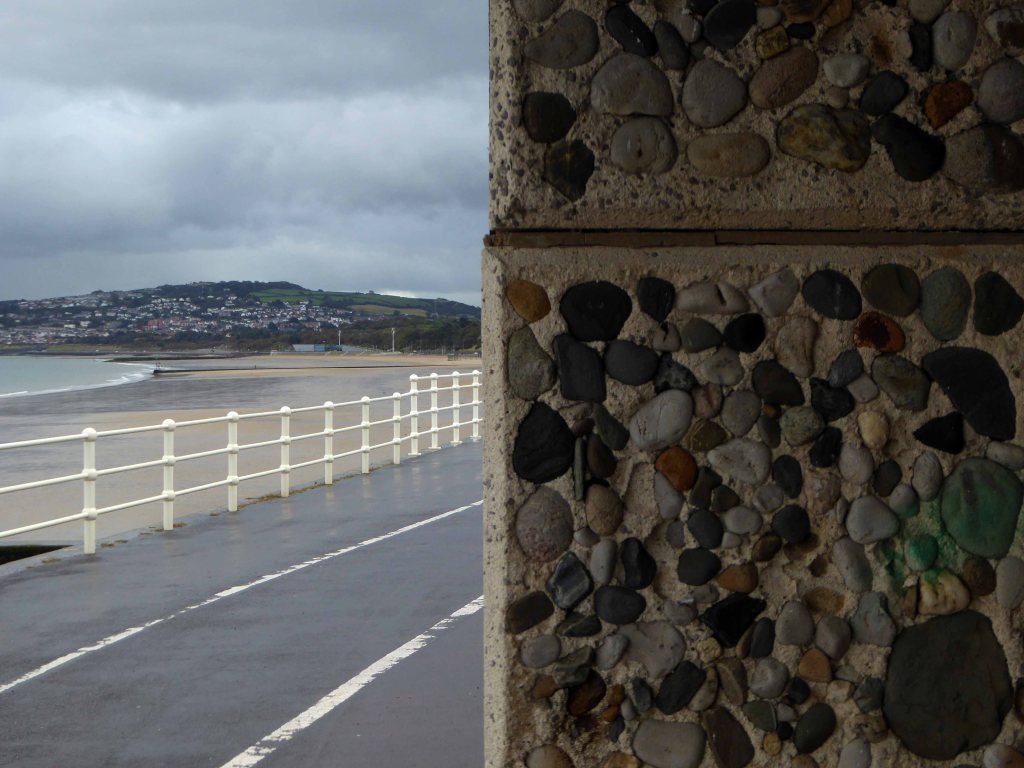
Yet another series of photographs of the amalgamated municipal mash-up – concrete glass pebbles pebbledash paving mosaic and imagination rendered corporeal courtesy of Cyngor Bwrdeistref Sirol Conwy.
And the constantly berated Undeb Ewropeaidd.
Jubilant Leave supporters in Conwy are celebrating a convincing win in the historic EU referendum vote.
The Brexit backers secured a majority of more than 5,000, winning the poll by 35,357 votes to 30,147 votes.
So here we are almost all present and correct – let’s take a stroll down the prom together, stopping only to snap and shelter from time to time, from the short sharp September showers.
Baby it happens when you’re close to me My heart starts beating – hey a strong beat. Oh I can’t leave you alone Can’t leave you alone
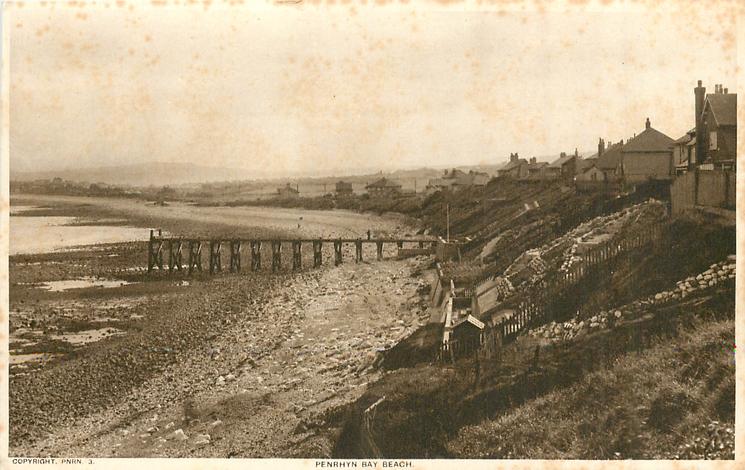
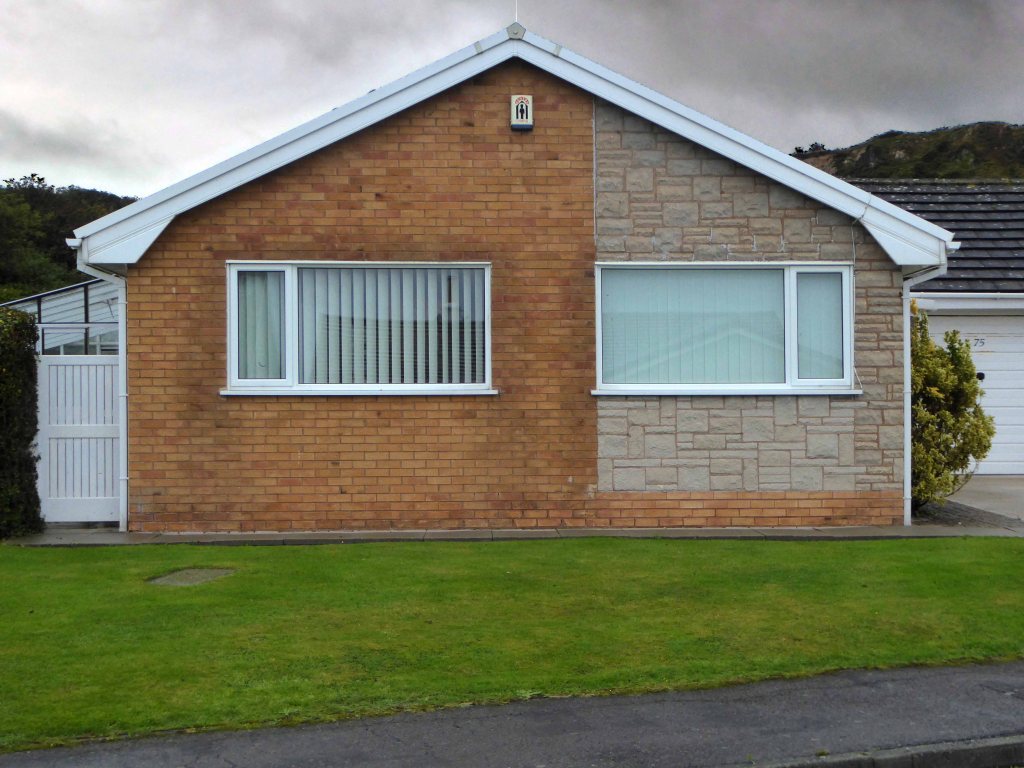
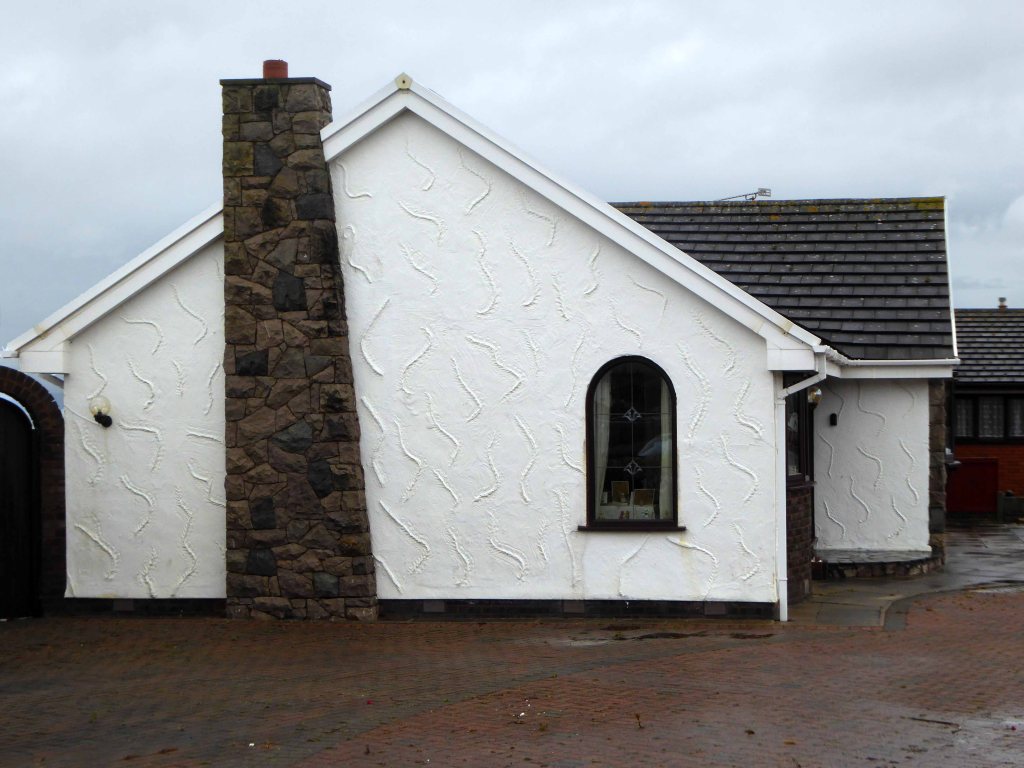
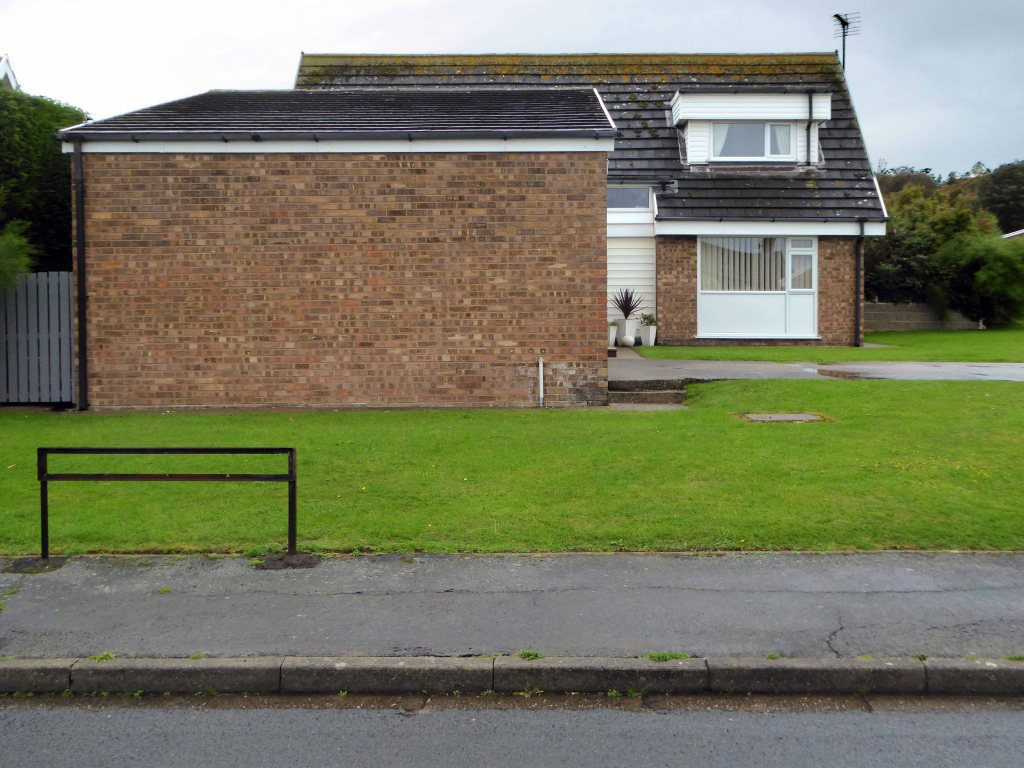
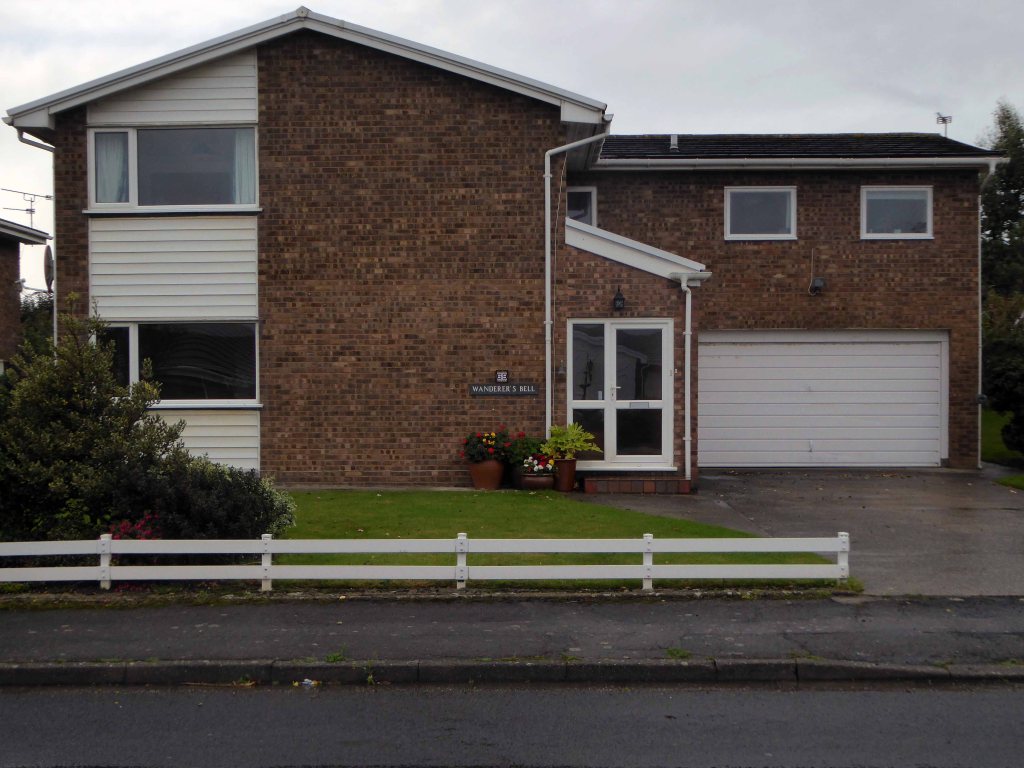
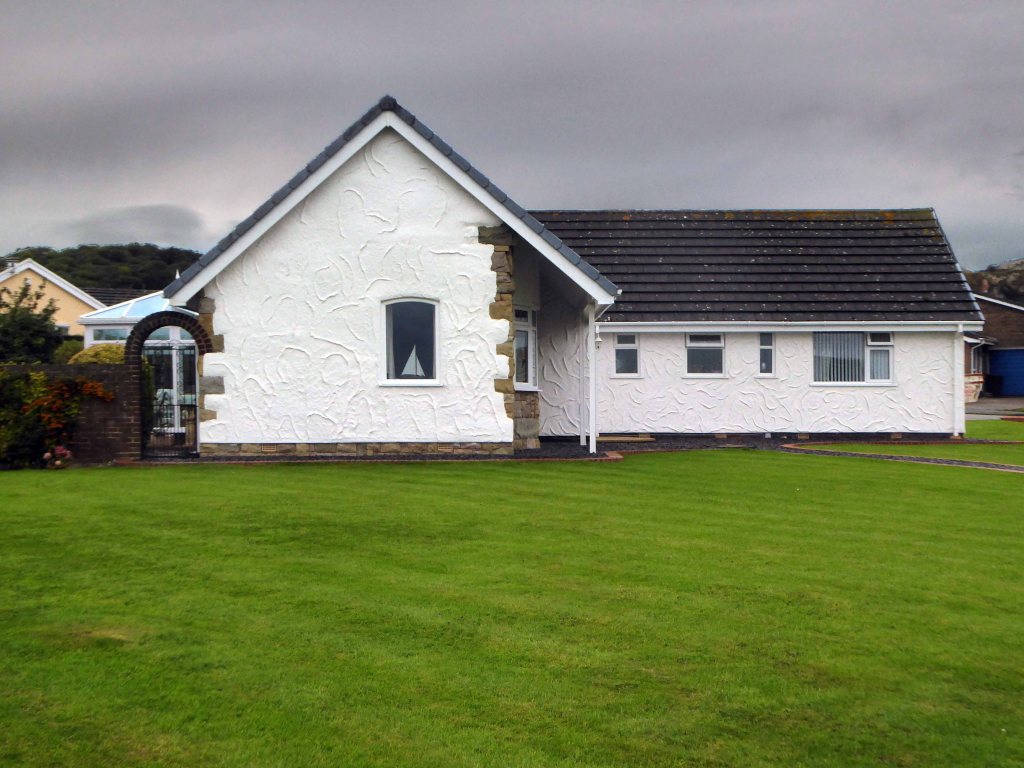
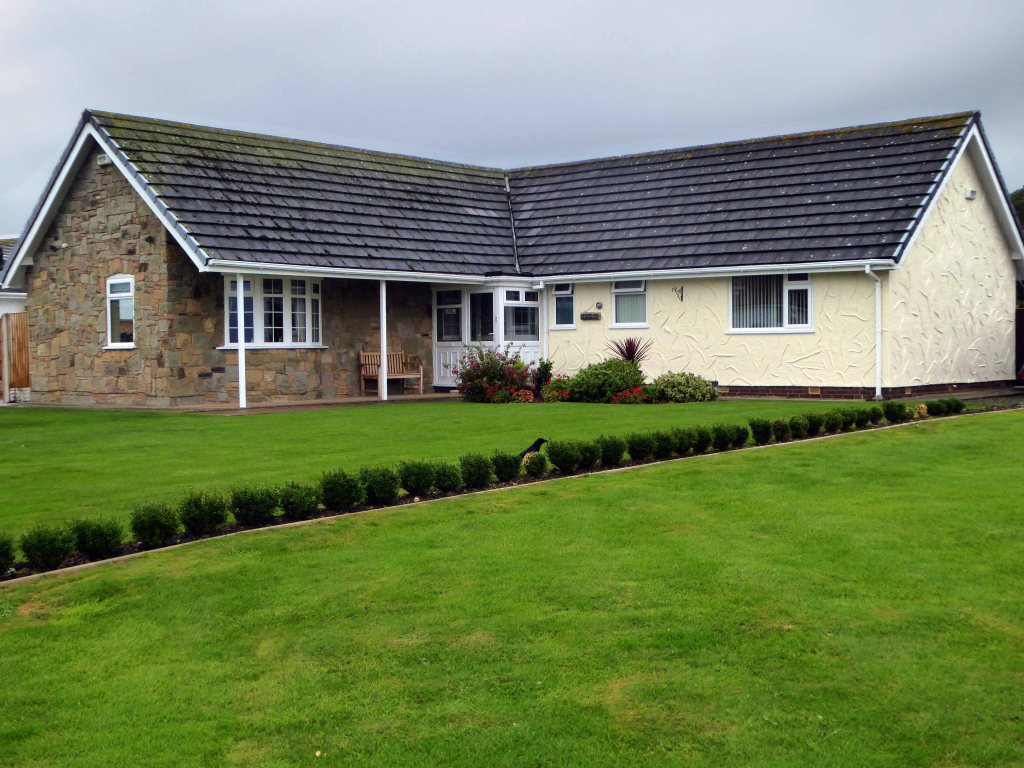
I walk over the Little Orme and there you are so well behaved – trimmed topped and tailed polished window washed windswept so sub-urbane.
Nothing ever happens here or does it?
The highly popular singing duo Anne Ziegler and Webster Booth retired to a small bungalow in Penrhyn Bay.
It provided a location for an episode of Hetty Wainthropp Investigates.
Originally a small farming community, Penrhyn Bay came to rely heavily on the employment opportunities of the limestone quarry operating since the mid-19th century, and served by its own narrow gauge railway, but quarrying ceased in 1936.
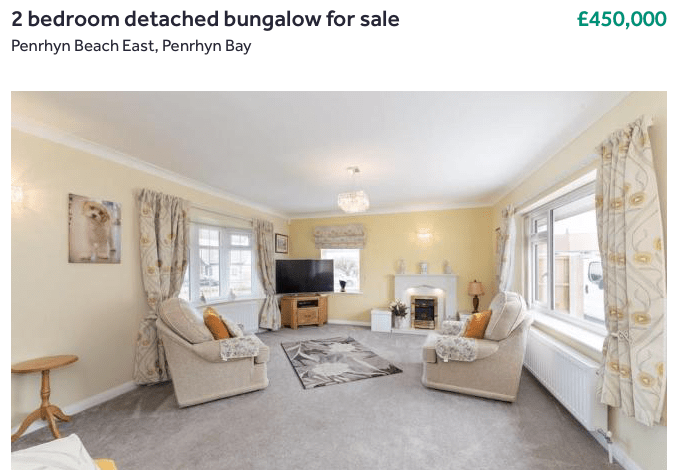
However, Penrhyn Bay expanded rapidly in the 20th century to become a desirable suburb of Llandudno – my you’re a hot property.
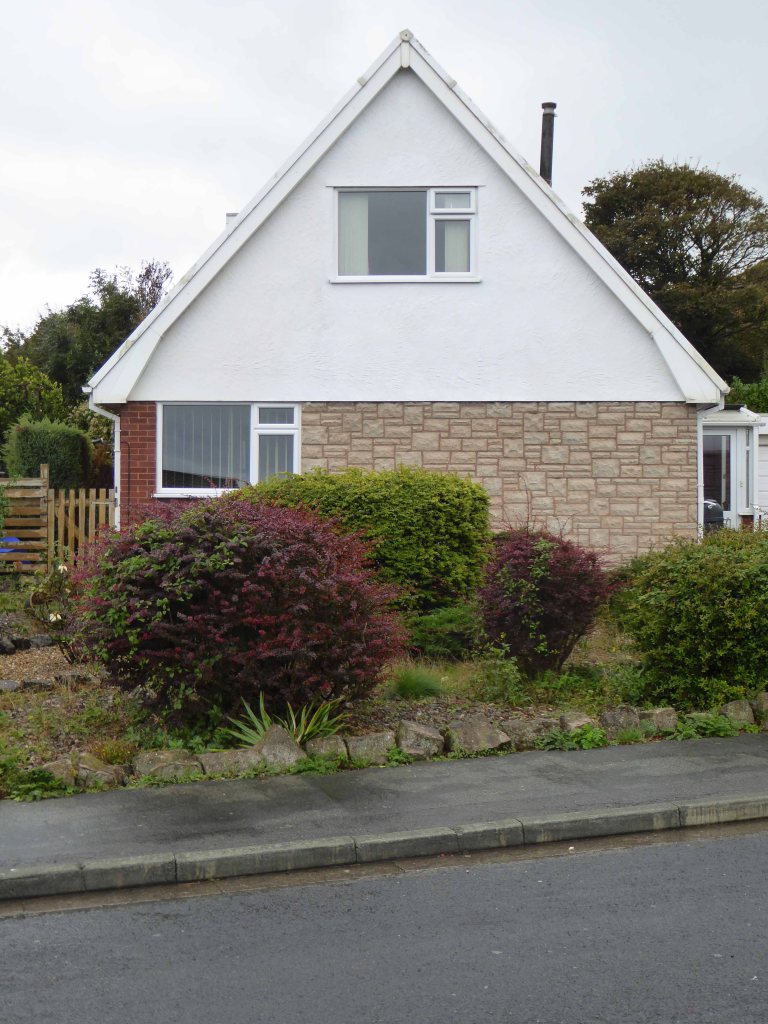
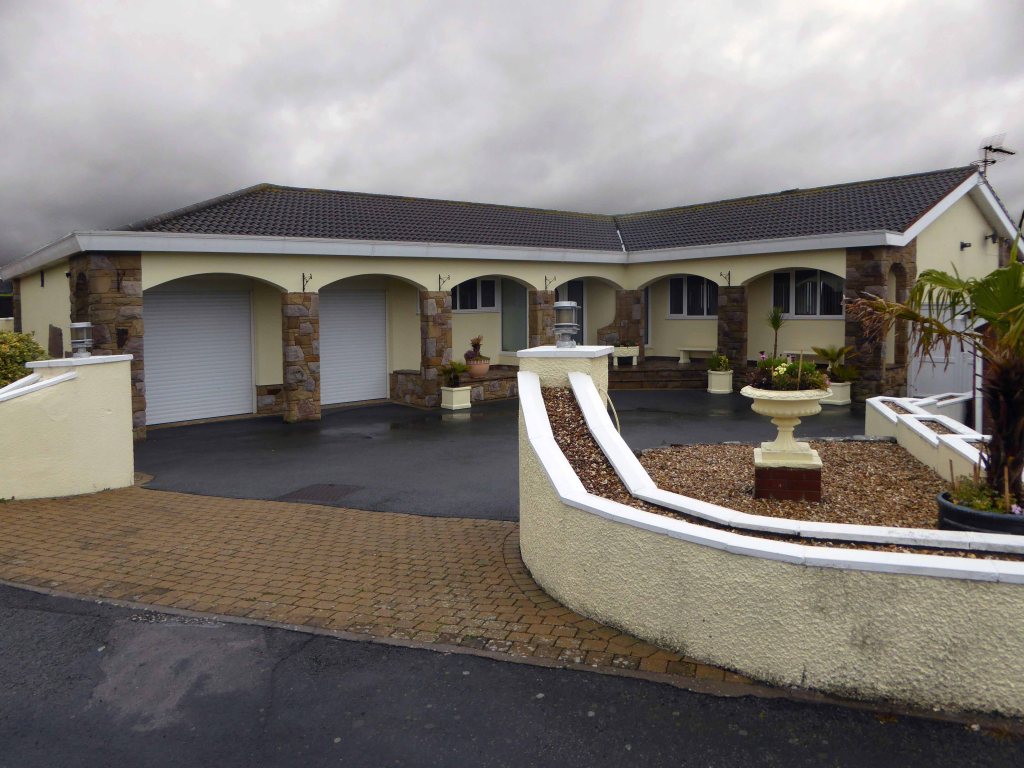
Almost half a million pounds and counting as the ever mounting mountain of retiring and retired knock upon your over ornate uPVC doors.
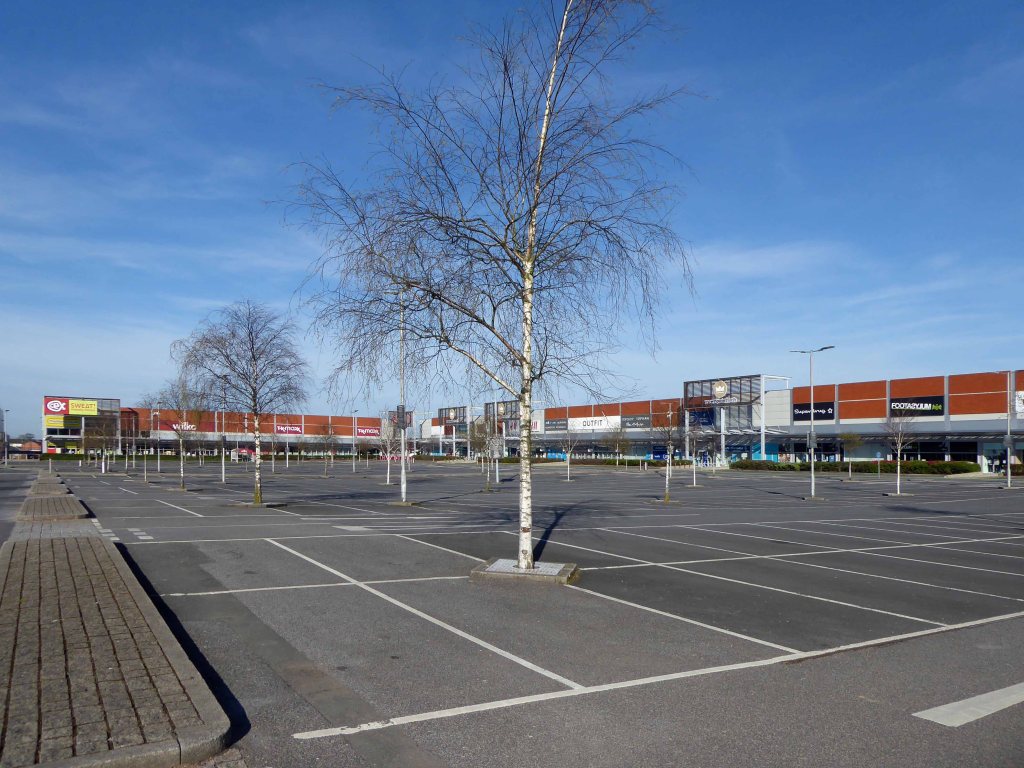
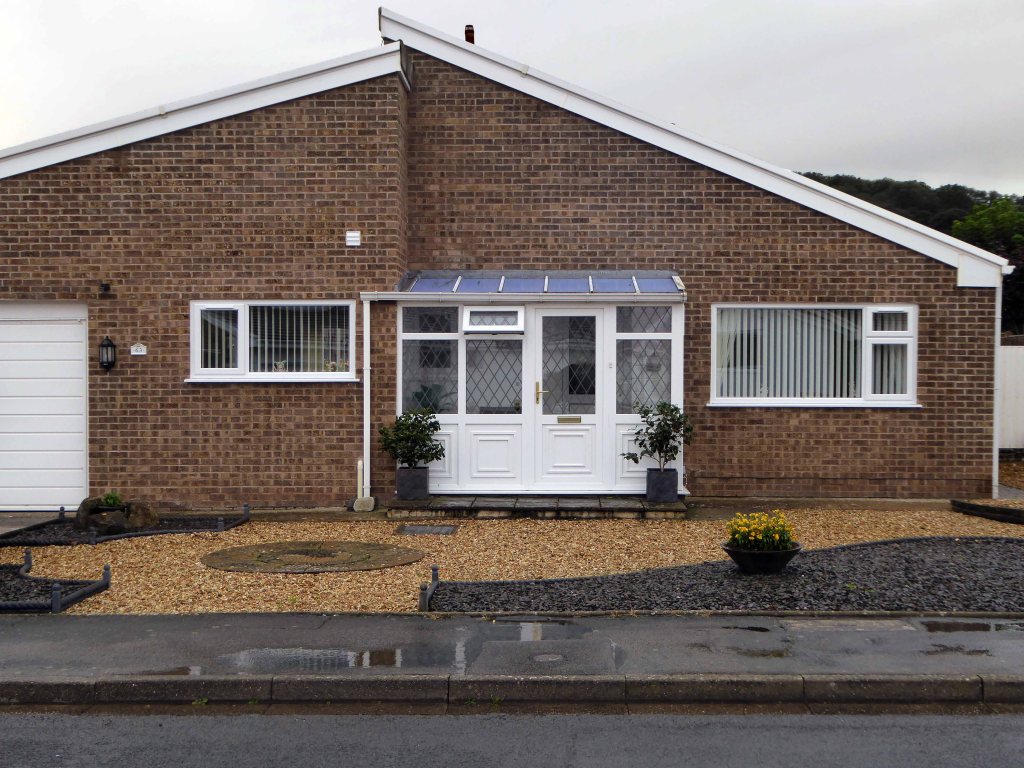
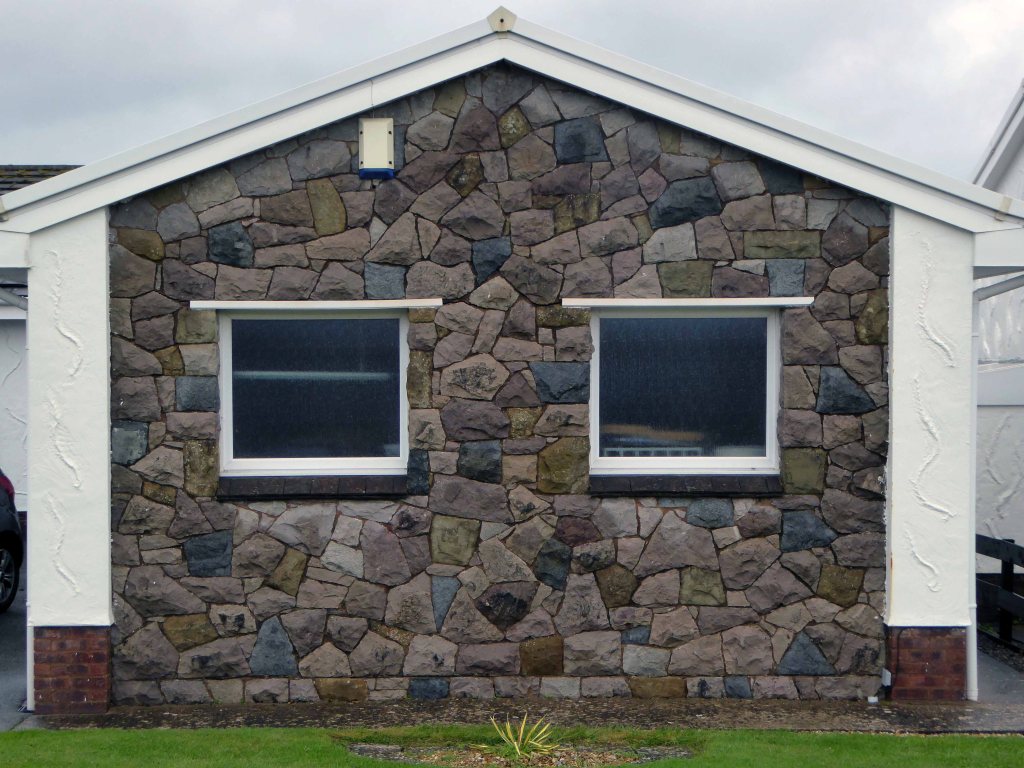
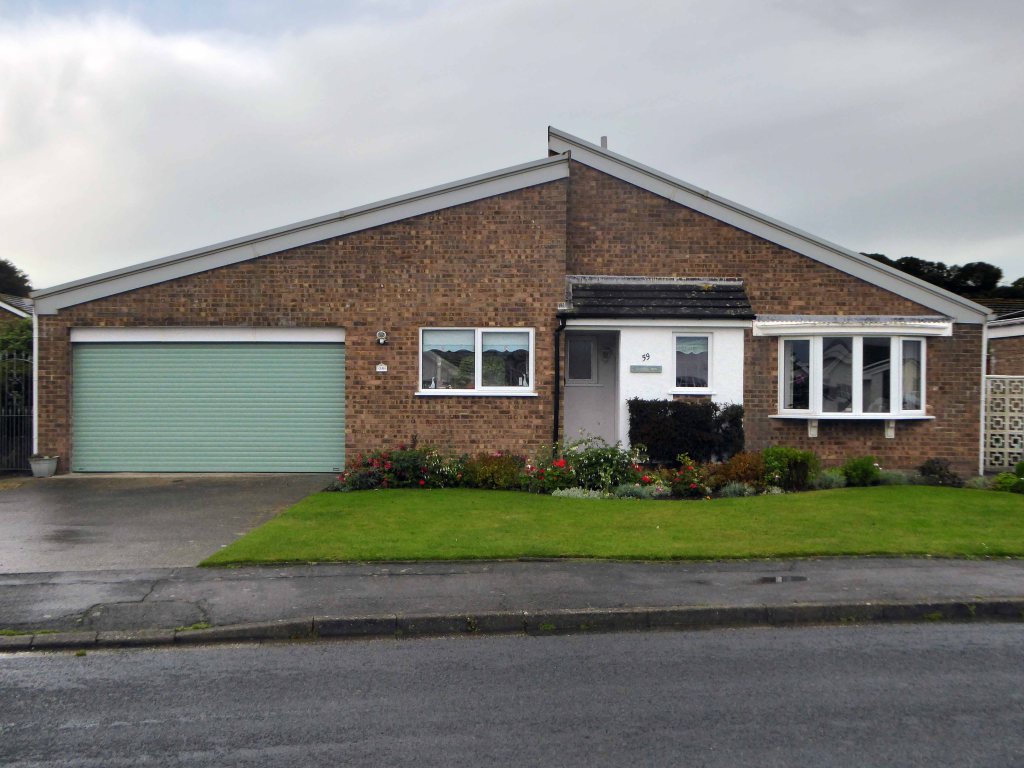
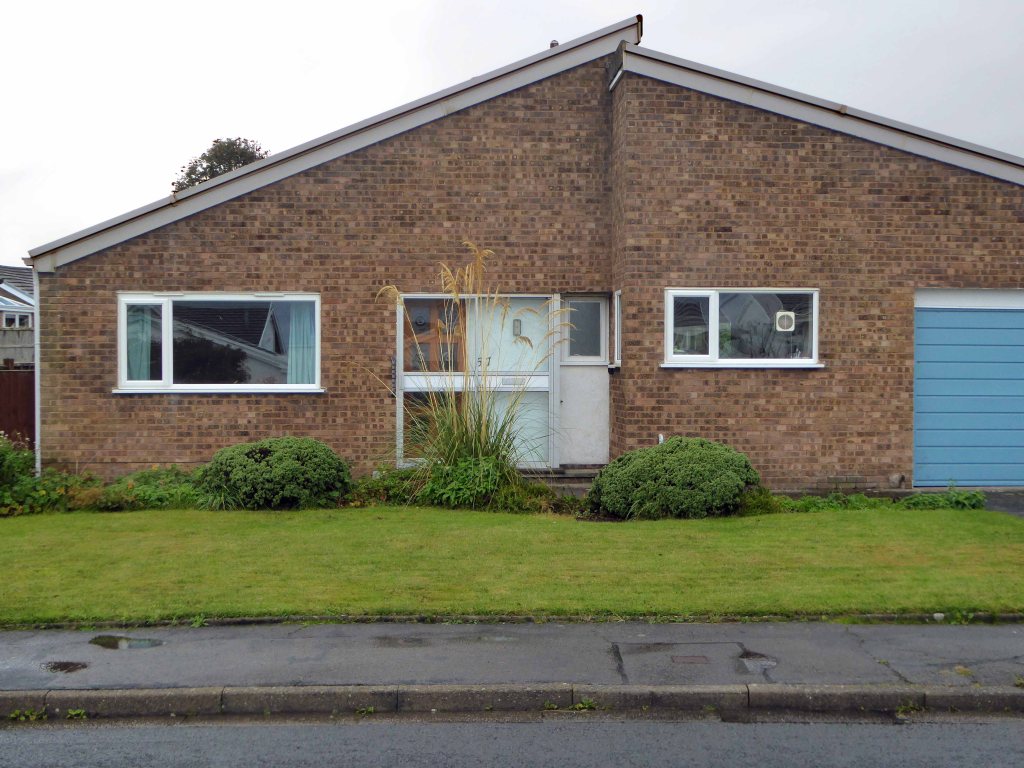
So here we are, as the rain clears and the sun almost breaks – your carefully rendered and stone clad walls, not quite awash with a golden midday glow.
Just like Arnie and General McArthur I’ll be back – I shall return.
Previously posted as historical journey – this, as they say, is the real deal, one foot after another, one sunny afternoon in September.
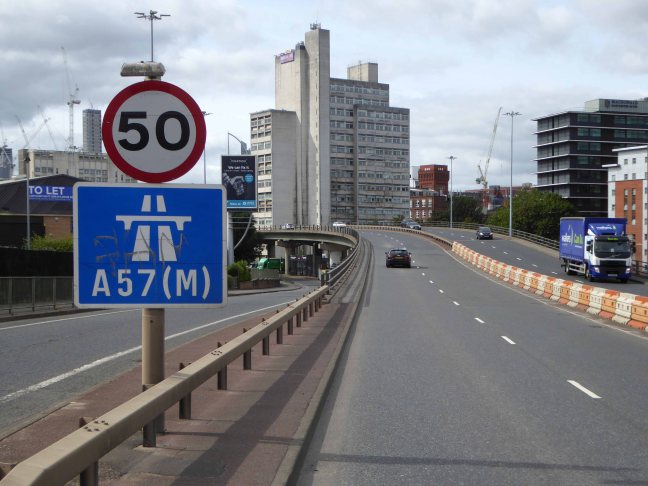
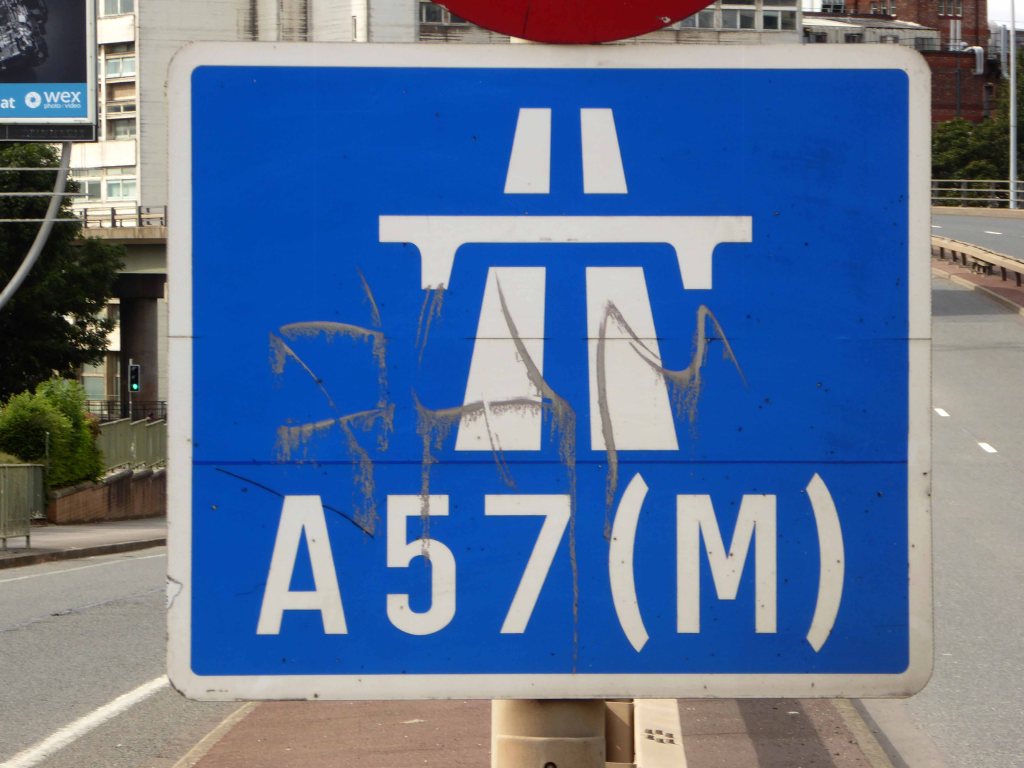
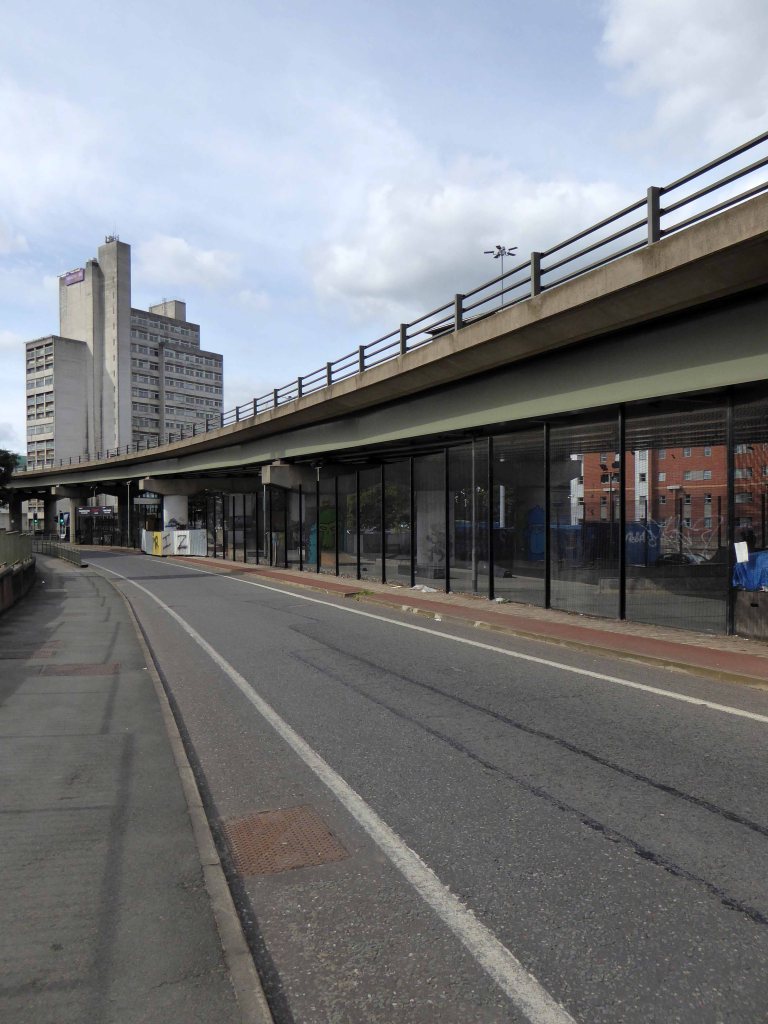
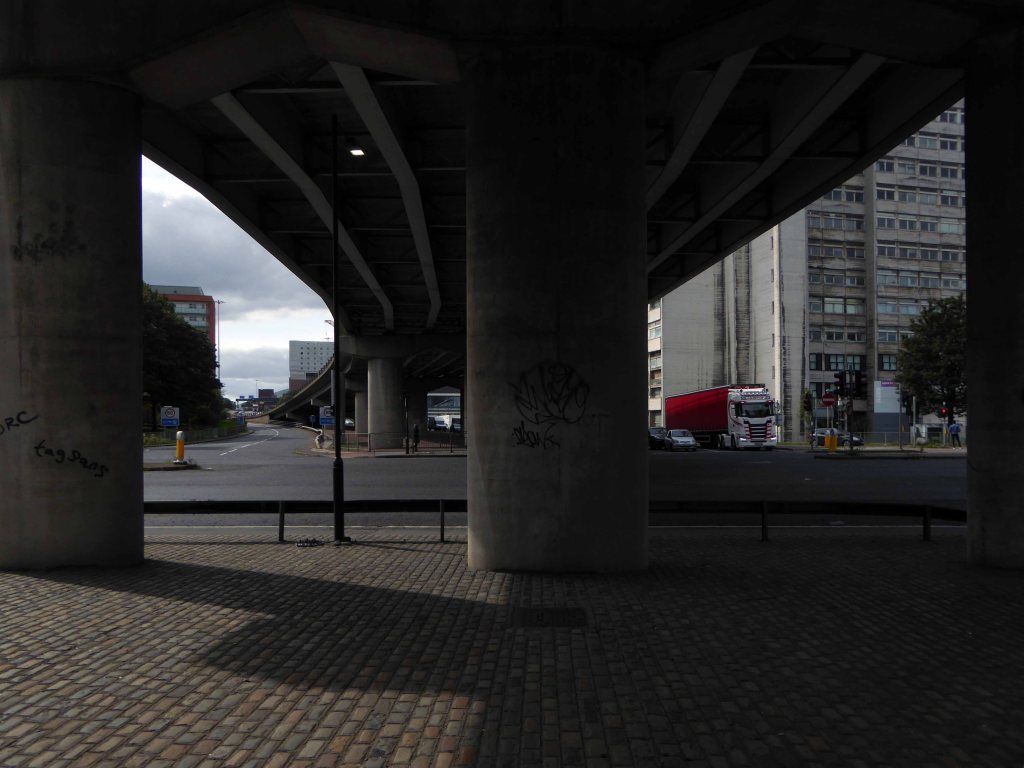
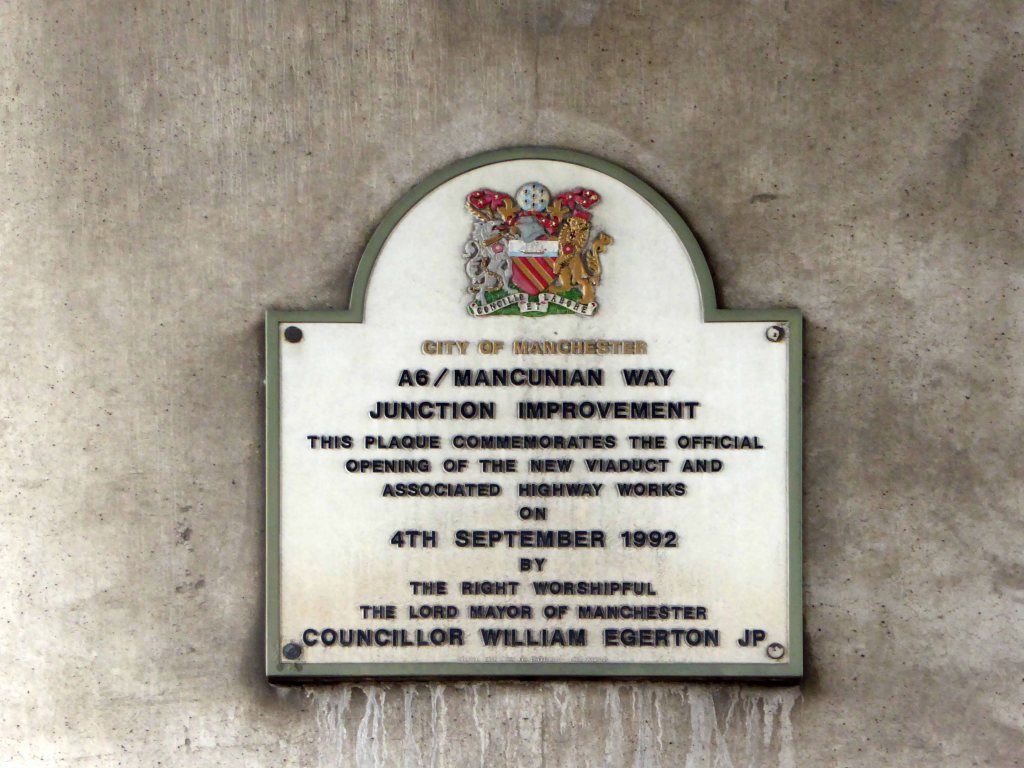
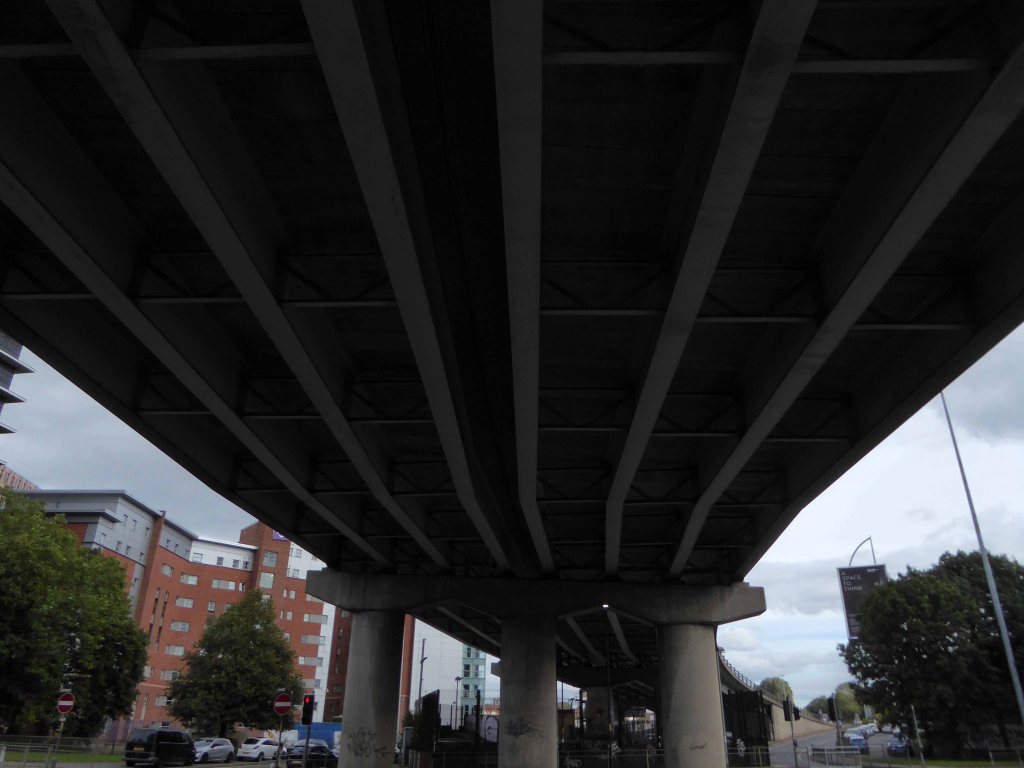
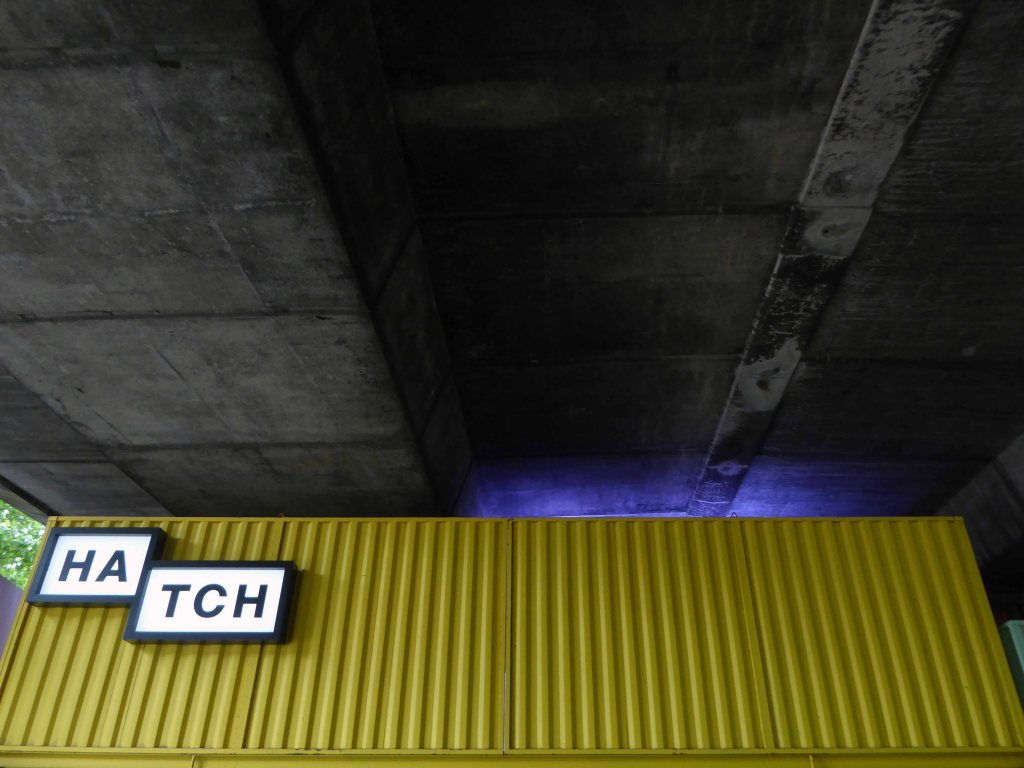
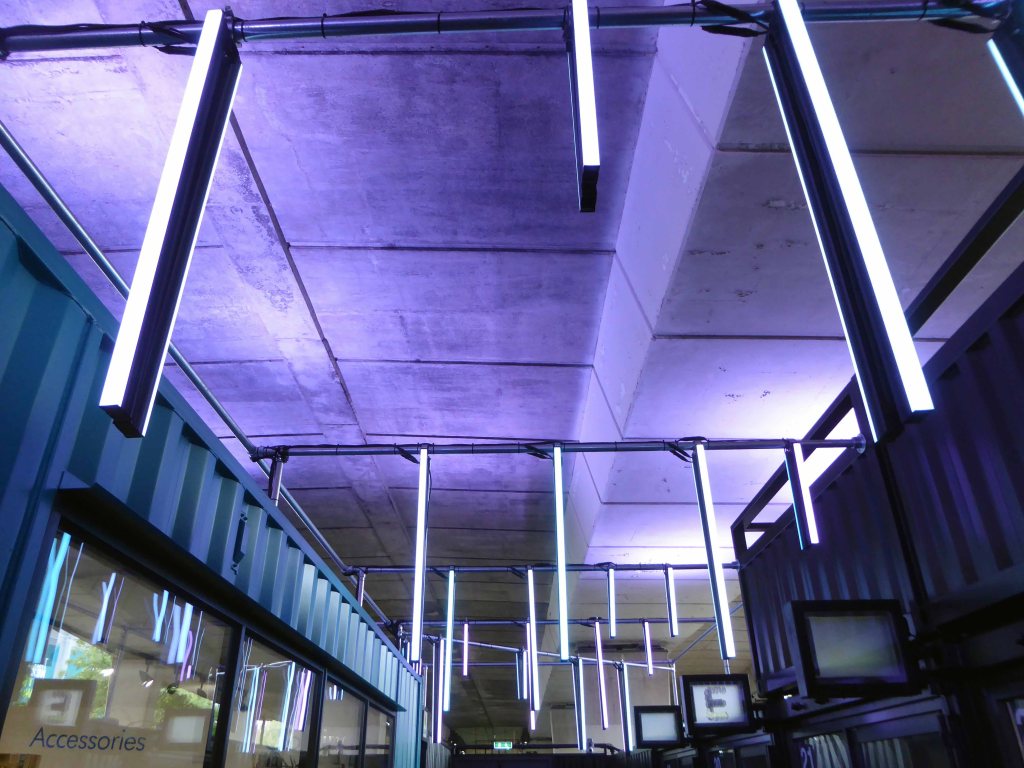
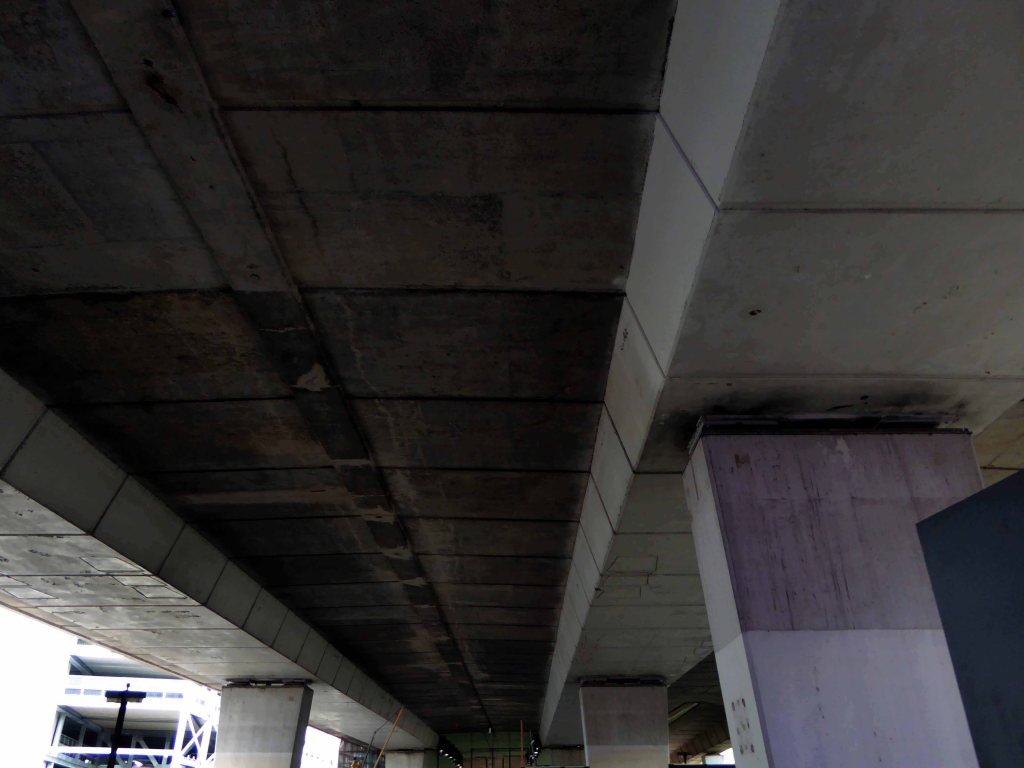
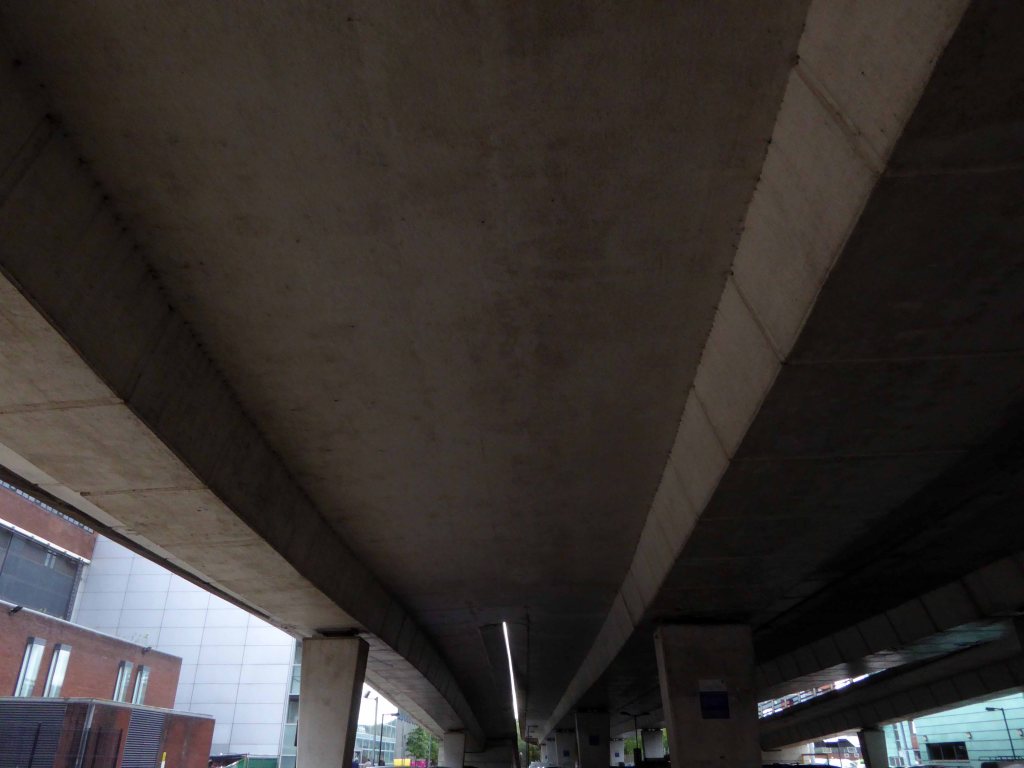
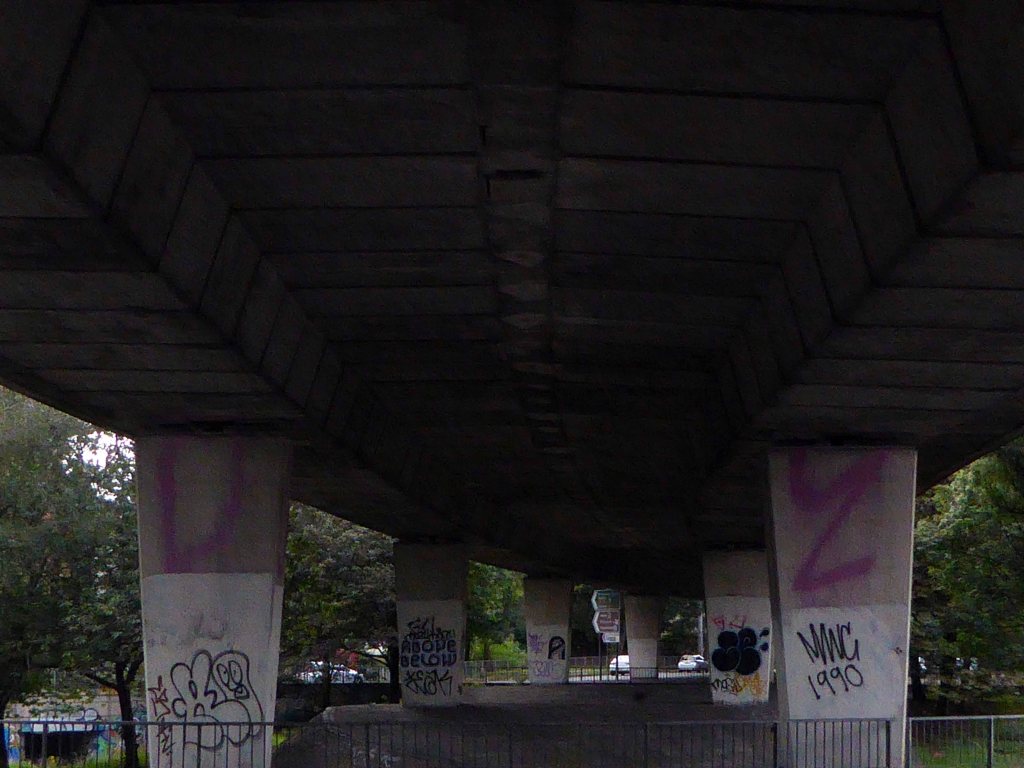
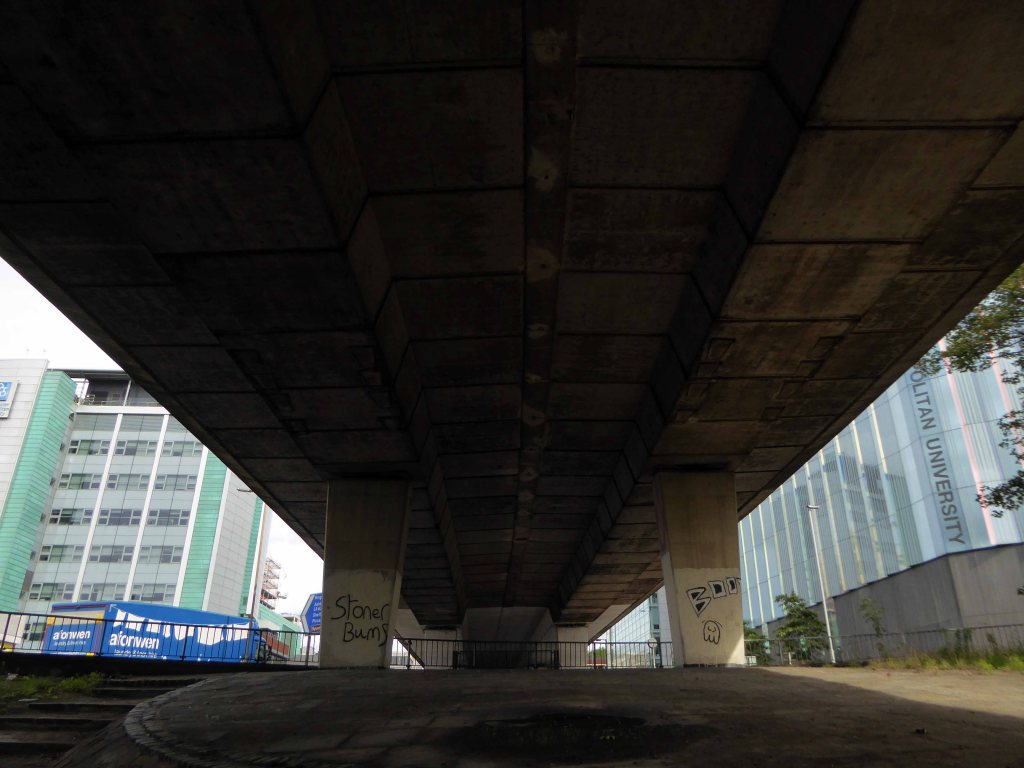
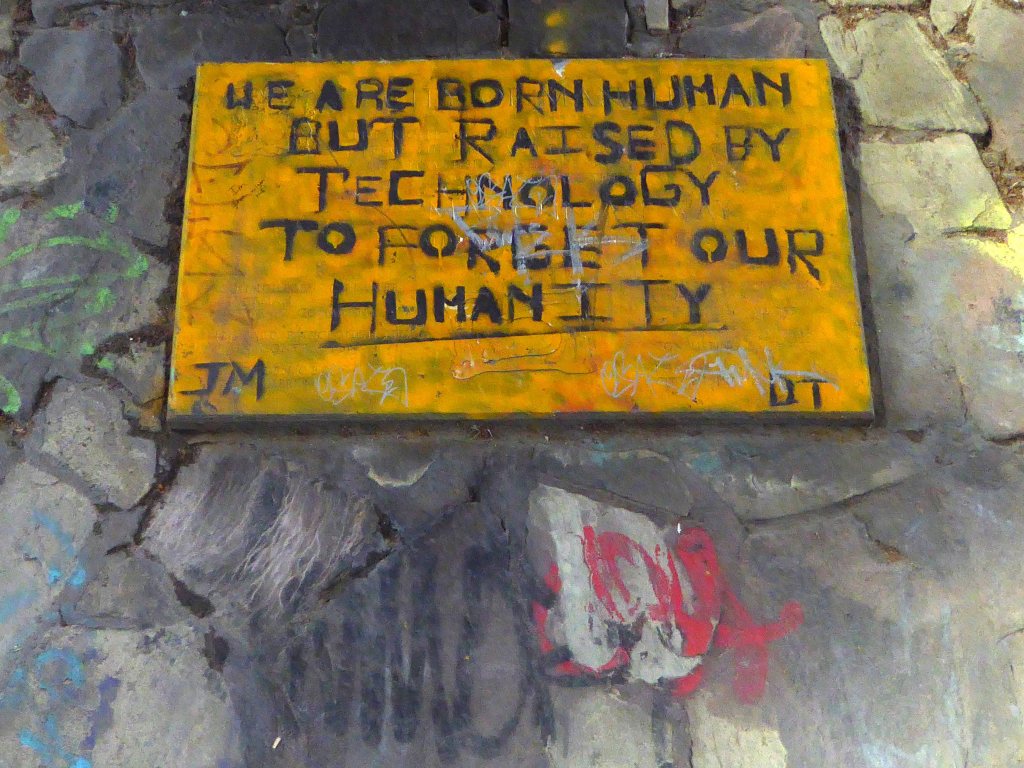
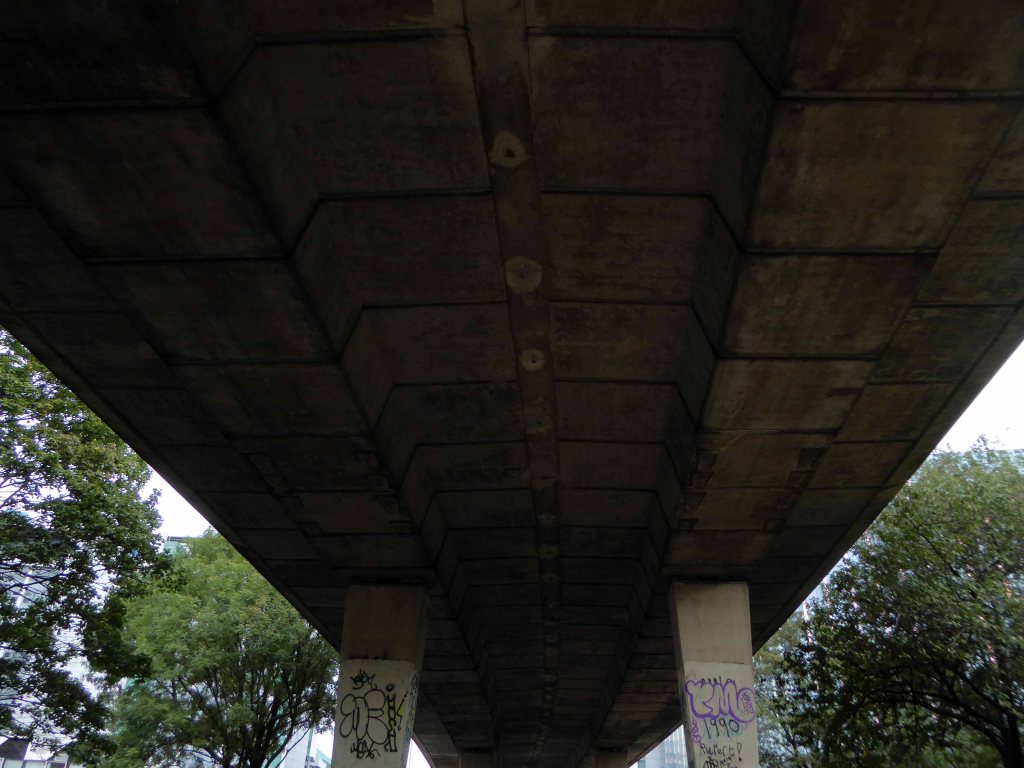
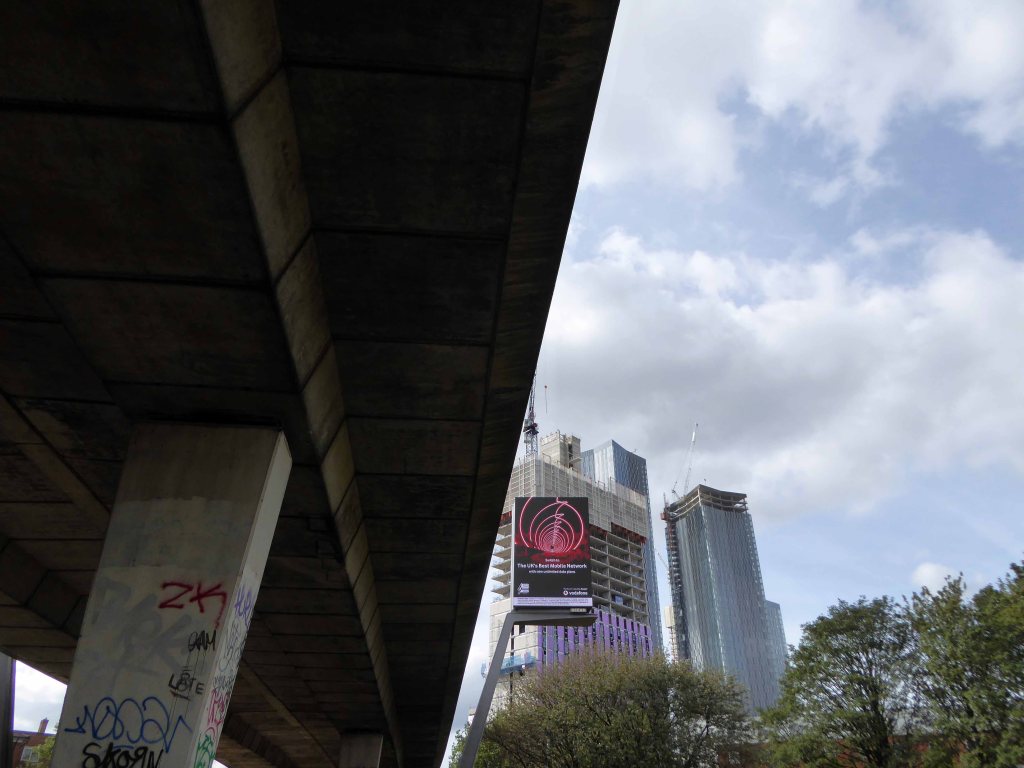
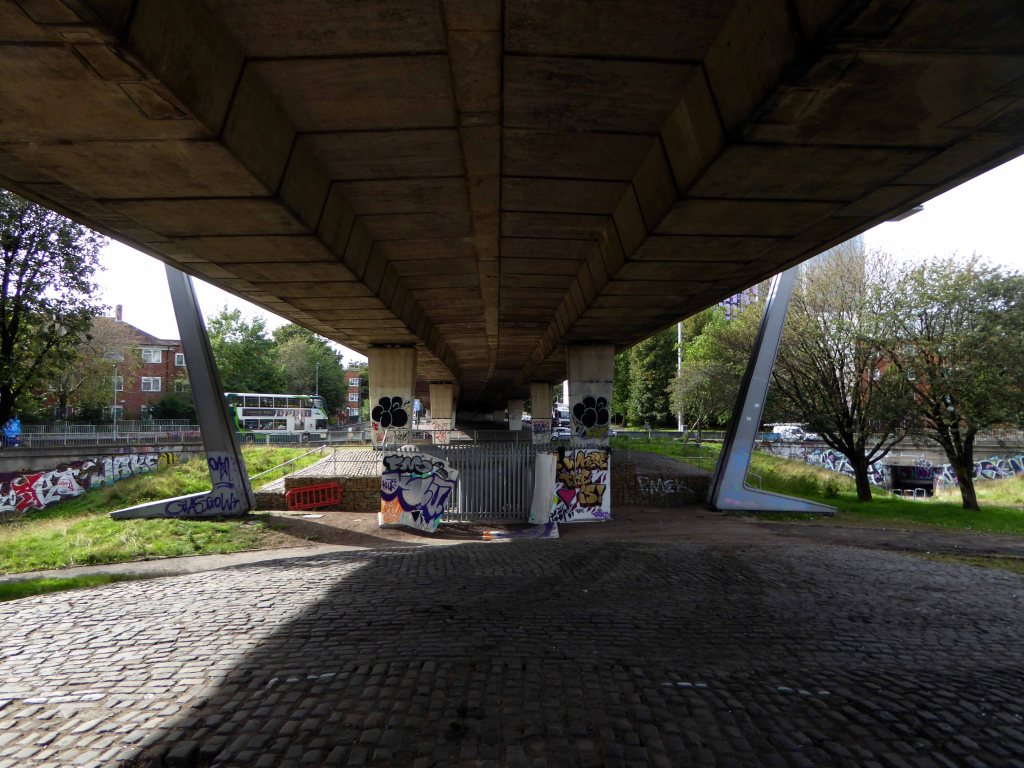
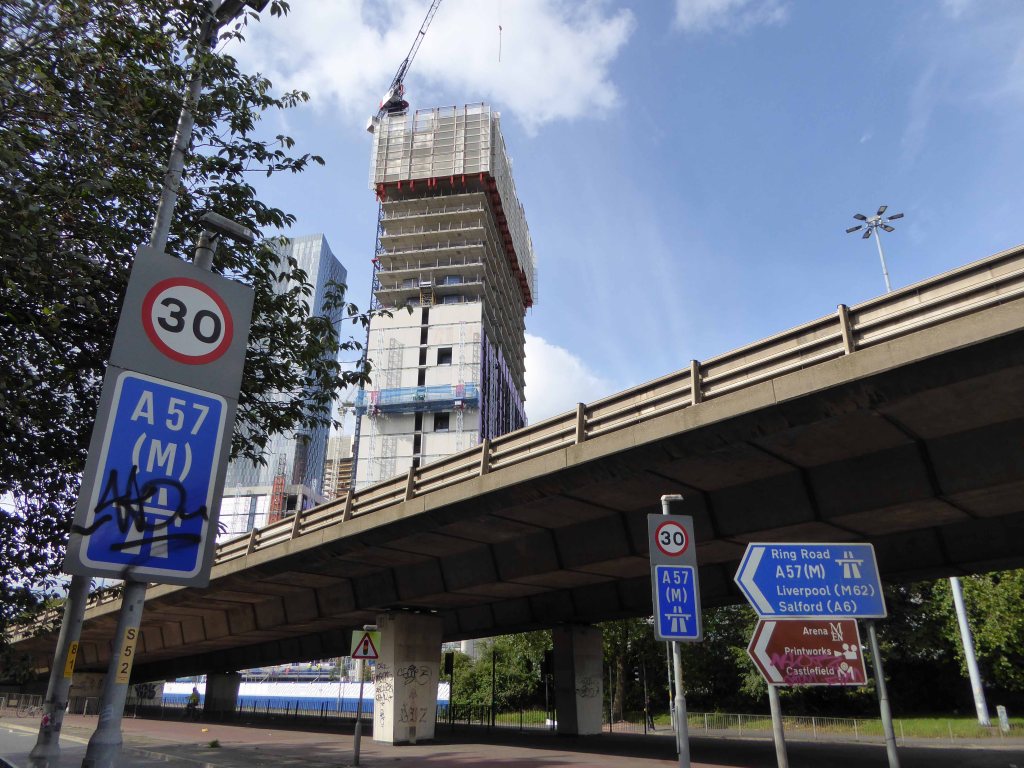
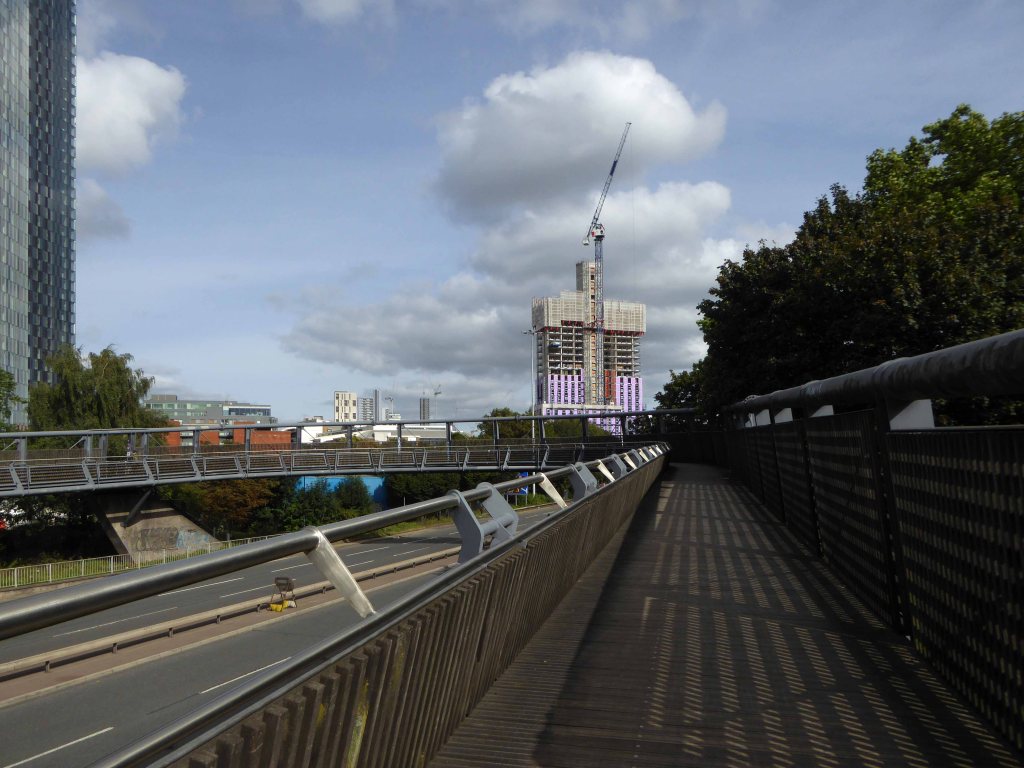
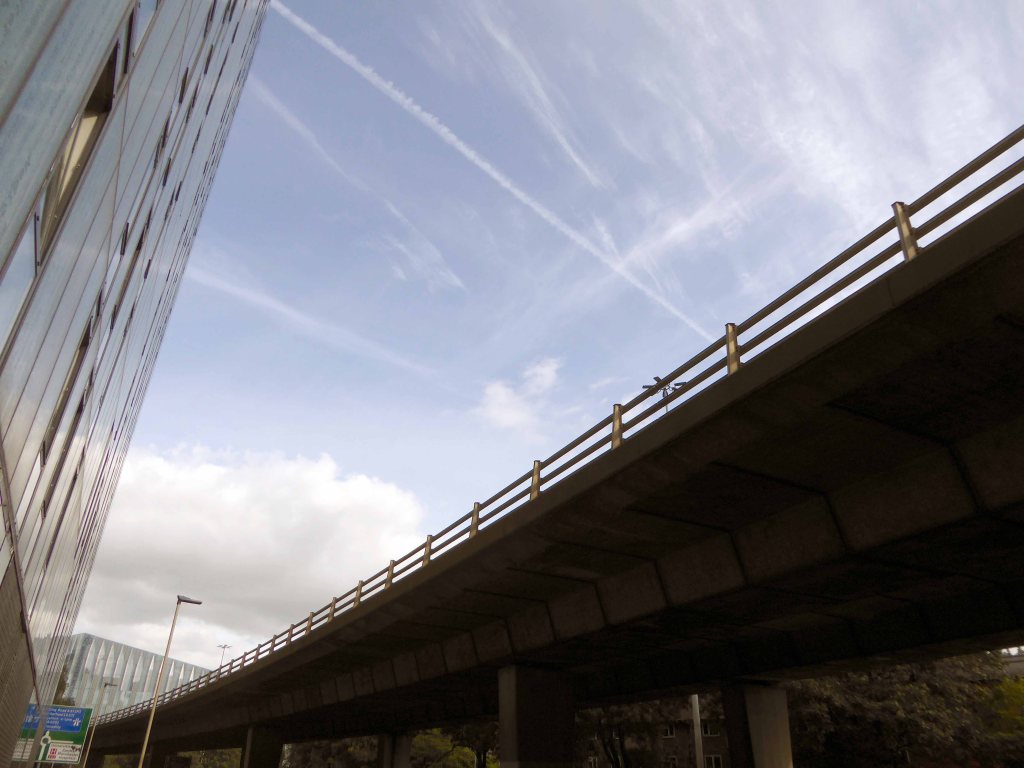
From east to west and back again – in or on, under and around our very own Highway in the Sky.
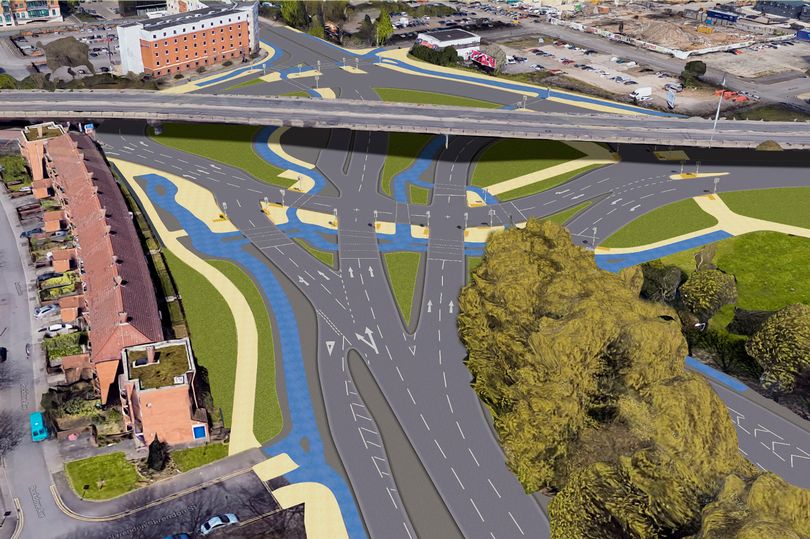
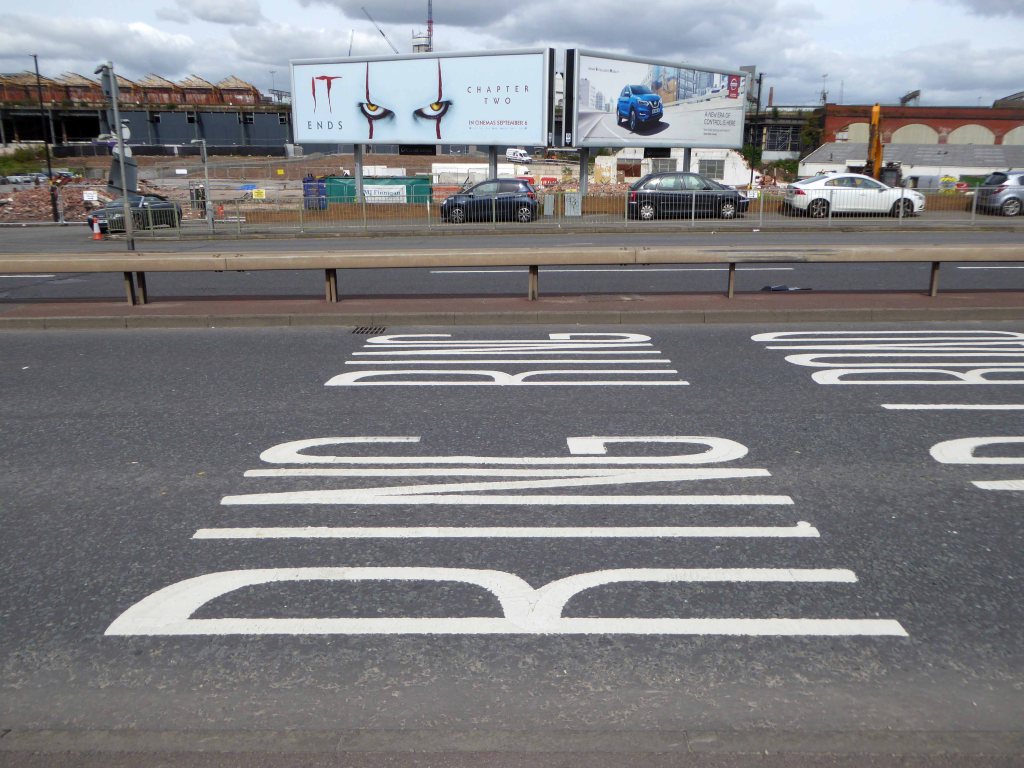
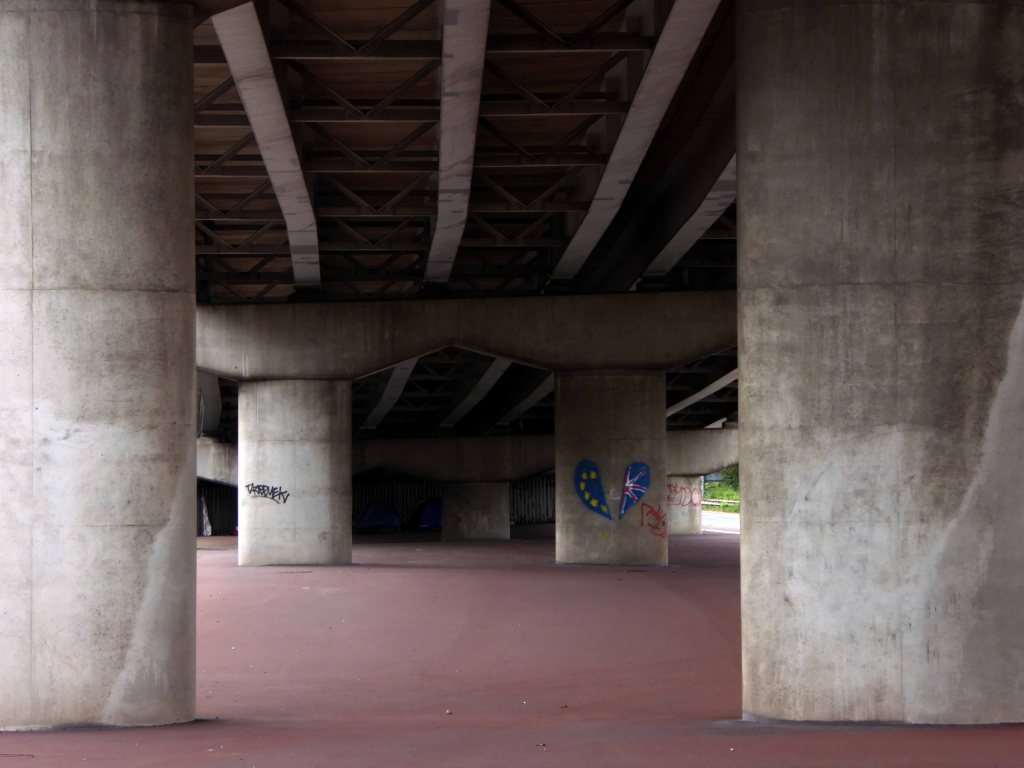
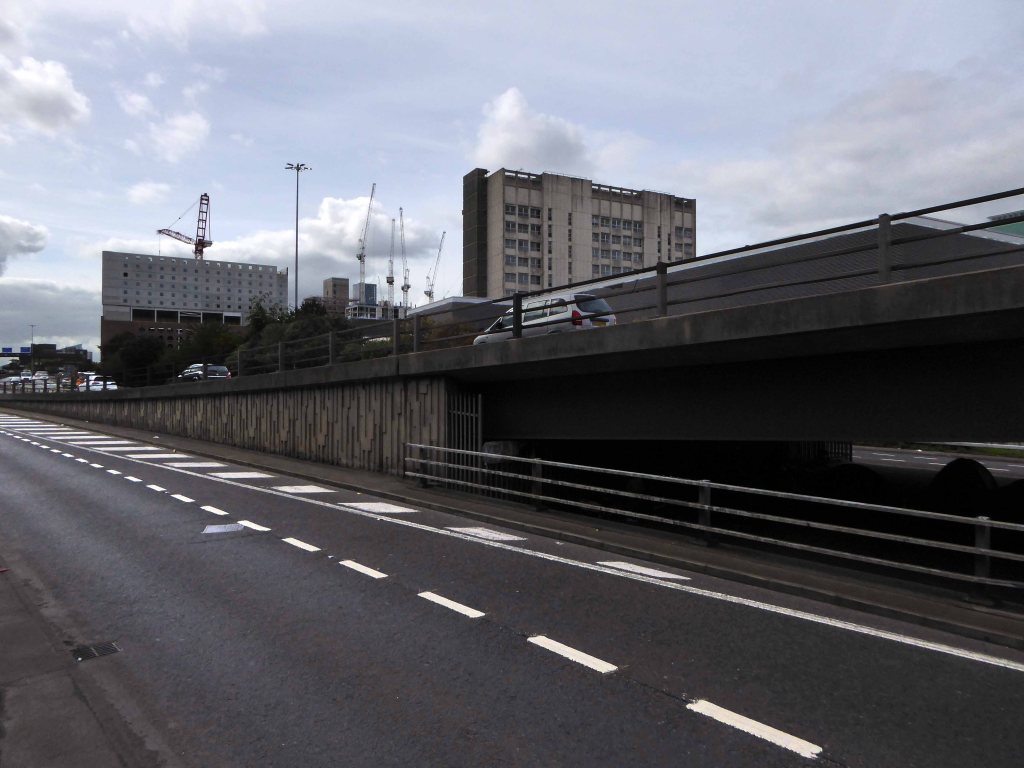
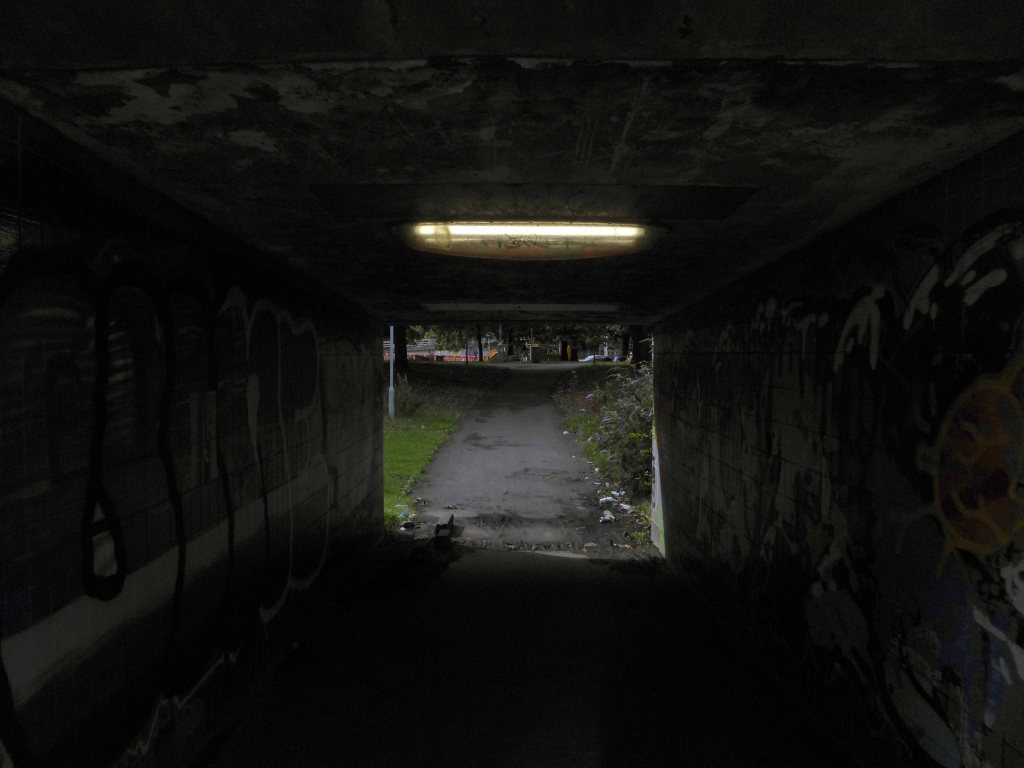
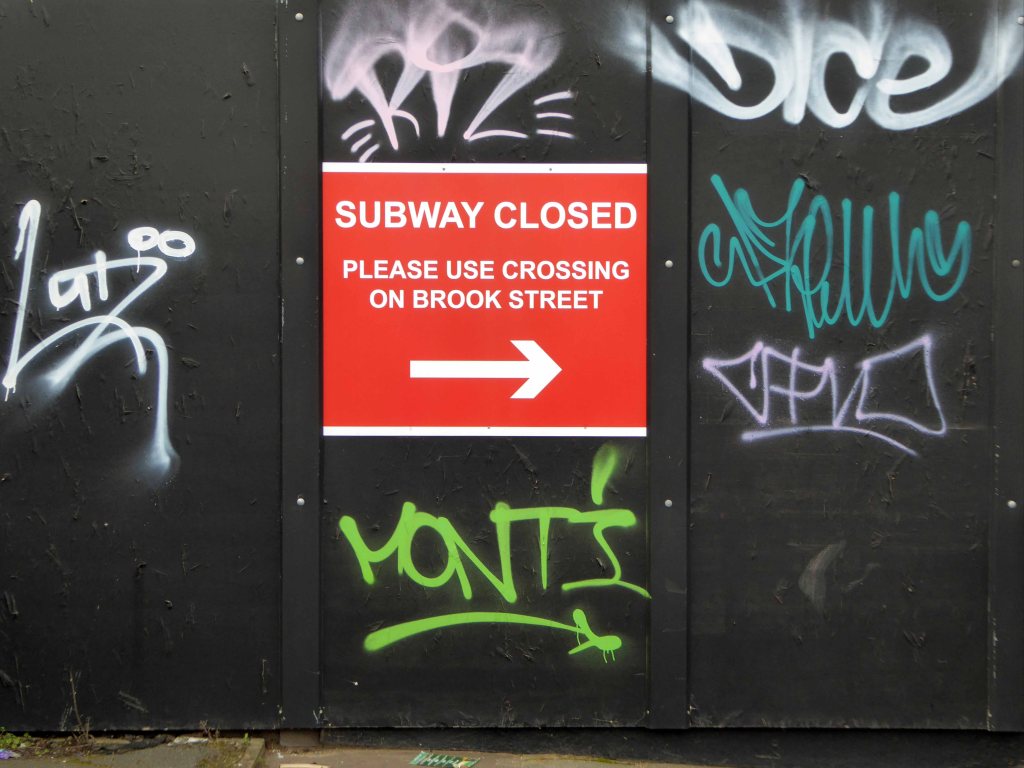
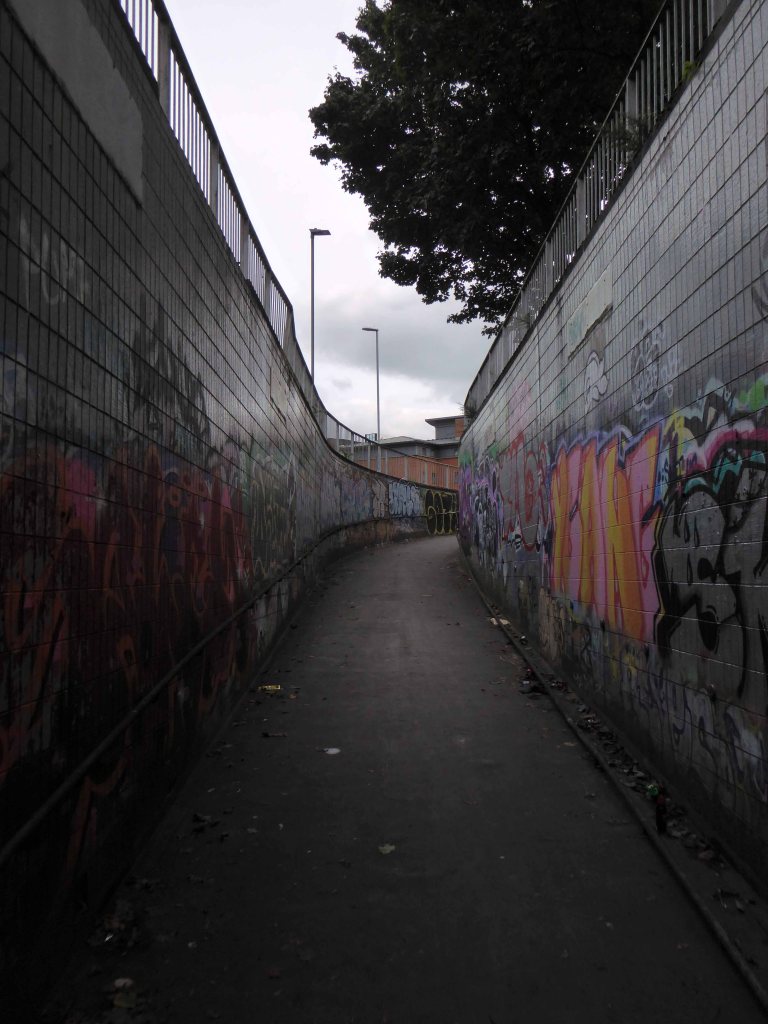
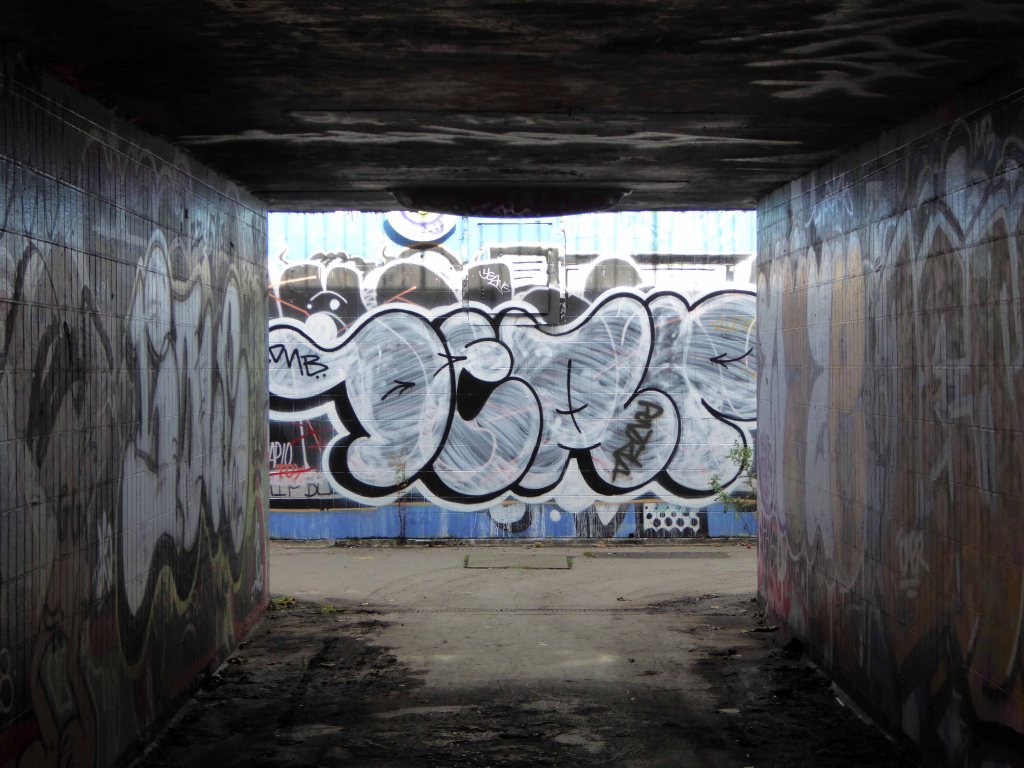
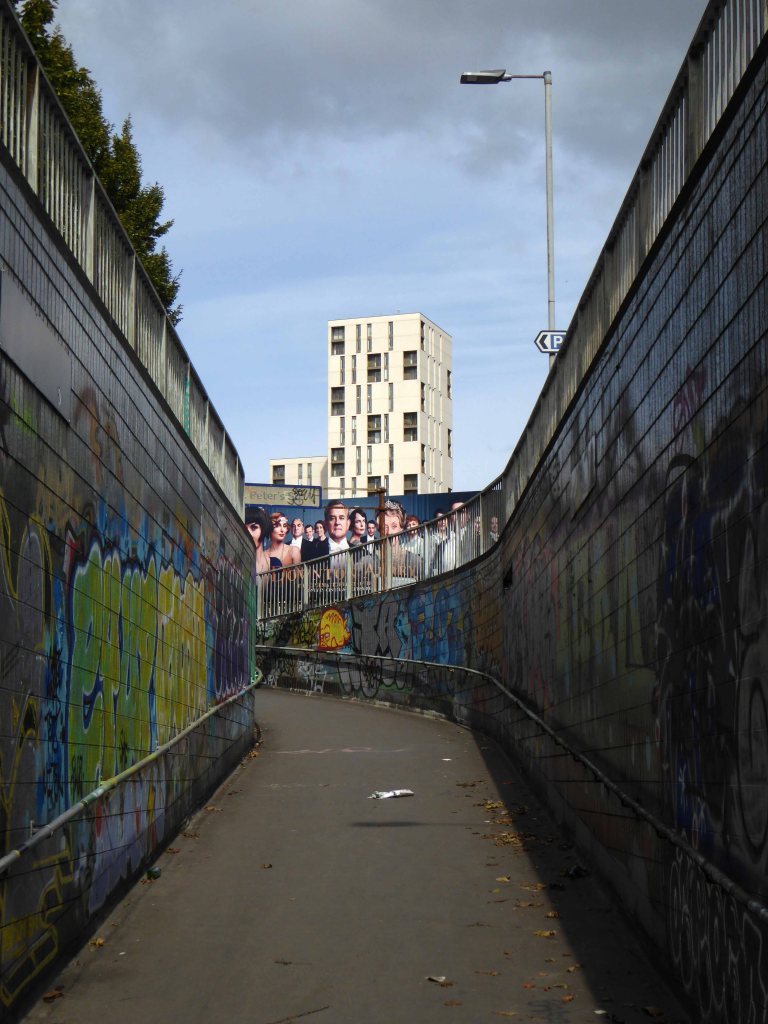
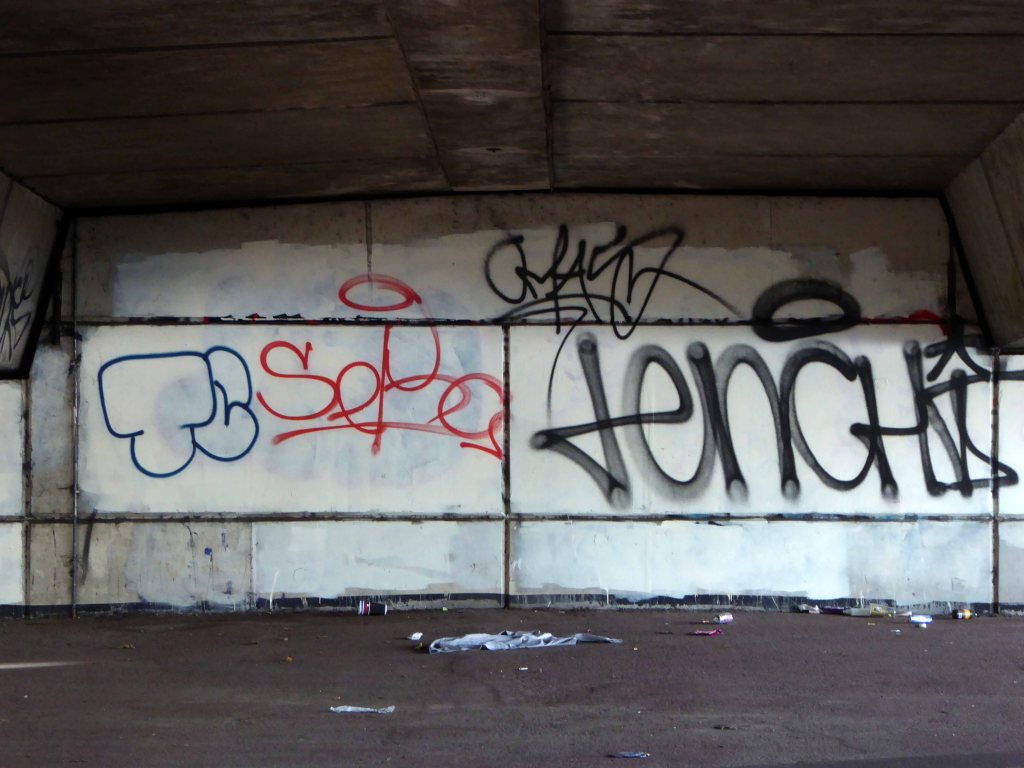
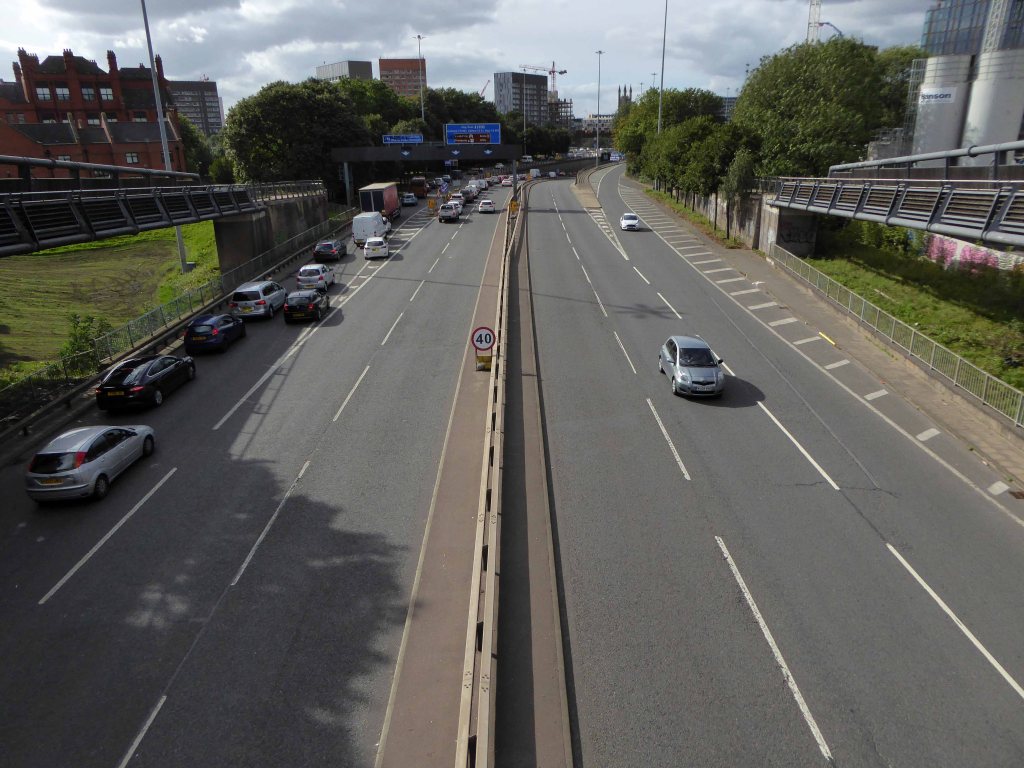
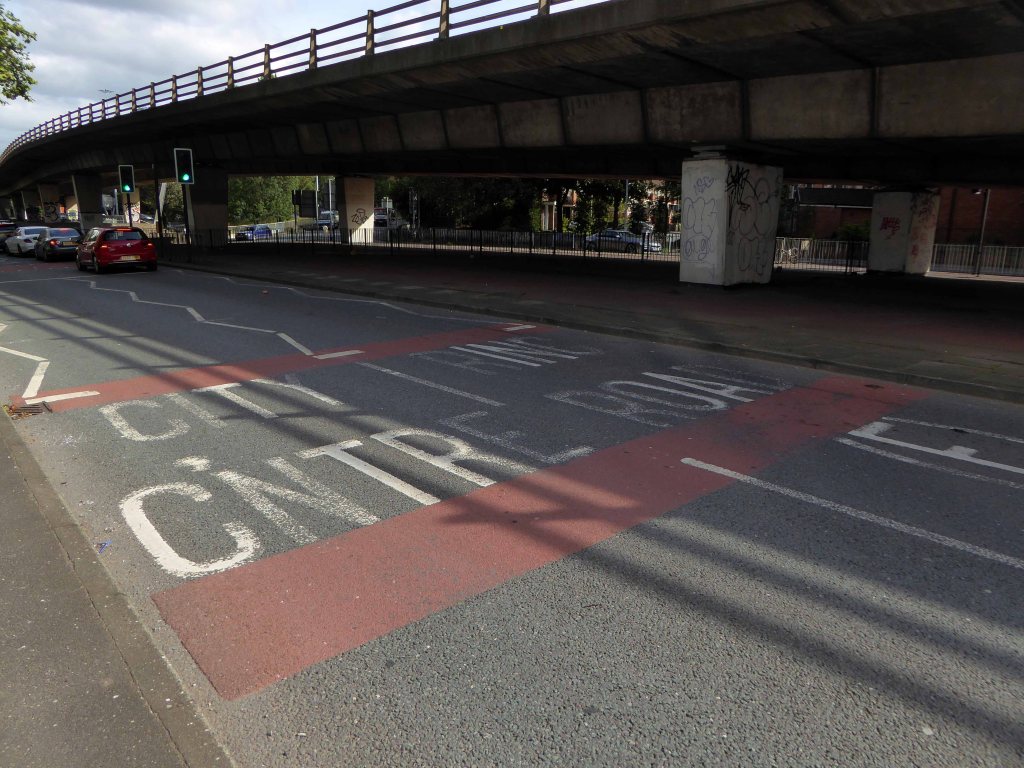
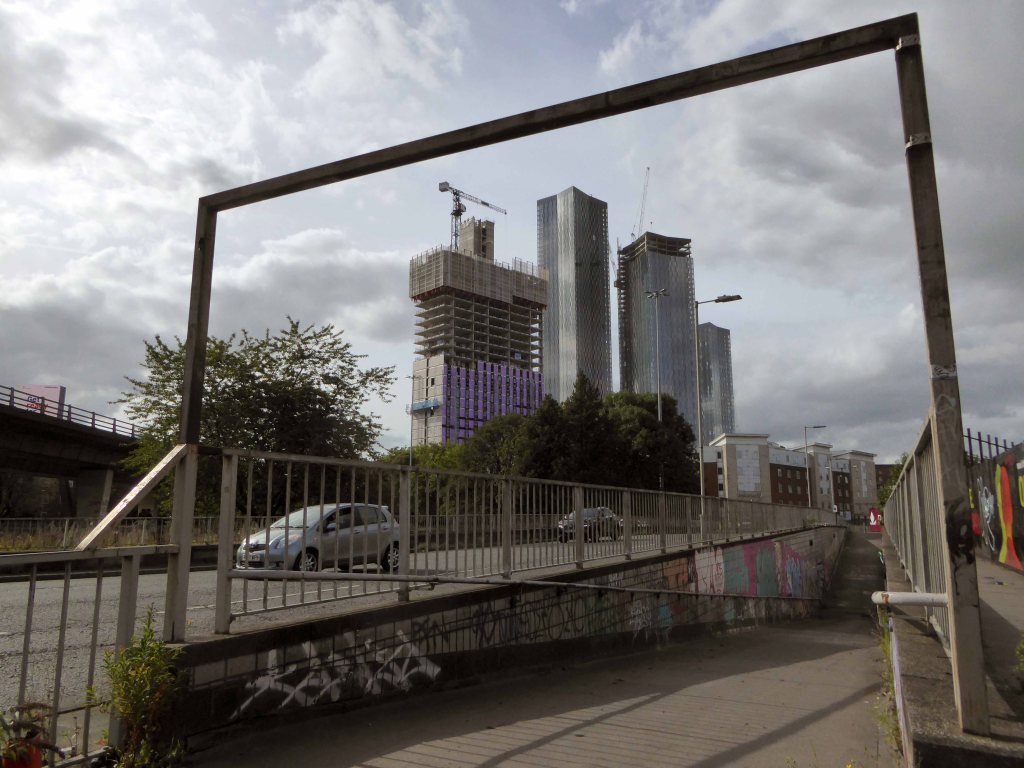
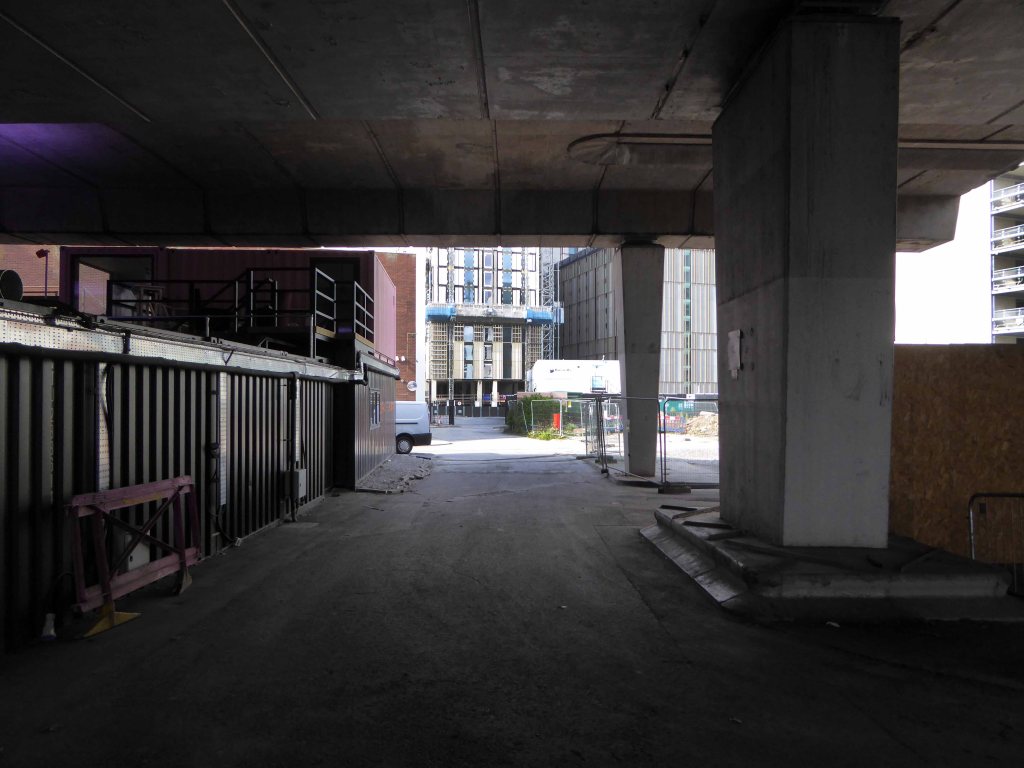
Part of the ever changing patchwork of demolition and development which defines the modern city. The carriageway prevails, whilst the pervasive rise and fall continues apace, its forlorn pedestrian underpasses may soon be superseded by wider walkways.
Manchester City Council is spending around £10million to make major changes to the junction where Princess Road meets the Mancunian Way and Medlock Street.
Much to the chagrin of local residents, who value the solace of their sole soulful green space and the frequent users, passing under the constant waves of sooty traffic.
What you see is what you get today, tomorrow is another kettle of concrete, trees, traffic and steel.
Antony Holloway – artist born March 8th 1928 he died on August 9th 2000.
Dorset was where he was born and grew up and the Dorset landscape was always there deep within him. He was educated at Poole grammar school between 1939 and 1945. After national service in the Royal Air Force in Dorset and Germany from 1948 to 1953 he studied at Bournemouth College of Art. Then came the RCA.
Tony began work as a stained glass and mural designer and jumped, with astonishing confidence, into working as a consultant designer with the architects’ division of the London County Council. He learned how to deal with architects and builders, and became adept at getting as much out of the money available – never enough – for his projects.
In 1963 he was introduced to the Manchester architect, Harry Fairhurst. Eight years later, after they had worked together on commissions in Cheshire and Liverpool, Fairhurst sought Tony’s advice about a plan for five large stained-glass windows in Manchester Cathedral.
Tony asked to design and make the first window, the St George in the inner south-west aisle. It was completed in 1973. Further windows followed in 1976 and 1980 and the final window, Revelation was installed in 1995.
Partially covered with greenery and now securely contained within spiked railings, I circumnavigated the site catching and snapping the structure where I could – here are those very snaps.
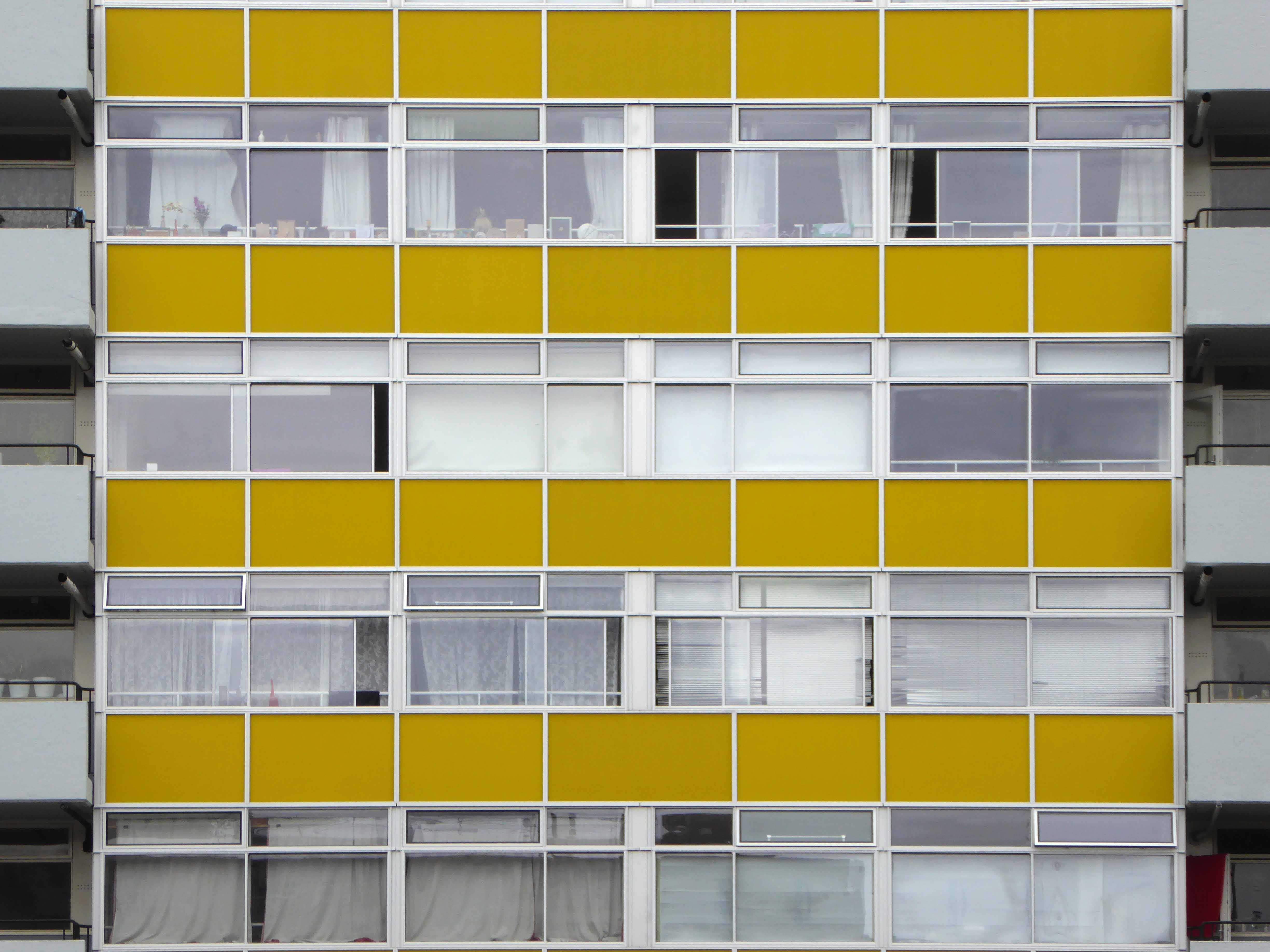
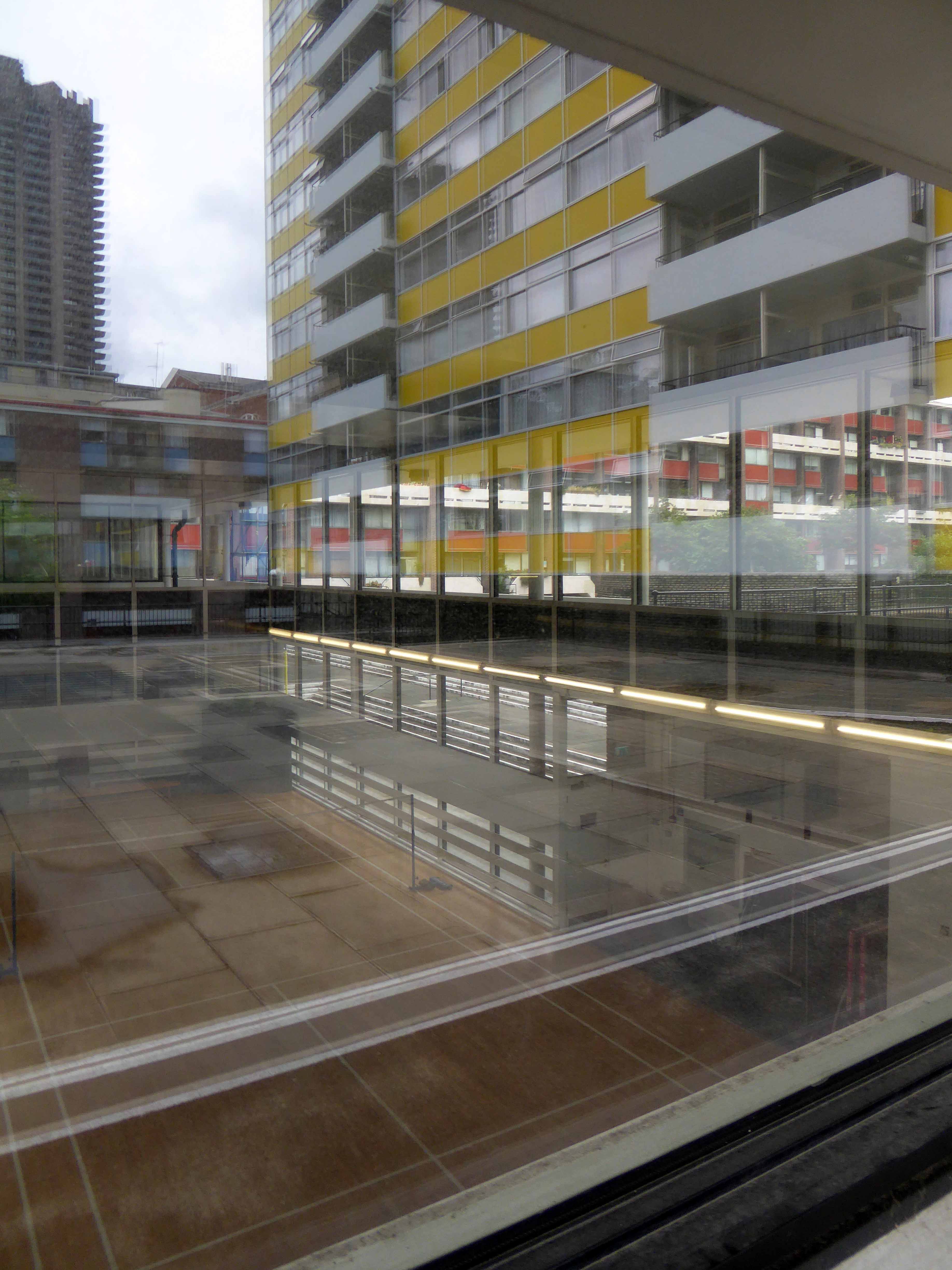
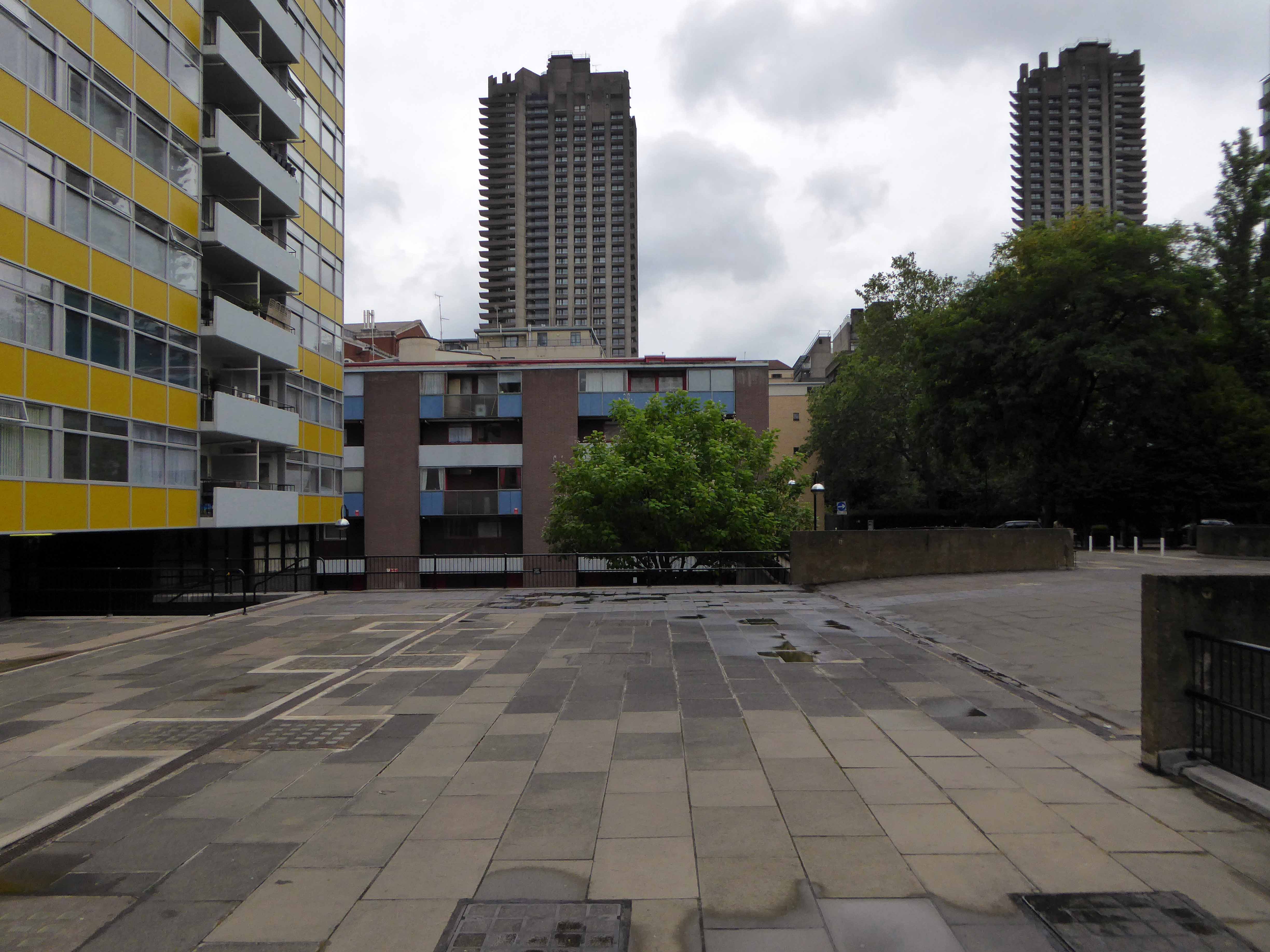
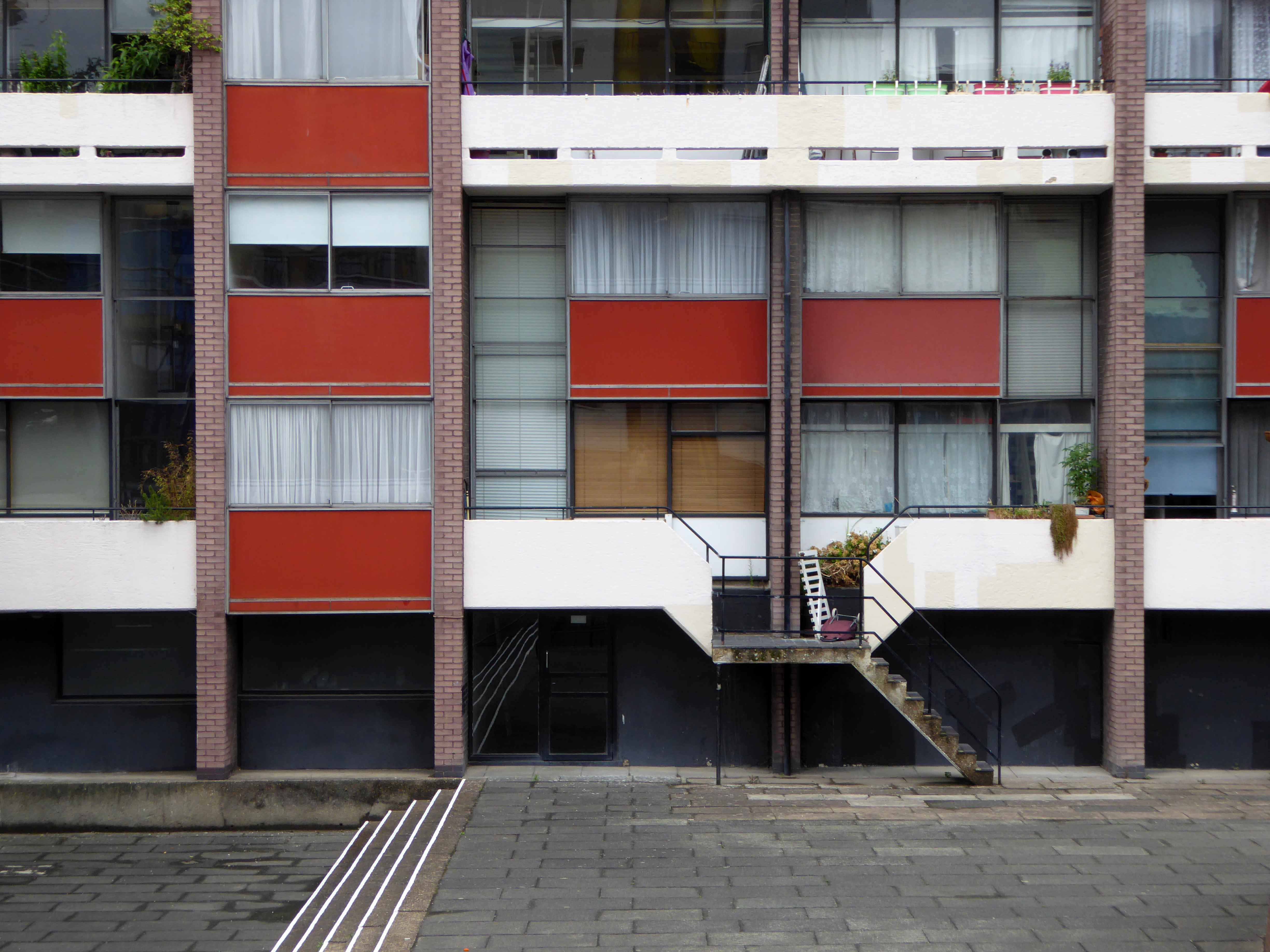
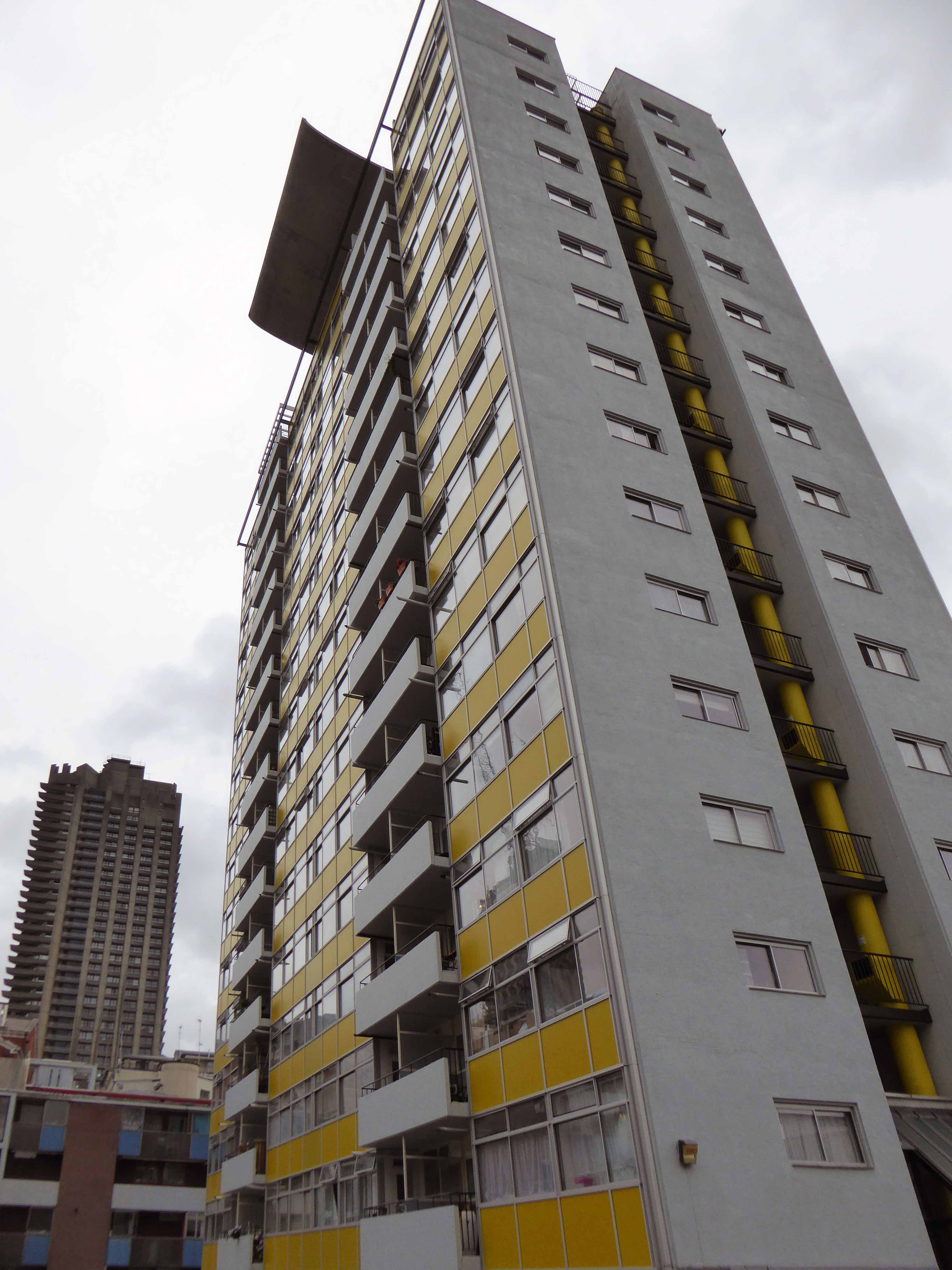
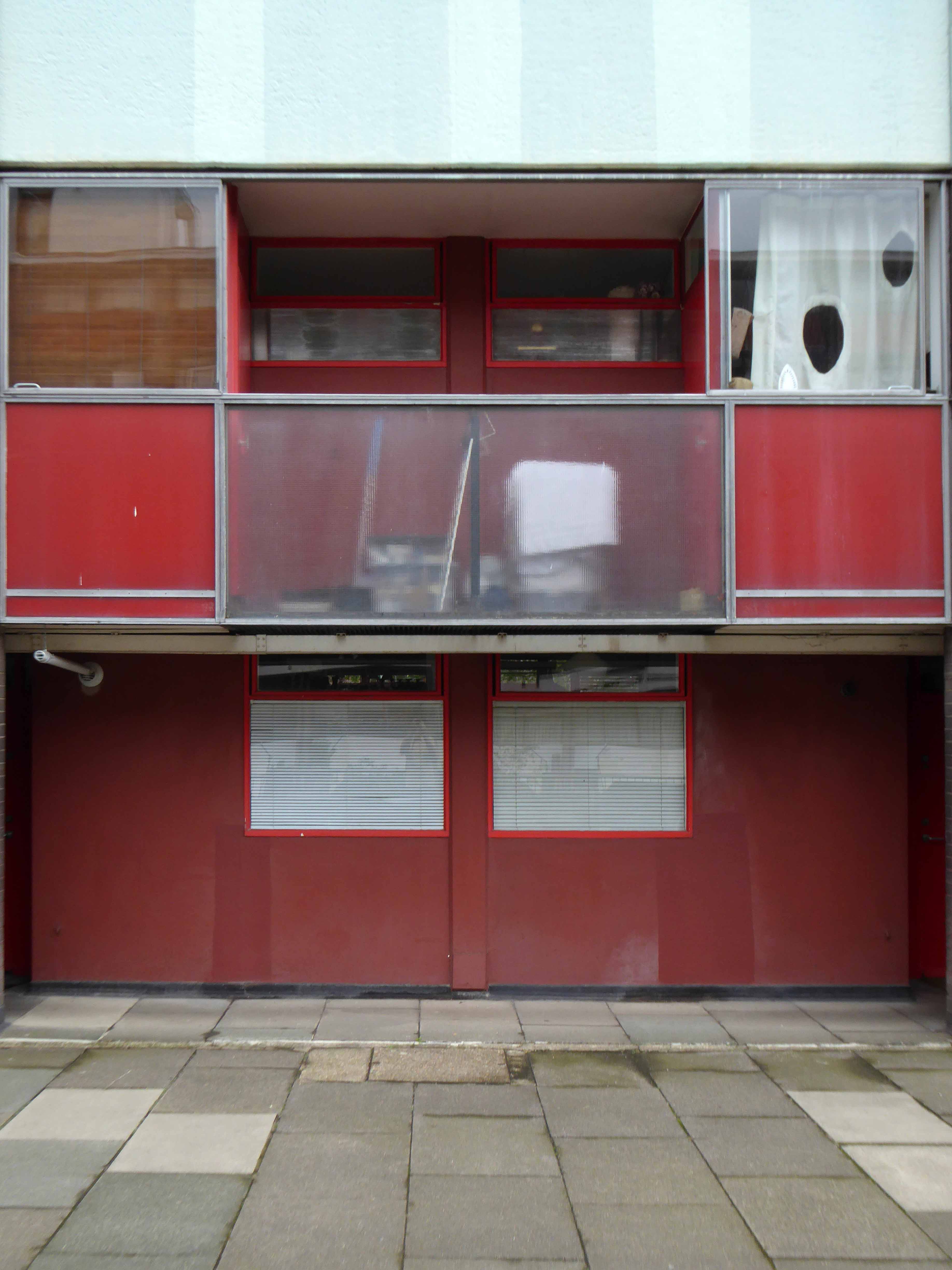
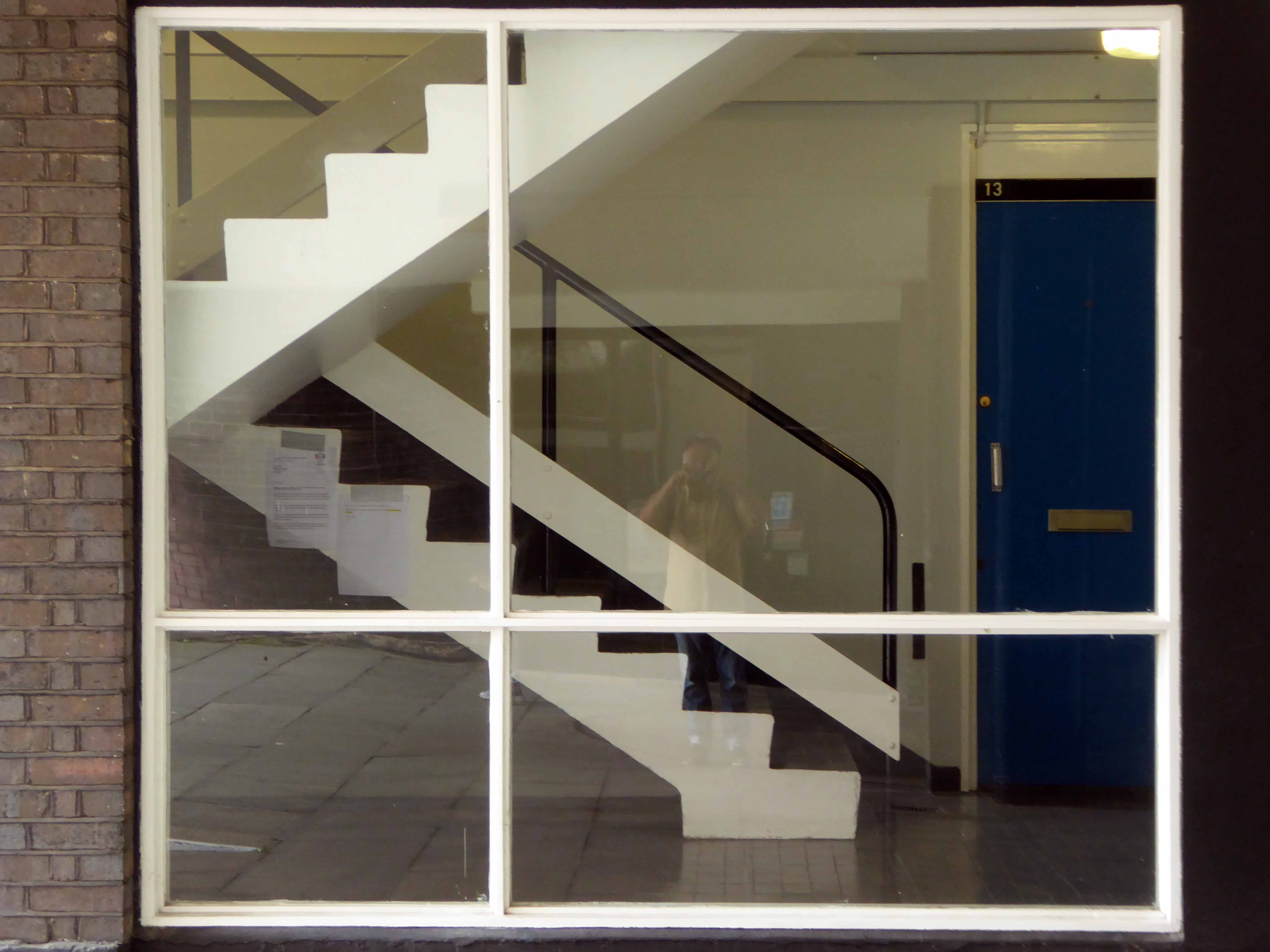
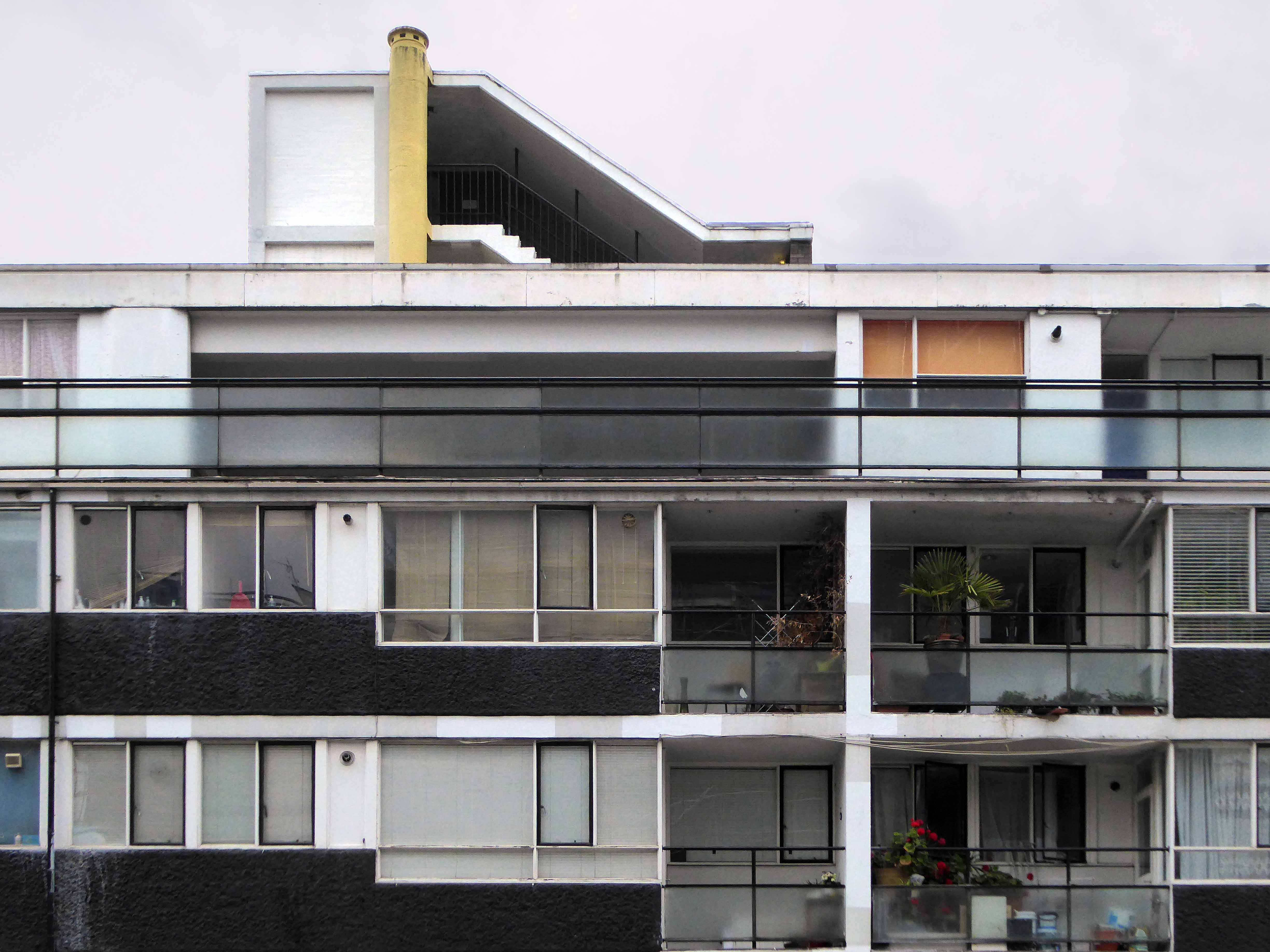
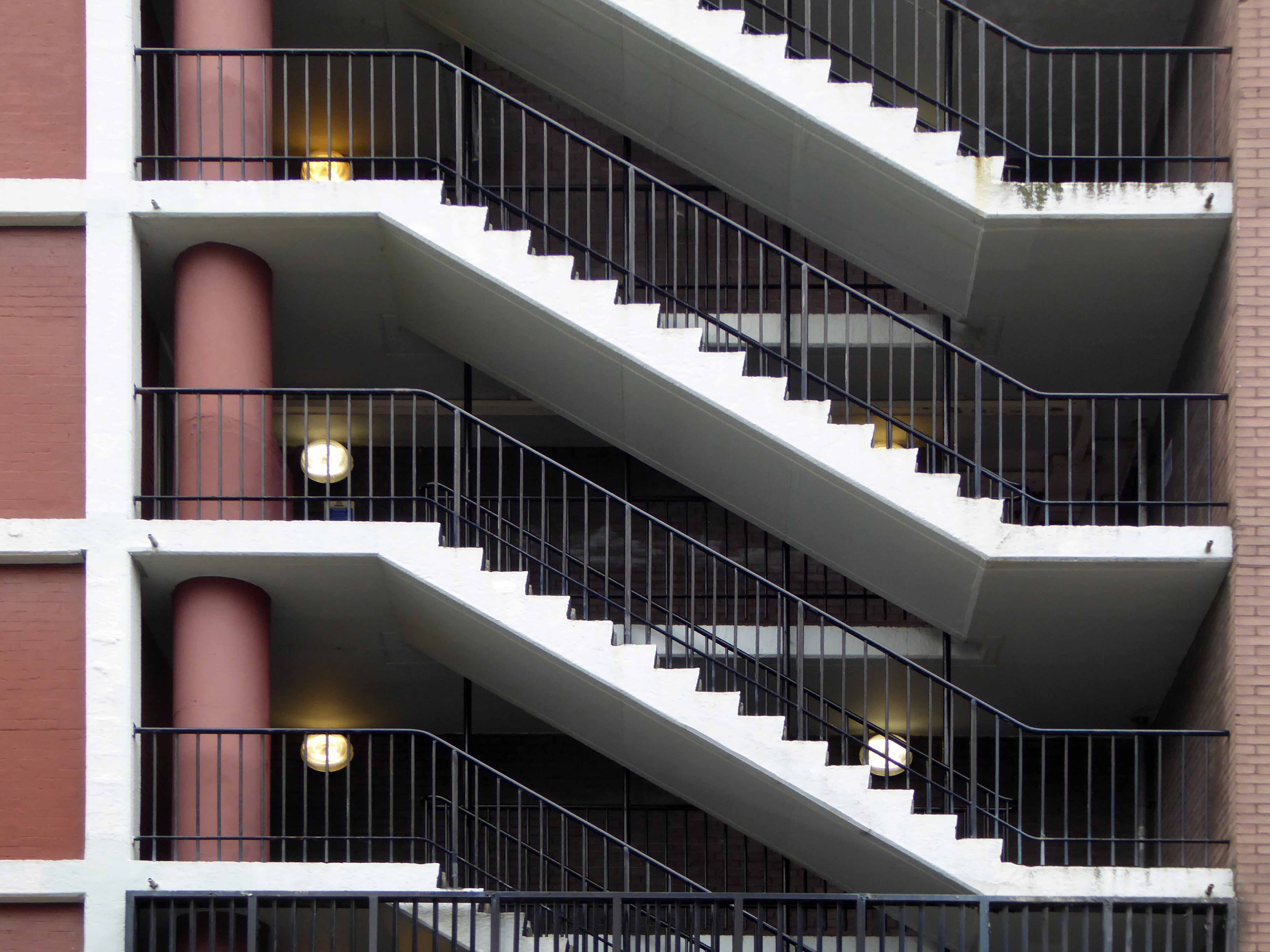
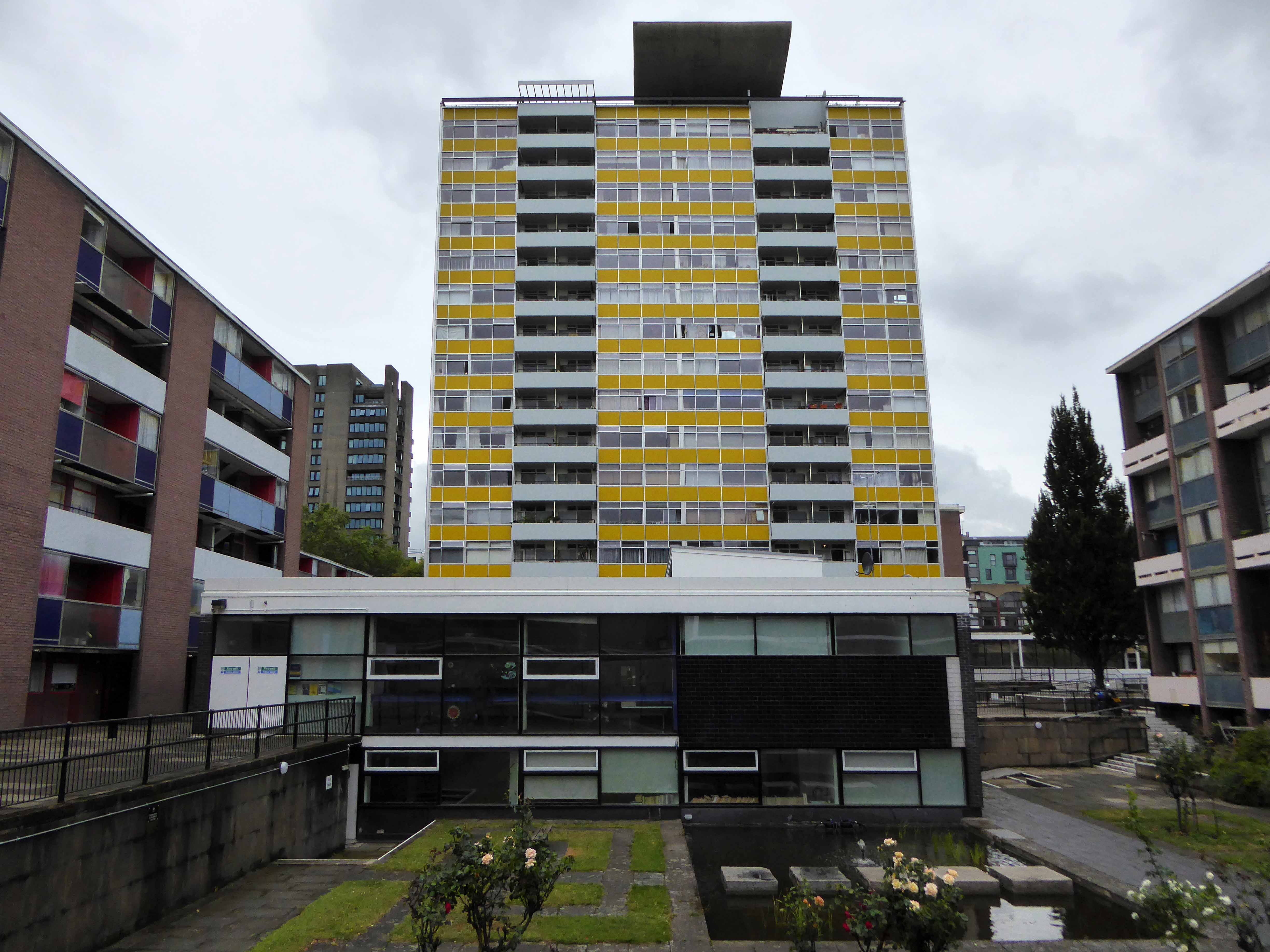
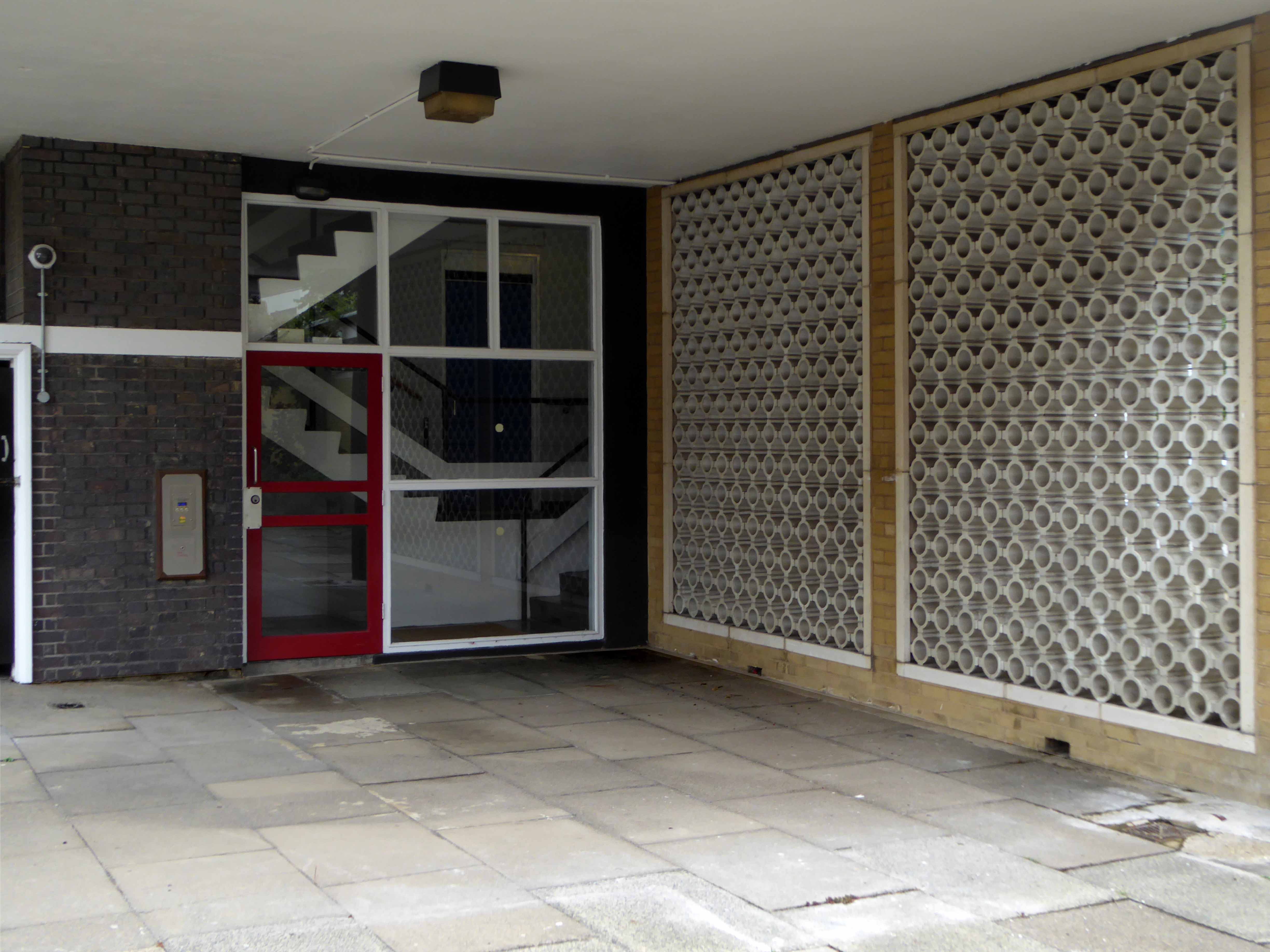
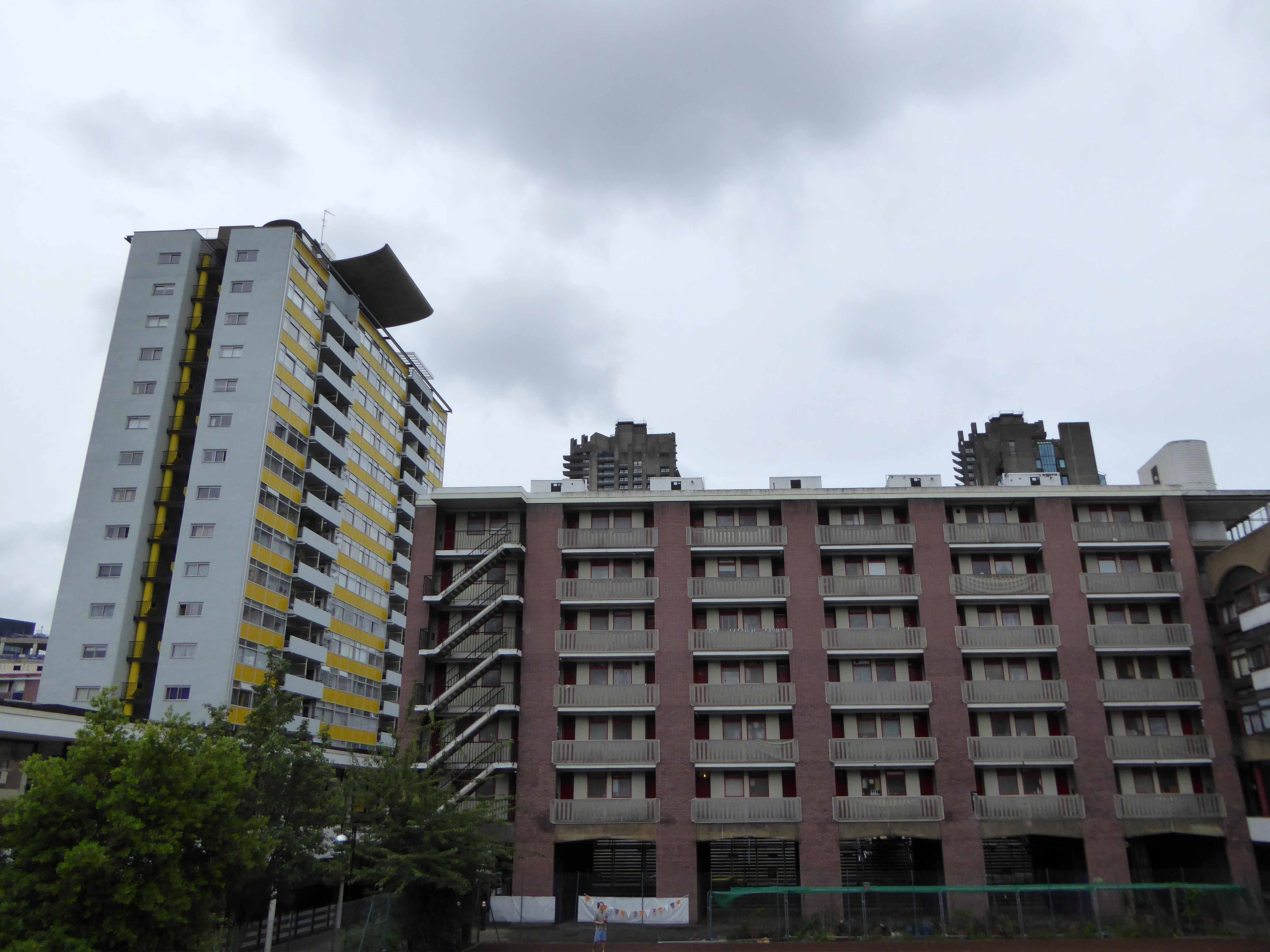
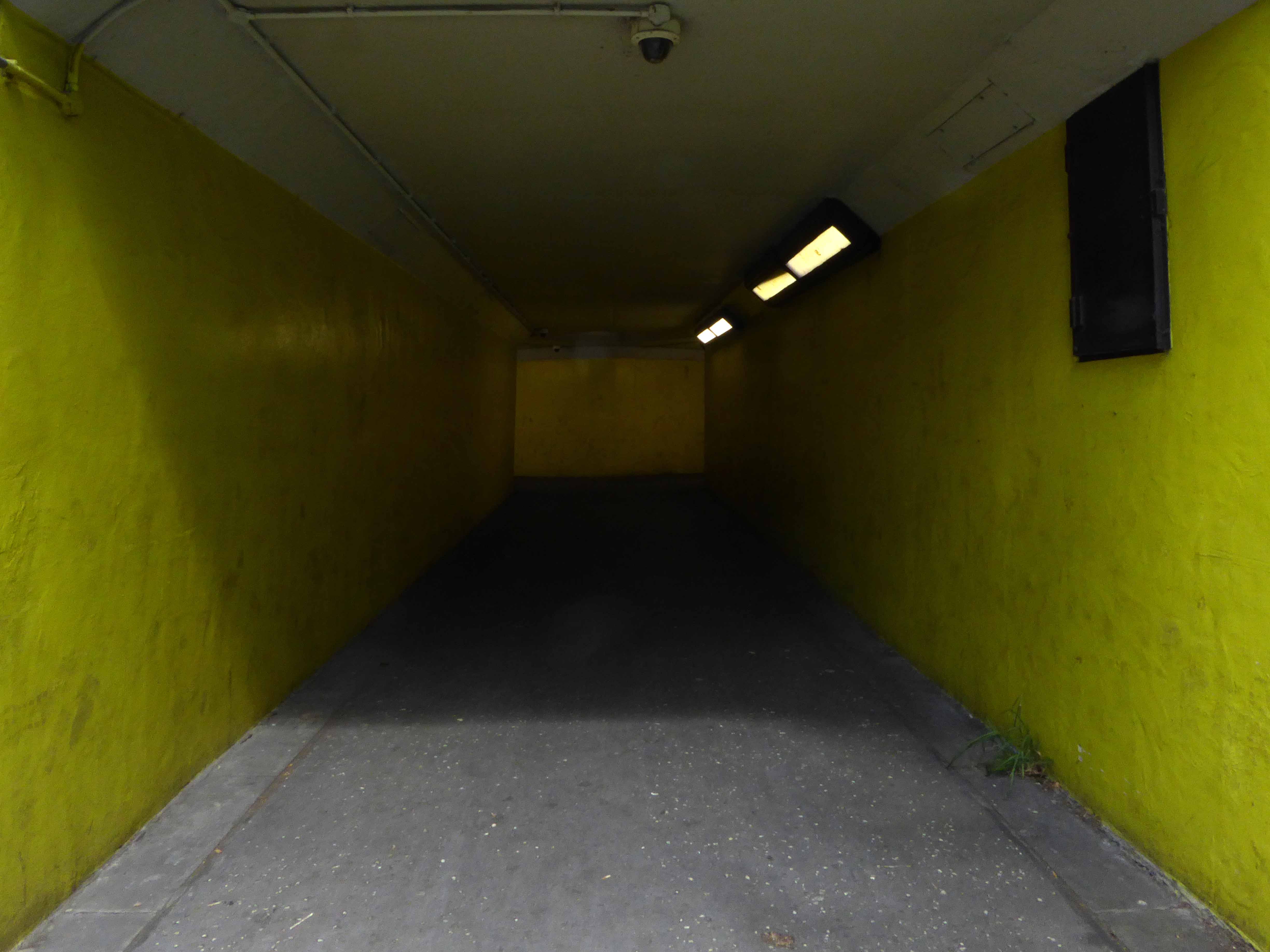
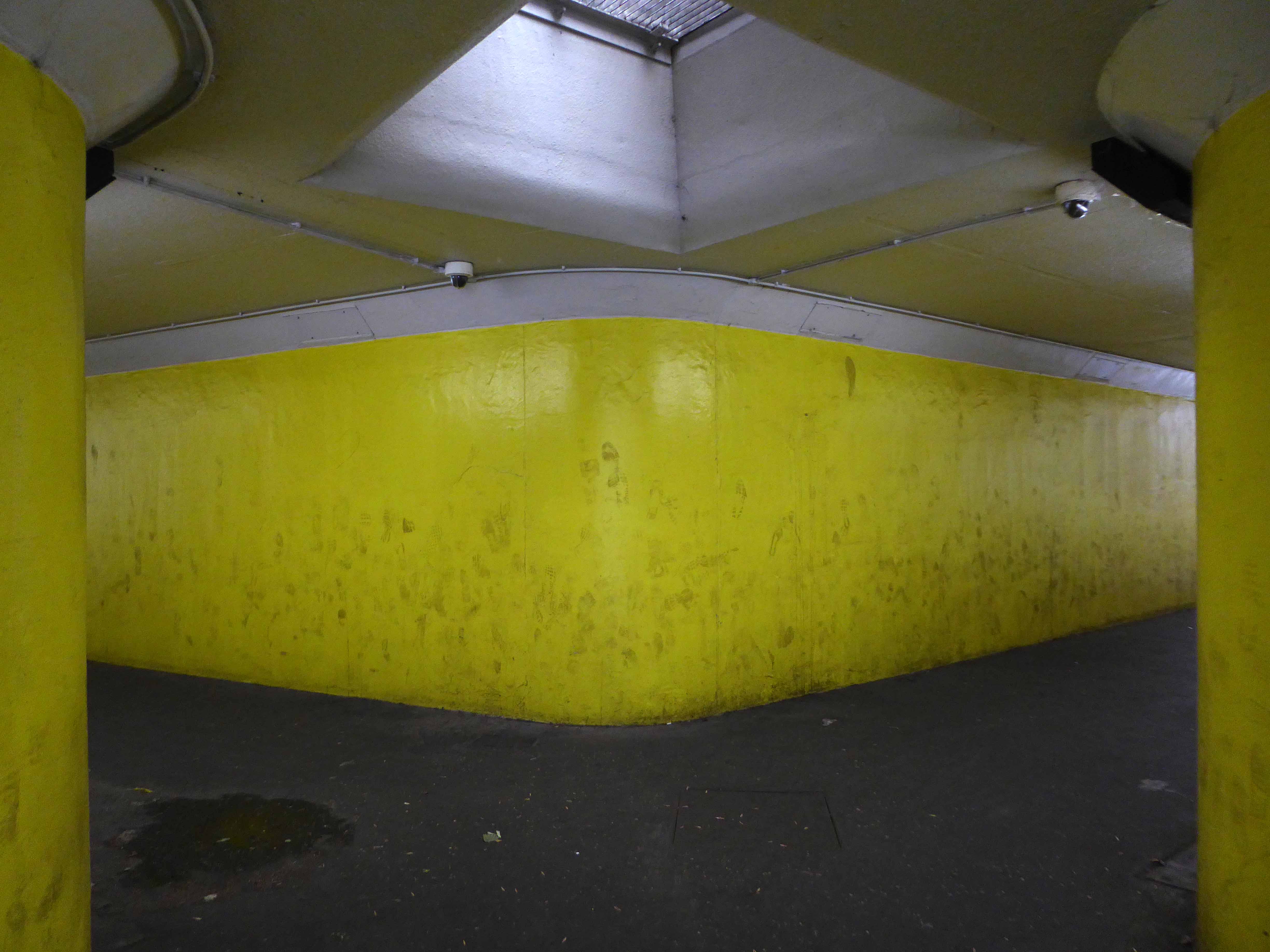
Something of an iconic, totemic, pin-up poster boy/girl for the Modernists, I bumped into you one rainy day, on the way from here to there. Initially attracted by an unexpectedly bright slab of primrose yellow and white.
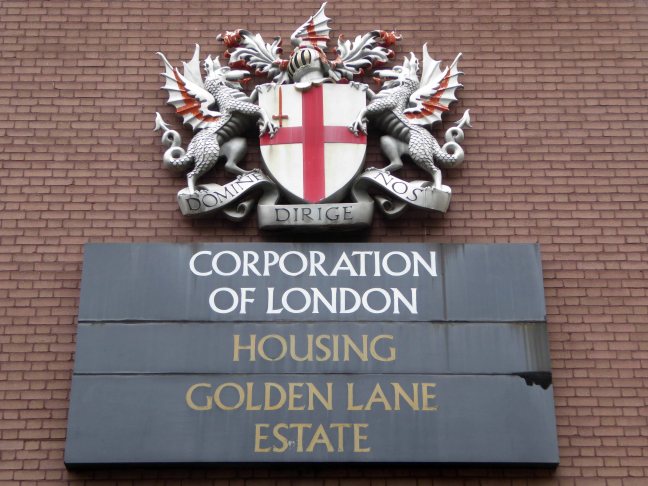
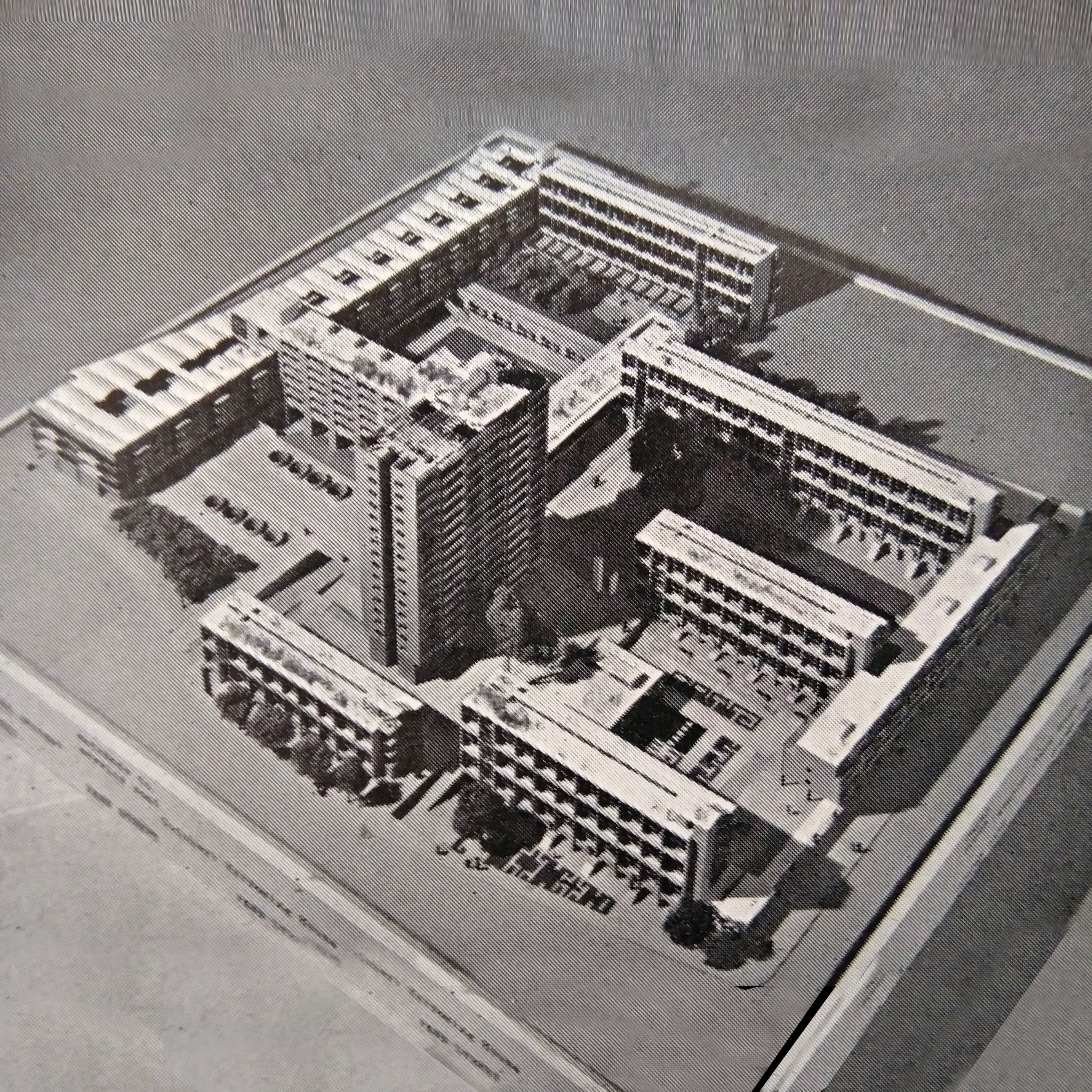
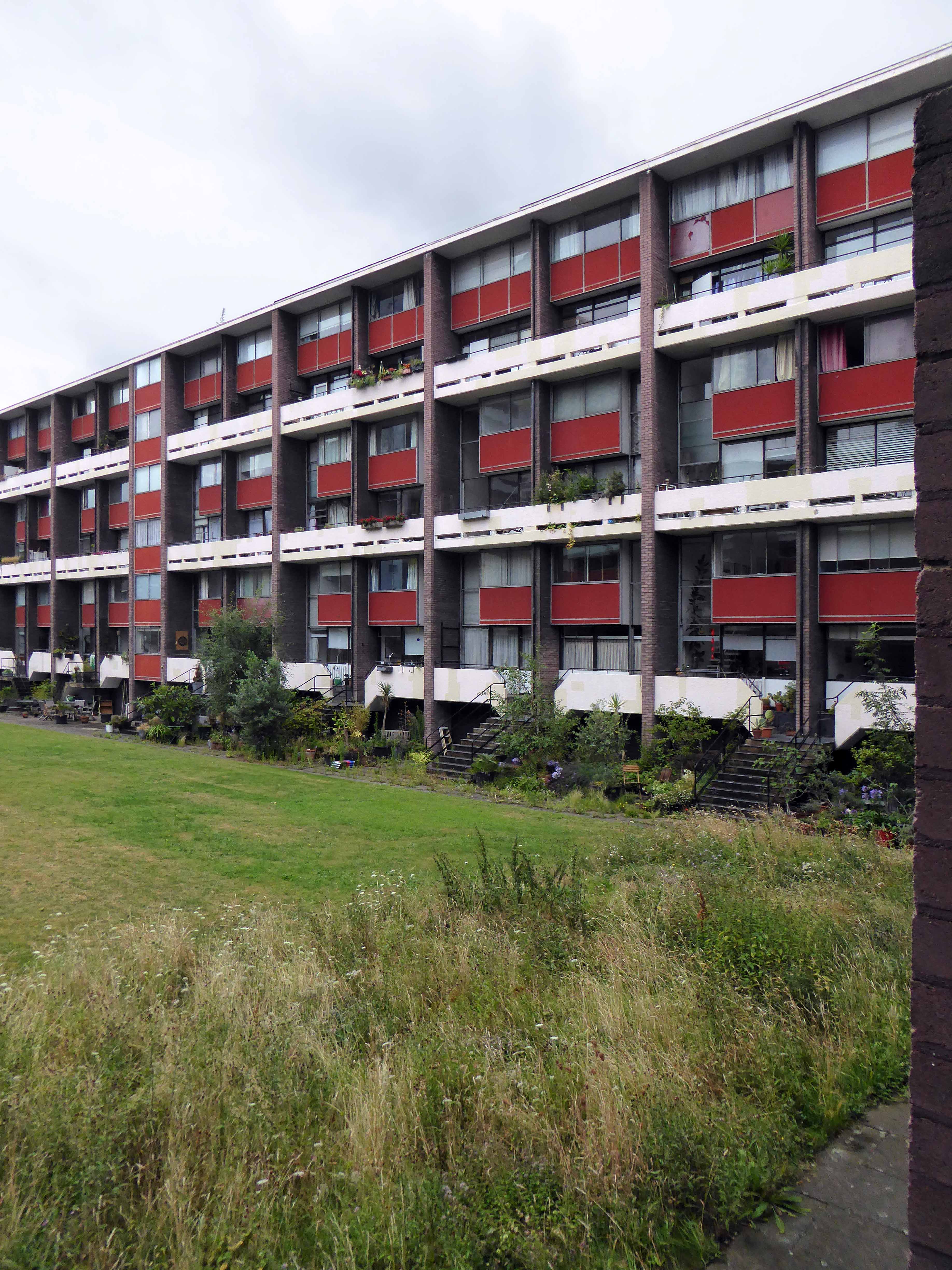
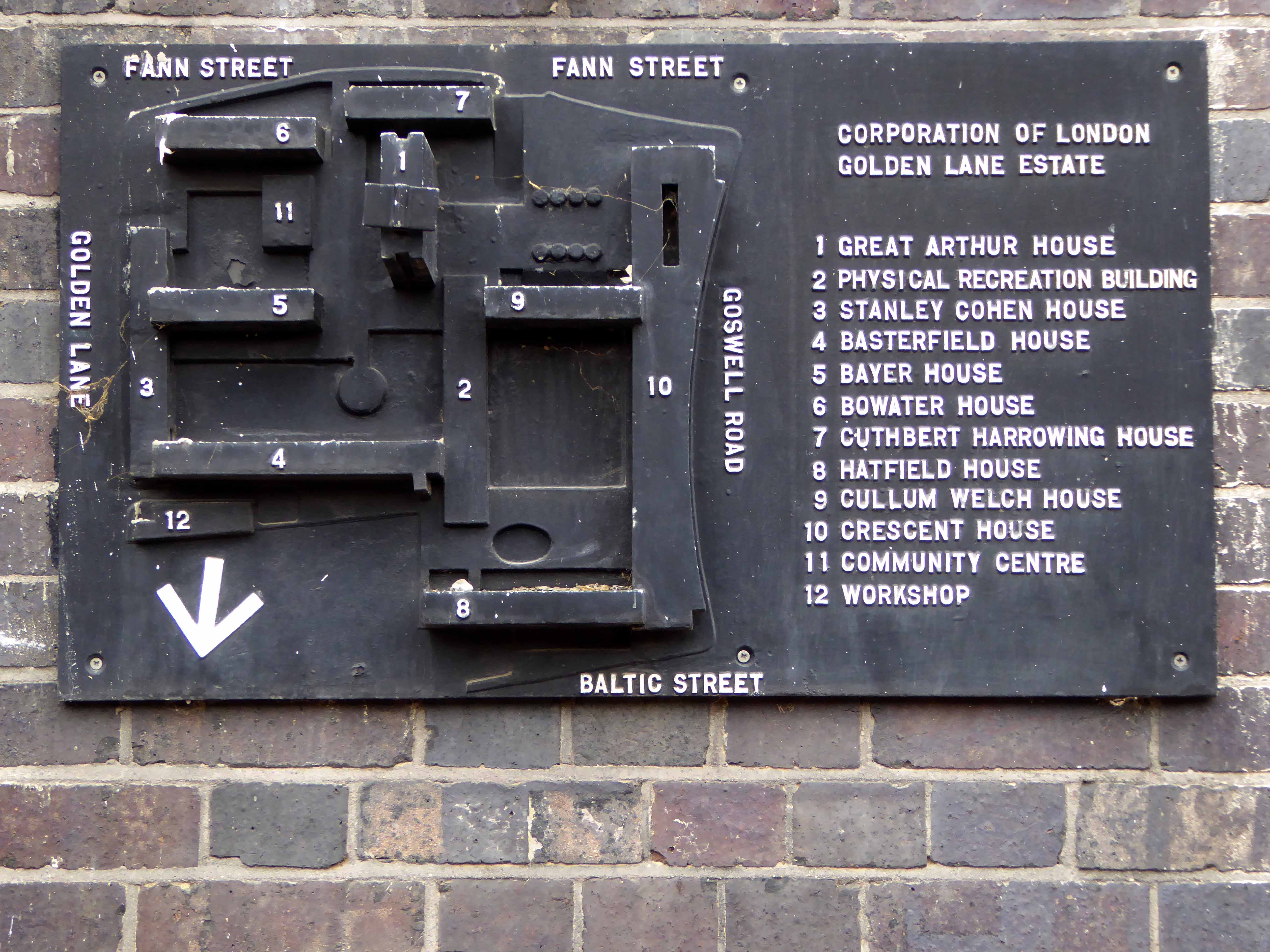
Golden Lane was developed in the early 1950s to create local housing for essential workers in the City of London, following the devastation of the Blitz. At the time only around 500 people actually lived in the City of London so the estate was deliberately designed with small units to house single people and couples comprised of the broad social and professional mix needed to support the local community. 554 units were built of which 359 were studios and one bedroomed flats; the remainder were maisonettes and early tenants included caretakers, clergymen, doctors, police offices, cleaners and secretaries. Today there are approximately 1,500 people living on the estate in 559 flats and maisonettes.
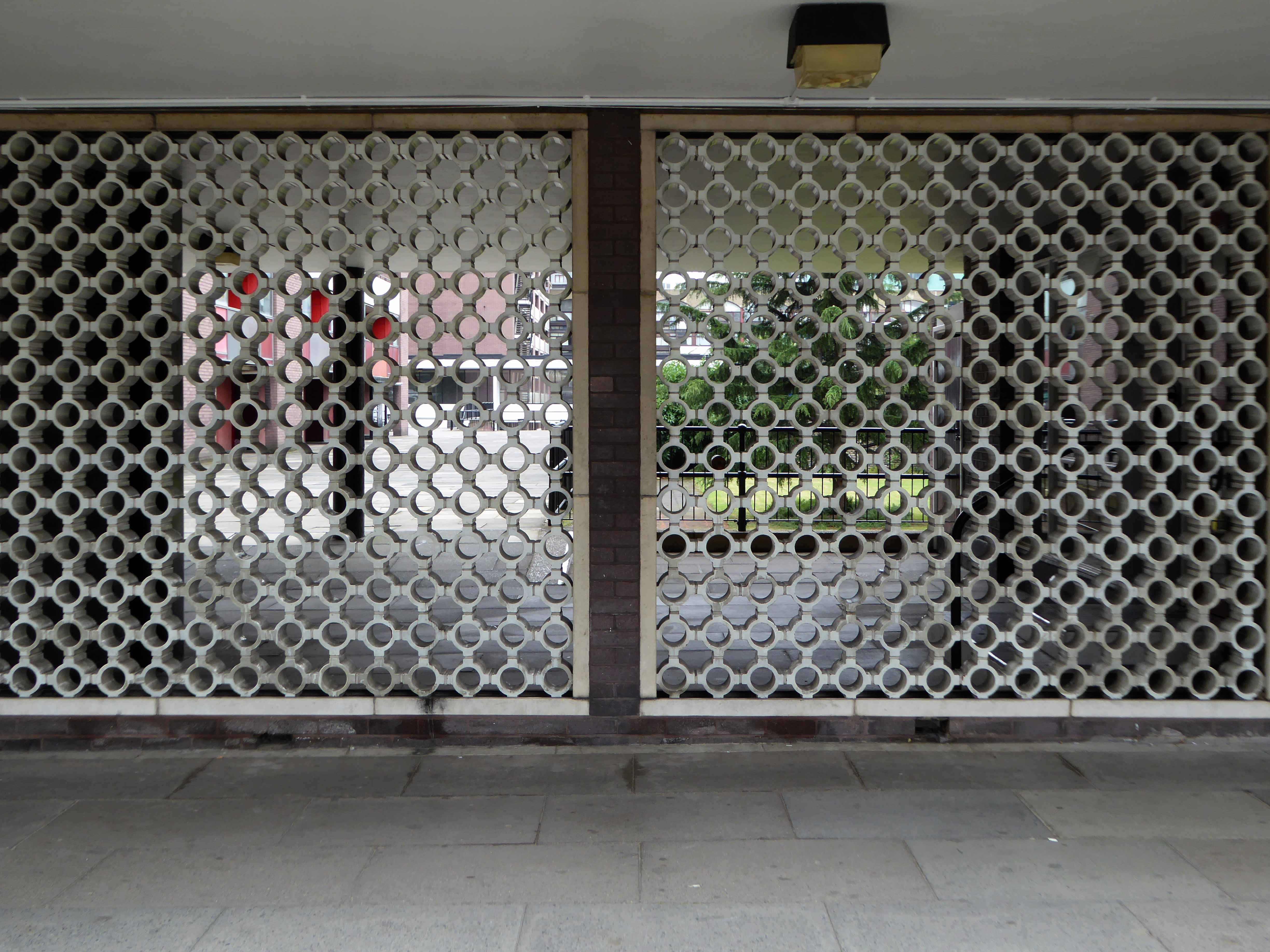
Golden Lane was commissioned from architects Chamberlin, Powell and Bon by the City of London Corporation (which still manages it) and built on bombed sites previously occupied by small businesses and industries. Some of the basement areas of the former buildings were retained as sunken areas of landscaping. Building took place over a 10-year period between 1952 and 1962 when Crescent House on Goswell Road was completed. Golden Lane was listed Grade II in 1997 (Crescent House is Grade II*). When built, Great Arthur House was the tallest residential building in London and its Le Corbusier inspired design included a resident’s roof garden. The estate also included a leisure centre with a swimming pool and tennis courts. It is now run by a private operator and is open to both residents and the general public.
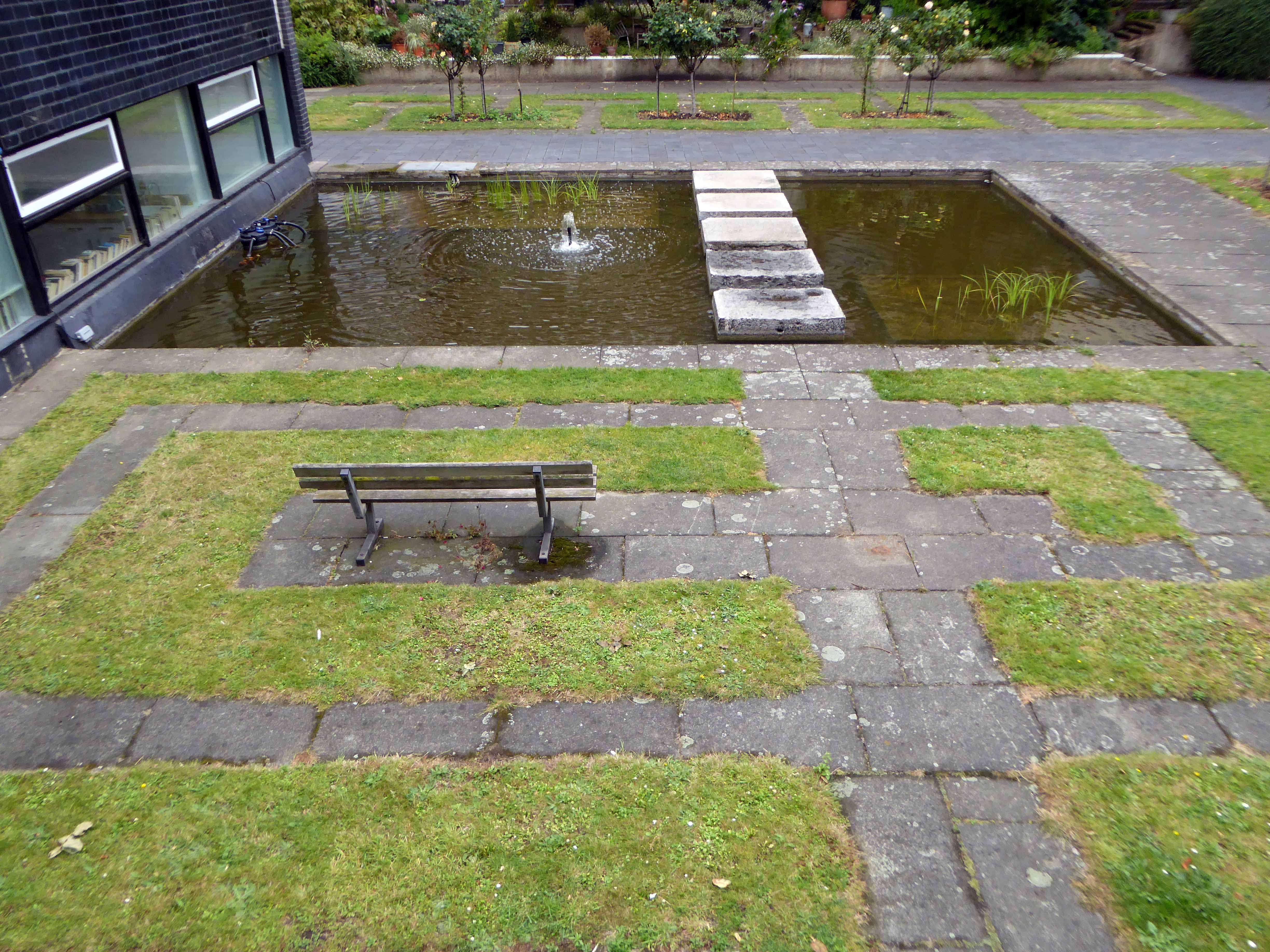
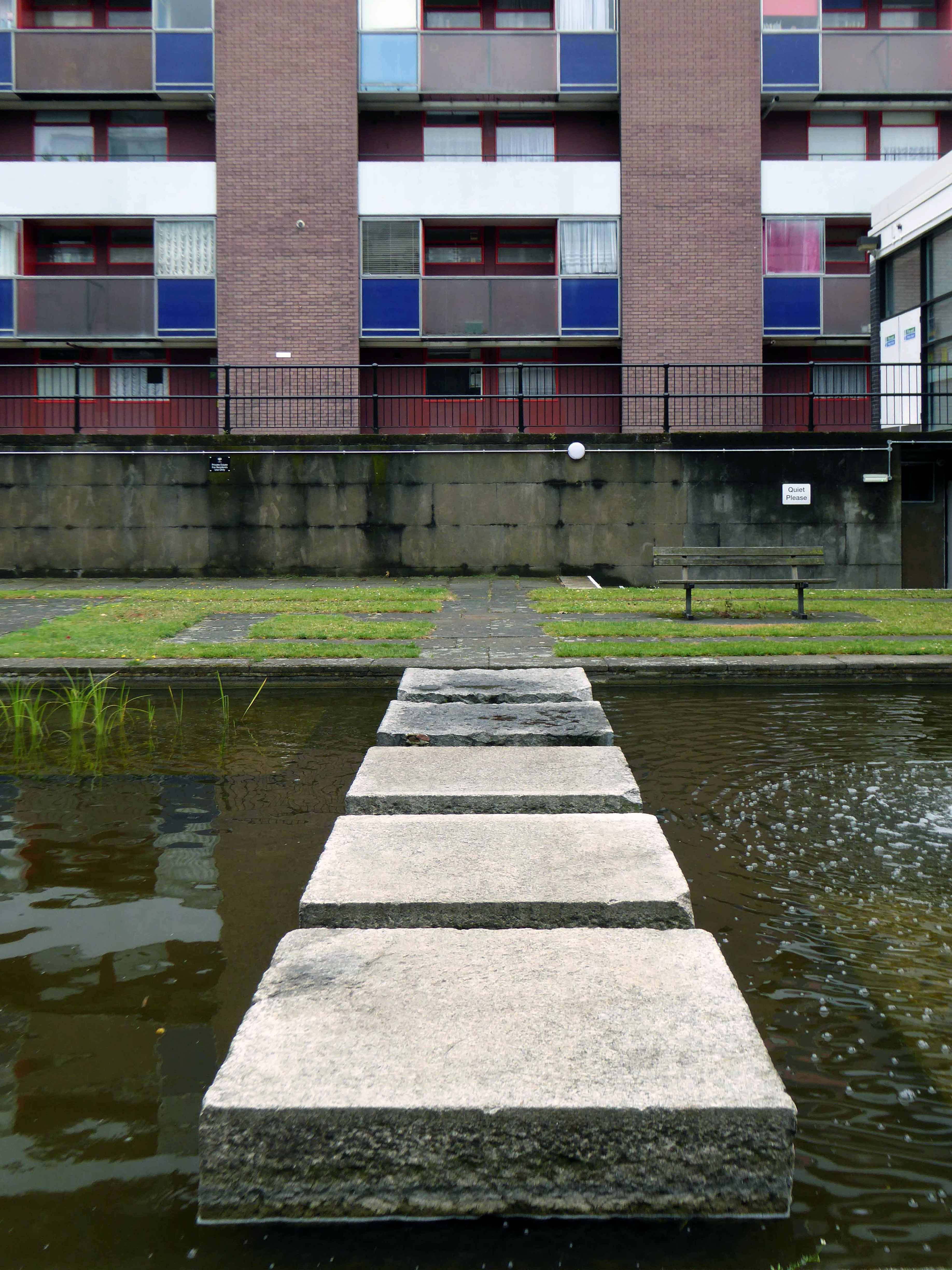
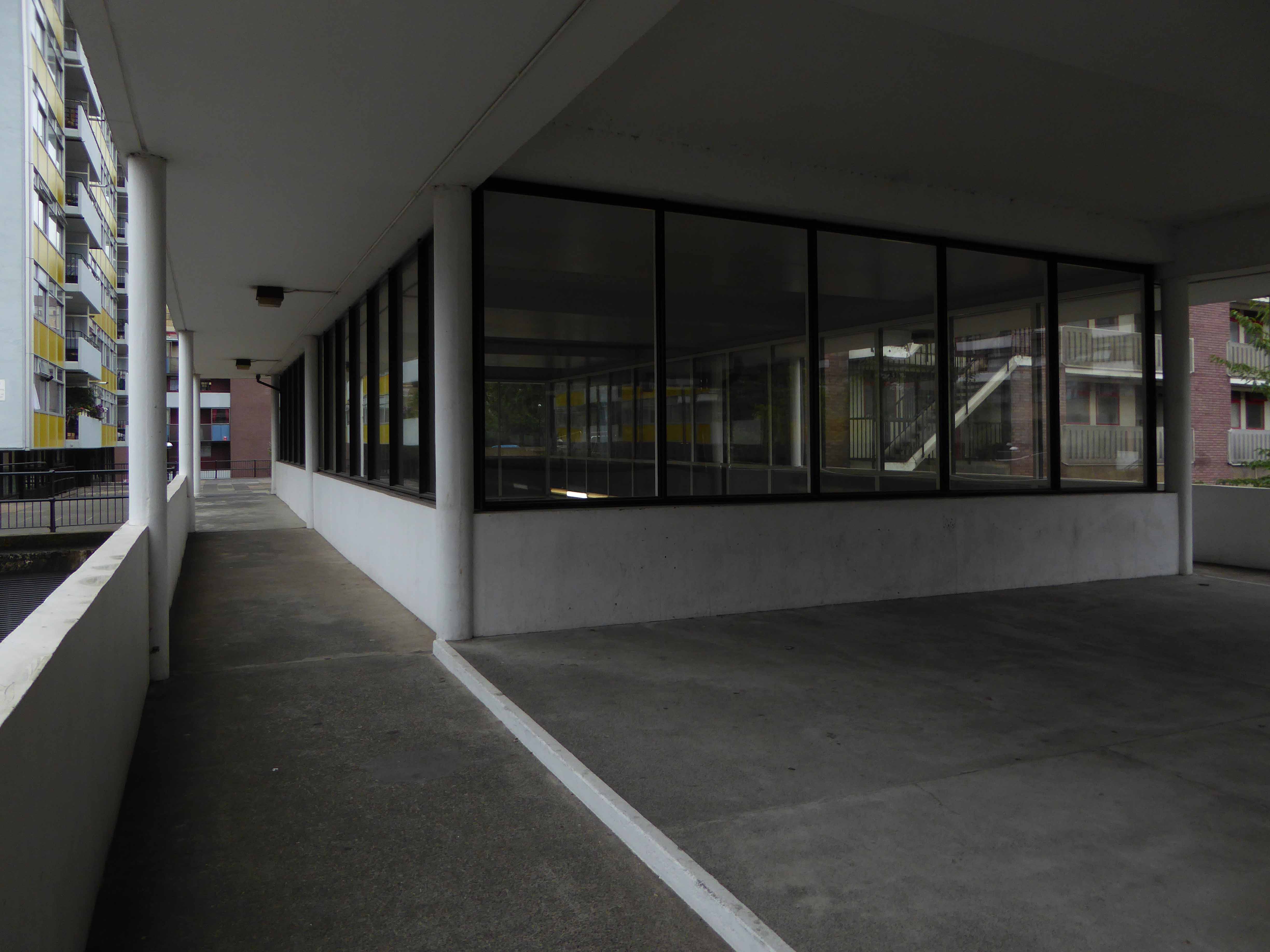
I stuck around too take a look, struck by the variety of scale, detail and space within a relatively tight integrated development. Mature greenery abounds along with a delightful water feature.
It would appear that following the 70s right to buy the estate is a 50/50 mix of social and private ownership, relatively trouble free and well maintained, something of an anomaly in our go-ahead, left behind land.
As with all things material and corporeal there was a time when you simply didn’t exist.
1860 adjacent to Woodward Street and the Rochdale Canal, a simple agglomeration of loose limbed industrial buildings and such – yet to be christened Blank.
adjective
Unrelieved by decorative or other features; bare, empty, or plain a blank wall.
Showing a lack of comprehension or reaction – we were met by blank looks – synonyms: expressionless, empty, vacant, deadpan, wooden, stony, impassive, inanimate, vacuous, glazed, fixed, lifeless, uninterested, emotionless, unresponsive, inscrutable.
noun
A space left to be filled in a document – leave blanks to type in the appropriate names – synonyms: space, gap, blank space, empty space.
A cartridge containing gunpowder but no bullet, used for training or as a signal.
verb
Make (something) blank or empty – electronic countermeasures blanked out the radar signals.
Informal North American defeat (a sports team) without allowing them to score – Baltimore blanked Toronto in a 7–0 victory.
Though contradictorily I have found reference to a bankrupt foundry in the London Gazette 1857.
You appear again during the Manchester Blitz.
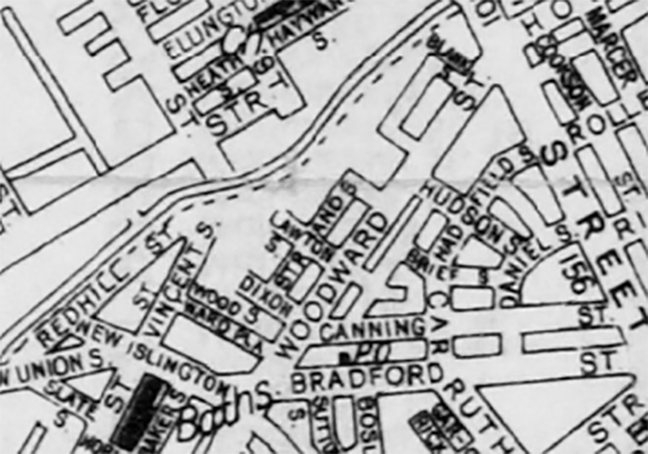
By 1960 you are on the map and the area is on the up and up.
Though I have to ask the question of the namers of streets – why so Blank, an off day at the office – we have whole blocks named for poets, painters, and far flung places, so why so Blank?
Hadn’t they heard of nominative determinism – born to be Blank.
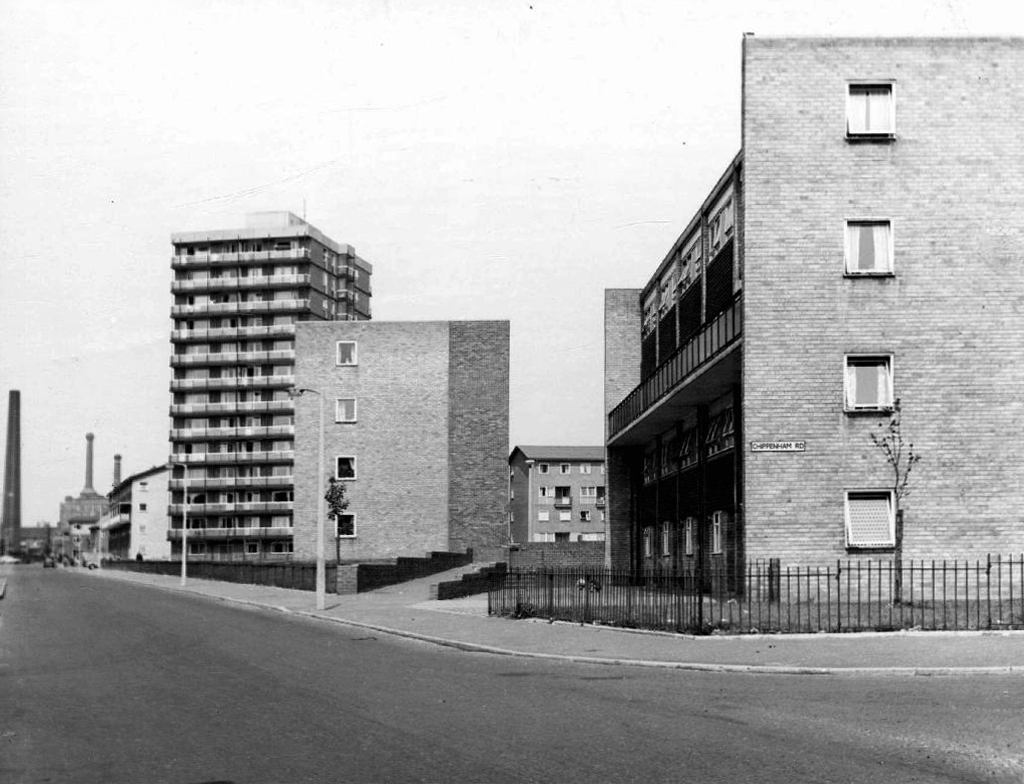
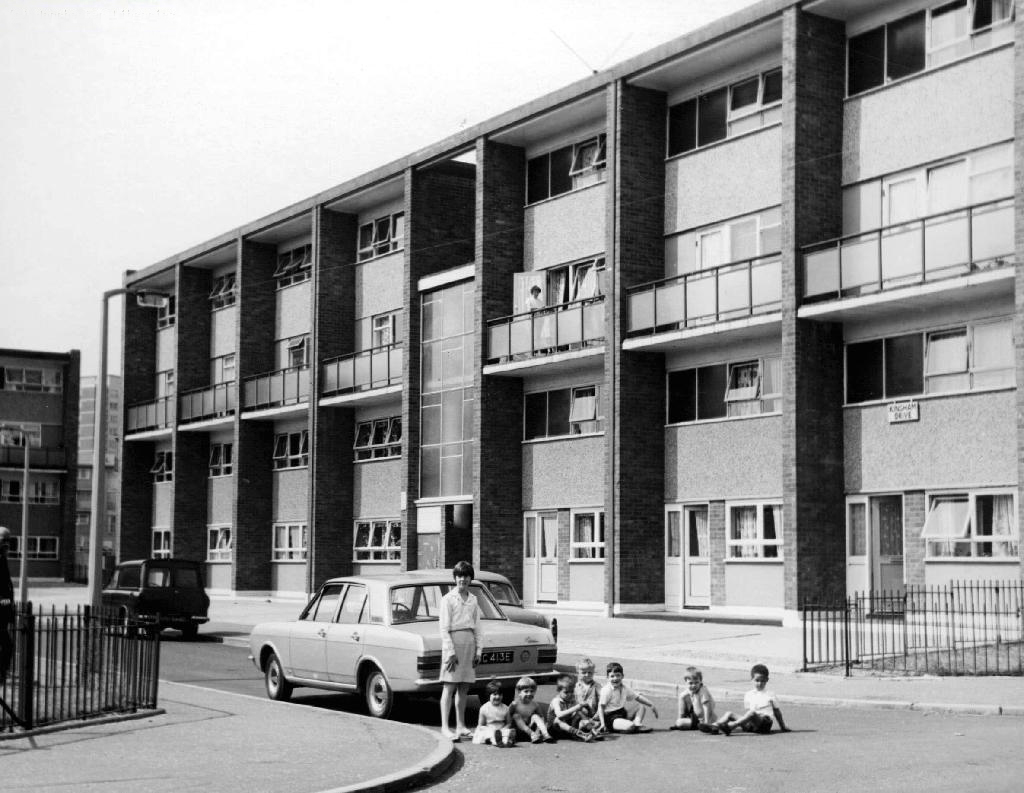
Whilst in search of a Brown Cow I found a photograph on the Local Image Collection of 60’s maisonettes in the area alongside Woodward Street.
This Municipal Modernist development seems to have been short-lived and subject to yet more demolition in the area, to be replaced by late 70’s terraced housing.
Blank Street inexplicably became Fulmer Drive.
Which in turn had been tinned up and demolished around 2008.
How did that happen – seemingly viable homes previously changing hands for £100,000 deemed surplus to requirements – land banking, ahead of an as yet unseen masterplan?
Your life was short and sharp – shaped by economic shifts, world war and the local authorities ephemeral housing policies. There is little evidence of your existence, photographic or otherwise, so I want to set the record straight – draw a blank.
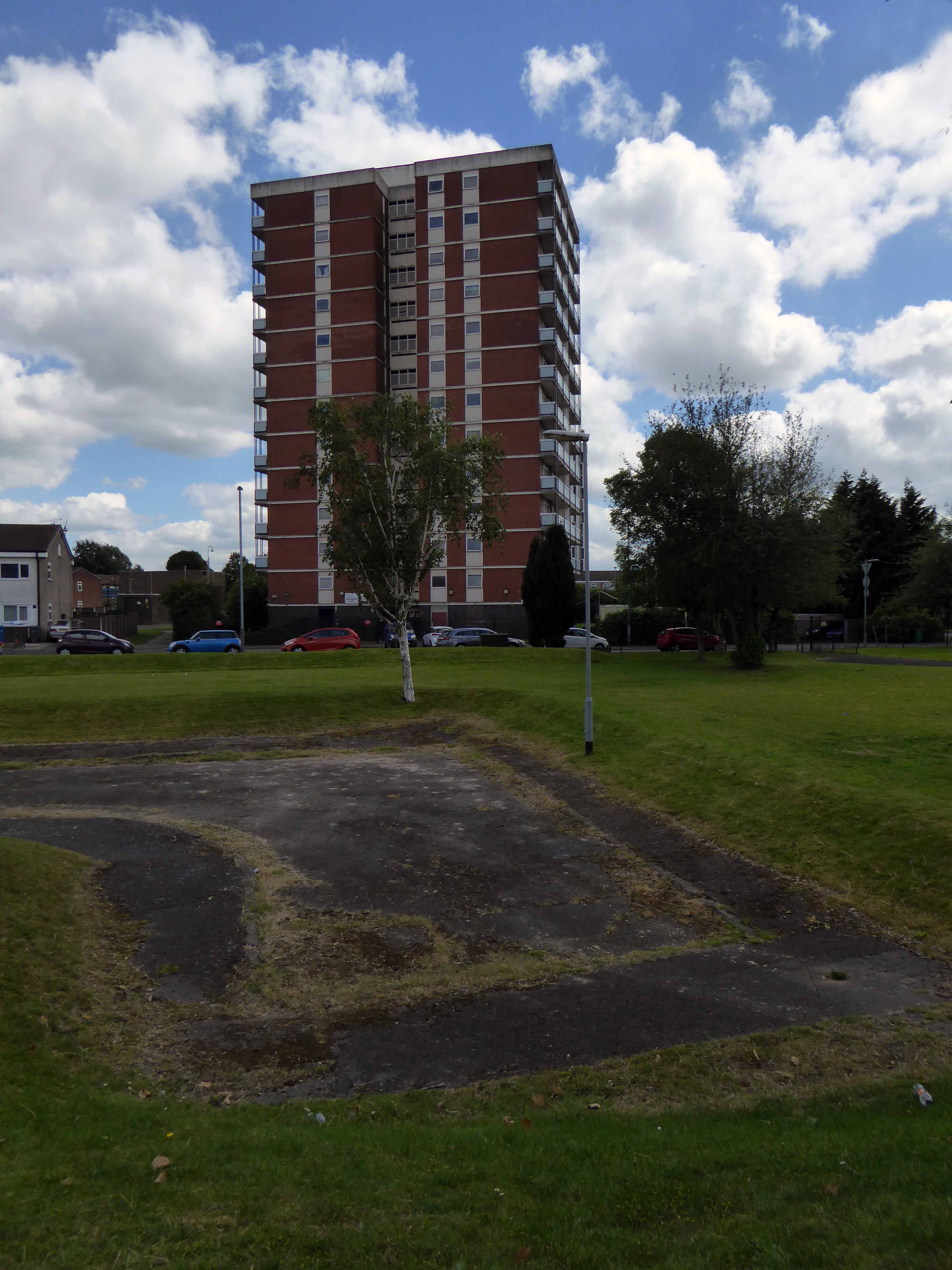
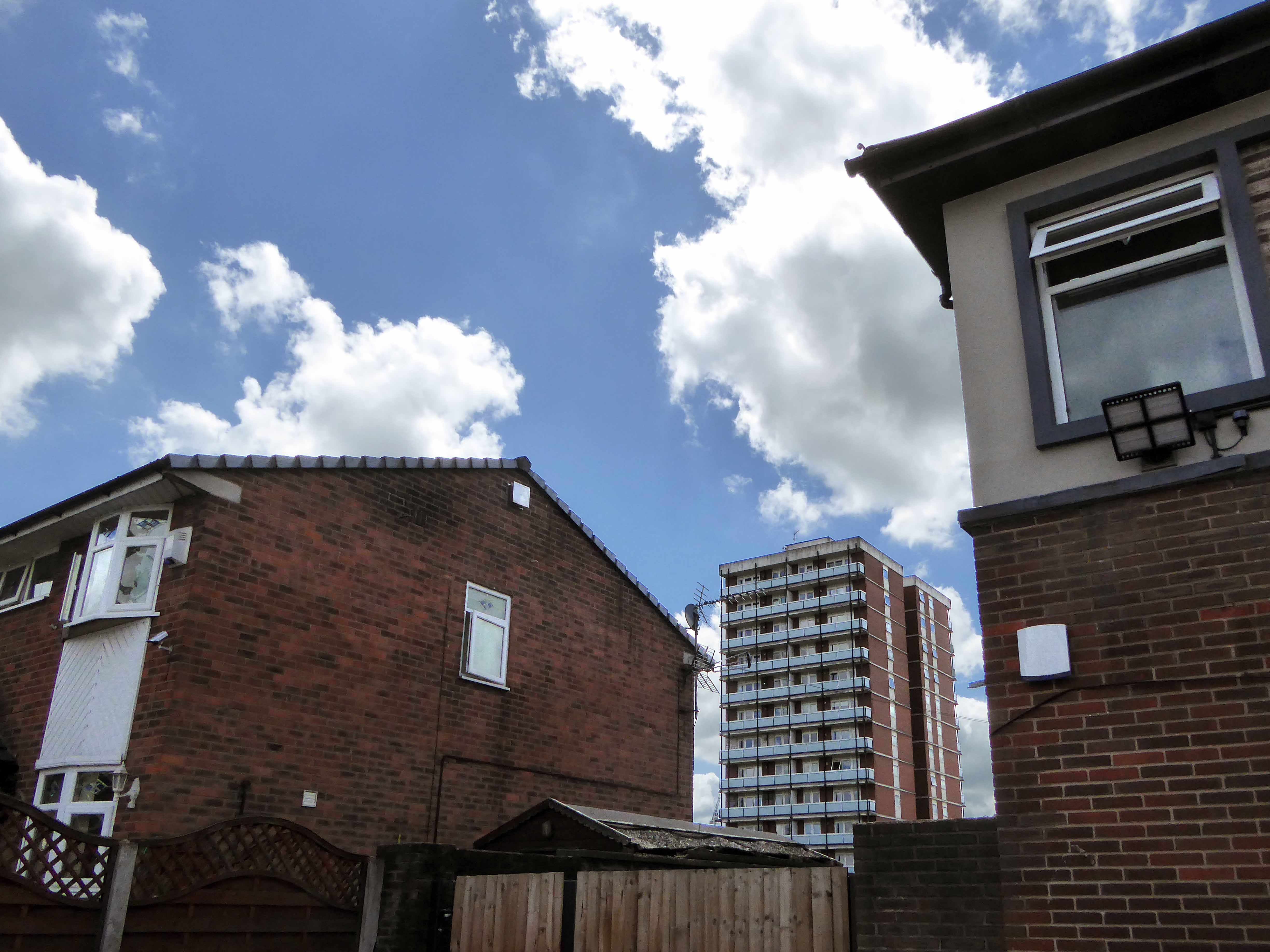
Here you are as of July 2019 – tarmac intact, drains fully functioning, pavements paved, awaiting orders. A circuitous run of grassy ridges resembling the remains of some Roman or Iron Age fortification.
Why is there just one remaining tower block dancing unclad around Ancoats?
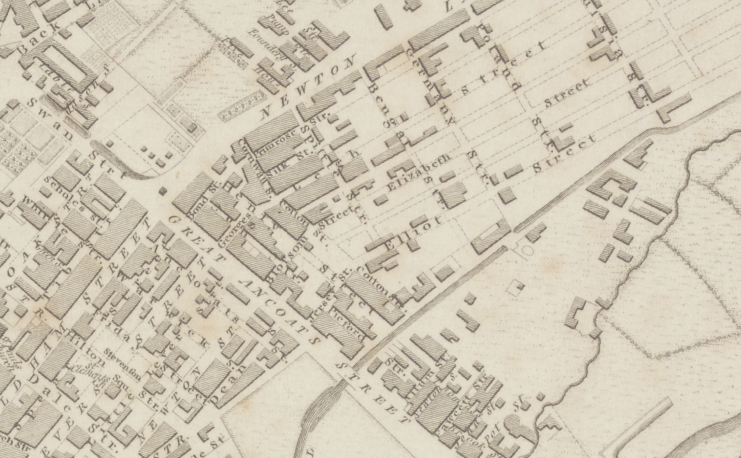
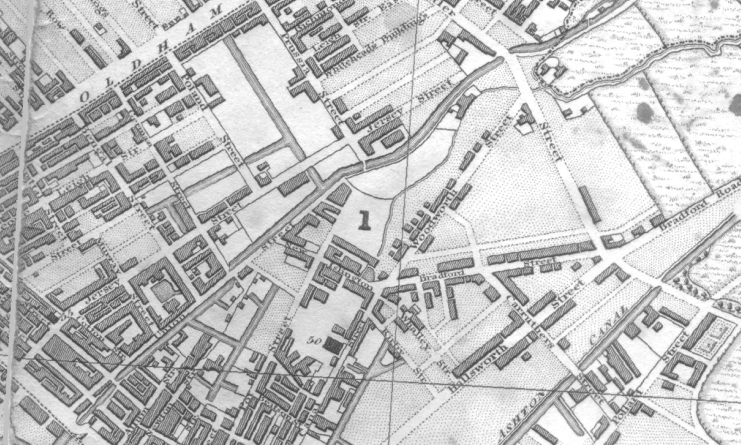
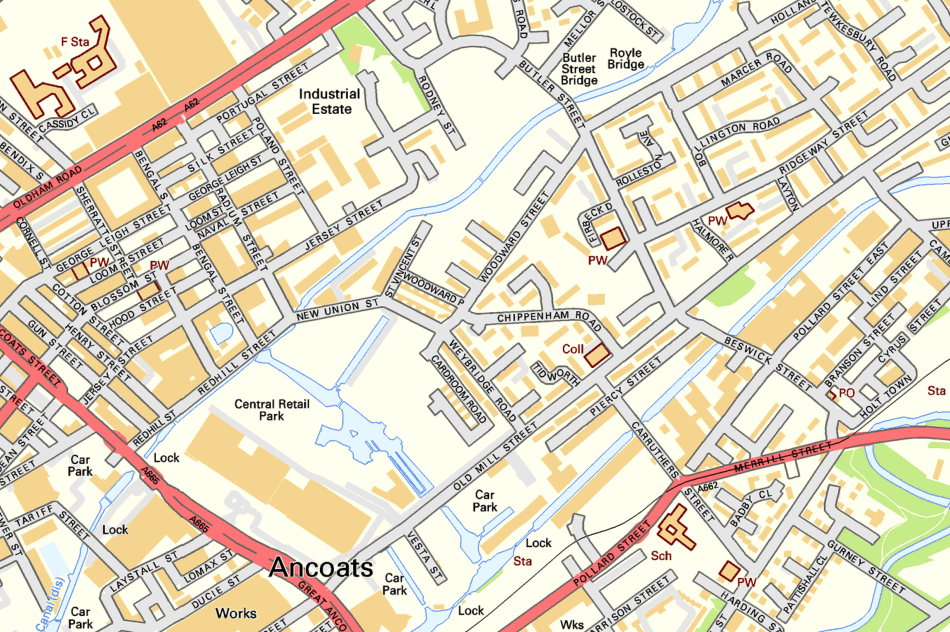
Let’s go back in time and see if we can find out – it seems that back in 1807 there wasn’t a Woodward Street to be found, the ever expanding industrial might of Manchester had not yet reached these particular green fields of Ancoats.
By 1824 it shows a fresh face to the world christened Woodworth Street, sparsely dotted with new development.
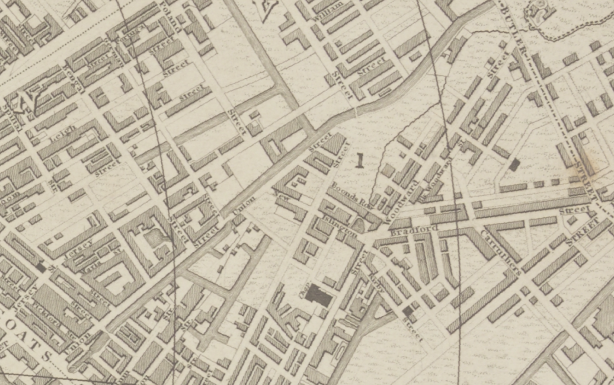
Almost fully formed in 1836 and renamed as Woodward Street, the area begins to accumulate the familiar domestic and industrial clutter of a burgeoning Victorian City.
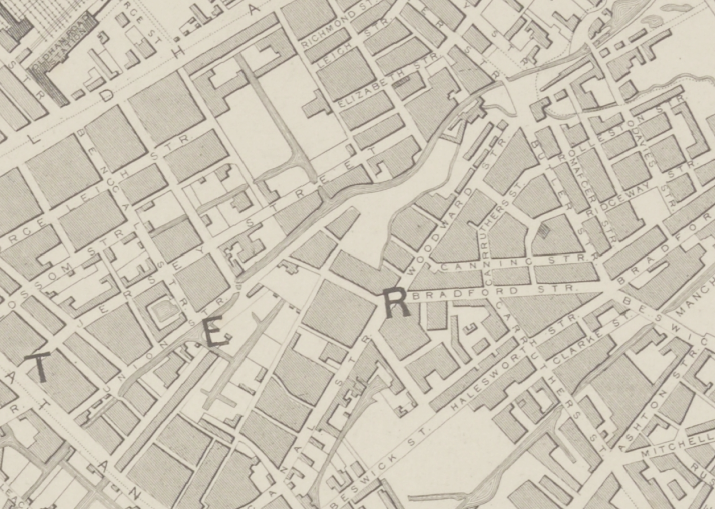
By 1860 the street is fully formed and open for business.
Workers finding homes in austere and functional brick back to backs, typical of the period’s housing.
Fast forward to the early Sixties and the street is showing signs of age – the century old industries are already in decline, steady jobs, mills and factories gone west and east, well-worn housing looking terminally tired and in need of a little care and attention.
But wait what’s this coming around the bend?
The first wave of urban regeneration, post war optimism incarnate, a bright new shiny future – out with the old and in with the new, as Municipal Modernism stamps its big broad architectural feet all over Woodward Street.
Our story is far from over, this optimism is short-lived the homes, houses and industry are swept away yet again, replaced with two story modern terraced housing and an all too obvious absence of regular employment – yet the tower blocks prevailed.
Former streets were over written and remain as poignant vestigial marks in the landscape.
Though their future was built on more than somewhat shifting and uncertain sands.
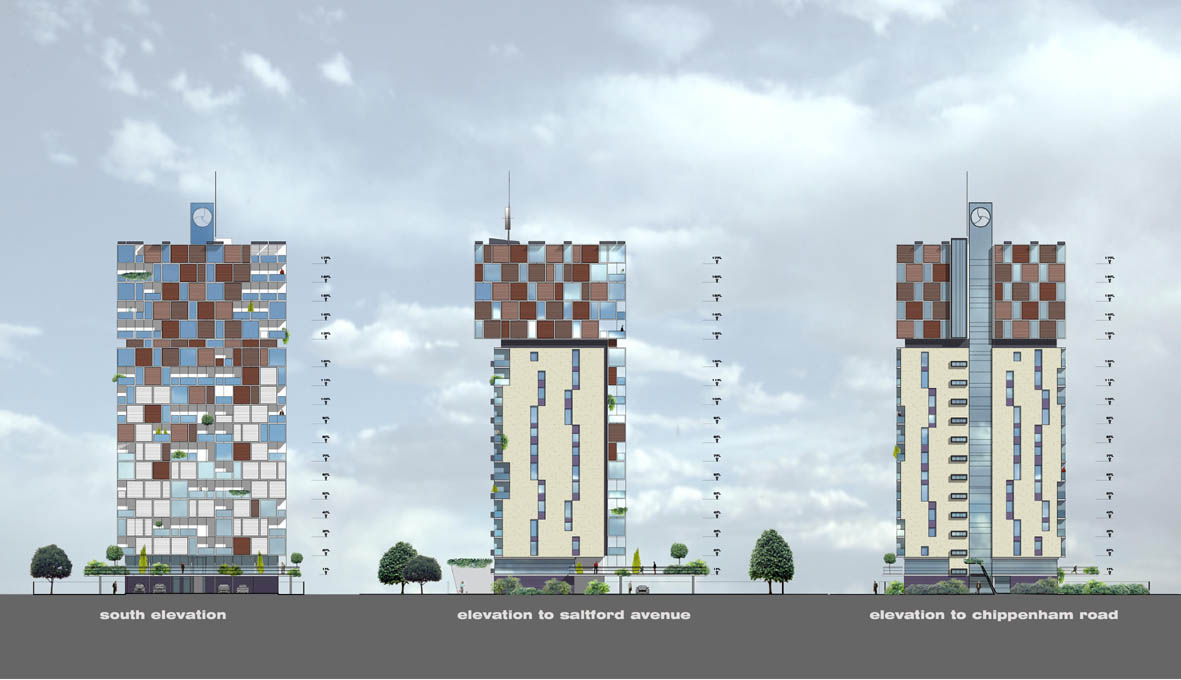
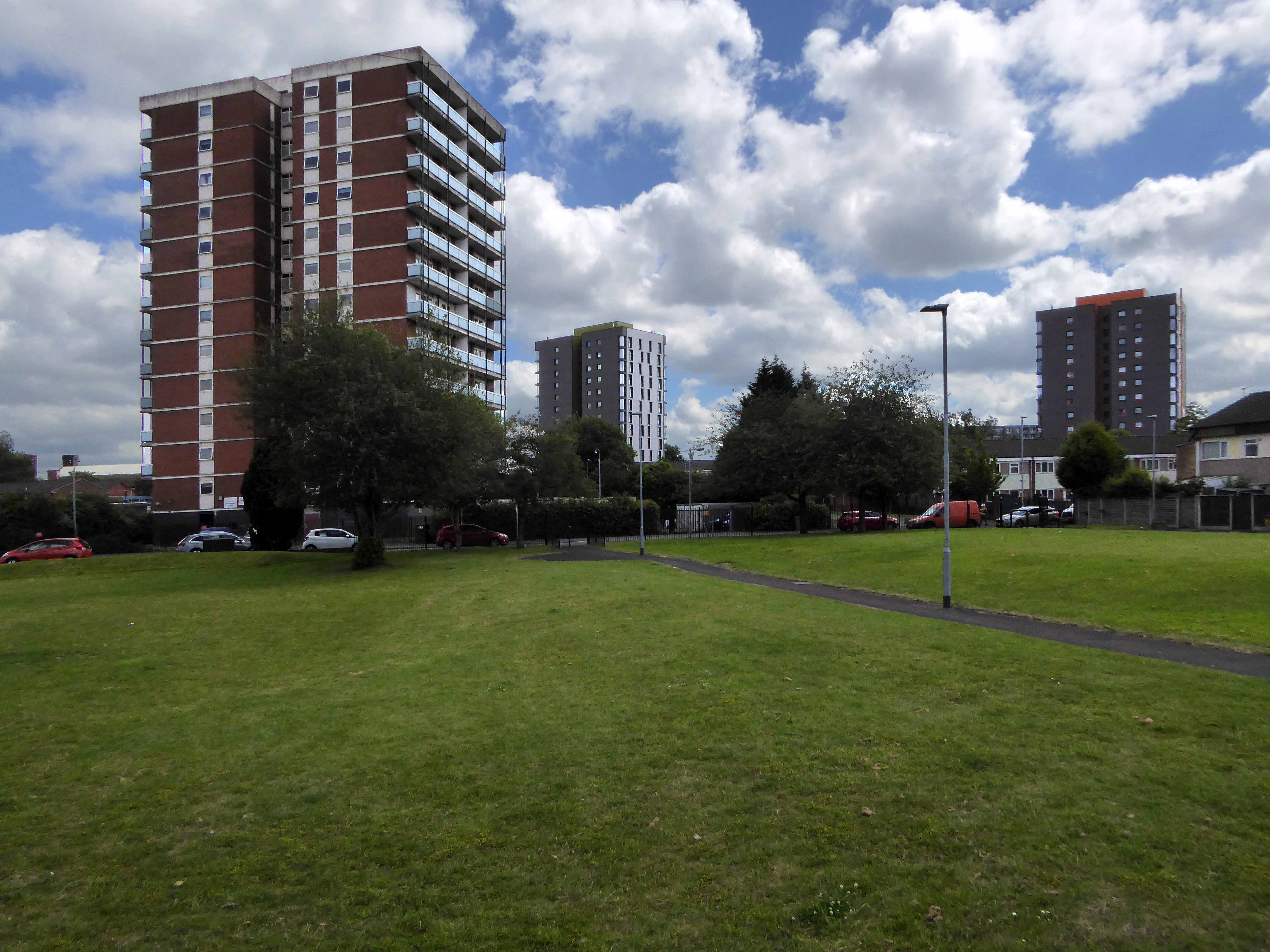
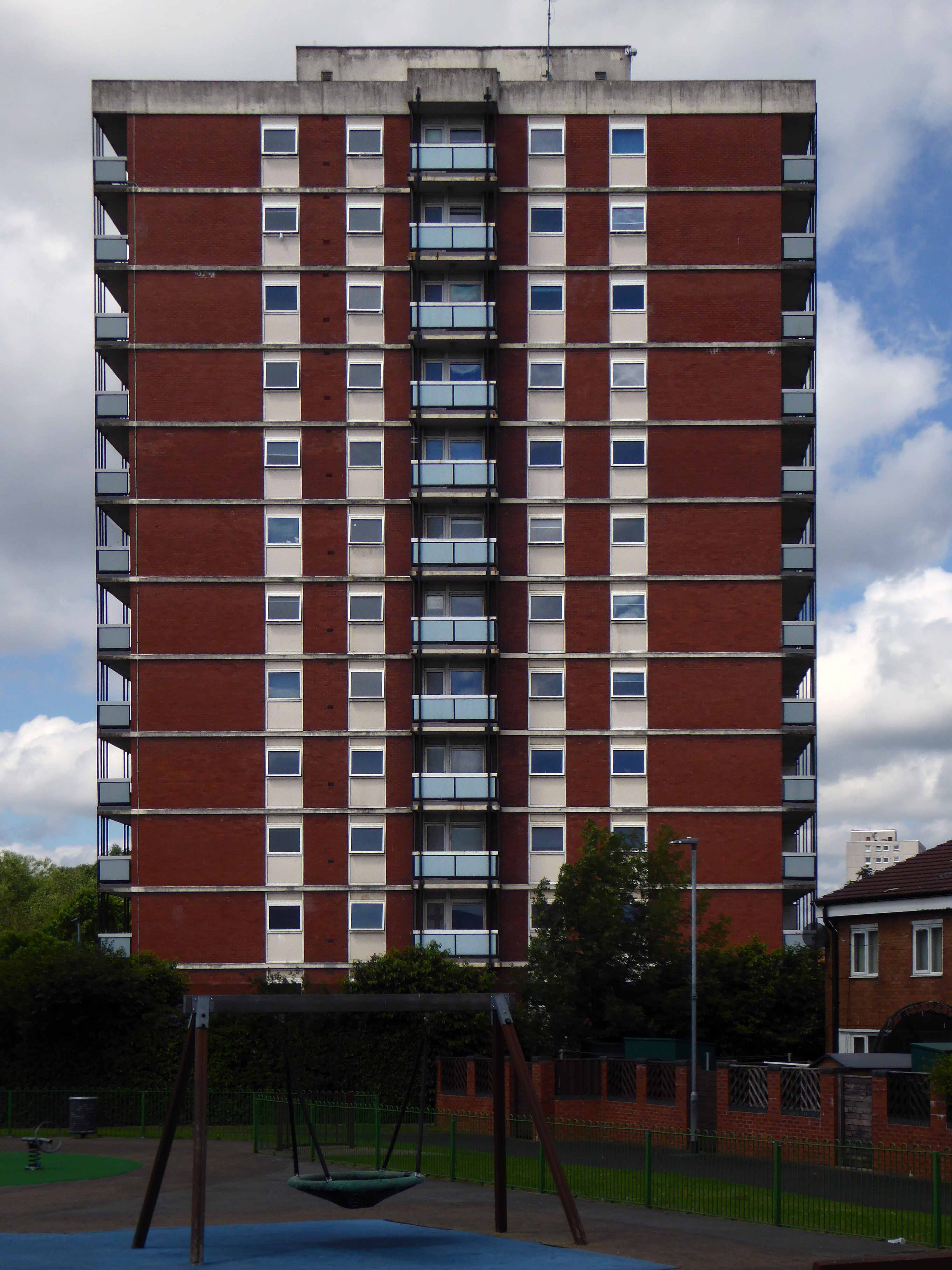
A tower block has been left lying empty for a whopping 18 years. The 13-storey building at Saltford Court in Ancoats has been unoccupied since Manchester council closed it in the 1990s. It was bought by top developers Urban Splash six years ago but residents have now hit out about it still being empty. Neighbours of Saltford Court say it has become an ‘eyesore’ and magnet for vermin since the firm bought it.
A large group of blocks stood tinned up and unloved, yet owned, for a number of years, victims one supposes of land-bankers, developers speculating on an even better return, as the warm waves of gentrification washed slowly over them, from nearby New Islington.
All but one was refurbished, clad and re-let.
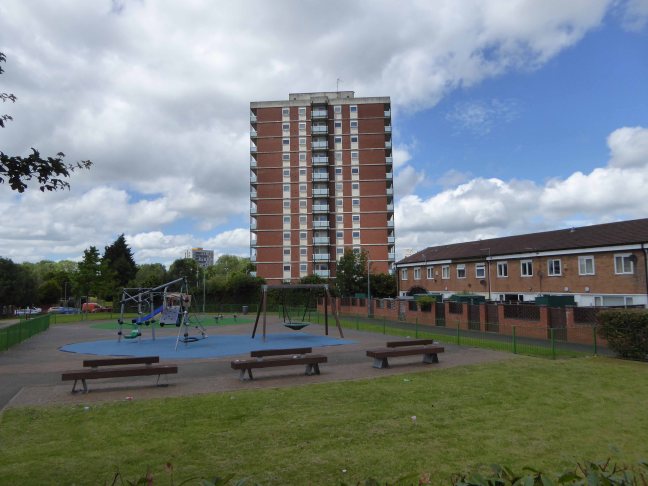
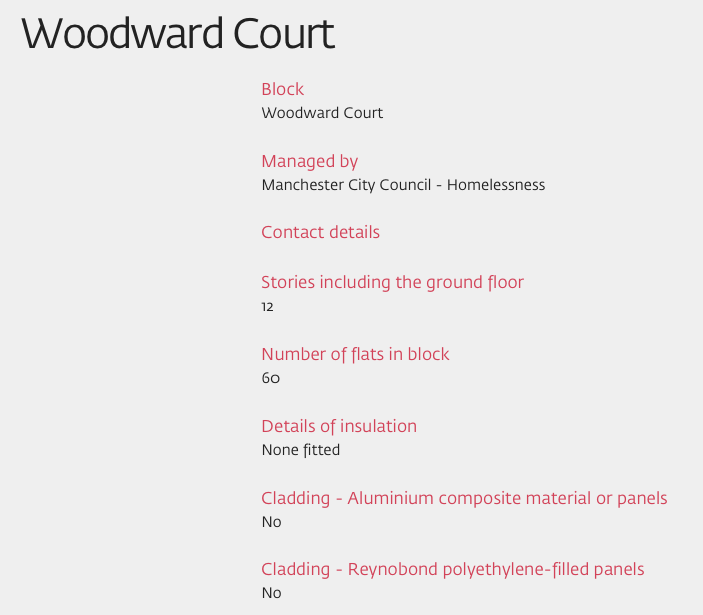
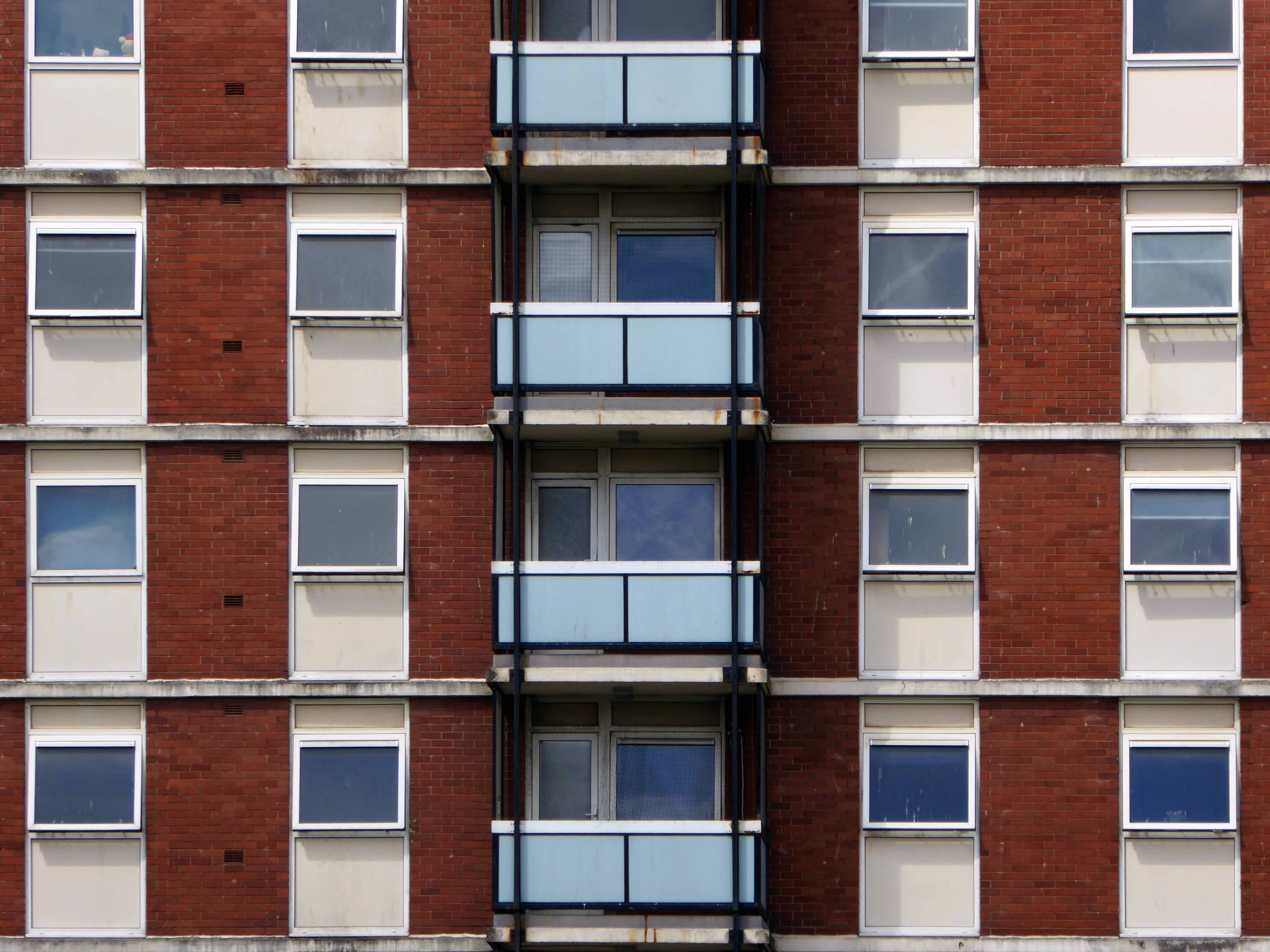
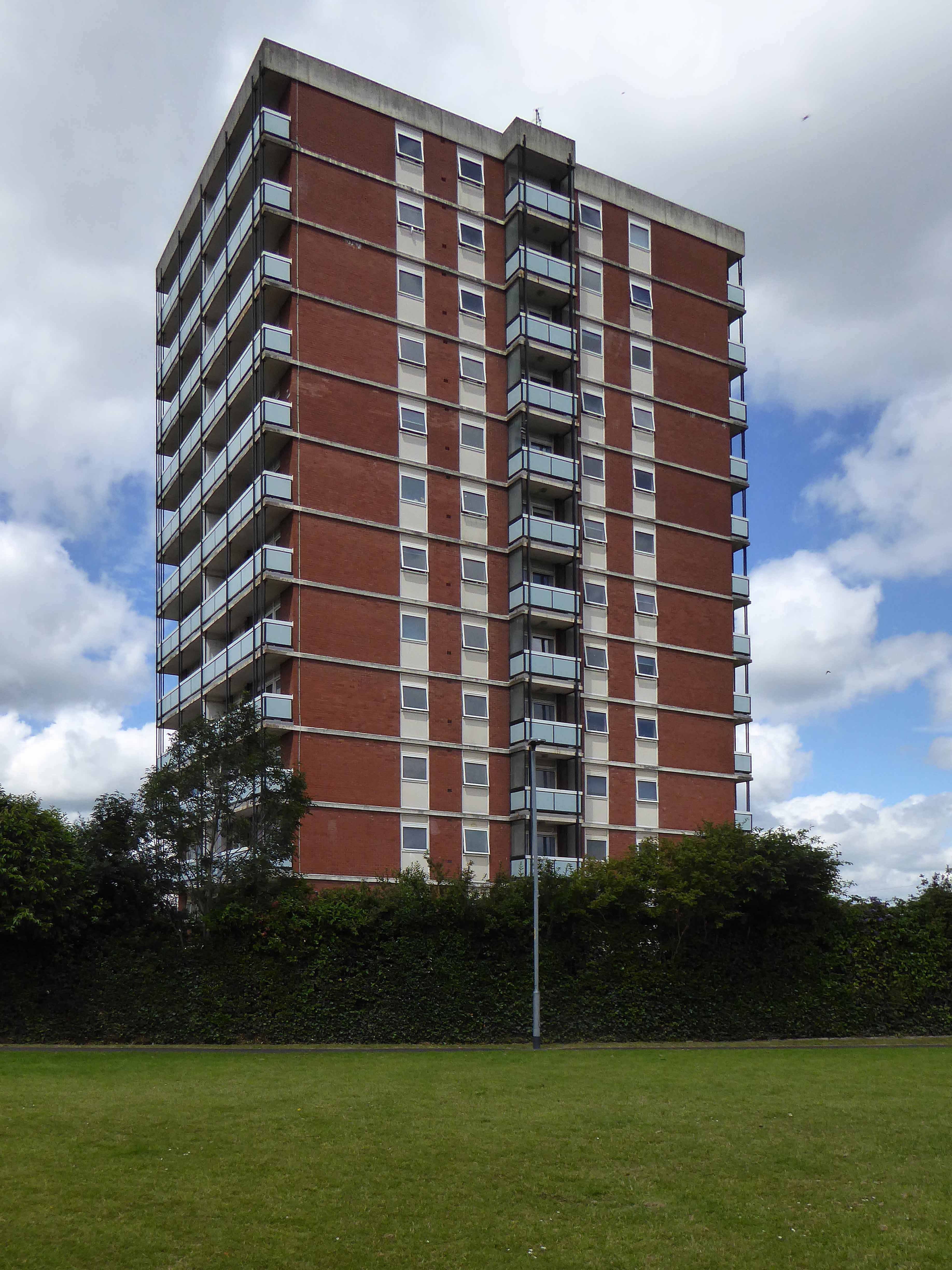
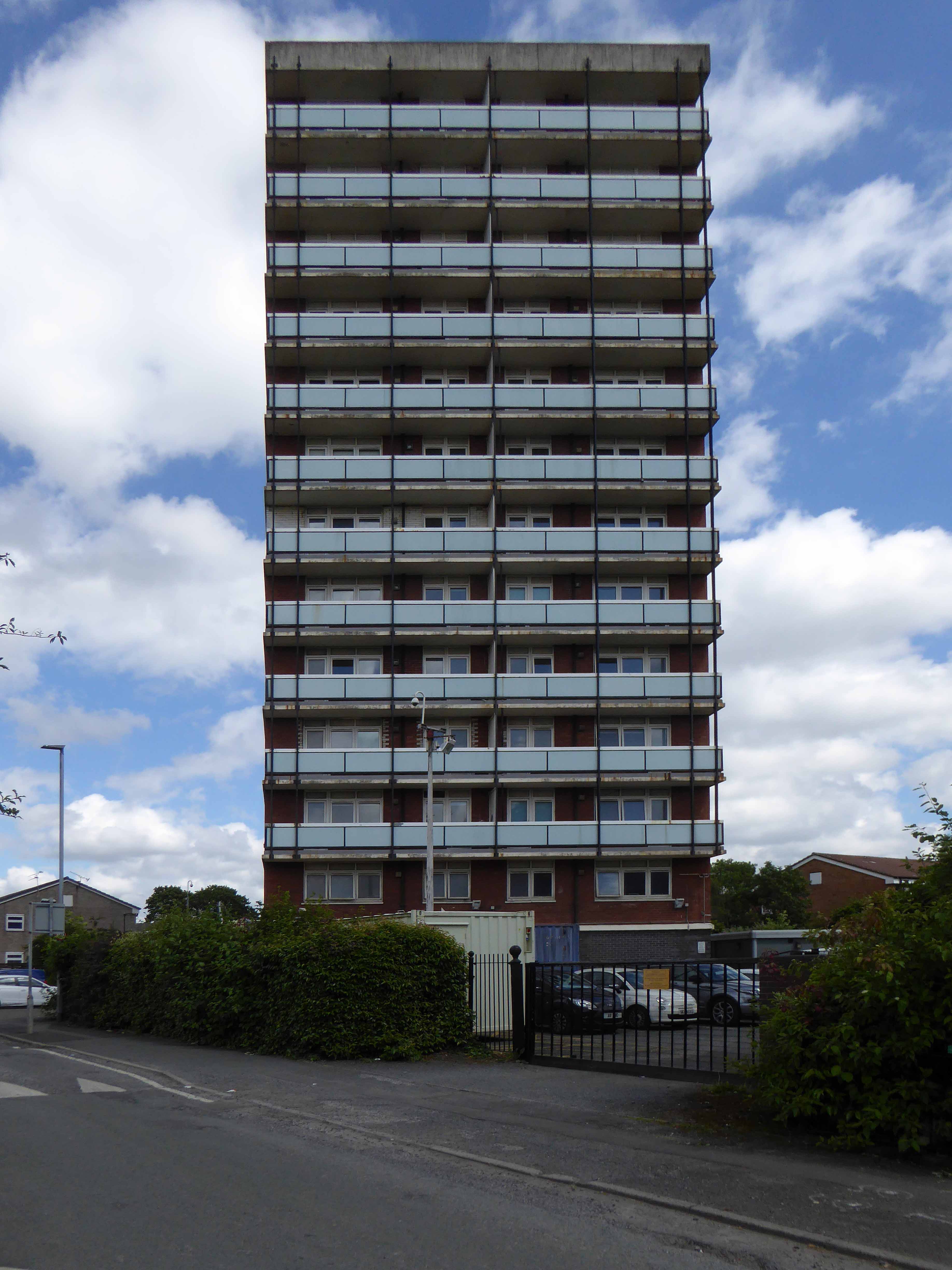
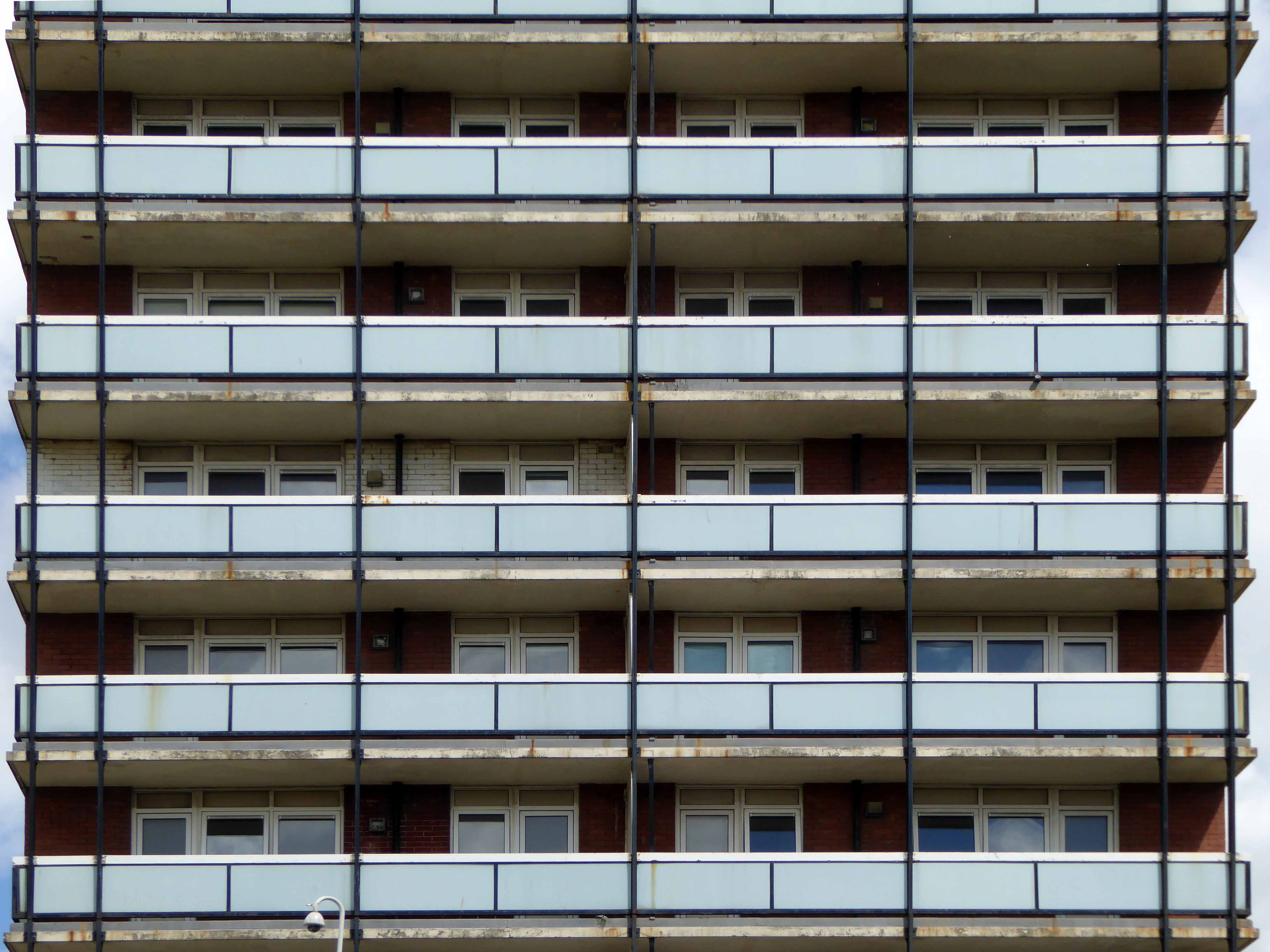
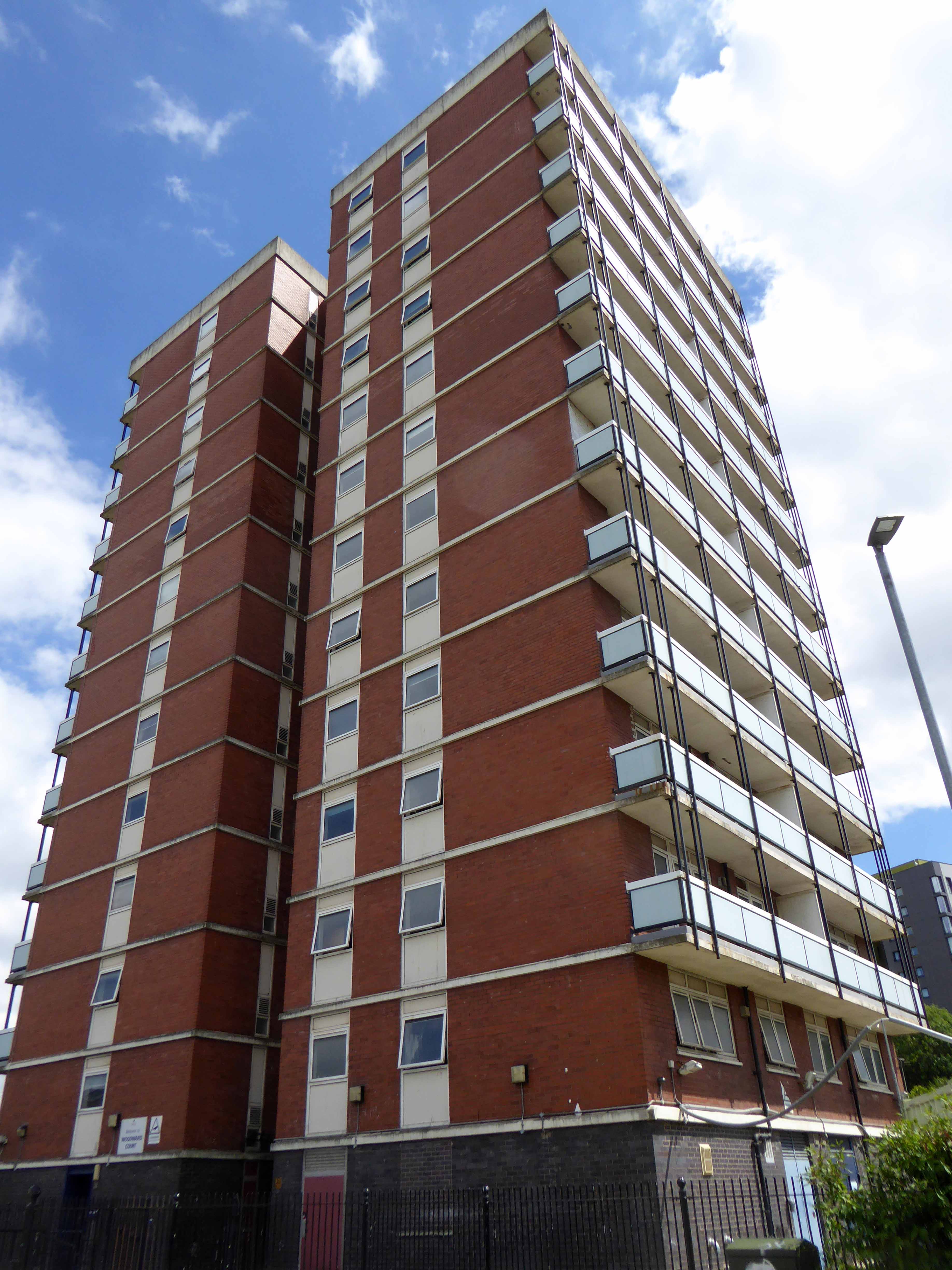
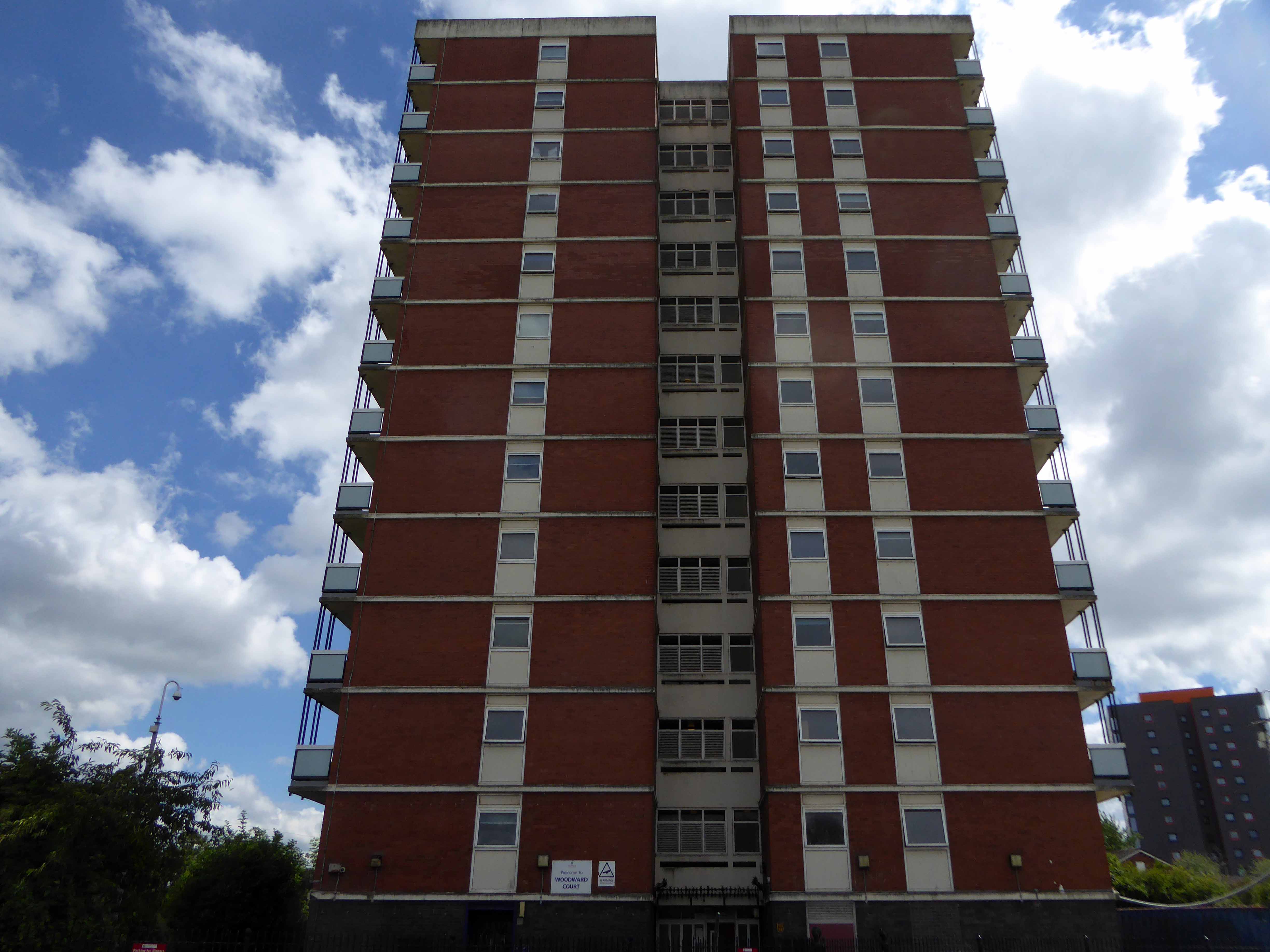
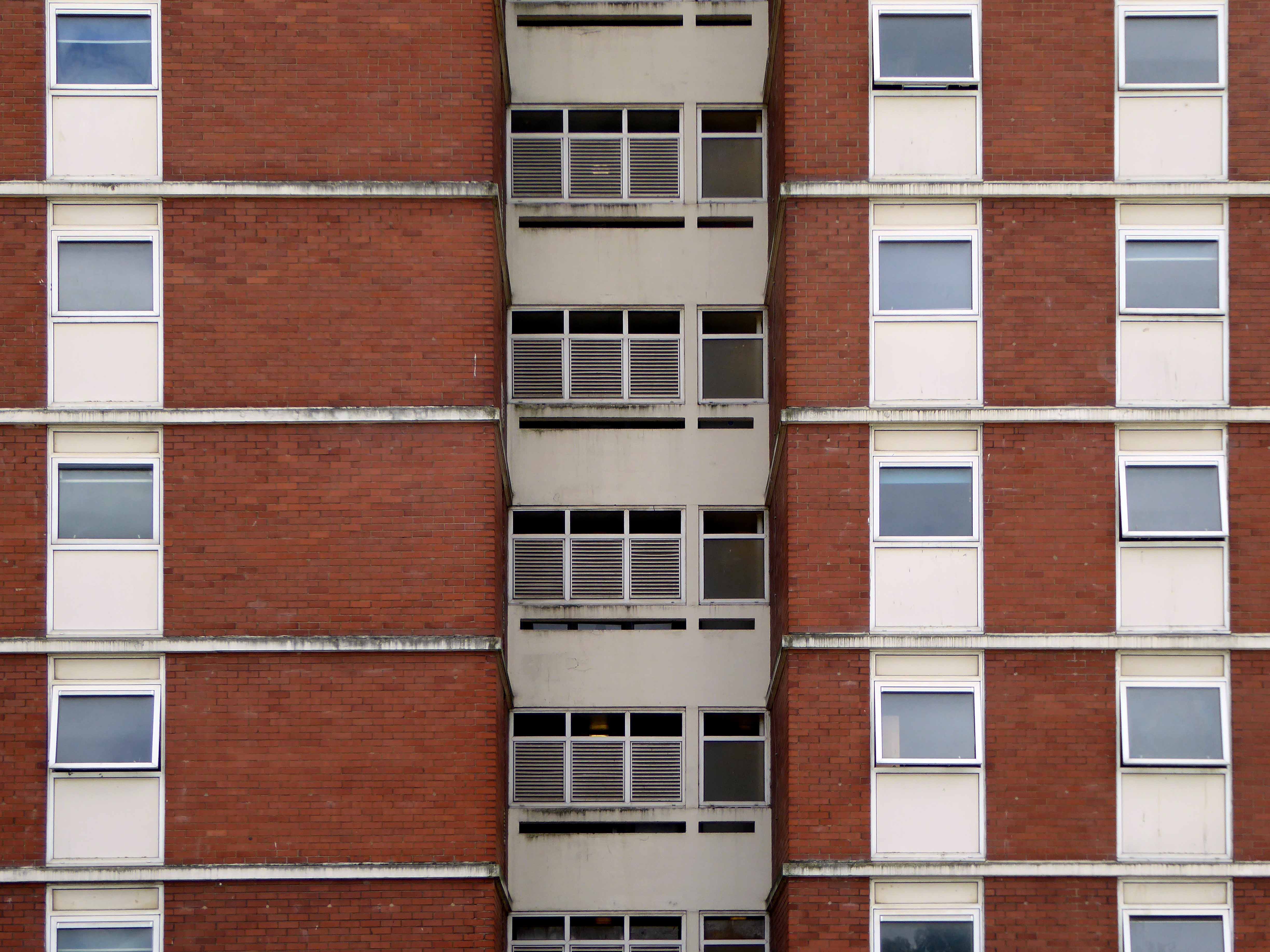
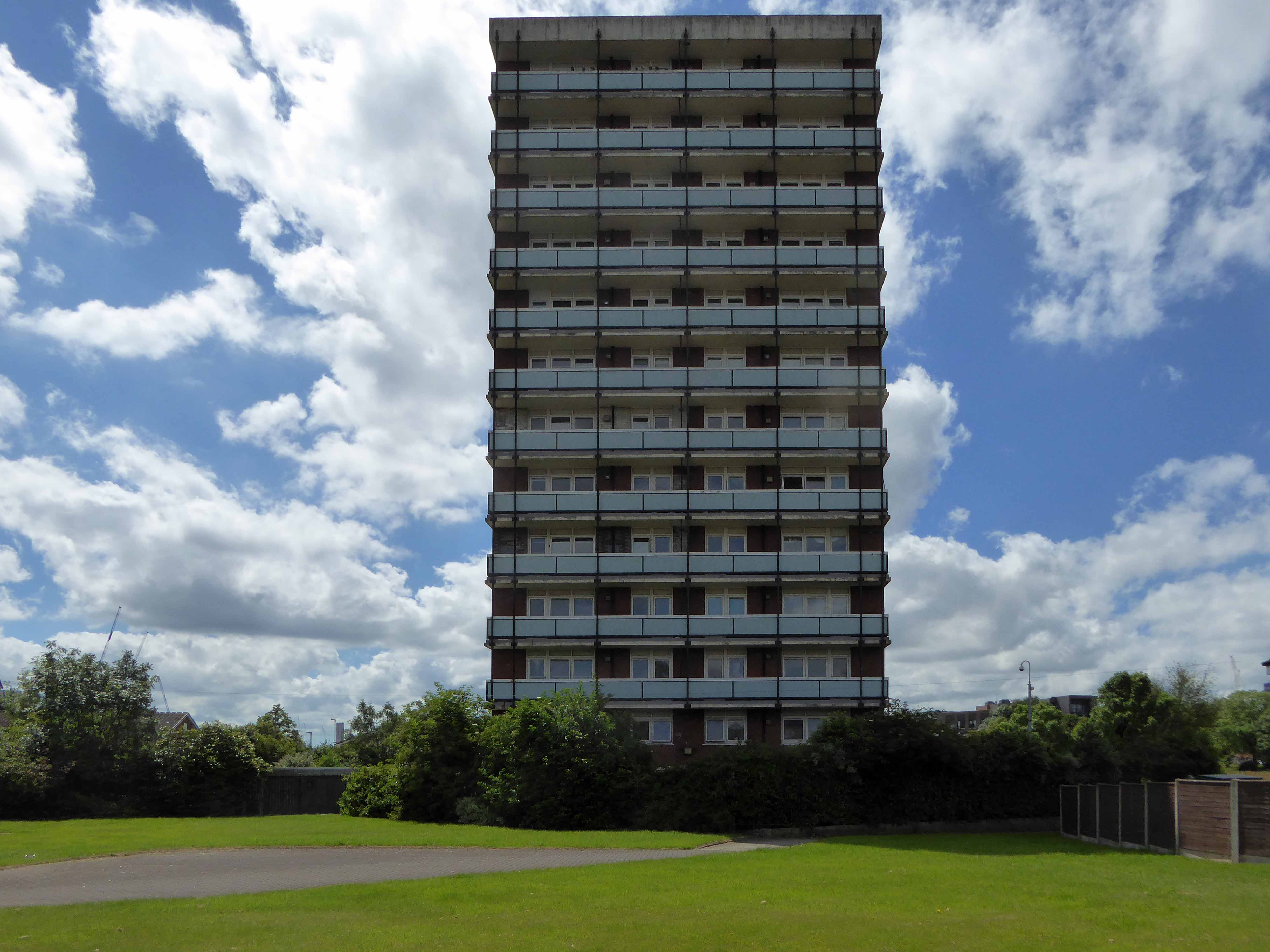
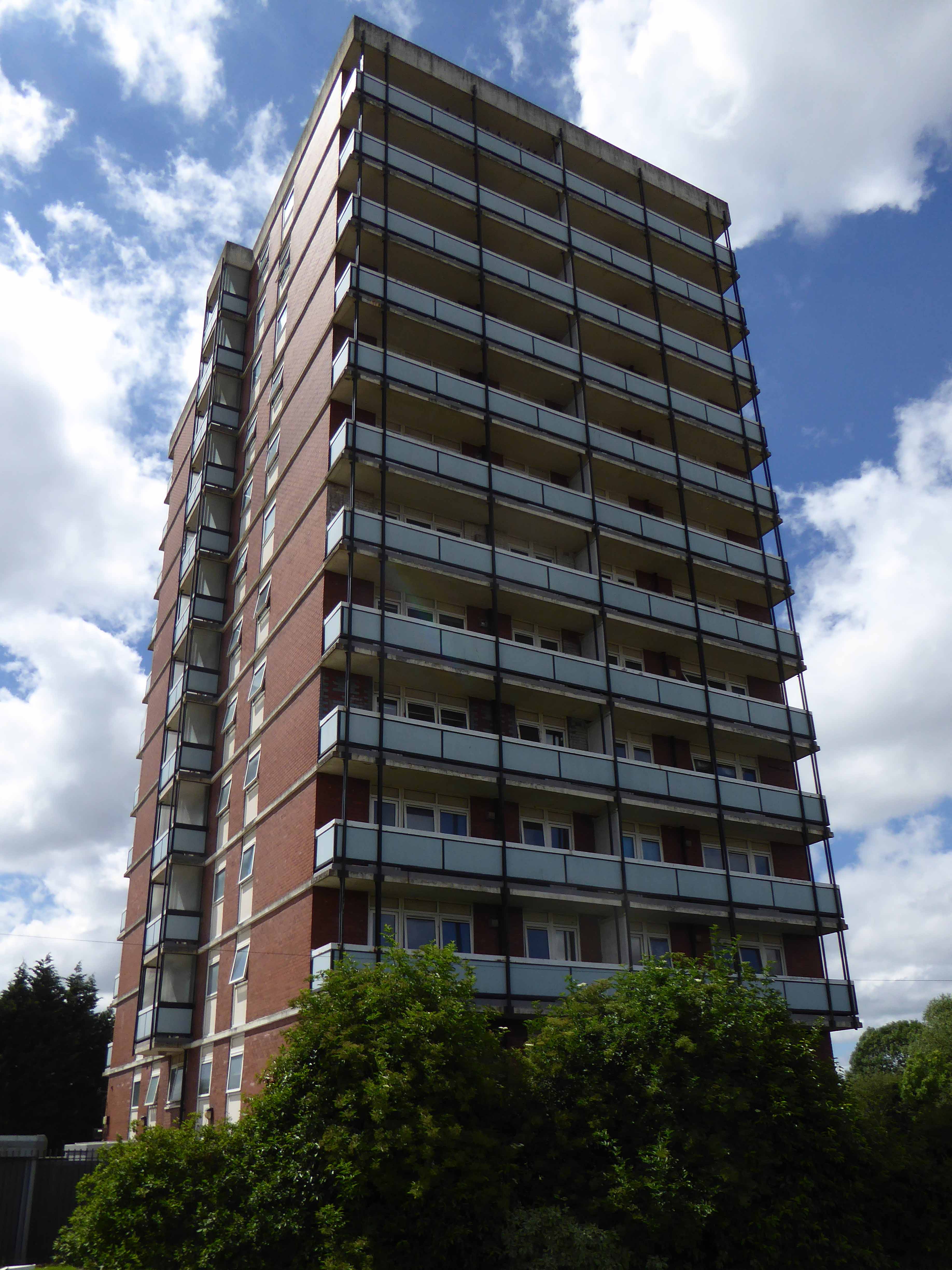
Woodward Court was spared – set aside for the homeless.
A period piece surrounded by Post Modern and Revivalist pretenders.
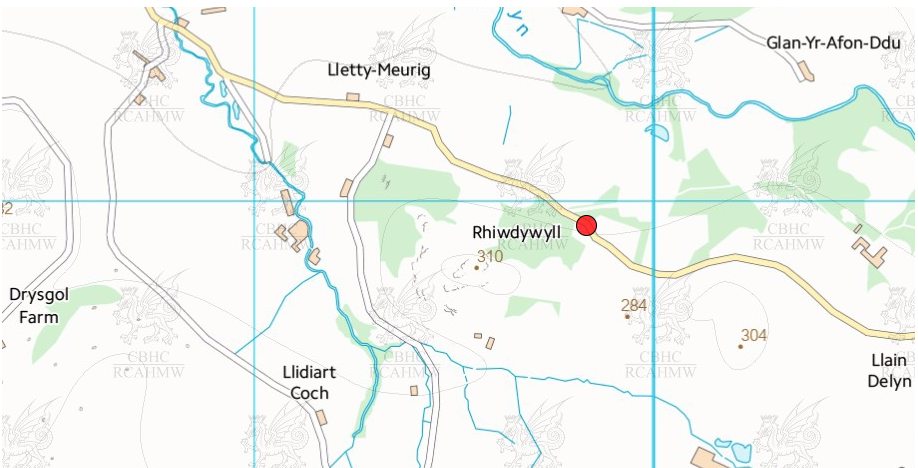
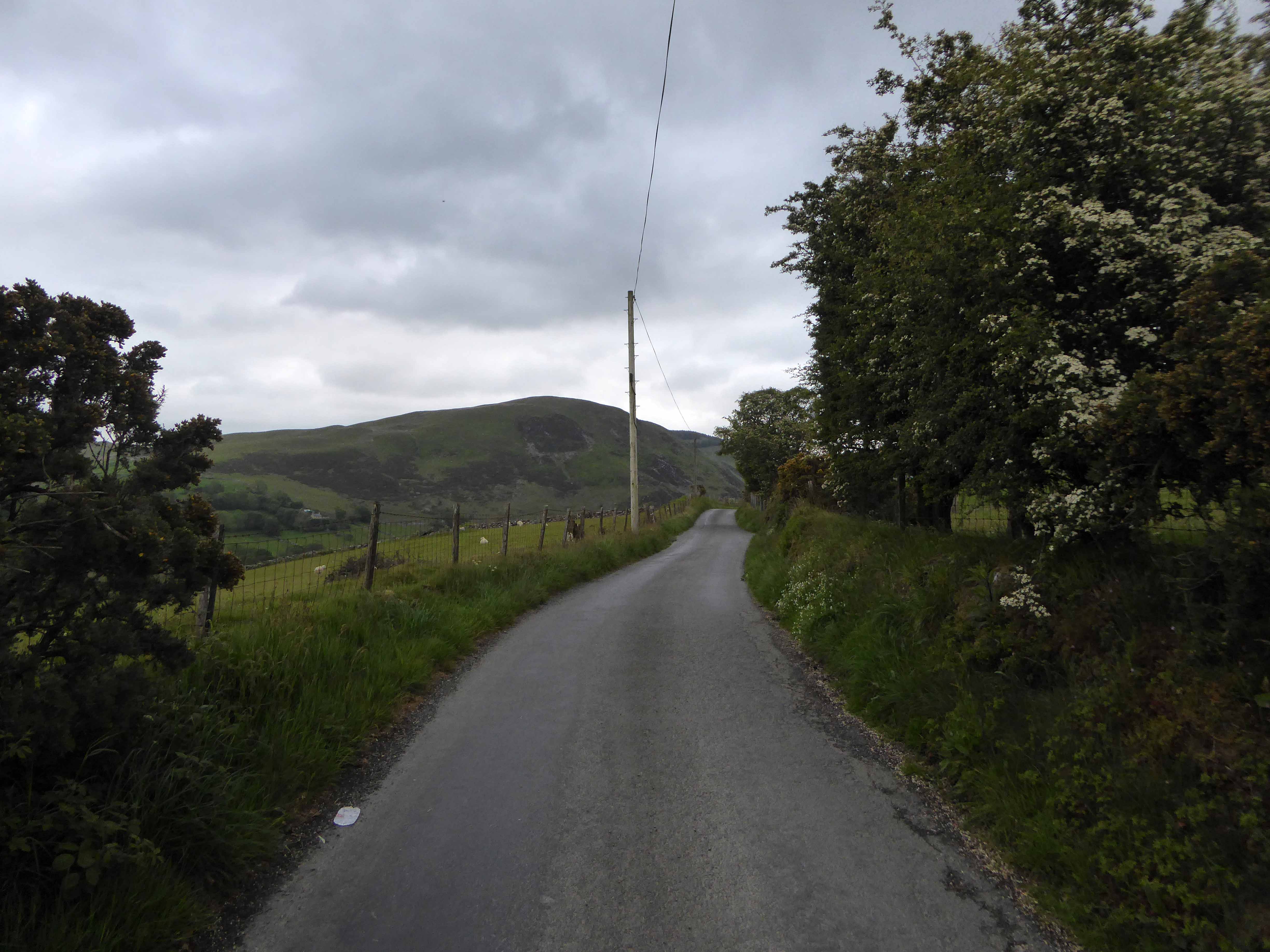
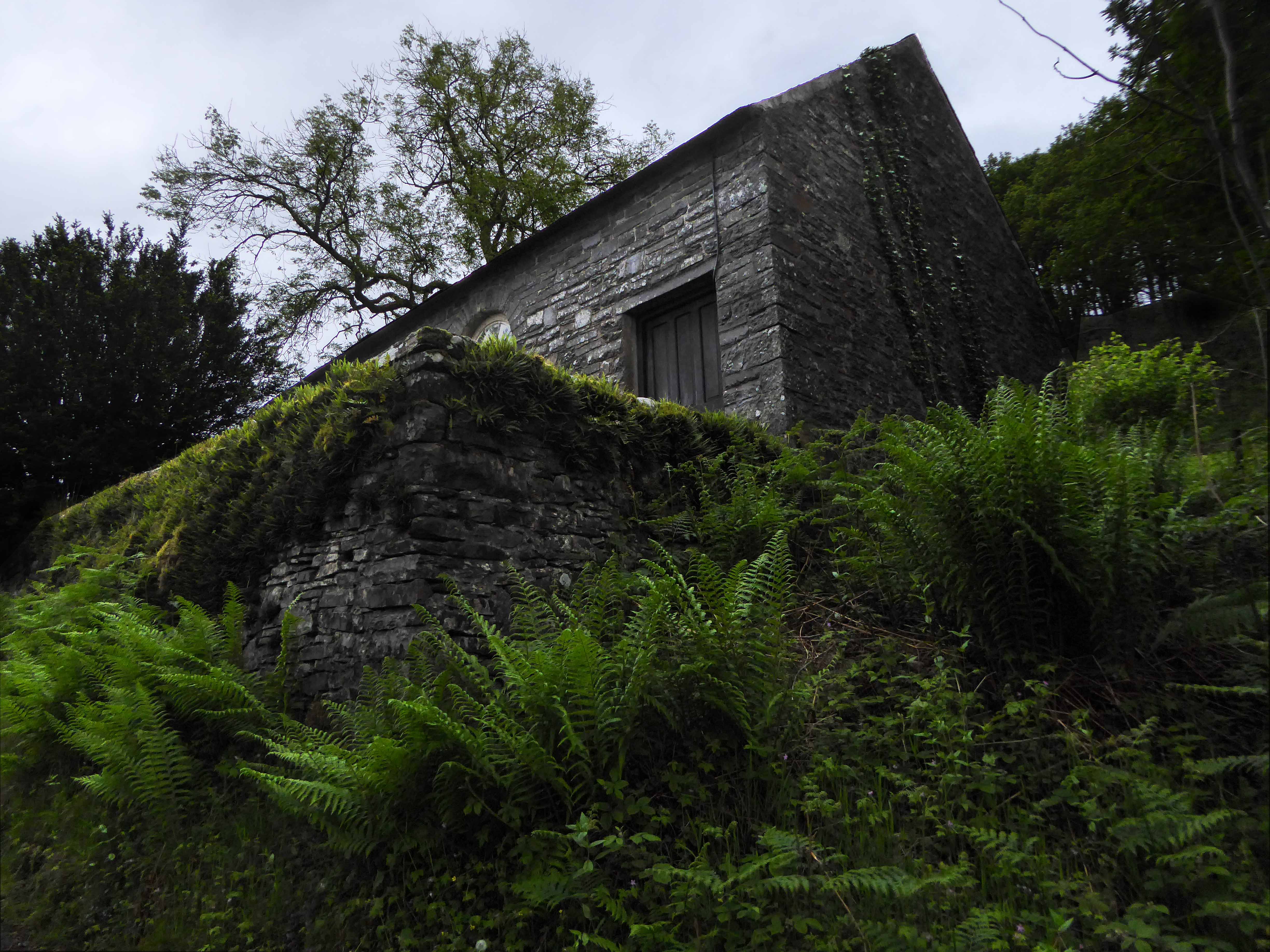
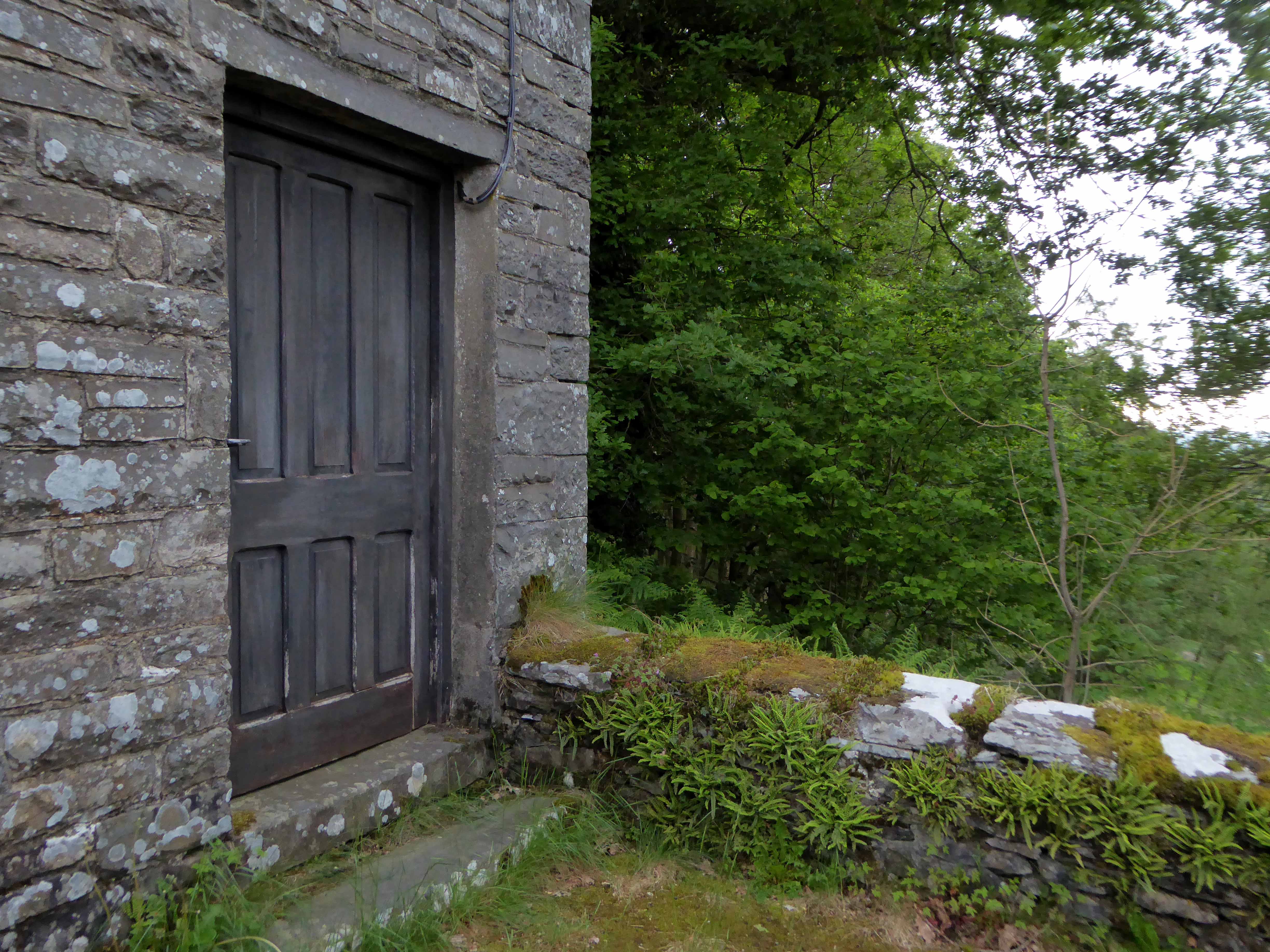
Digressing for once from the modern to the near modern in an ancient landscape. Having cycled to Tregaron I took a walk along the Mountain Road with chapel hat peg expert Tim Rushton.
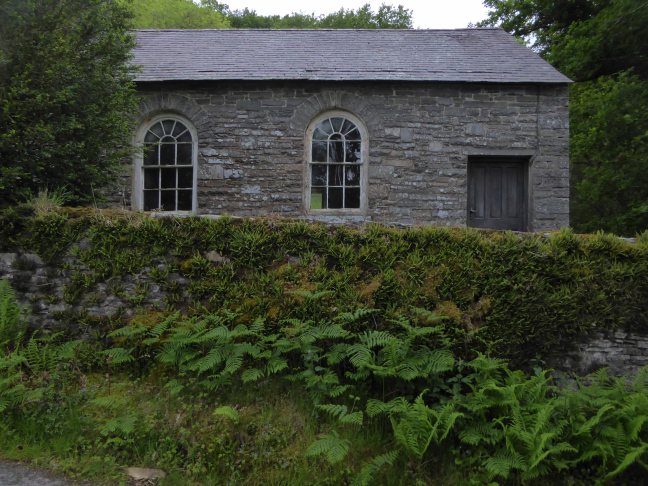
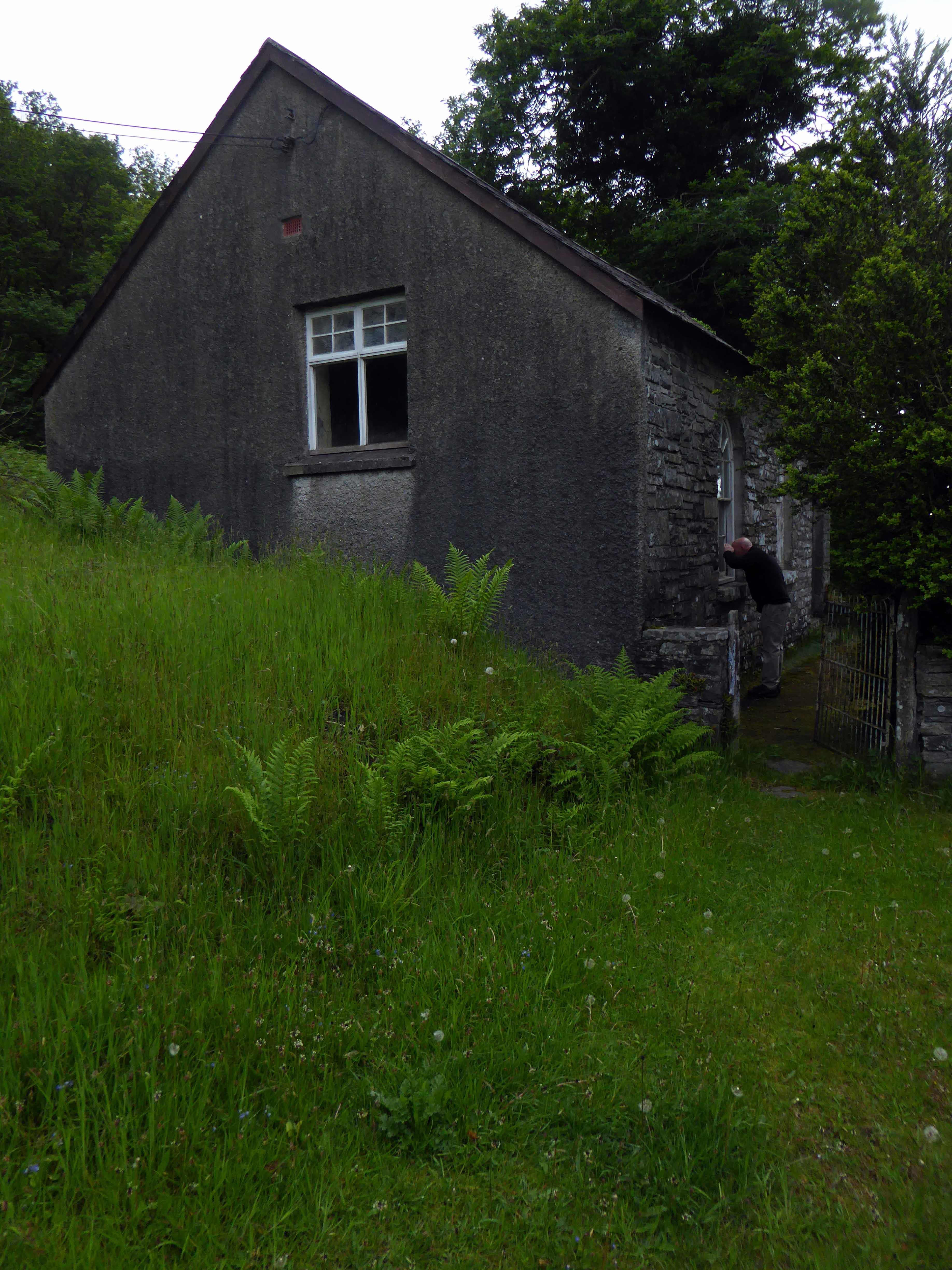
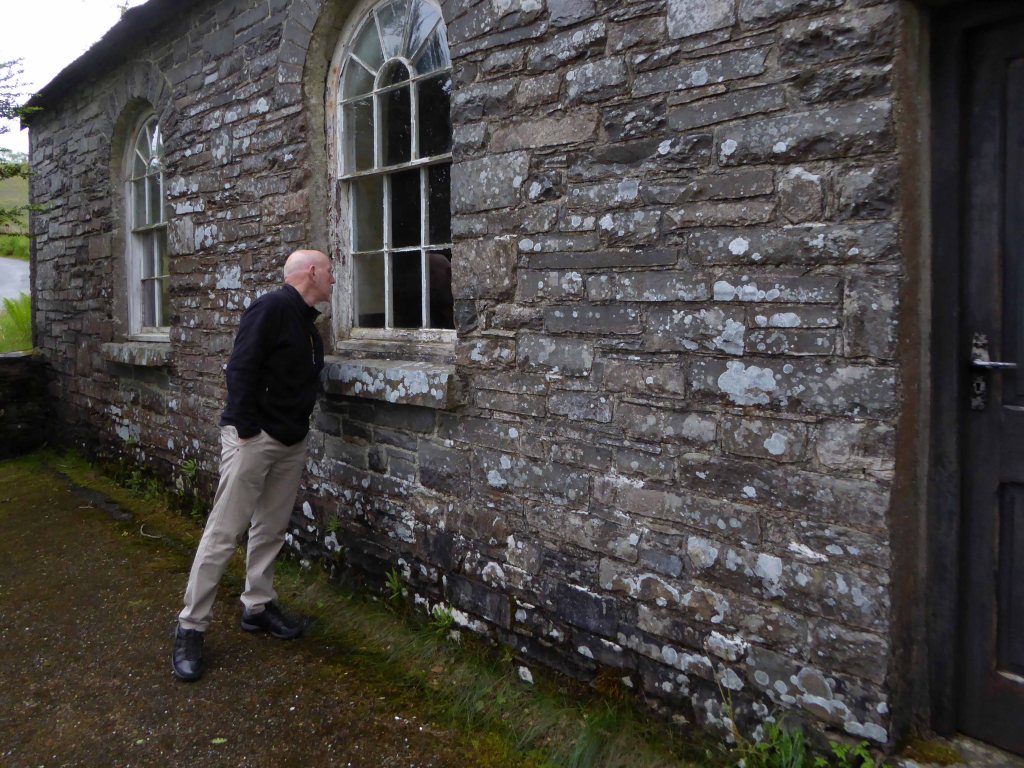
Afore very long we came upon a chapel, set slightly back from the track, tucked snugly into the trees.
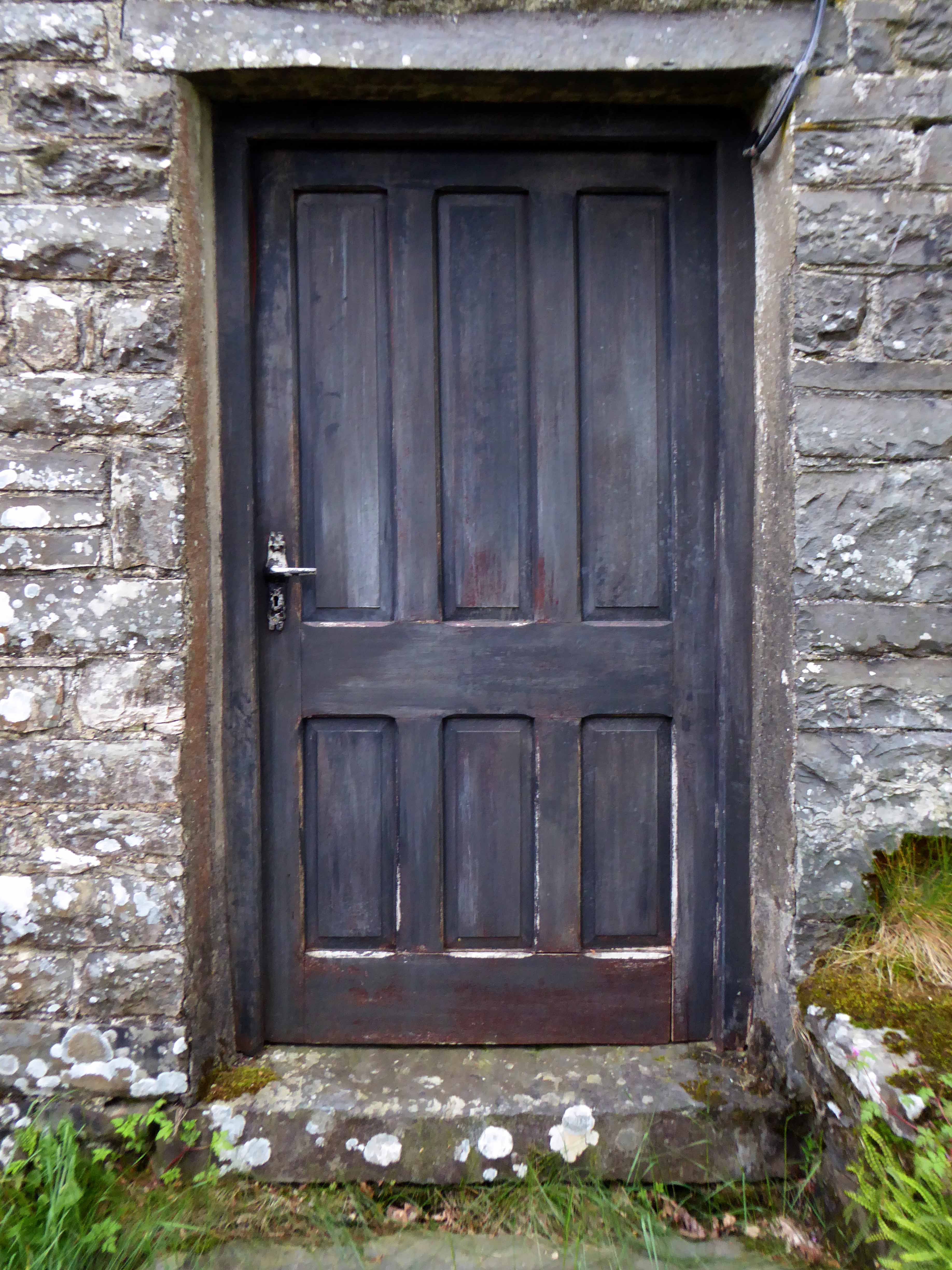
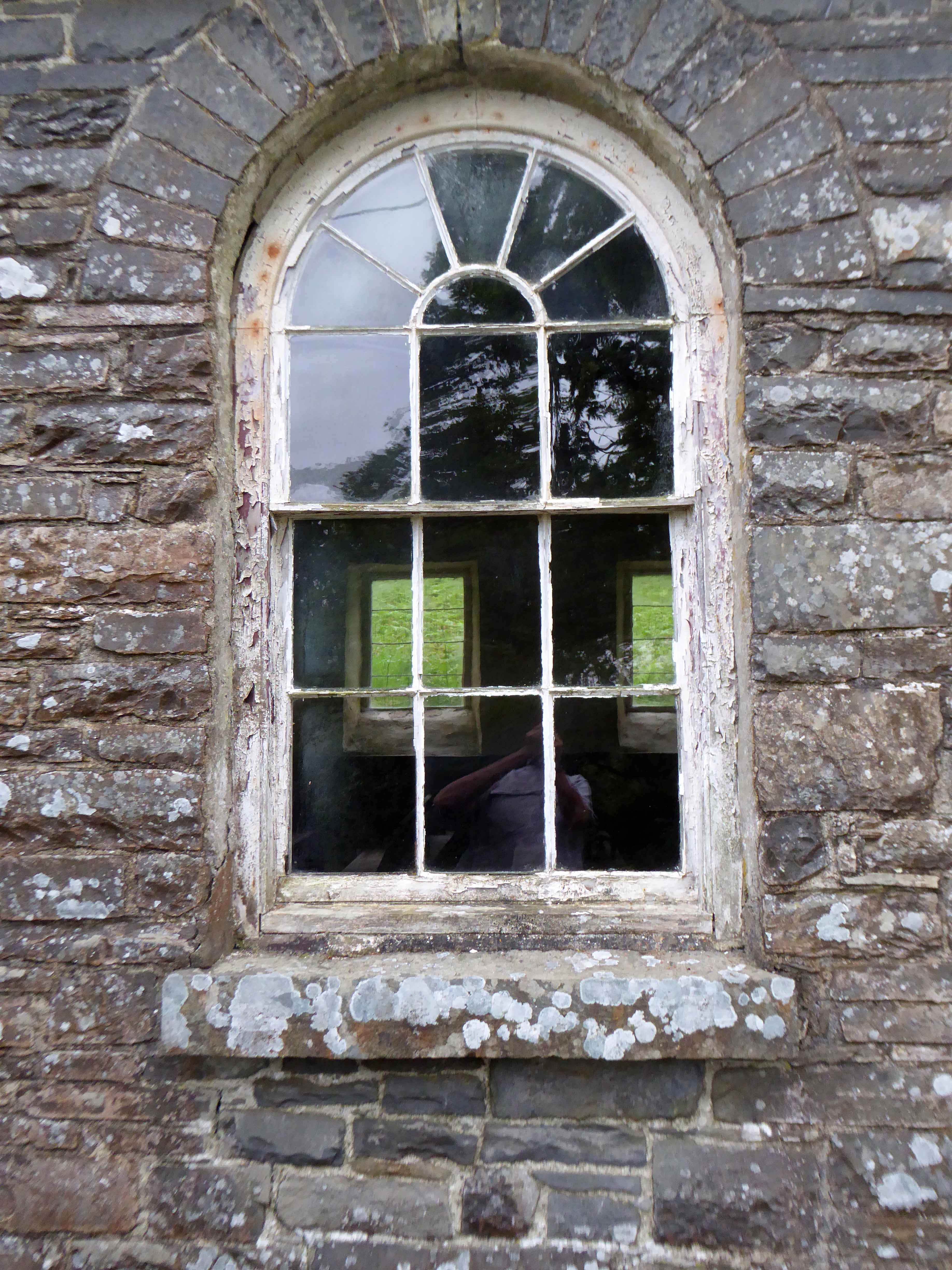
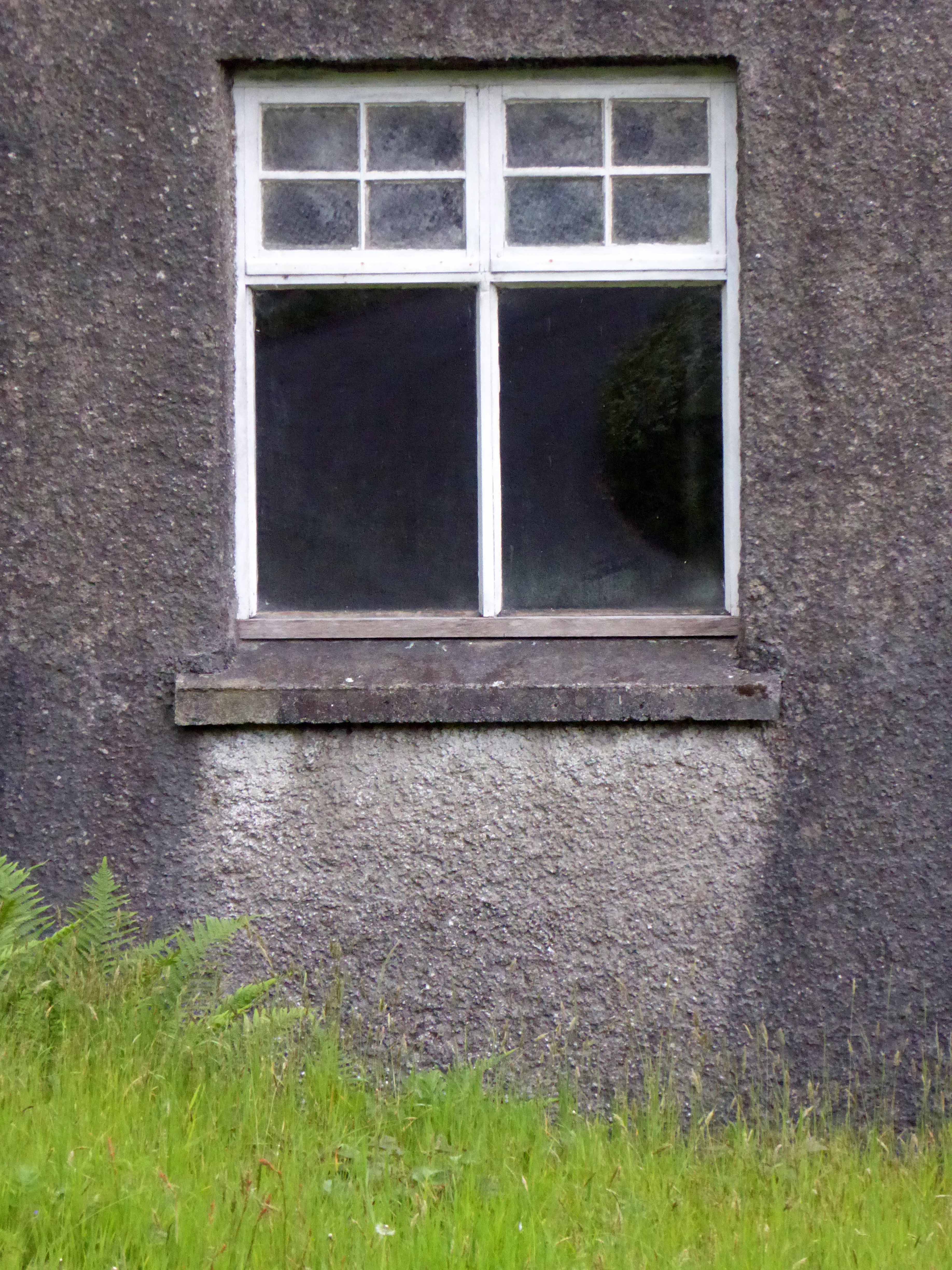
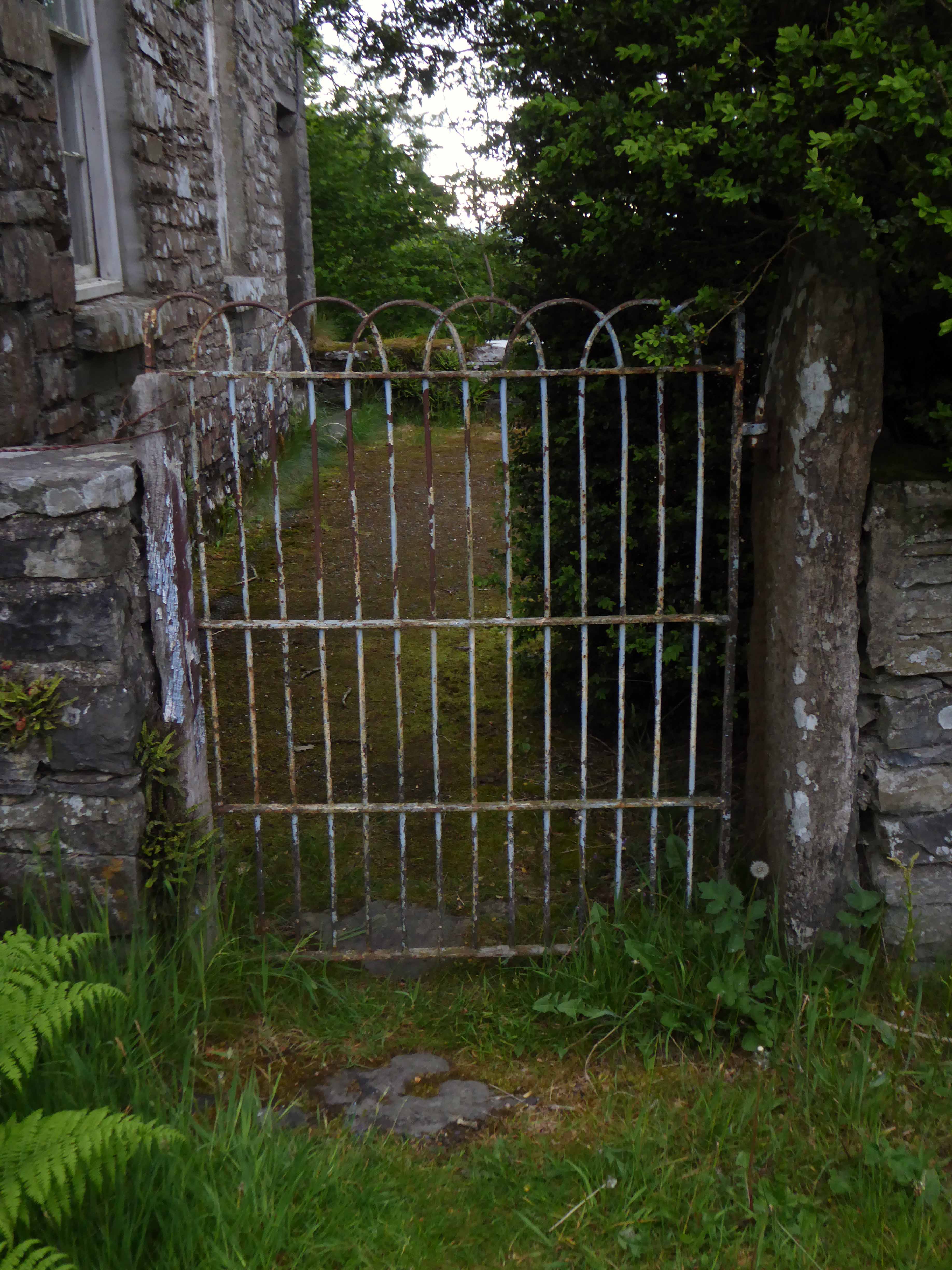
Deserted yet maintained, grass trimmed the low structure sealed soundly against the weather.
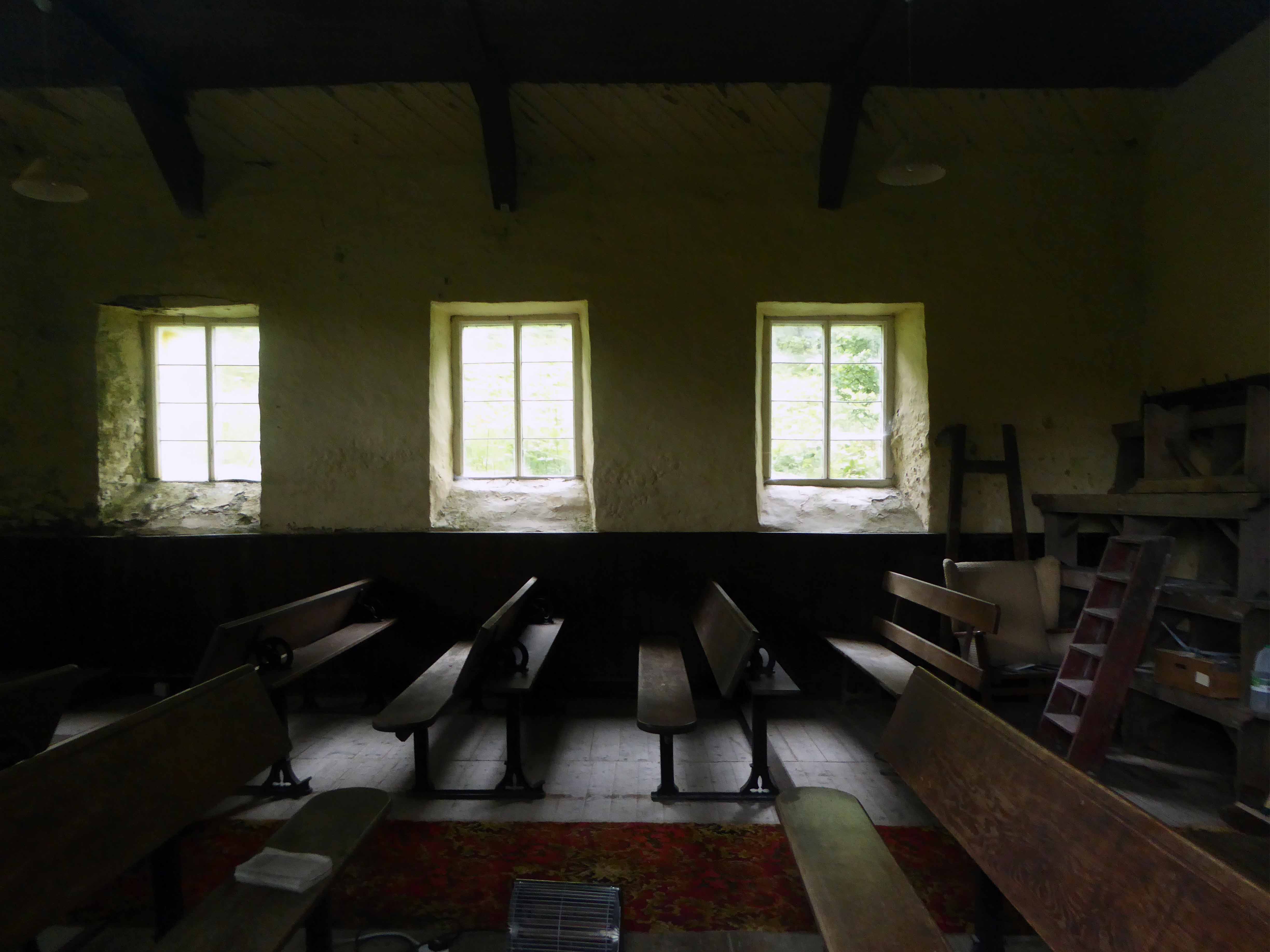
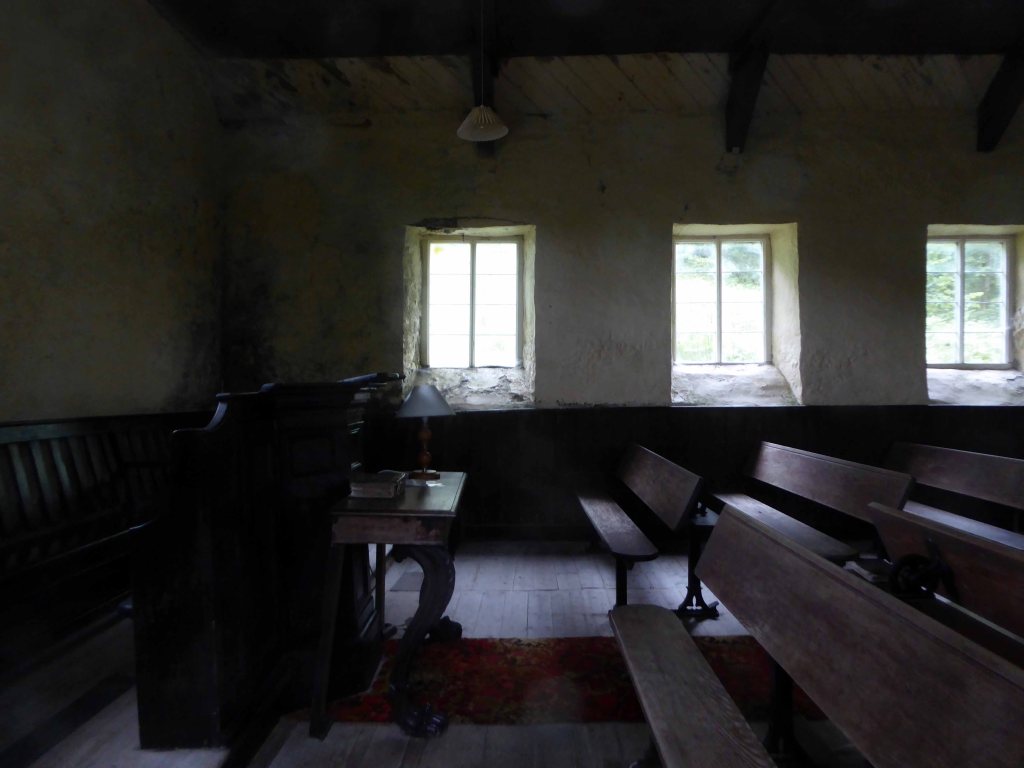
Calvinistic Methodist small chapel/schoolroom of 1866, a branch of Bwlchgwynt Chapel, Tregaron. Simple plastered interior with cast-iron and timber combined pews and desks. Small plain pulpit. Listed as the best preserved of the small branch chapels in the region. Historically important as illustrating the spread of non-conformity during the mid to later C19 in sparsely populated upland districts.
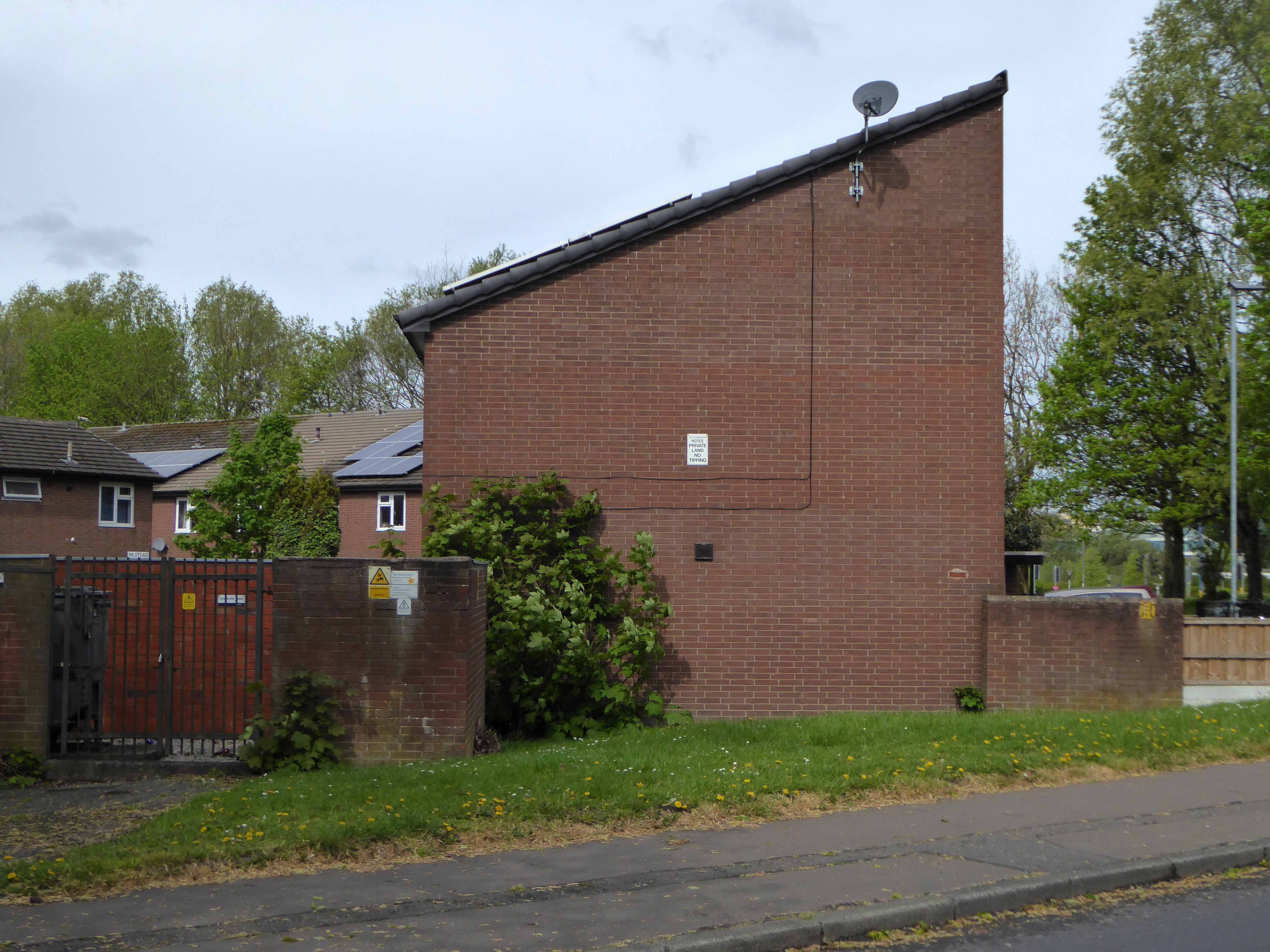
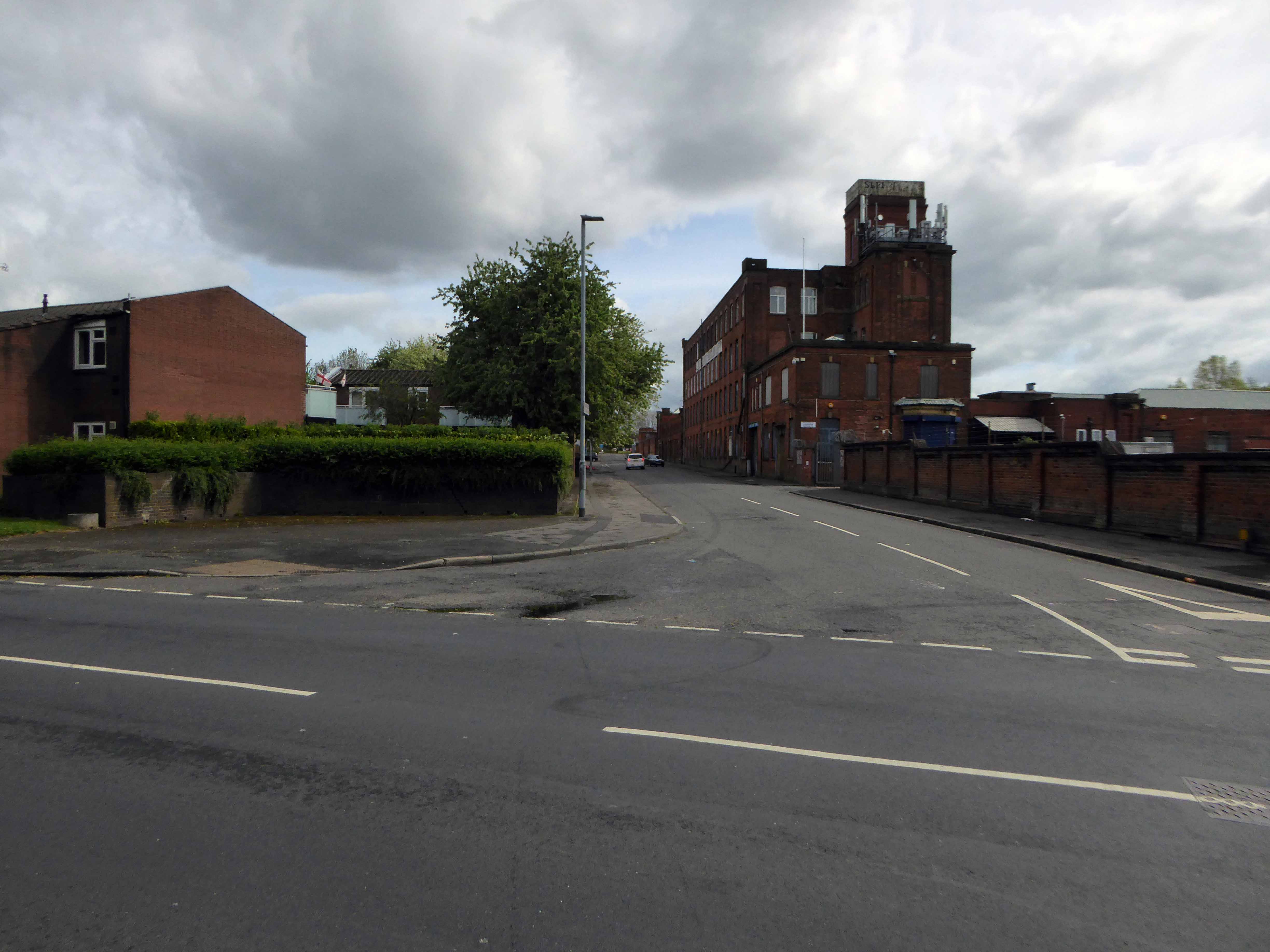
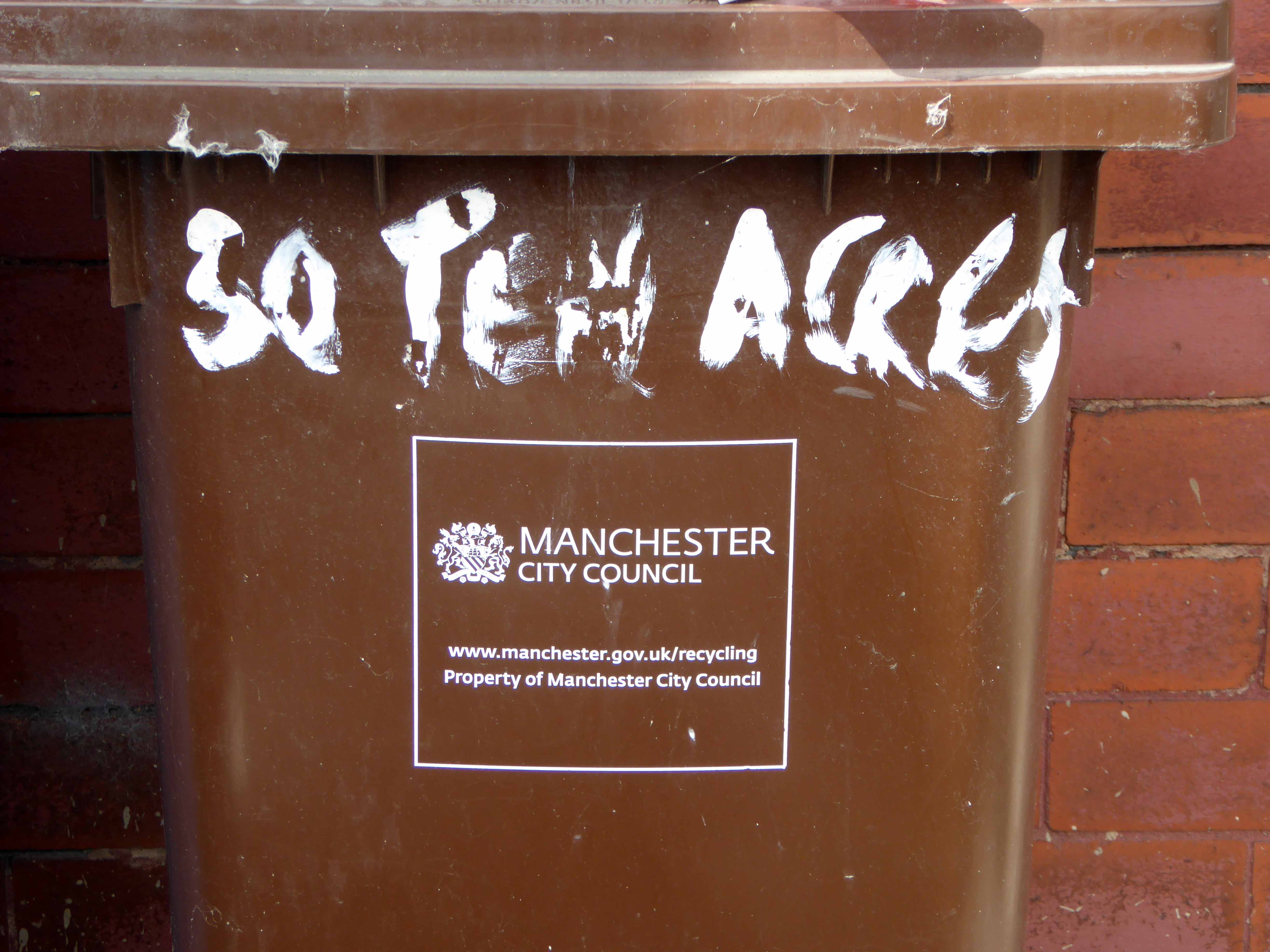
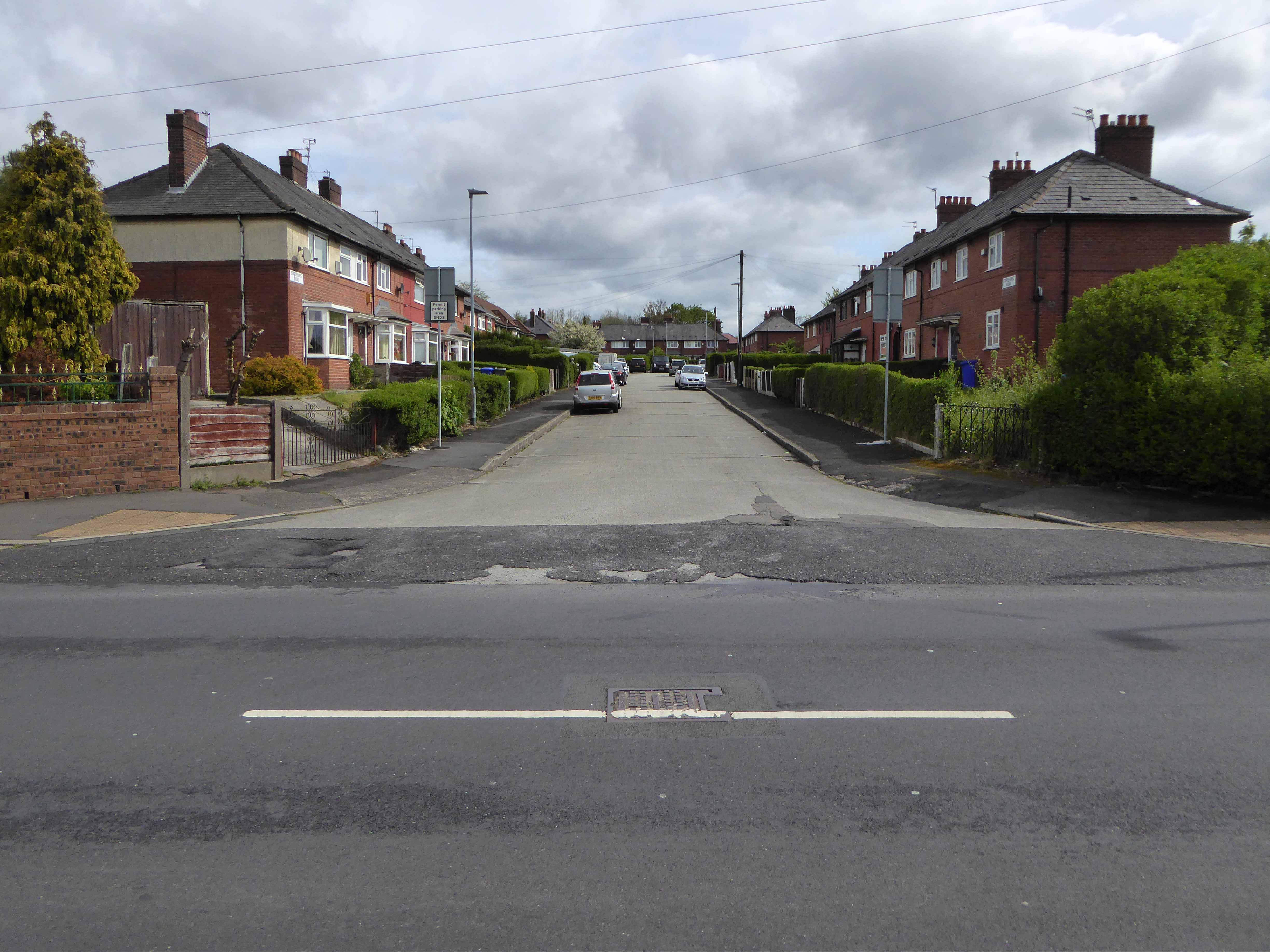
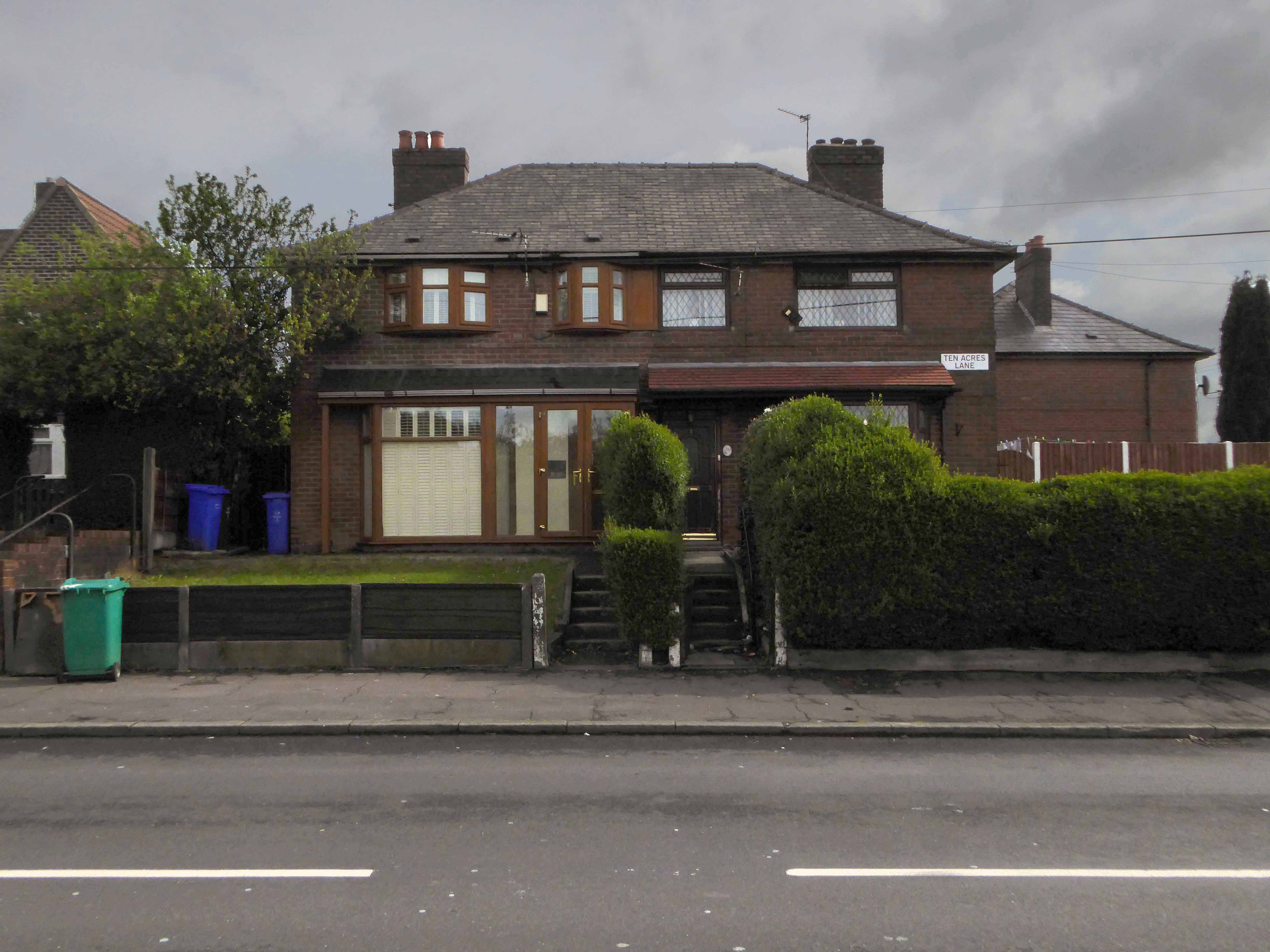
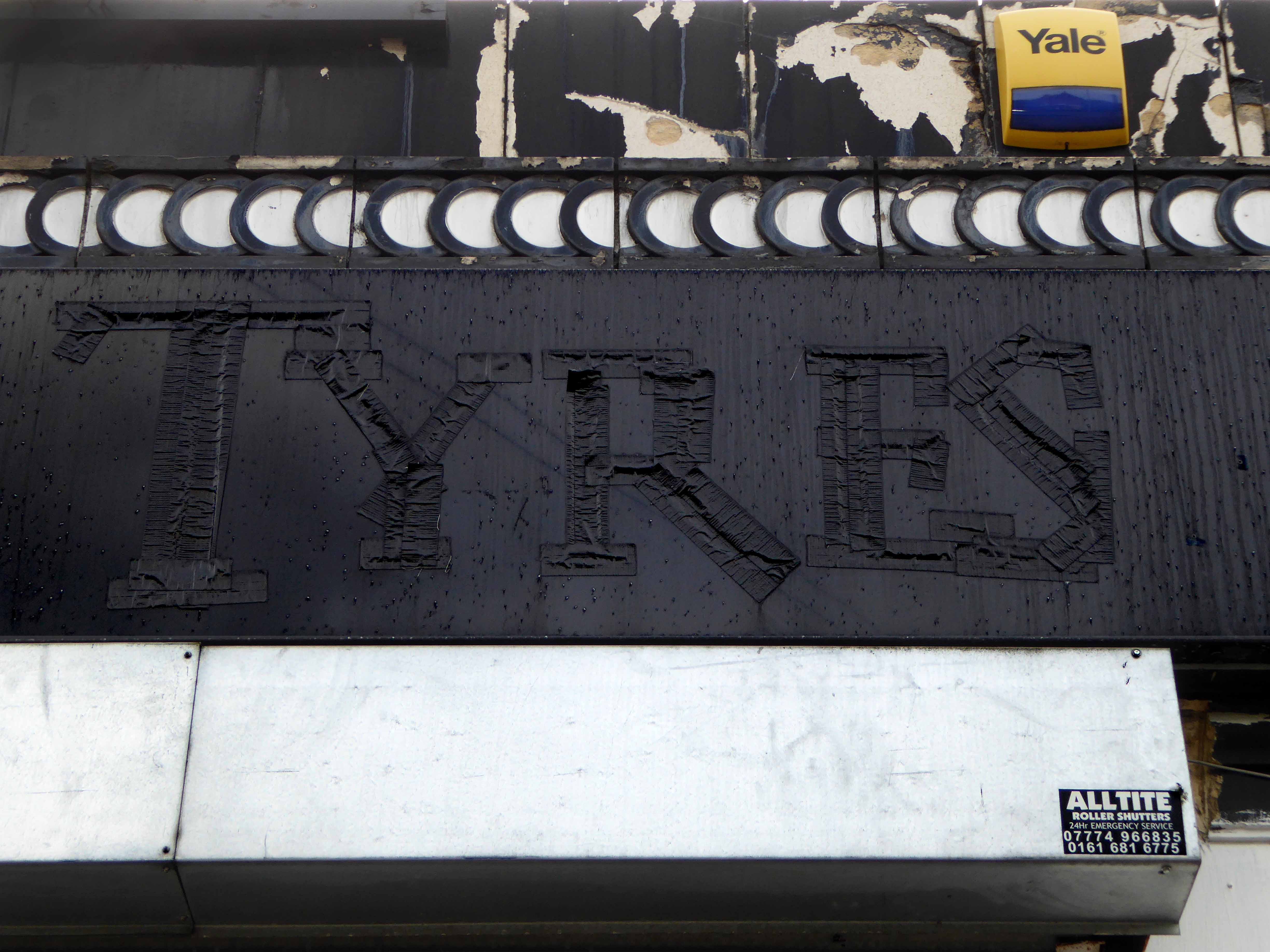
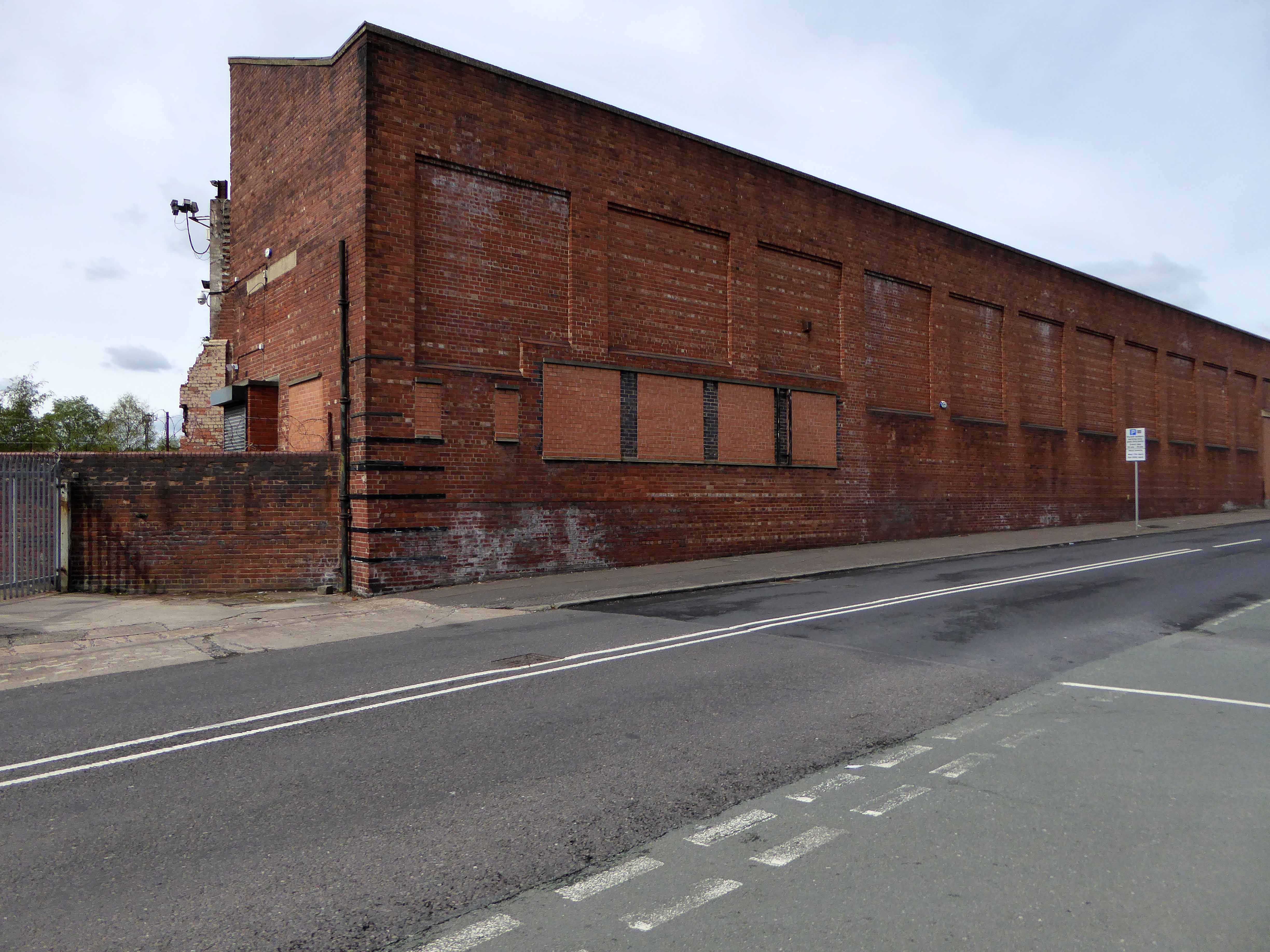
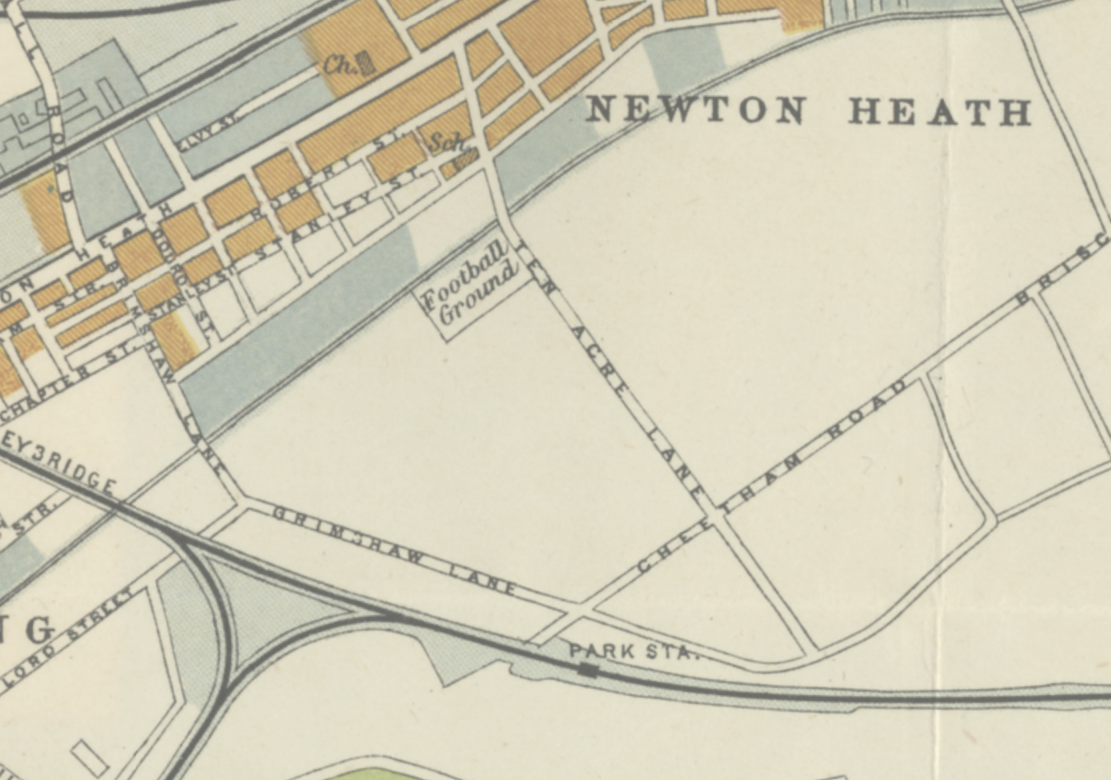
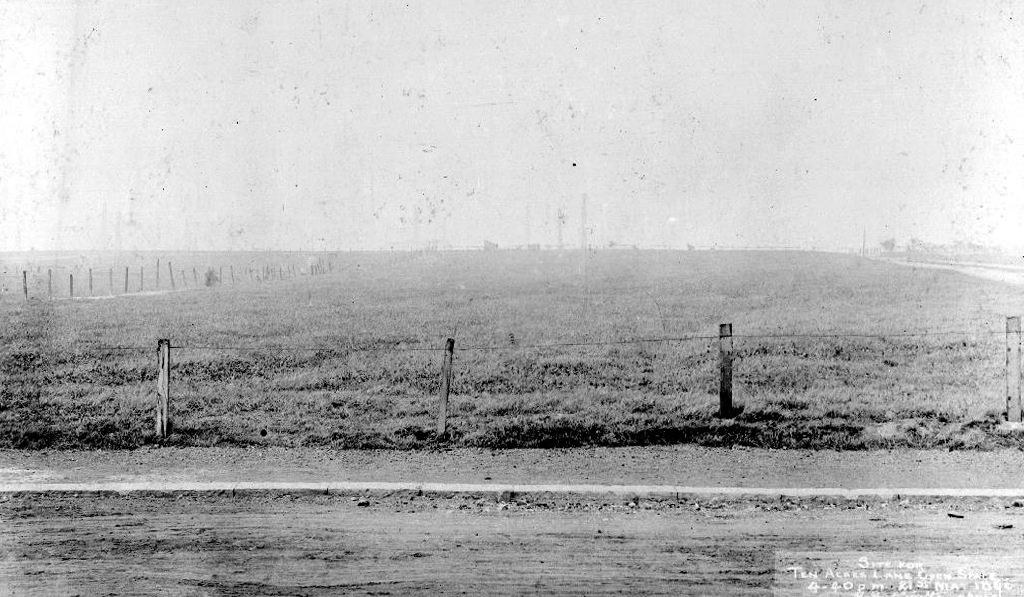
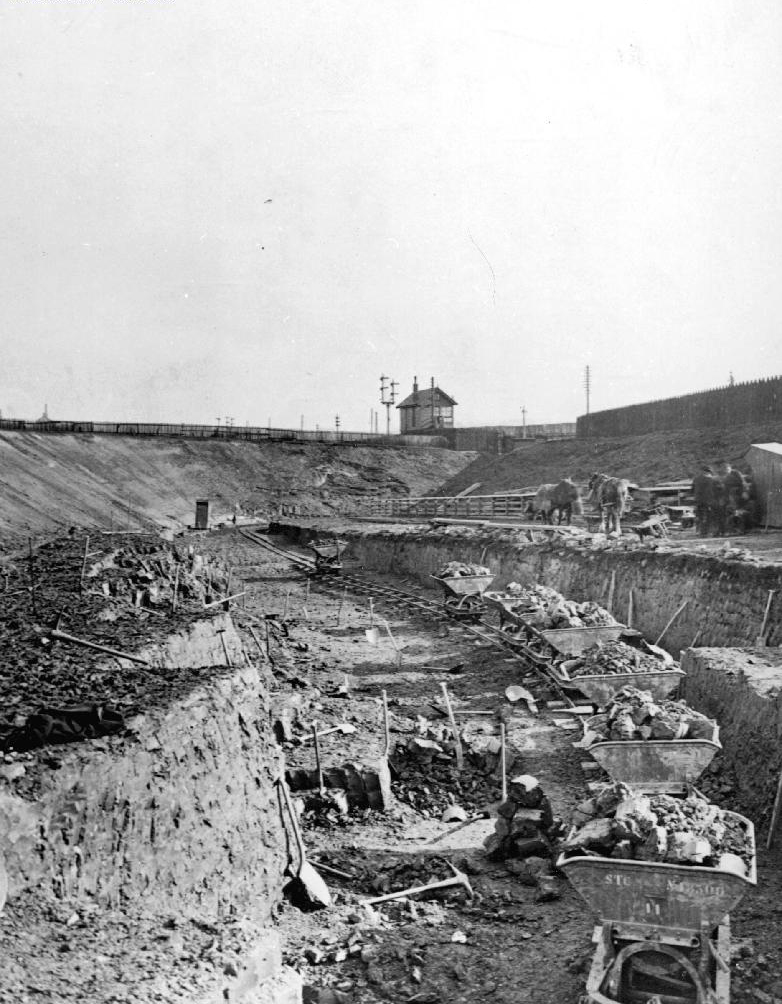
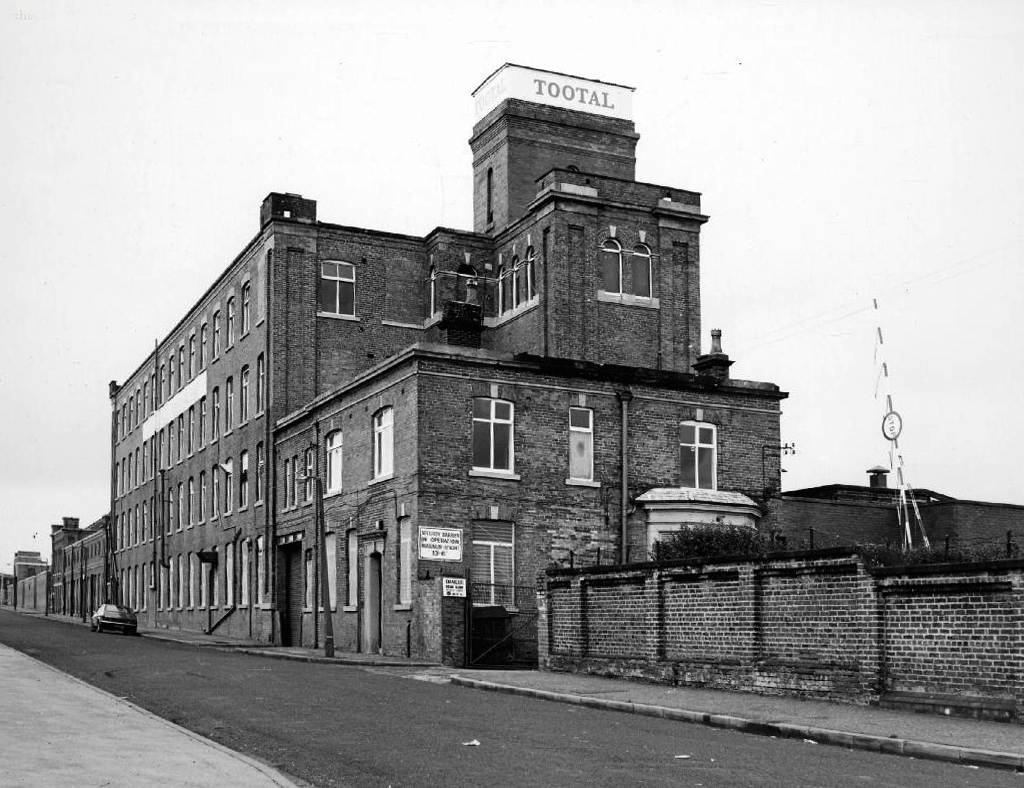
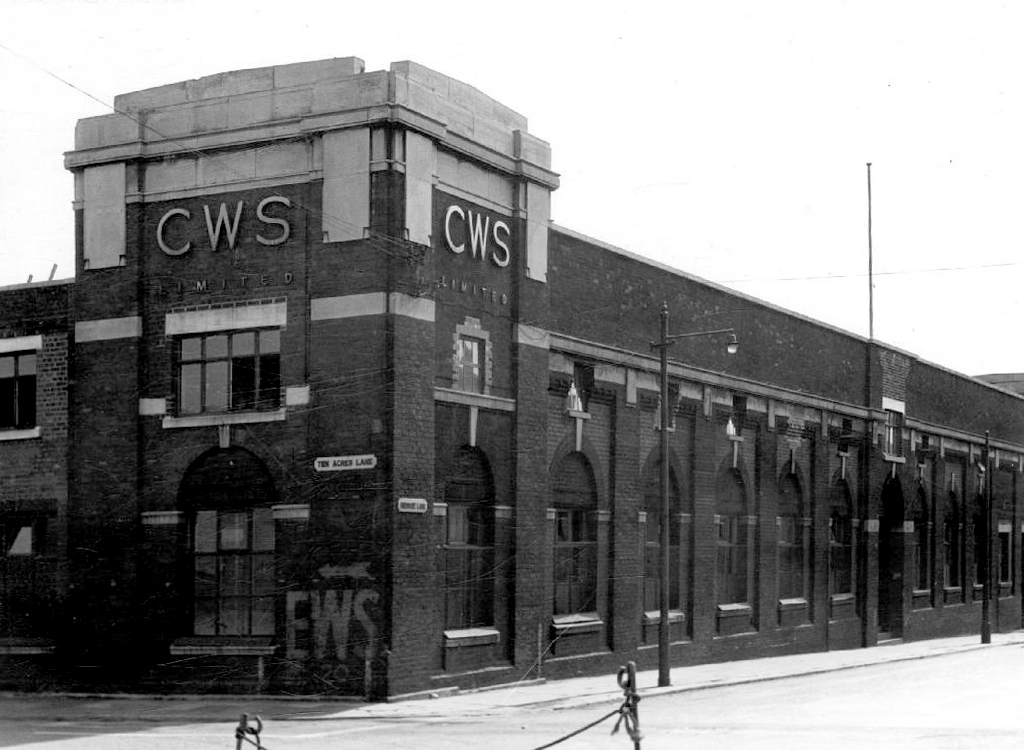
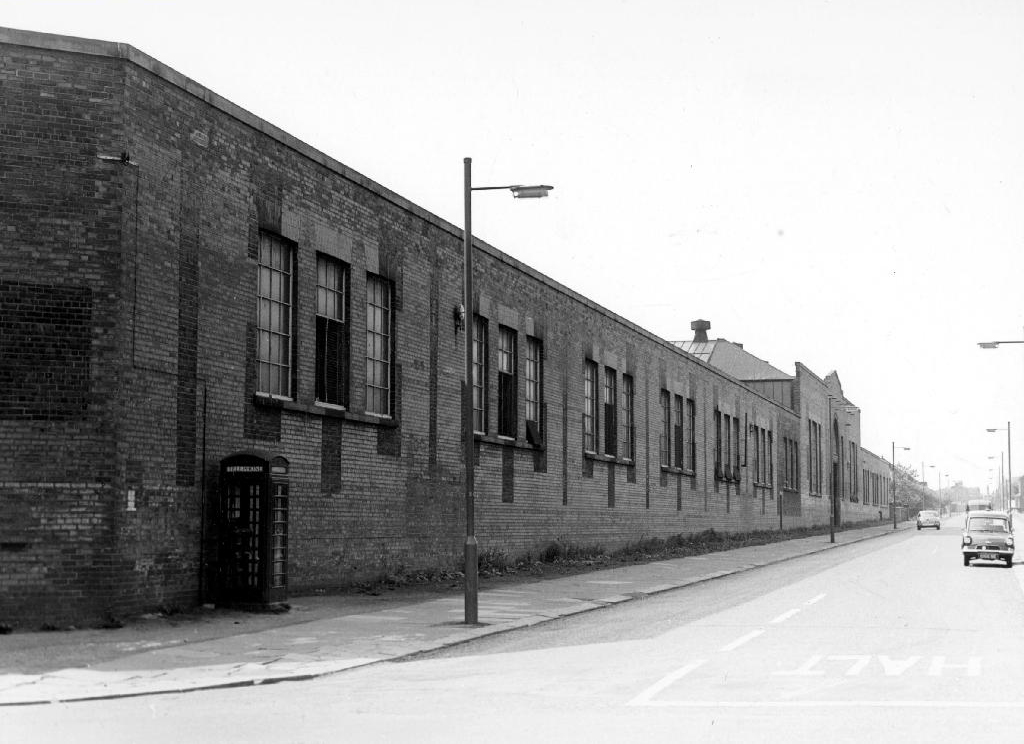
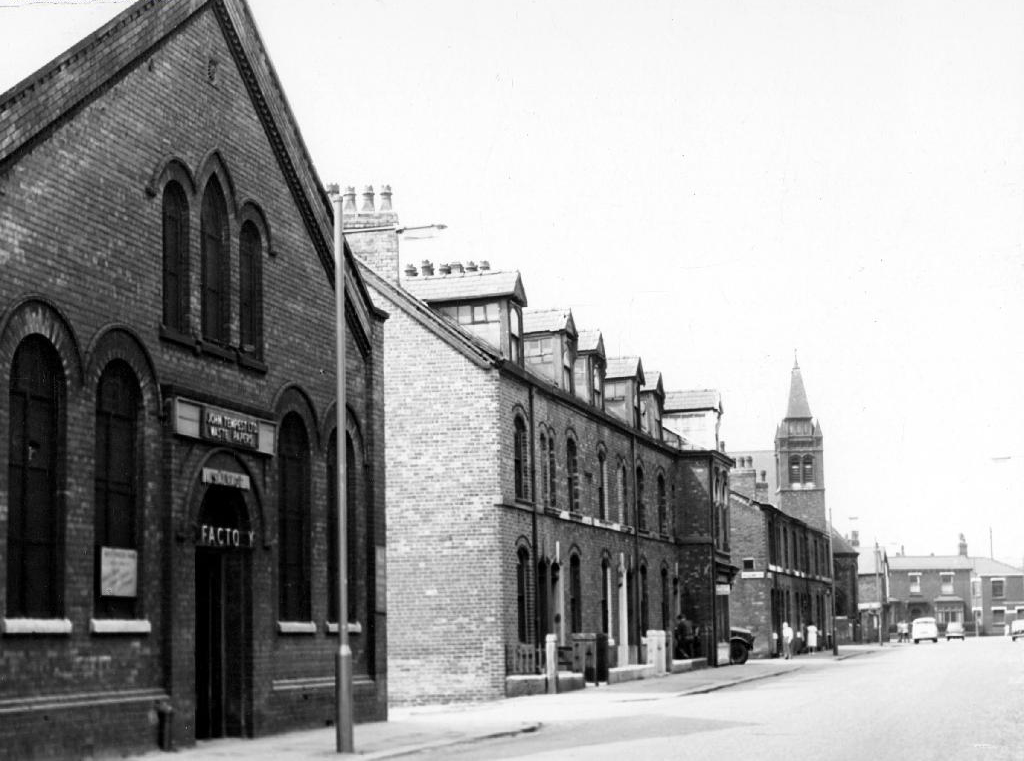
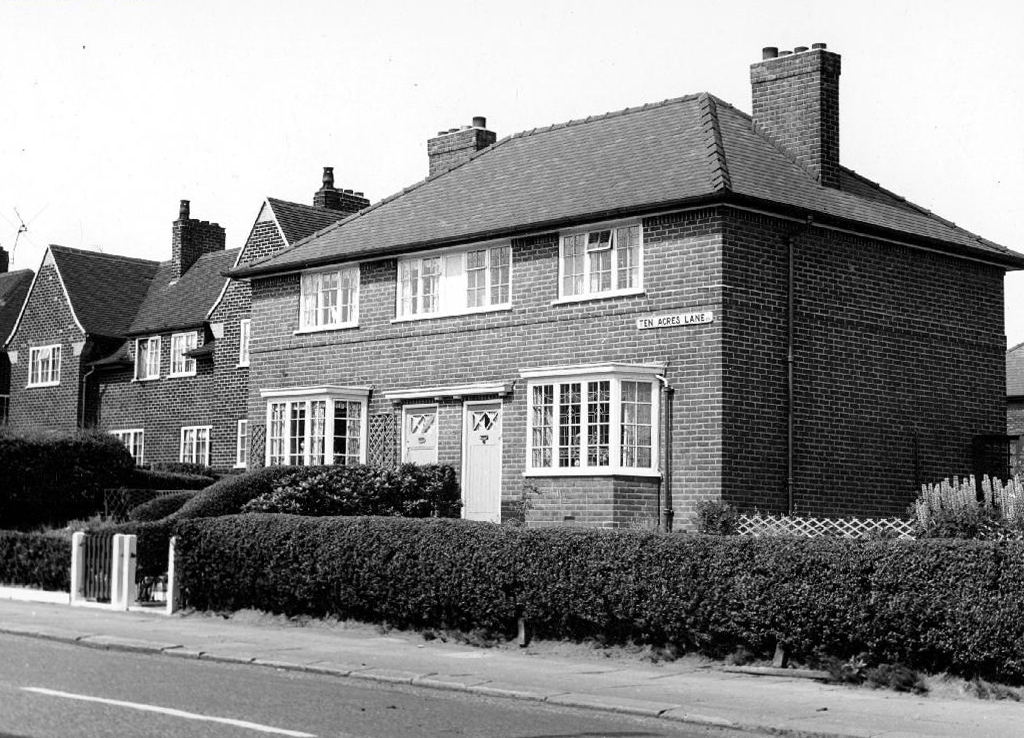
Having travelled back in time along Ten Acres Lane why not come along with me now and see just what’s left – right?
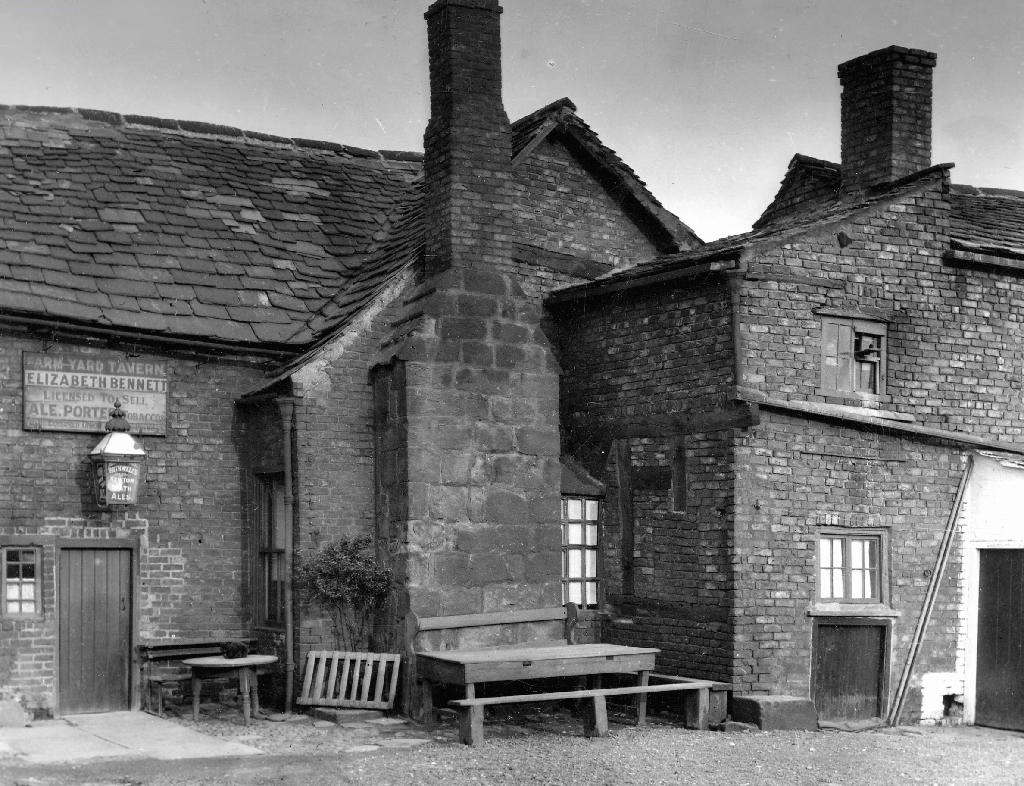
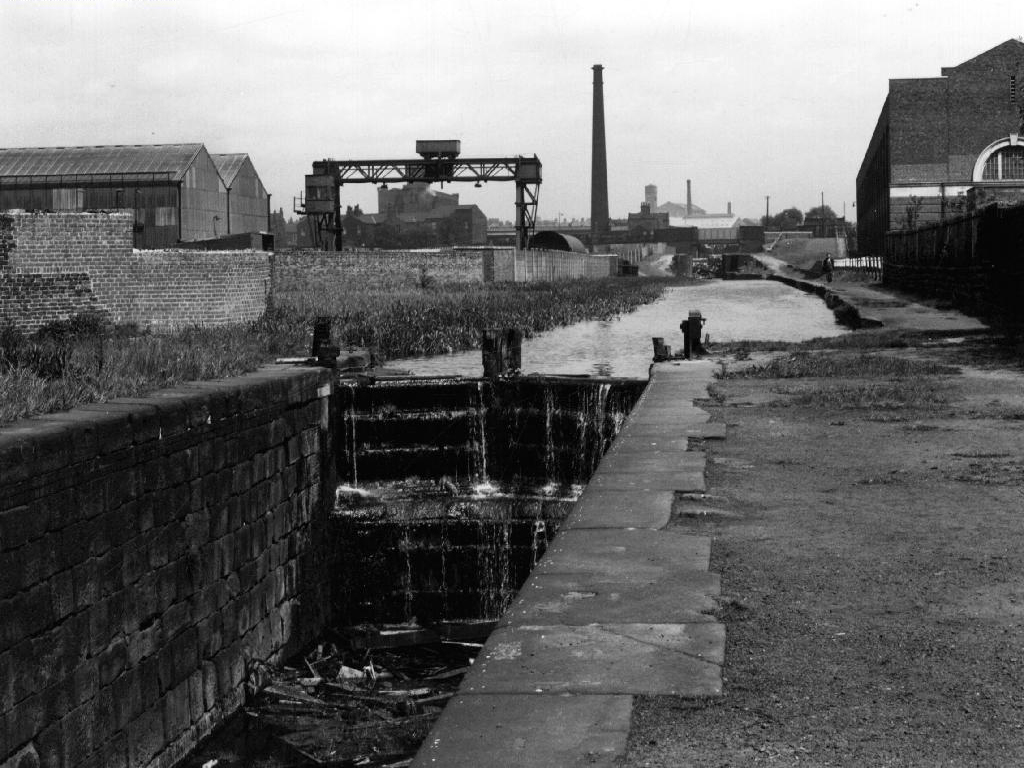
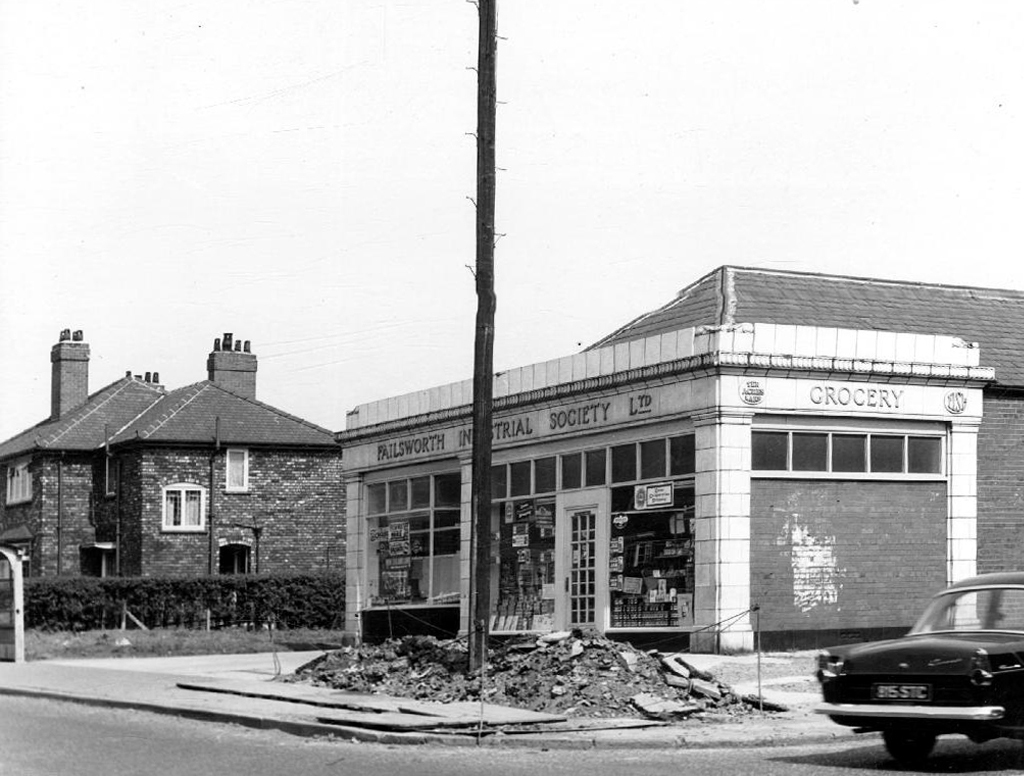
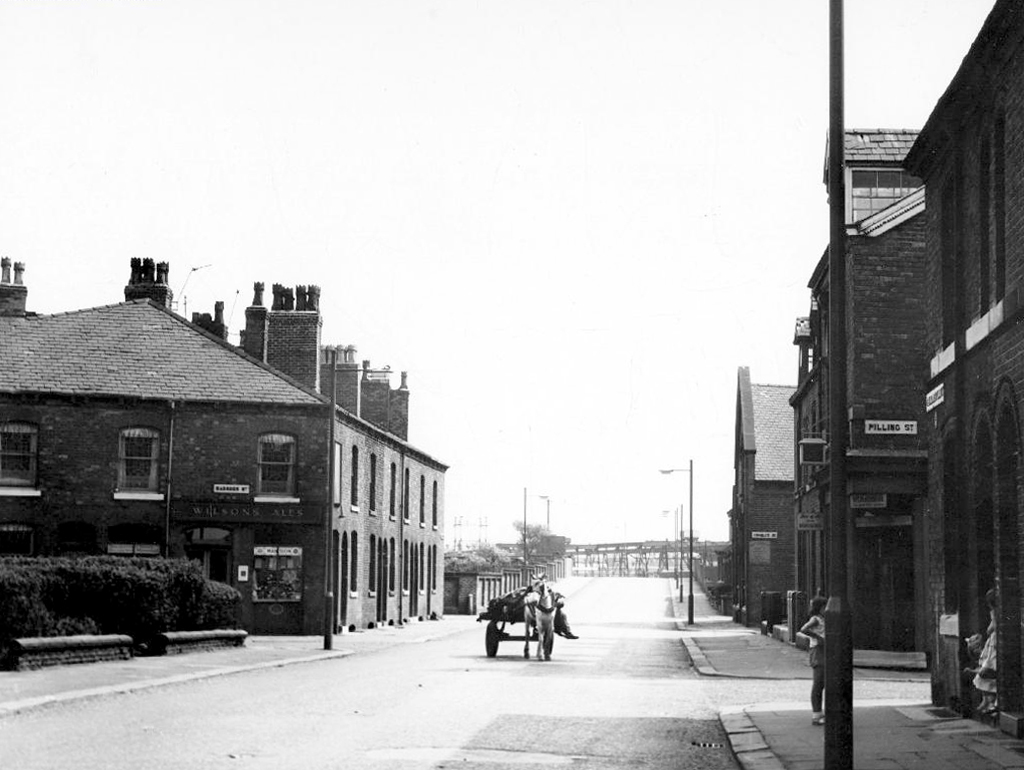
Each Manchester street tells its own tales of homes and people been, gone, rebuilt and buried – whole industries evaporating laid waste by seismic economic forces, land changing use again and again – shop door bells which are a now but a ghostly tintinnabulation on the wind.
Starting from the Oldham Road end the clearance of older terraced homes was followed by the construction of newer 70s social housing.
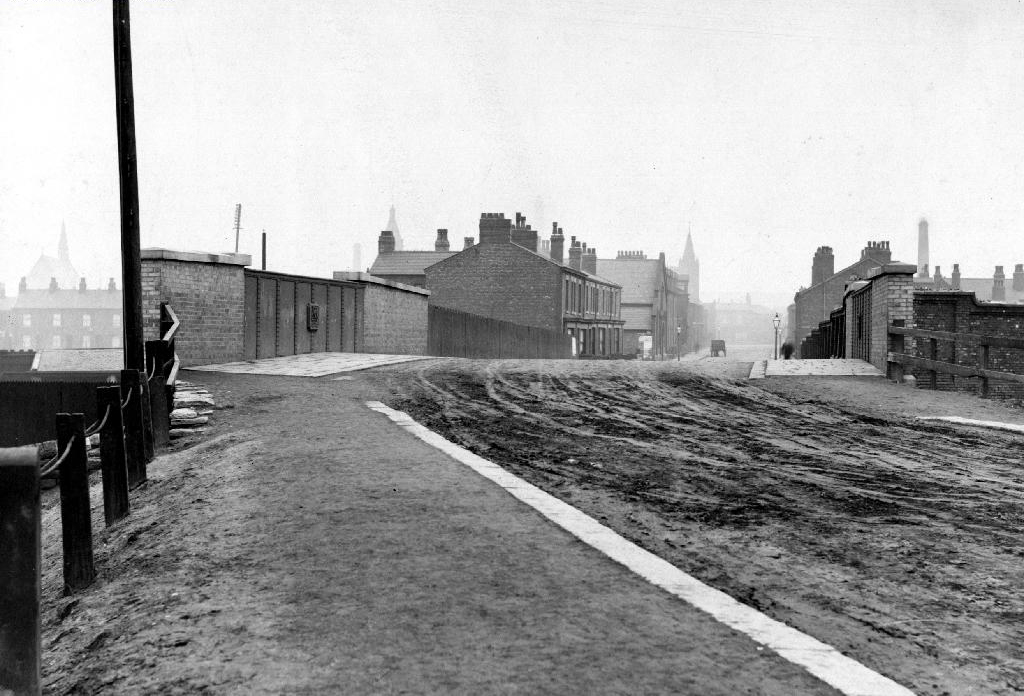
Ten Acres Lane 1904 running south from Oldham Road – not quite crossing under the Ashton and Stalybridge Railway.
I was propelled by the vague memory of an Ashton Lads football match way back in the 1970s – my dad Eddie Marland managed the team in the Moston and Rusholme League.
There was land given over to recreation from 1900, the area is famed for its links to the inception of Manchester United and almost but not quite became home to FC United.
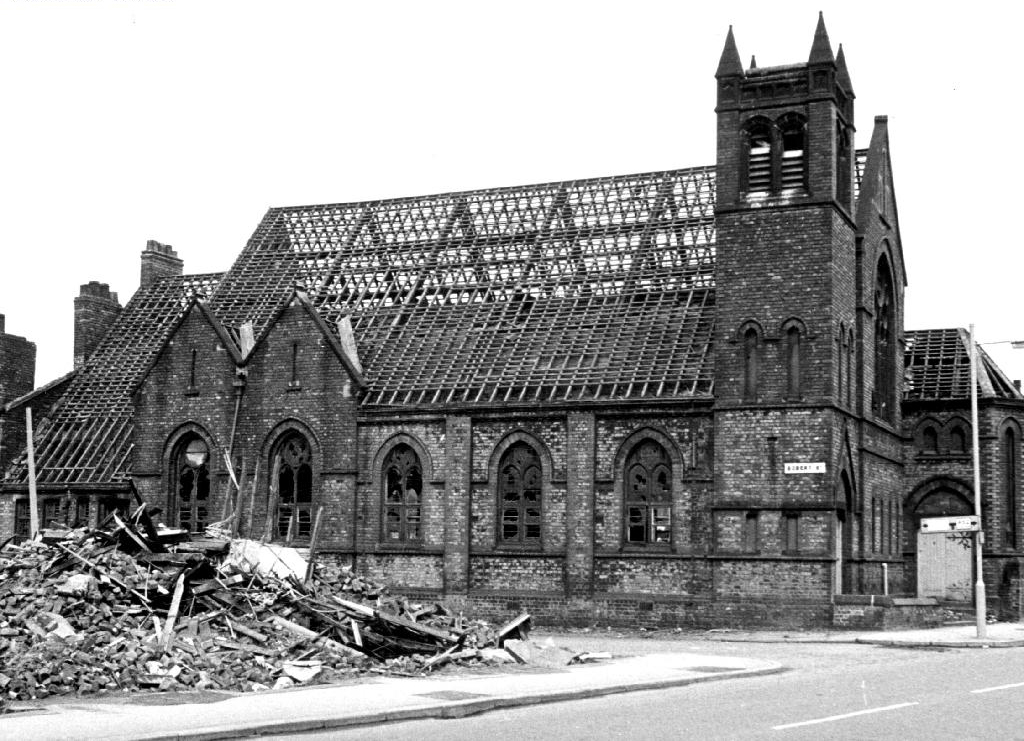
Going going gone St Paul’s Church seen here in 1972.
Victorian terraces and inter-war social housing – homes for a large industrial work force.
Many of the sights and sites above are still extant though their appearance and uses have changed along with the times. Manchester inevitably continues to from and reform for good or ill.
Sadly the old Rec the Moston and Rusholme League and my dad are all long gone – though it’s just as well to remember them all fondly, as we travel through our familiar unfamiliar city.
On meeting an old friend in Manchester – following previous encounters in Coventry, Salford and Liverpool
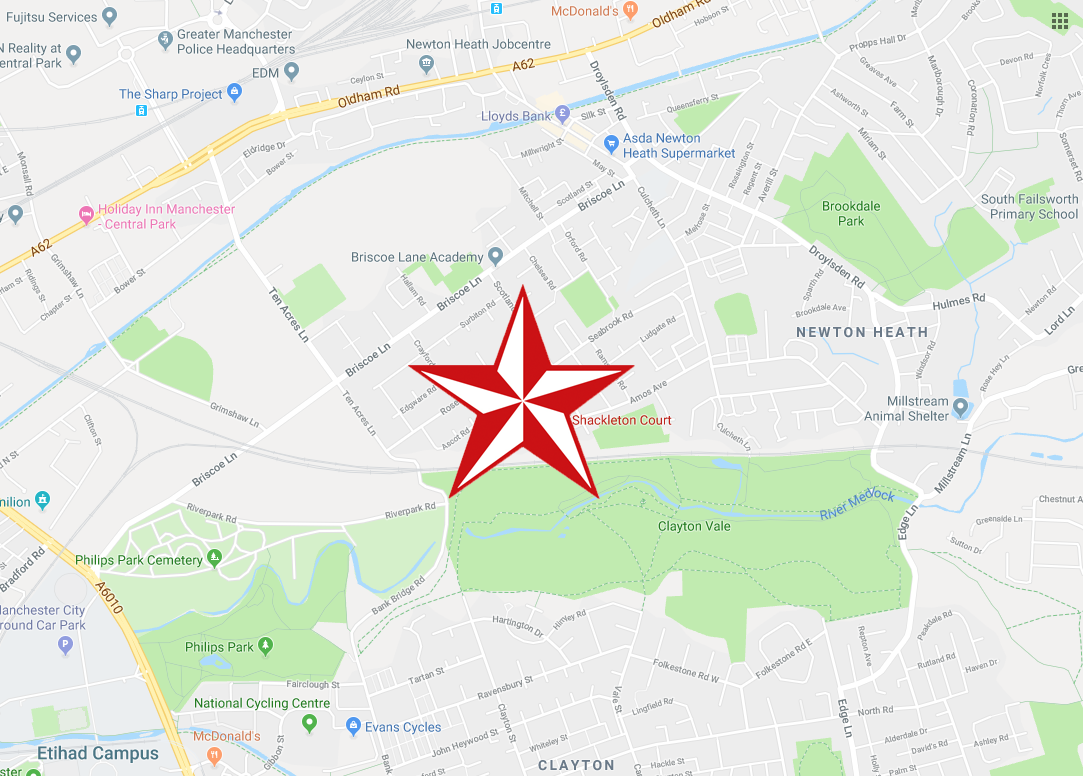
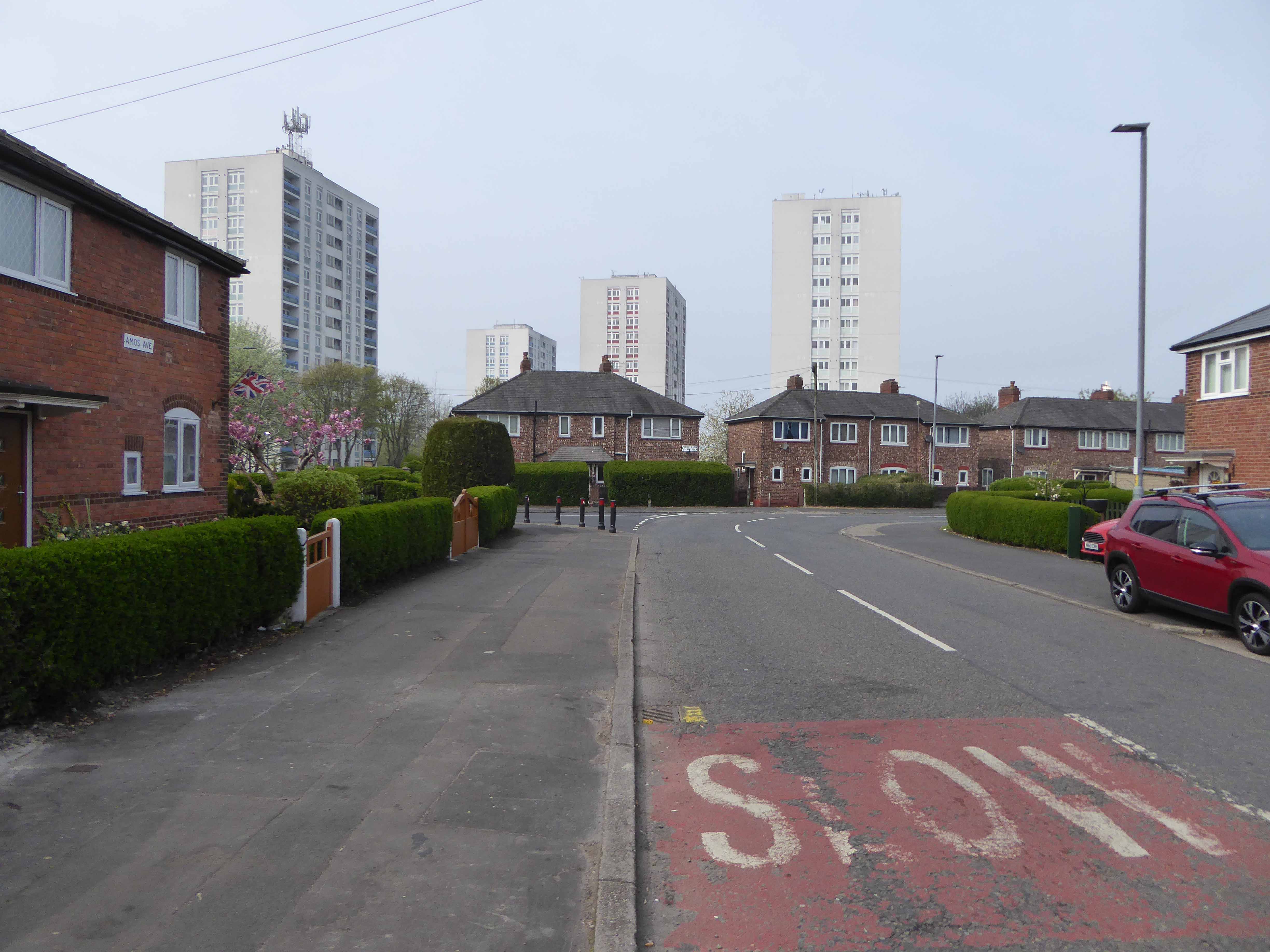
Following a lead from Neil Simpson I cycled along Clayton Vale and emerged on Amos Avenue where the flats came into view.
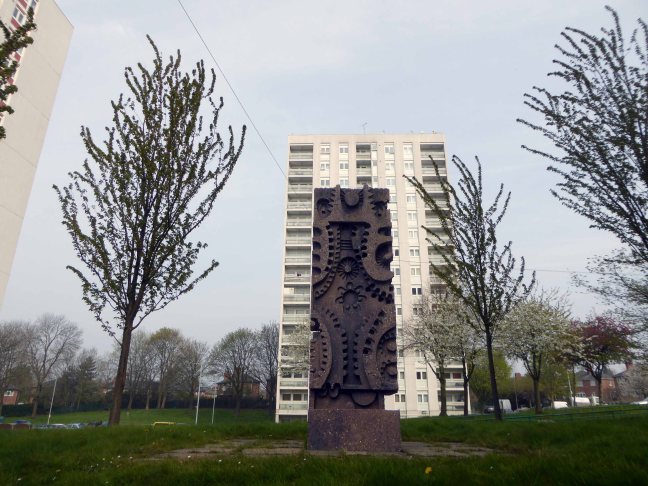
I was in search of an an averaged sized totemic concrete municipal public art pillar – similar to the example to be found in Eastford Square.
It belongs to a time when Municipal Modernism was very much in vogue – the provision of social housing along with the commissioning of murals, sculptures, mosaics and tiled reliefs.
There has been some discussion regarding its authorship – it may or may not be the work of William Mitchell – both Skyliner and The Shrieking Violets have tried to find an answer.
Inevitably my only concern is art over authenticity – does it move you?
One fine day – whilst walking back to and/or from happiness, in the general direction of Blackburn town centre, I happened to chance upon three towers.
Whilst not in any sense Tolkienesque – for me they held a certain mystique, wandering unclad amongst swathes of trees and grass.
Trinity, St Alban and St Michaels Courts – three thirteen storey towers each containing sixty one dwellings.
Three thirteen-storey slab blocks built as public housing using the Sectra industrialised building system. The blocks contain 183 dwellings in total, consisting of 72 one-bedroom flats and 111 two-bedroom flats. The blocks are of storiform construction clad with precast concrete panels. The panels are faced with exposed white Cornish aggregate. Spandrel panels set with black Shap granite aggregate are used under the gable kitchen windows. The blocks were designed by the Borough architect in association with Sydney Greenwood. Construction was approved by committee in 1966.
What was is and used to be – relocated at some point from one side of the Roosdych to the other, a complete glacial washout is narrowly avoided.
Forces known or unknown forced the closure of the site and its attendant architecture. I myself, an occasional puzzled passerby, stop stare and snap this lovelorn cabin on the hill.
Where once teas were taken betwixt and between overs, wind, rain, ice and snow have eroded roof, walls, windows and doors. A structure almost rent asunder, bare wooden bones revealed as cladding and glass gradually surrender to the unwelcome intrusion of the elements.
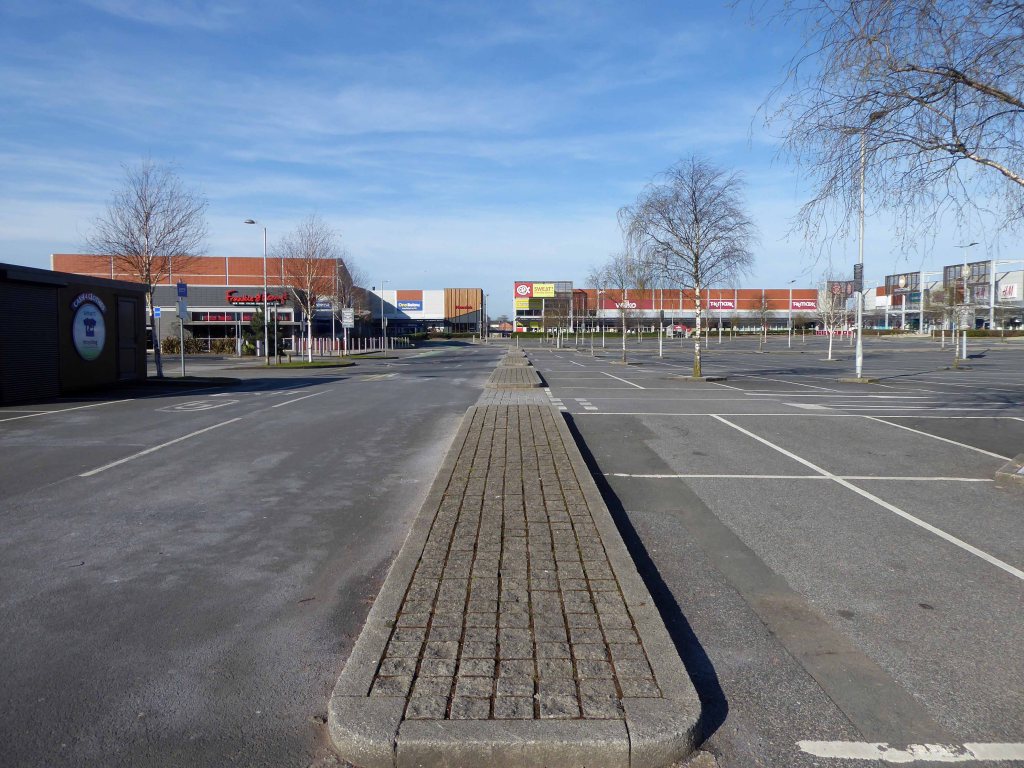
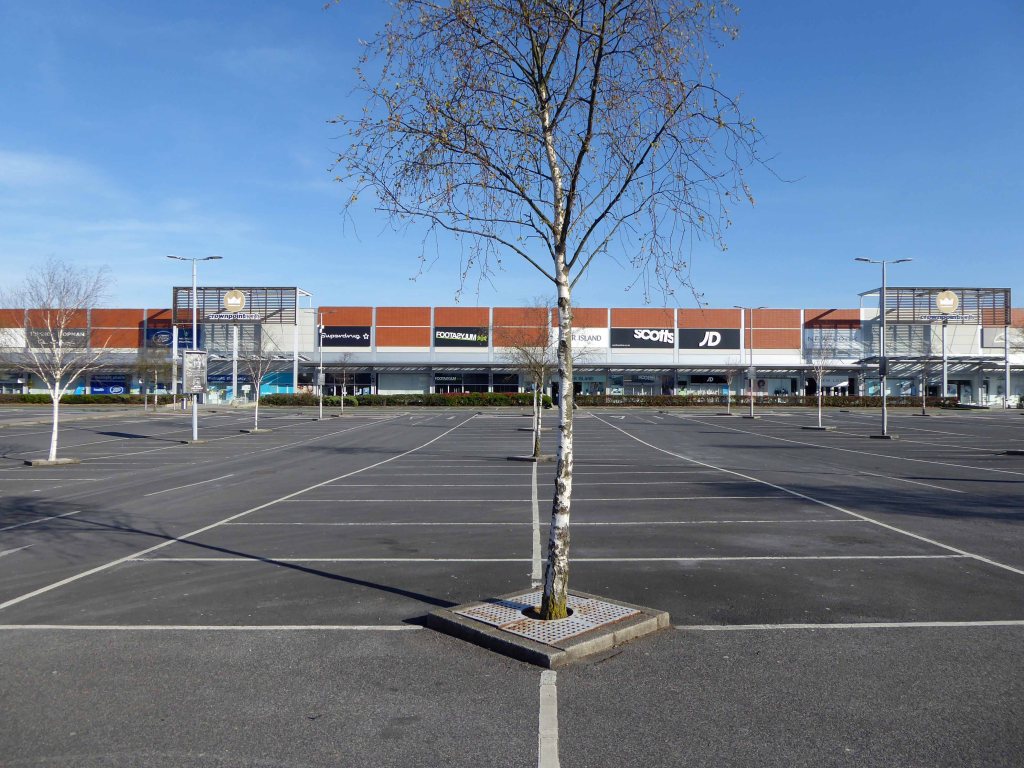
Heaton Norris Park’s elevated position gives stunning views of the Stockport town centre skyline and of the Cheshire plain. The central position of the Park means that it is a green retreat for shoppers and local residents. Also it is within easy reach of the Stockport town centre. The land for this park was acquired by public subscription and as a gift from Lord Egerton.Work on laying out the site as a public park began in May 1873, and it was formally opened on June 5th 1875. Since then it has undergone a number of changes. The construction of the M60 has shaved several acres off the park’s size.
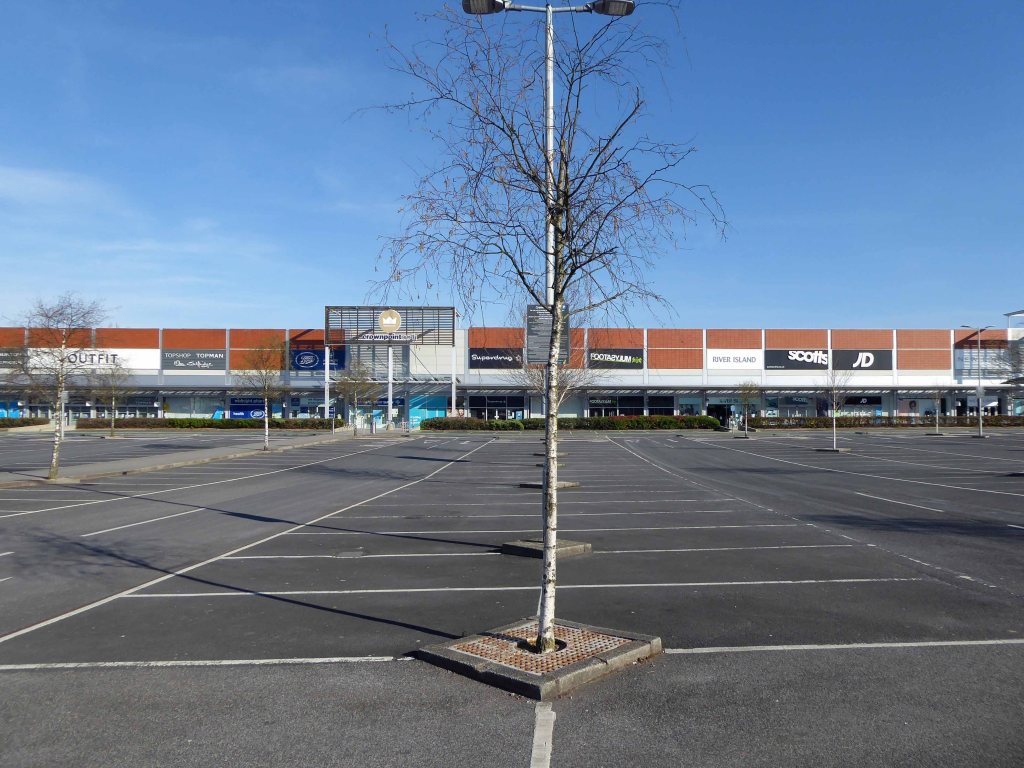
The park is predated by the nearby Drabble Ash Pleasure Gardens – entrance strictly by token only, as commemorated on the BHS Murals in Merseyway.
5 November 1905 – Edward VII declares his eldest daughter The Princess Louise, Duchess of Fife, the Princess Royal.
He also orders that the daughters of Princess Louise, Lady Alexandra Duff and Lady Maud Duff are to be styled as Princesses of the United Kingdom of Great Britain and Ireland with the style Highness.
So they built a big bonfire on bonfire night at Heaton Norris Park – sometimes they still do.
In 1935 the area seems to be little more than windswept cinders and thin forlorn grass, traversed by broad uneven paths – overlooking the dark industrial mire below.
Into the 1960s and although now there is the provision of a children’s play area, the park is still in need of a little more care and attention, the immediate surroundings a dense dark warren of industrial activity and terraced housing.
In 1968 the construction of two twelve storey Stockport County Borough Council residential blocks begins, alongside the recreation grounds, Heaton and Norris Towers, creating 136 new homes.
The 1970s sees the banked gardens bedded out with summer flowers and a crazy golf course on the edge of the bowling area. Both of these features are now a thing of the past, the future financing, care and maintenance of our parks is always precarious, especially during times of central government funding cuts and enforced austerity.
The park now has a Friends group to support it, along with I Love Heaton Norris. The area is cared for and used by all ages and interests children’s play, bowls, tennis, conservation area, football, picnic and floral areas – somewhere and something to be very proud of, social spaces for sociable people.
And much beloved of Natalie Bradbury the SS Norris concrete boat.
Take a walk over the concrete bridge or along Love Lane and treat yourself to a day in the park
The construction of Ramsgate Harbour began in 1749 and was completed in about 1850. The two most influential architects of the harbour were father and son John Shaw and John Shaw Jr, who designed the clock house, the obelisk, the lighthouse and the Jacob’s Ladder steps.
The harbour has the unique distinction of being the only harbour in the United Kingdom awarded the right to call itself a Royal Harbour. This was bestowed by King George IV after he was taken by the hospitality shown by the people of Ramsgate when he used the harbour to depart and return with the Royal Yacht Squadron in 1821.
Because of its proximity to mainland Europe, Ramsgate was a chief embarcation point both during the Napoleonic Wars and for the Dunkirk evacuation in 1940.
The ferry terminal area is built upon reclaimed land.
History is written on shifting sands and stormy seas.
The port has had it’s ups and downs the ferry terminal closing following a tragic accident
On 14 September 1994 there was a failure of a ship to shore structure for the transfer of foot passengers onto ferries. It collapsed in the early hours, causing the deaths of six people and seriously injuring seven more. The investigation into the accident revealed that the same basic miscalculation had been made by both the designer – Swedish firm FKAB, a subsidiary of the Mattson Group and certifying organisation Lloyd’s register. The parties involved, including the client, Port Ramsgate, were prosecuted and fined a total of £1.7m, which at the time was the largest fine in the United Kingdom for a breach of health and safety laws. The Swedish firms refused to pay the £1m fine and as result pan-European law enforcement was changed in 2005.
Hoverlloyd ran a crossing from Ramsgate Harbour to Calais Harbour from 6 April 1966 using small, passenger-only SR.N6 hovercraft. When the much larger SR.N4 craft, capable of carrying 30 vehicles and 254 passengers, were delivered in 1969, Hoverlloyd moved operations to a purpose built hoverport in Pegwell Bay, near Ramsgate.
Mothballed and unloved standing largely unused 2019 has seen the winds of change forge a new dawn for the fading fortunes of Ramsgate Harbour. Transport supremo Christopher Grayling MP has summoned the dredgers to clear a way through the confusing clutter of post Brexit Britain.
Seaborne Freight has three months to source the vessels, recruit and train staff, and put all the infrastructure in place to launch the service before we leave the EU – it sounds like a very tall order – Richard Burnett
A company with no vessels a port currently with no access.
There’s only one pilot and that is the Harbour Master. The security fencing is laughable – travellers broke into the port and occupied it for a week not so long ago.
So all is well with the world – we await further developments with a fervour unseen since the previous fervour.
Let’s take a short walk back to my walk around in 2015 – see you on the other side.