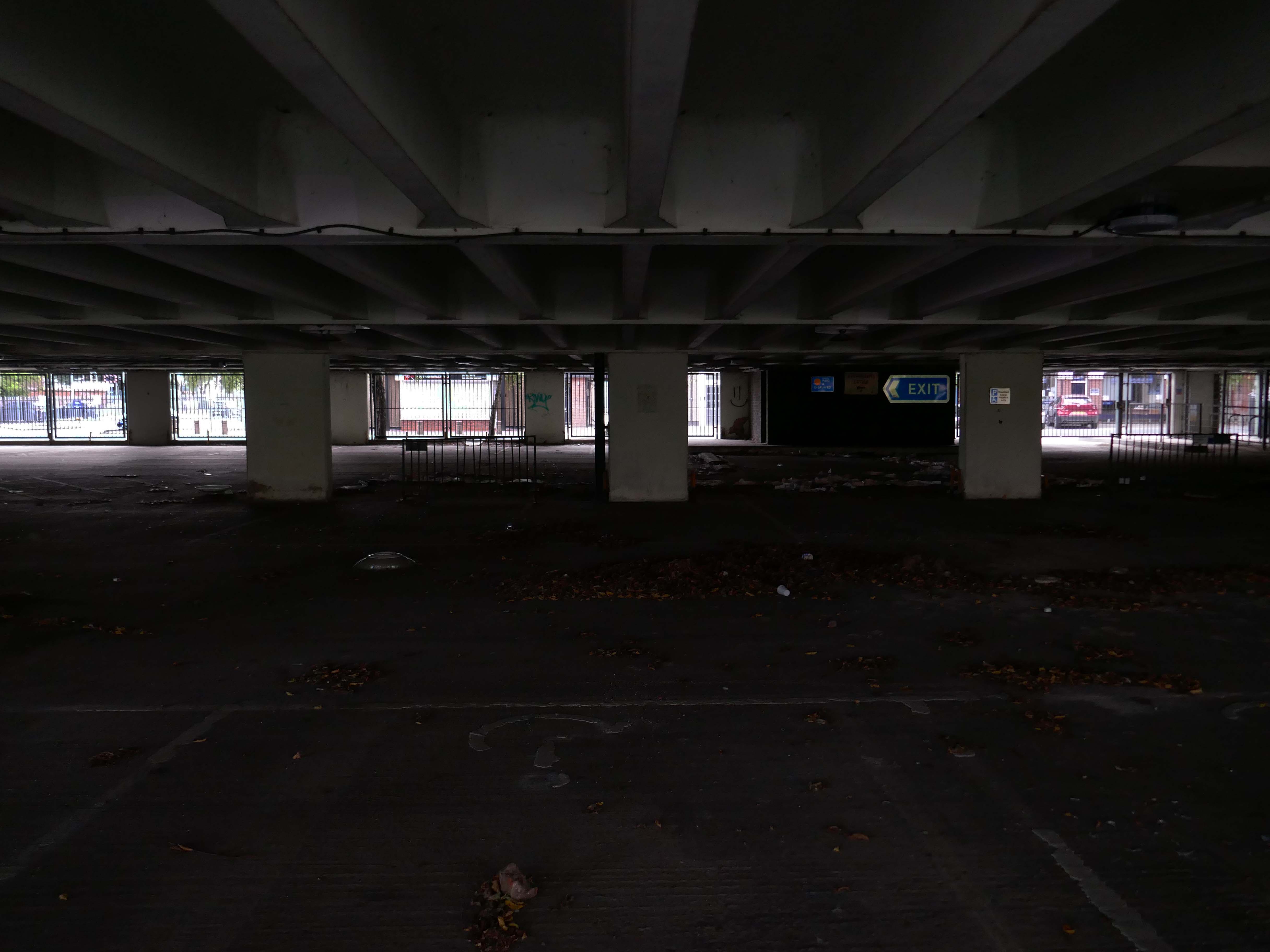
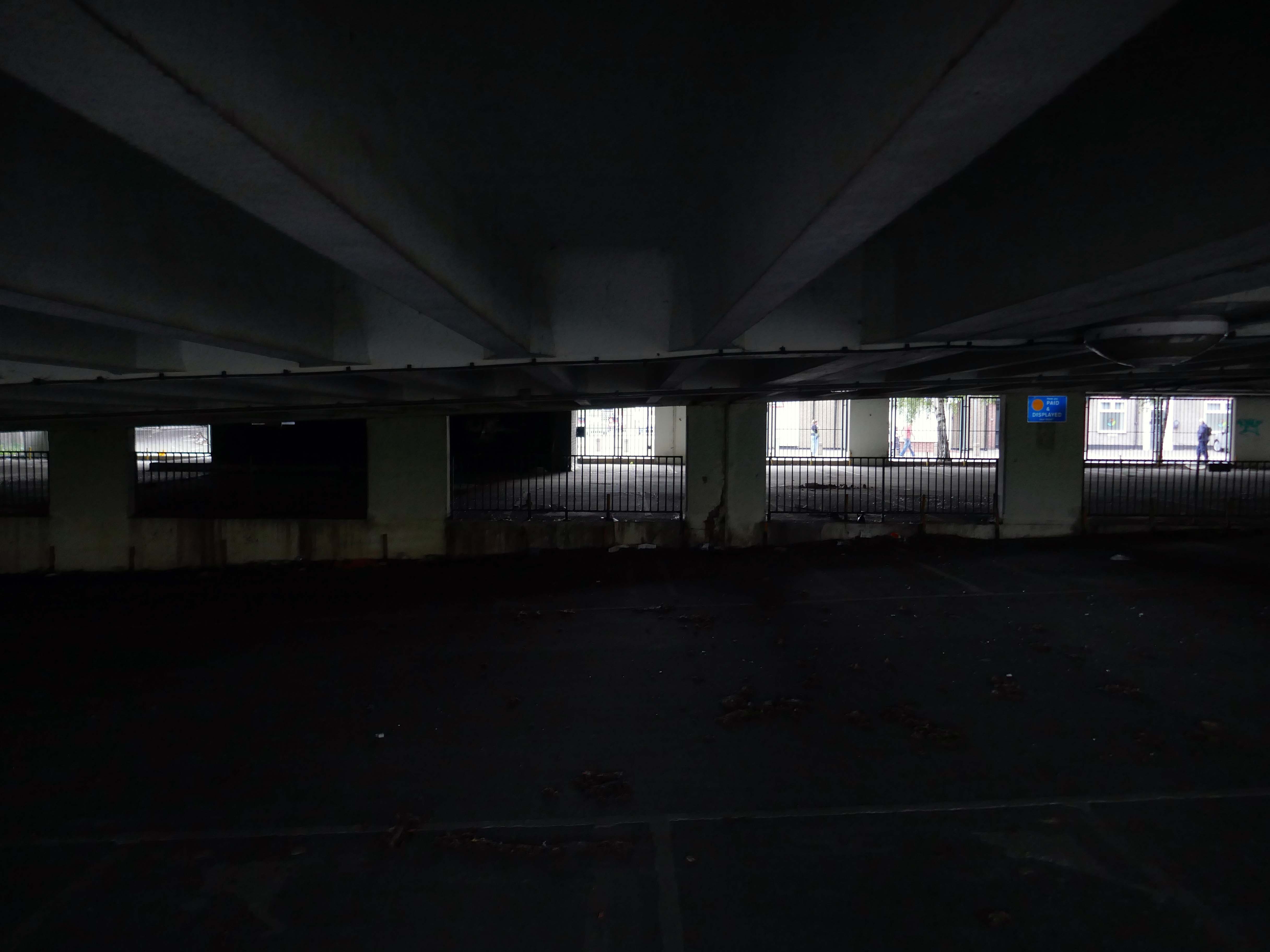
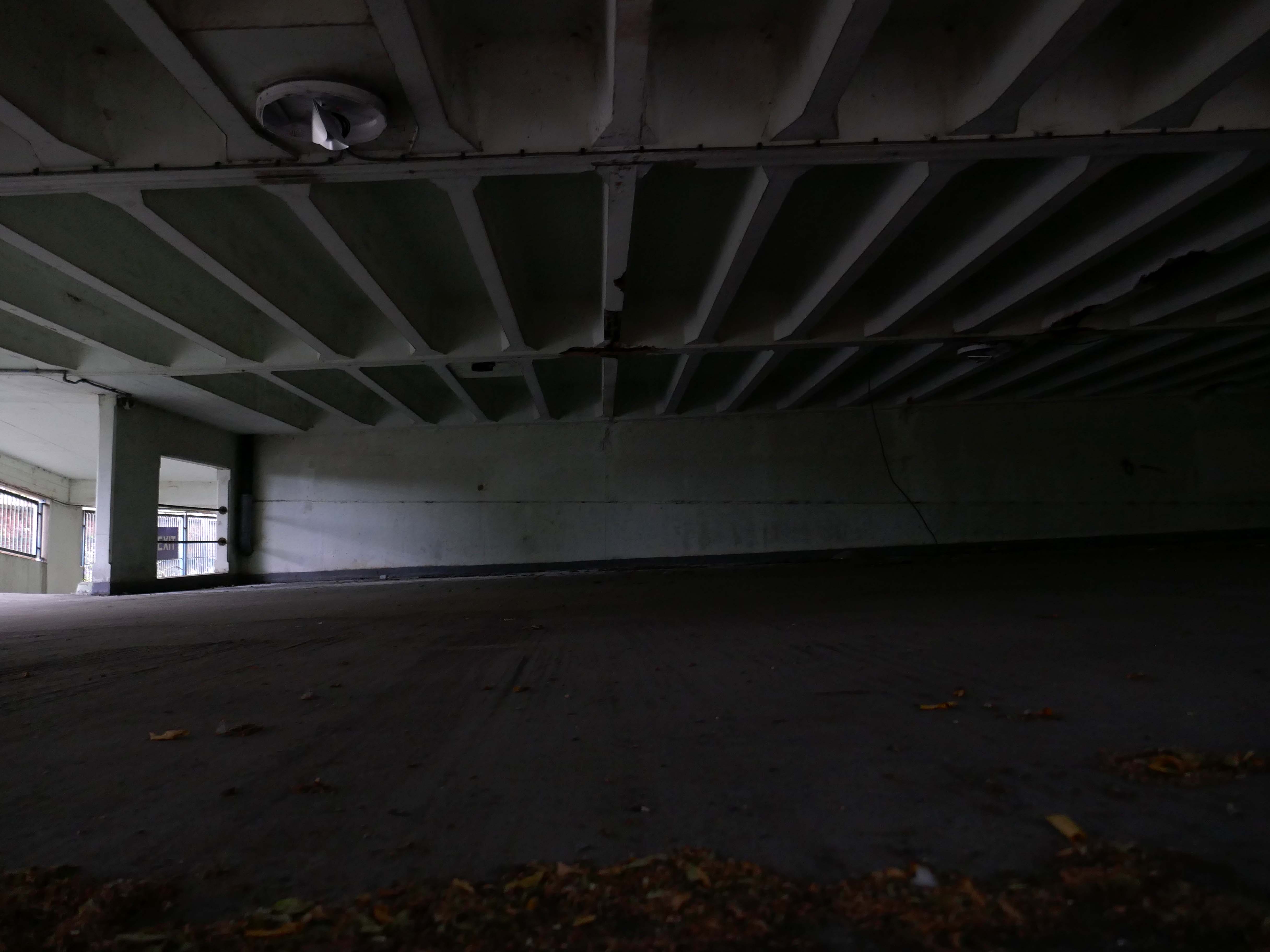
It seems that you are not long for this world – destined for an ultra elevated multi-storey heaven.
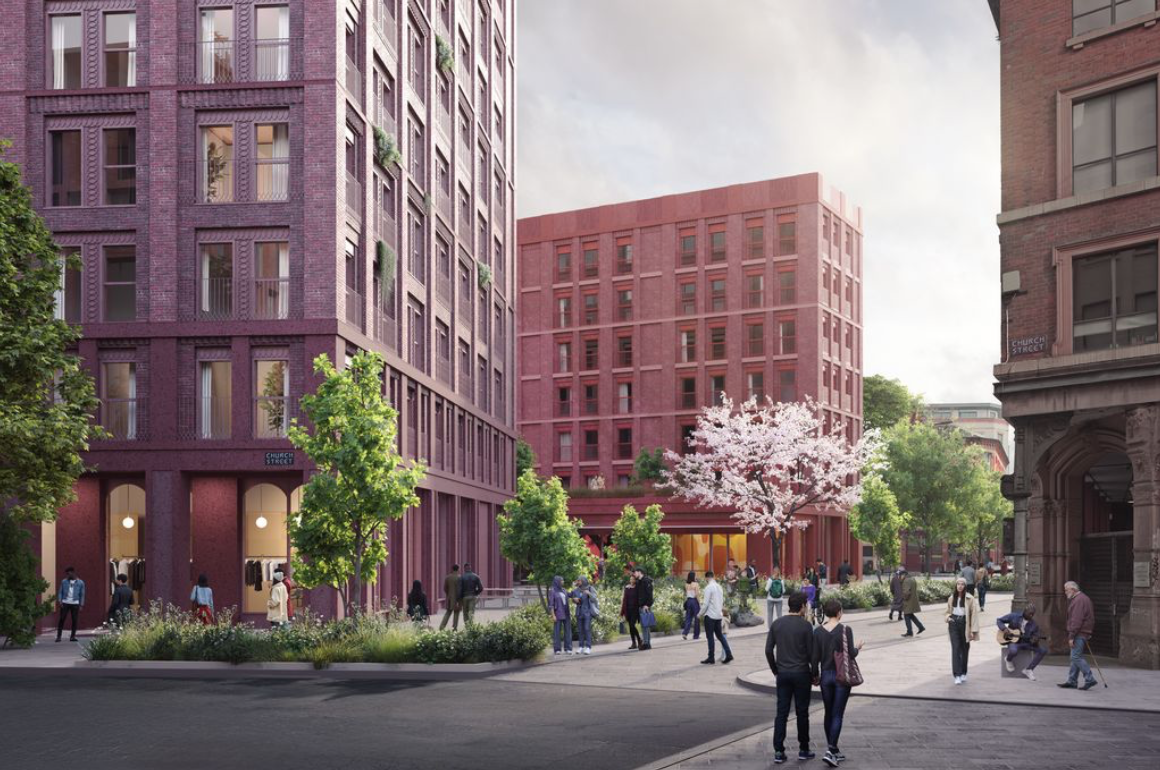
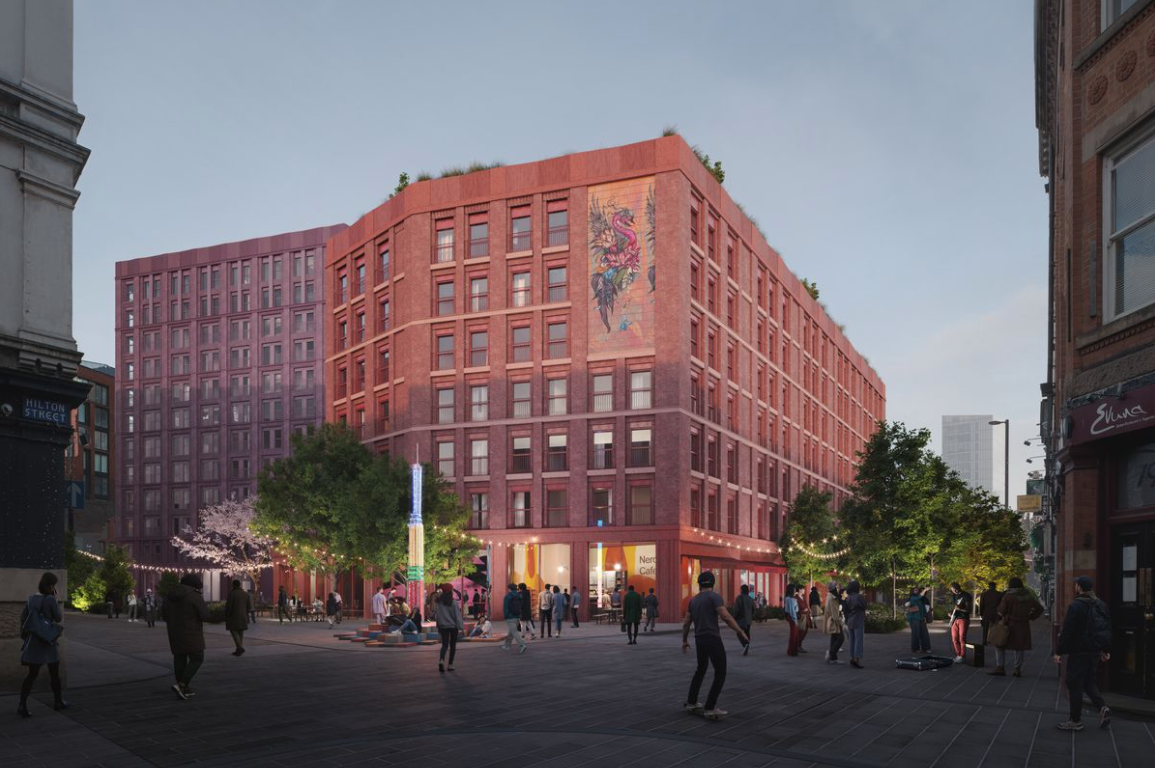
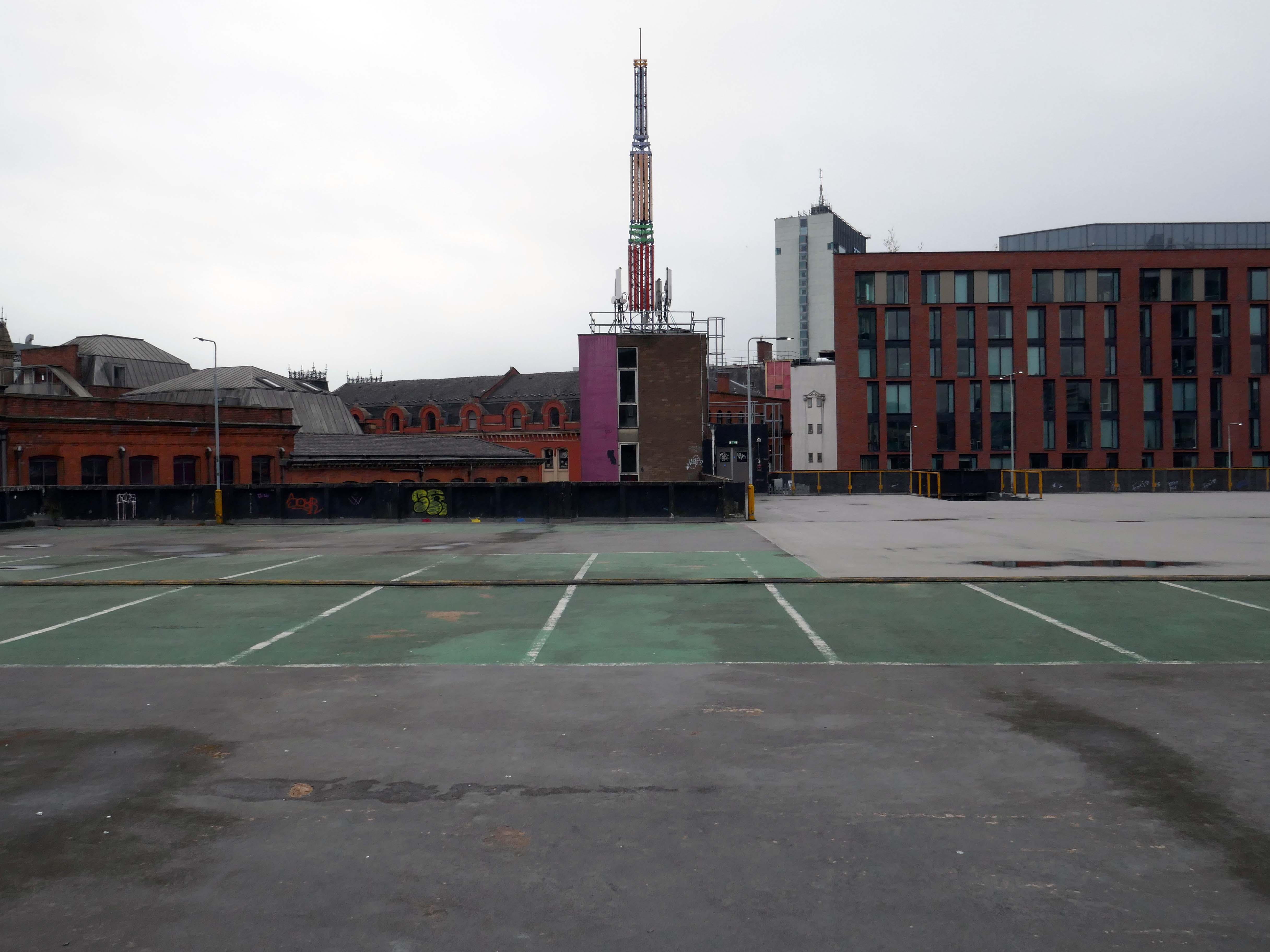
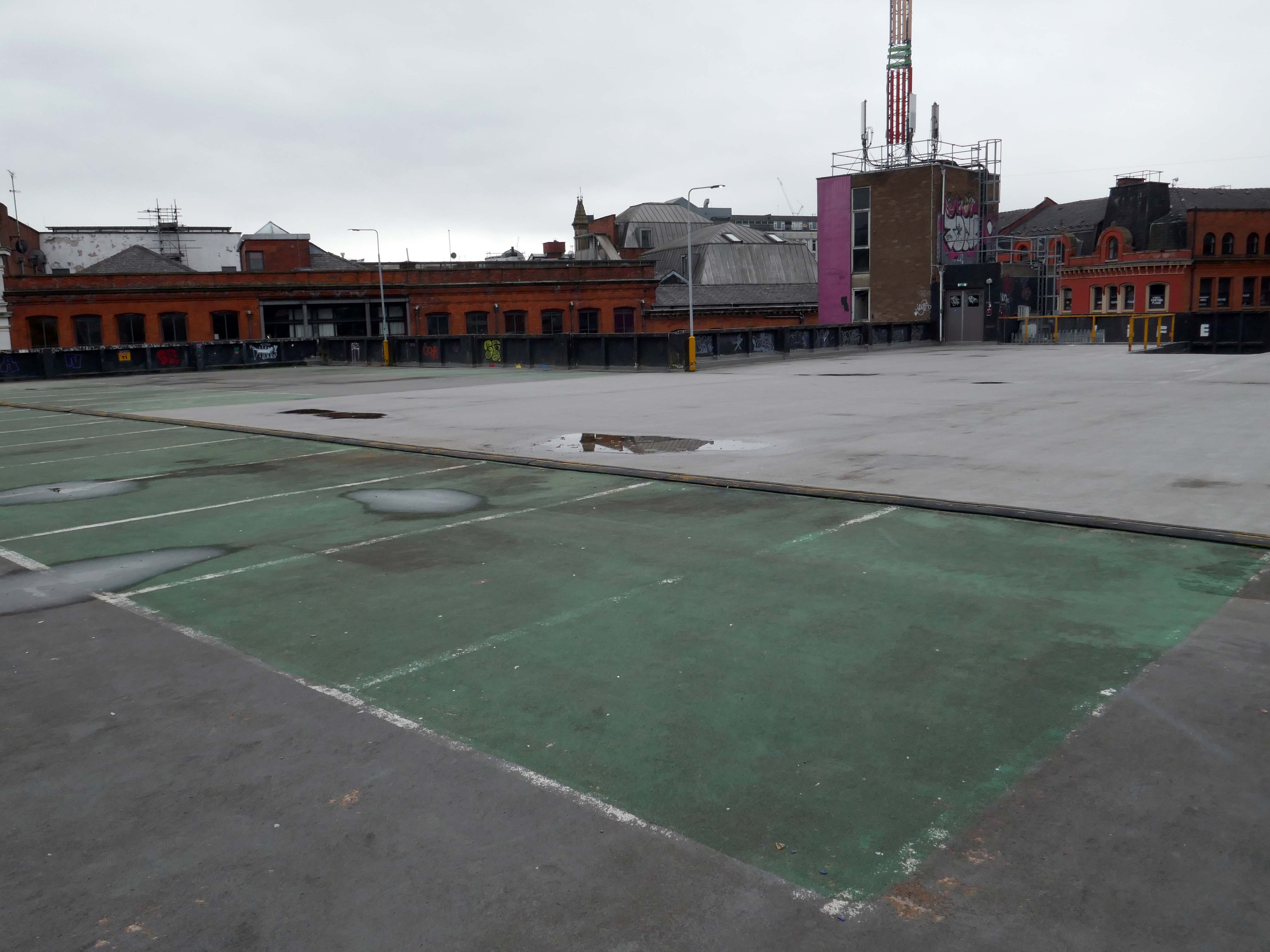
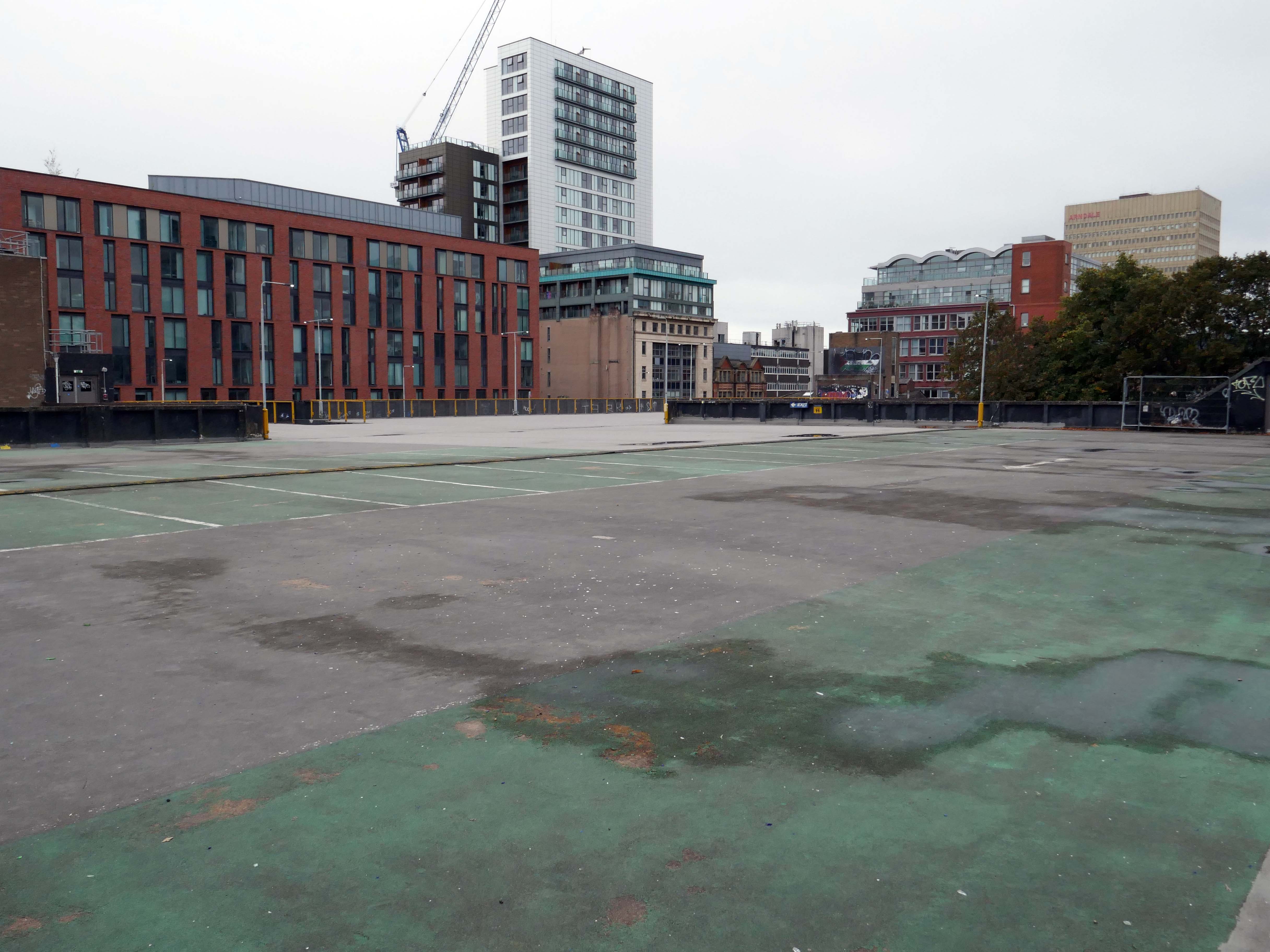
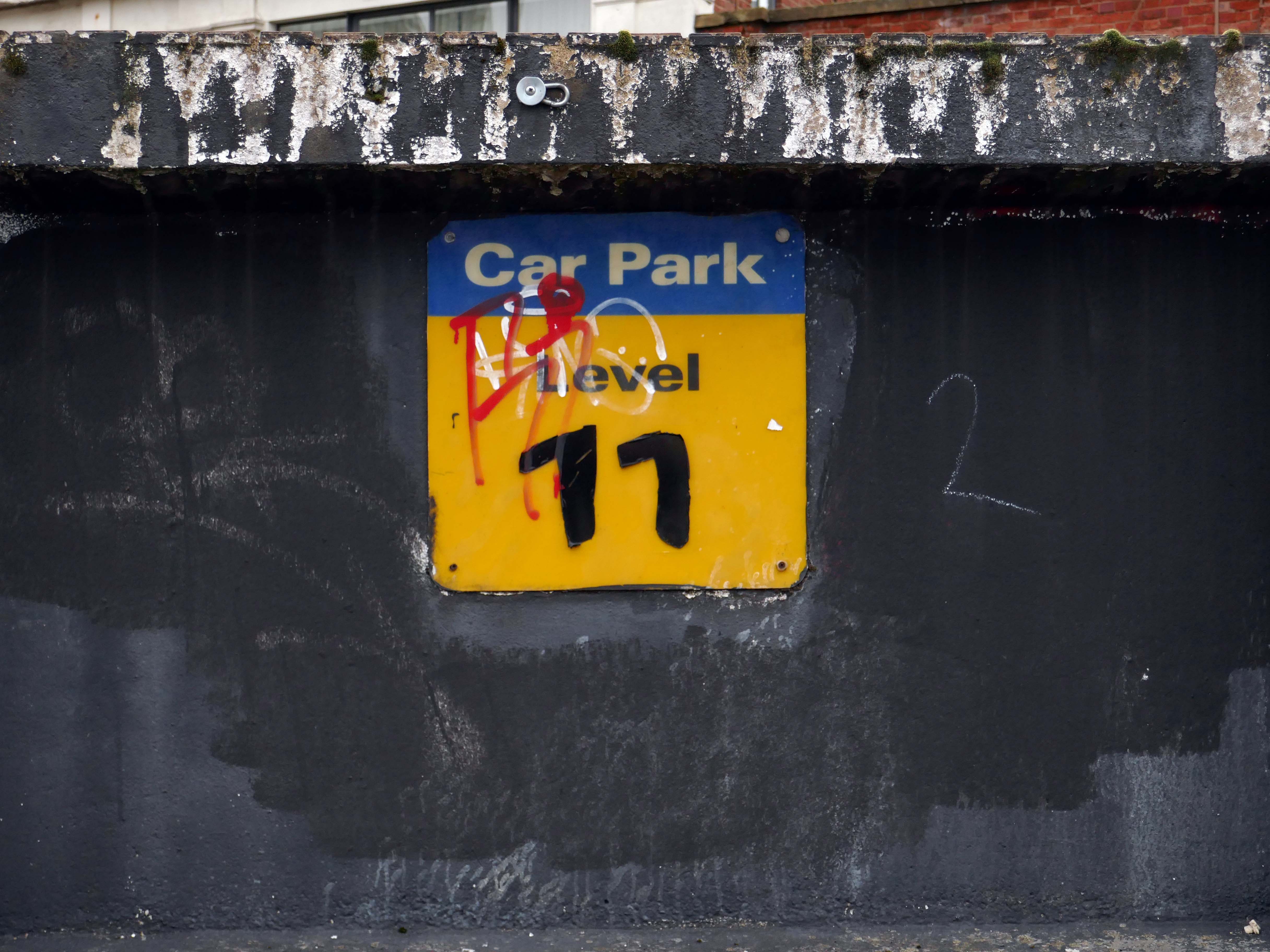
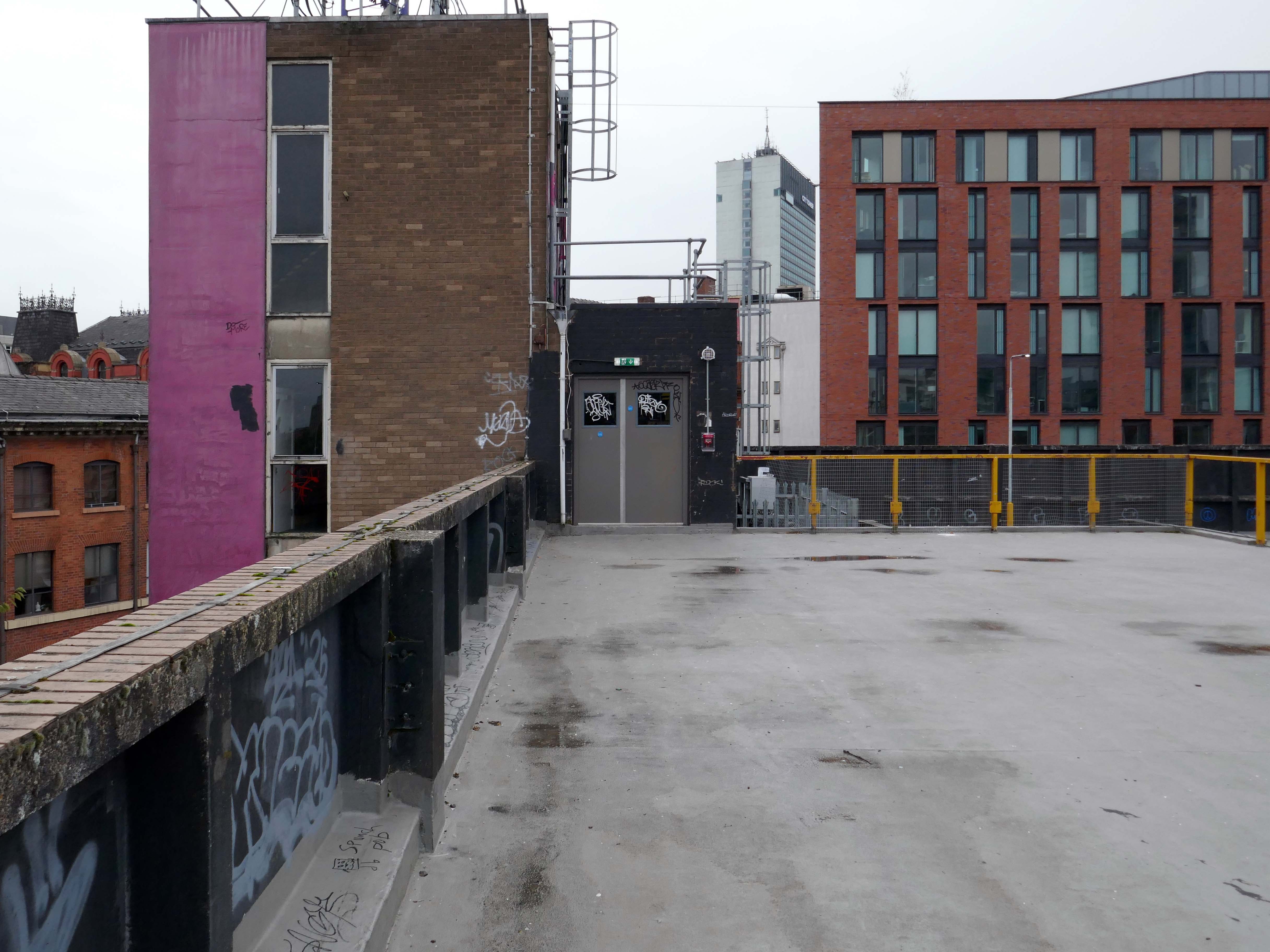
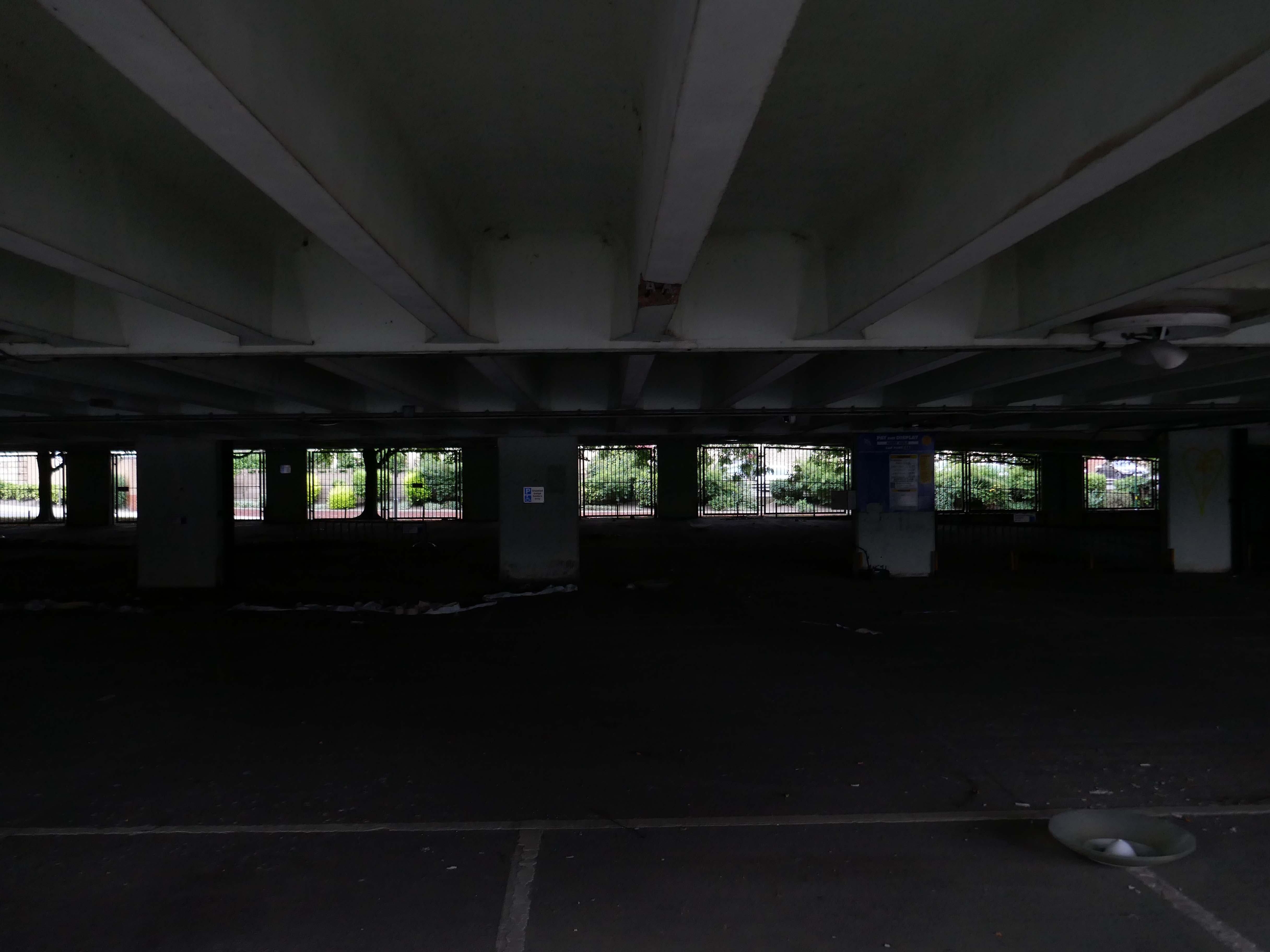
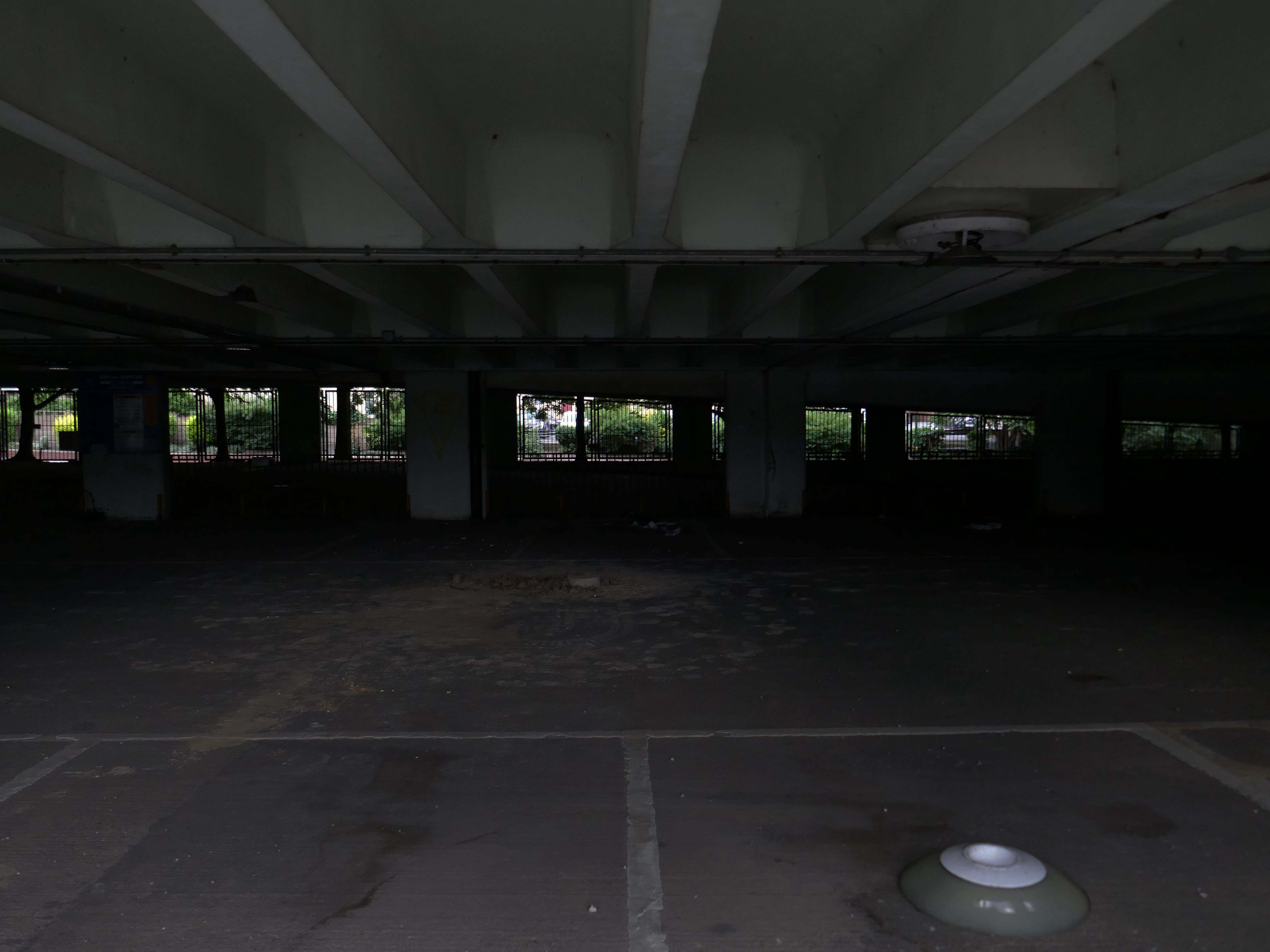
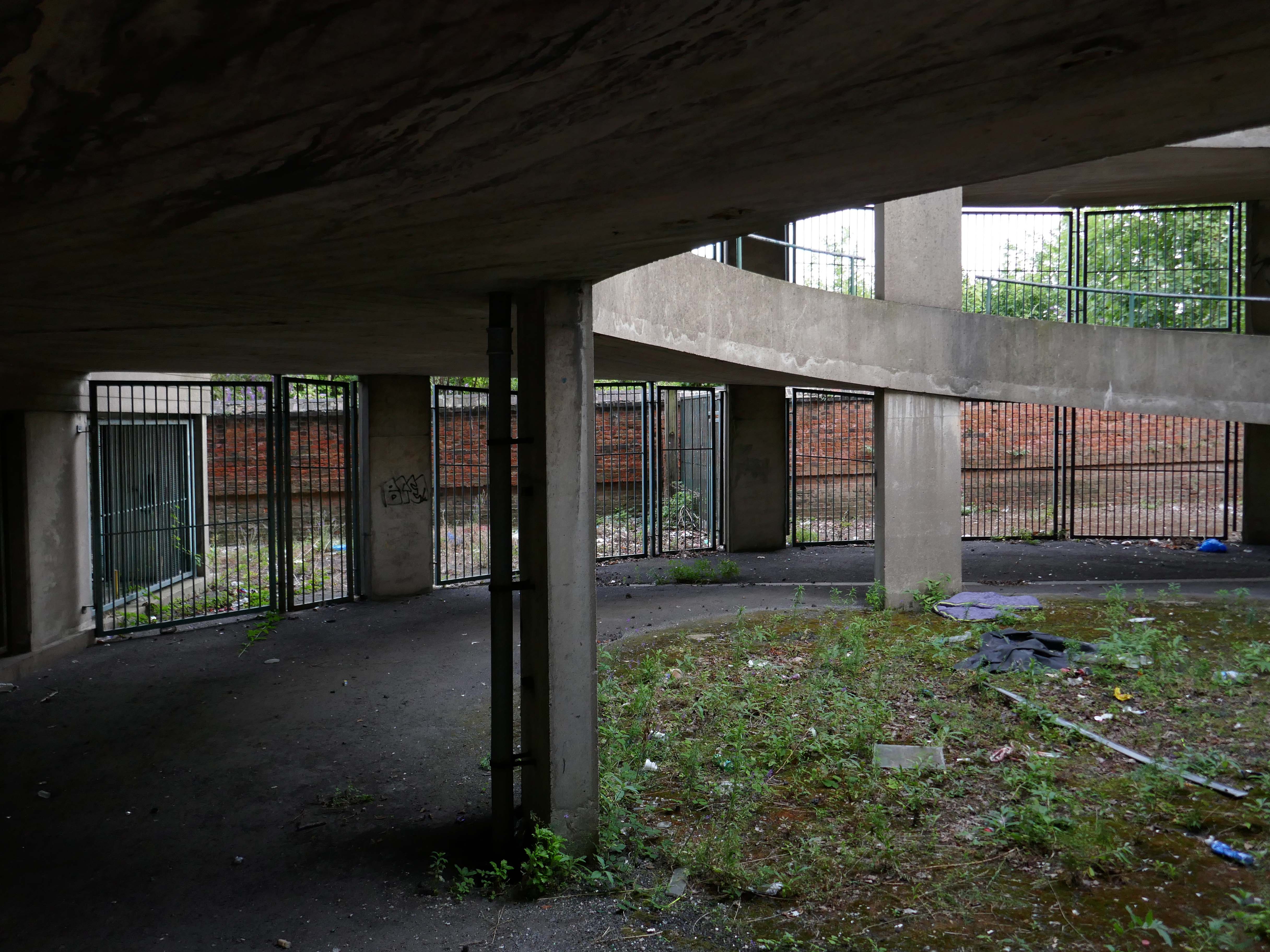
An eyesore Northern Quarter car park is to be demolished to make way for a new development. Four new public squares will be built, the council has announced.
MEN
Glenbrook’s proposal for the 1.5-acre site, designed by Tim Groom Architects, will feature 20% affordable provision, in line with the city council’s aspirations.
The new neighbourhood will also feature four public squares and green spaces, a flexible community and gallery space, and commercial units for local independent businesses and food and beverage outlets.
“The Church St site represents a unique opportunity in the heart of the Northern Quarter, a neighbourhood and community that is alive with energy and creativity, and Glenbrook is delighted to play an important role in its future growth,” said Ian Sherry, director at Glenbrook.
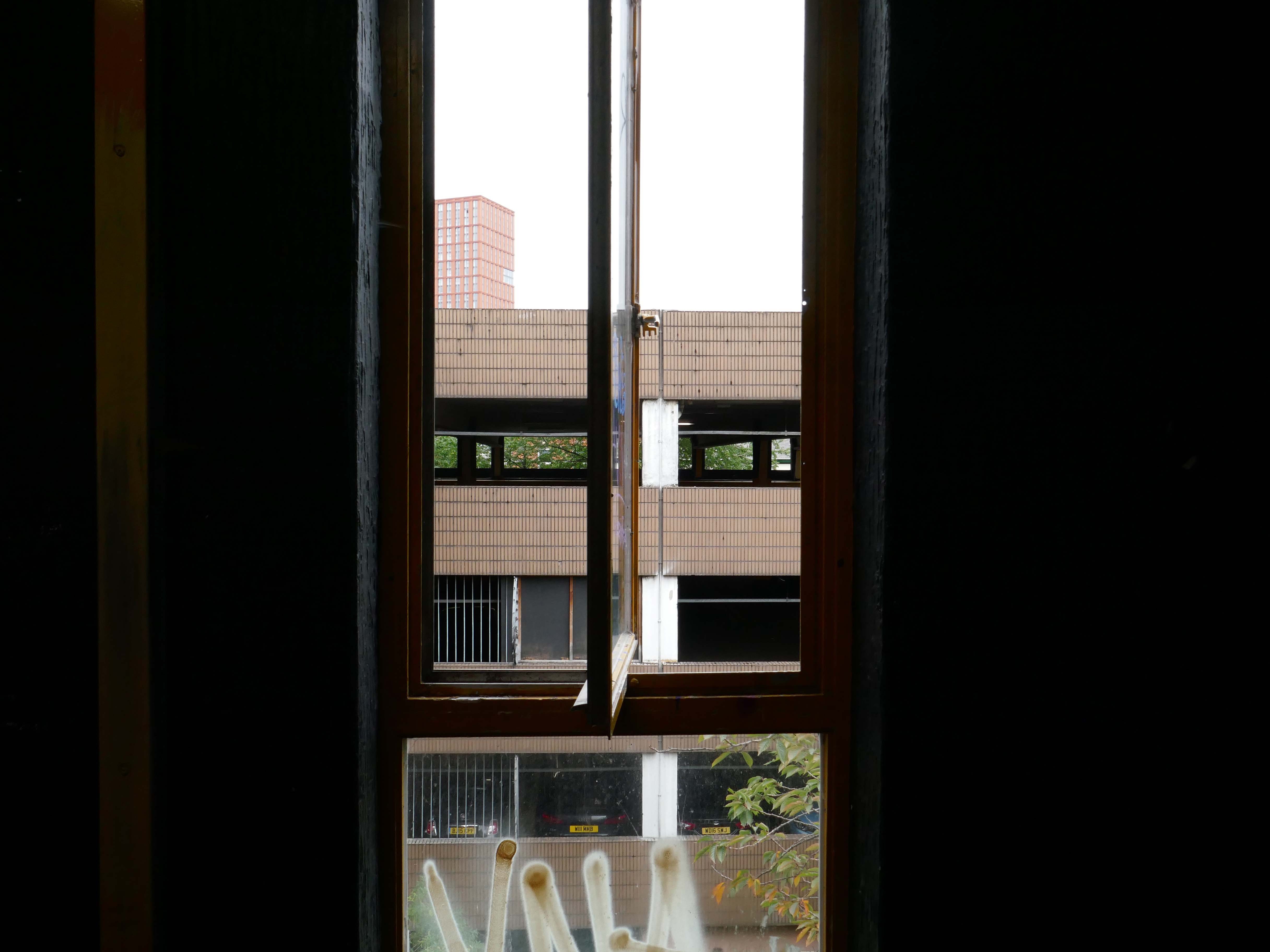
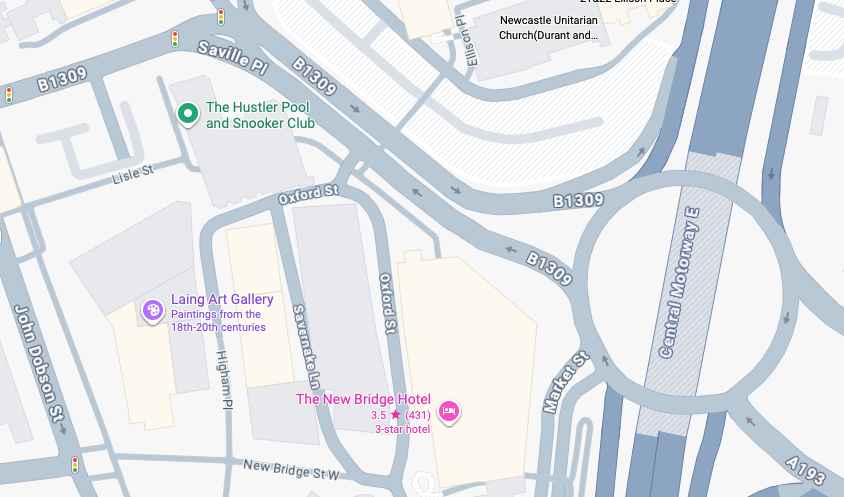
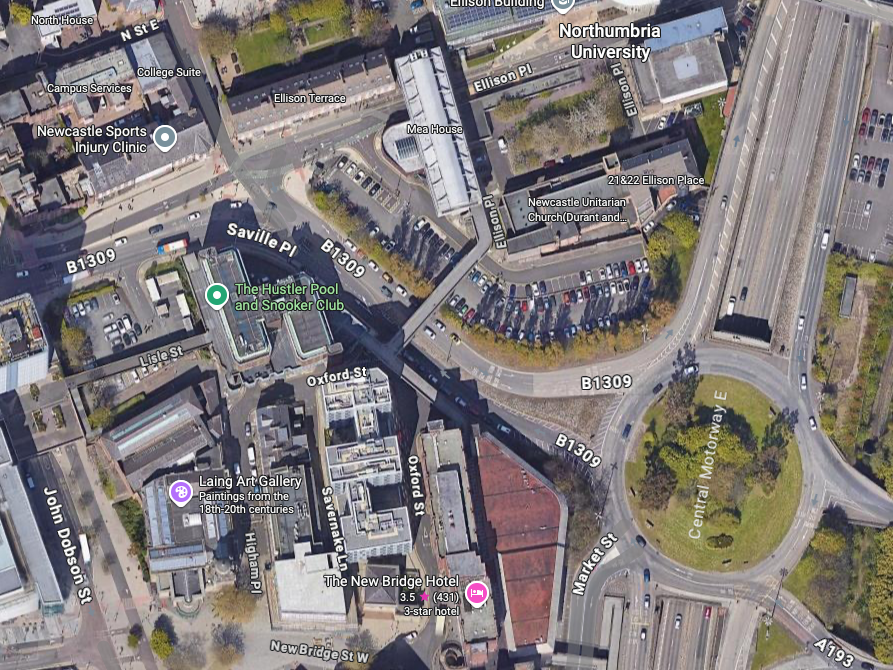
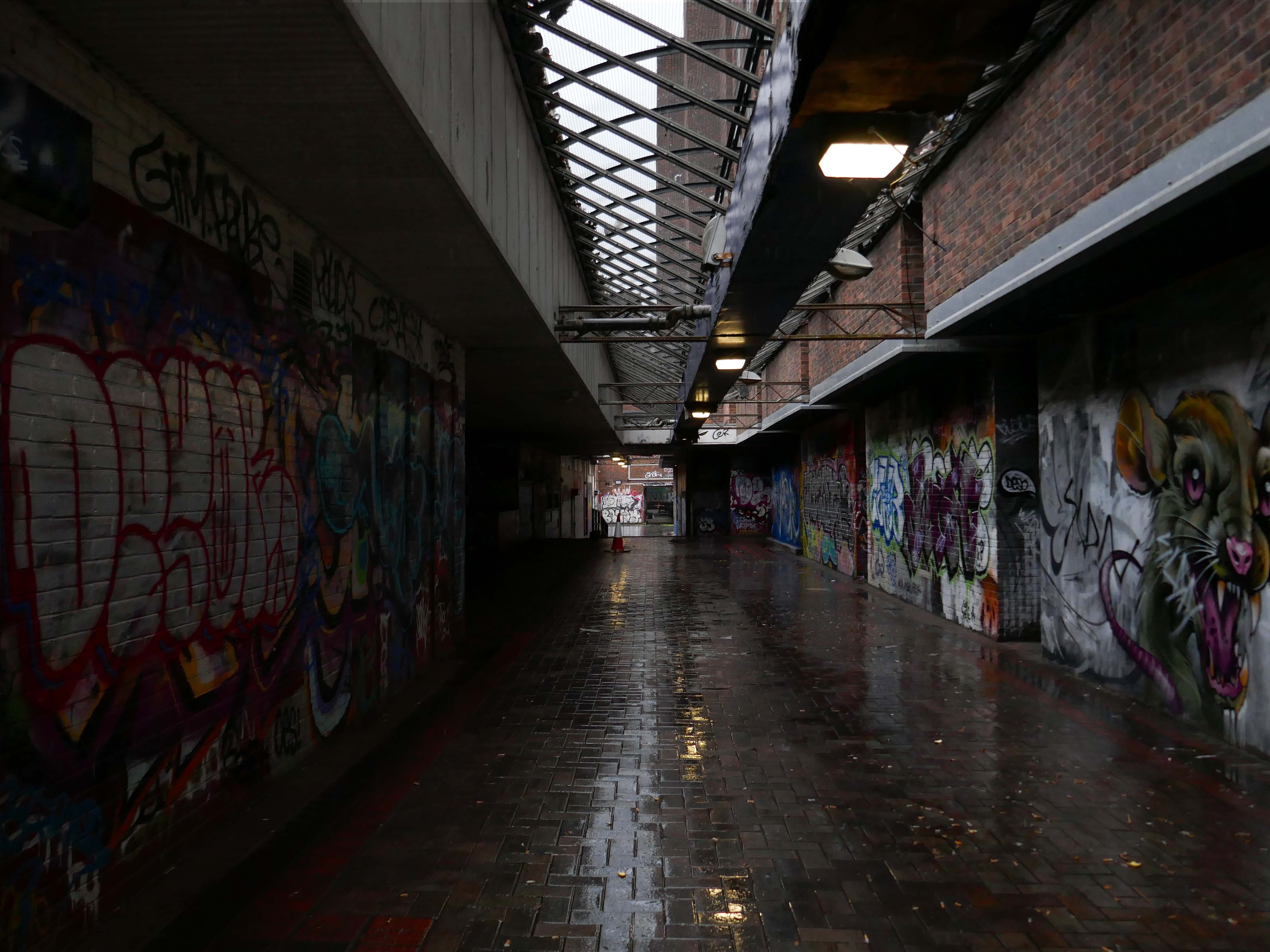
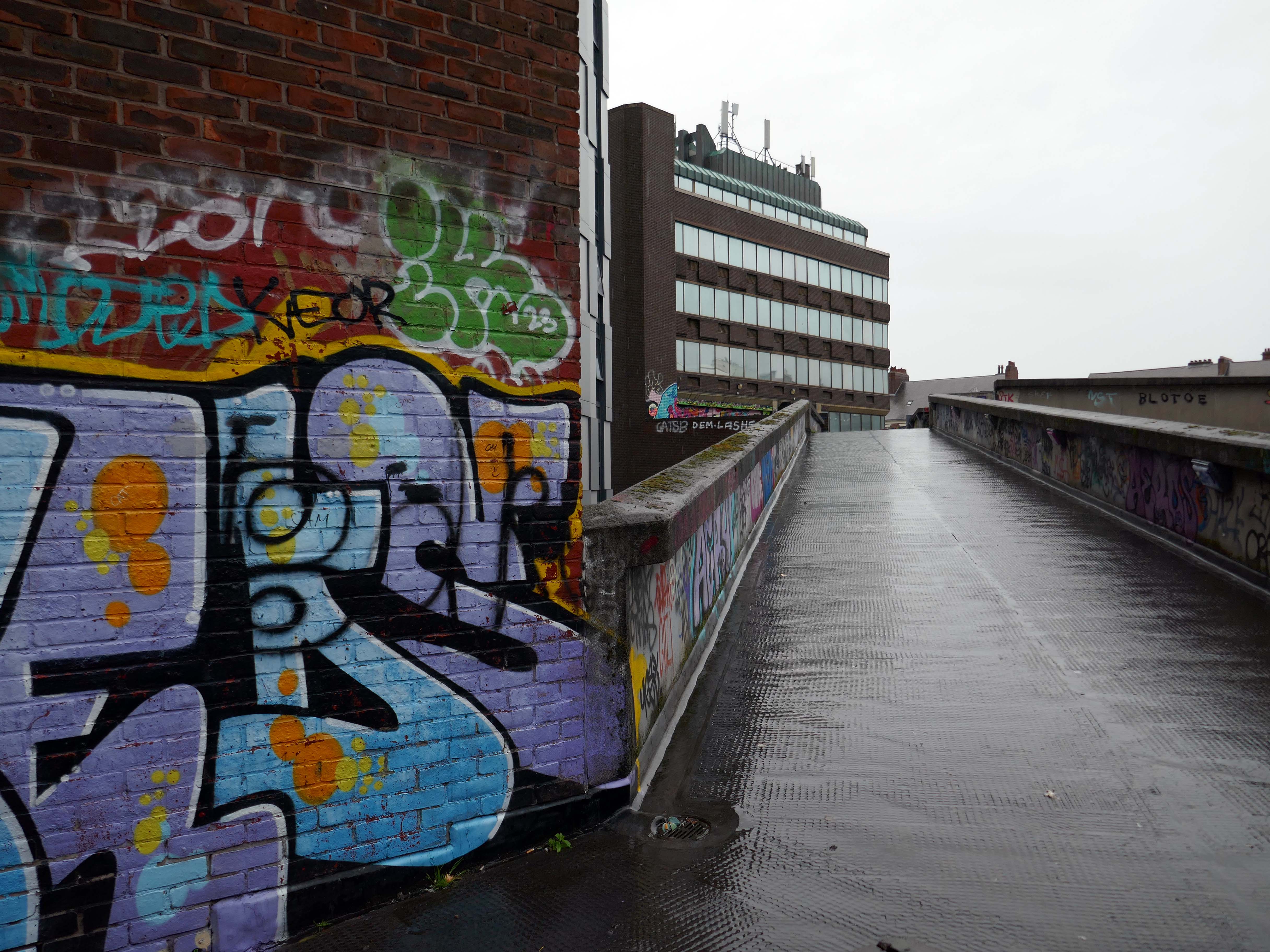
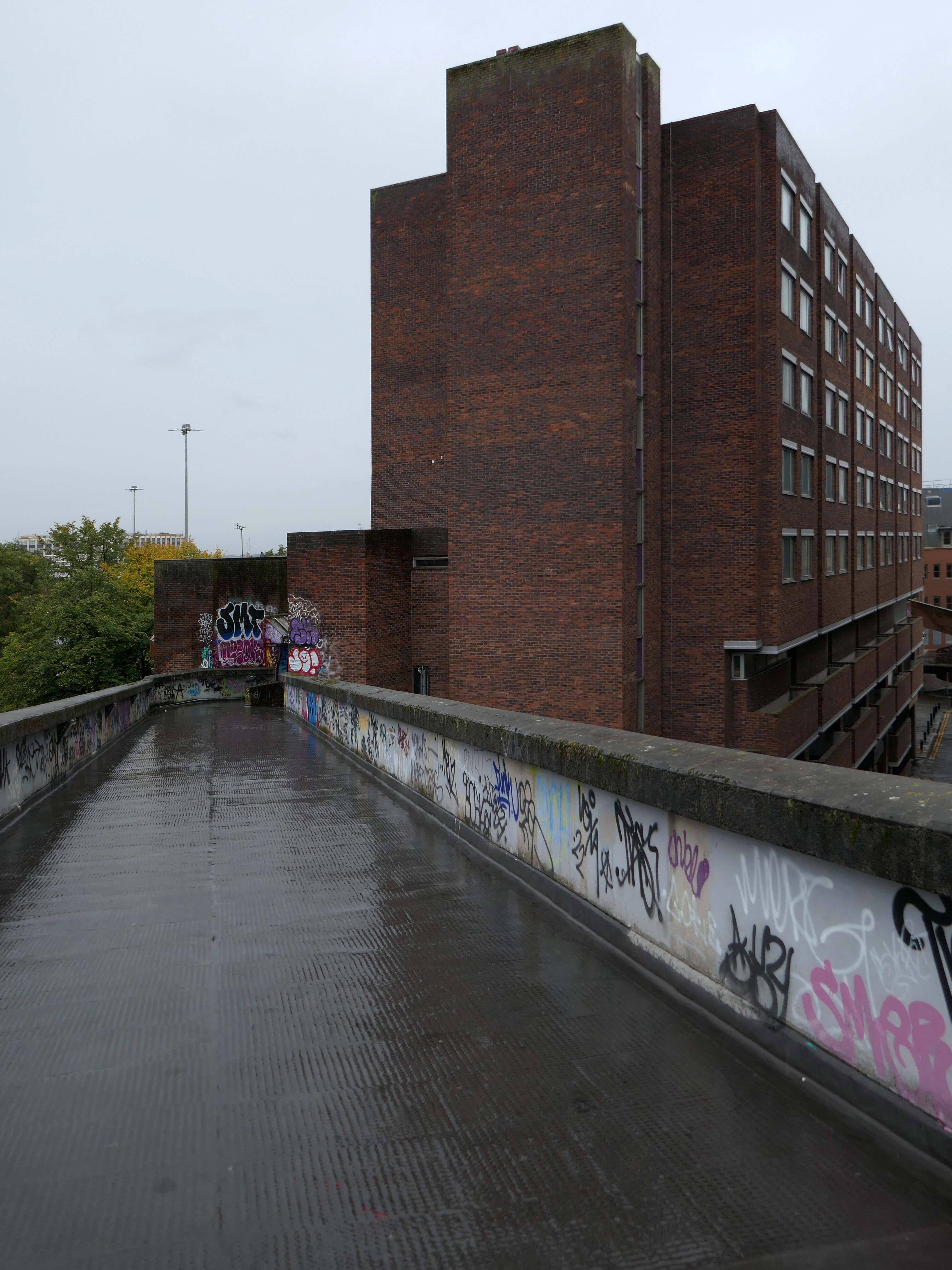
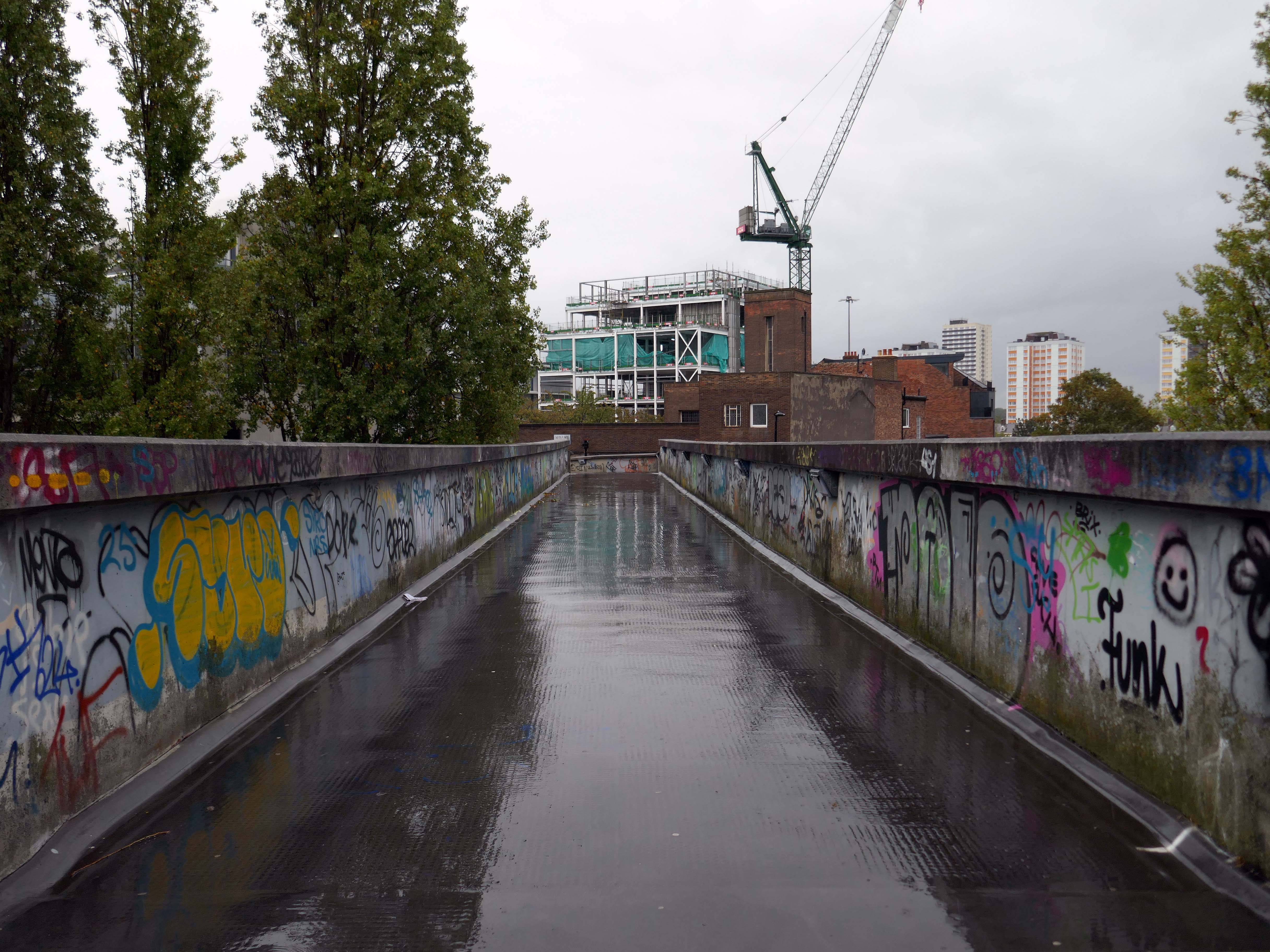
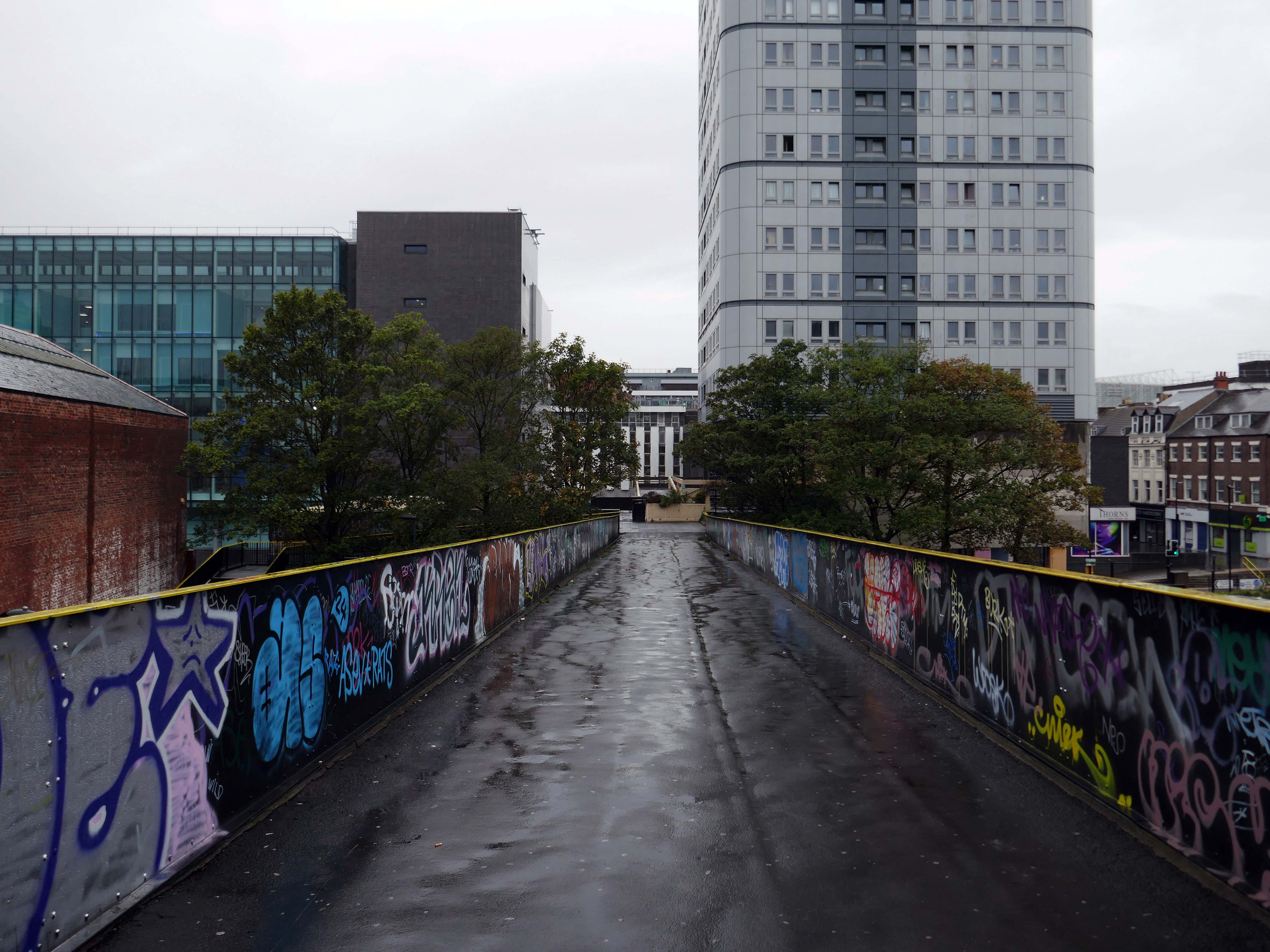
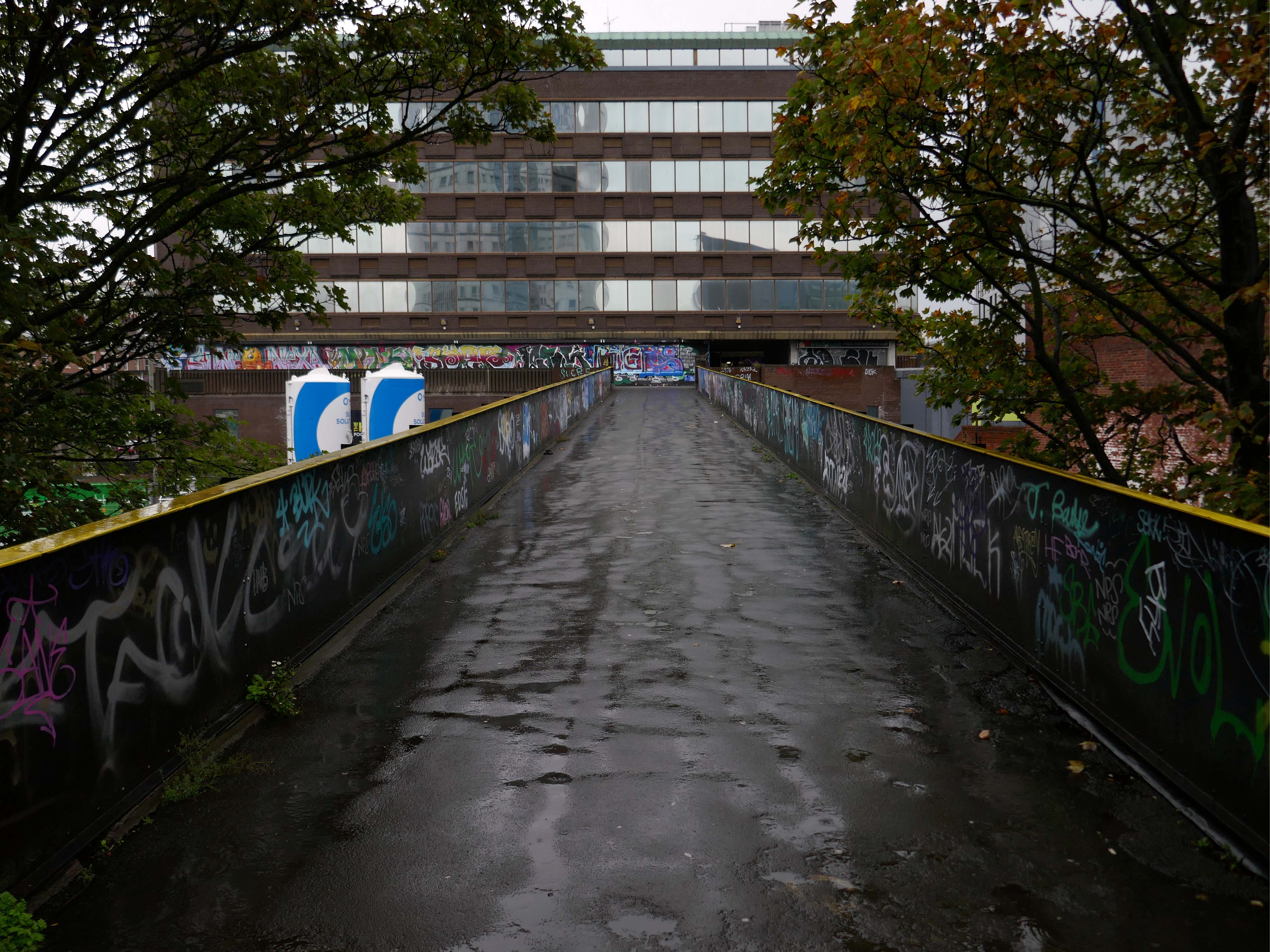
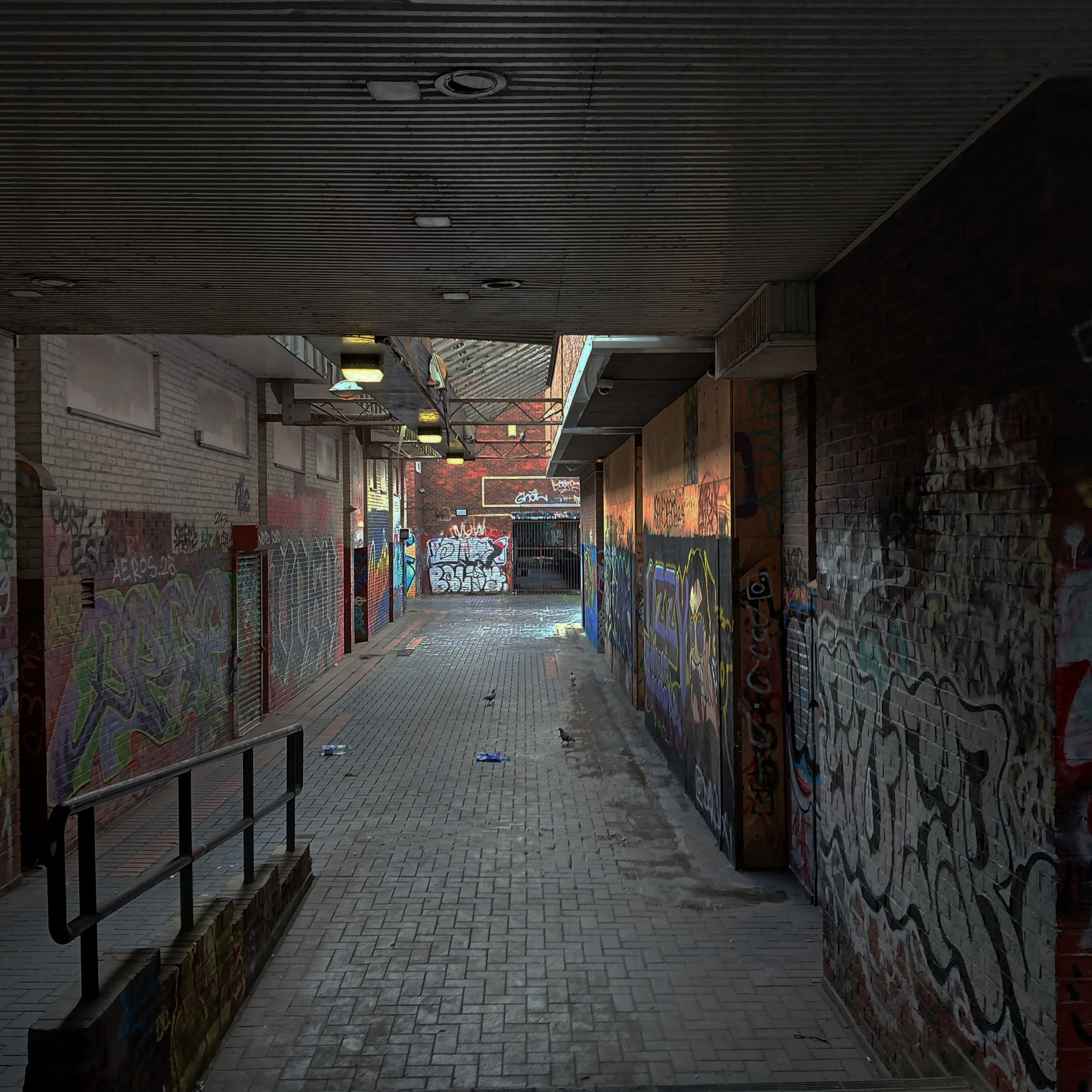
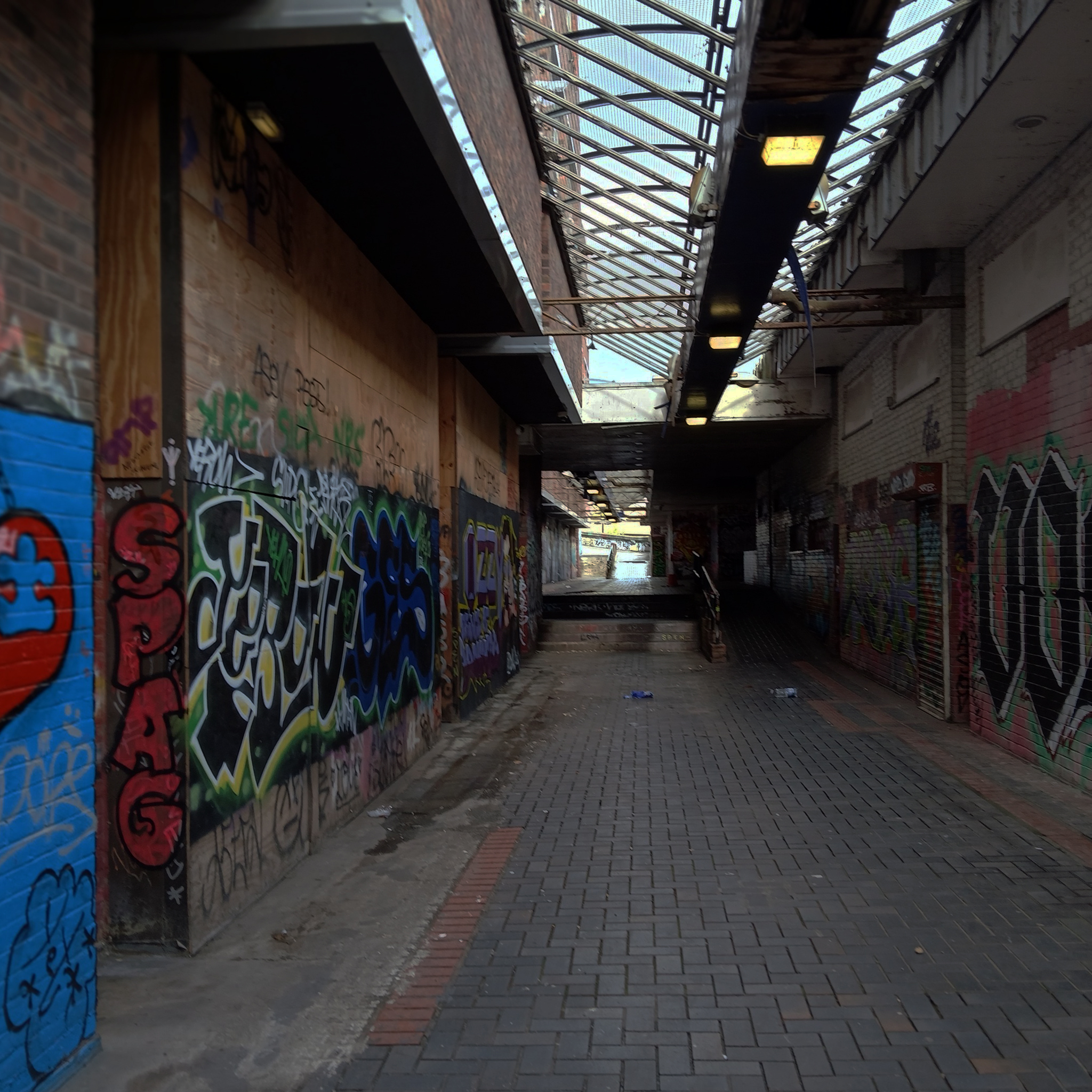
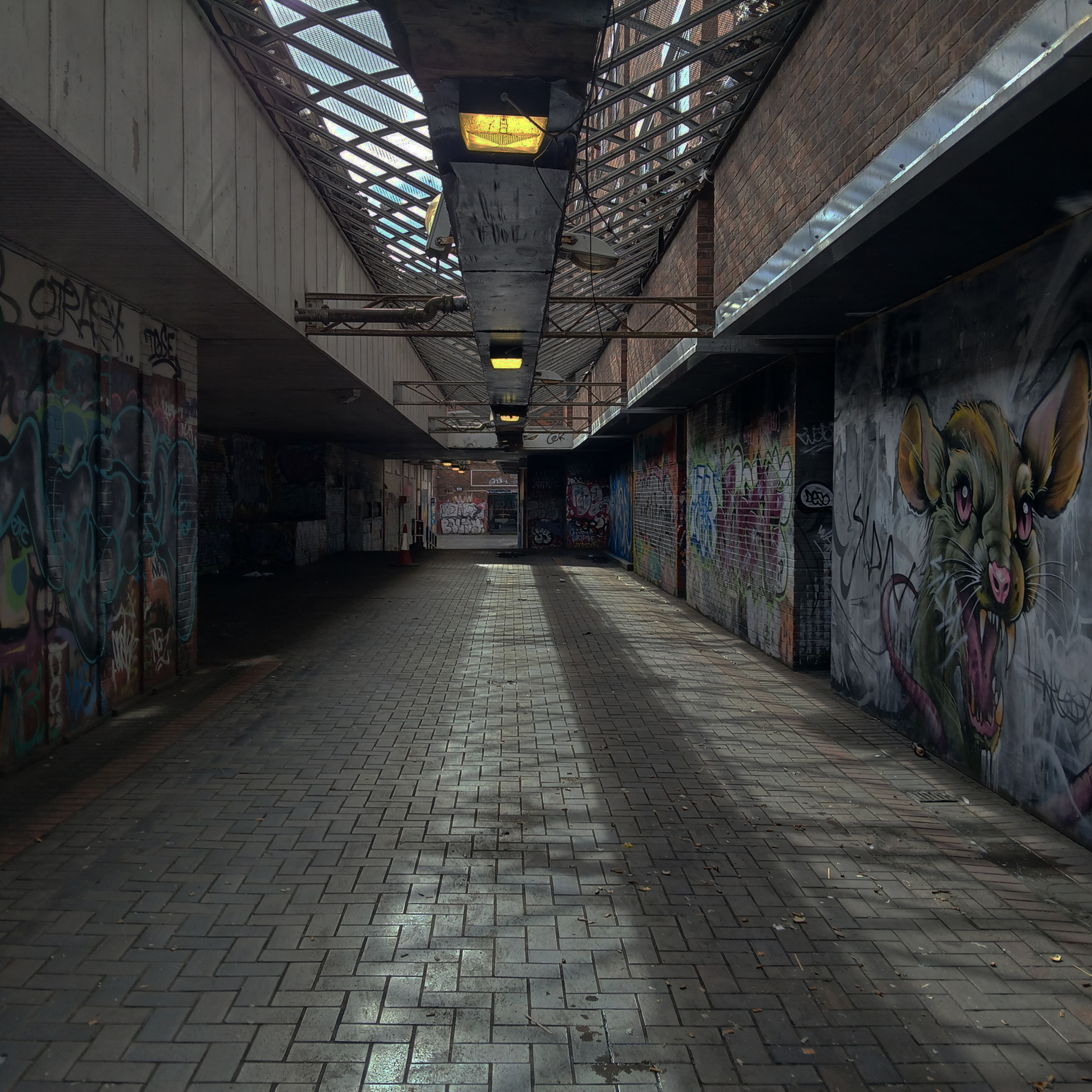
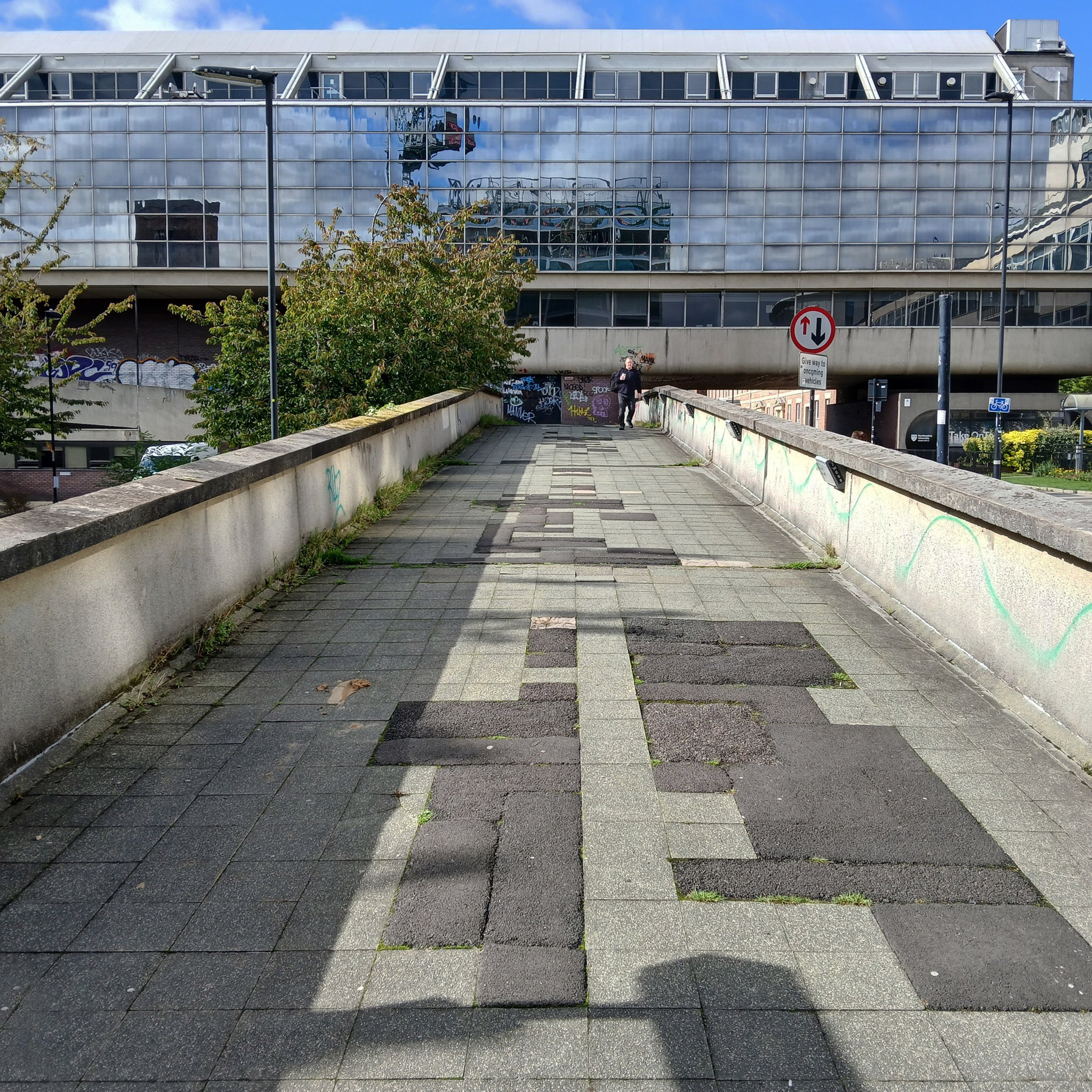
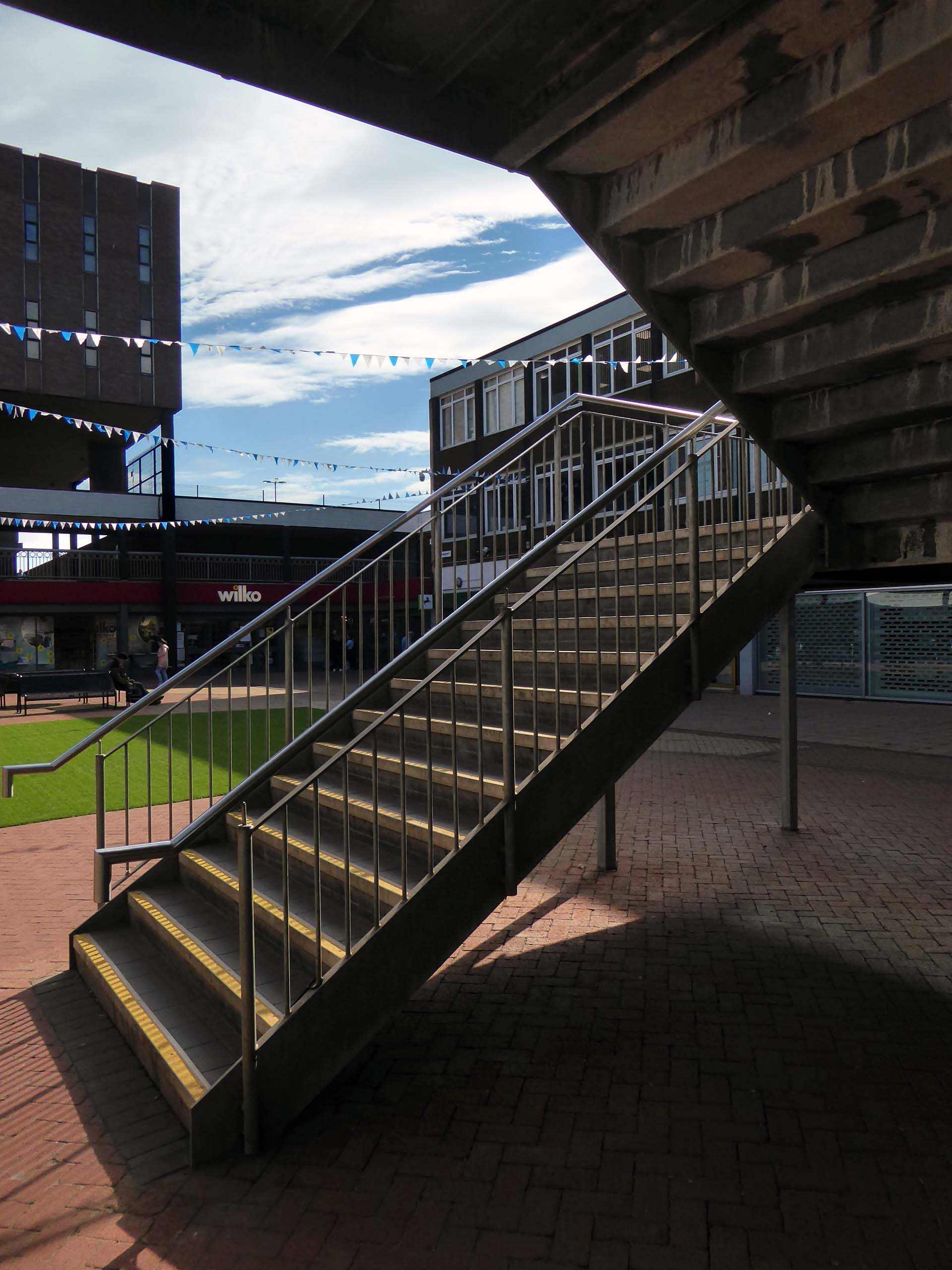
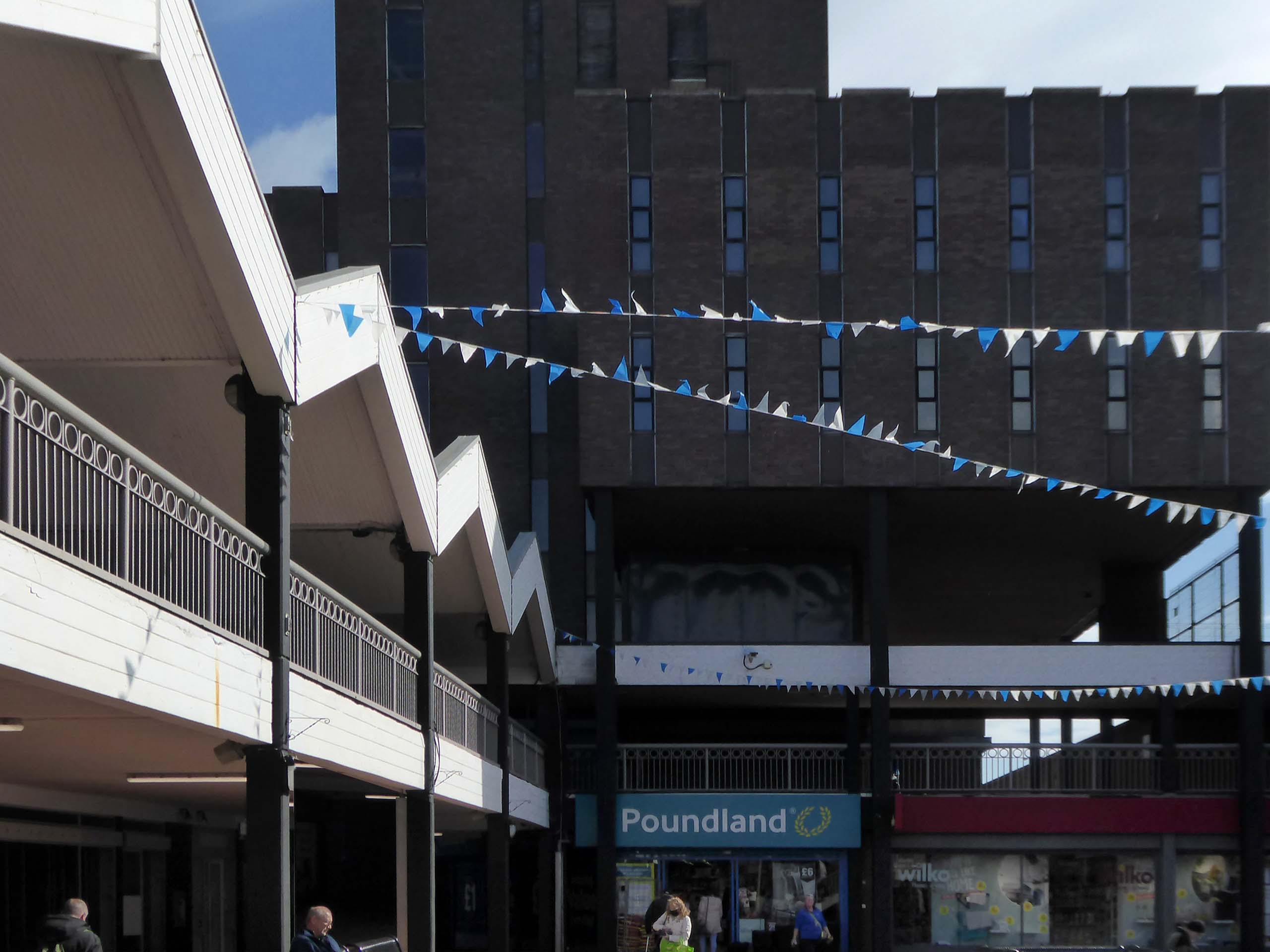
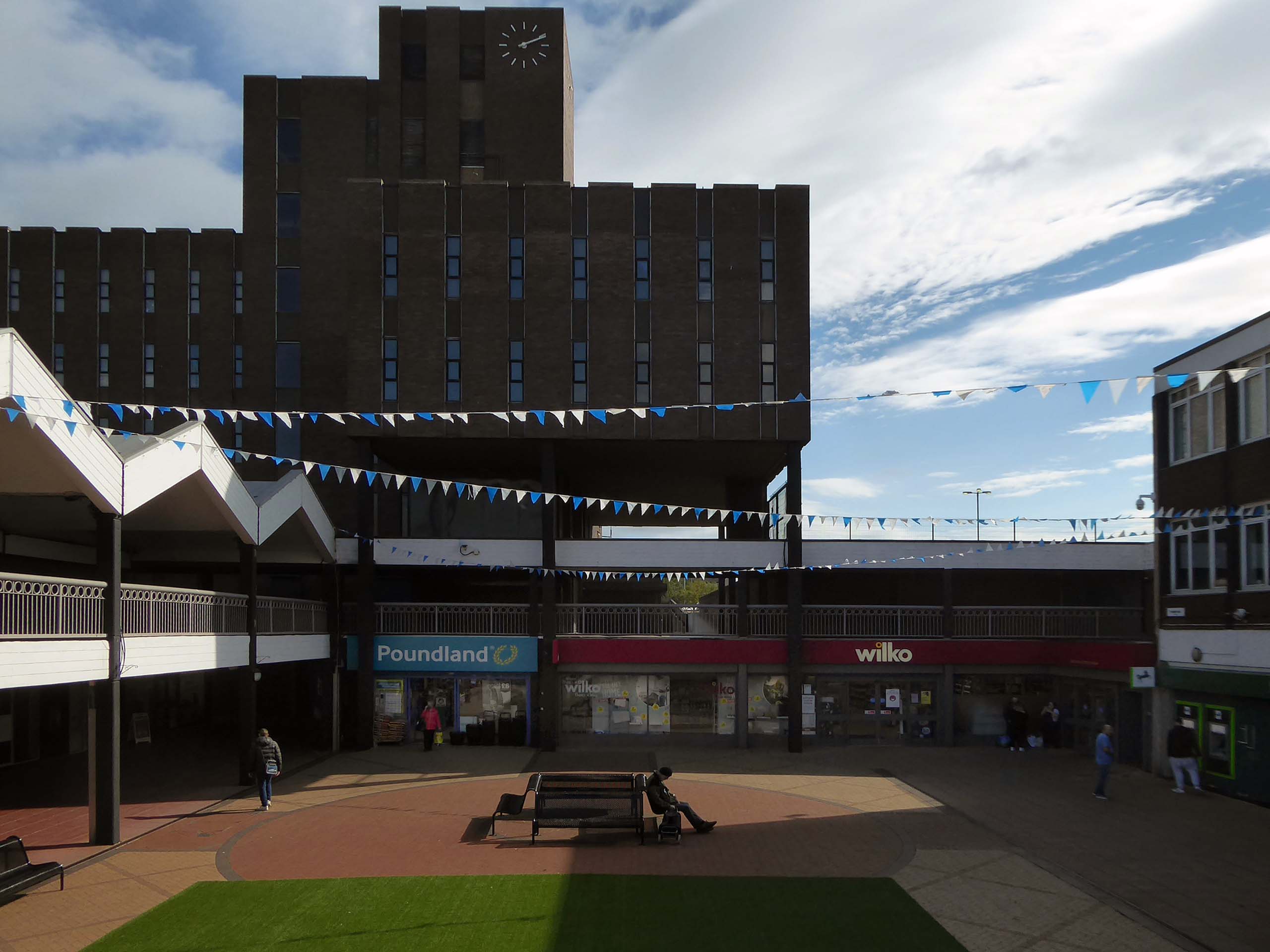
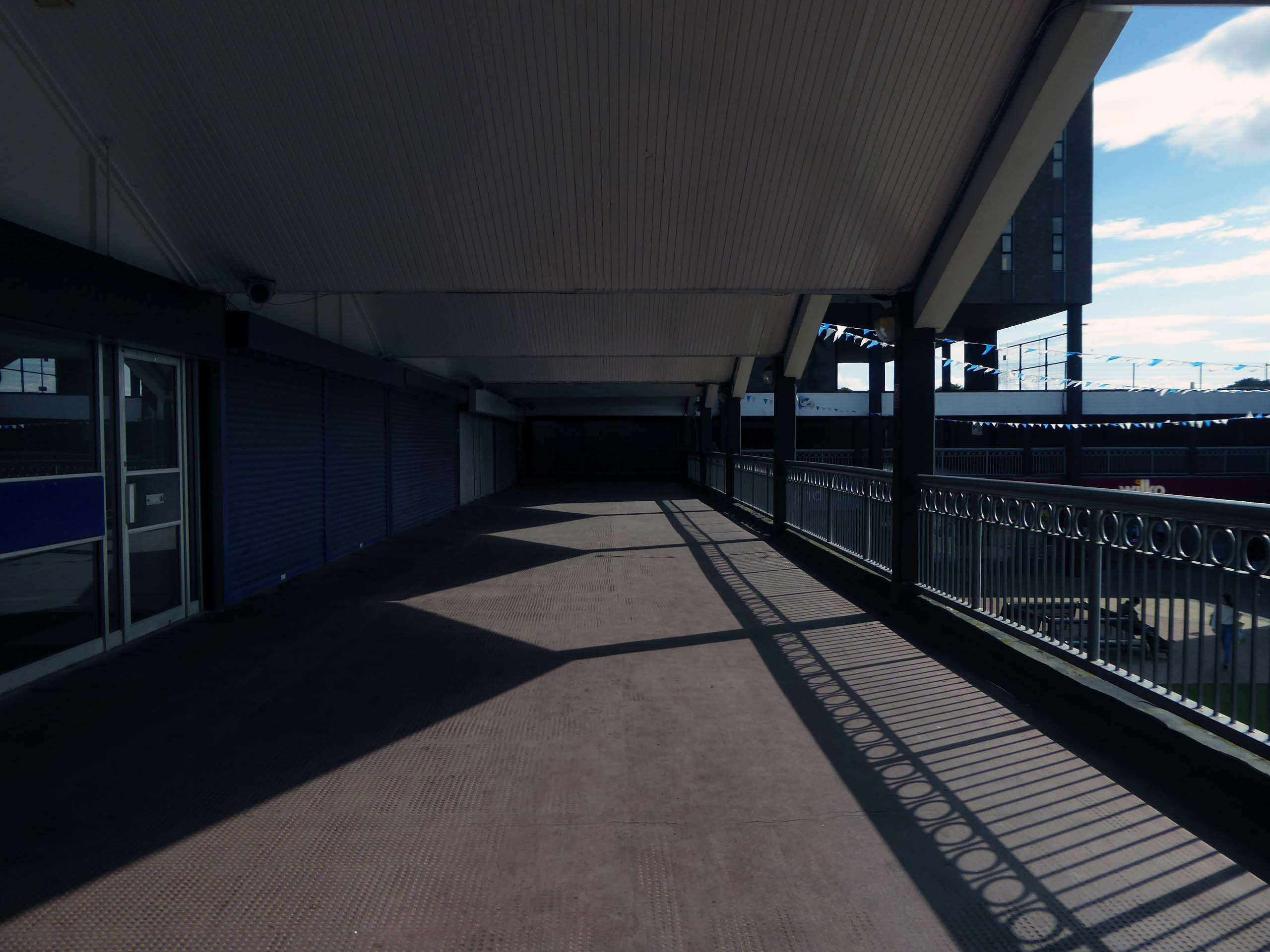
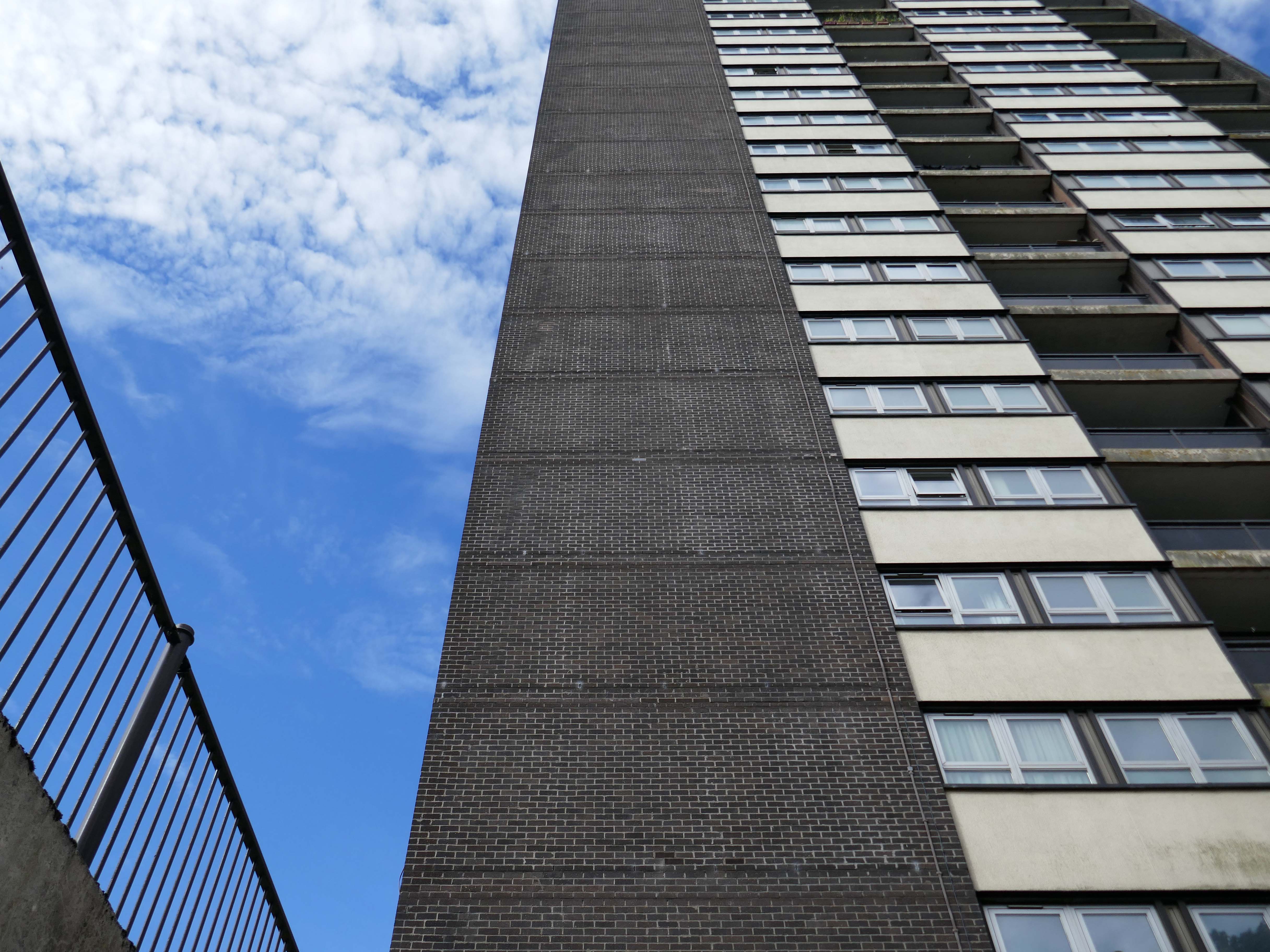
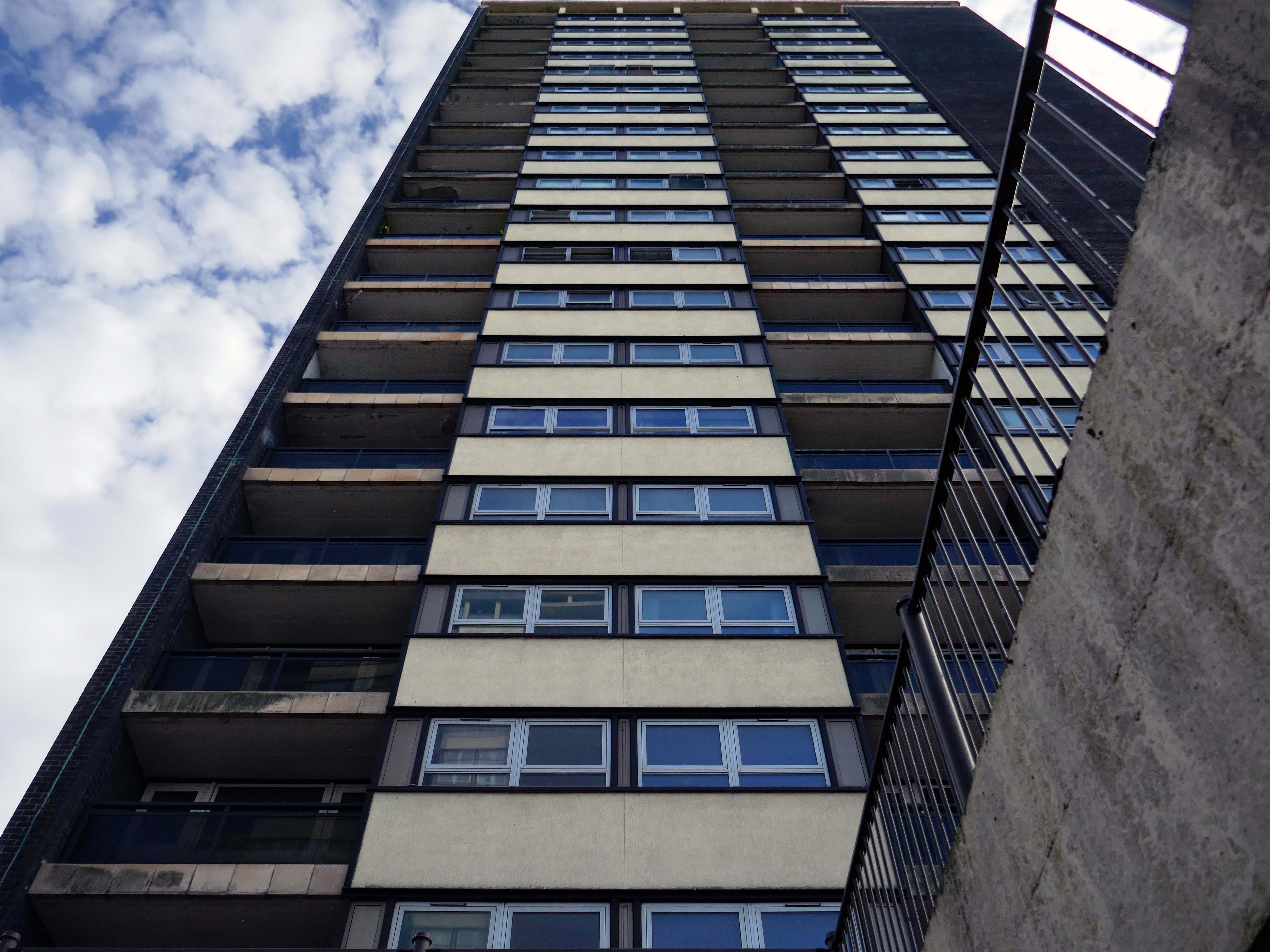
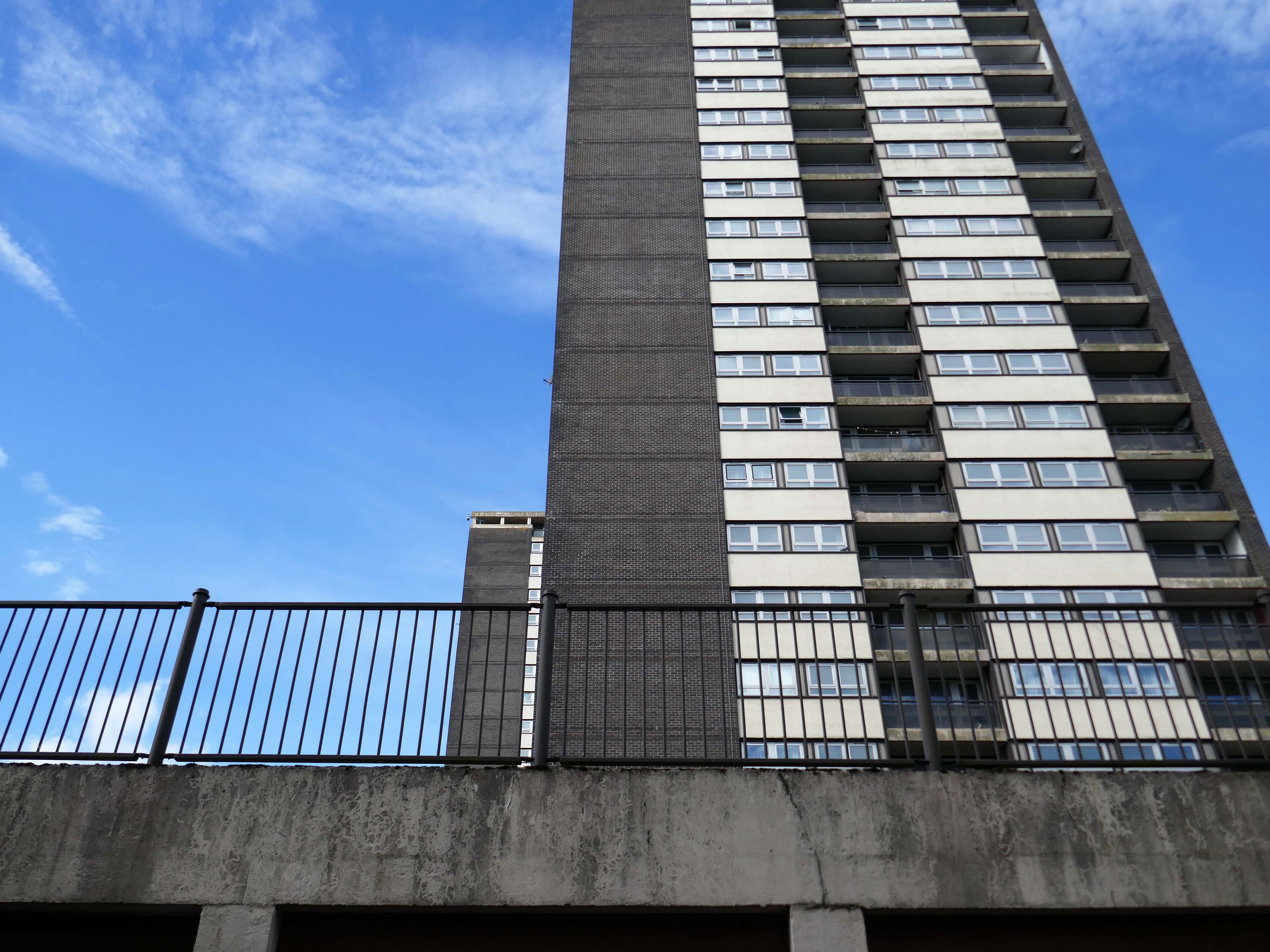
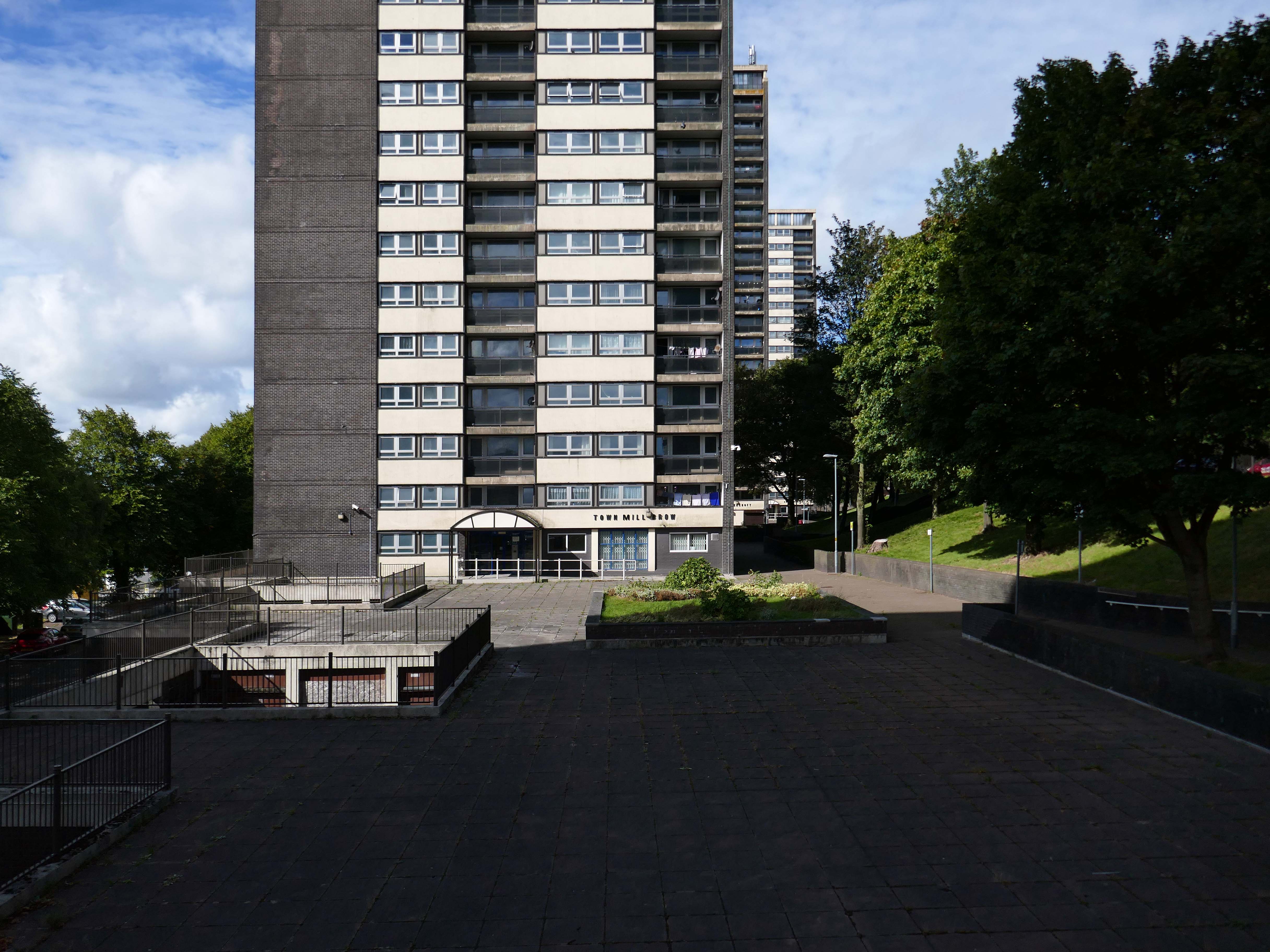
These are the streets in the sky passing between the Central Motorway, Saville Place and Oxford Street.
Streets constrained by infrastructure, a University and doomed leisure provision.
Welcome to Newbridge Hotel Newcastle upon Tyne – a charming oasis located in the heart of the vibrant city, just a short stroll from the renowned Theatre Royal and beautiful St James’ Park. Whether you’re visiting for business or leisure, the location ensures that you have easy access to the best of Newcastle, including fantastic shopping at Eldon Square and local attractions like the Metro Radio Arena.
Discover the essence of Newcastle from Newbridge Hotel, where every stay becomes a unique experience tailored to your needs.
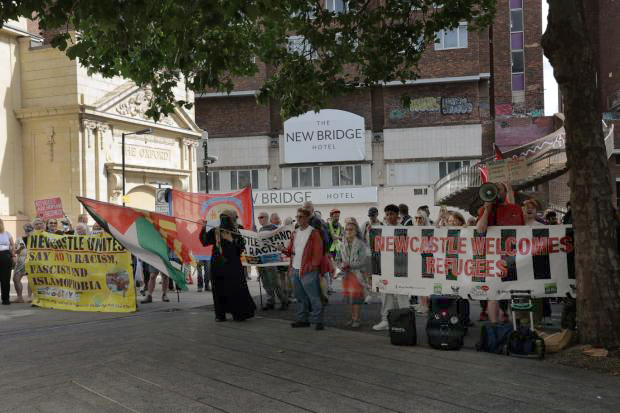
Two sets of protestors gathered outside the New Bridge Hotel in Newcastle, as “Newcastle Welcomes Refugees” stood up to “Send Them Back” protesters who want an end to migrants being housed in the hotel.
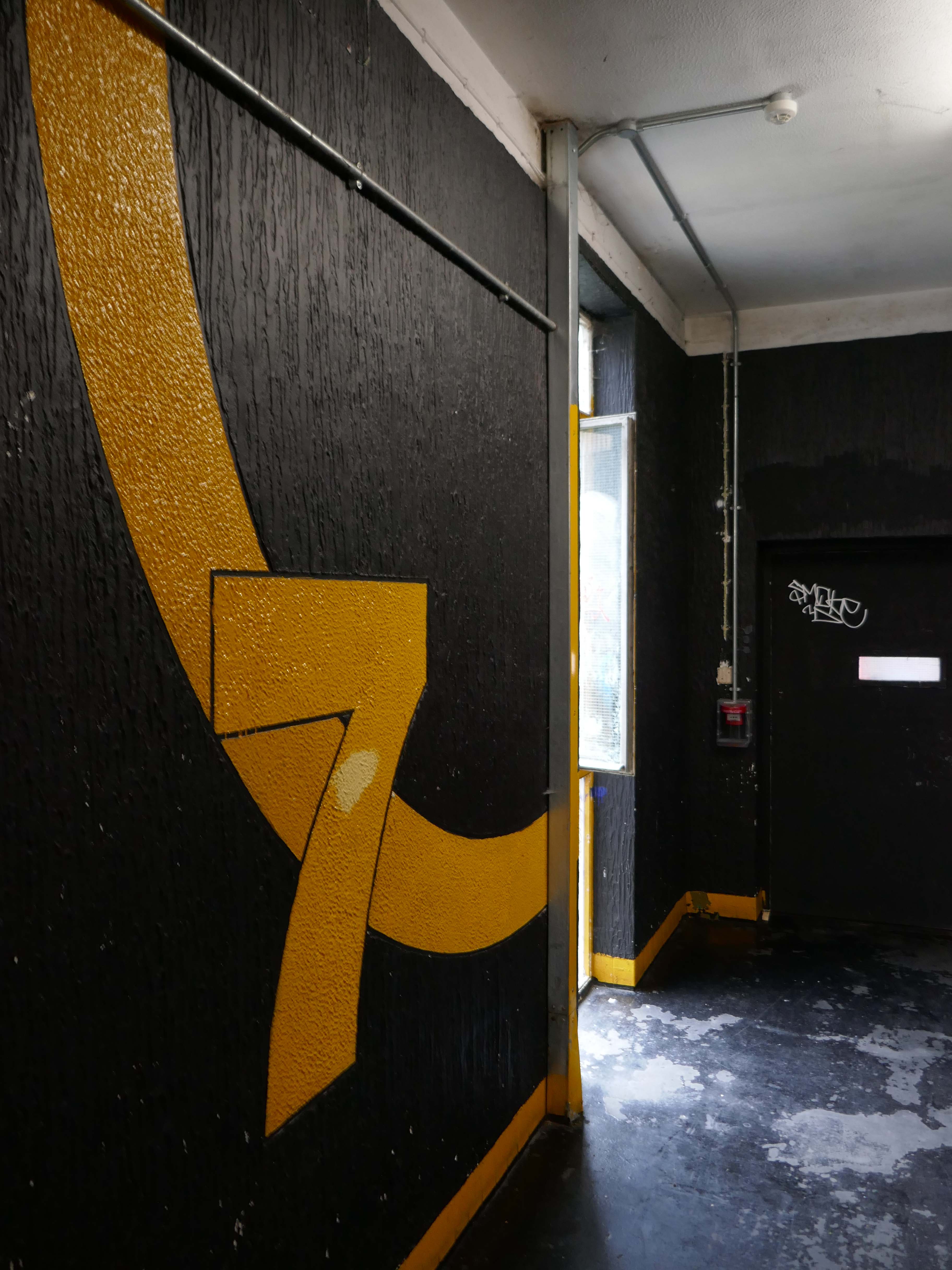
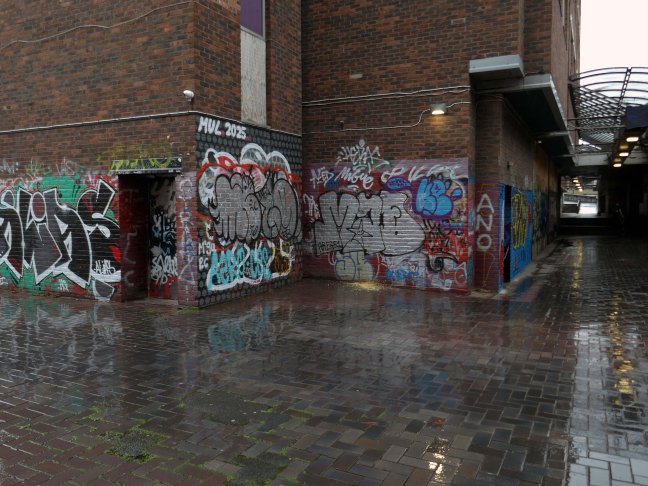
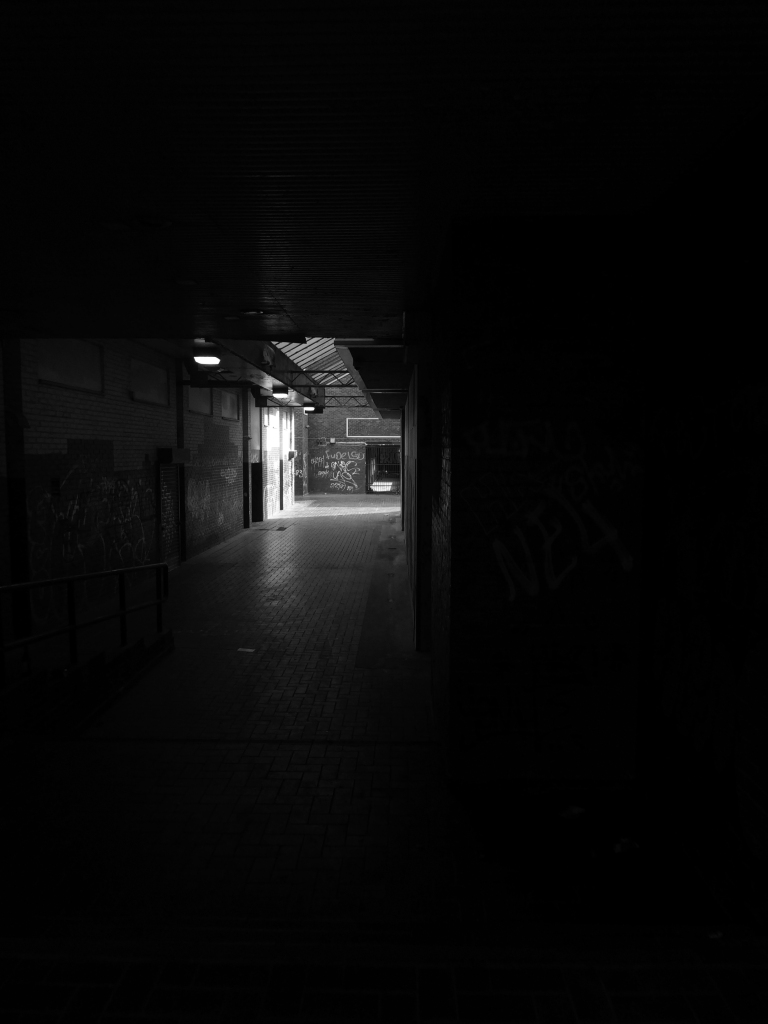
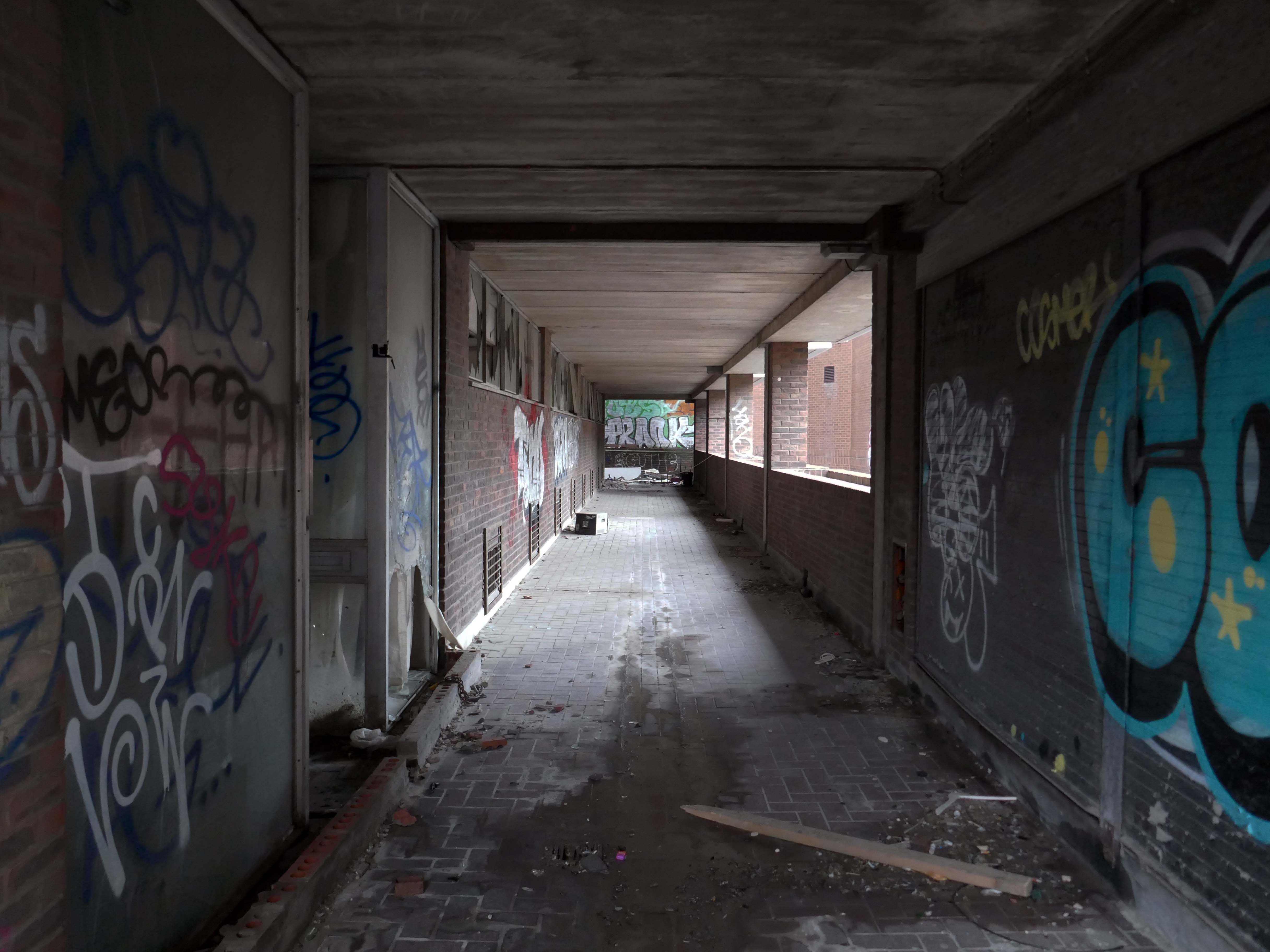
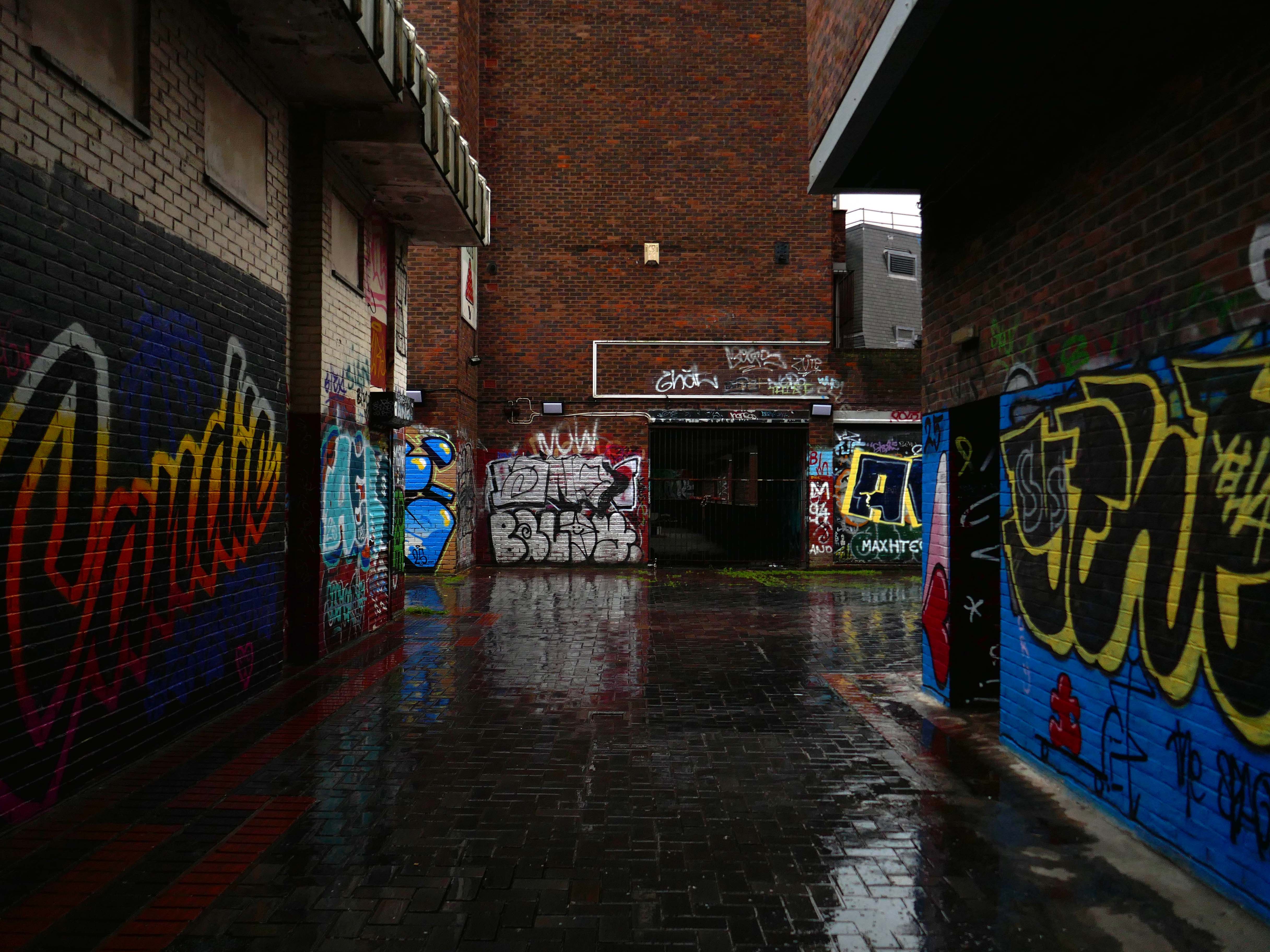
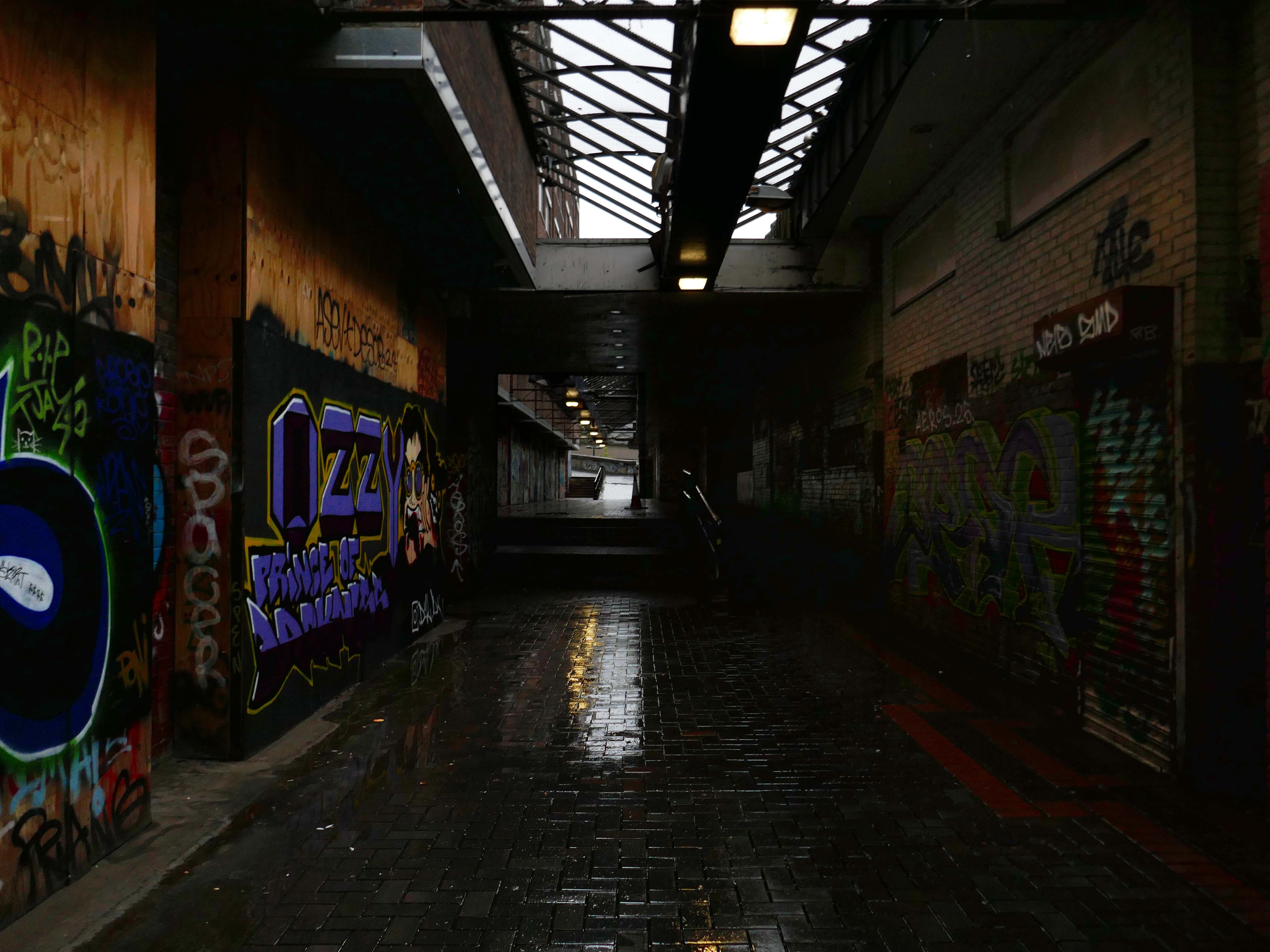
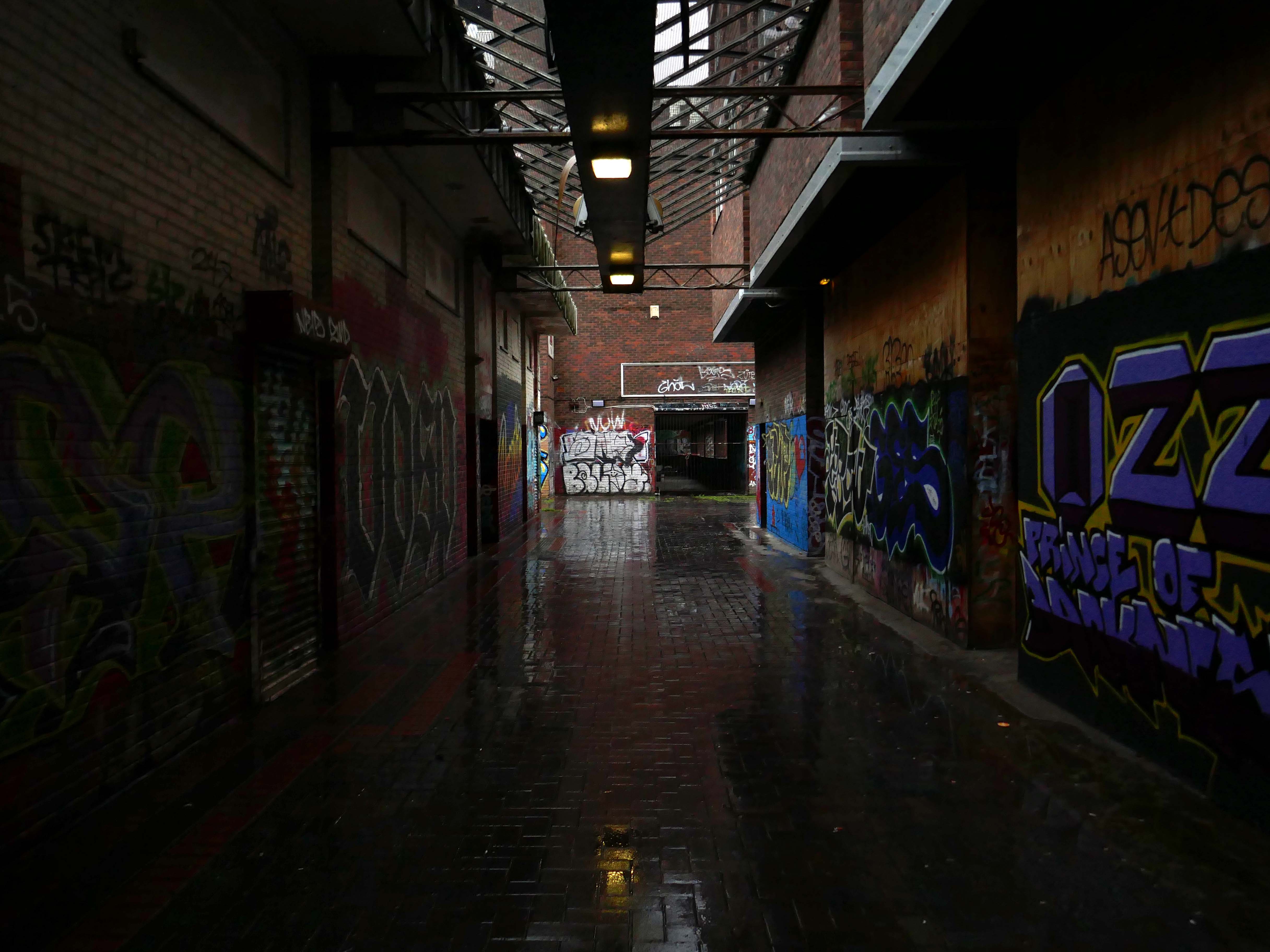
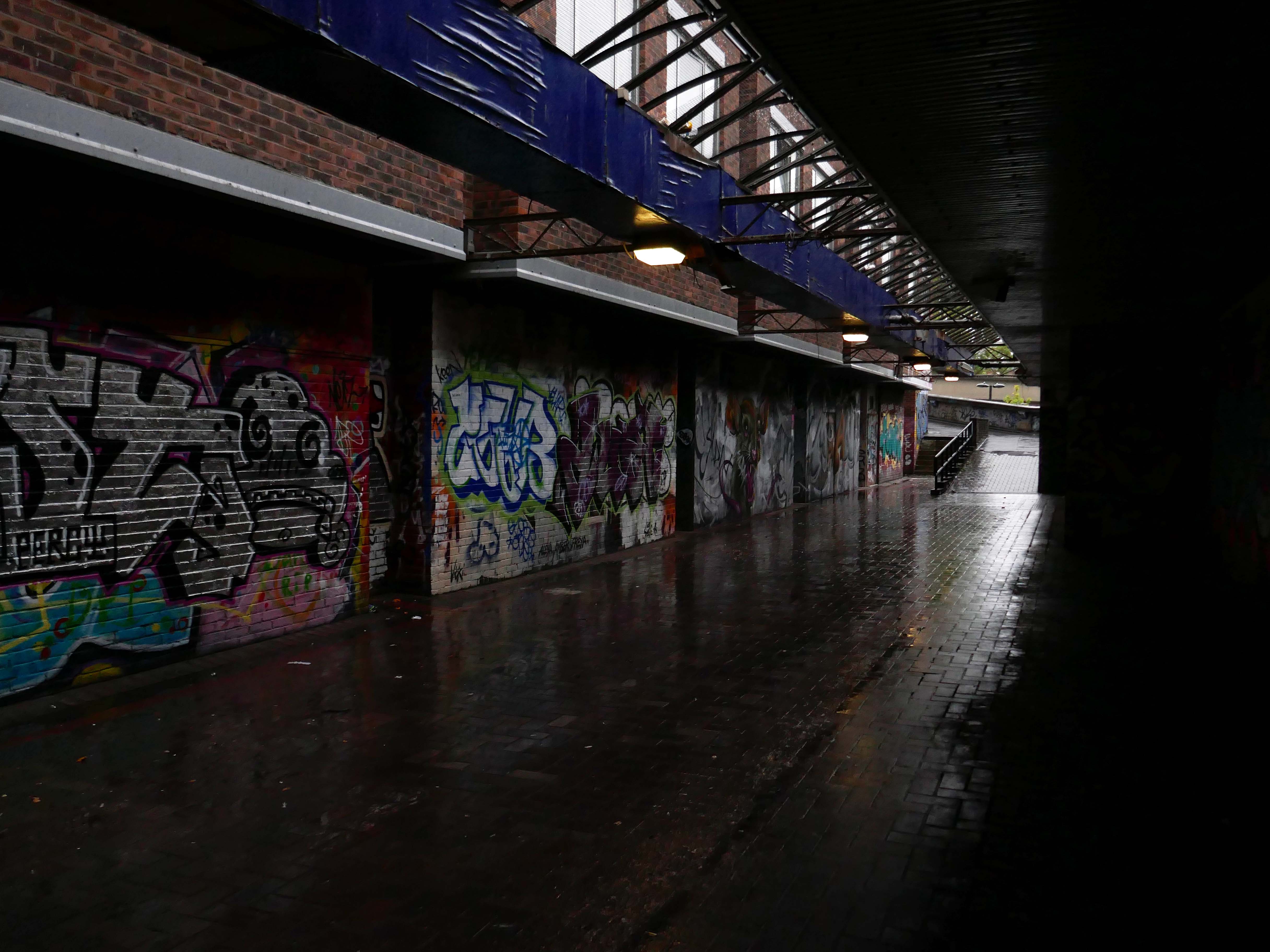
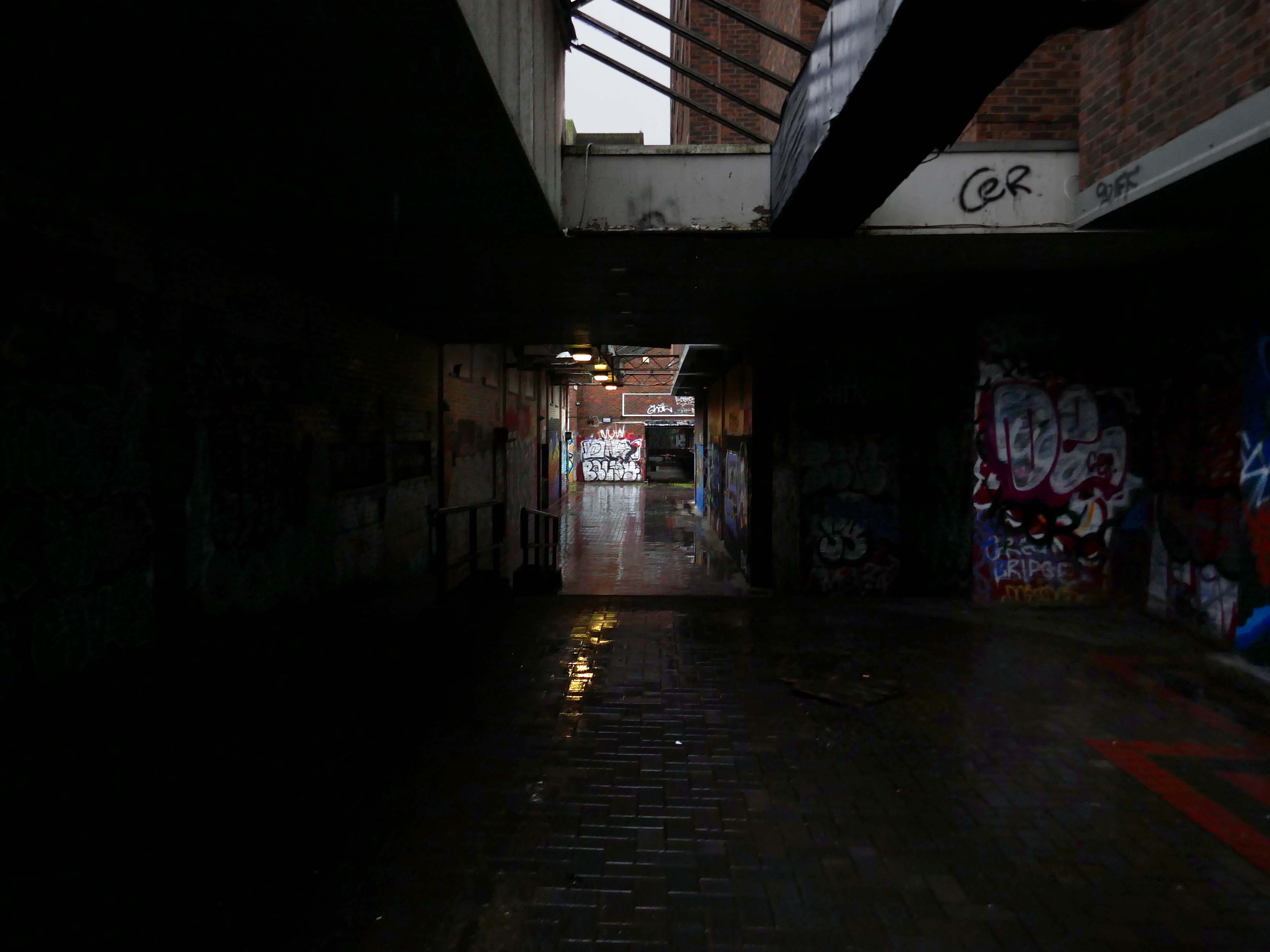
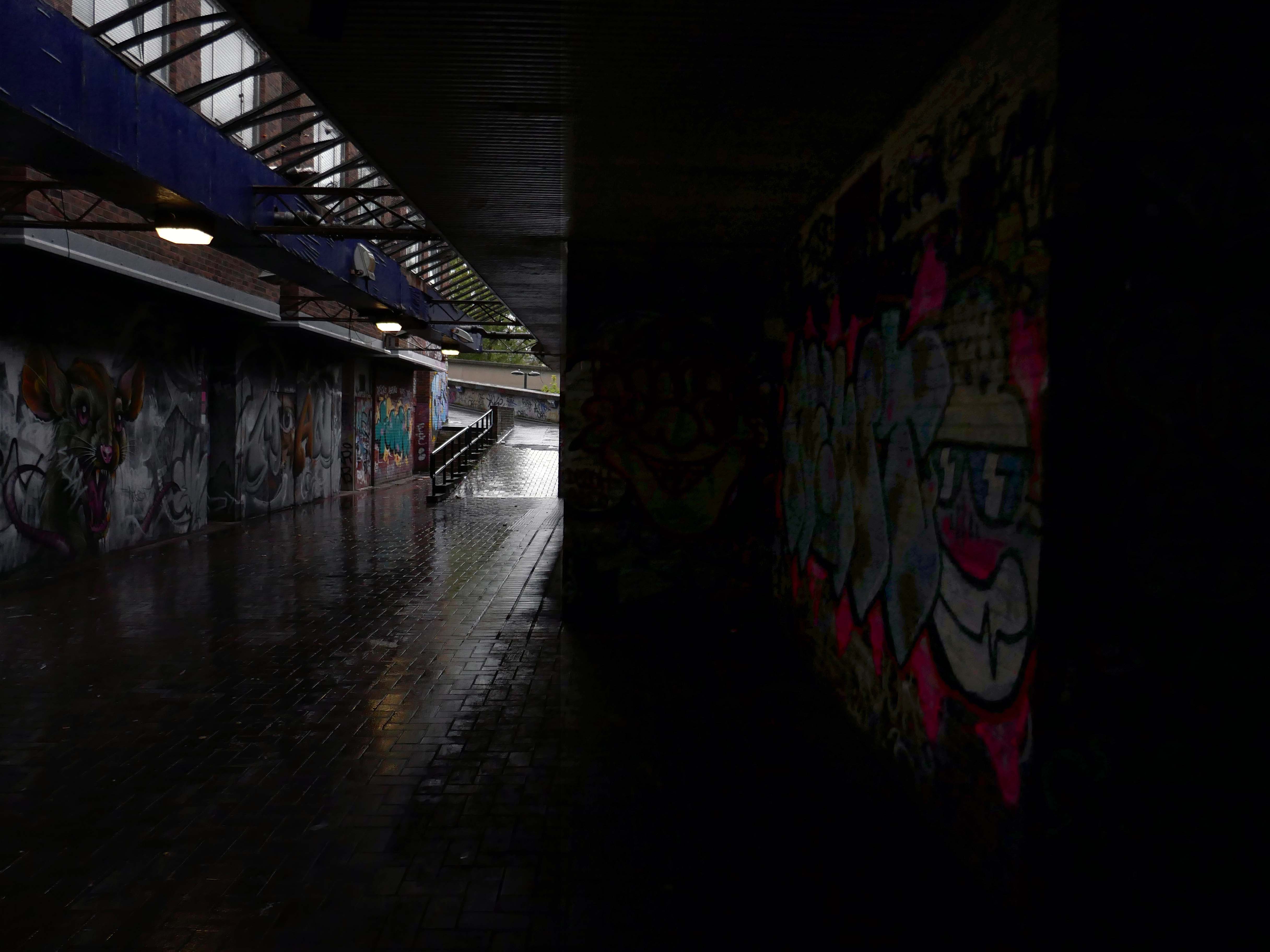
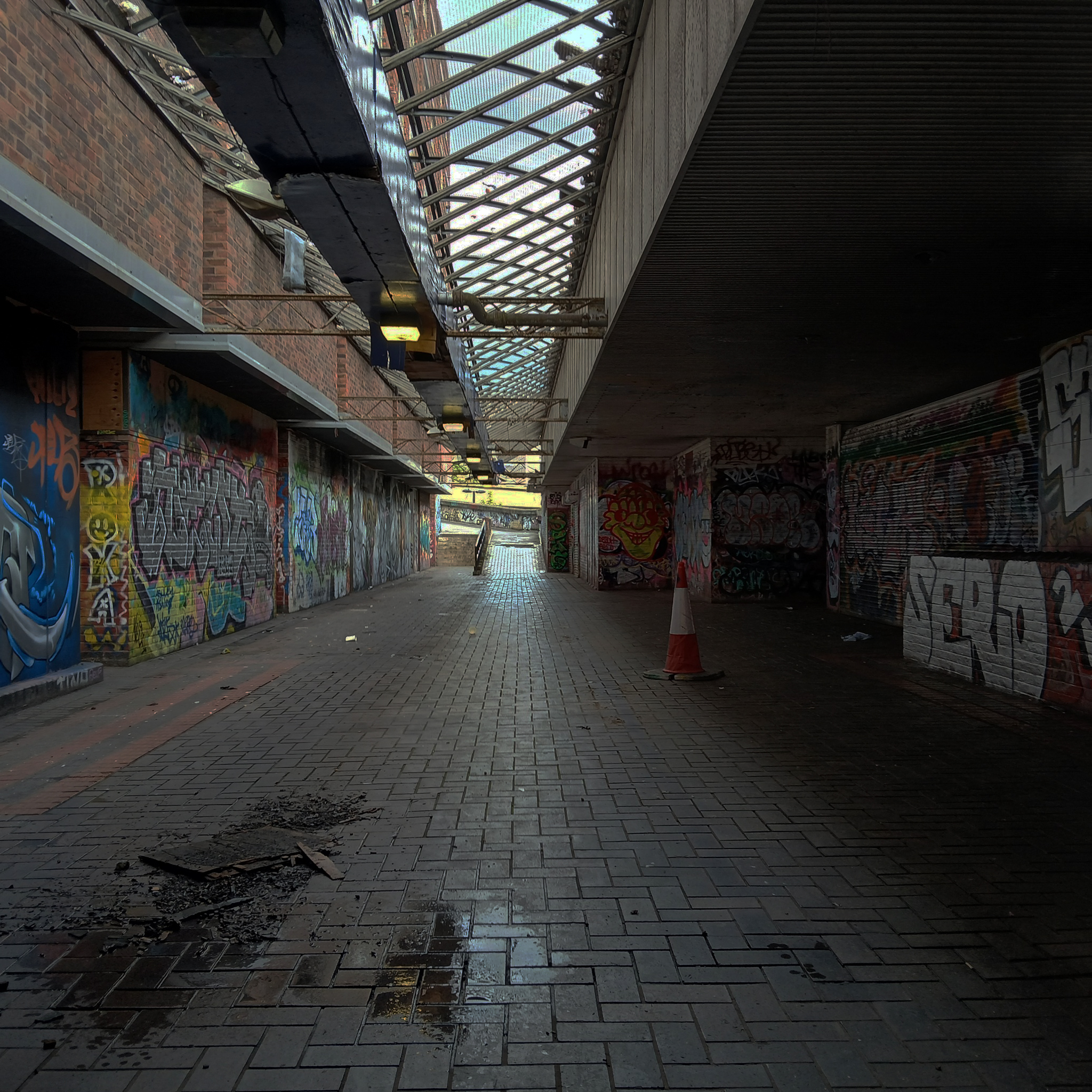
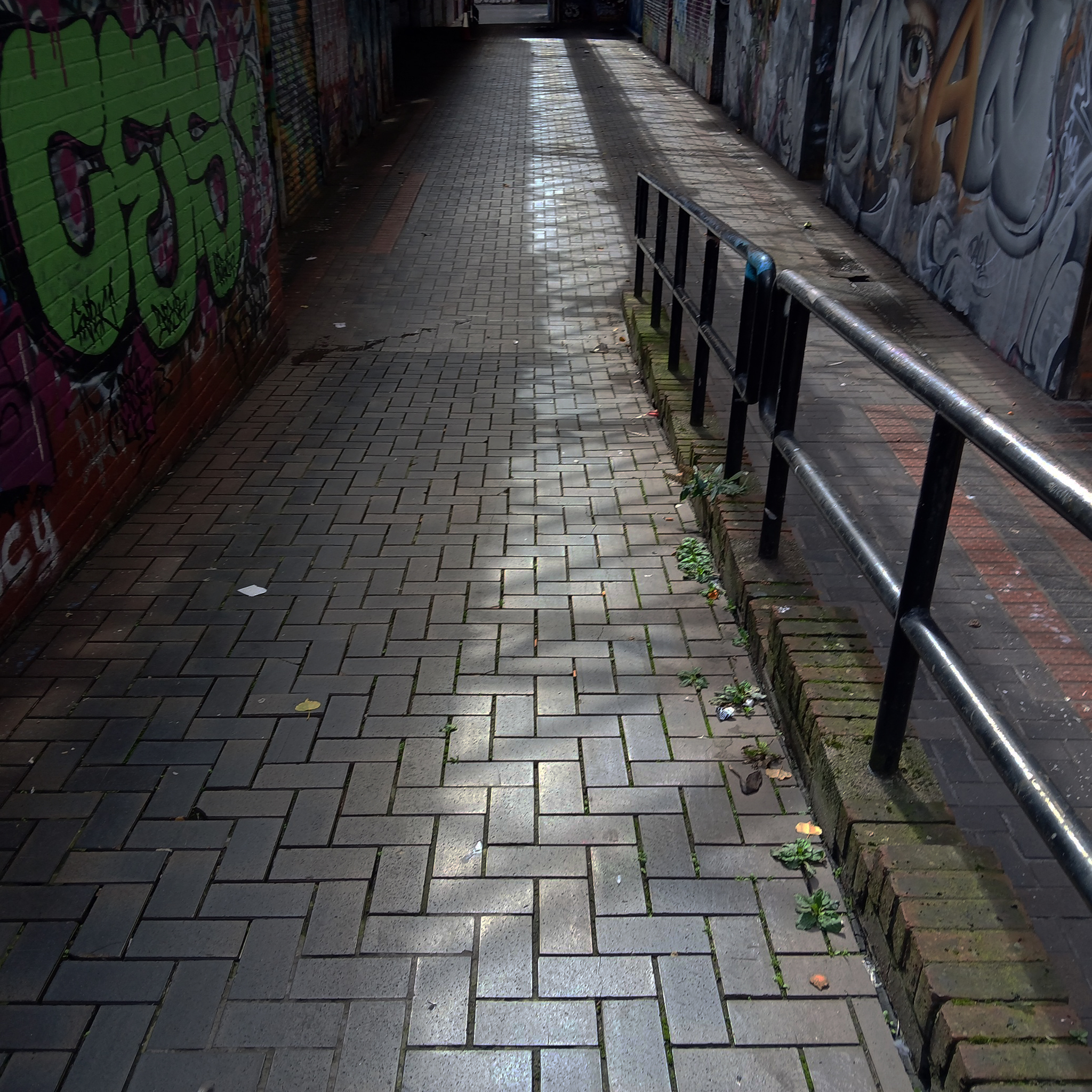
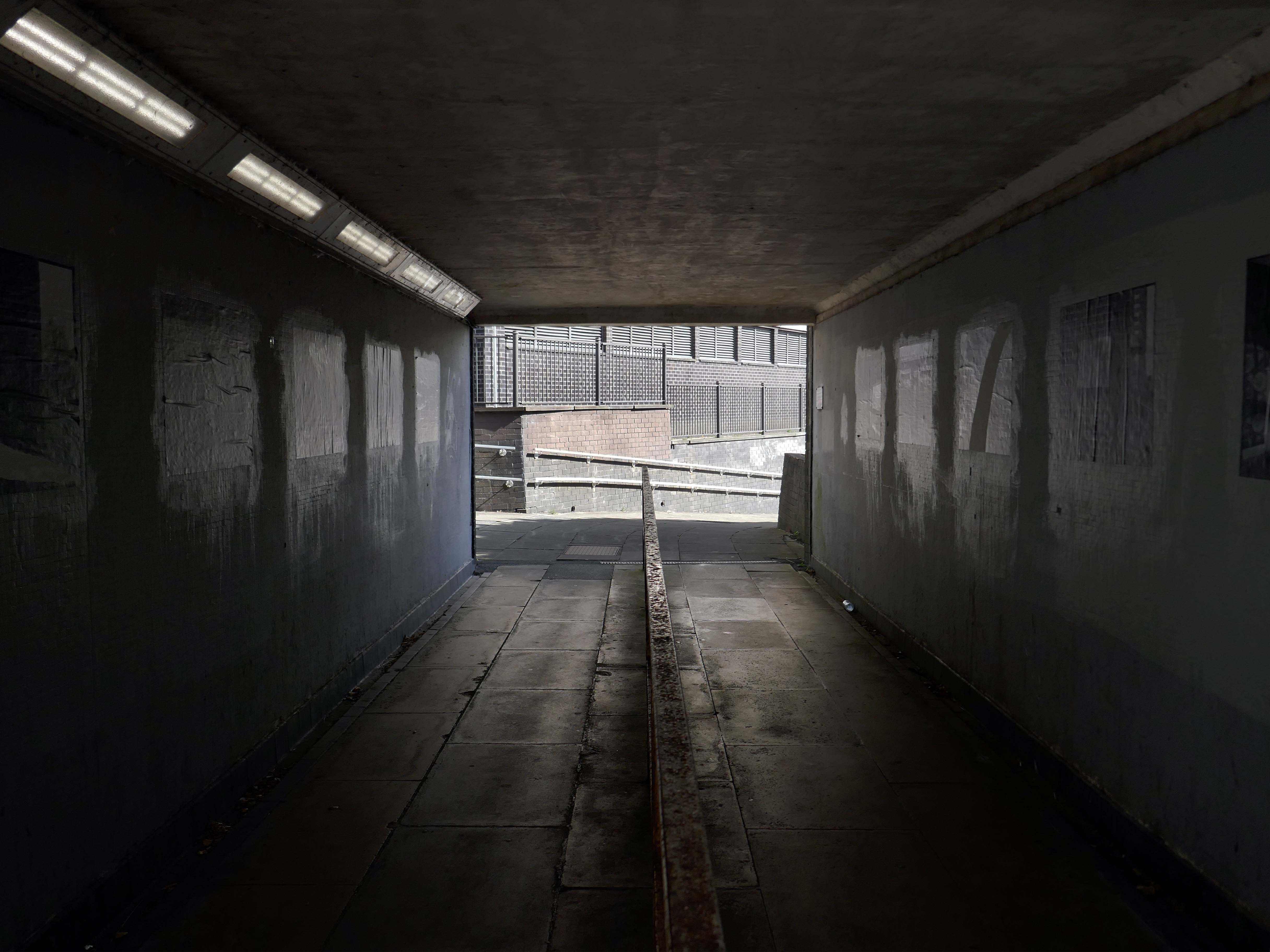
This is an inland island of anonymity, home to pigeons, shake can shakers and the terminally curious.
It always rains on Saturdays.
Happily, the sun always shines on Sunday.
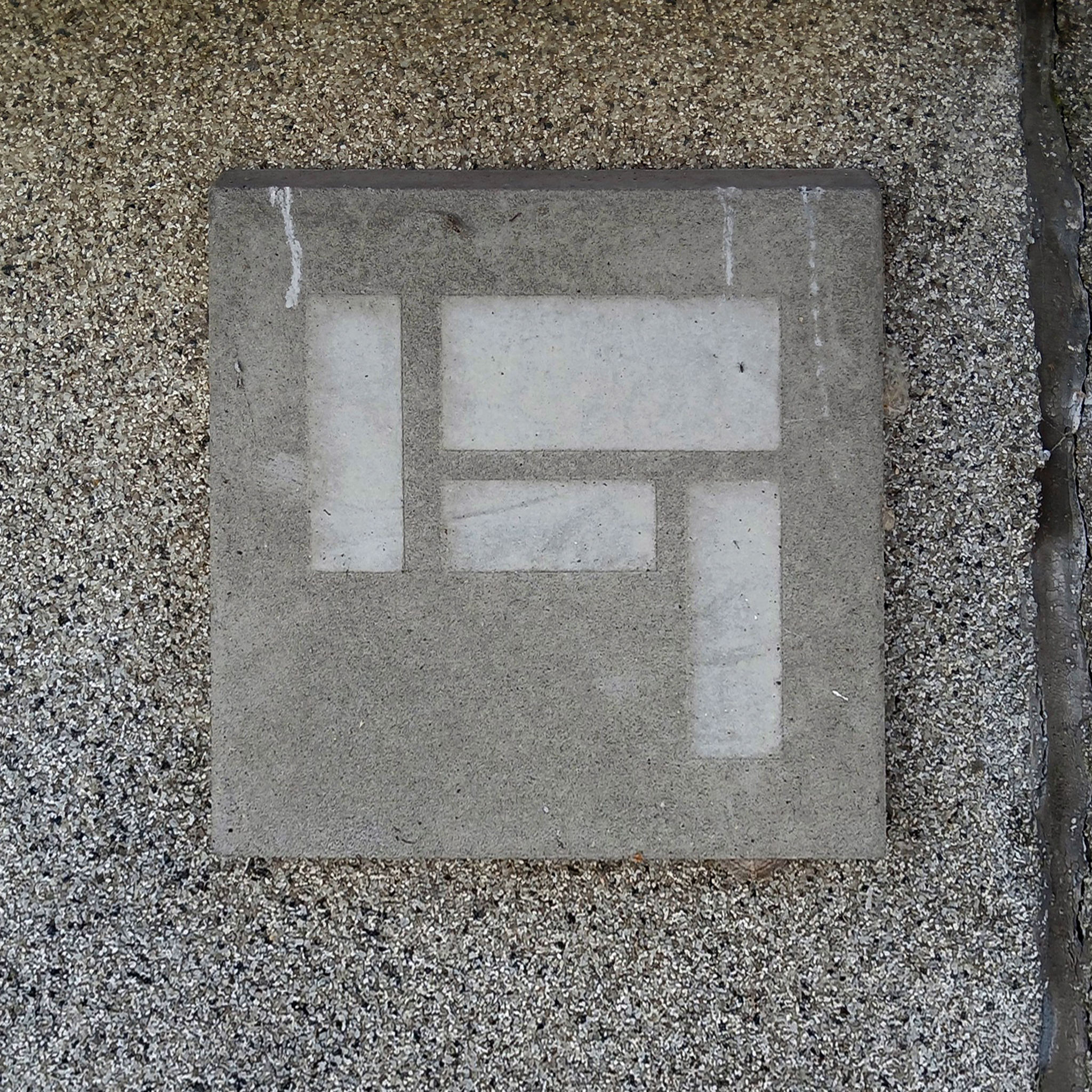
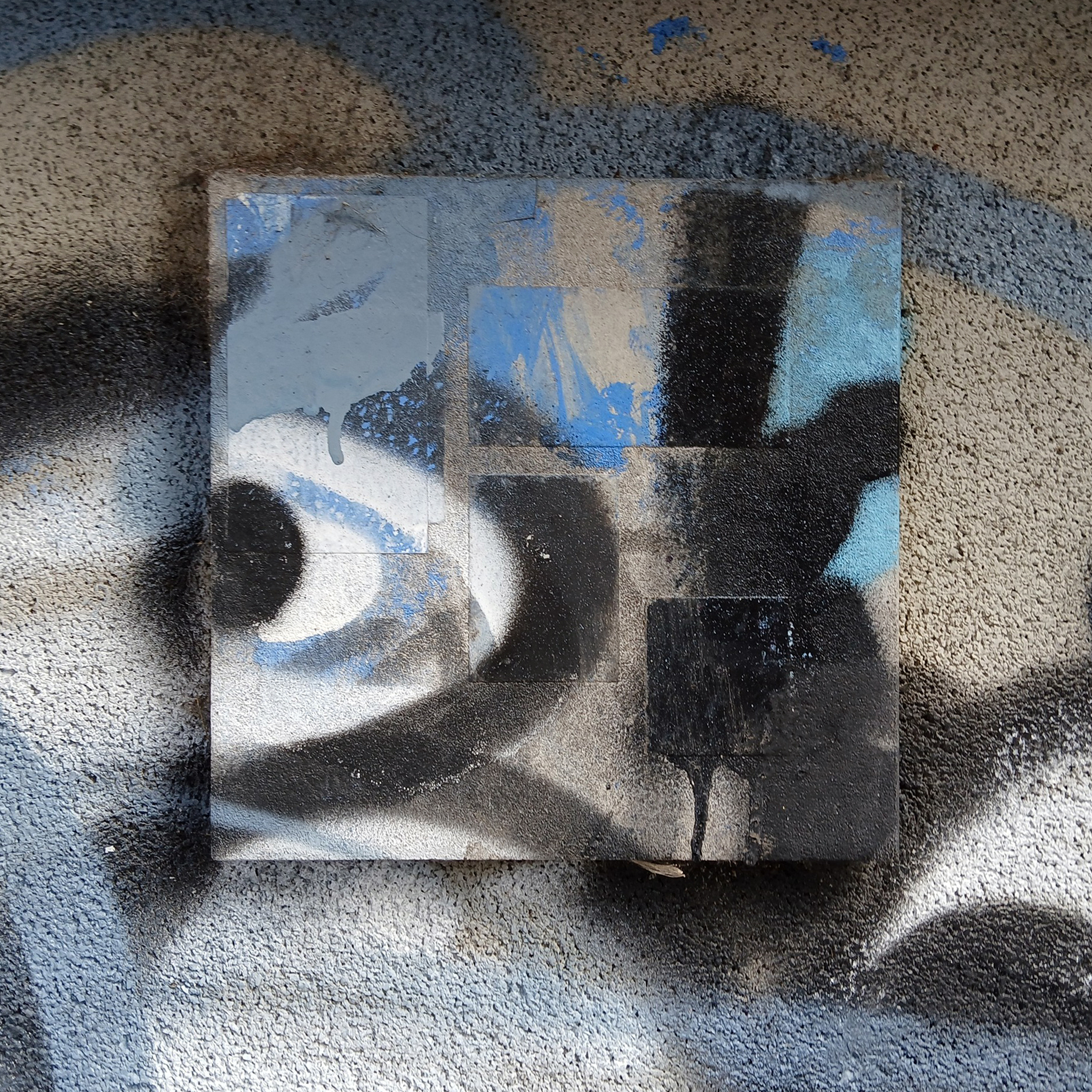
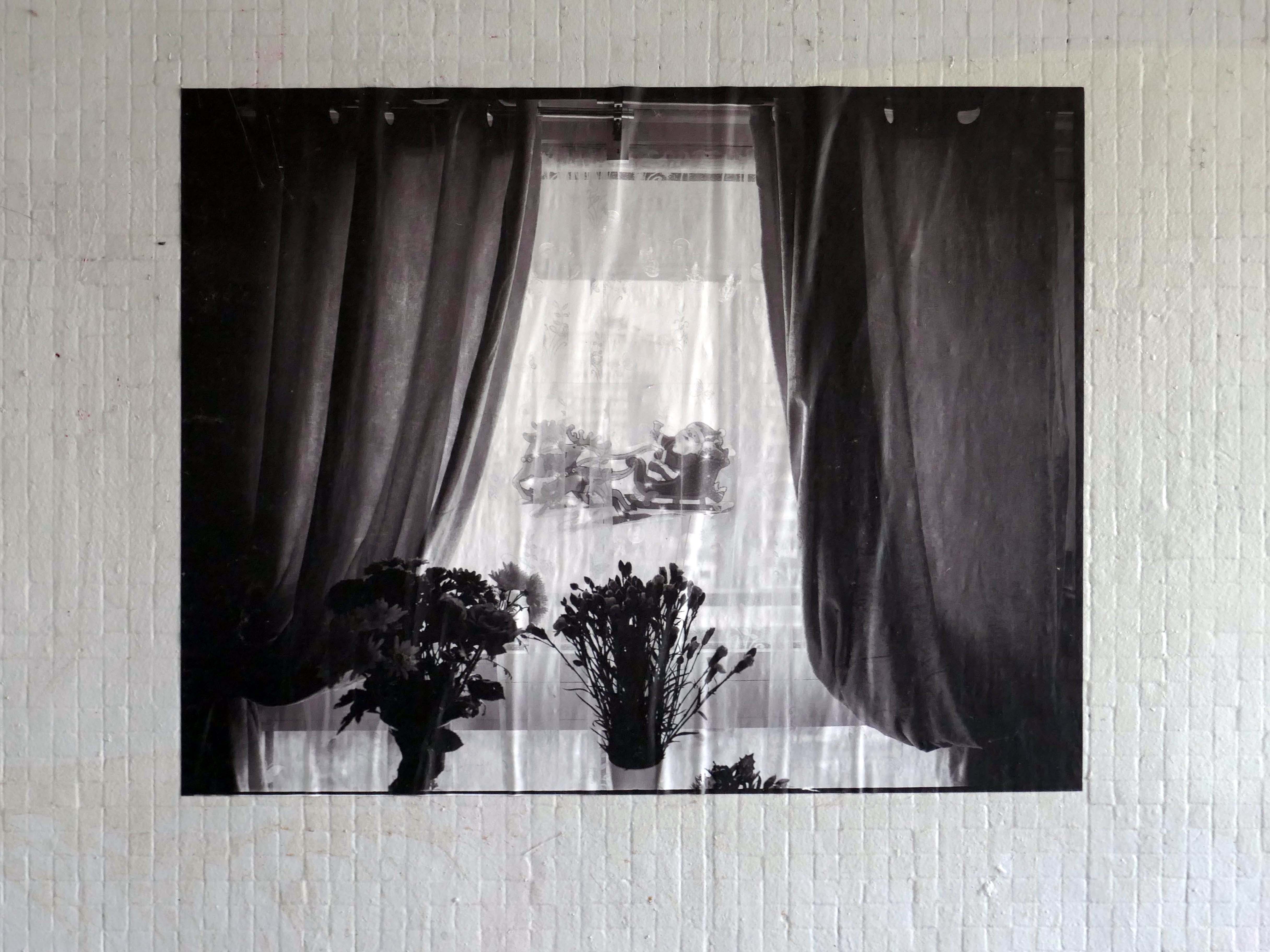
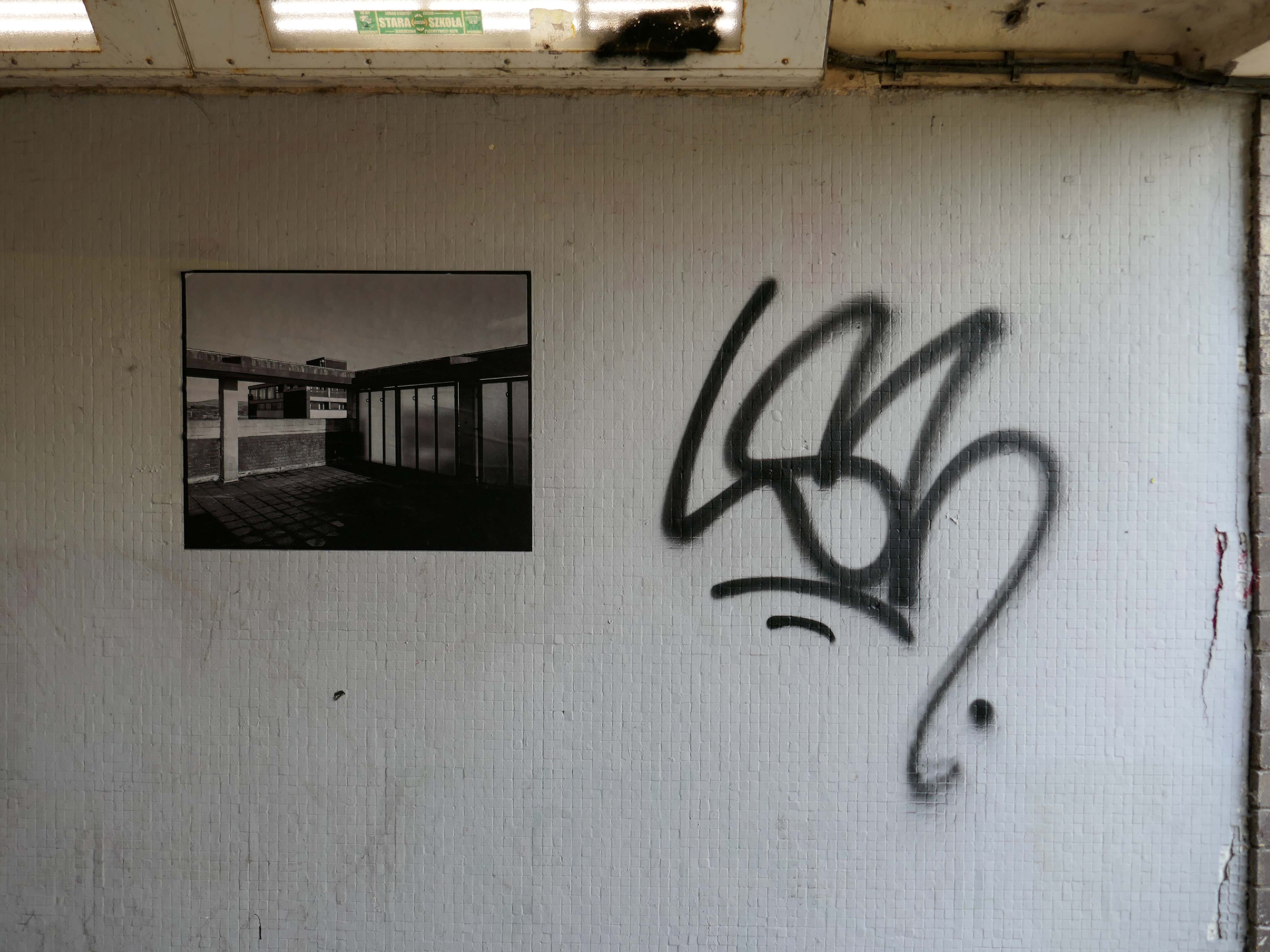
Hidden within and upon the walls of the walkways are these two cast concrete panels – the work of guerrilla artist Euan Lynn.
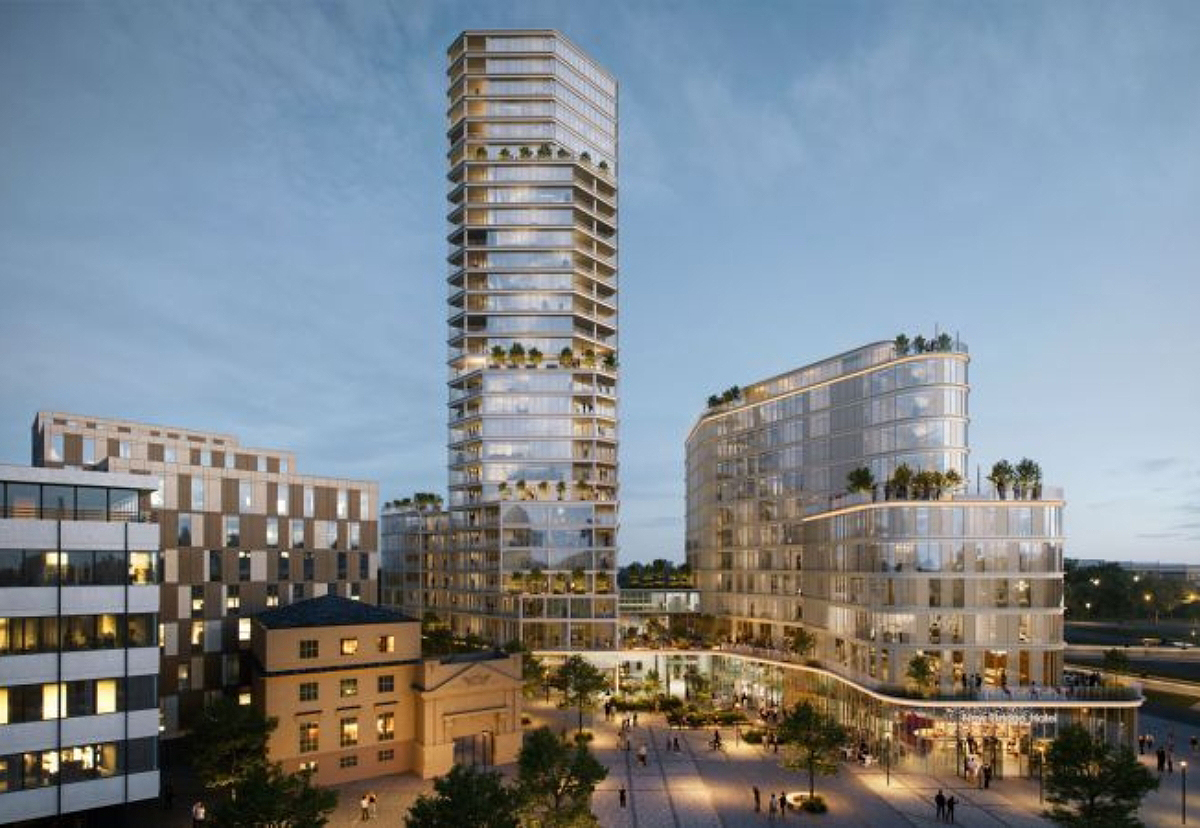
North east property group Gainford has unveiled its revised plan for a £170m residential and hotel project to transform Newcastle’s skyline.
It plans to redevelop a former Premier Inn site on New Bridge Street, with a 29-storey tower of 185 flats, alongside a separate 150-bedroom hotel, and bars, restaurants, and leisure space.
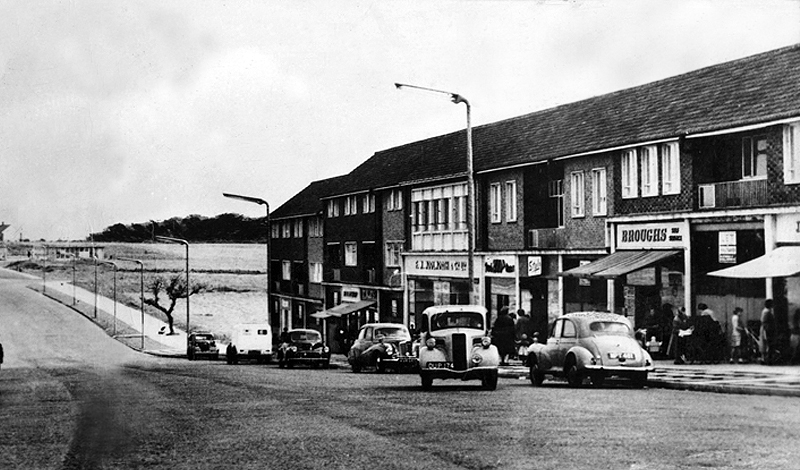
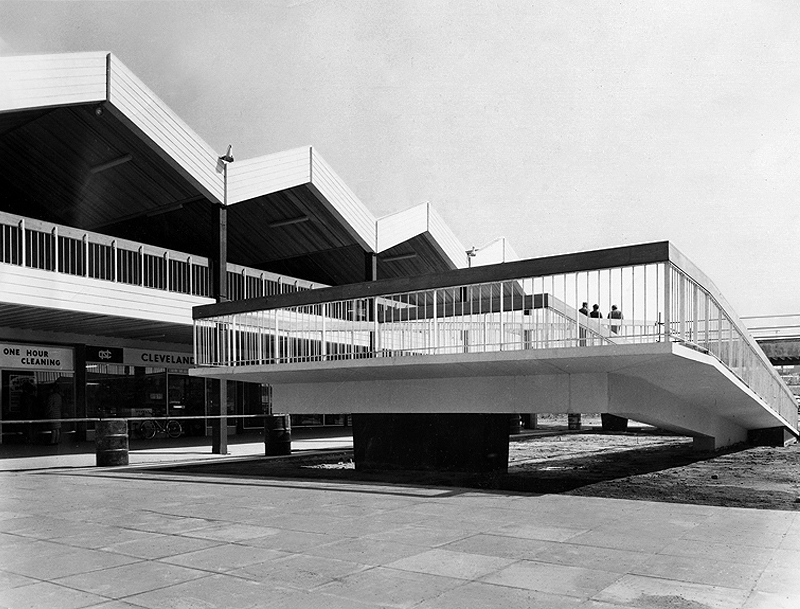
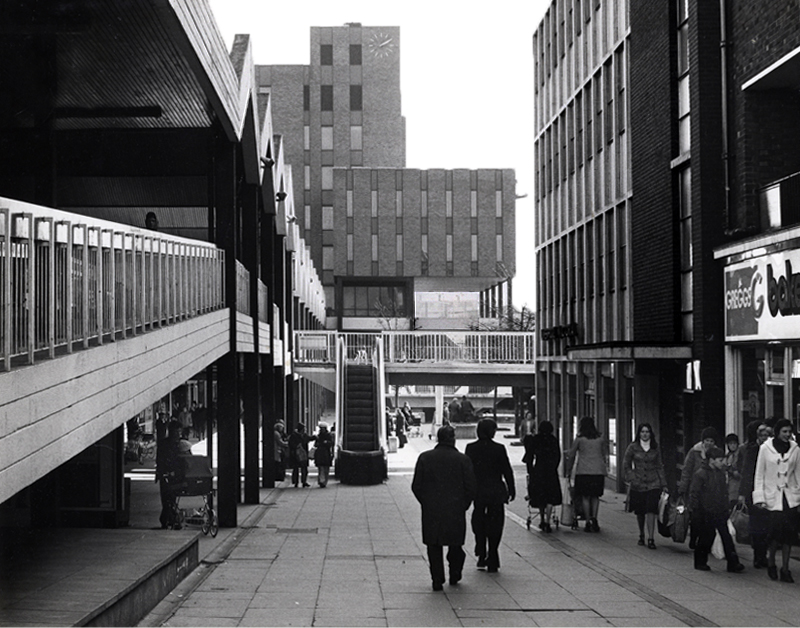
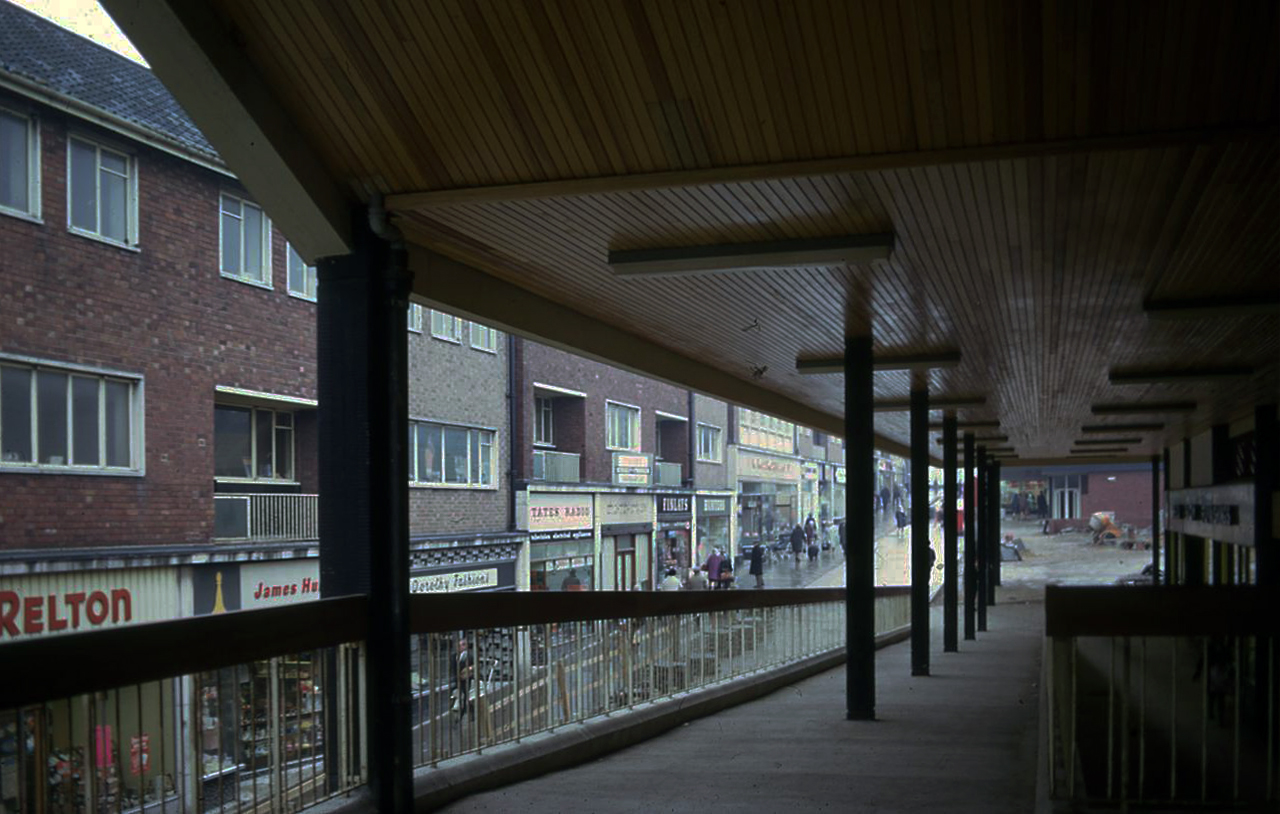
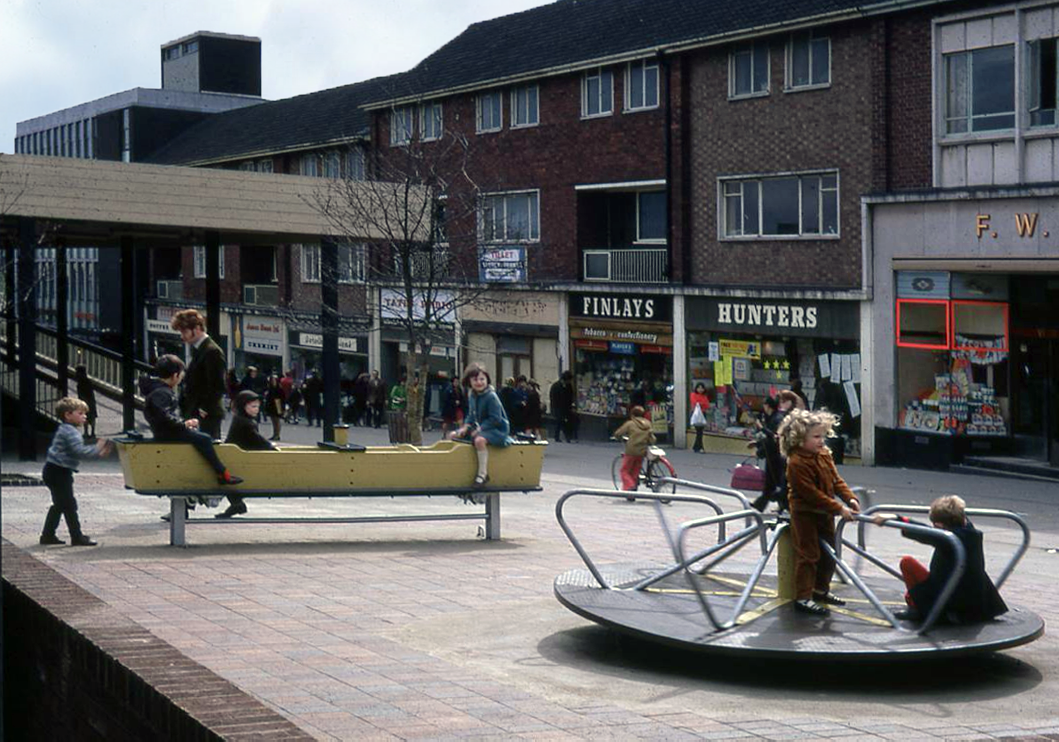
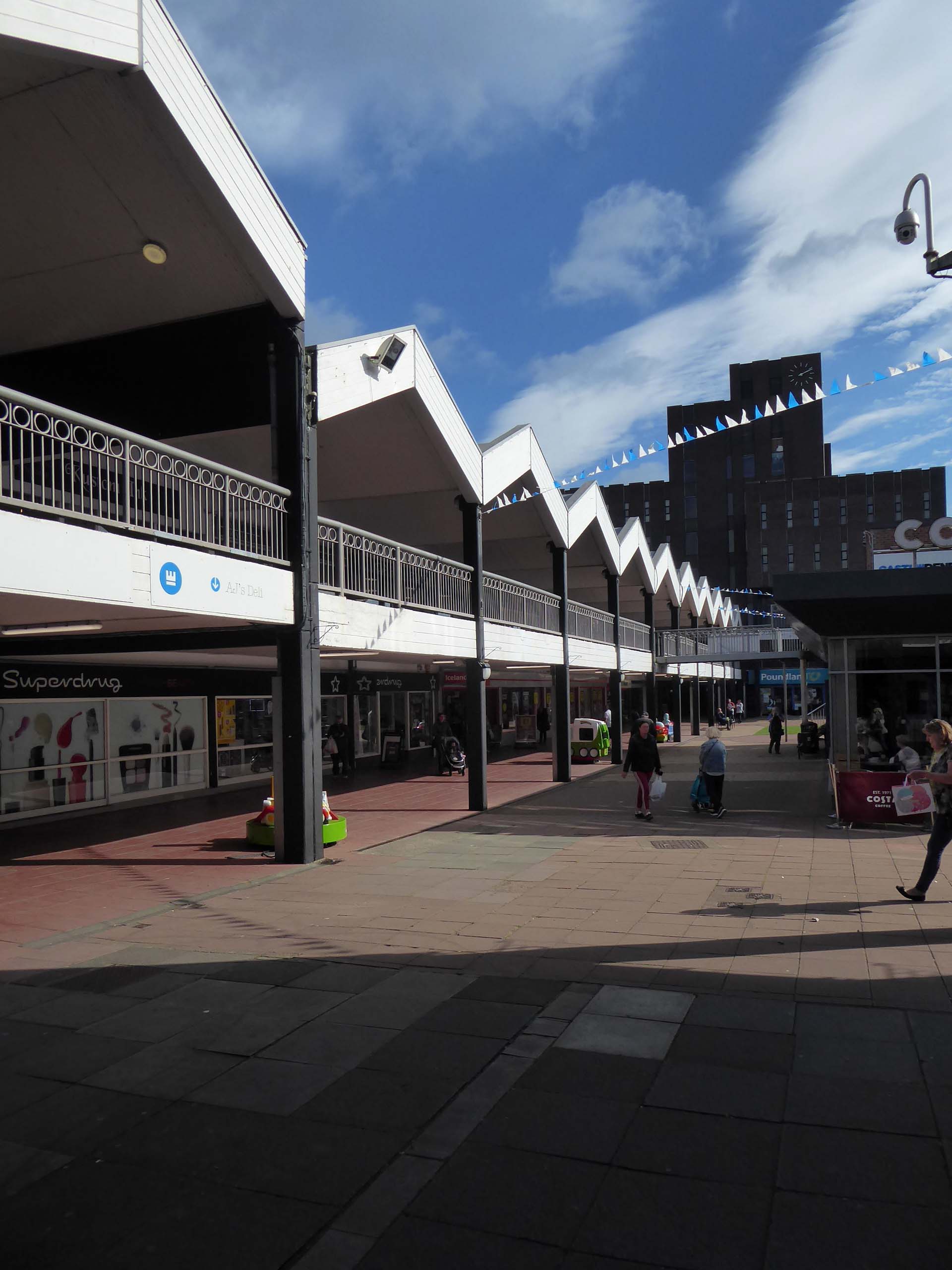
Plans for the new town centre started to be developed in 1960 by Chief Architect Roy Gazzard. The process would go through eight sets of revisions before they were finally approved in 1968. Yoden Way was then pedestrianised, and the small row of shops built in 1950’s was incorporated into the new shopping precinct, forming the north western end of Yoden Way. Like many other town centres across Britain undergoing modernisation, the high-street was split onto two levels, with ramps providing access to raised walkways.
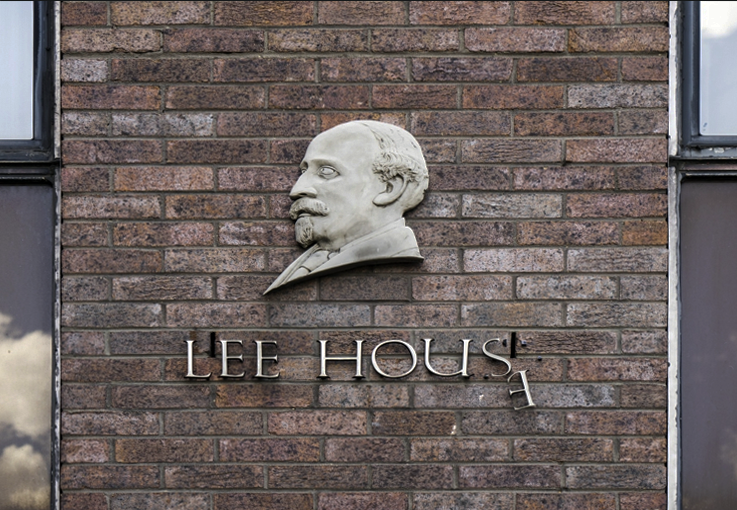
The construction of Lee House – named after Peter Lee, started in 1974. Once completed, the Development Corporation moved its Headquarters from Old Shotton Hall to Lee House in 1976, occupying the building until it was sold in 1984 and remaining staff relocated to Newton Aycliffe.
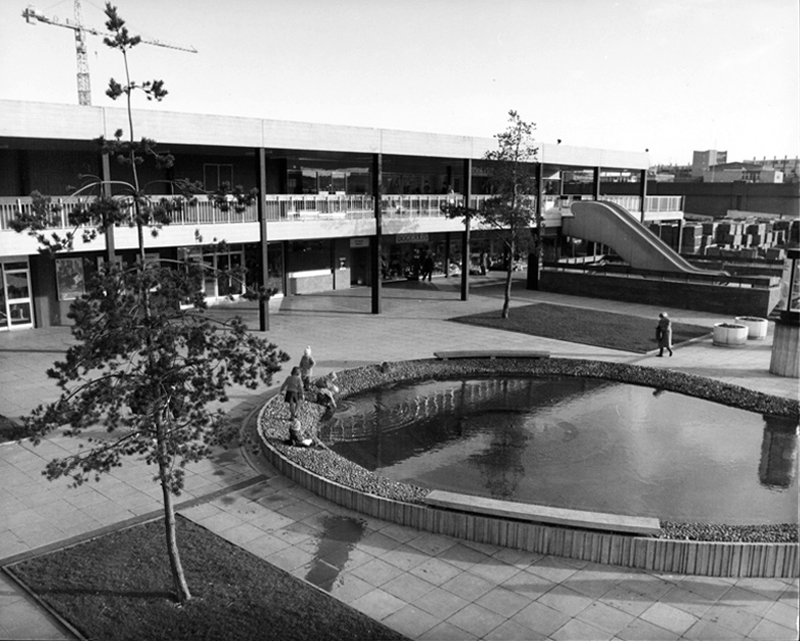
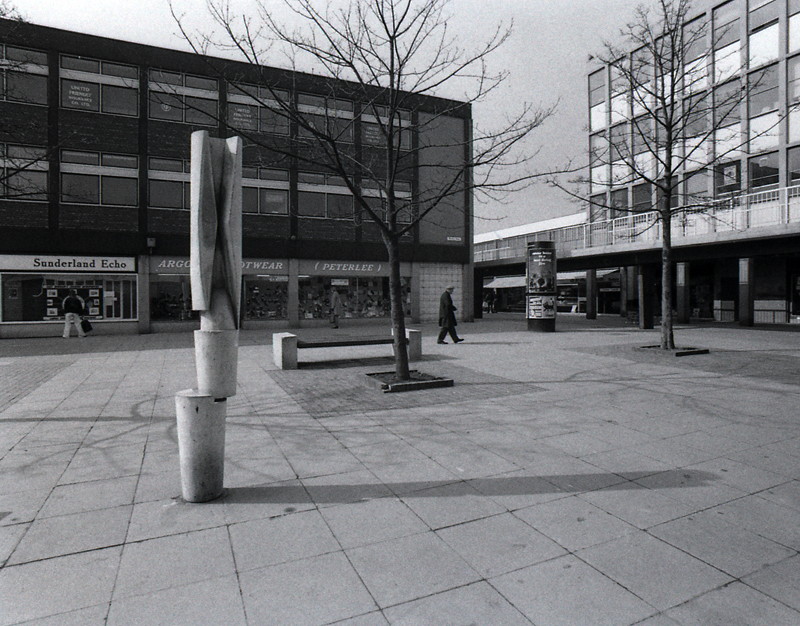
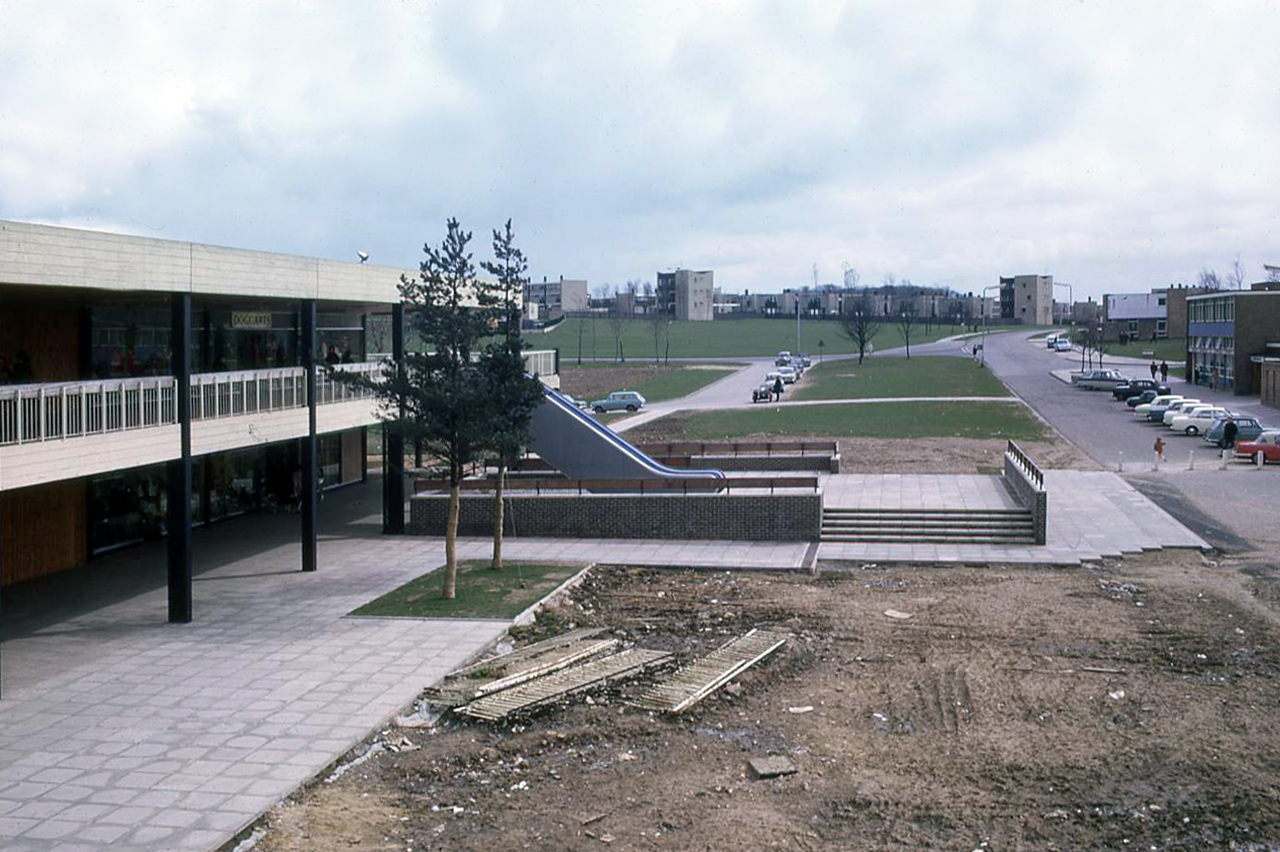
Enhancing the built environment, Peterlee Town Centre was furnished with play equipment, an ornamental pond, open air escalators, and a sculpture by John Pasmore – son of Victor.
These features were later removed after the town centre was sold to Teesdale Investments – Peterlee Limited in 1985.
Access ramp at the bottom end of Yoden Way, prior to the construction of Lee House in 1973.
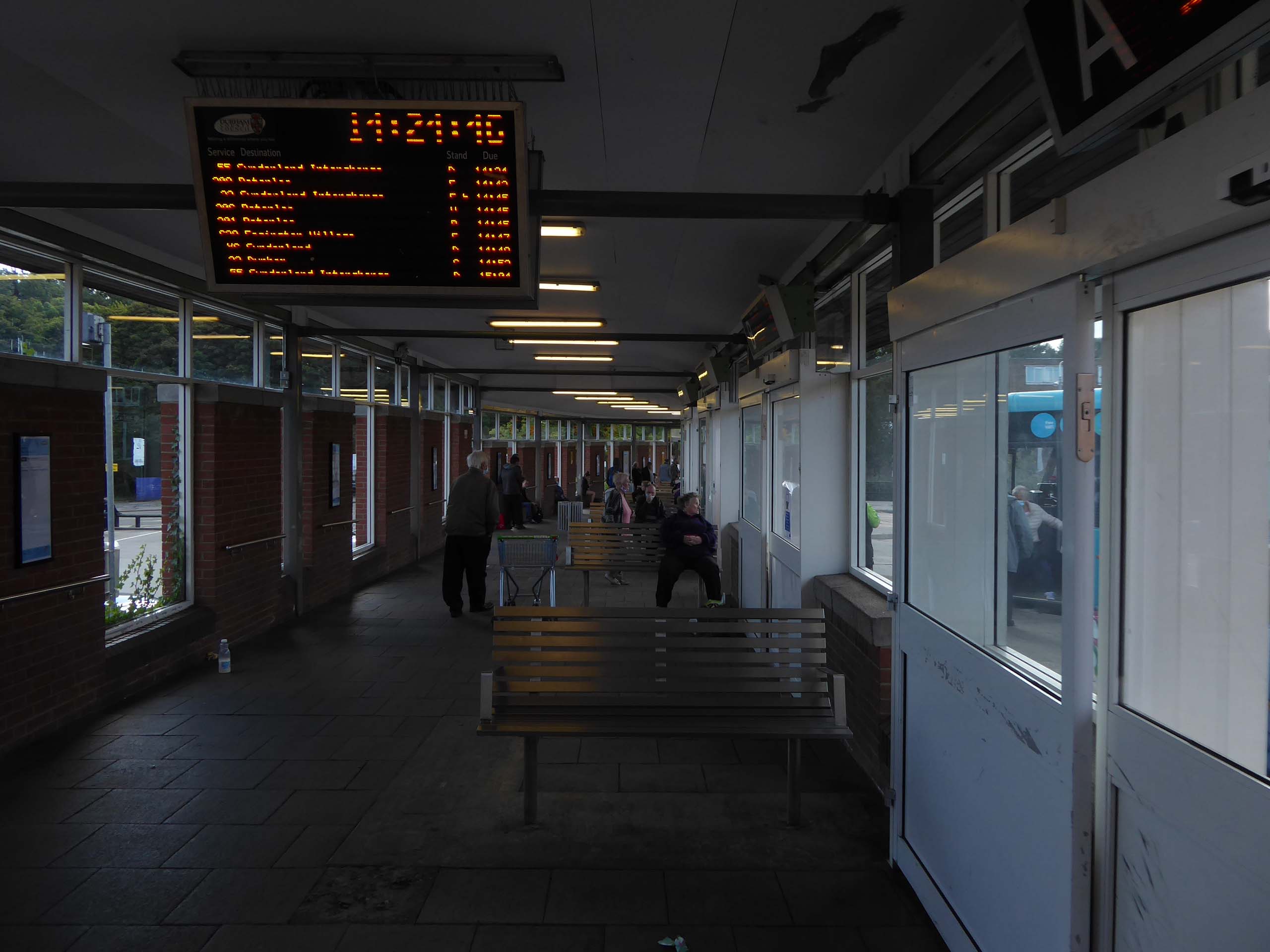
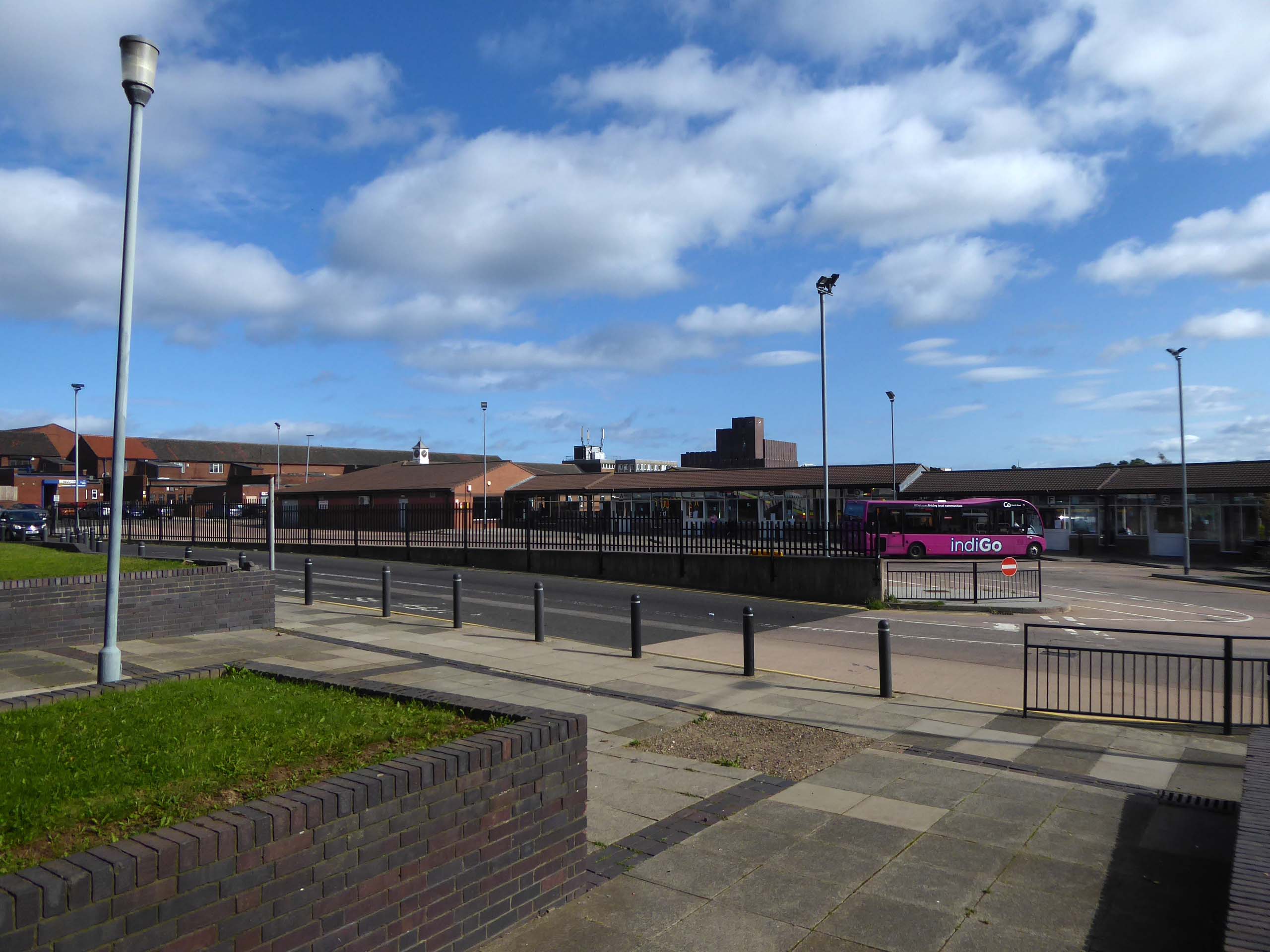
It’s 2021 and I arrive at the Bus Station.
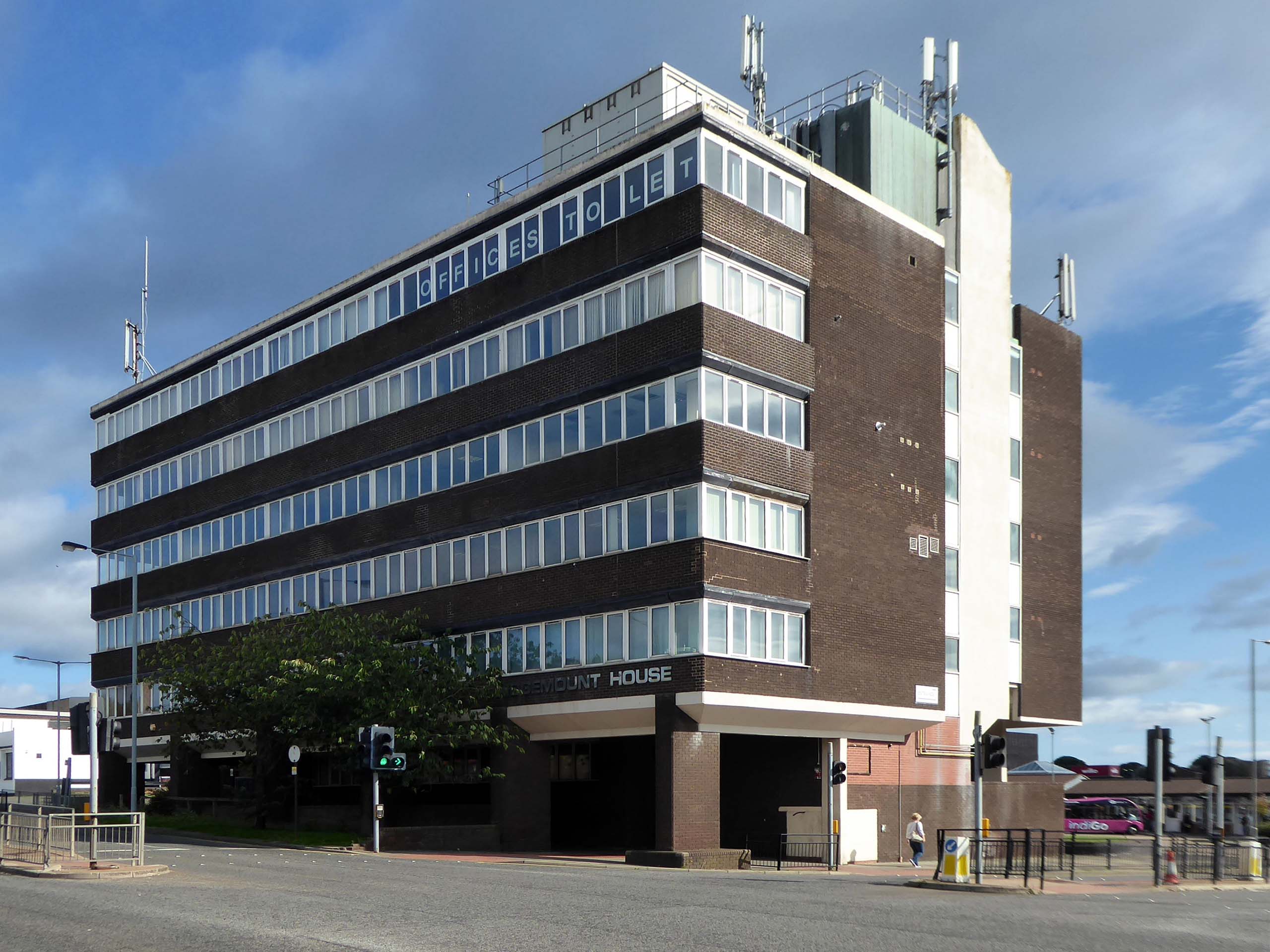
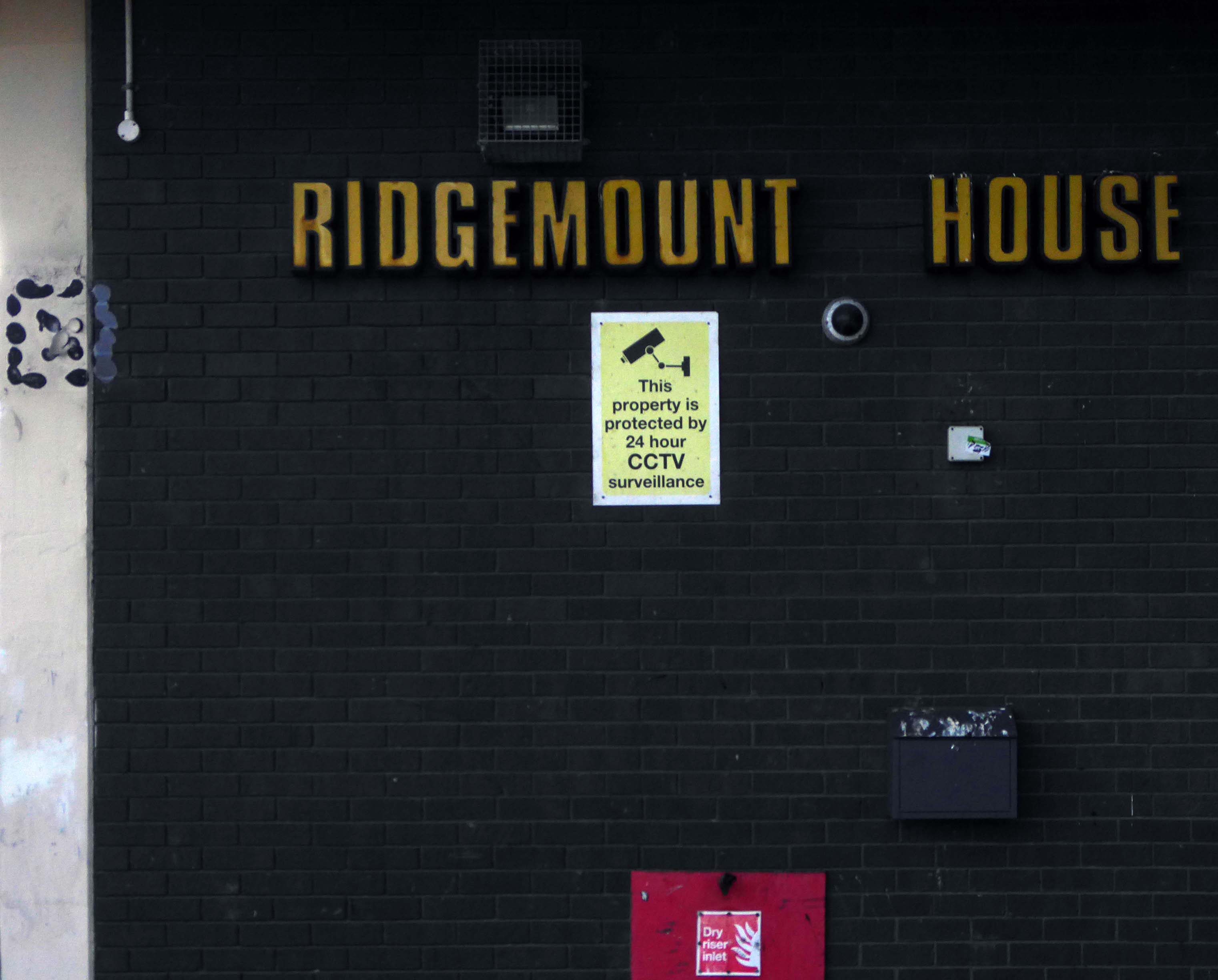
Immediately adjacent is Ridgemount House. – once home to the Job Centre.
Firefighters were called to the disused Ridgemount House on Bede Way in Peterlee on Wednesday August 16th 2023 at about 8.20pm after reports of a blaze.
Crews found a fire had broken out in the first floor of the building, which was found to be the home of thousands of pounds worth of cannabis plants back in 2020, after a man converted two floors for use as a drug farm.
Tarlochan Singh, owner of Ridgemount House, has been prosecuted following the discovery of several serious fire safety breaches at the property.
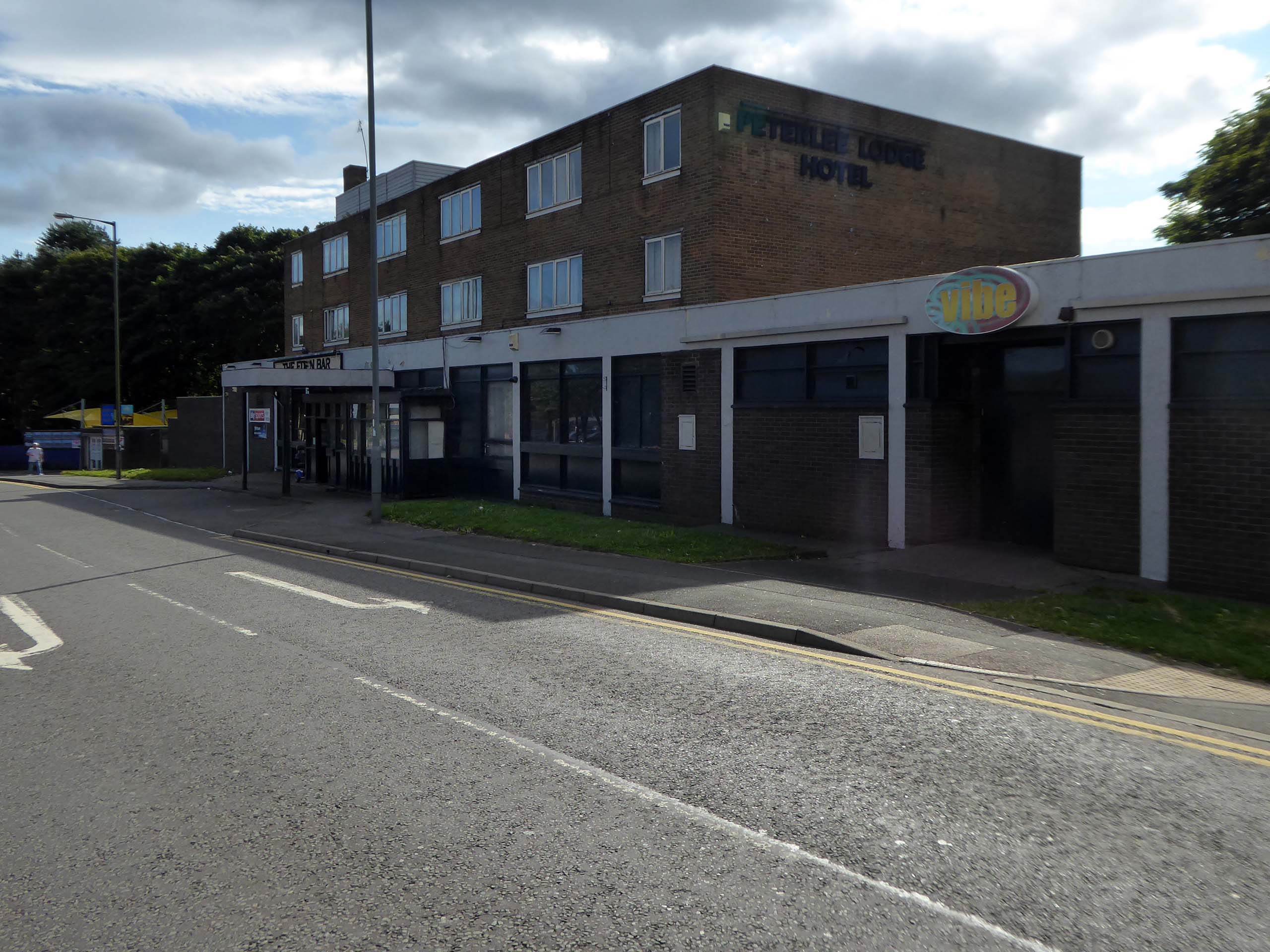
Readers have voted Peterlee nightspot Vibe as the ‘most tragic hometown club’ in the North East
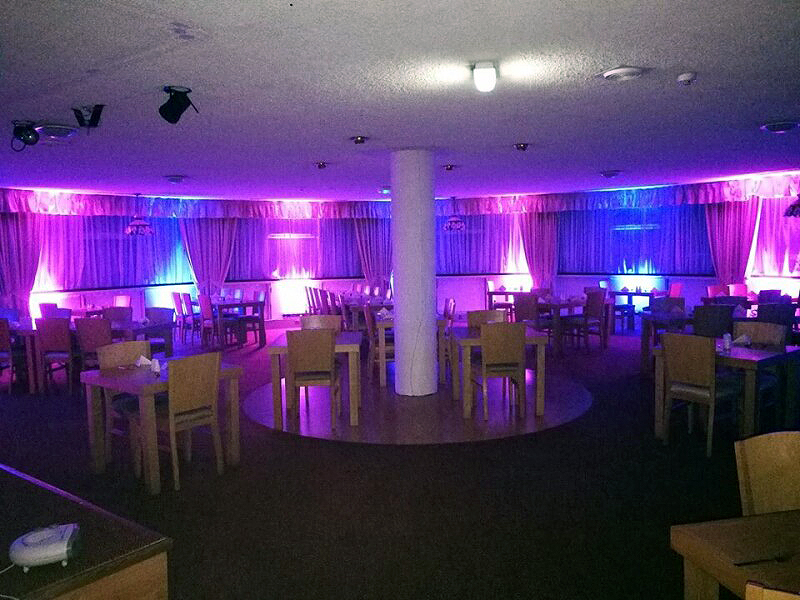
Formerly known as The Dance Factory, Vibe, in Peterlee town centre, is a place famous for it’s almost impossible to get off ‘tramp stamp’ and next door neighbour The Lodge, where many locals will go for pre-drinks and some karaoke before heading to the club.
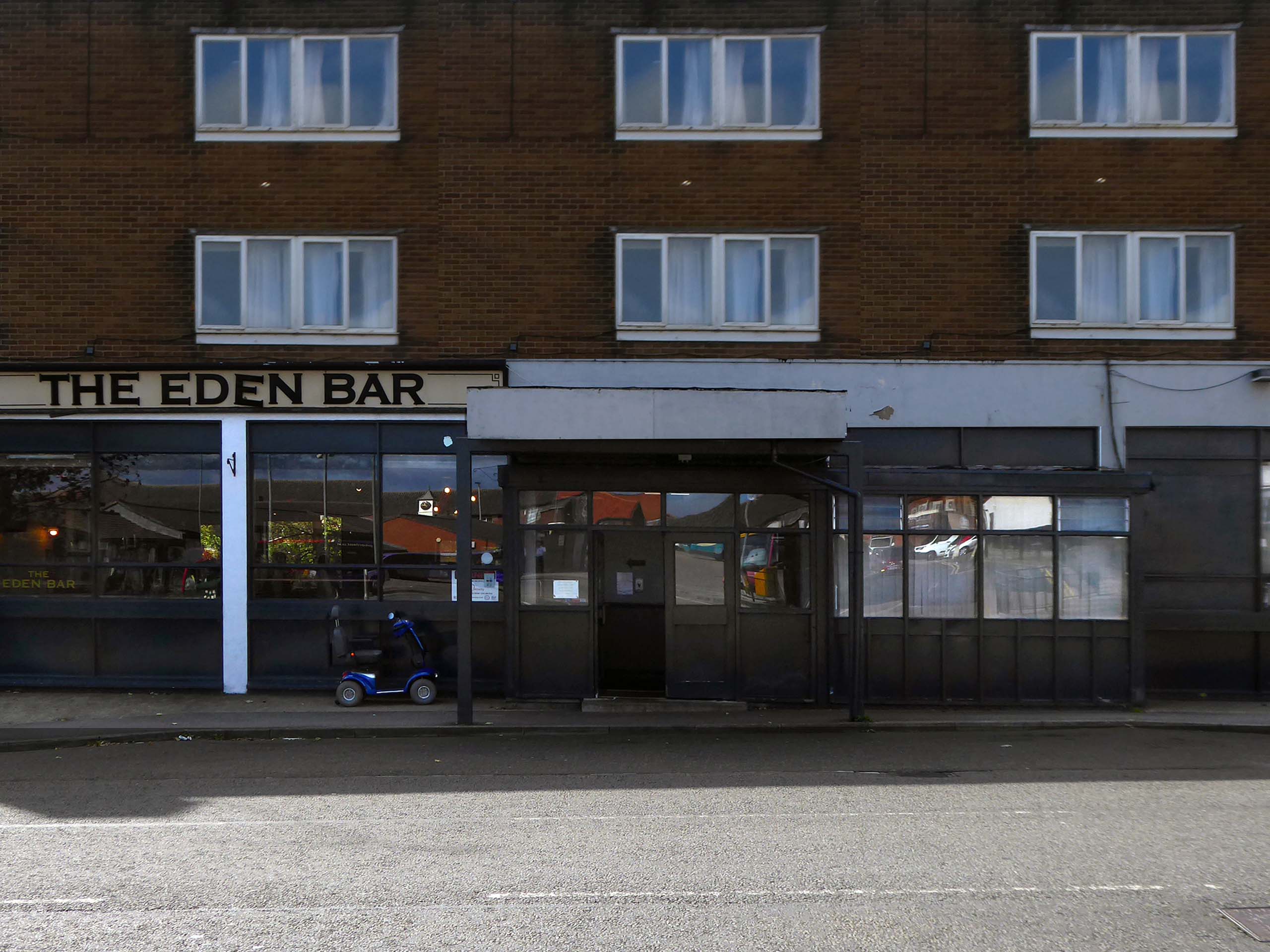
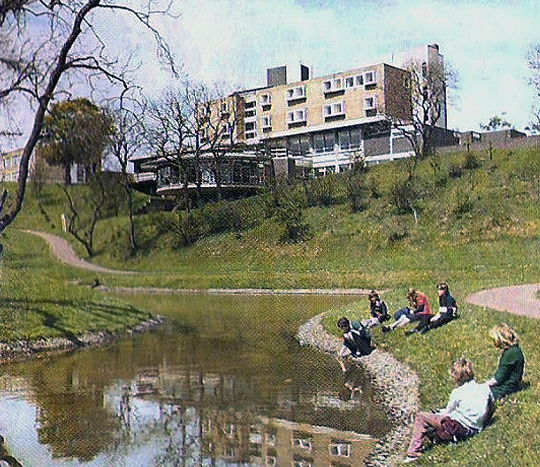
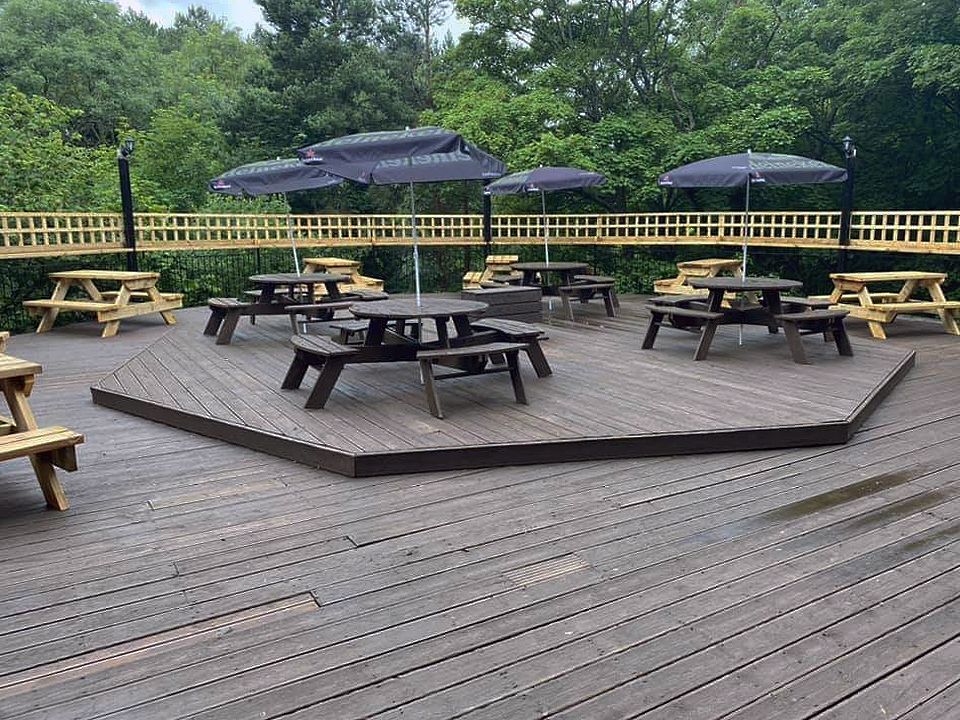
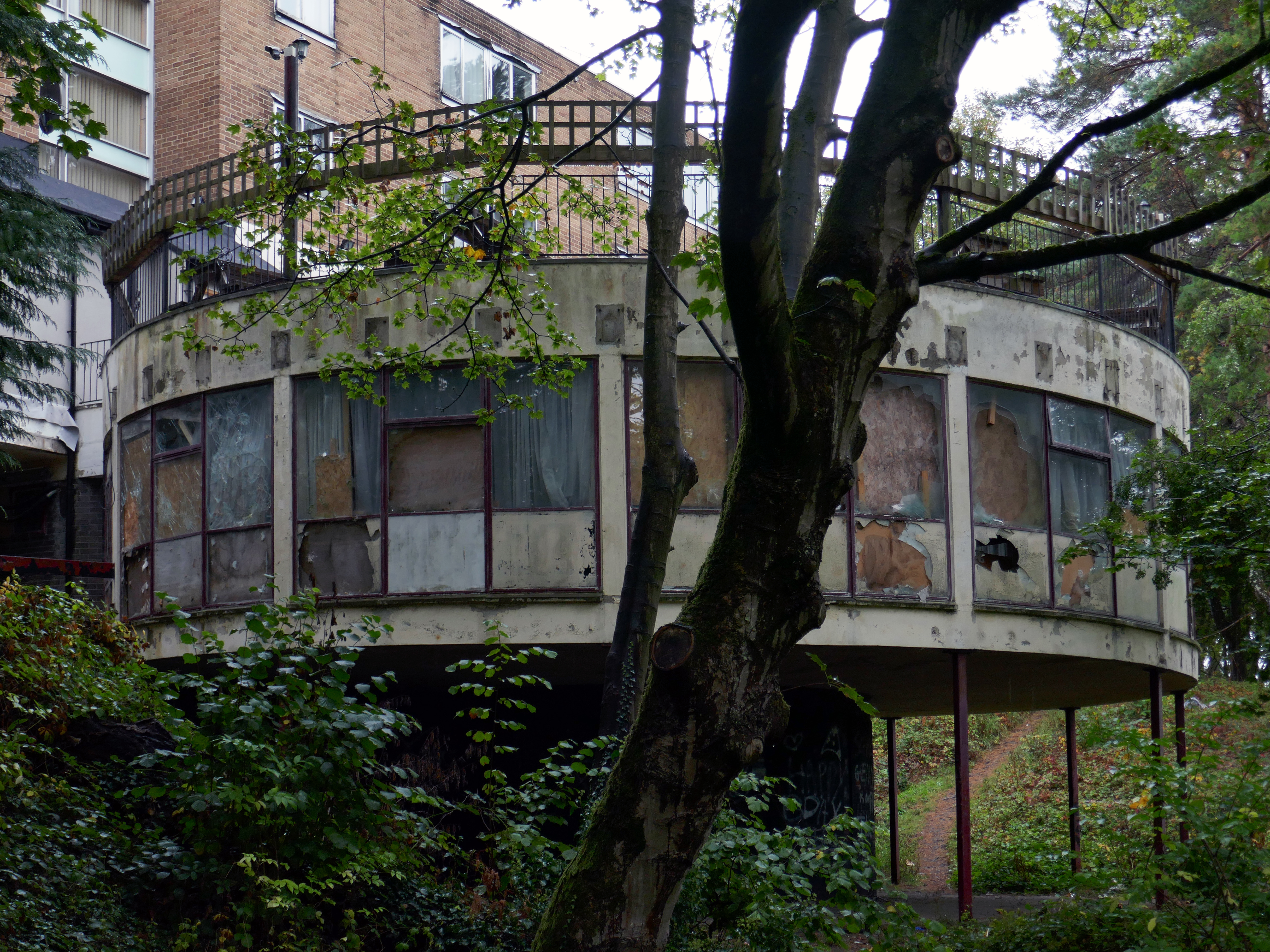
The bar which once boasted a bijou rotunda with an exclusive upper terrace, has now closed.
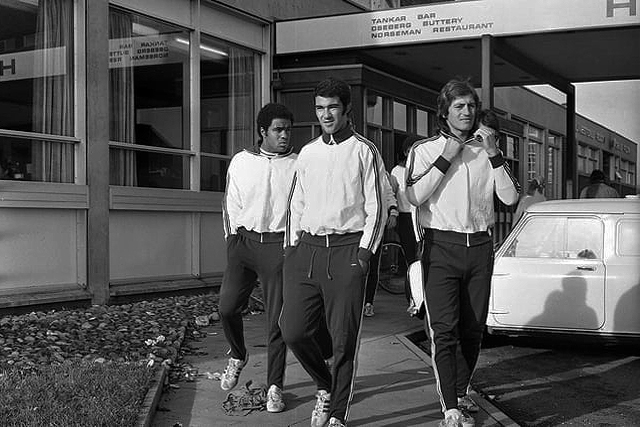
Back in 1973 the hotel was badged as the Norseman.
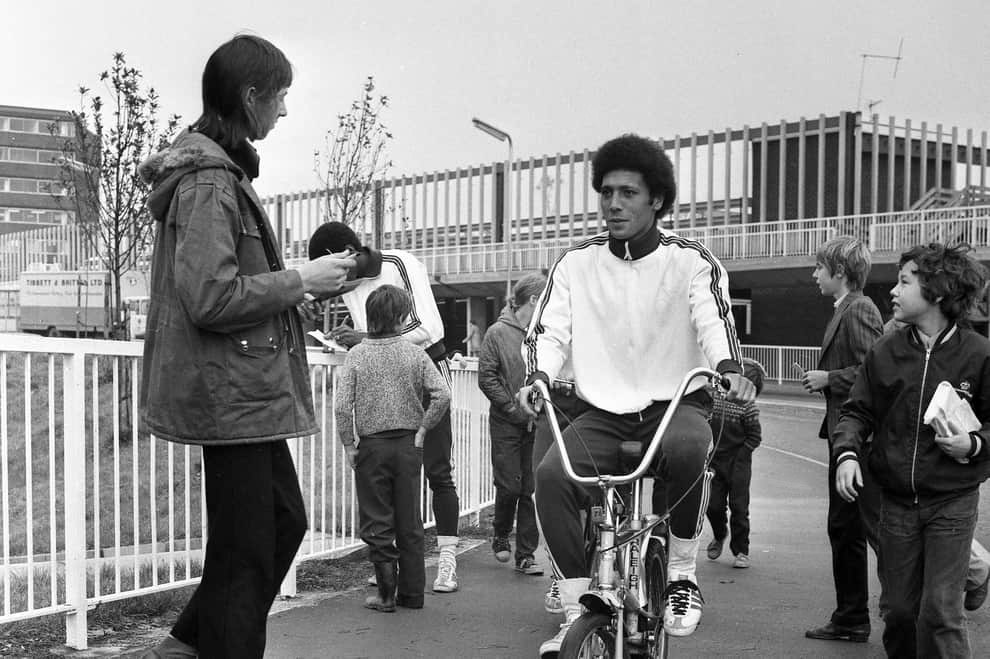
The giants of Sporting Lisbon faced Sunderland in the European Cup Winners Cup and they spent the build-up to the tie in the Norseman Hotel. They met local children, took a walk in the dene, signed autographs and even tried riding a Chopper bike. The side lost 2-1 at Roker Park to a talented Sunderland team before overcoming the Black Cats 2-0 back in Portugal.
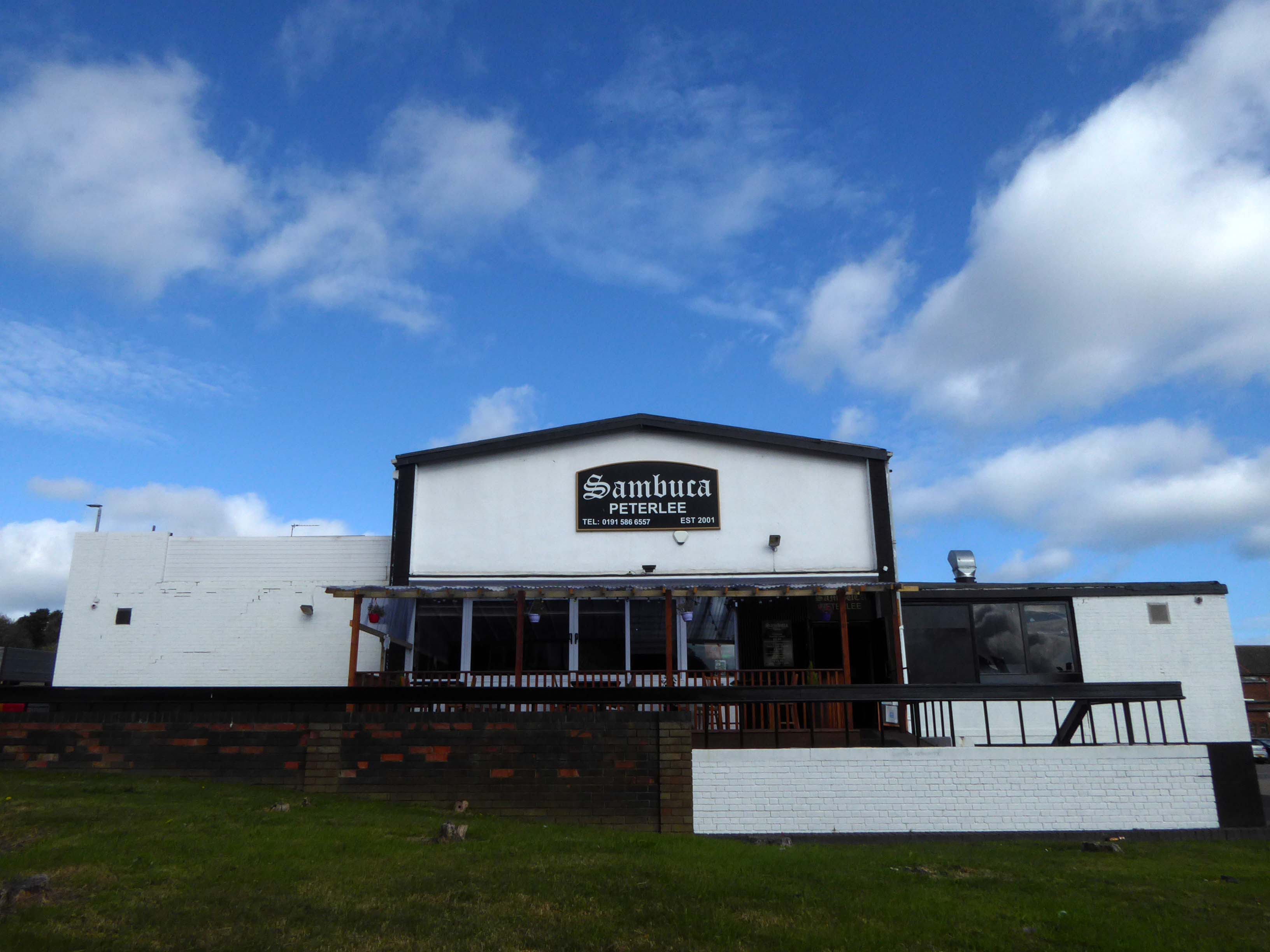
Back in 2021 Sambuca was the other town centre bar – badged with Olde English type.
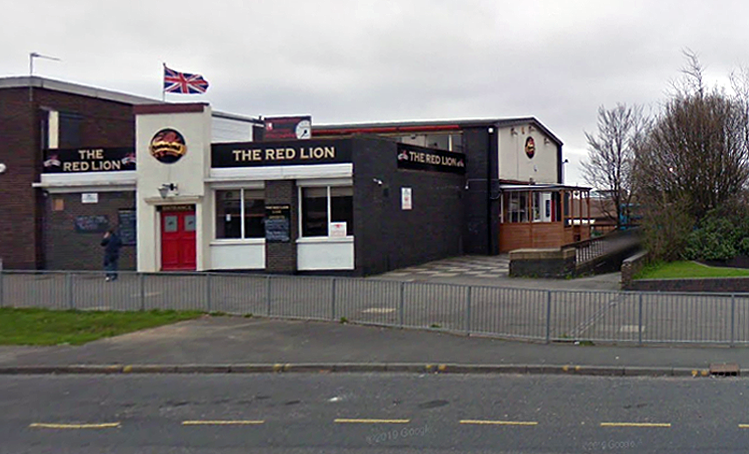
Formerly the Red Lion a Cameron’s estate pub.
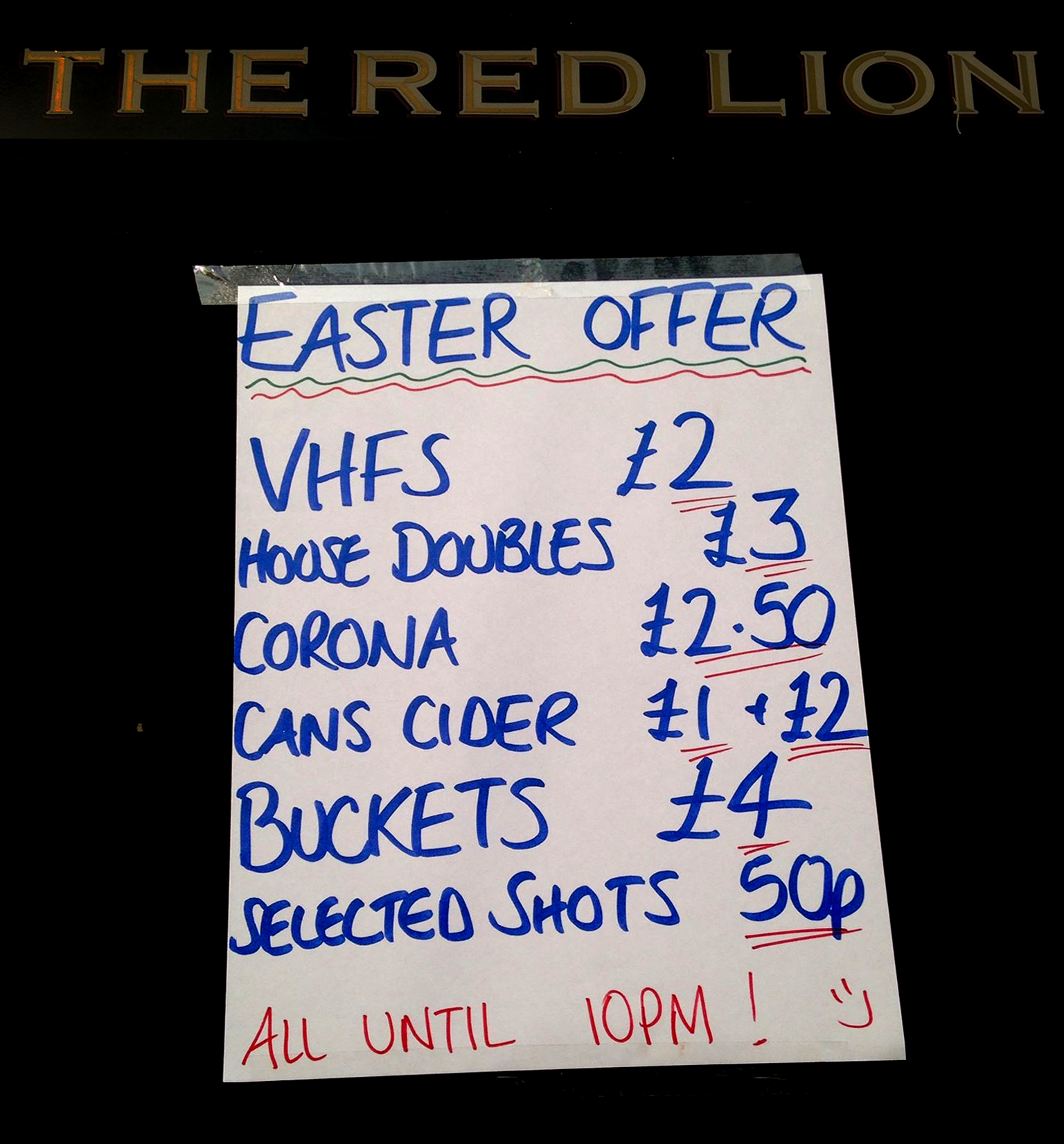
April 20th 2014 – Happy Easter everyone. We are open today all the way to 10pm – £2 bottles VHFs, house spirits only £3 double, buckets £4, Corona £2.50 selected shots 50p, cider cans £1 + £2 Karaoke – from now on everyone who sings gets a free shot Then we have the best in all your favourite dance ‘n’ house tunes to take you into Monday.
Onward to the Shopping Centre.
Yoden Way looking towards Lee House in 1977.
Photographs: JR James
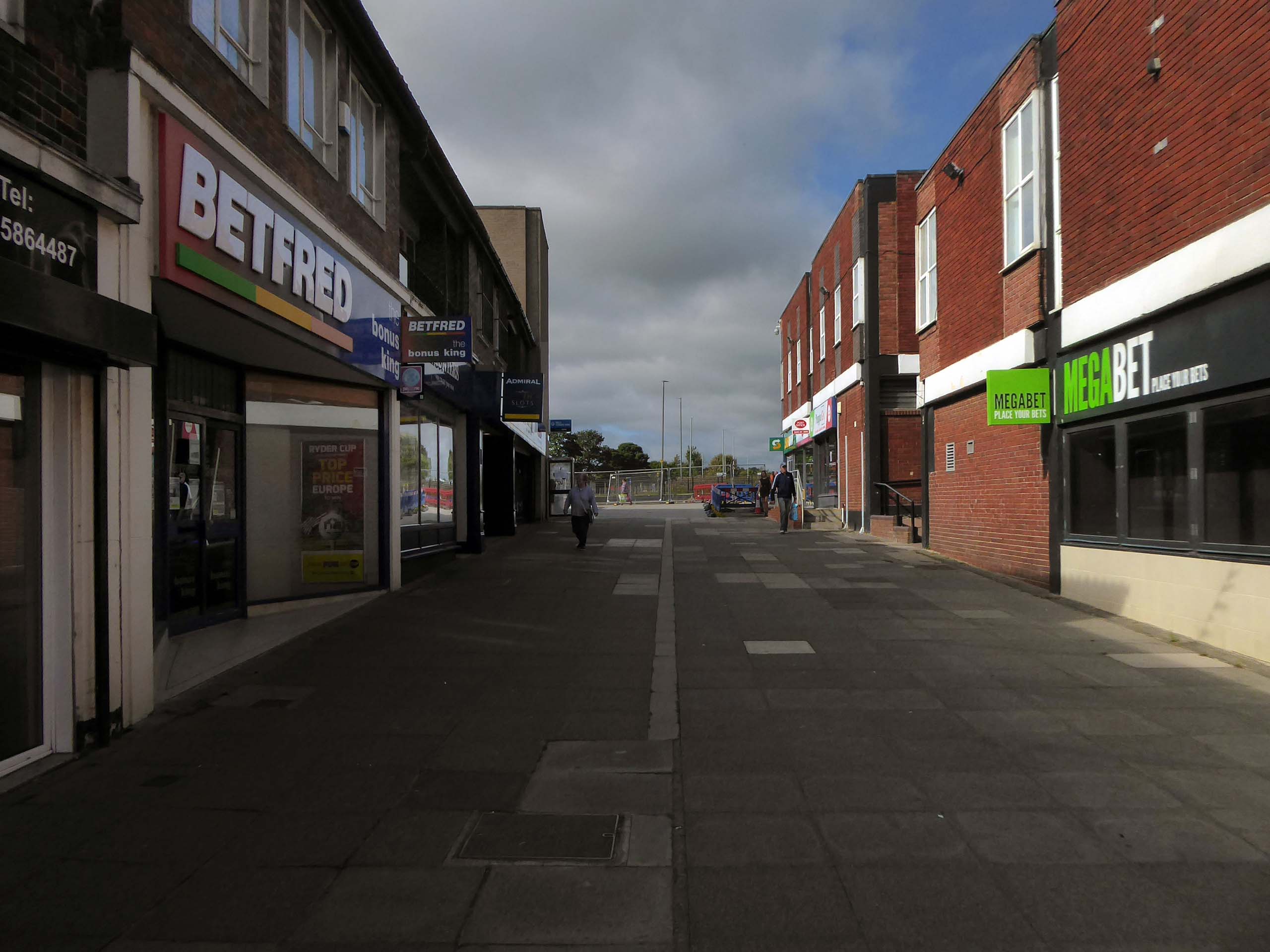
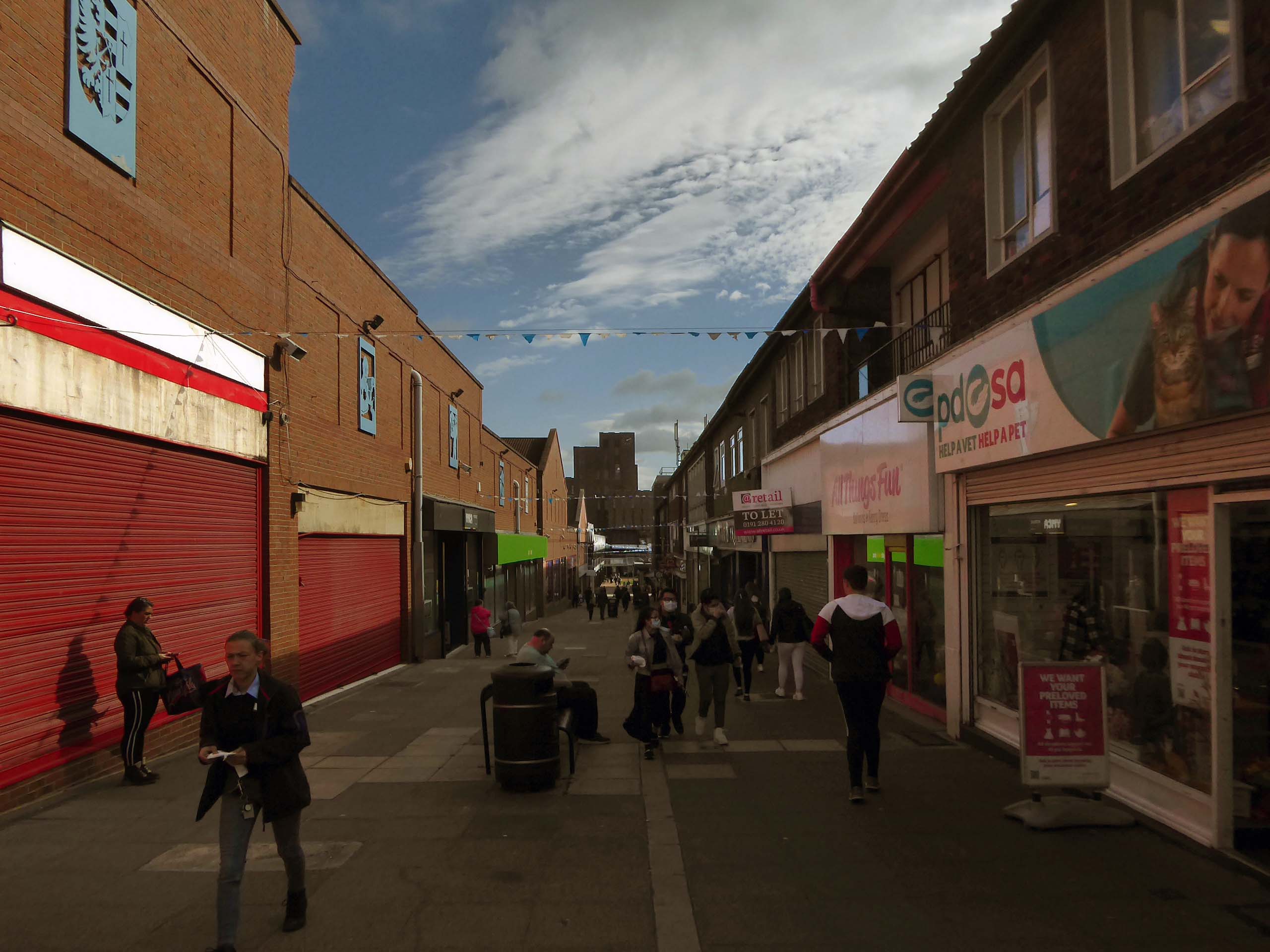
The 1950’s shops are still in situ.
Though some of the original architectural detailing and features are no more.
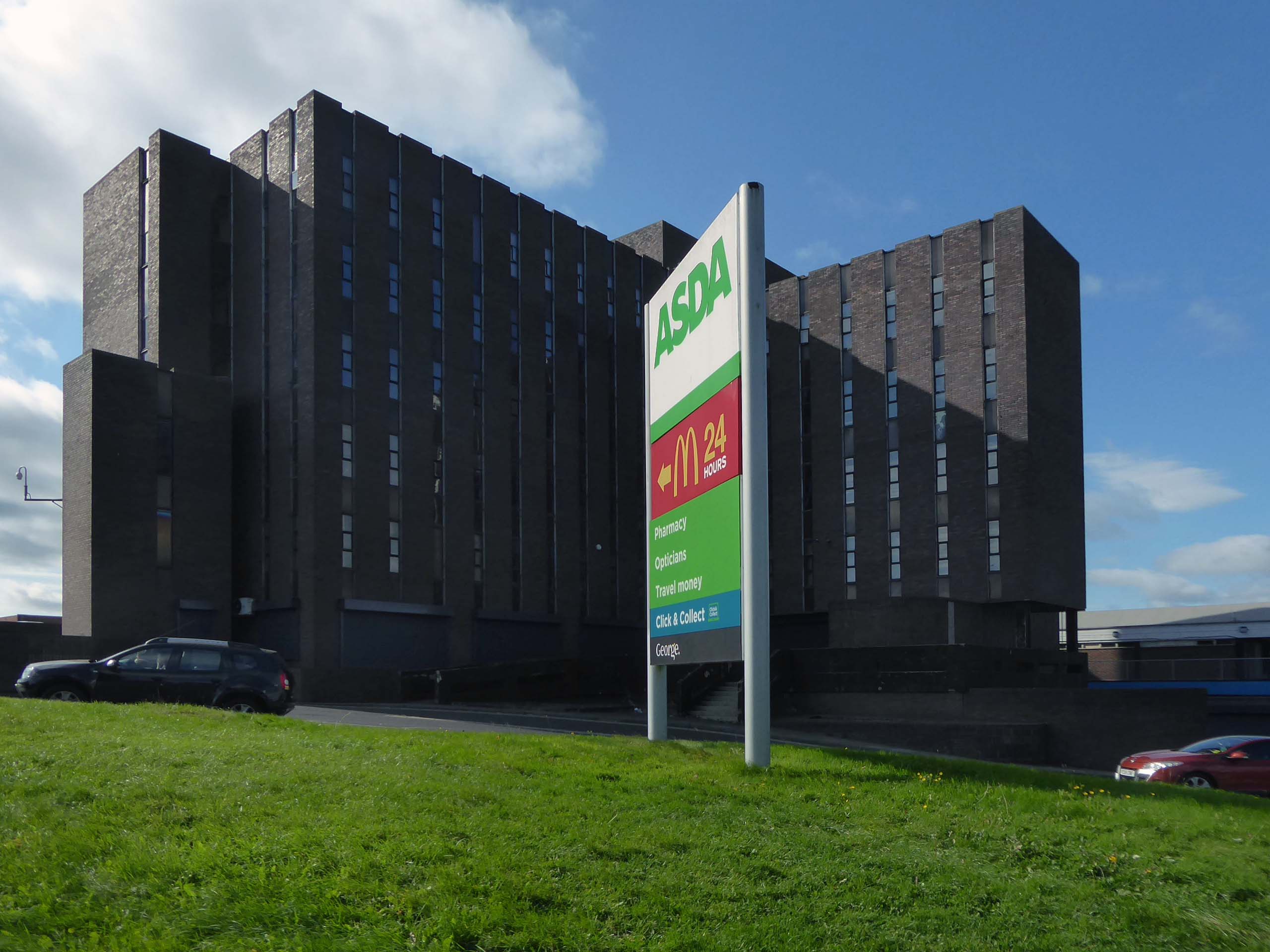
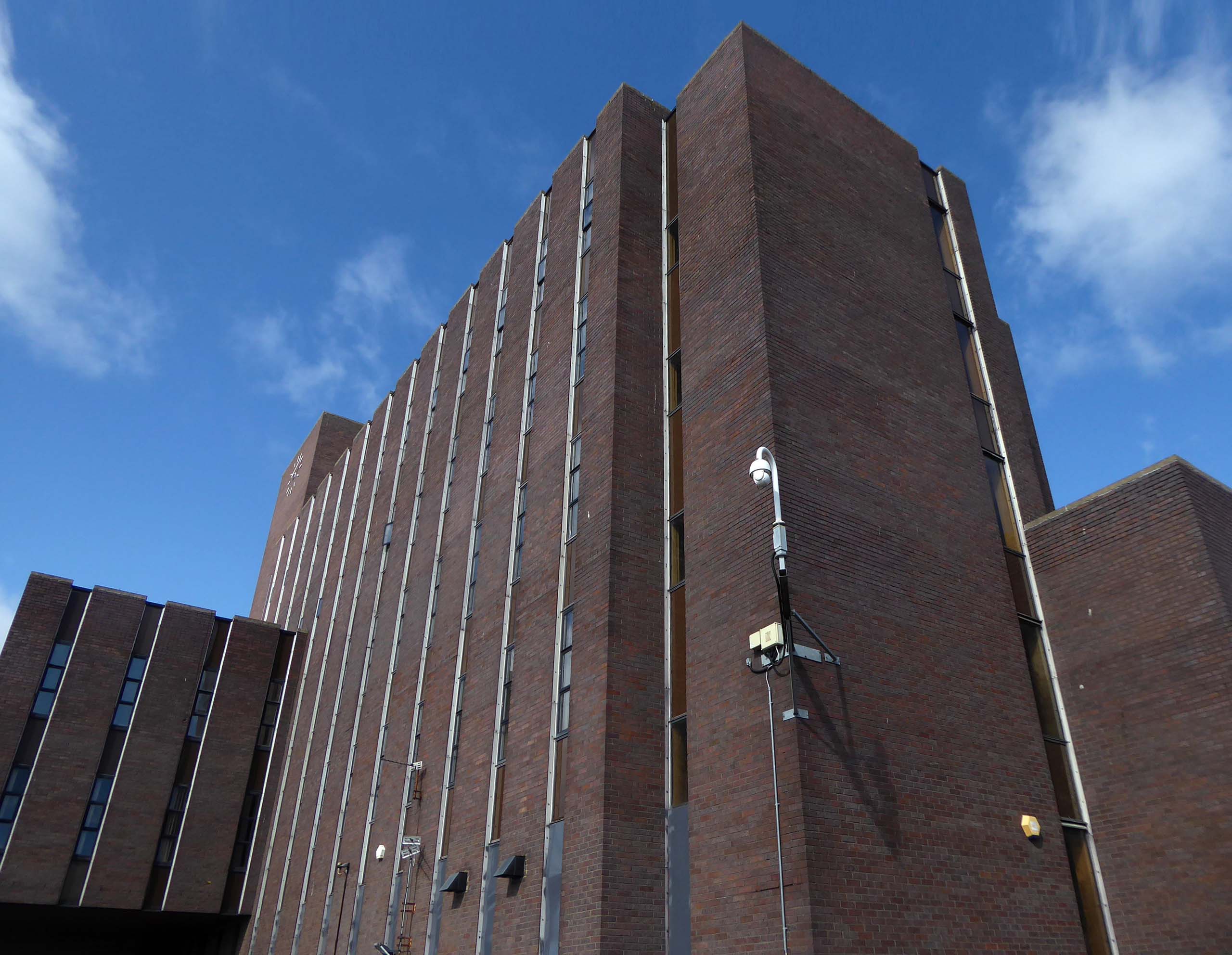
Lee House is still standing but vacant.
Lee House was once home to charity and community groups, but in 2015 the building owners ordered them to vacate the property.Even the building’s clock has stopped working and has been stuck on the same ten-past-two reading.
However, Durham County Council has now confirmed the building is in new hands. Economic development manager Graham Wood said: “We have worked with the previous owner to try to ensure the building is secured while we await proposals for its long-term future.
Four fire engines rushed to Lee House on Upper Yoden Way in Peterlee on Friday afternoon September 19th 2025 after a fire broke out on the first floor of the seven floor building.
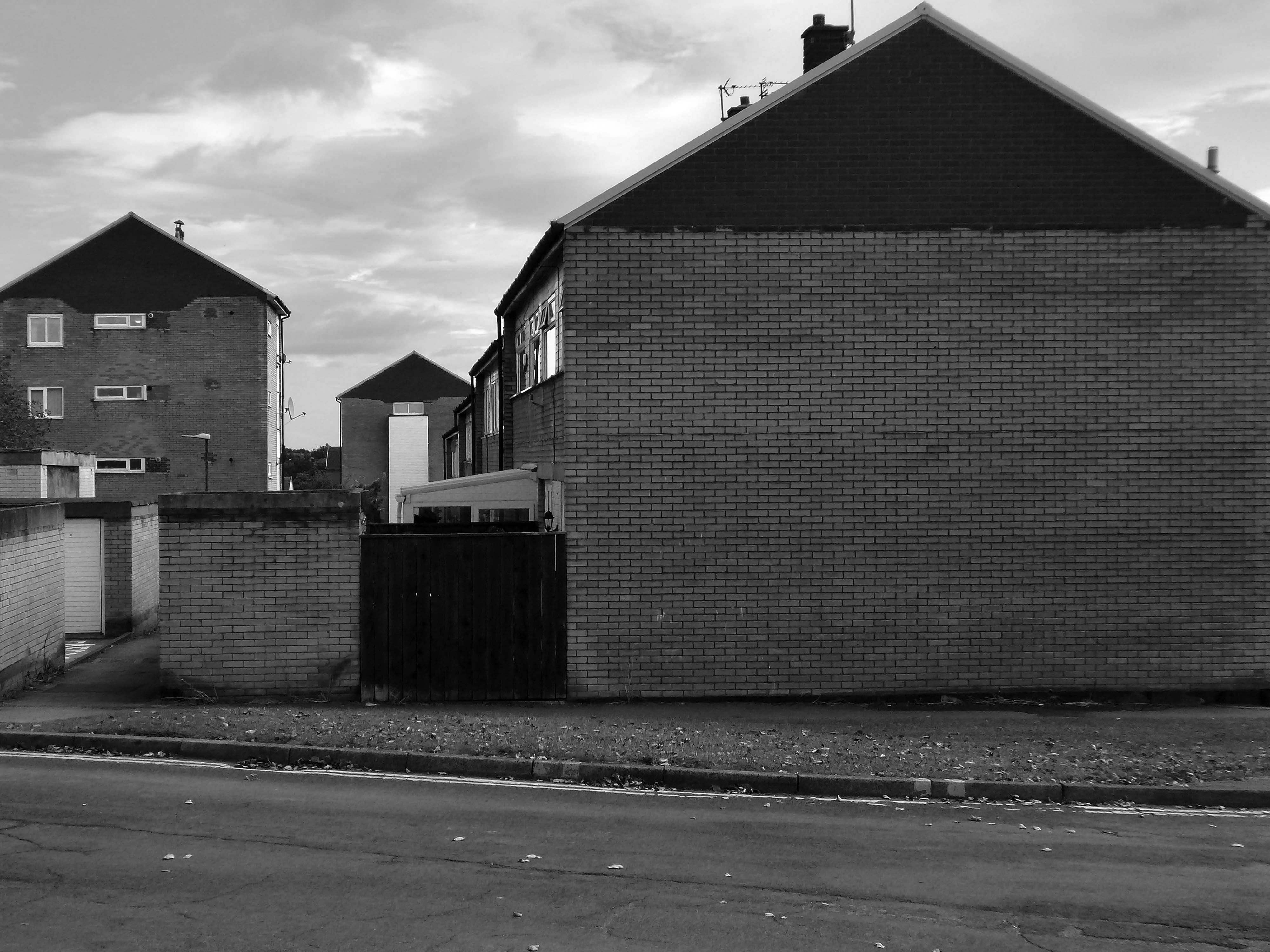
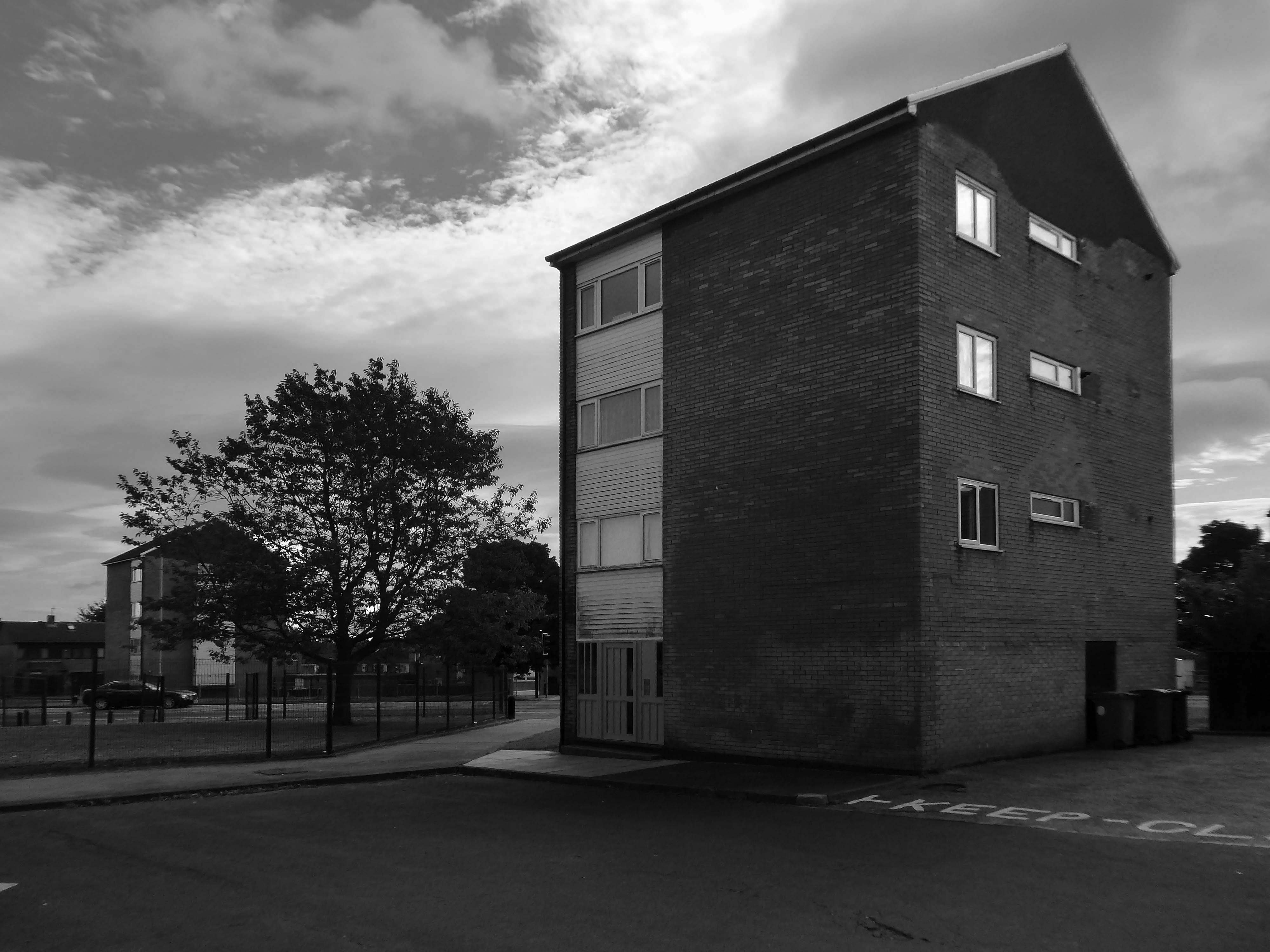
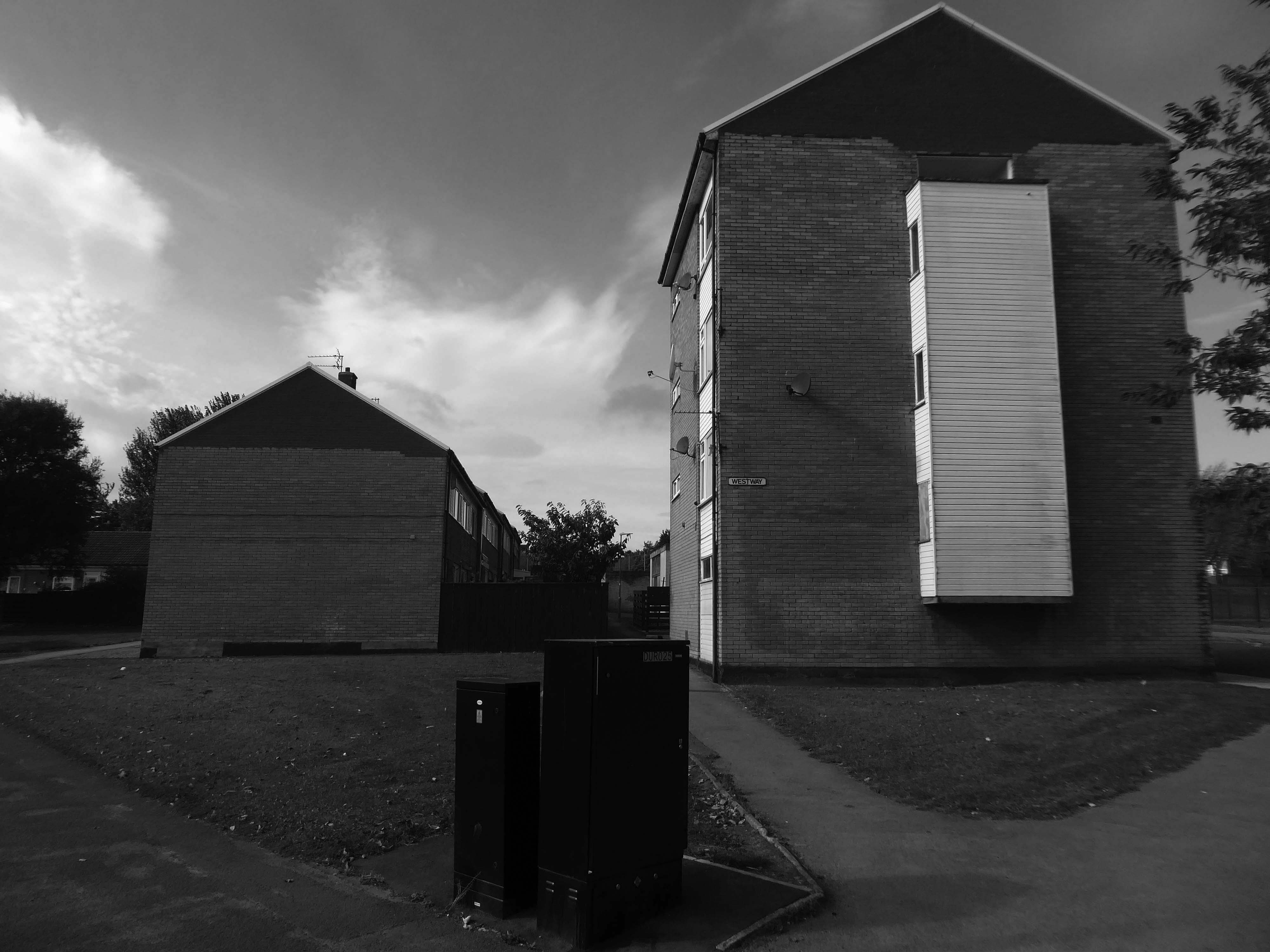
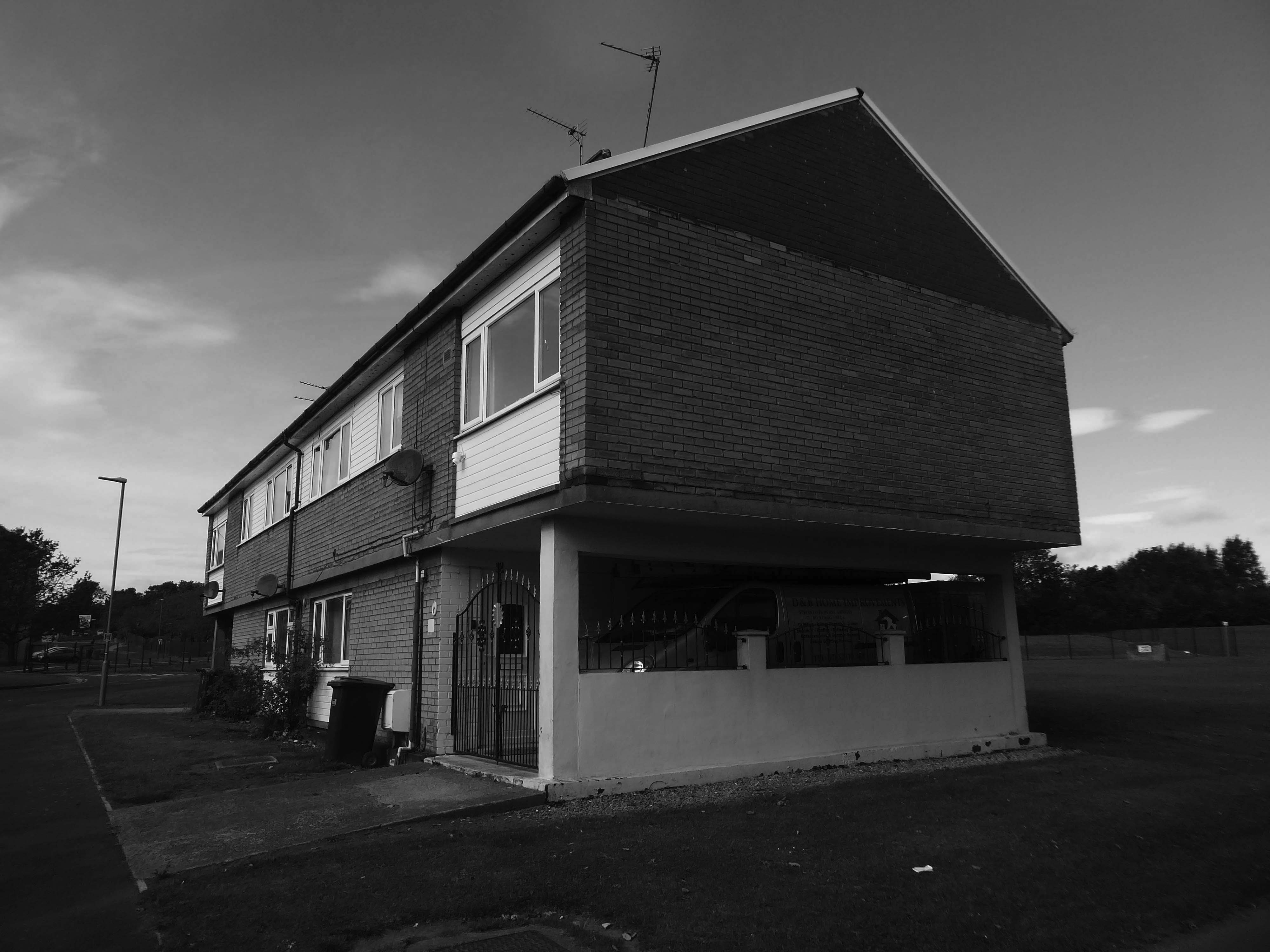
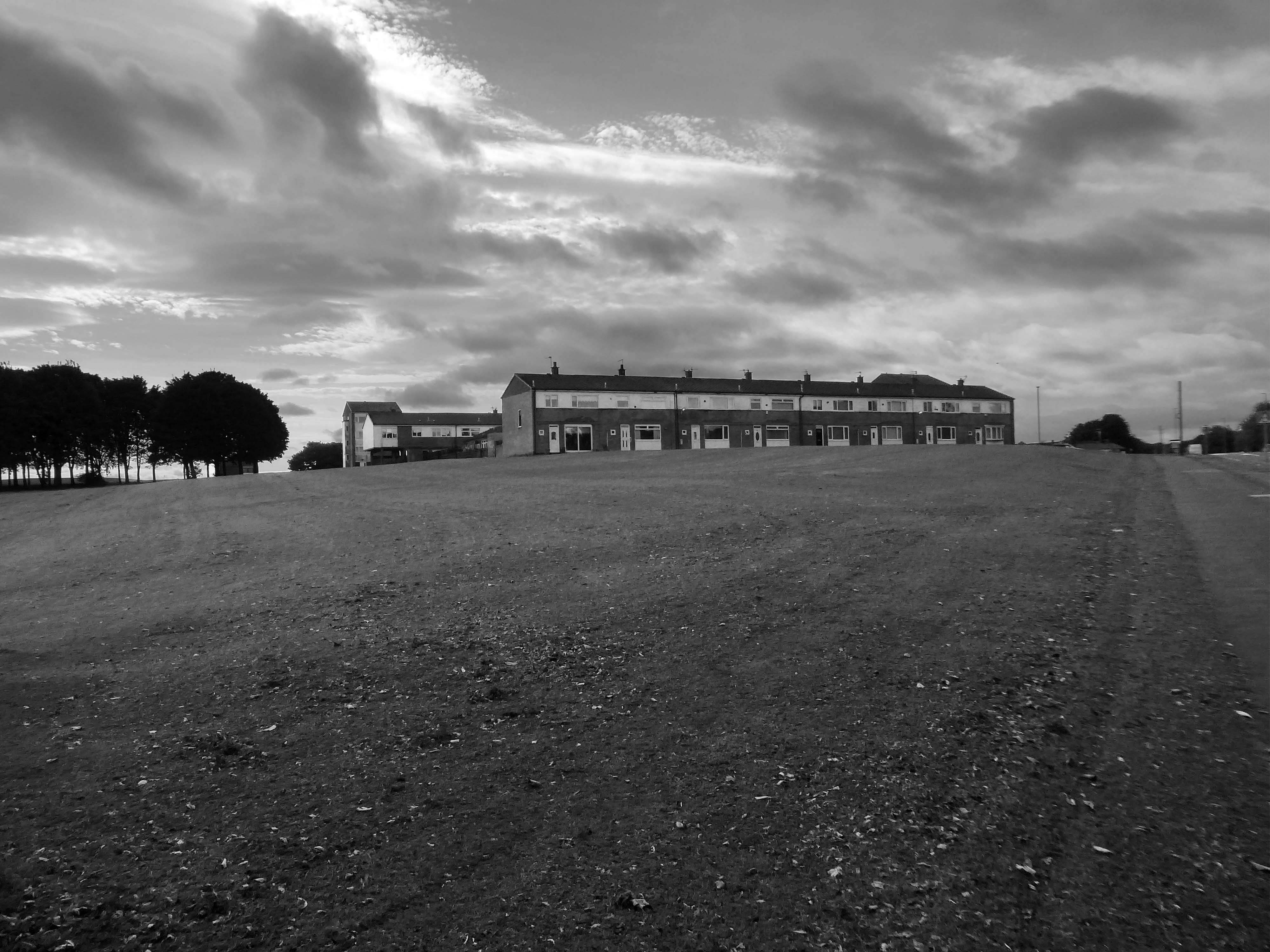
An express bus ride away from Newcastle City Centre – arriving in Peterlee, with a clear intent to wander around and look at housing.
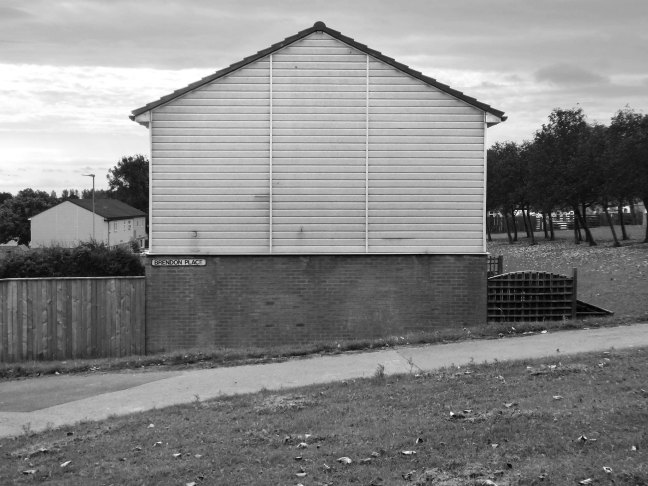
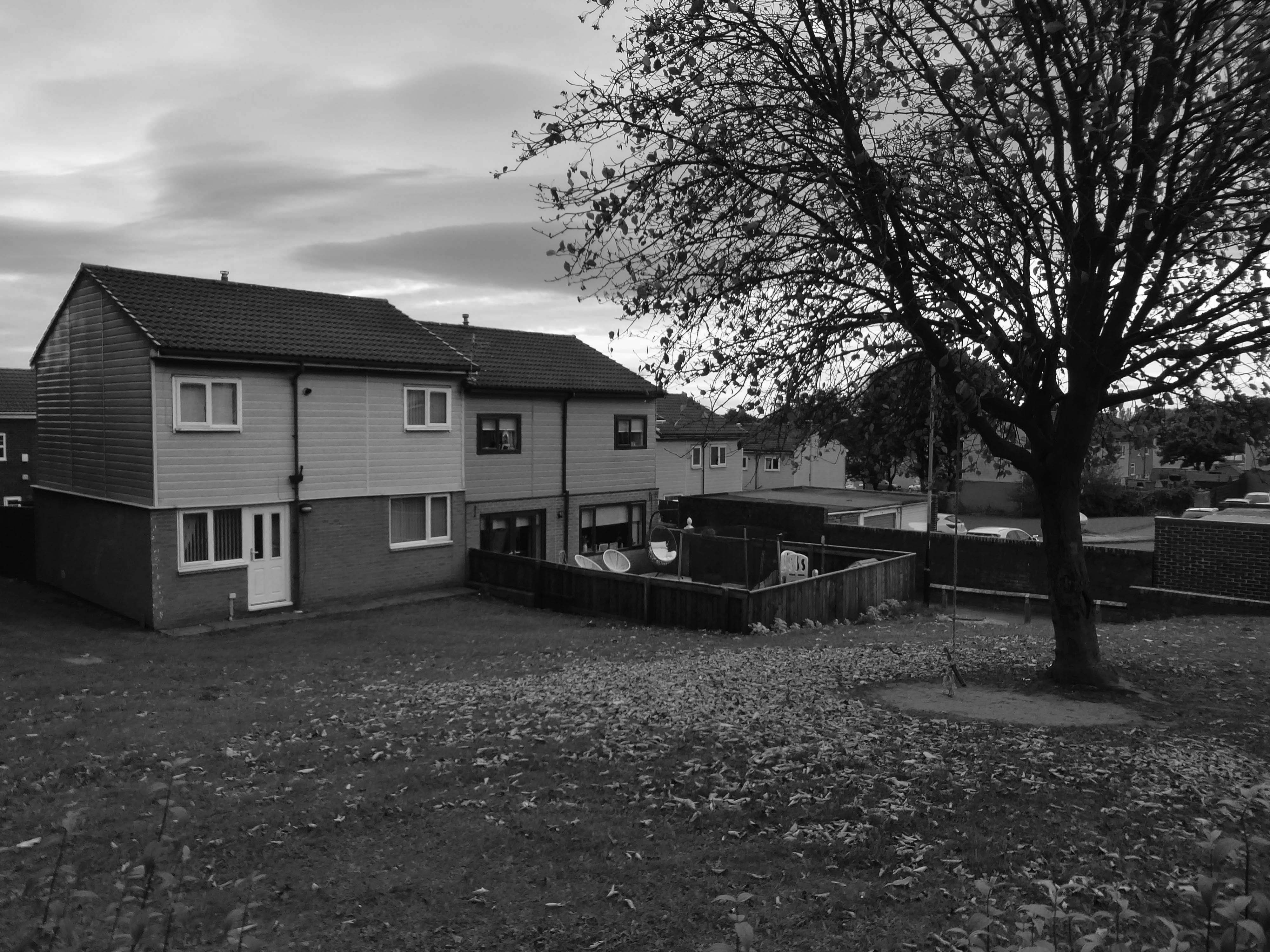
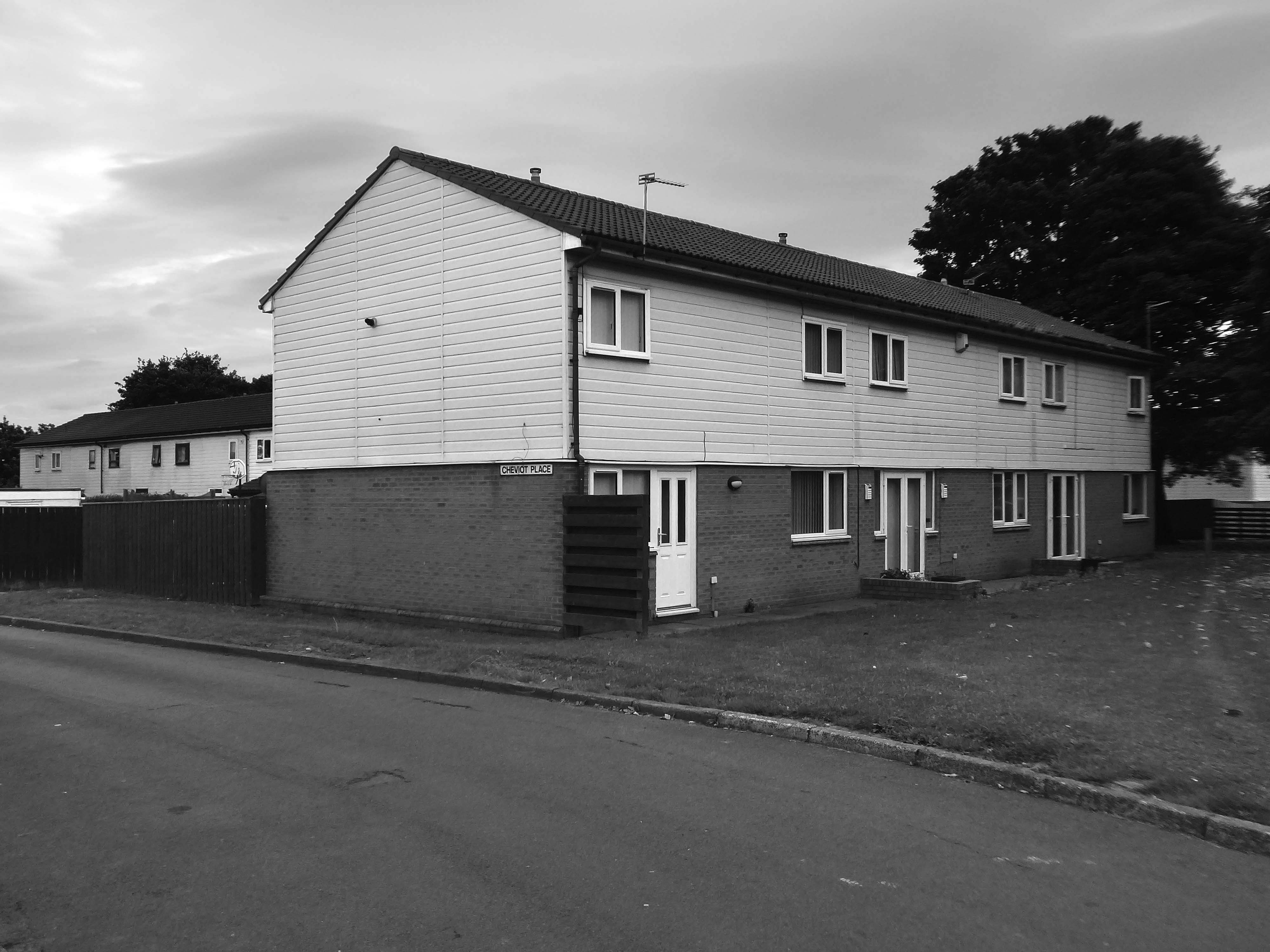
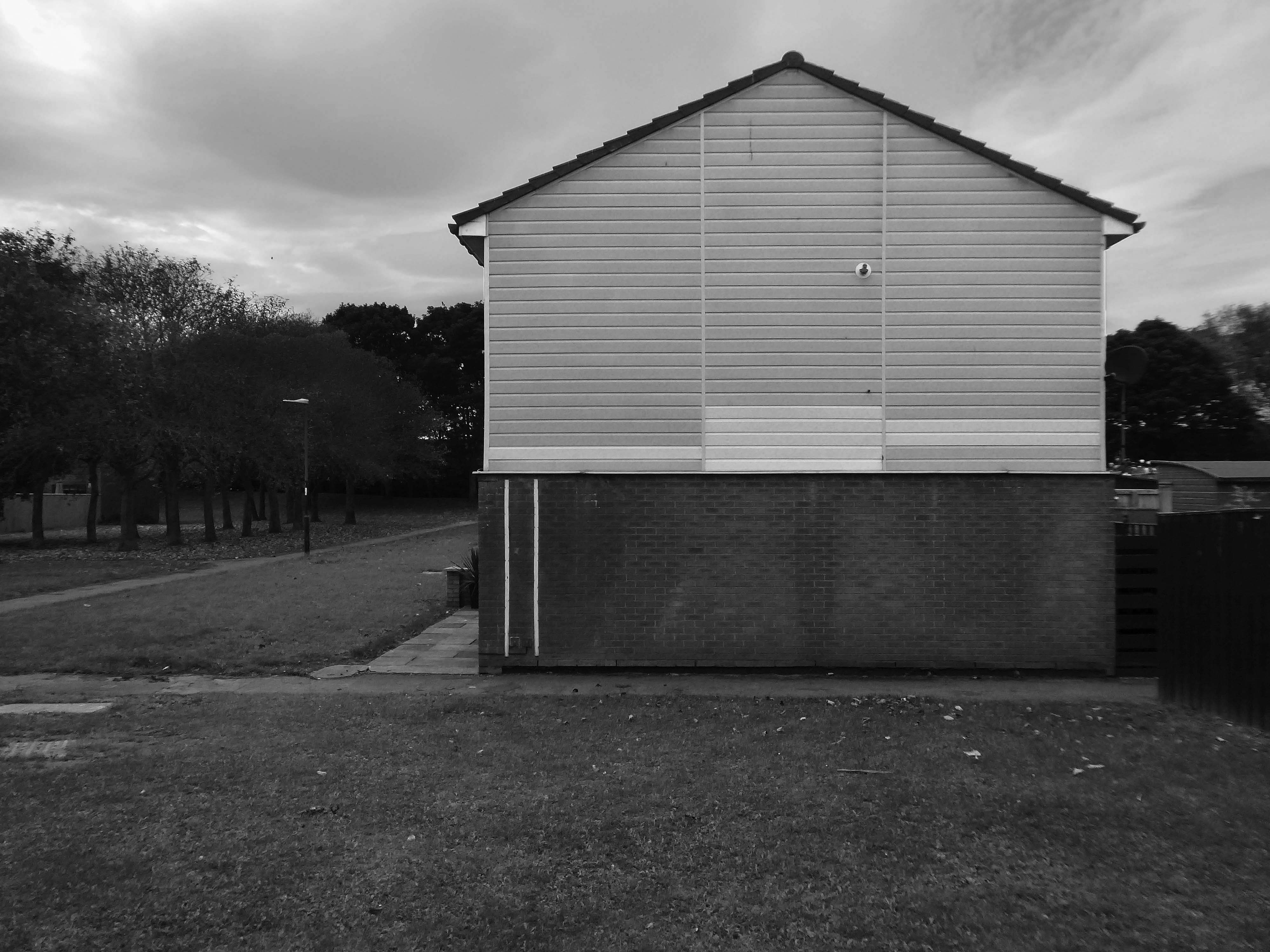
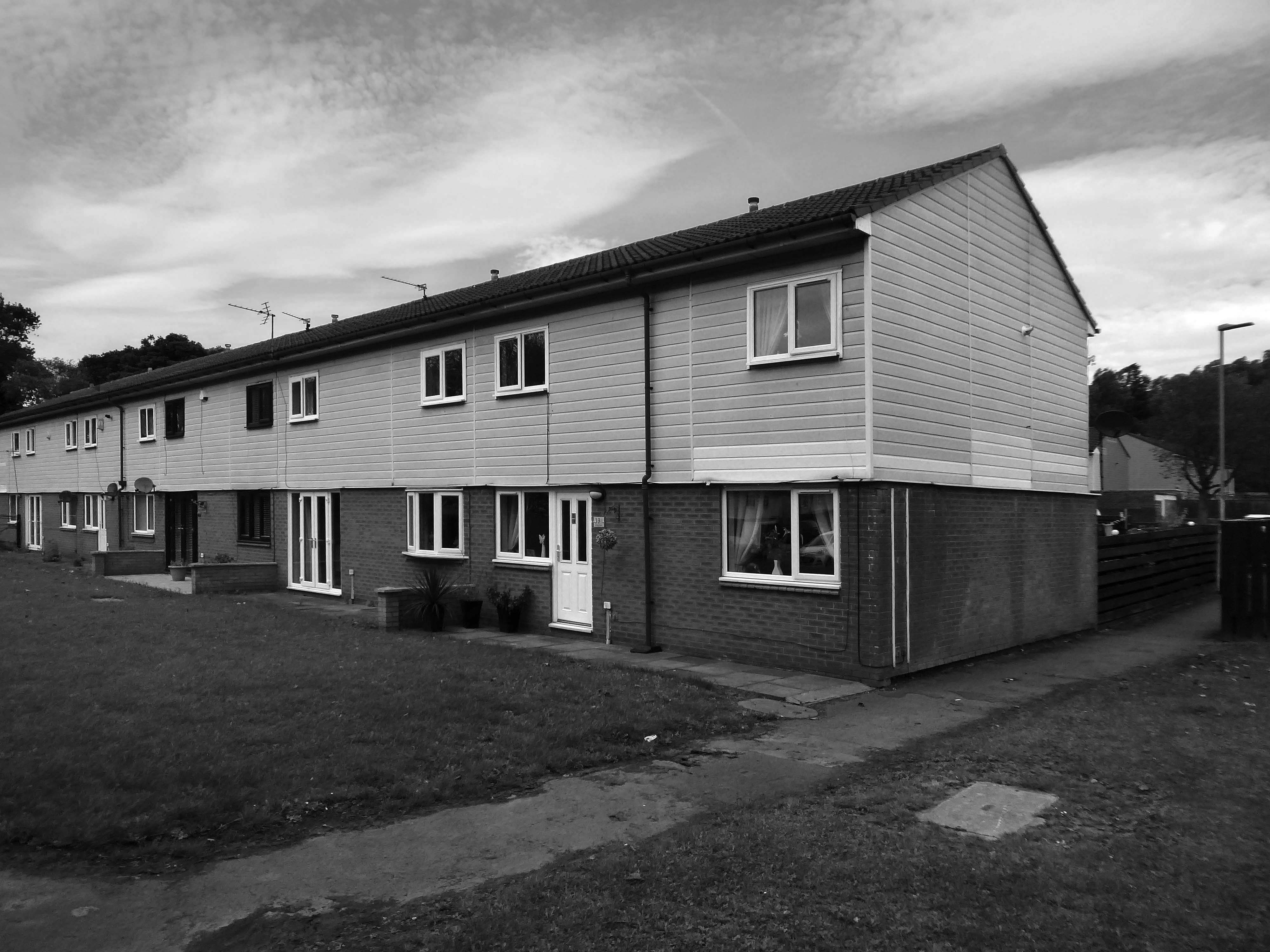
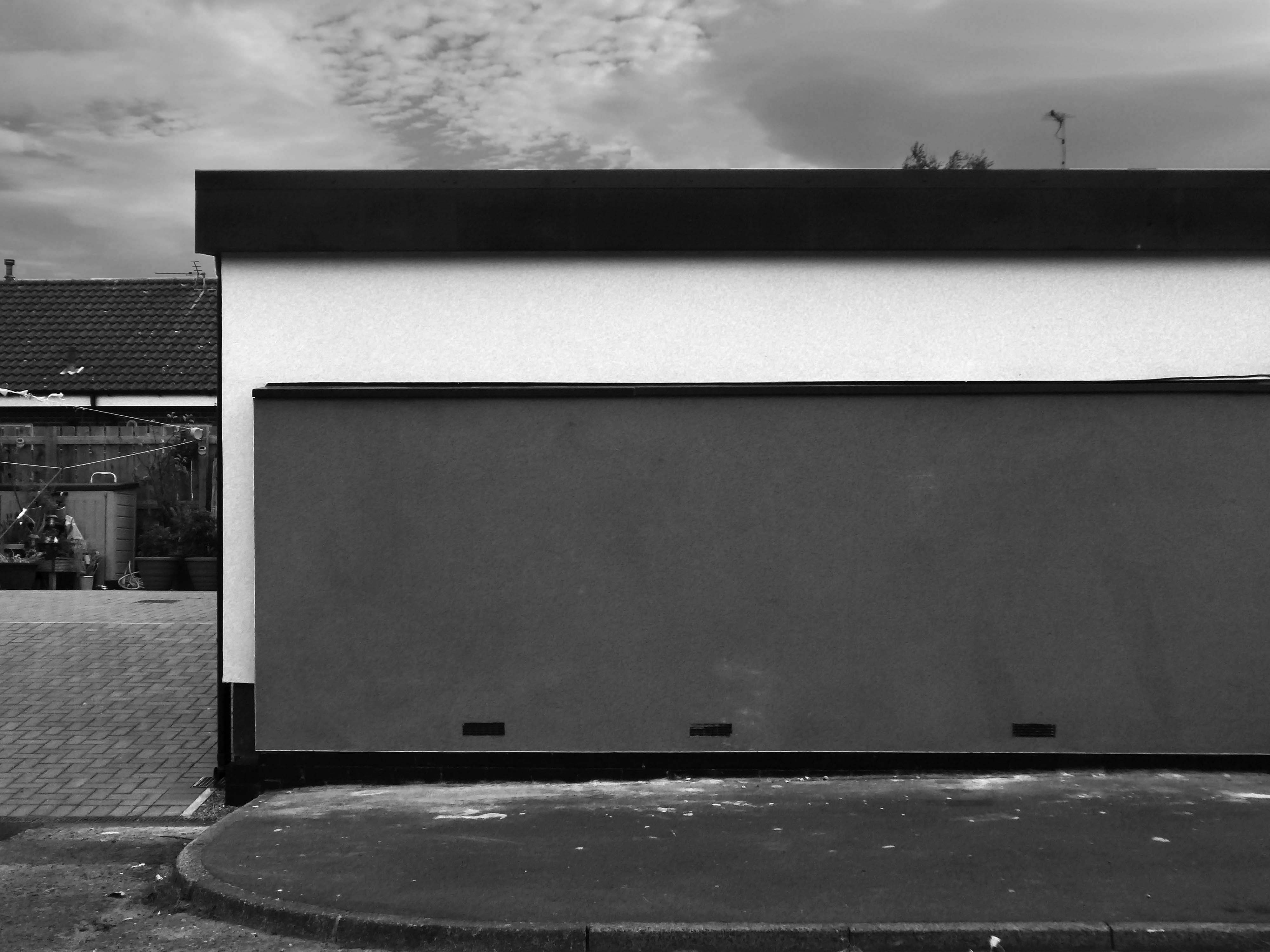
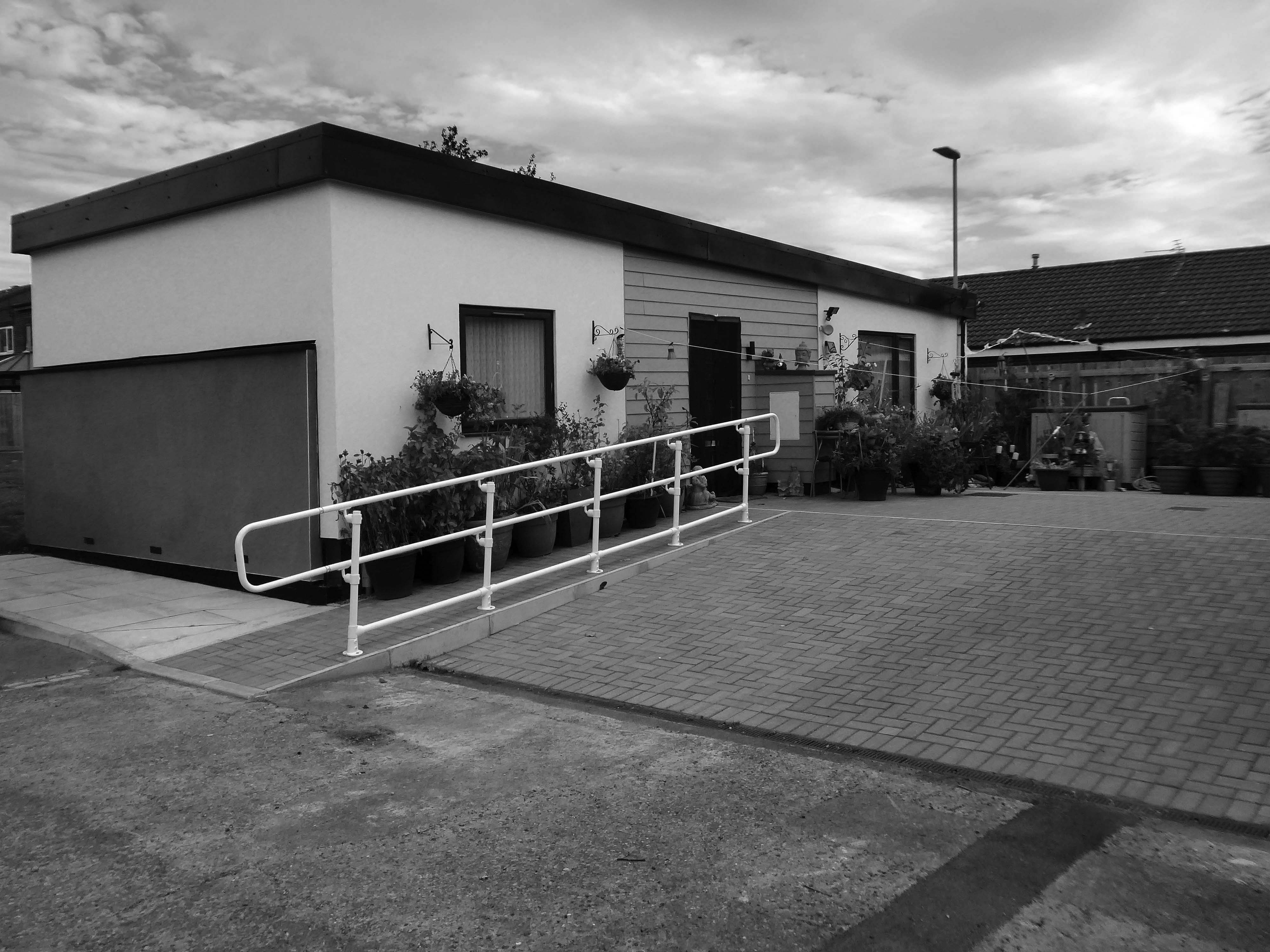
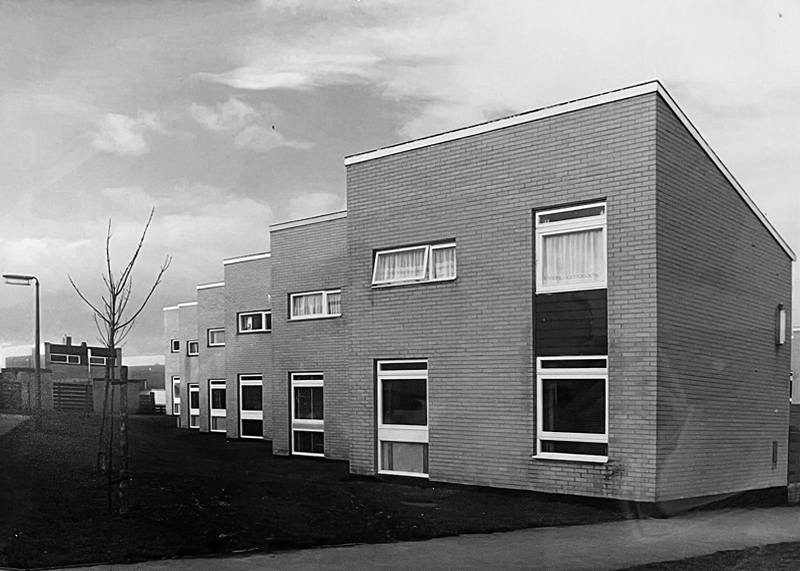
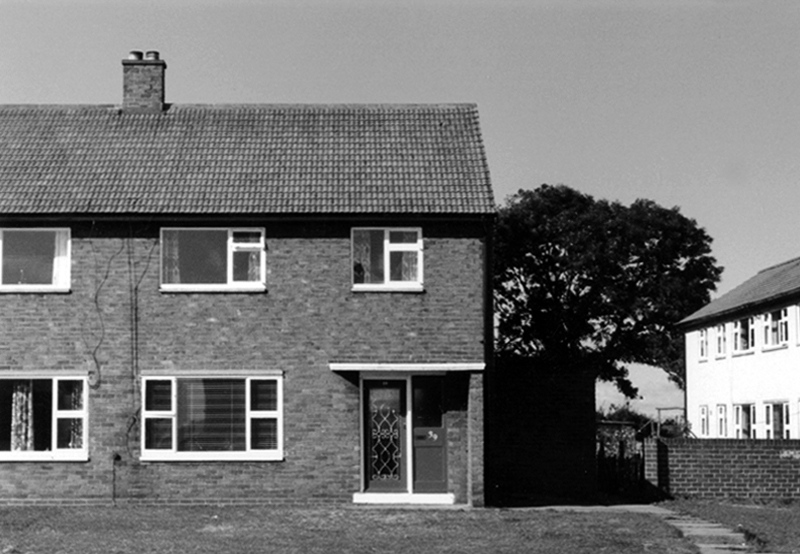
There have been many alterations and amendments made, in the short time since the inception of the Masterplan. Flat roofs have largely been and gone, timber replaced by uPVC, what remains is an interesting array of building types set in an attractive rolling landscape.
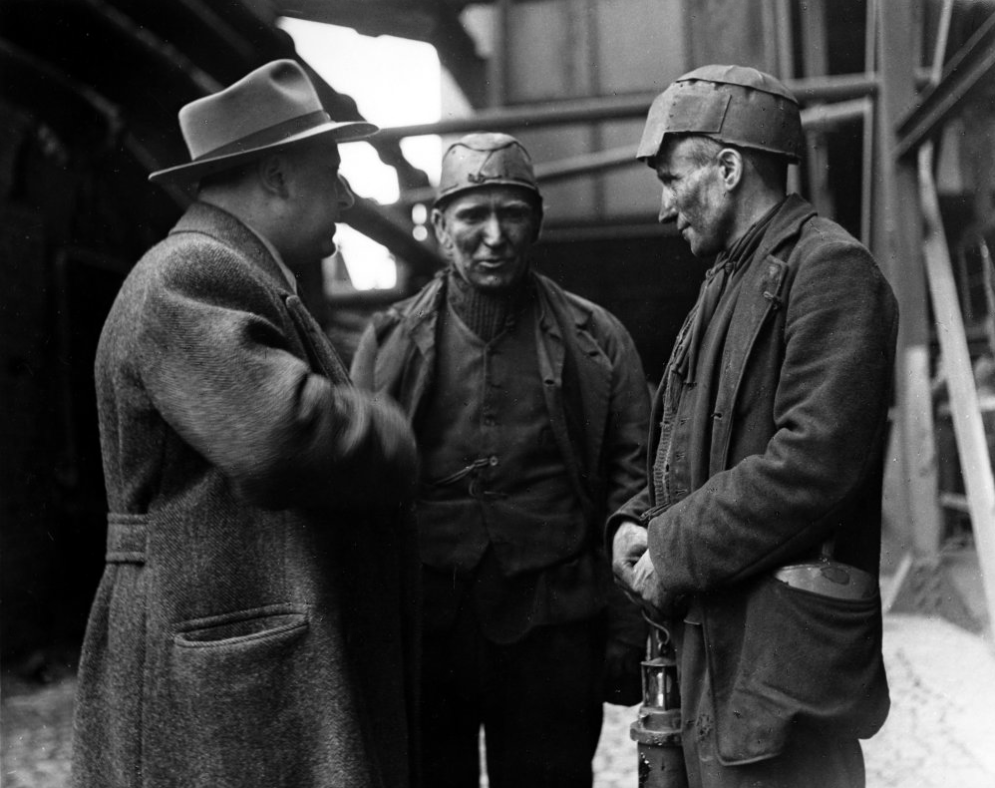
The case for founding Peterlee was put forward in Farewell Squalor by Easington Rural District Council Surveyor CW Clarke, who also proposed that the town be named after celebrated Durham miners’ leader Peter Lee. A deputation, consisting mostly of working miners, met the Minister of Town and Country Planning to put the case for a new town in the district. The minister, Lewis Silkin, responded by offering a half-size new town of 30,000 residents. The subsequent new residents came largely from surrounding villages in the District of Easington.
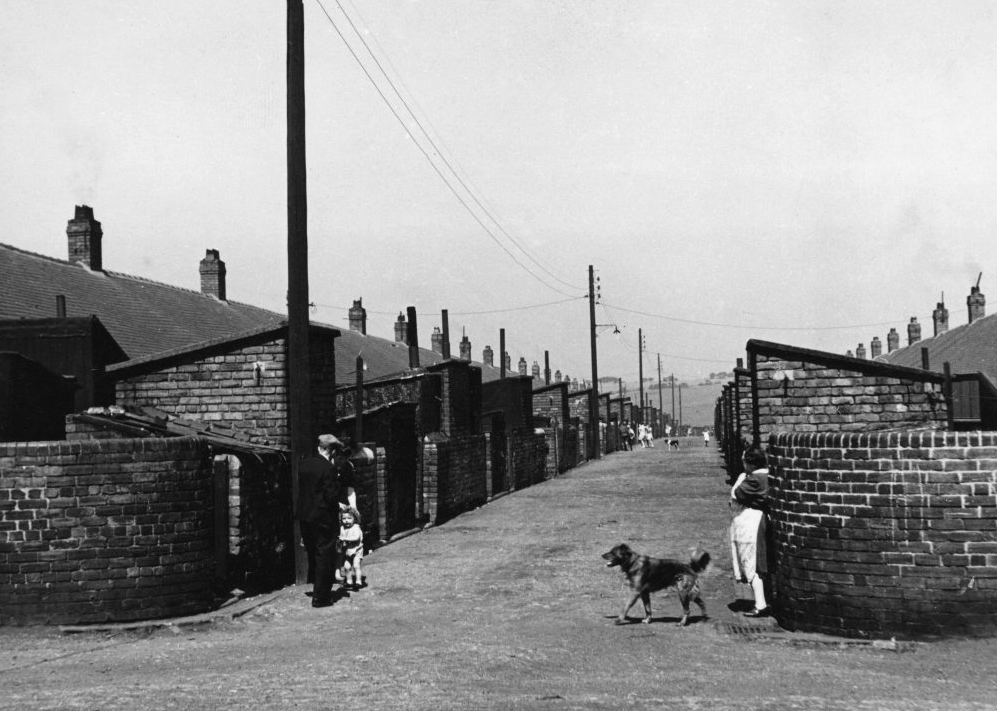
Peterlee Development Corporation was founded in 1948, first under Dr Monica Felton, then under AV Williams. The original master plan for tower blocks of flats by Berthold Lubetkin was rejected as unsuitable for the area’s geology, which had been weakened by mining works, and Lubetkin resigned in 1950. George Grenfell Baines’ plan was accepted, and construction quickly began, but it was of poor quality. Williams invited artist Victor Pasmore to head the landscaping design team.
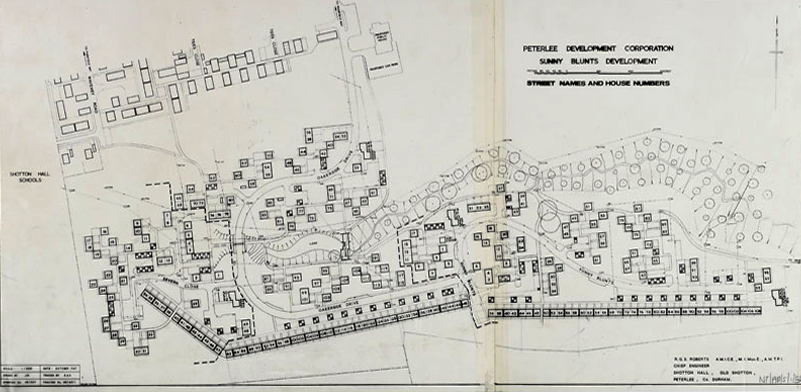
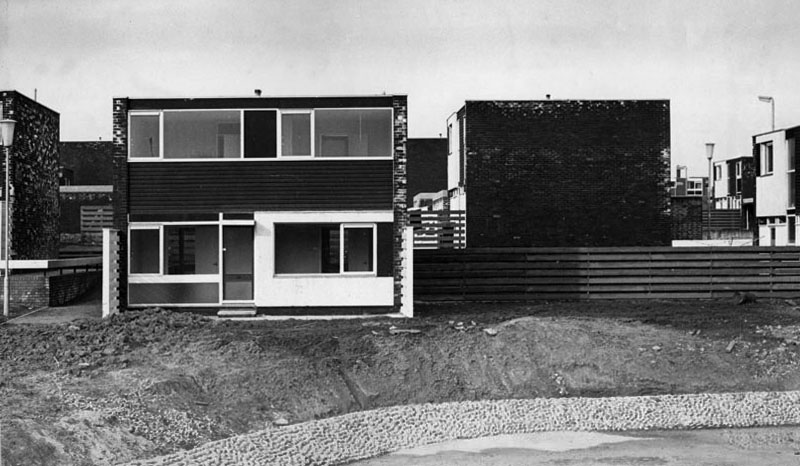
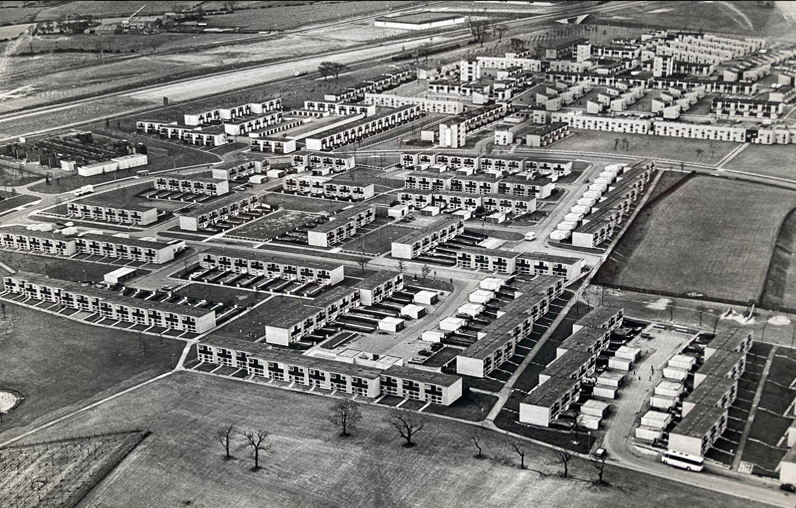
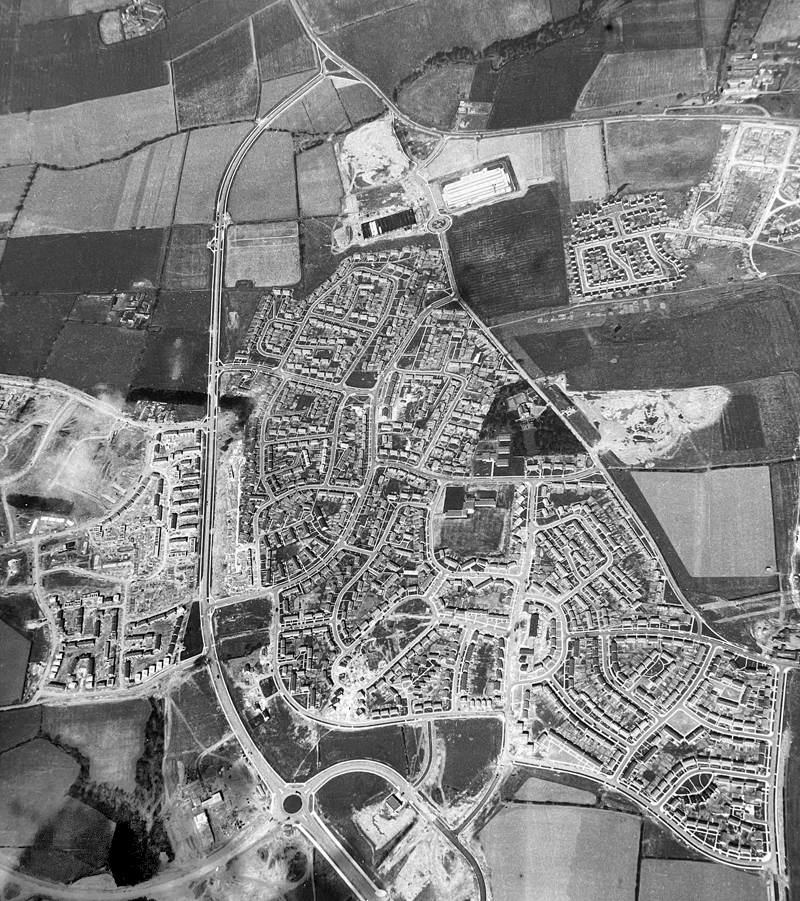
The long and narrow site intersected by a sloped ravine necessitated a new design approach for the layout of the road system and housing in Sunny Blunts. Rather than imposing a grid system as before, the roads follow the natural contours of the landscape so become curvilinear. The housing is then arranged in asymmetric patterns – a deconstructed grid system is one way of describing it.
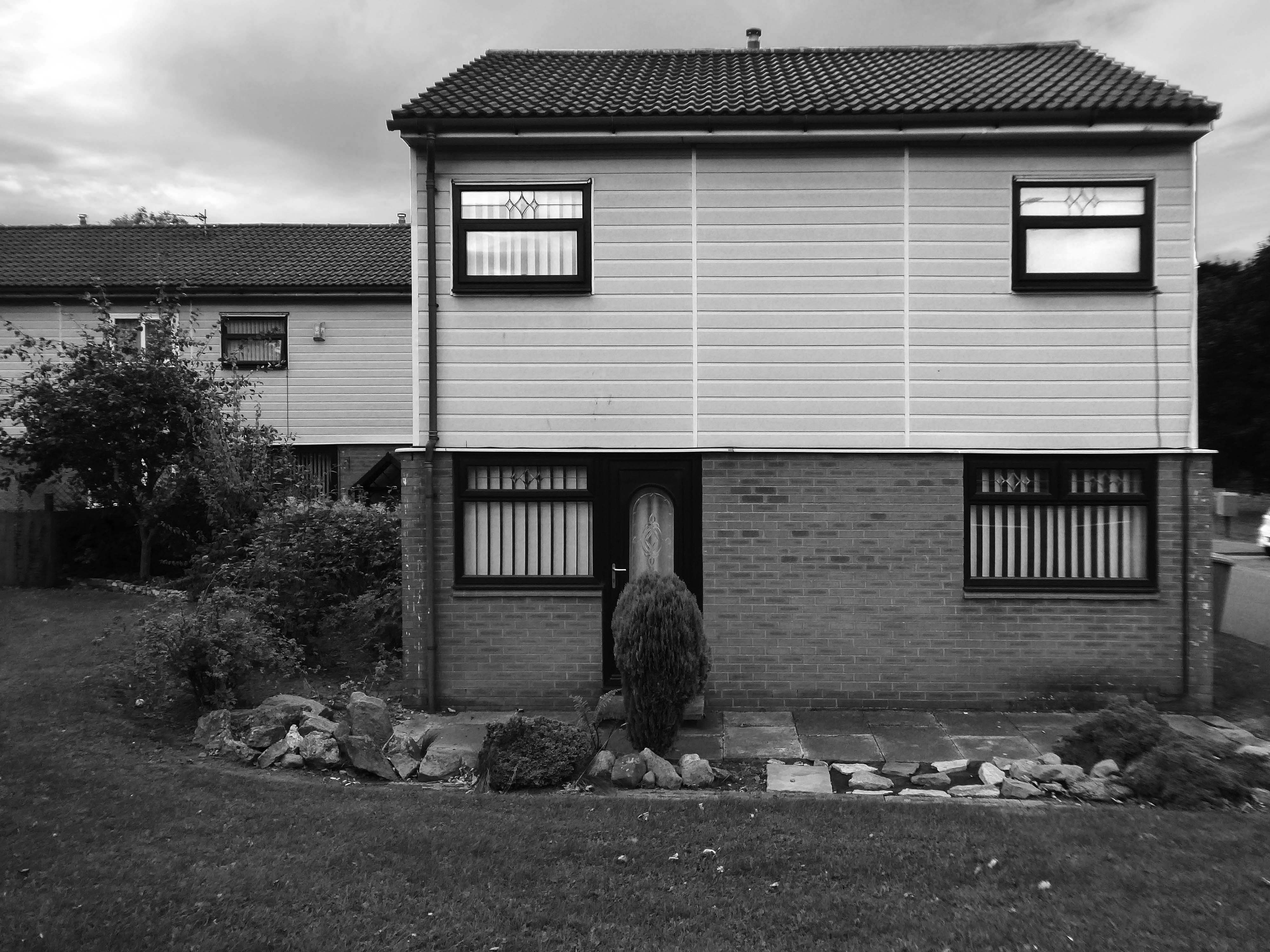
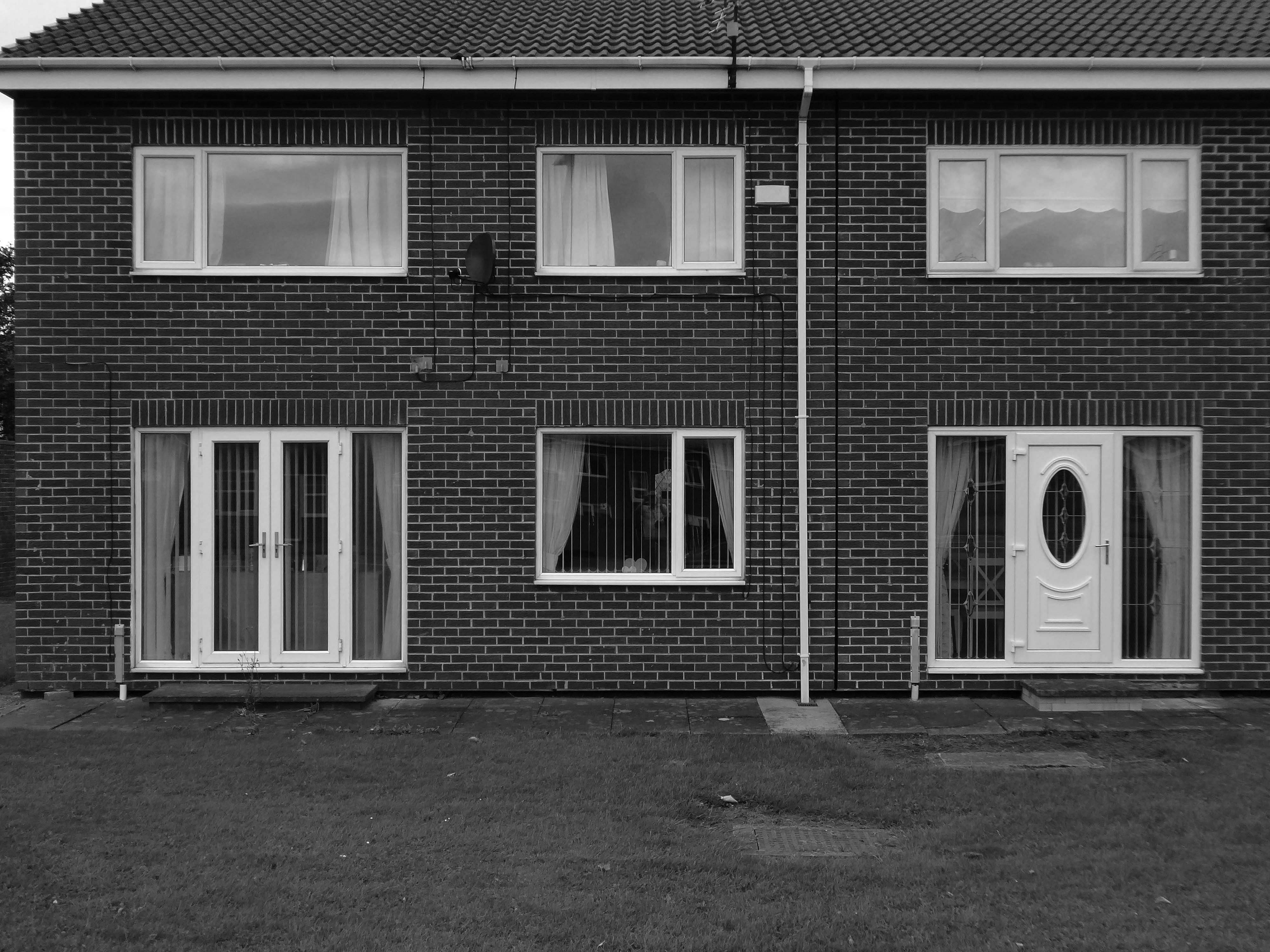
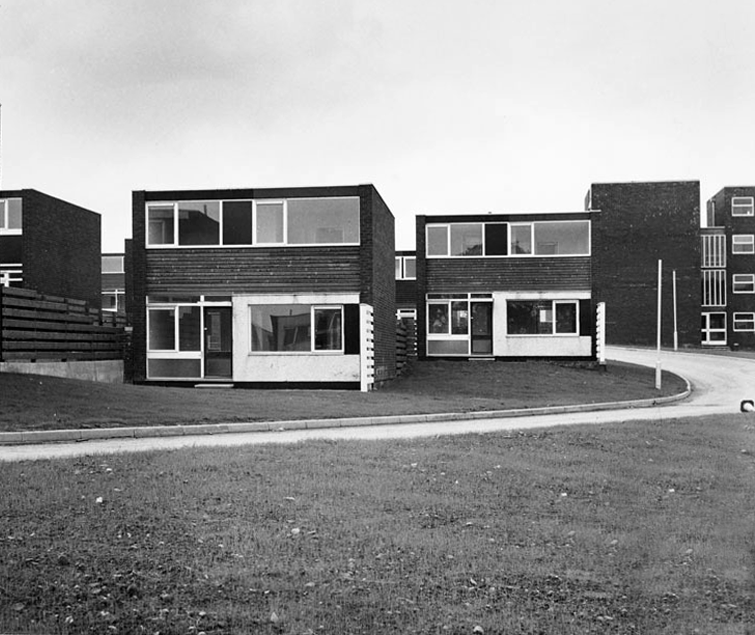
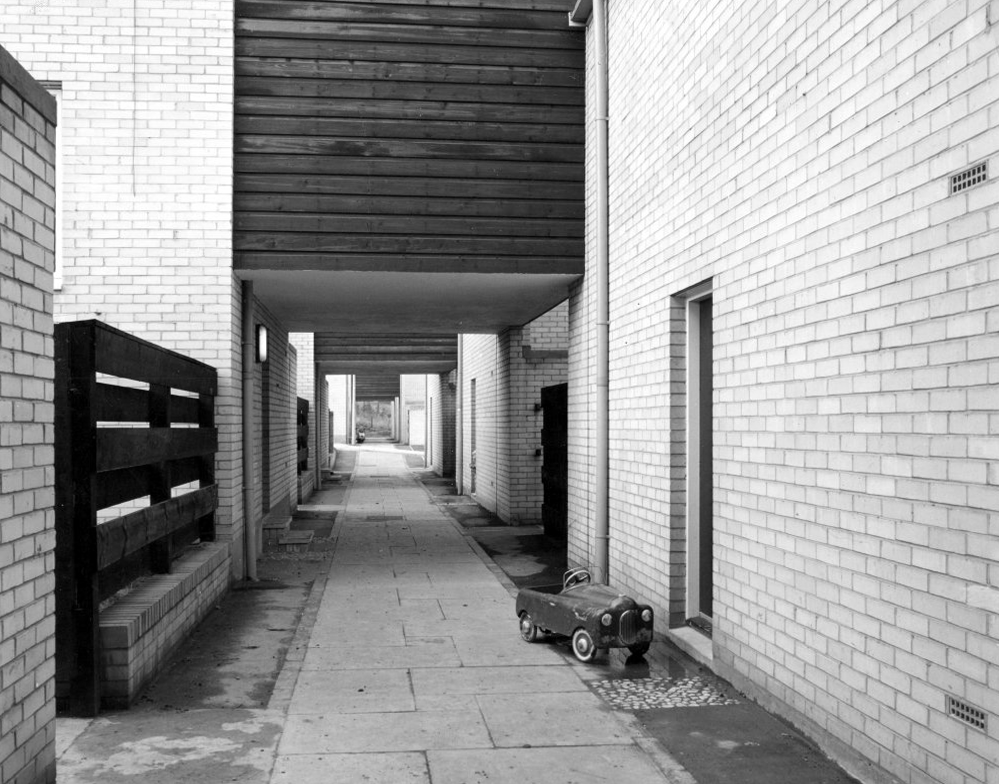
One of the oddities of Sunny Blunts is the way the houses are rotated 180 degrees in relation to the conventional streetscape where enclosed gardens are normally at the rear of the houses. At Sunny Blunts the front door opens into the garden, while the backdoor opens out onto public realm space, often directly onto grassed areas, which because of how the houses are arranged forms small communal gardens isolated from road traffic for safe places to play. Peterlee at this time had a very high percentage of young families.
Sunny Blunts is also where the now infamous Crudens houses were introduced – along with the Howletch area. Crudens owned the British rights to the Skarne building system, where prefabricated concrete walls and floors are bolted together to form the frame of the house. The system reduced building costs by 10% per house unit, though at Sunny Blunts this saving was then absorbed by the costs of remedial work required to make many of the houses habitable for residents to move in. This still didn’t fully resolve issues with water ingress in some cases.
After the completion of Sunny and Howletch the Development Corporation reverted back to using more traditional building methods.
The Peterlee Development Corporation initially employed the Russian modernist architect Berthold Lubetkin to design the new town. Appointing a renowned Modernist architect such as Lubetkin demonstrated the importance that was placed on innovative design. Lubetkin initially planned to build a modern town of high-rise towers and walkways in the sky. However, his plan was rejected because towers of such height could not be built on land that had been mined.
After Lubetkin’s resignation in 1950 a new architect, Grenfell Baines, was employed to work on the development of Peterlee. After further dissatisfaction with the plans, Victor Pasmore was invited to collaborate on a new scheme for the south west area of the town in 1955. Pasmore’s role was to work alongside the architects to add imagination to a project that could potentially get weighed down with the restrictions of building regulations. That Pasmore – one of the most influential abstract artists in Britain at the time – was given such a vital role in the development of Peterlee demonstrates the central role art played in urban design after the war.
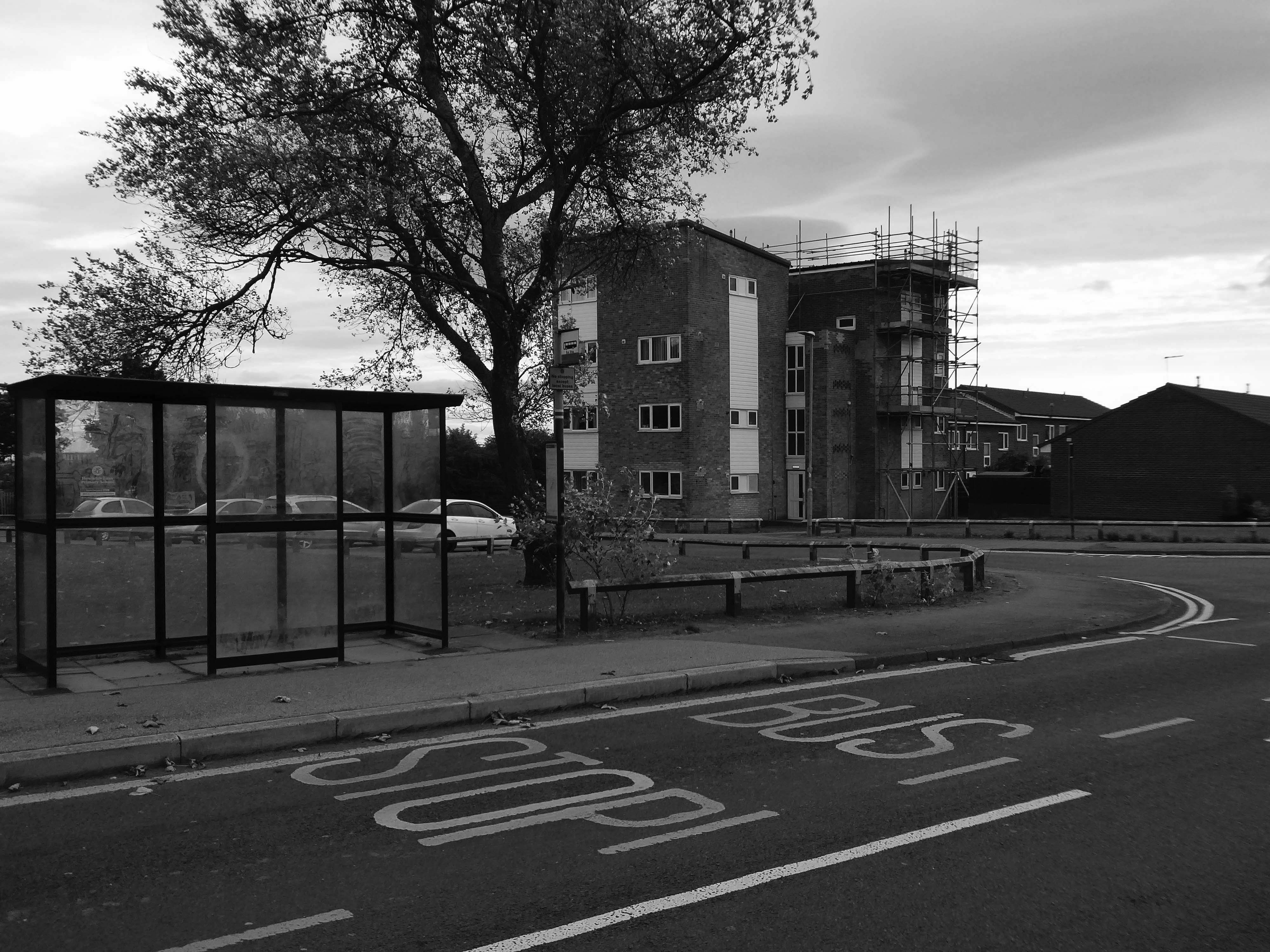
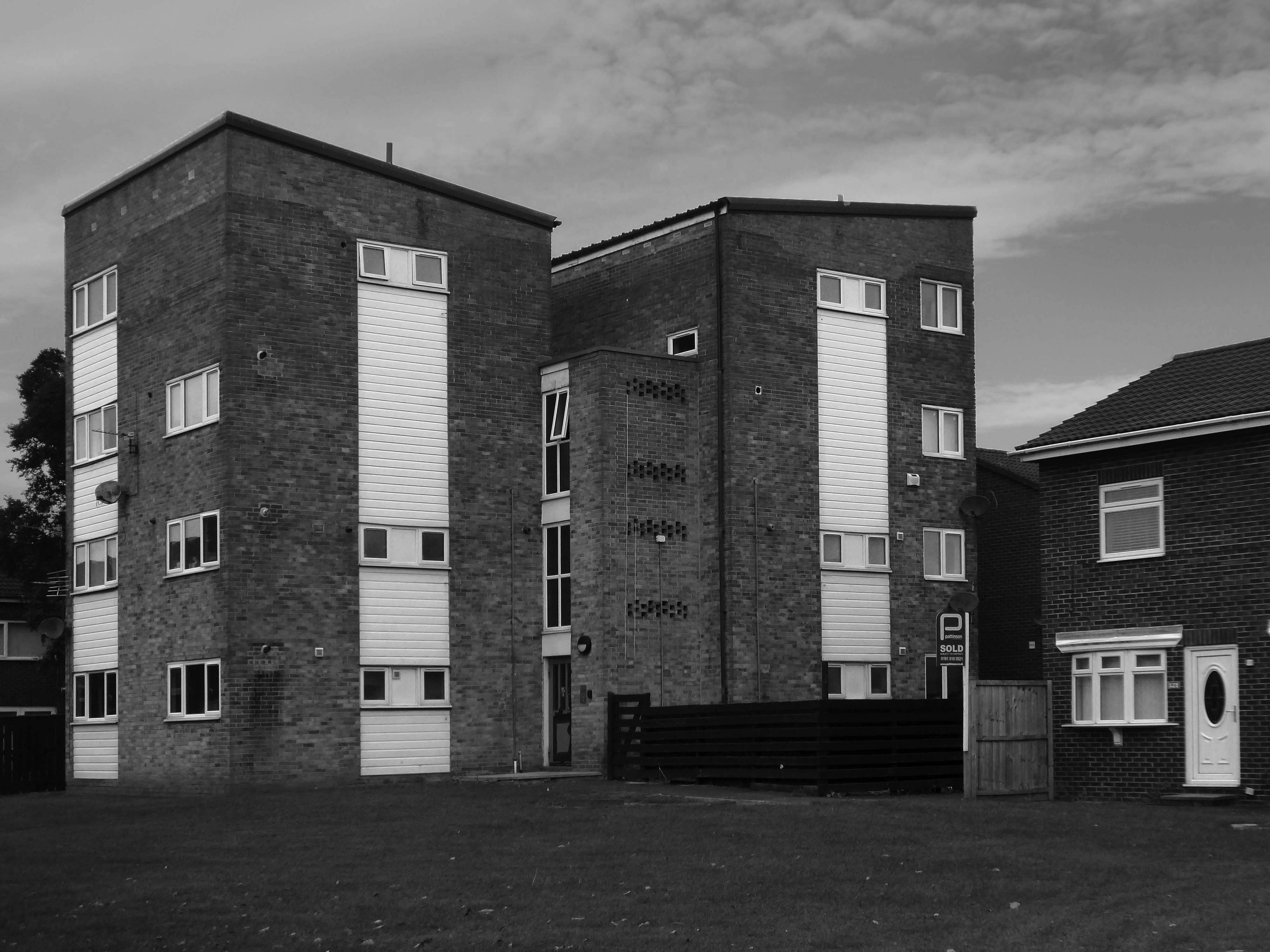
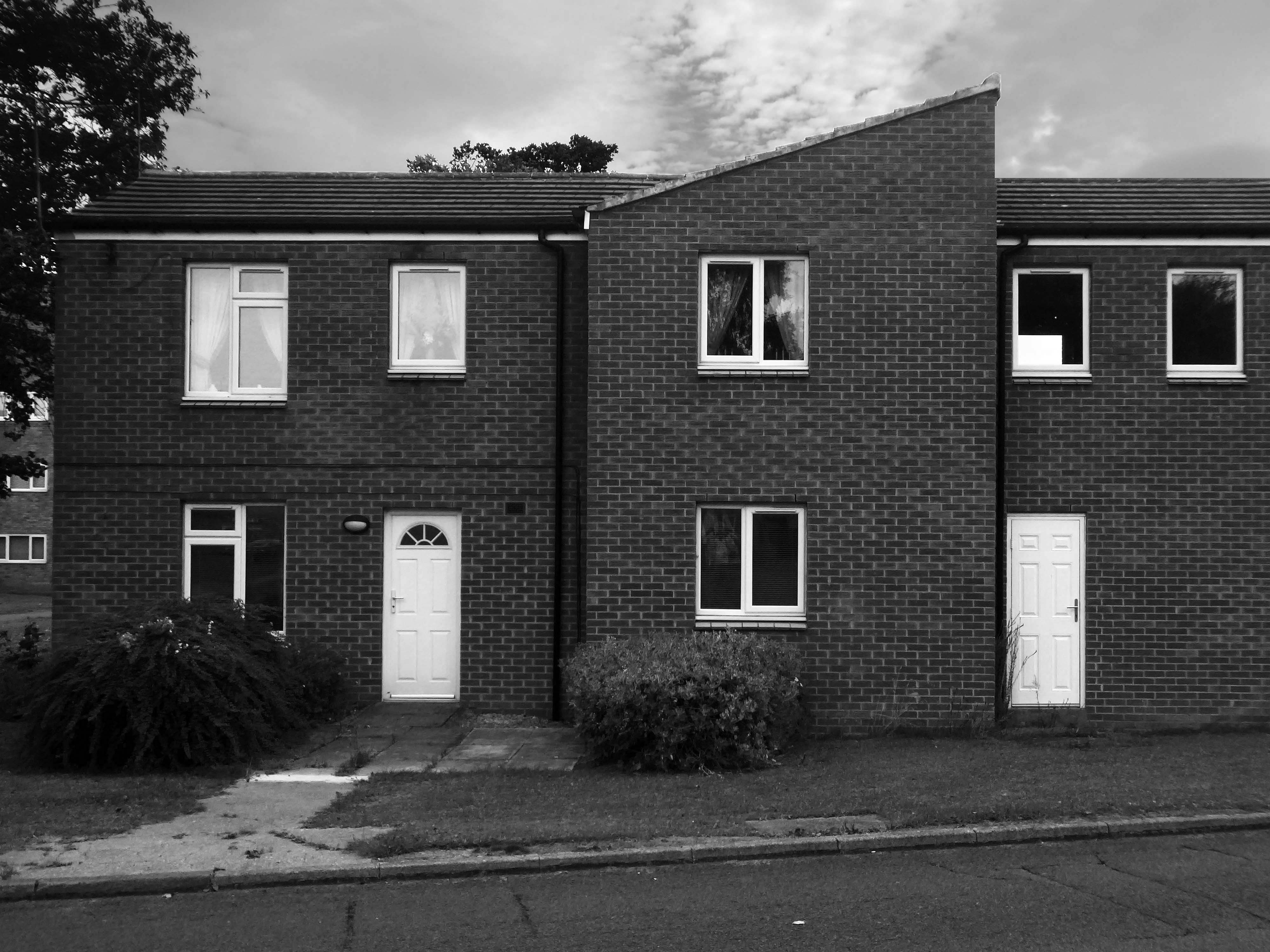
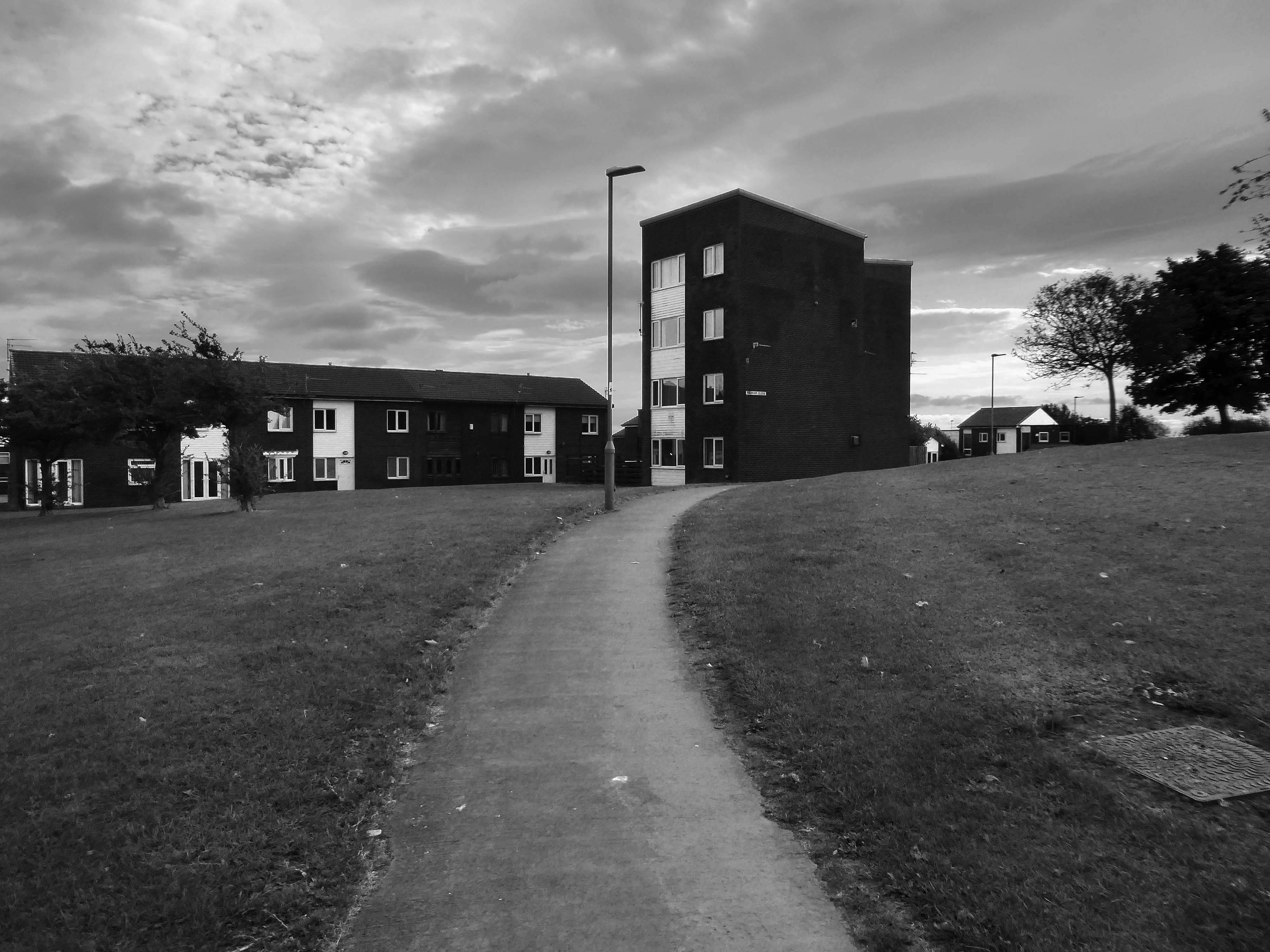
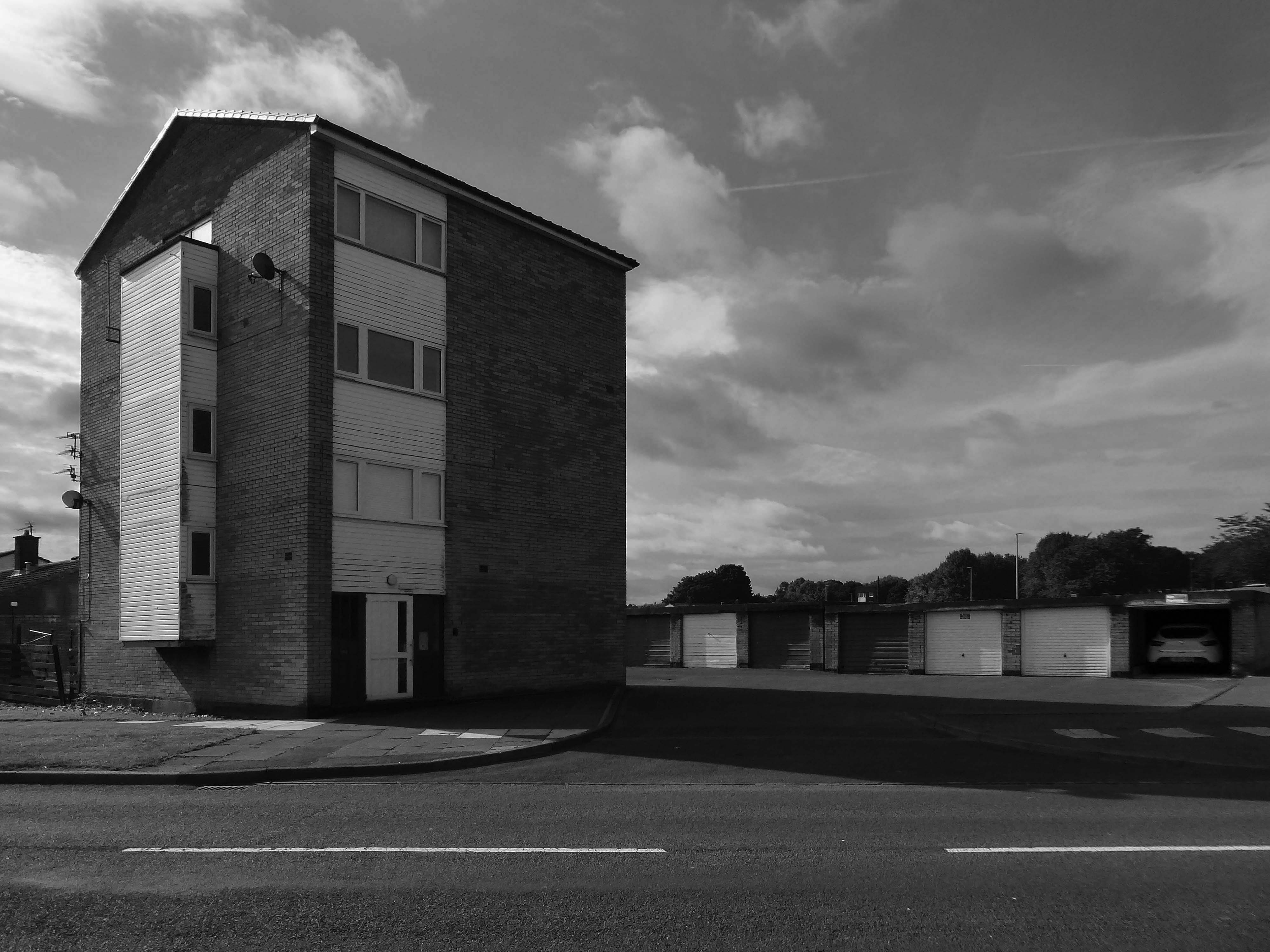
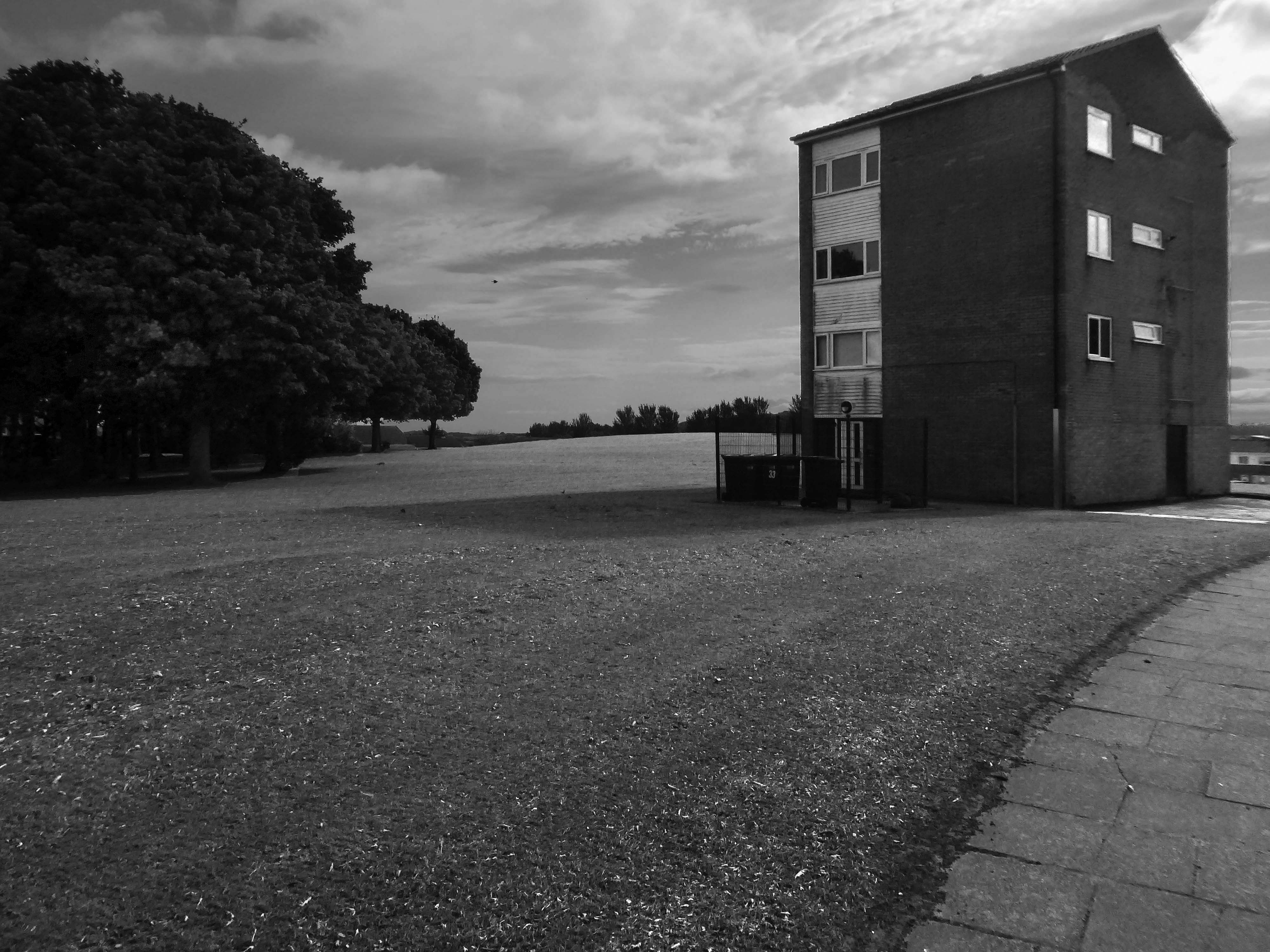
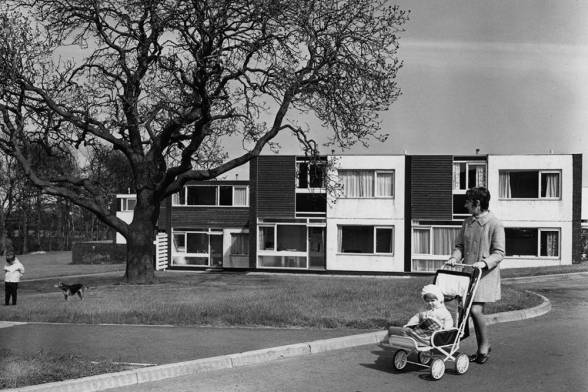
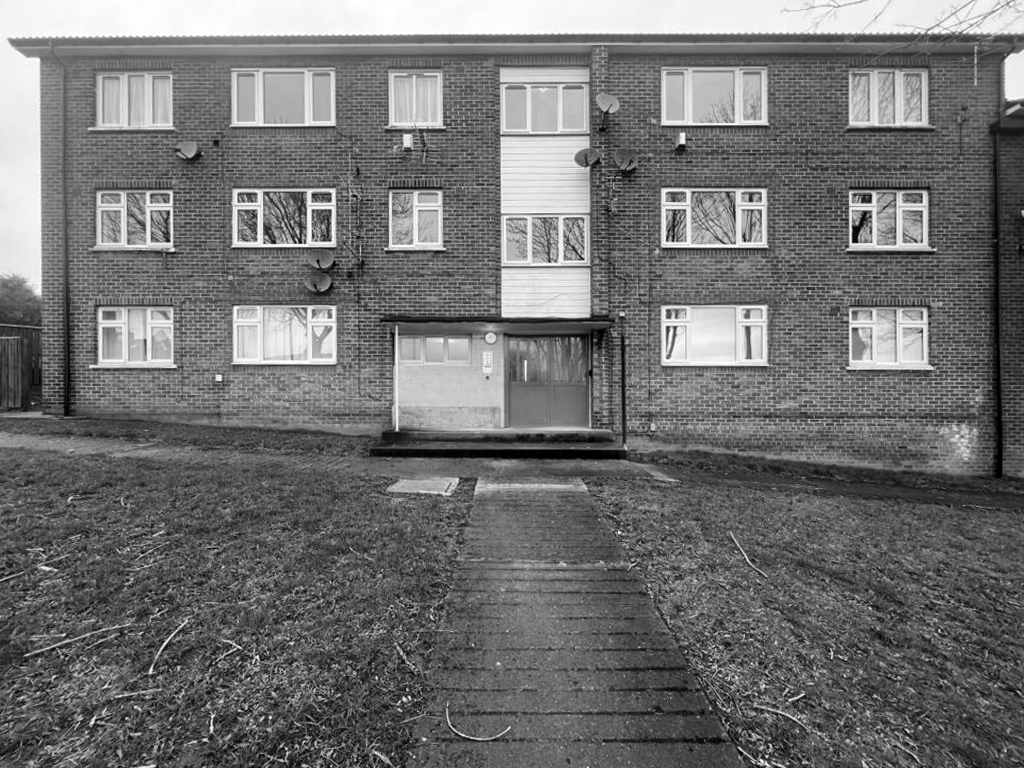
As well as appearing in the Chapel Hill area, this house style was also introduced in parts of Acre Rigg, along Manor Way, and in the early phases of the South West Area. These were designed and built in the early 1960’s when Roy Gazzard was Chief Architect. The three story blocks of flats with their distinctive butterfly roof design that were introduced in the same areas of the new town can also be credited to Gazzard.
Roy Gazzard left Peterlee Development Corporation in June 1962 and went on to become Chief Architect at Killingworth in North Tyneside.
The footpath running between a group of two-bedroom houses.
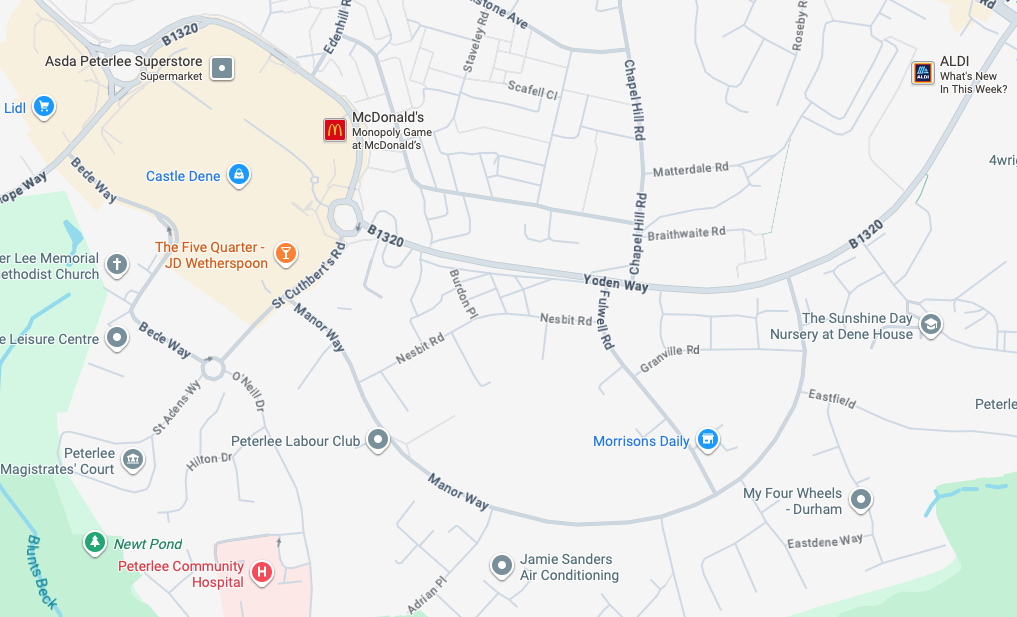
Essington Way is the main spine road running north from the town centre to Thorpe Road which connects Easington Village and Colliery, with Horden and Sunderland Road. East of Essington Way is the North East Quadrant . West is Acre Rigg which was built in five phases from 1956-1966. The early phases of Acre Rigg share a similar character to that of the earlier North East Quadrant. The later phases built in the 1960s contrast sharply, drawing on the design approached developed in the South West Area under the guidance of artist Victor Pasmore.
The contract to build the Howletch area was awarded to Crudens, who owned the British franchise for the Swedish designed Skarne building system.
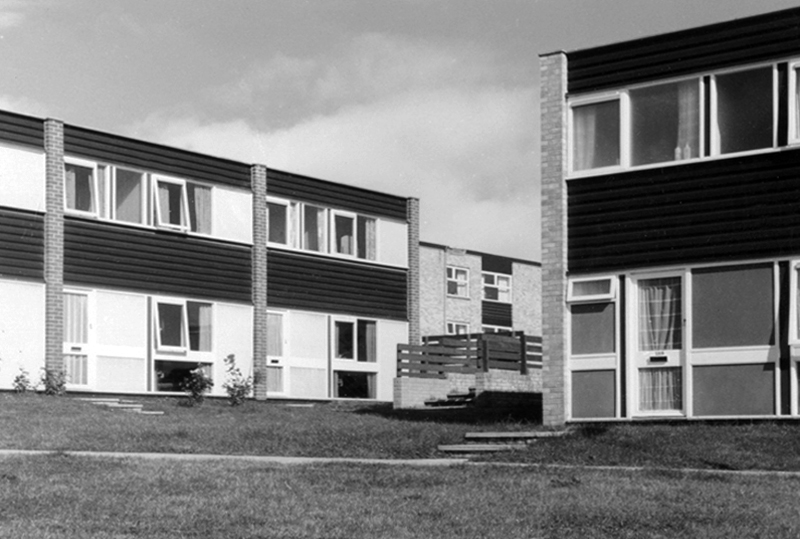
The Crudens houses were constructed using prefabricated concrete sections bolted together to form the frame of the building. The gable end walls were then rendered with brick, with non-loadbearing glass, wood, and rendered panel sections forming the front and rear elevations of the houses.
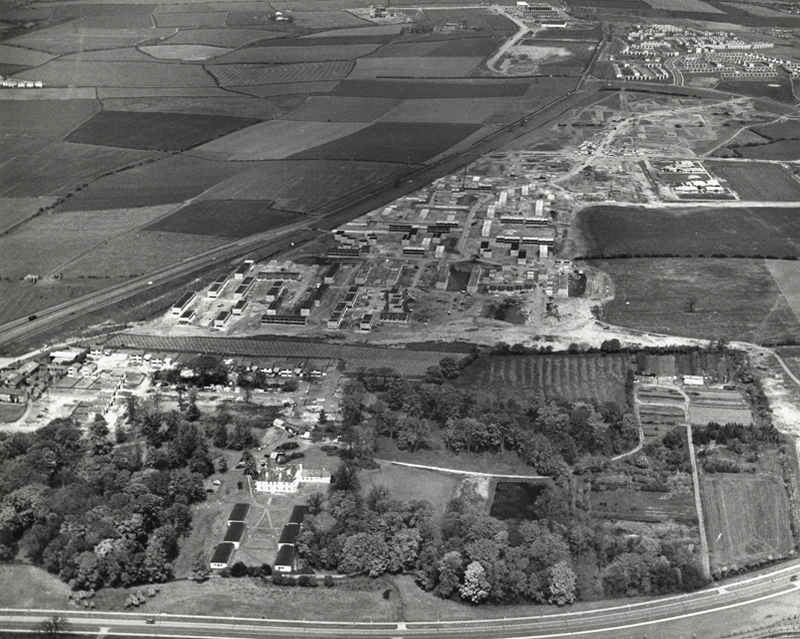
In the foreground of this aerial photo is Old Shotton Hall, which at this time was the headquarters of Peterlee Development Corporation after it was refurbished in 1948 by Architect Planner Berthold Lubetkin. In 1976 the Development Corporation moved its headquarters to Lee House in the town centre. It is now the offices of Peterlee Town Council.
After the departure of Berthold Lubetkin, Grenfell Bains was drafted in as Architect Planner to develop the new Master Plan and oversee development of the North East Quadrant. Bains at the time filled the position at Newton Aycliffe, another of the first wave new towns located 20 miles south west of Peterlee.
1956
As the dates of these aerial photographs testify, building work was already well underway in the North East Quadrant by the time the Peterlee Master Plan was published in September 1952. Indeed, as surviving residency agreements and rent books also testify, houses in this part of Peterlee were already occupied, such were the pressures on the Development Corporation to have something tangible to show for their efforts.
Thorntree Gill was the first phase of residential development completed in Peterlee. It was home to the towns first residents, who began moving in in 1951. The road layout is that designed by Architect Planner Berthold Lubetkin for his ‘Hundred Houses’ scheme , though the houses eventually built differed dramatically from what Lubetkin had envisaged.
In the first phase of the South West Area, Victor Pasmore – Consulting Director of Urban Design, Frank Dixon – Building Architect and Peter Daniels – Landscape Architect, settled upon an orthogonal layout system – roads and houses set at right angles to form a grid pattern.
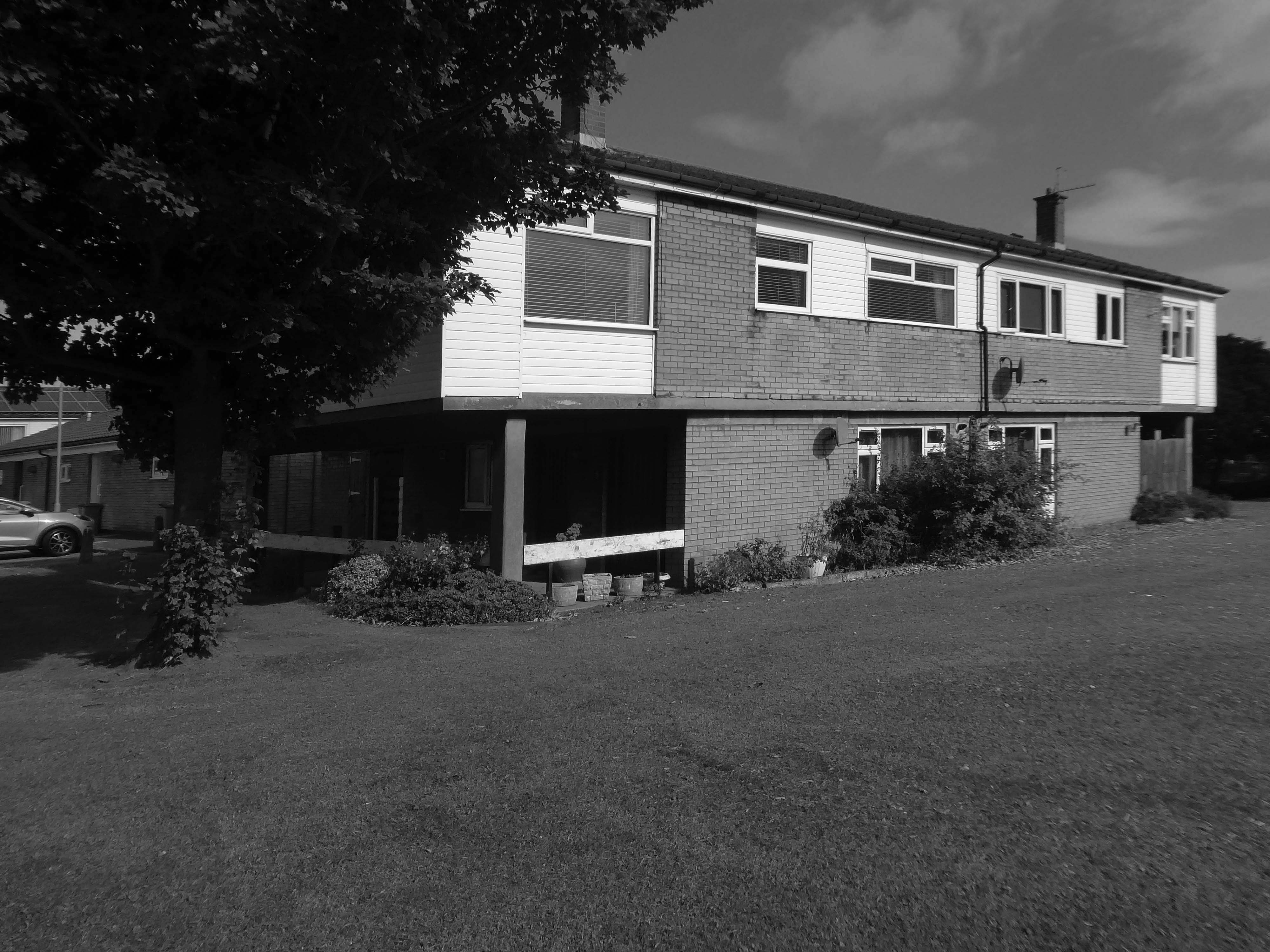
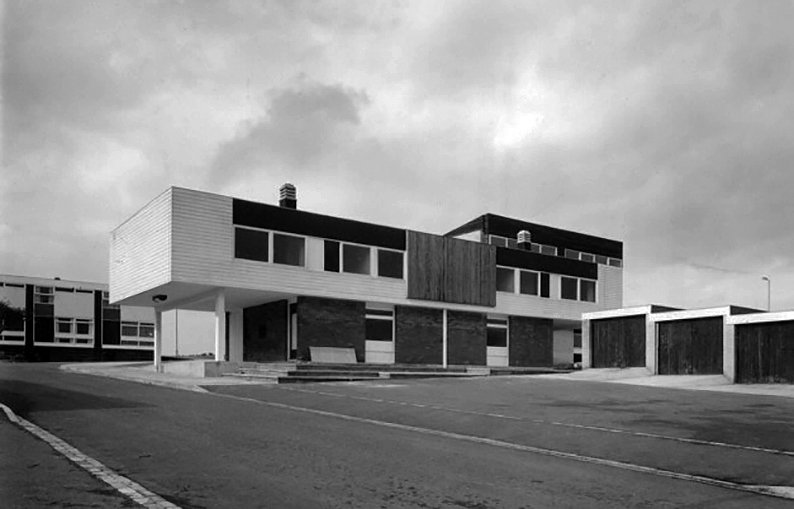
Three bedroom semi-detached cantilever house on Avon Road.
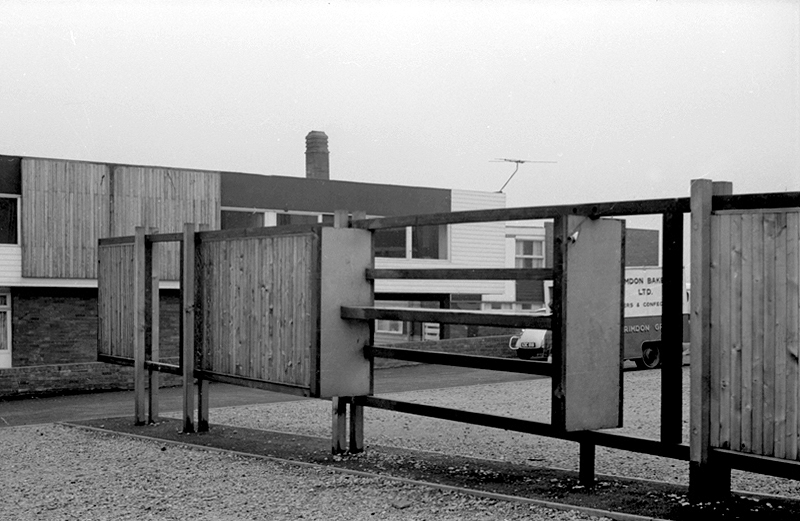
Screen partition on Thames Road.
Dart Road
A stub block of single-bedroom flats over garages.
The road and housing layouts in the South West III and IV areas extend the orthogonal grid pattern introduced in the South West I and II areas.
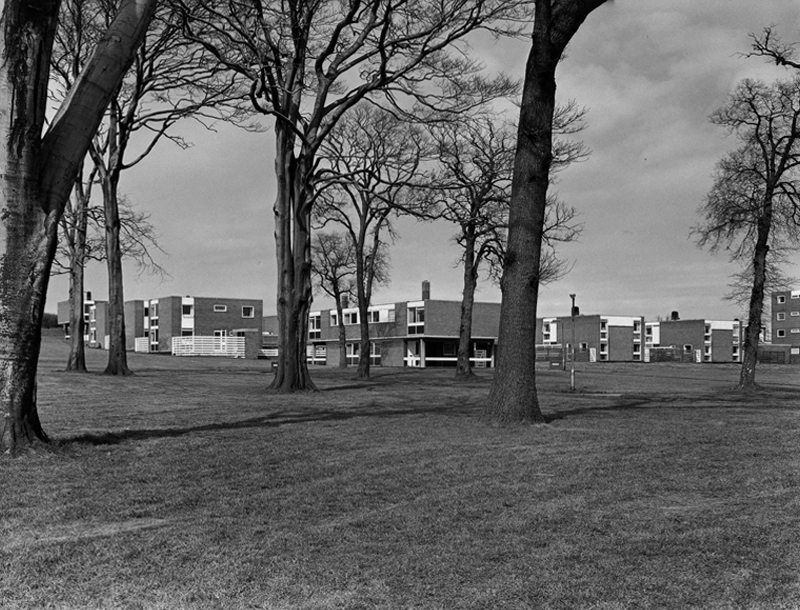
The presence of existing mature trees is a feature of South West III which helps give the area an identity that is distinctive from South West I and II. This distinctiveness is further enhanced by the choice of building material.
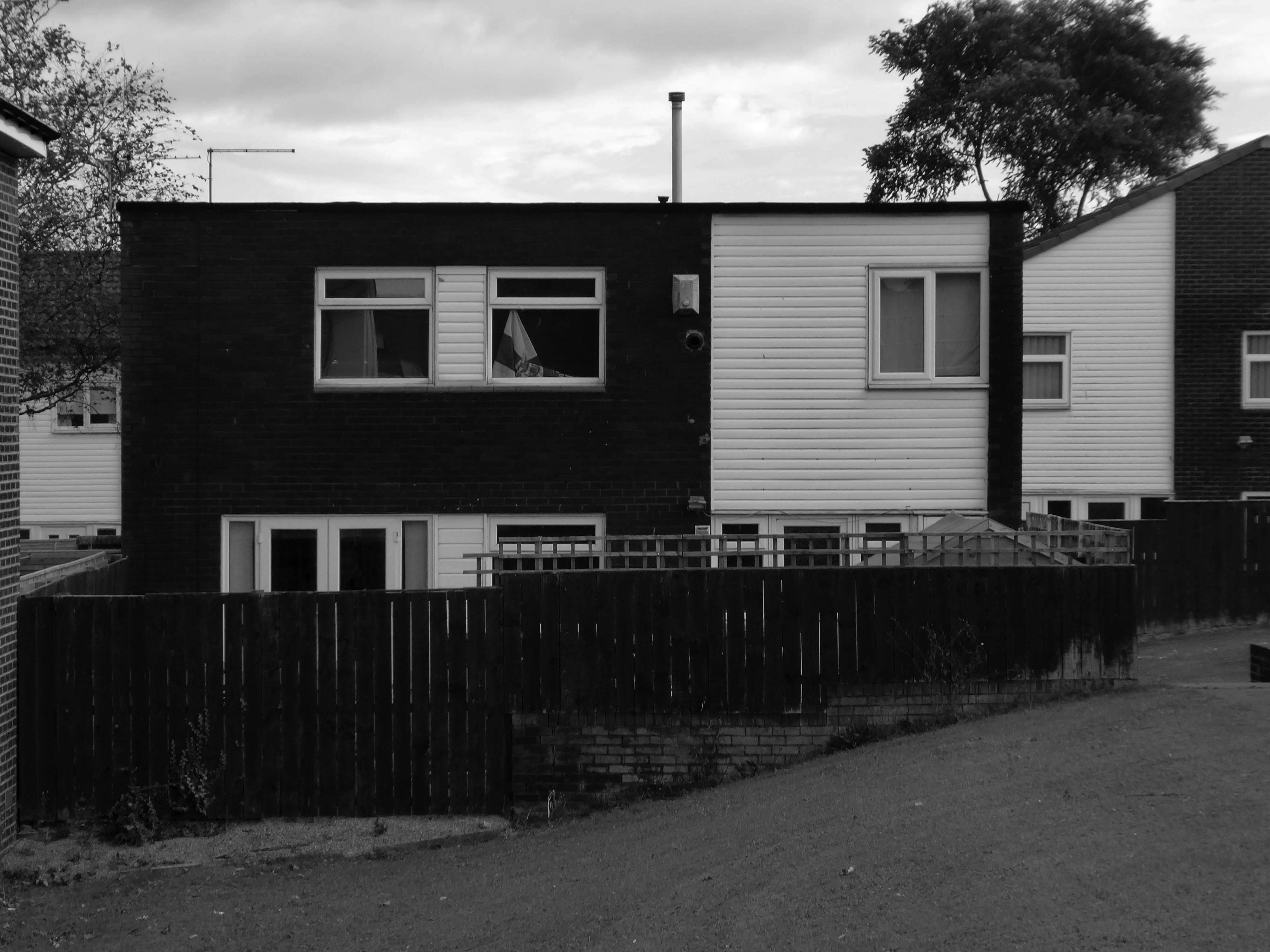
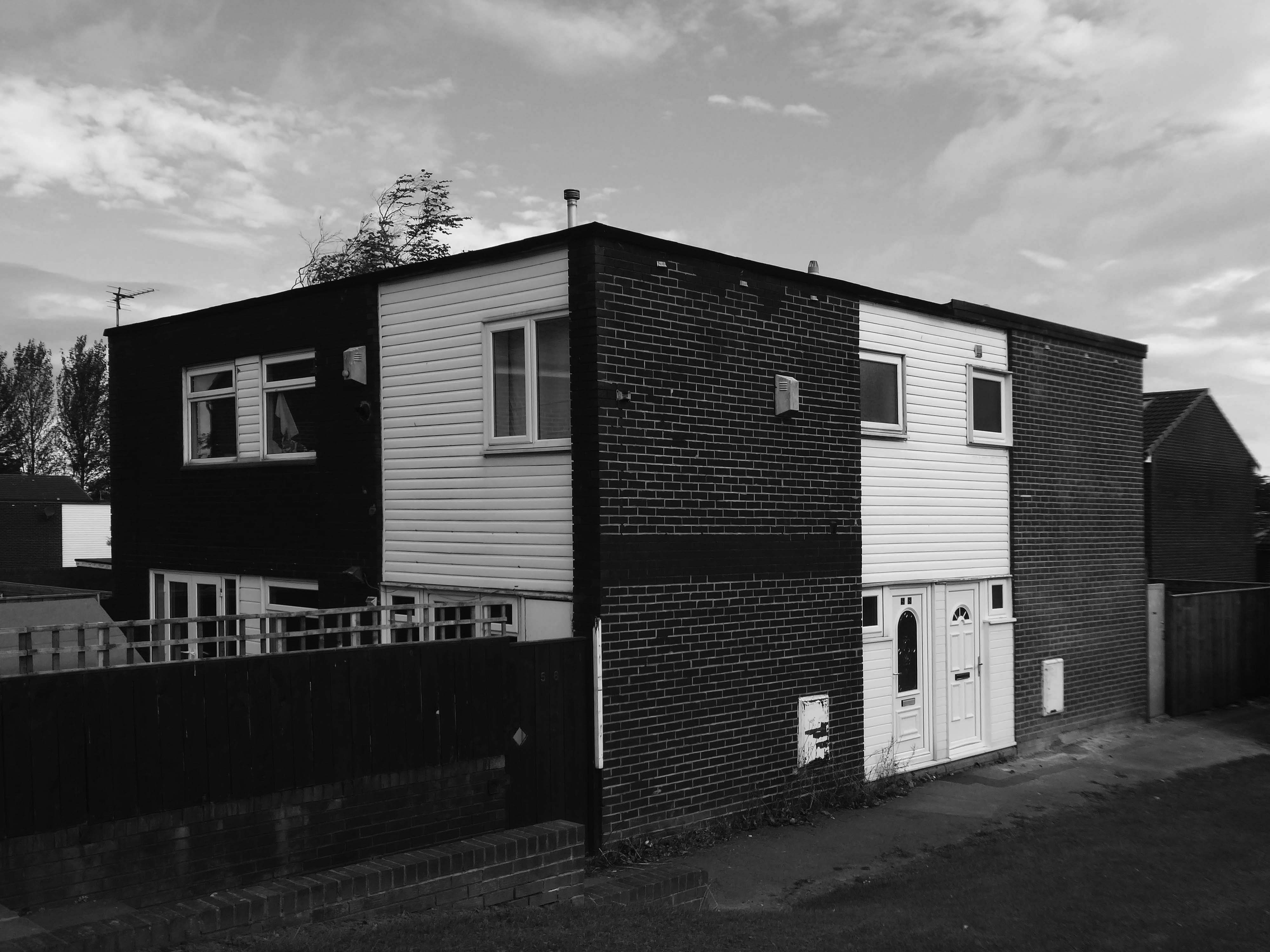
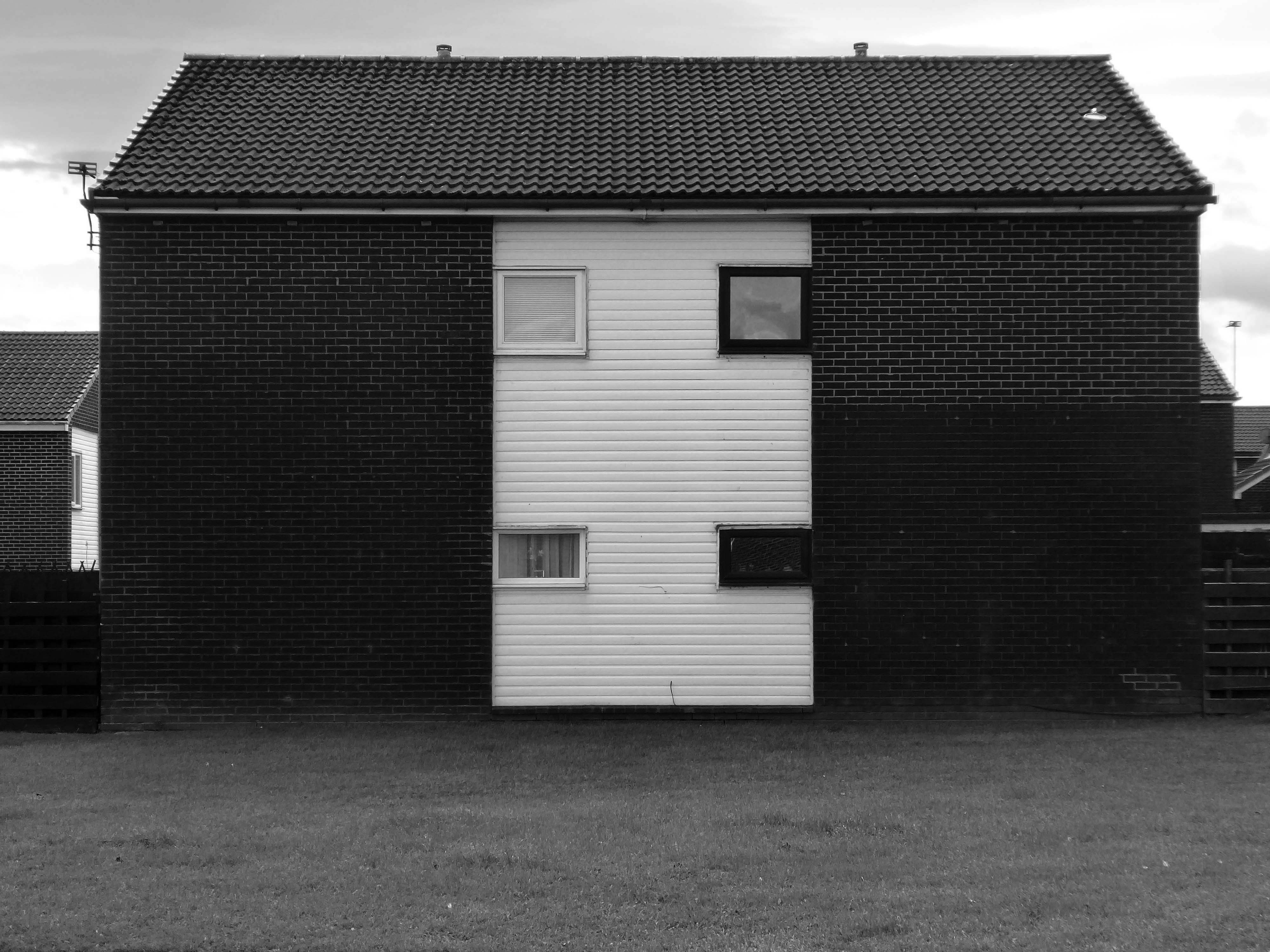
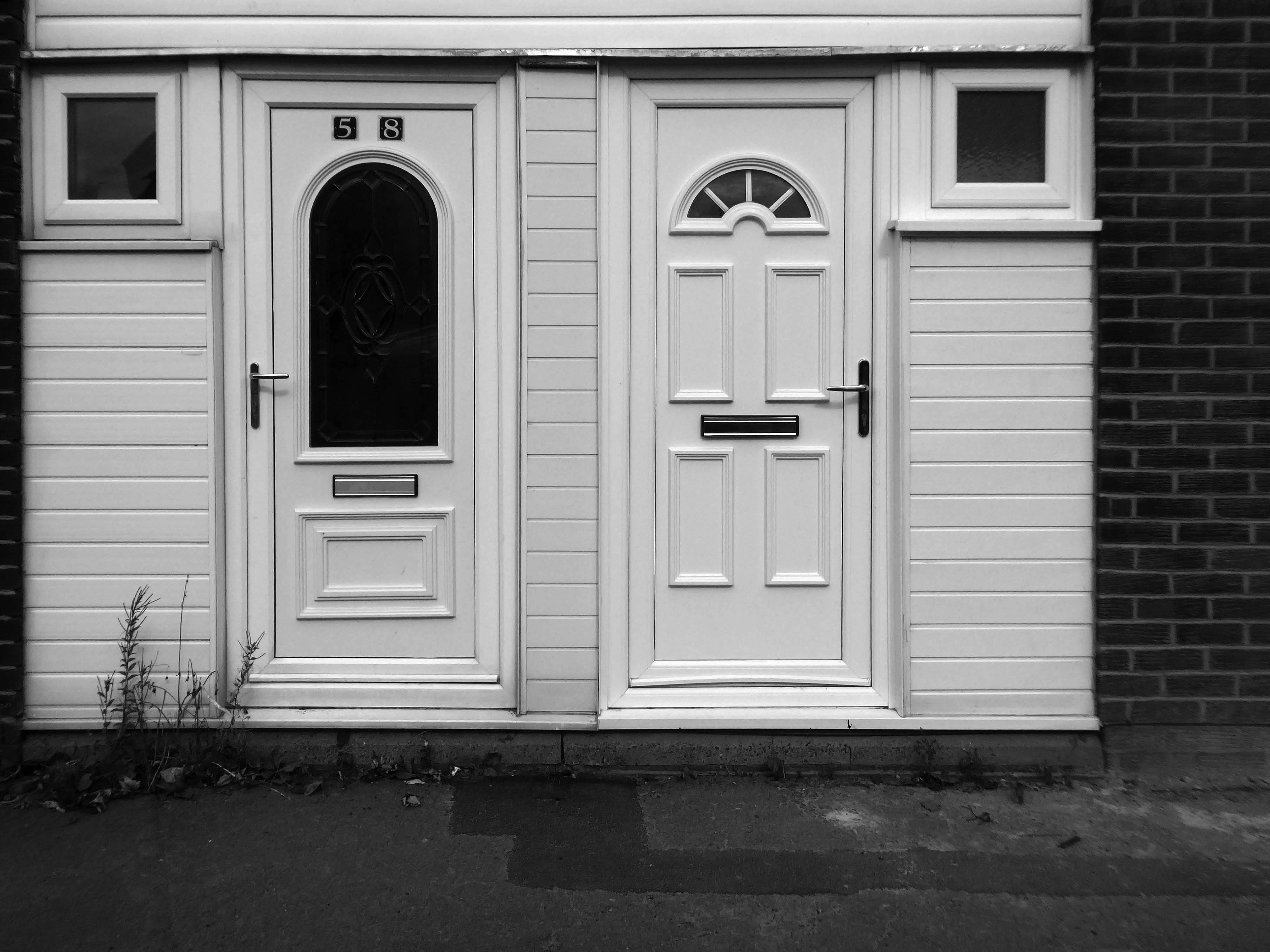
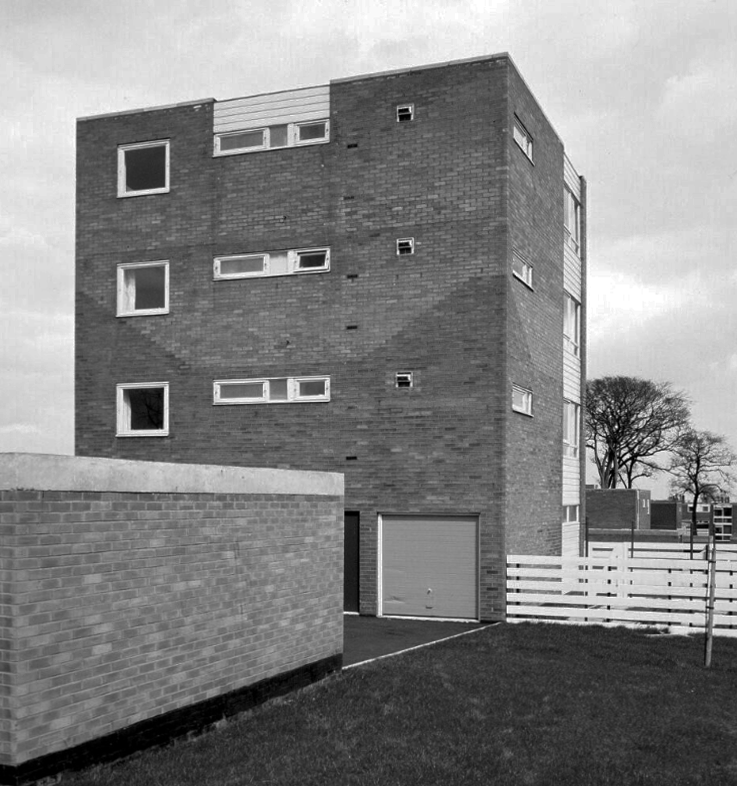
The South West III and IV areas were built with cured lime brick, with black dye added to a material that is naturally white, creating symbolic reference to a coal face. The visual effect was then sharpened with white panelling. When the dye added to the bricks began fading to a pale grey colour through exposure to the elements, the intended symbolism uncannily started to mirror the fate of the coal industry across the east Durham area.
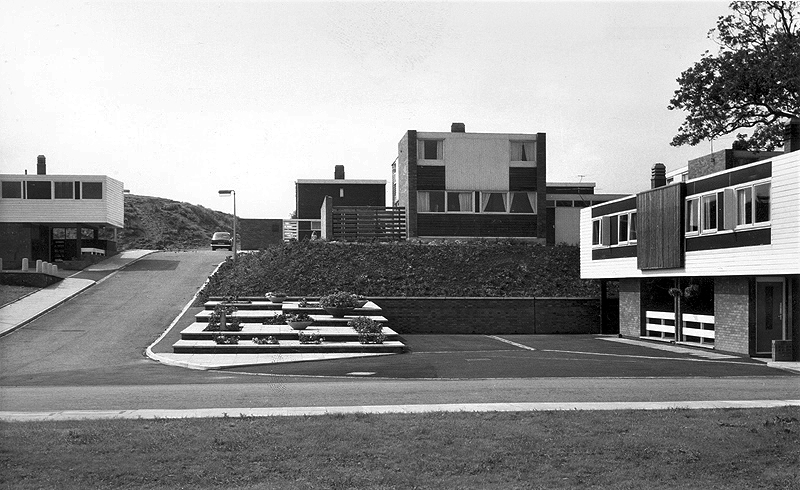
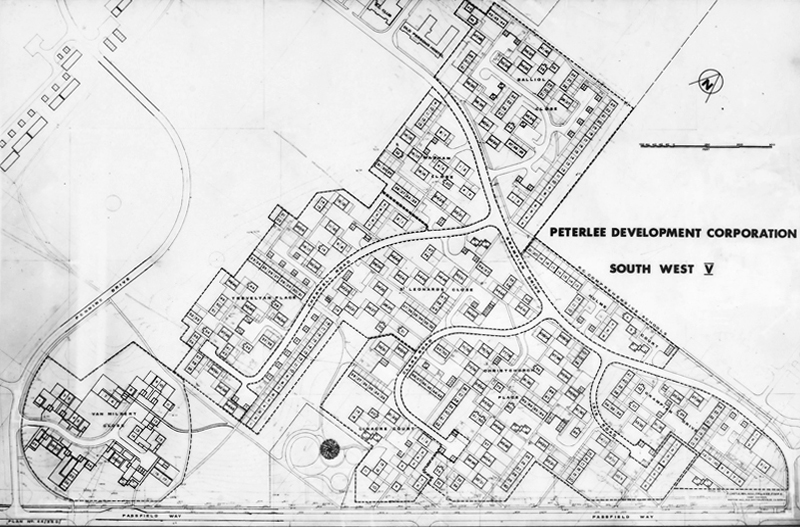
The South West V Area is approximately twice the size of Sunny Blunts. This final phase of development therefore provided Victor Pasmore with the opportunity to expand the new layout system without the constraints presented by the Sunny Blunts site.
Though the basic cubic house unit is retained in South West V, the detailing in the house elevations is much simpler and closer in feel to the South West III and IV Areas.
This is an an abridged version of the material to be found on PeterleeHistory – intended as an accessible guide to visitors wishing to explore the town.
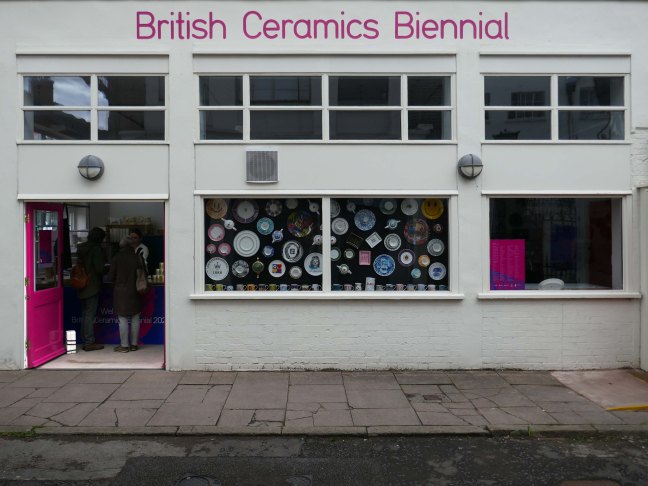
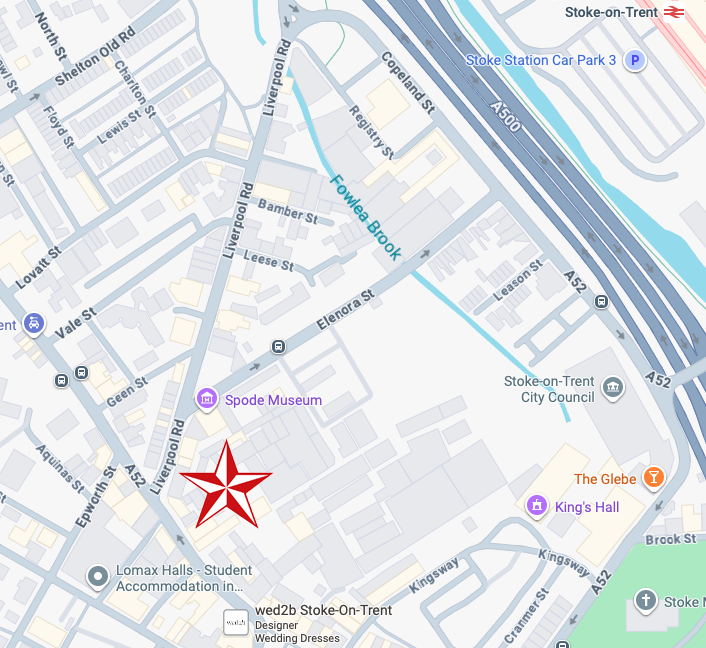
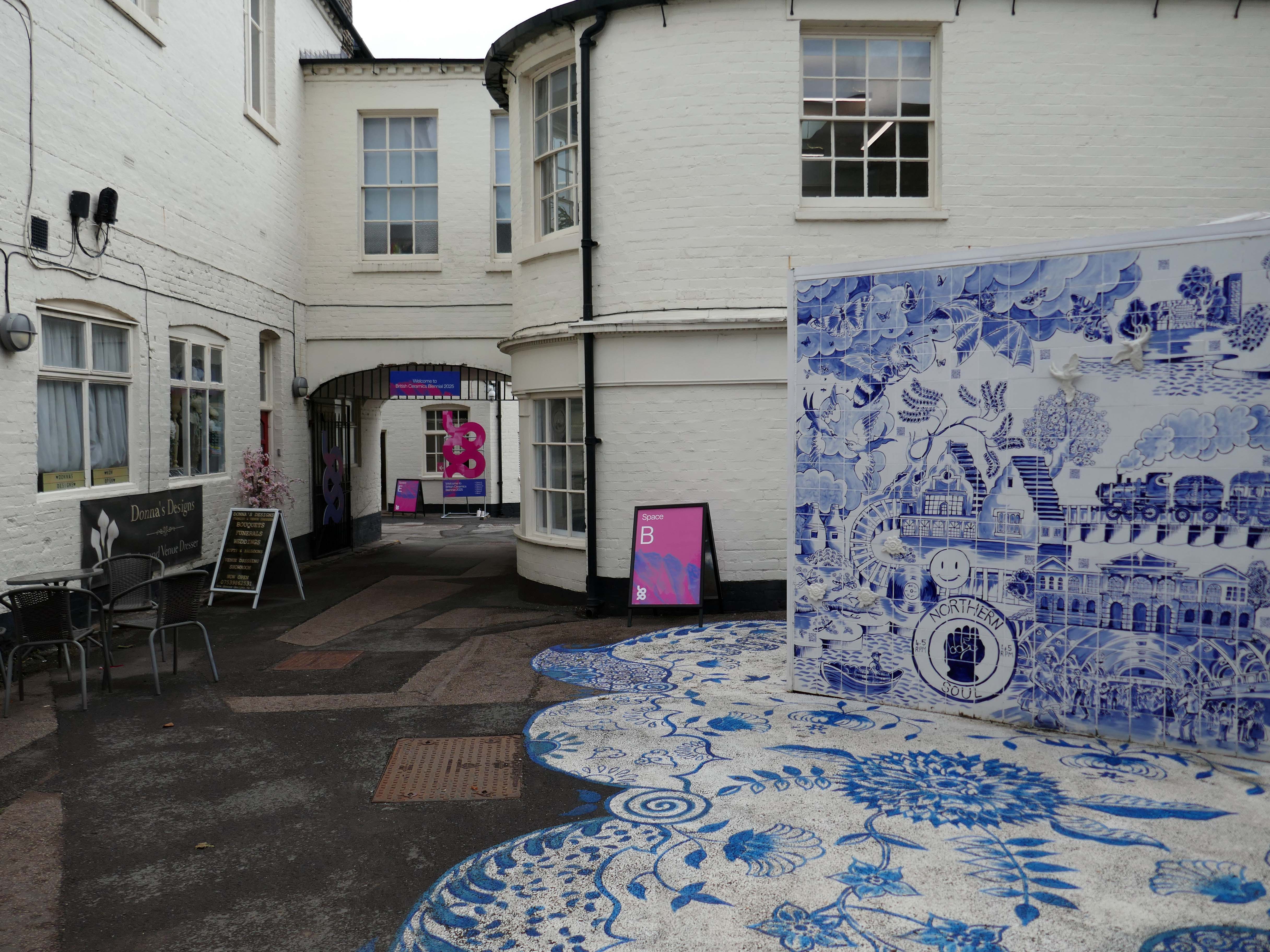
British Ceramics Biennial – BCB, is an arts organisation based in Stoke-on-Trent with a vision of making change through clay.
BCB develops, sustains and expands innovative ceramics practice and improves lives together with artists and creative communities. This is done by delivering an engaging year-round programme of artist commissions, learning and community projects. All of which feed into a contemporary ceramics biennial that takes place in Stoke-on-Trent.
British Ceramics Biennial is proud to be an Arts Council National Portfolio Organisation and has support from Stoke-on-Trent City Council and the University of Staffordshire.
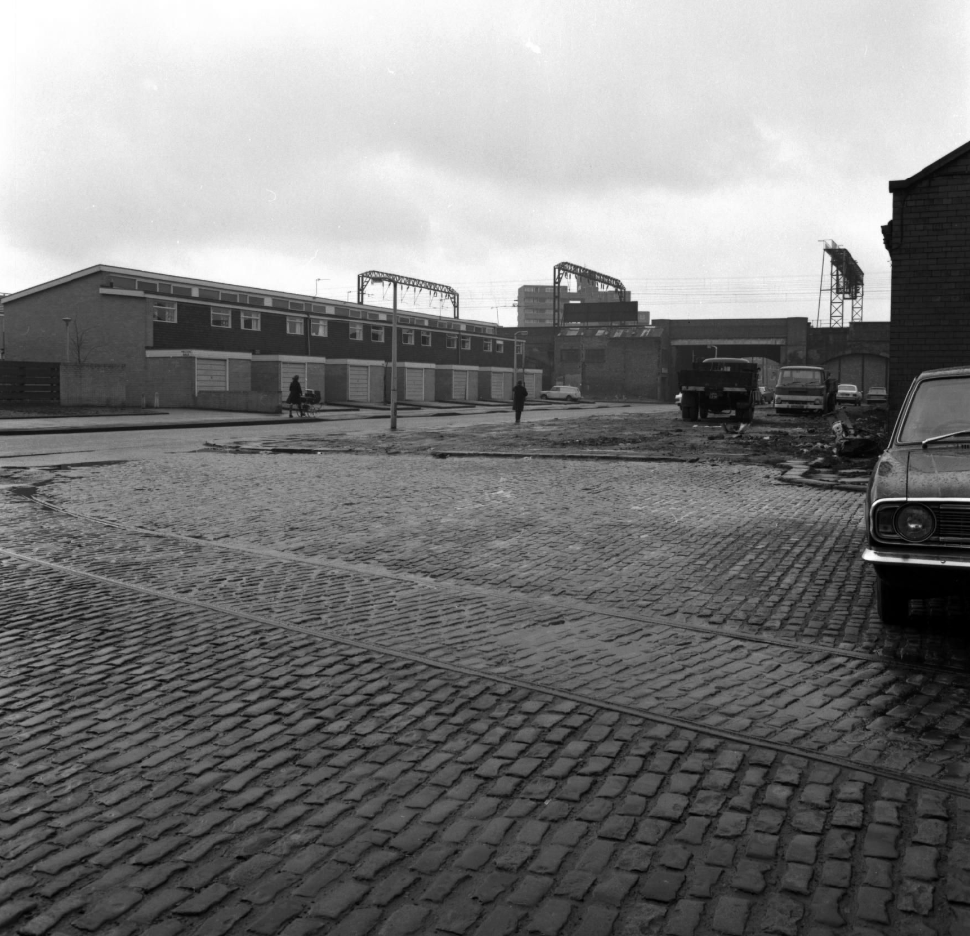
I have been here before recording the history ofManchester City FC on this site.
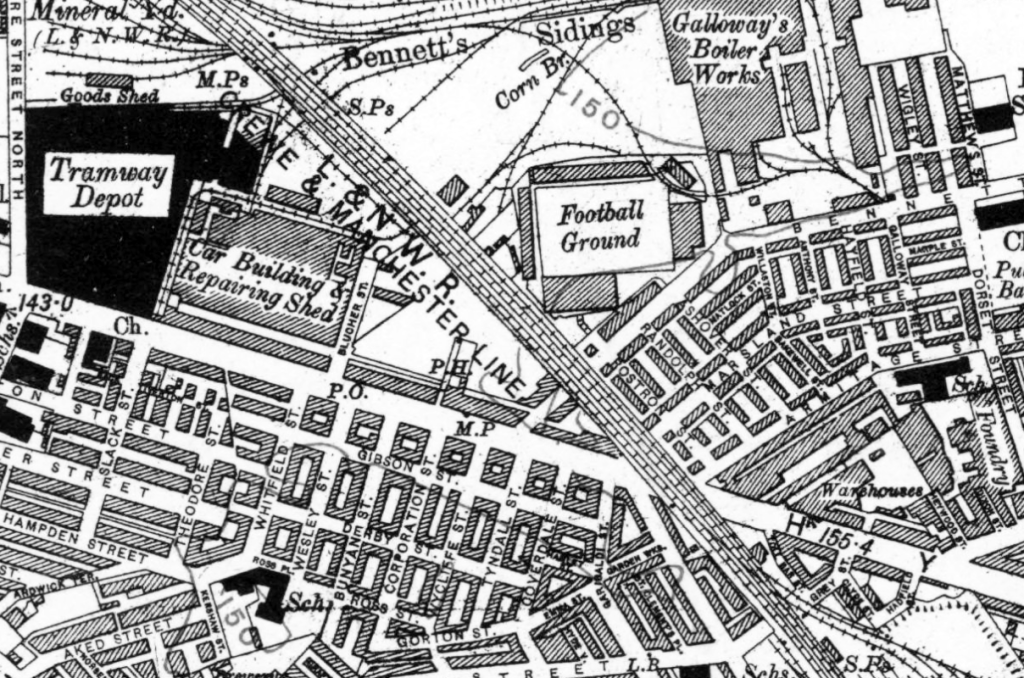
A football stadium surrounded by railways, roads, homes and industry.
The area is now much changed, though the railways and roads remain, the homes are in a state of flux.
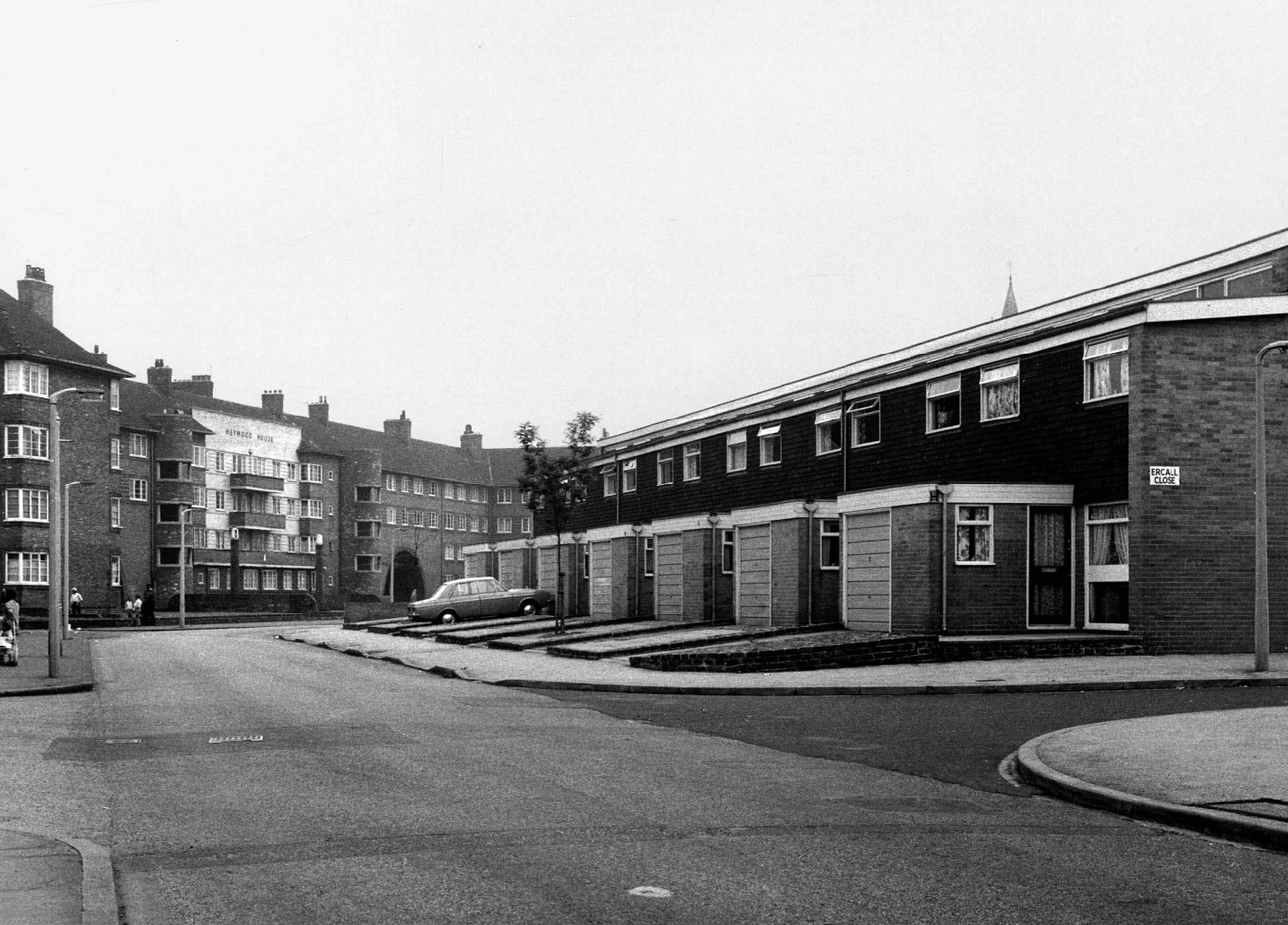
Local Image Collection: Bennett Street with Heywood House 1972 – photo Anne Jackson.
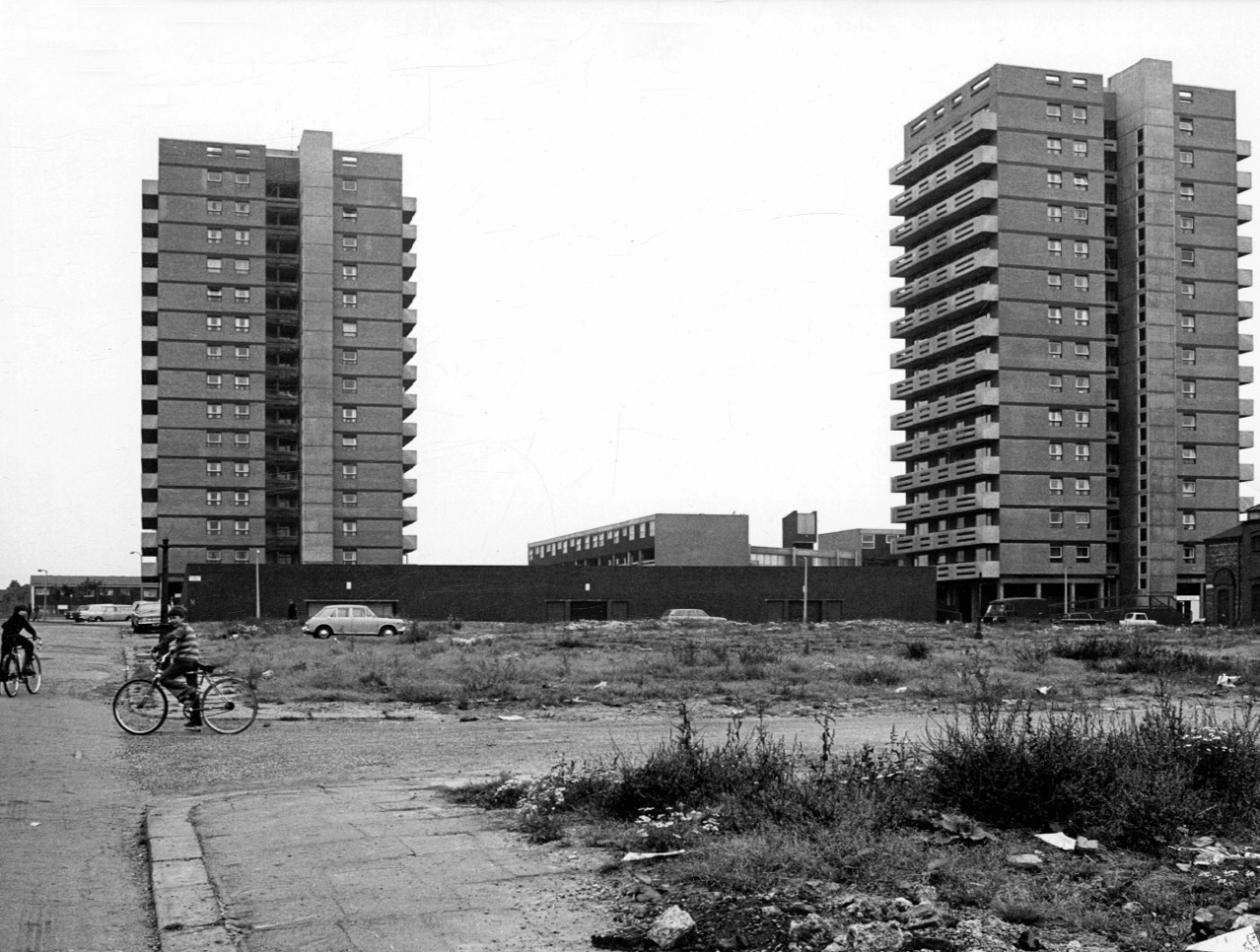
Local Image Collection: Wenlock Way flats taken from Bennett Street – Photo Ben Garth 1972
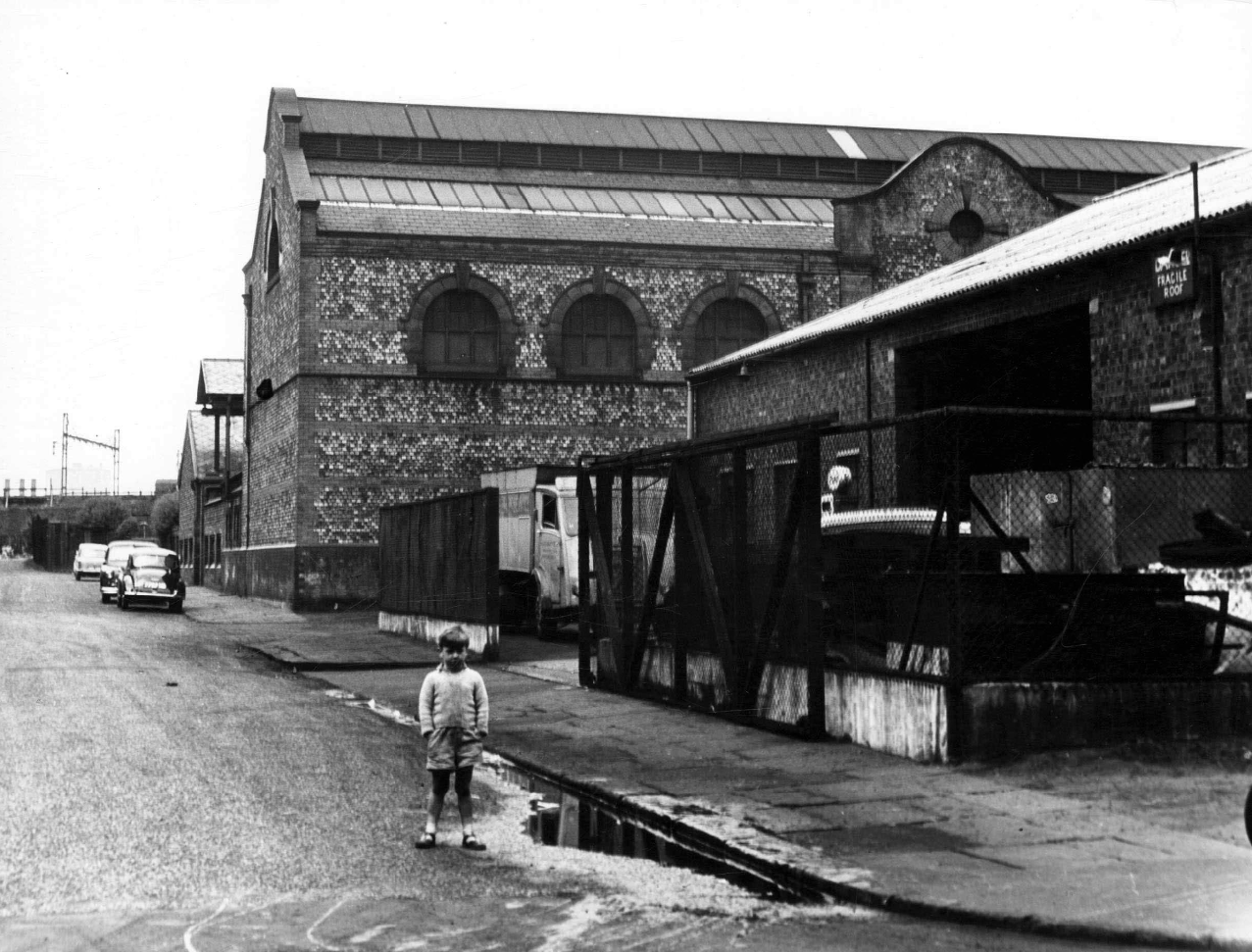
Local Image Collection: Matthews Street from Bennett Street 1964 – Photo Thomas Brooks
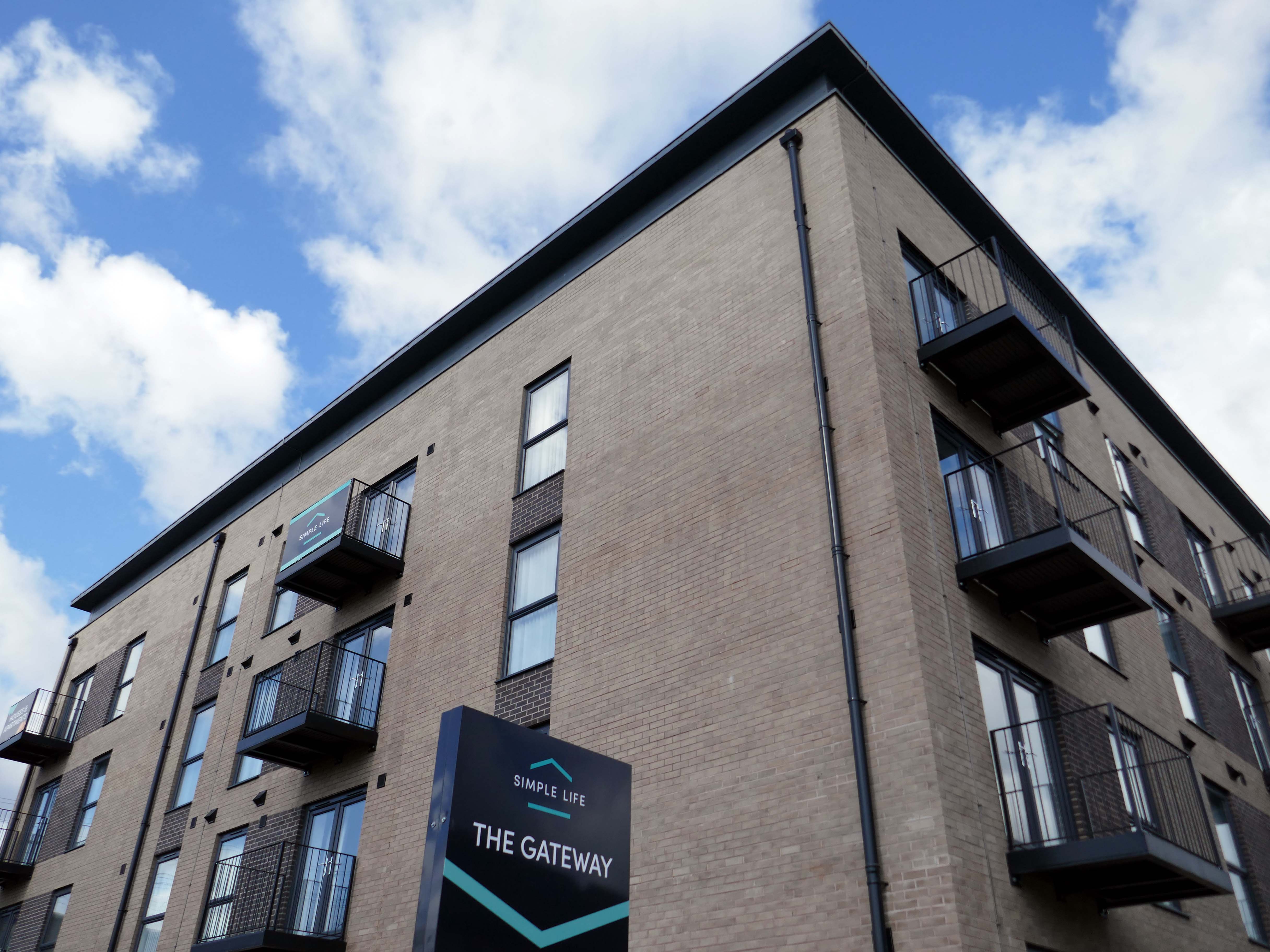
The Gateway to the Simple Life is here.
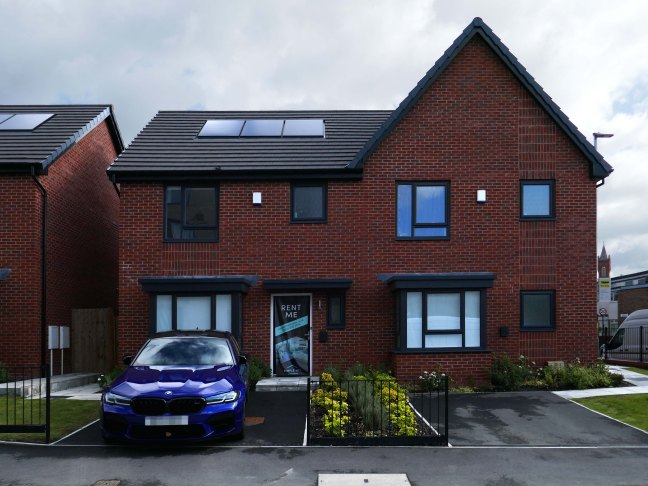
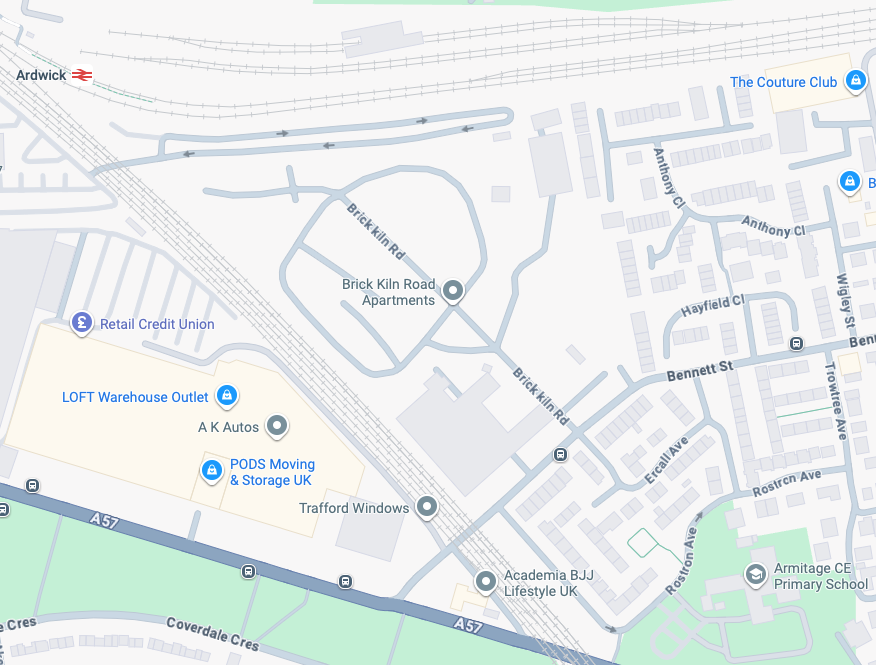
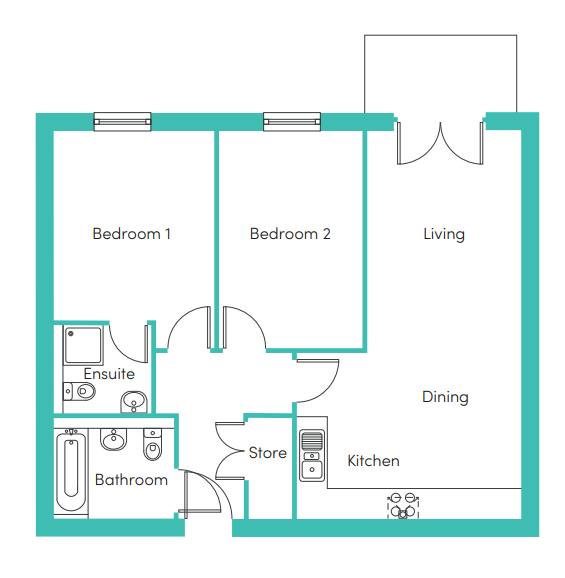
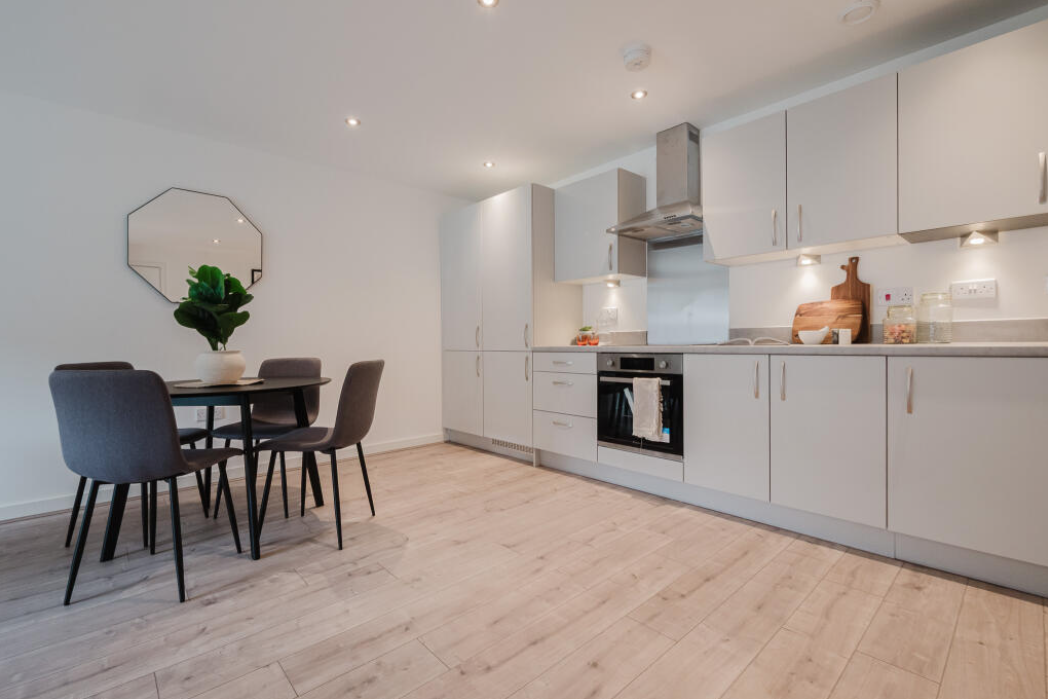
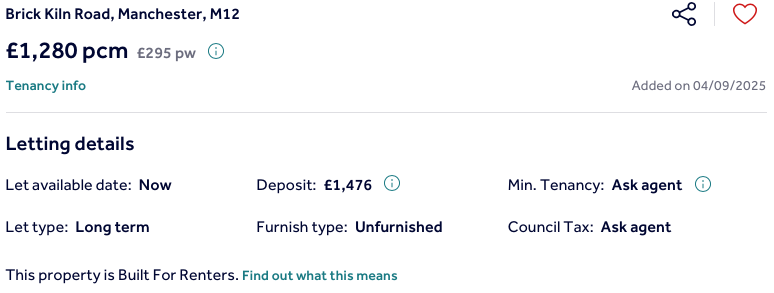
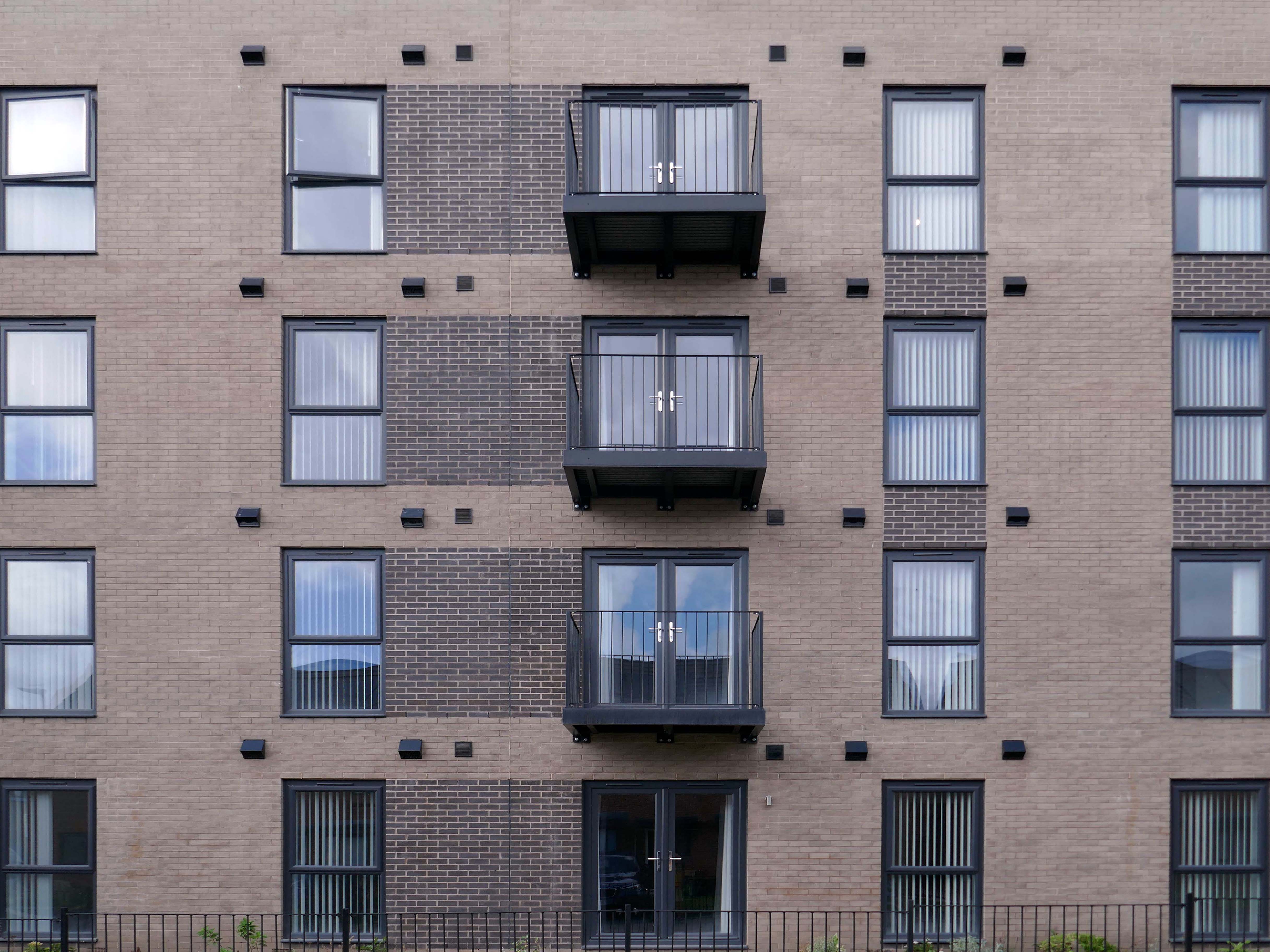
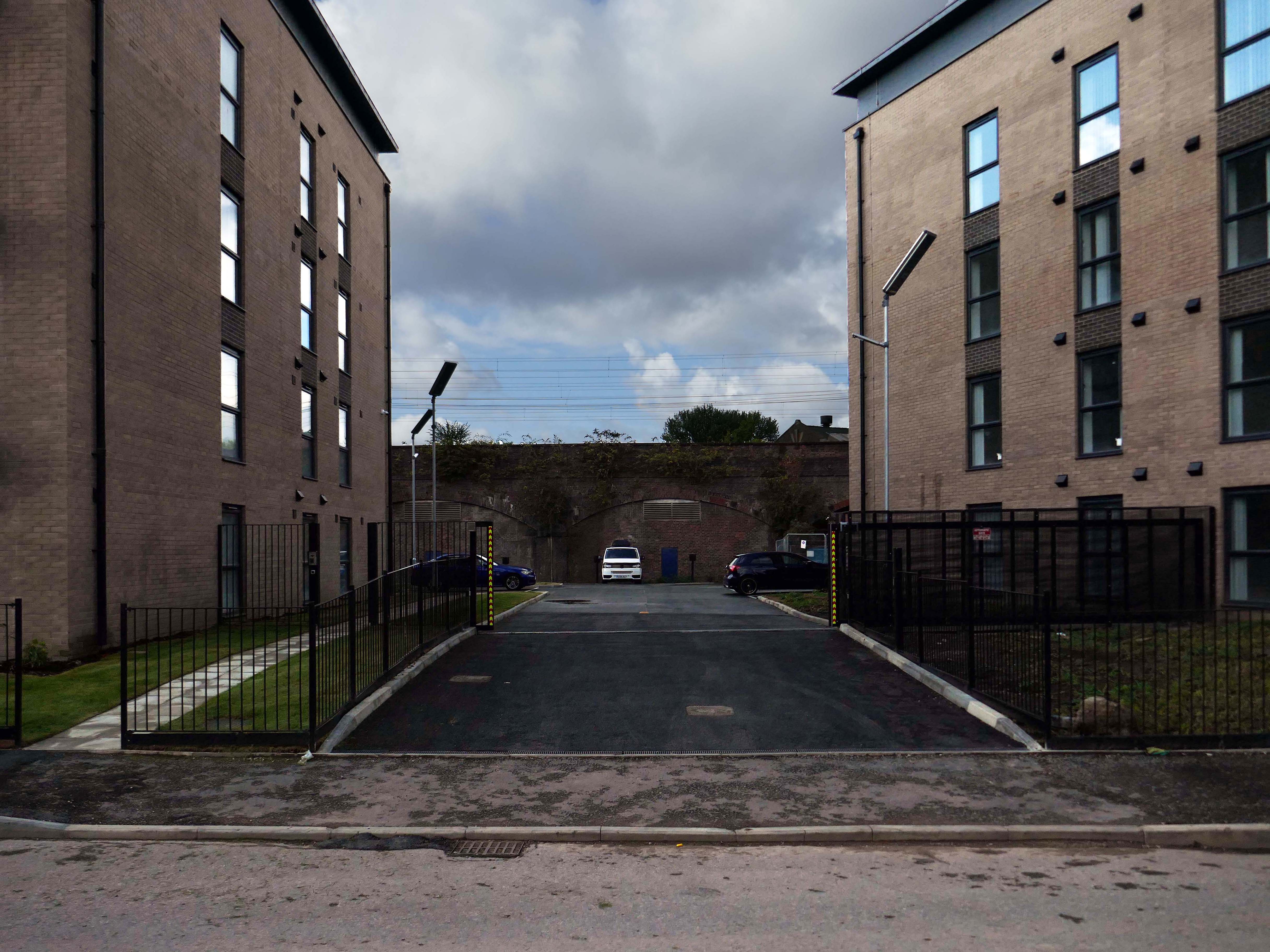
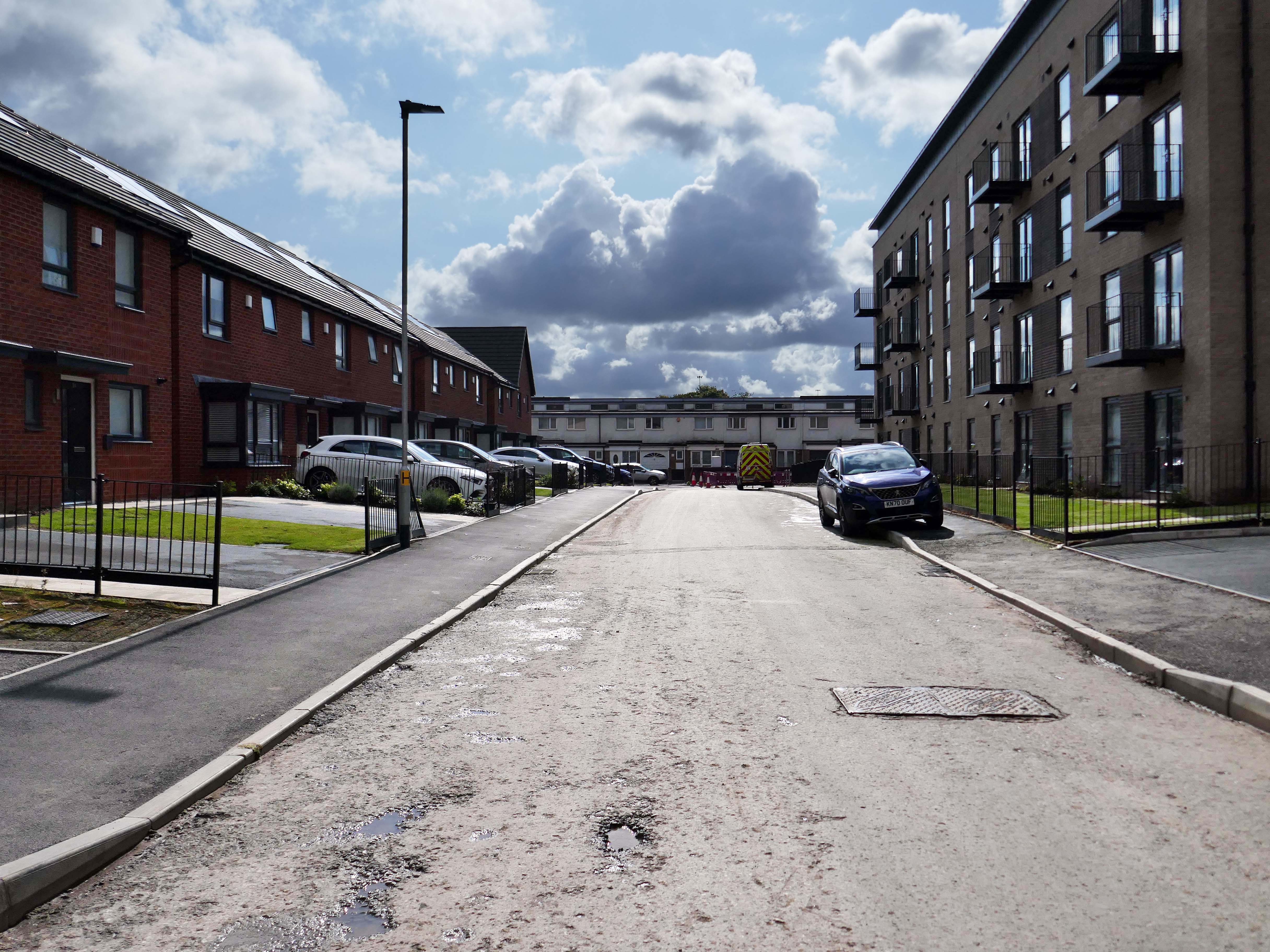
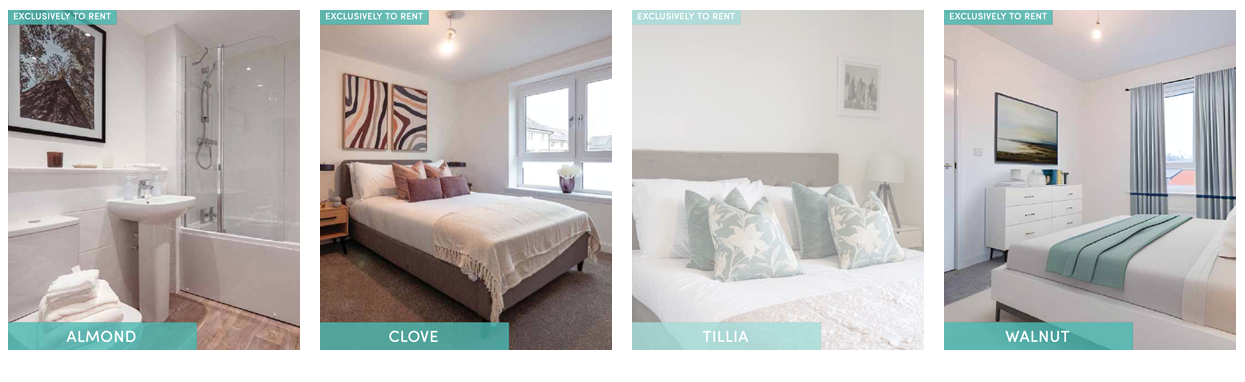
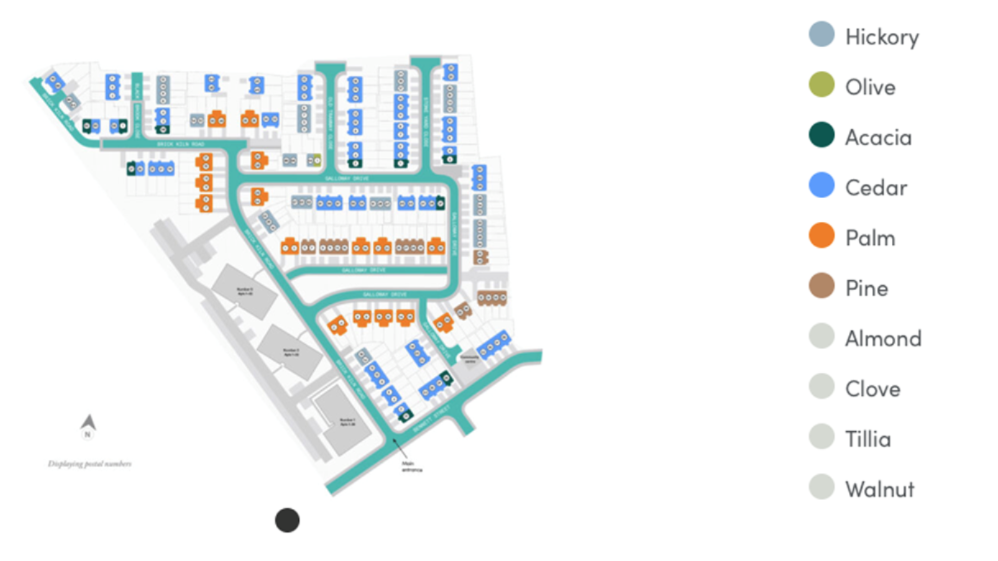
Situated in Ardwick, one mile outside of Manchester’s vibrant city centre, The Gateway is a distinctive development offering a collection of homes and apartments to rent.
Enjoy living in the prime location of Manchester’s bustling city centre, where there is a vast range of employment opportunities, cafes, bars and restaurants. All year round, you can benefit from various fun days out with events and activities available on your doorstep.
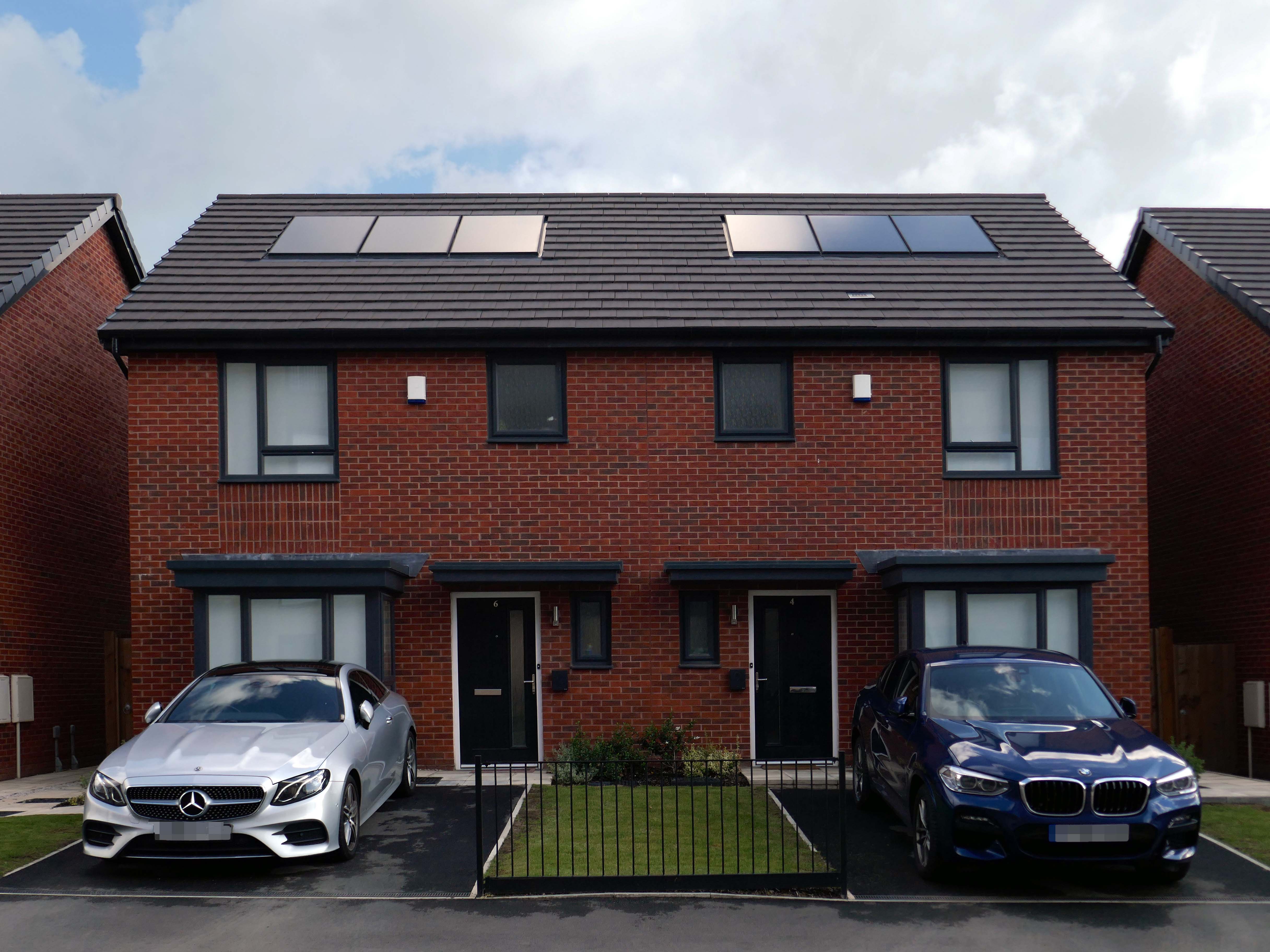
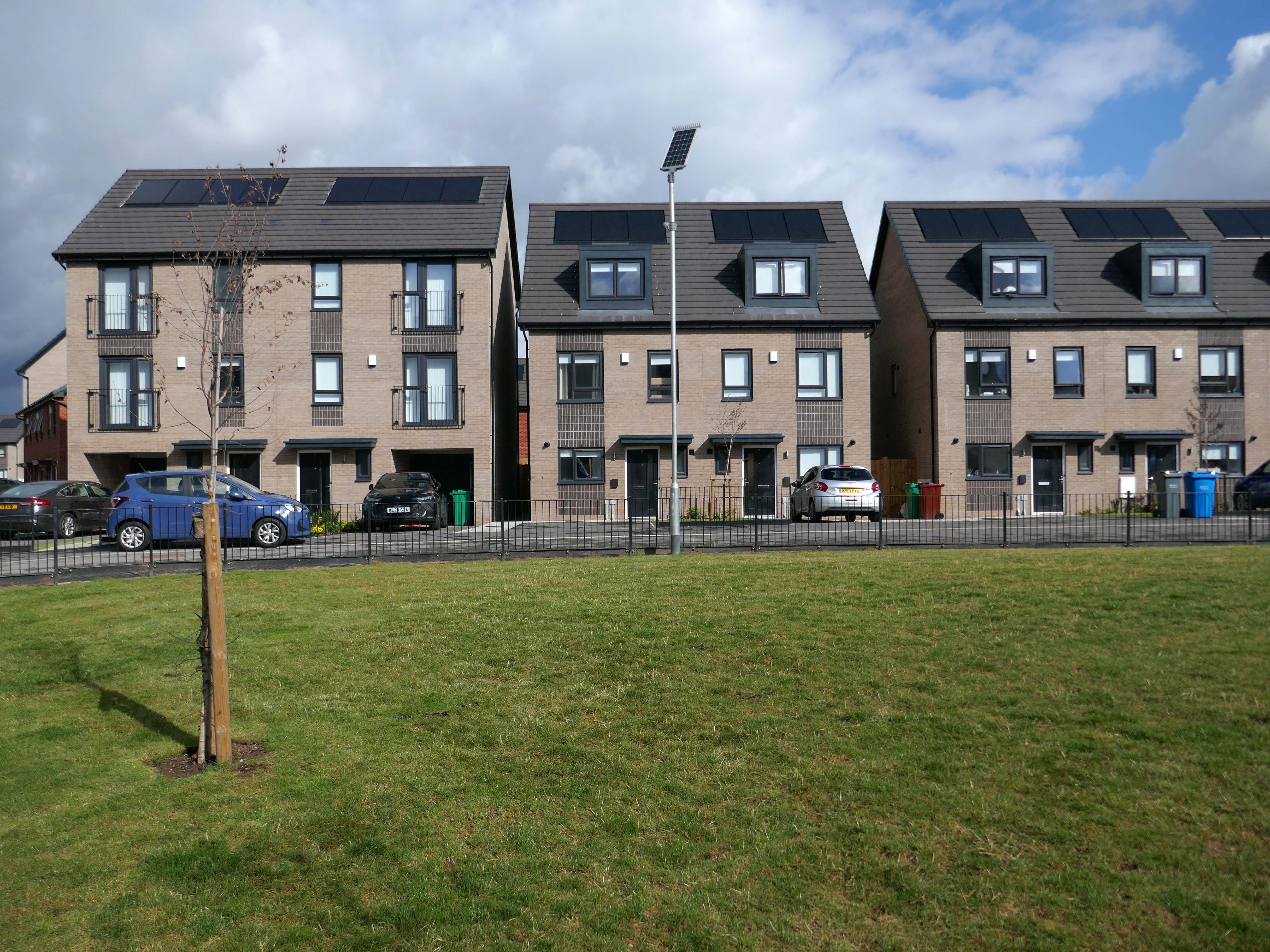
In addition to the apartments there is a mixed development of terraced, detached and semi-detached homes.
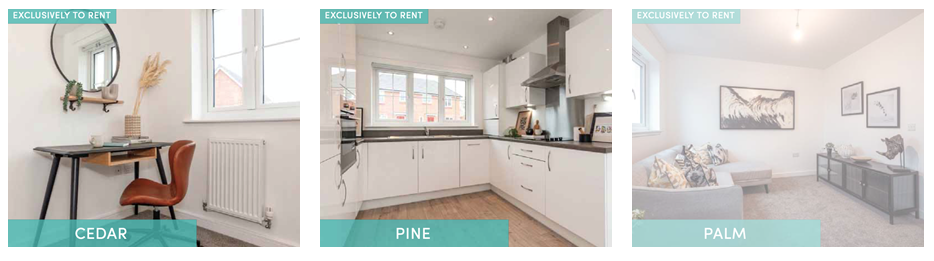
We pride ourselves on building places you can call your forever home, knowing it won’t be sold from beneath your feet. We offer renters a whole new experience which brings together the best of both worlds – all the perks of a private rental with the added excitement for customers at the start of a development to choose their own plot and watch it being built.
With home ownership becoming unaffordable for some and an unappealing lifestyle choice for others, we meet the need for a high quality home which still feels secure in the long term.
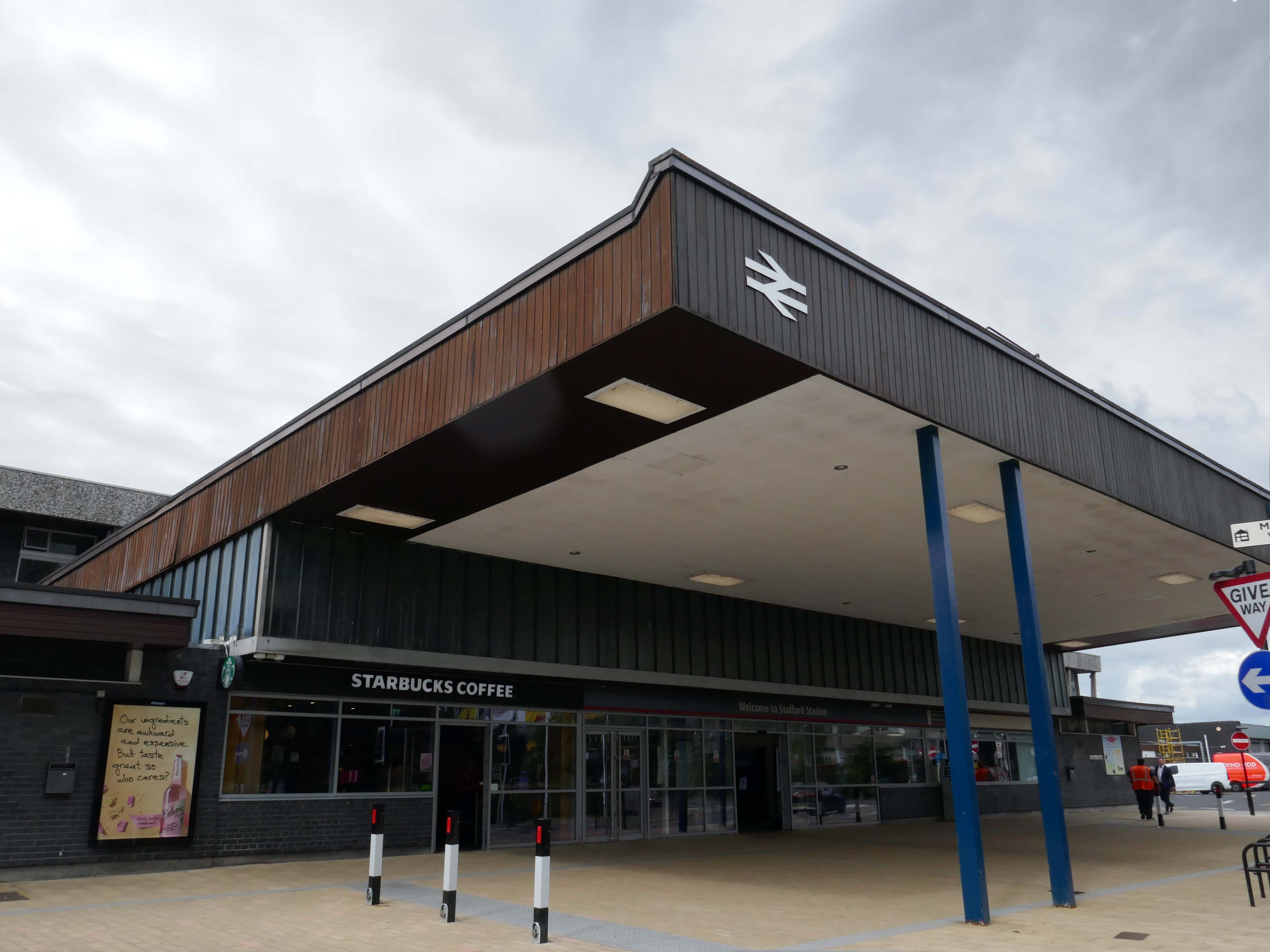
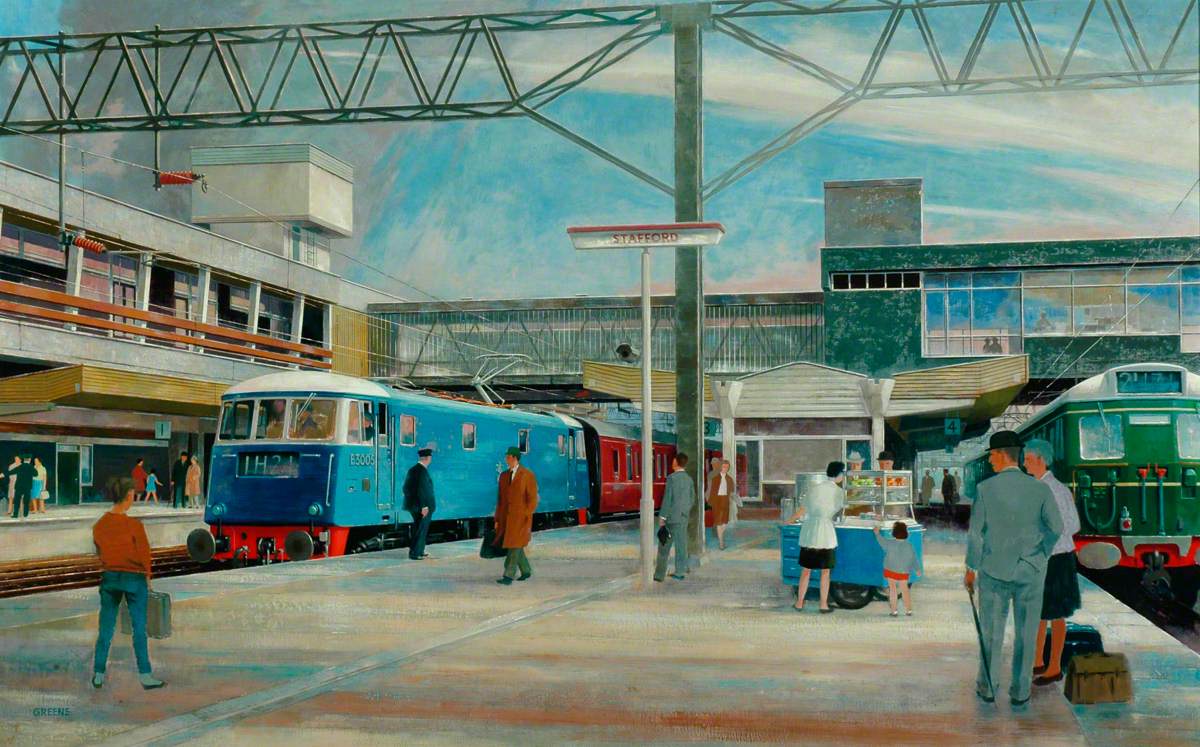
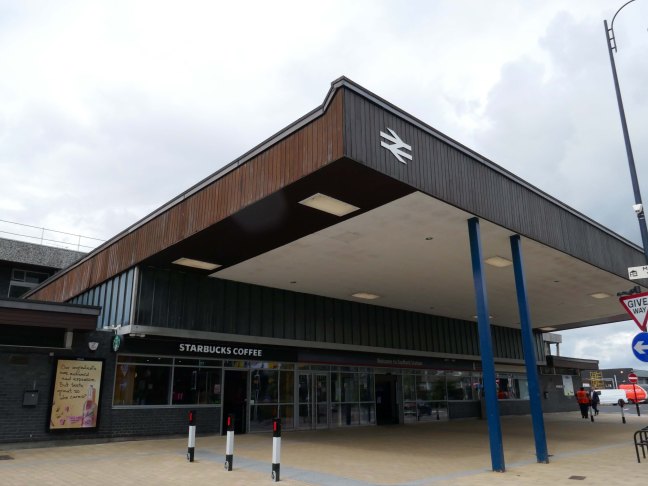
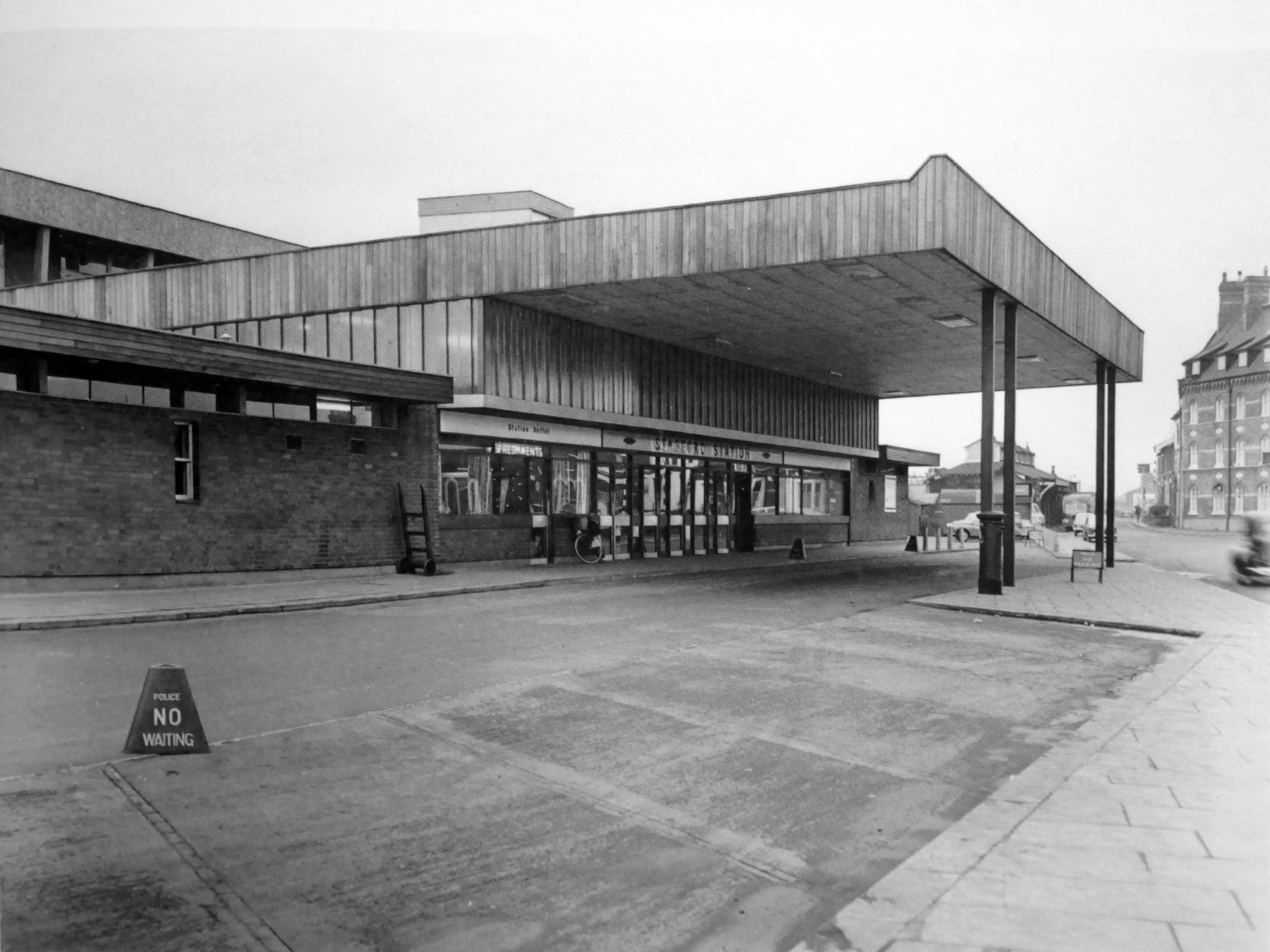
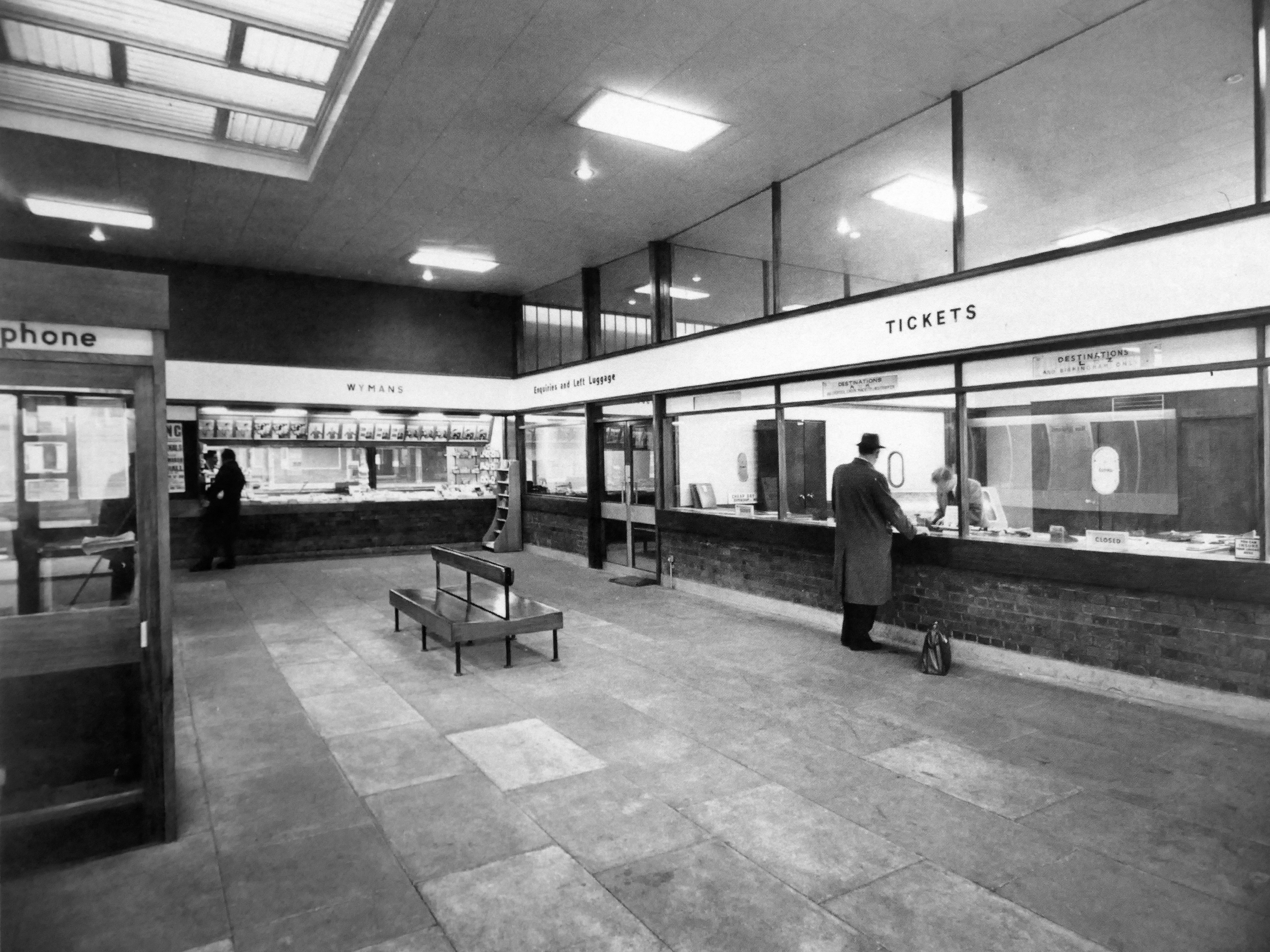
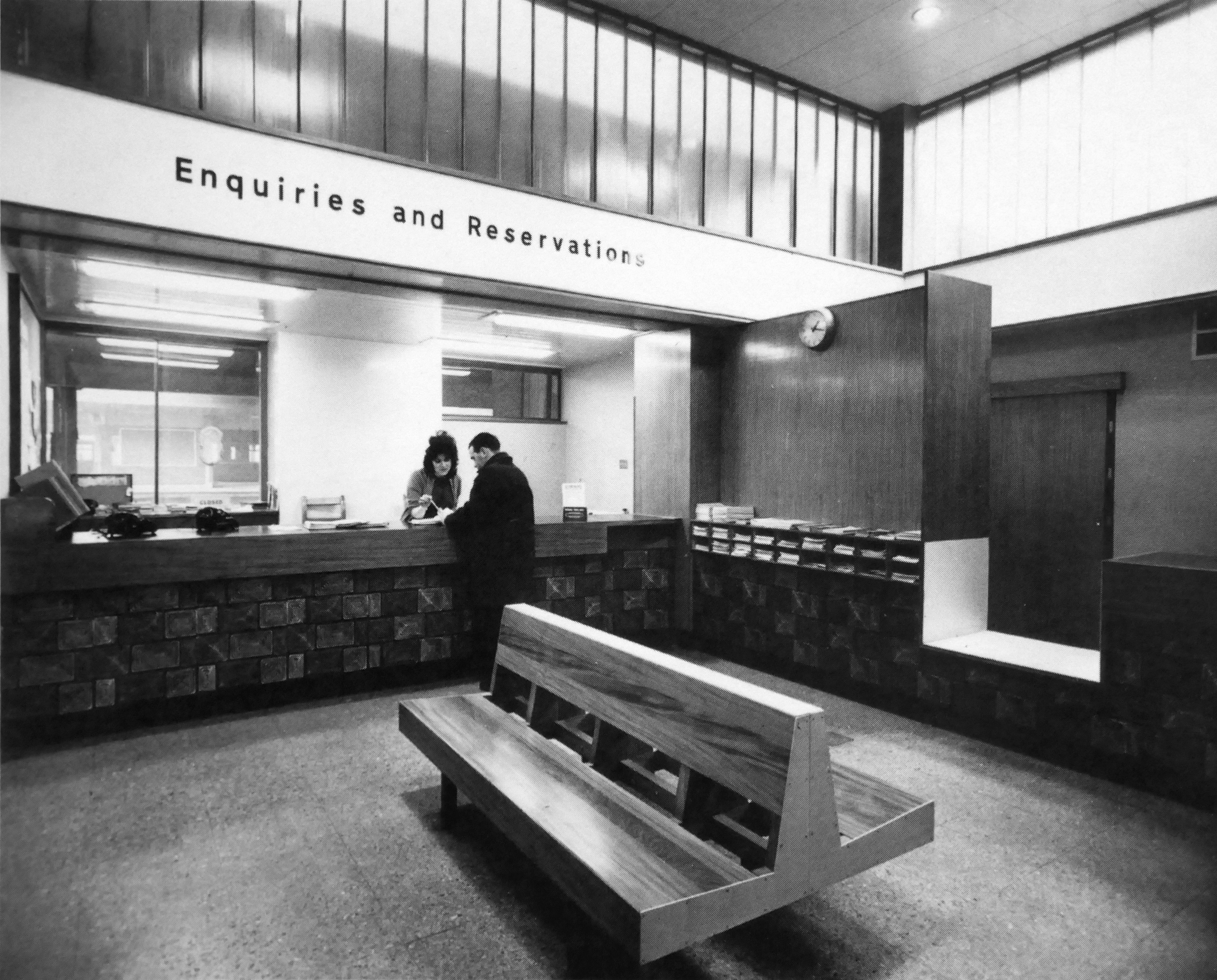
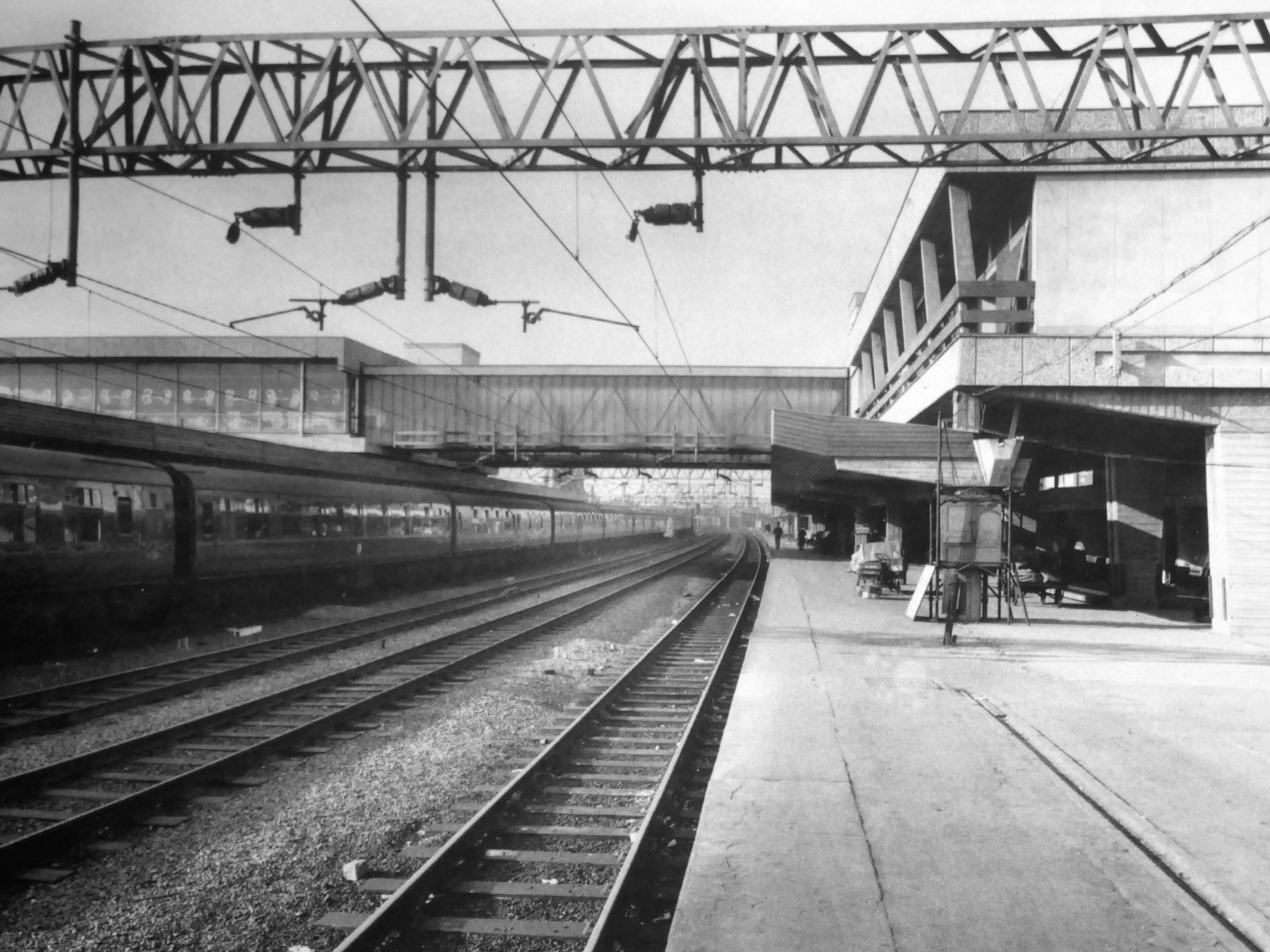
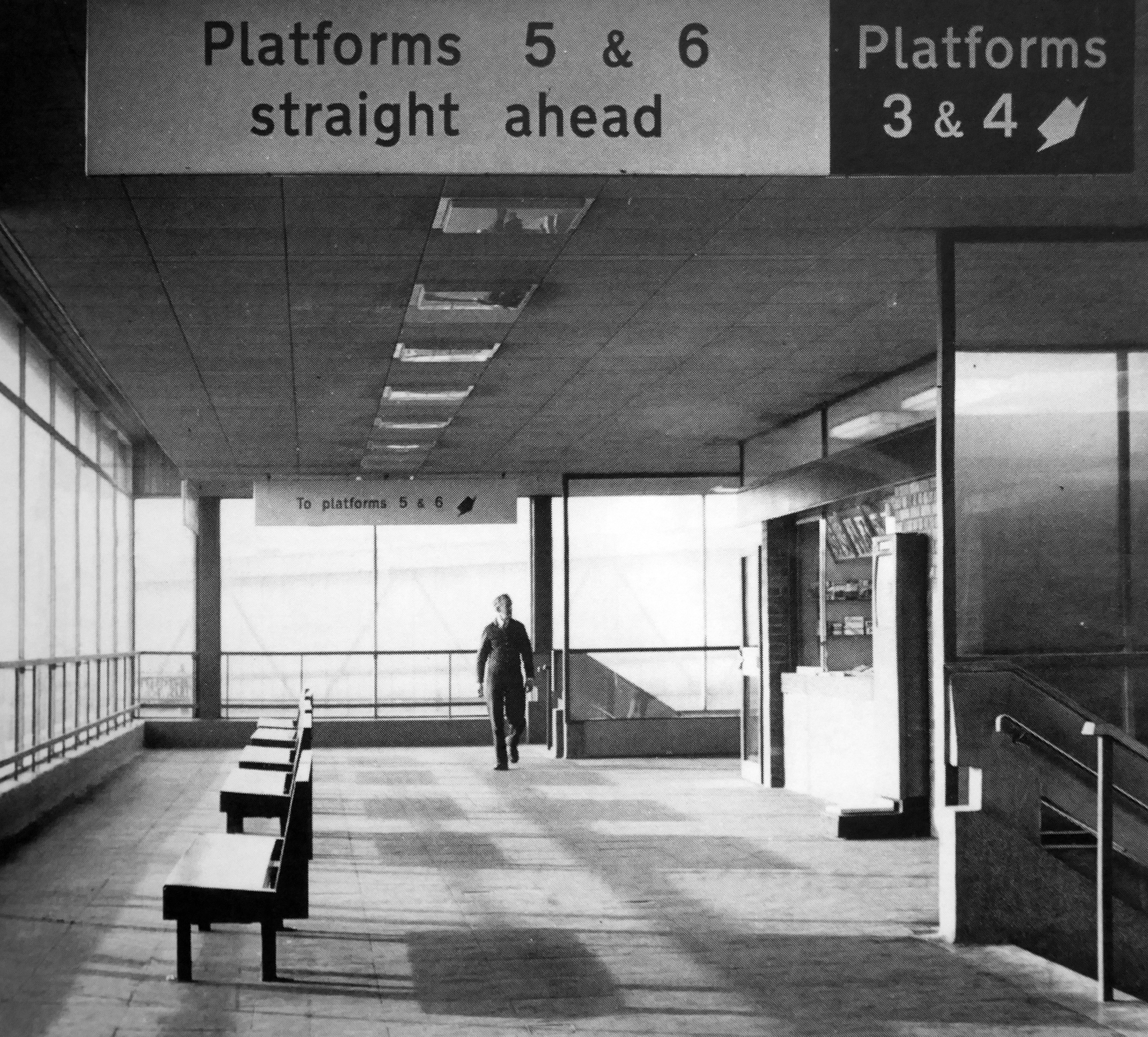
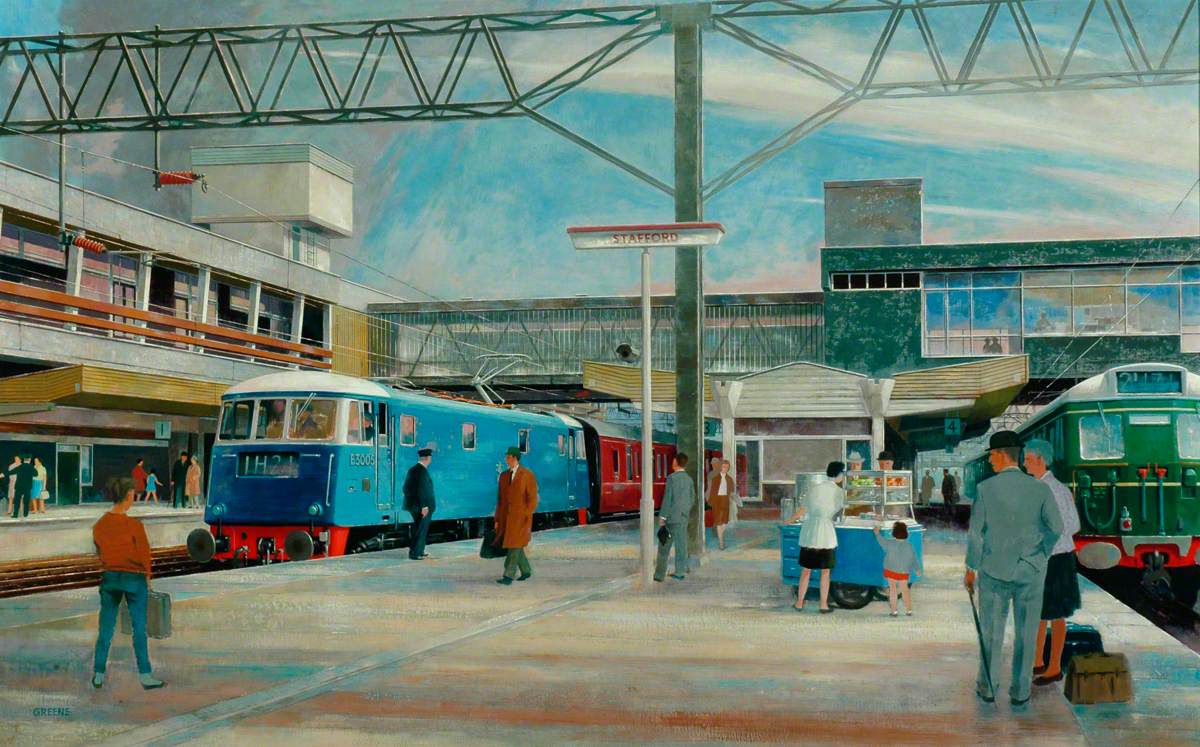
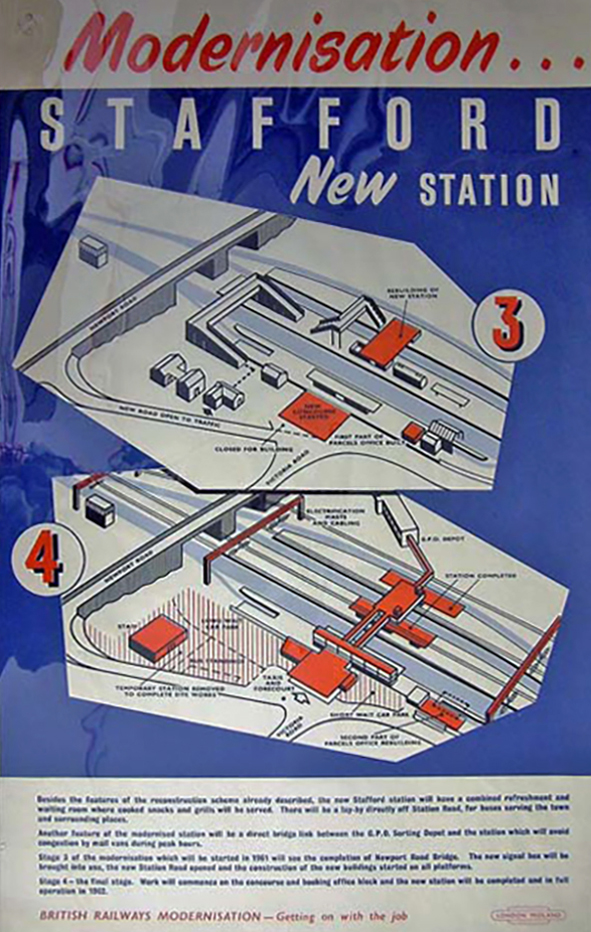
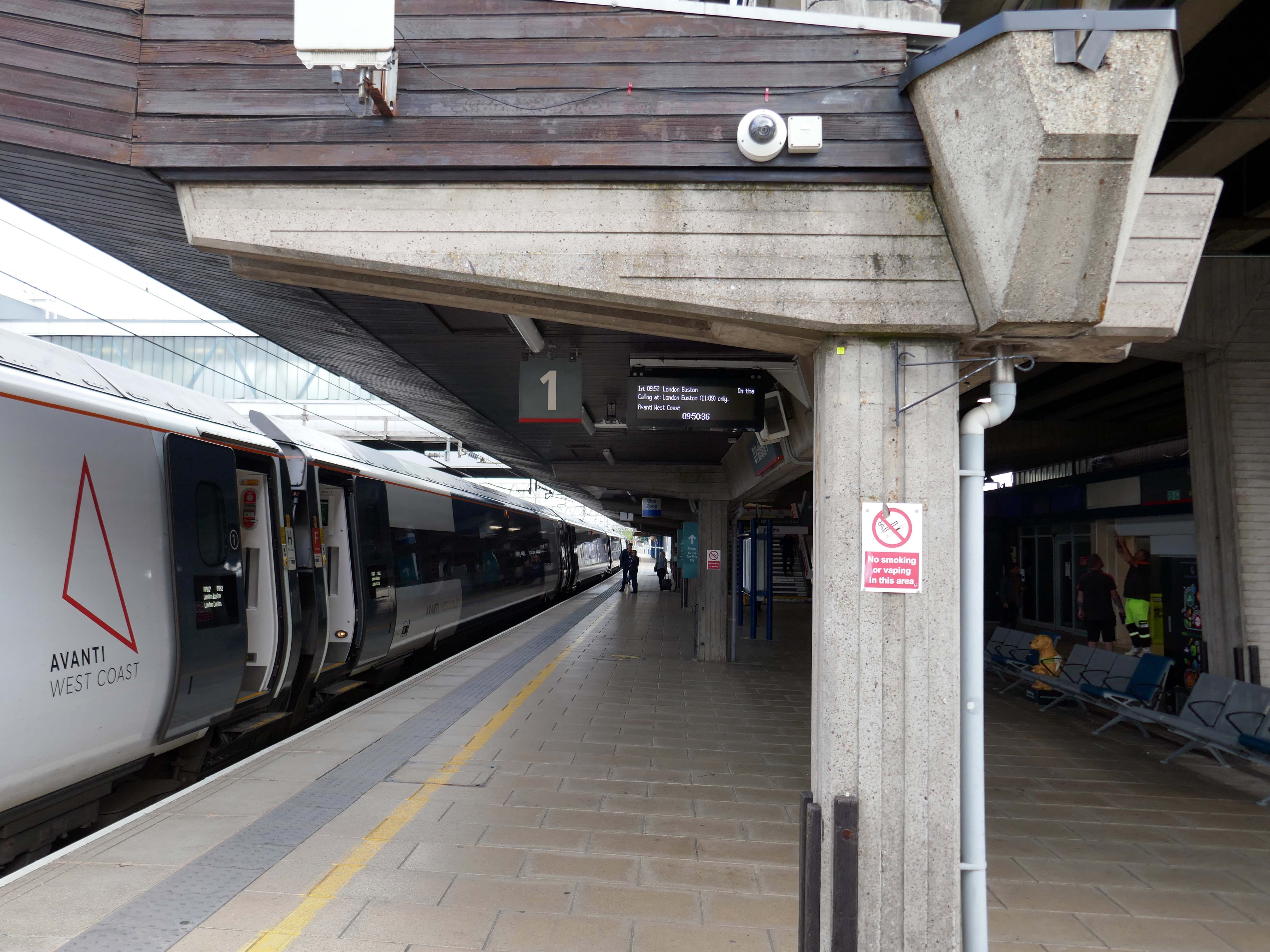
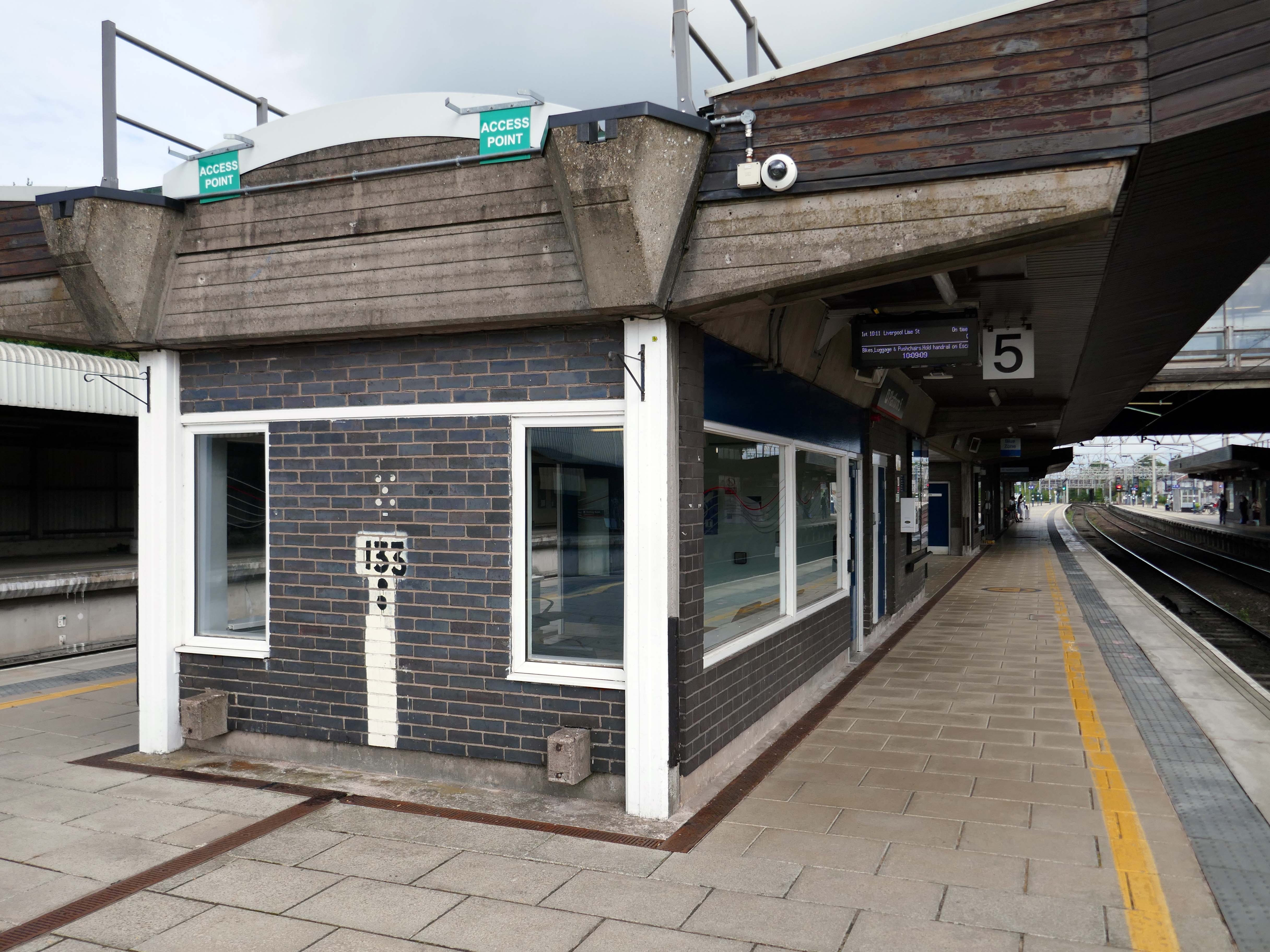
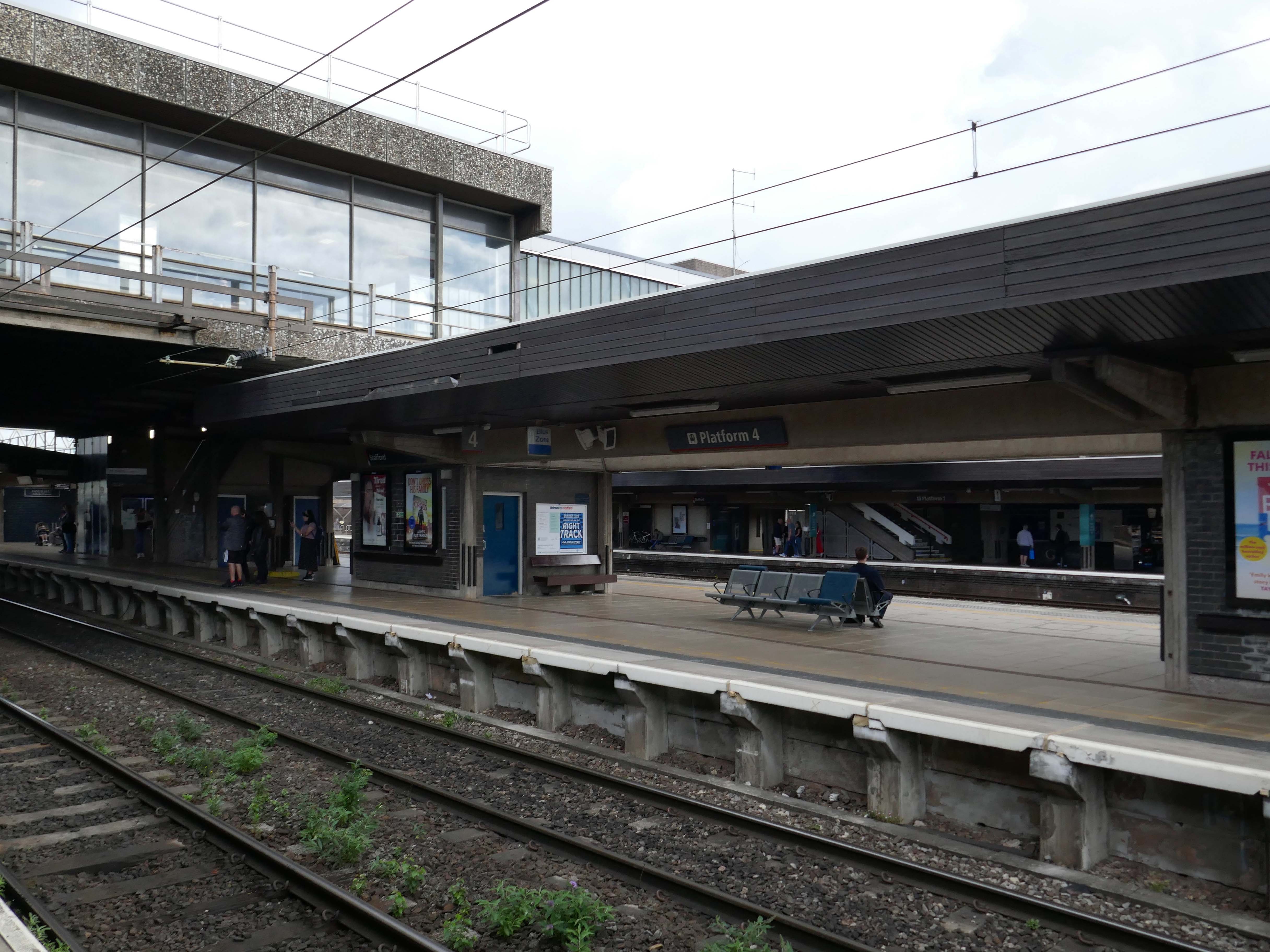
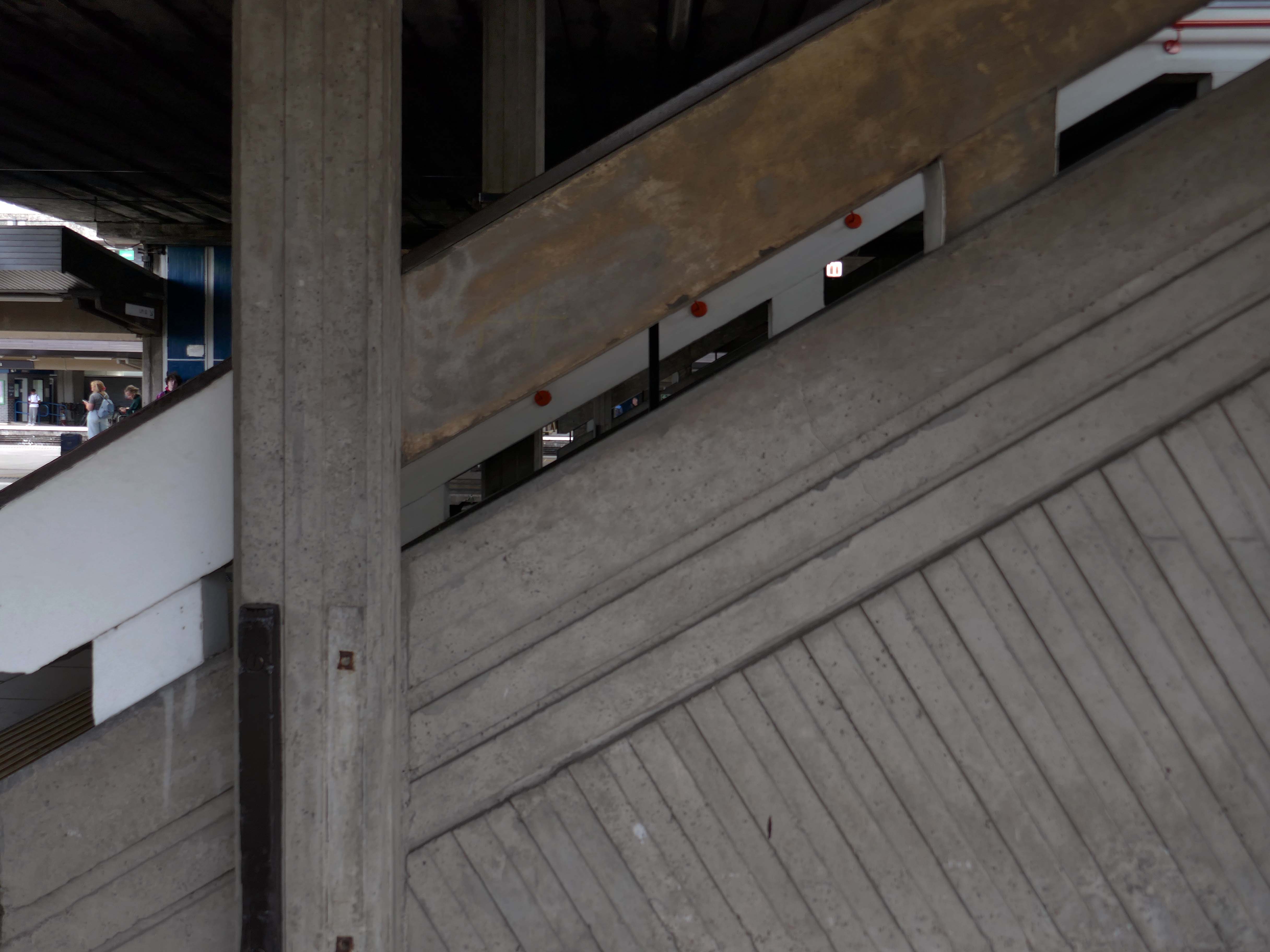
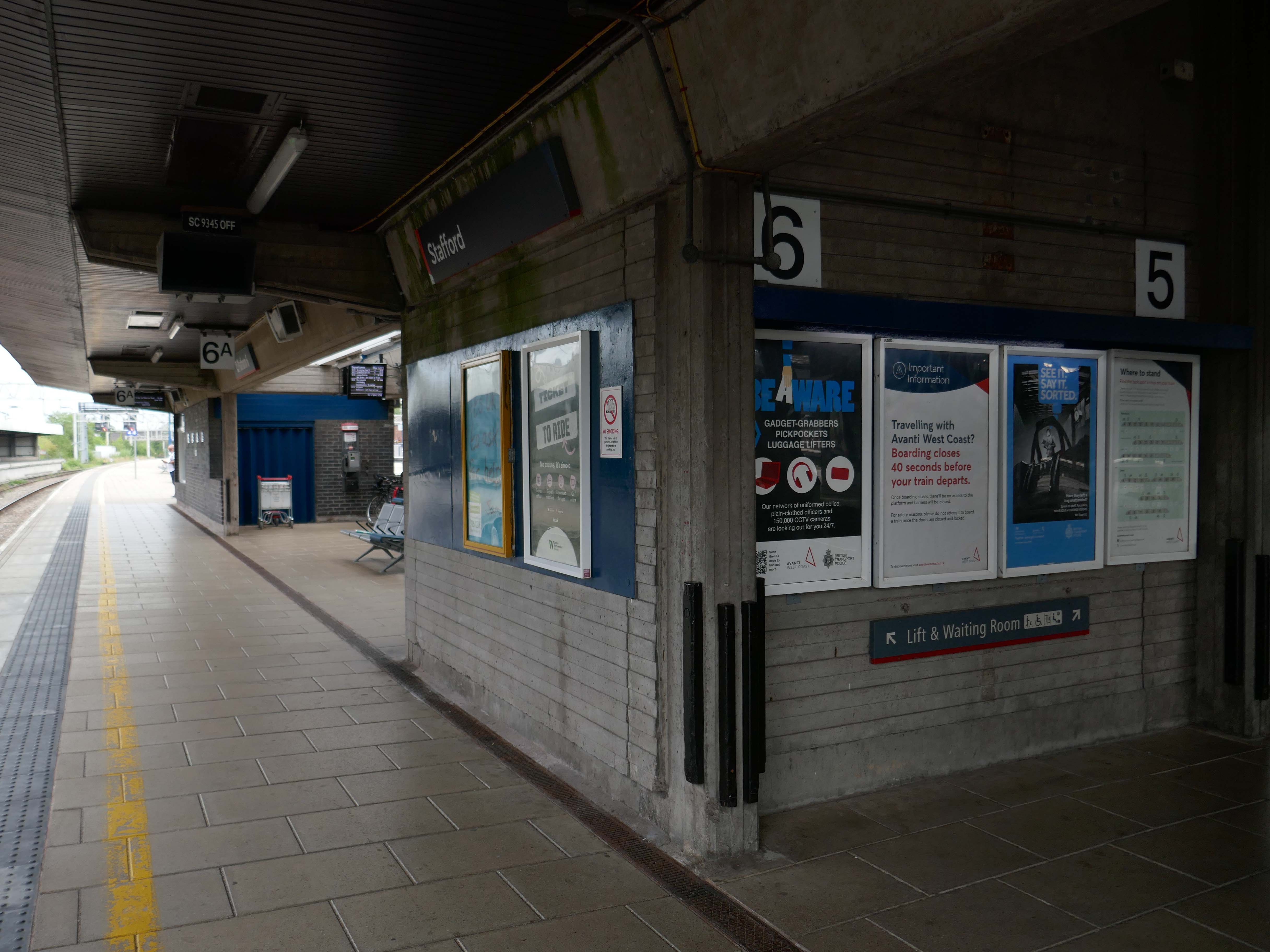
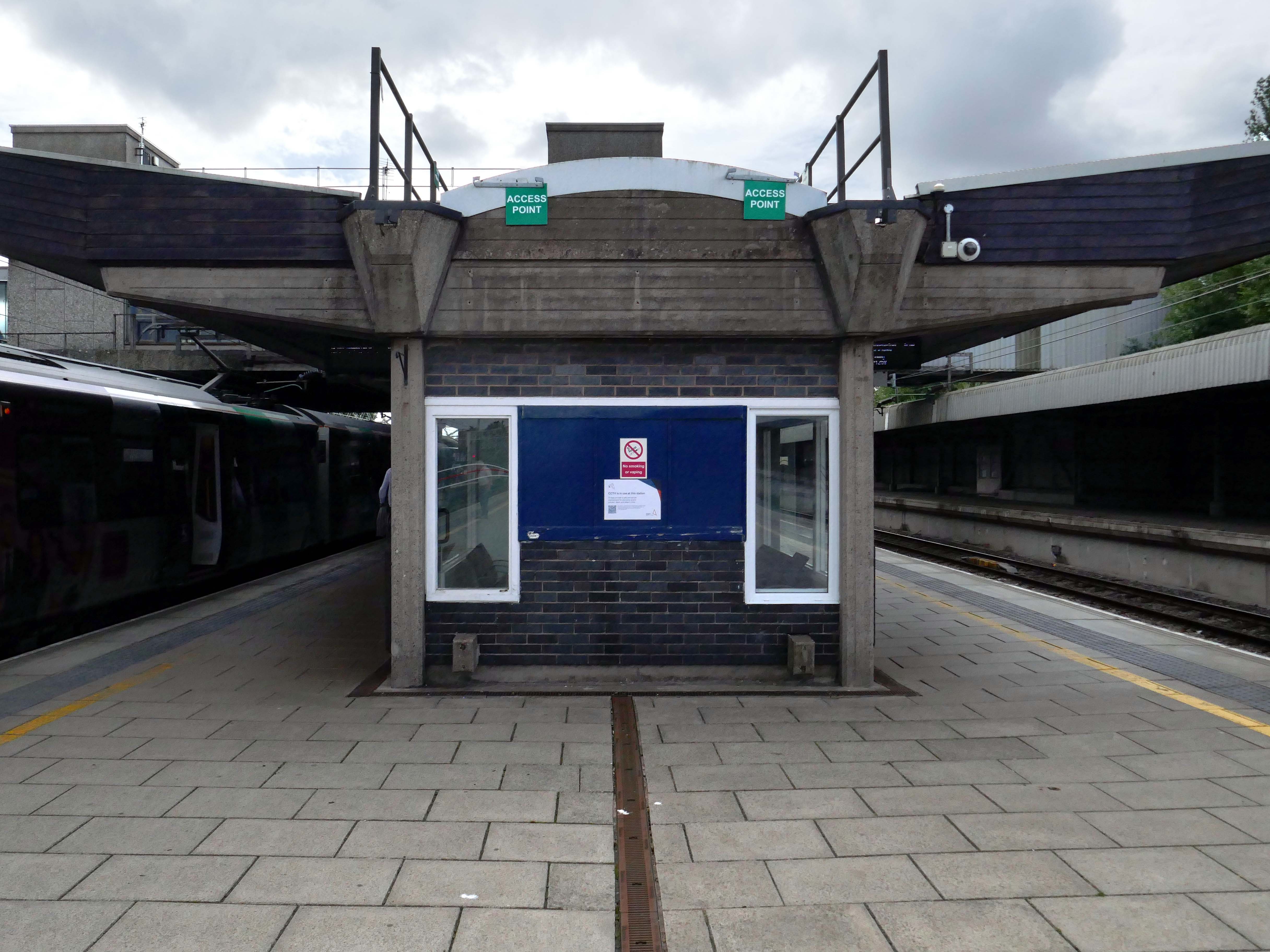
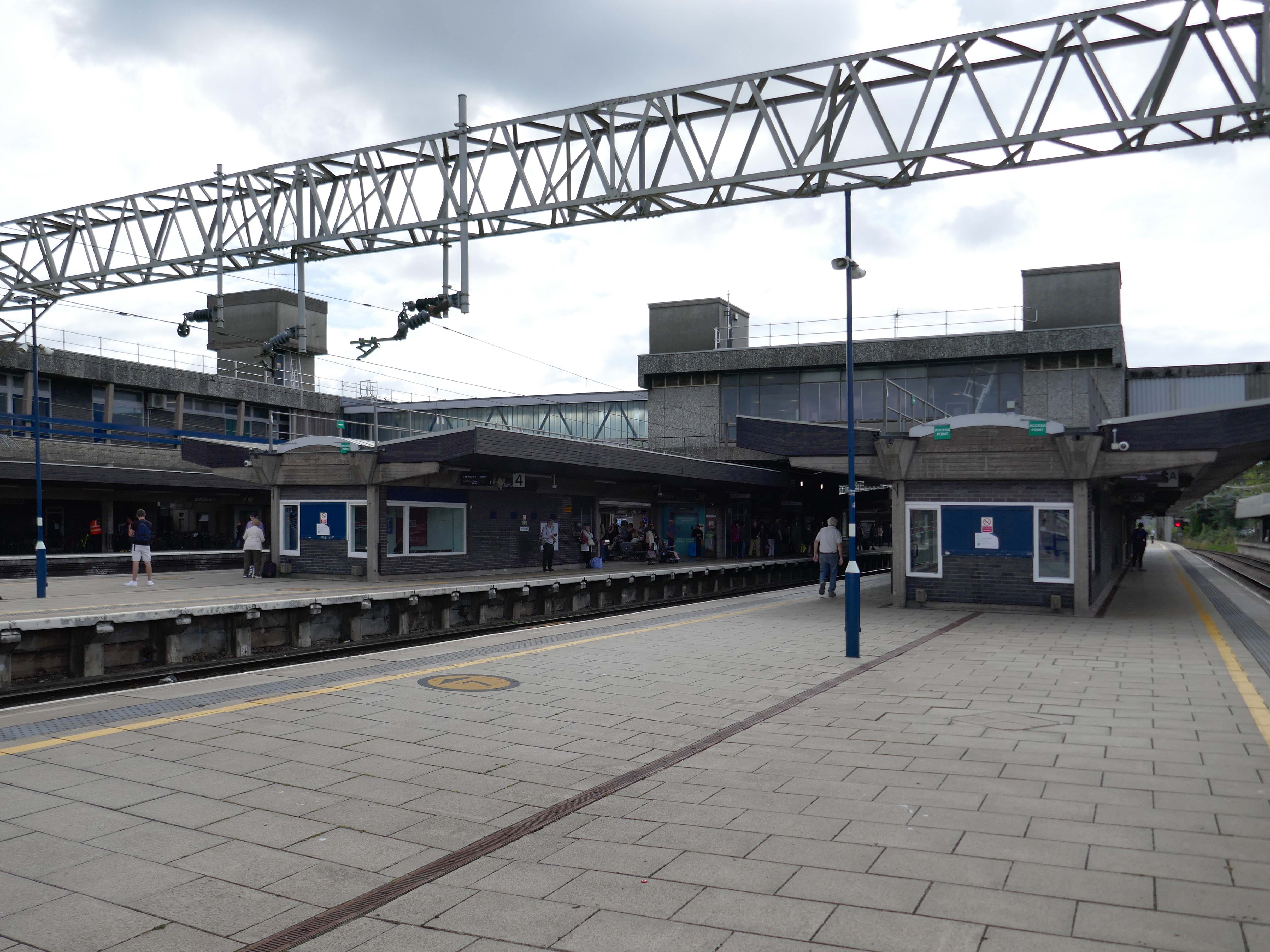
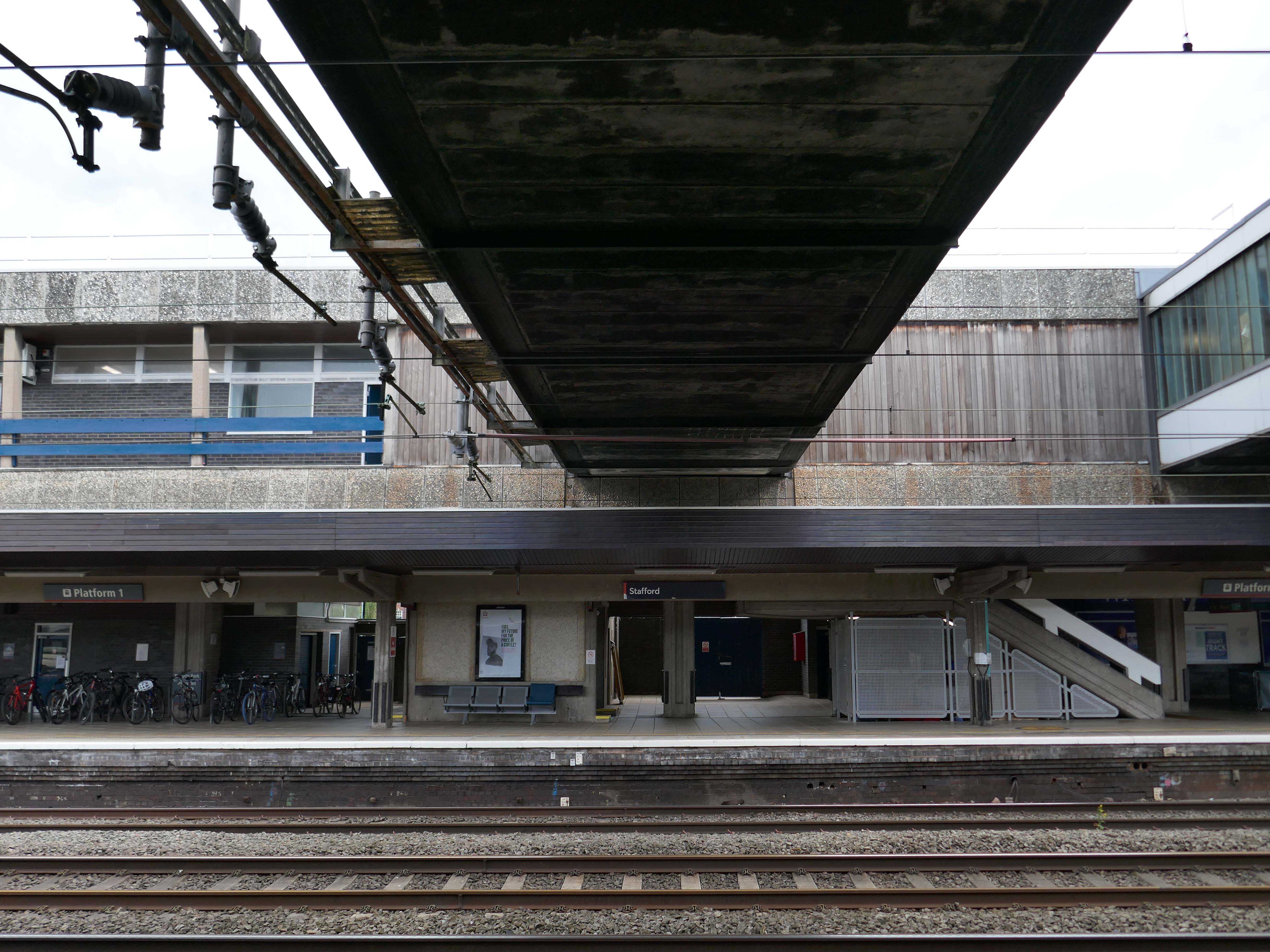
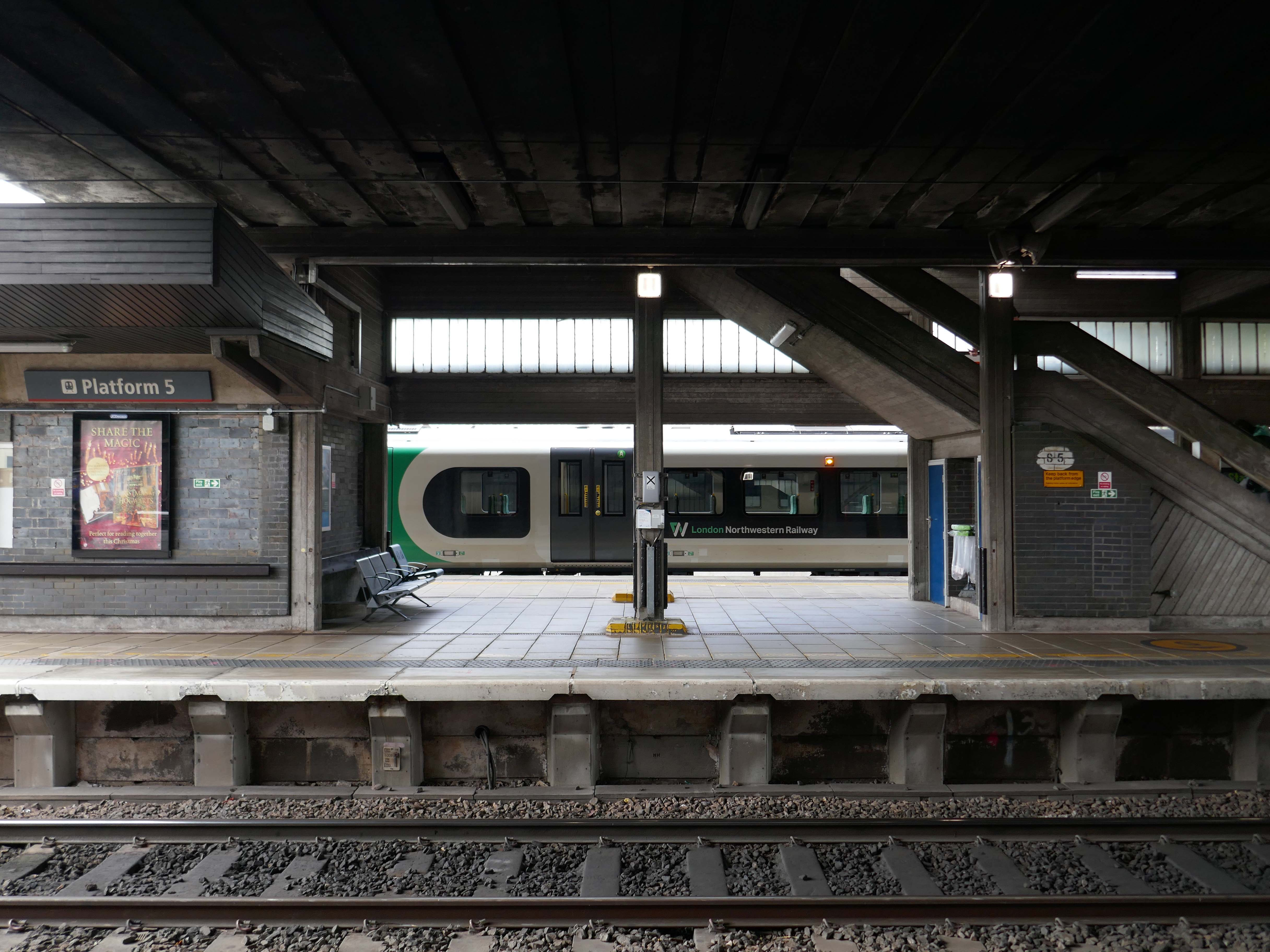
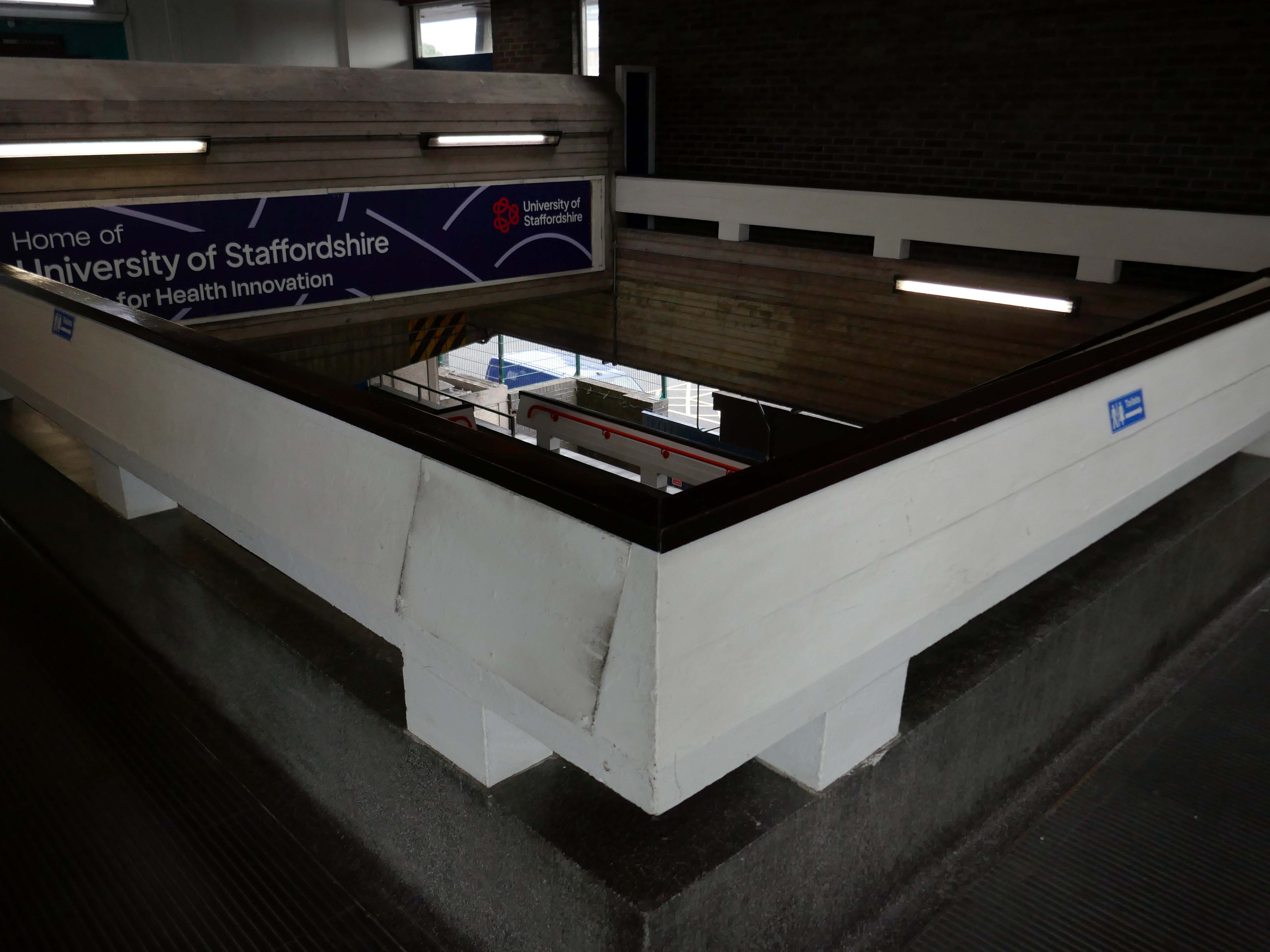
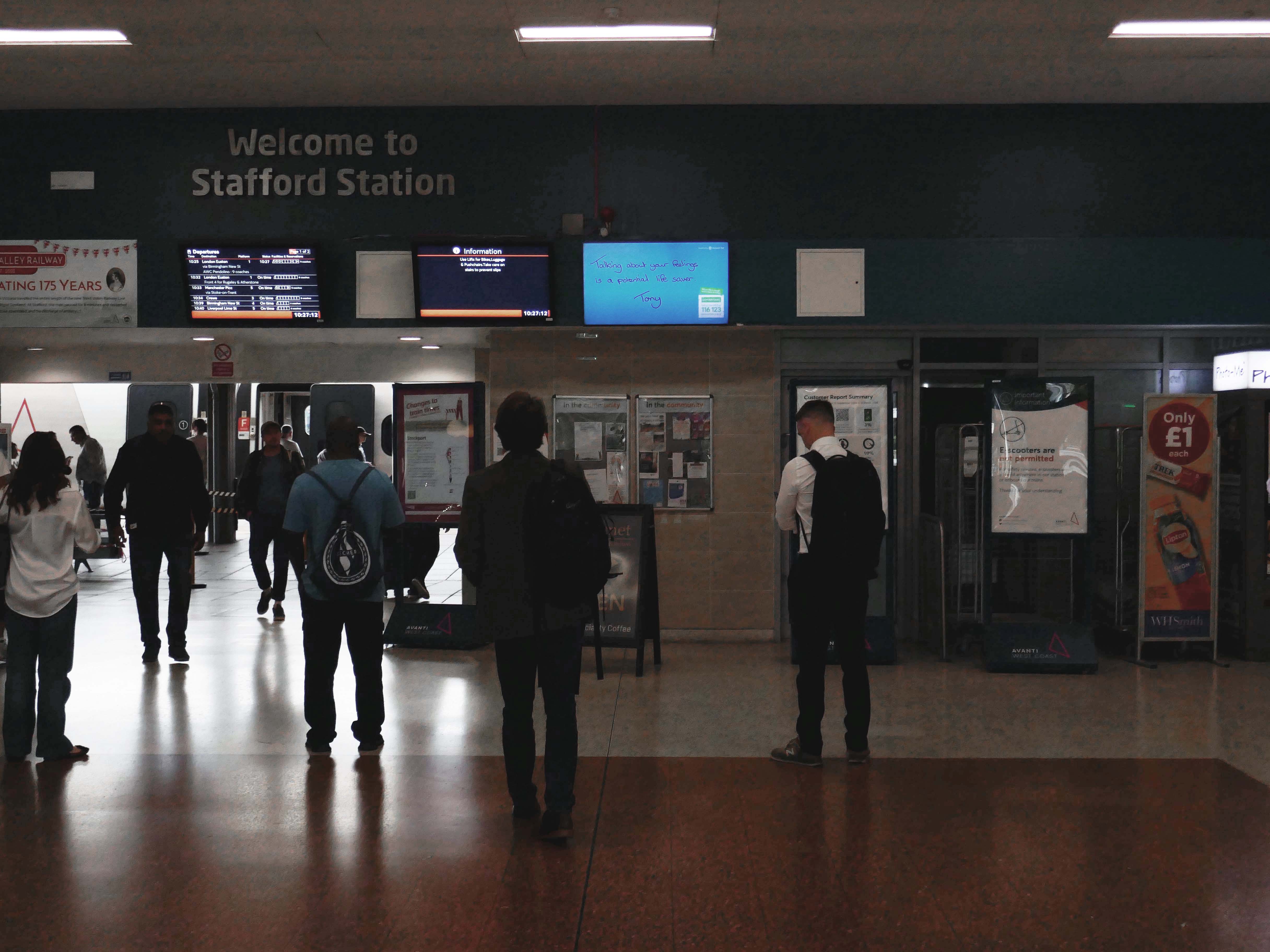
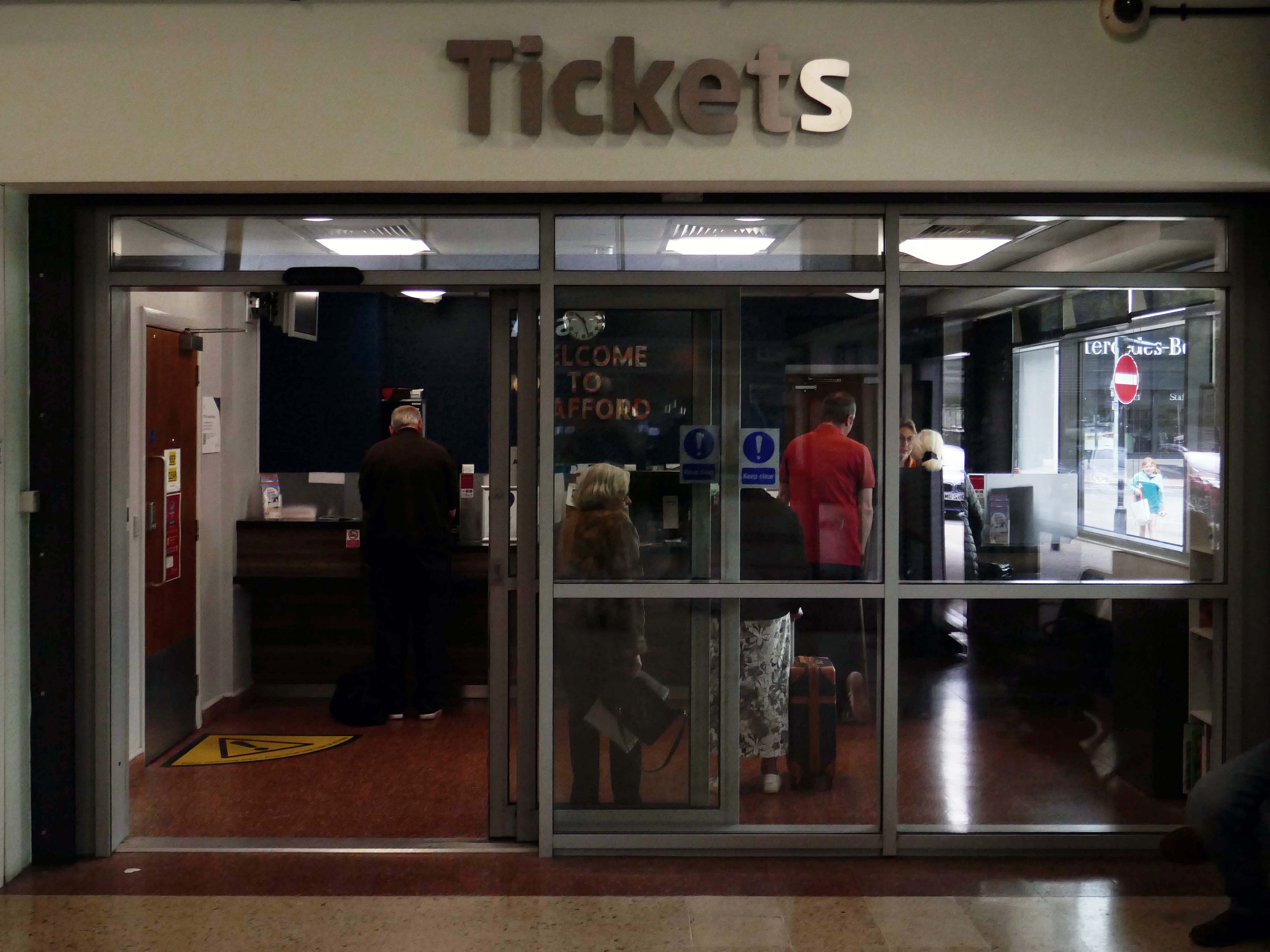
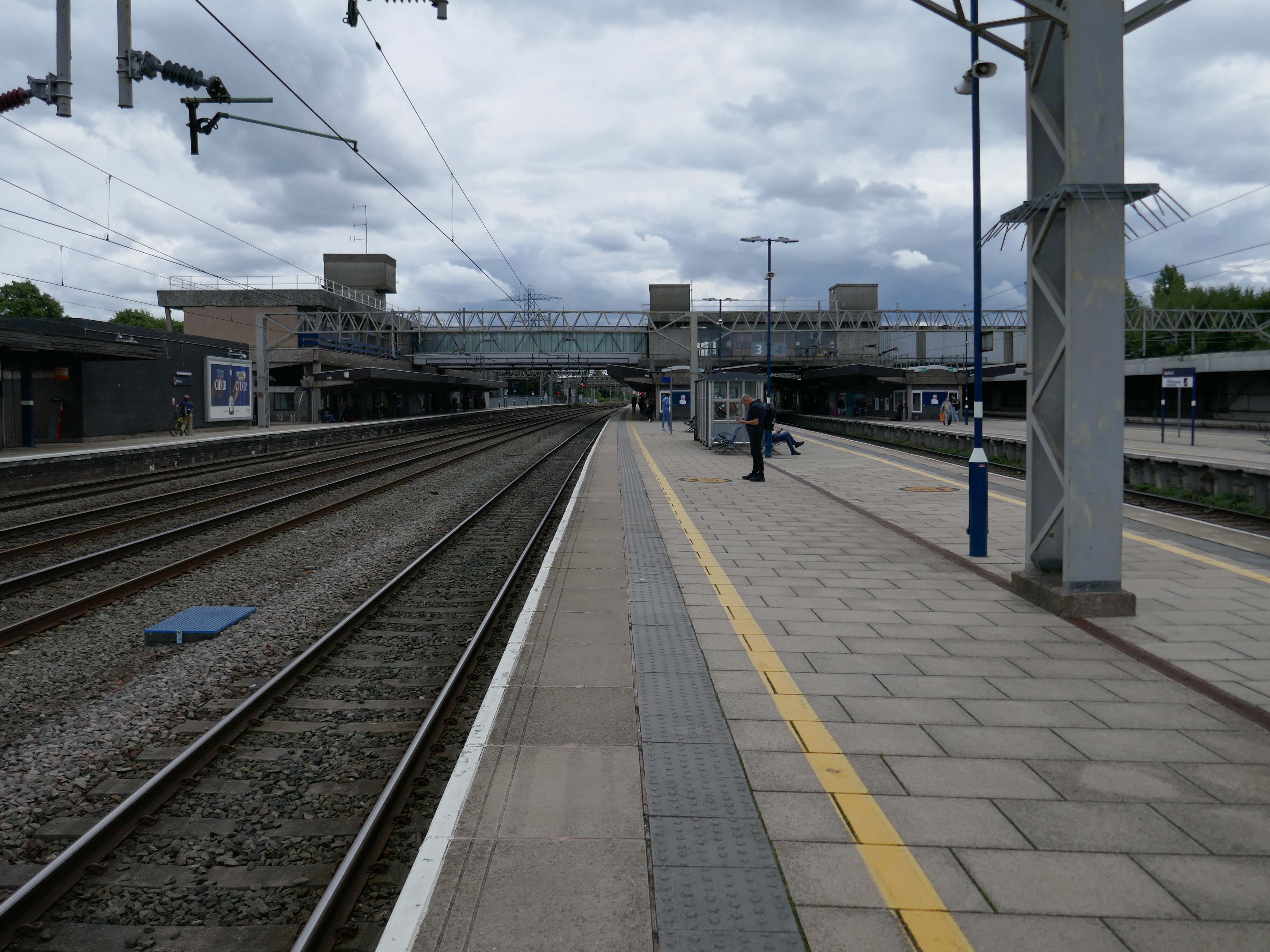
The current station was built in 1962, by the architect William Robert Headley, as part of the modernisation programme which saw the electrification of the West Coast Main Line.
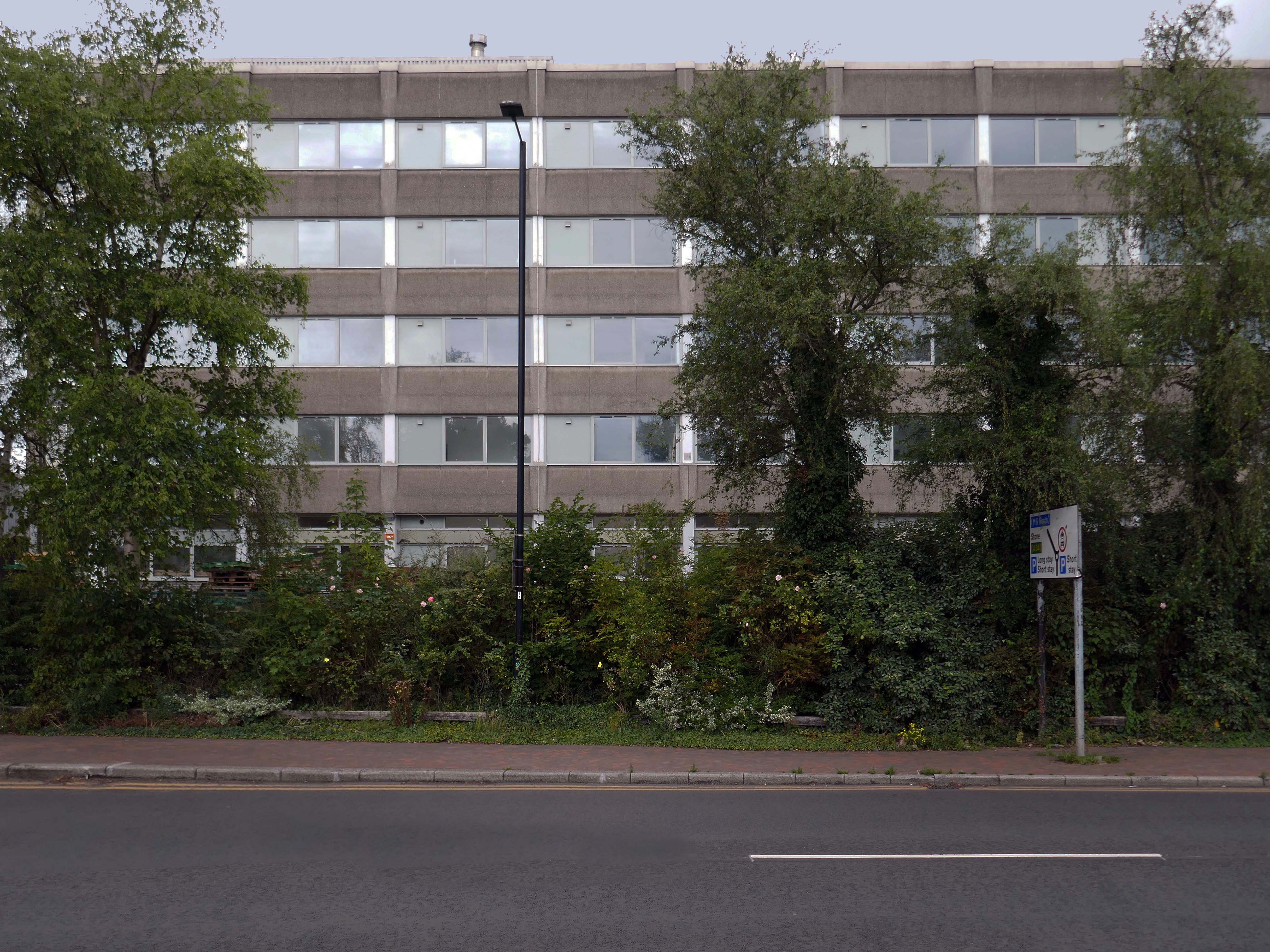
On leaving the station there is an as yet partially un-let Sixties office block to let – Victoria Park House.
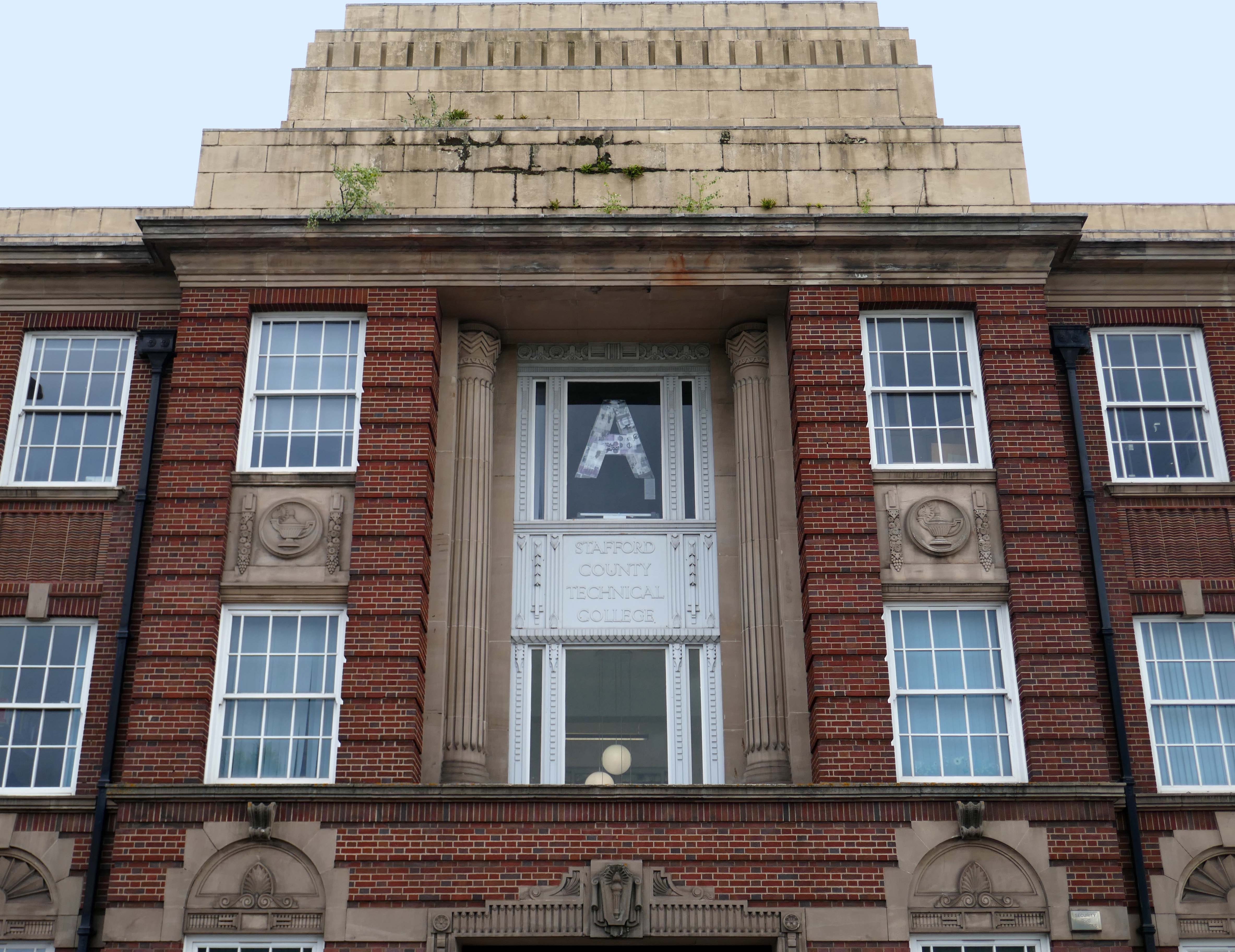
Onward to the County Technical College 1937 Grade II Listed – interior completed 1946.
The shell of the building was completed in 1937, after which it was used as an American army hospital during the war, then completed afterwards.
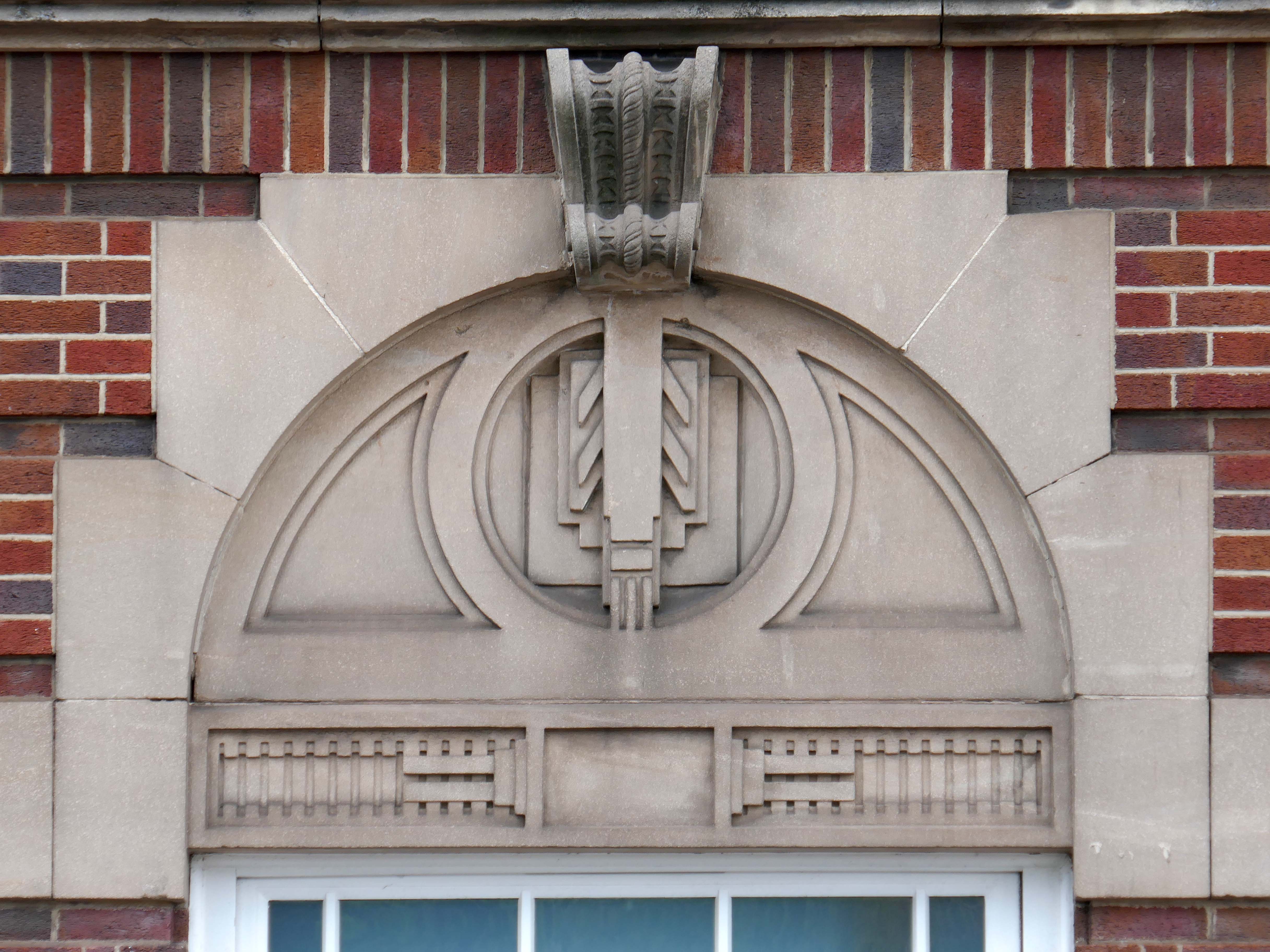
Heavily loaded with Art Deco details.
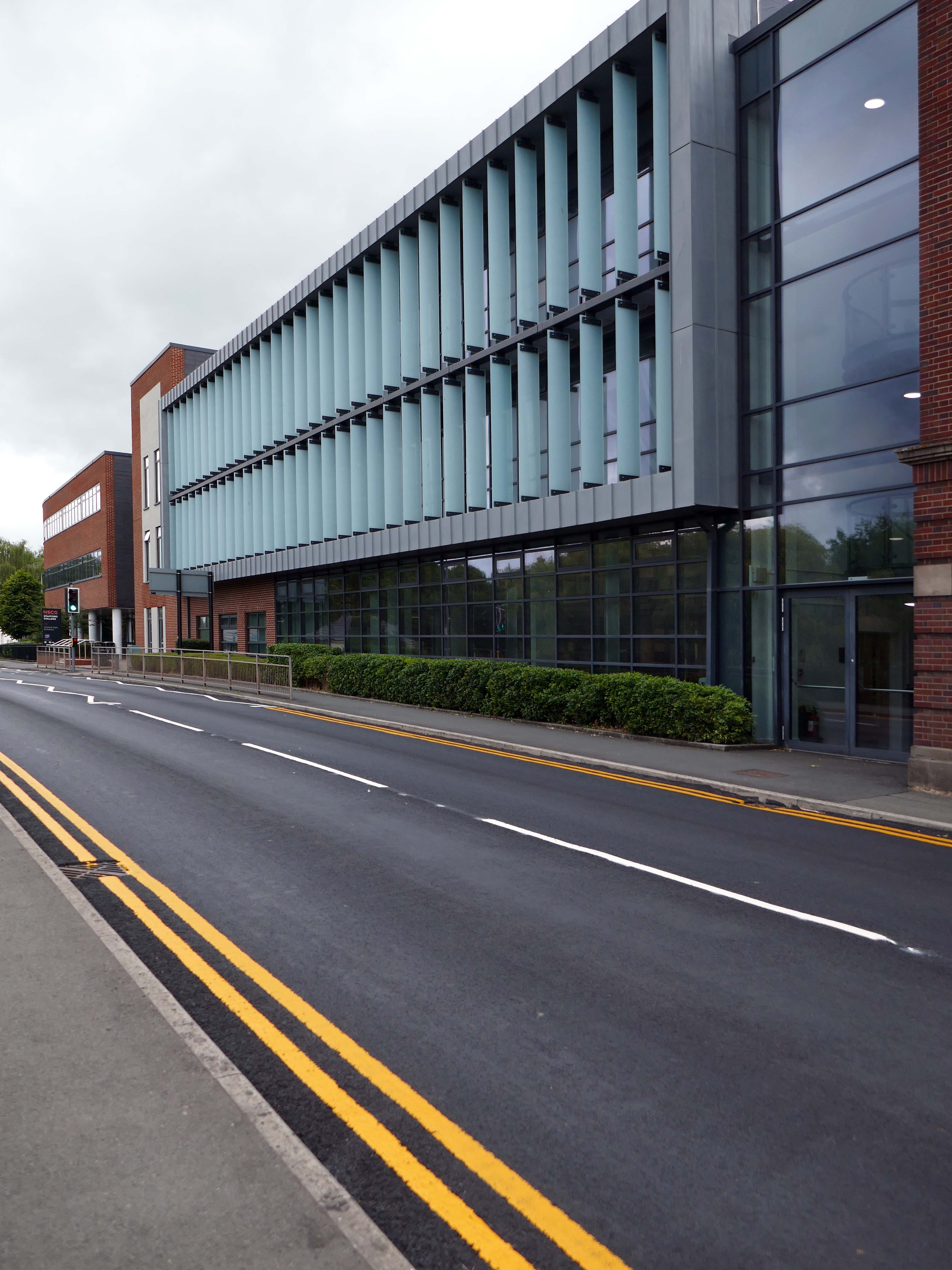
The new £28m three-storey Skills & Innovation Centre at Stafford College, completed in August 2023, was one of the first further education college schemes to be delivered under the DfE framework and a pathfinder scheme for delivery in accordance with the Further Education Output Specification. The new Centre is equipped with cutting-edge equipment and state-of-the-art facilities for construction, engineering and hybrid / electric vehicle maintenance facilities, as well as IT rich seminar suites and open learning break-out spaces along with a 4-court sports hall, a fully-equipped gym and a flexible 300-seat auditorium.
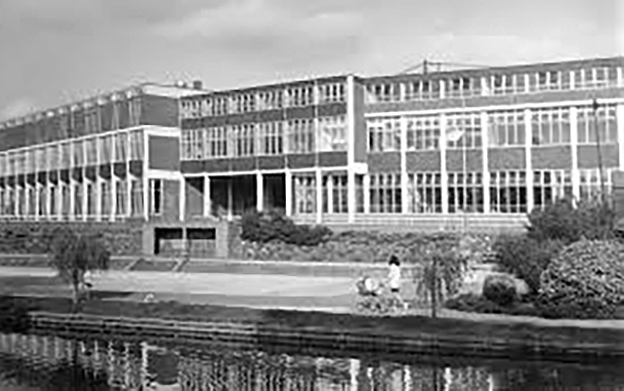
A 1970’s block was demolished to make way for the new development.
Almost everywhere we go we find a PoMo Crown Courts 1991 – architects: Associated Architects of Birmingham, cost of £10.4 million.
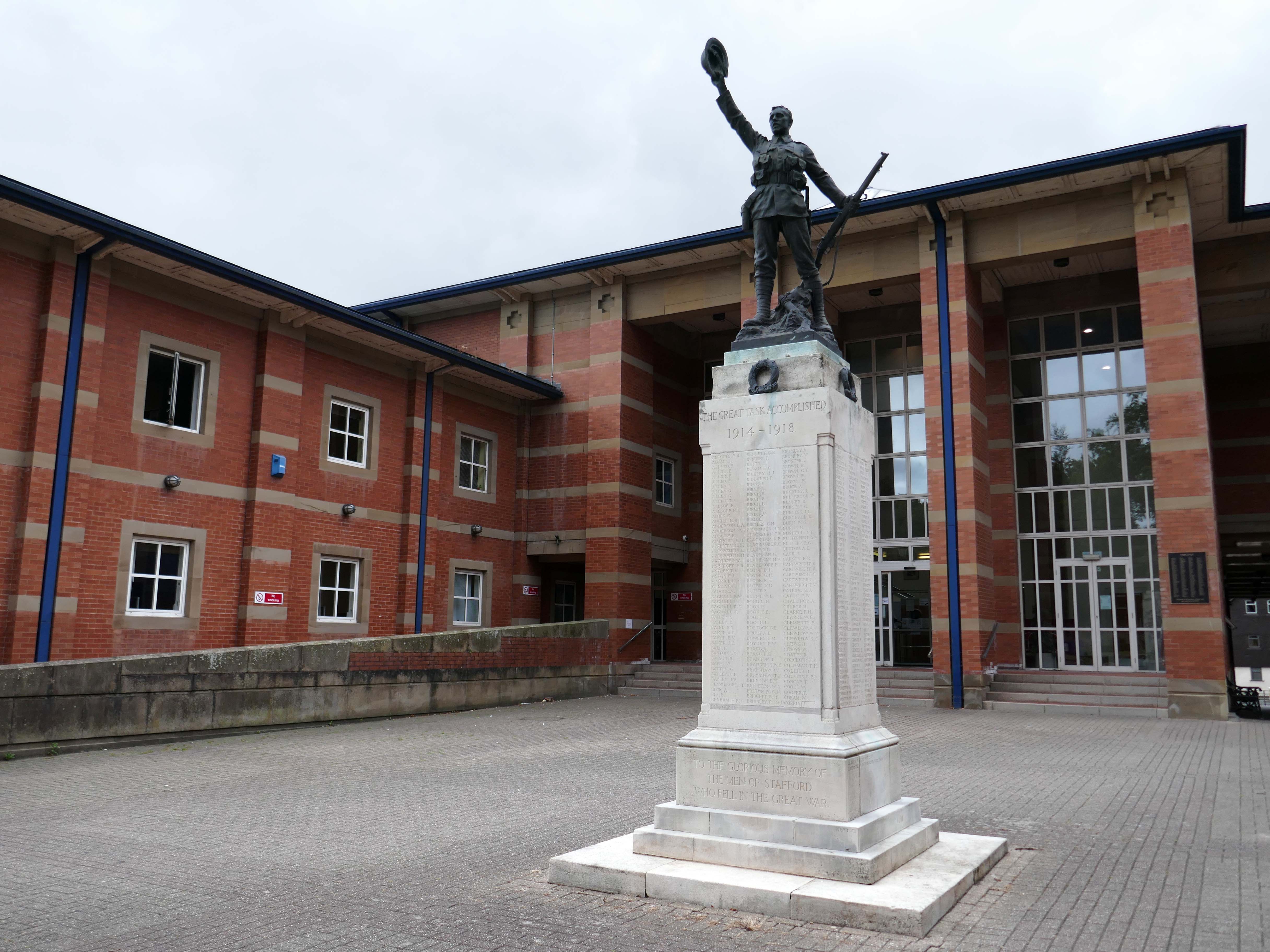
The war memorial of 1922 is by Joseph James Whitehead.
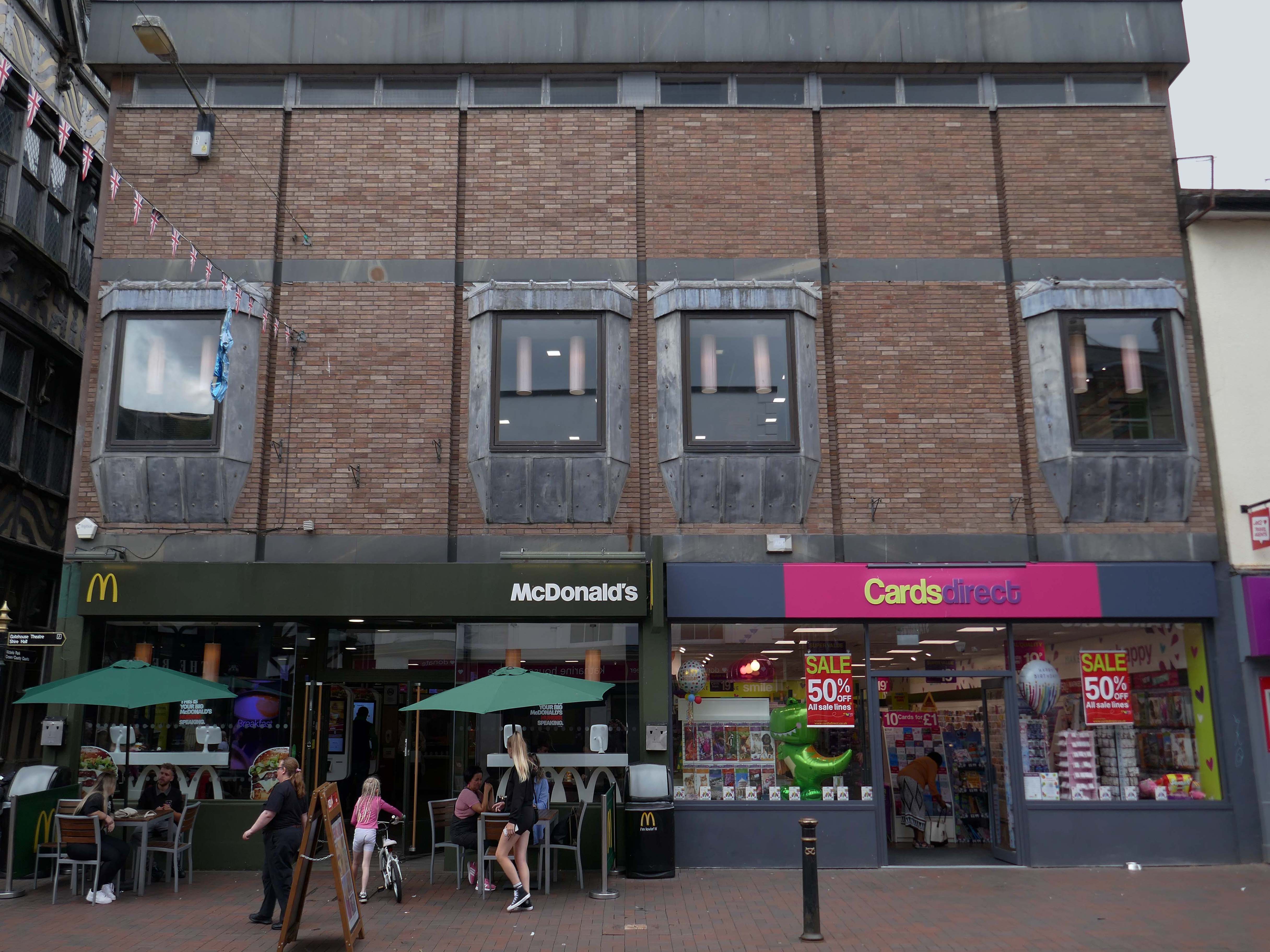
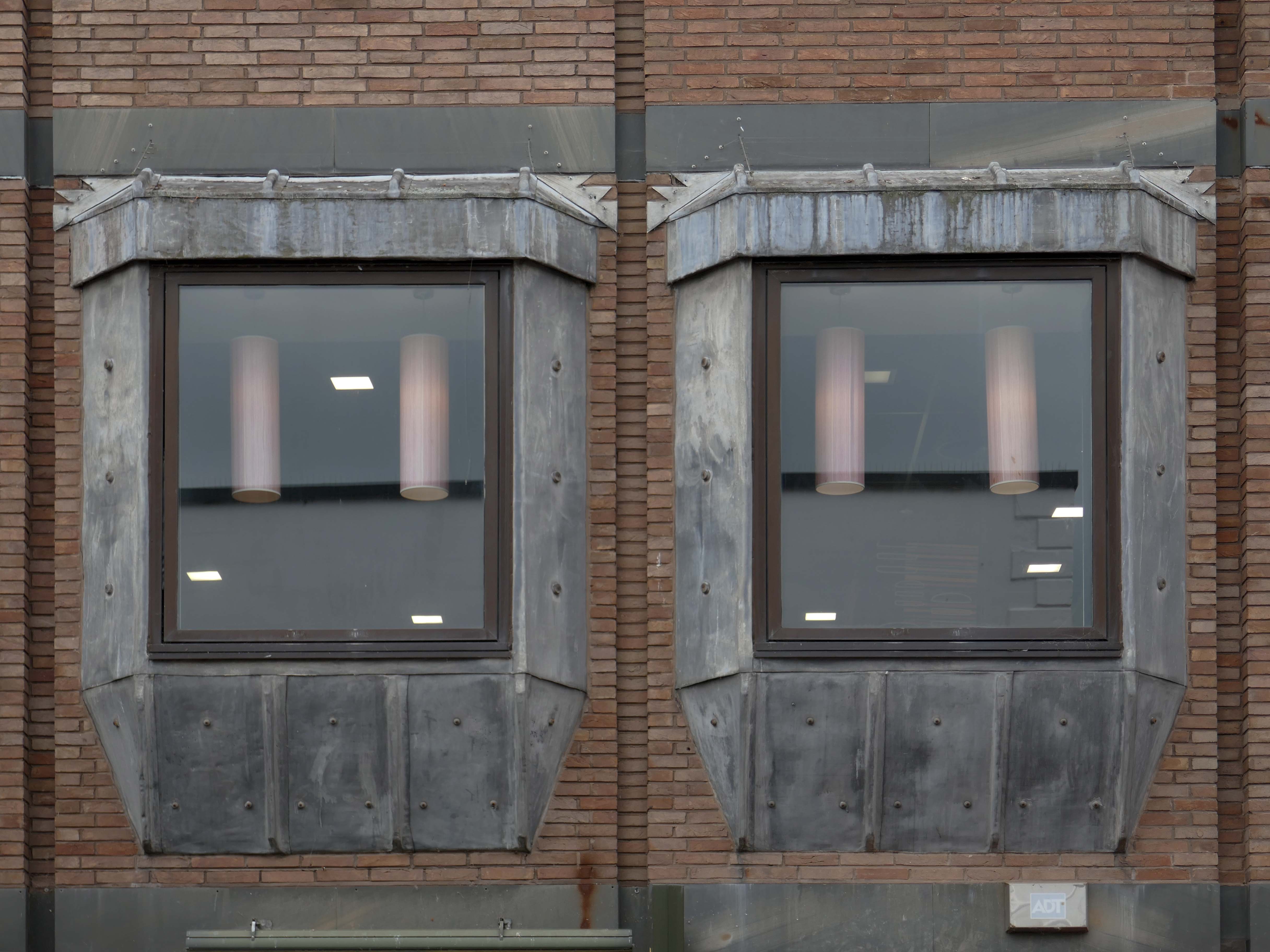
Sneaking through the alley to and before the McDonalds – one many more recent buildings with jetted lead clad bays.
Keeping the town Tudor one bay at a time..
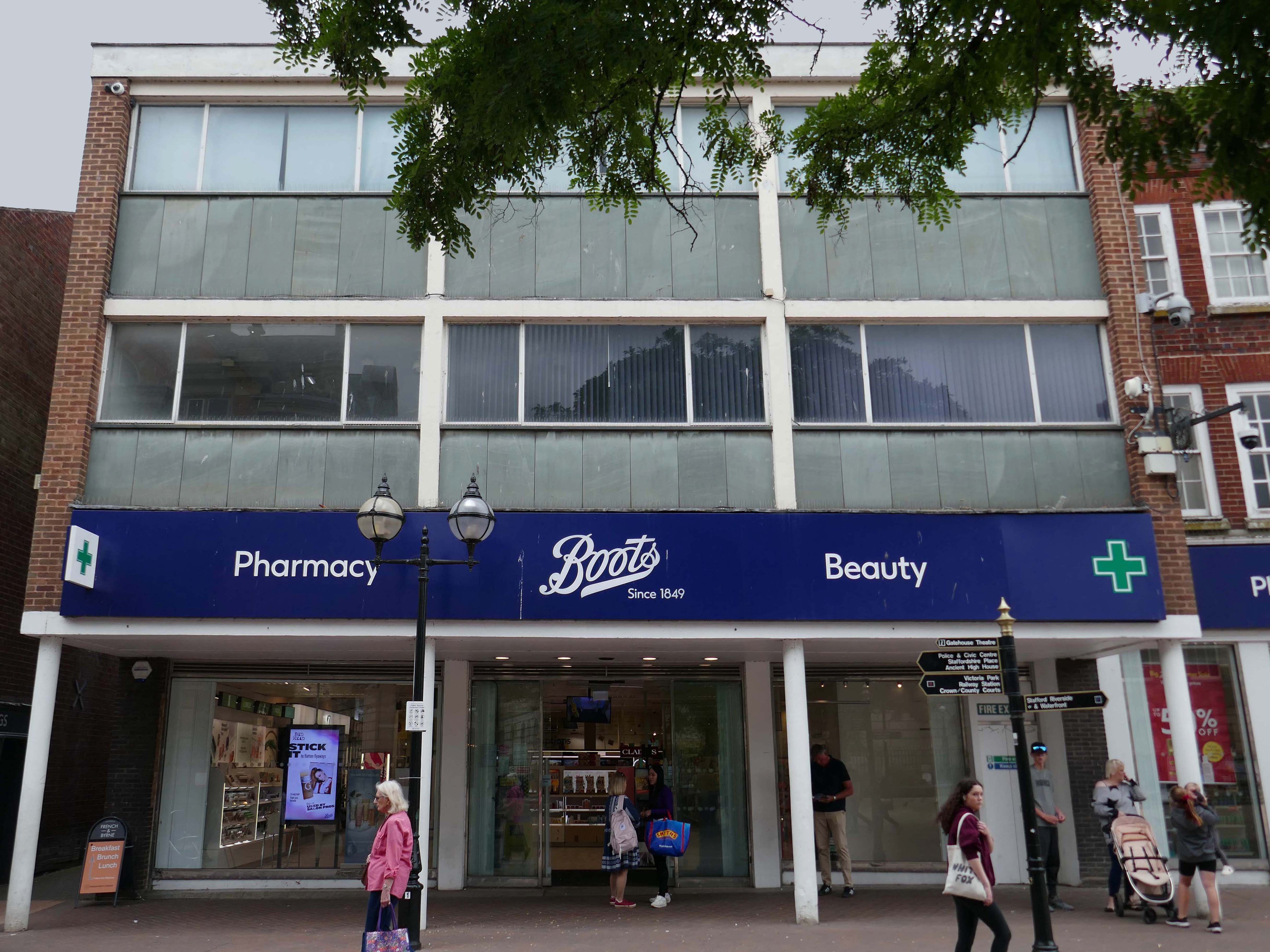
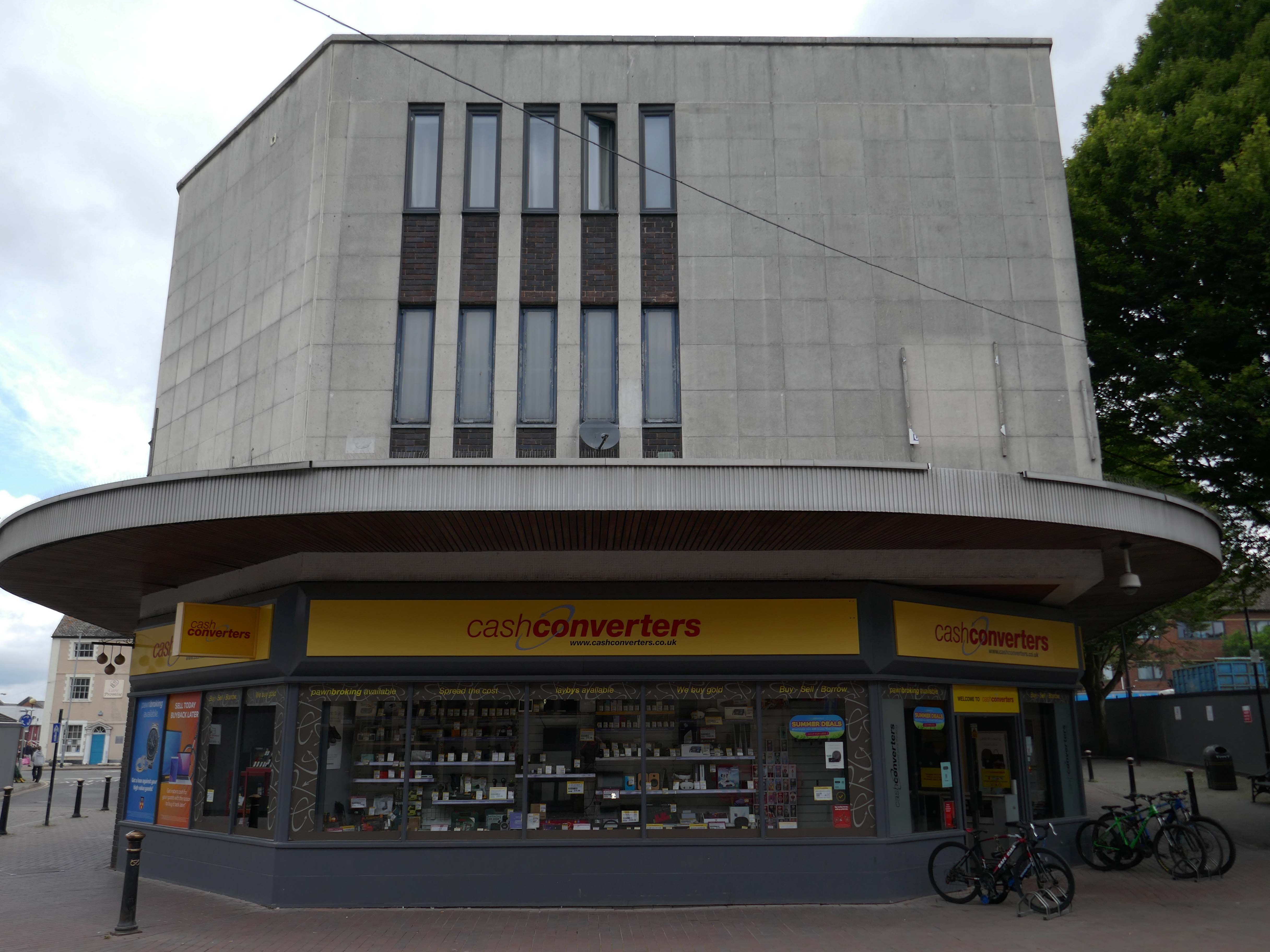
Further along a Sixties Boots.
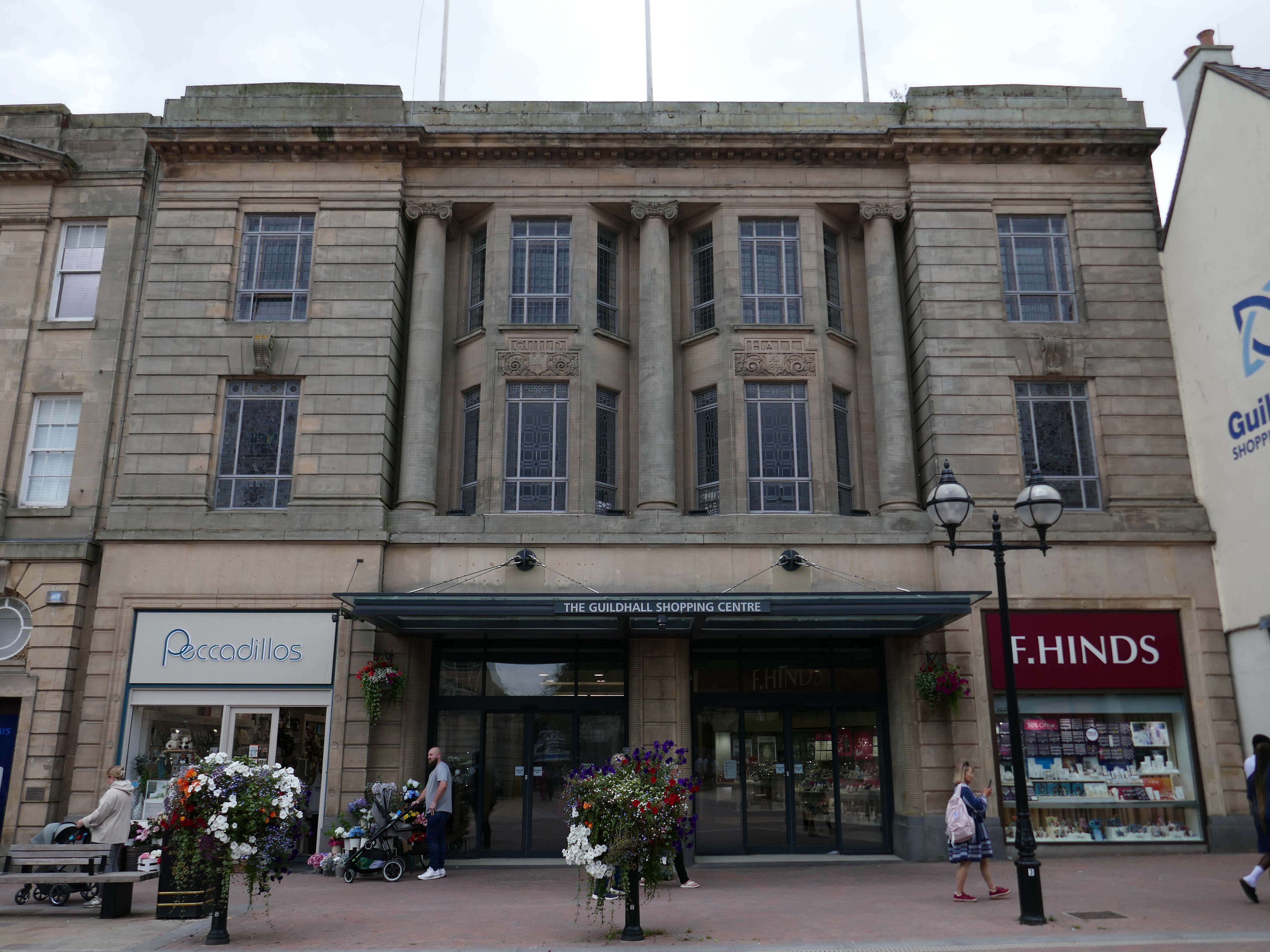
The Classical stone frontage of the Guildhall Shopping Centre.
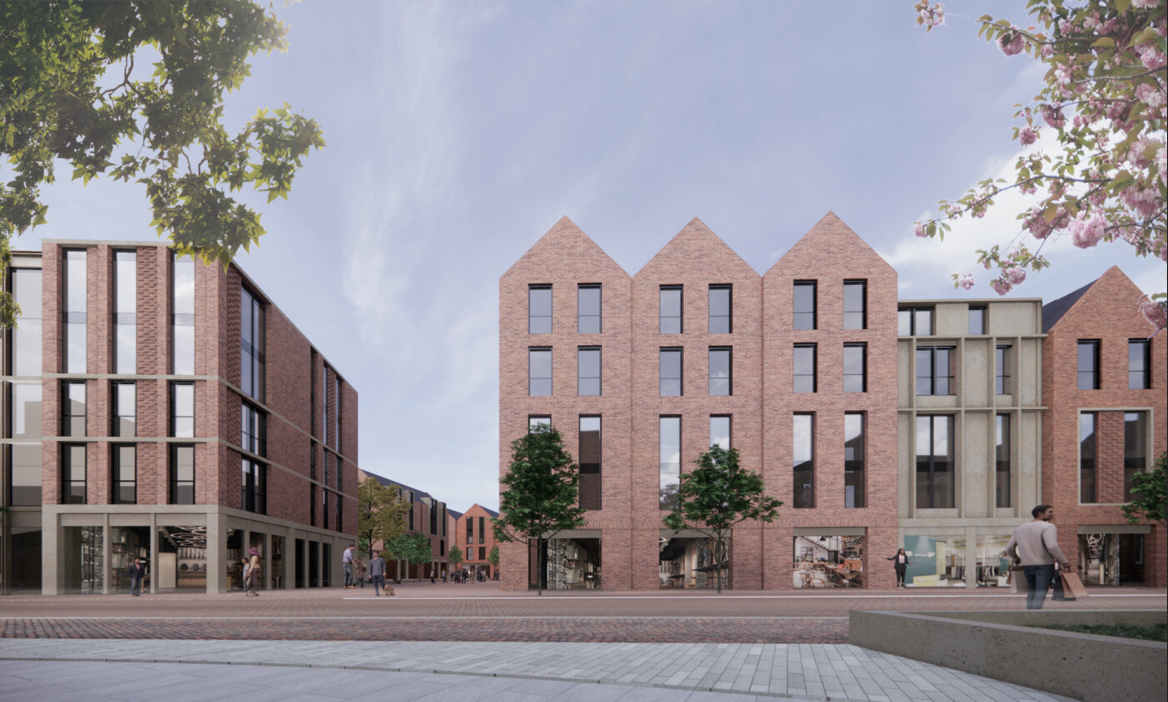
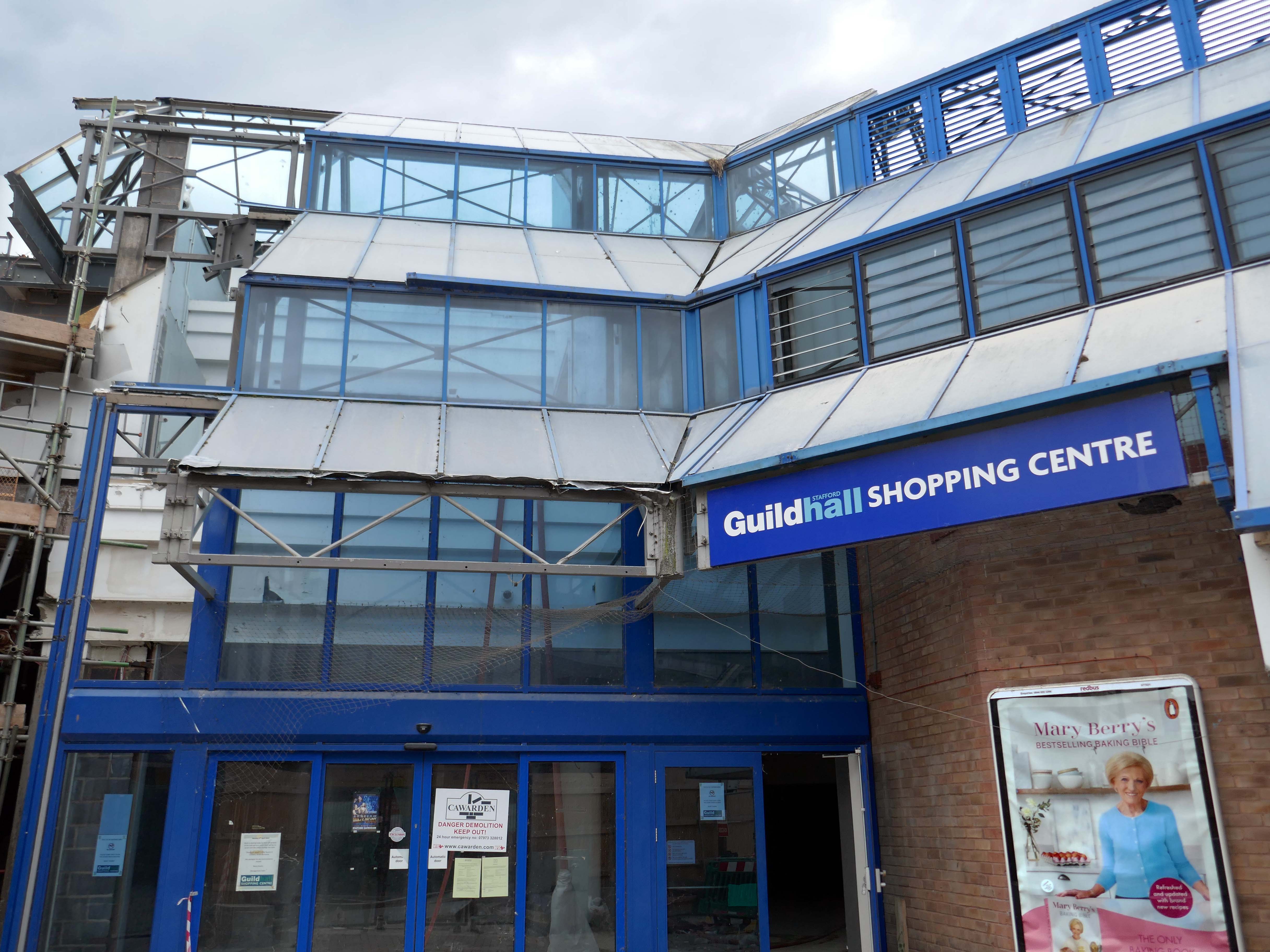
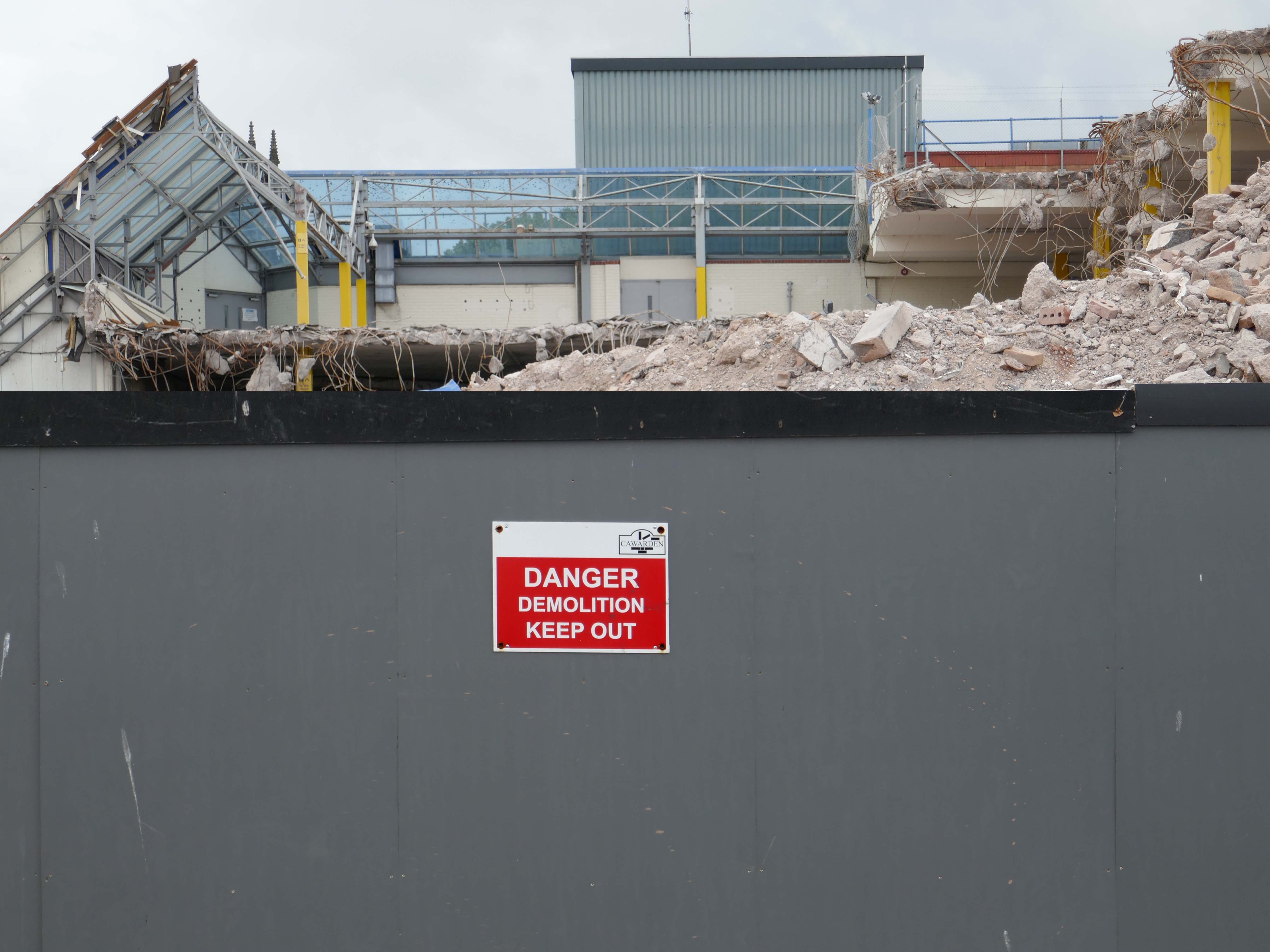
Working with Mercia Real Estate, Glancy Nicholls Architects have designed a contextual mixed-use scheme in the heart of Stafford Town Centre, within the footprint of a disused shopping centre. This includes the regeneration of the 1930’s Guildhall building that serves as the main entrance to the shopping centre and the listed Market Square building.
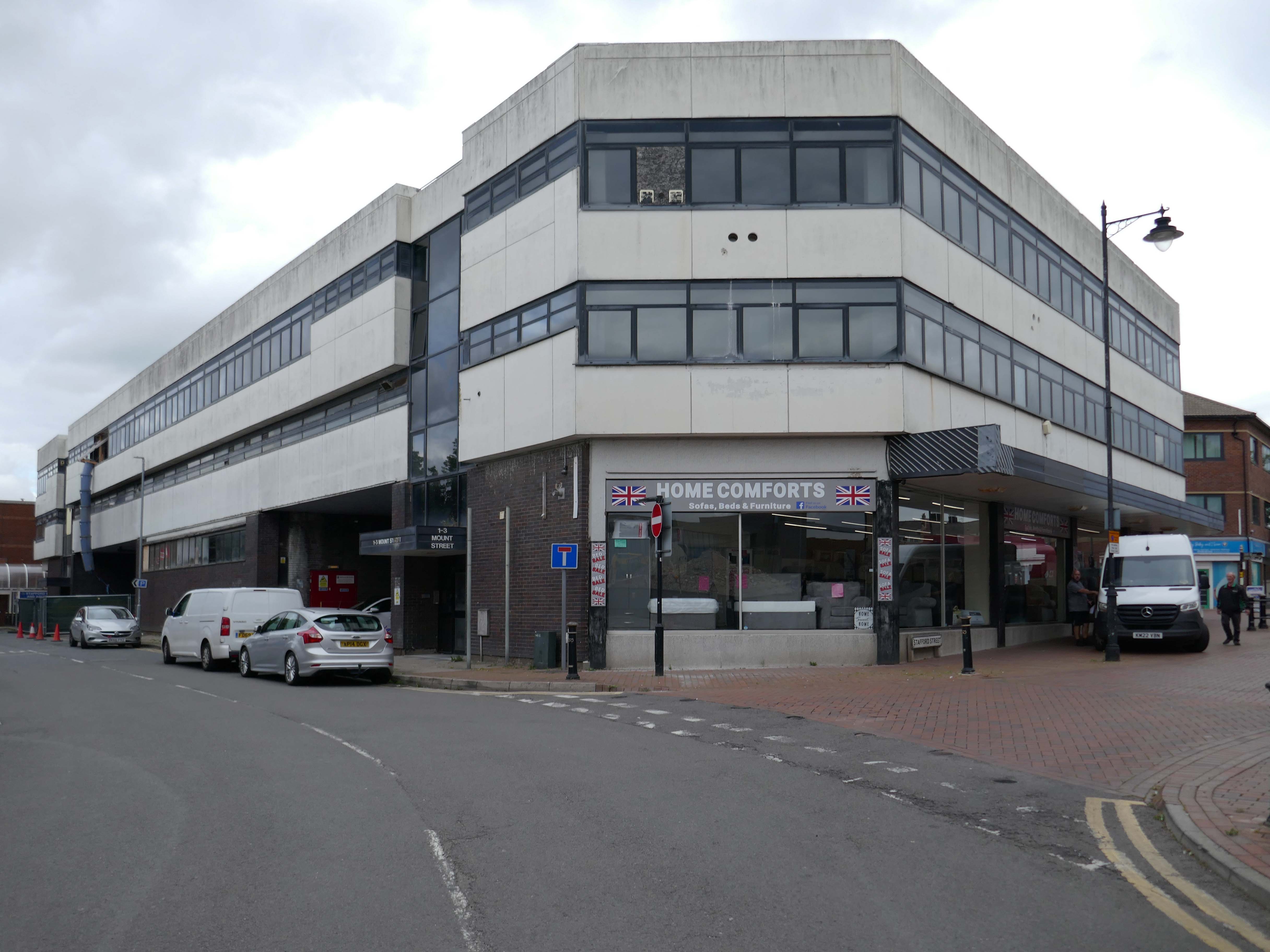
Around the corner a somewhat neglected retail development.
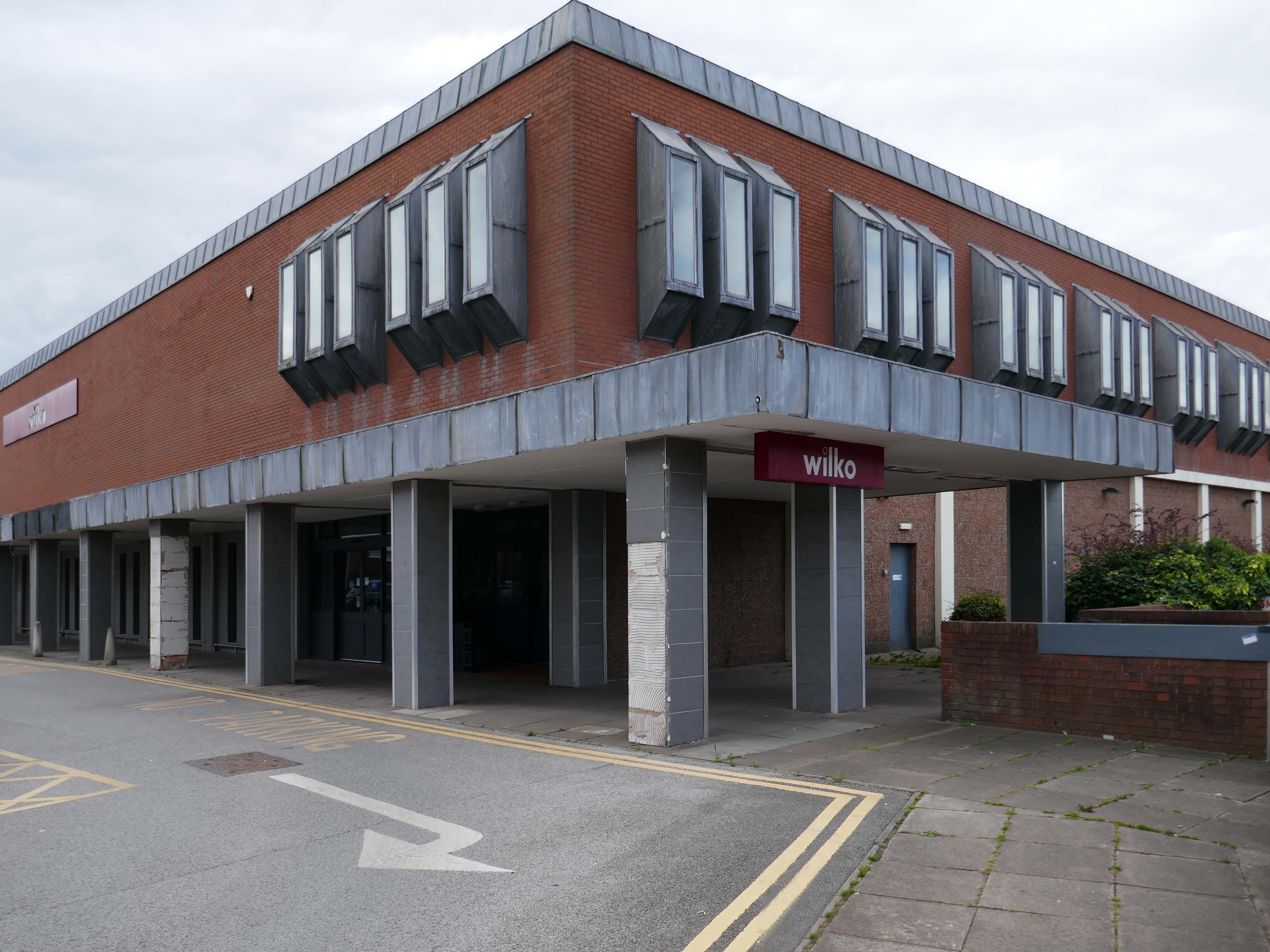
And a long lost Wilko.
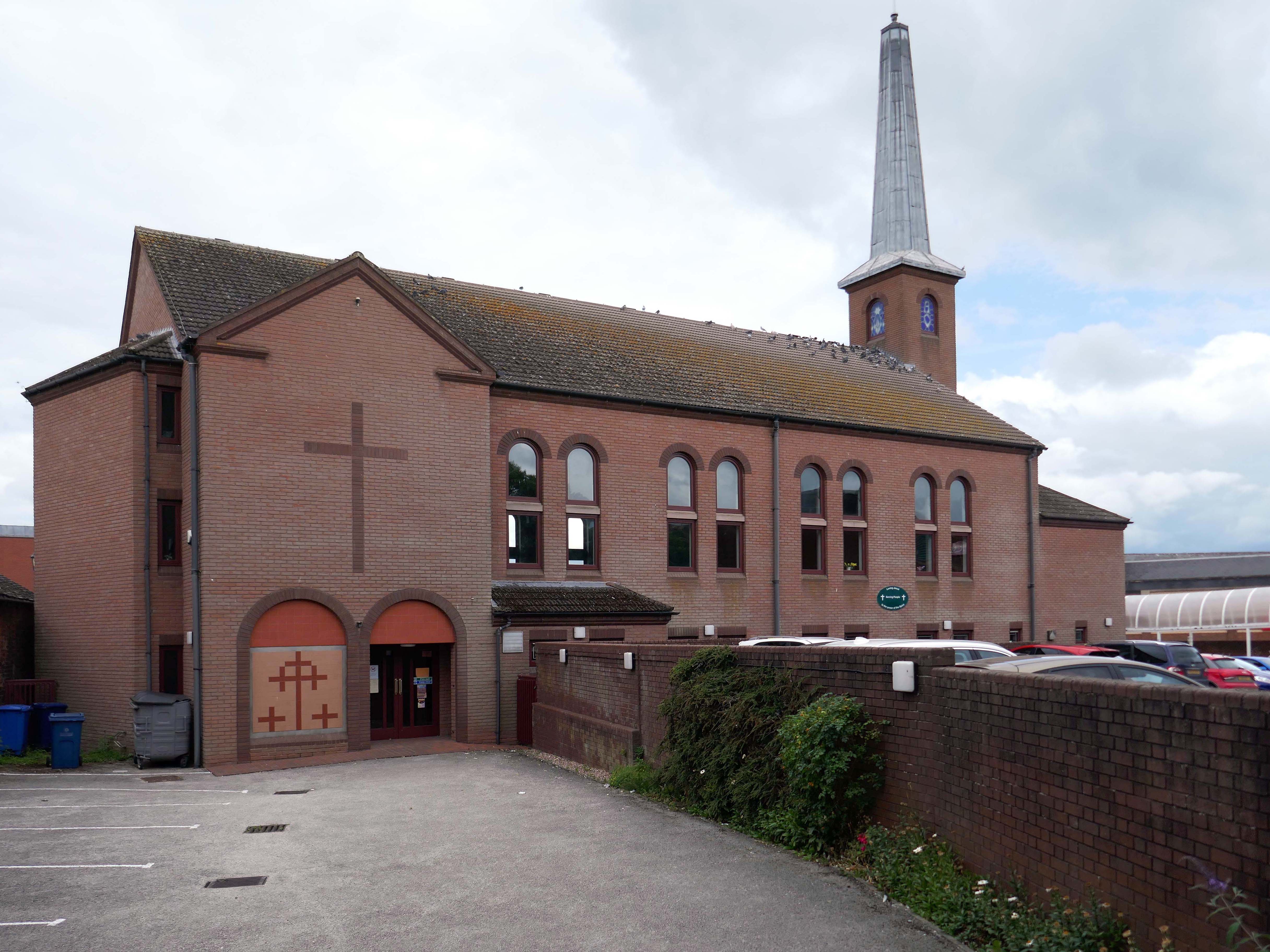
Amidst it all the curious time warp that is Trinity Church 1988.
It is used by Methodist and United Reformed Church congregations.
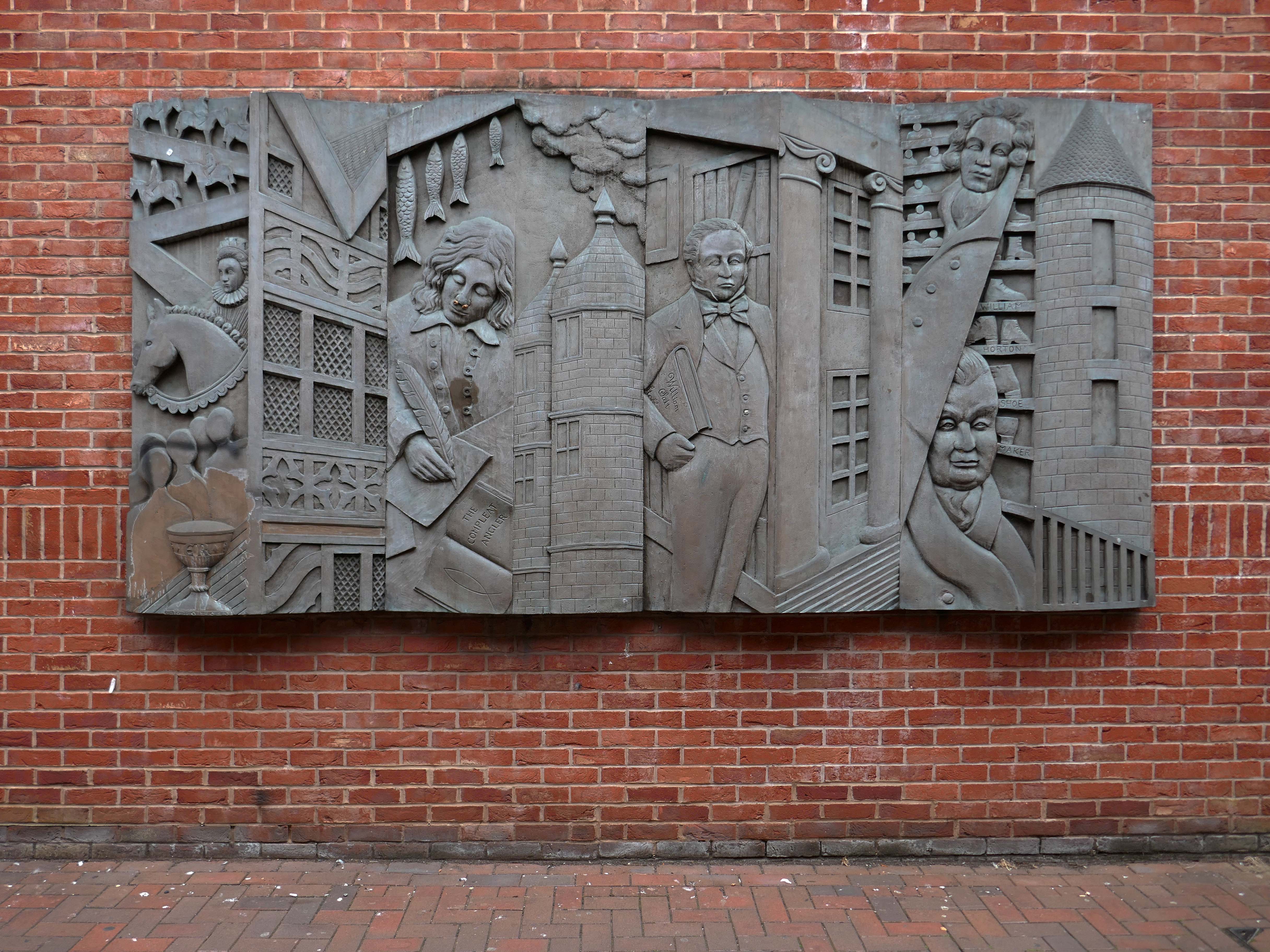
Tucked away in a minor maze of retail a piece of figurative commemorative public art by Glynis Owen Jones, entitled Stafford Faces.
Around the corner a big B&M.
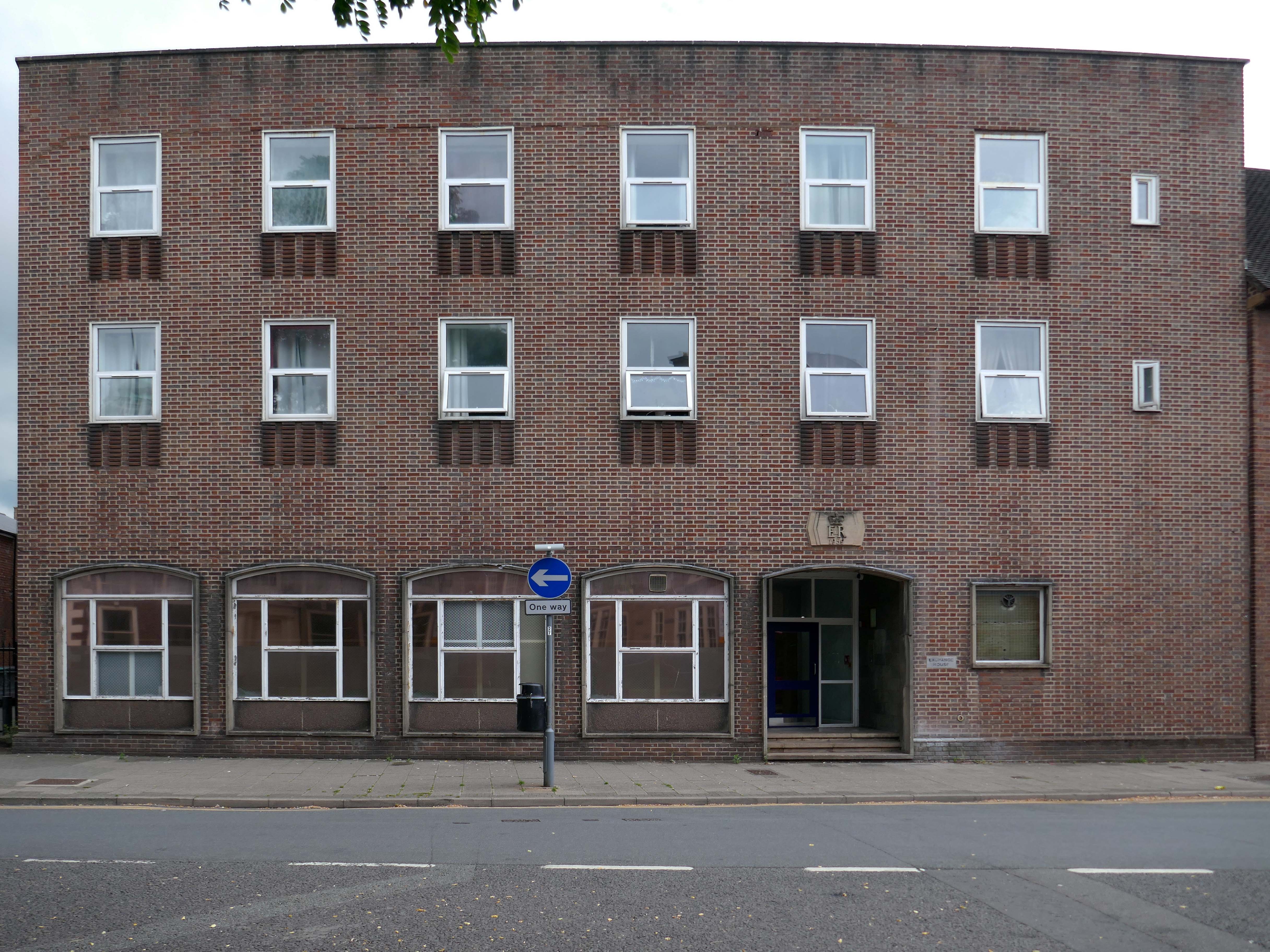
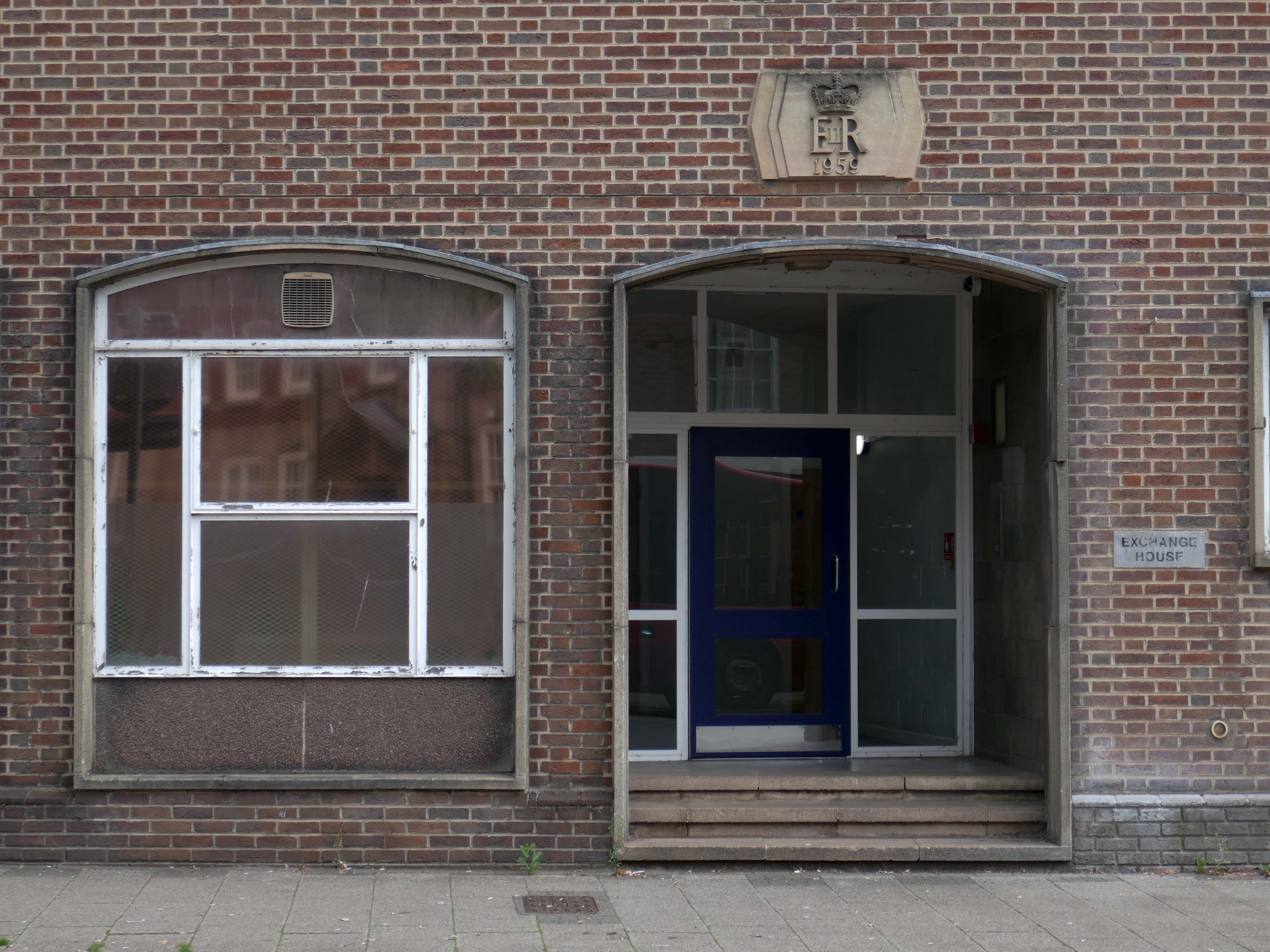
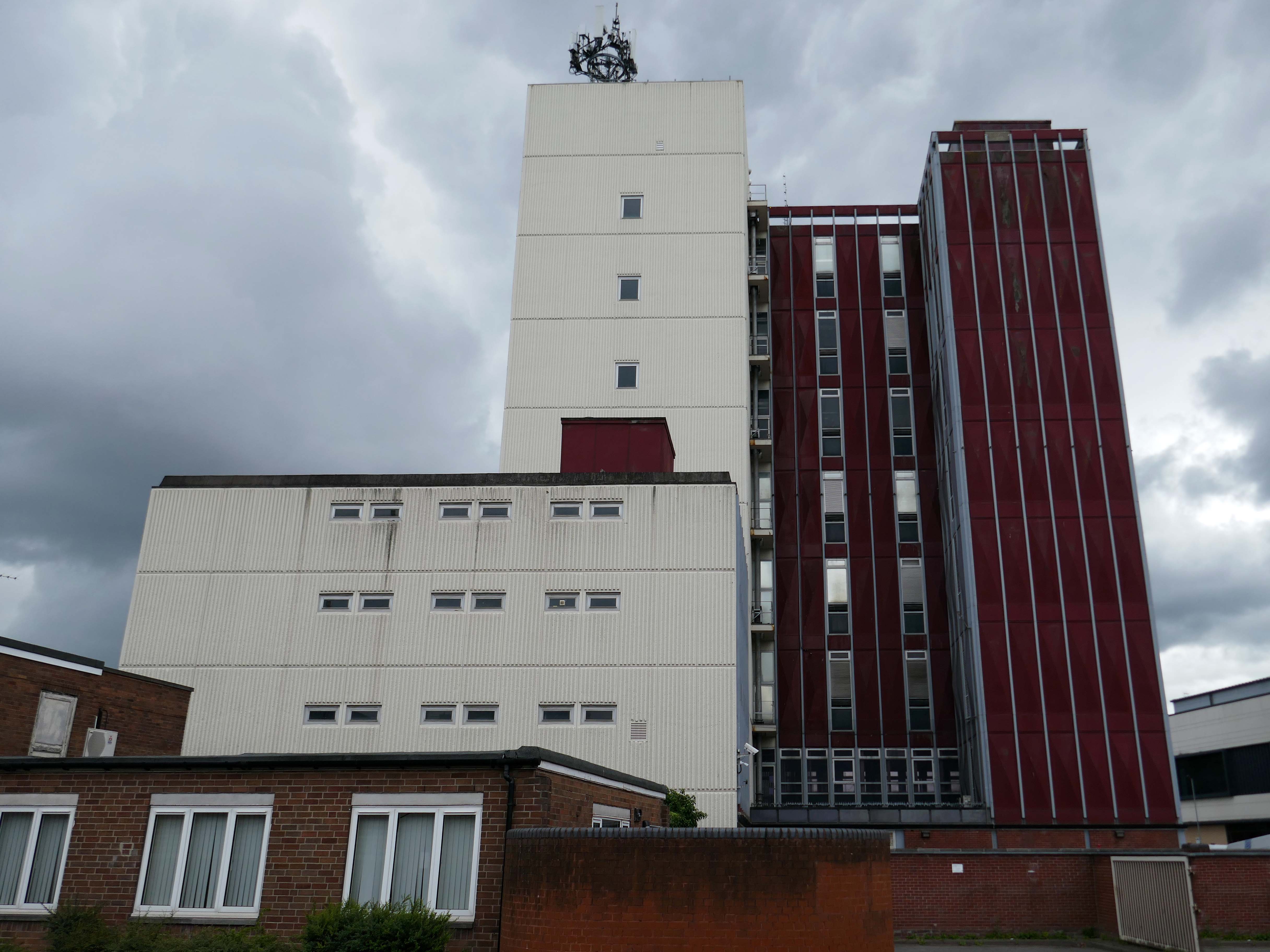
Further along a brick FoB Telephone Exchange of 1959.
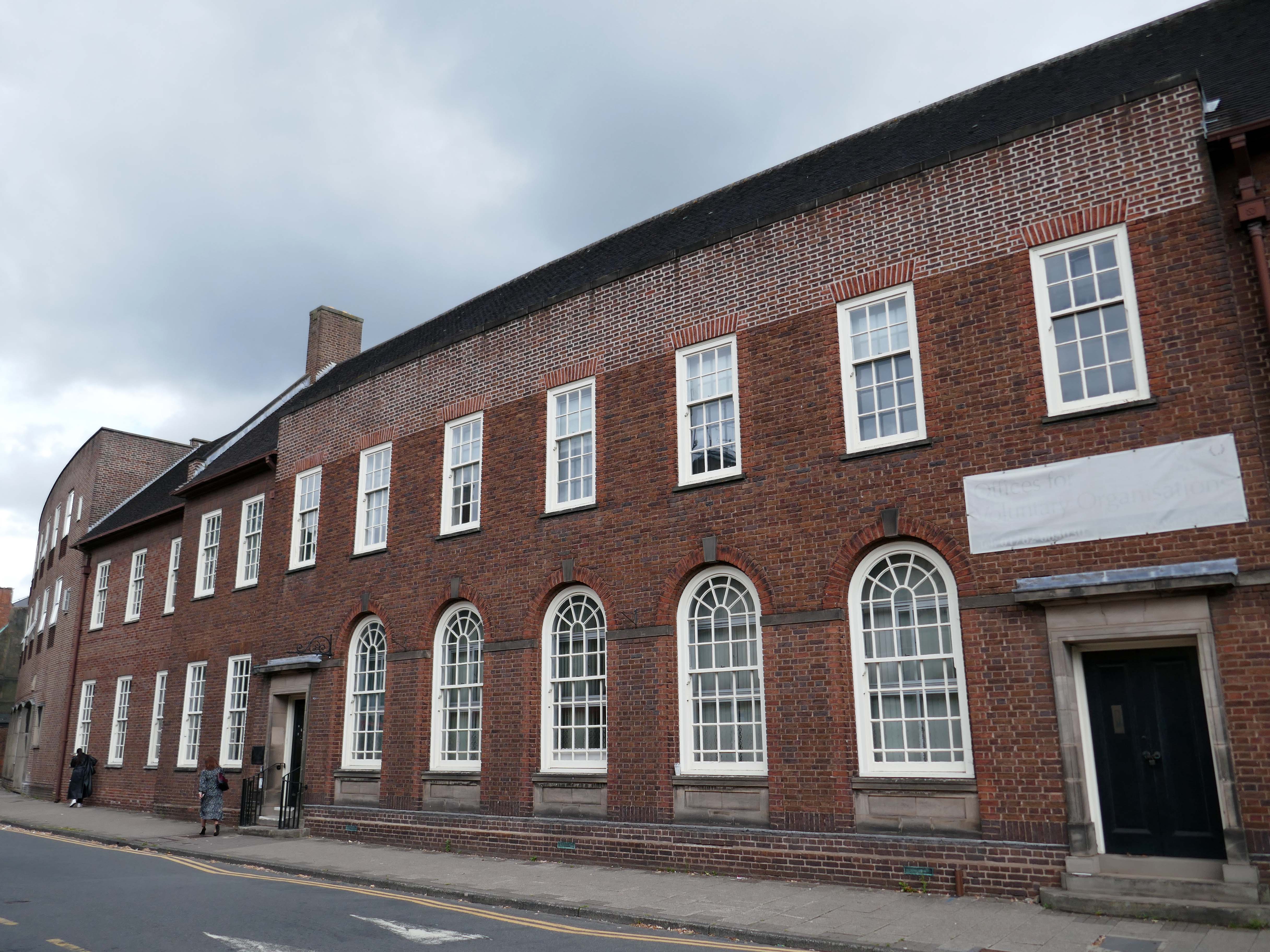
Adjoined by the County Records building.
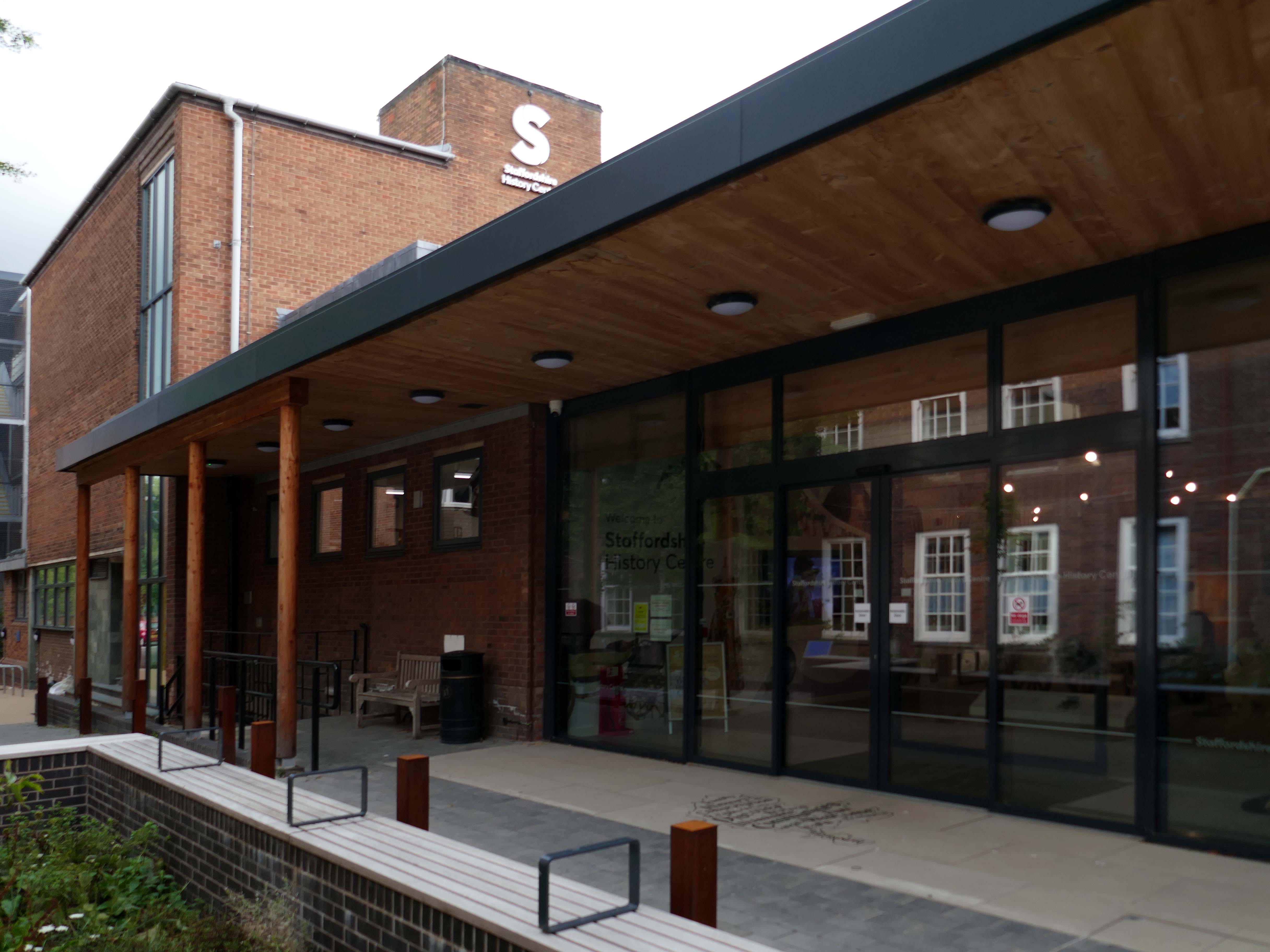
Pringle Richards Sharratt Architects have been appointed by Staffordshire County Council to create a new History Centre for Staffordshire and Stoke on Trent.
The new £4m centre will be located on Eastgate Street in Stafford and will hold historical records and collections up to 1,000 years old.
The scheme will help to provide a rejuvenated service combining the existing Records Office building and William Salt Library, in Stafford and provide a welcoming destination for all of those with an interest in local history. This will include bringing on to the Stafford site the Lichfield Records Office and aspects of the County museum.
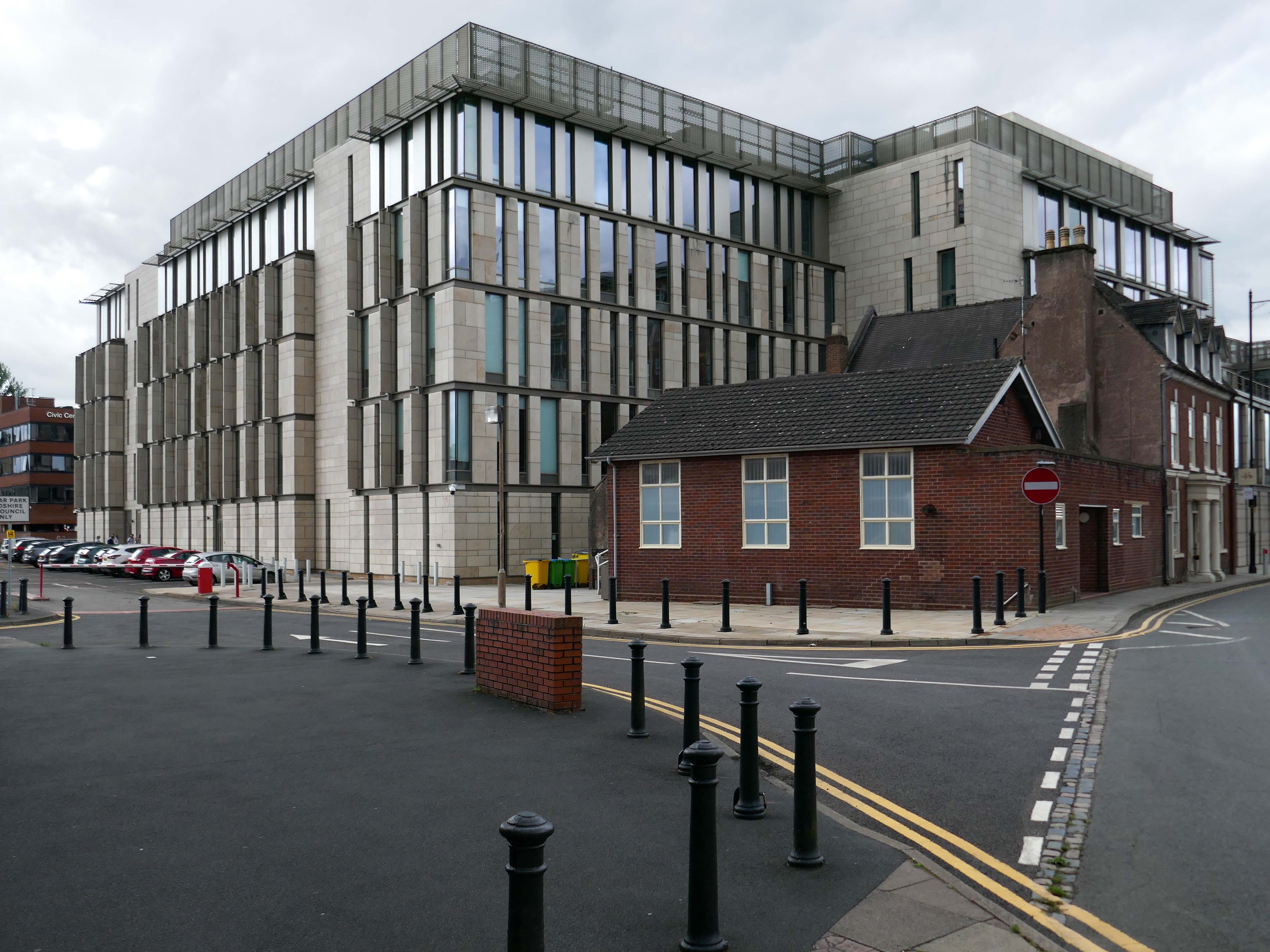
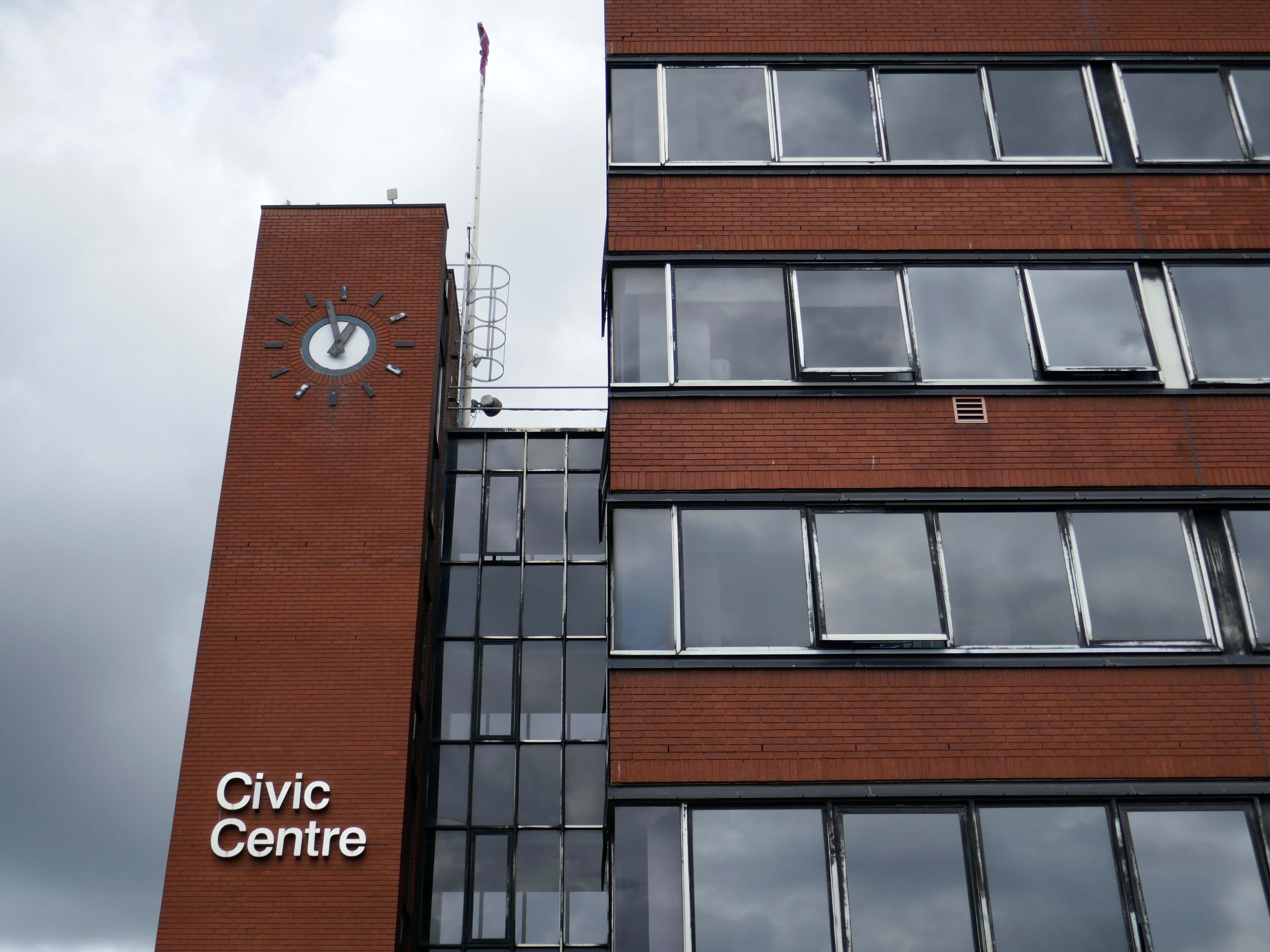
Further FoB in the Civic Building.
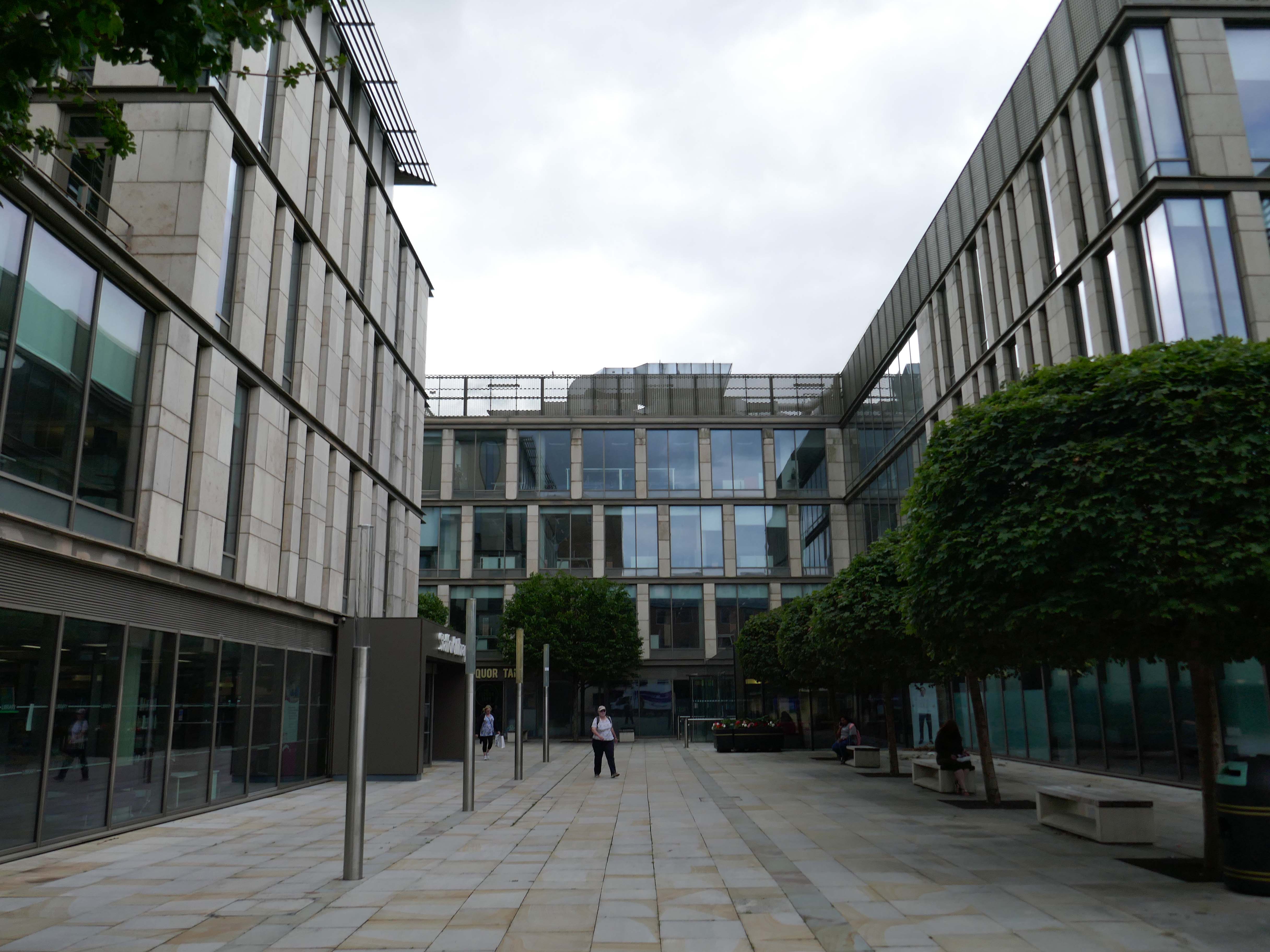
Close by the Staffordshire Place a civic and retail mixed use development.
Our scheme delivers 135,000 ft2 of high quality contemporary office space across two buildings linked by a new town square. The ground floor incorporates a mix of retail and leisure uses around a sequence of smaller public spaces to maximise the amount of visible active frontage and create a natural extension to the town centre.
Sustainability issues fundamentally informed the design approach, from mitigating energy consumption to ‘future proofing’ the finished building. The building achieves a BREEAM ‘Excellent’ rating and a European Energy Performance of Buildings Directive Rating ‘A’.
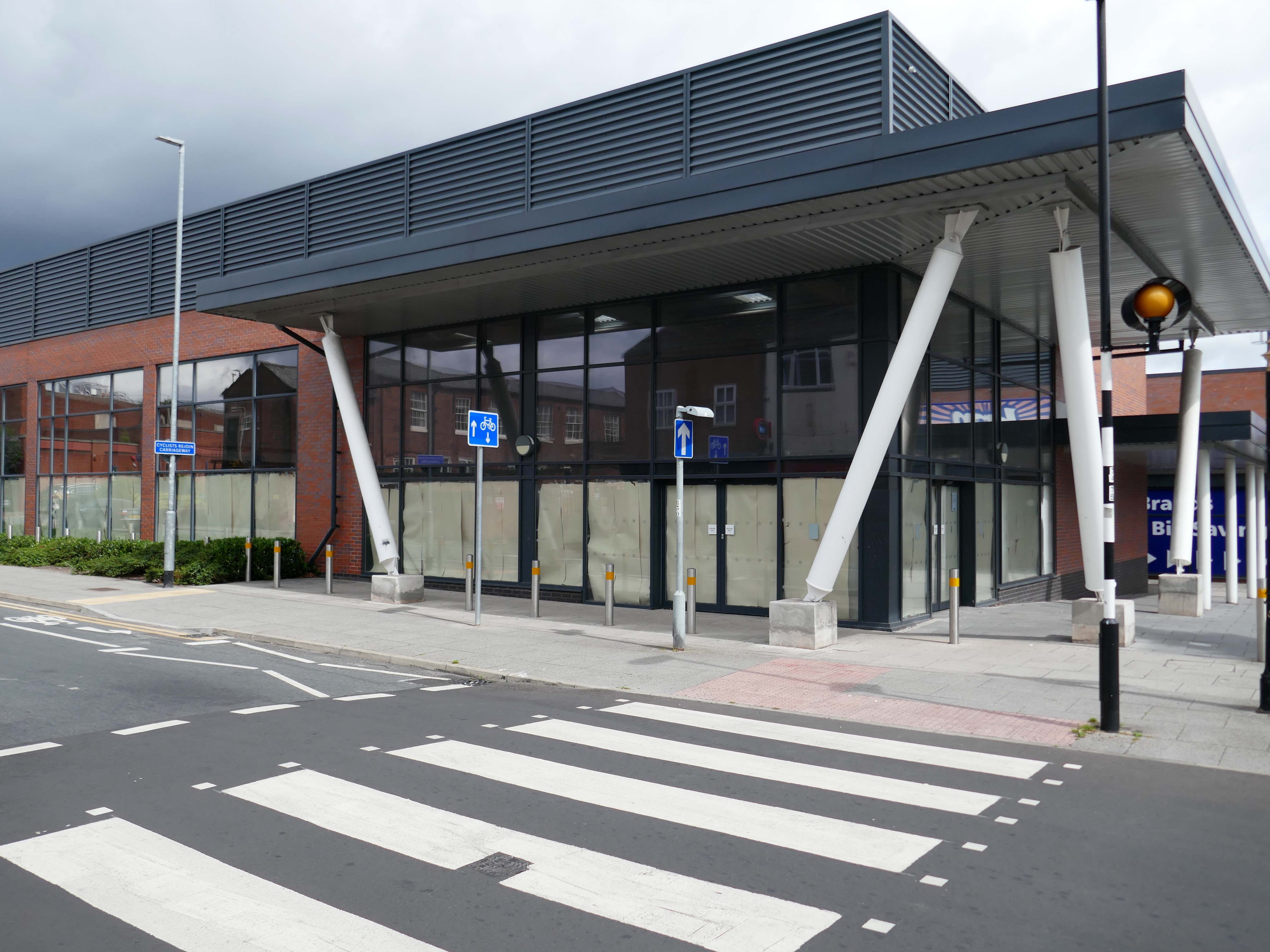
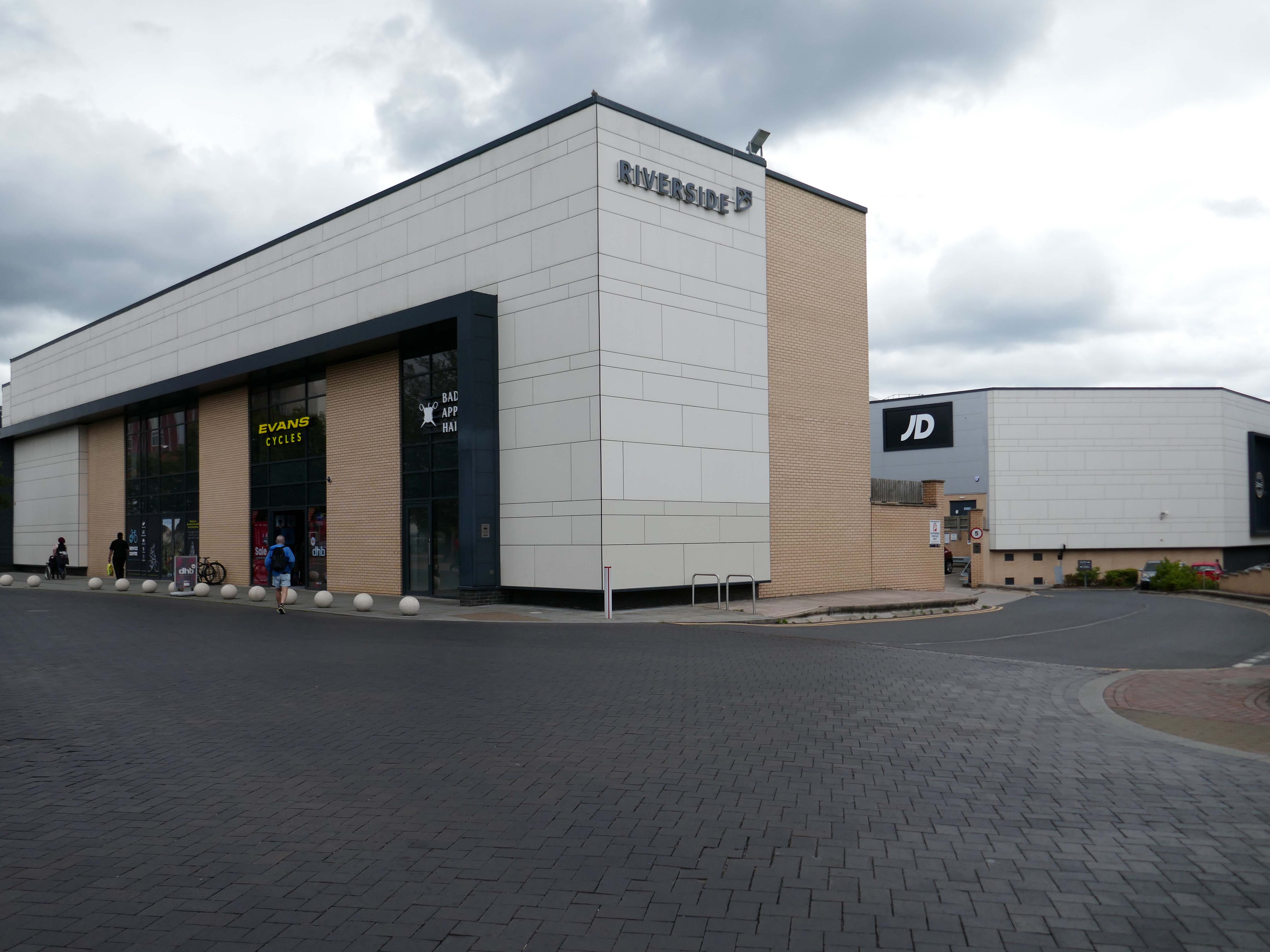
Surprise surprise another retail development Riverside.
£70m riverside town centre retail and leisure development in the heart of Stafford. The 230,000 sq. ft. scheme anchored by M&S will deliver 18 retail units arranged over ground and first floors, five leisure units and a six-screen cinema to complement and strengthen the town centre economy and create new businesses and jobs.
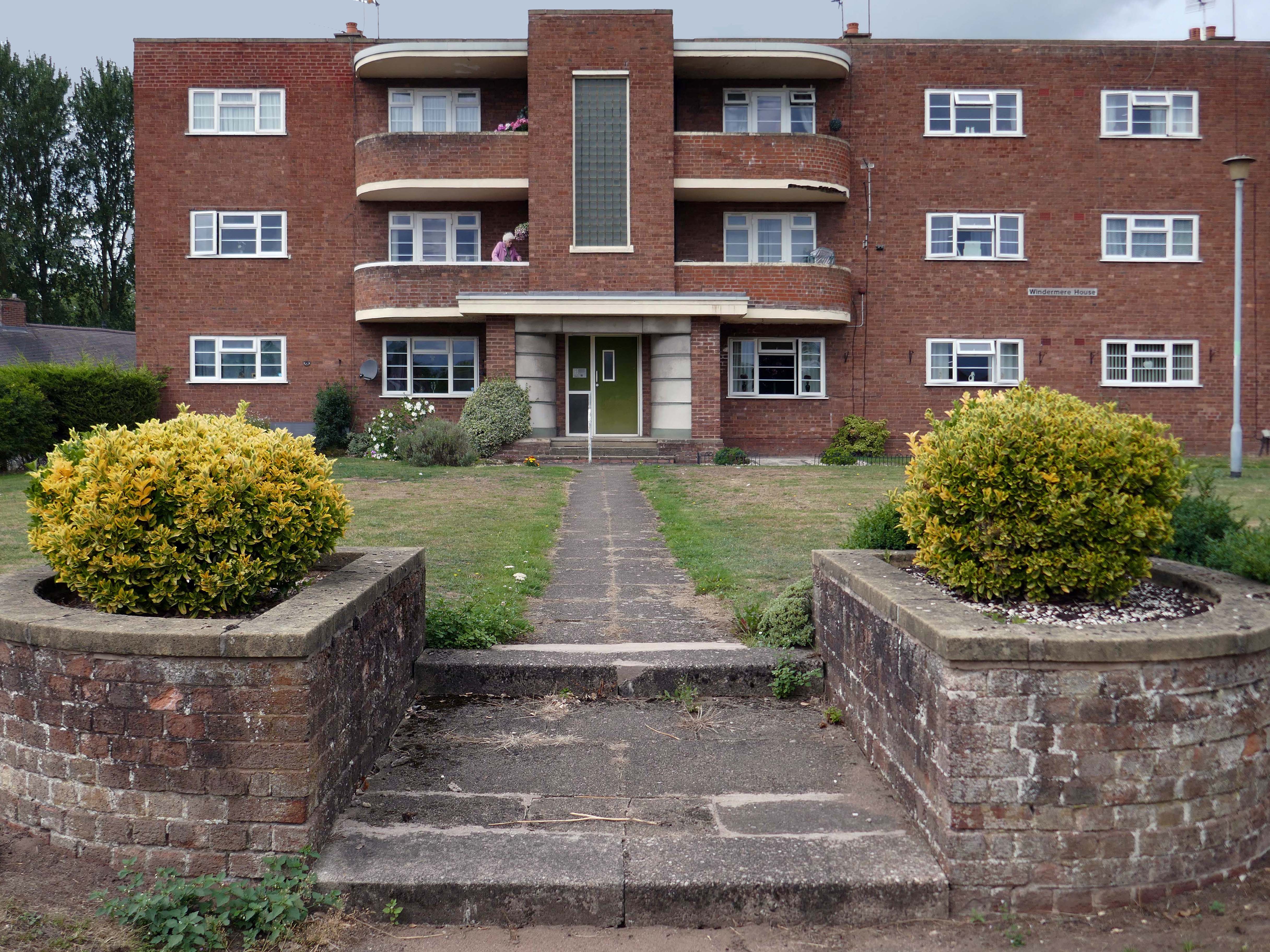
Coniston, Windemere and Rydal were among the first council homes to be built in Stafford, between 1951-52, under the direction of County Architect CM Coombes.
The flats were built as a result of The Housing – Financial and Miscellaneous Provisions Act 1946, which gave subsidies to local authorities to provide social housing. The expansion of the Borough Council’s civic duties included the employment of County Architects, in this case CM Coombes FRIBA, to whom these flats are attributed.
54 flats were built in total, to a distinctly Modernist design, and their appearance and setting are very well preserved.
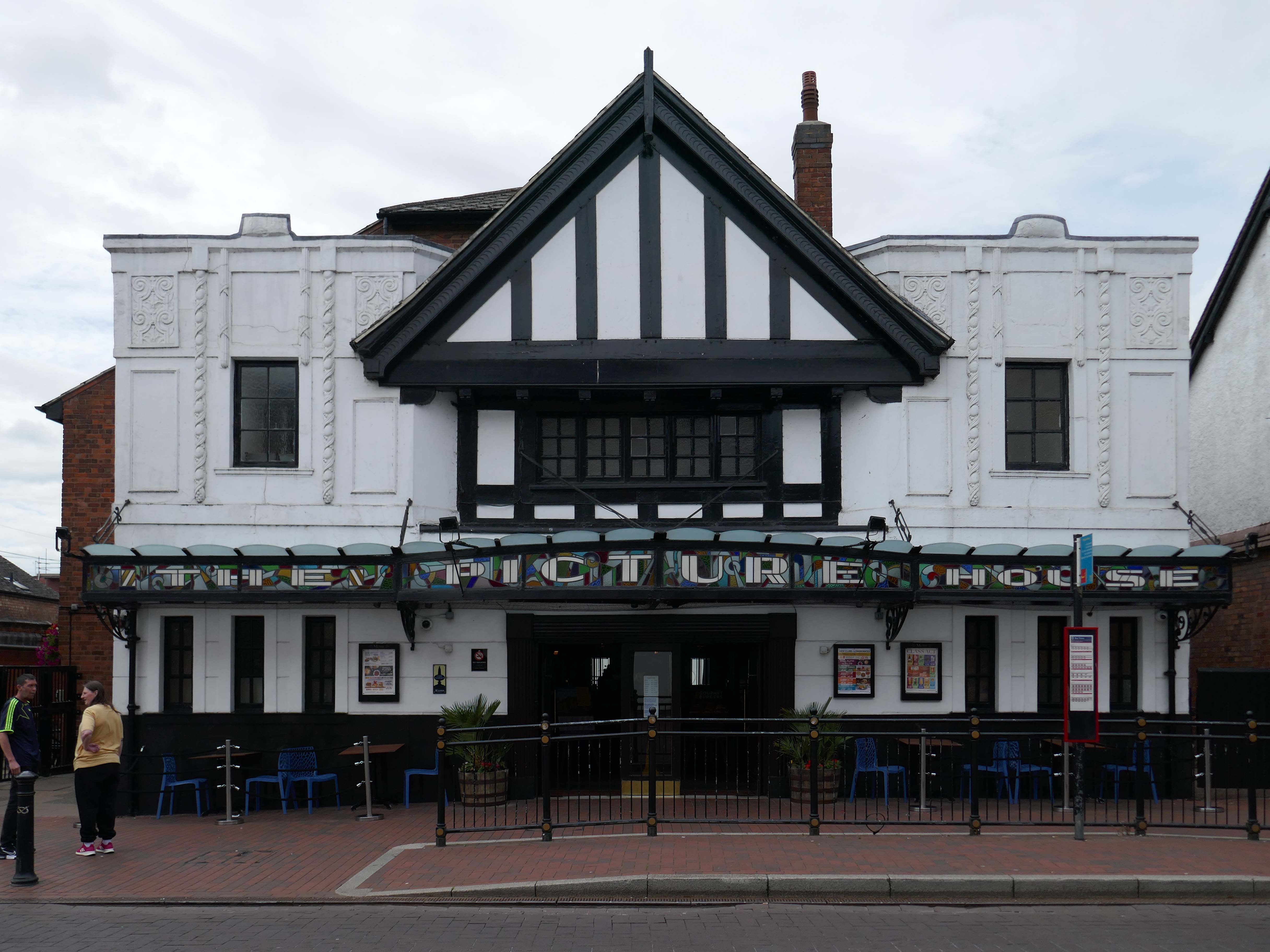
Let’s head back into the town centre – to the Grade II ListedPicture House 1914
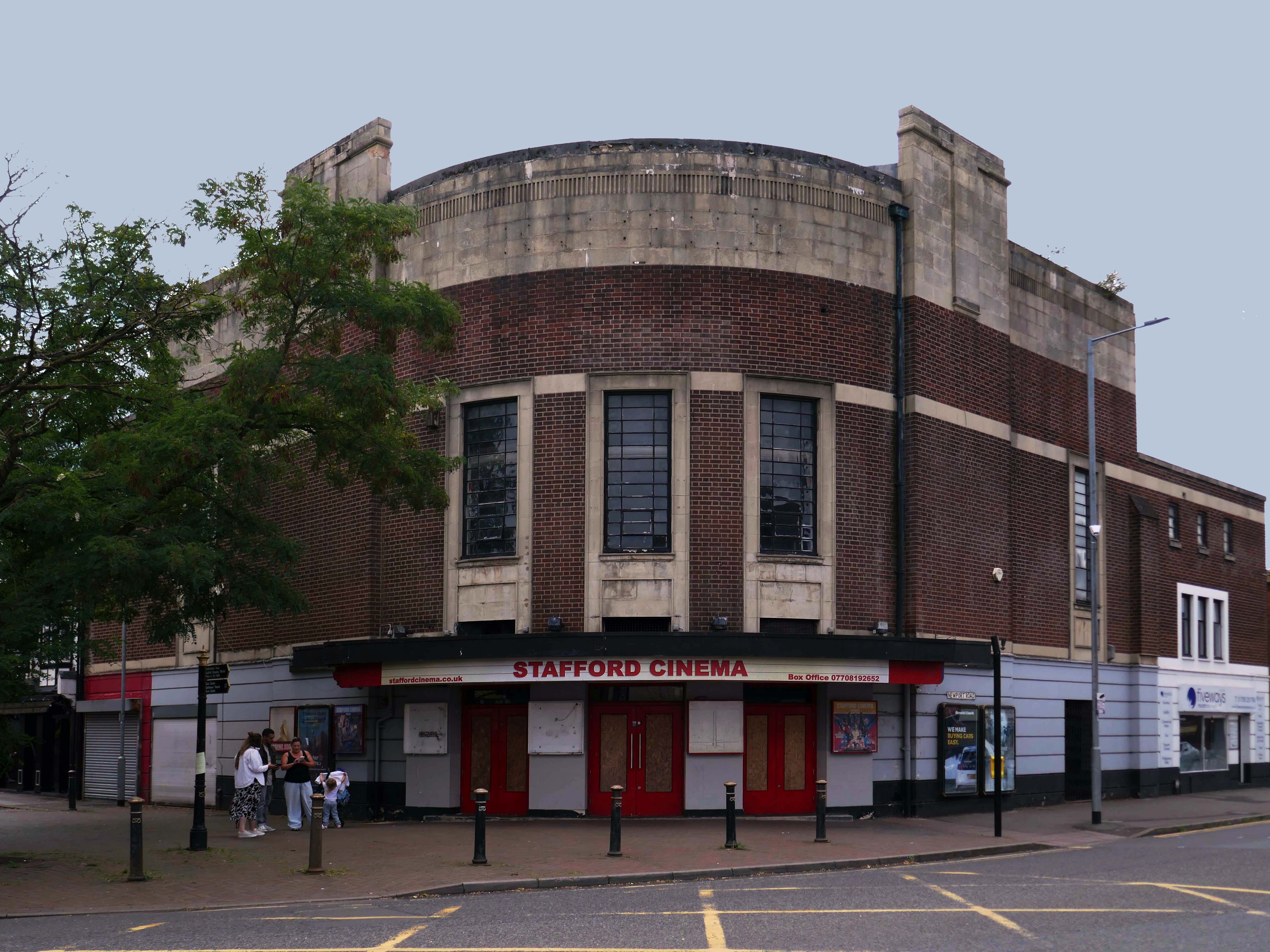
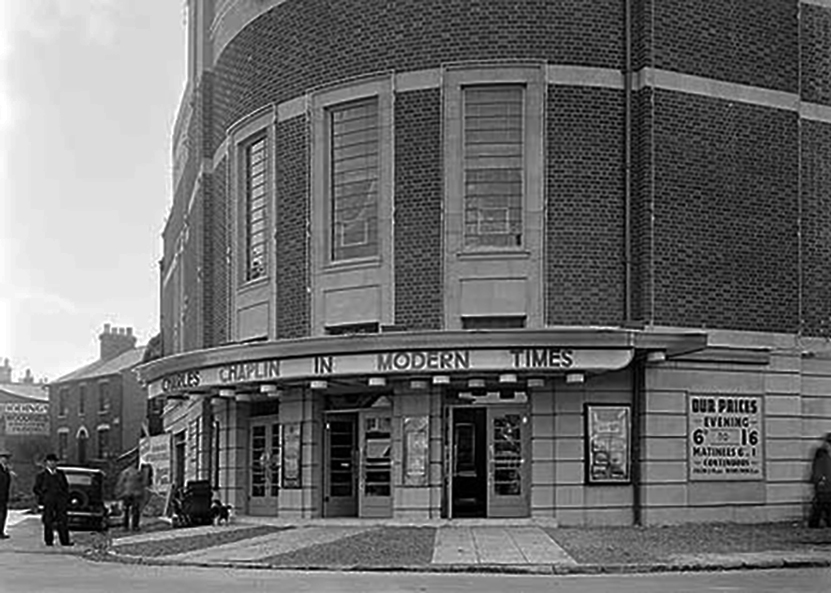
The Picture House was closed on 30th March 1995 after a three week run of Disclosure starring Michael Douglas, there were seventy eight attending the final performance.
It was disposed of by the Rank Organisation in July 1981 and was taken over by the Hutchinson Leisure Group who re-named it Astra Cinema. In December 1981 it was tripled with 435 seats in the former stalls and two mini cinemas in the former circle seating 170 and 168.
In 1988 it was taken over by Apollo Cinemas and re-named Apollo Cinema. The downstairs cinema was closed and became a bingo club for a couple of years, during which time the two mini cinemas in the former circle remained open. The bingo operation gave way to films again in 1990 and all three screens were again open, with seating for 305, 170 and 164. In January 2014 it was taken over by the Curzon Cinemas chain and renamed Stafford Cinema.
It was closed on 18th December 2017 with Star Wars:The Last Jedi.
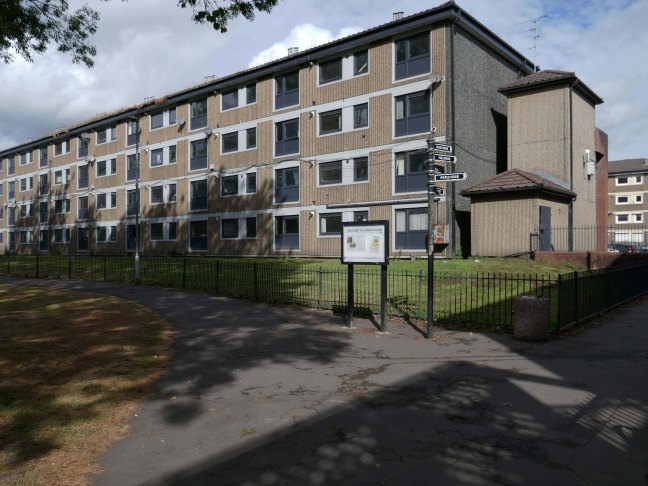
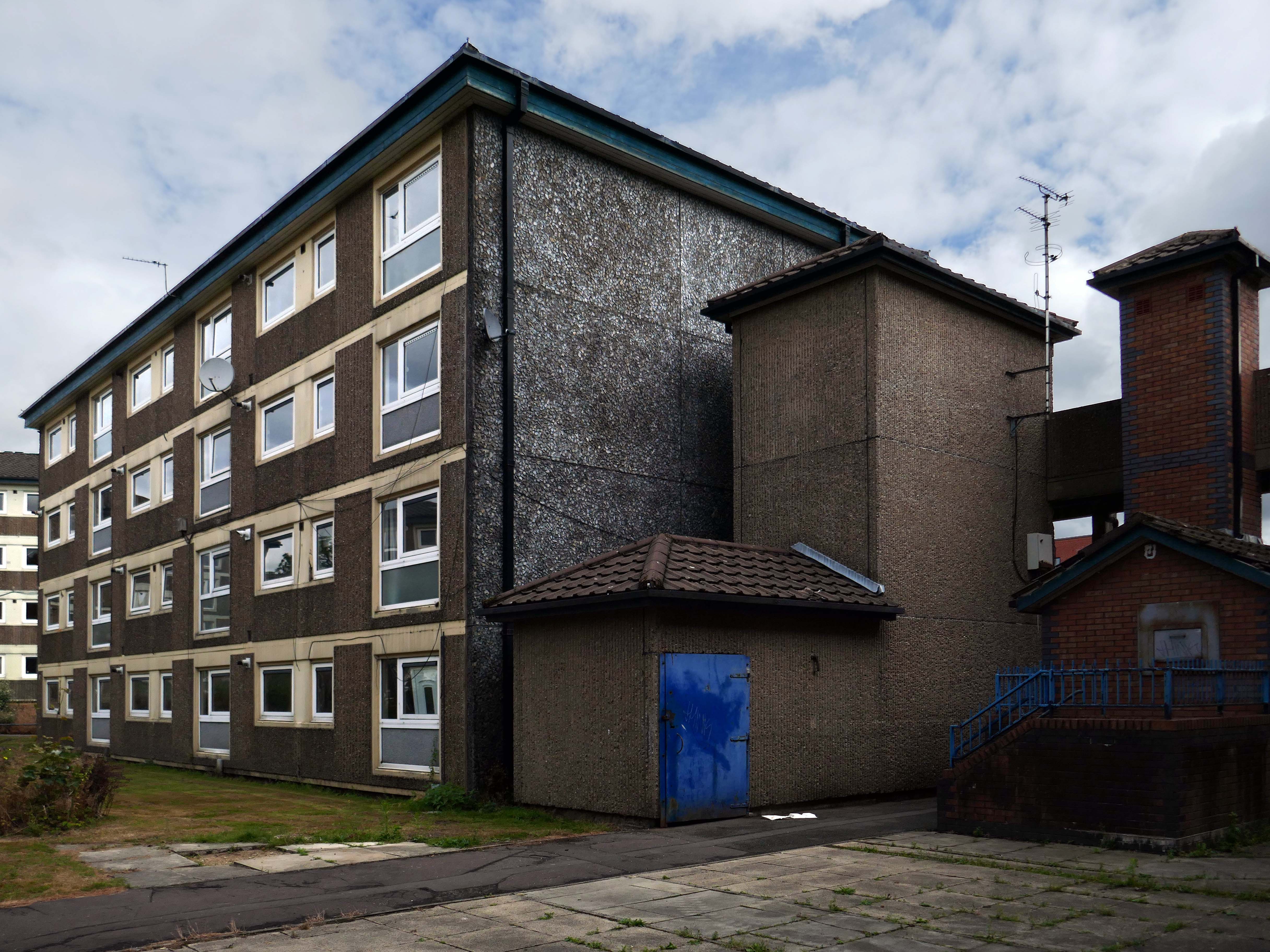
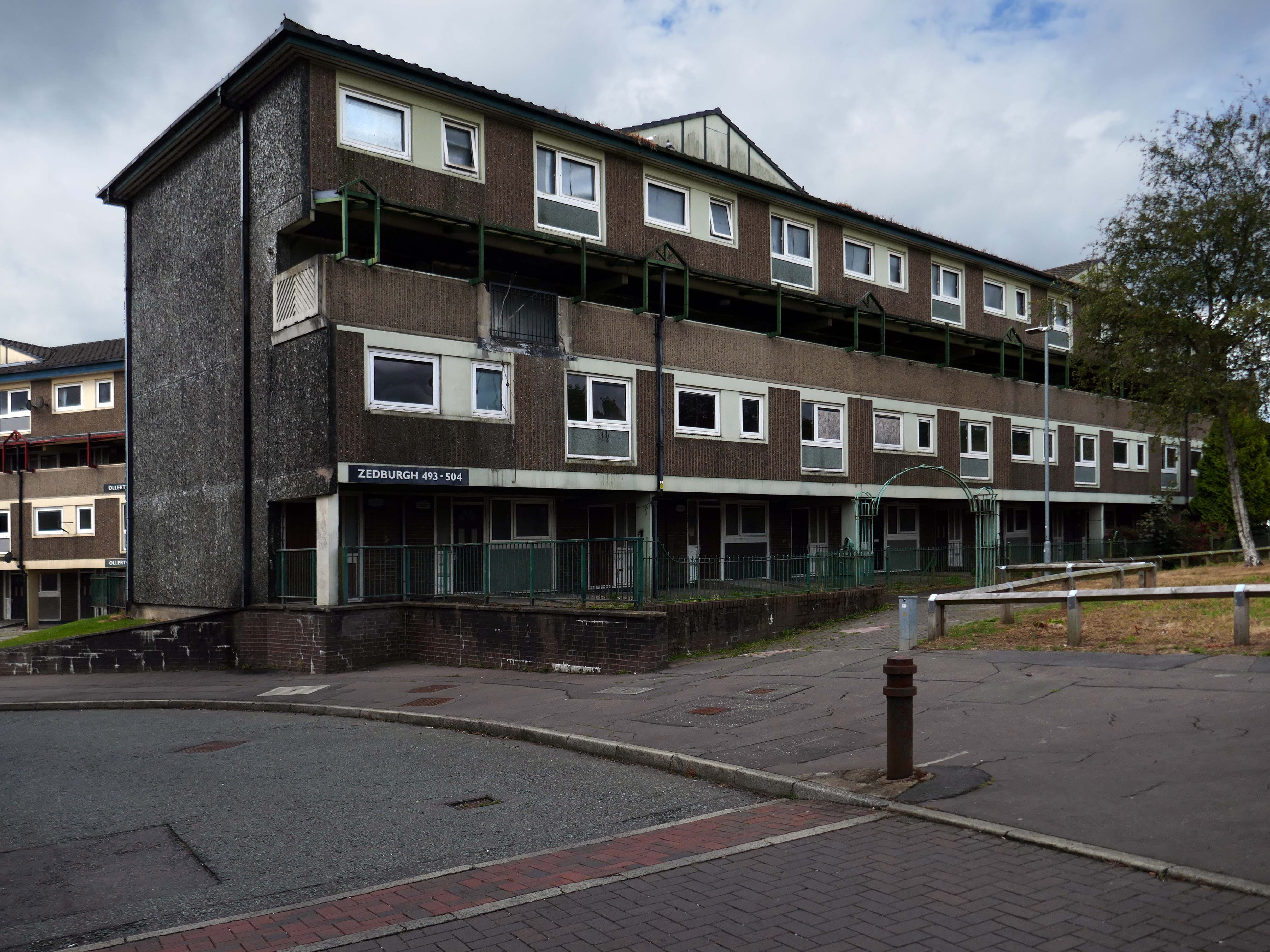
I came along to take a look aroundin 2017 – at this point all of the homes are occupied.
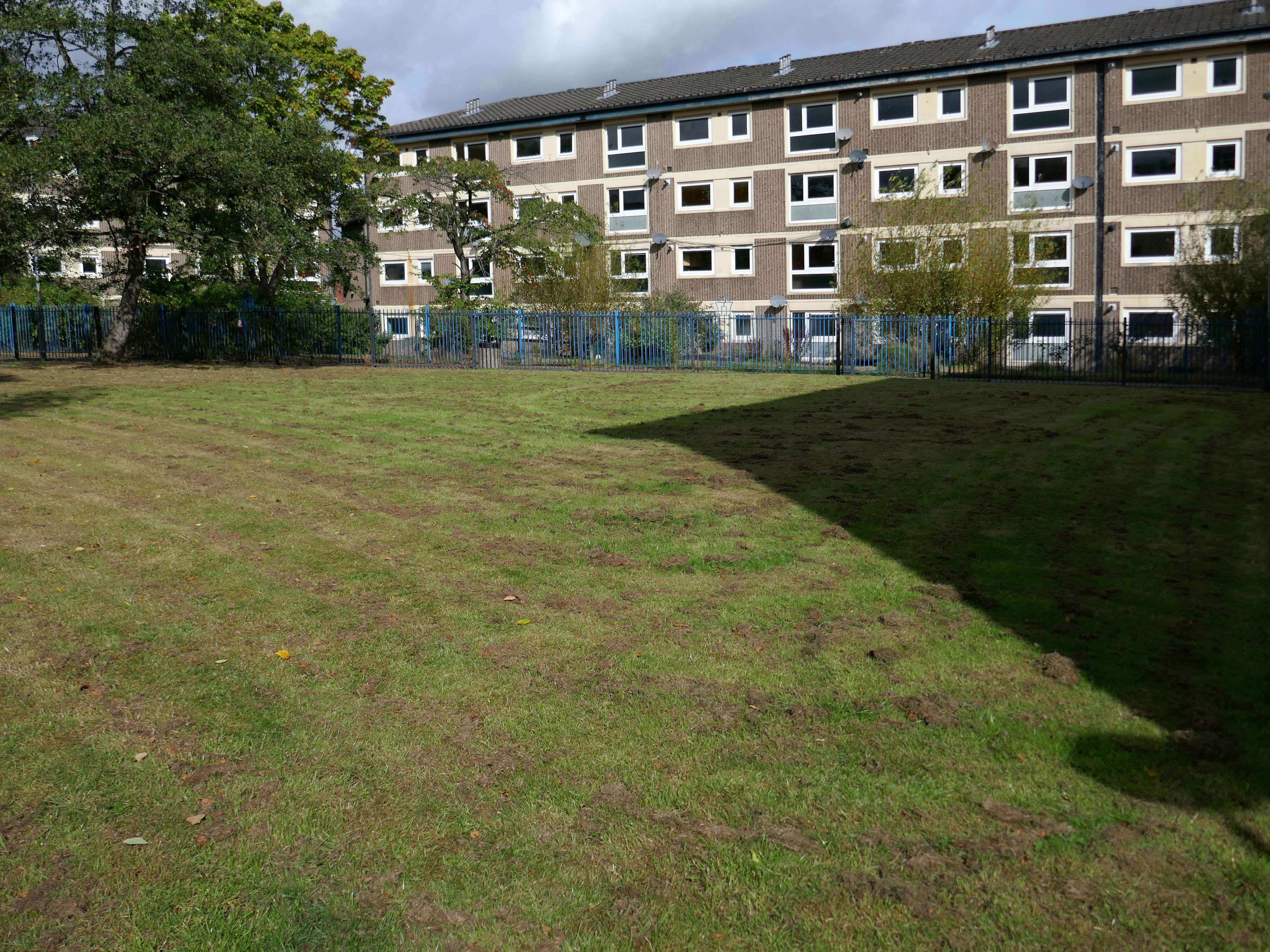
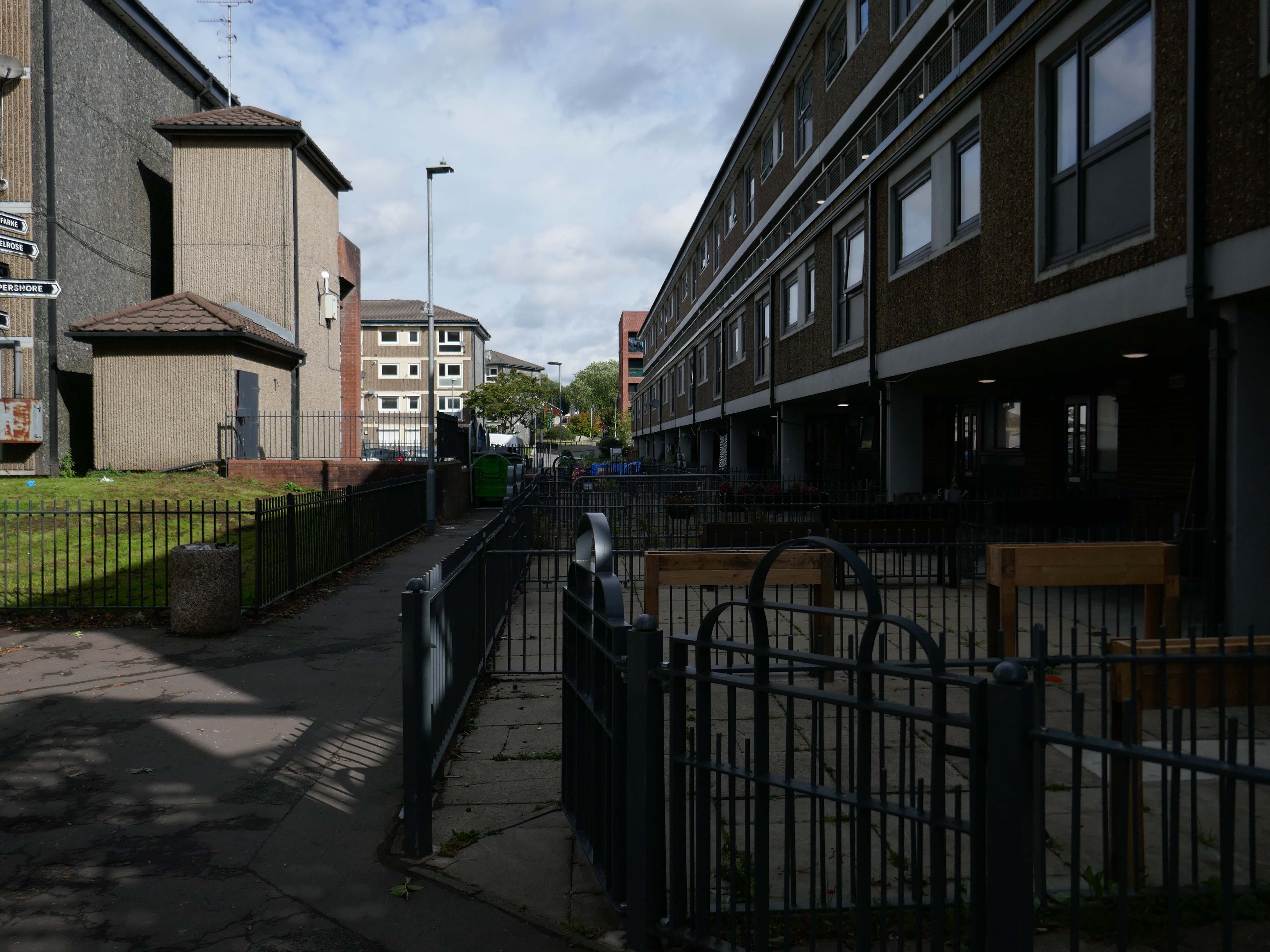
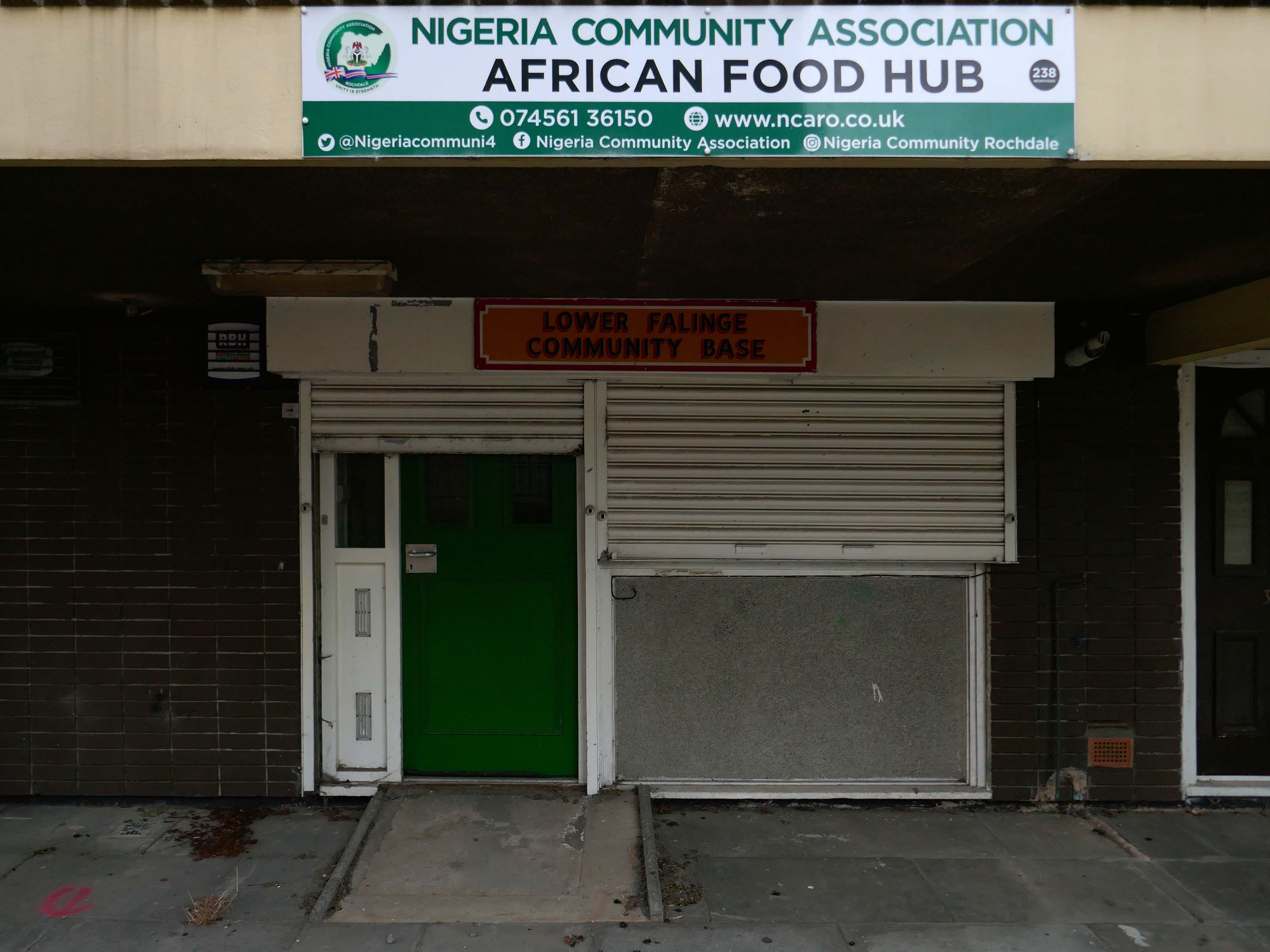
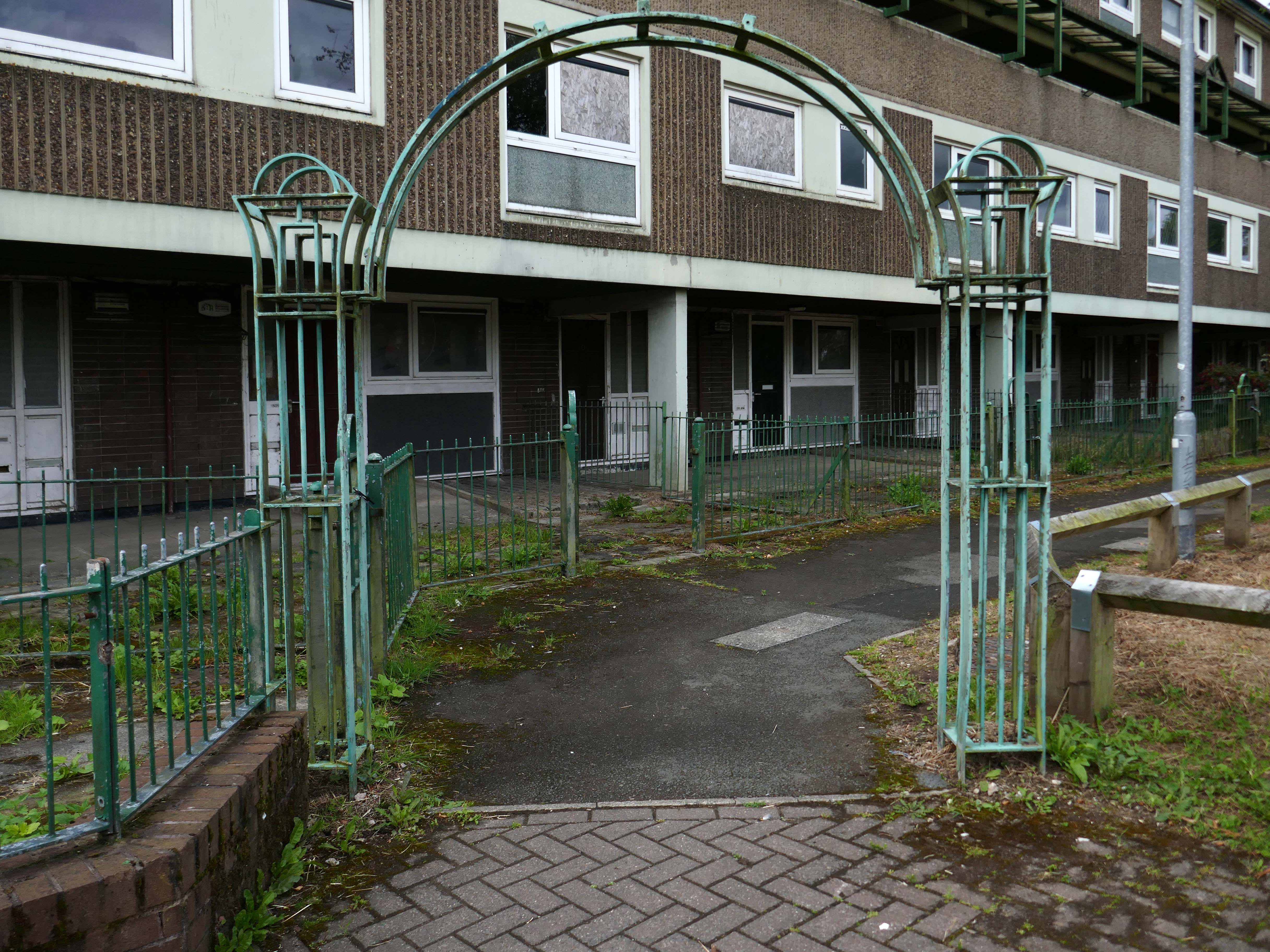
Fast forward to 2025 and the estate looks very different, a minority of the blocks have been refurbished.
The remainder have been, or are to be demolished.
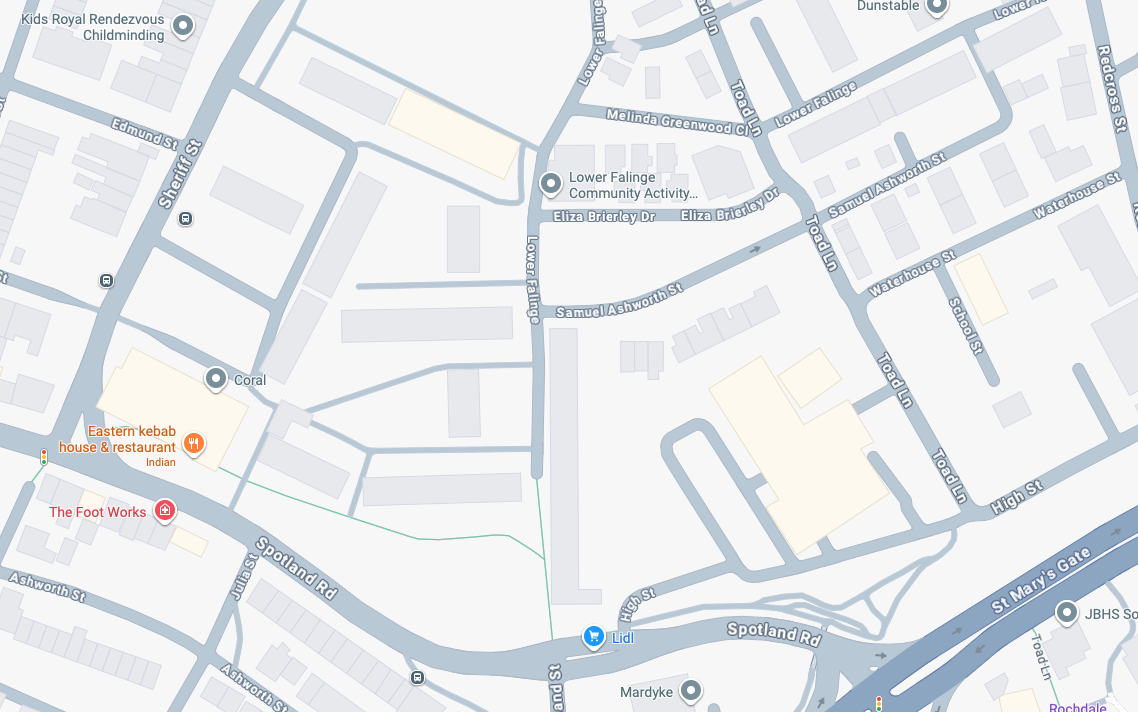
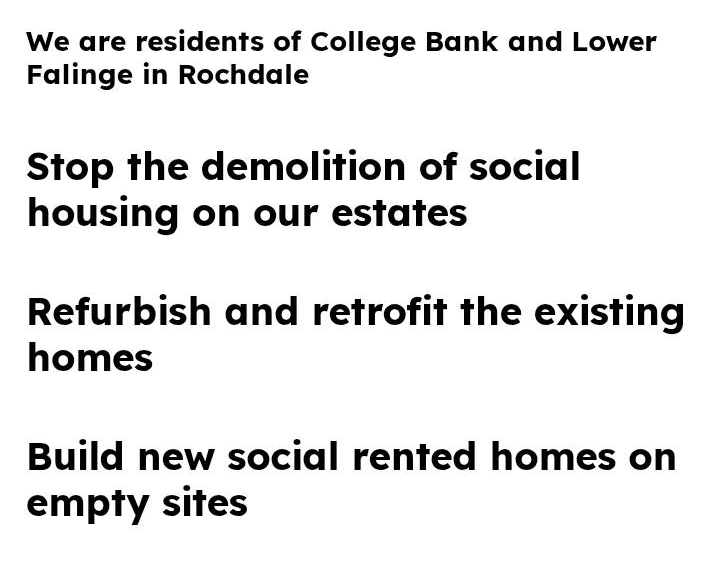
Rochdale’s 2021 planning statement for Lower Falinge is beguiling in its talk of ‘a better quality and mix’ of housing, better public space and better links with surrounding areas. It goes on to say that the ‘the delivery of market housing within this area is required to deliver this diversification and to ensure the sustainability of retained affordable housing in the area’ – a sentence containing the claim that a tenure mix of public and owner-occupied housing is a good in itself, whilst also acknowledging contradictorily that affordable housing (how affordable?) is only possible by cross-subsidy from market sales’
Some 560 new homes were proposed in Lower Falinge. The plans as a whole proposed the loss of 720 primarily social rent homes and their replacement by 560 new homes of indeterminate tenure.
The tenants in the refurbished blocks with whom I chatted were convinced that demolition was not the answer, further renewal could take place, Rochdale Boroughwide Housing, despite a well prepared save our homes campaign thought not.
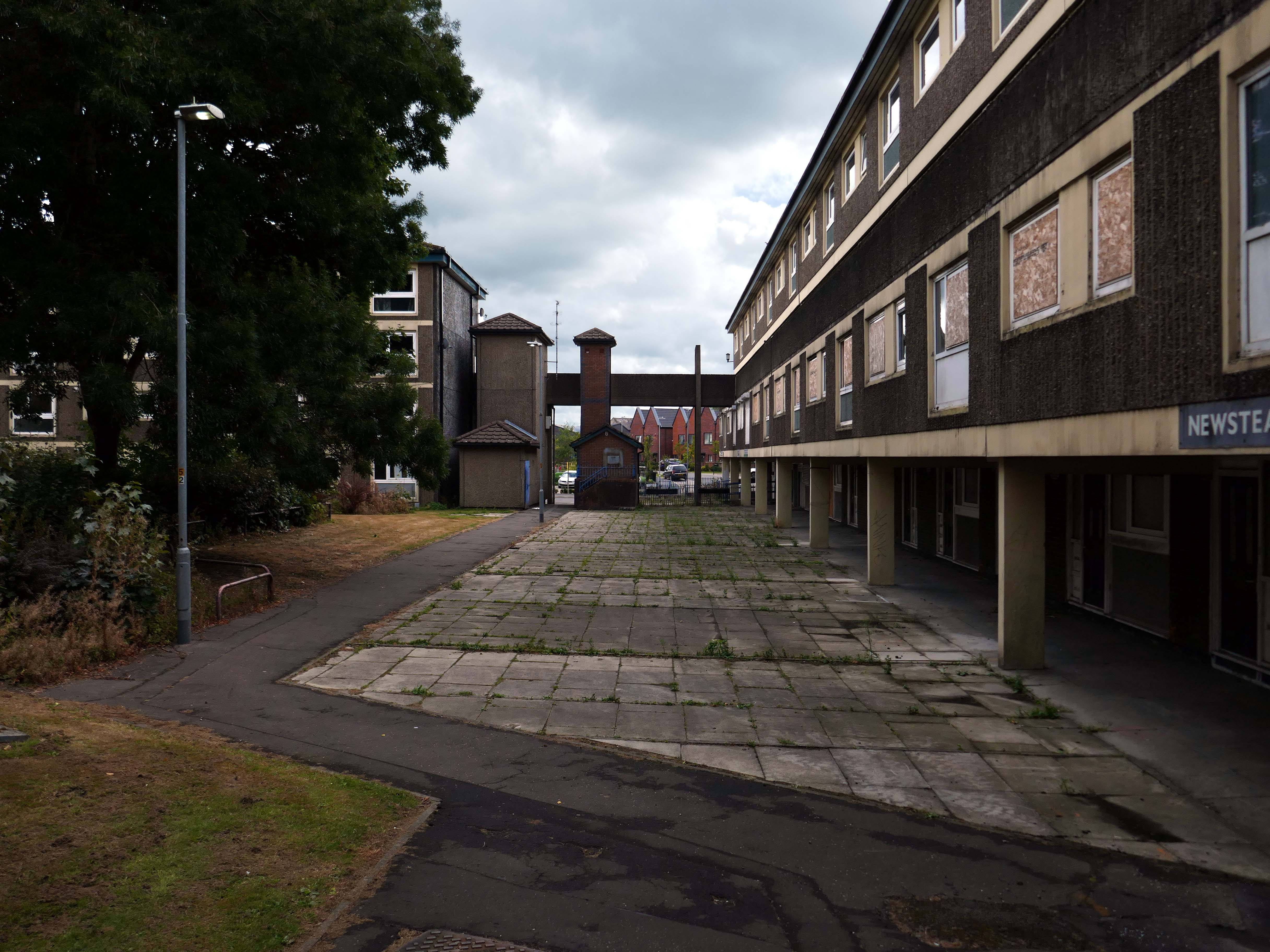
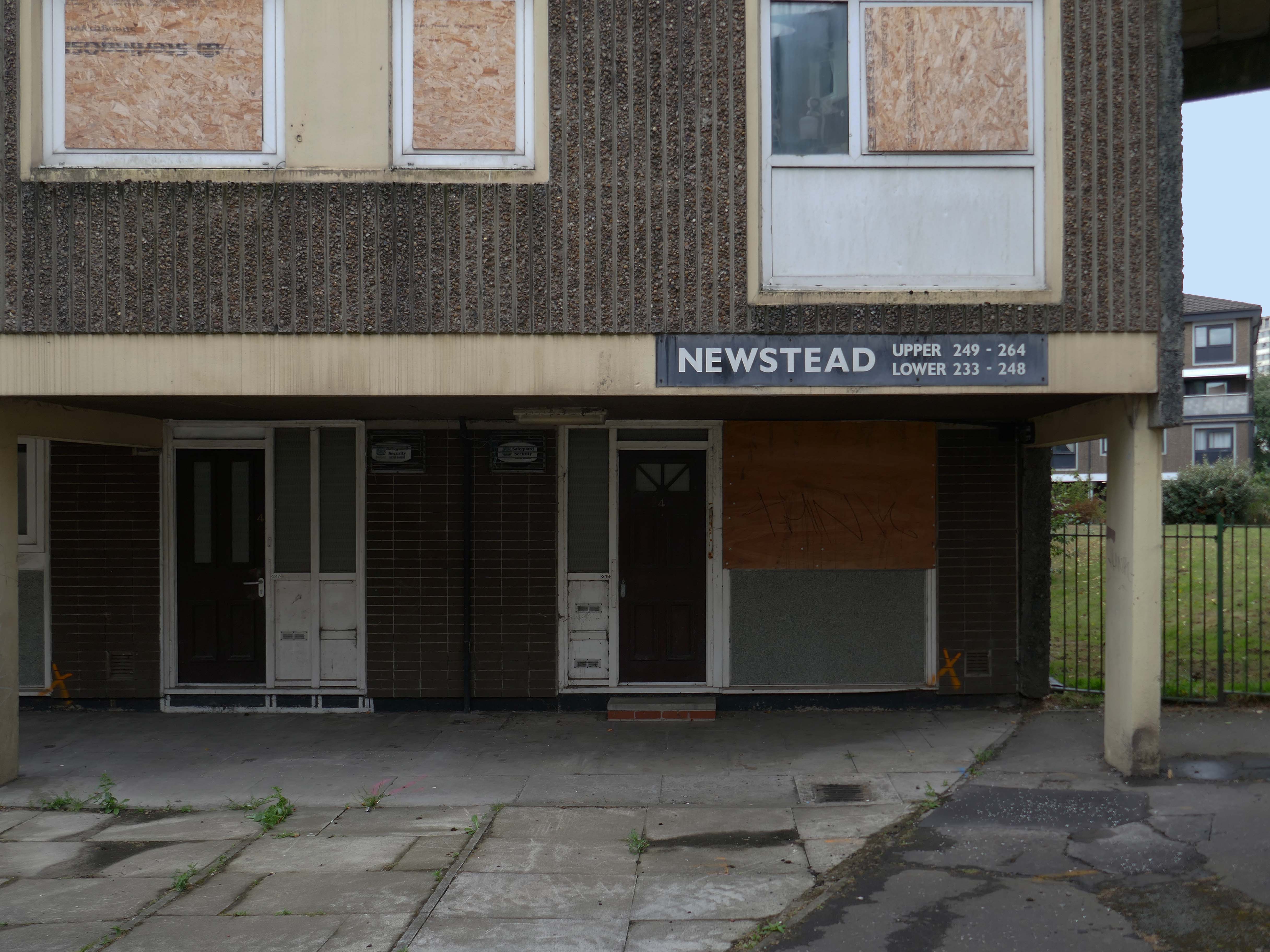
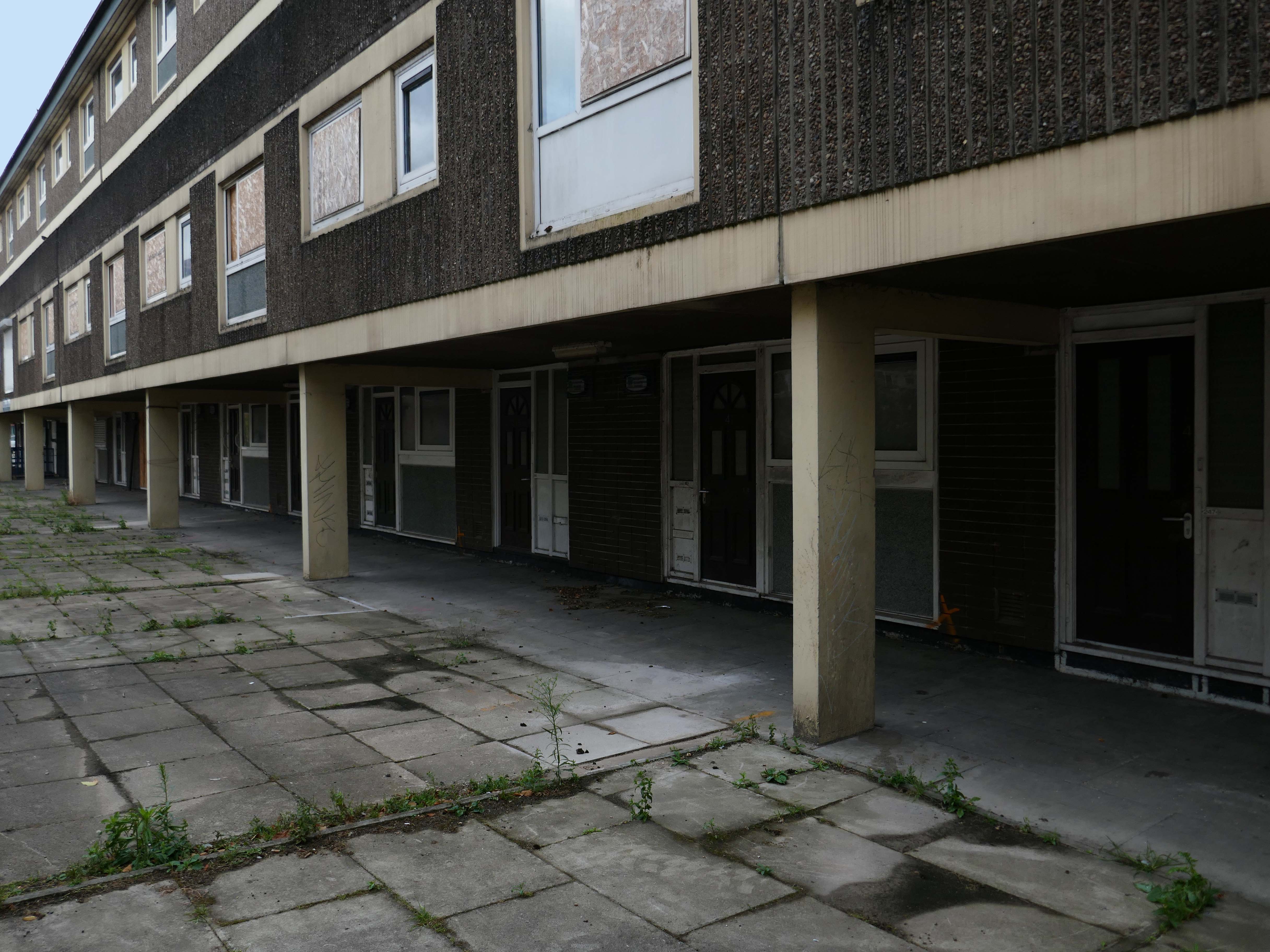
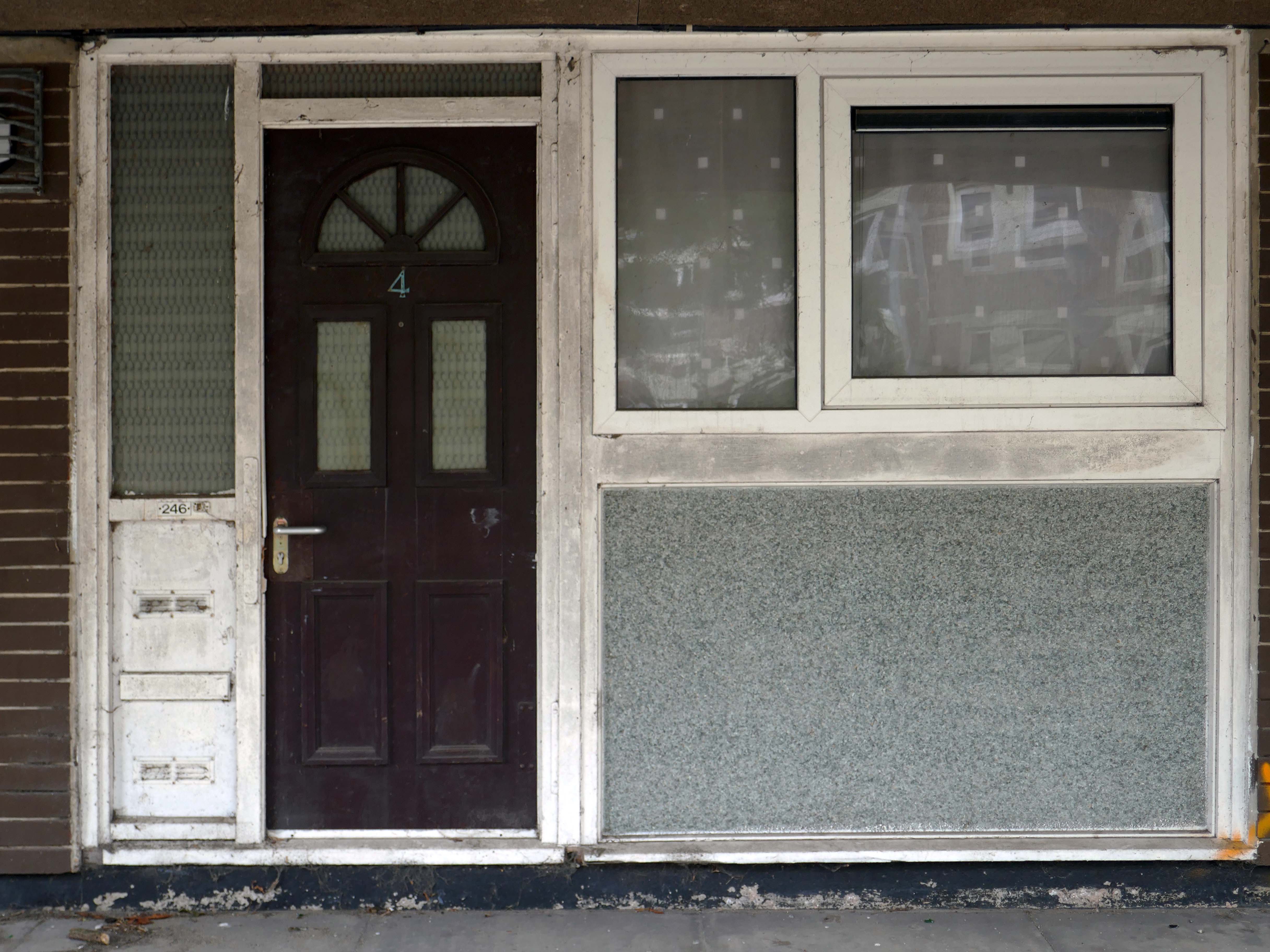
In March, we told you that we planned to demolish the six empty maisonette blocks – Ollerton, Newstead, Romsey, Quinton, Ullesthorpe, and Vaynor, in Lower Falinge, as well as the former RSPCA buildings and the former car wash on High Street, within the next 12 months. This will make way for the development of new family homes across a larger site that we will work with the community on designing.
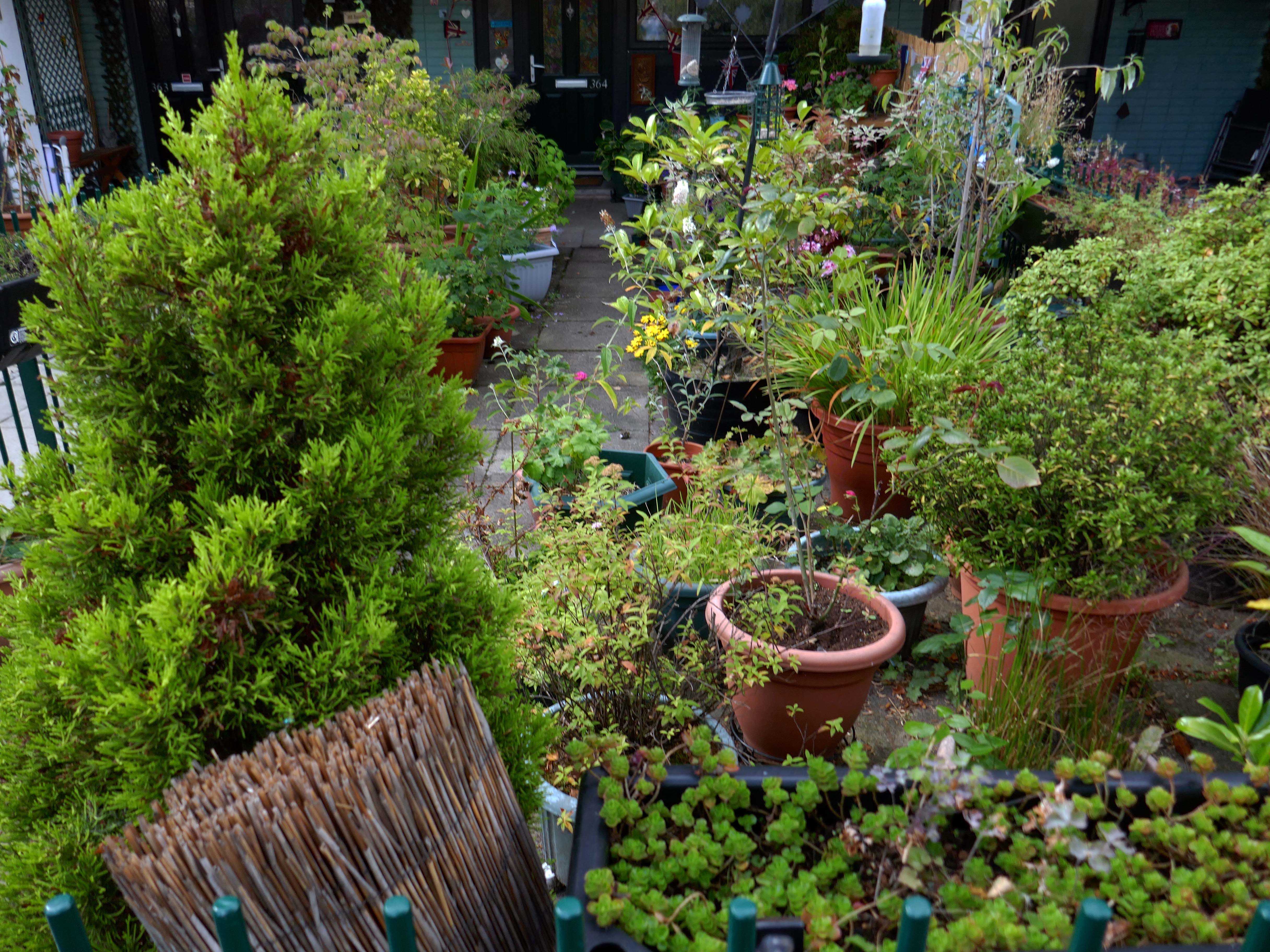
Our beautiful mature greenery here on Lower Falinge is showcased in this wonderful video. We are proud of living here surrounded by all this nature – it really is like living in a park.
Unfortunately our urban oasis of calm is at risk of being destroyed if RBH demolish 128 homes and eventually build on the land.
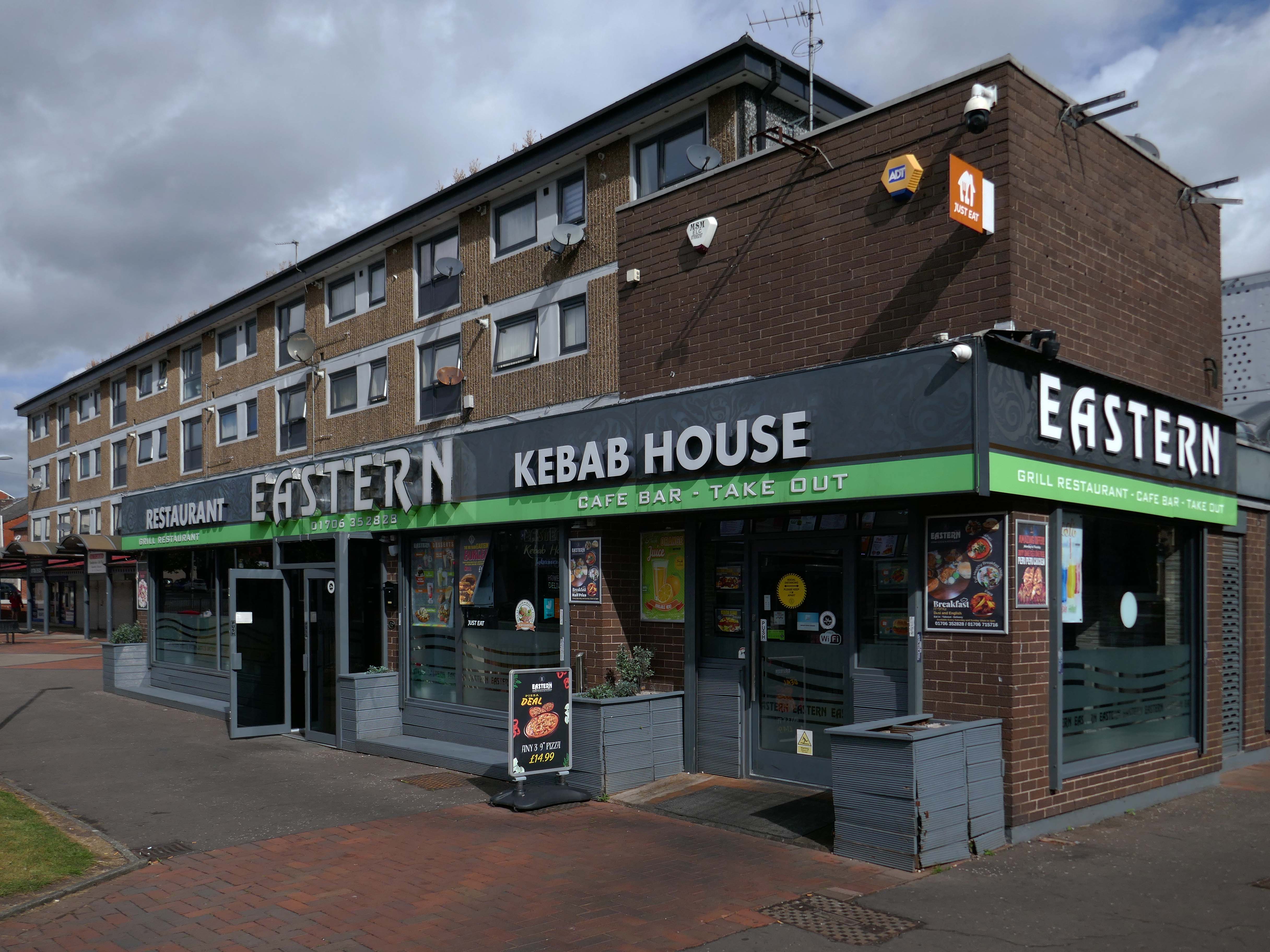
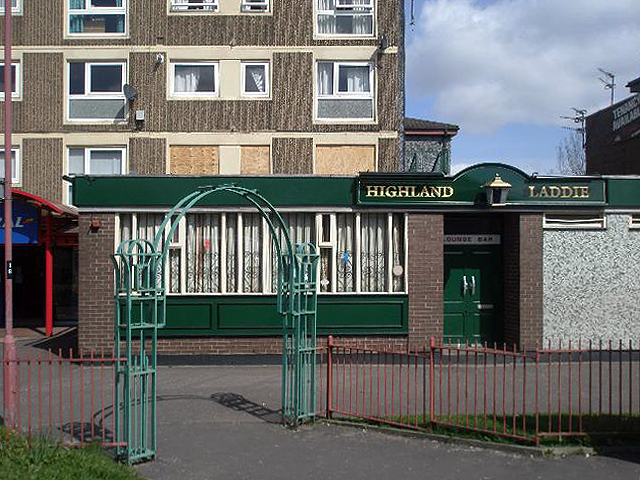
Once home to the Highland Laddie pub which closed in 2010.
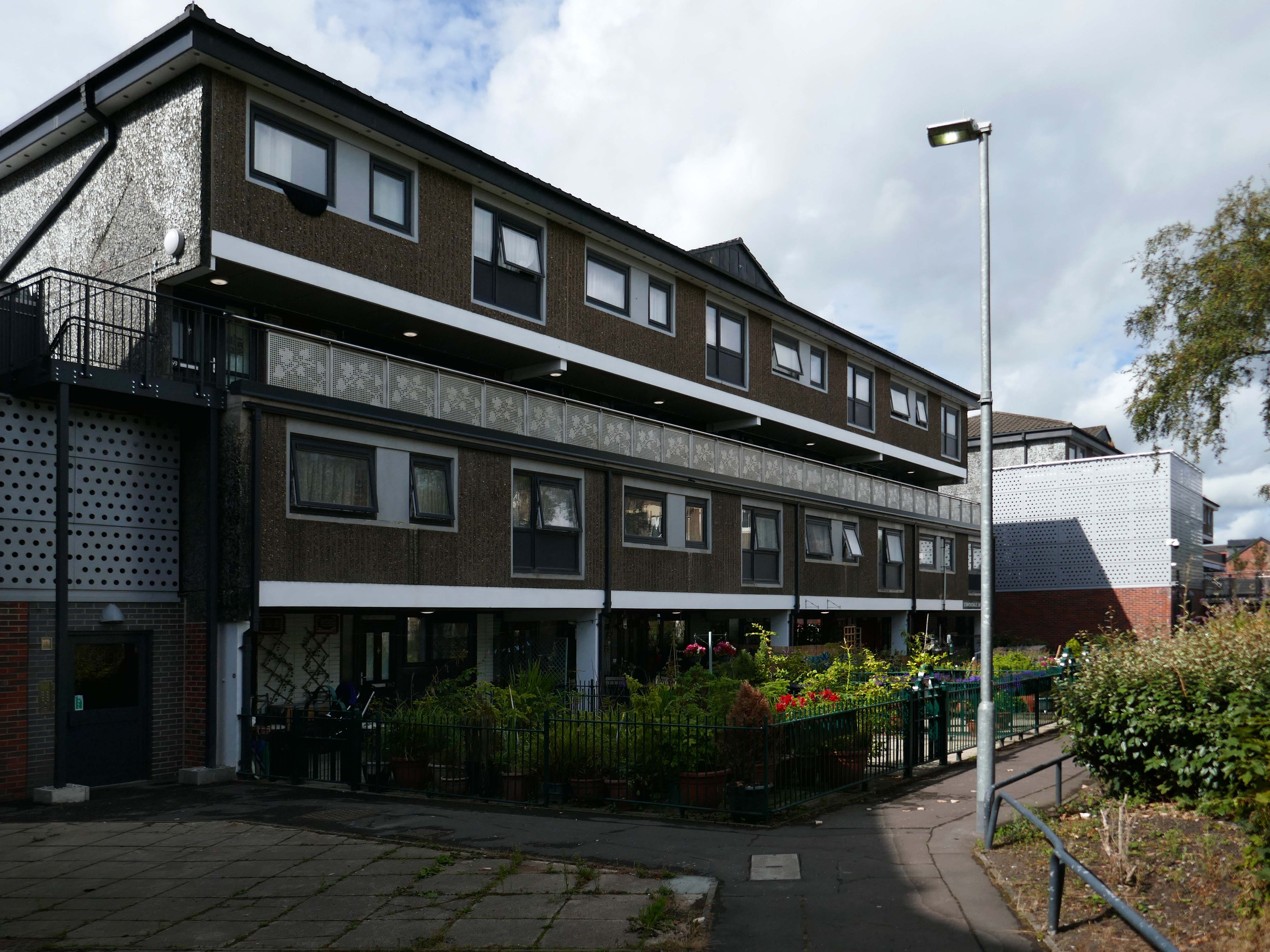
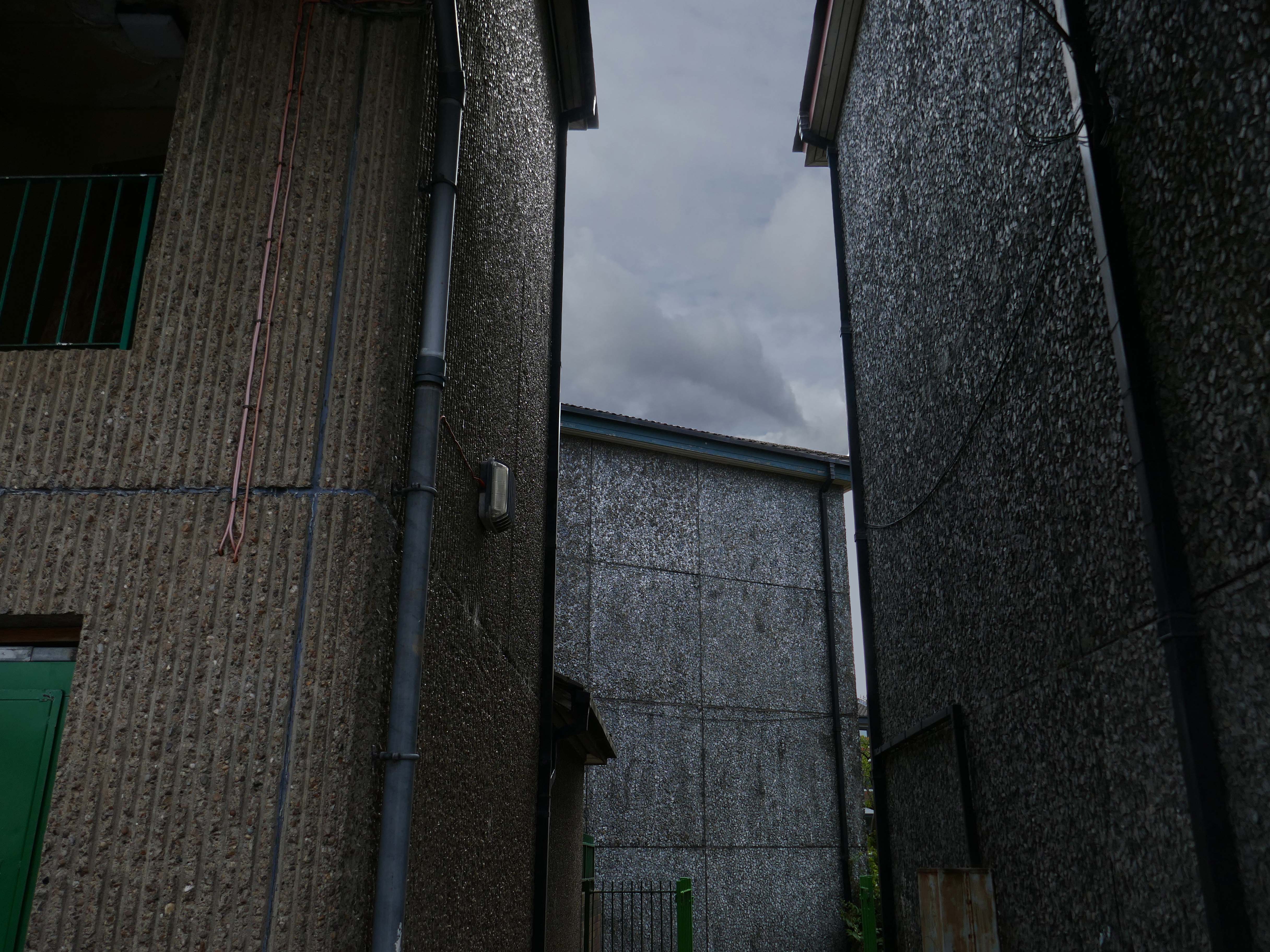
The remainder of the estate remains in limbo.
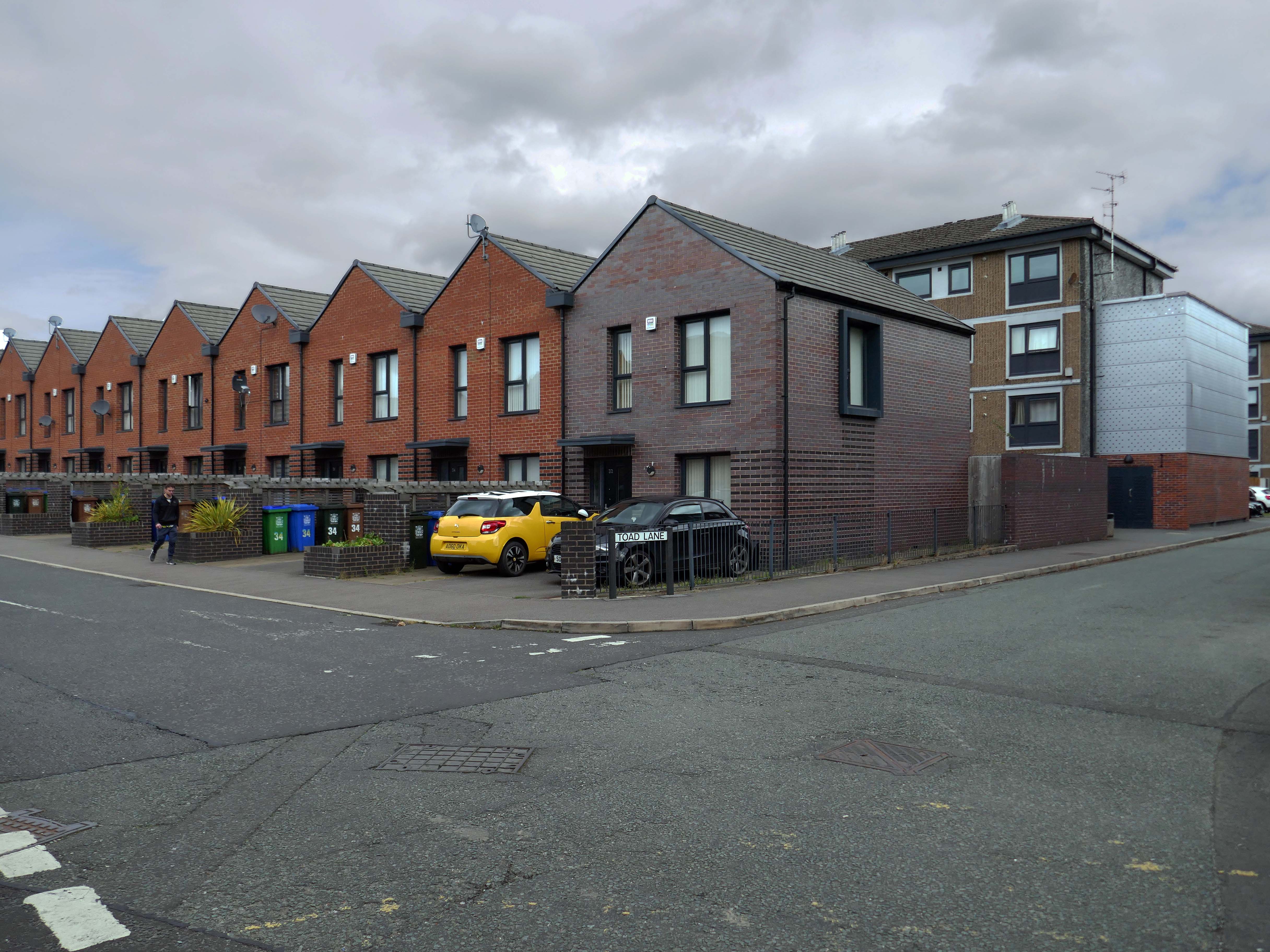
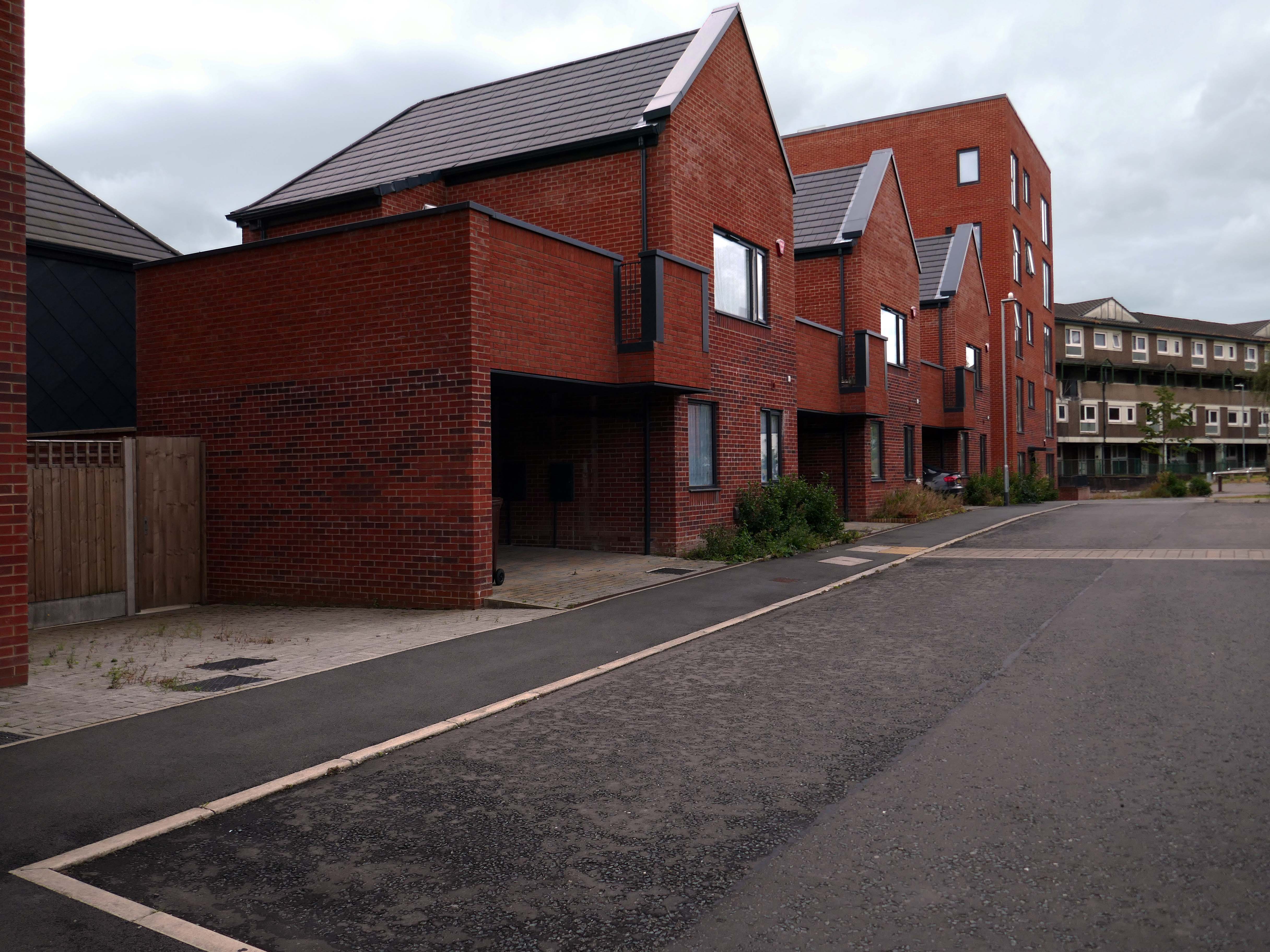
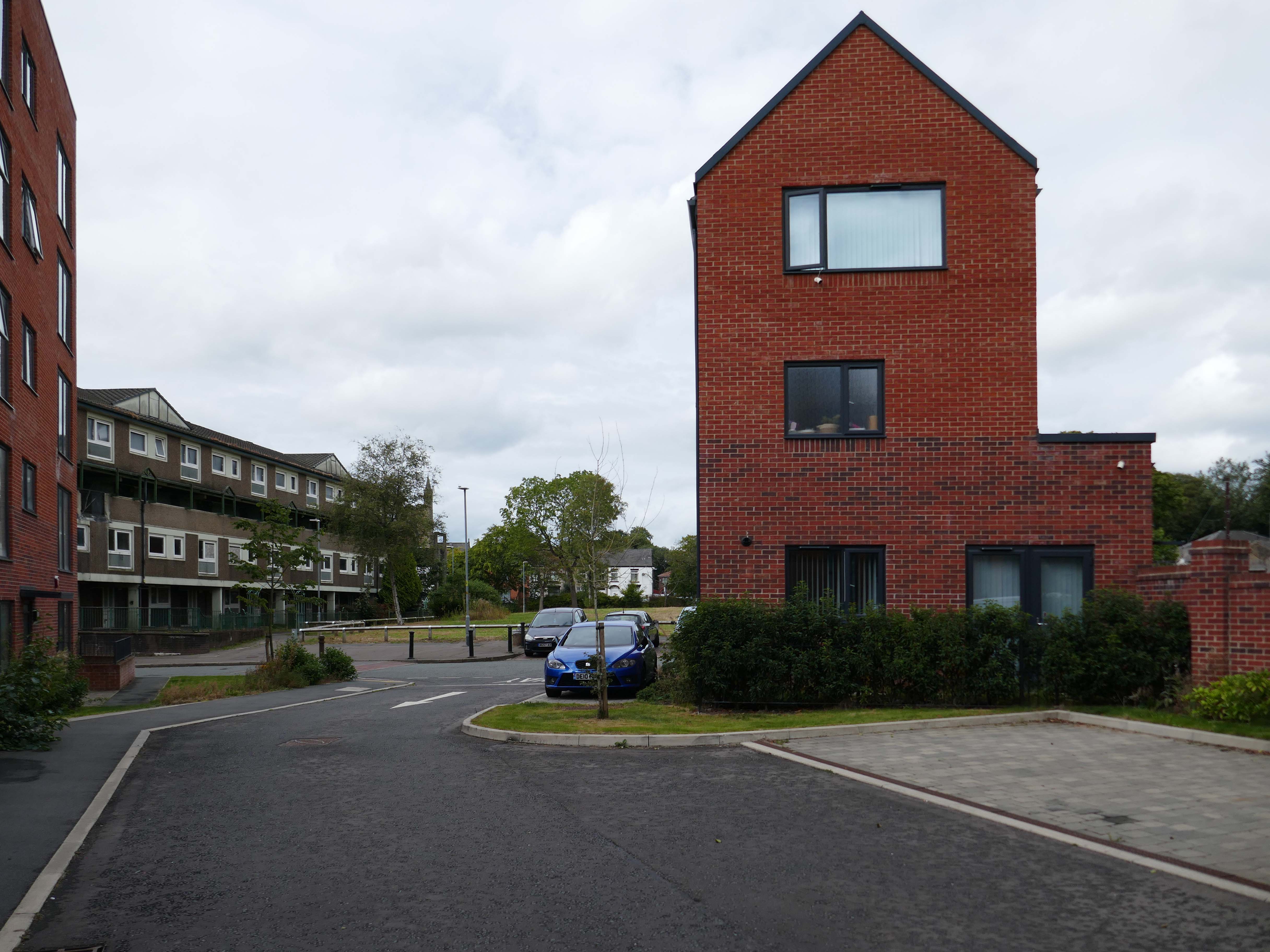
Next door the new homes have been built.
A major housing regeneration scheme which includes the construction of 30 energy efficient, affordable homes is breathing new life into the Lower Falinge neighbourhood in Rochdale.
The project is being carried out for Rochdale Boroughwide Housing by Rochdale-based main contractor The Casey Group with OMI Architects. This is the largest of 3 schemes that Casey has carried out for RBH.
In recent years these homes have been under threat of both demolition and refurbishment.
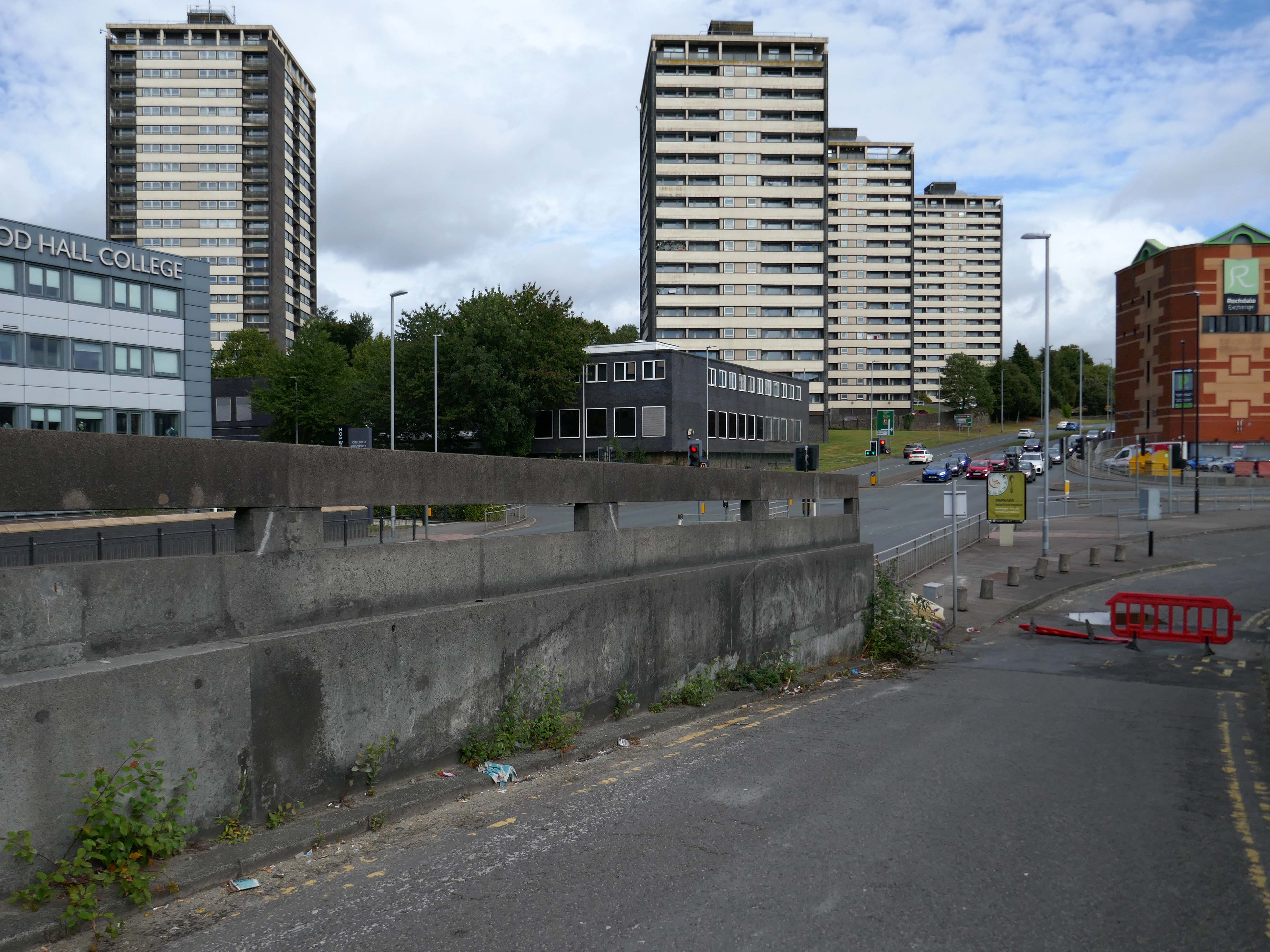
Rochdale Boroughwide Housing – RBH had sought help from a developer to pay for its £107m plans to refurbish the College Bank high-rise apartments, known in the town as the Seven Sisters.
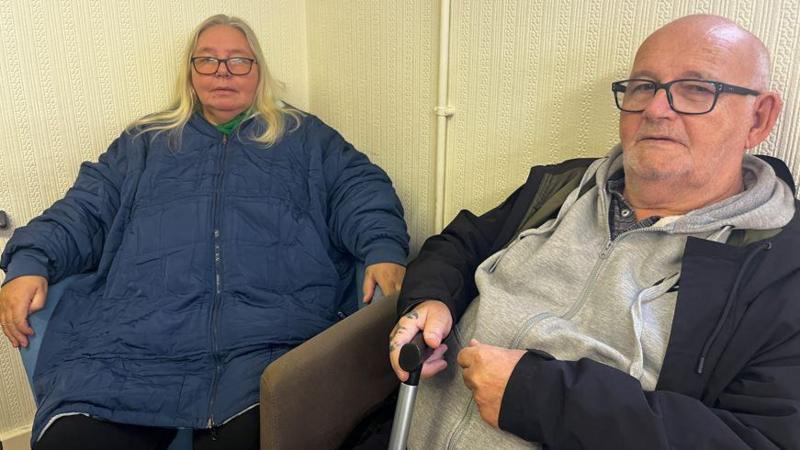
But the social housing landlord has been unable to reach a commercially viable agreement to help improve the blocks where 250 people live.
Amanda Newton, RBH chief executive said the lack of a deal was disappointing but all options for the future of the site would still be explored.
Many of the apartments spread across the Seven Sisters remain unoccupied after a plan was announced to demolish four of the blocks in 2017, leading to an exodus of hundreds of tenants. RBH later reconsidered the plan, and instead signed a deal with developer Legal & General Affordable Housing last year, to find a viable way of refurbishing the apartments.
All 700 flats in the 1960s blocks were set to be redeveloped under the plans, but the pair’s agreement has now come to an end without a solution emerging.
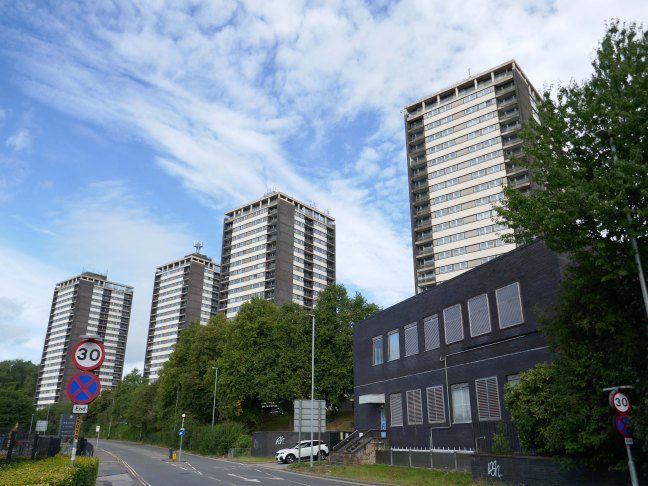
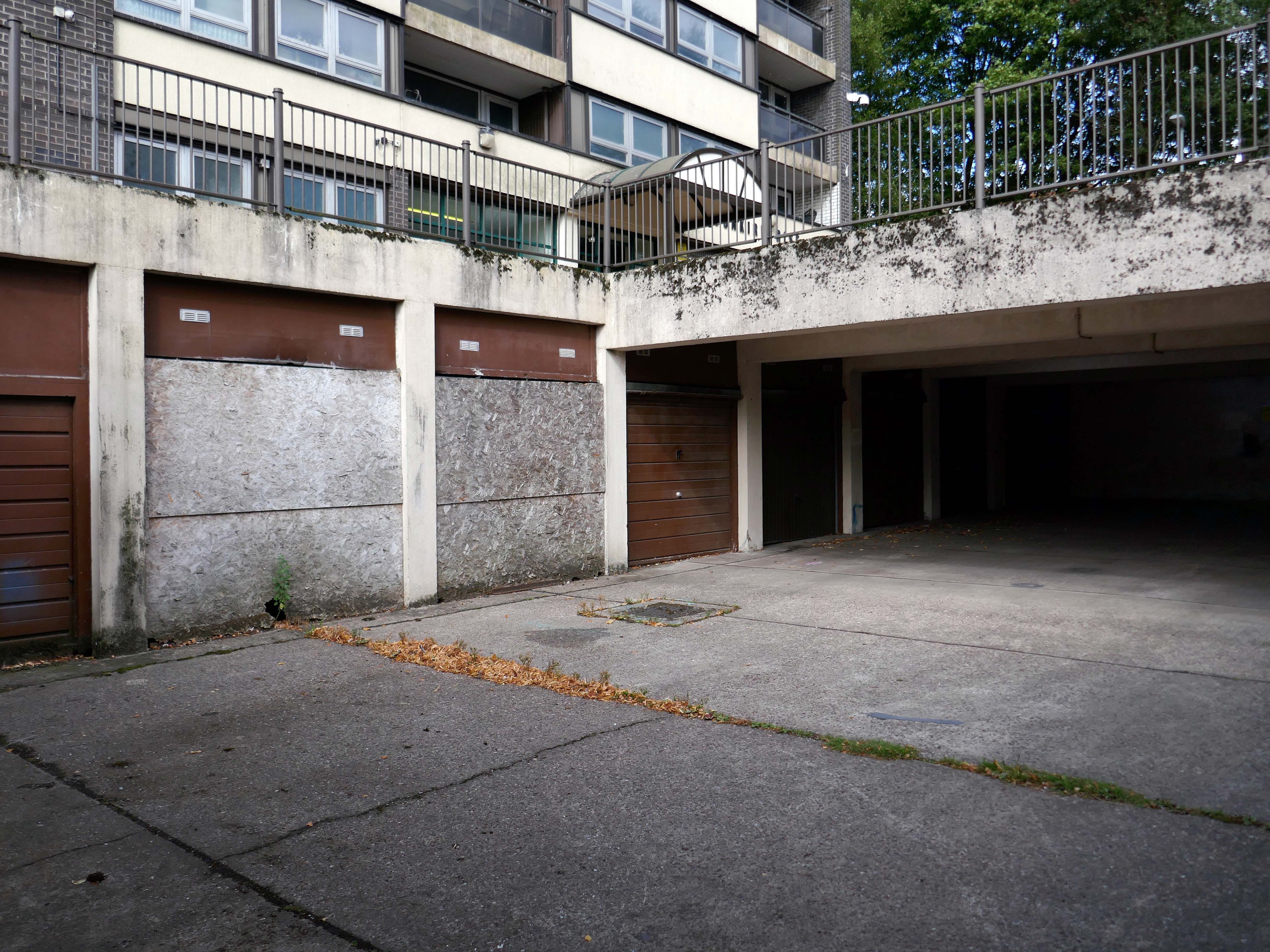
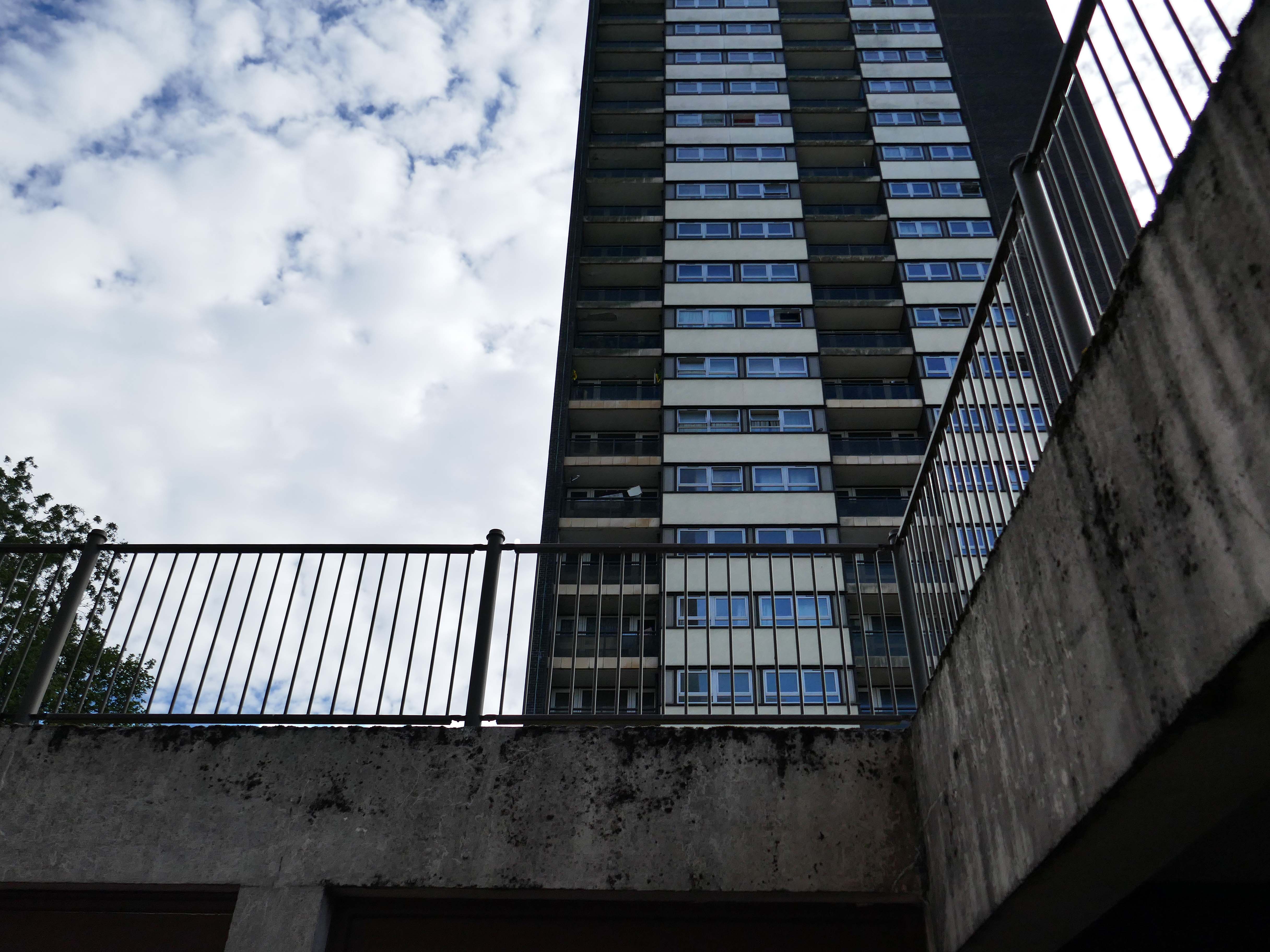
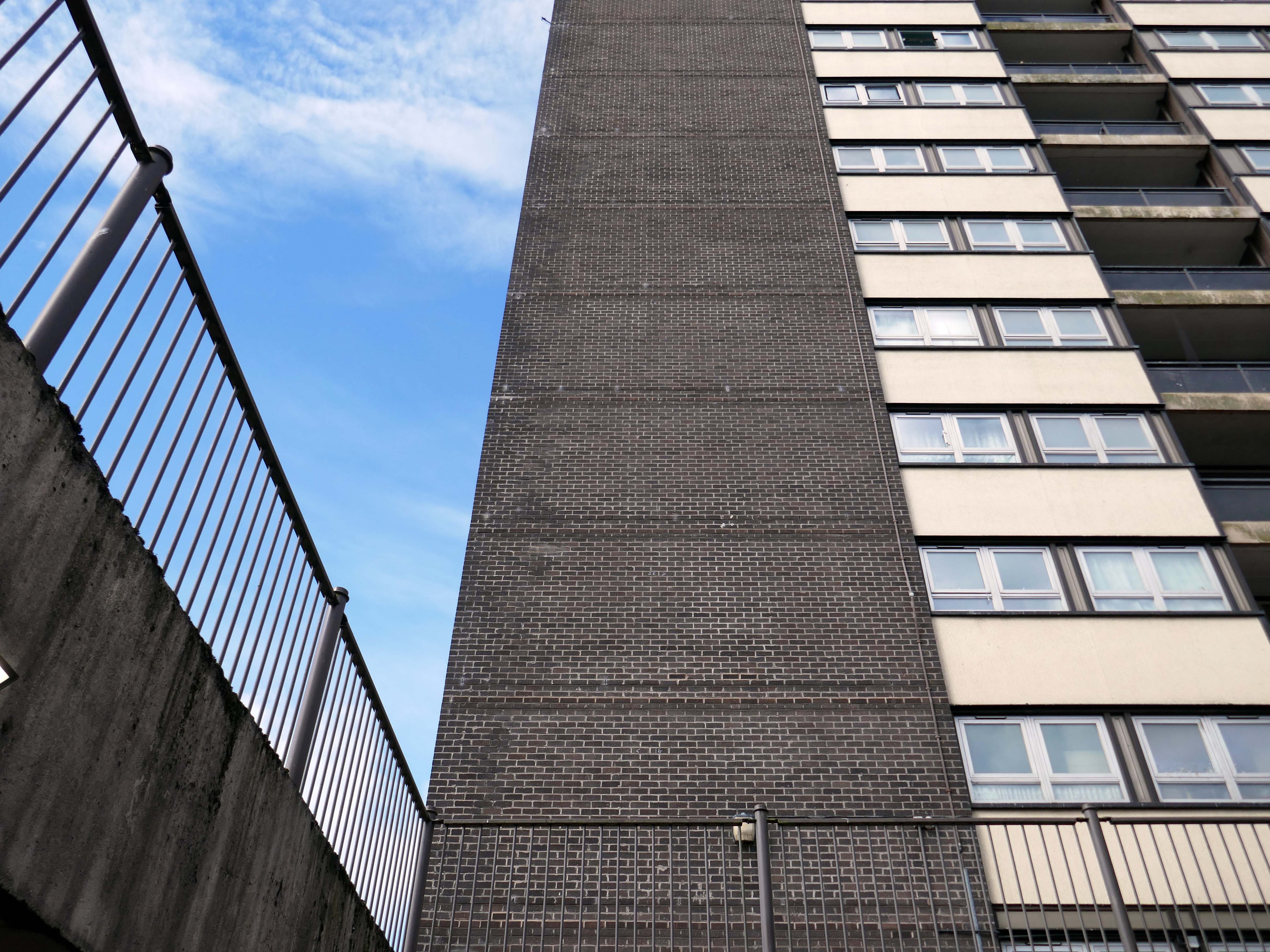
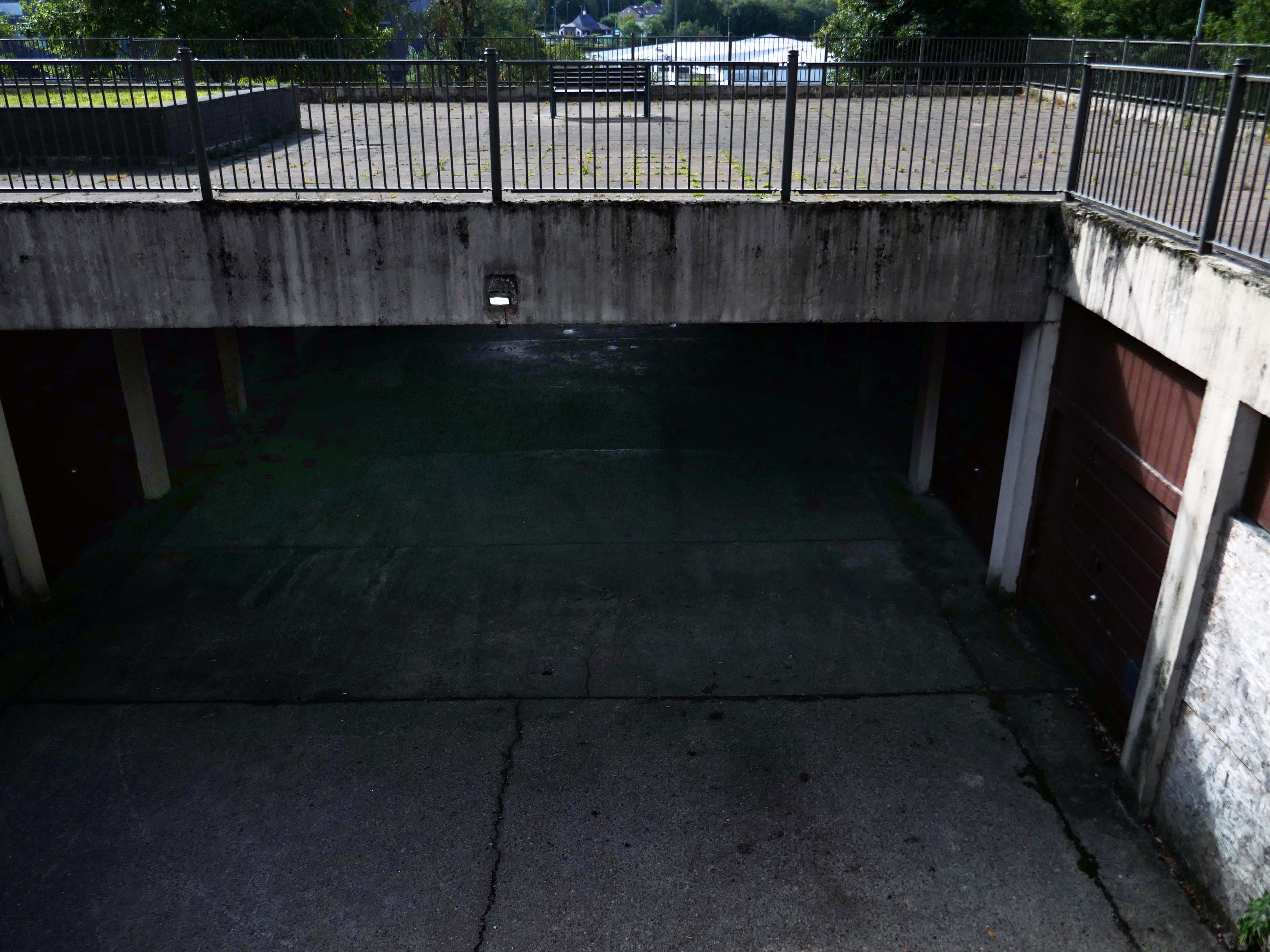
So an unsatisfactory stasis prevails across the windswept piazzas, podium garages and towering towers.
Local photographer Ellie Waters has her pictures of the flats displayed in the underpass.
Notes From College Bank is an ongoing project which documents the College Bank buildings in Rochdale, Greater Manchester. Known locally as ‘The Seven Sisters’, College Bank is formed of seven high-rise social housing blocks, four of which have come under recent threat of demolition.
Drawing from found imagery and photographs taken by my late Grandfather – M J Burgess – who like me grew up in Rochdale, I’ve been working with past and present residents to create a collective record of life in and around College Bank.
This project is ongoing, if you would like to share your stories of College Bank please get in touch via email – notesfromcollegebank@gmail.com
Here is a recent post from Municipal Dreams outlining the history state of play – Rochdale Housing Part II.
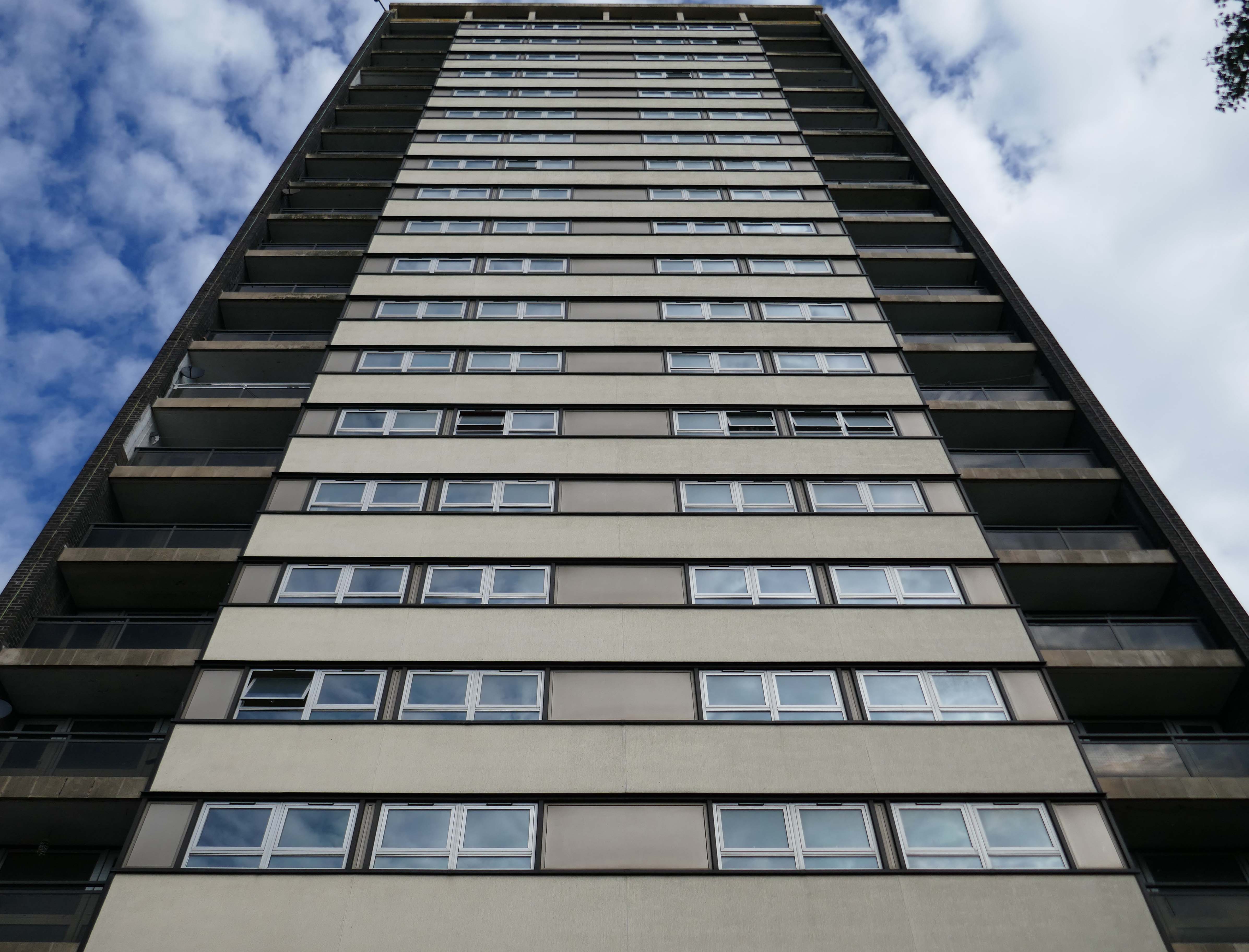
Fast forward to the present, the Seven Sisters still stand – an impressive architectural statement in the heart of Rochdale and, to my mind, as powerful a testament to municipal endeavour and aspiration as the town’s nearby town hall. But much has changed. In the slow evolution that affected council housing more broadly, the flats became less desirable, even, in some eyes, a ‘sink estate’. In Robin Parker’s view, the Council started re-housing people in the blocks ‘not suitable for high-rise living’ – a typical occurrence when the most vulnerable on the waiting list and those with least choice are allocated to so-called ‘hard to let’ estates.
Having passed through here on more than one occasion, it only seemed polite to stop and take a look around.
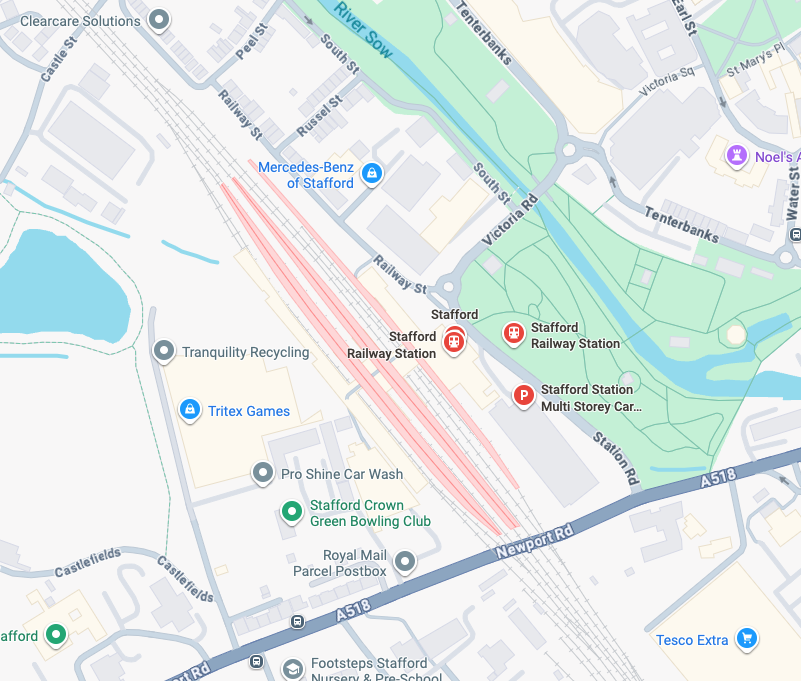
It is the second busiest interchange in the county, after Stoke-on-Trent. It serves the market and county town, as well as surrounding villages. The station lies on the junction of the Trent Valley line, the Rugby–Birmingham–Stafford line and the West Coast Main Line; it was also the terminus for the former Stafford–Uttoxeter and Stafford–Shrewsbury lines.
The current station was built in 1962, by the architect William Robert Headley, as part of the modernisation programme which saw the electrification of the West Coast Main Line.
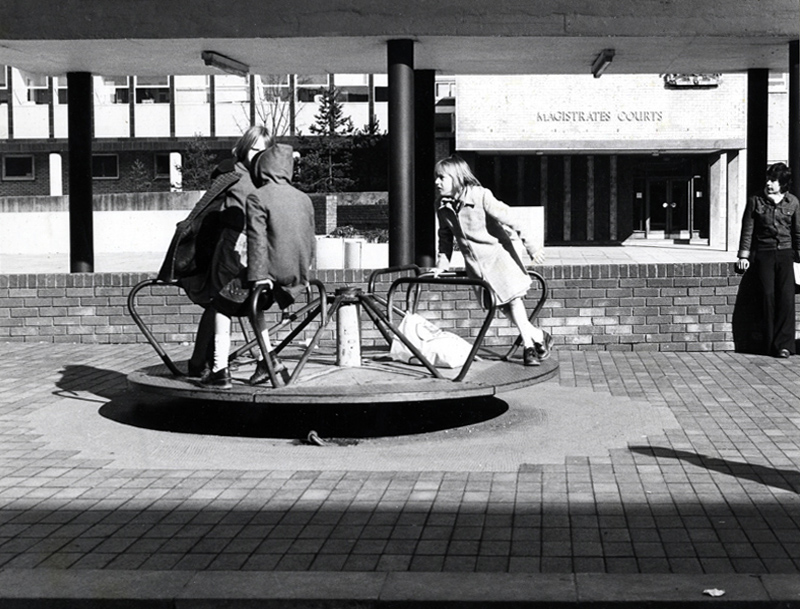
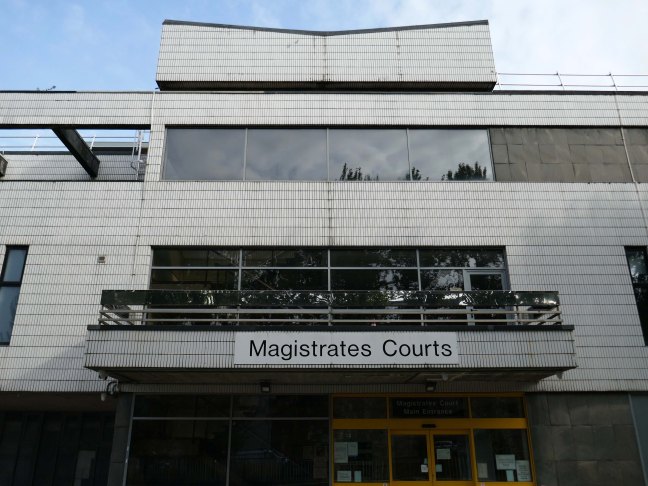
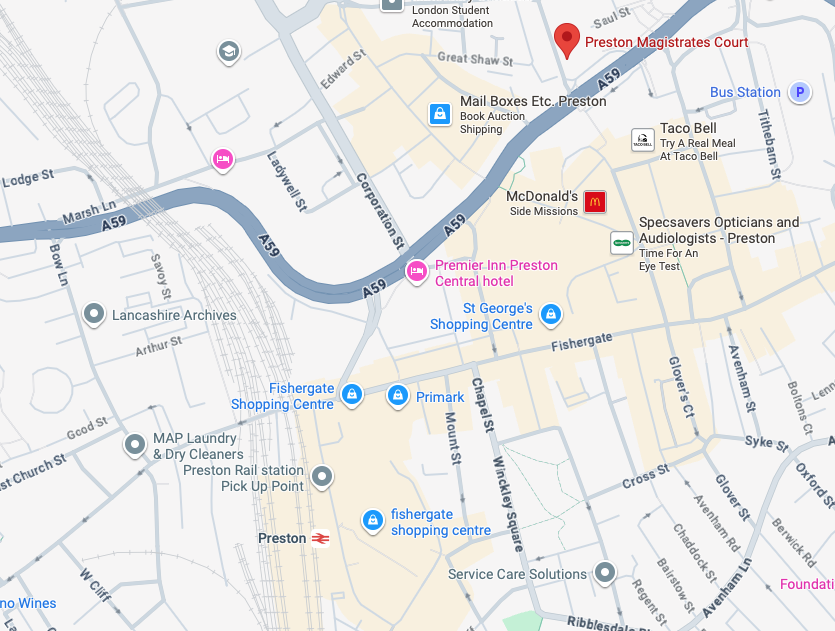
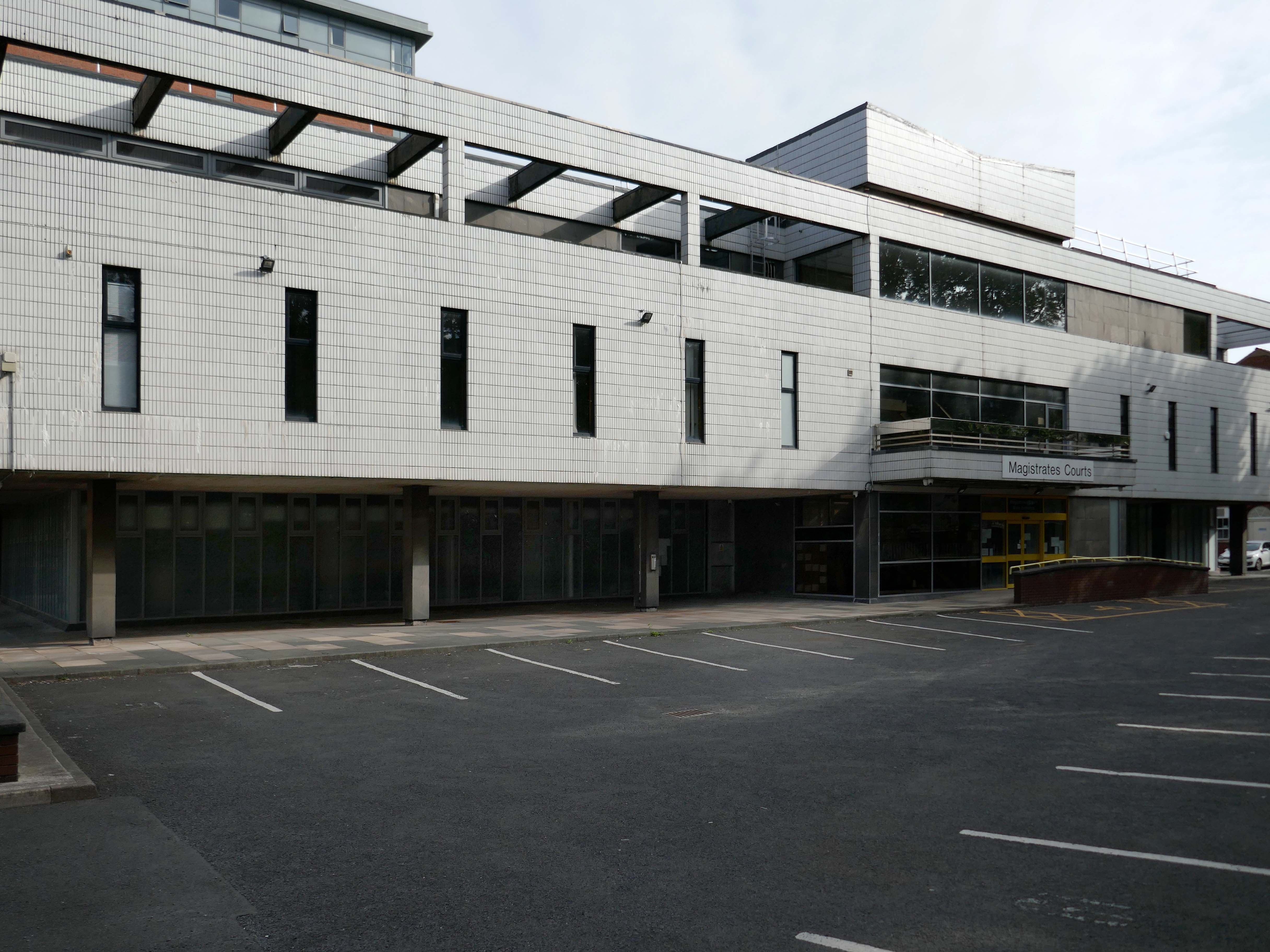
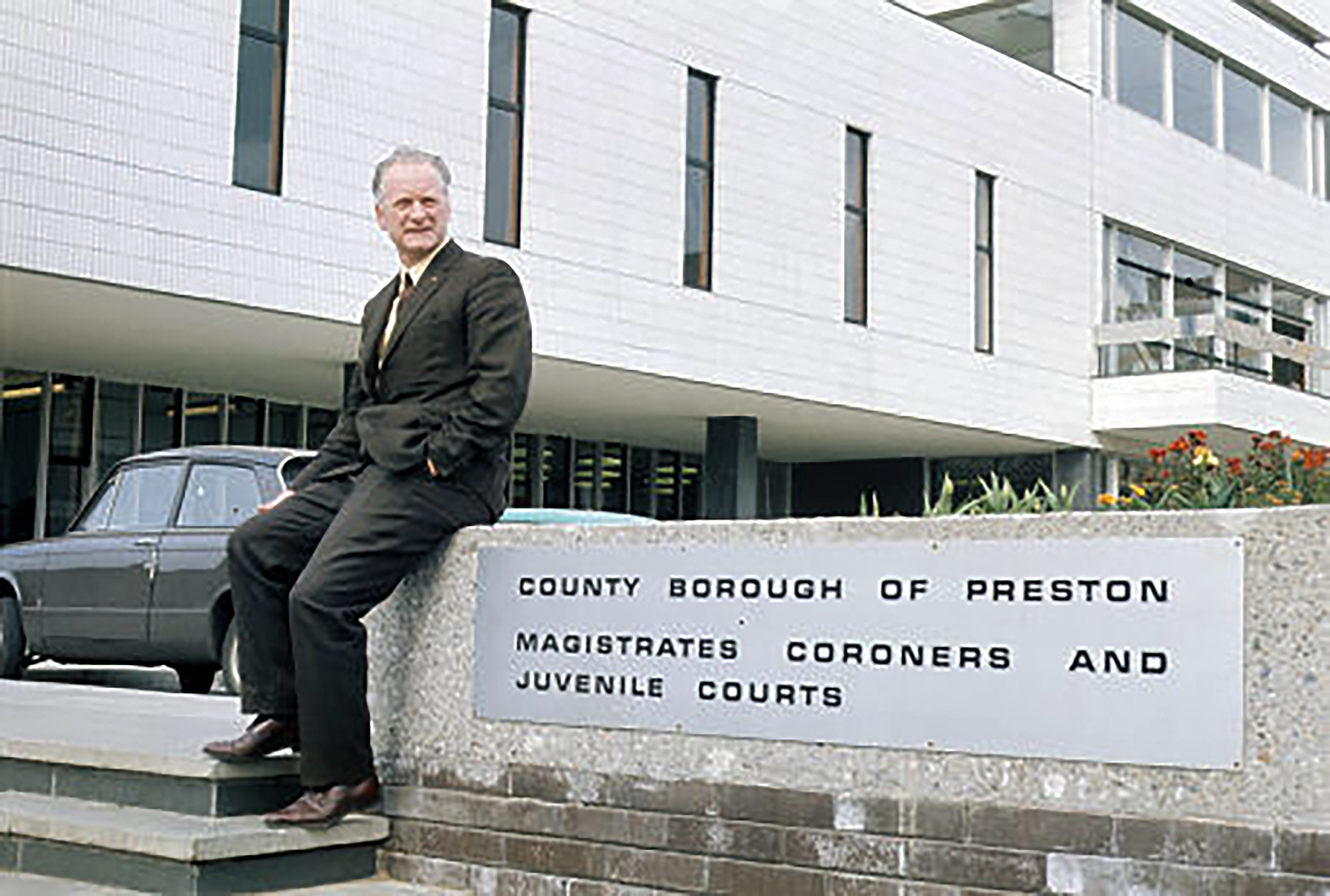
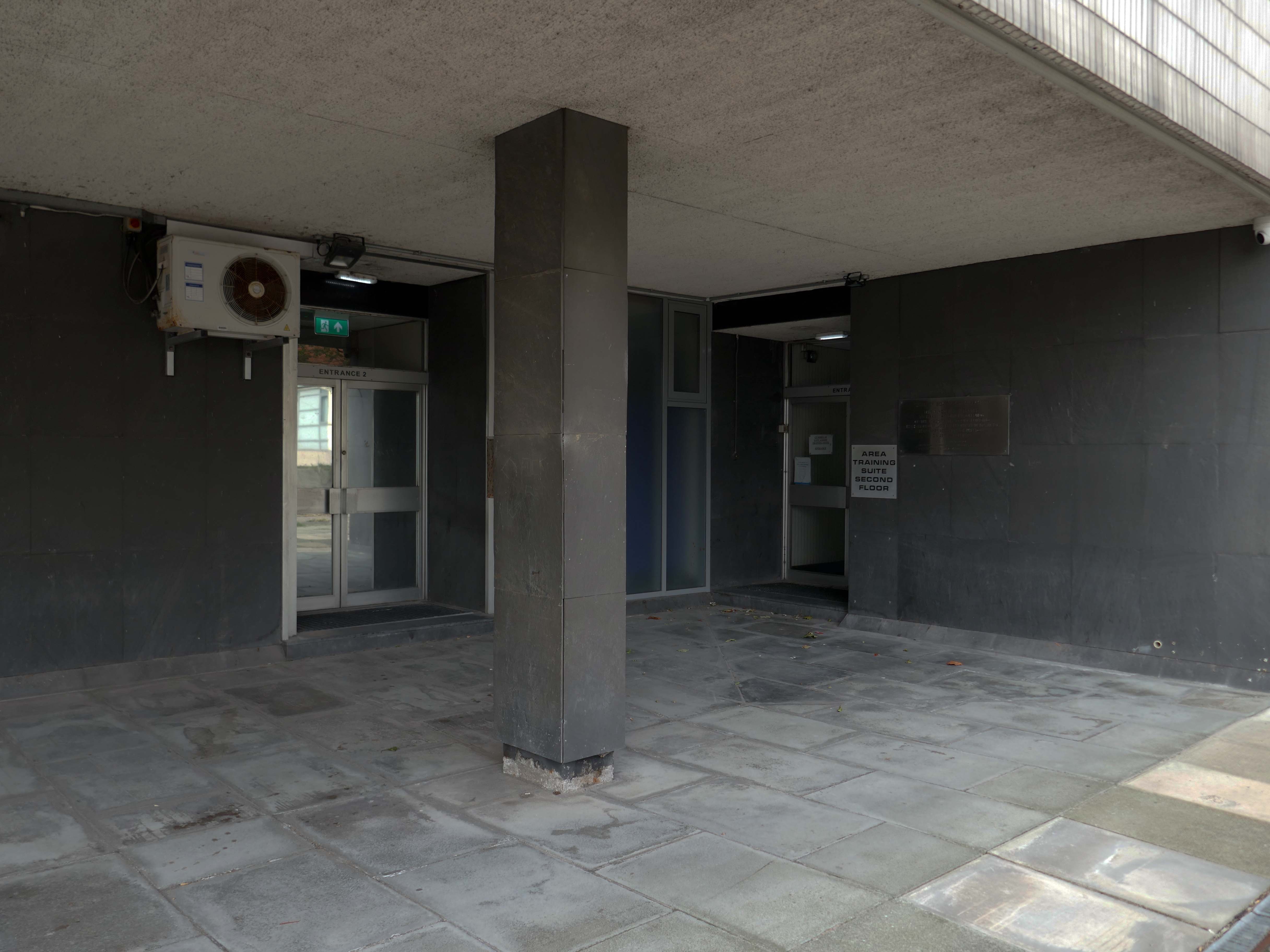
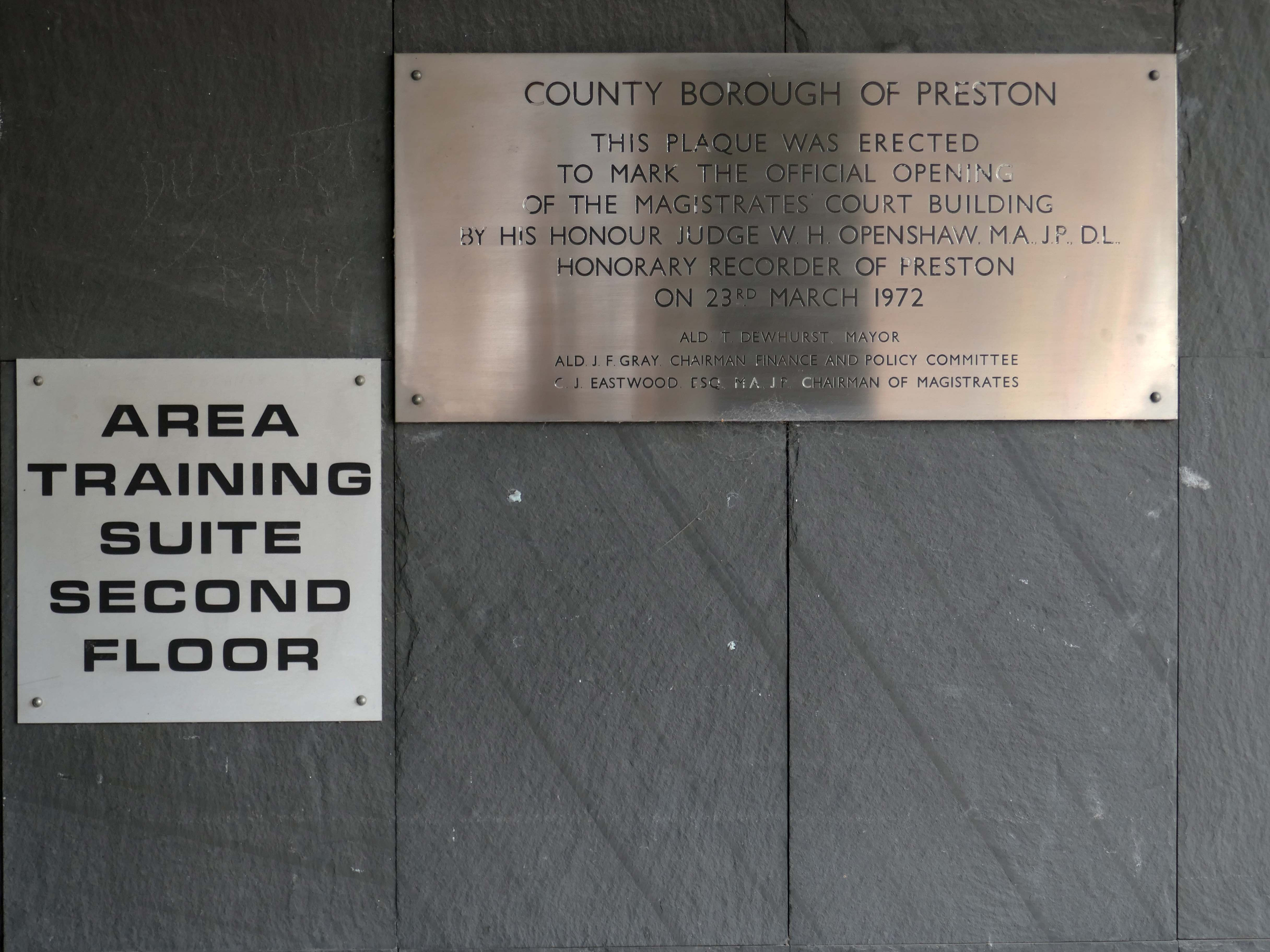
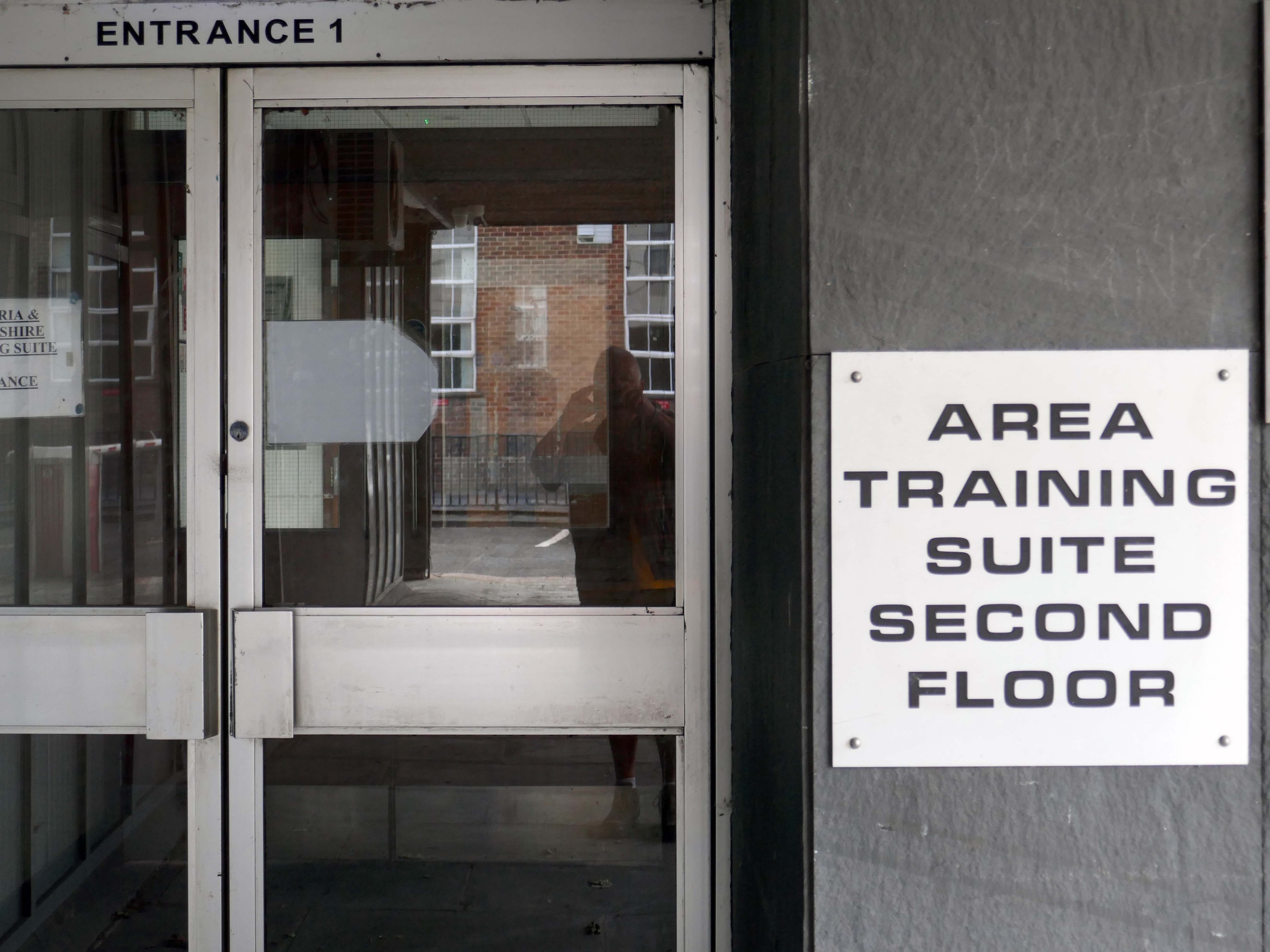
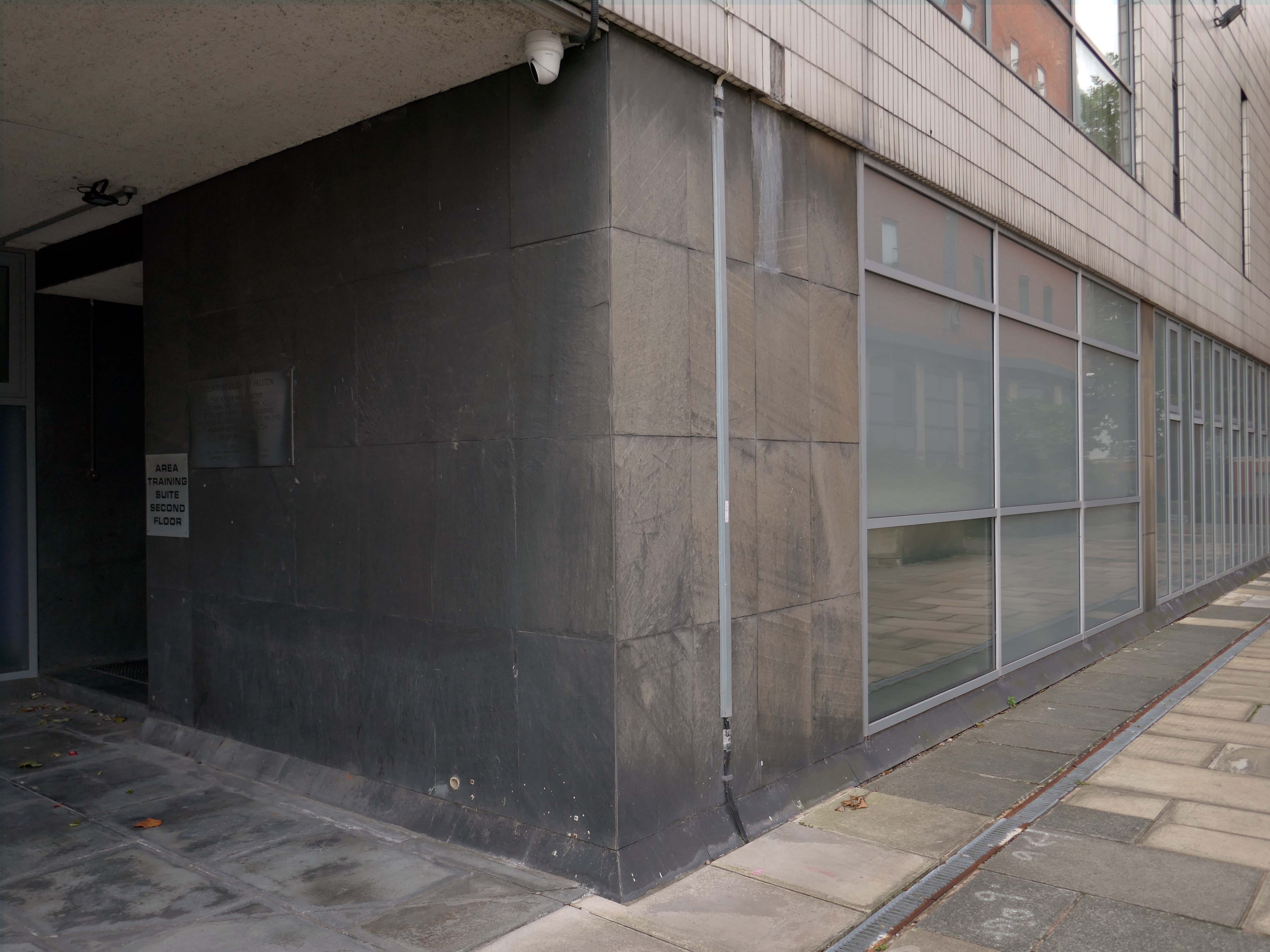
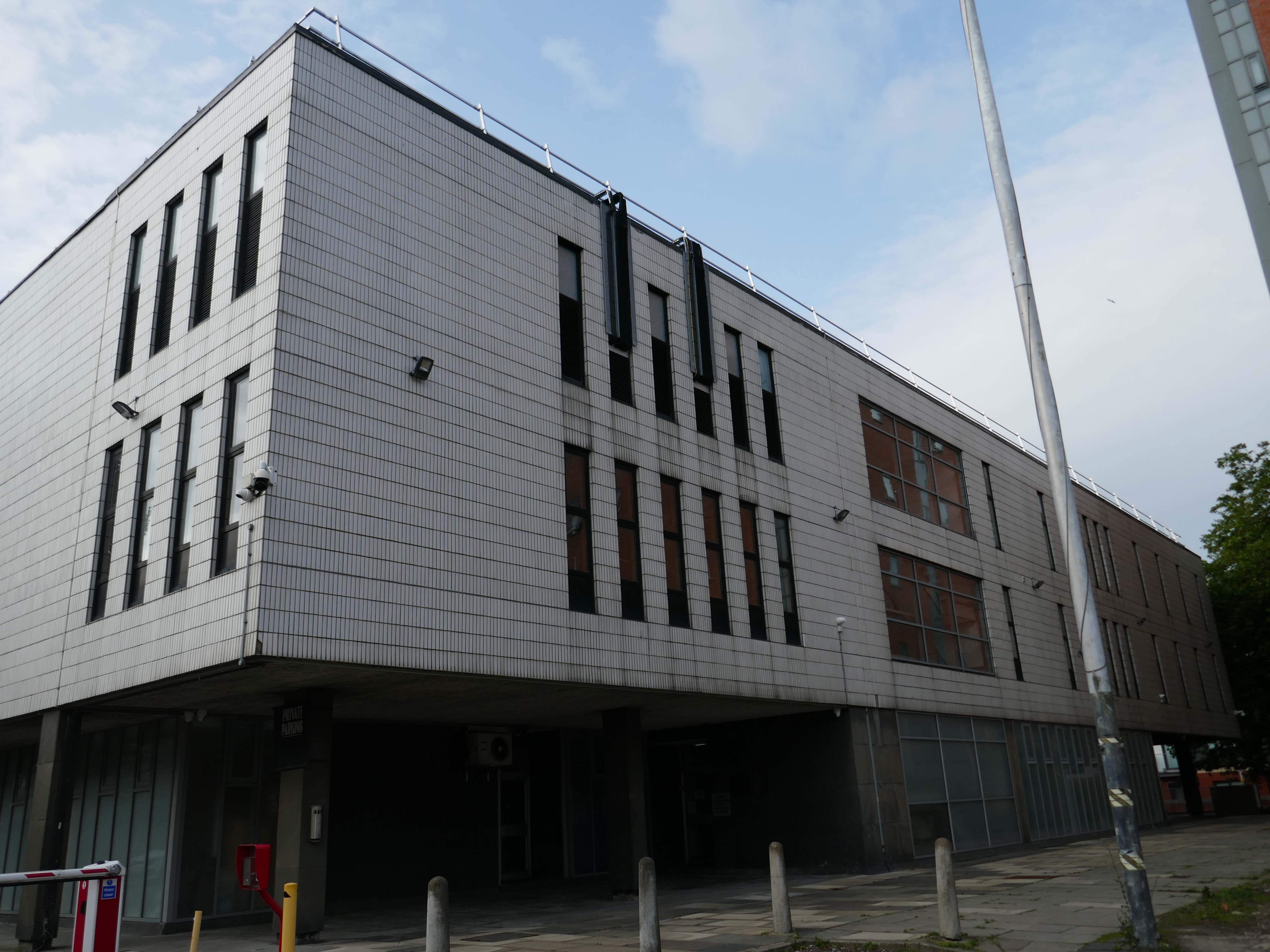
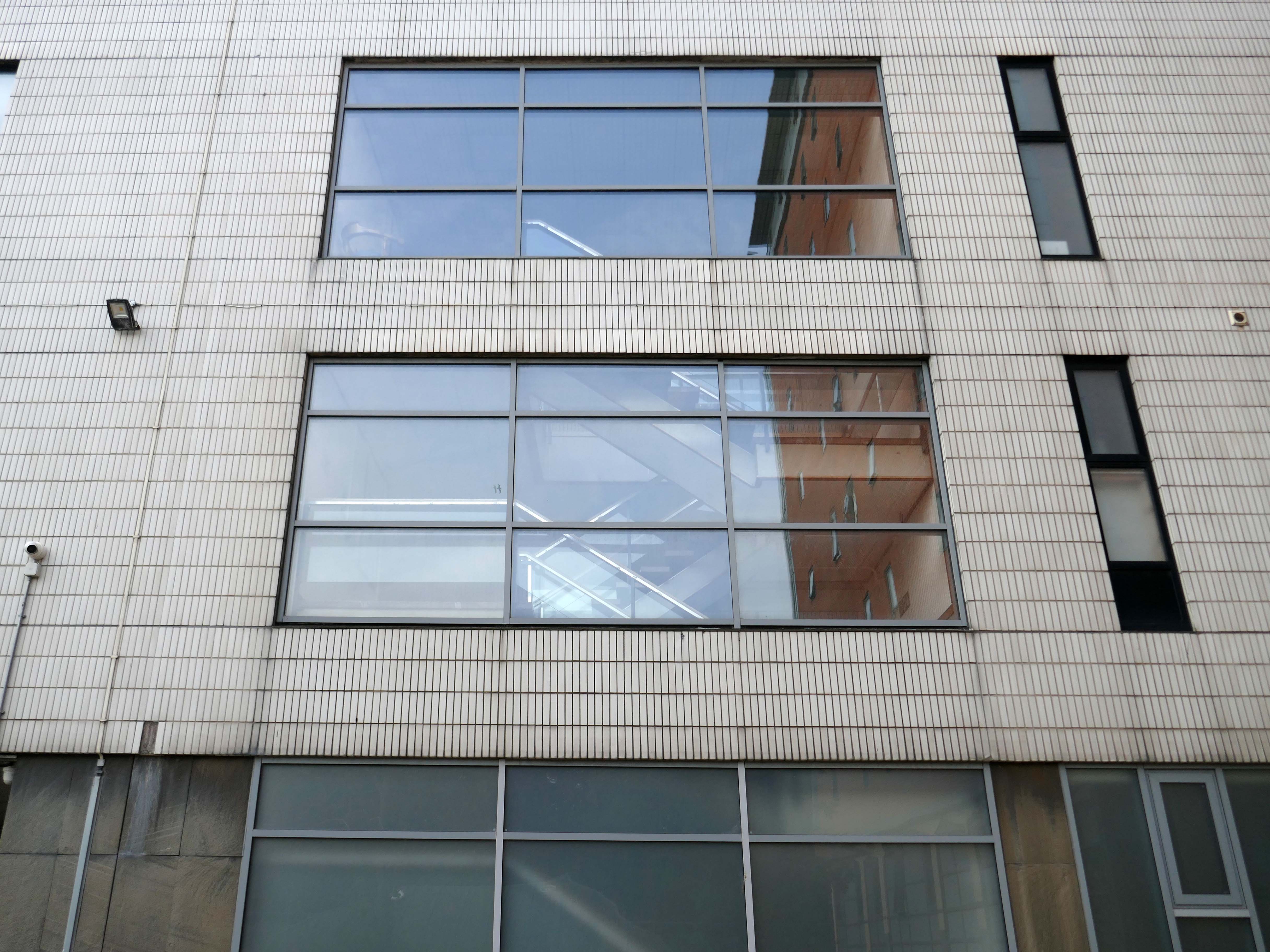
We have often walked by the Magistrates’ Courts on the Preston Walk.
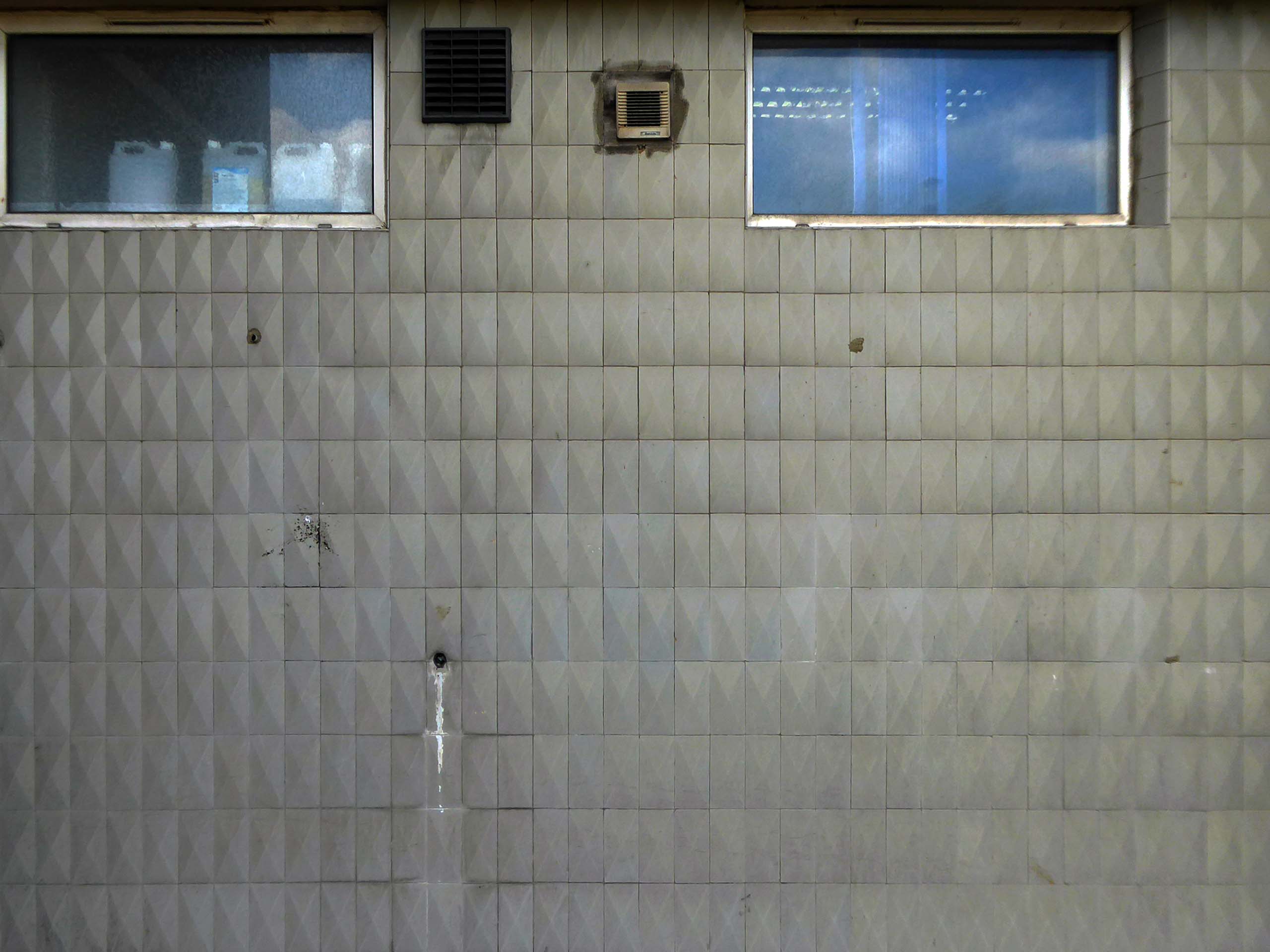
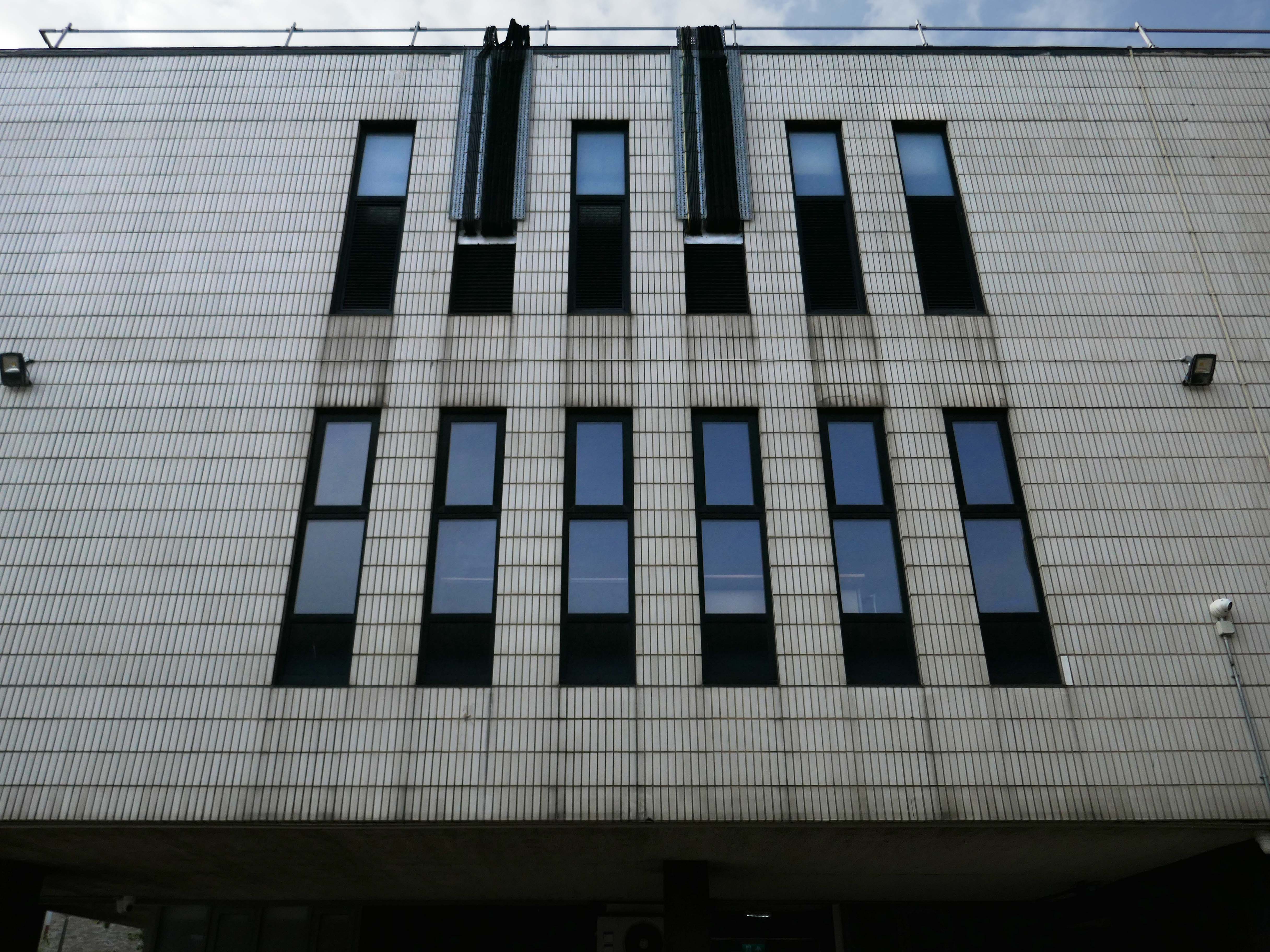
So, it’s about time this low lying white tiled delight received some well deserved attention.
Though recently there have been structural problems:
The safety of everyone who uses our courts is paramount and the decision to temporarily close Blackpool and Preston Magistrates’ courts was made in line with professional advice following the detection of defective Reinforced Autoclaved Aerated Concrete. These court buildings will reopen once they are assessed as safe by professionals following the completion of required remedial works.
There have also been solutions:
Preston Magistrates’ Court is currently scheduled to reopen in January 2024.
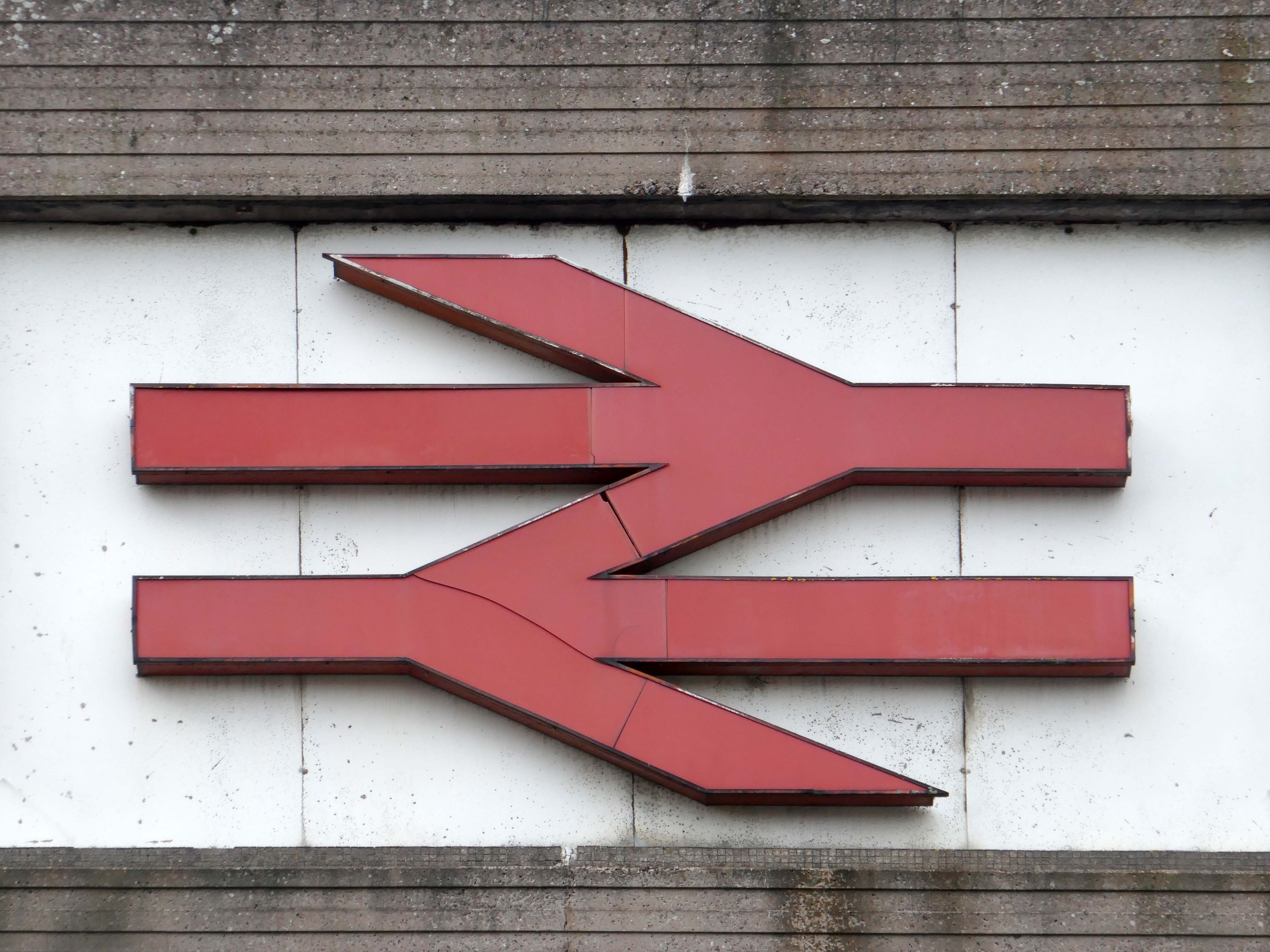
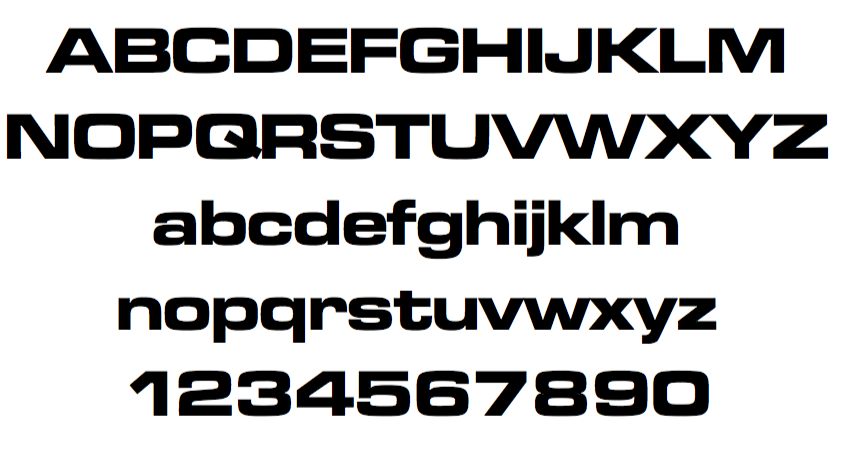
Local lad Tom Finney was unable for comment, though saddened to hear that the Microgramma sign was no longer in situ.
Copyright Rex Shutterstock
Microgramma is a sans-serif typeface designed by Aldo Novarese and Alessandro Butti for the Nebiolo Type Foundry in 1952. It became popular for use with technical illustrations in the 1960s, and was a favourite of graphic designers by the early 1970s.
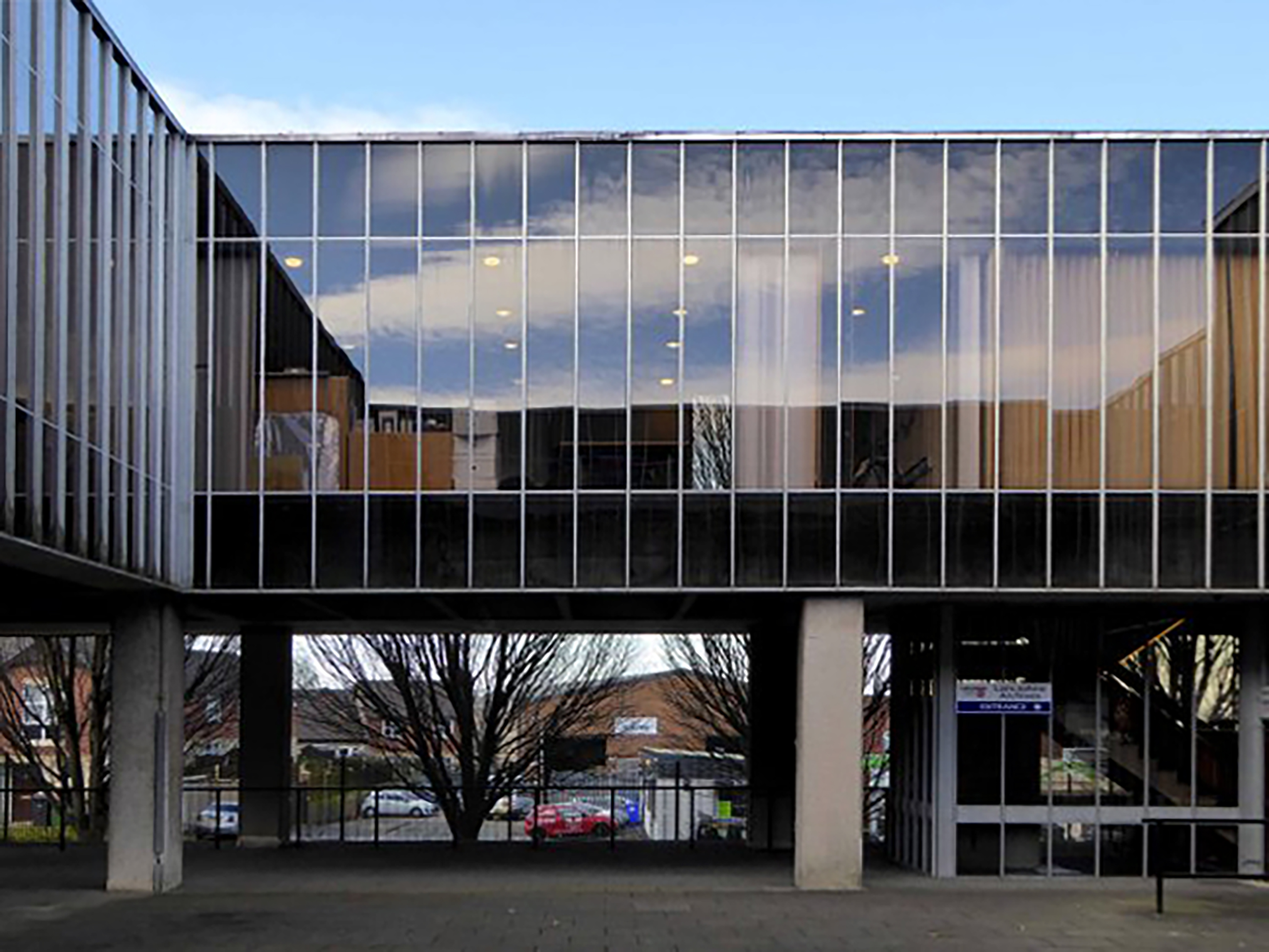
The building is the work of the Borough Architects under John Hatton – though I am reliably informed that County Architect Roger Booth took an advisory role.
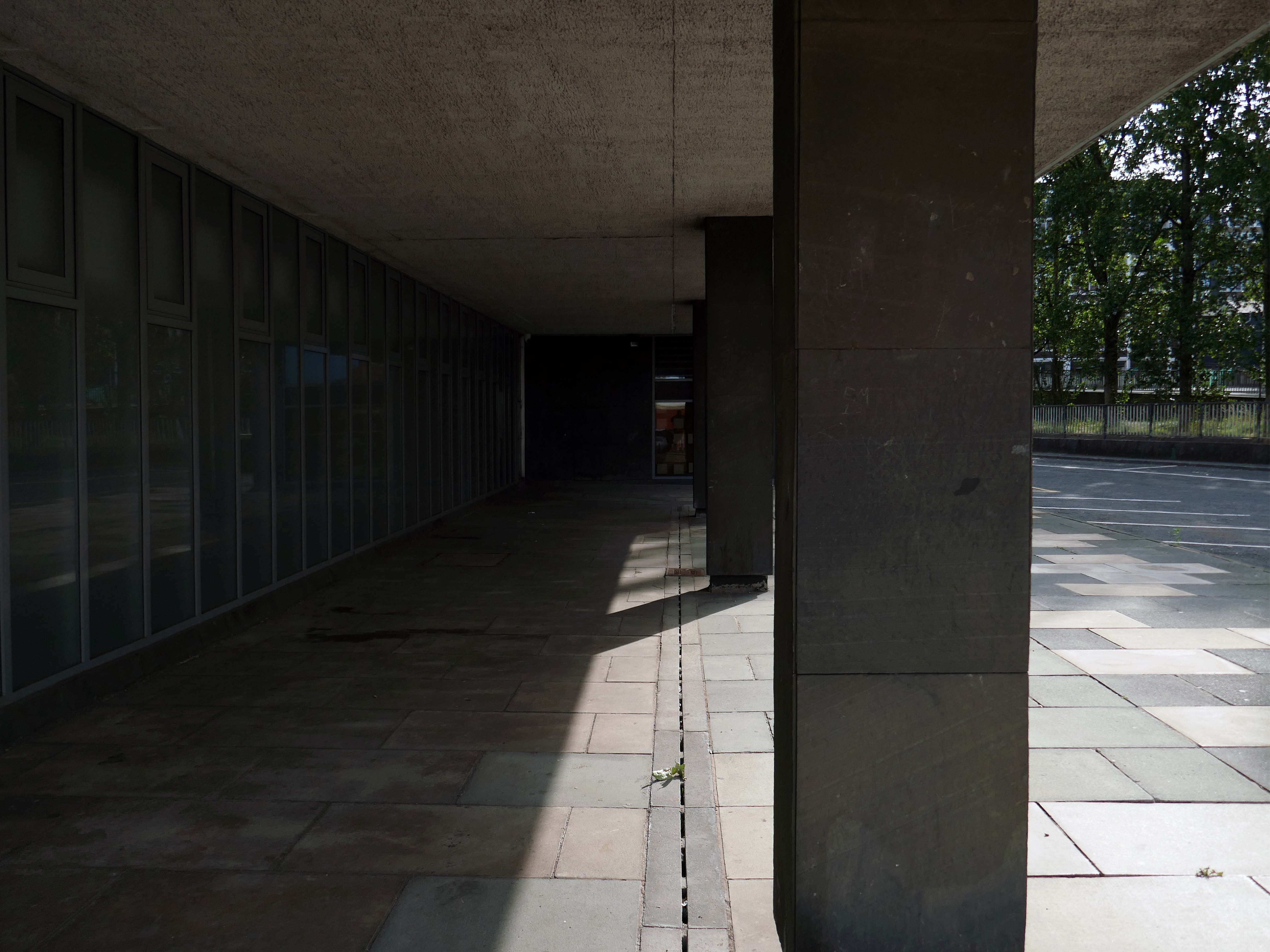
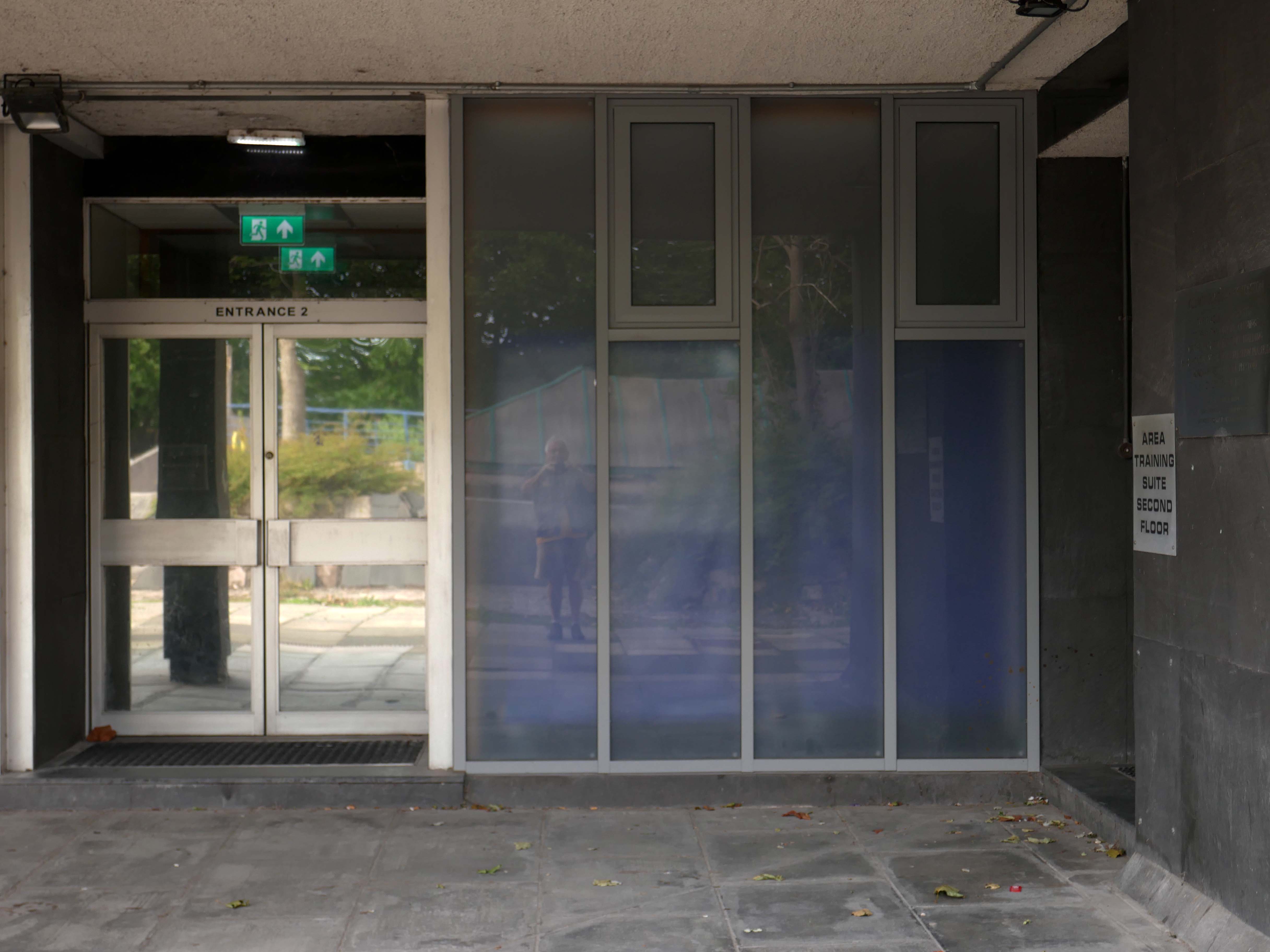
The Courts certainly echoes many of the stylistic and material characteristics of his work, particularly the County Archives, with similar piloti and glazing.
So let’s take a circuitous tour.
This is the seriously neglected seating area.
The Courts once had a Roger Booth Police Station as a neighbour.
Photographs – Richard Brook
Converted to apartments in 2013, with current plans for further developments.
More than 200 student flats are set to be built on part of Preston’s former divisional police headquarters.Preston City Council planning officers have recommended that councillors give the go-ahead to the scheme – at the junction of Walker Street and Lawson Street, to the rear of the magistrates’ and crown courts.
The part of the plot where the new ‘studio apartments’ would be erected is currently occupied by a multi-level public car park, accessed from Saul Street, which has been operated as a pay and display facility by Chorley-based Parking Eye for the last nine years.
Other Roger Booth police stations have also been visited by the wrecking ball, Blackpool and Bury are now no longer extant.
Here we are again, six years after the first visit.
What’s been happening hereabouts in the interim?
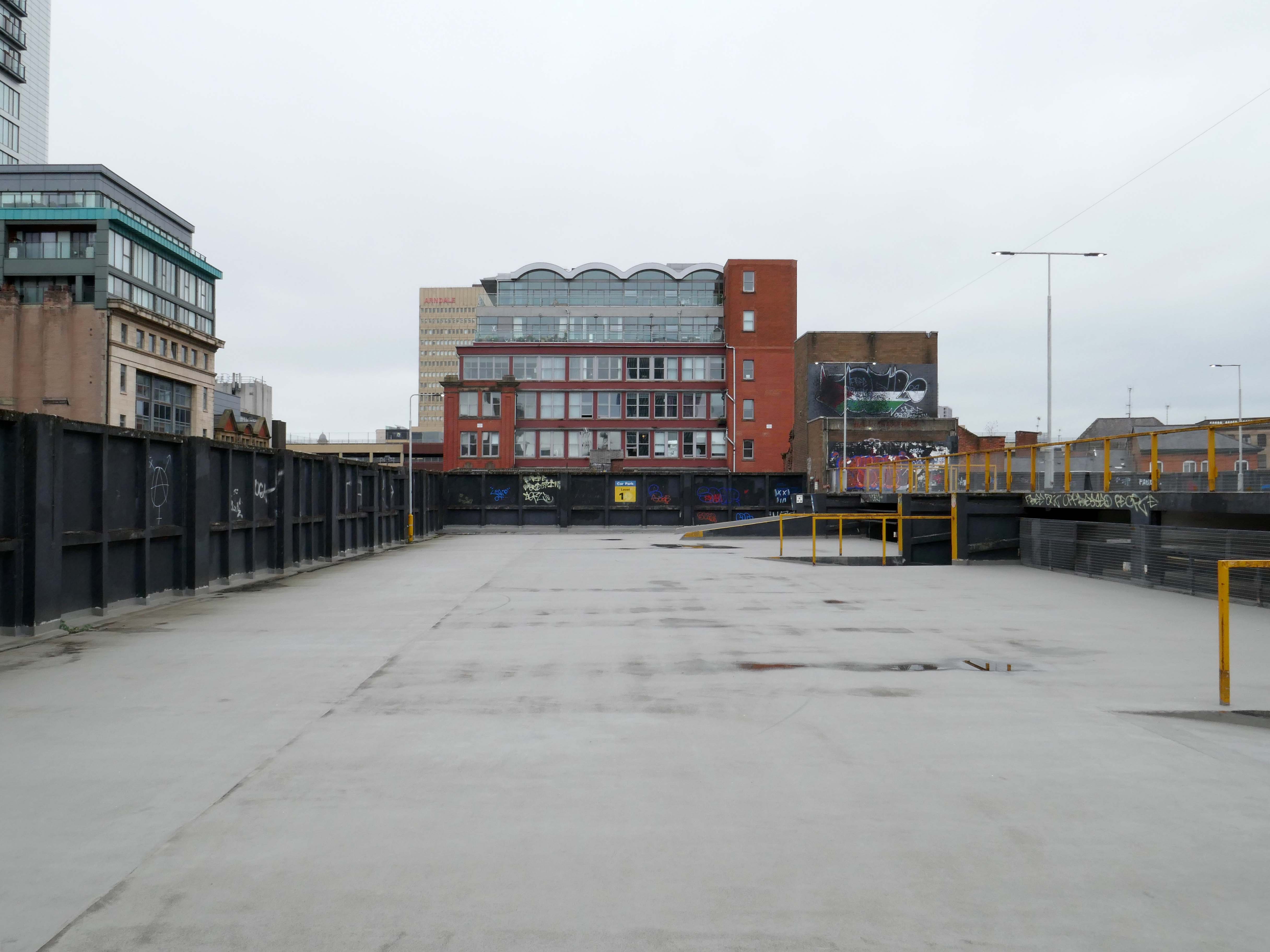
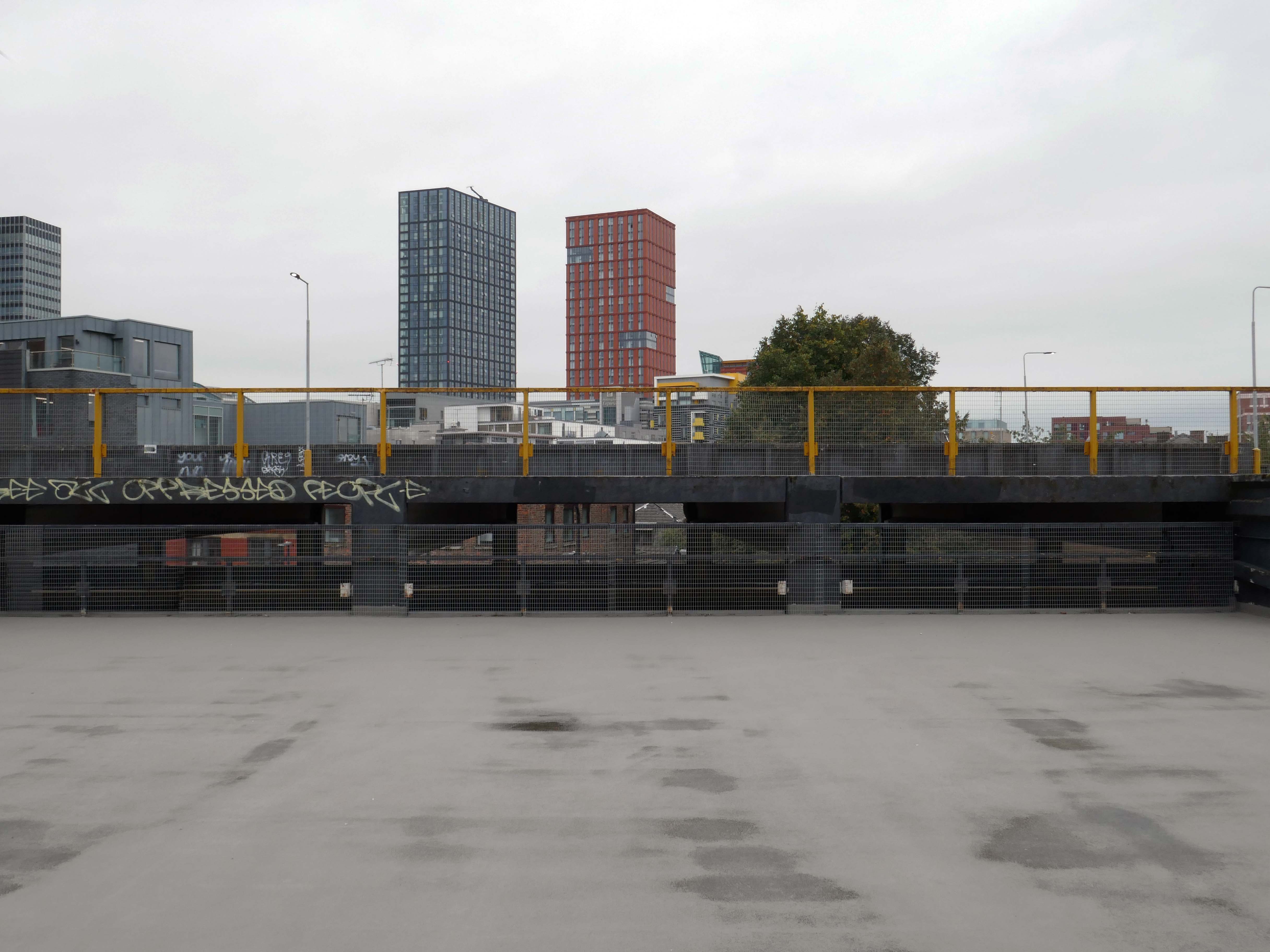
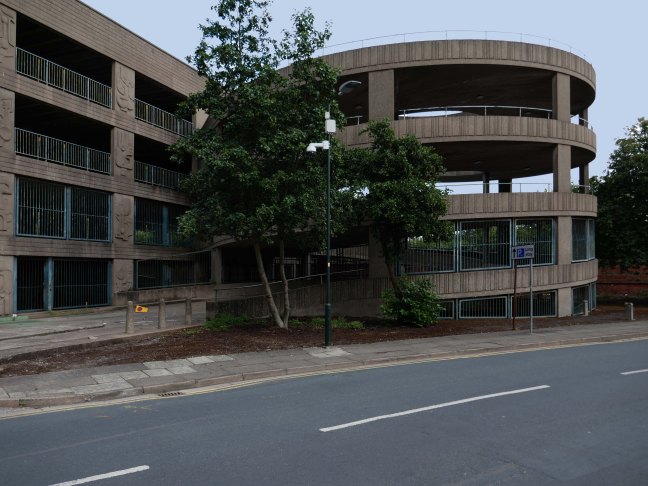
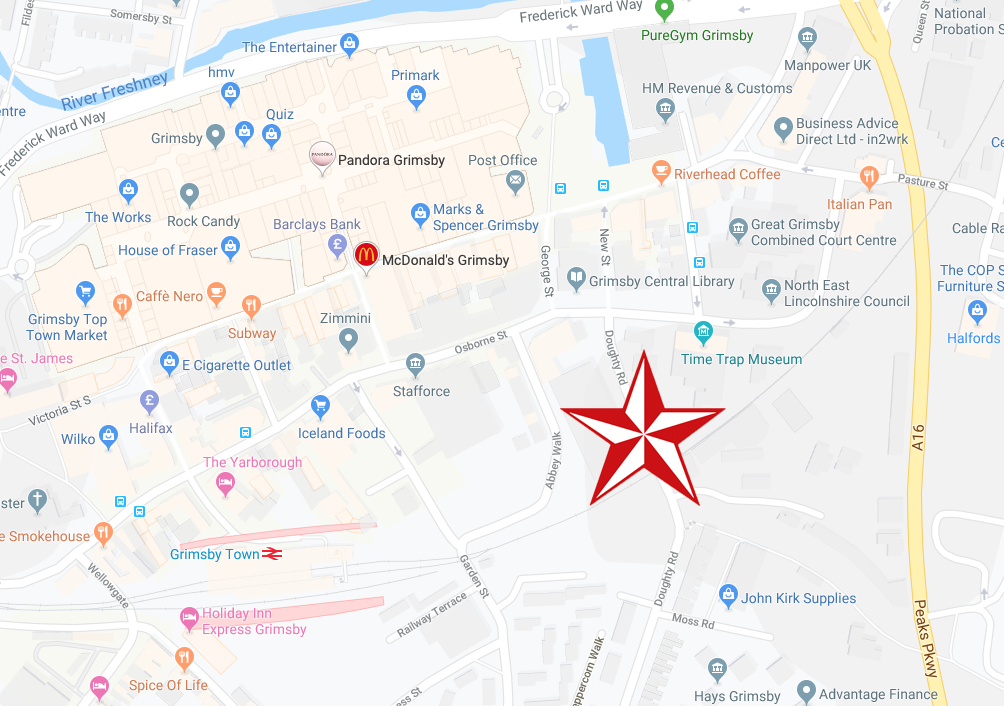
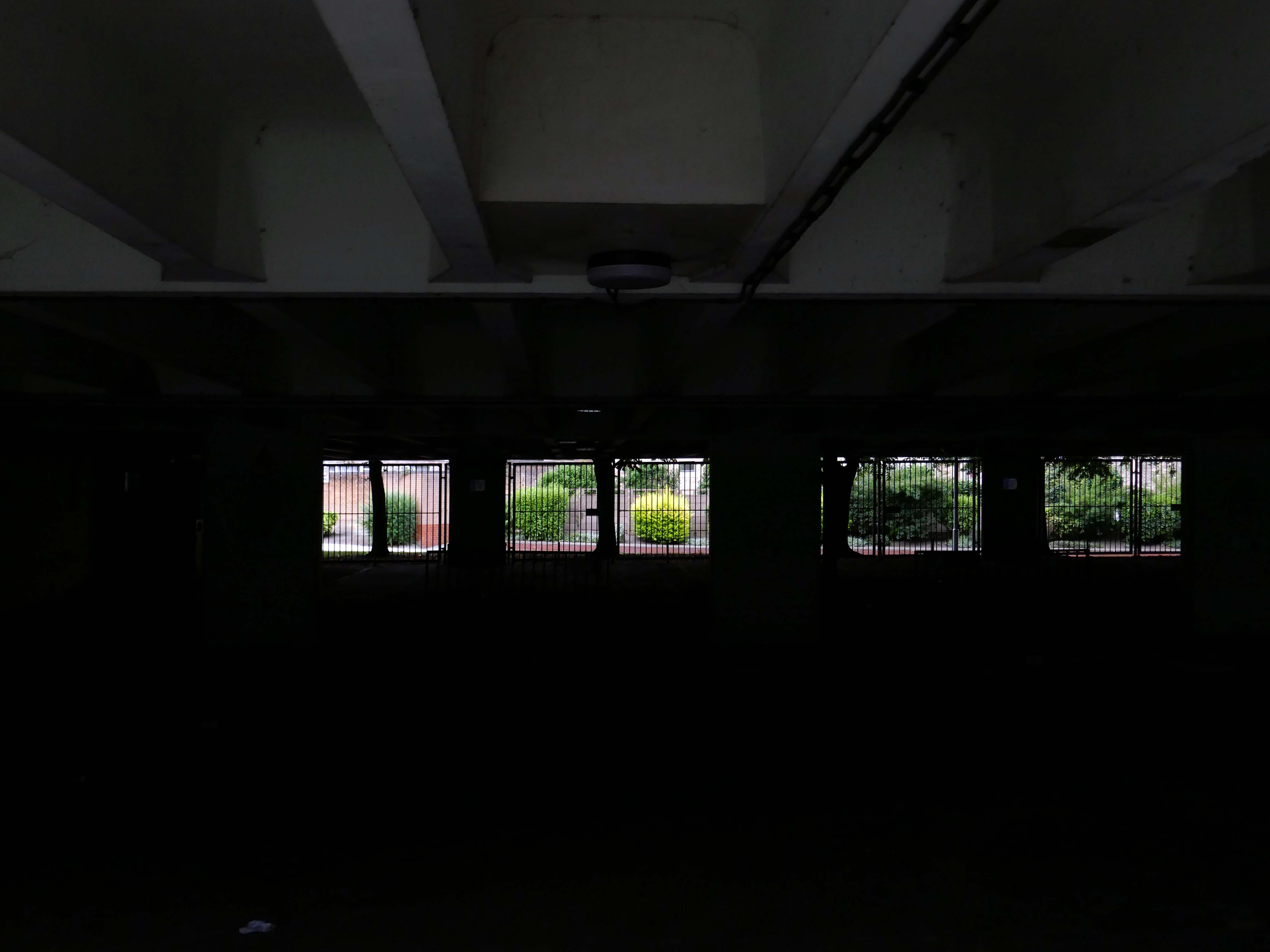
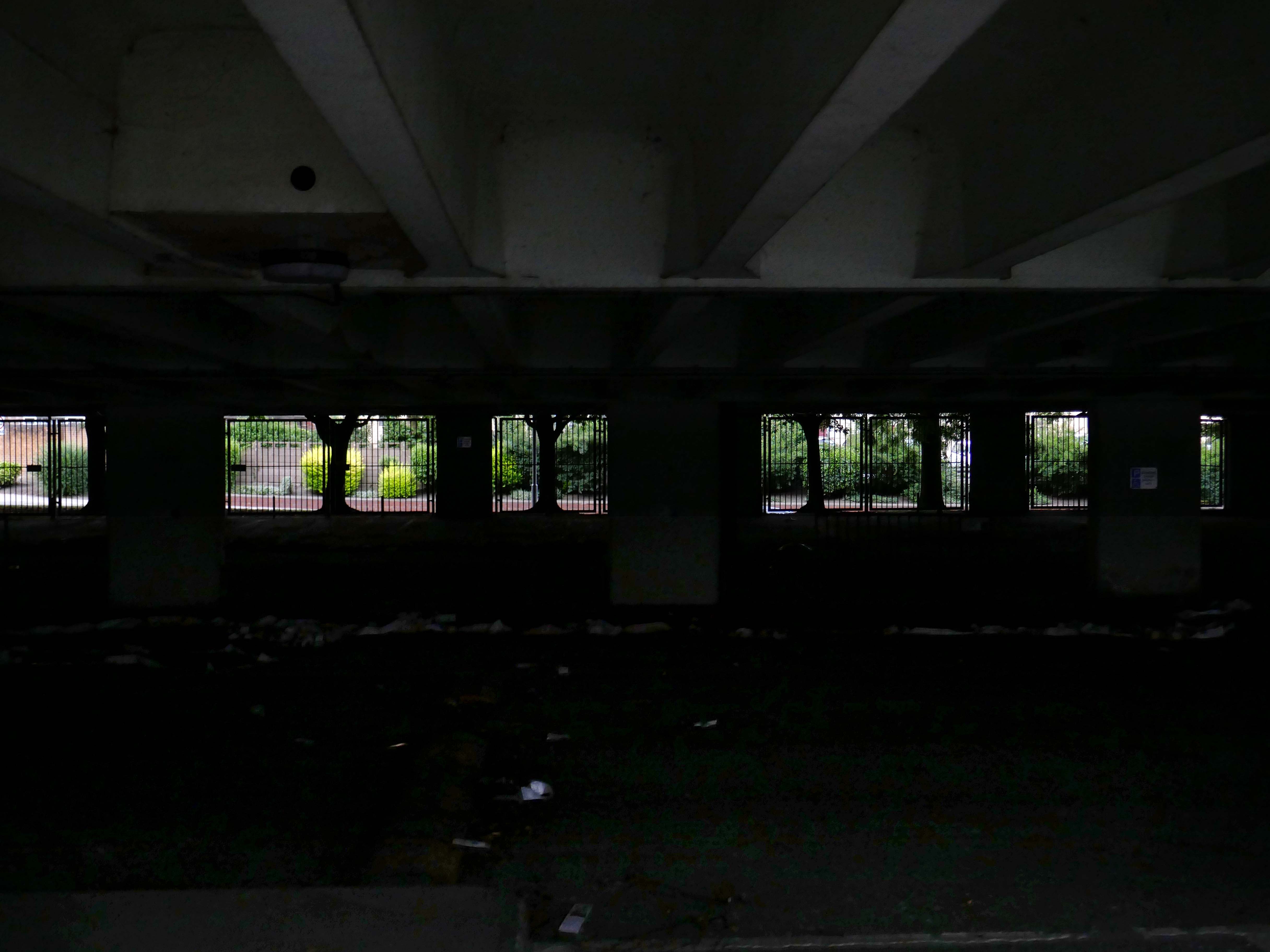
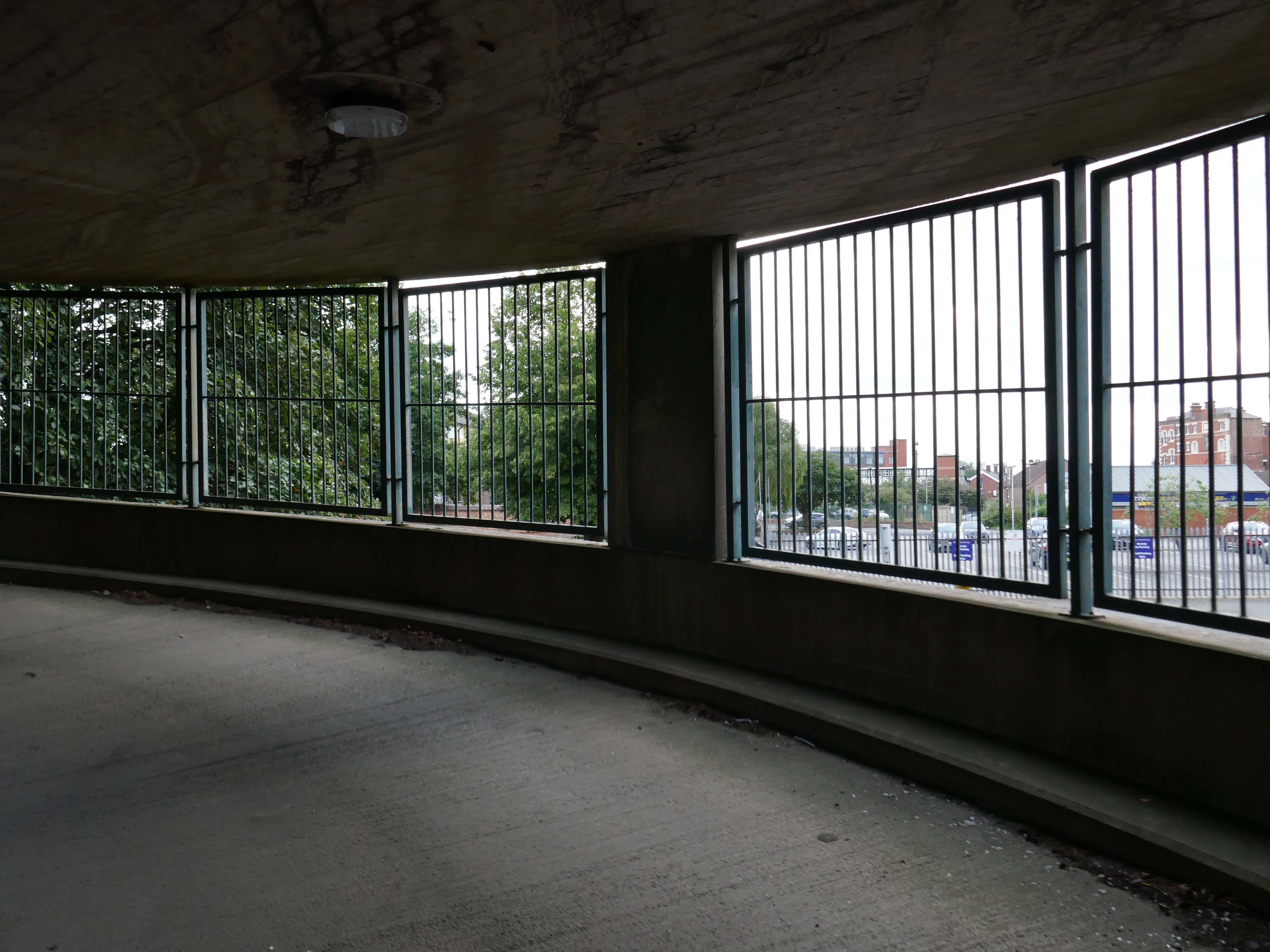
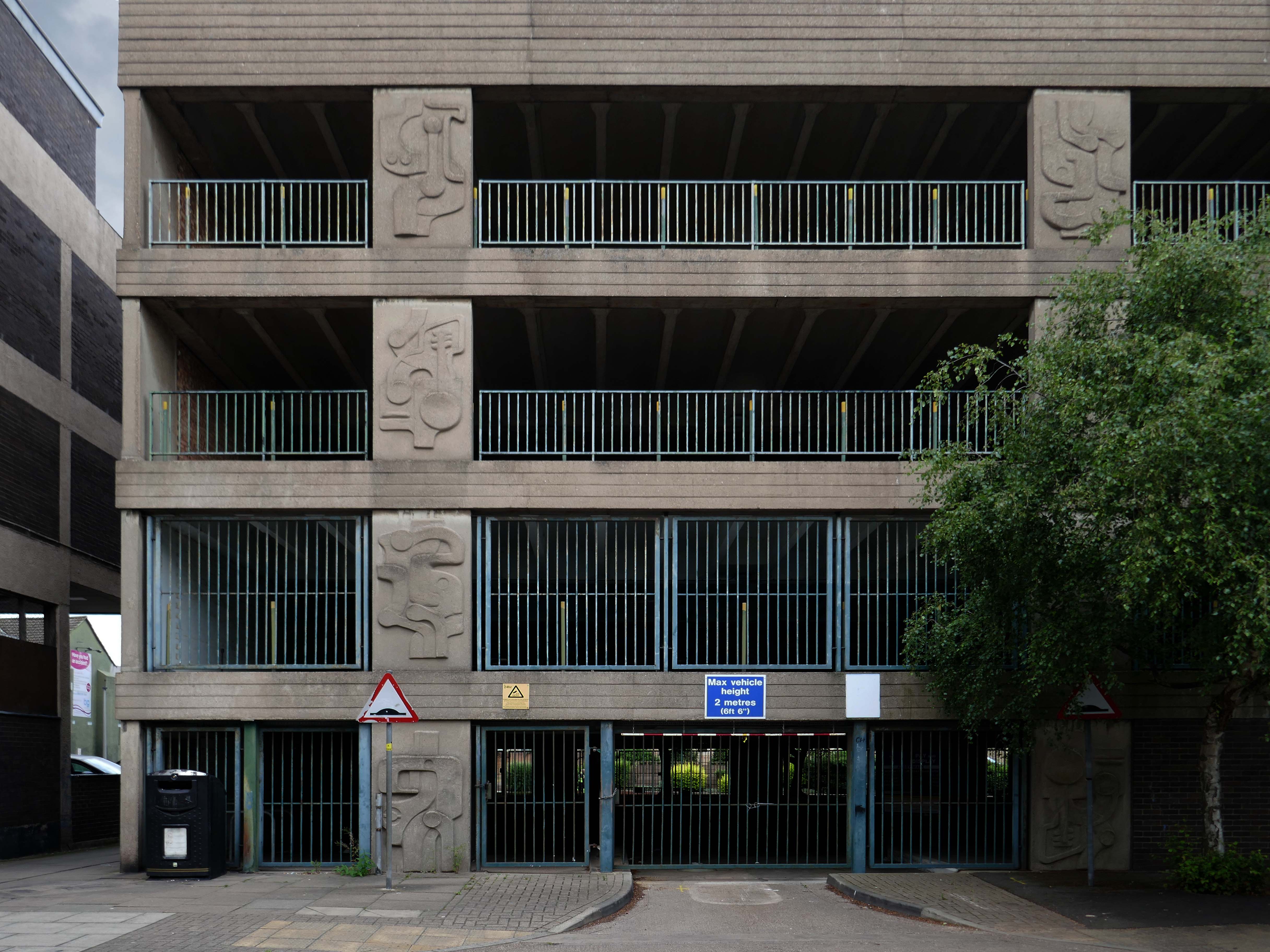
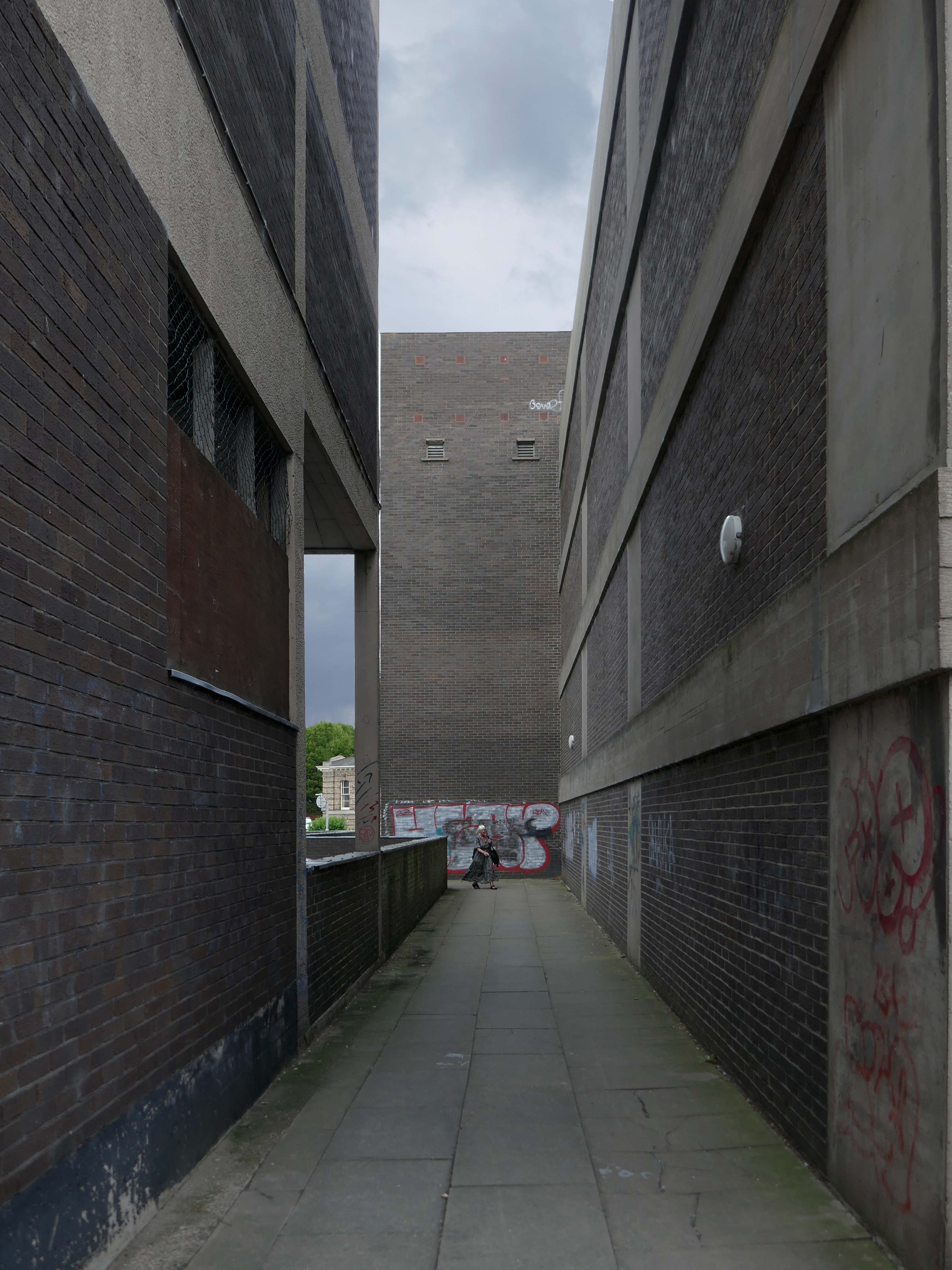
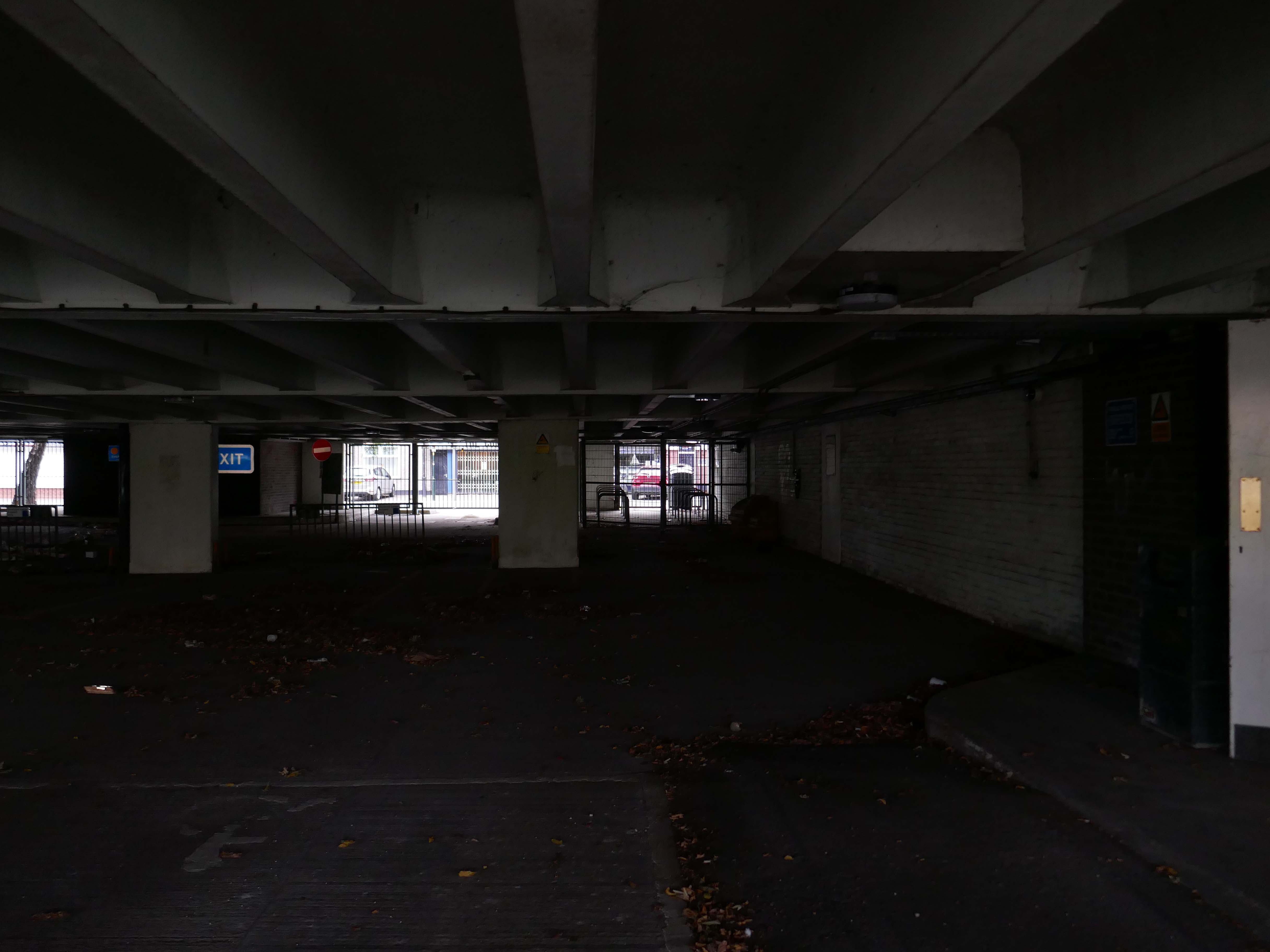
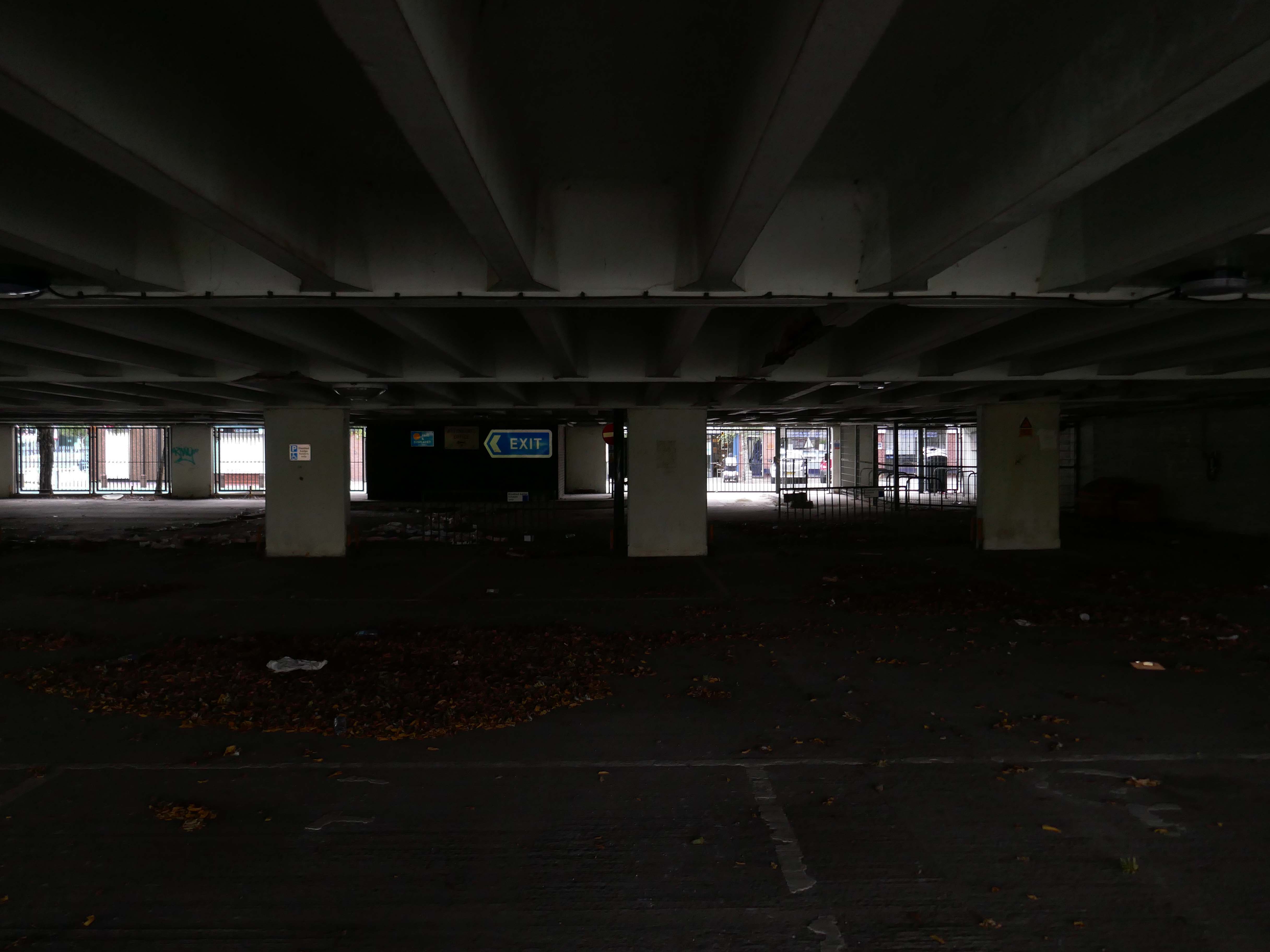
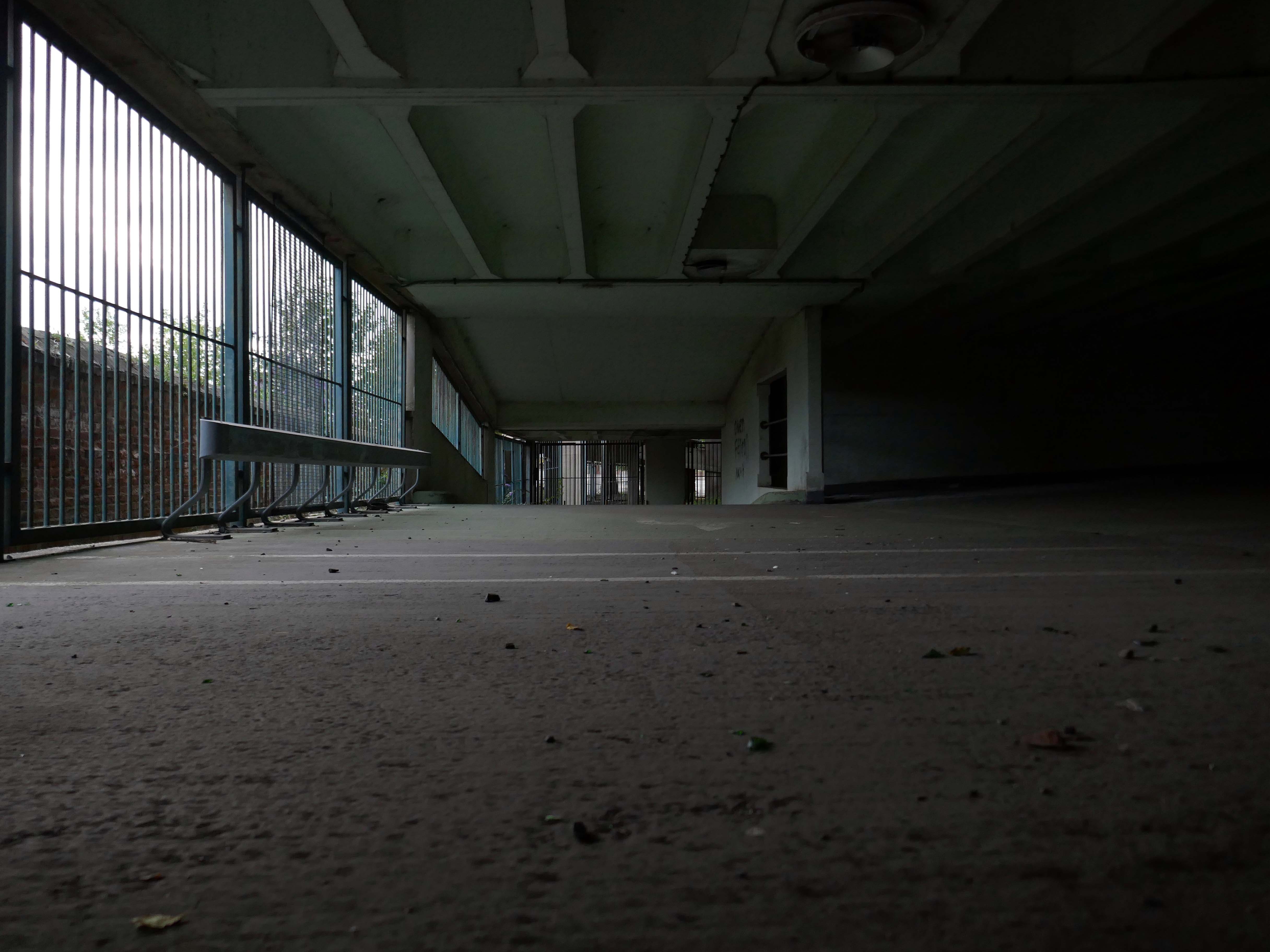
The Abbey Walk car park was built in 1969 by Holst & Company of Scunthorpe at a cost of approximately £200,000.Whilst a key asset for the town centre, the car park was closed in May 2024, after structural defects were found. This was water ingress into key structural supports, making the car park potentially unsafe to use.
It has now been approved to proceed with plans to demolish the car park, and replace it with a 120-space surface car park, but with the capability in the foundations of being built on in future years if needed.
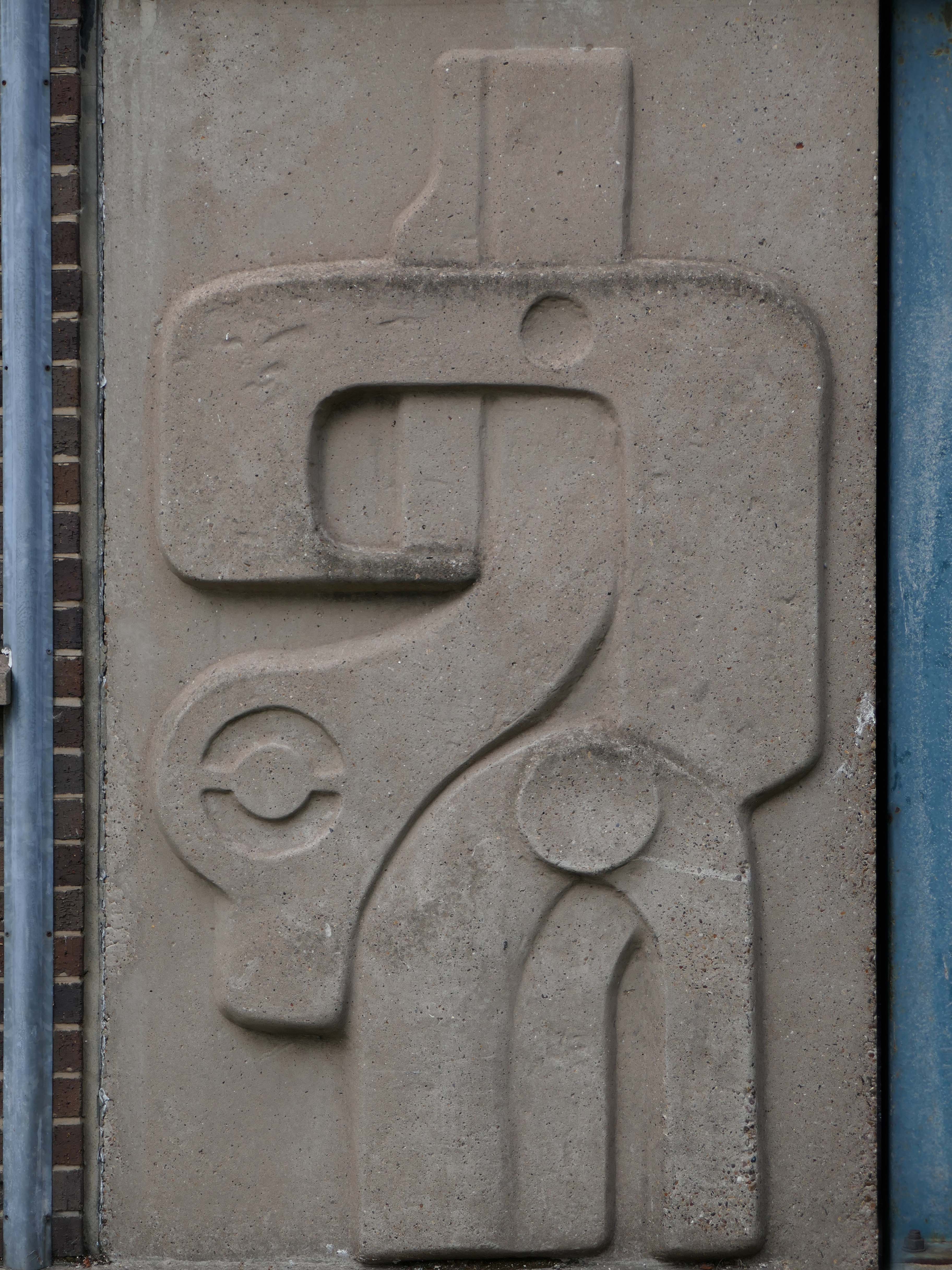
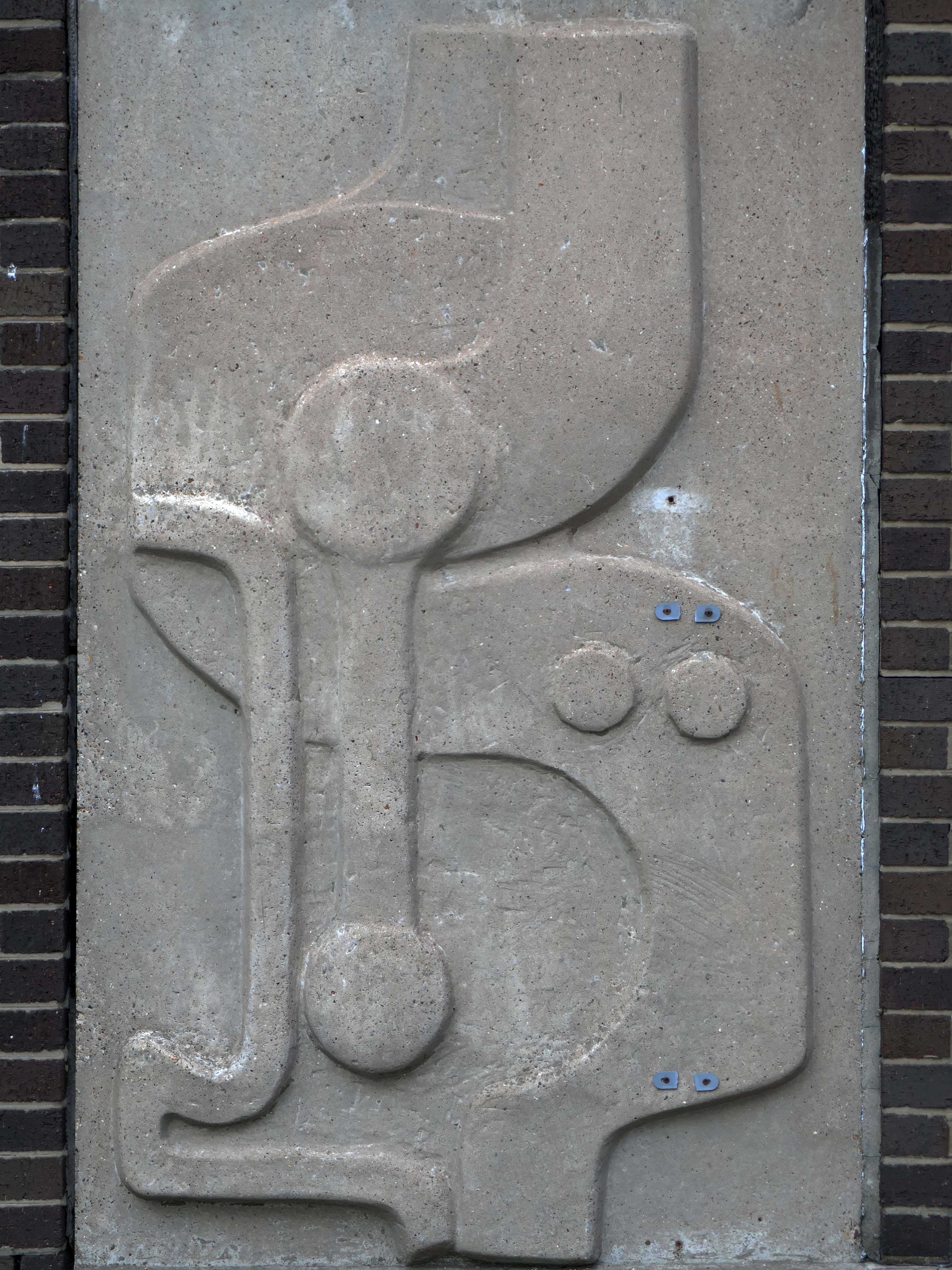
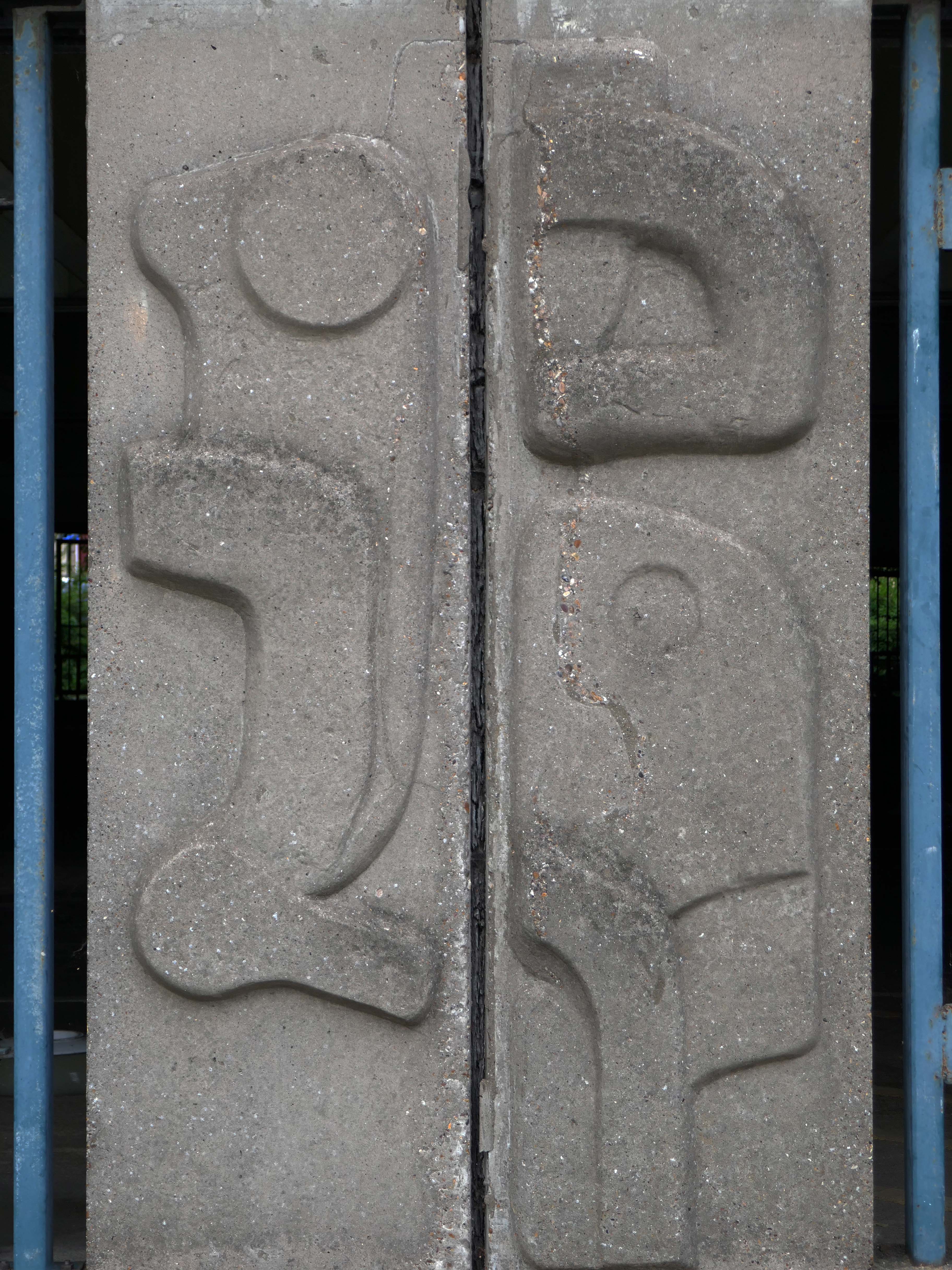
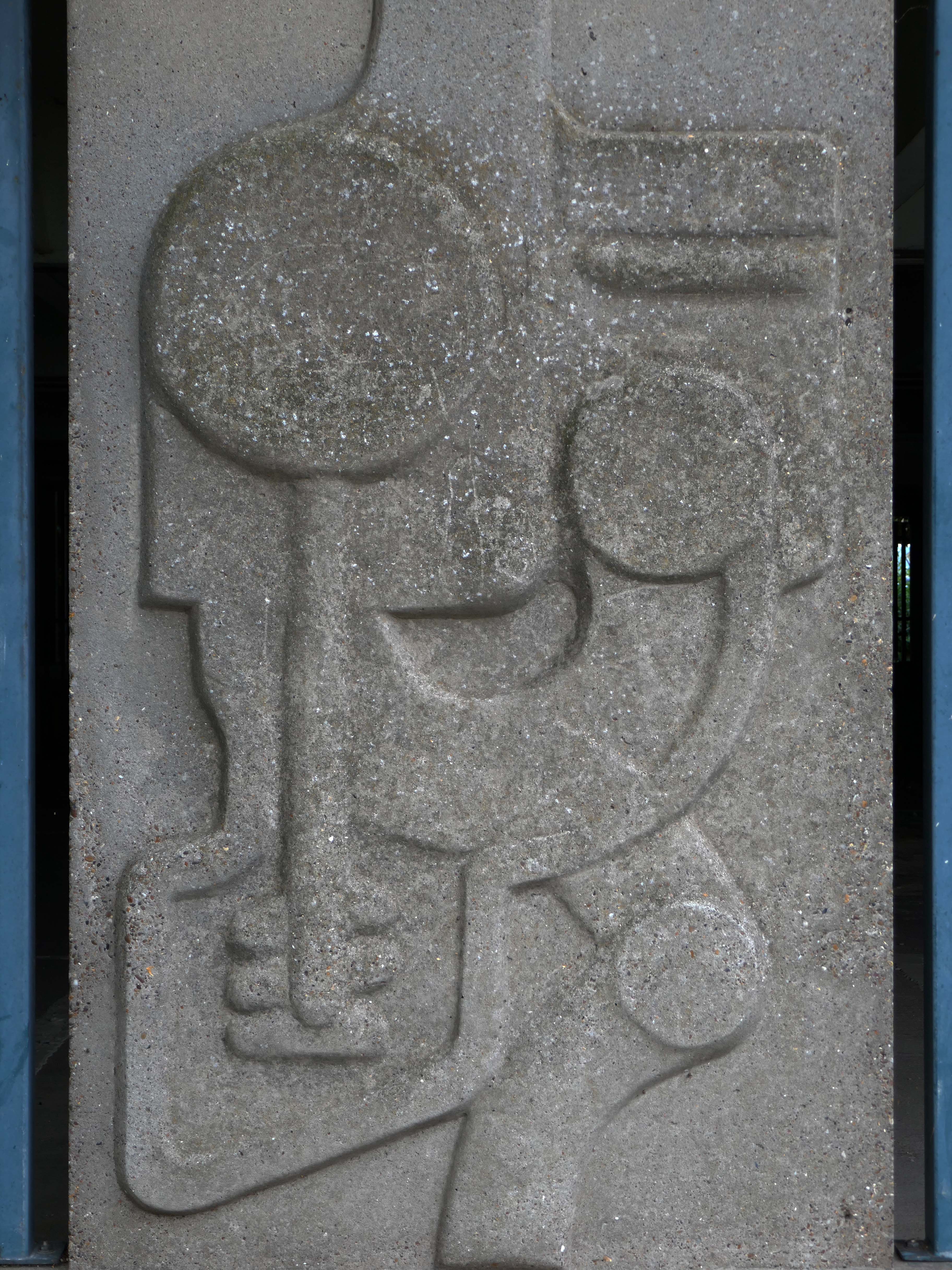
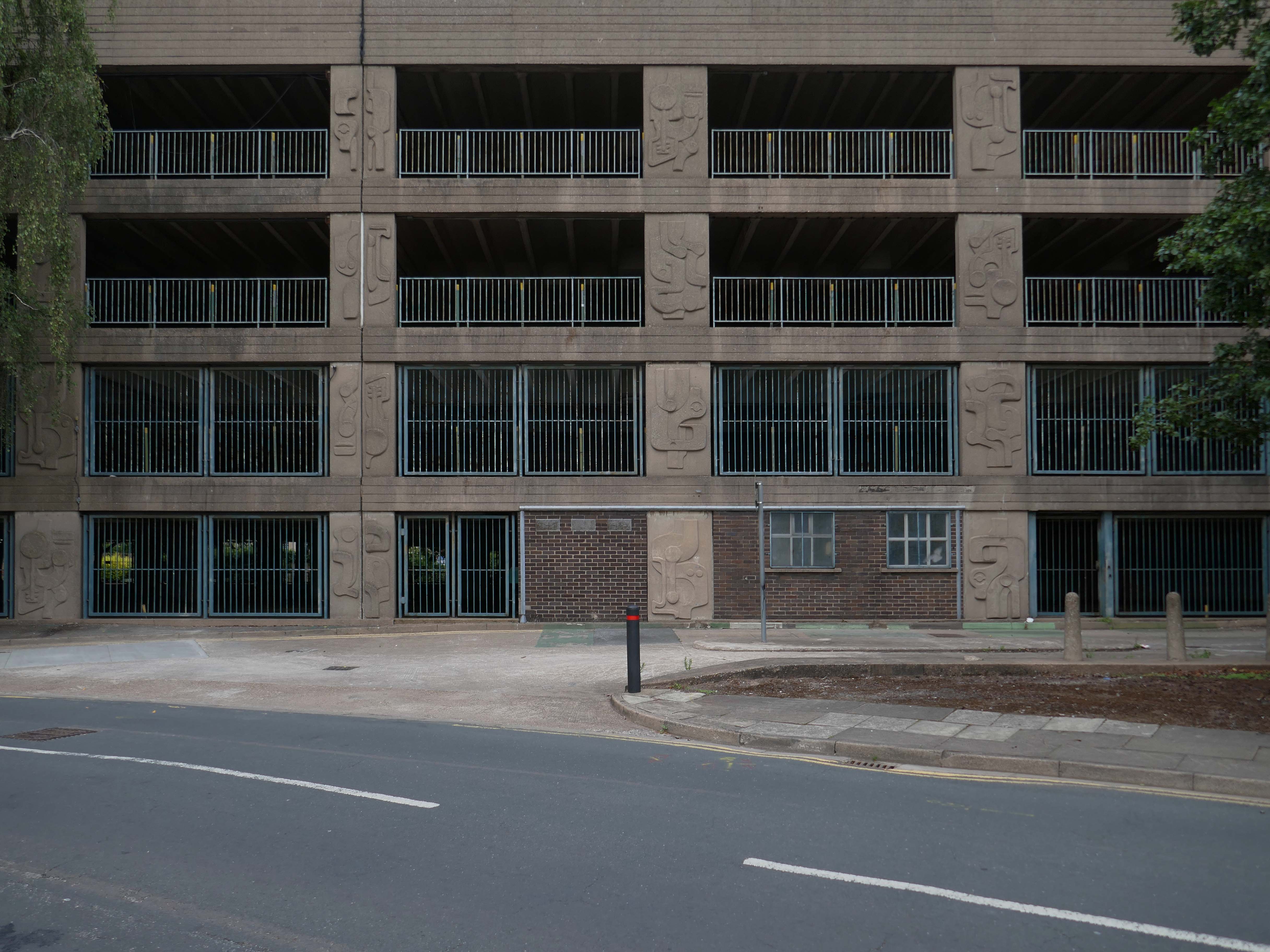
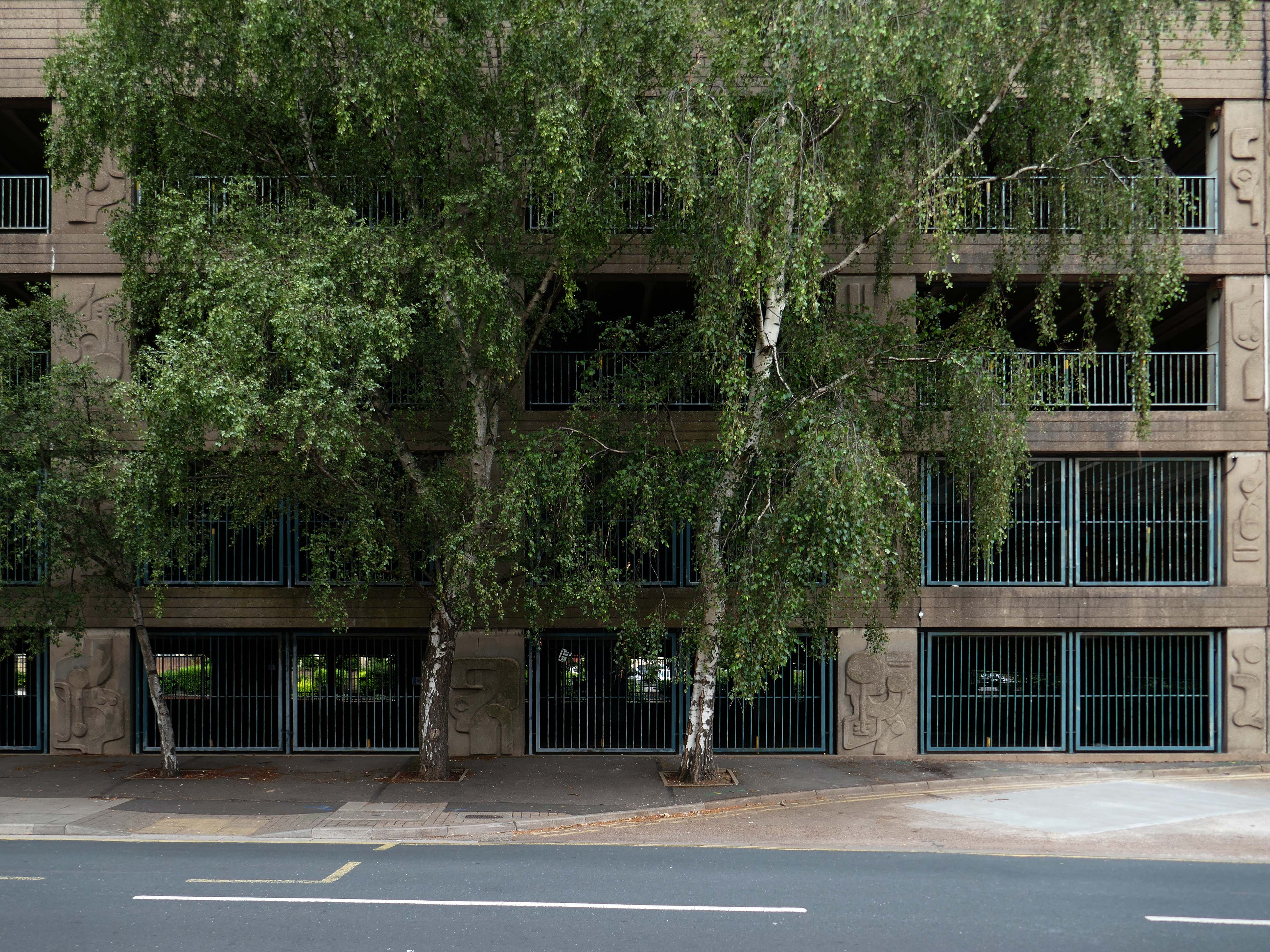
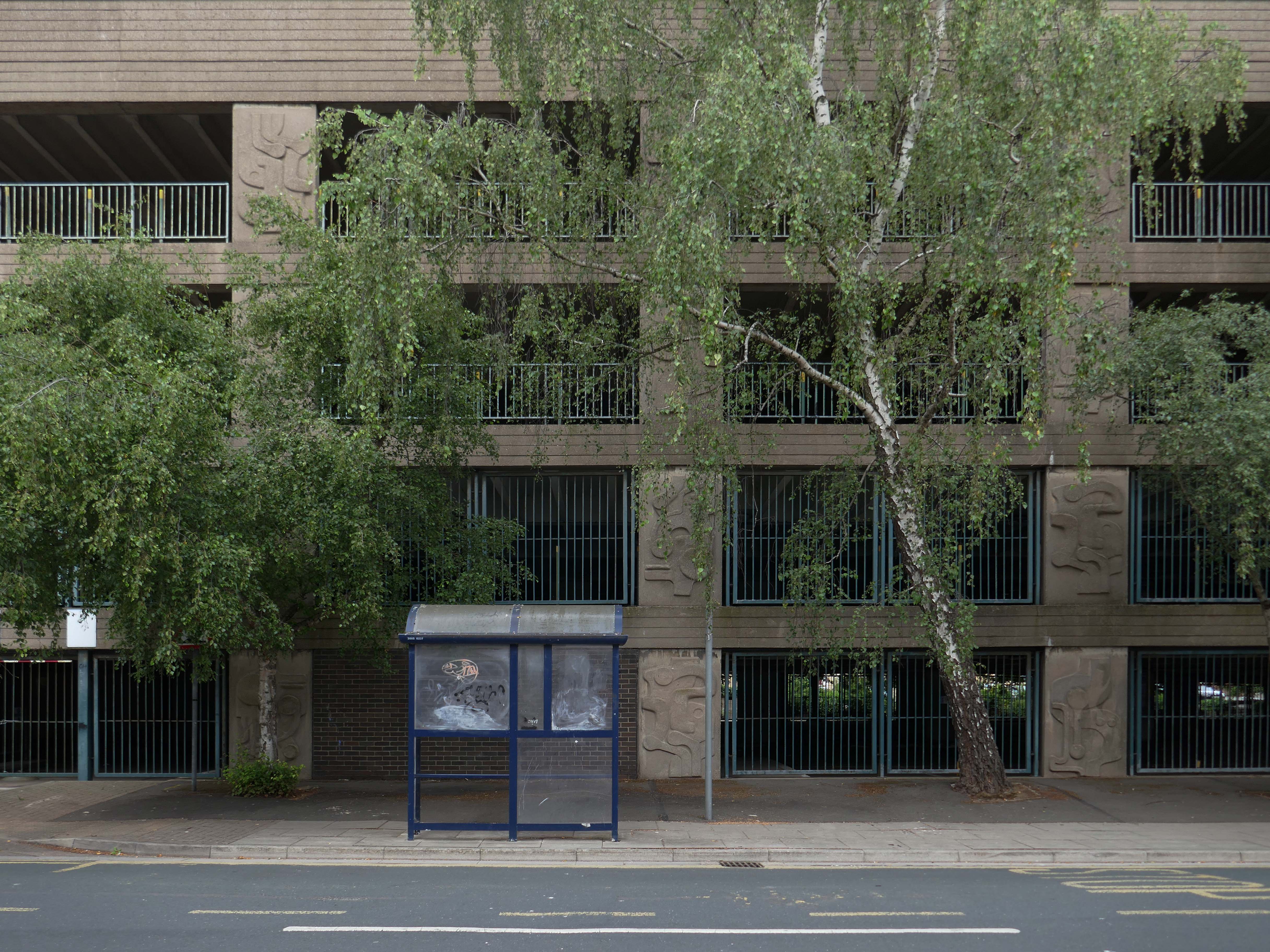
But what of the unique concrete relief panels, you may ask?
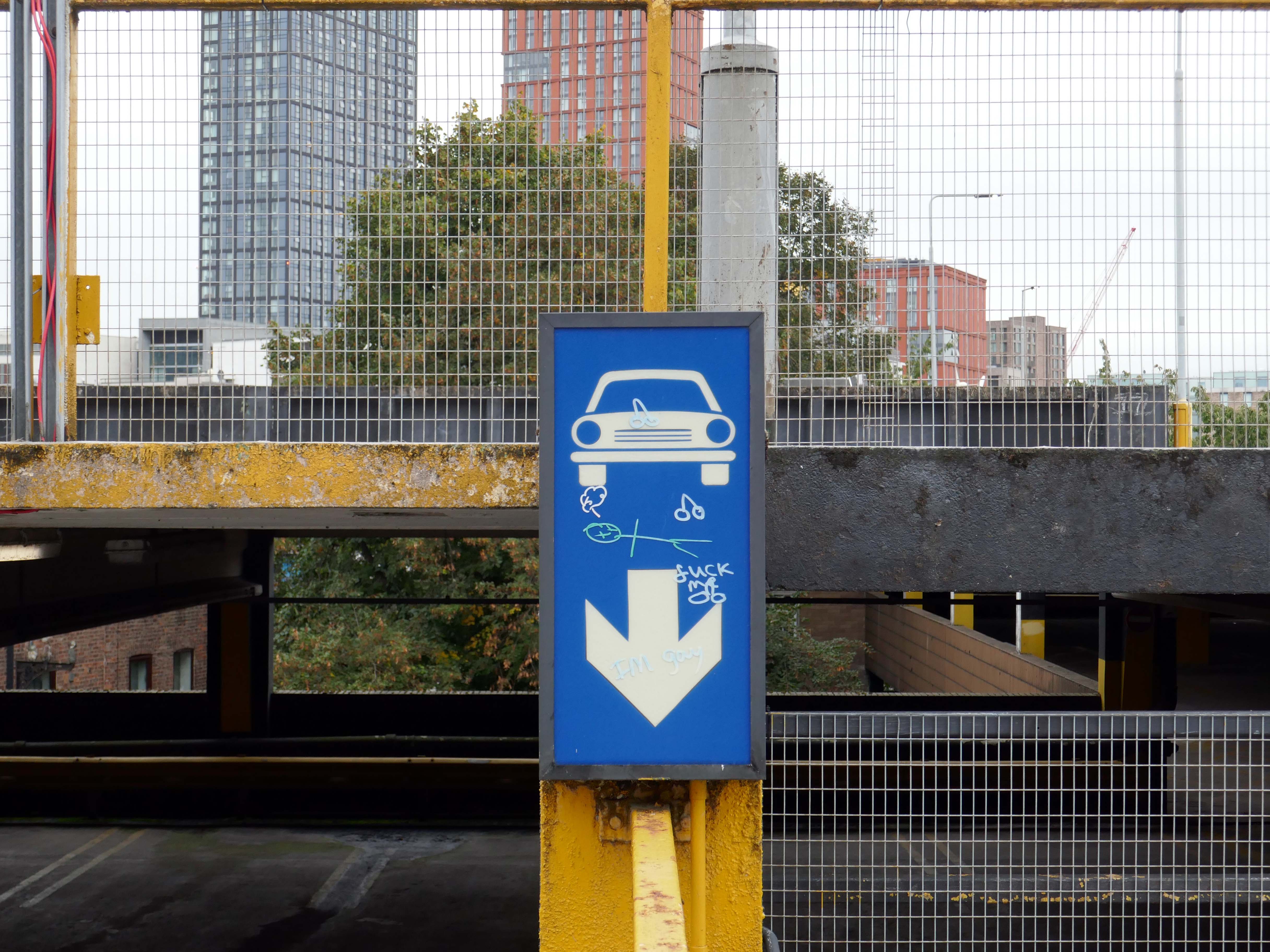
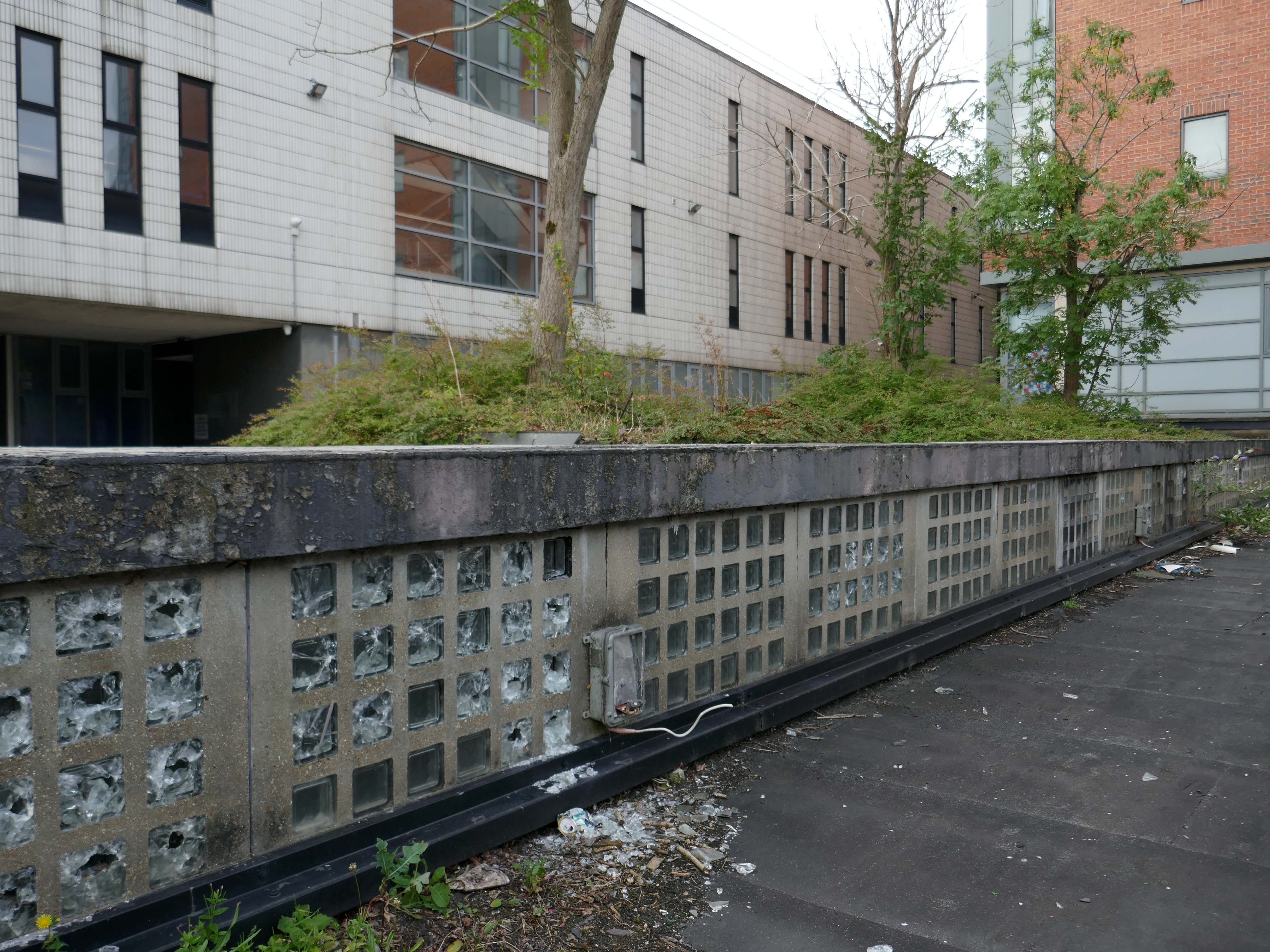
The four abstract concrete reliefs depict parts of a car, which were inspired by drawings in the handbook of the artist’s Austin Cambridge estate car, and were installed when the building was constructed.
Designed in the 1960s by artist and sculptor, Harold Gosney, having been asked to carry out the car park commission by the architects, Nicholson and Rushton.
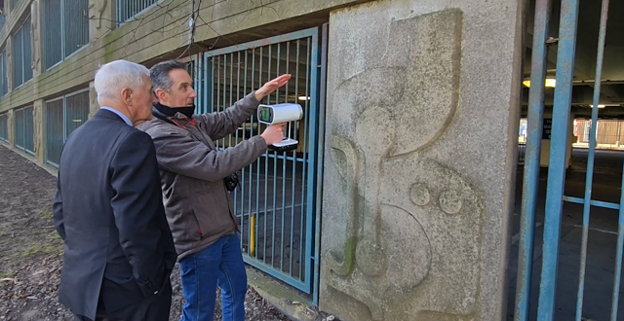
These panels were cast in situ, with metal bars running through them, which were integral to the car park structure, which is likely to make removal of the artwork incredibly difficult.
Last month, it was confirmed conservationists from the University of Lincoln had 3D scanned the sculptures to create digital 3D models to preserve them.
Which is all well and good, but will they ever be really remade and reinstated anywhere?
Only time will tell.
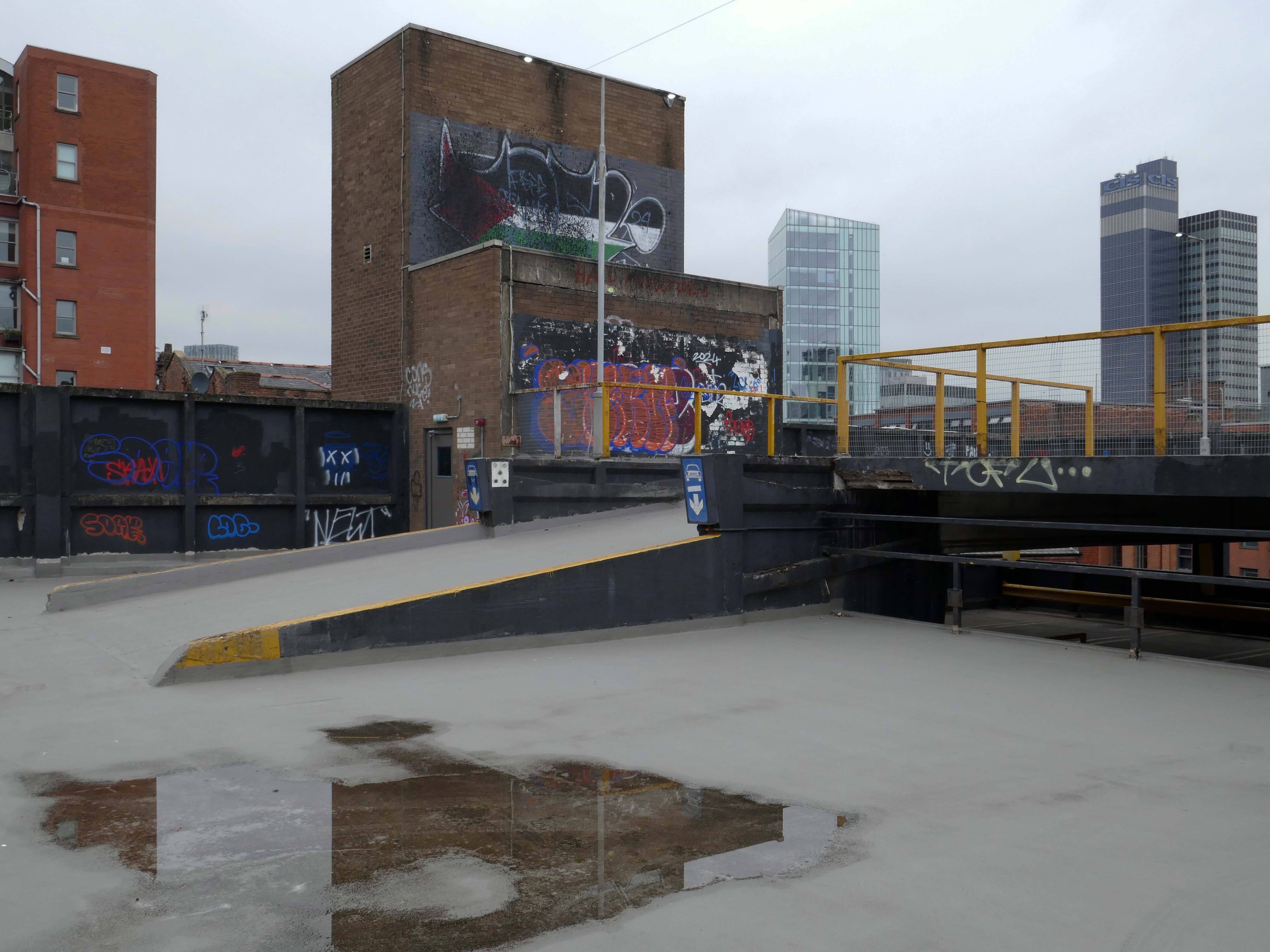
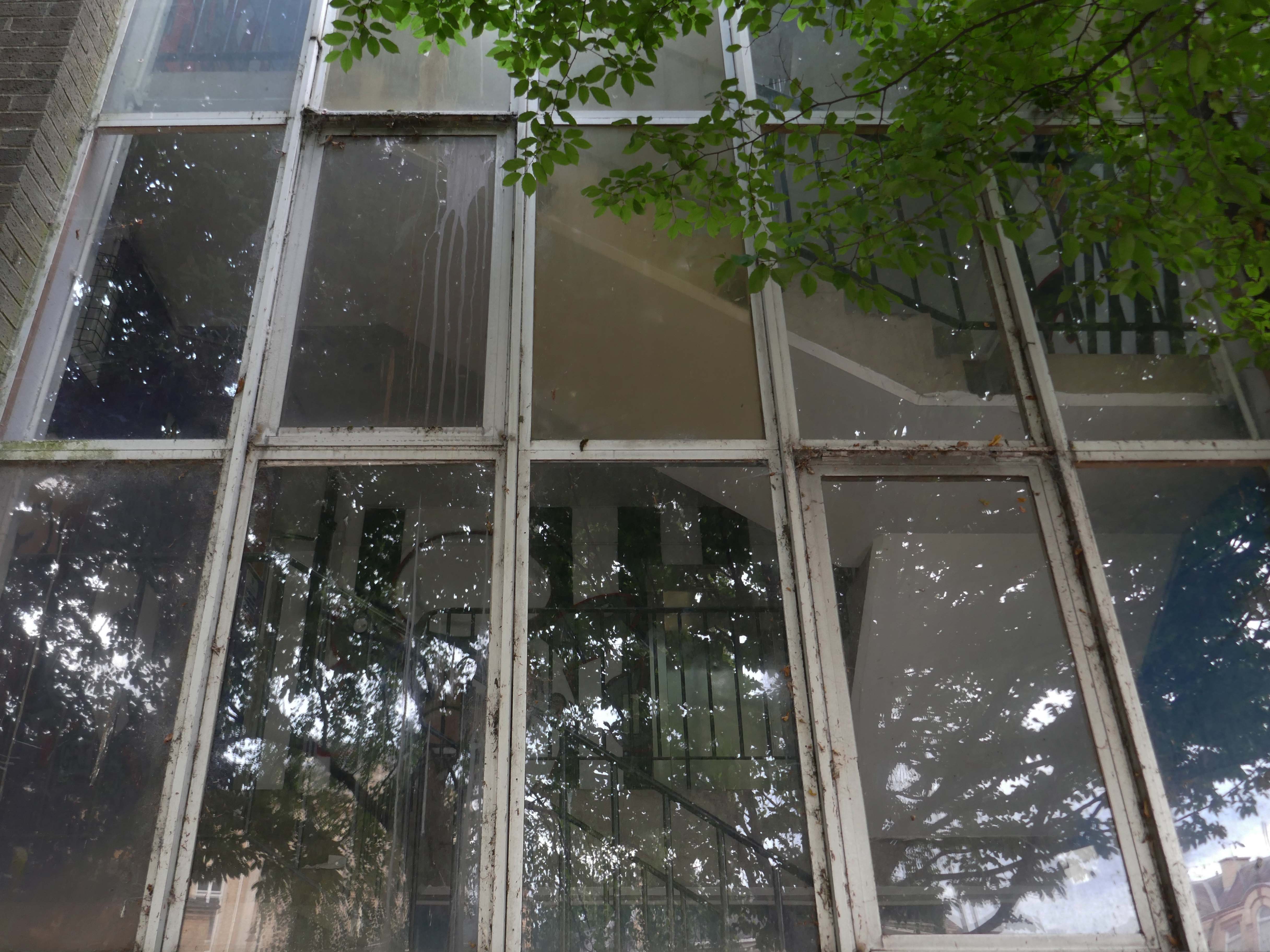
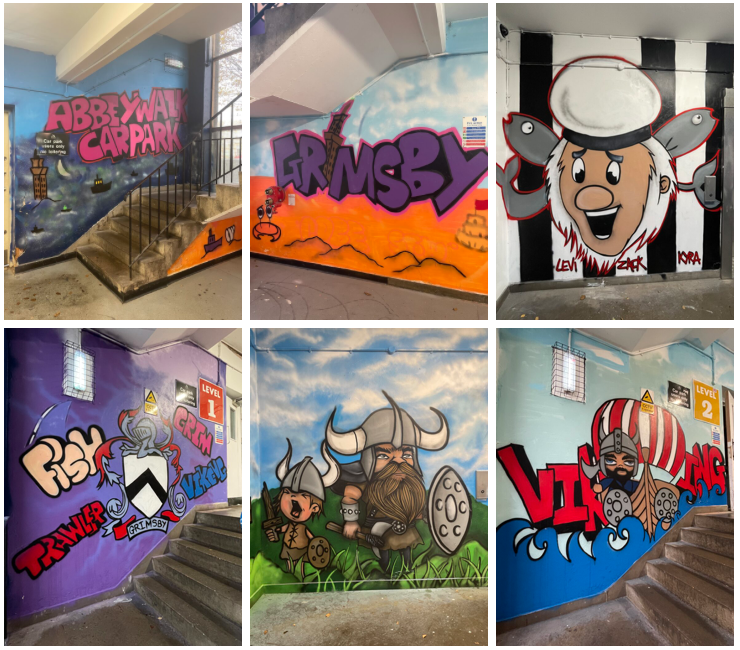
In 2023 the car park stairwell was transformed by young people from the local area, as part of a project by North East Lincolnshire Council and local artist Lynsey Powles, to try to tackle graffiti and anti-social behaviour.
Abbey Walk multistorey car park in Grimsby has been the site of a number of incidents of anti-social behaviour and graffiti in recent years.
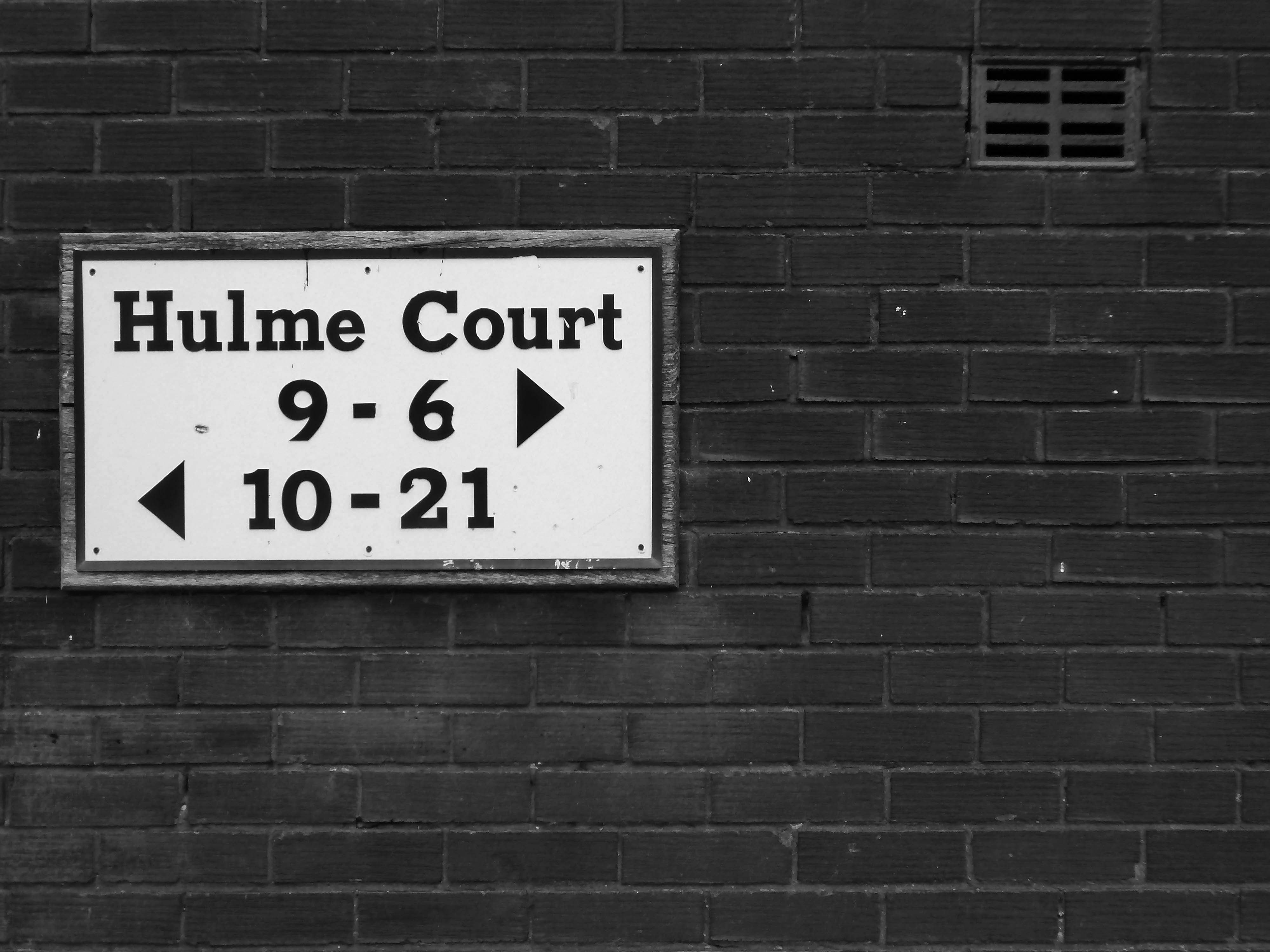
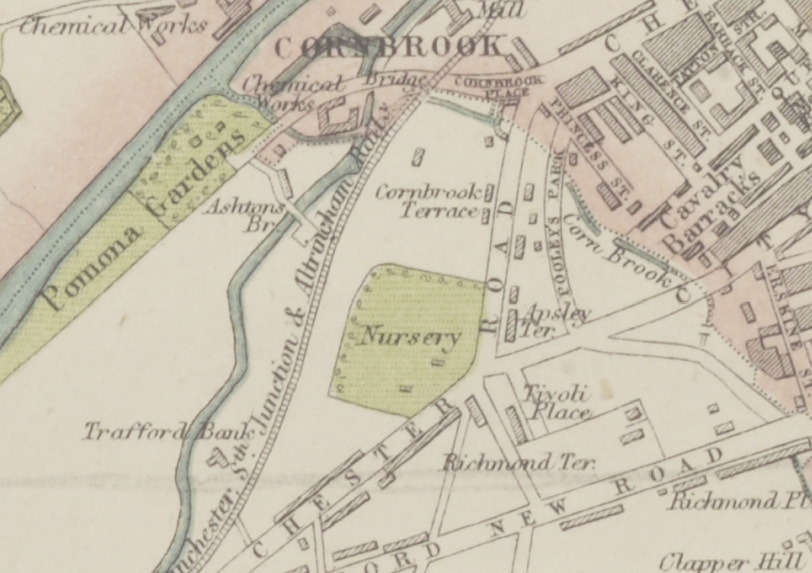
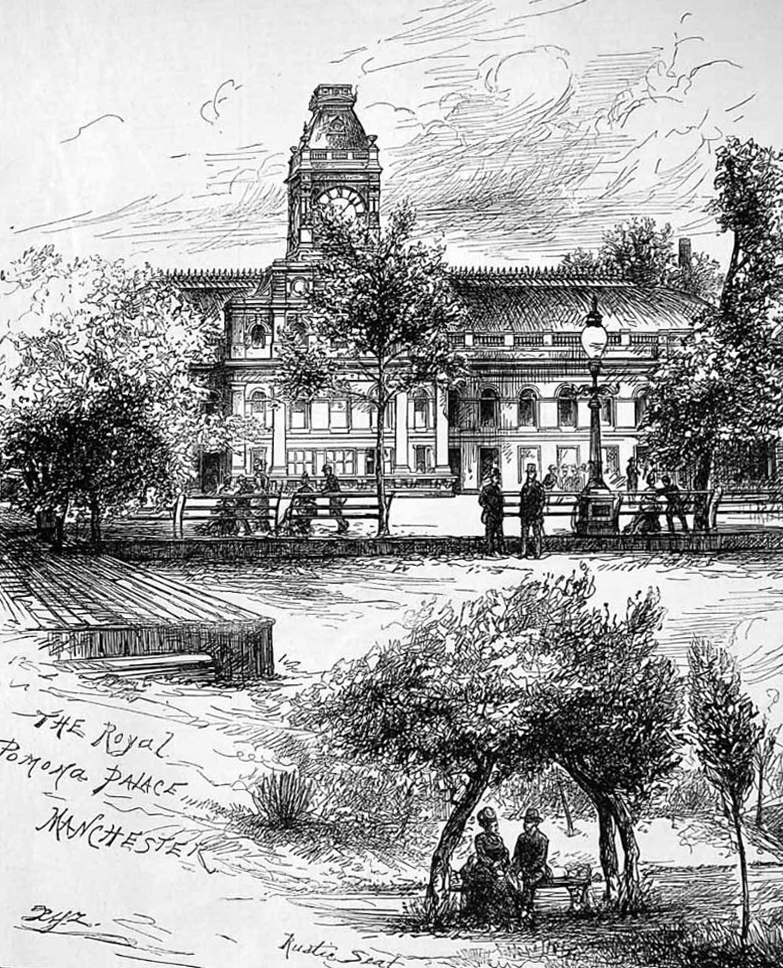
In 1870 the street pattern has yet to be established, between the South Junction railway and Chester Road. The area is occupied by a Nursery. Pomona Gardens sits beside the river, and the Corn Brook is clearly visible. To the right are the Hulme Barracks, closed and demolished in 1914.
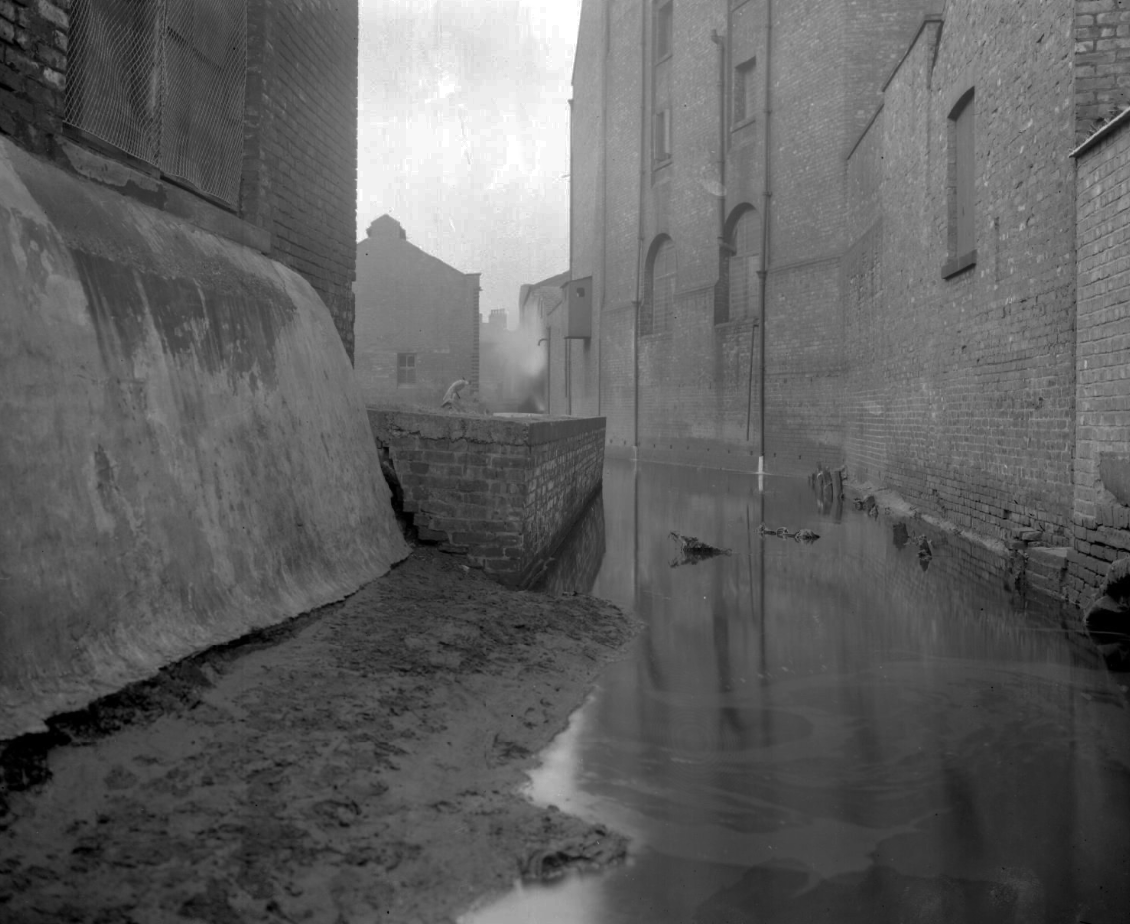
Corn Brook Textile Street 1947
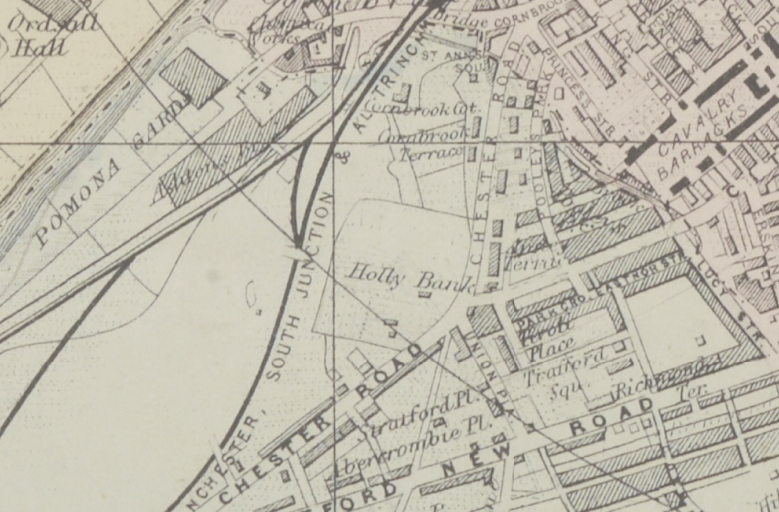
In 1884 there is new housing to the right of Chester Road.
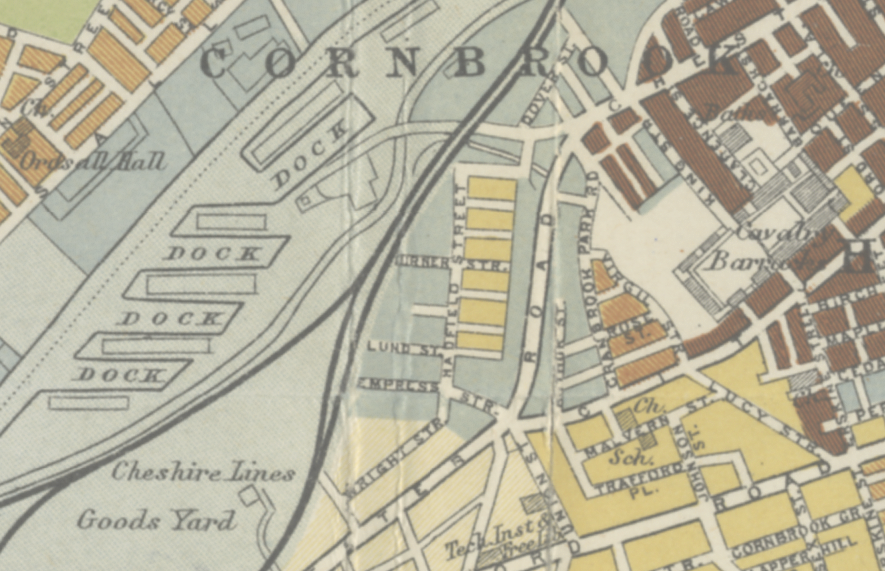
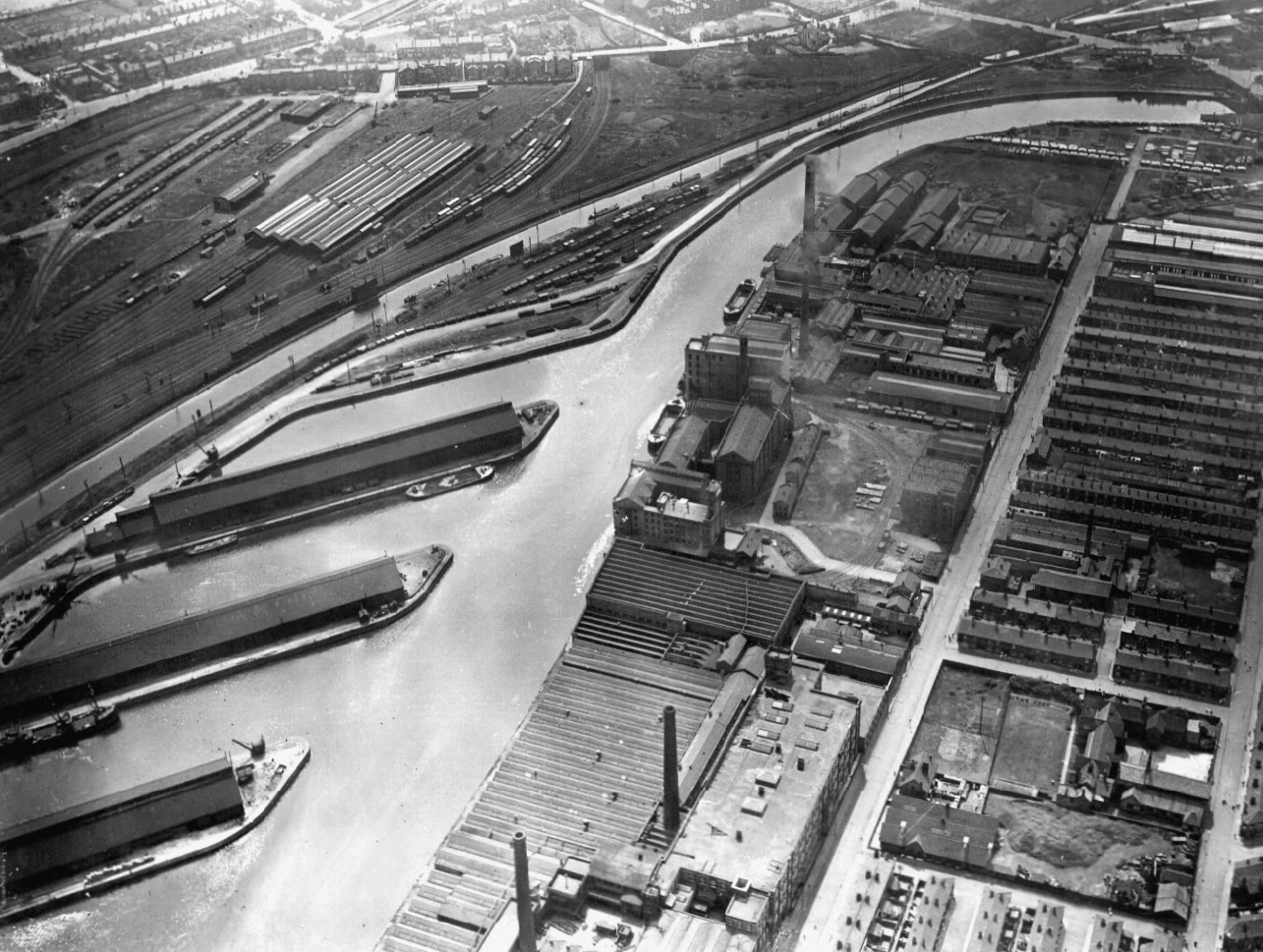
In 1904 the Pomona Docks have been established and the are around Hadfield Street fully developed.
Pomona Docks 1923
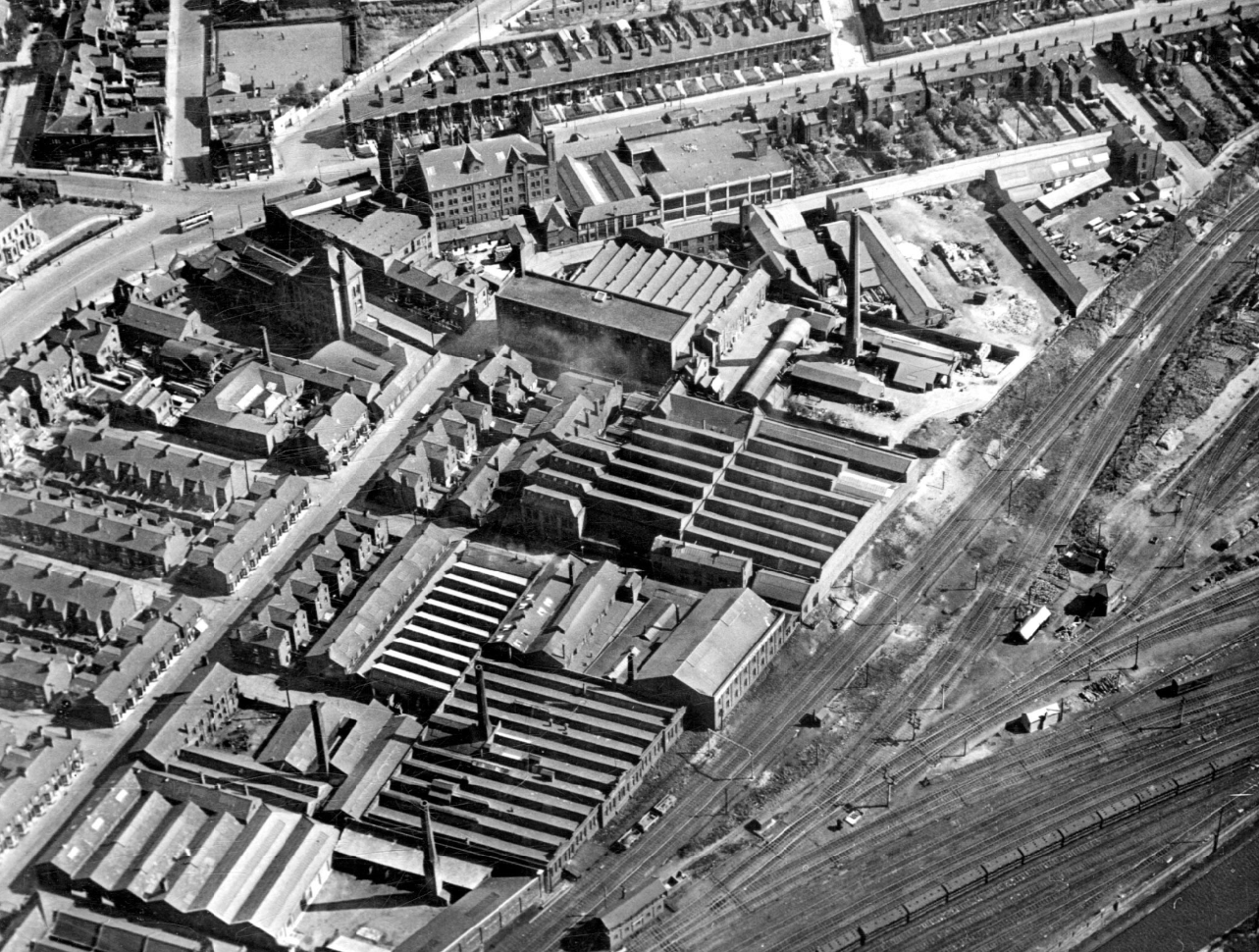
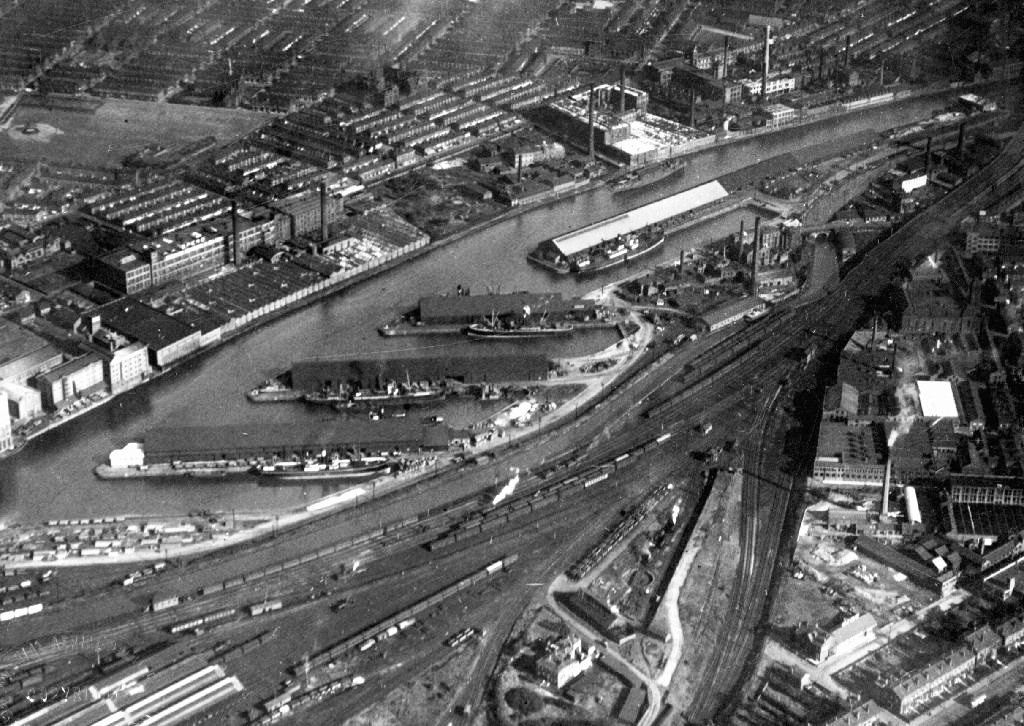
This is an aerial view from 1930, there area is now a dense network of streets to the north of Chester Road, transport infrastructure, housing and industry sit side by side.
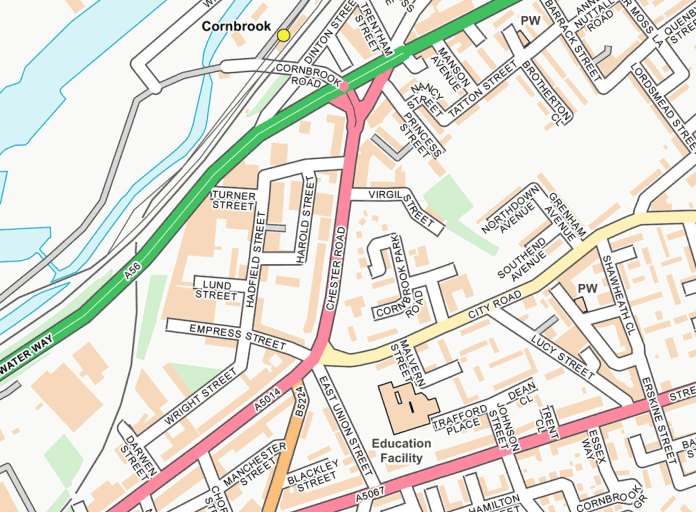
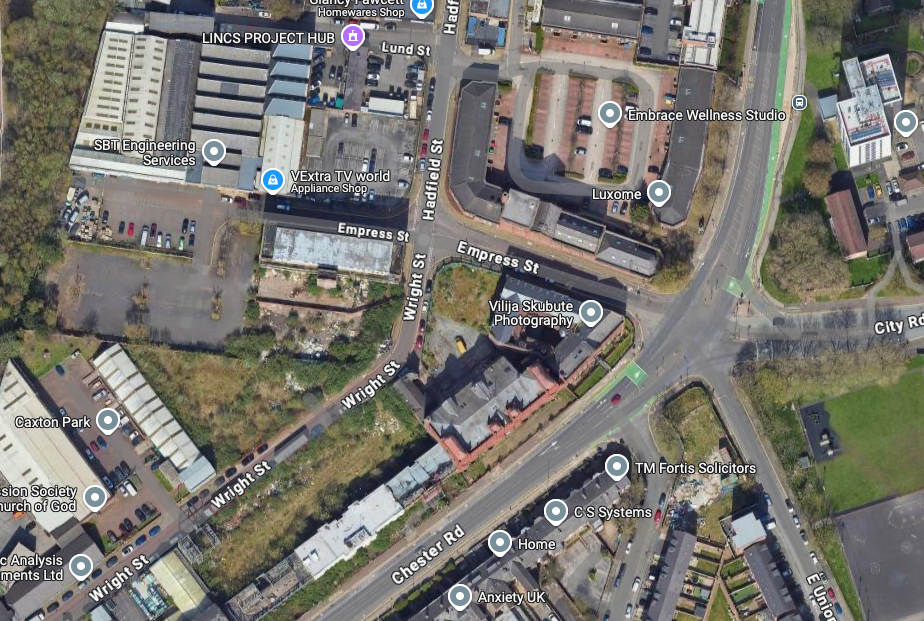
2025 the street pattern is still extant – but what has survived?
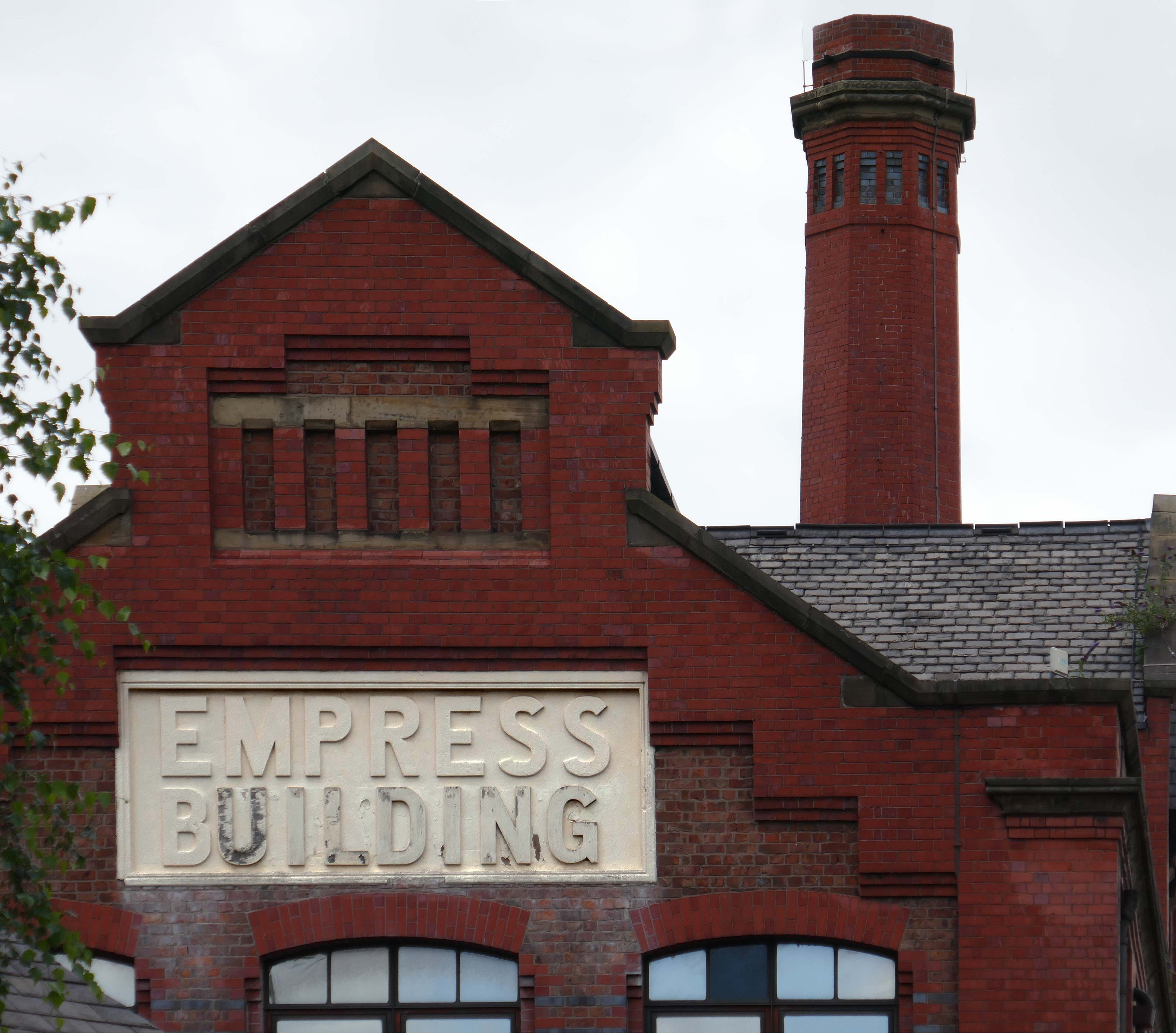
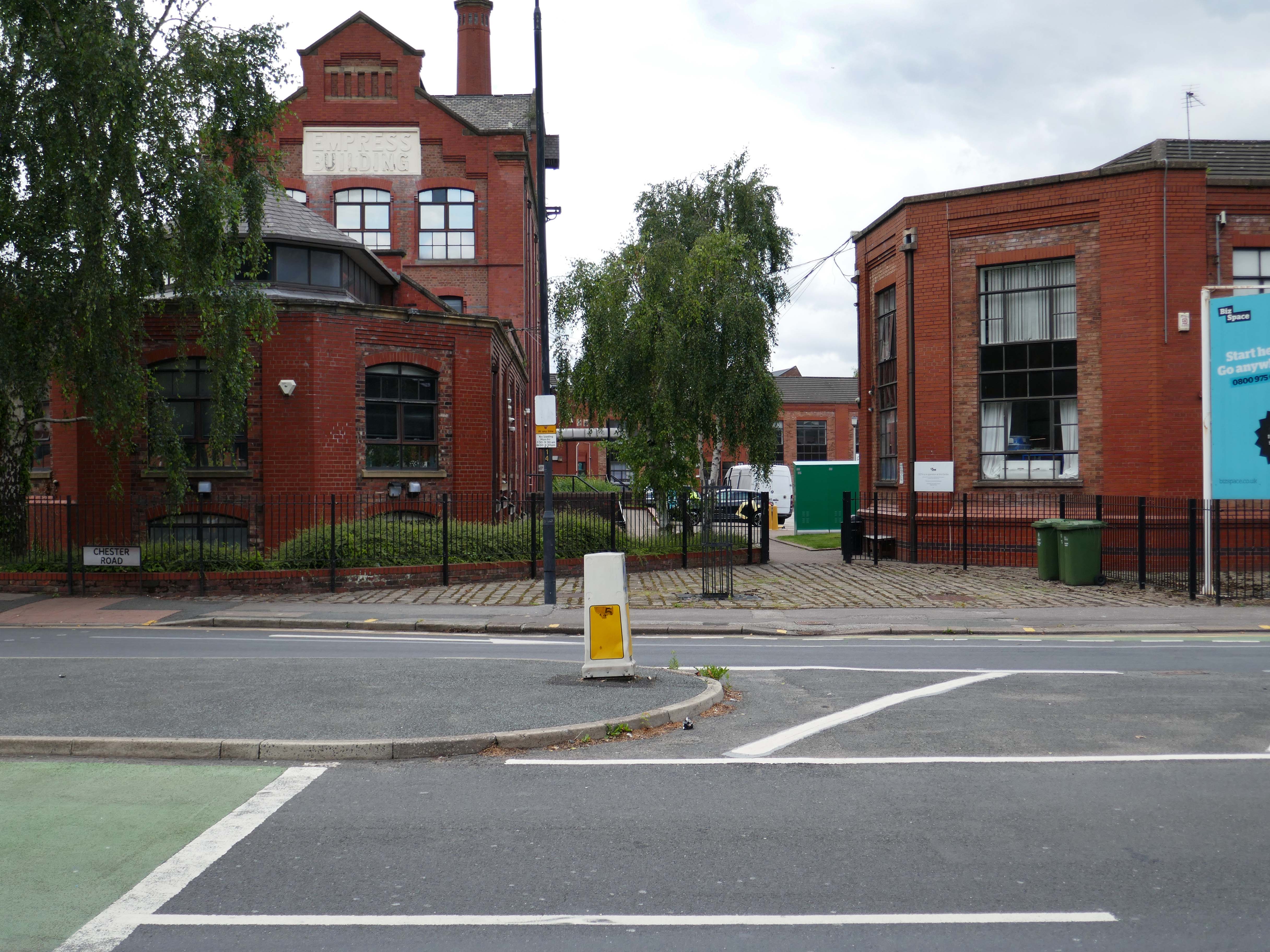
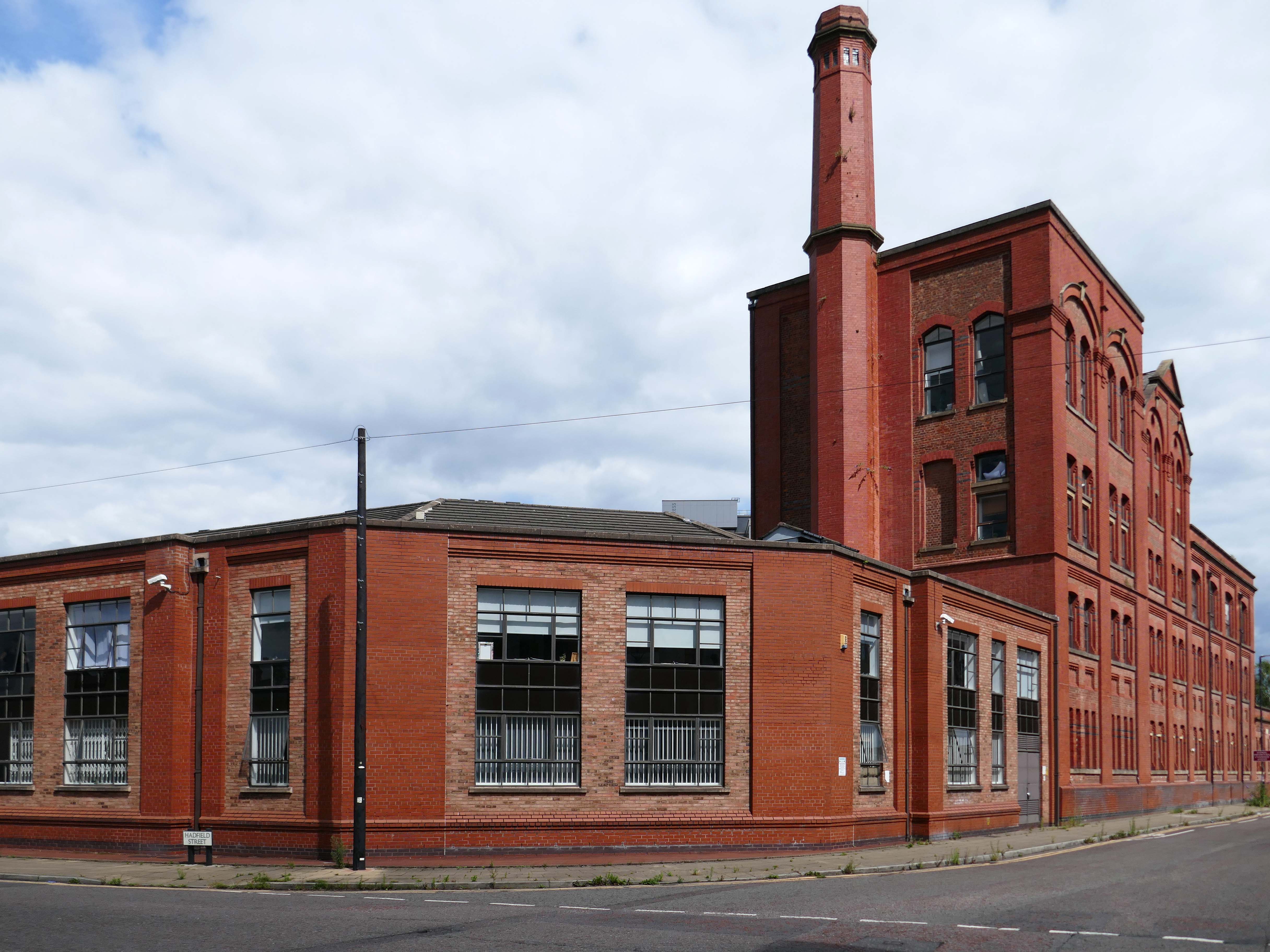
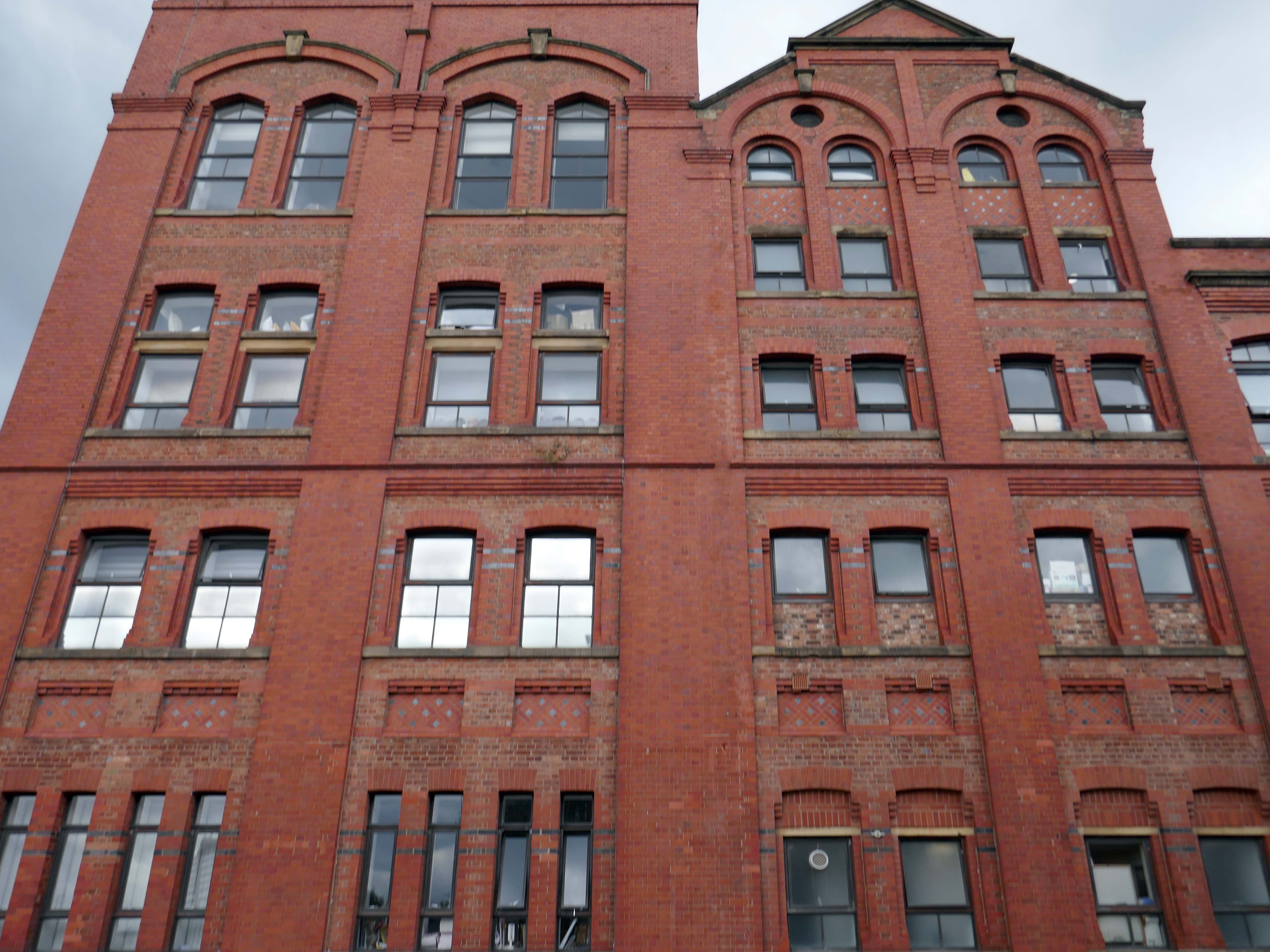
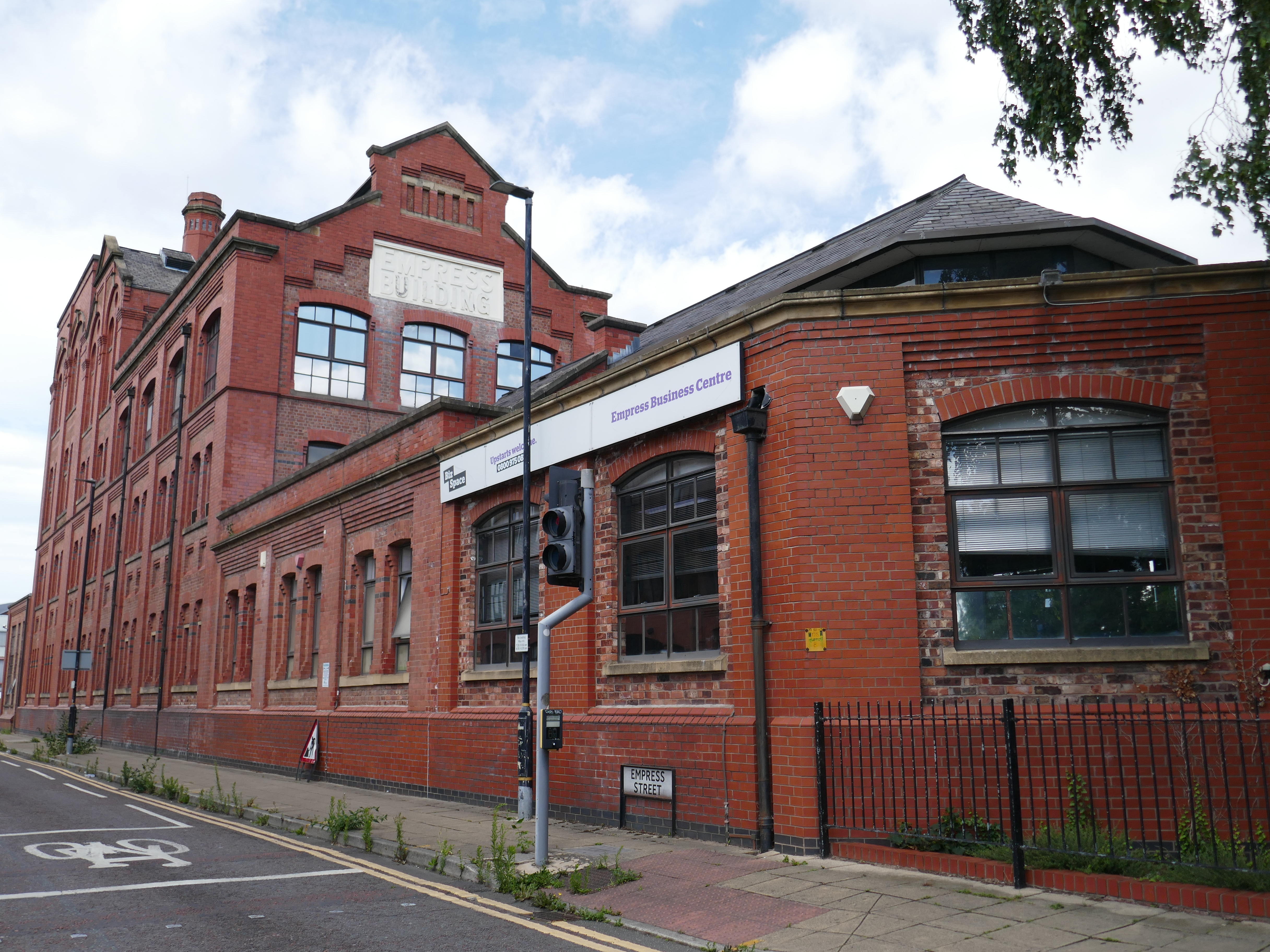
The Empress Brewery as seen on the previous Chester Road post.
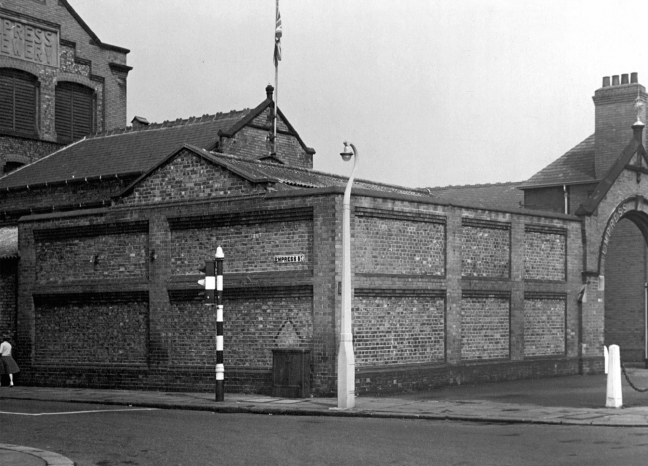
The Empress Brewing Company was established by Charles Dawes in c. 1880, the brewery closed in 1955.
The building was converted into offices in 1992 as part of the development of the Empress Business Centre, which saw new office and business units built to form a courtyard.
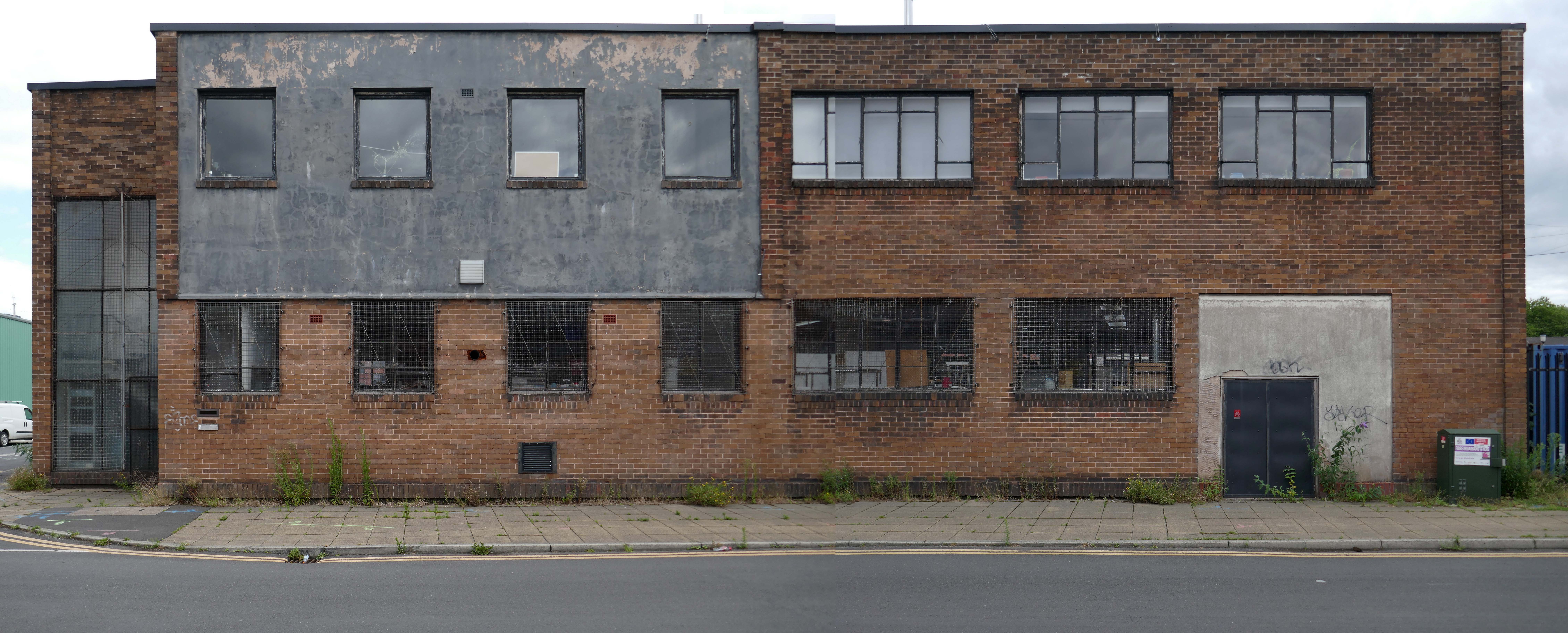
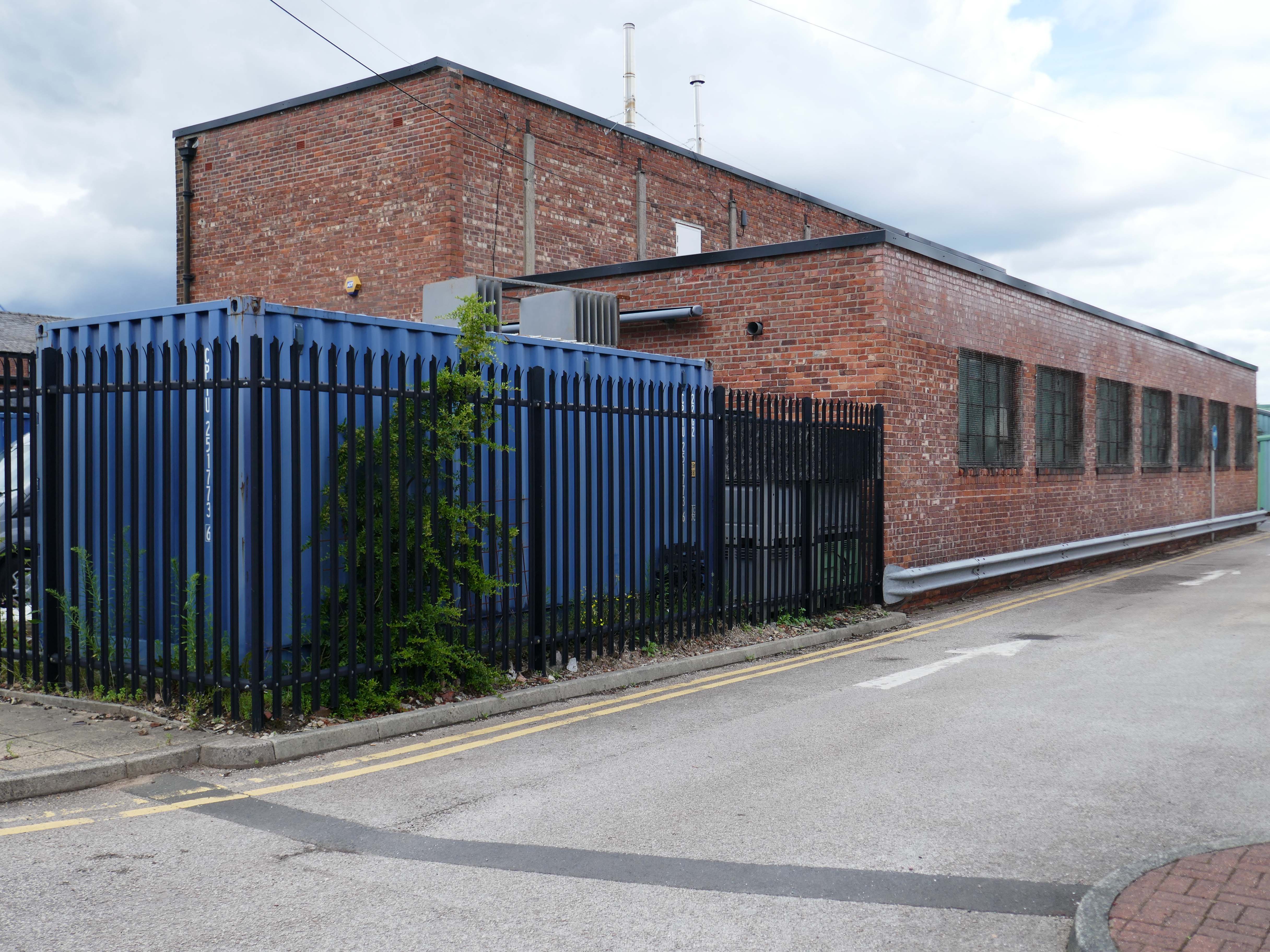
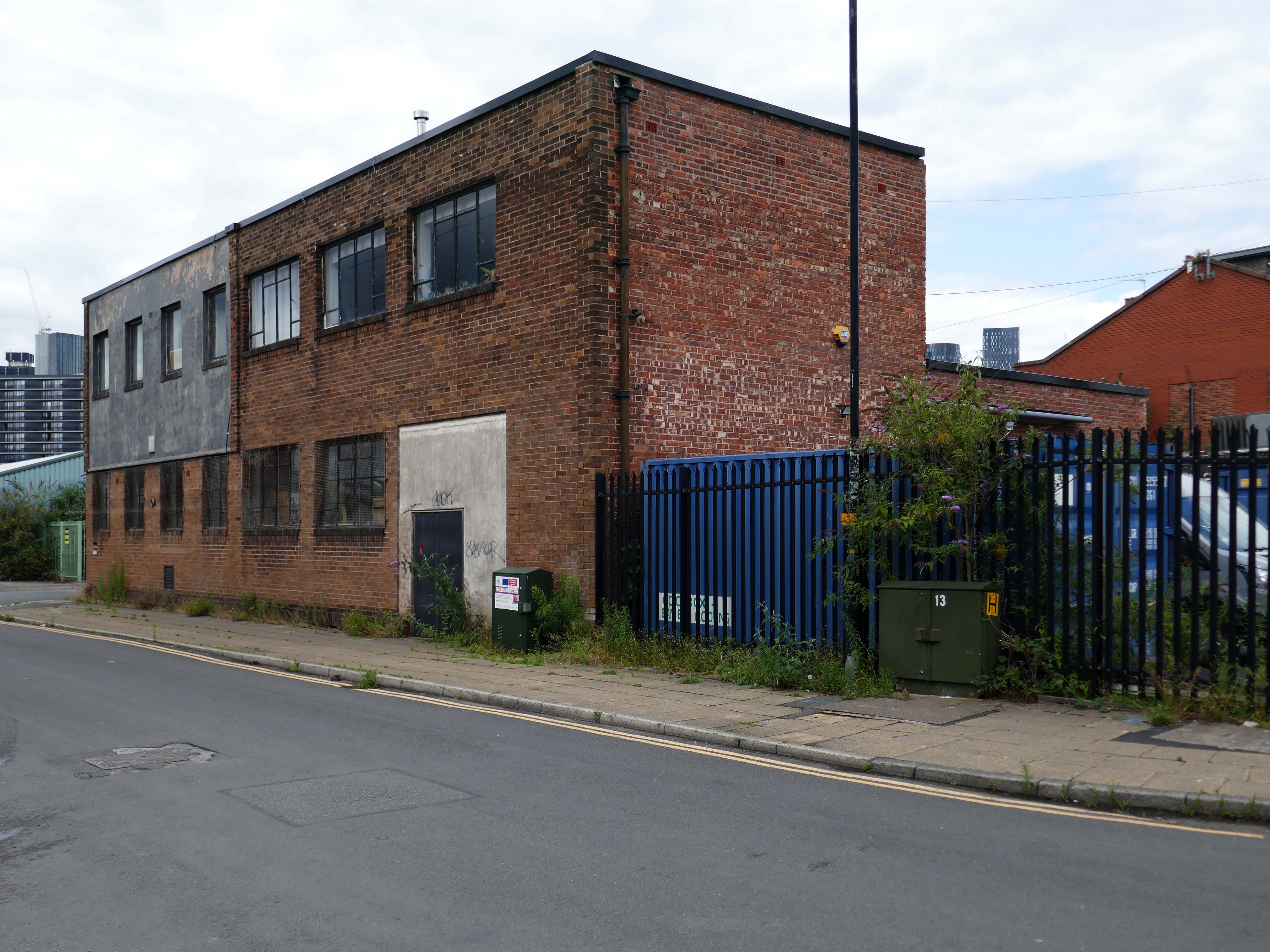
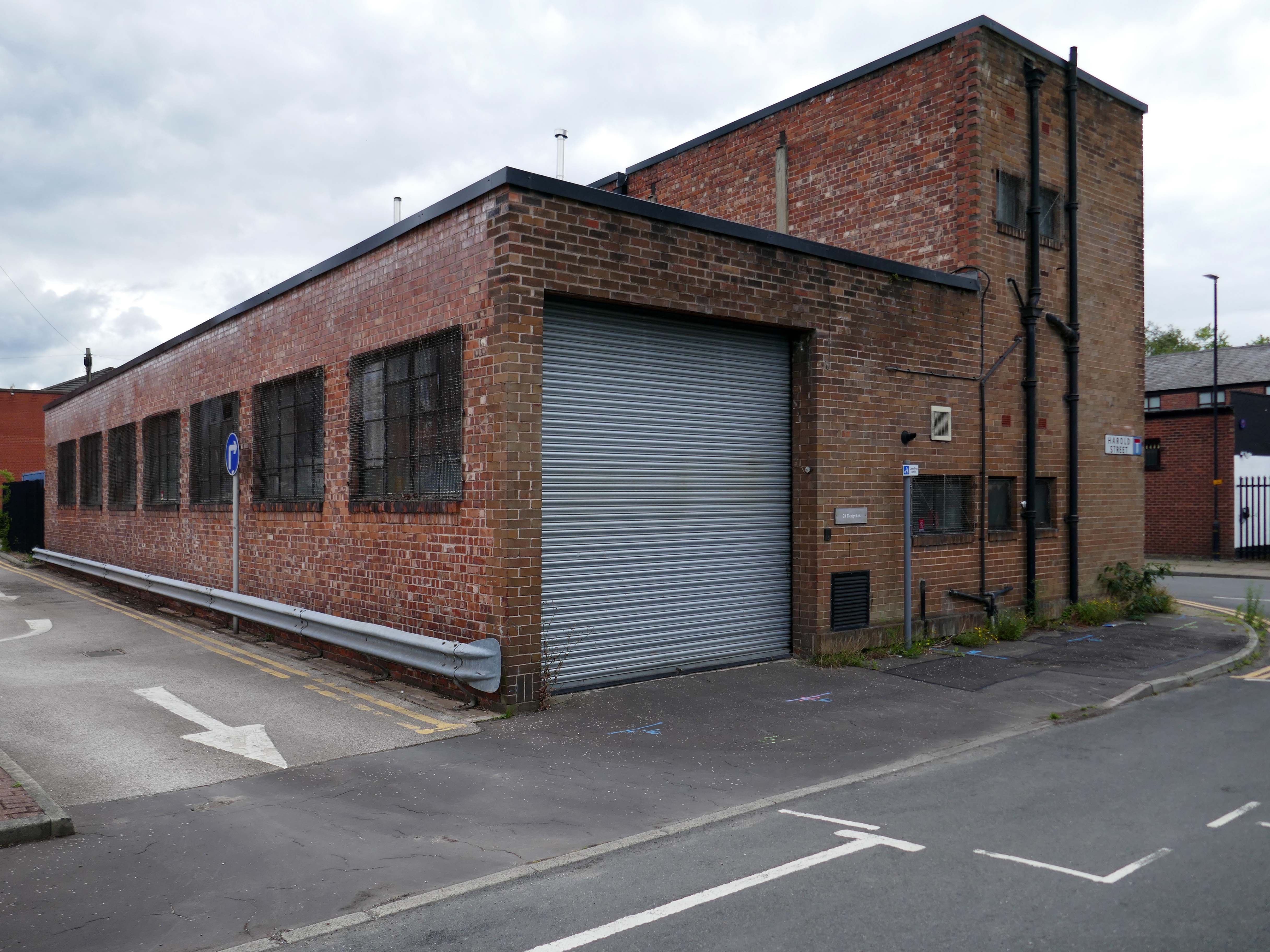
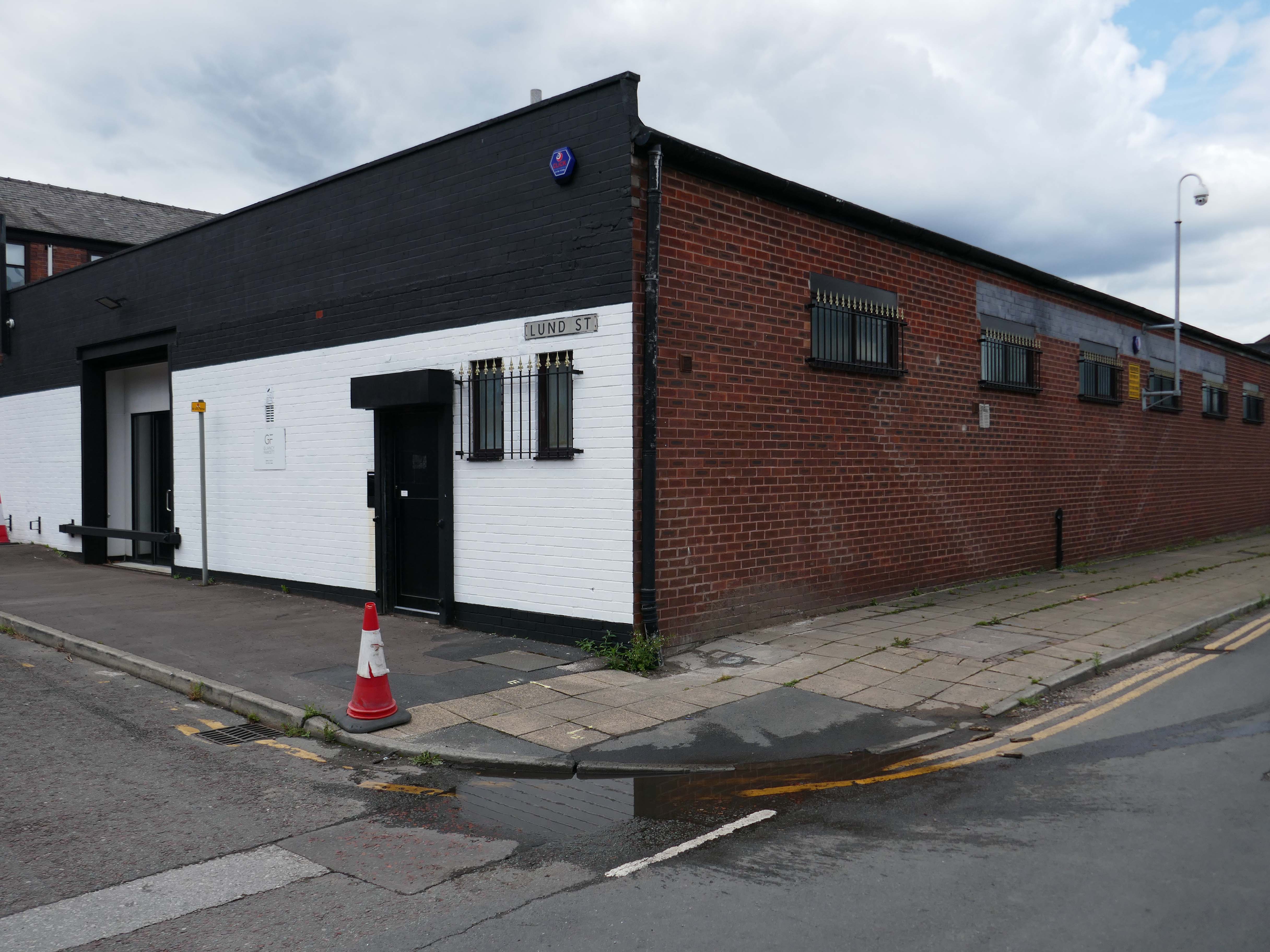
24 Design Ltd Hadfield Street – an exhibition design and build practice, working extensively within the museum and heritage sector.
Glancy Fawcett Lund Street, A project-based, luxury lifestyle supplier delivering exquisite homeware for superyachts, residences and private jets.
Concept Life Sciences Hadfield Street, your trusted partner from concept to clinic. We are your integrated drug discovery and development partner for complex challenges, renowned scientific knowledge, and strategic execution across all modalities from small molecule and biologics to cell and gene therapies.
They seem to have left the building.
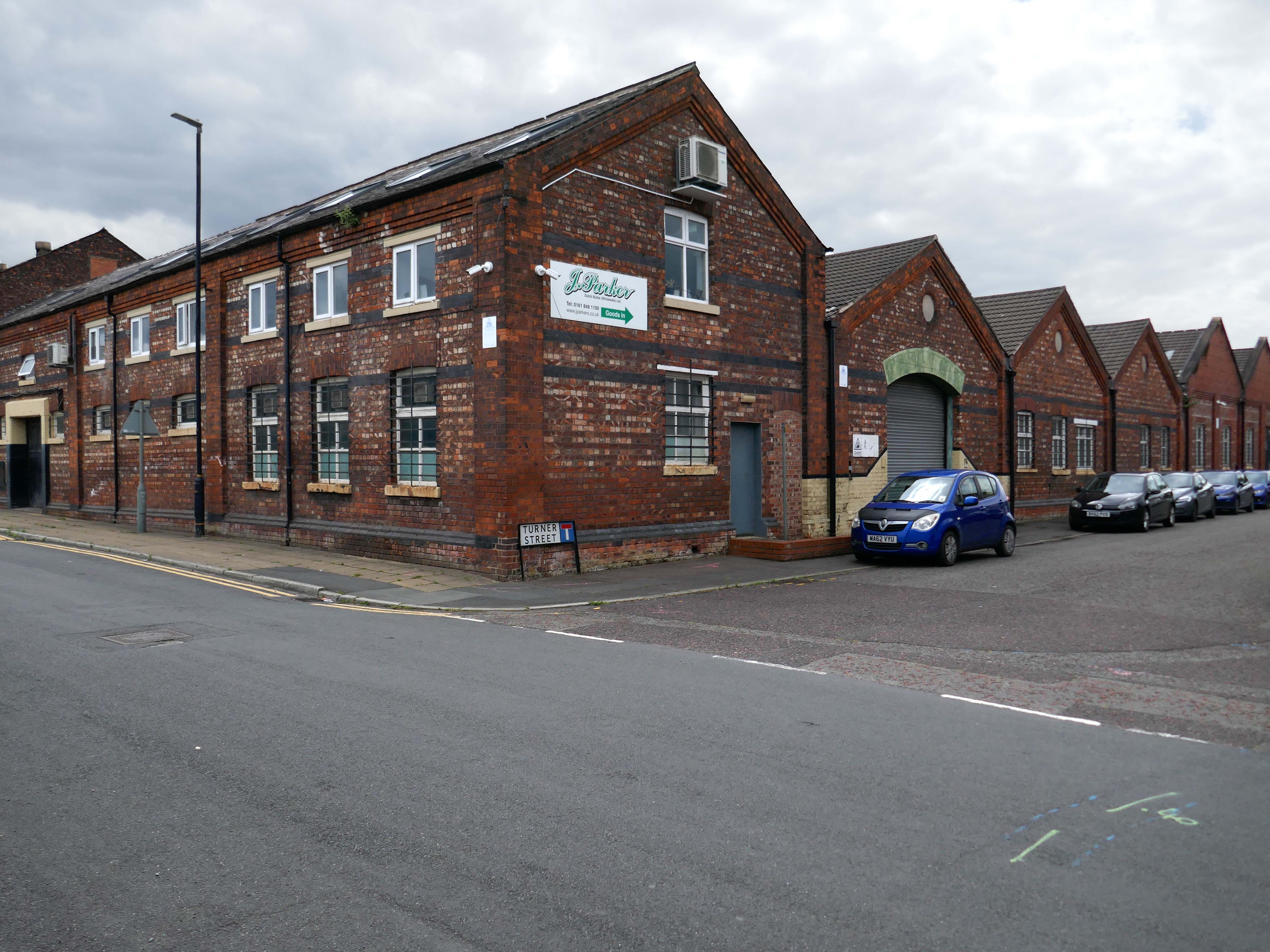
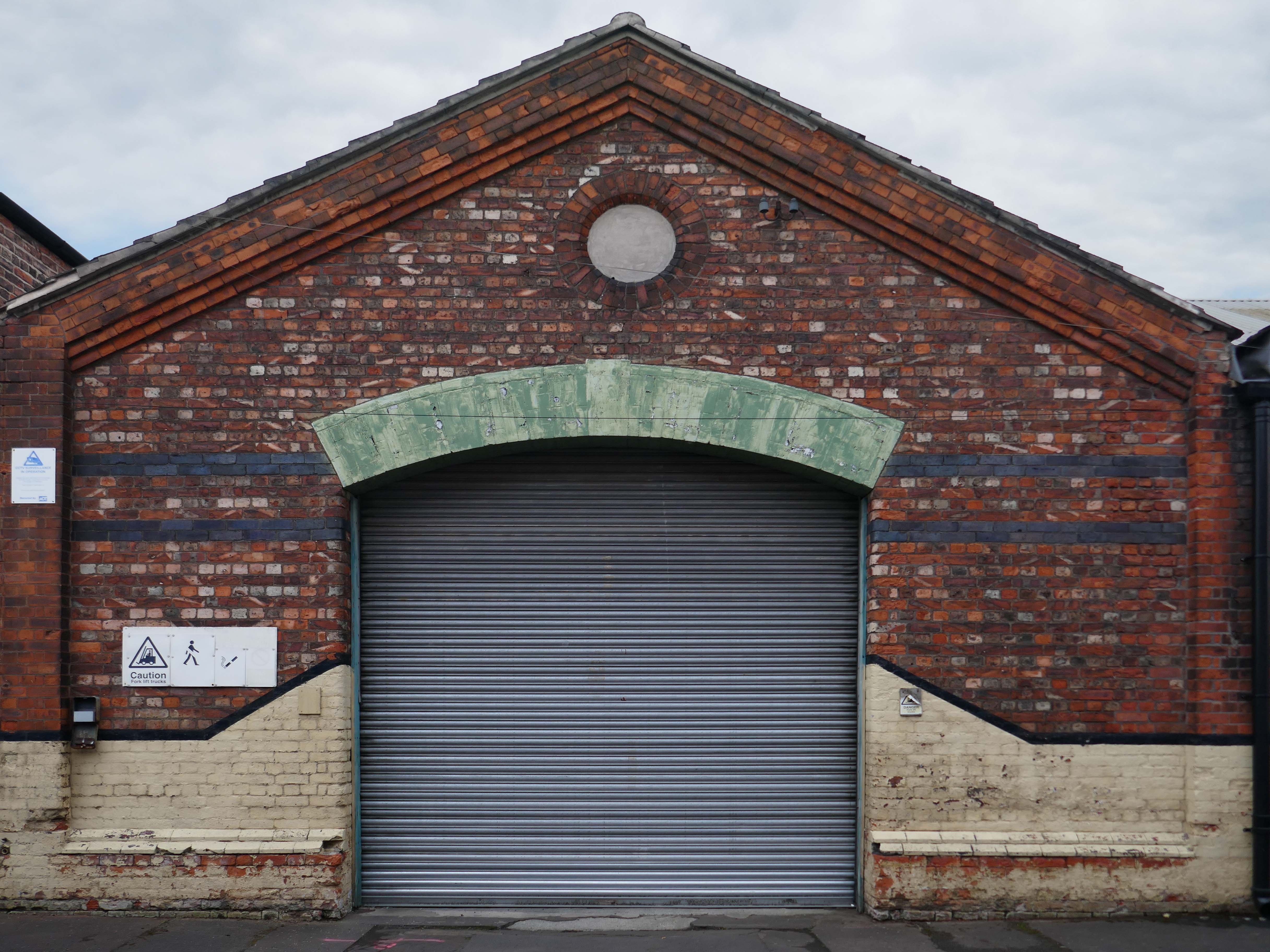
J Parker‘sLtd Hadfield Street, Dutch bulb importers – competitive prices across all our garden plant and bulb ranges, huge range, unbeatable prices, established 1933.
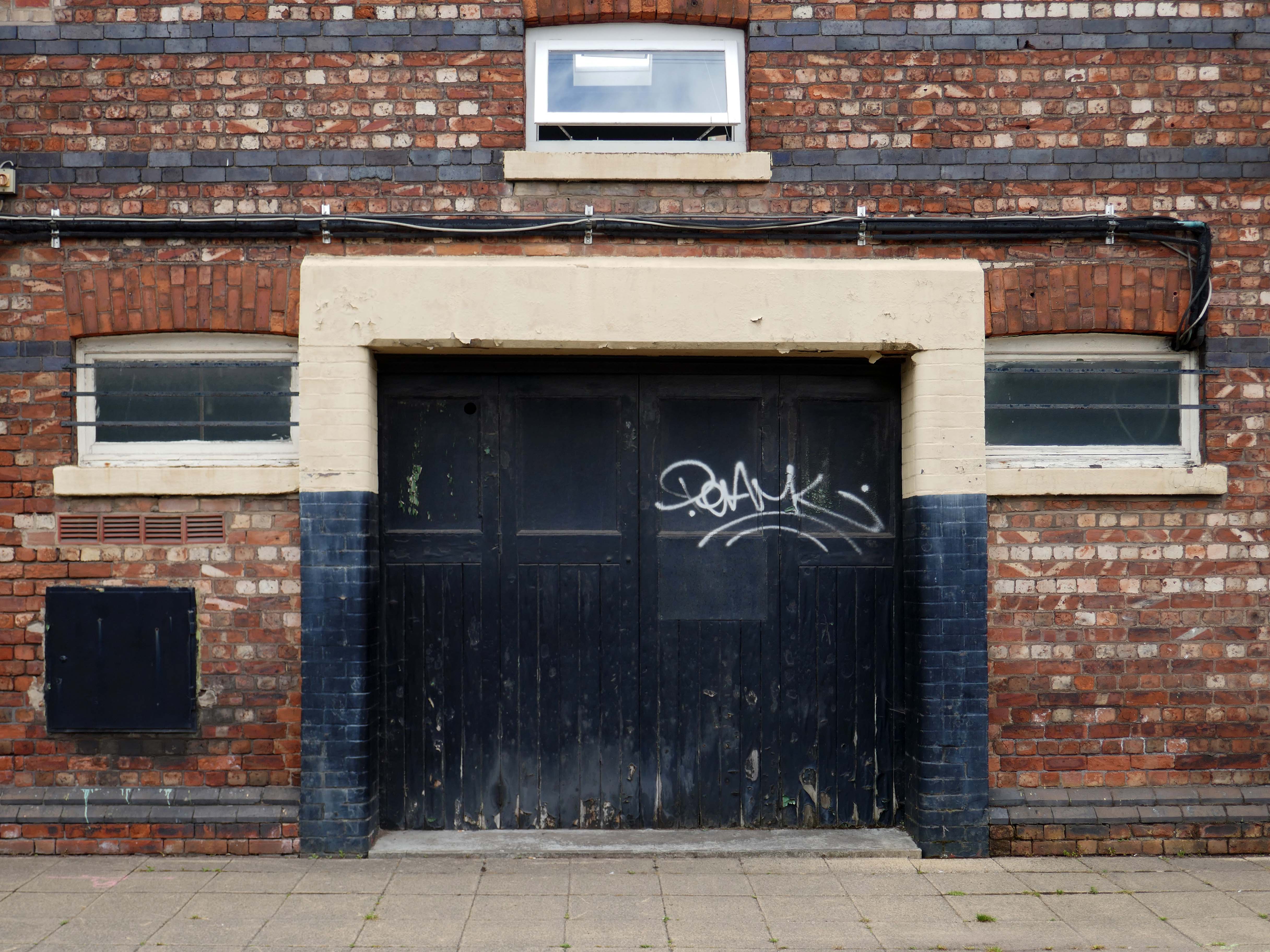
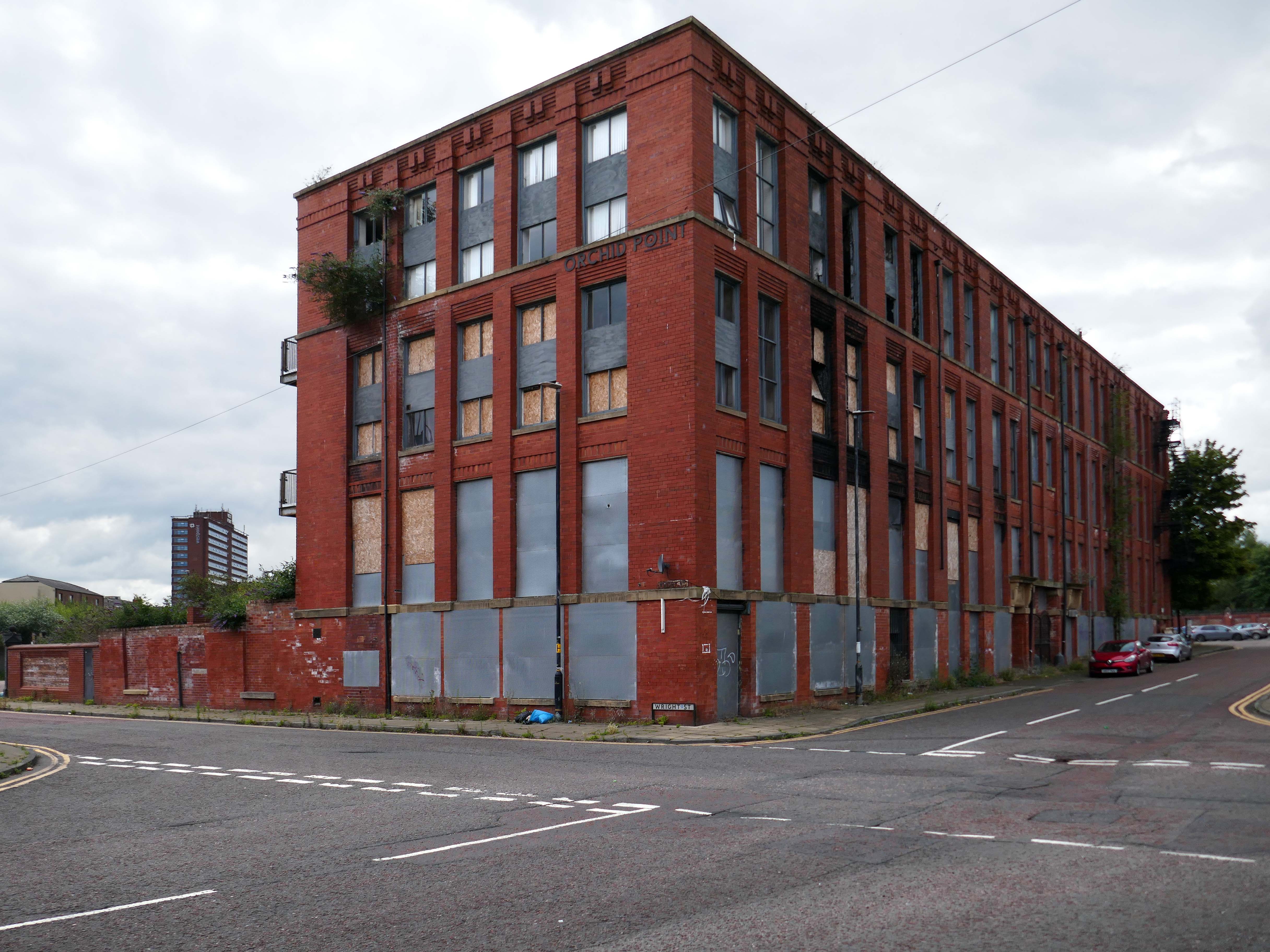
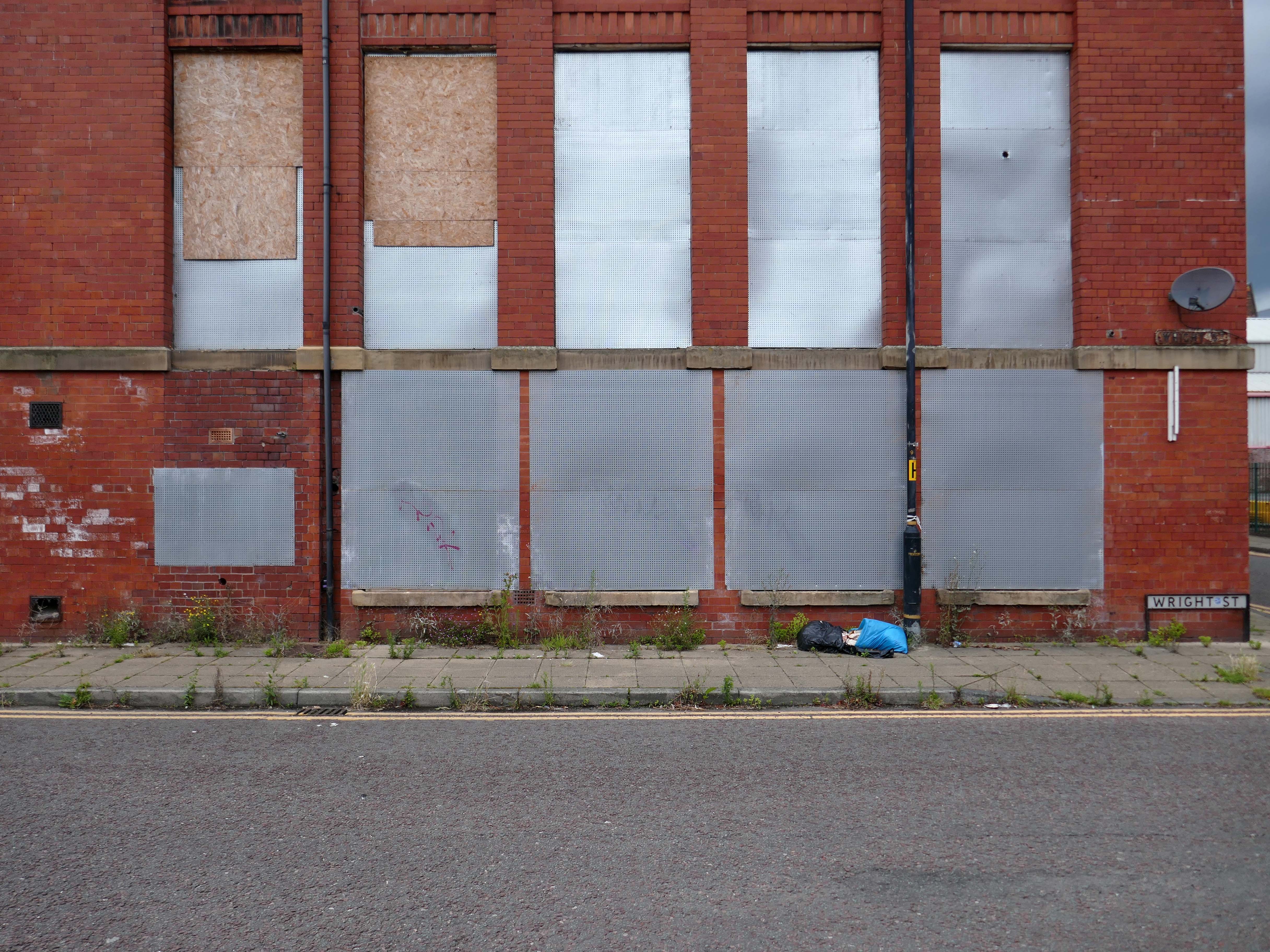
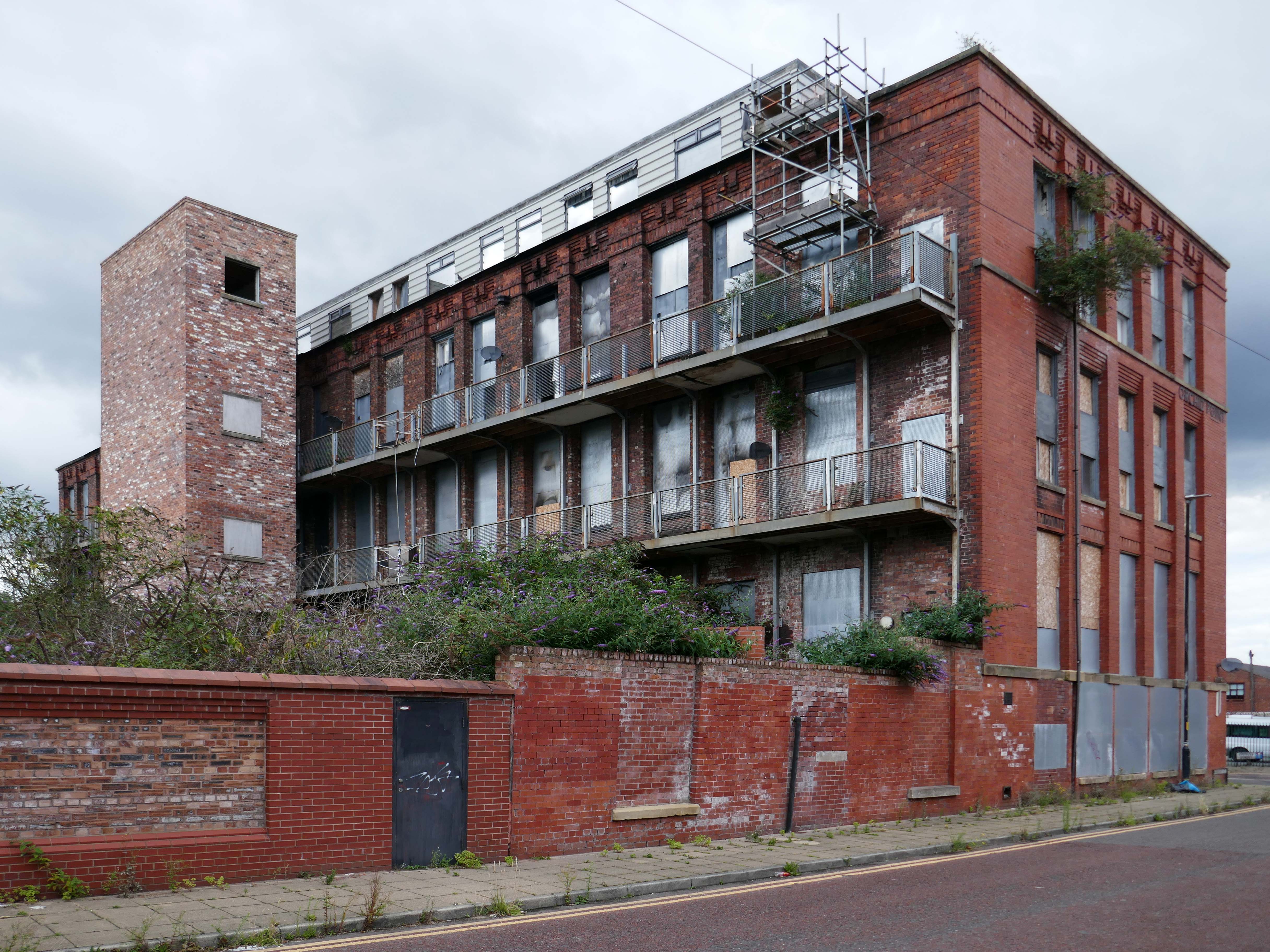
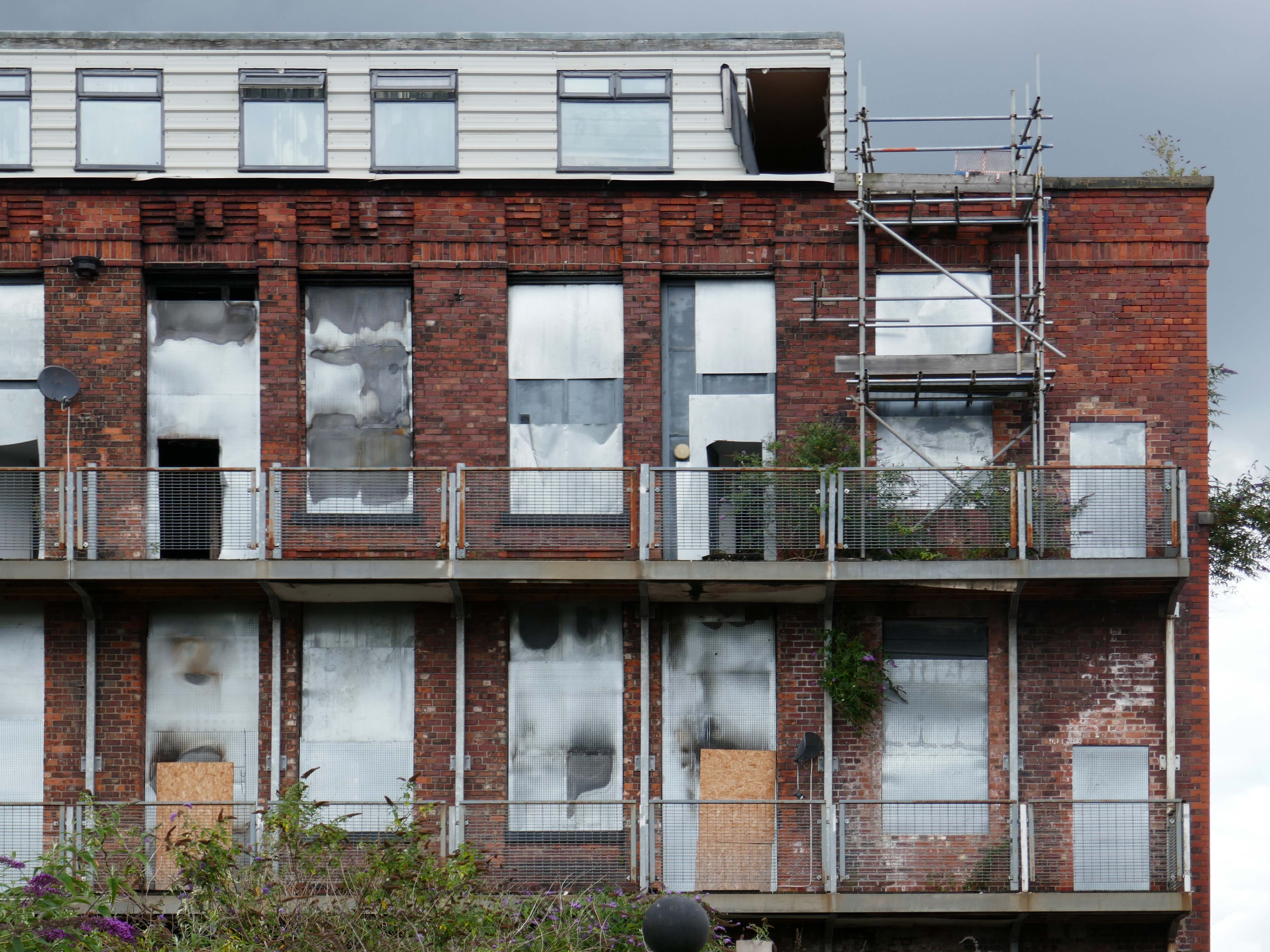
Empress Mill latterly Orchid Point Empress Street.
Built between 1903 and 1909, it echoes the industrial character of the larger industrial buildings on Chester Road and Empress Street. The property is listed as a smallware factory in the occupation of Woolf & Higham manufacturers of small wares, upholsterers’ trimmings, worsted bindings, woven venetian ladder tapes, cotton and linen venetian blind webs, spindle bandings, window blind cords, carpet bindings, bed laces. The works is shown on the Ordnance Survey of 1955 as an Engineering Works – Printing Machinery.
Local Heritage List
In 2011, FreshStart Living purchased the building, alongside others nearby, as part of a £9 million development ‘breathing new life’ into this corner of Old Trafford with 116 one and two-bedroom apartments. But, on the inside, leaking roofs, mould, exposed electrical wires and a dodgy gas connection paint a completely different picture.
Not long after purchasing it, we discovered the entire building was being powered by a generator.
Empress Mill was turned into an apartment block as part of a development called Orchid Point. It is understood some residents were allowed to move in twelve years ago, but these residents were asked to move out after a number of years due to safety issues.
On February 20th 2023, the Empress Mill was one of a number of buildings described as unsafe and unsecure by Trafford Council.
The emergency services were called to Empress Mill at 5.15am on Friday. Ten appliances from across the region, including specialist appliances called a stinger and a scorpion, attended the abandoned mill turned apartment block off Chester Road and firefighters battled the blaze into the afternoon.
Officers from Trafford Council have taken firm action to put a stop to anti-social behaviour at a vacant block of flats in the Old Trafford area.
Drug addicts and thieves have descended on Aura Court since much of it was closed in August 2020 by Greater Manchester Fire Service due to a decaying non-compliant fire escape.
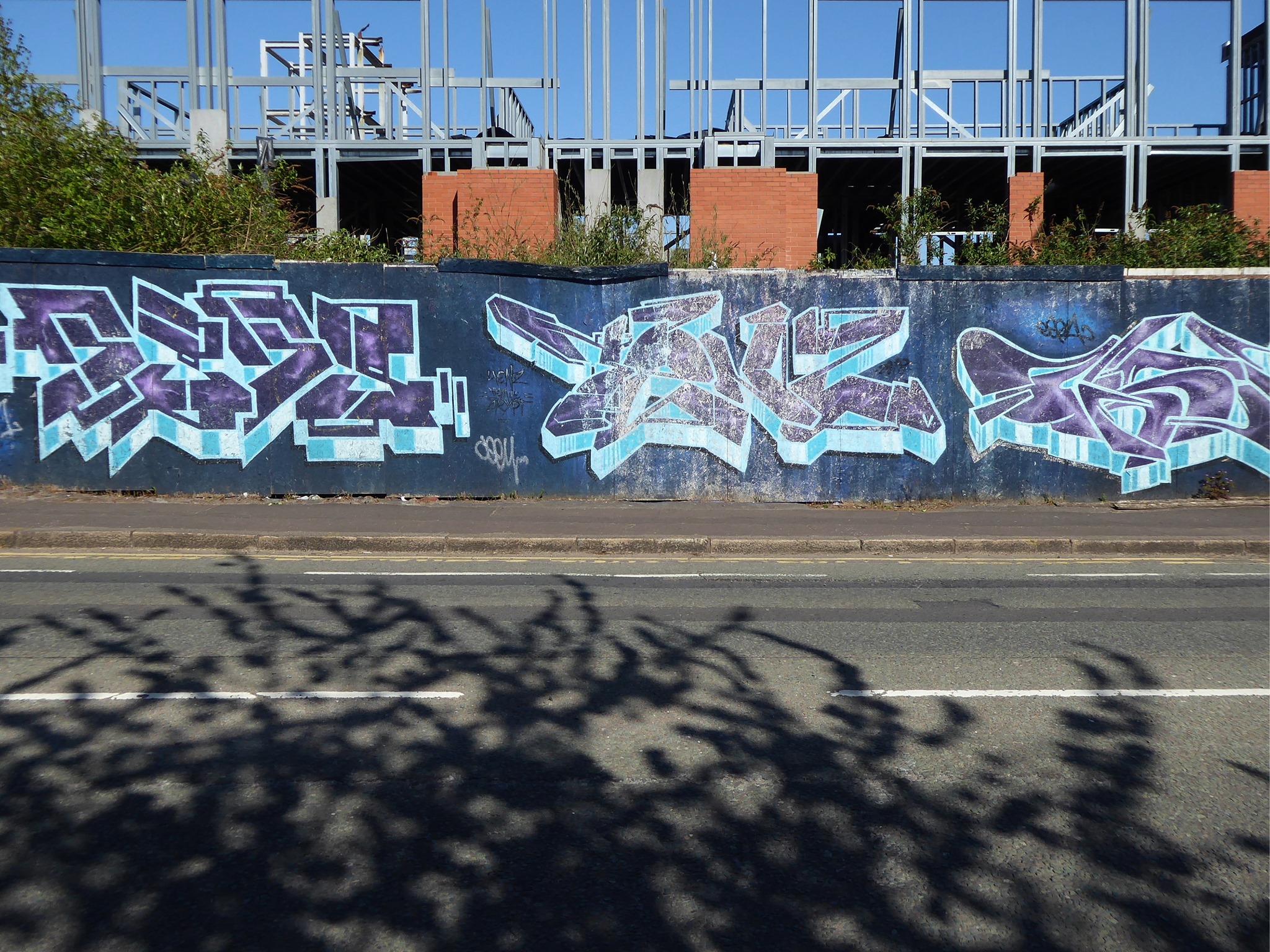
The site along with Venos and Progress House is up for sale.
A rare development opportunity in Central Manchester with excellent access to Manchester City Centre Close to Salford Quays, Old Trafford Football and Cricket Grounds along with White City Retail Park The total site covers an area of approximately 2.10 Acres, historic planning consents granted on the site for in excess of 200 flats plus additional commercial accommodation.
Duckworth’s specialised in the manufacture of concentrated soluble essences, essential oils and colours supplied to the aerated water trade – local ‘pop’ men. They were leaders in the field, supplying flavours and essences around the world and developing products tailored to specific markets.
Duckworth & Co was acquired by Cargill Flavor Systems Ltd in 2003, the company vacated the Chester Road premises in 2006.
After buying the building in 2007 for a reported £3.6m, the Church of Scientology planned to re-open the building by either 2010 or 2011.
Leaders of the religious group have submitted a new application to carry out external and internal works. A design and access statement written on behalf of the church by NJSR Chartered Architects proposes a comprehensive revamp of the building.
The overall aim of the project is the refurbishment and conversion of the Duckworth Essences Building into a place of religious study and worship.
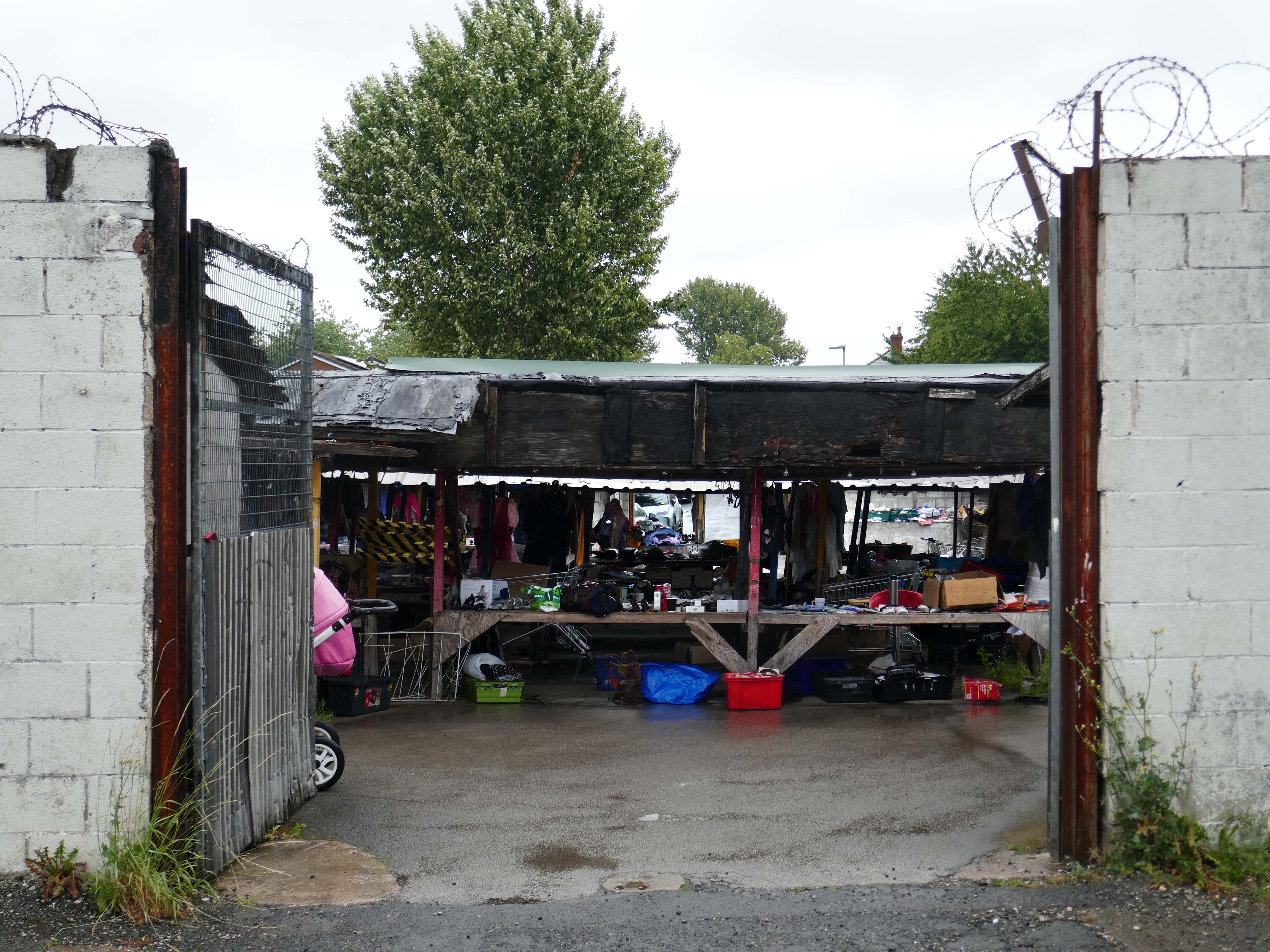
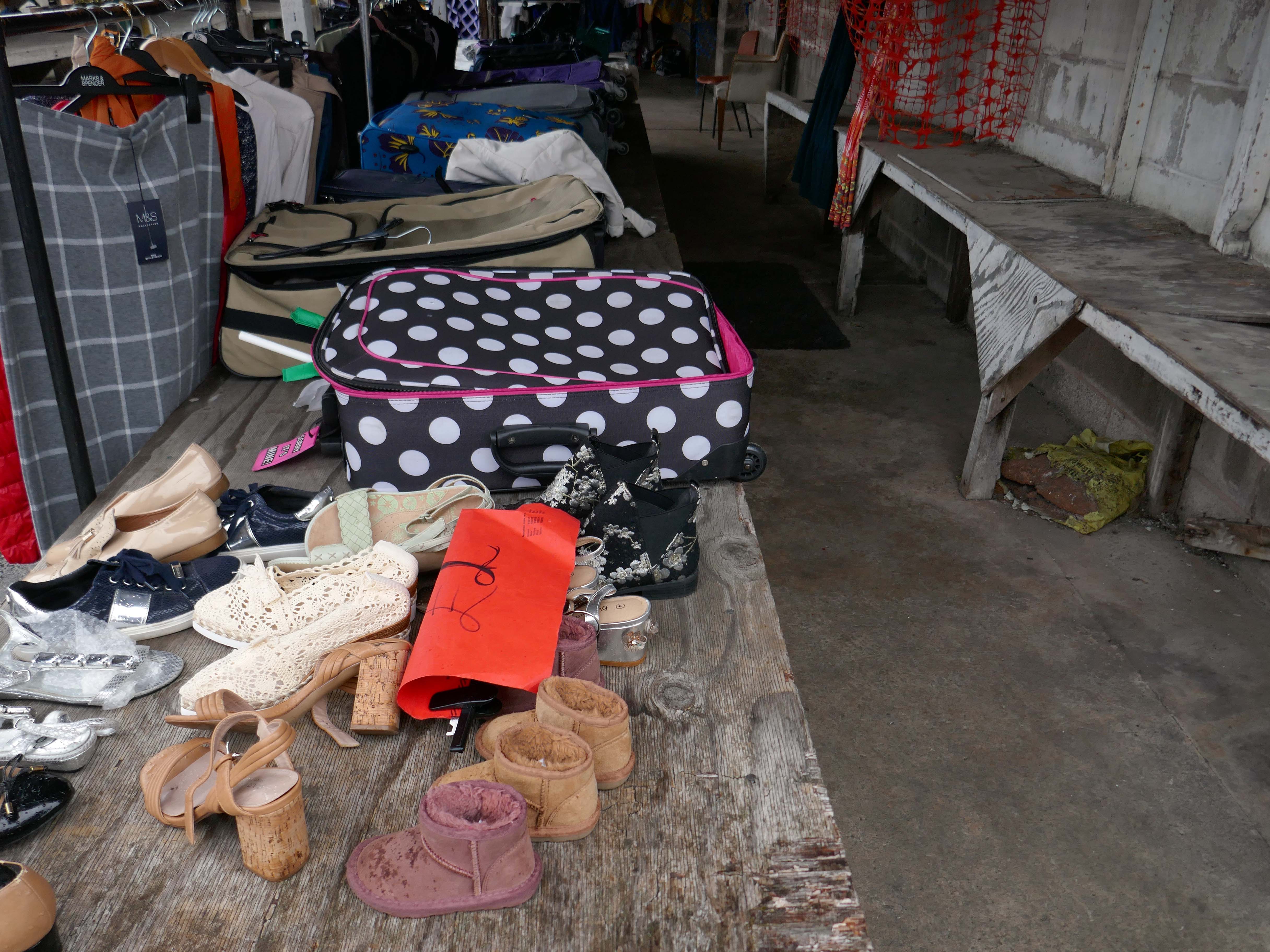
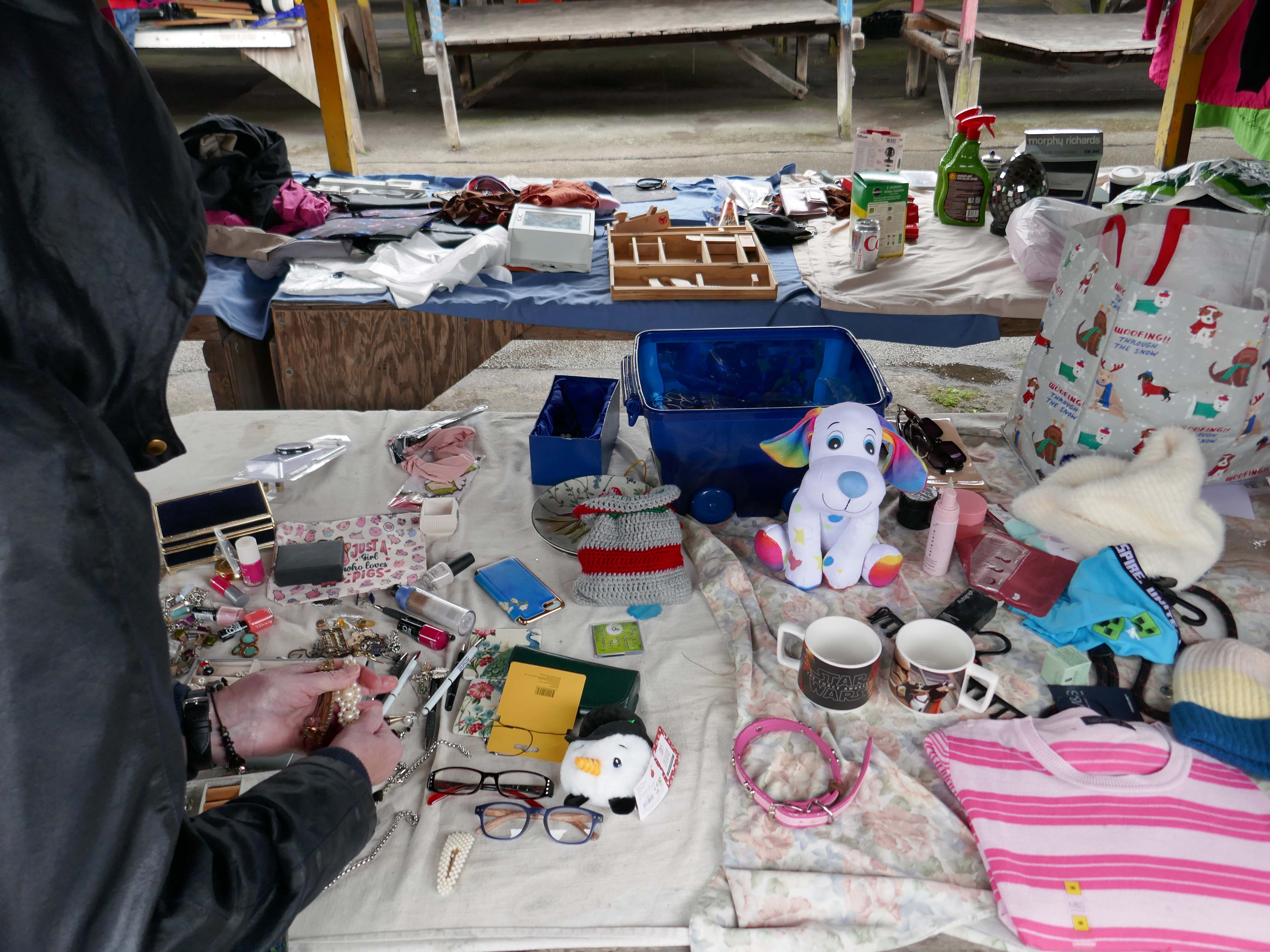
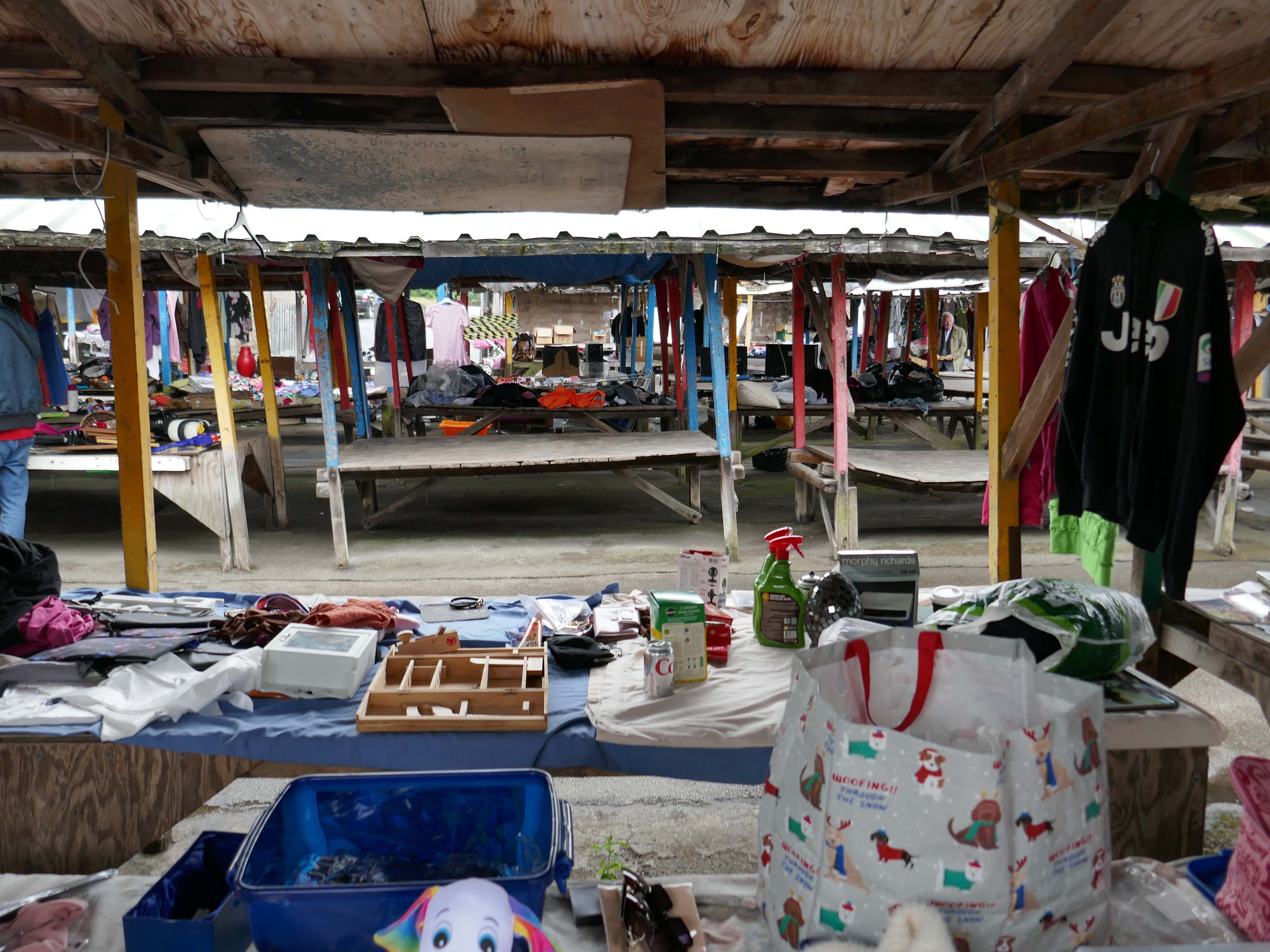
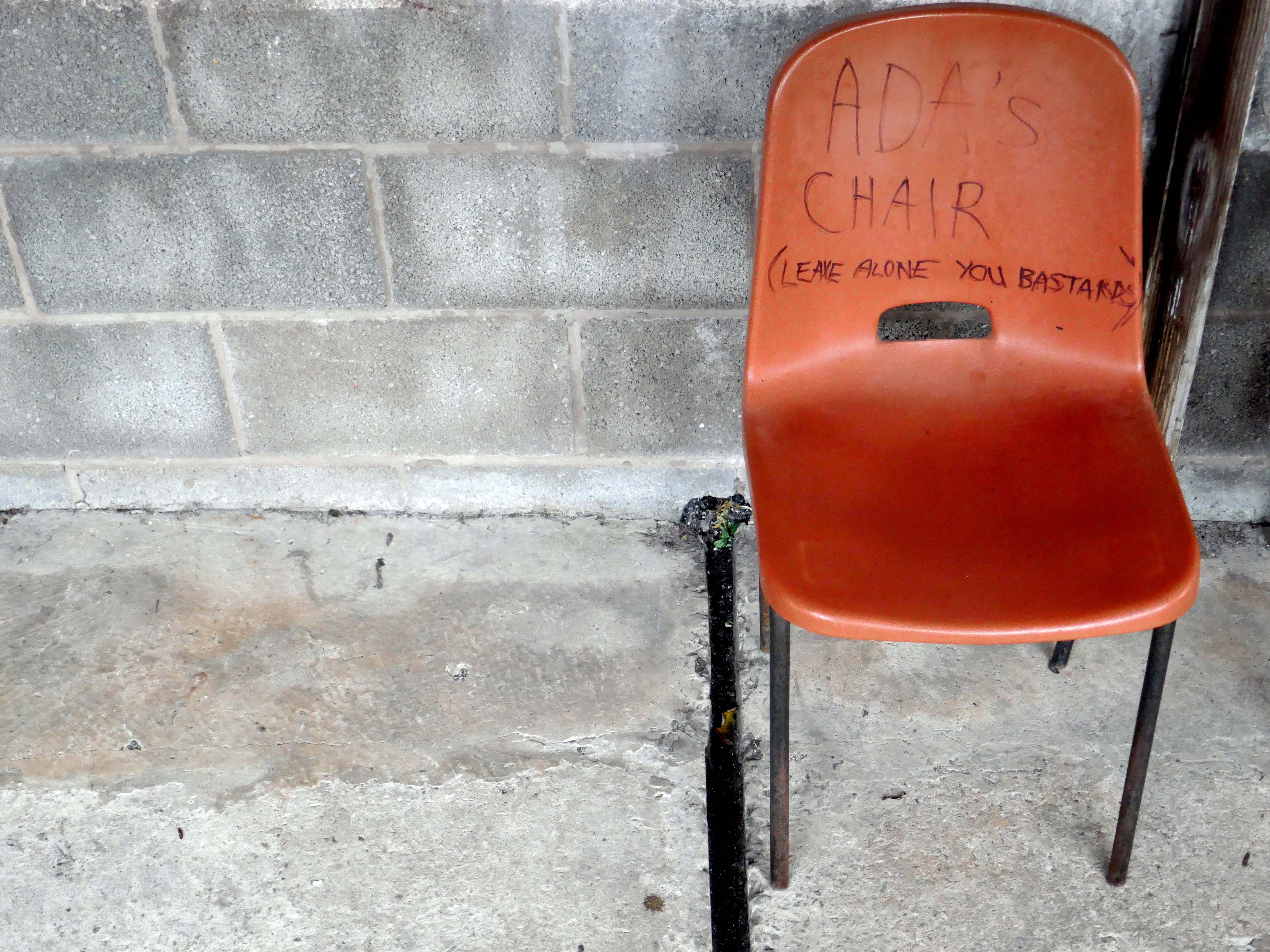
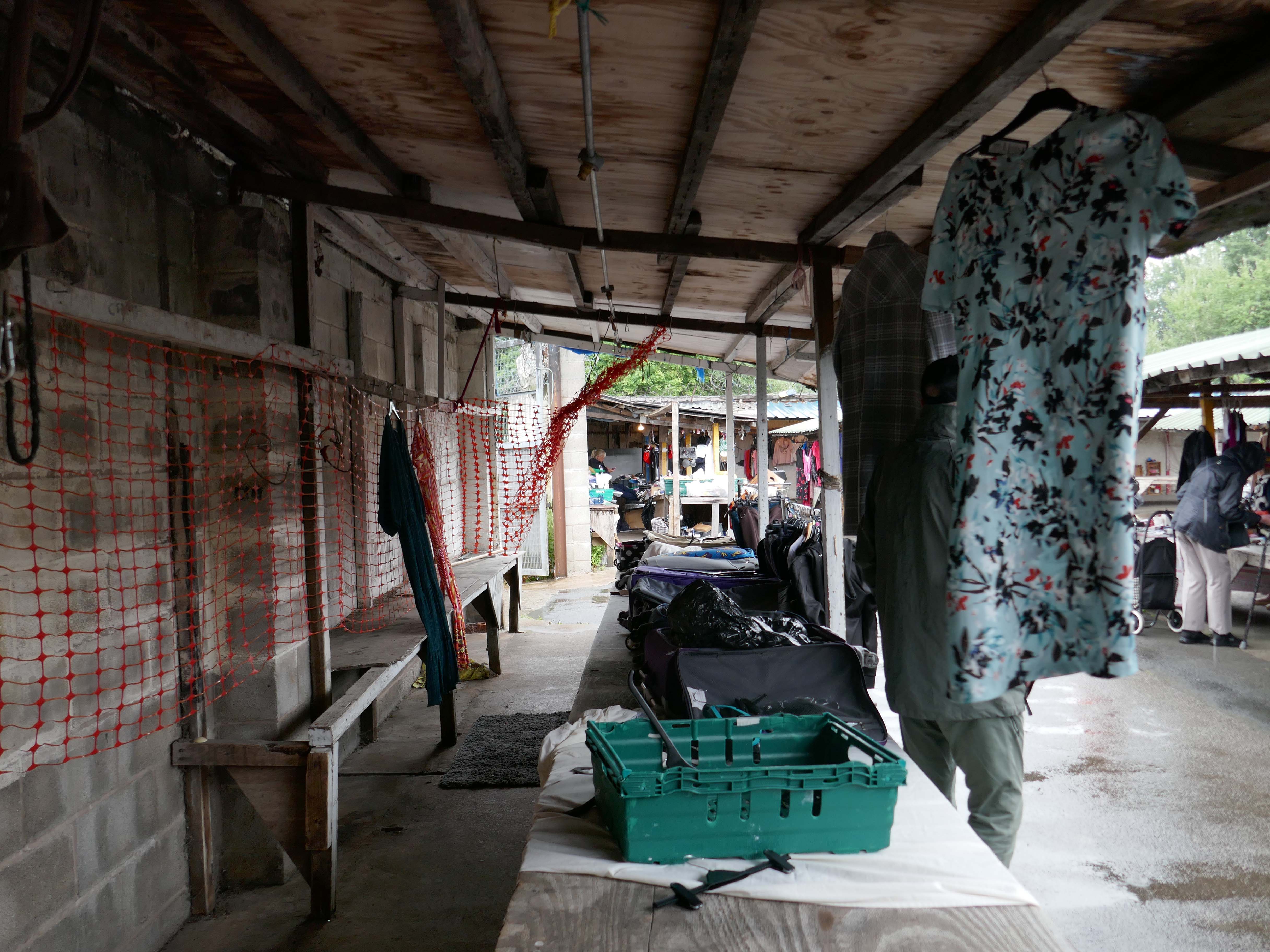
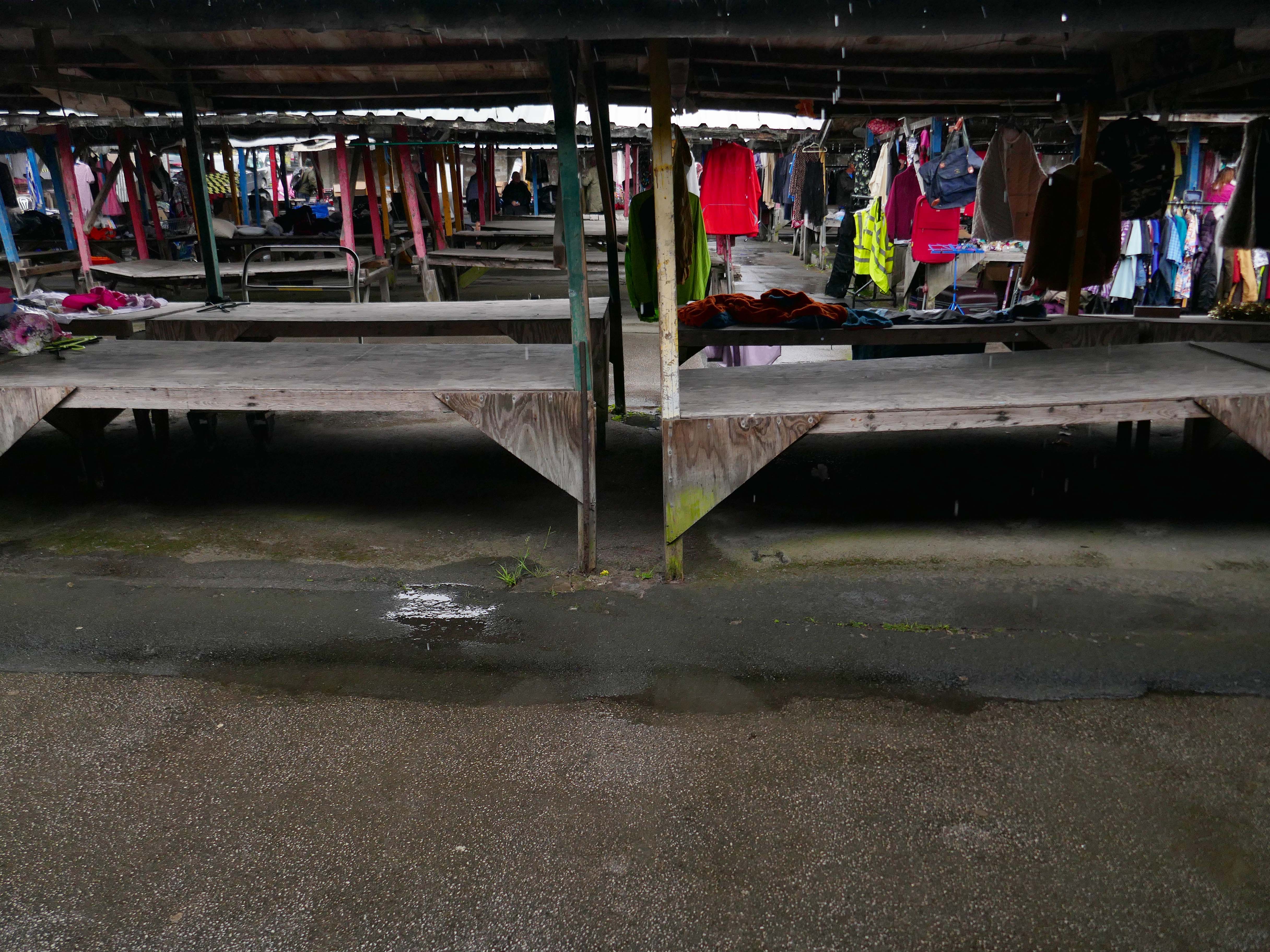
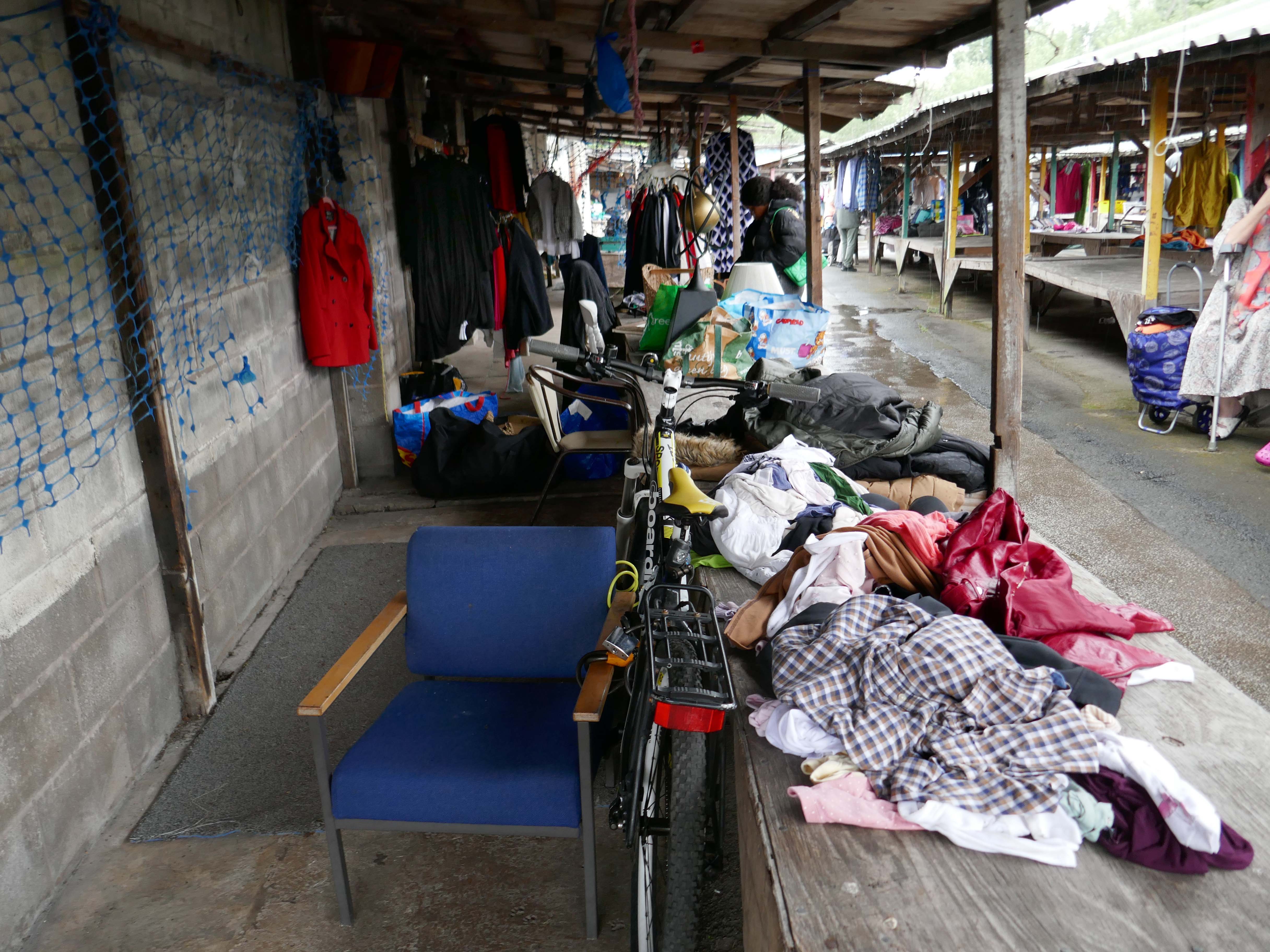
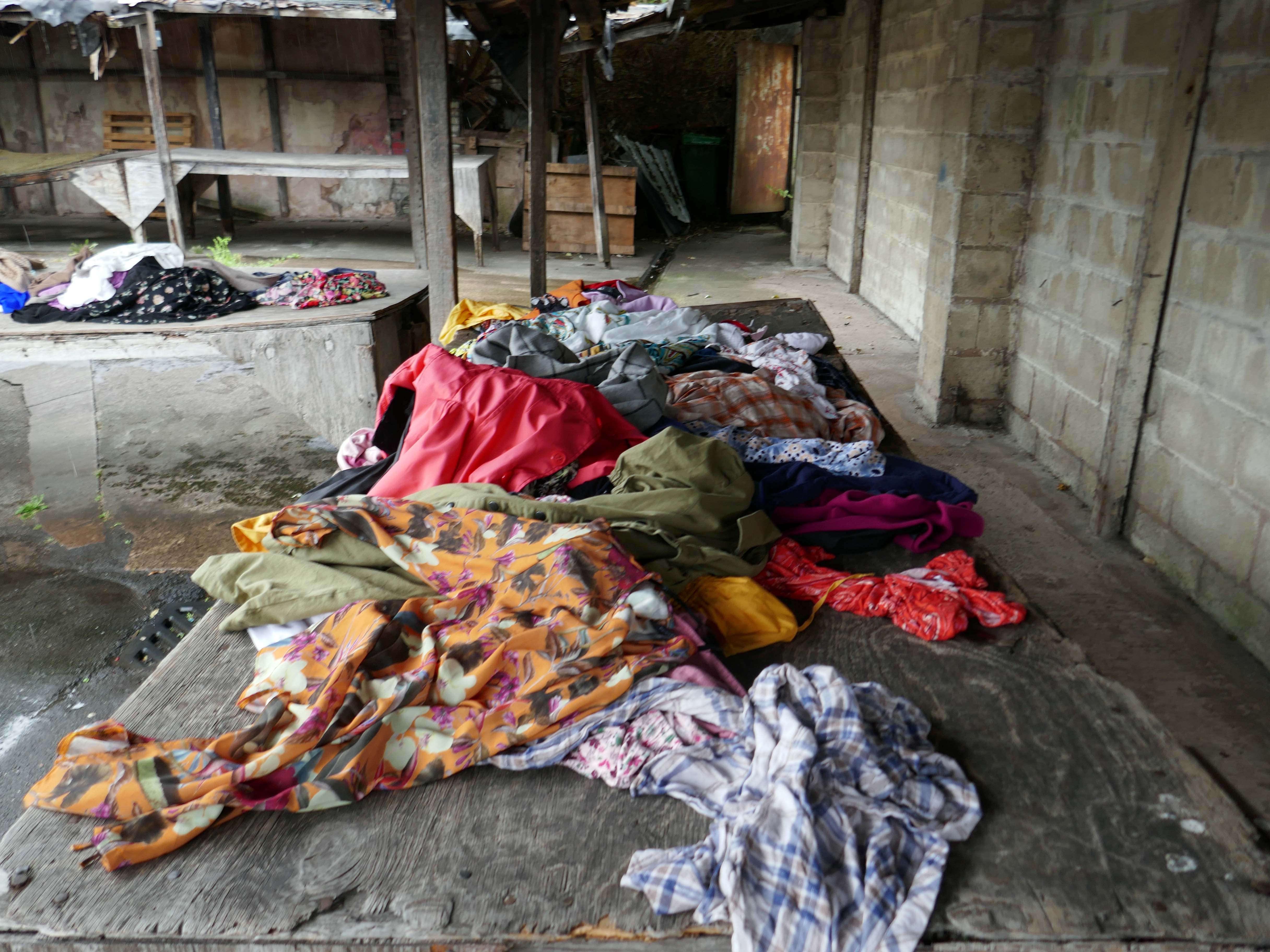
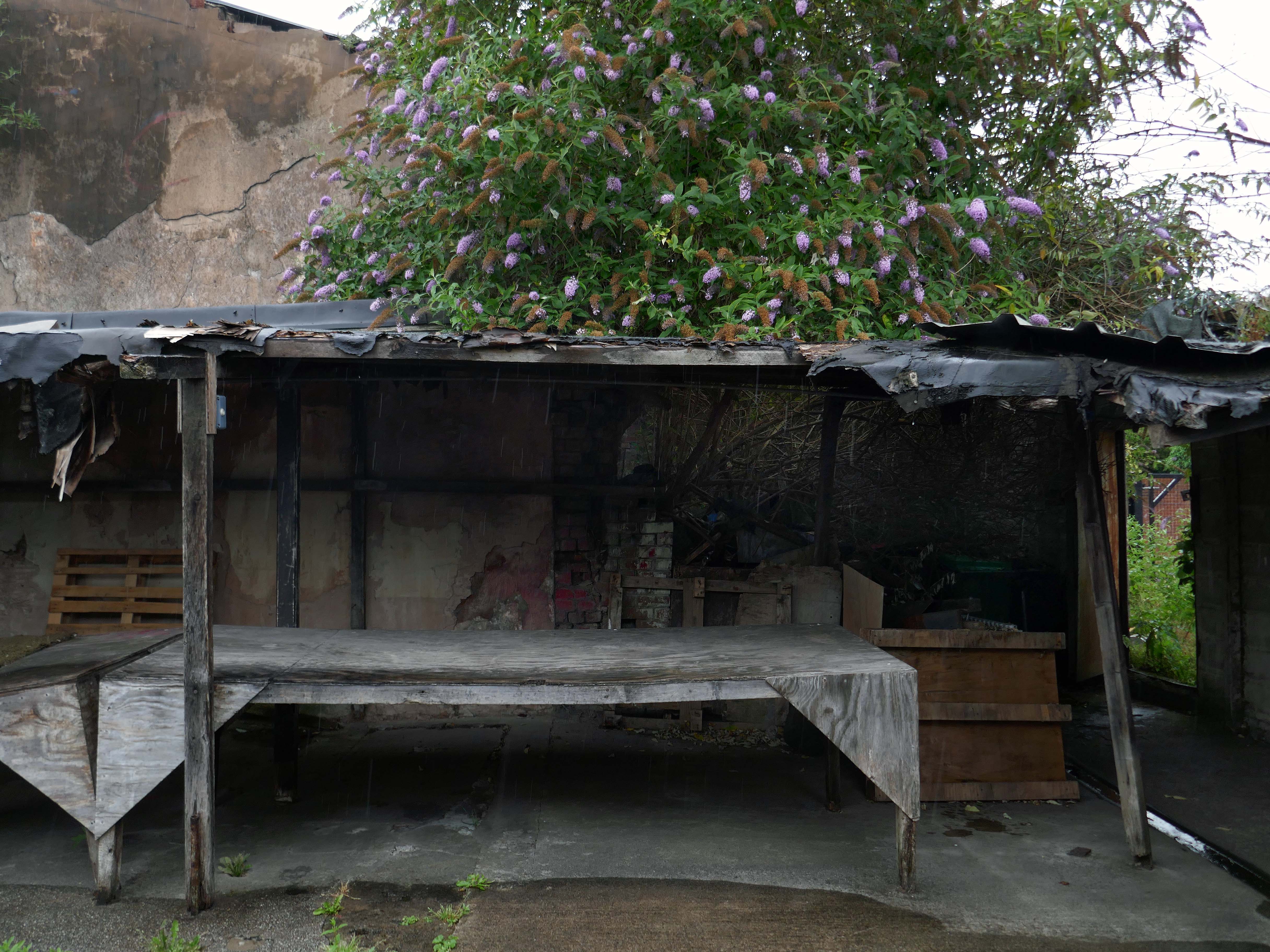
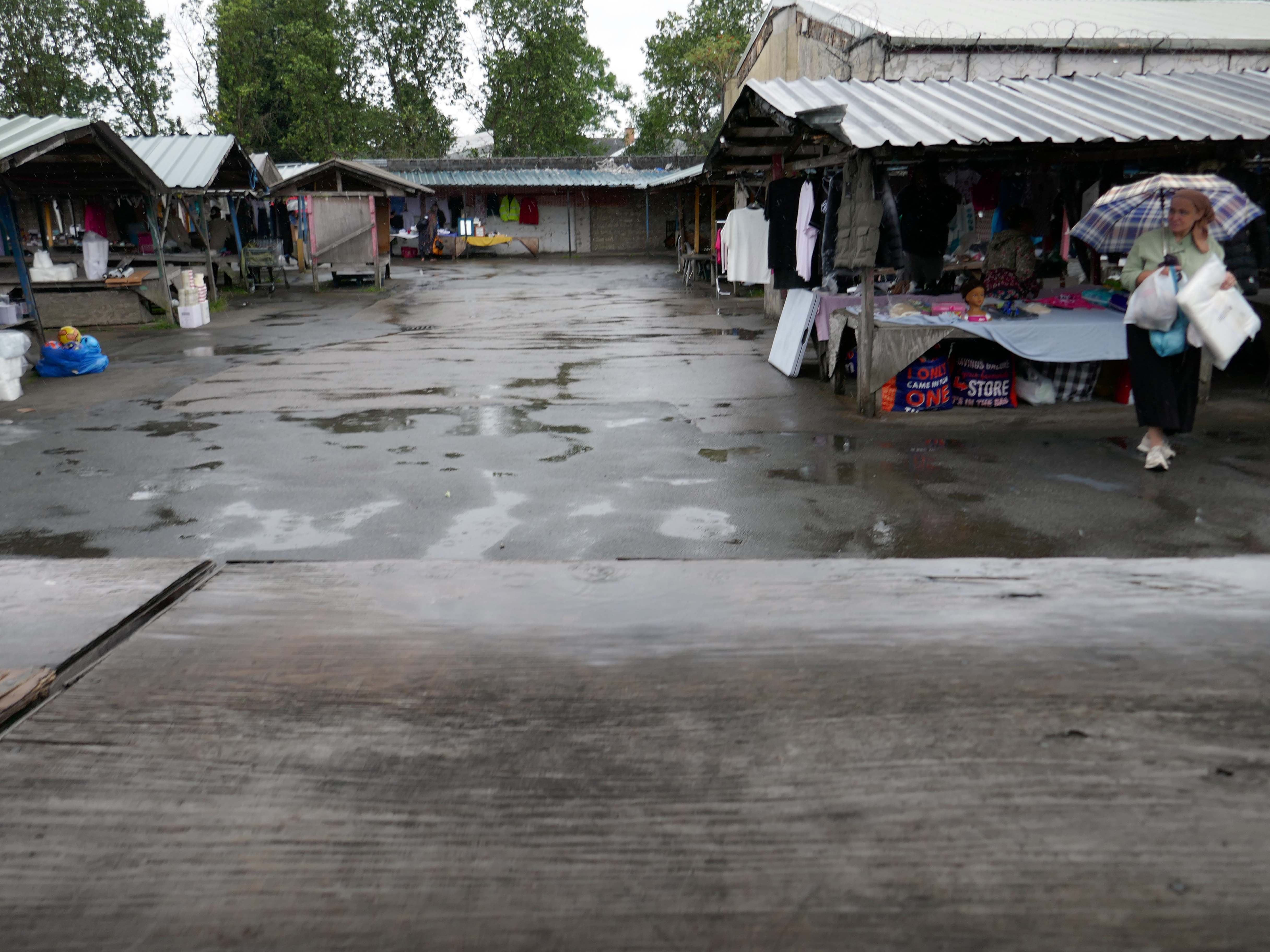
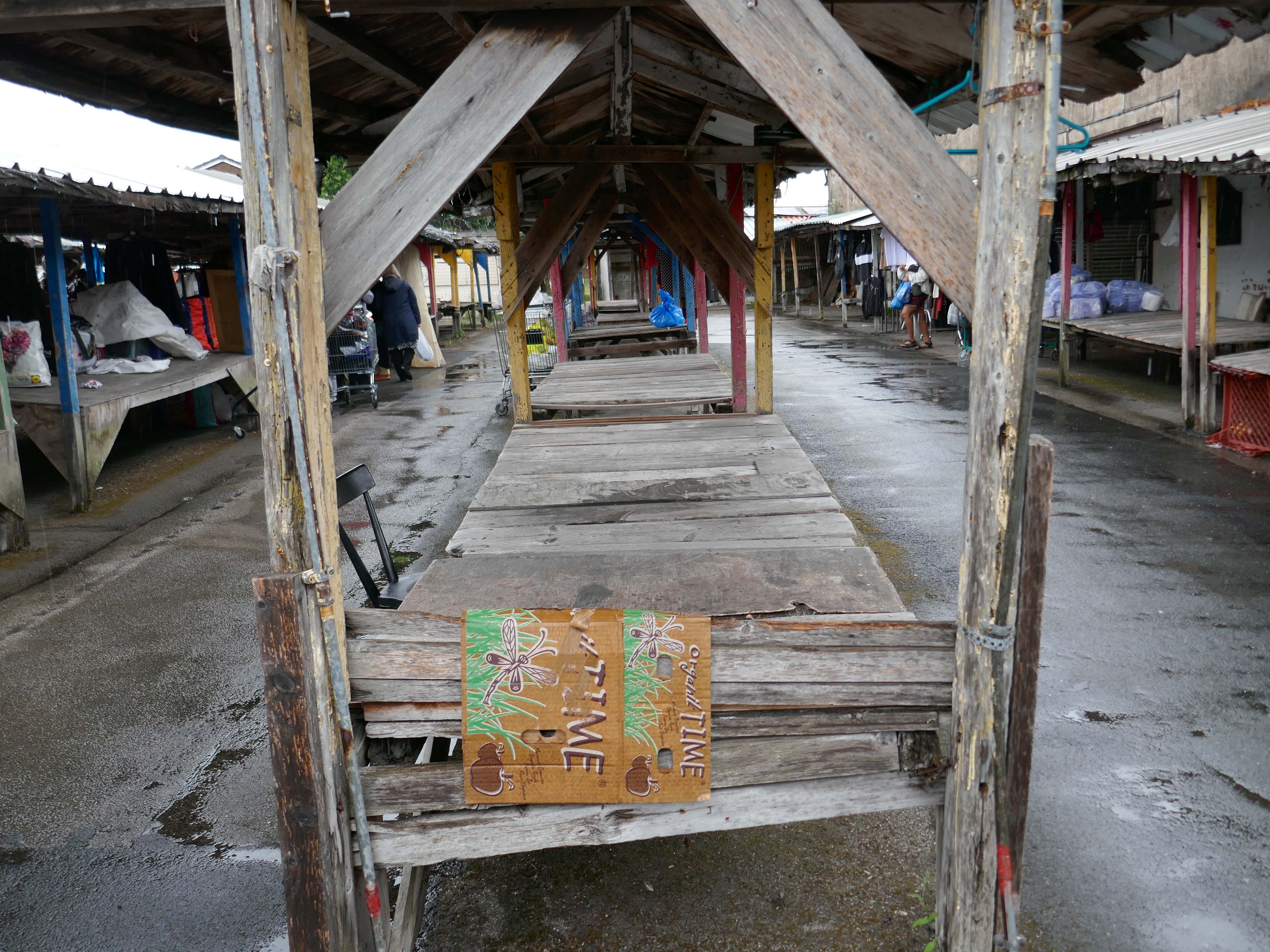
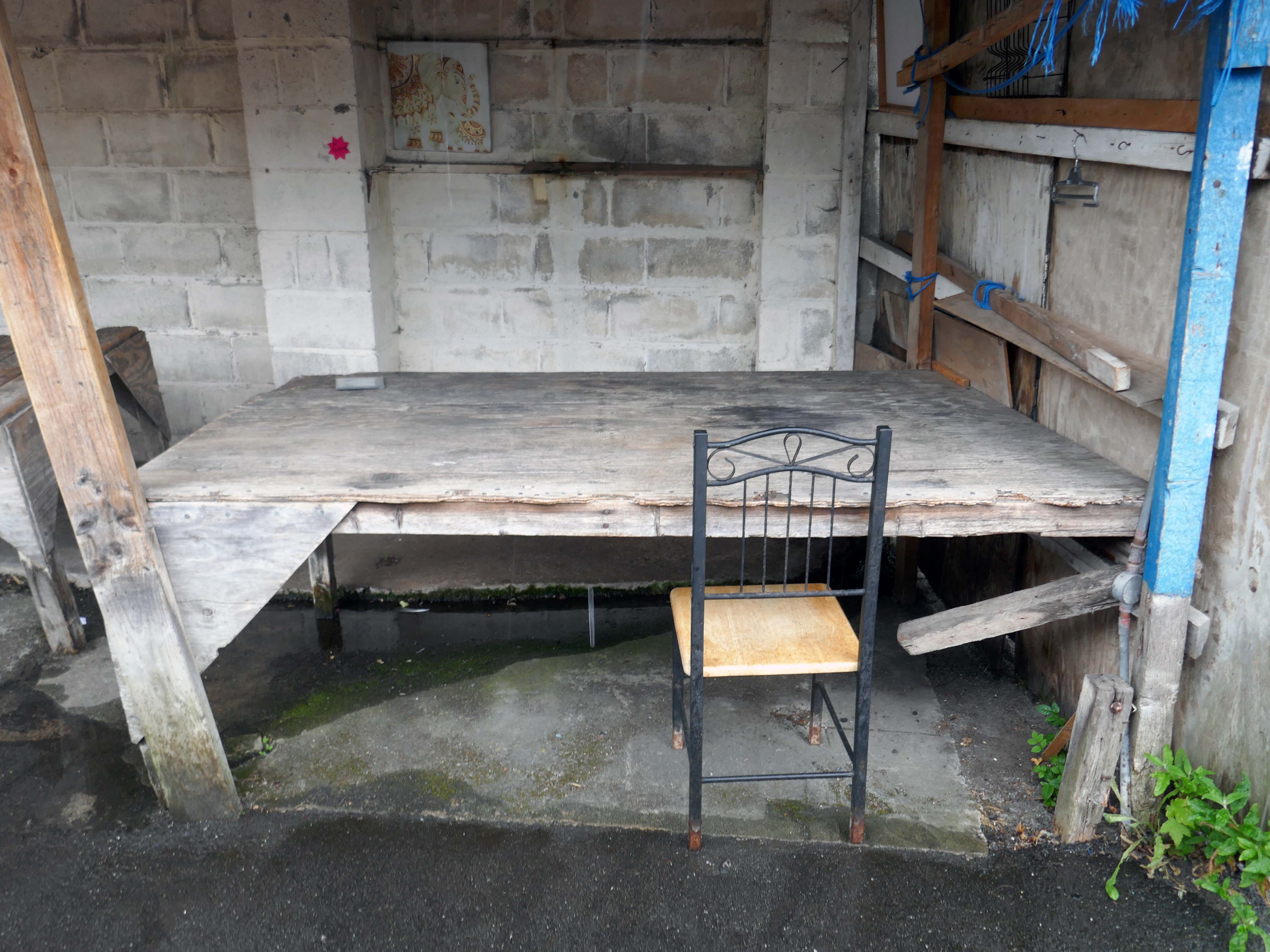
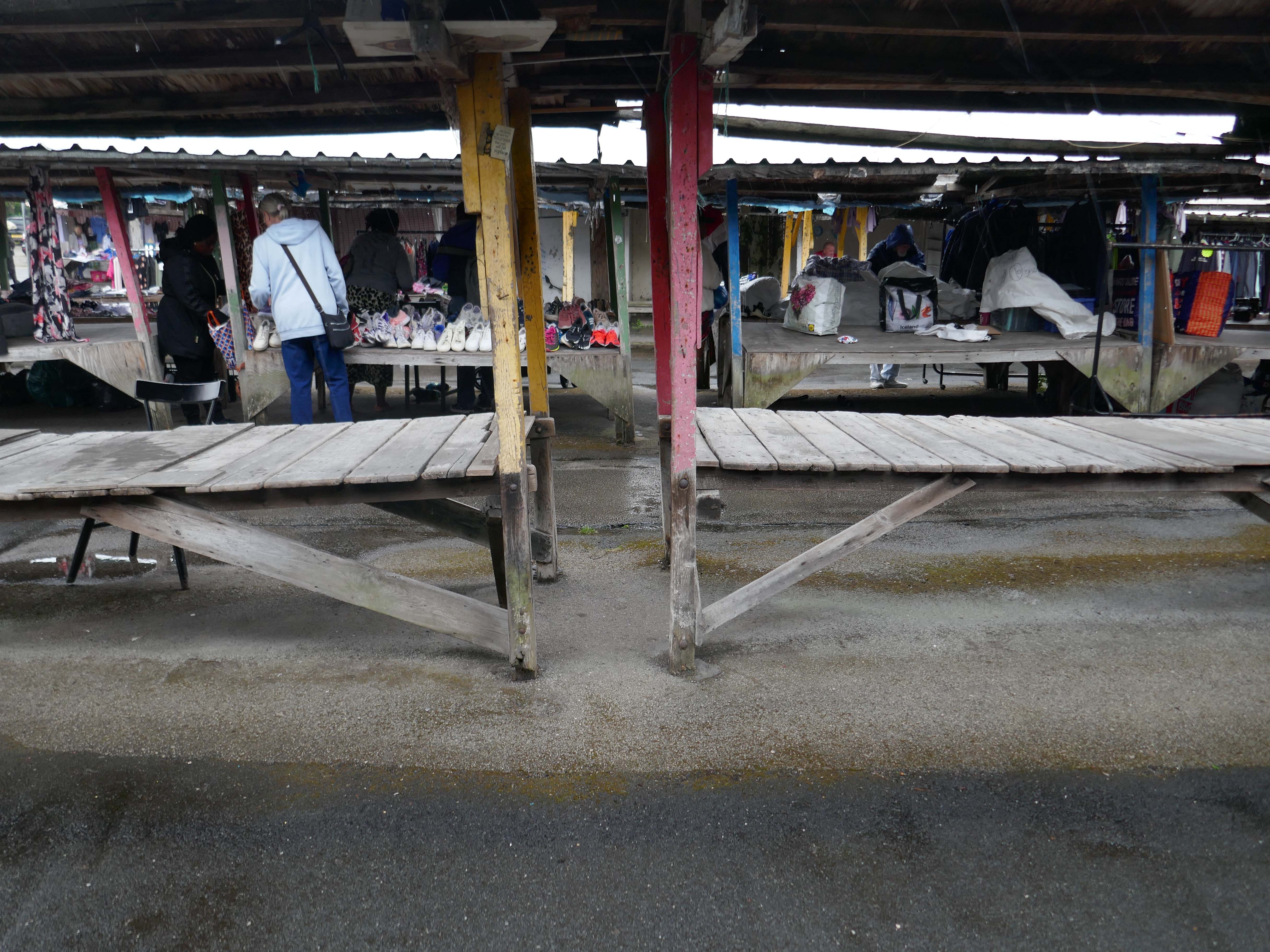
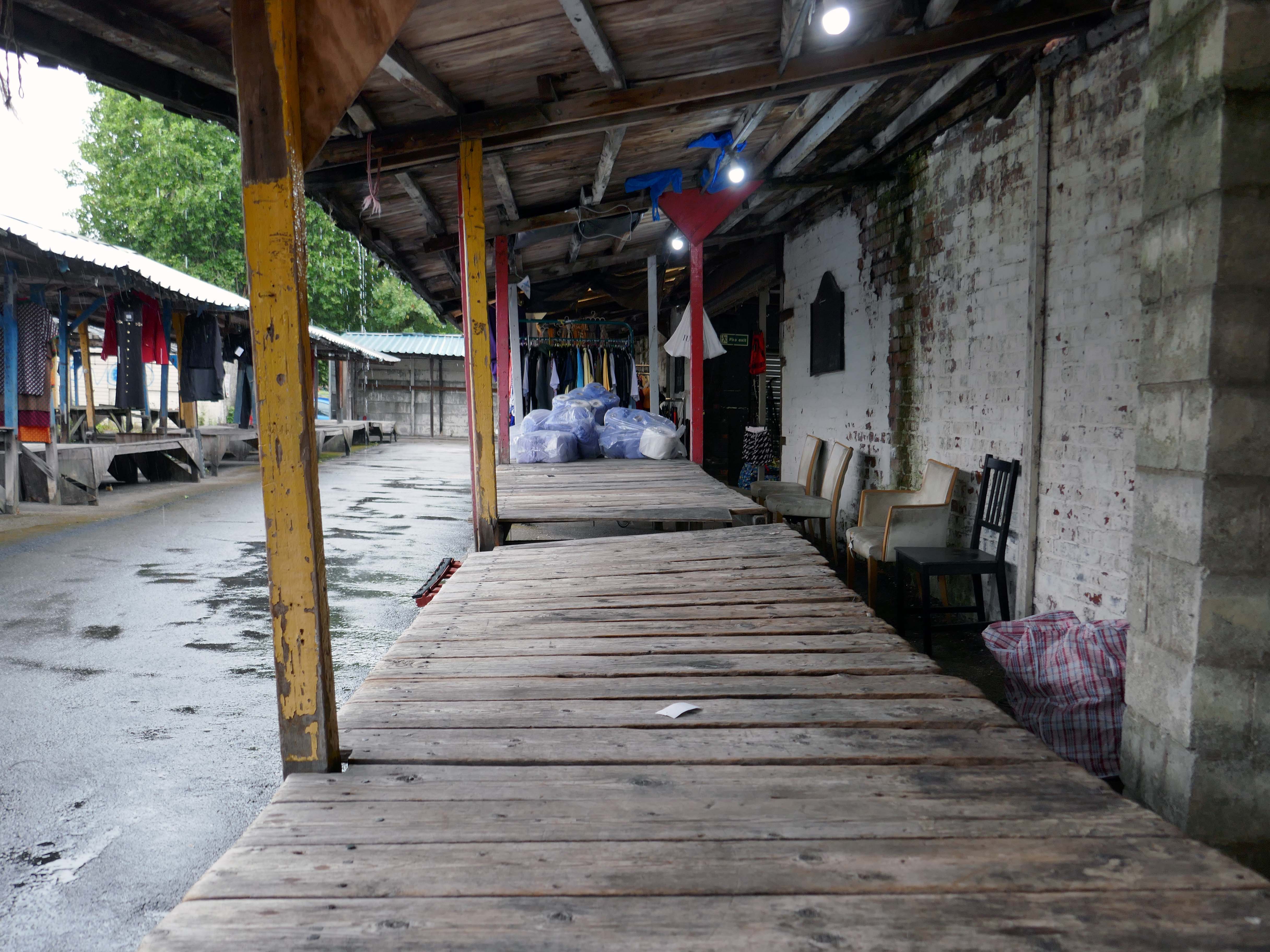
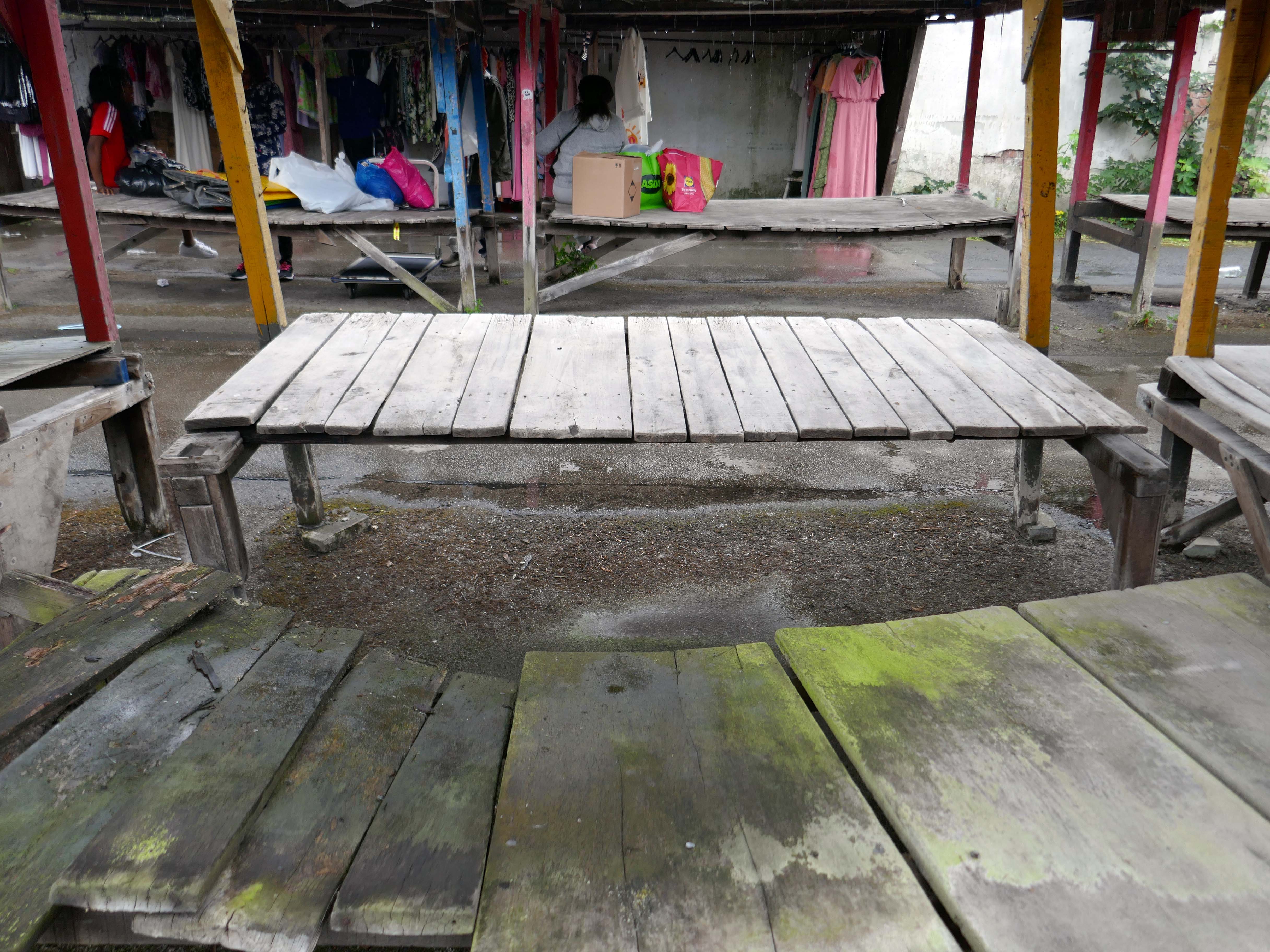
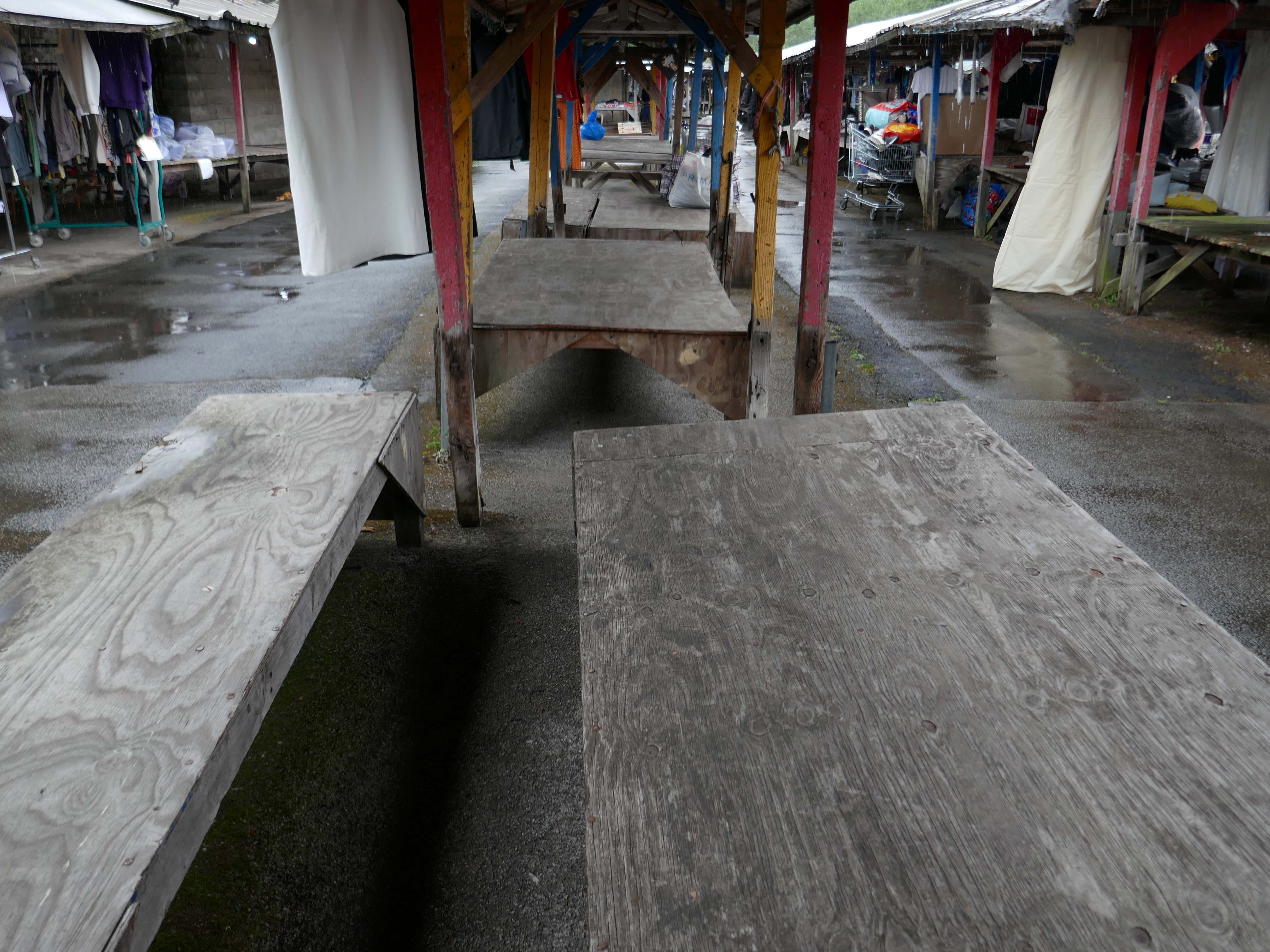
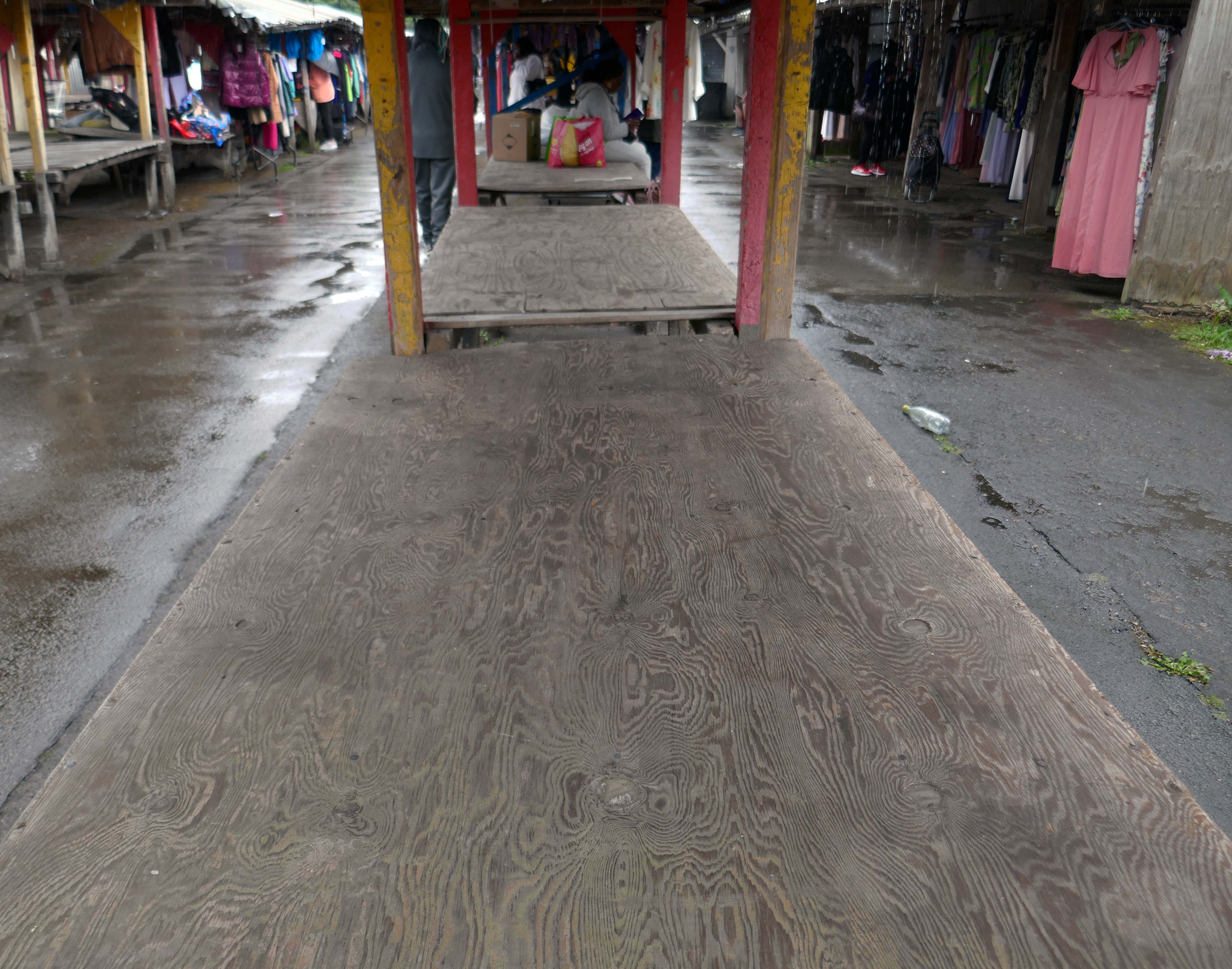
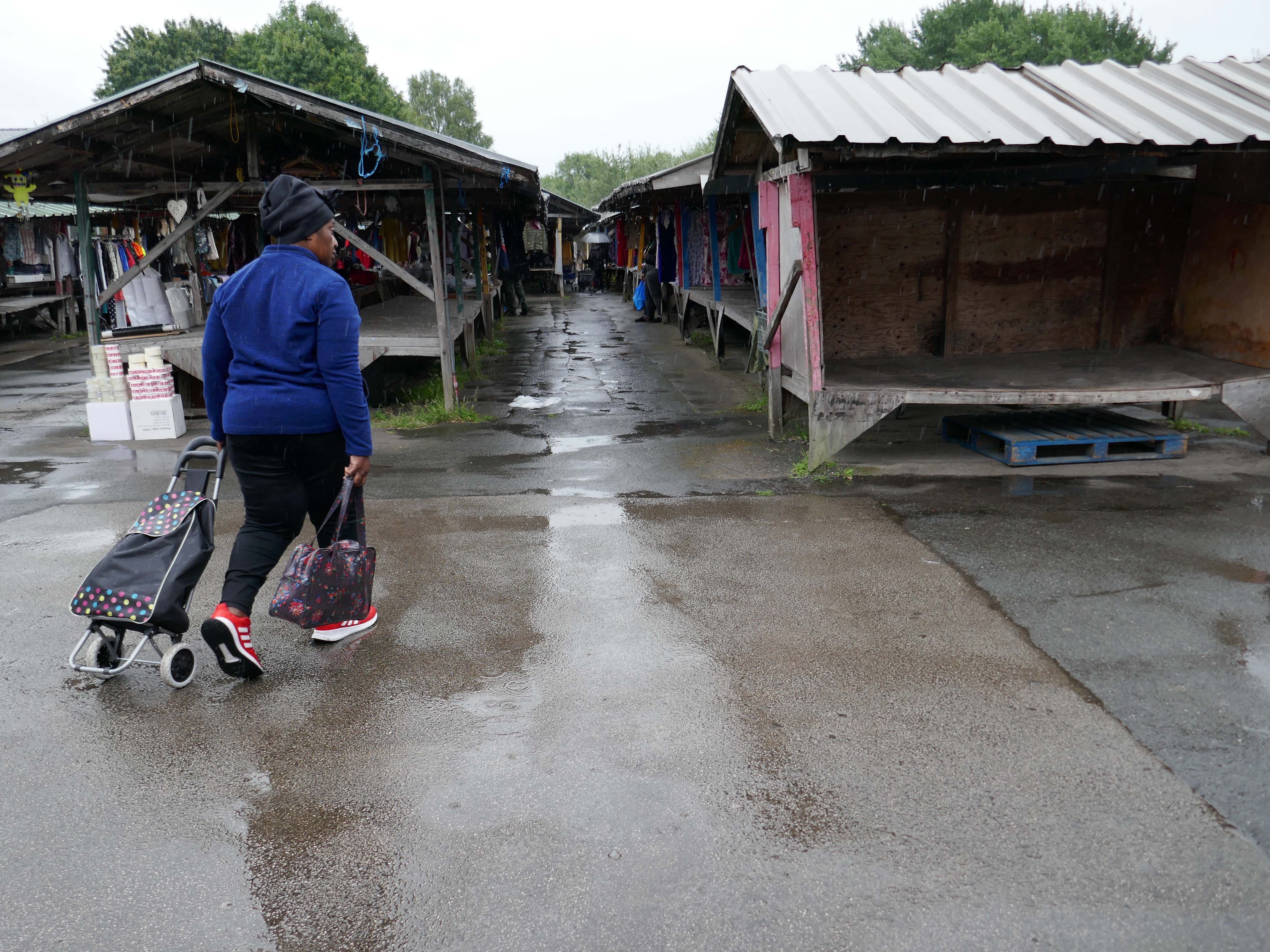
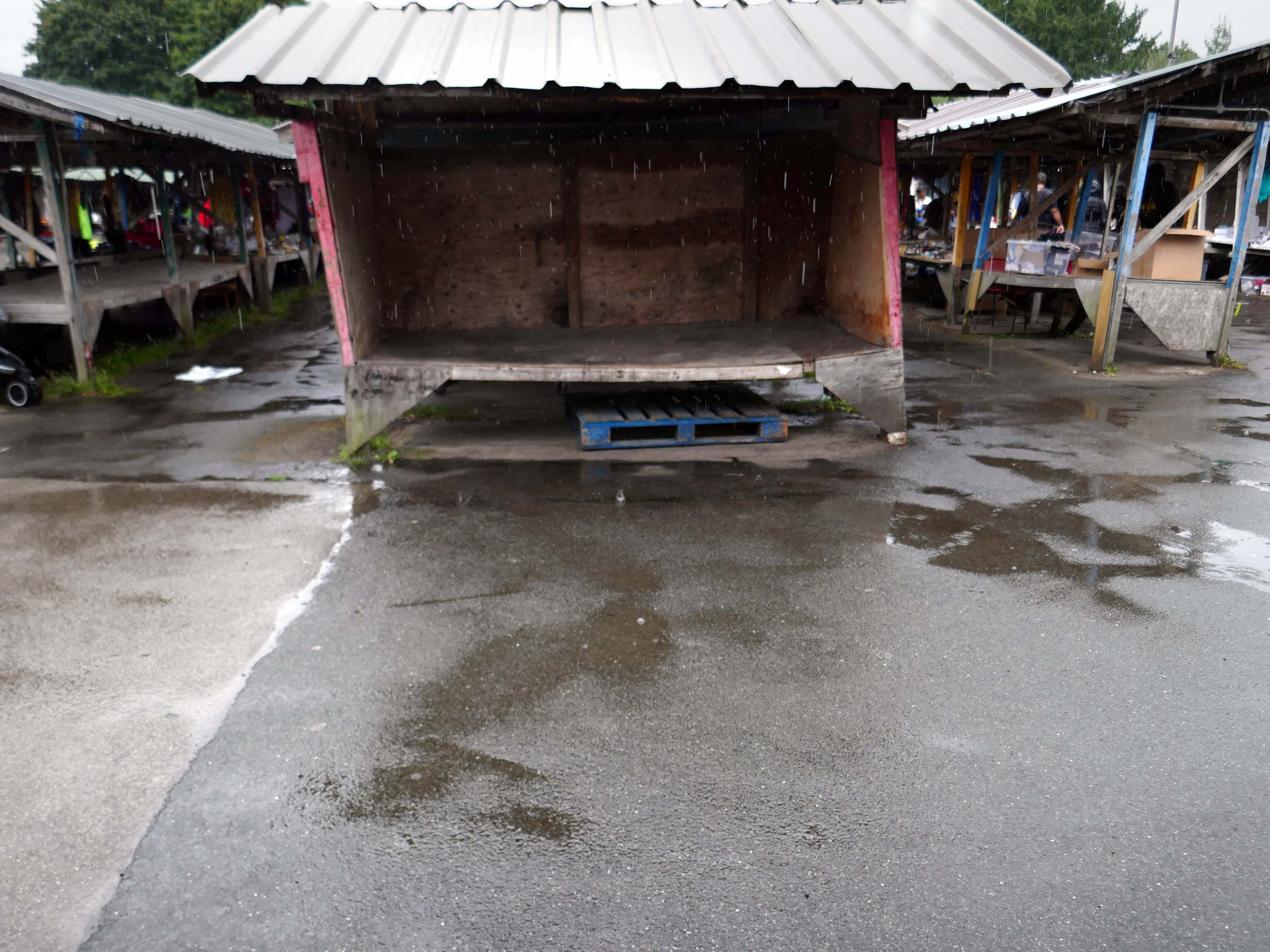
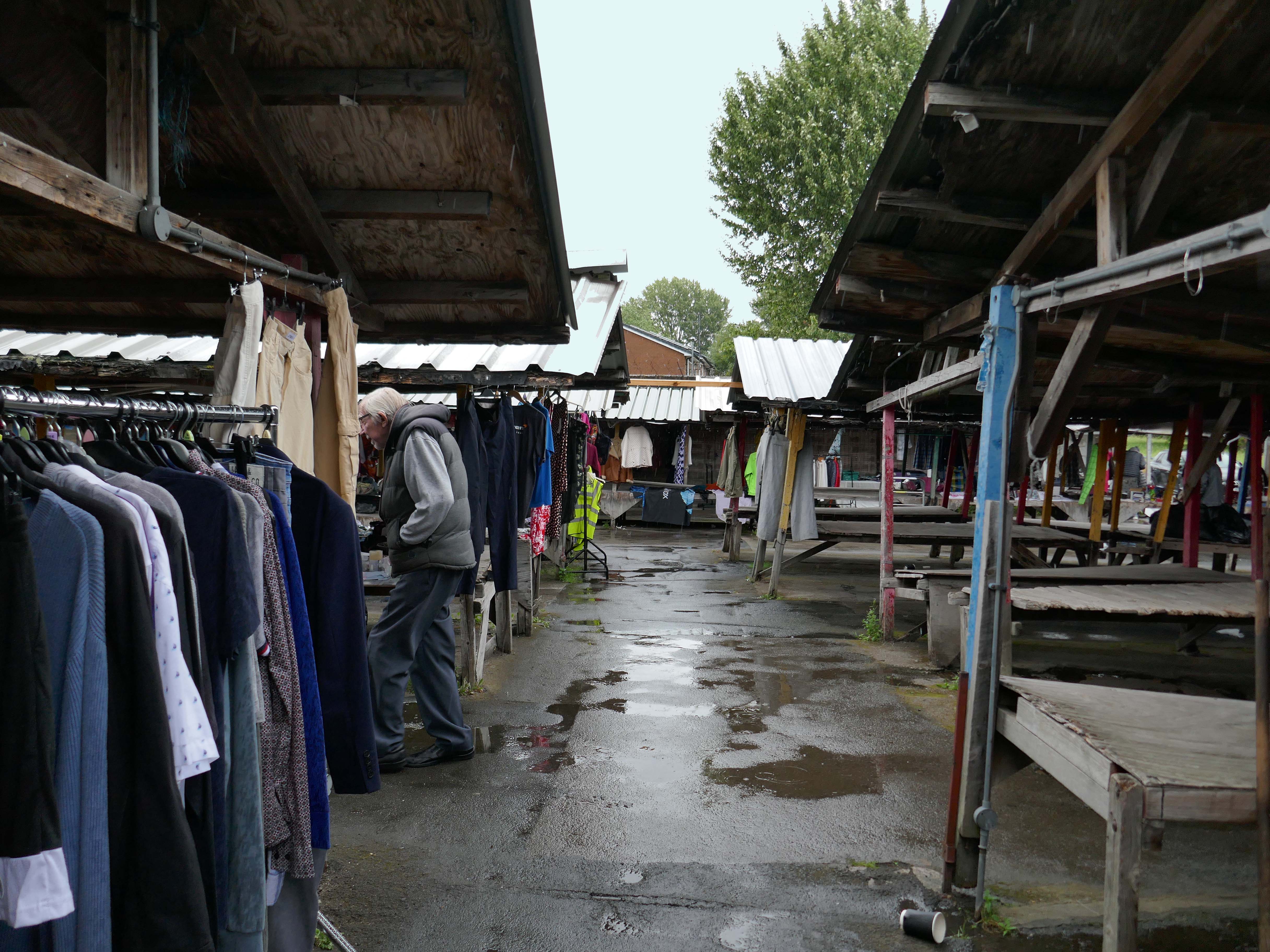
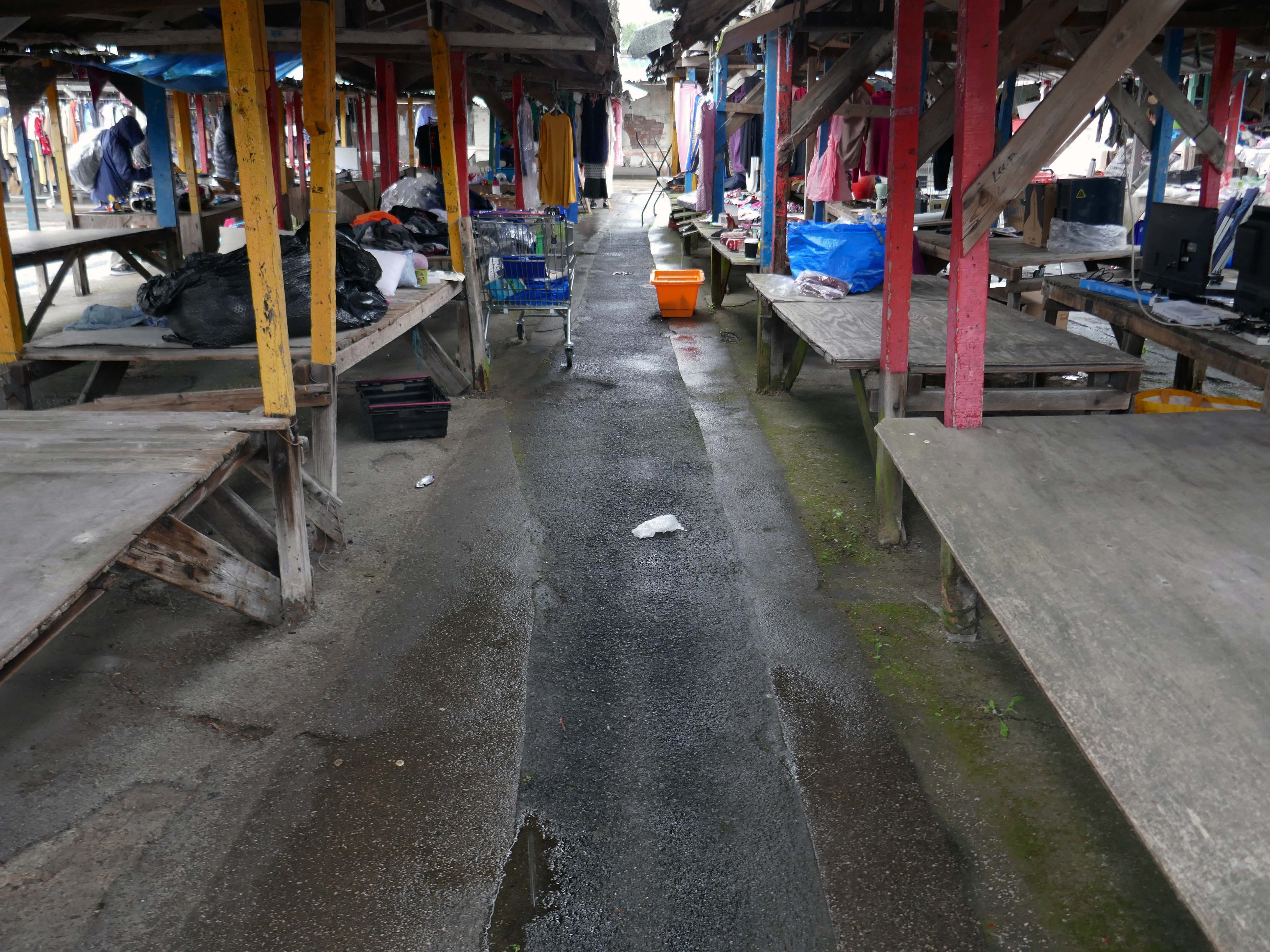
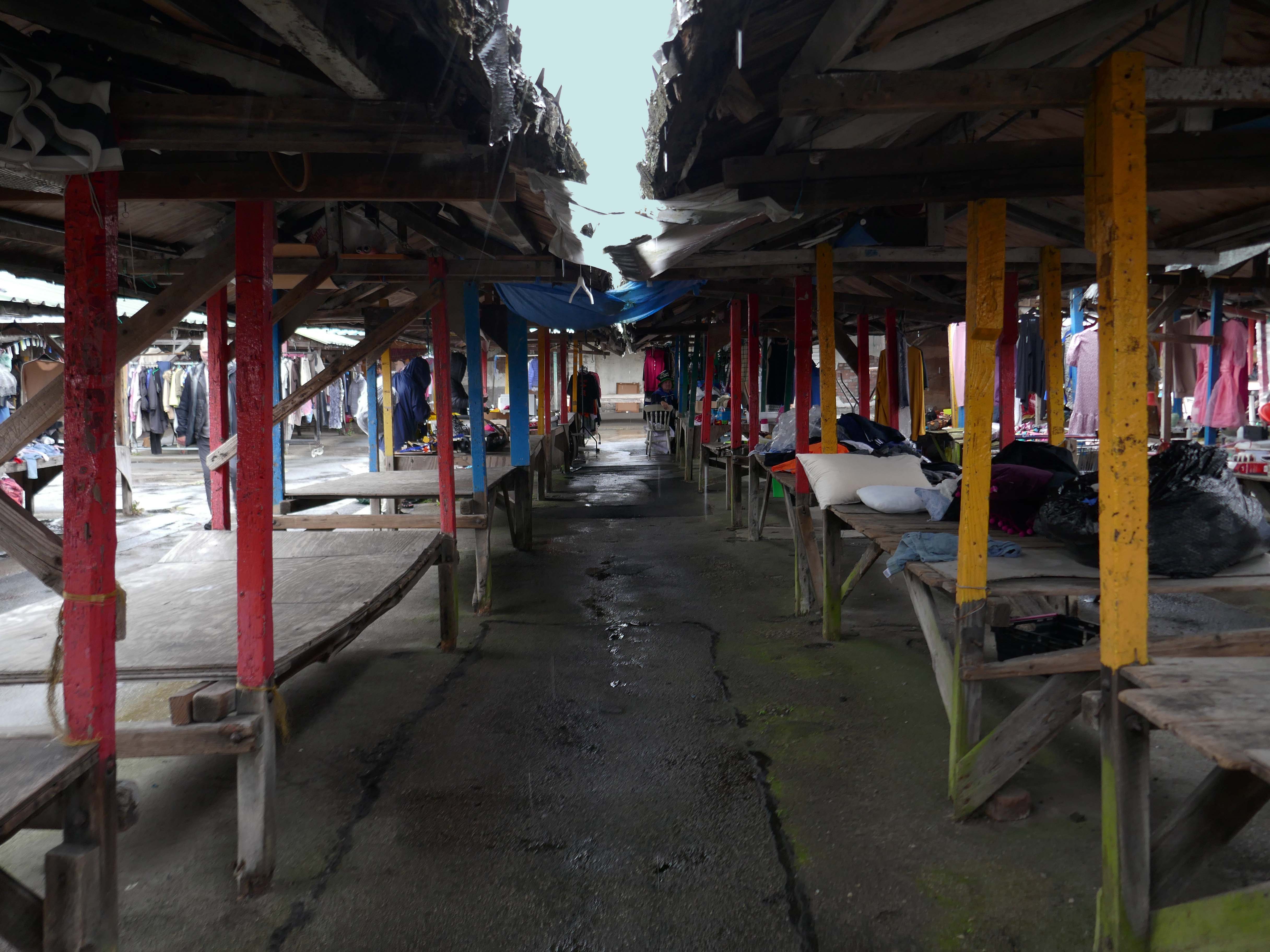
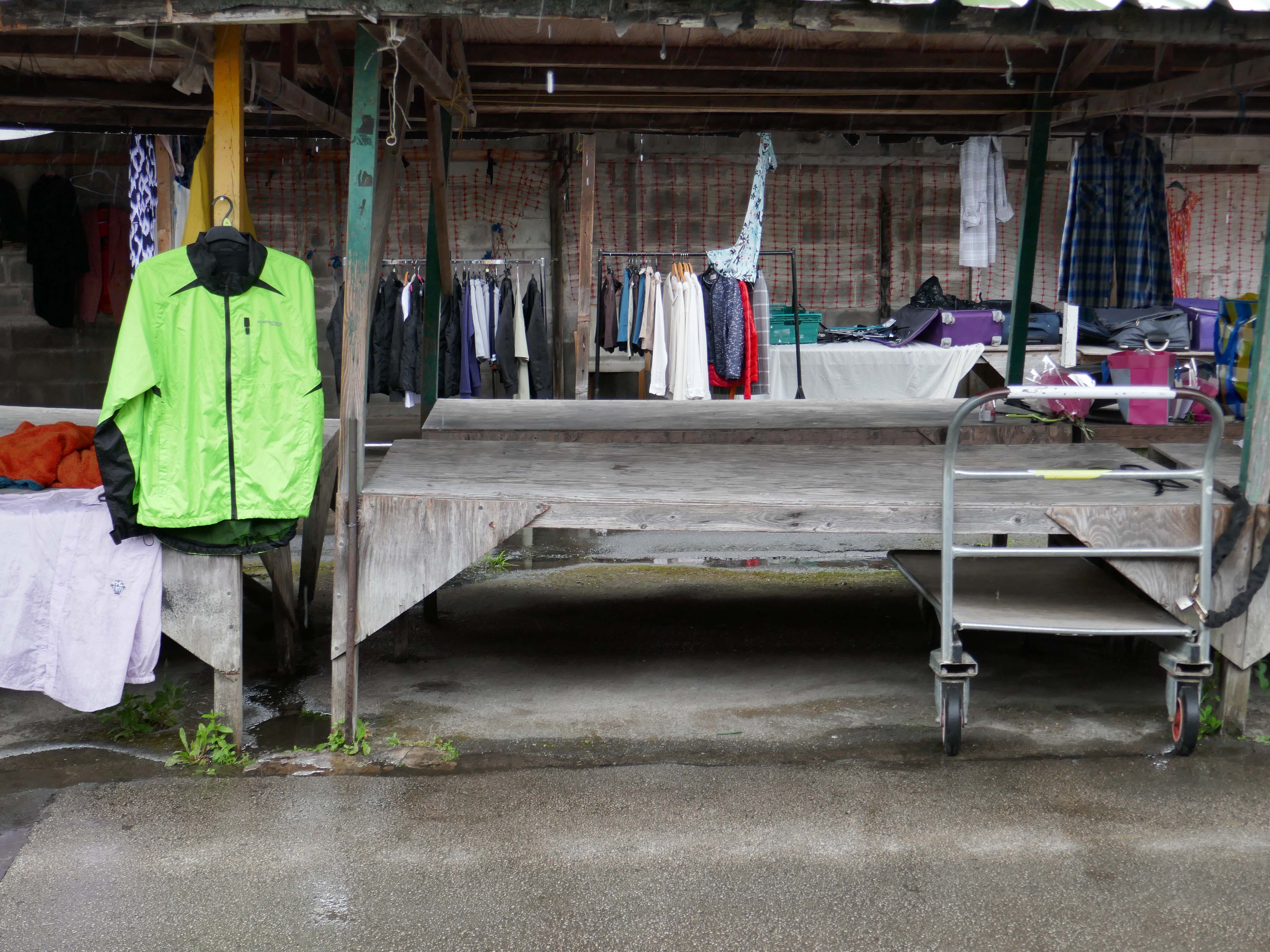
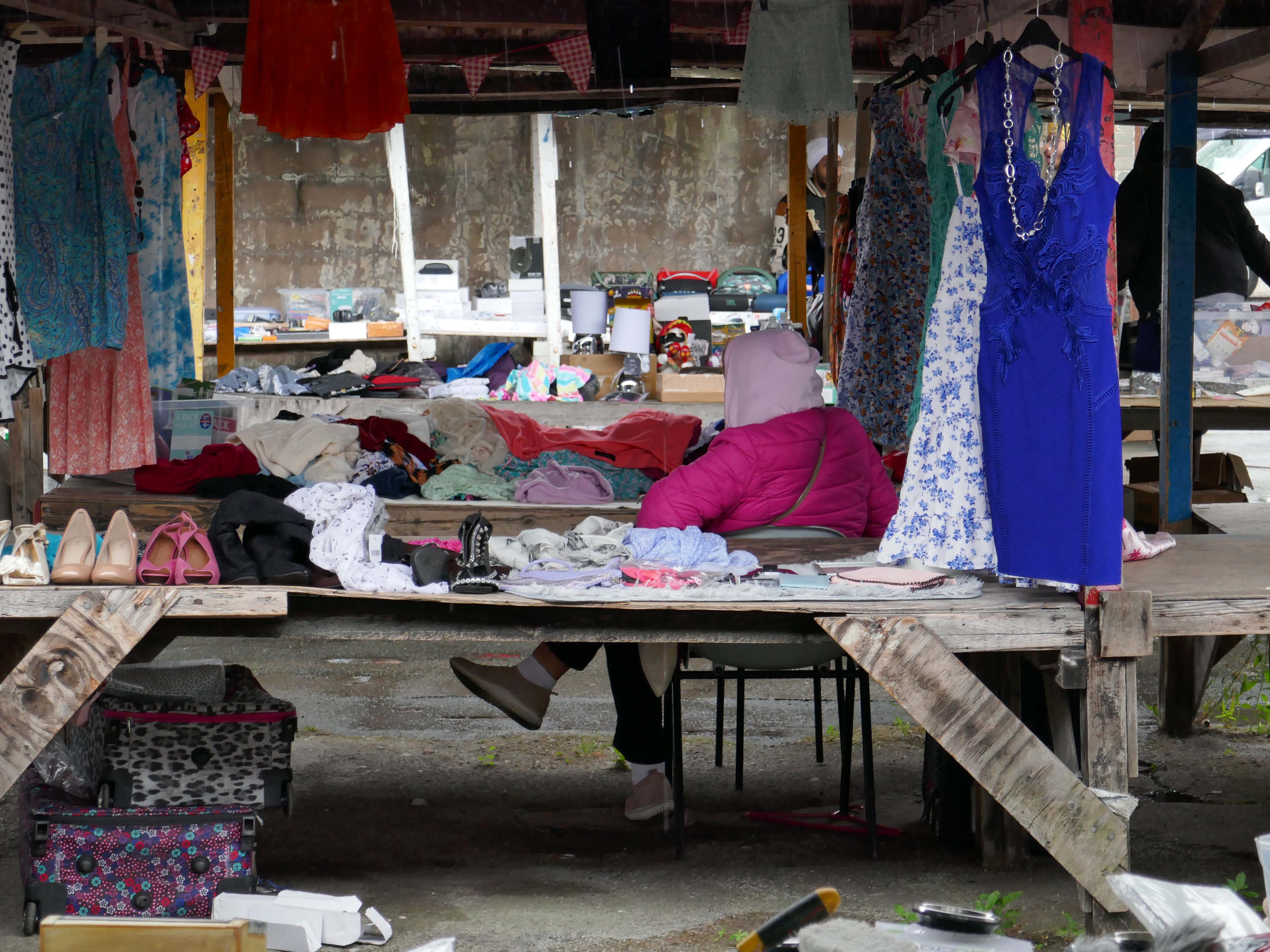
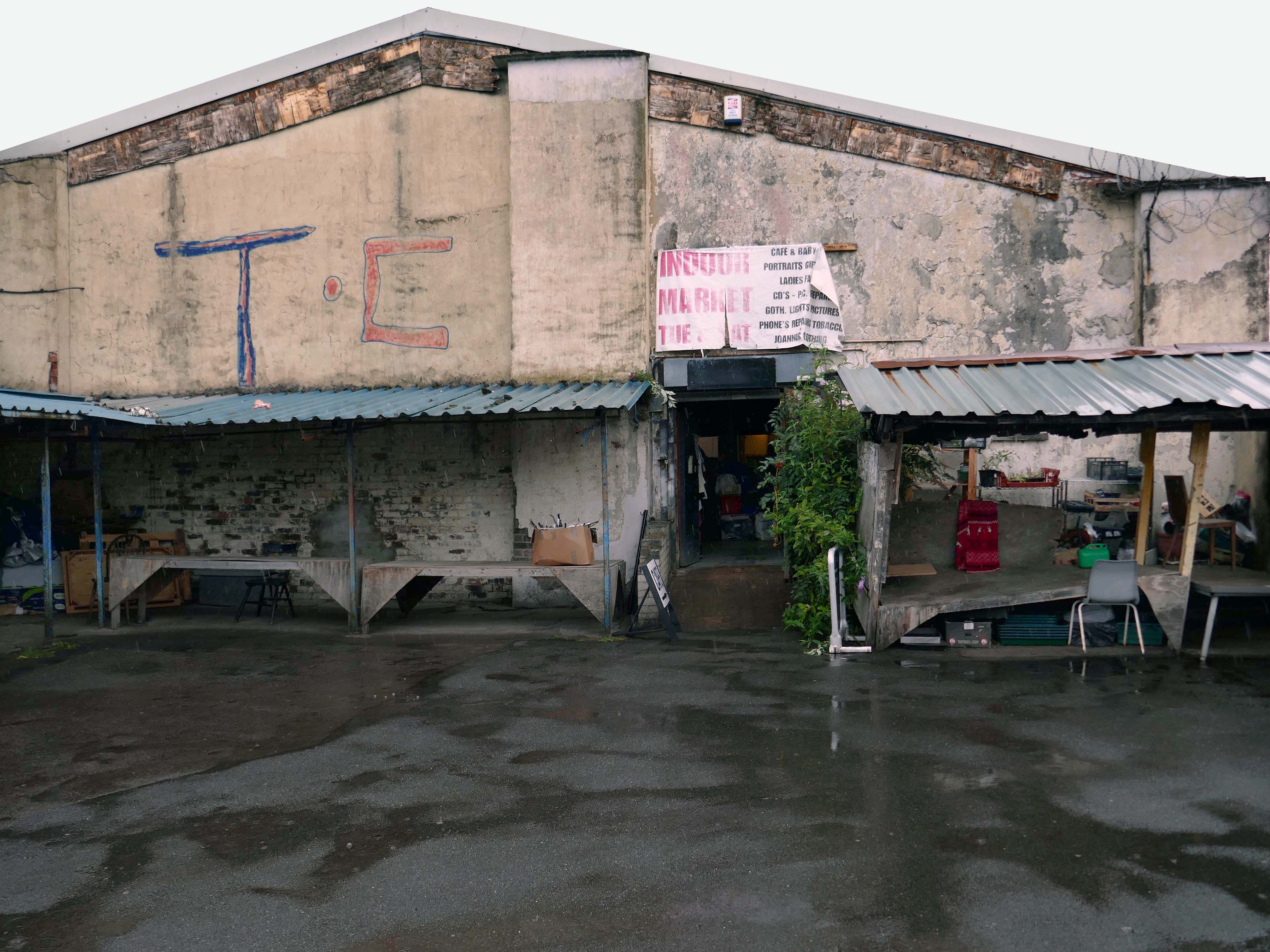
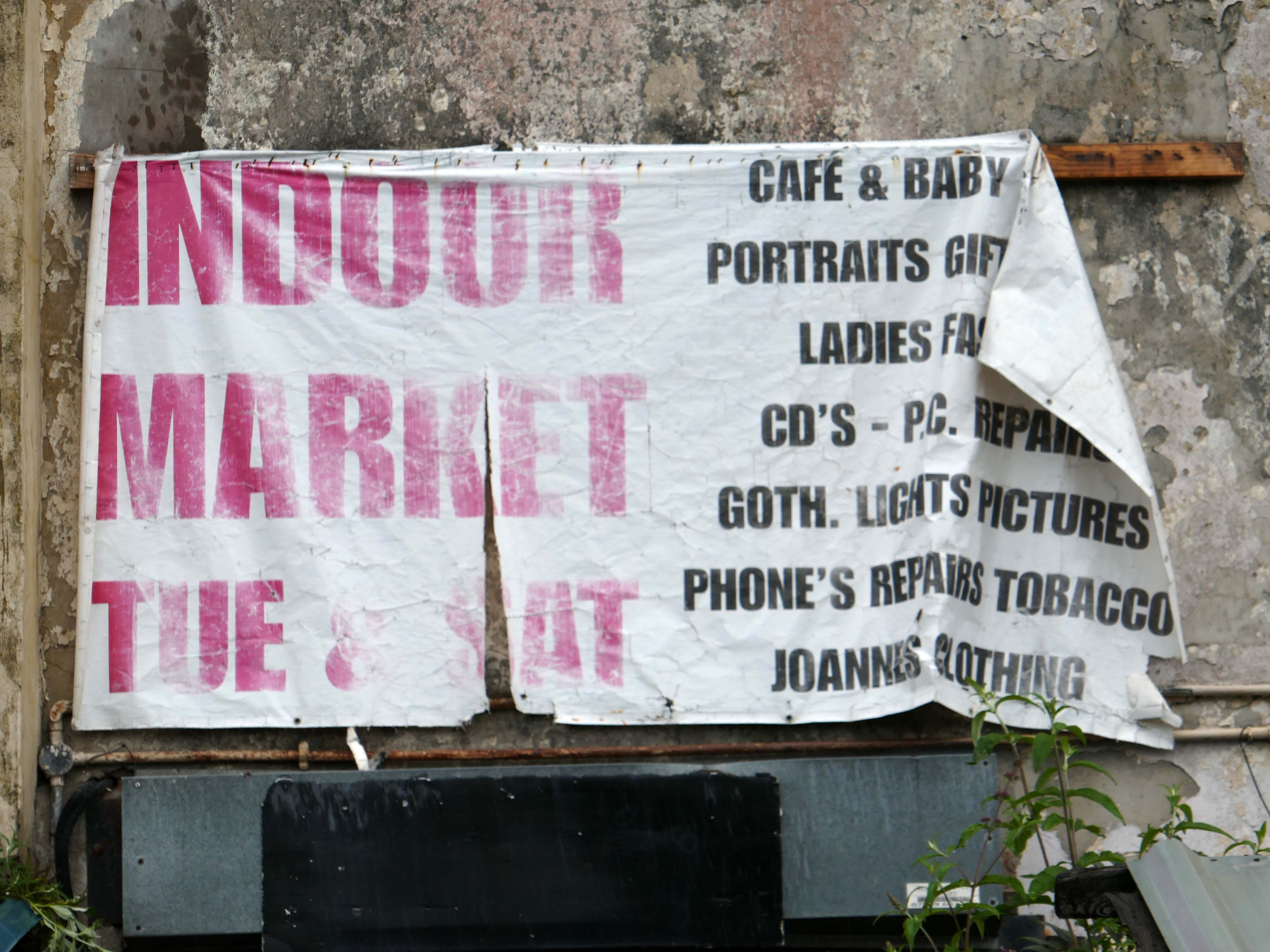
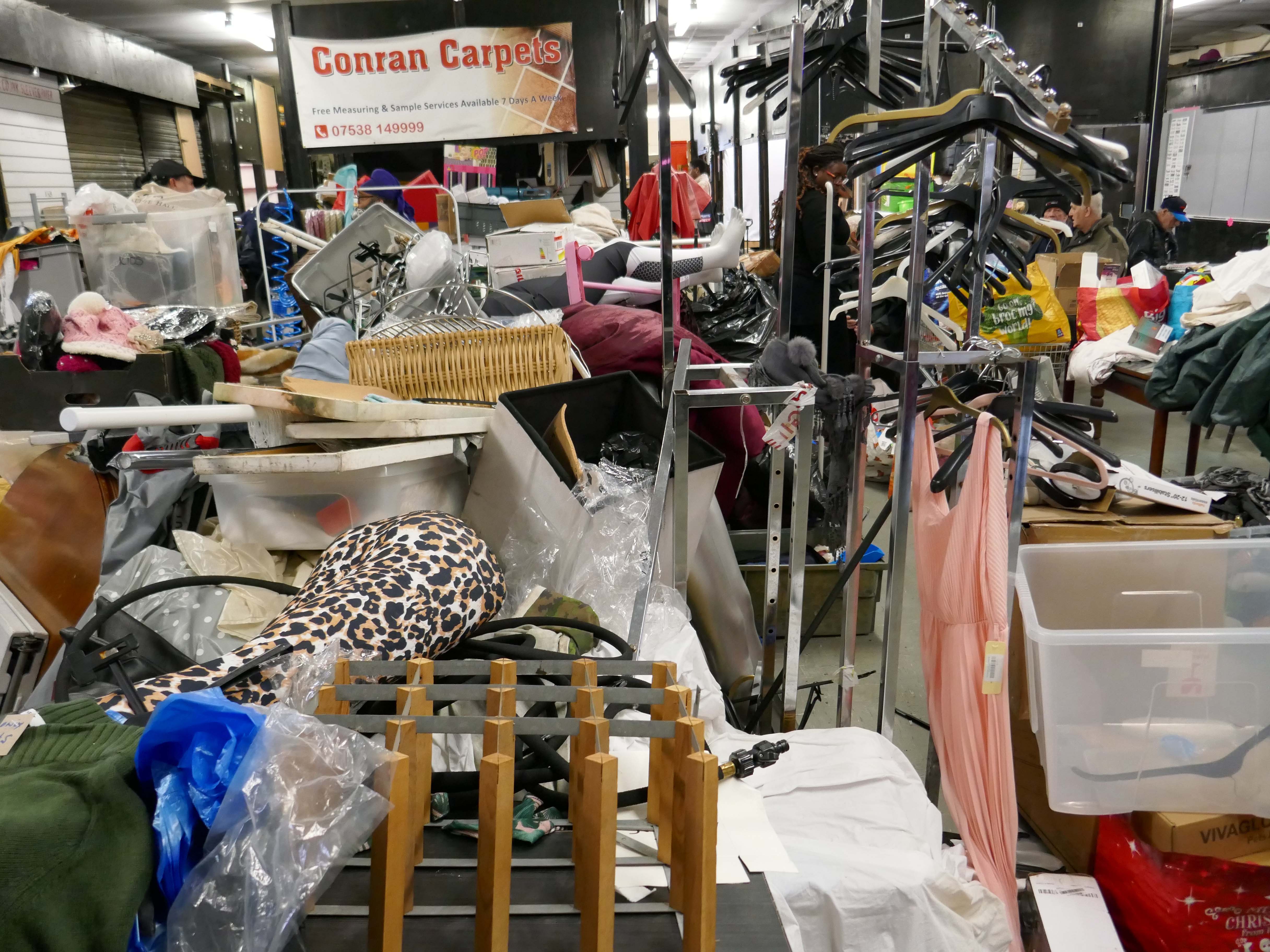
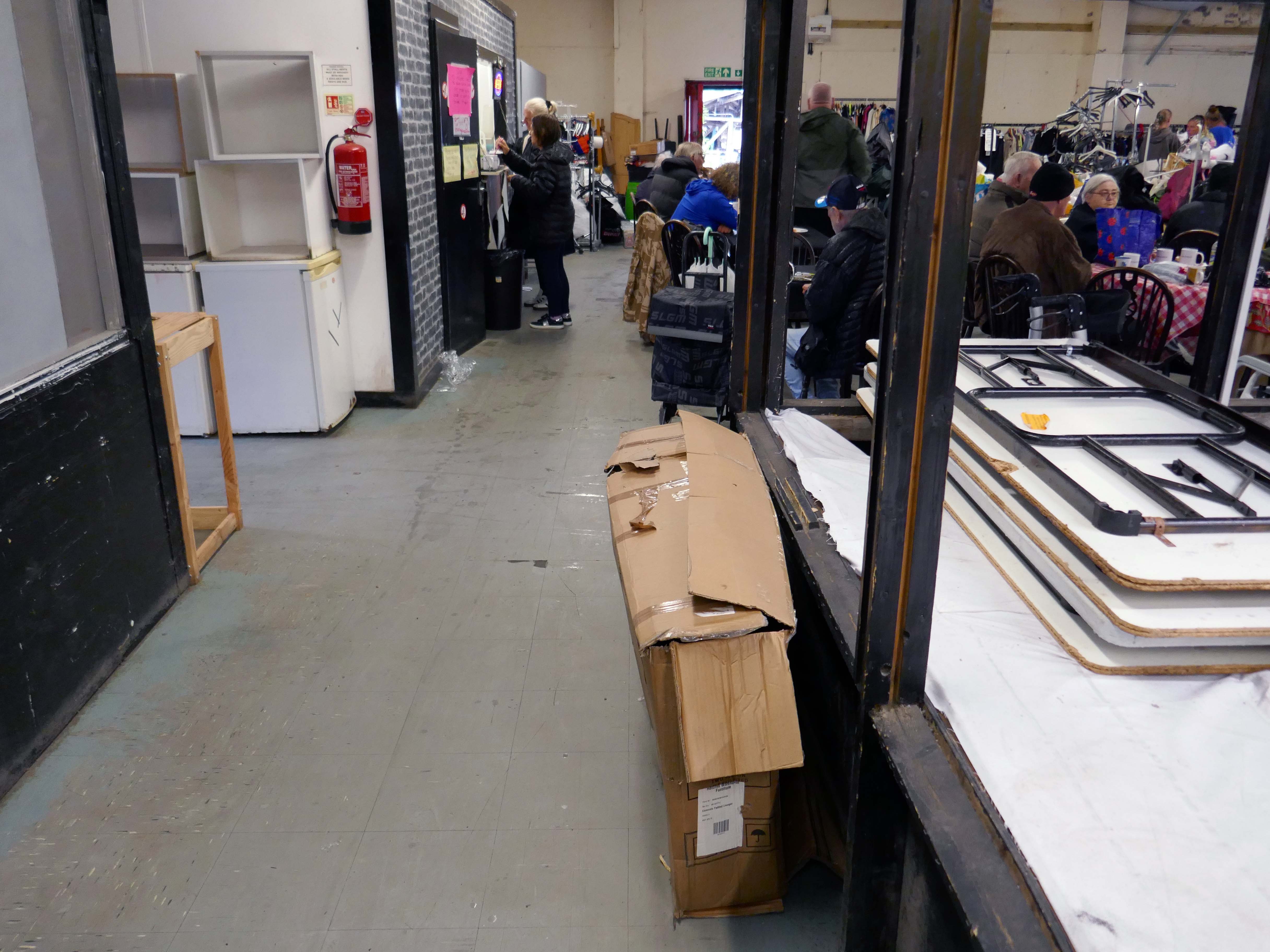
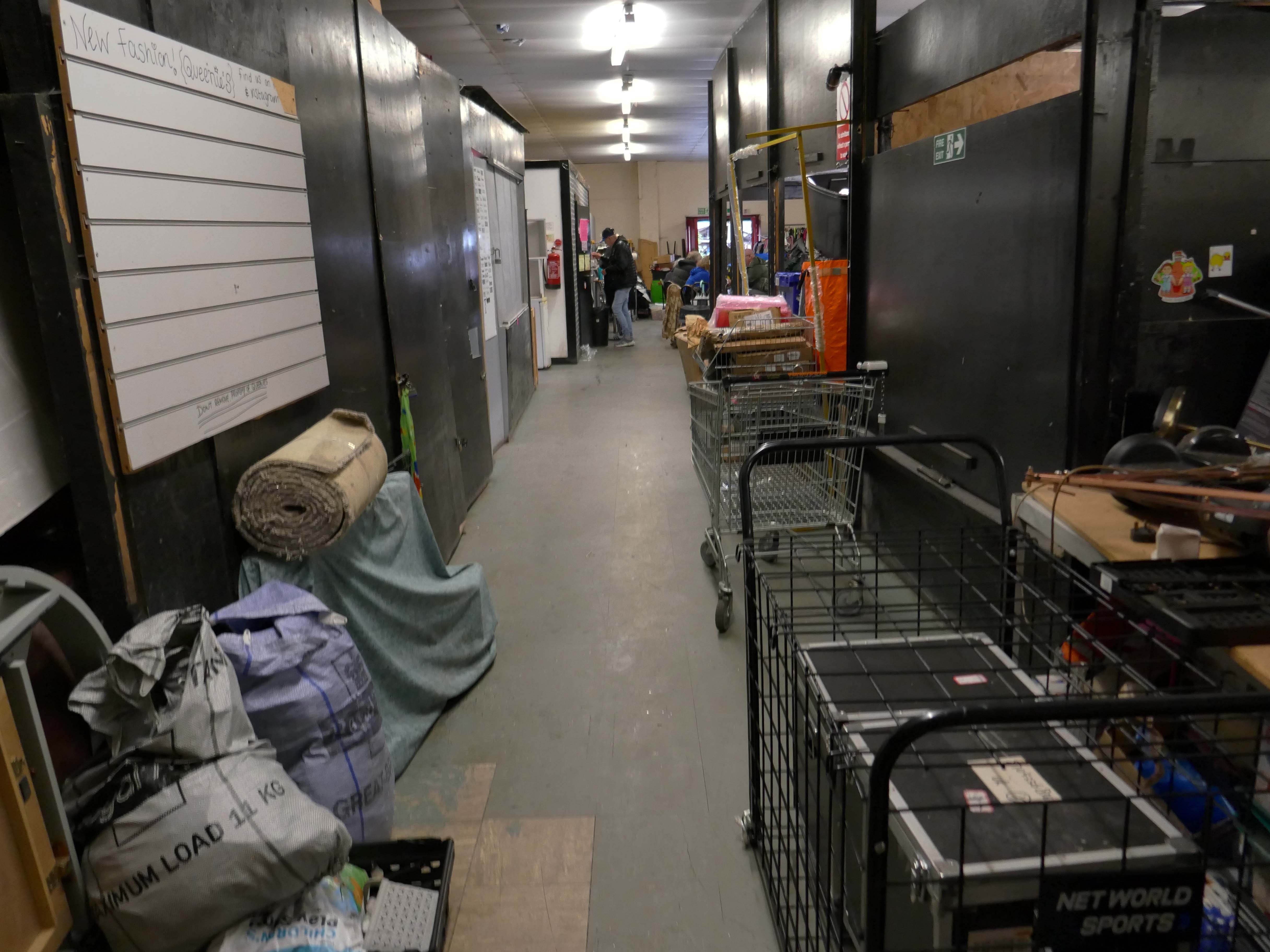
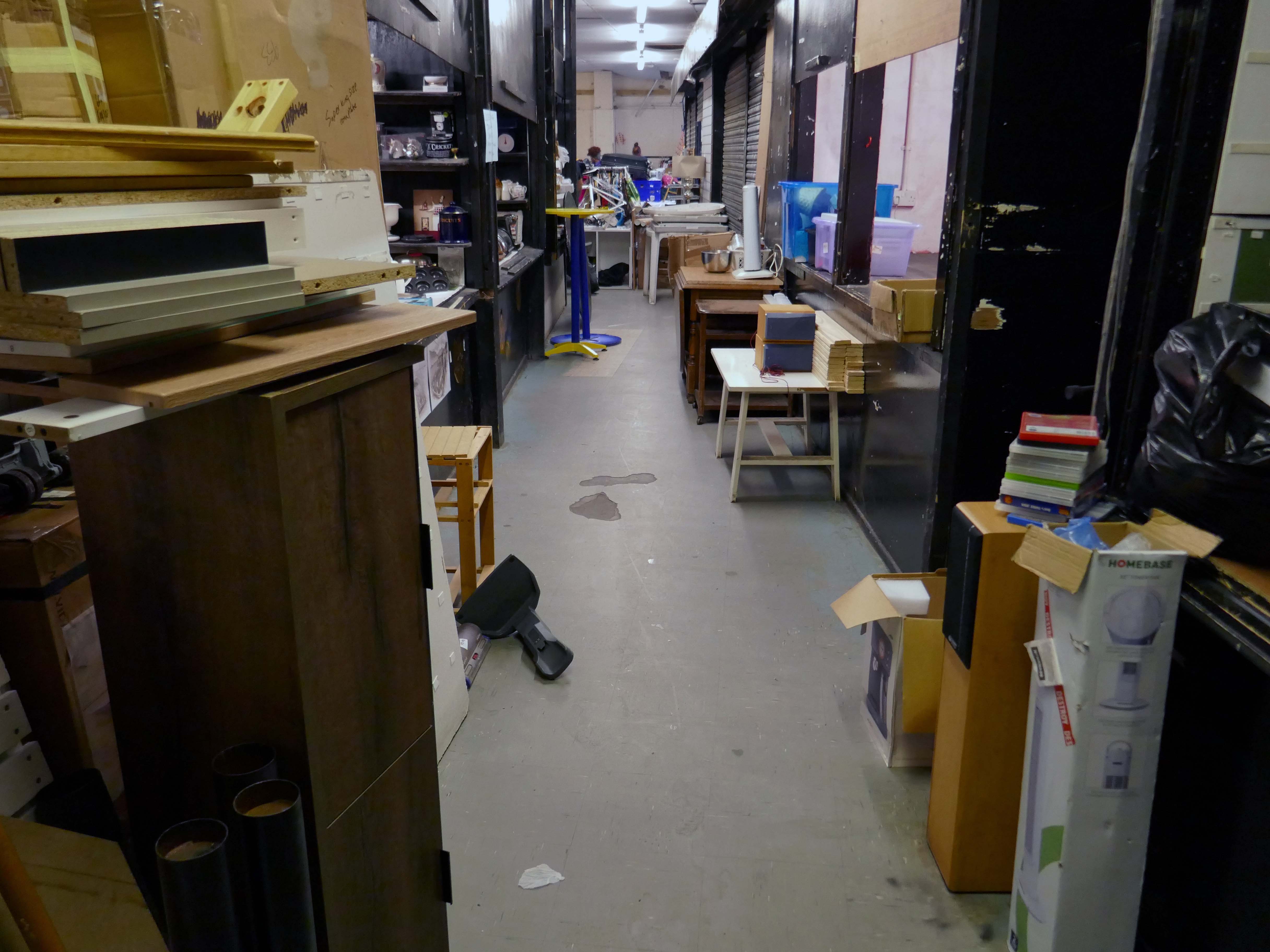
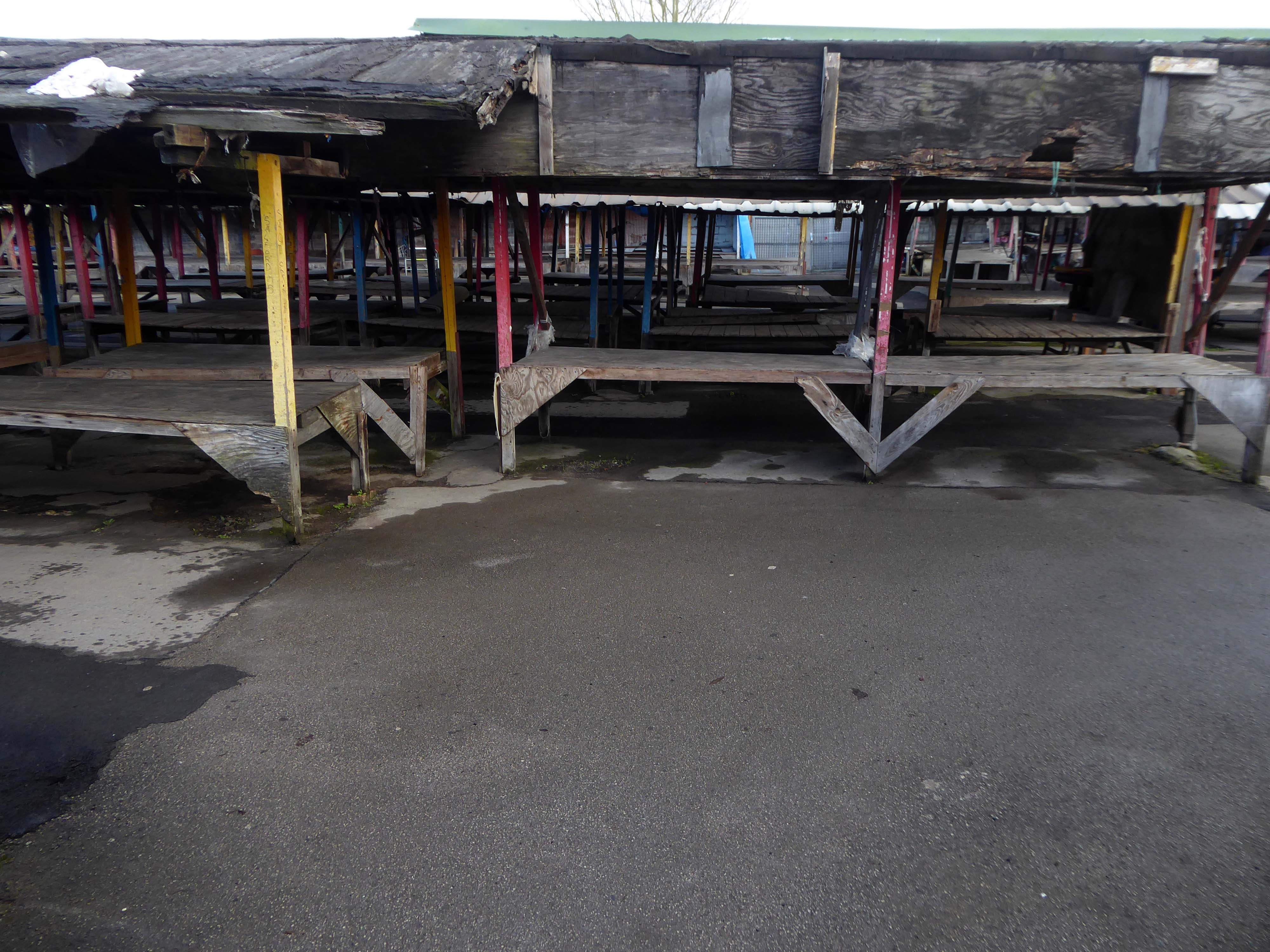
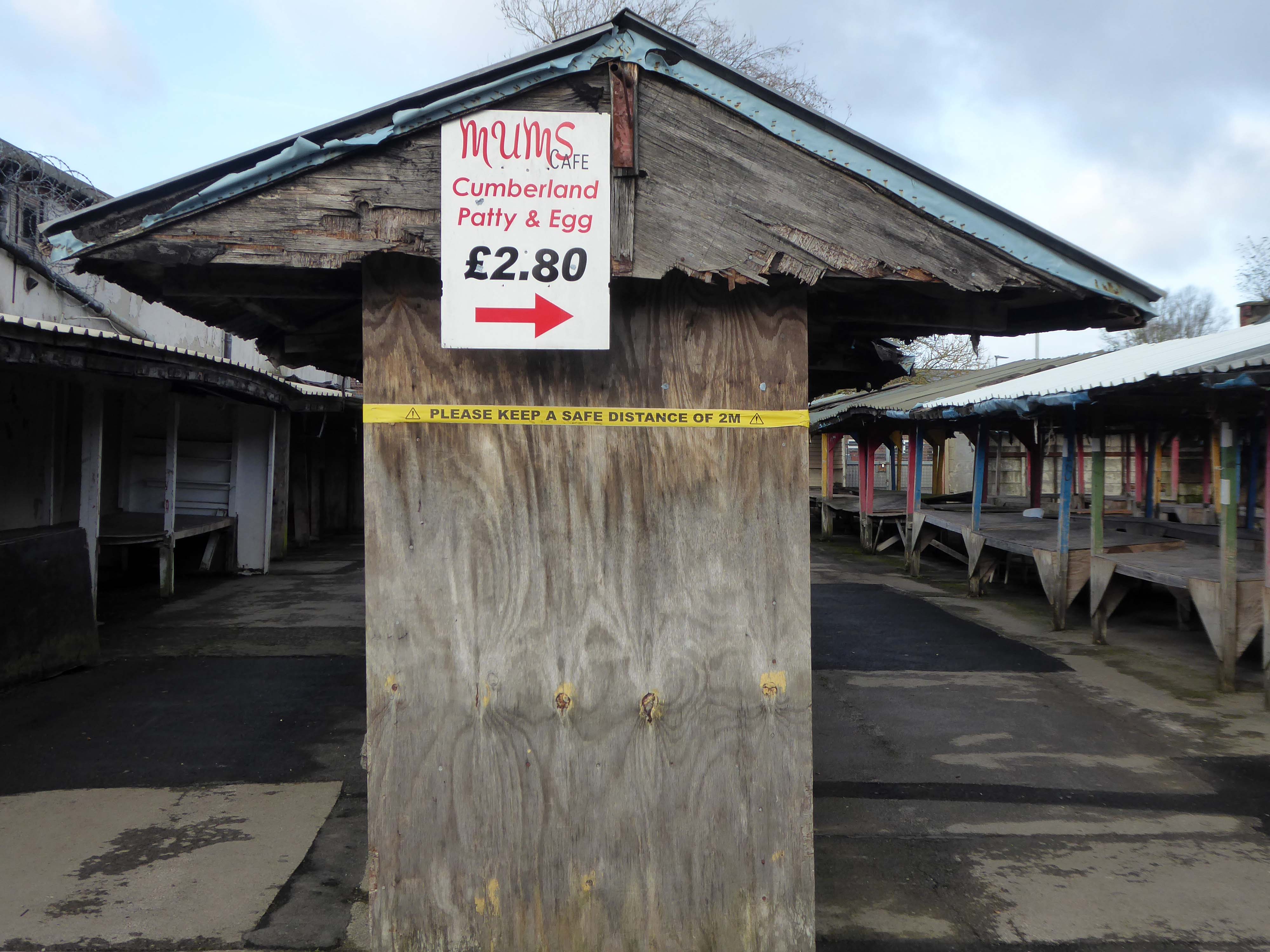
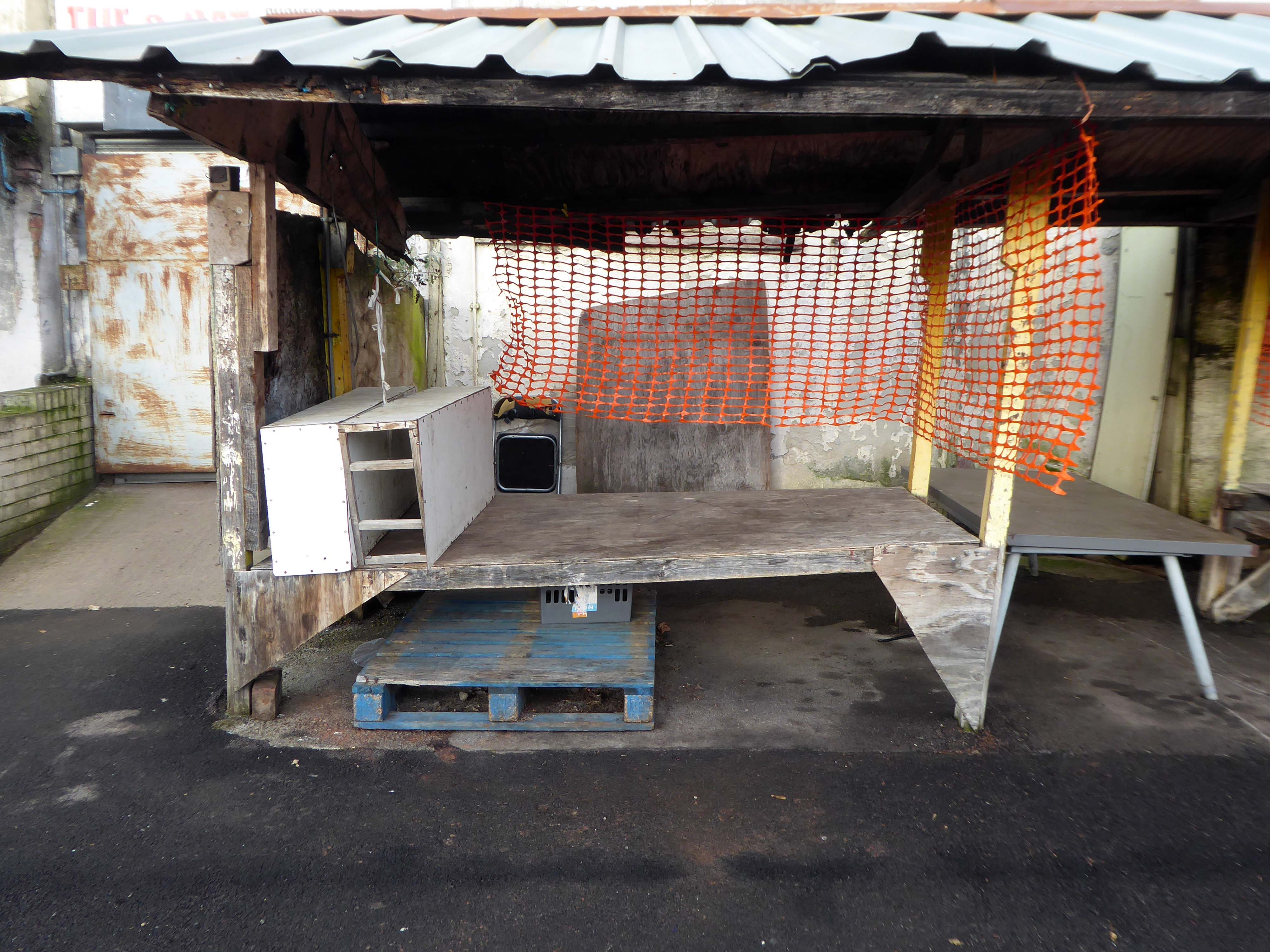
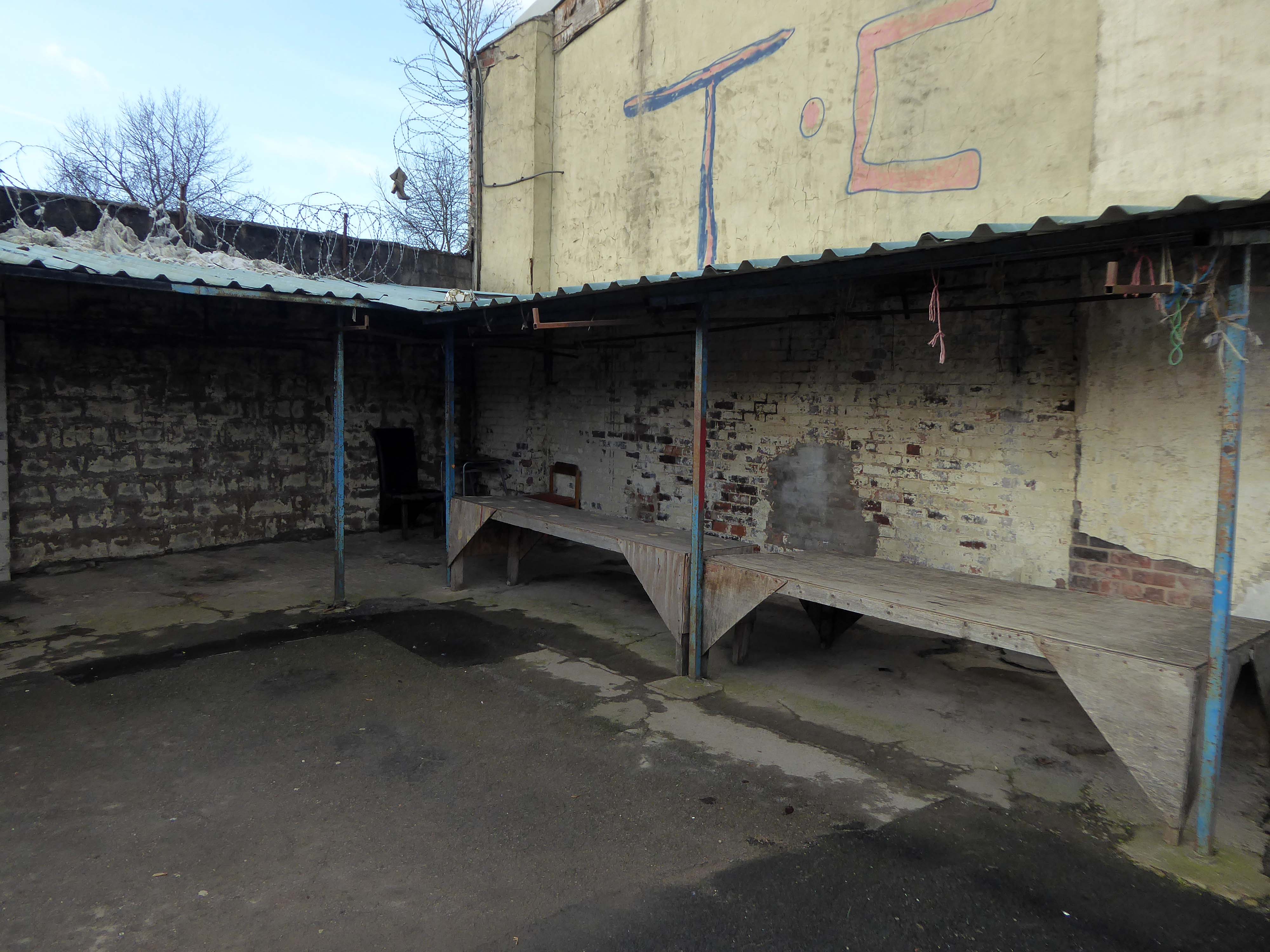
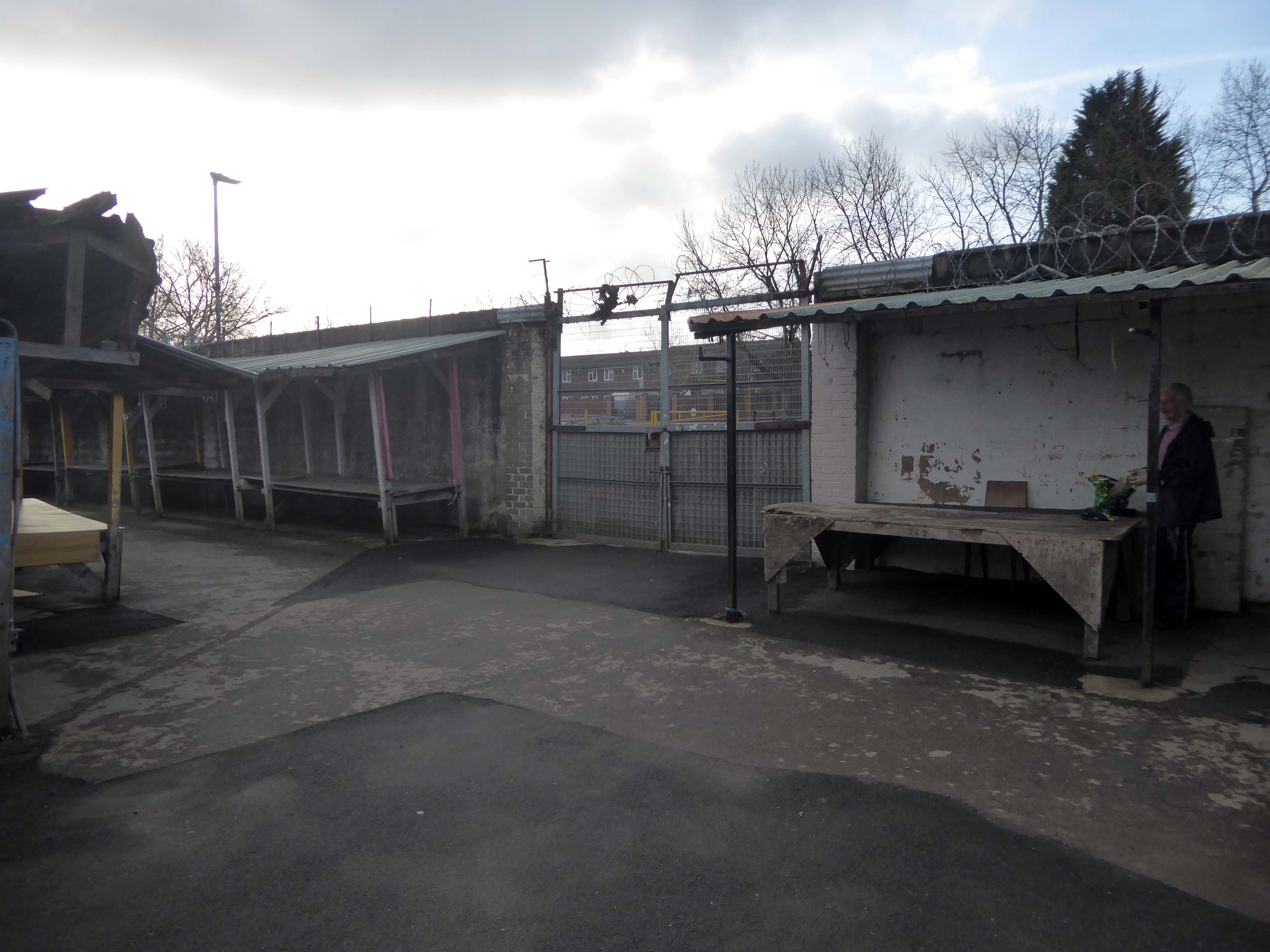
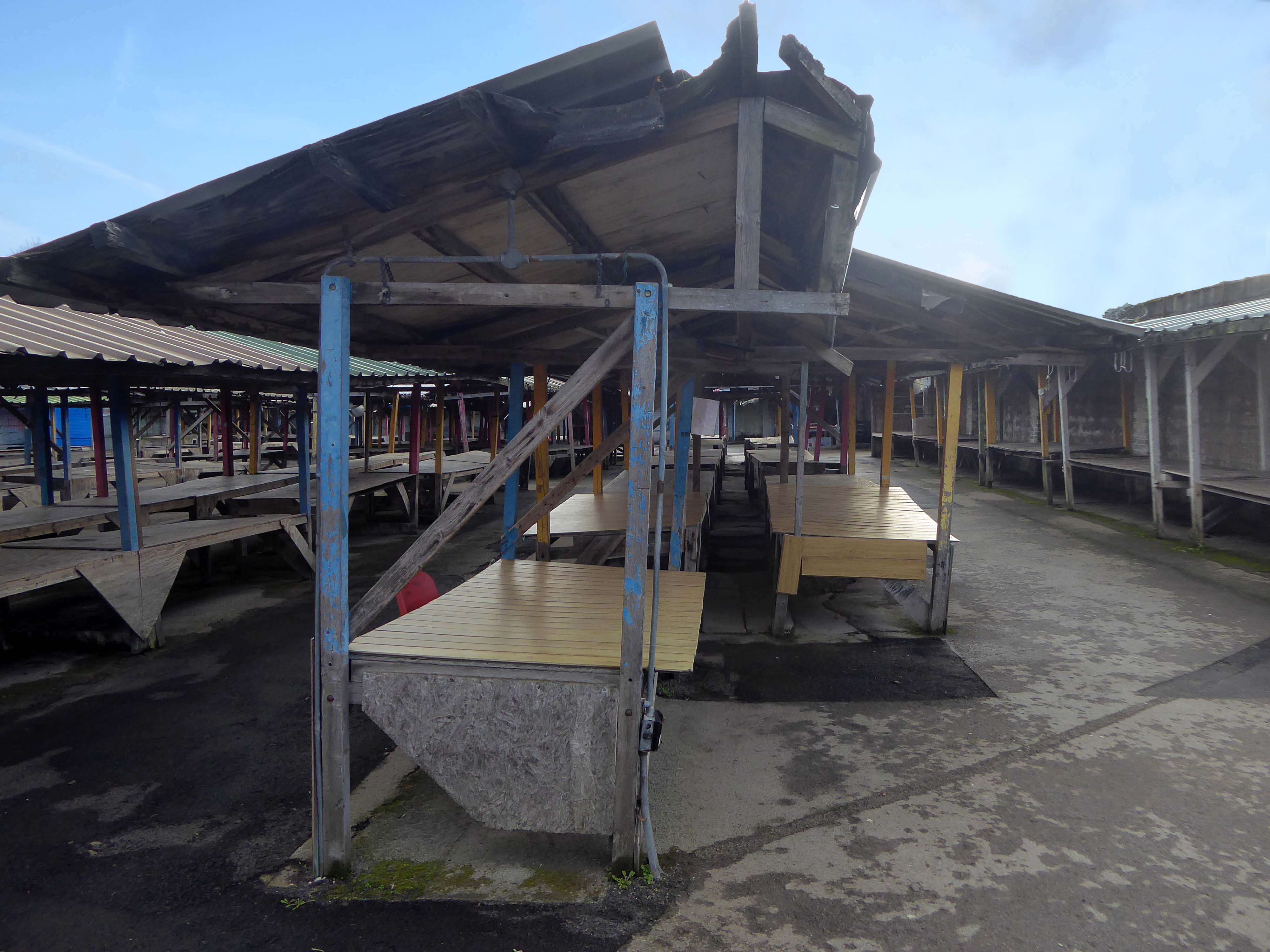
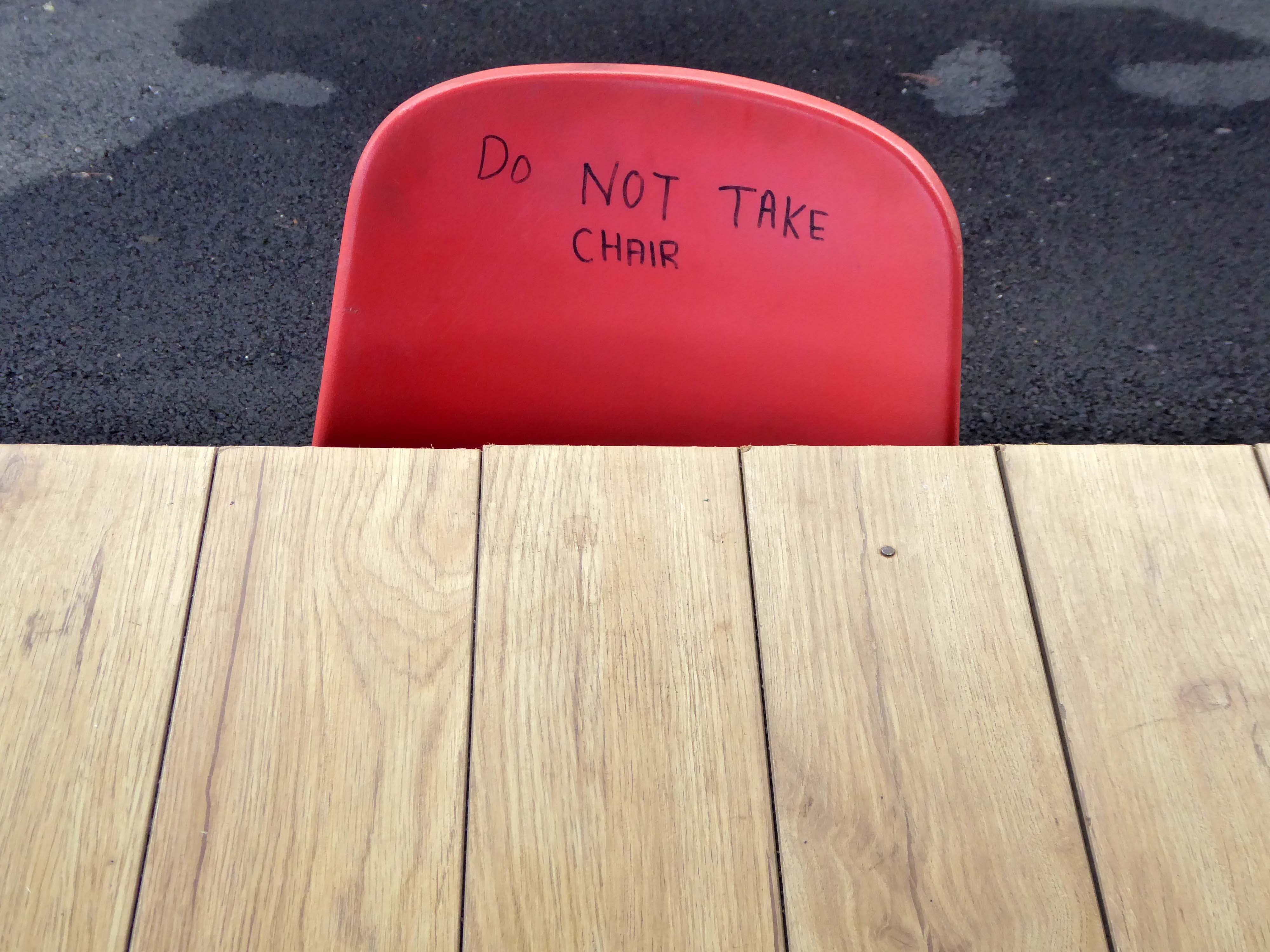
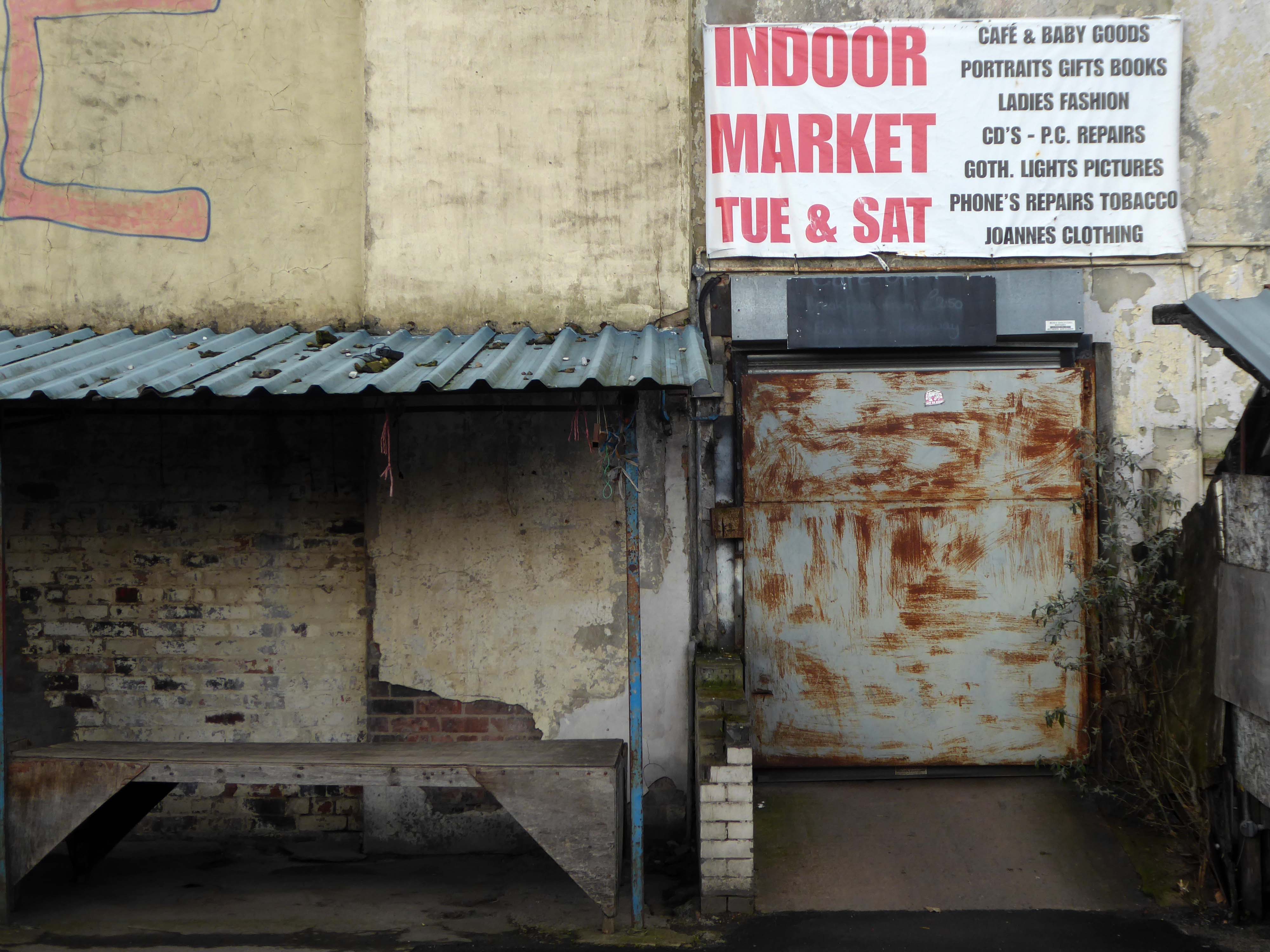
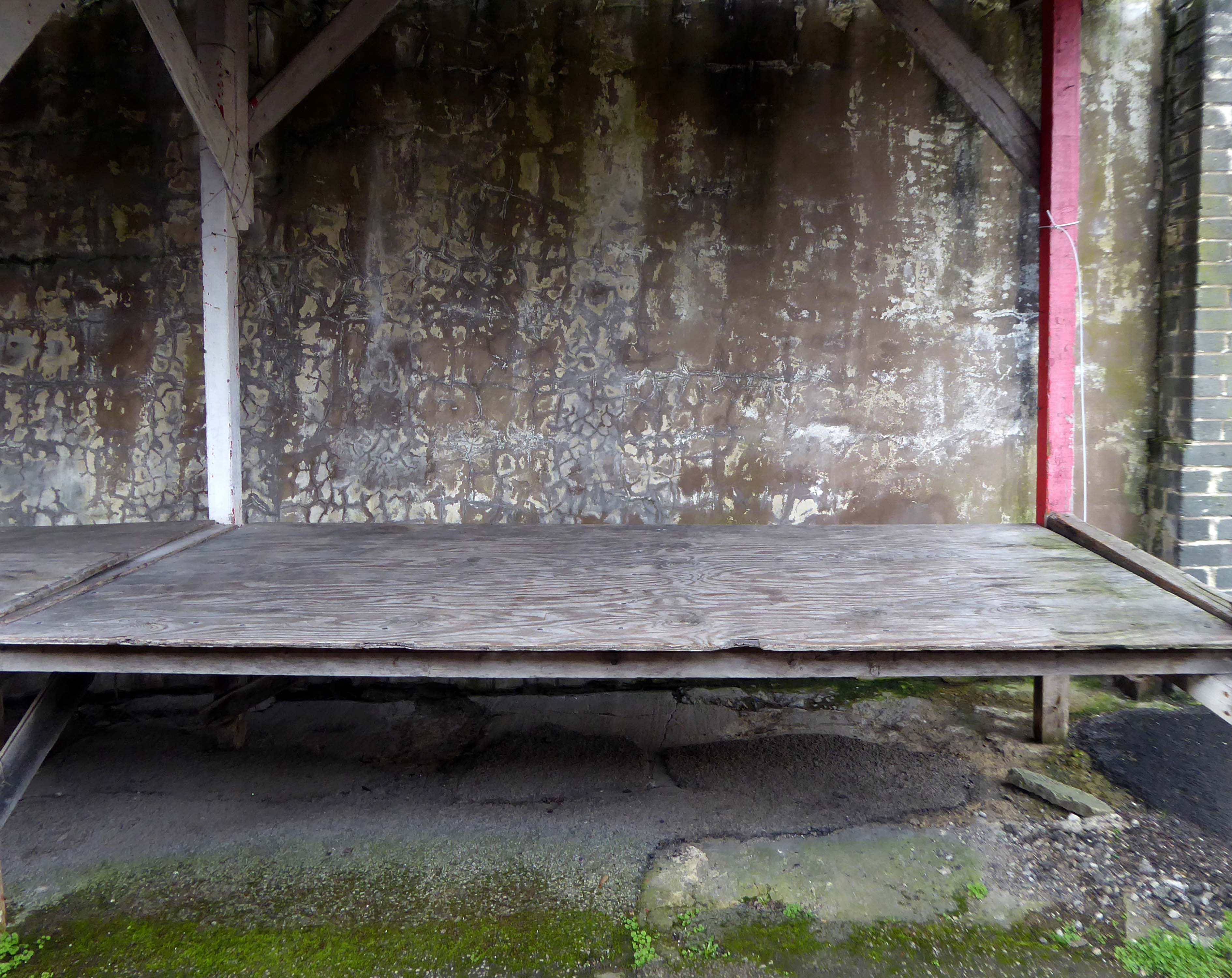
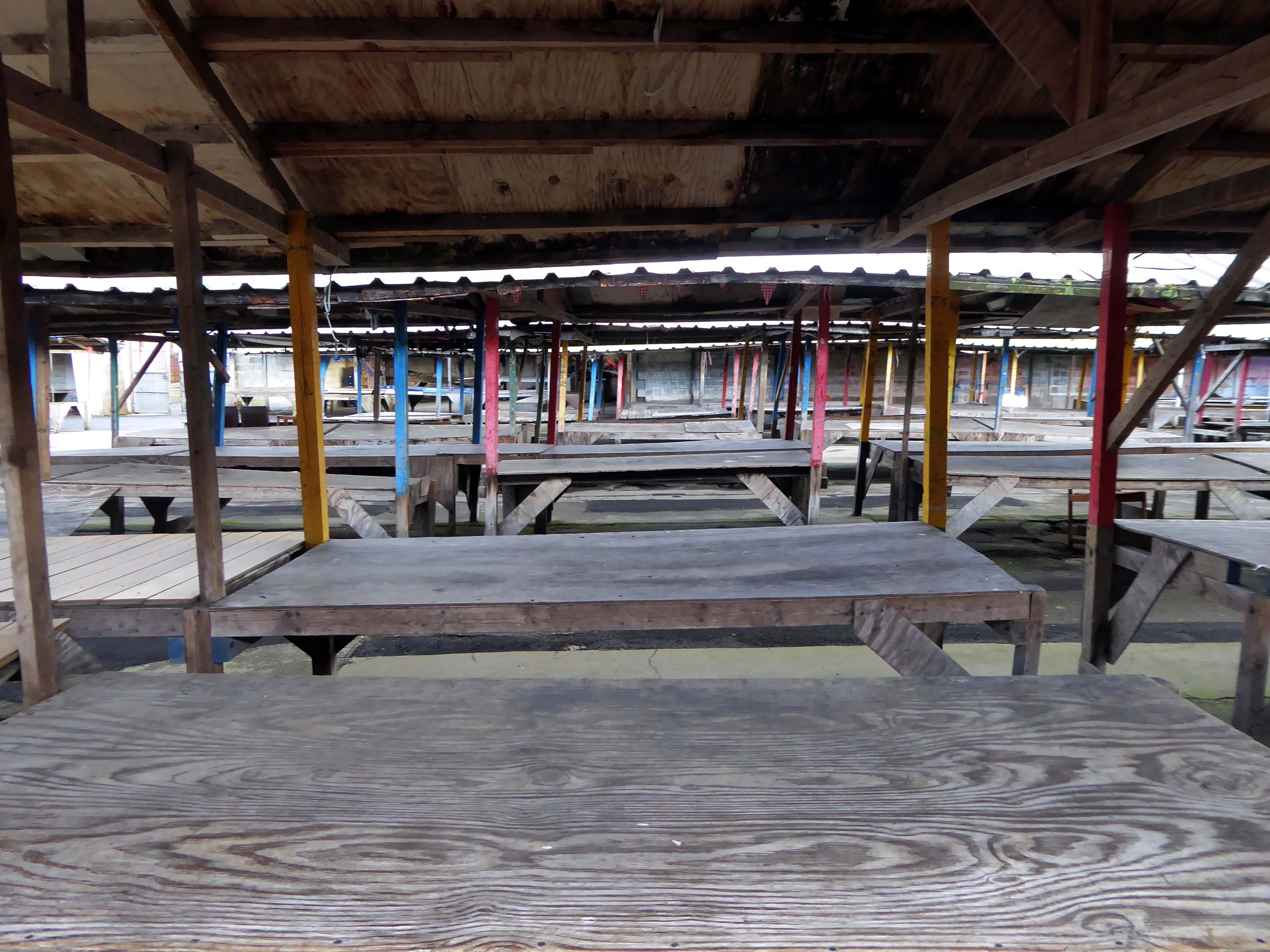
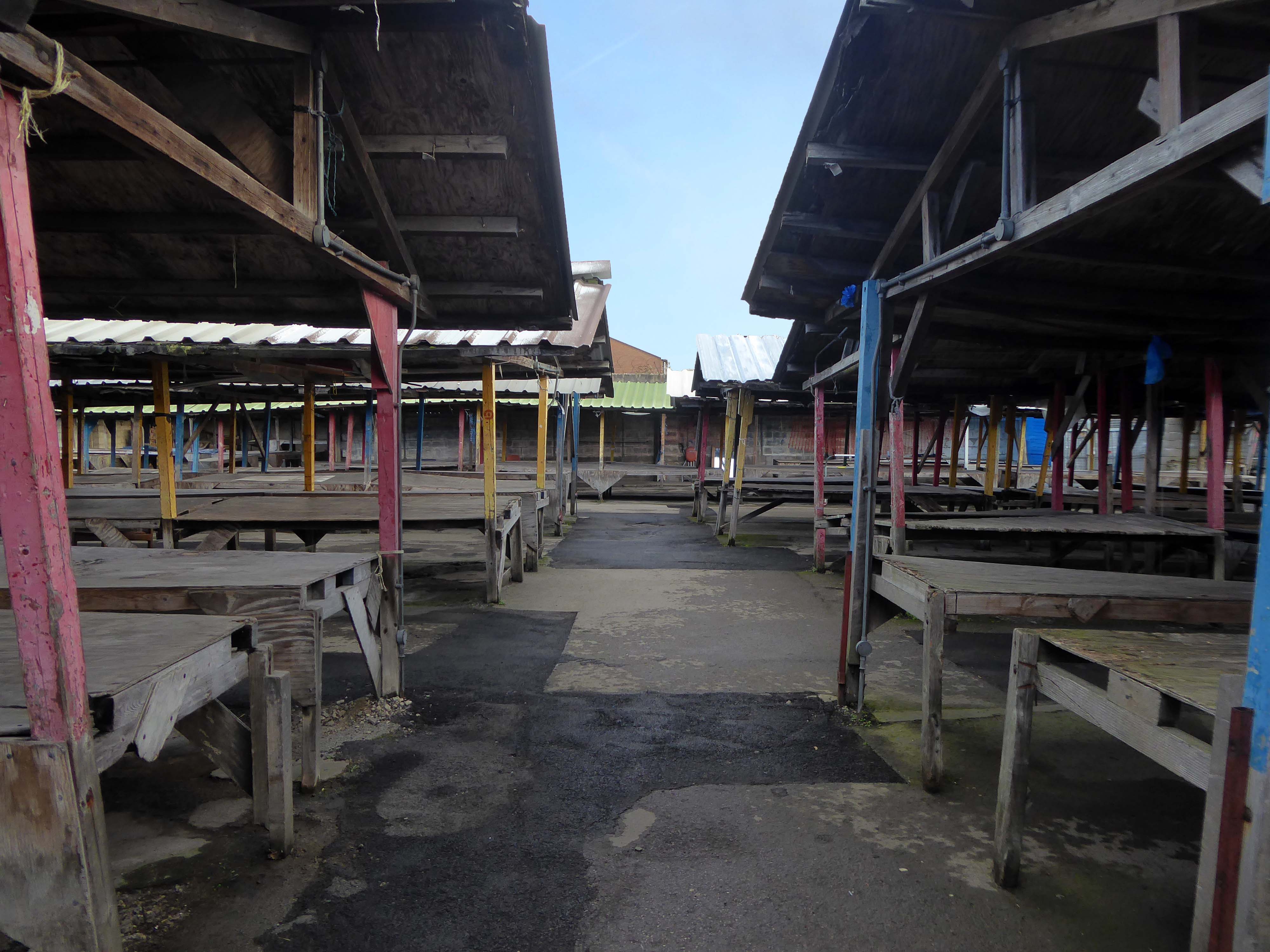
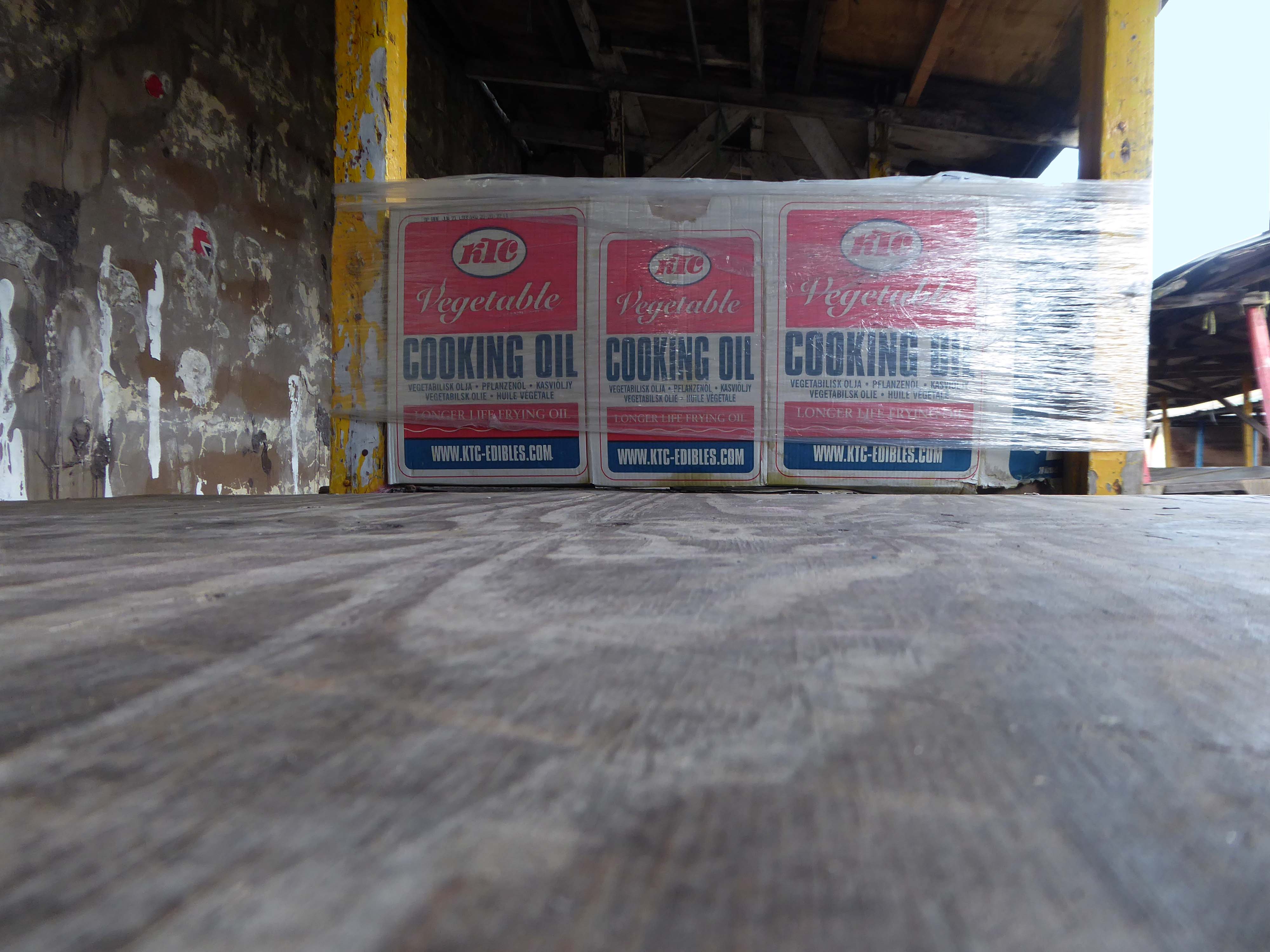
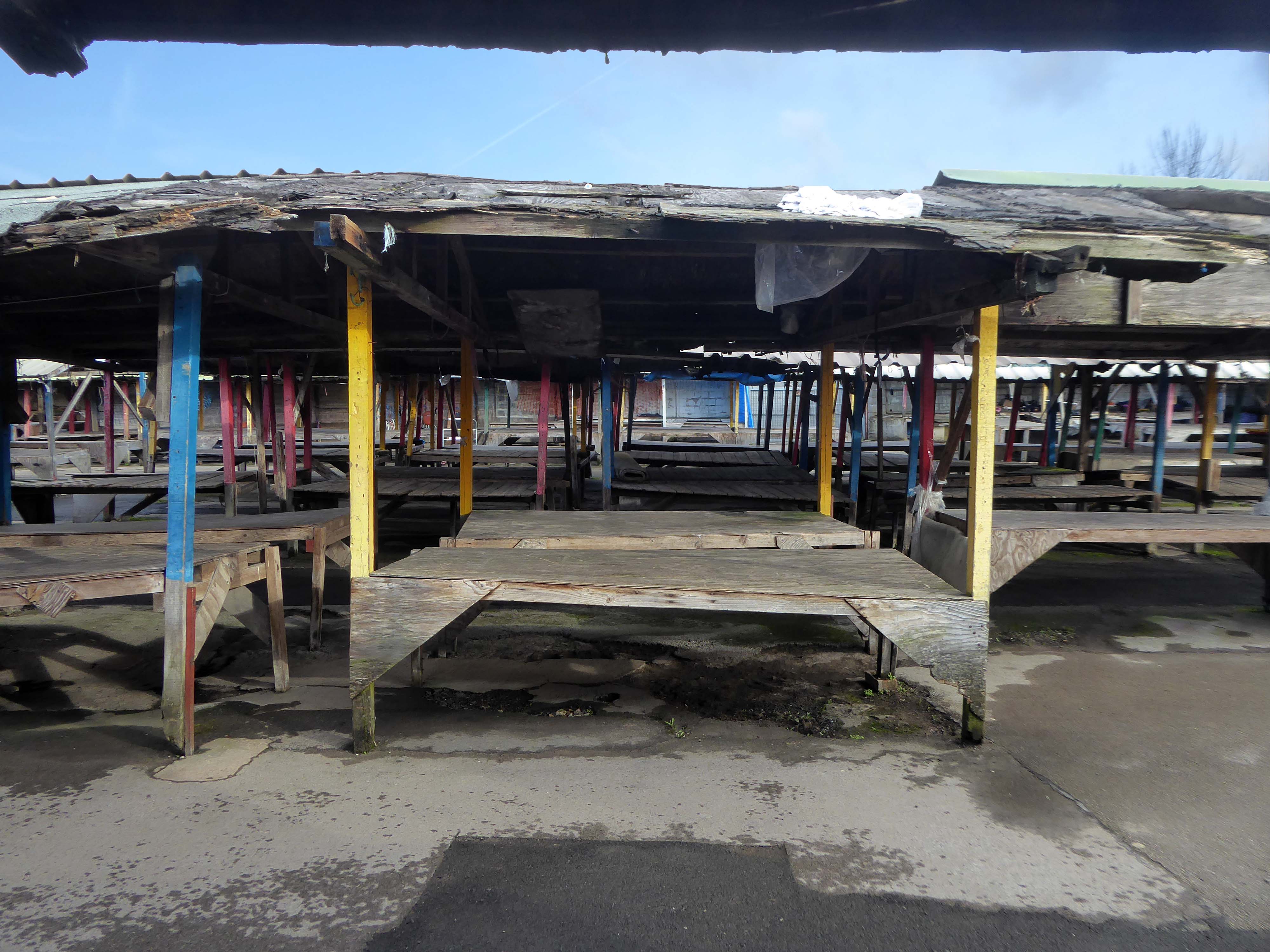
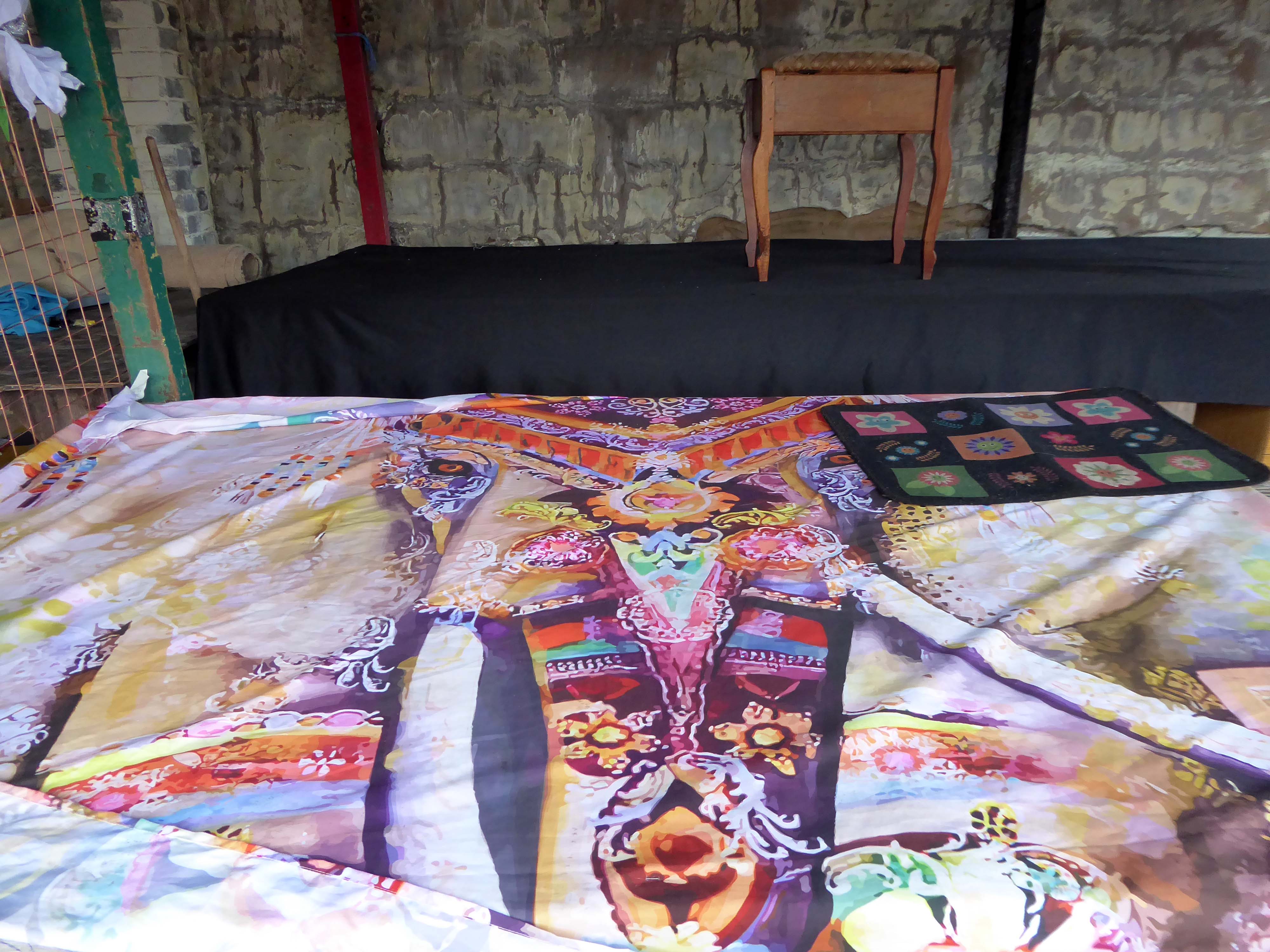
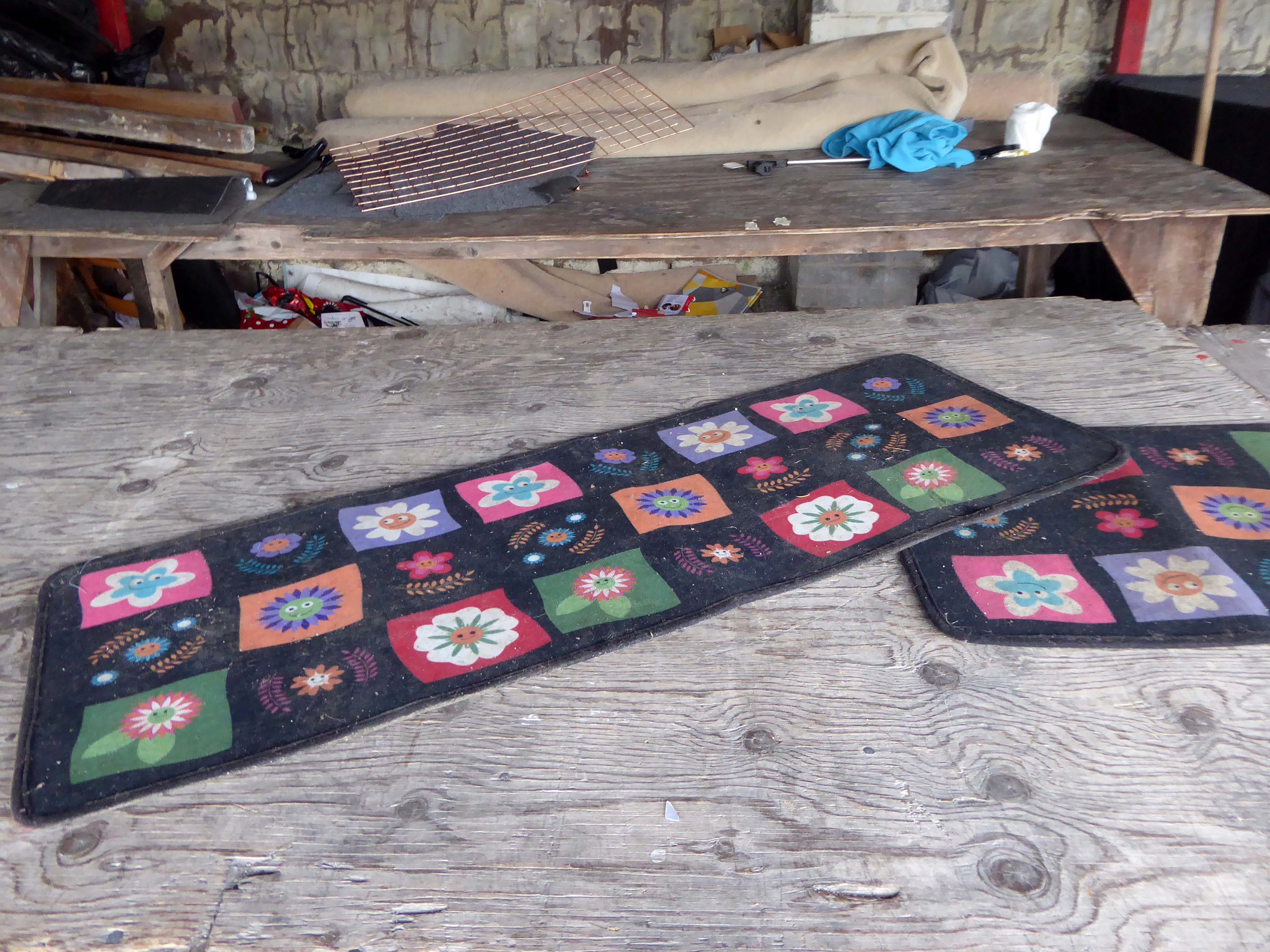
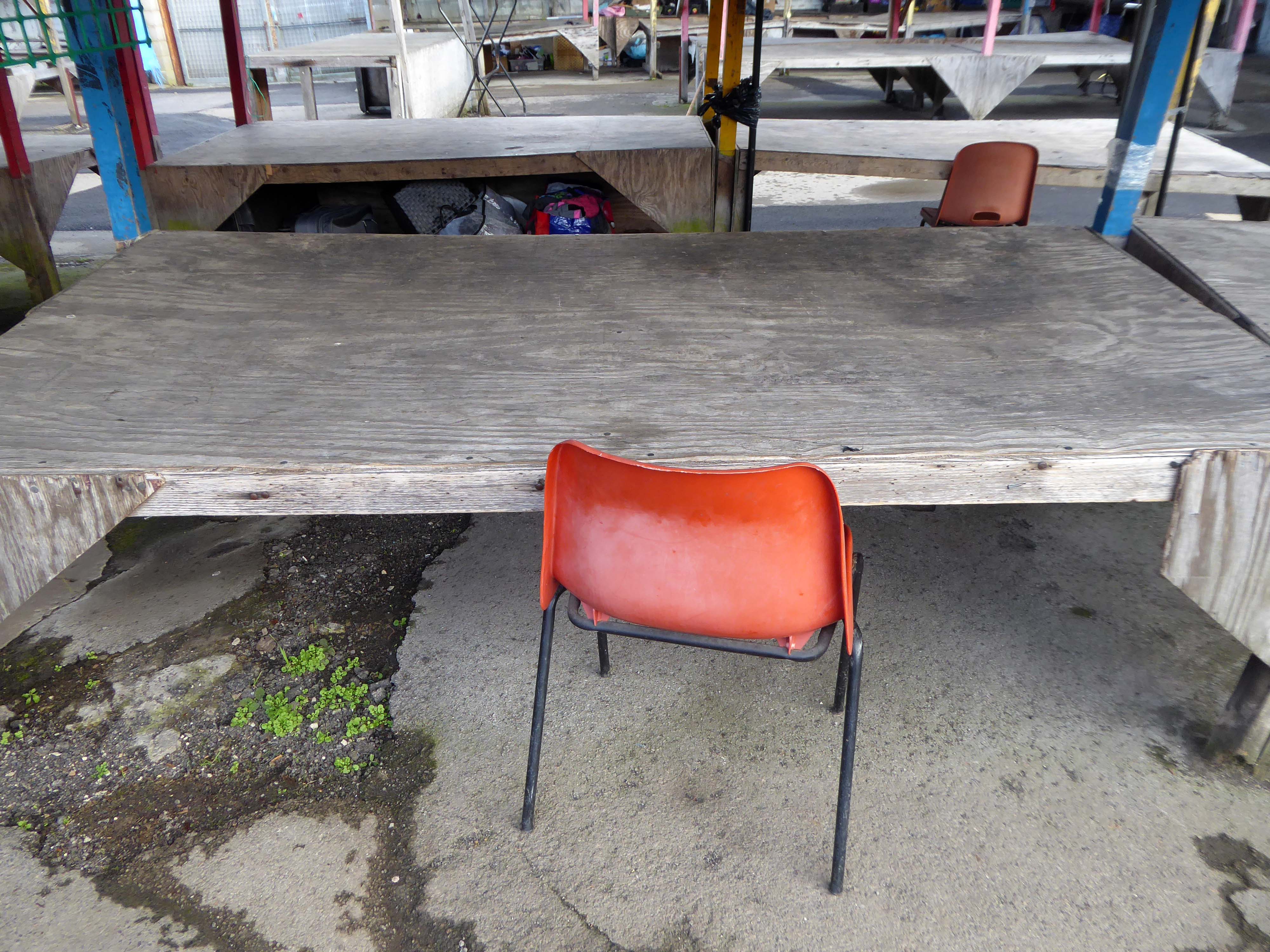
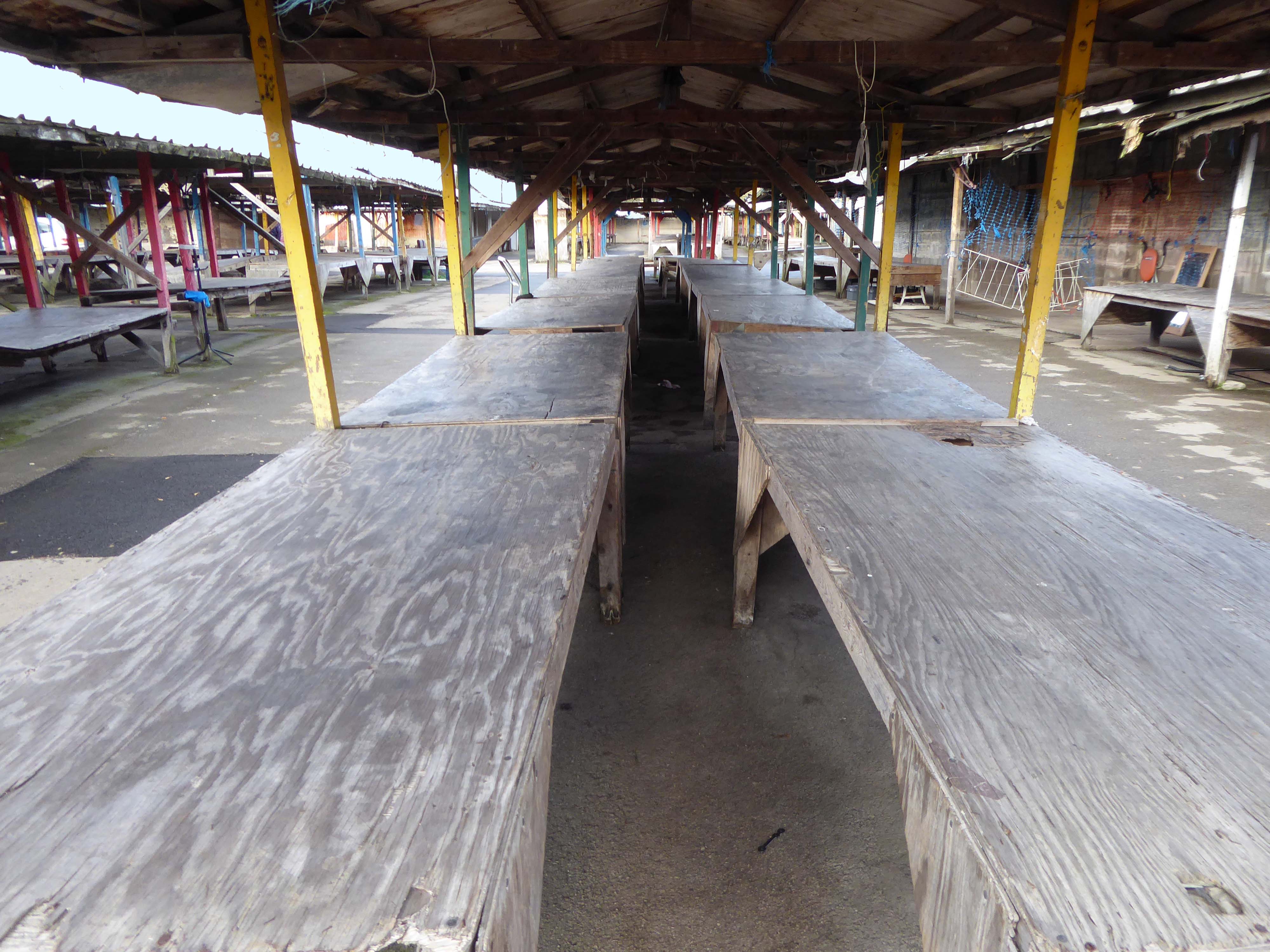
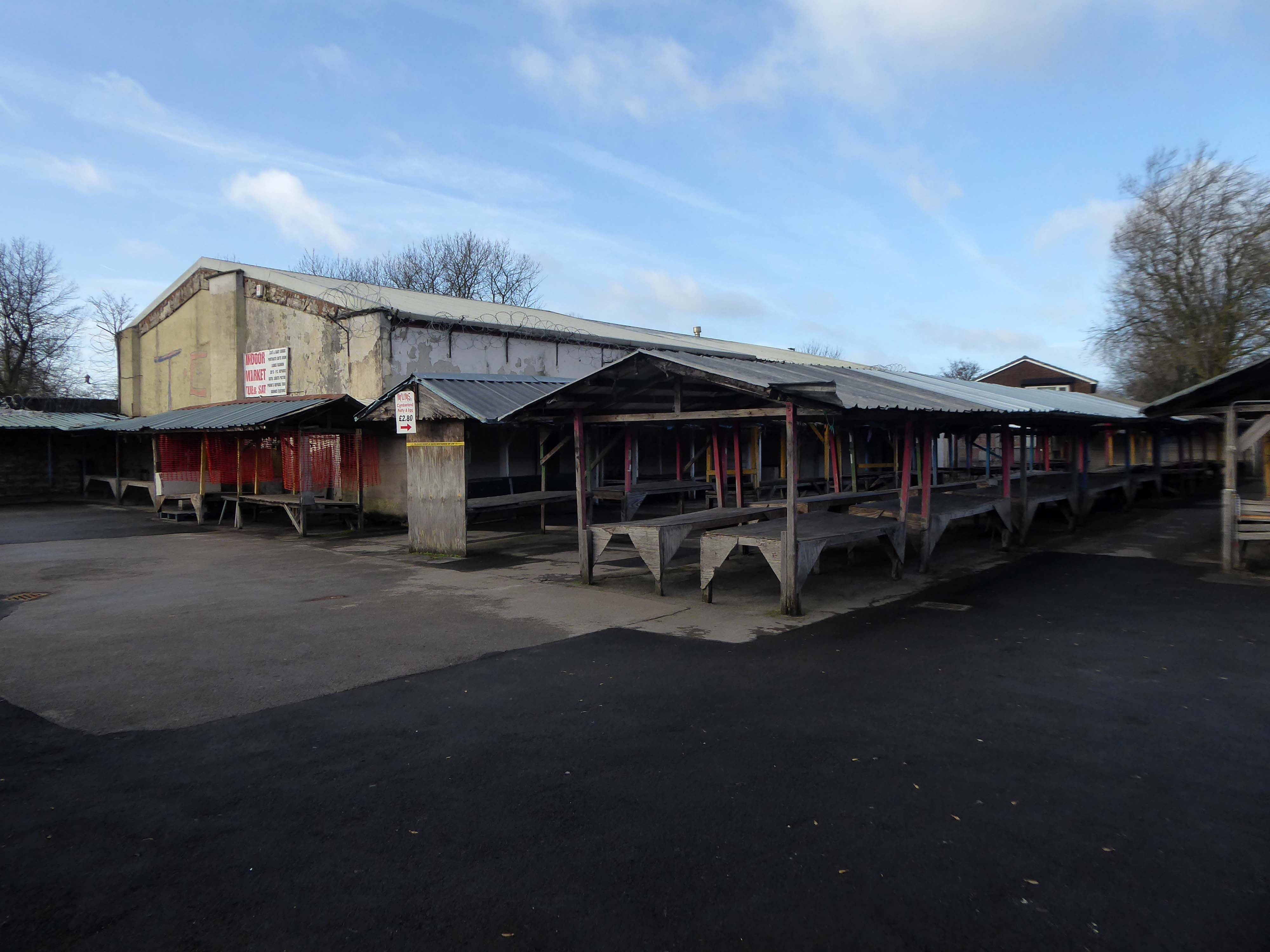
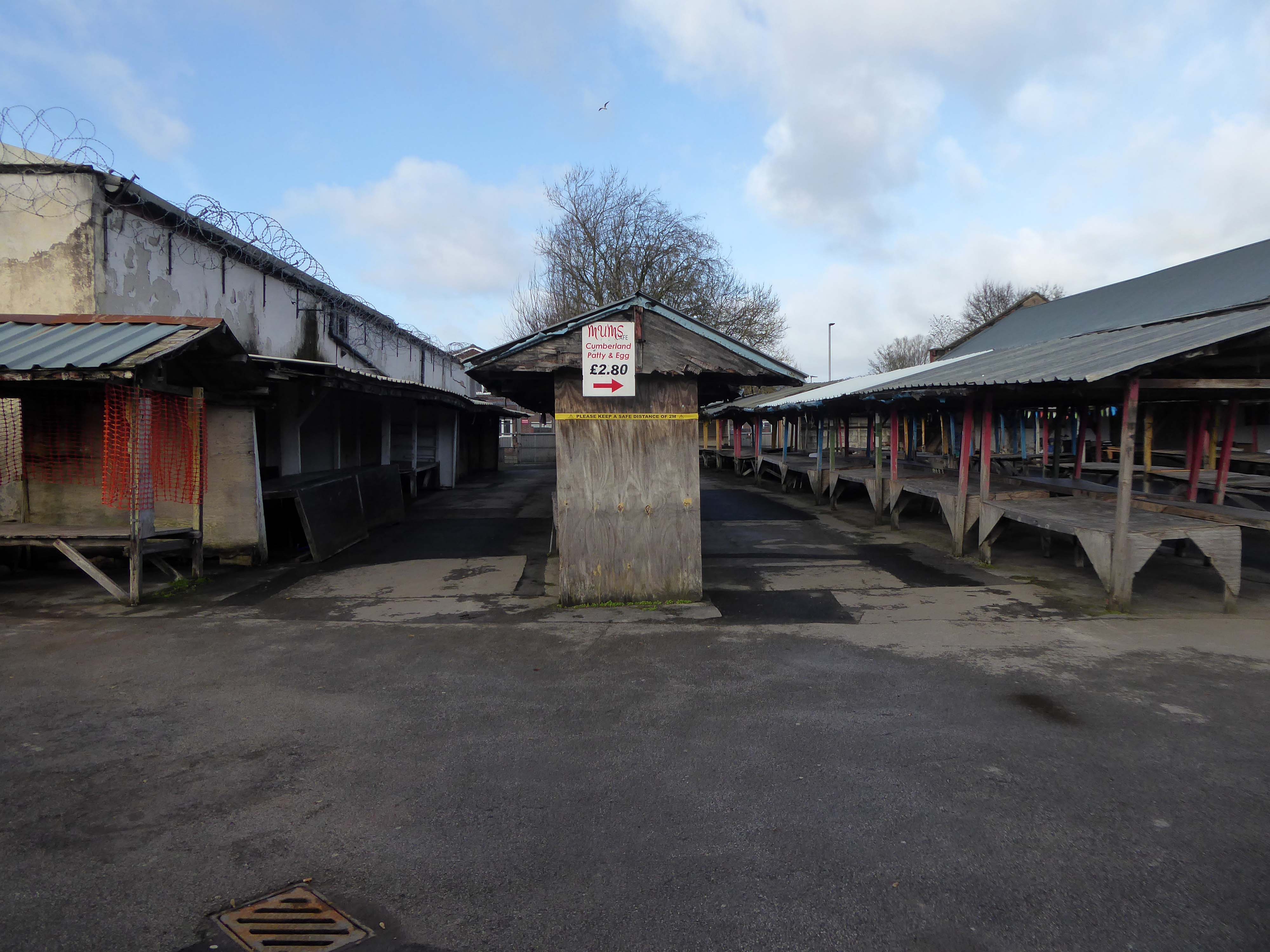
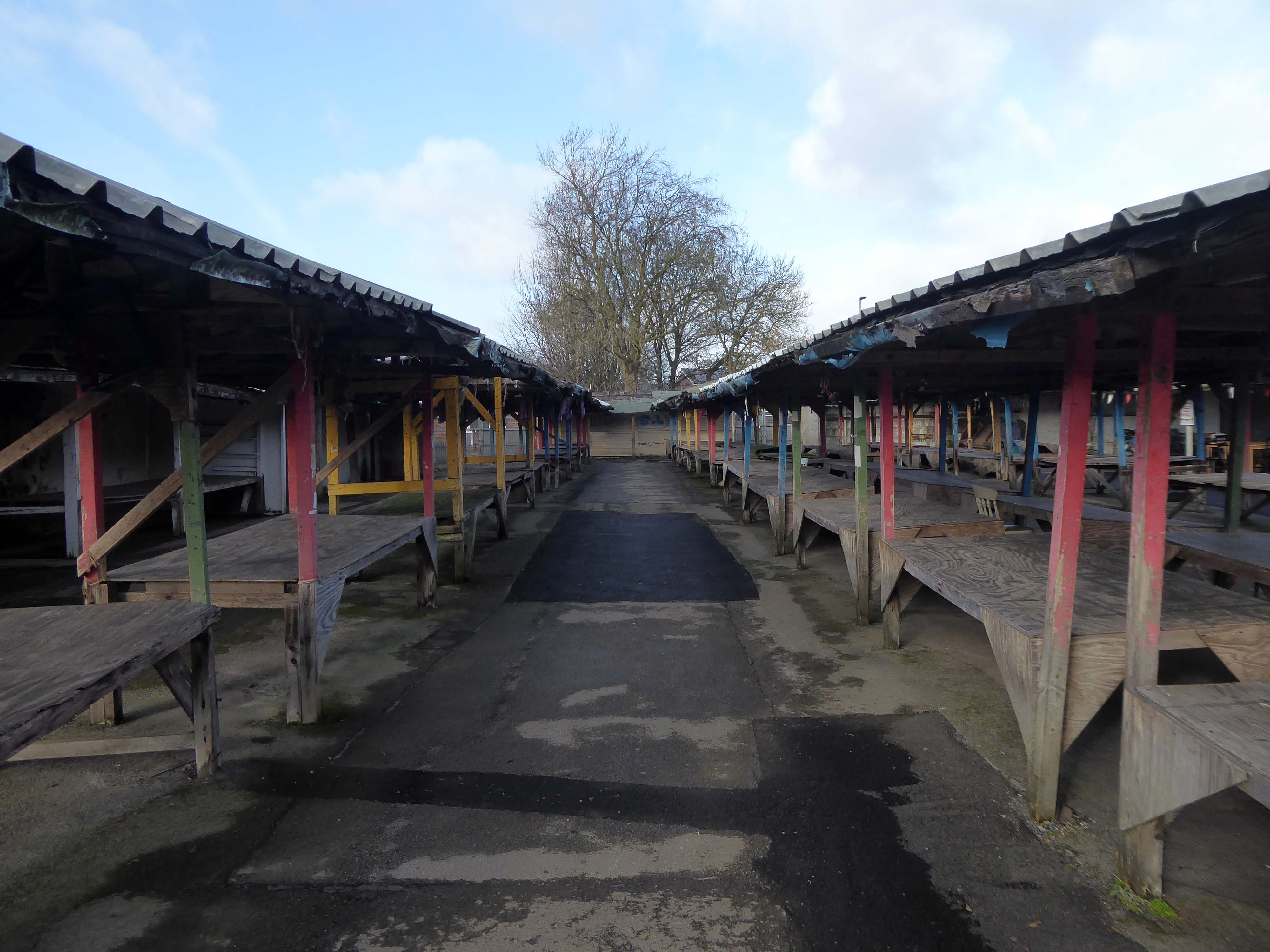
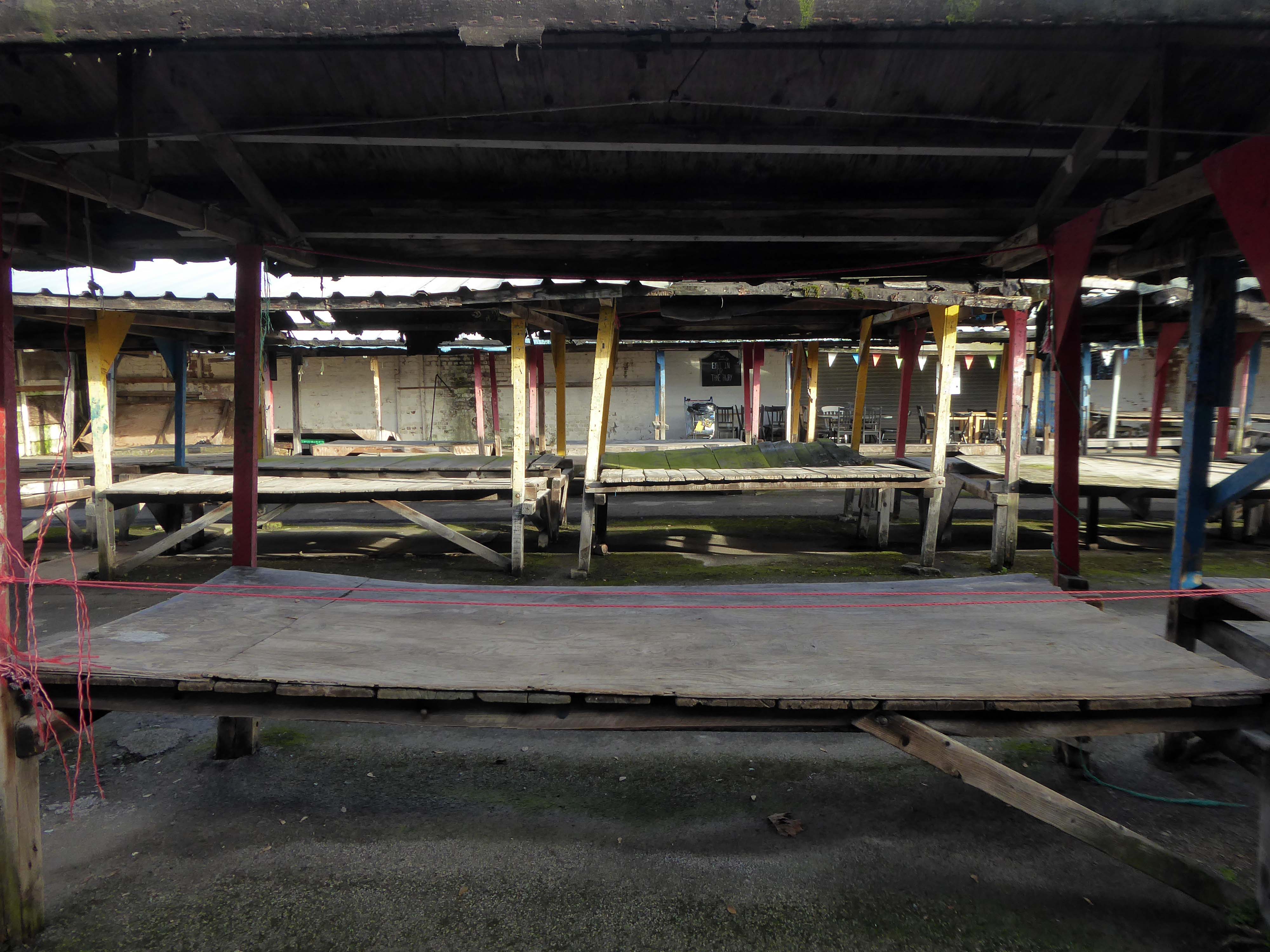
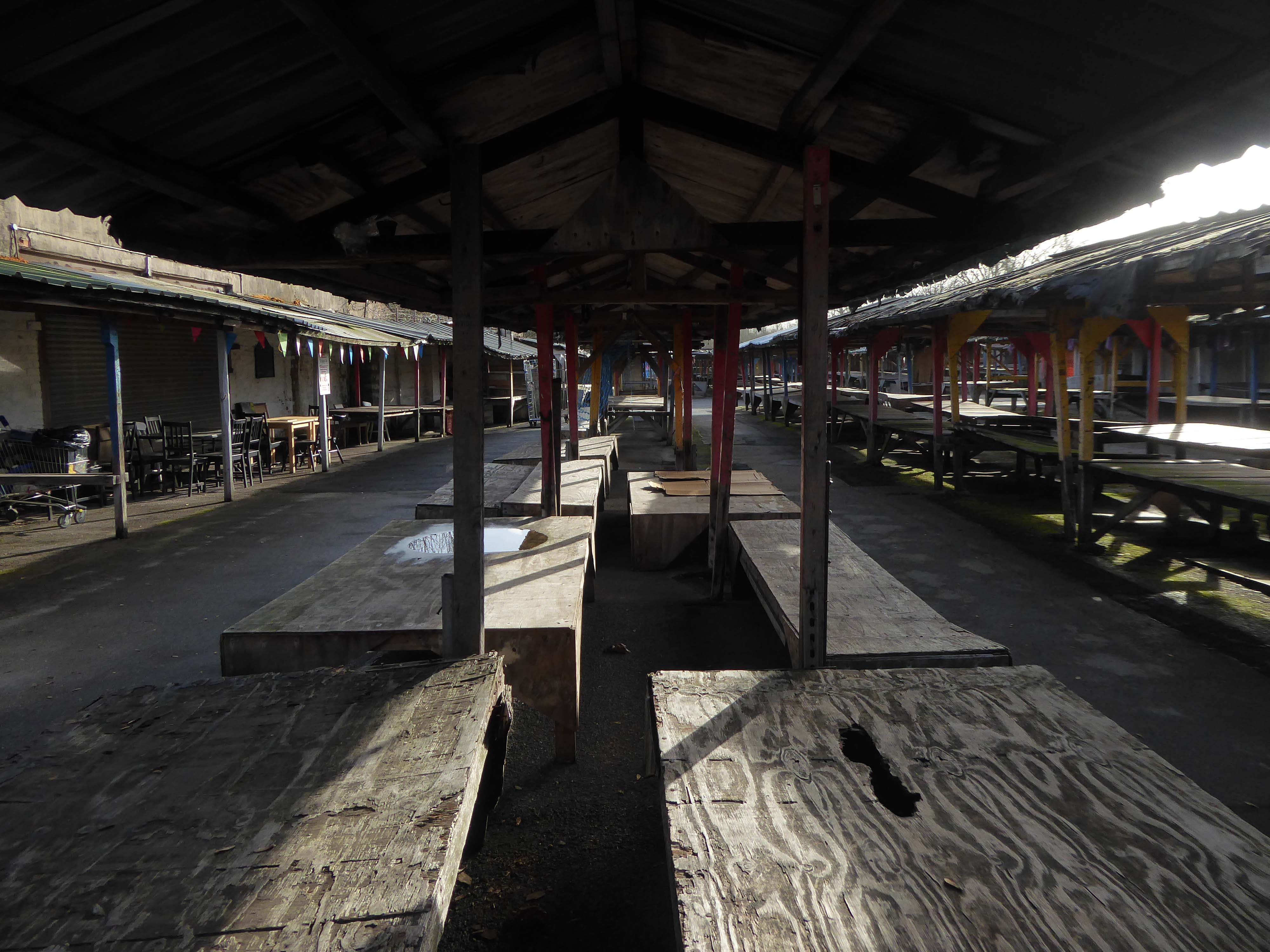
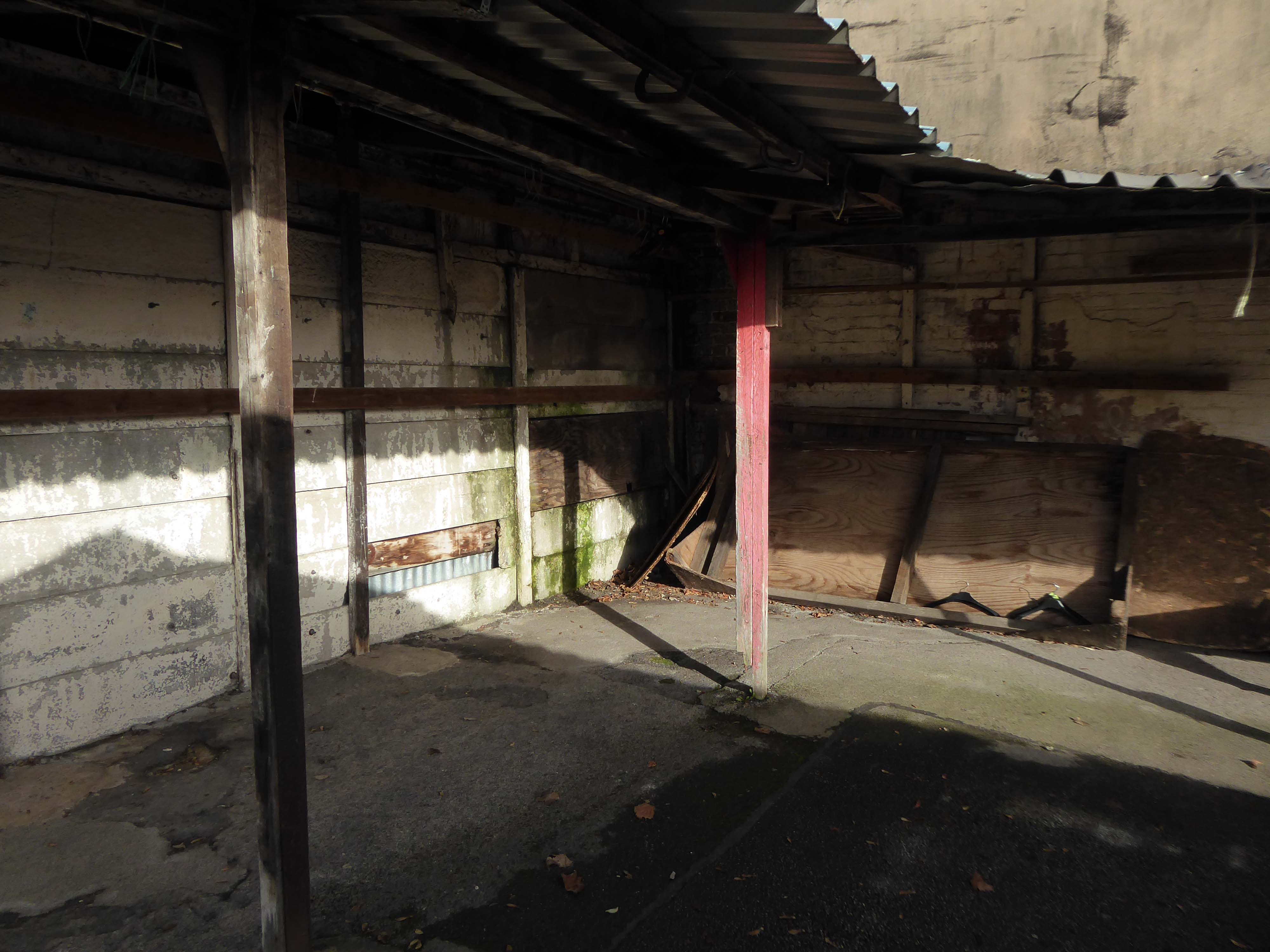
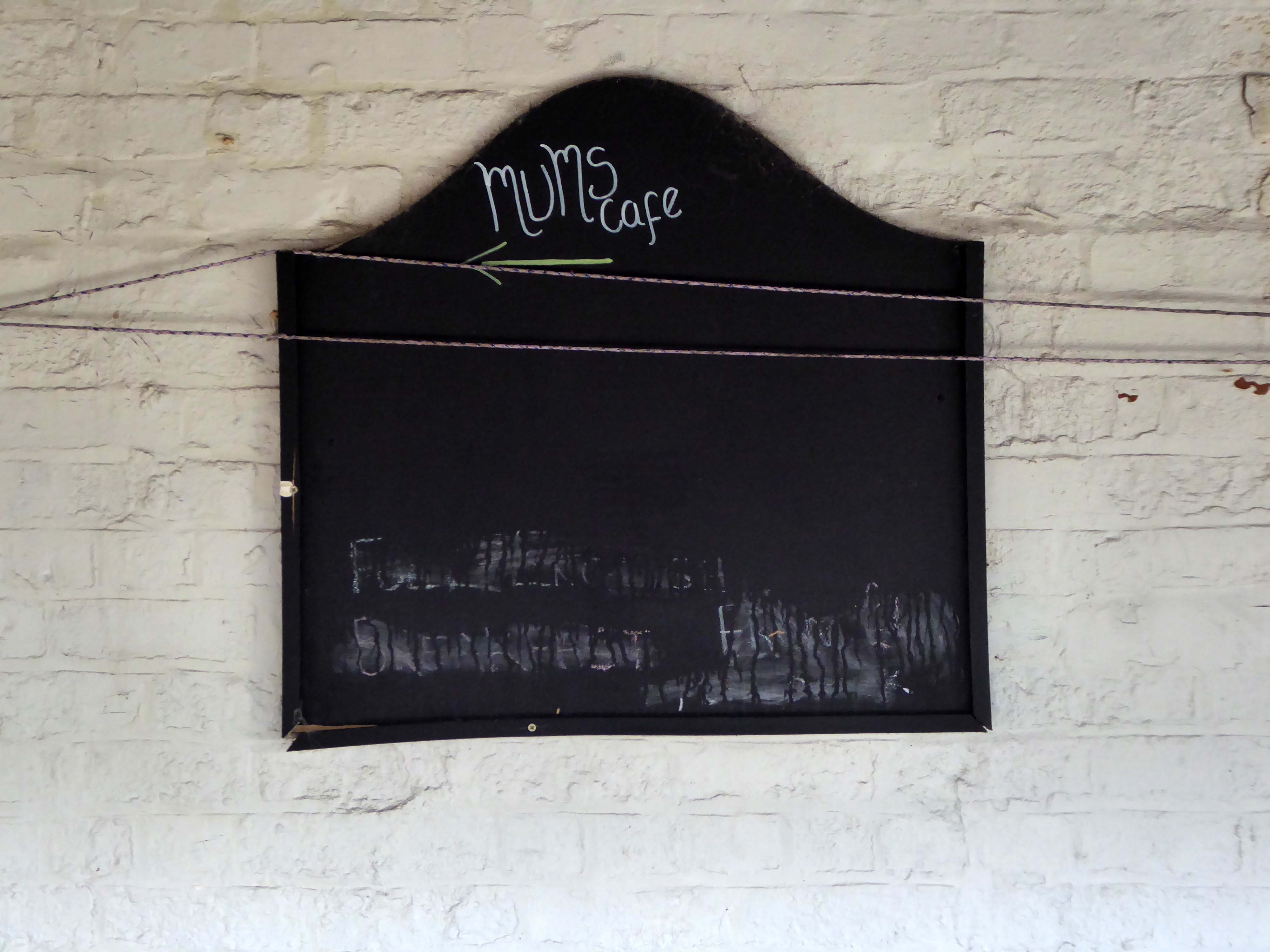
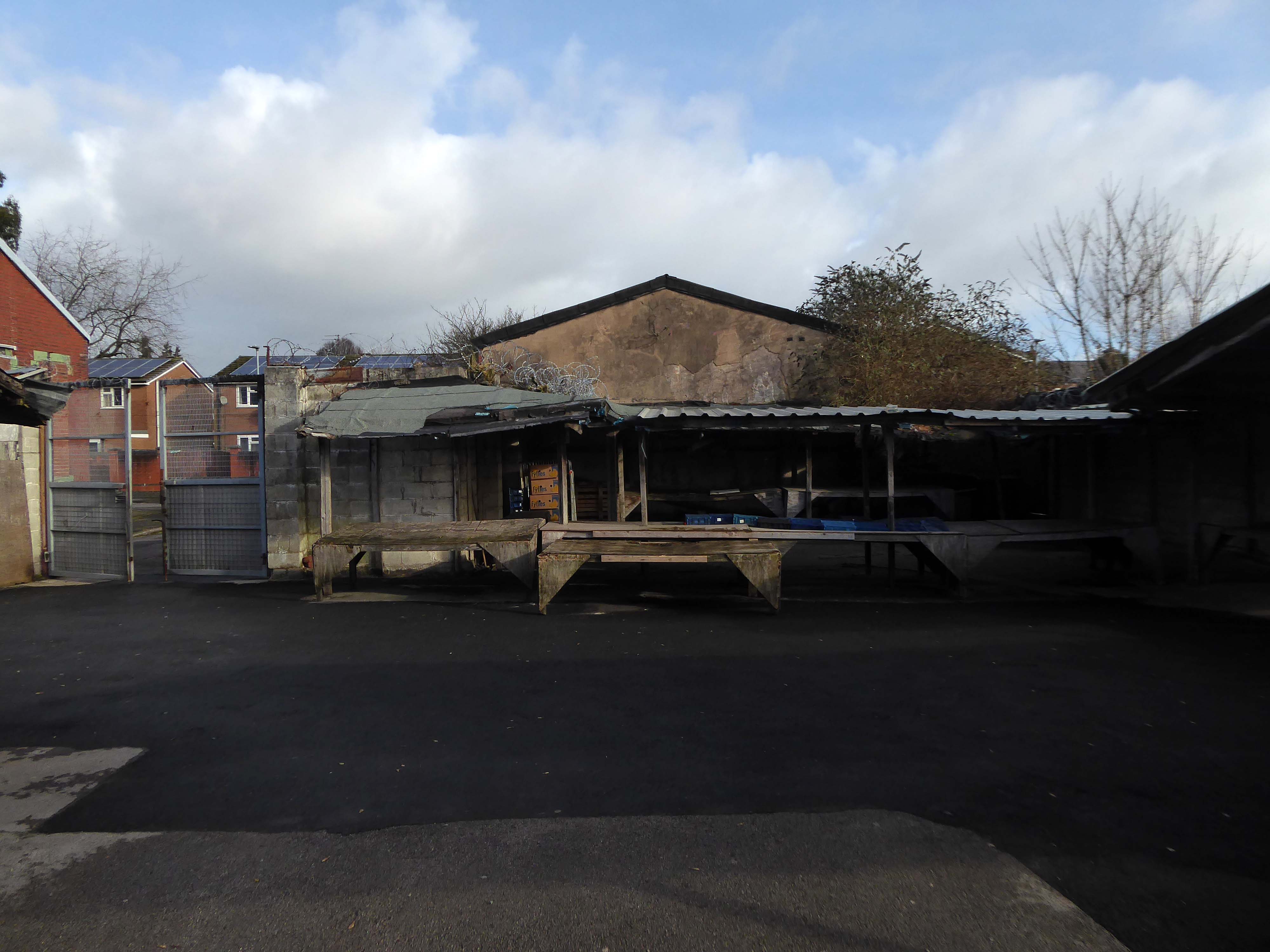
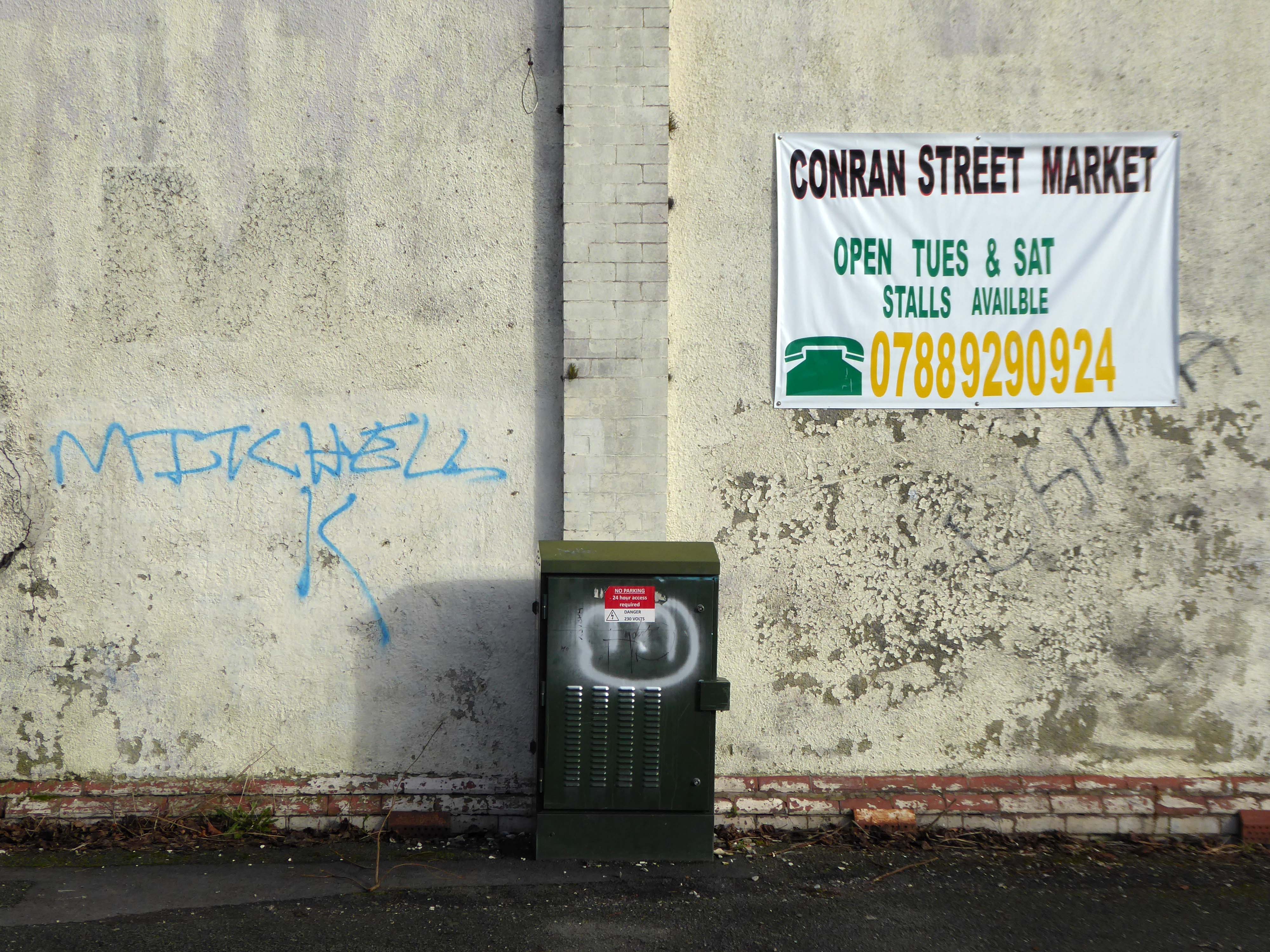
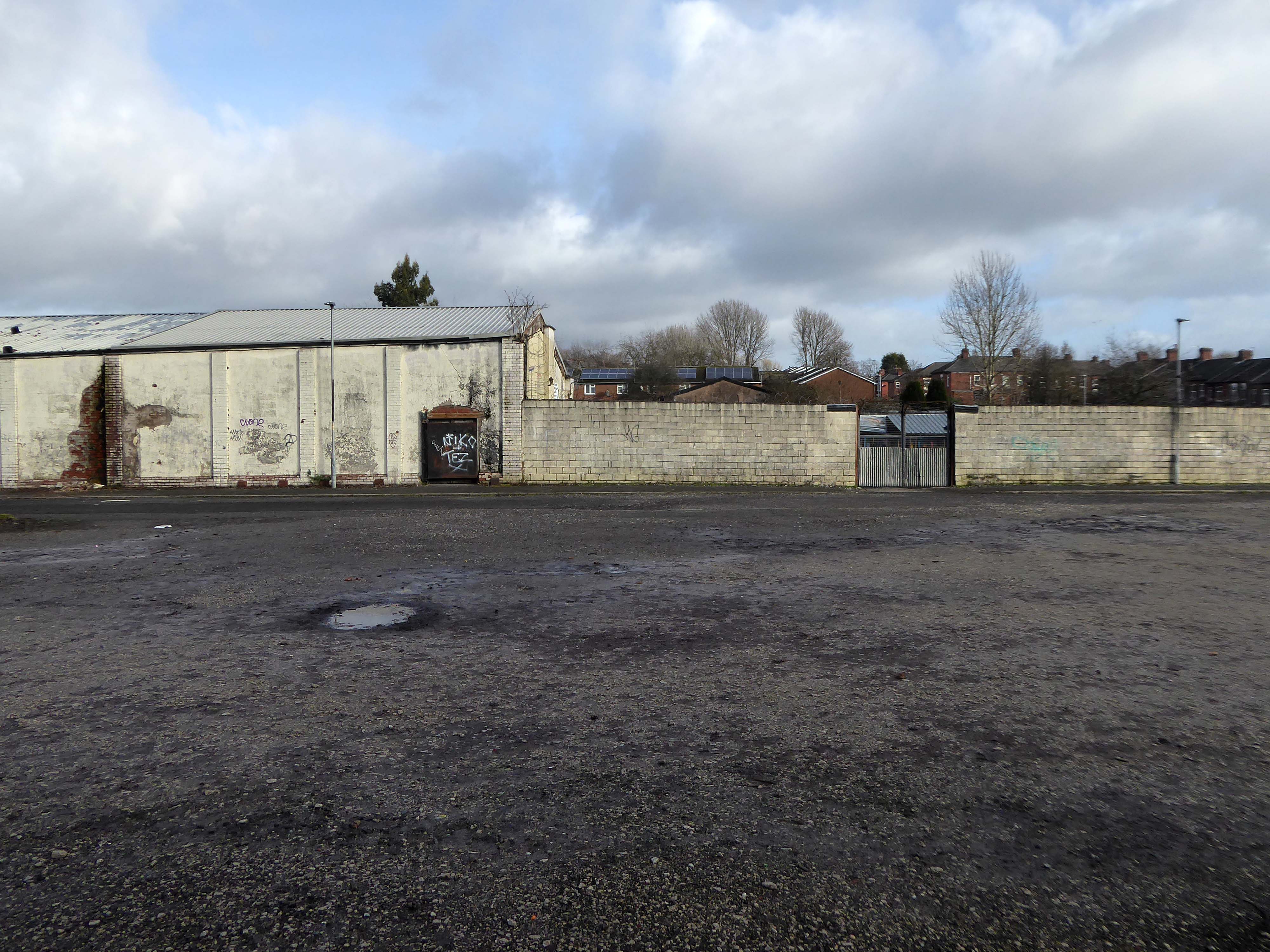
On my previous photographic visit to Conran Street Market the place was deserted, the cleaner had kindly let me in to take some snaps.
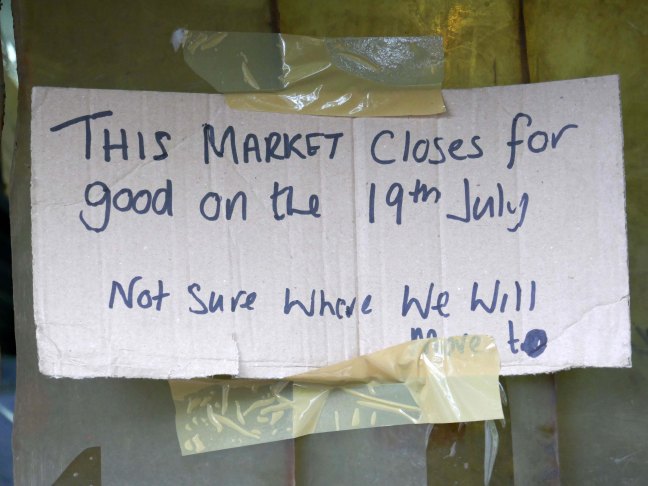
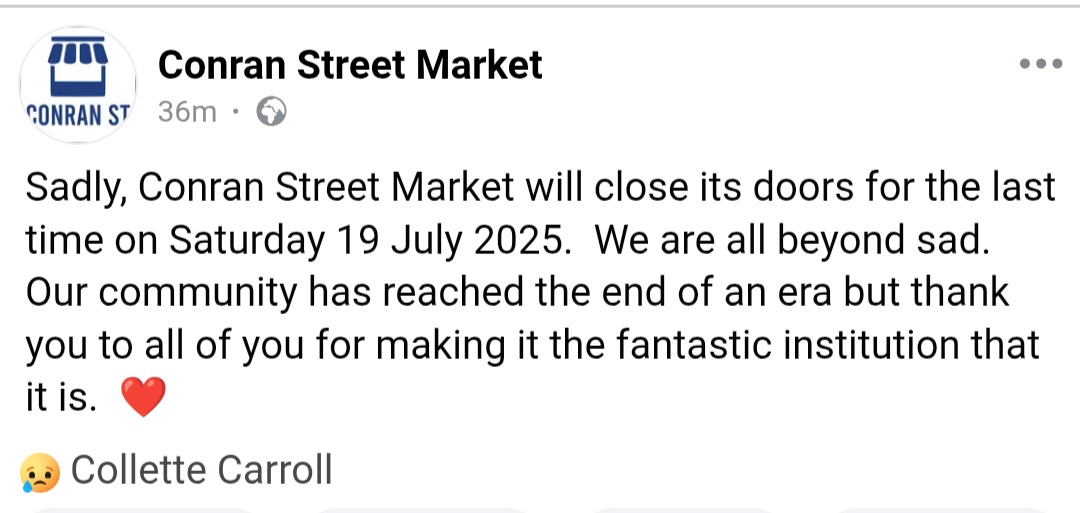
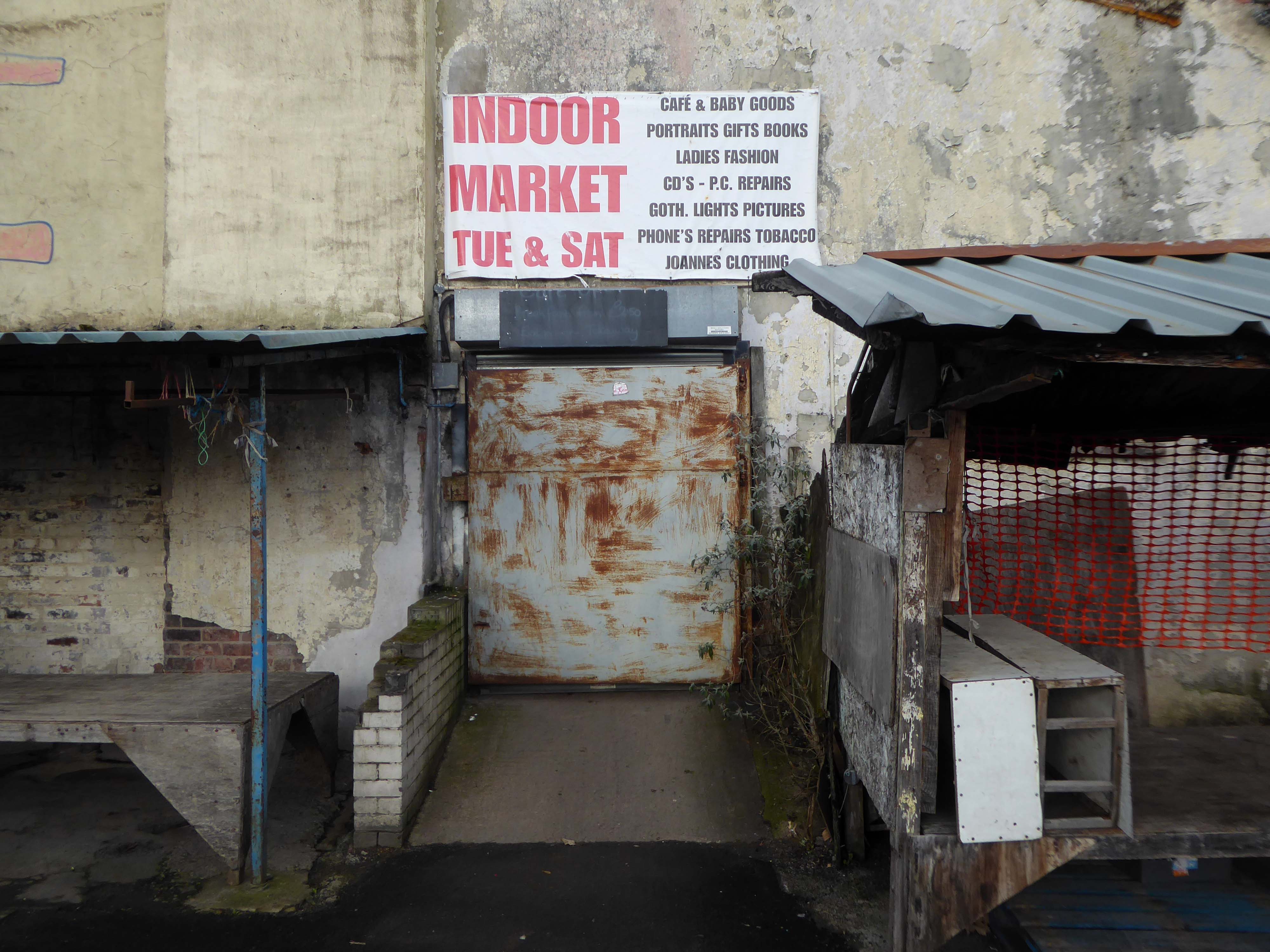
It is due to close this coming Saturday 19th July, after more than a century of trading.
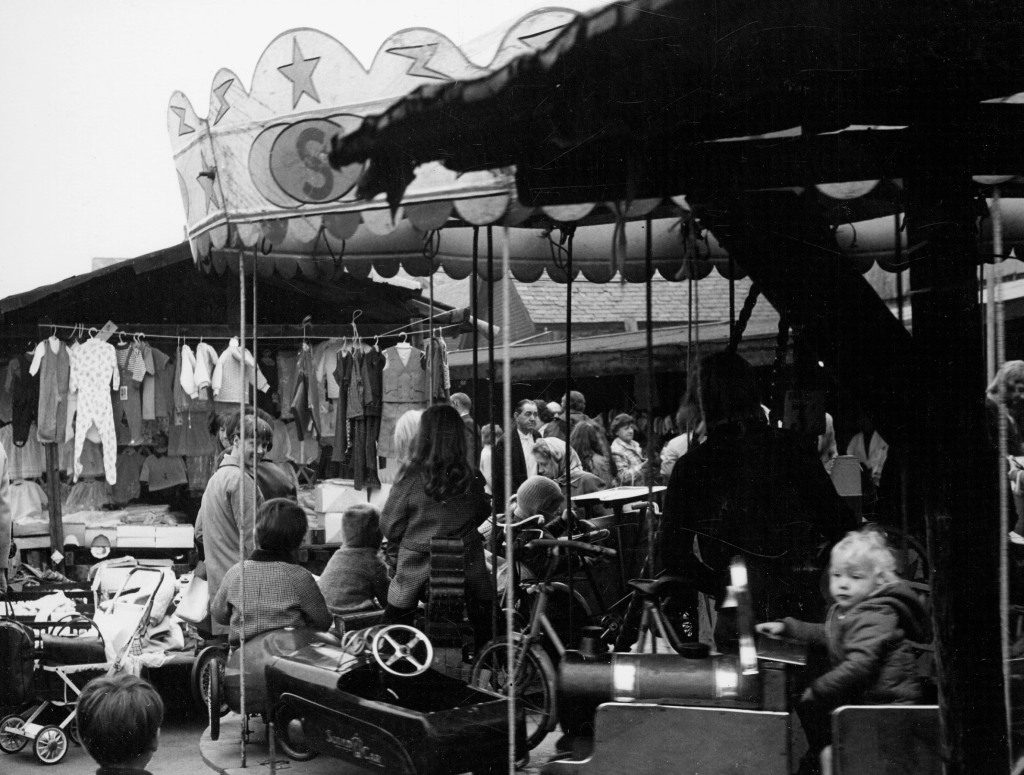
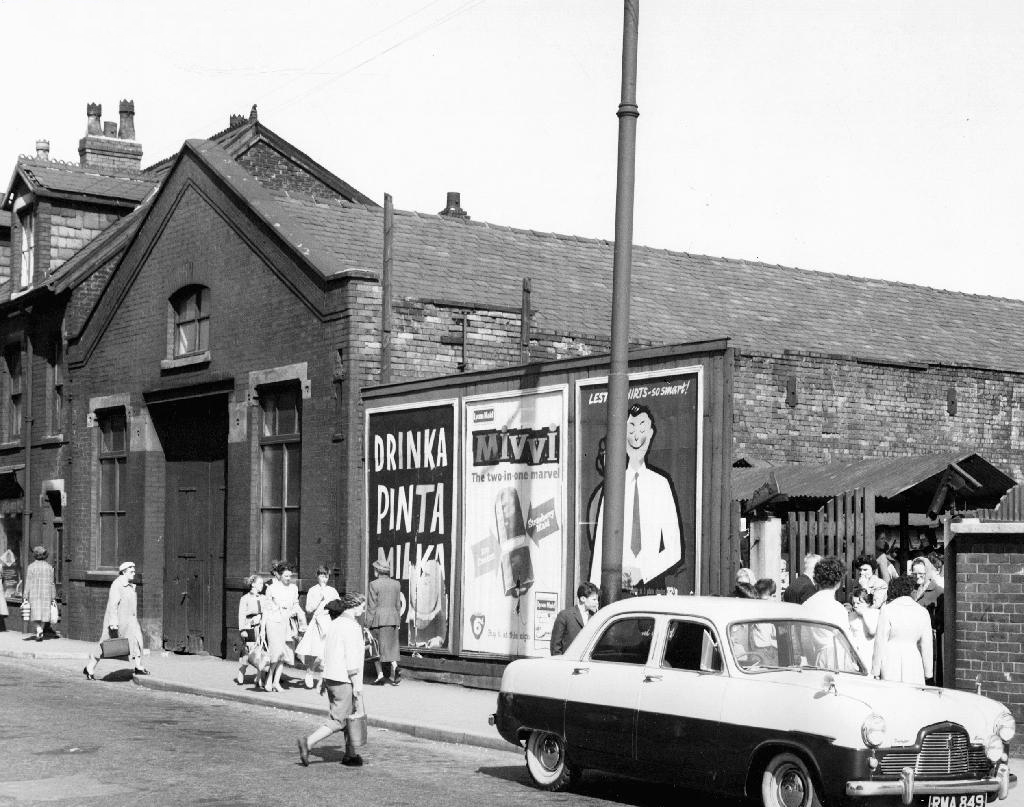
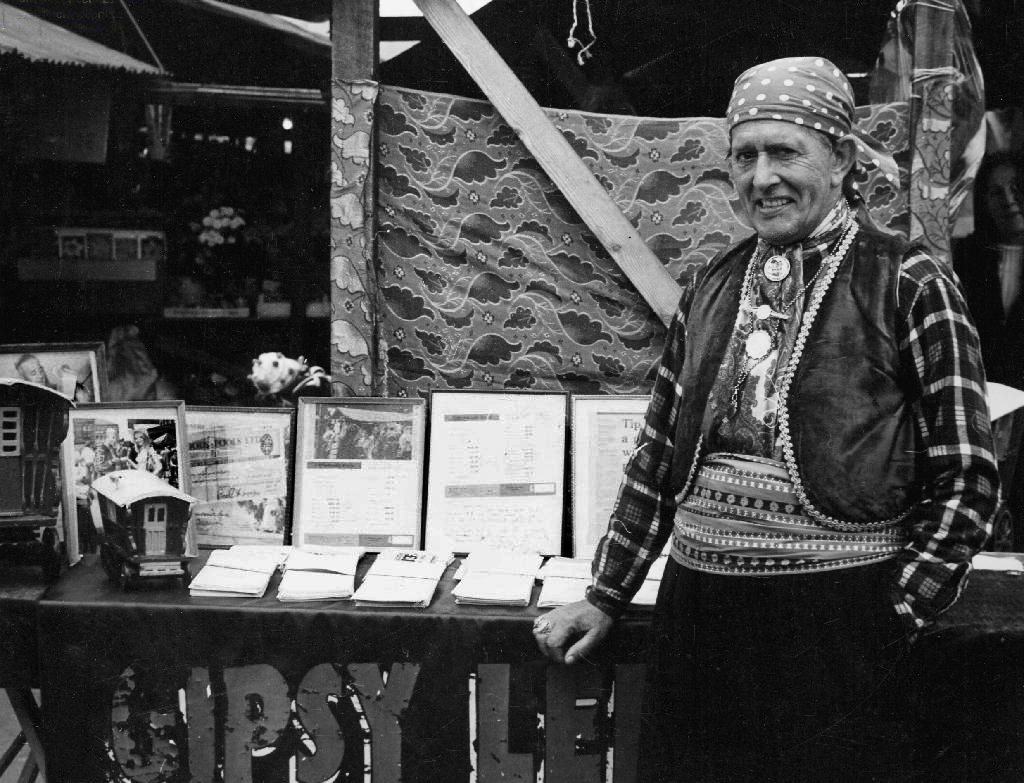
Archives+ 1972
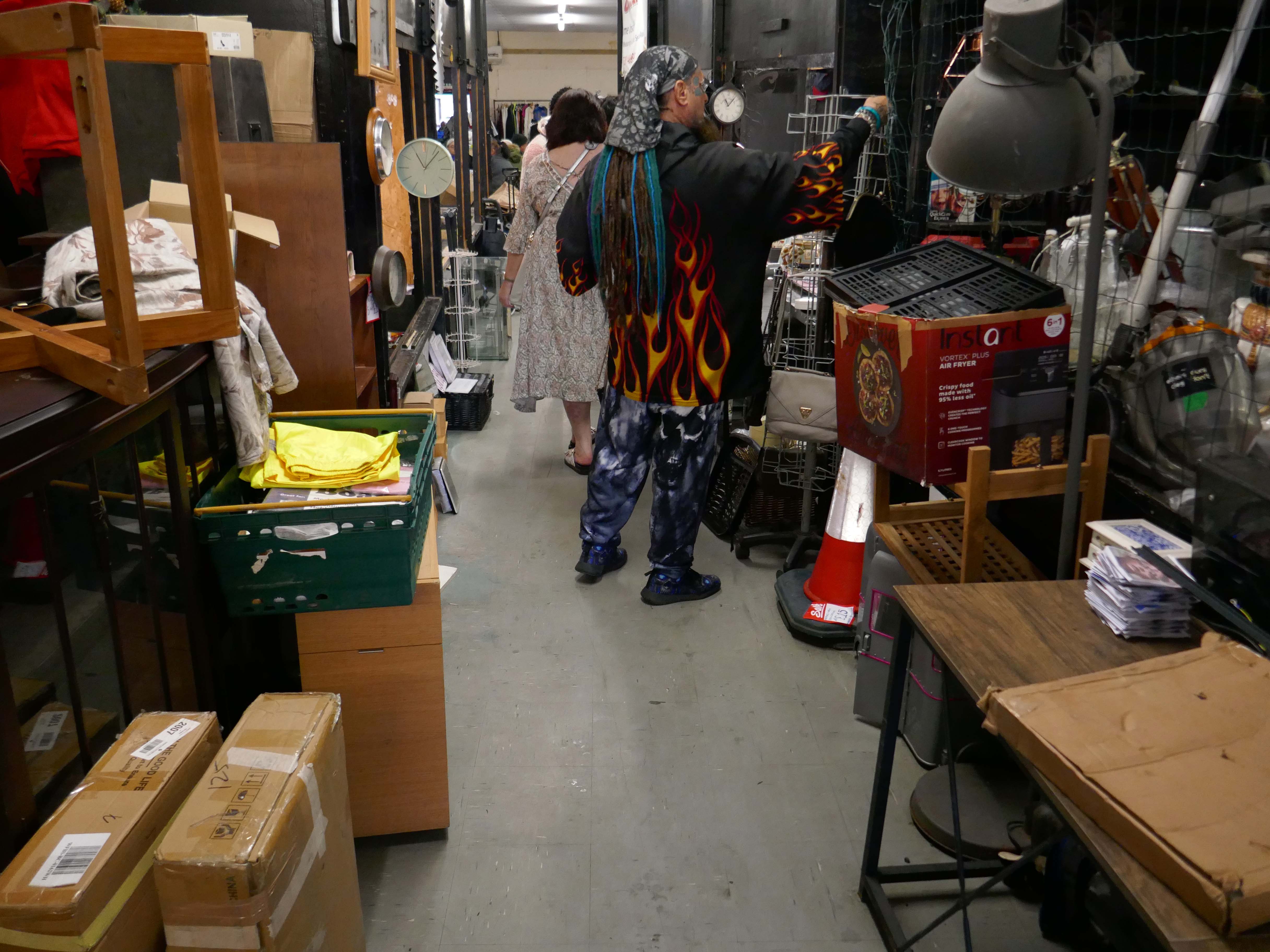
I absolutely love Conran Street Market. I have been going for years, I honestly wished I would have taken a photograph on every visit. It’s my feel good place that brings back so many memories, friendly, funny, a look at life in every visit. What an absolute pleasure to have experienced it as long as I can remember.
Mo A
This is a local basic market with few modern amenities and no access considerations. You may find some bargains on a good day but many of the stalls stand empty, and the general disrepair all around is grim. One word about the toilets: don’t.
Judy S
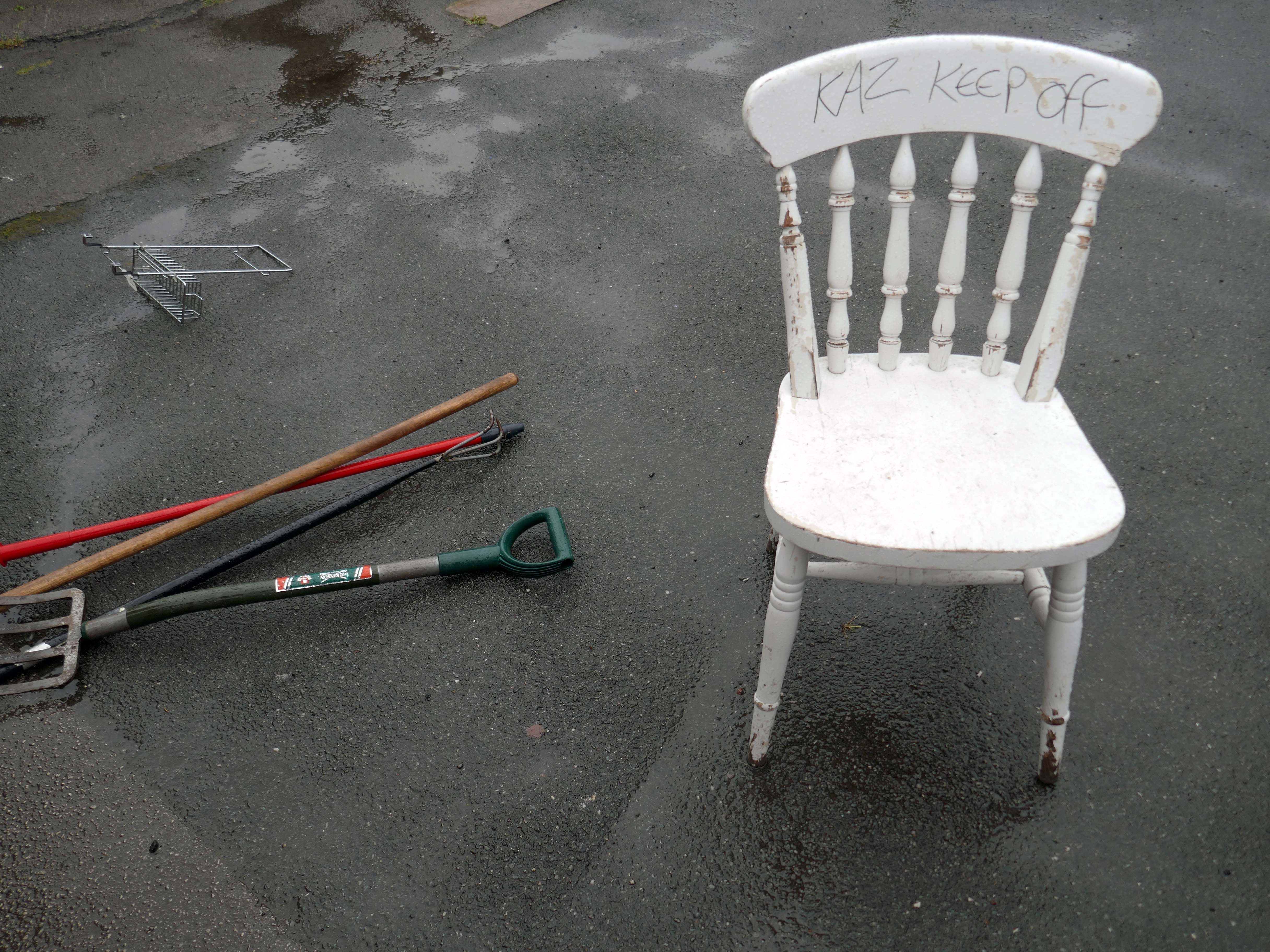
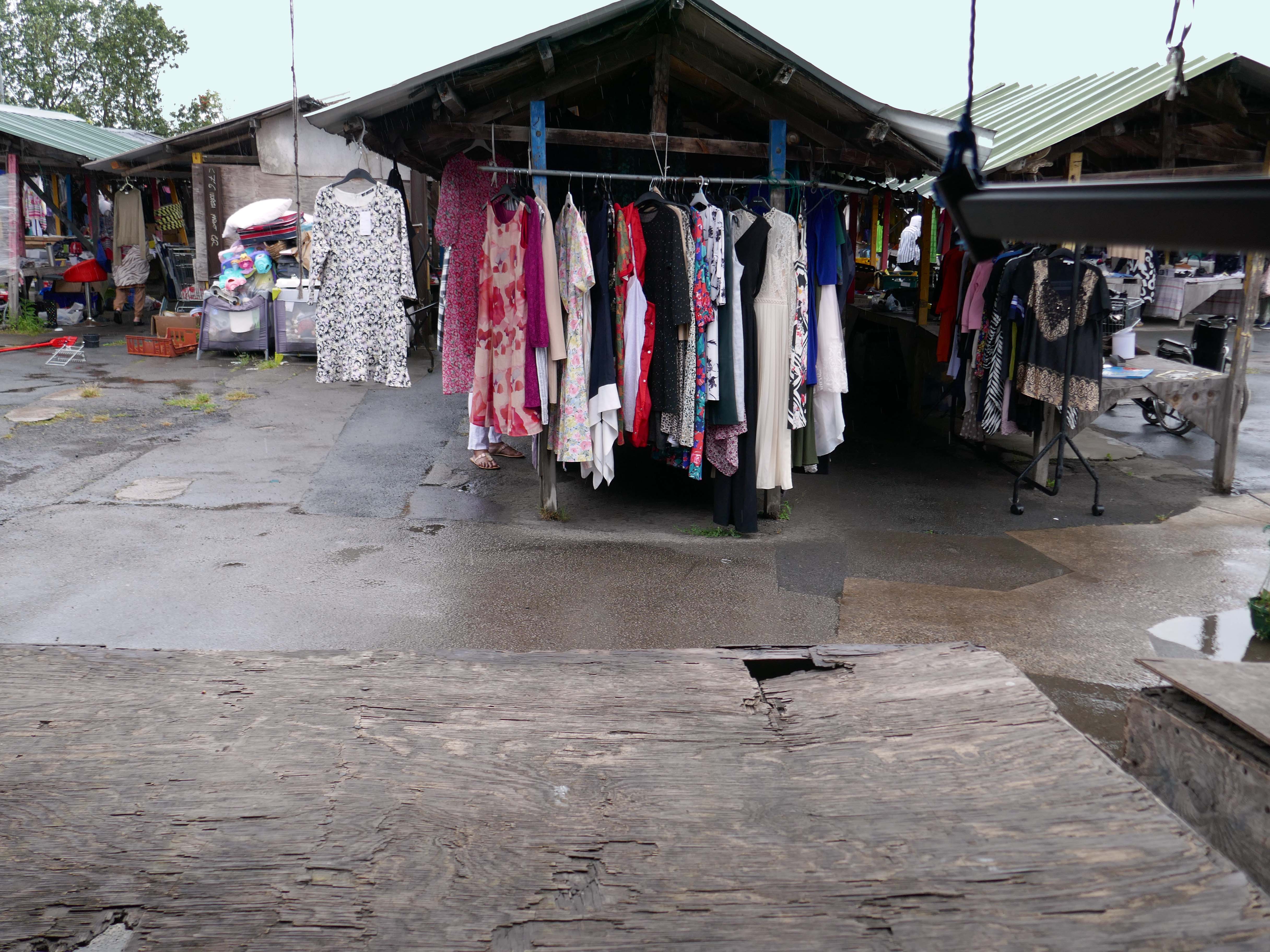
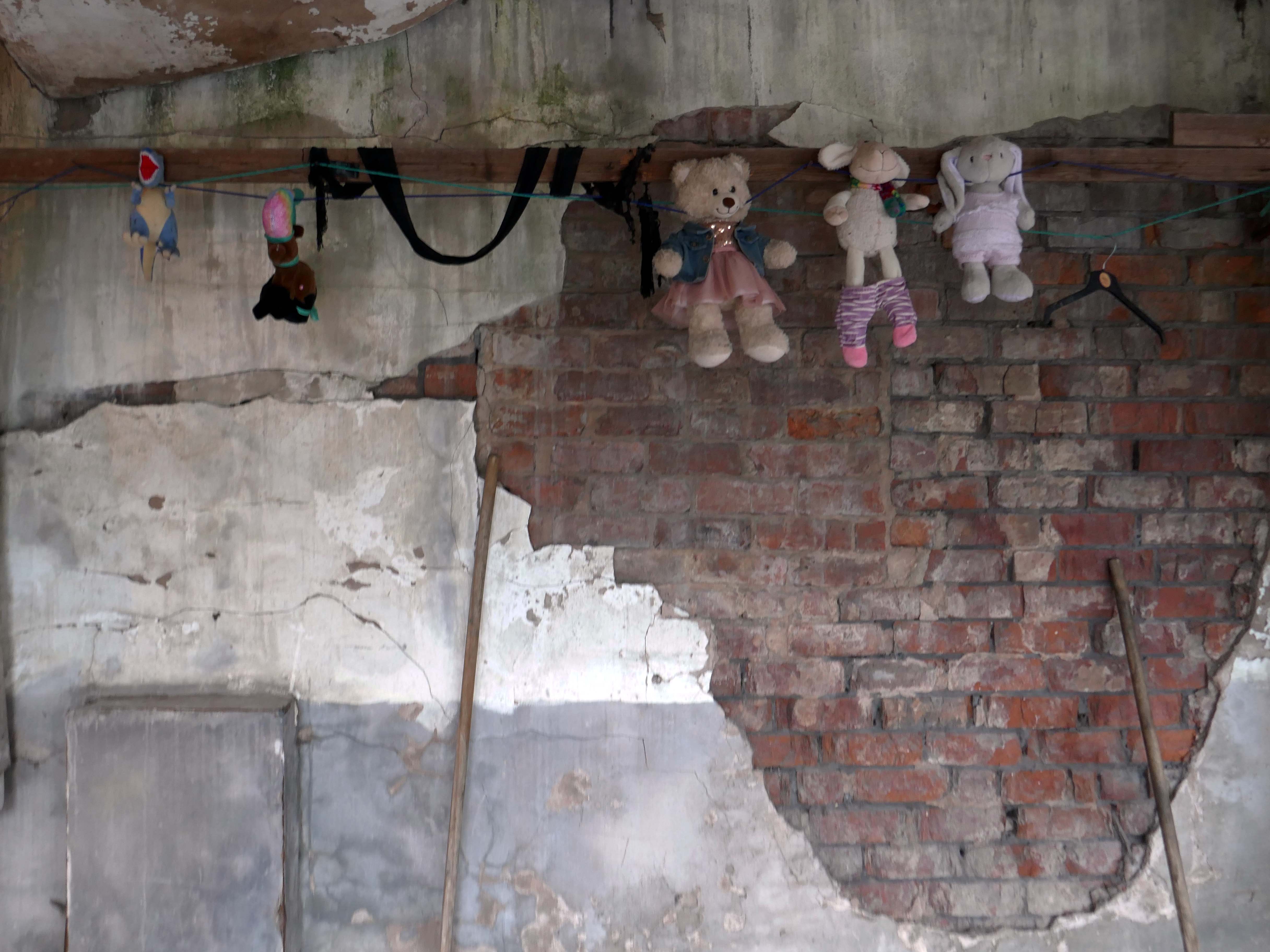
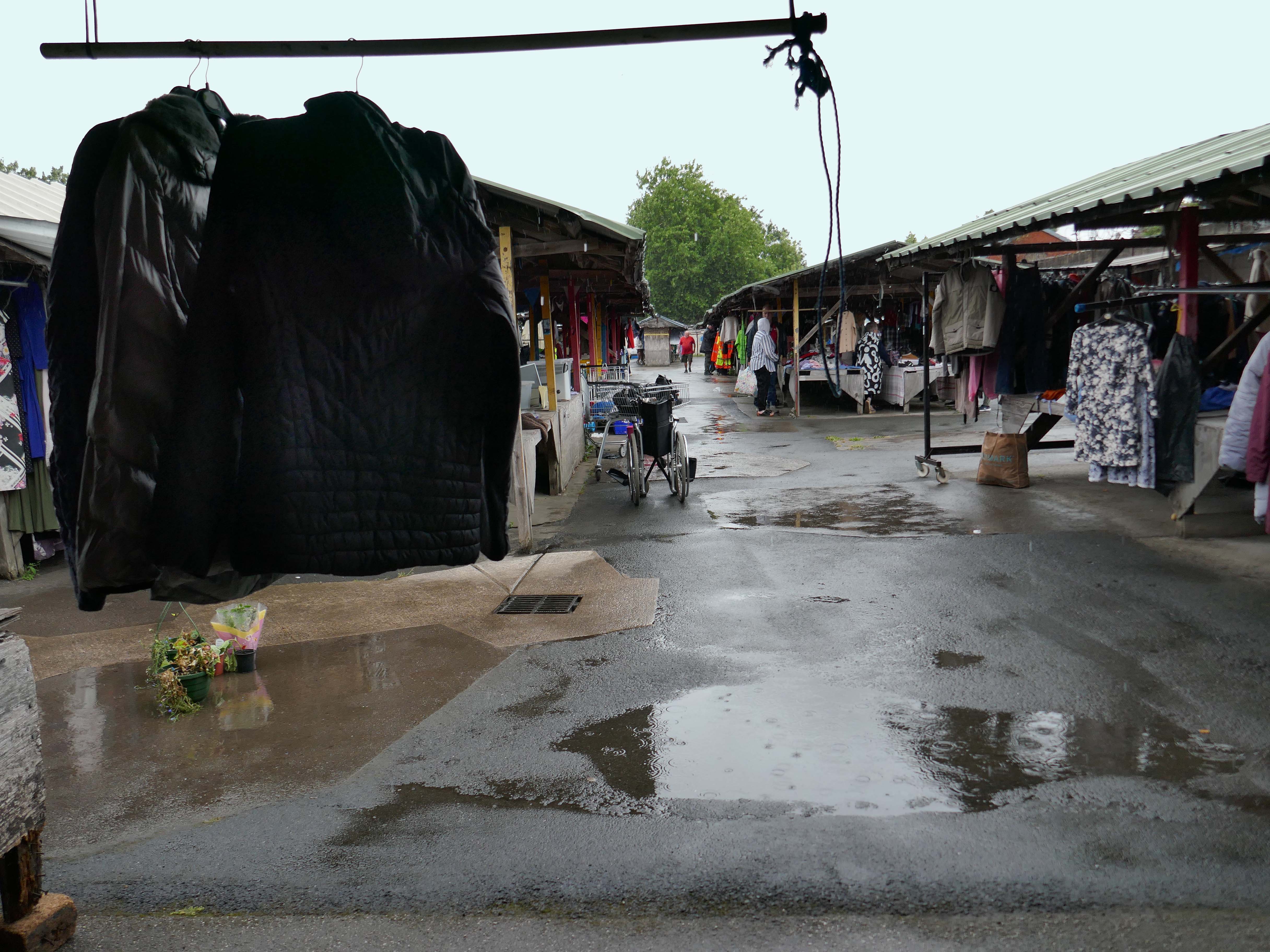
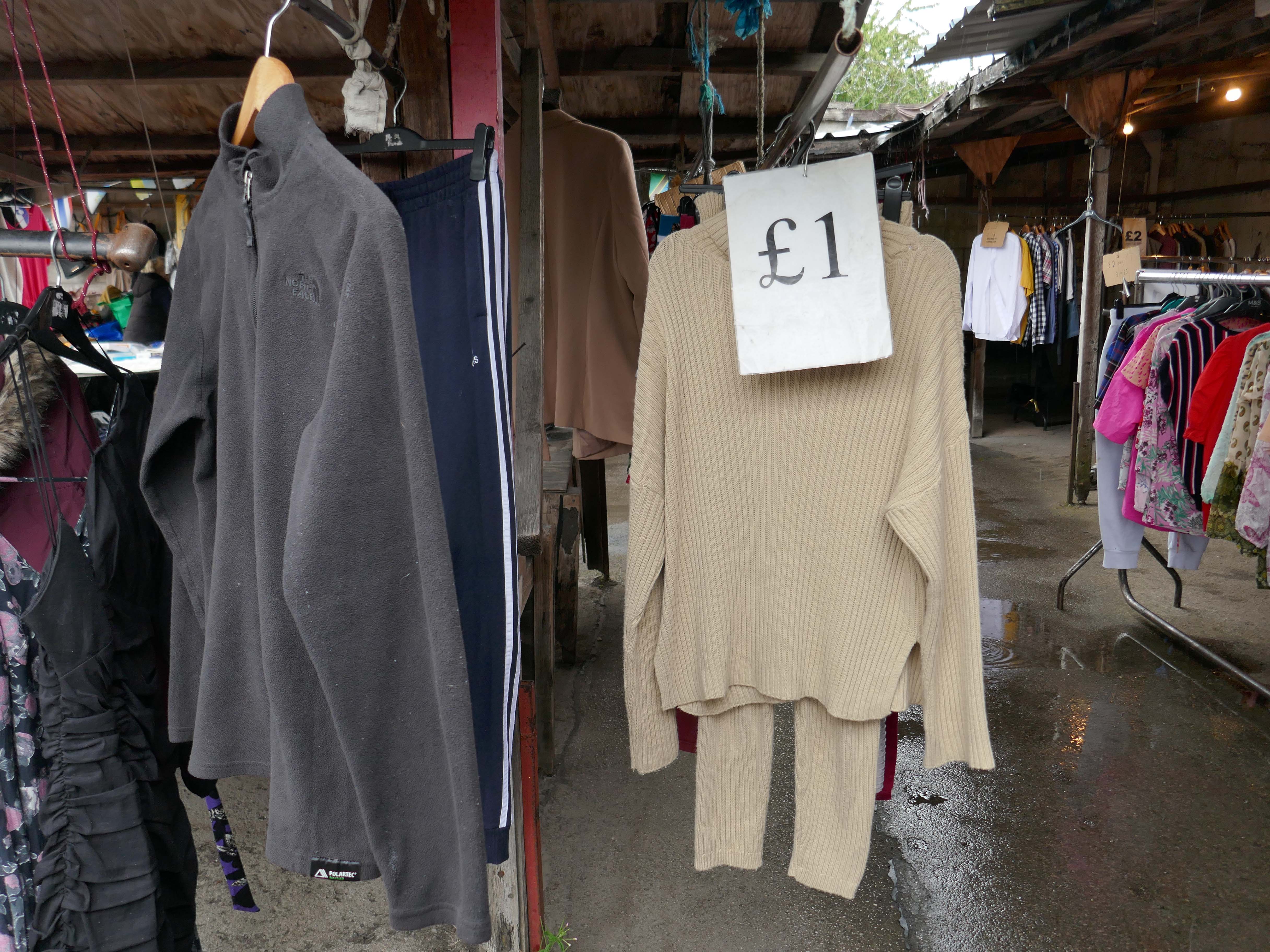
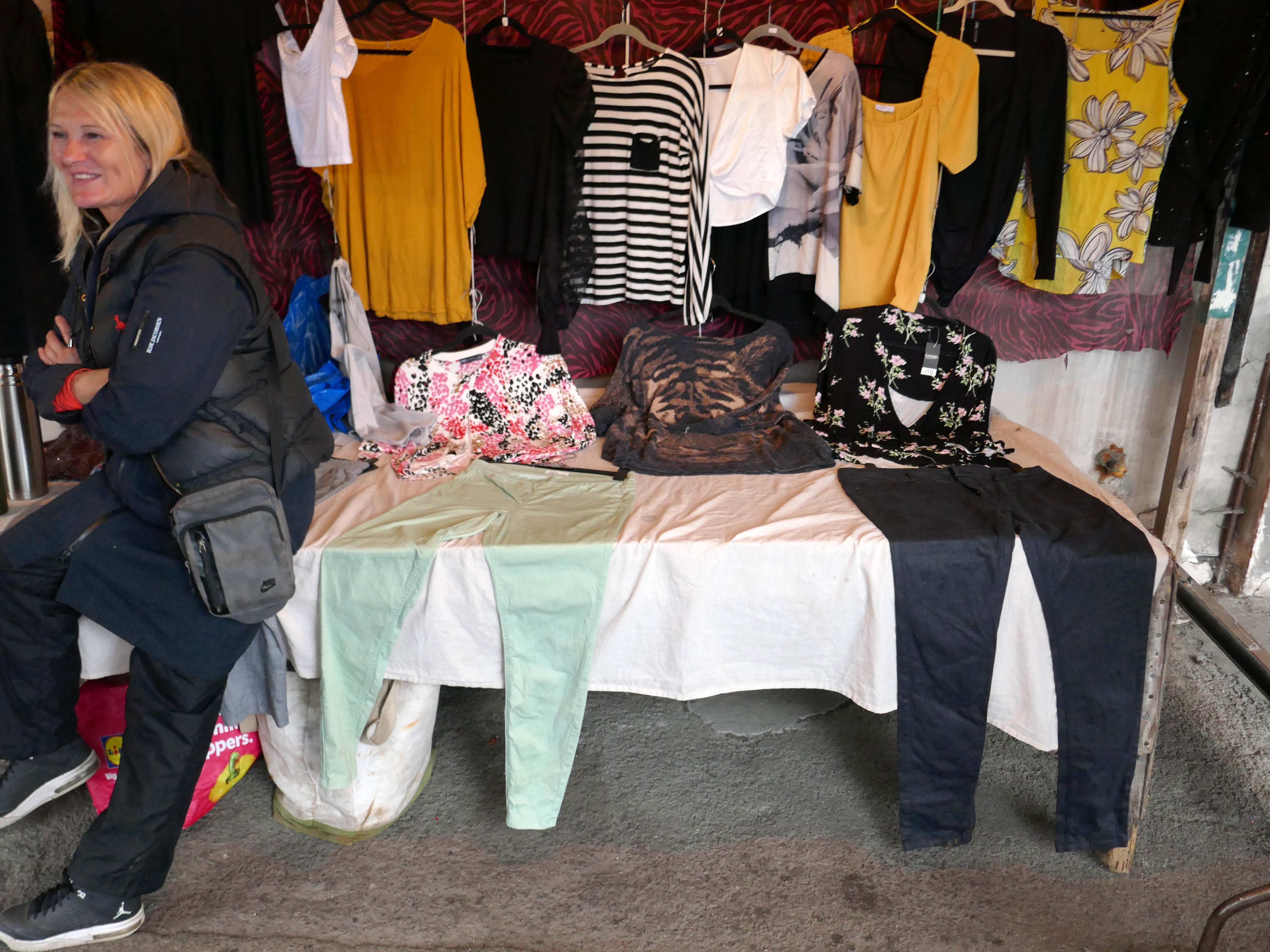
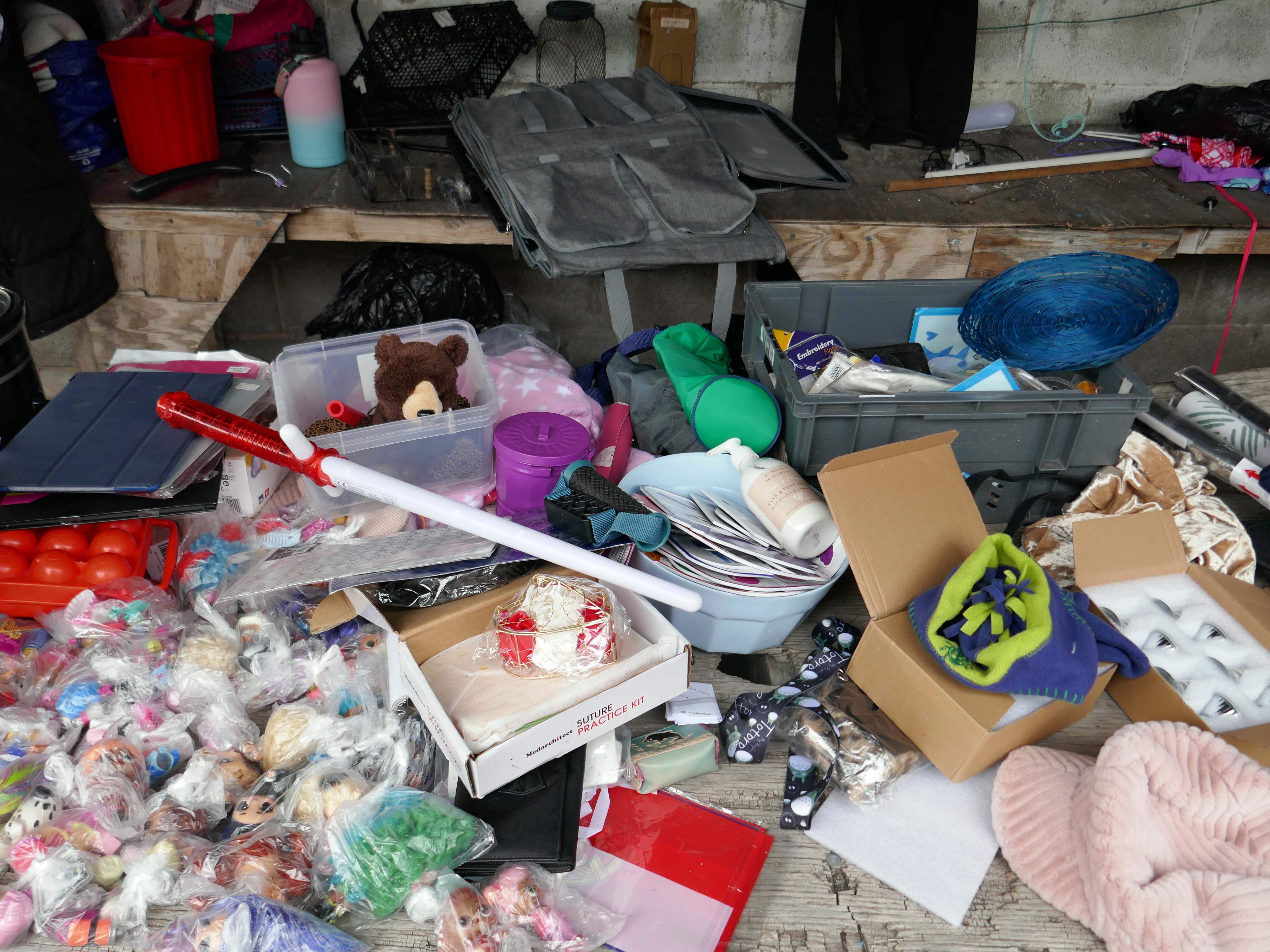
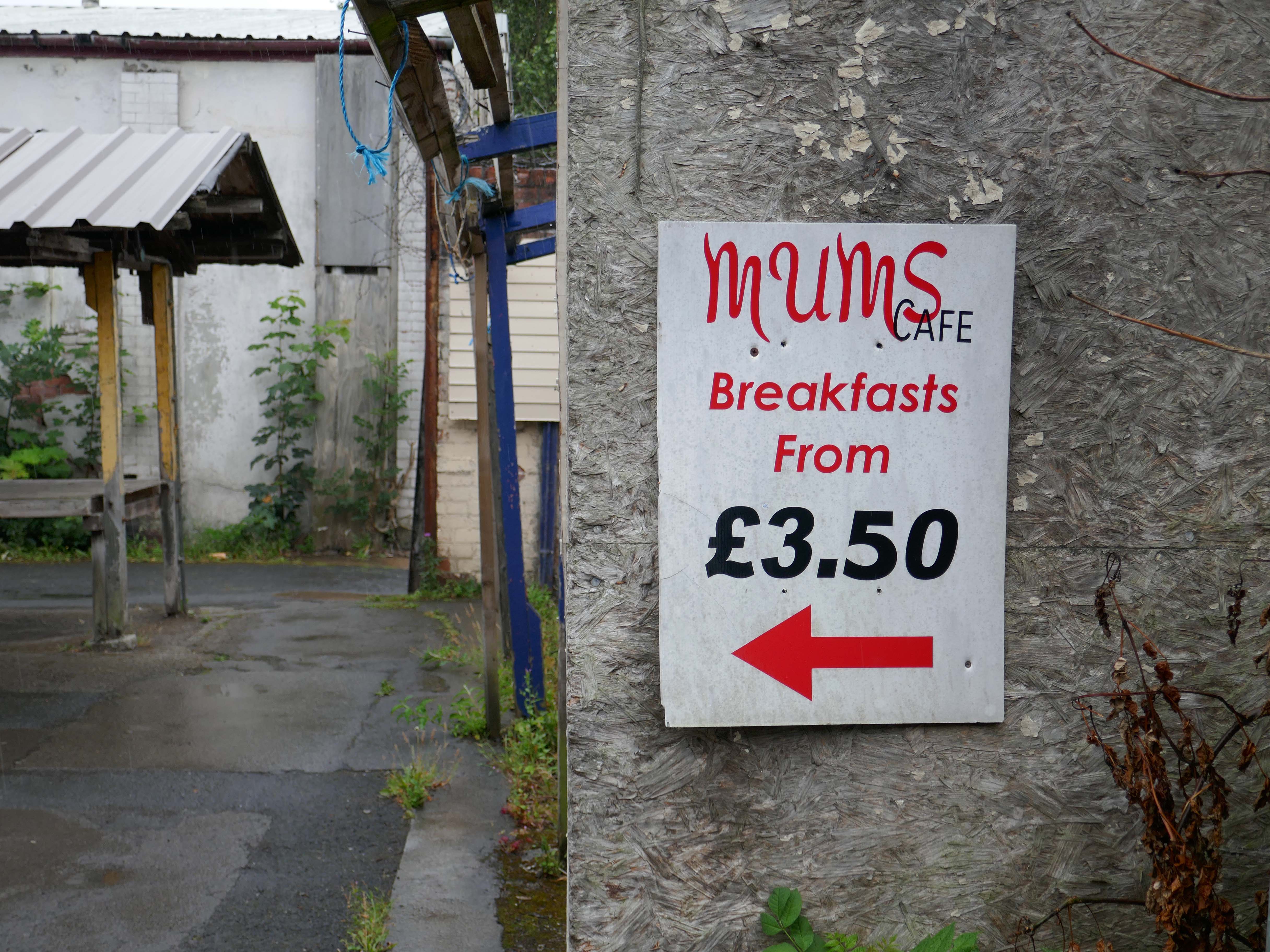
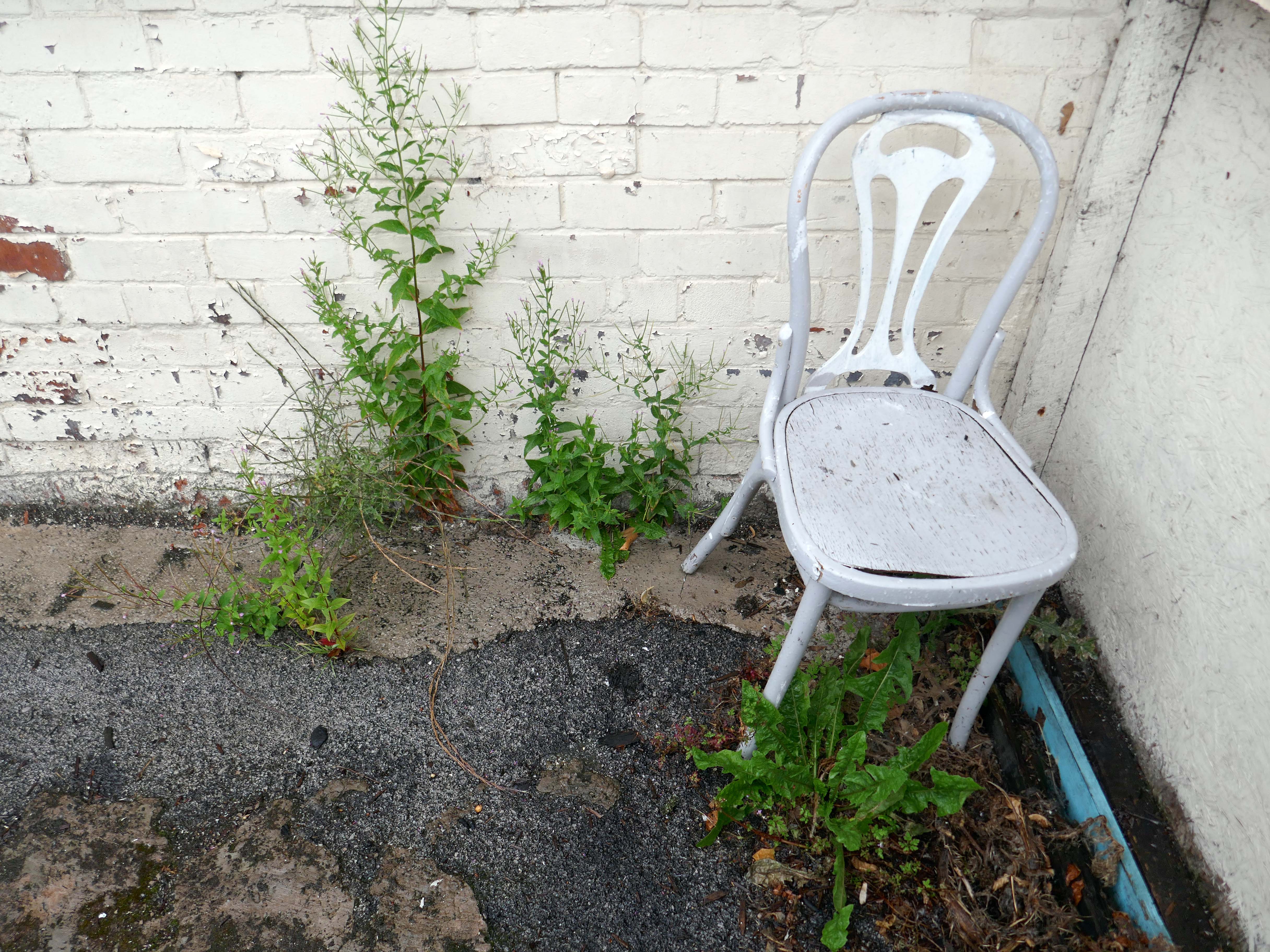
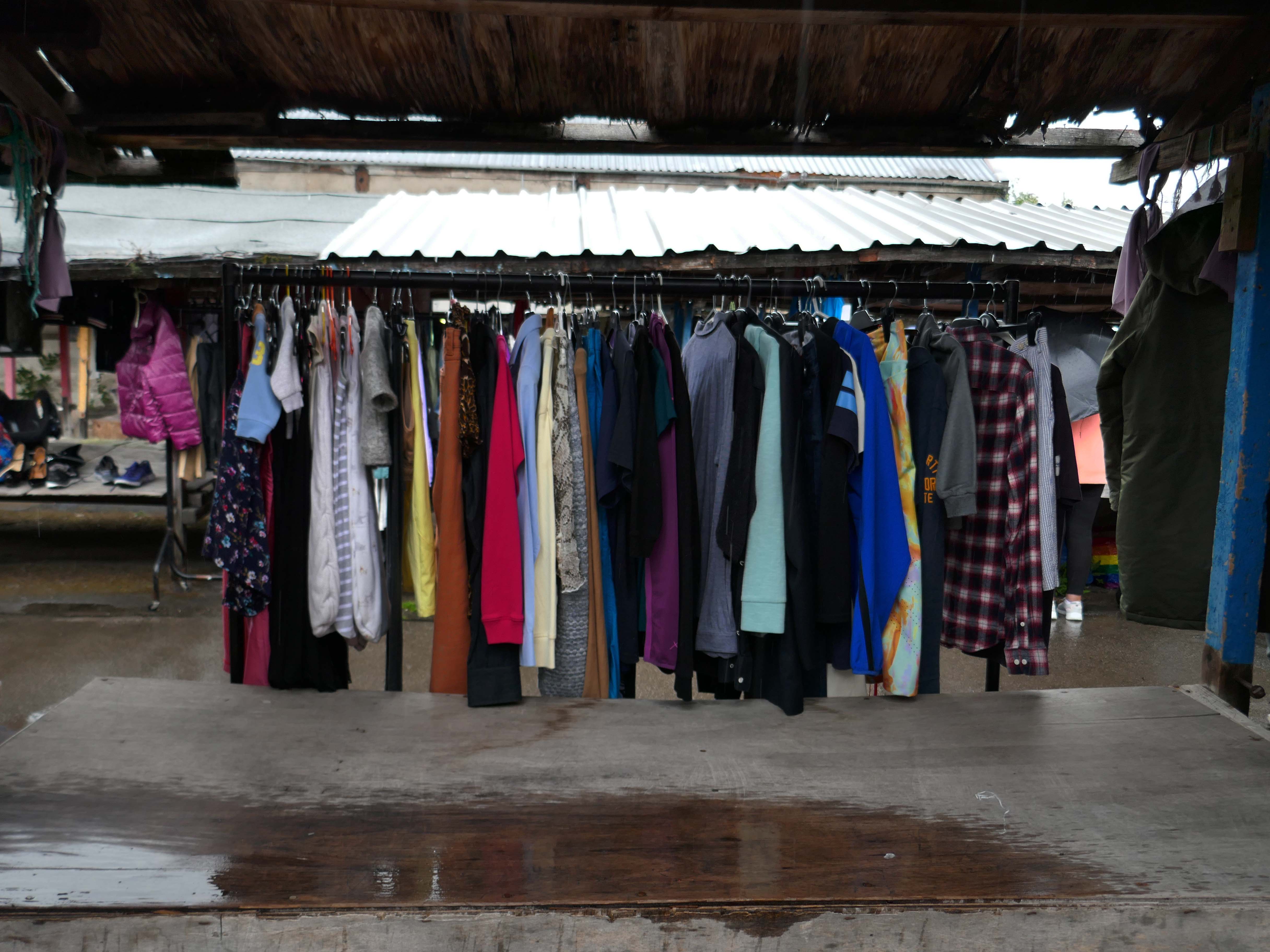
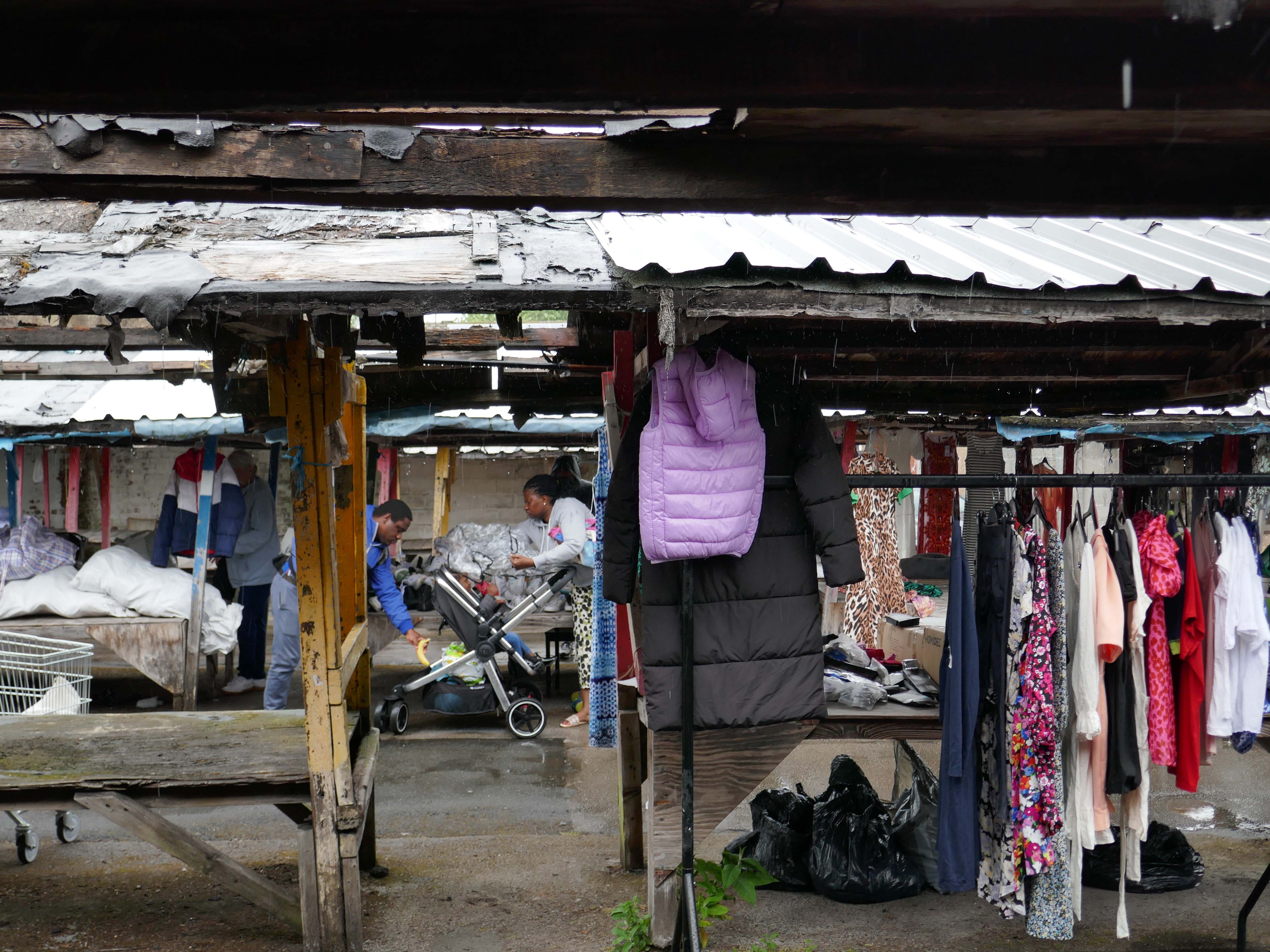
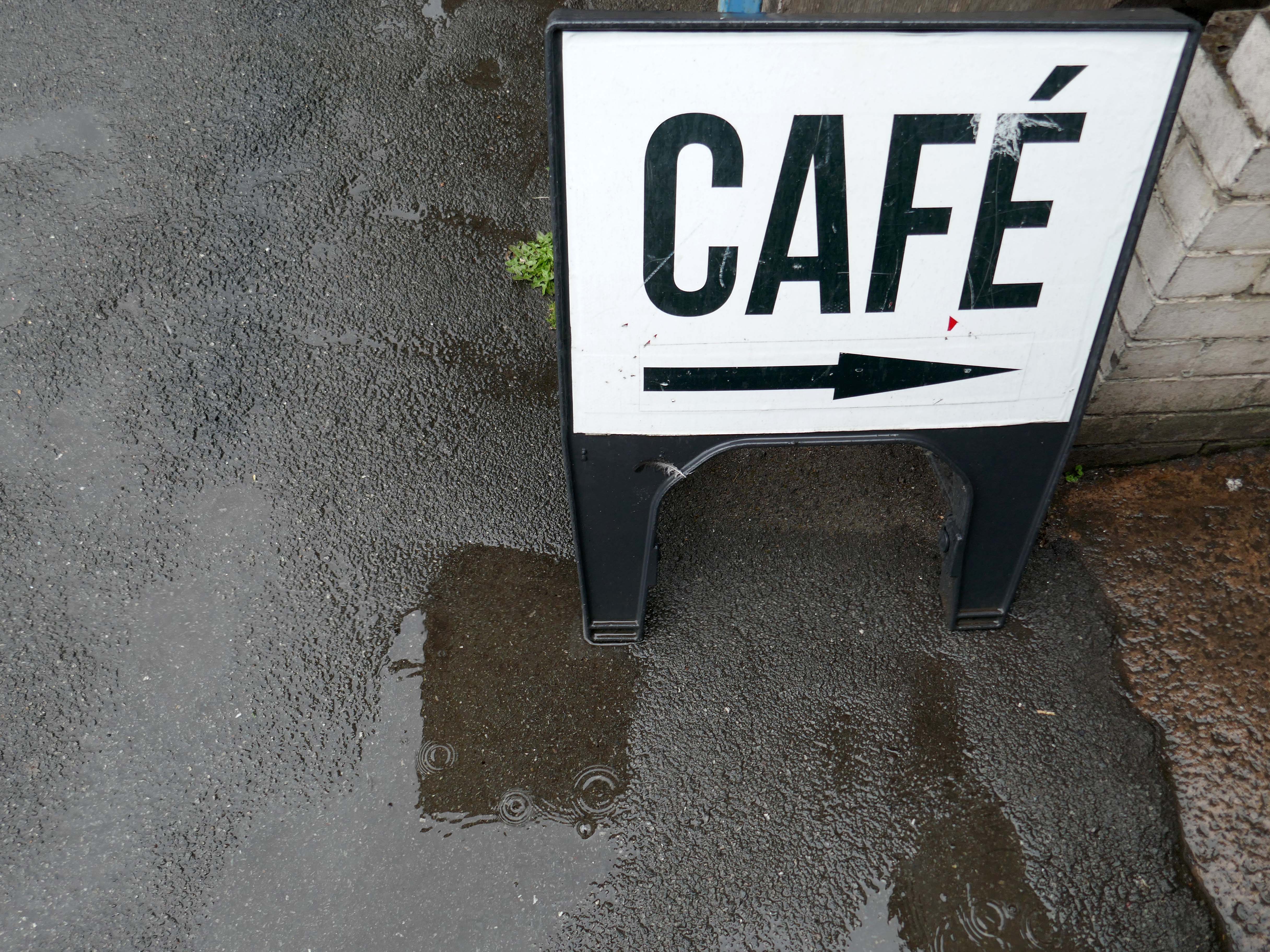
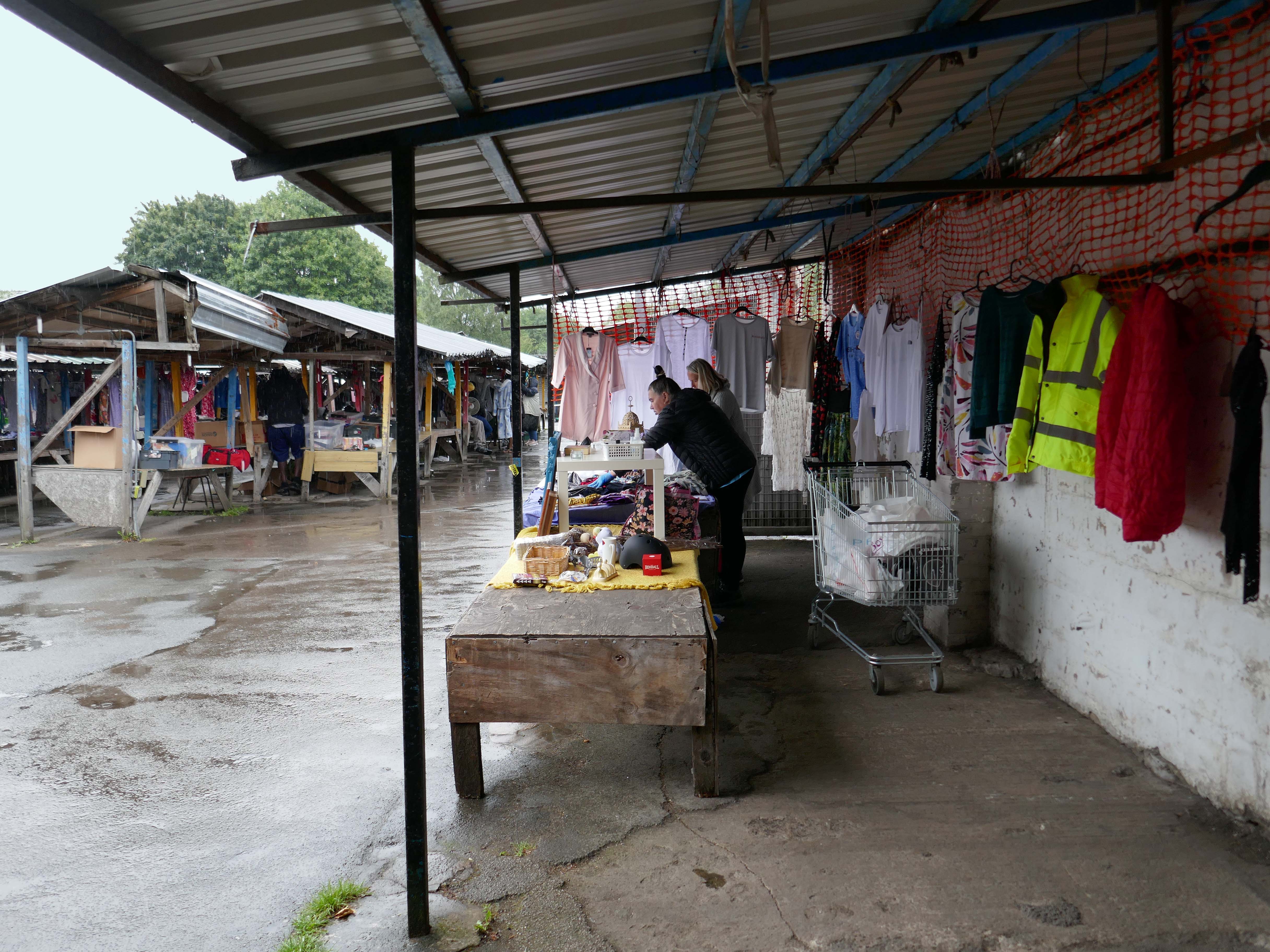
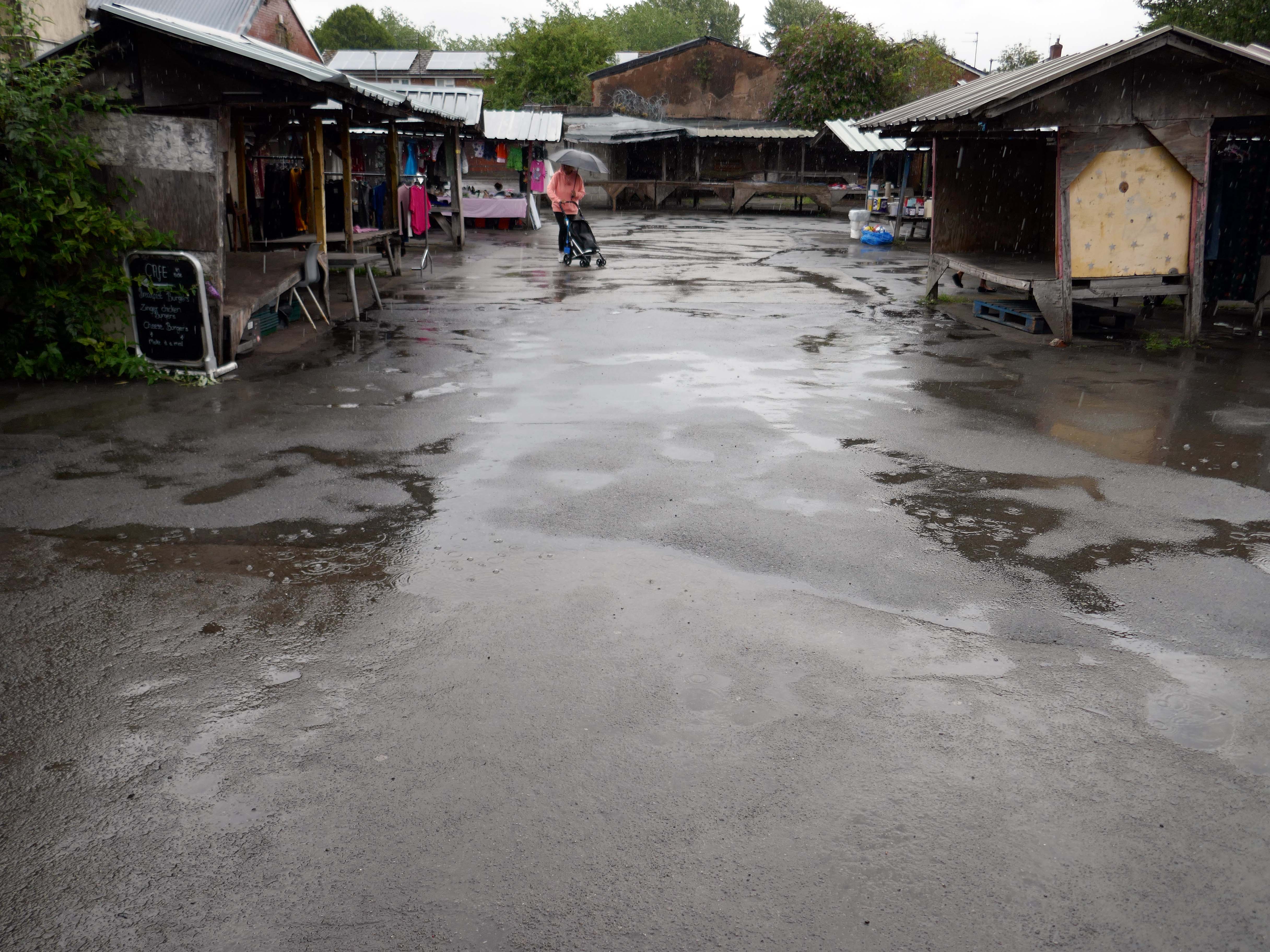
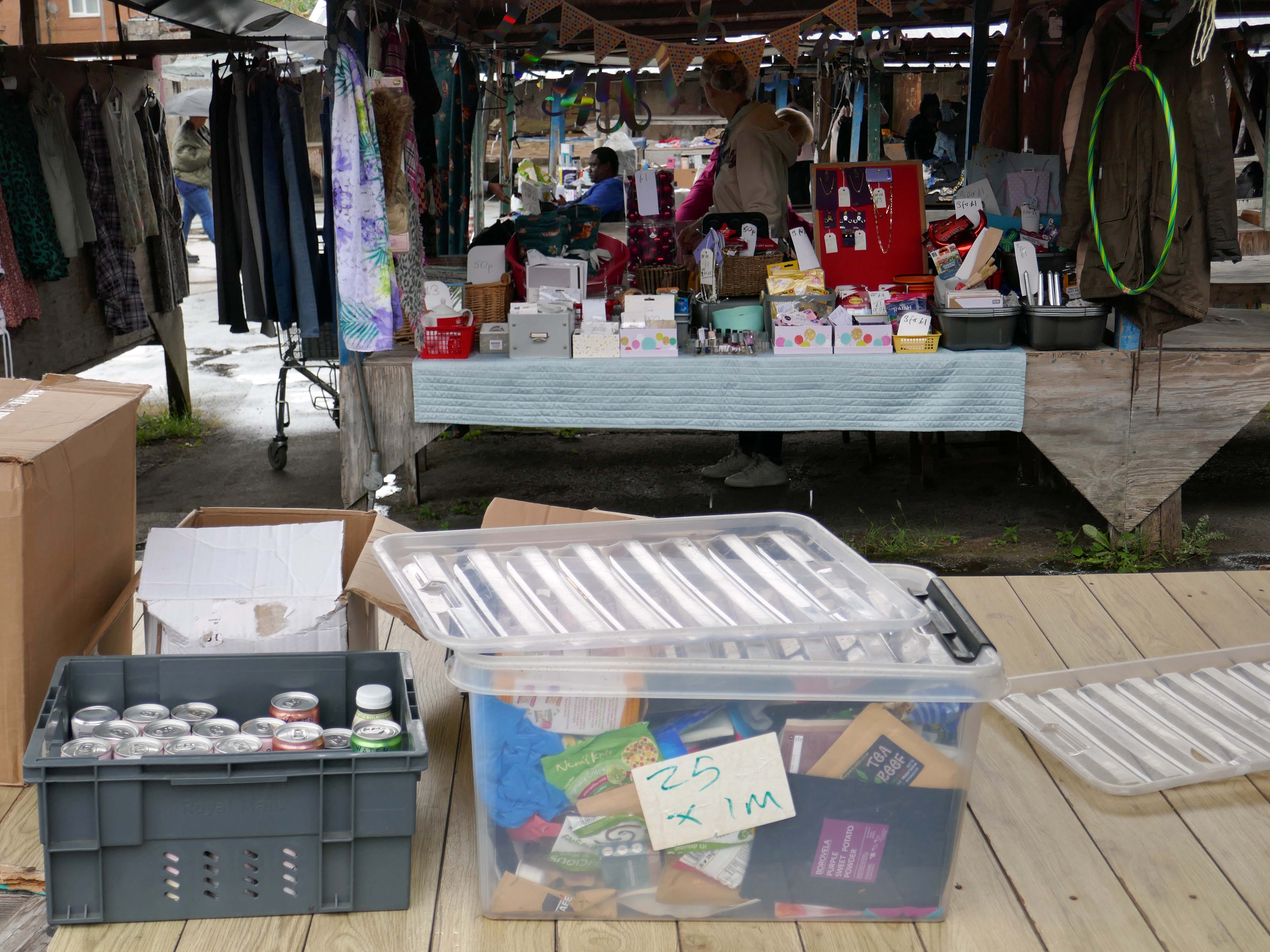
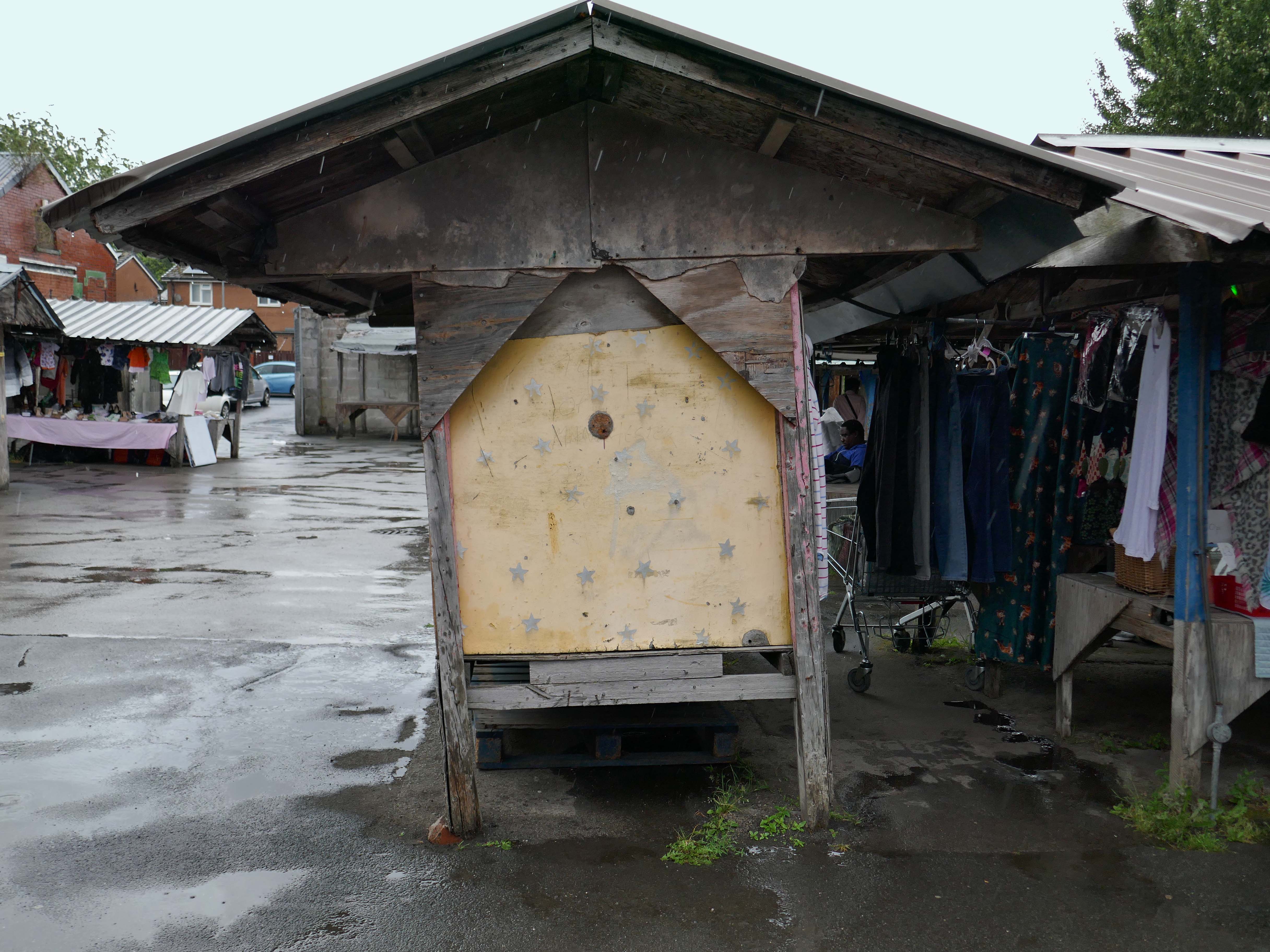
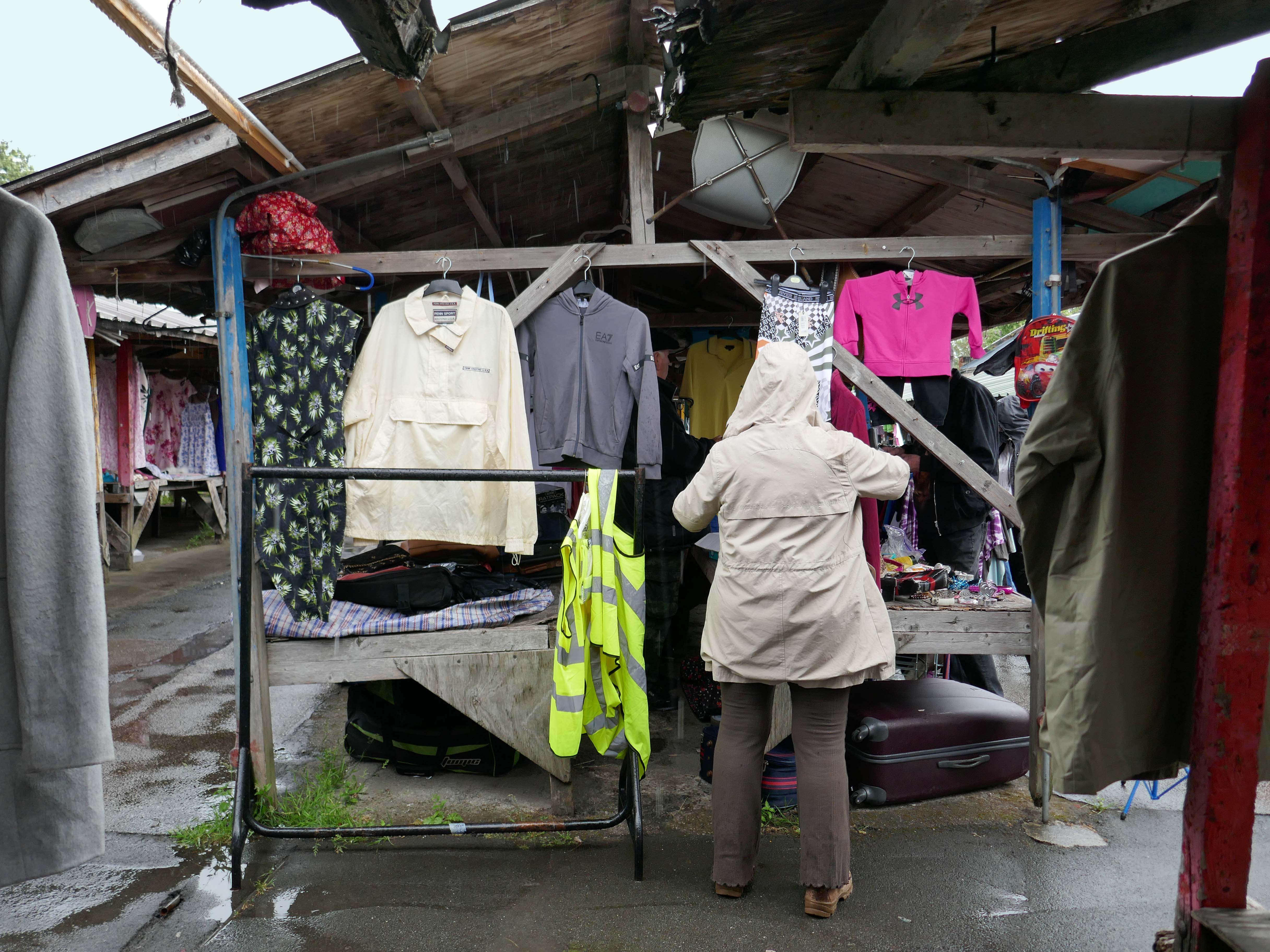
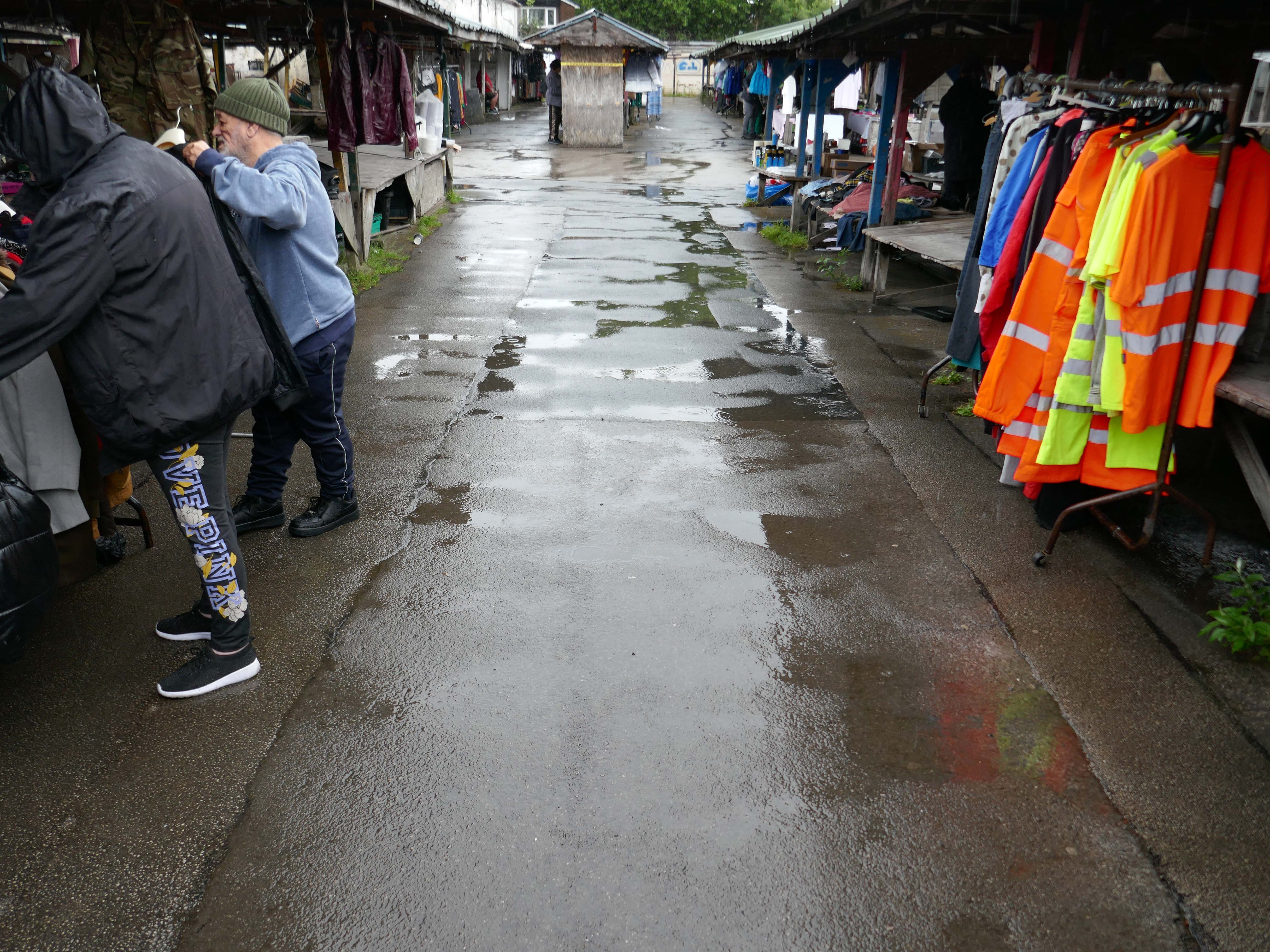
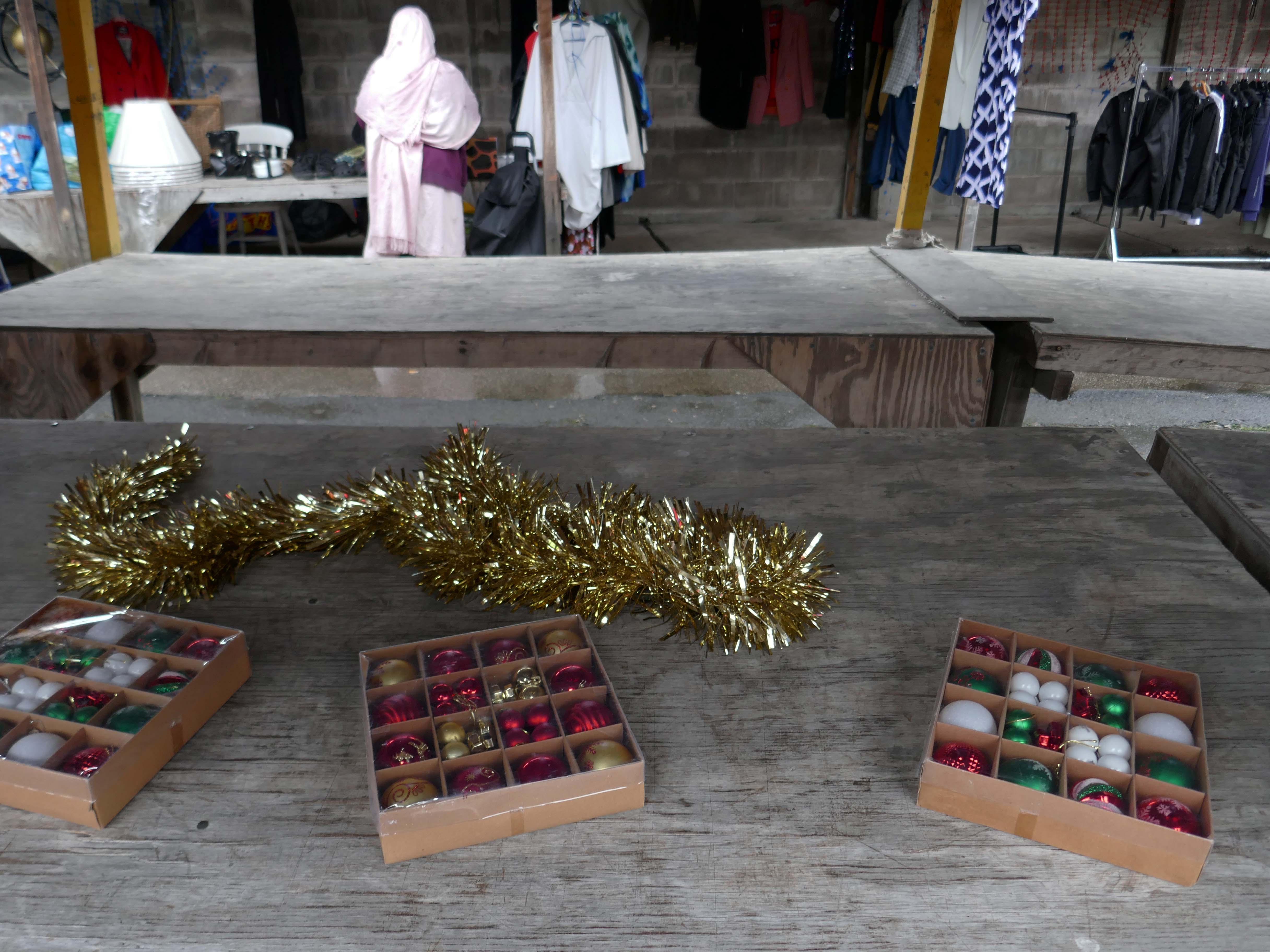
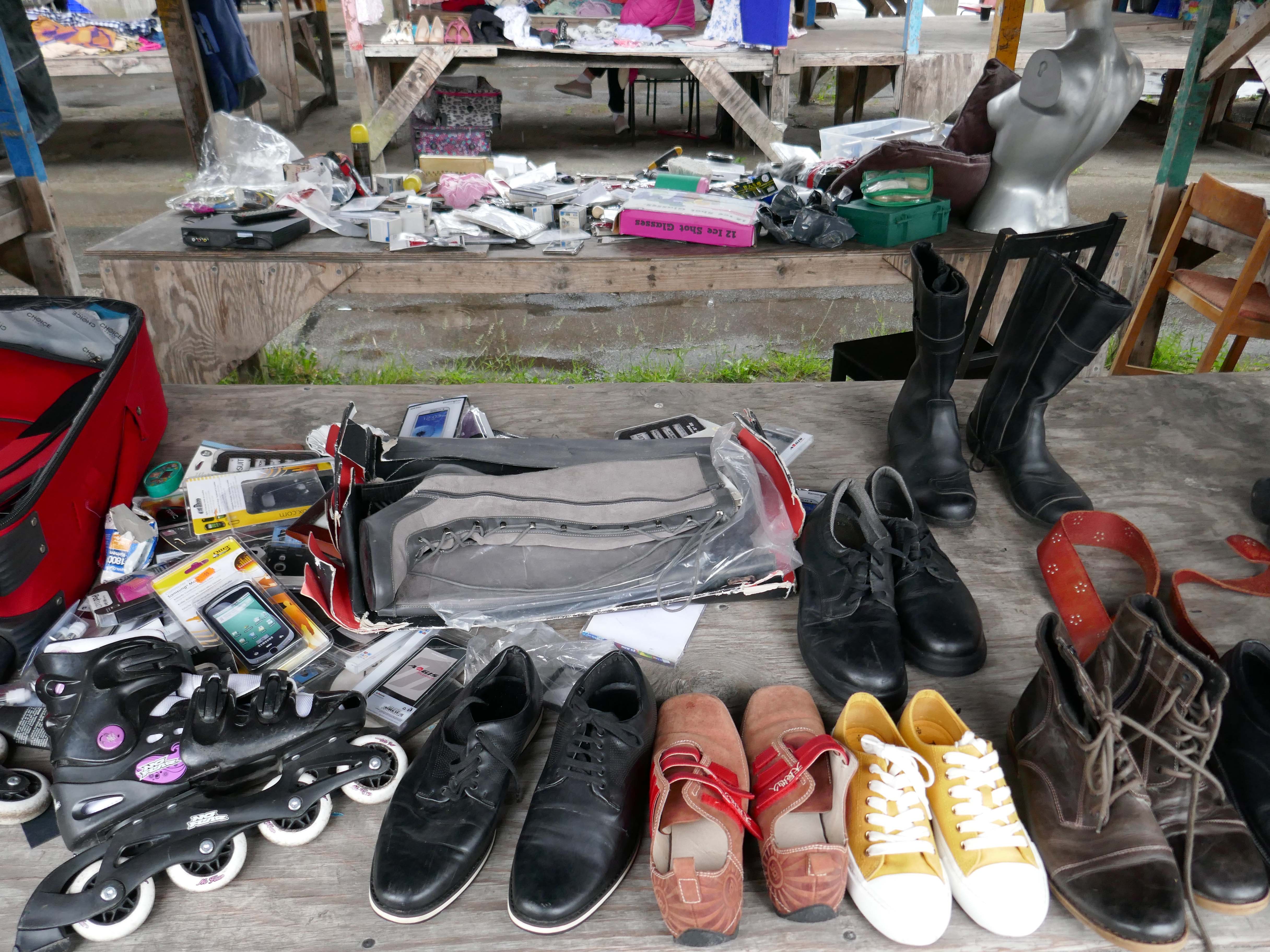
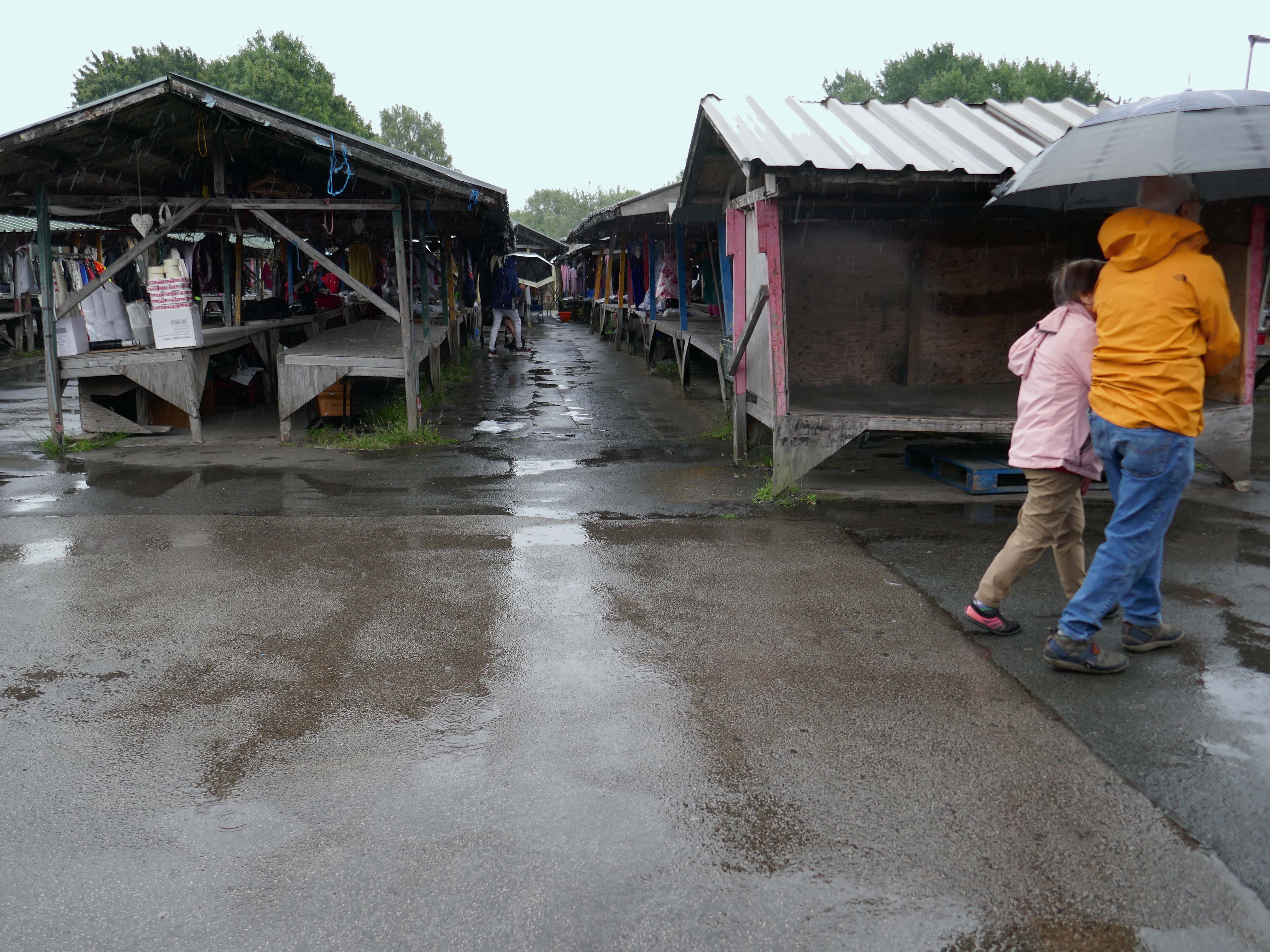
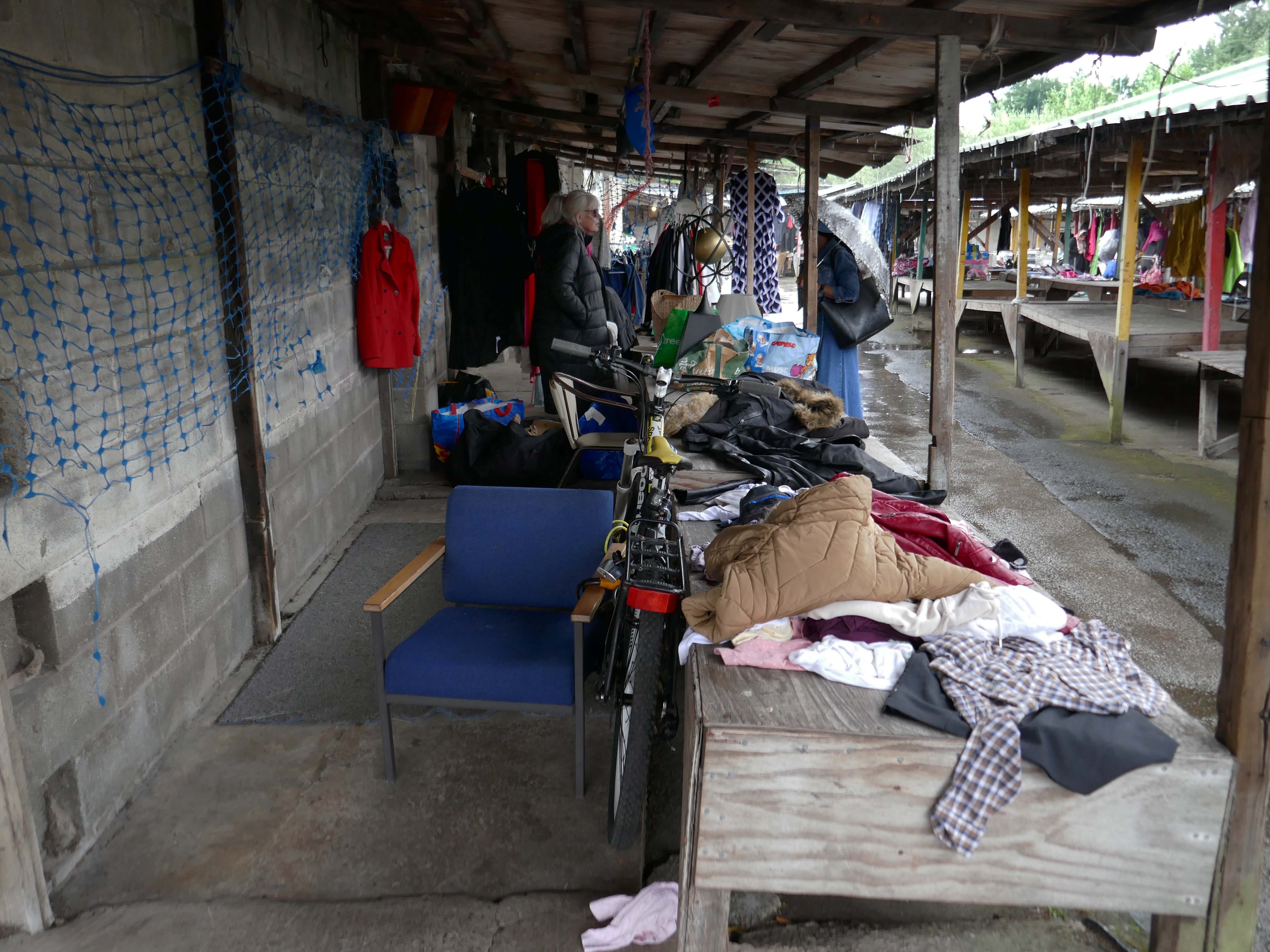
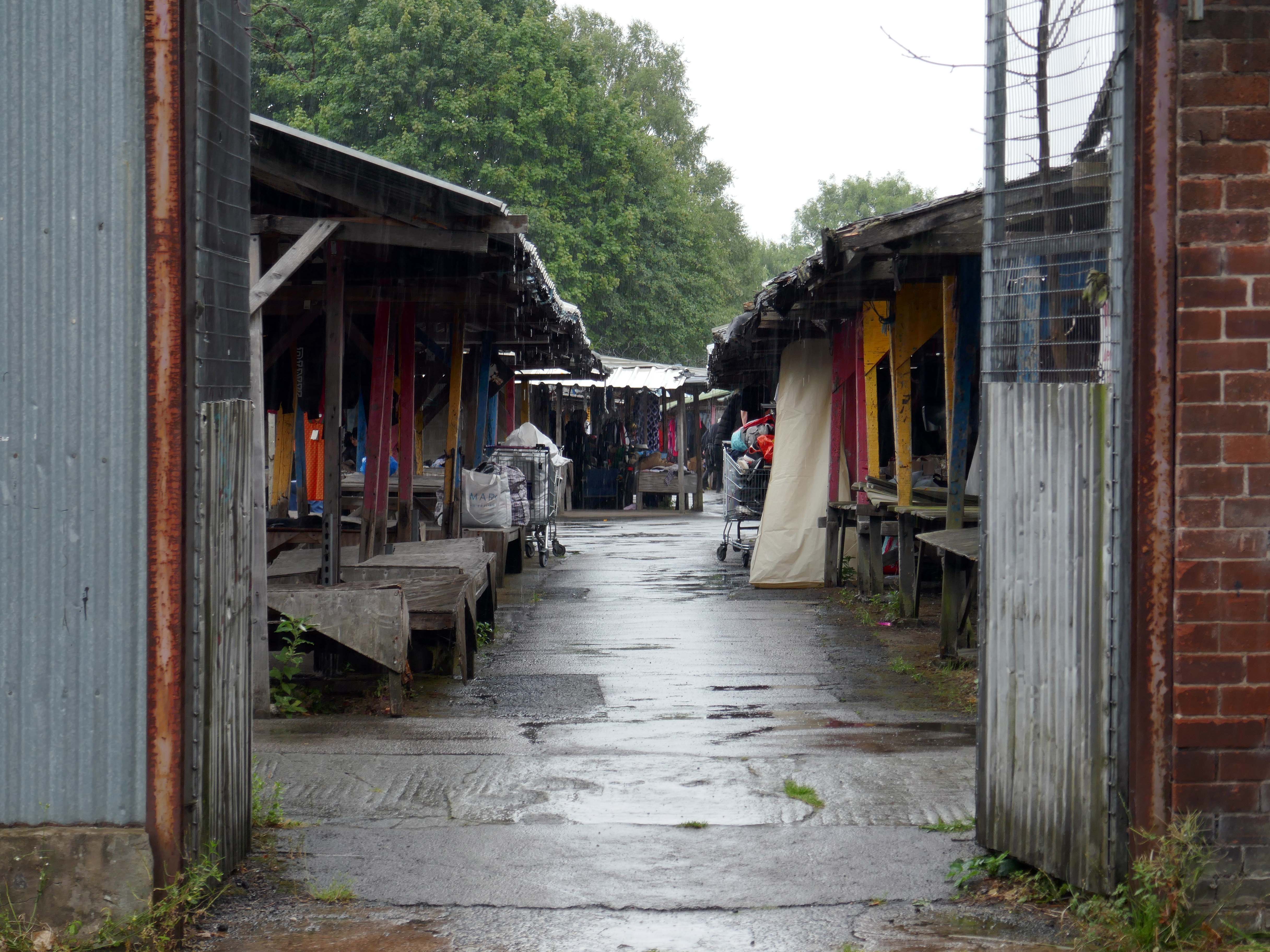
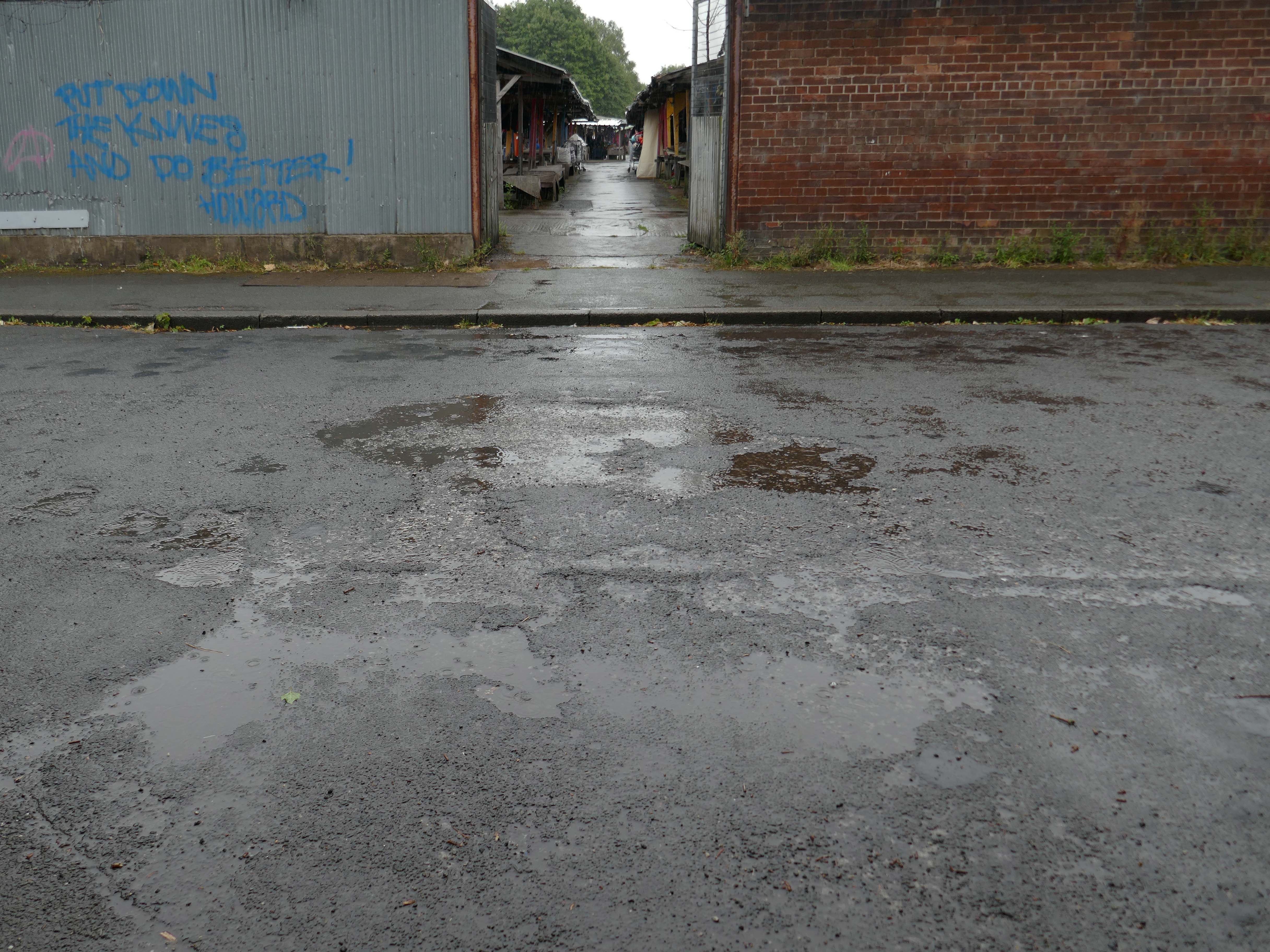
So it goes – a rainy Tuesday, following days of summer sunshine, paddling in puddles, as the drips dripped off the stalls’ sagging roofs, some empty some laden, with this that and the other.
Upright citizens at large in a skewed world, hi vis, low cost goods with nowhere else to go.
Walking from Cornbrook toward Stretford along Chester Road – which is one half of my Tram Trip to Altrincham
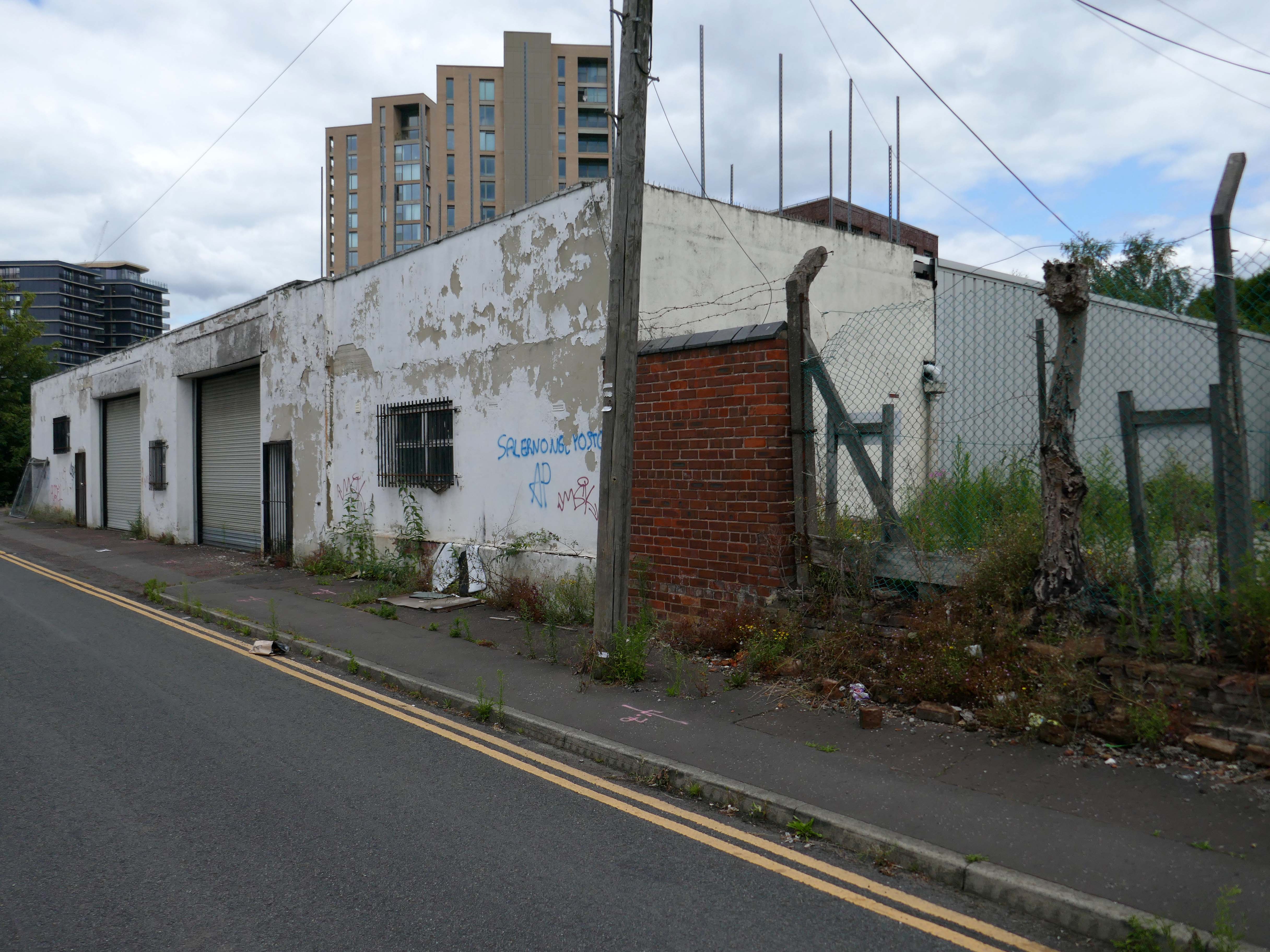
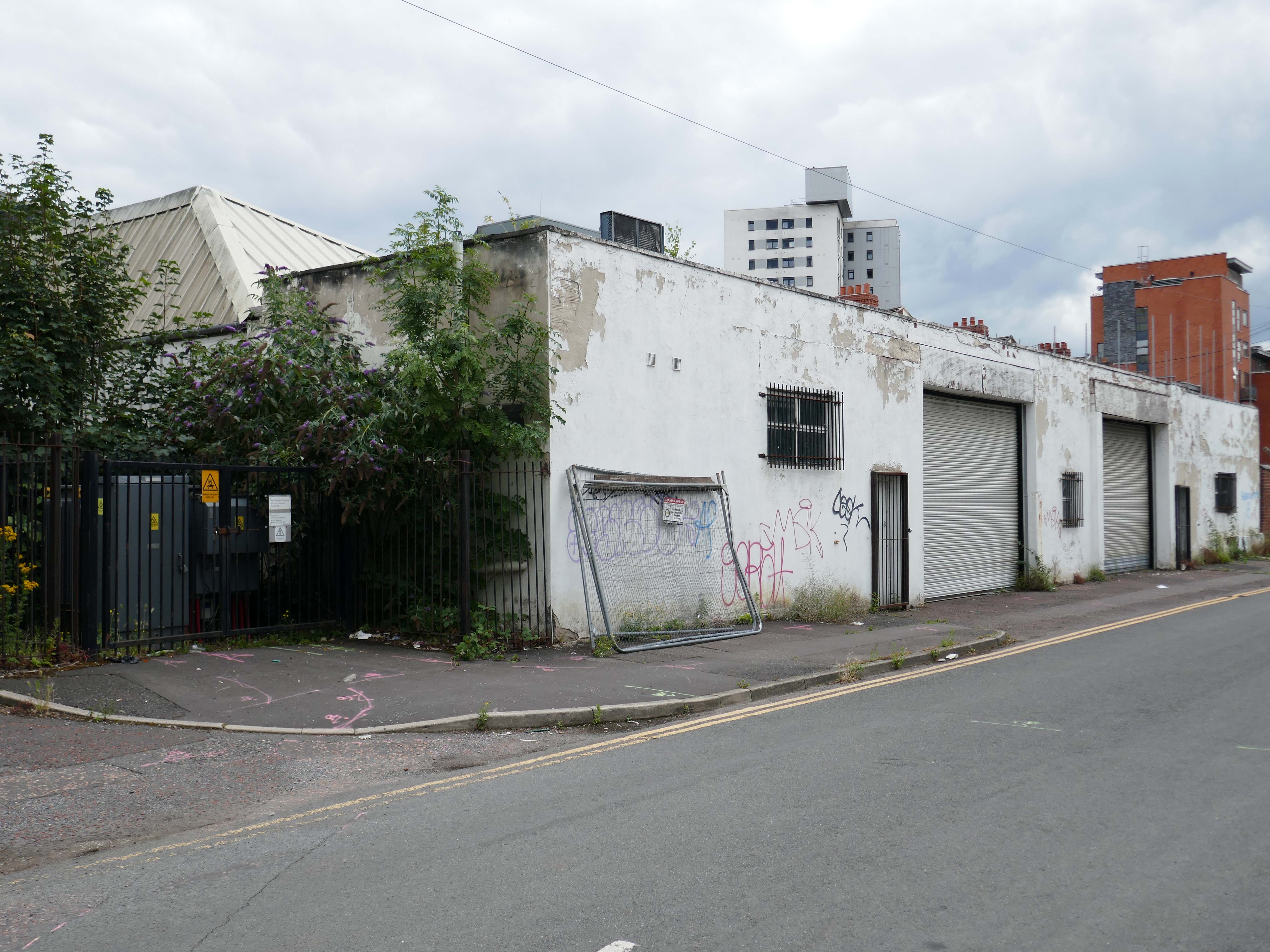
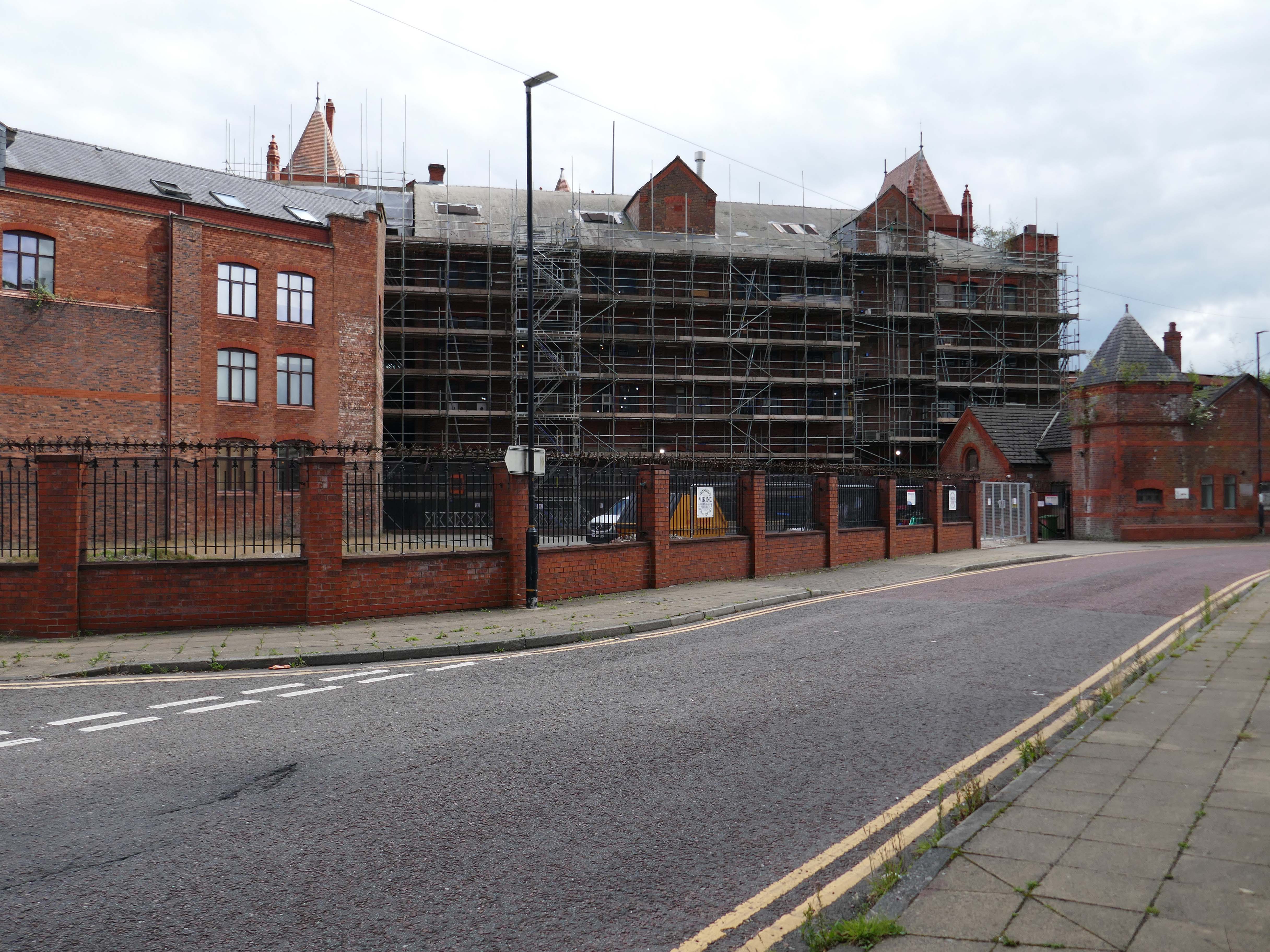
There is a cluster of former industrial buildings around Empress Street.
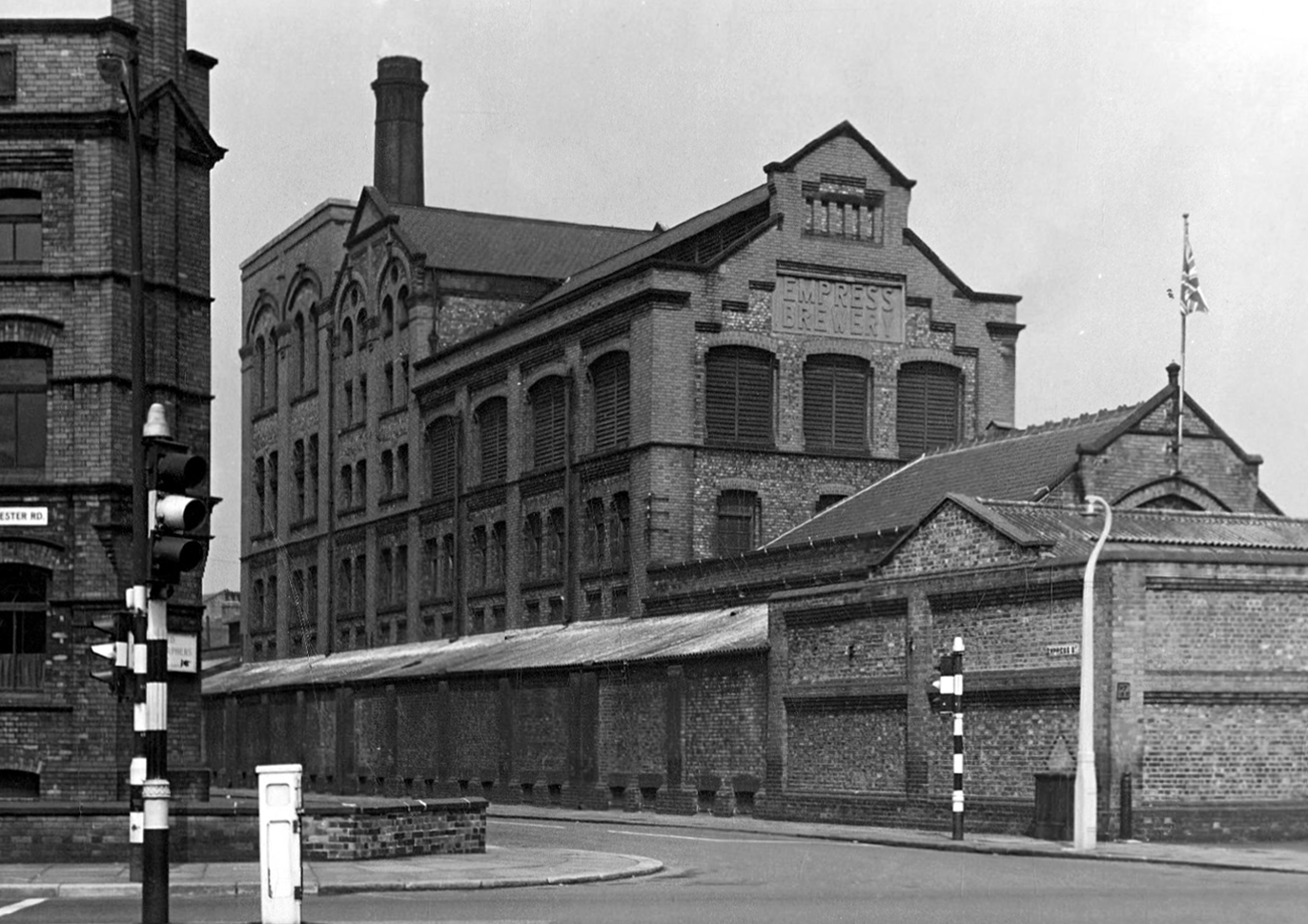
First up is the Empress Brewery.
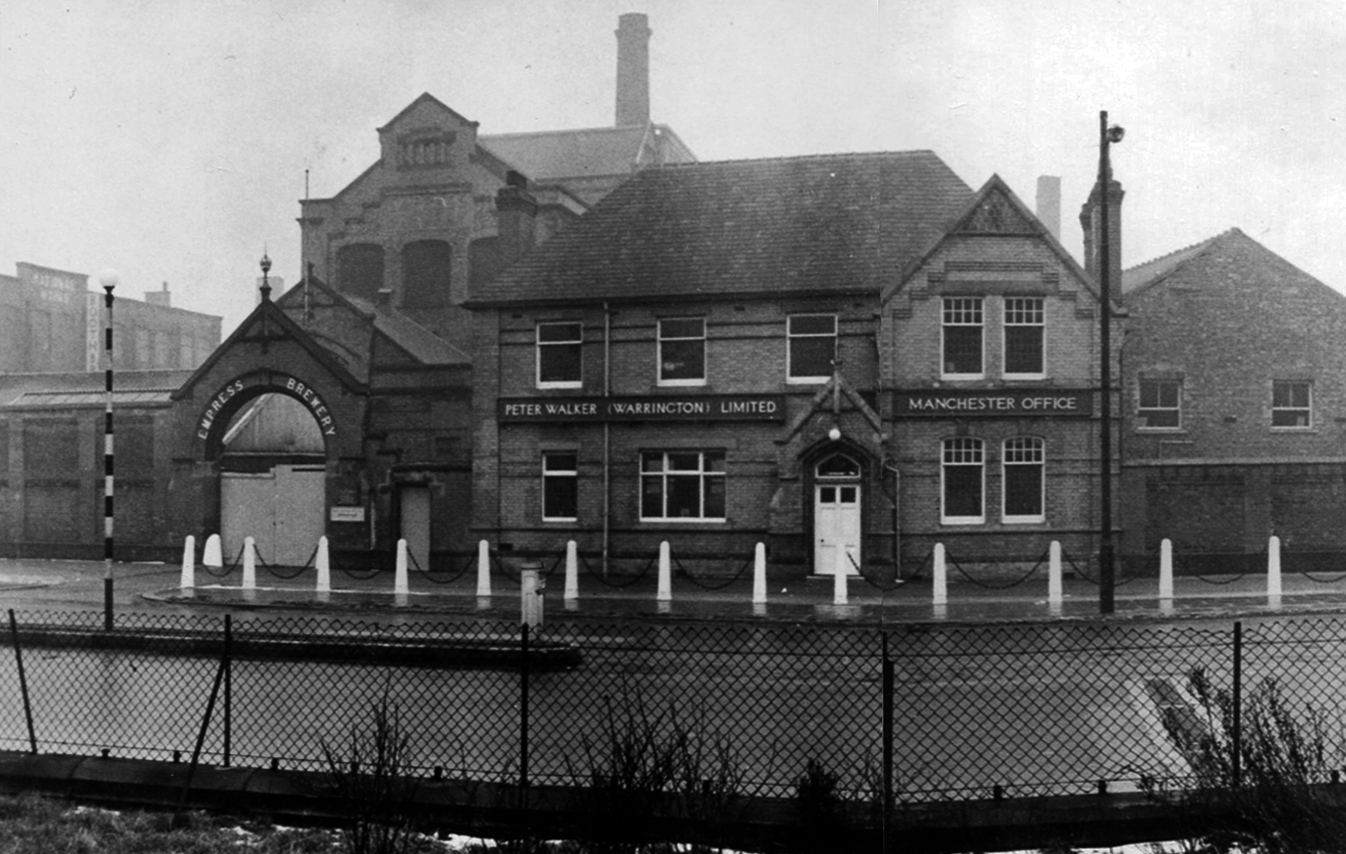
The Empress Brewing Company was established by Charles Dawes in c. 1880, although the company was sold to William Henry Fulford in 1884, who had recently sold the Monarch Brewery in Salford. Fulford was based at the Empress Brewery on Clarence Street in Manchester, but had relocated to new premises on 383 Chester Road. These had been built in 1889 and operated initially as the Old Trafford Brewing Company, but the name had changed to the Empress Brewery Company by 1895. The company acquired a number of breweries and associated licenced house during the early 20th century, however, in 1929 it was taken over by Peter Walker and Son. The brewery closed in 1955.
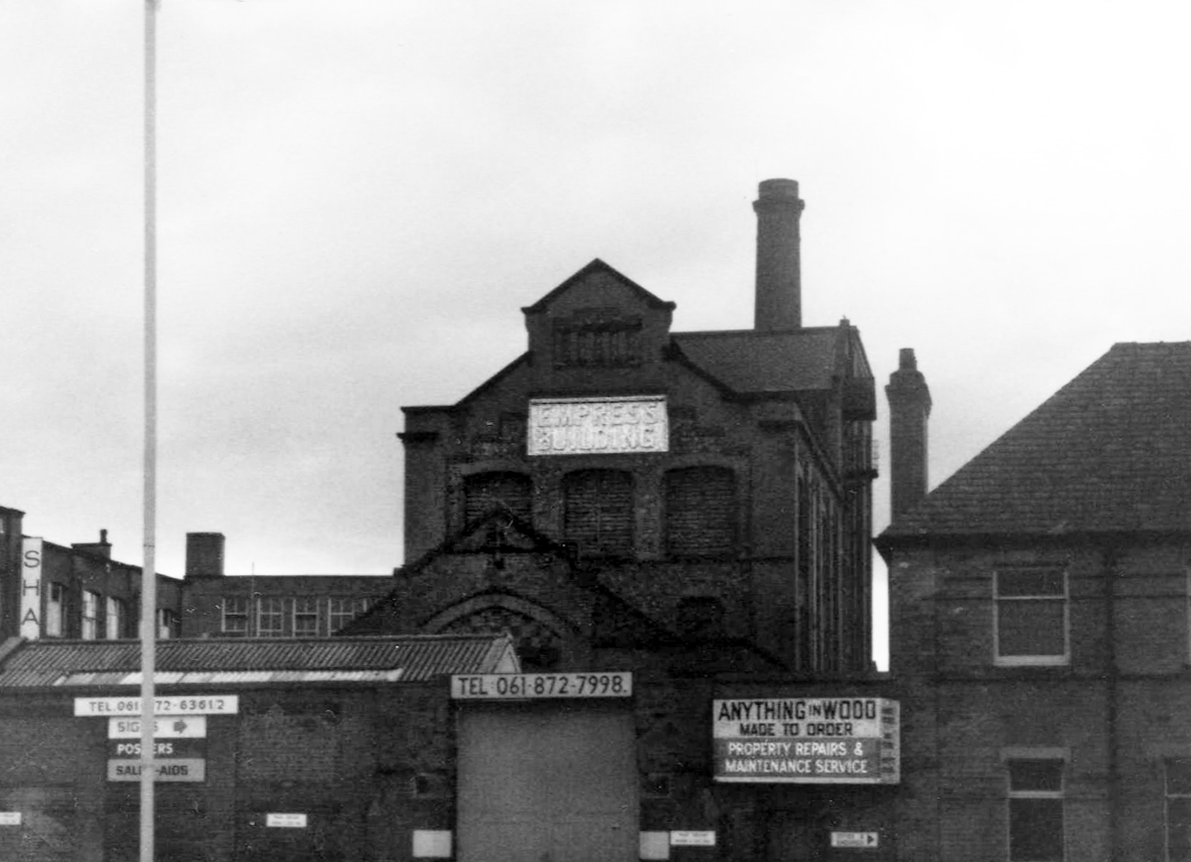
The building was converted into offices in 1992 as part of the development of the Empress Business Centre, which saw new office and business units built to form a courtyard.
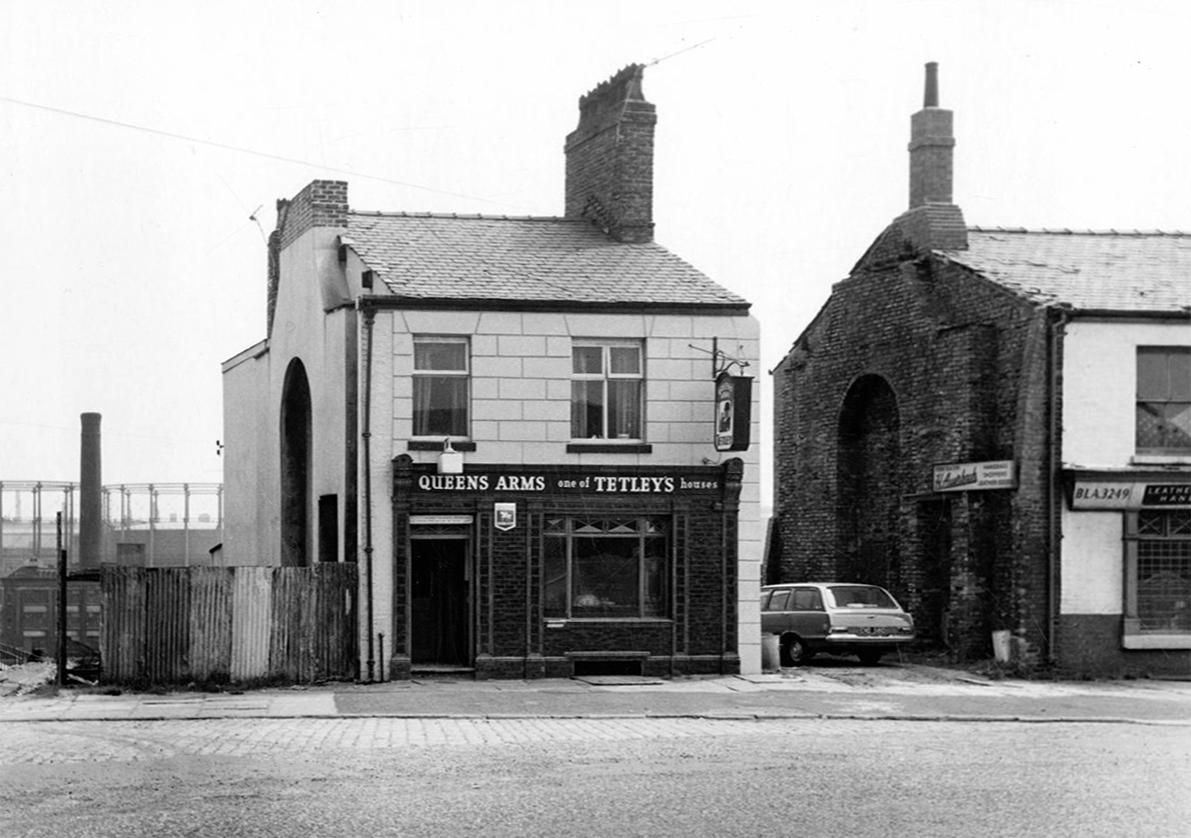
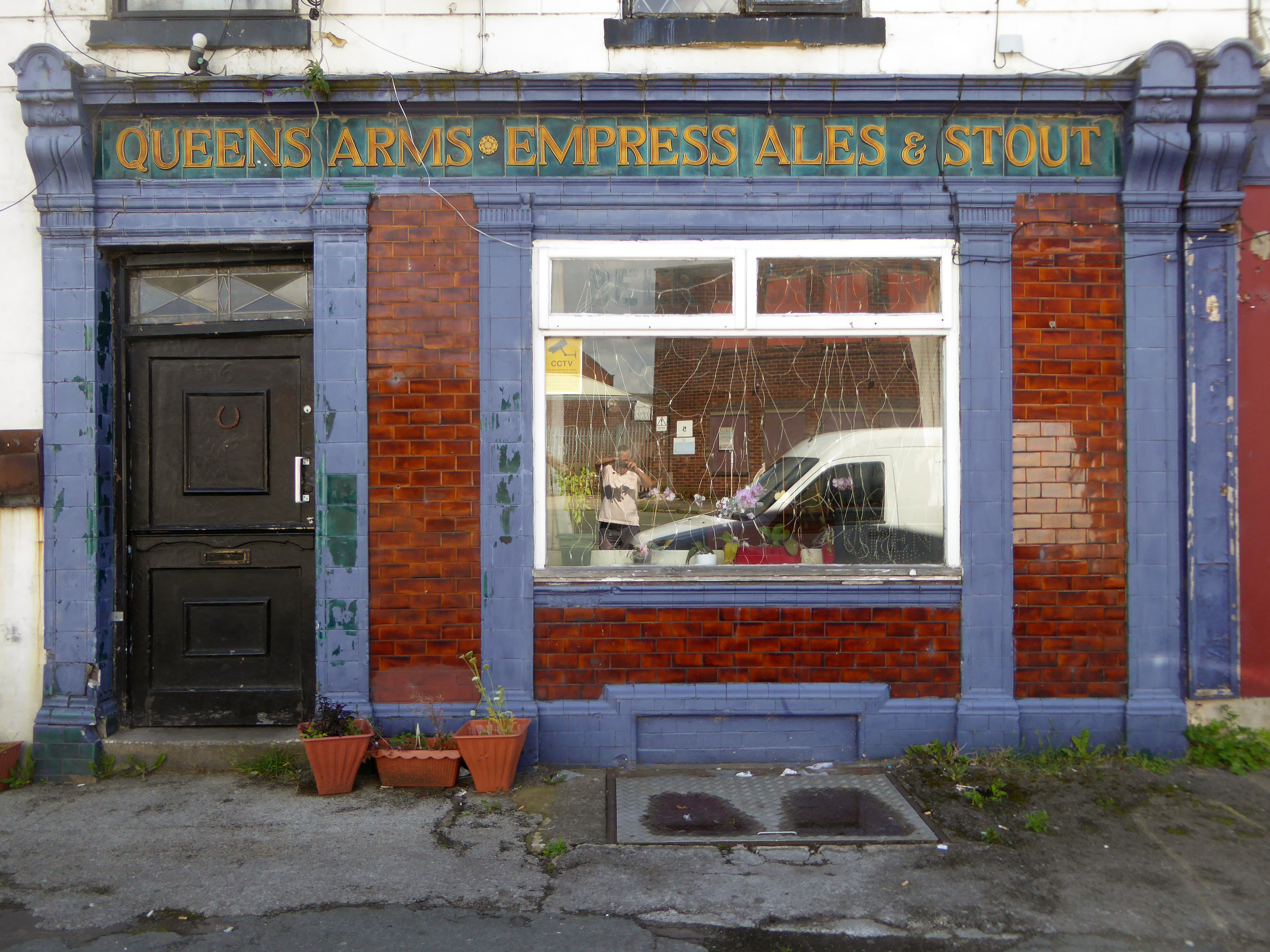
Including the Queens Arms on Honey Street Red Bank, one of the first independent real boozers back in the 1980’s, subsequently it has seen various uses last seen on my Collyhurst Circular walk.
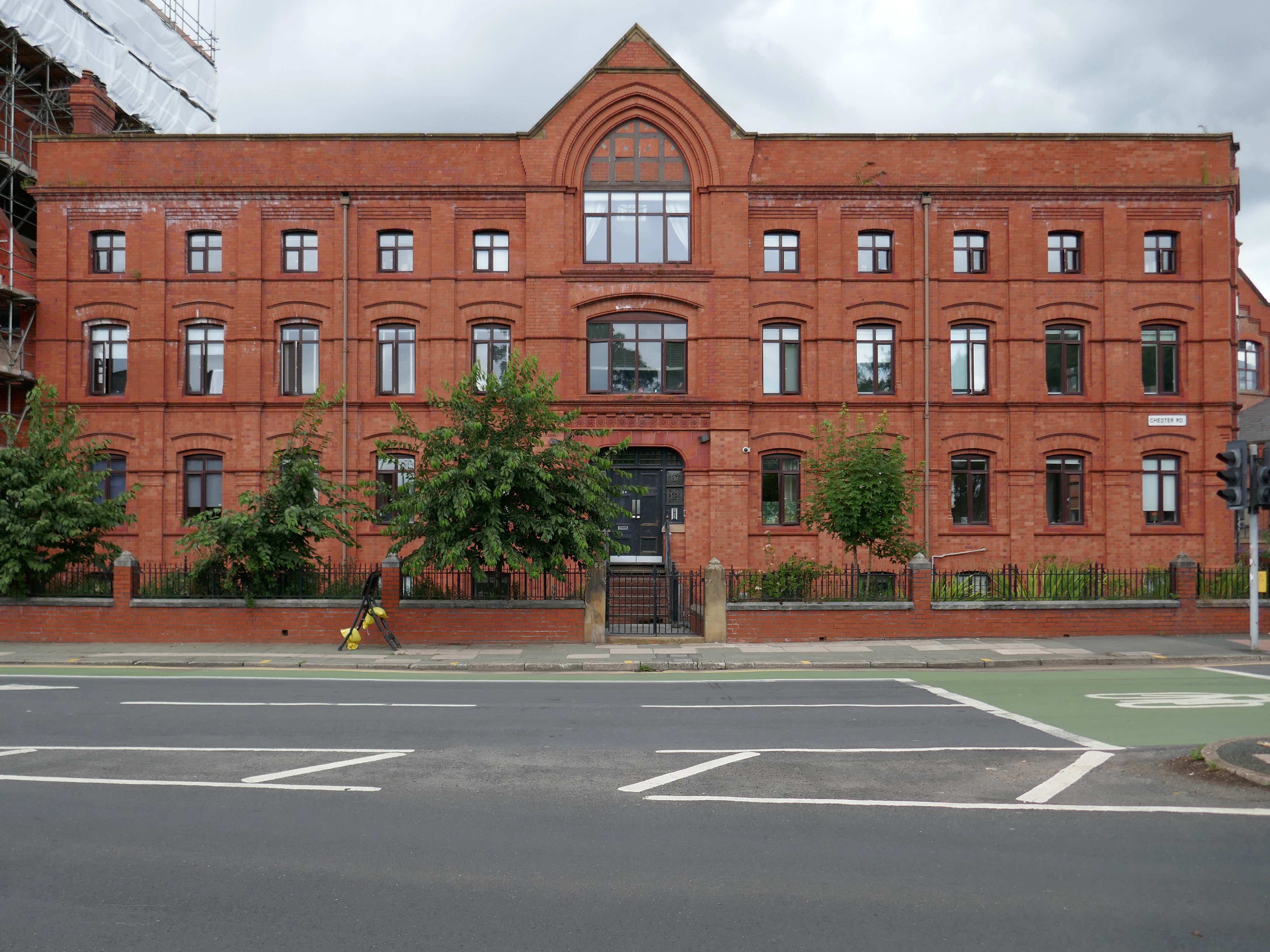
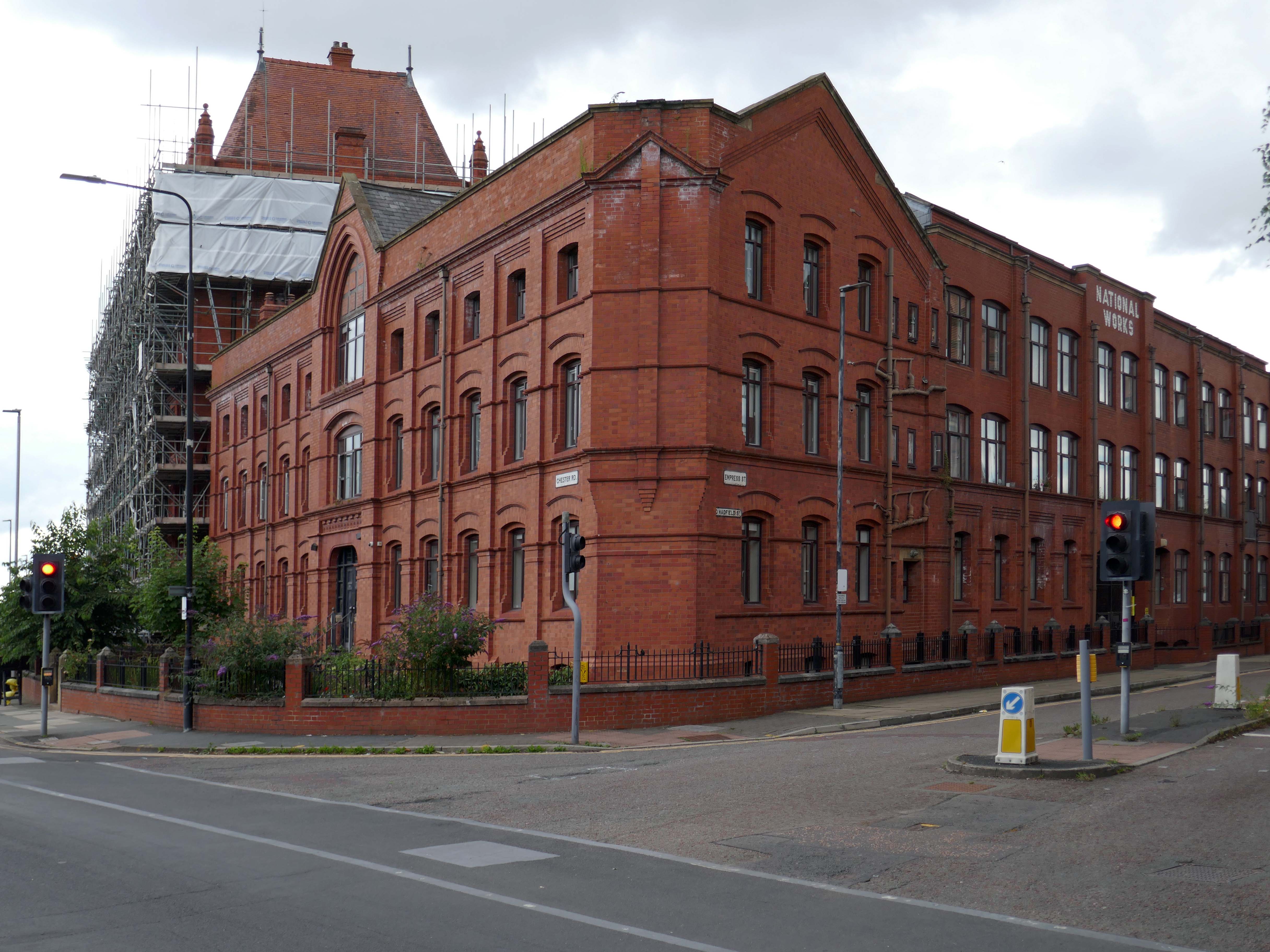
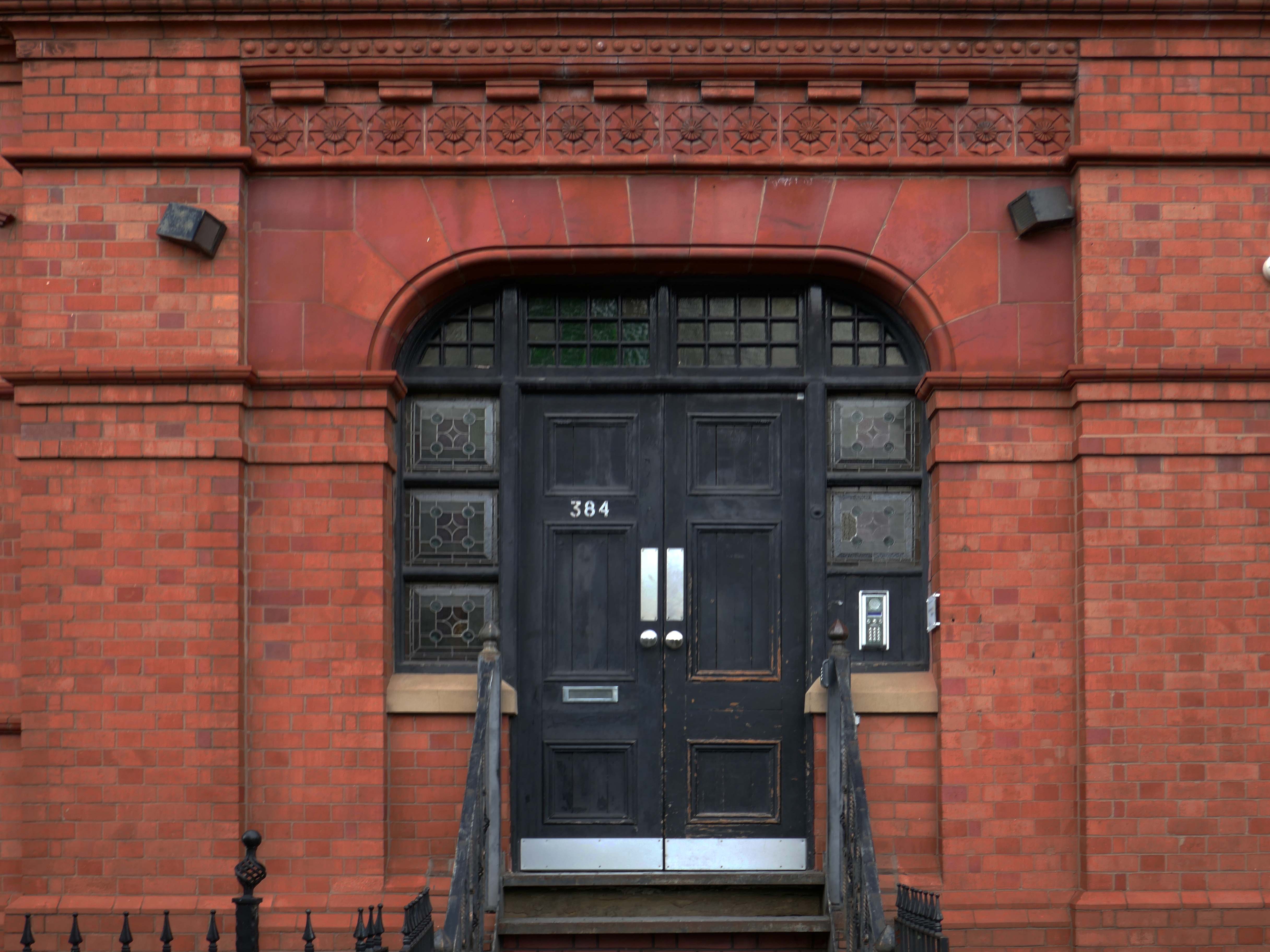
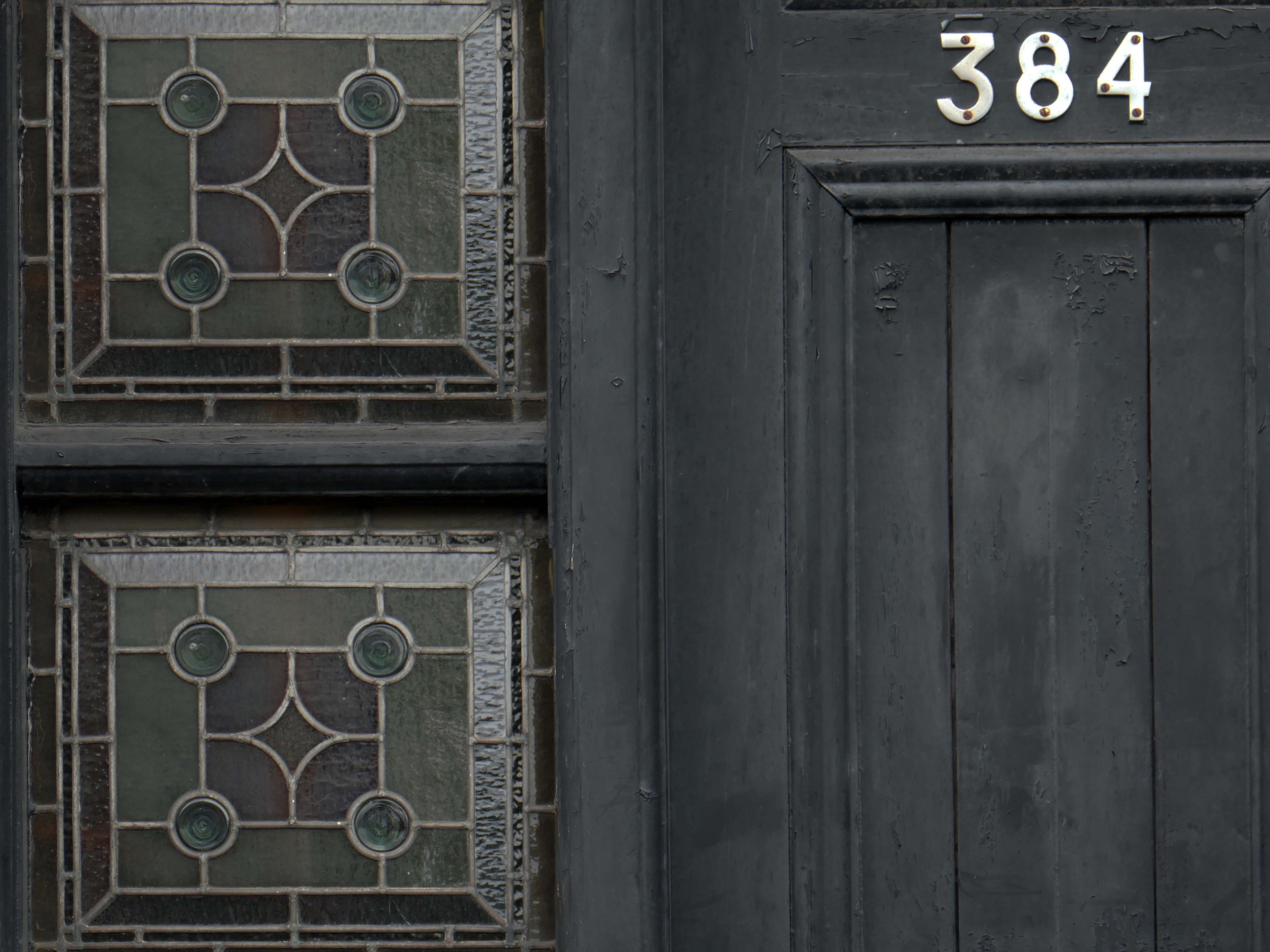
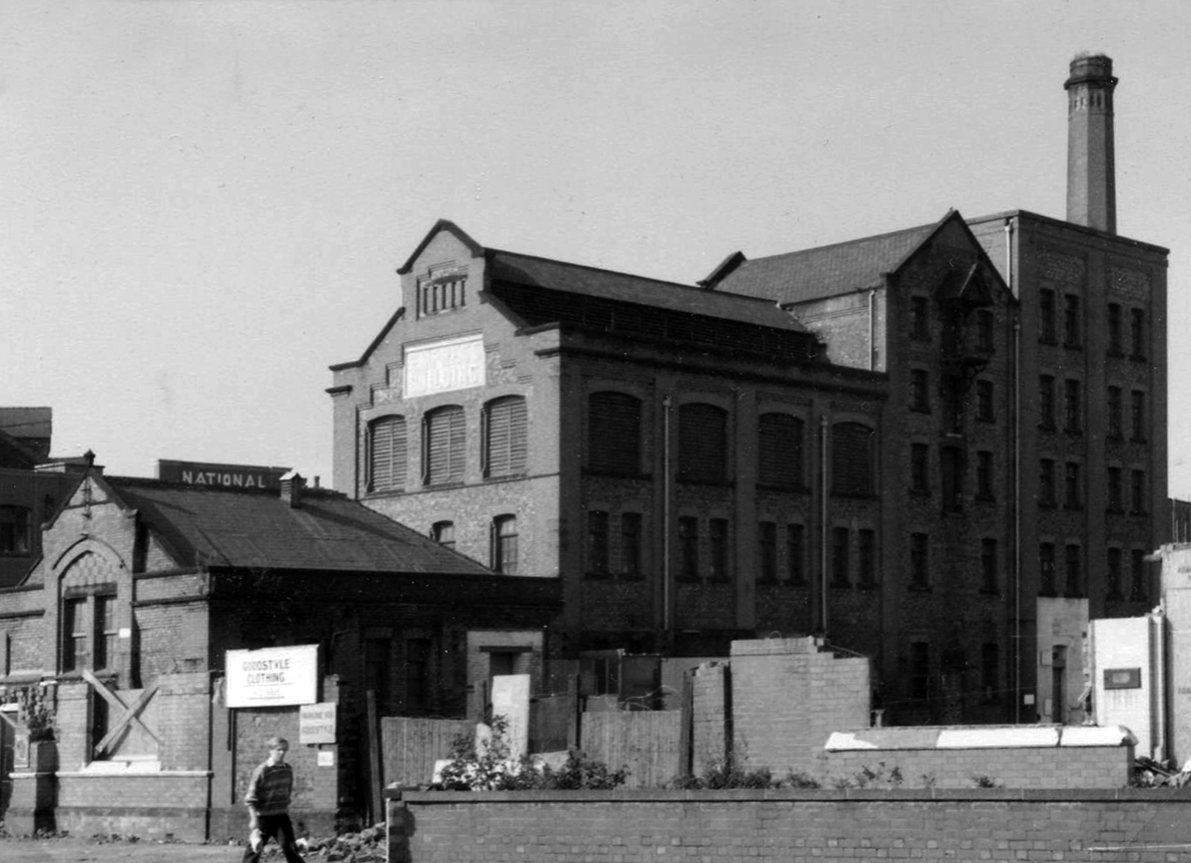
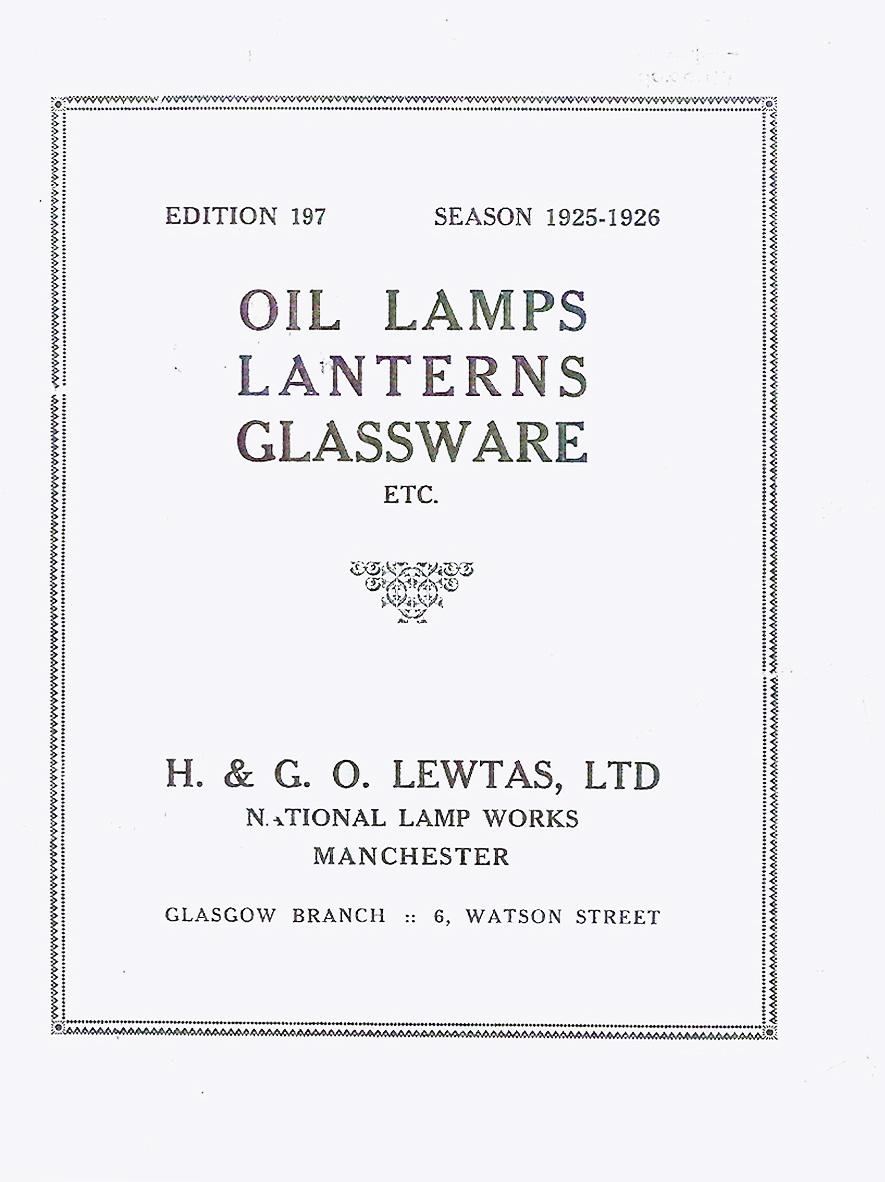
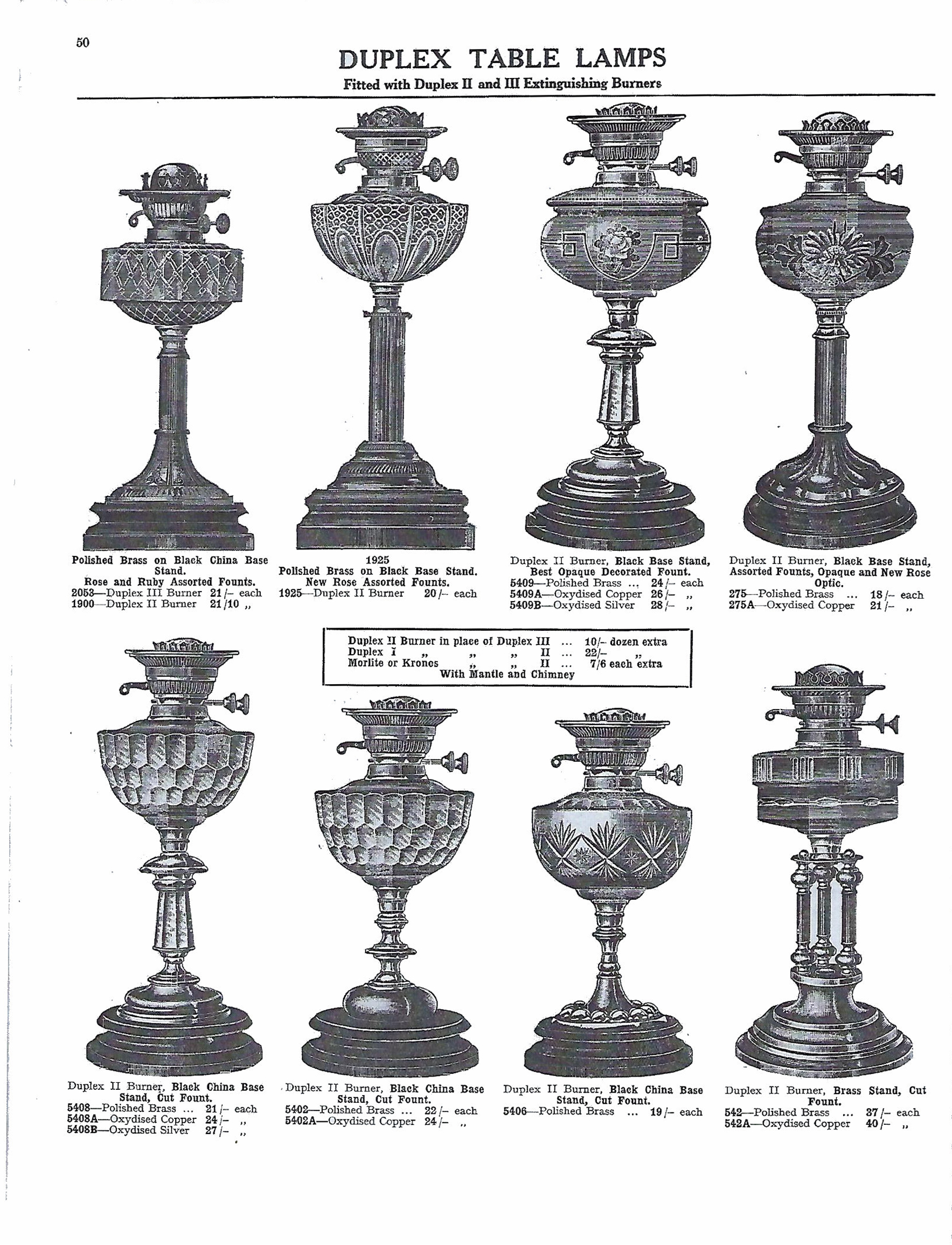
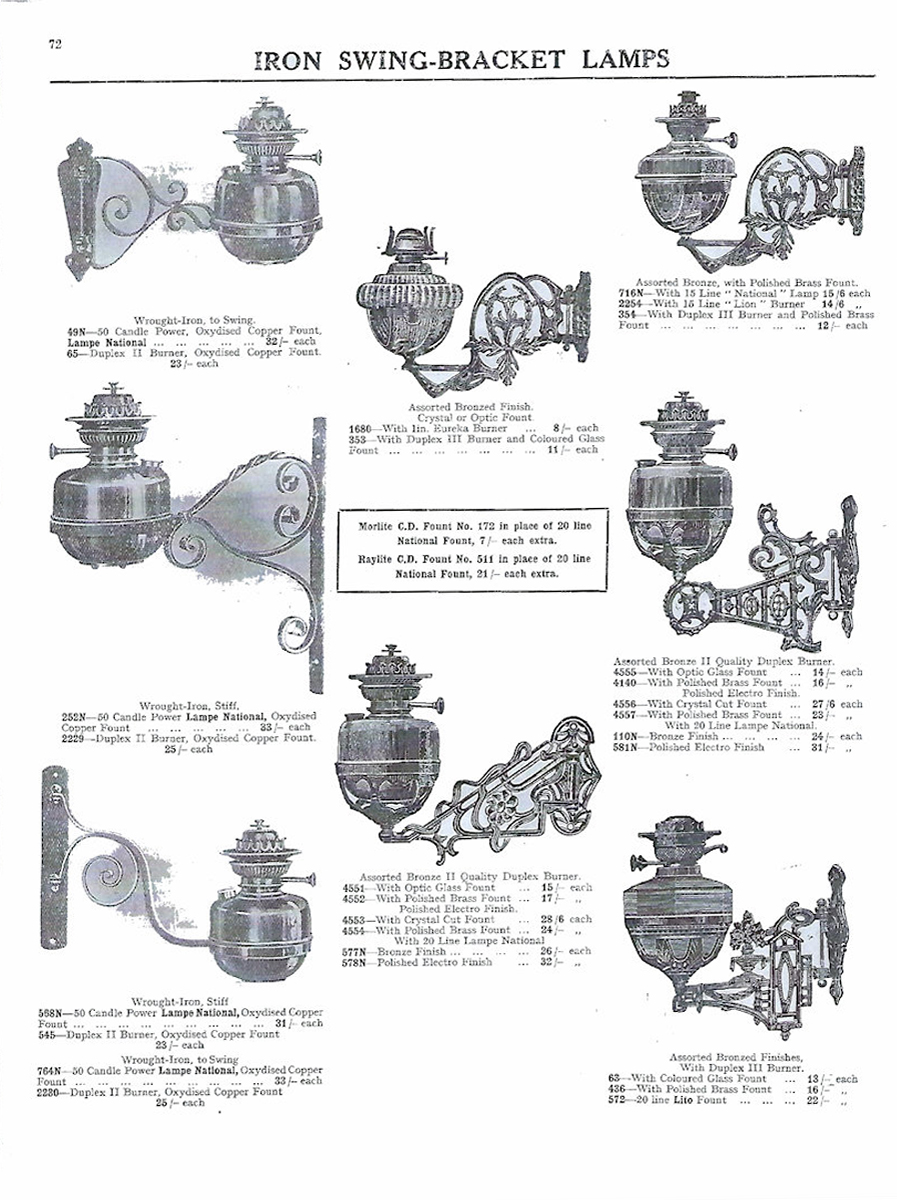
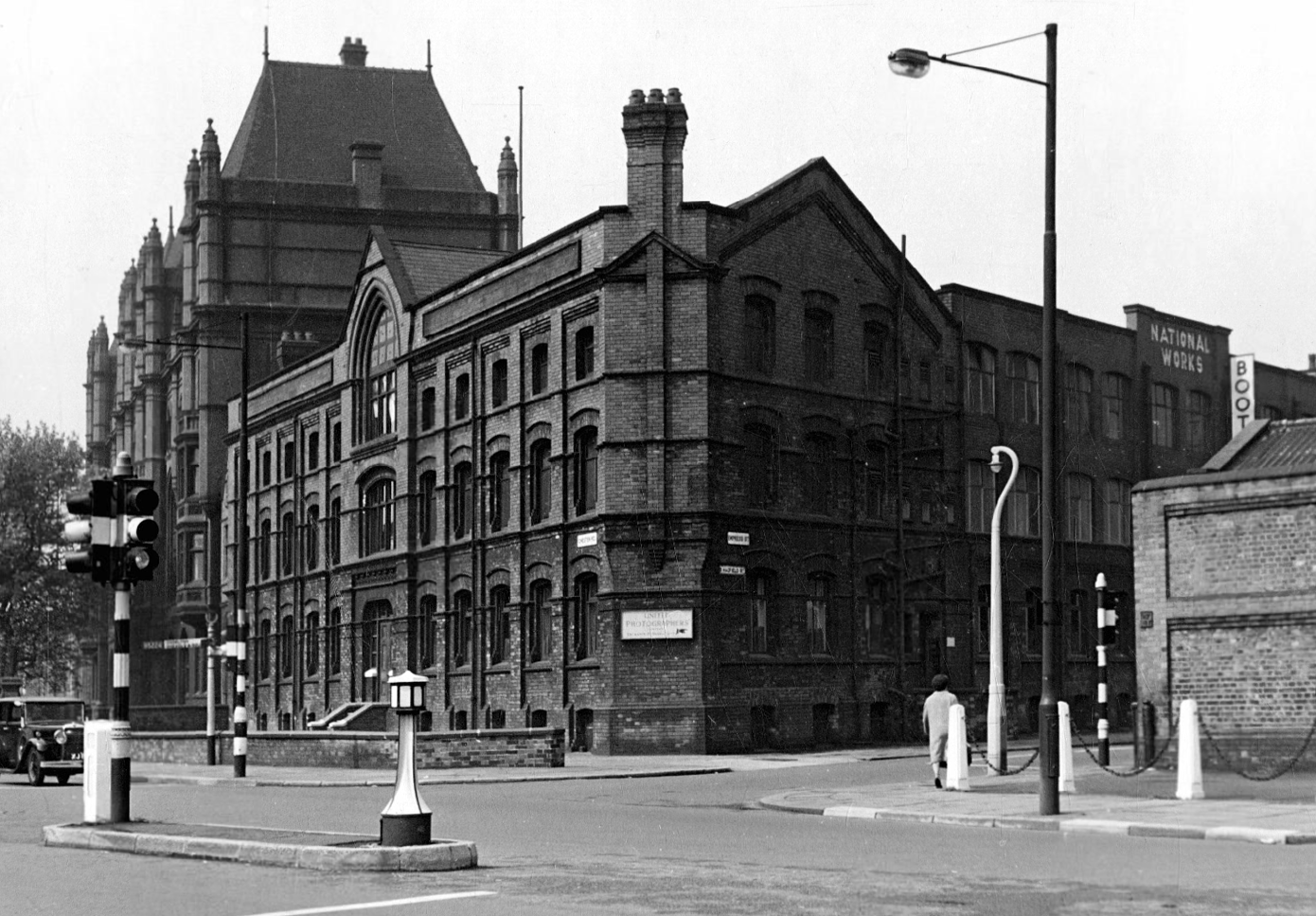
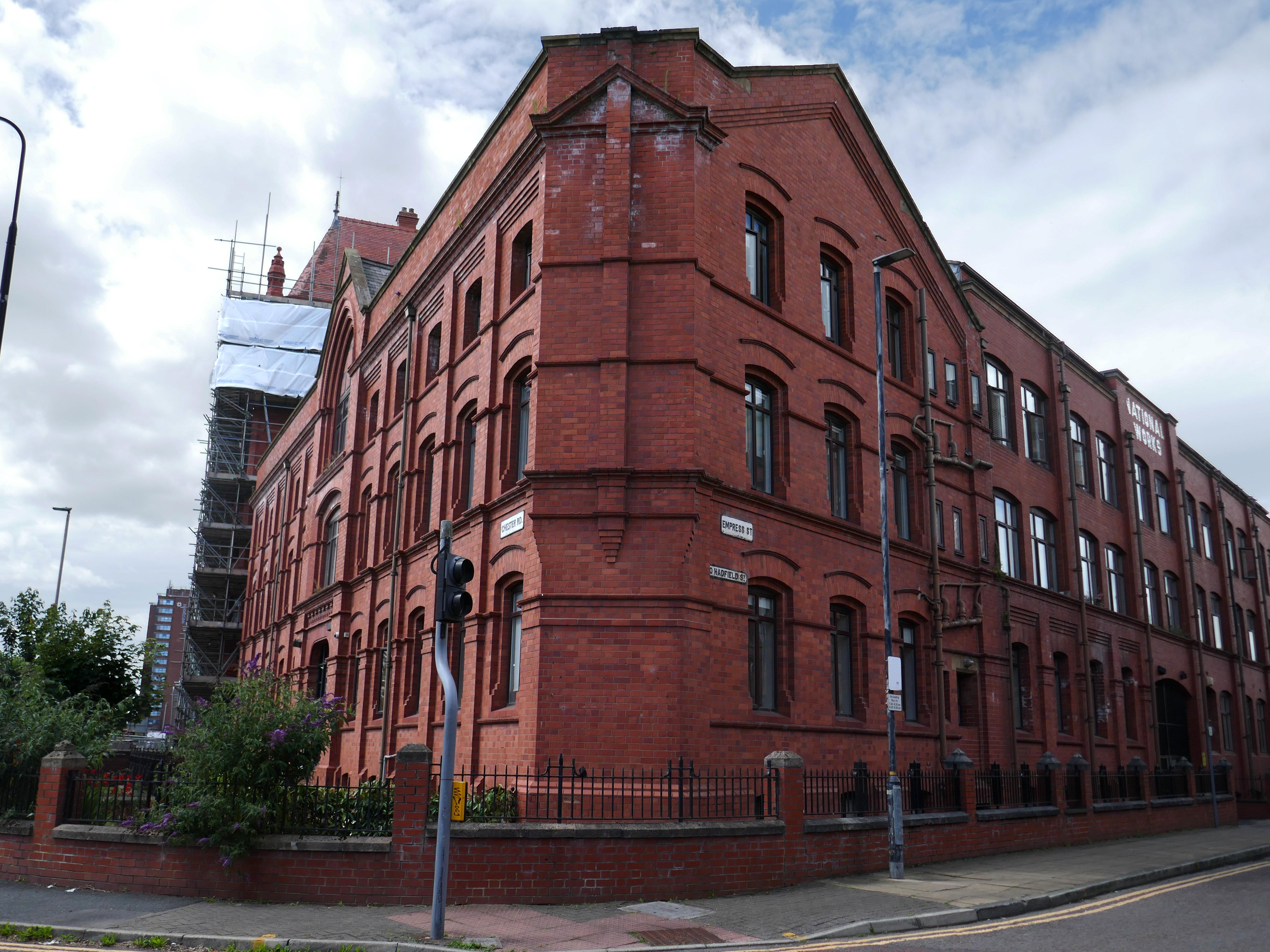
The development of the site can be traced from the sequence of Ordnance Survey 1:2500 maps. The First Edition of 1893 shows the site as undeveloped. The First Revision map of 1908 shows 384 Chester Road to have been developed, and the site of the National Works to have been occupied by an open-fronted L-shaped range along the western and southern sides, with a detached rectangular building in a central courtyard. It is possible that these buildings all formed part of 384 Chester Road, listed as being occupied by H, G & O Lewtas, lamp manufacturers, in Slater’s trade directory for 1911. The Second Revision map of 1922 shows the early building to have been subsumed by the current building.
1961 Local Image Collection
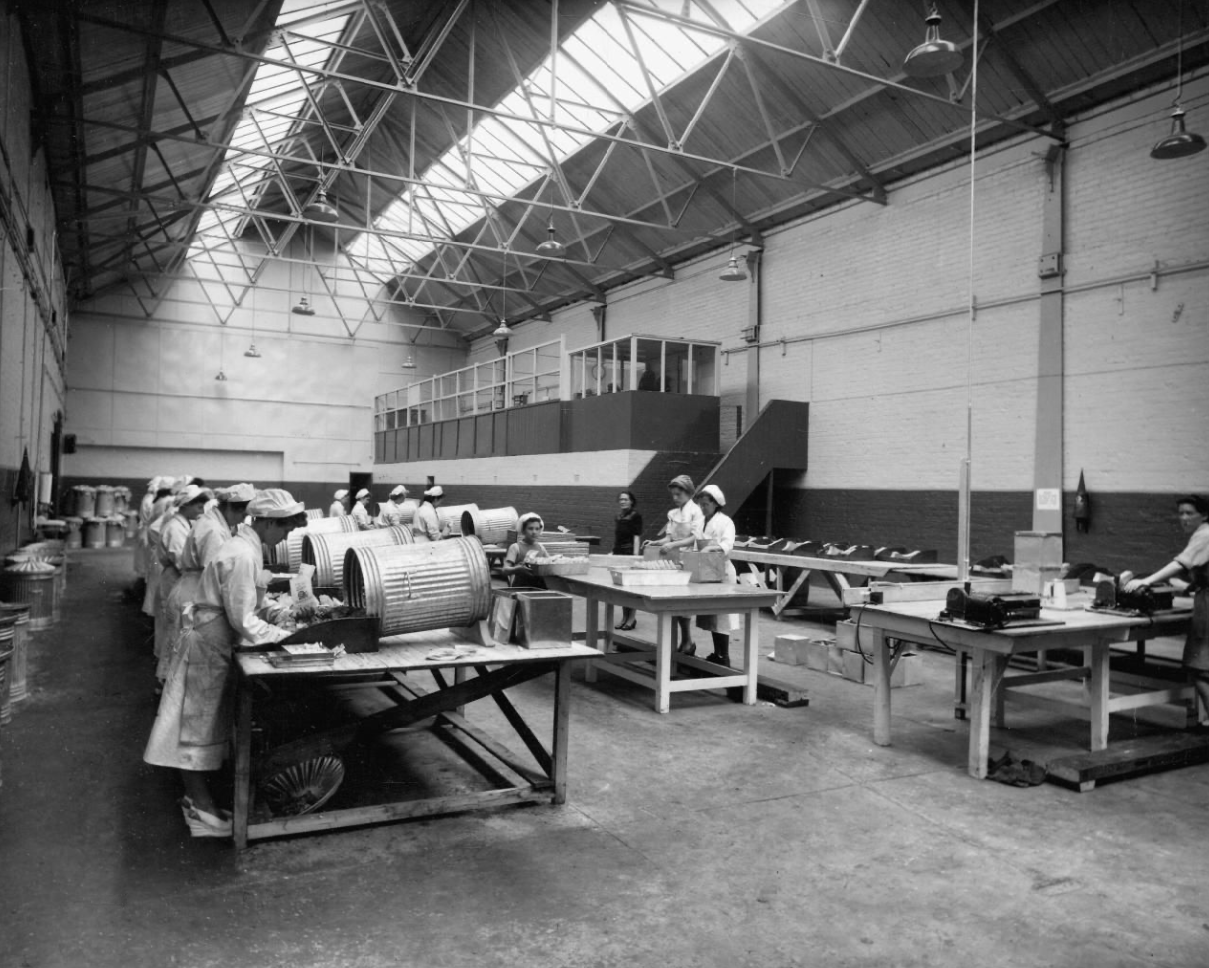
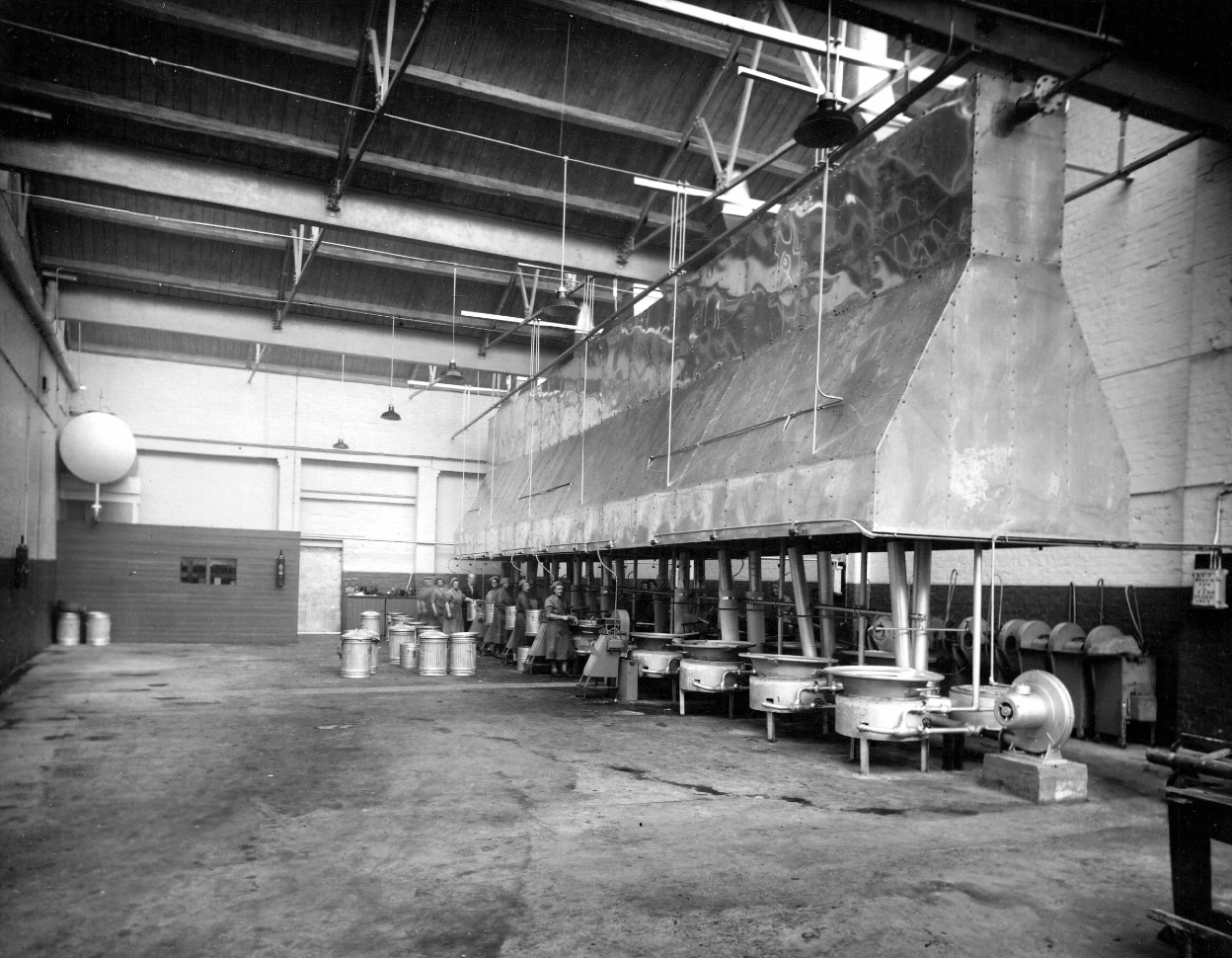
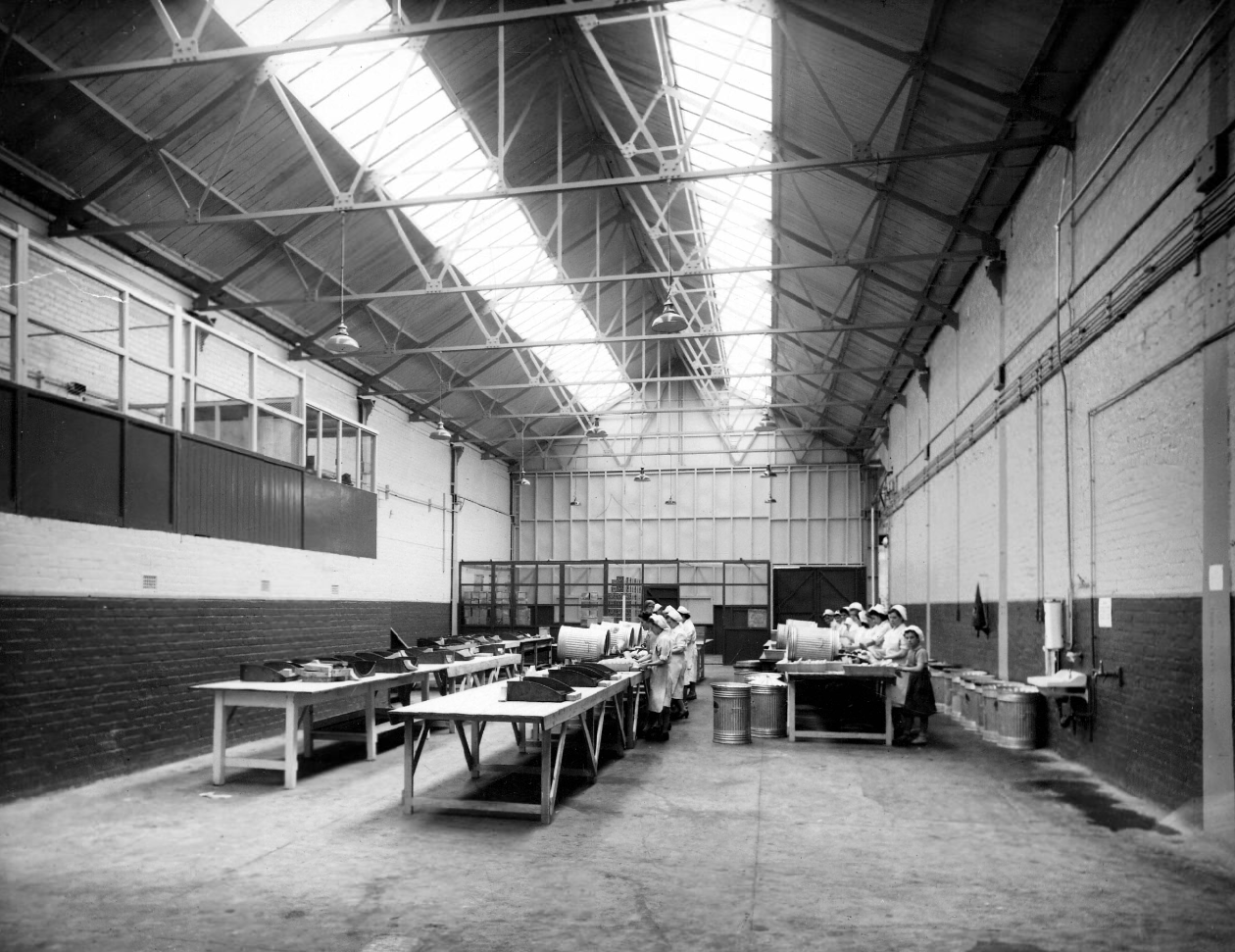
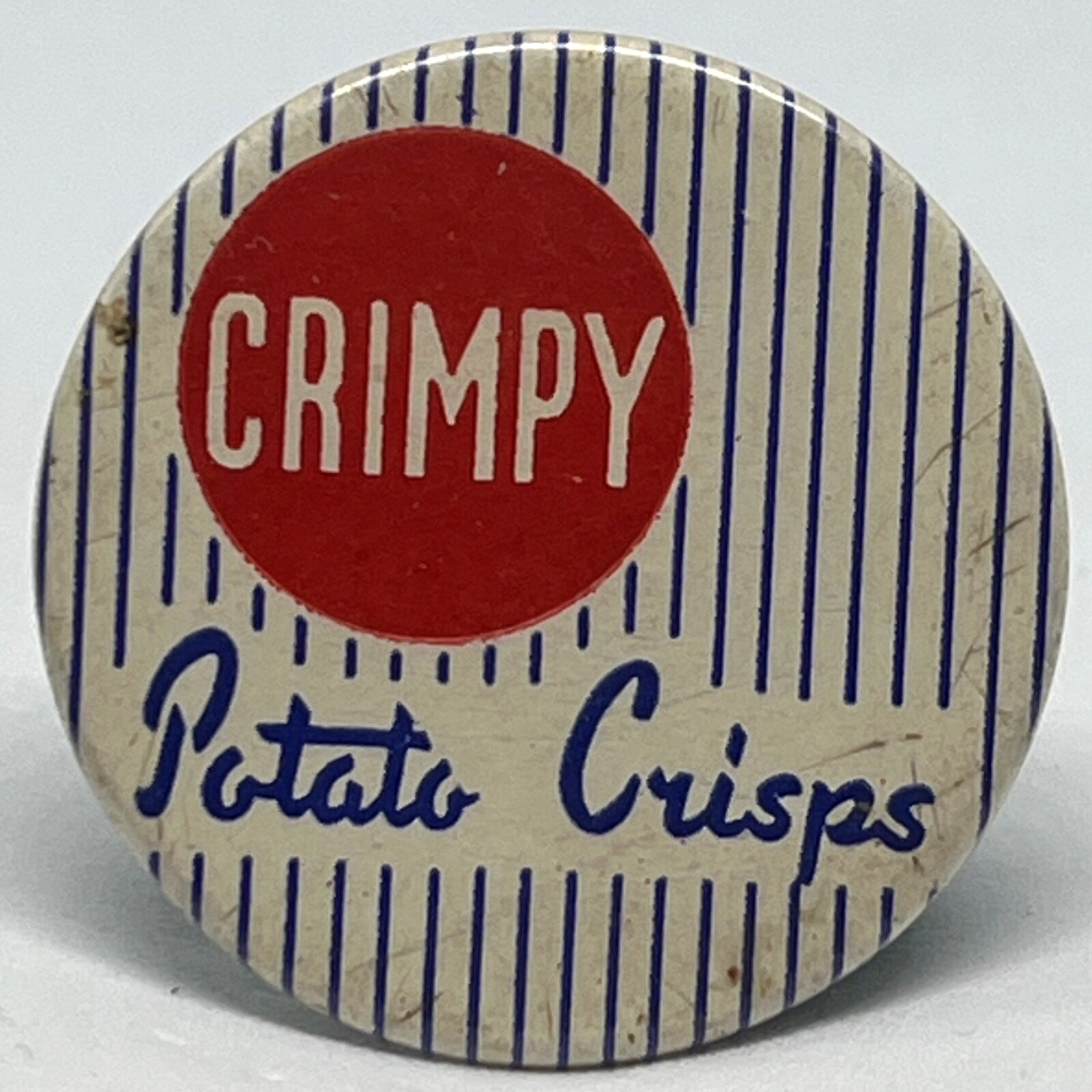
Later the home of Lion Foodpackers Ltd and Crimpy Crisps.
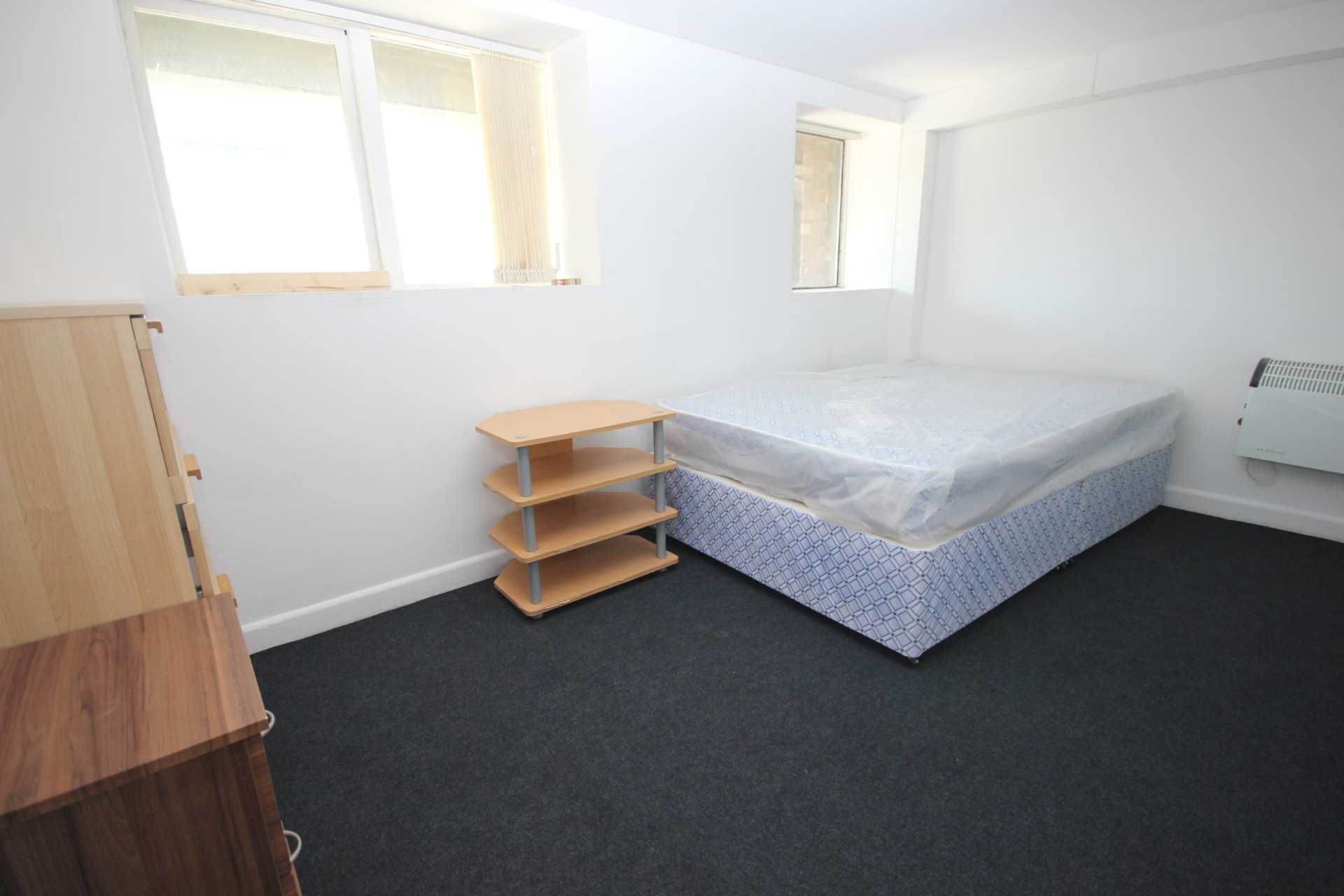
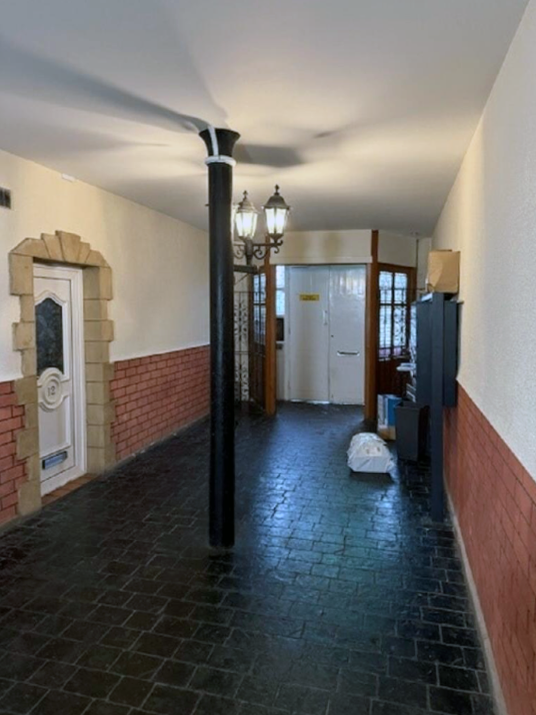
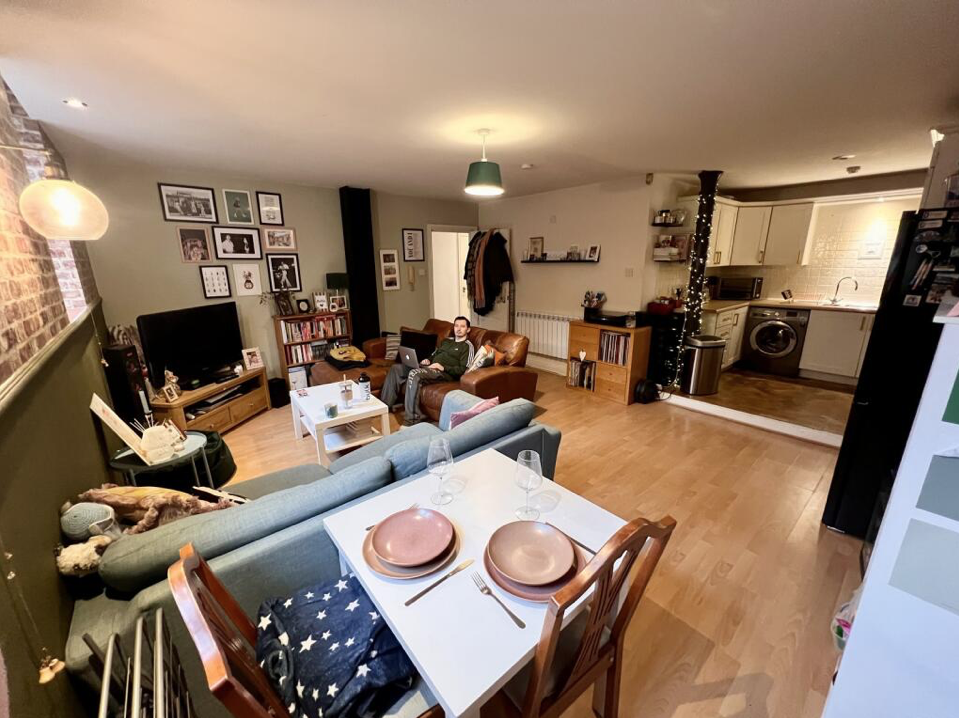
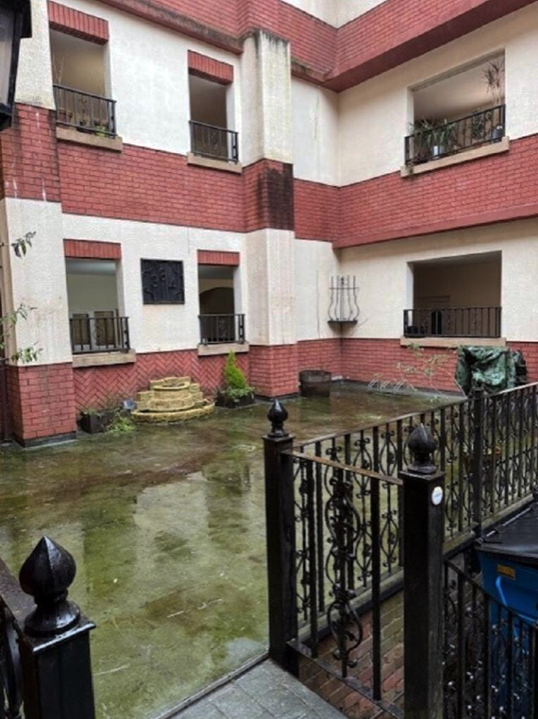
Situated on the lower ground floor of a gorgeous, red brick, landmark building, this 2 double bedroom apartment merits further inspection. A good size living room opens on to a good fitted kitchen. It also has a great, spacious shower room. It also benefits from a parking space, although a great attraction is the location, being just 1 mile from Deansgate and the City along with being 10 minutes walk to a Metro station.
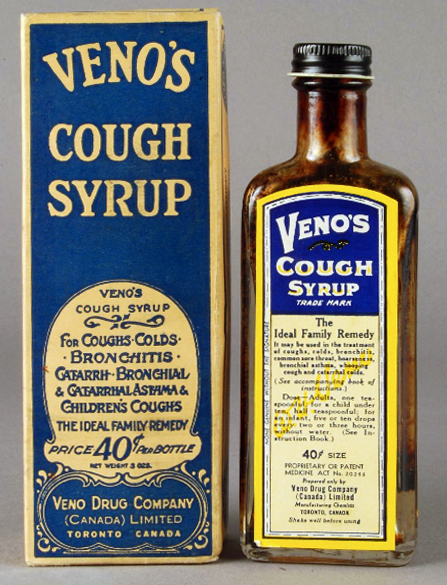
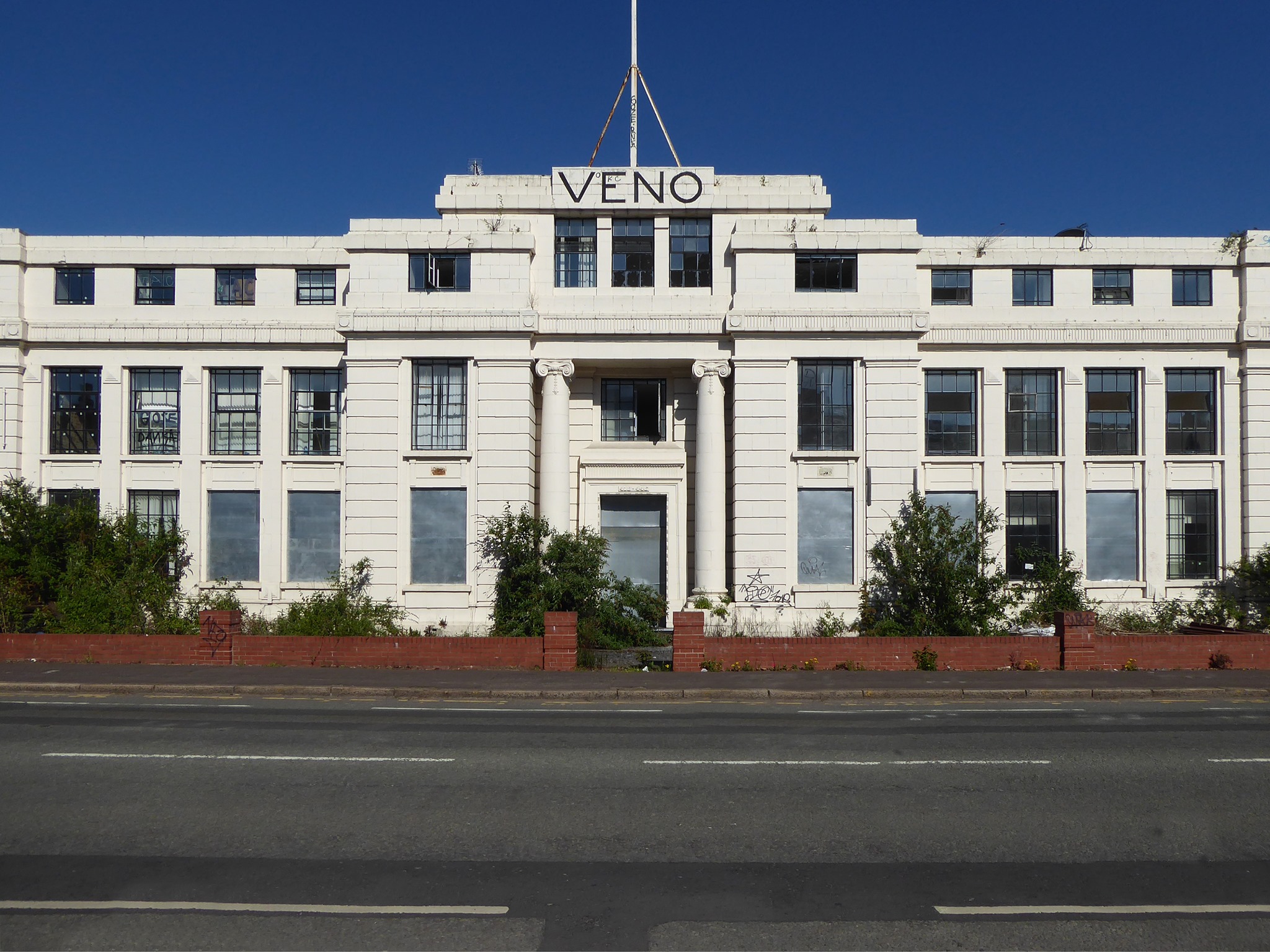
Then we have the Veno’s Building, which was once a pharmaceutical company founded by William Henry Veno. He established a company in the US before returning to Britain and founded the Veno drug Company in Manchester in 1898.
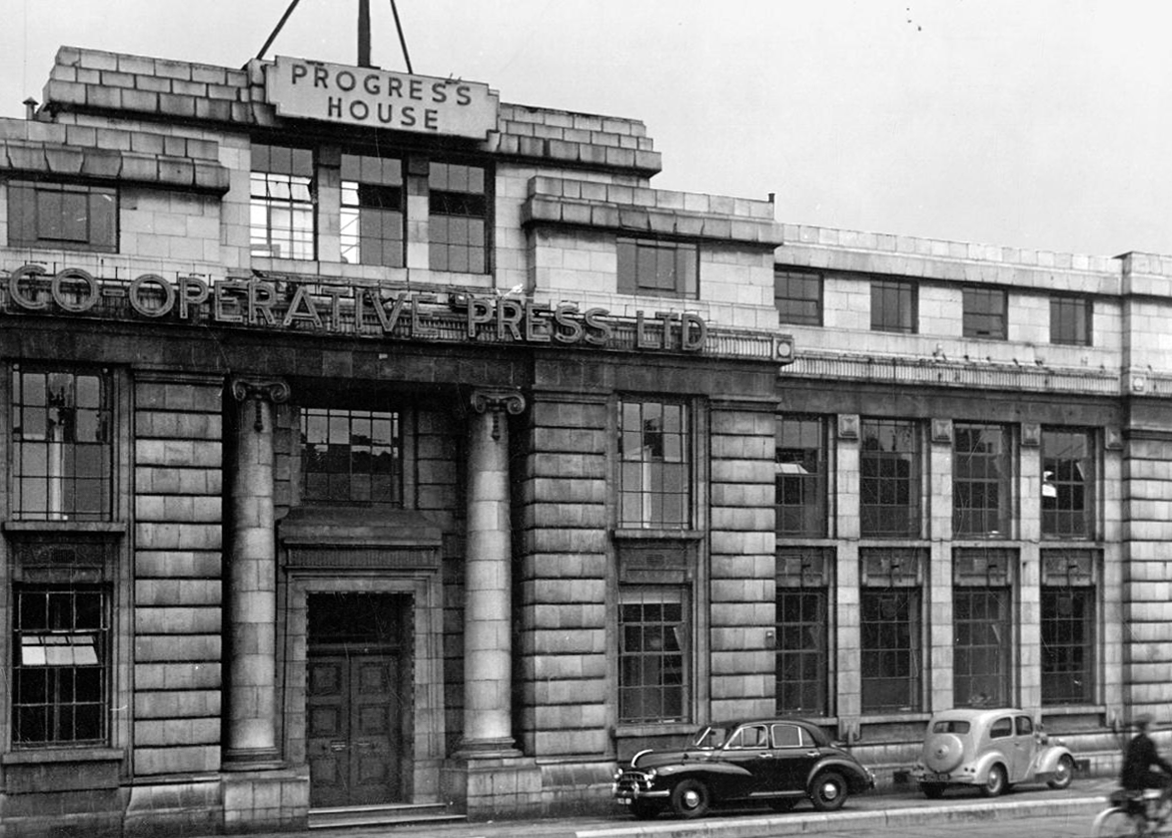
In 1925 the company was sold to Beecham Estate and Pills Ltd. In the 60s the building was under the name Progress House and was home to the Co-Operative Press Limited, later to become Trafford Press.
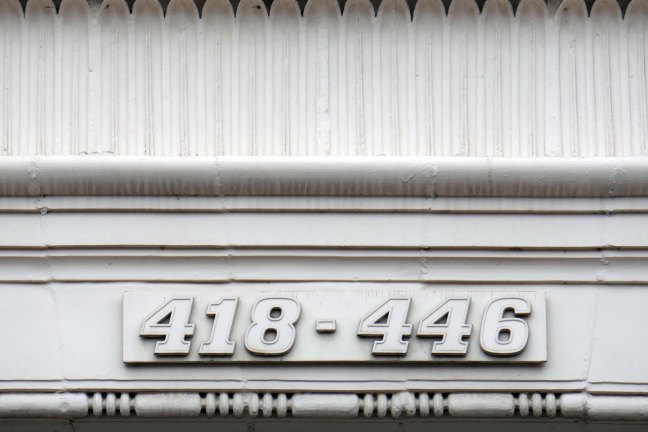
Rare sighting of a Profil aka Stymie Bold Italic hyphen.
Designed by brothers Max and Eugen Lenz and first cast by Haas in 1947.
The front elevation was originally in red brick, with a later faience facade applied.
Veno’s a stalled and cursed development. In 1925 William Henry Veno sold his company for £500,000, a decision he later rued. He sought to enhance his million pound fortune but lost everything through speculative investments and the 1929 Depression. He shot himself at his home during a fit of impulsive insanity.
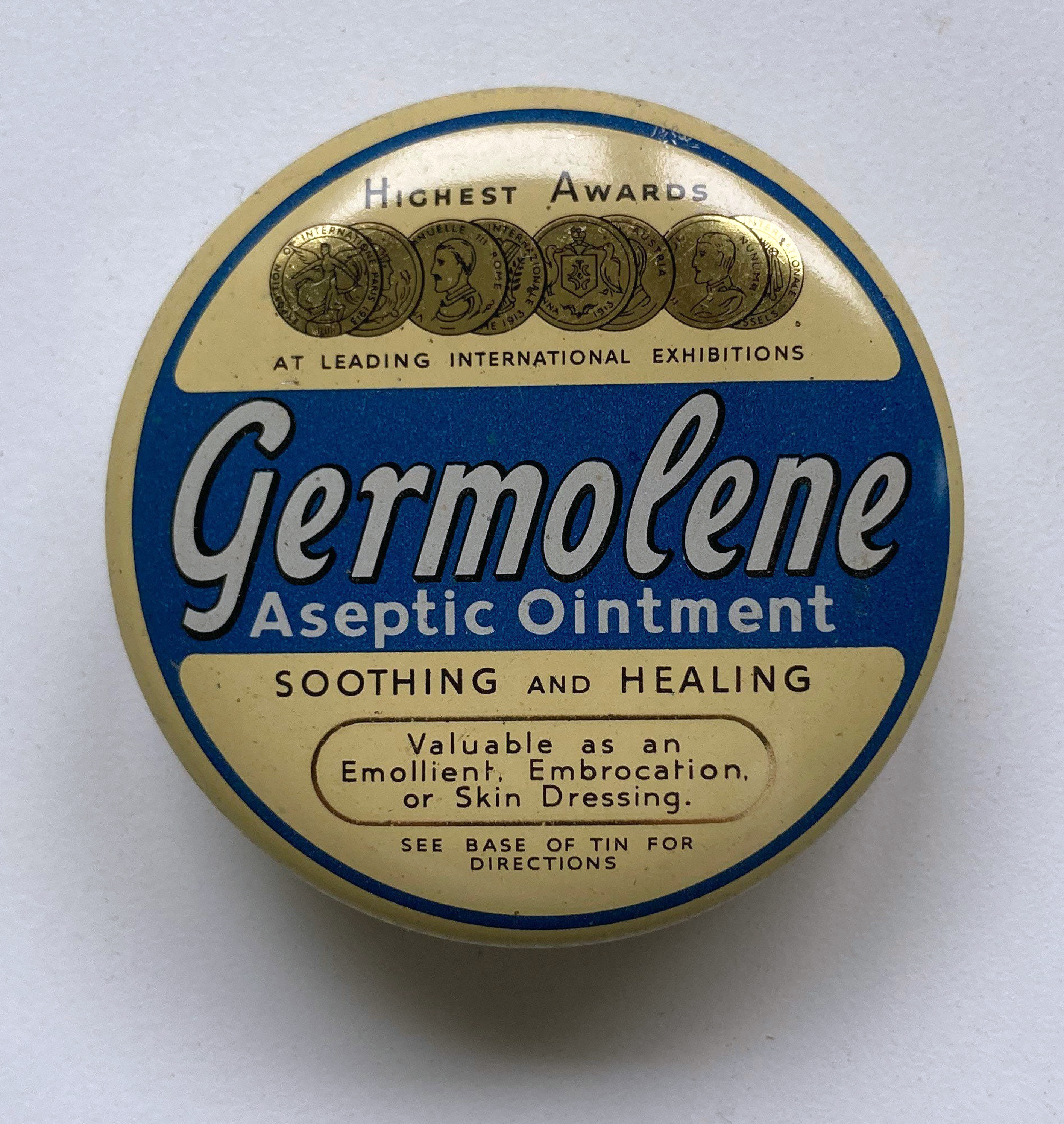
It was also the home of Germolene, a thick antiseptic ointment with a distinctive pink colour and scented with oil of wintergreen
A bit of stream-of-consciousness slapstick, wall-to-wall with visual gags, editing tricks, and effects.
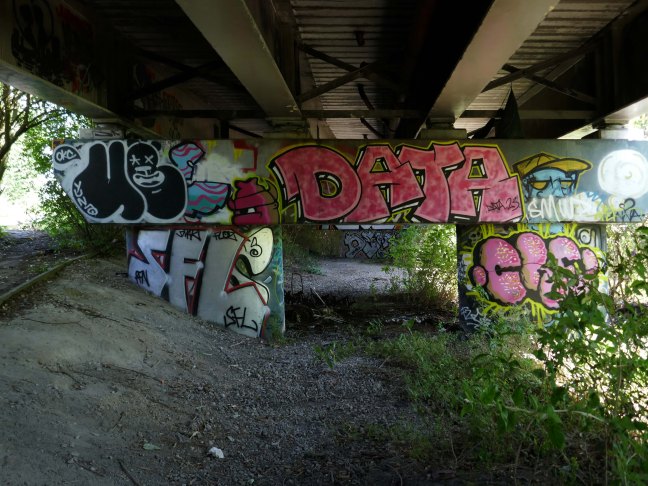
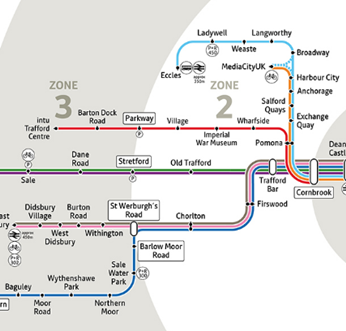
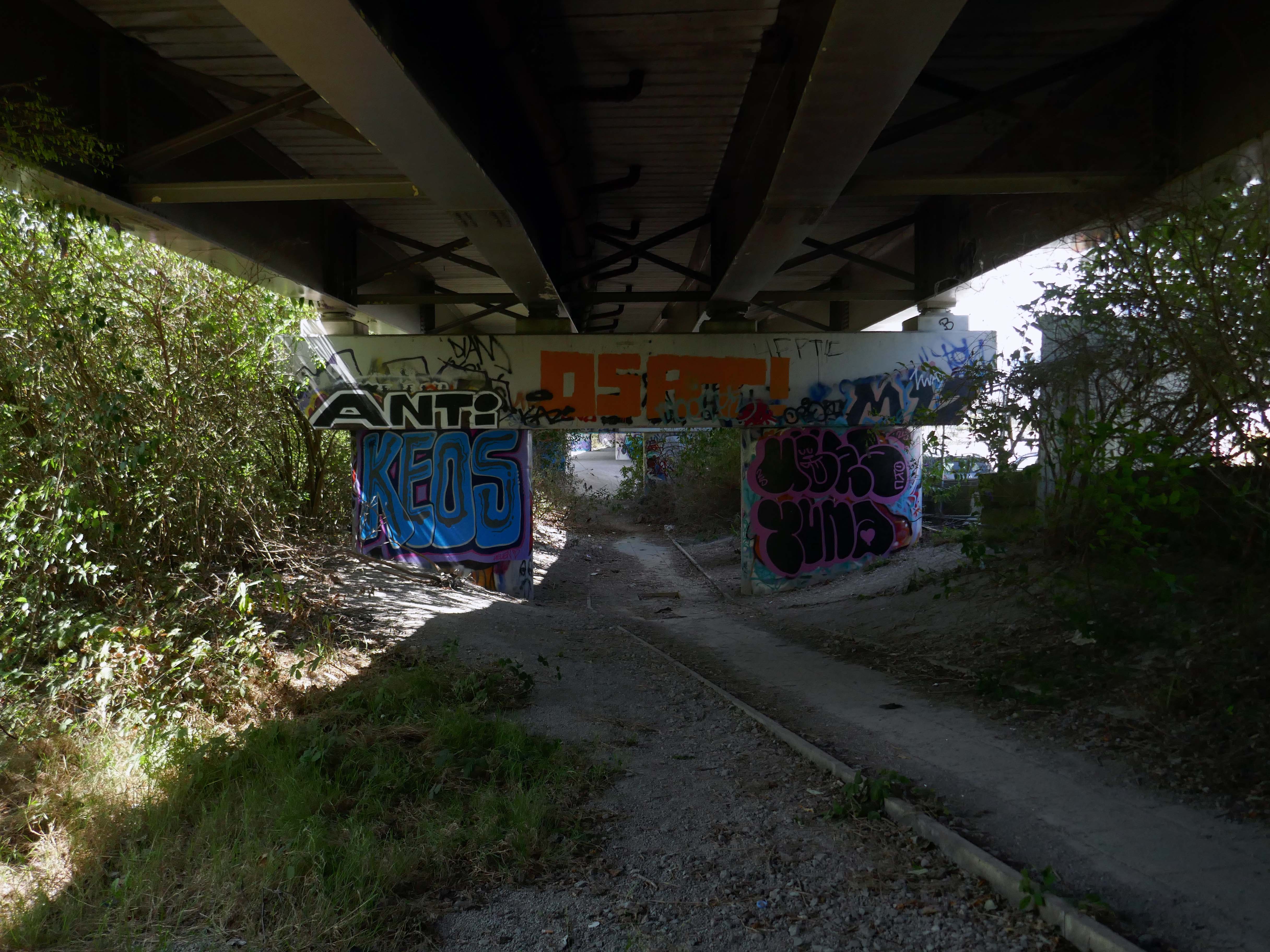
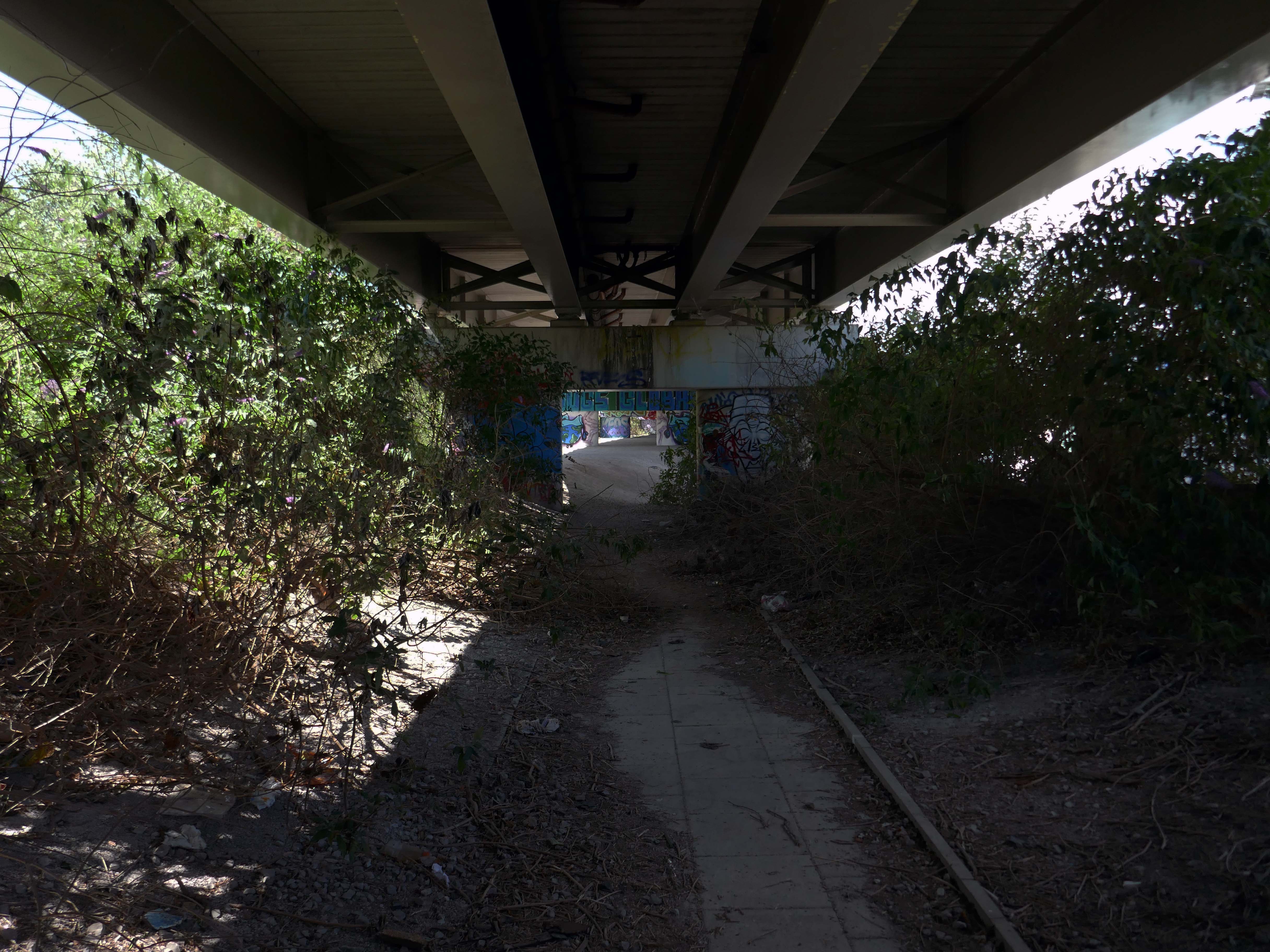
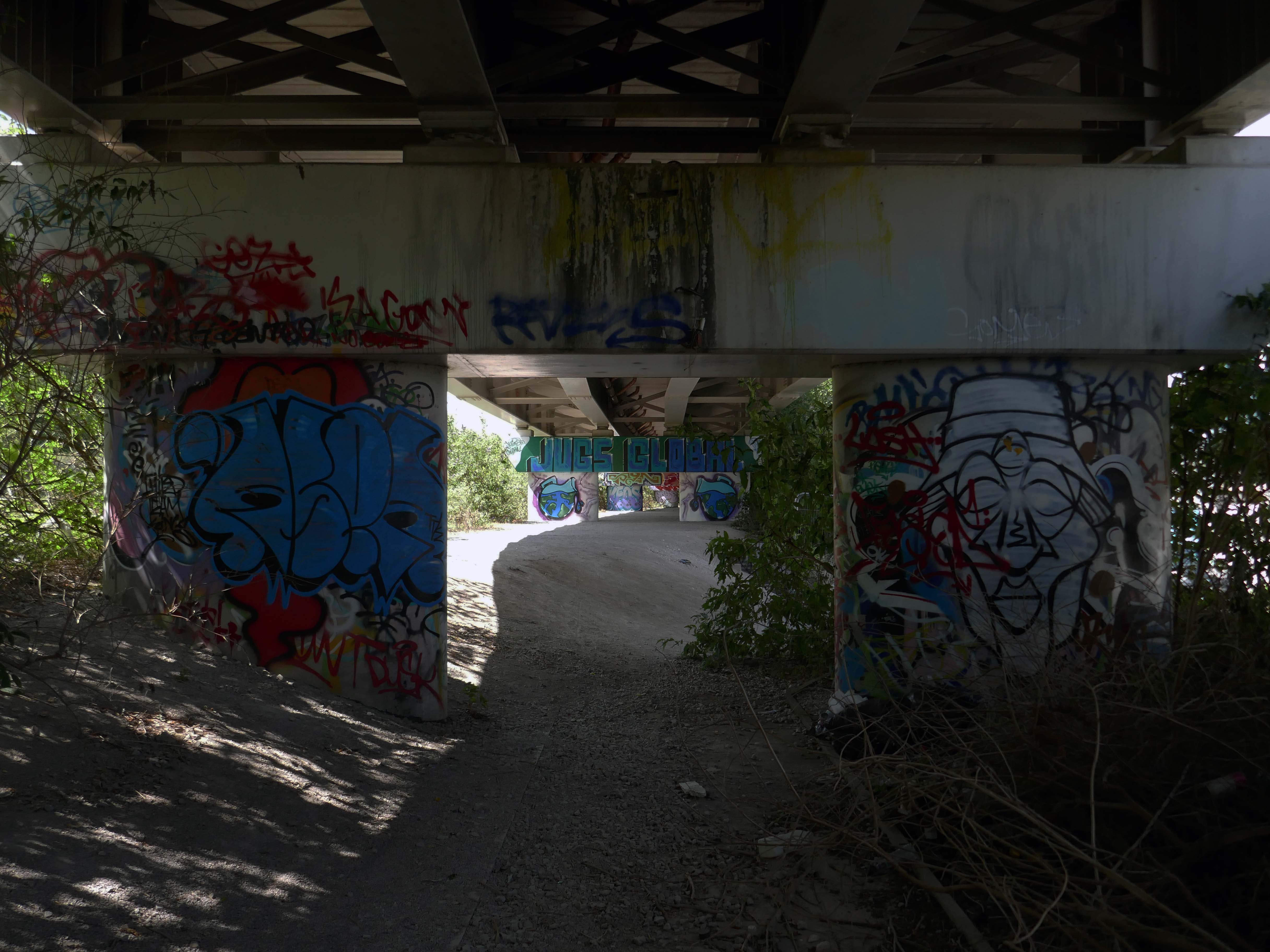
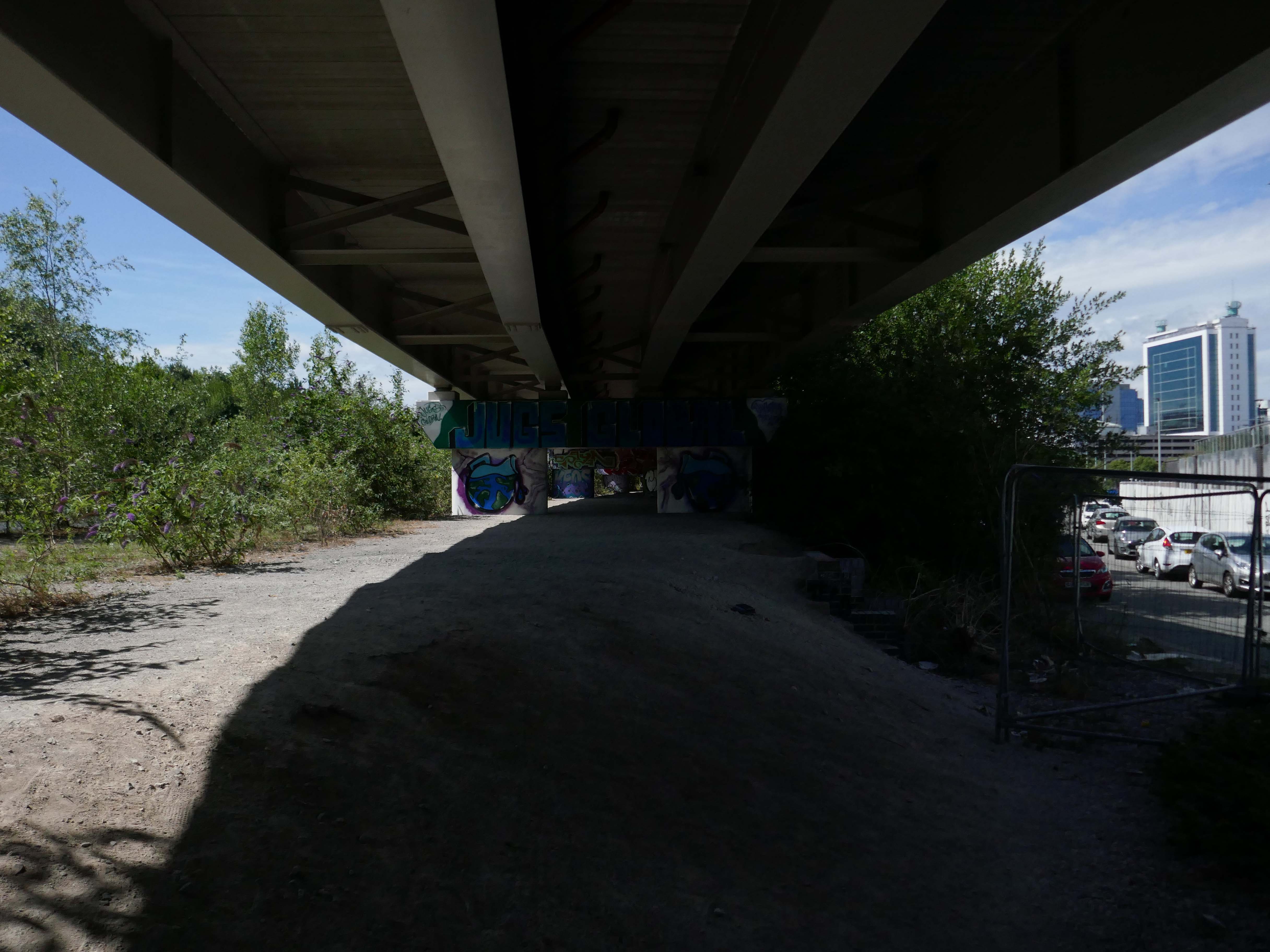
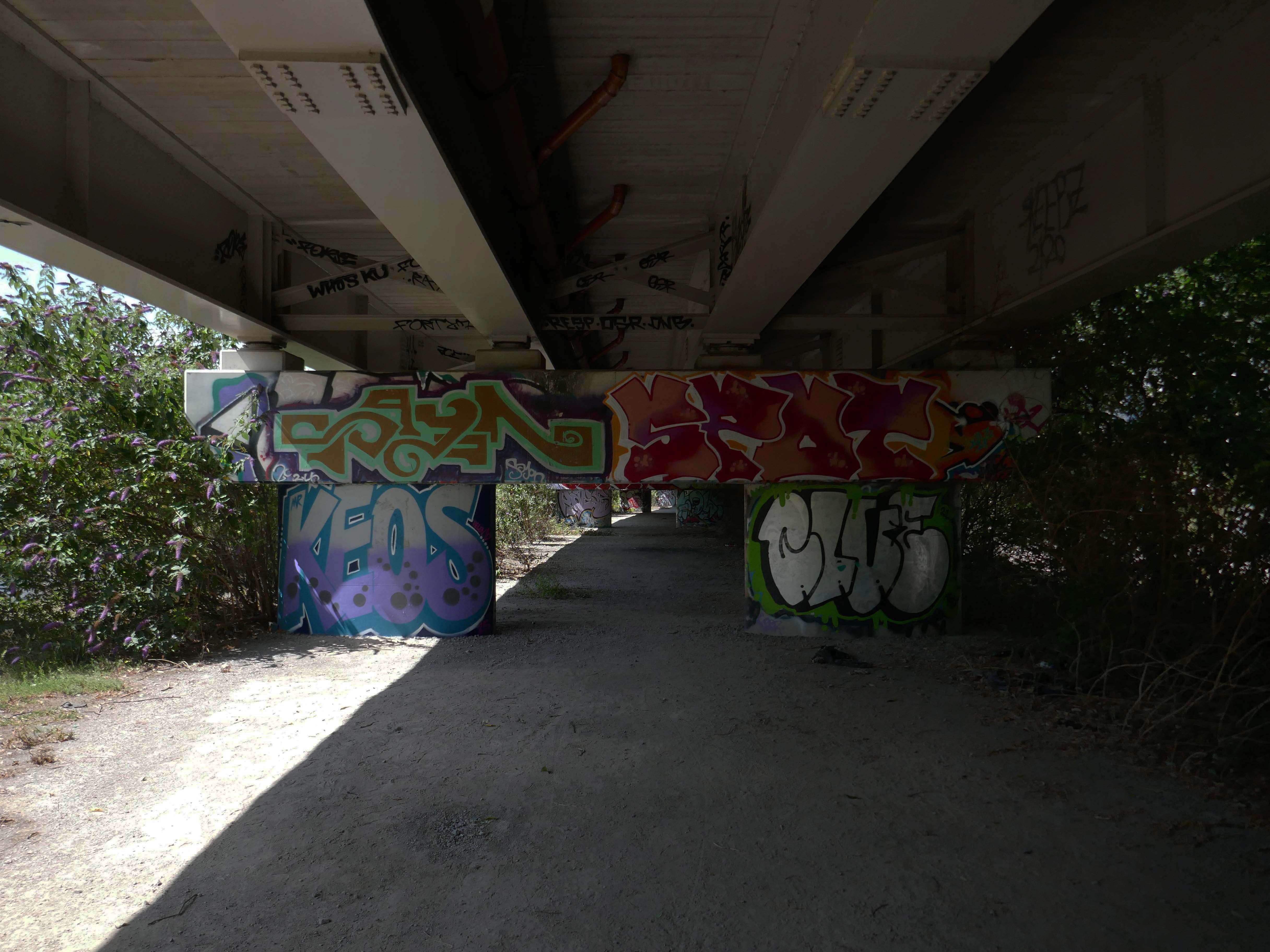
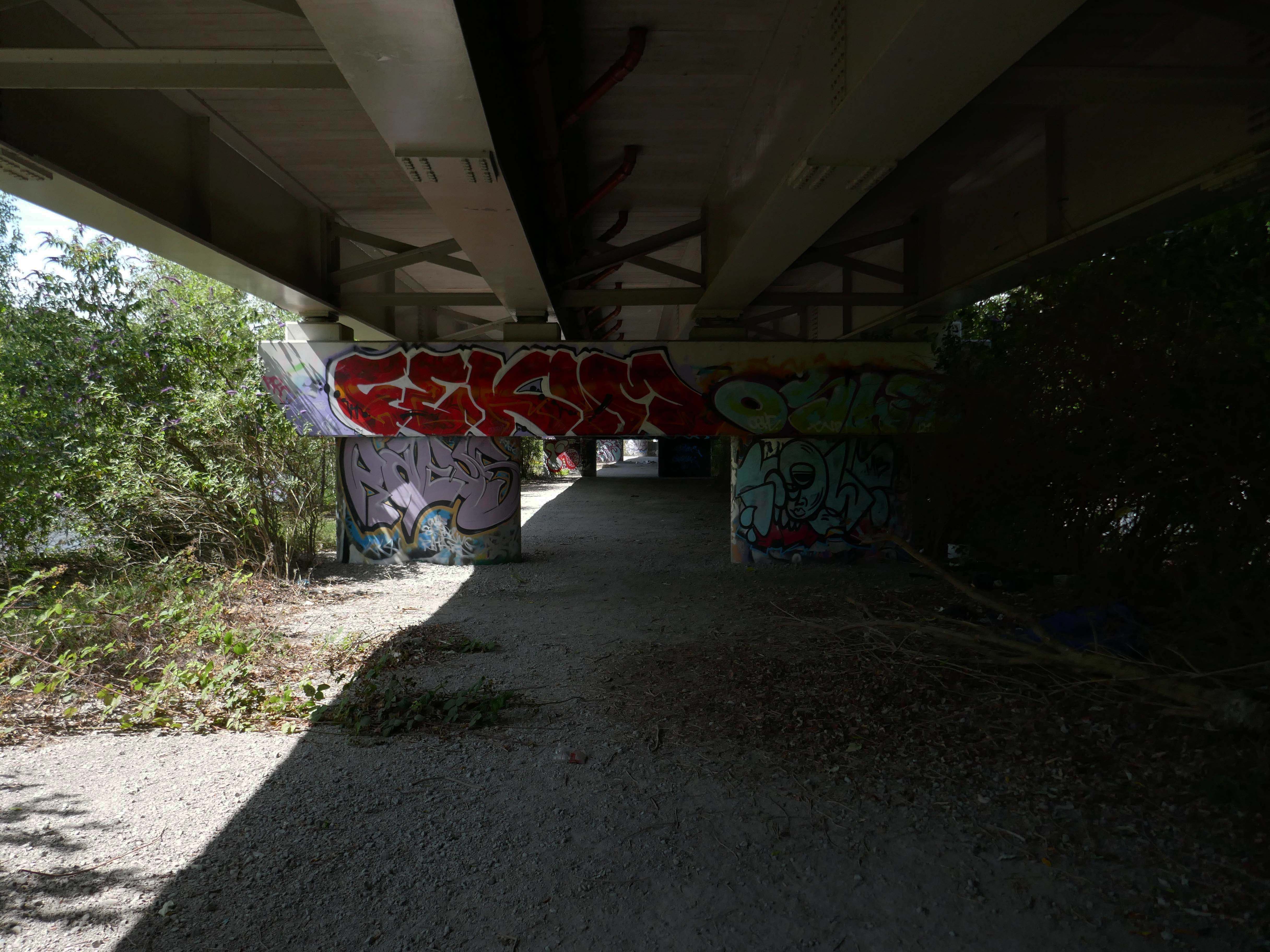
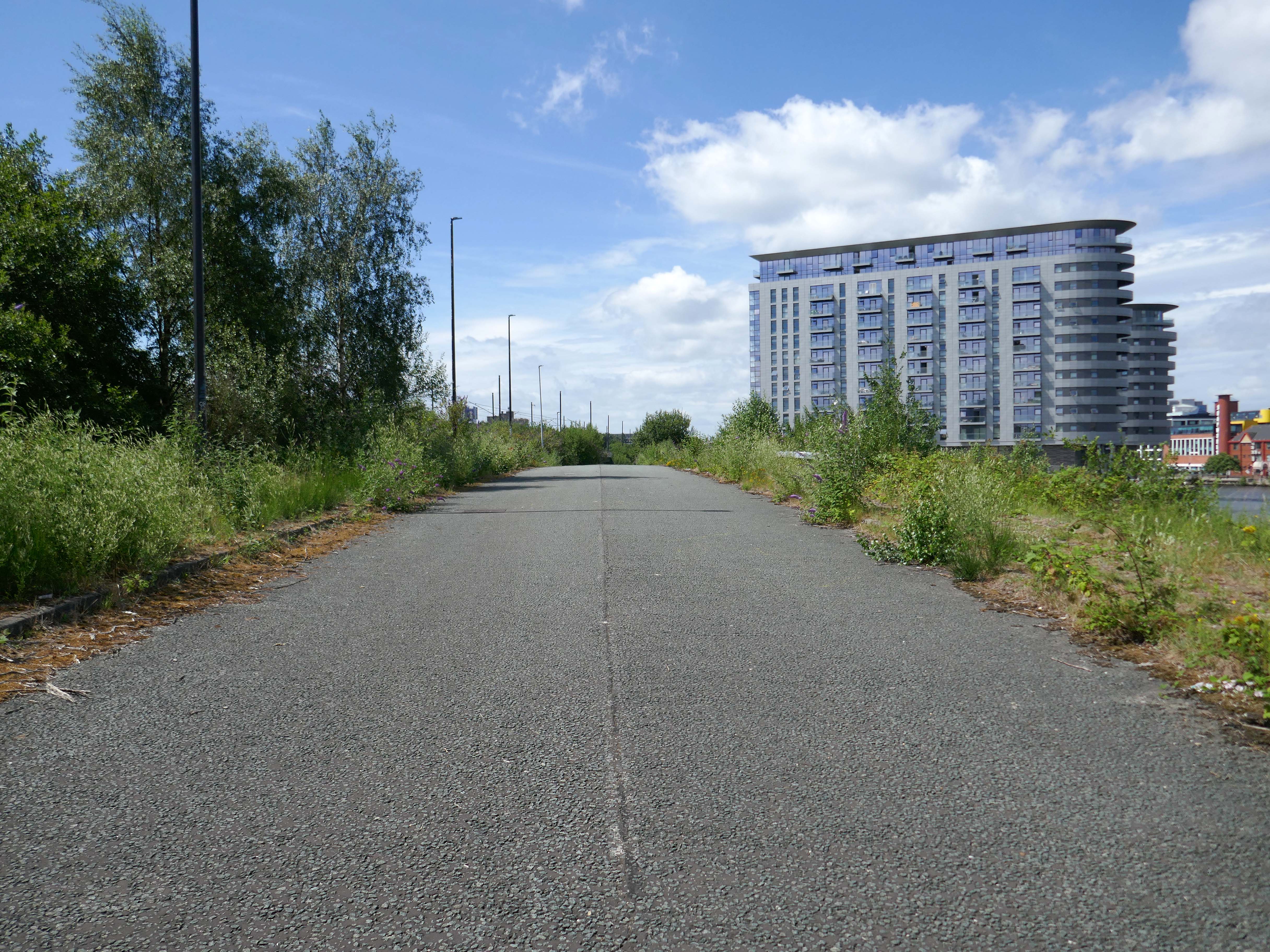
I was out and about exploring Pomona Island when I chanced upon the path which led to the ramp that carries the Metro from Trafford Bar and Pomona to Cornbrook.
It proved to be what is currently known as an immersive experience, not unlike a Gong Bath.
Firstly, some participants become so relaxed that they fall asleep, and the body uses this time to re-balance, restore and nurture itself. Most people however, flit in and out of consciousness and notice their physical, mental, emotional, and spiritual responses during the Gong Bath. This opens the possibility of becoming aware of the ‘chattering mind’, your mood or emotional state, visual experiences, physical sensations, intuitive insights, inner wisdom, or spiritual encounters. By keeping your eyes closed and not falling asleep, people can often have a far richer experience.
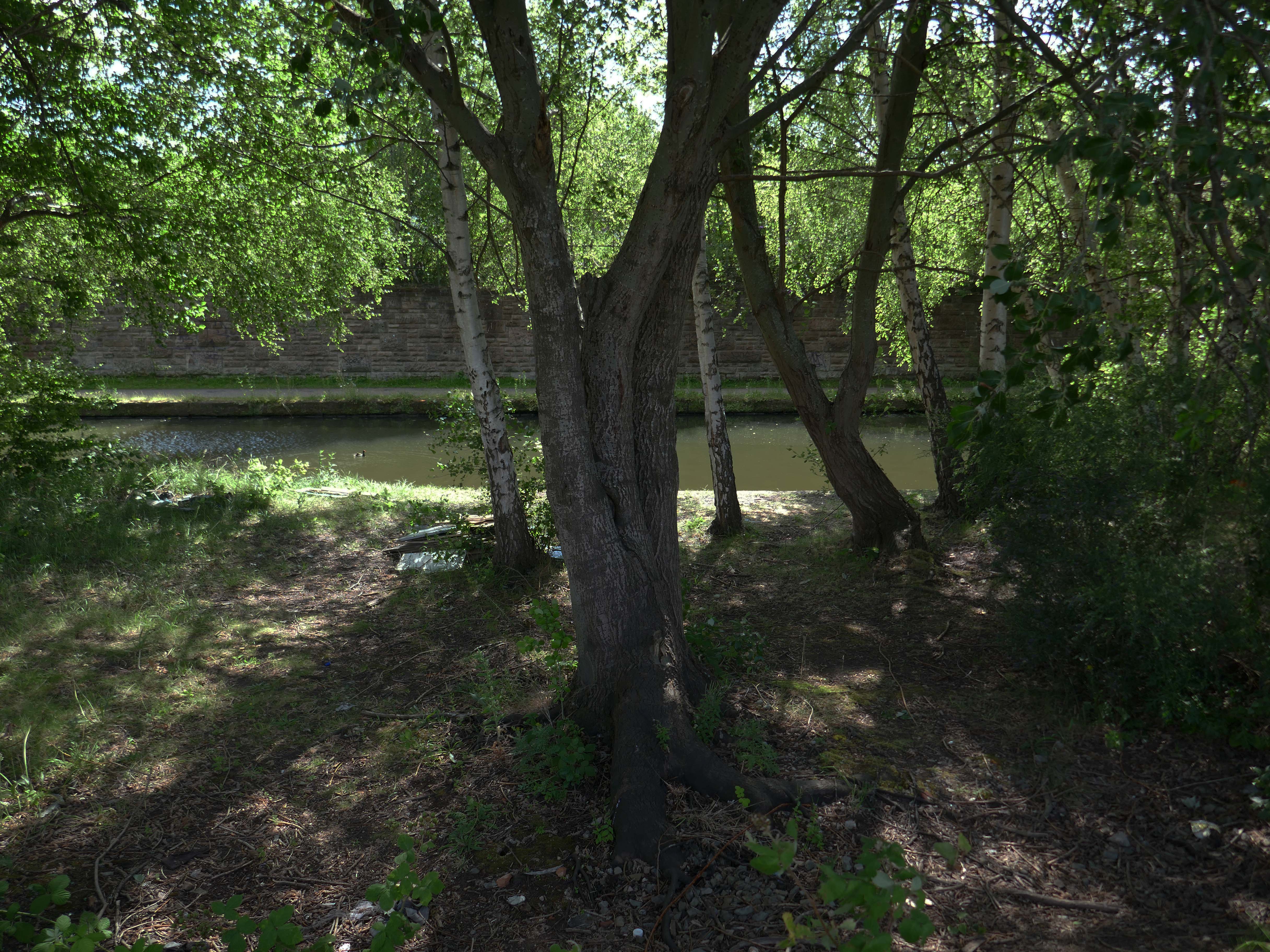
Except in this instance, one is surrounded by the tumultuous roar of tram upon concrete and steel, with the extra added bonus of pungent canal and associated detritus aromas.
By keeping your eyes open and not falling asleep, people will have a far richer experience.
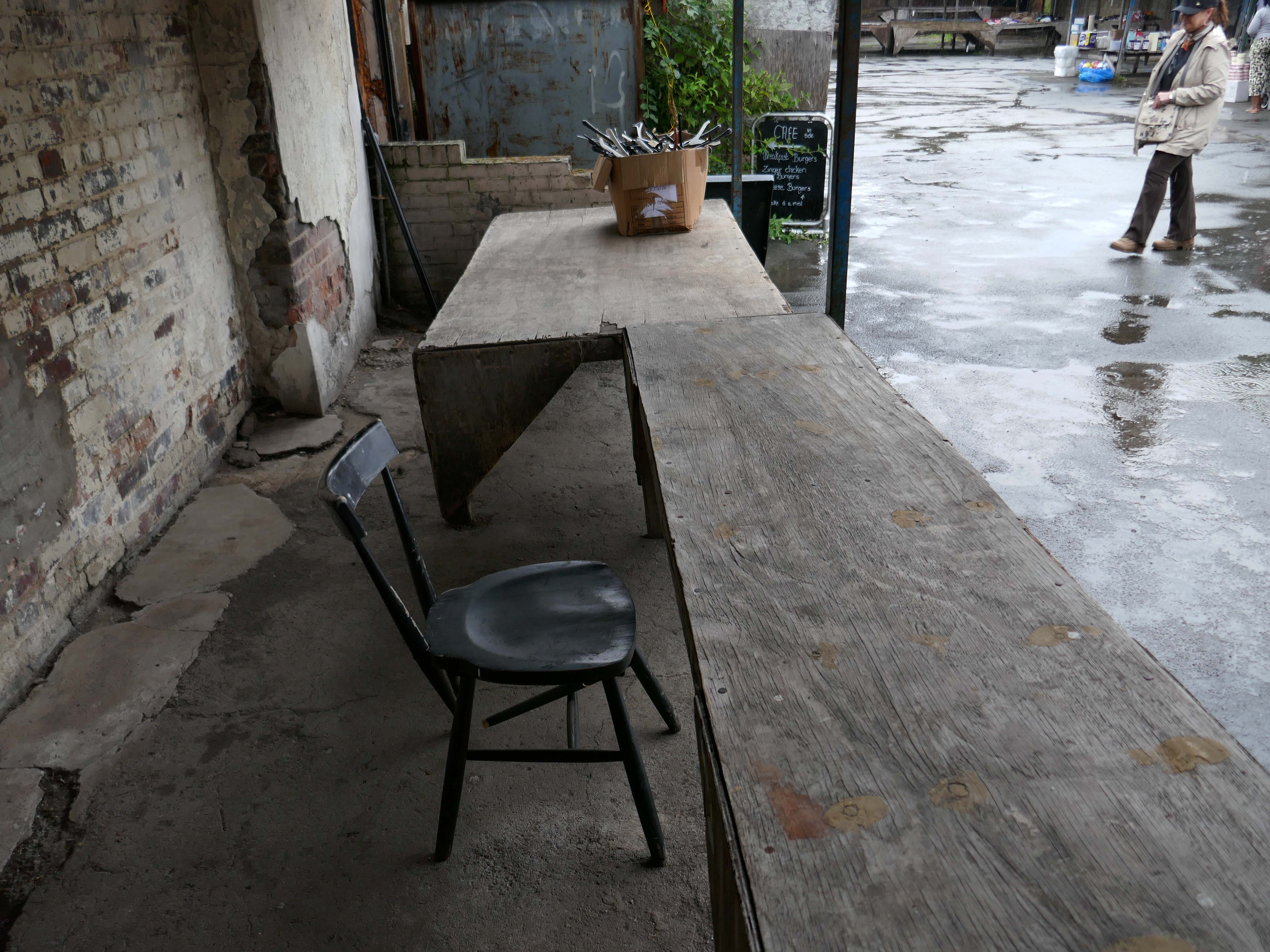
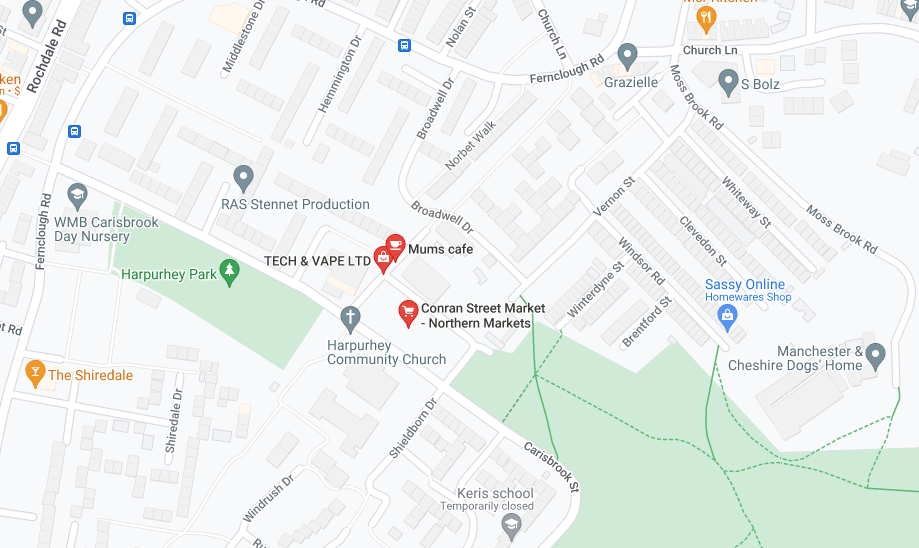
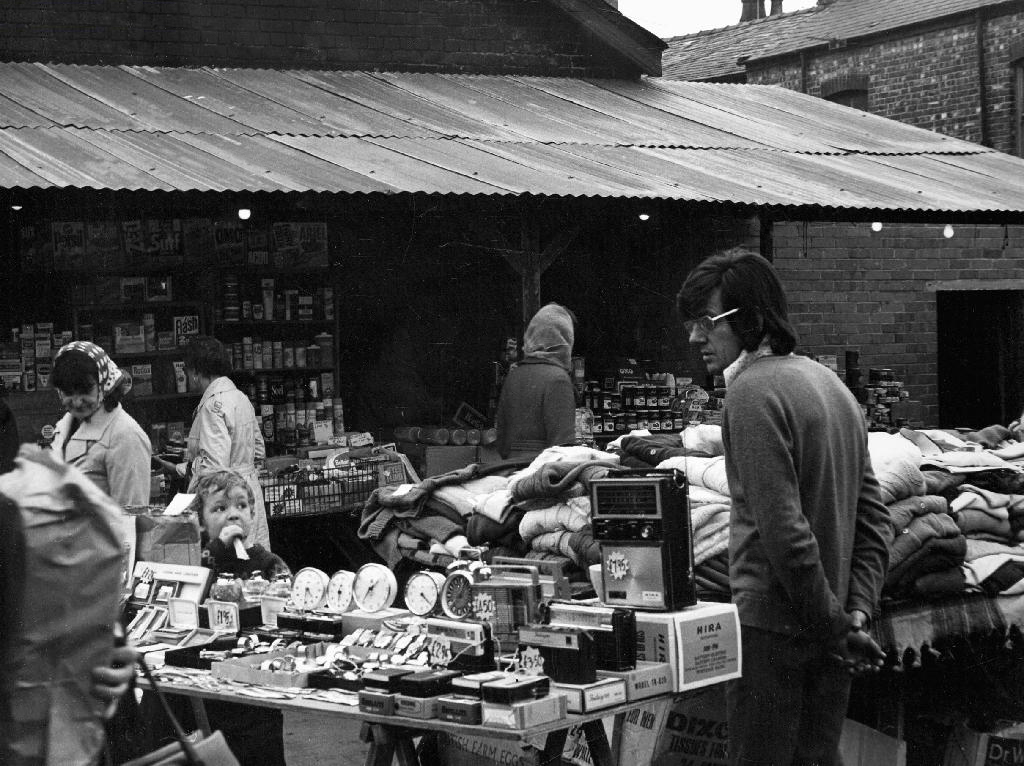
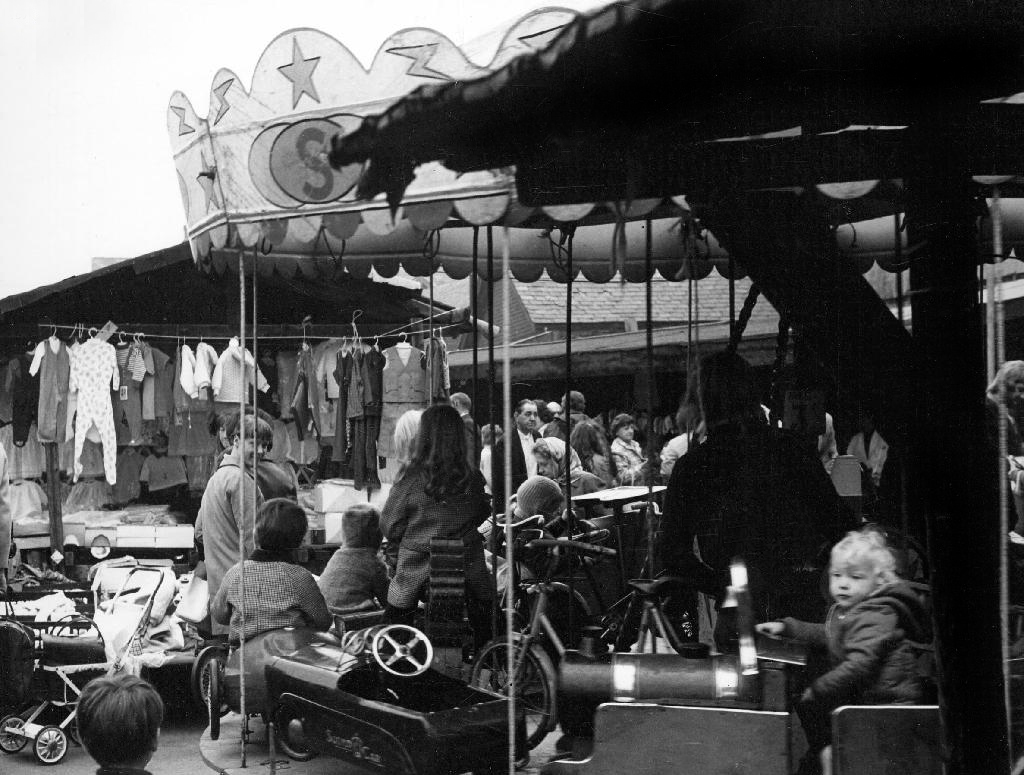
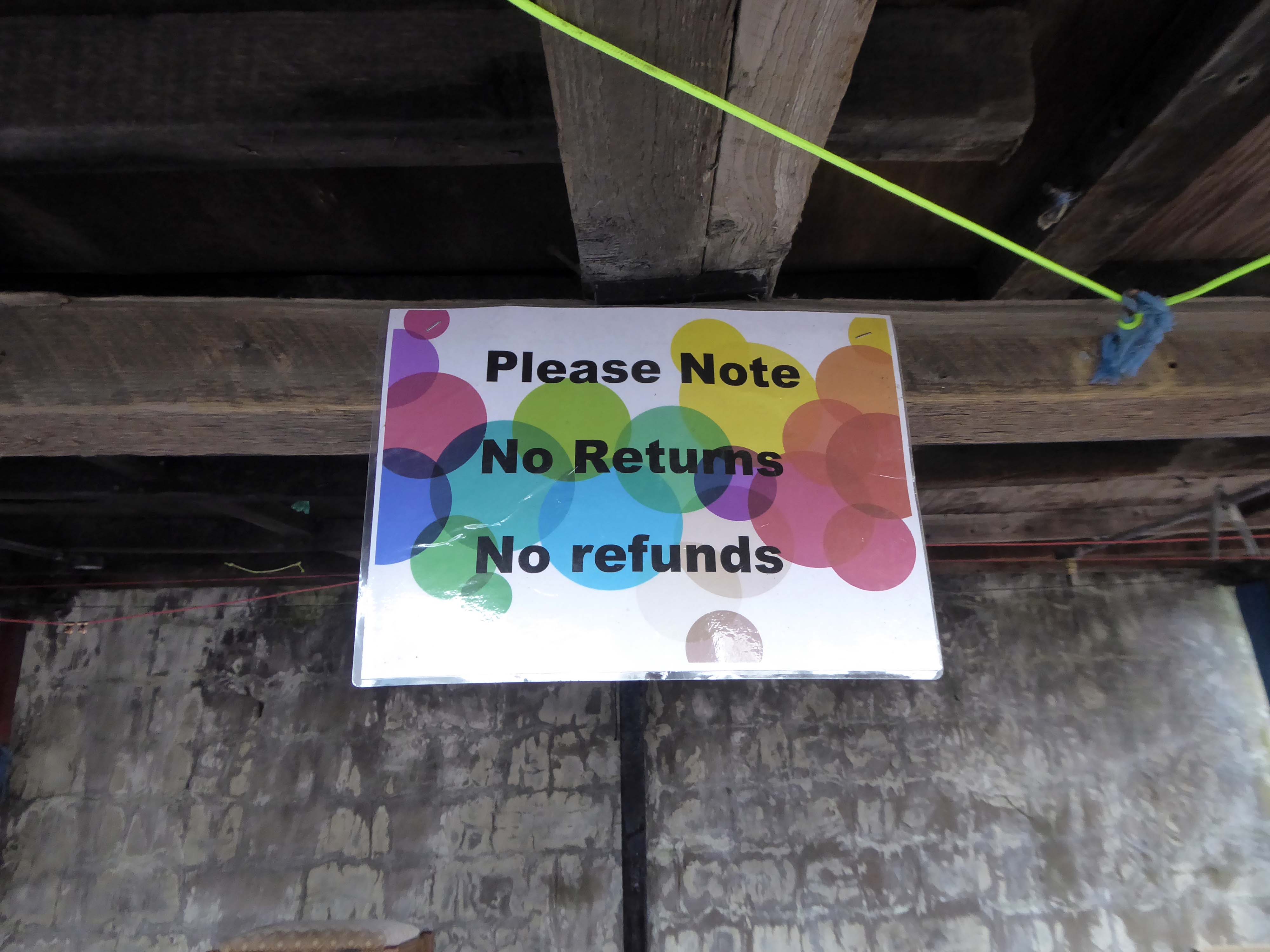
One of the last privately owned markets in the city, is to close on July 19th 2025, after serving the area for over a century.
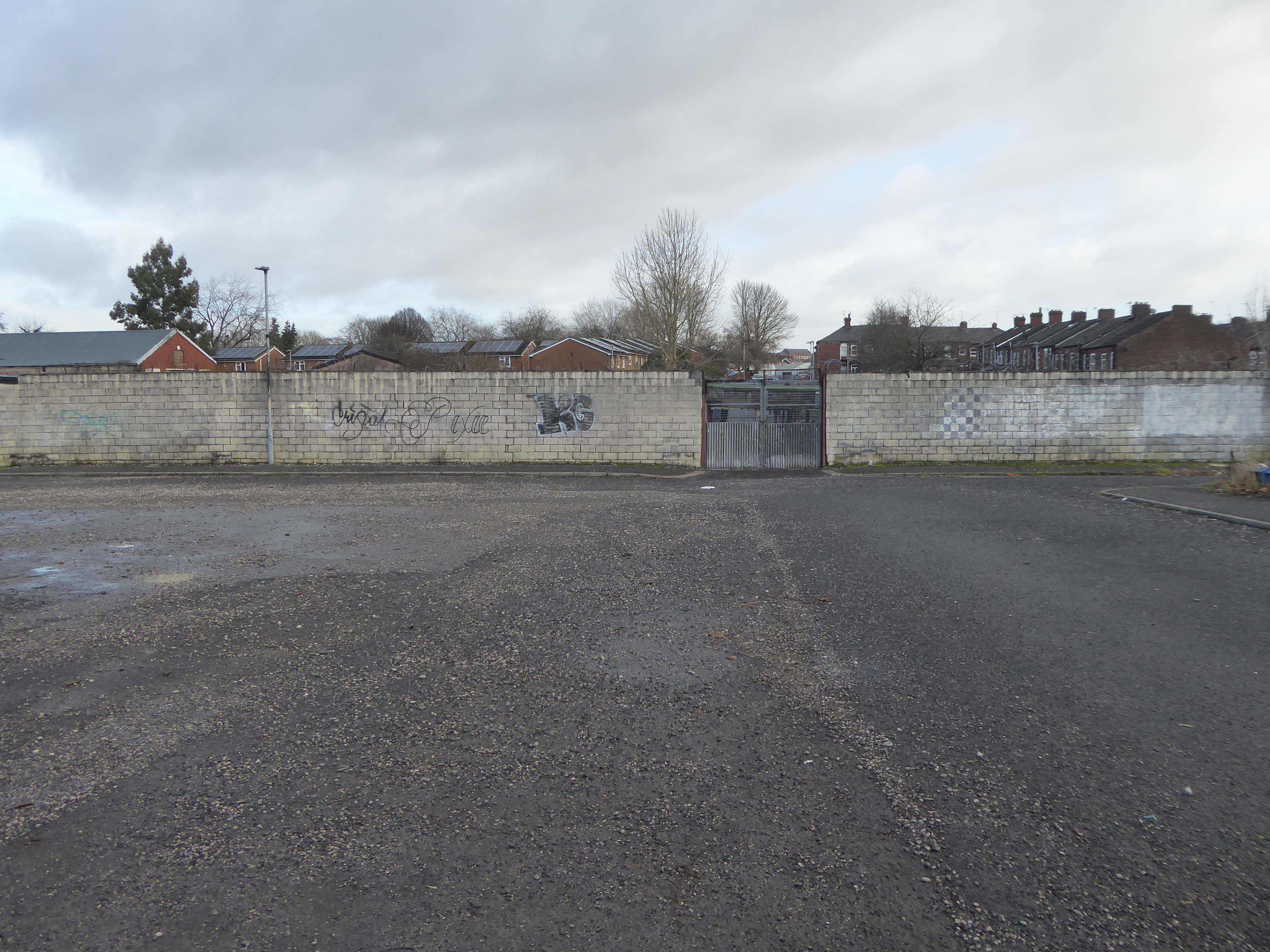
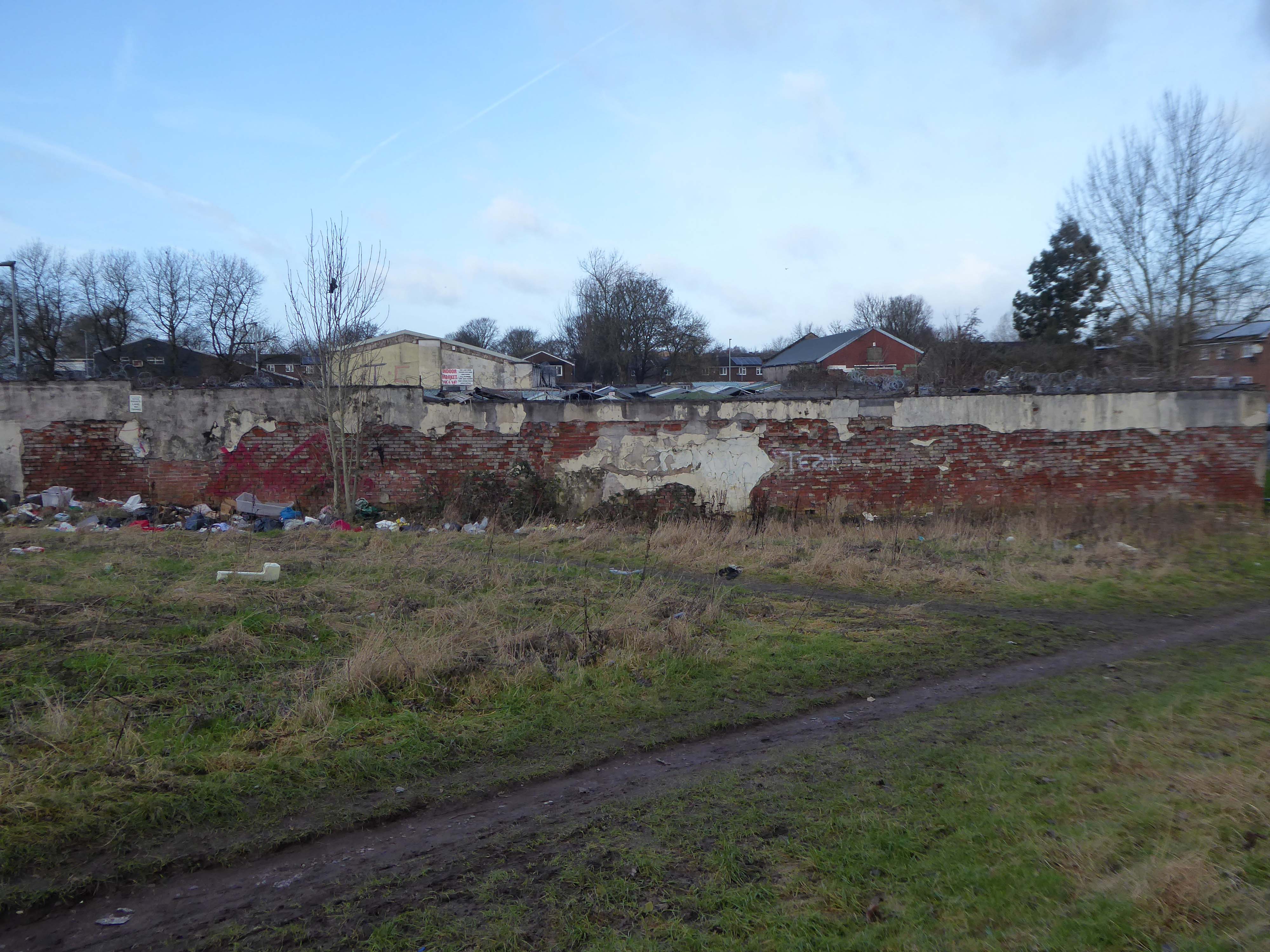
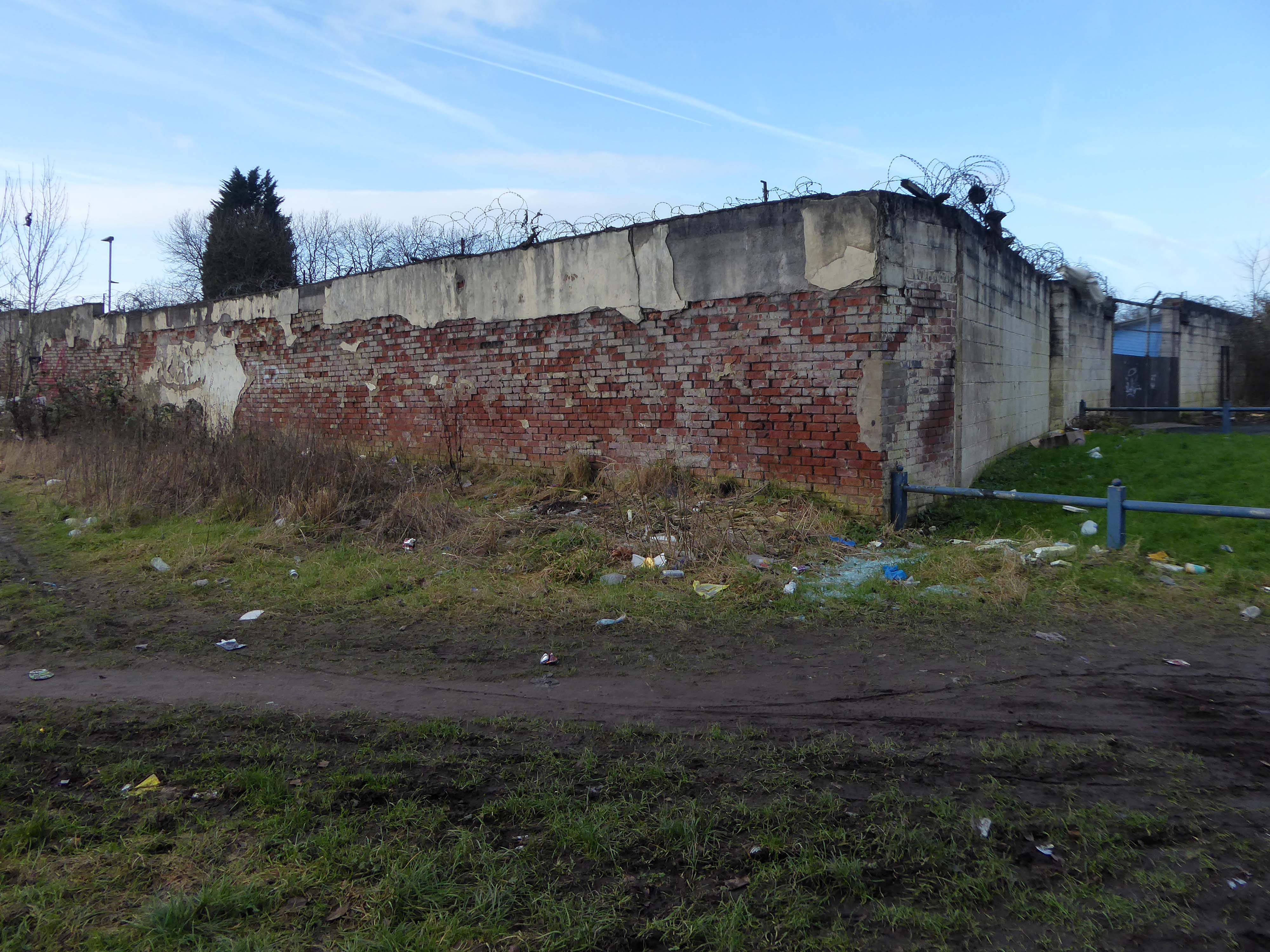
The family which owns the Harpurhey site has decided to put the acre of land and its existing redbrick buildings up for sale. It will be auctioned off with a guide price of £450,000.
It’s so sad the stall holders, and the community that surrounds the market, have lost their place to go on weekly basis, meeting friends for brew and bacon butty, chats and last minute buys, rummaging around in boxes finding treasures. The previous owner Mike, would have fought tooth and nail to keep this beloved market open, he would be turning in his grave.
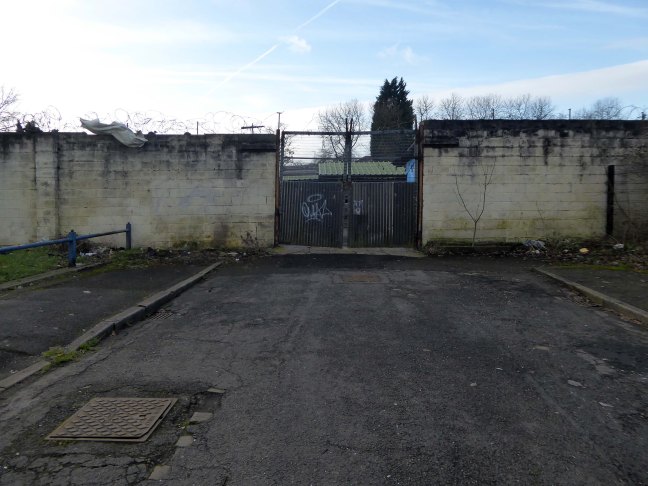
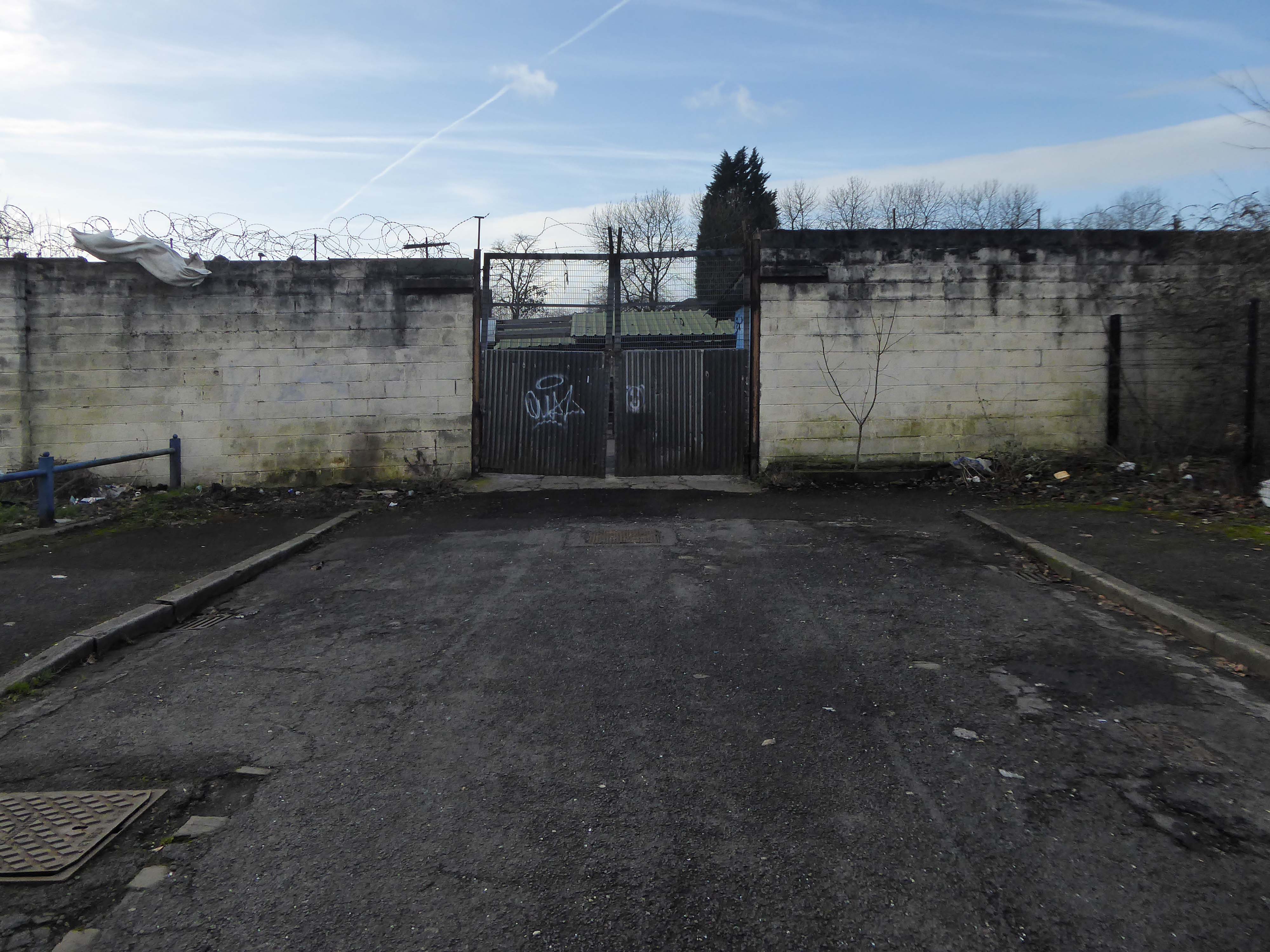
I visited on 30th January 2023 – the gate was open there was nobody home, except the cleaner and me.
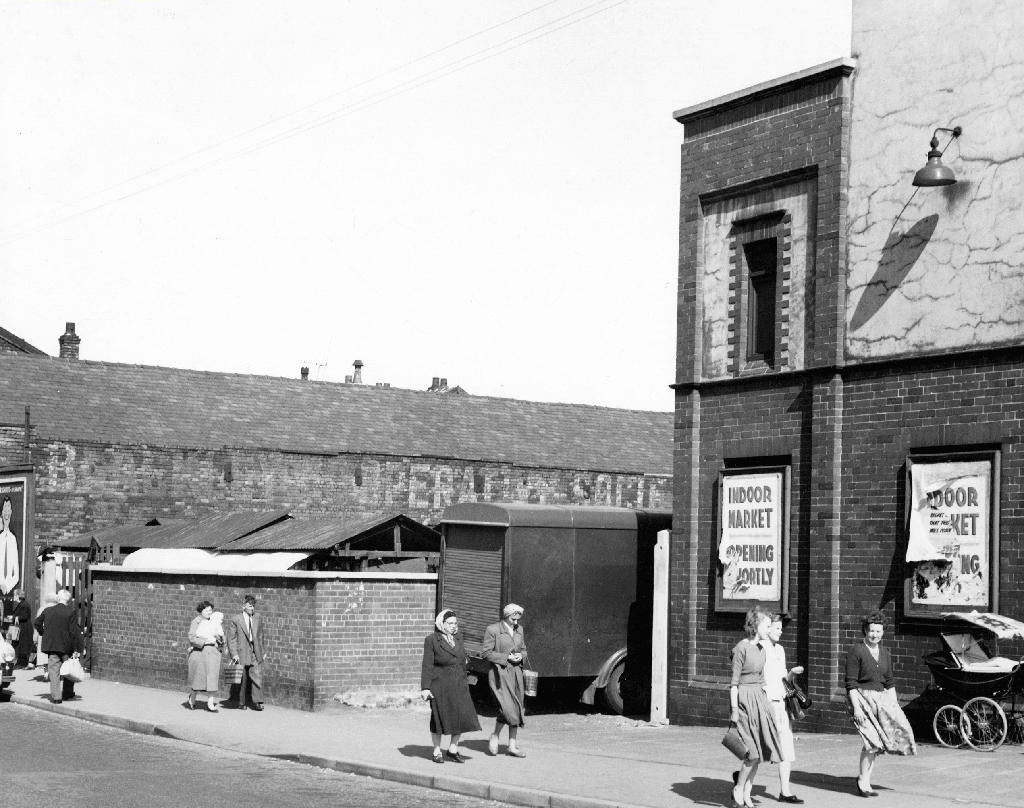
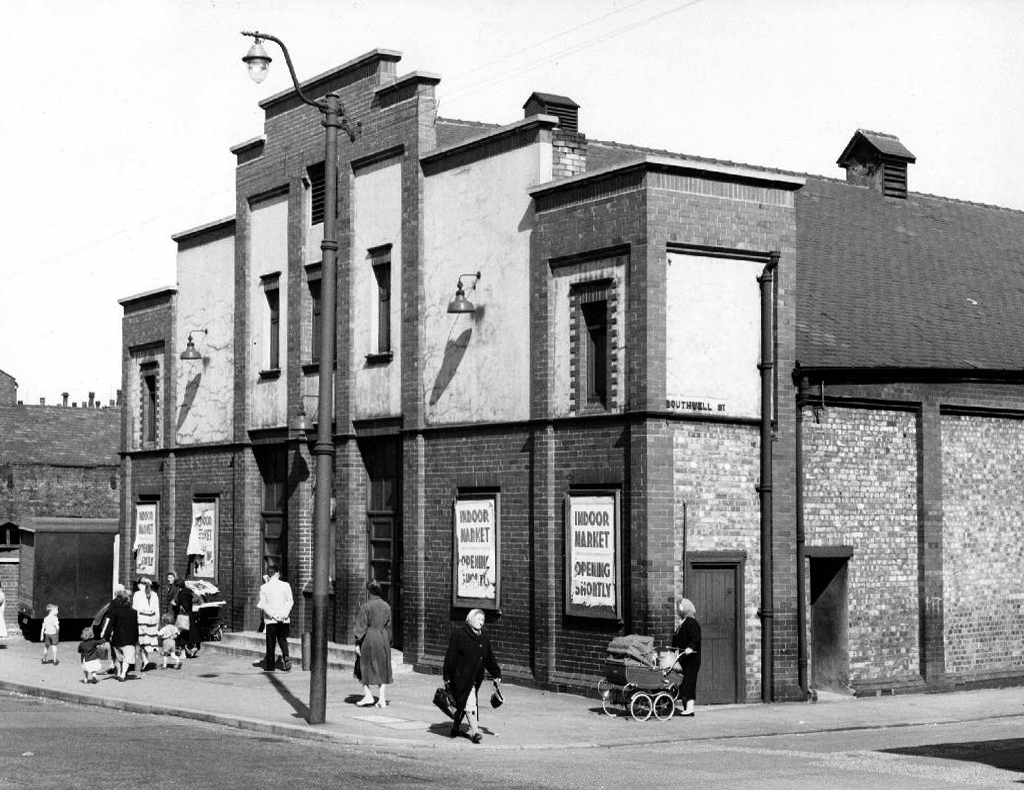
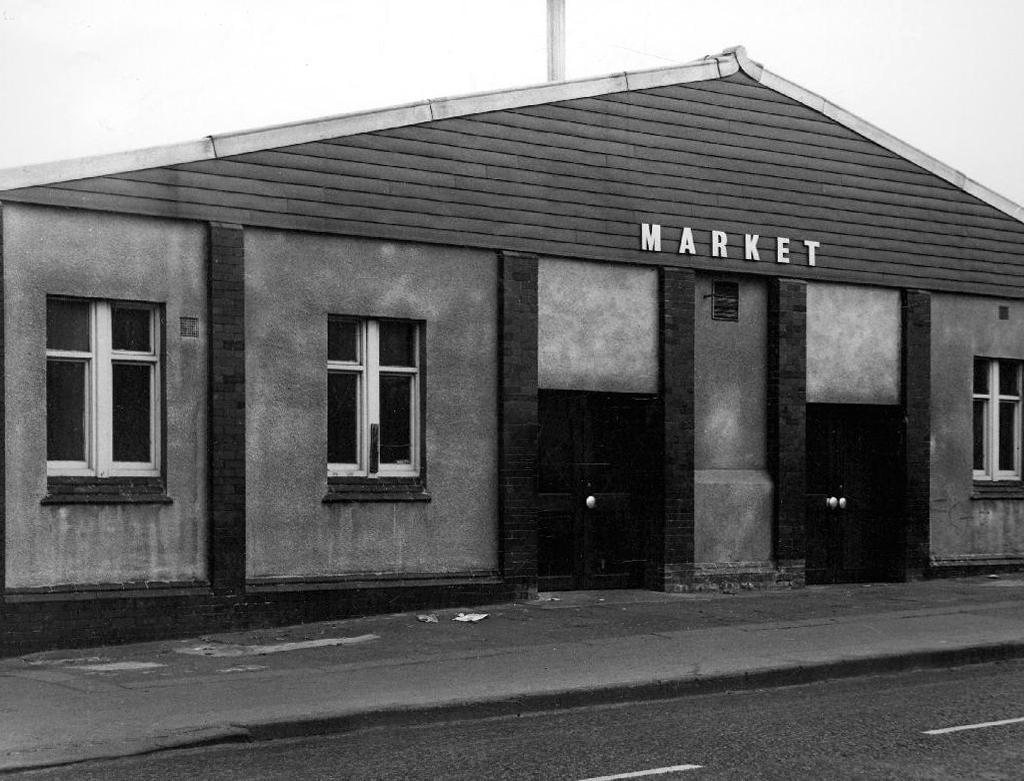
Princess Cinema It is listed in Kinematograph Year Books from 1927 to 1954, but had gone from listings by 1962. It had a Western Electricsound system. The upper part was later removed after a serious fire and the remainder became an indoor market.
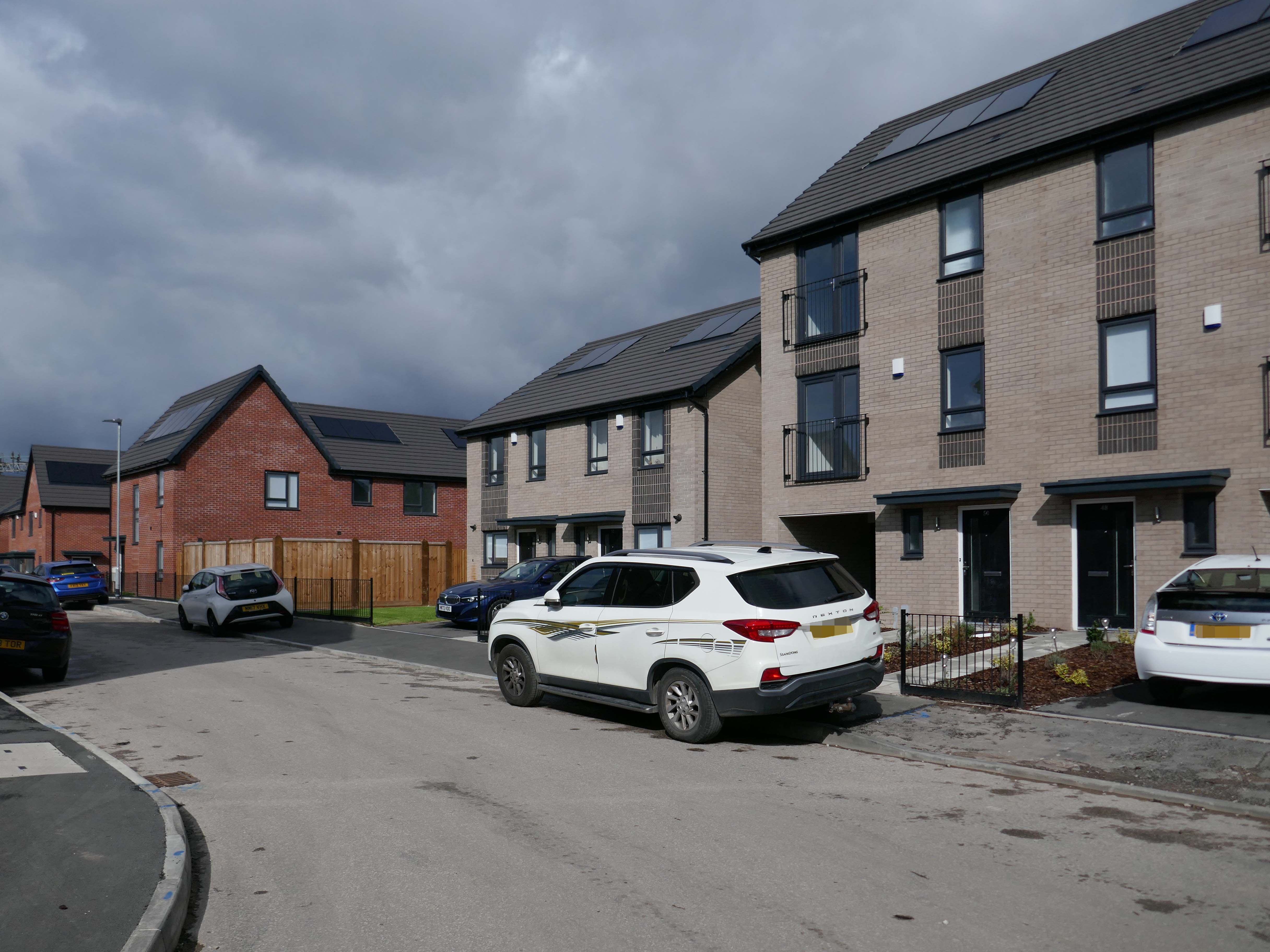
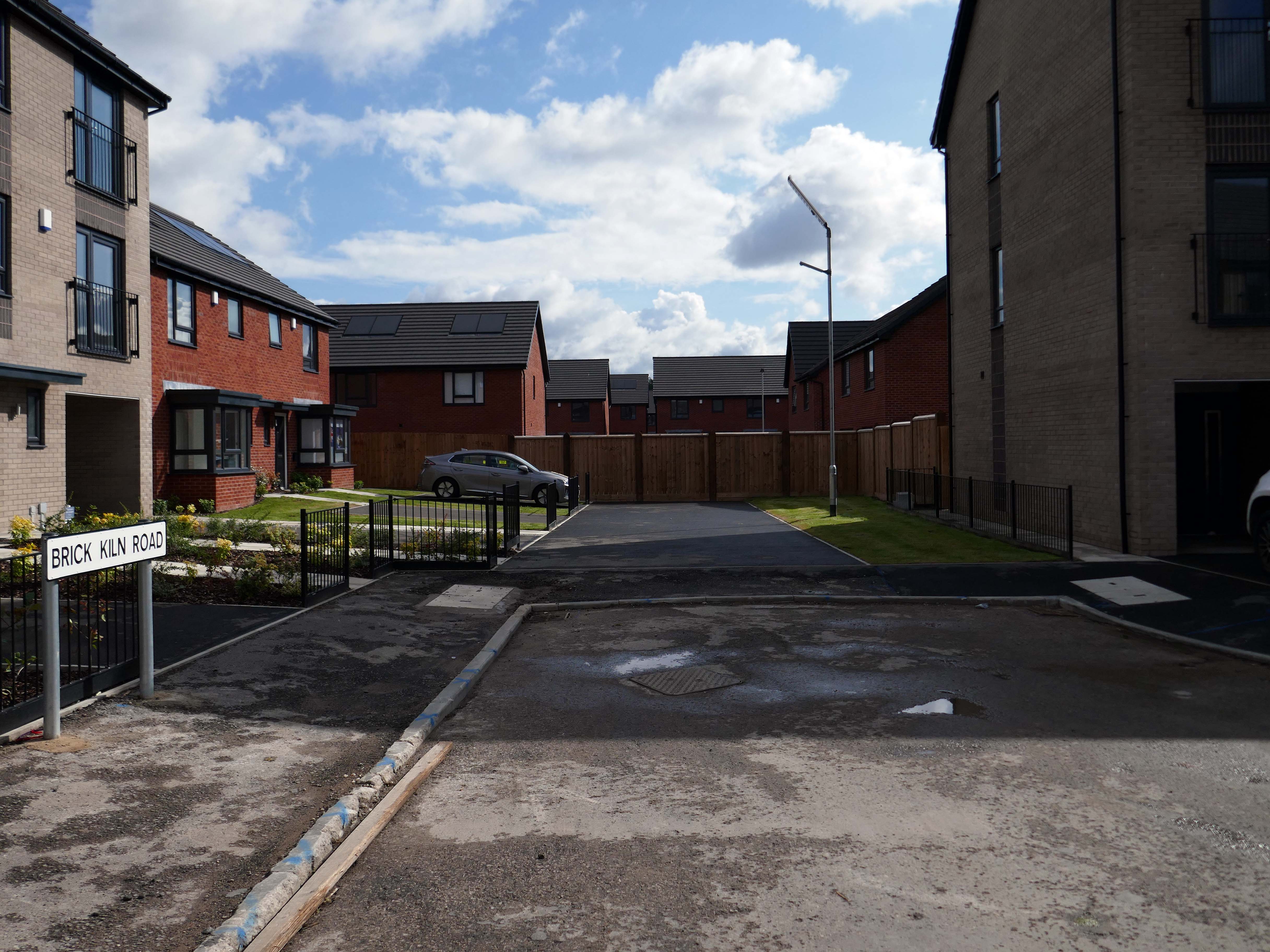
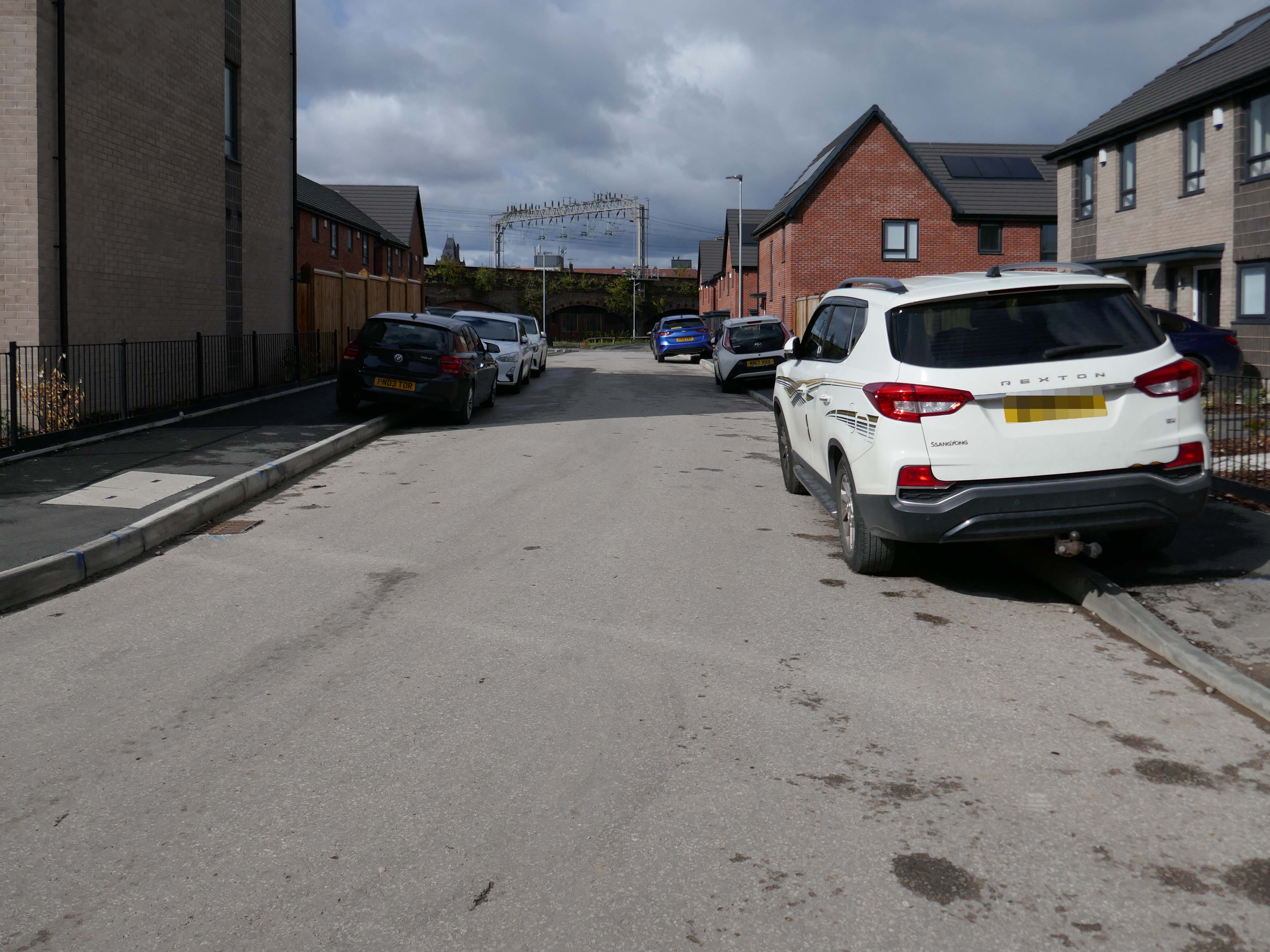
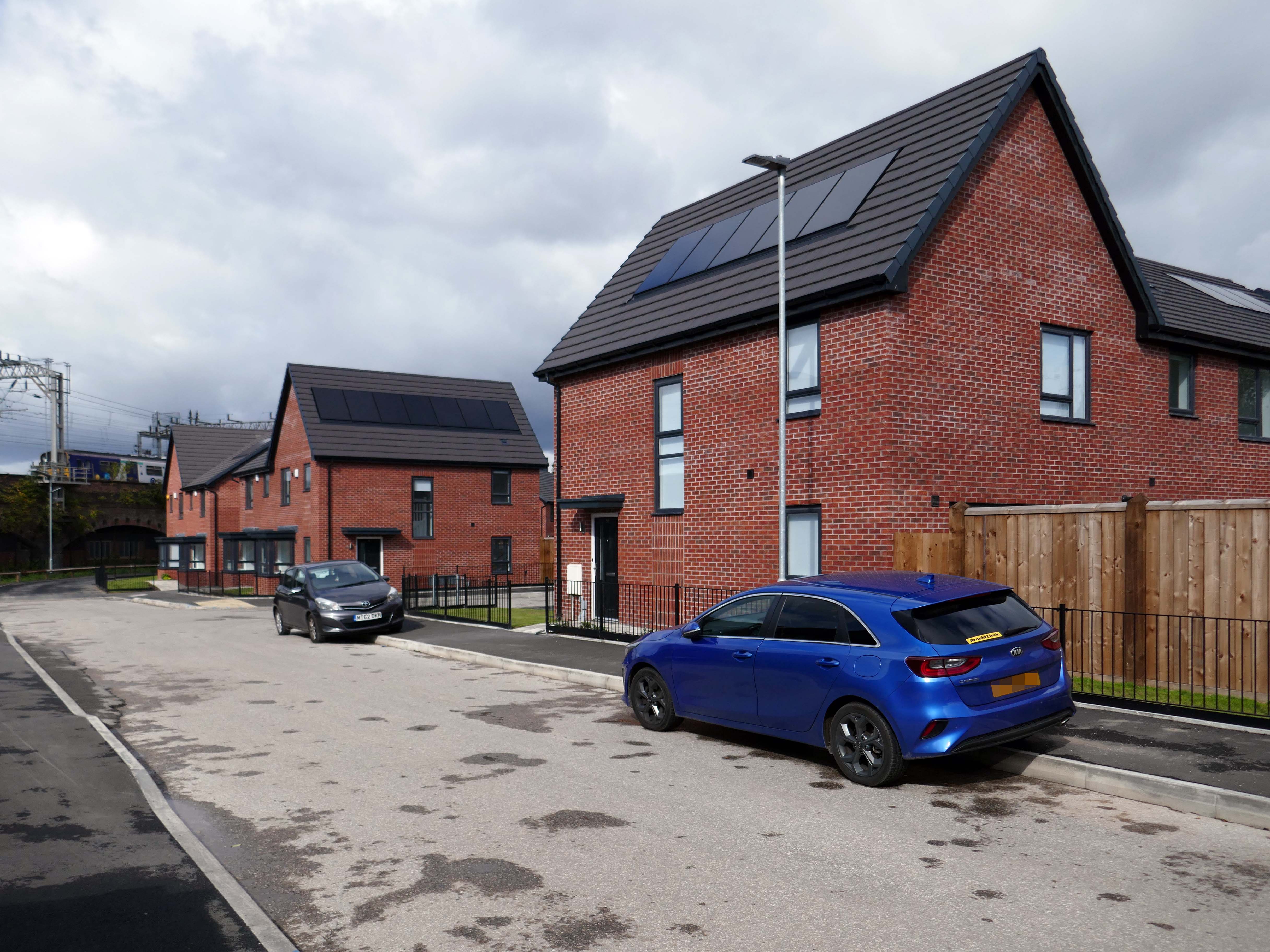
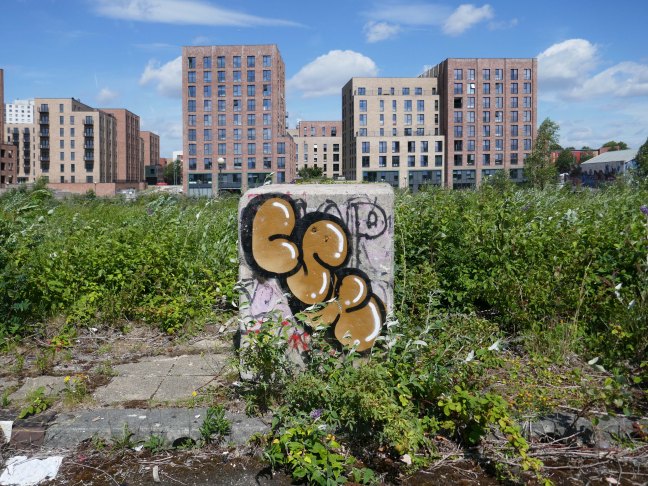
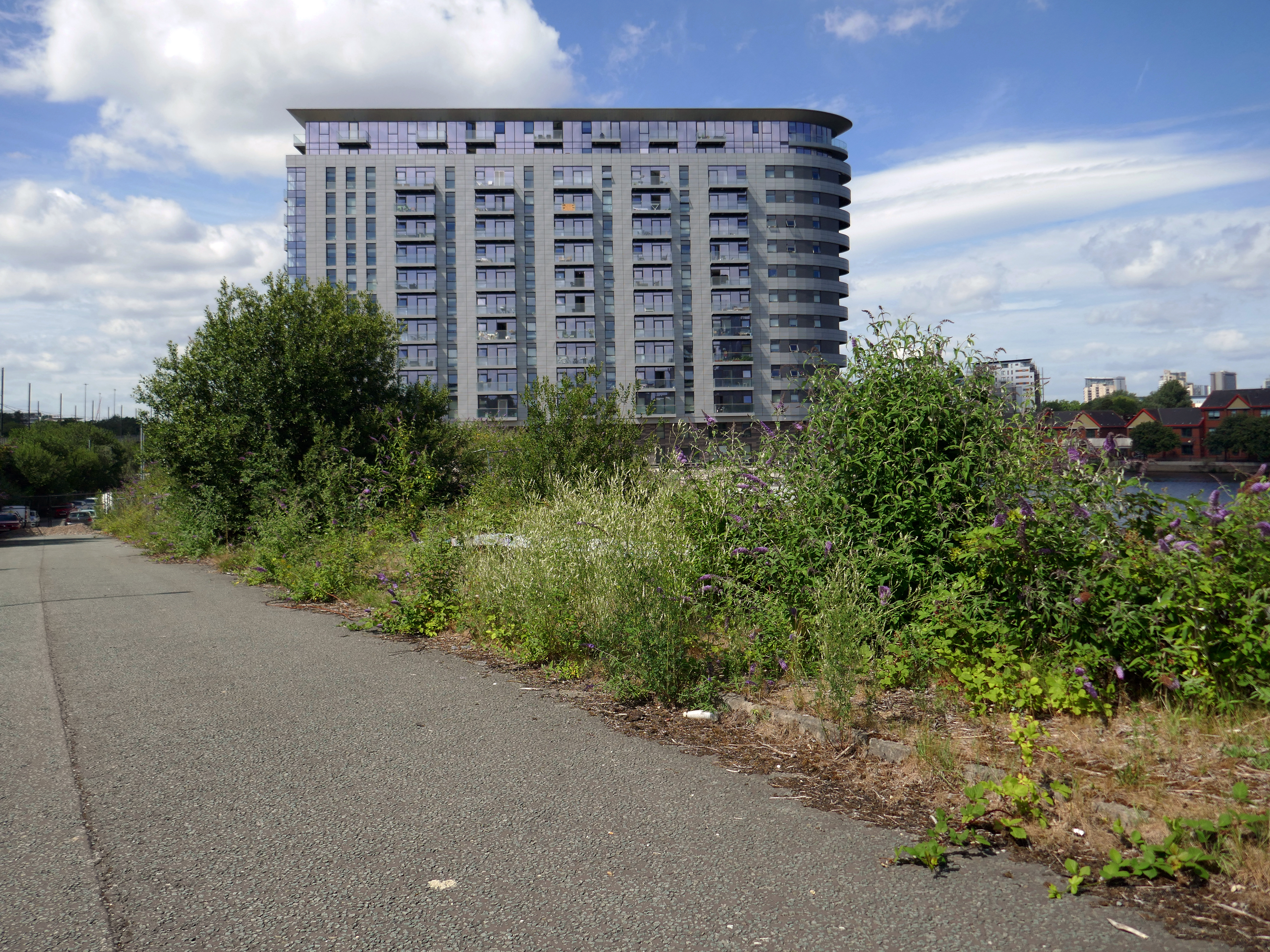
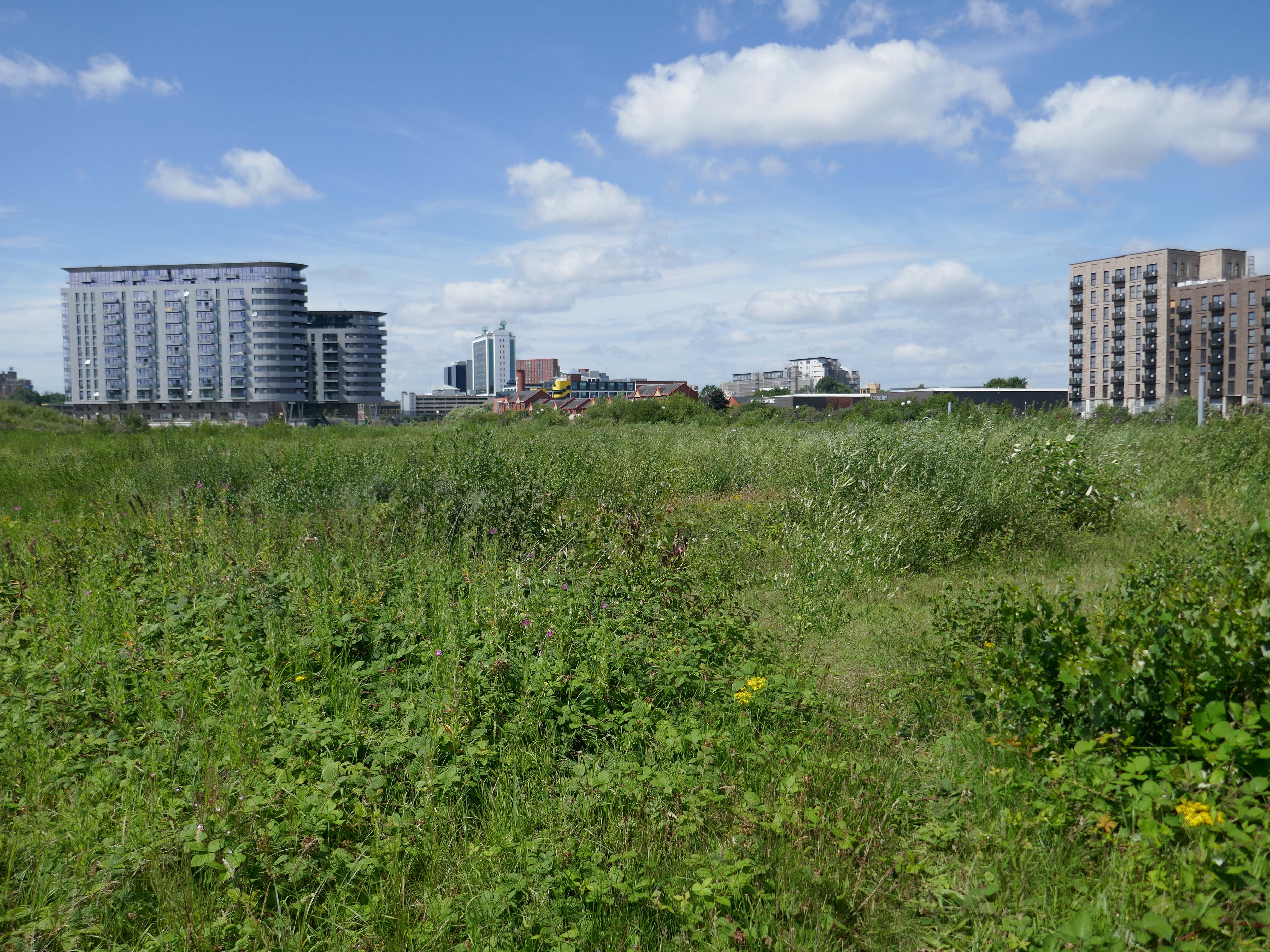
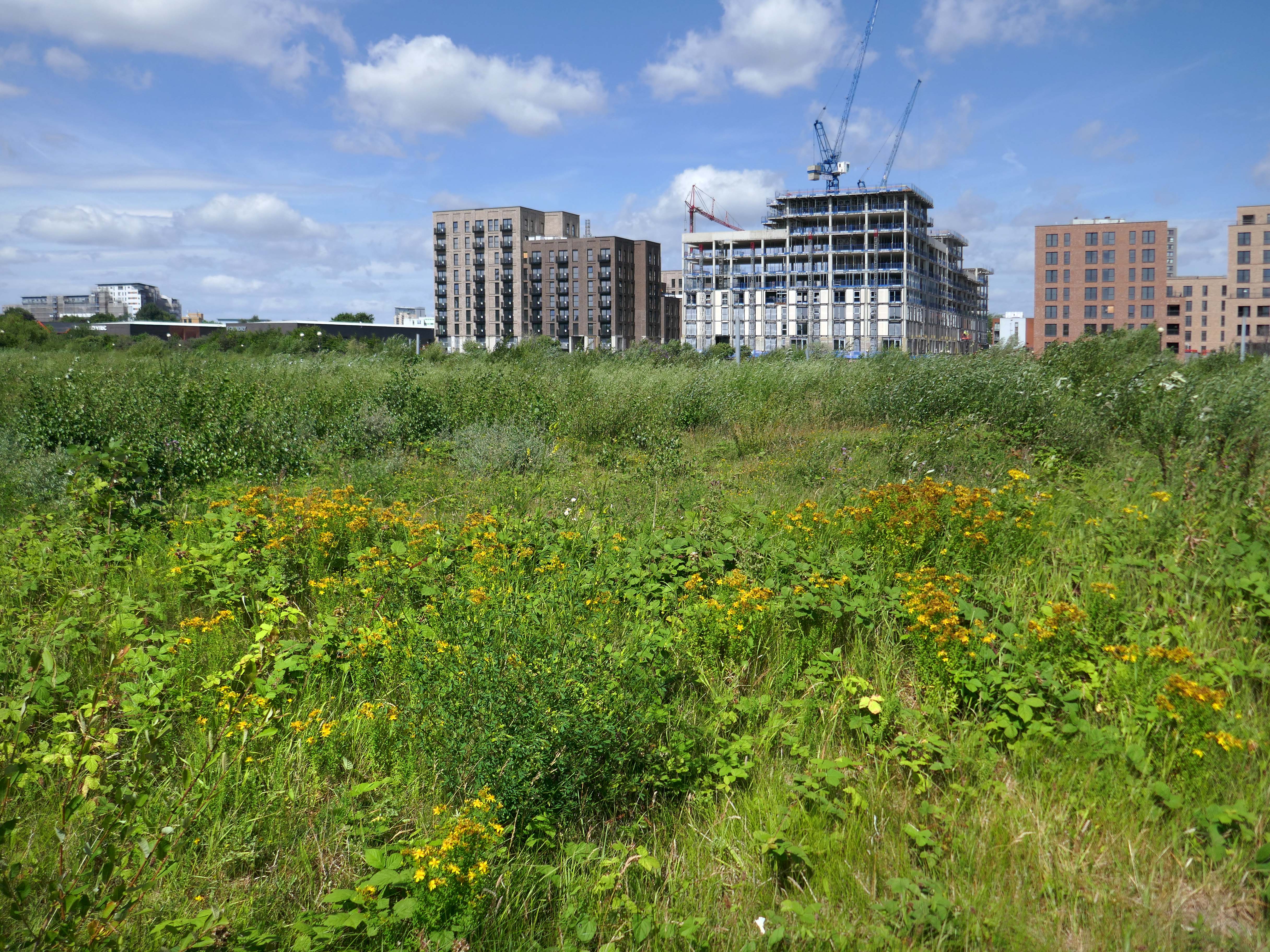
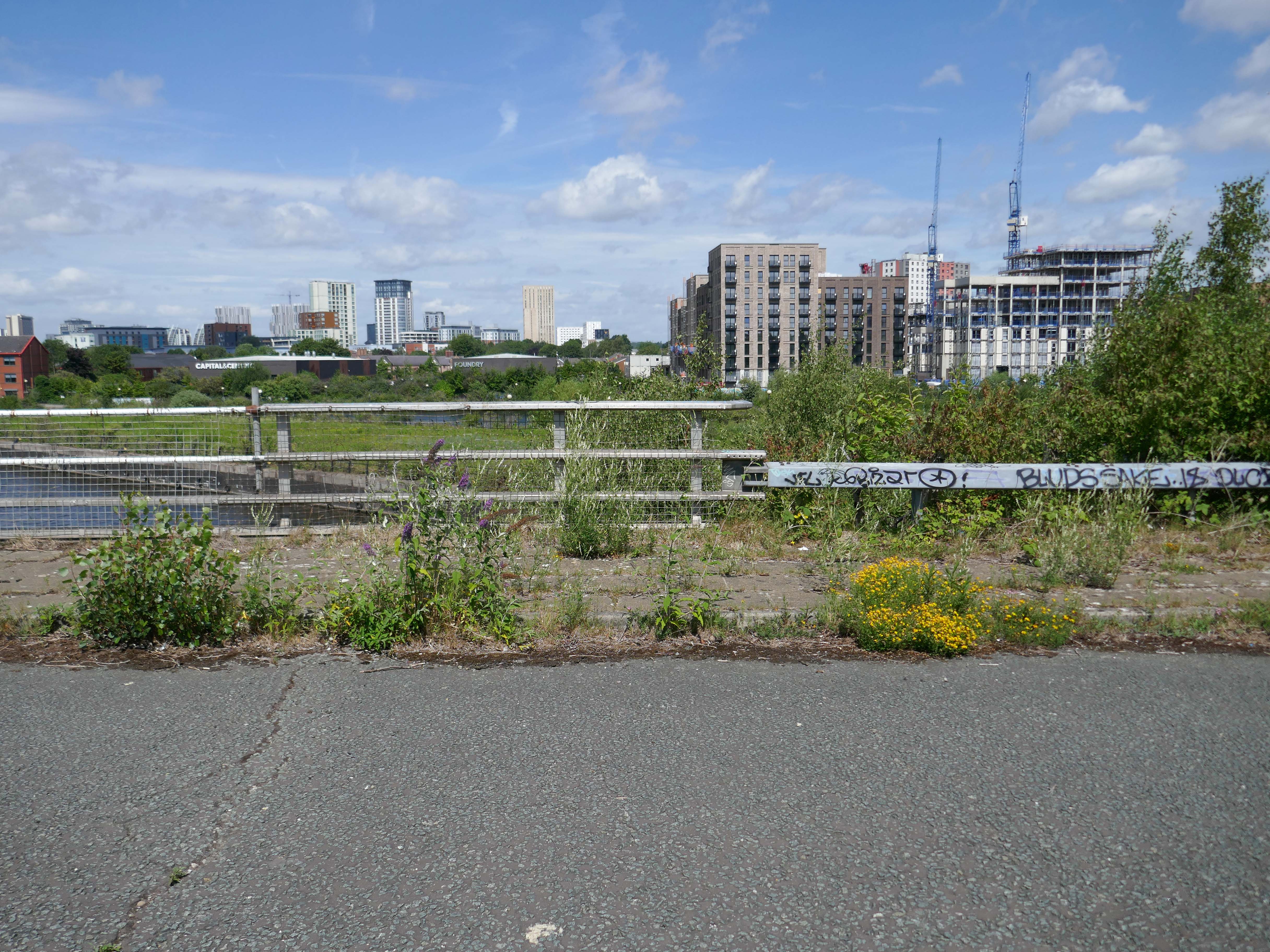
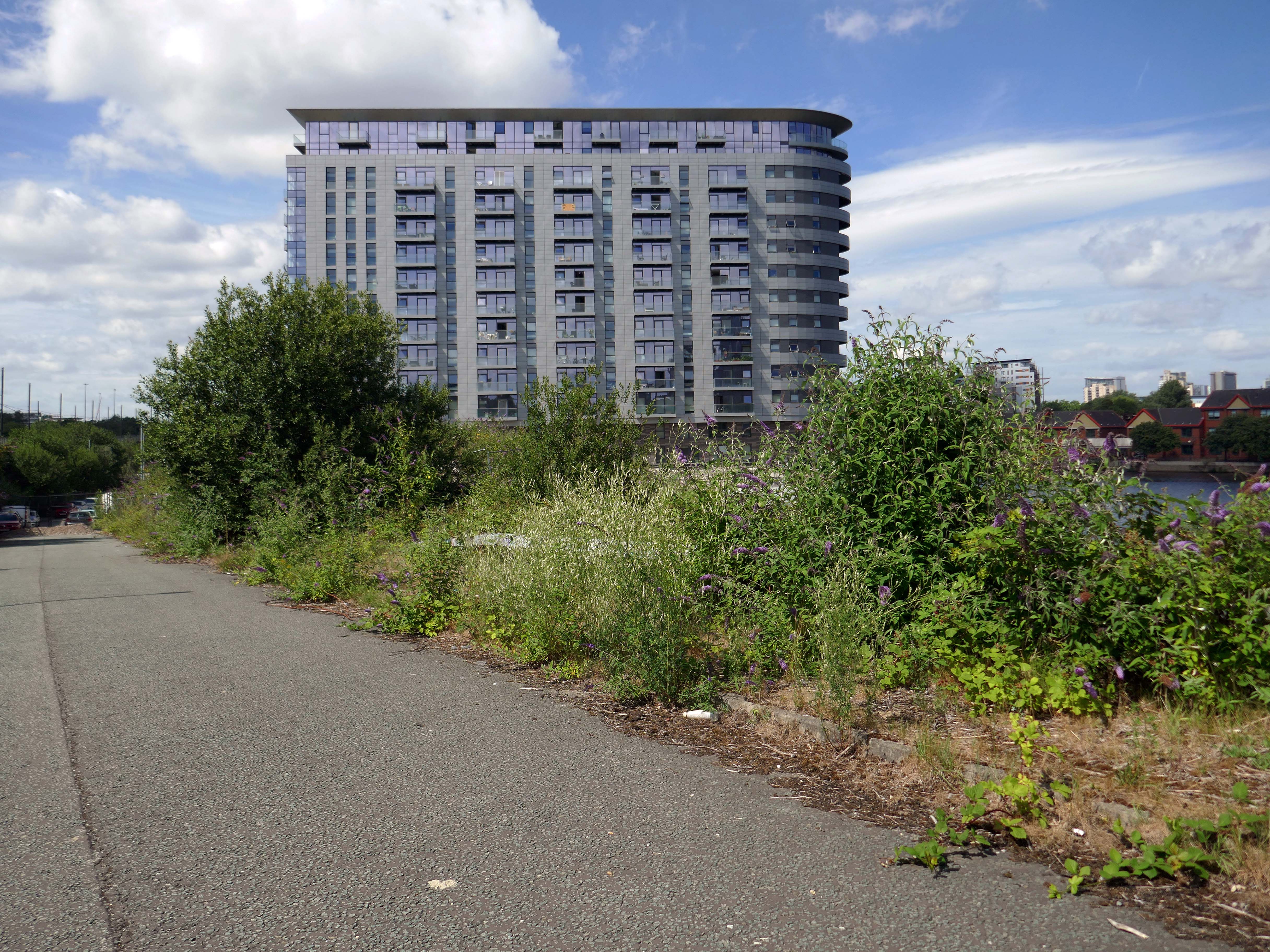
X1 has launched the first phase of its major Manchester Waters development on the outskirts of the city centre. The development will be delivered in partnership with property developer and landowner Peel and is located on Pomona Island. Phase one will include 755 flats, with the first completions scheduled for 2019.
Thus far phase one has arrived, other phases less so.
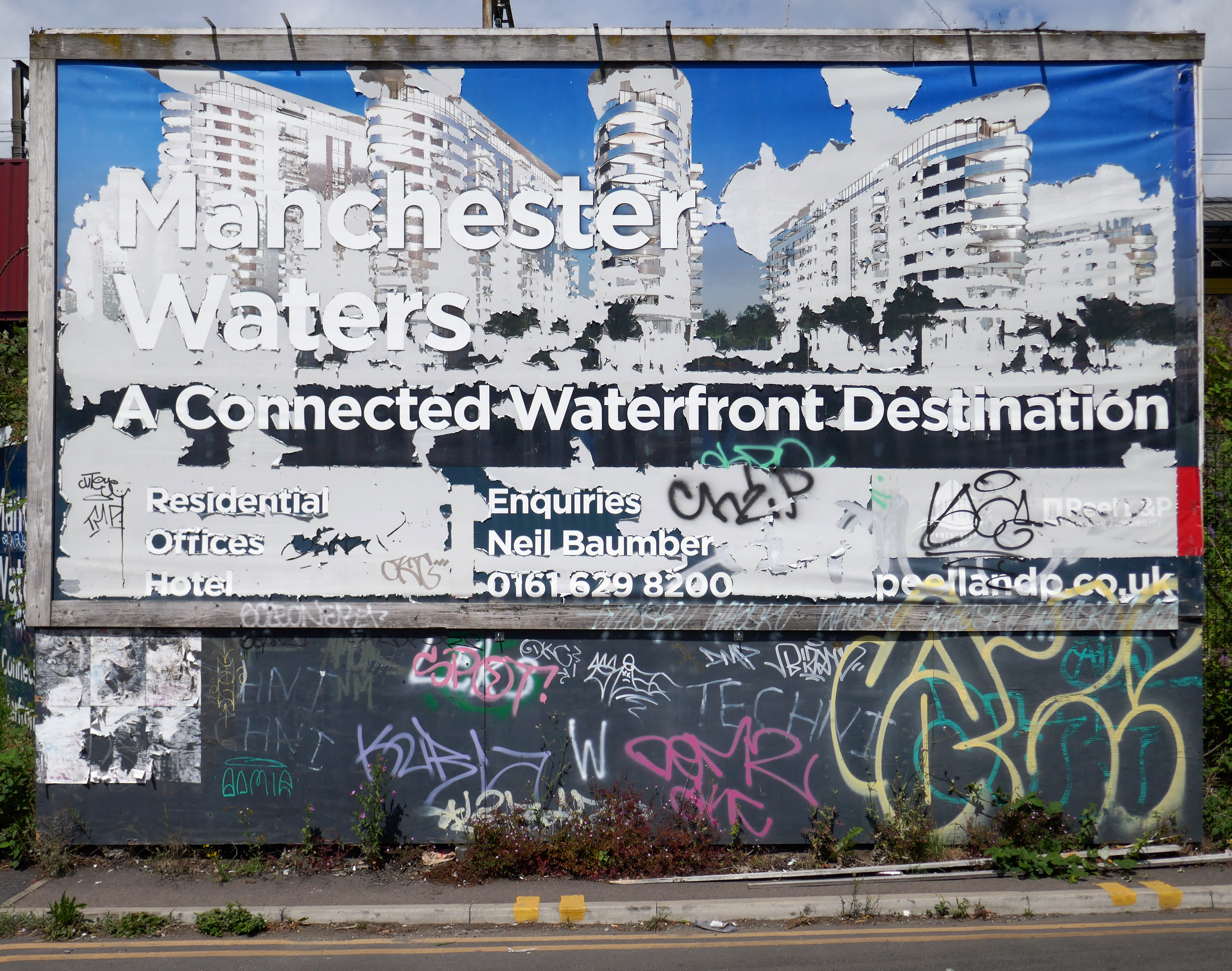
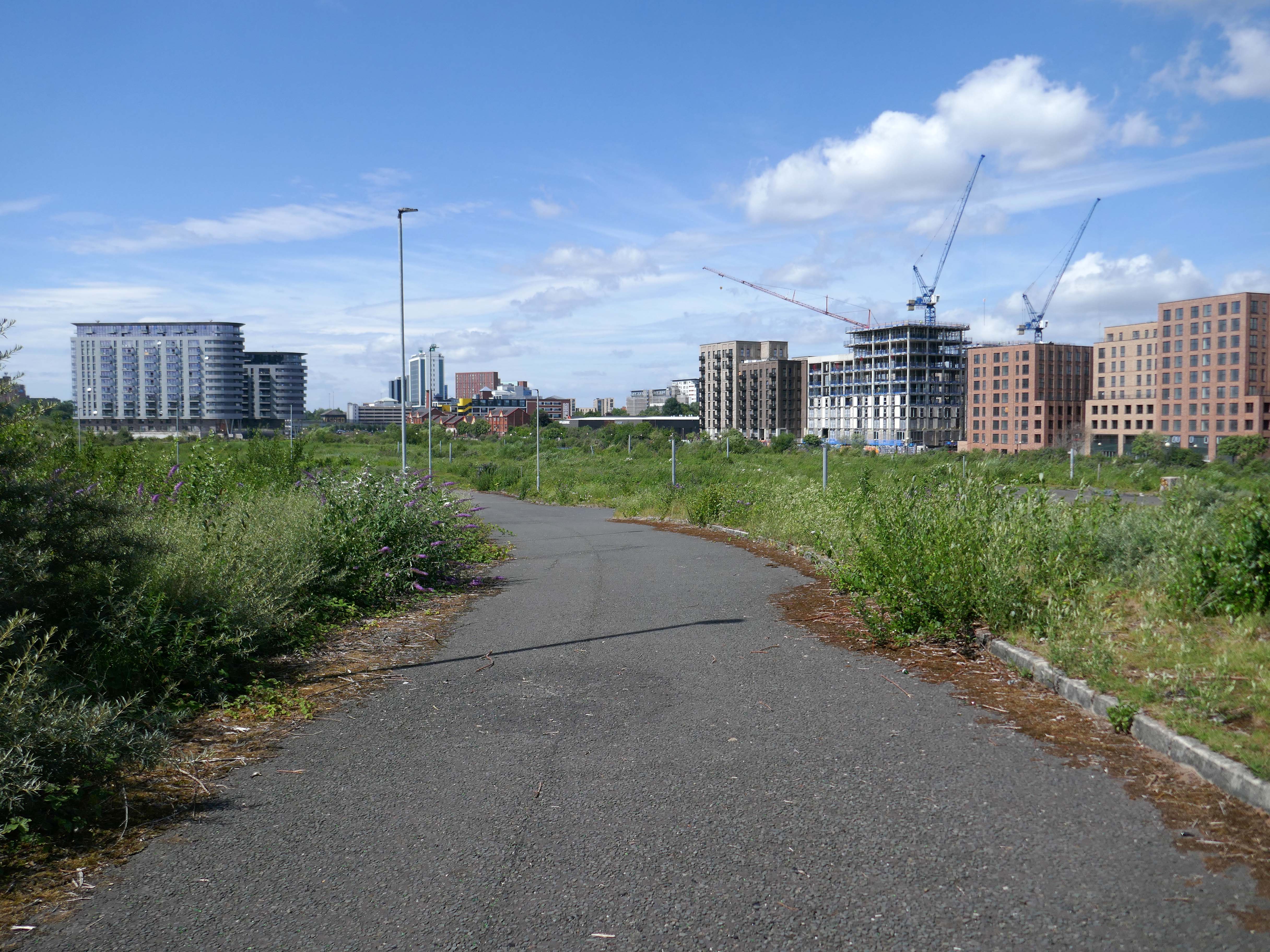
A Covid induced hiatus has meant that the masterplan has hit the buffers.
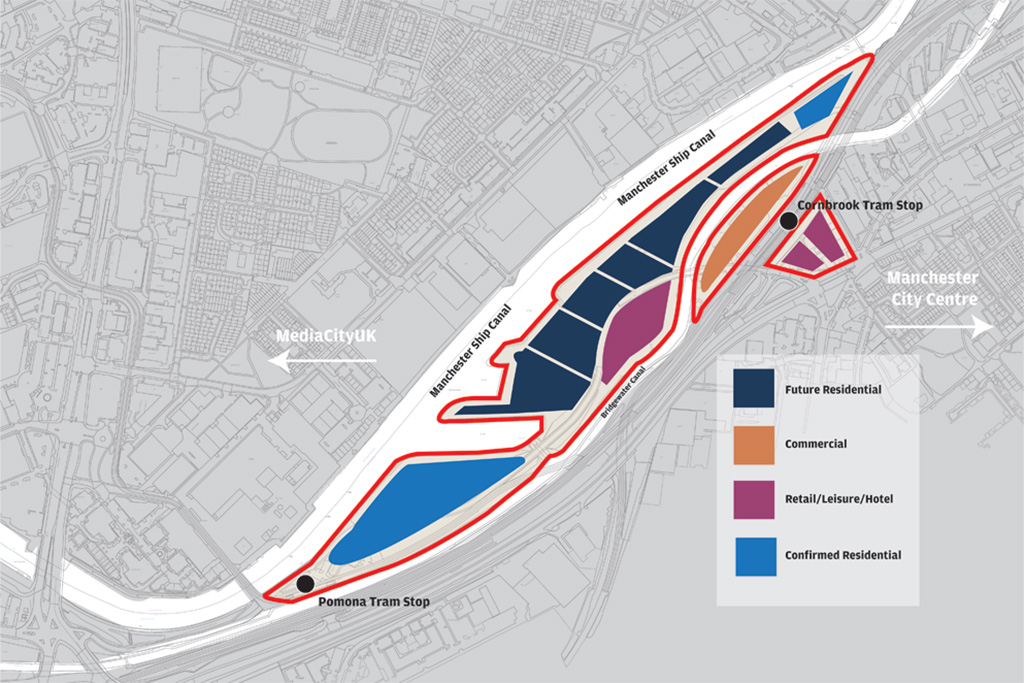
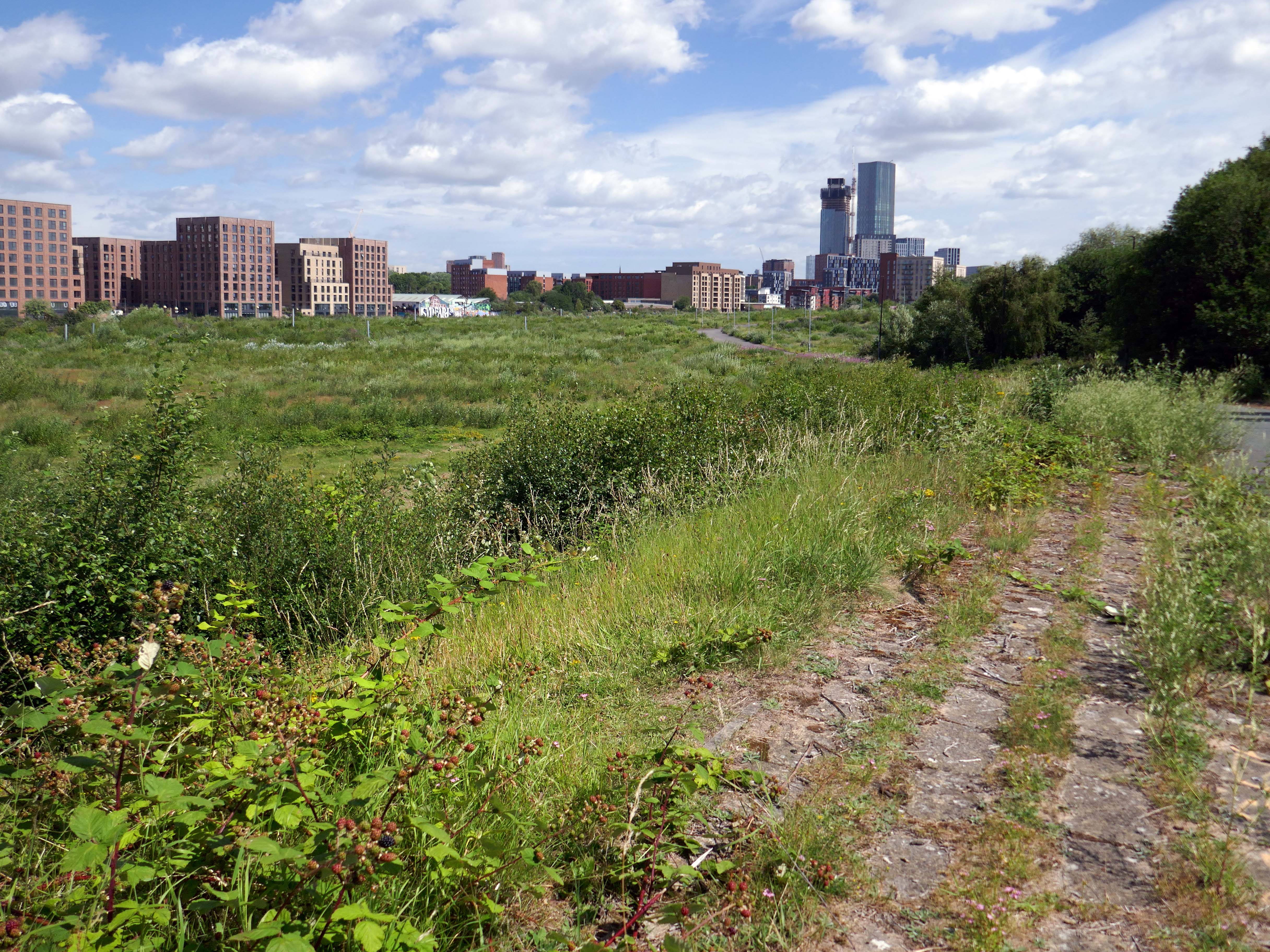
The revamped masterplan, covering almost 25 acres of currently underdeveloped brownfield land, would transform around 60% of the masterplan area into public realm and open space to help promote active lifestyles and the natural beauty of the waterfront site which is surrounded by the Manchester Ship Canal and the Bridgewater Canal.
Over time there has been resistance to the tidal wave of regeneration that is sweeping down the Ship canal engulfing Pomona Island.
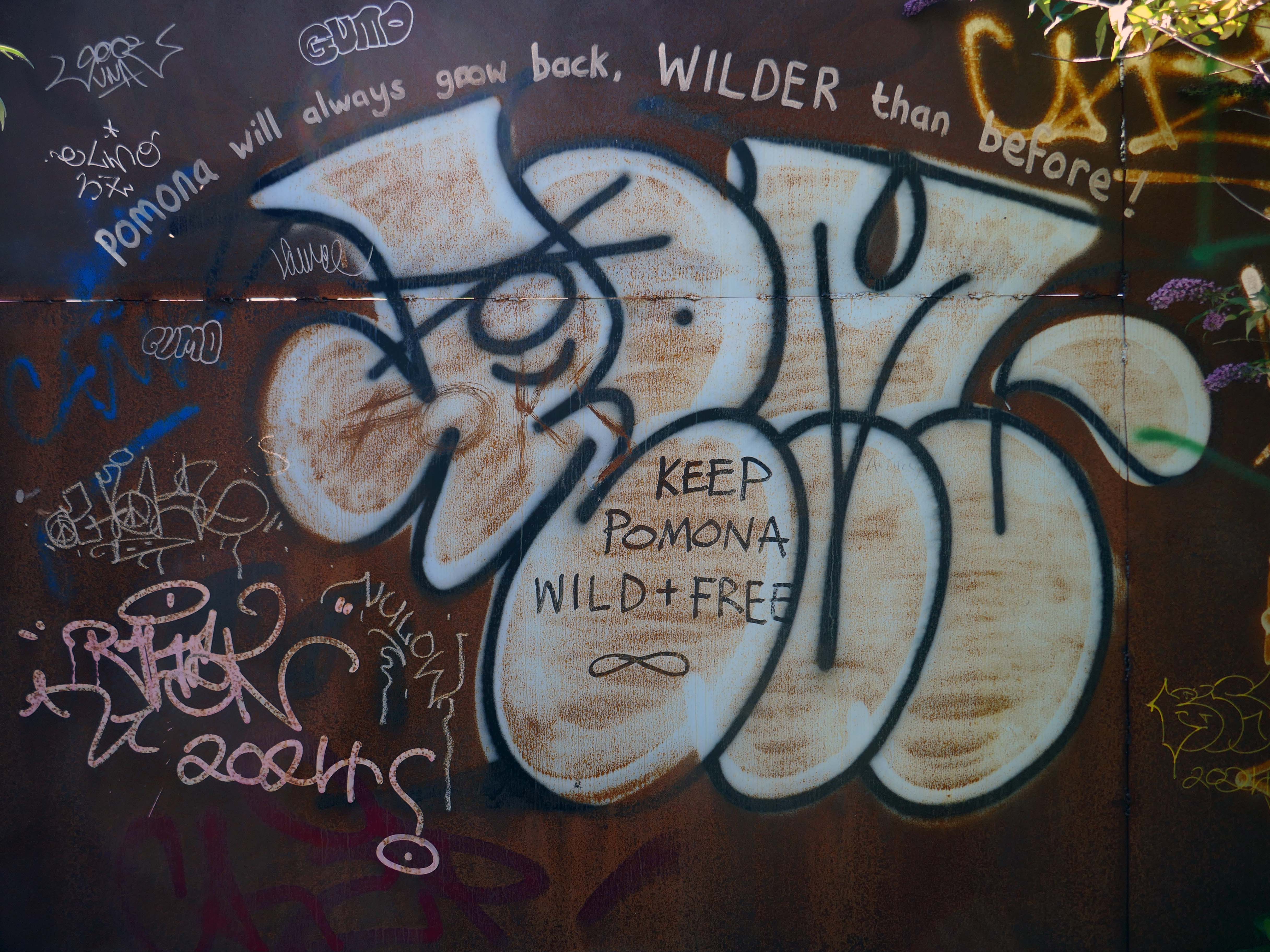
Save Pomona are a group of Manchester/Salford and Trafford residents committed to seeing the future of Pomona be a community based and sustainable one rather than a purely commercial one that benefits only a few.
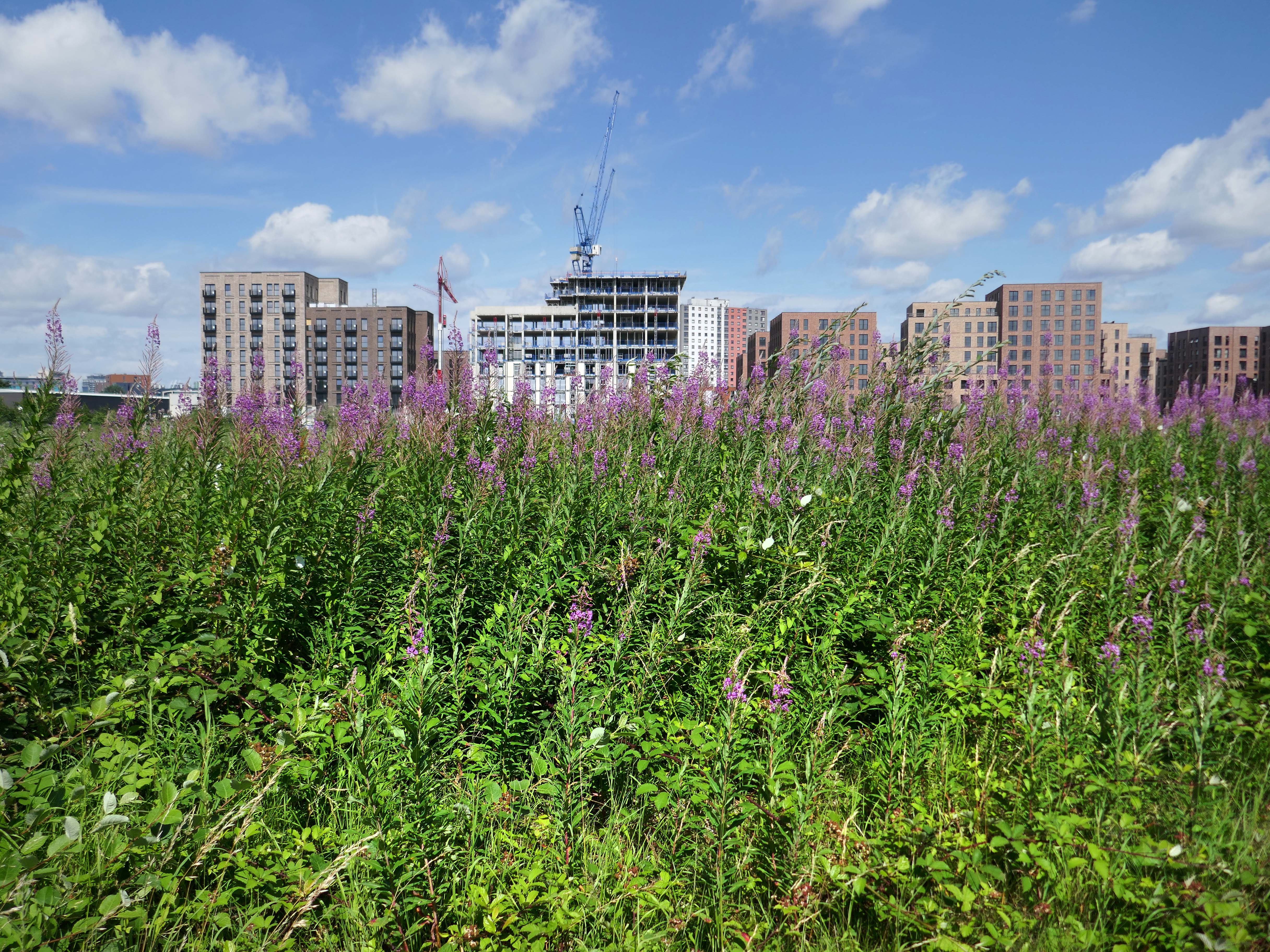
Last Thursday, campaigners aiming to save the old dockland site across the Manchester Ship Canal from Ordsallheld a Pomona Day, and yesterday it was the Pomona Festival as the community turned out to view the wildlife and flora that has sprung up on the abandoned dockland site.
Peel have already cleared most of the scrub, before they submitted the planning application, probably because they know they can get away with it and because they think there is less chance of objection from the public.
Several Years ago Martin Zero celebrated the flowers and fauna in video from.
However the overwhelming might of Peel Holdings, along with the collective commercial imperatives of the local Local Authorities, has proved to be an unstoppable force, with few unmovable objections.
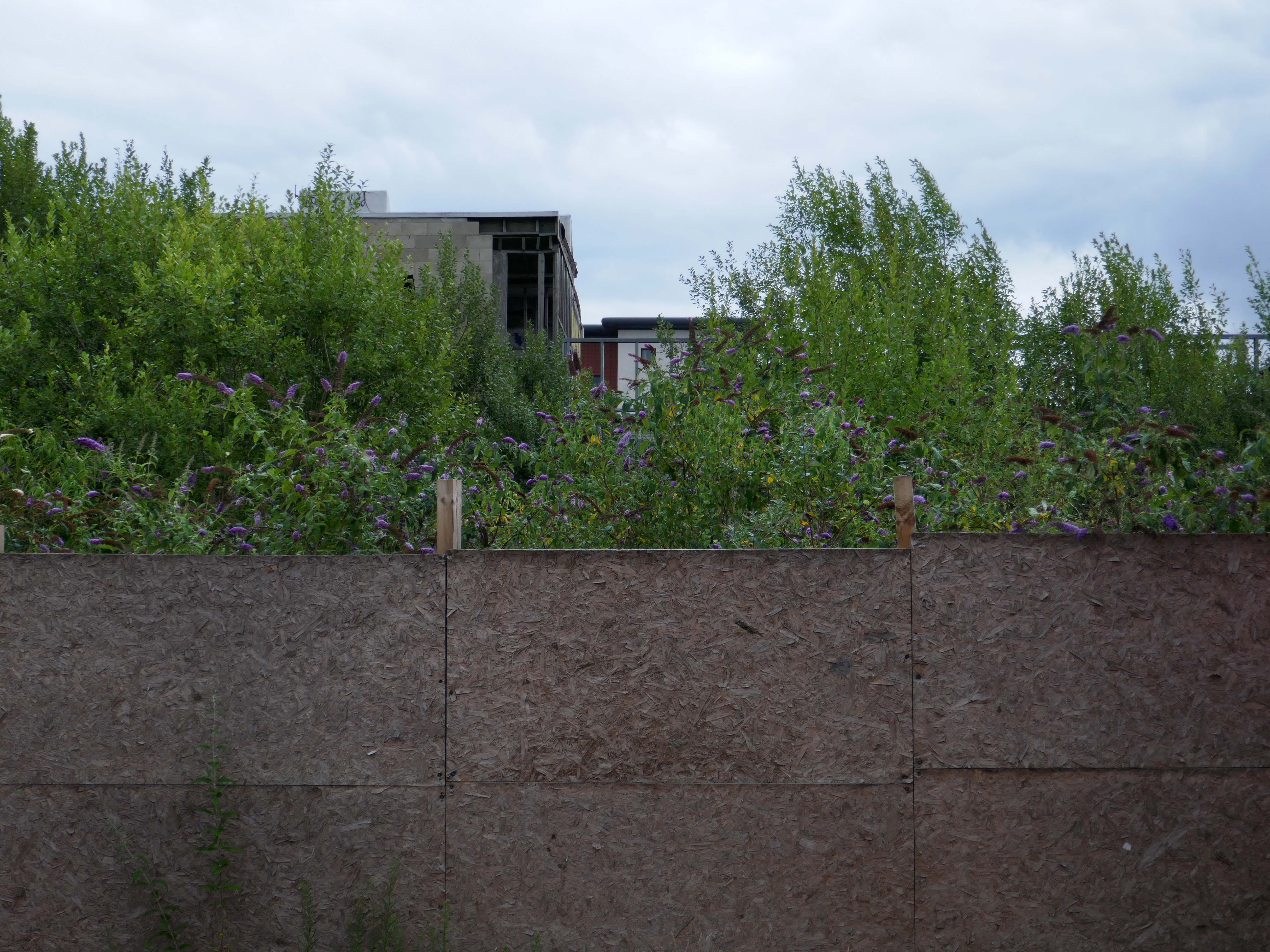
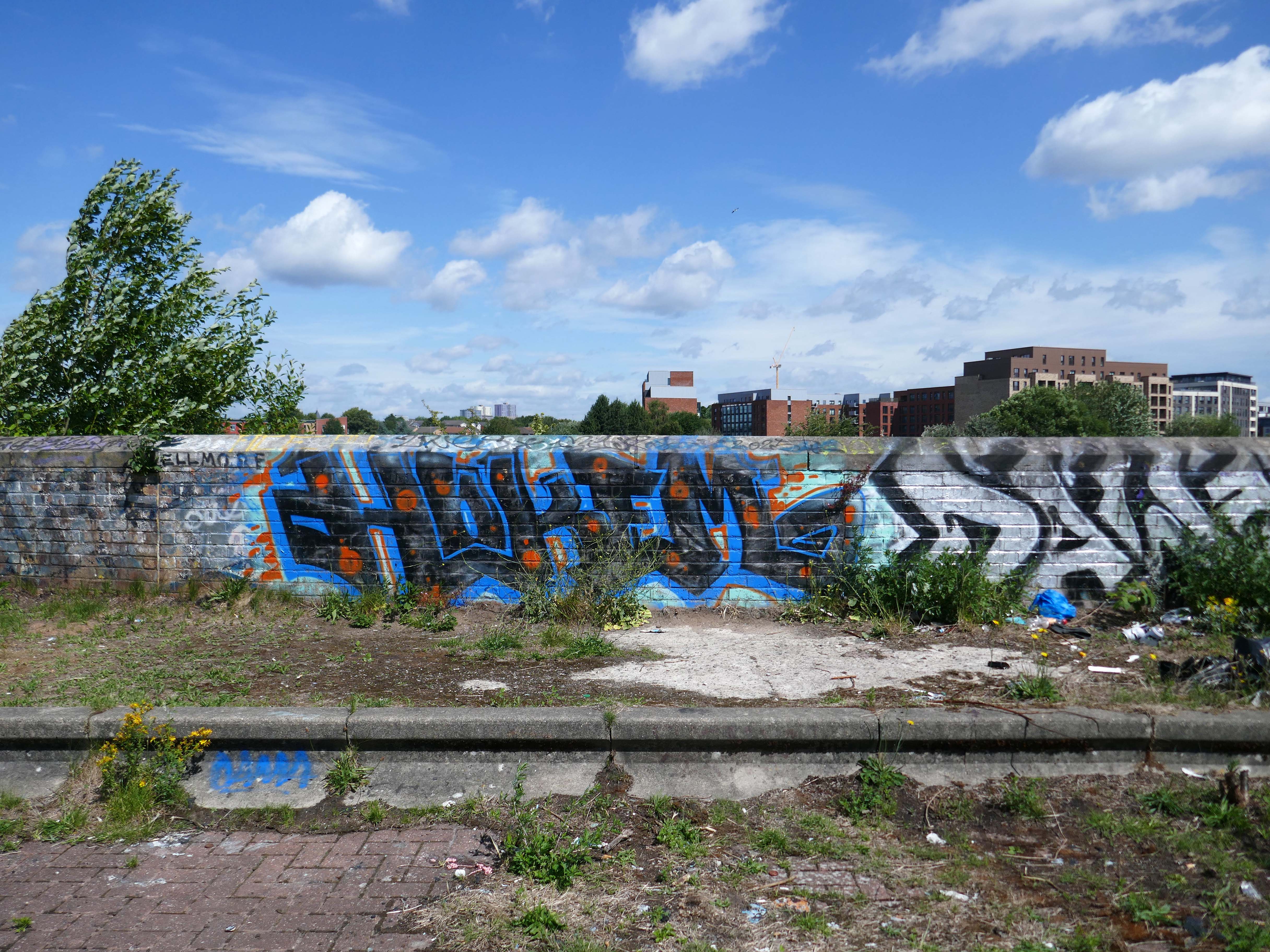
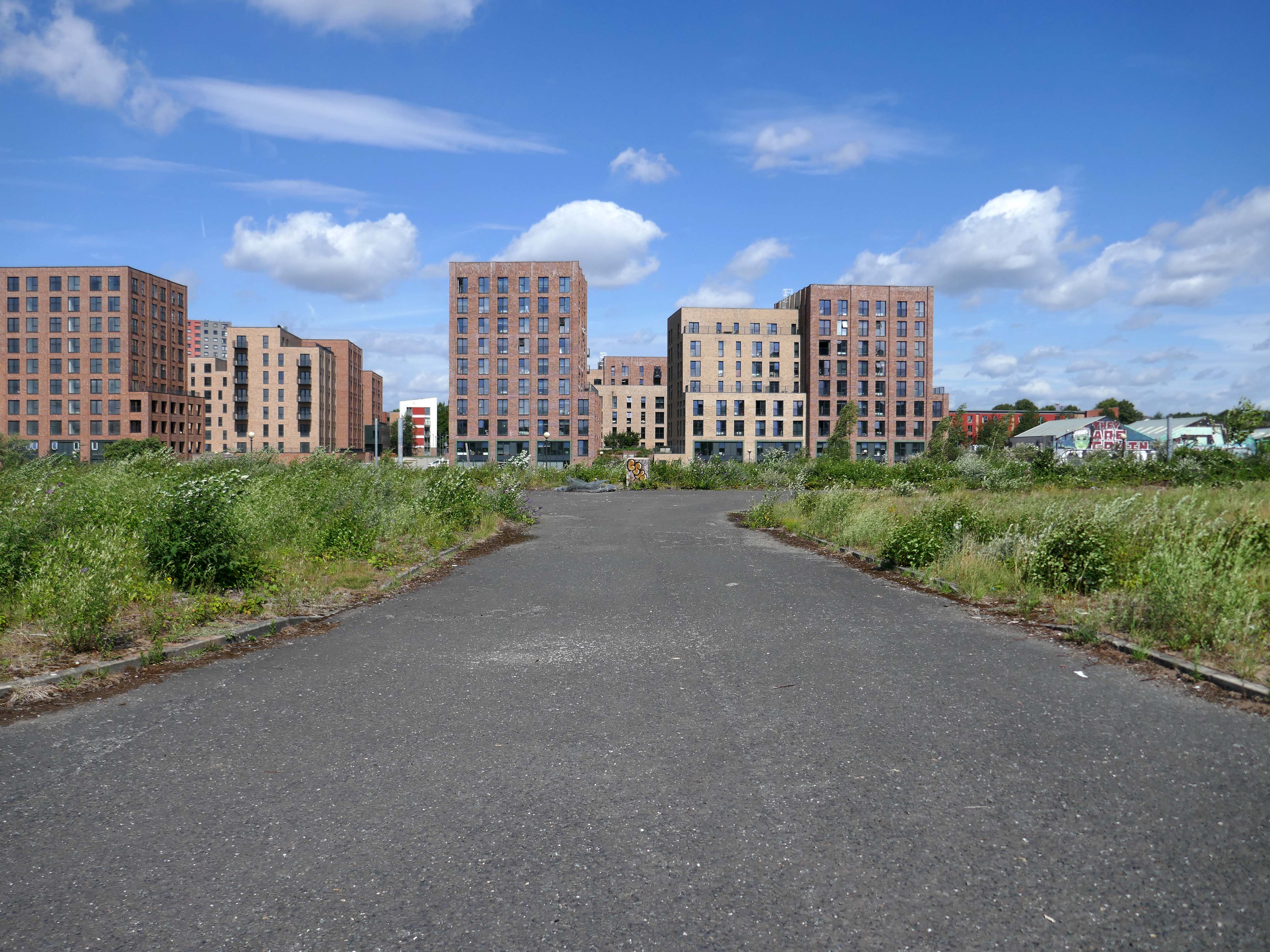
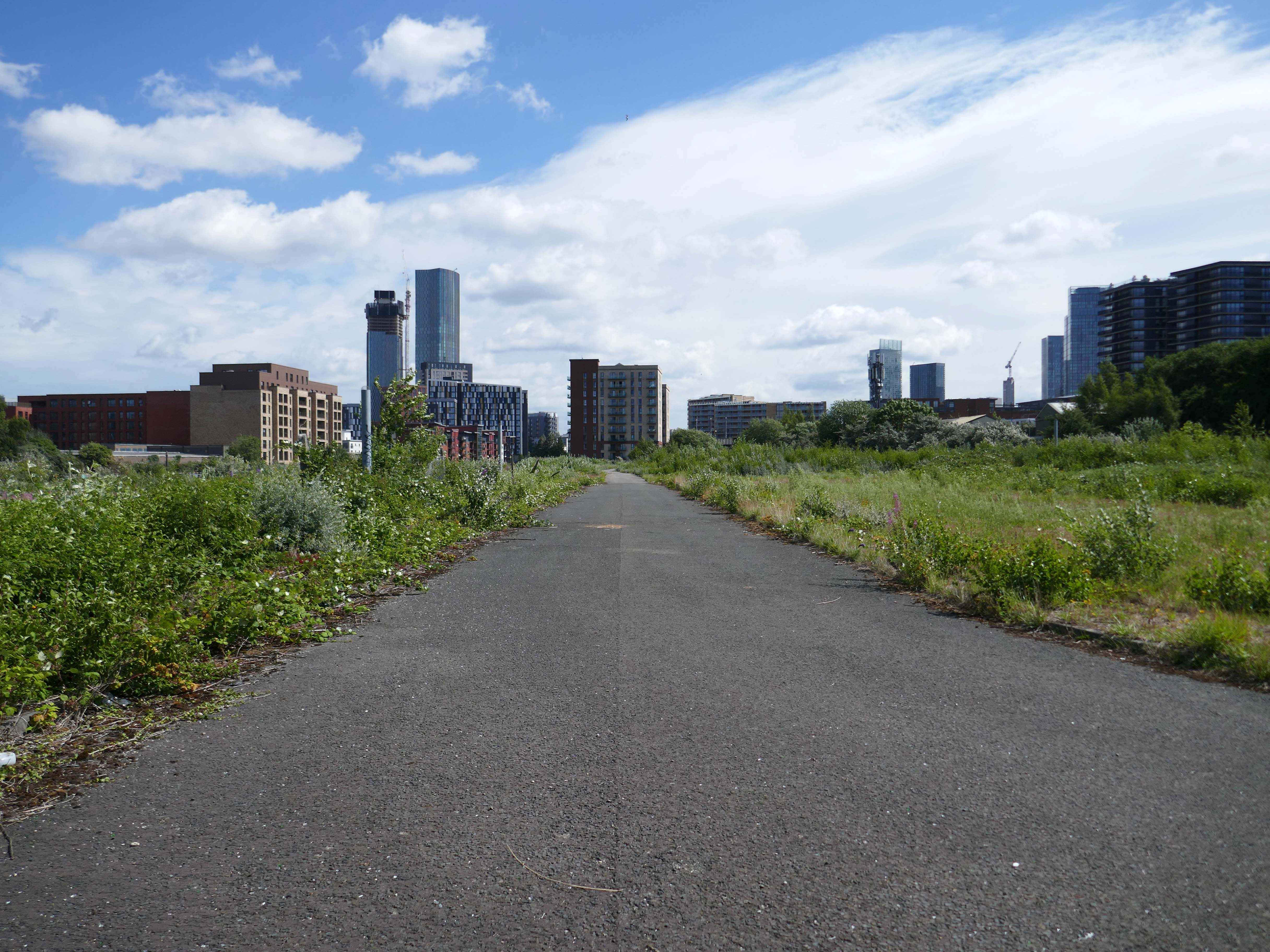
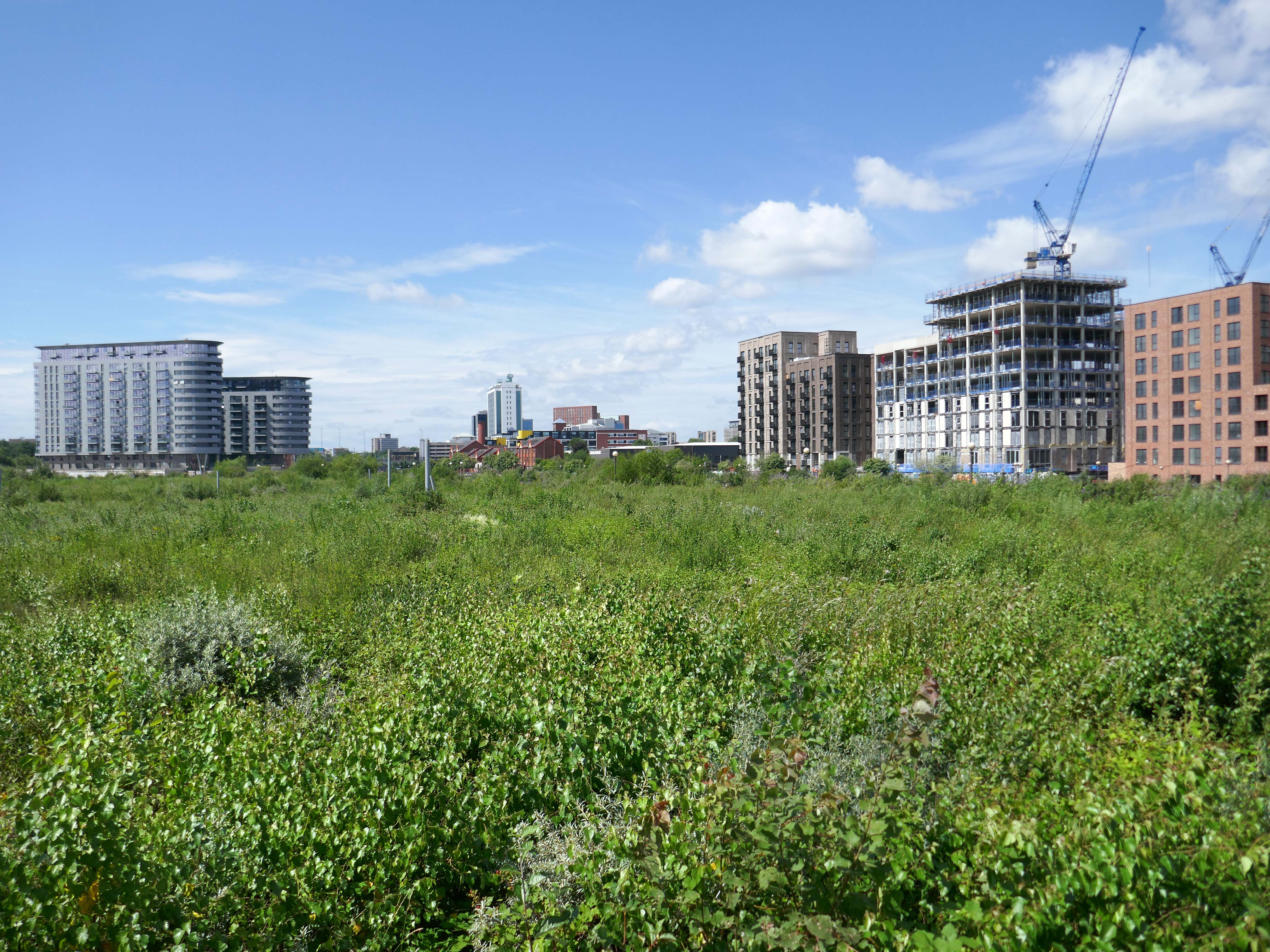
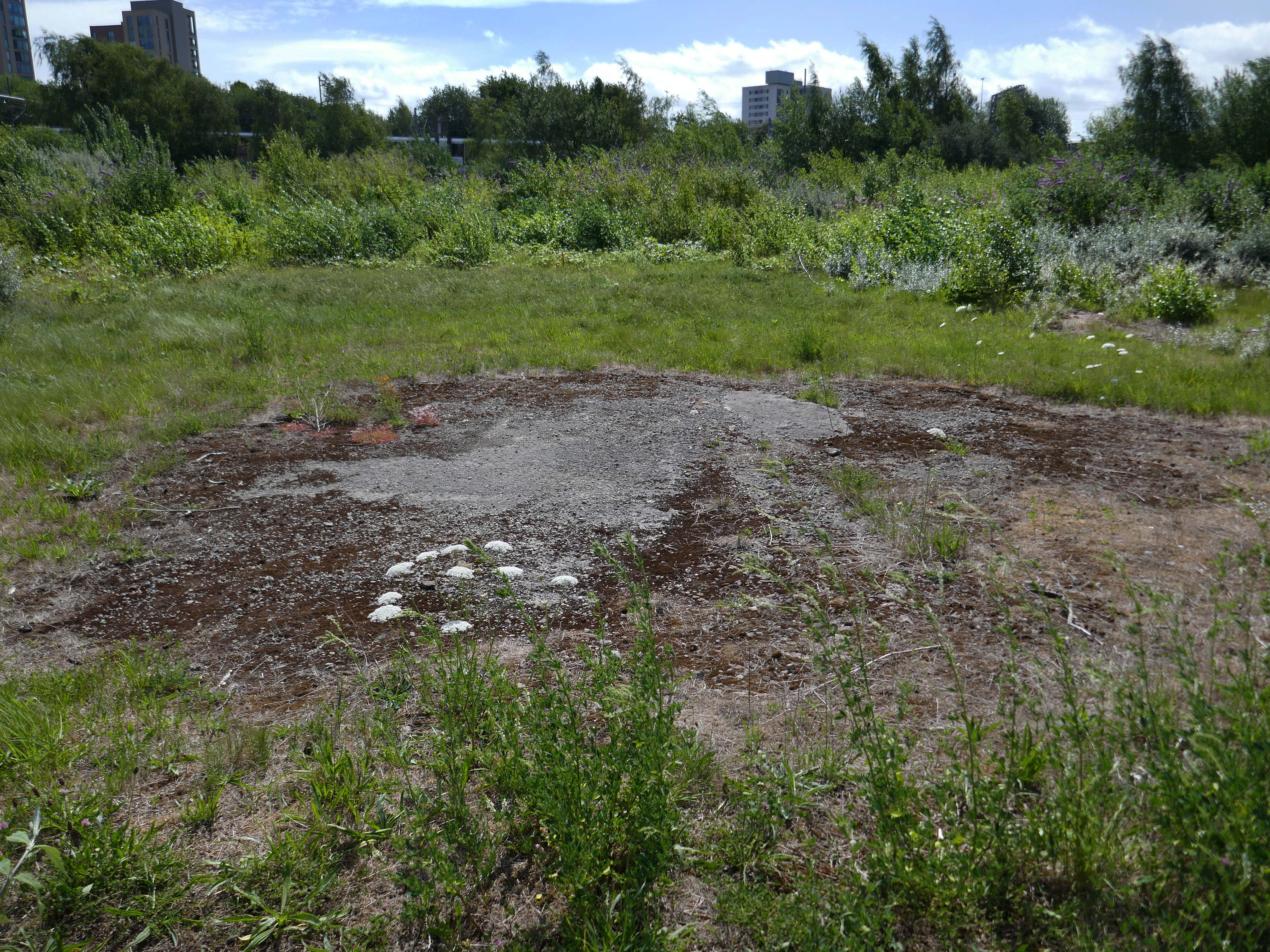
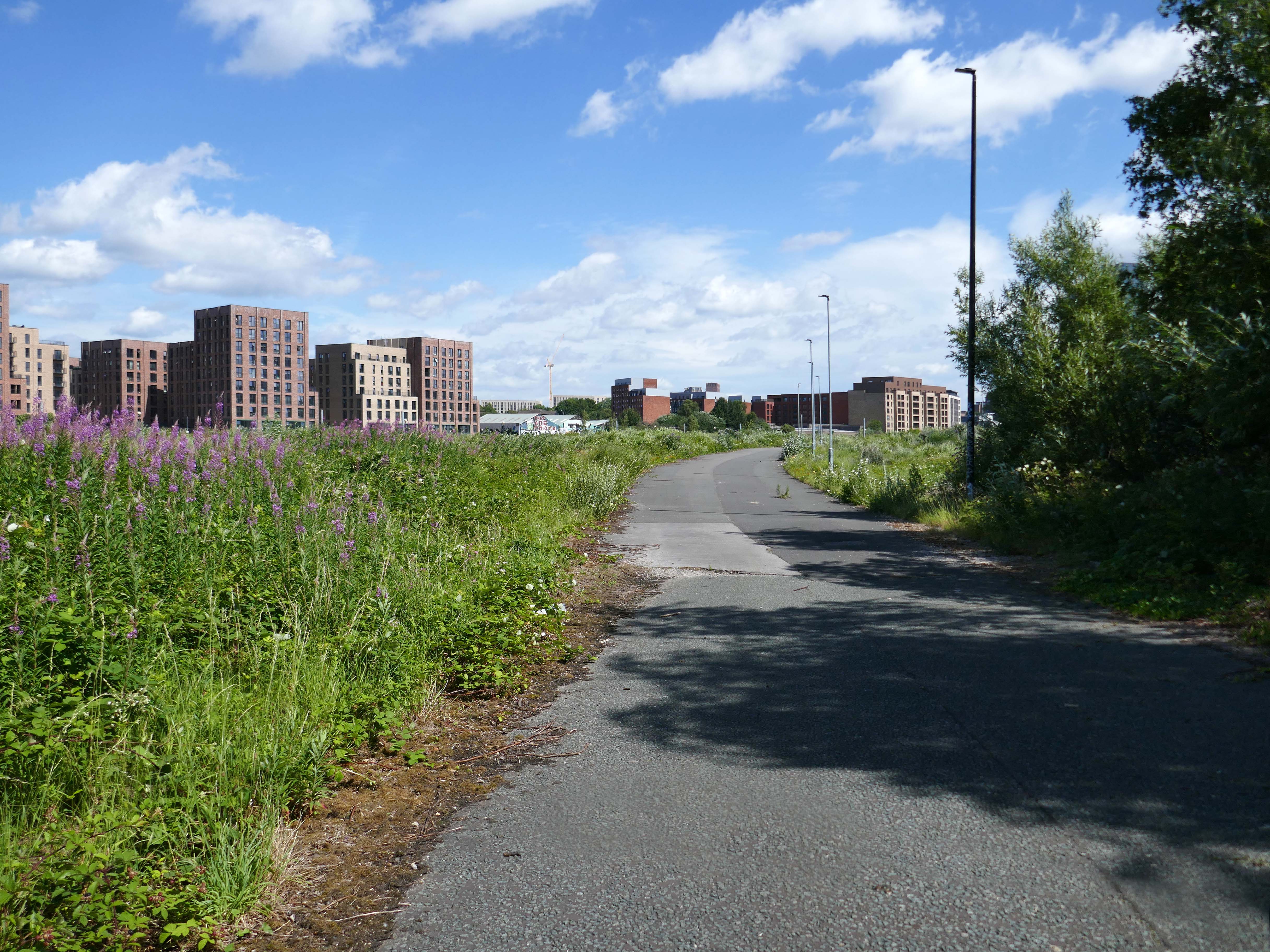
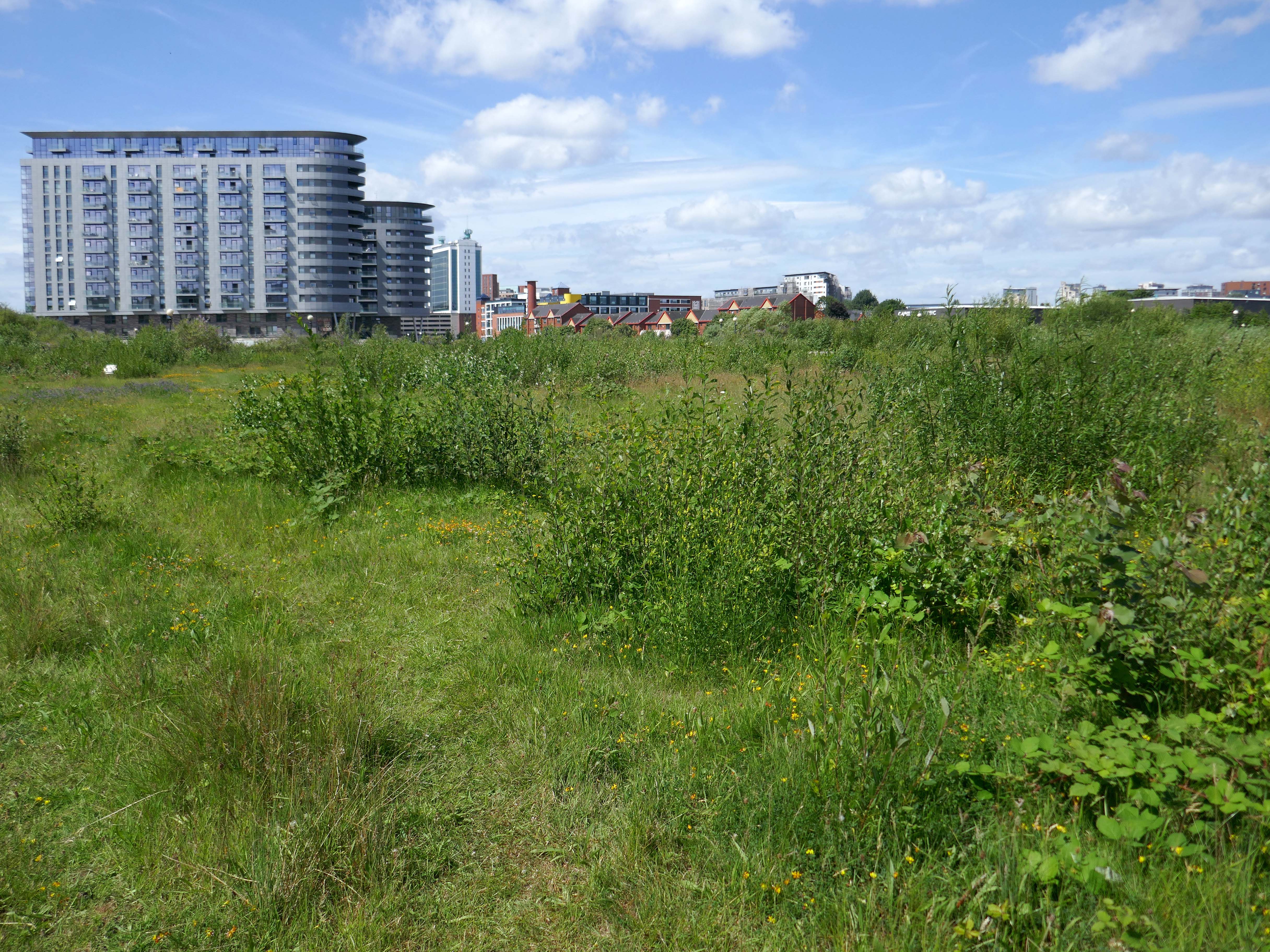
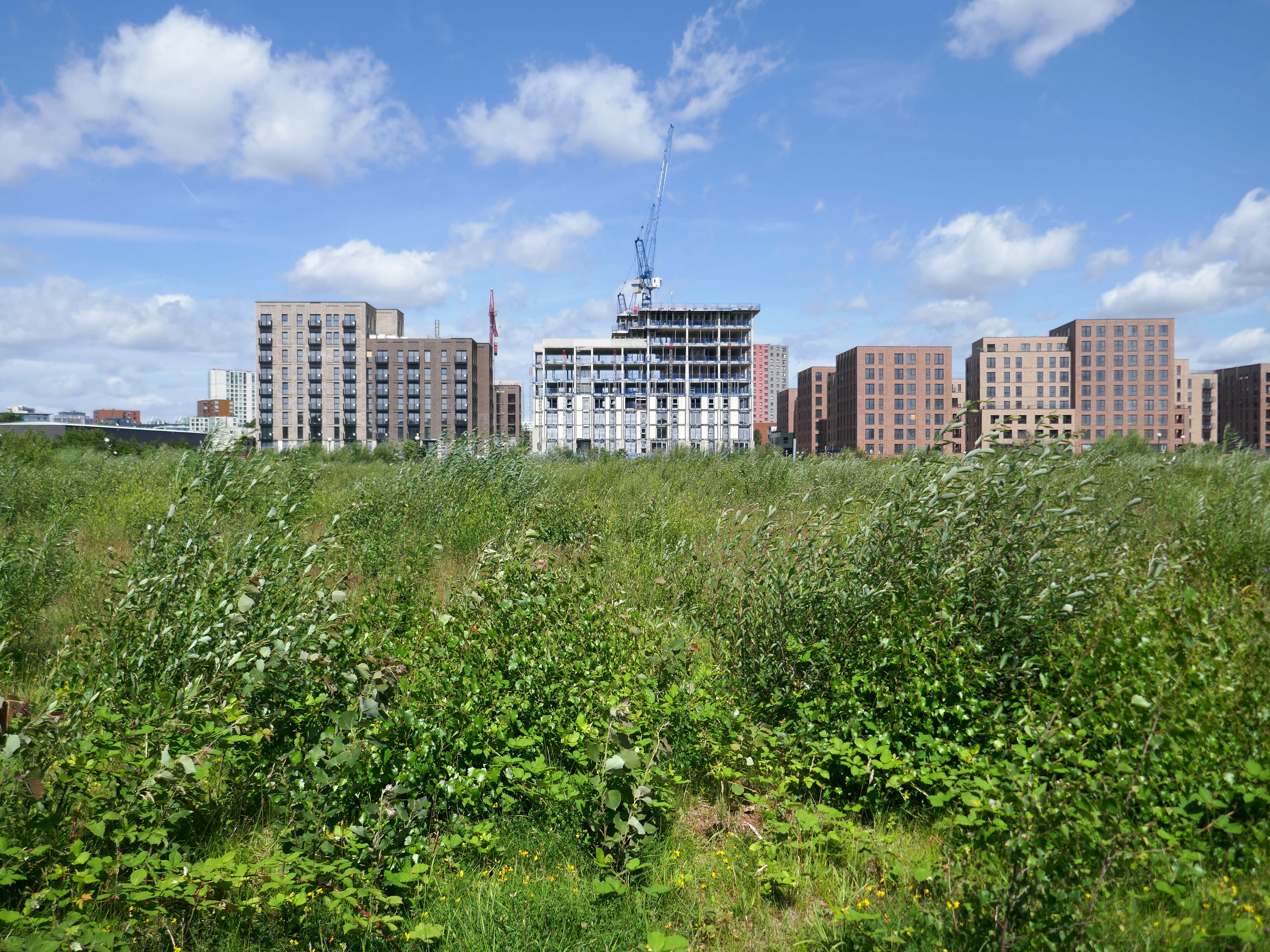
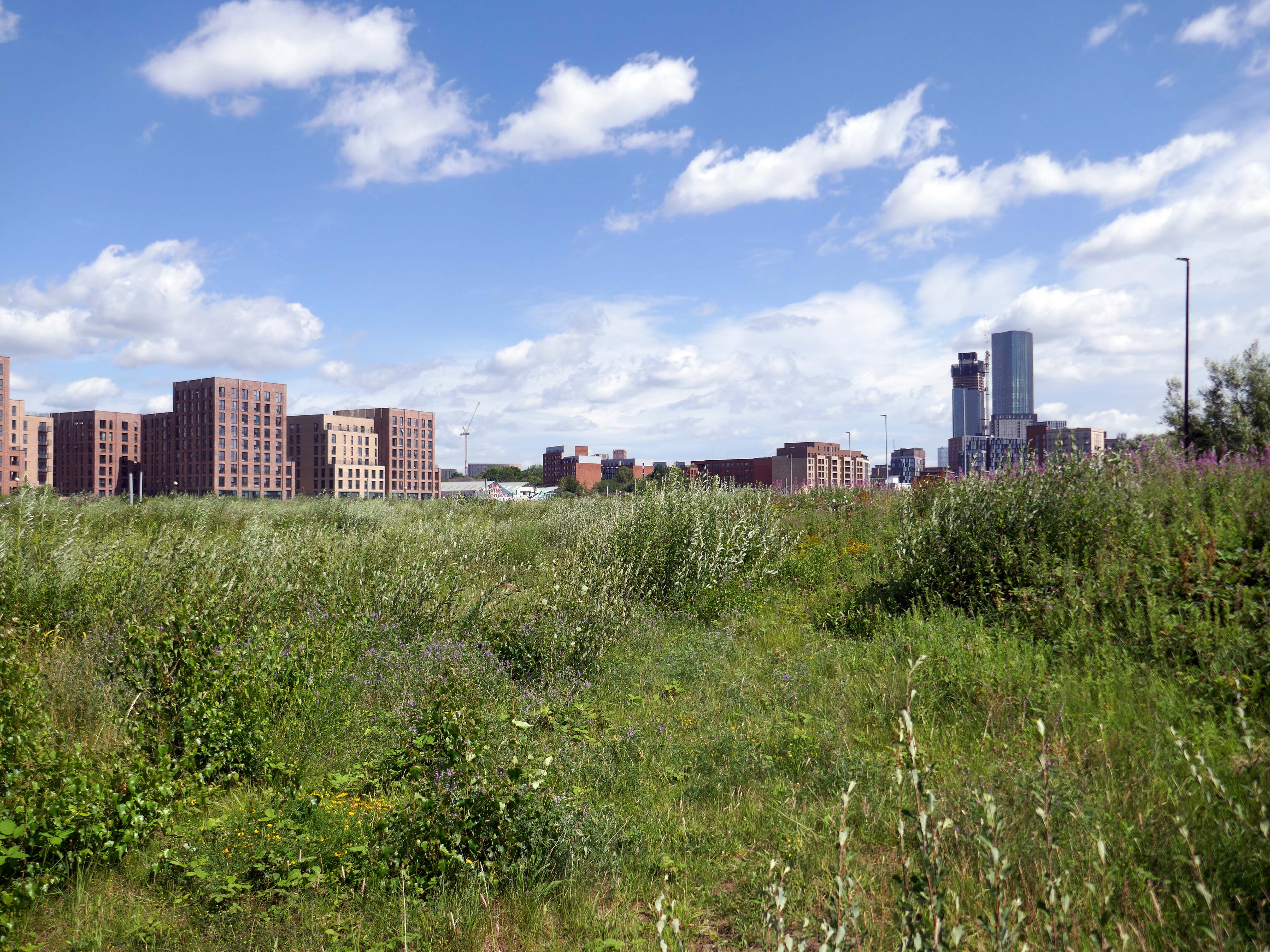
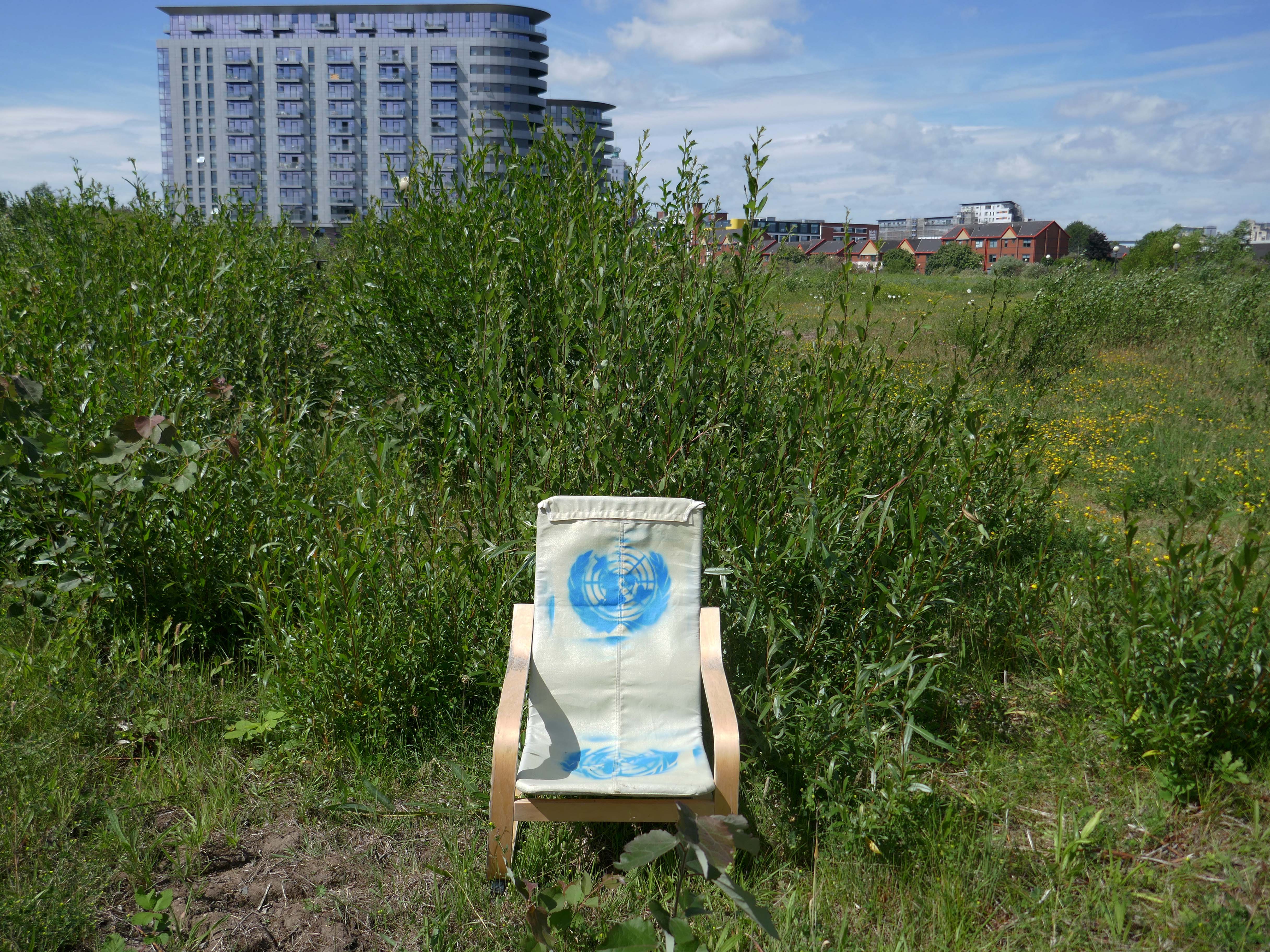
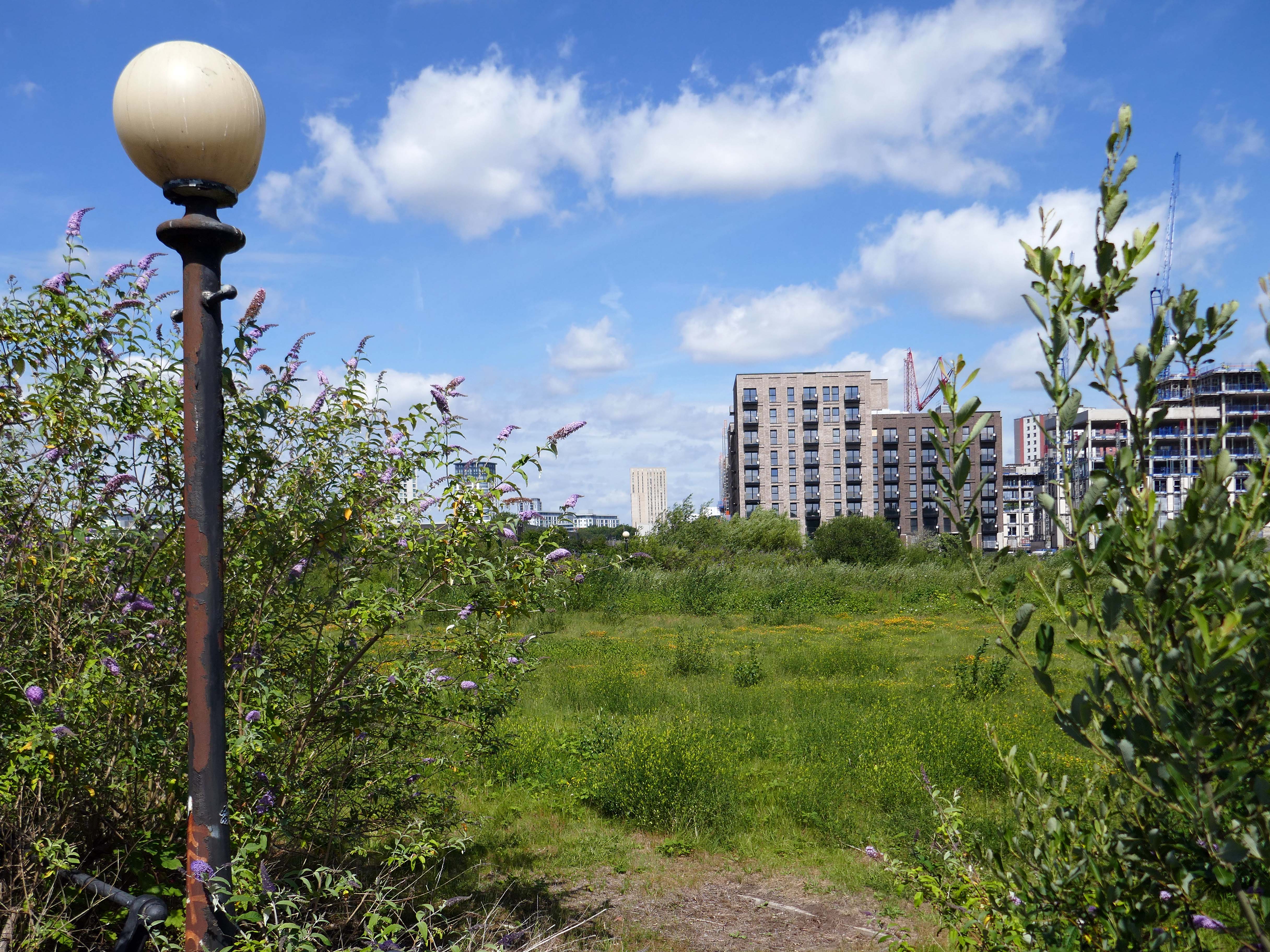
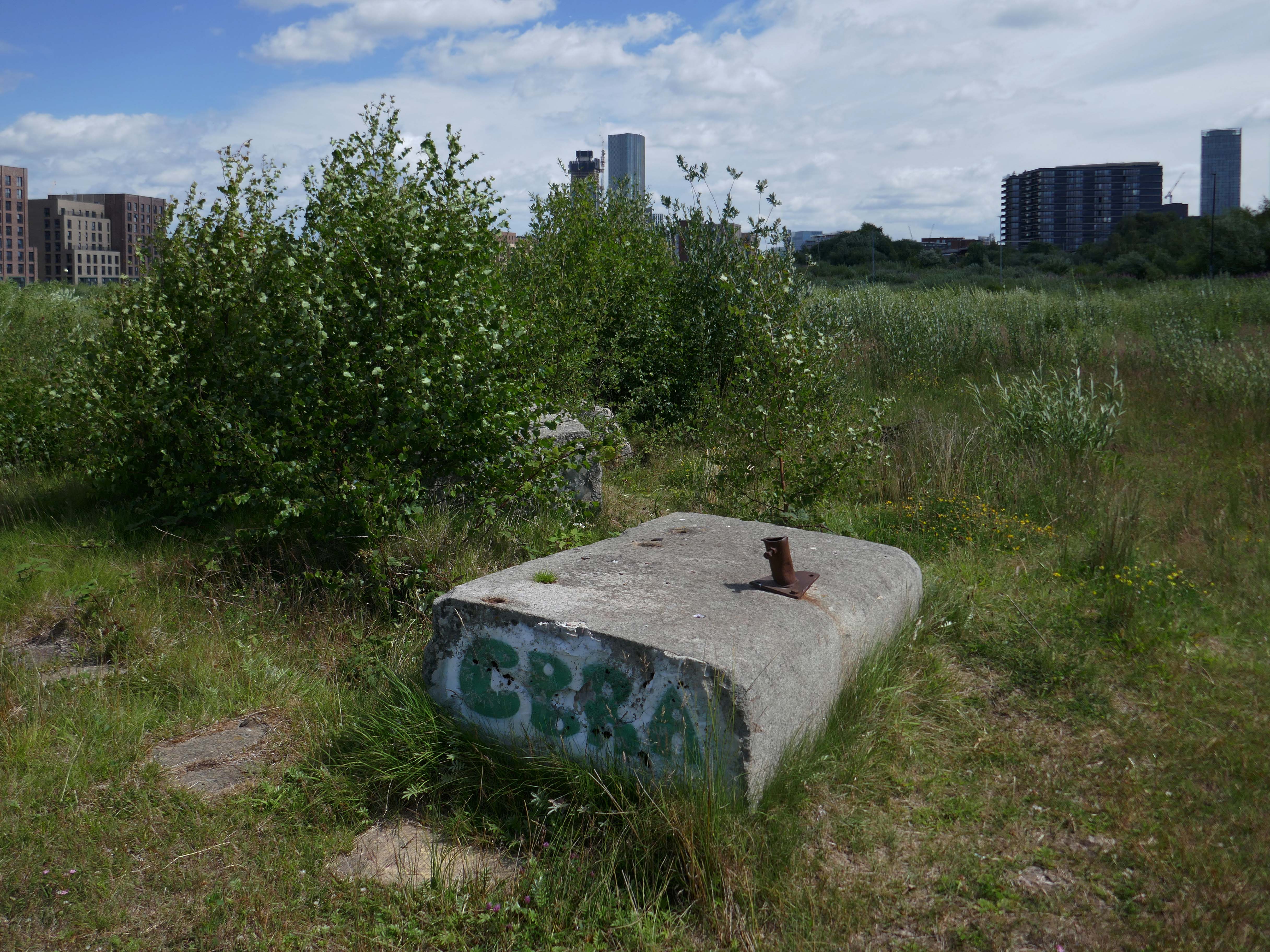
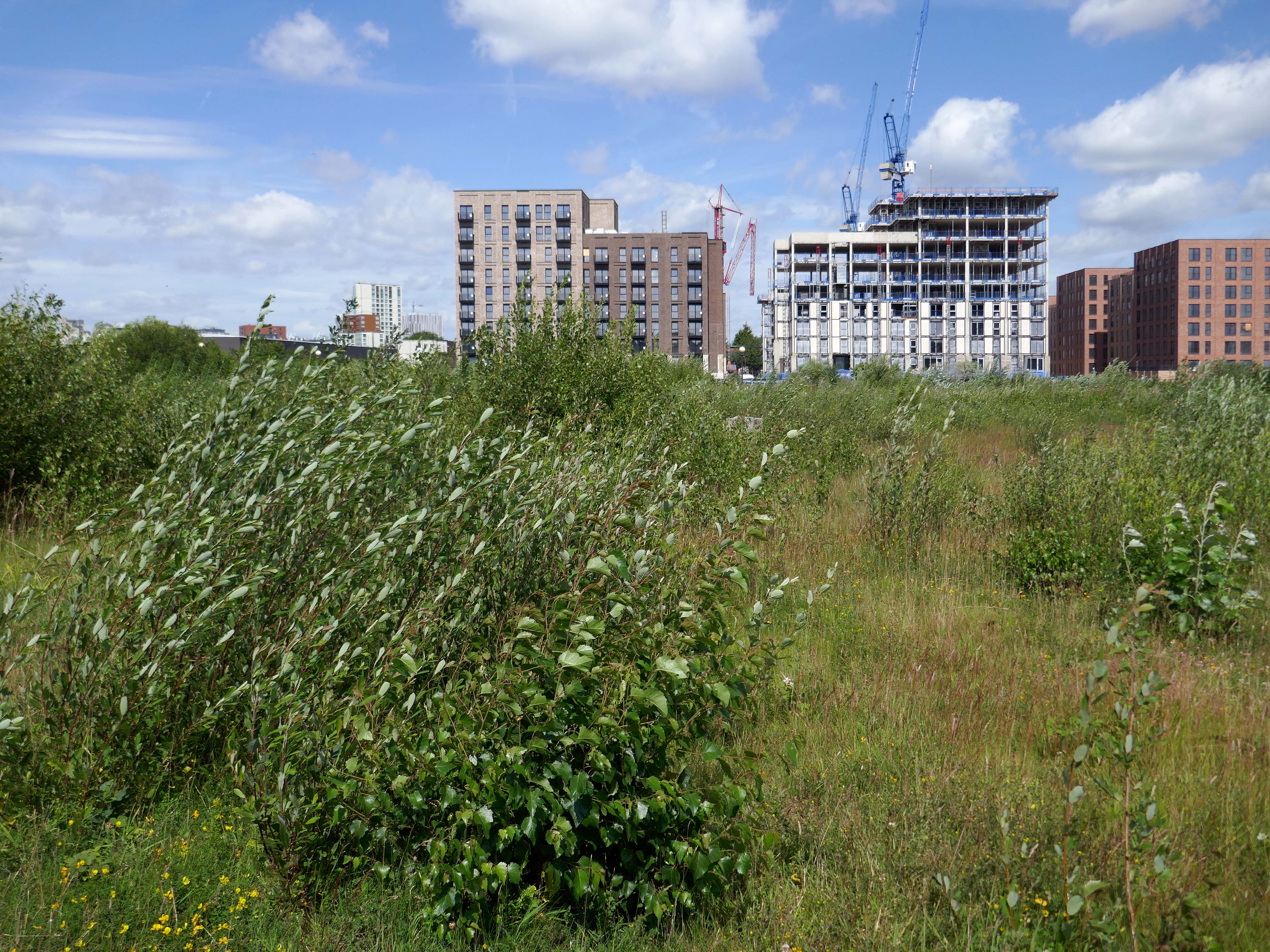
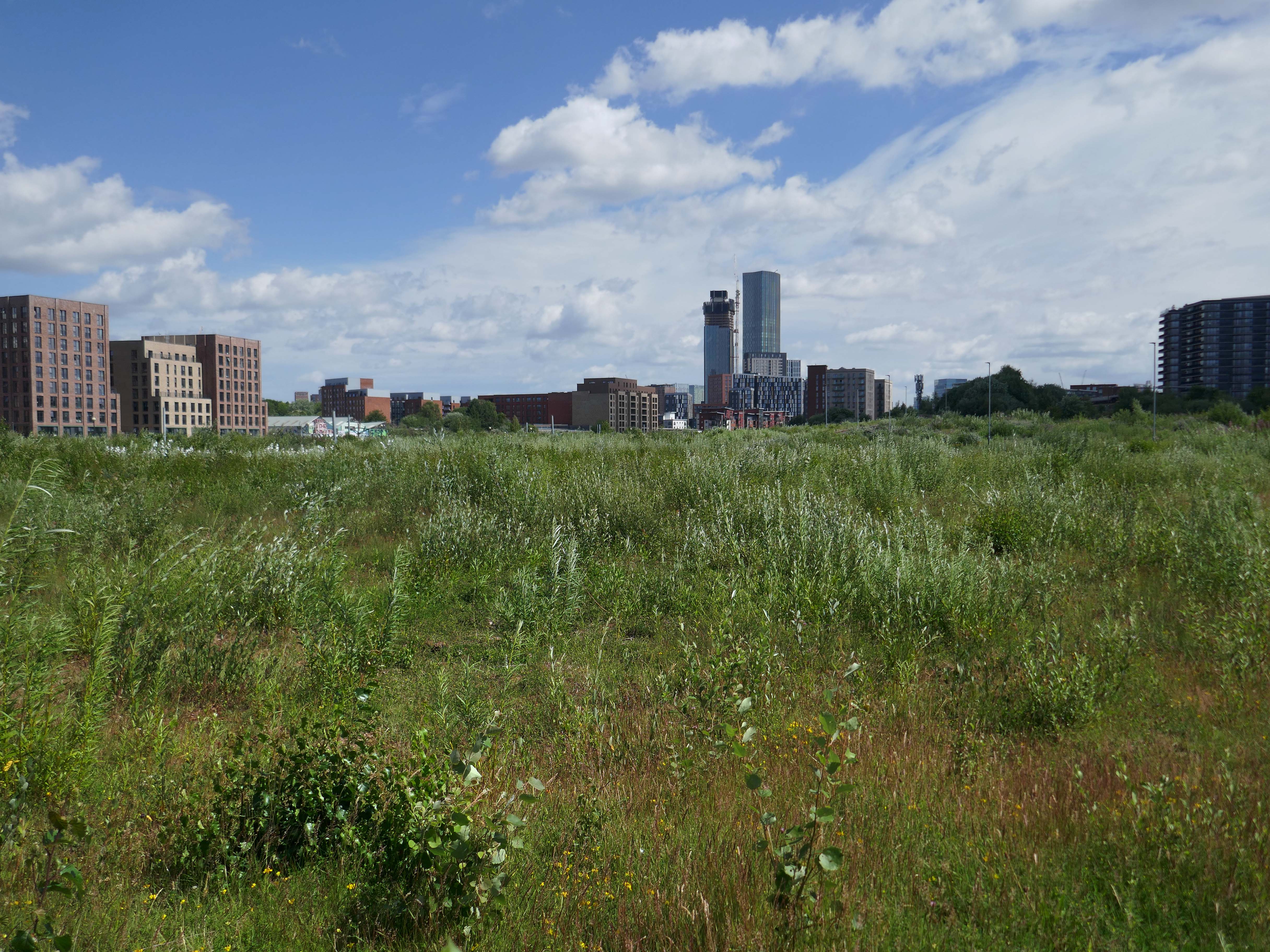
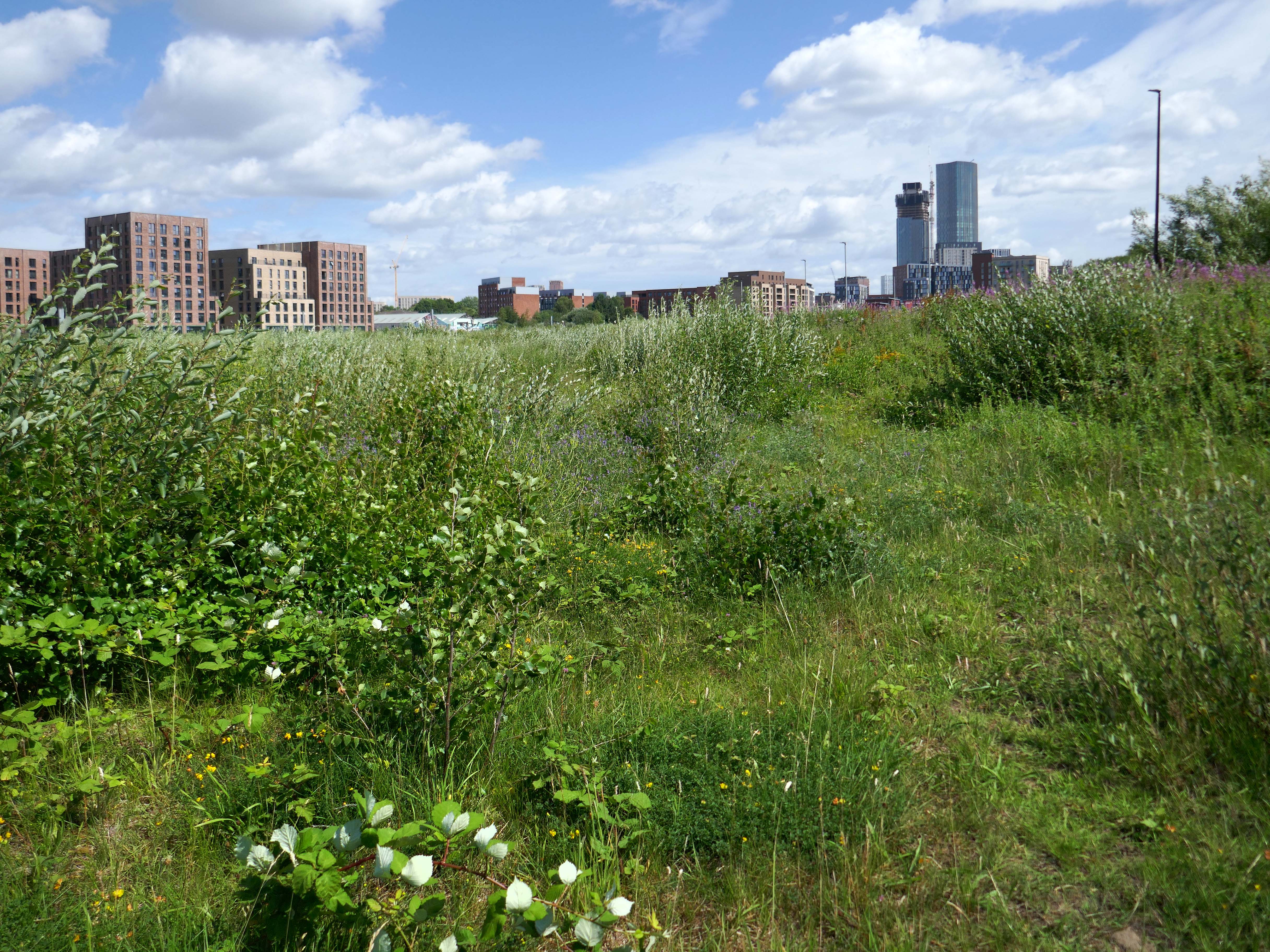
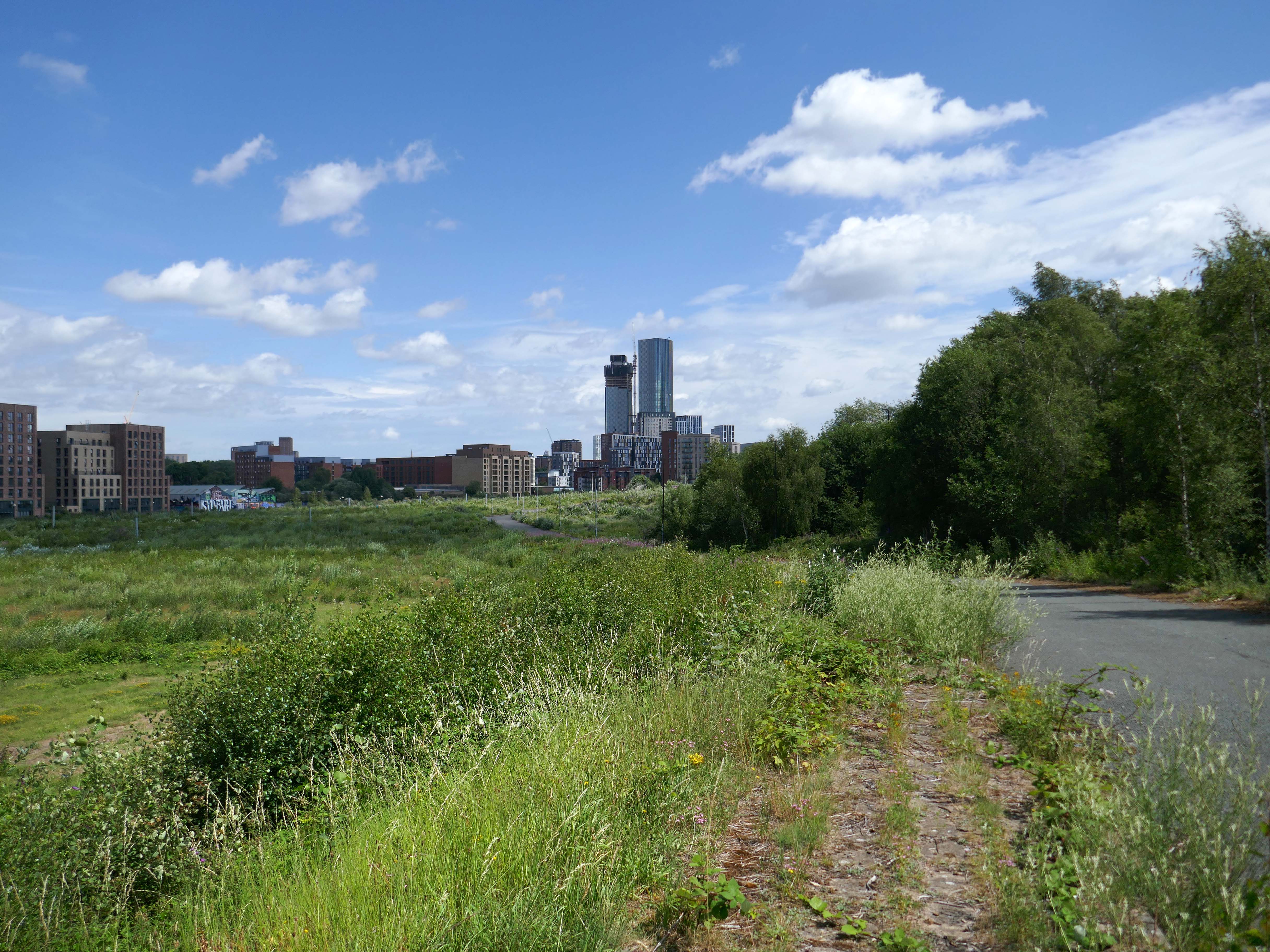
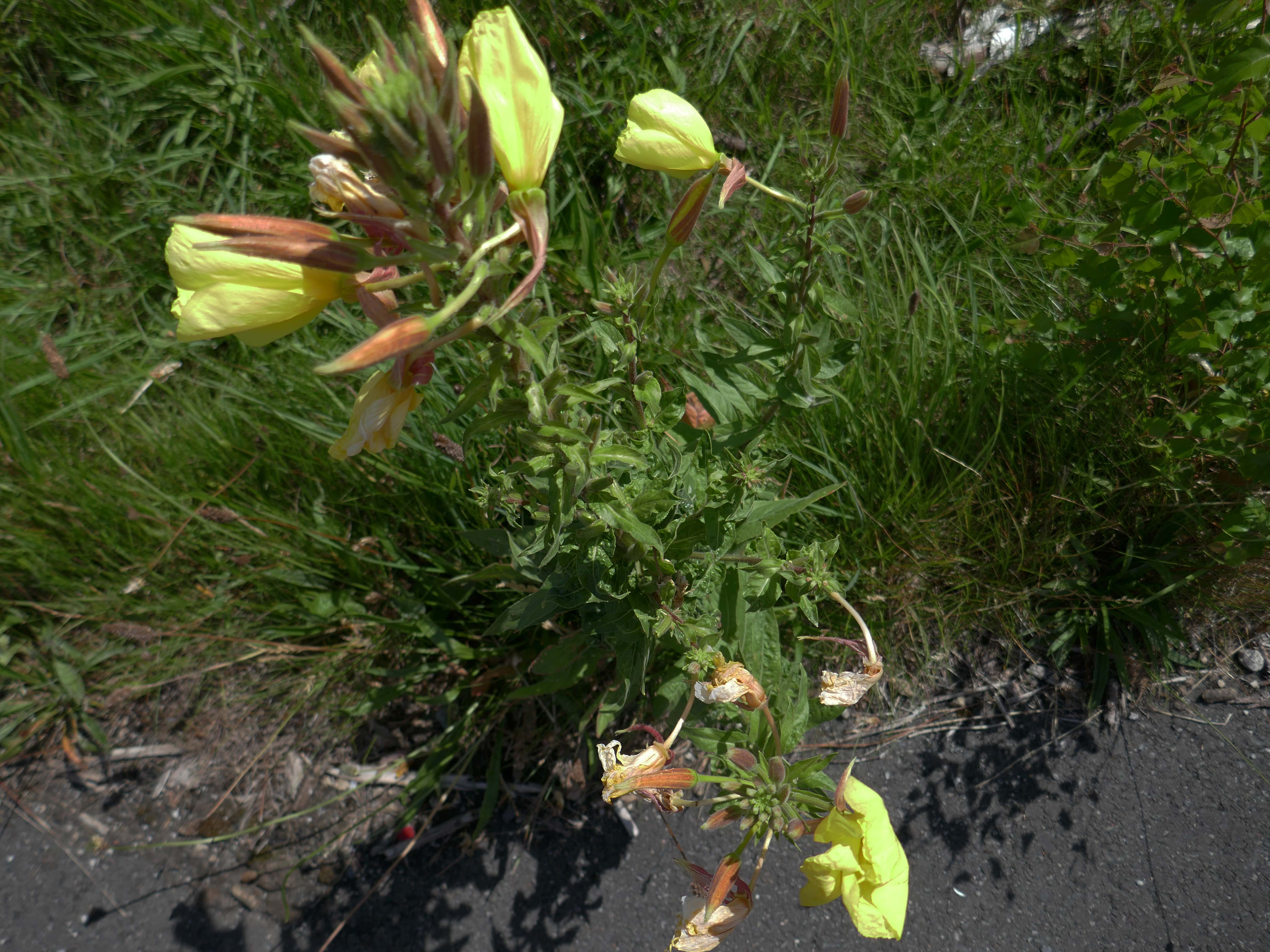
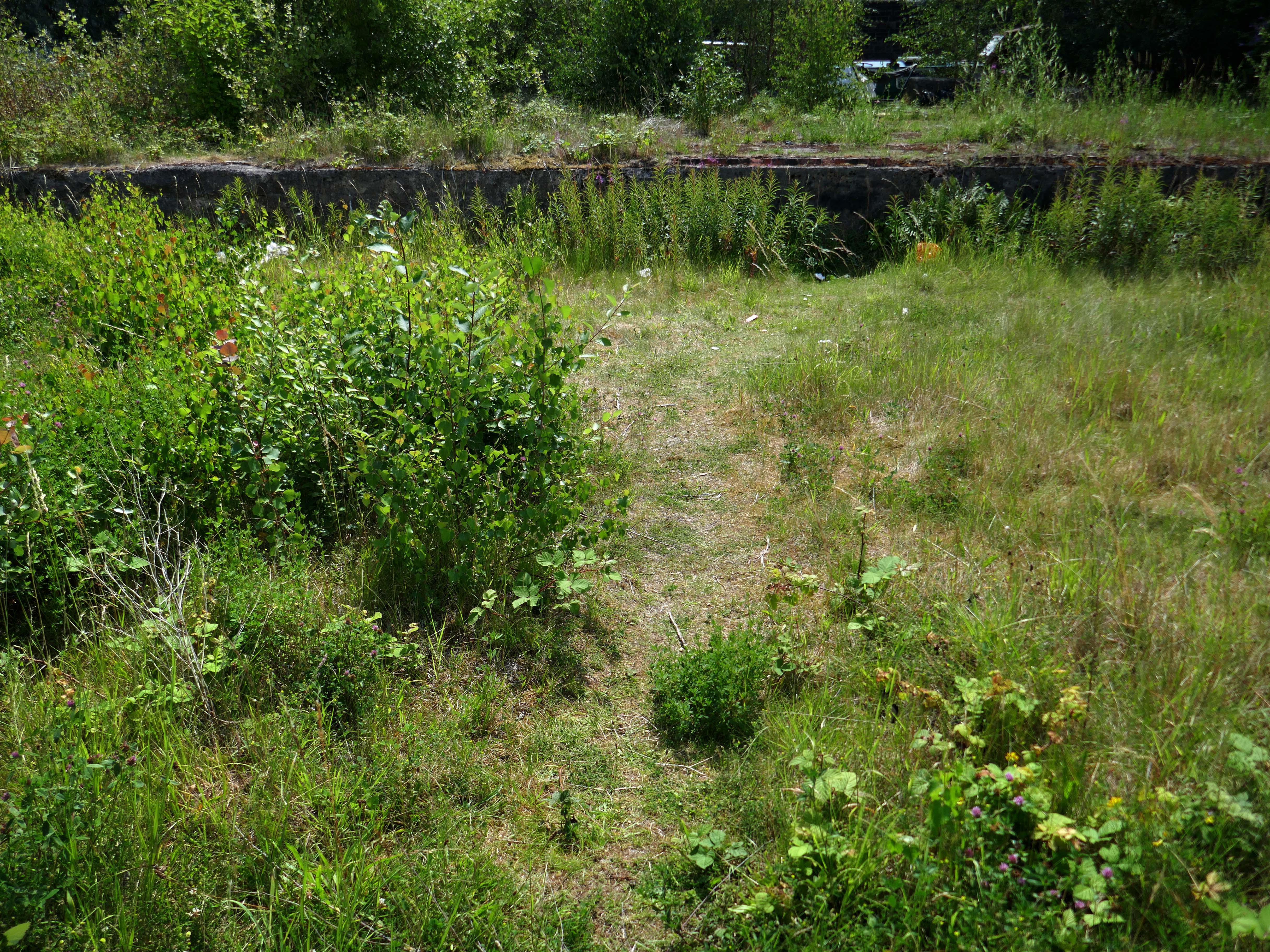
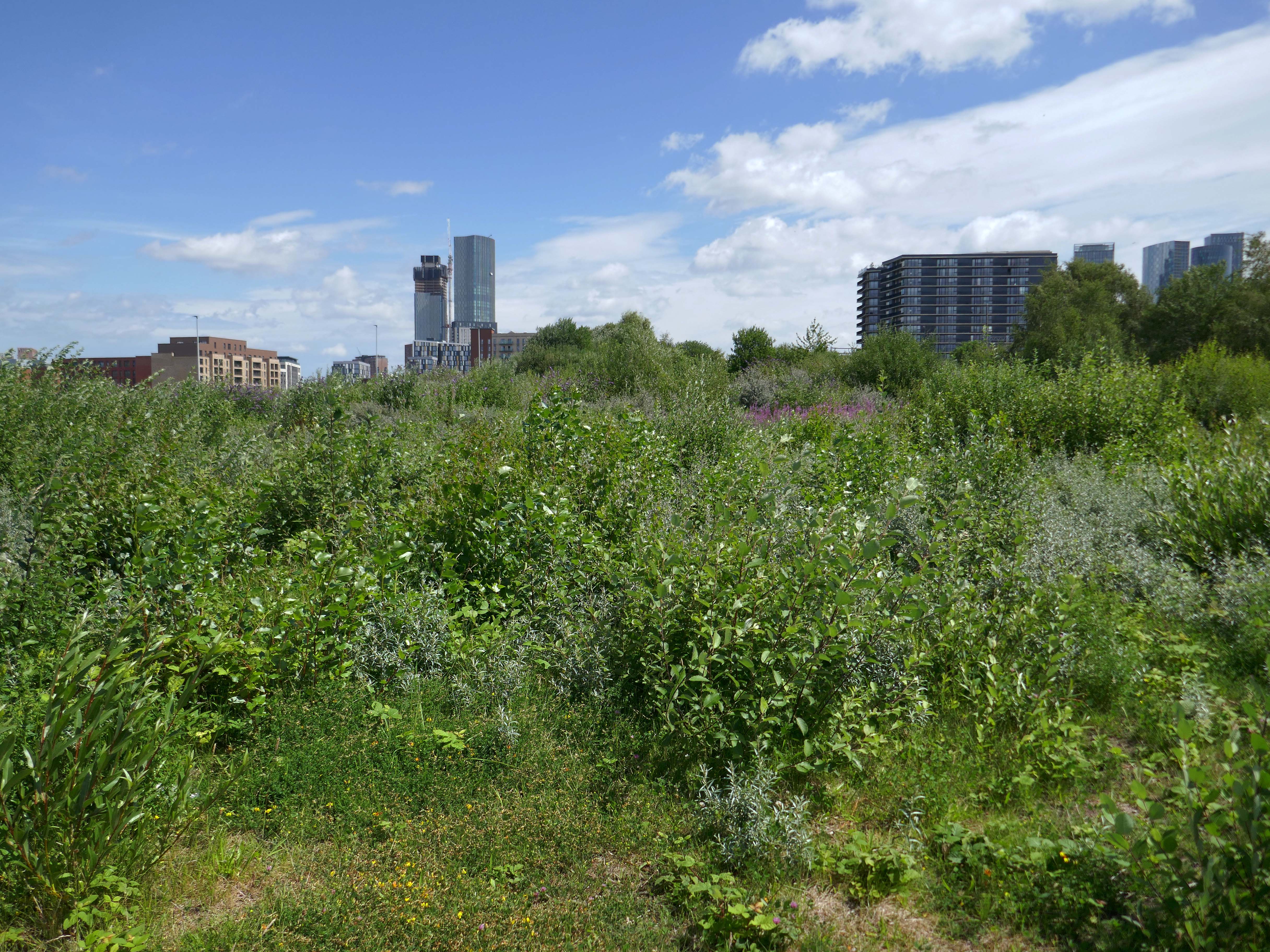
Friday July 4th 2025, I happened to slip through the often locked gates at Cornbrook, to take a look at the current state of play. Over time the site has been mechanically scraped and cleared, but the undergrowth simply grows back again.
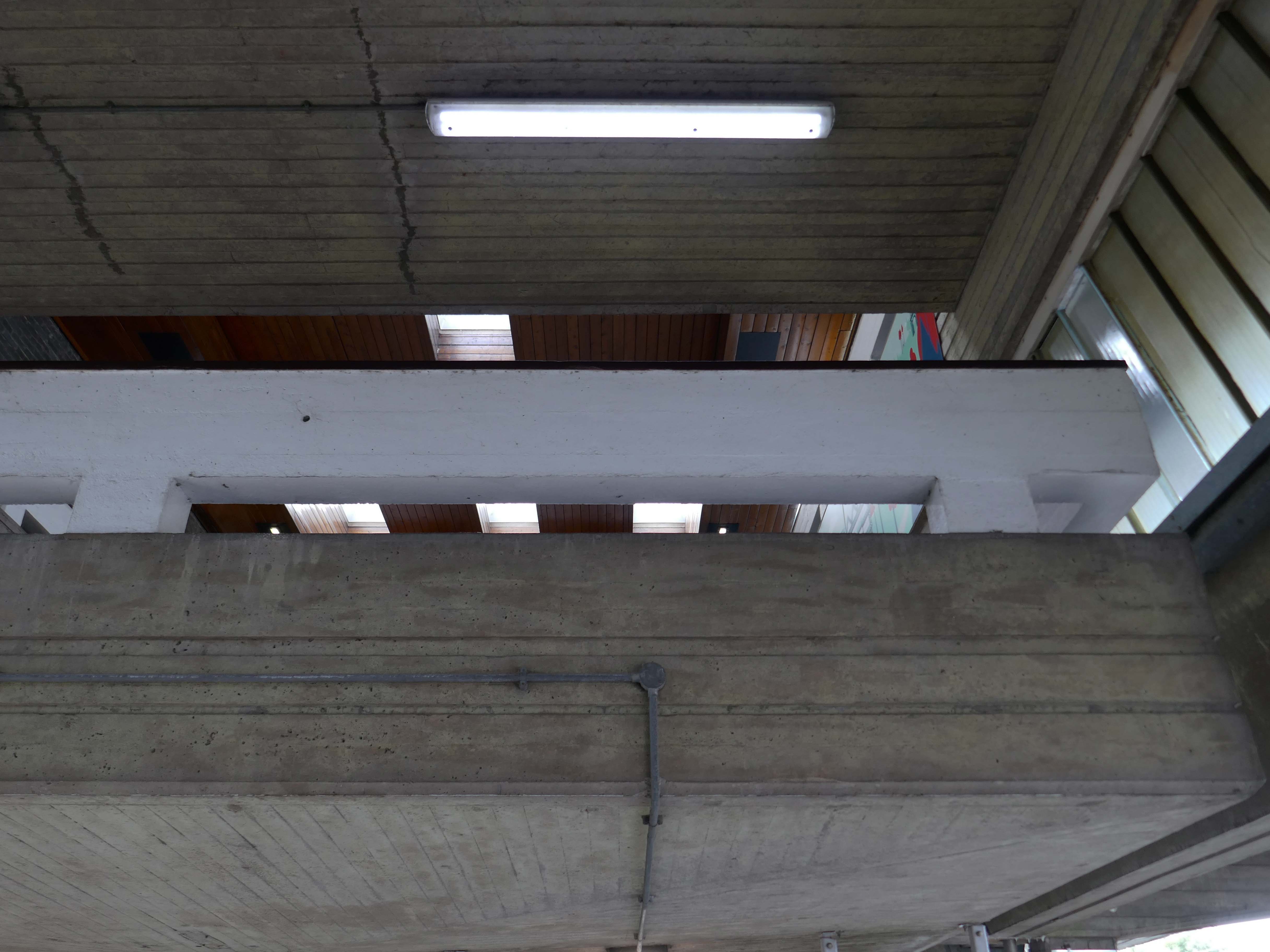
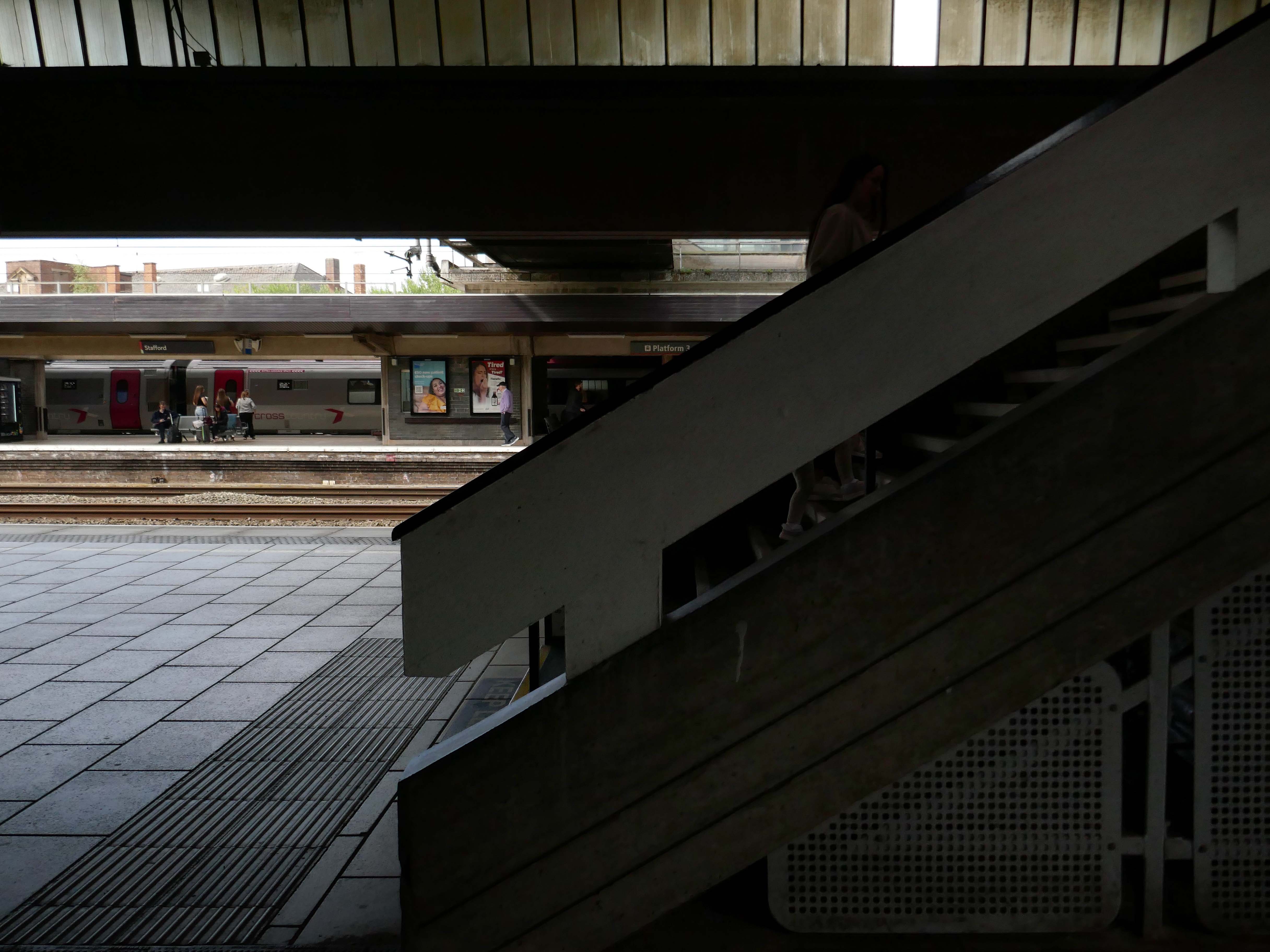
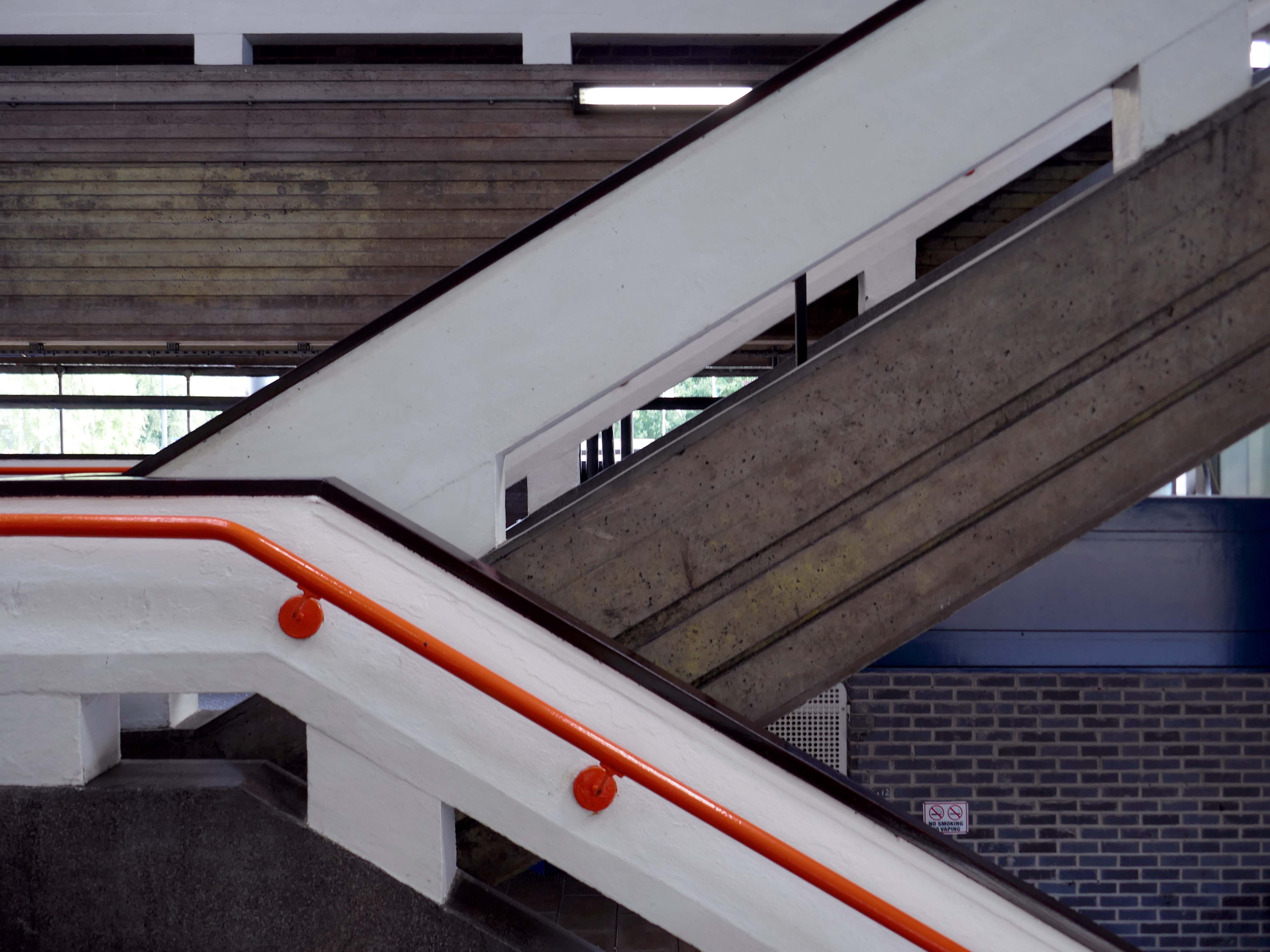
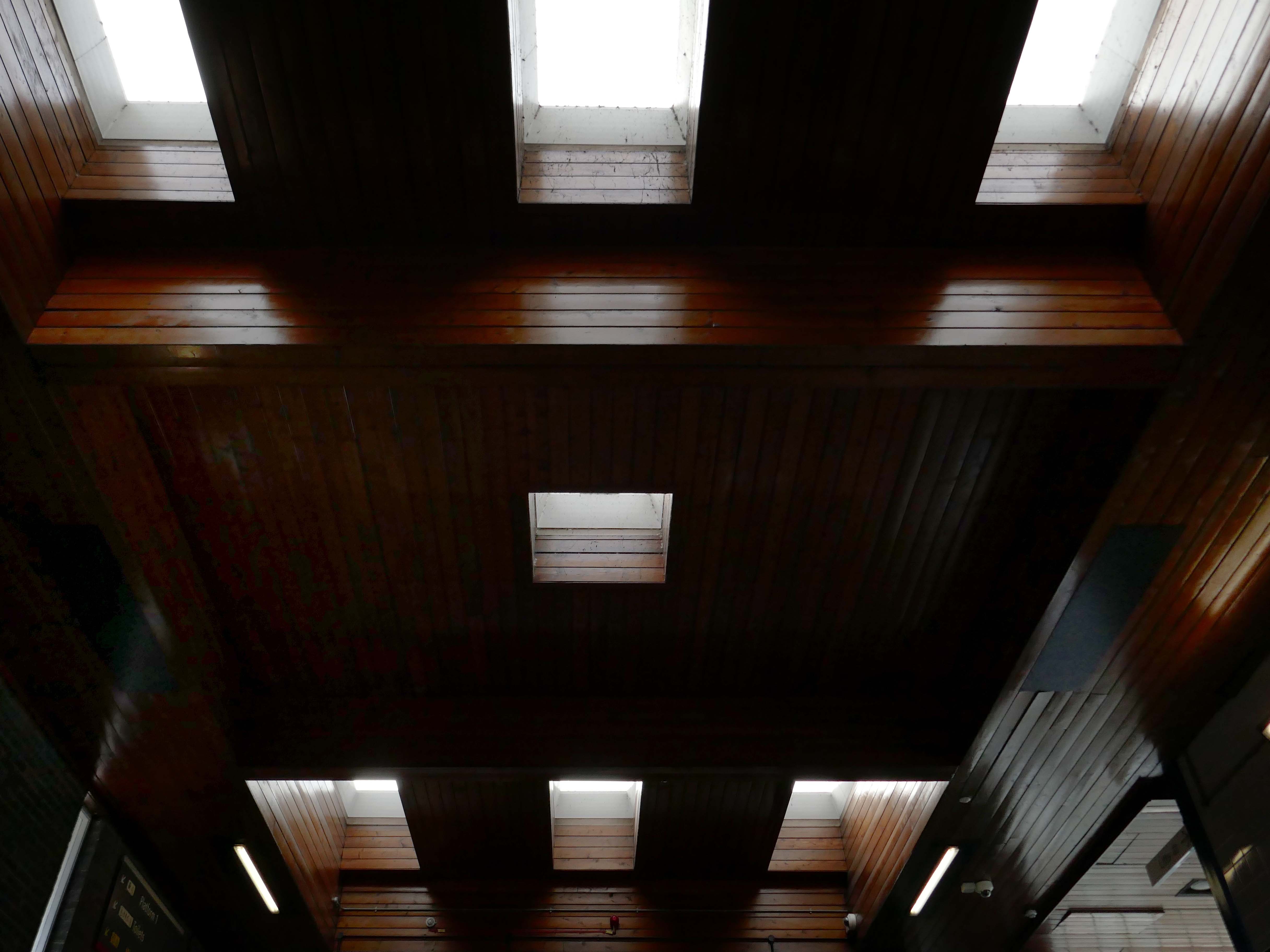
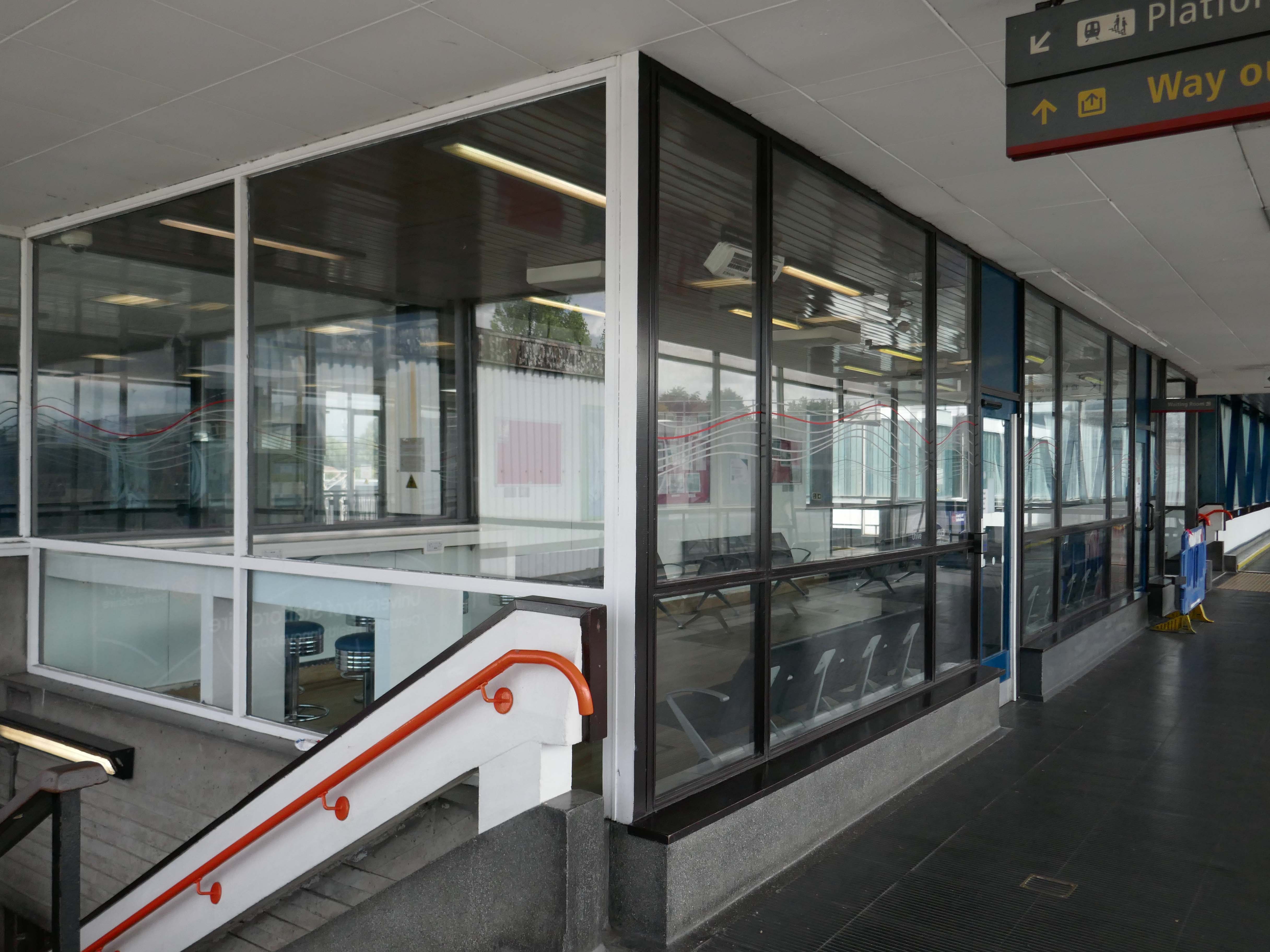
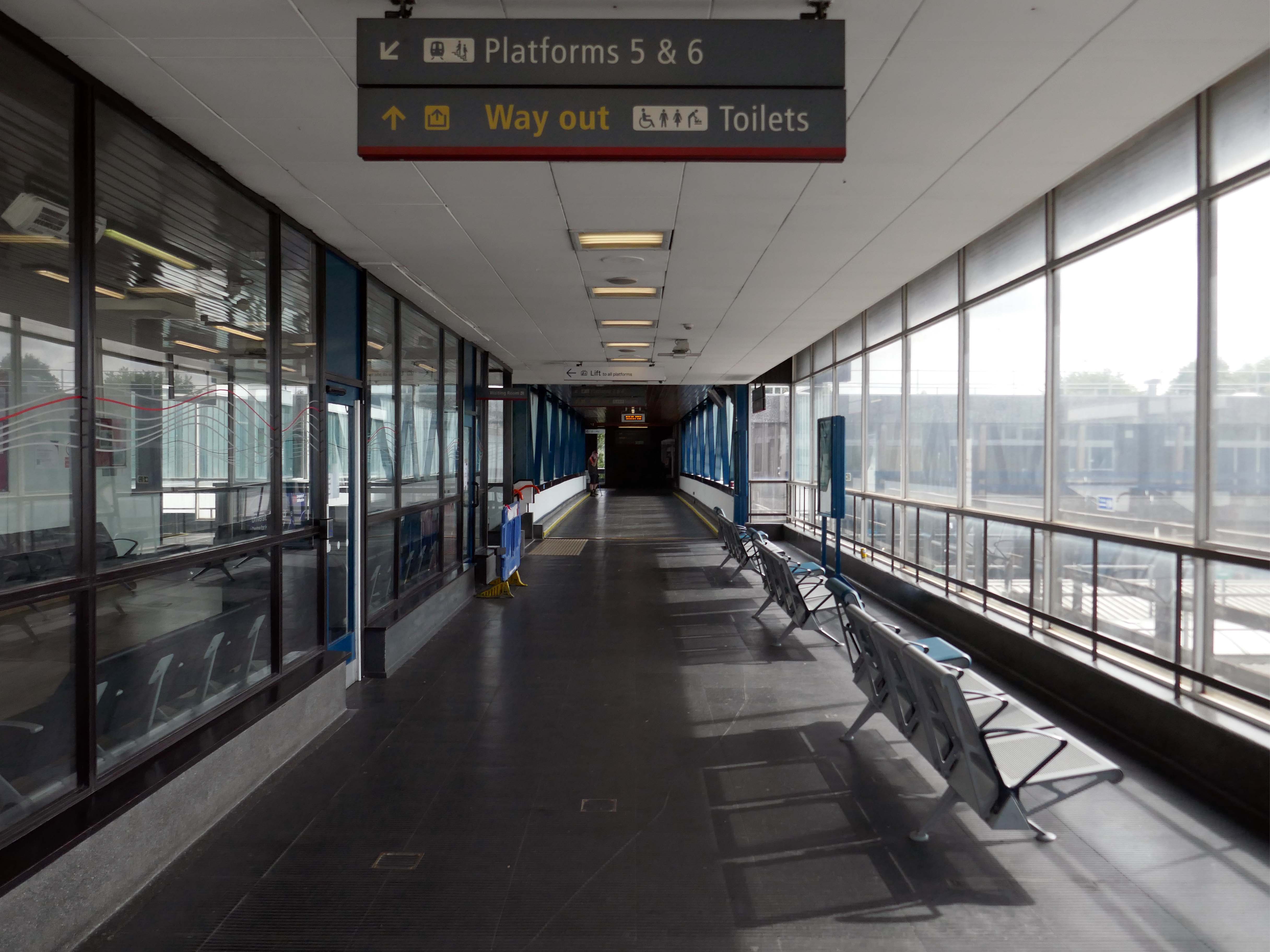
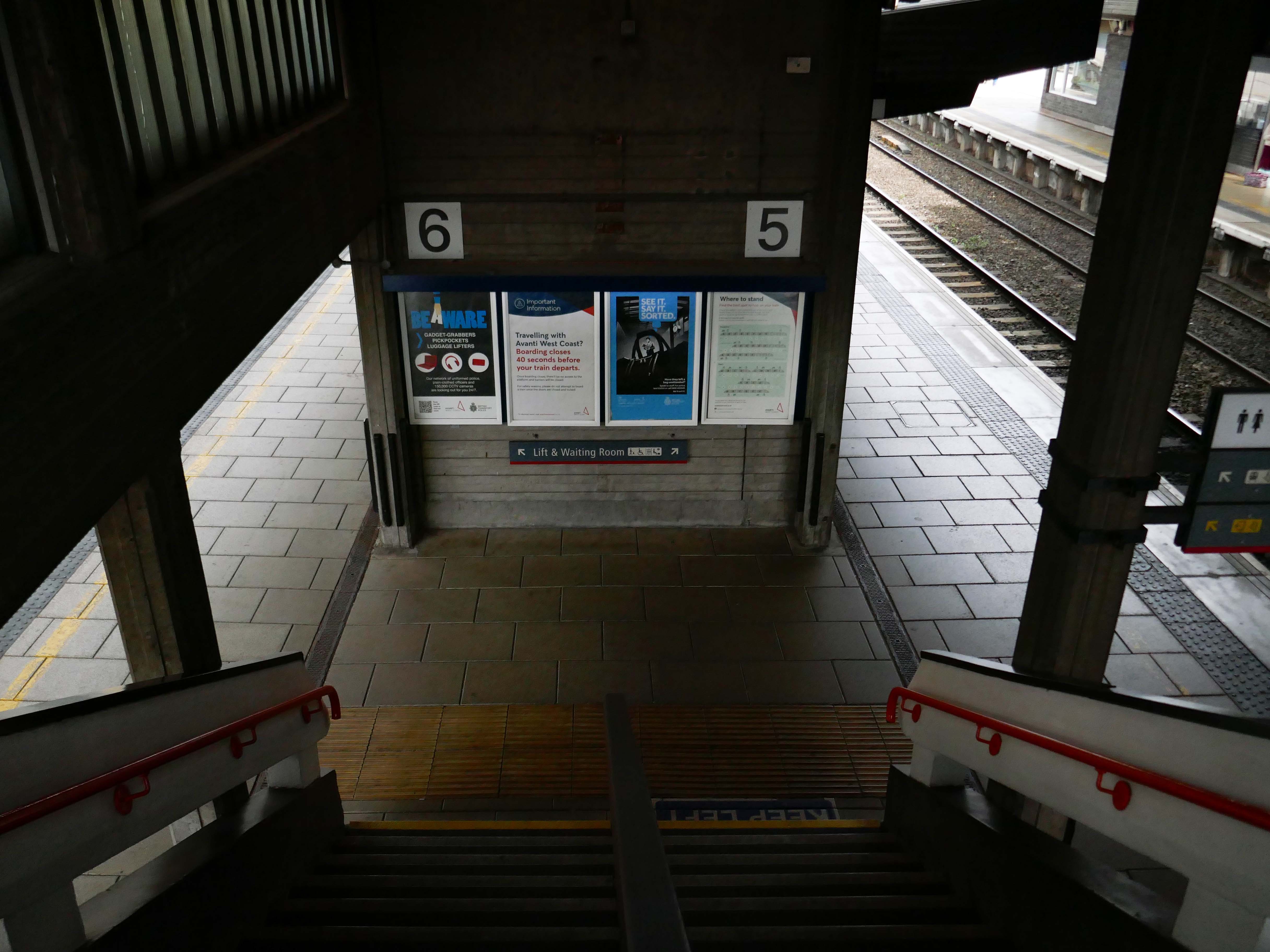
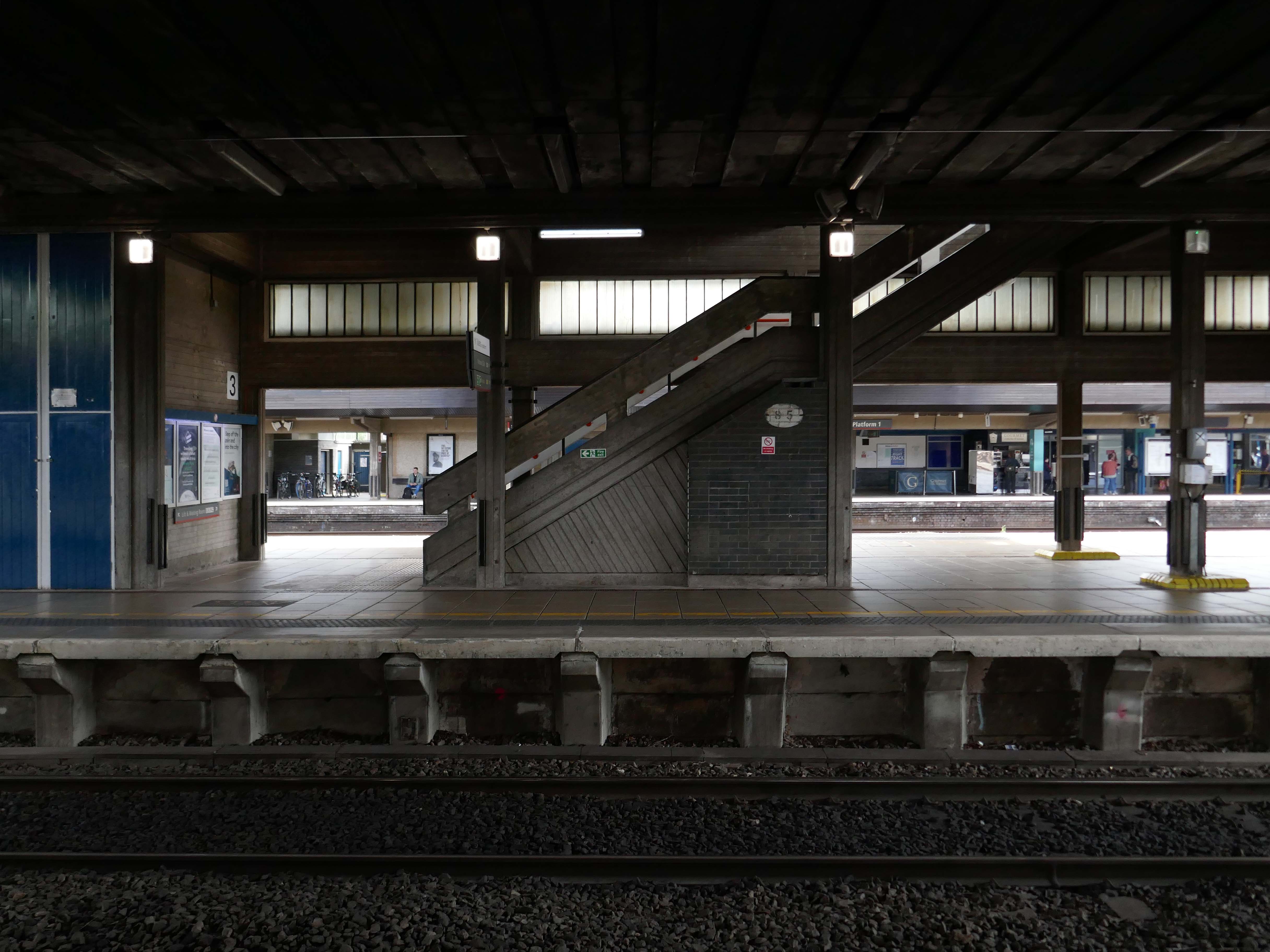
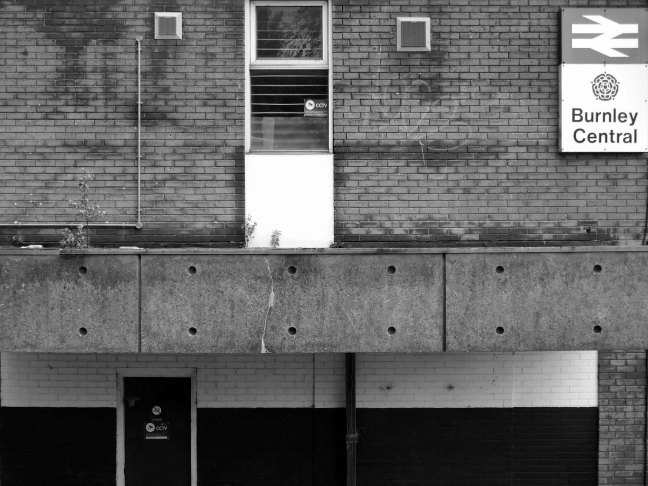
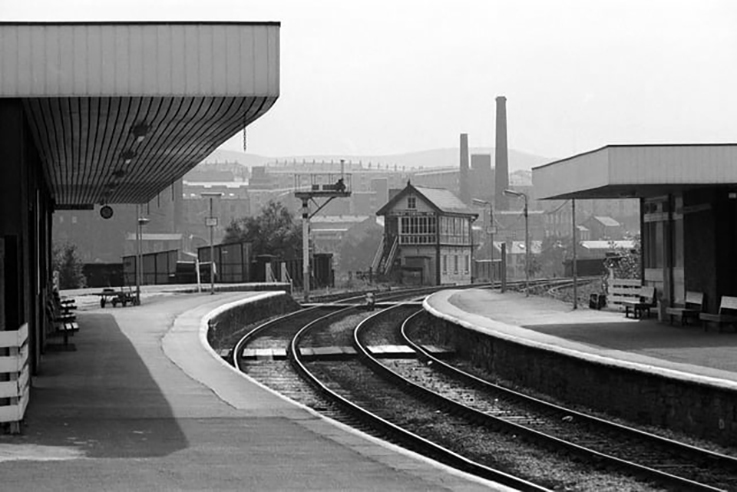
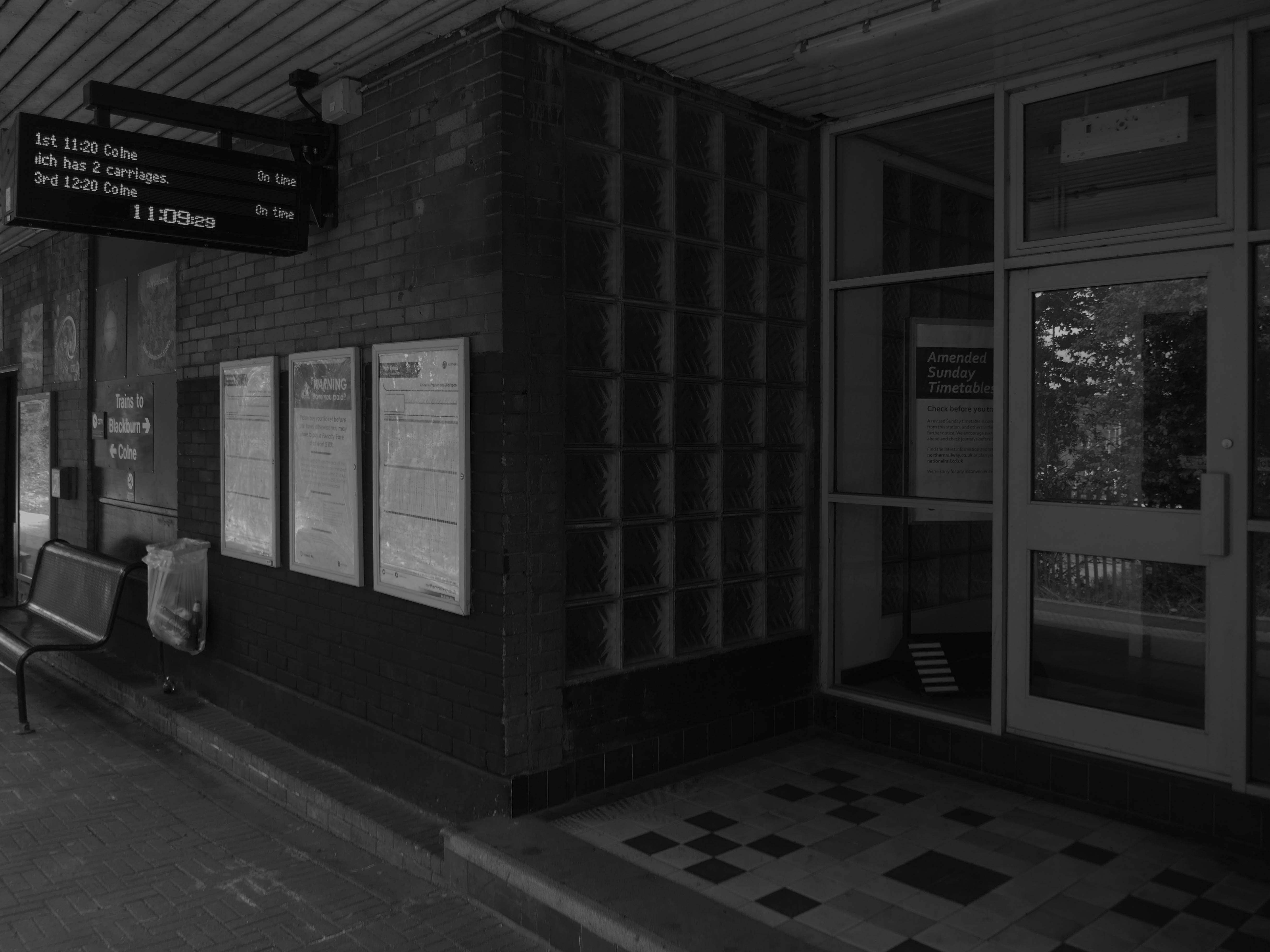
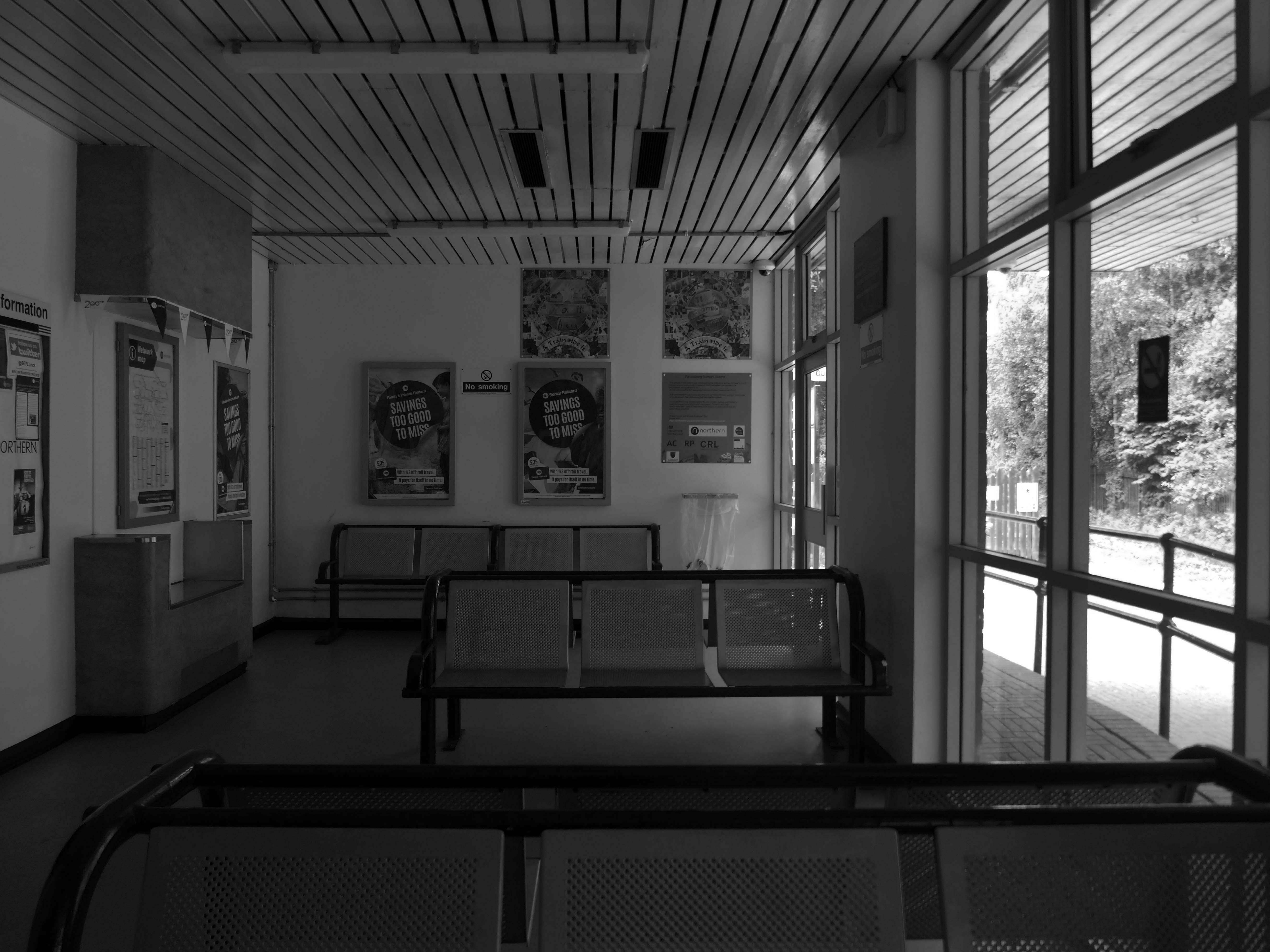
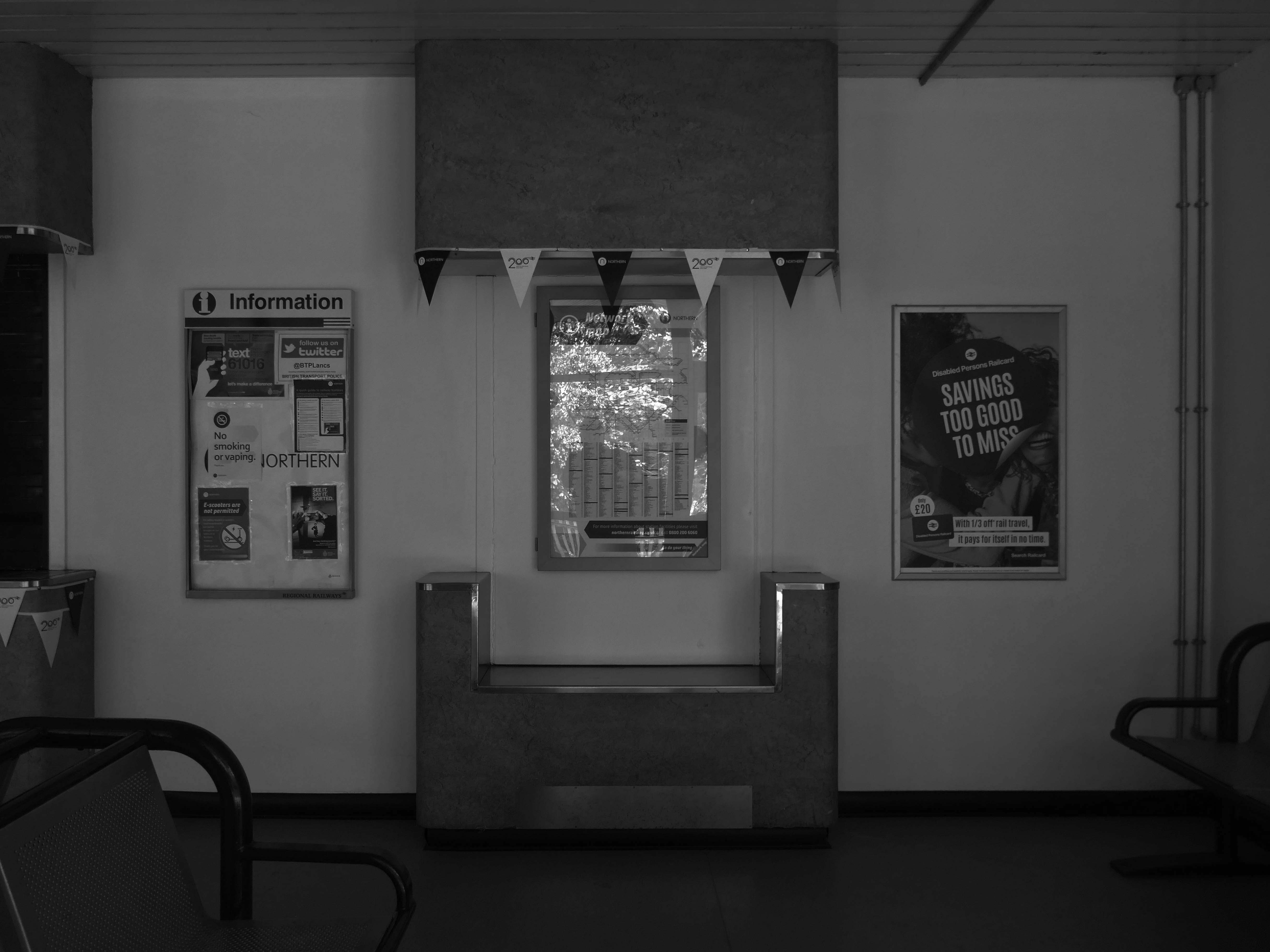
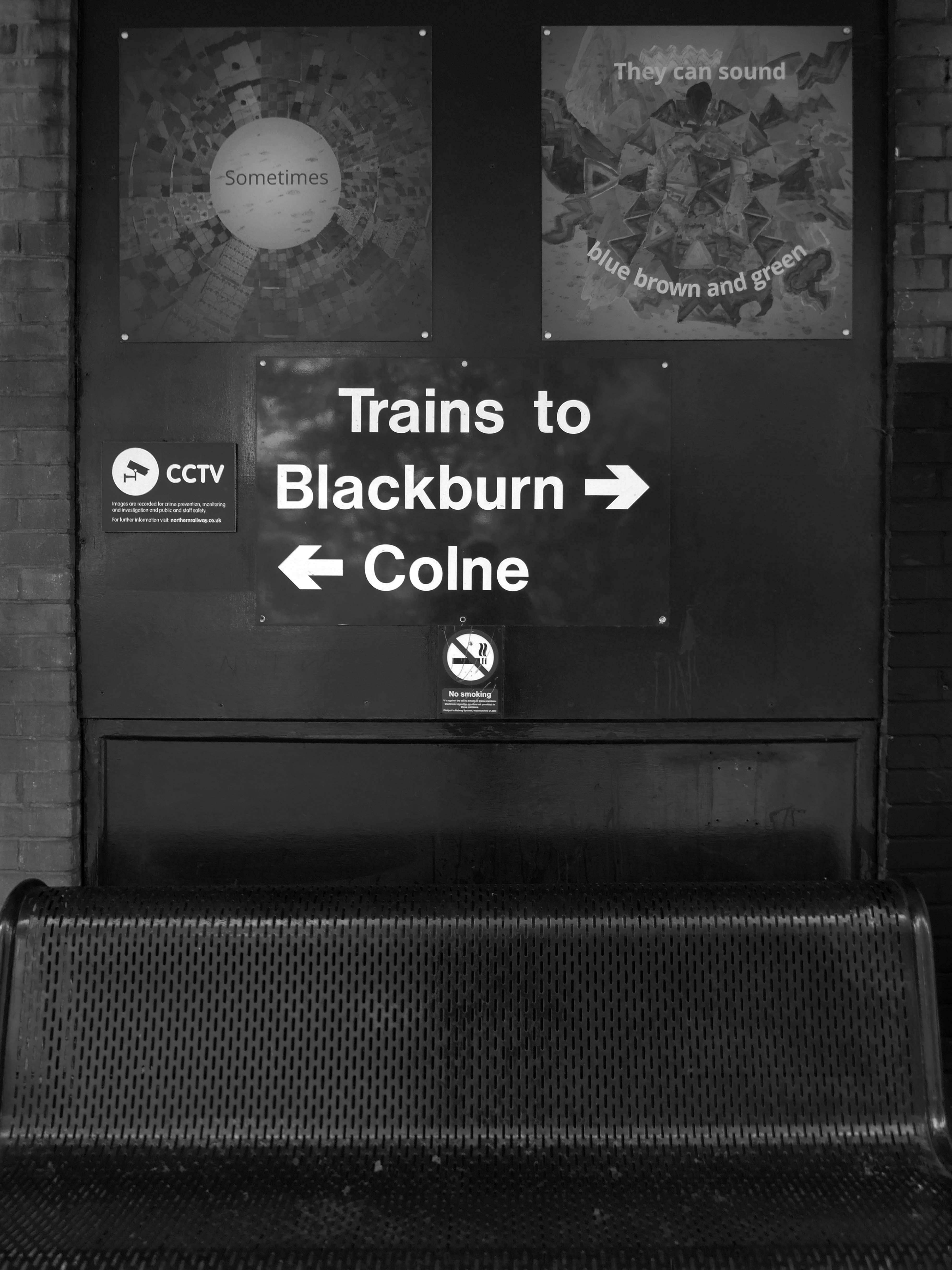
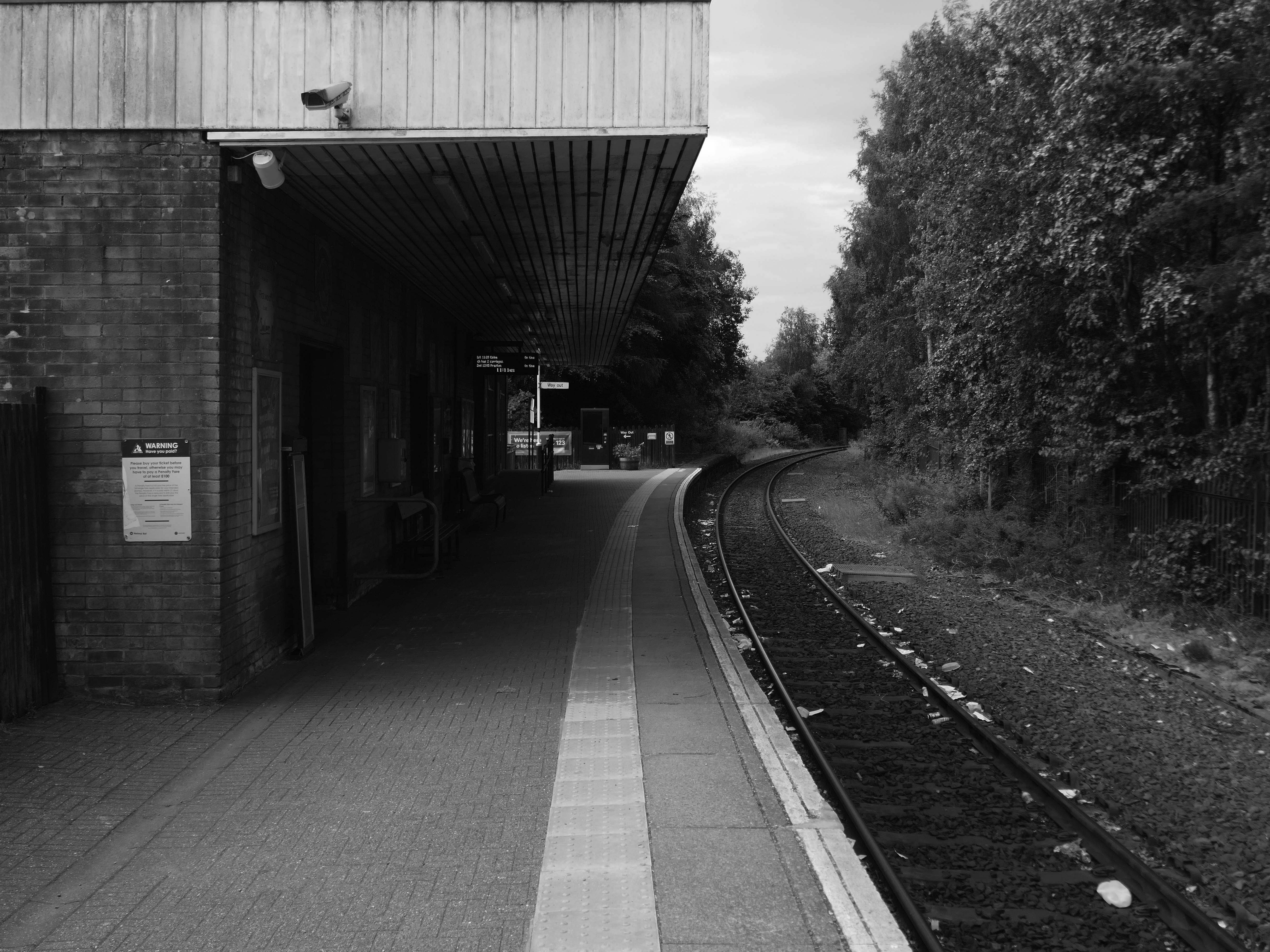
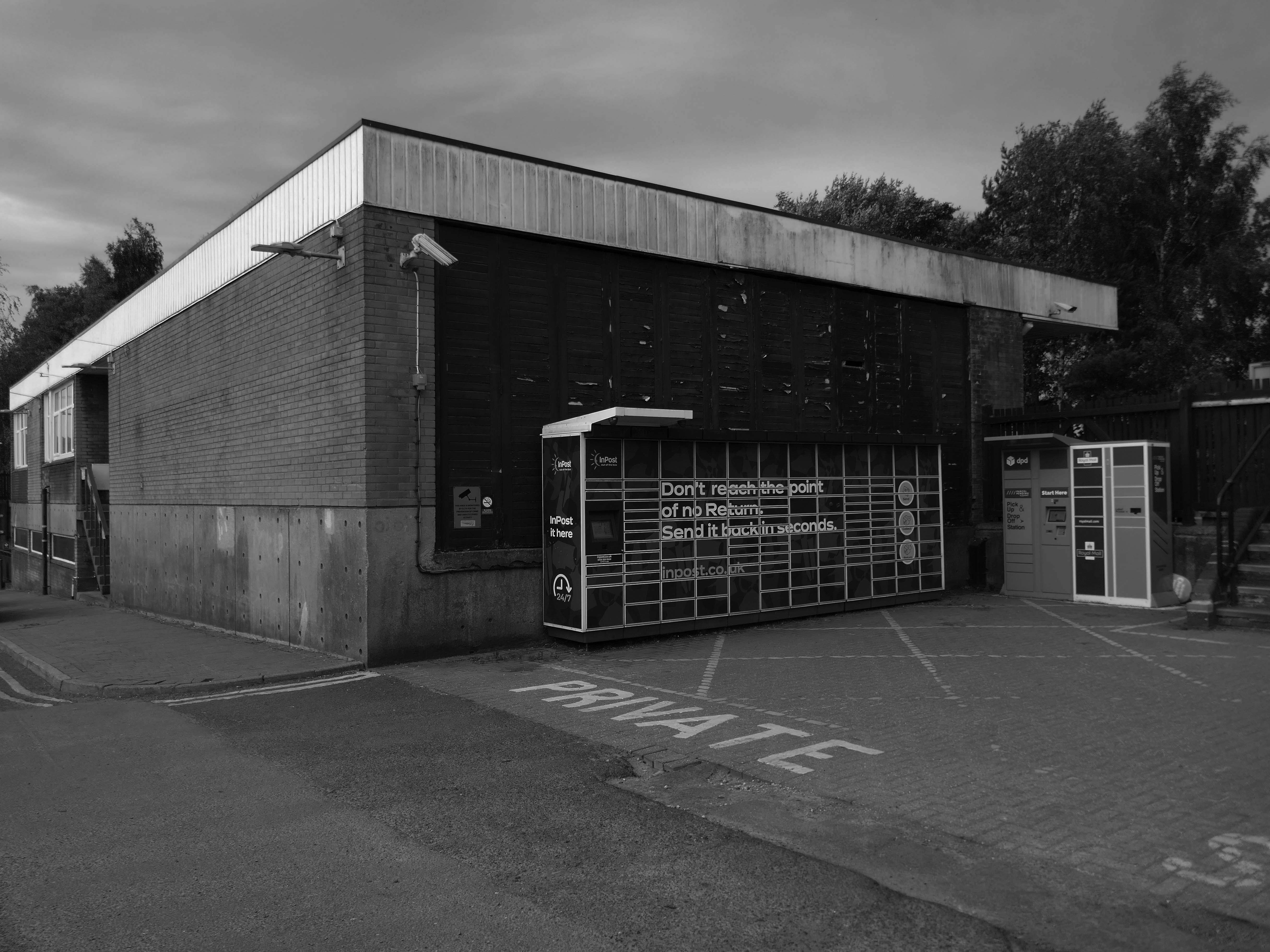
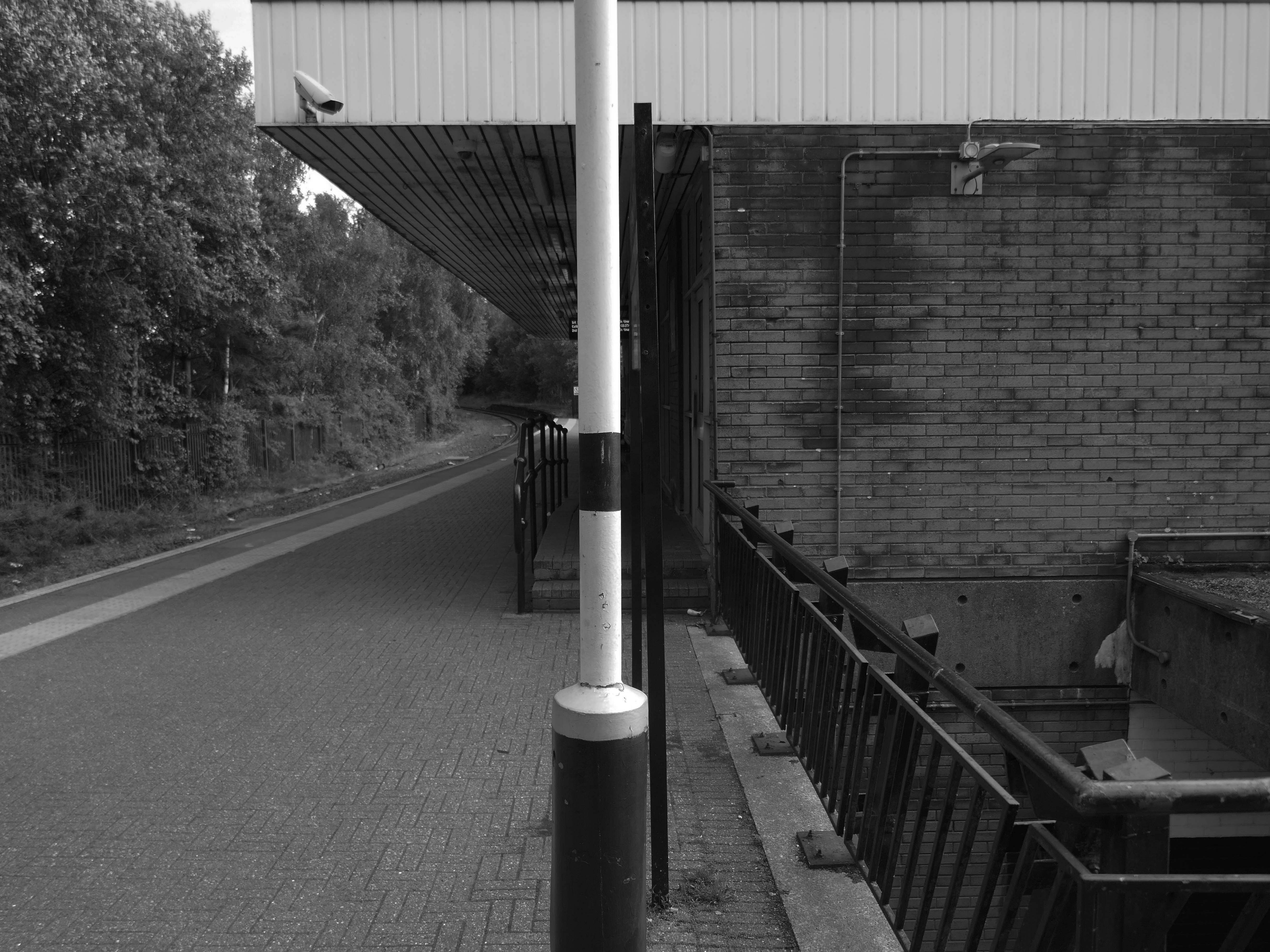
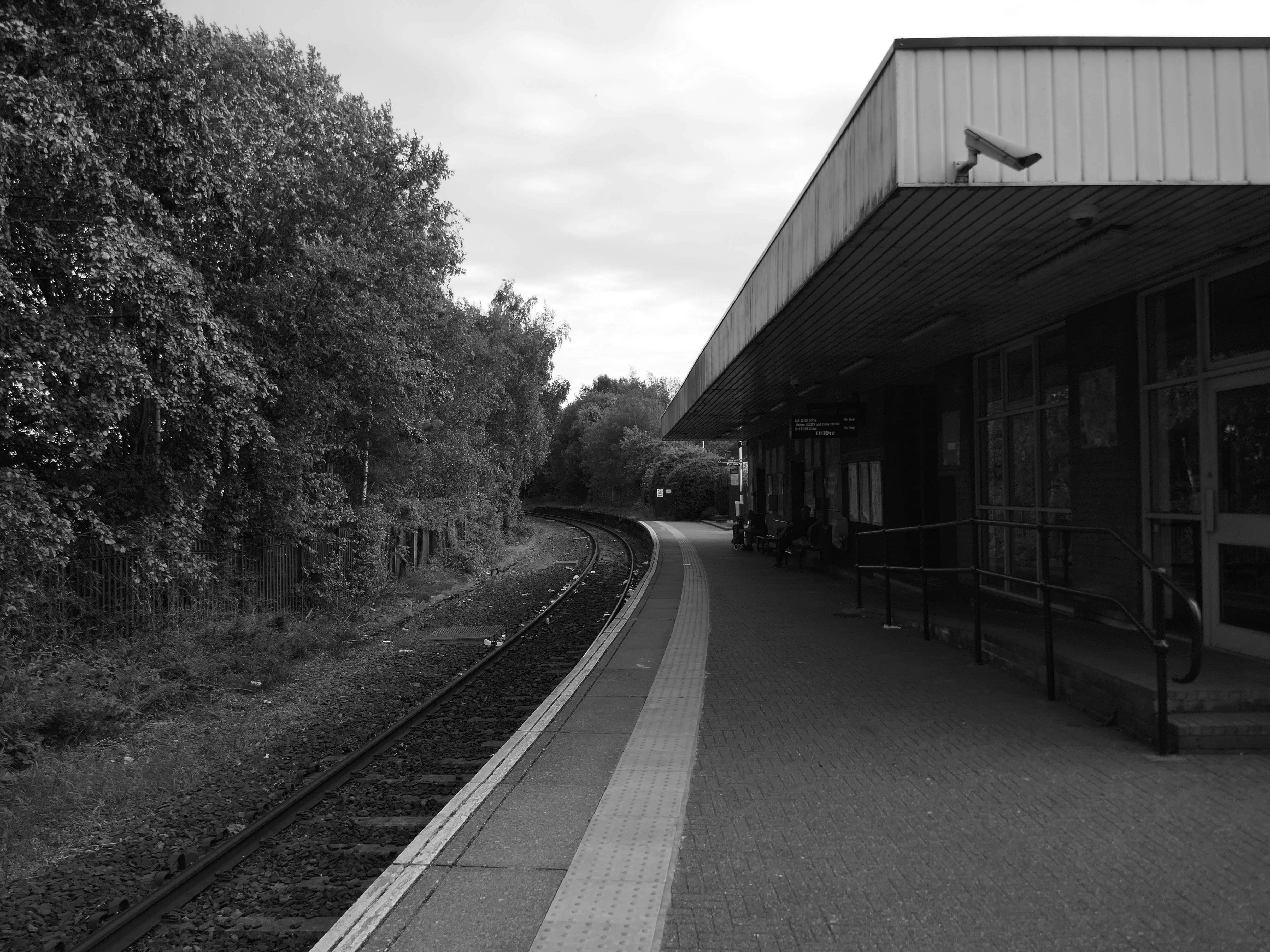
Burnley Central railway station is a stop on the East Lancashire Line, it is managed by Northern Trains, which also provides its passenger service.
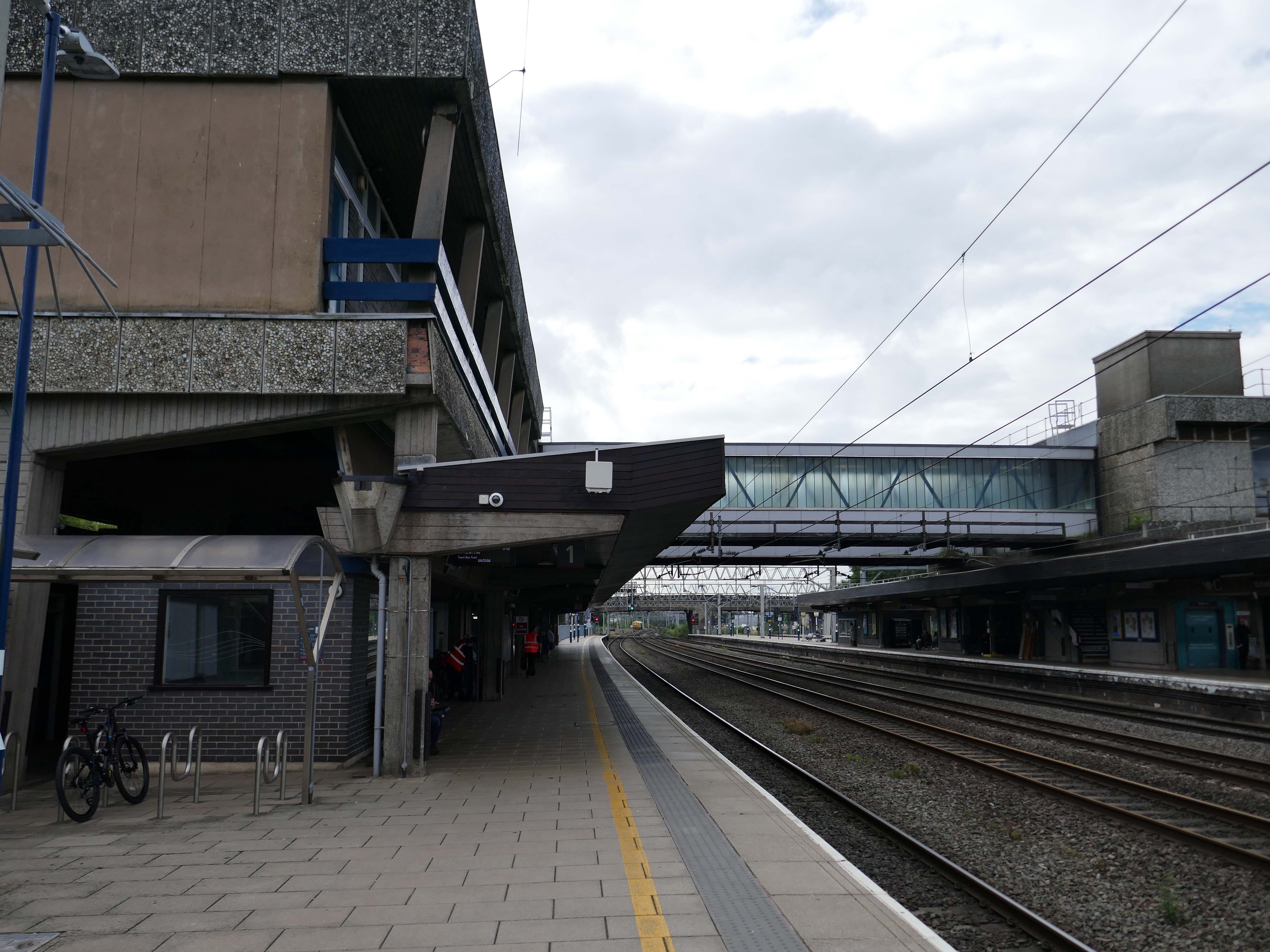
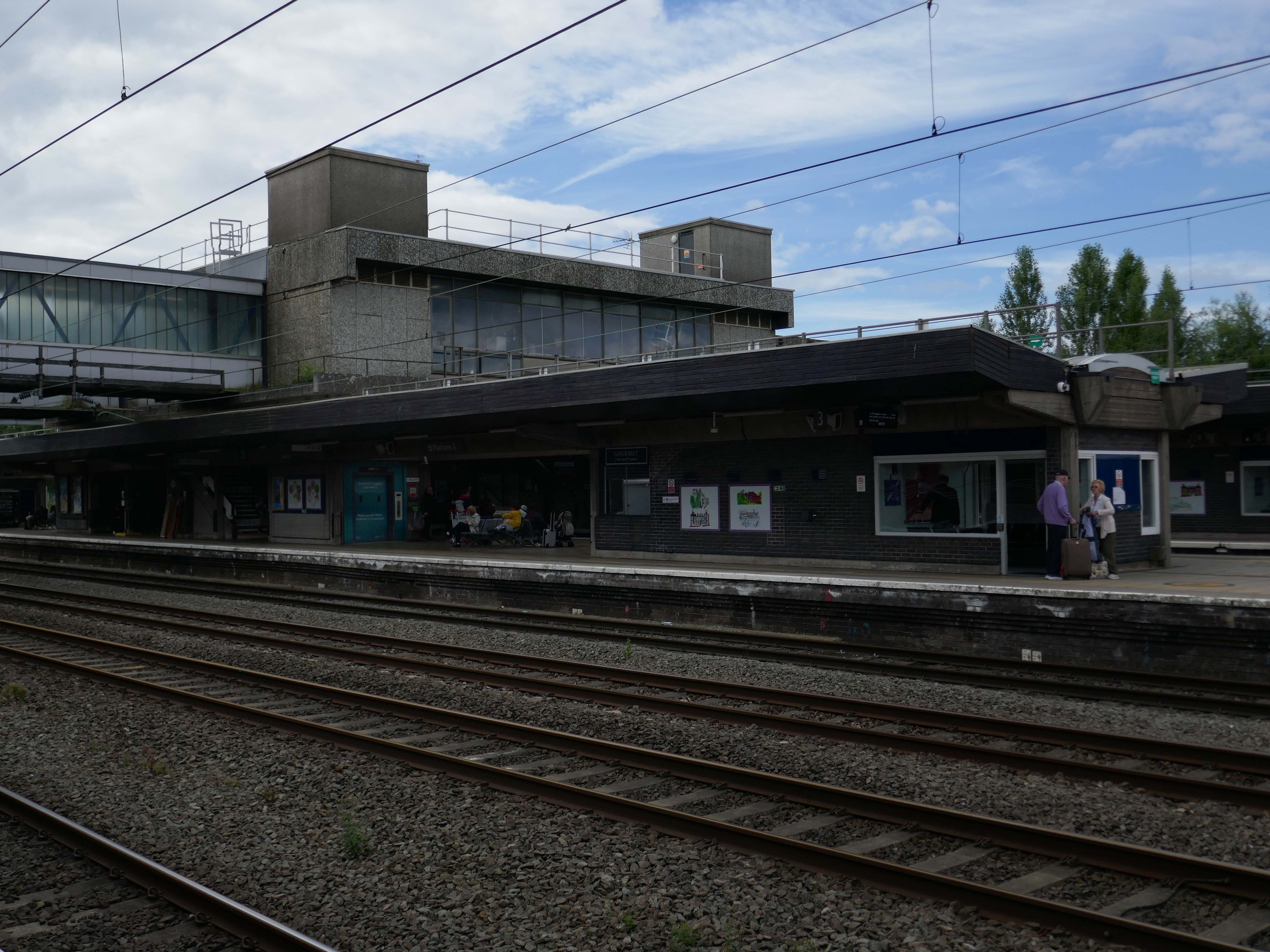
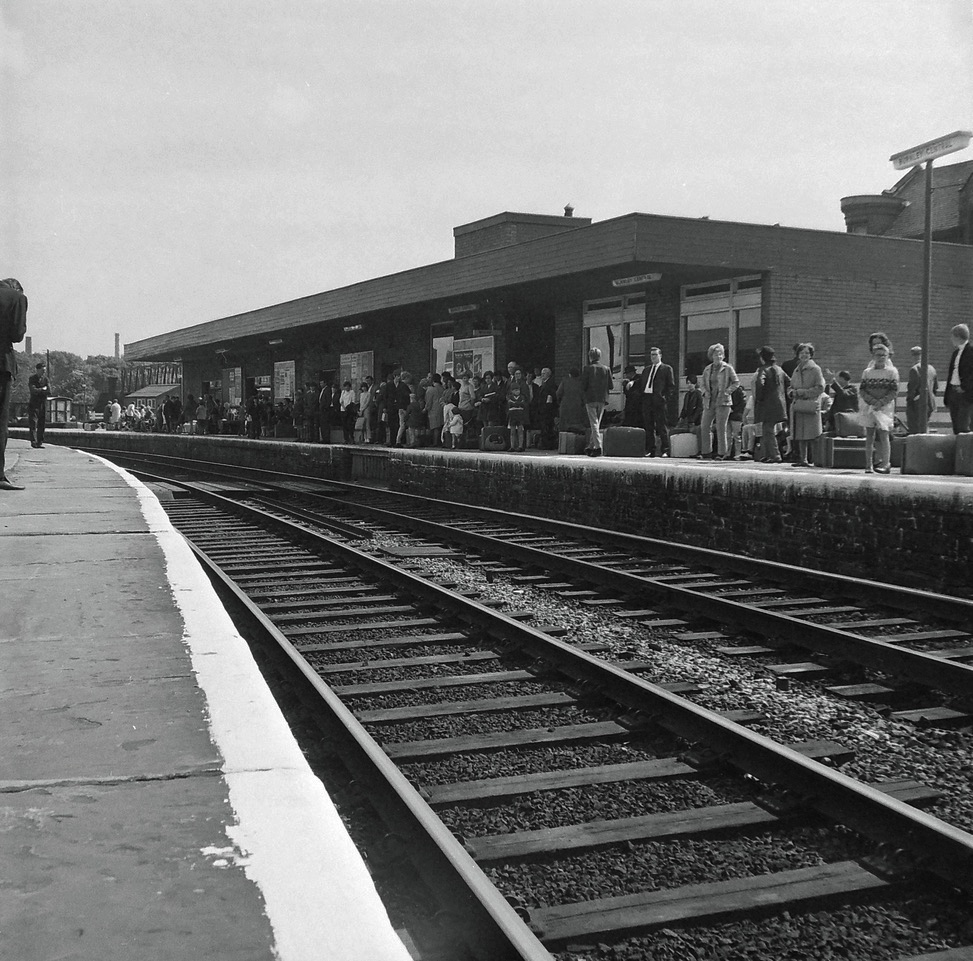
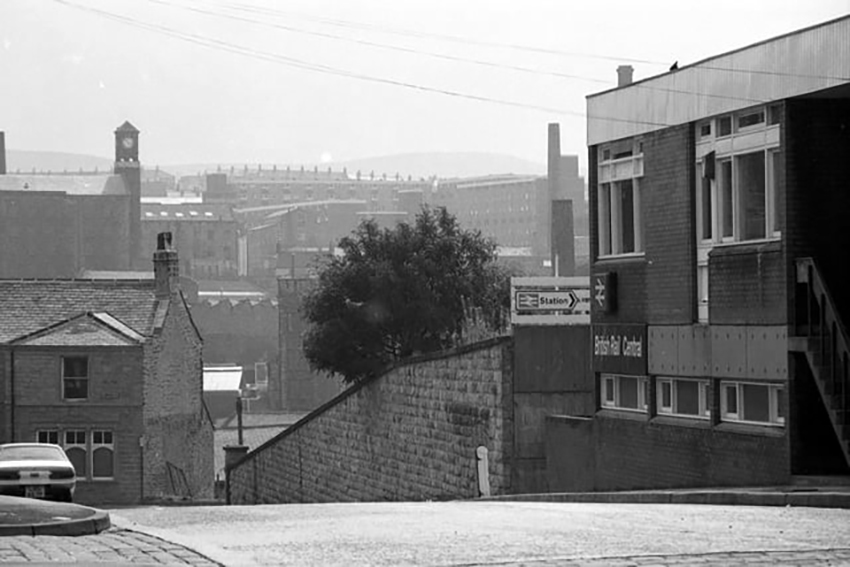
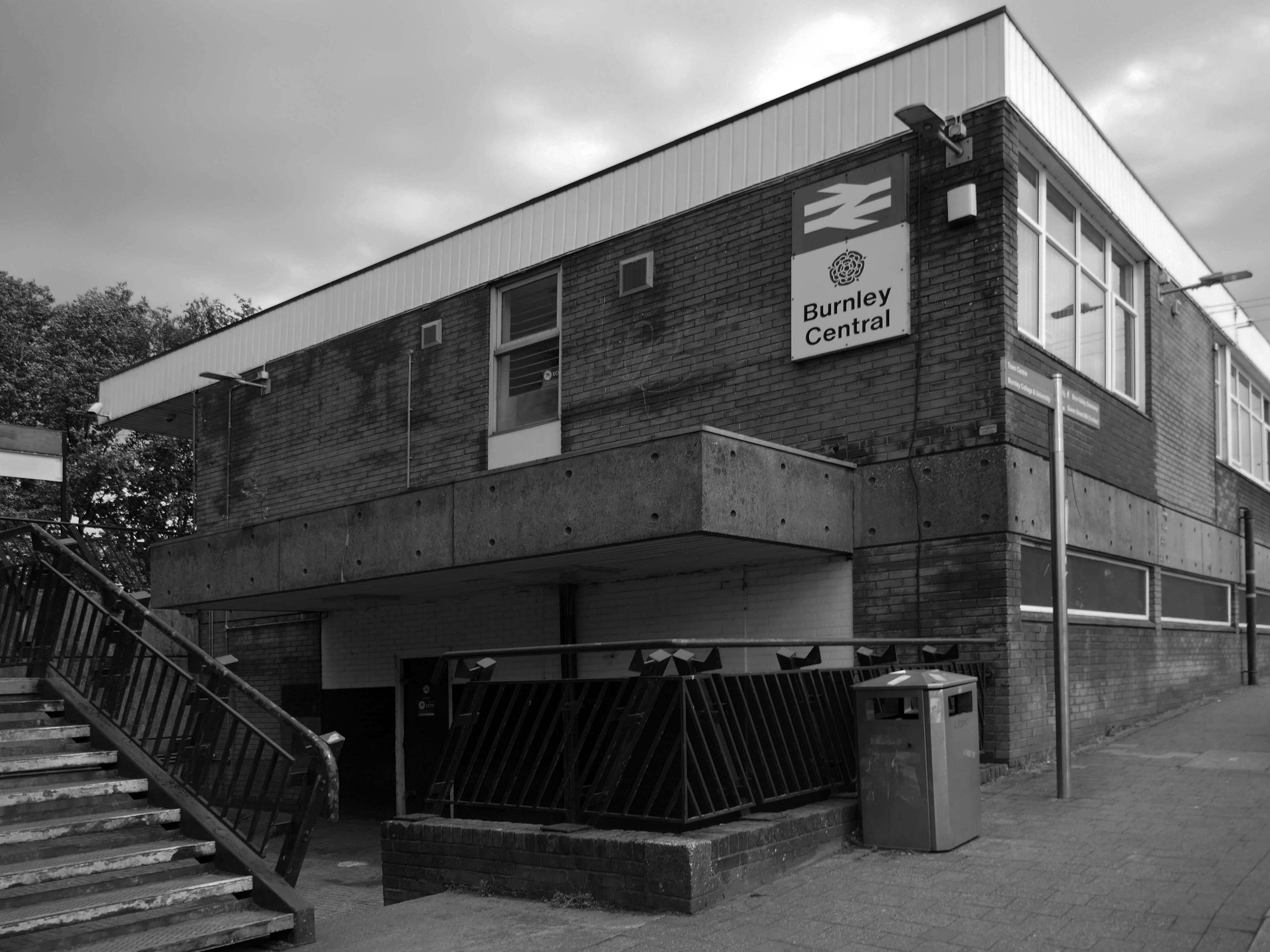
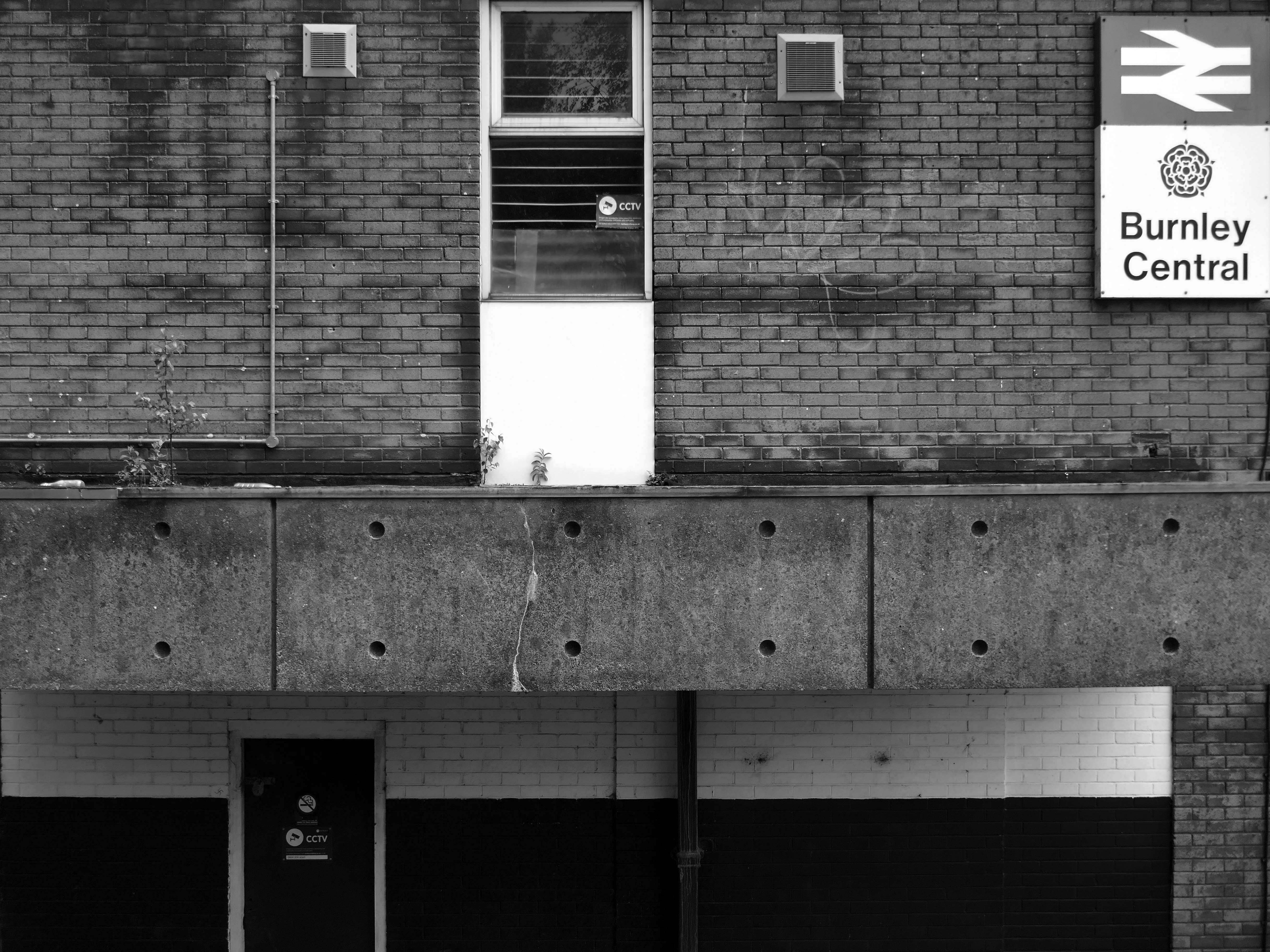
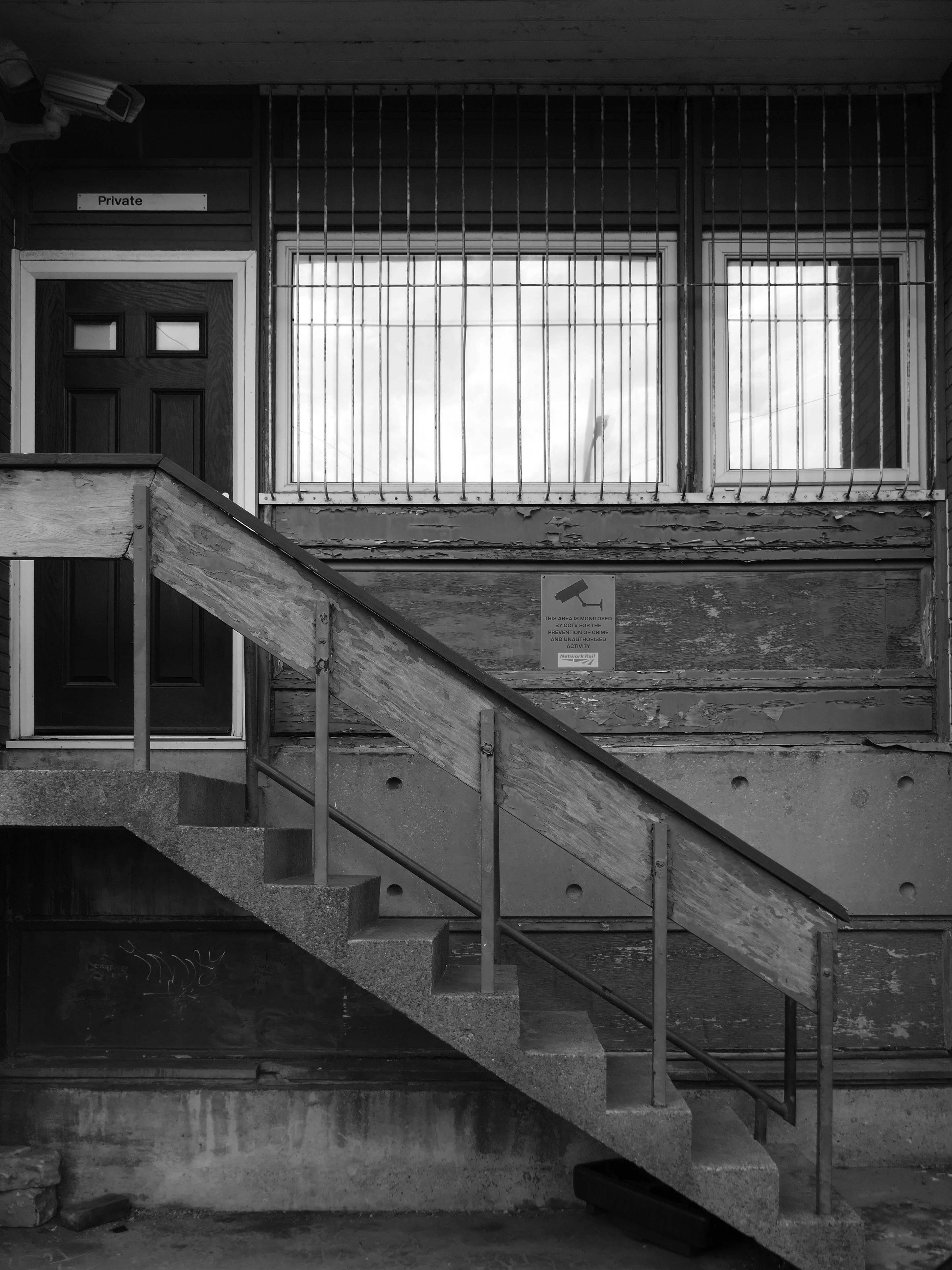
Architect: RL Moorcroft of British Rail 1964-1966
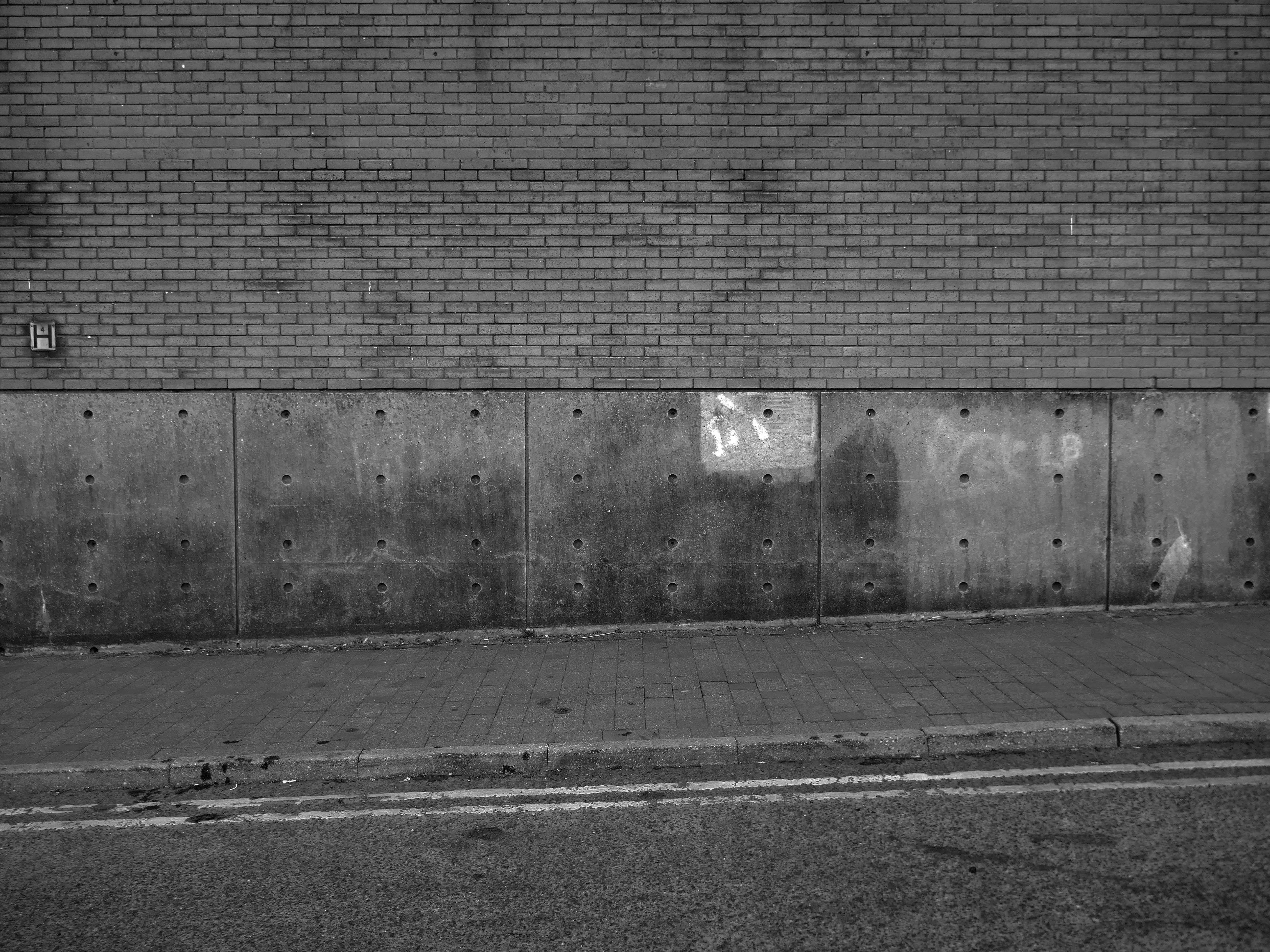
Described by Claire Hartwell in the Buildings of England Lancashire: North as – of blue brick, bleak.
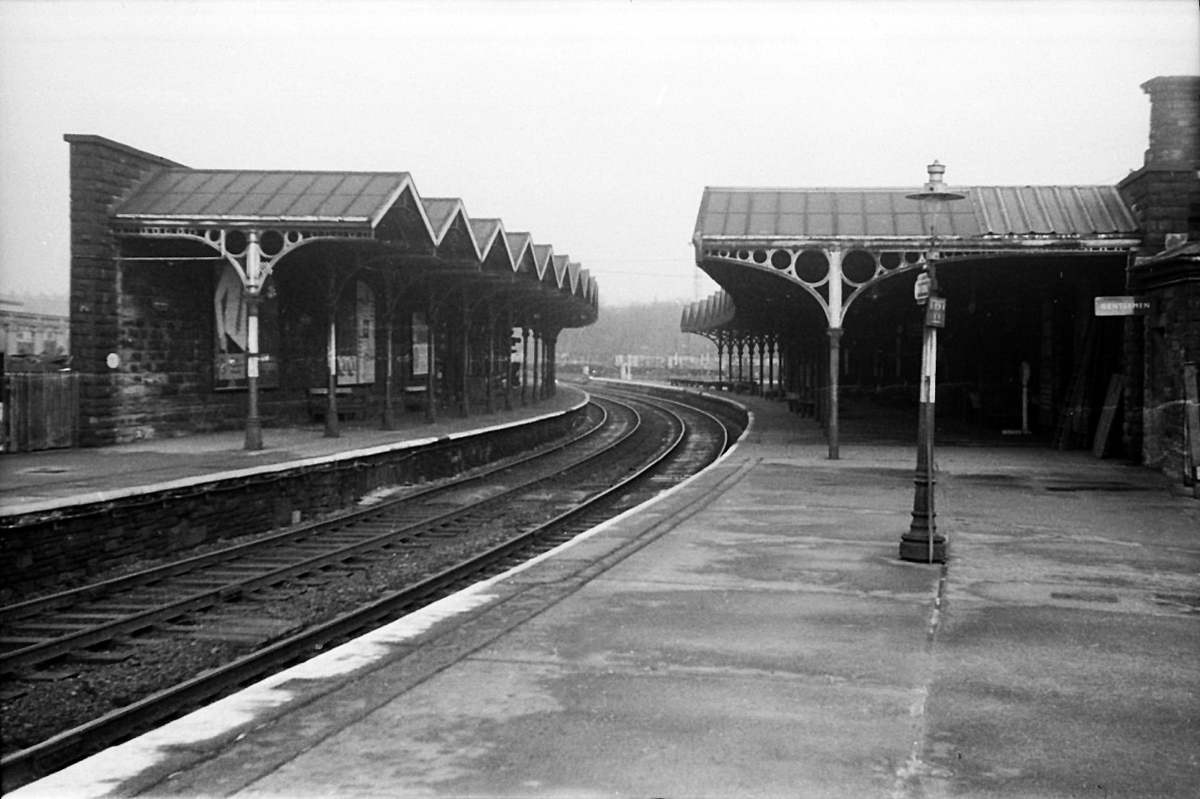
The station was opened by the East Lancashire Railway in 1848, as part of its route from Bury and Blackburn to Colne; here, an end-on junction was made with the Leeds and Bradford Extension Railway line from Skipton that had been completed several months earlier. The service from Colne through the station to Manchester Victoria, via Accrington and Bury, was well used from the outset by the owners of the local cotton mills, who travelled from their homes in the area to make their purchases of raw cotton at the Royal Exchange several times each week. It was also possible to travel from the station by direct train to Blackpool, Liverpool and Skipton and even through to London Euston, via Blackburn, Manchester Victoria and Stockport.
1964 Red Rose Collections.
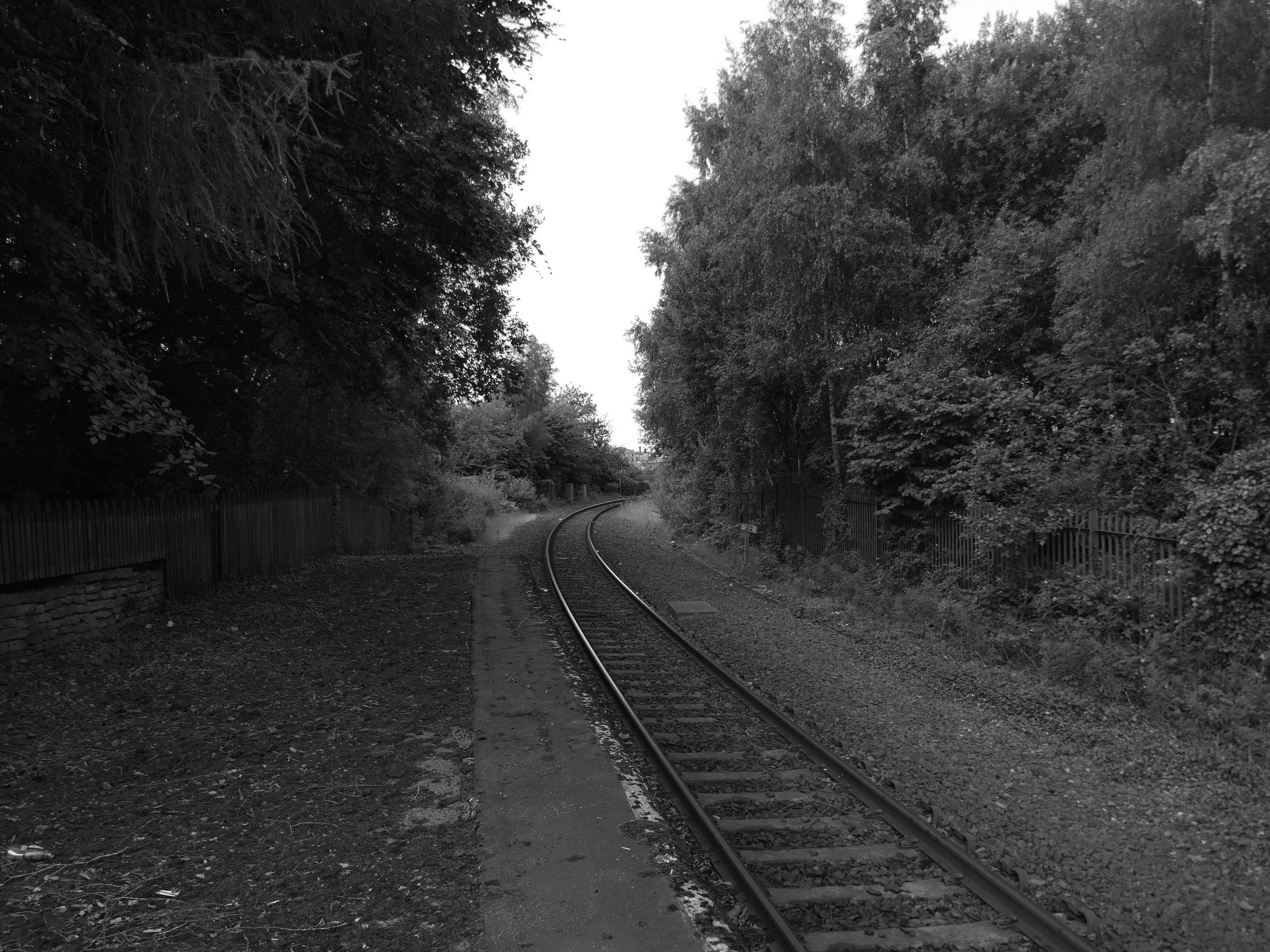
However, the cutbacks of the 1960s affected the station badly, with through trains to Manchester via Bury ending in 1964 (two years before the withdrawal of the Accrington to Bury service) and those to Liverpool in 1969 whilst the line to Skipton was closed to all traffic in 1970. This left the station on a 10.5 km long dead-end branch line from Rose Grove to Colne.
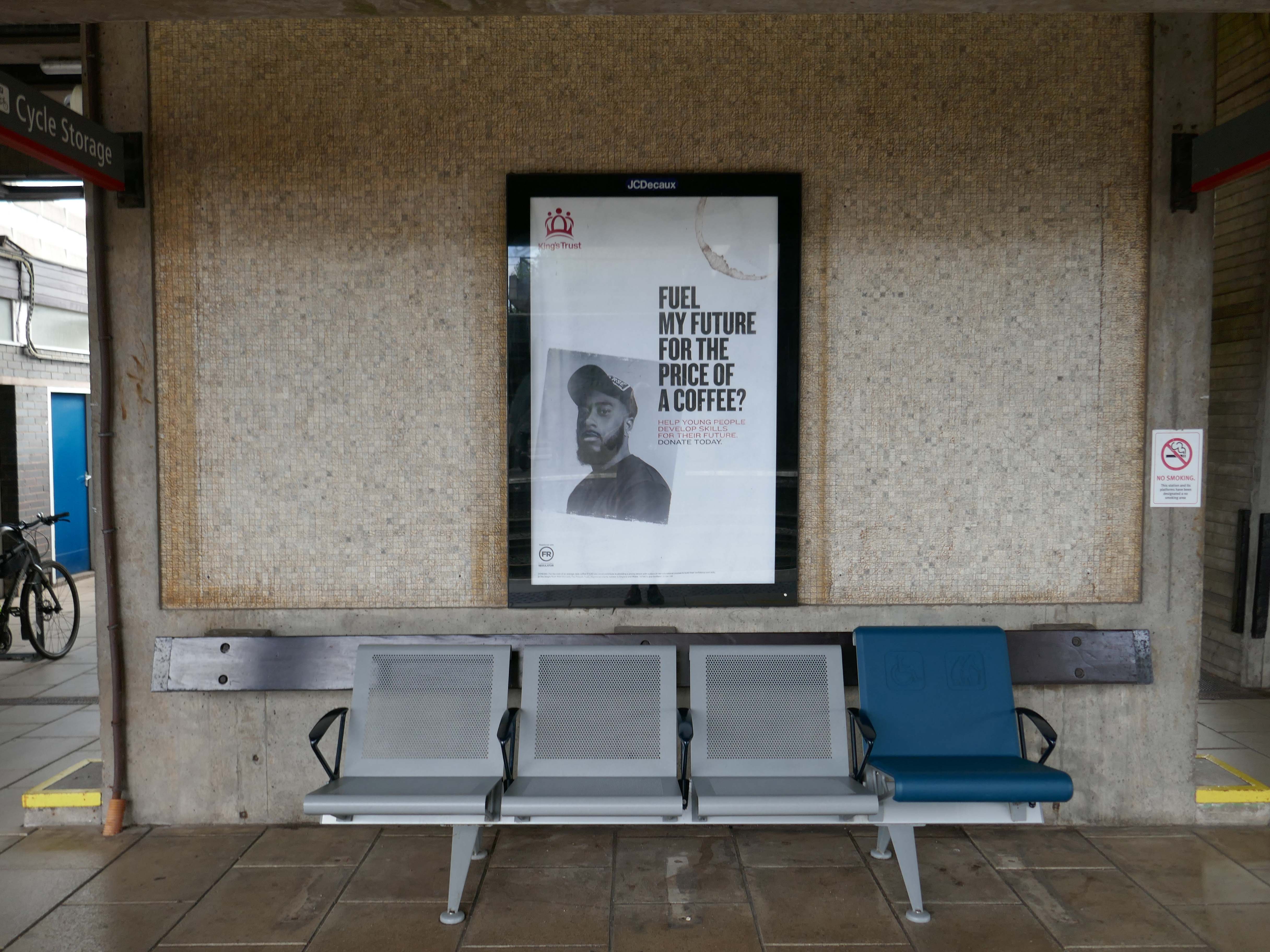
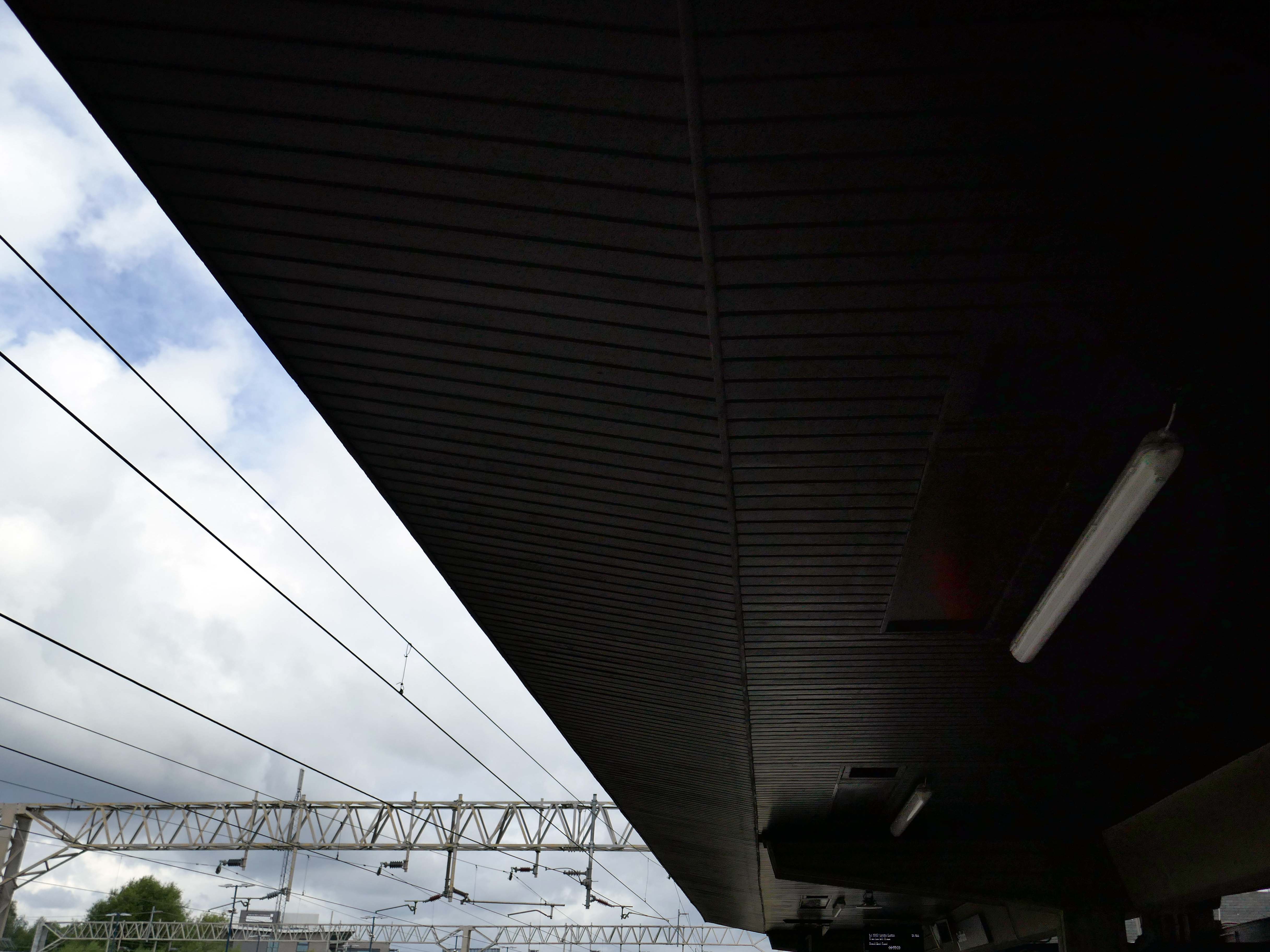
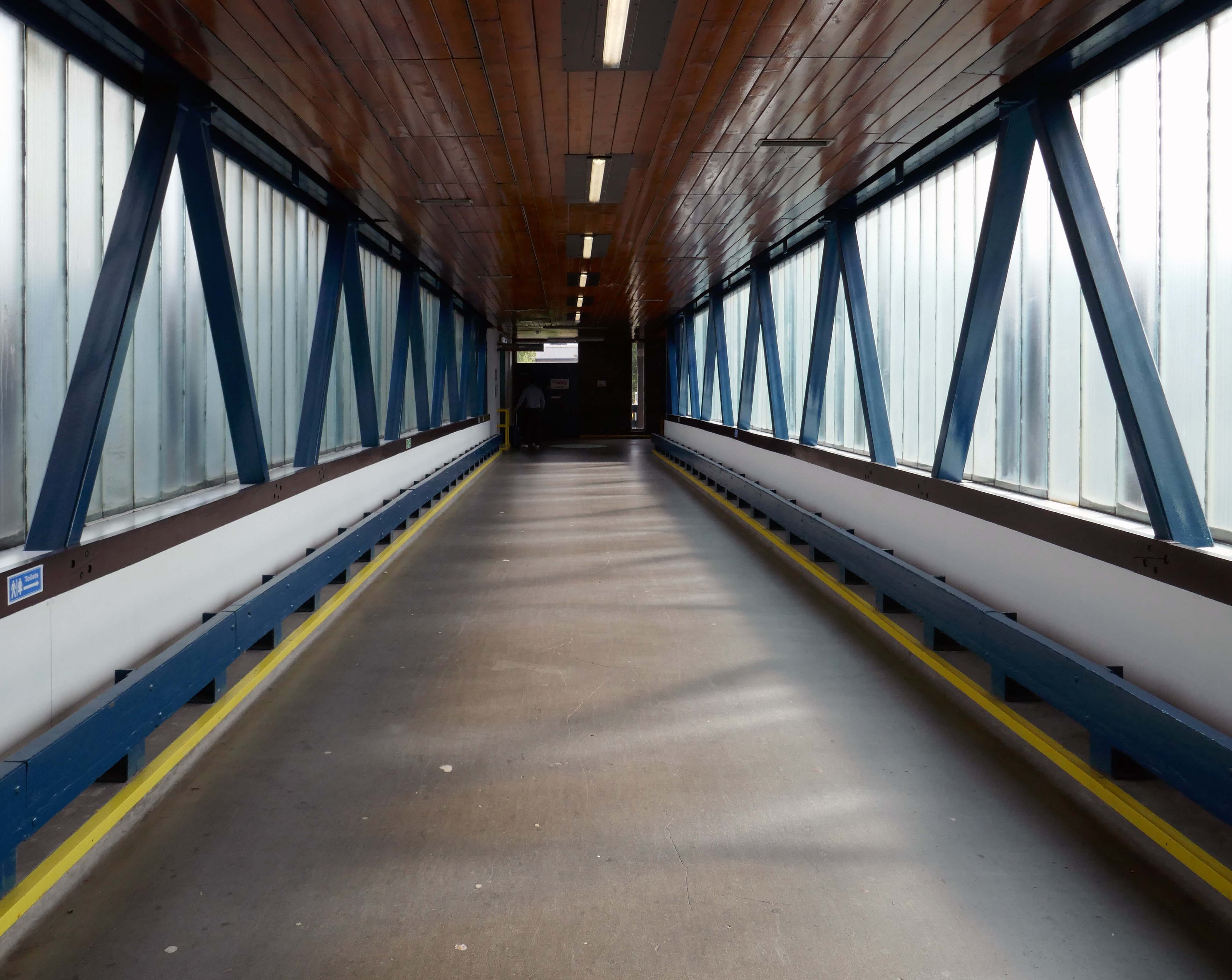
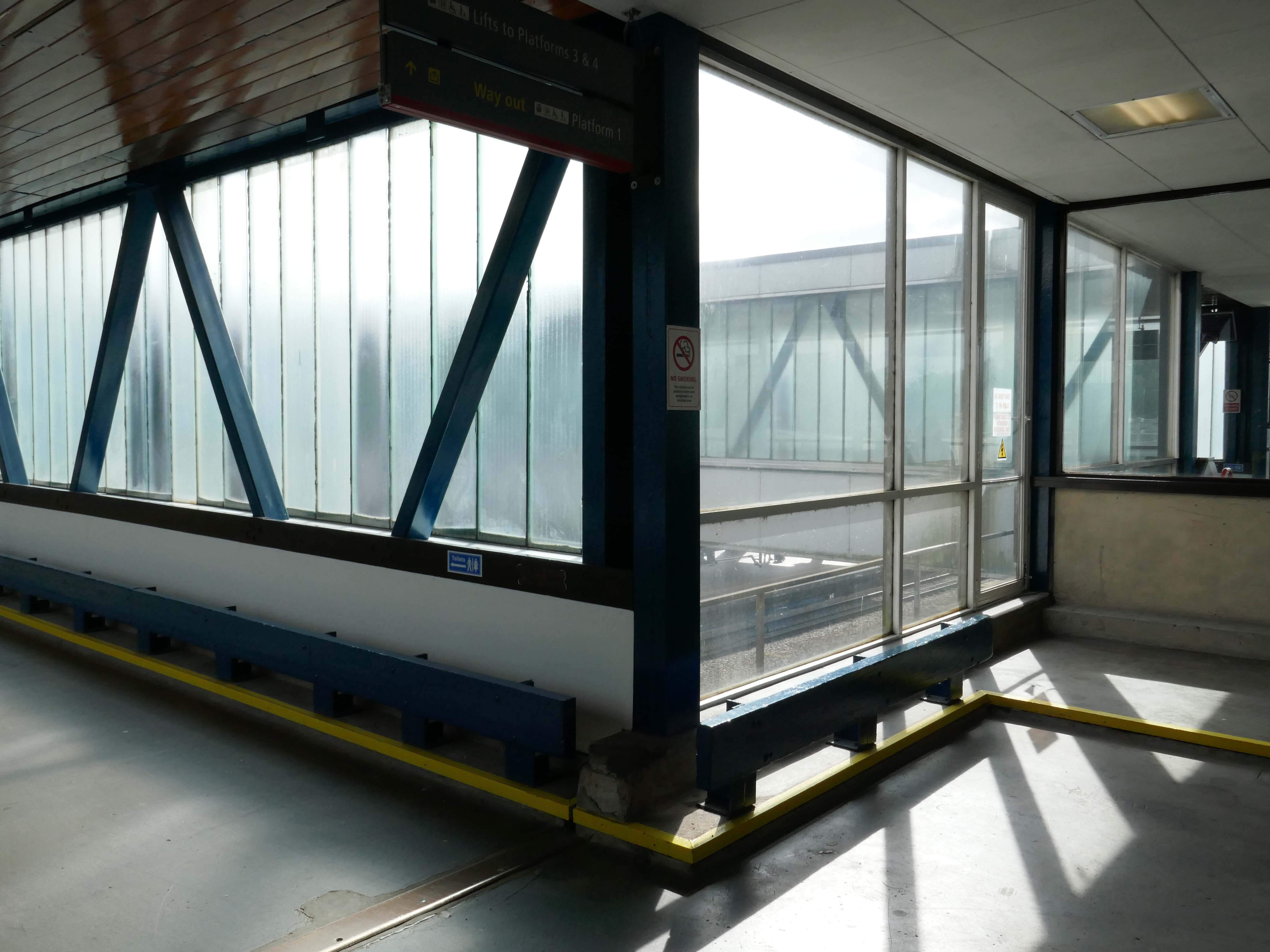
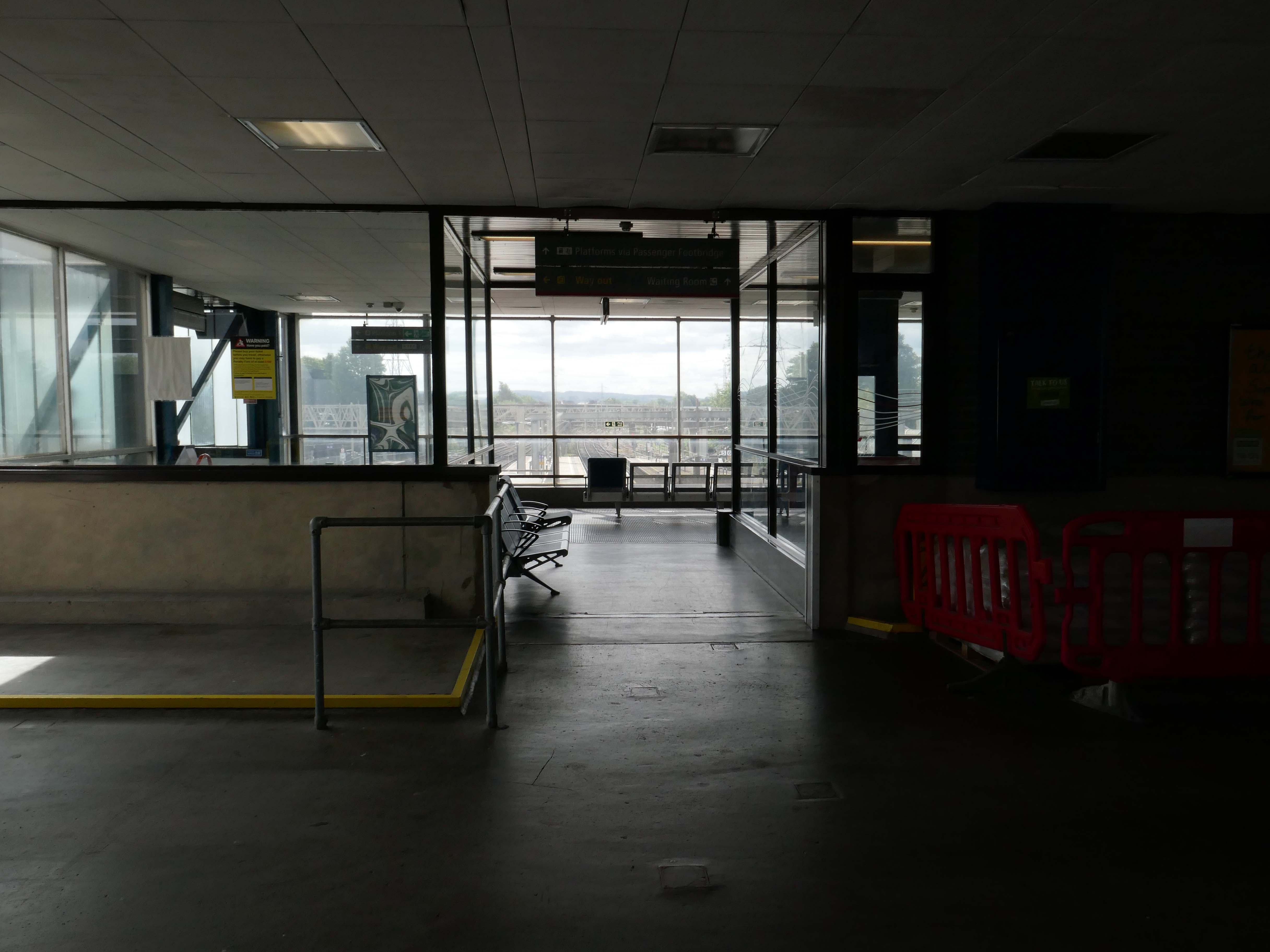
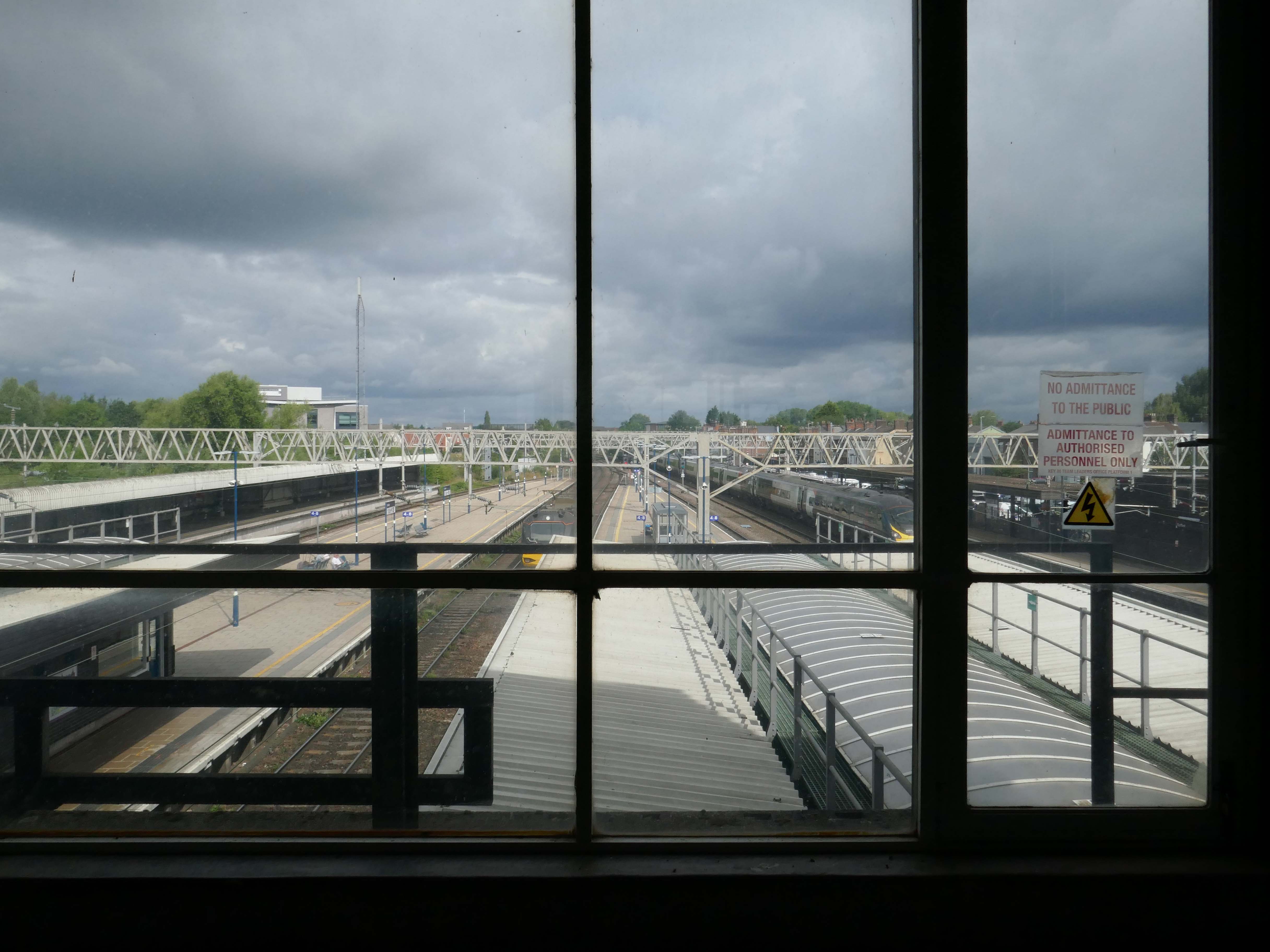
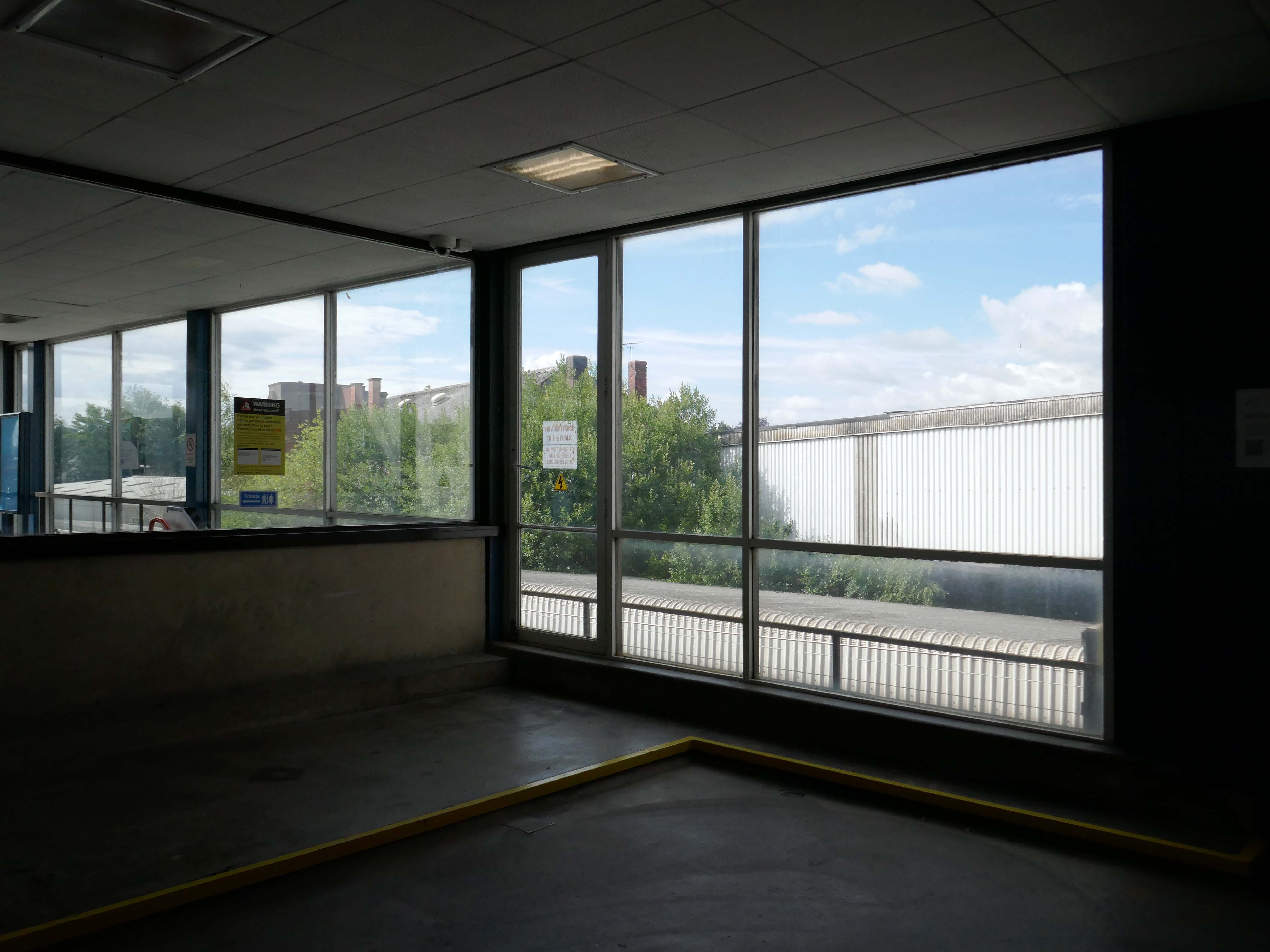
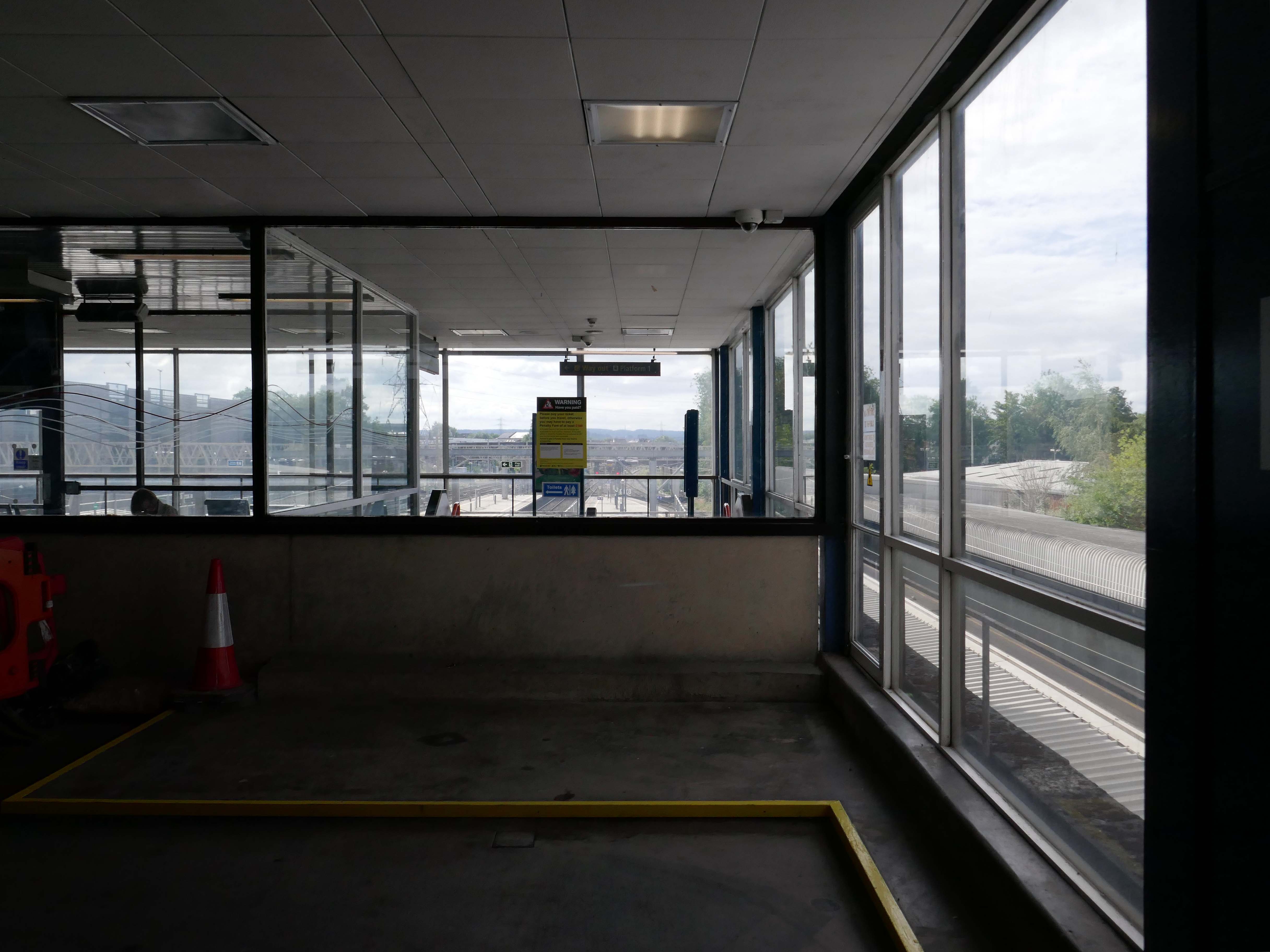
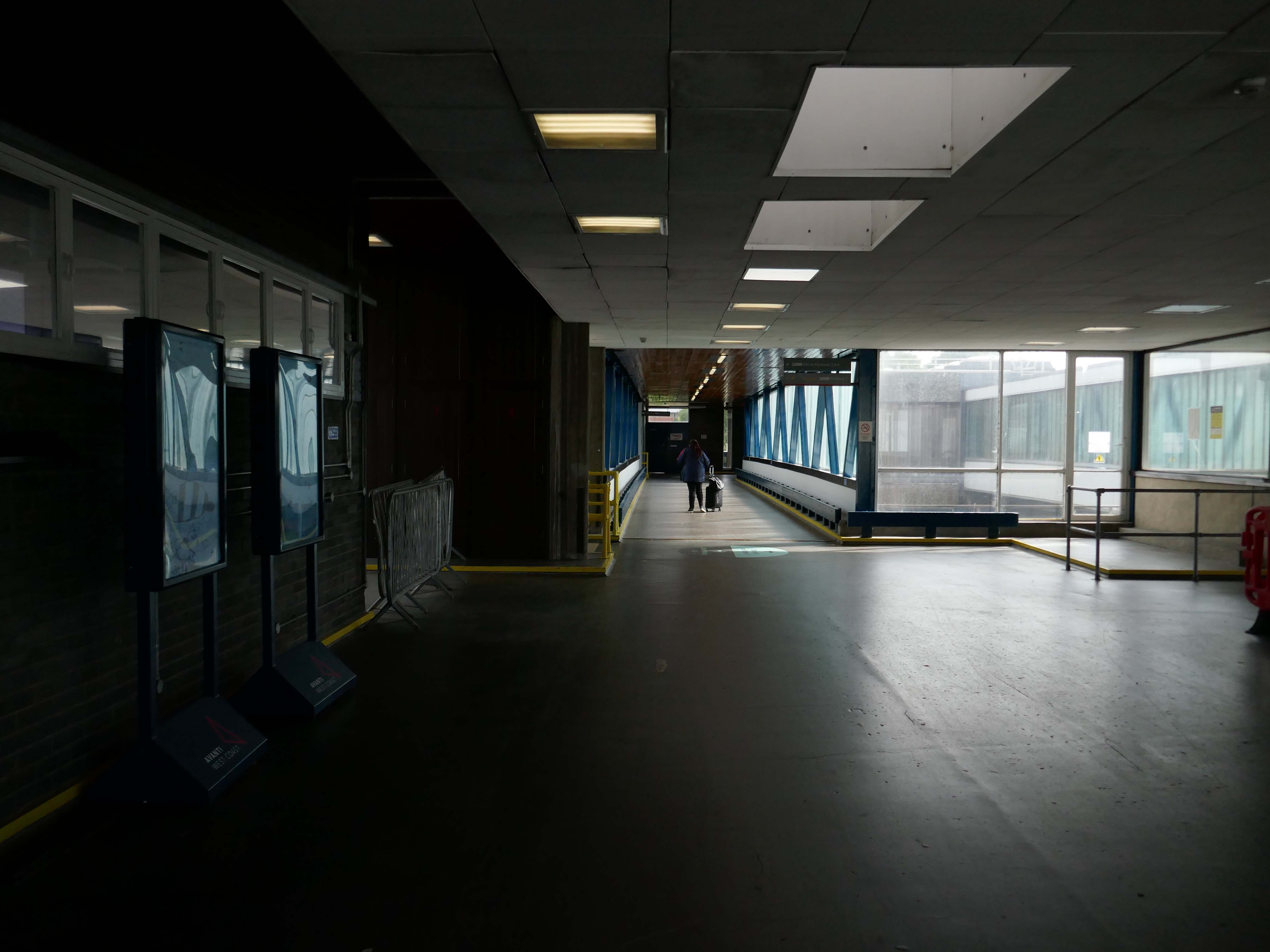
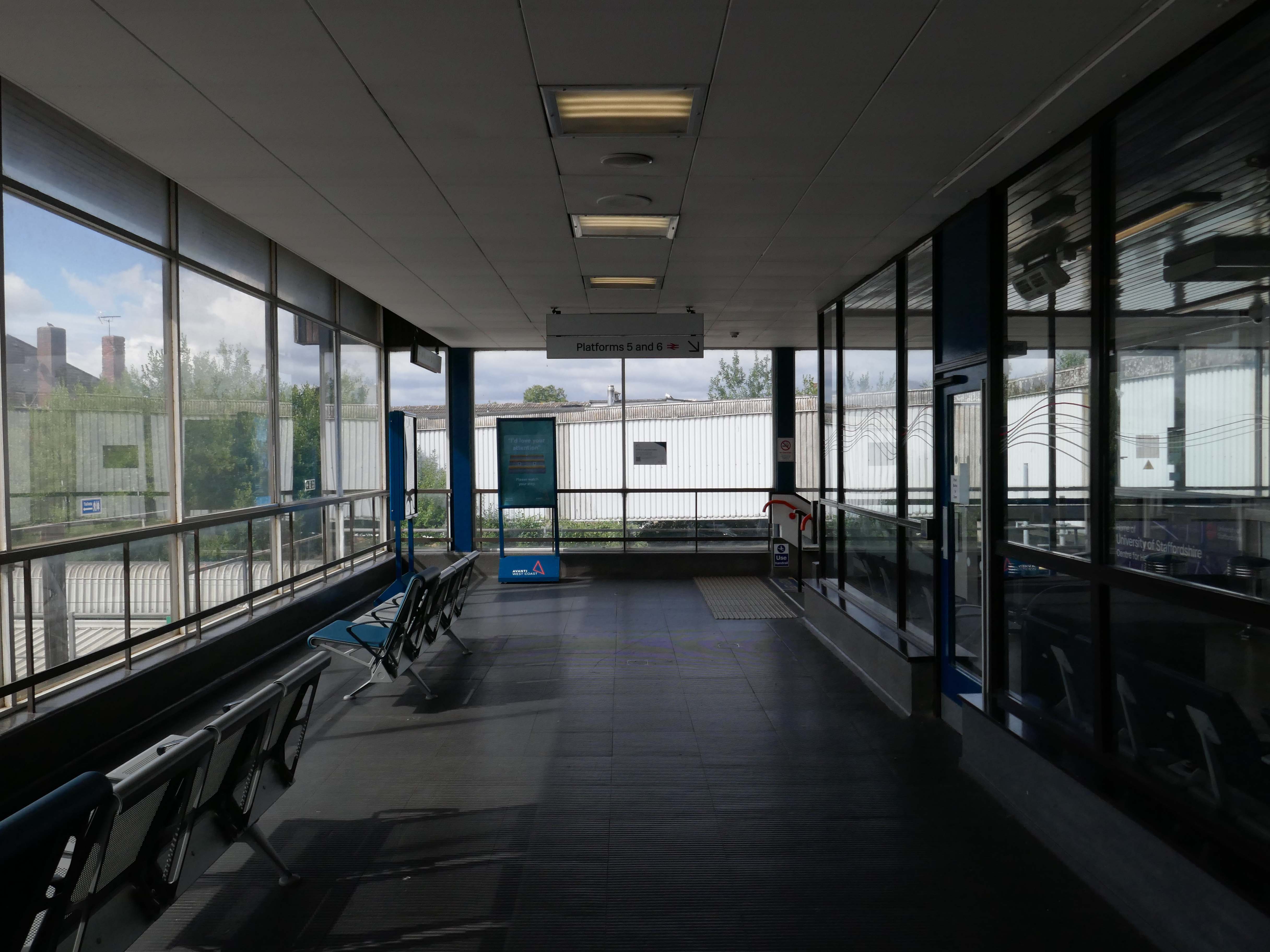
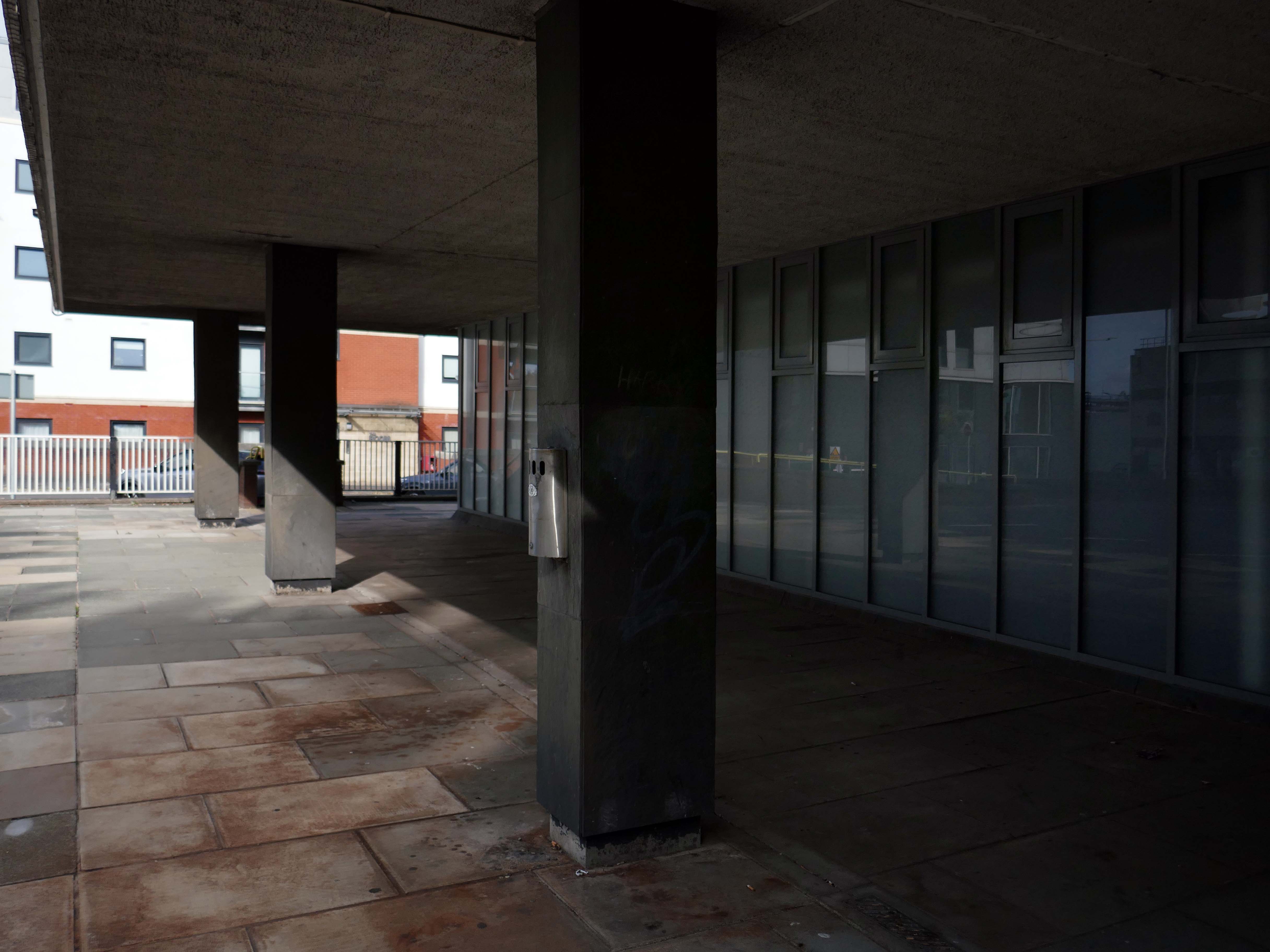
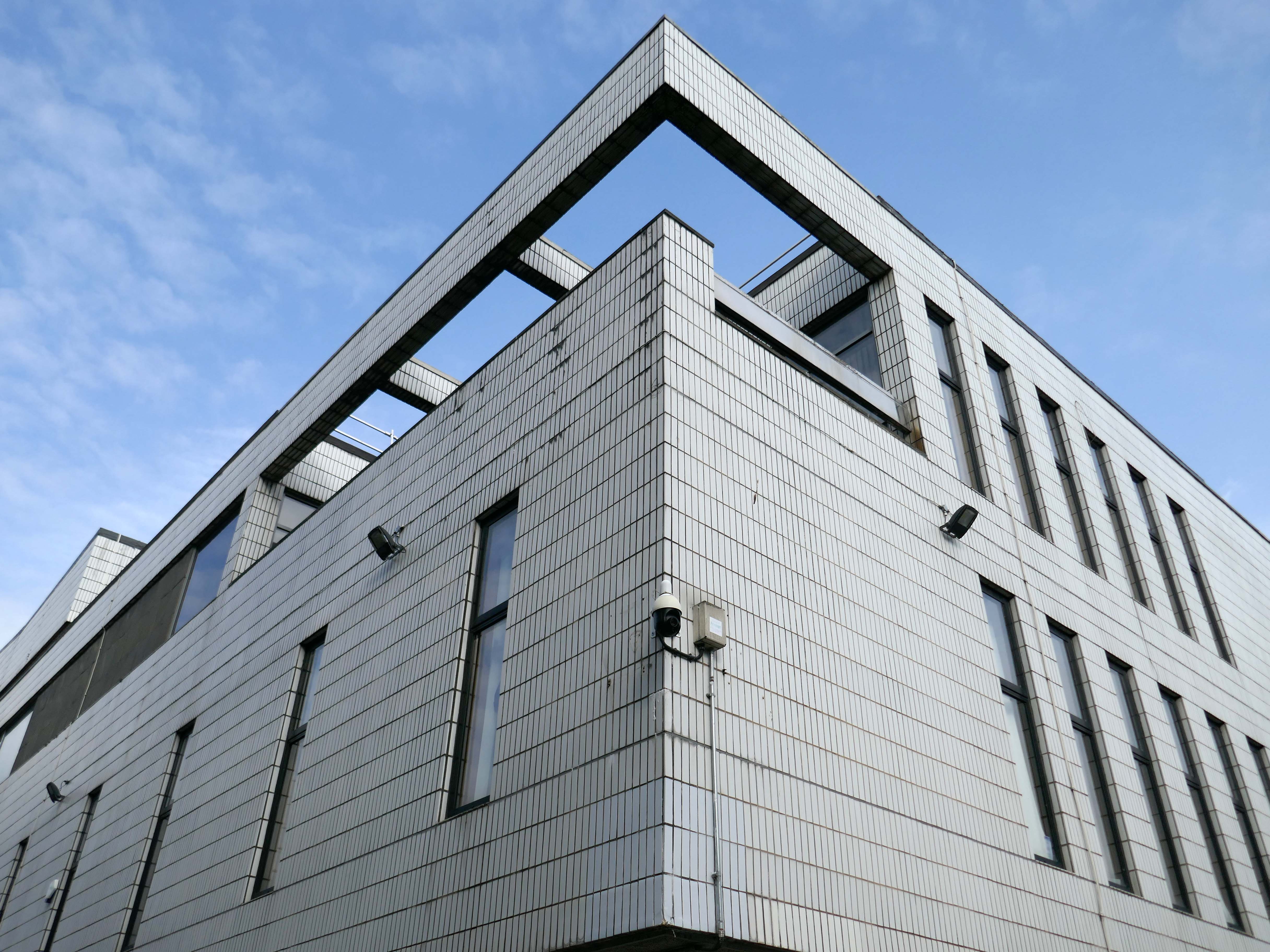
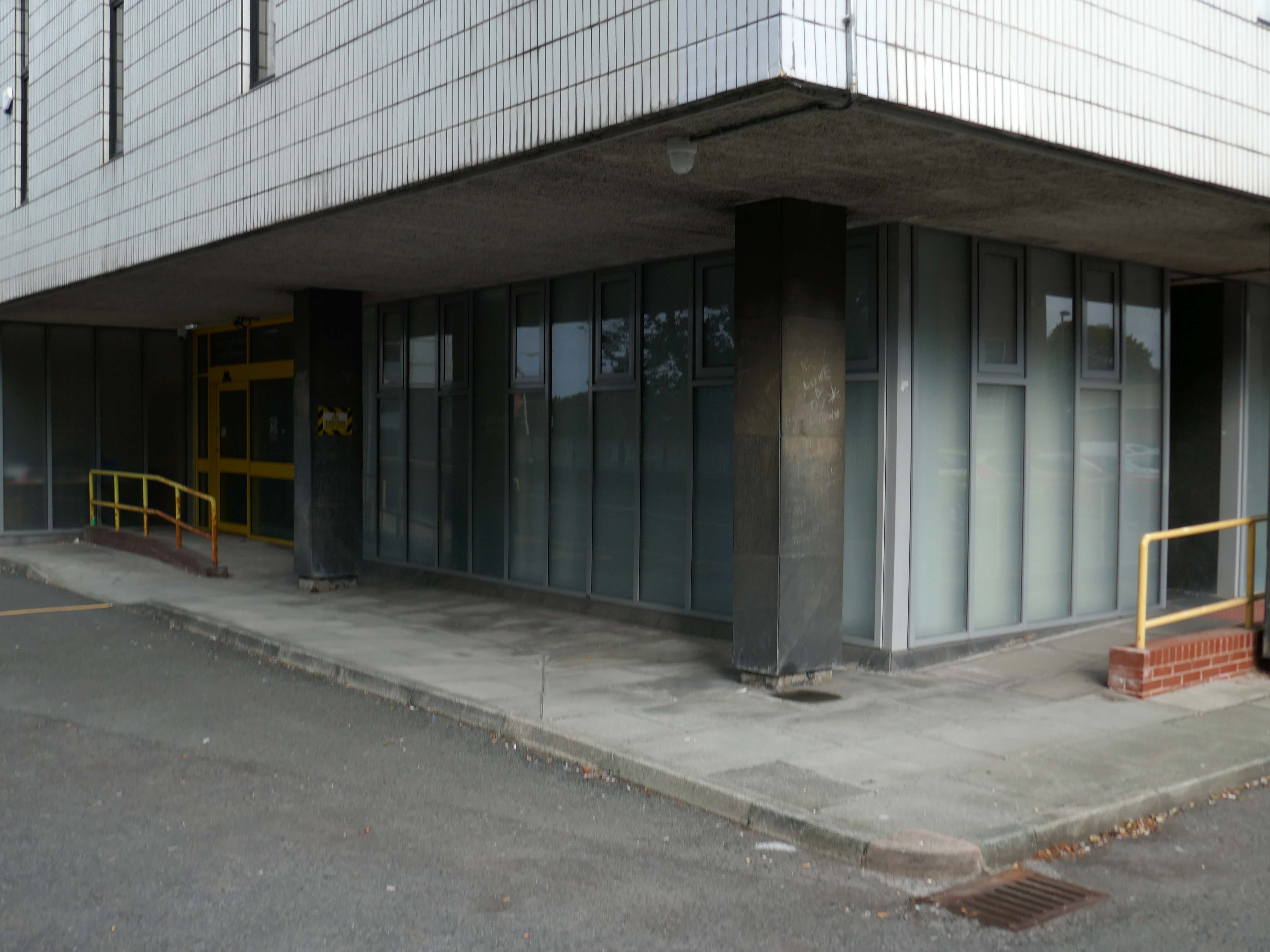
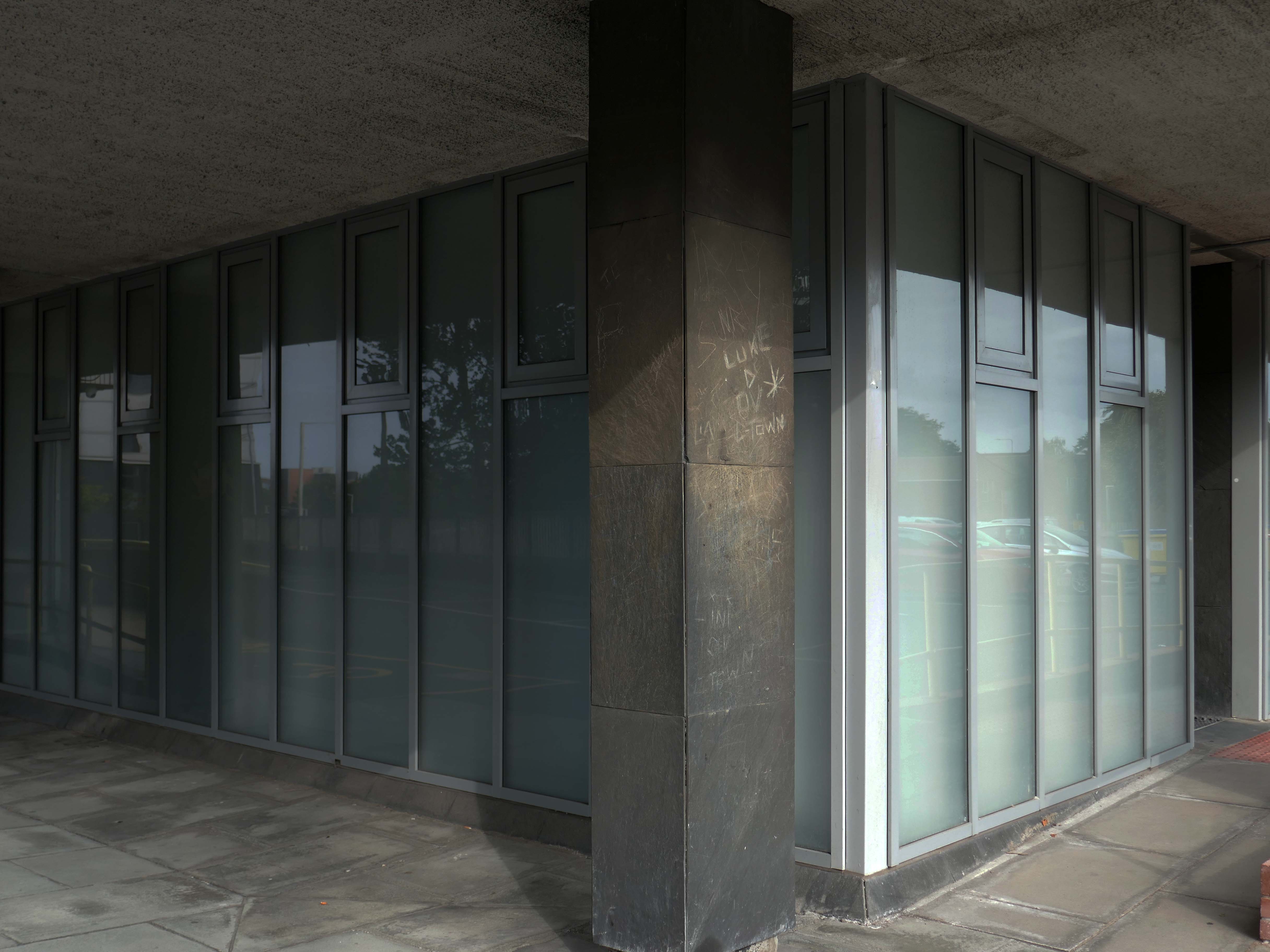
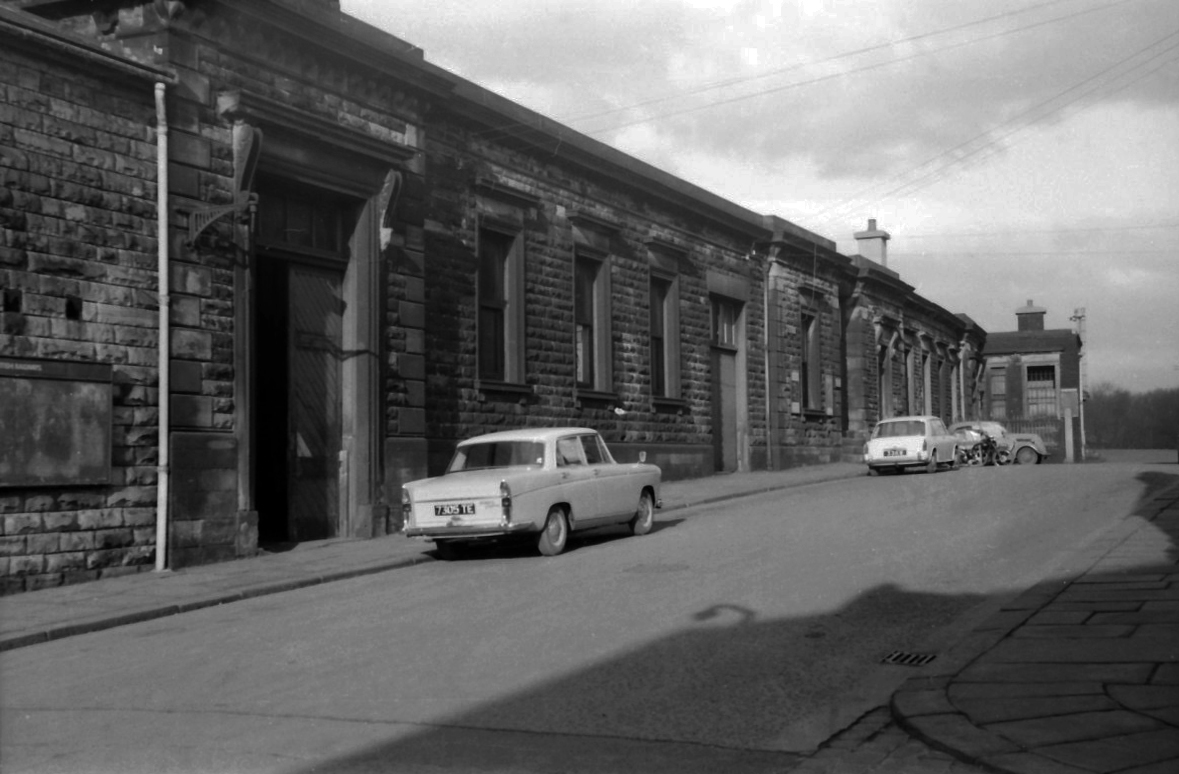
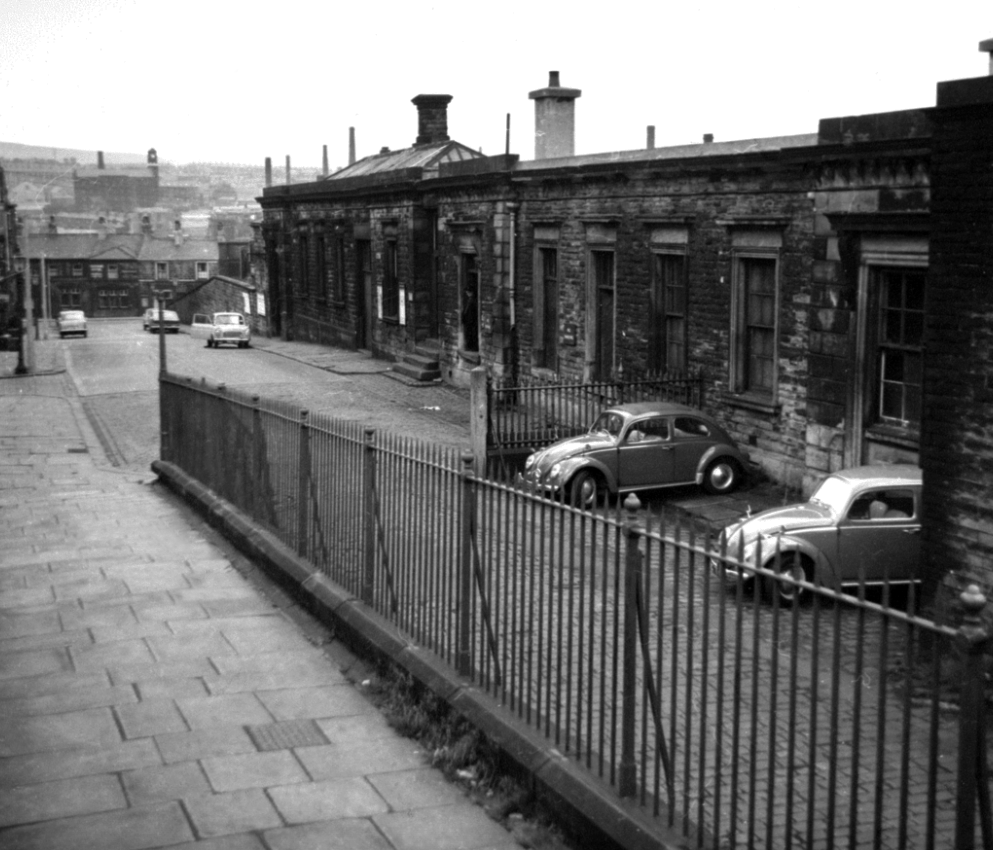
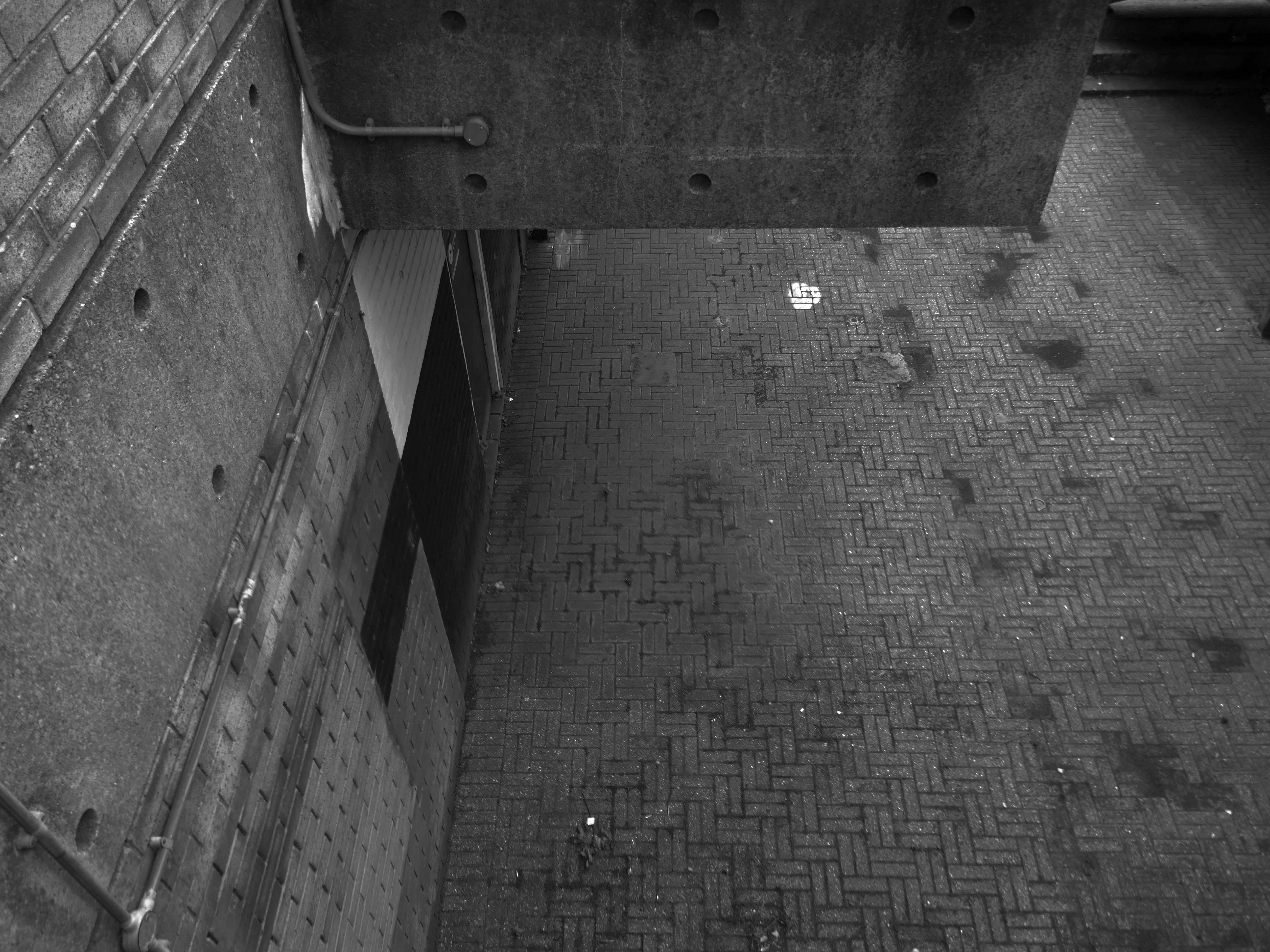
The station was rebuilt in 1965, its ground floor is at street level and the first floor at platform level.


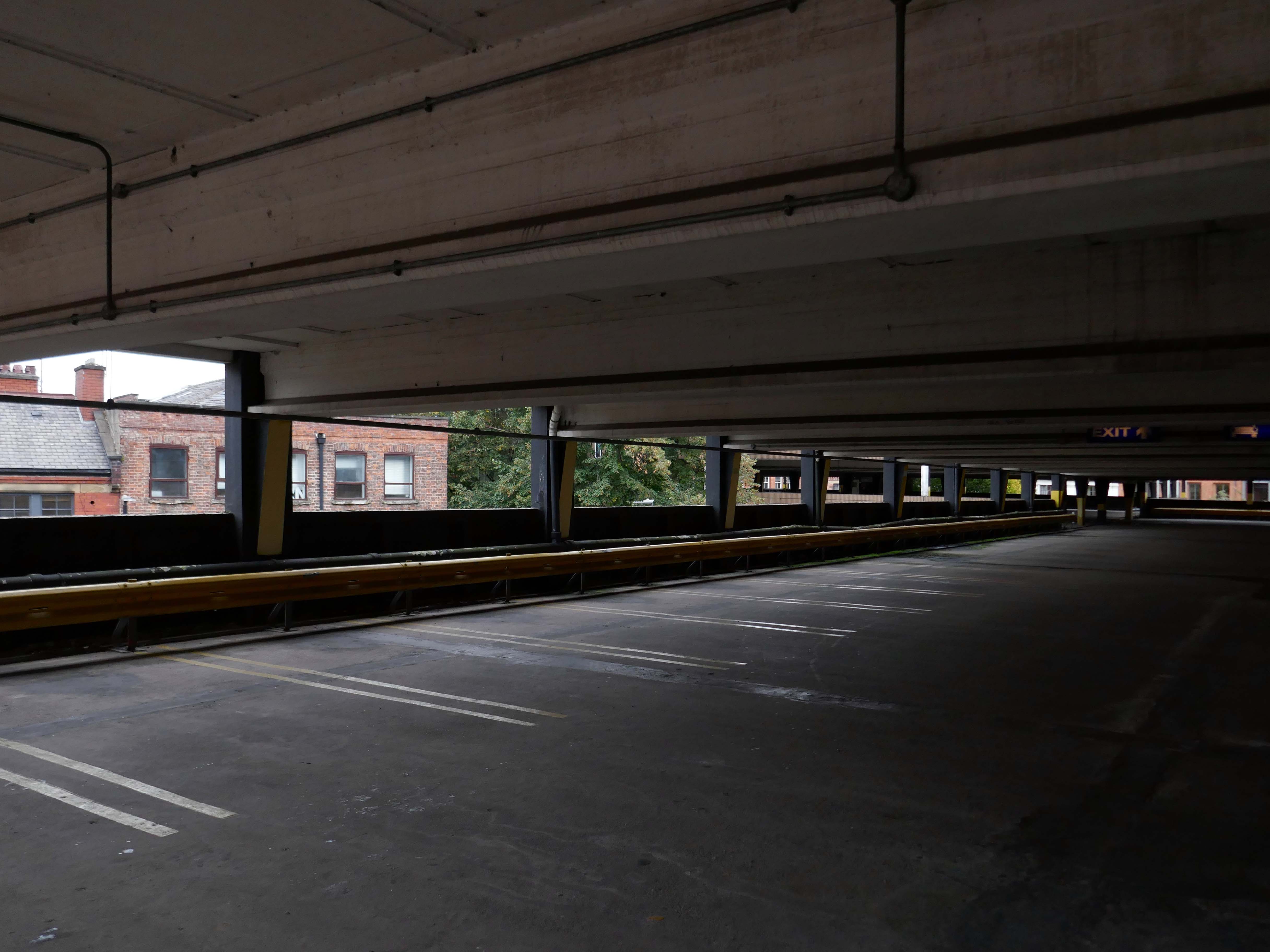
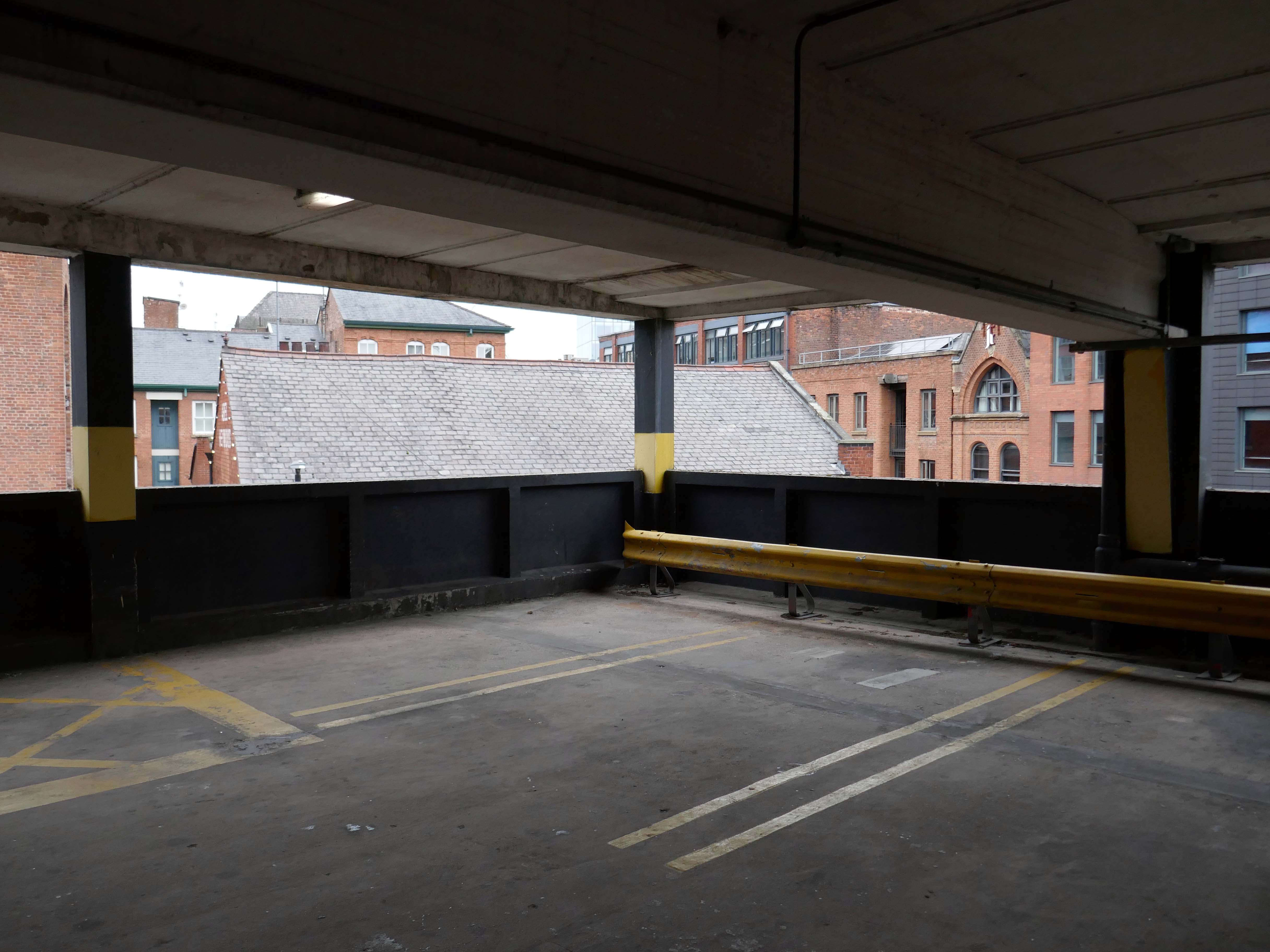
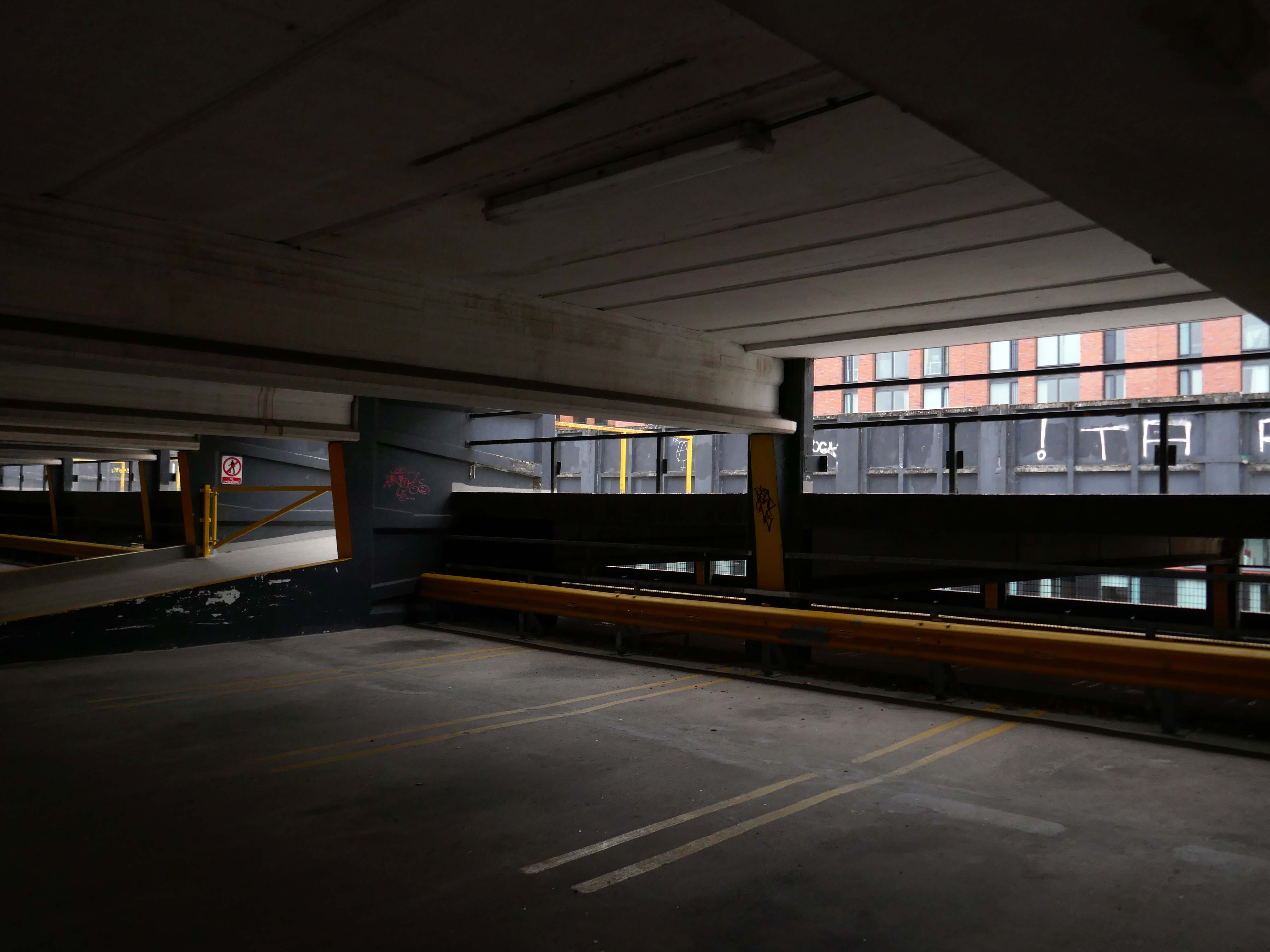
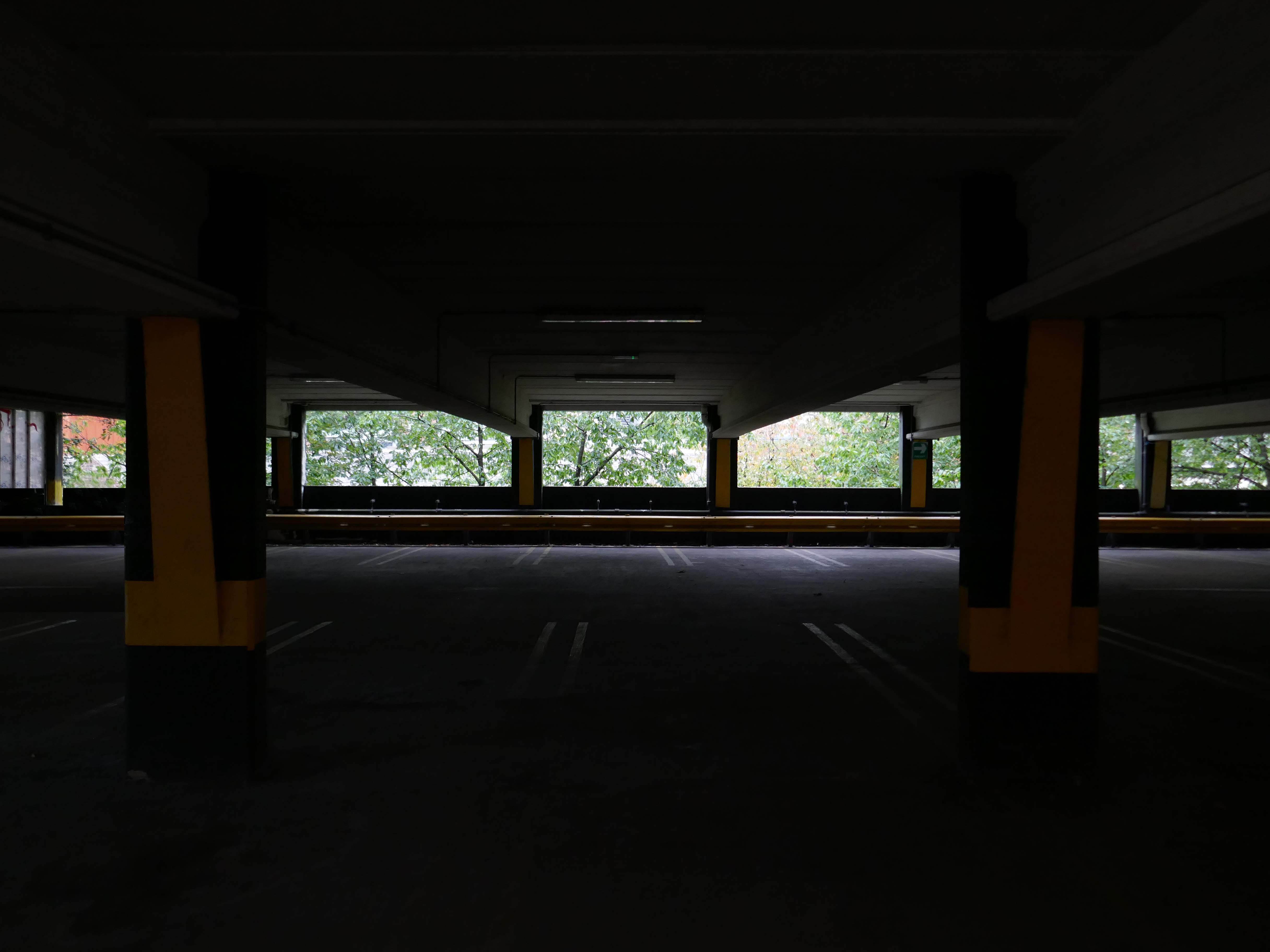
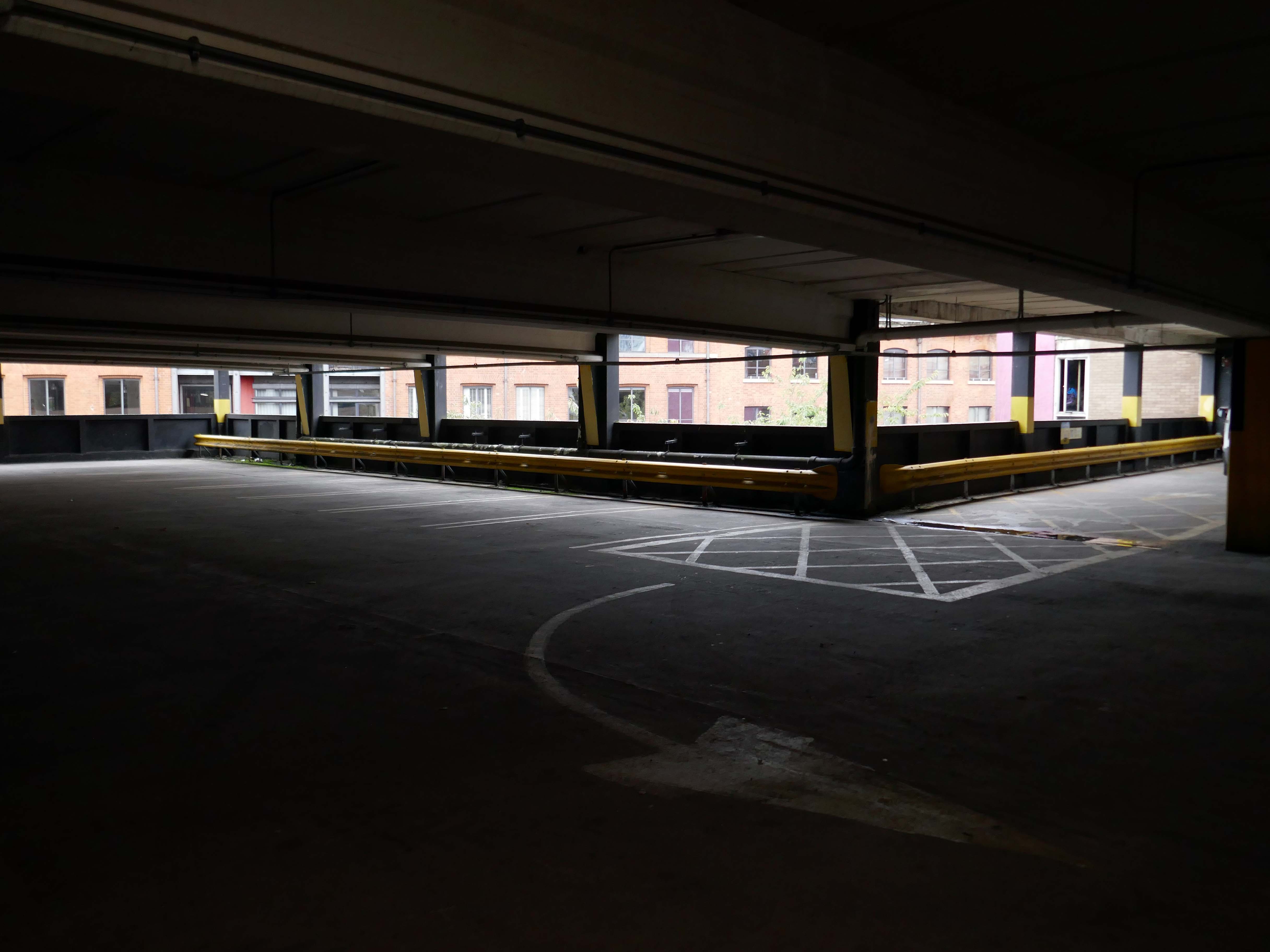
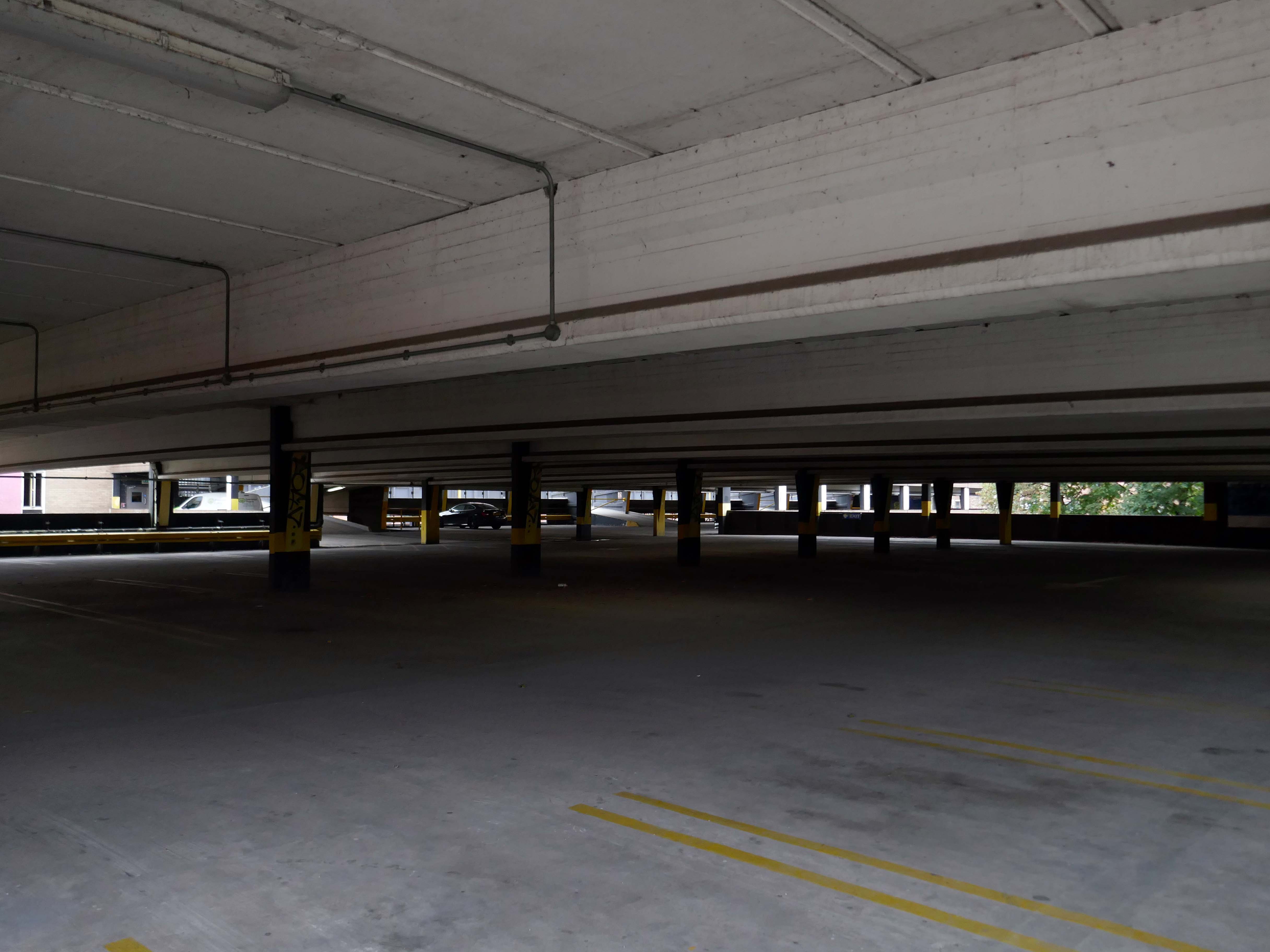
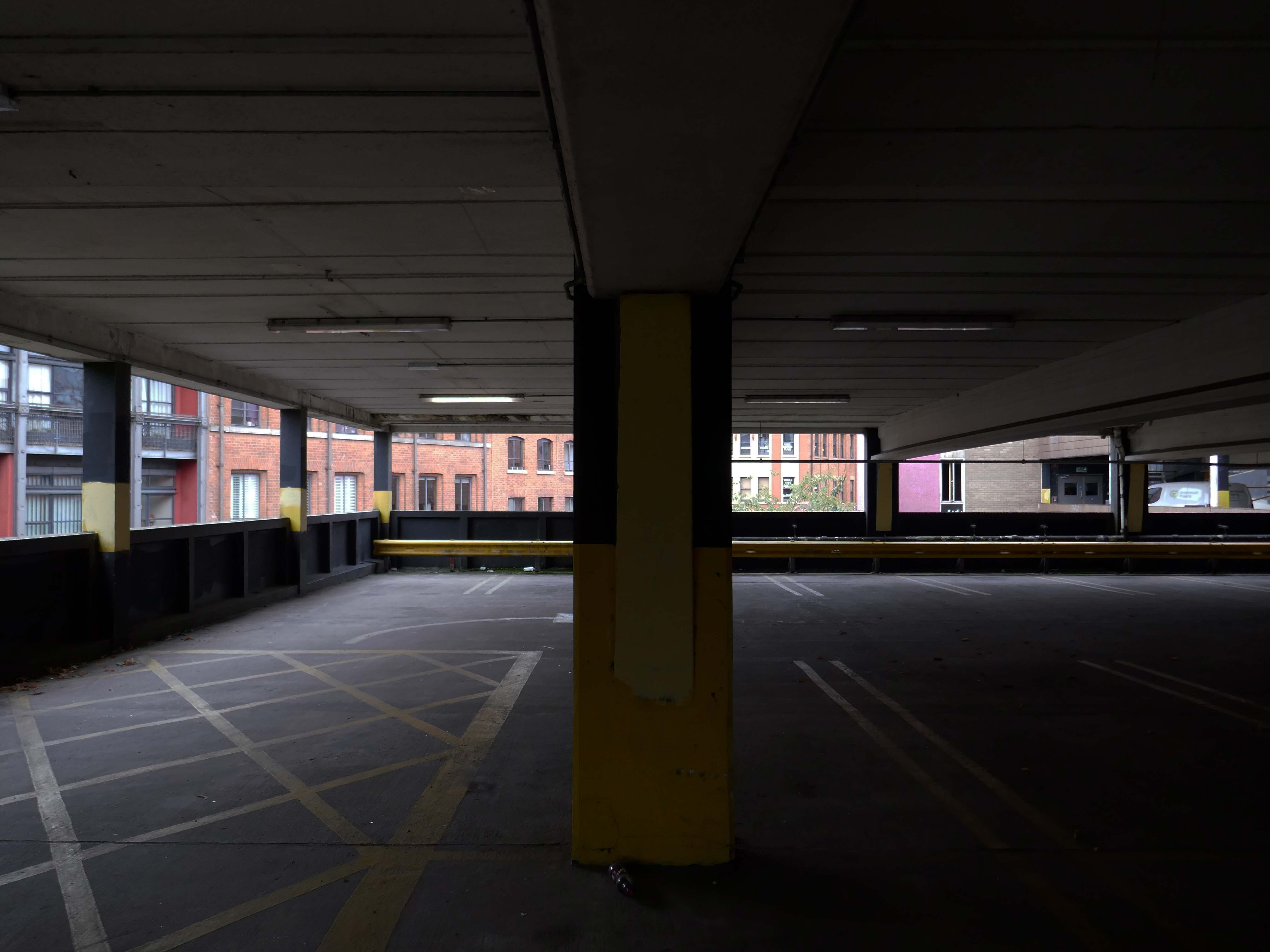
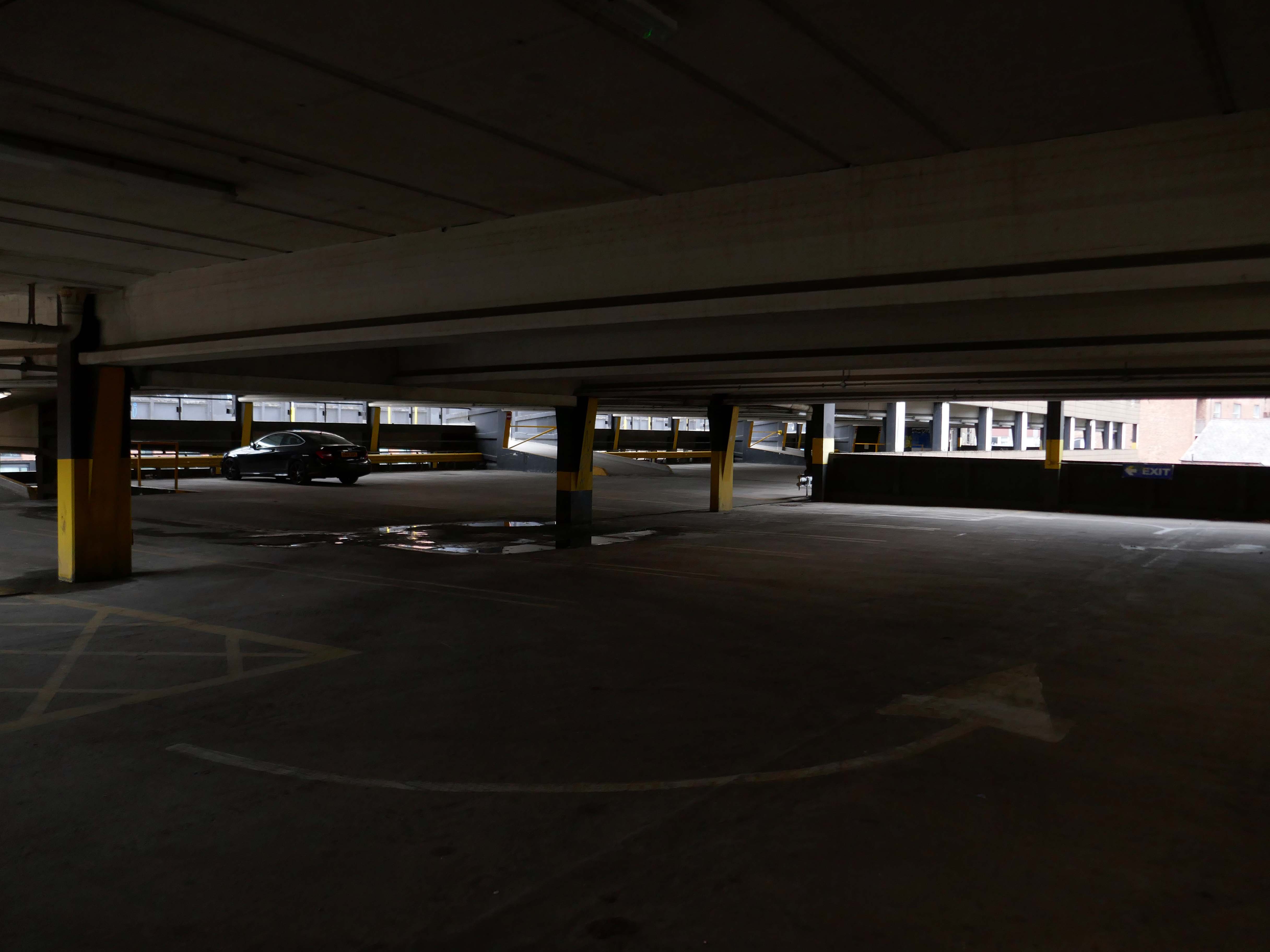
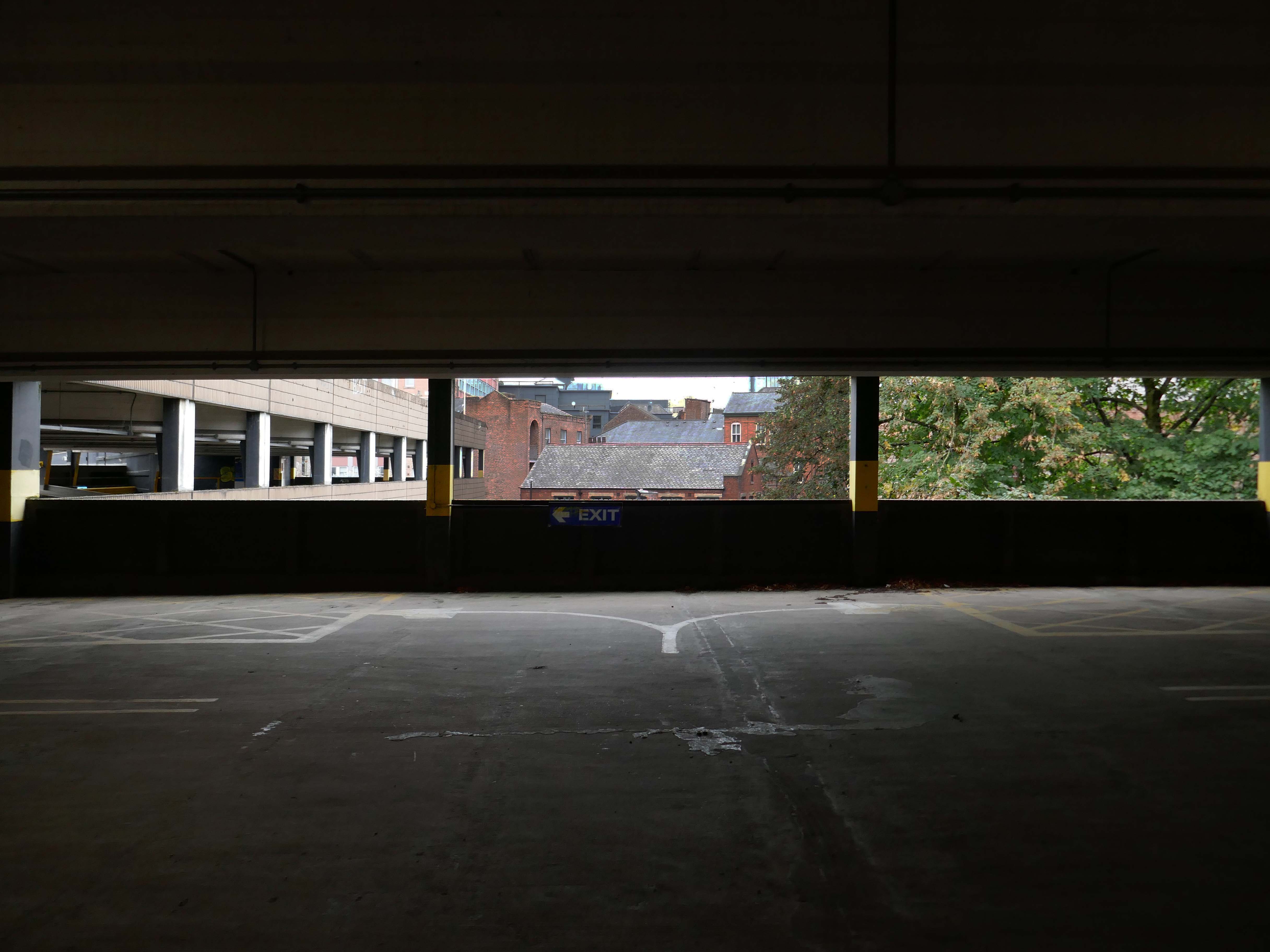
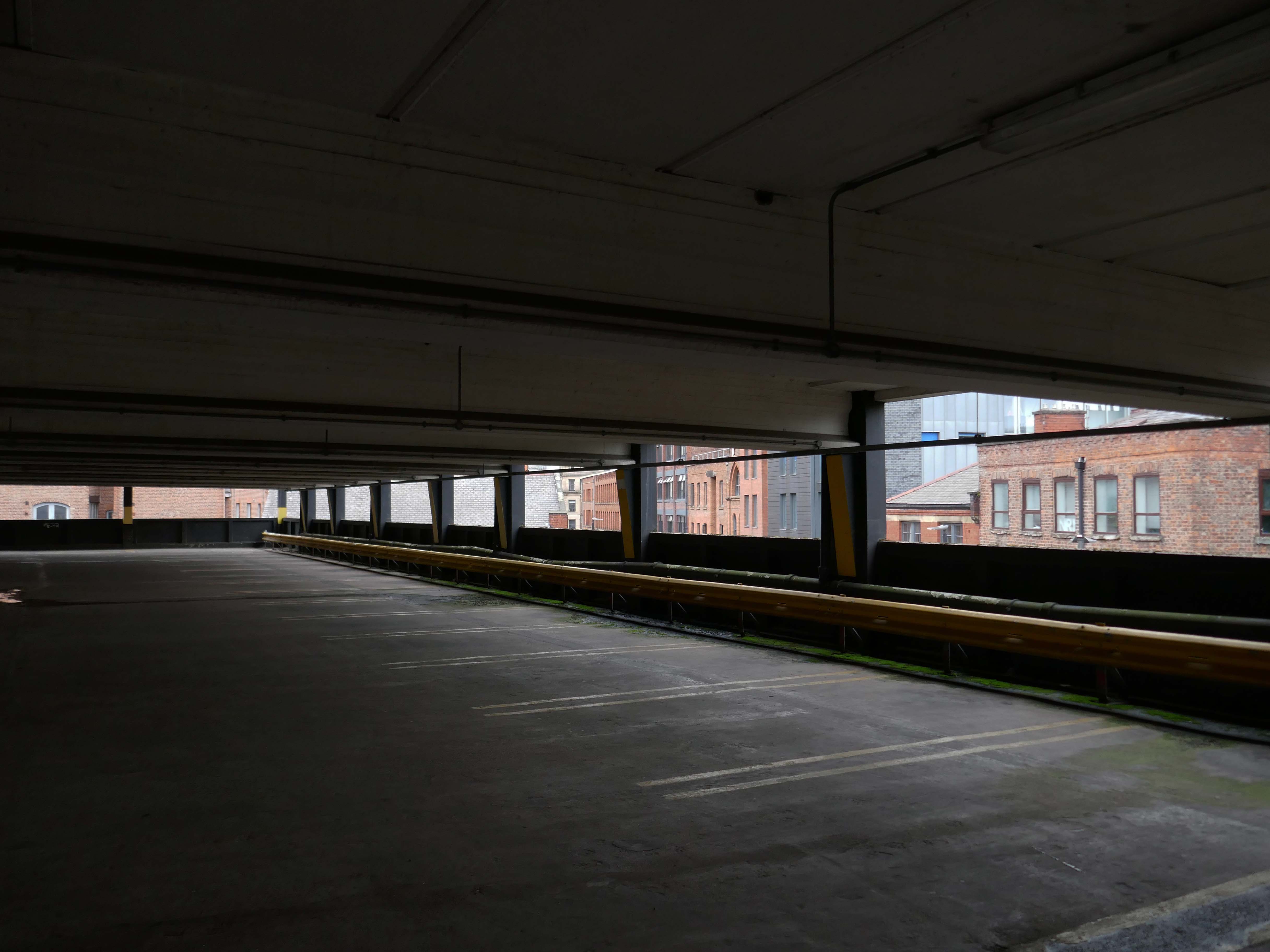
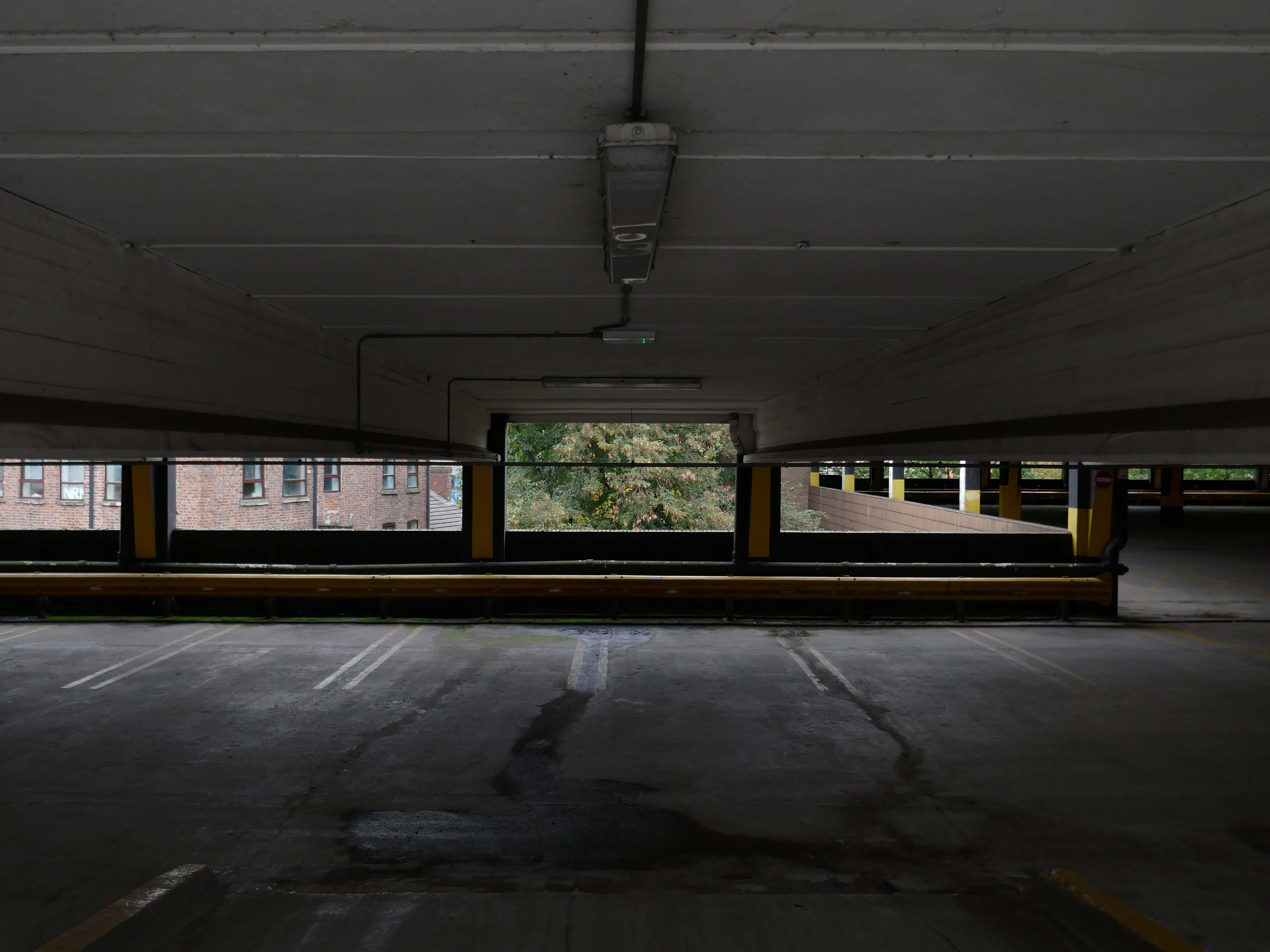
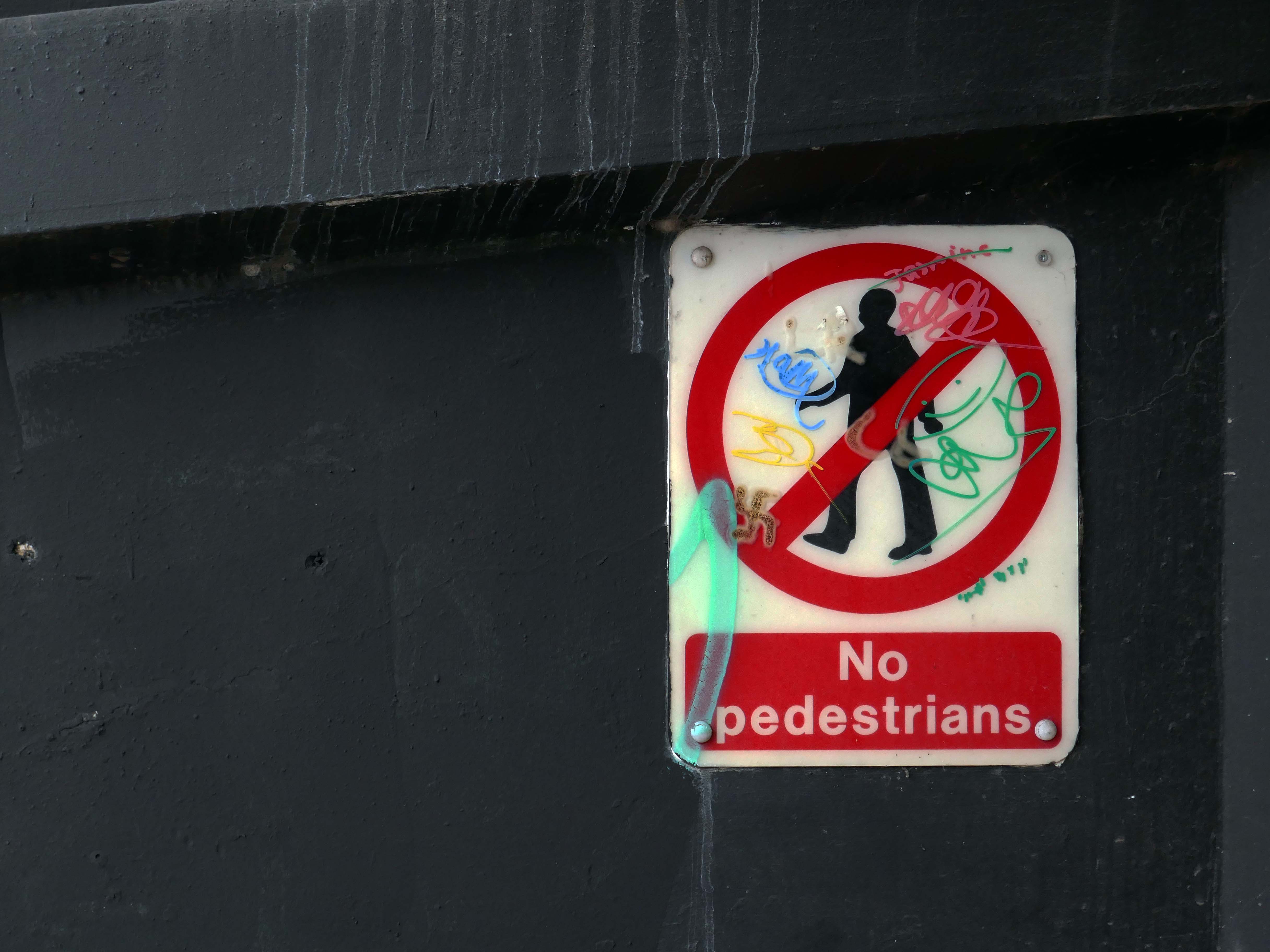
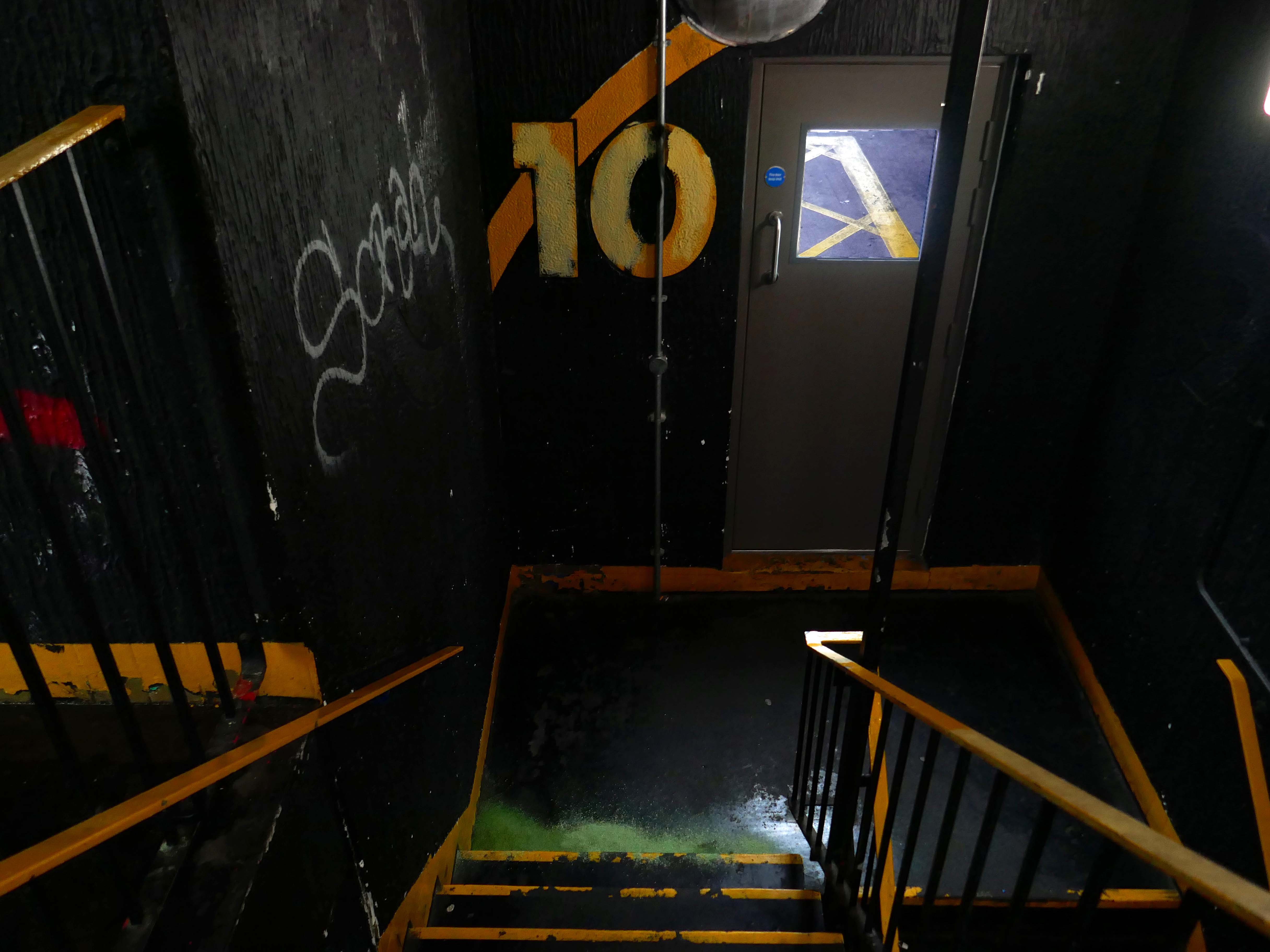
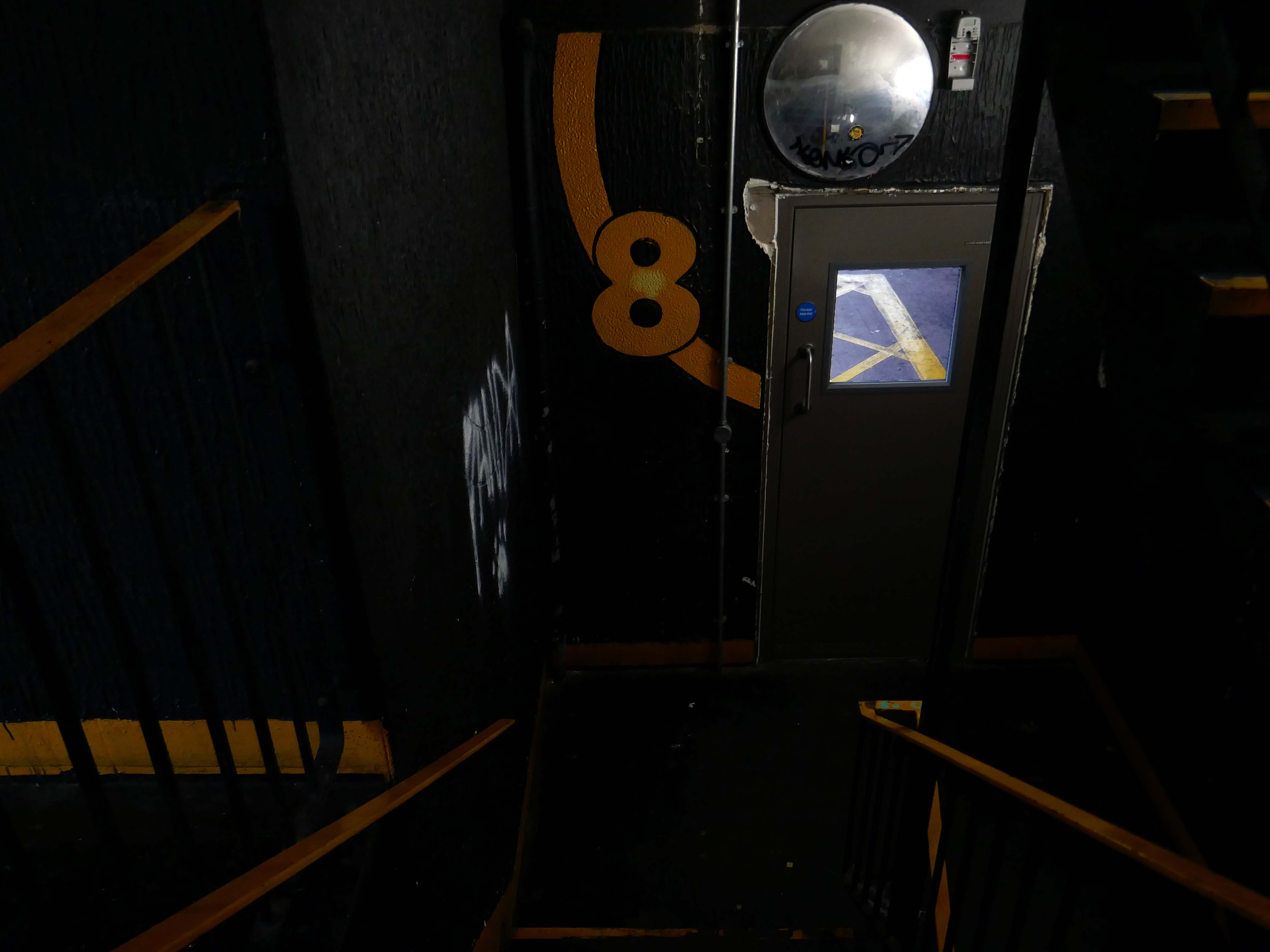
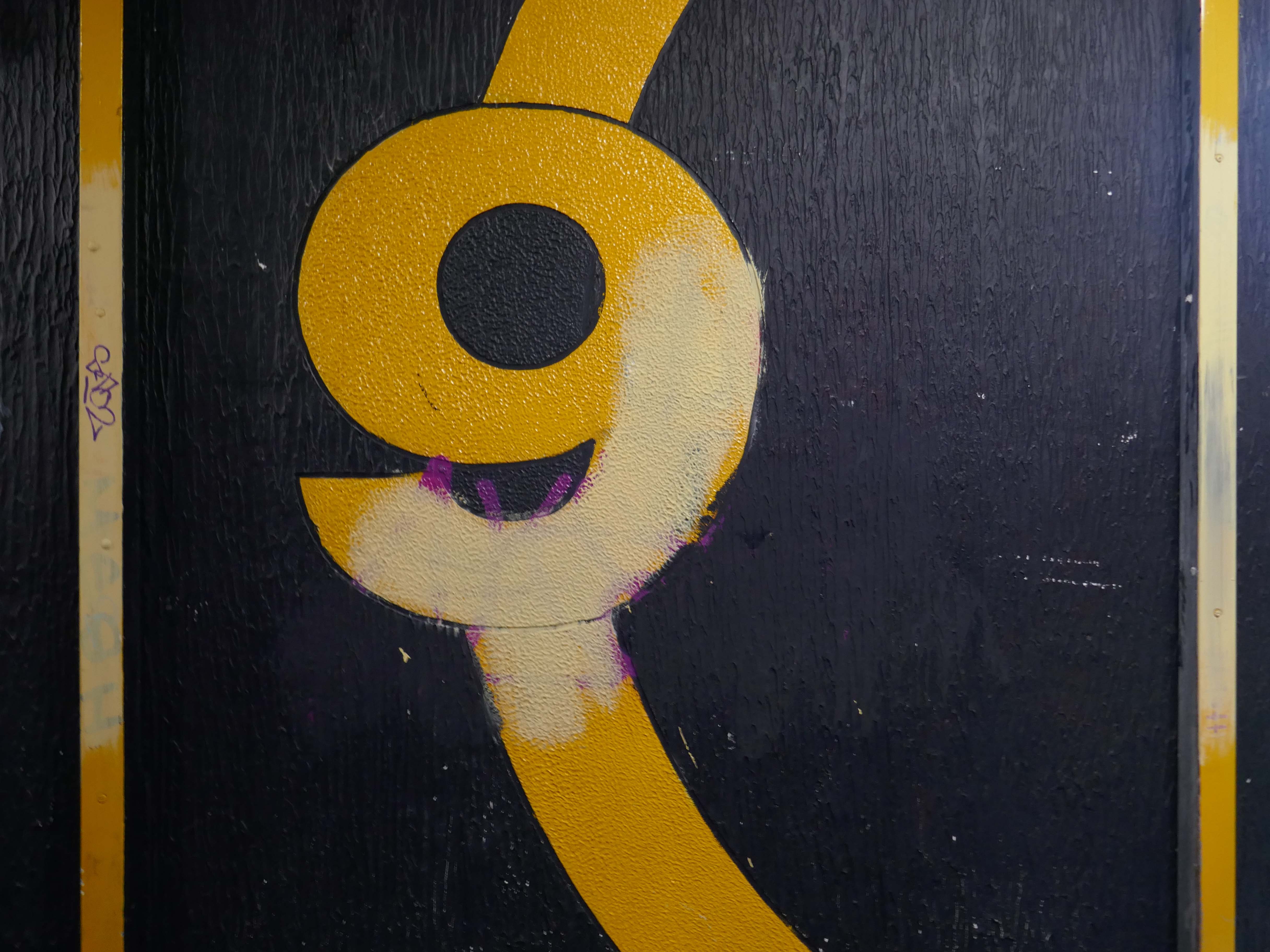


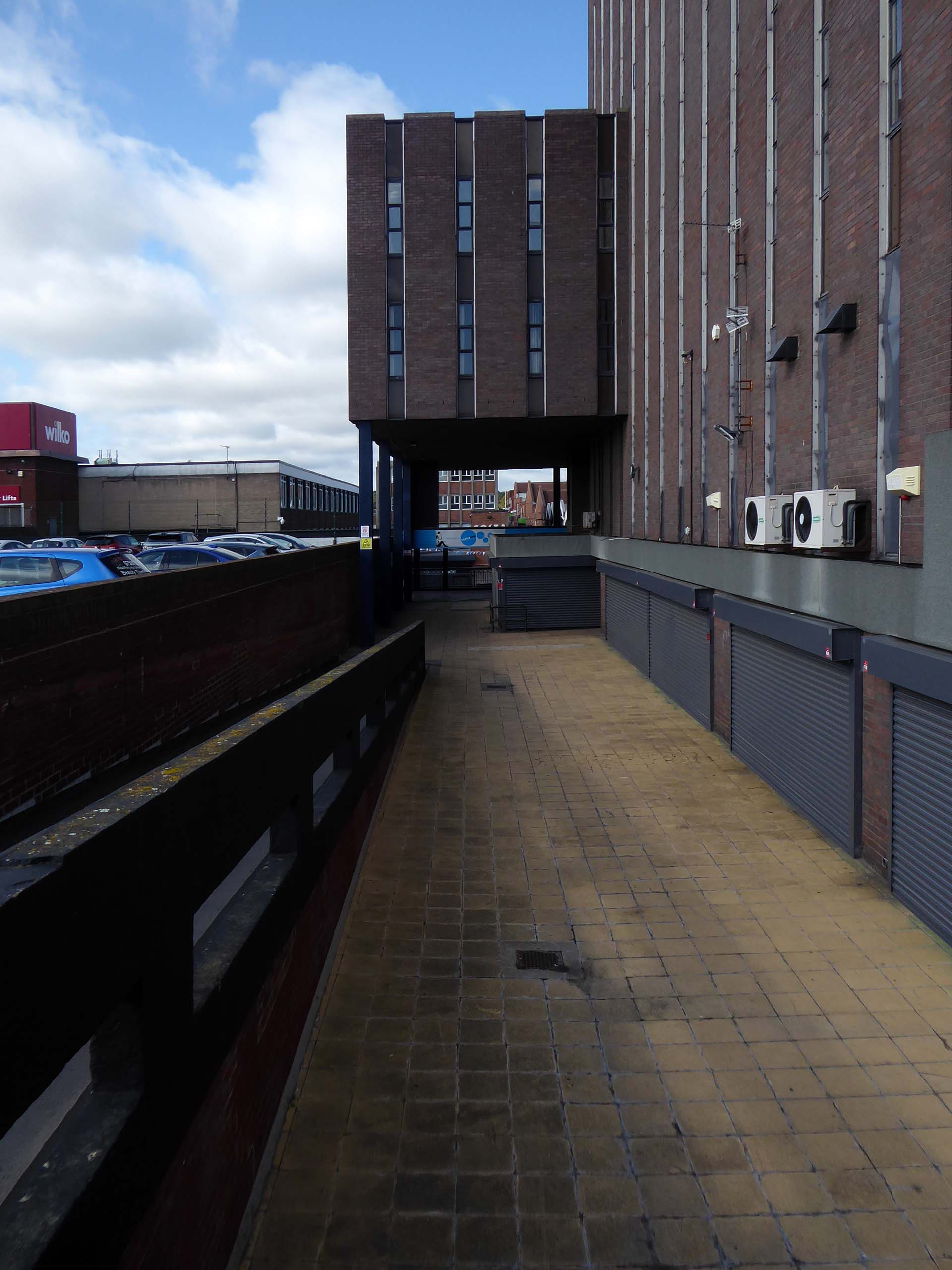
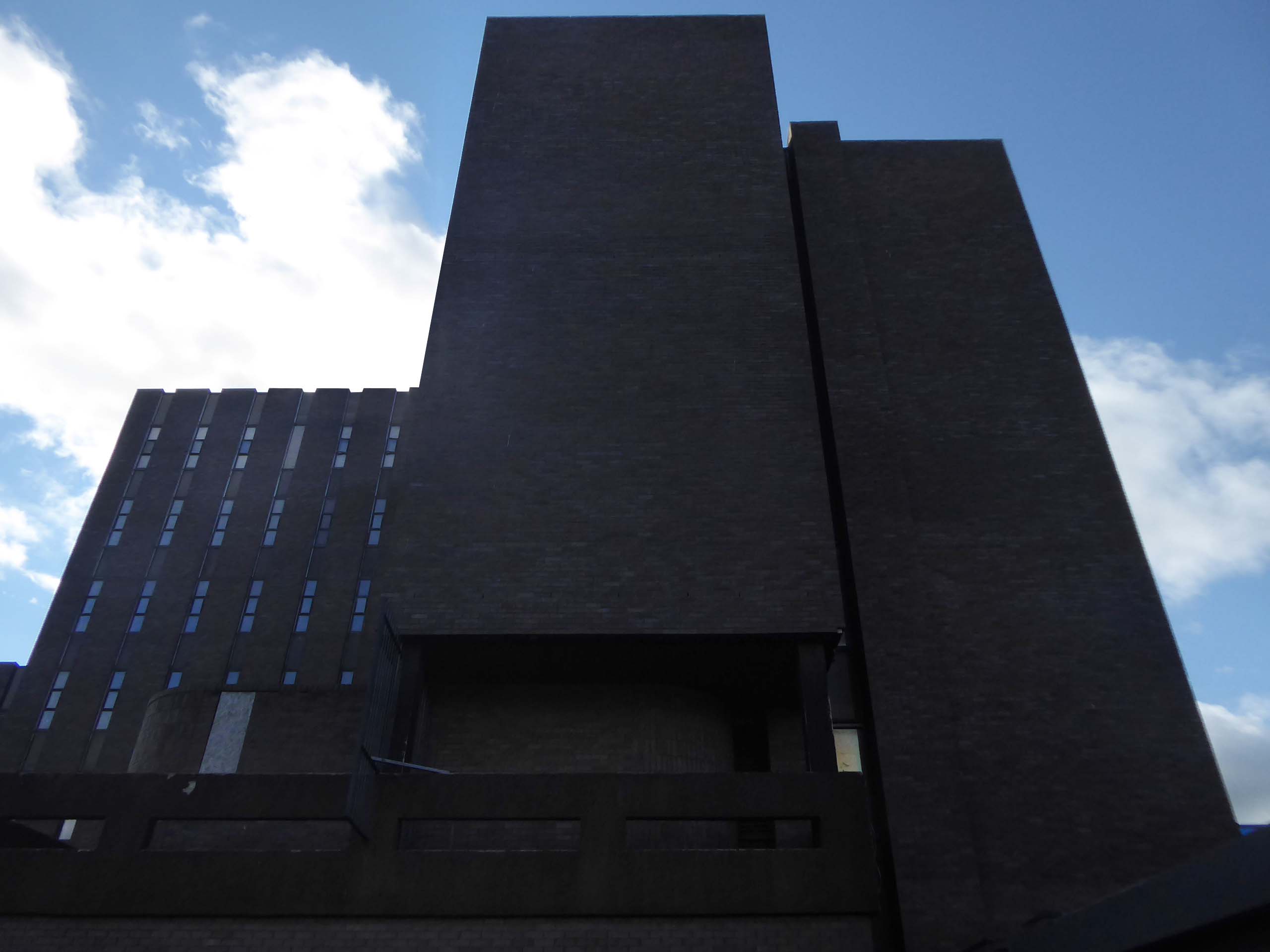
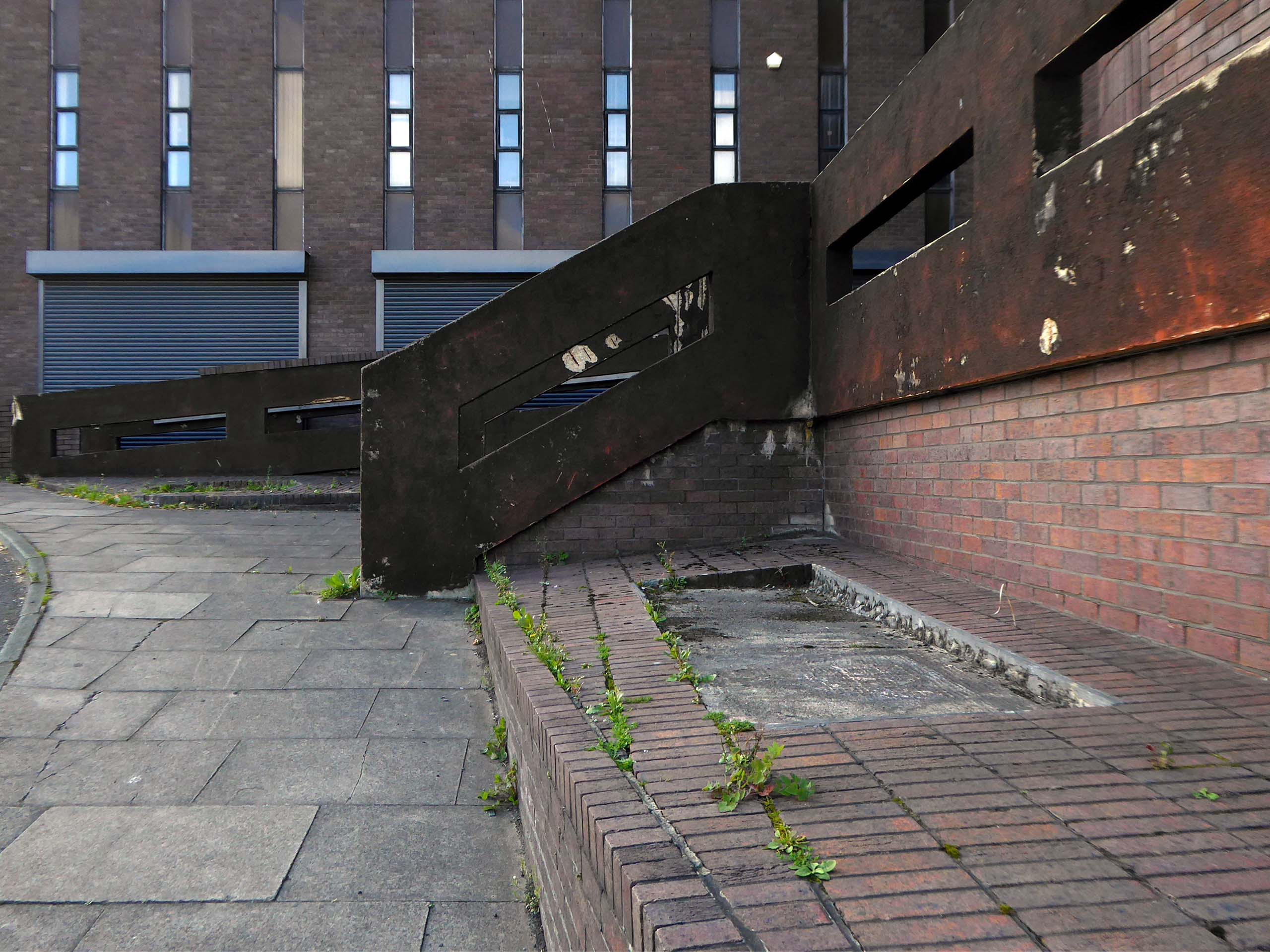
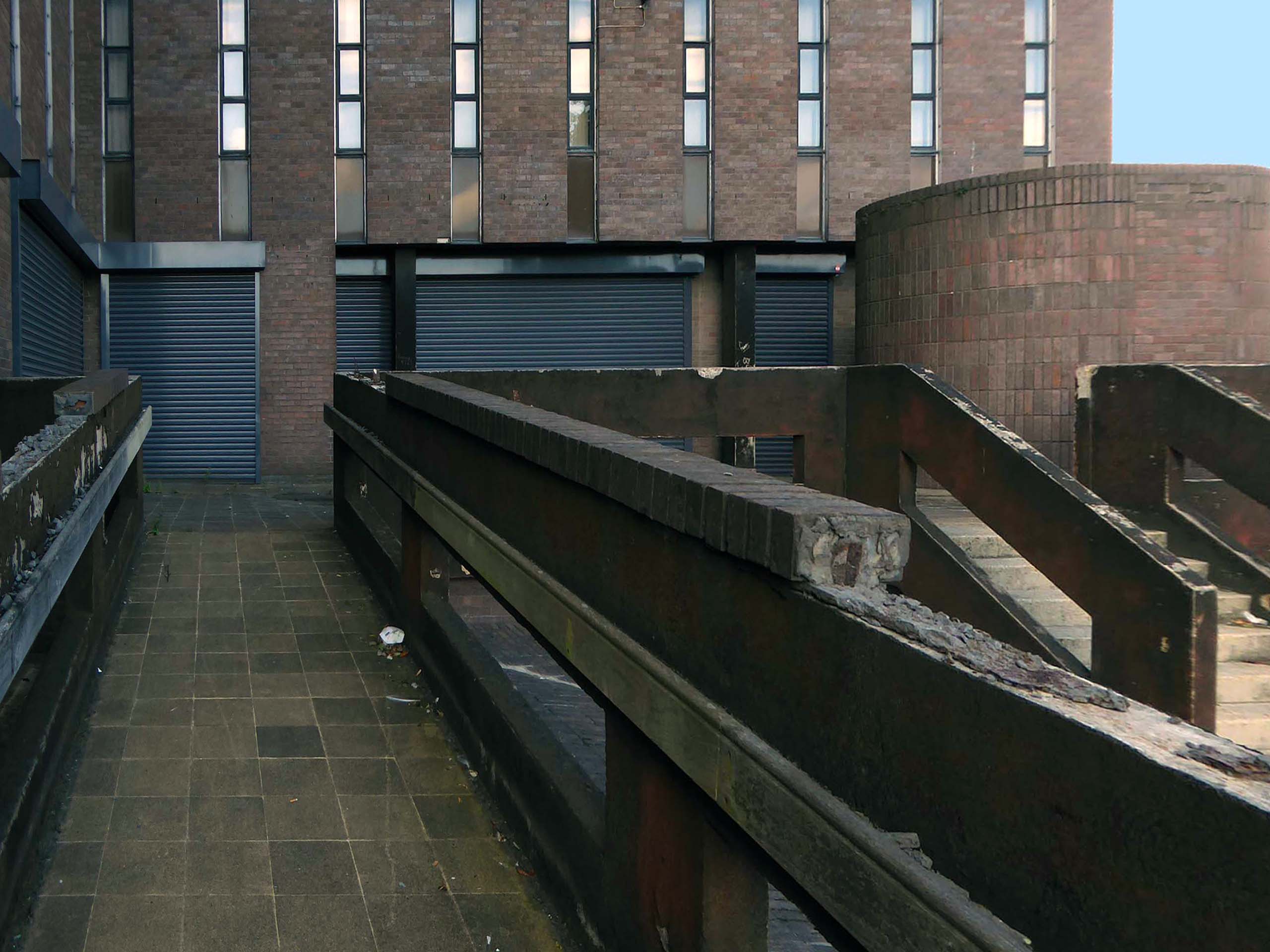






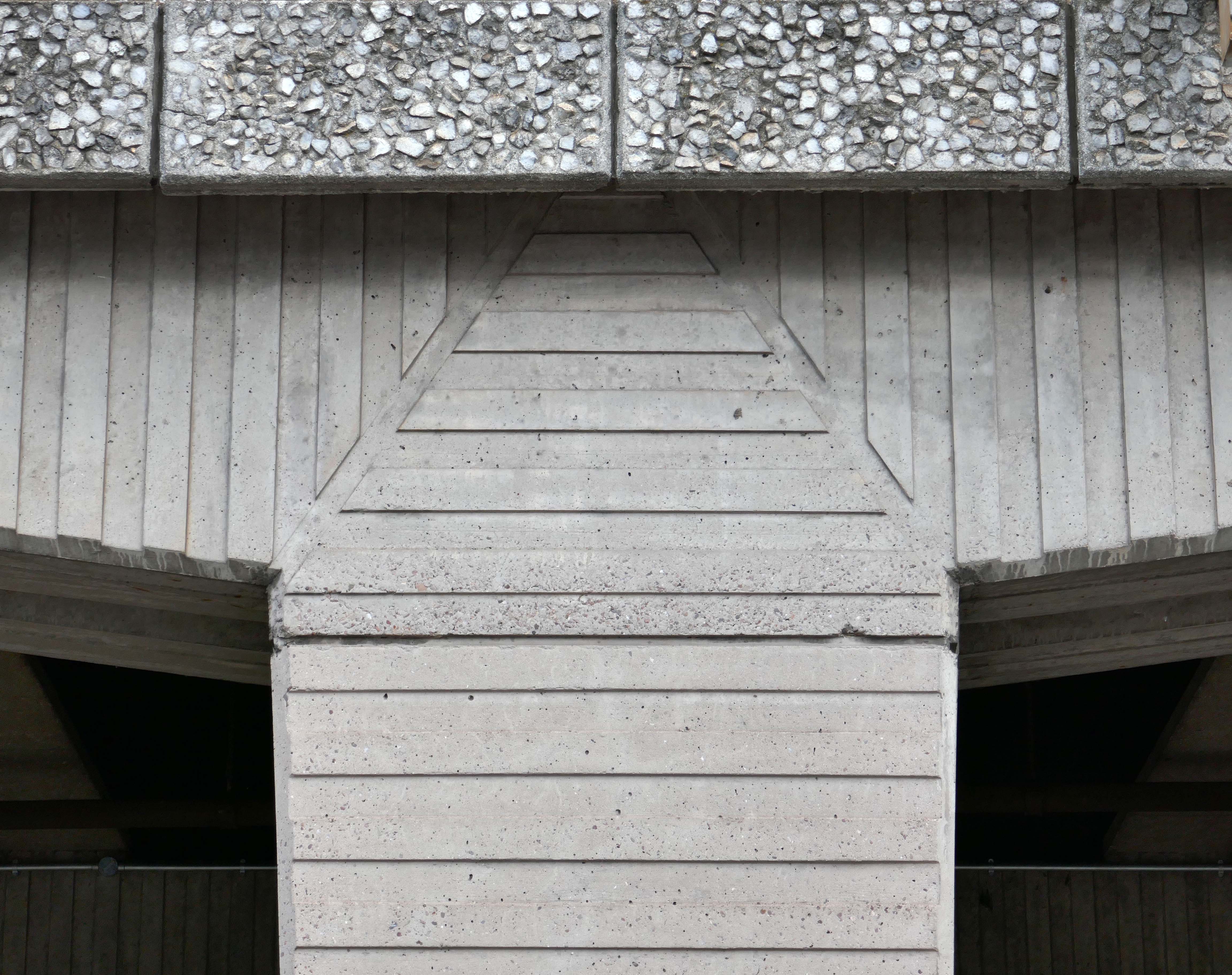
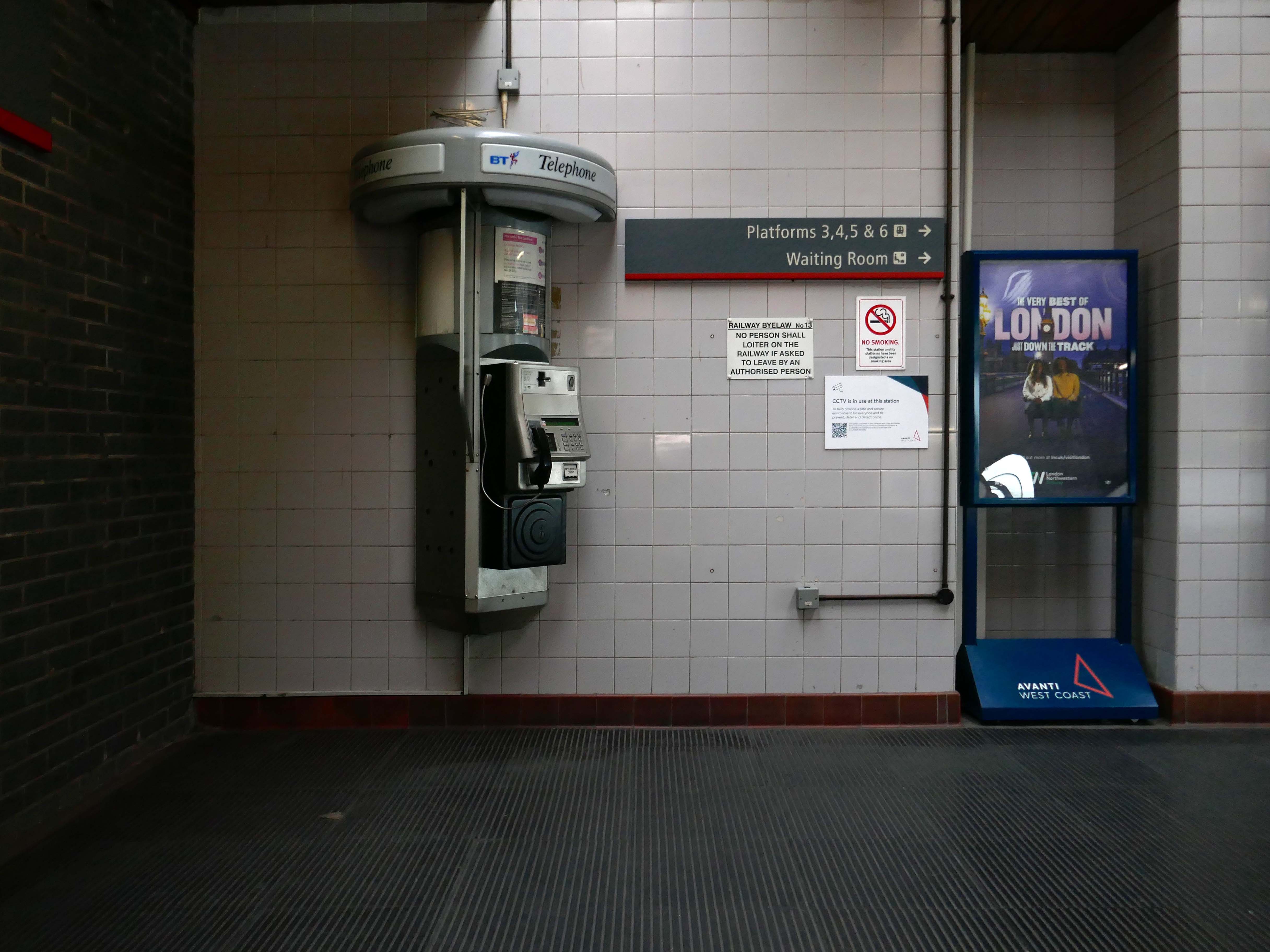
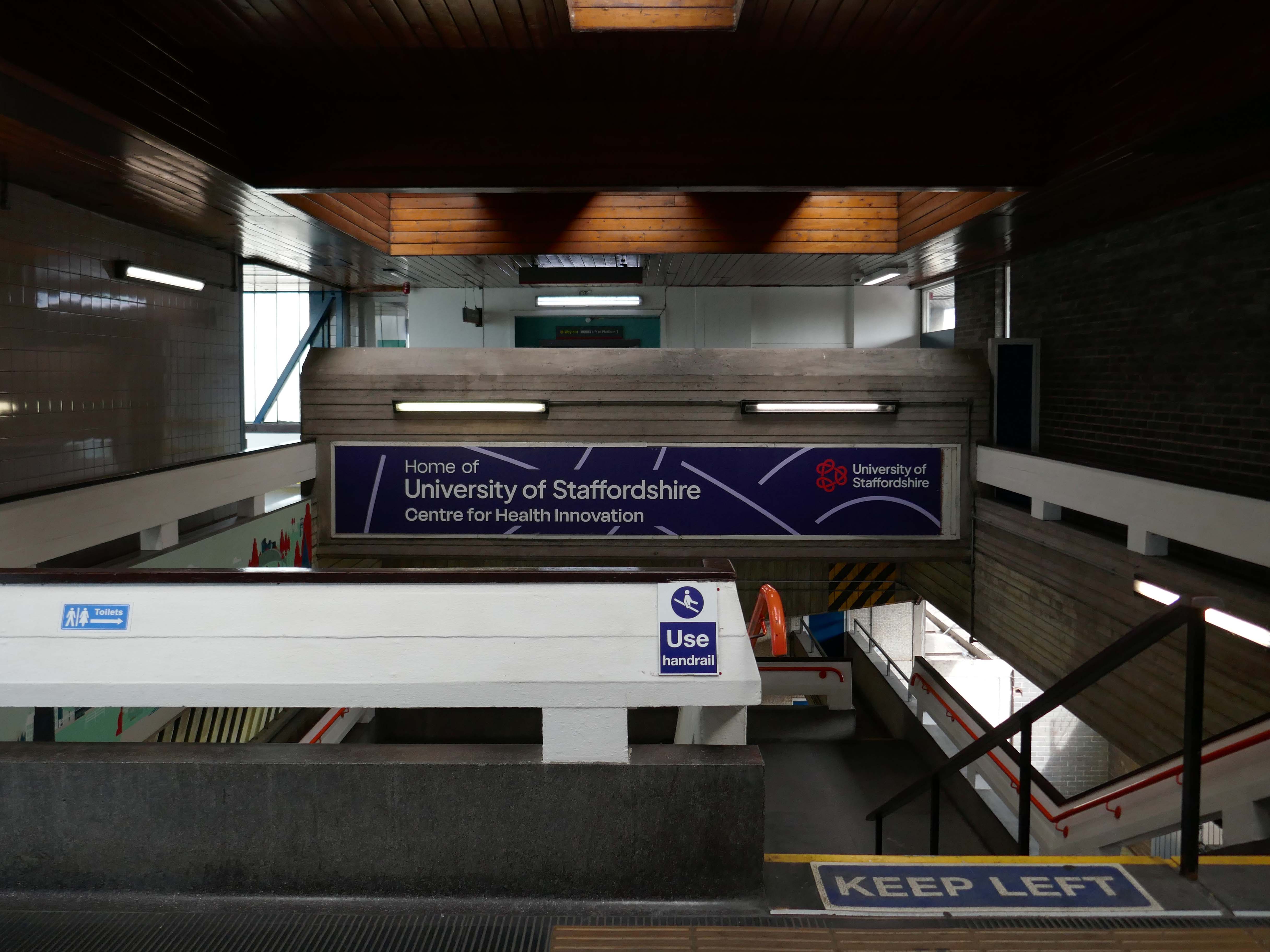
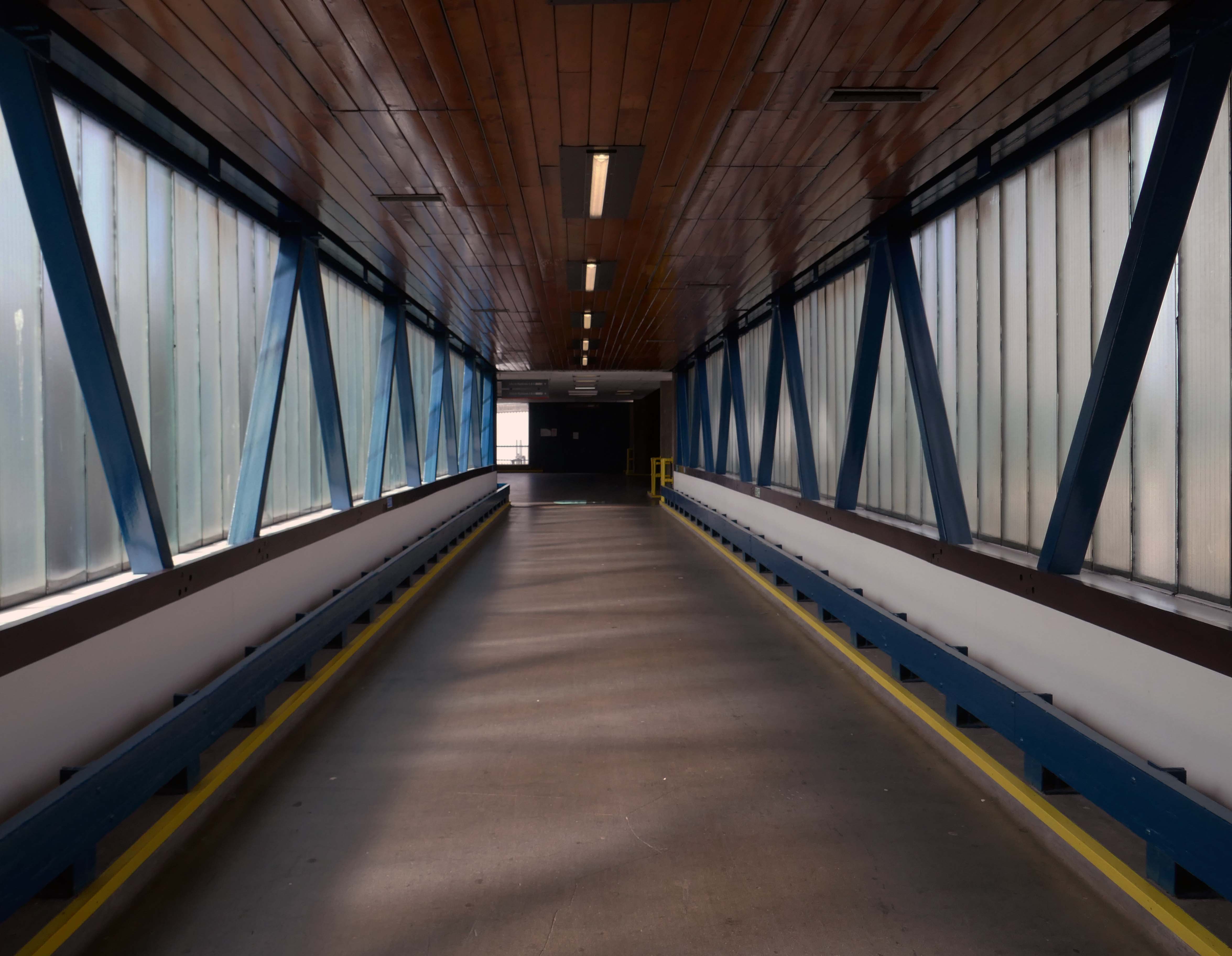
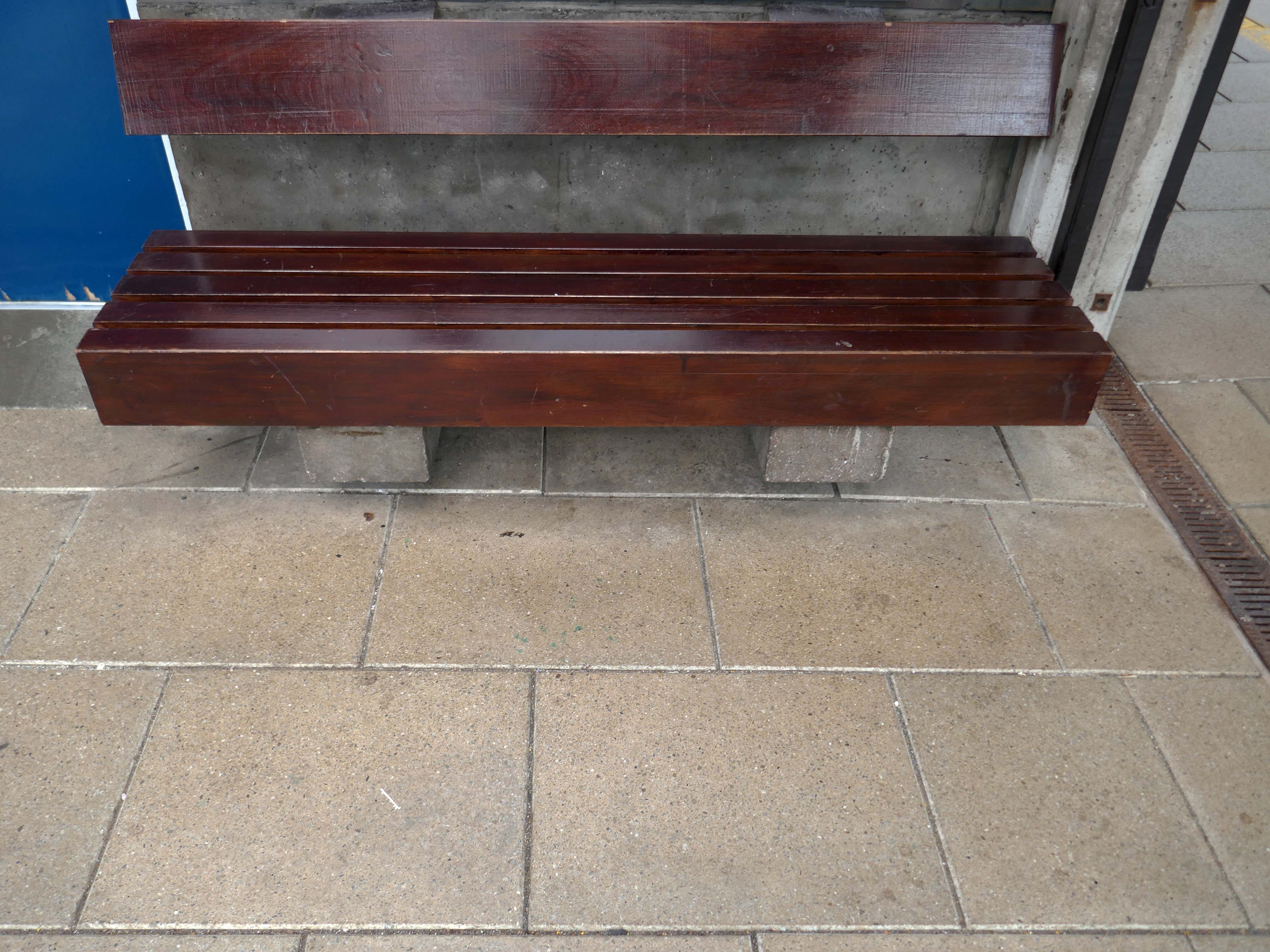
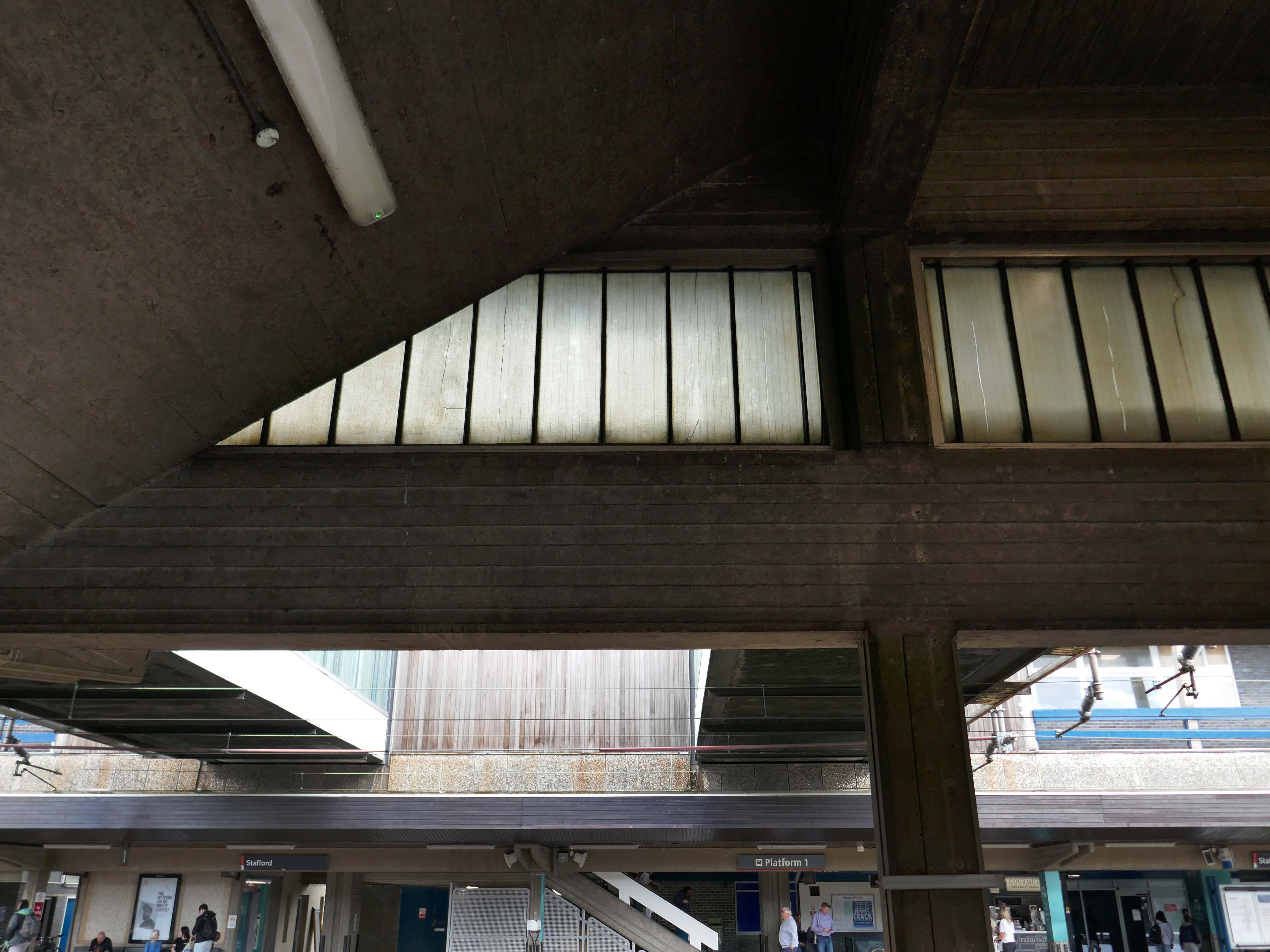
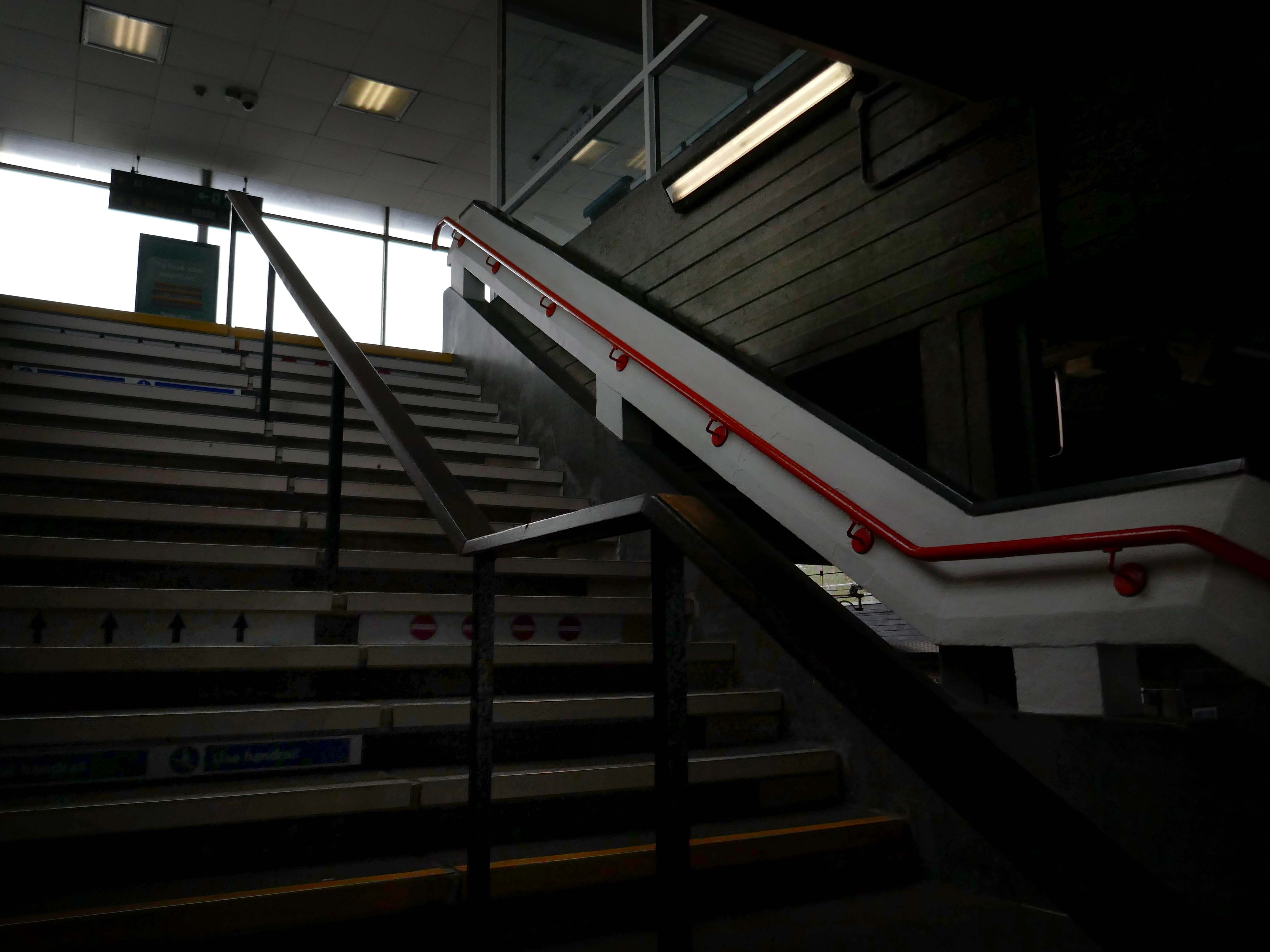
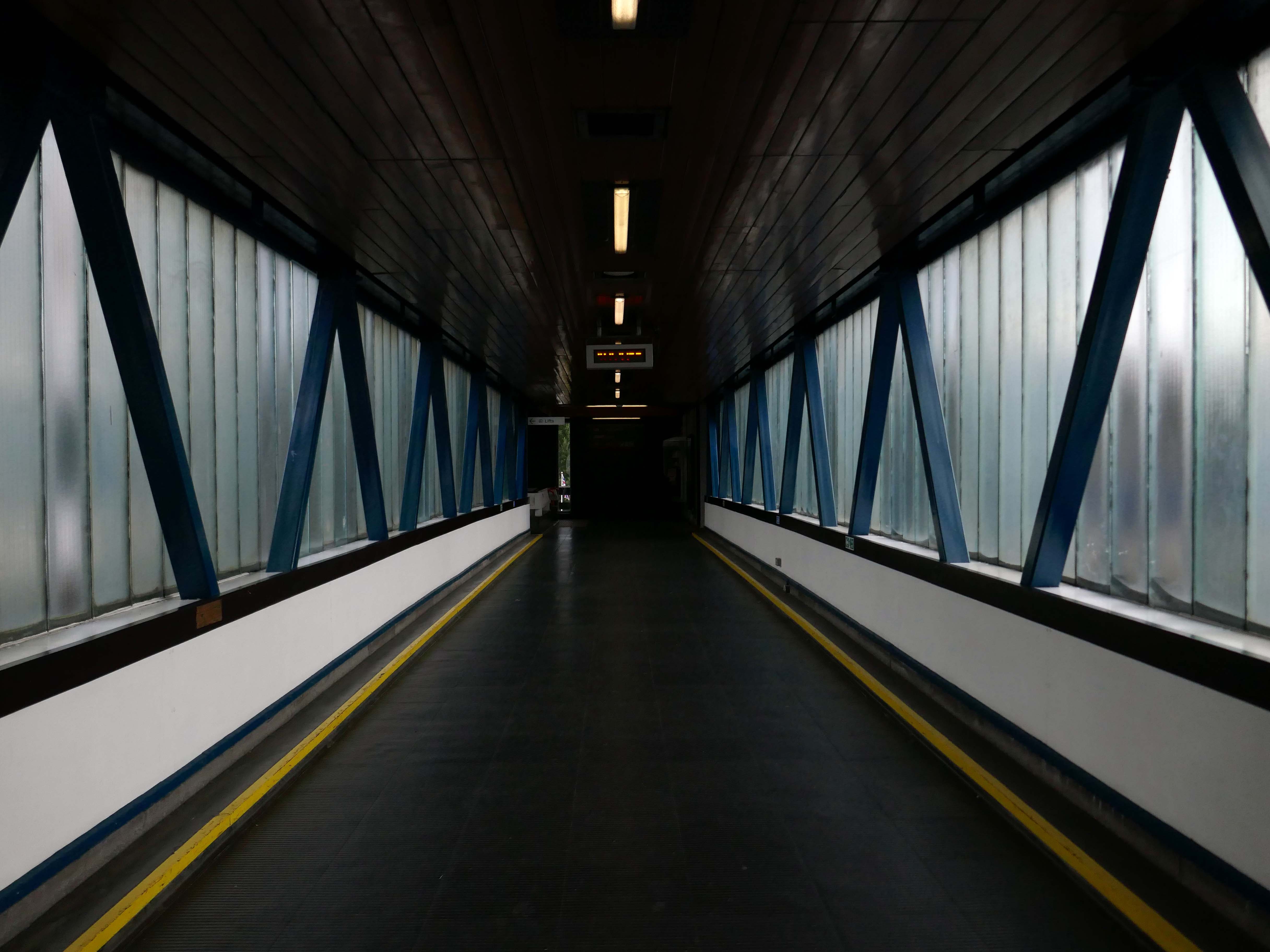
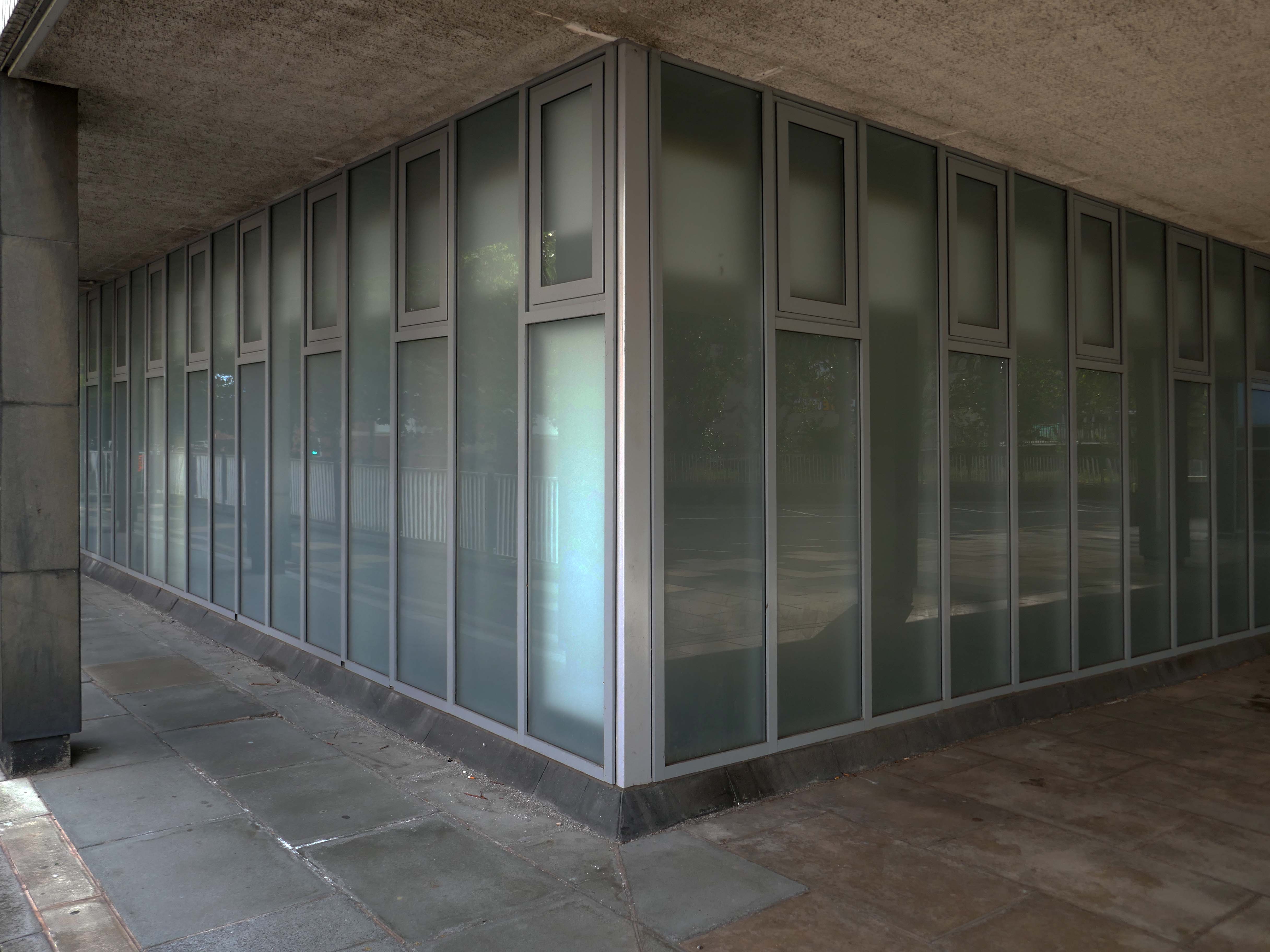
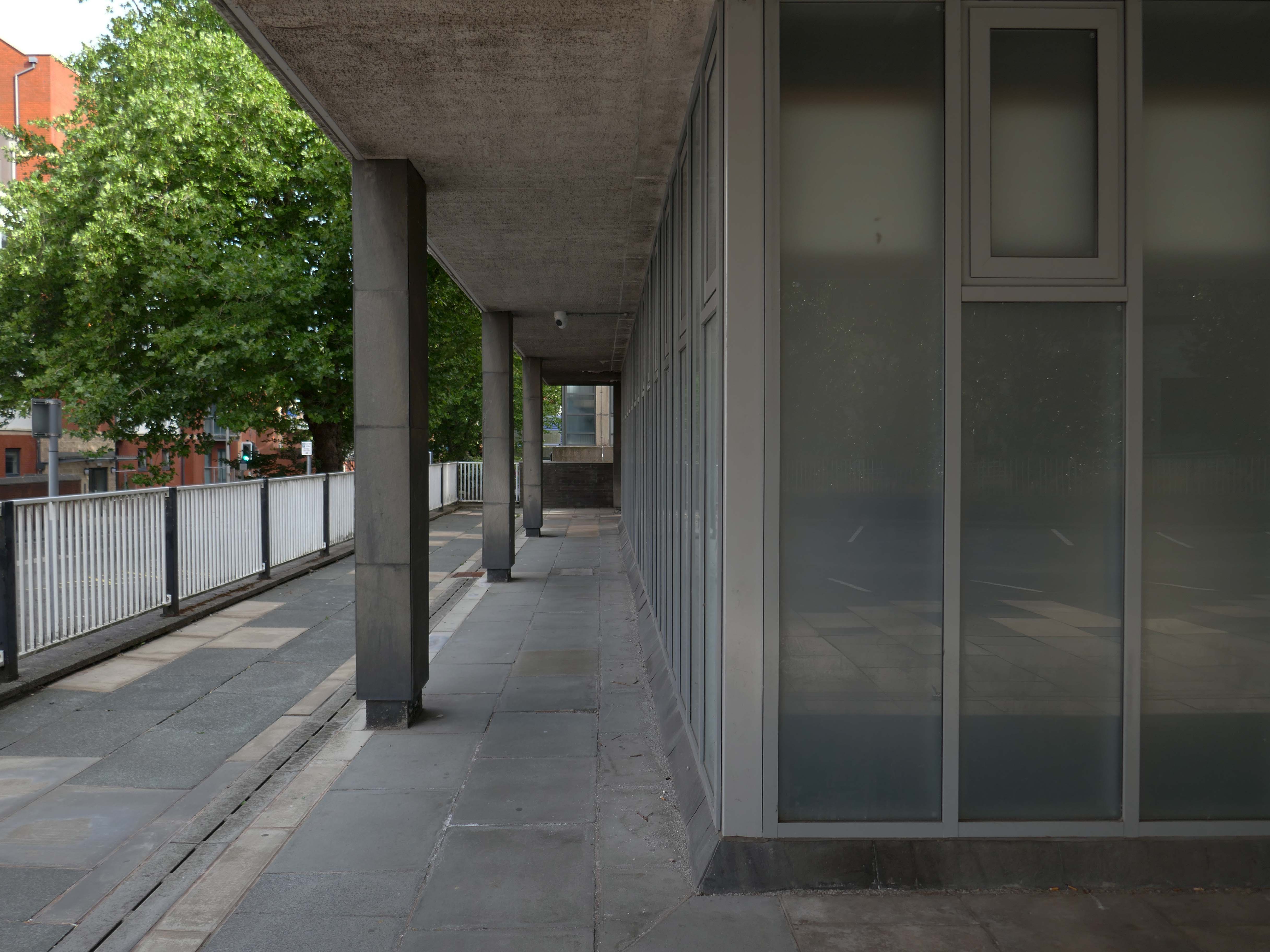
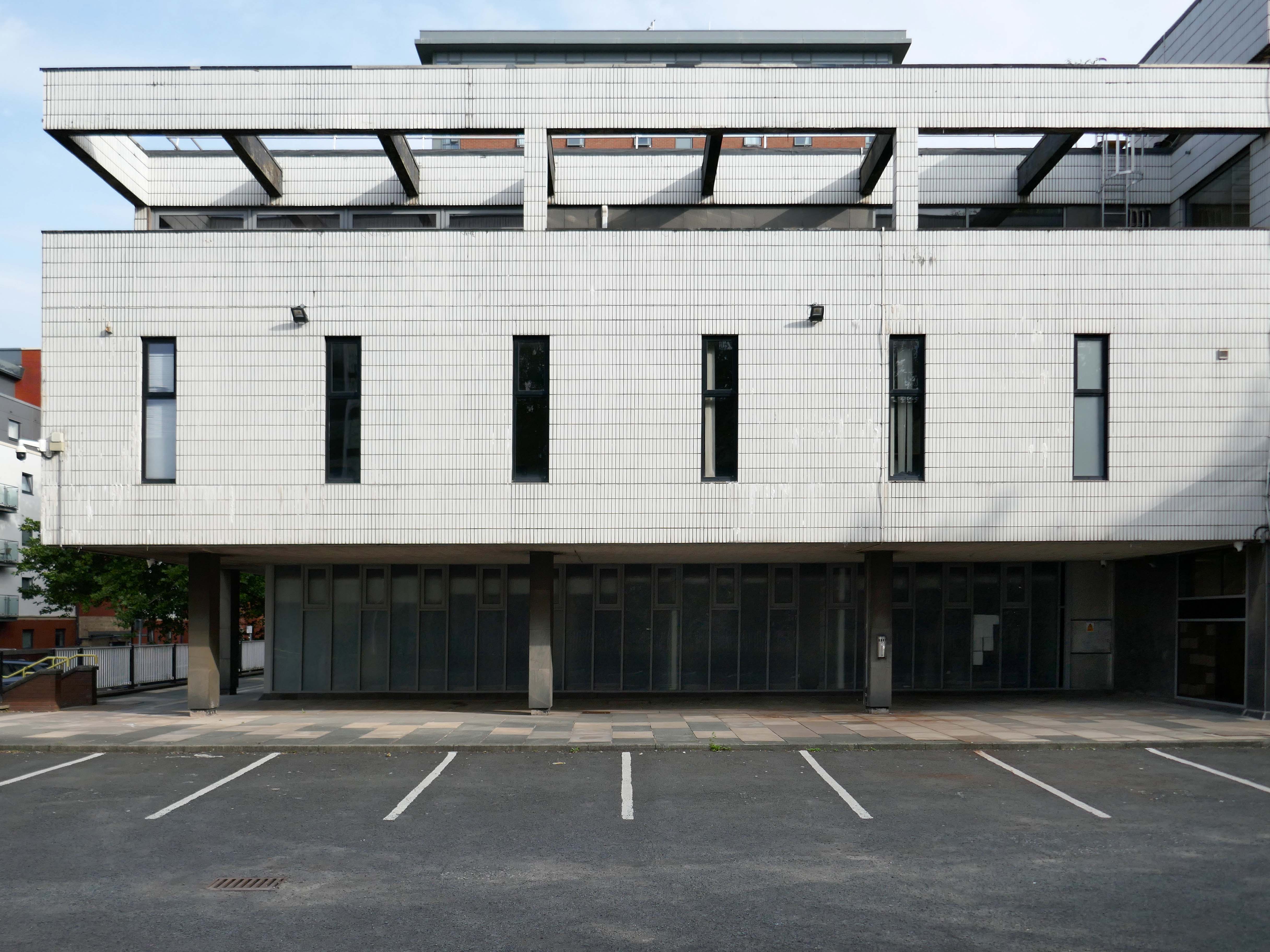
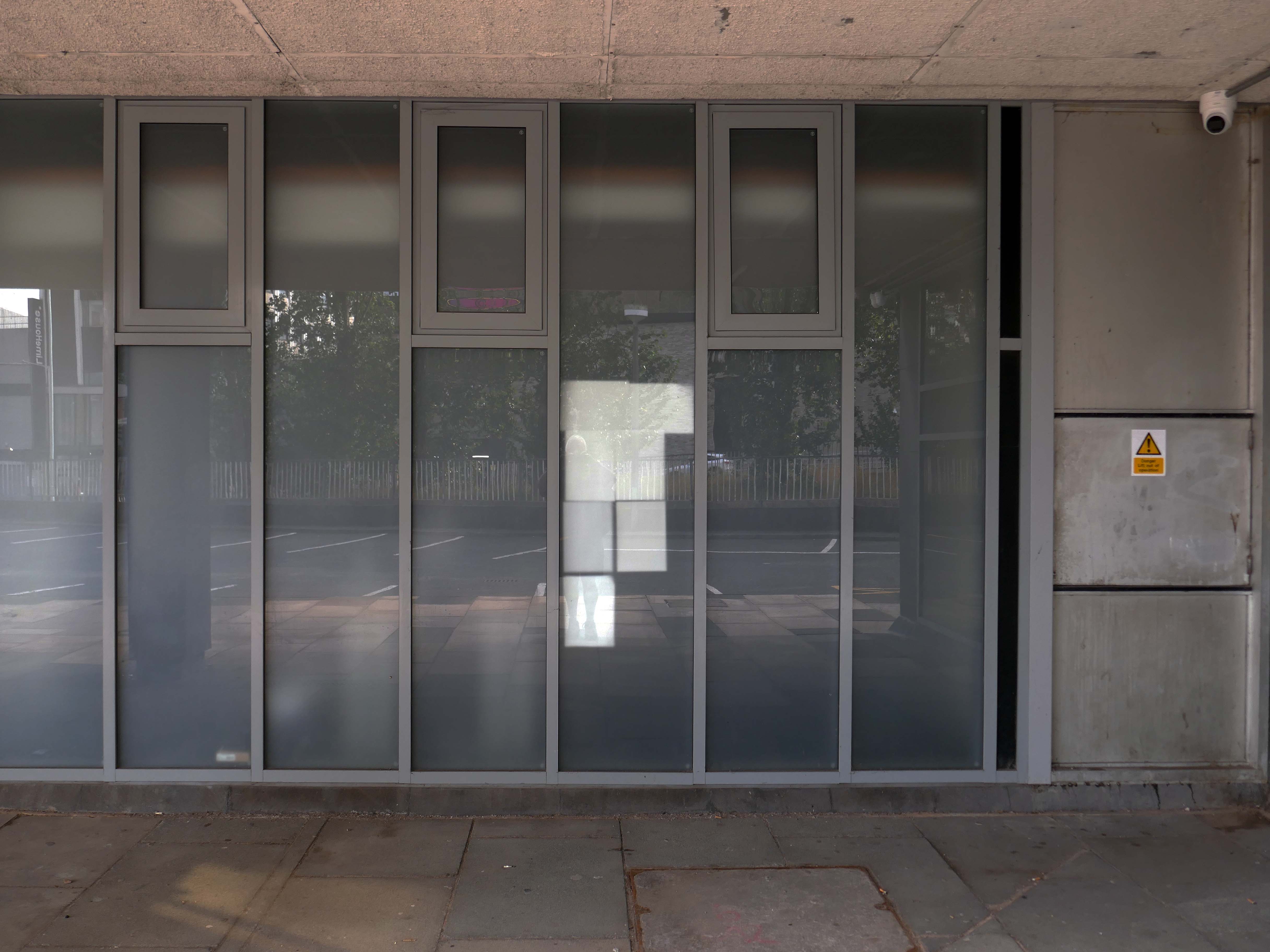
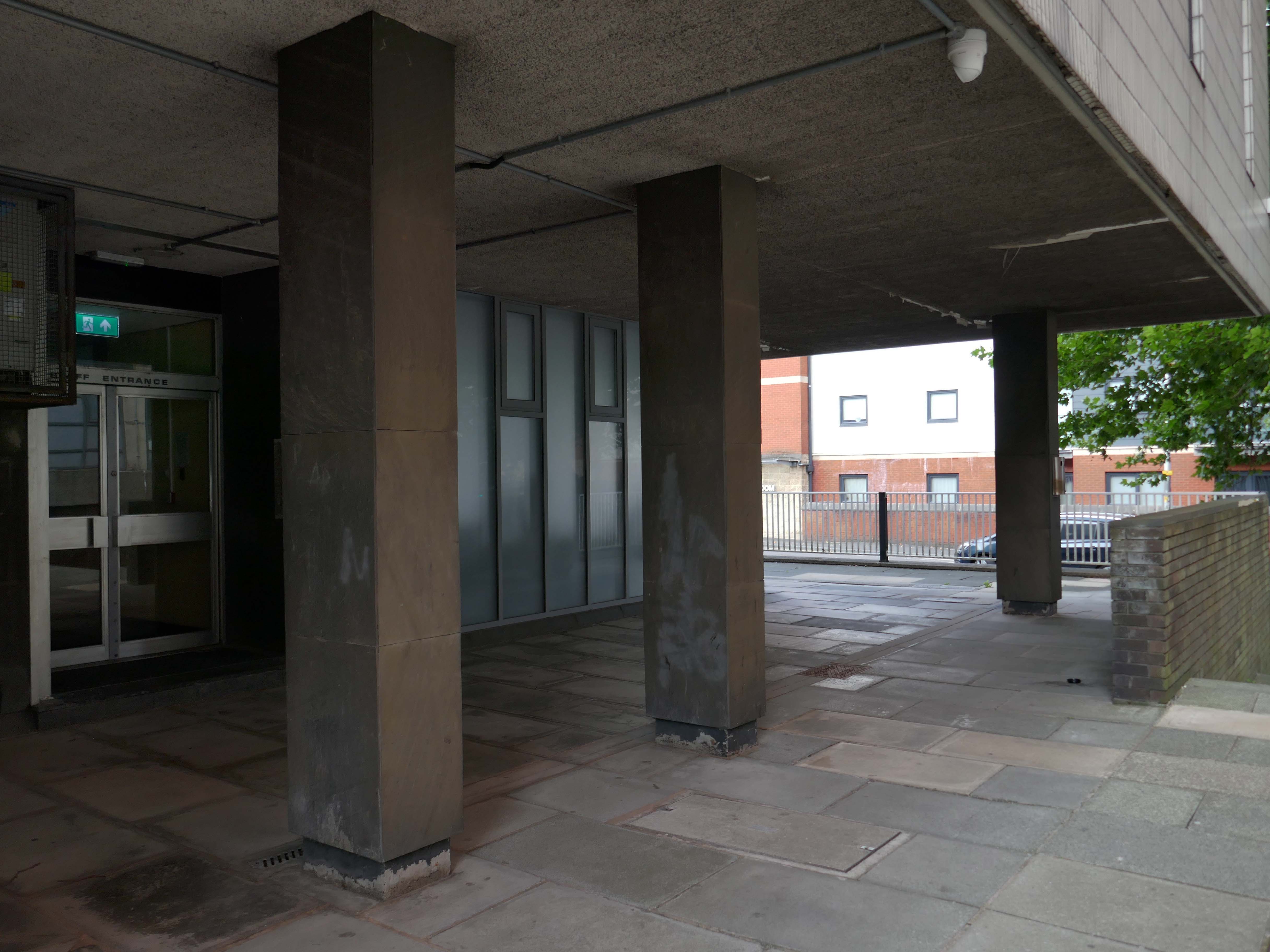
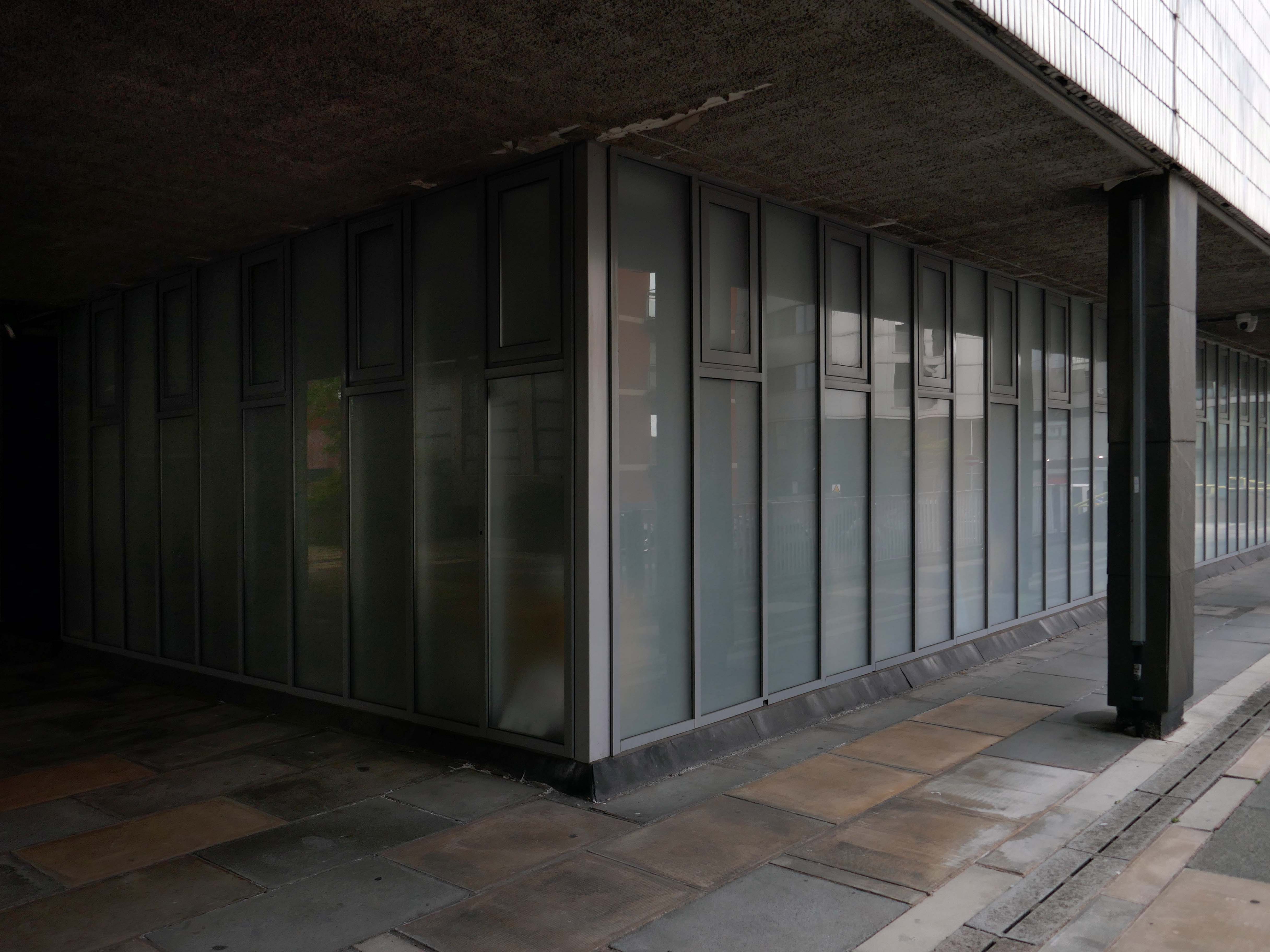
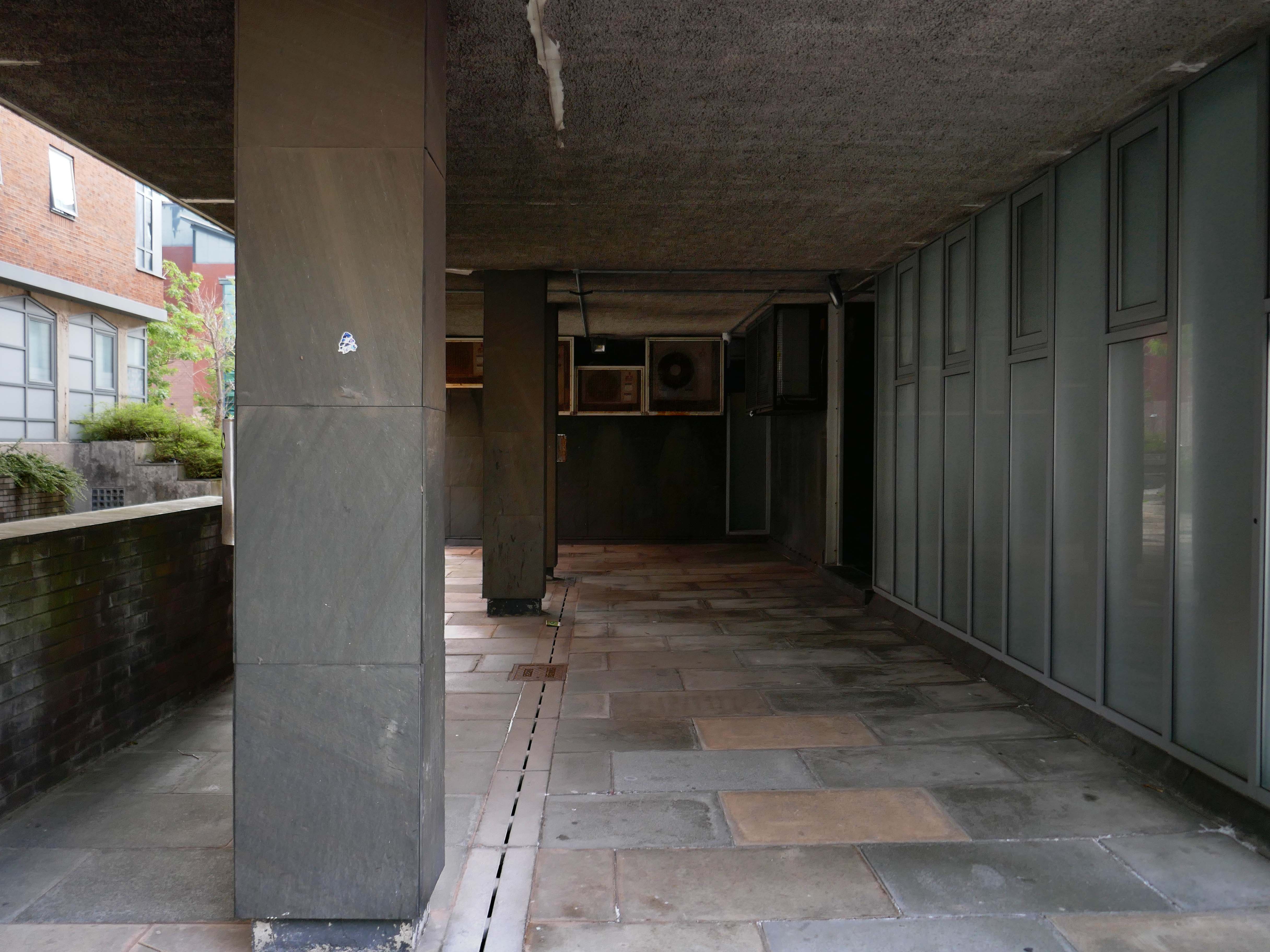













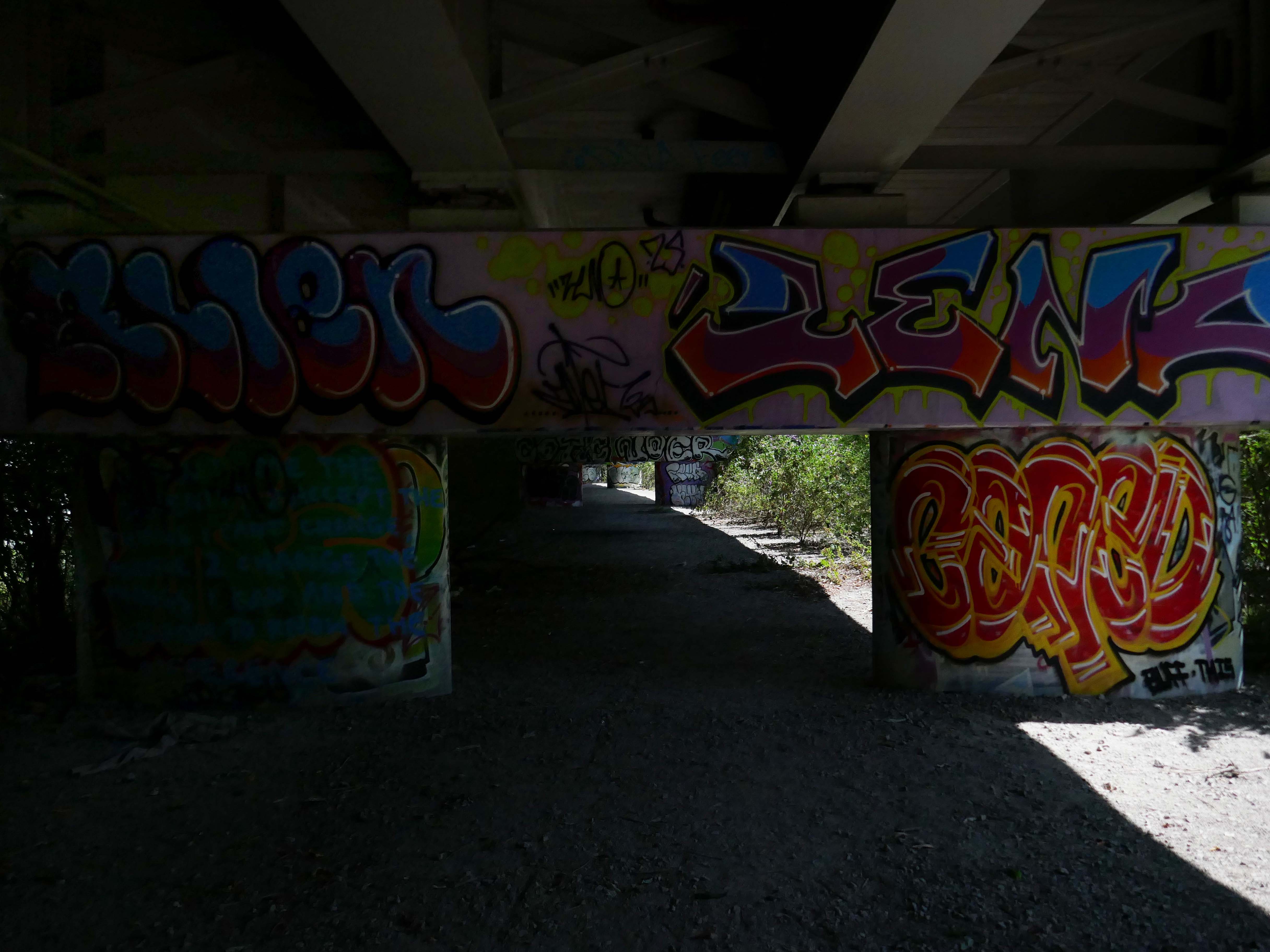
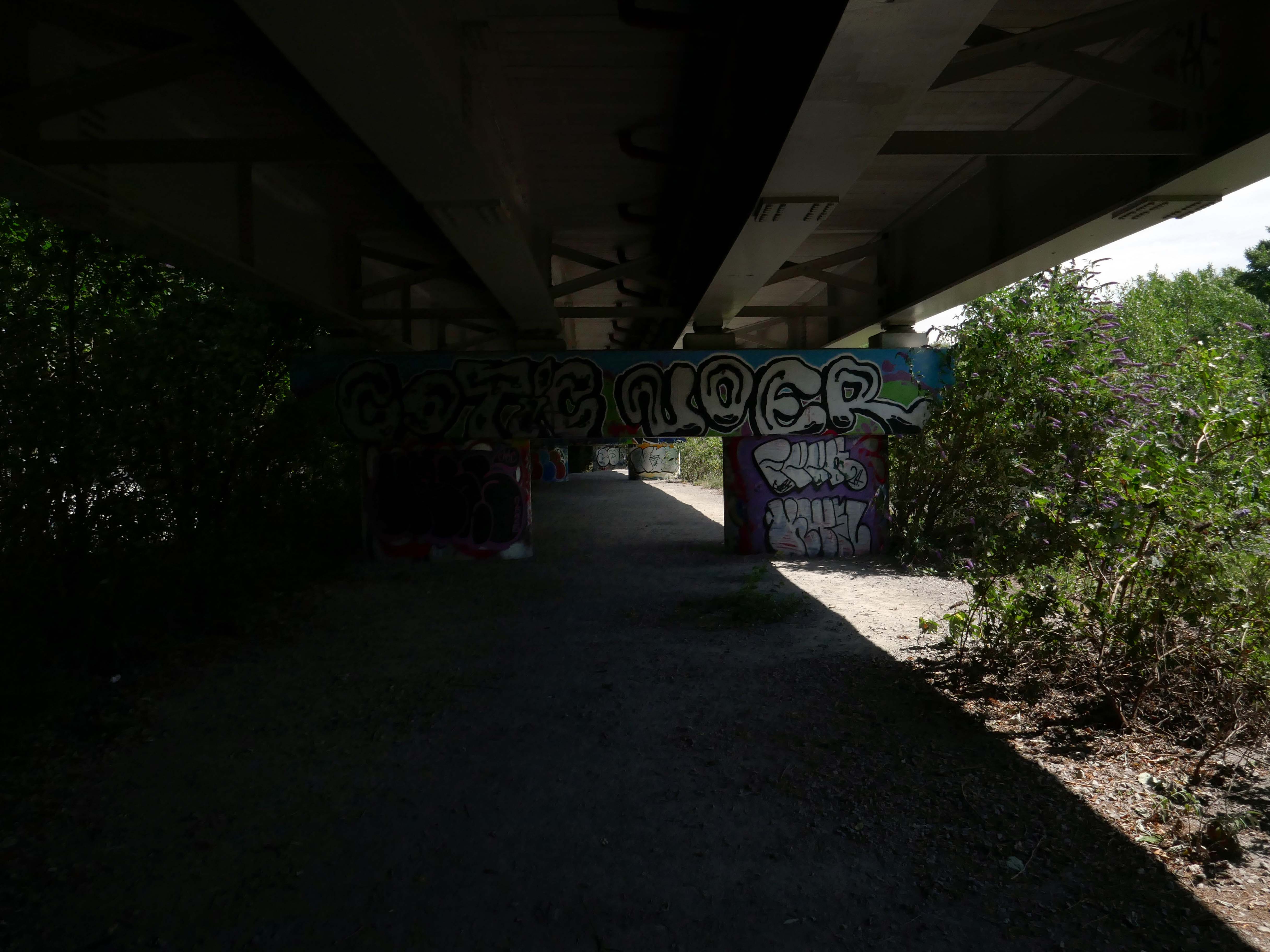
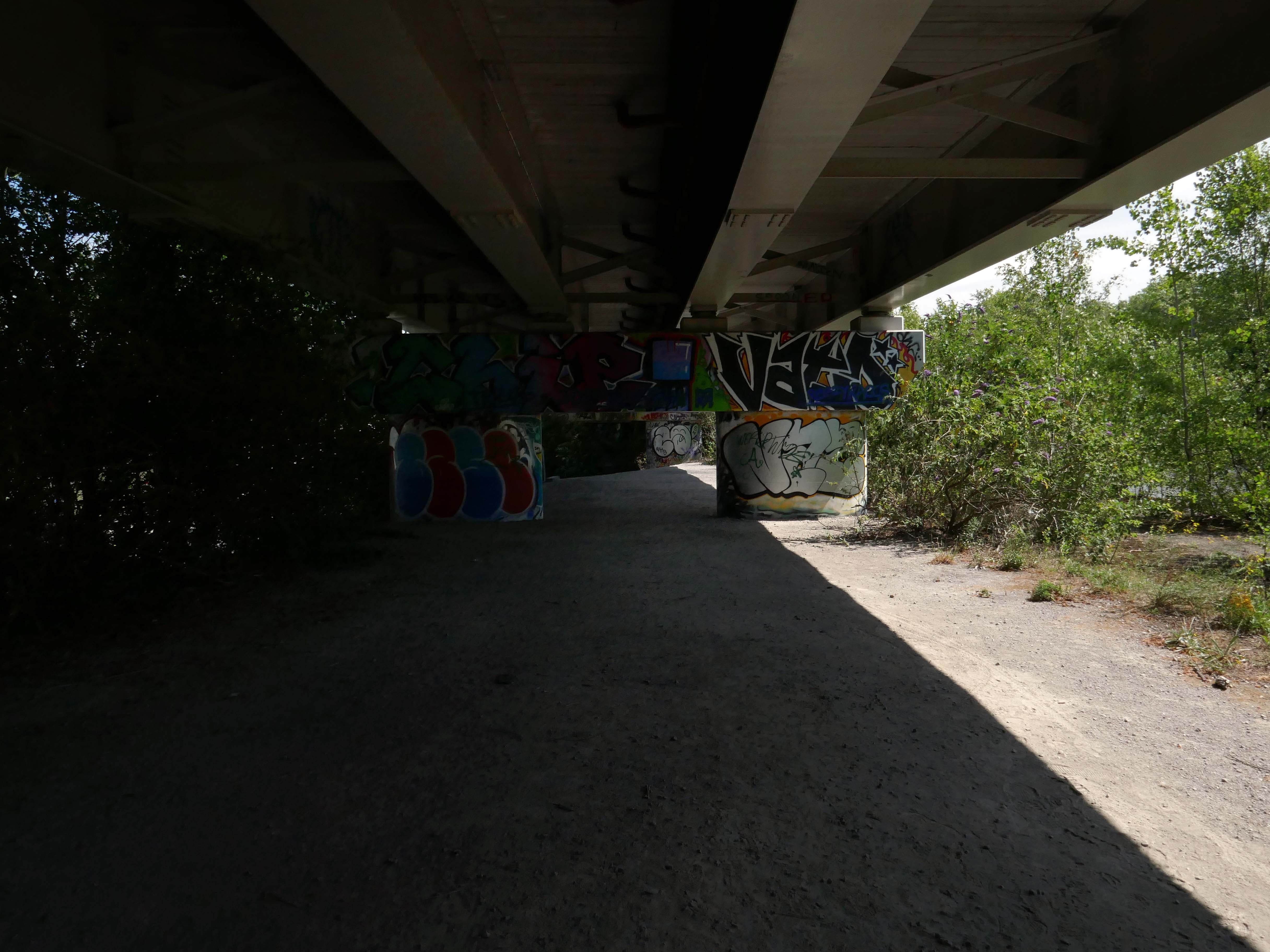
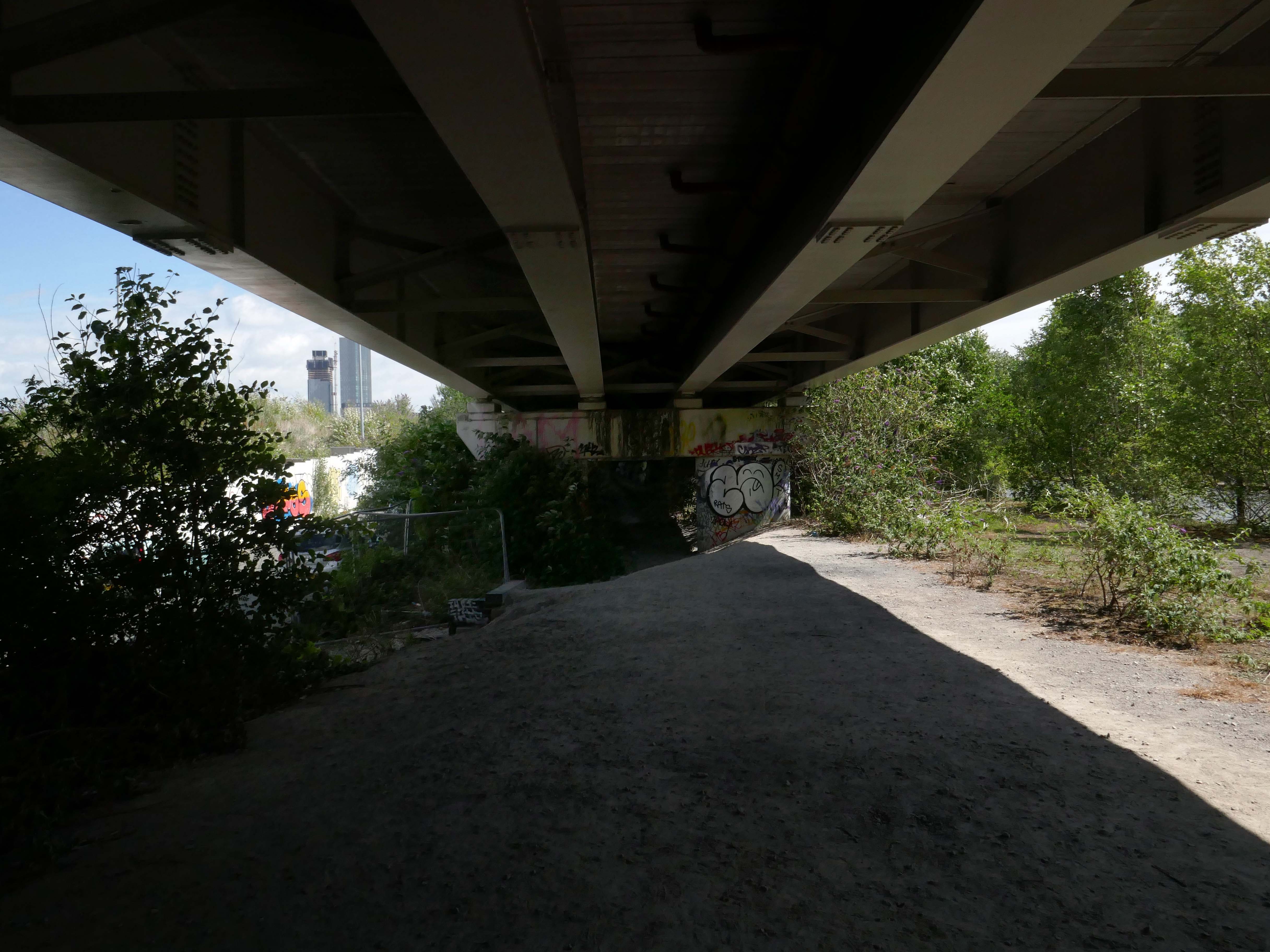
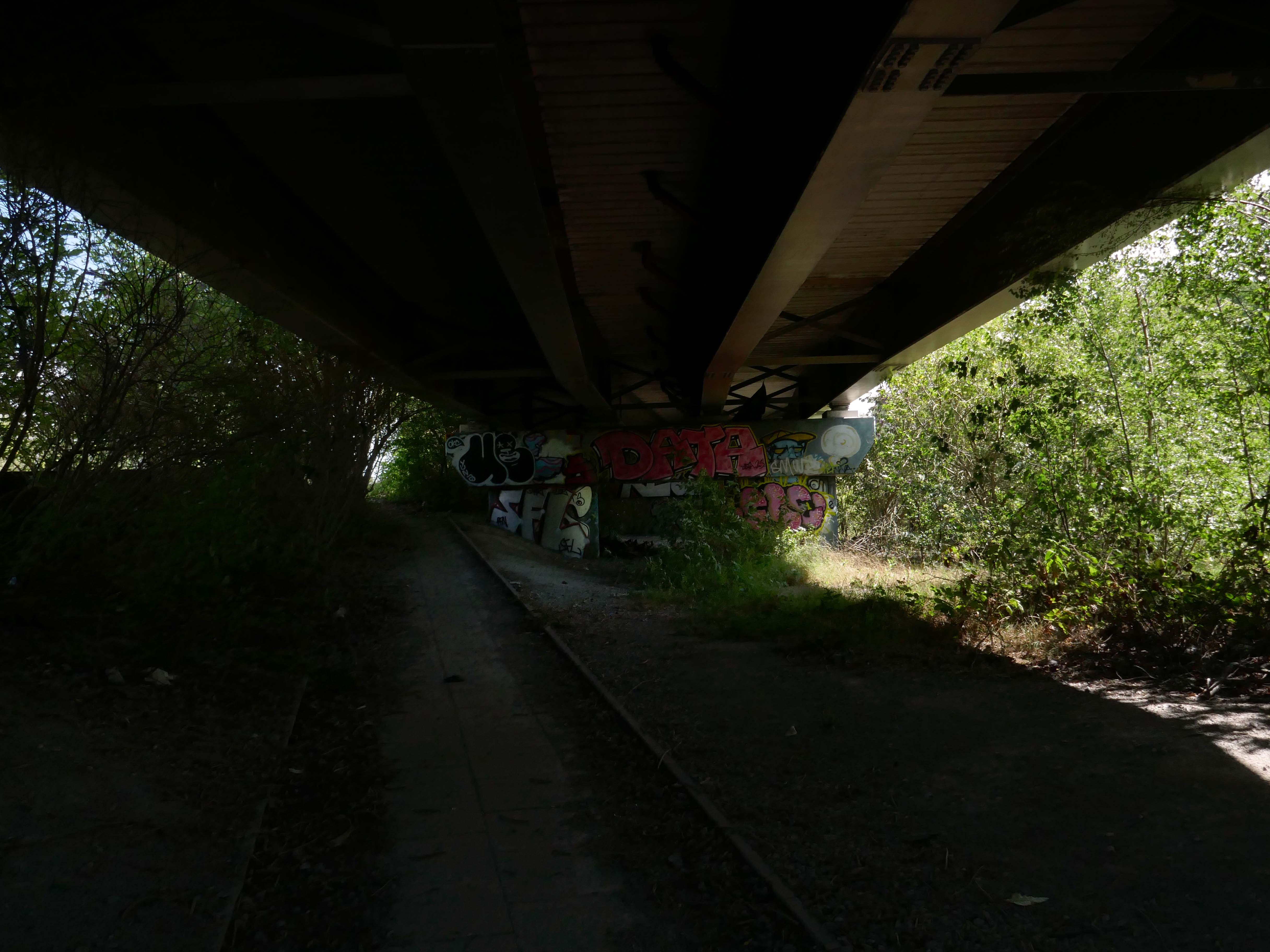
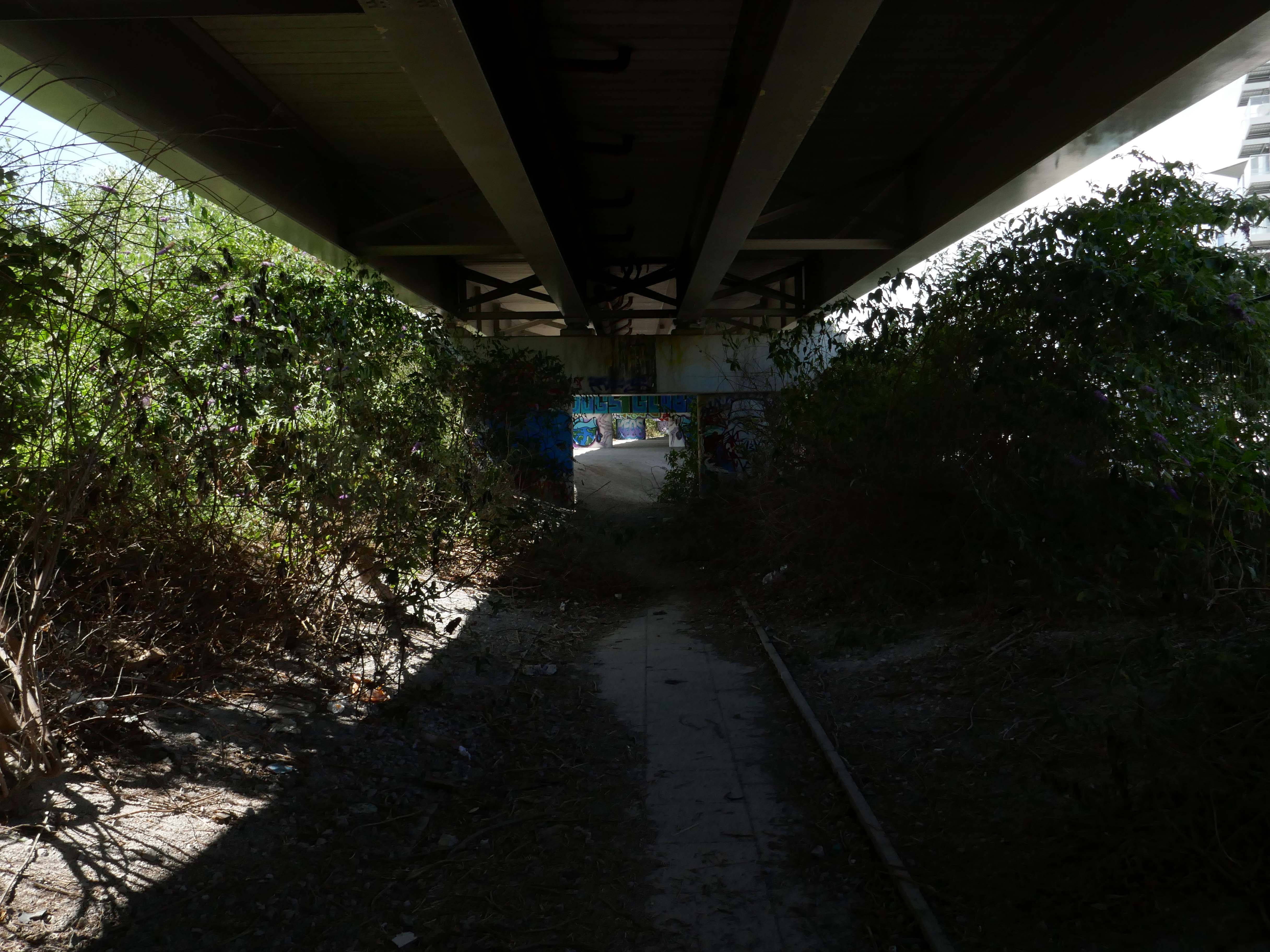
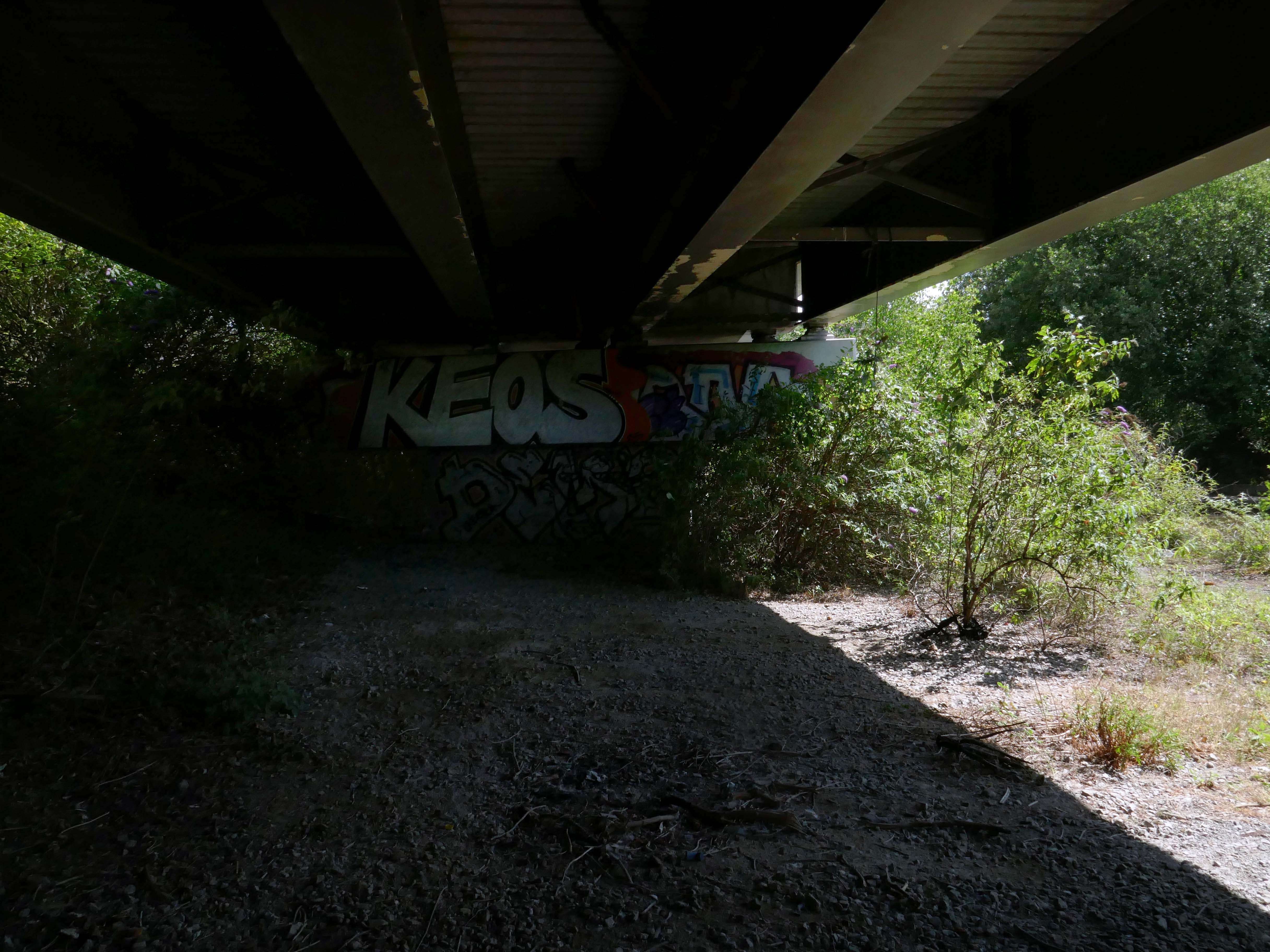




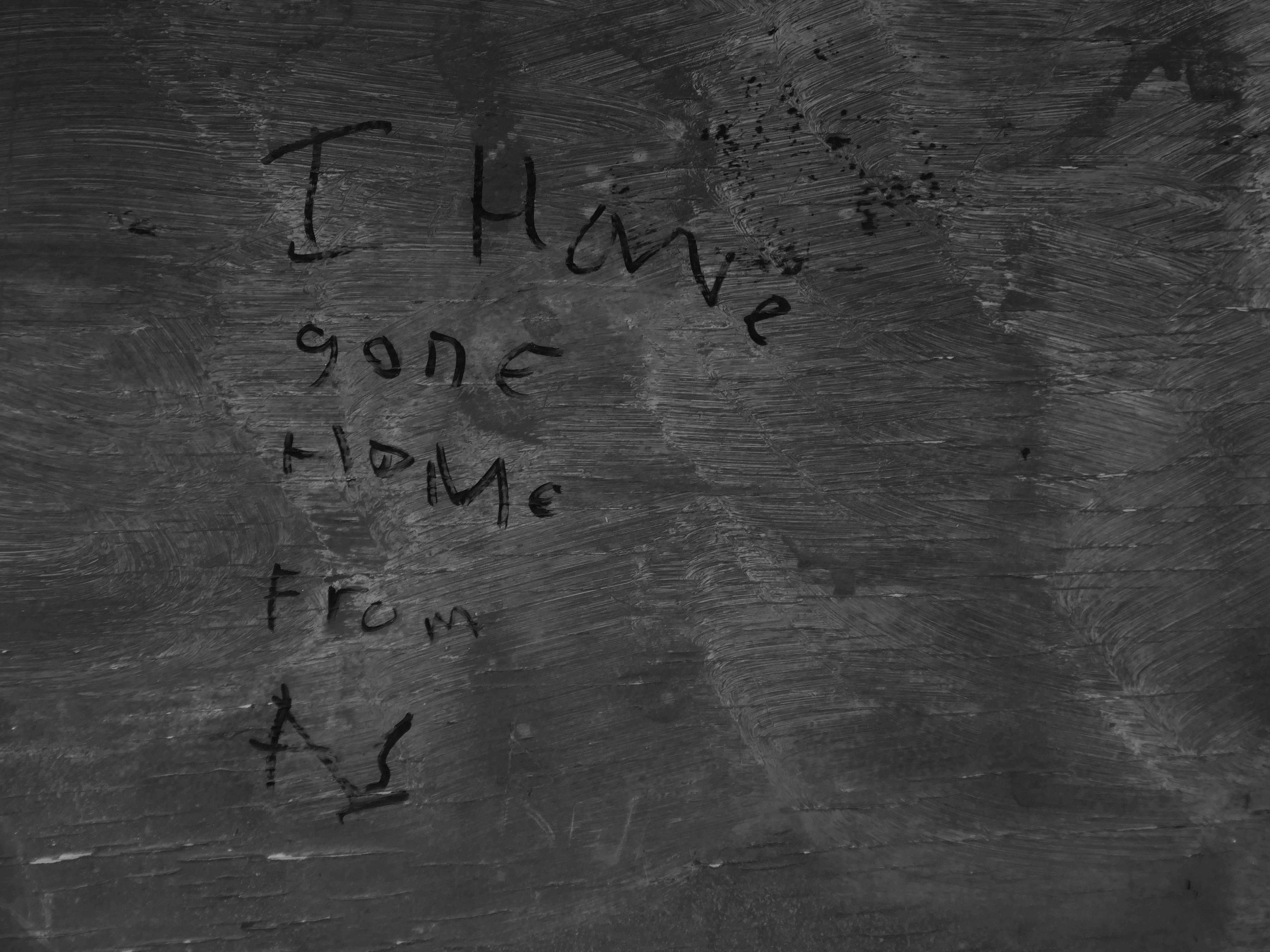
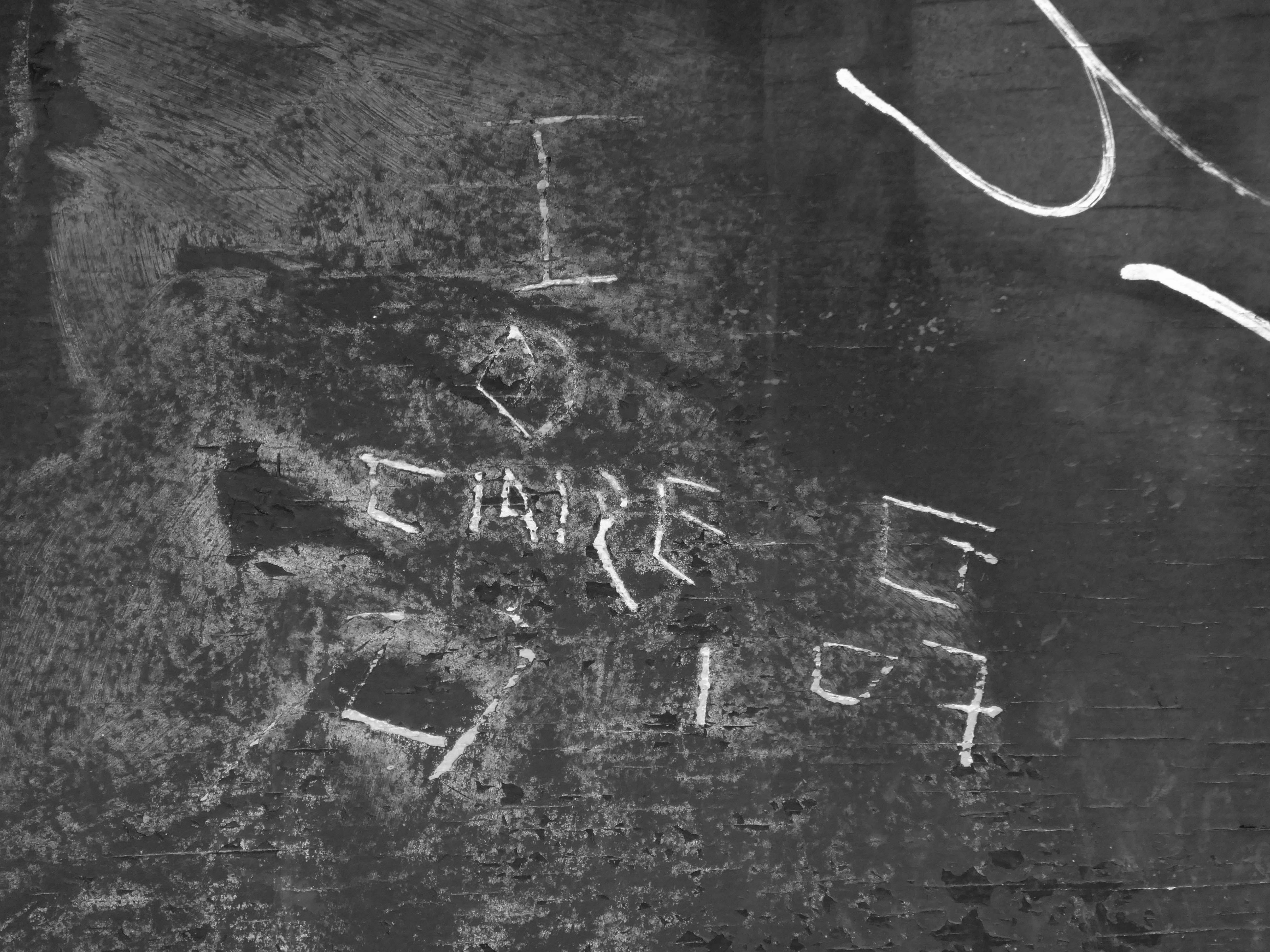
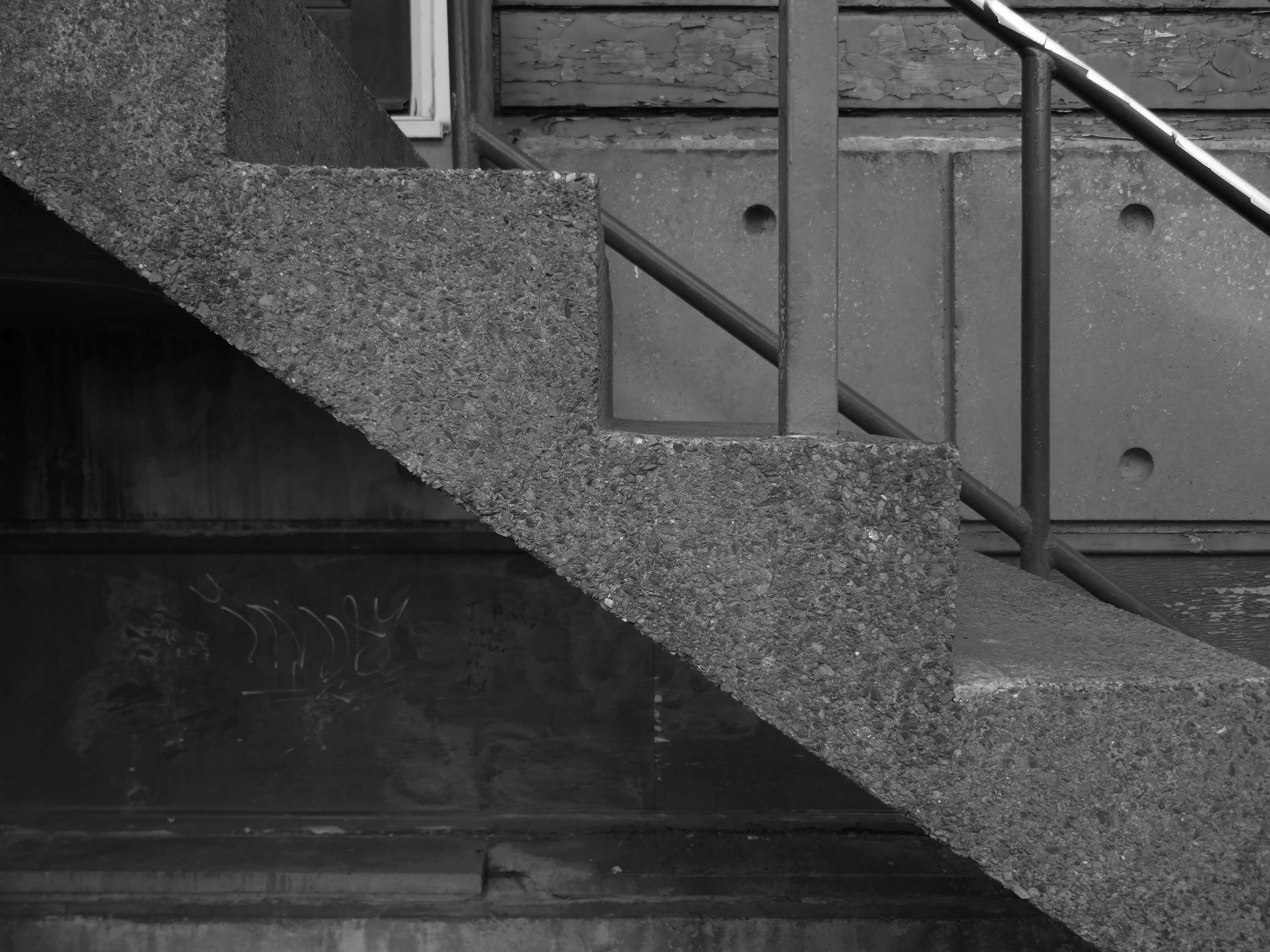
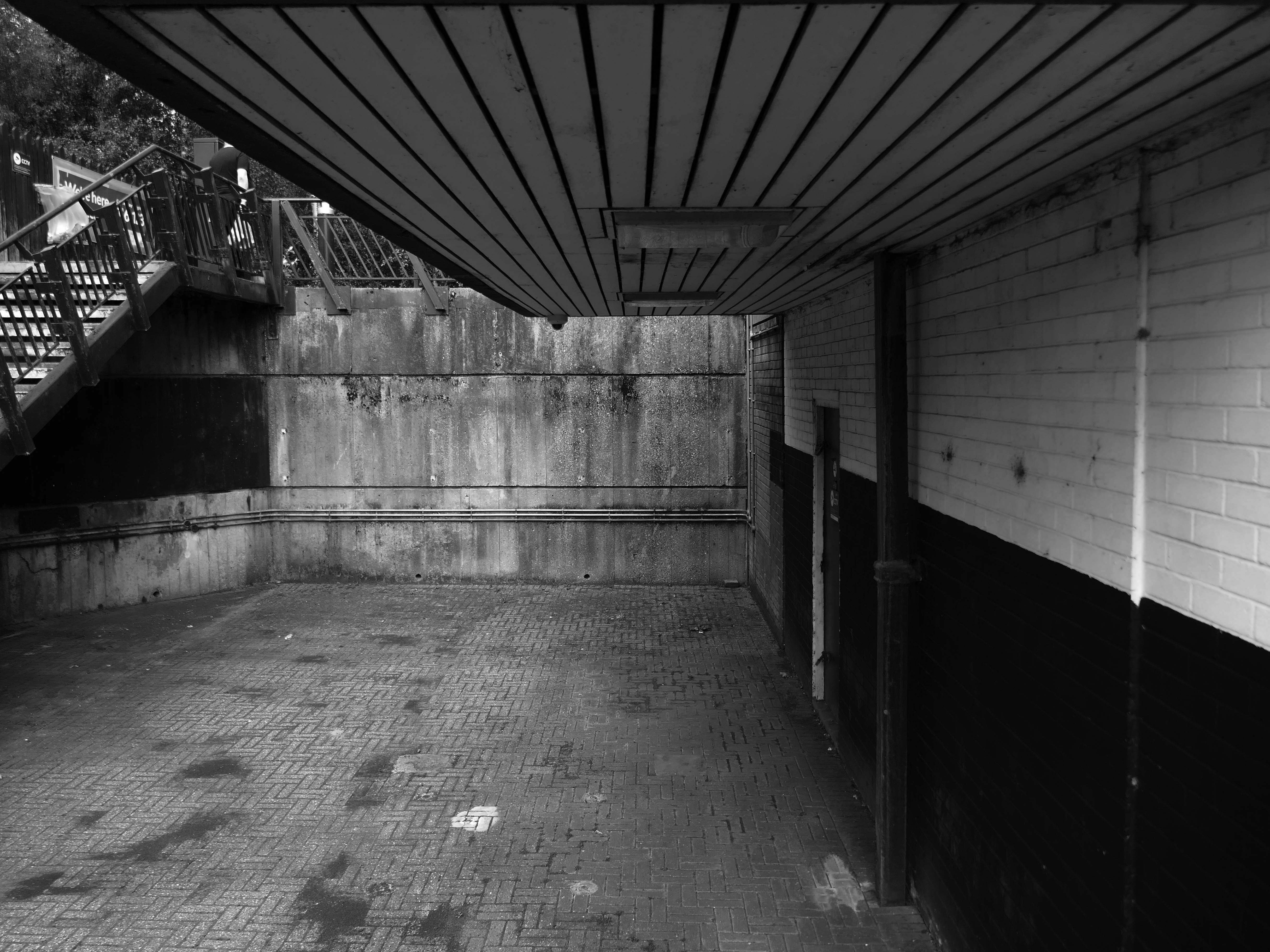
 Modern Mooch