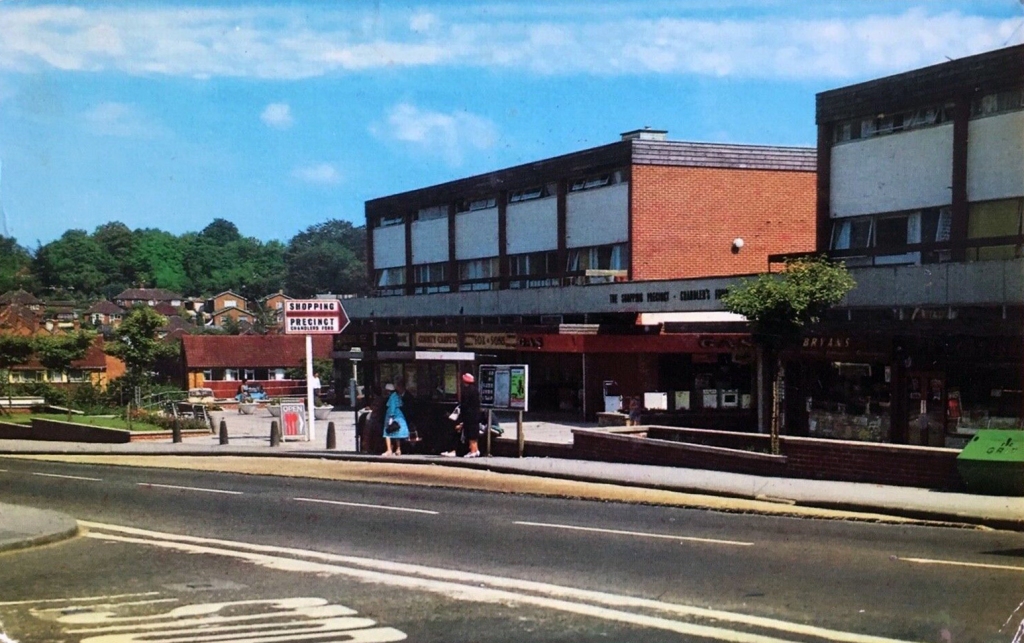
This time of year, with limited light and an inclement climate, it’s far easier to travel by picture postcard. Researching and searching eBay to bring you the finest four colour repro pictures of our retail realm.
We have of course been here before – via a previous post.
It is however important to keep abreast of current coming and goings, developments are ever so often overwritten by further developments.
Precincts my appear and disappear at will – so let’s take a look.
Set back from Beverley Road – we just about found this delightful Modernist gem. Tucked in amongst student accommodation and approximate to the Endsleigh College.
The church built in 1965 is fan-shaped in plan. Concrete portal frame with yellow brick infill. Shallow-pitched sheet metal clad roof. The main rear wall is flat and blind, with a parapet, and extends across the building at full height. From this wall the main body of the church radiates, three facetted bays to either side, with a saw tooth eaves line, then a projecting square block which houses the narthex and west gallery. The saw tooth eaves continue just above the entrance block to complete the fan shape. Attached to the other side of the main wall are the low, square projections of the side chapels and sacristies and a concrete framed bell tower with shallow pitched roof. The entrance block is clad is artificial stone, has a wide, glazed screen with central doors and a thin flat canopy.
We had arrived some twenty five strong as part of Manchester Modernist’s Hull Mooch – we were very warmly welcomed and left more than satisfied by the riches both within and without.
My thanks to Deacon Rev. Robert Shakesby
Above this an inset panel of decorative mosaic by Ludwig Oppenheimer Ltdof Manchester -the firm ceased trading in 1965. The facetted elevations have large glazed areas set in a bold concrete grid of mullions and transoms, tripartite in the centre with a border of smaller divisions. The bell tower is placed in the centre of the east wall and has a port cullis-like bell-opening facing west.
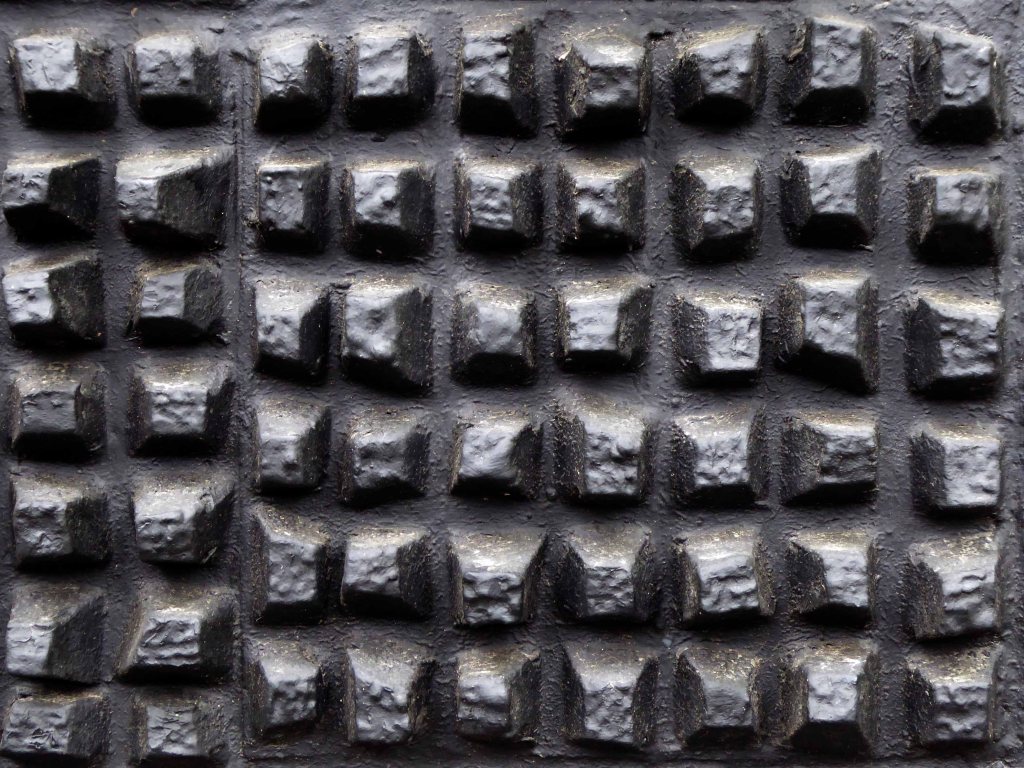
The mosaic is surrounded by decorative abstract panels in light relief
Let’s take a look inside.
The interior is a light and spacious essentially single cell, with the shallow canted projection of the sanctuary – top lit by a row of seven small circular skylights, the low side chapels and the organ gallery. The concrete portal frame provides a dramatic grid radiating from the centre of the east wall. Sanctuary fittings in contrasting marbles, by Toffolo & Son of Hull, designed as a piece. Similar marble altar in the northeast side chapel. The chapels have subtle shallow-pitched arches. West gallery also with circular skylights. Organ pipes at either end arranged within a striking double-curve enclosure, like a grand piano in plan. Open-backed pews and original light fittings. Stained glass by Leo Earley of Earley & Co. of Dublin. Stations of the Cross, wooden relief panels set within integral frames, somewhat stark.
I was in town, just looking around, just looking for modernity, just looking.
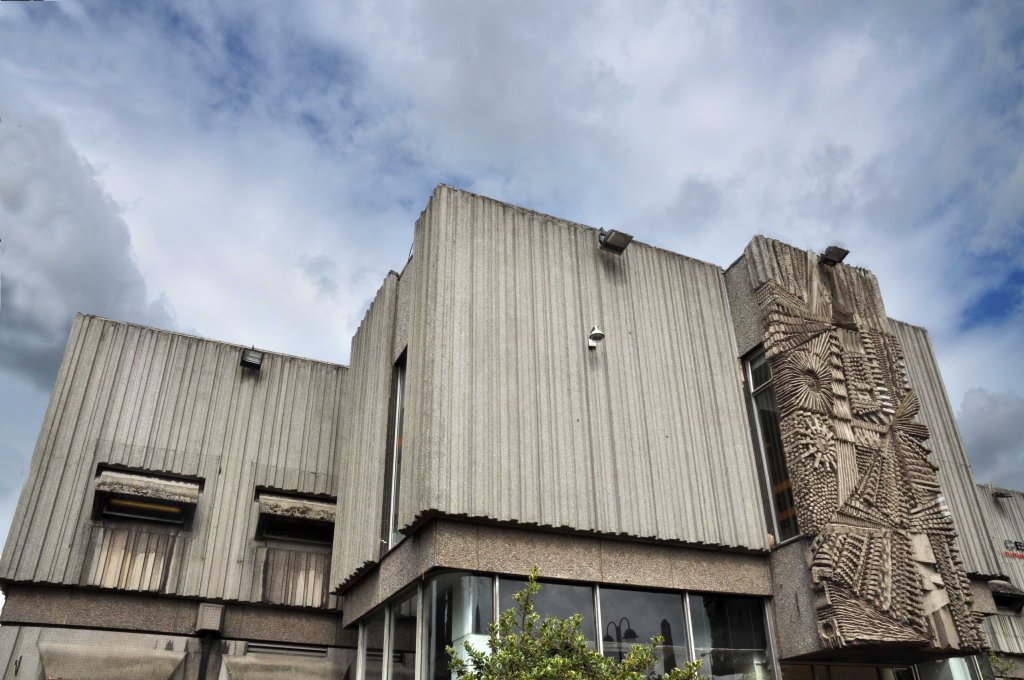
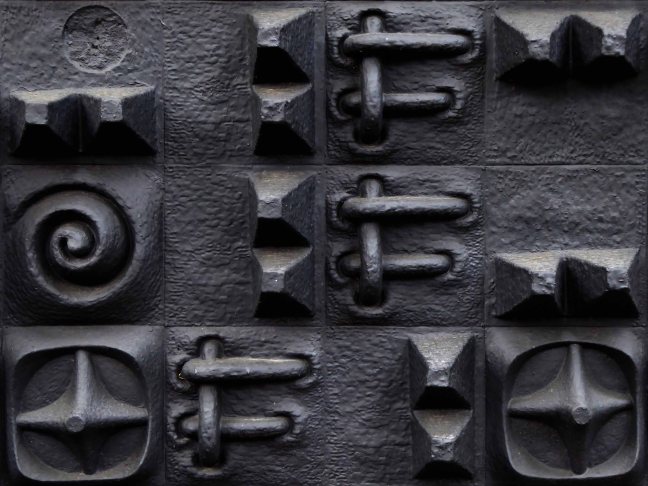
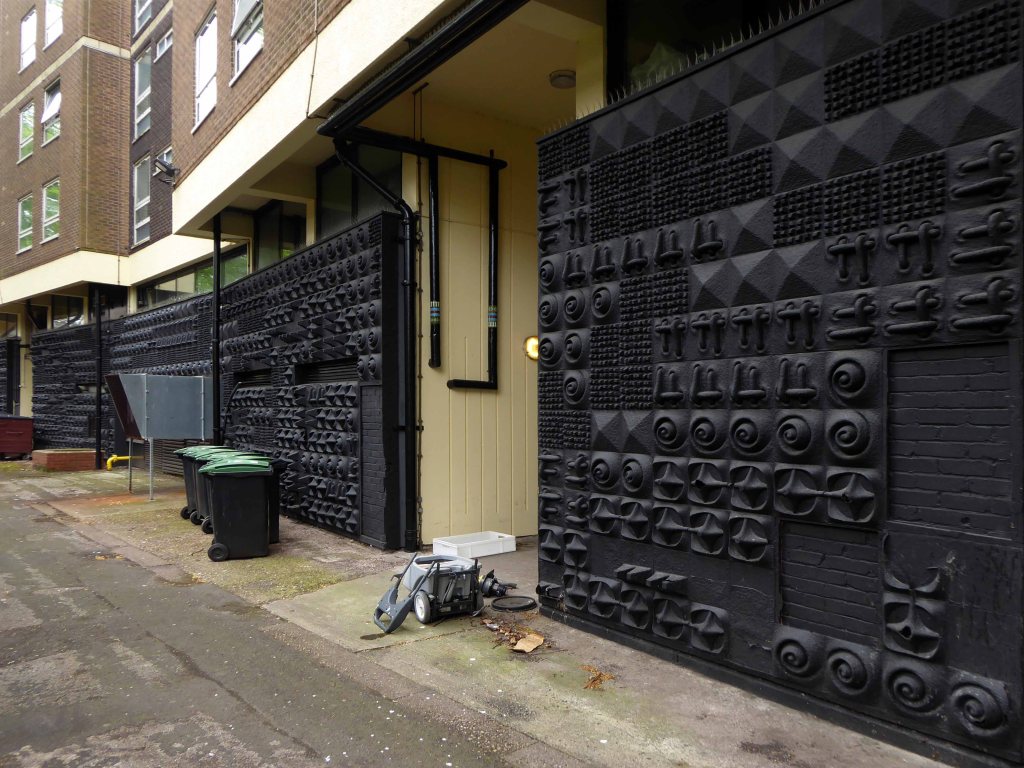
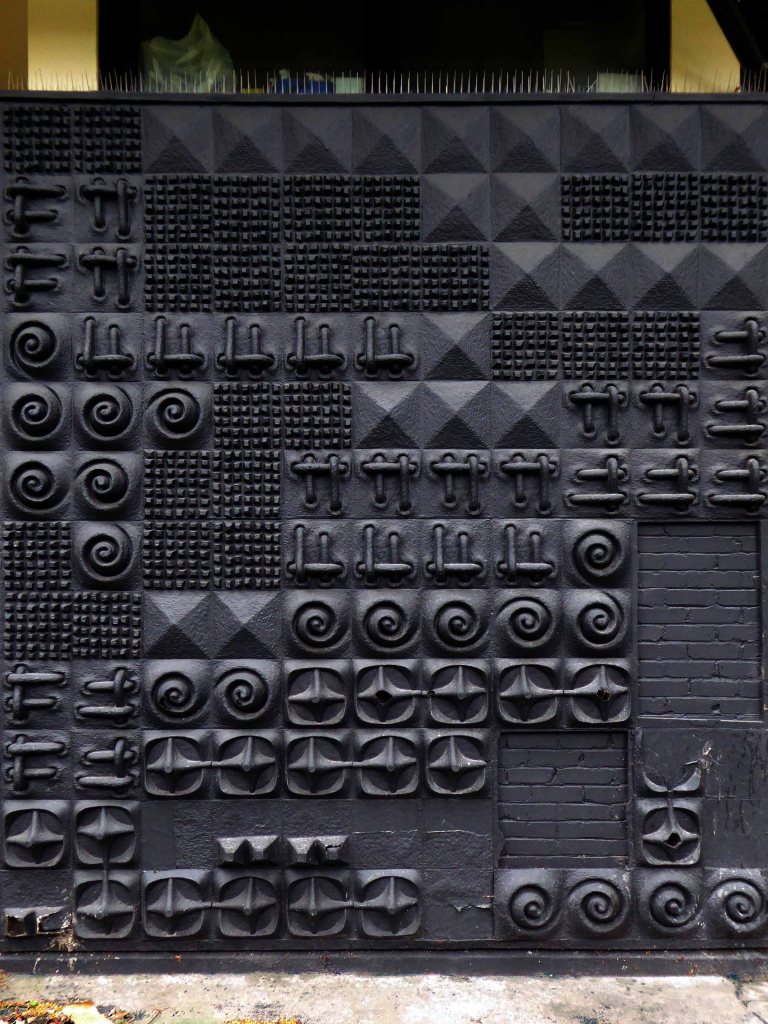
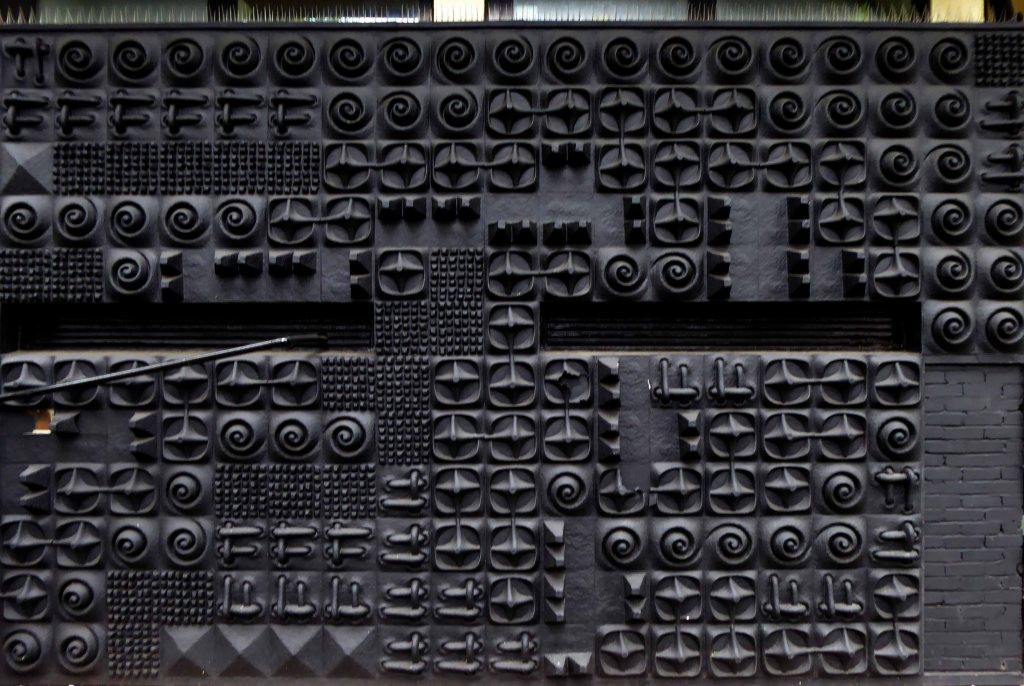
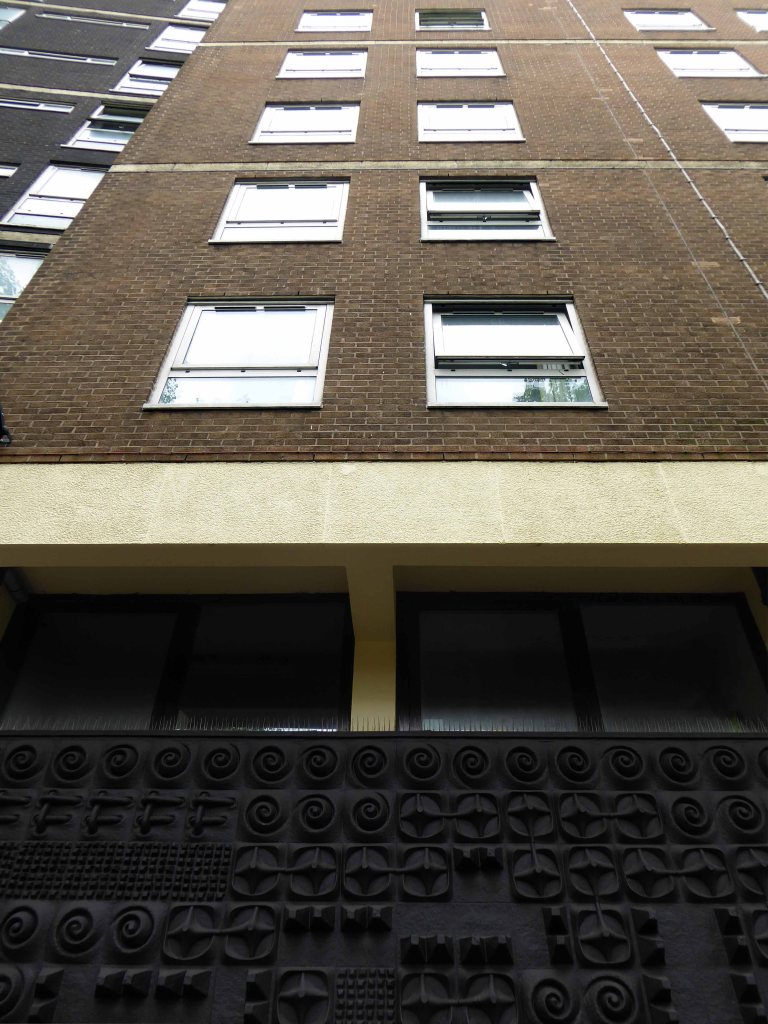
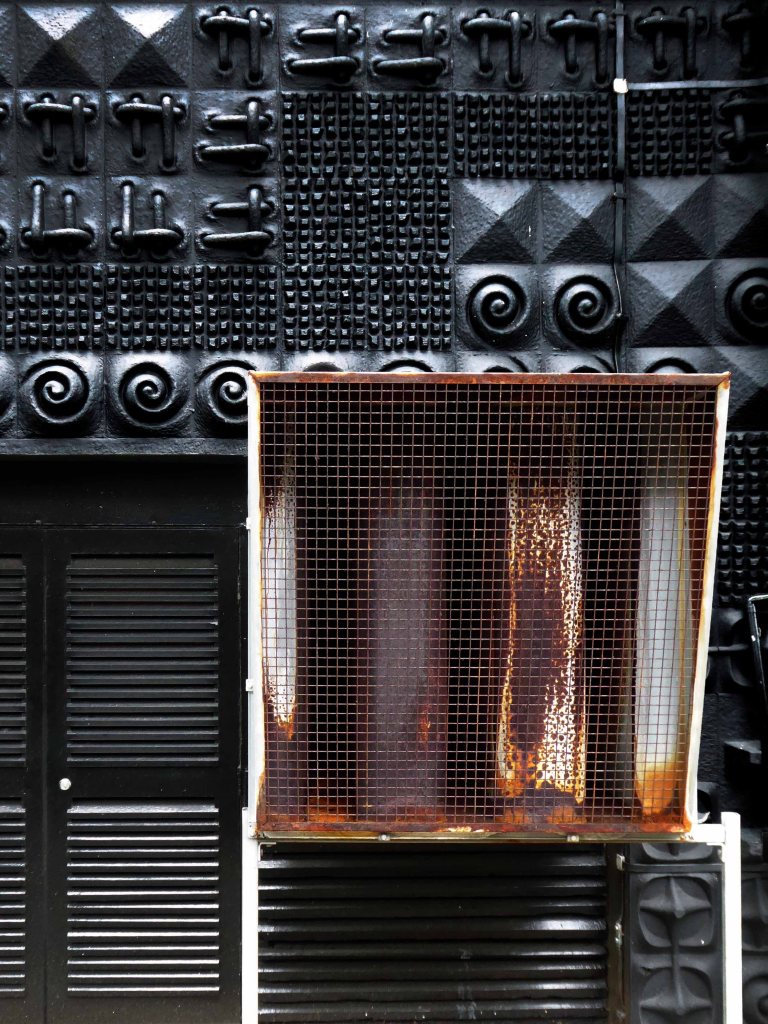
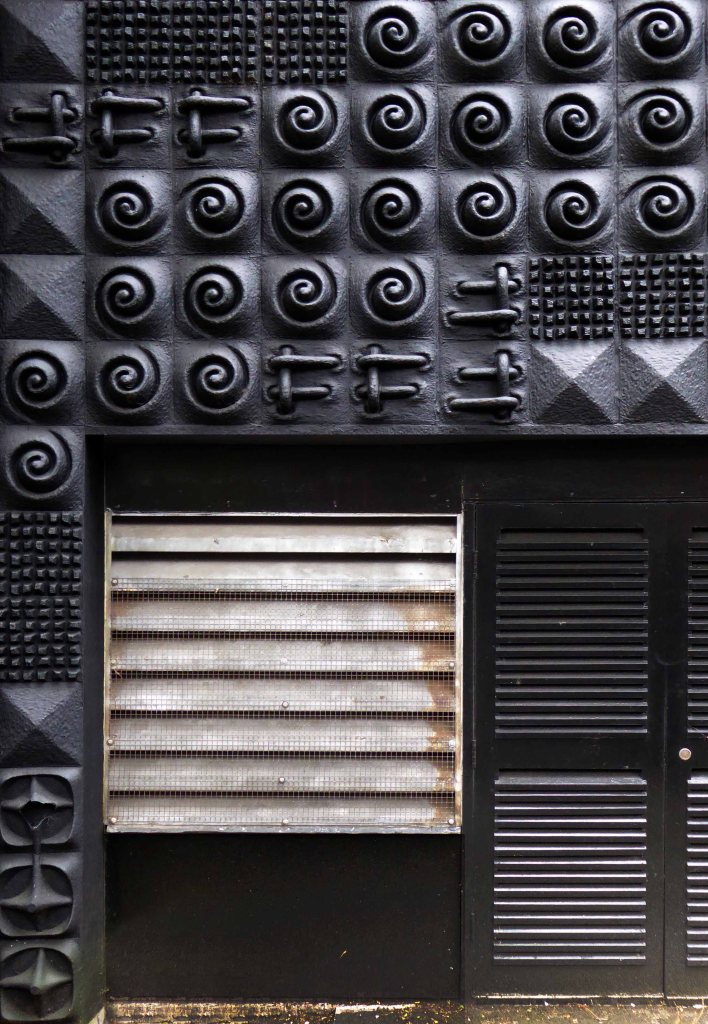
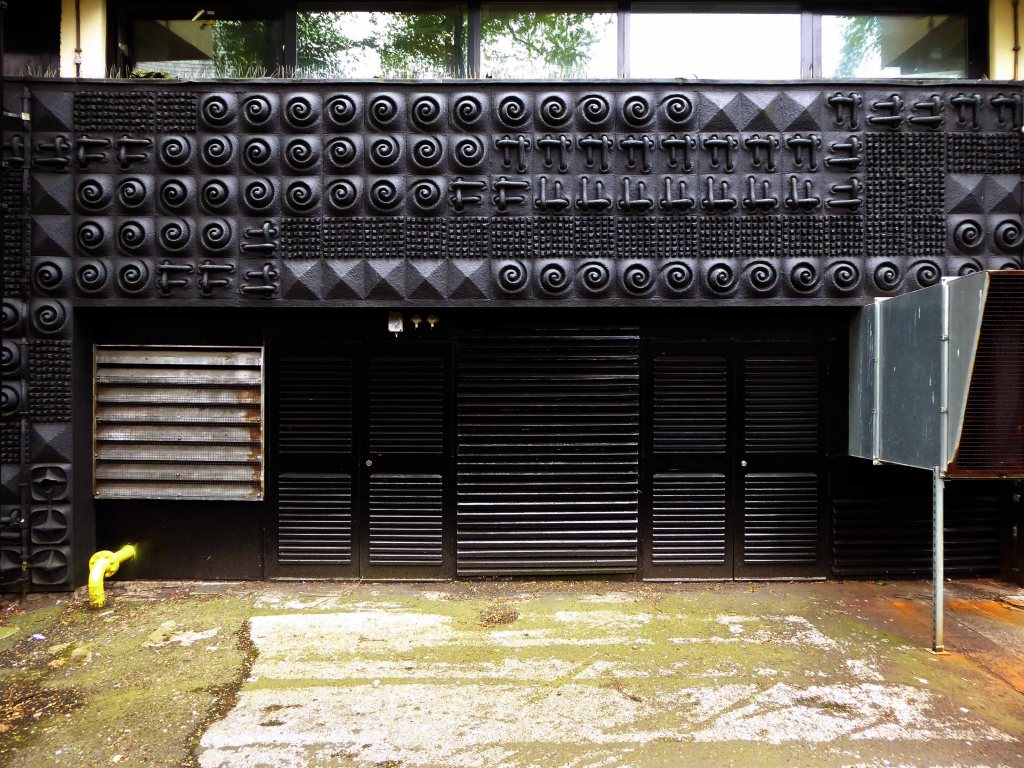
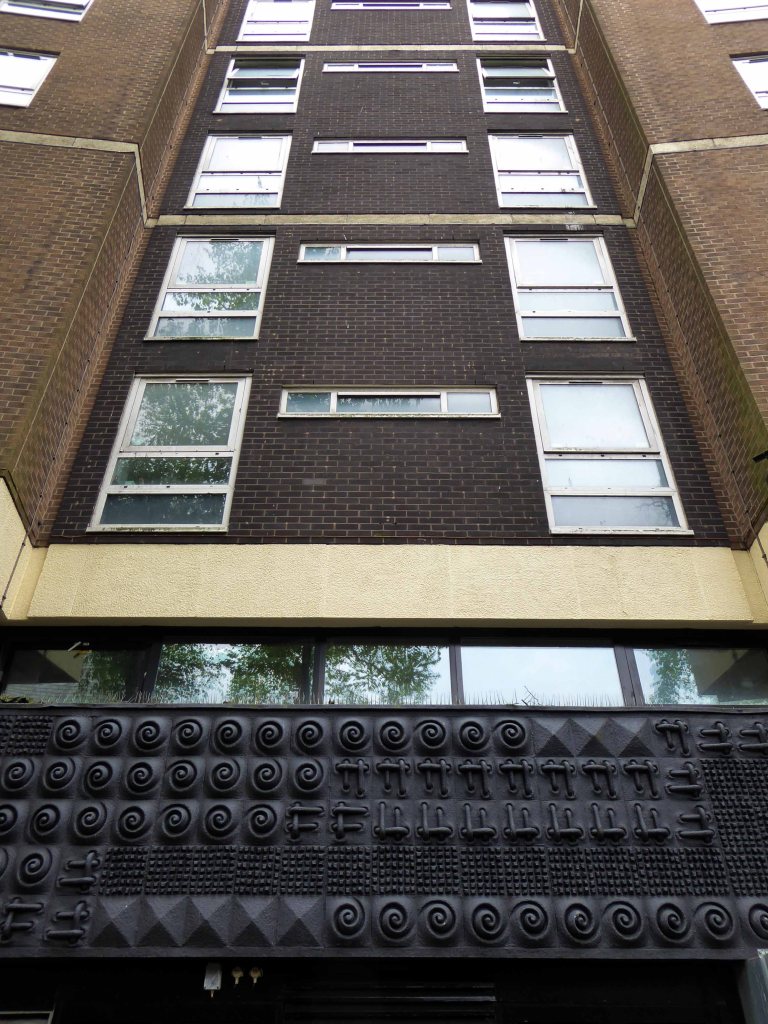
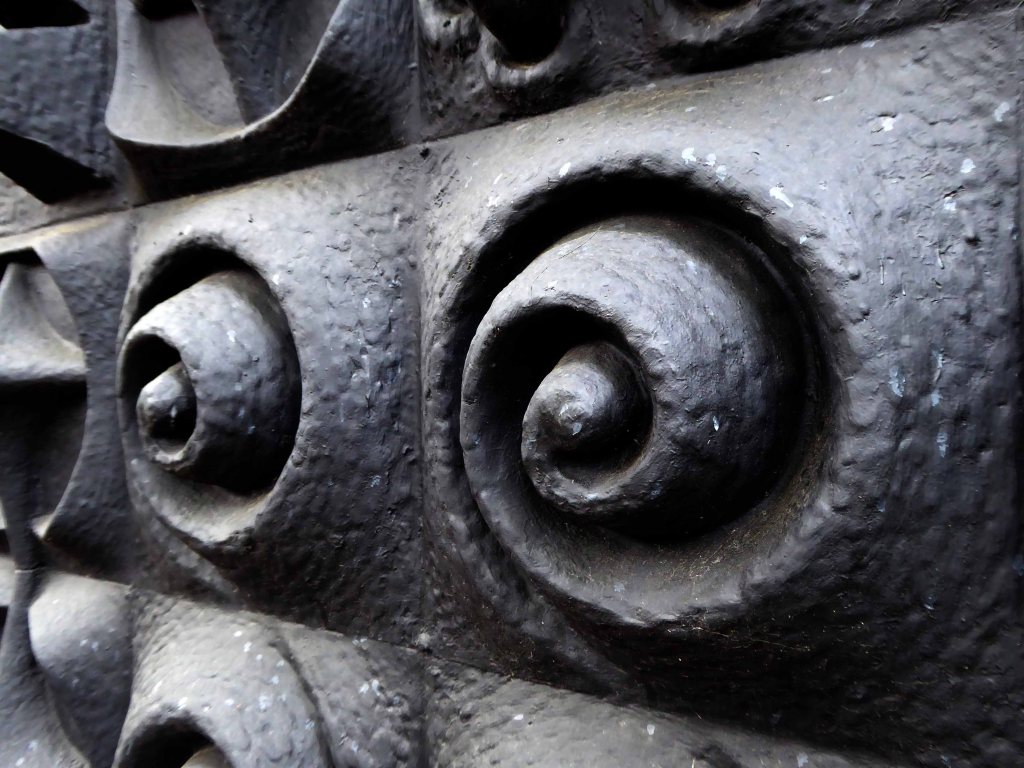
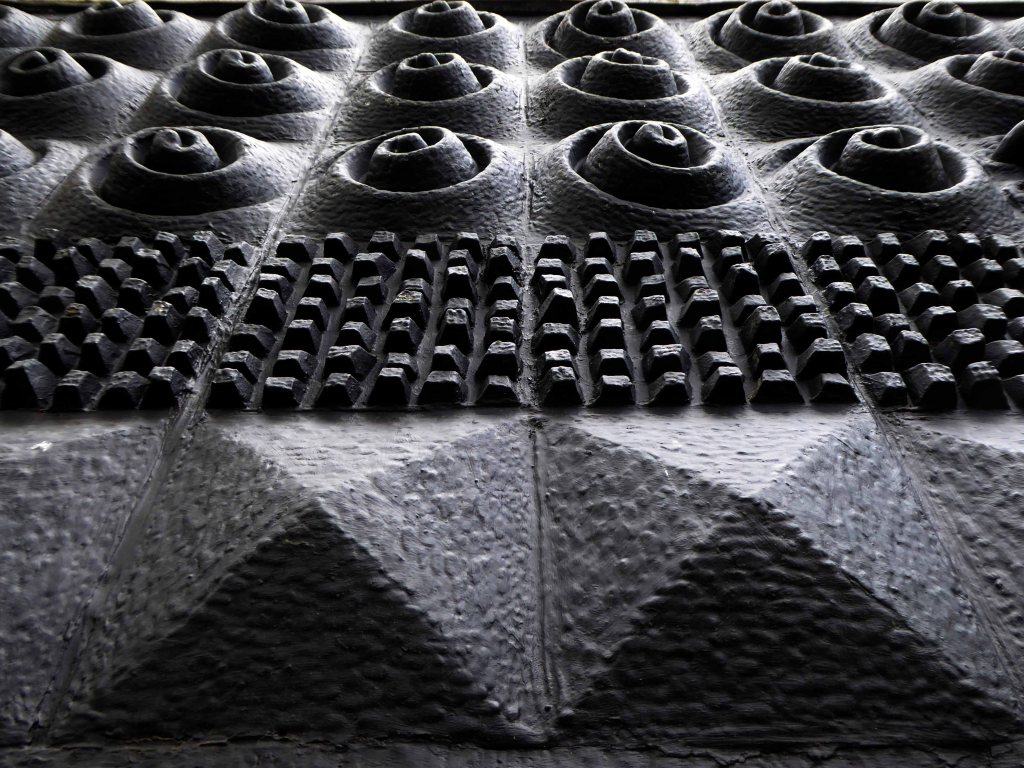
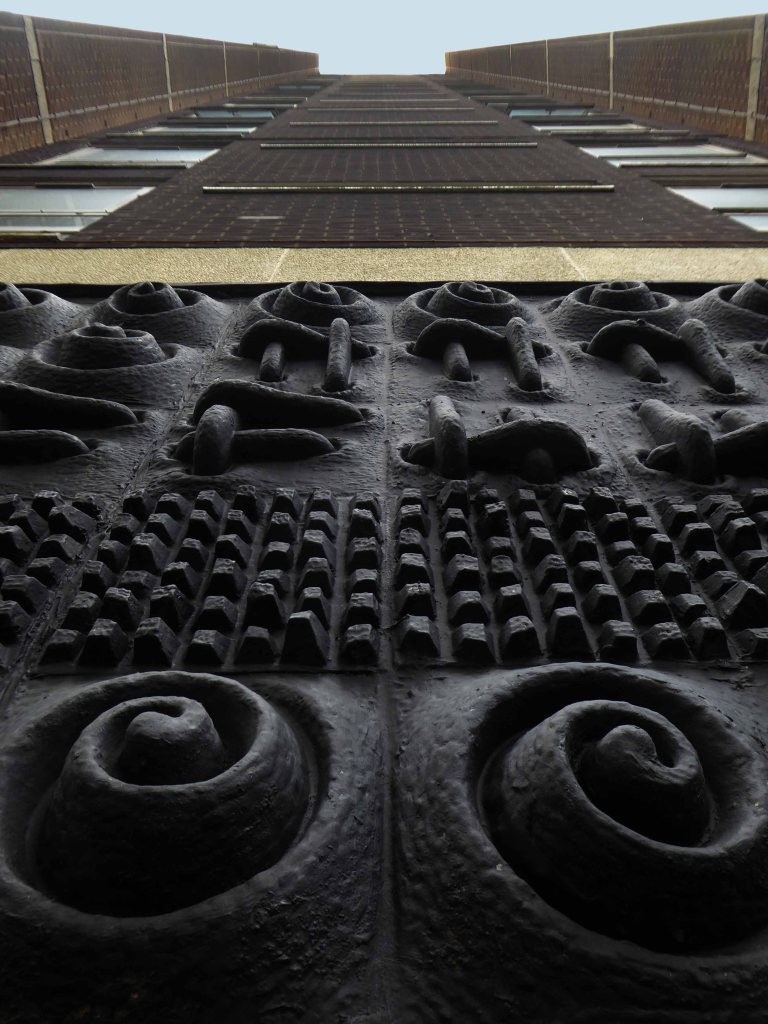
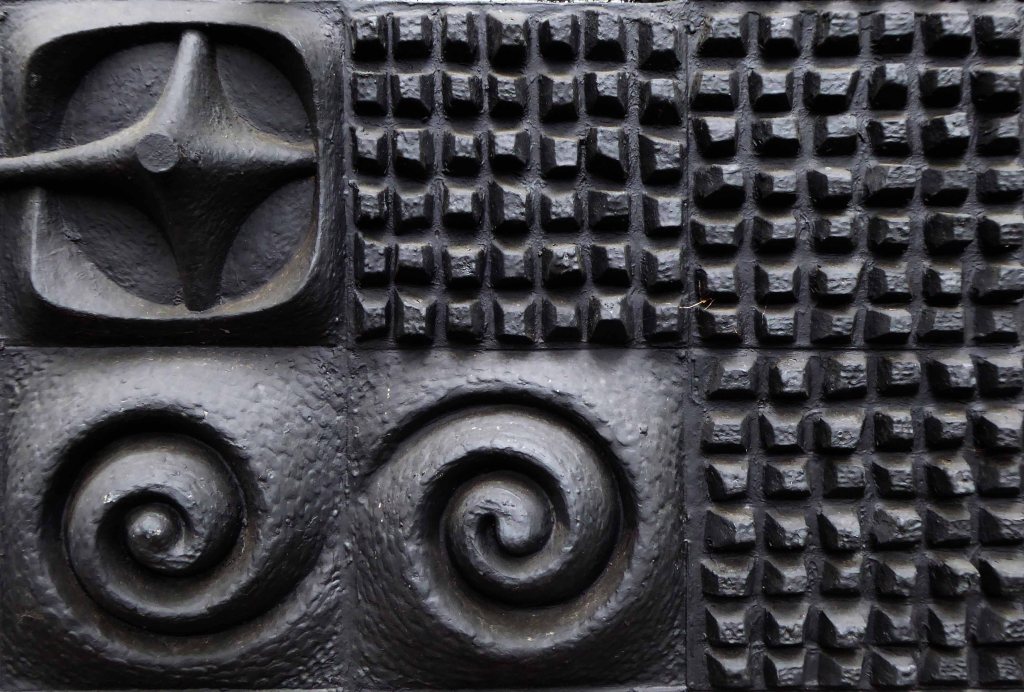
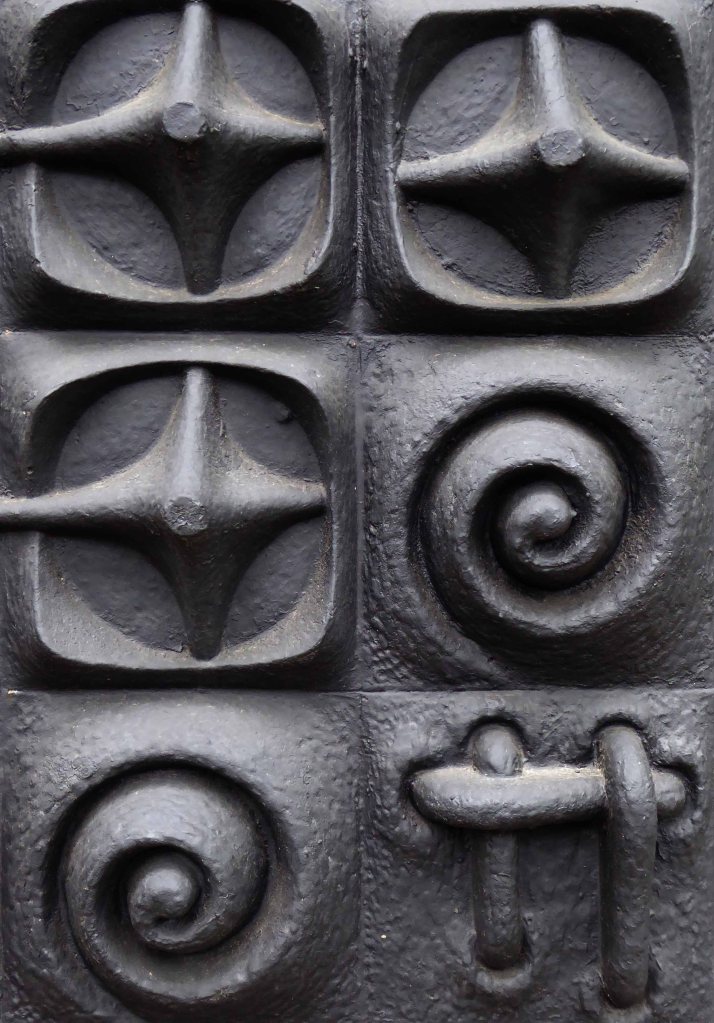
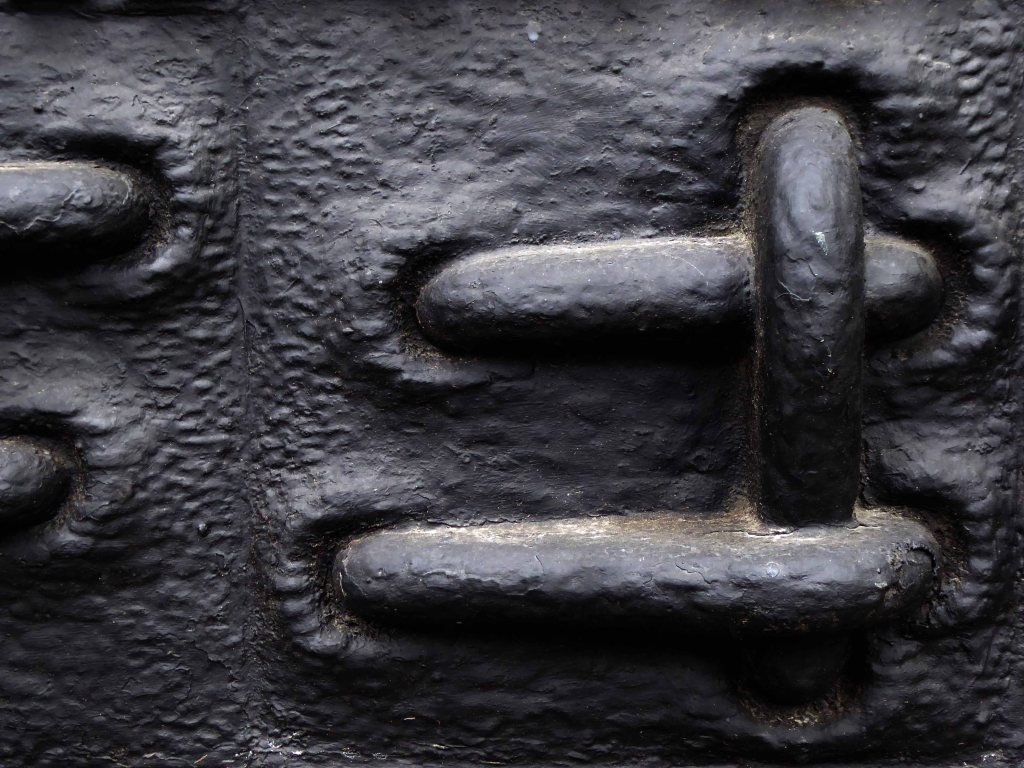
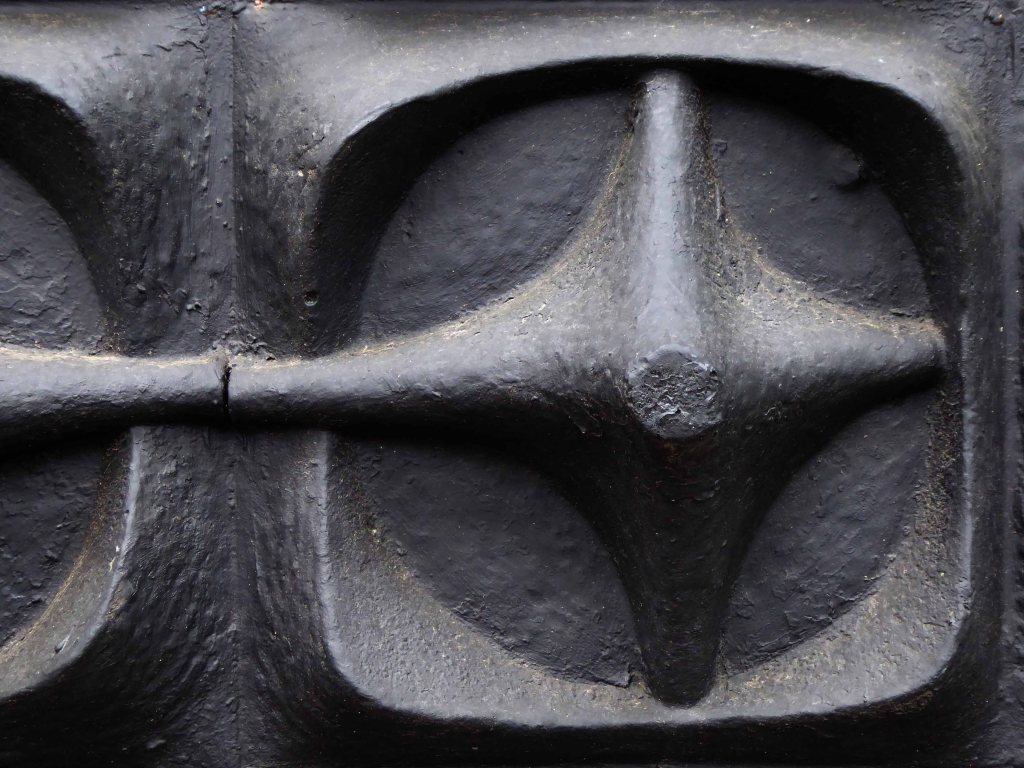
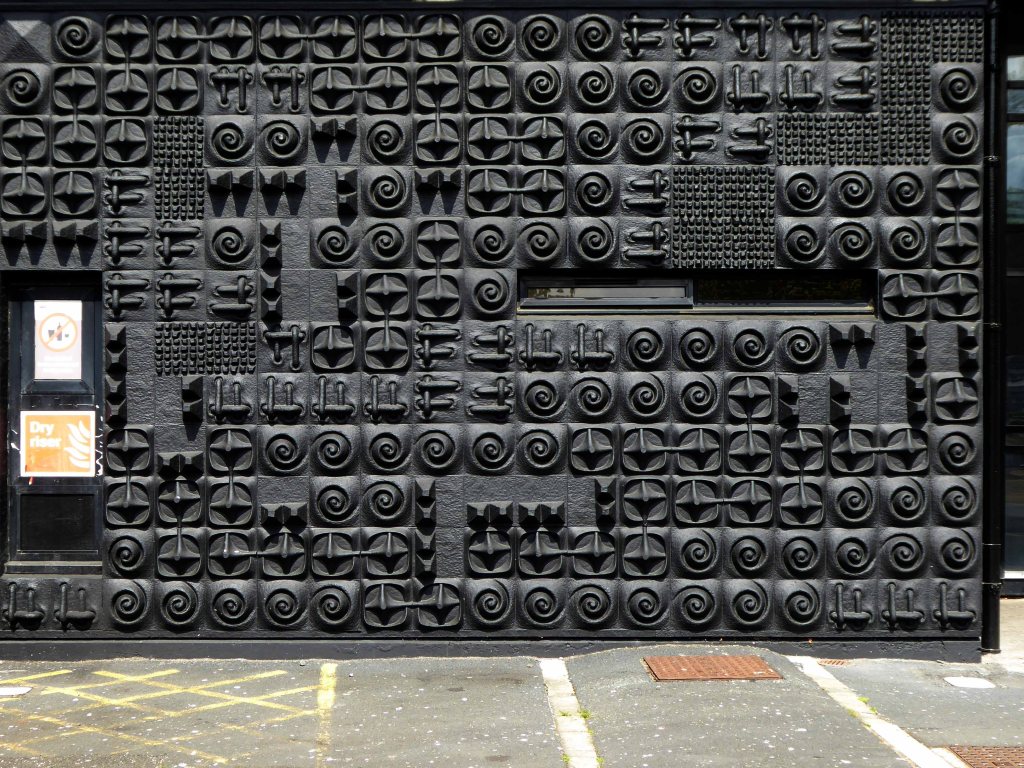
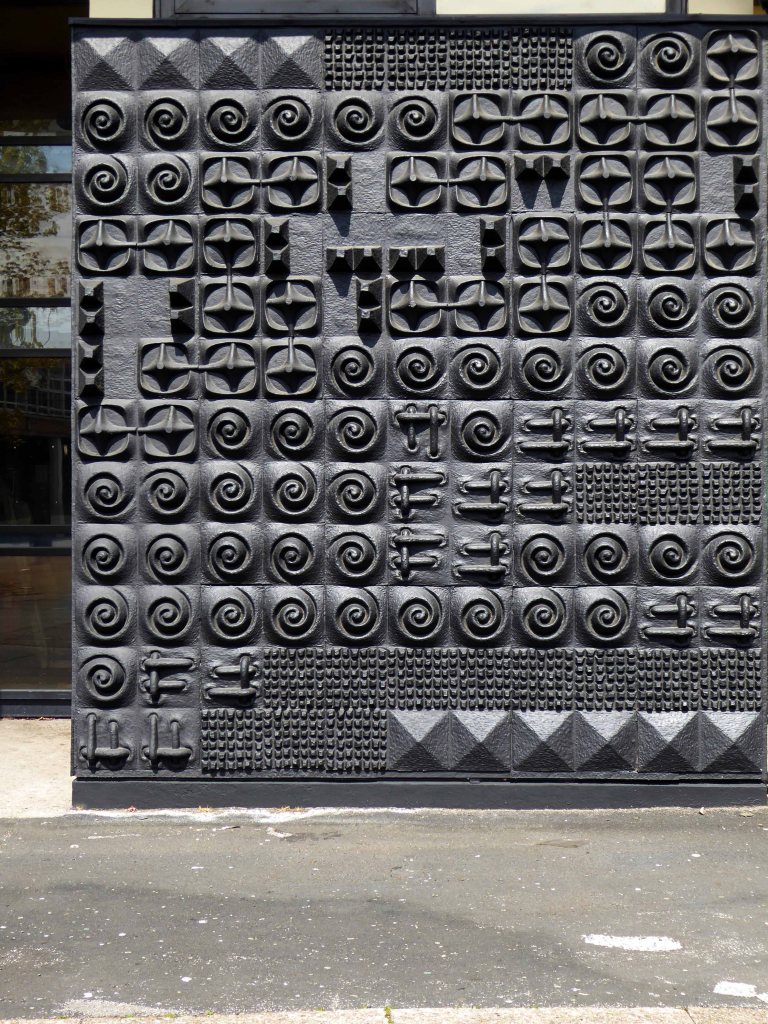
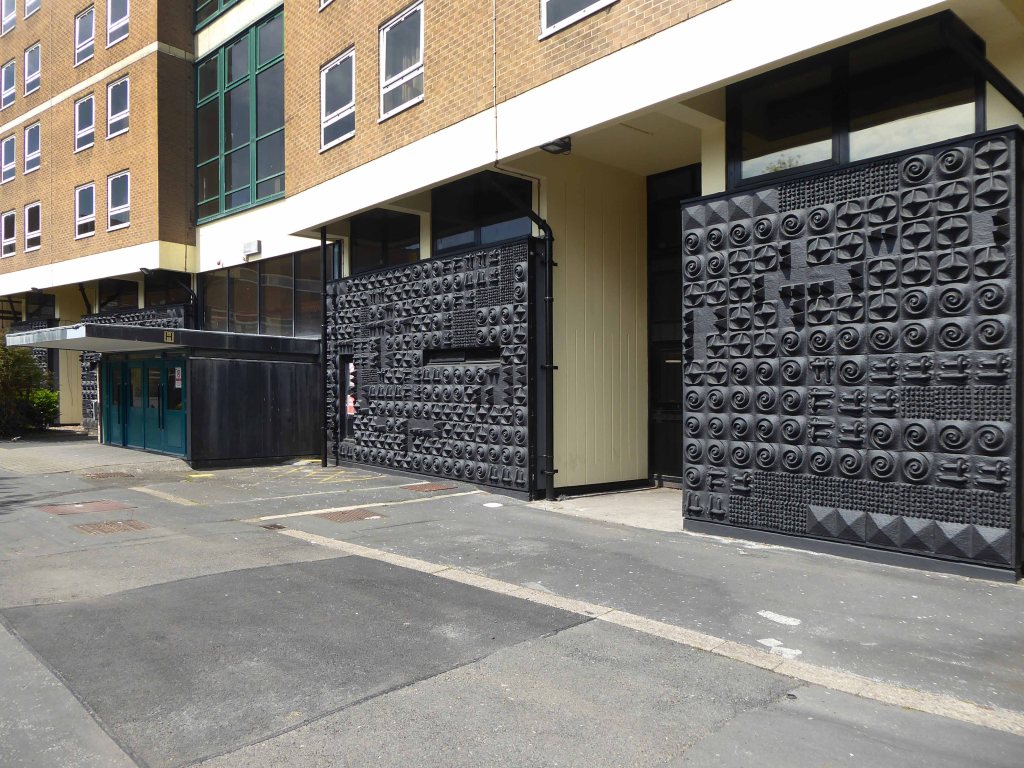
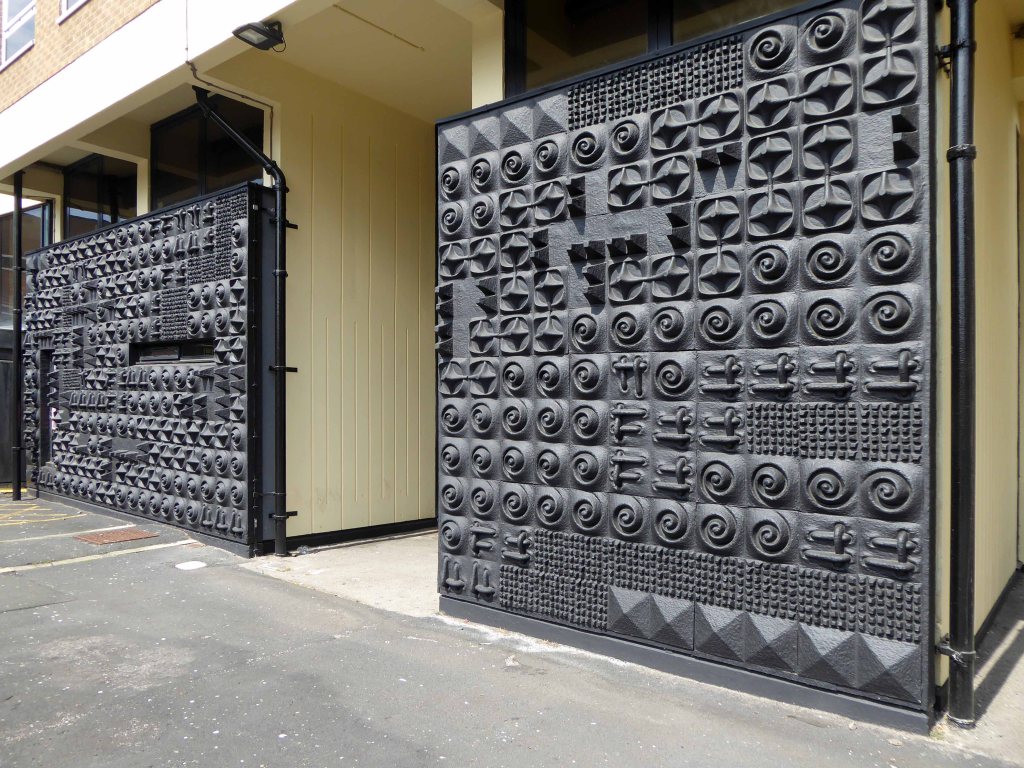
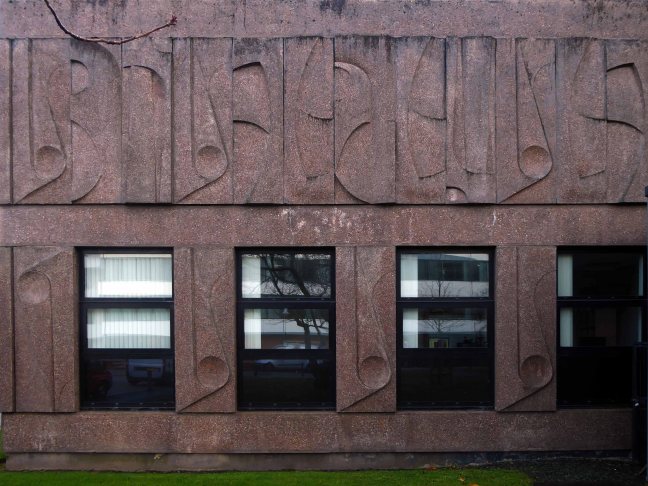
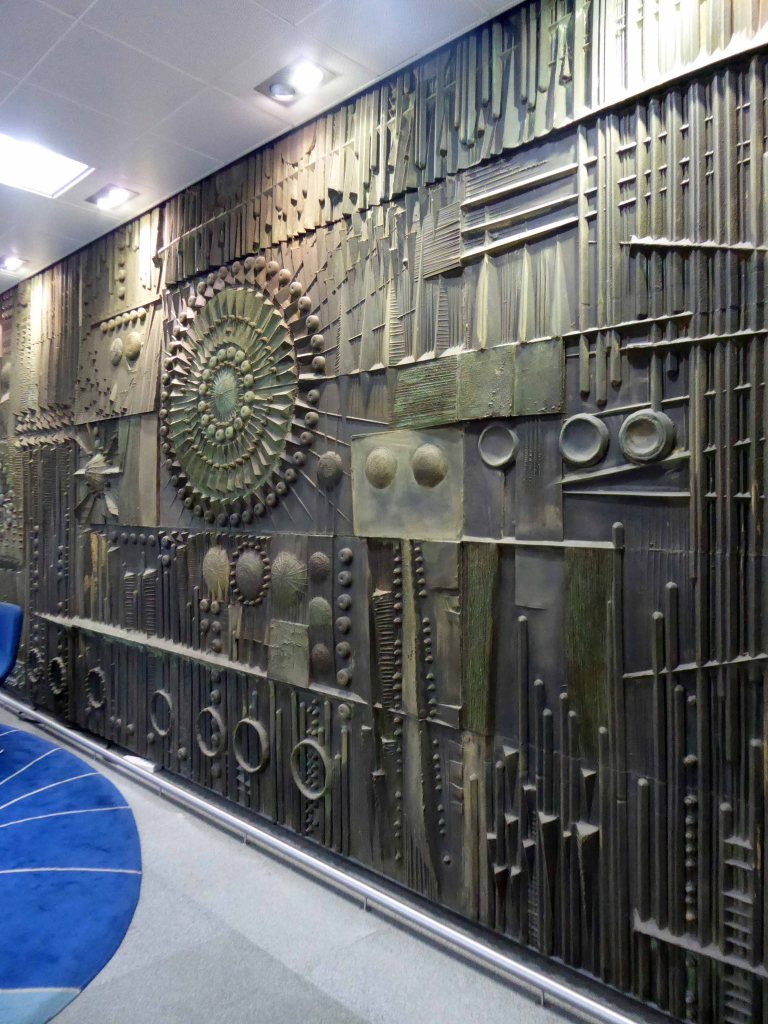
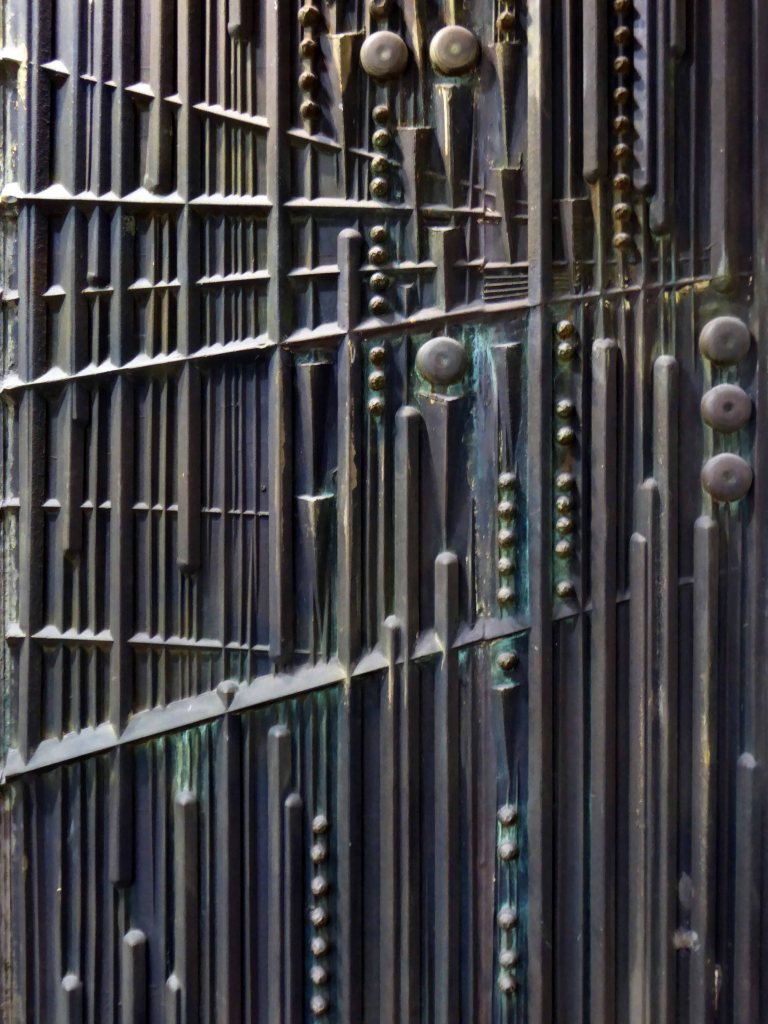
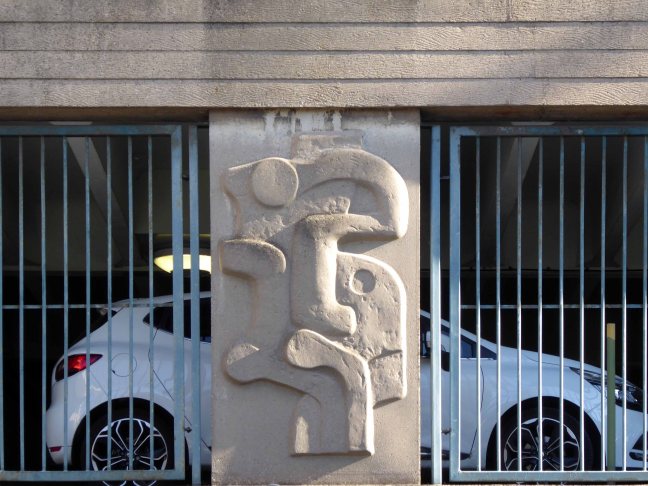
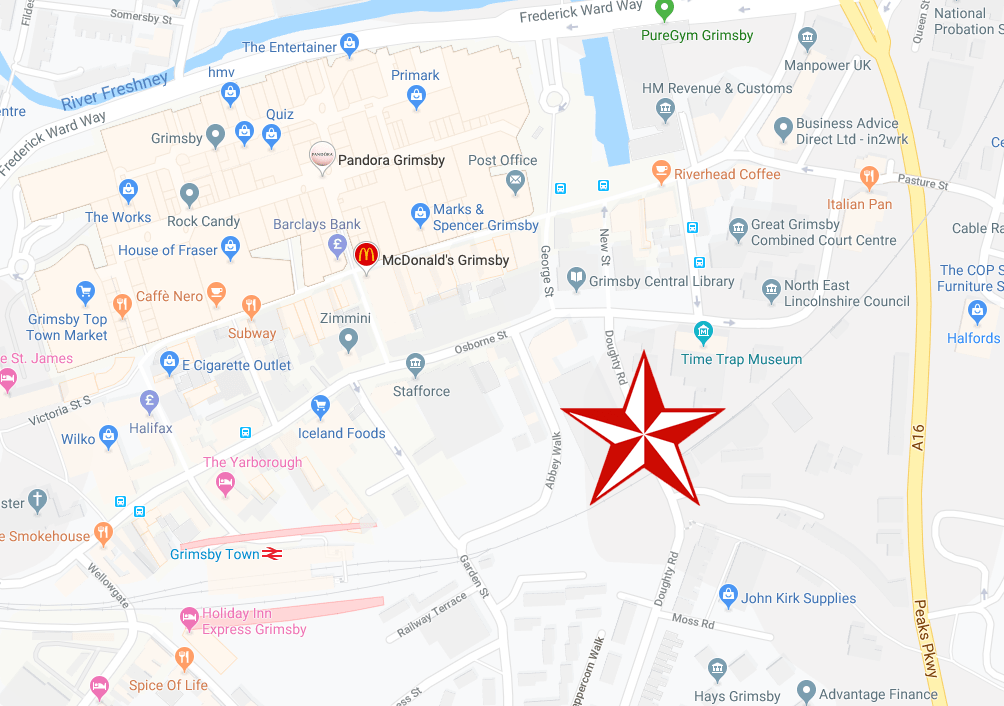
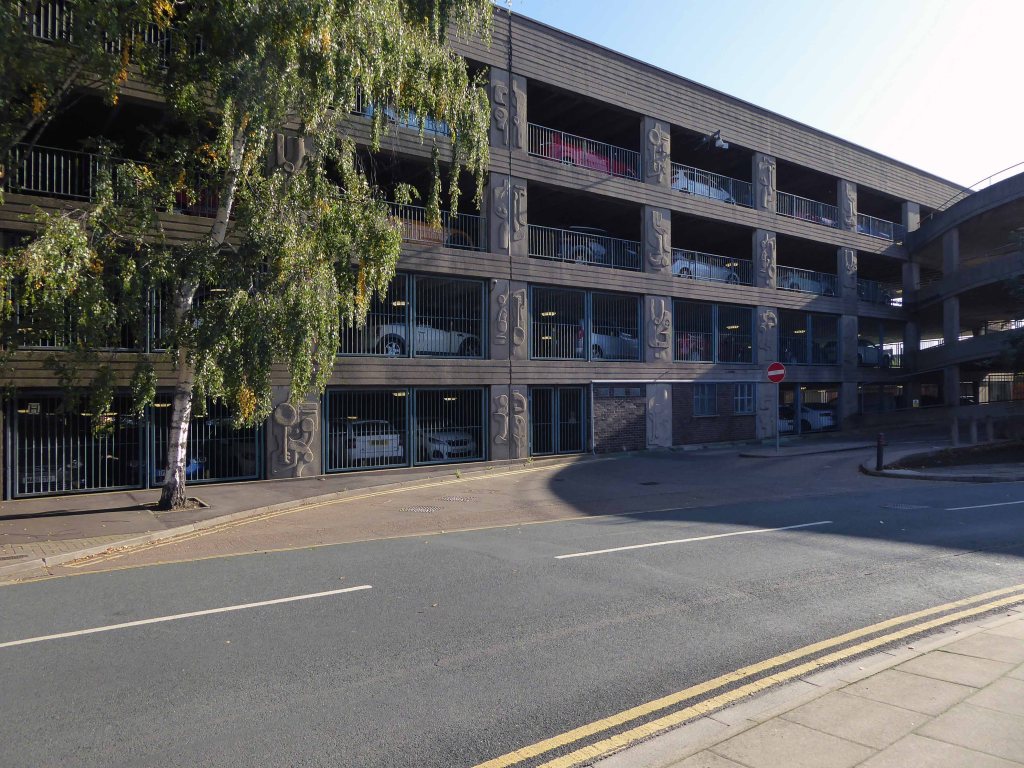
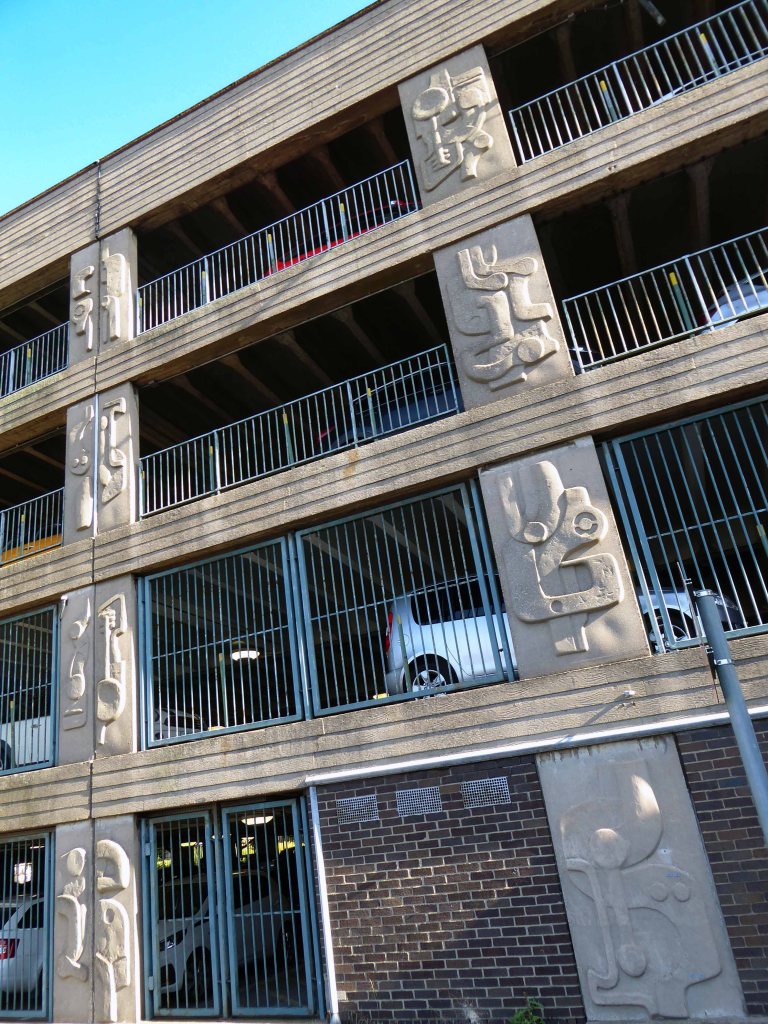
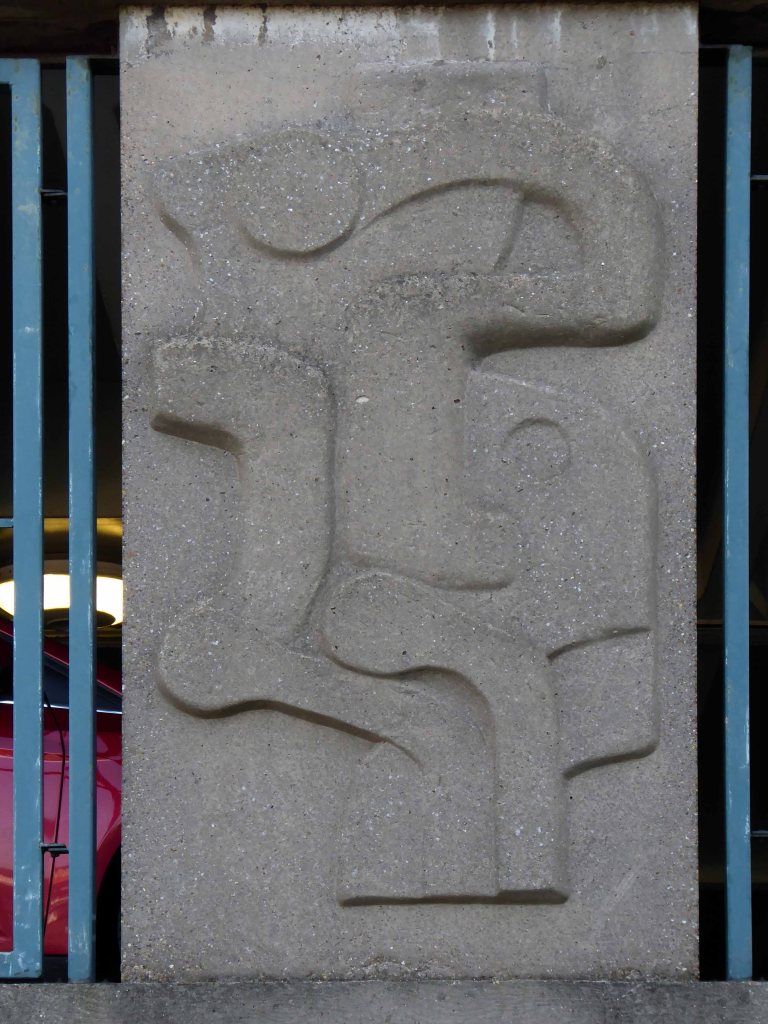
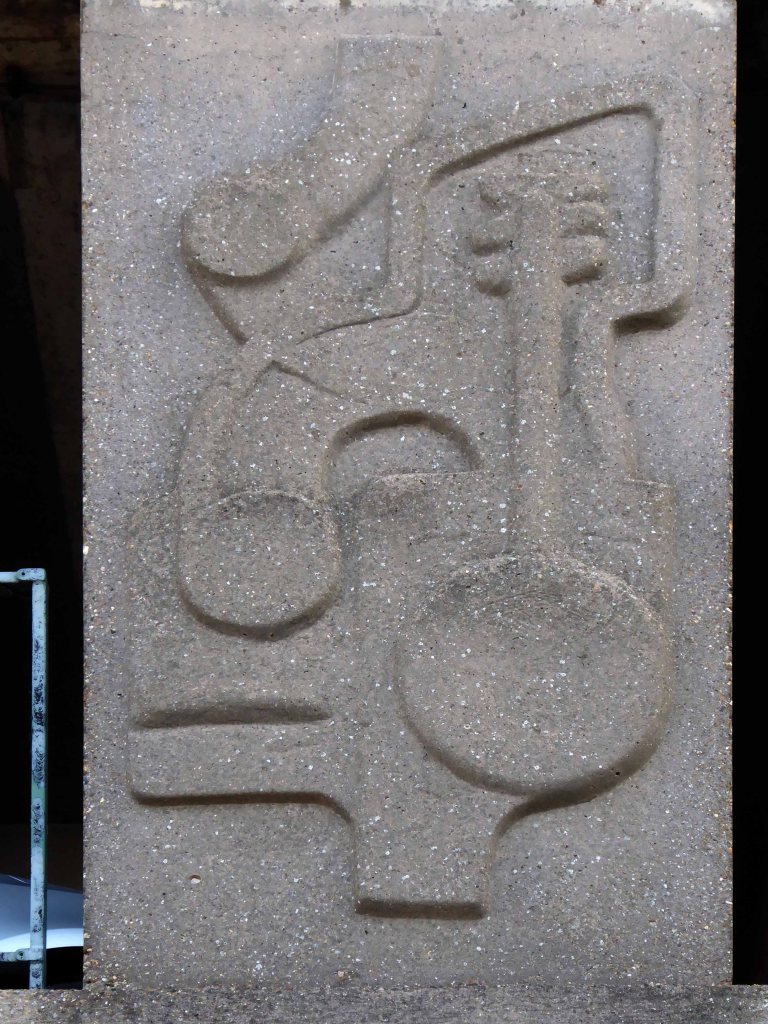
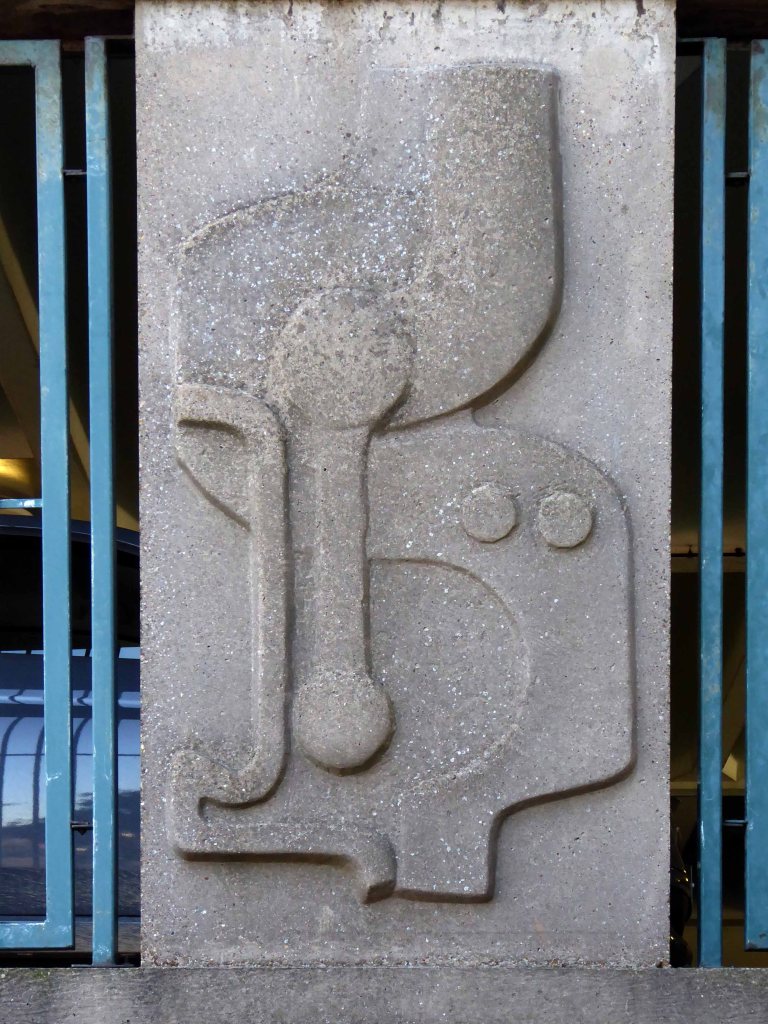
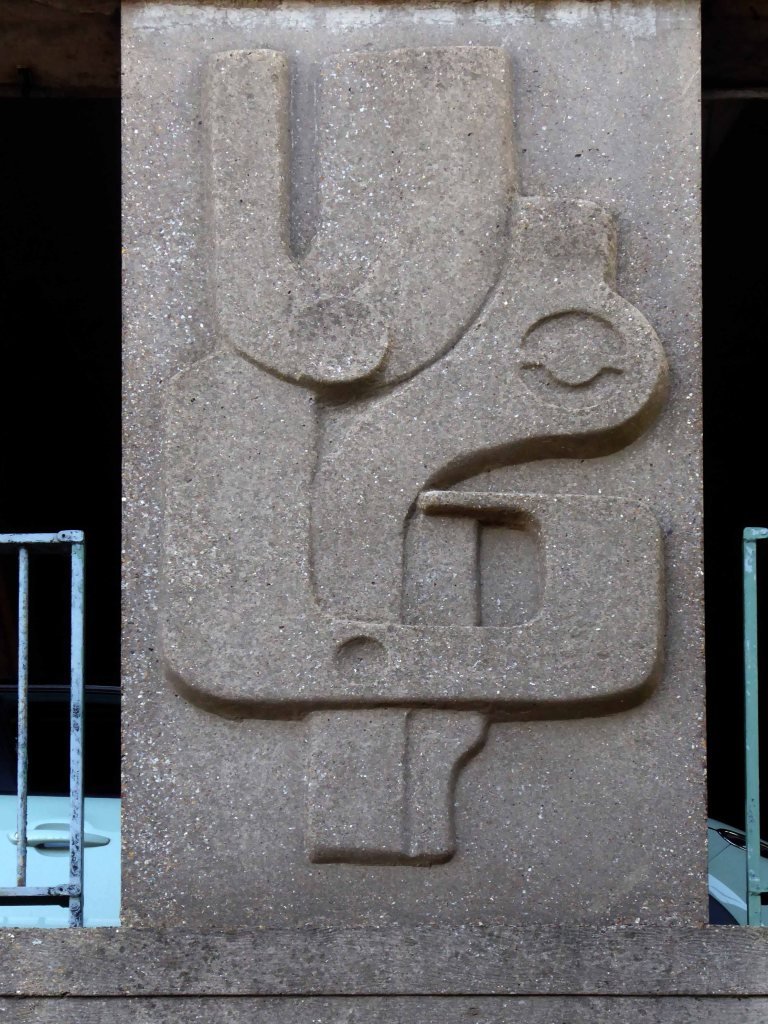
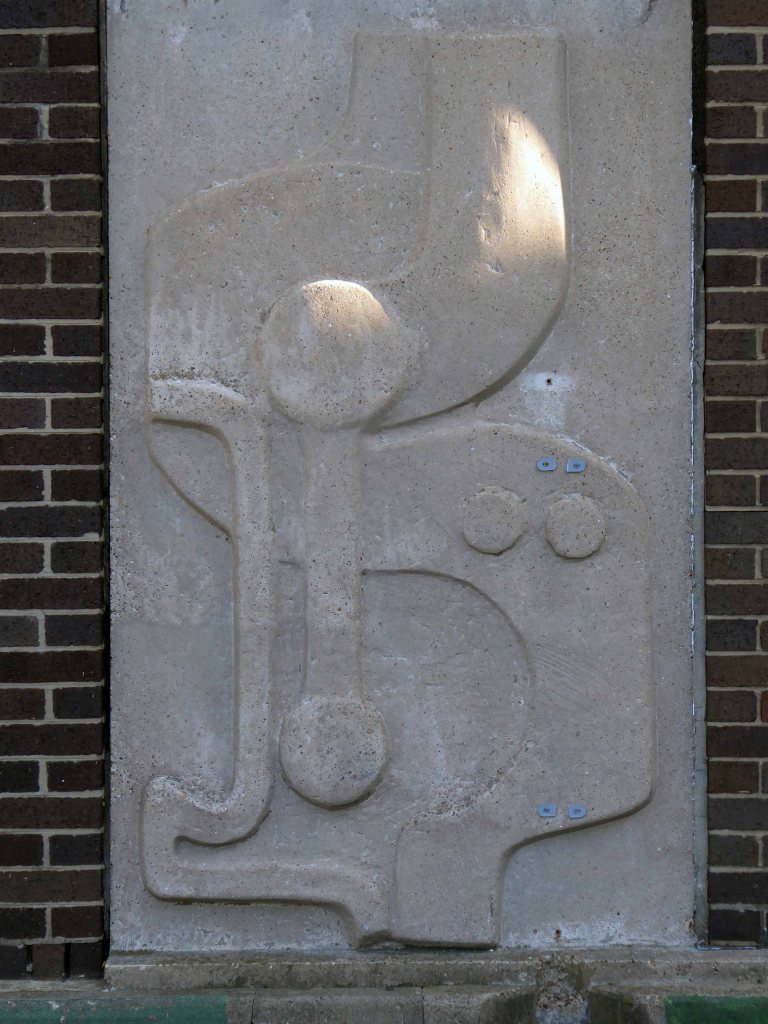
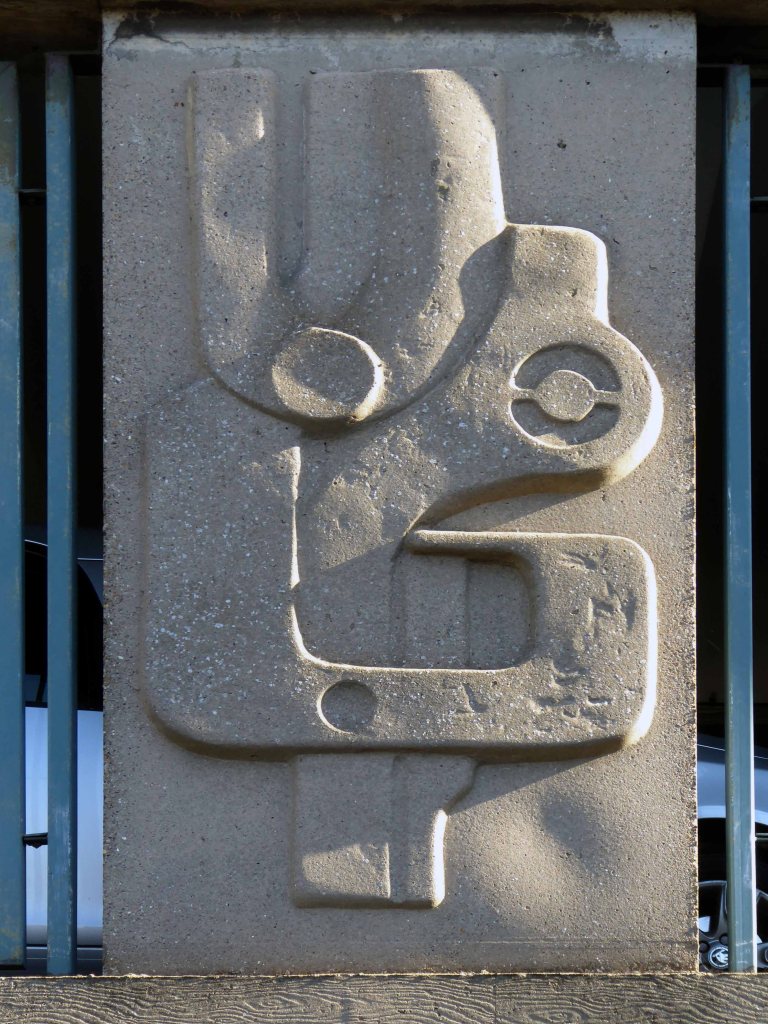
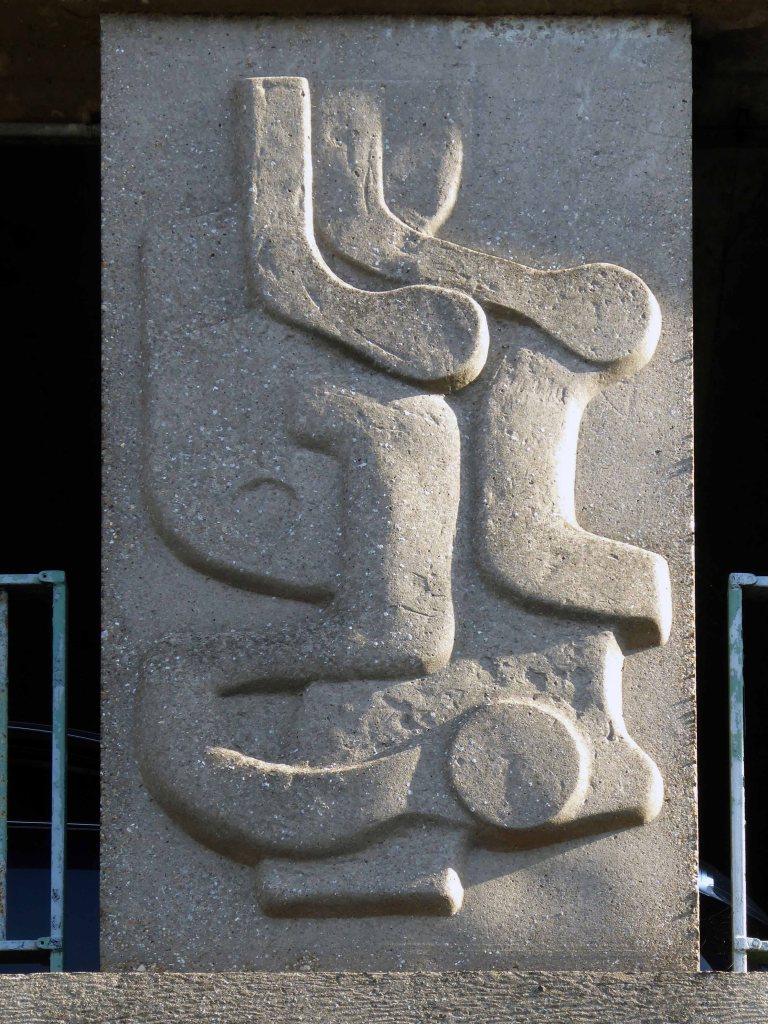
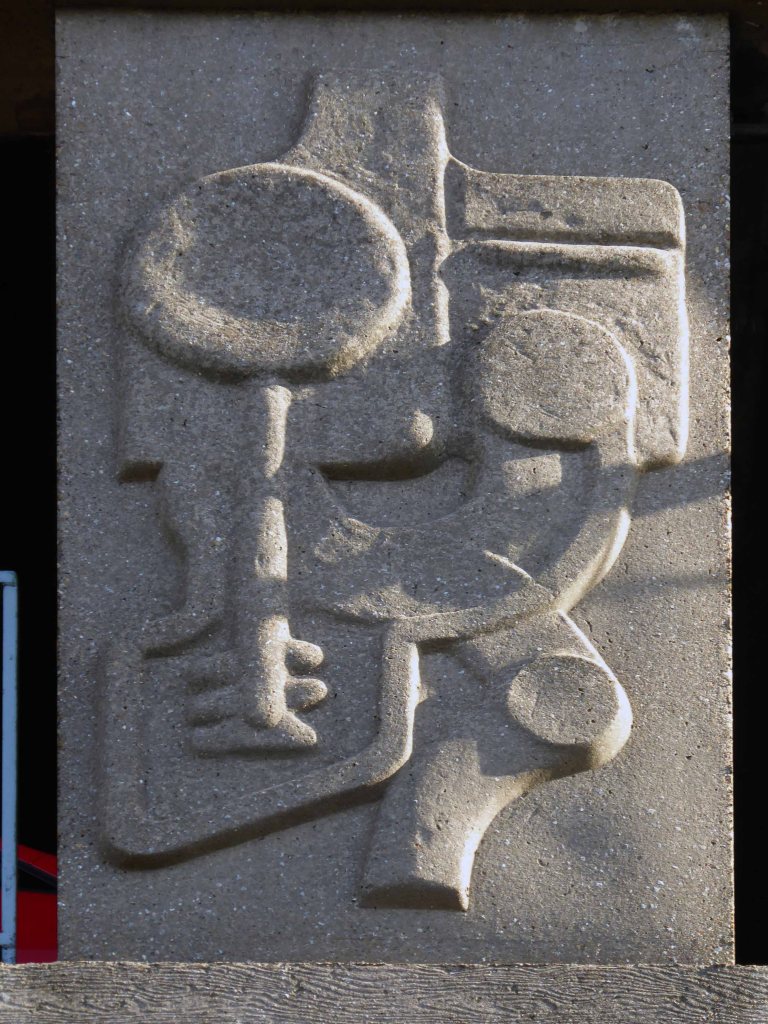
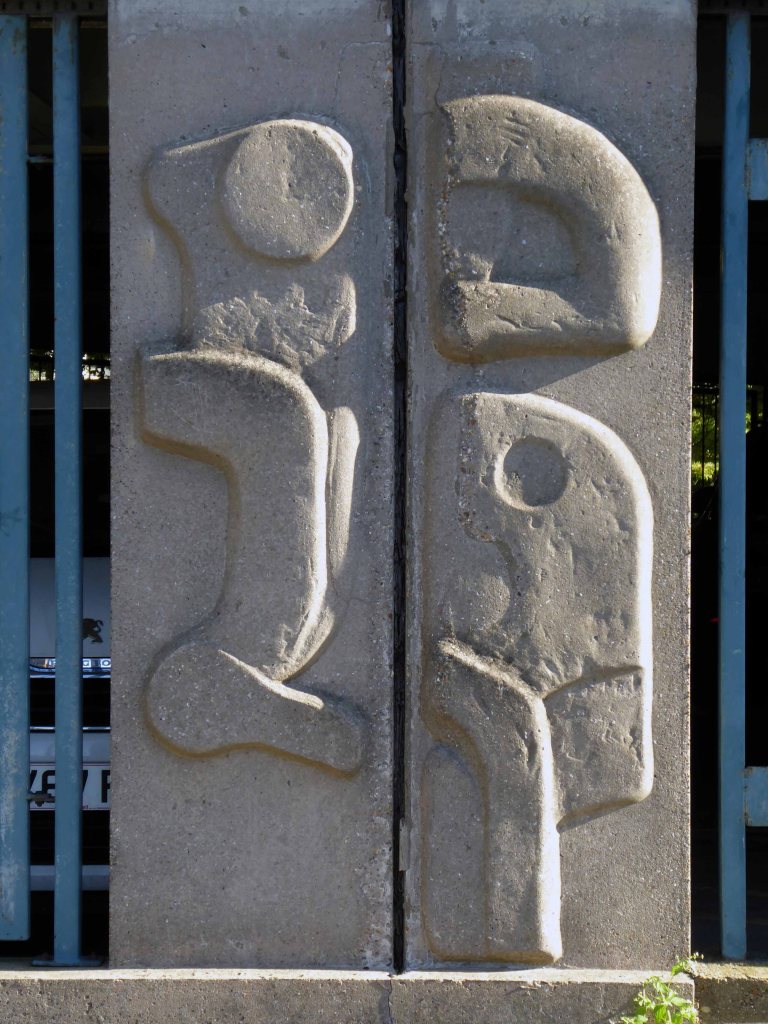
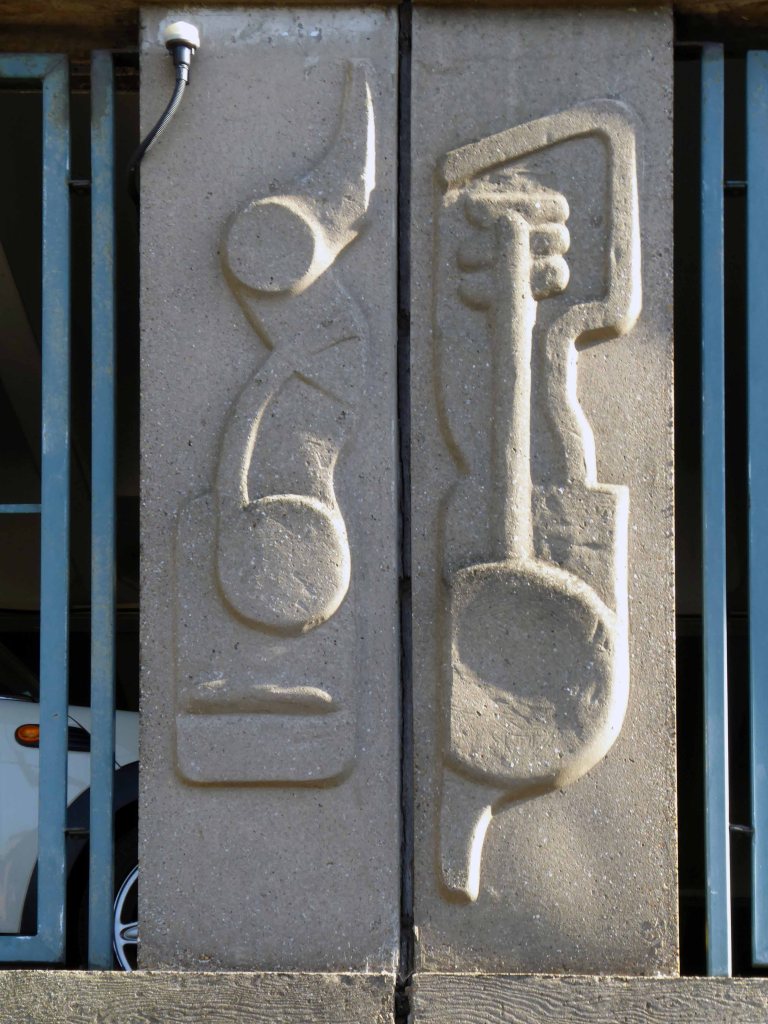
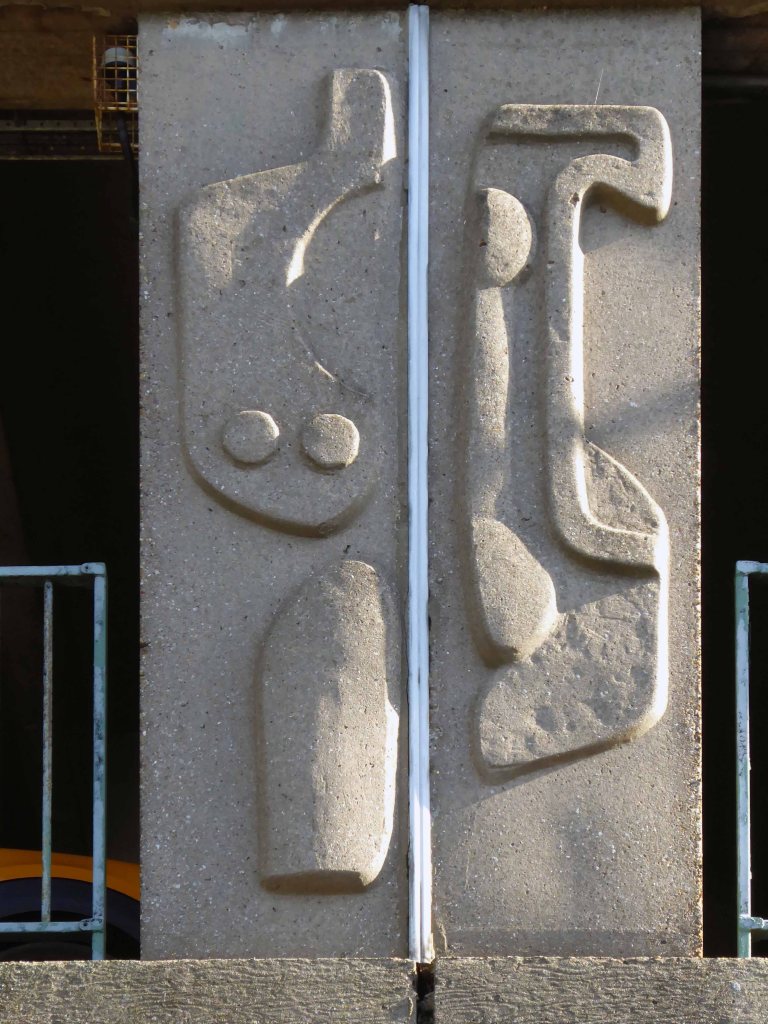
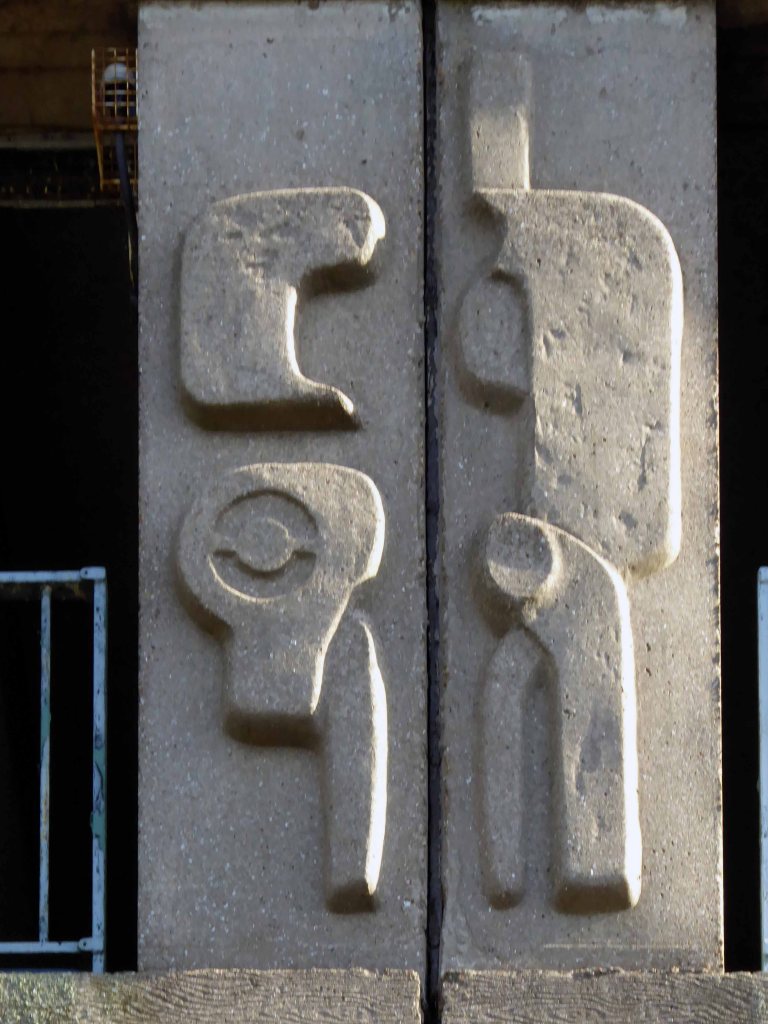
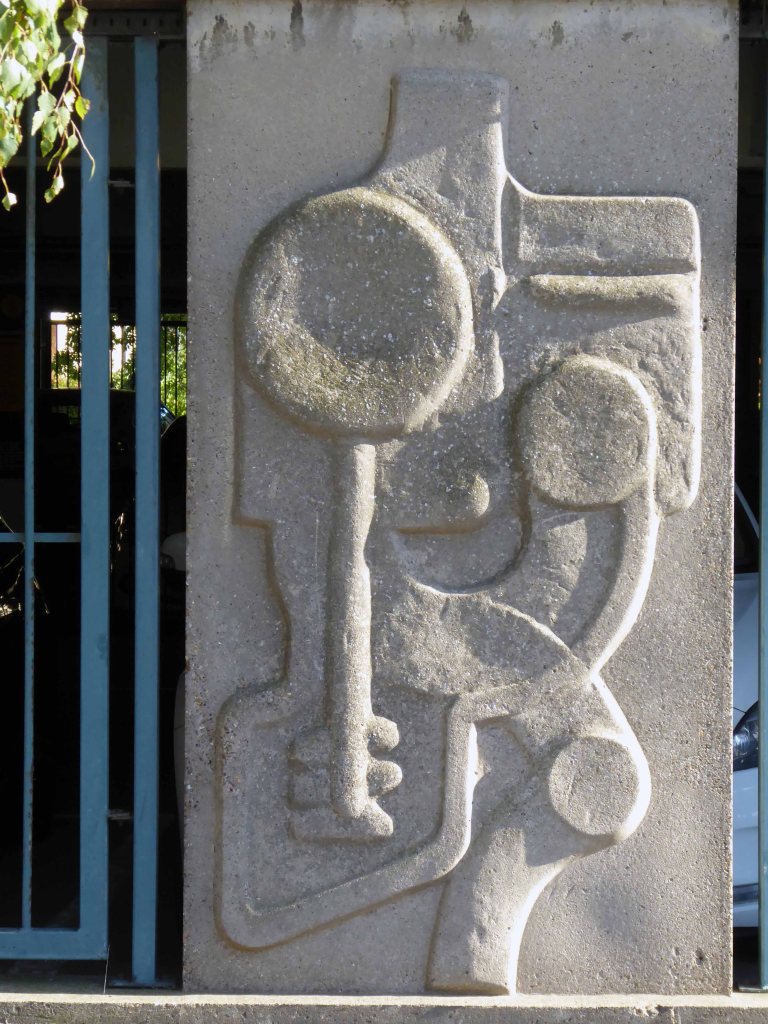
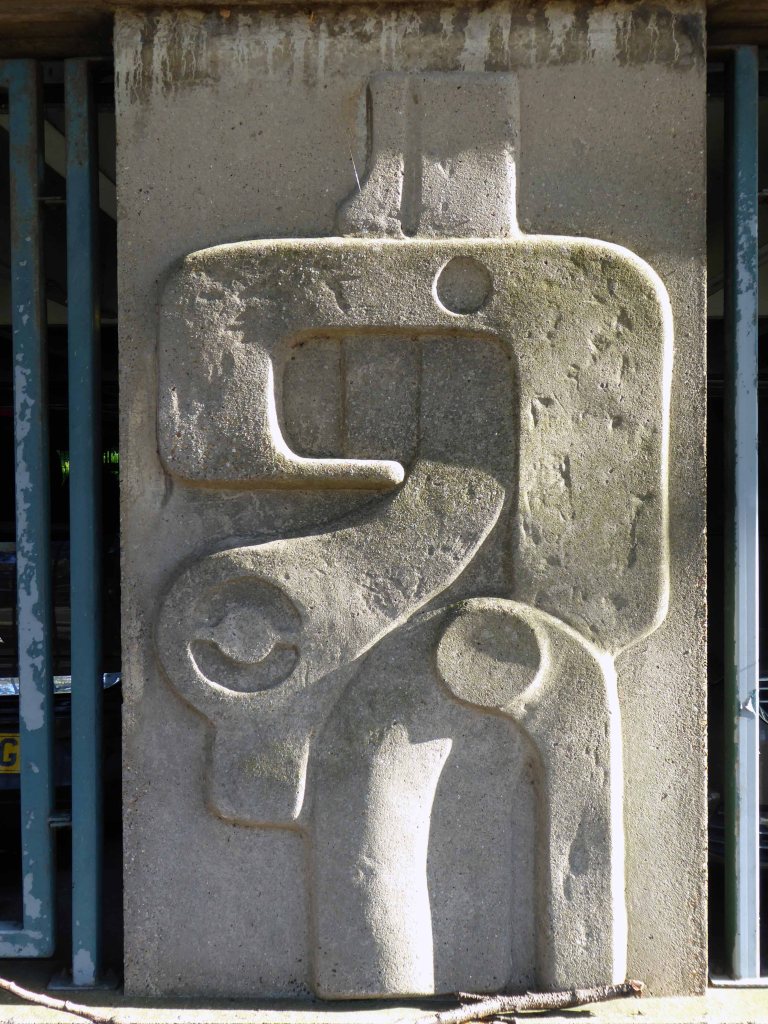
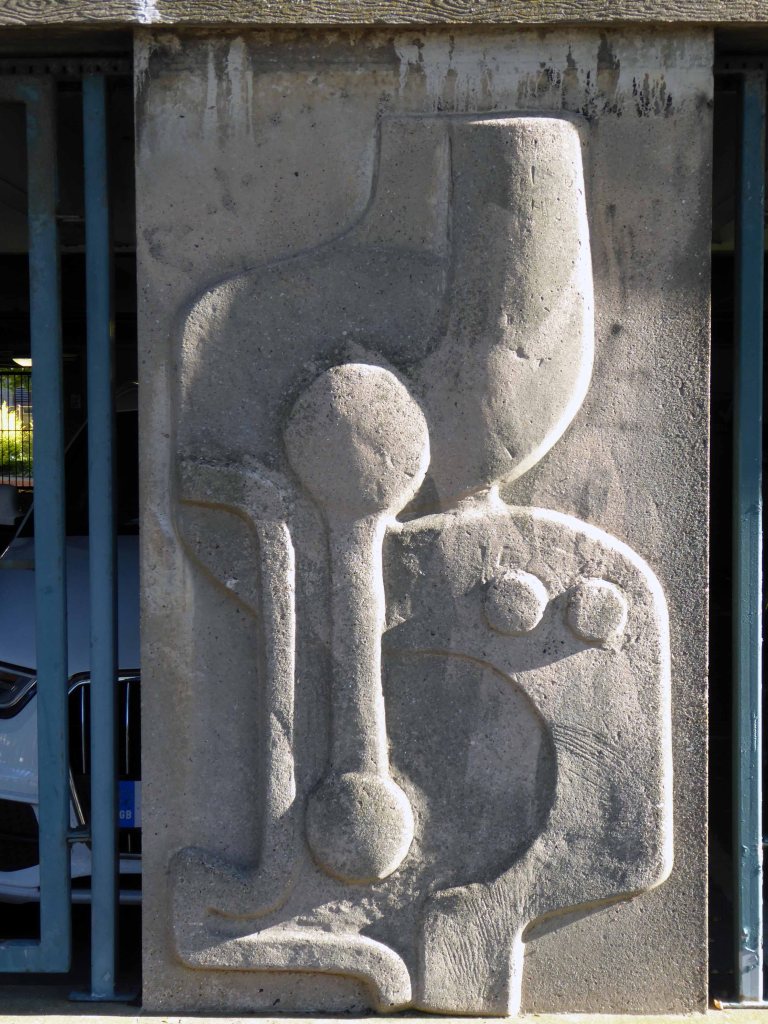
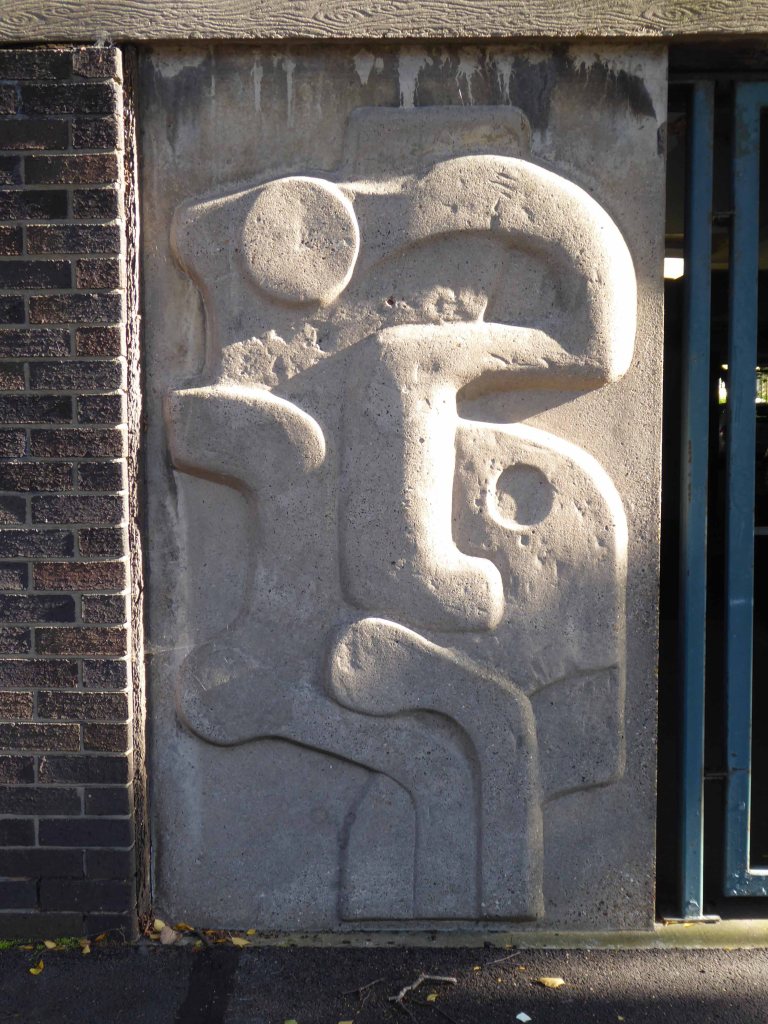
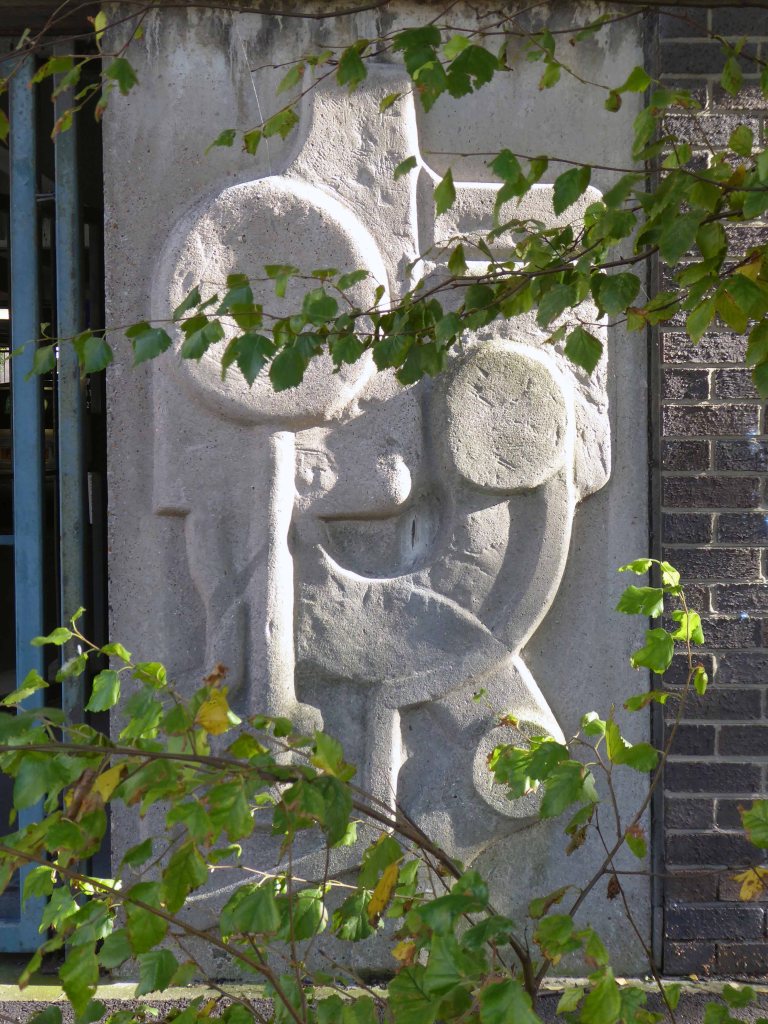
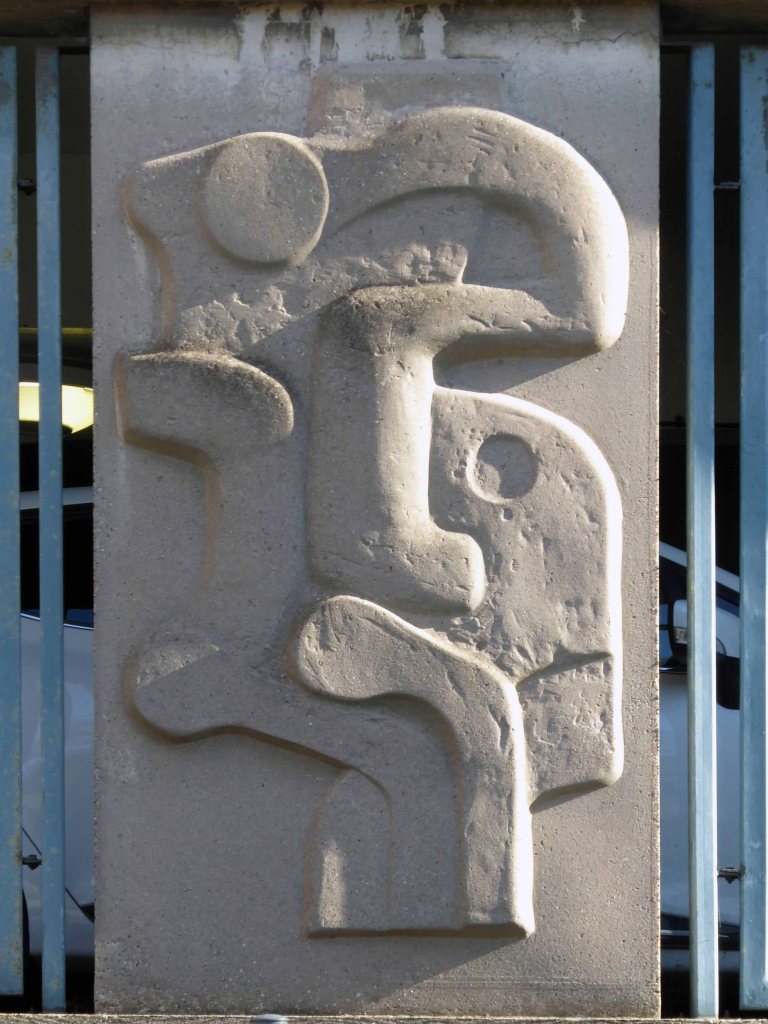
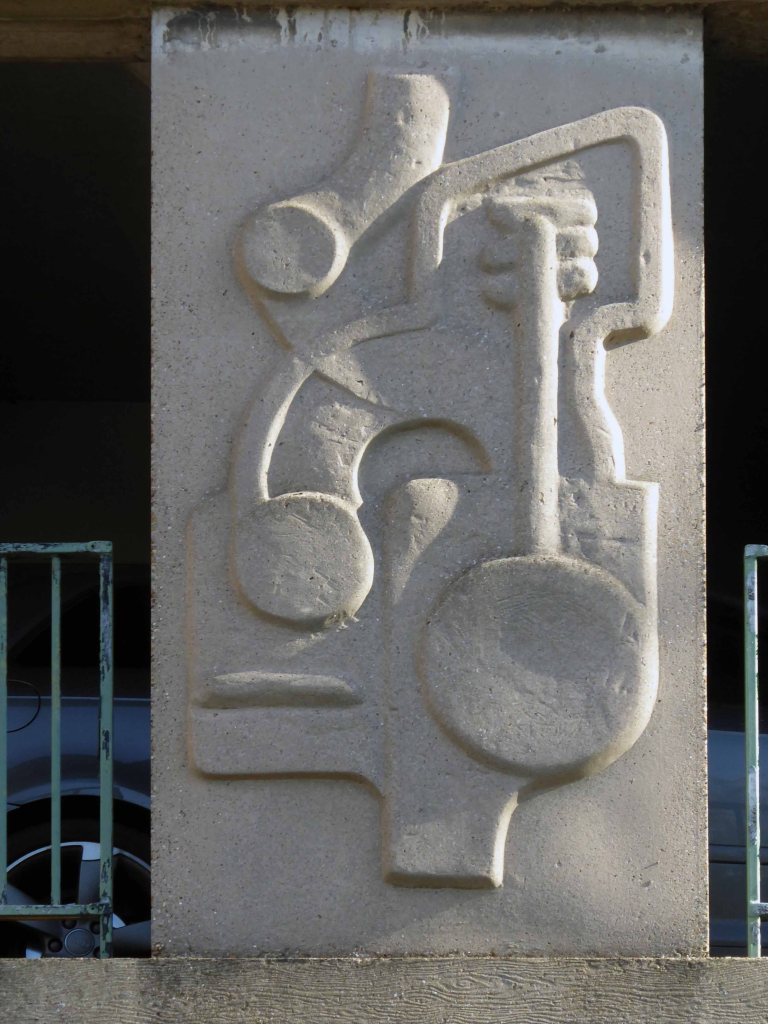
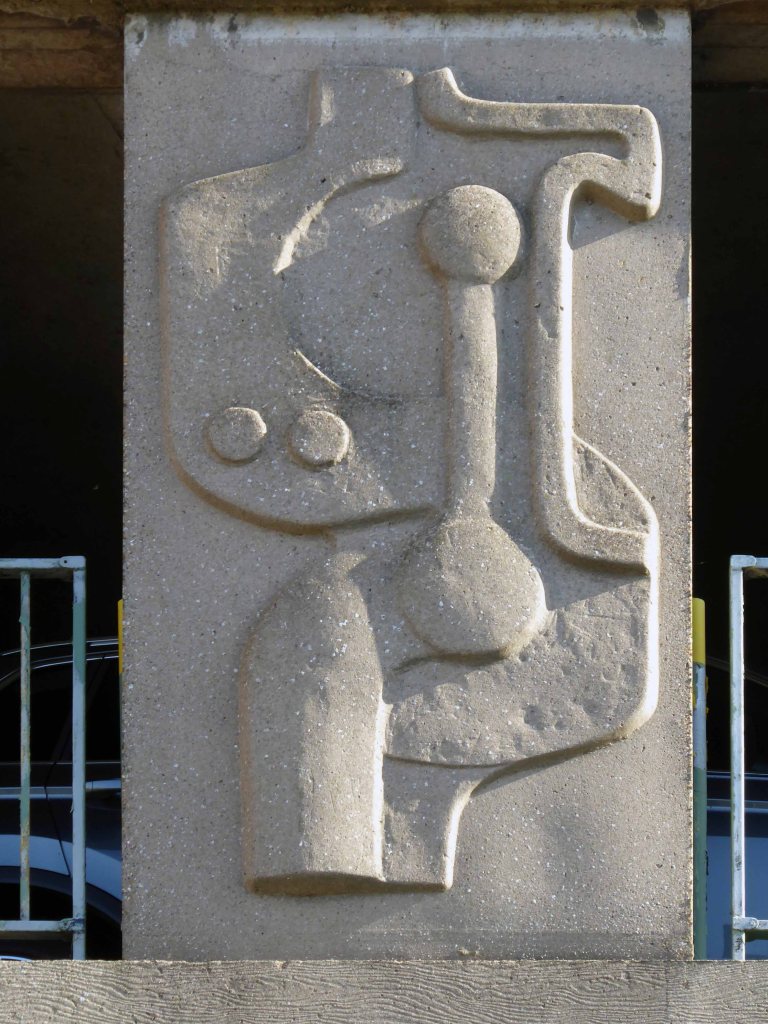
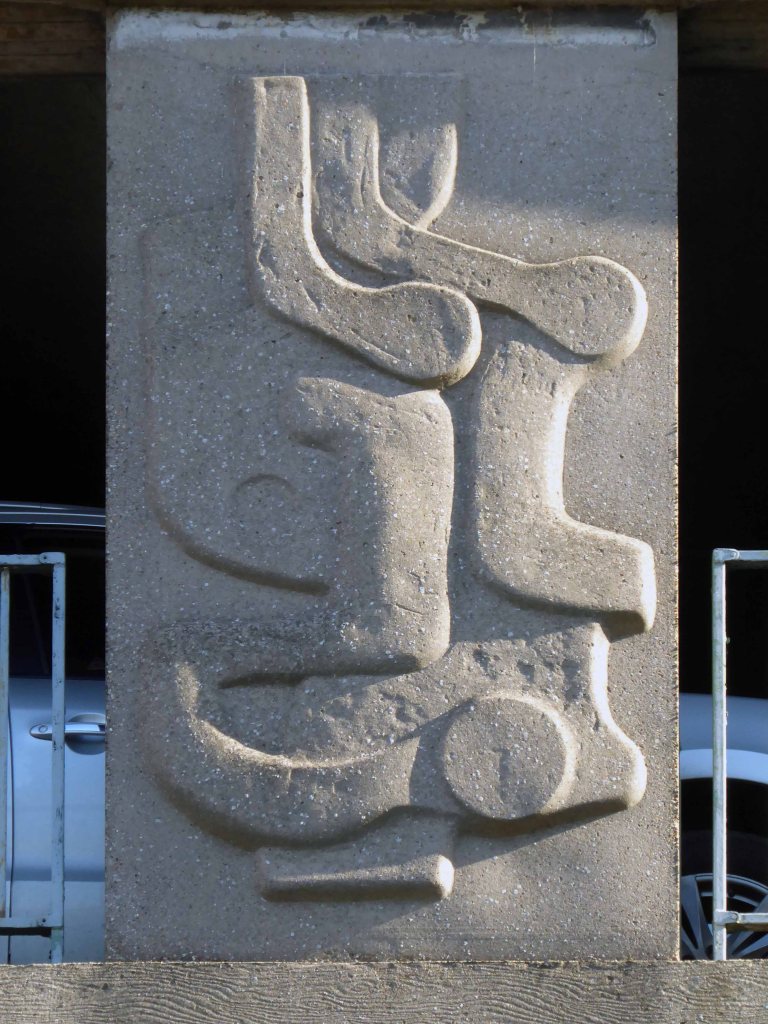
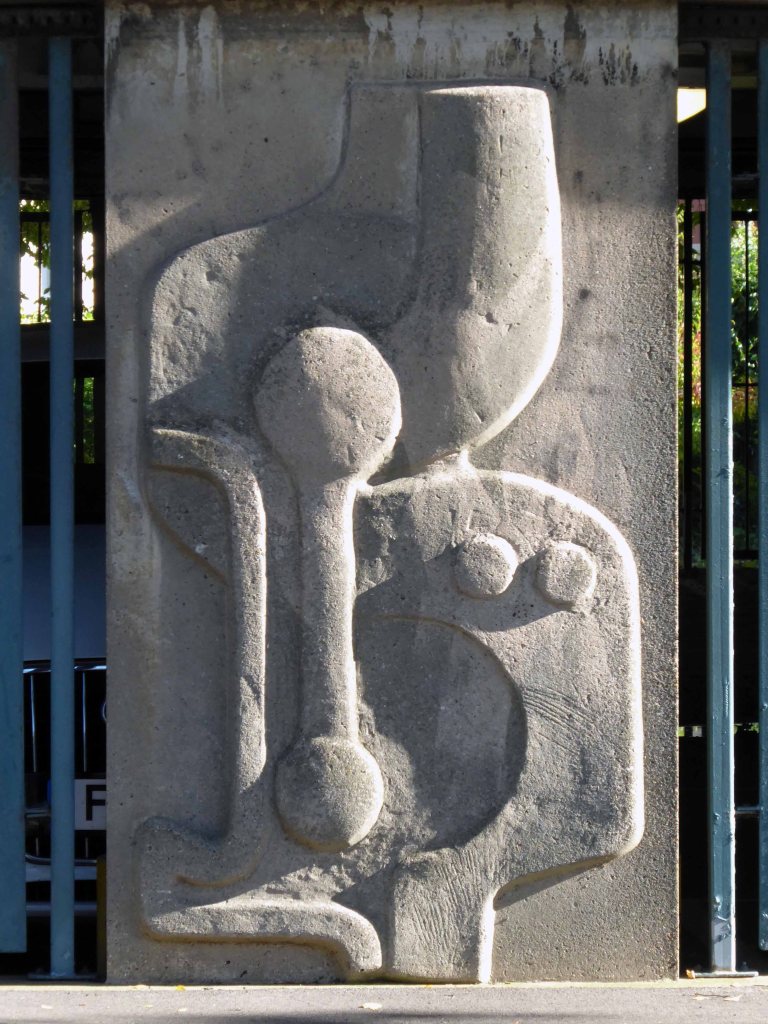
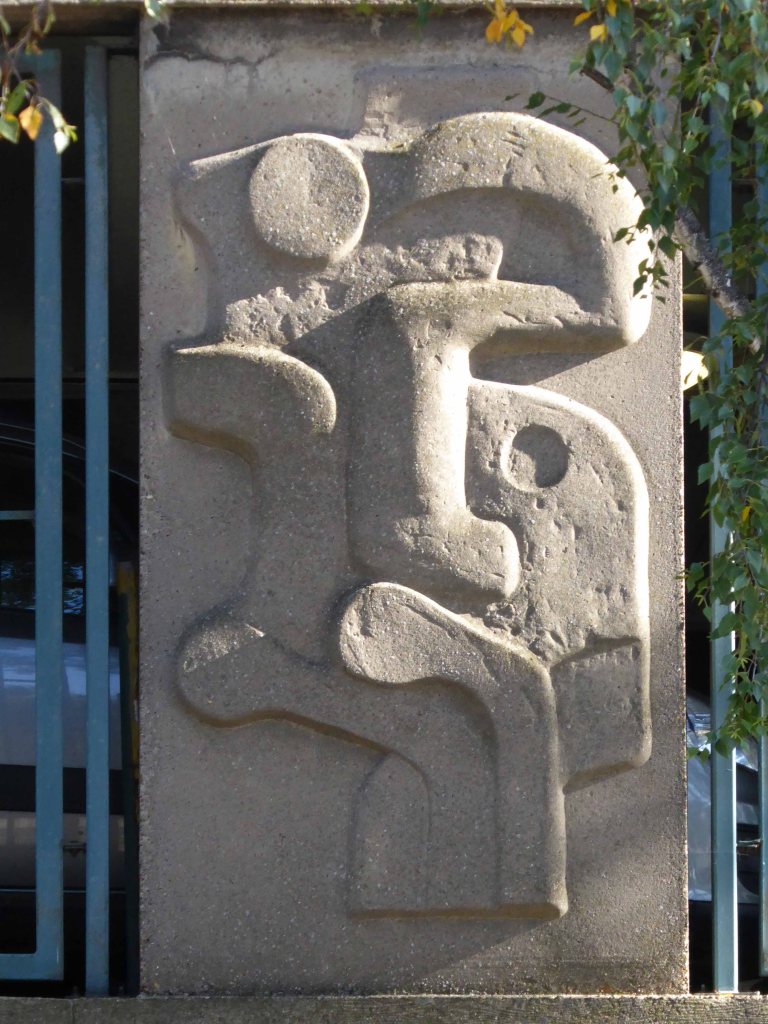
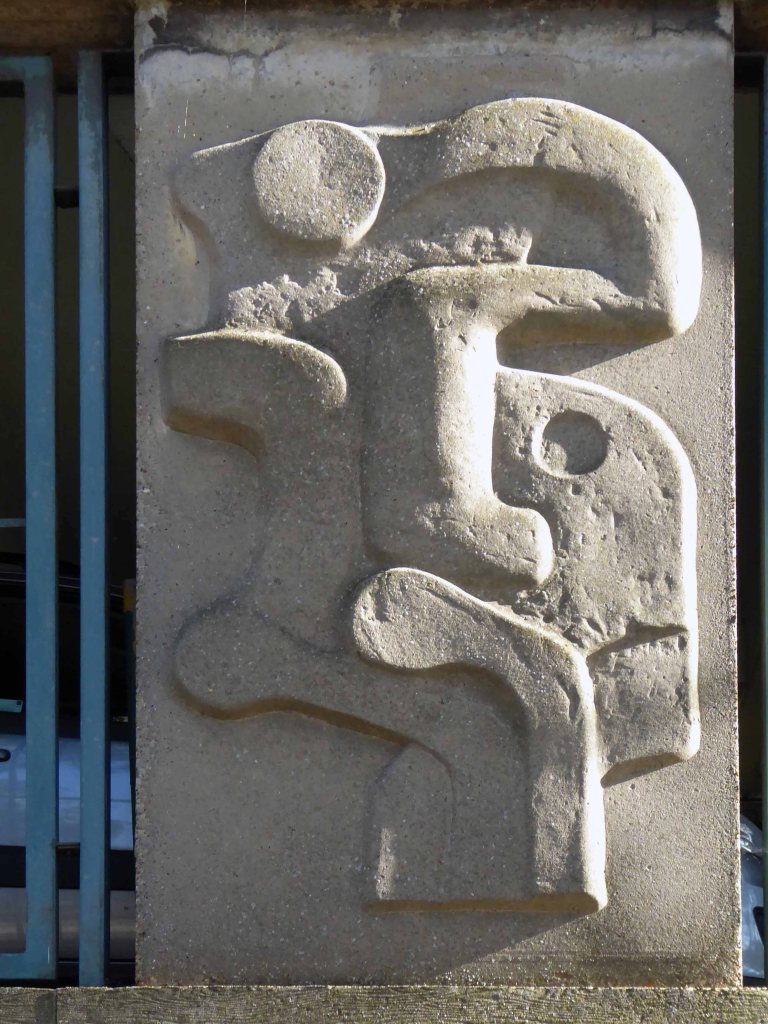
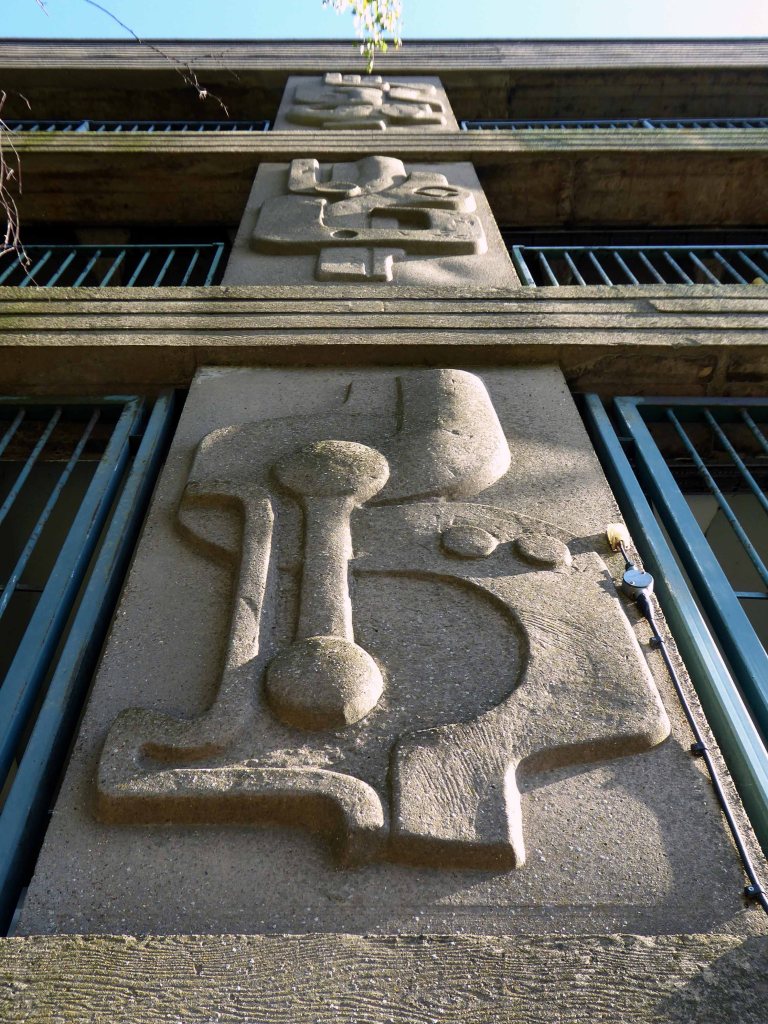
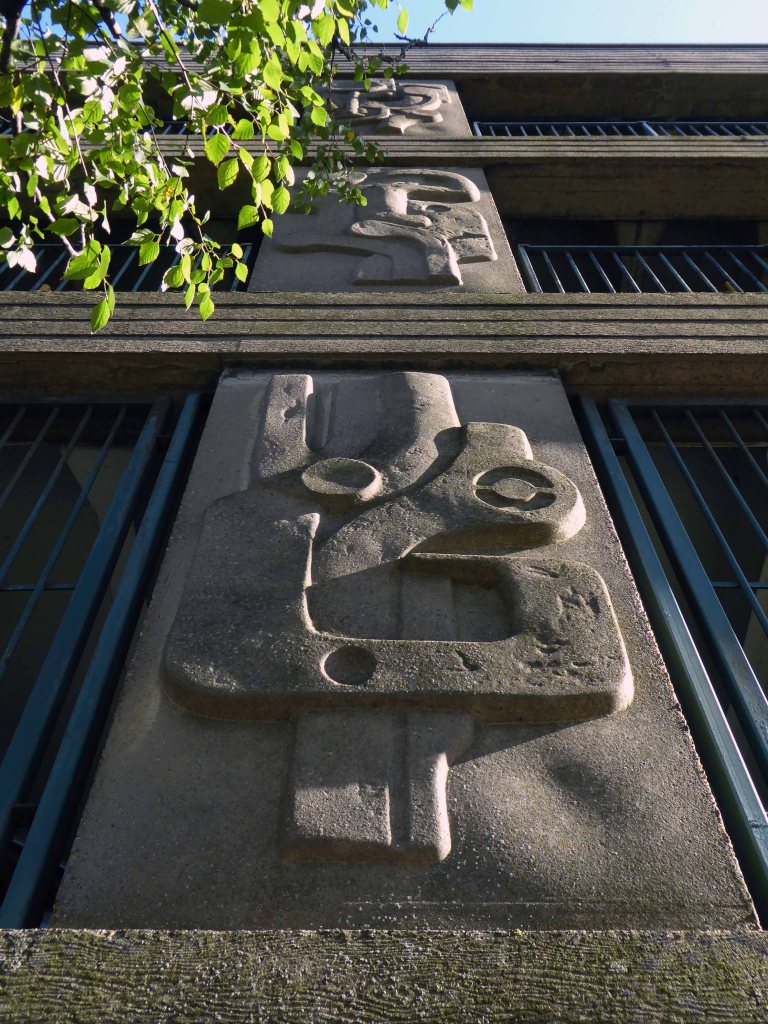
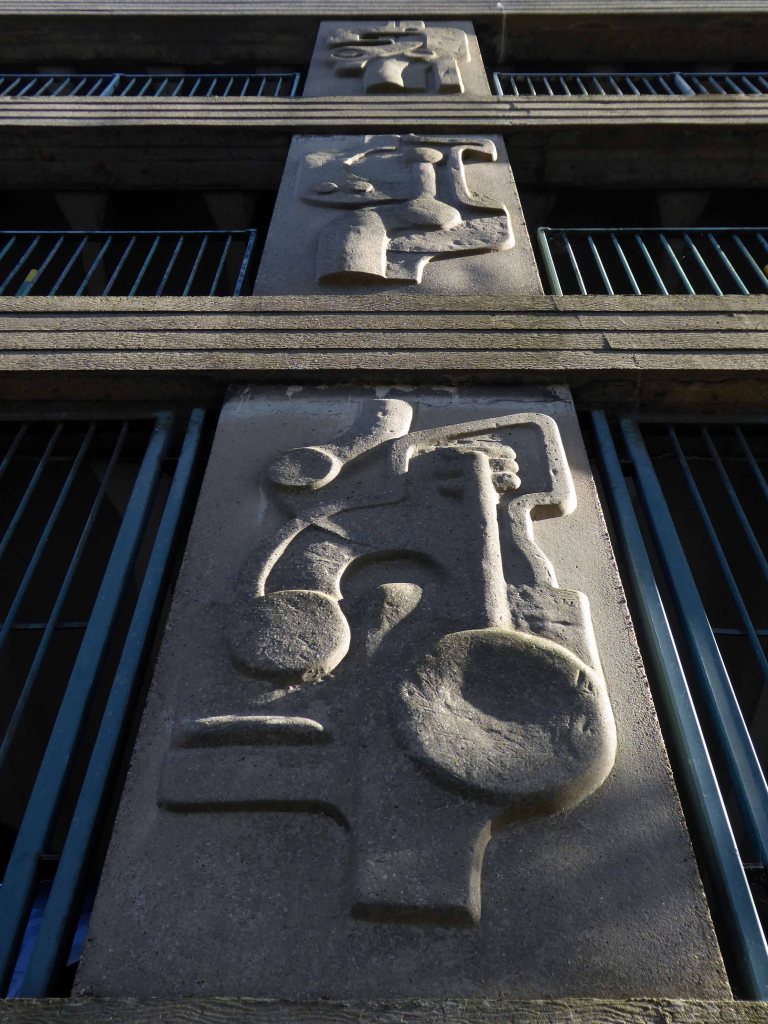
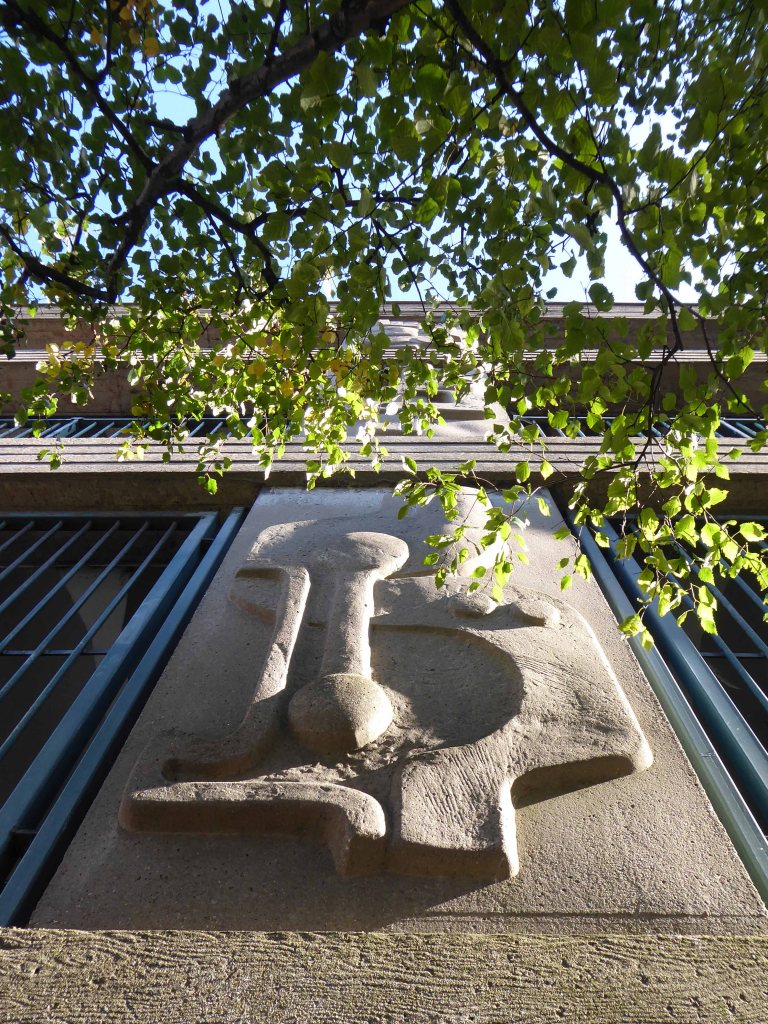
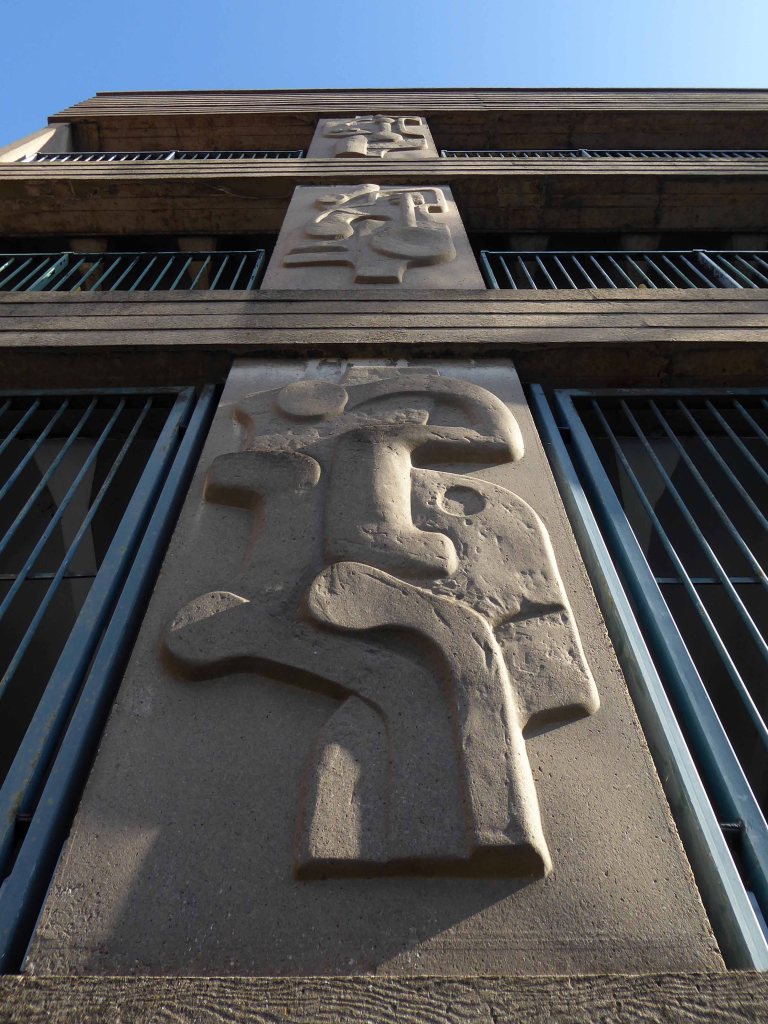
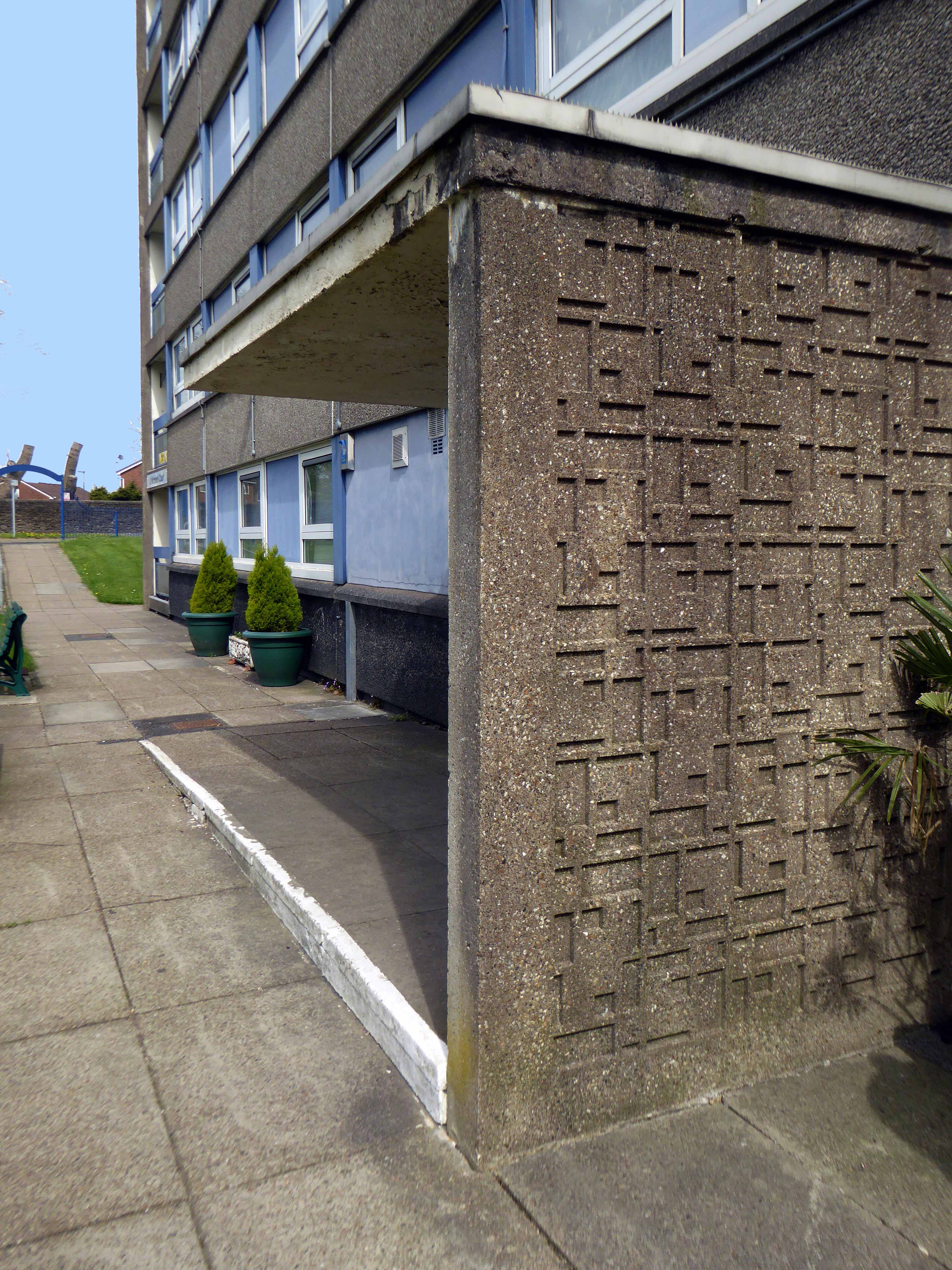
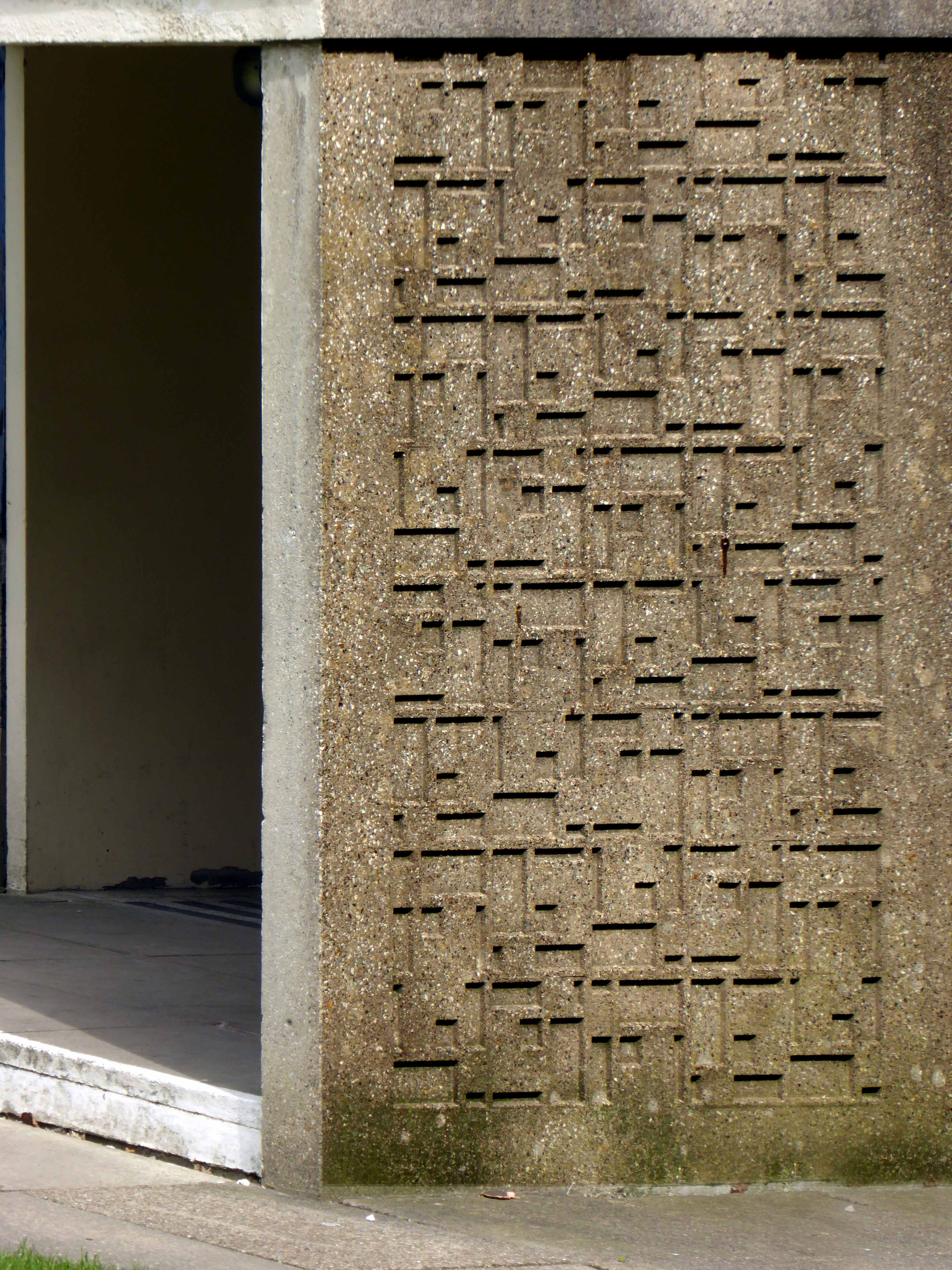
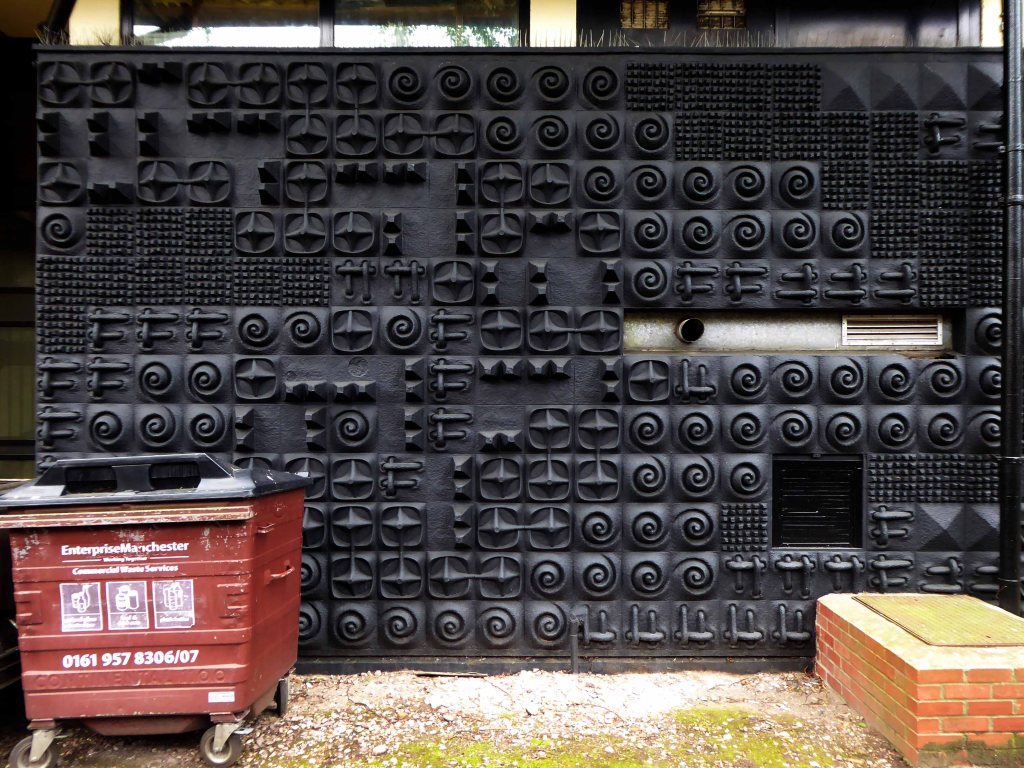
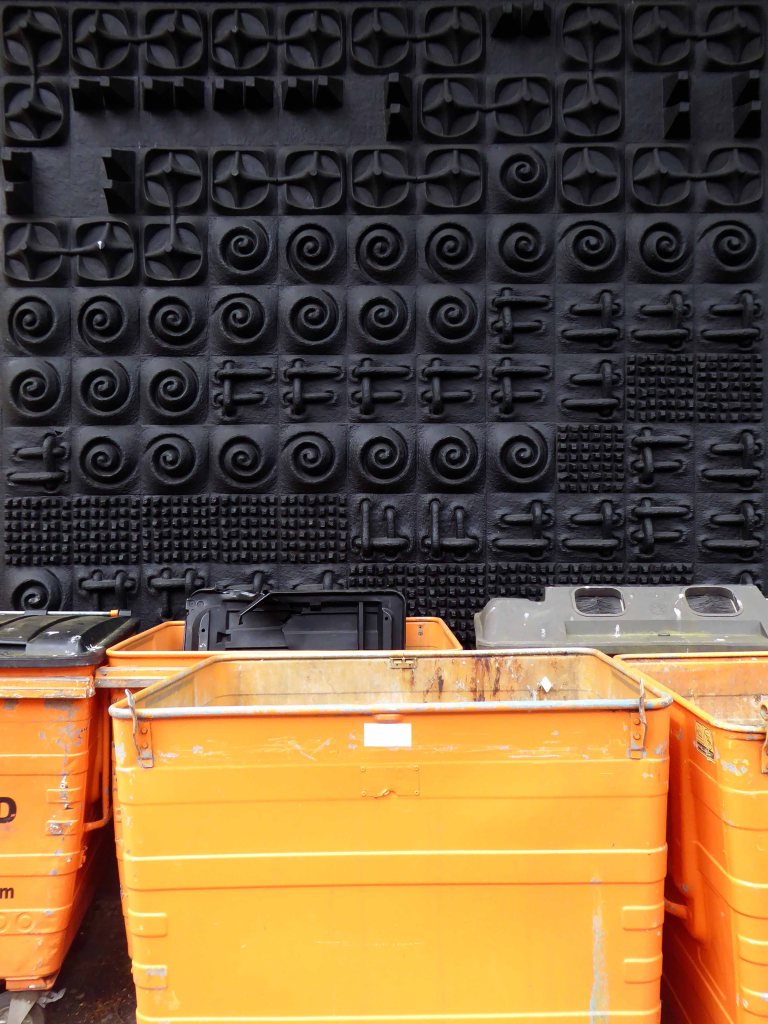
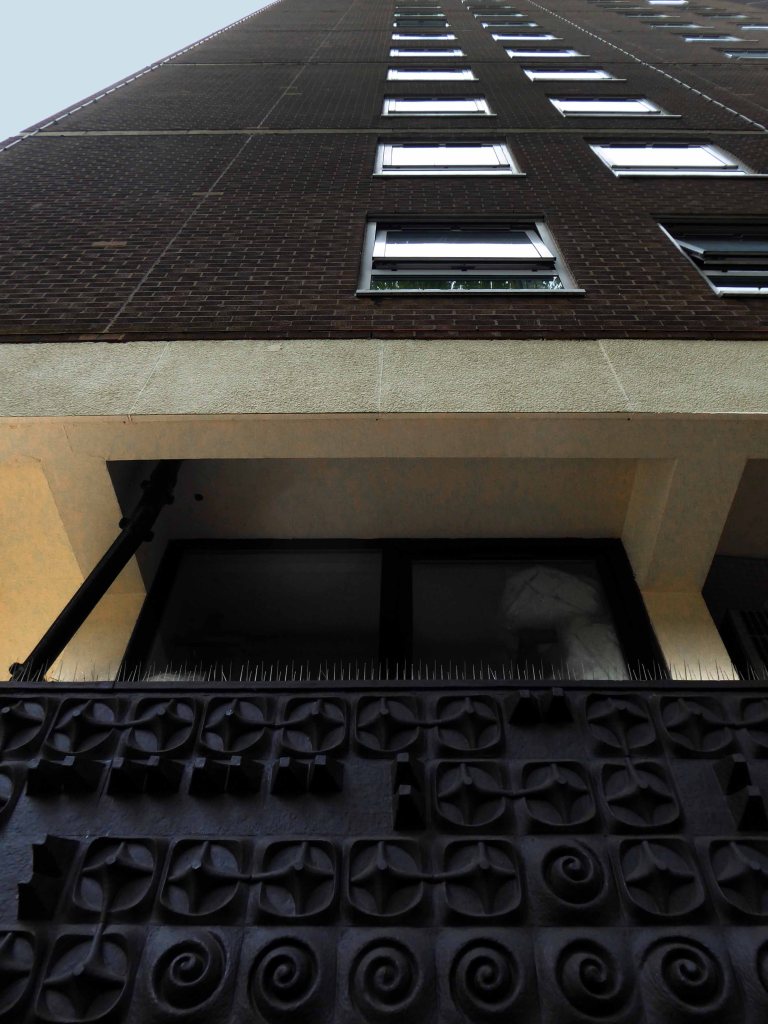
I found you by chance between the railway and the high street, so I took a good look around, fascinated by the concrete sculptural panels on your fascia columns, those facing Abbey Walk.
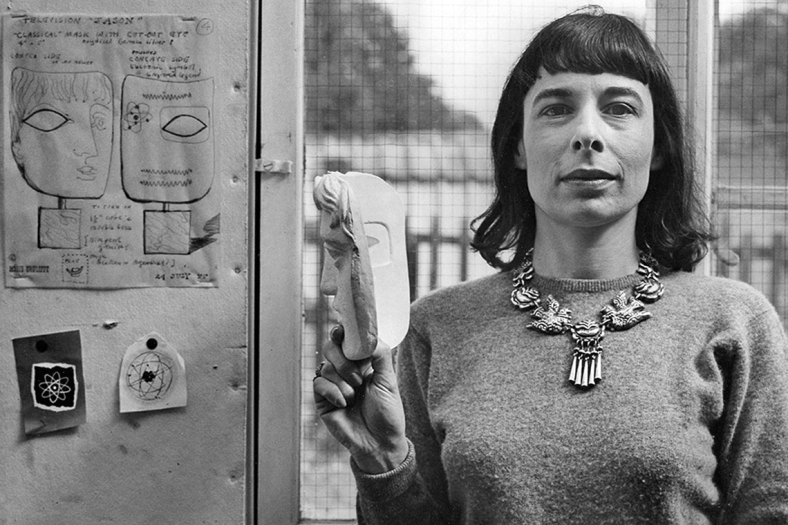
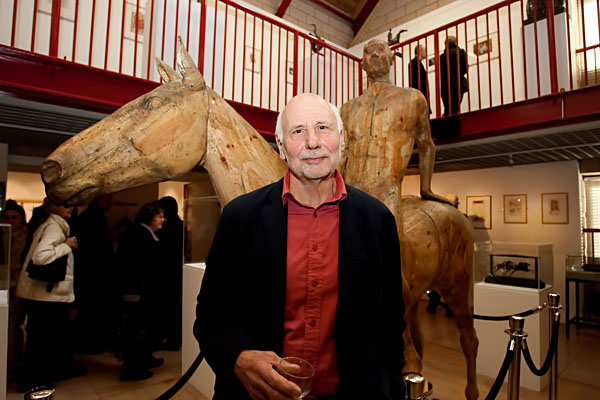
Research tells me that they the work of Harold Gosney – born in Sheffield, he studied at Grimsby School of Art and London’s Slade School of Fine Art.
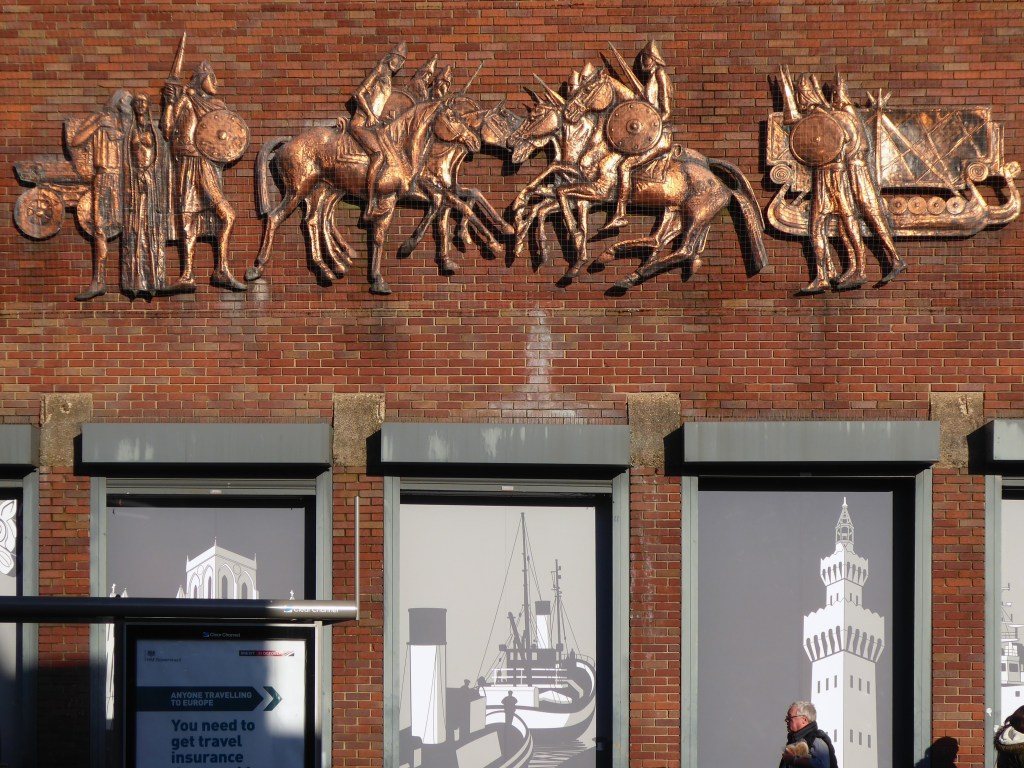
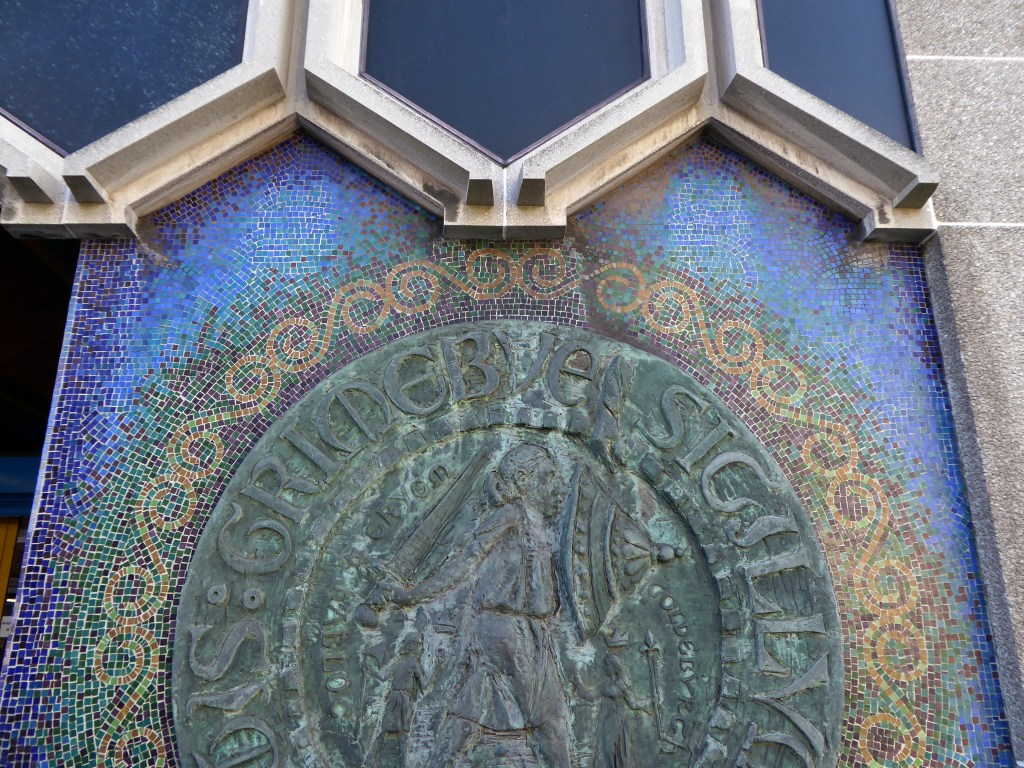
The majority of Gosney’s early commissions were collaborations with architects and he has made a significant contribution to public art in Grimsby. He is the artist responsible for the reliefs on the Abbey Walk car park, the large Grimsby seal by the entrance to the Grimsby Central Library and the Grim and Havelok themed copper relief on the side of Wilko store in Old Market Place.
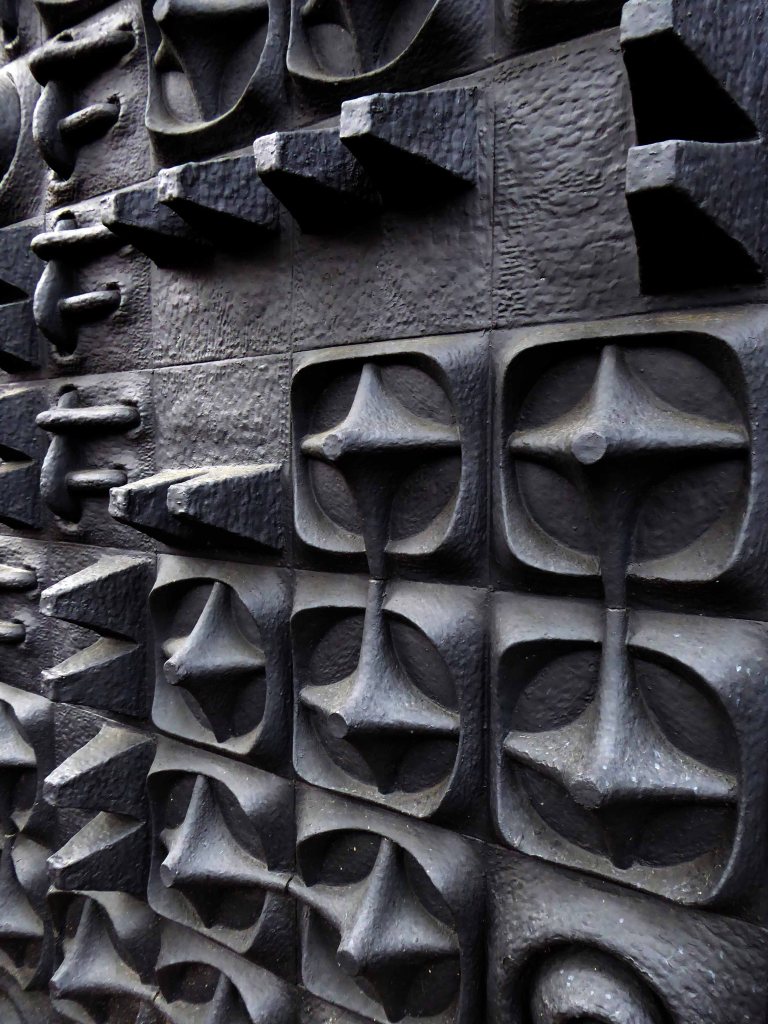
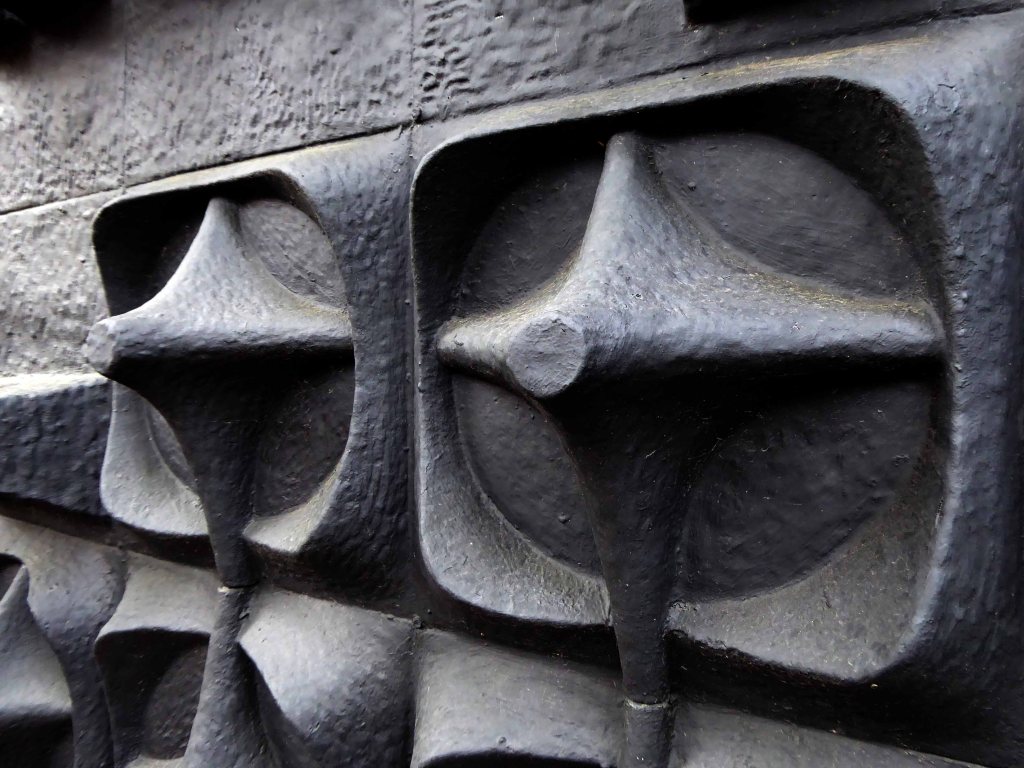
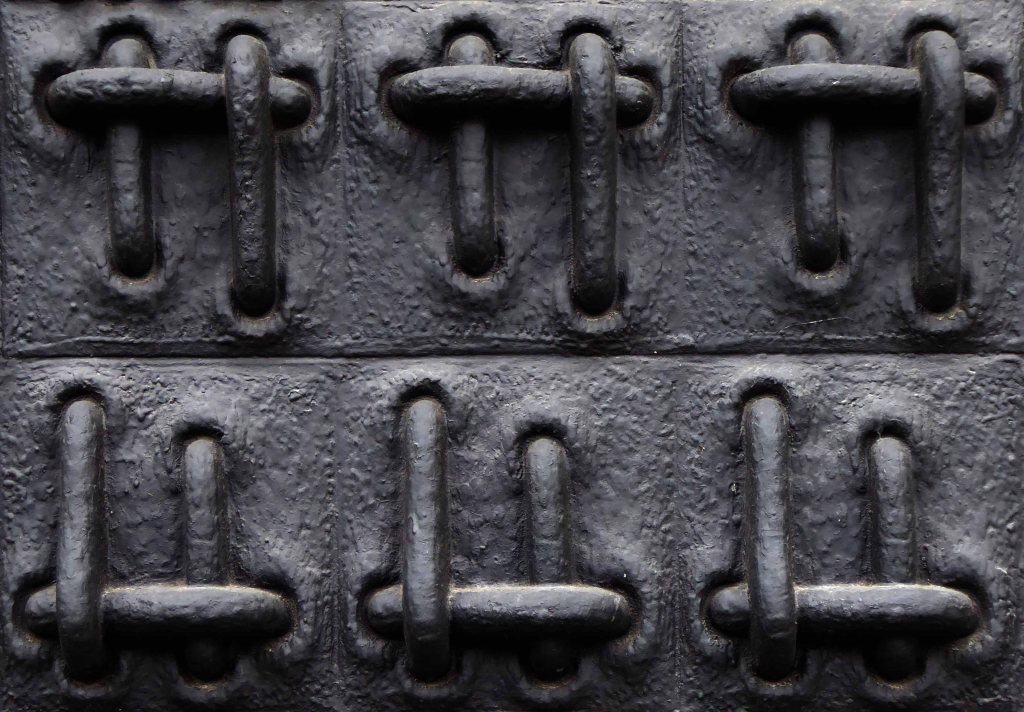
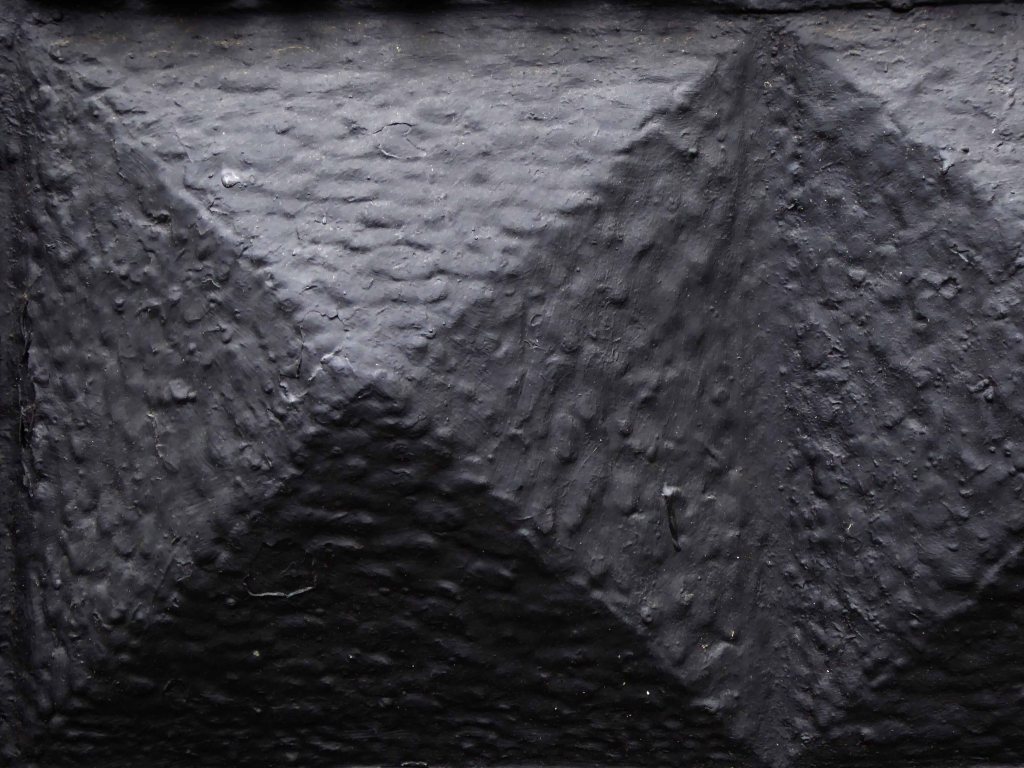
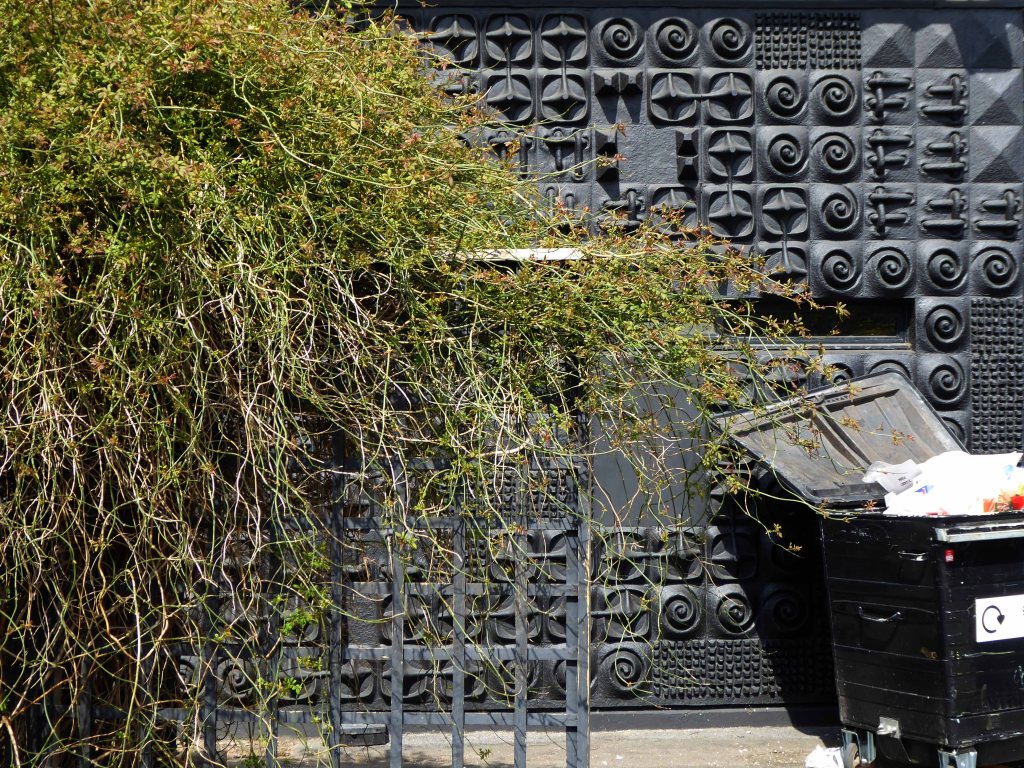
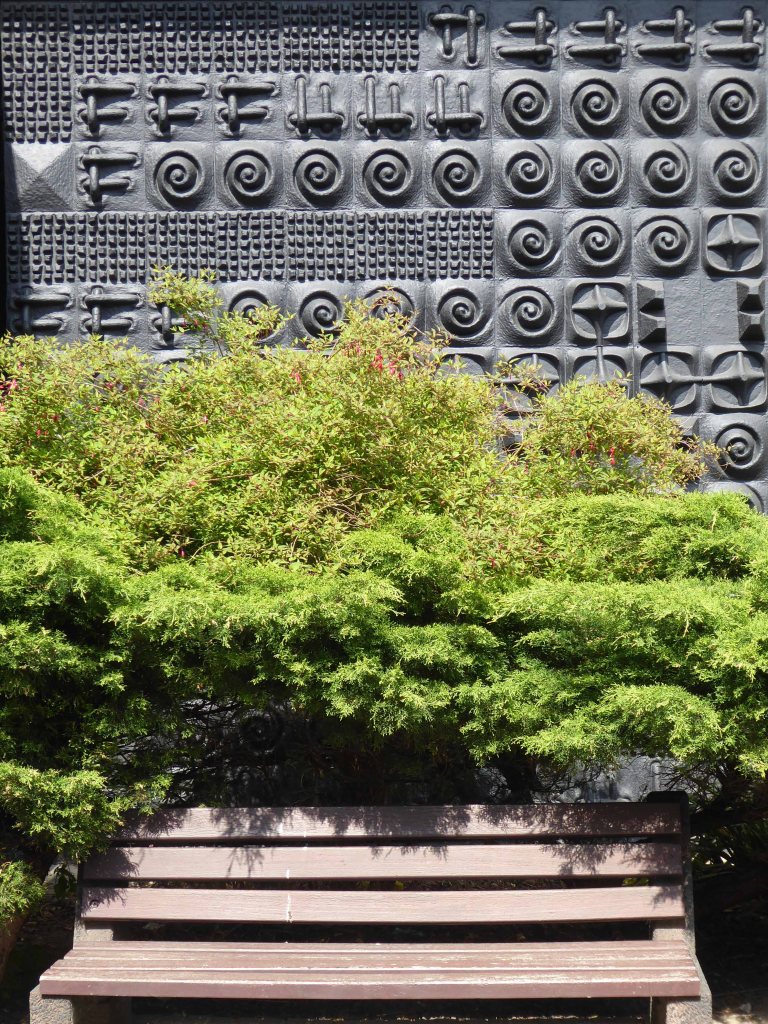
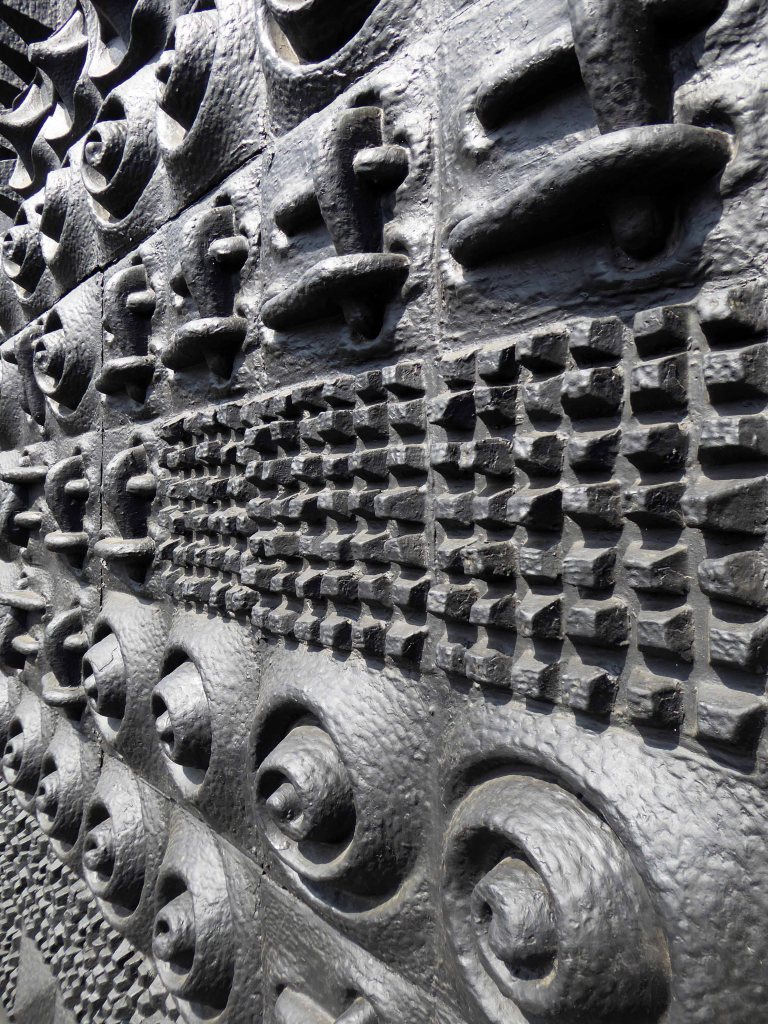
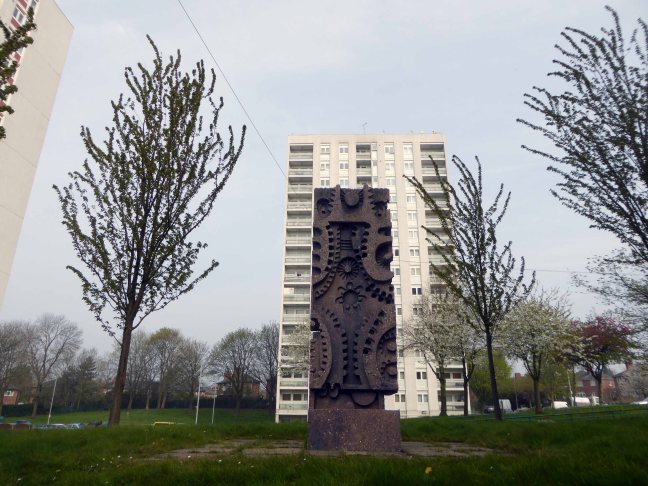
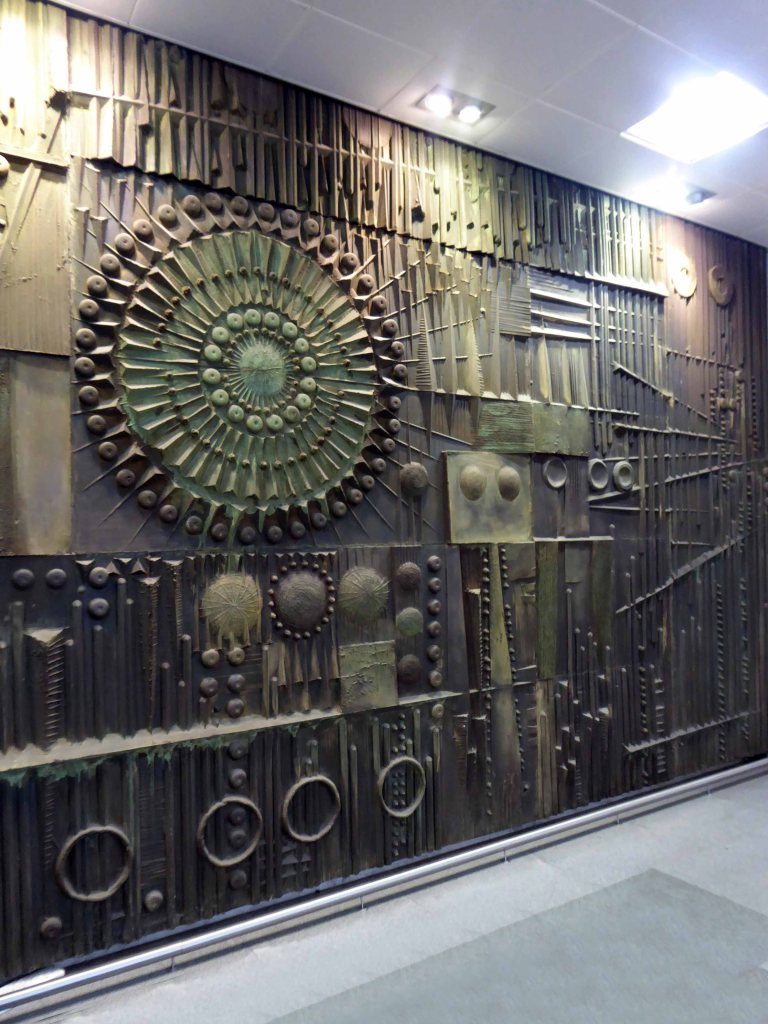
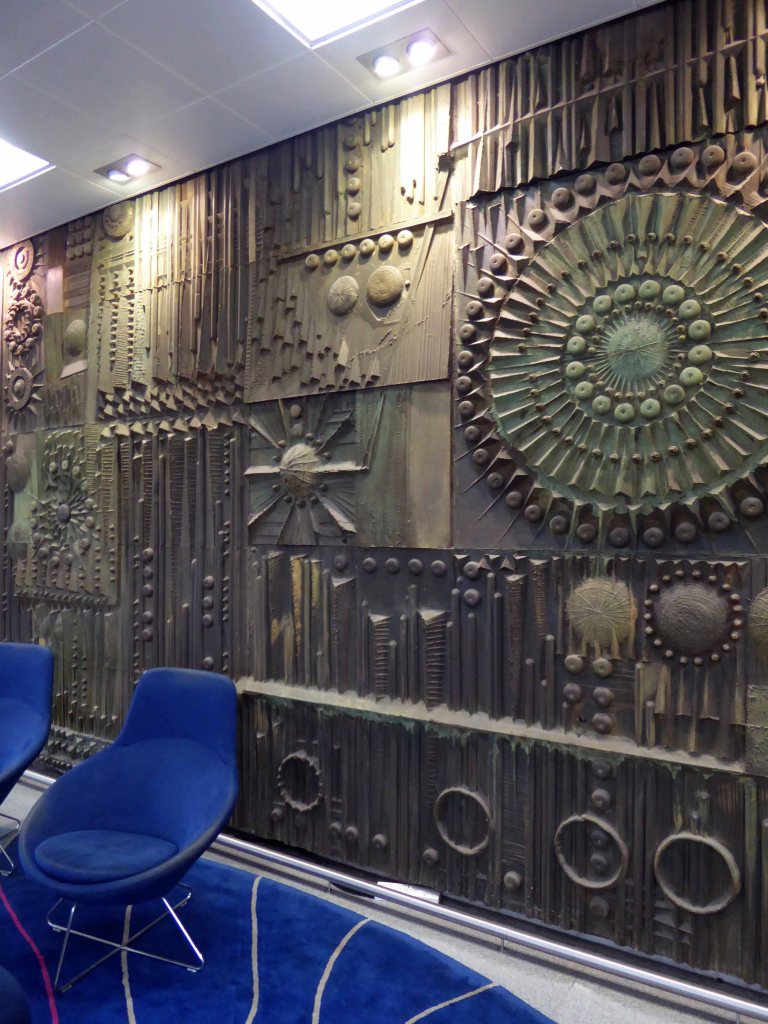
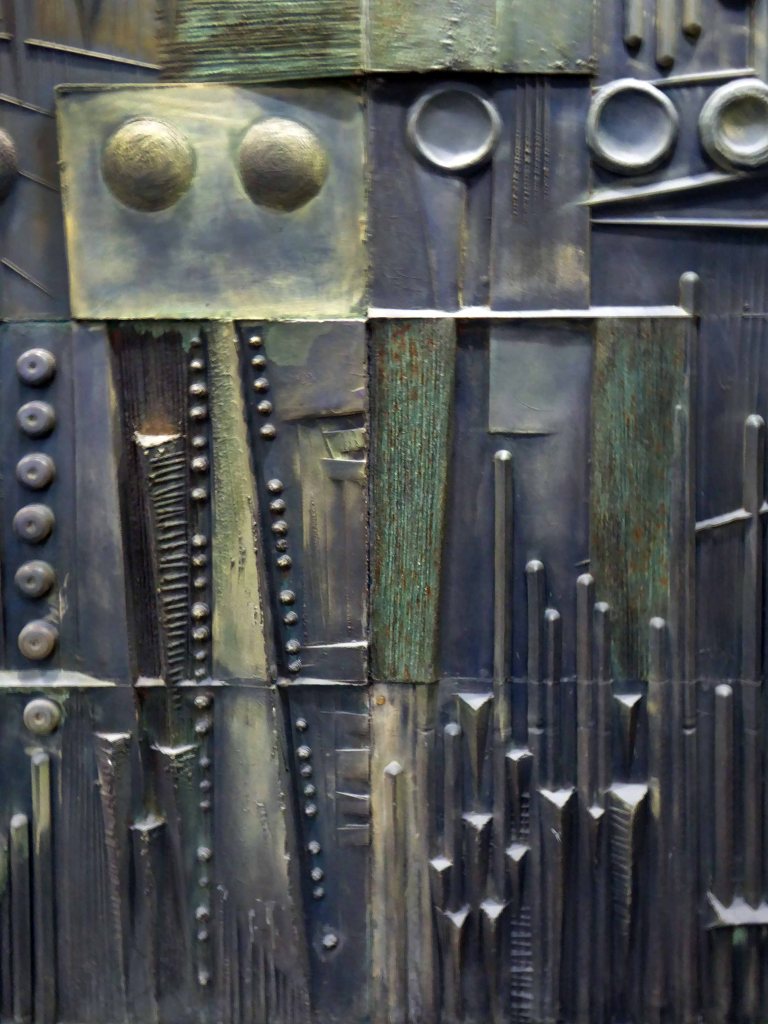
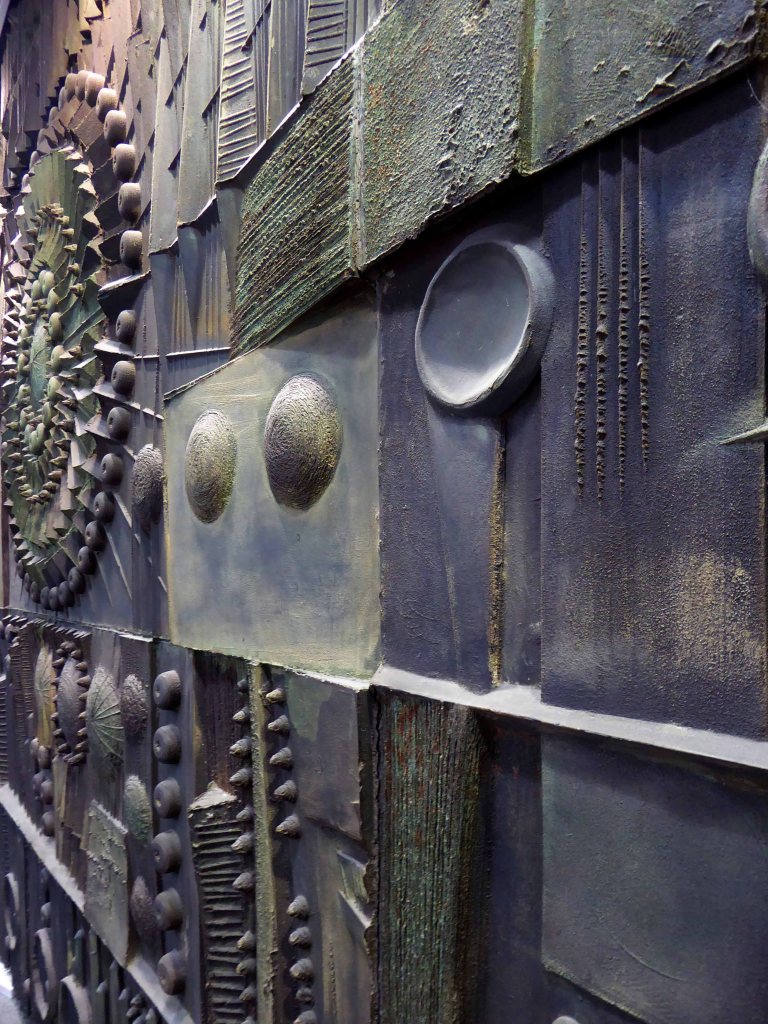
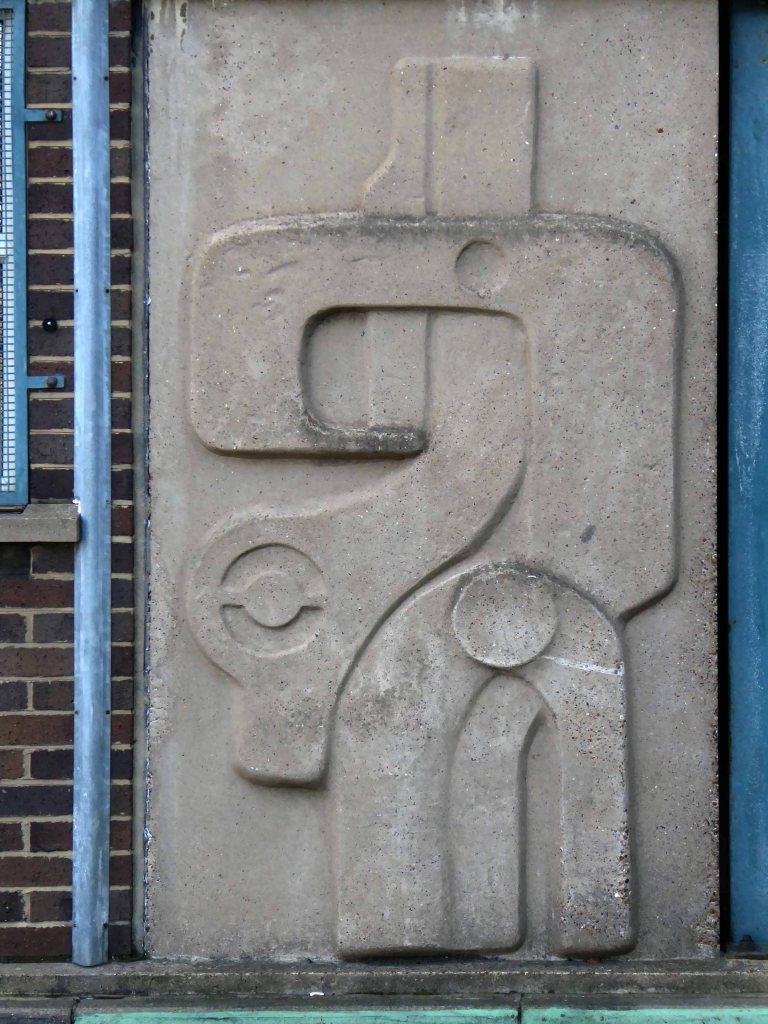
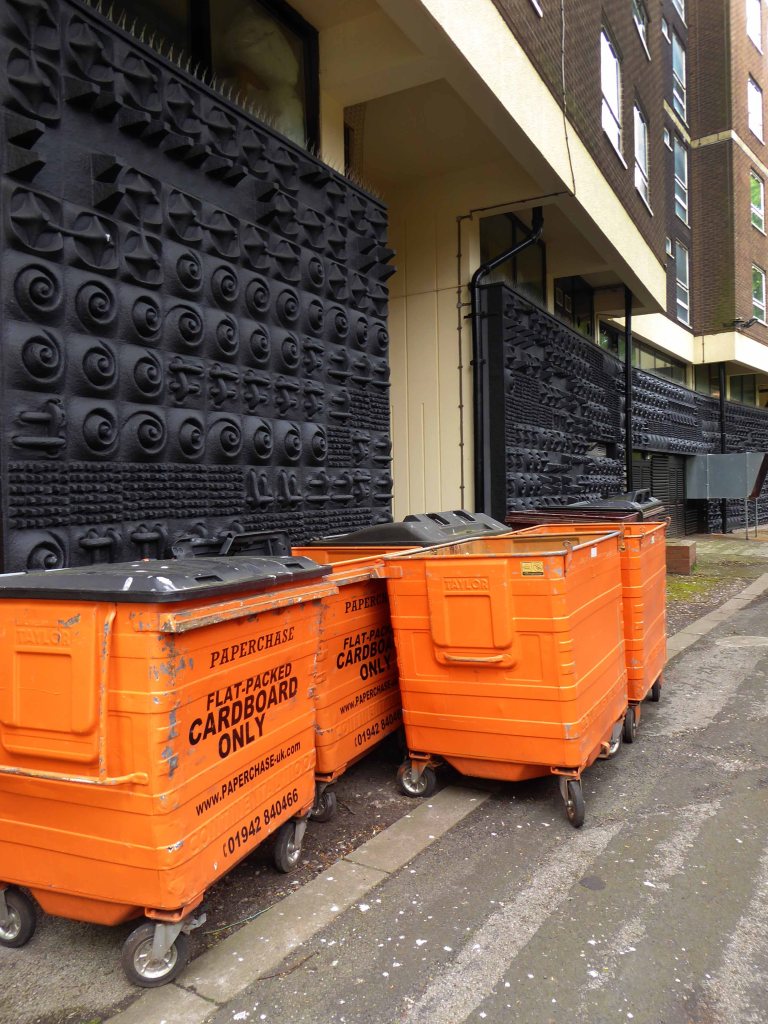
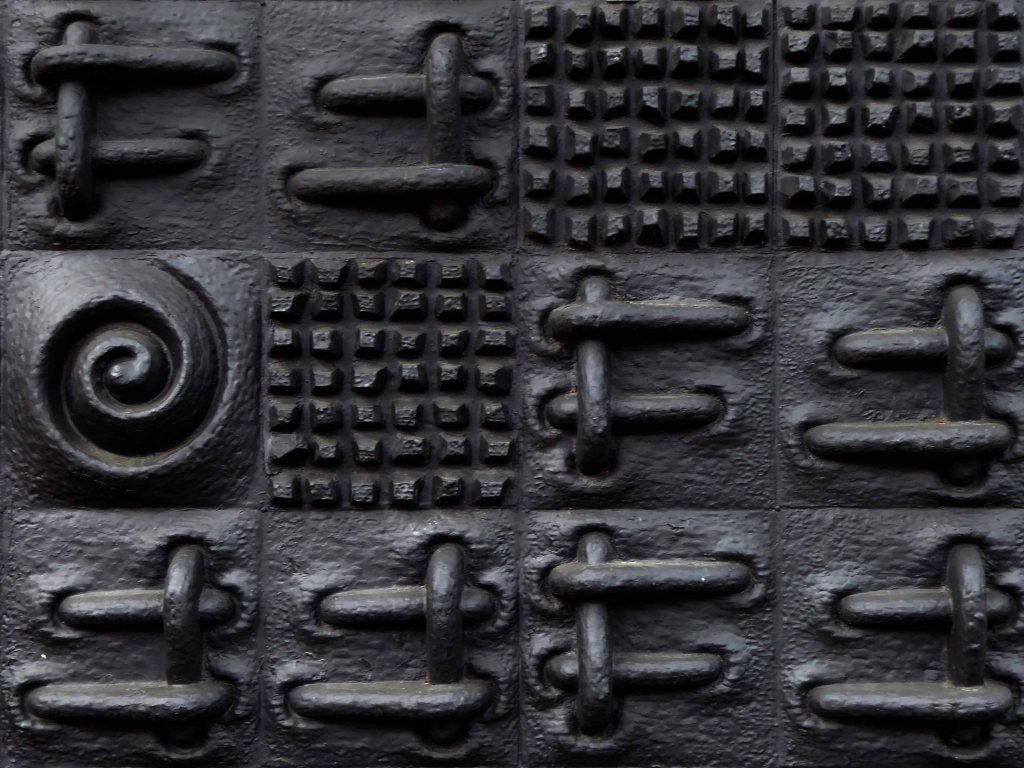
Abbey Walk was designed by architects Nicholson & Rushton and built in 1969 by Holst & Company of Scunthorpe at a cost of approximately £200,000. The concrete panels were structural pillars, cast in situ and featuring a repeated series of four abstract designs – some flipped 180 degrees.
In an interview with the BBC, Gosney explained the inspiration for these: “The four designs I produced were inspired by drawings in the handbook of the car that I had at the time, which was an Austin Cambridge estate car, and included suspension, carburettor, etc.”
The car park has been the subject of some speculative repairs and refurbishment:
In total, the scheme will cost the council £1.54 million.
The authority will borrow £1.34 million to fund the project with a further £200,000 coming from a local transport grant. But the council said that the improvements made could help increase revenue from the car park of around £34,000 a year.
Councillor Matthew Patrick, portfolio holder for transport at the council, said that the work is essential to “brighten up” the building and attract people into Grimsby.
“It’s one of the largest car parks in the town,” he said.
“It will attract more people into the town centre and help to improve the offering of the car park.”
So here we are faced with a rare, precious and beautiful example of municipal modernism, a bold and brave attempt to decorate what is often the most functional of functional structures.
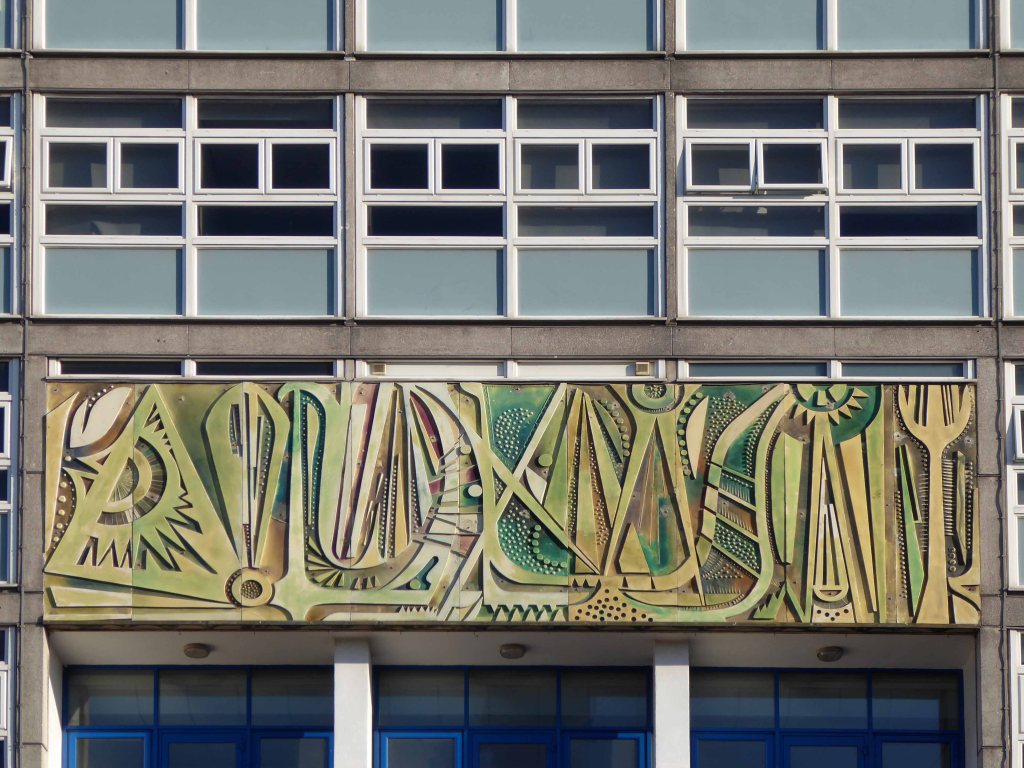
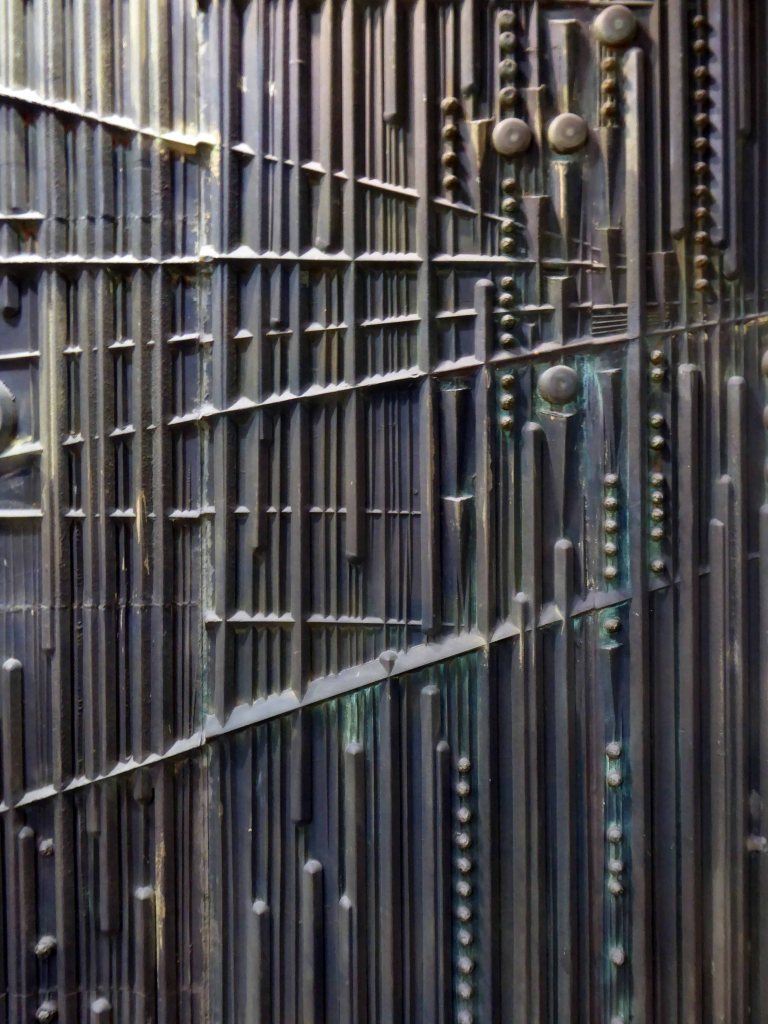
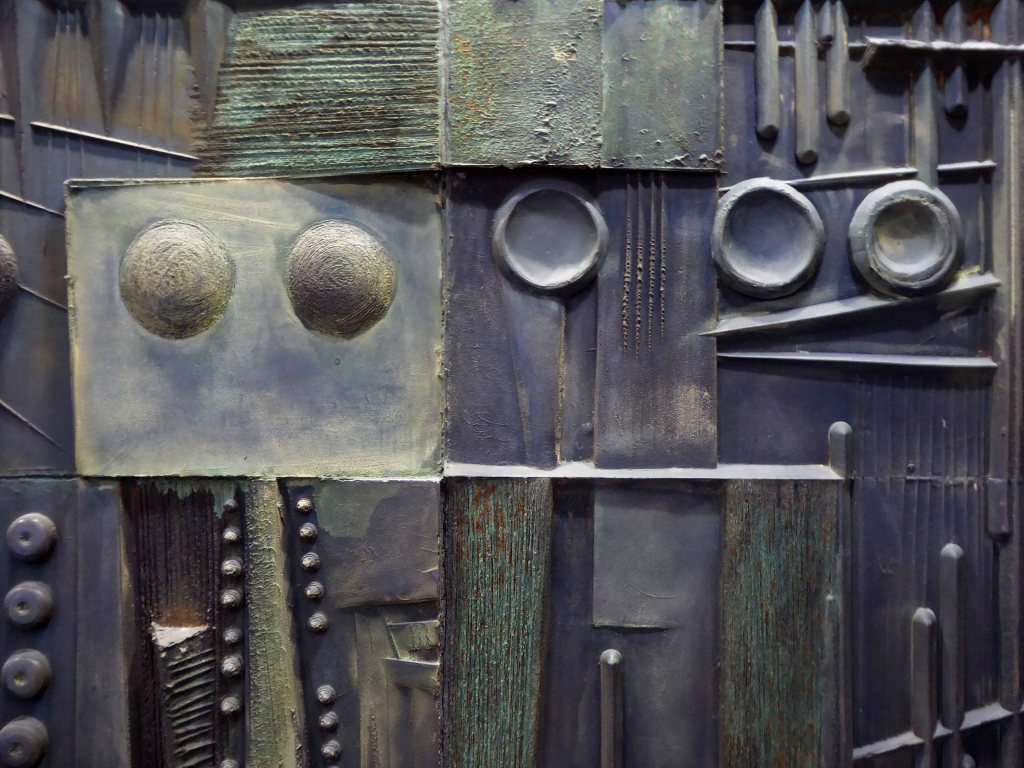
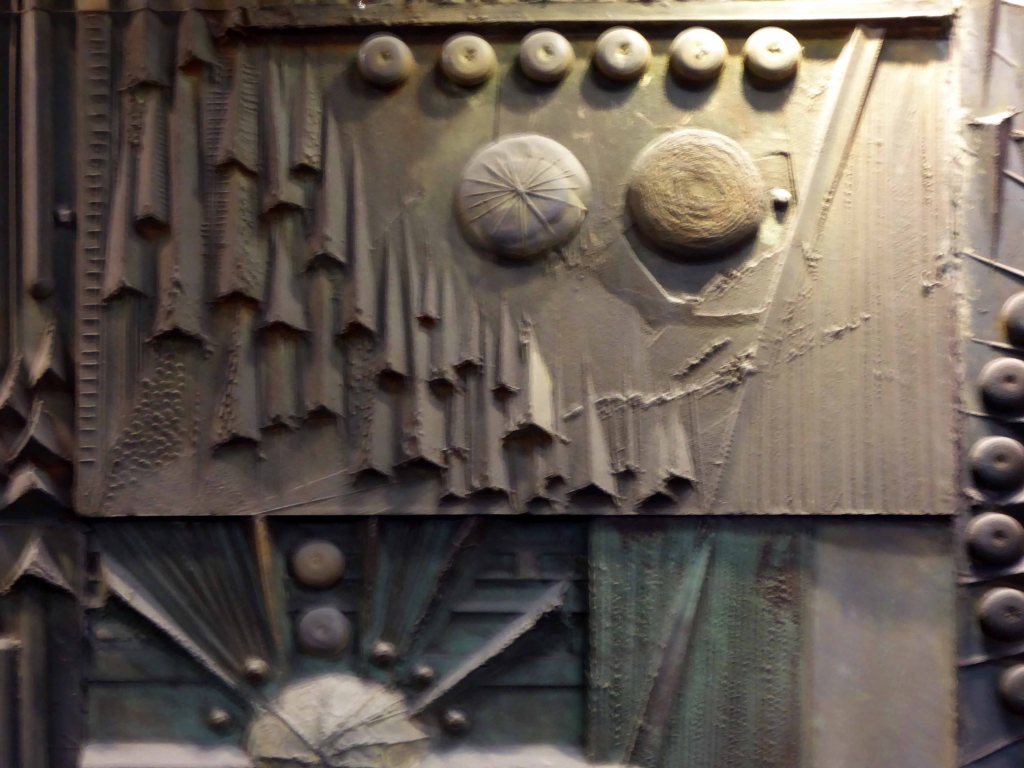
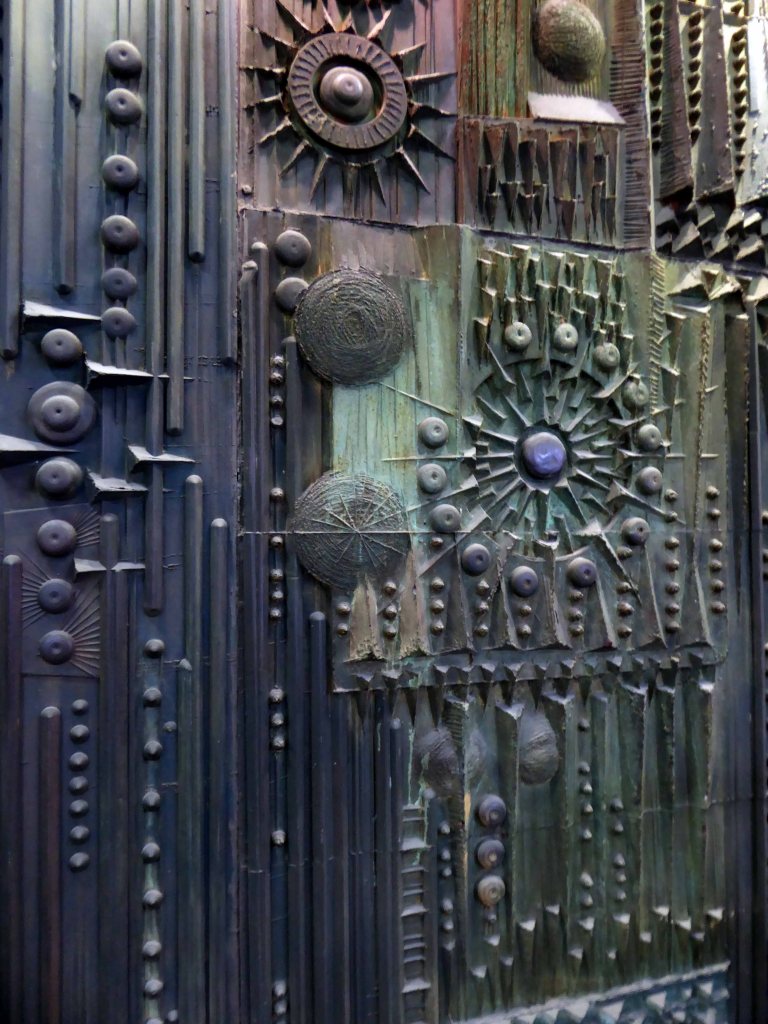
Owing something to the work of both Henry Moore and Pablo Picasso the imagery is derived from automotive parts, along with it seems to me, vague intimations of figuration.
Antony Holloway – artist born March 8th 1928 he died on August 9th 2000.
Dorset was where he was born and grew up and the Dorset landscape was always there deep within him. He was educated at Poole grammar school between 1939 and 1945. After national service in the Royal Air Force in Dorset and Germany from 1948 to 1953 he studied at Bournemouth College of Art. Then came the RCA.
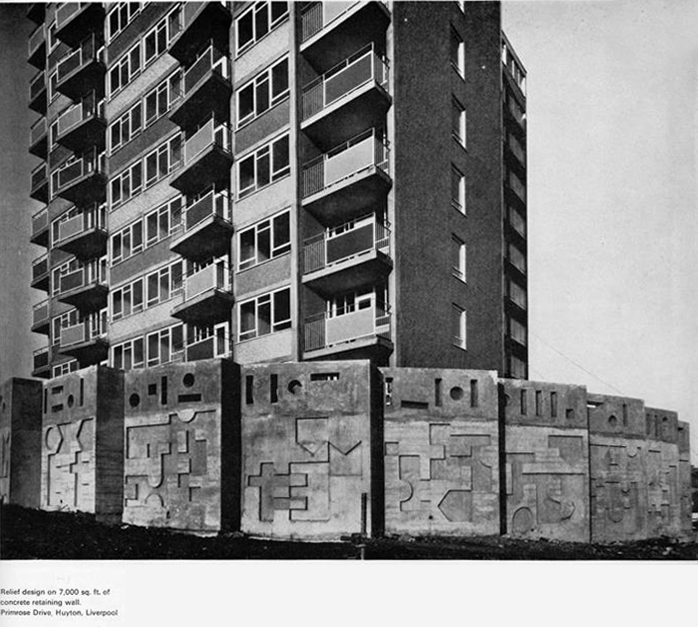
Tony began work as a stained glass and mural designer and jumped, with astonishing confidence, into working as a consultant designer with the architects’ division of the London County Council. He learned how to deal with architects and builders, and became adept at getting as much out of the money available – never enough – for his projects.
In 1963 he was introduced to the Manchester architect, Harry Fairhurst. Eight years later, after they had worked together on commissions in Cheshire and Liverpool, Fairhurst sought Tony’s advice about a plan for five large stained-glass windows in Manchester Cathedral.
Tony asked to design and make the first window, the St George in the inner south-west aisle. It was completed in 1973. Further windows followed in 1976 and 1980 and the final window, Revelation was installed in 1995.
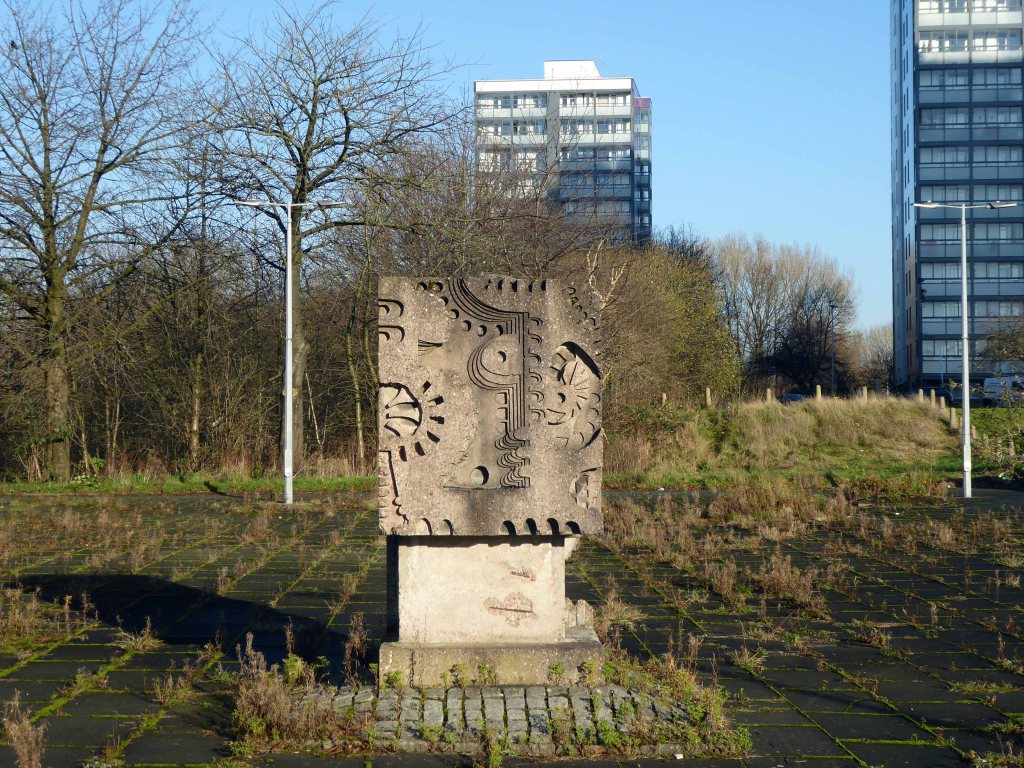
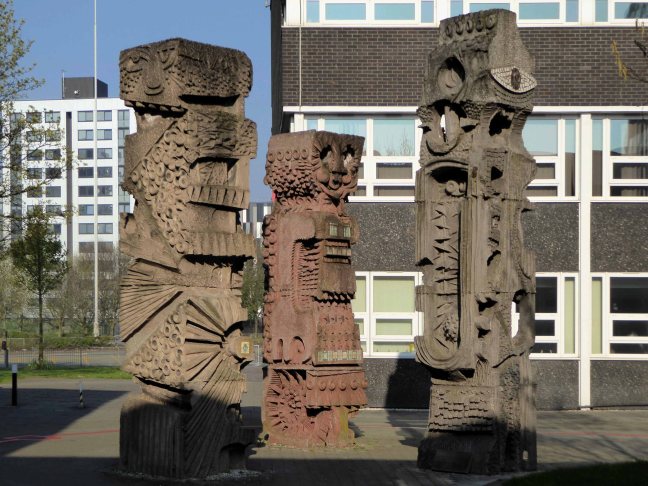
Partially covered with greenery and now securely contained within spiked railings, I circumnavigated the site catching and snapping the structure where I could – here are those very snaps.
So here we are outside, you and I in 2015 – it seems like yesterday.
Whereas yesterday I was inside not outside, but more of that in a moment.
It seems that you were listed in 2009 and deservedly so.
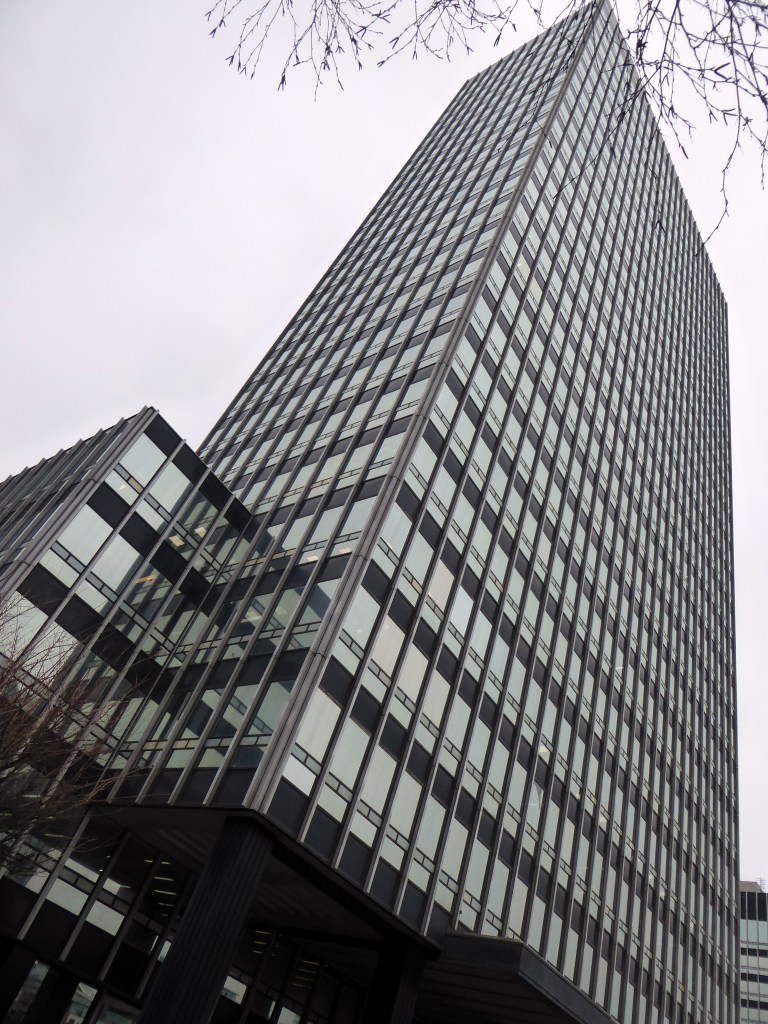
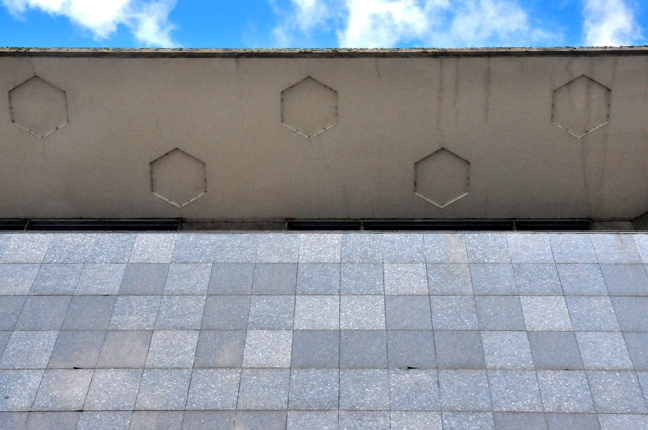
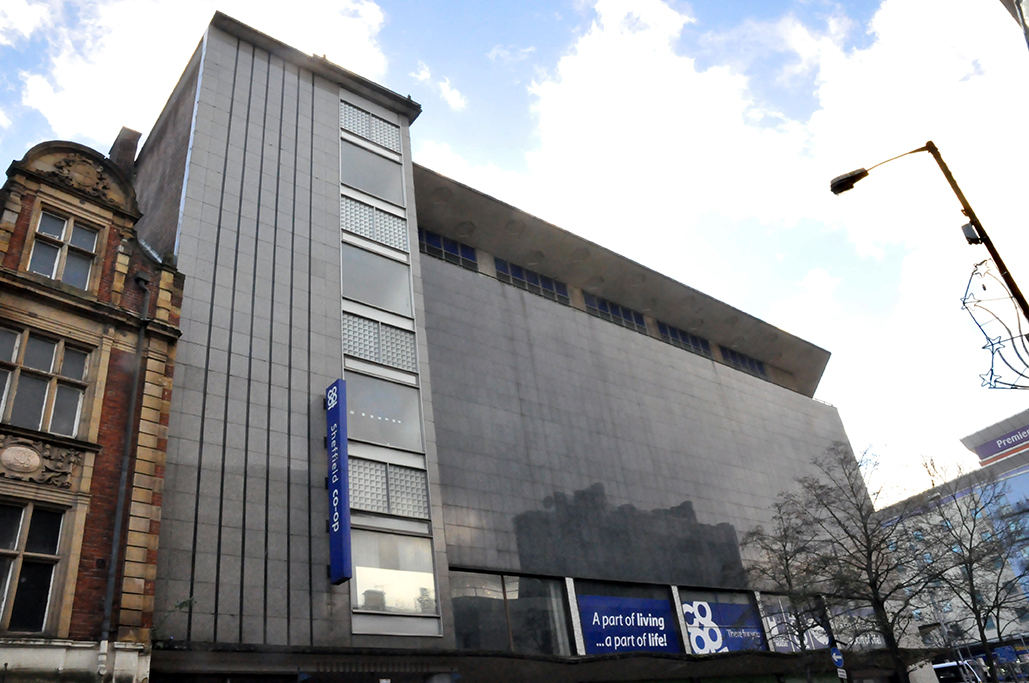
1964 by George S Hay, Chief Architect for CWS, with interior design by Stanley Layland, interior designer for CWS. Reinforced concrete with Blue Pearl granite tiles and veneers, grey granite tiles and veneers, buff granite blocks, glass, and brick.
There’s just so much to stand and stare and marvel at.
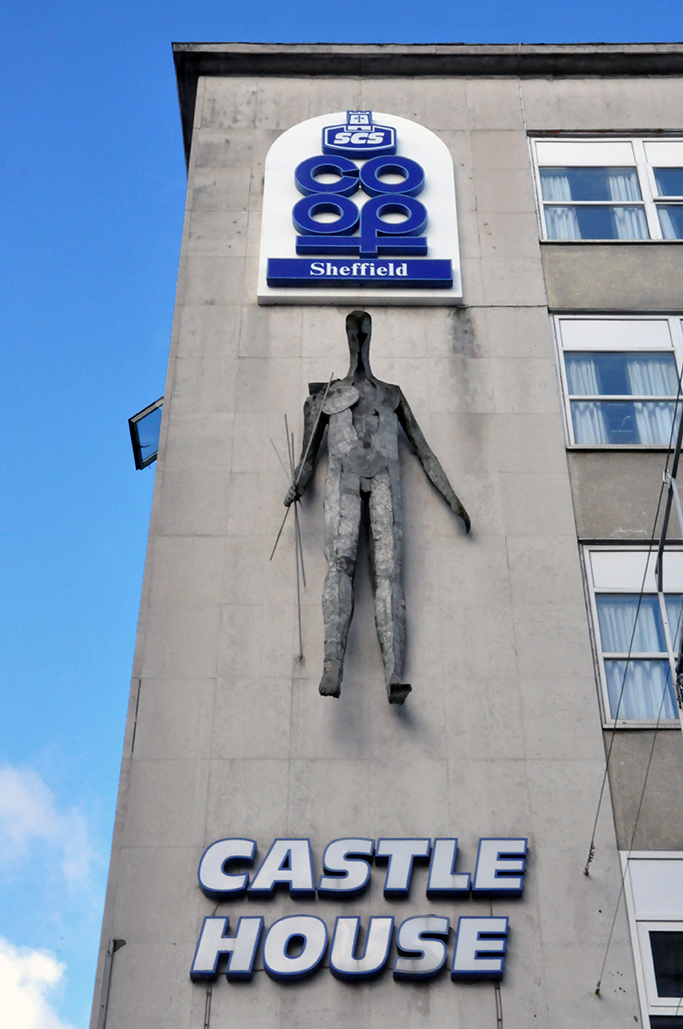
Vulcan by Boris Tietze commisioned by Horne Brothers 1961 for their head office building No. 1 King Street. Glass fibre on a metal armature the 8 foot high figure holding a bundle of metal rods.
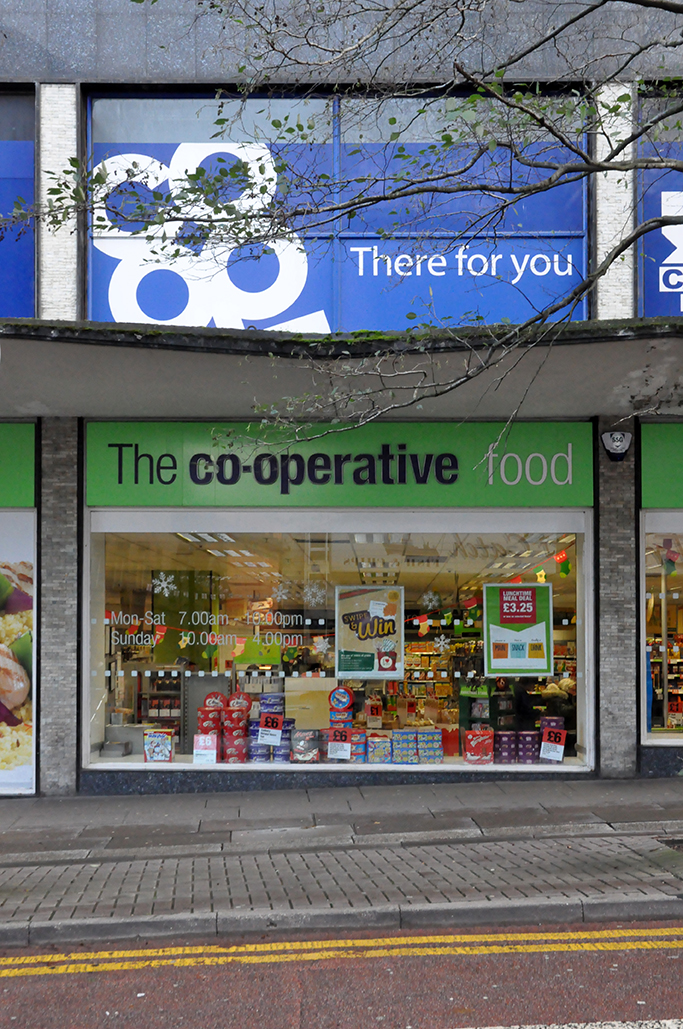
You were just about still open then, then you weren’t, then you were again – but a Co-op no more alas.
Work is underway on plans for a tech hub in Sheffield after a funding package was agreed.
Followed by a casual stroll towards 2019 where we are talking a peep inside courtesy of owners Kollider and book shop La Biblioteka.
I’d never ever seen the interior, save through the photographs of Sean Madner who captured the key features in 2014, prior to refurbishment.
So the Modernists and I pitched up this Sunday afternoon, the conclusion of our Sheffield Walk.
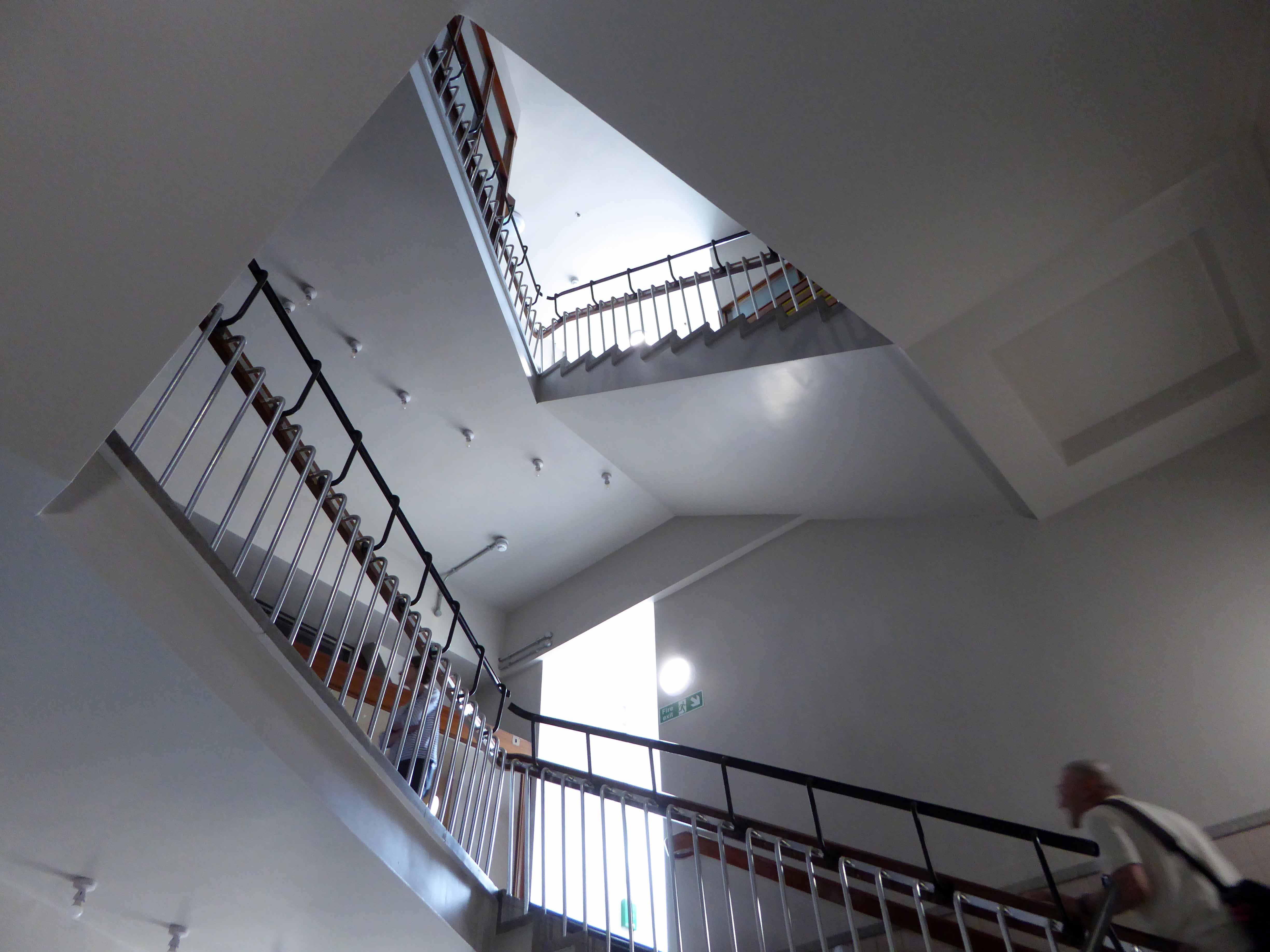
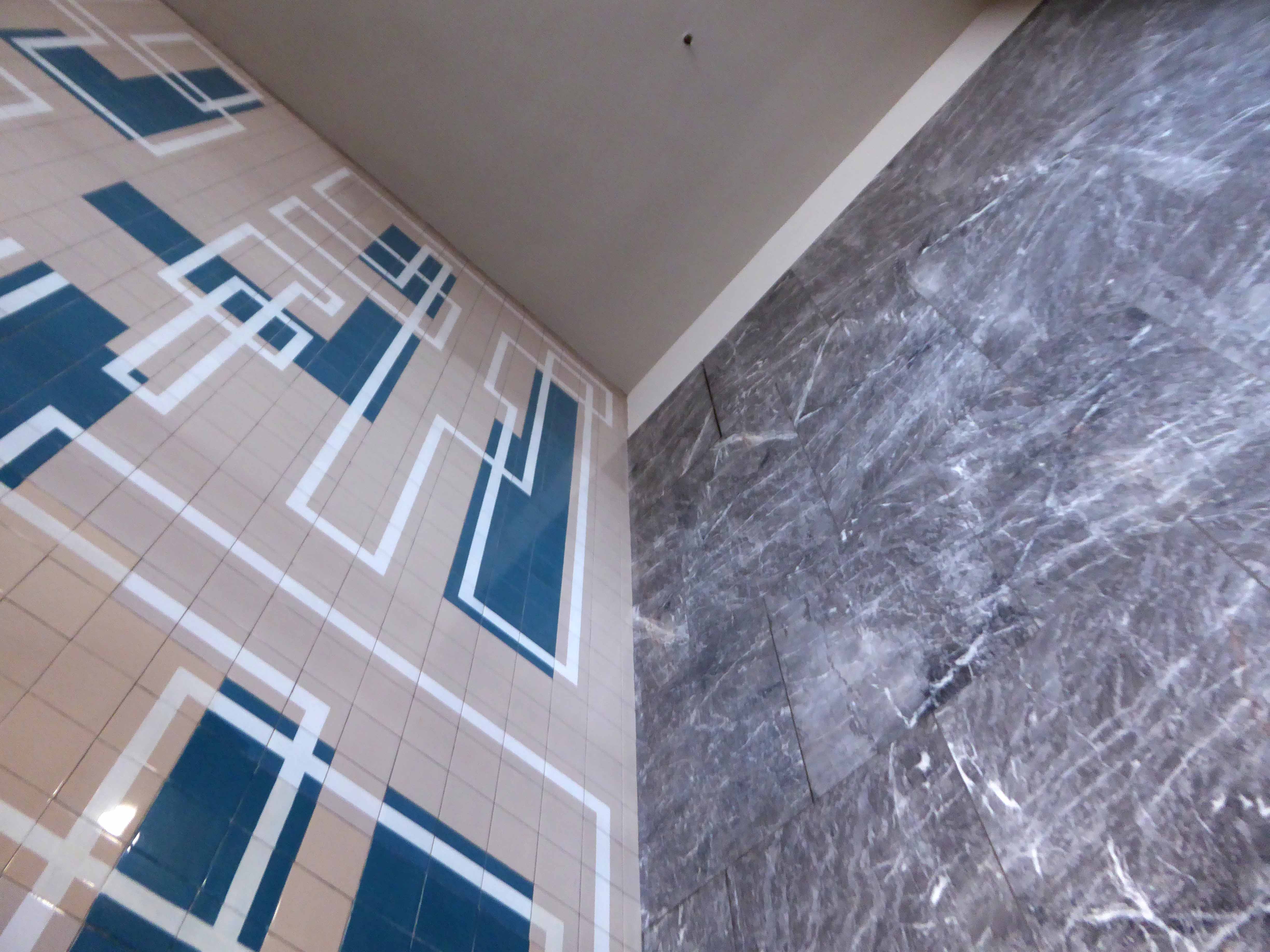
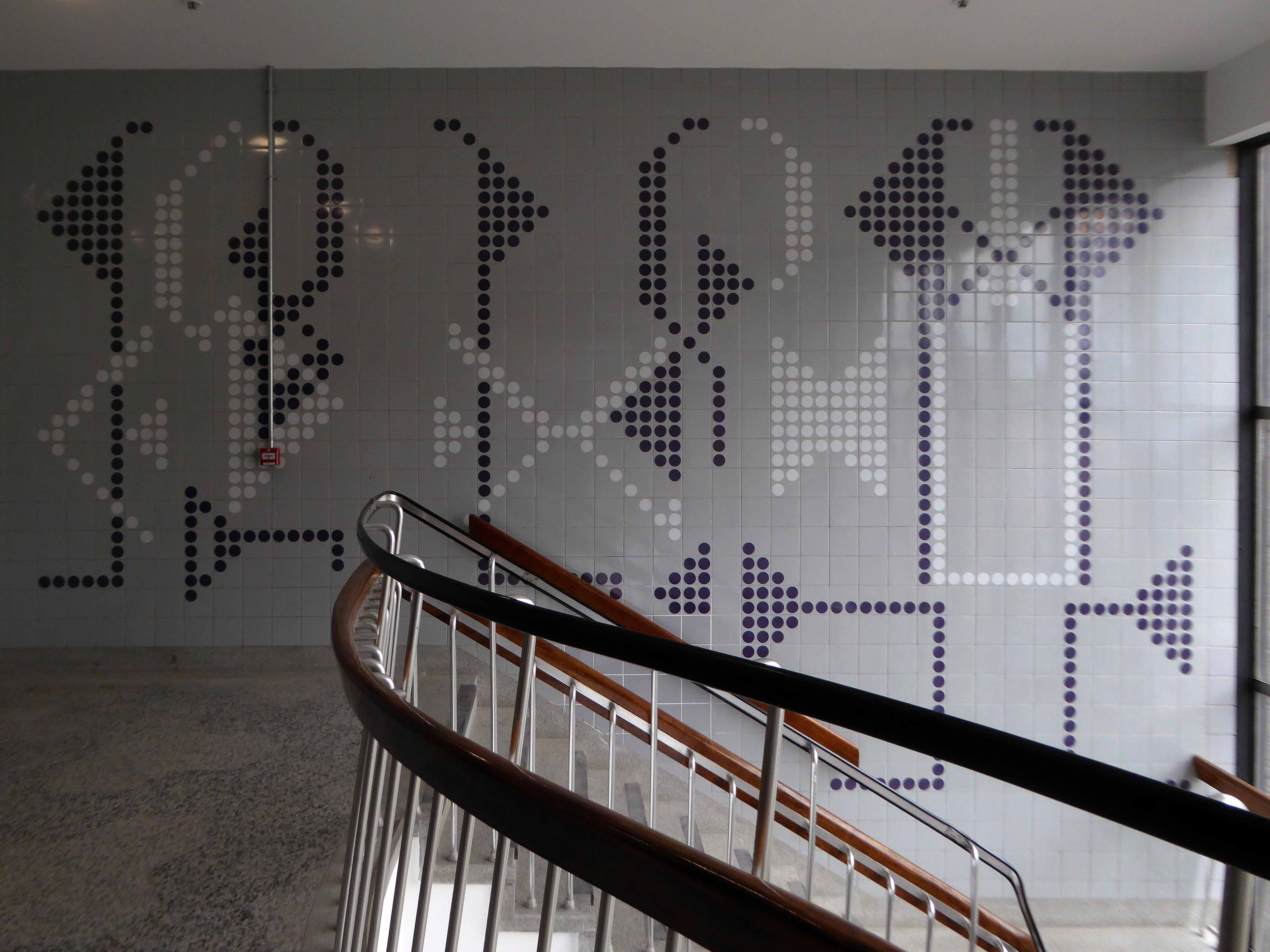
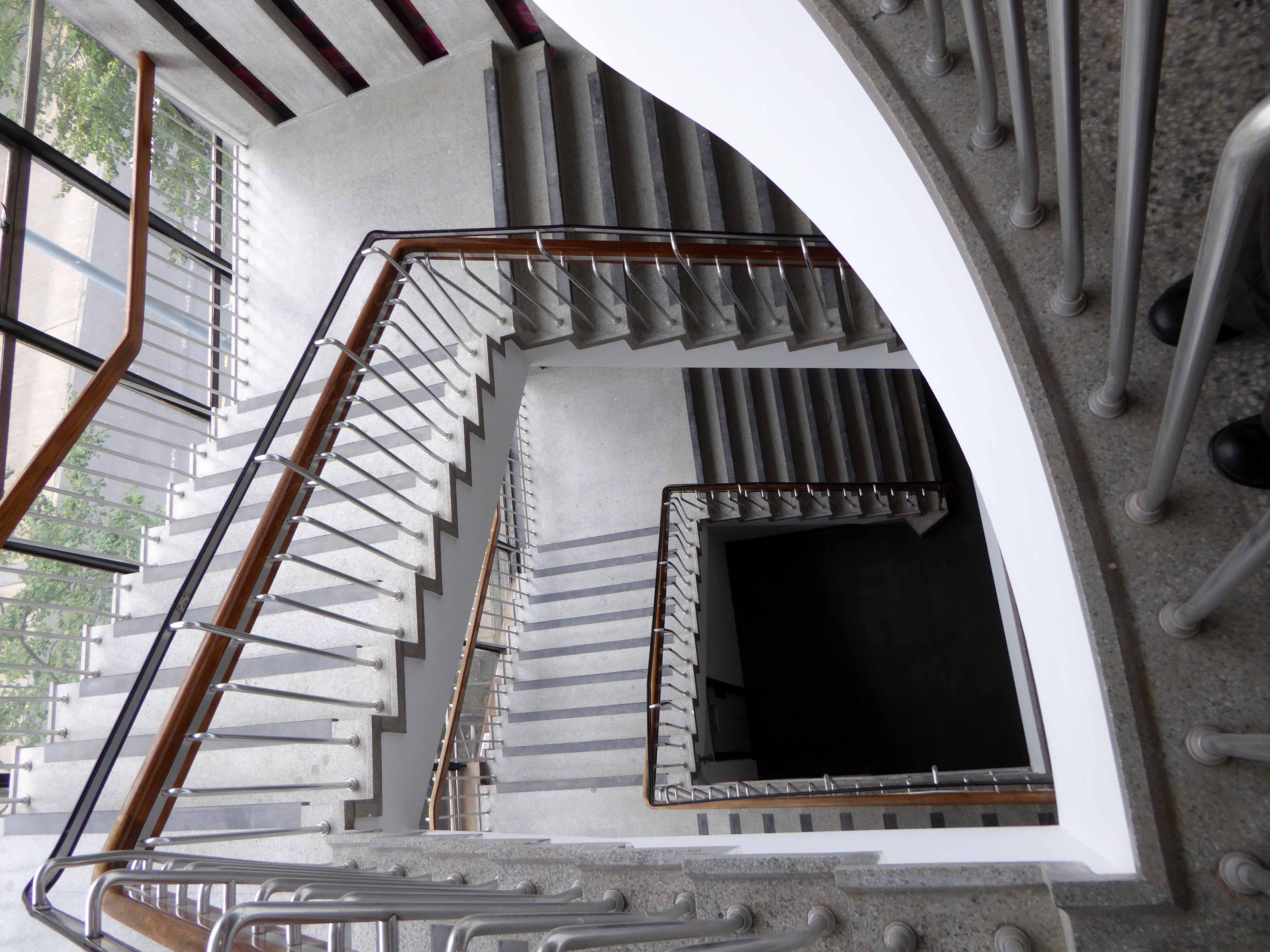
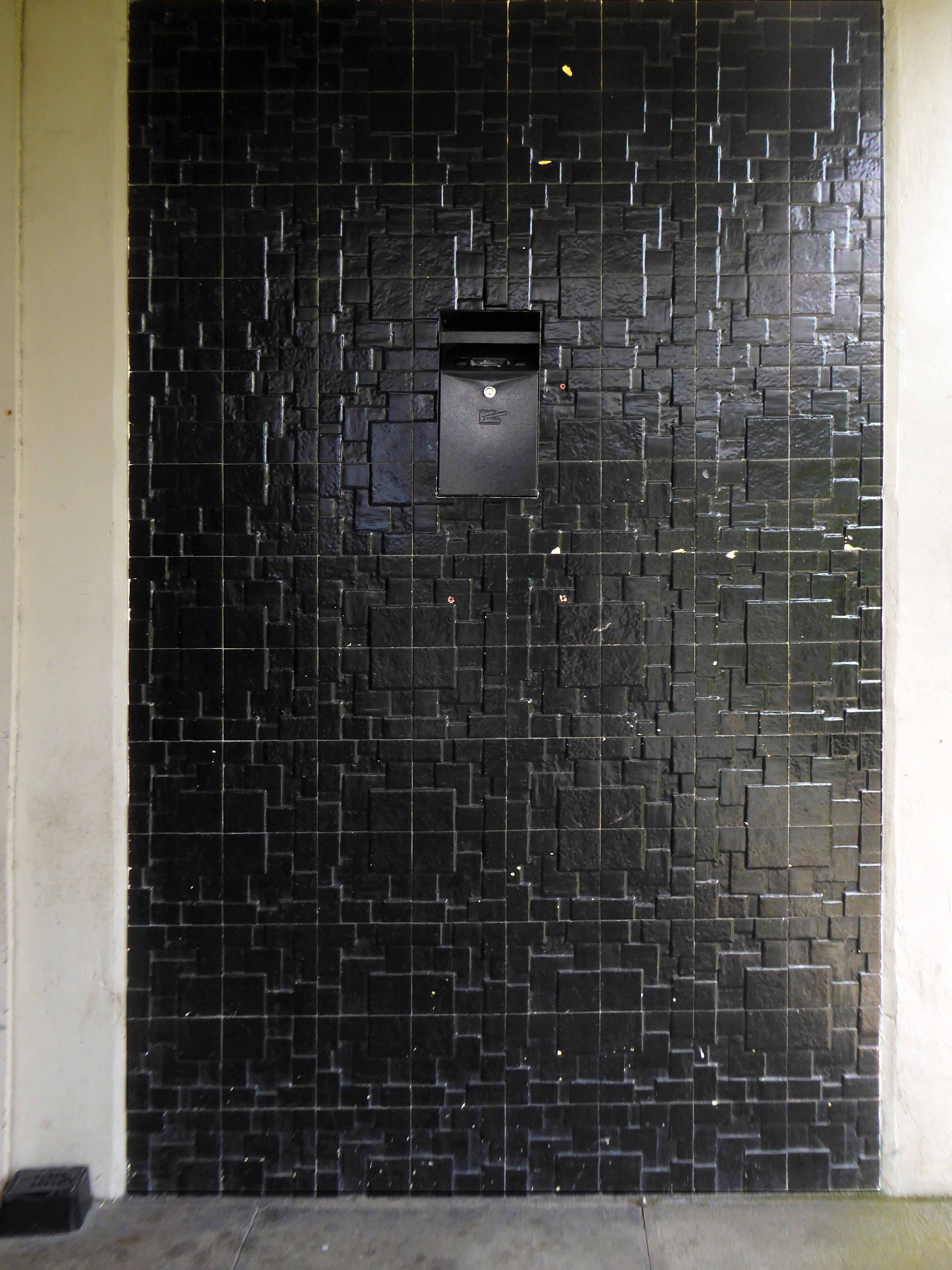
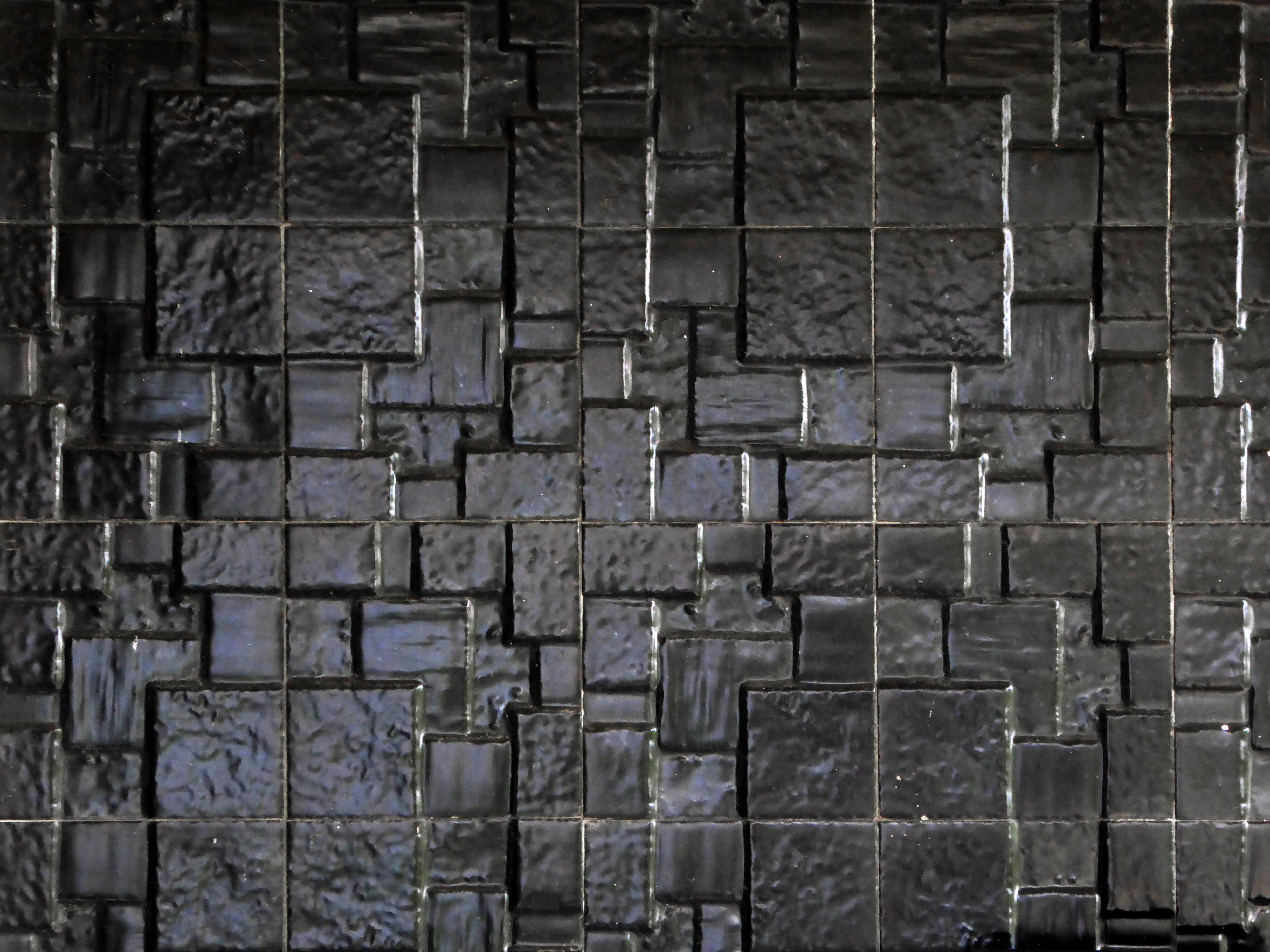
Lets take a look at the end stairwells, two very distinct designs one dotty one linear, both using Carter’s Tiles.
Configured from combinations and rotations of these nine modular units and two plain tiles.
Configured from combinations and rotations of these twelve modular units and two plain tiles.
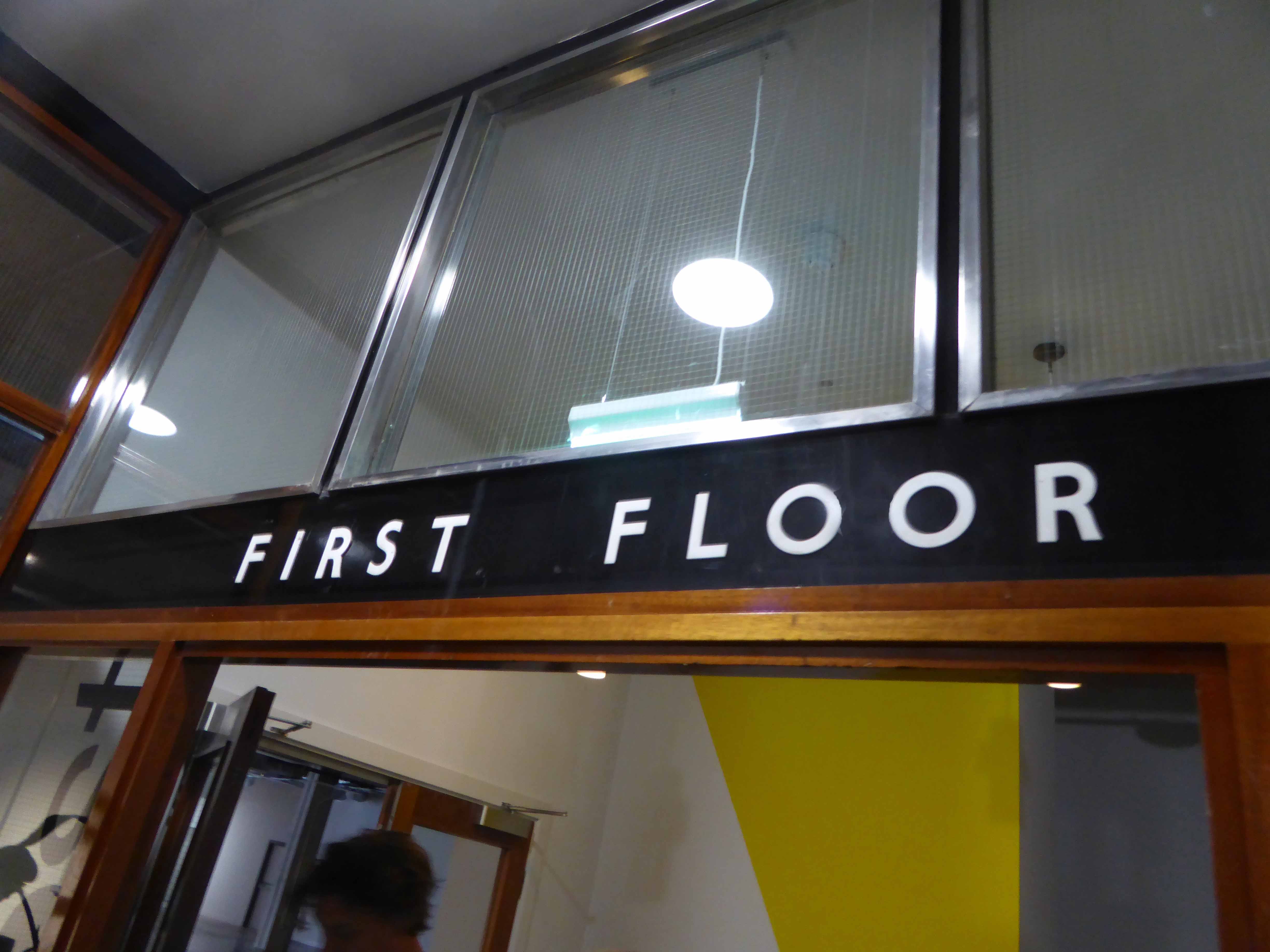
The site has retained some of its original architectural typography.
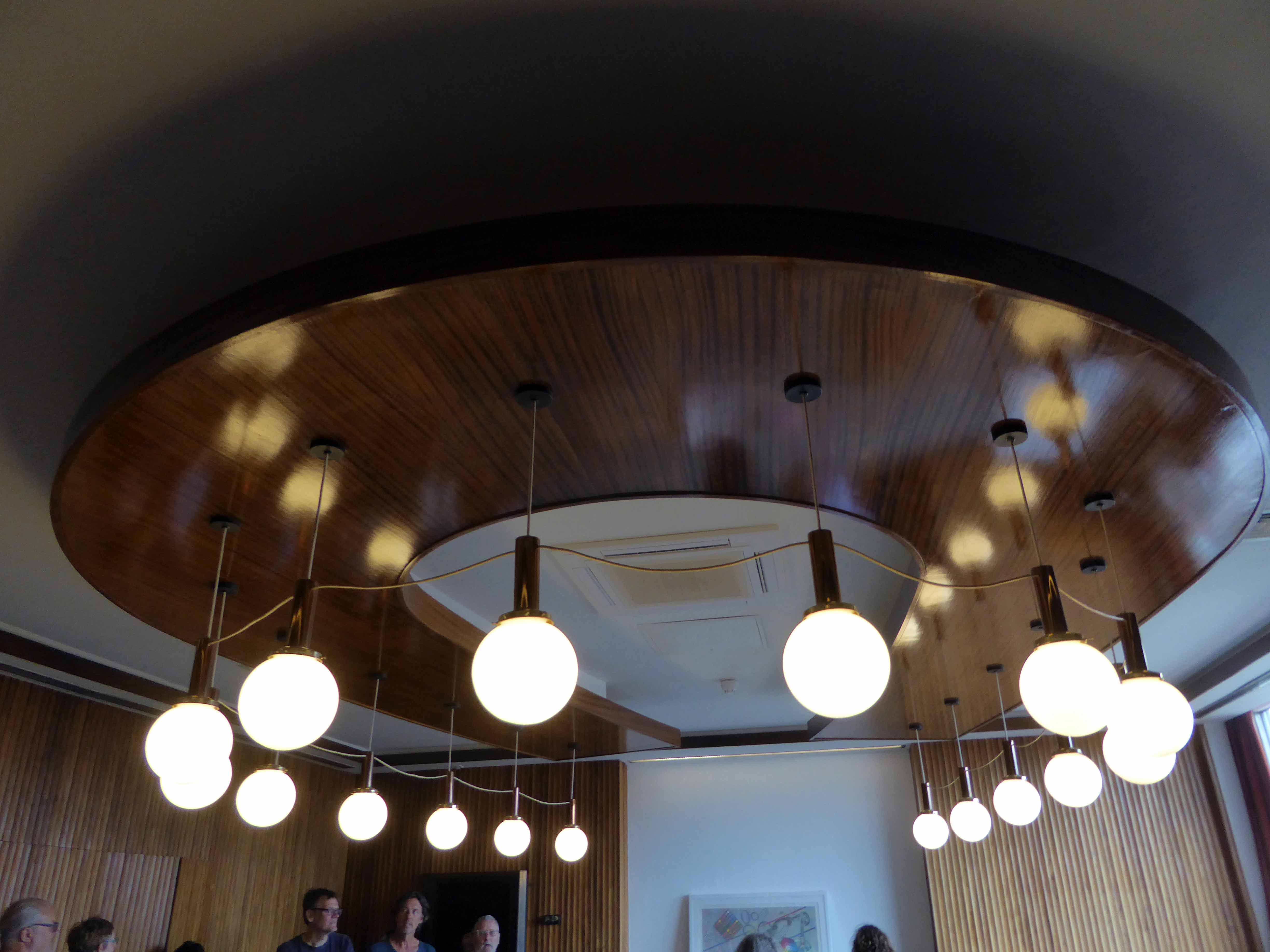
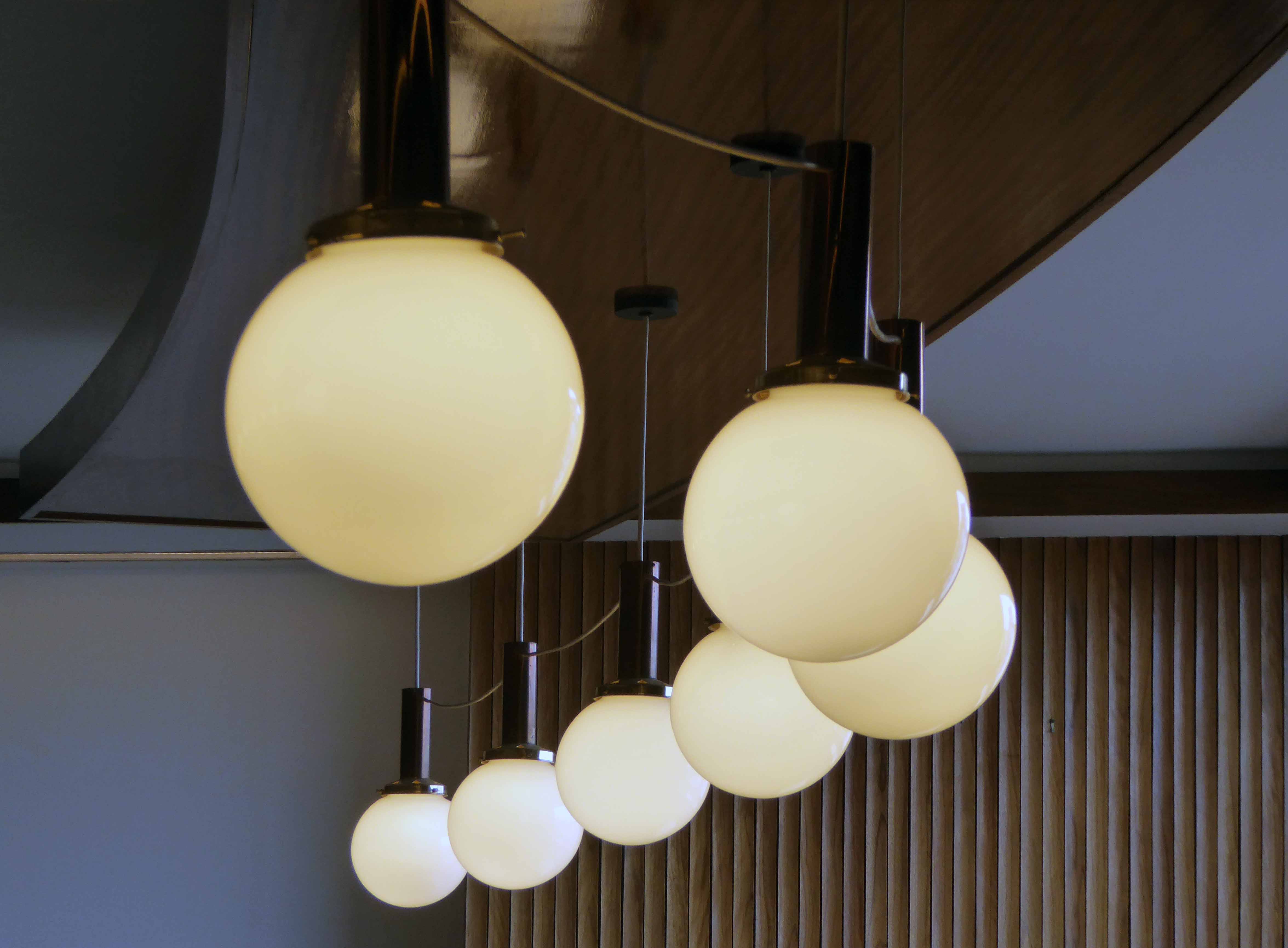
The former top floor restaurant has a suspended geometric ceiling with recently fitted custom made lighting.
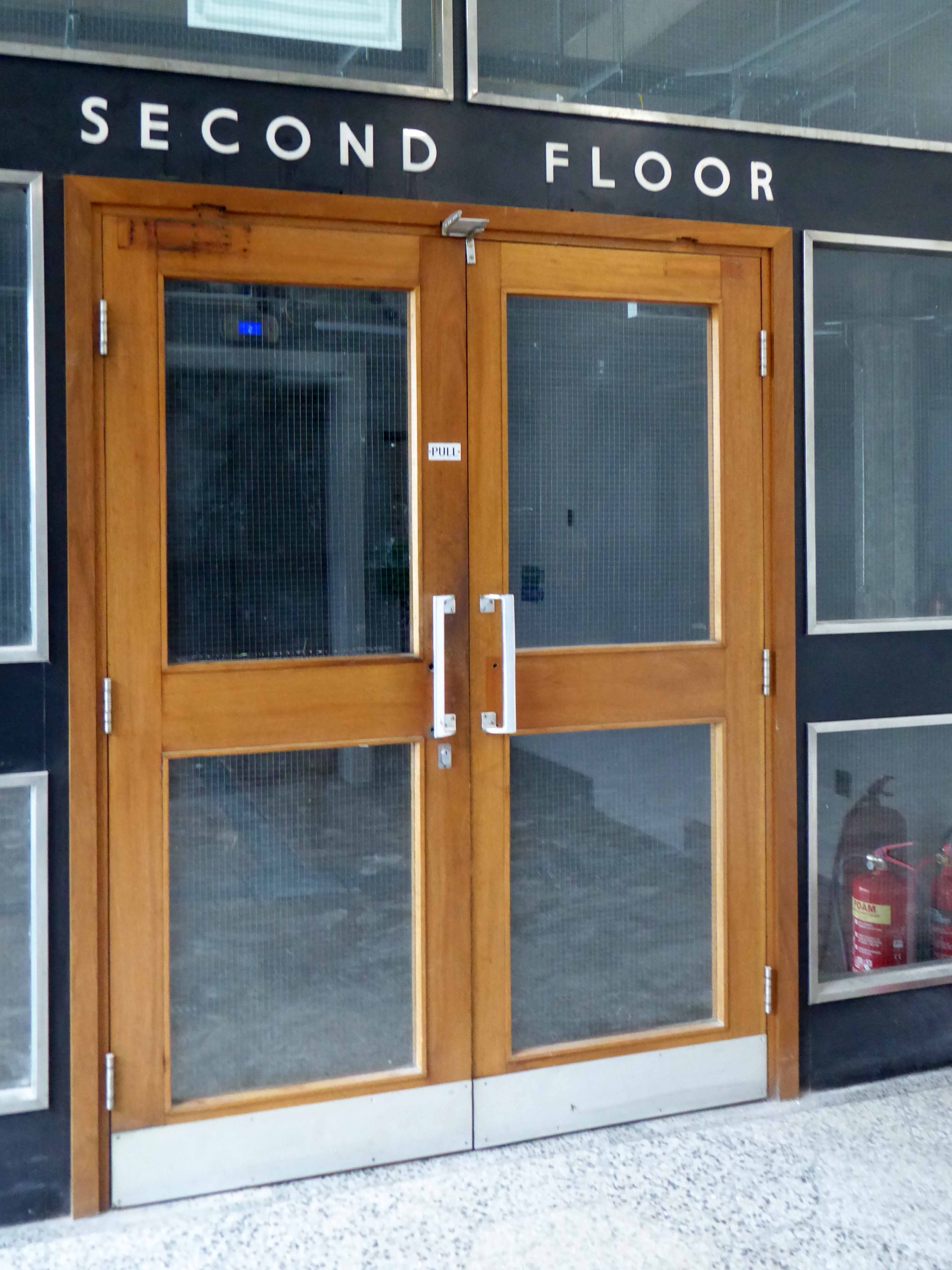
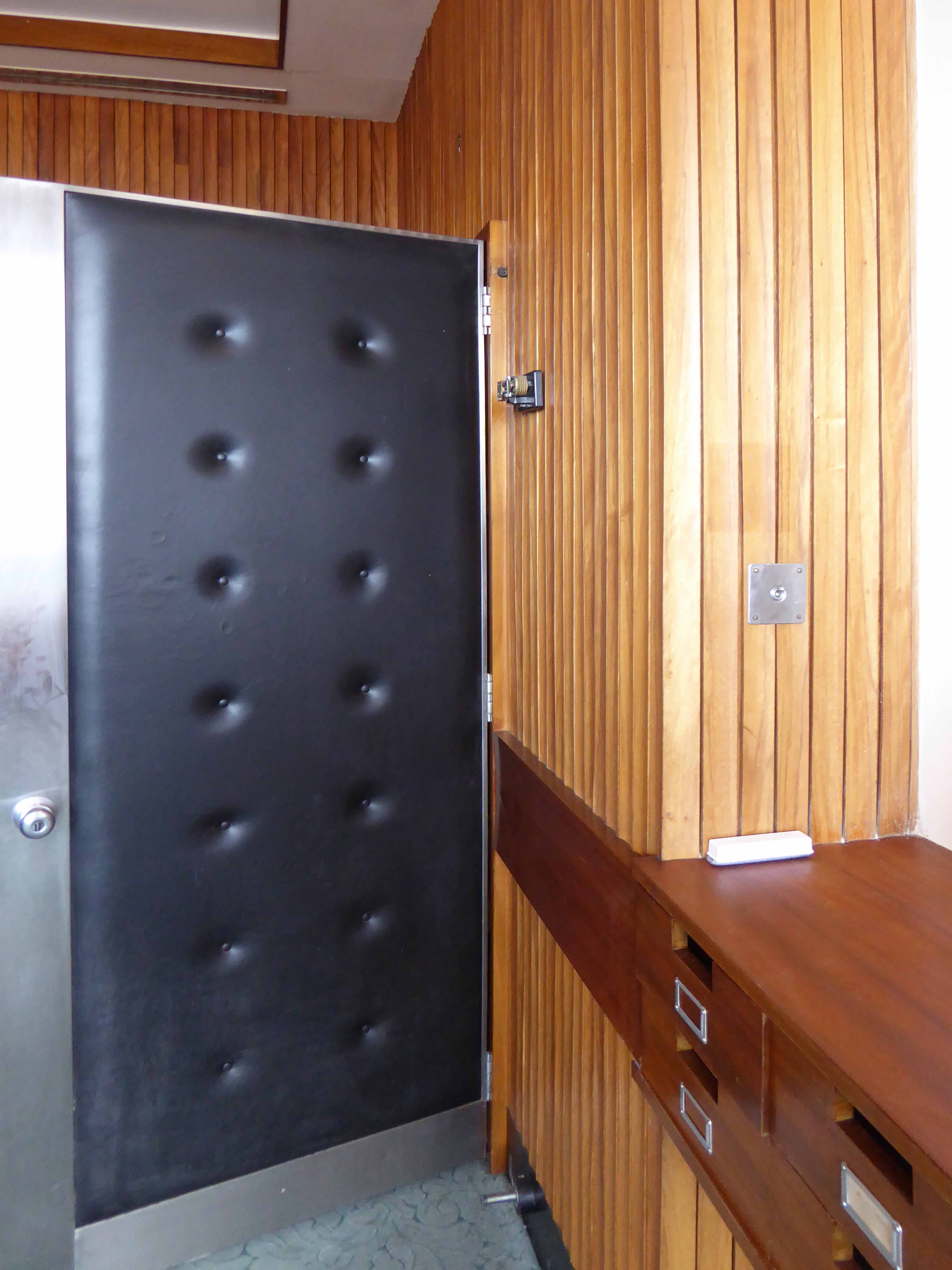
The timber-lined boardroom has a distinctive horseshoe of lighting, augmenting the board room table – which is currently away for repair, oh yes and a delightful door.
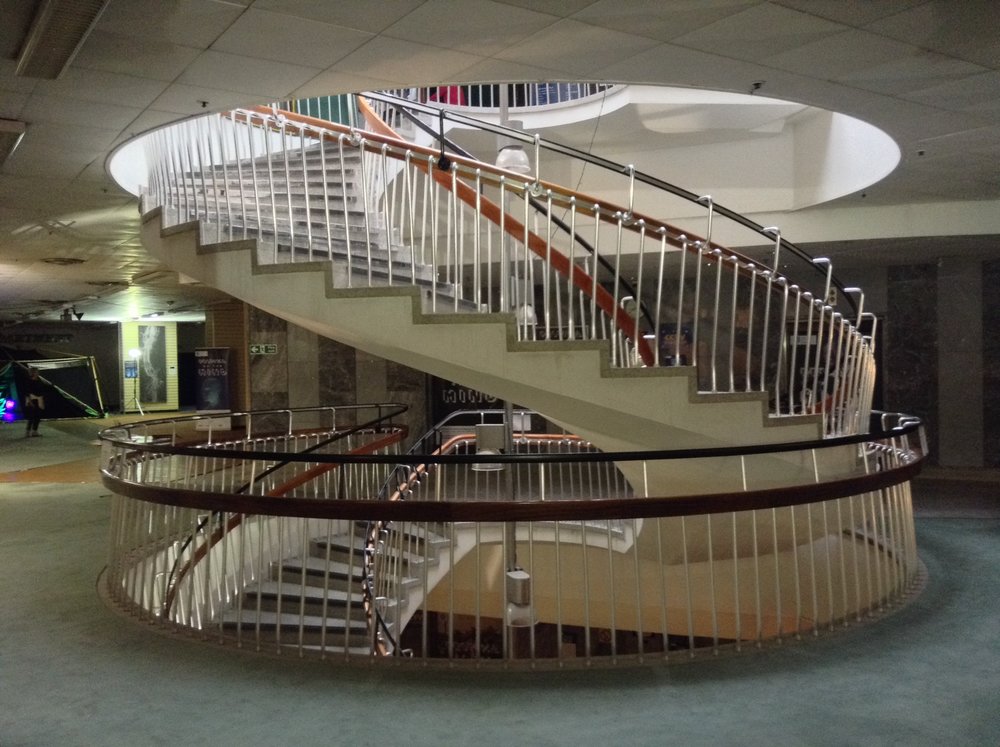
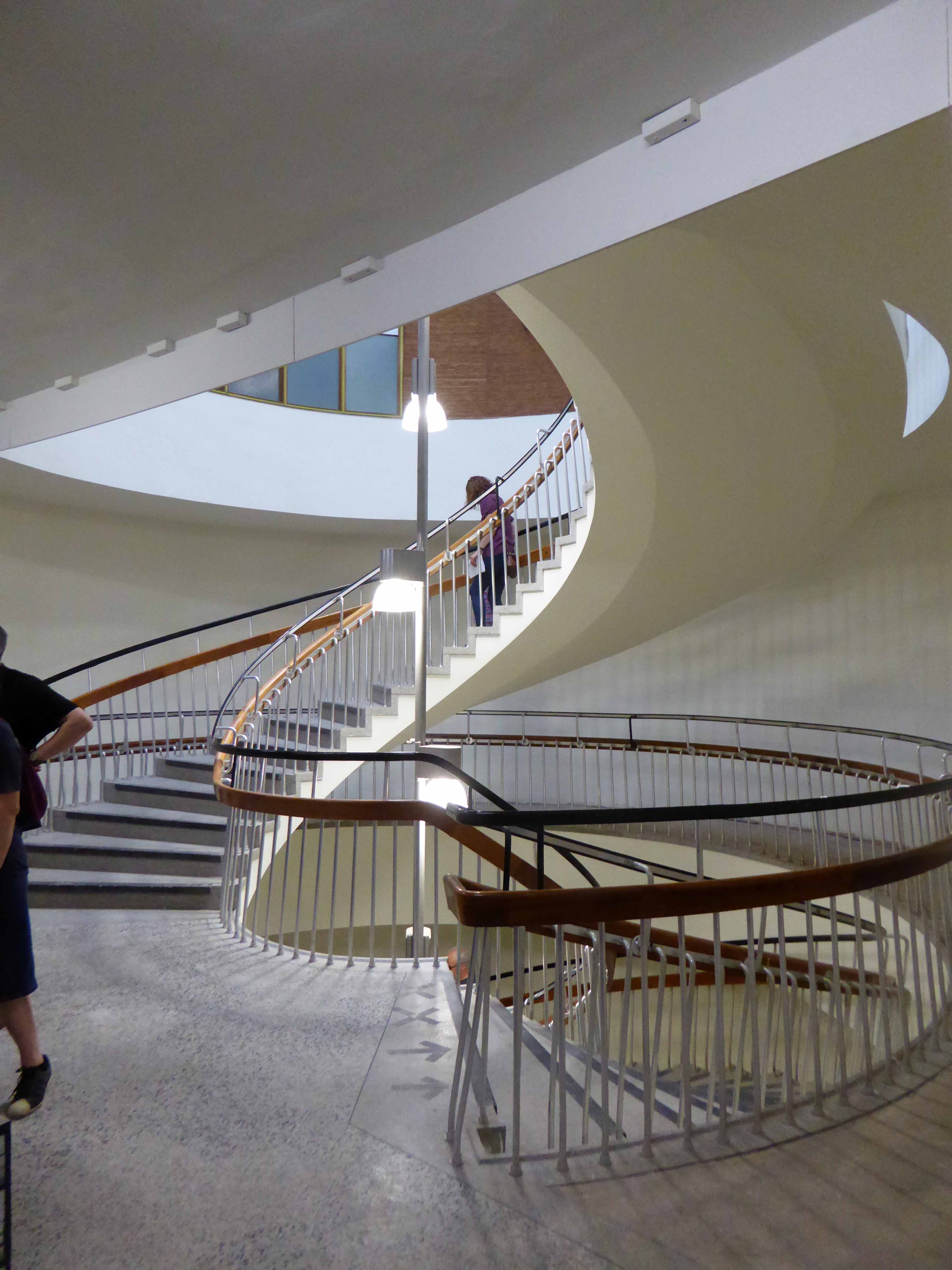
High atop the intoxicating vertiginous swirl of the central spiral stairway is the relief mural representing a cockerel and fish made of aluminium, copper and metal rod, with red French glass for the fish’s eye and cockerel’s comb.
Illuminated from above by this pierced concrete and glass skylight.
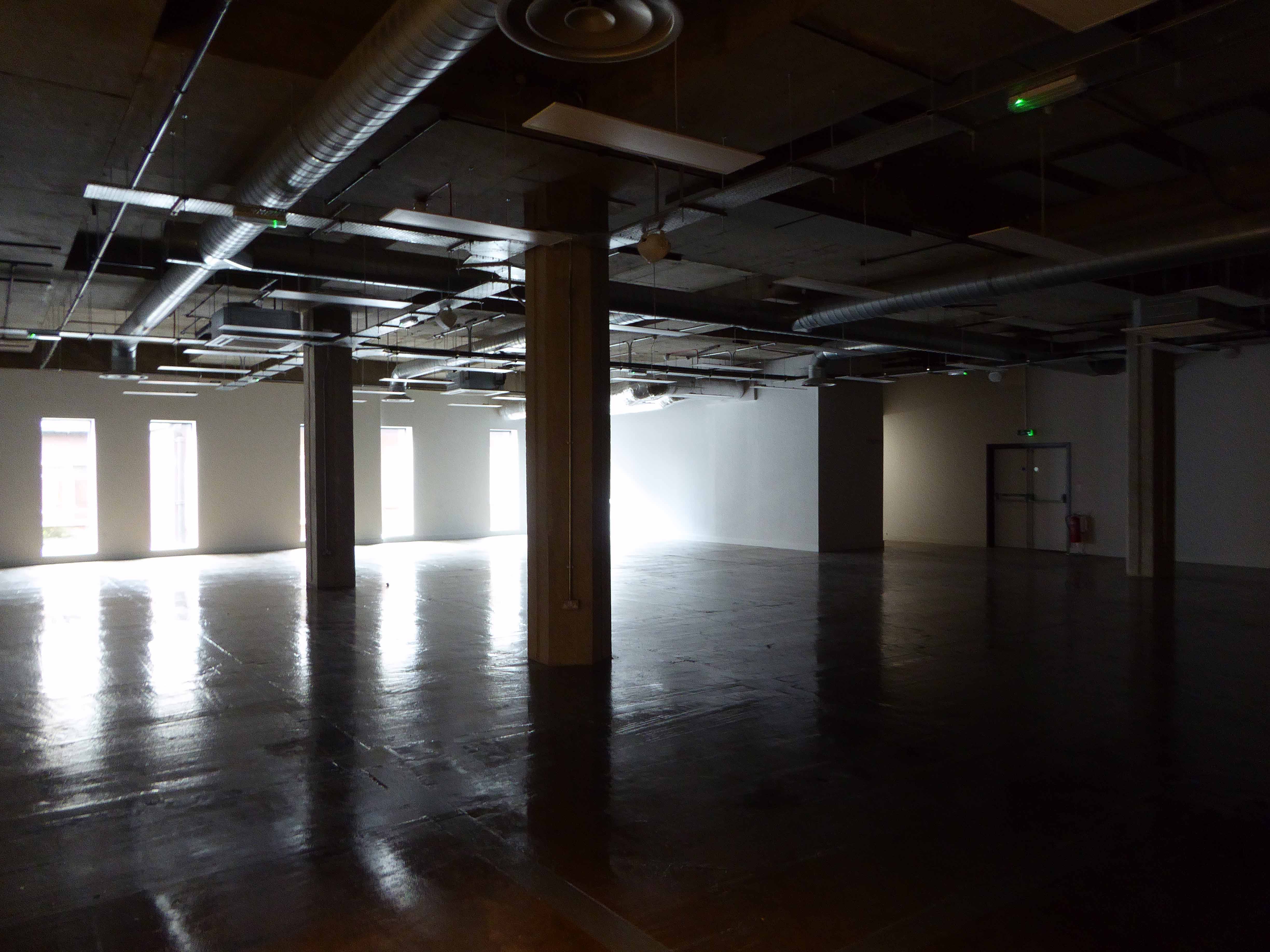
Many of the internal spaces have been ready for their new tenants.
This is a fine example of Modernist retail architecture saved from decay and degradation by the timely intervention of a sympathetic tenant.
Long may they and Castle House prosper – Sheffield we salute you!
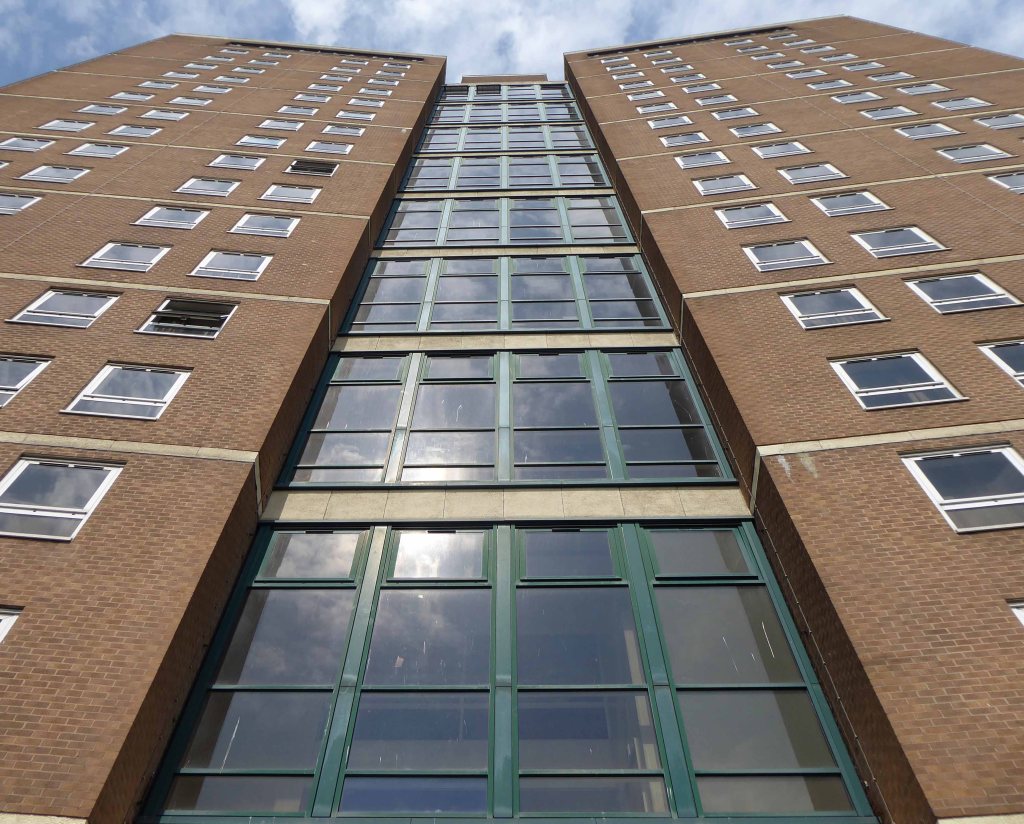
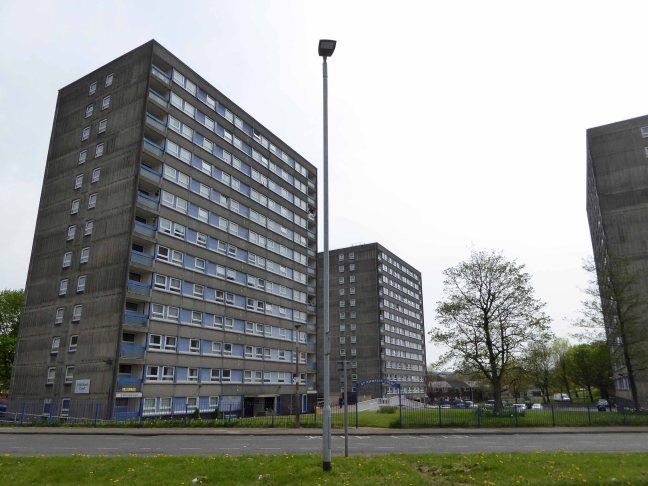
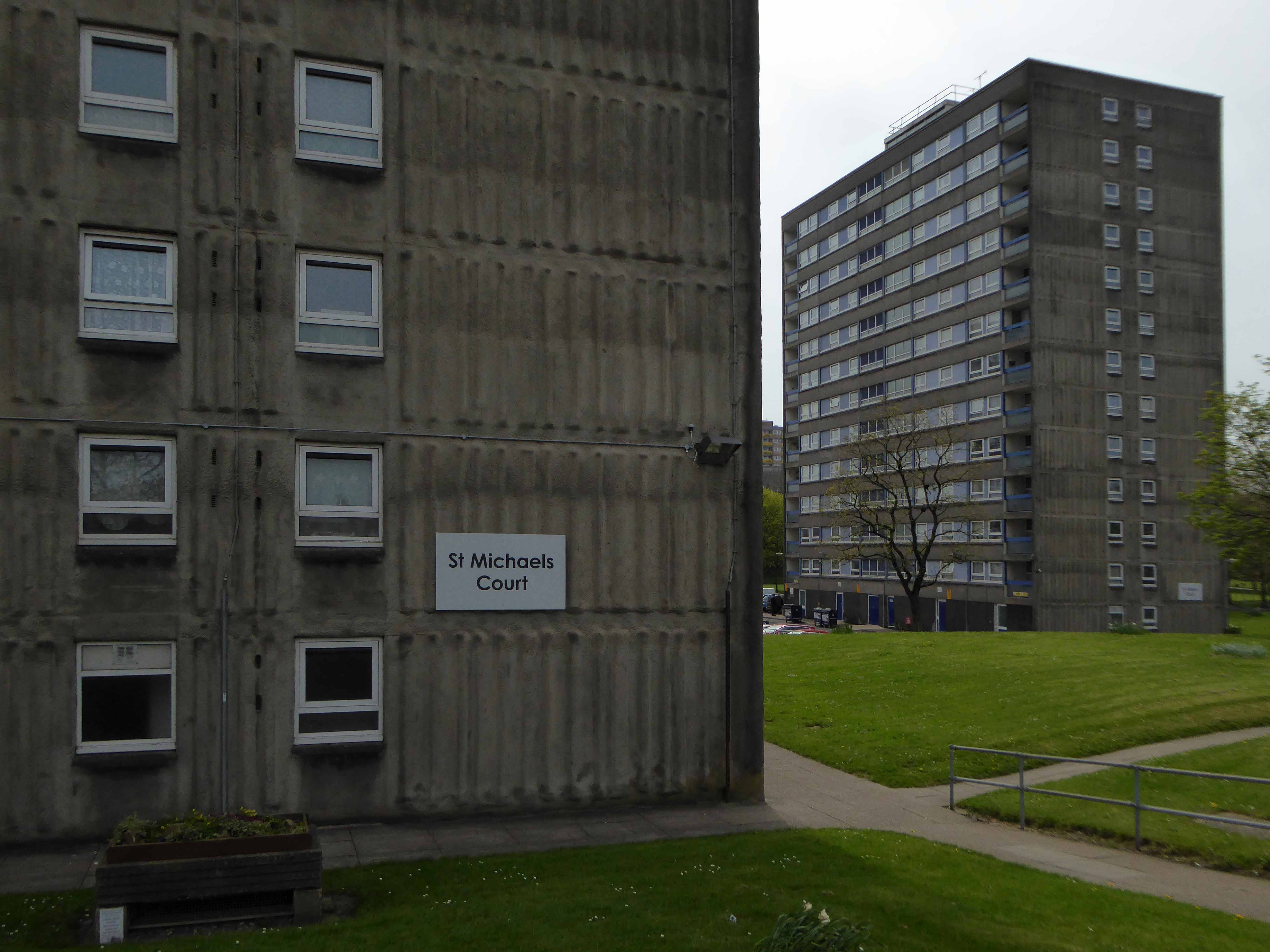
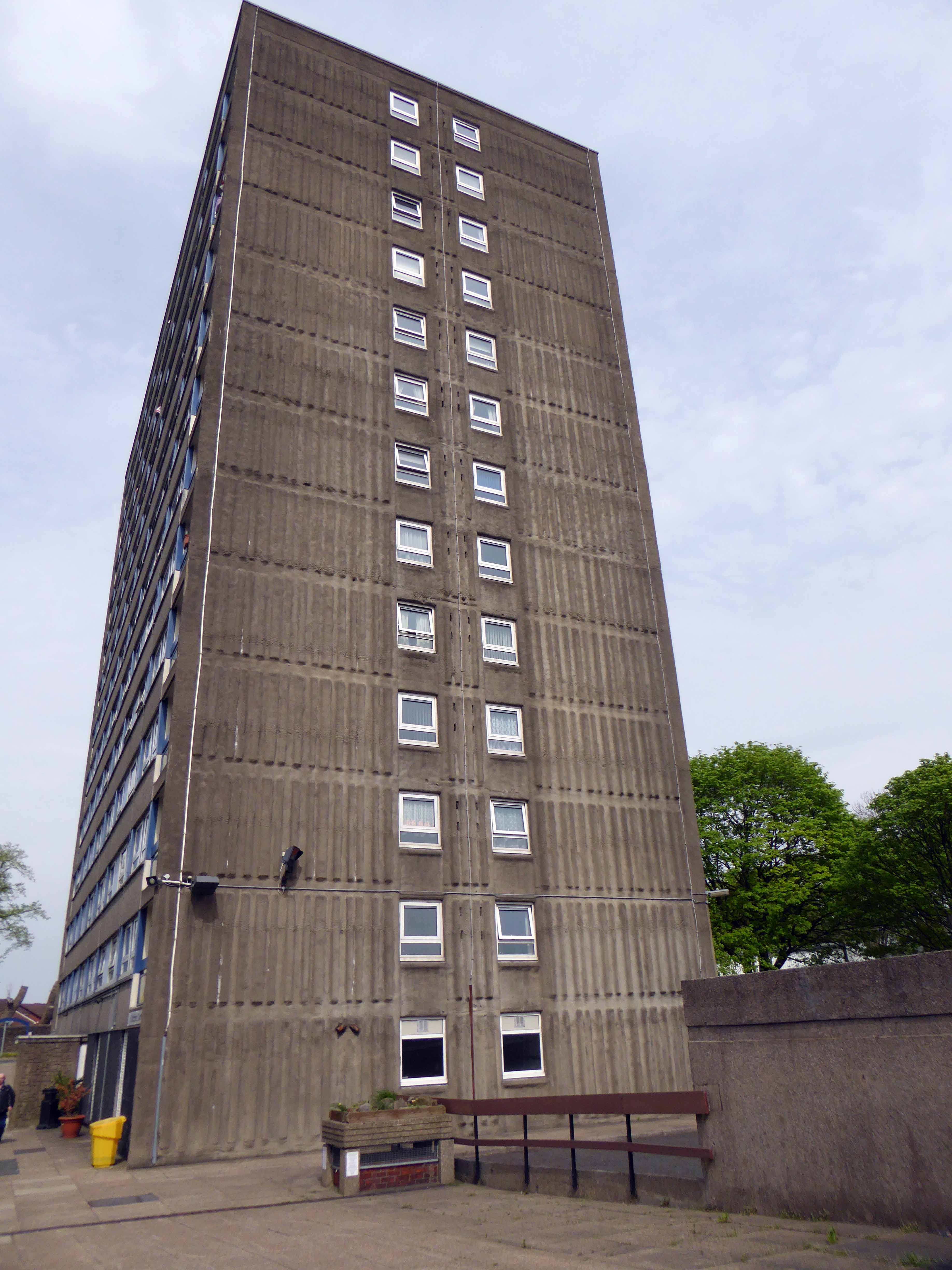
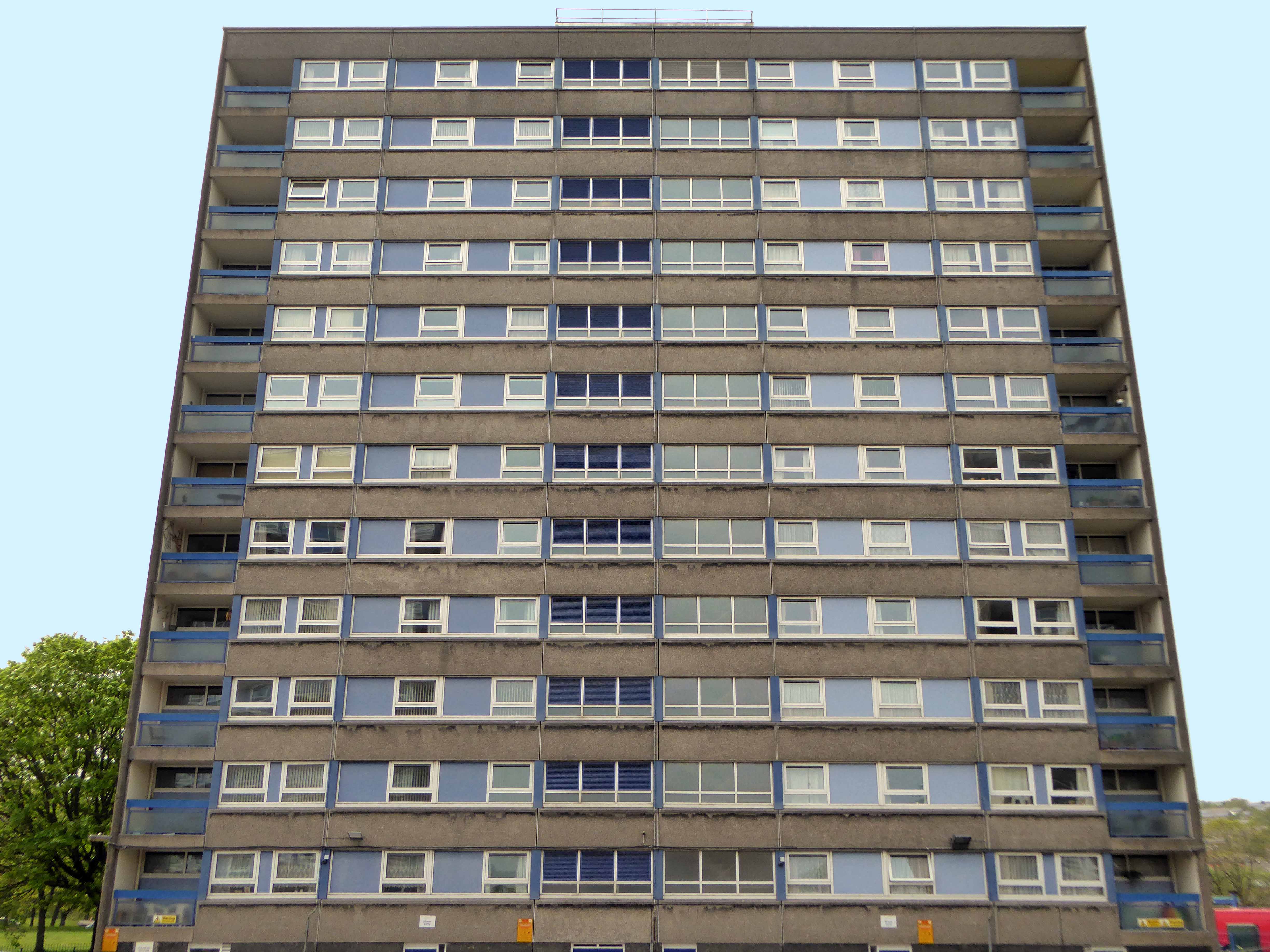
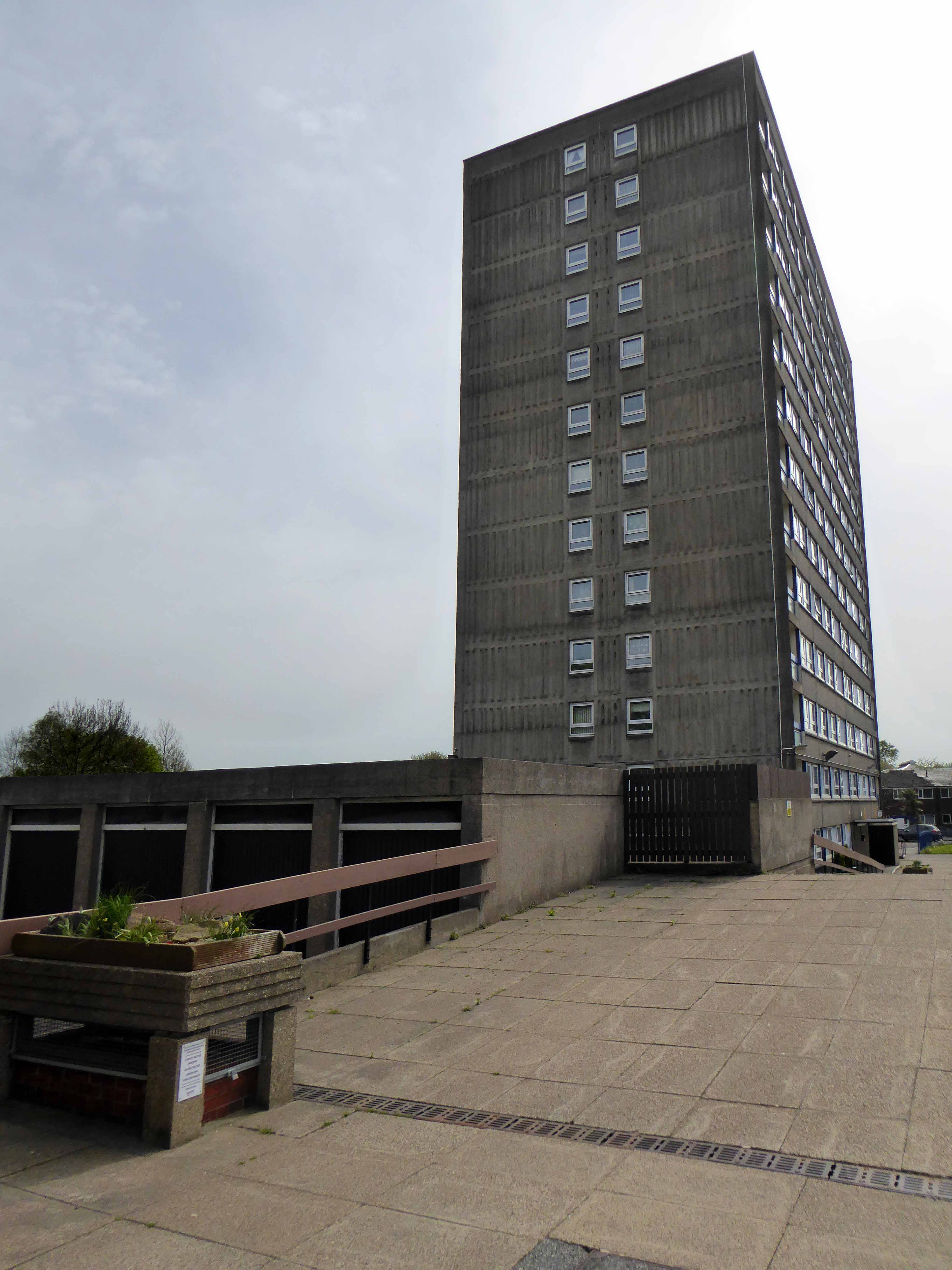
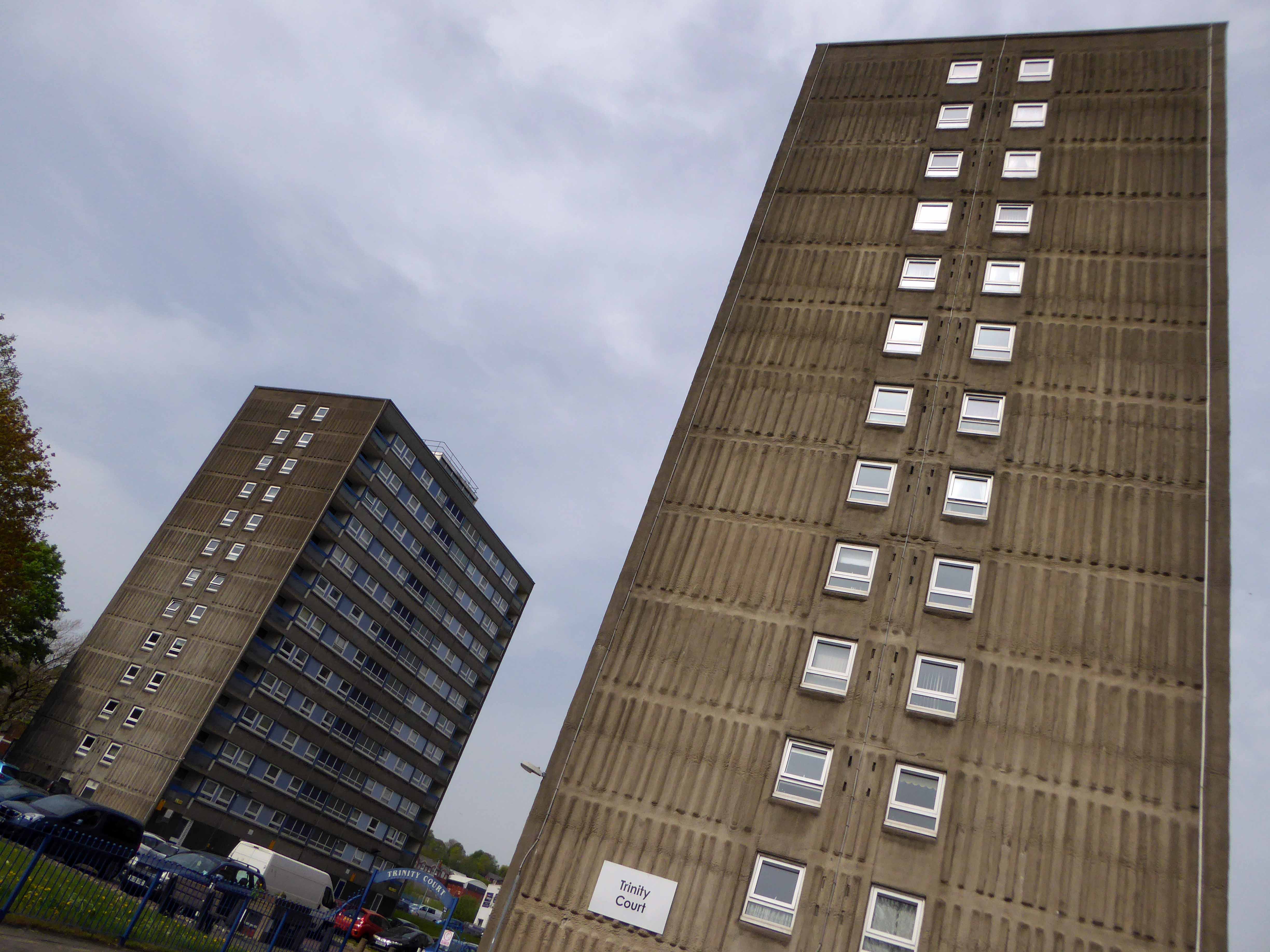
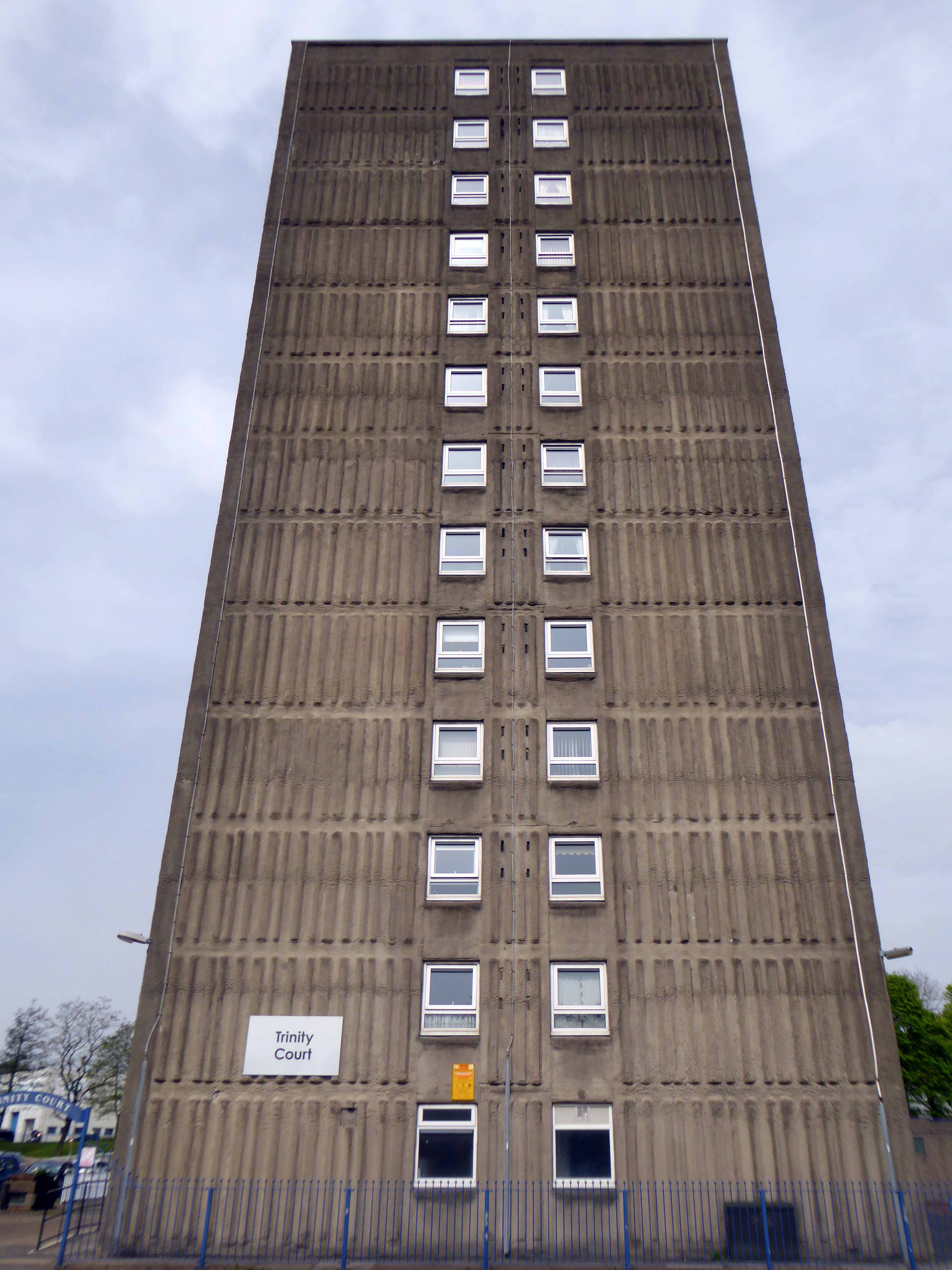
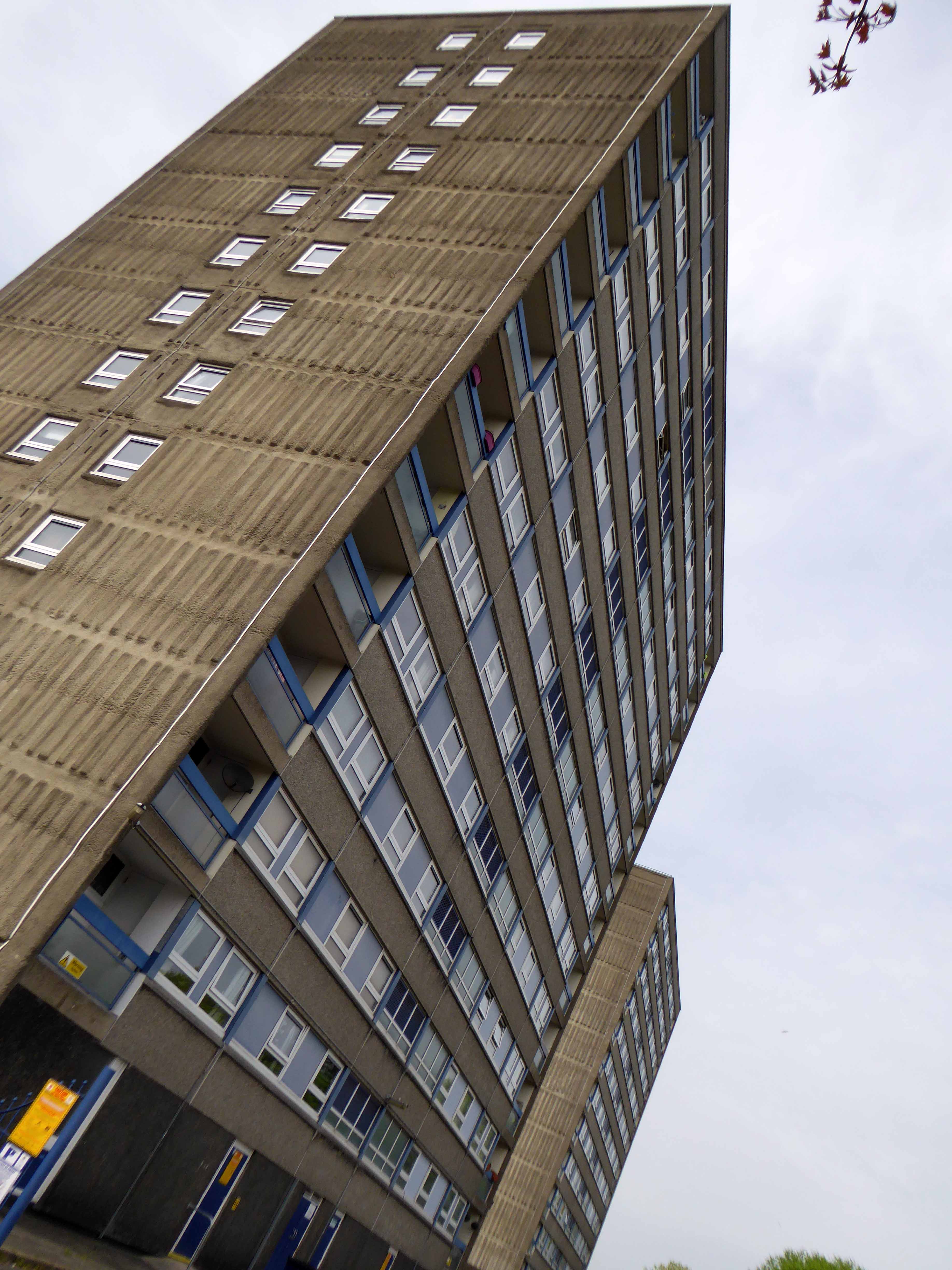
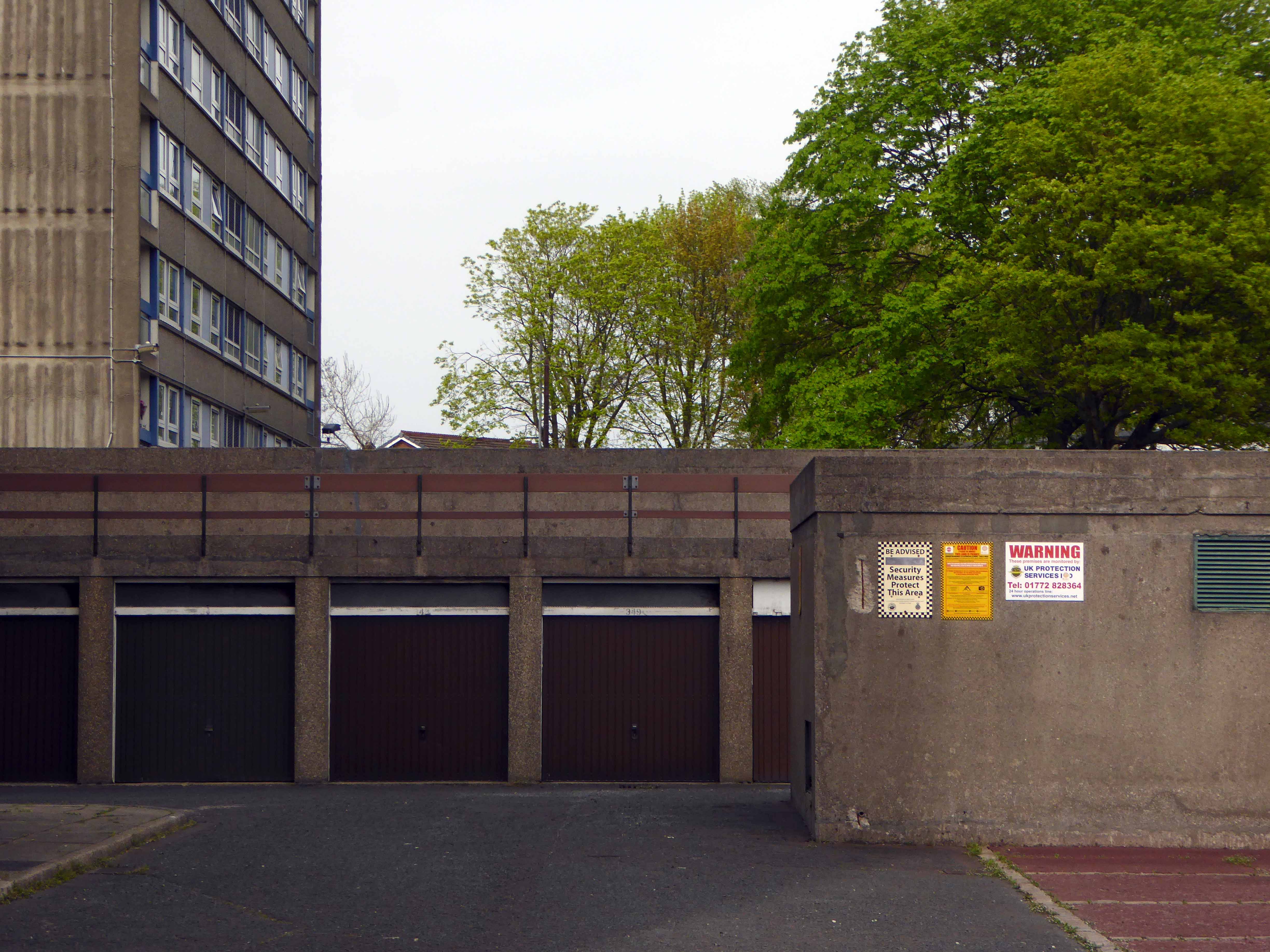
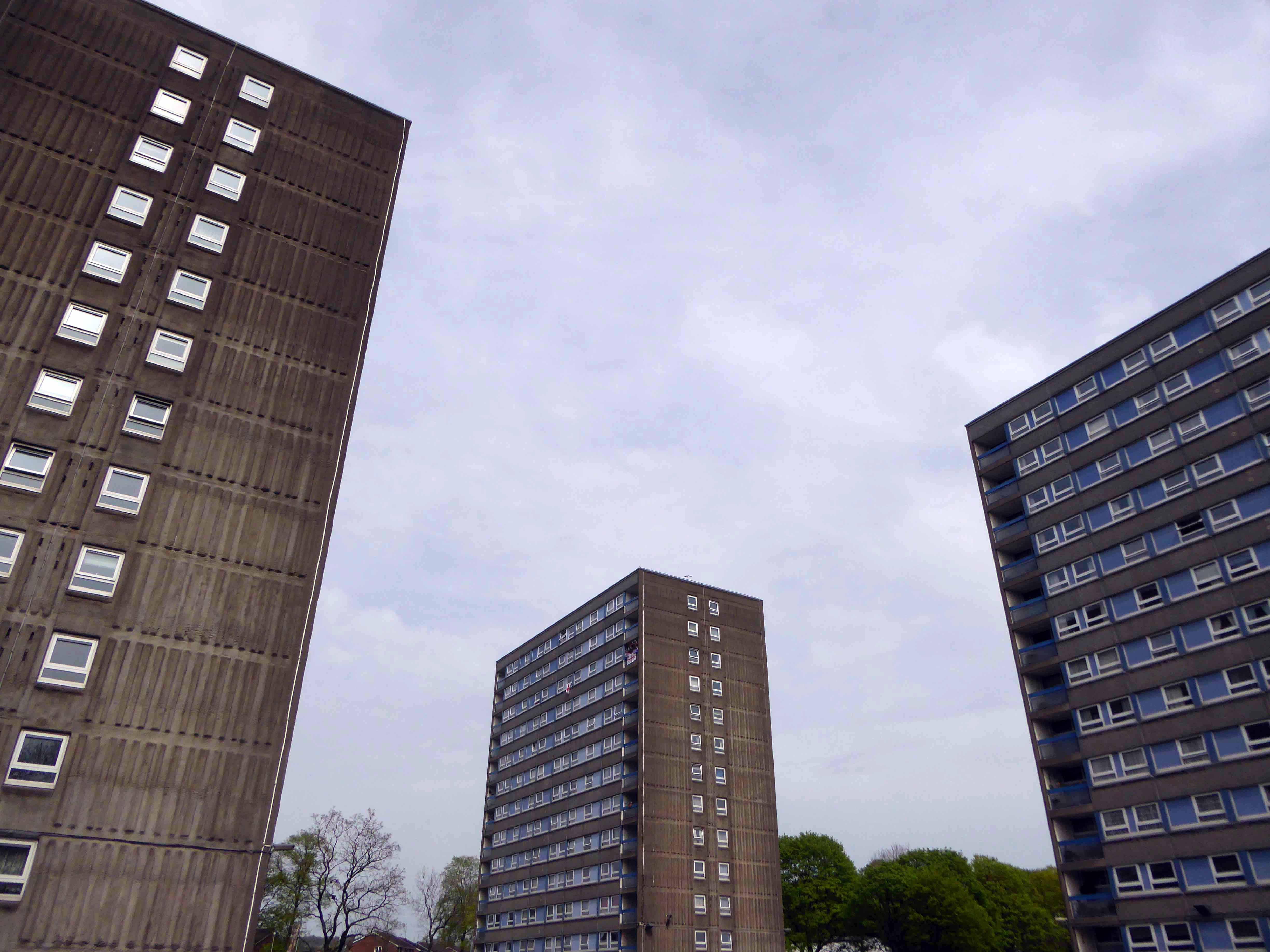
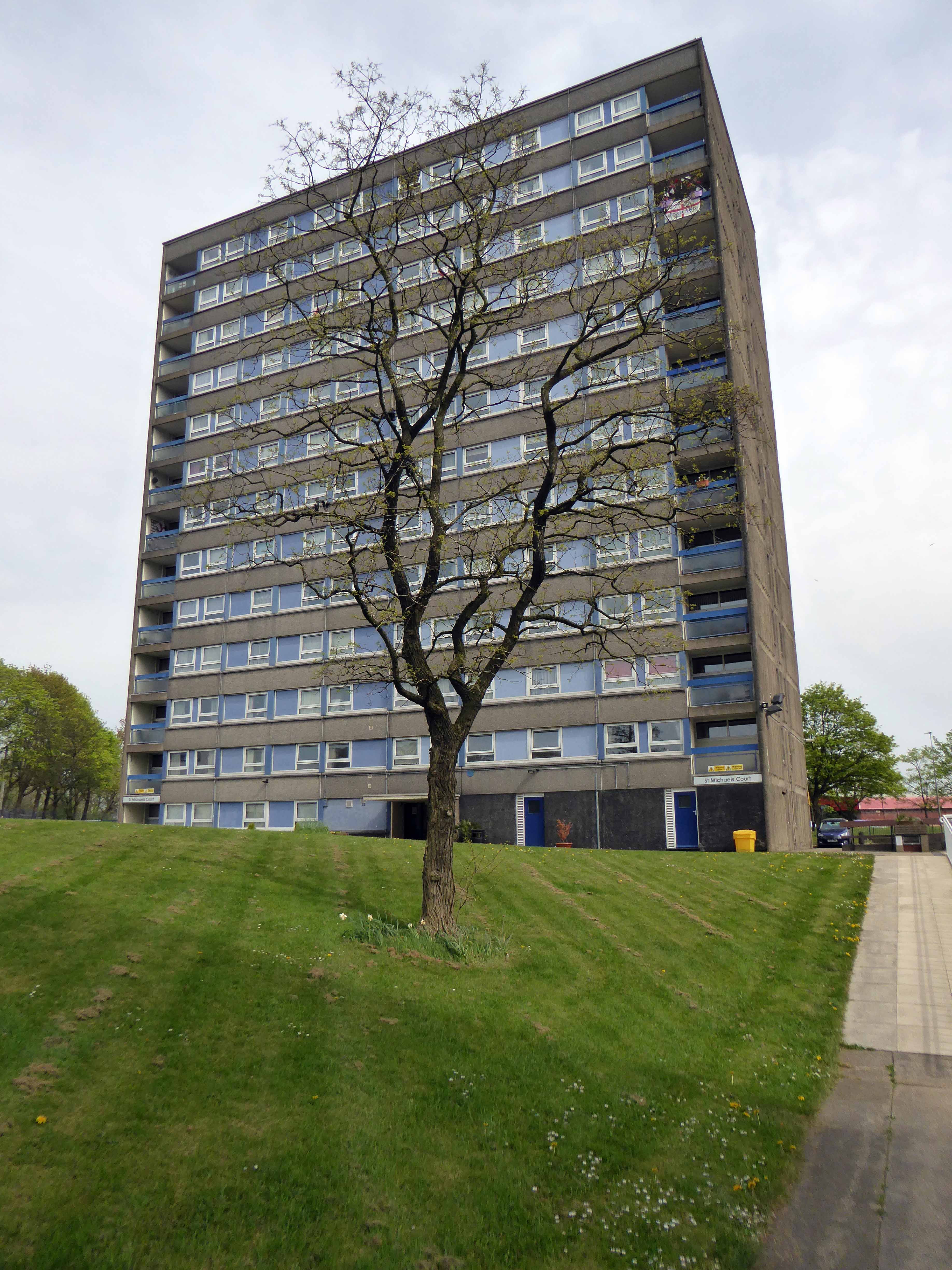
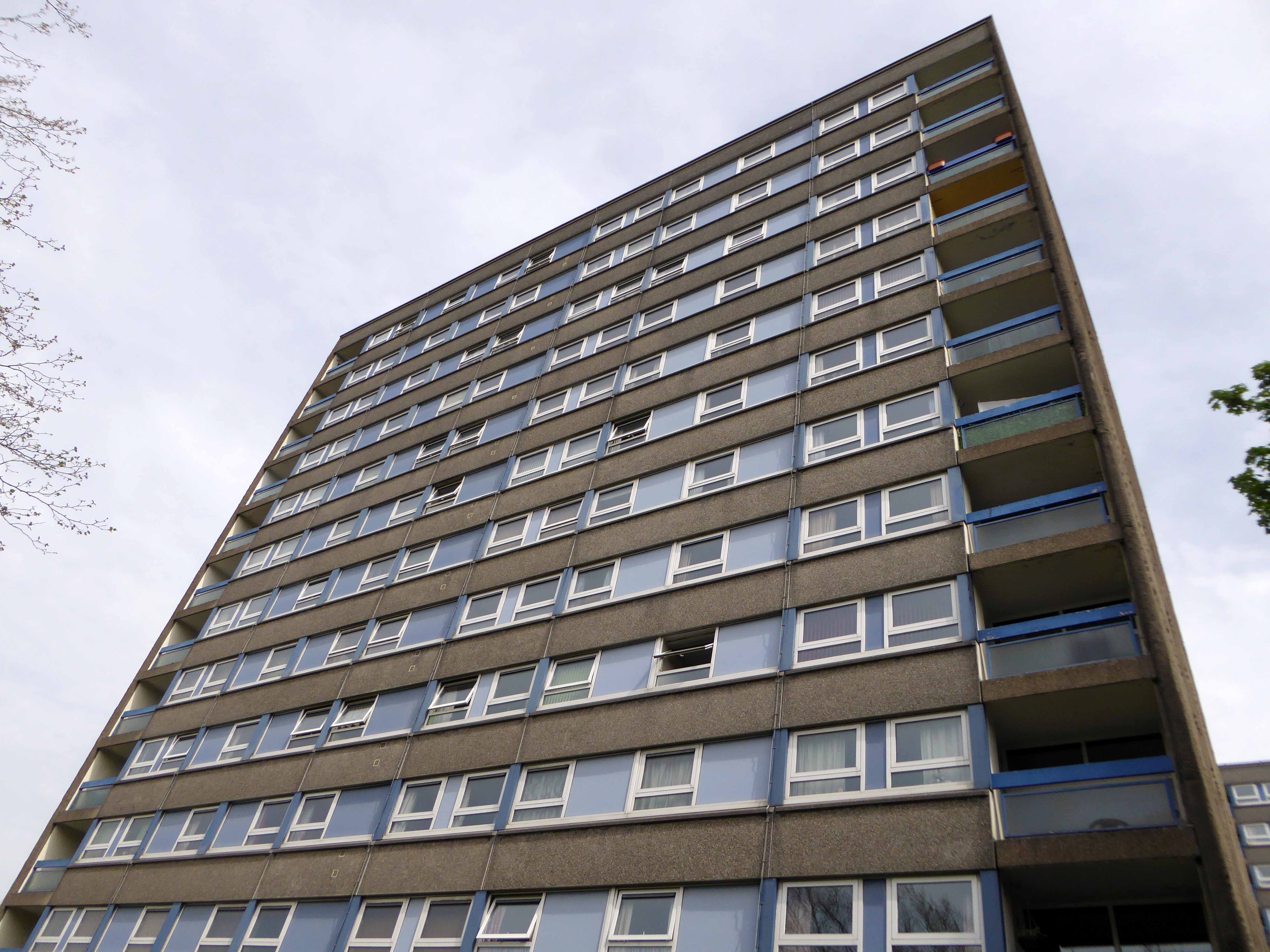
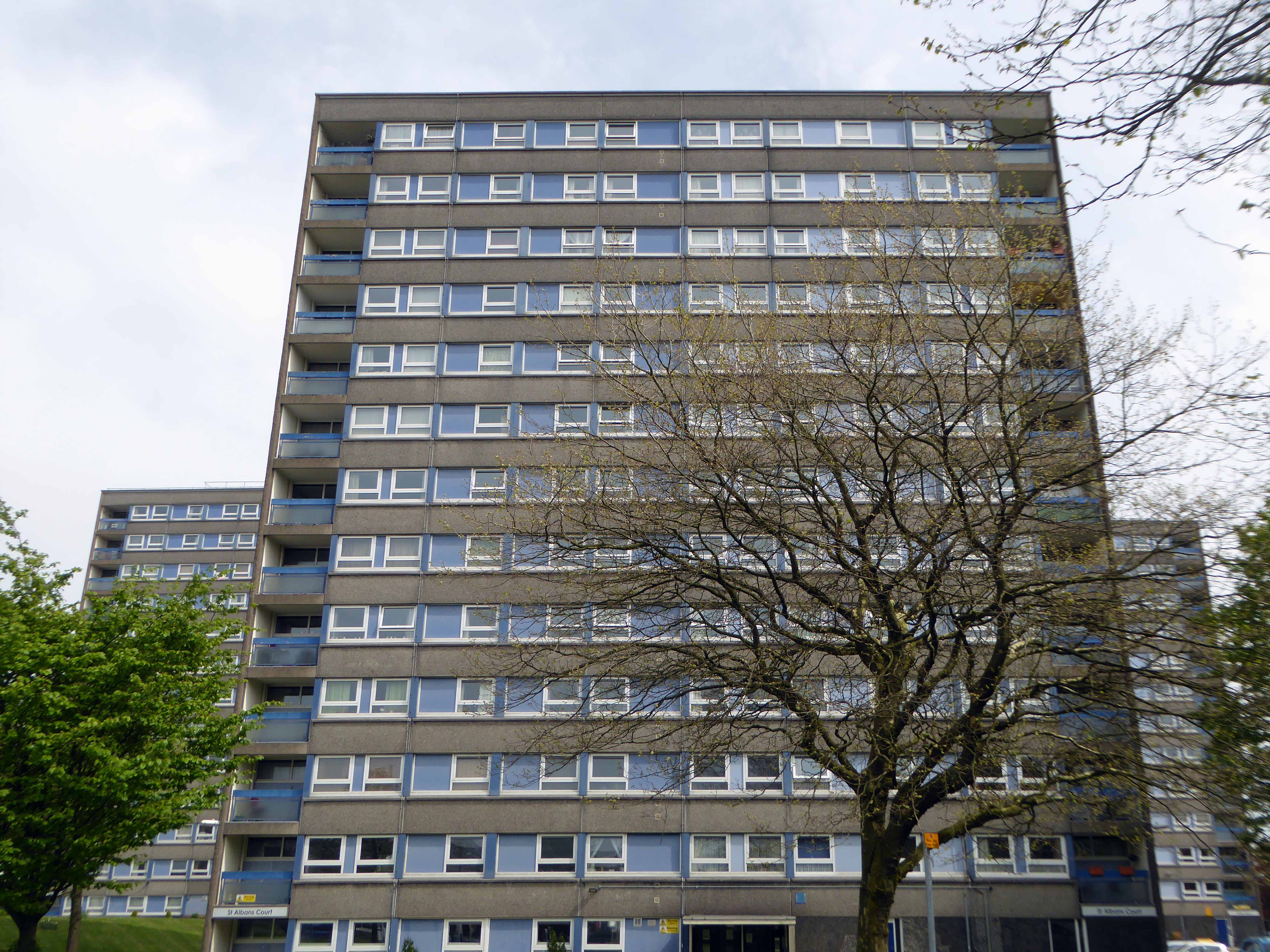
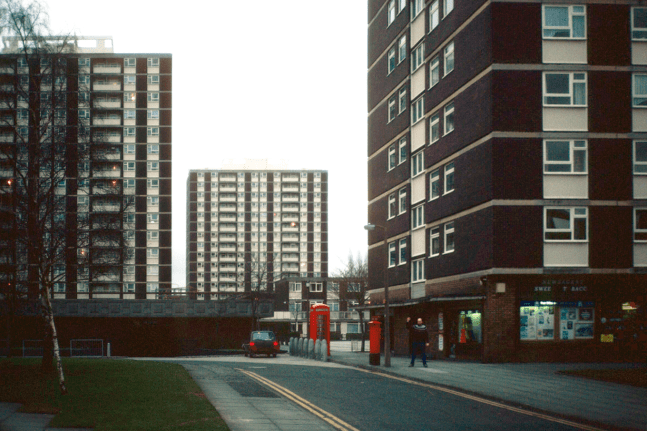
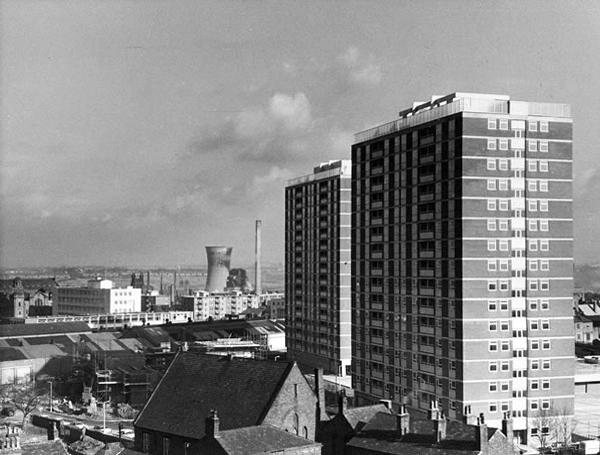
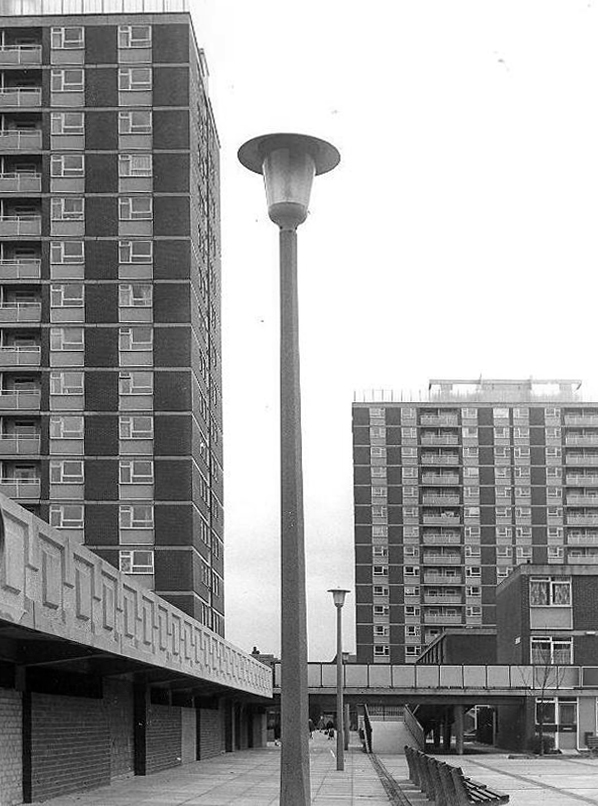
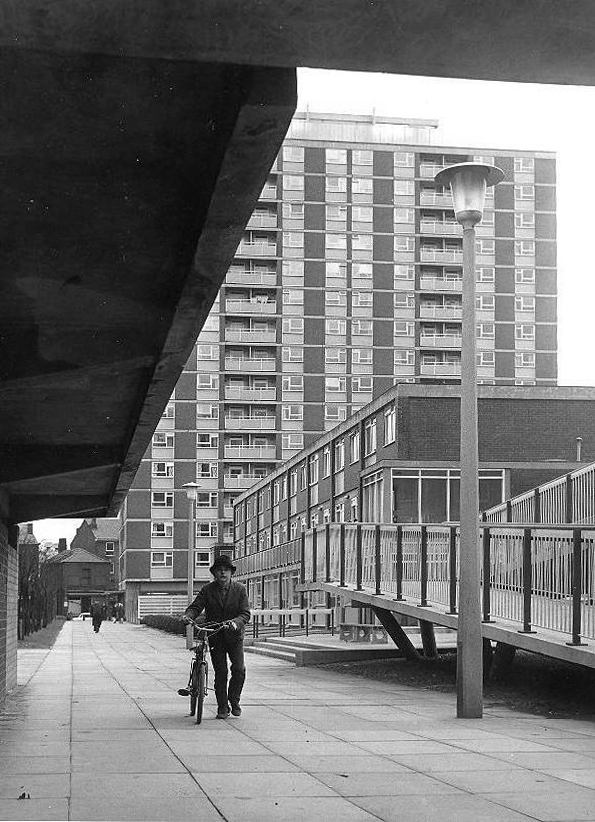
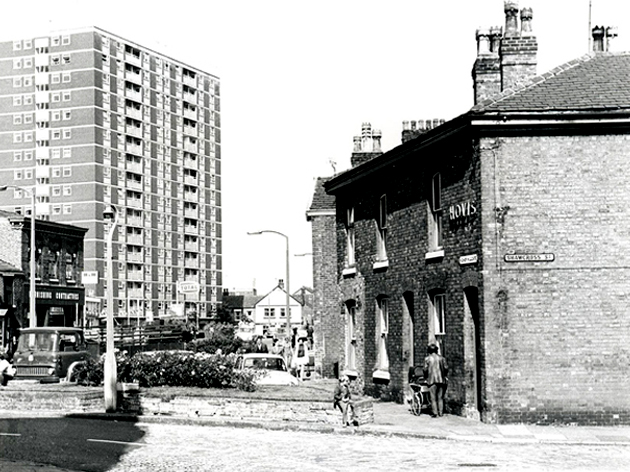
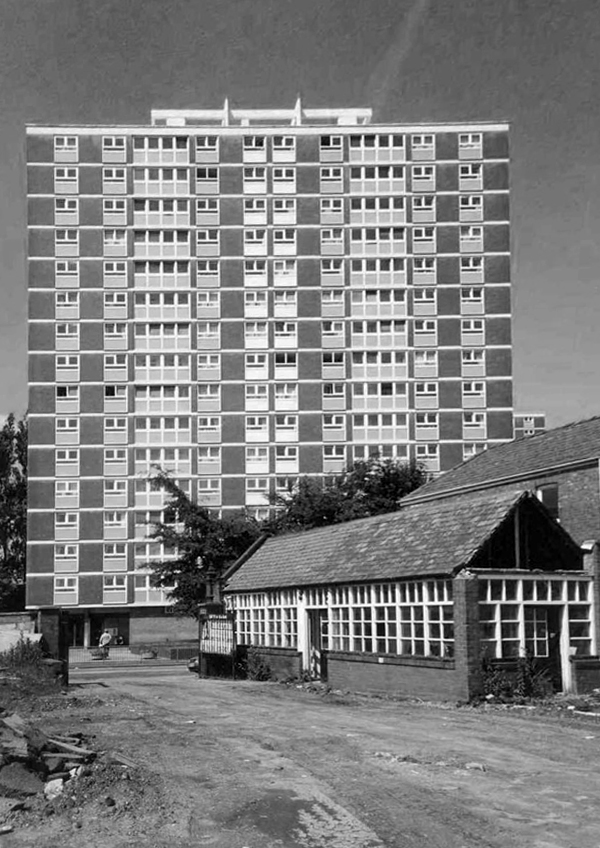
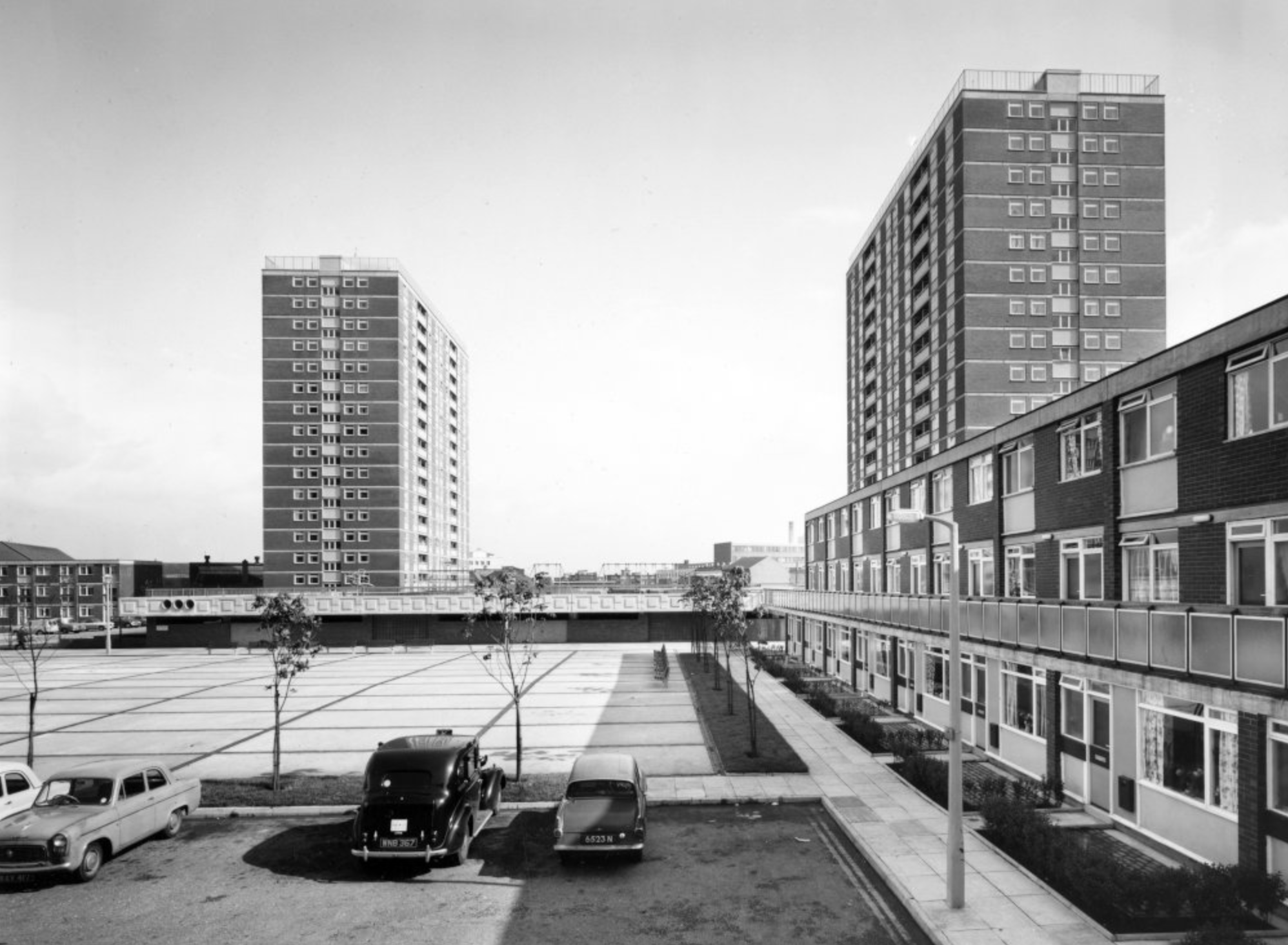
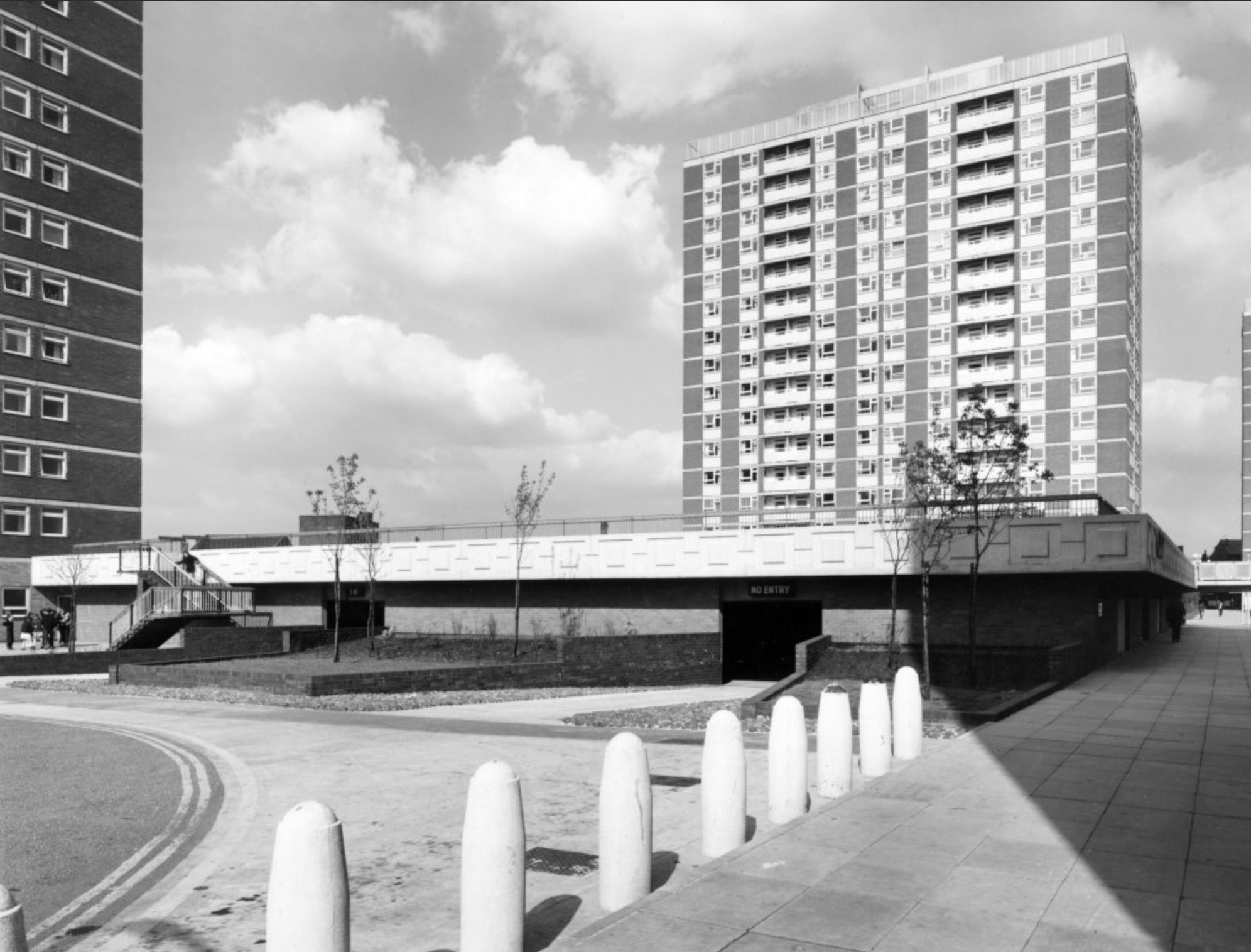
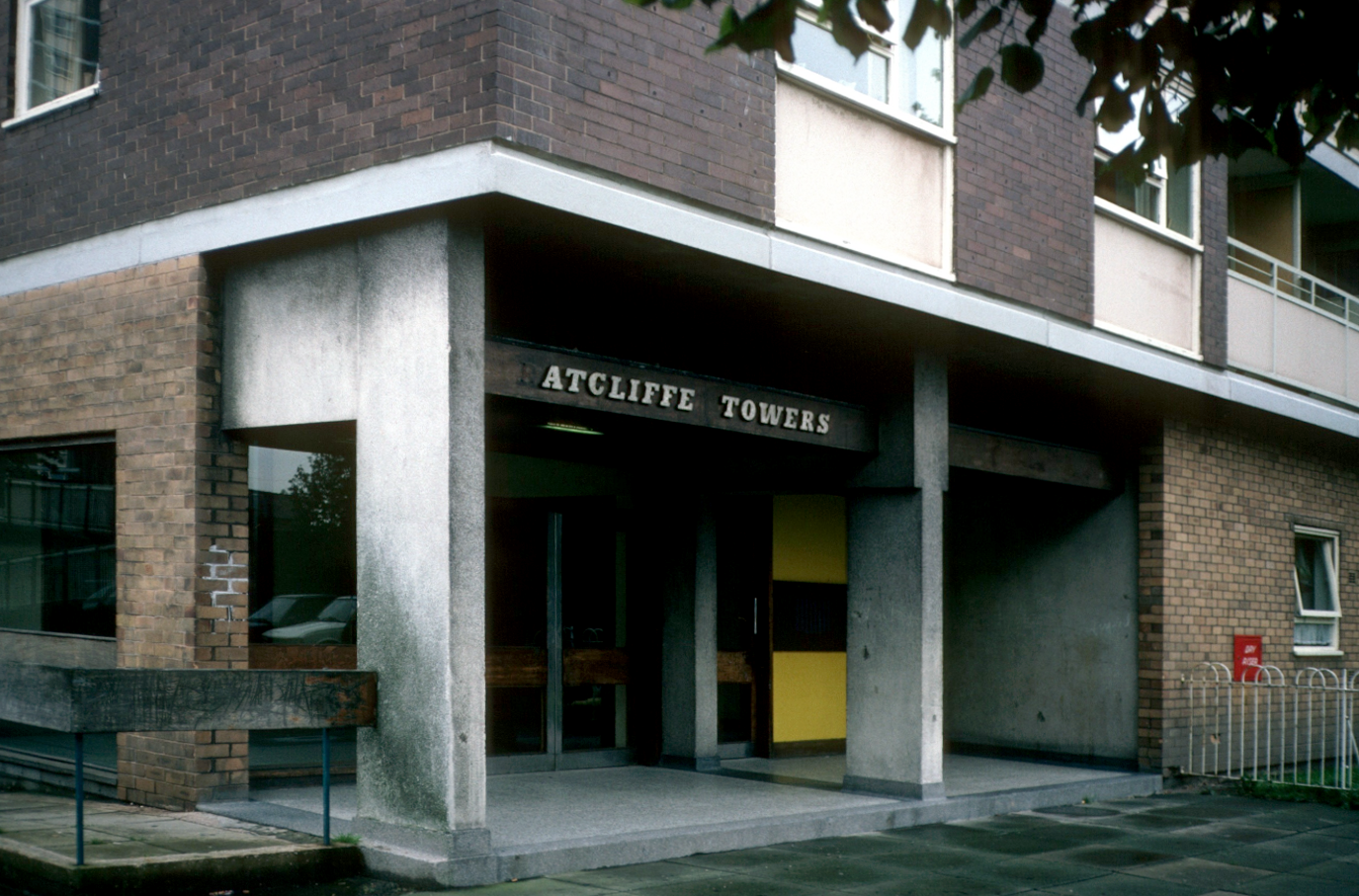
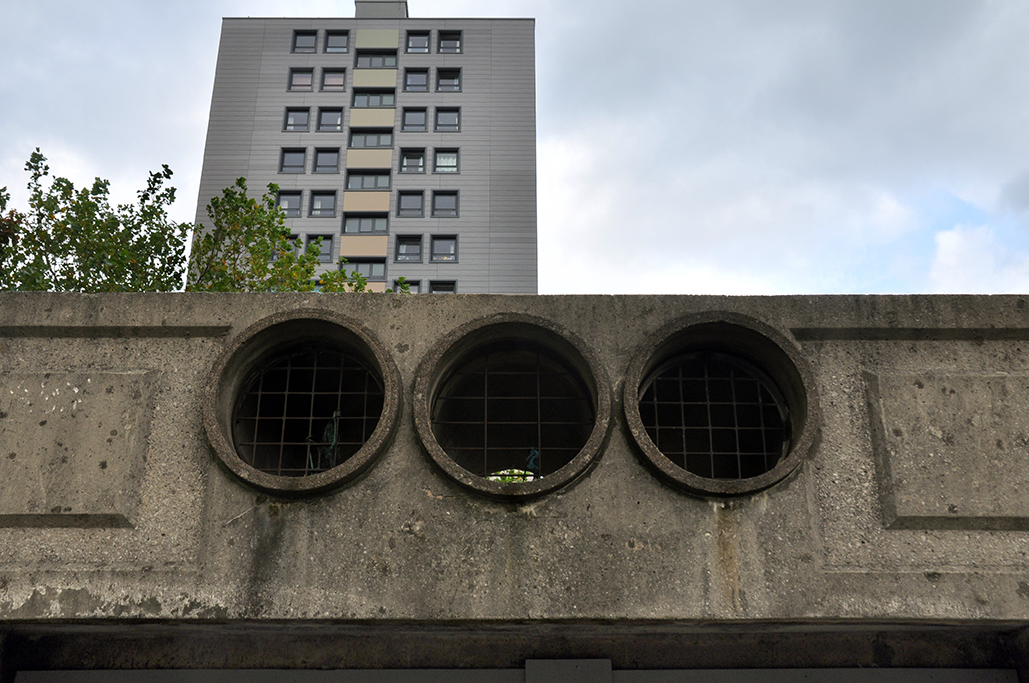
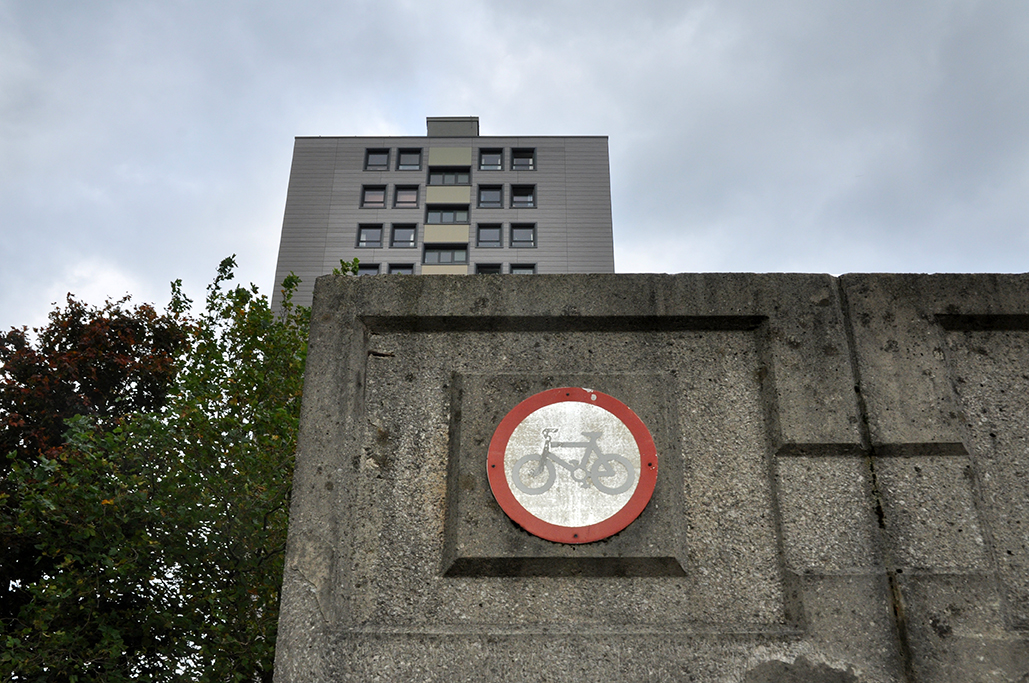
One fine day – whilst walking back to and/or from happiness, in the general direction of Blackburn town centre, I happened to chance upon three towers.
Whilst not in any sense Tolkienesque – for me they held a certain mystique, wandering unclad amongst swathes of trees and grass.
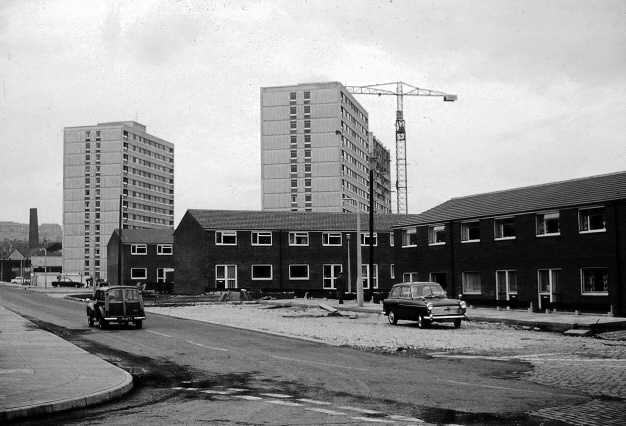
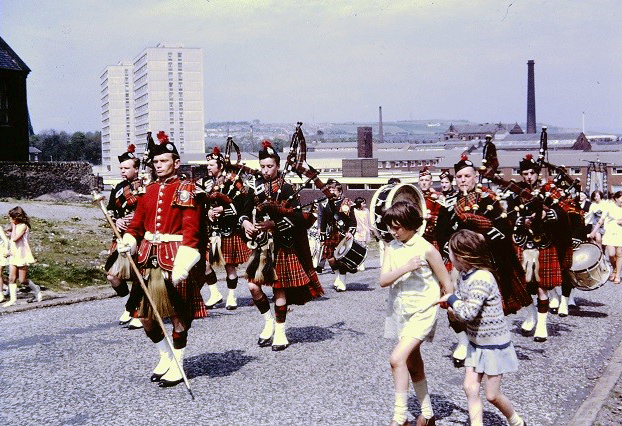
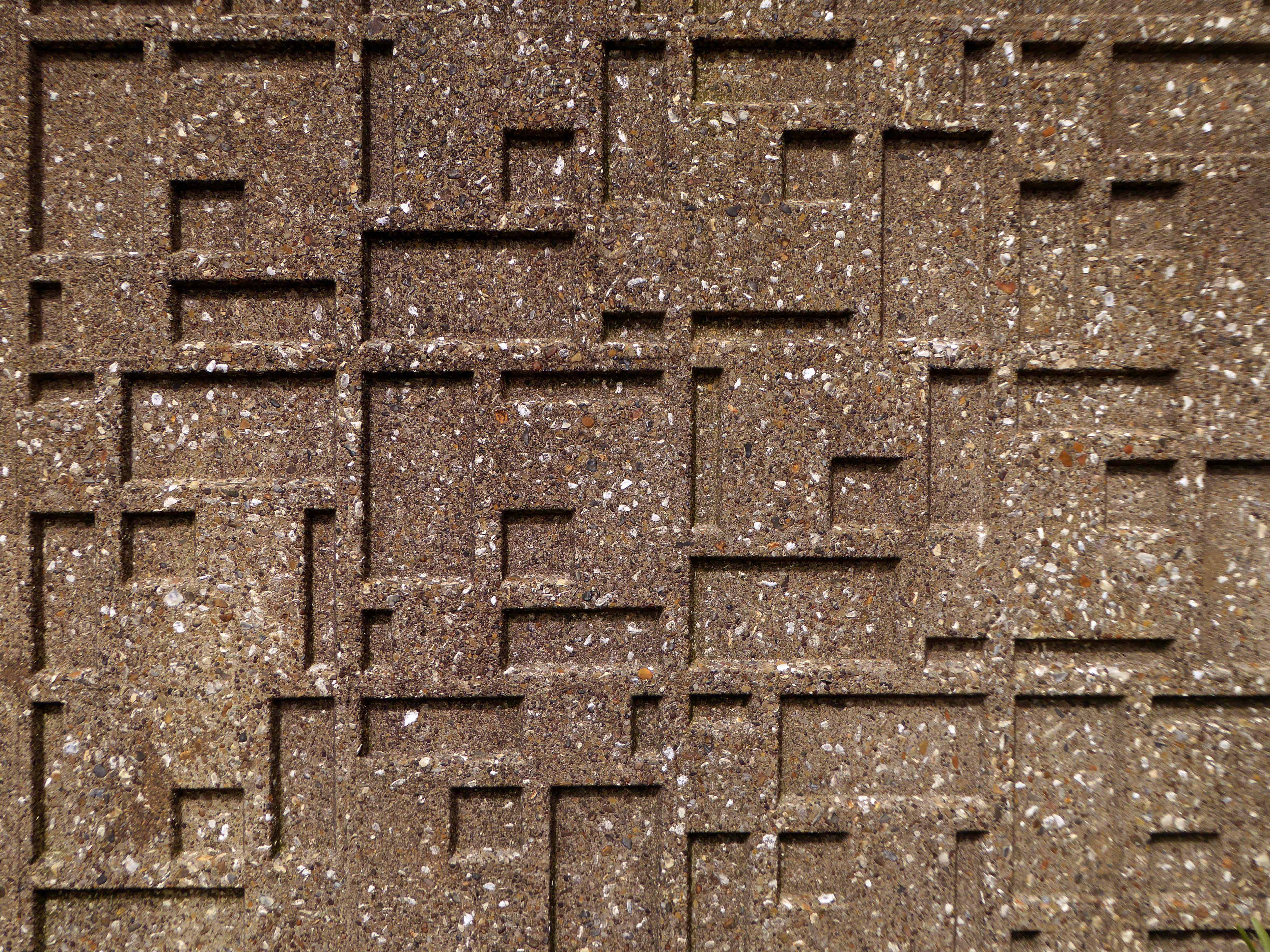
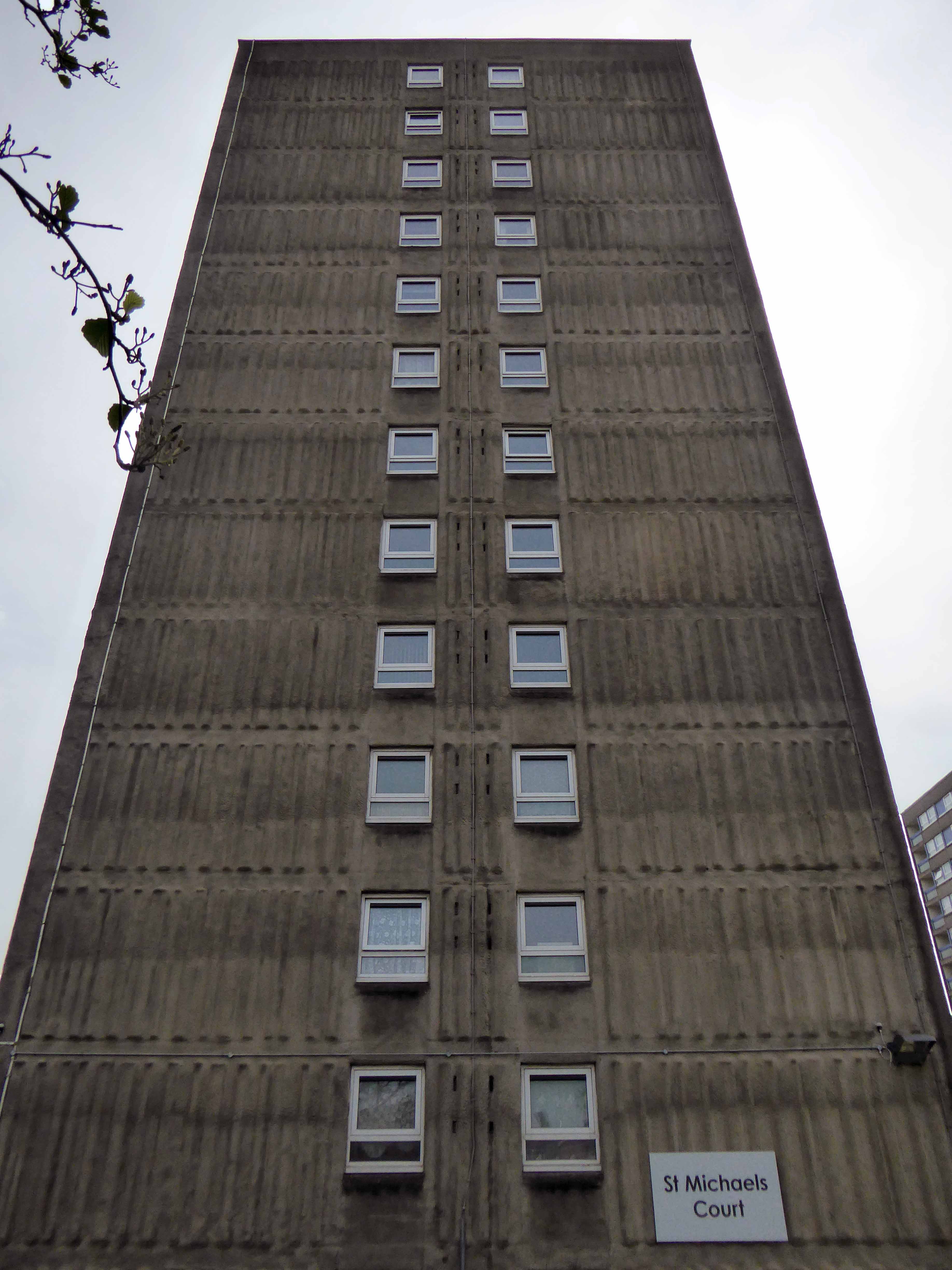
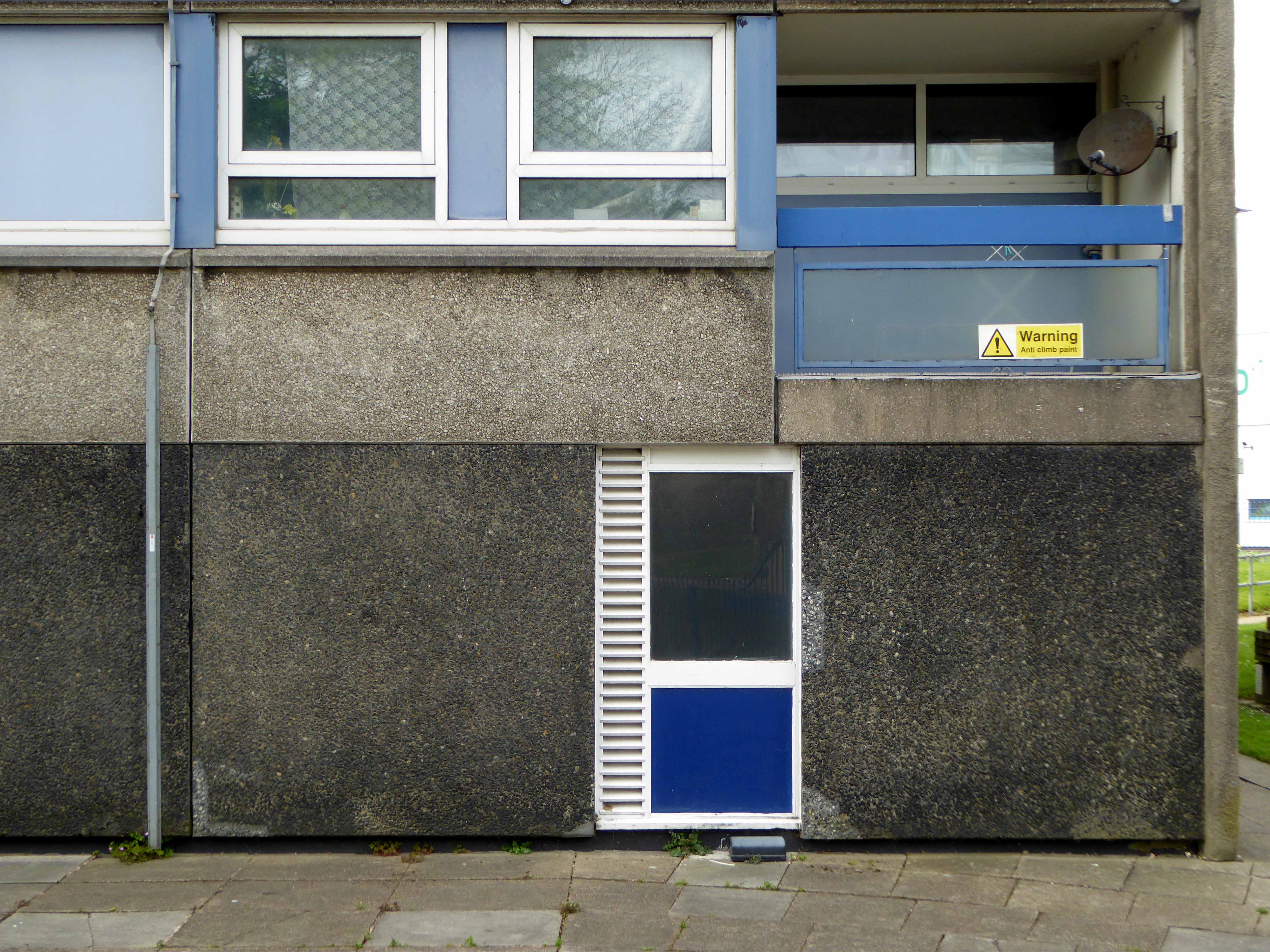
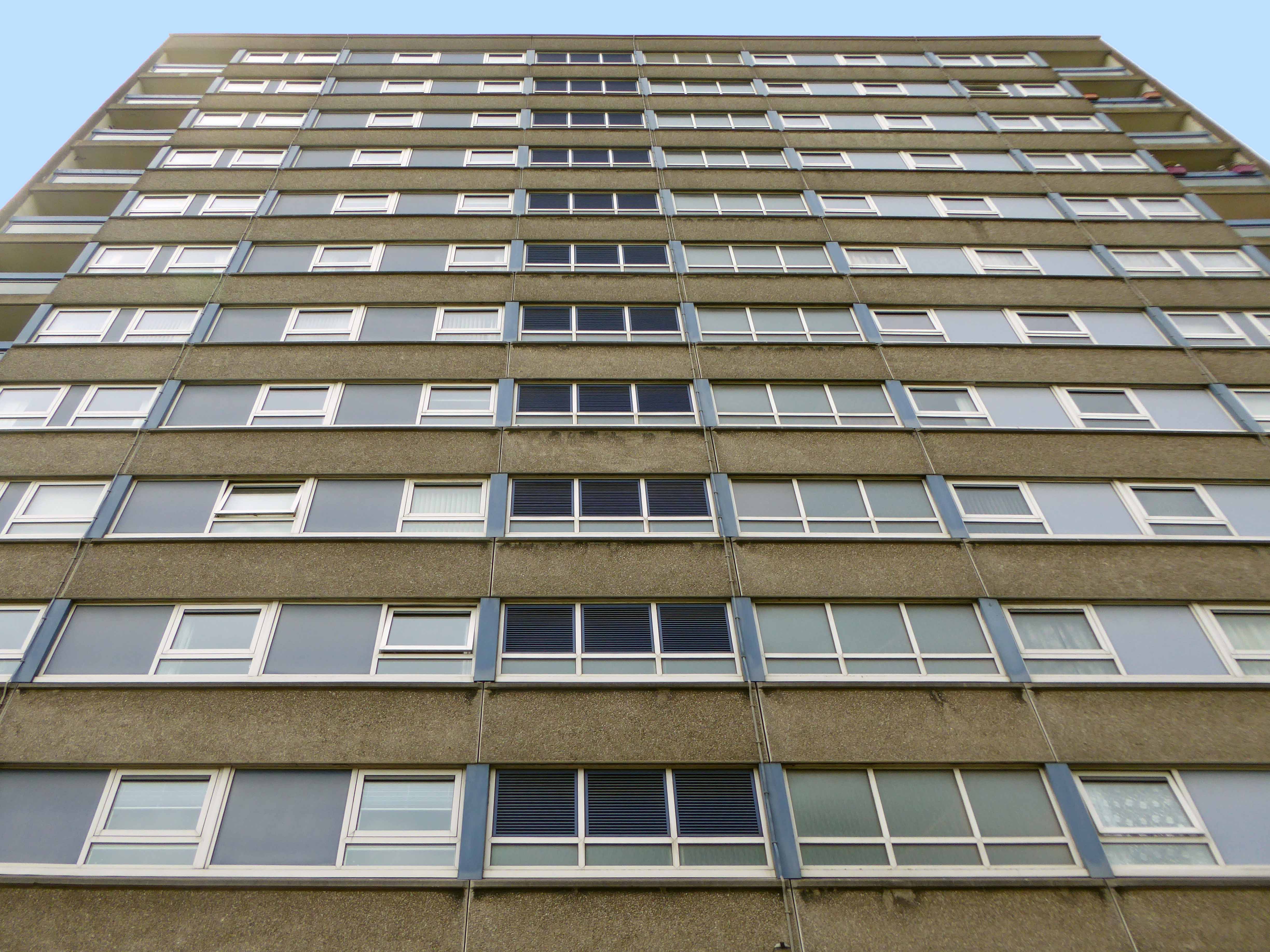
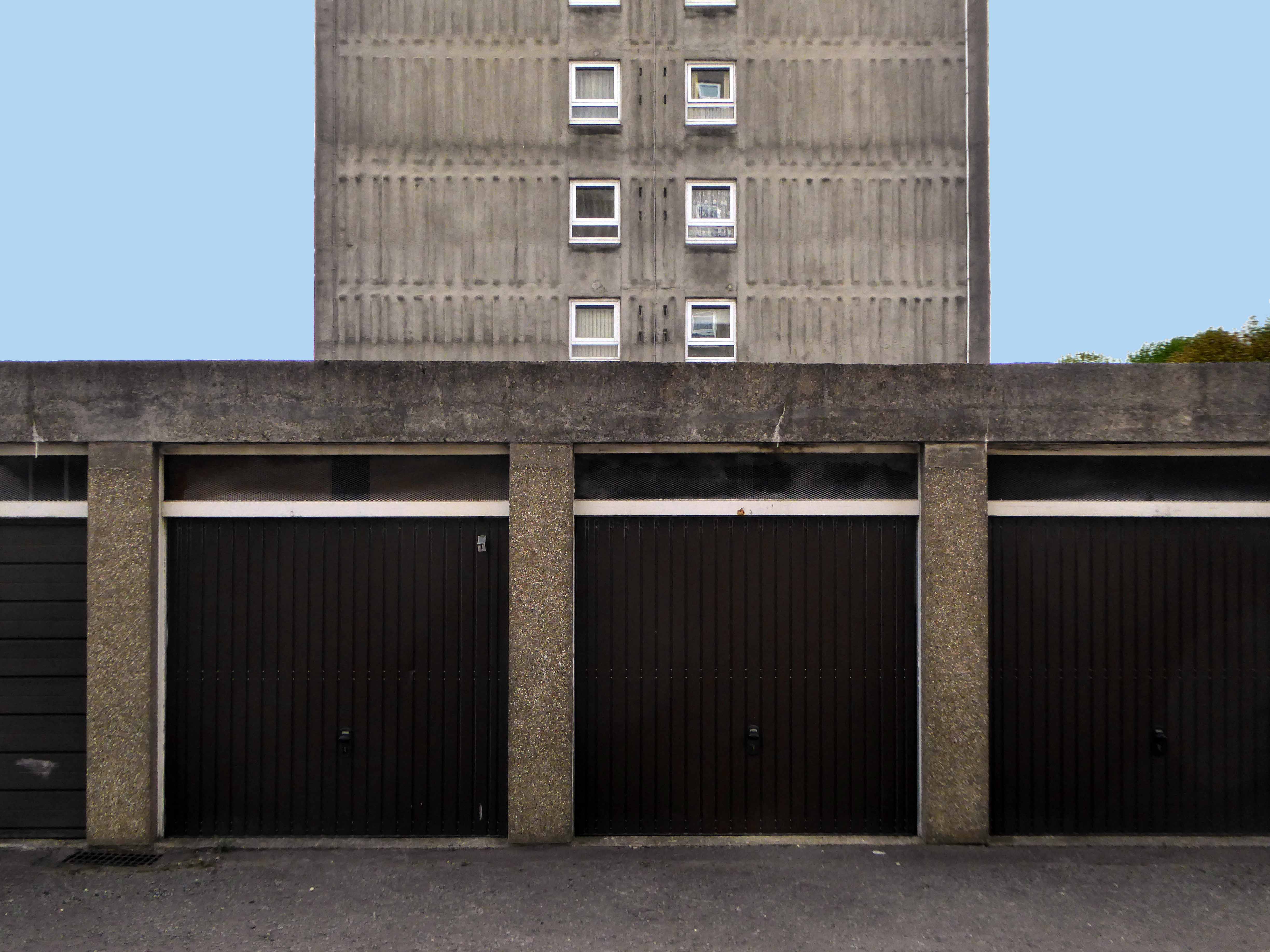
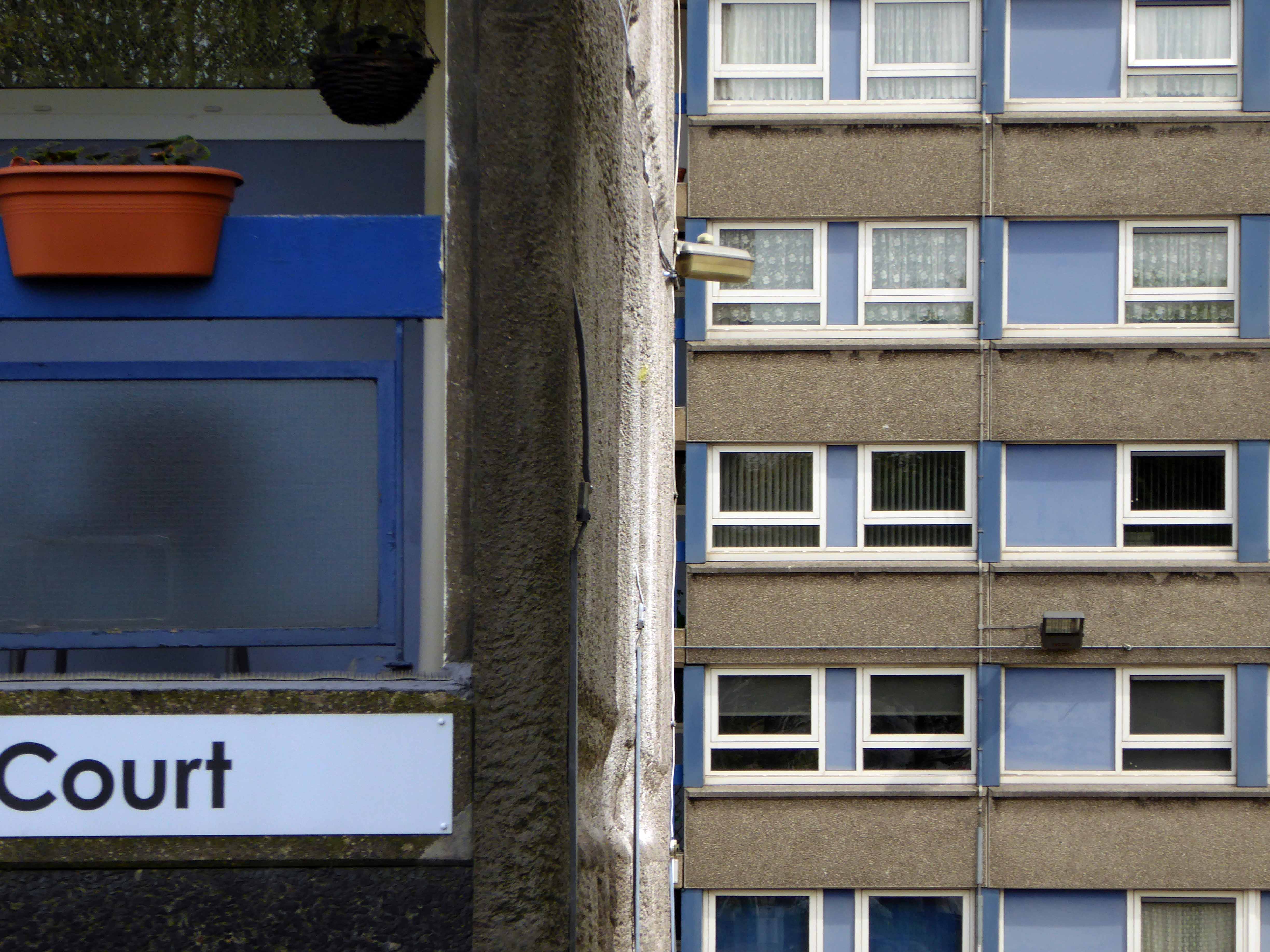
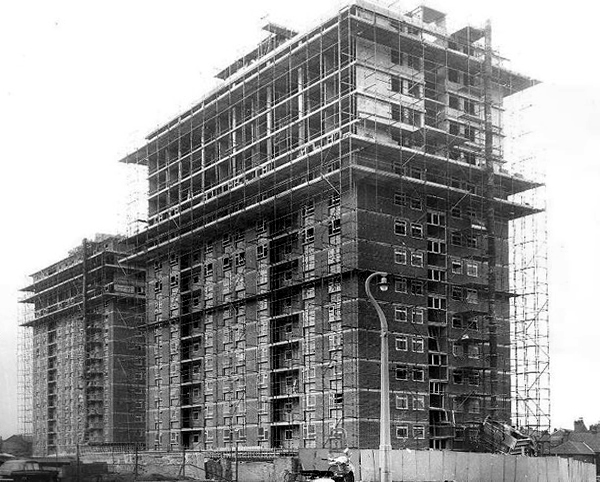
Trinity, St Alban and St Michaels Courts – three thirteen storey towers each containing sixty one dwellings.
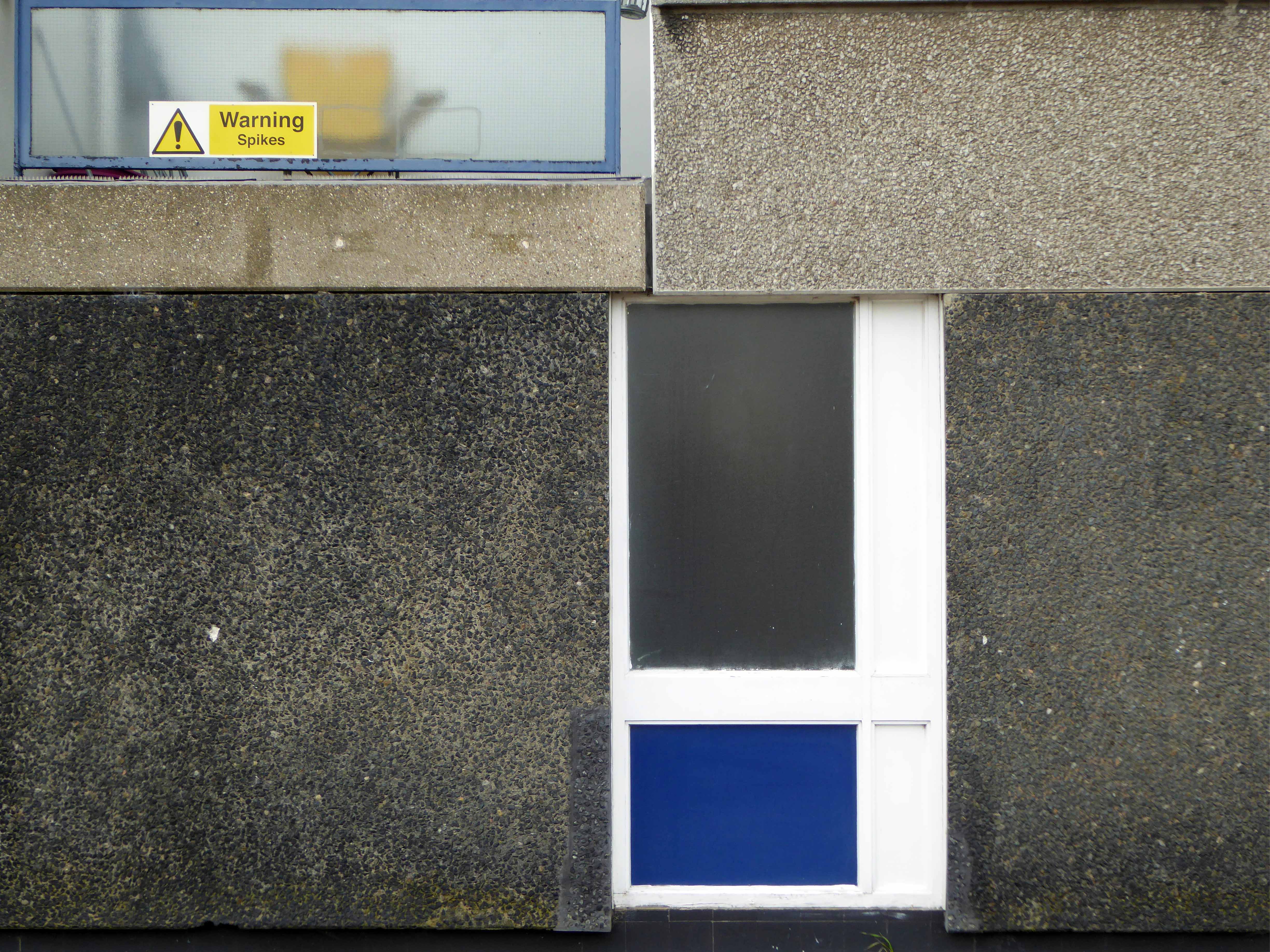
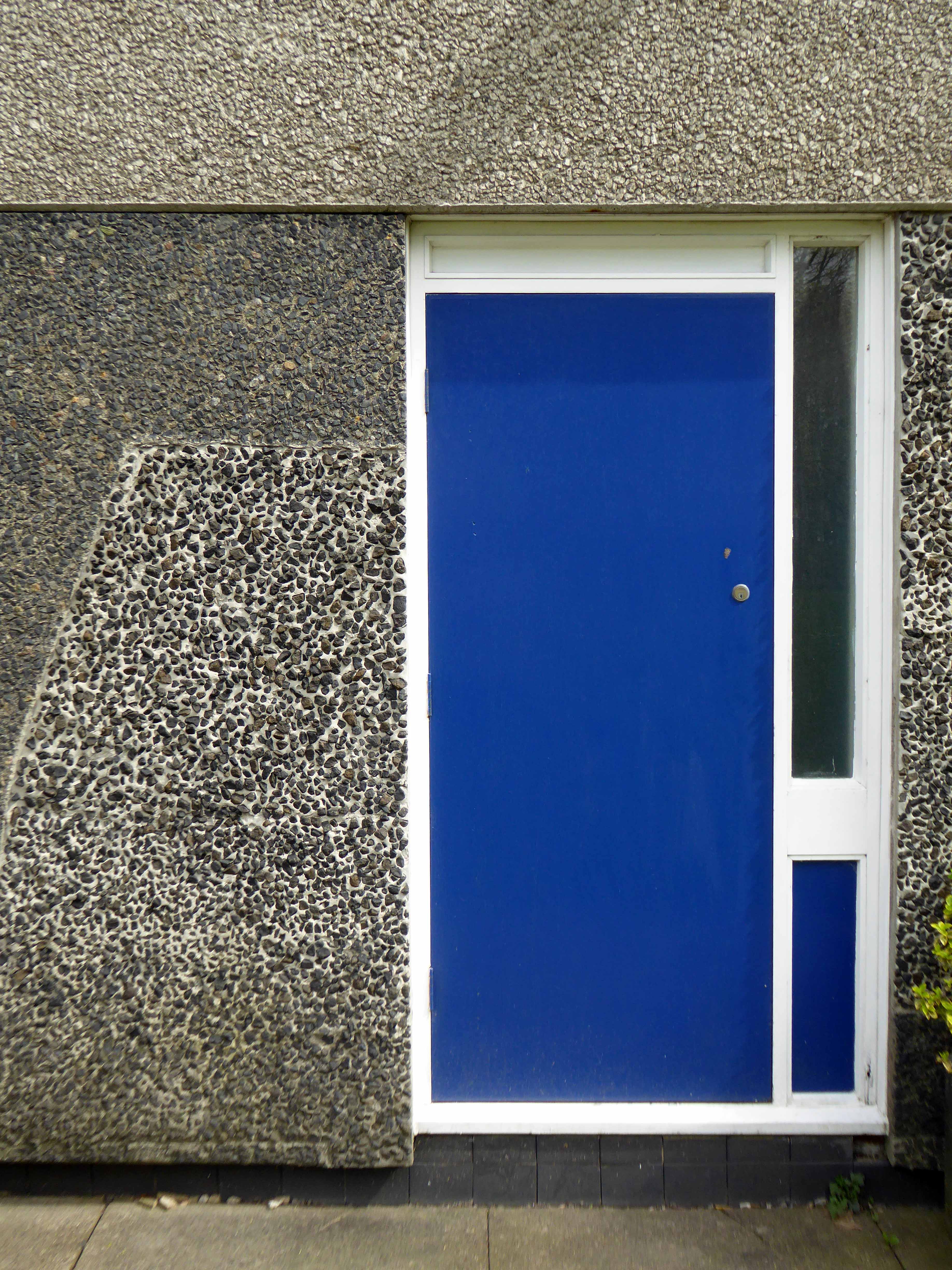
Three thirteen-storey slab blocks built as public housing using the Sectra industrialised building system. The blocks contain 183 dwellings in total, consisting of 72 one-bedroom flats and 111 two-bedroom flats. The blocks are of storiform construction clad with precast concrete panels. The panels are faced with exposed white Cornish aggregate. Spandrel panels set with black Shap granite aggregate are used under the gable kitchen windows. The blocks were designed by the Borough architect in association with Sydney Greenwood. Construction was approved by committee in 1966.
I’ve been to the Barbican before, wandering the walkways without purpose.
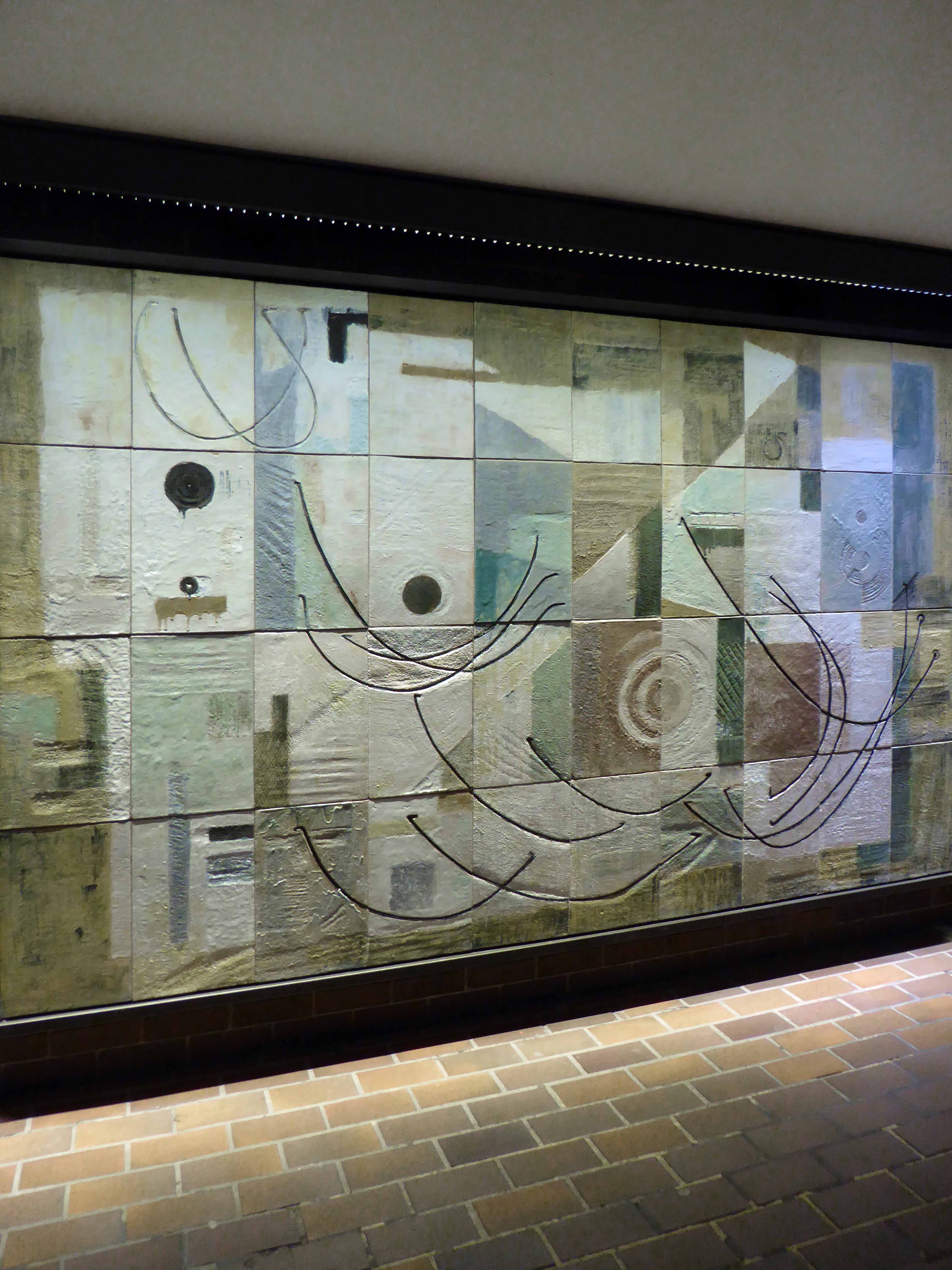
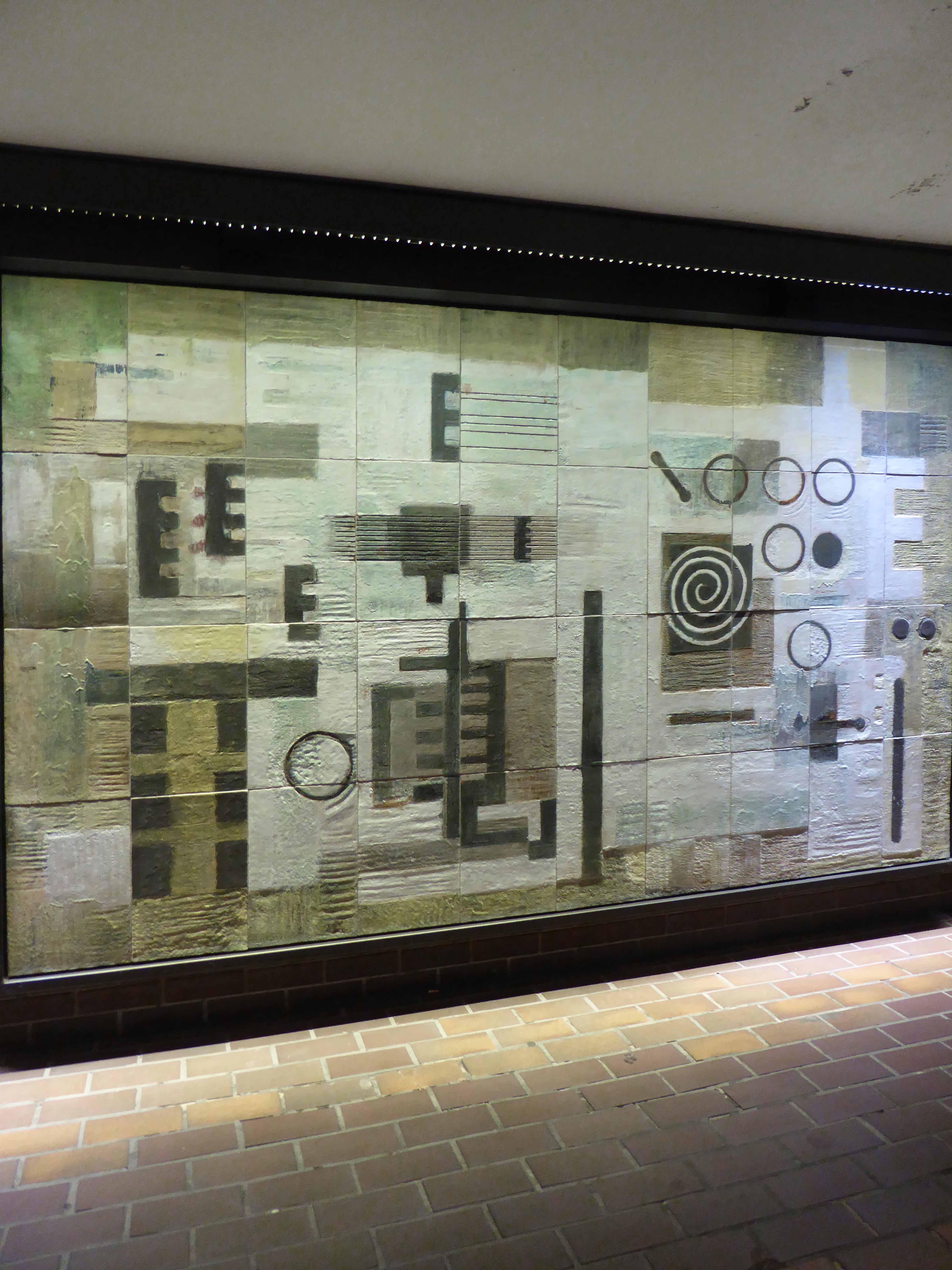
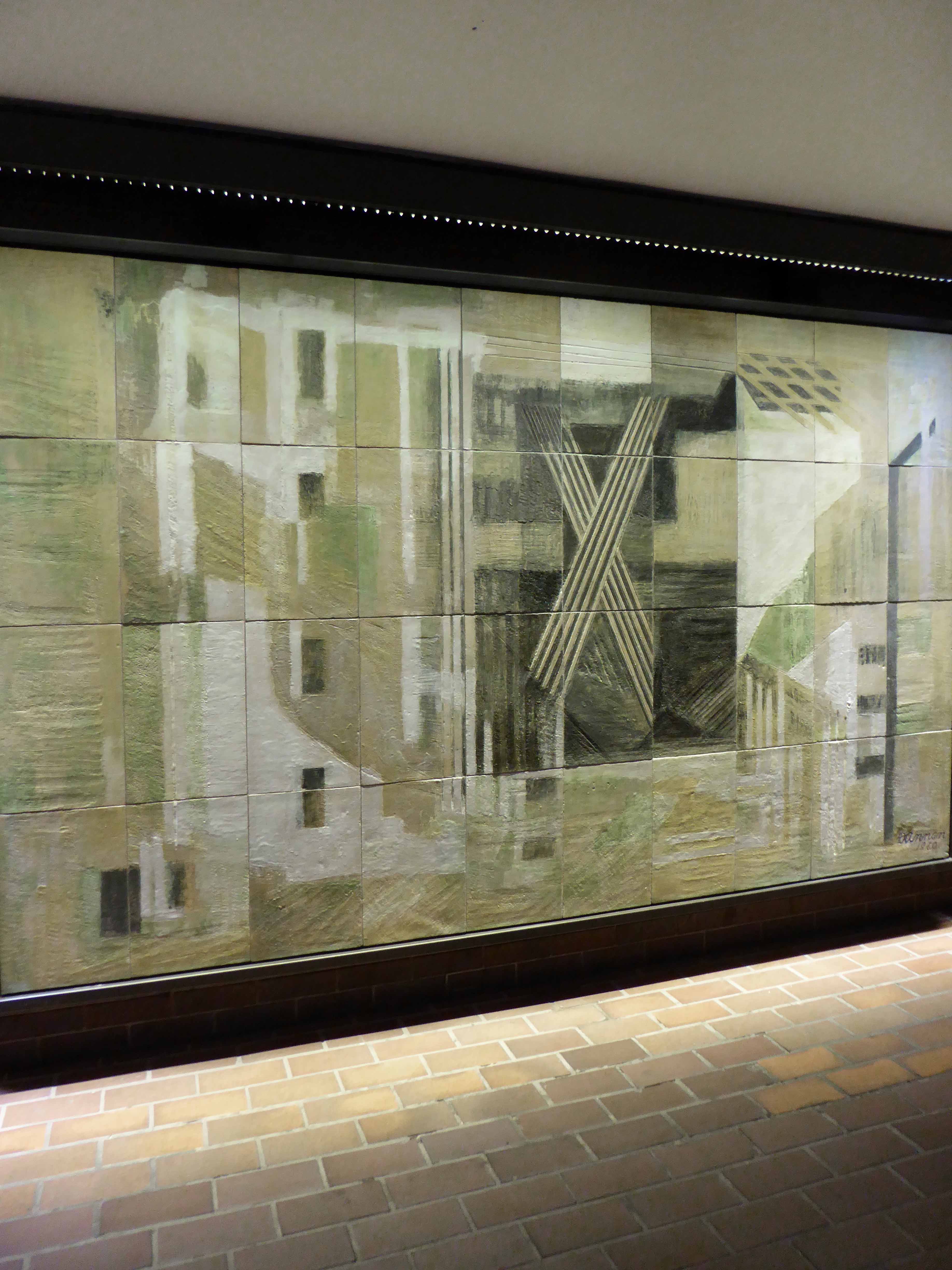
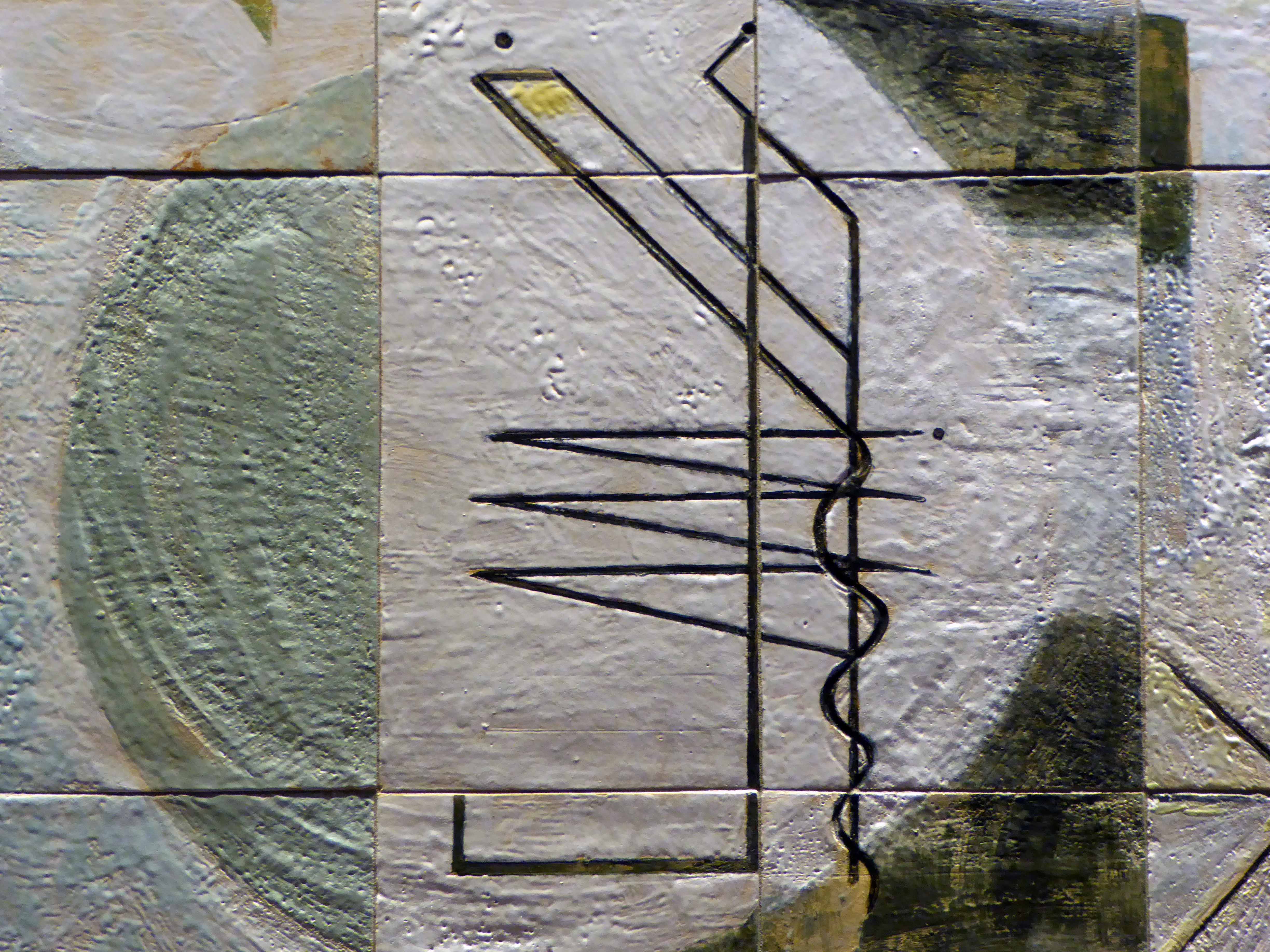
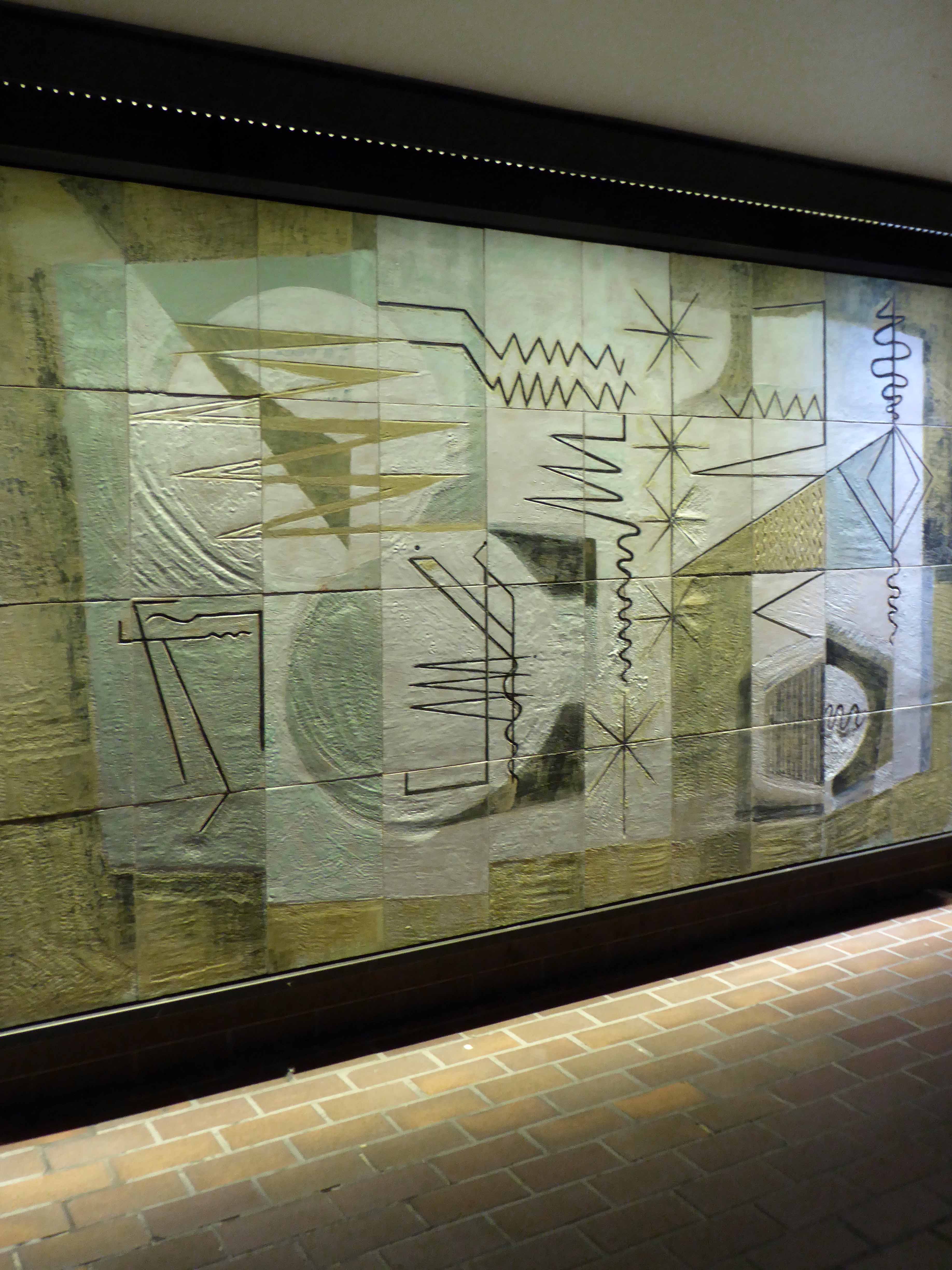
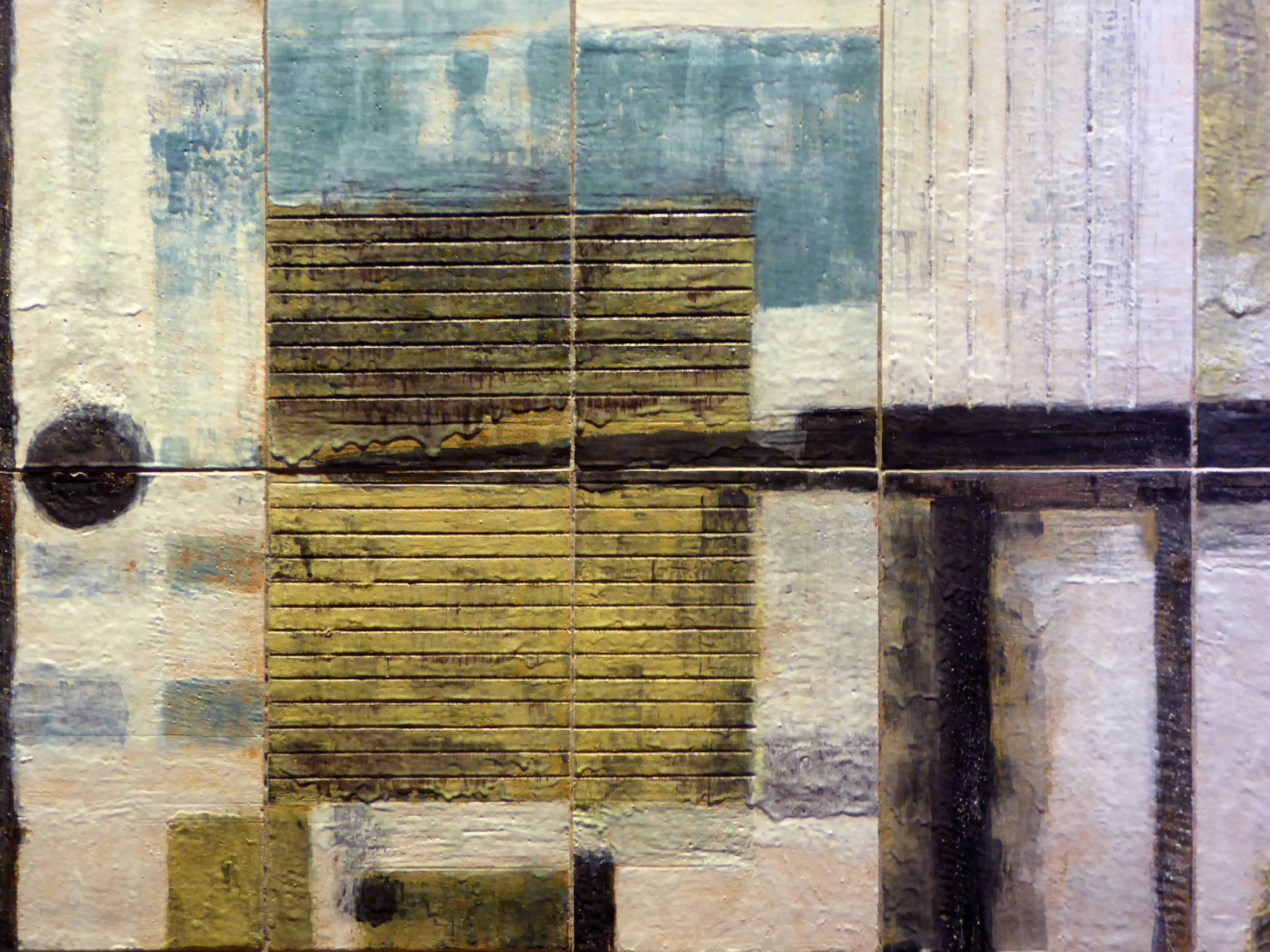
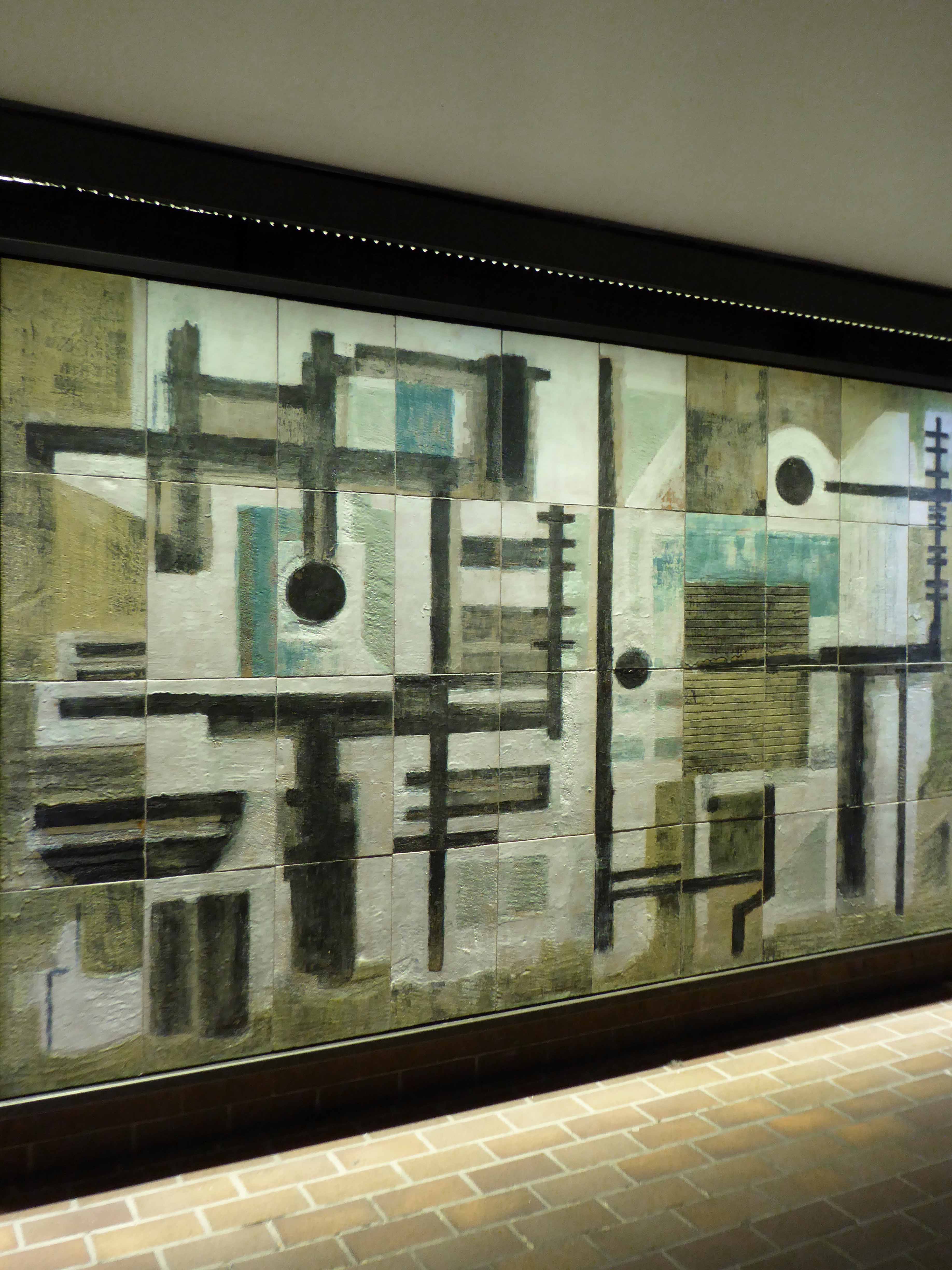
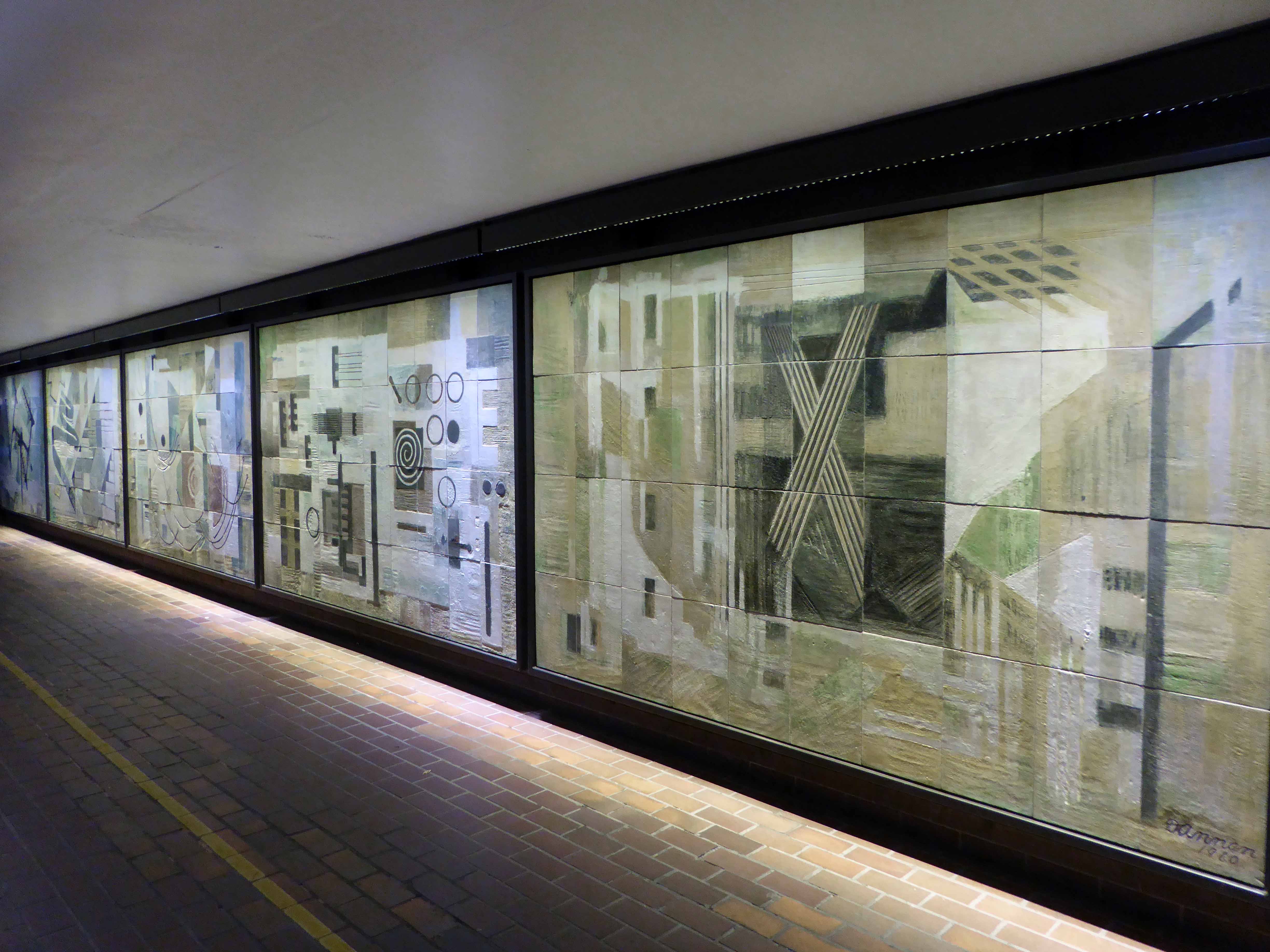
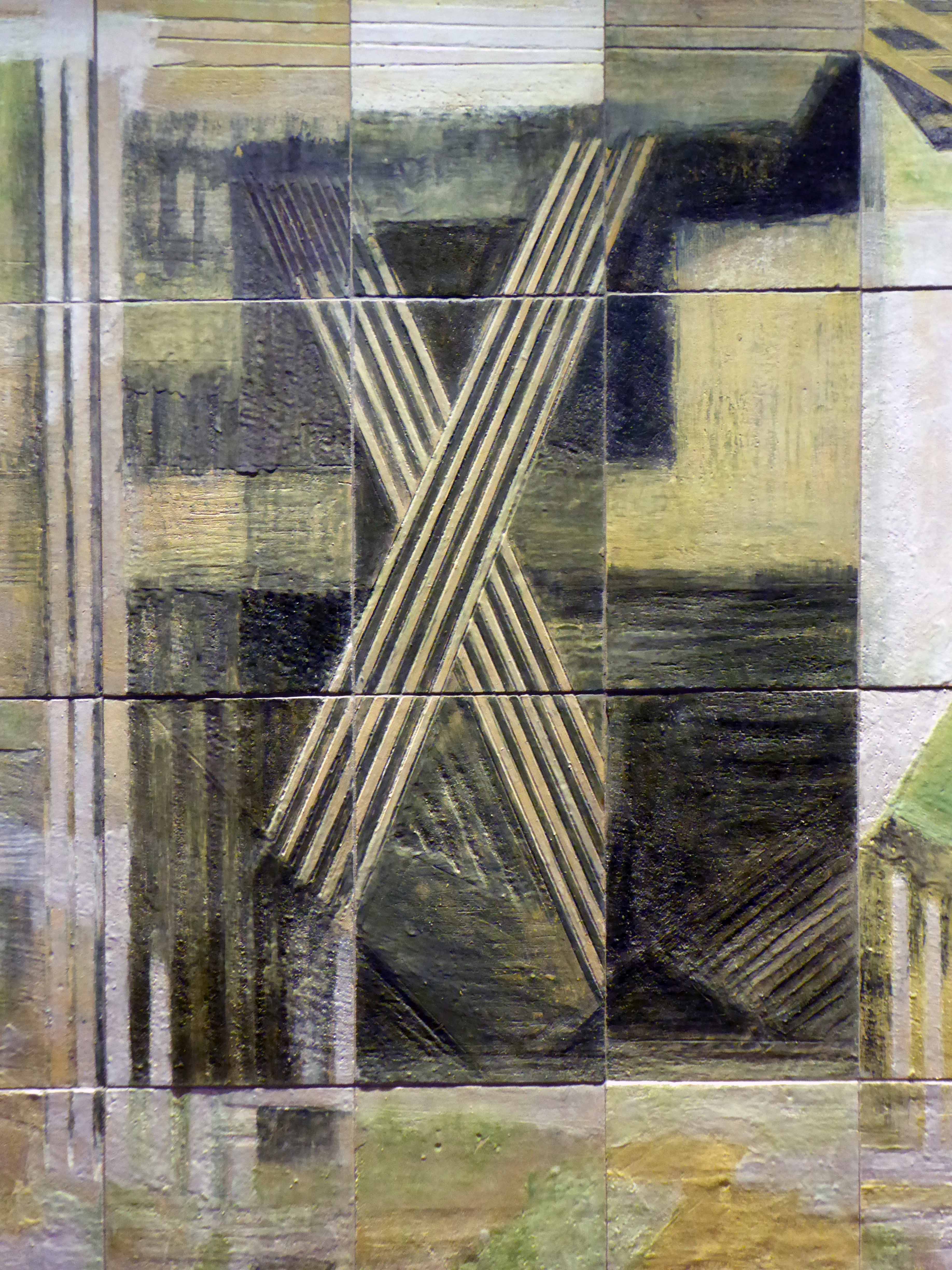
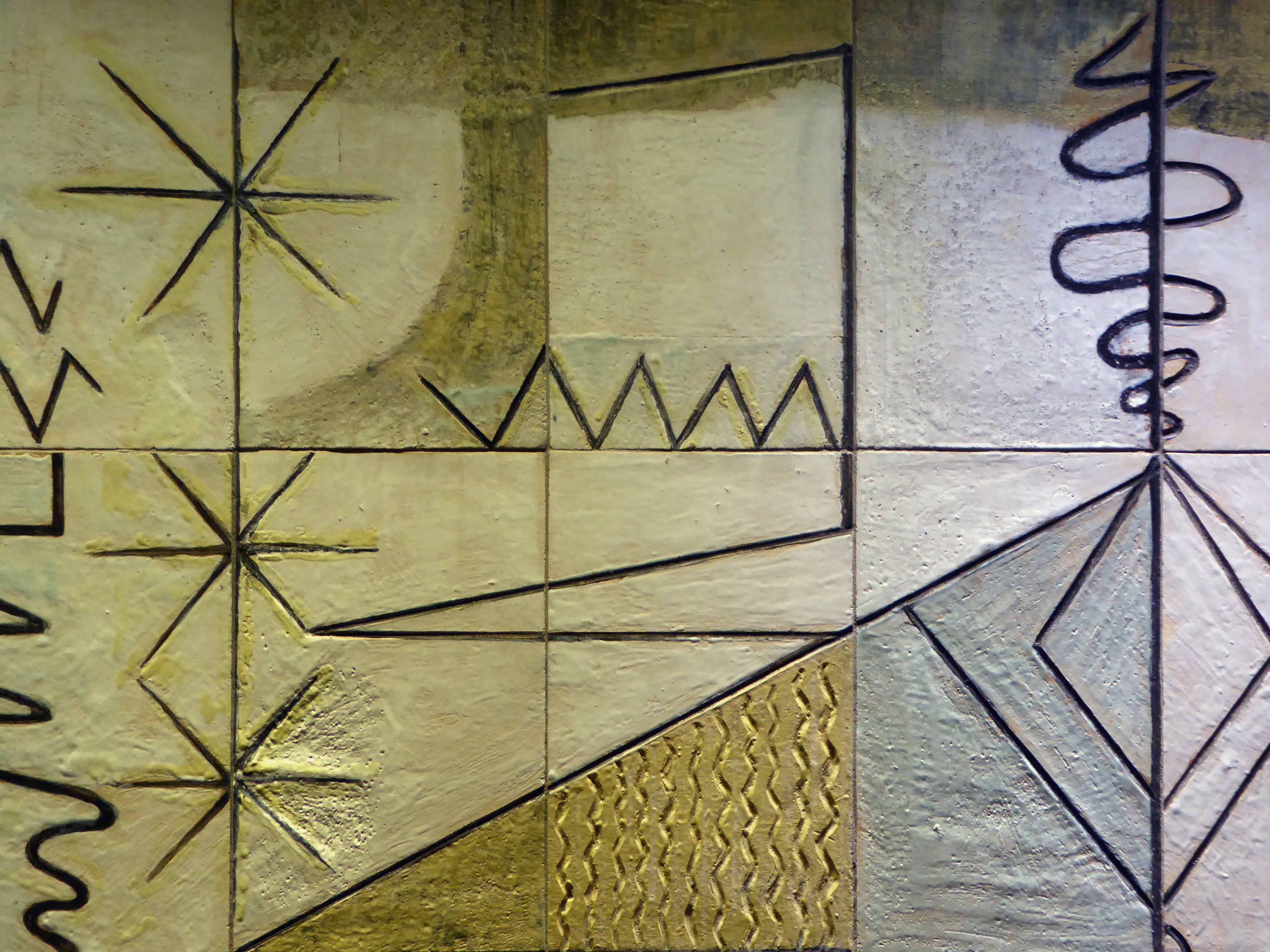
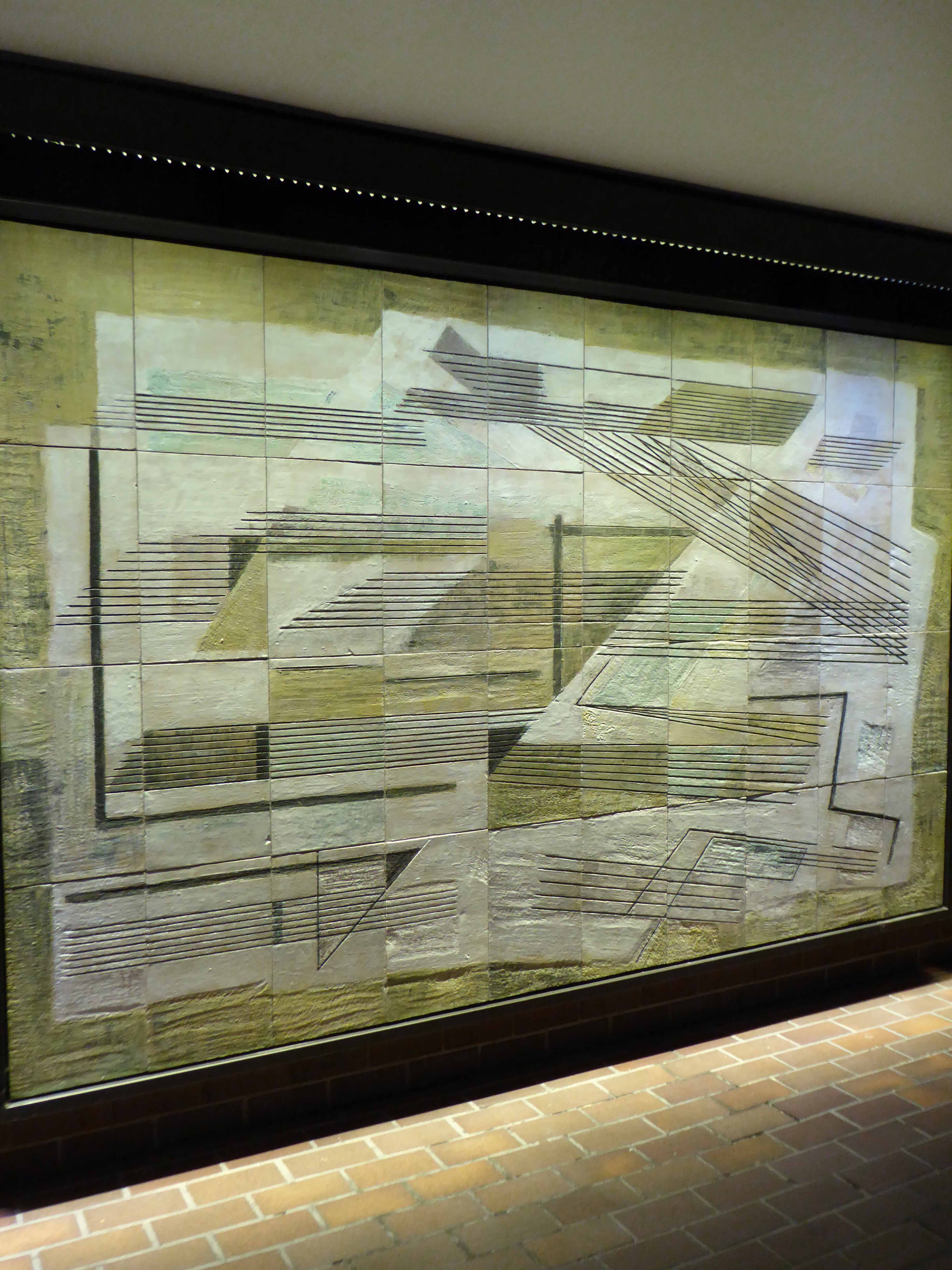
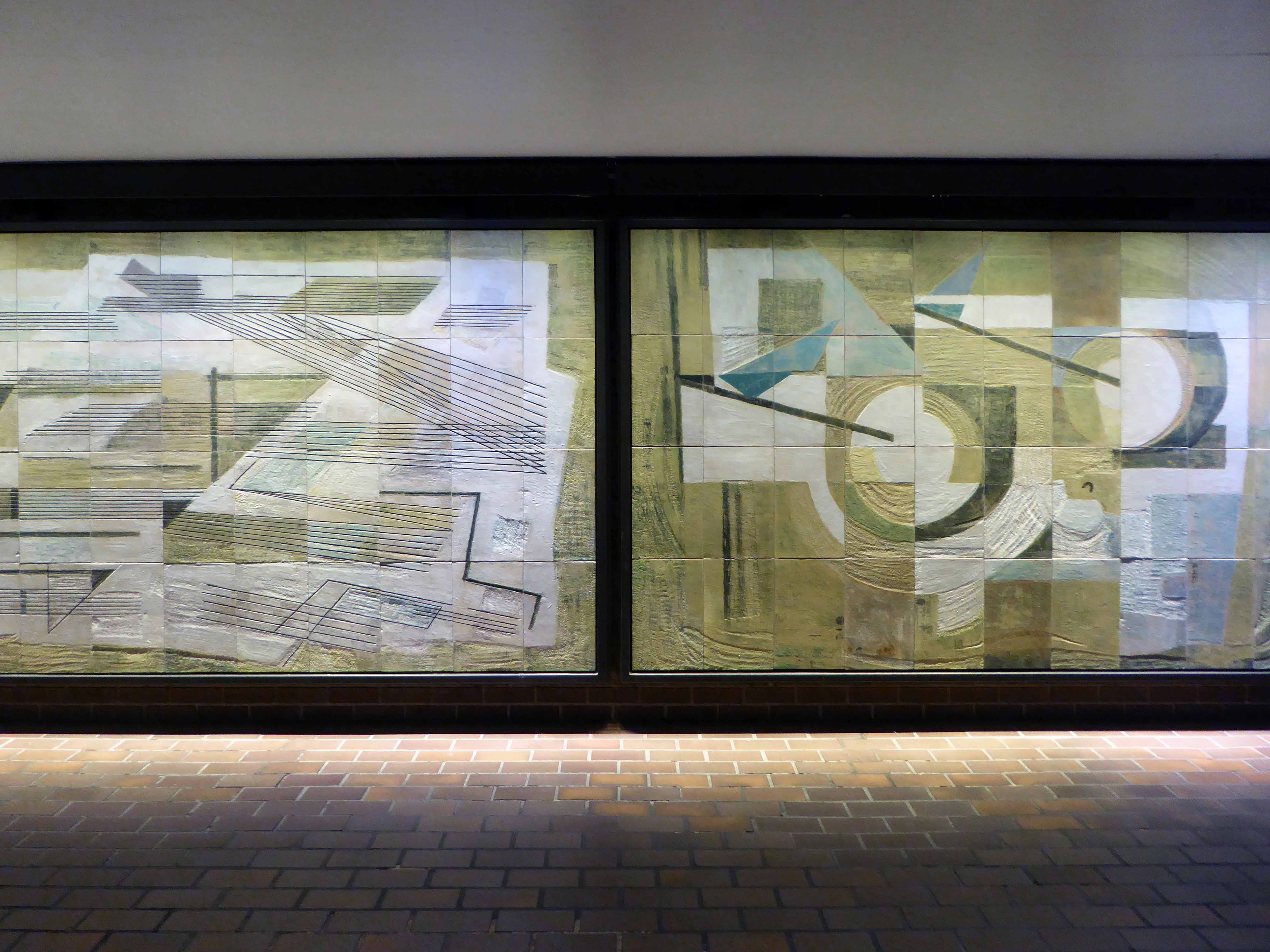
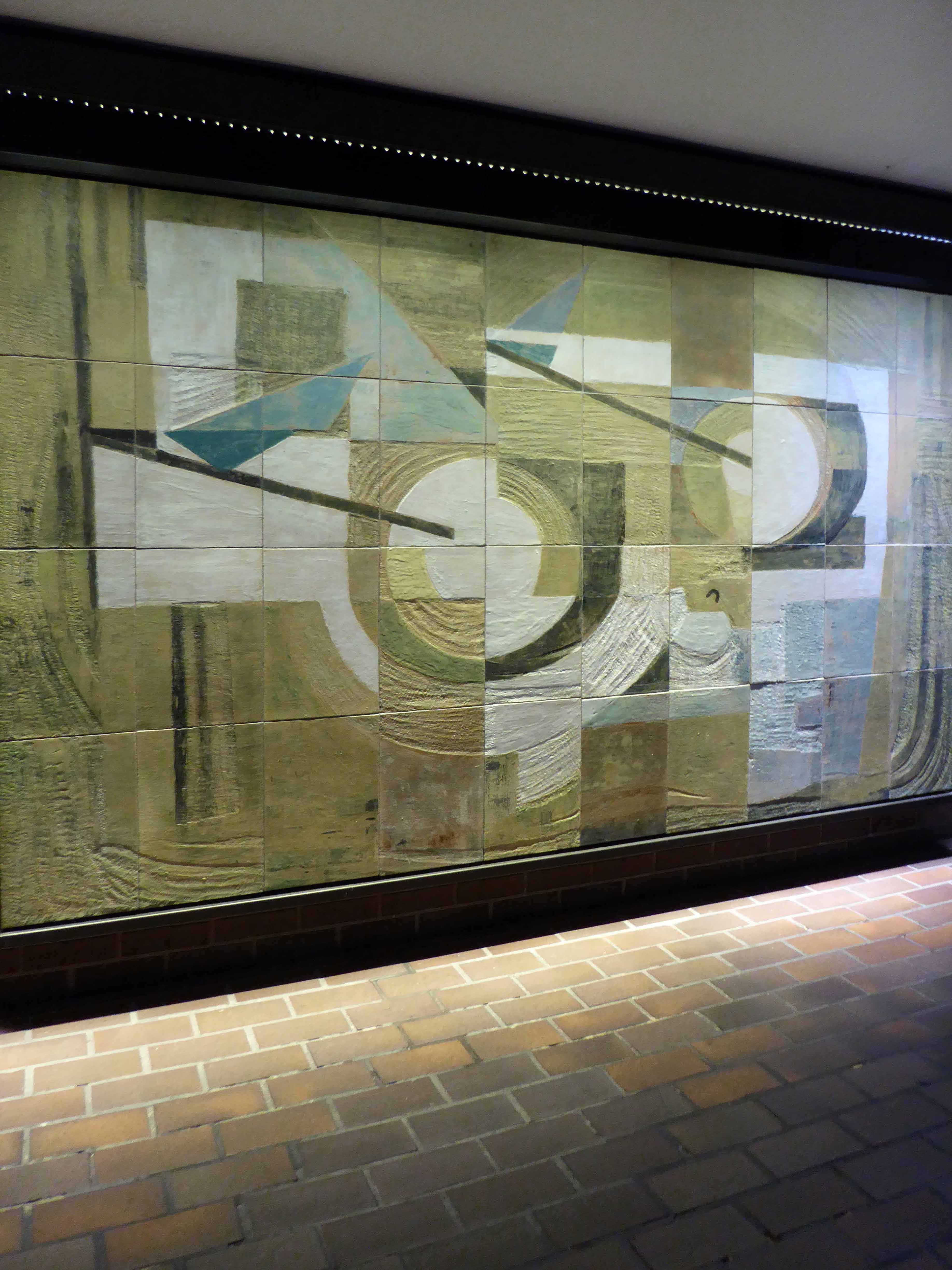
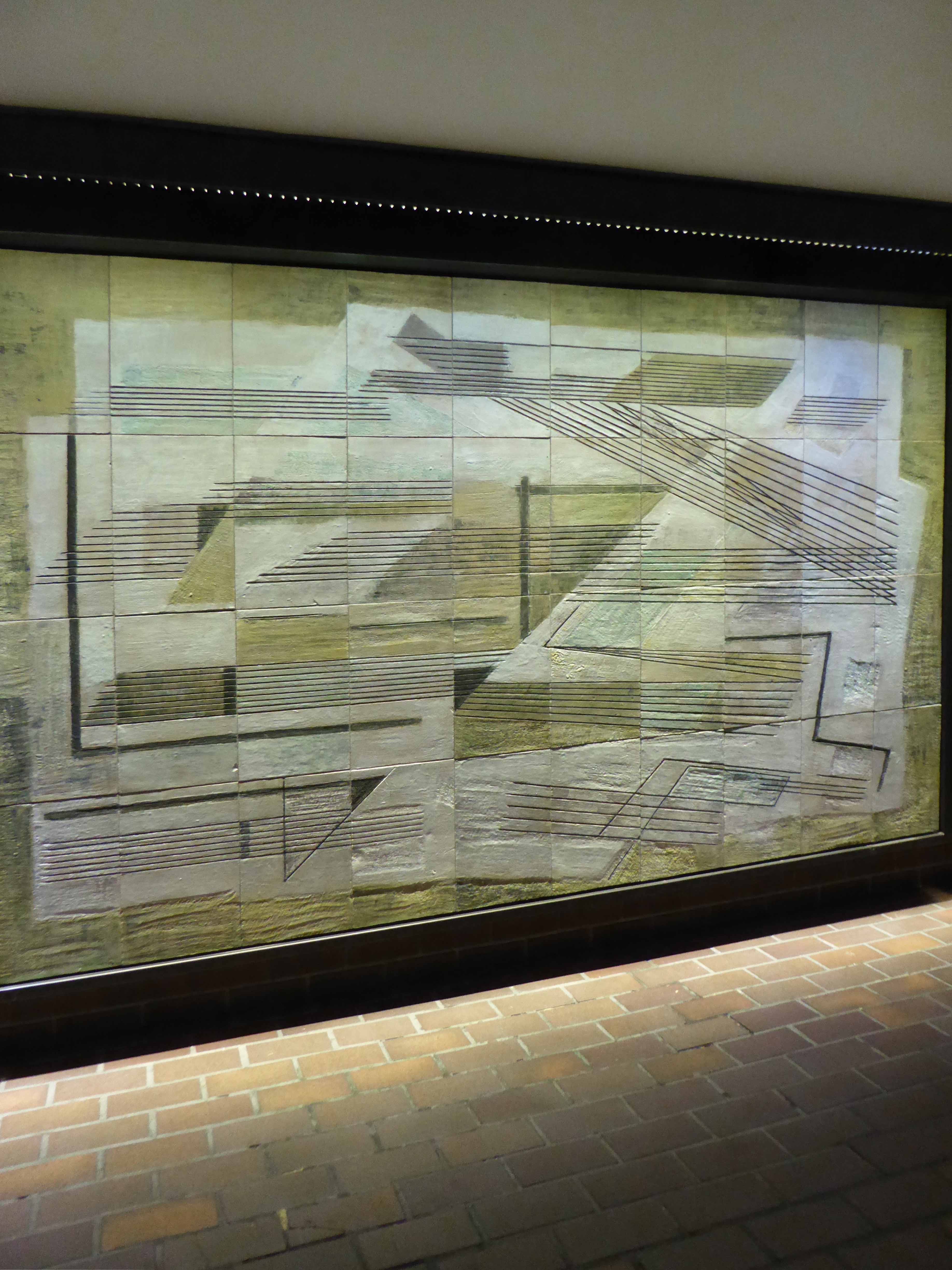
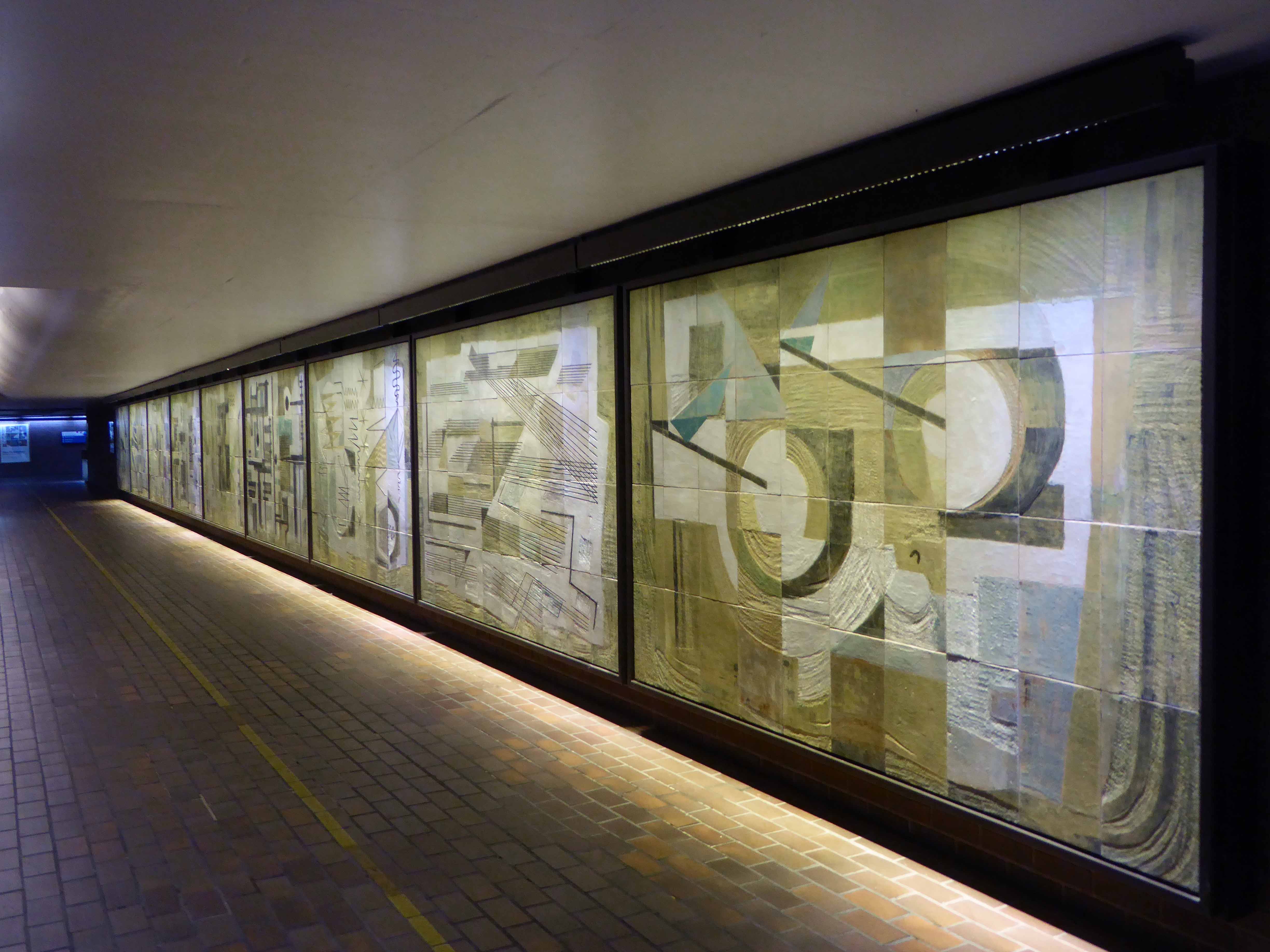
This is a whole new box of tiles, the search for a re-sited mural, a first time meeting with what would seem at once like an old and well-loved friend.
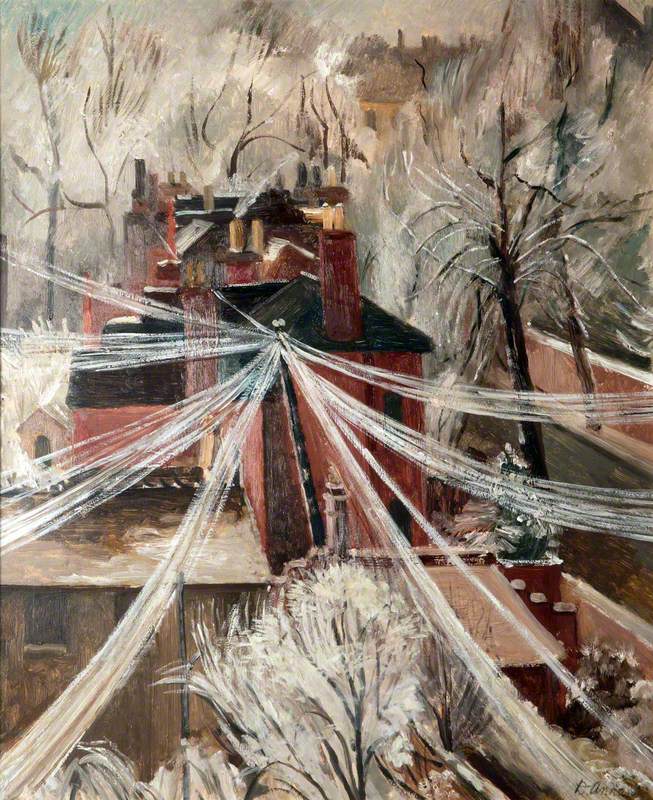
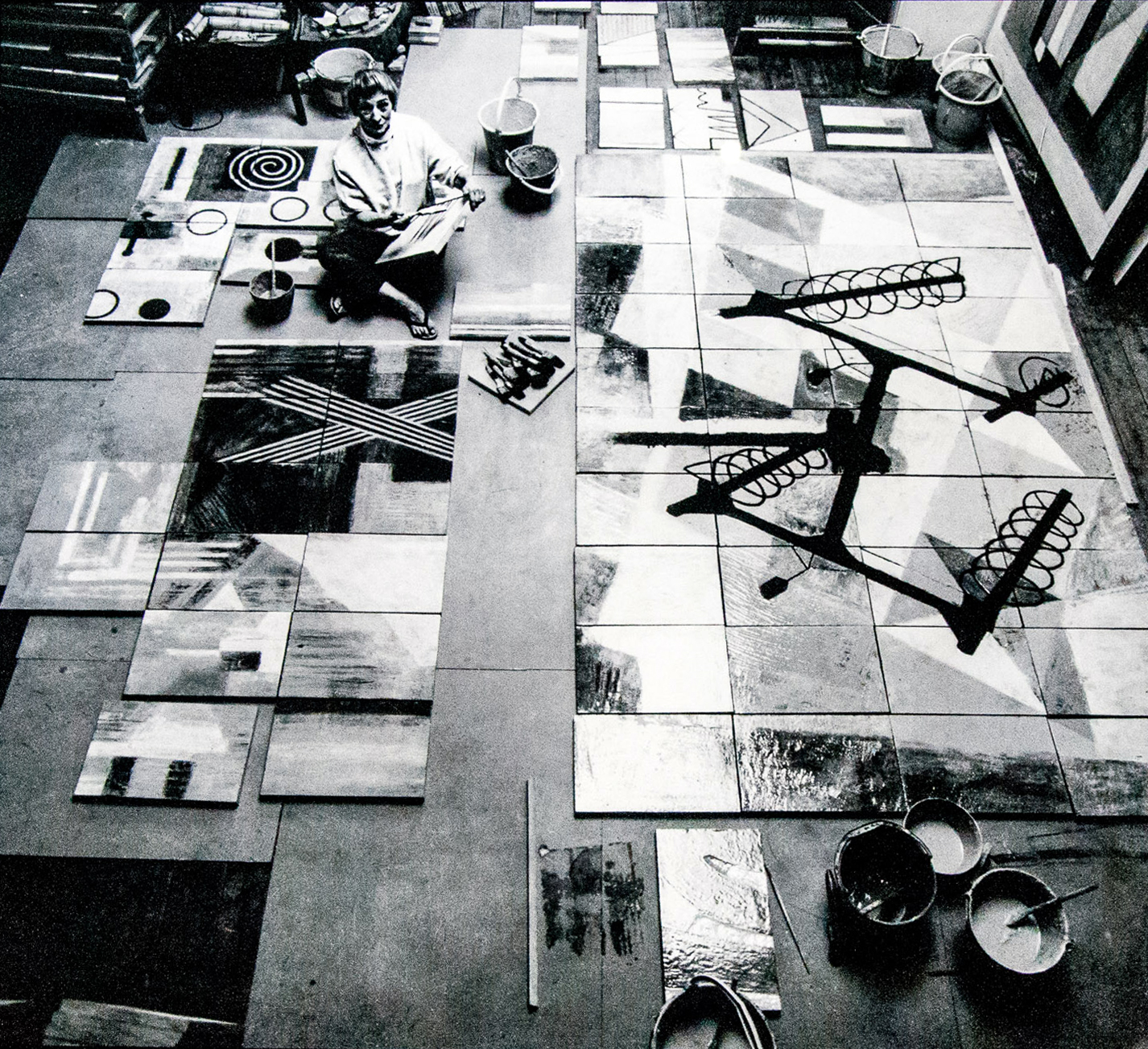
Dorothy Annan20 January 1900 – 28 June 1983
Was an English painter, potter and muralist, married to the painter and sculptor Trevor Tennant. She was born in Brazil to British parents and was educated in France and Germany.
Christmas 1944 – Manchester Art Gallery
Annan’s paintings are in many national collections, she is also known for her tile murals, many of which have been destroyed in recent decades. Only three of her major public murals are believed to survive, the largest single example, the Expanding Universe at the Bank of England, was destroyed in 1997.
Gouache Sketch
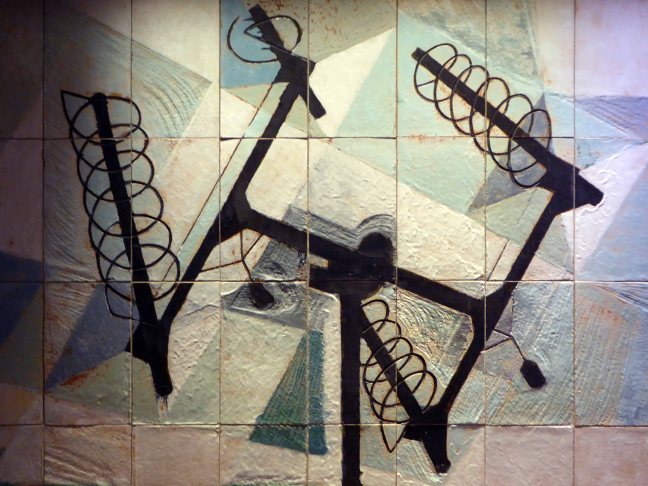
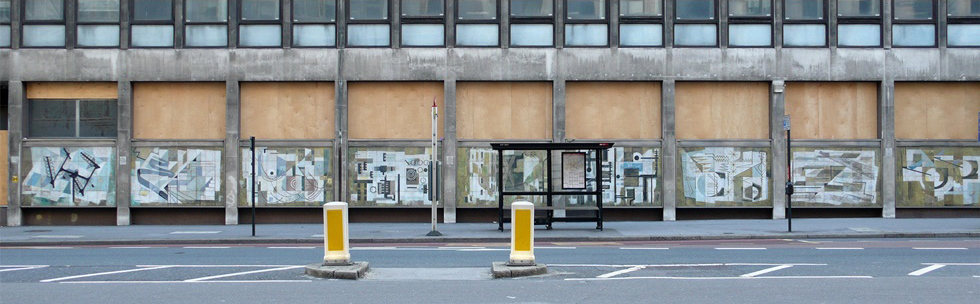
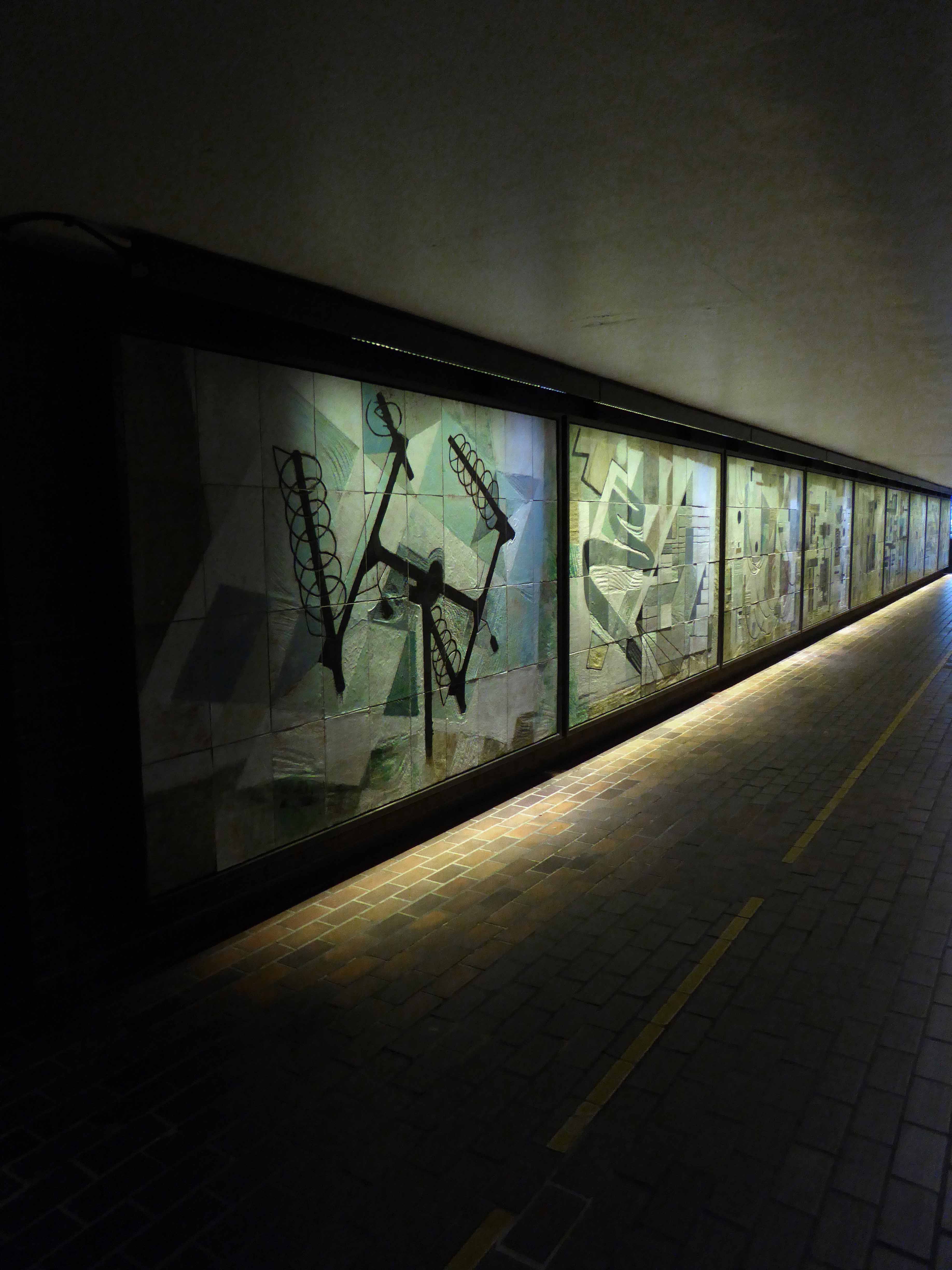
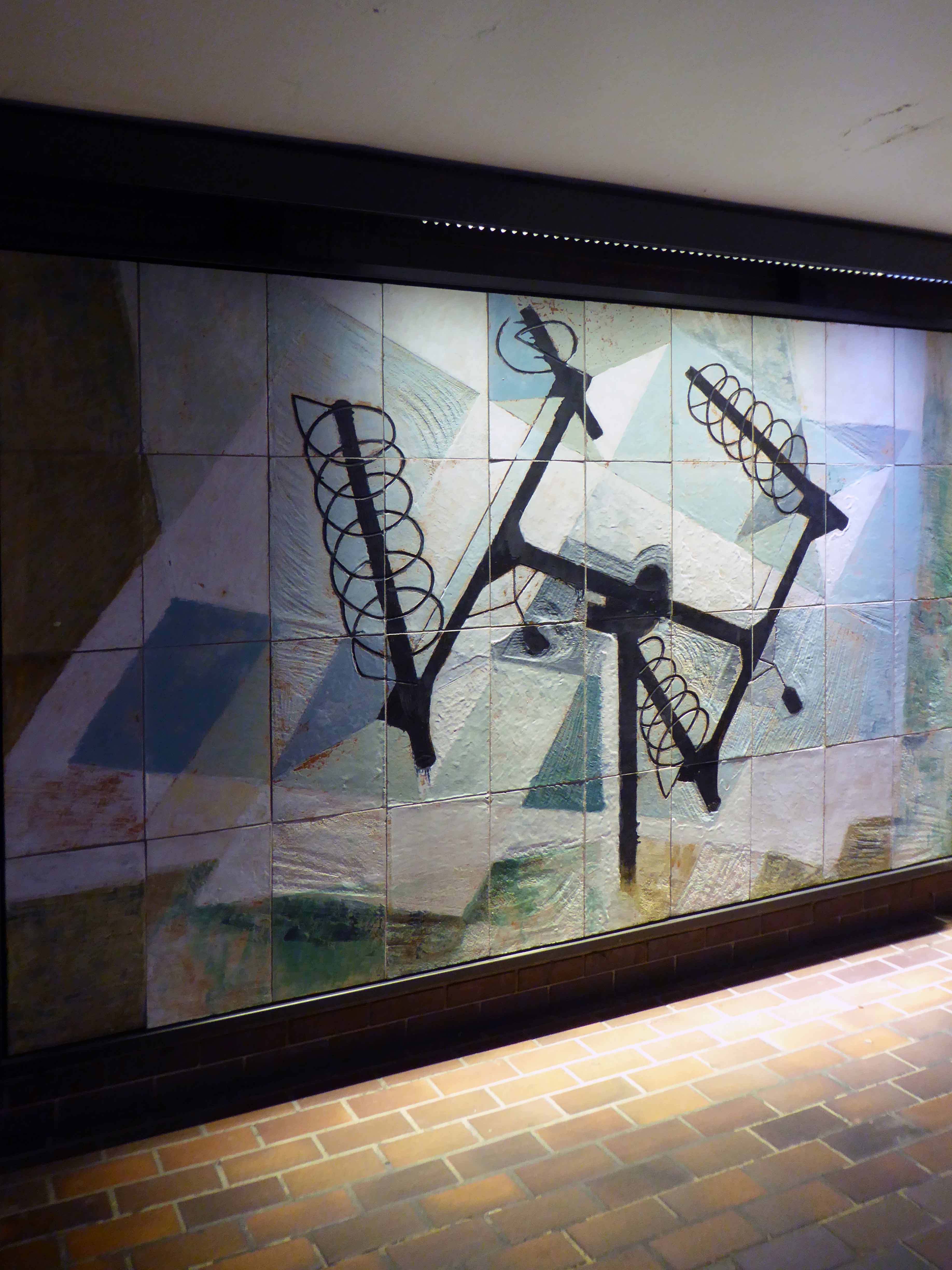
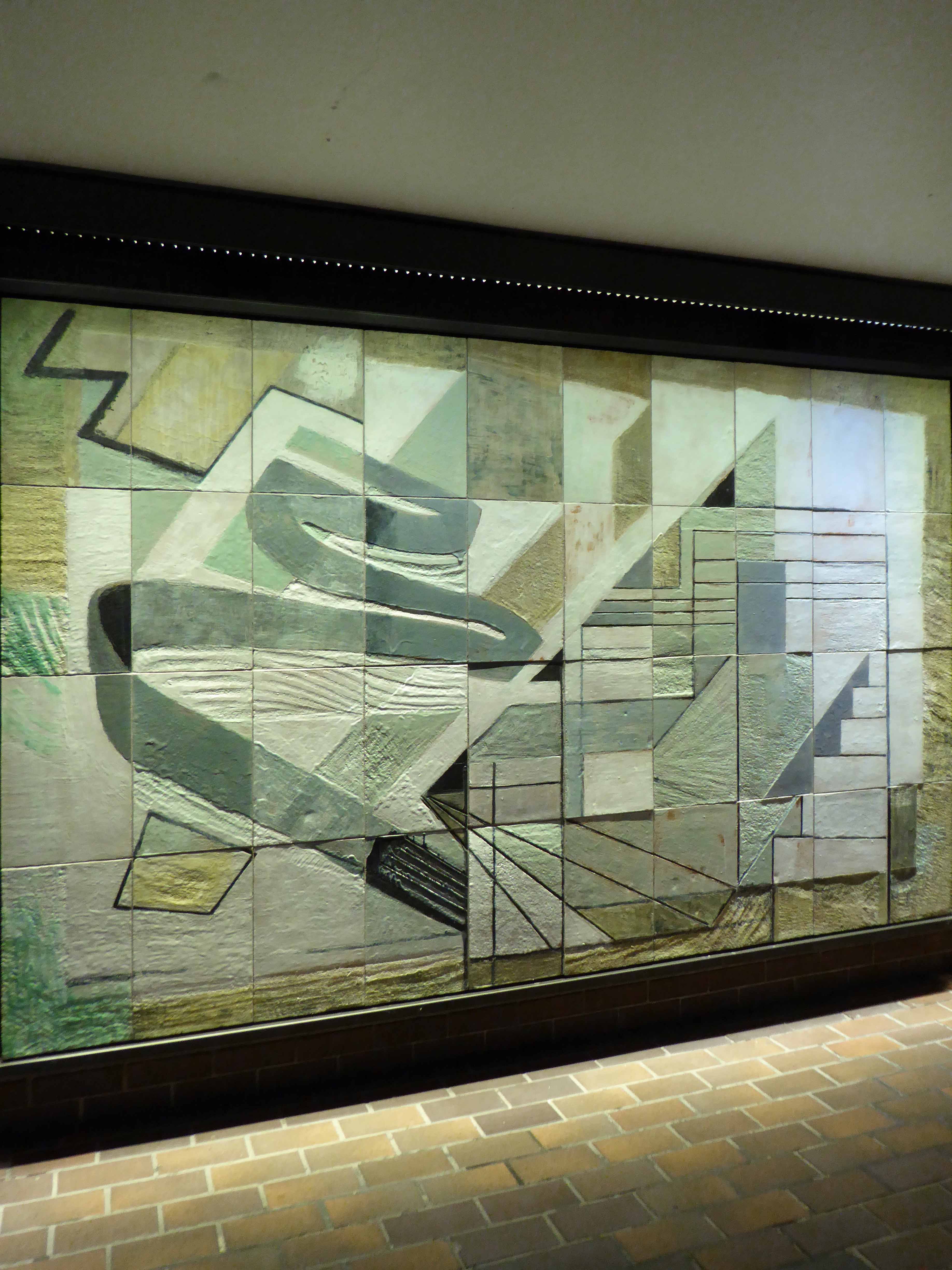
I was looking for her mural which illustrates the telecommunications industry – formerly of the Fleet Building Telephone Exchange Farringdon Road.
Michael Bojkowski
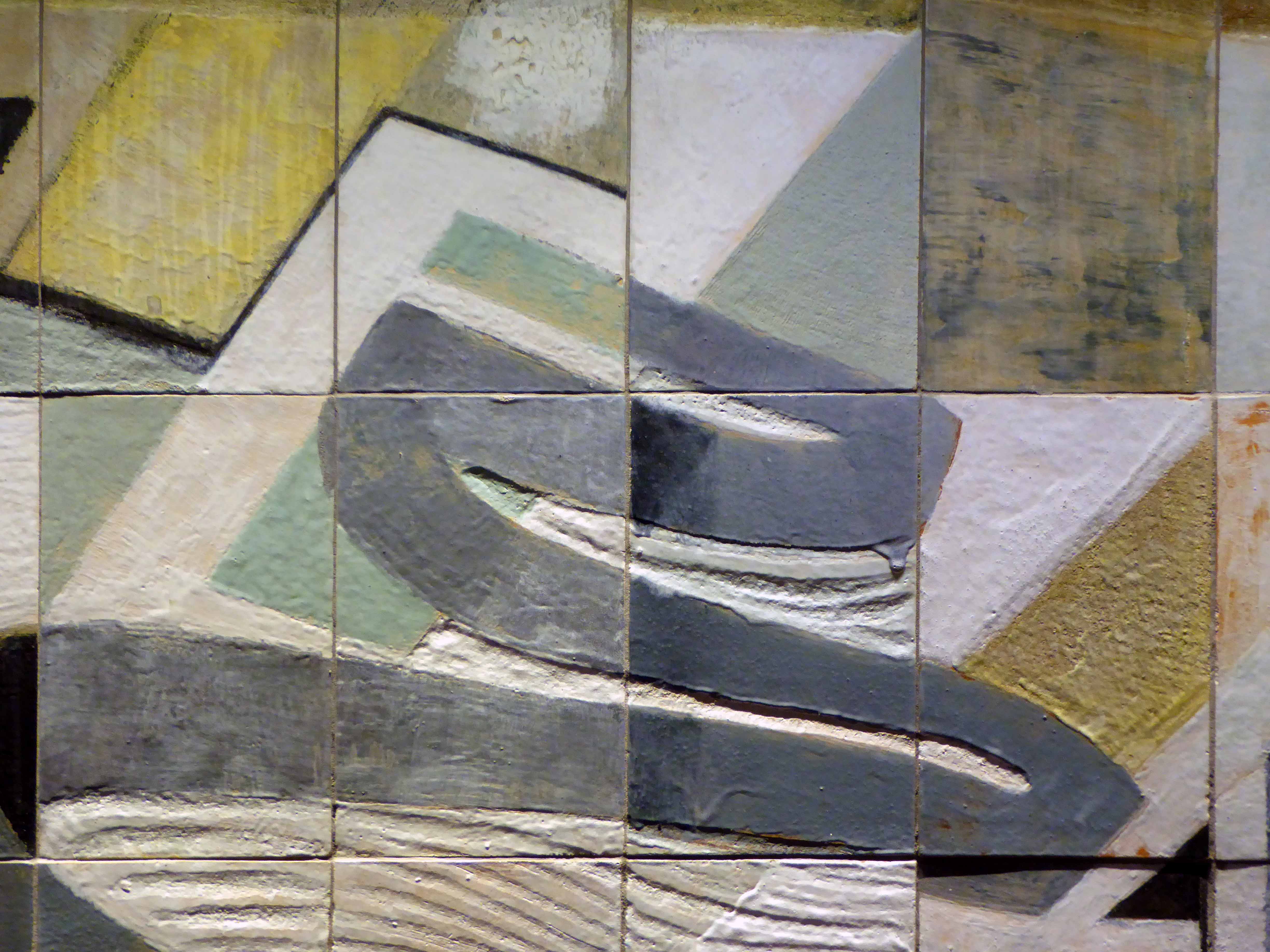
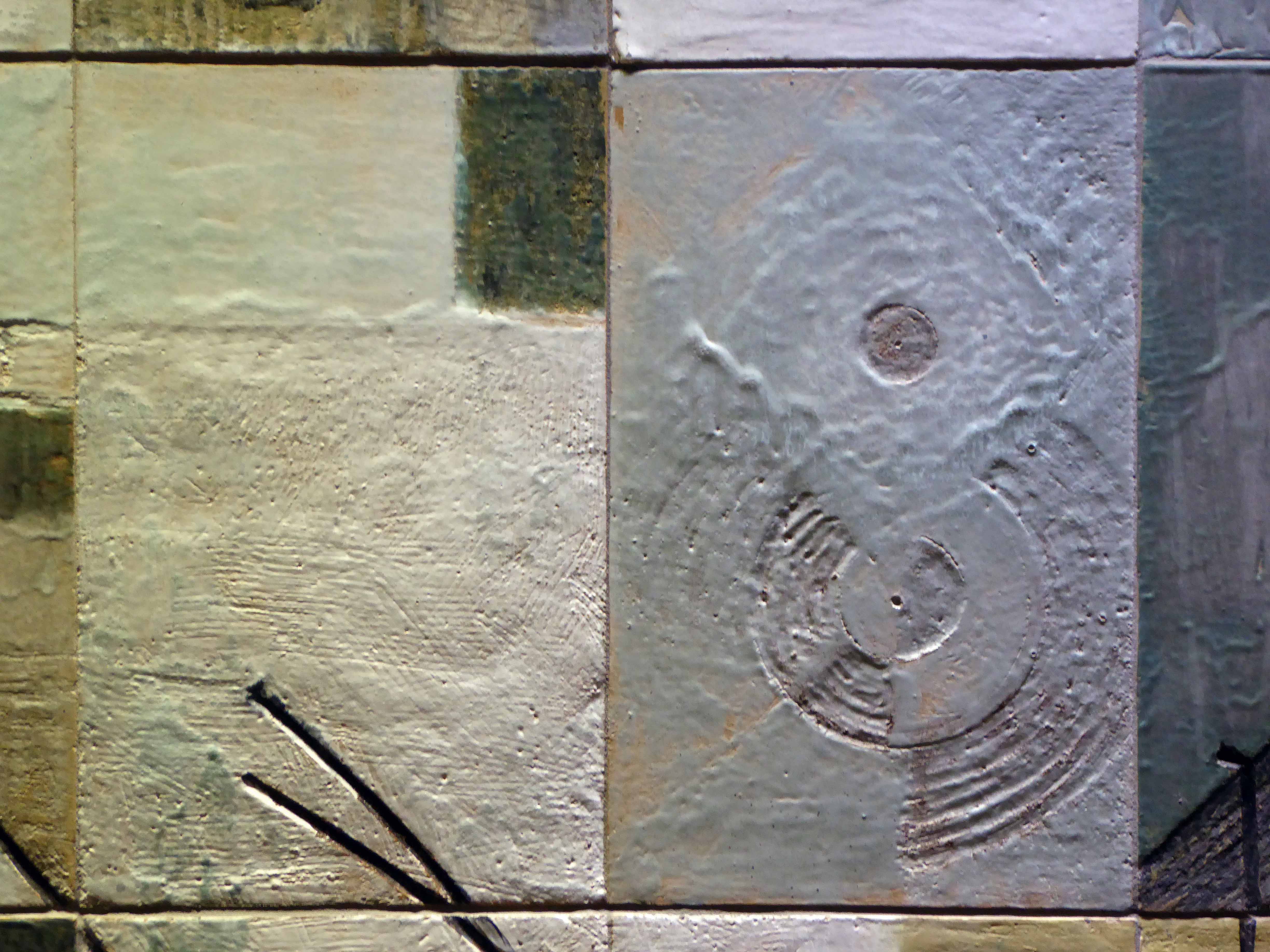
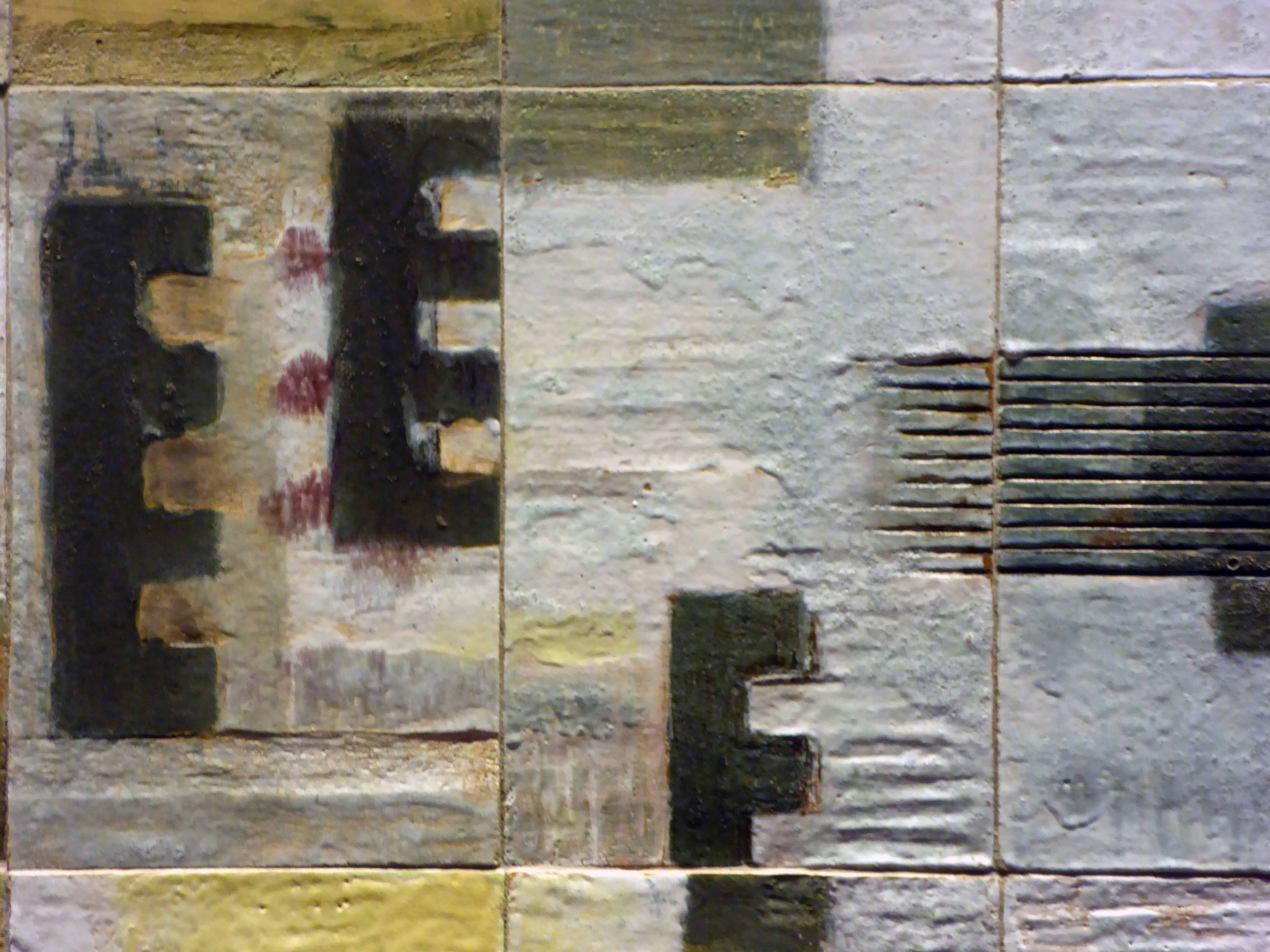
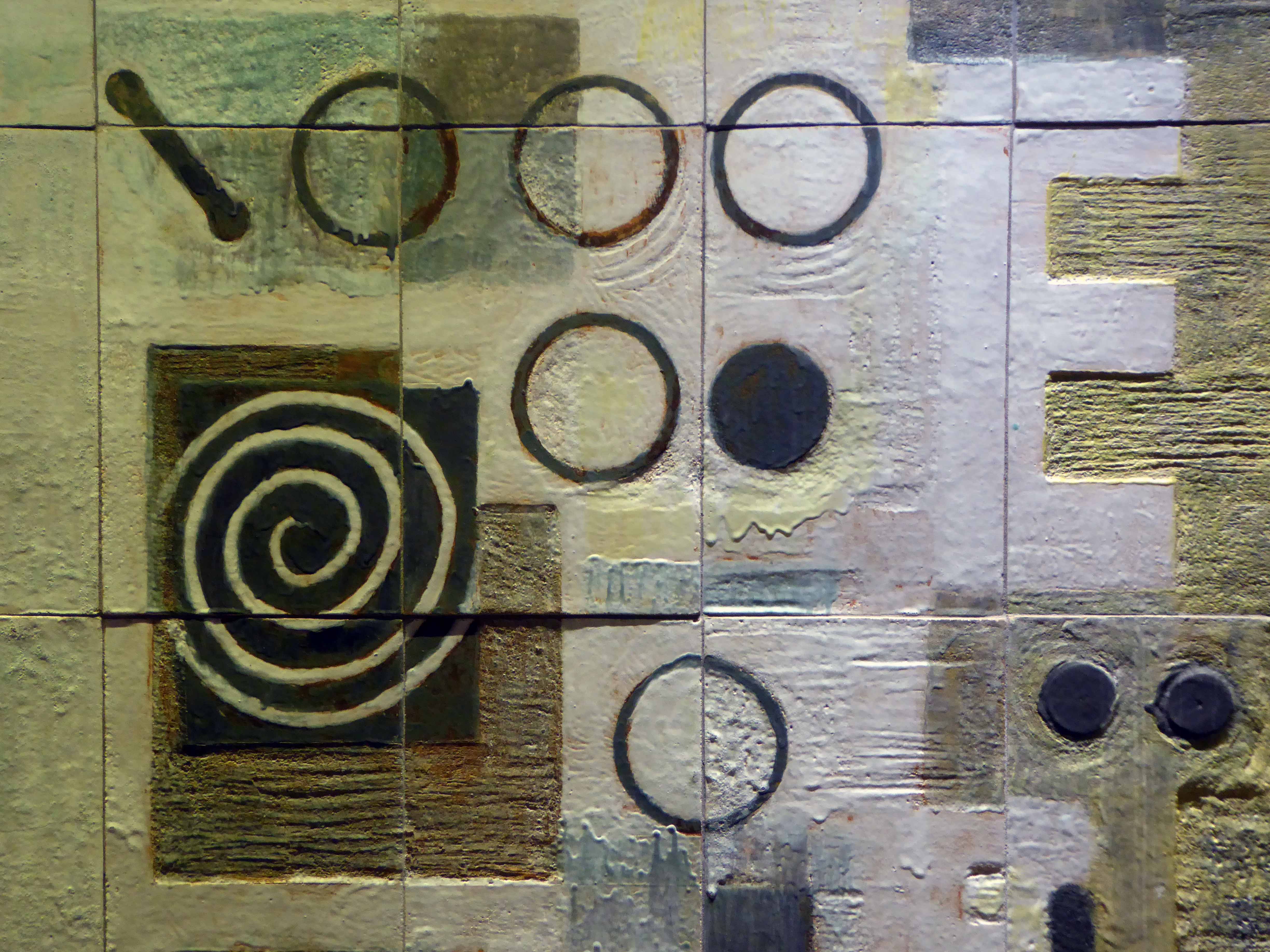
The murals were commissioned at a cost of £300 per panel in 1960. Annan visited the Hathernware Pottery in Loughborough and hand-scored her designs onto each wet clay tile, her brush marks can also be seen in the fired panels.
Charles Trusler
The building was owned by Goldman Sachs, who wished to redevelop the site and opposed the listing of the murals.
In January 2013, the City of London Corporation agreed to take ownership of the murals, and in September 2013 these were moved to a permanent location in publicly accessible part of the Barbican Estate. They are displayed in their original sequence within an enclosed section of the Barbican High Walk between Speed House and the Barbican Centre.
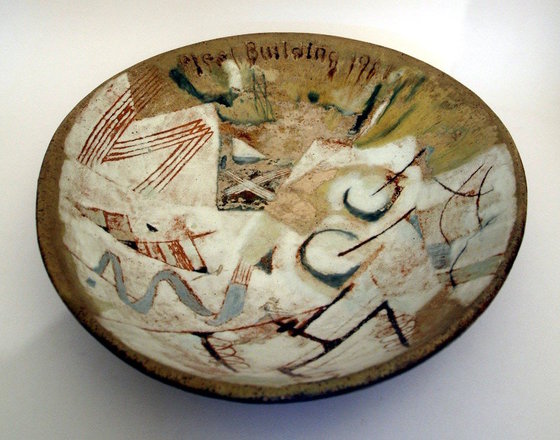
Commemorative Bowl
So following a discursive and somewhat undirected circumnavigation of the Center we were finally united – it only seemed polite to linger a while and take some snaps – here they are.
Antonio Fusciardi emigrated in the 1960s in search of a better life. He opened a number of businesses in Ireland. In 1965 he met Anna Morelli at an Italian wedding and romance blossomed. The couple married and set up home in Marine Parade, Eastbourne. They worked very hard in establishing the business and attributed their success to ambition, dedication and the family.
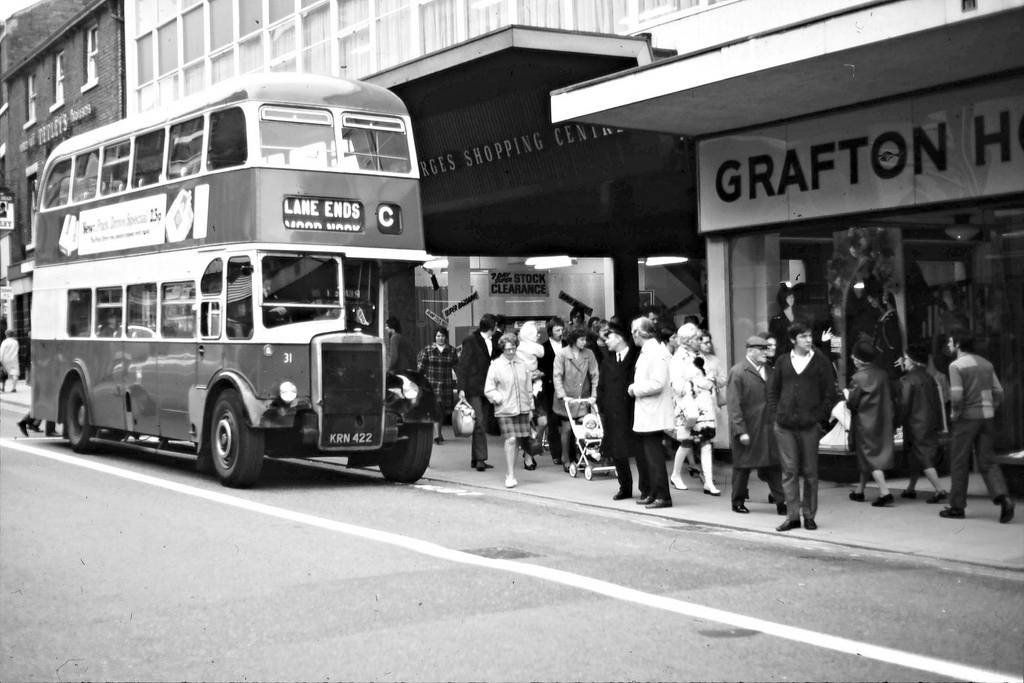
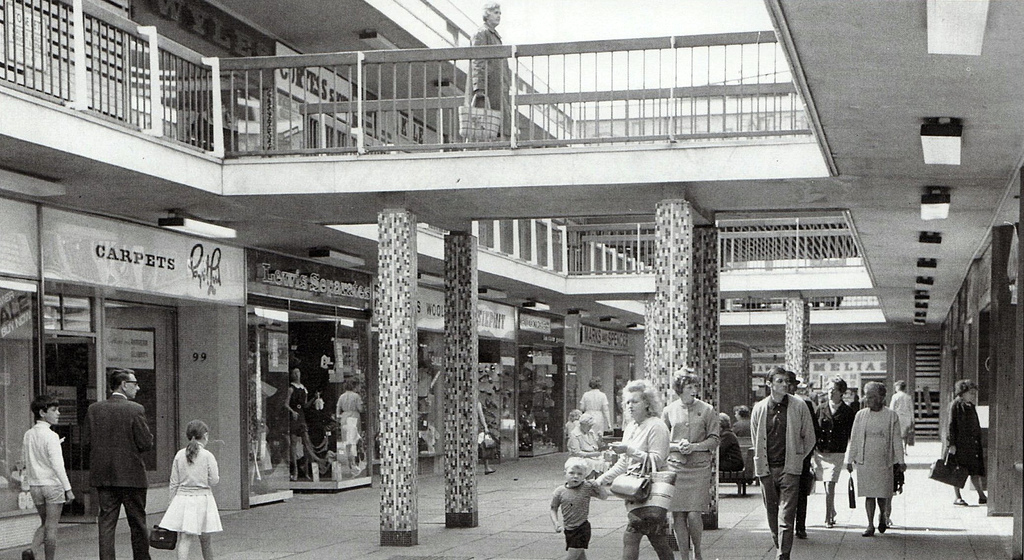
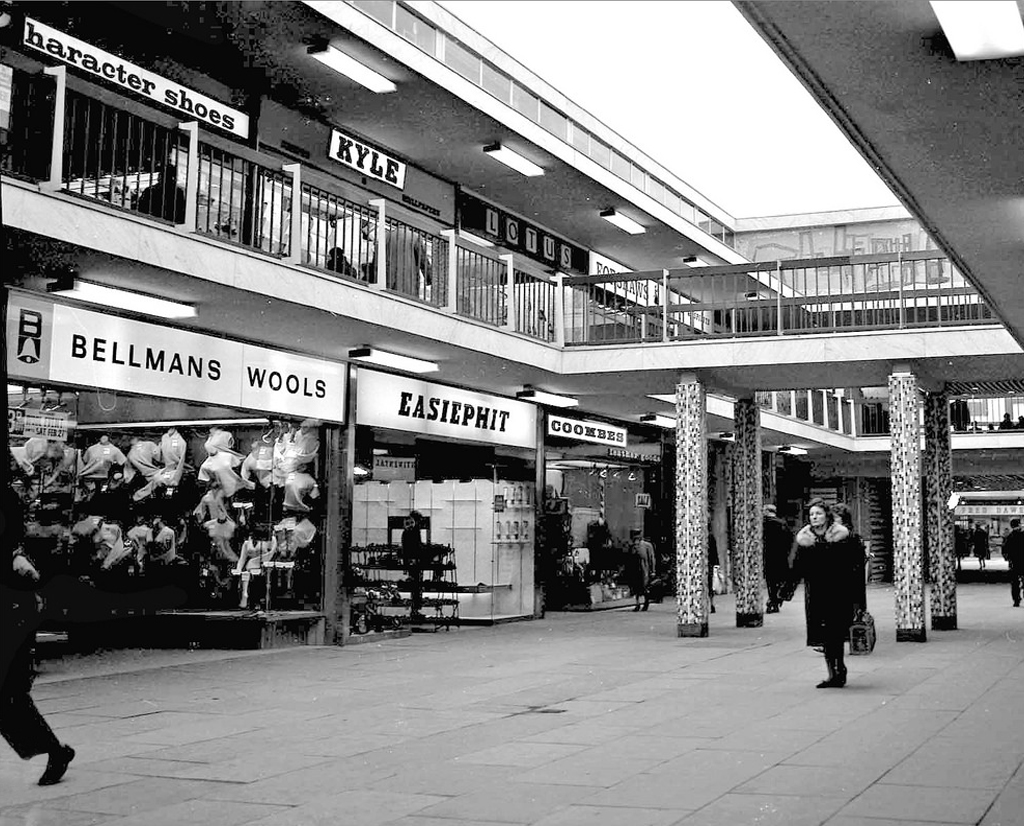
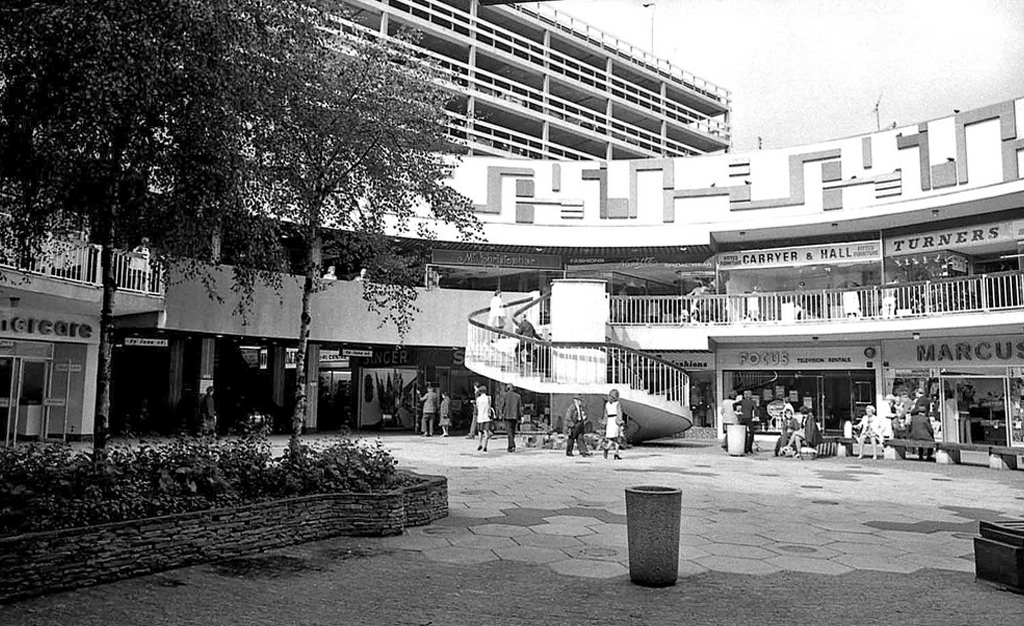
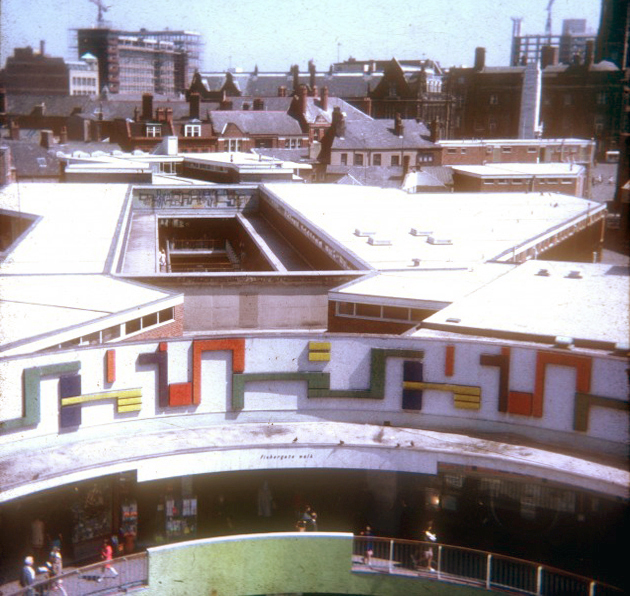
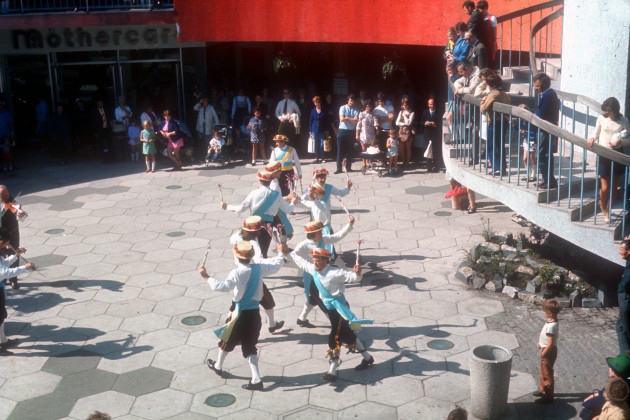
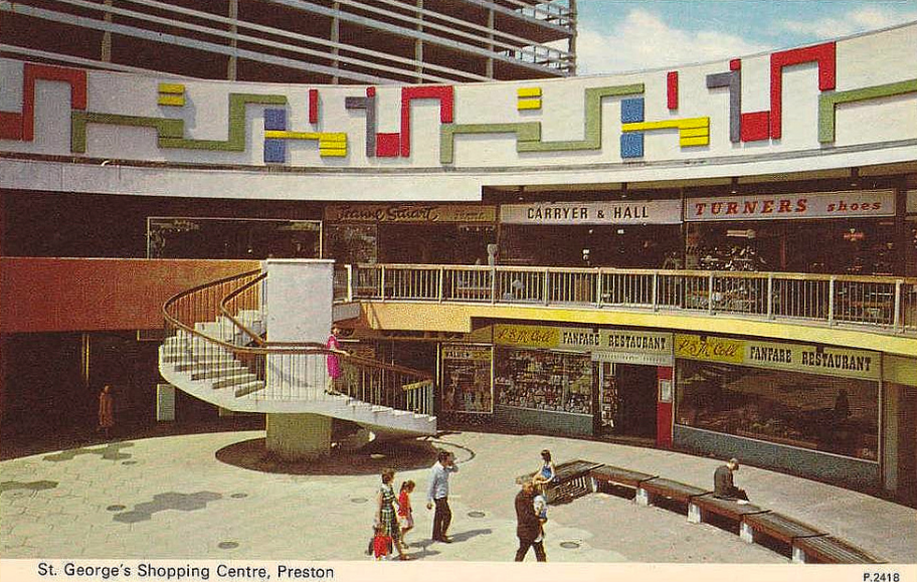
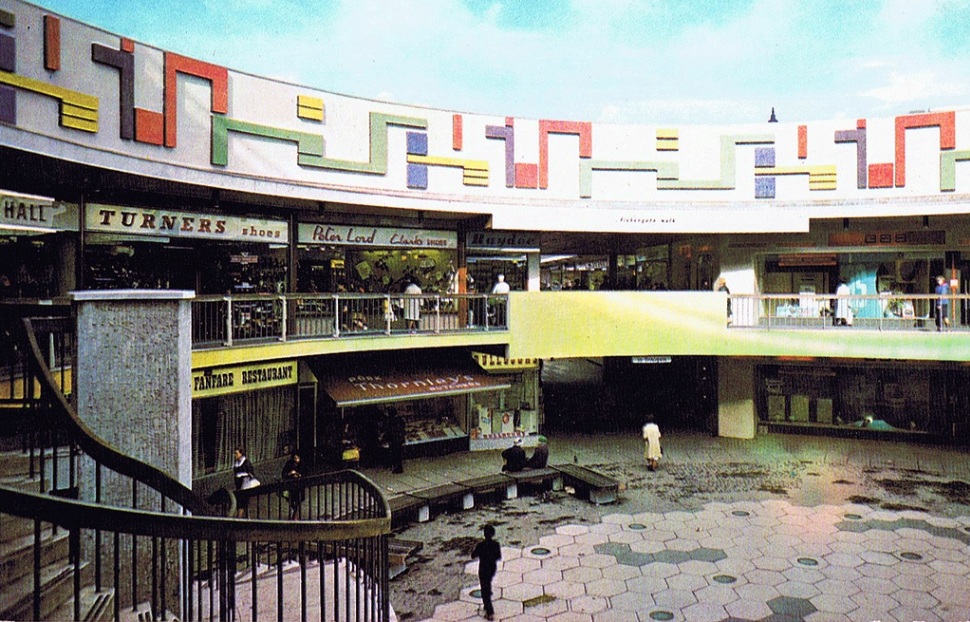
Once upon a time the future was shop-shaped and utopian, the Modernist reliefs a welcome relief from post-war doom and gloom, public decorative art was off the ration for good, or so it seemed. Small retail units, housed small local operators, their shiny well-washed fascias, glowing with graphic pride and diversity, slab serif and decorative script the order of the day.
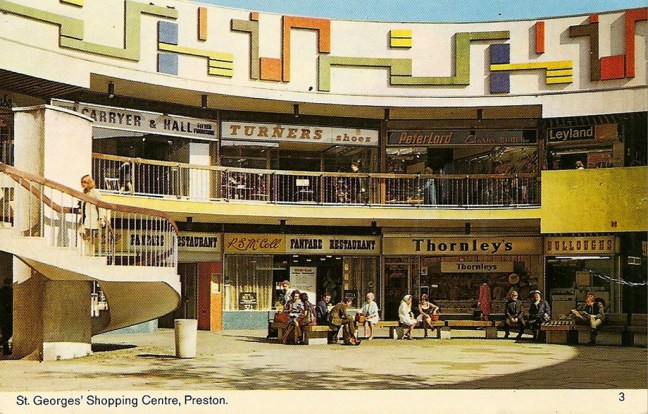
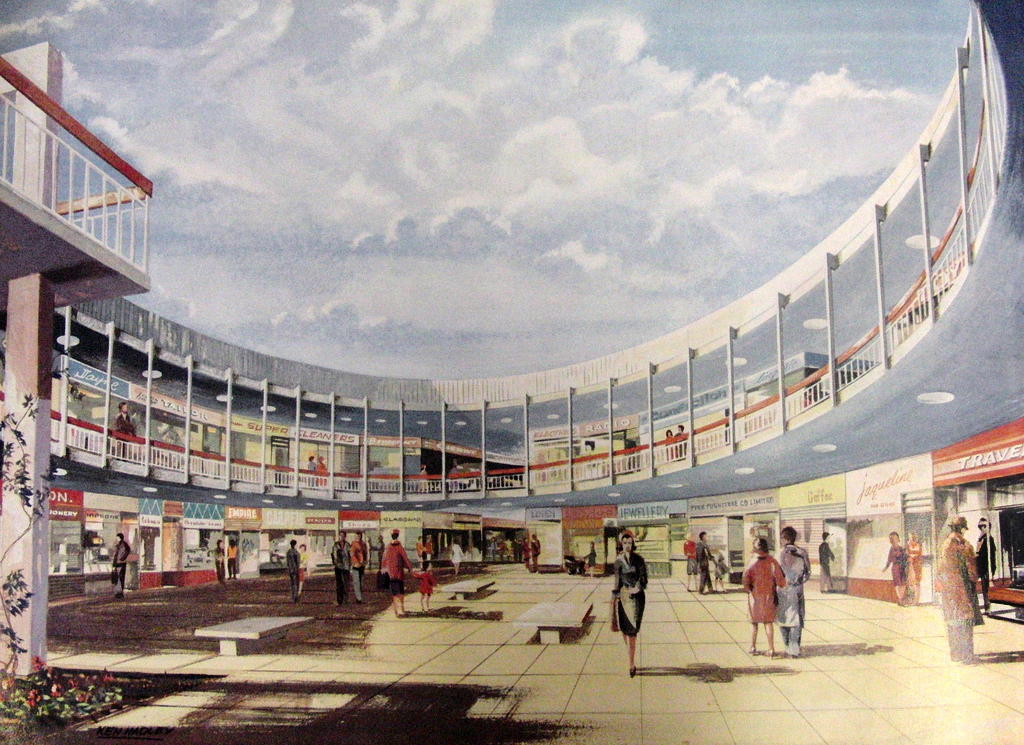
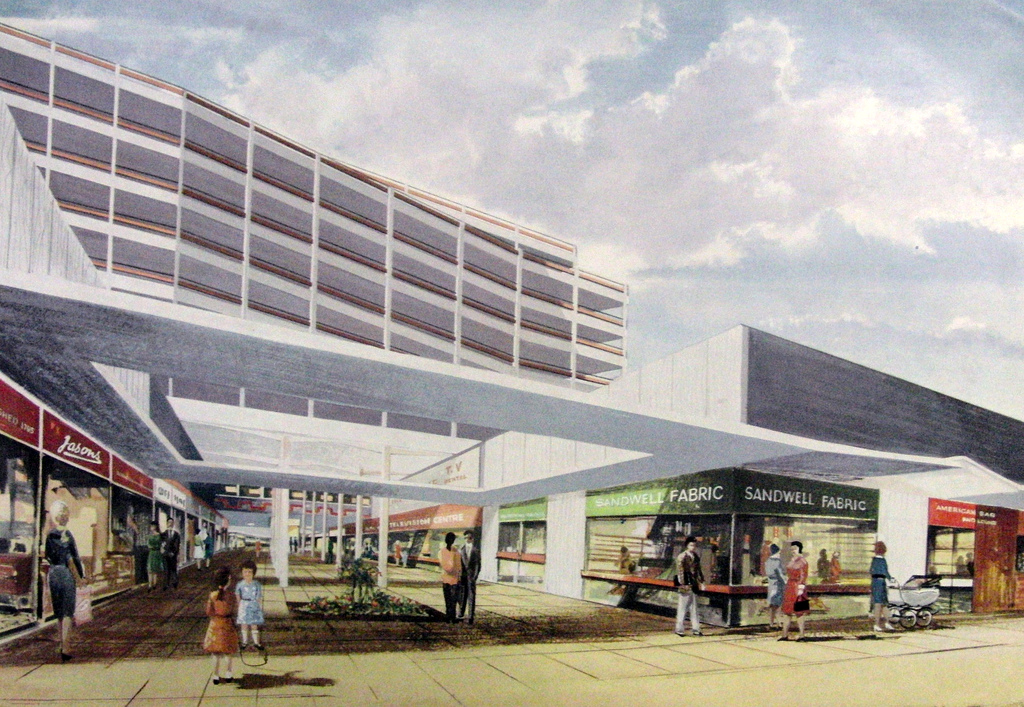
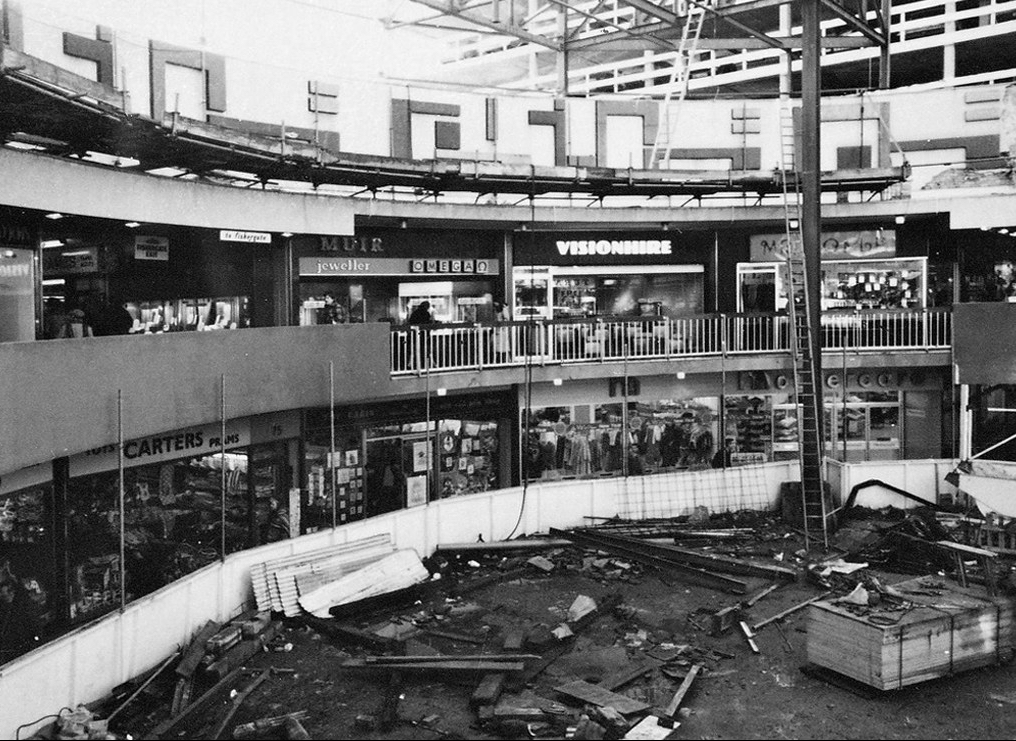
Architects J Seymour Harris and Partners envisaged a brave new water-coloured open-aired world for the grey austerity-tinted folk of Preston.
And lo it came to pass and underpass – the future was here yesterday.
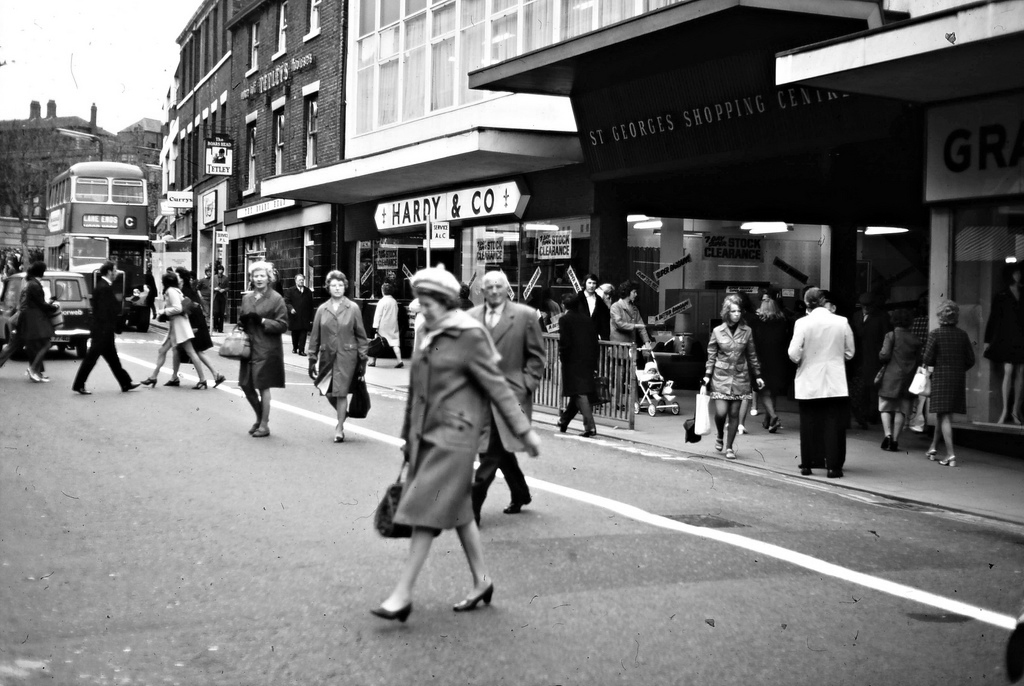
Get off the bus on Fishergate and walk right on in.
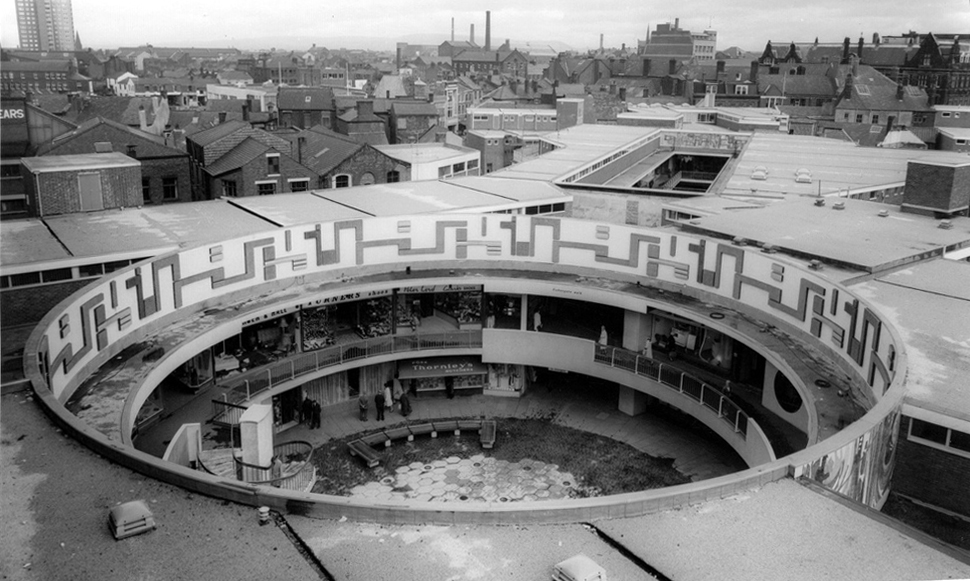
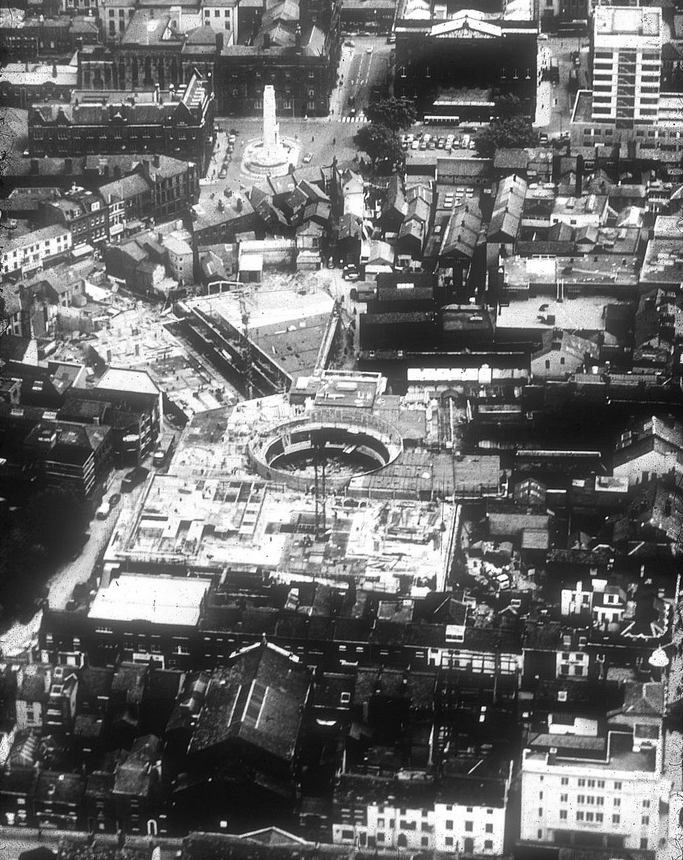
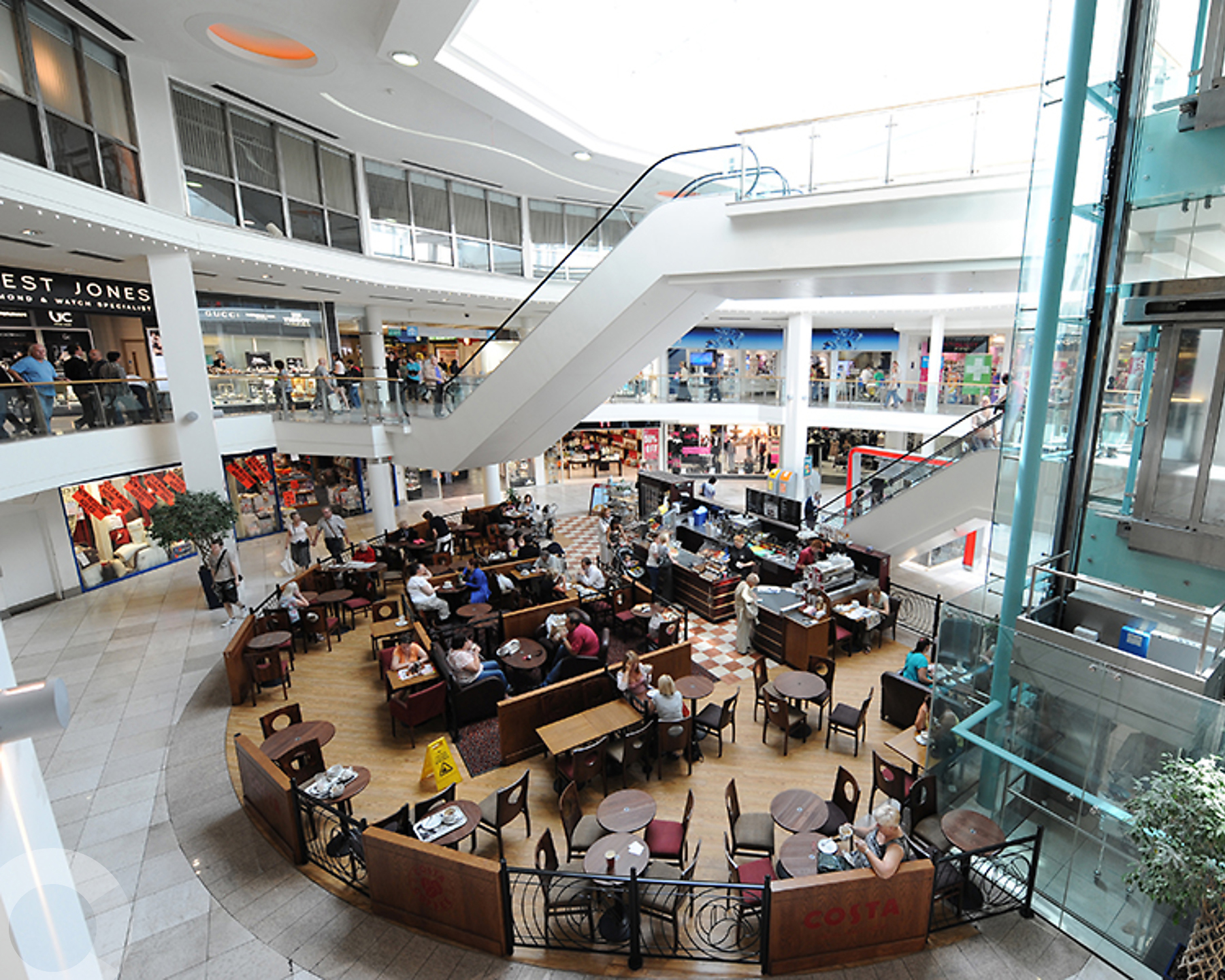
The shopping centre opened on 22 March 1966 as St George’s Shopping Centre.
It was originally an open air centre, and was roofed over during refurbishment in 1981. It was further refurbished in 1999.
In May 2004, when The Mall Company took over the centre, they were greeted with an ageing shopping centre. The shopping centre was rebranded as The Mall, and a massive development scheme was planned. Small stalls, main shops, cafes, restaurants, toilets, and escalators were overhauled.
In March 2010, the shopping centre was acquired by Aviva Investors for £87 million. In September 2010, The Mall was rebranded under its original name St George’s Shopping Centre.
The third such public sculpture I have had the pleasure to visit following trips to Newcastle and the now defunct BHS in my hometown of Stockport.
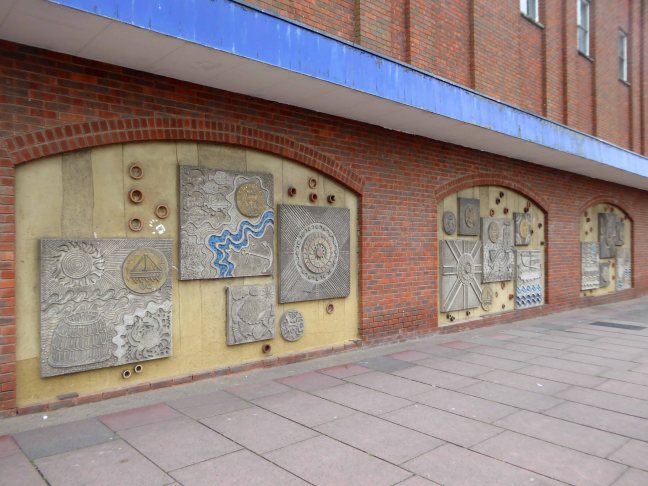
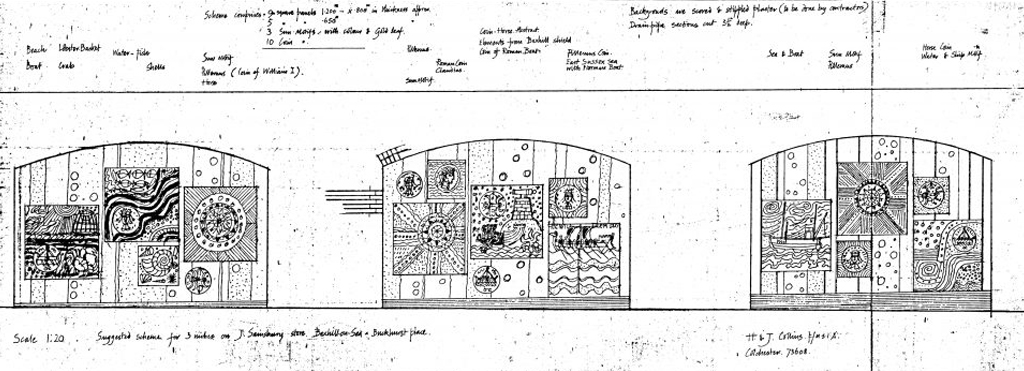
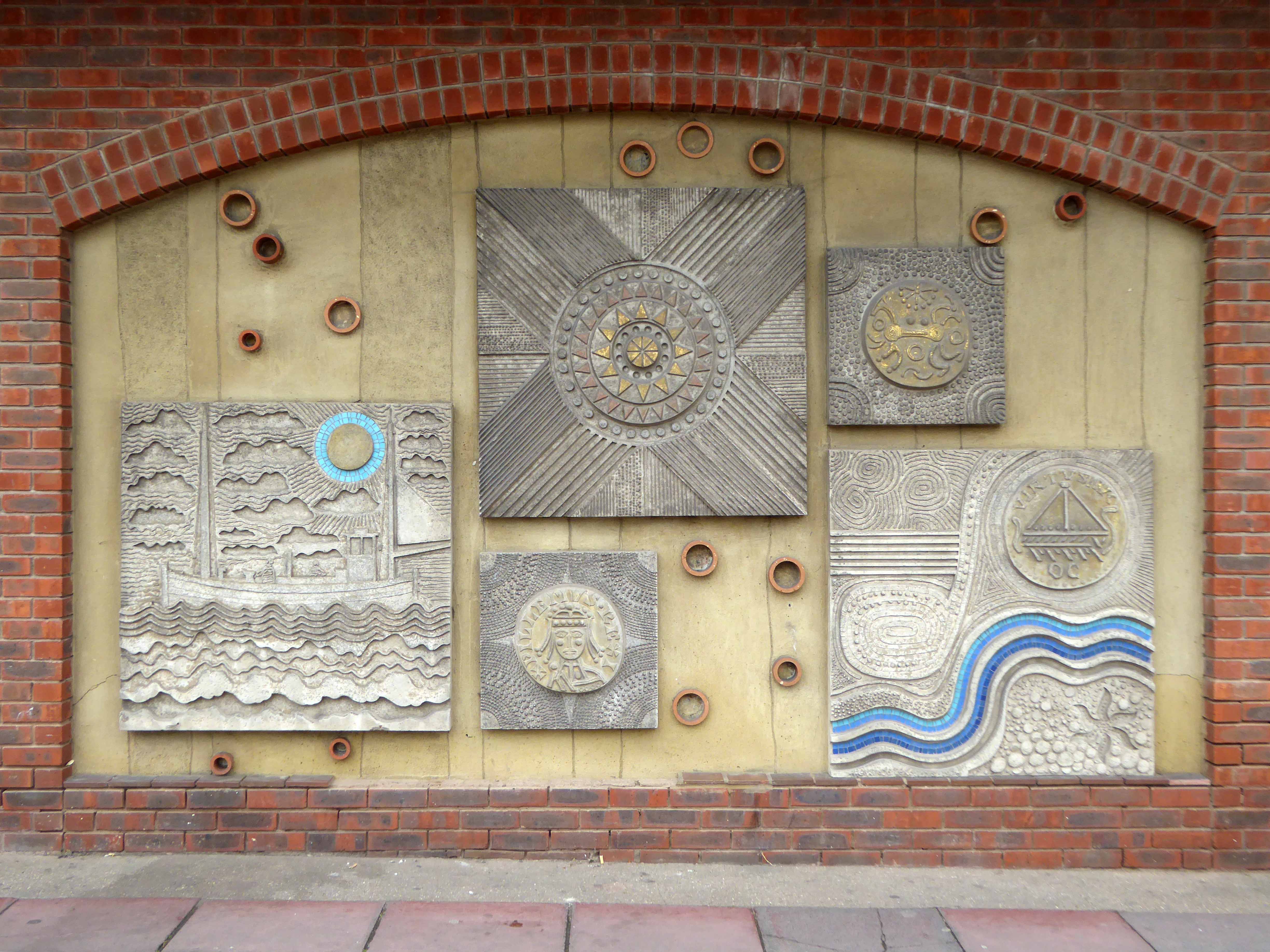
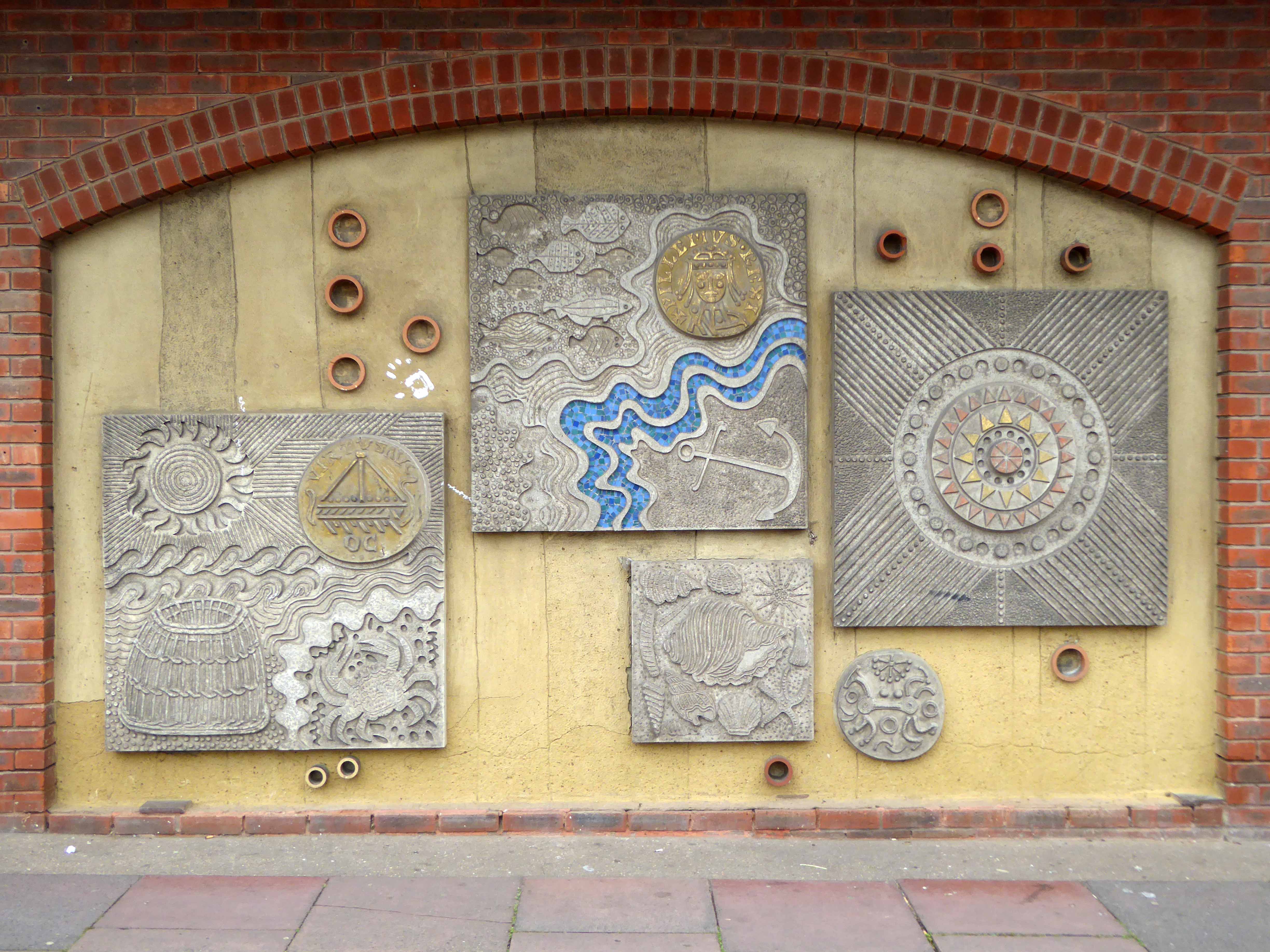
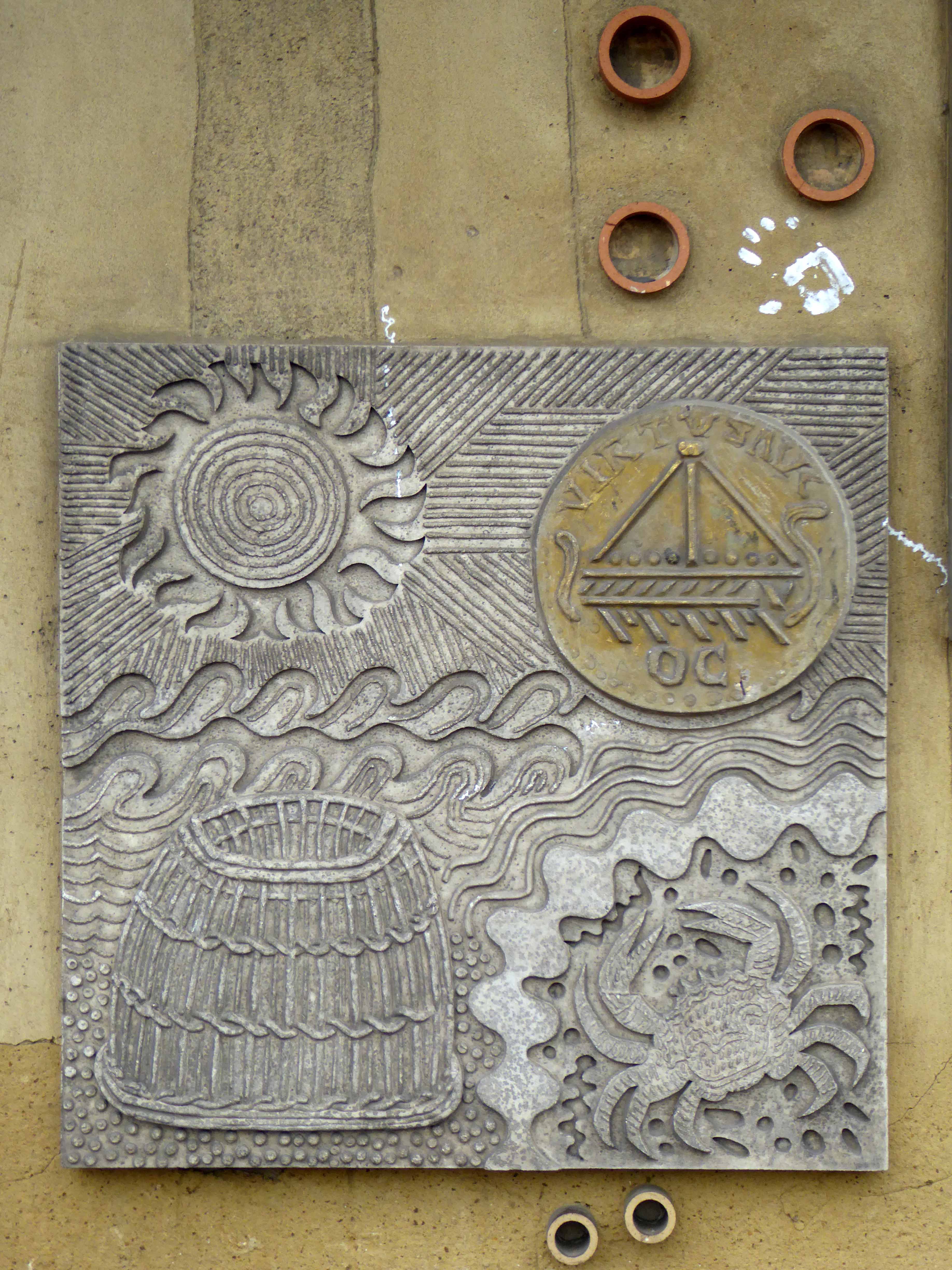
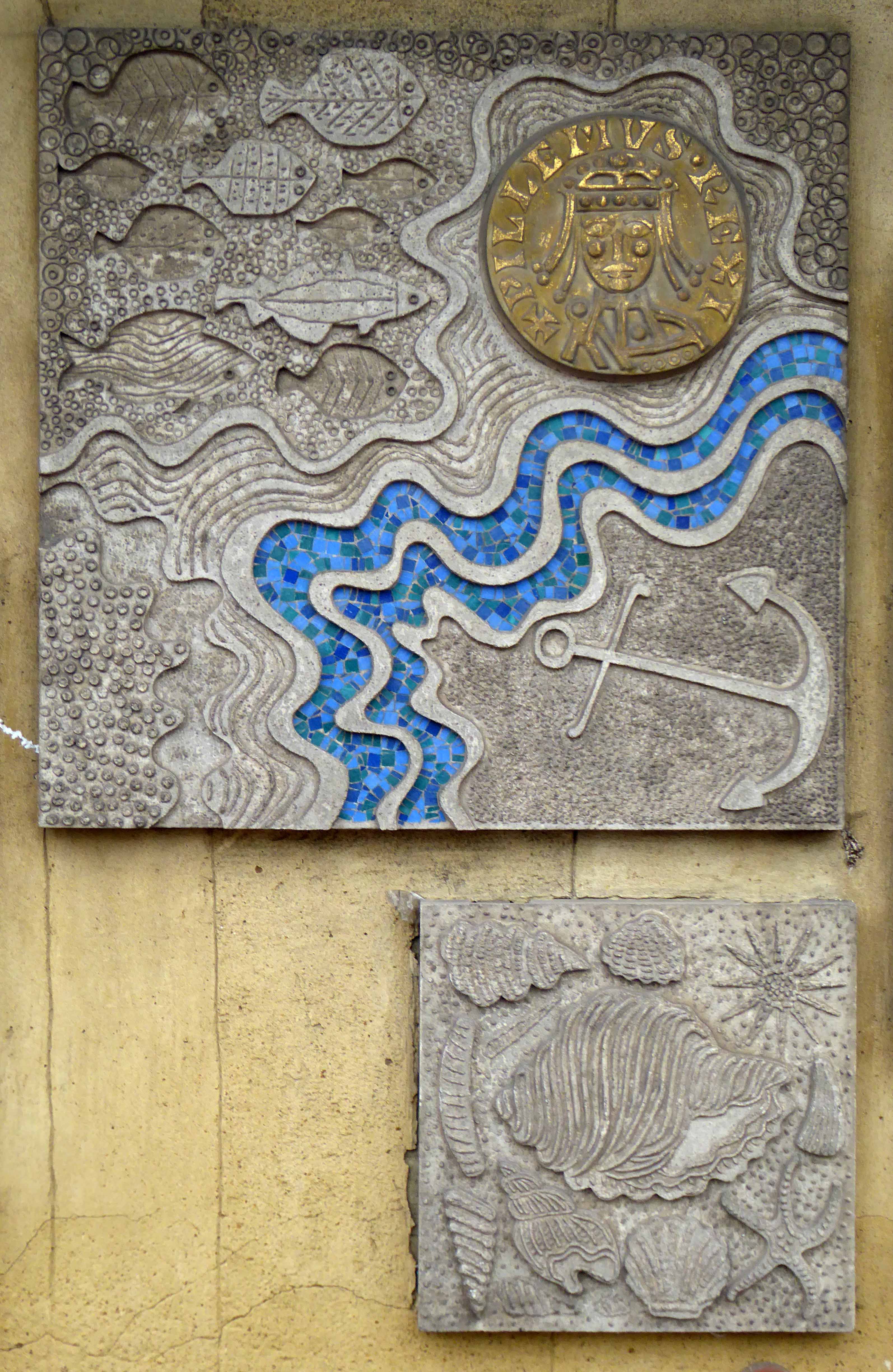
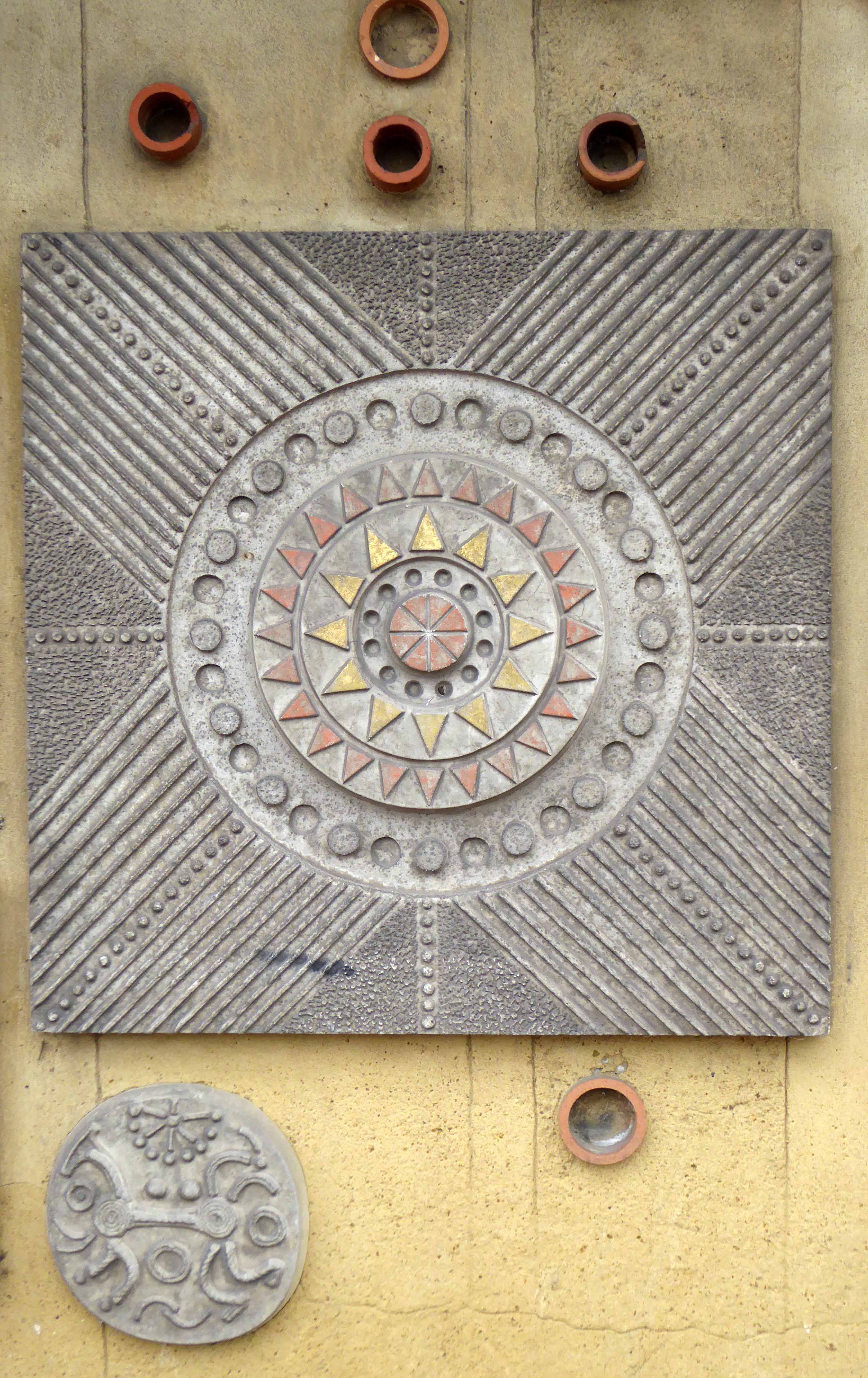
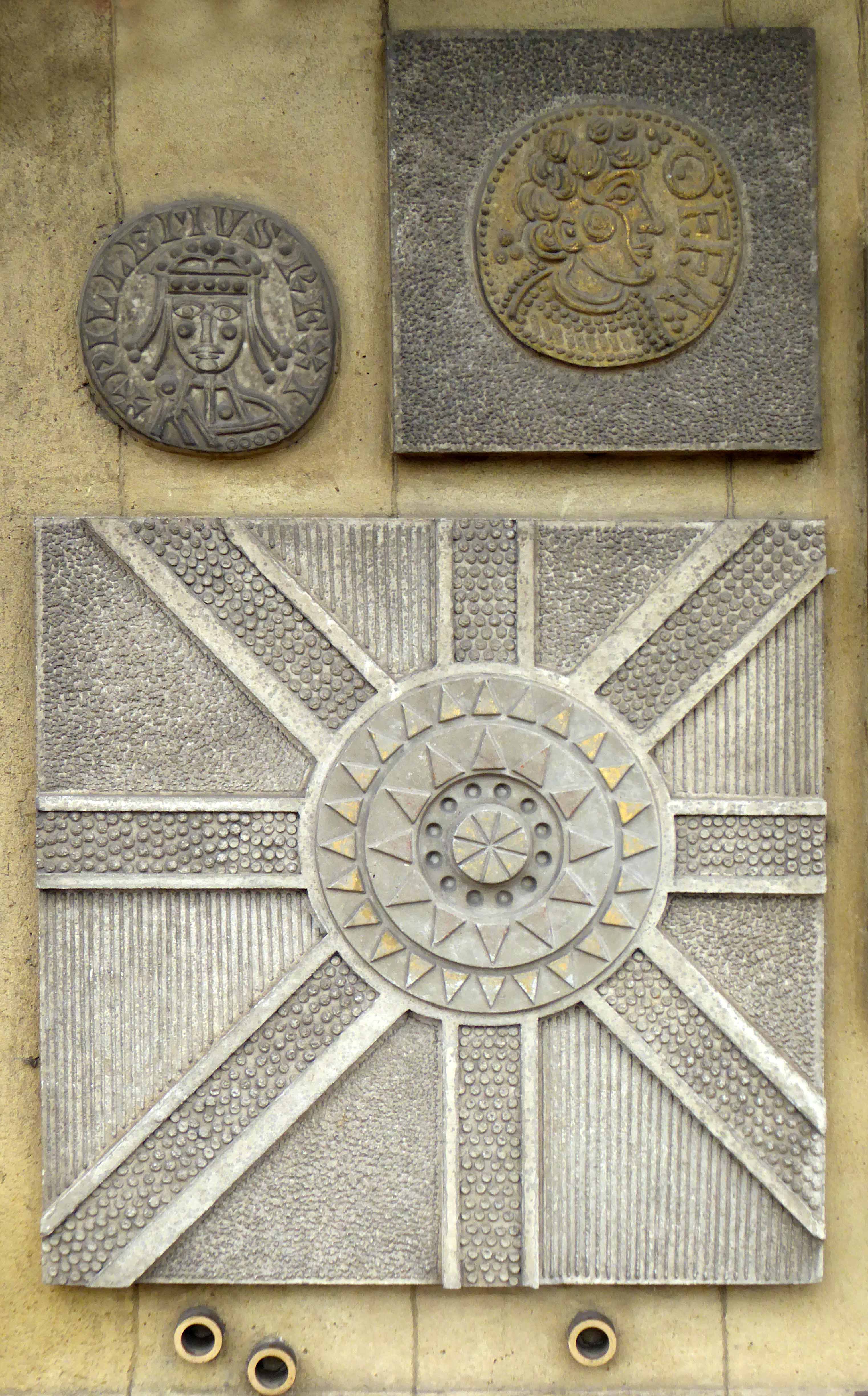
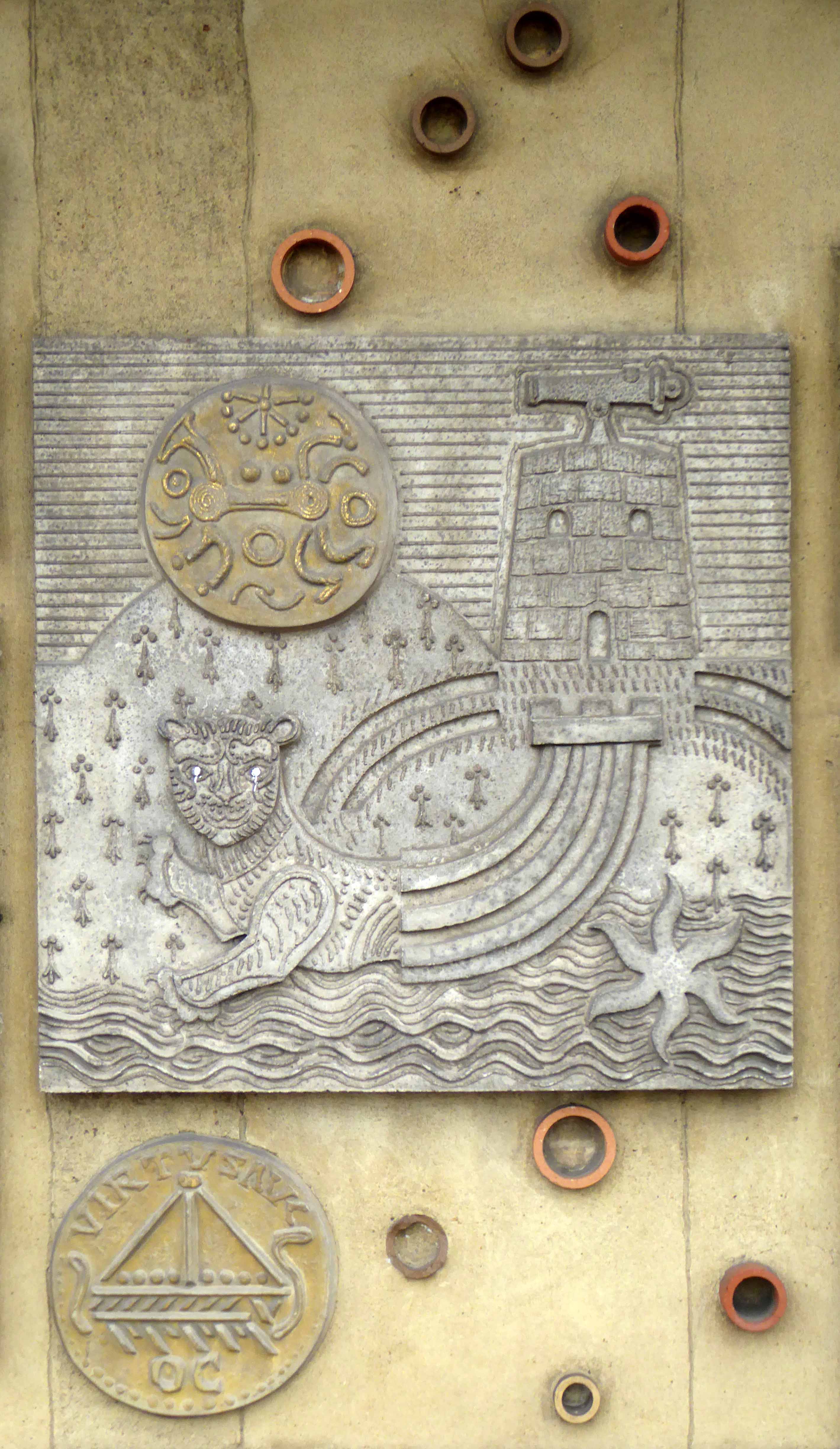
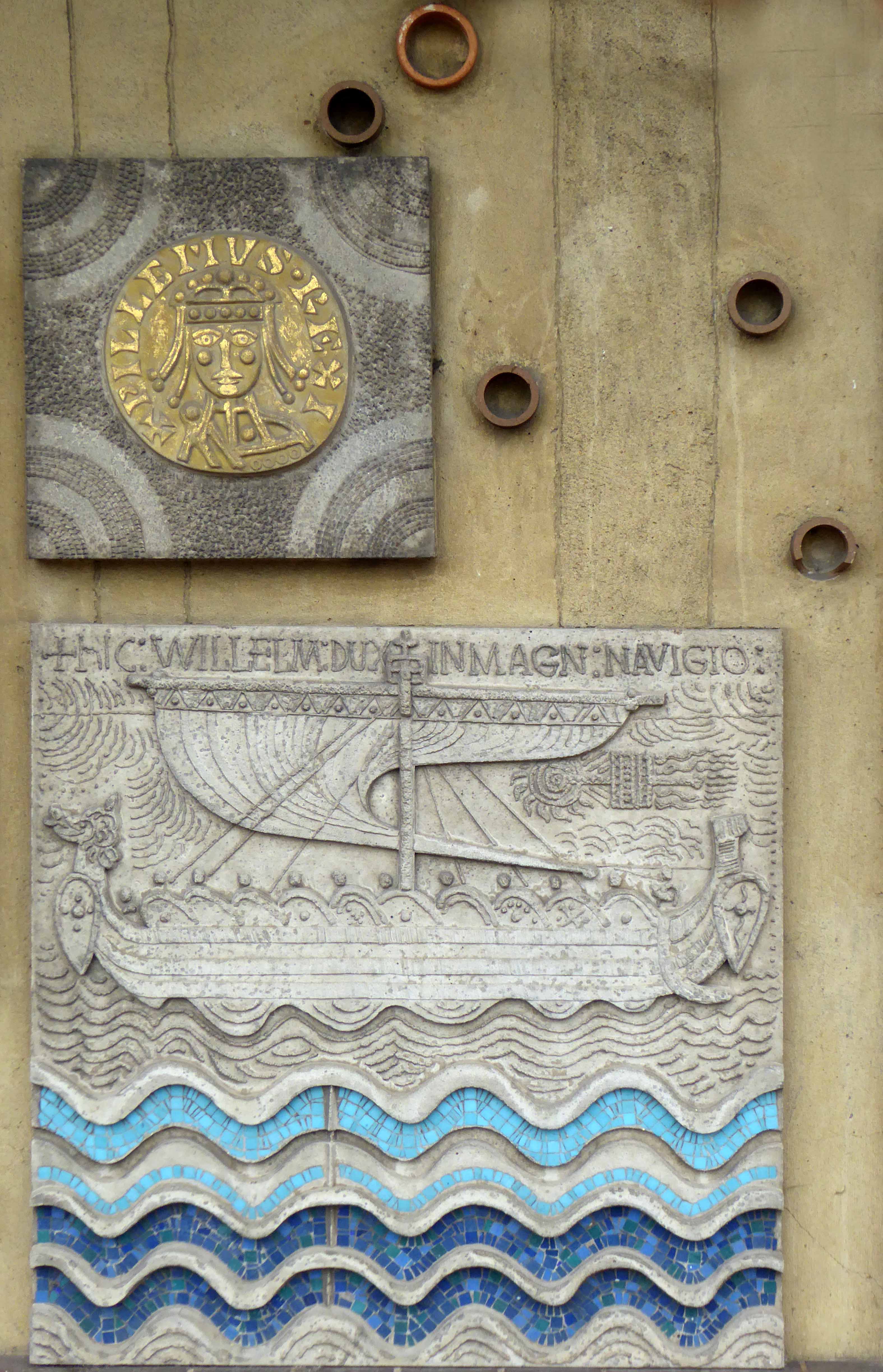
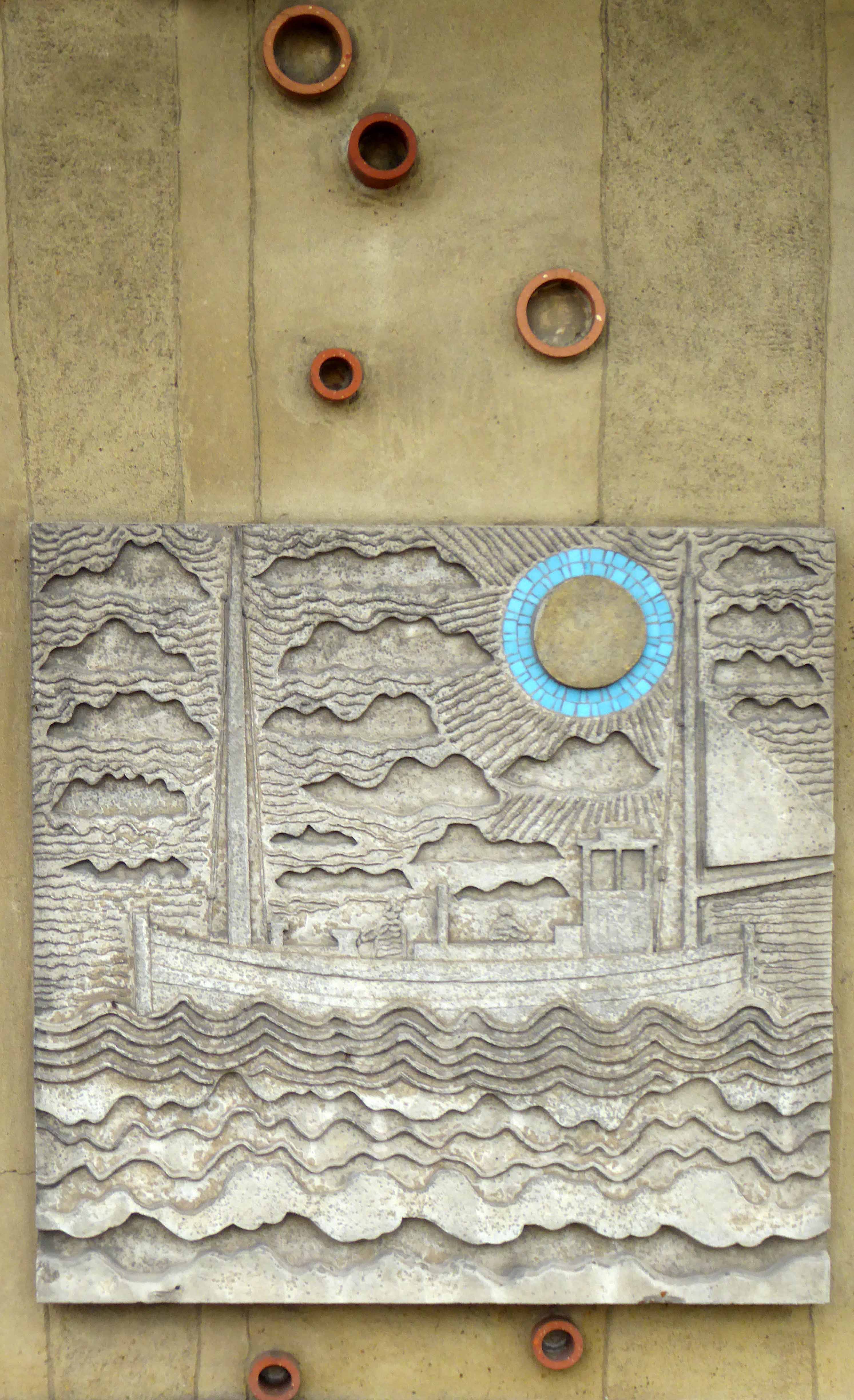
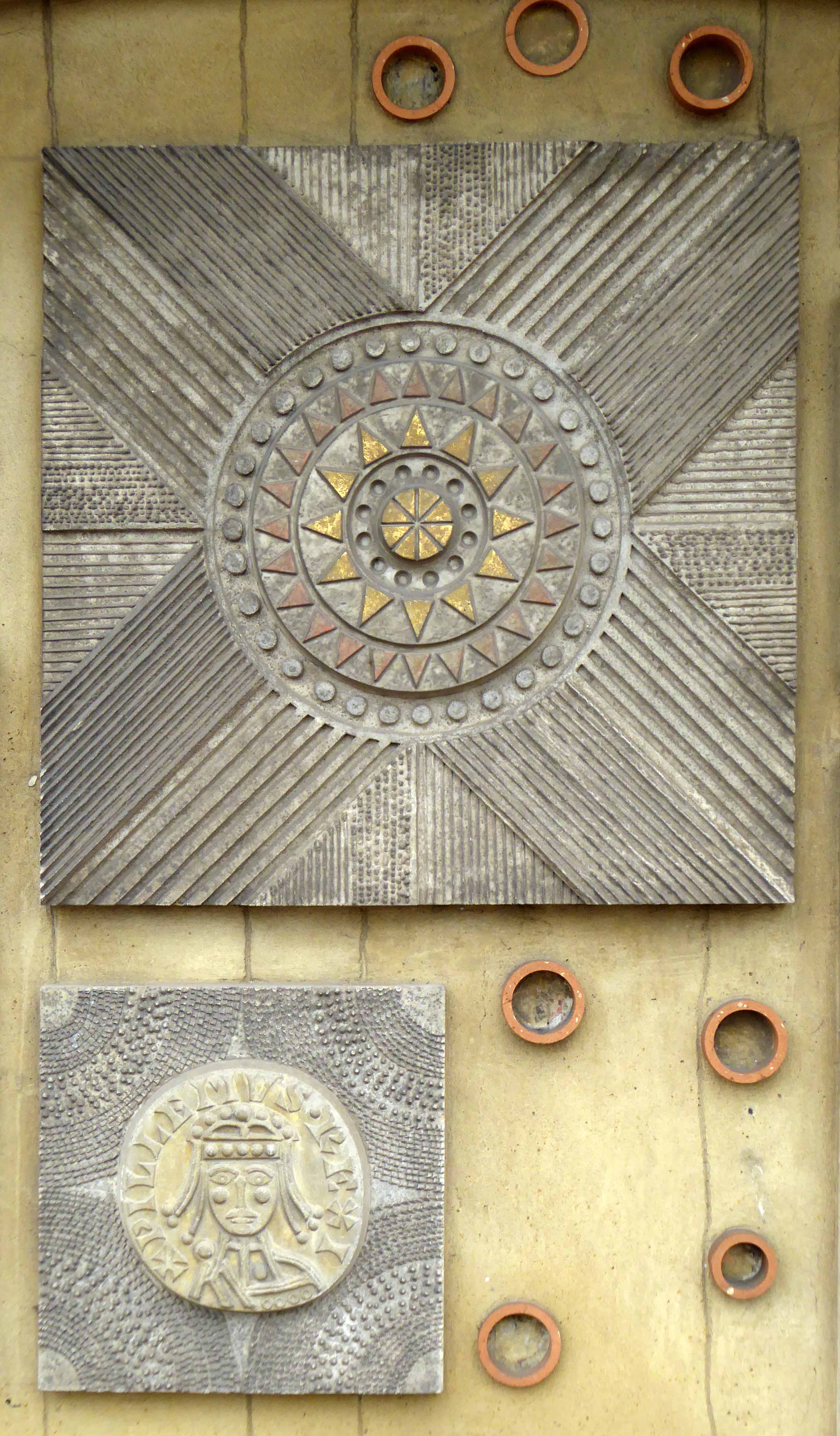
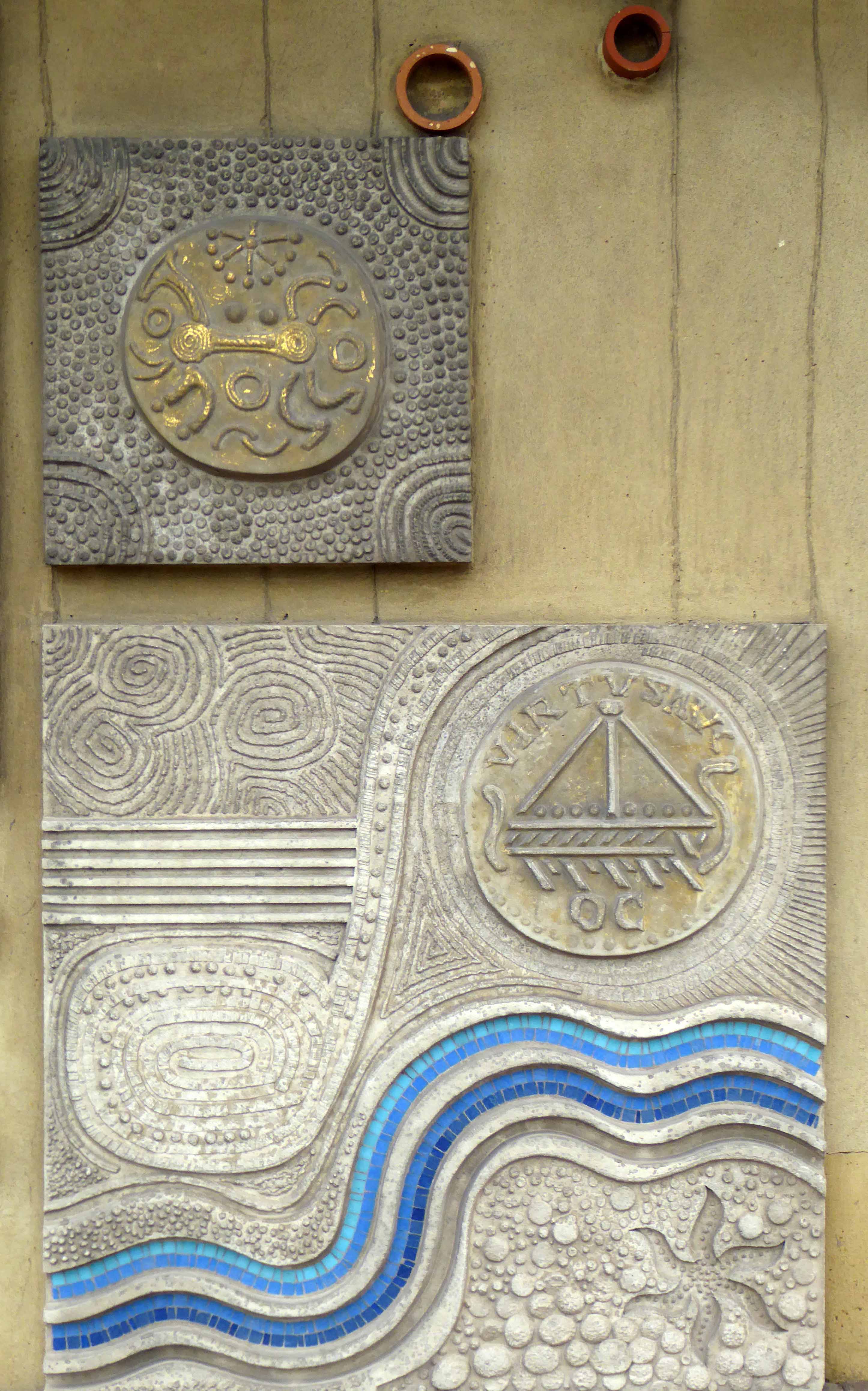
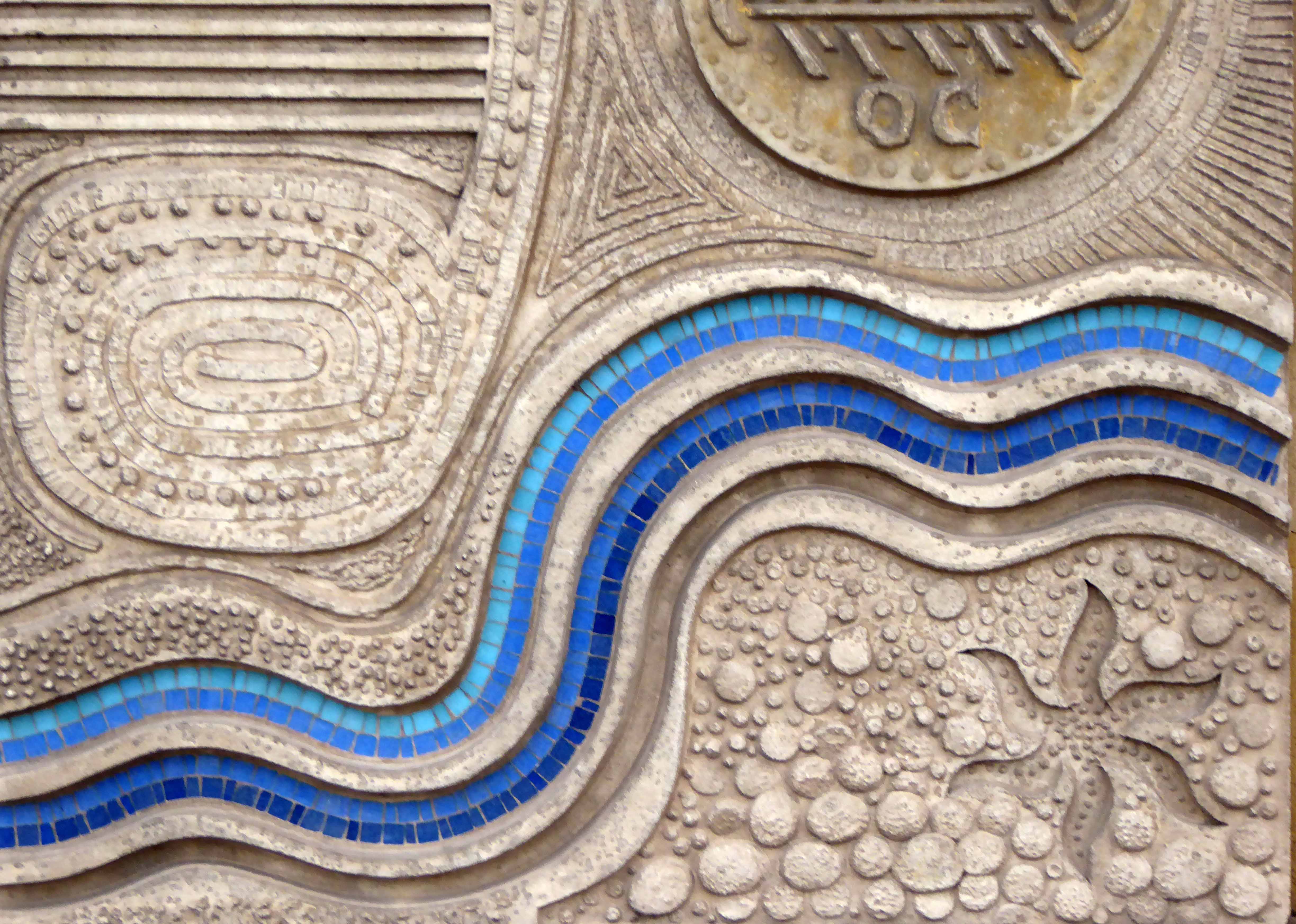
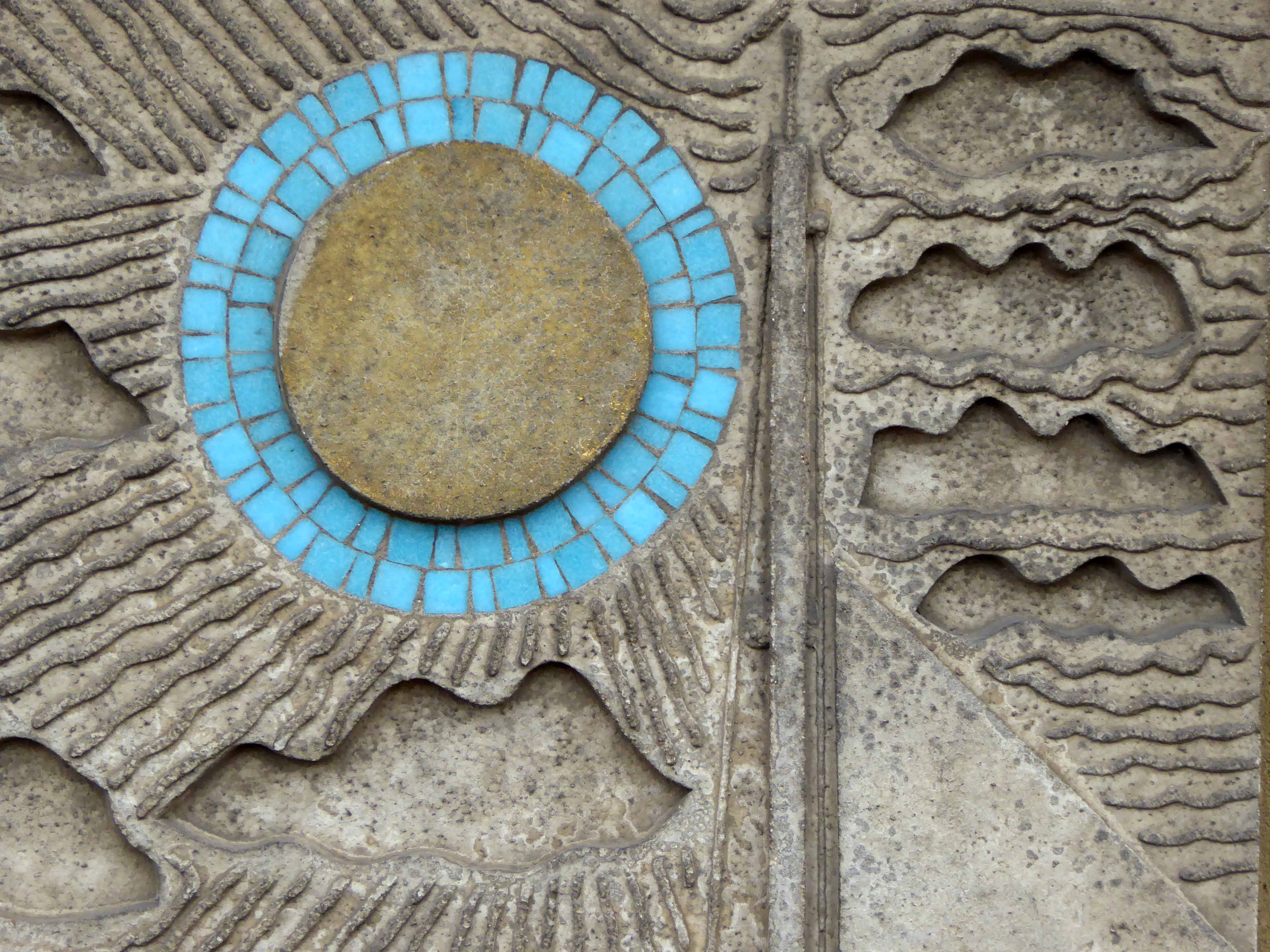
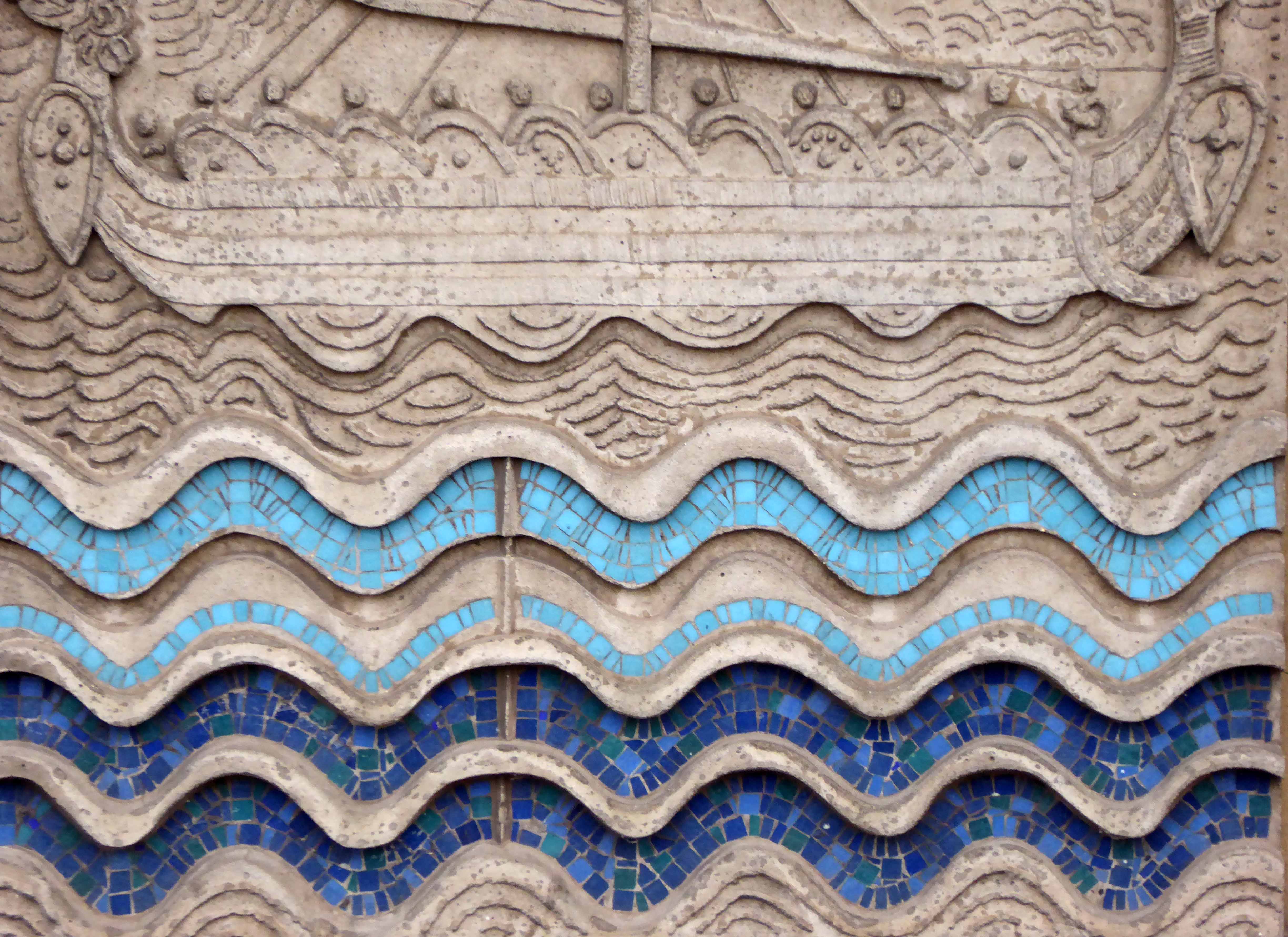
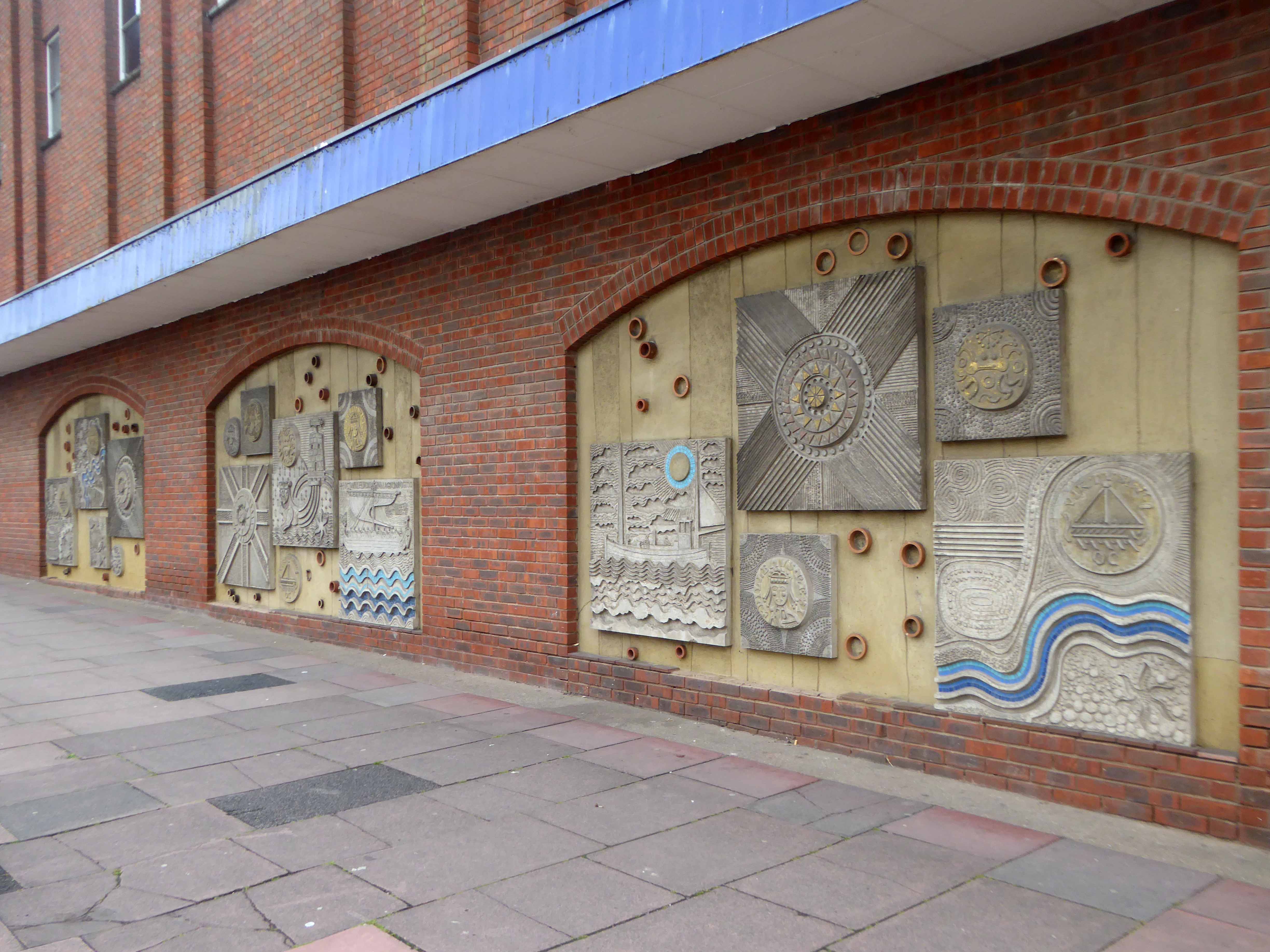
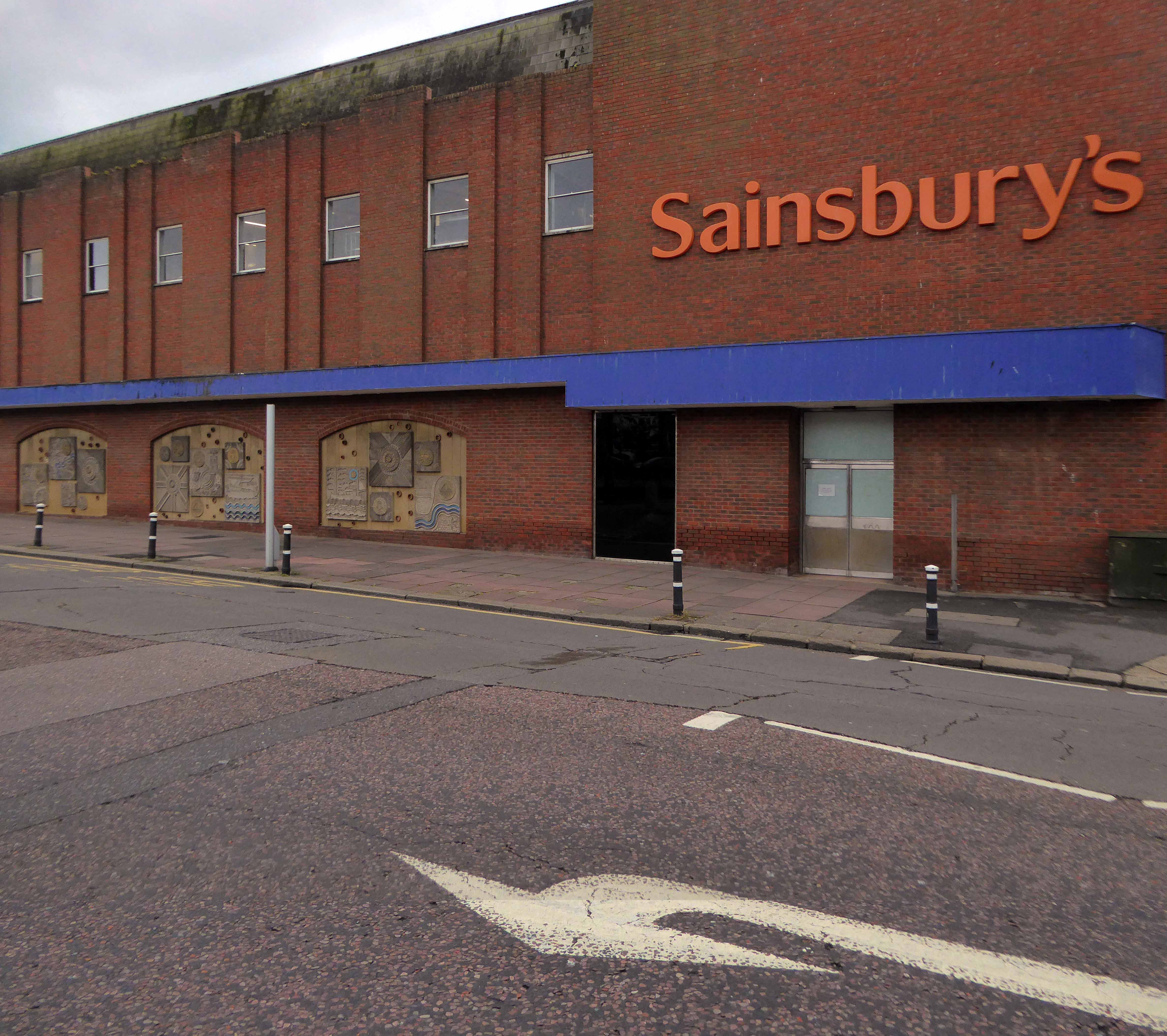
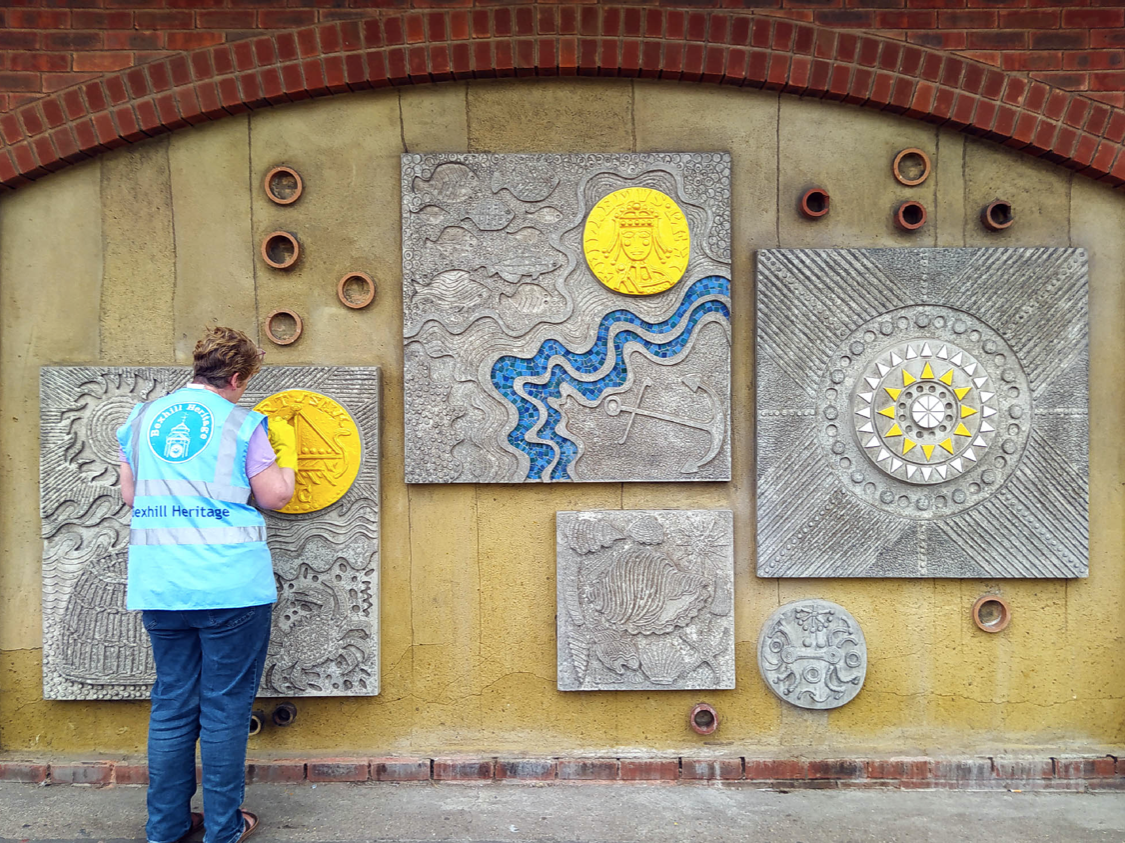
Henry William Collins and Joyce Millicent Pallot have a very special place in my heart, their lives’ work together gracing the Festival of Britain, GPO Tower and Expo 70, along with other retail outlets in Southampton, Gloucester, and Colchester. A distinctive style of bas relief in impressed concrete, ceramic terrazzo and simple modern motifs, drawn from local history and imagery.
Take a look around.
Great to see that the murals have been restored recently by Bexhill Heritage.
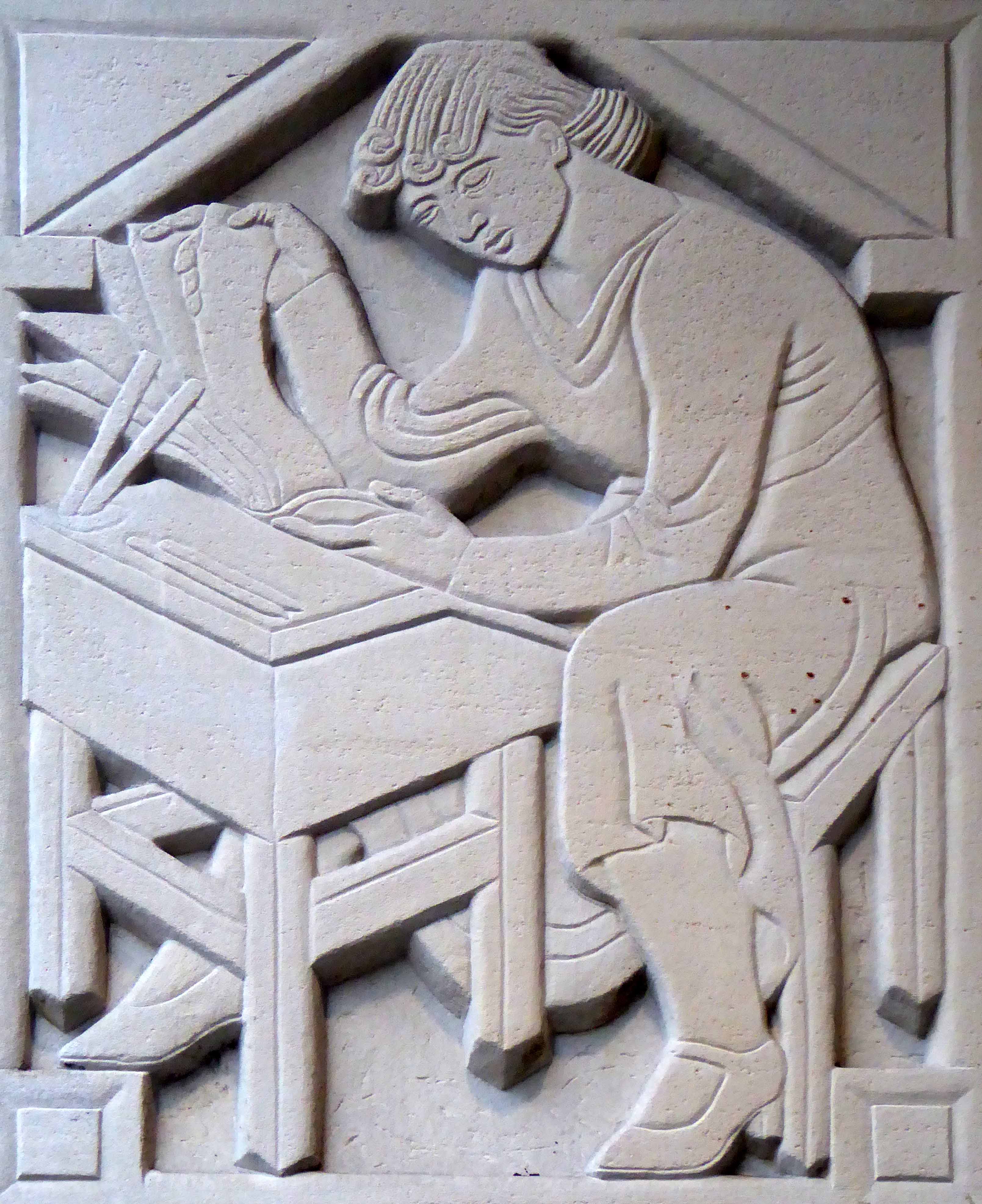
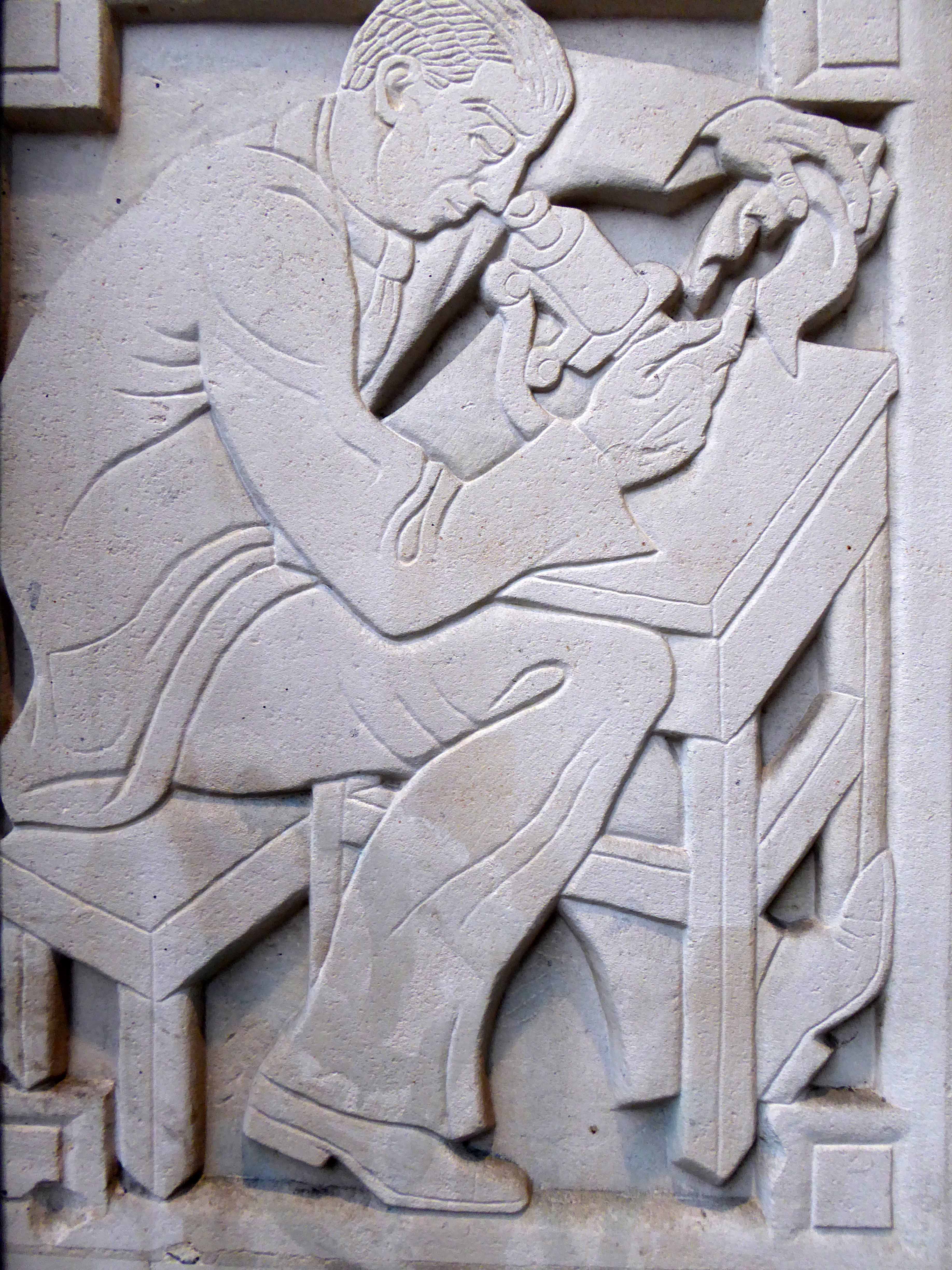
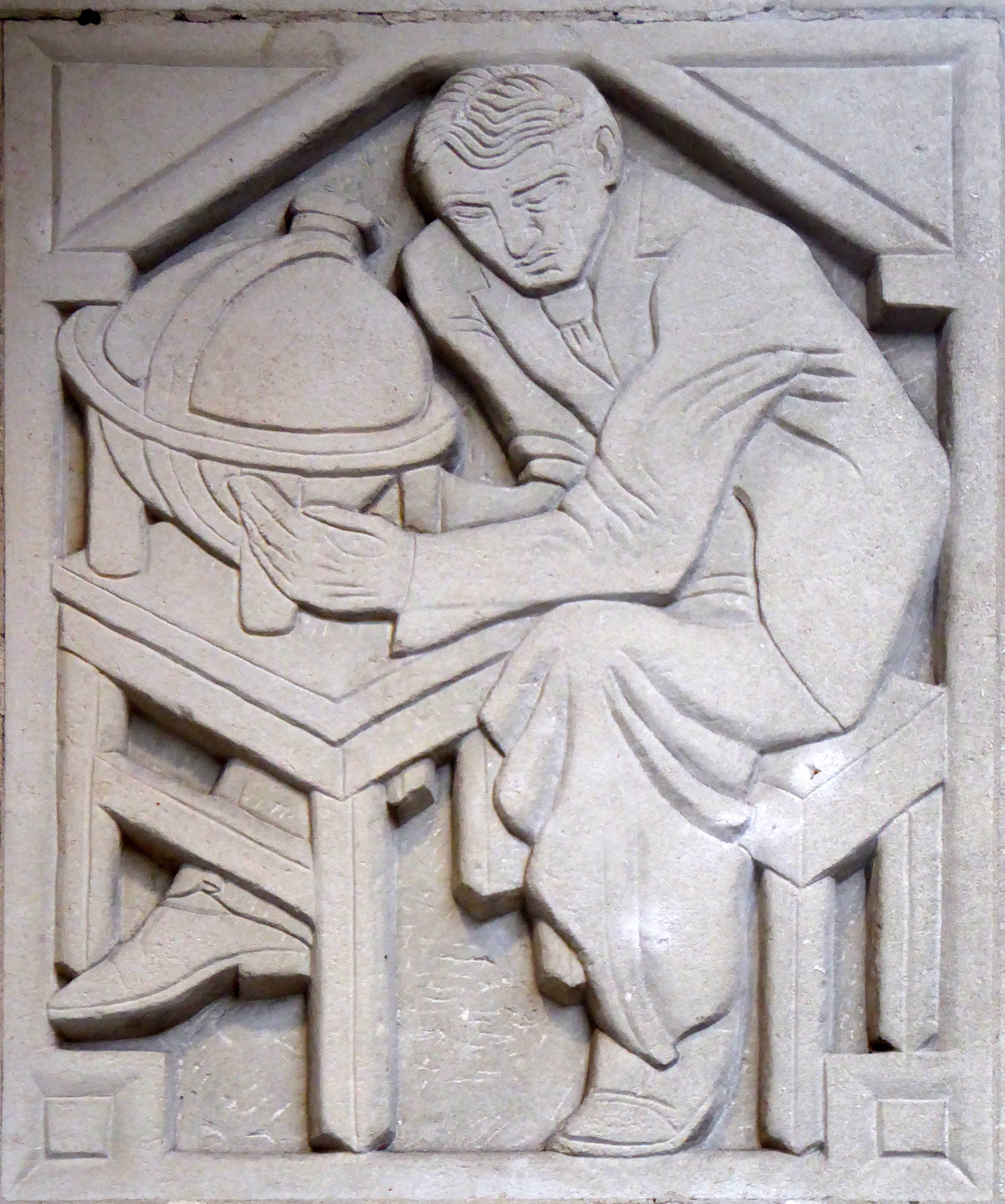
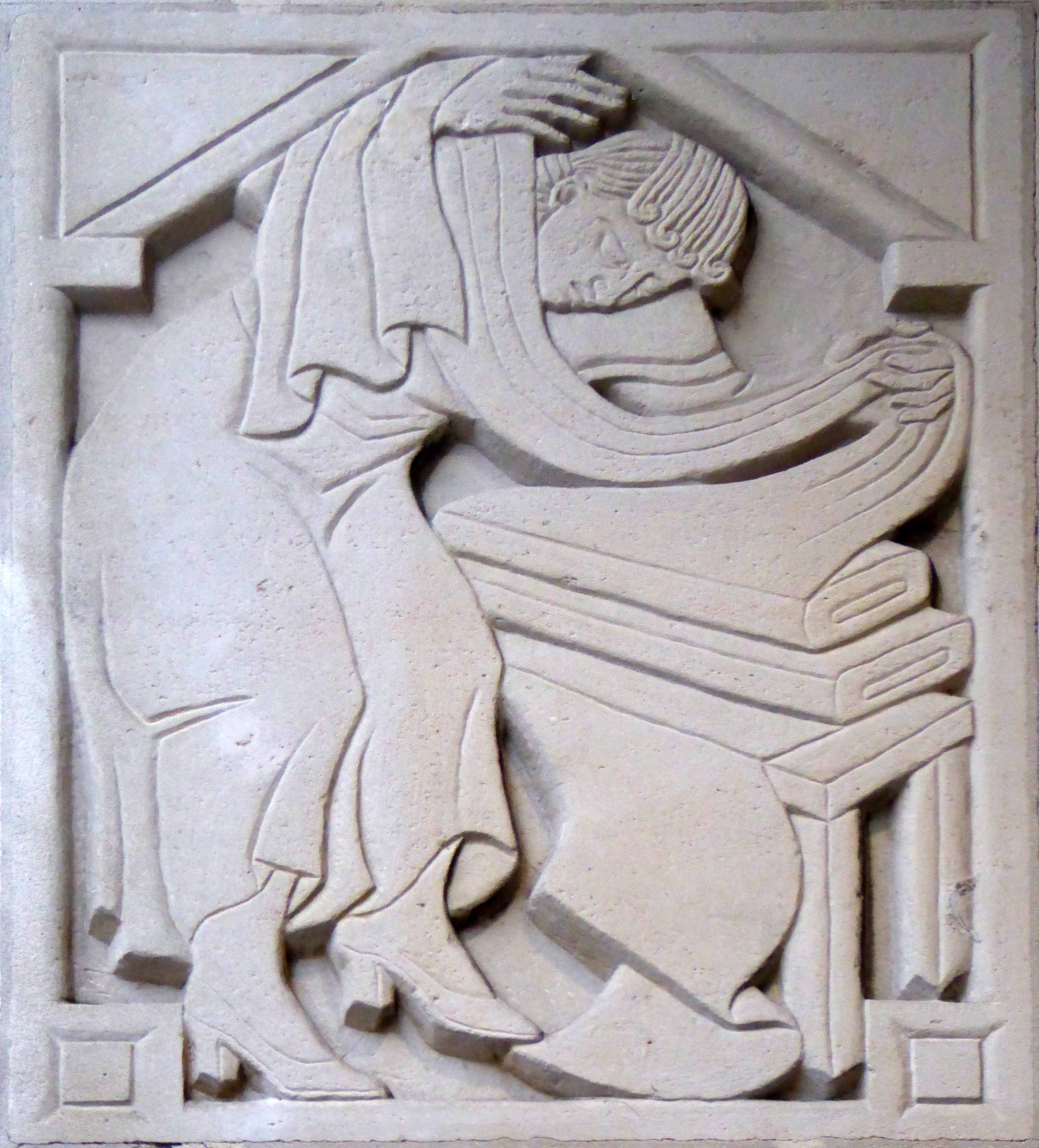
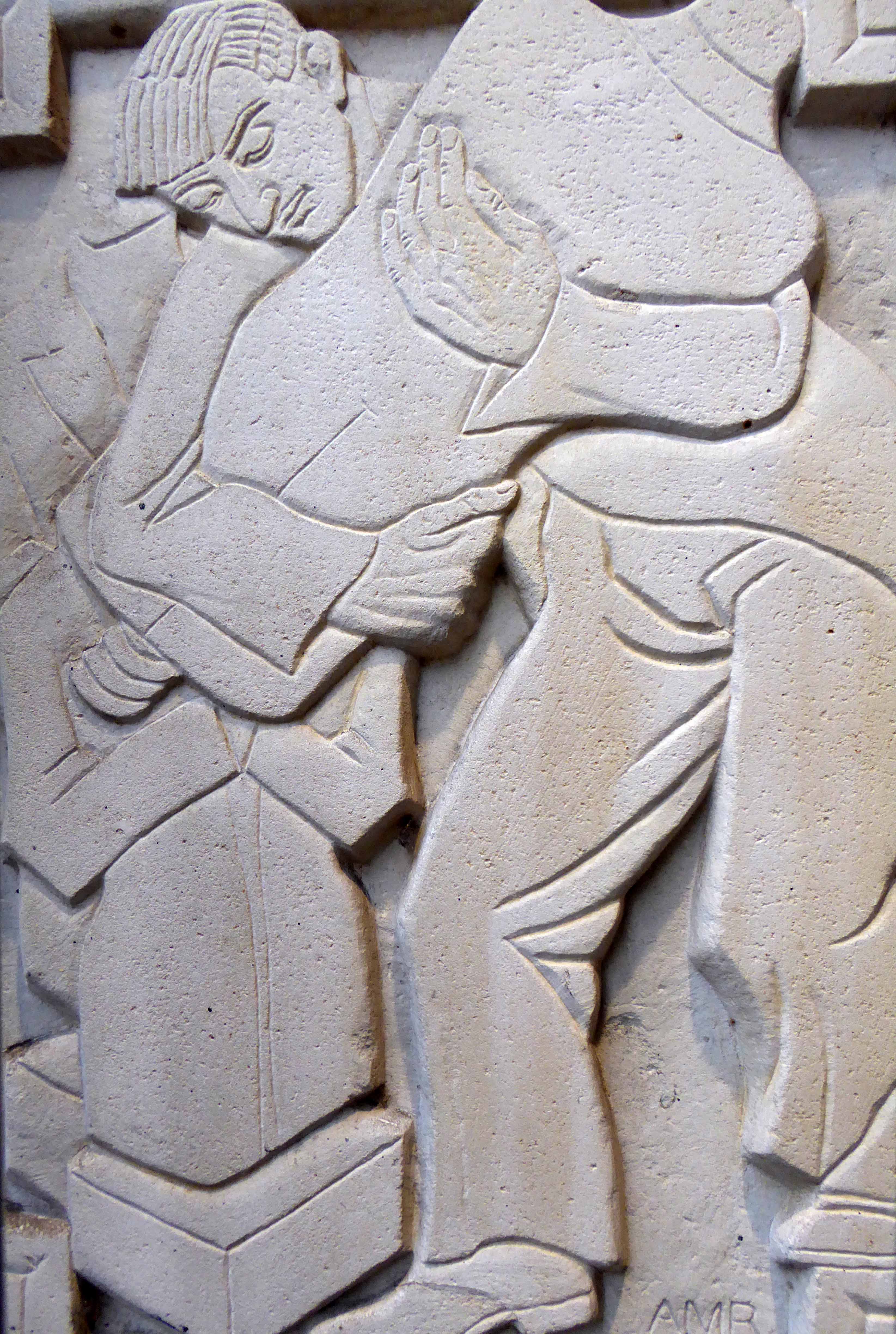
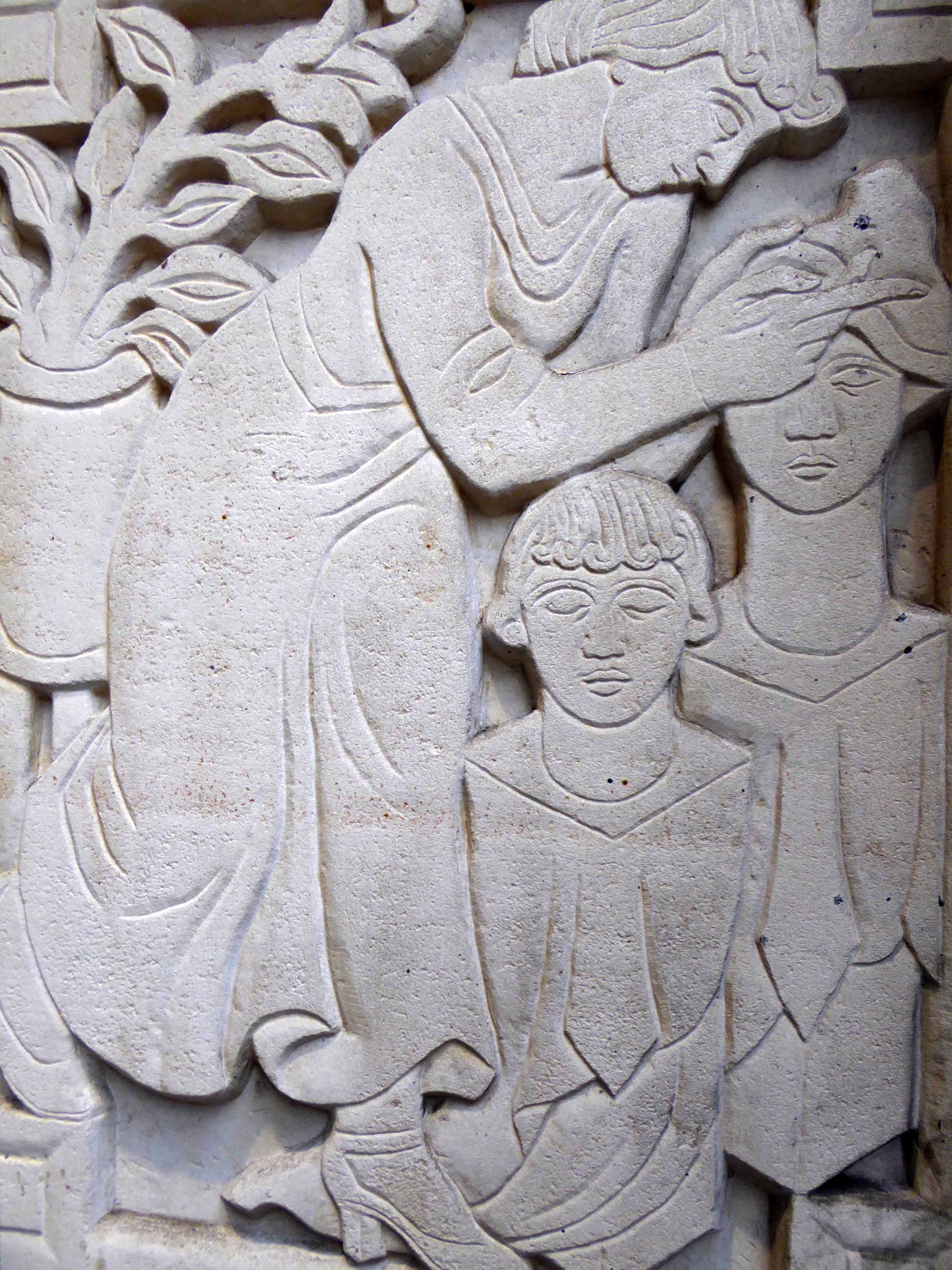
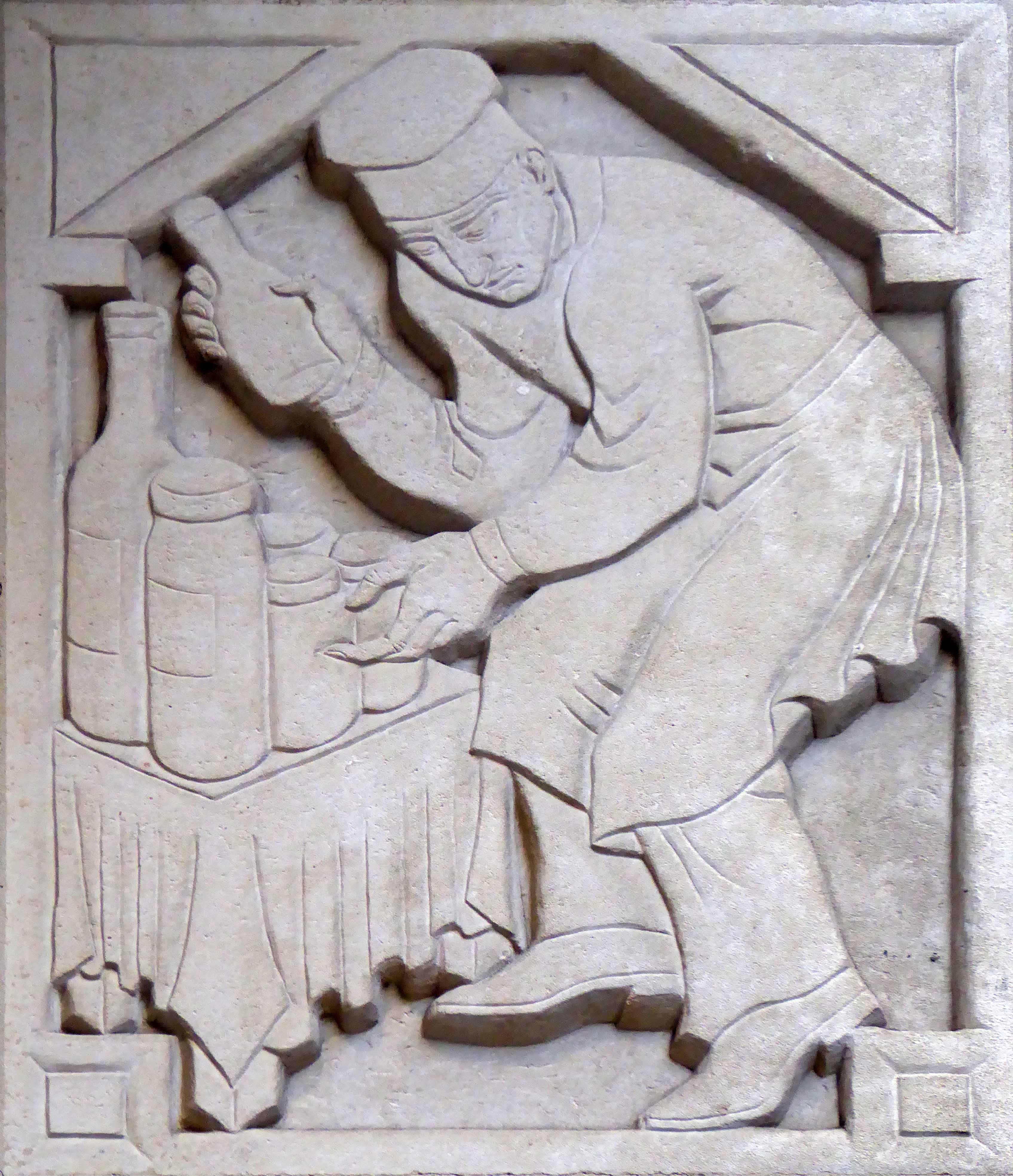
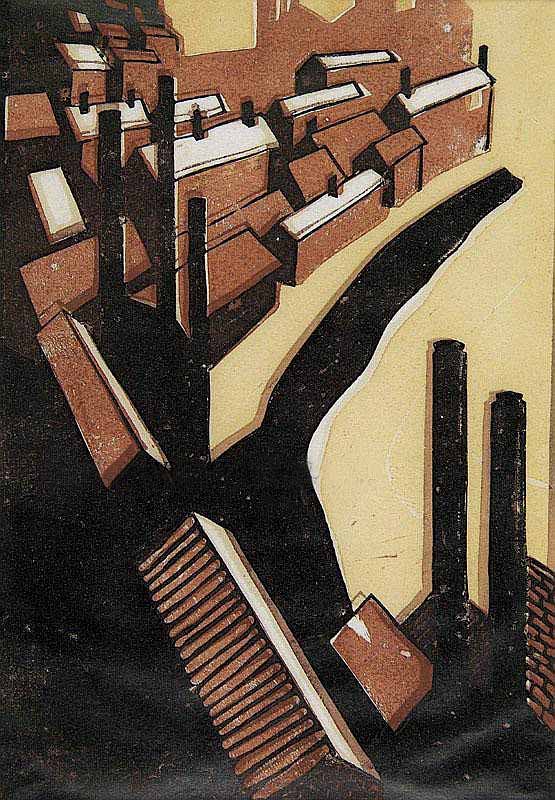
Adolfine Ryland worked as a printmaker, sculptor, painter and designer. Her practice across these different media was united by her keen-edged, modern style and inventive graphics. She had studied at Heatherley’s and at the Grosvenor School of Modern Art under printmaker Claude Flight.
Ryland’s main exhibiting venue was the Women’s International Art Club, where she showed from 1927 onwards, becoming a member from 1936 to 1954. She also undertook public commissions, and worked for London County Council designing low reliefs for a number of buildings, among them the School of Butchers and St Martin’s School of Art. Her reliefs for the art school, which still decorate the entrance, show students at work. But Ryland’s work is not always easy to identify as she sometimes signed herself ‘Koncelik’, her mother’s maiden name.
In 1987 the Michael Parkin Gallery in London held an exhibition Printmakers of the 20s and 30s and Adolfine Ryland. On show were Ryland’s paintings, drawings, prints, sculptures and designs for book jackets and posters. Amongst them were two designs advertising London Underground, which speak of an optimistic age of efficient, modern public transport to the new suburbs.
I was sauntering down Charing Cross Road on Saturday last, minding my own and everyone else’s business, then perchance I chanced upon a series of low reliefs, tucked neatly away in a nearby portal.
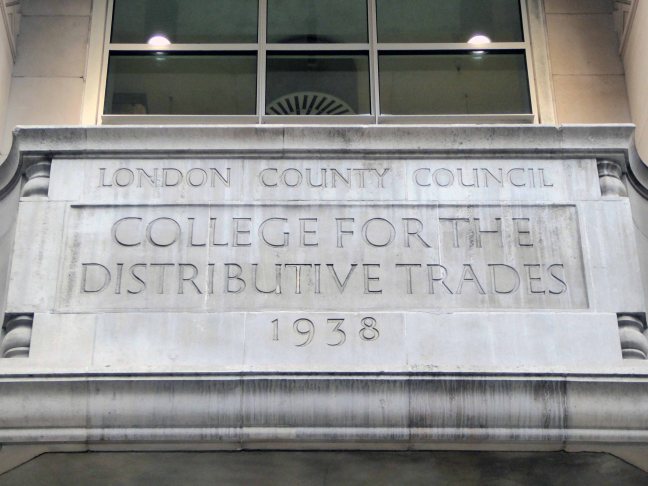
The London County College for the Distributive Trades – rightfully adorned with appropriate public art depicting the lasses and lads, going about their very practical business.
These are the work of Adolfine Ryland.
The building is currently in use as Foyles Bookshop.
Returning home, I did a little online research, turning these examples of her work. As is often the case with those figures considered to be on the margins of the big bad Art World, time and the subsequent neglect, conspire to leave little by way of evidence of their invaluable efforts.