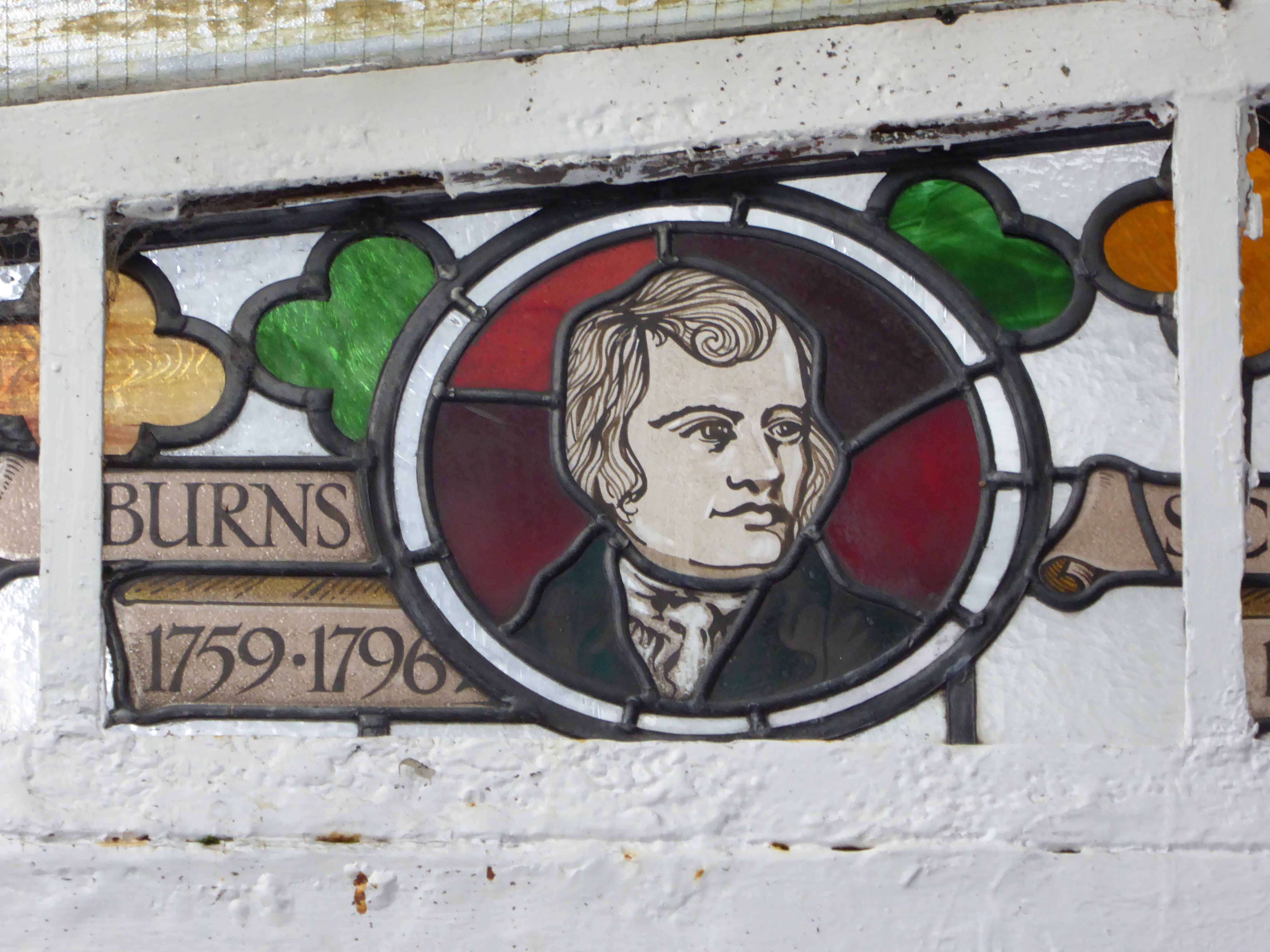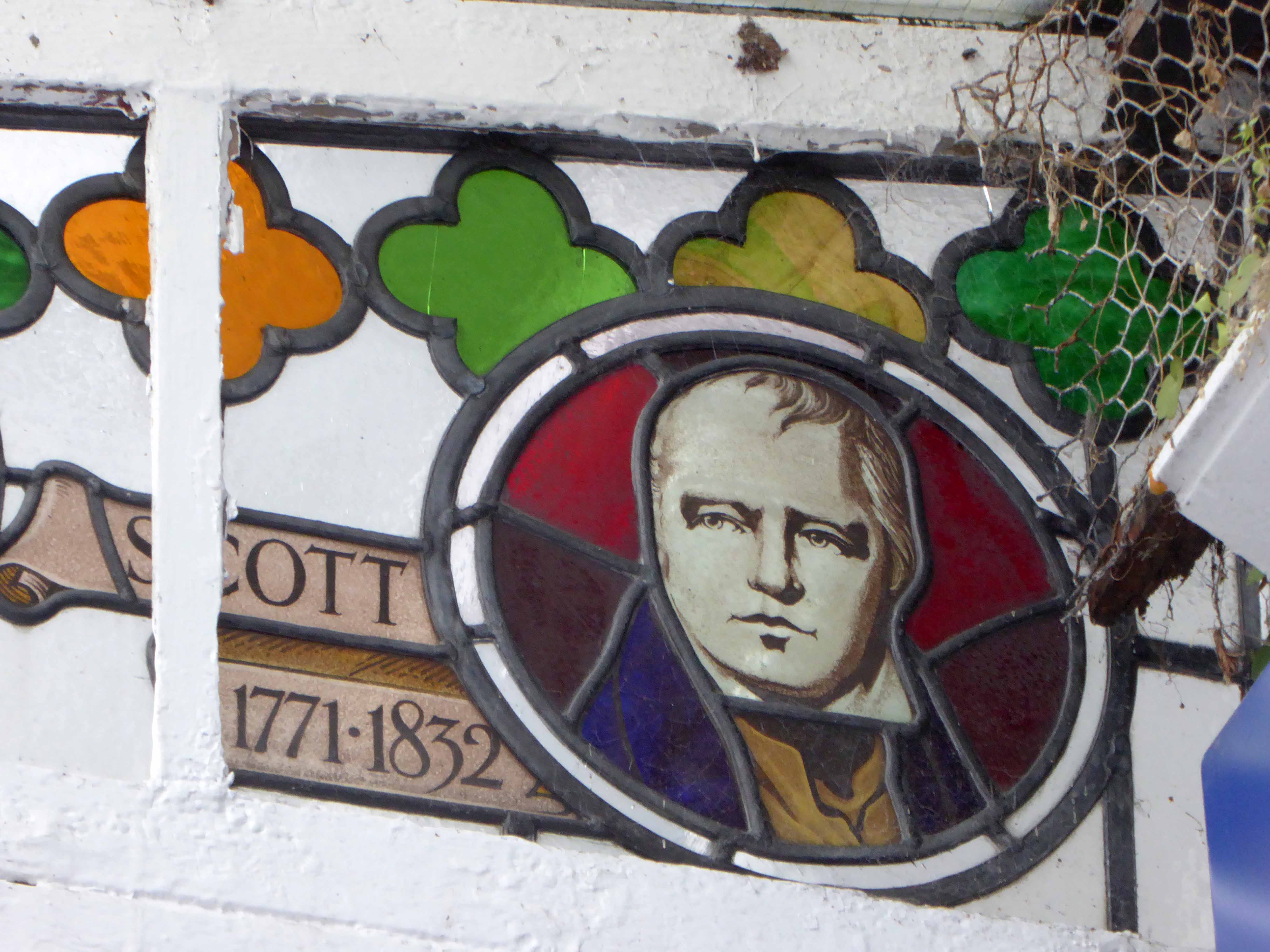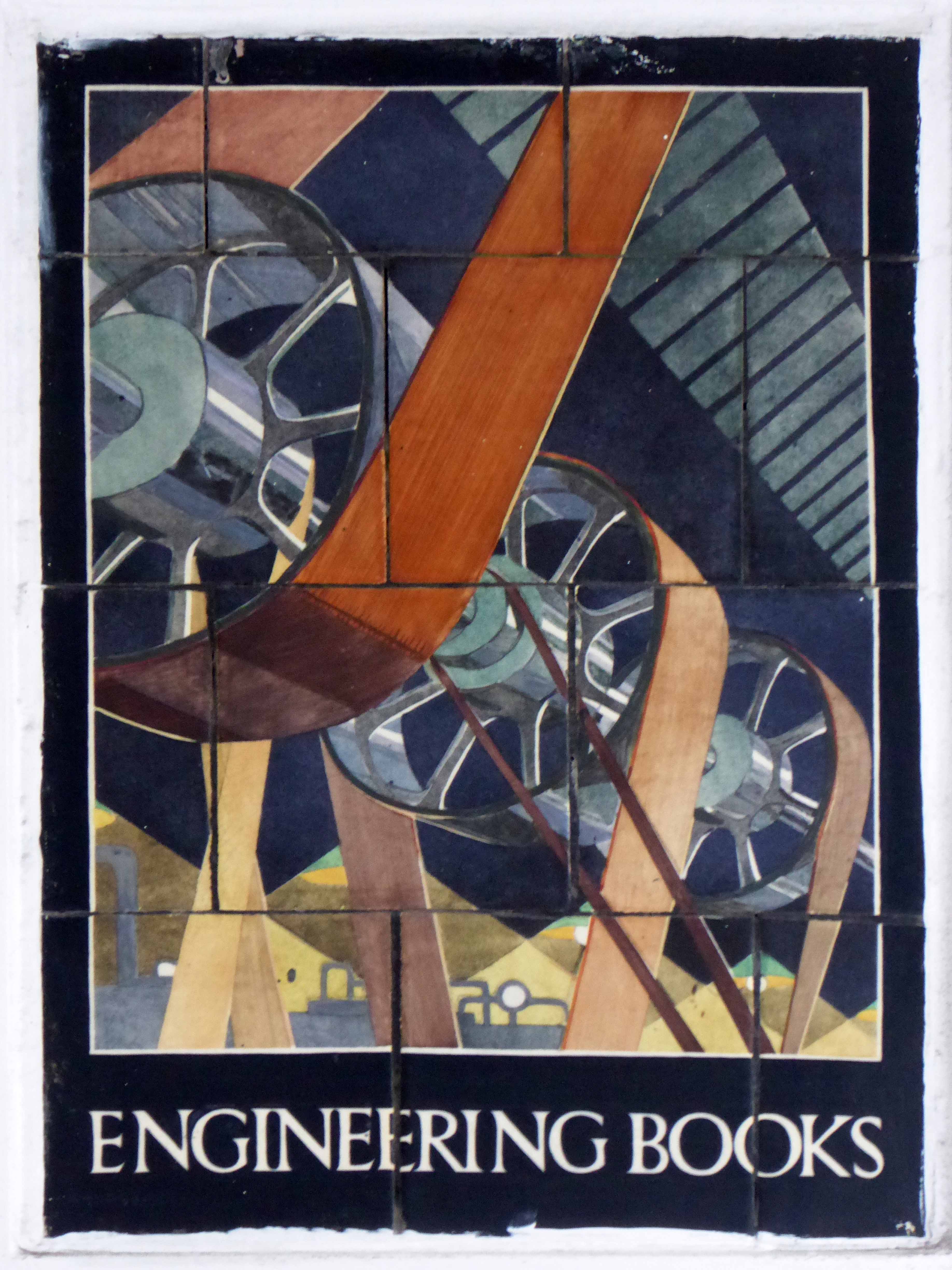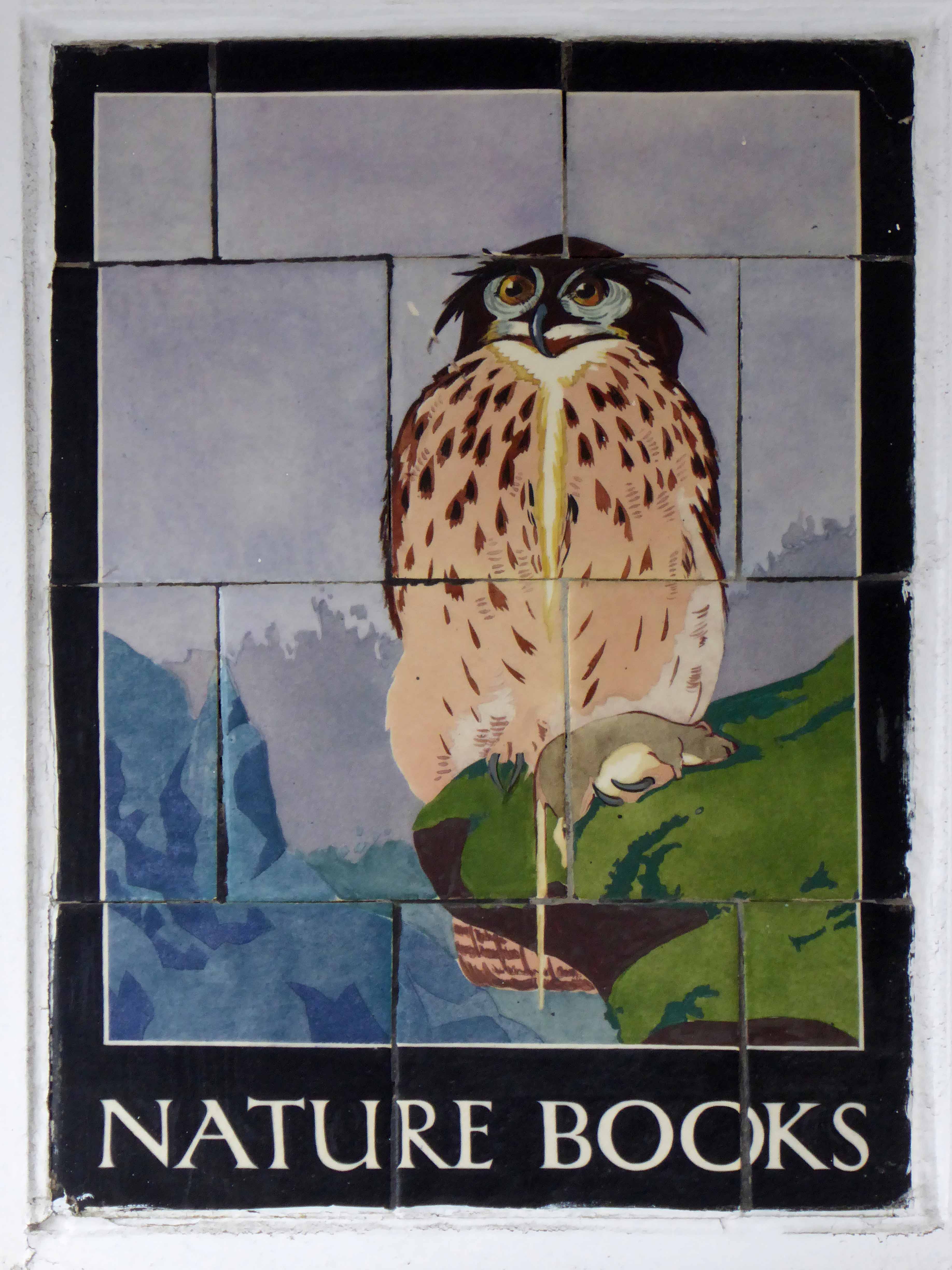
WH Smiths – Colwyn Bay

I have been here before.
I’ve been there too – Newton Powys home to the WH Smiths Museum

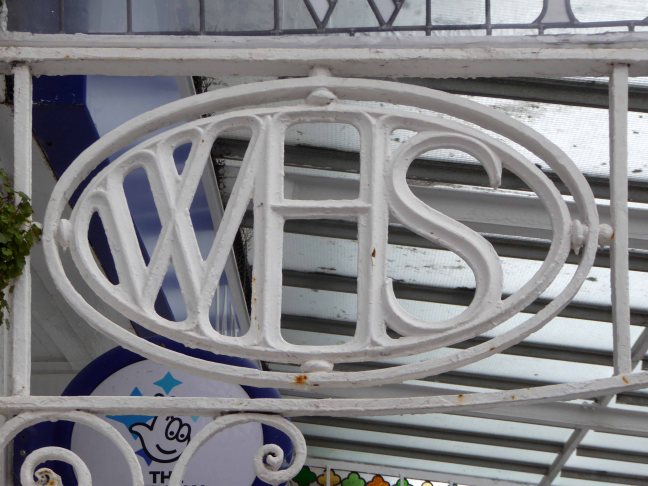
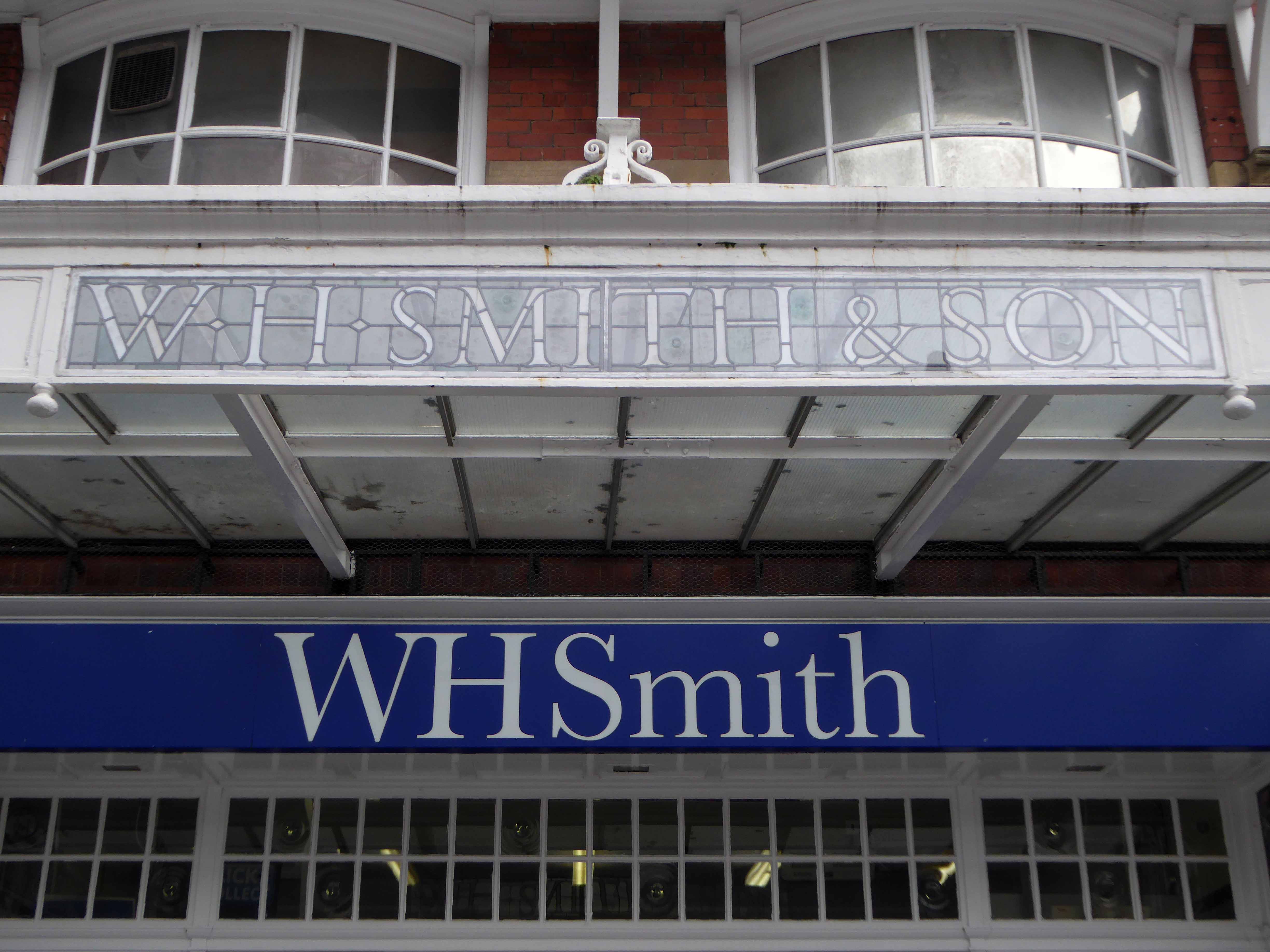
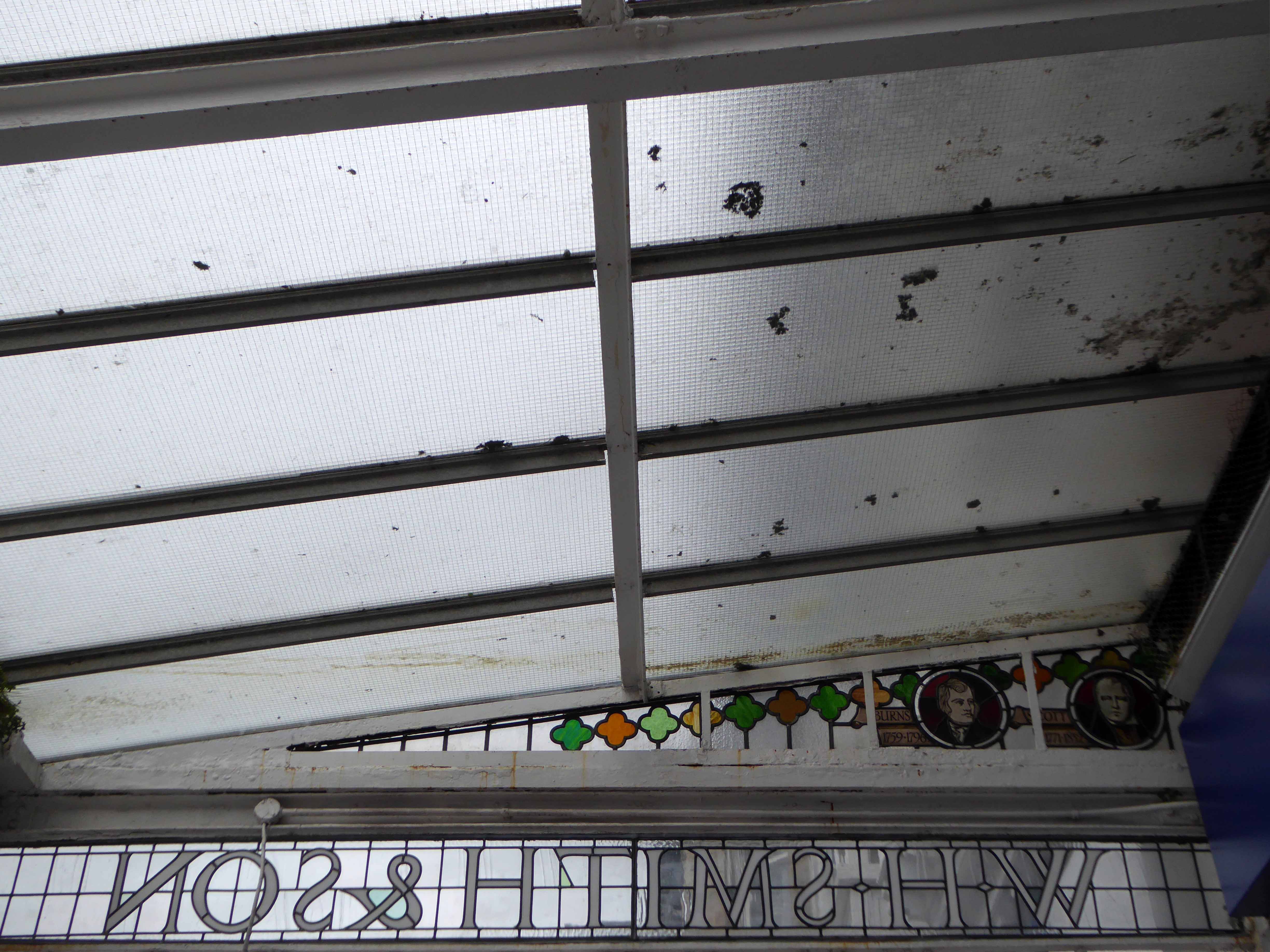
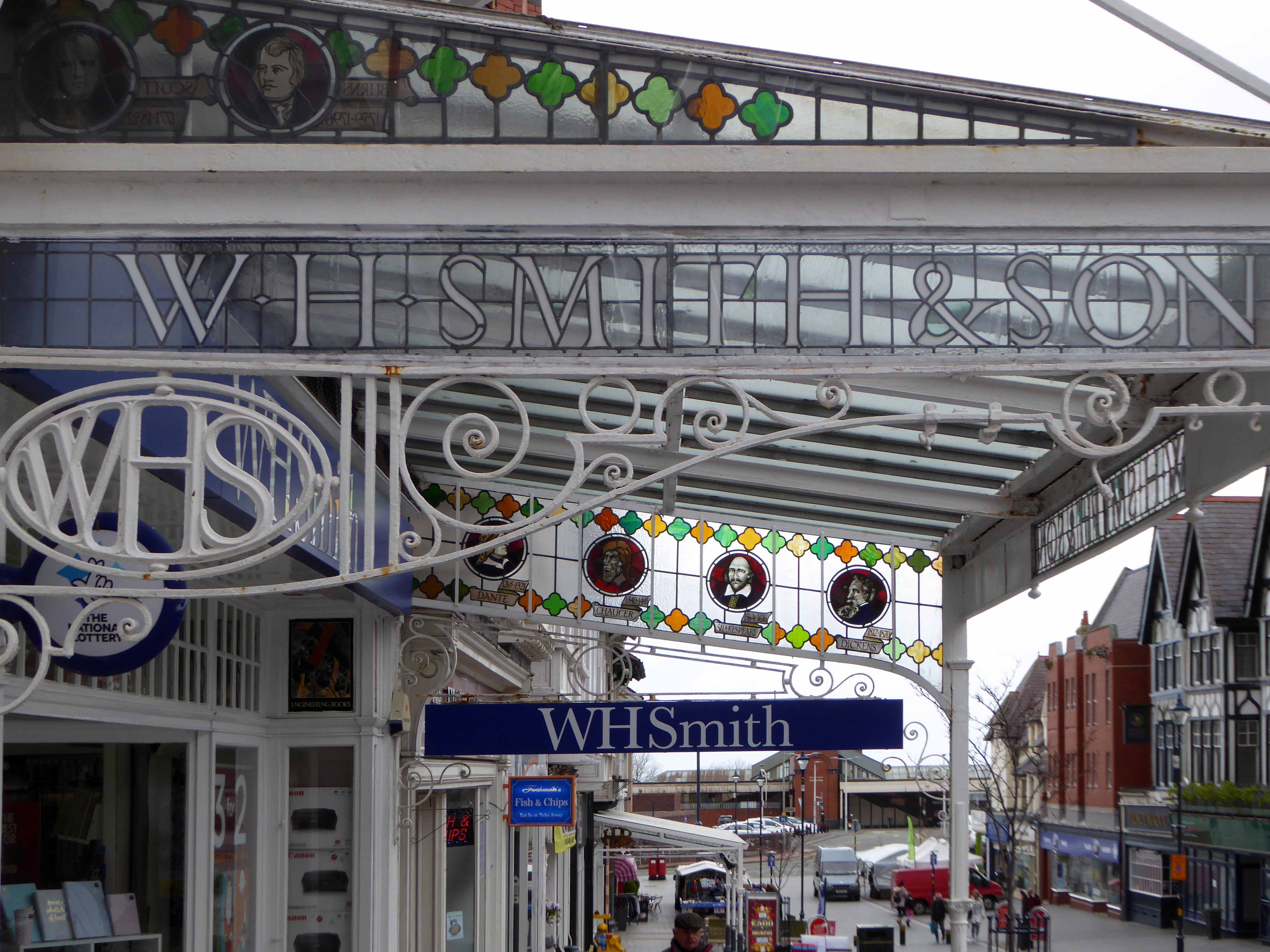
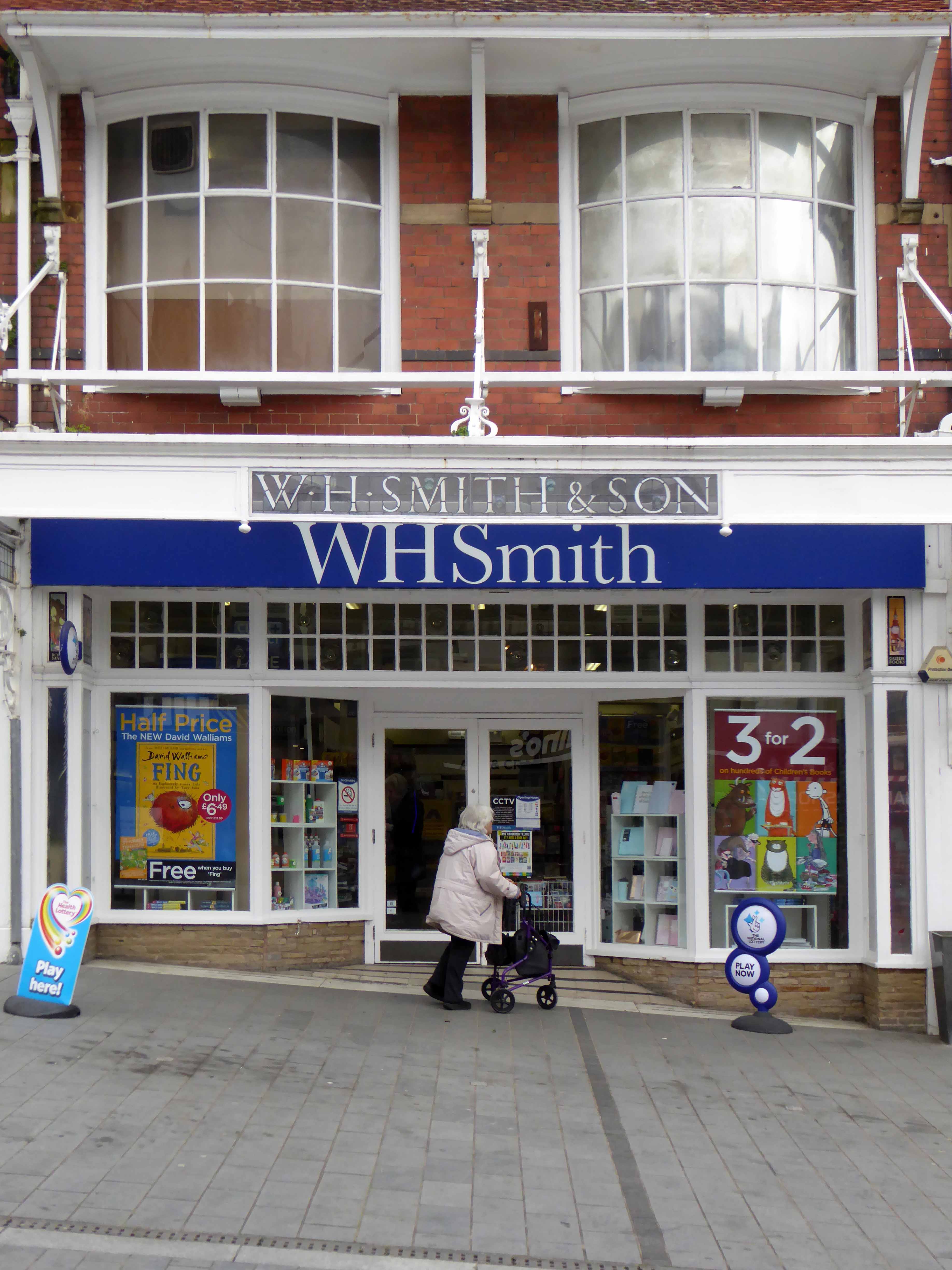
Now here I am in Colwyn Bay generally minding my own and everybody else’s business, when all of a sudden I noticed a cast iron glazed awning.

Proudly announcing the proprietors – sadly supported by a distressing modern addition – now I’m not one to decry and debunk the rising tide of modernity, I’m all in favour of unisex clothing and central heating.

But the unchecked encroachment of vacuous vinyl really is the limit.

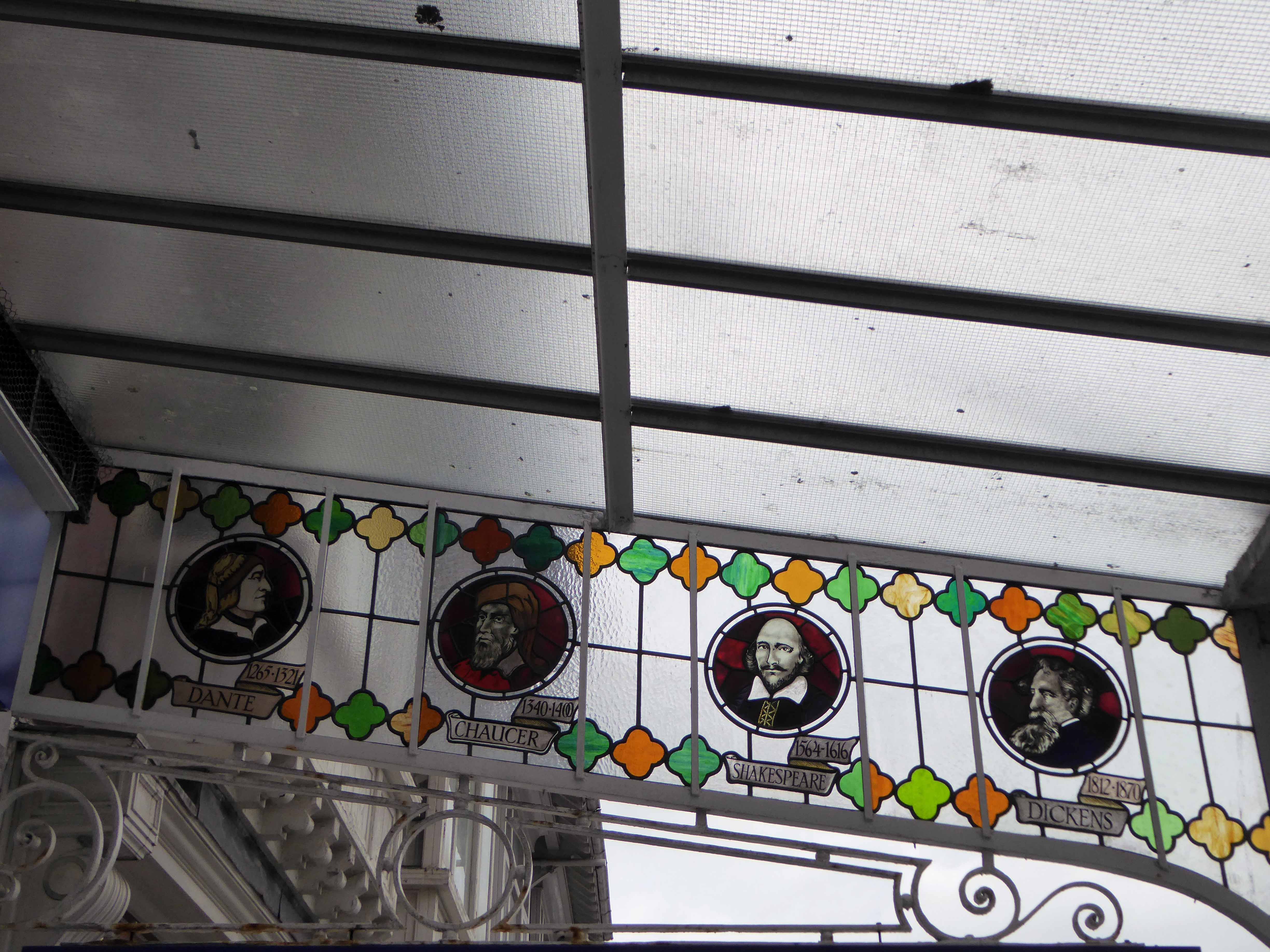
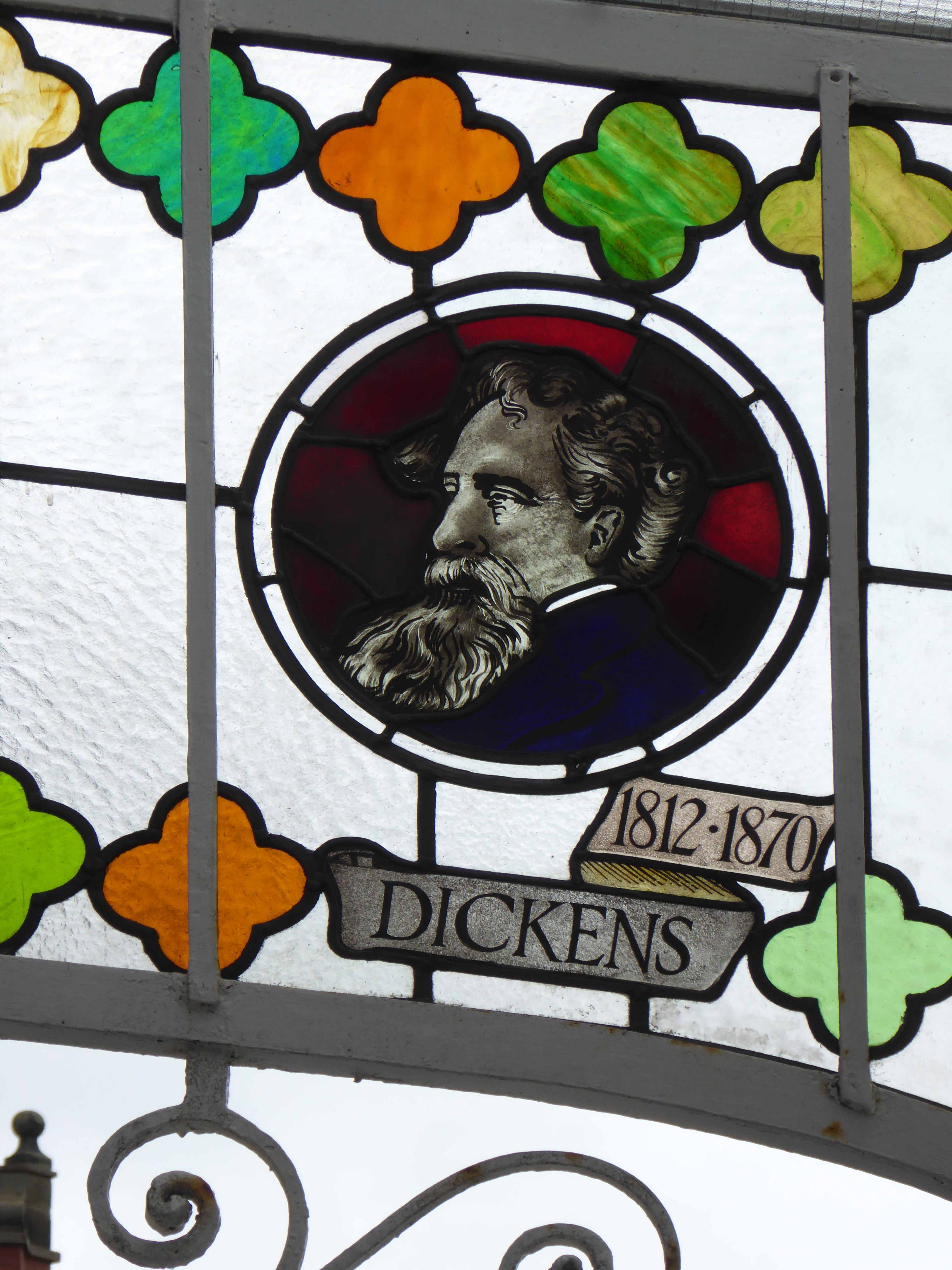
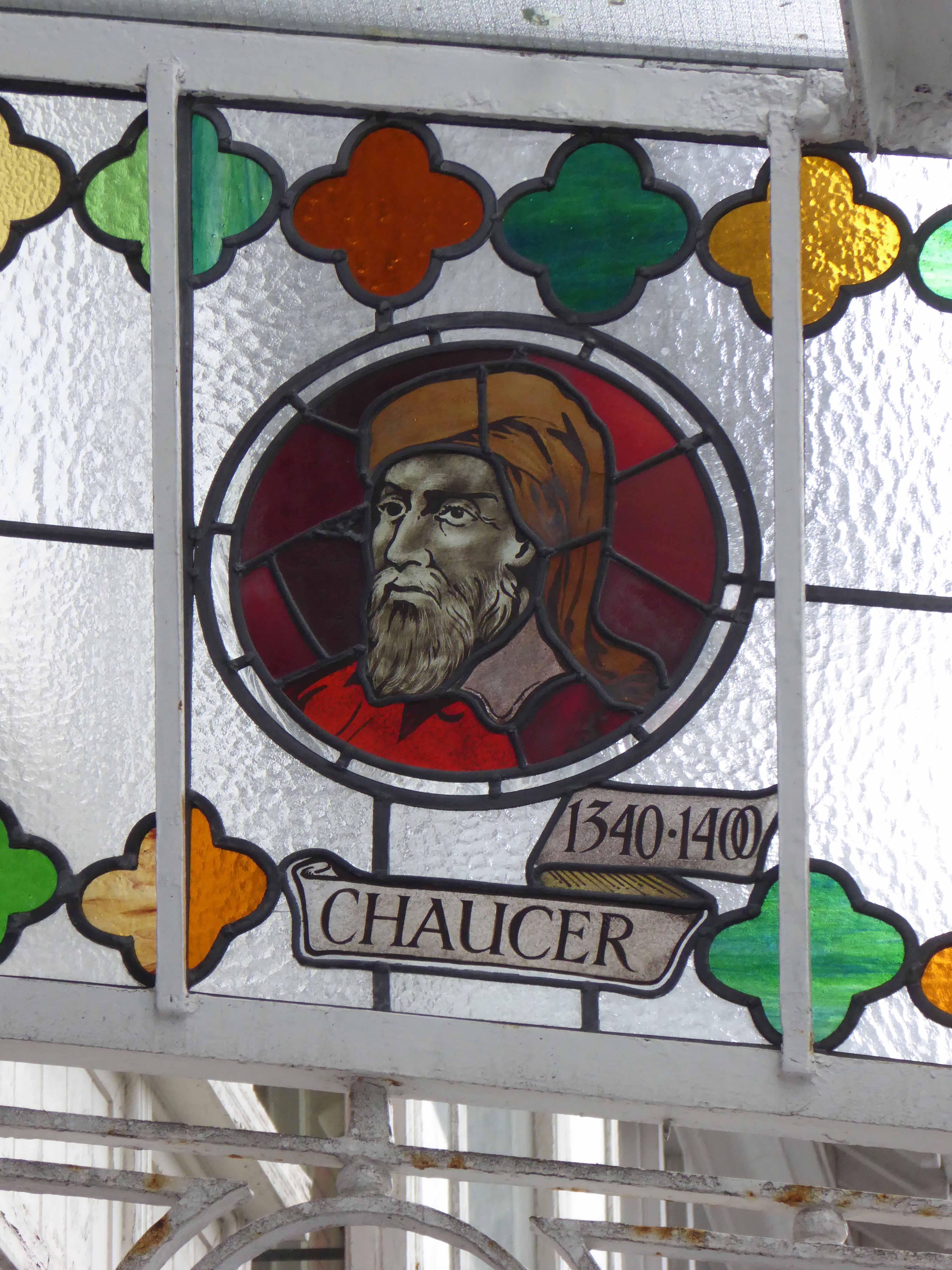
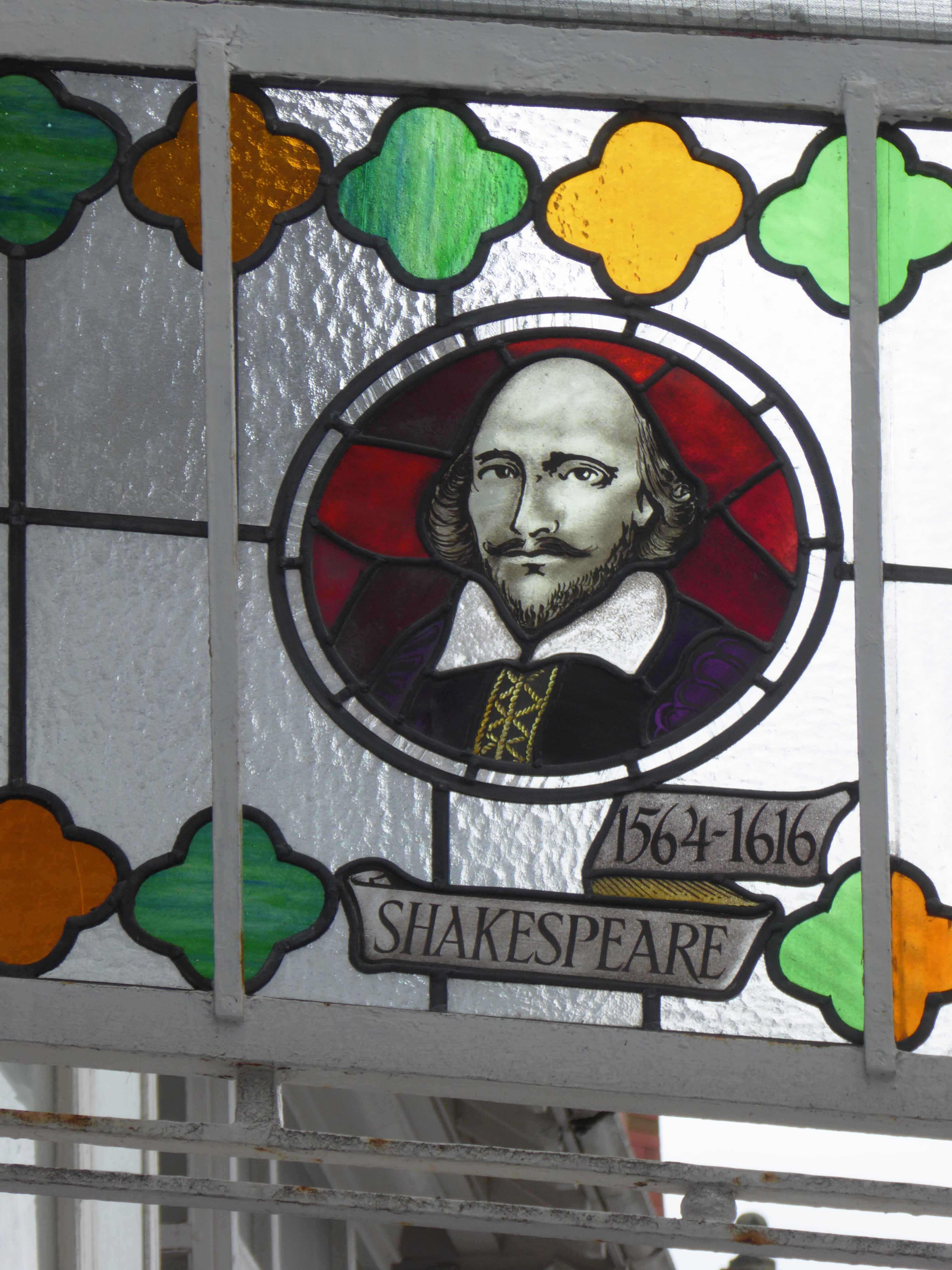
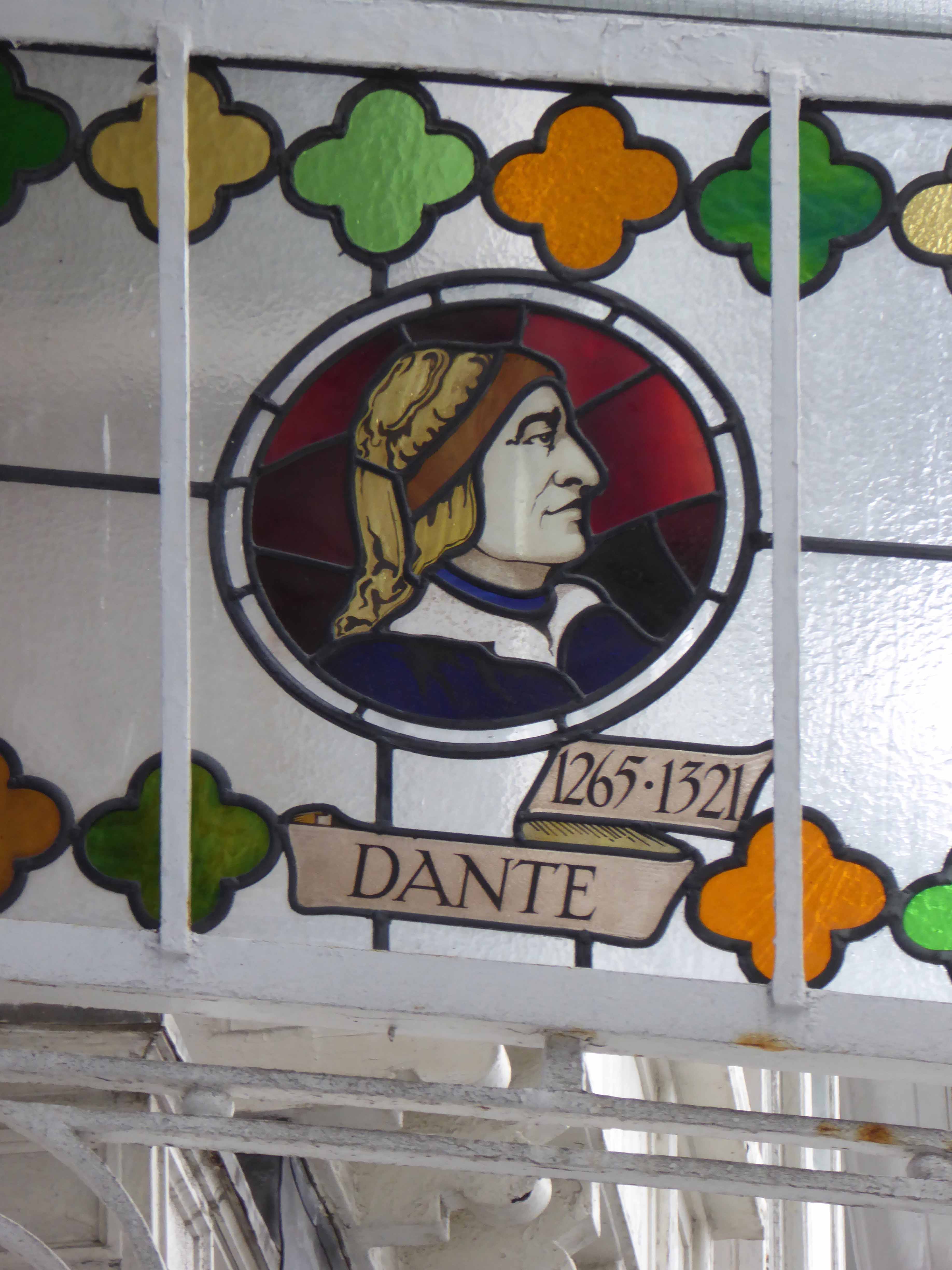
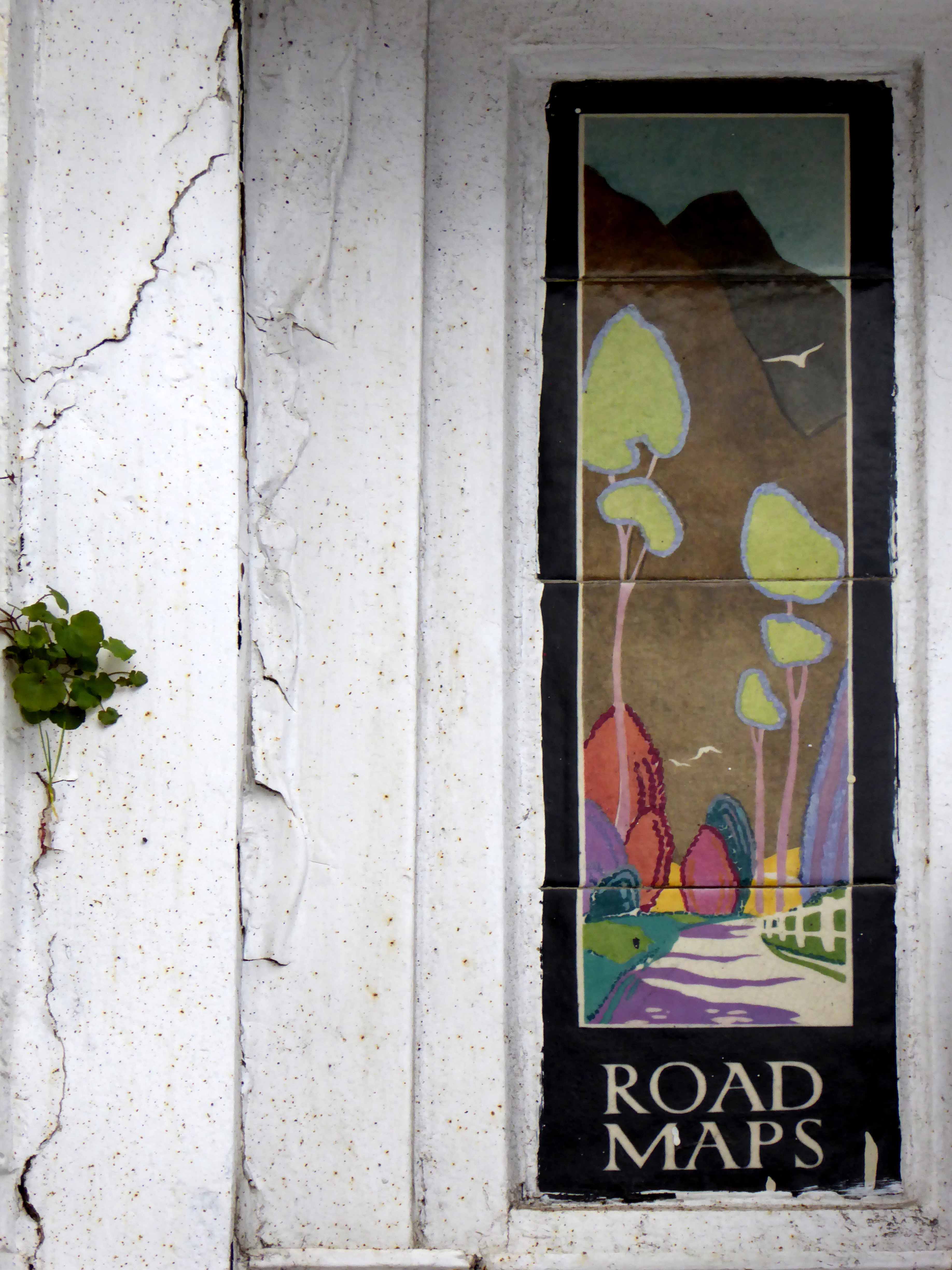
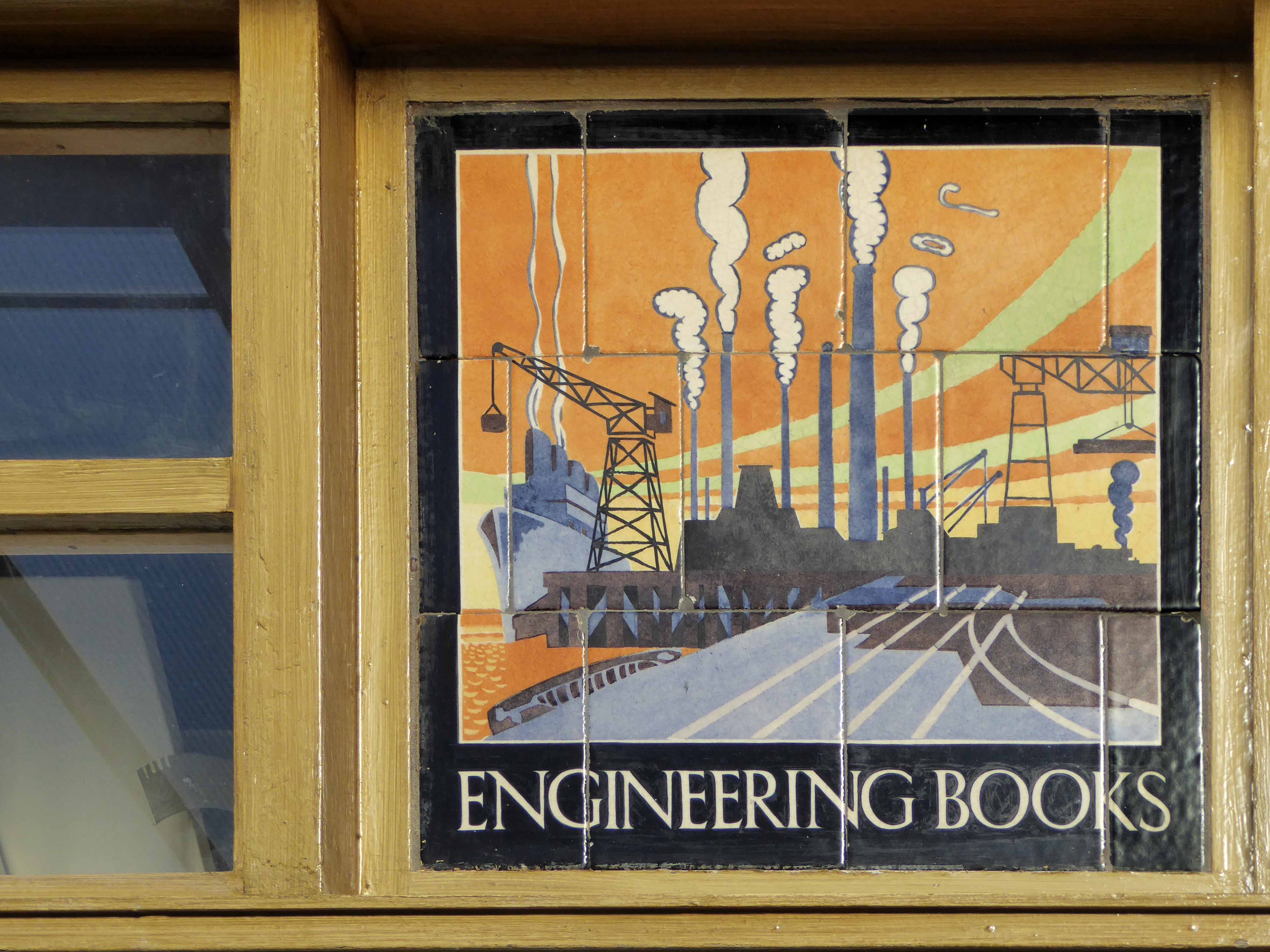
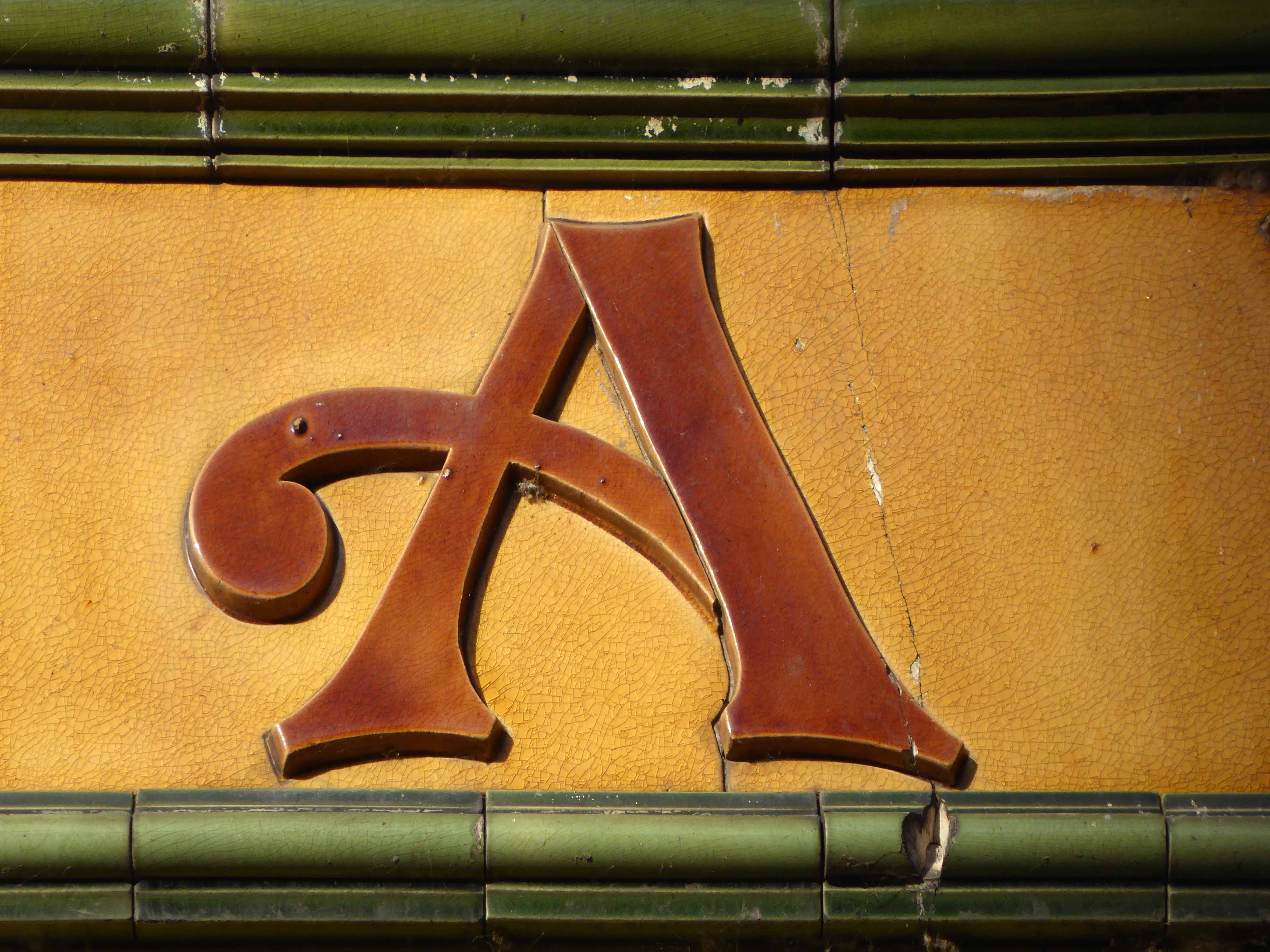
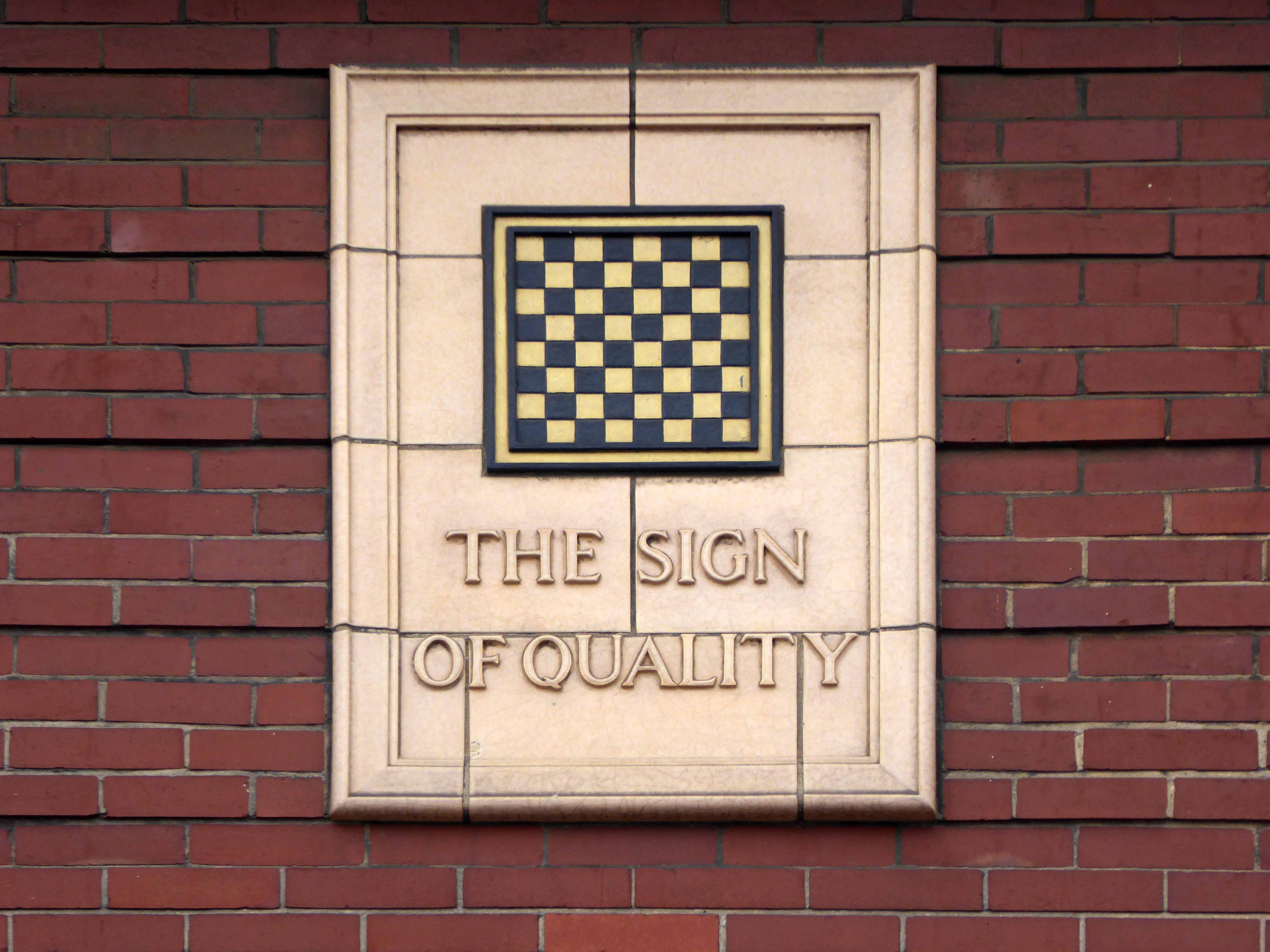
Businesses displayed a degree of dignified permanence unknown to the current high street trader. So here it is writ larger than life in stained glass and Carter’s Tiles.

Loud and proud.

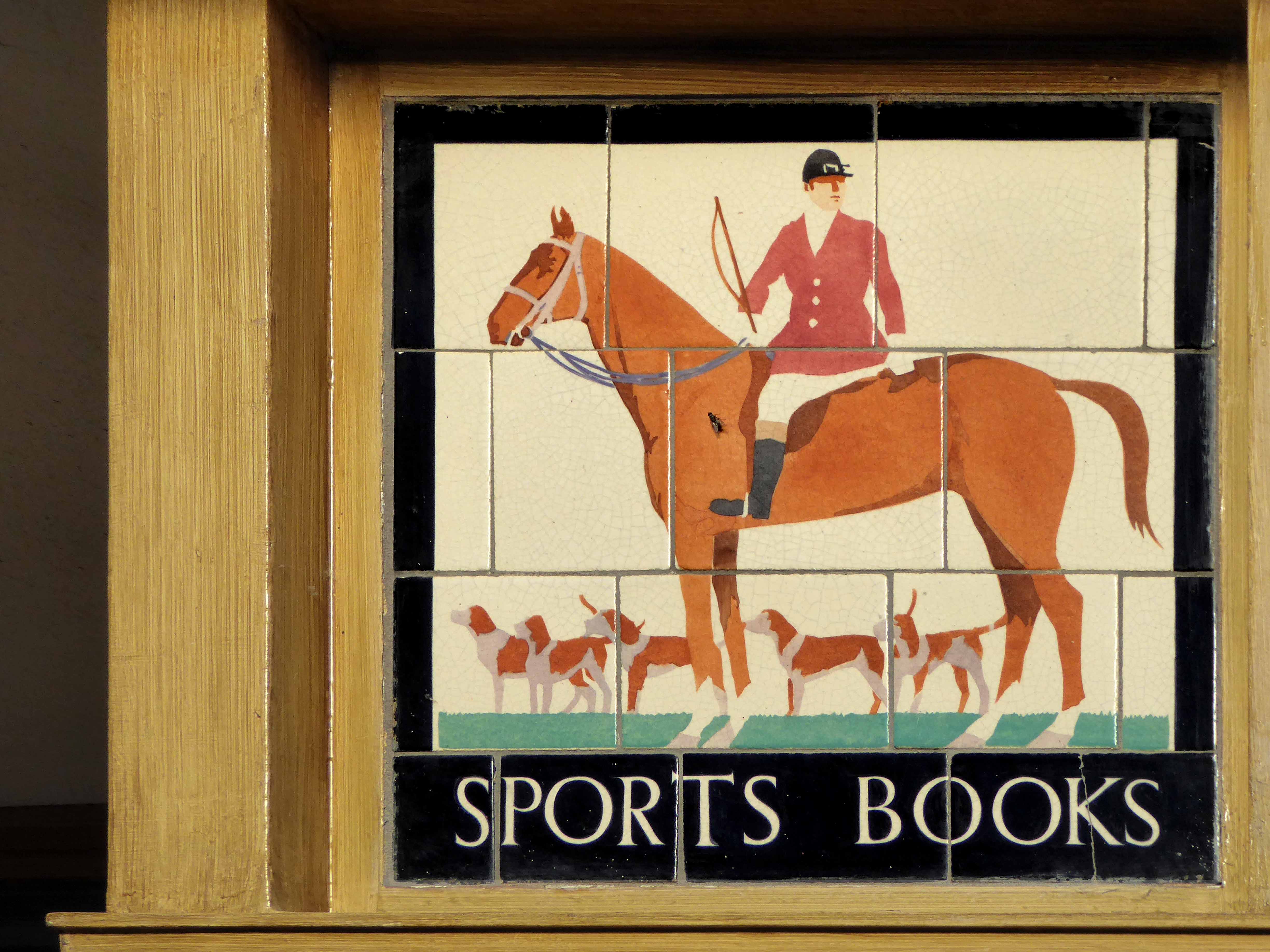
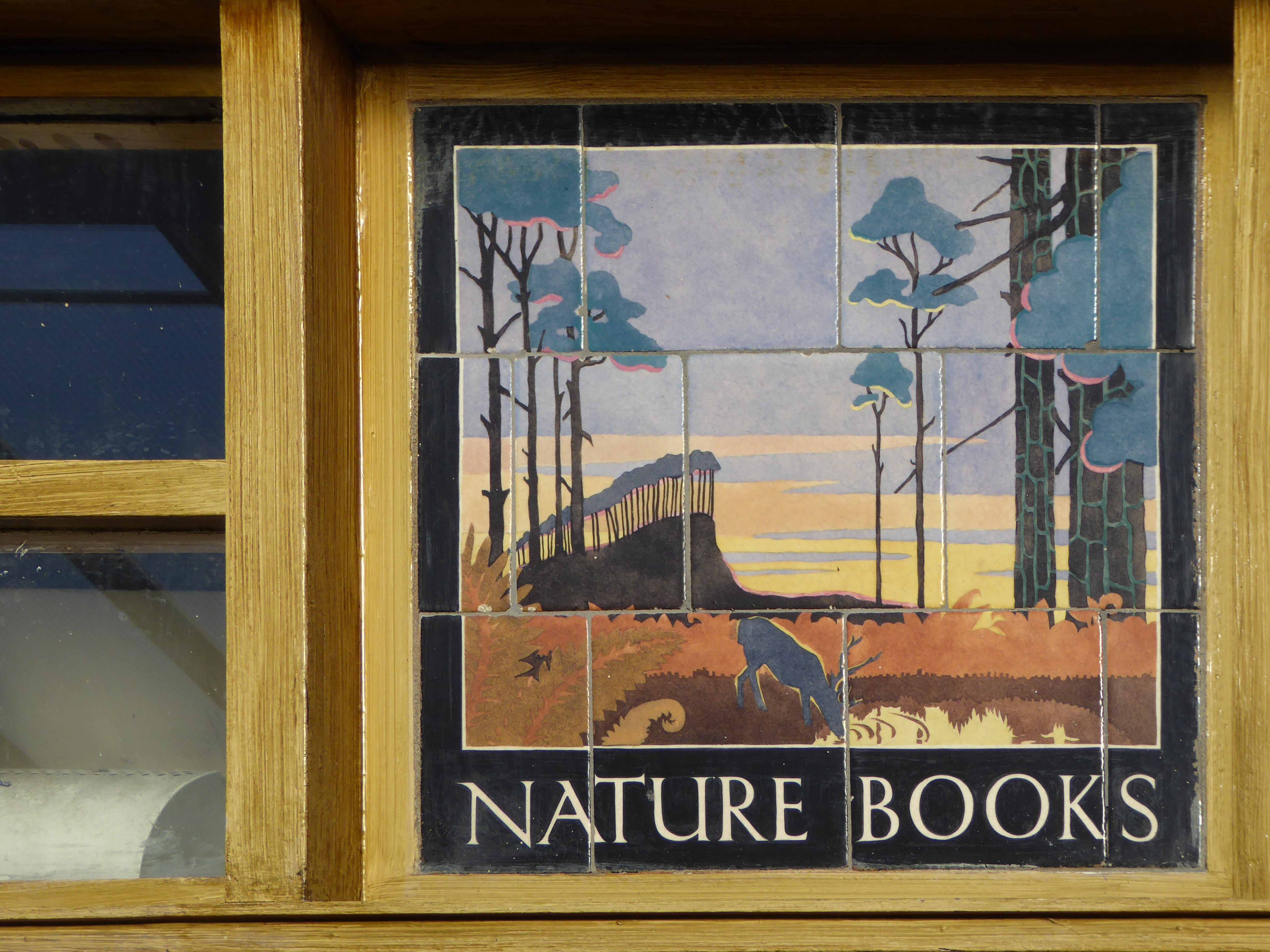
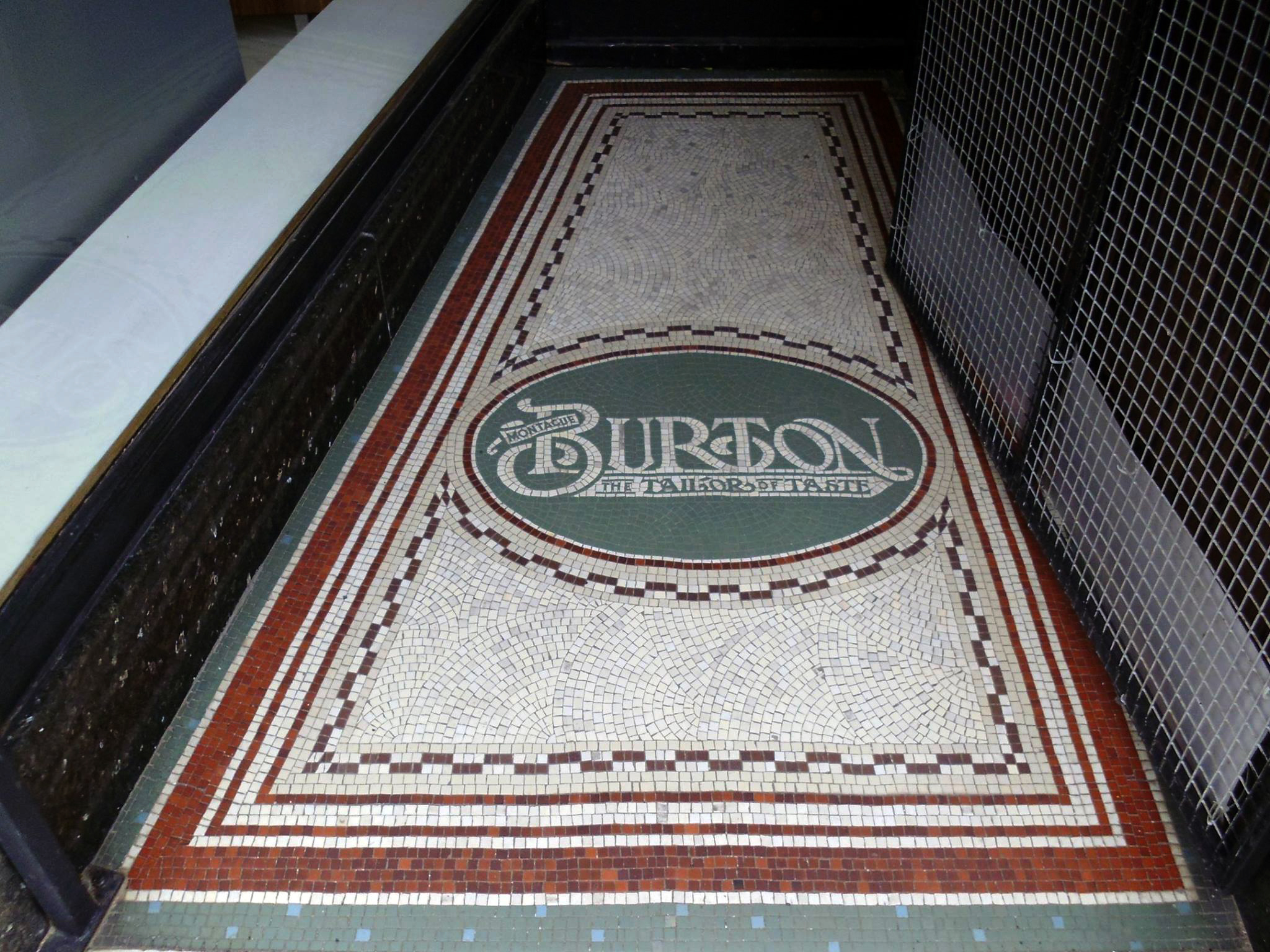
And as an addendum here are the delightful tiles from the Llandudno branch, snapped two years previously.

Burton’s Moderne – Ashton and Beyond

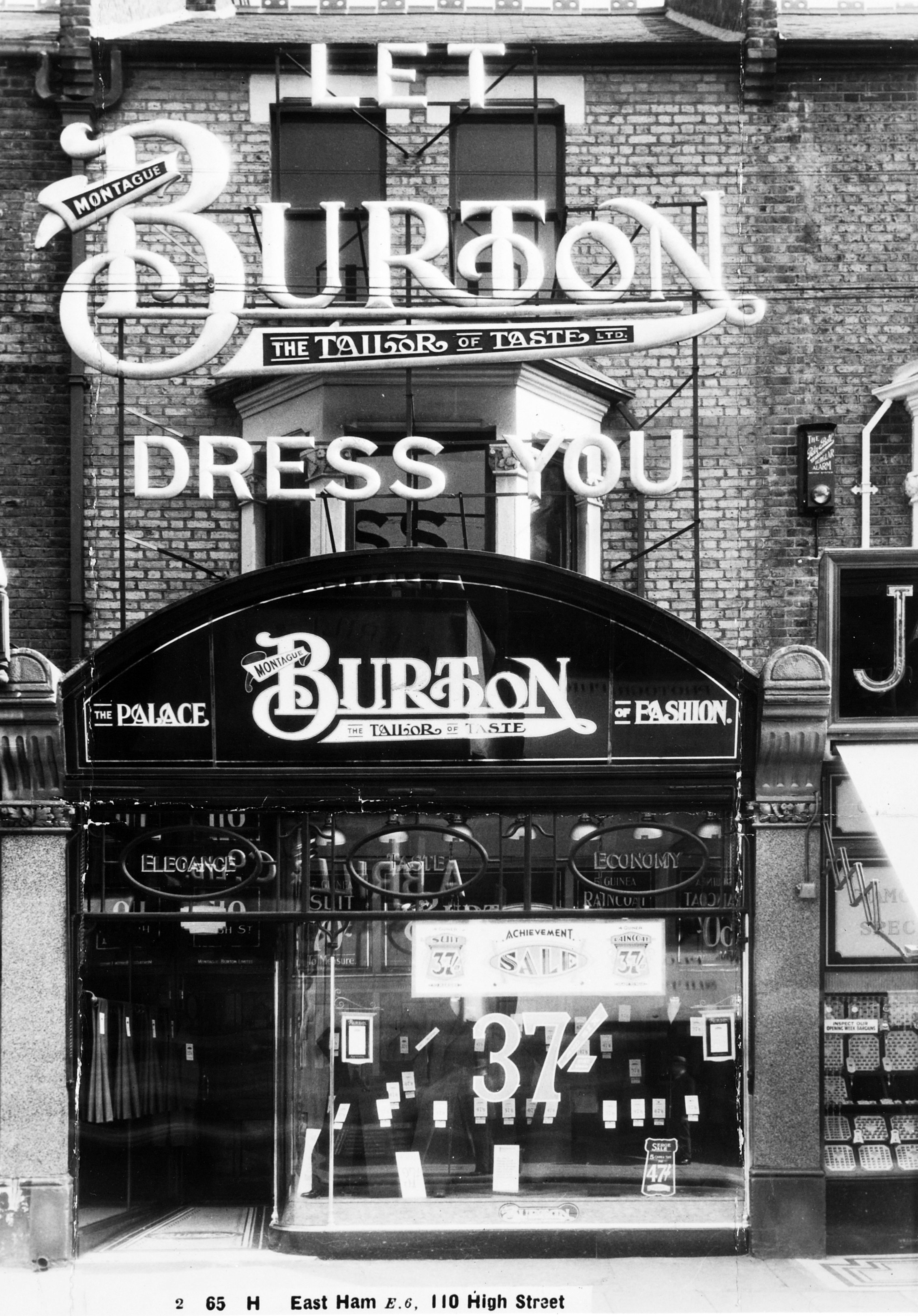
In almost every town or city worth its salt stood a modern white tiled tailor’s shop, almost every man or boy wore a Burton’s suit.

Harry Wilson had become the company architect by the early 1920s, and was responsible for developing Burton’s house style. Montague Burton, however, maintained a close personal interest. The company’s in-house Architects Department was set up around 1932 under Wilson. He was followed as chief architect around 1937 by Nathaniel Martin, who was still in post in the early 1950s. The architects worked hand-in-hand with Burton’s Shopfitting and Building Departments, who coordinated the work of selected contractors. Throughout the late 1920s and 1930s they were kept phenomenally busy: by 1939 many of Burton’s 595 stores were purpose-built.

The very first made to measure gear I owned came from Burton’s in Ashton under Lyne – mini-mod aged fourteen in a three button, waisted, light woollen dark brown jacket, four slanted and flapped side pockets and an eighteen inch centre vent.

Just the job for a night out at the Birdcage, Moon or Bower Club

The story of the stores begins in the province of Kovno in modern Lithuania – Meshe David Osinsky (1885-1952), came to England where he initially took the name Maurice Burton. 

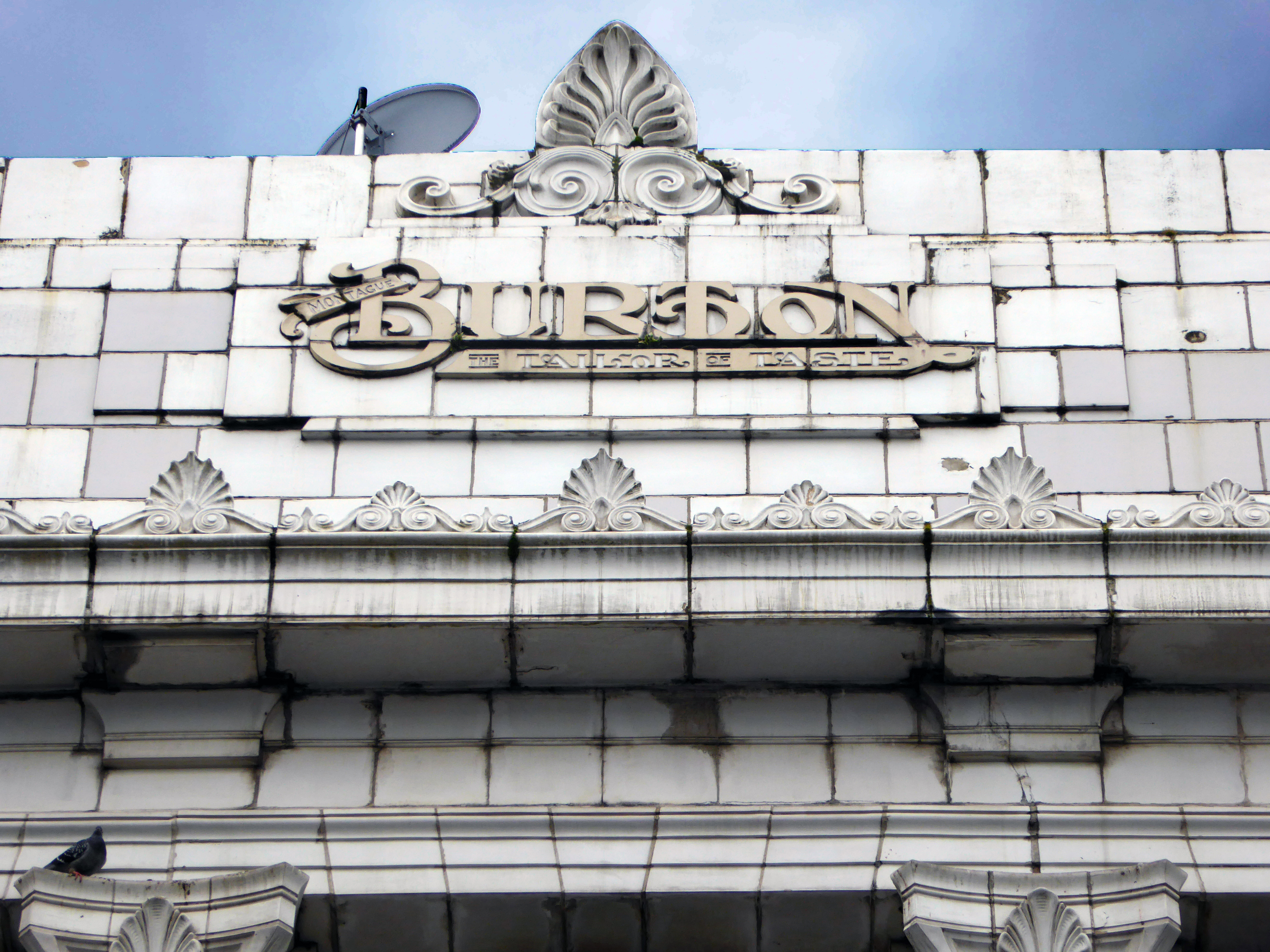
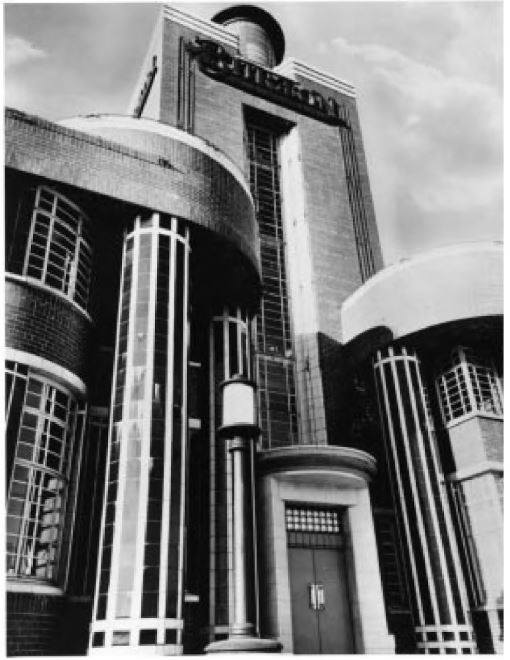
The distinctive architecture stood out on the high street, Art Deco motifs and details abound – elephants chevrons and fans.

Topped off with the company’s distinctive logotype.

This example in Doncaster is one of the few remaining examples many having been removed – as the stores have changed ownership and usage.

This Neo-Classical Burnley branch is a rare example of a Burton’s which hasn’t gone for a Burton.

The group maintained a distinctive graphic style in labelling signage and advertisements.

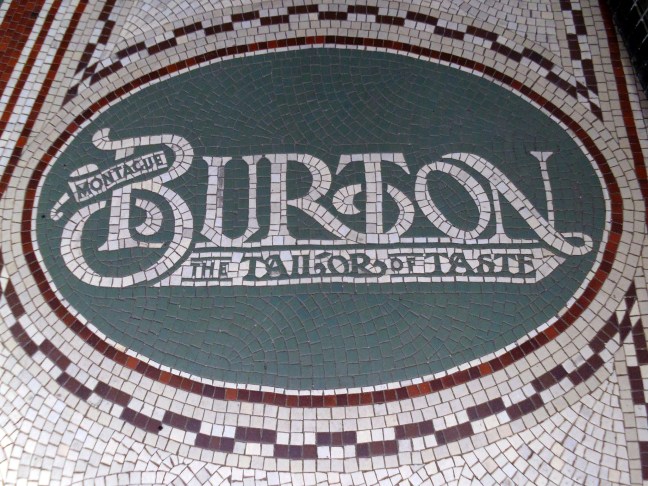
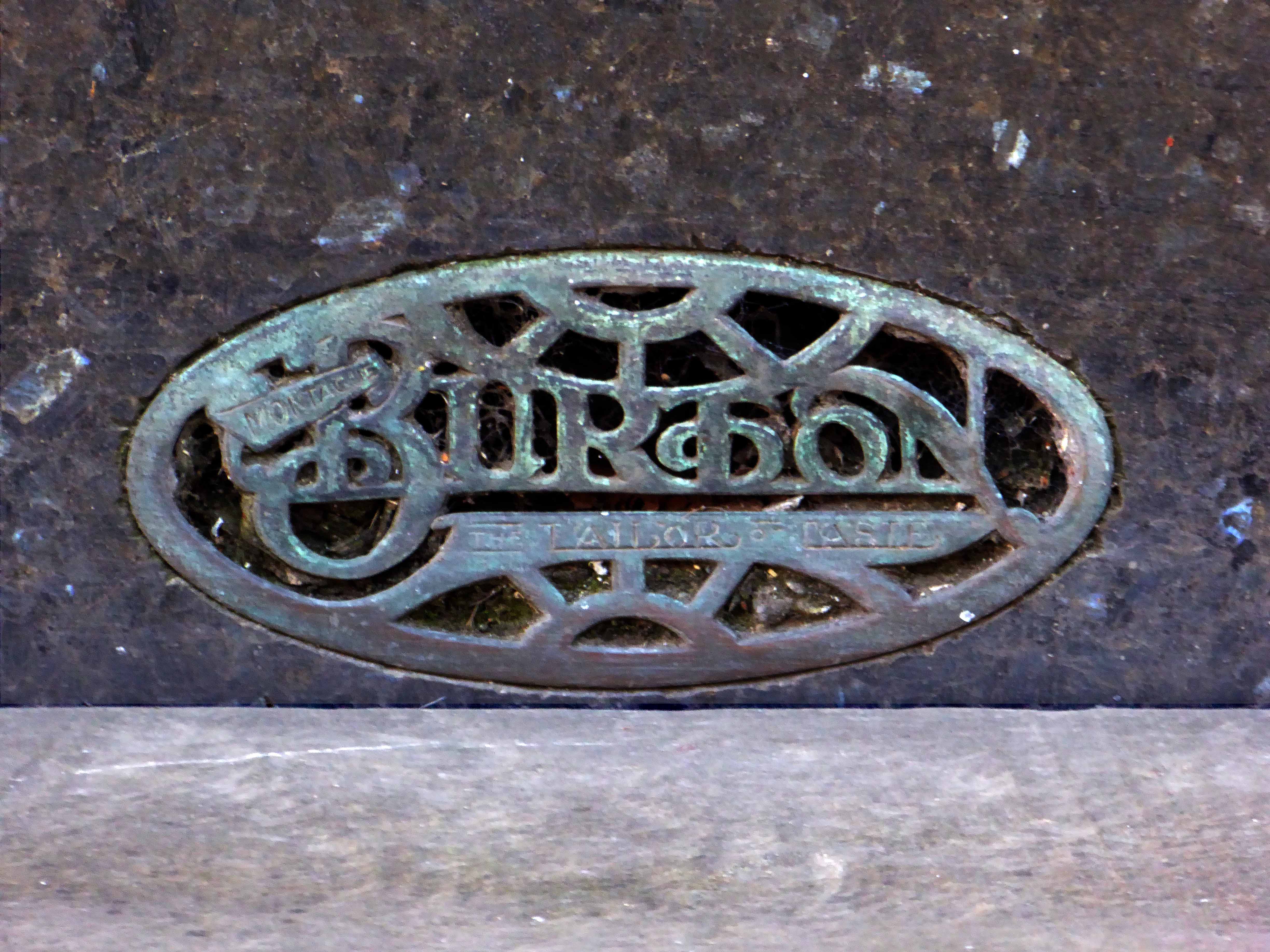
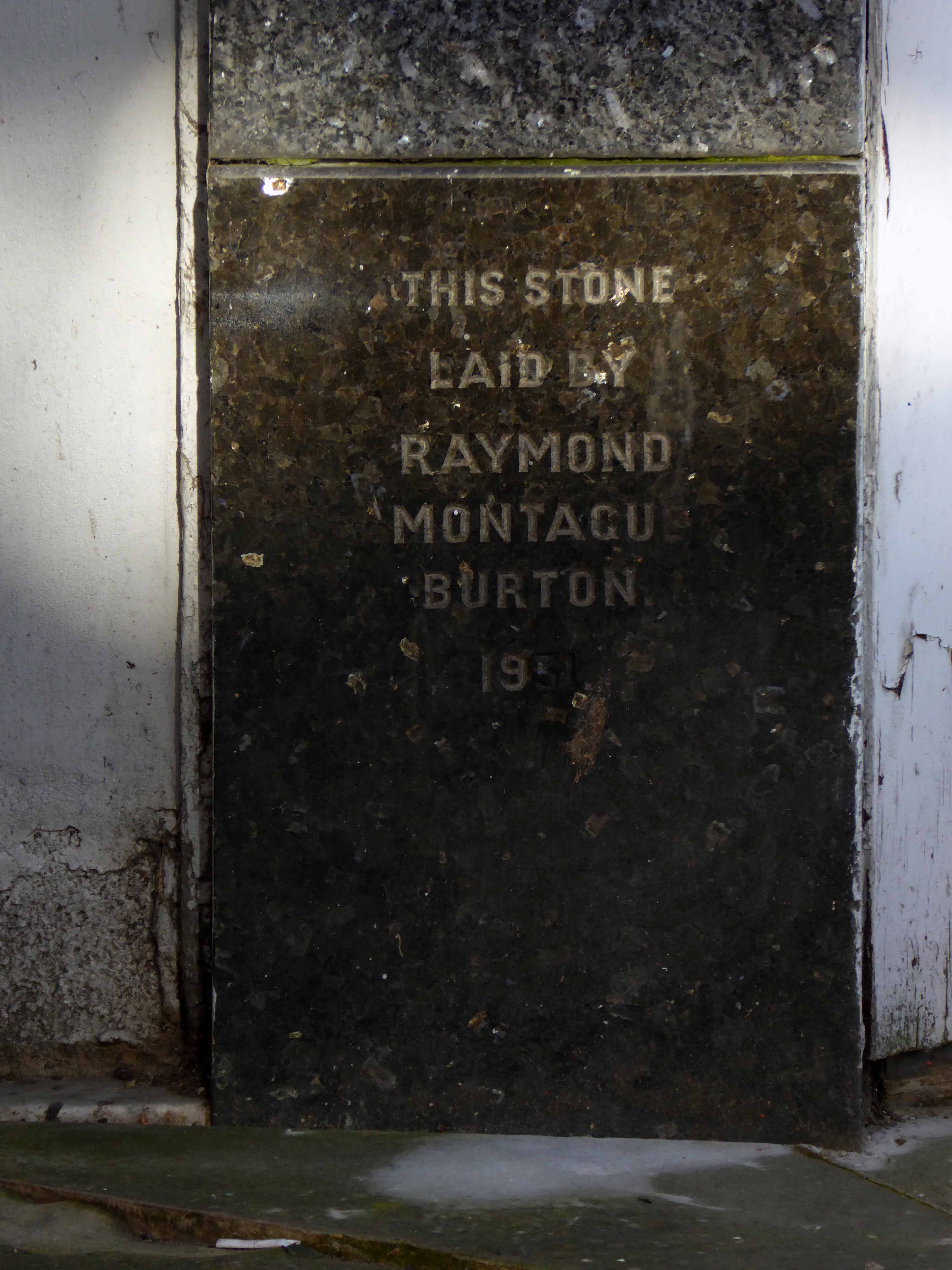
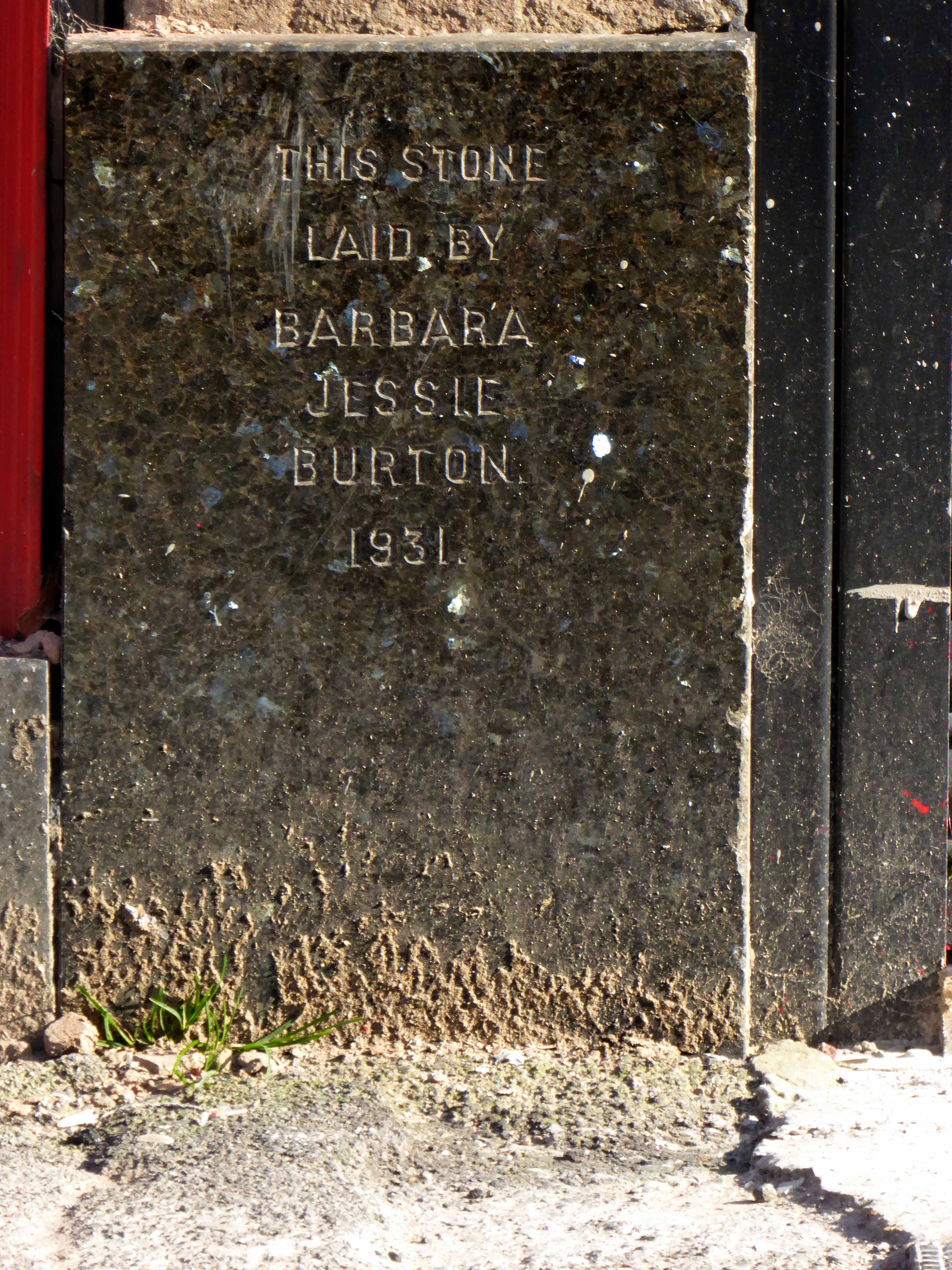
Often including ornate mosaic entrances, ventilation covers and obligatory dated foundation stones – as seen in this Ashton under Lyne branch.

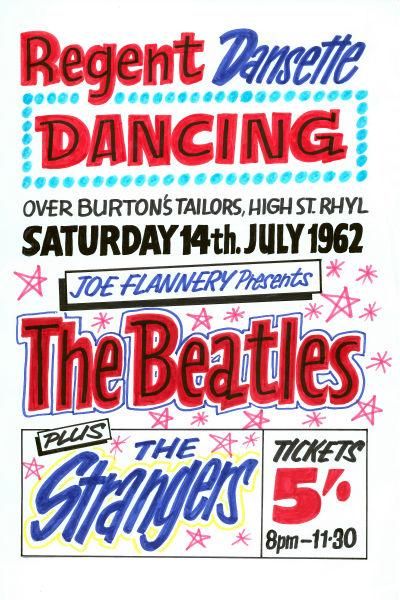
Stores often housed dance halls or other social spaces.

In 1937 Burton’s architect, Nathaniel Martin, collaborated with the architects Wallis Gilbert & Partners on a subsidiary clothing works on the Great Lancashire Road at Worsley, near Manchester. Conceived as a Garden Factory and built in a modern style, this was dubbed ‘Burtonville Clothing Works’. It opened in October 1938 .

Where machinists worked on Ashton built Jones equipment.

Time changes everything and the inception of off the wall unisex disco clothing saw the made to measure suit fall into a chasm of loon pants and skinny rib grandad vests.

The Ashton branch becomes a motorcycle then fitted kitchen showroom, topped off with a succession of clubs and various other modern day leisure facilities.

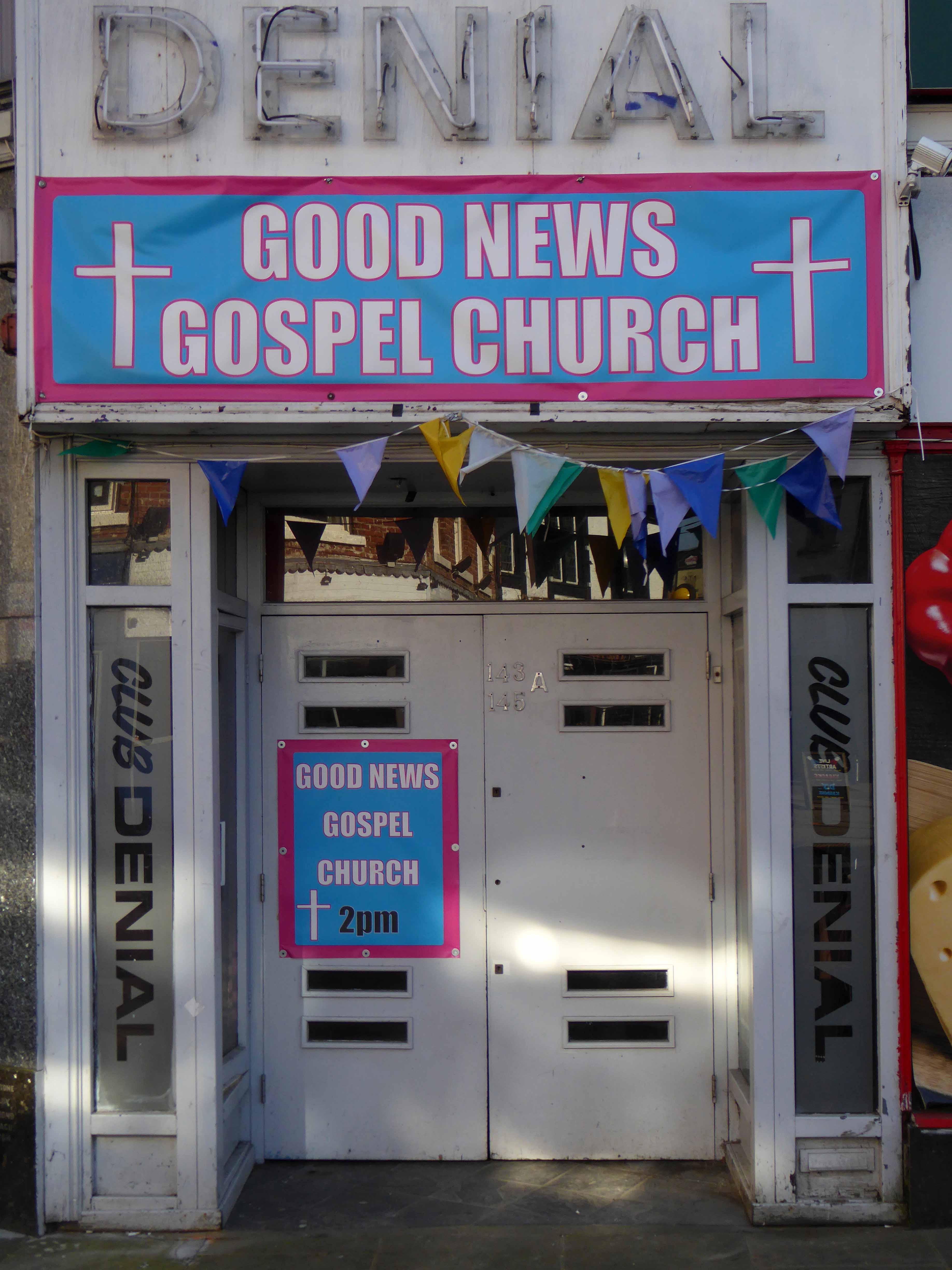
Currently home to the Warsaw Delicatessen and Good News Gospel Church

Formerly Club Denial.

This is the tale of the modern high street grand ideas, architectural grandeur, entrepreneurial immigrants, style and fashion – disappearing in a cloud of vinyl signage and fly by night operations. Though if you look carefully the pale white shadows of Burton’s are still there in one form or another, however ghostly.

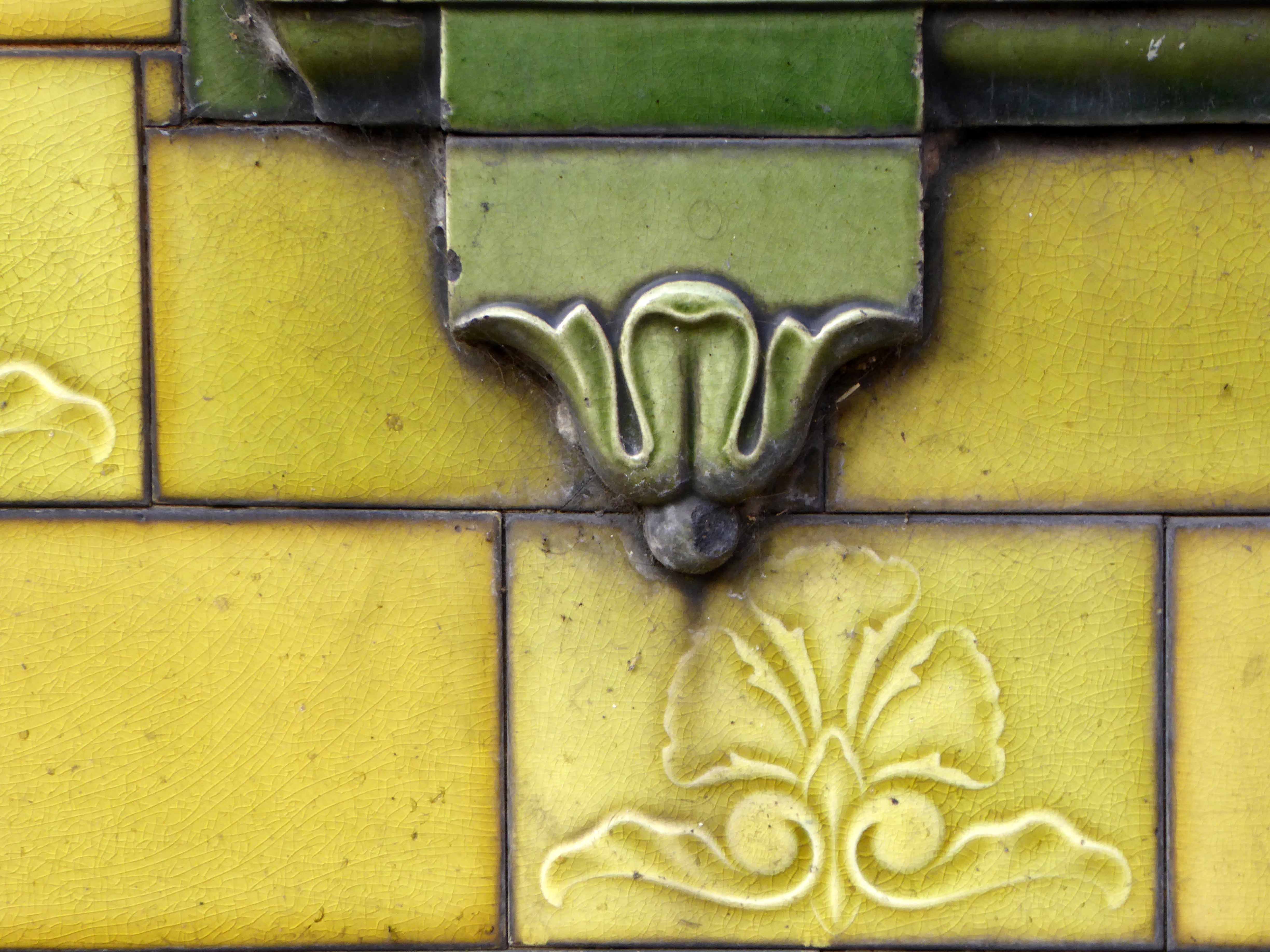
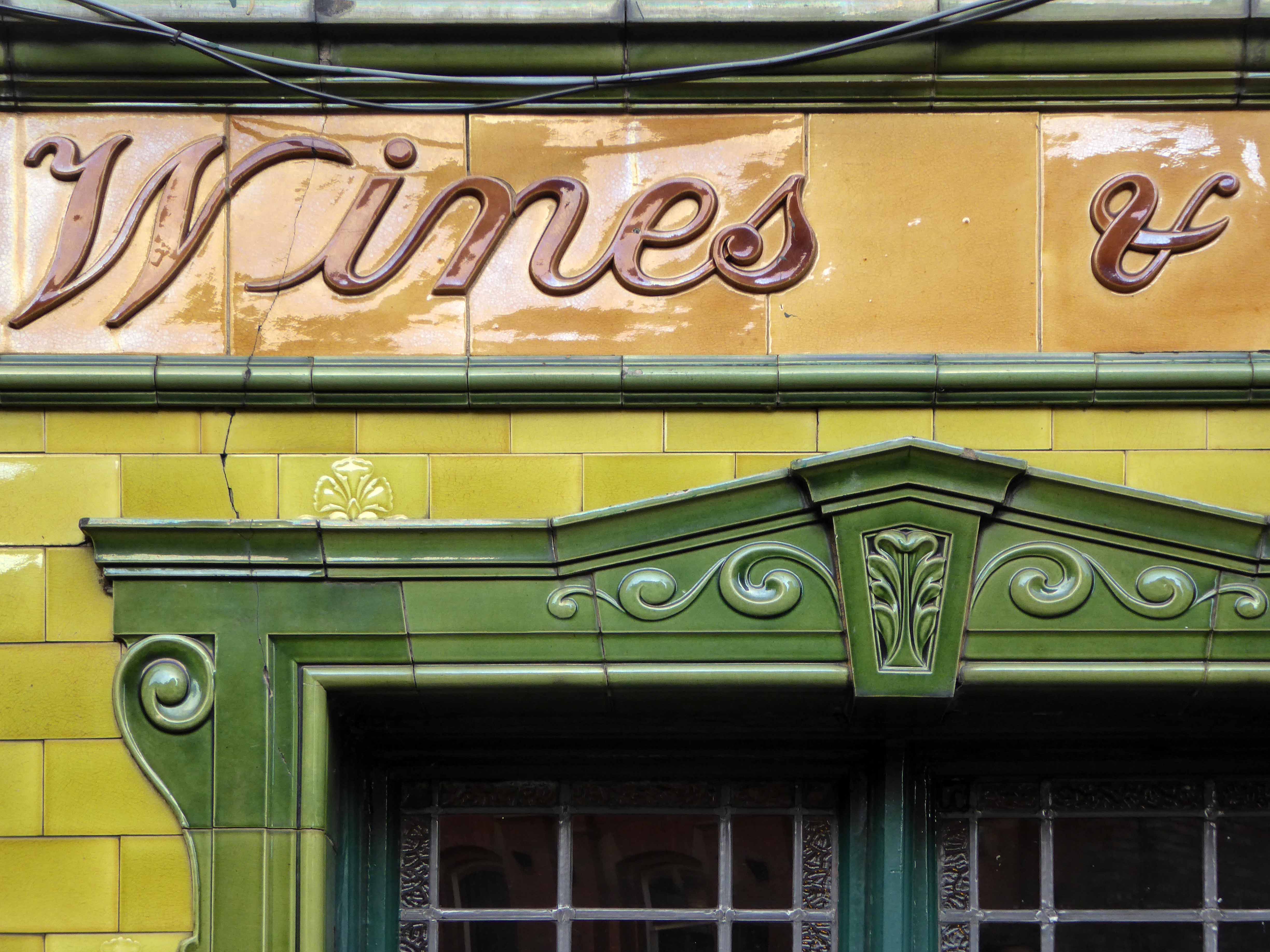
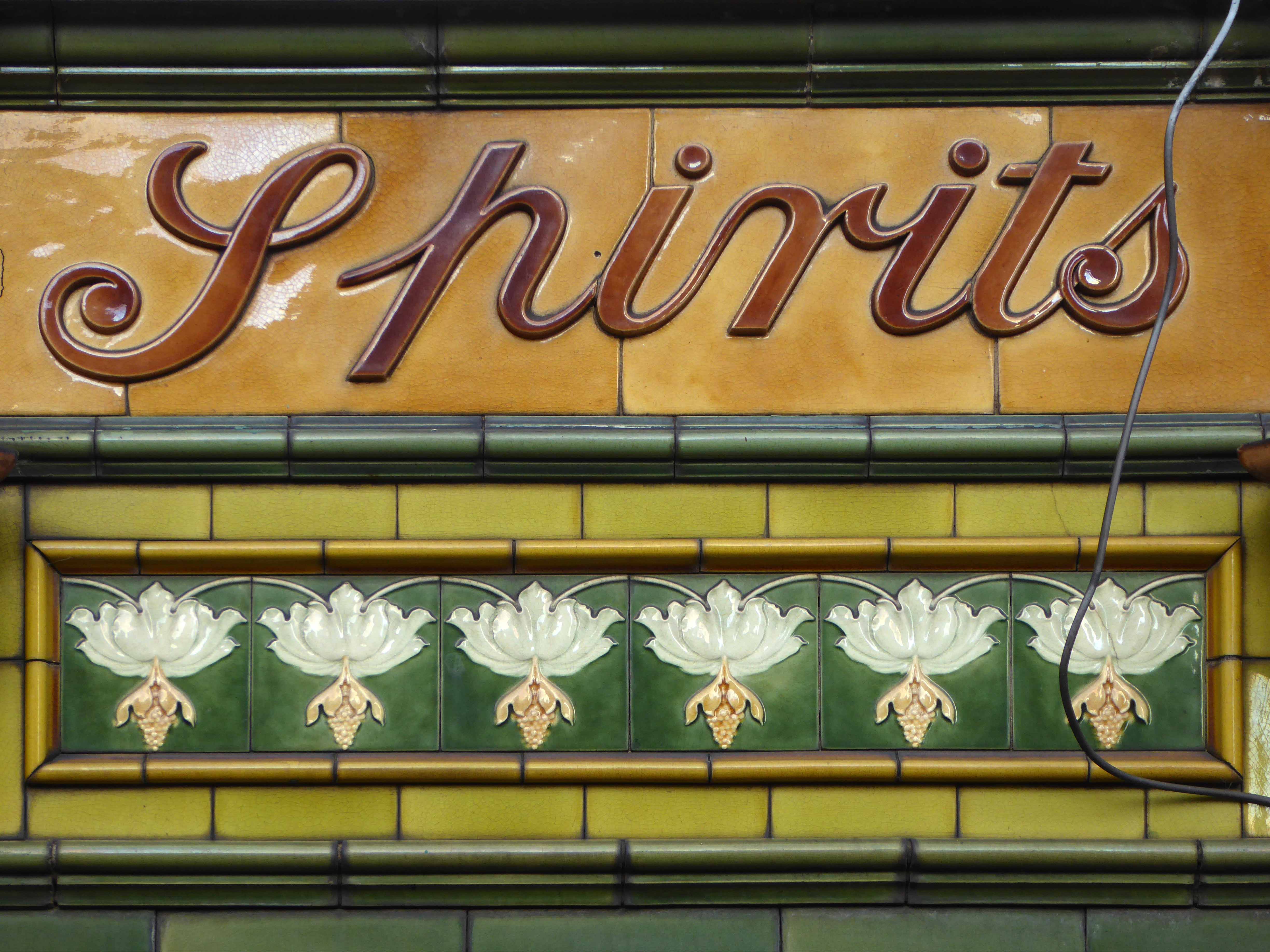
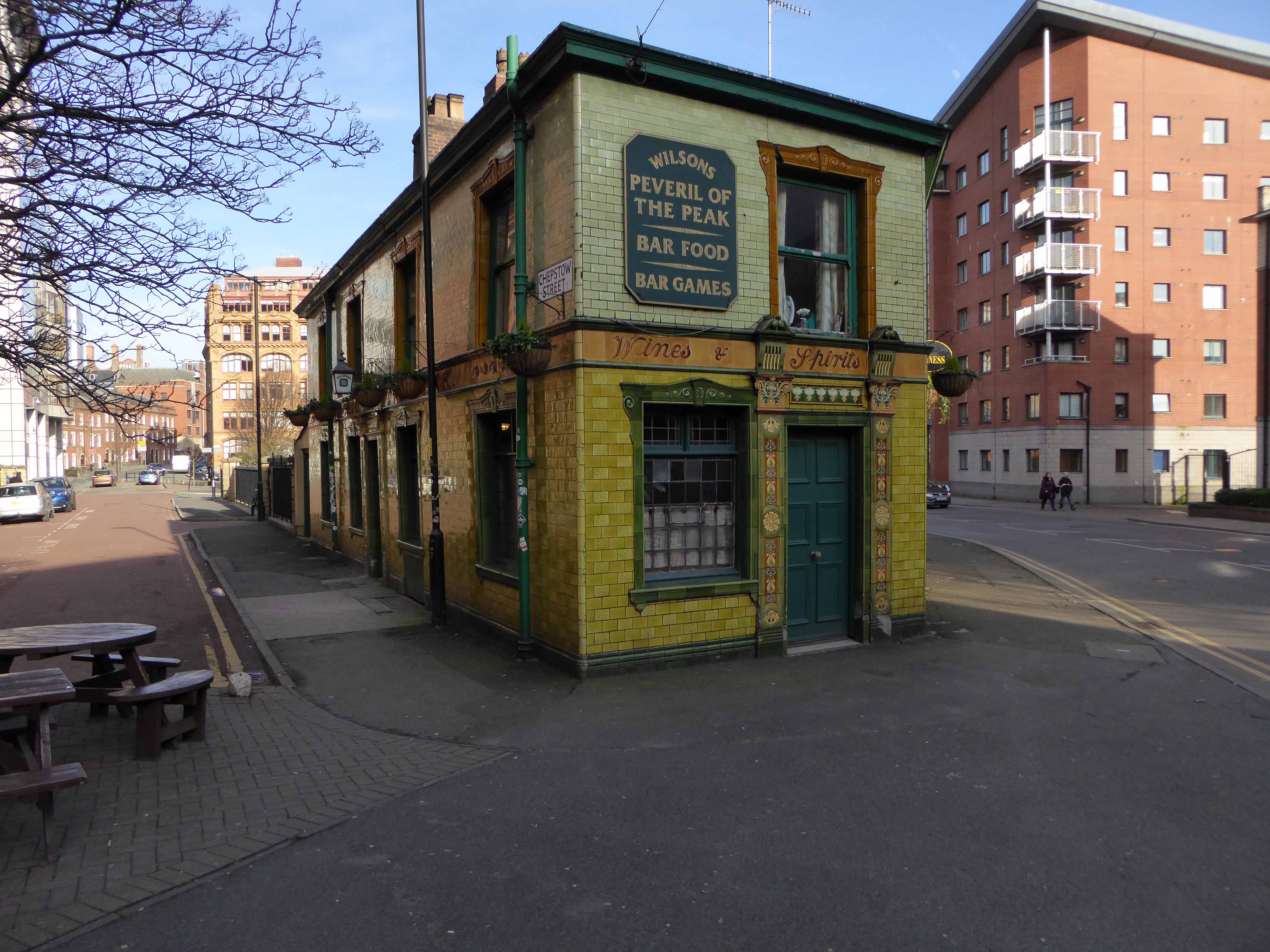
Peveril Of The Peak – Manchester

To begin at the beginning or thereabouts, Sir Walter Scott publishes his longest novel Peveril of the Peak in 1823.

Julian Peveril, a Cavalier, is in love with Alice Bridgenorth, a Roundhead’s daughter, but both he and his father are accused of involvement with the Popish Plot of 1678.

Most of the story takes place in Derbyshire, London, and on the Isle of Man. The title refers to Peveril Castle in Castleton, Derbyshire.

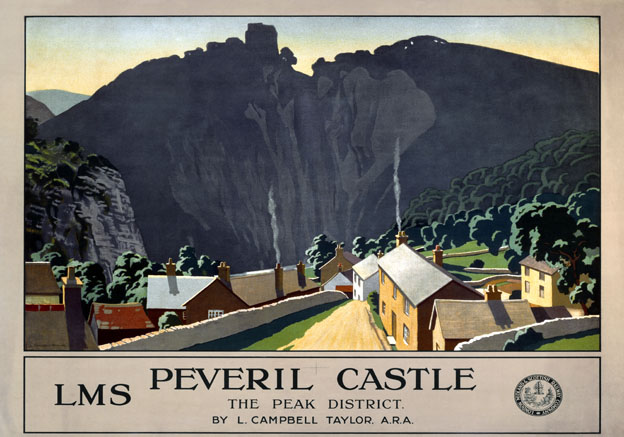
Poster produced in 1924 for London Midland & Scottish Railway – artwork by Leonard Campbell Taylor who was born in 1874 in Oxford and went to the Ruskin School of Art.

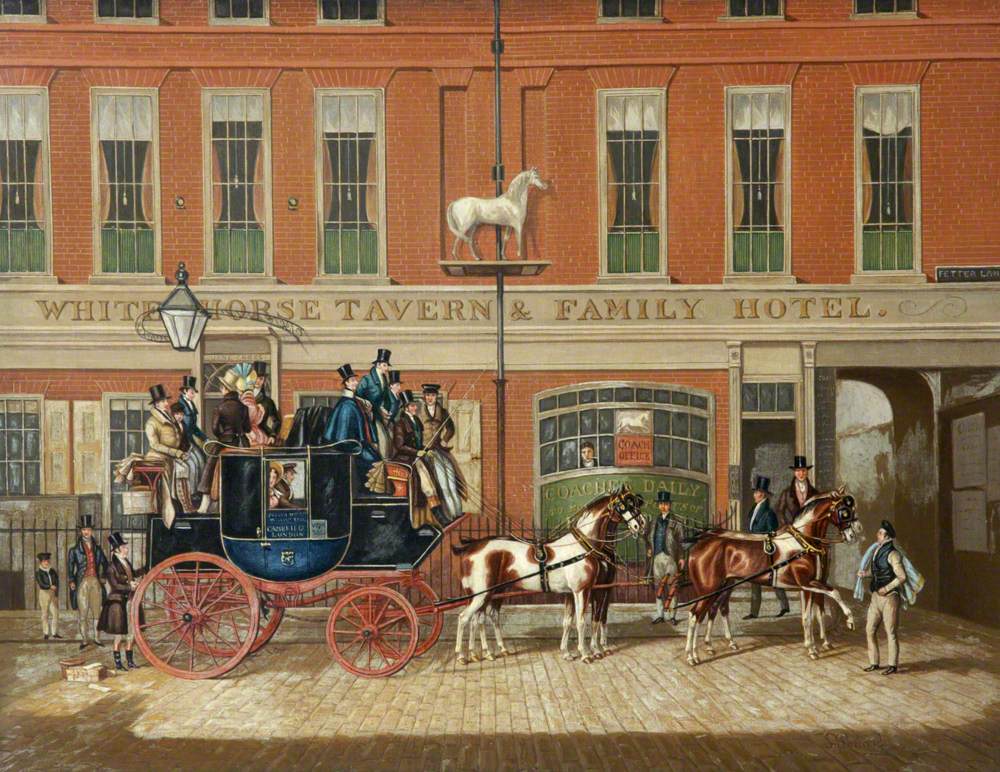
The pub also shares its name with the London to Manchester stagecoach.

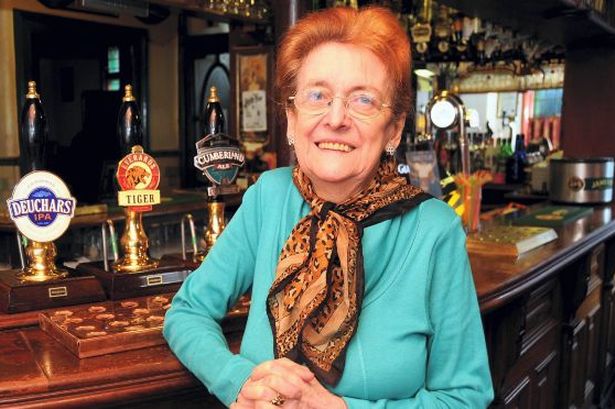
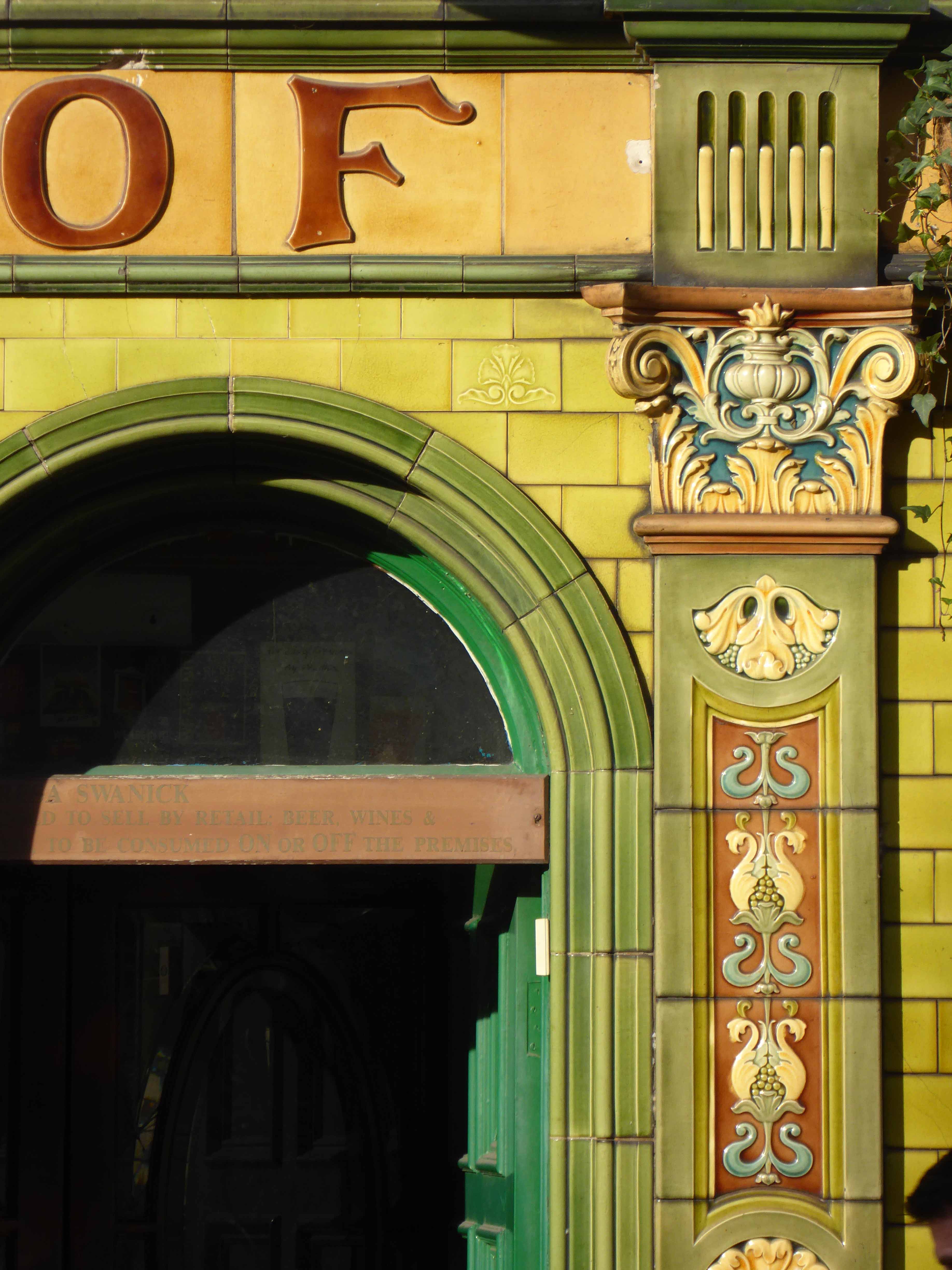
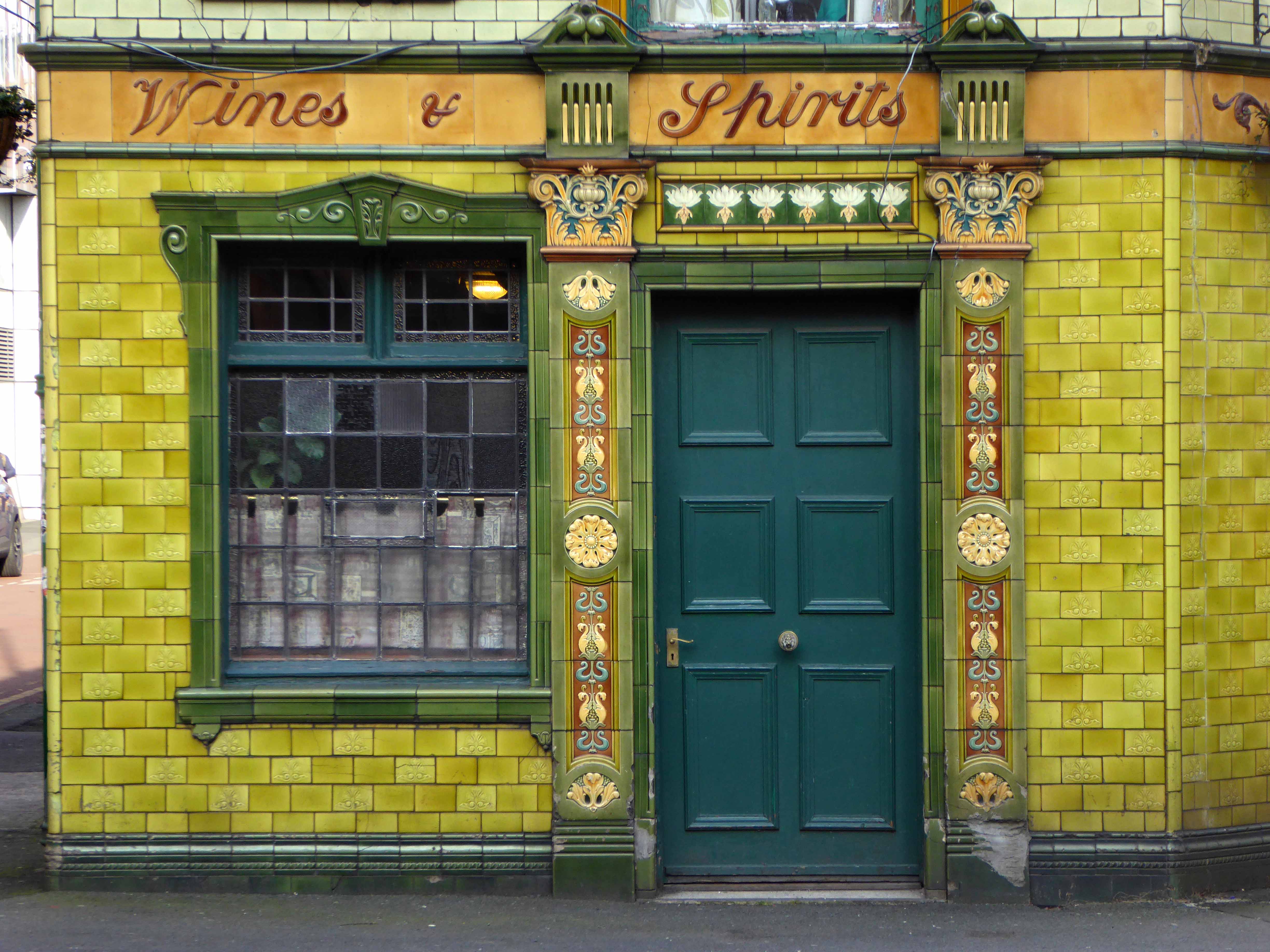
Which is all very well as the pub is largely known locals as The Pev – ably run since January 1971 by Nancy Swanick.

Nancy and son Maurice, who runs the cellar, also say they have shared the pub with a paranormal presence over the years.

Customers have seen pint glasses levitate off the bar and fall into the glass-wash, it’s like having our own ghostly helper!

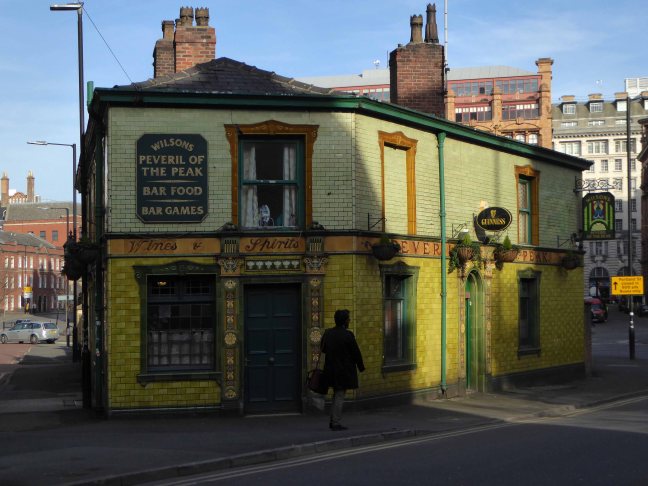
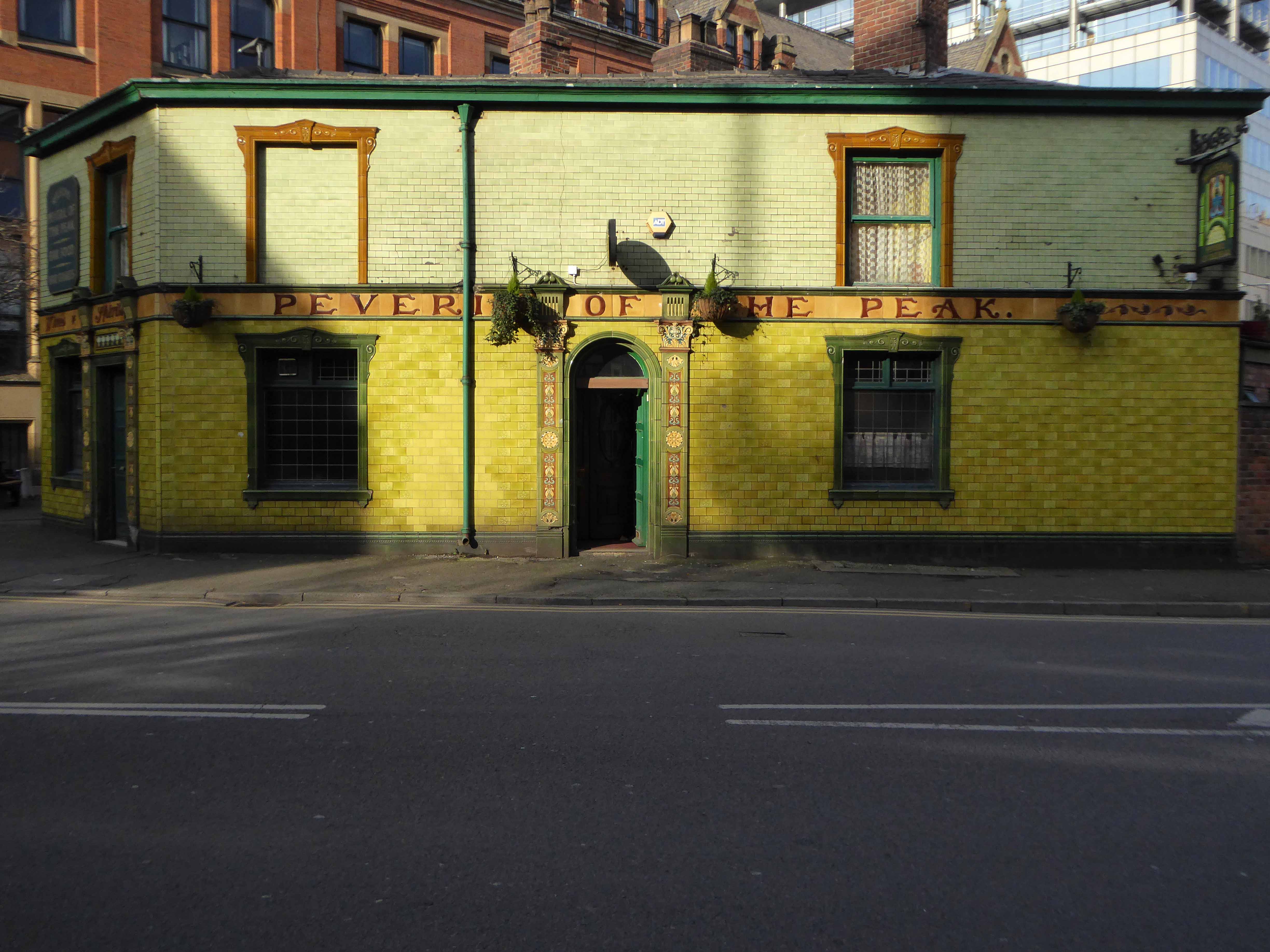
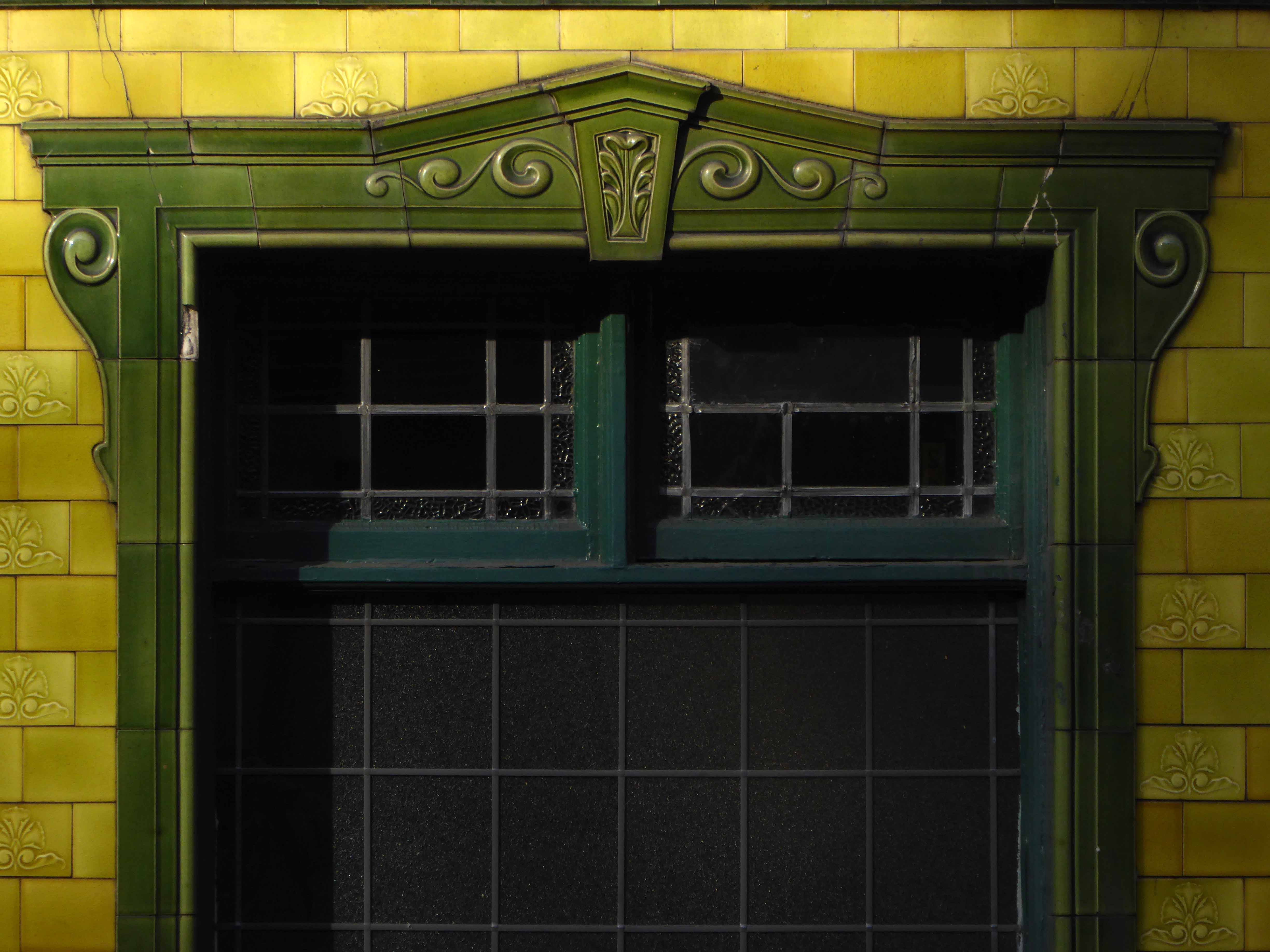
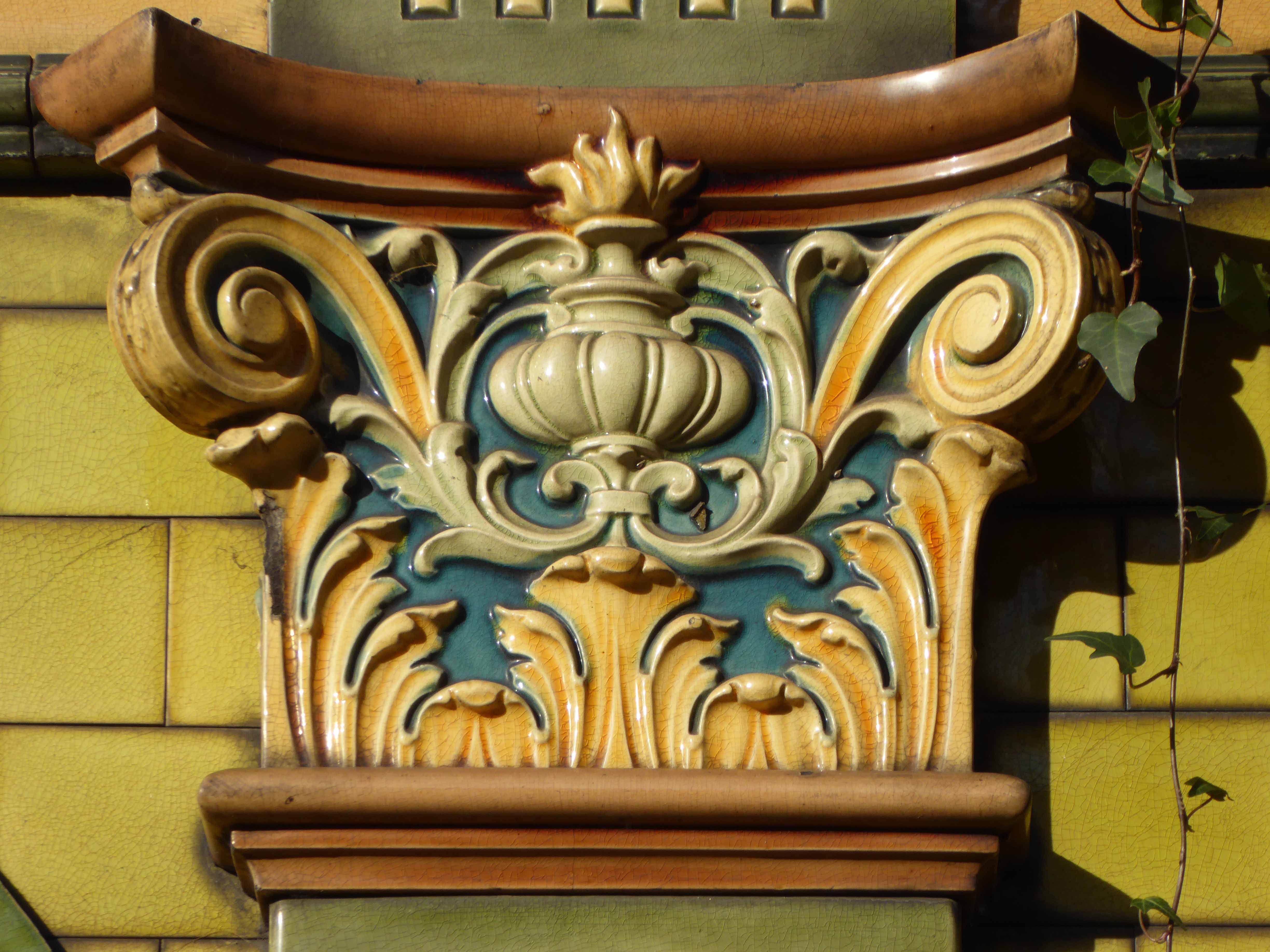
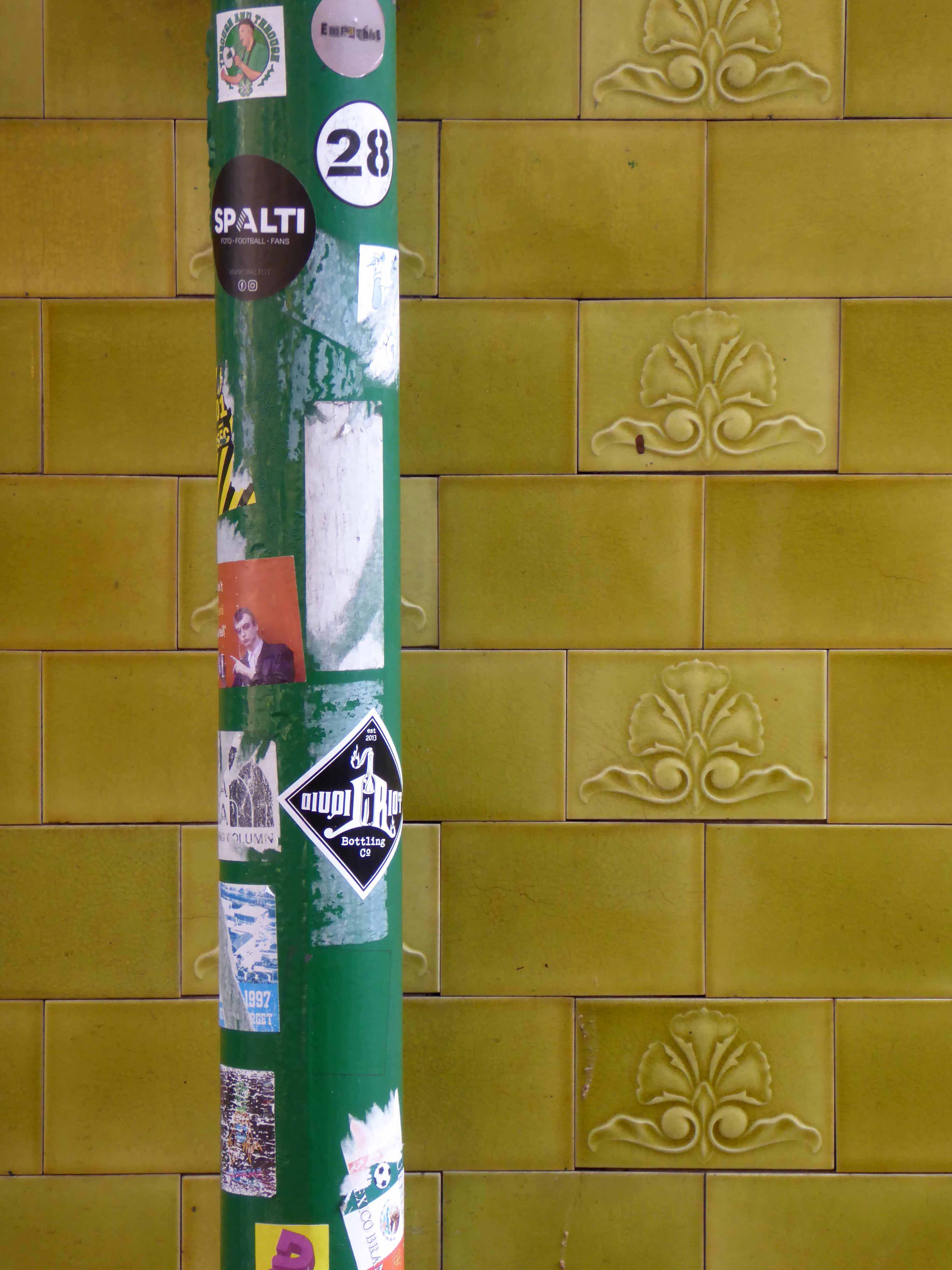
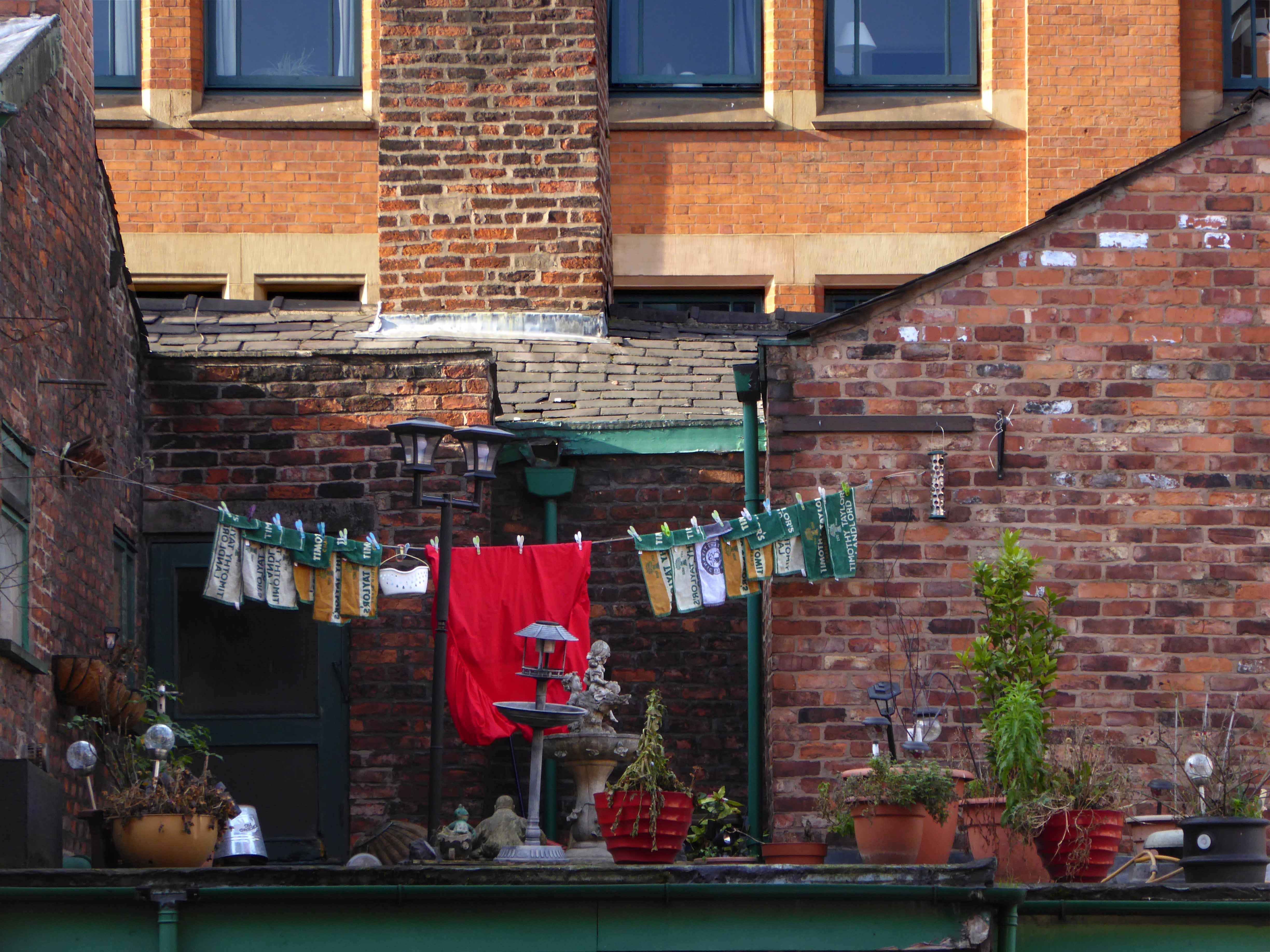
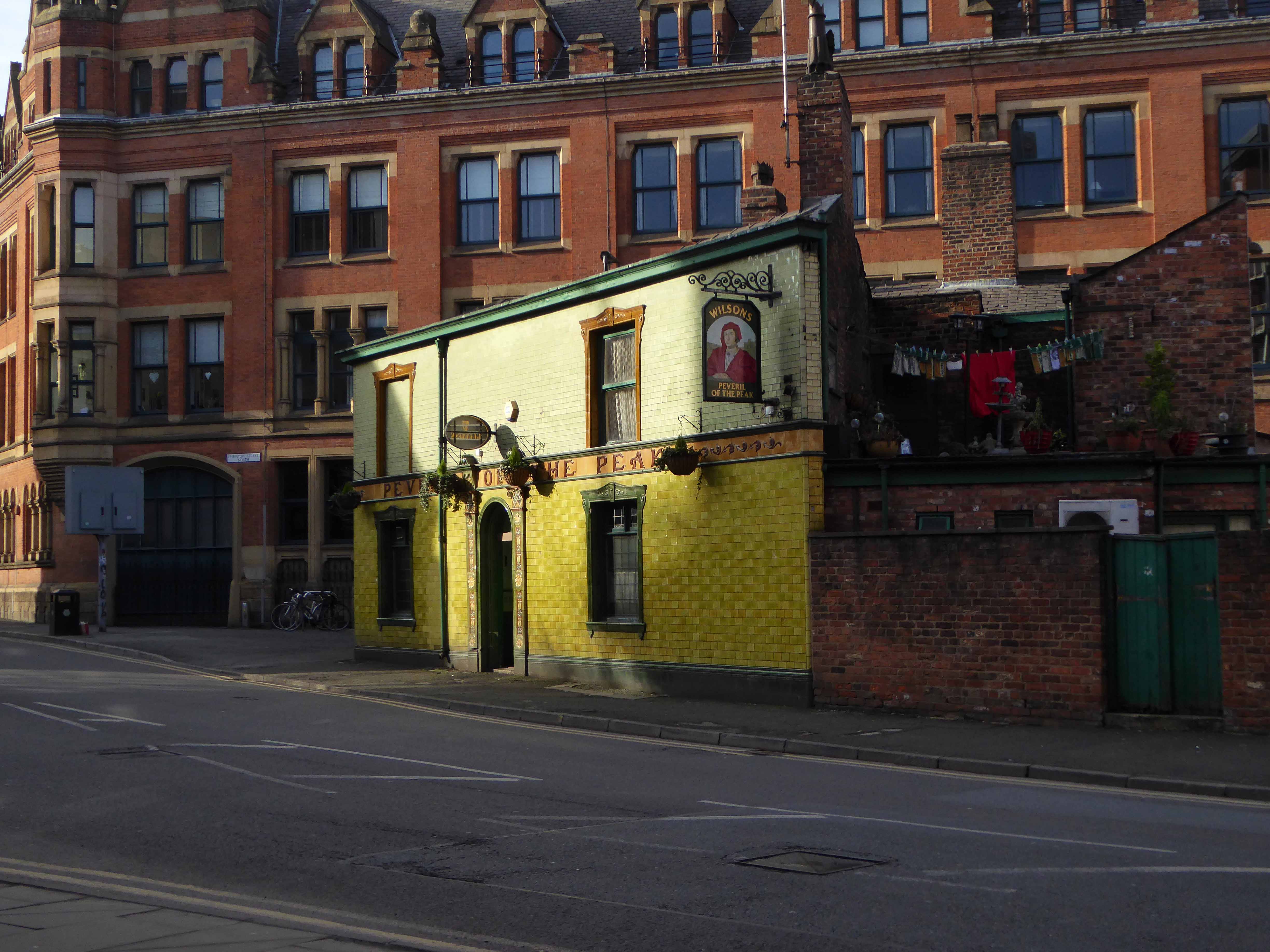
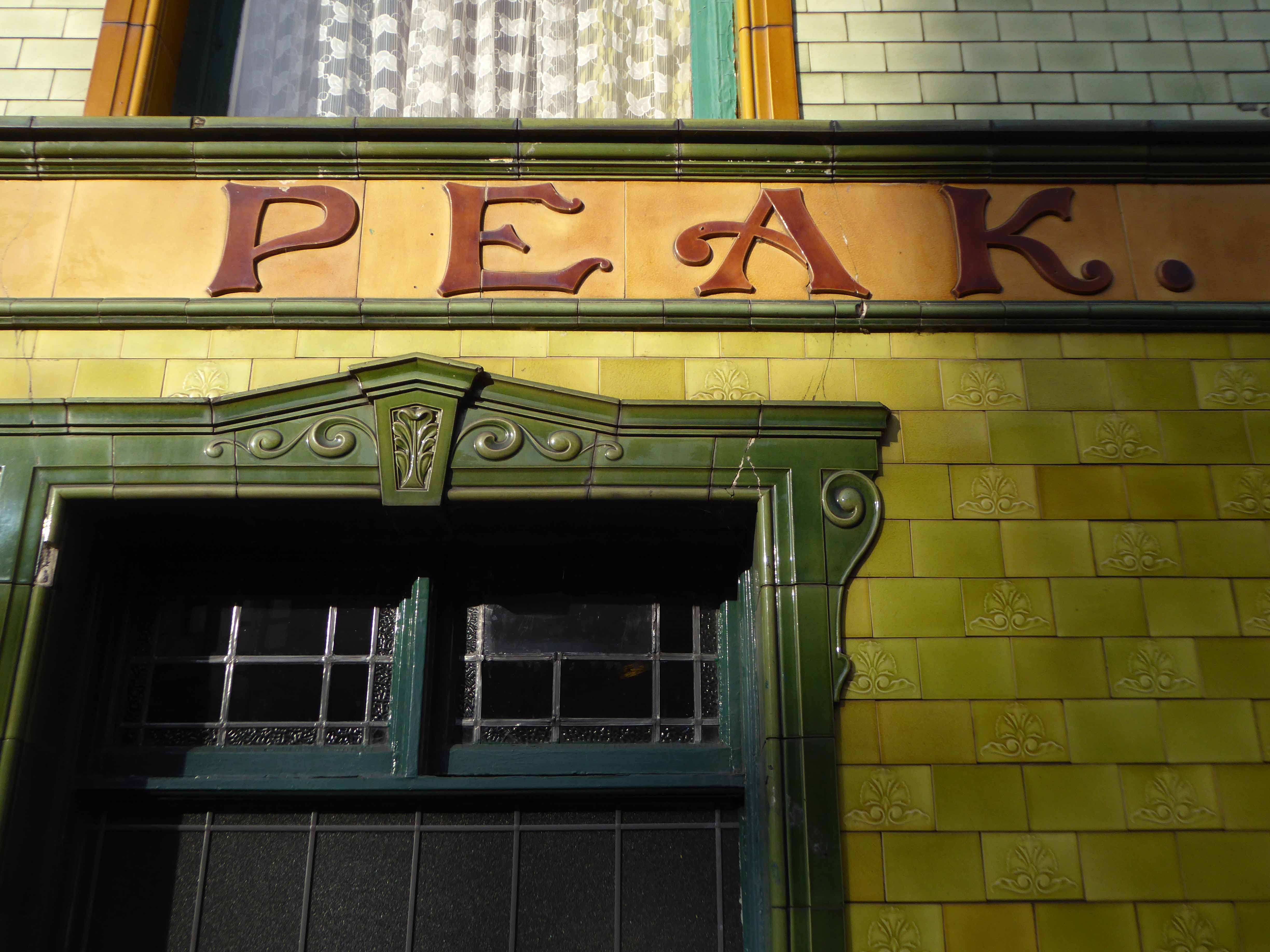
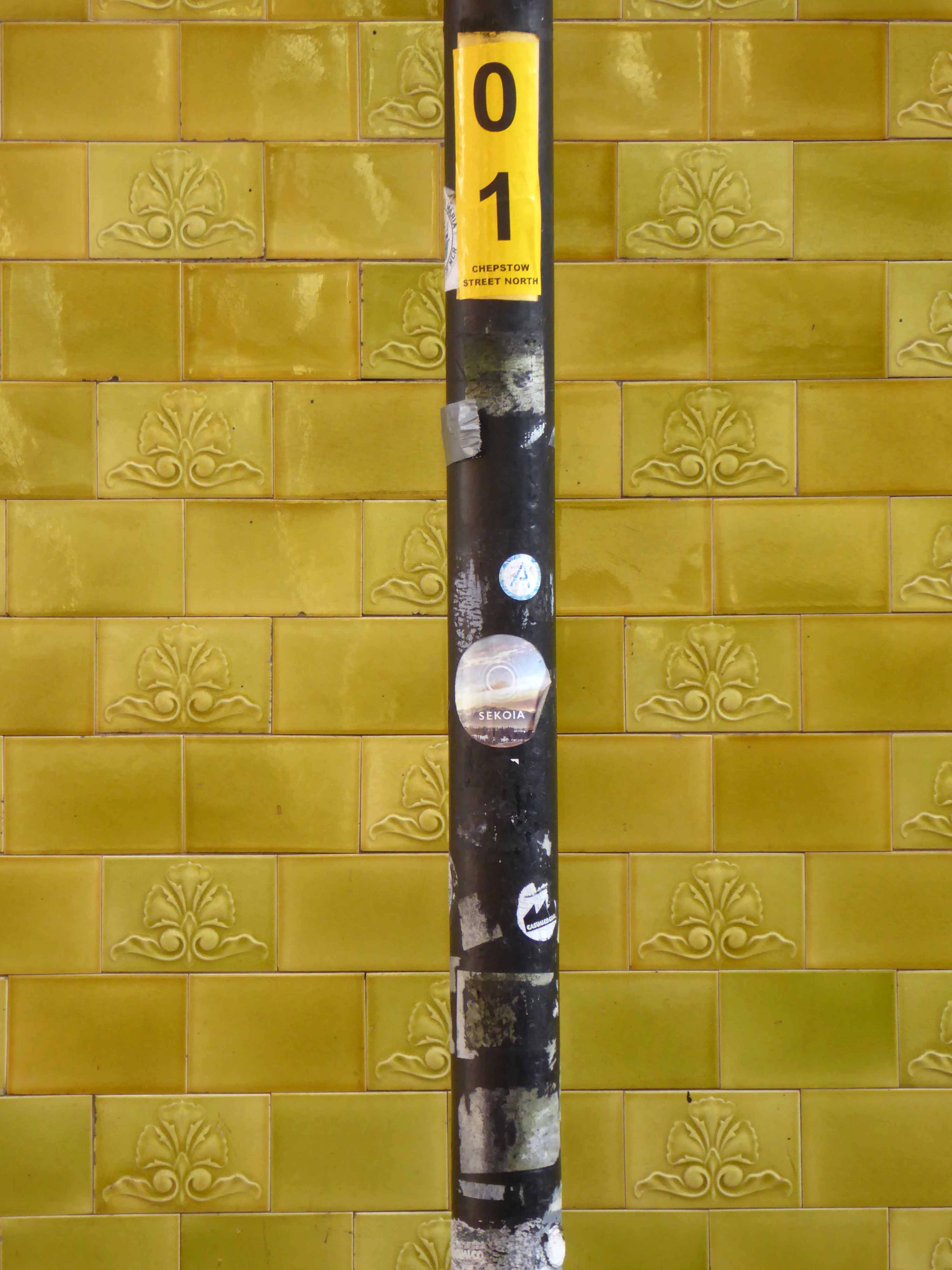
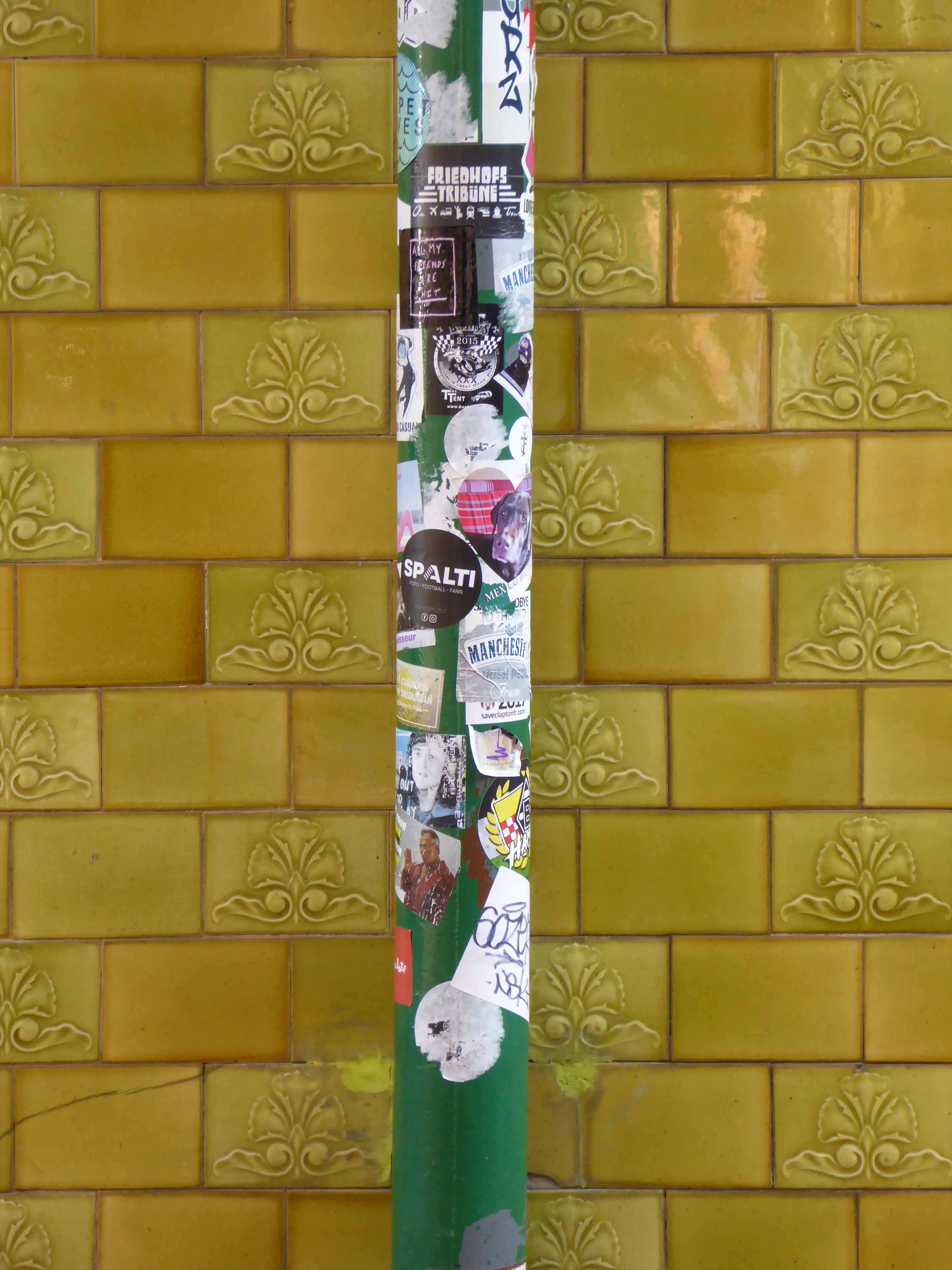
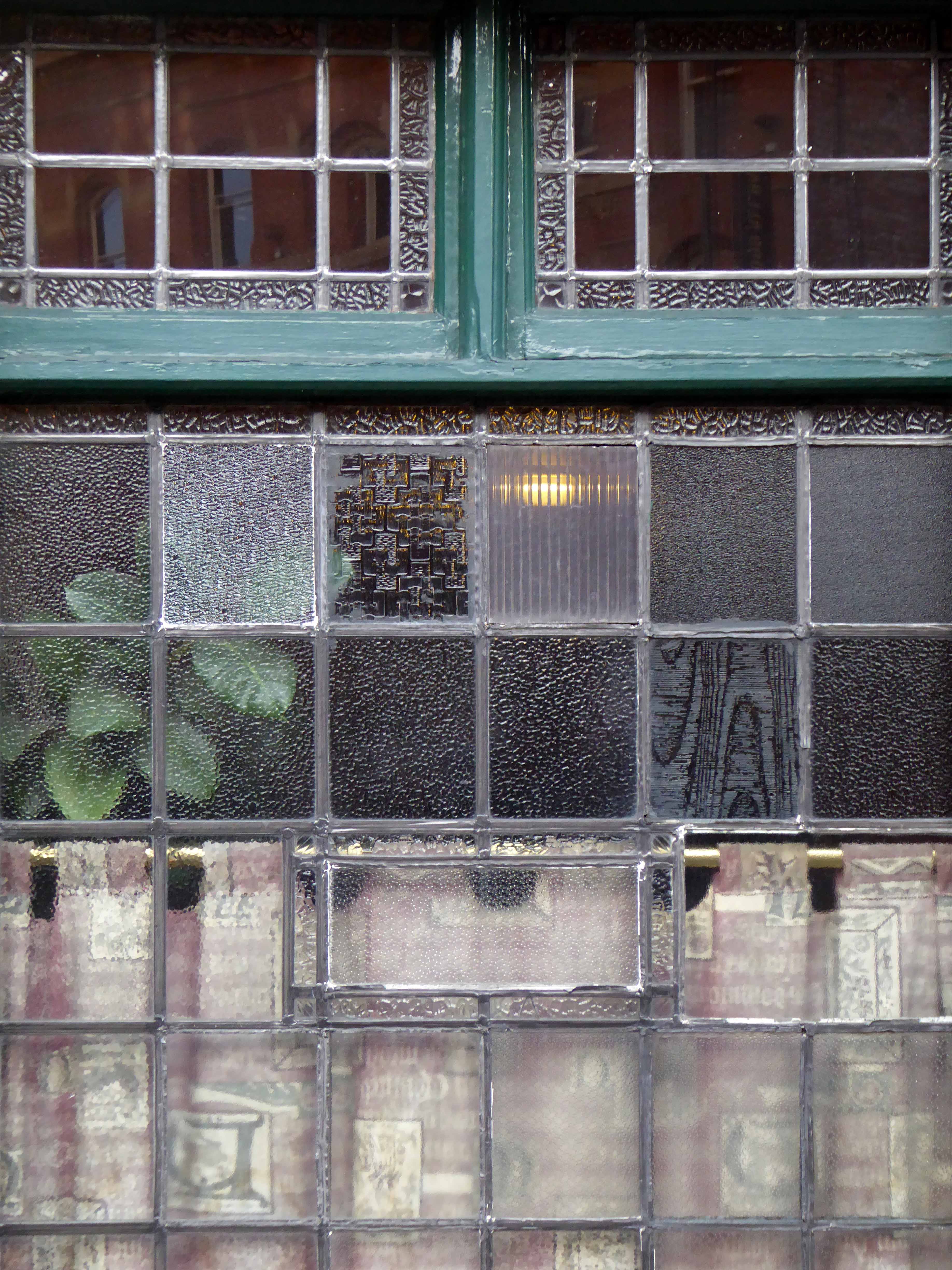
The pub was Grade II listed in June 1988 – a fine tiled exterior and 1920’s interior refit largely untouched, it stands distinctly unattached to anything, decidedly somewhere betwixt and between Chepstow Street and Great Bridgwater Street.

Originally a Wilson’s house – the brewery lantern survives over the door.

I’ve taken a drink or two in here over the past thirty or so years, played pool and table football, watched the half time Hallé musicians swish in and out for a swifty.

A little island of green in a sea of grey.

Pop in for one if you’re passing

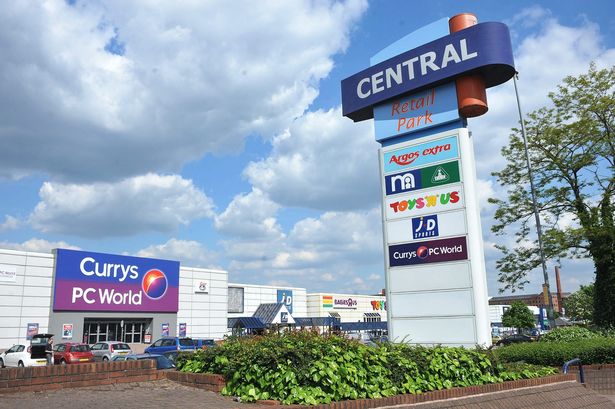
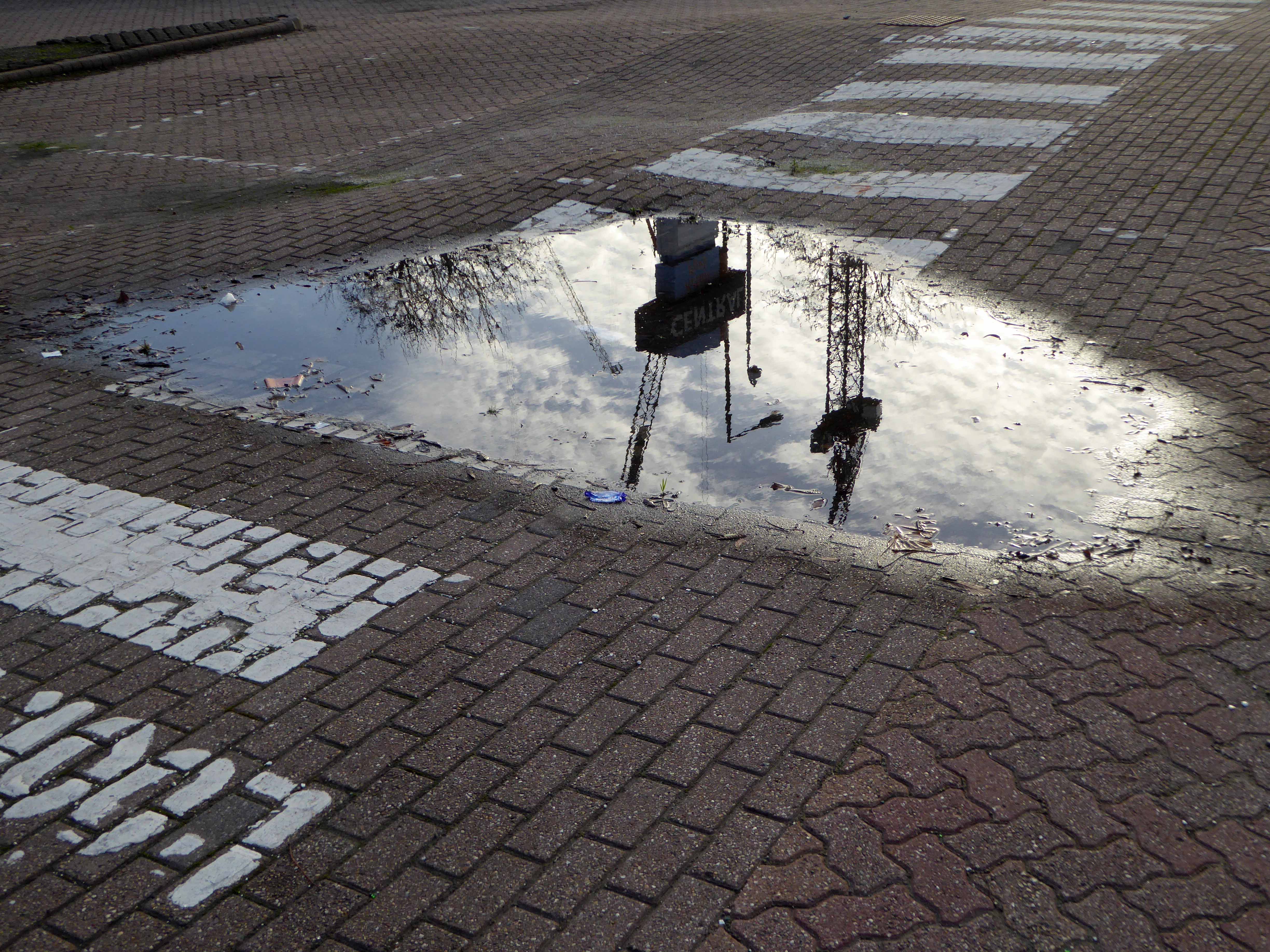
Central Retail Park – Great Ancoats Street Manchester

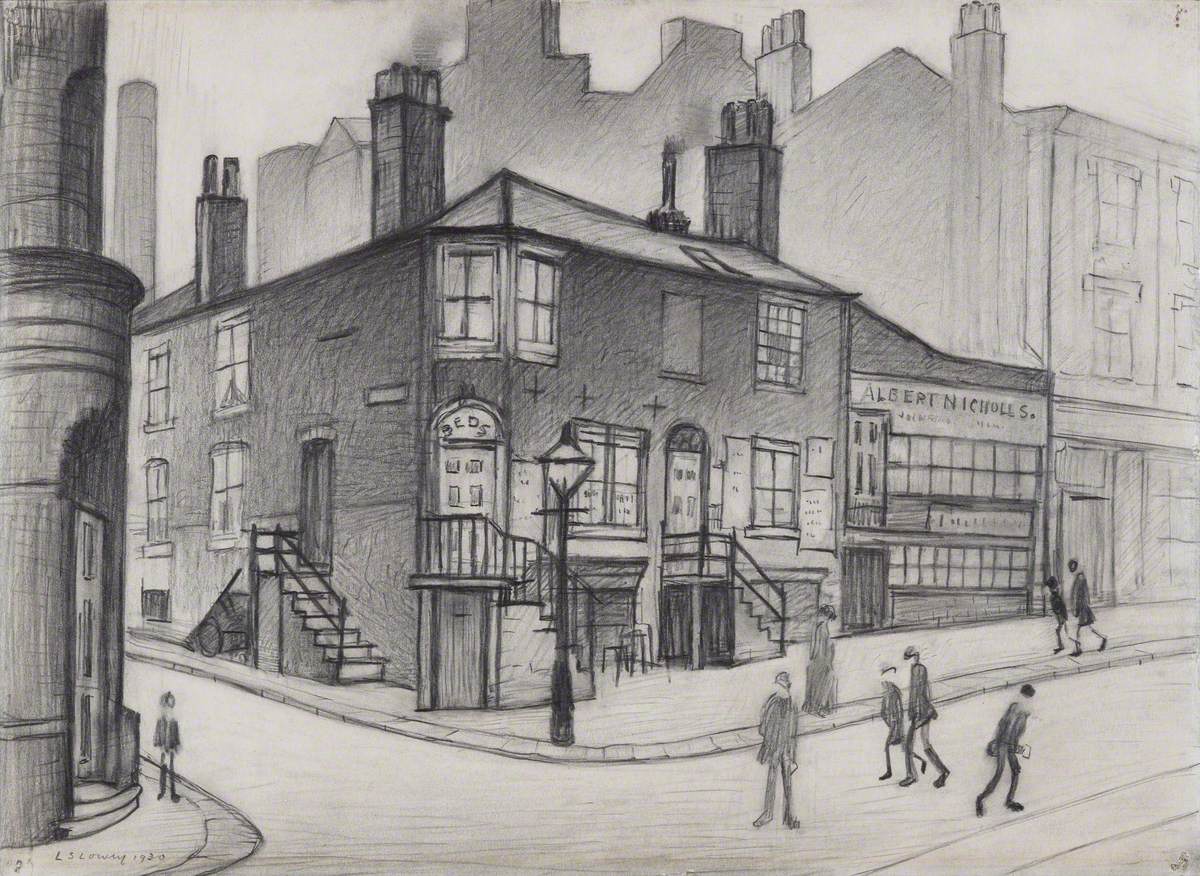
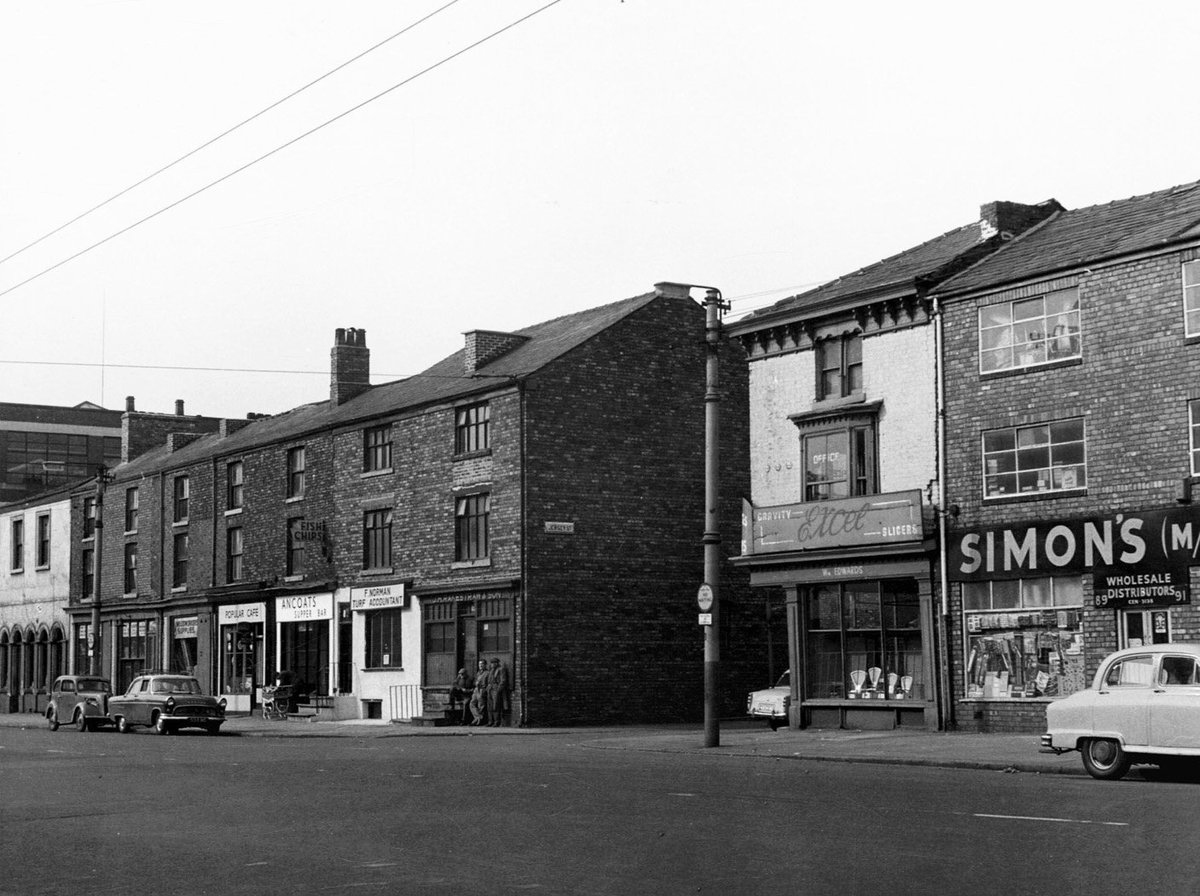
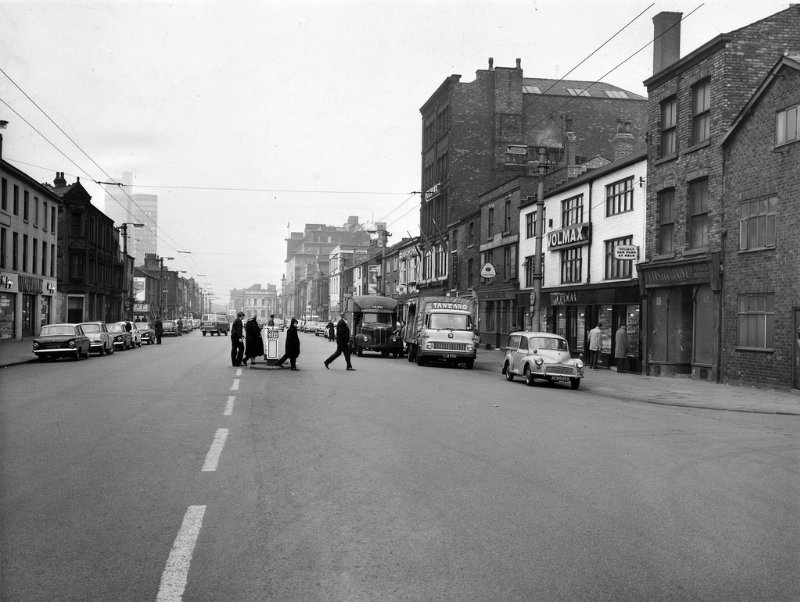
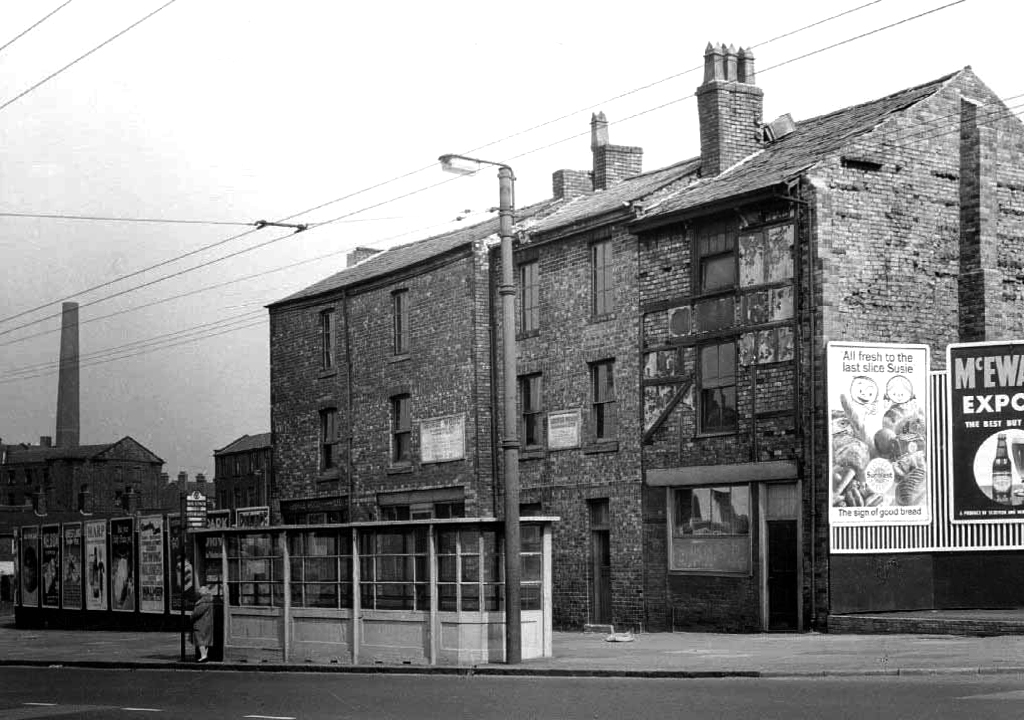
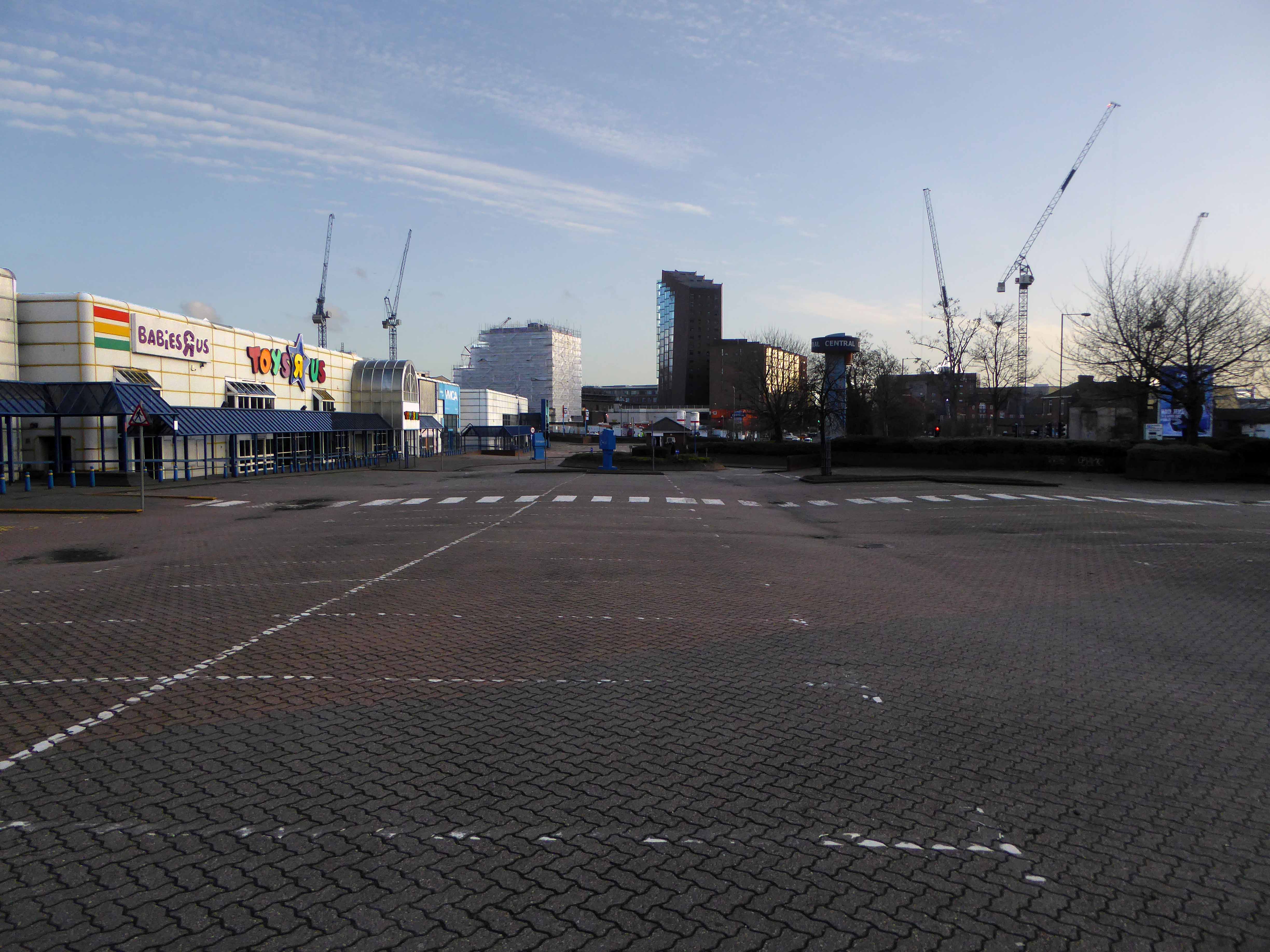
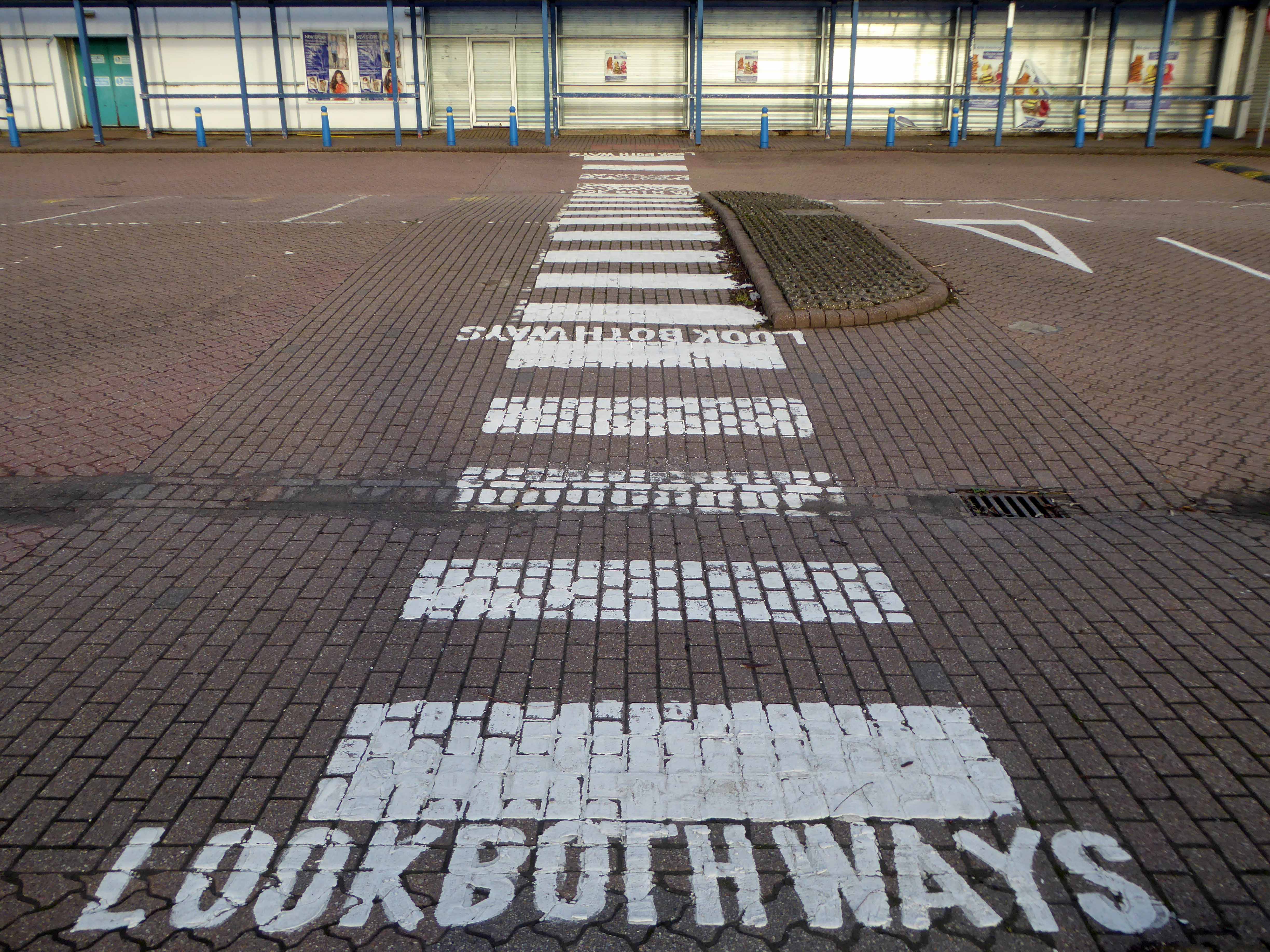
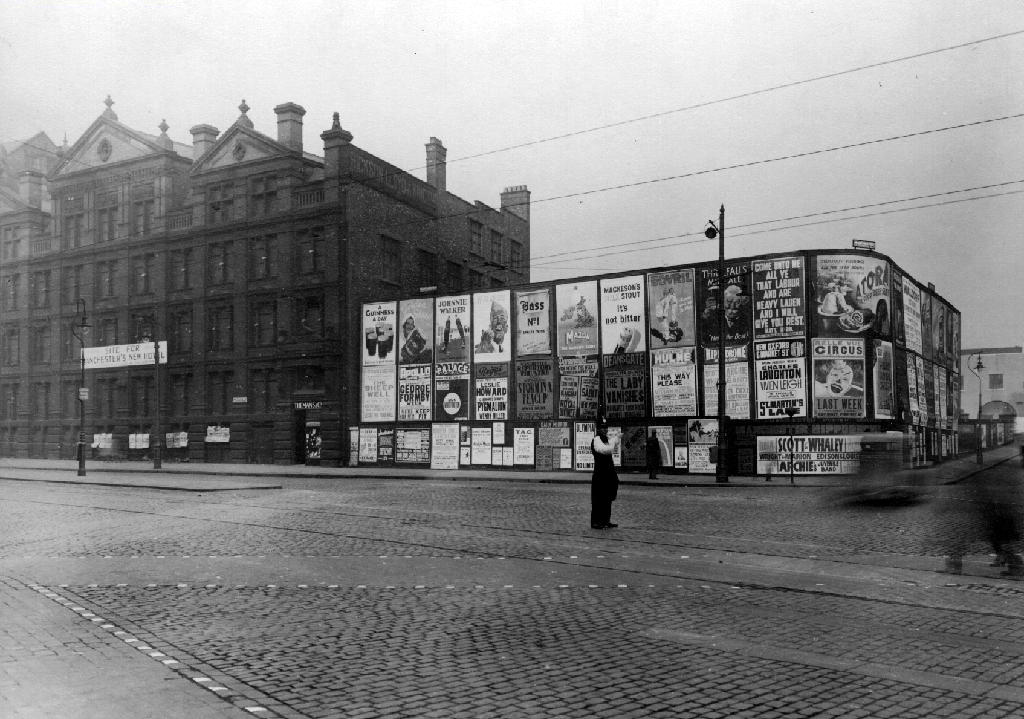
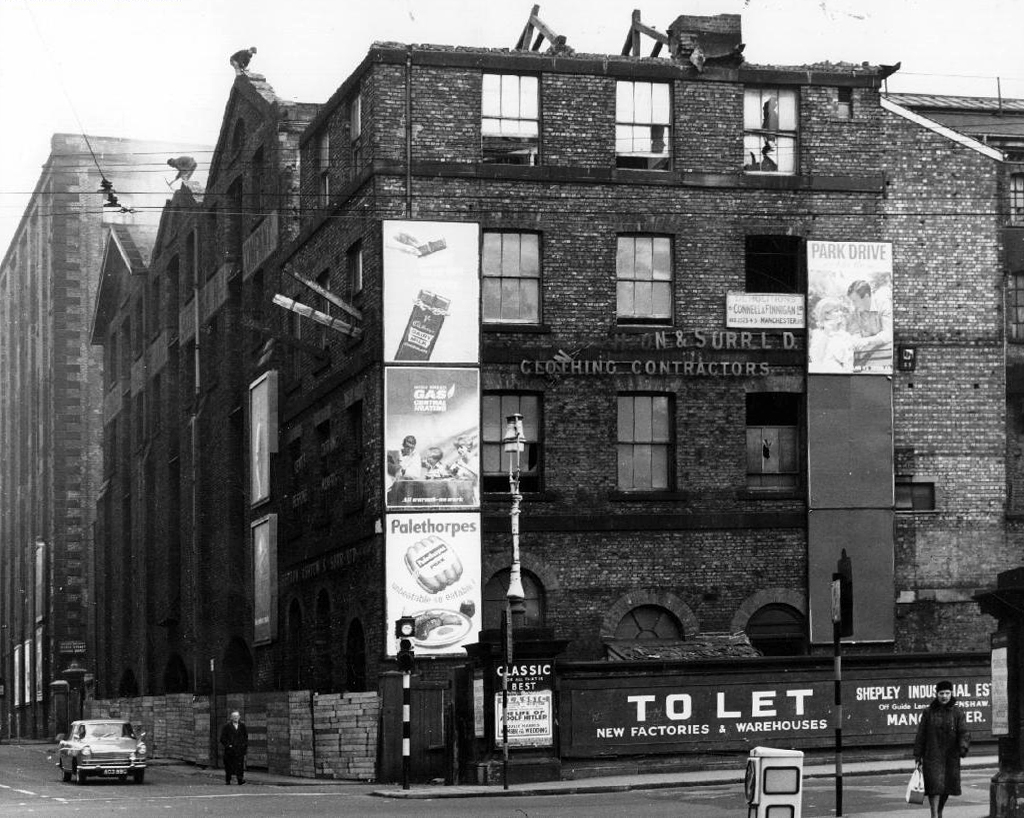
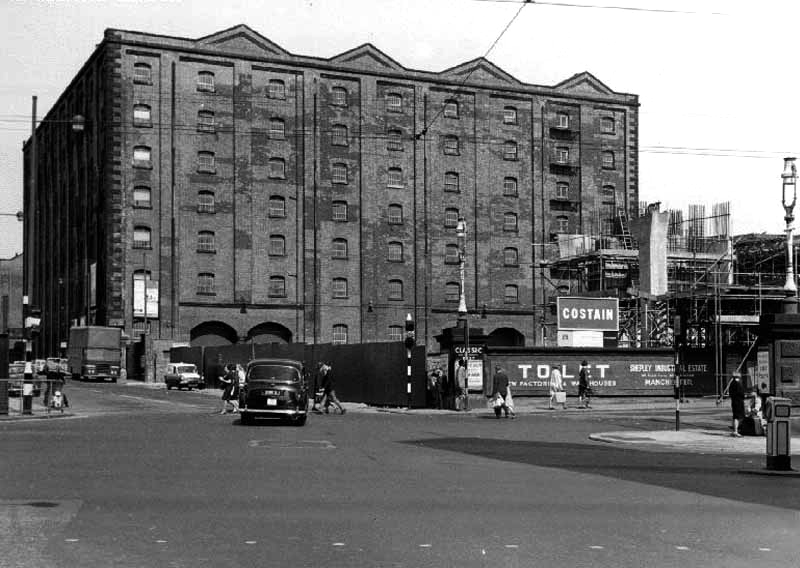
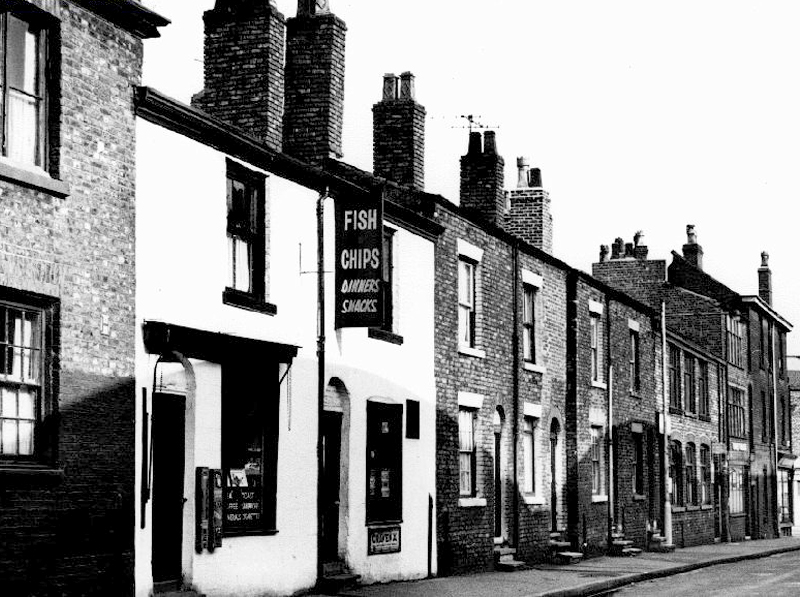
Way back when, when the city was a maverick mixed up maze of citizens, industry, pubs, shops and places of worship the world looked a lot like this.

Local Image Collection

However the process of clearance and redevelopment radically changed and reduced the population and appearance of Great Ancoats Street and its environs.

The back to backs aren’t coming back and their occupants shifted from pillar to post along with the businesses that served them. Following years of decline Manchester takes a long hard look at itself and decides to modernise.
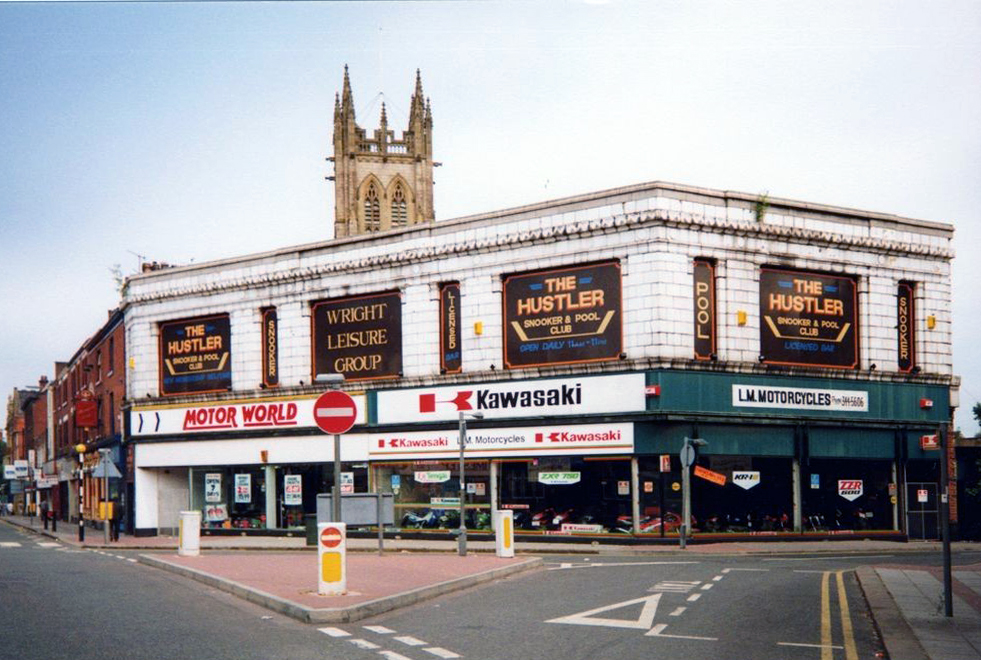
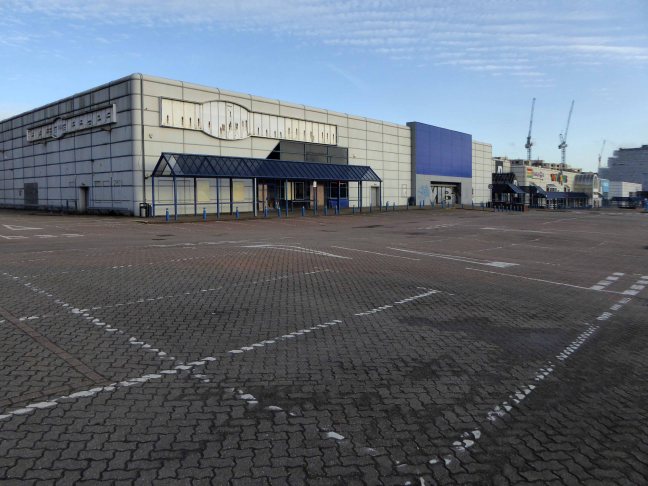
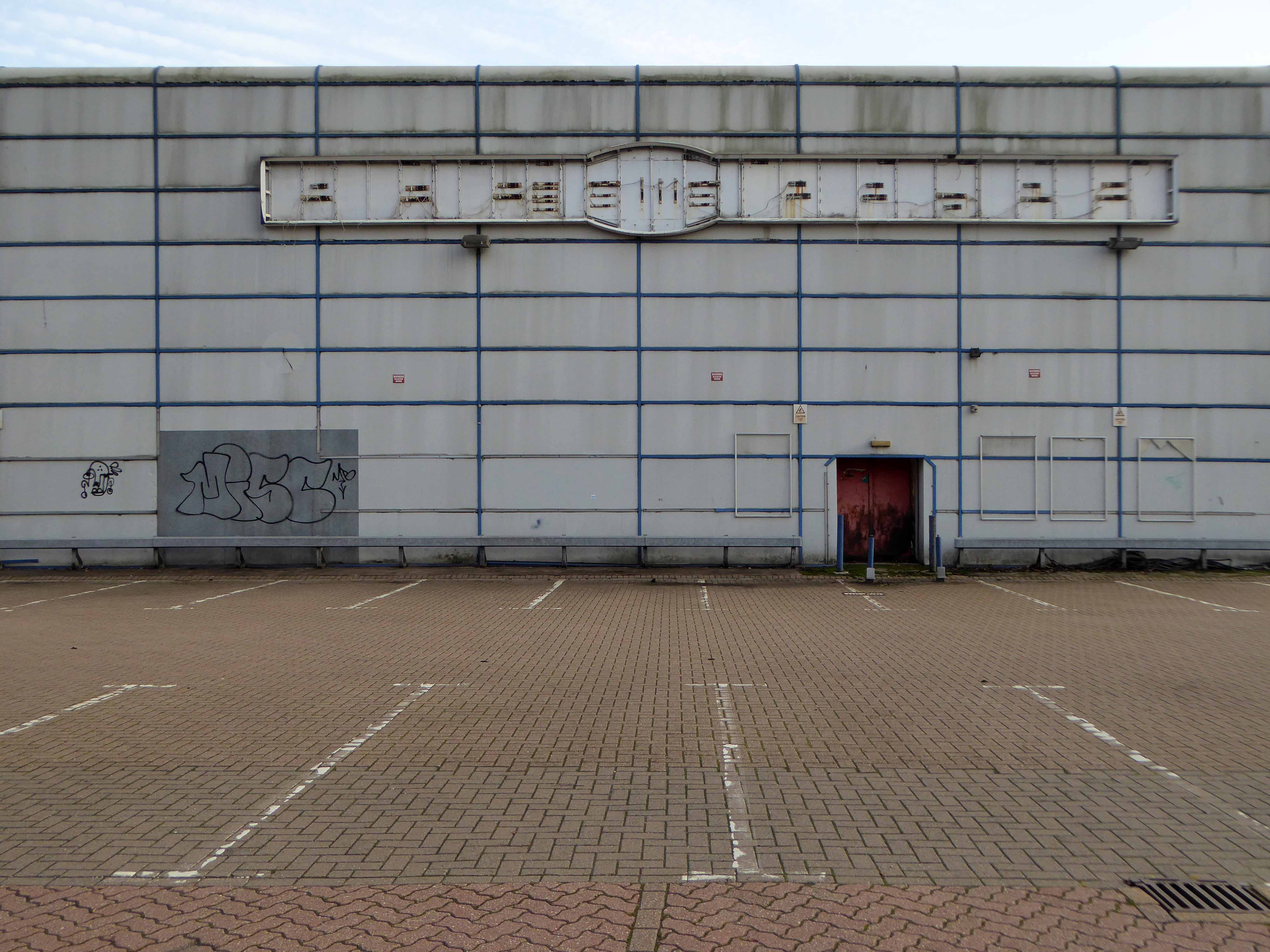
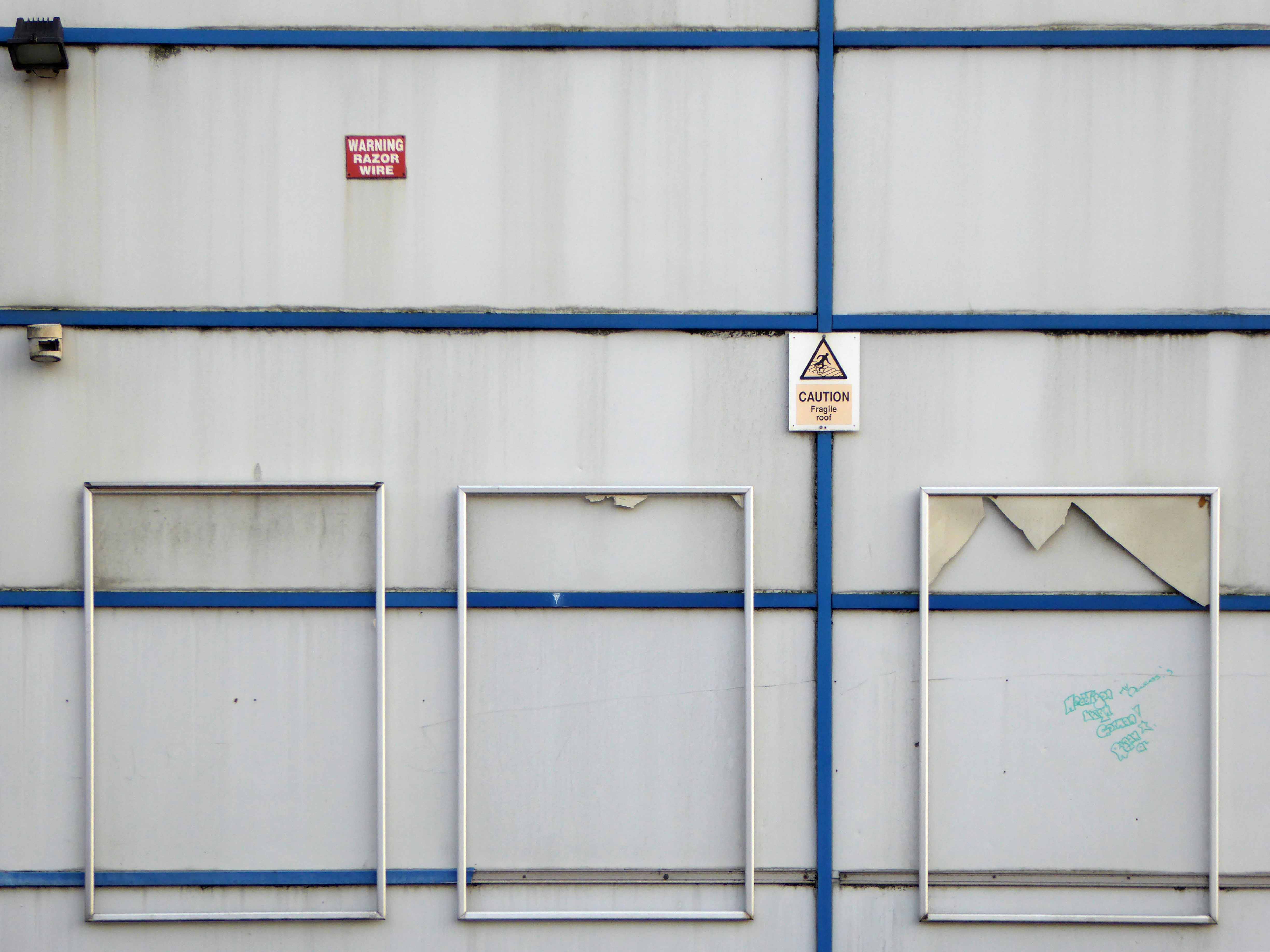
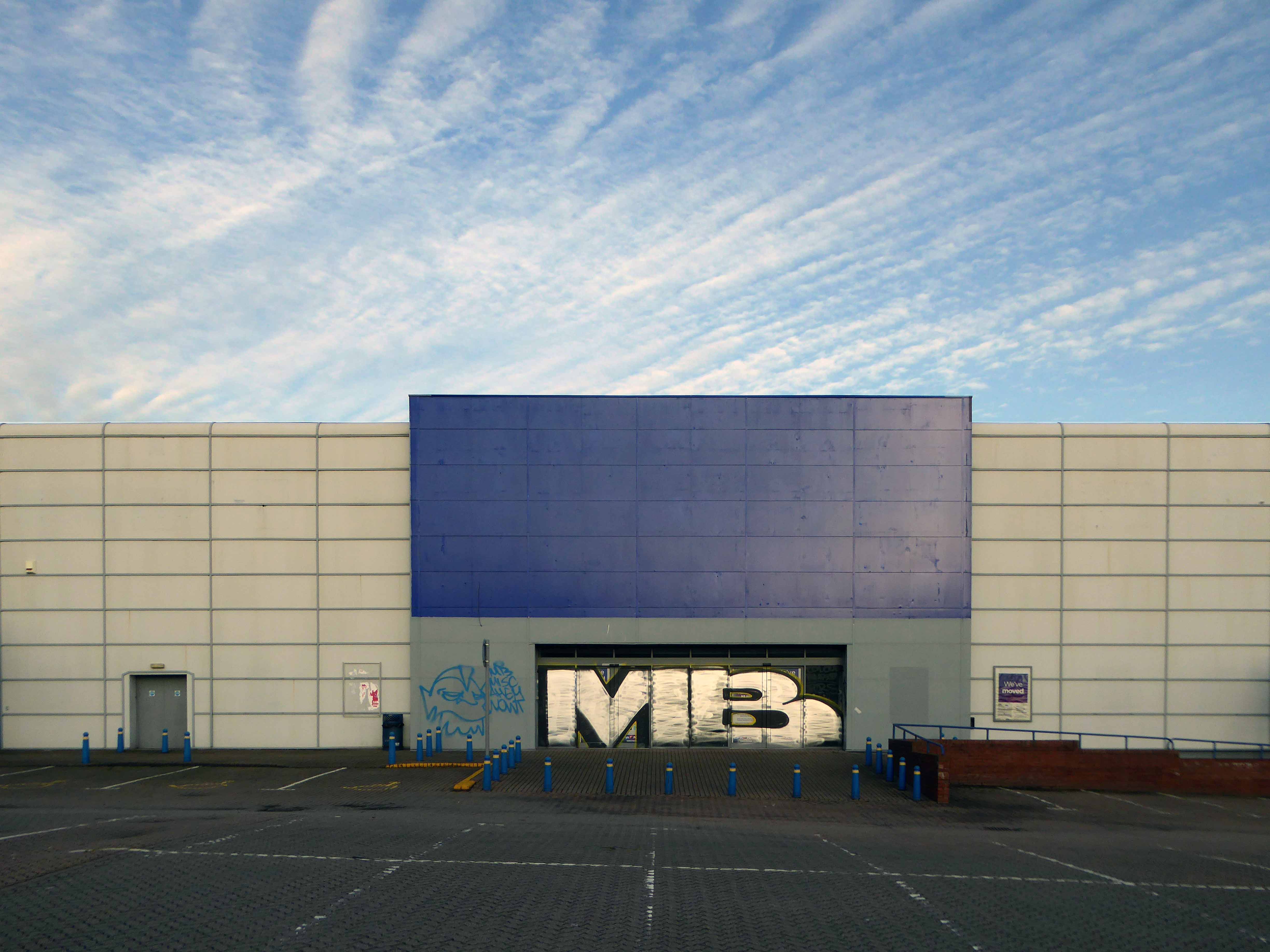
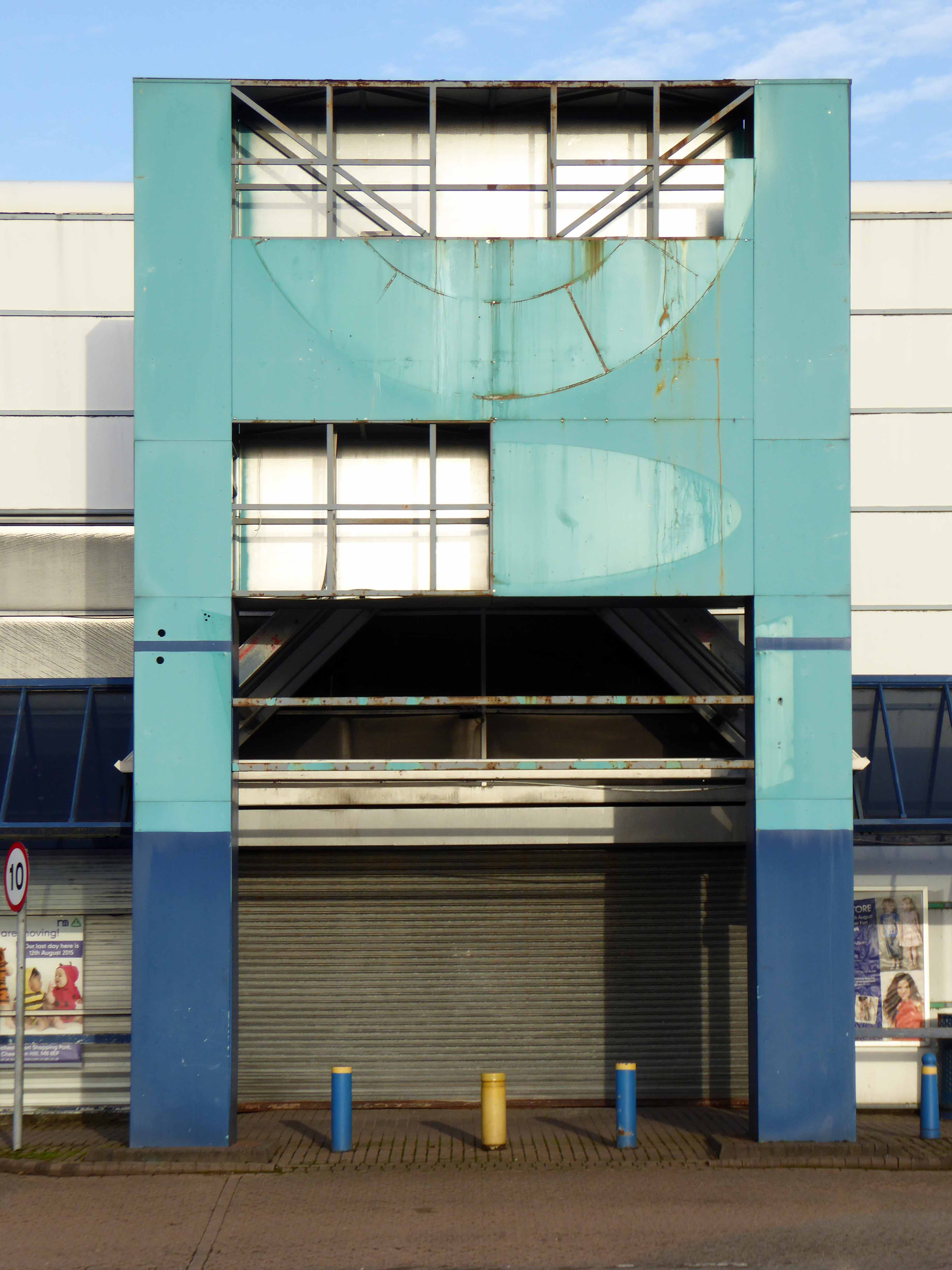
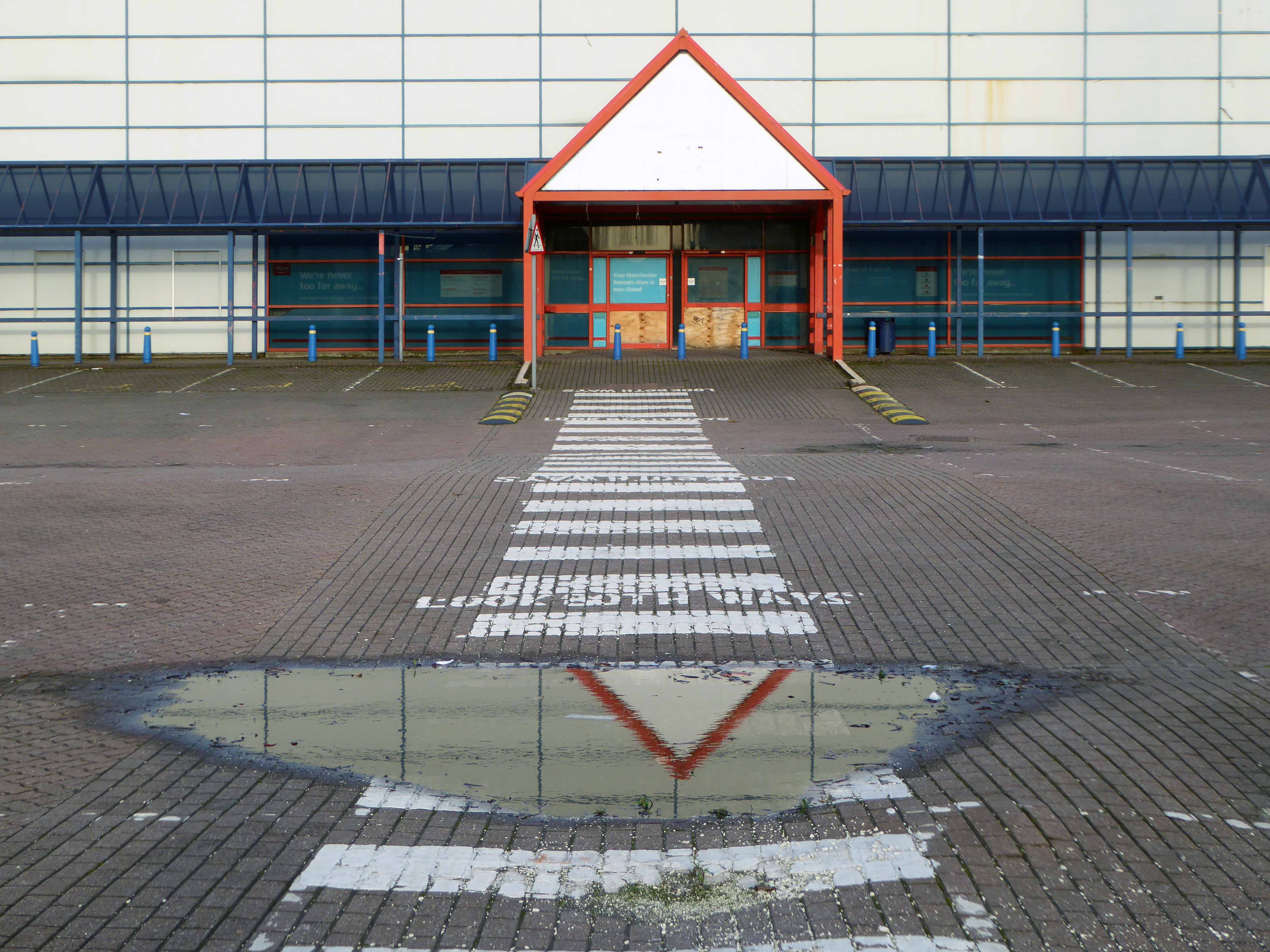
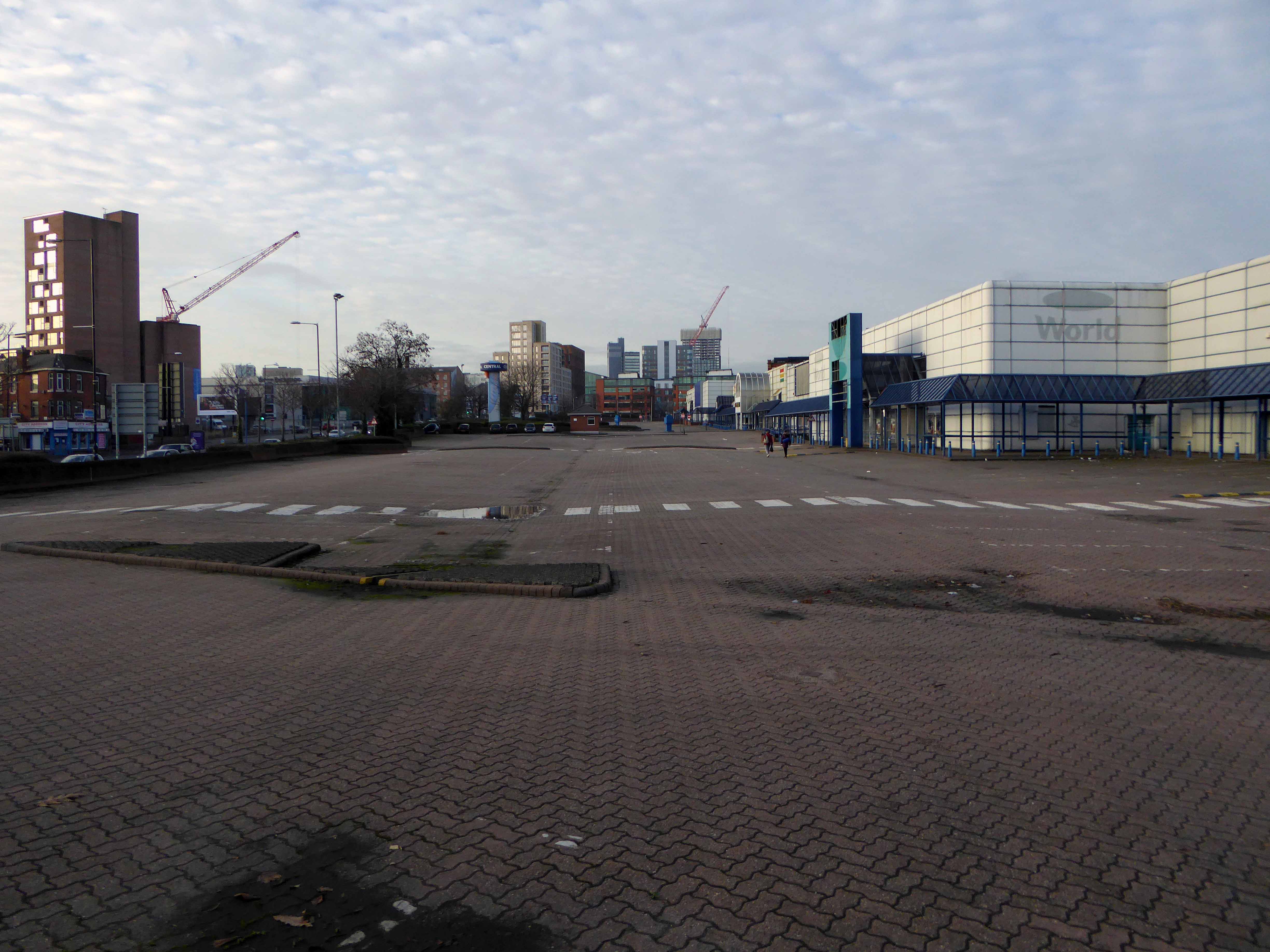
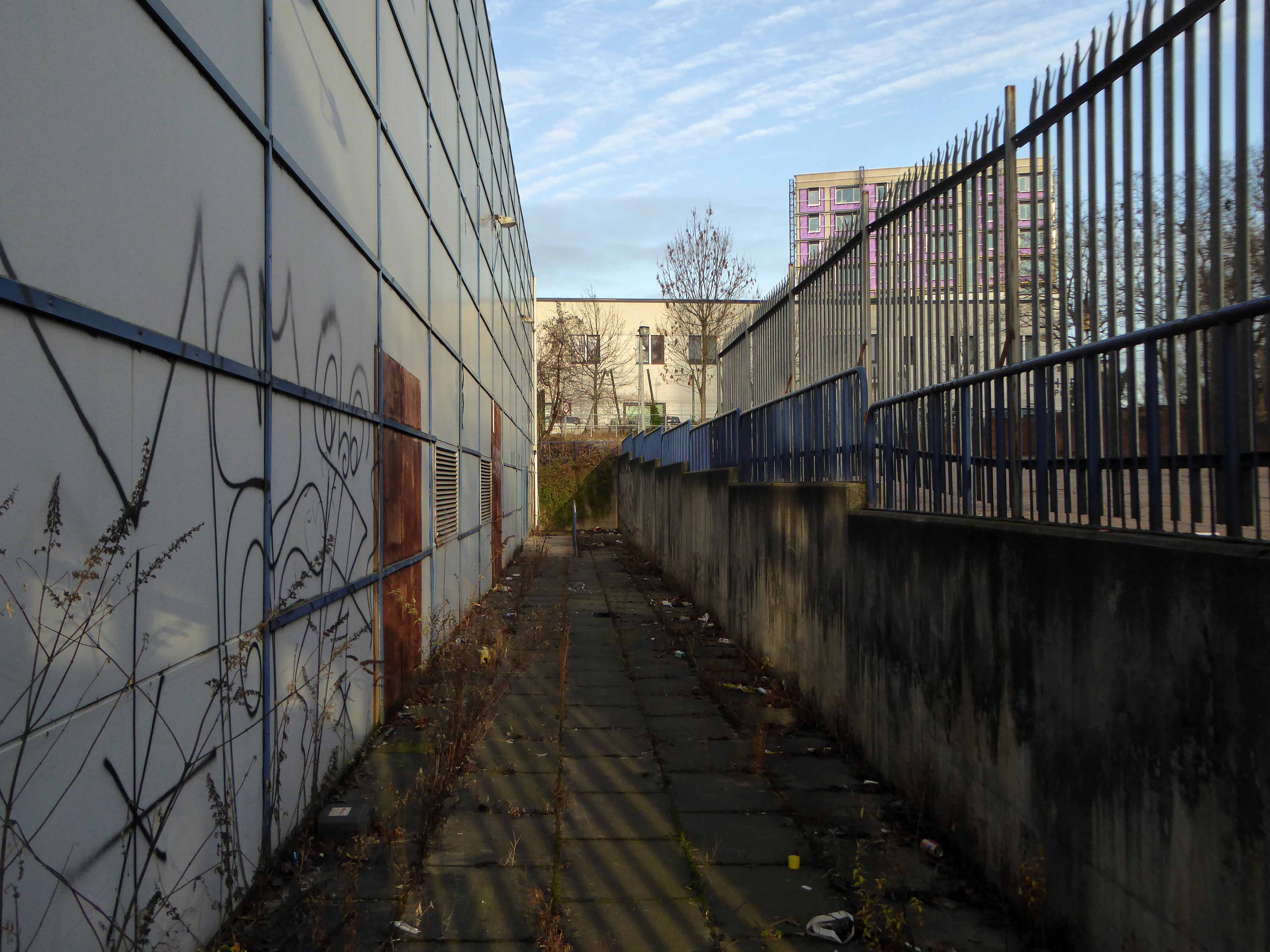
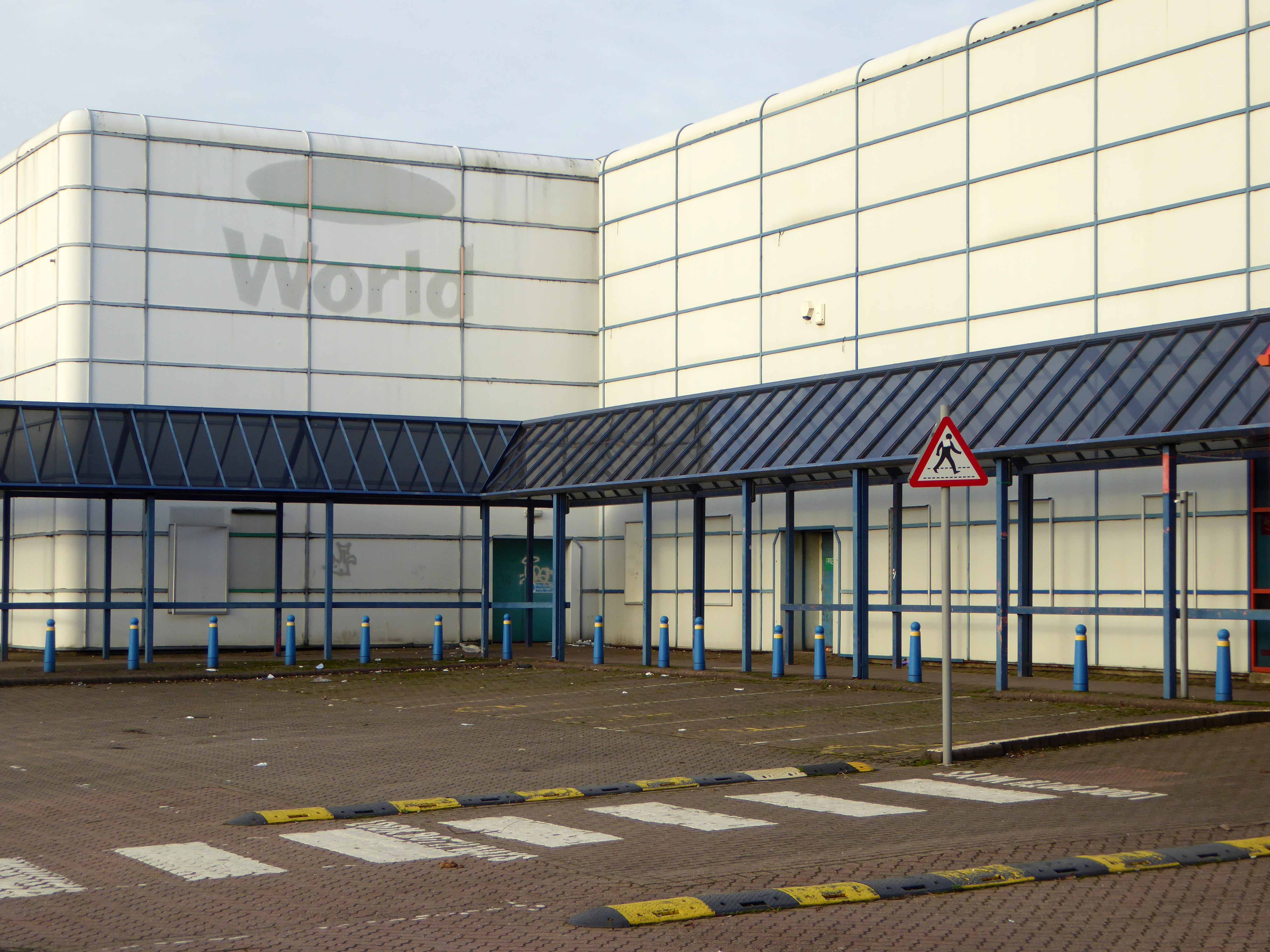
In 1989 an out of town inner ring road shopping centre in the architectural style de jour is built – the anonymous industrial retail hangar appears.
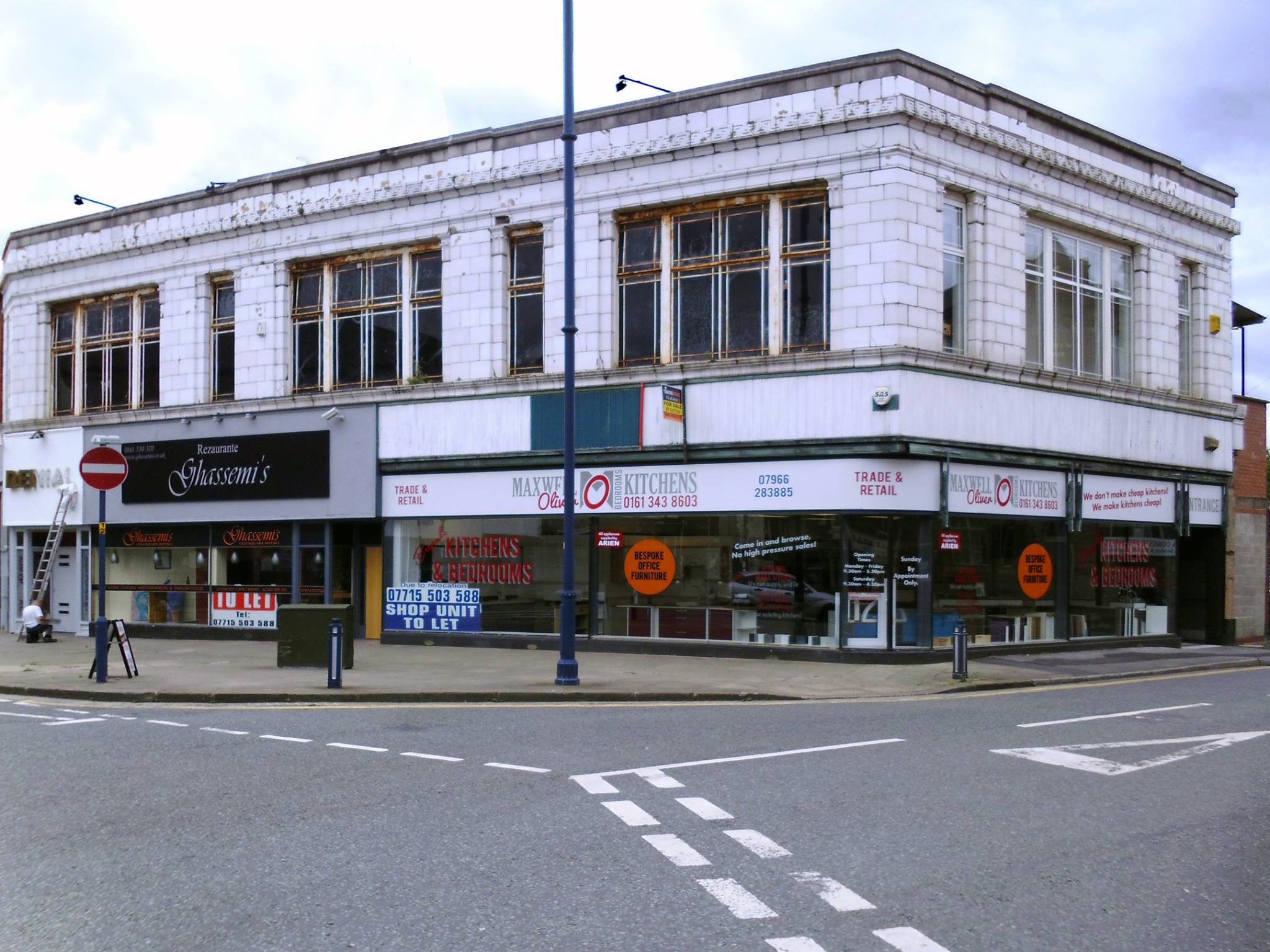
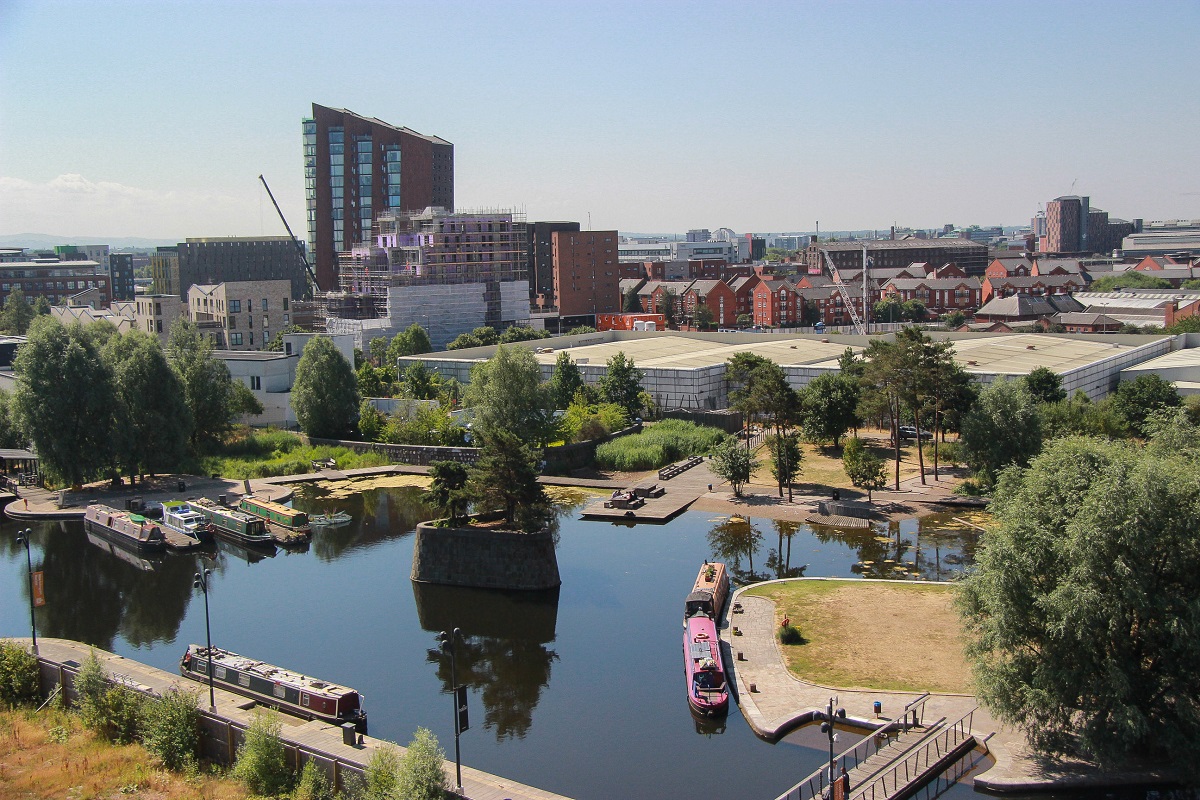
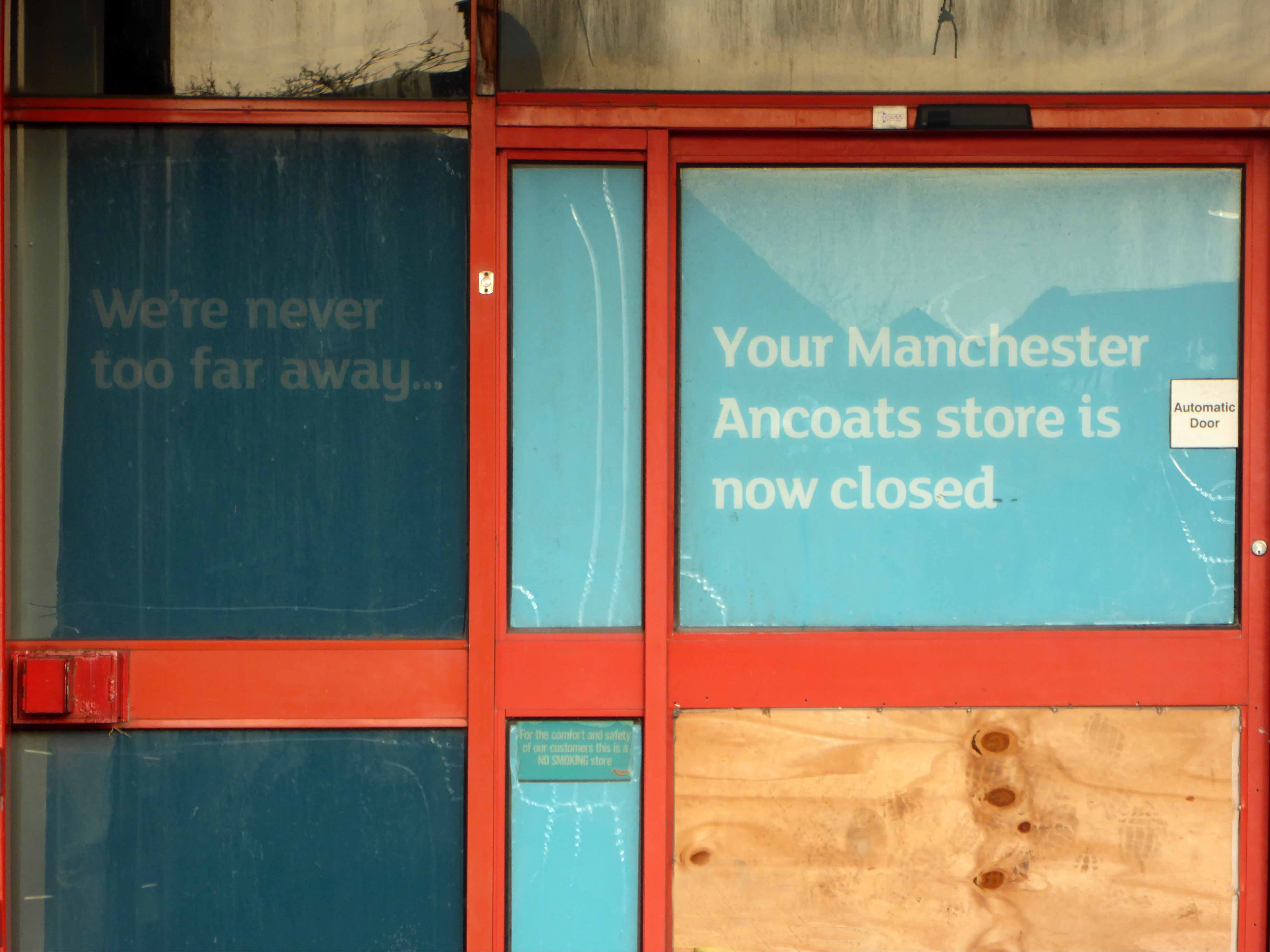
2018 and the nexus of the city has shifted yet again – Ancoats is designated as the hippest place on earth and has no time for an outmoded shopping experience.

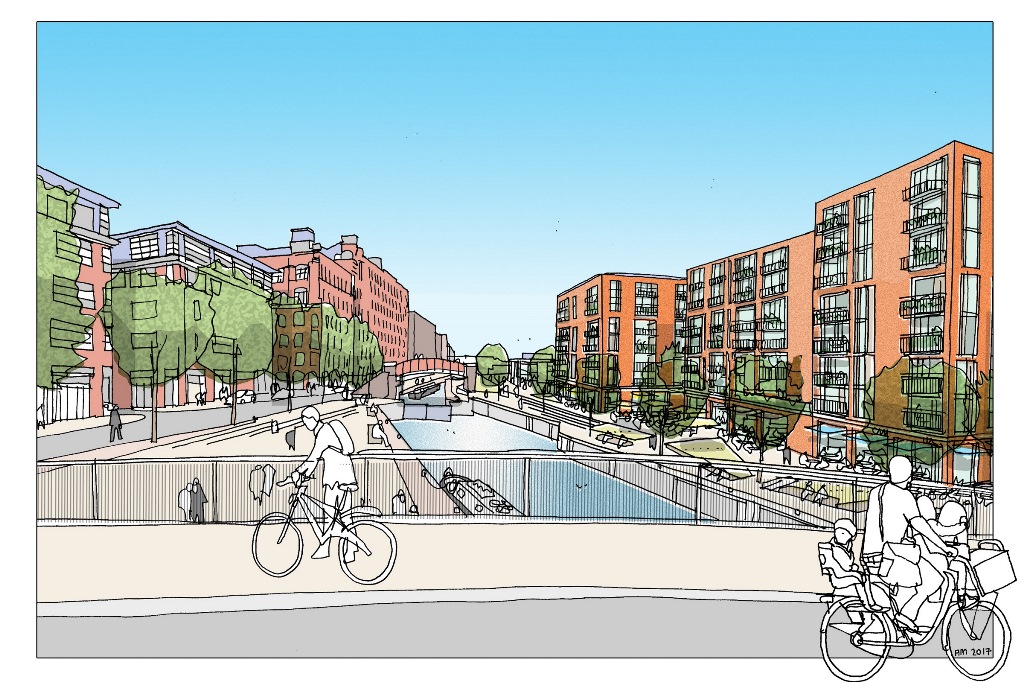
All these developers have a certain sensitivity towards this history of the area without neglecting modern tastes. 

So the Central Retail park awaits its fate.

There was to have been another retail complex.

Henderson Global Investors, on behalf of its flagships £1 billion Retail Warehouse Fund, has received detailed planning permission for a food store led regeneration at Central Retail Park, Manchester, investing £40 million in the scheme.

Though nothing lasts forever and the scheme came to nothing.

The latest proposal according to Place North West is for housing – with the attendant heated debate regarding affordable homes.

Of the 61 big residential developments granted planning permission by Manchester city council’s planning committee in 2016 and 2017, not one of the 14,667 planned flats or housesmet the government’s definition of affordable, being neither for social rent nor offered at 80% of the market rate.

Demolition of the former retail units would enable the development of the site by Manchester Life, the city’s joint venture with Abu Dhabi United Group. Previous site owner TH Real Estate, was unable to deliver the project, finally sold the Central Park site to the city council in November 2017.

The long awaited development of the site on Manchester’s inner ring road has edged closer, with site notices posted declaring that demolition is to start on 20 August.

As of last week the lone security guard at home in his brick cabin informs me that demolition has been delayed by the discovery of asbestos on the site.

Watch this forlorn windswept wet space.

St James Coffee House – Burnley

124 St James’s Street Burnley Lancashire BB11 1NL

Having never ever been, I thought it time to go.

To Burnley.

Several trains from Stockport later, along the length of the East Lancs Line, I arrived at Burnley Manchester Road Station via the reinstated Todmorden Curve.

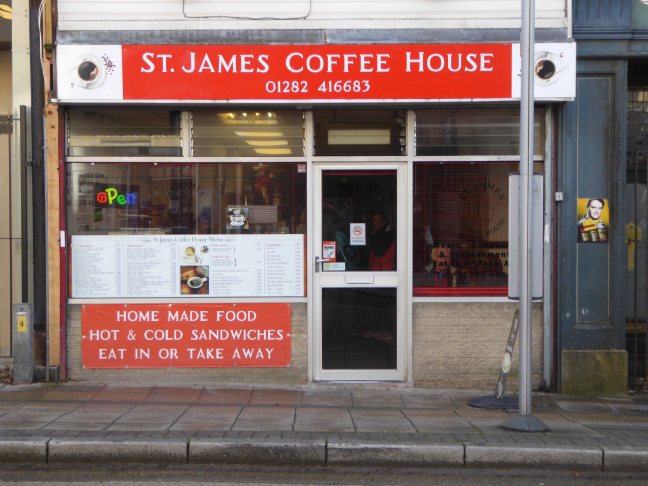
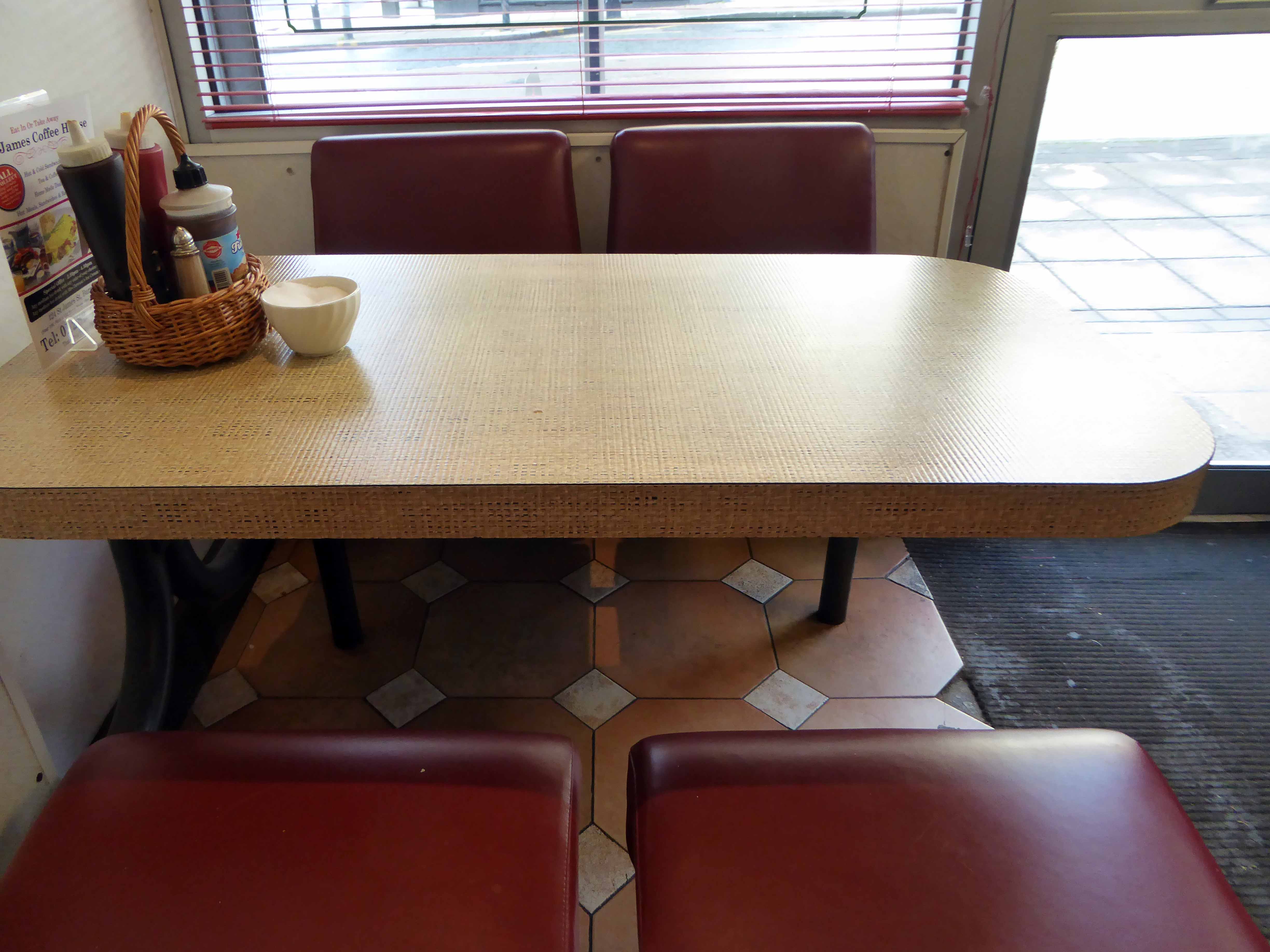
Having wandered aimlessly awhile, it was time for a spot to eat – and there it was a vision to behold before my very eyes.

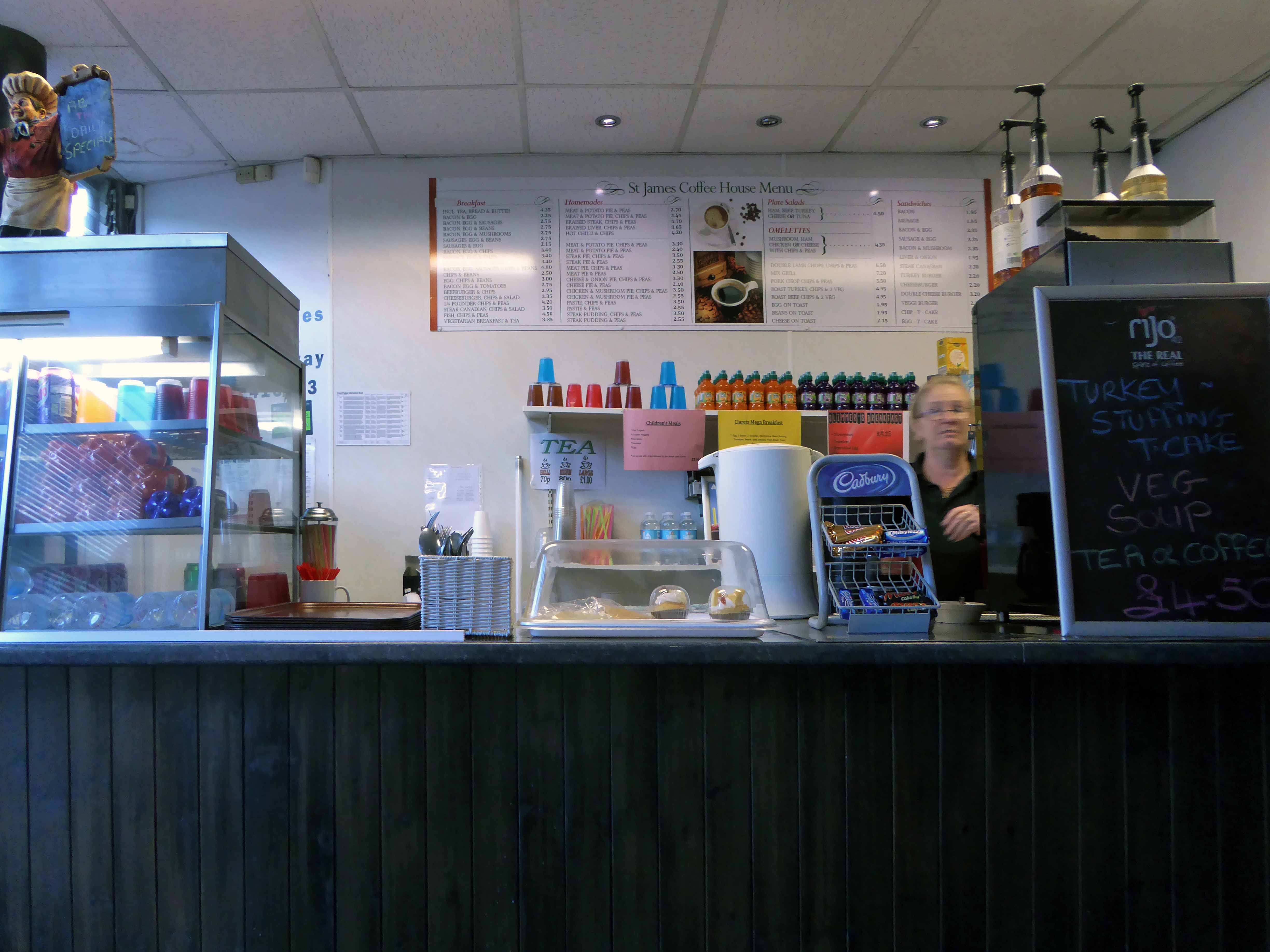
St James Coffee House

We’re situated in the town centre on St James’ Street, just a little bit further down from DW Sports – the old JJB store and next to the entrance to the old Empire Theatre, when you get to the art gallery you’ve gone too far!

The menu had caught my eye – pie!

To get in and get some grub was my sole and urgent imperative.

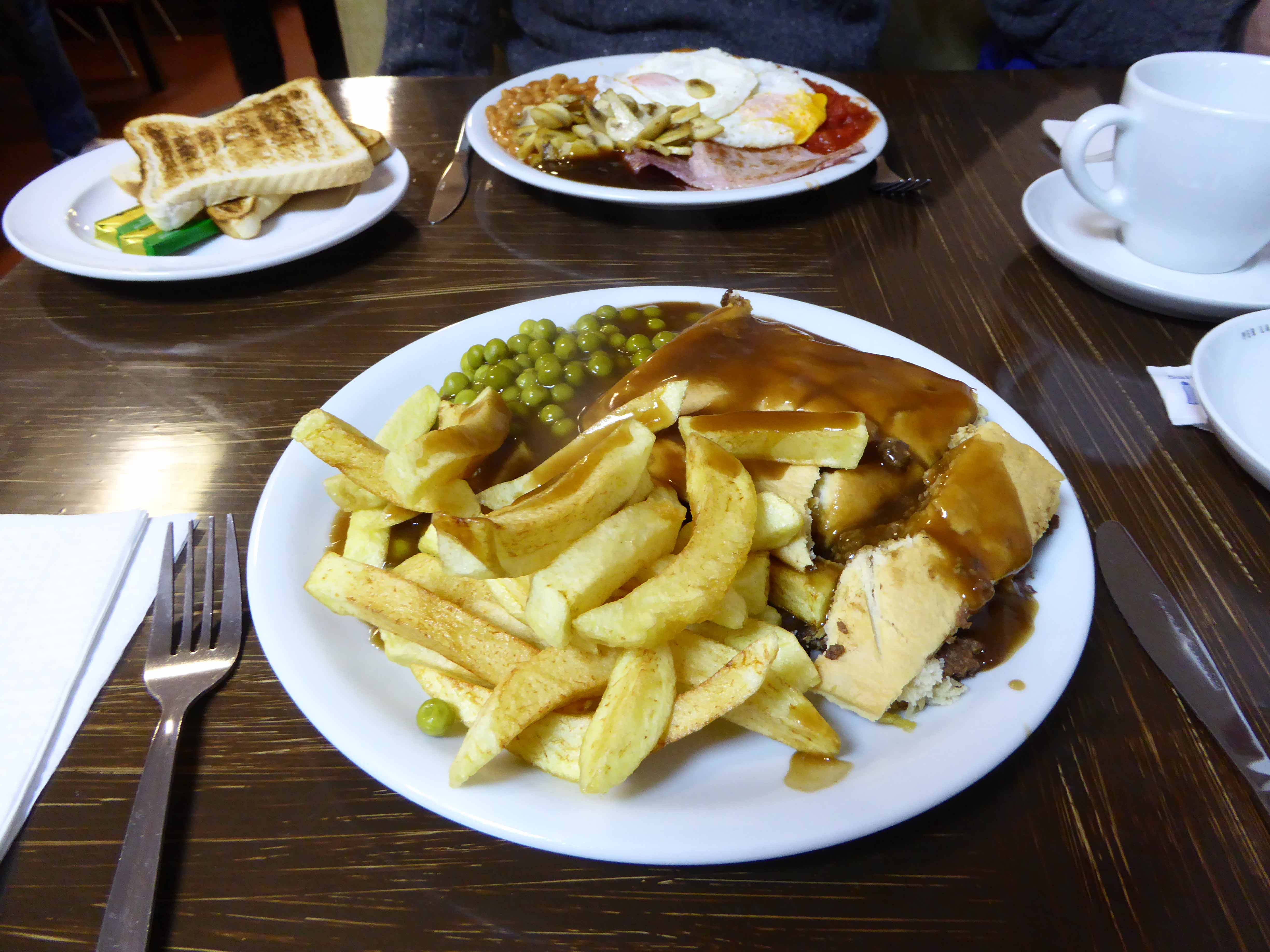
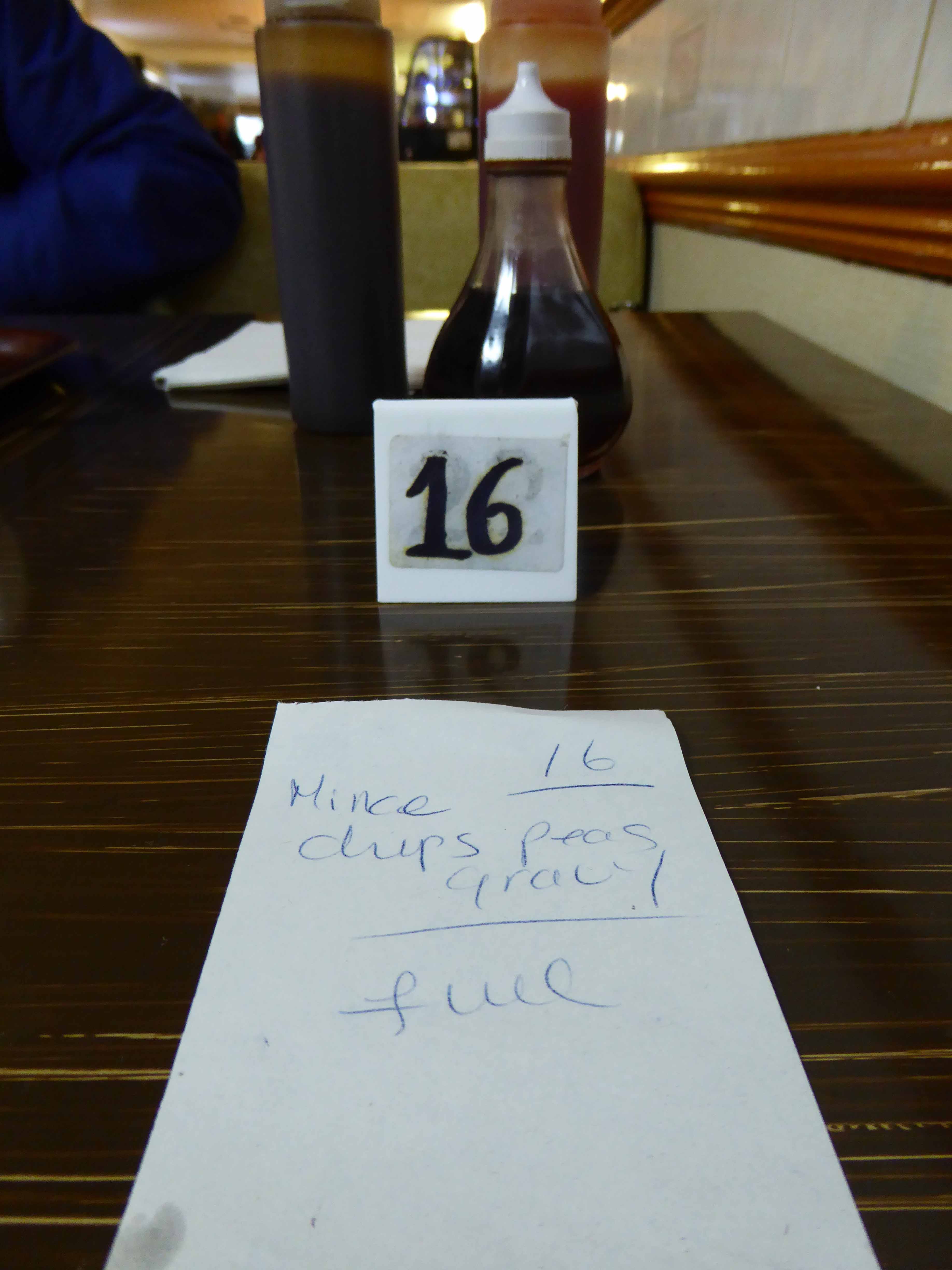
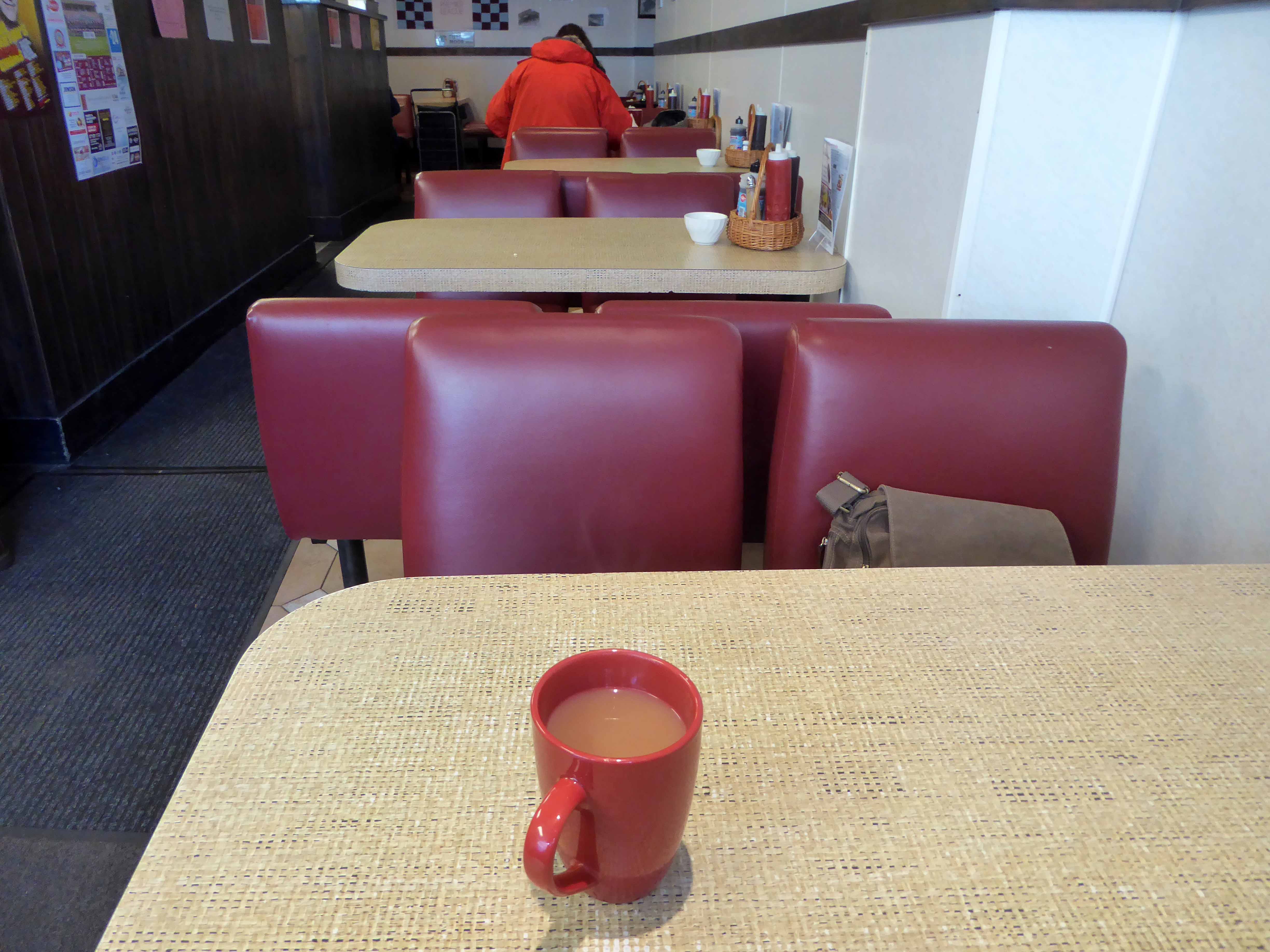
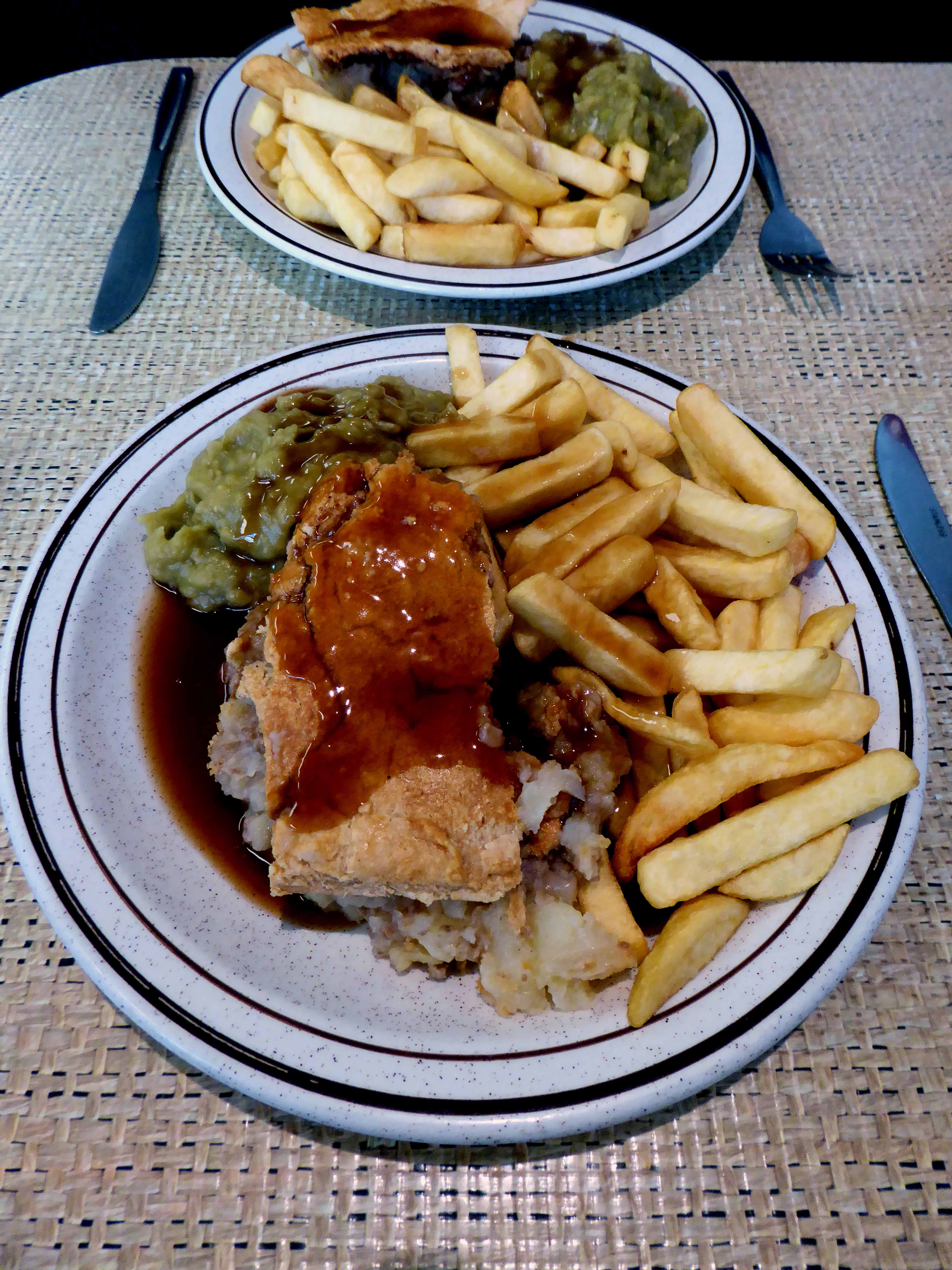
A warm welcome awaited, and even warmer food, served with alacrity and aplomb – tasty homemade meat and potato pie, chips, peas and gravy. A soft light crust and mushiest mushy peas – a real delight, seen off in no time and all washed down with a piping hot mug of tea.

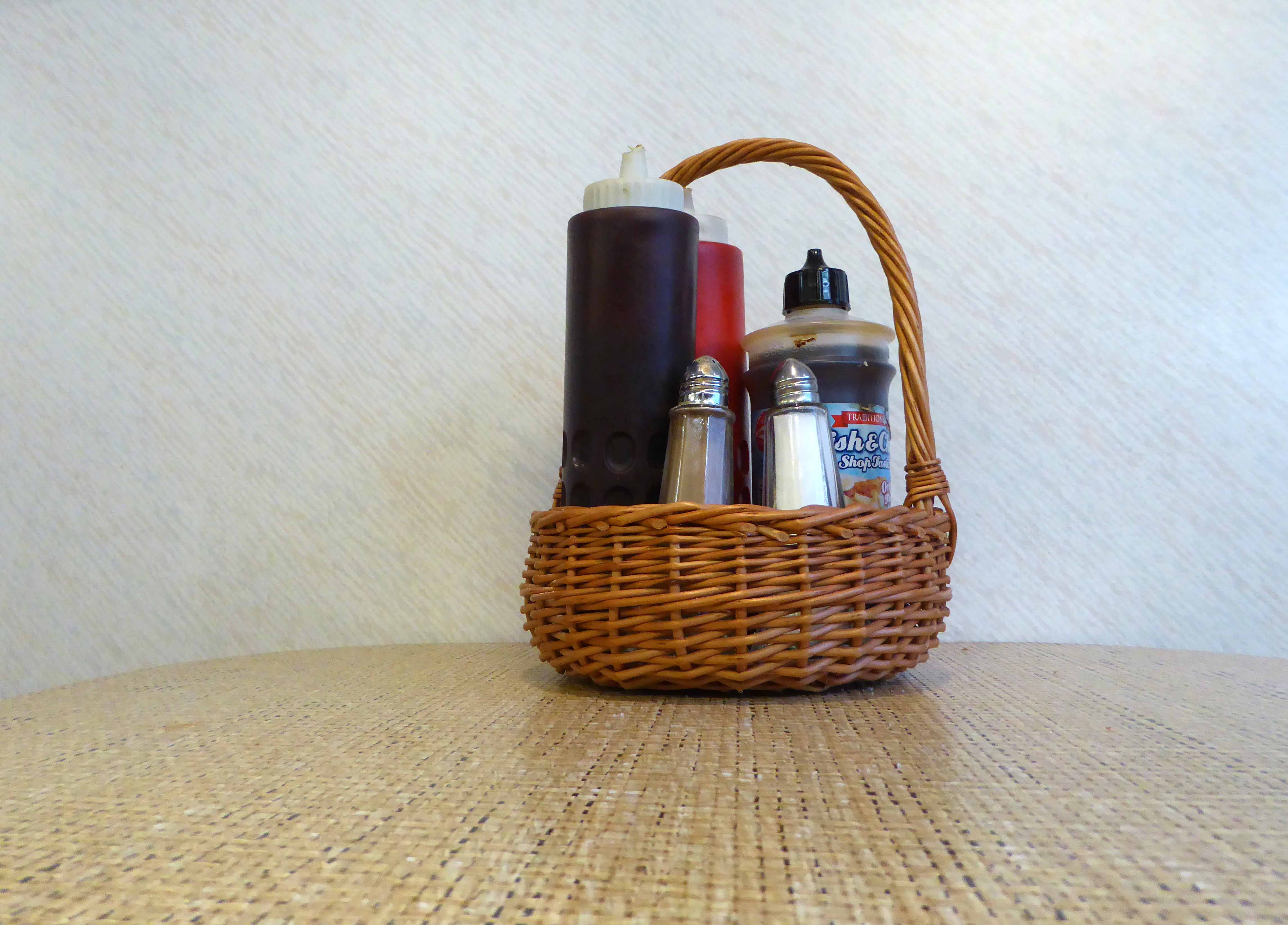
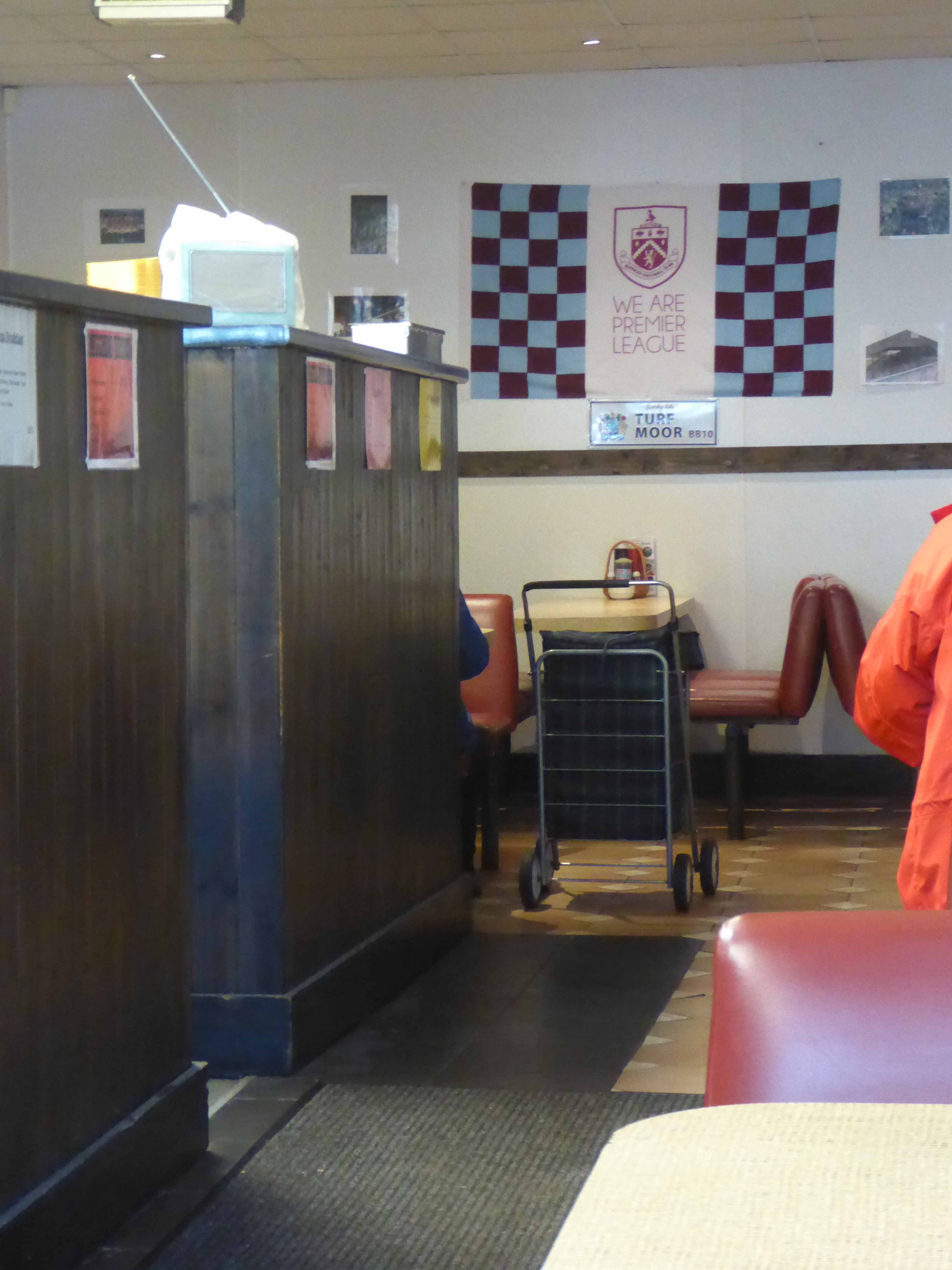
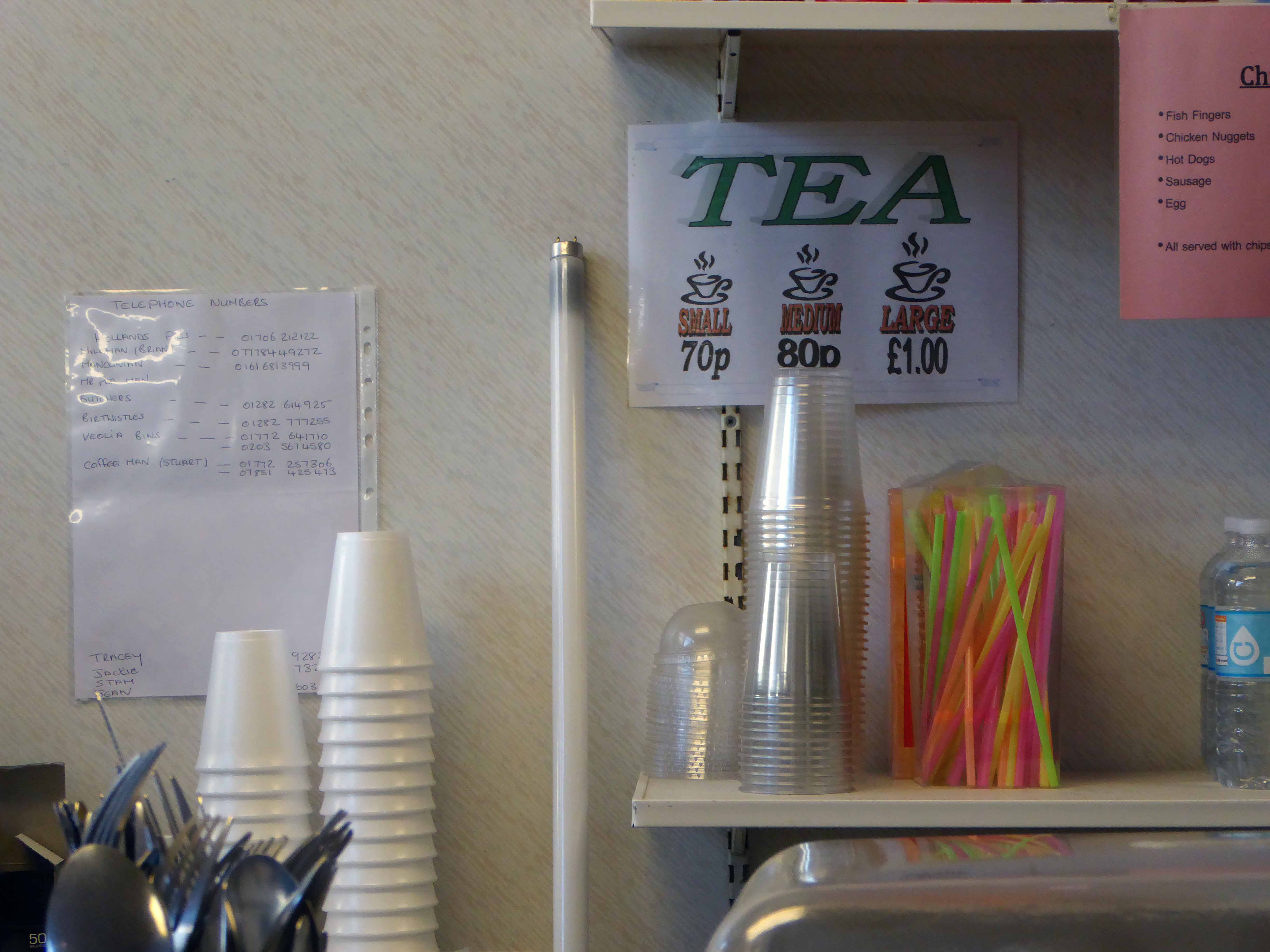
£4.40 all in – service with a smile, in cosy, comfortable, traditional café surroundings.

I’ll be back – go and treat y’self soon.

P1310376

P1310377

P1310392

P1310379

P1310381

P1310383

P1310385

P1310386

P1310393

P1310387

P1310388

P1310394

P1310390

P1310395

P1310396

Park Hill Pubs – Sheffield

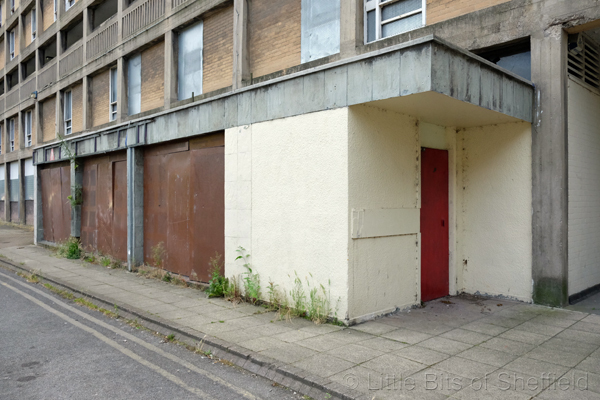
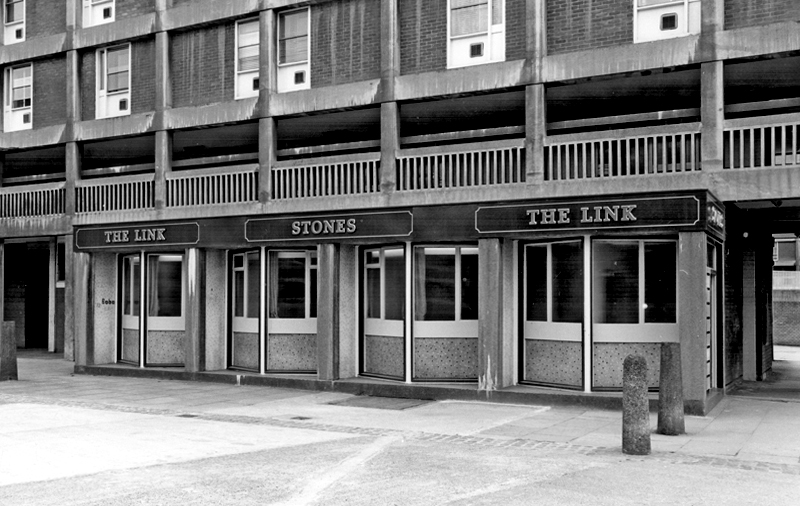
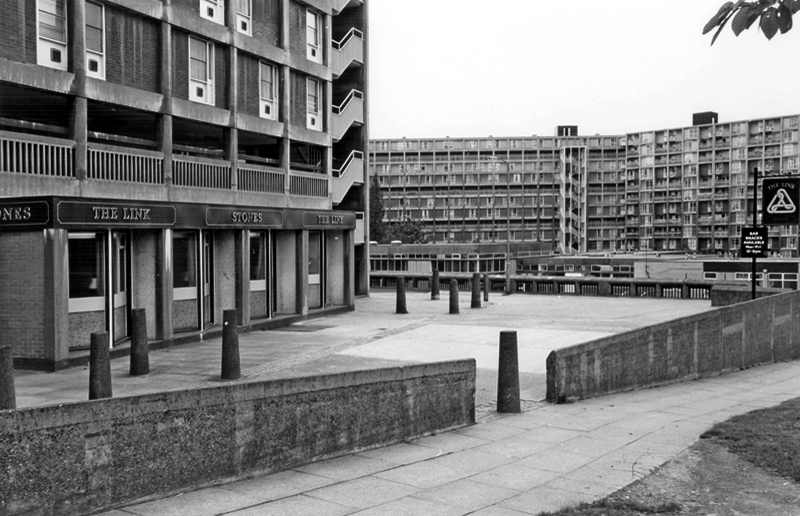
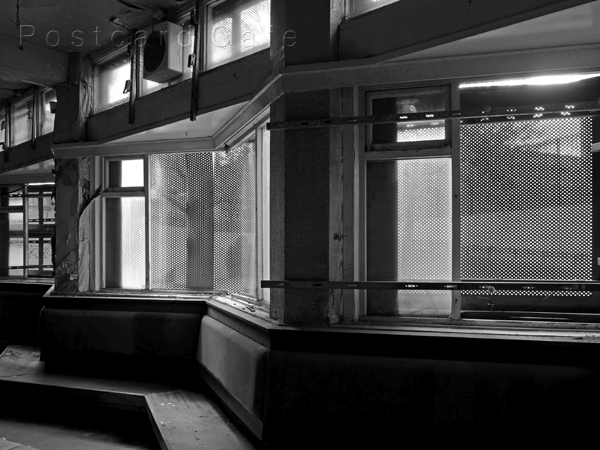
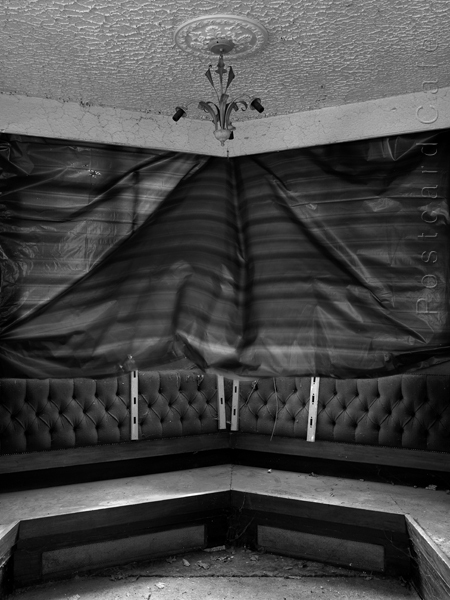
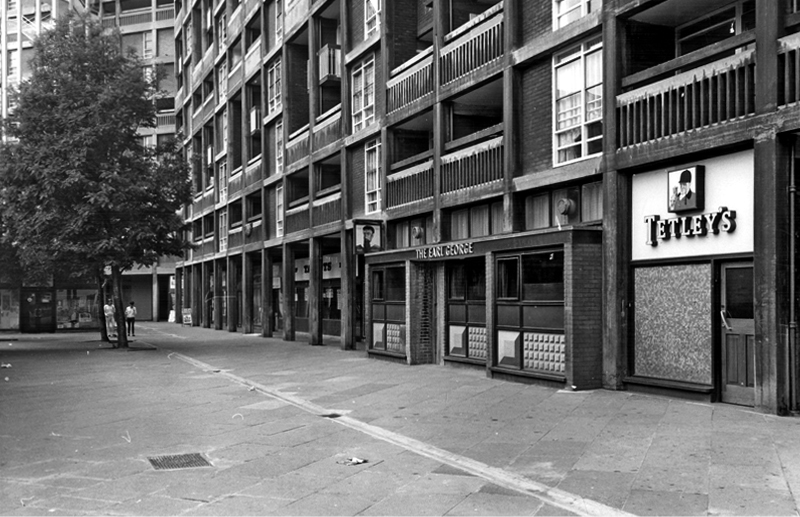
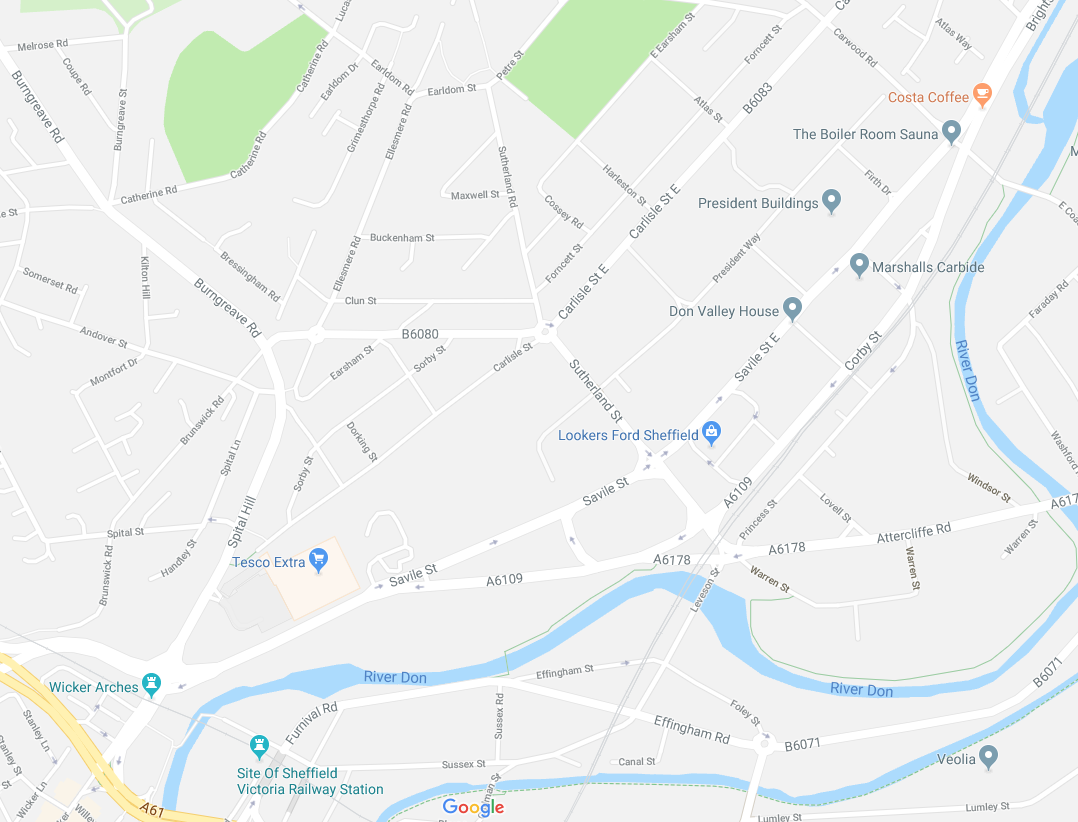
I’m a virtual visitor to the four pubs that served the population of Park Hill Estate.

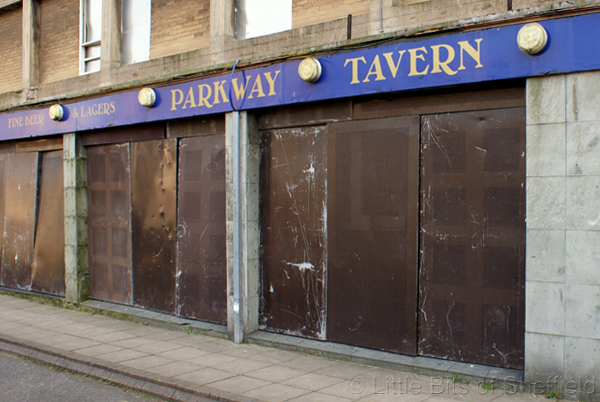
I arrived late on the scene from not too distant Manchester, sadly much too late to stop and have a pint in The Parkway, Scottish Queen, Link or Earl George.

Built in the 1960s when municipal architecture spoke of optimism and innovation, the story of the estate is an oft told tale of decline and renovation.

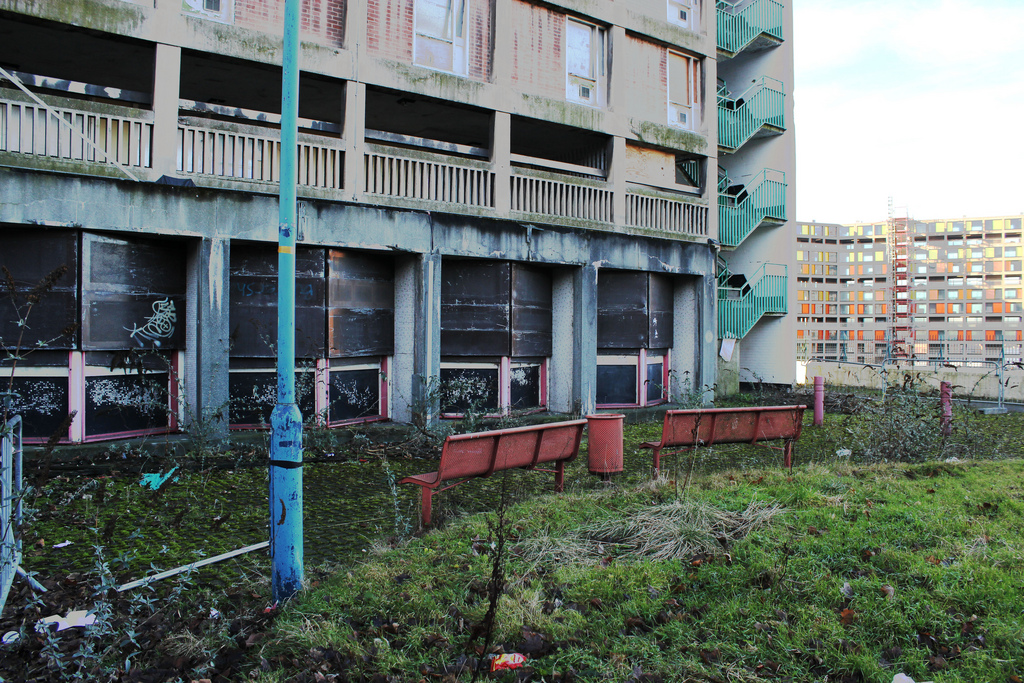
Grade II* listed the building’s structure has prevailed, the original social structures, tenants and consequently their pubs have not.

DSC_0049 copy

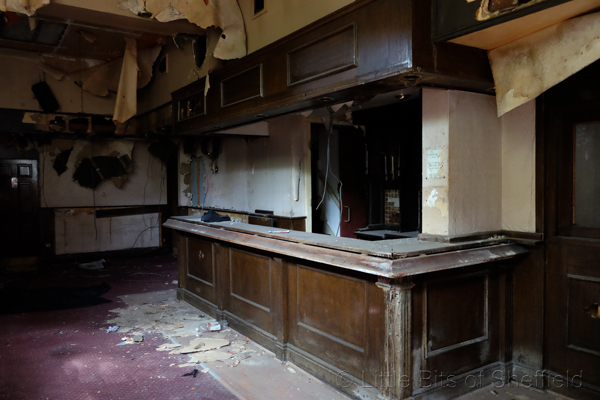
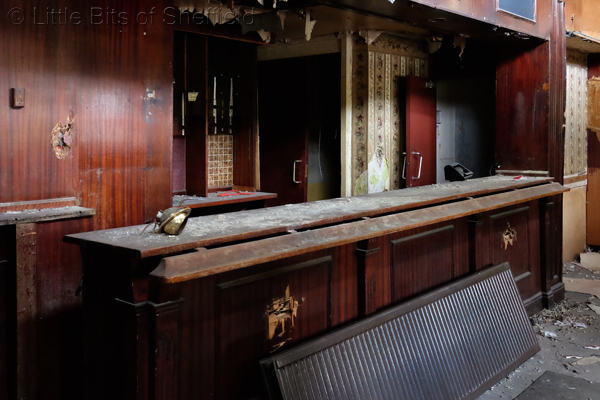
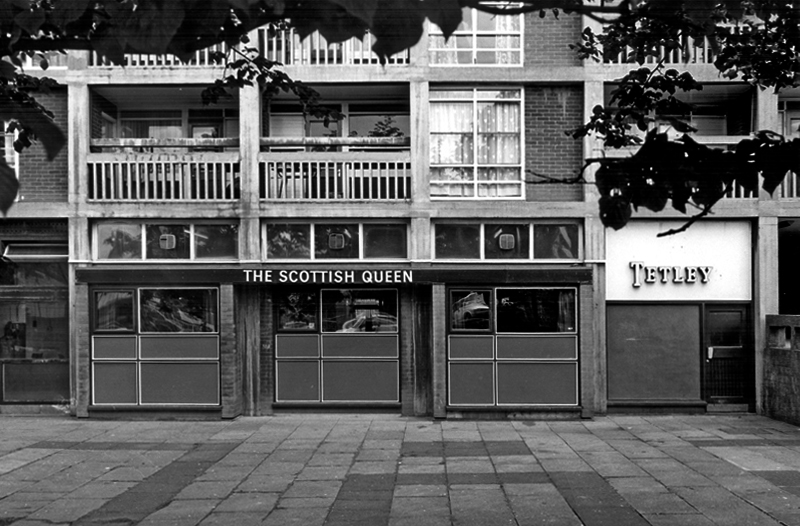
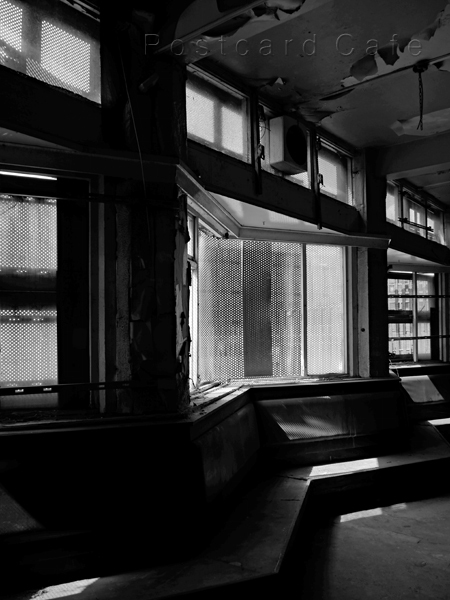
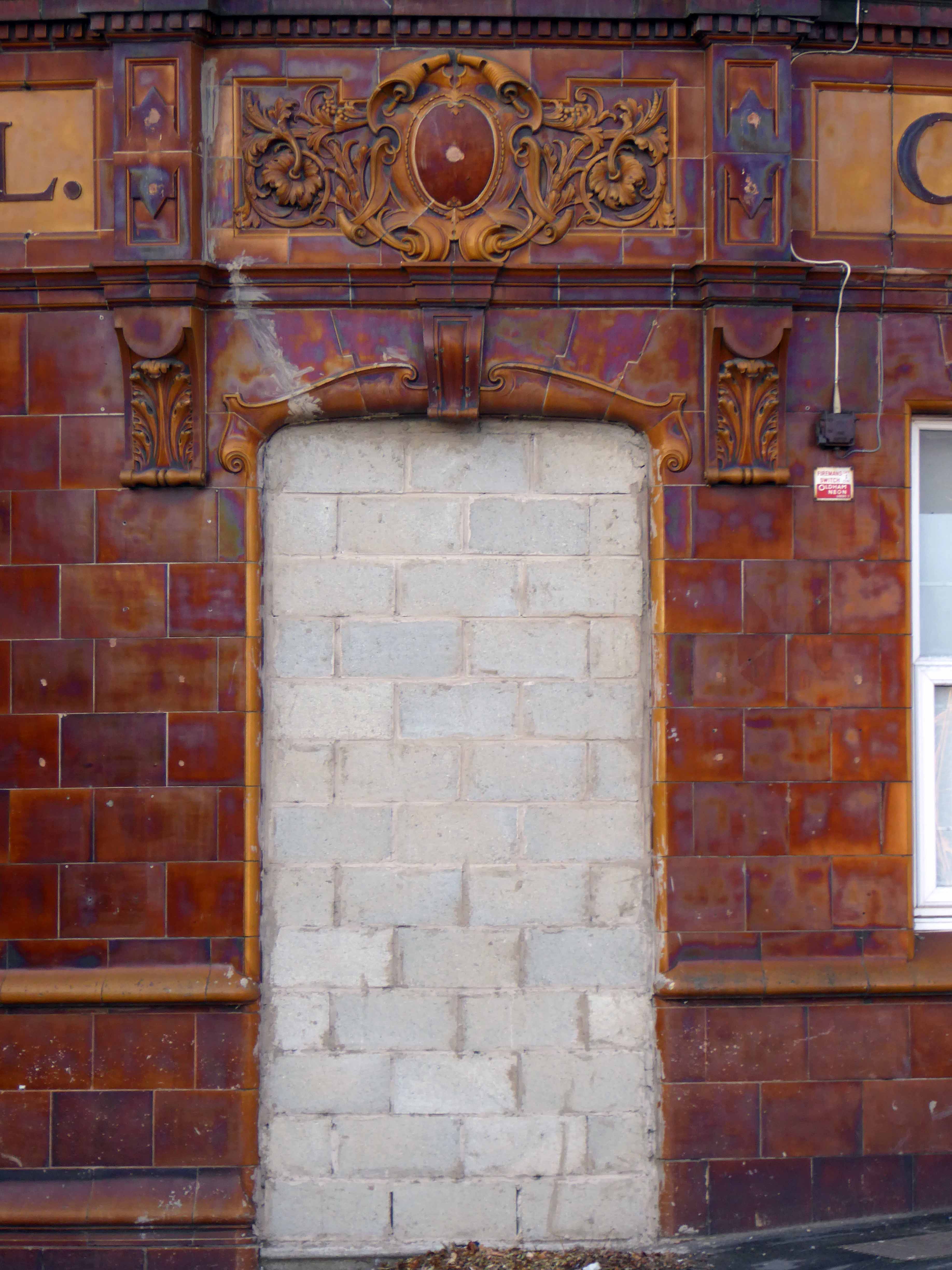
Bewitched by the fragments which I photographed on my belated visits, I have searched the archives of Picture Sheffield, Postcard Cafe and Little Bits Of Sheffield.

Piecing together photographs and the distant reminiscences of those that lived, breathed and drank in their pubs beneath the streets in the sky.

The Link on Park Hill had some colourful characters.

If you want any info on the Link next time you are in town see the man selling fishing tackle outside Castle Market ,he is called Chris Hardy his dad ran the link in the 60’s they used to have the Sun Inn on South St before Park Hill was built, tell Chris that Alan Betty’s cousin told you about him.

I once did a job outside the Scottish Queen and had a lump of concrete thrown at me! it landed about 2m away, that made me jump!

Joe Fox used to be the landlord in the George in the 70s, didn’t stand for any messing about.

Sheffield Forum

Earl Francis! Of course! That was driving me mad; I was just going to ring my mum and ask her if she could remember what it was called. I think it closed in the early 90s, at the same time as the renovations of Hyde Park Walk and Terrace – 1990/1991, if I remember correctly.

The Earl Francis was still open in 1994 – the last time I went in there, but was dying on its feet.

Park Hill is empty, and due to be refurbished.

It’s amazing to think that each complex had all these pubs and people actually went in them! Drove past Park Hill a few months ago at night and it didn’t look like a soul lived in them.

Not surprised the Tavern has closed down. Don’t know whether people are happy or sad about it…They looked like an absolute dive, but I’ve always wanted to go and have a look around them to see what they’re like close up!

Why is it amazing to think that?

Sheffield Forum

The Parkway

s21979

Picture Sheffield 1965

Picture Sheffield © S Cole 2011

SONY DSC

sdscf0757e

sdscf0759e

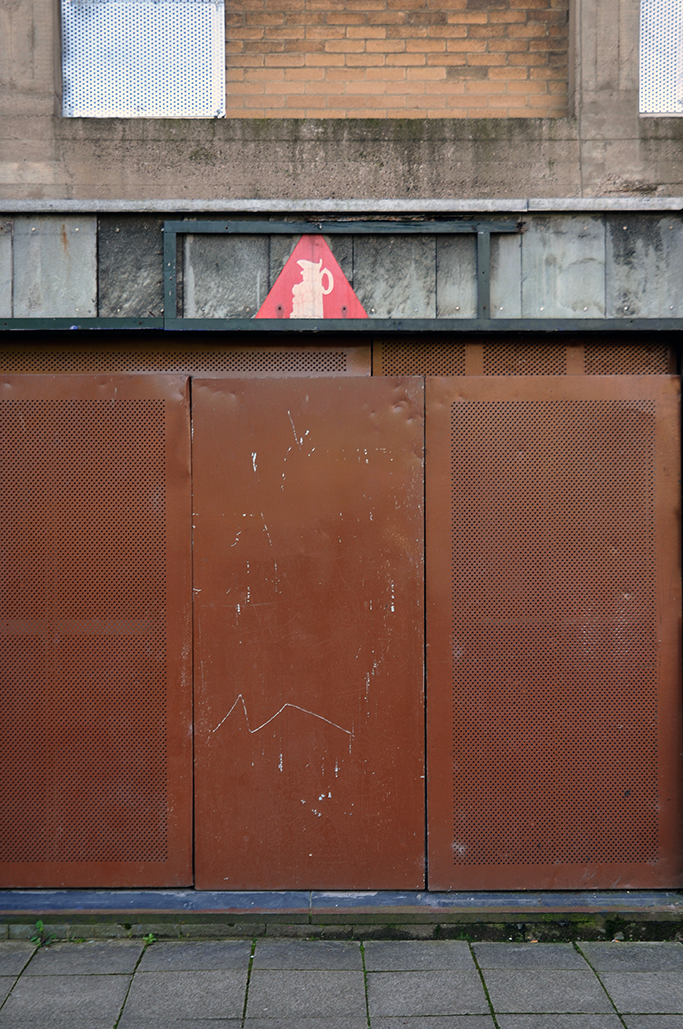
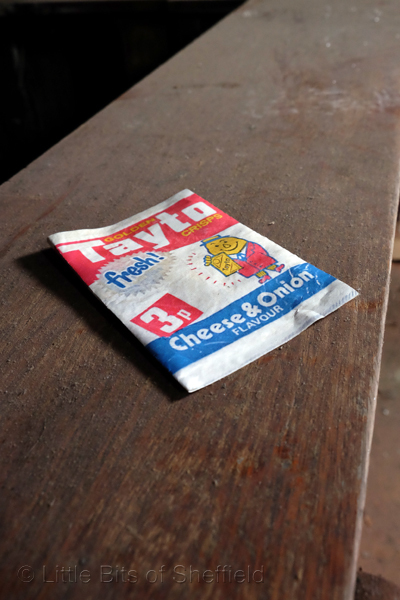
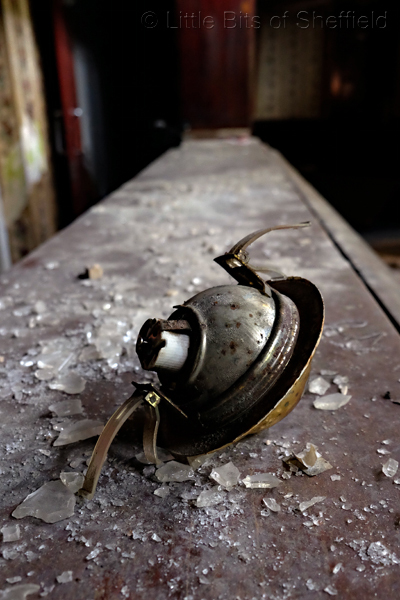
The flats and in particular the Parkway Tavern were used in the 2014 film ’71 – which was set in Northern Ireland.  So this photograph showing the bar with a packet of crisps is actually slightly misleading because the crisp bag was only a printed film prop and what looks like broken glass on the bar is fake! – Mr C

sdscf0760e

sdscf0768e

sdscf0773e

sdscf0778e

sdscf0783e

sdscf0789e

© Little Bits of Sheffield

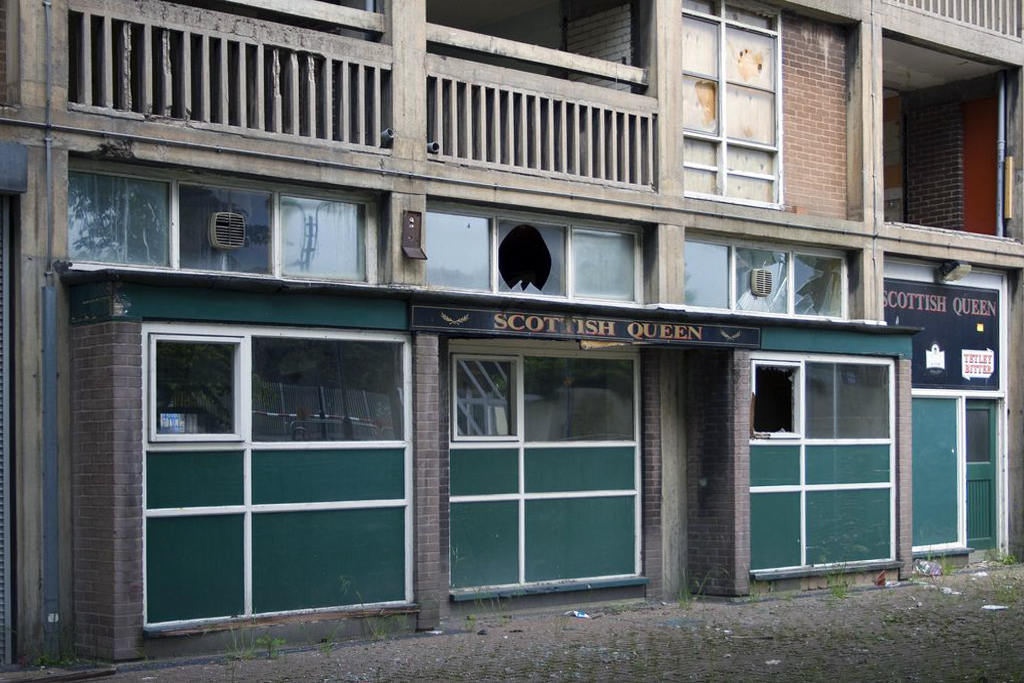
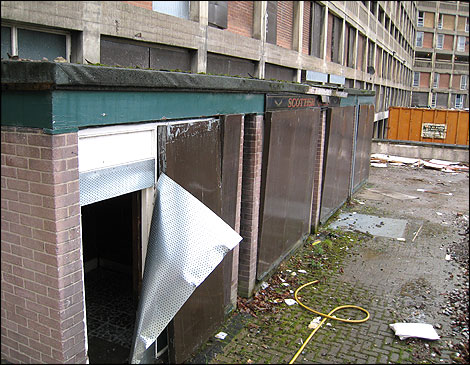
The Scottish Queen

s21985

s24491

s21984

5bf62d22a42f5e6e3bdebc9c073fdacc

a5a522862a866a1f06e484b2716c9ff5

A new pub could open on the site of what was once voted Britain’s second most dangerous watering hole. The Scottish Queen at Park Hill was notorious for violence, with only the most hardy drinkers brave enough to cross its threshold.

ec6d8981fcb209d3058c7f9228f61b919c181421

April 2015 saw the launch of a new exhibition space in Sheffield, housed within the former Scottish Queen pub at the Brutalist icon that is the Park Hill estate. The Scottish Queen hosted a temporary programme of exhibitions, events and residencies in partnership with a range of artists and organisations from across Sheffield supported by S1 Artspace.

Possibly the second toughest art space in Britain.

The Link

s21978

s21976

Picture Sheffield

matt surgeon

© Matt Surgeon

sheffield history

Sheffield History

s_1060819e1

s_1060824e

s_1060825e

s_1060856e

s_1060865e

P1020447.JPG

© Postcard Cafe

The Earl George

s21980

Picture Sheffield

In the 1960s 70s I used to go in the Link pub, I liked the Scottish Queen pub as well.

Do you think they’ll open all the pubs again when all the work is finished?


Gates and Doors – Sheffield

Early one morning – just as the sun was rising.

I took to the sunny Sunday October streets of Sheffield, bound I knew not where.
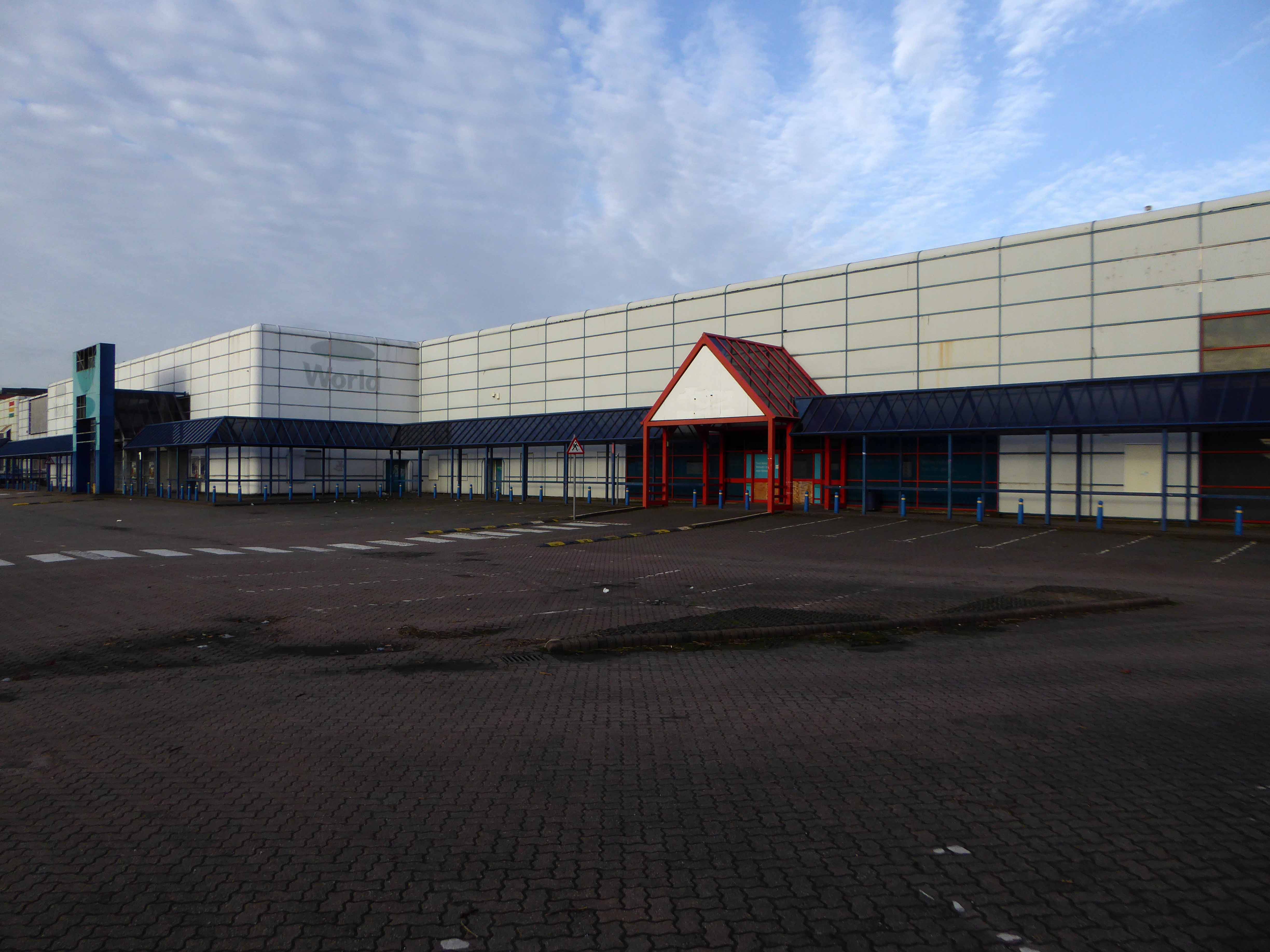
In search of something and nothing, which I possibly never ever found.

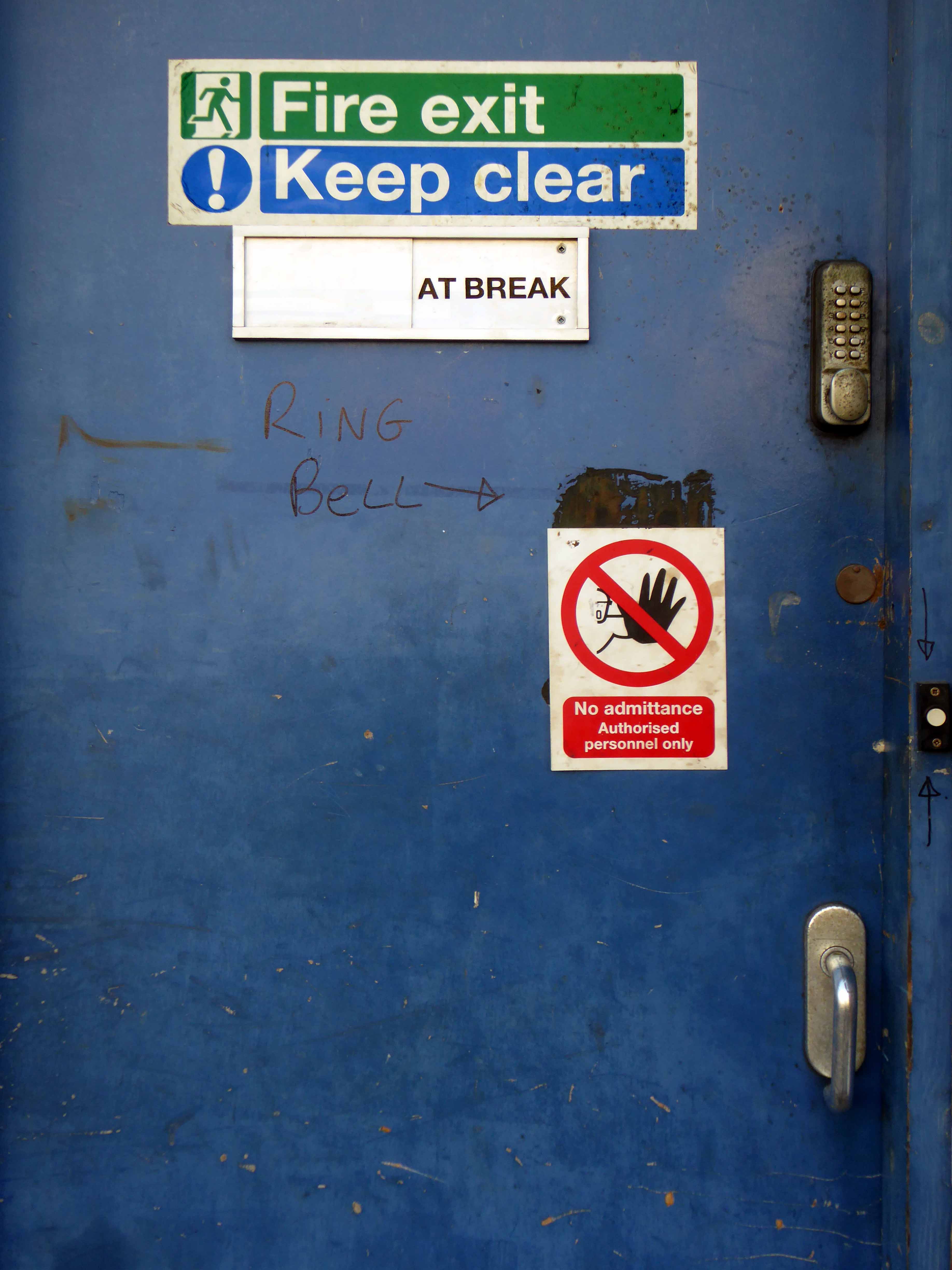
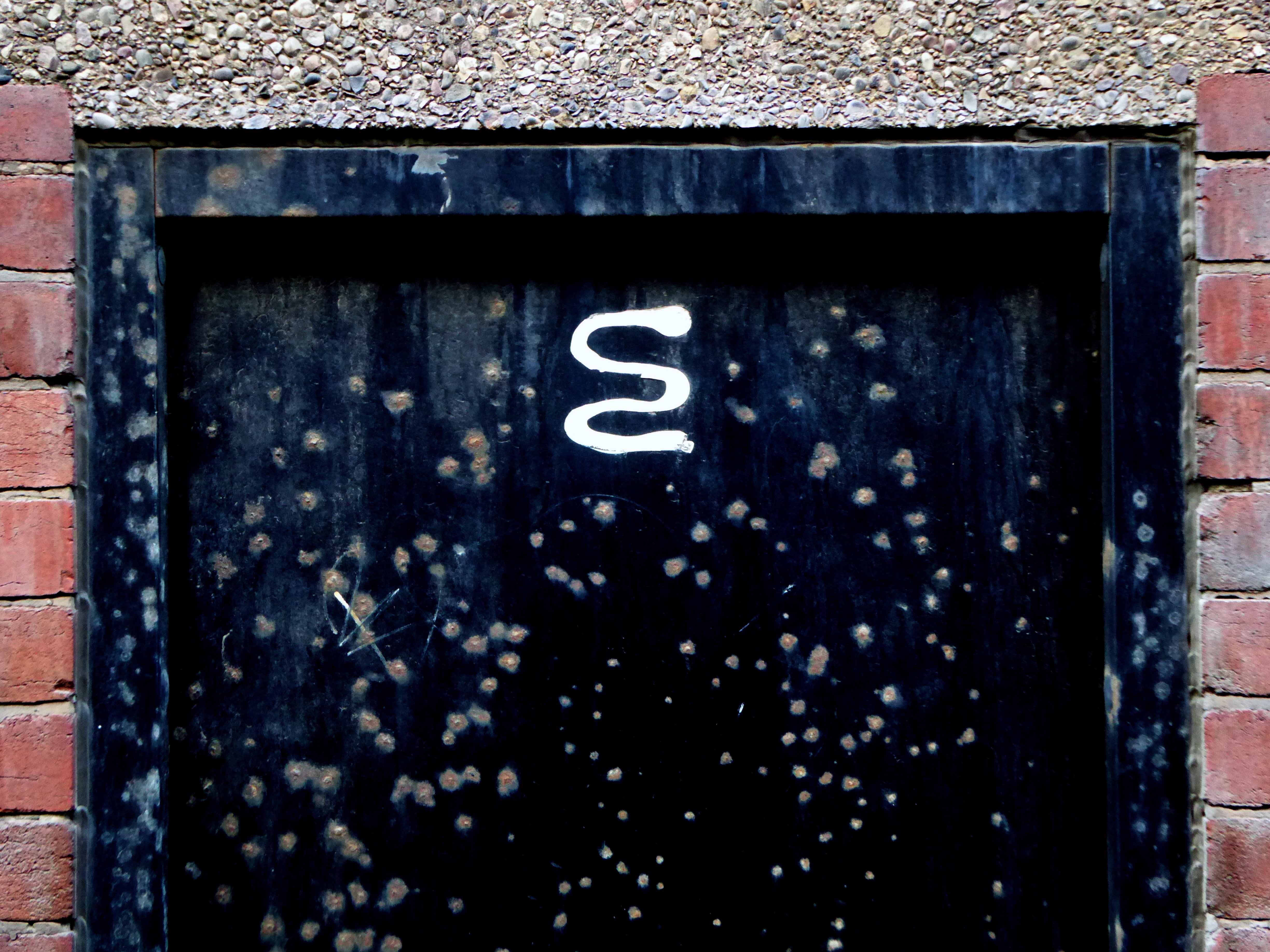
Following secret signs, symbols and words, doors and gates shut in my face.
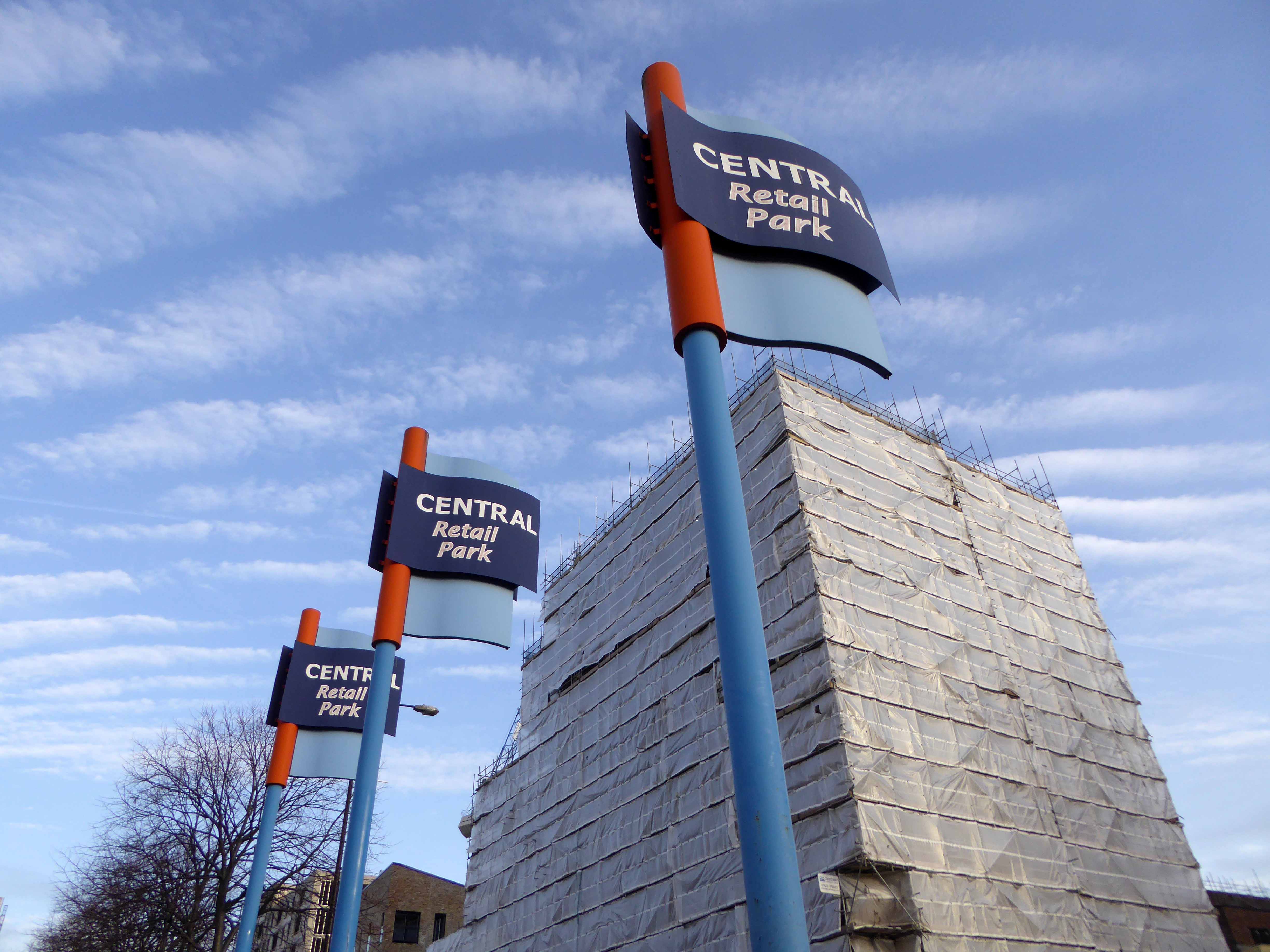
Before I knew it I was back where I started.
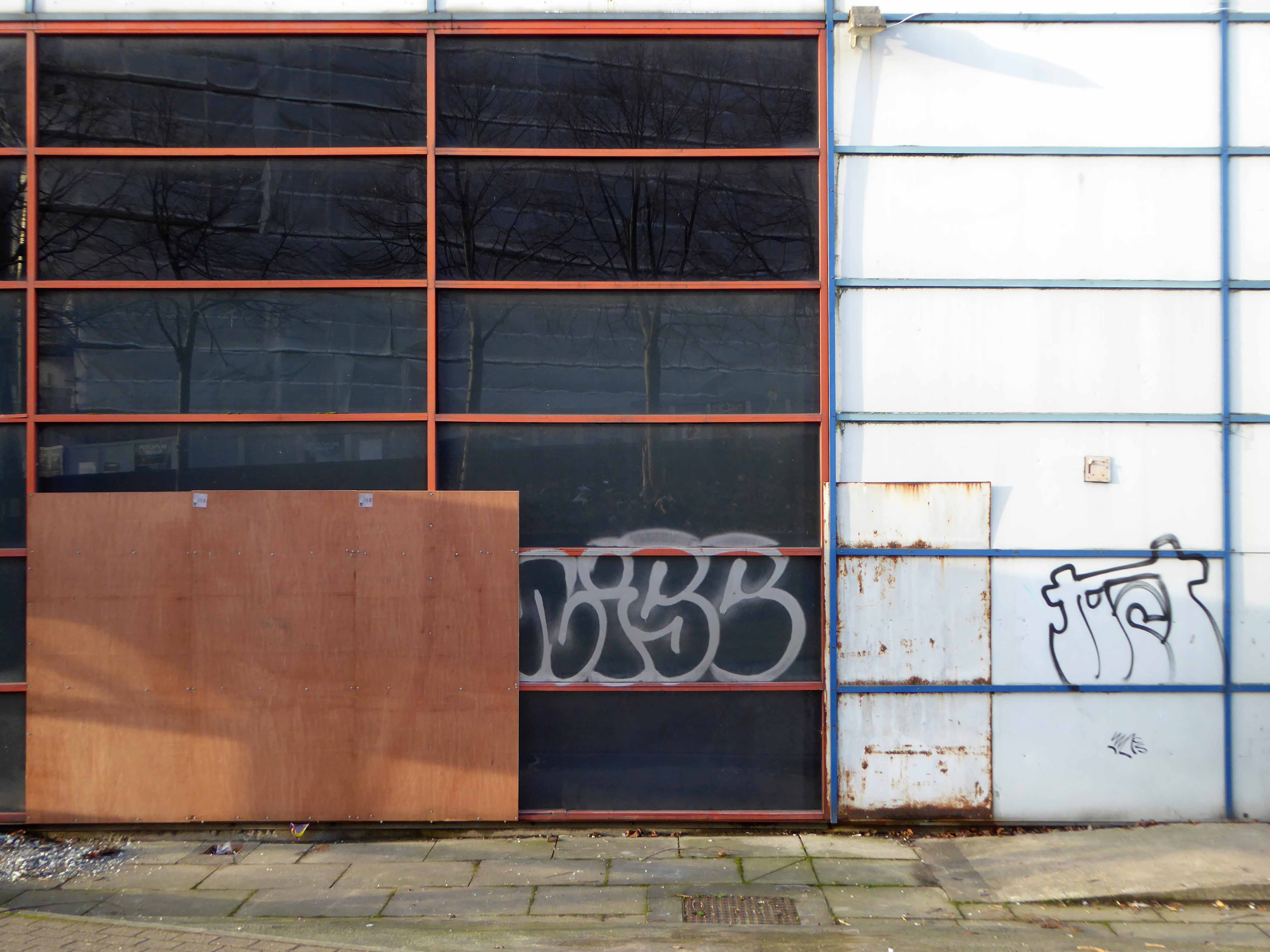
Screenshot 2018-11-02 at 15.43.45


P1300852

P1300867

P1300878

P1300881

P1300893

P1300898

P1300902

P1300914

P1300930

P1300938

P1300941

P1300942

P1300946

P1300959

P1300960

P1300966

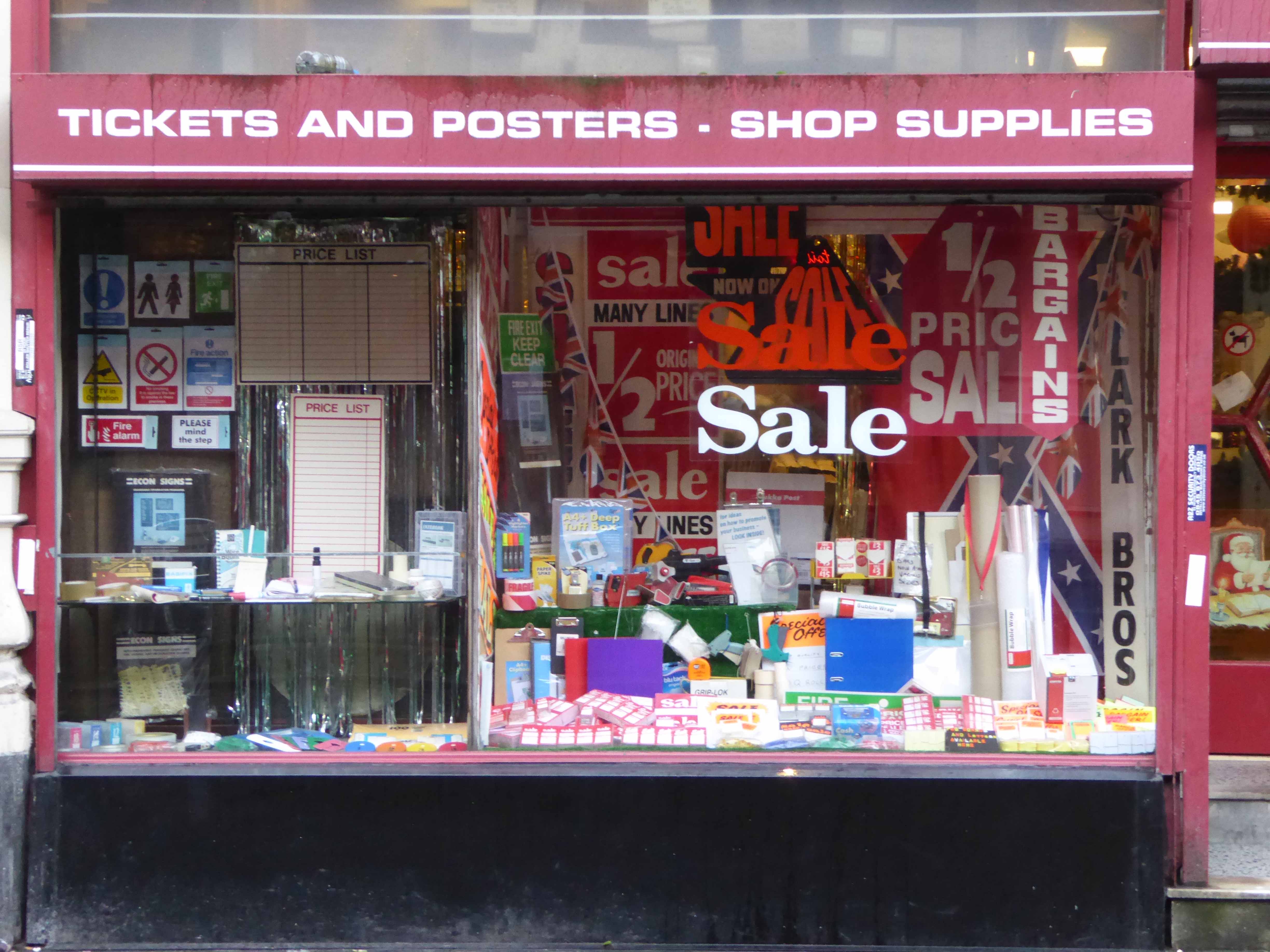
Clark Brothers – Thomas Street Manchester

Who you gonna call?

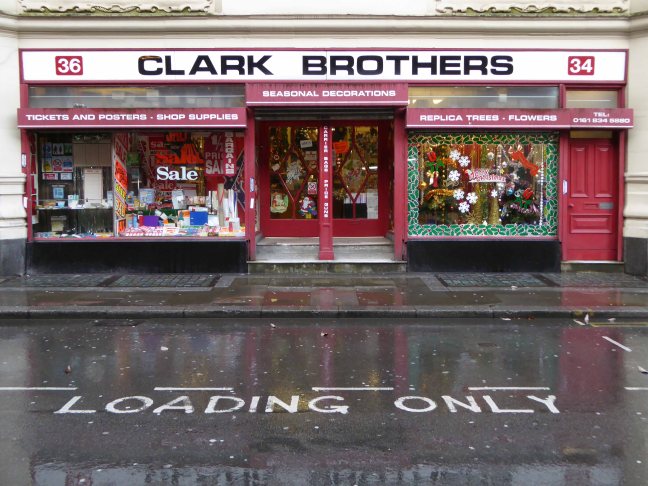
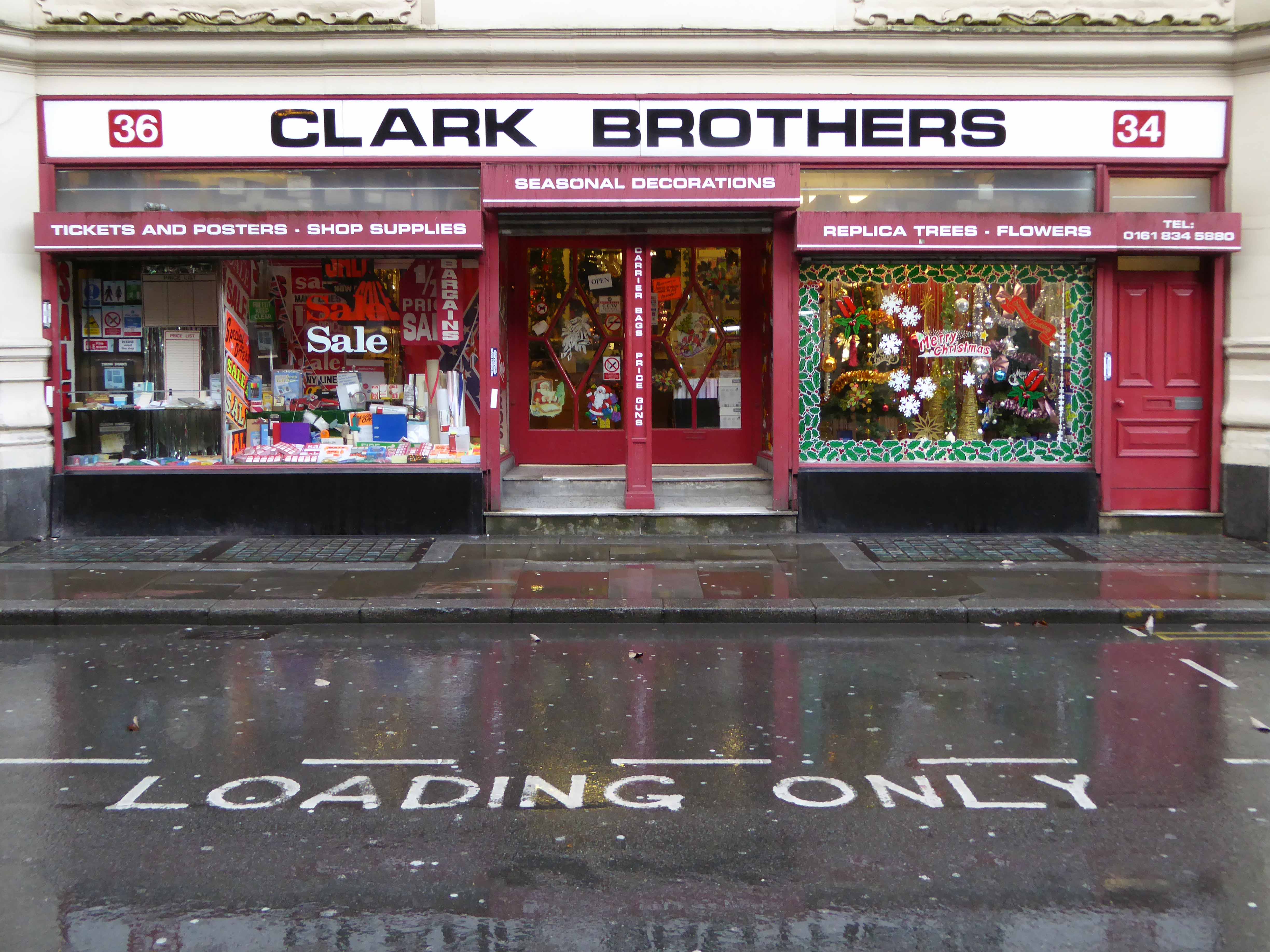
0161 834 5880 · 34-36 Thomas Street M4 1ER Manchester – Clark Brothers.

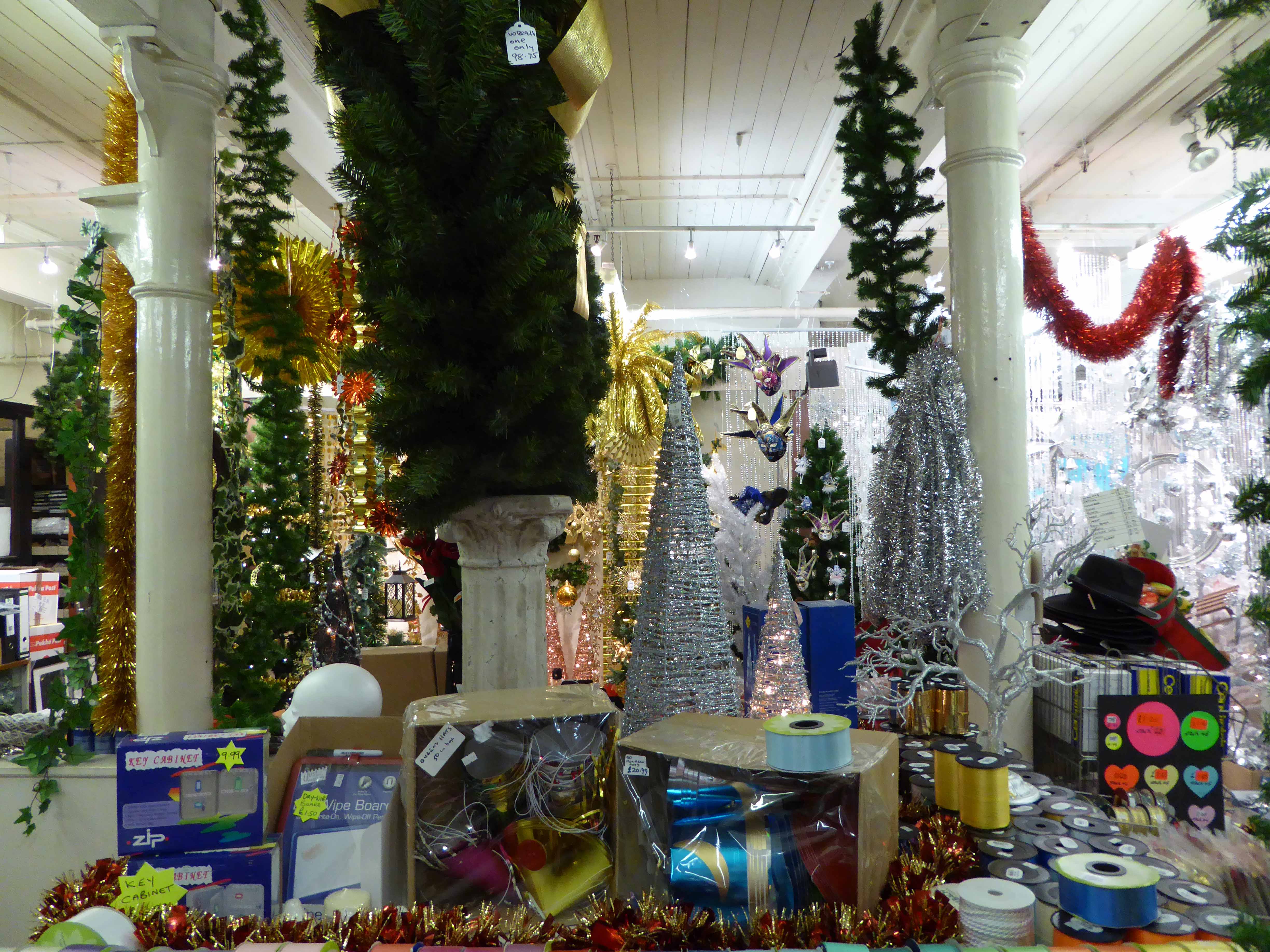
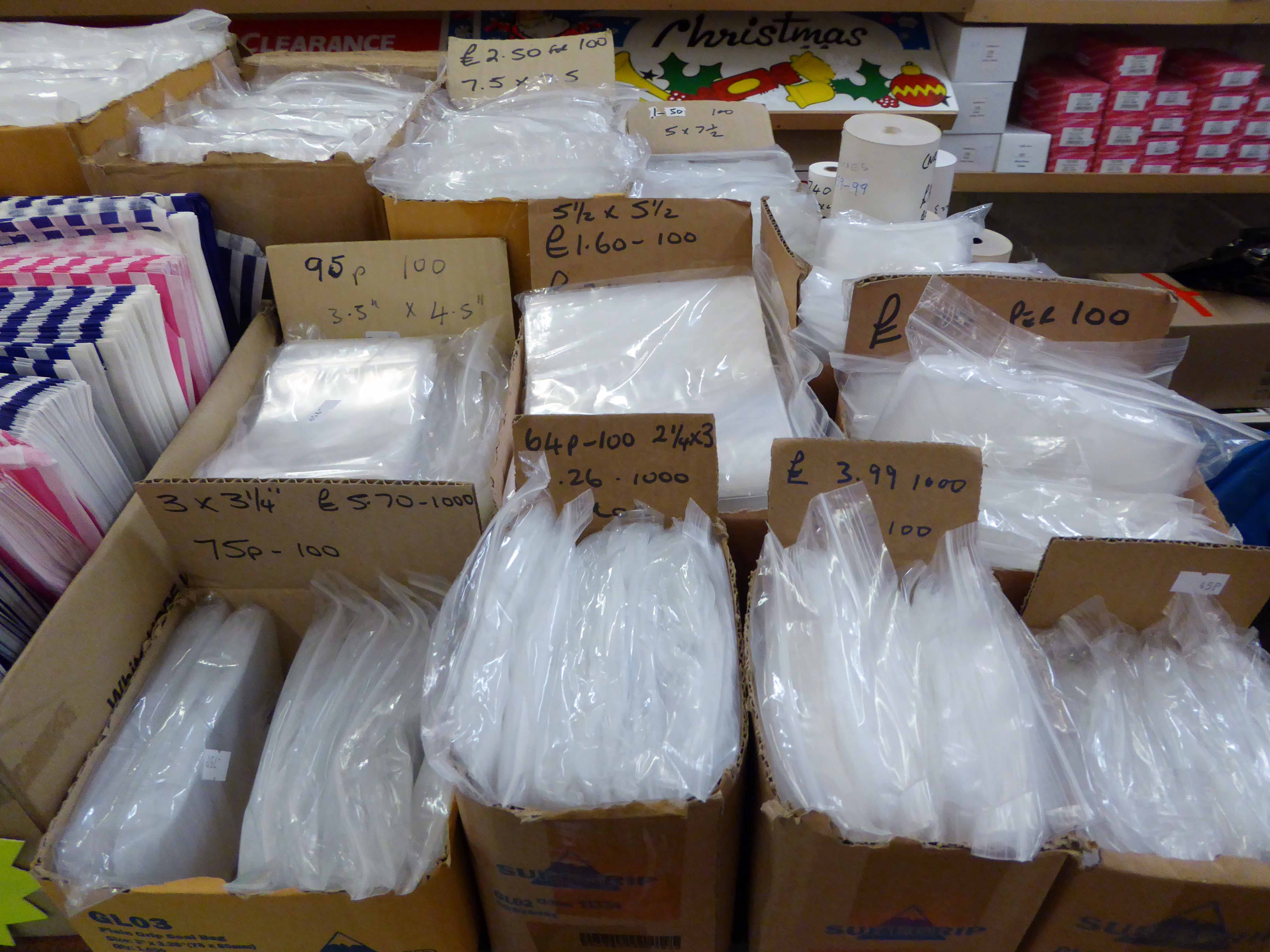
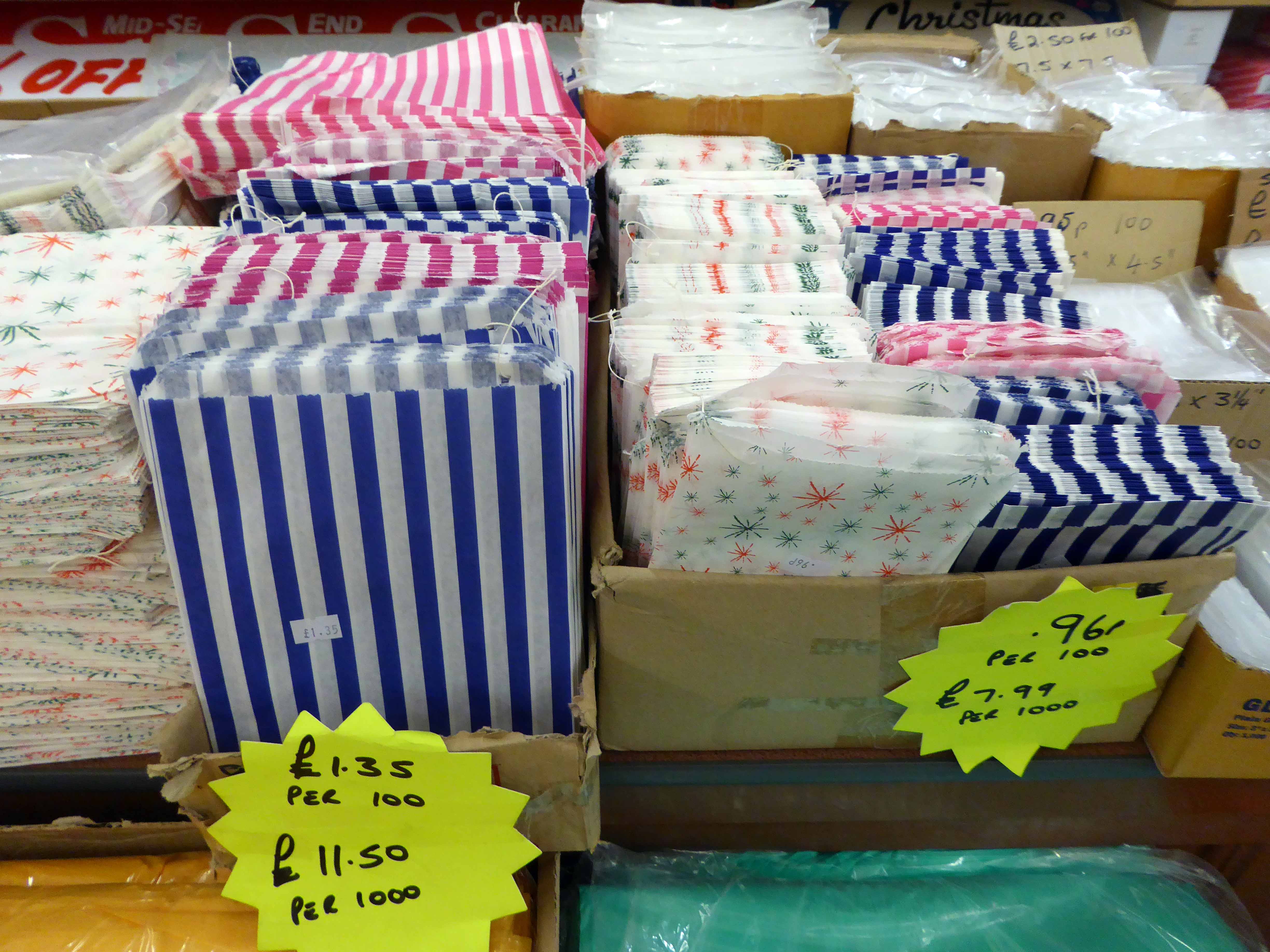
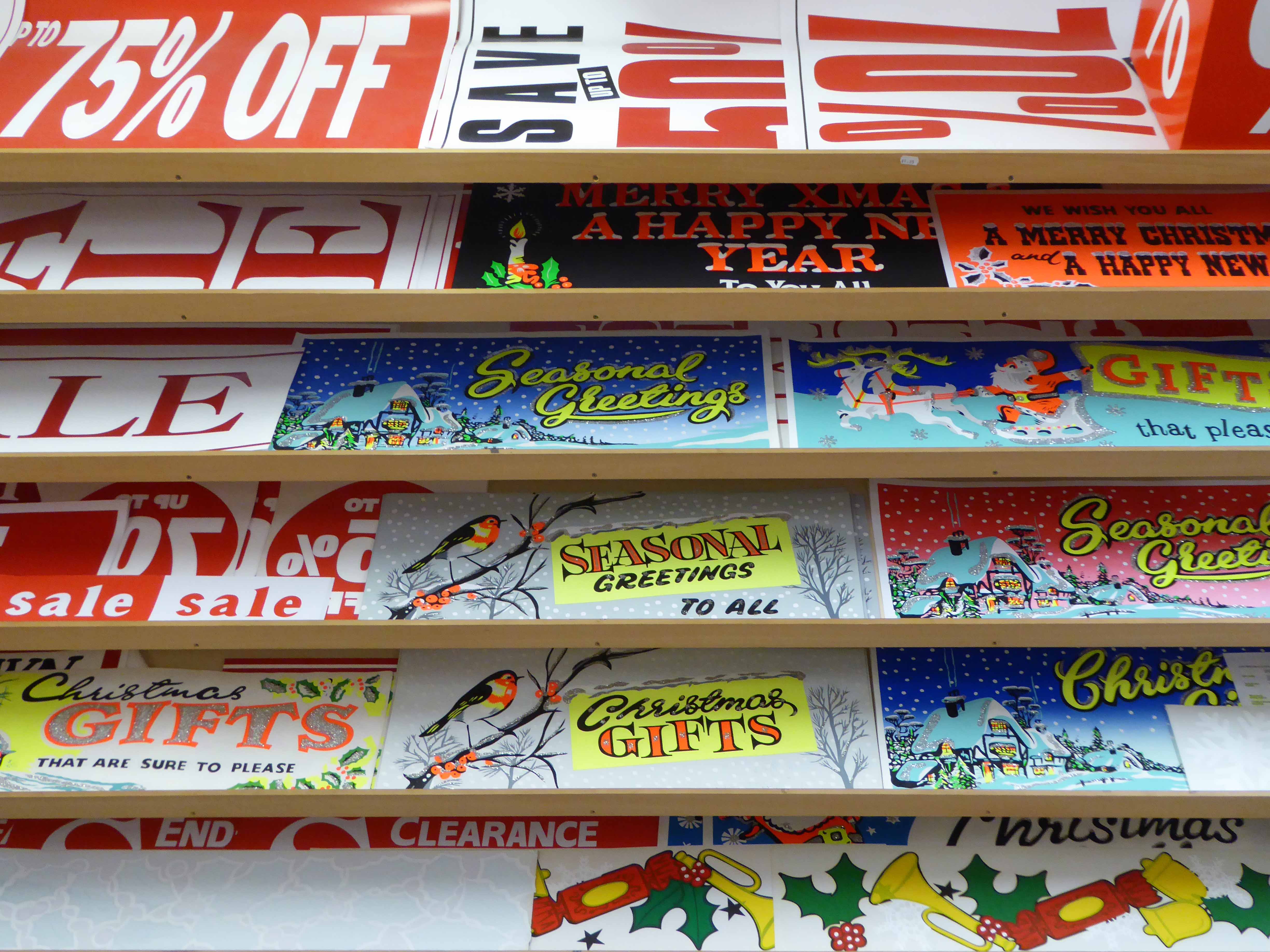
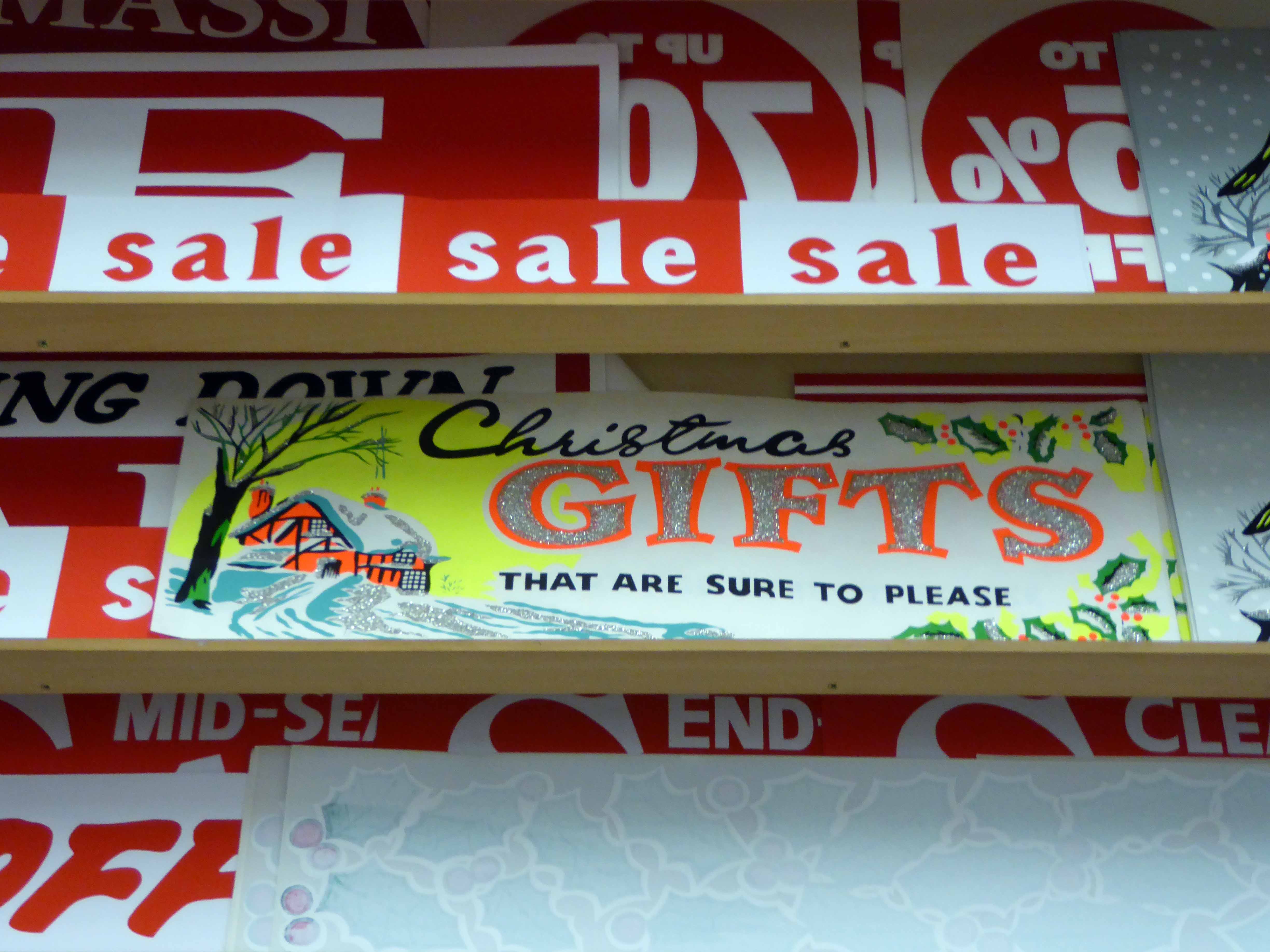
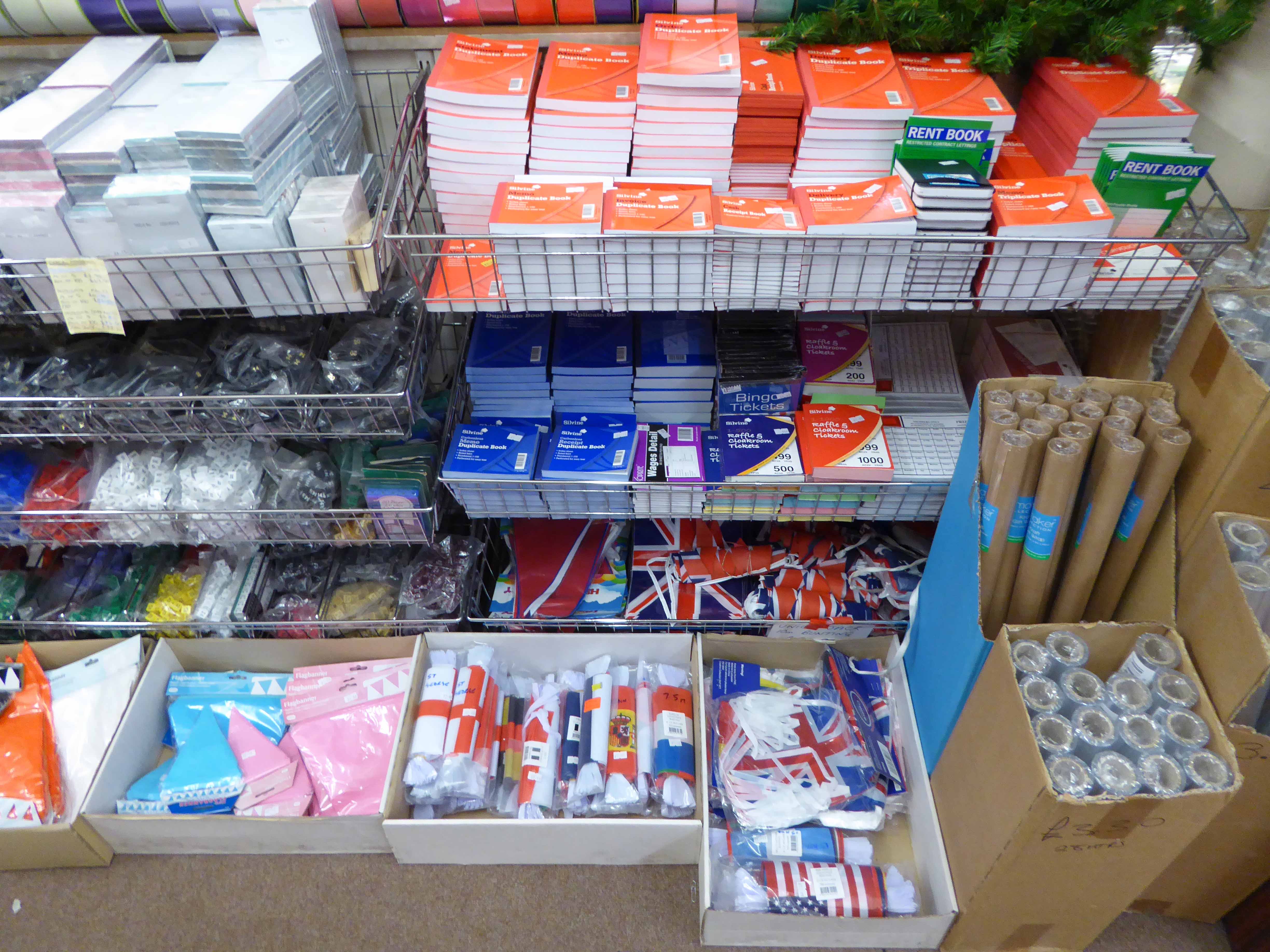
There’s nowhere quite like it – a wonderland of wares from who knows where?

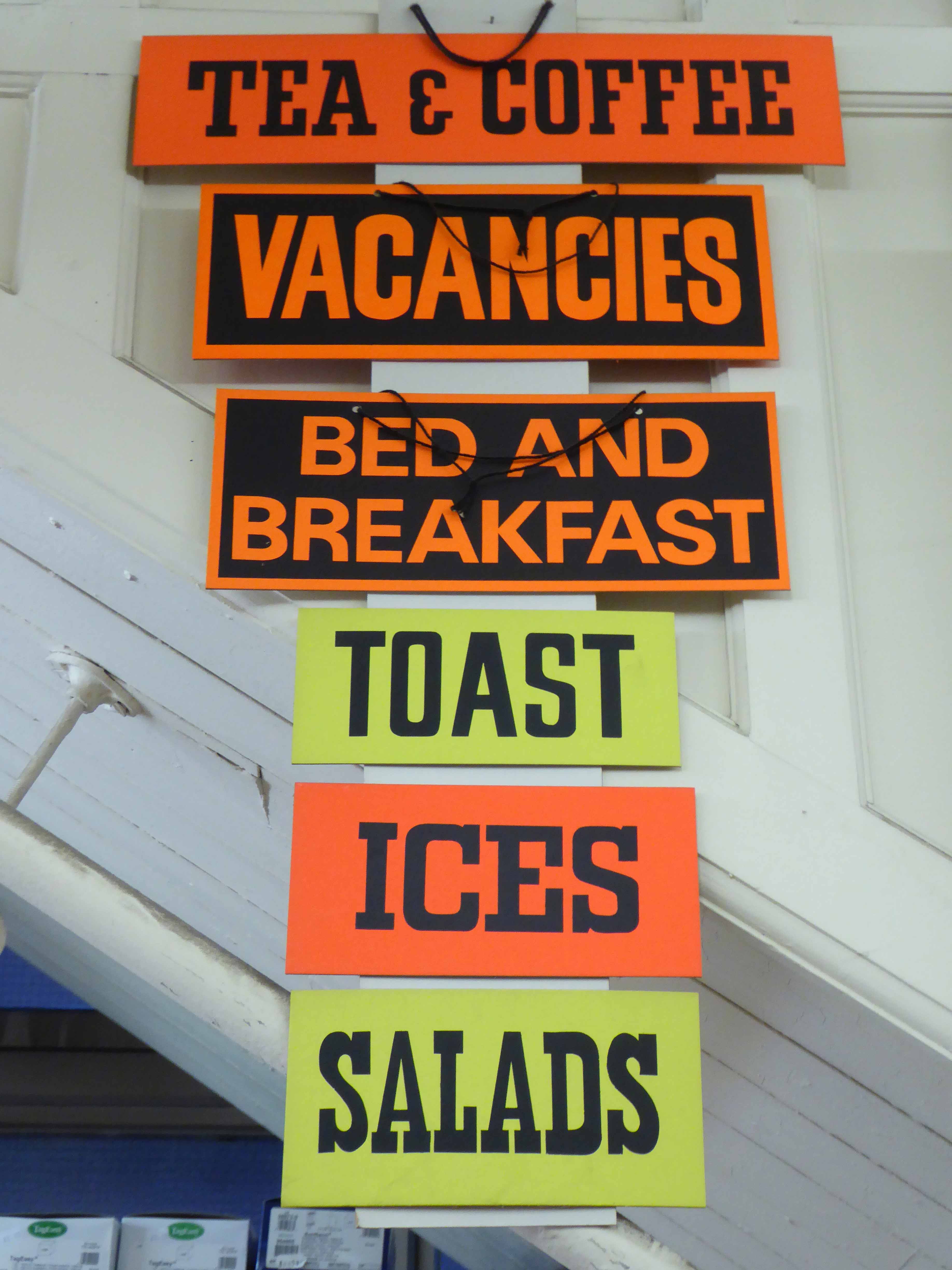
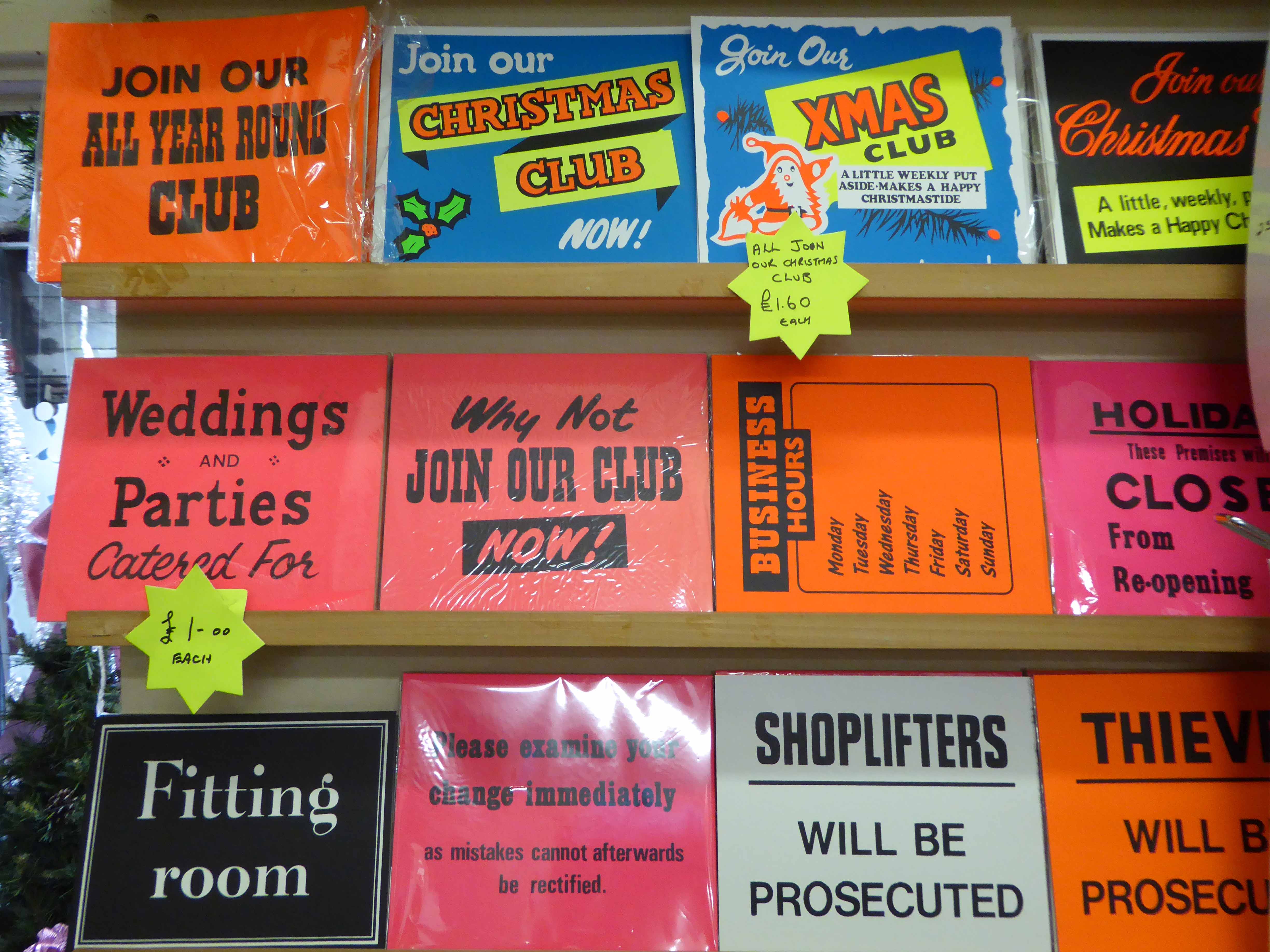
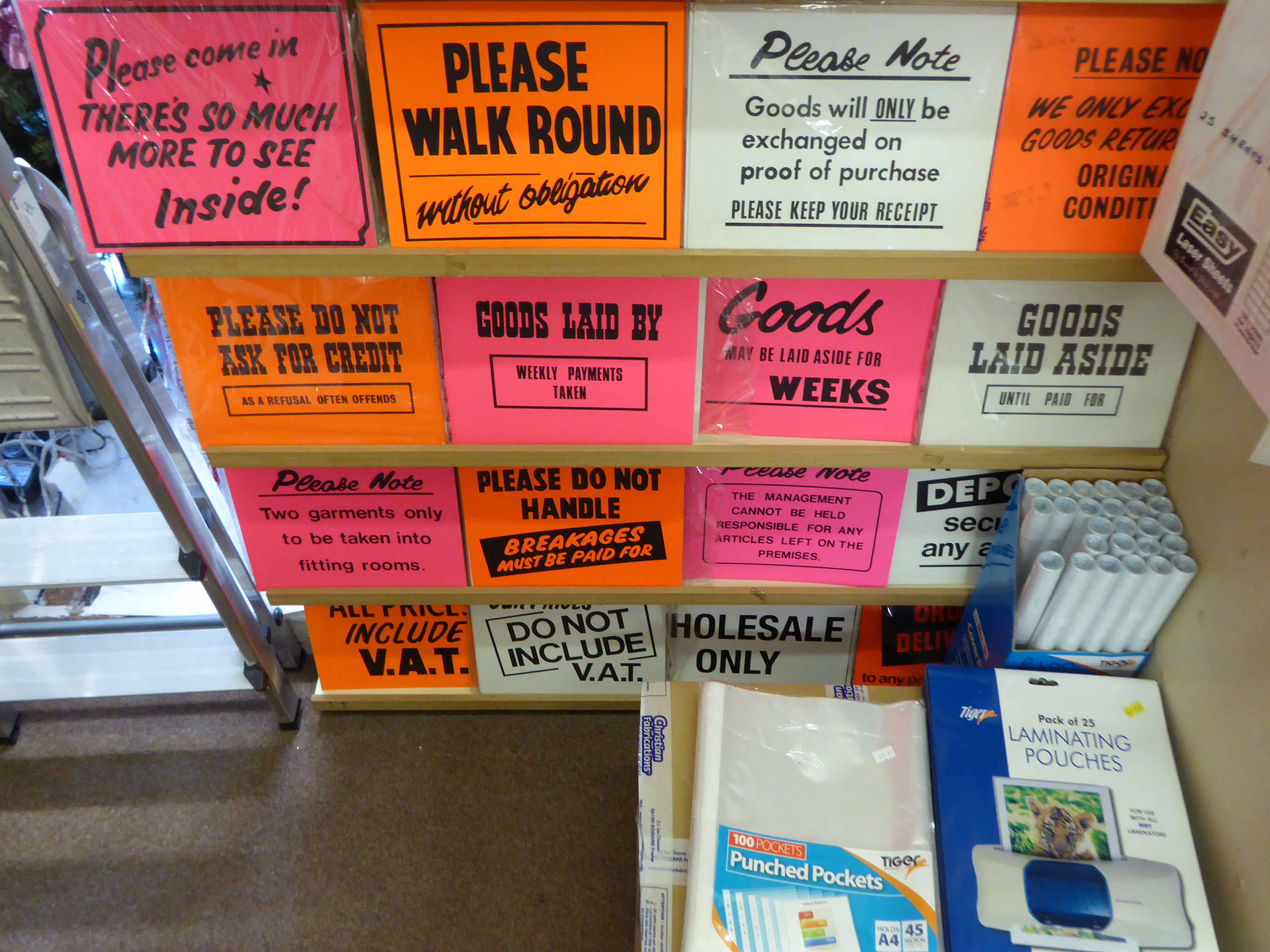
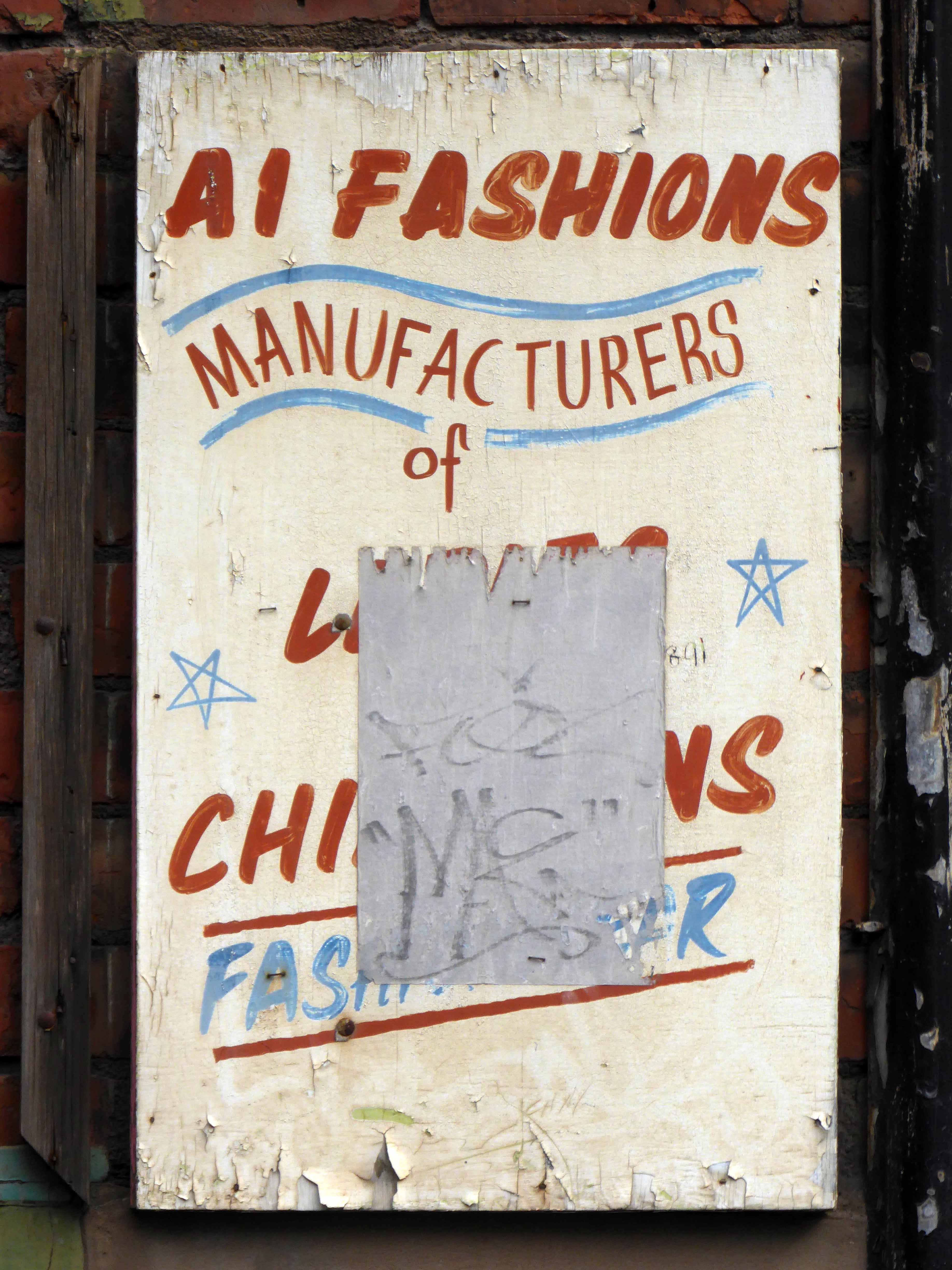
Well mostly from upstairs where they hand print the signs.

P1110728 copy

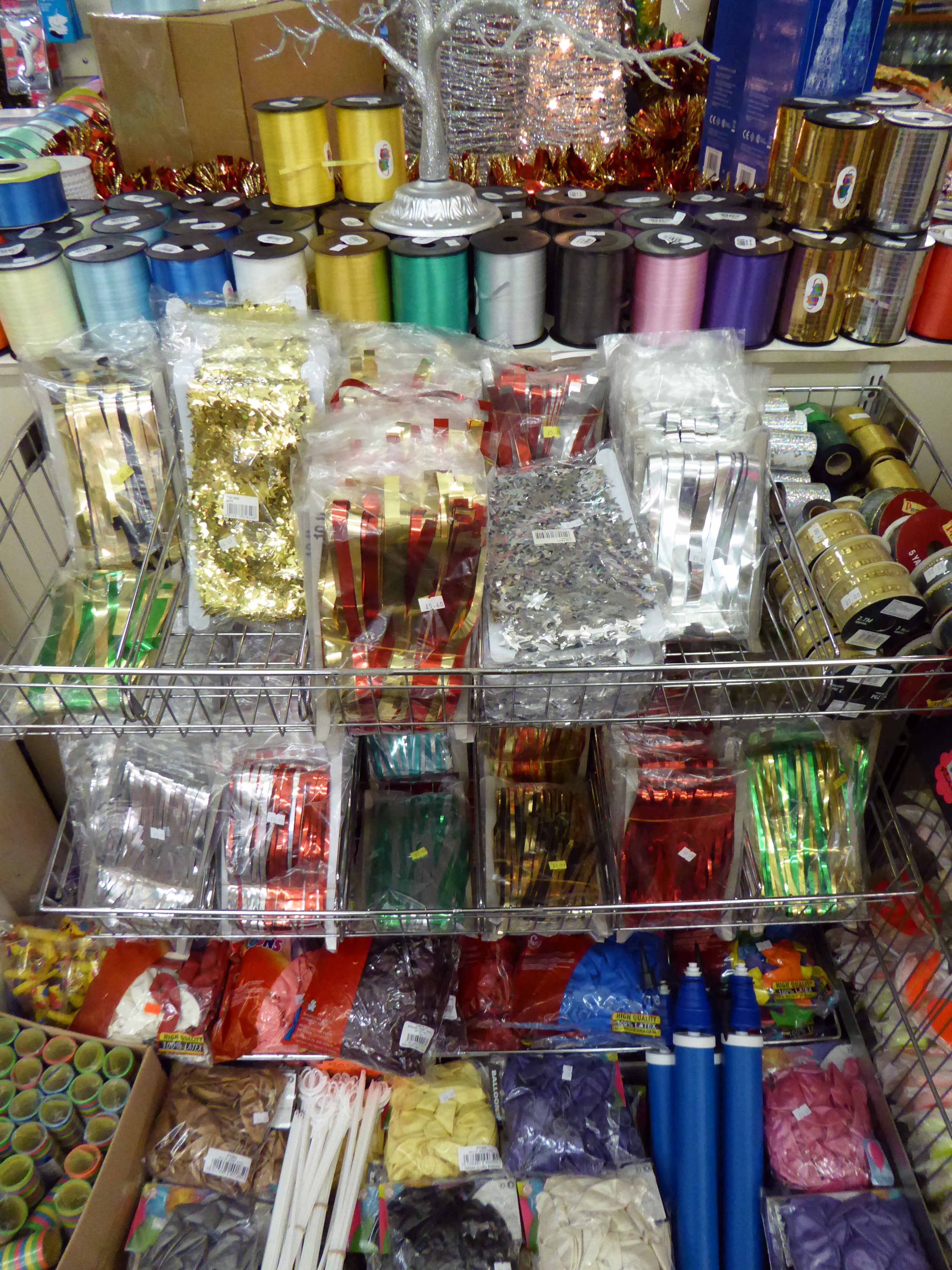
They have everything that you never ever knew that you really wanted.

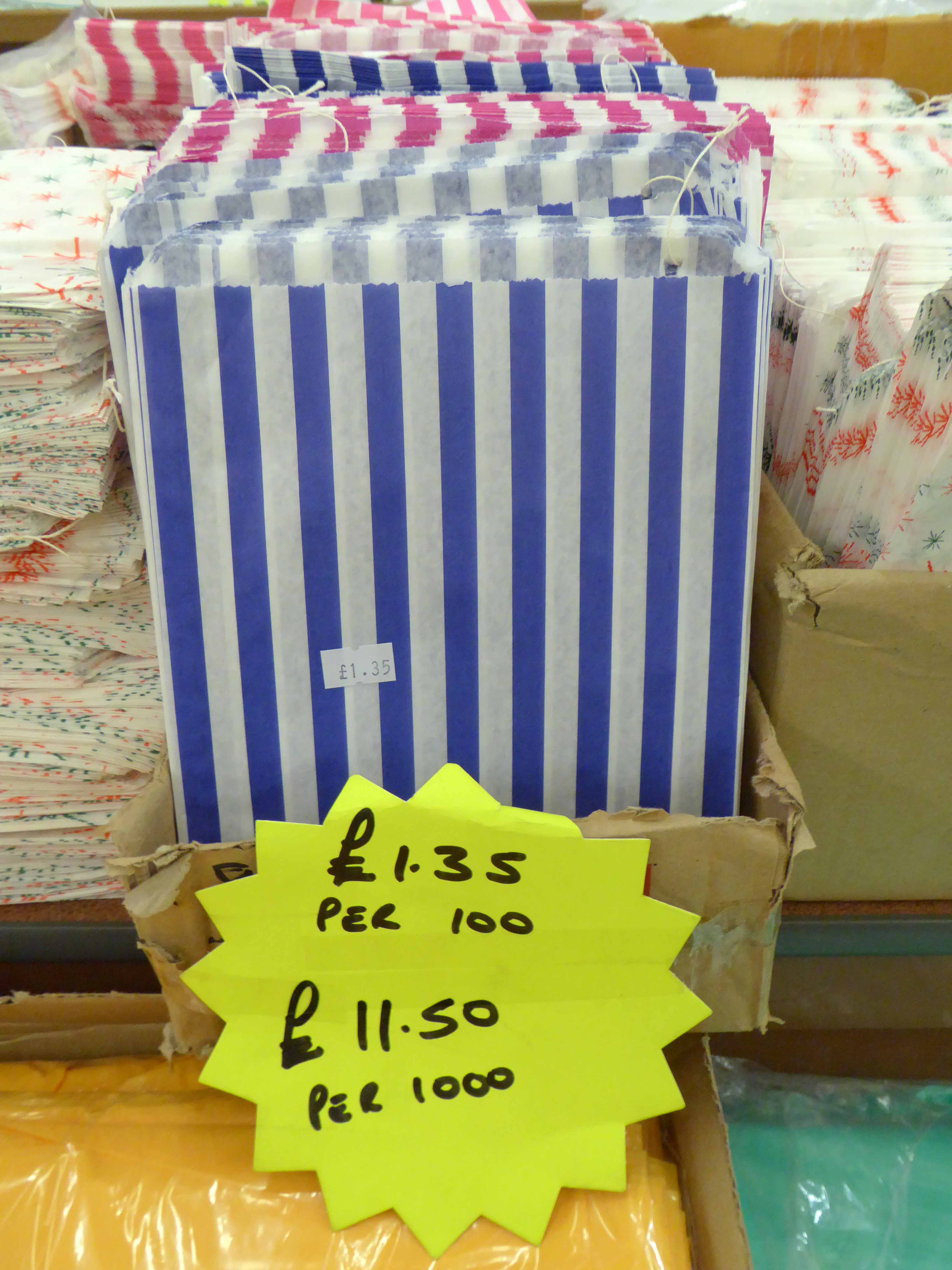
At prices you just can’t resist.

The finest selection of candy striped bags.

P1110733 copy

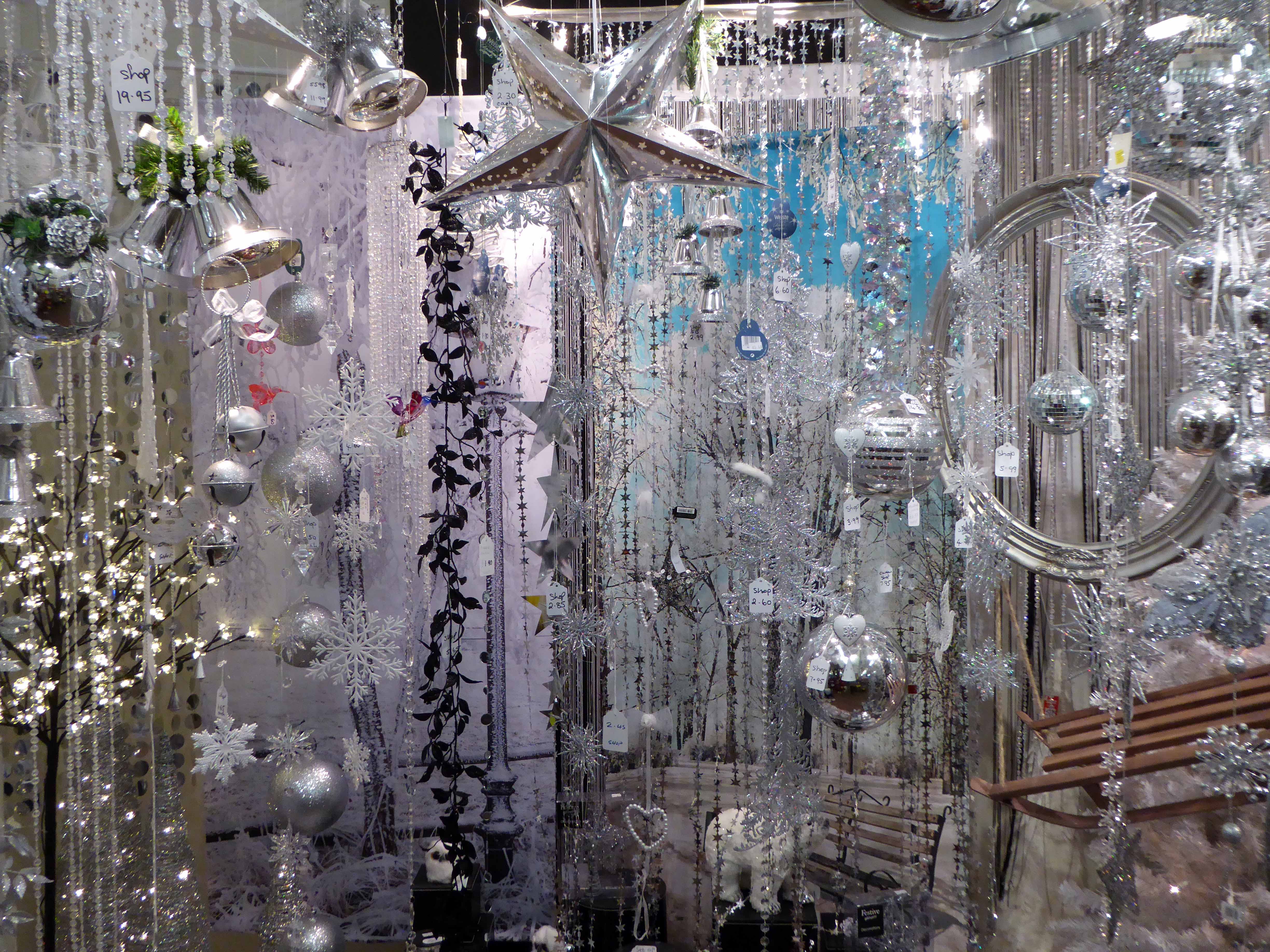
Things which twinkle and shimmer like no other things could ever do.

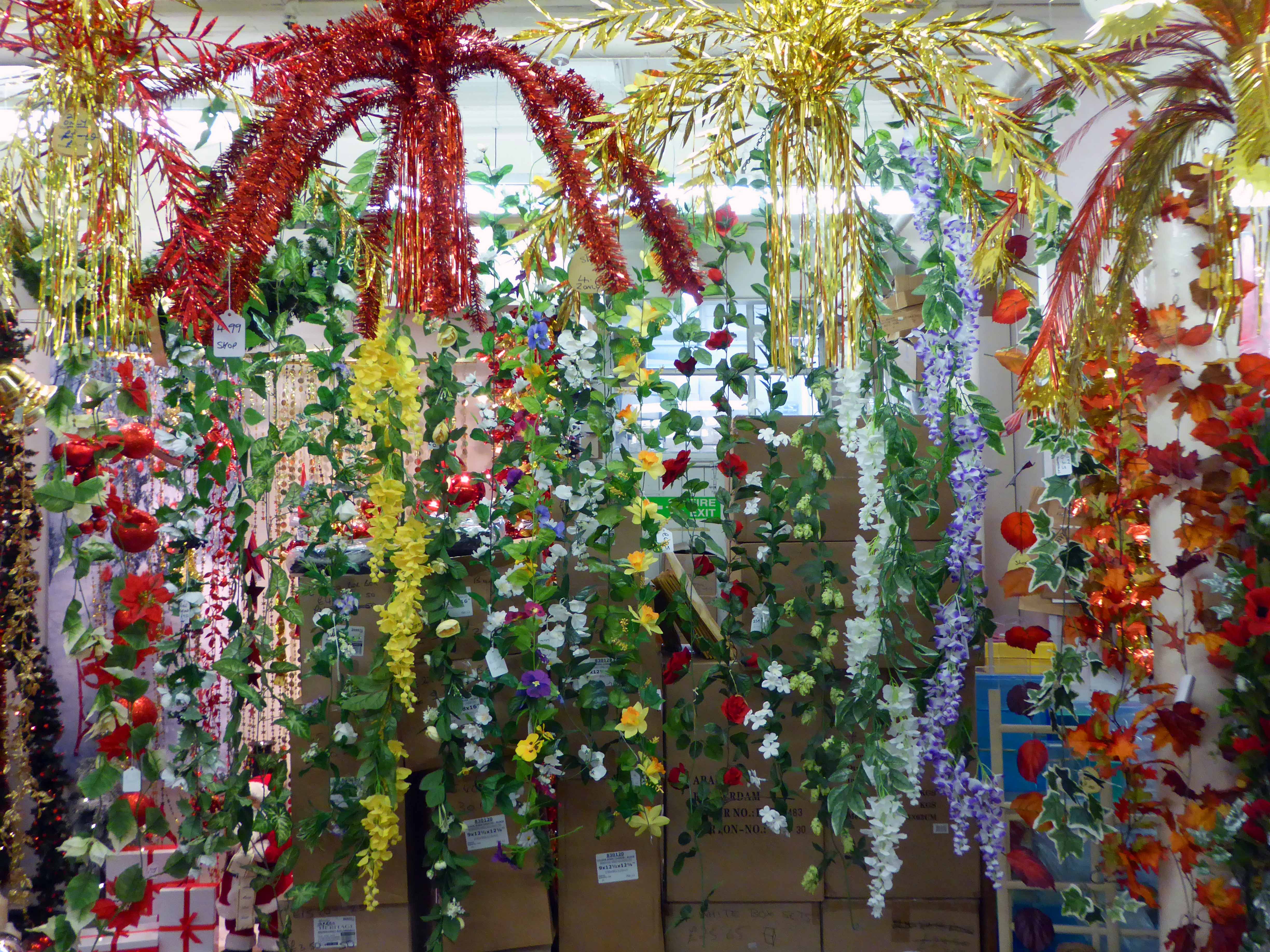
Transform your home into a 380 degree 365 24/7 winter landscape or tropical retreat.

P1110730 copy

P1110731 copy

P1110732 copy

P1110734 copy

Just to wander the wobbly floorboards, is to enter a palace of variety that fills the senses with pure unadulterated delight.

Step inside love and lose yourself in a garden of artifice, happiness and joy!

P1110719 copy

P1110720 copy

P1110721 copy

P1110722 copy

P1110723 copy

P1110724 copy

P1110725 copy

P1110726 copy

P1110727 copy

P1110729 copy

P1110736 copy

P1110737 copy

P1110738 copy

P1110740 copy


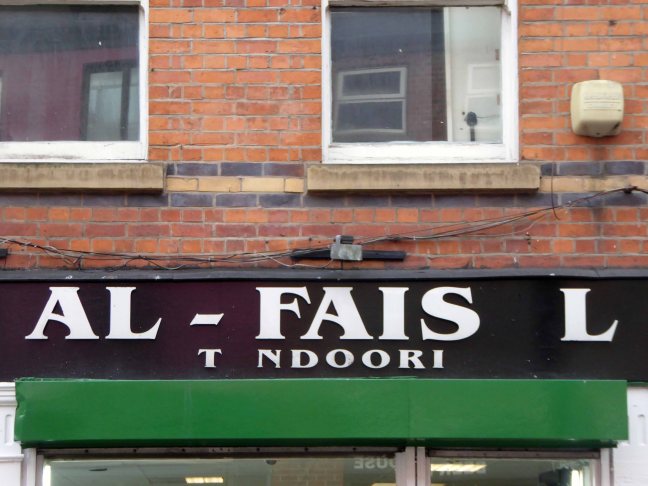
Al Faisal – Thomas Street Manchester

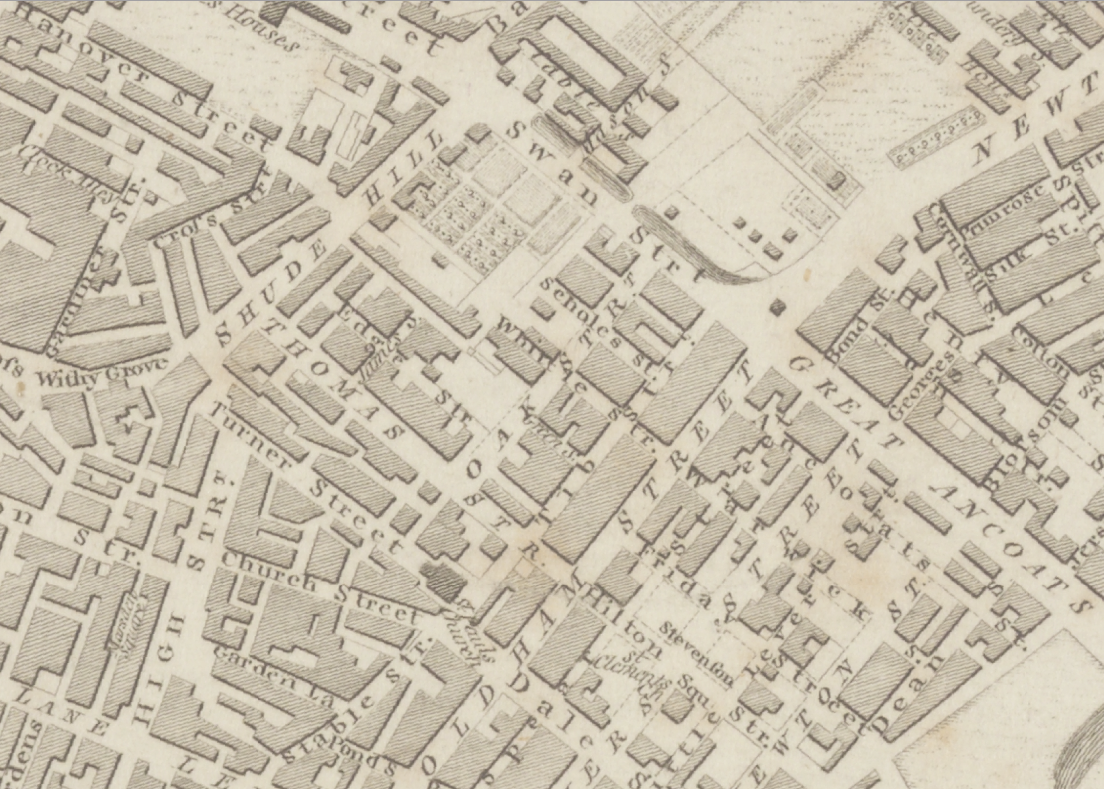
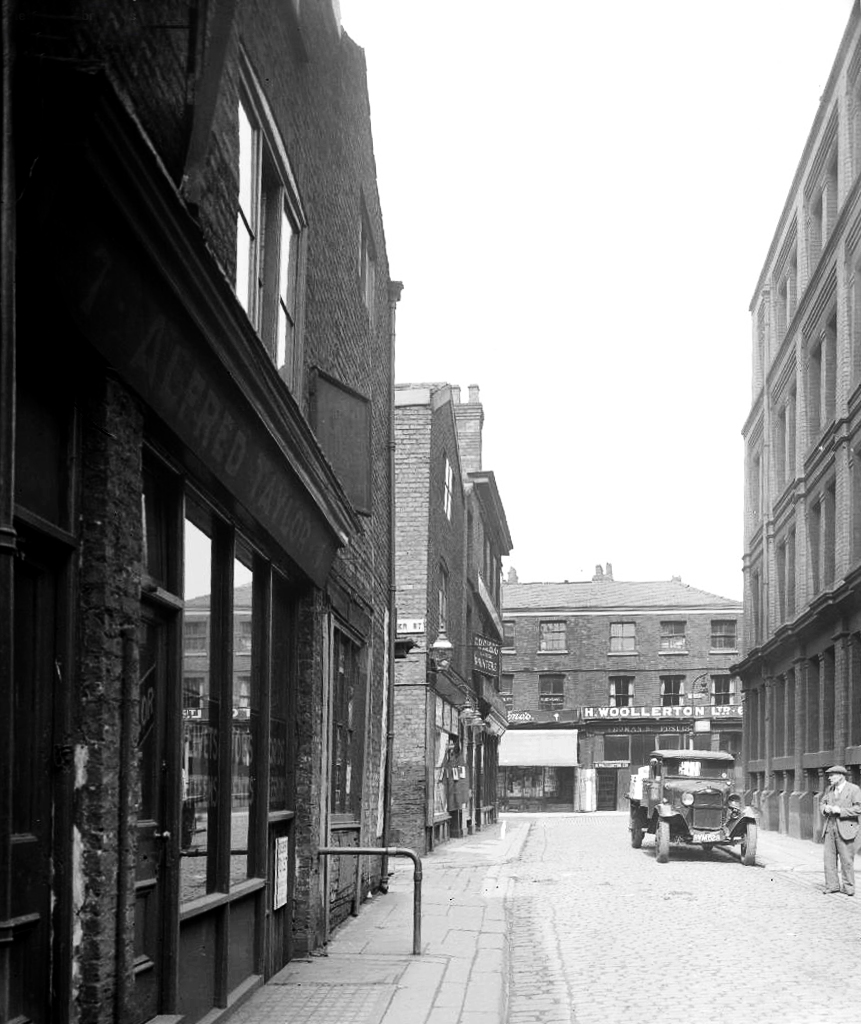
Things, as we know, come and go – by 1807 Thomas Street had arrived.

roper 1807

At the heart of the new Manchester – providing dwellings, shops, pubs and manufacturing premises for the masses.

One of the earliest architectural complexes of the Industrial Revolution.

1905

1908

2445_l

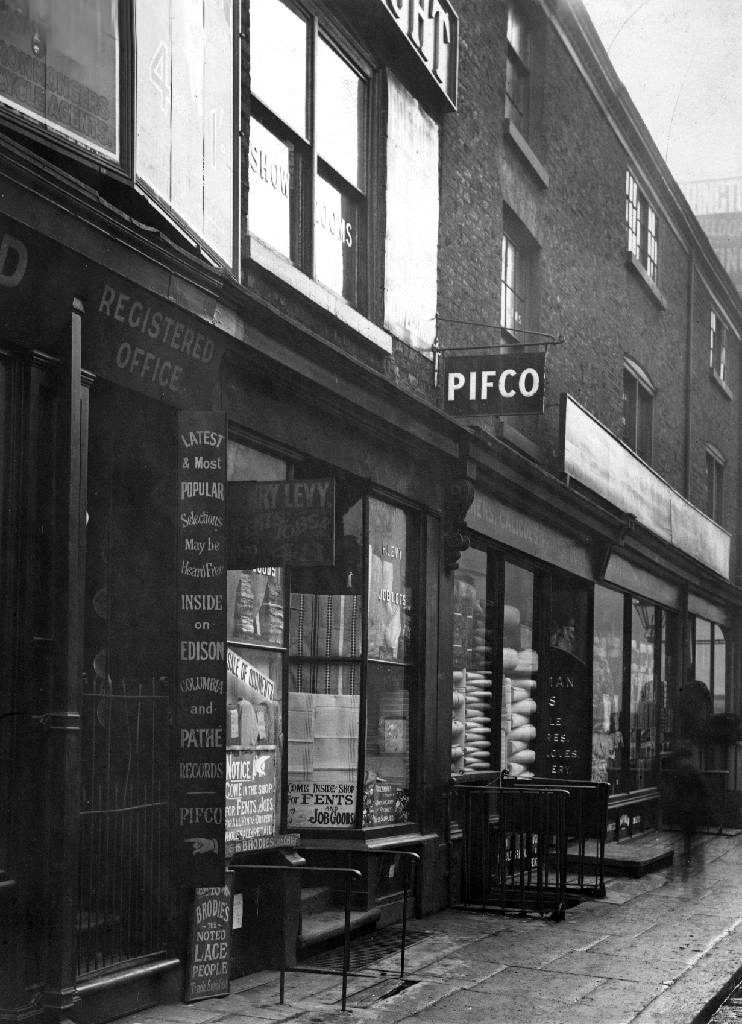
Pifco – Manchester Manufacturing

1938

1938

1970

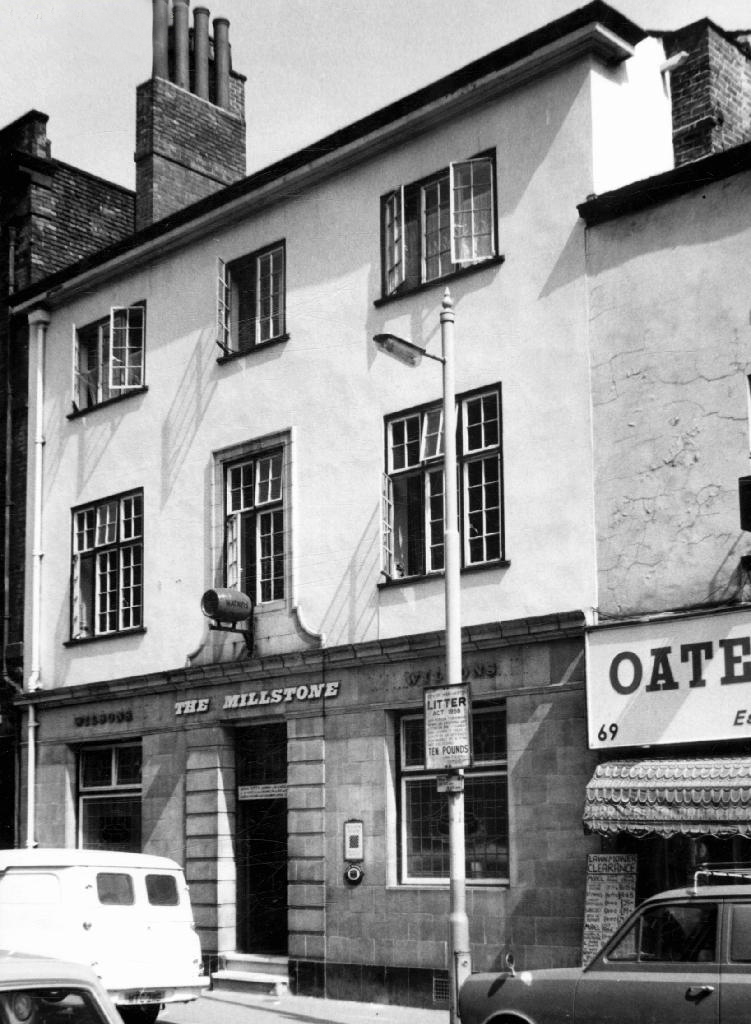
The Millstone 1970

bay 70

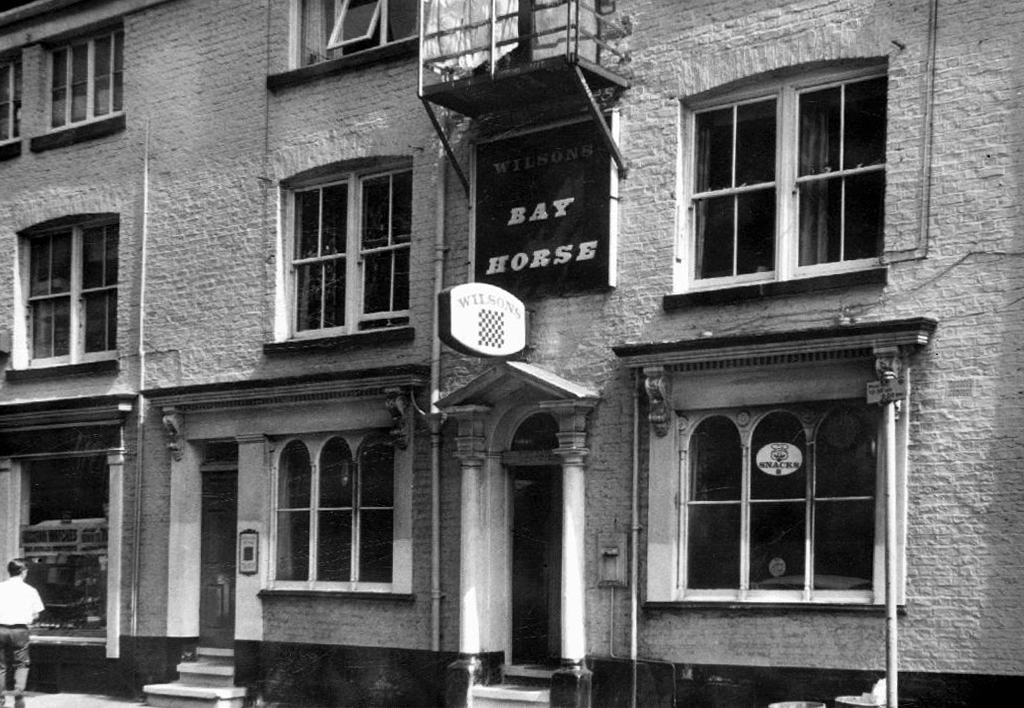
Bay Horse 1970

Both pubs have survived and the street is home to several relative newcomers, including the Richard Goodall Gallery and celebrated men’s outfitters Oi Polloi.

Also the location of my most favourite shop in the whole wide world.

P1110739 copy

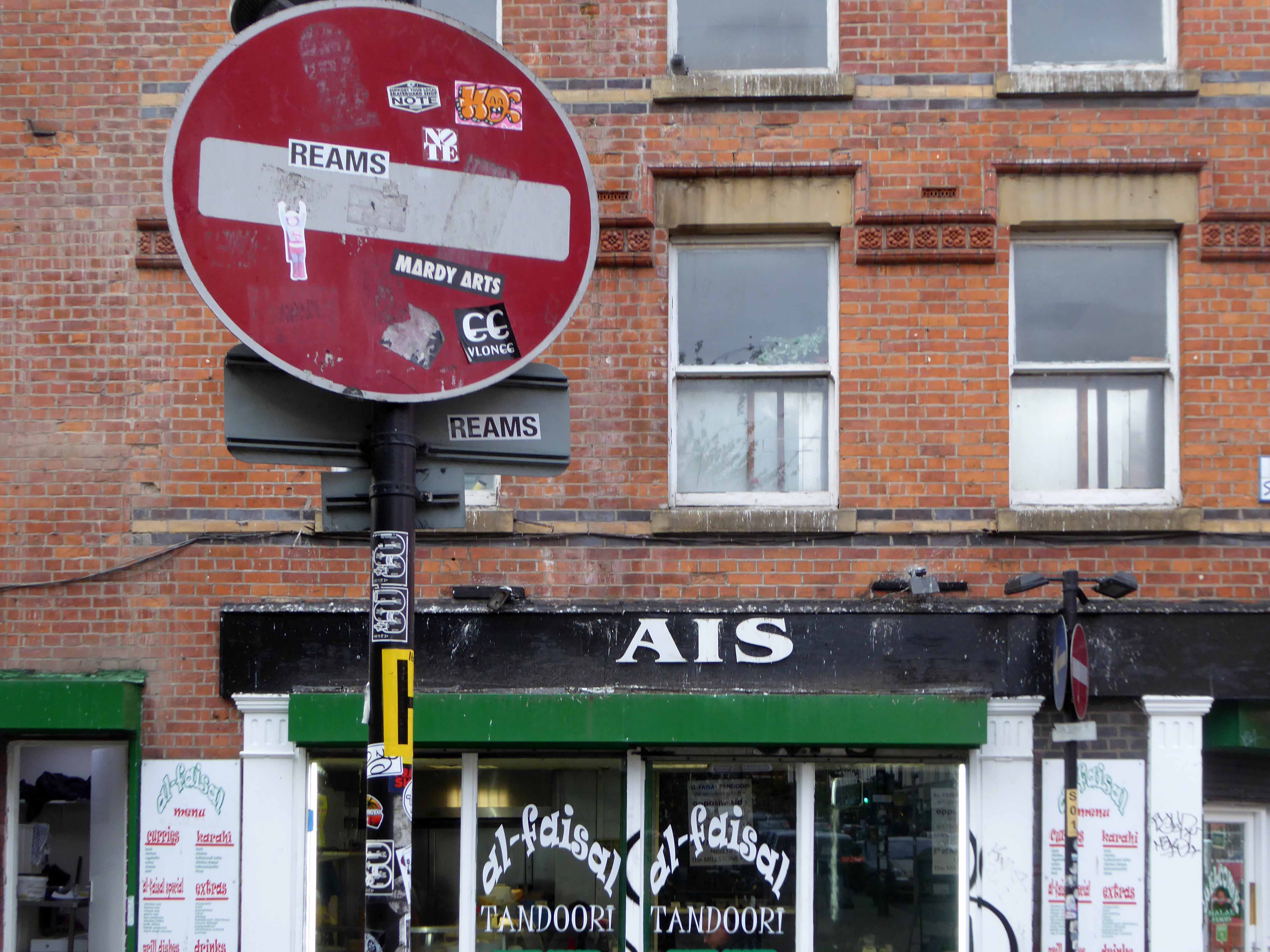
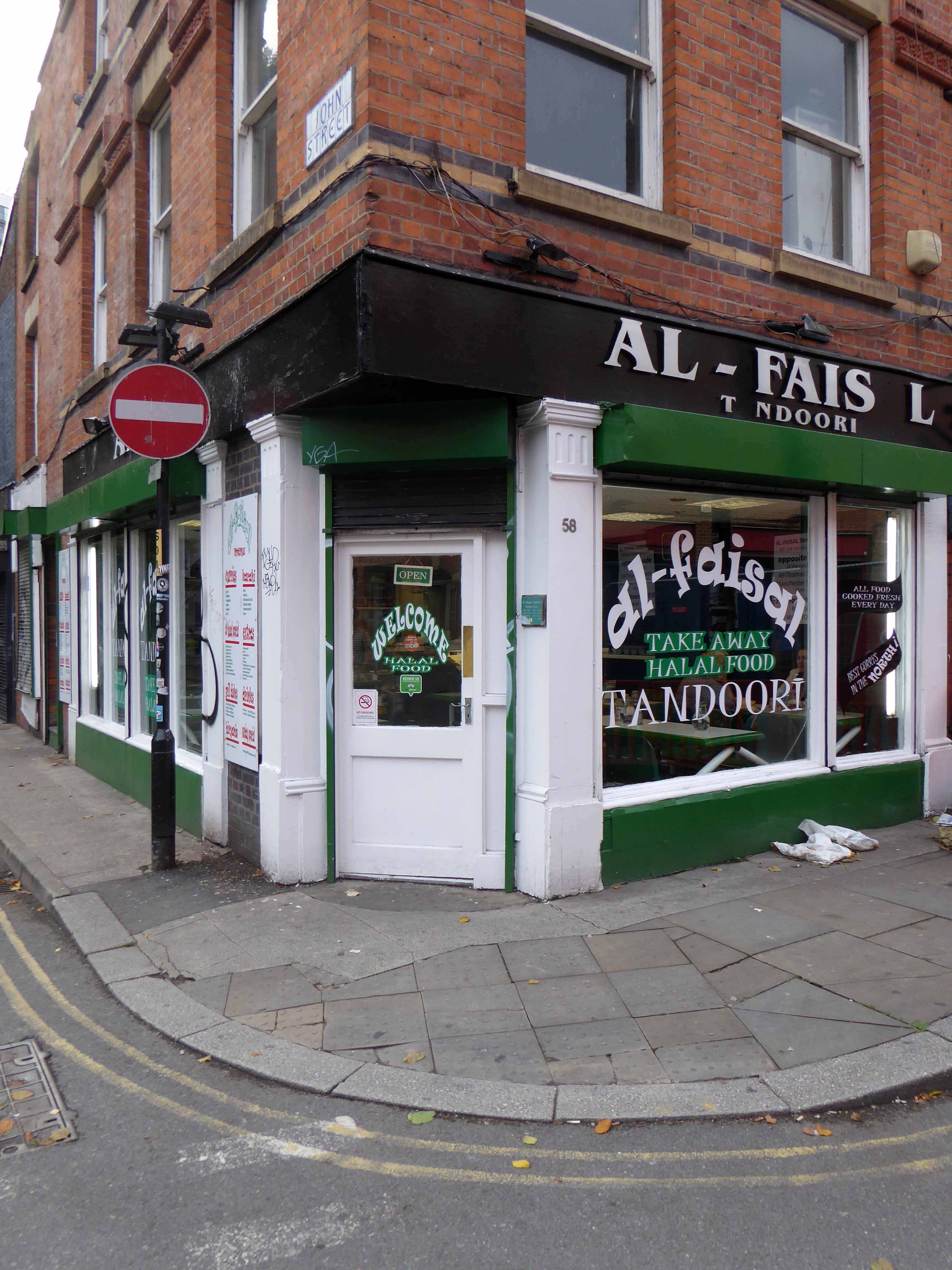
From the 70’s onwards the area had been at the centre of the Asian garment trade – and so it came to pass some 26 years ago the Al Faisal arrived, one of several curry cafés, feeding the faces of the passing parade.

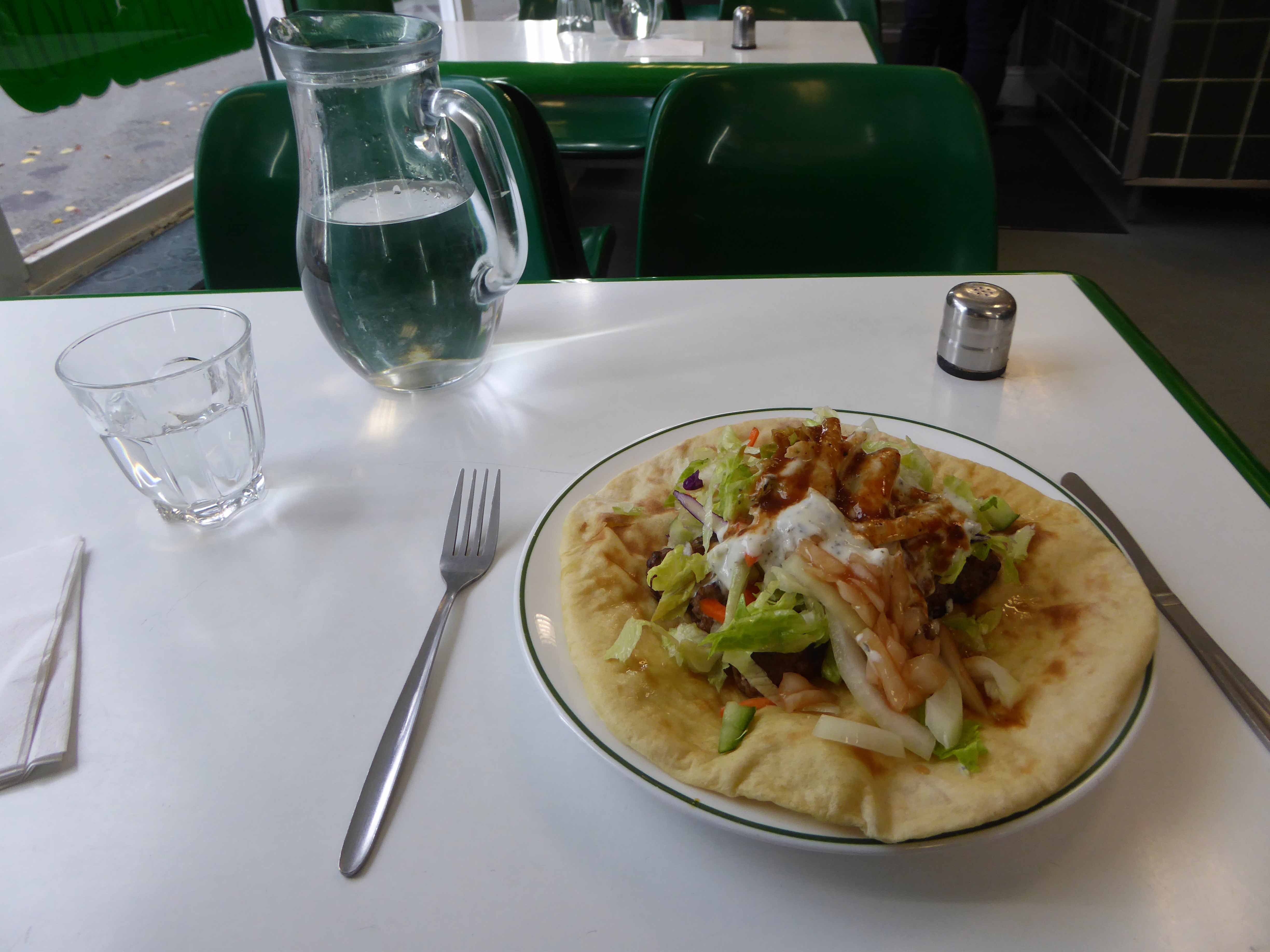
I’ve eaten there for most of that time, fed very well indeed thank you very much, for way less than a king’s ransom.

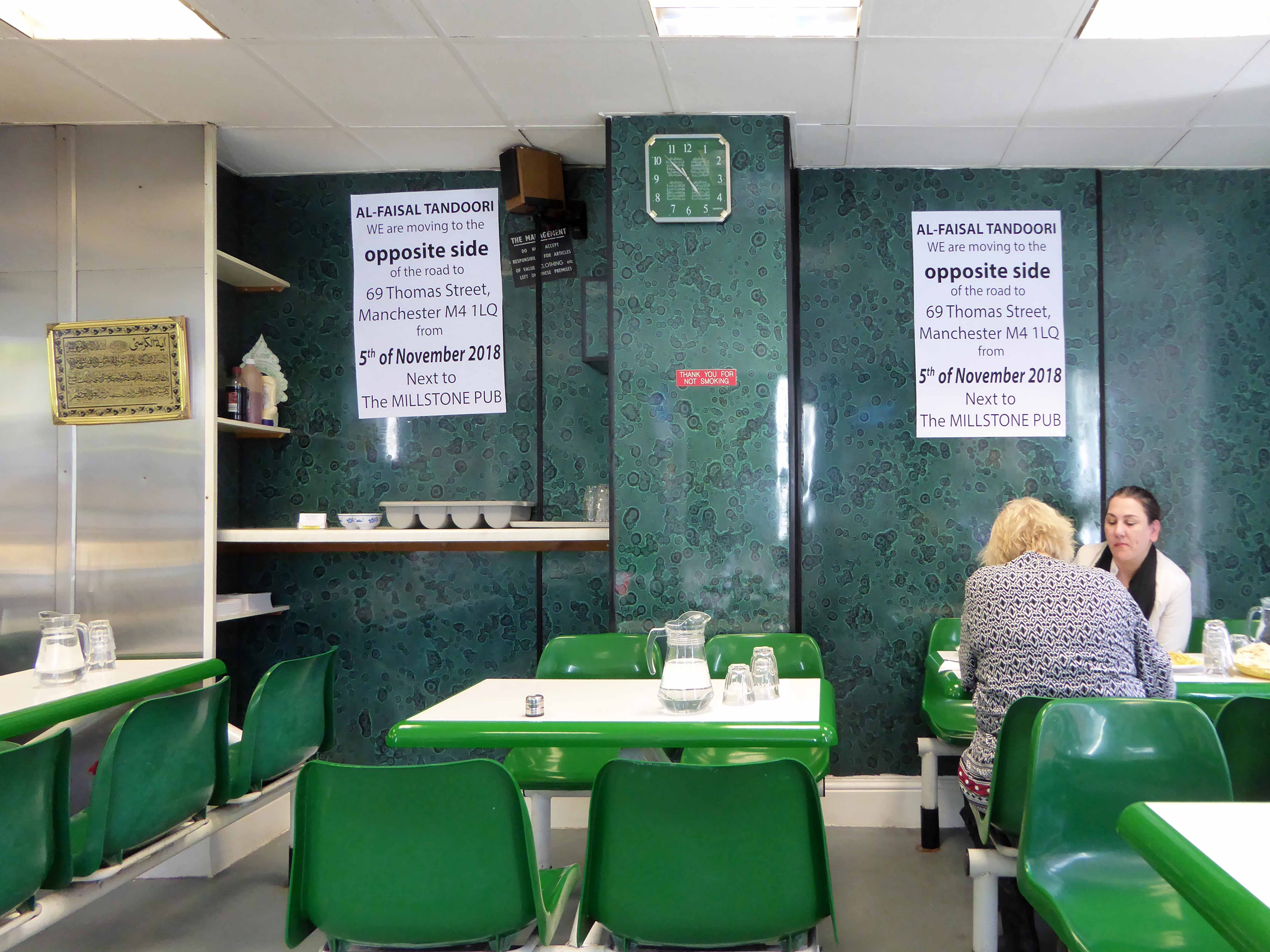
Yesterday I popped in at teatime, for my tea – posters proclaimed an imminent move.

P1290999

The whole block is to be demolished and a hotel to be built – there is naturally a suspicious resistance to such change, what was a protected area of historical interest, is fast becoming a deregulated playground for the avaricious developer.

A Manchester council spokesman said:

Our building control officers have been engaged with owner of the property on Thomas Street for some time.

The condition of the building means there is an imminent danger of collapse and a potential threat to pedestrians. Unfortunately, the poor weather has only served to add to our concern over the safety of the building.

A conservation specialist will be on site working closely with the building owner to ensure as much of the fabric of the property can be retained as possible, and only parts that are unsalvageable will be removed to ensure public safety.

Manchester Evening News

Rumours have also been rife concerning the fate of the nearby This & That – an essential part of the heartbeat of the city – the affordable independent trader.

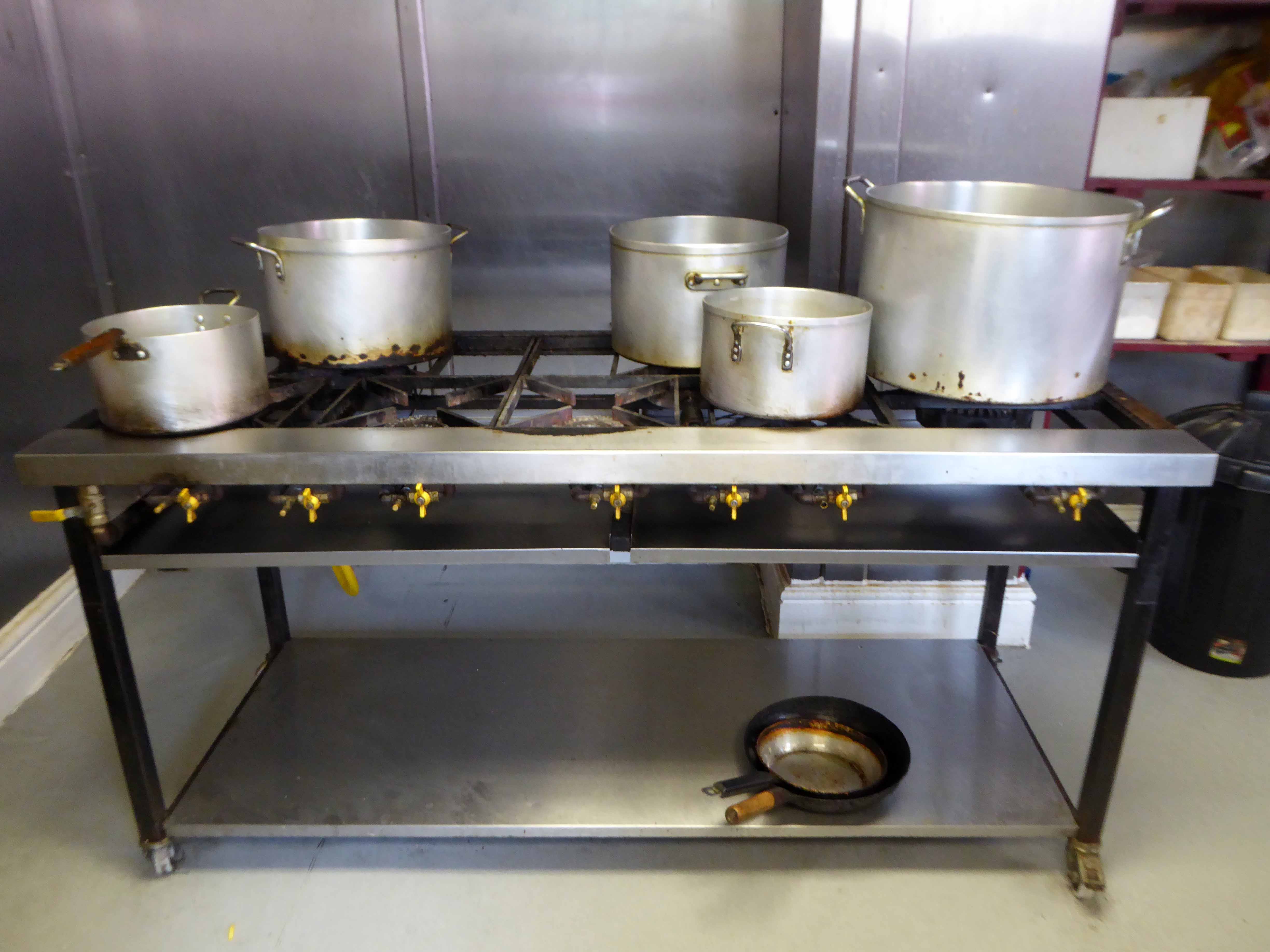
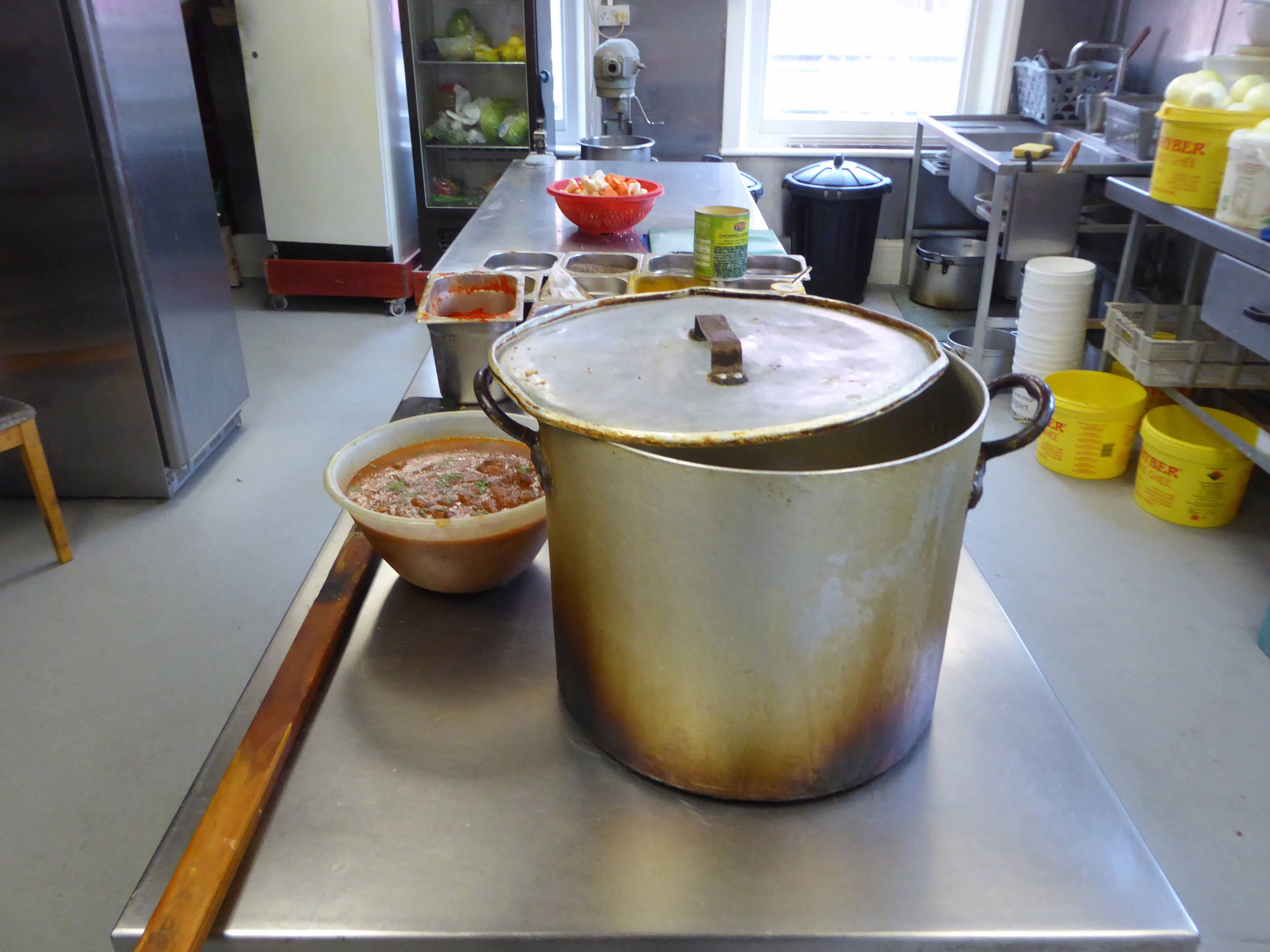
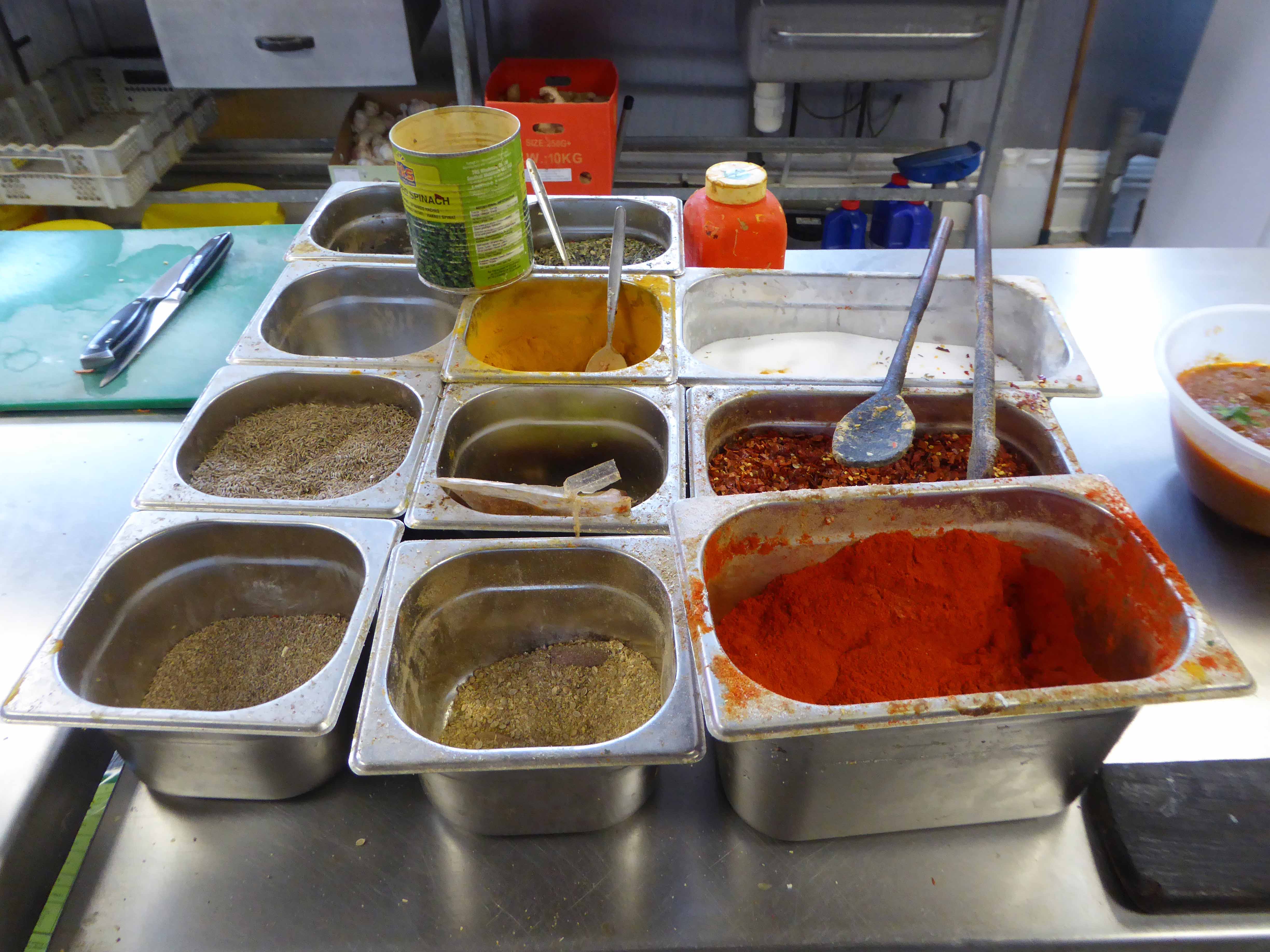
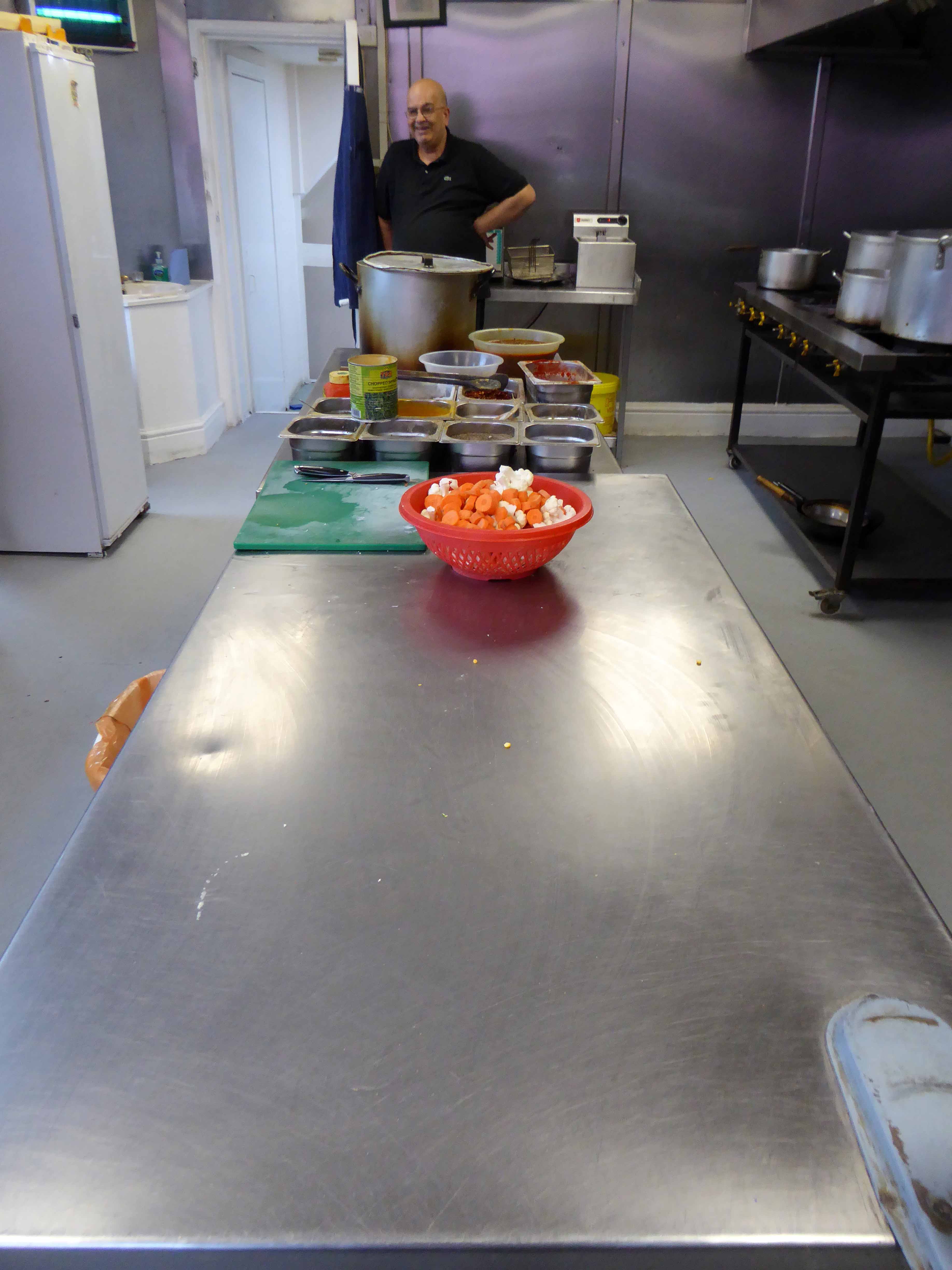
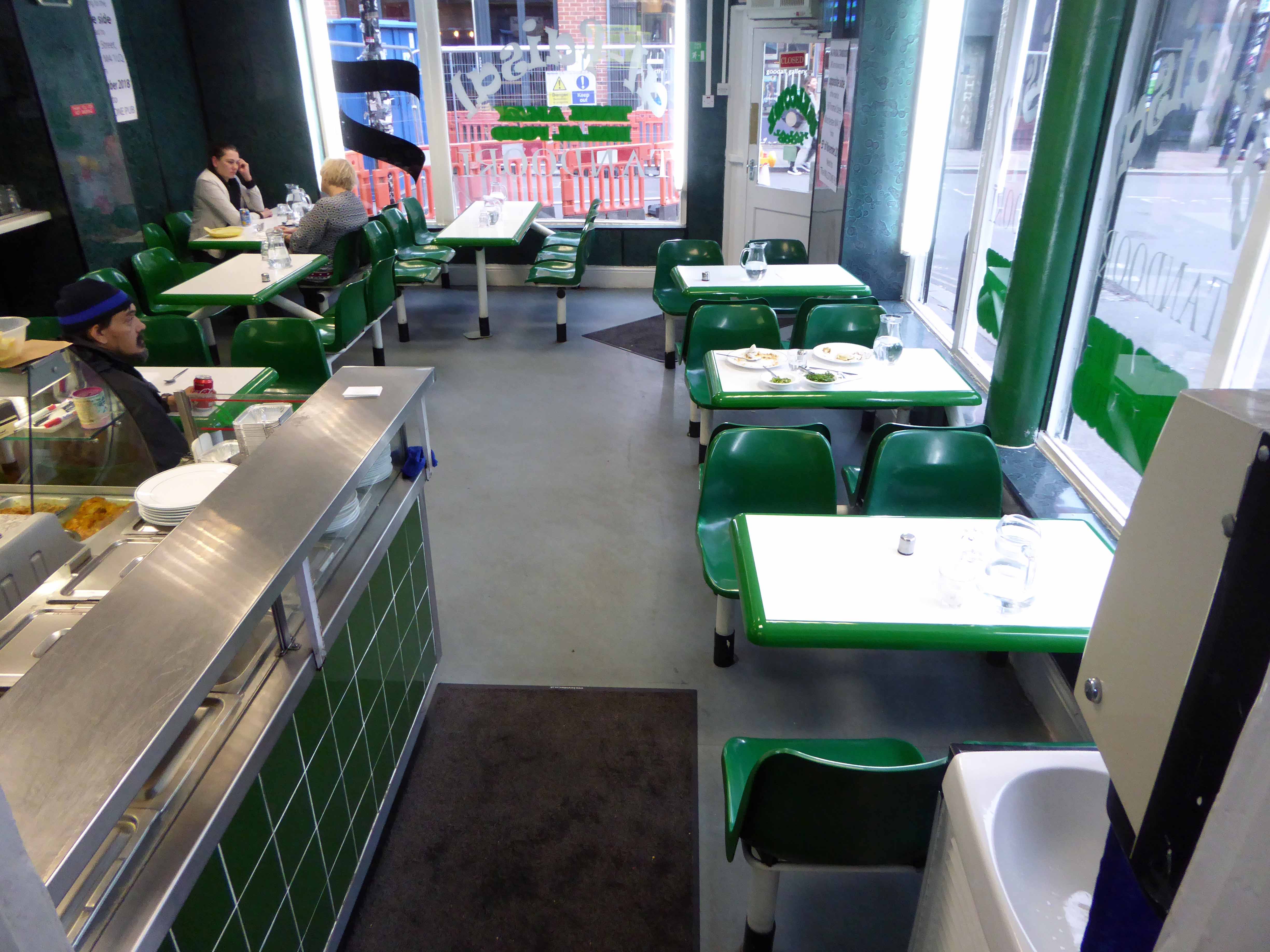
I sat and ate happily, and was privileged to be given a tour of the kitchens by owner Tariq, recording for posterity a site of some culinary and social consequence.

Let’s take a look around and look forward to a meal just across the road real soon.

P1300012

P1300013

P1300014

P1300015

P1300016

P1300017

P1300019

P1300020

P1300021

P1300022

P1300023

P1300024

P1290997

P1300008

P1300010


The Beefeater Grill – Halifax

1 George Street, Halifax, West Yorkshire, HX1 1HA

The Beefeater Grill and Griddle is a long established family run grill and coffee house located at George Square Halifax. The place has an old fashioned feel to it and serves typical English cafe food which seems to make it popular amongst its local regulars.

Long may it do so.

Strangers to the town we wandered the streets in search of sustenance.

Bewitched bothered and bewildered – seduced by the tiles and signage, it was love at first sight.

The ability and will to resist the broad brush of regeneration and reinvention is all too rare, the traditional café is constantly under threat – the Beefeater has prevailed.

A stunning tiled exterior, a multi level interior and a menu to match, it’s win, win, win, win all the way.

We went inside and ate.

P1010328

P1010329

P1010331

P1010333

P1010334

P1010335

P1010336

P1010337

P1010338

P1010339

P1010340

P1010341

P1010343

P1010344

P1010345

P1010347

P1010348

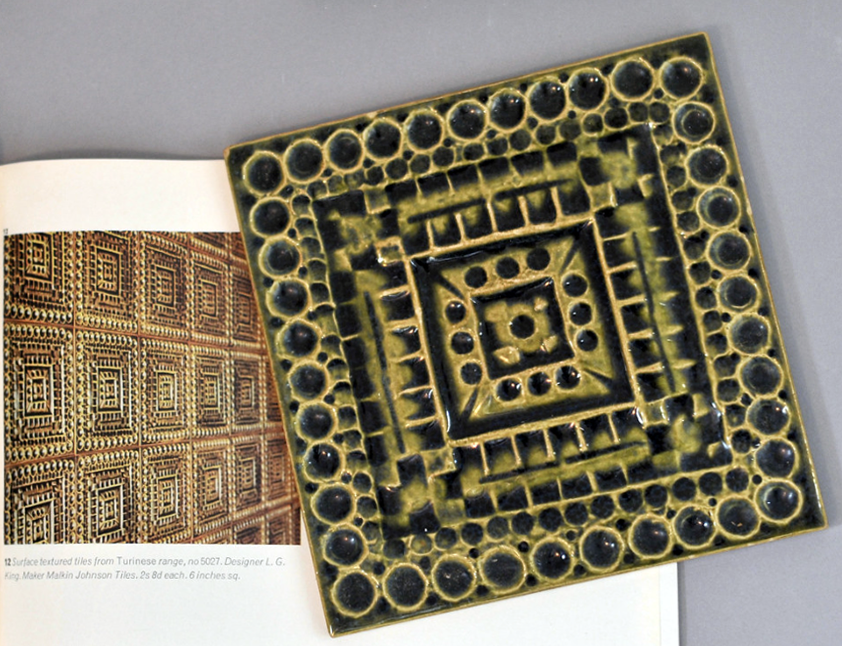
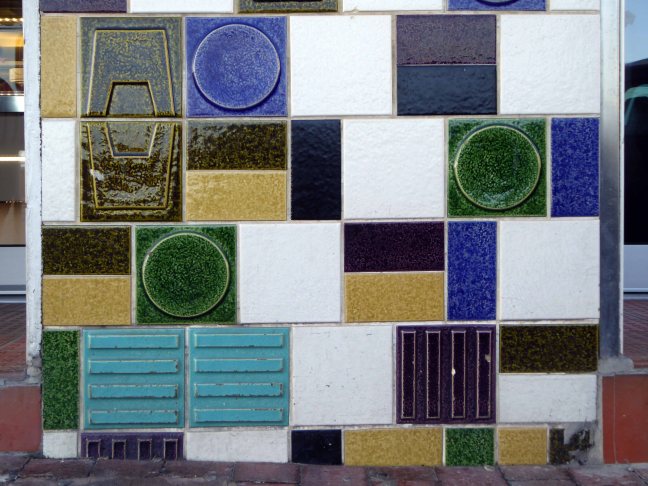
These tiles were originally designed by Kenneth Clarke, subsequently redesigned as the cheaper Turinese range by James Rushton and Leonard Gladstone King for Malkin Tiles, 1960 – 68.

Variety and Vitality in Ceramic Tiles – March 1960 issue of ‘Design’ magazine.

Rob McCrorie – Flickr

These tiles decorate the fascia of Fusciardis in Eastbourne.

And in addition the former C&A in Hanley.

Type Travel – Manchester

This is a journey through time and space by bicycle, around the rugged, ragged streets of East Manchester.

Undertaken on Sunday September 2nd 2018.

This is type travel – the search for words and their meanings in an ever changing world.

map

Hyde Road

P1280955
P1280956

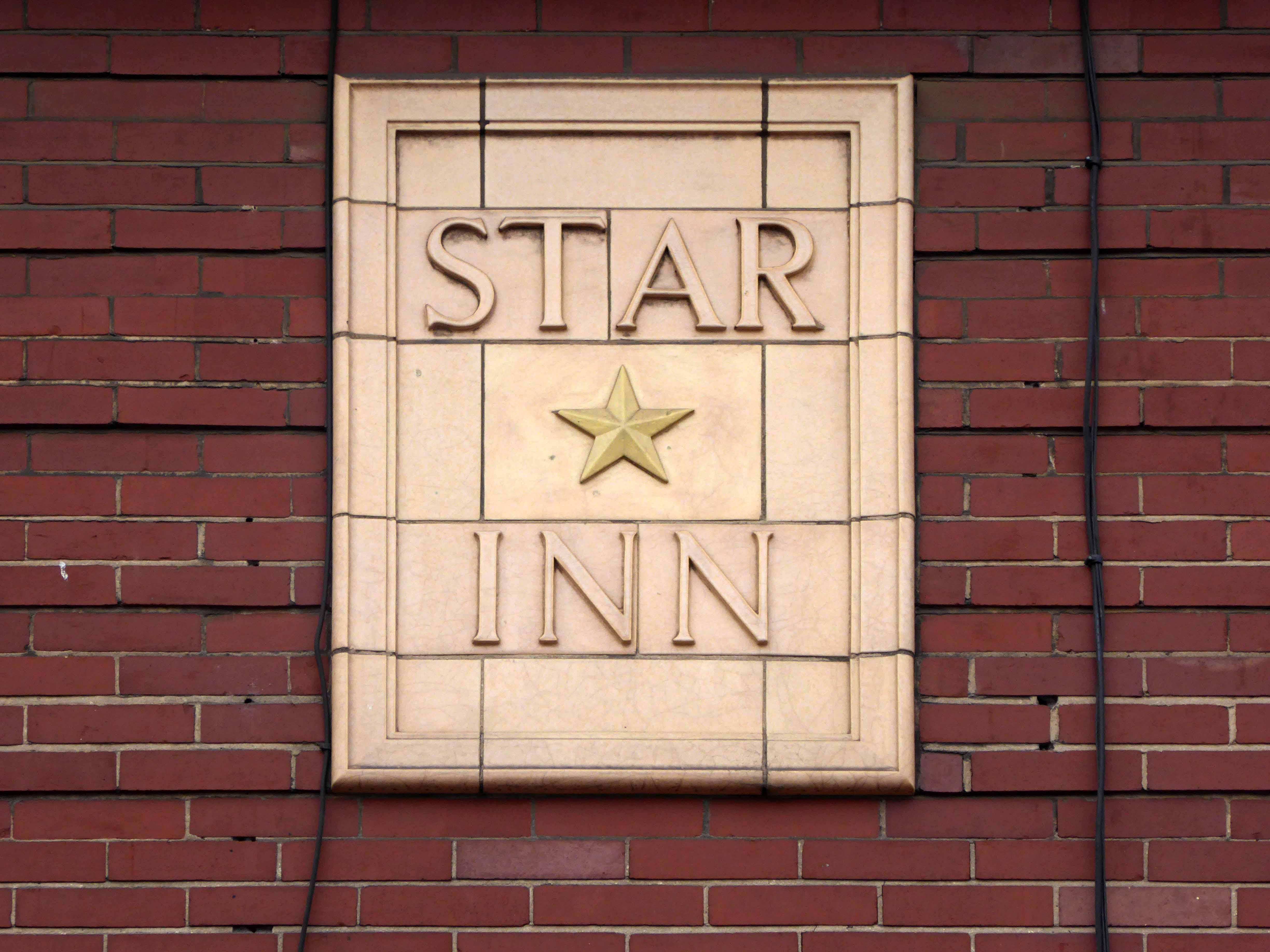
The Star Inn – former Wilsons pub

Devonshire Street North

P1280961

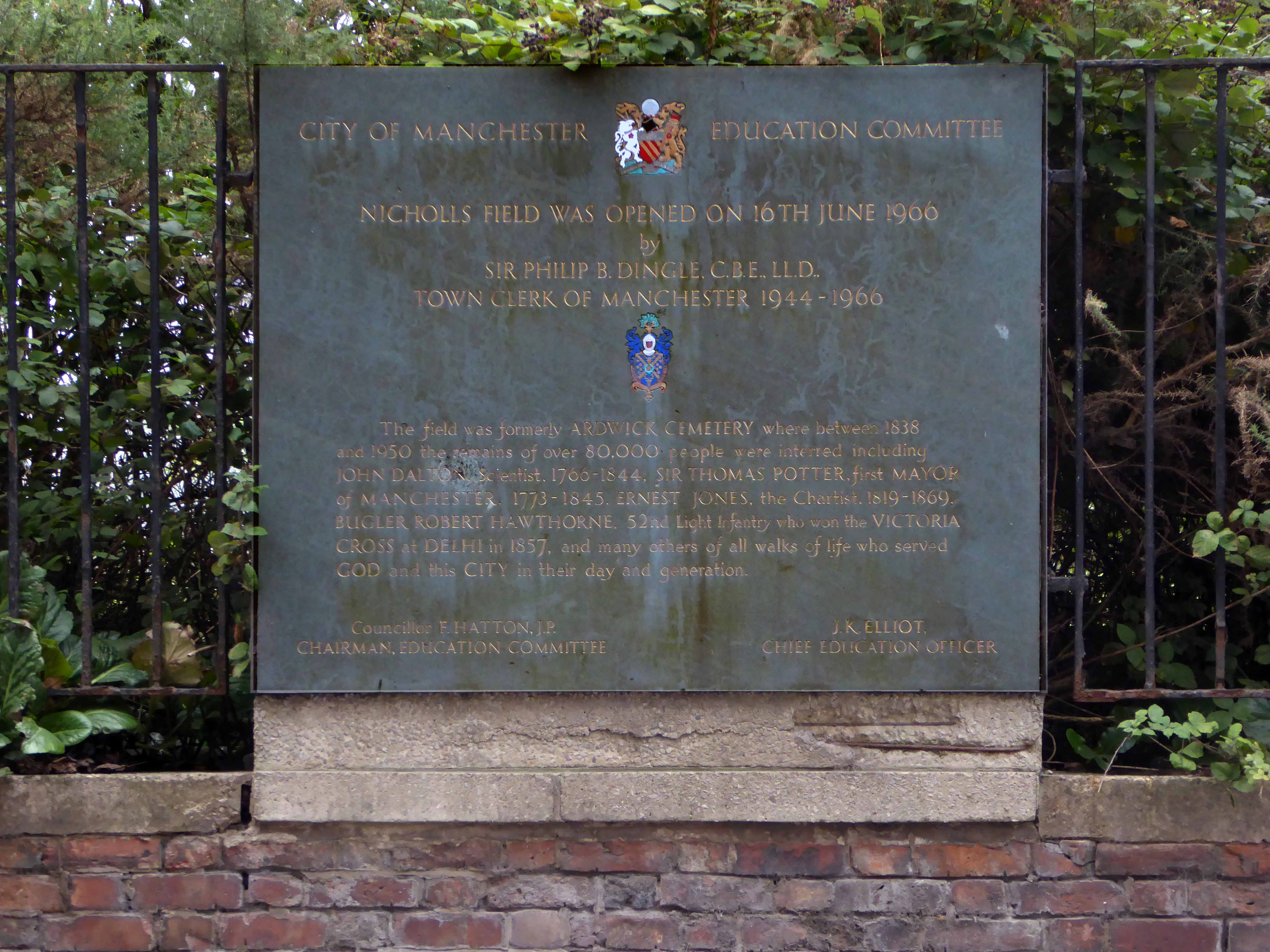
Former Ardwick Cemetery

P1280962

Great Universal Stores former mail order giant

Palmerston Street

P1280979

The River Inn abandoned pub

Every Street

P1290001

All Souls Church – listed yet unloved

Pollard Street East

P1290008.jpg
Screen Shot 2018-09-04 at 08.37.57

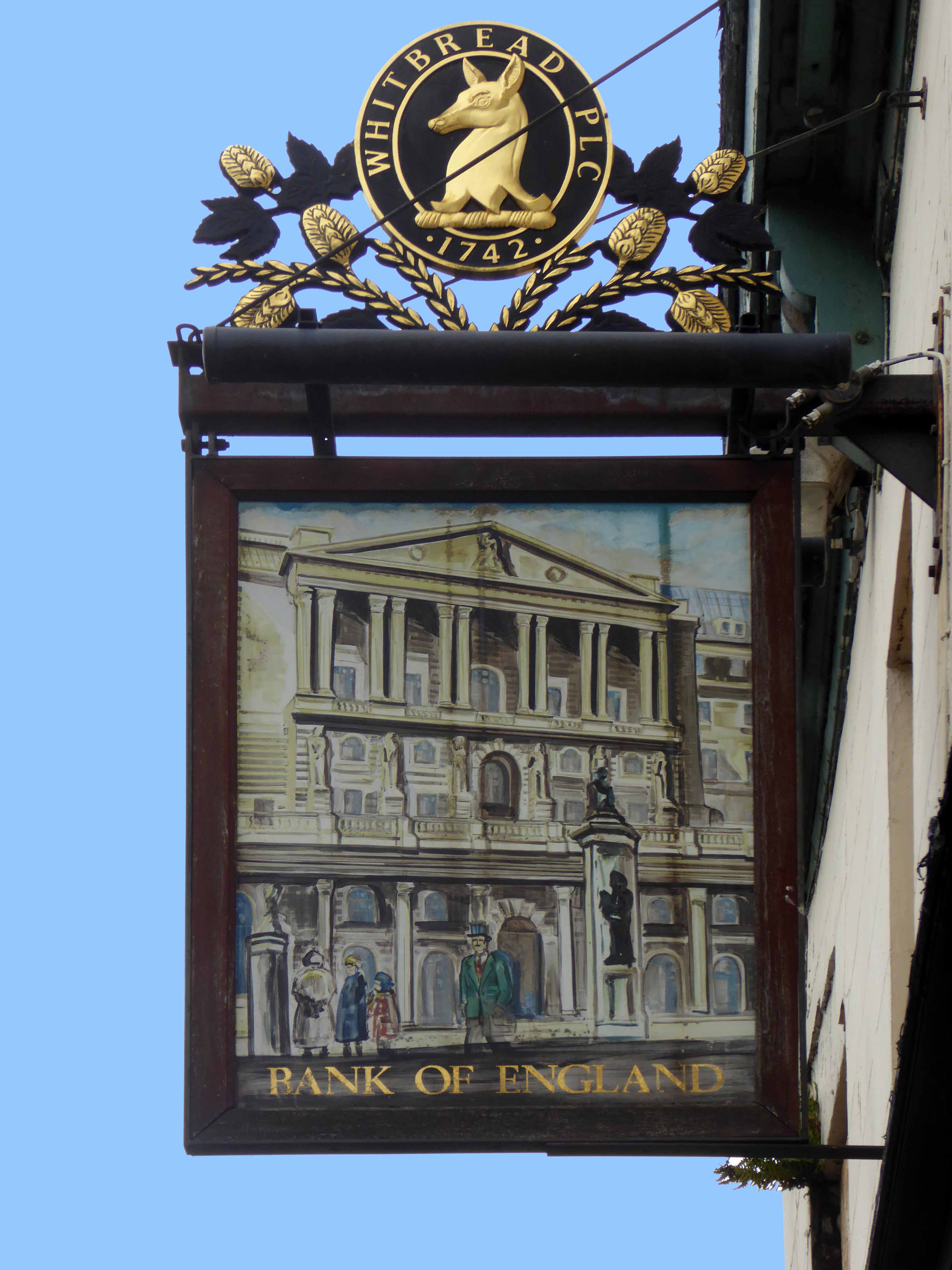
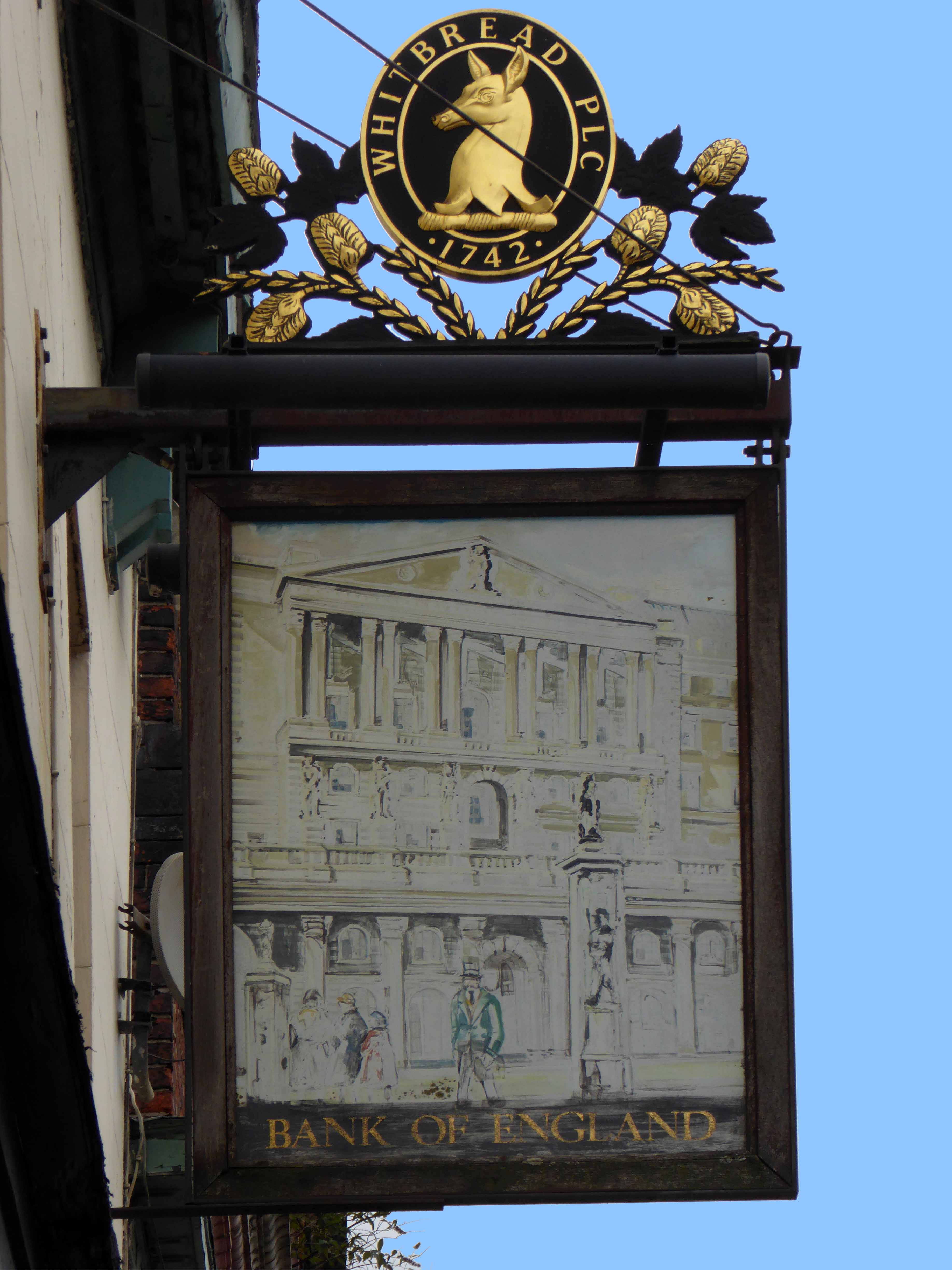
The Bank Of England abandoned pub

P1290020

Ancoats Works former engineering company

Cambrian Street

P1290024.jpg

The Lunchbox Café Holt Town

Upper Helena Street

P1290028

The last remnants of industrial activity

Bradford Road

P1290046

Brunswick Mill

P1290048

The little that remains of Raffles Mill

P1290052

Old Mill Street

P1290054

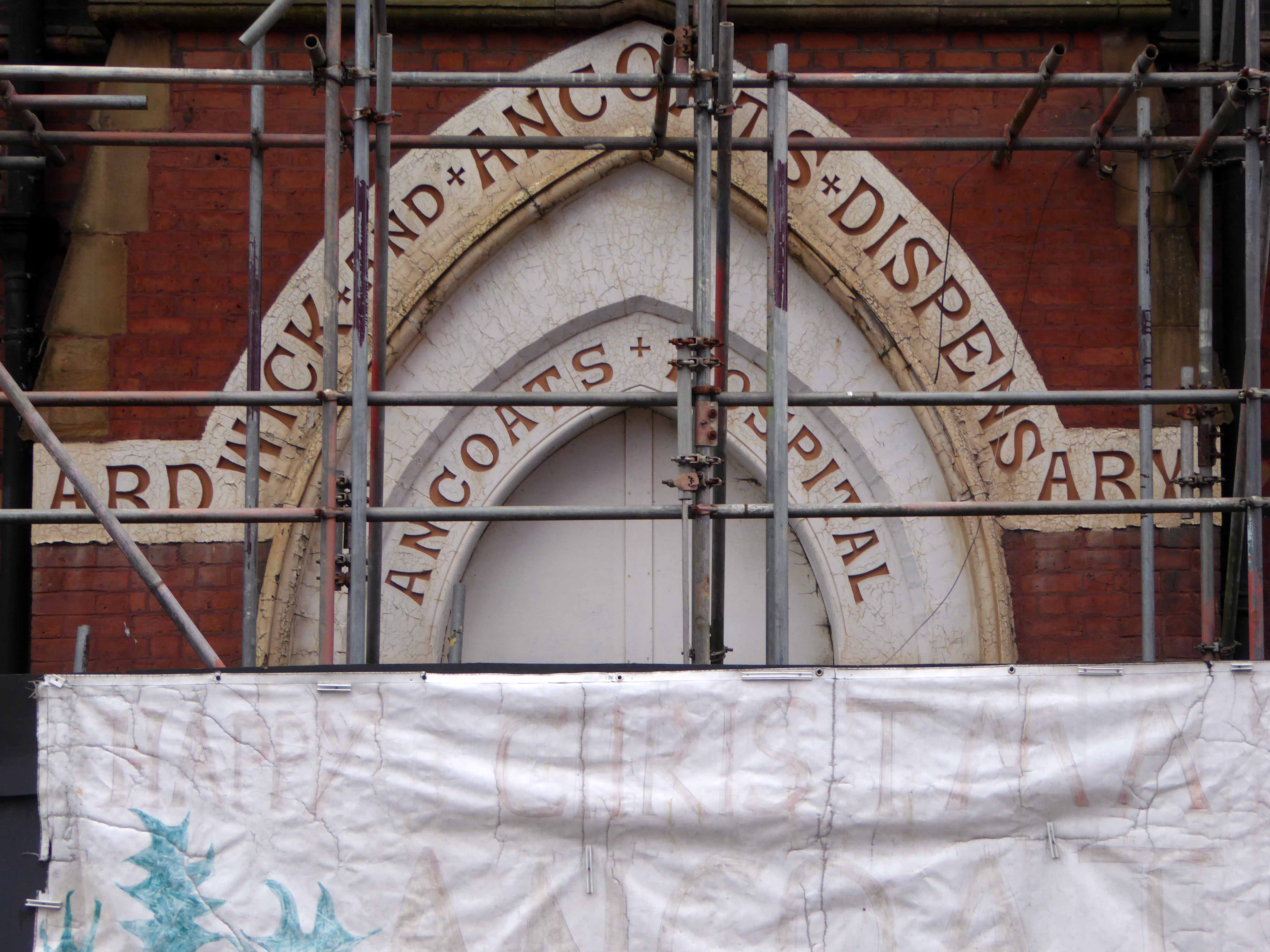
Ancoats Dispensary loved listed and still awaiting resuscitation

P1290056.jpg

New life New Islington

Redhill Street

P1290057

Former industrial powerhouse currently contemporary living space

Henry Street

P1290063

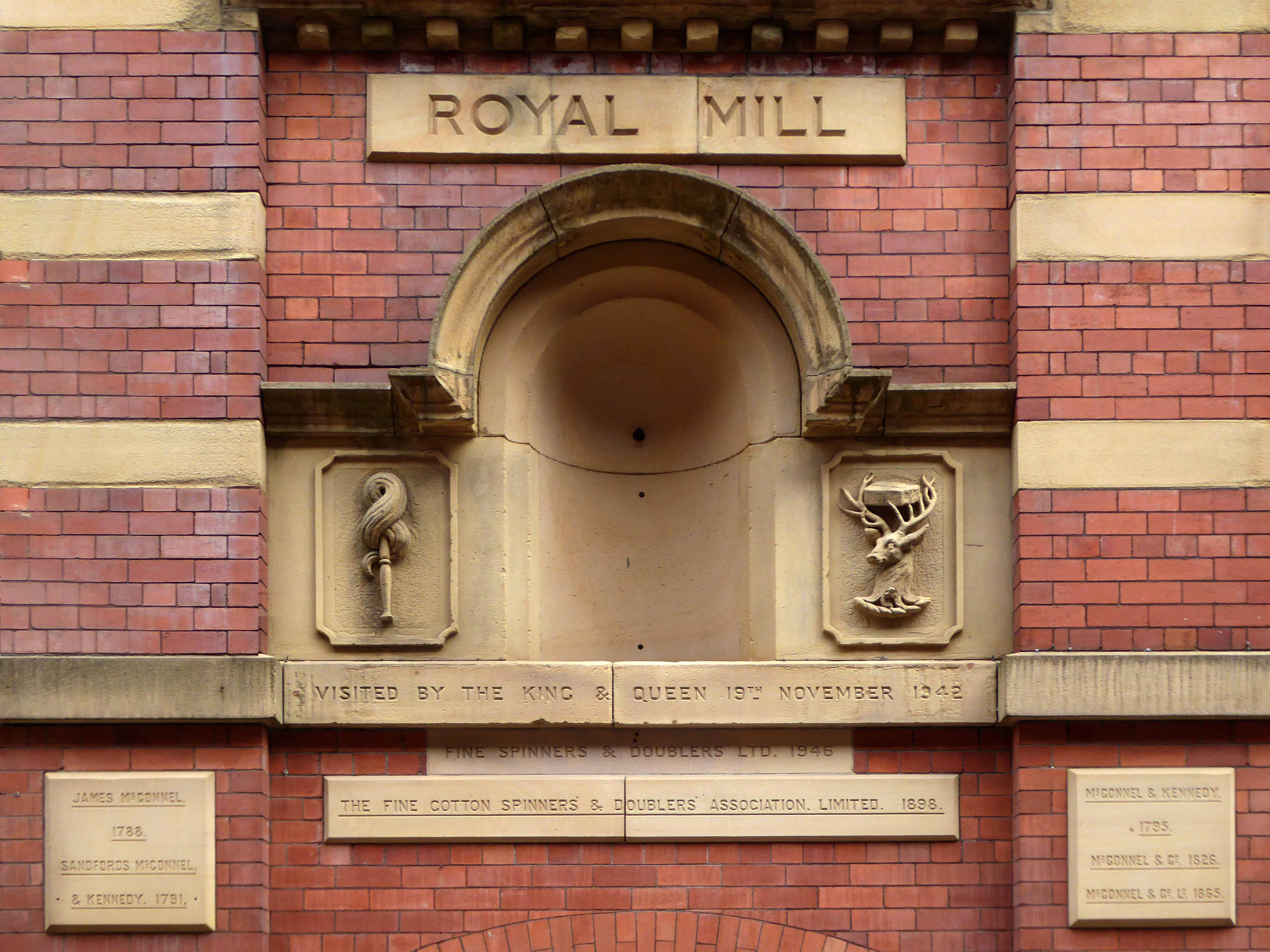
King George VI and Queen Elizabeth passed by in 1942

Jersey Street

P1290064

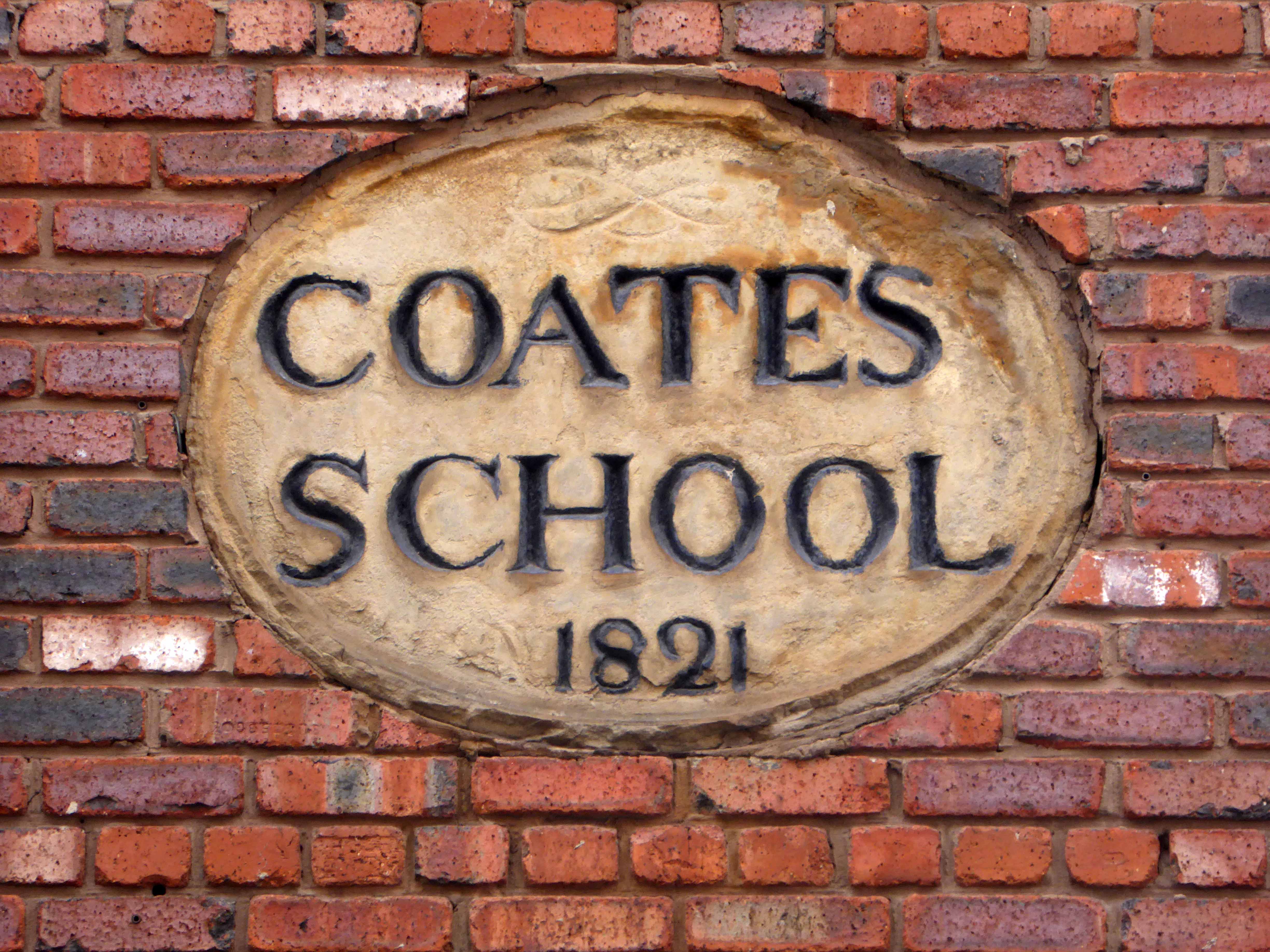
Former School the stone plaque applied to a newer building

Gun Street

P1290065

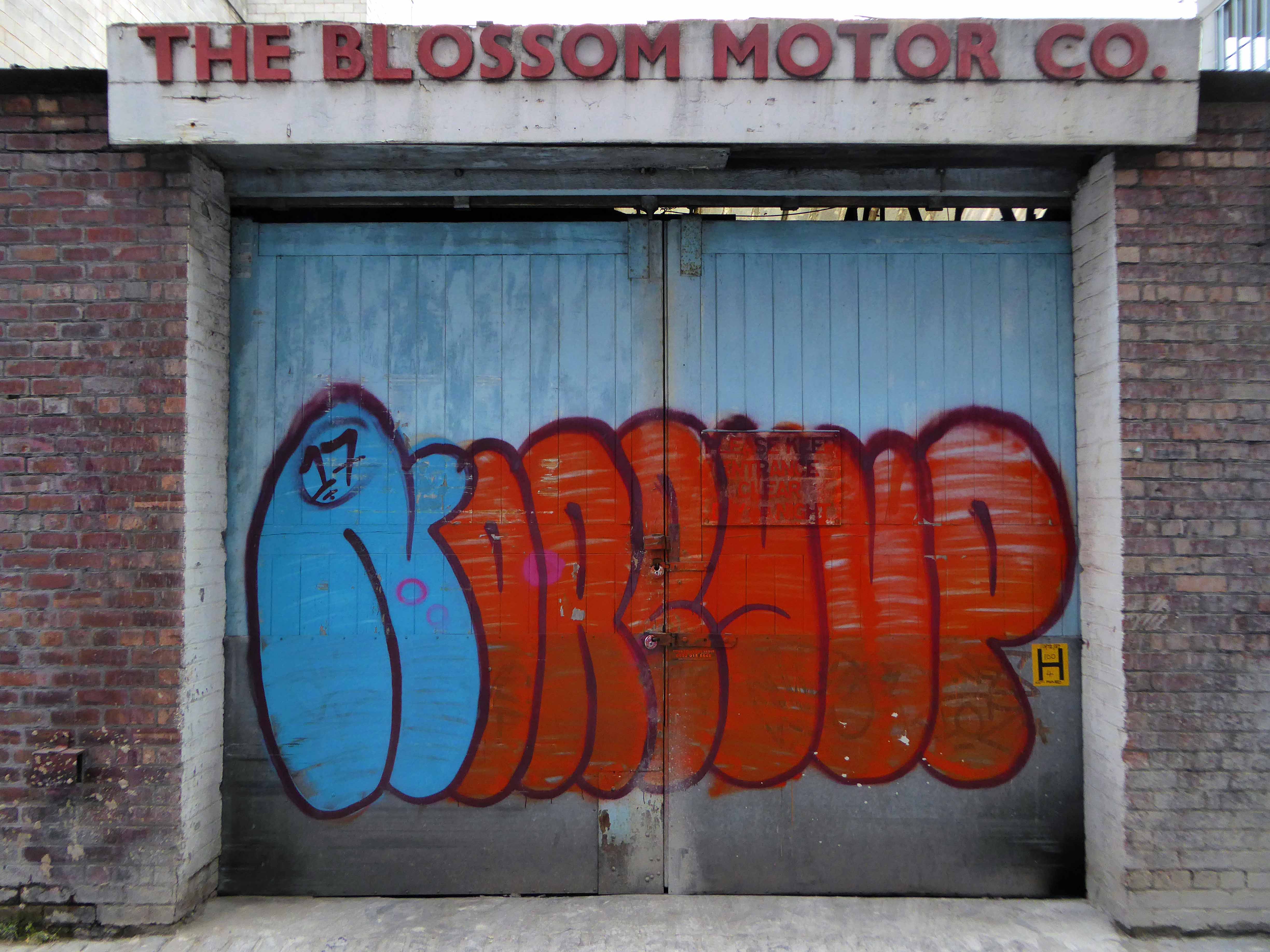
The last of the few Blossom Motors

Addington Street

P1290067
P1290069

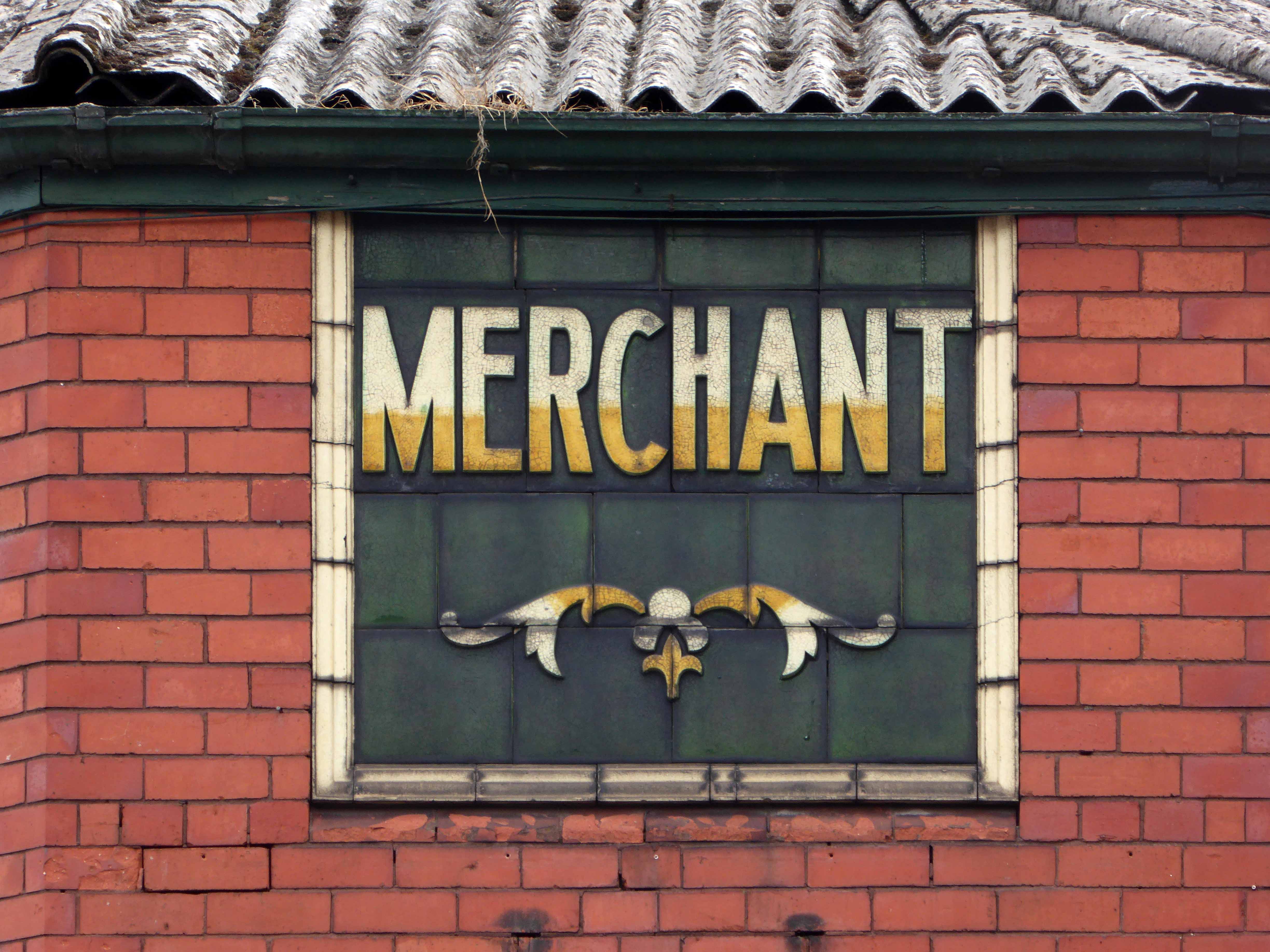
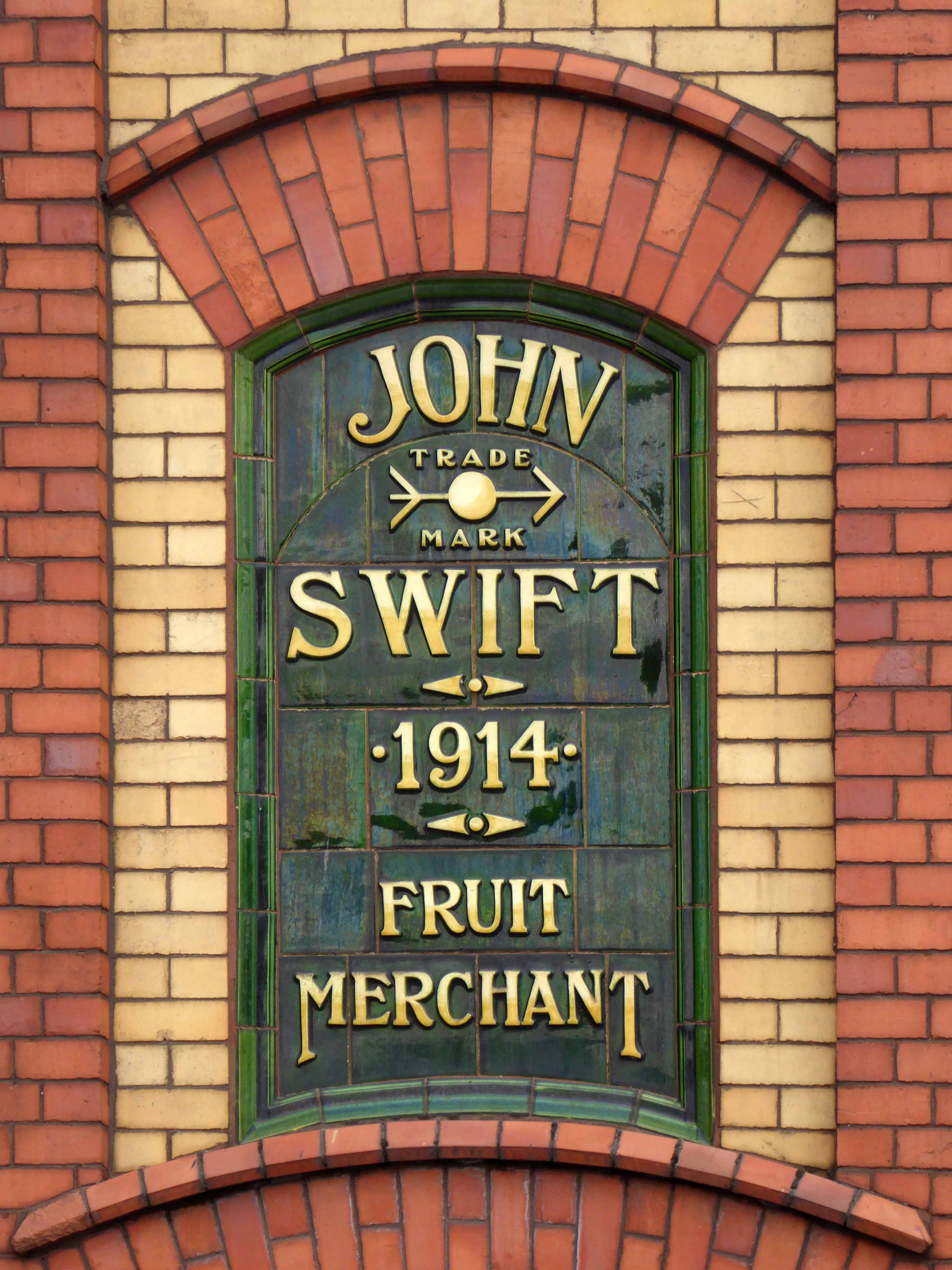
Former fruit merchants – refurbished and home to the SLG creative agency

Marshall Street and Goulden Street area

P1290070
P1290071
P1290073
P1290081
P1290086
P1290087

The last remnants of the rag trade

Former bed spring manufacturer – latterly became the County Archive.

Sudell Street

P1290089
P1290090

All that’s left of Alexandra Place

P1290092

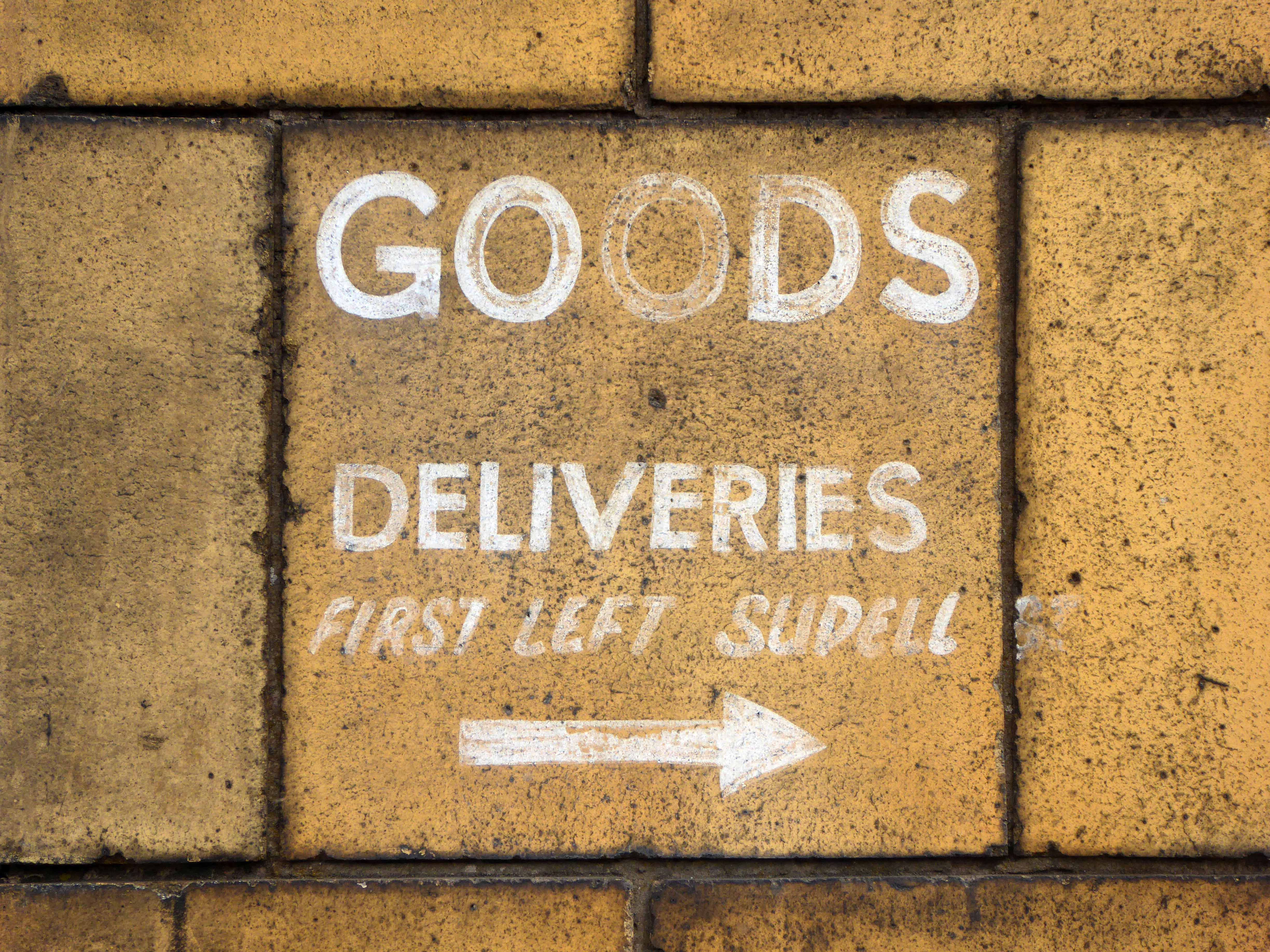
Entrance to the former Goods Yard

Back St Georges Road

P1290096

Sharp Street

P1290099
P1290100

Simpson Street

P1290101

Where once the CWS loomed large

Charter Street

P1290102
P1290107

Ragged but right

Aspin Lane

P1290109
P1290117

Angel Meadow 

Corporation Street

P1290118

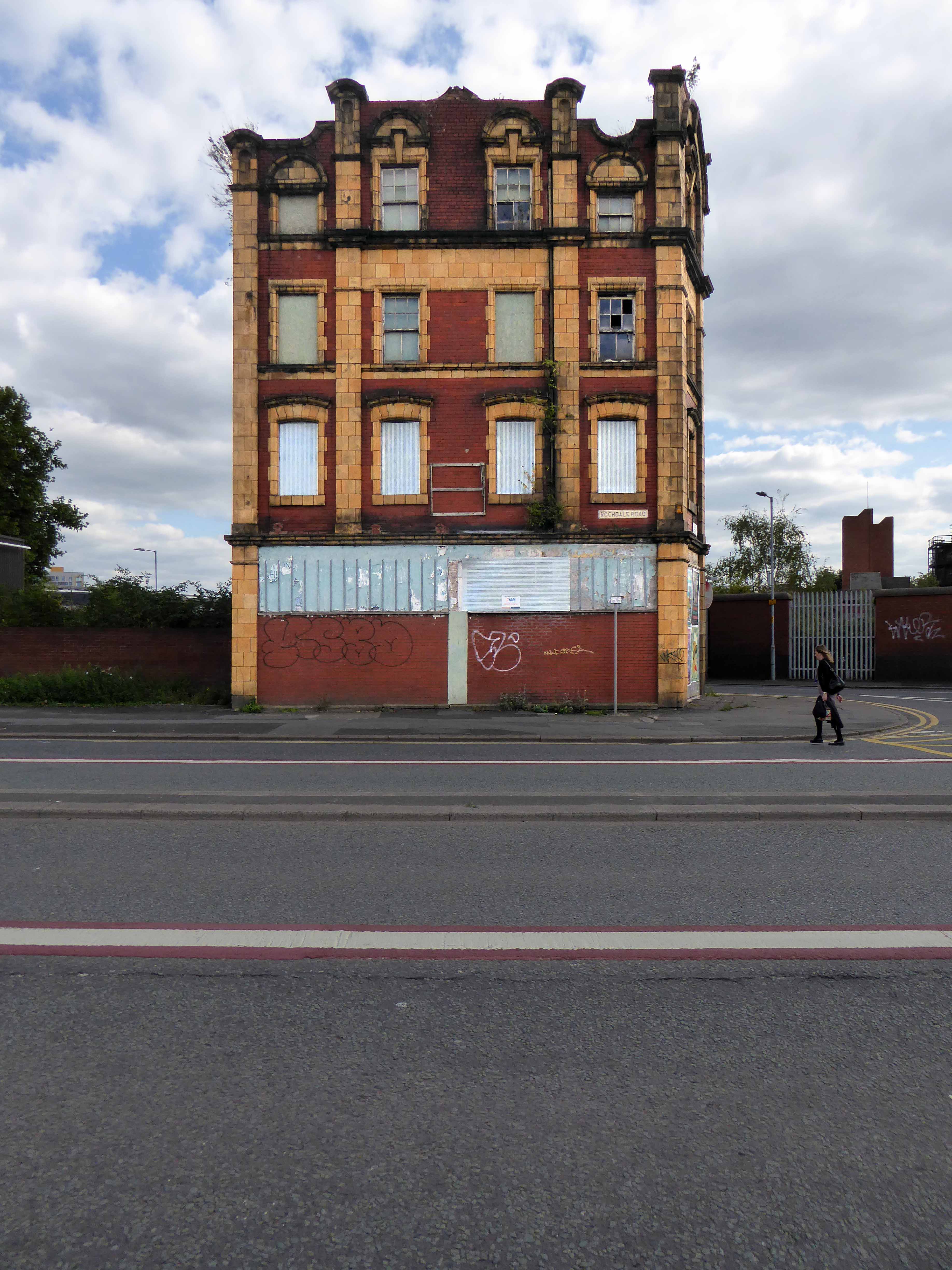
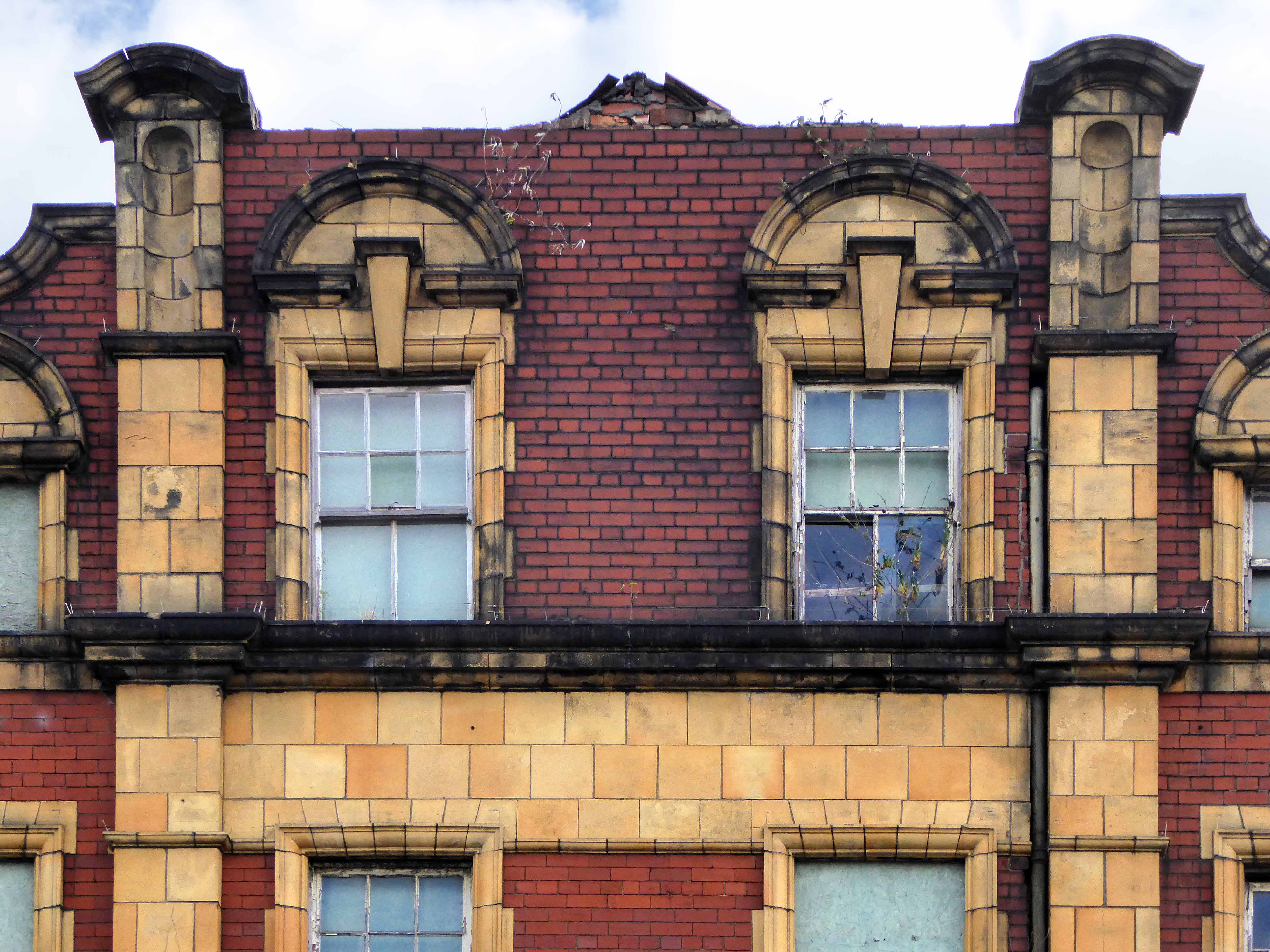
Rochdale Road – Manchester

Each and every time I wandered by, I wondered.

The whys and wherefores of your seemingly unknowable comings and goings.

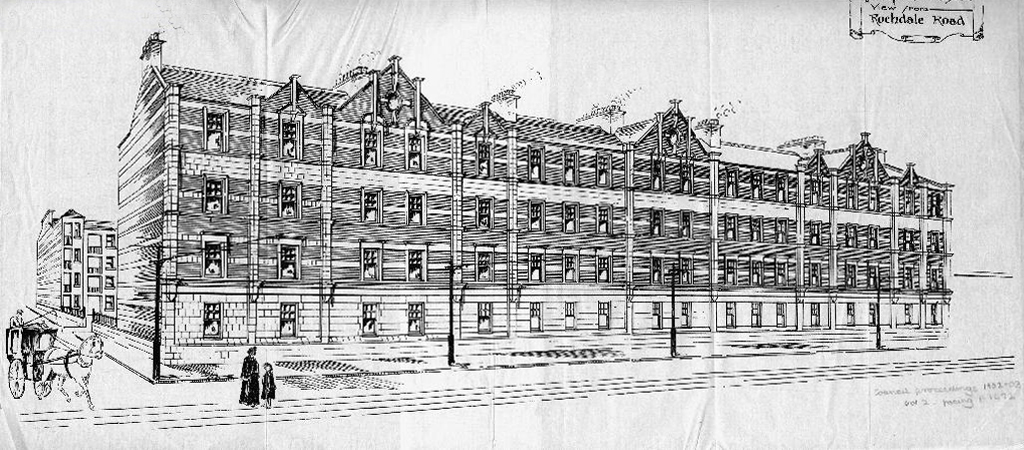
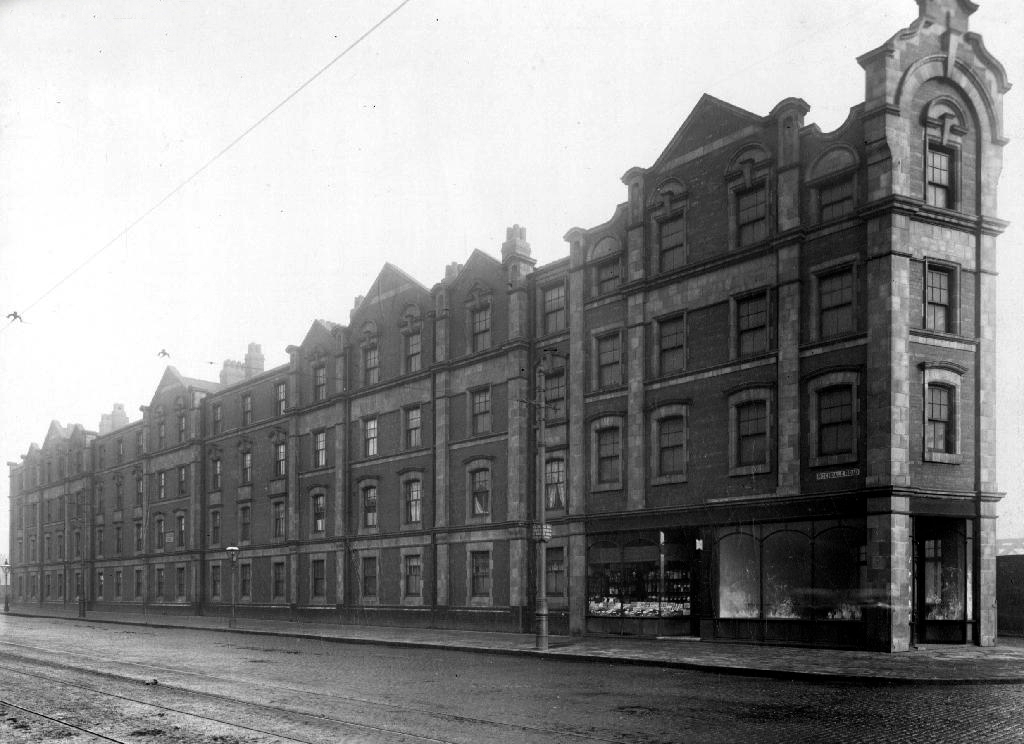
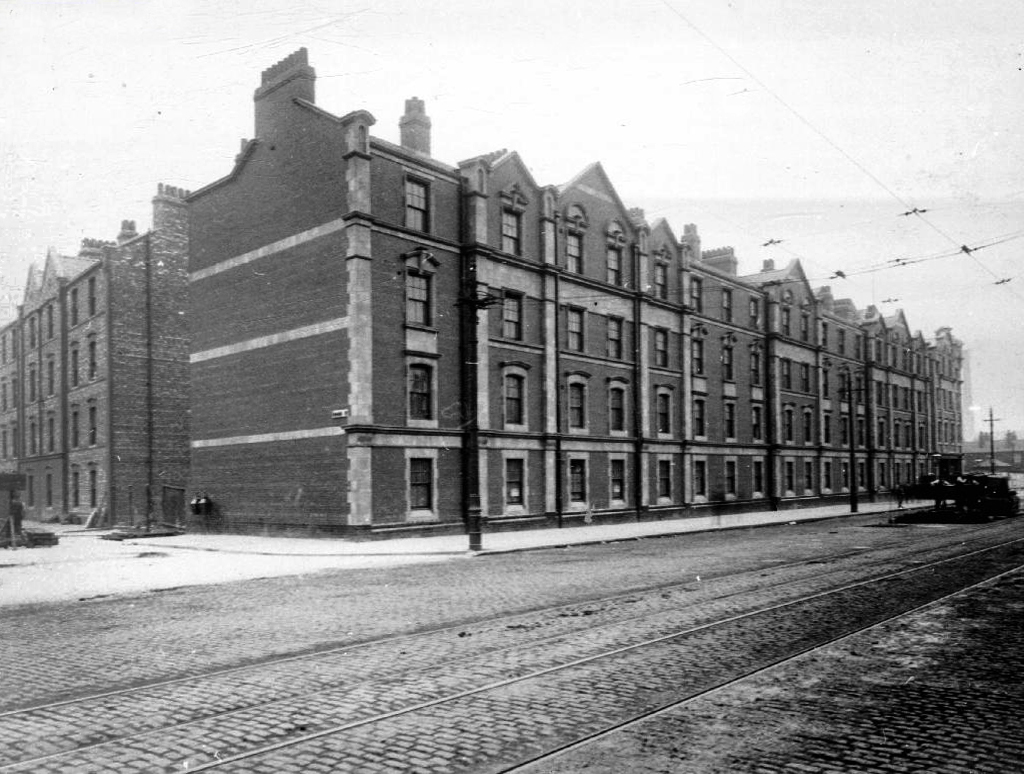
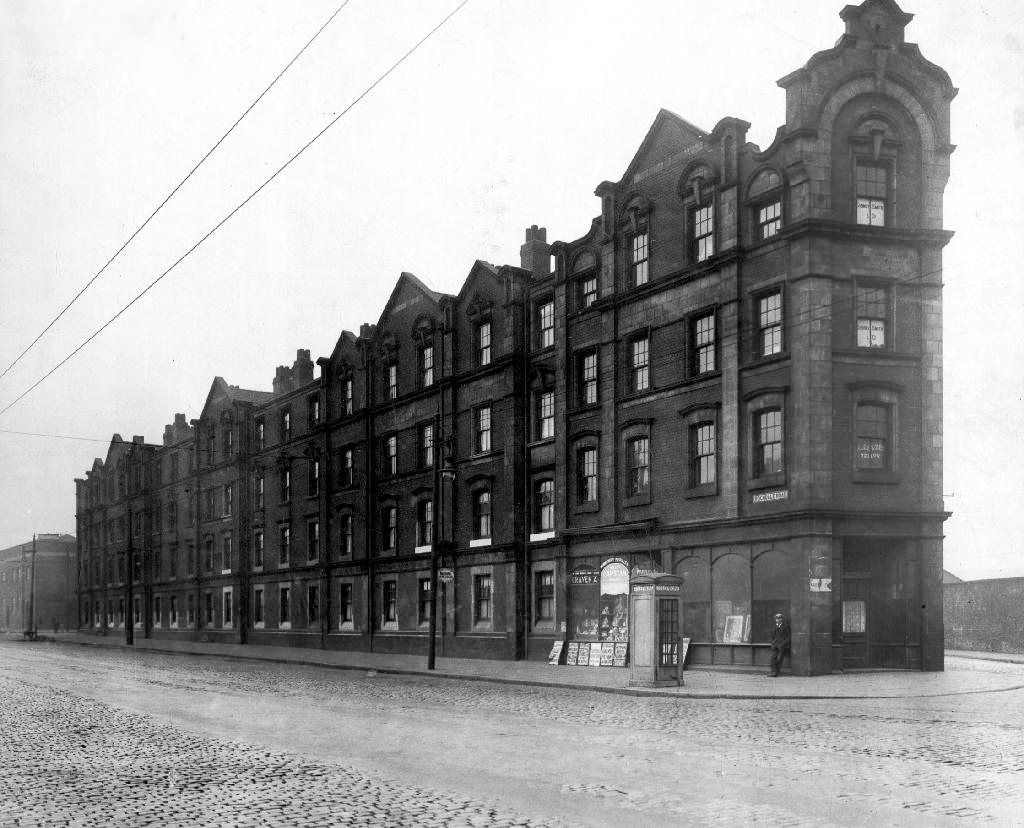
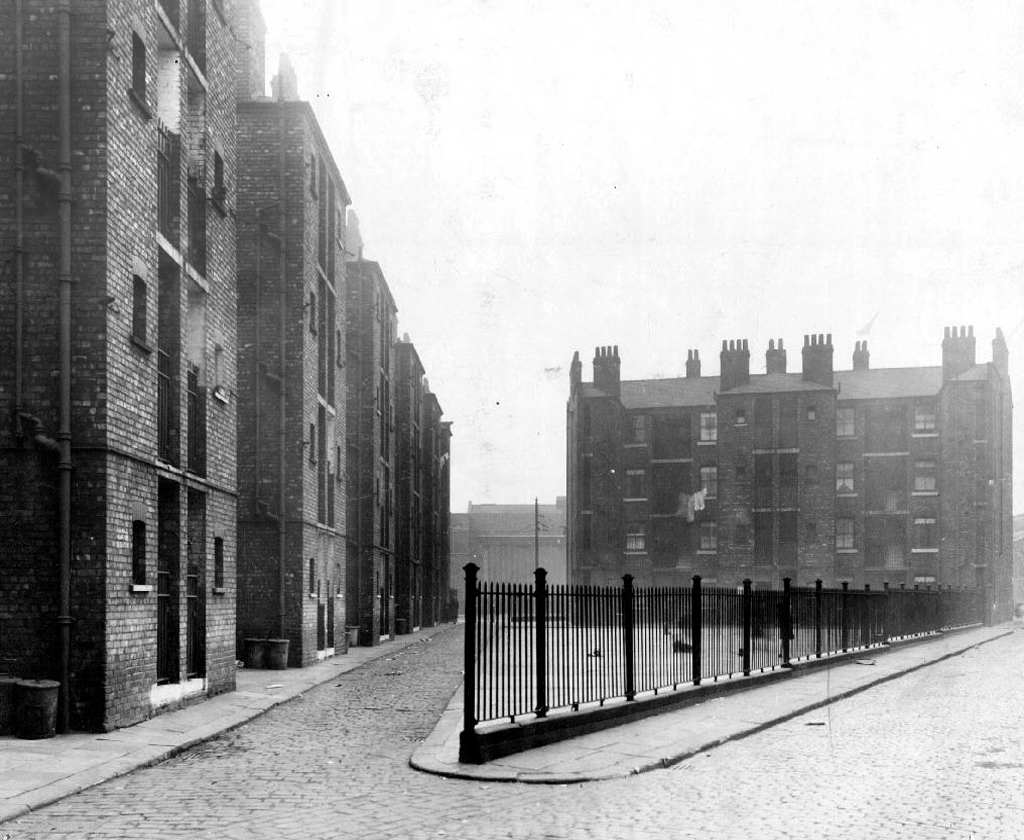
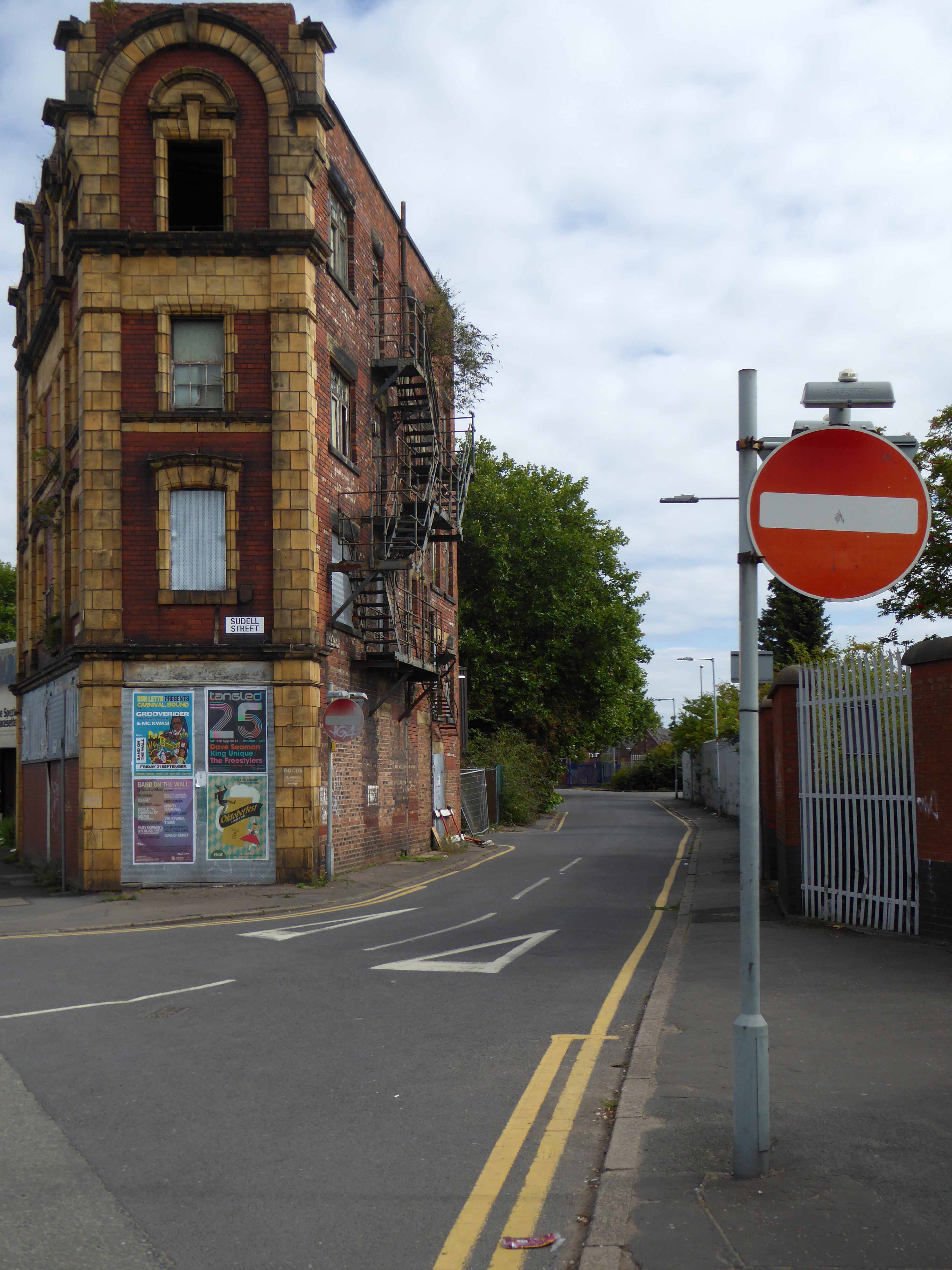
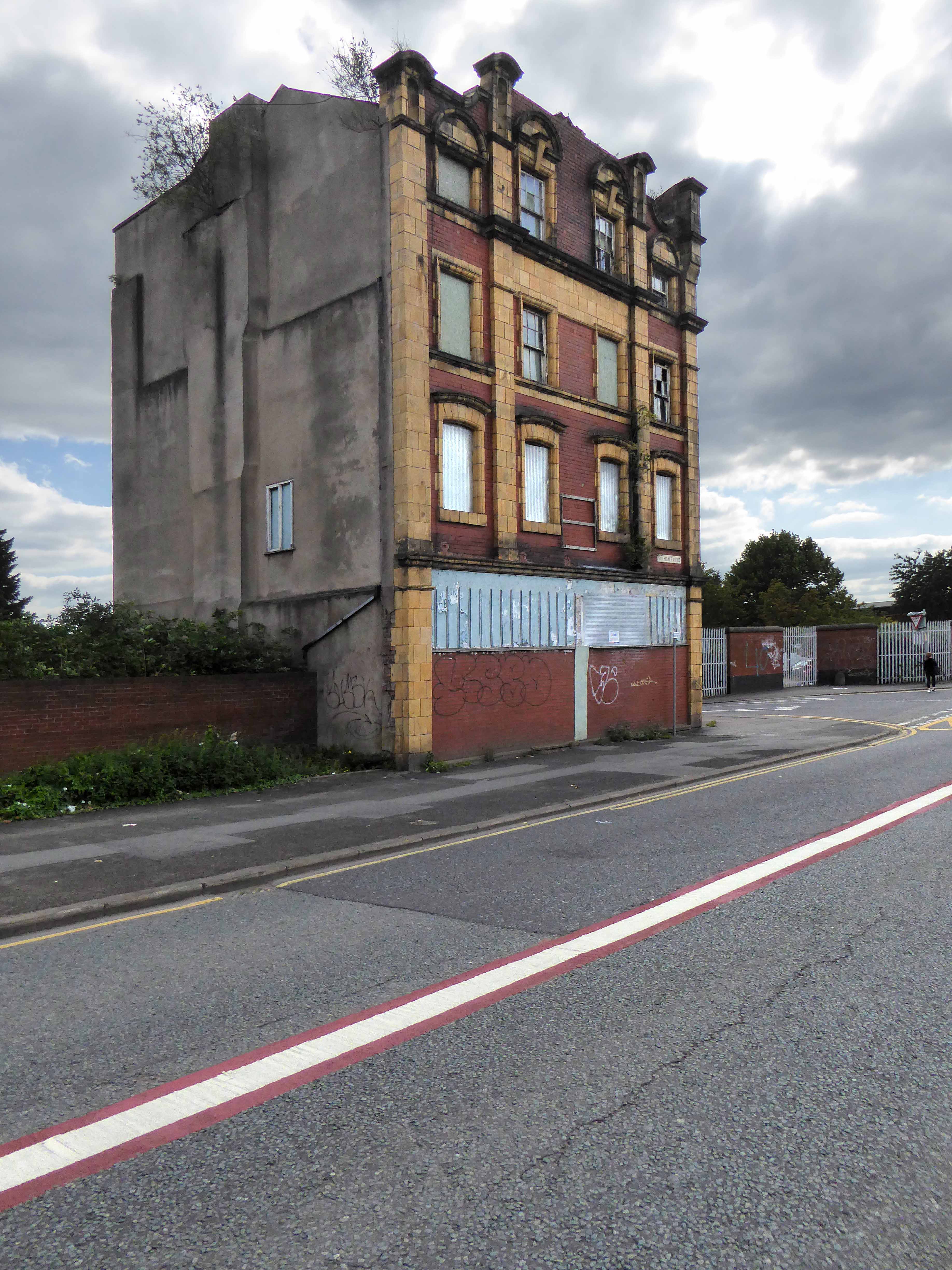
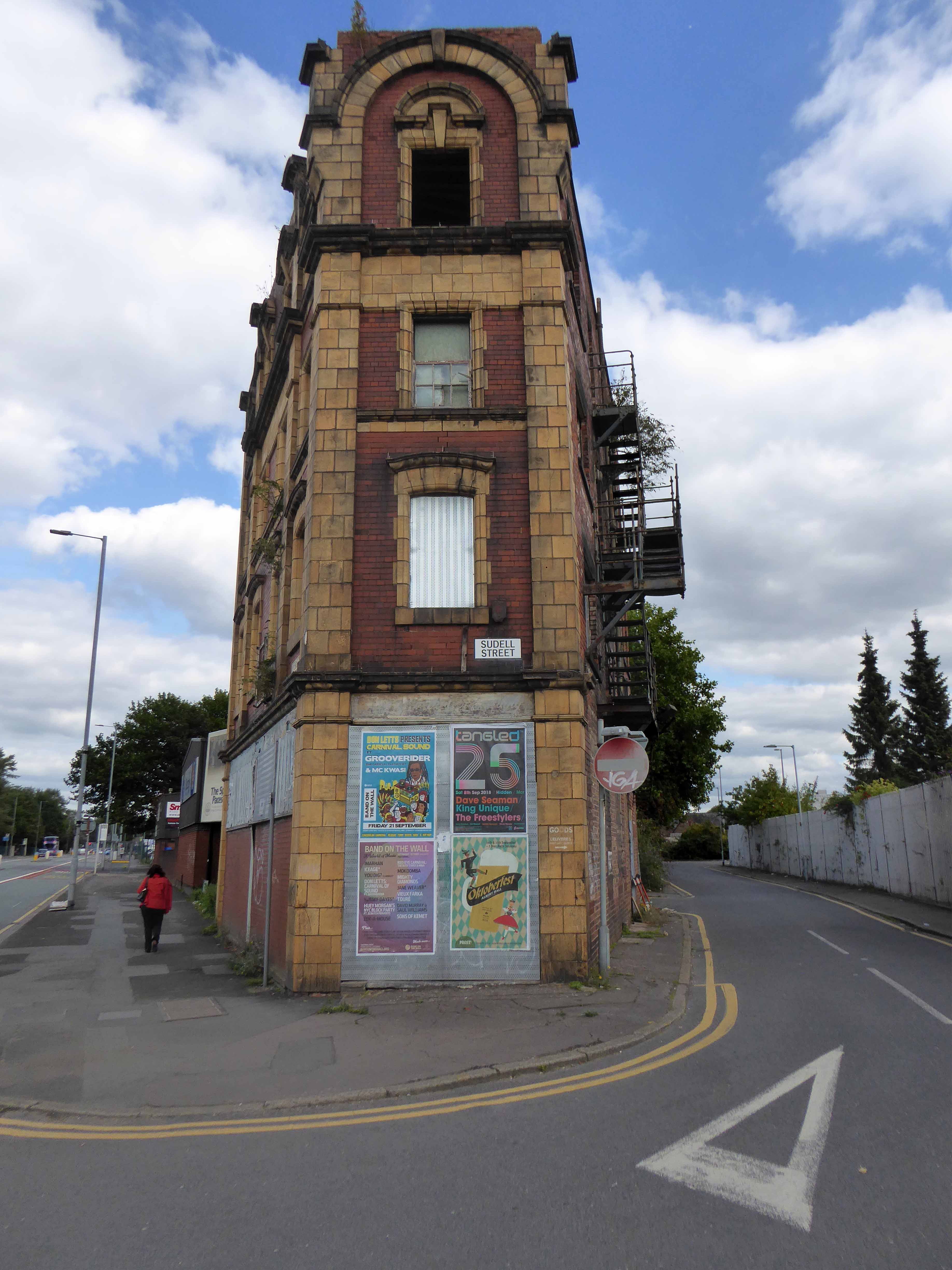
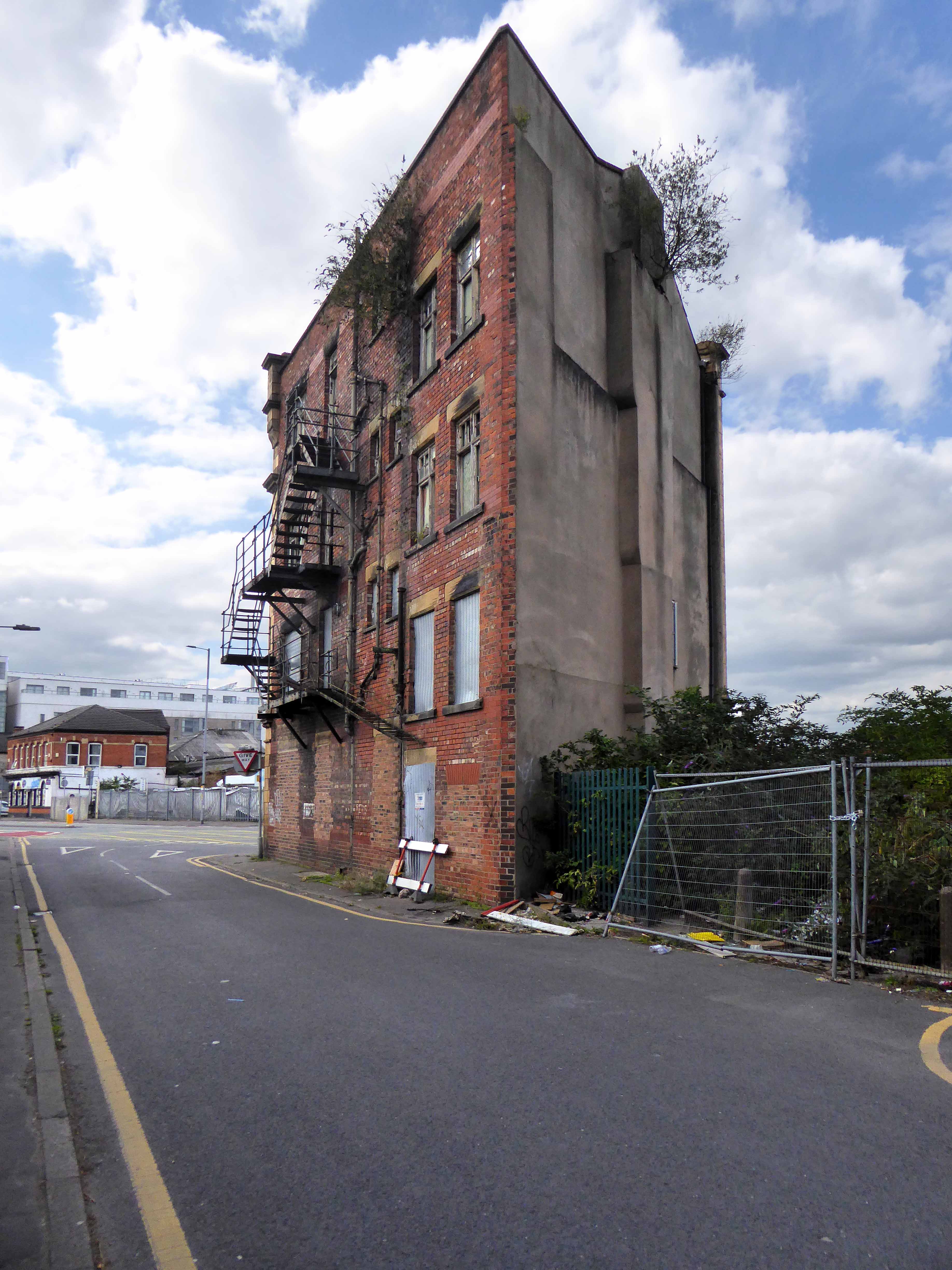
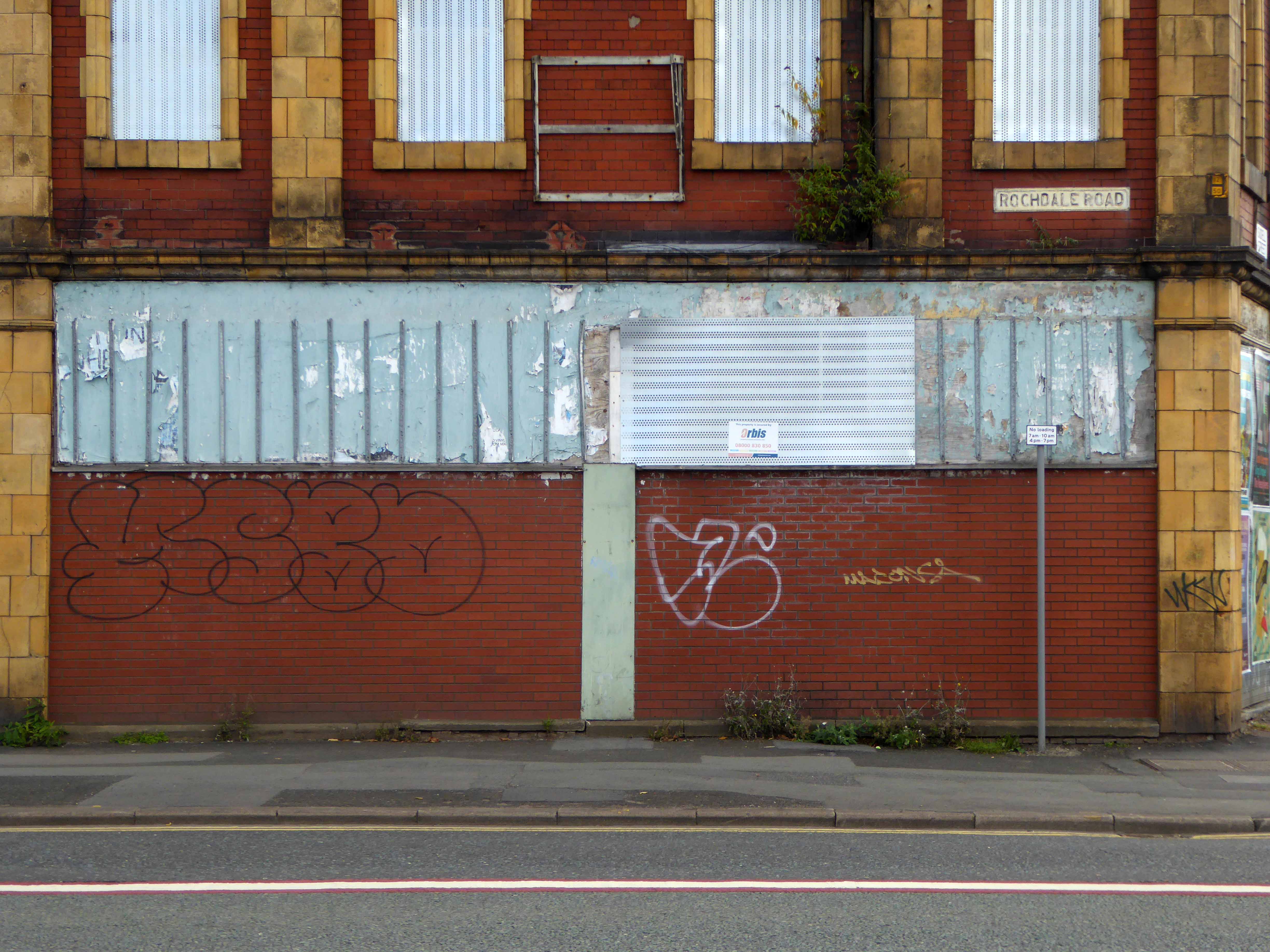
Standing alone, aloof and unloved on the corner of Rochdale Road and Sudell Street.

Something was missing.

I was missing something.

1813

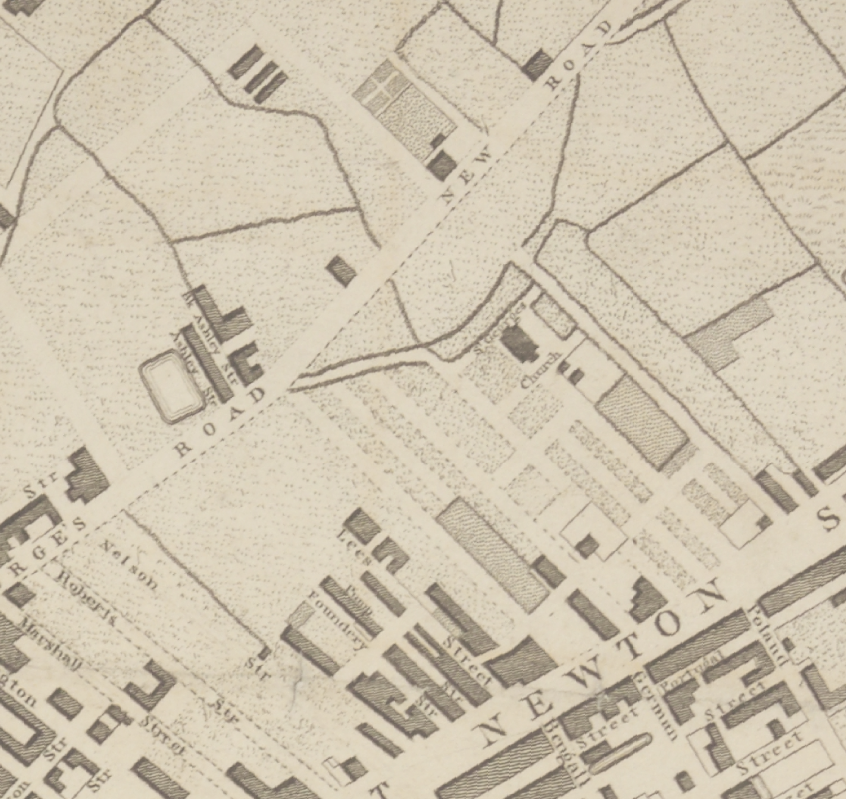
In 1813 there’s a field

1836

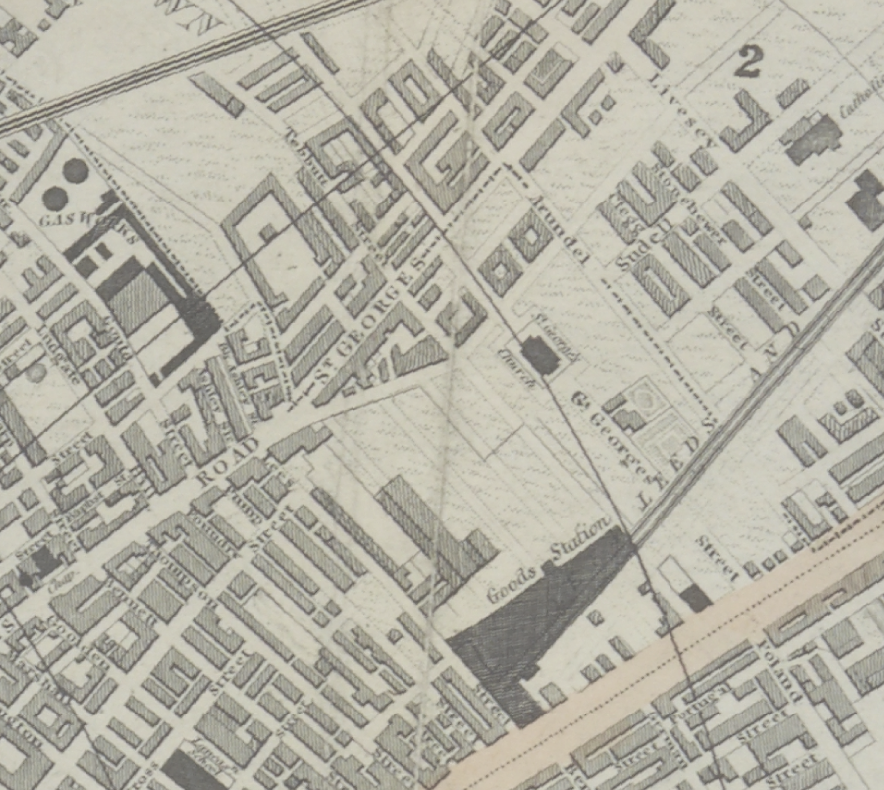
In 1836 something’s there, but not it’s you.

Yet.

1900

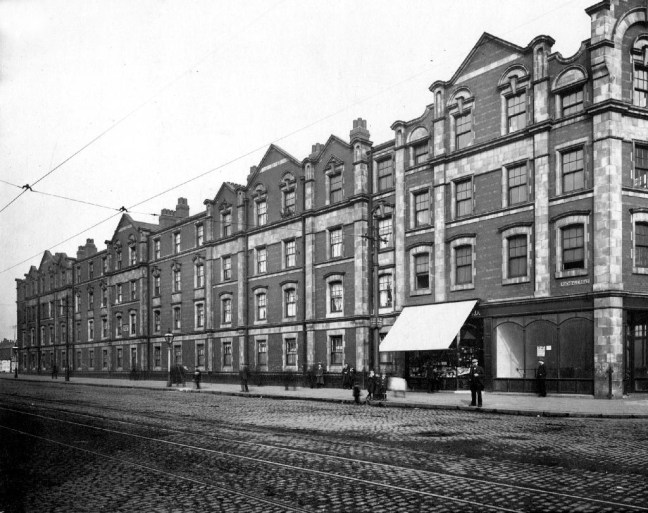
By 1900 the days of the two up, two downs are numbered – sanitary dwellings are the order of the day, plans are drawn up, the local council have decreed that workers dwellings are to be built.

webmedia-2.php

1905

1912

1932

back 38

Local Image Collection

Known as Alexandra Place or The Dwellings.

You must have been home to many too many to recall, then you were gone again.

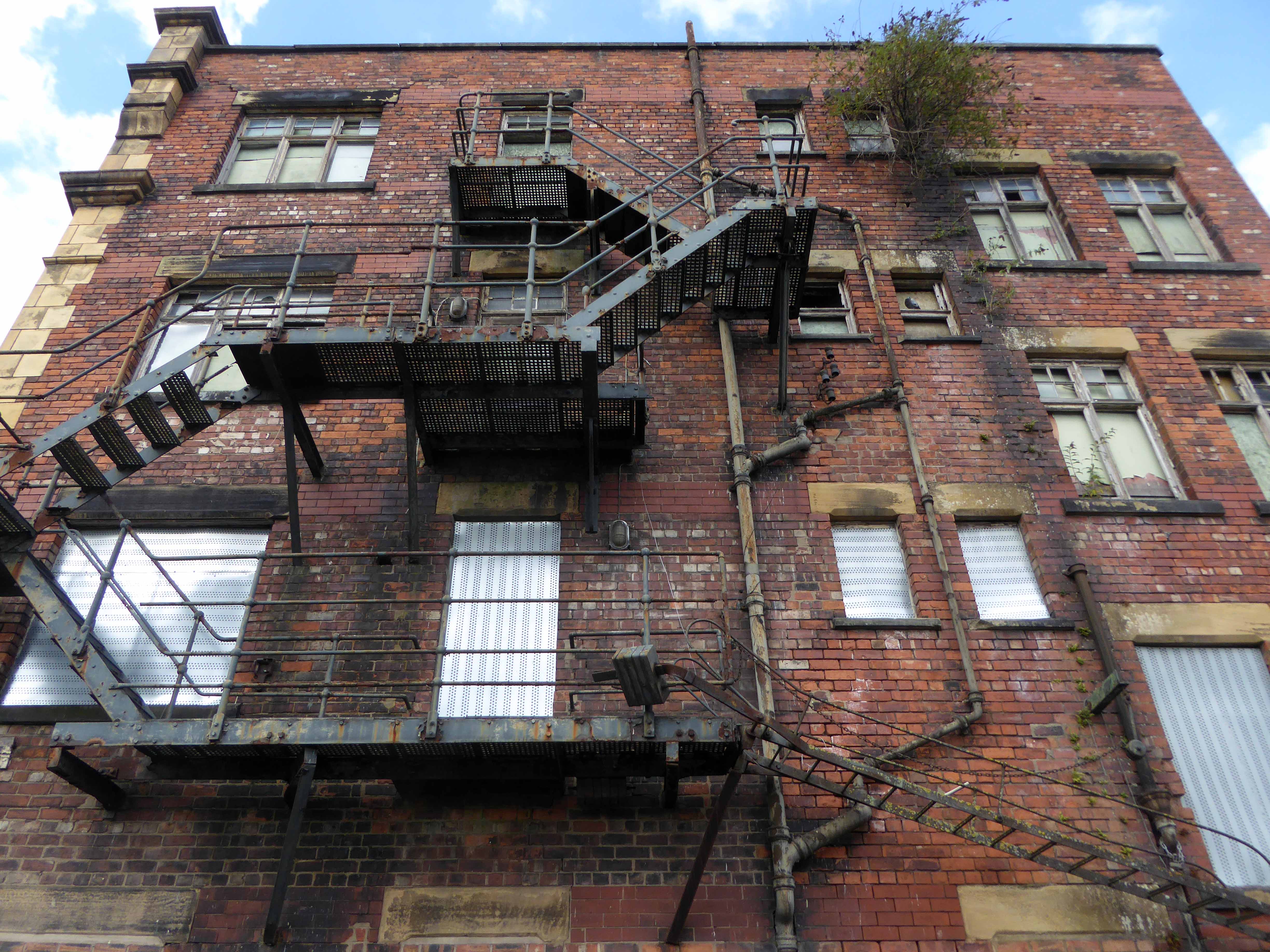
Save for one old triangle, refusing to jingle jangle to the modern dance.

I do not know what fate awaits you, I only know you must be strong.

A change is gonna come.

P1290088 copy

P1290089 copy

P1290090 copy

P1290357

P1290358

P1290359

P1290360


P1290362

P1290363

P1290364

P1290365

P1290366

P1290367

P1290368


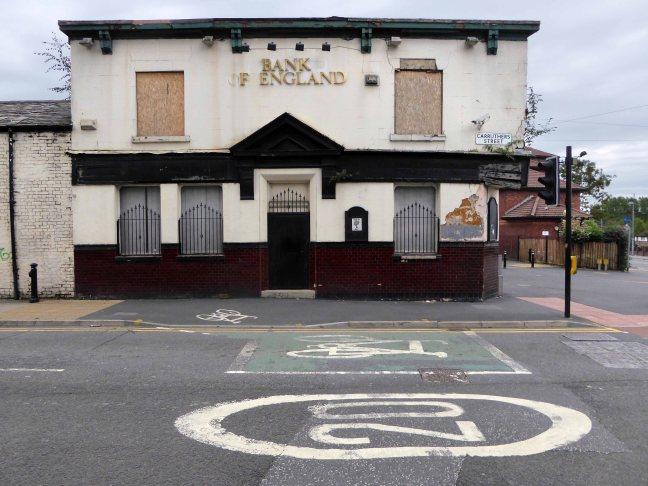
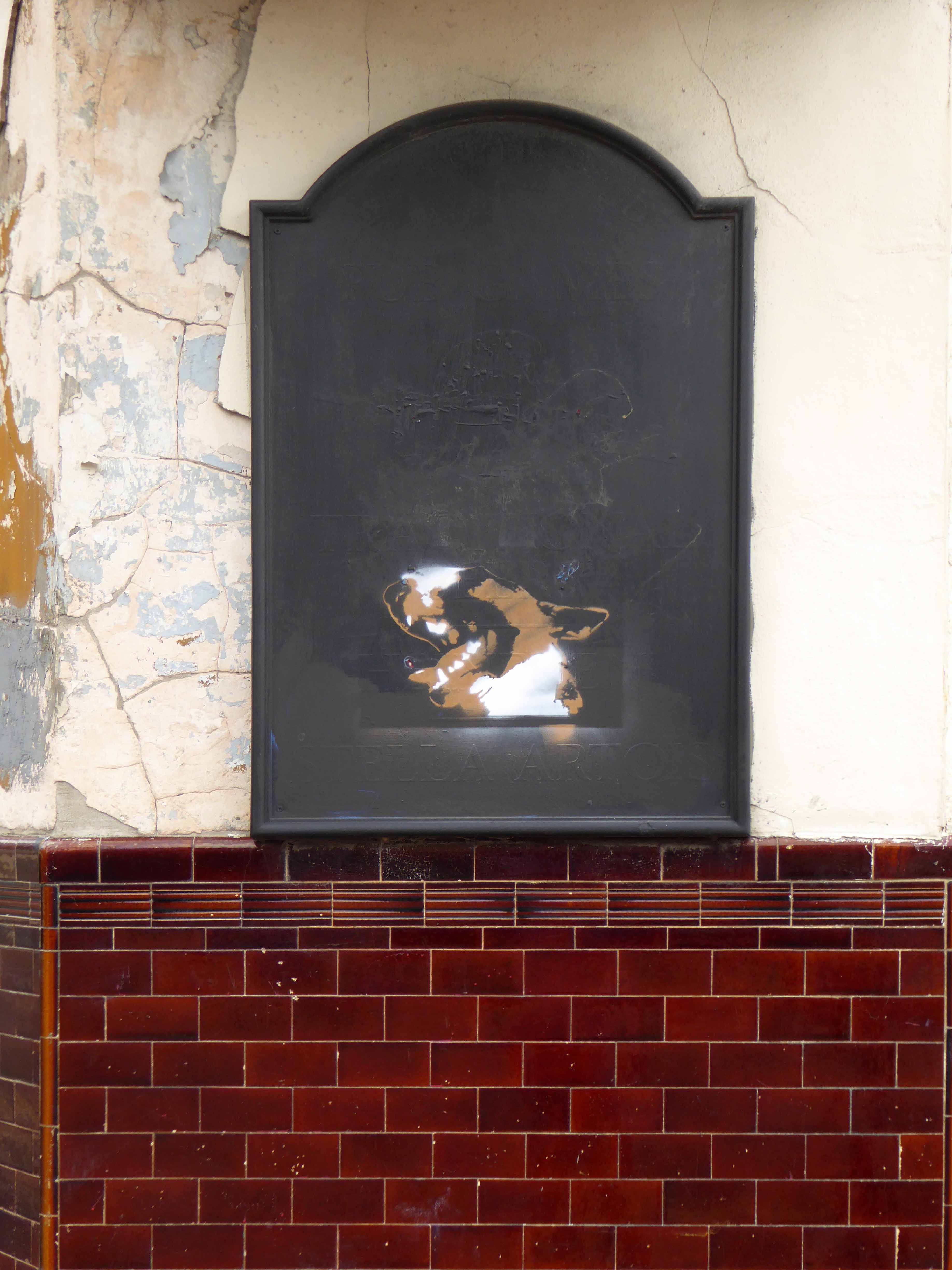
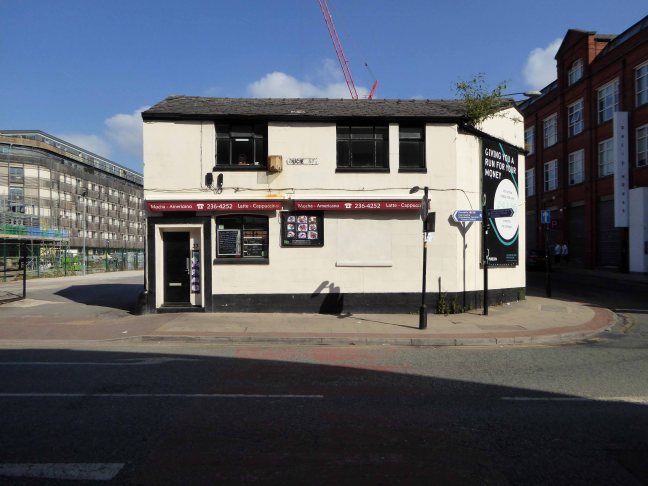
The Bank Of England – Manchester

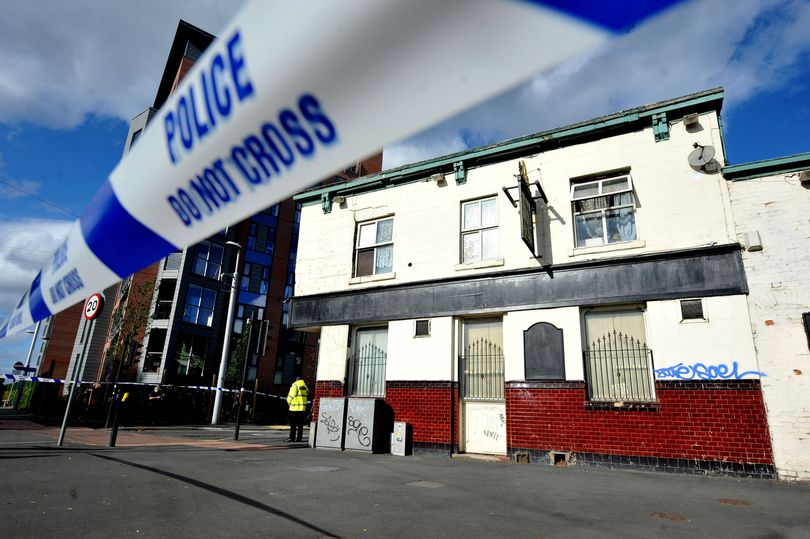
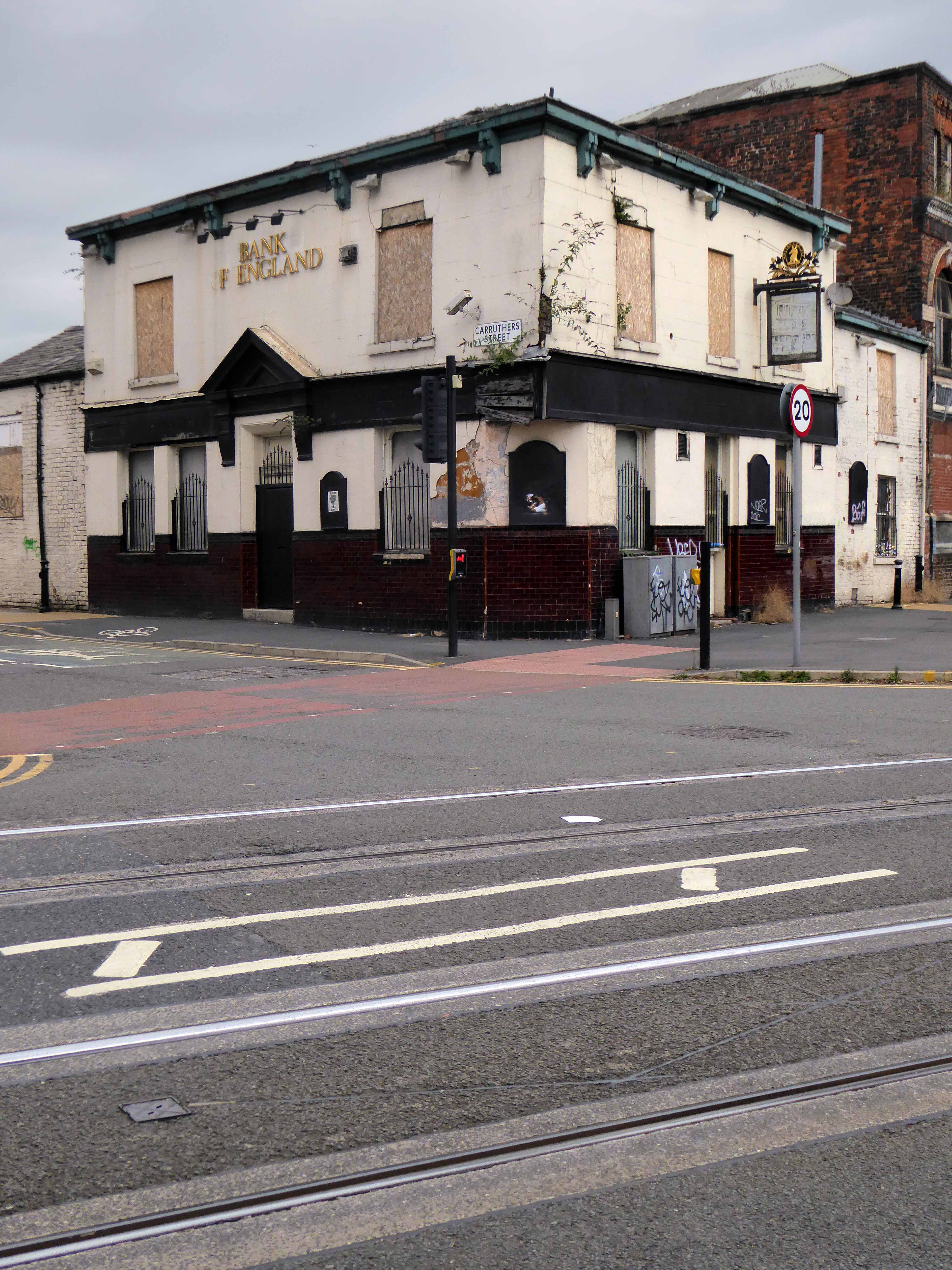
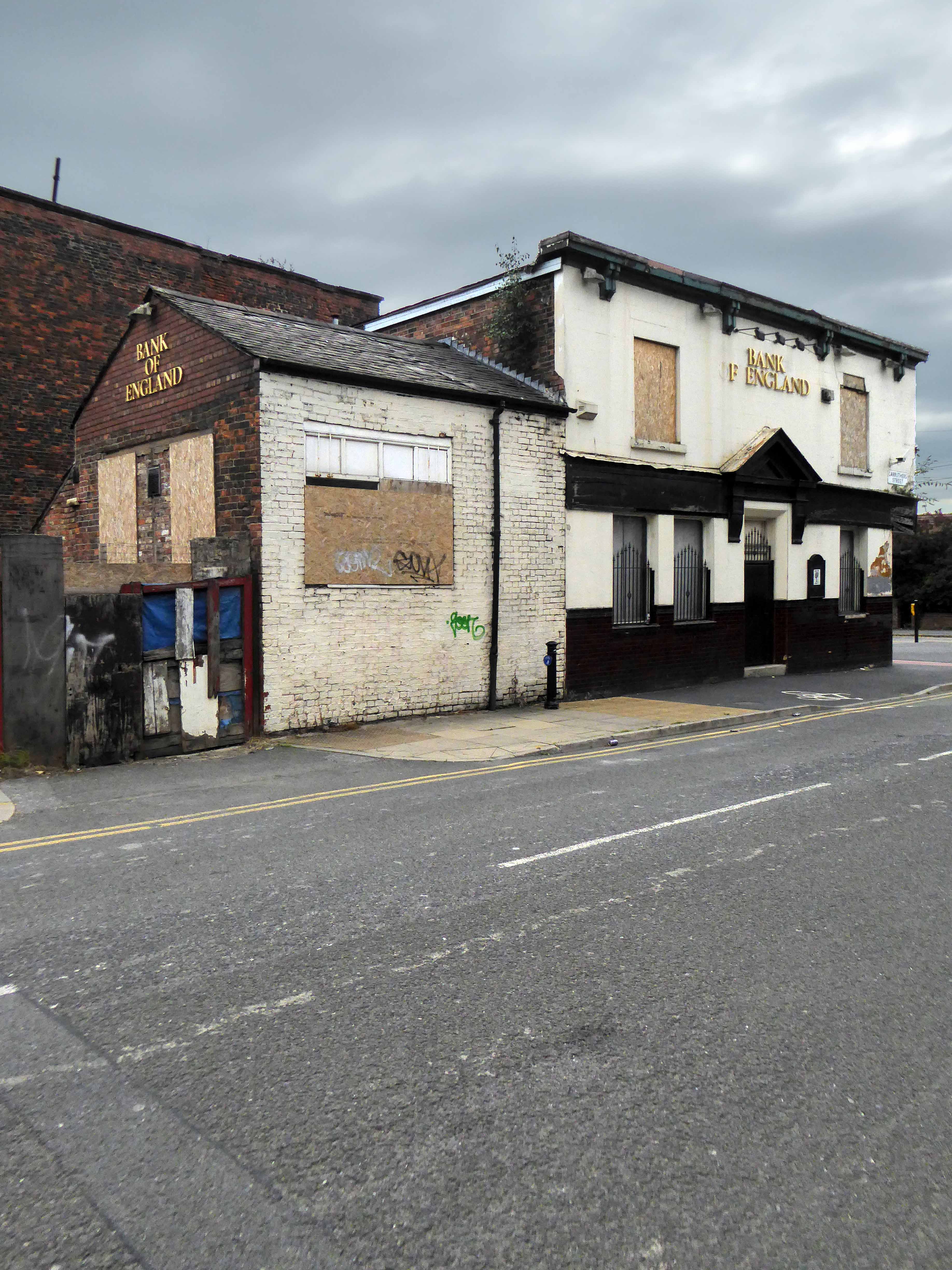
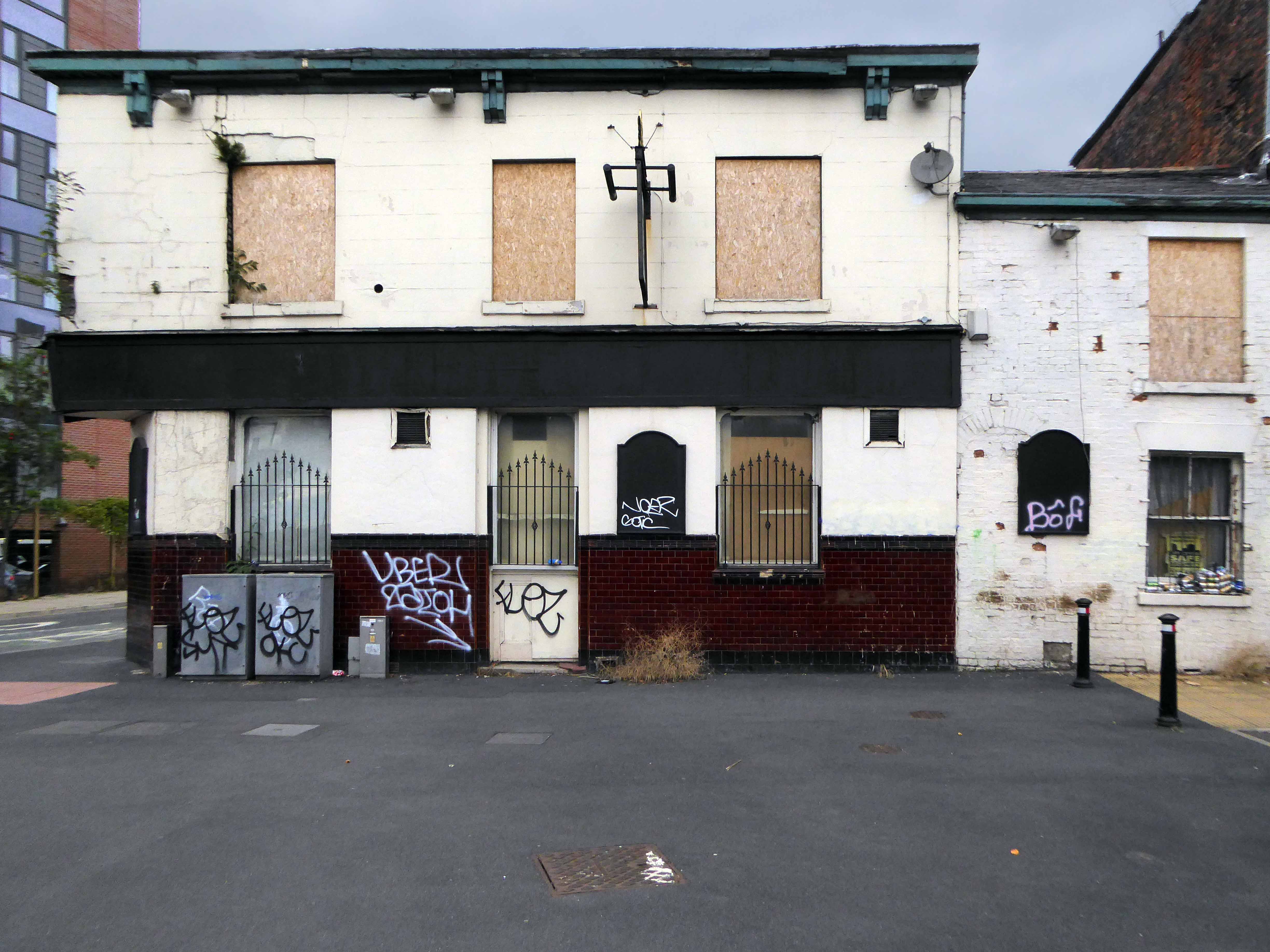
Standing stately on the corner of Carruthers and Pollard Street, safe as houses.

As safe as the houses that are no longer there, along with the other public houses, along with the jobs, along with the punters – all long gone, it’s a long story.

Look out!

Mind that tram, full of the boys and girls in blue, off to shriek at a Sheikh’s shrine.

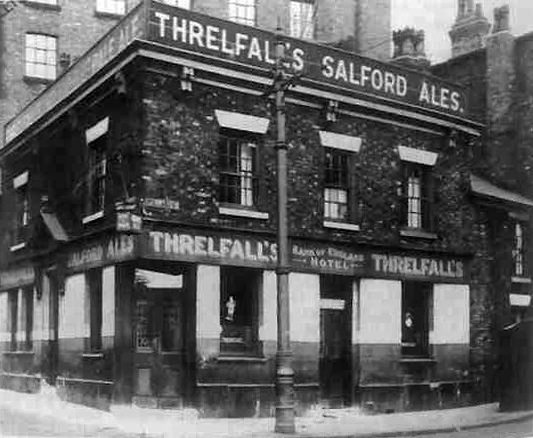
The Bank of England was one of Ancoats’ first beerhouses, licensed from 1830 and ten years later it was fully licensed with attached brewhouse.  The brewery did well, in fact it had another tied house, the Kings Arms near Miles Platting station nearby.  The brewery was sold off in the 1860s but continued as a separate business for a few years.

Pubs of Manchester

Bank of Enland 30s

Ancoats, the core of the first industrial city, a dense cornucopia of homes, mills and cholera – its citizens said to find respite from disease, through the consumption of locally brewed beer.

Once home to a plethora of pubs, now something of a dull desert for the thirsty worker, though workers, thirsty or otherwise are something of a rarity in the area.

One worker went missing, some twenty years ago Martin Joyce was last seen on the site, the pub grounds were excavated – nothing was found.

JS101647765

Manchester Evening News

When last open it was far from loved and found little favour amongst the fickle footy fans.

Screen Shot 2018-09-03 at 14.14.03

To the north a tidal wave of merchant bankers, to the east redundant industry.

The Bank of England has gone west.

So clean the mills and factories 

And give me council houses too

And work that isn’t turning tricks

Like building homes and making bricks.

Danny Moran

P1290007

P1290009

P1290010

P1290011

P1290012

P1290013

P1290014

P1290015

P1290016

P1290017

P1290018

P1290019


Eva Brothers – Clayton Manchester

Eva Brothers of Crabtree Forge, Crabtree Lane, Clayton, Manchester.

Im1960Ry-Eva

1909  The partnership of James Eva, Archibald William Eva, Victor Eva, Arthur Eva, and Frank Eva, carrying on business as Forge-masters, at Crabtree-lane, Clayton, Manchester, under the style or firm of Eva Bothers was ended. All debts due would be settled by Archibald William Eva, Victor Eva, Arthur Eva, and Frank Eva, who continued the business under the same style.

By 1953 The EVA group of companies was the largest edge tool makers in the world, exporting most of their products. The associated companies included: Chillington Tool Co, Edward Elwell Limited of Wednesbury, A. W. Wills and Son Limited of Birmingham, John Yates and Co Limited of Birmingham, and the Phoenix Shovel Co Limited of Cradley Heath.

1958 Acquired T. Williams Drop forgings and Tools of Small Heath, Birmingham

1959 Planned to convert into a holding company; depressed demand for heavy engineering but continued group prosperity were anticipated.

1960 Eva Brothers paid dividends and made scrip issue; changed the name to Eva Industries as the holding company.

1976: Eva Brothers continued to be a part of Eva Industries.

Graces Guide – for further information.

P1270879

This is where Manchester’s prosperity was created, engineering along with King Cotton, formed the financial foundations of the city. These industries are now all but vanished, along with the communities and skills that created them, work and wealth are elsewhere.

Years of free-market economics, acquisition, asset stripping, amalgamation and monopoly have bequeathed a legacy of loss.

Once bustling and business like sheds and yards, are now forests of buddleia and bramble. The sound of metal on metal, but a dull memory, amidst the wilder side of wildlife and the gentle whisper of peeling paint.

Come with me now to the Kingdom of Rust.

P1270883

P1270882

P1270881

P1270880

DSC_0091

DSC_0086

DSC_0083

DSC_0080

DSC_0079

DSC_0072

DSC_0070

DSC_0066

DSC_0061

DSC_0060

DSC_0058

DSC_0057

DSC_0050

DSC_0056

DSC_0053

DSC_0051

DSC_0047

DSC_0045

DSC_0041

DSC_0040

DSC_0037

DSC_0035

DSC_0033

DSC_0032

DSC_0029

DSC_0028

DSC_0026

DSC_0025

DSC_0022

DSC_0021

DSC_0020

Harbour Bar – Scarborough

Screen Shot 2018-07-27 at 09.36.54

1-3 Sandside, Scarborough, North Yorkshire, YO11 1PE.

Do you remember the first time?

Sometime around 2011, I fell in love with the Harbour Bar Scarborough.

A family business serving home made ice cream since 1945.

It’s a magical world of mirrors, melamine, signs and ice creams.

DSC_0014

DSC_0016

DSC_0019

DSC_0020

DSC_0022

DSC_0023

DSC_0024

DSC_0025

DSC_0028

Since then I’ve been back for a banana split and take the opportunity to take a few more snaps, I never leave anything less than overwhelmingly happy and full.

P1040521

P1040523

P1040524

P1040522

P1040525

DSC_0356

DSC_0357

DSC_0359

DSC_0360

DSC_0027

DSC_0036

DSC_0028

DSC_0025

DSC_0029

DSC_0031

DSC_0032

DSC_0033

DSC_0035

DSC_0042

DSC_0043

DSC_0044

DSC_0046

DSC_0048

DSC_0049

DSC_0050

DSC_0052

DSC_0053

DSC_0055

DSC_0056

DSC_0057

DSC_0061

P1260970

P1260972

P1260973

P1260974

P1260975

P1260976

P1260977

P1260978

P1260979

P1260980

P1260981

P1260982

P1260983

P1260984

P1260985

P1260986

P1260987

P1260988

P1260989

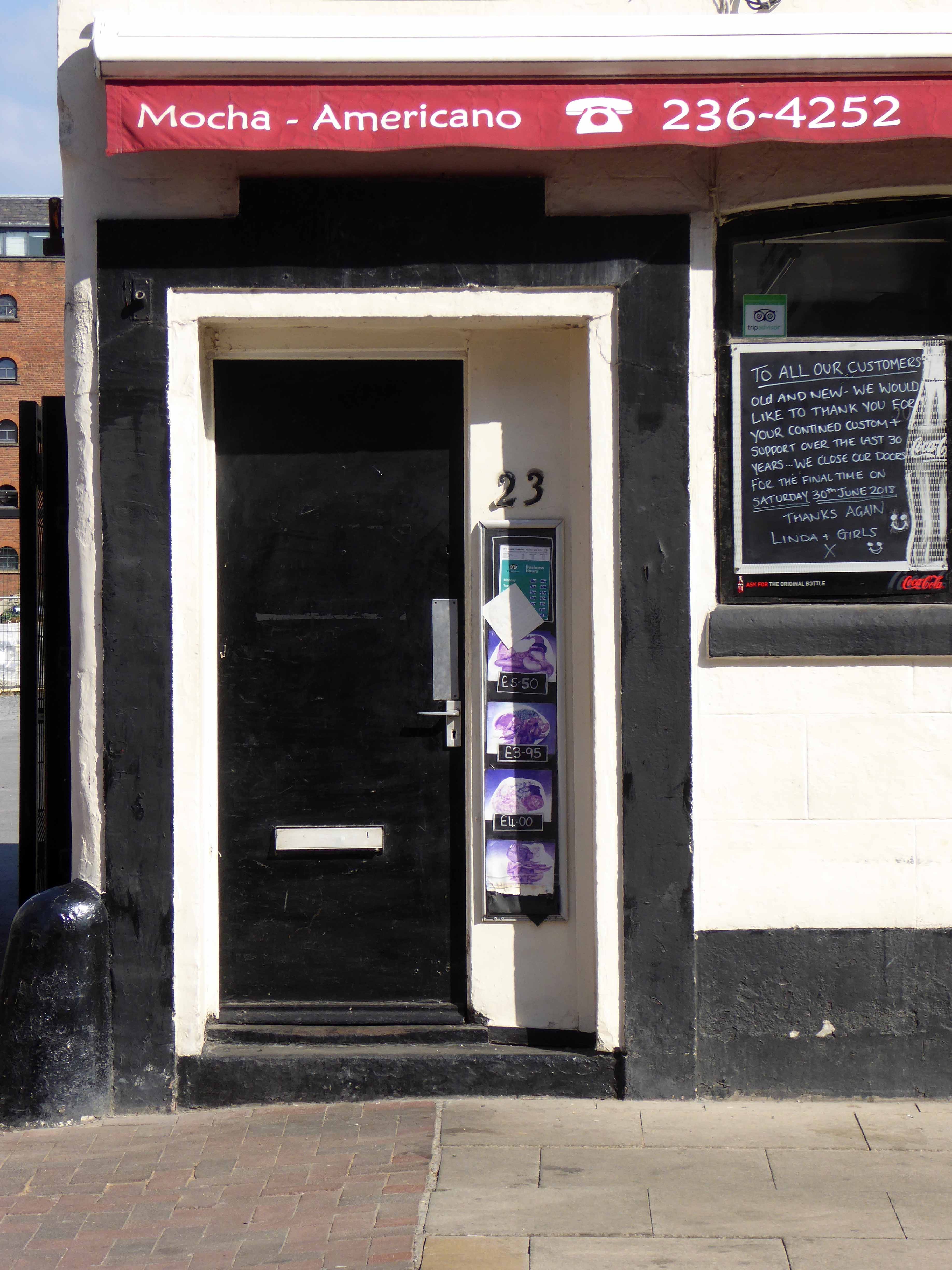
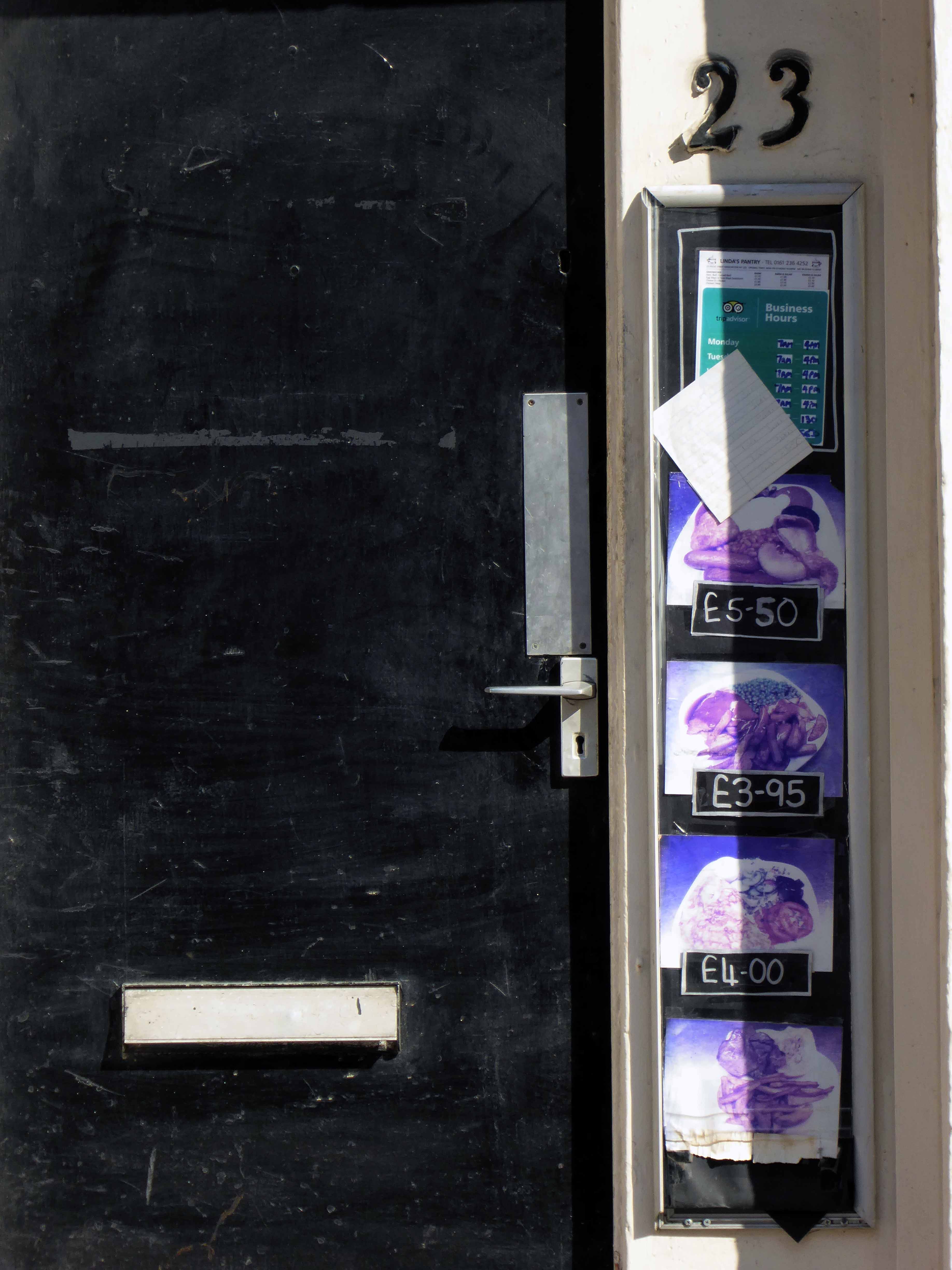
Linda’s Pantry – Manchester

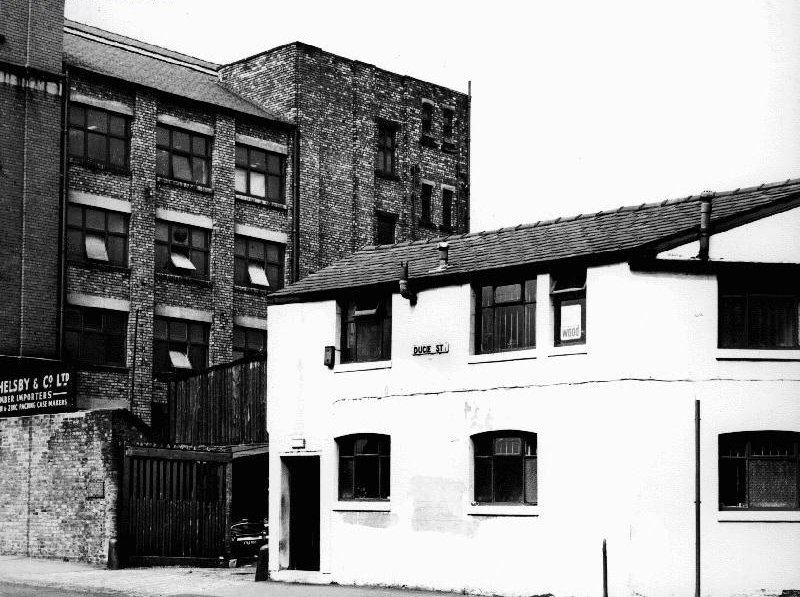
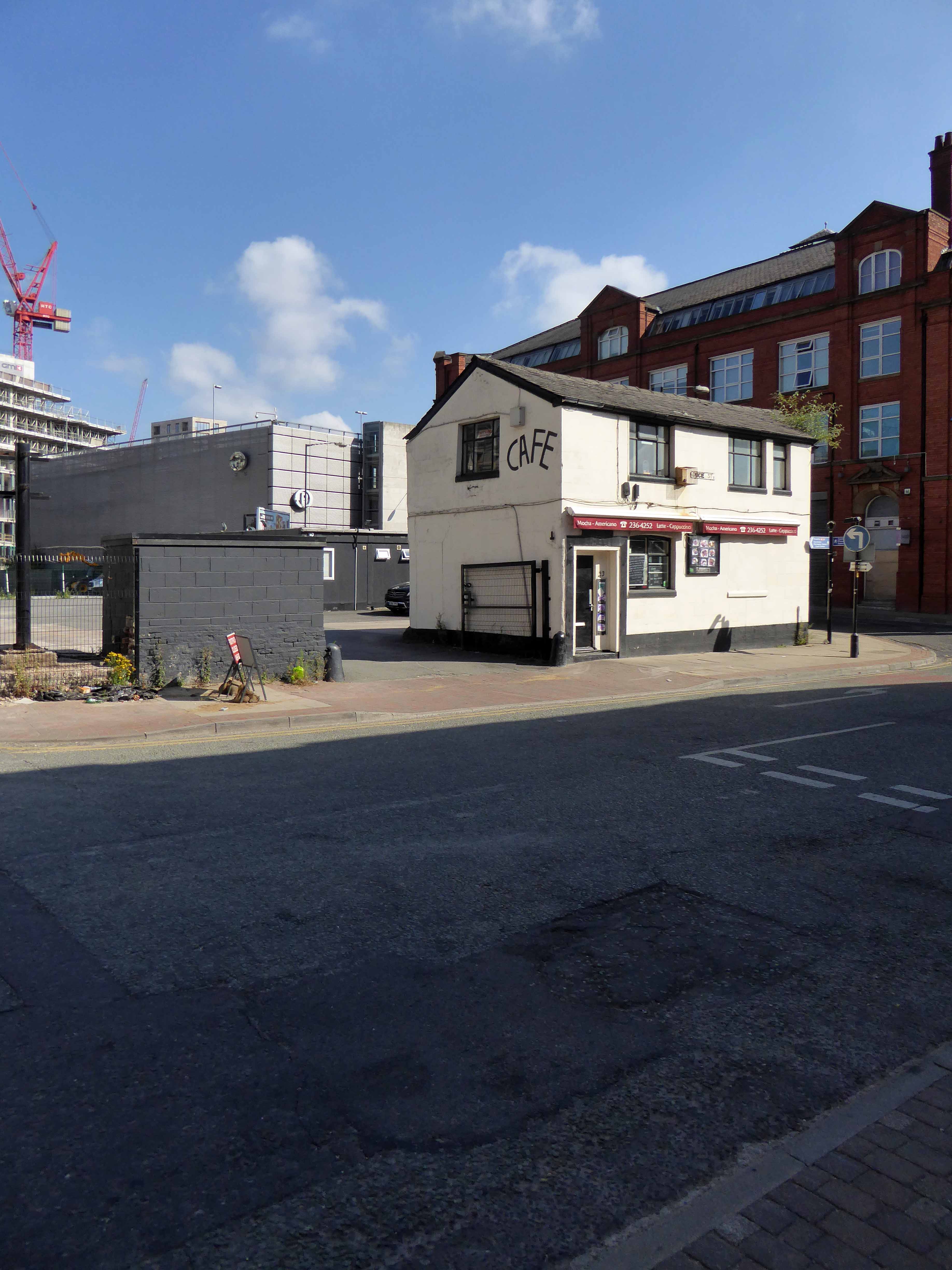
Turn off London Road and into Ducie Street, it’s just around the corner from Piccadilly Station.

Enter a world of warehouses, homes and industry.

webmedia-1.php

webmedia-4.php

webmedia-1.php

webmedia-3.php

webmedia-2.php

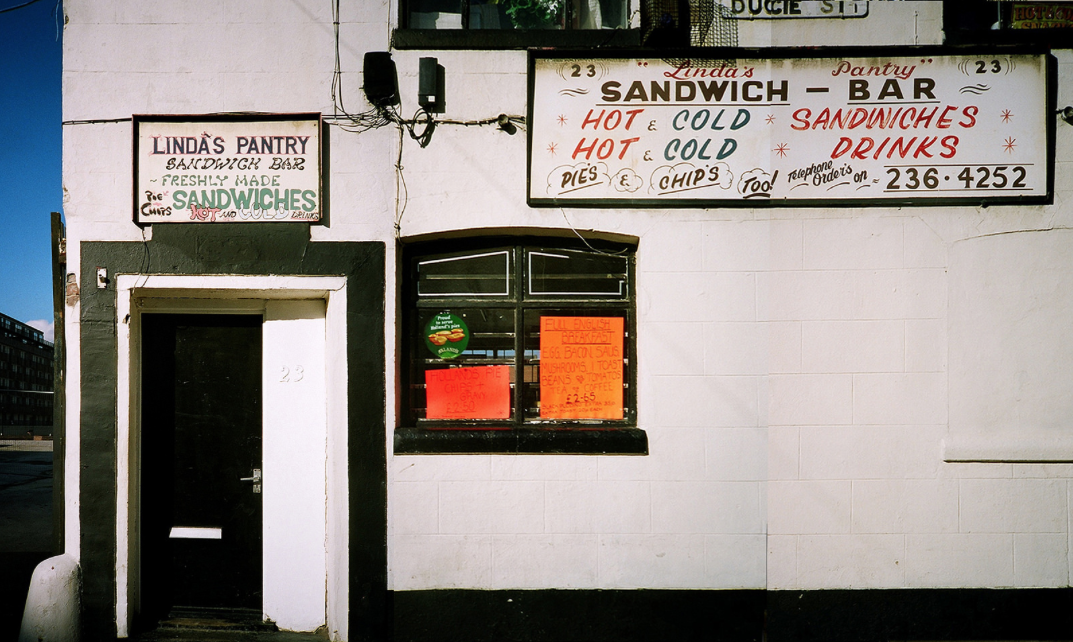
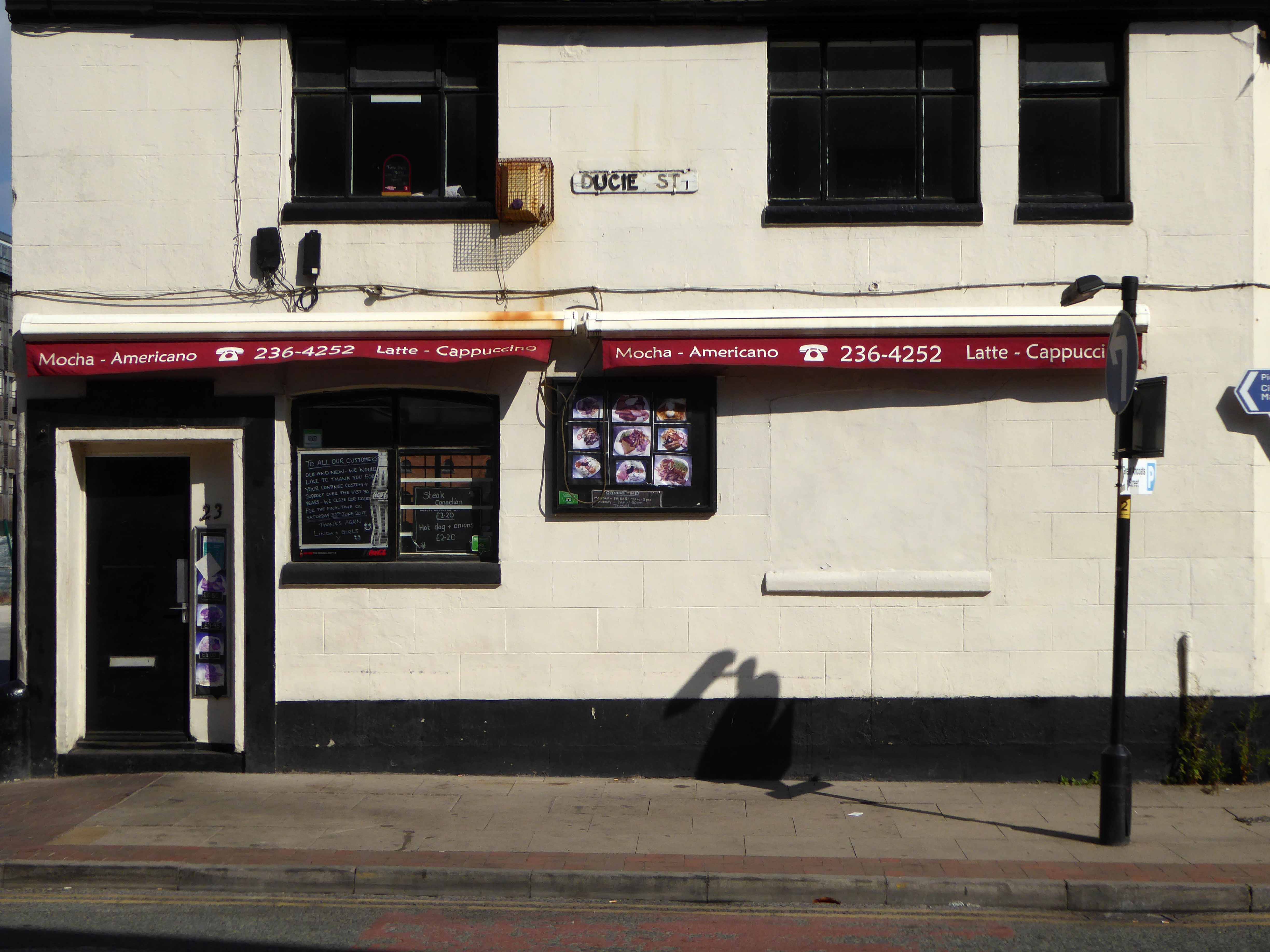
Return some fifty years later and you’ll find a café on the corner.

Screen Shot 2018-07-09 at 19.55.53

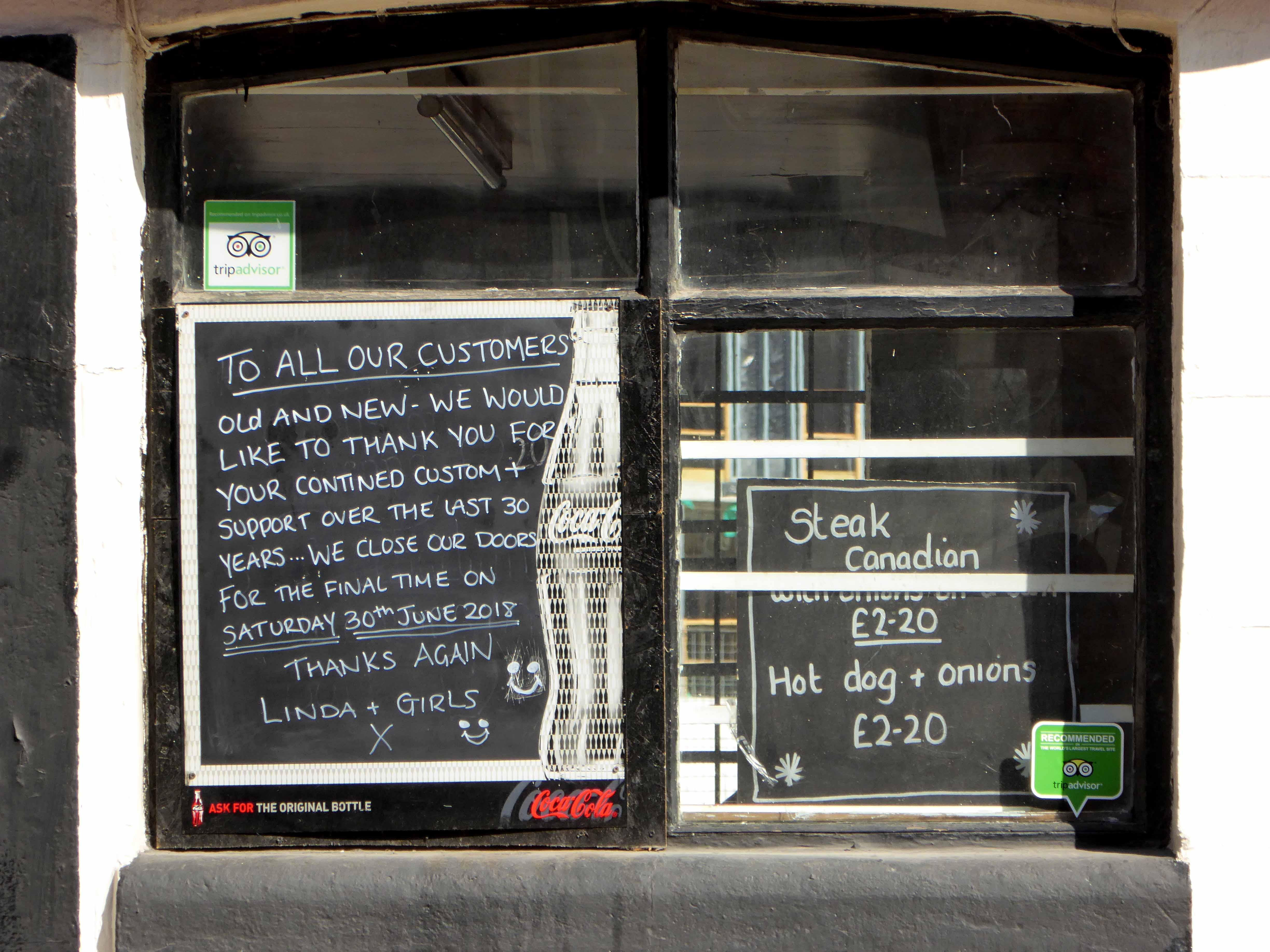
Return last Saturday you’ll find that it’s gone.

P1270029

No more of this.

b872c05fb8251eb973cf30b3cee7e421


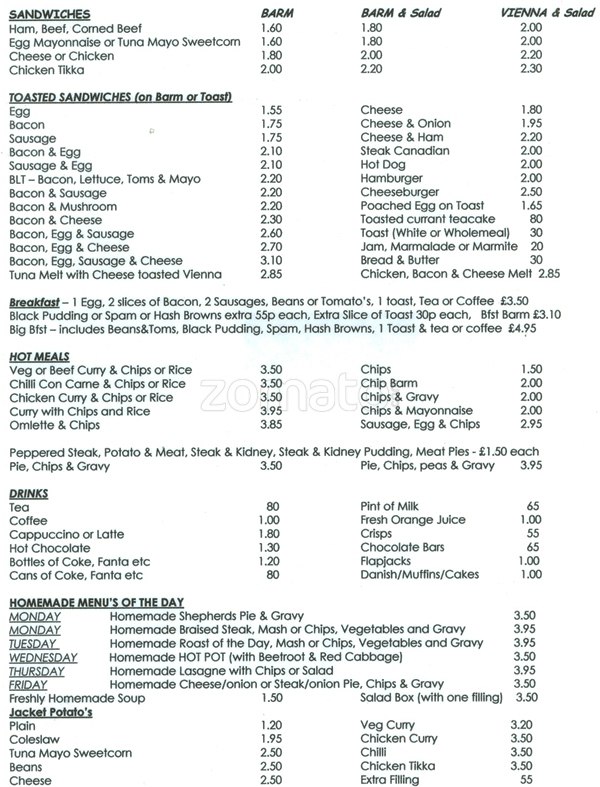
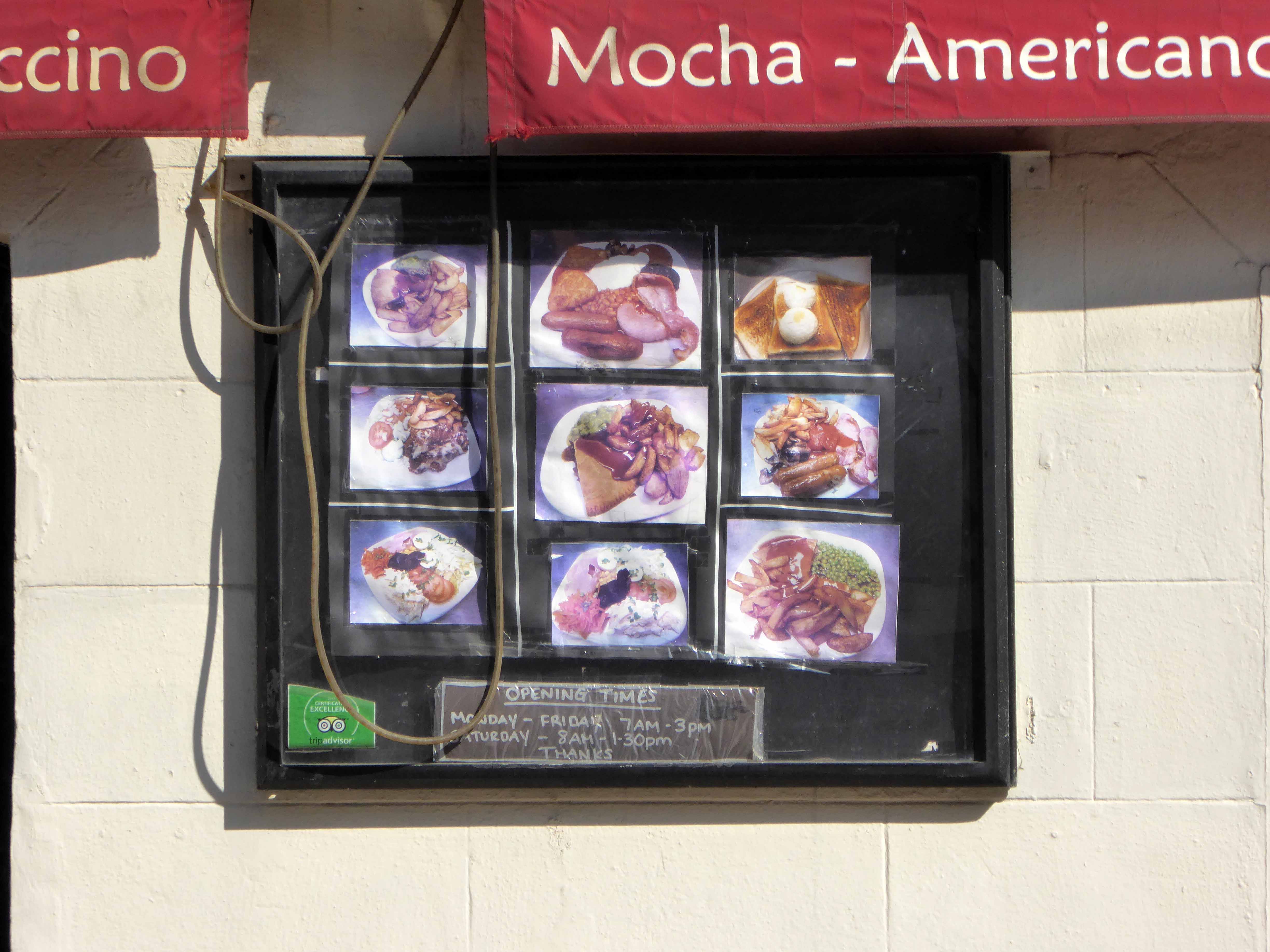
Top class scran at prices to suit all pockets.

EGP_MEN_LindasPantry_201017_007JPG

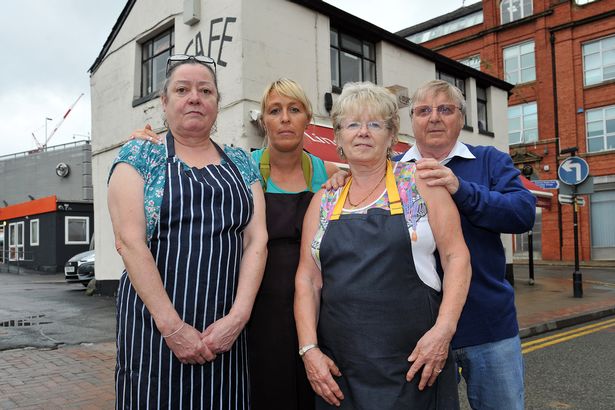
Linda and her crew have packed up the pans and scrammed.

Read all about it – Manchester Evening News

The face of the city changes, as one by one faces and places disappear, new build and mass tourism making ever new demands on space.

The rag trade is in tatters and the tatters are long gone.

It would seem that there is no place for the traditional café or its customers.

So thank you and goodnight, the last pie, chips and gravy has left the counter.

Shut the door and turn out the lights.

P1270025

P1270027

P1270028

P1270033

P1270034

P1270035

P1270038

P1270039

P1270042

P1270044

P1270048

P1270051

P1270052


Sale Pyramid Odeon Cinema

Cinema Treasures

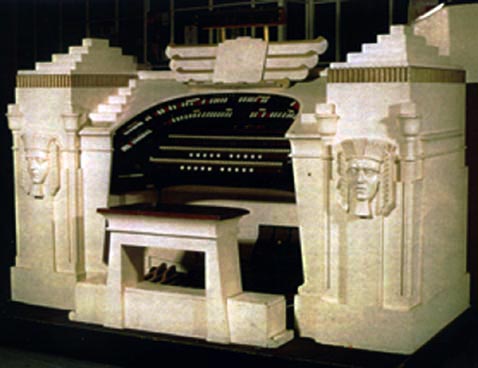
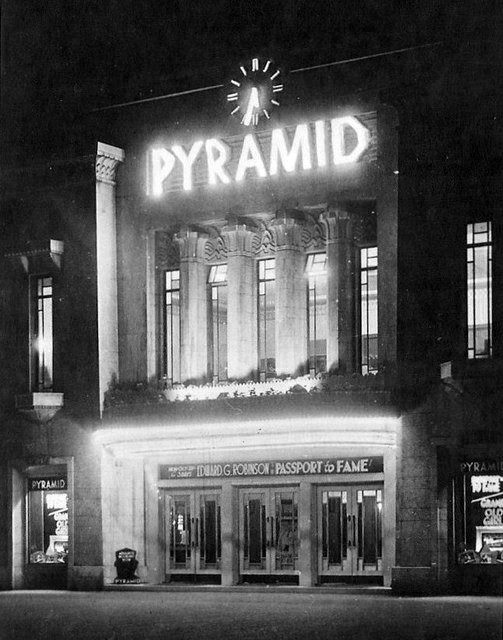
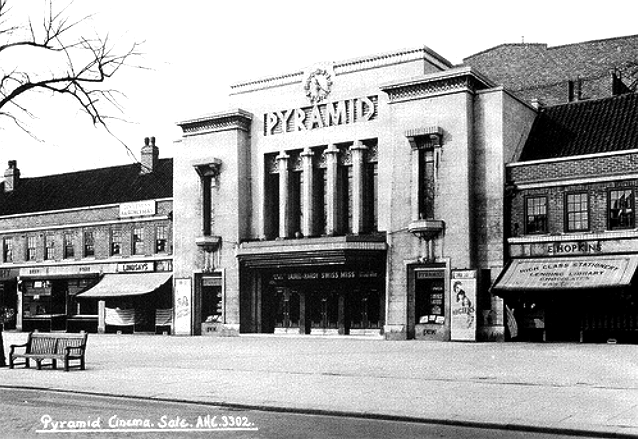
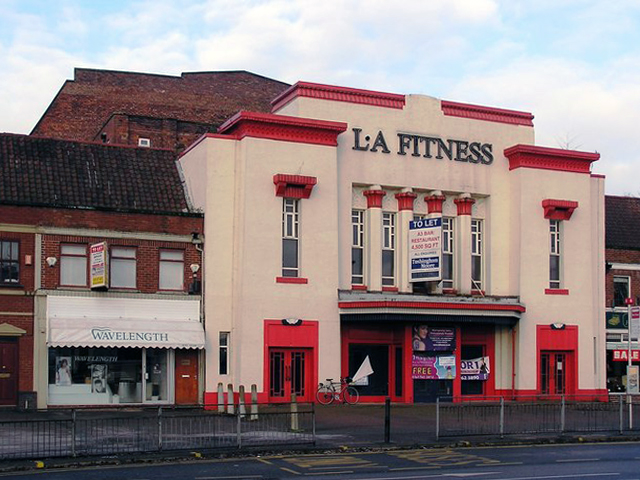
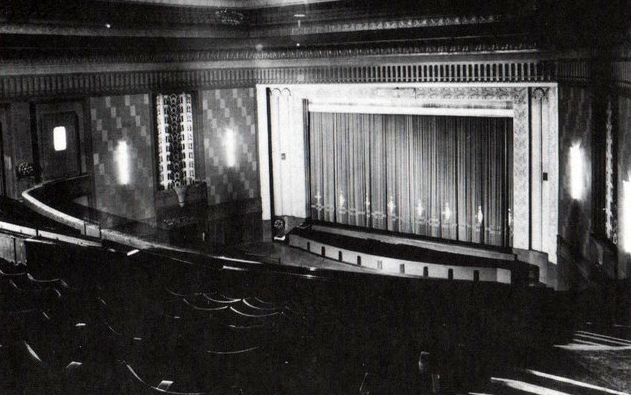
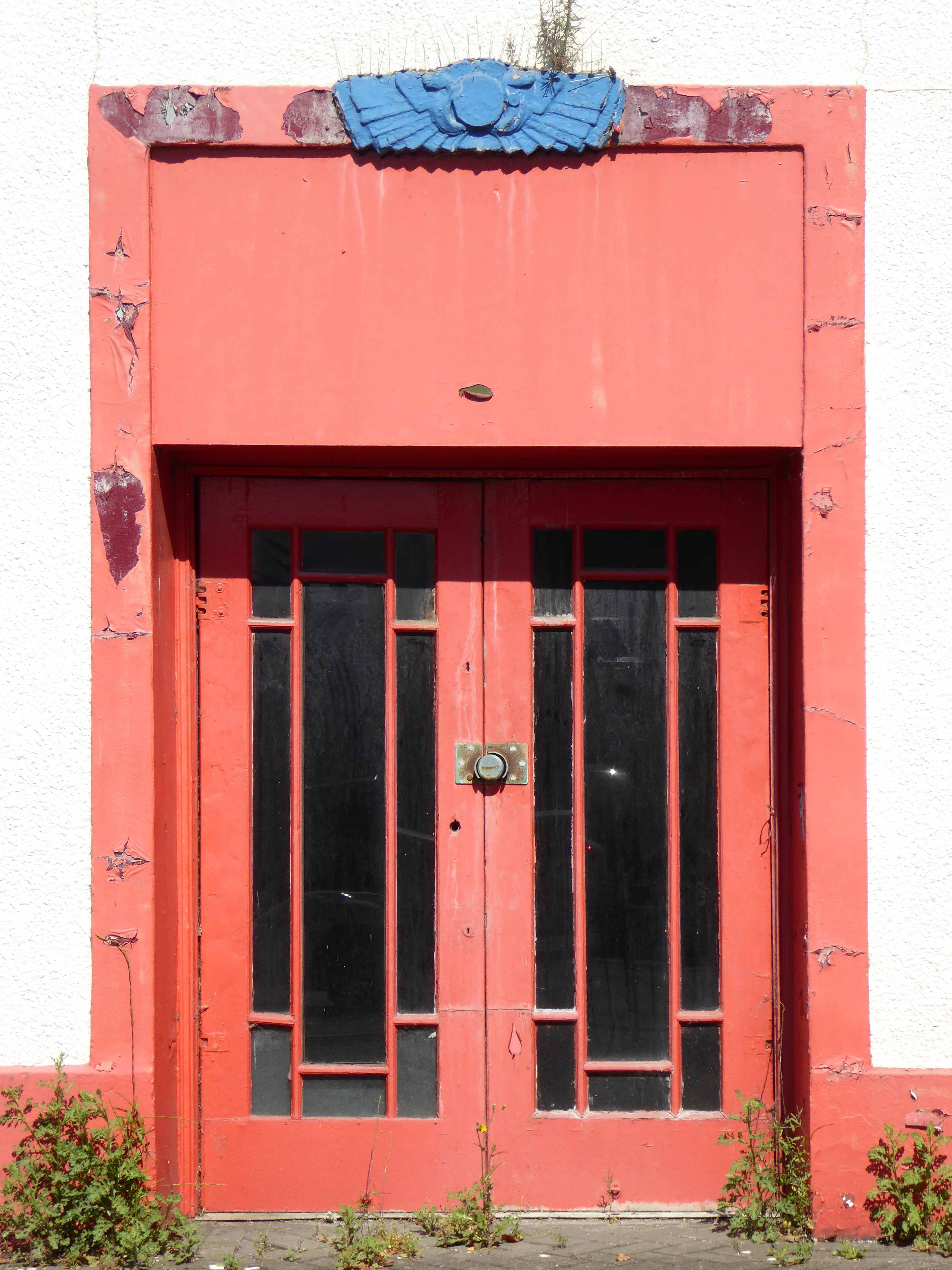
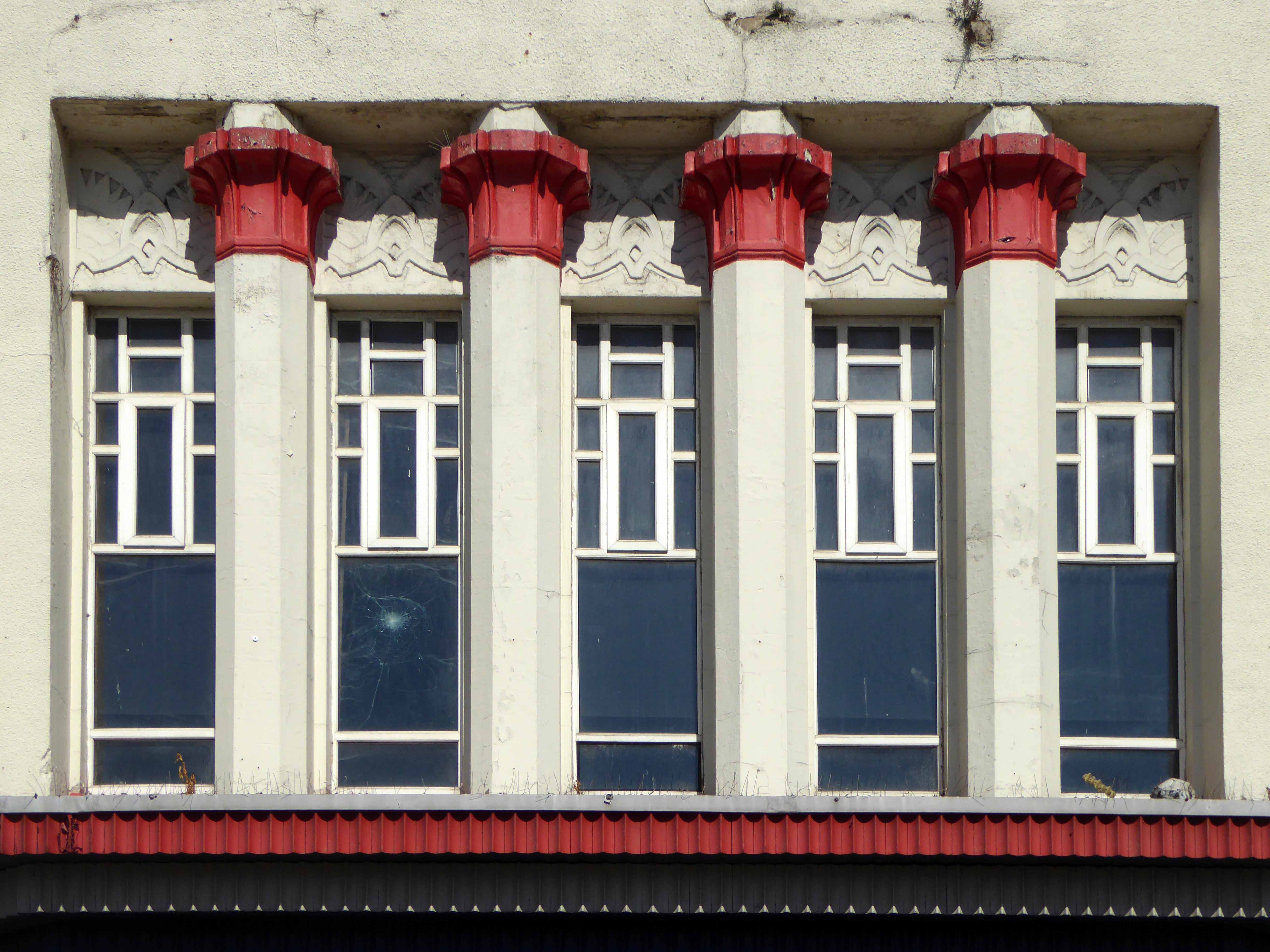
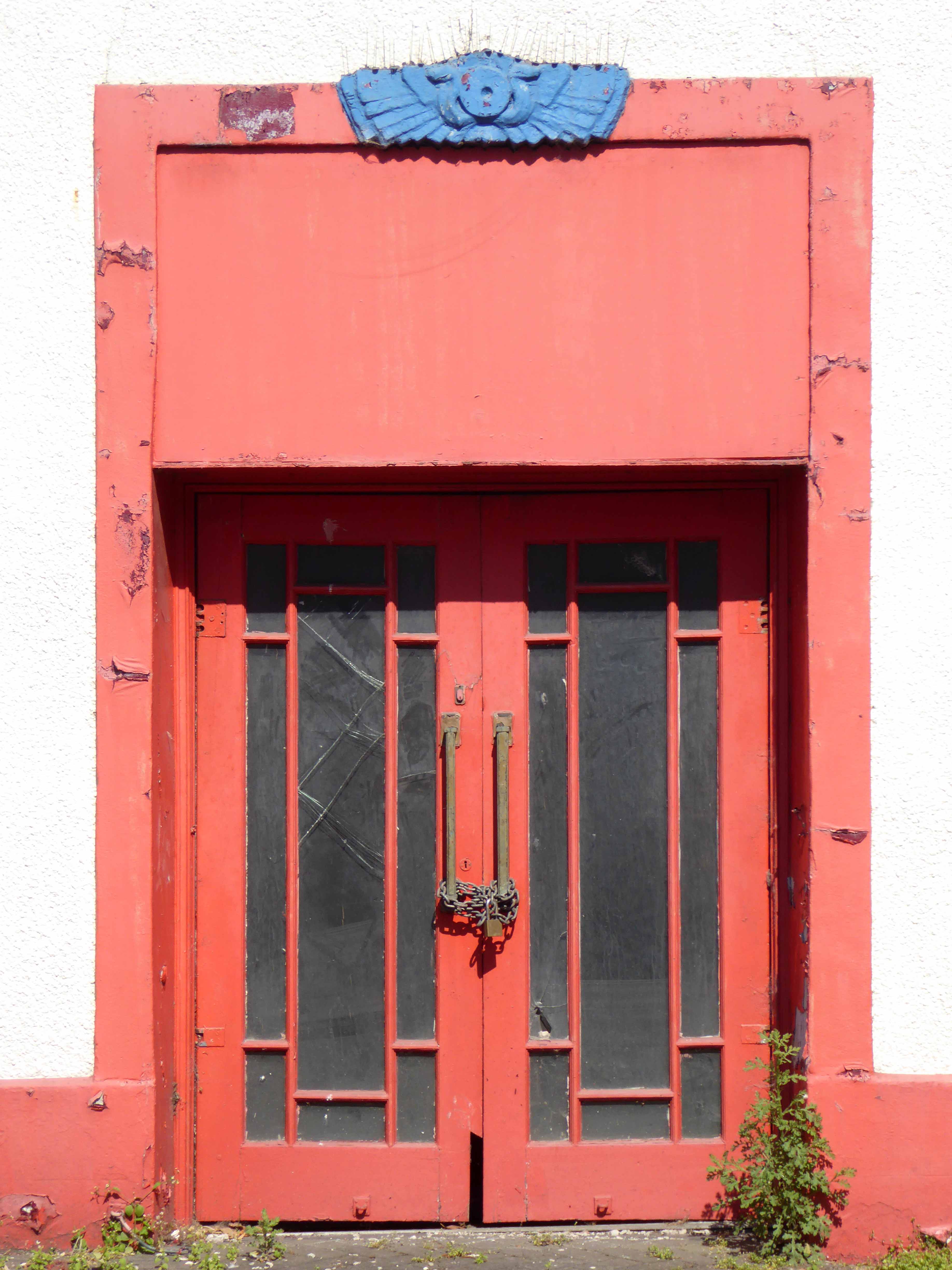
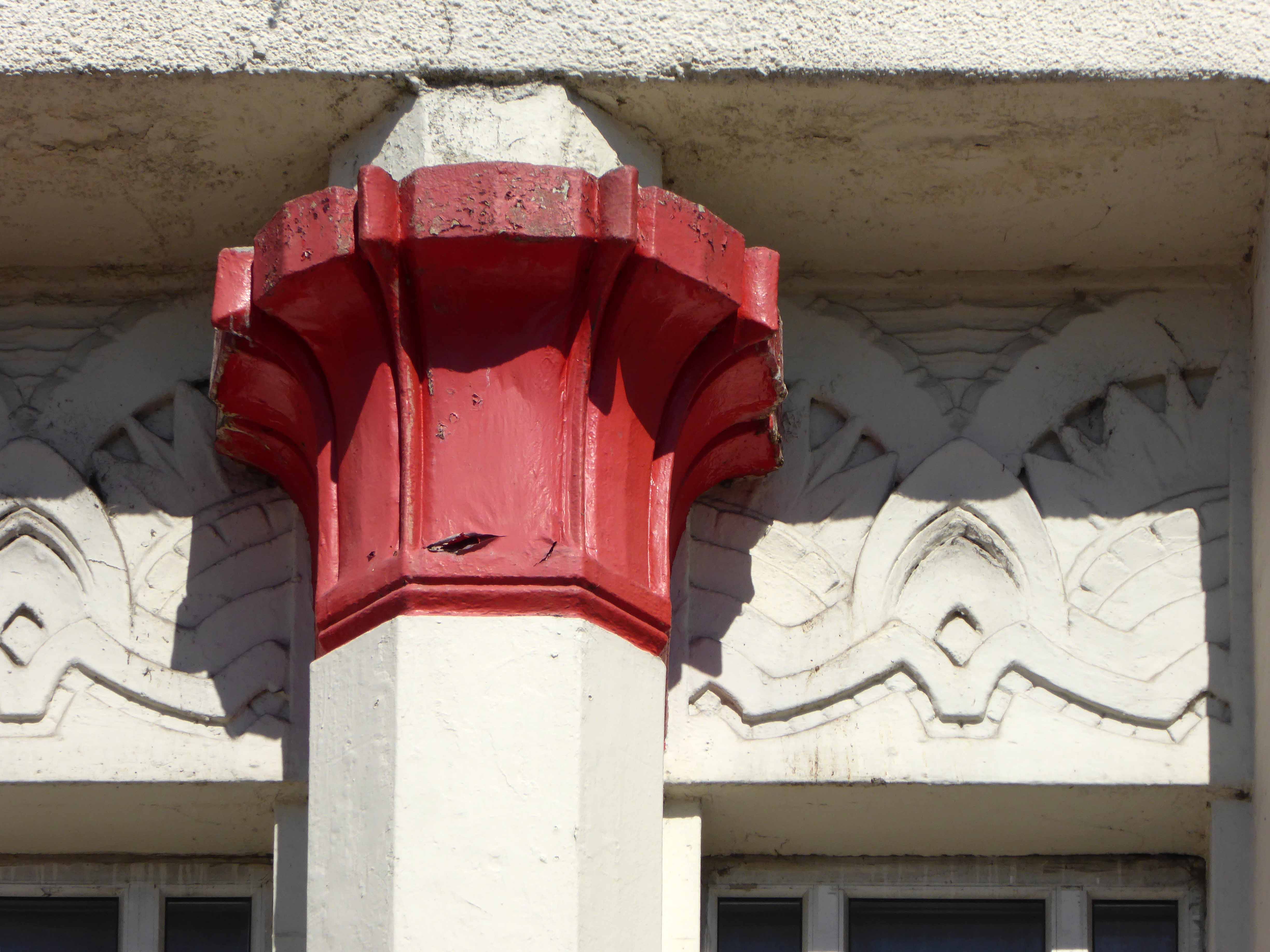
Located in Sale, Cheshire, now part of Greater Manchester. Designed by the famous British cinema architectural firm, Drury & Gomersall, the Pyramid Theatre is a classic example of an Egyptian-style cinema in Britain and had a 1,940 seating capacity.

The frontage although not particularly Egyptian in overall design does have various Egyptian style mouldings and fluted pillars. Internally, the Egyptian theme was again largely mouldings and finishes like Graumans Egyptian Theatre in Hollywood. The theme was included in the specially designed Christie Organ, which was installed in the Blue Coat School in Oldham.

Following a request by the school to remove the organ in 2008, the organ was in storage for five years. The Christie has now been donated to the Lowe Side Trust, by the LTOT,  along with funding for refurbishment and installation, of both consoles, into Lowe House Catholic Church, St. Helens, Lancashire. As of the beginning of 2018 the the original pit console is now fully functioning in the Church. The Egyptian style stage console is now under refurbishment to full theatre specification. Website for this project will be available shortly.

Lancastrian Theatre Organ Trust

bccolcr

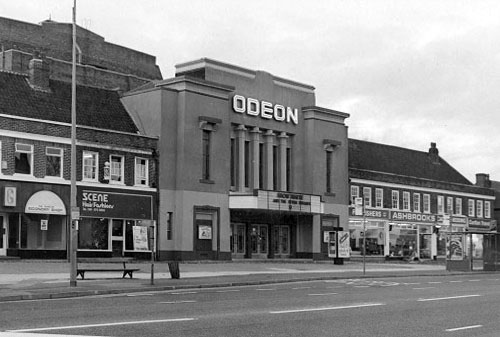
The Pyramid Theatre changed hands a couple of times between its opening on 24th February 1934 and 21st December 1942 when it was taken over by Oscar Deutsch’s Odeon Theatres Ltd. chain. It was re-named Odeon on 18th June 1945.

large-1

In 1981, the Rank Organisation closed 29 of its Odeon cinemas and the lease for the Odeon Sale was bought by the Tatton Cinemas group and it was re-named Tatton Cinema. Stage shows returned to the theatre, however the runing costs caused the lease to revert to Rank in 1984 and the building was closed.

Screen Shot 2018-06-28 at 07.51.12

odsastr

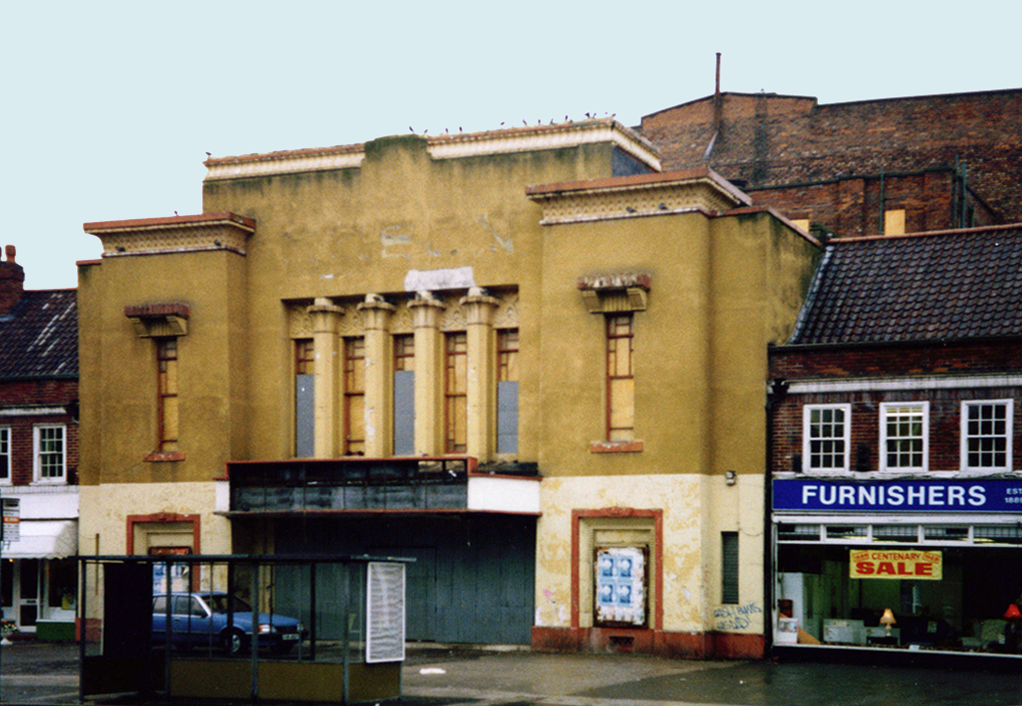
The cinema was purchased by Trafford Borough council for £200,000, but by 1987 the costs to the council were estimated at £1.5 million. A campaign was started to save it from demolition.

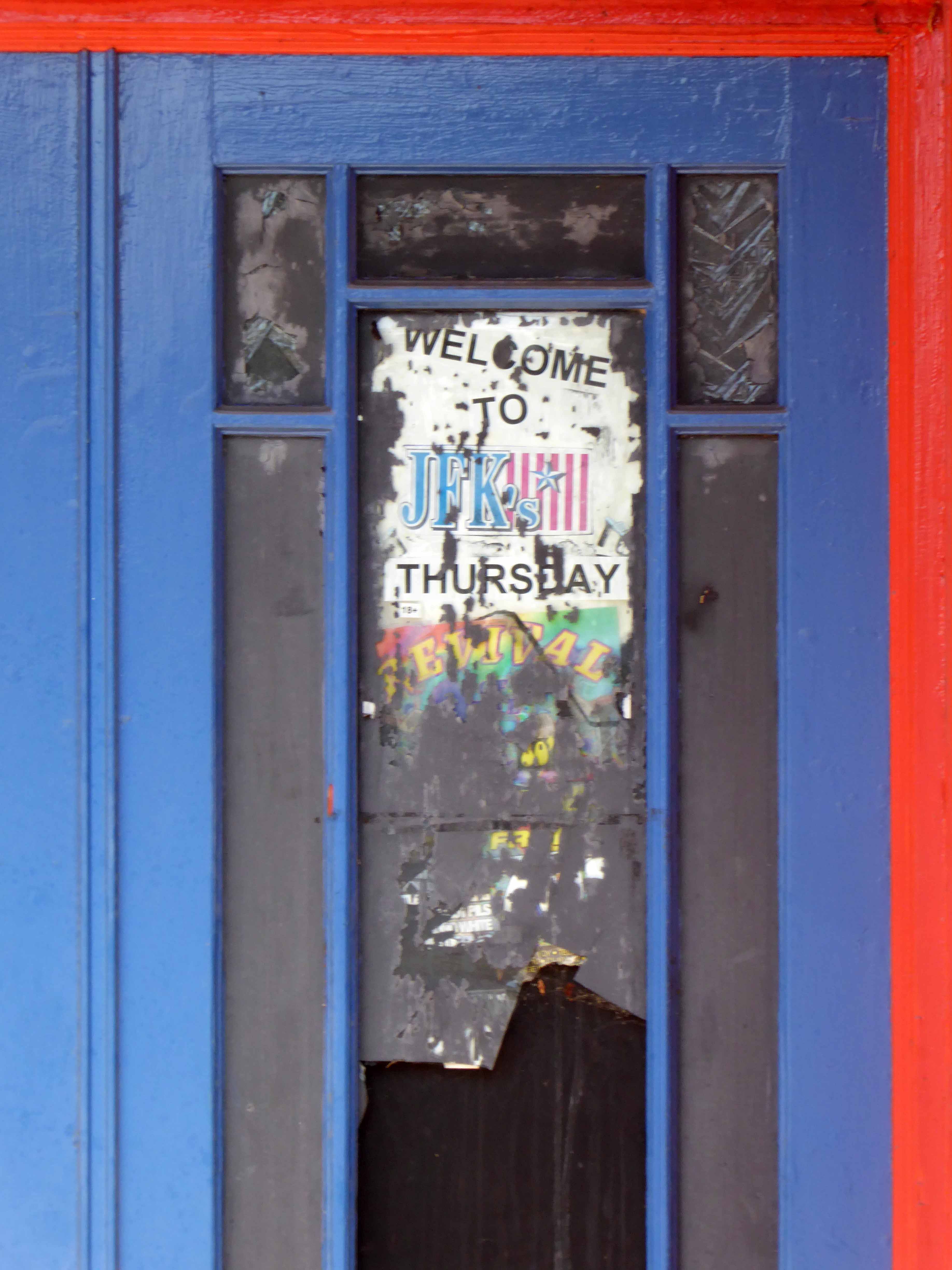
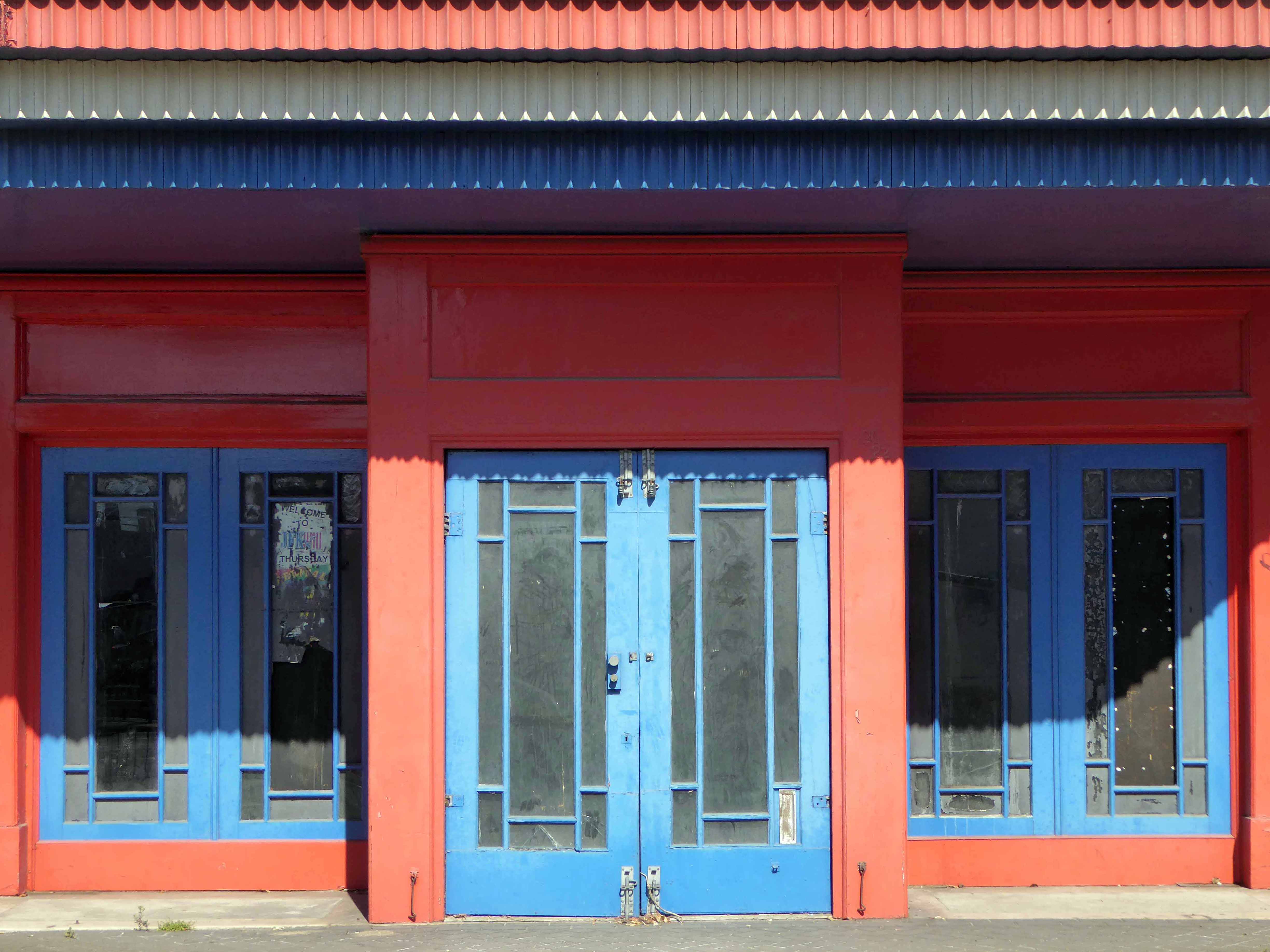
In 1988, it was advertised for sale by tender and by 1990 the cinema was converted into an American themed nightclub, known as JFK’s

The nightclub closed around 2001 and the auditorium was transformed into a franchised L.A. Fitness Centre, using a former front stalls exit as its entrance. The main entrance and foyers are currently unused. In 2013 it became a Sports Direct Fitness Club.

The Pyramid Theatre was designated a Grade II Listed building in November 1987.

It is currently closed and seemingly unused.

OLYMPUS DIGITAL CAMERA

Screen Shot 2018-06-28 at 07.51.49

I often cycle passed and wonder about your past, and a possible future.

large

Our cinema heritage is and always had been under threat, listed and unloved desperately seeking the care and attention to survive into another other century. Subsequent repurposing has proved temporary and unsustainable, without the concerted efforts of local authority, charitable trust and enthusiastic amateurs, you will remain a silent pharaonic sentinel by the side of Washway Road.

Forever.

“Only the best is good enough for Sale”


P1260515

P1260517


P1260519

P1260520

P1260521

P1260522


P1260524

P1260525

P1260527

P1260529

P1260514


Taylor Street Gorton – The Pineapple

Screen Shot 2018-06-11 at 17.33.47

To begin at the beginning or thereabouts, Taylor Street was at the heart of Gorton to the east of Manchester city centre.

webmedia-1.php

webmedia-2.php

webmedia-3.php

webmedia-6.php

webmedia-7.php

webmedia-8.php

webmedia-9.php

webmedia-10.php

webmedia.php

A typical street of tightly packed brick terraces, dotted with shops, pubs, people and industry. I worked there as van lad for Mother’s Pride bread back in the 70s and saw those shops, pubs, people and industry slowly disappear.

Beyer Peacock whose immense shed dominated the northern end of the street, simply ceased to be, as steam gave way to diesel.

As full employment gave way to a date with the dole.

Adsega opening on nearby Cross Street heralded the arrival of the super fast, self-service supermarket, and sounded the death knell of the cosy corner cupboard.

398912_3820026268527_1203084936_n

The local pub was The Bessemer – its name forging an unbreakable link with the surrounding steel industry, that eventually broke.

webmedia-5.php

To the left of the pub is the Bishop Greer High School construction site  – the first of the new build that would later dominate the area, along with wide open spaces where shops, pubs, people and industry once were.

12932970_10154152981641600_8757469207112330278_n

webmedia.php copy

webmedia-1.php copy

When the school eventually shut its doors, it became an annex of Openshaw Technical College, and I found myself working there in the 80s at the East Manchester Centre, until its eventual closure.

It’s now sheltered accommodation for the lost and lonely:

Located in a quiet suburb of Manchester with excellent links to the city centre, Gorton Parks has an exceptional range of facilities spread out across five separate houses, each offering a different care option. Melland House offers dementia residential care, Abbey Hey provides nursing dementia care, Debdale is the house for intermediate nursing care and Sunny Brow offers general nursing care.

We sought solace in The Pineapple.

Screen Shot 2018-06-11 at 17.33.25

The streets were trimmed and slimmed, much of the past a mere ghostly presence, almost imprinted on the present.

A brave new world of brand new modern housing, with an Estate Pub to match.

The_Pineapple,_Gorton

A busy bustling boozer – lots of live and local action for the lively locals, latterly seeing out time as a house of House – a real bangin’ Bashment, bass-man bargain basement.

Until time is finally called – no more four to the floor, last one out shut the door.

1512347_516327525148853_492482006_n

Nothing lasts forever and a sign of the times is an upended pub sign, lying dormant in the dust.

The Chunky no longer a great big hunk o’funk.

10 Gorton pineapple pub

The big screen TV forever failing to deliver all the action, live or otherwise.

P1050836

p1050838.jpg

Latterly transformed into Dribble Drabble.

DSC_0074

And so the beat goes on as successive waves of success and recession, boom and bust free-market economics, wash over the nation and its long suffering folk.

Its enough to drive you to drink.

Long Lane Post Office – Heald Green

Screen Shot 2018-05-30 at 14.09.16

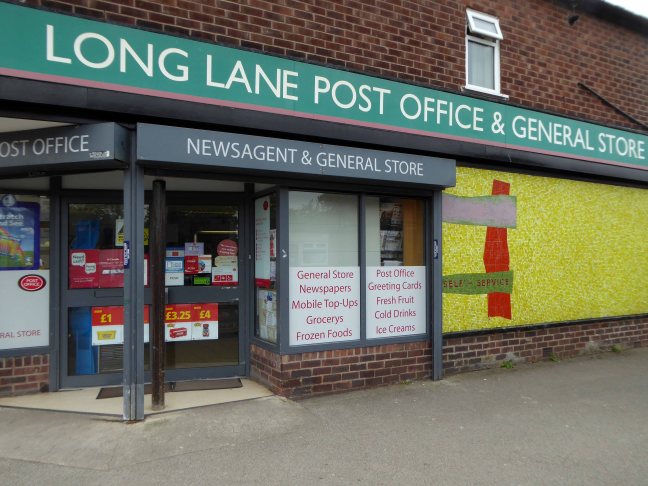
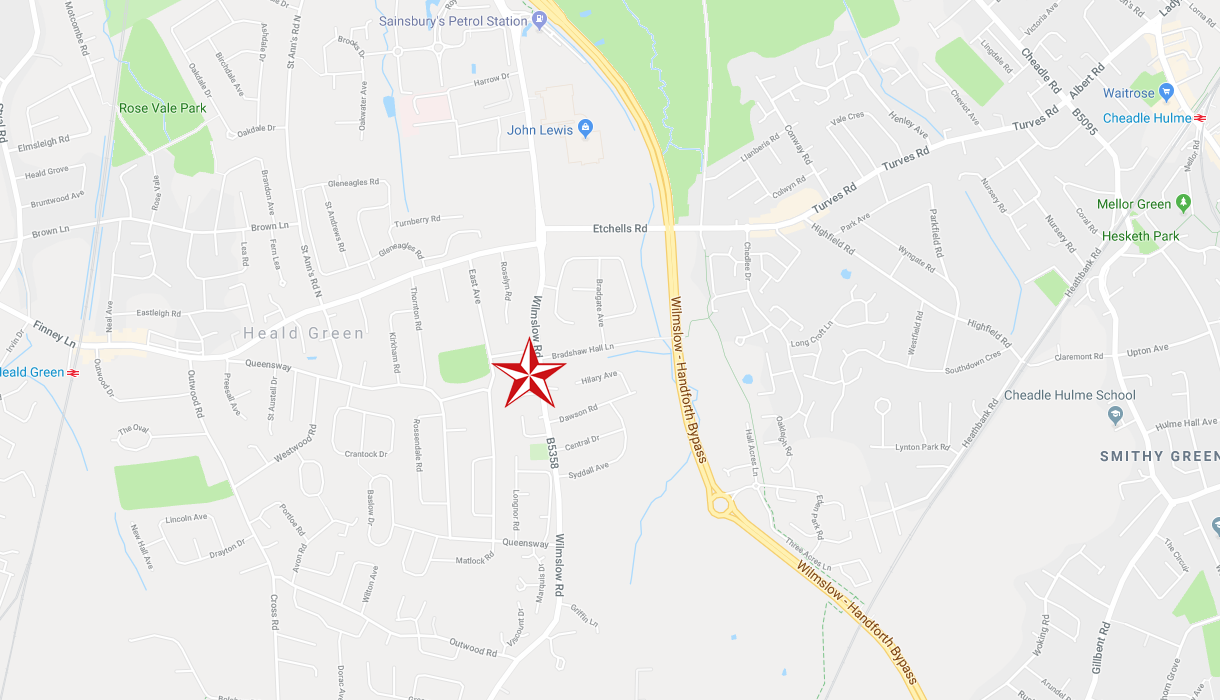
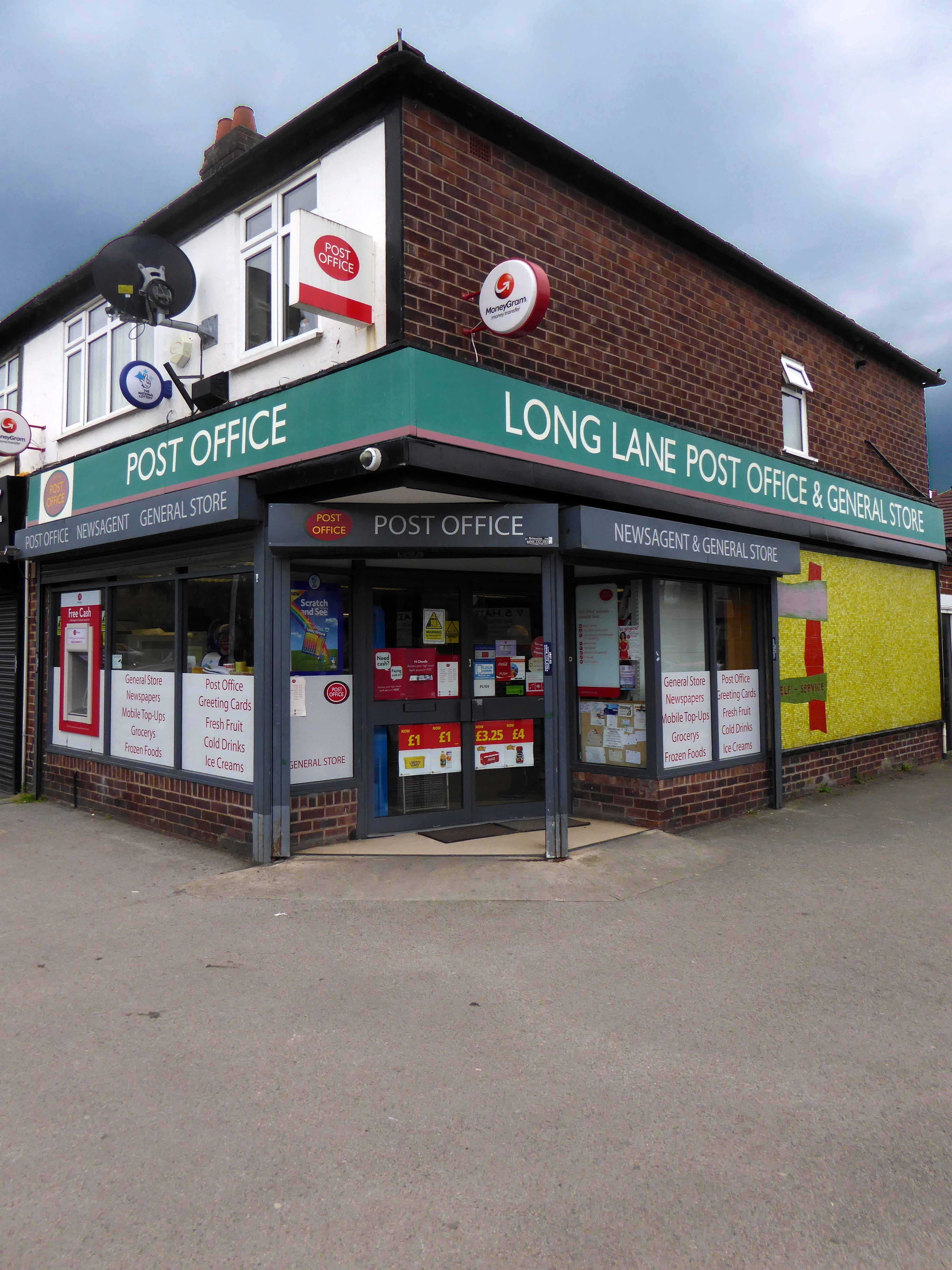
190 Wilmslow Rd, Heald Green, Cheadle SK8 3BH

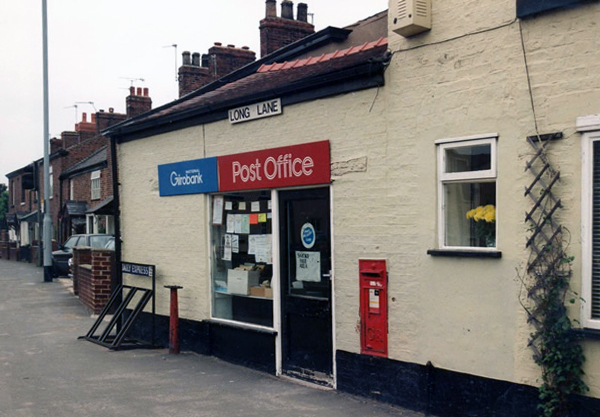
The original Long Lane Post Office is still there but not here:

40249

However – I digress.

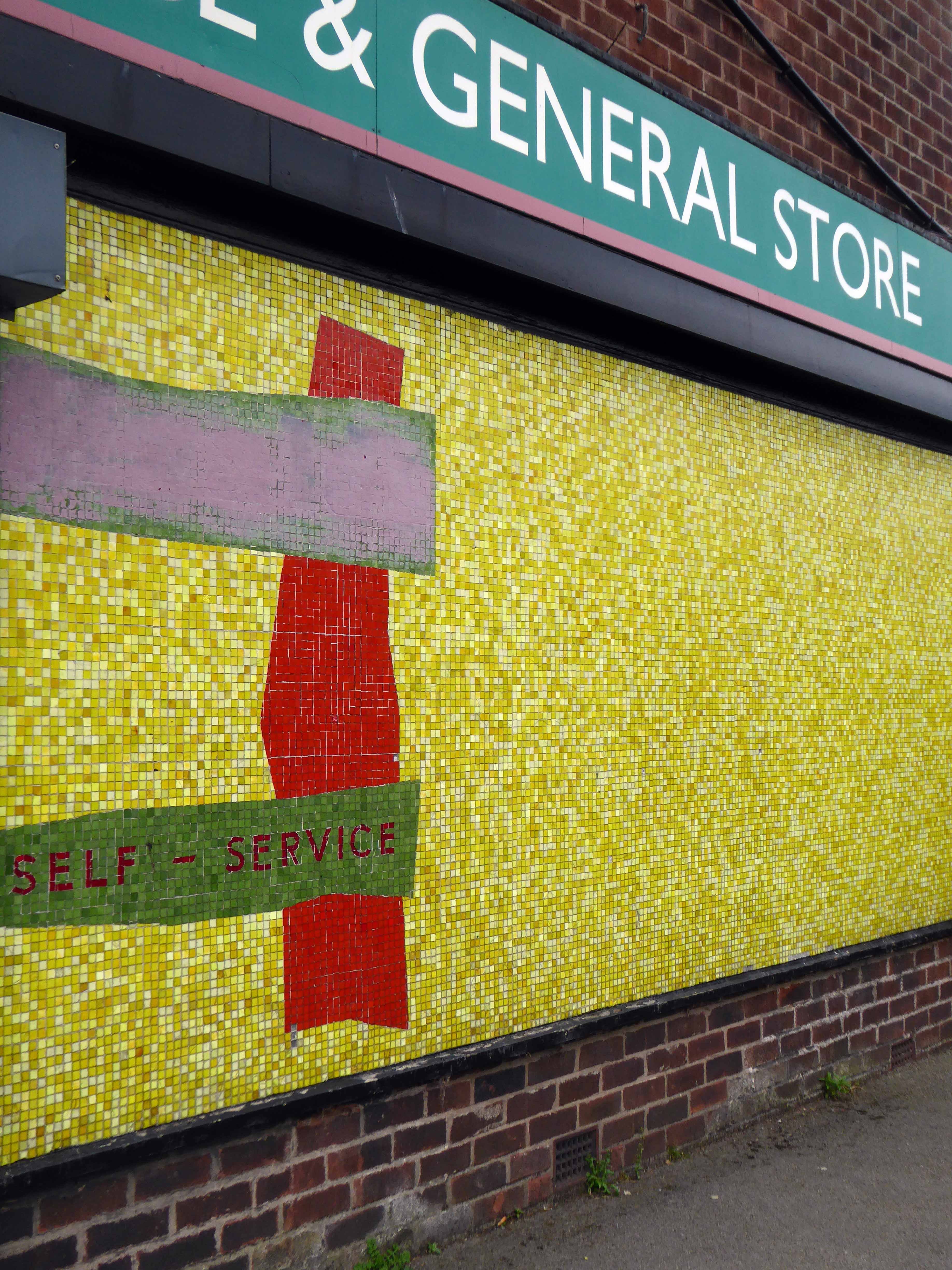
One fine day, some time ago there popped into my consciousness a Sixties retail mosaic in the Heald Green area – I tracked down its precise whereabouts online, in the modern manner.

Thinks – one fine day, just you wait and see I’ll pay a visit to the Heald Green area.

So today I did, it started off fine and finished up less so.

Jumped the 368 from Stockport Bus Station alighted at The Griffin.

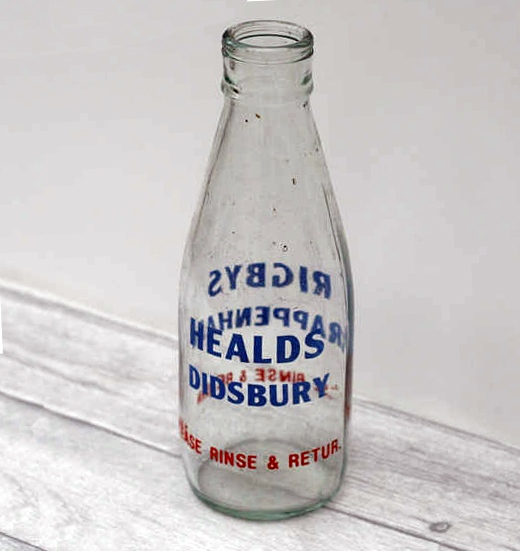
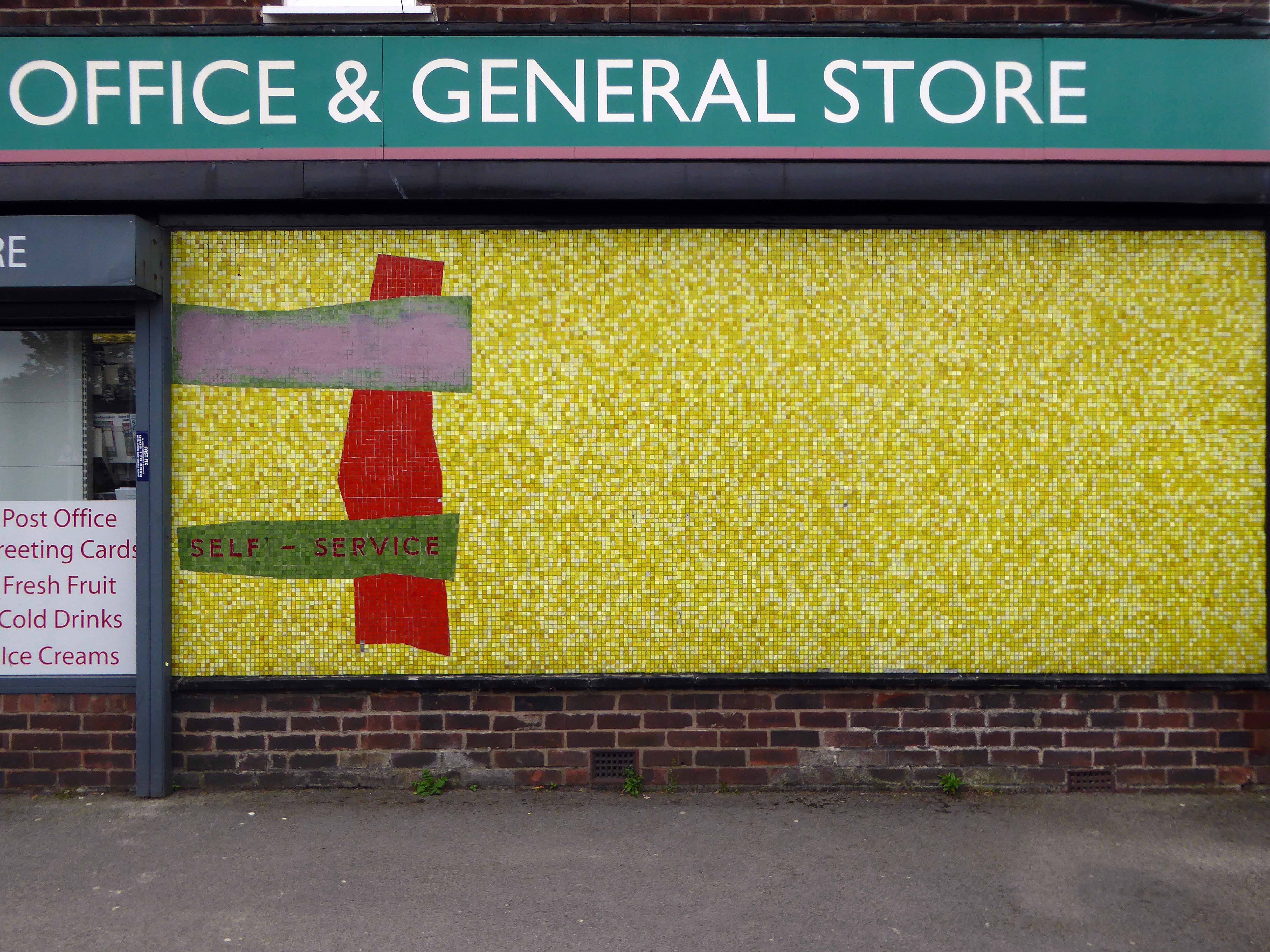
Walked aways up the road and there it was, almost intact – it’s original name obliterated with lilac exterior emulsion – did it once read healds?

Why of course it did – the local dairy and retailers were the shop’s original owners.

il_570xN.1484313889_n91e

A few tesserae are missing otherwise the piece is as was – a wobbly jumble of text, shape and colour.

Self service – at your service.

P1250715

P1250711

P1250712

P1250713

P1250714


P1250717

P1250718

P1250719

P1250720

P1250721

P1250722

P1250723

P1250724

P1250725


Macclesfield Railway Station

Where the Victorians modelled their stations on cathedrals, temples and palaces.

Modern Man models his on shopping centre and office blocks.

Richards and MacKenzie – The Railway Station

Though it seems to me that Macclesfield Station, in its earlier and current states, refuses to dovetail neatly into either of these sloppy binary paradigms.

macclesfield_central_1900.s

The former – single storey buildings, fitting unostentatiously into the topographic and practical constraints of the site. A neat, tightly packed rhythm of brick arches with a compact and bijou porch welcoming the expectant traveller.

P1250546

The latter a functionalist block, fully utilitarian crossings with lift access columns, embodying a particularly industrial demeanour.

From the golden age of steam to the moribund years of diesel, Macclesfield sits comfortably somewhere, betwixt and between ugly duckling and fully fledged swan.

Nestled in the lea of the East Cheshire Highlands, offering practical everyday transport solutions to the beleaguered commuter.

No frills, no thrills.

macclesfield(harden4.1954)centrall_old4

c964acf720e0b759fda2f4788256c528

The London and North Western Railway opened the line between Manchester and Macclesfield on 19 June 1849 – Macclesfield Central was born. Later it would become a key station on the Stafford branch of the West Coast Main Line, remodelled in 1960 and rebranded as the much snappier Macclesfield Station.

Which it proudly announces topically and typographically to the world.

P1250547

Welcome to Macclesfield a town that is clearly going places, and so are you.

The station won the Best Kept Station in Cheshire Award for 2007, but was reported in summer 2011 to be distinctly shabby, with peeling paintwork.

And yet there is something in the constituent Platonic steel, glass and concrete forms that never ceases to amuse and amaze me, this is Brutalism on a human and provincial scale.

The raw concrete softened with three or four shades of grey, as a concession to the delicate suburban sensibilities of this once silk-fuelled town.

Take a trip with me – join the Cheshire train set.

P1250548

P1250549

P1250550

P1250551

P1250552

P1250553

P1250554

P1250555

P1250557

P1250558

P1250560

P1250564

P1250565

P1250566