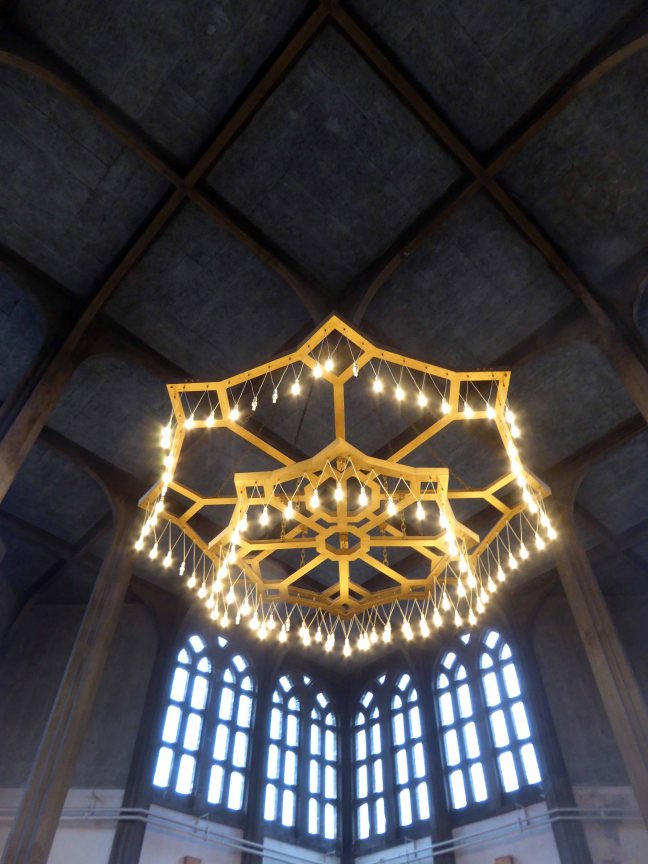
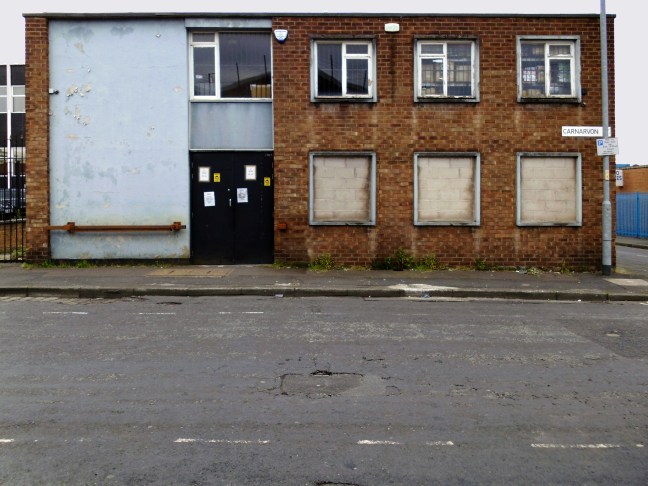
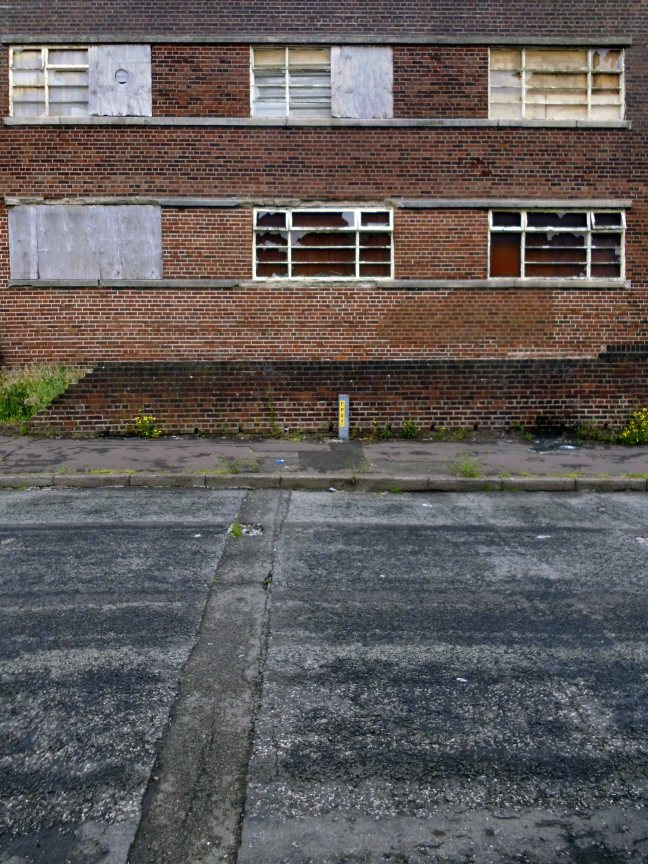
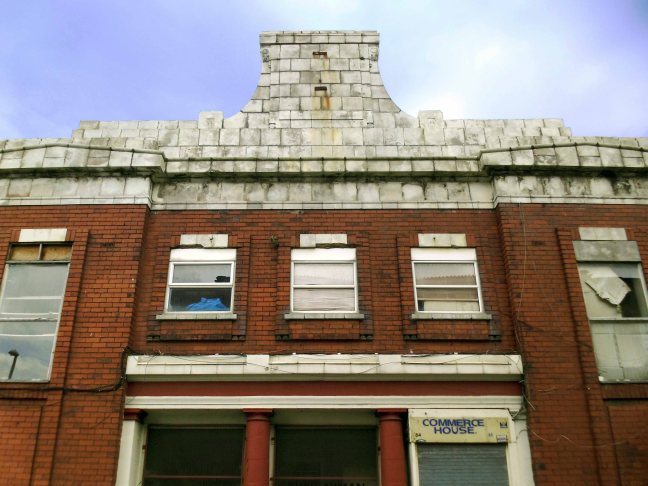
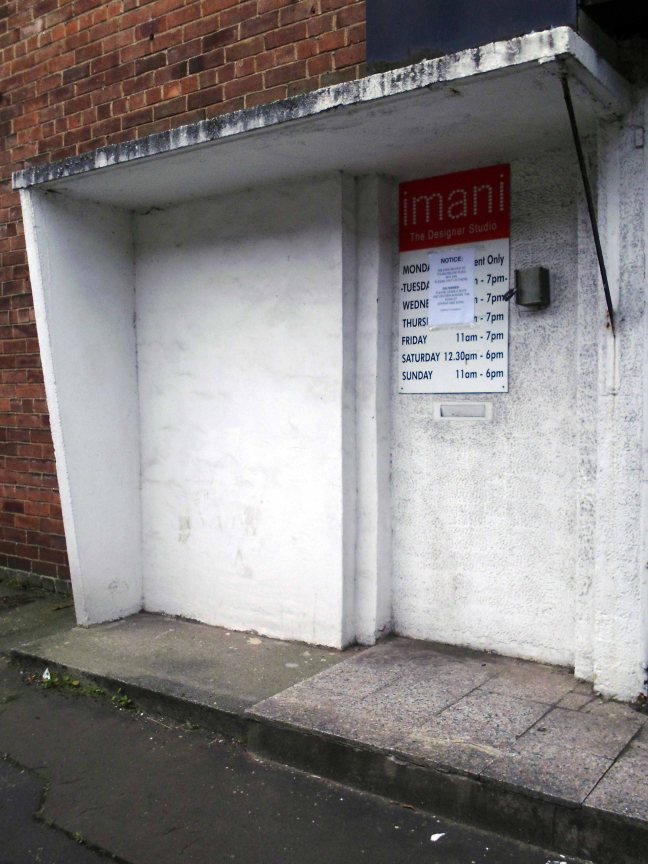
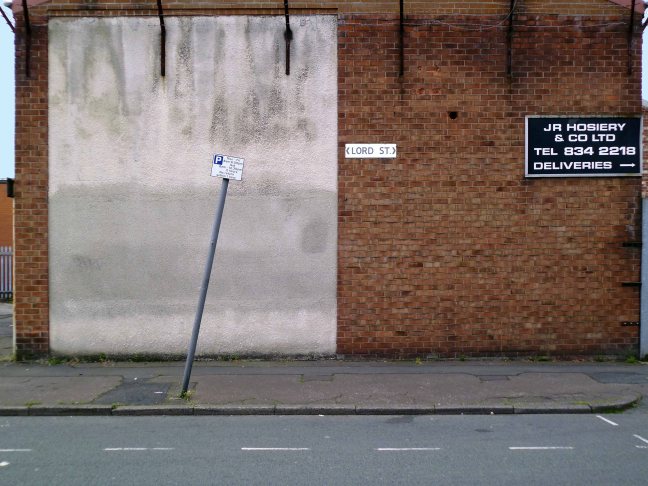
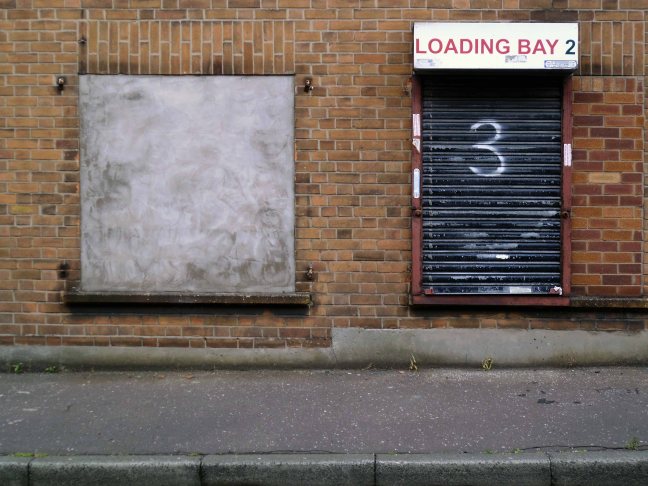
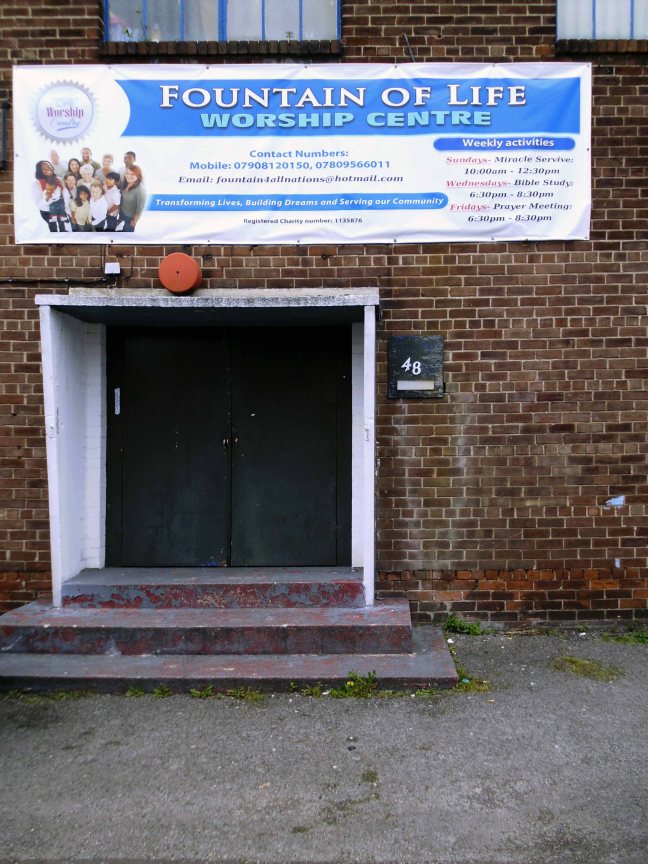
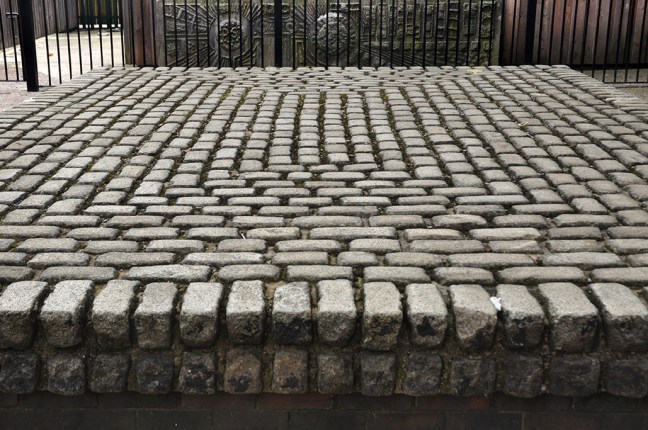
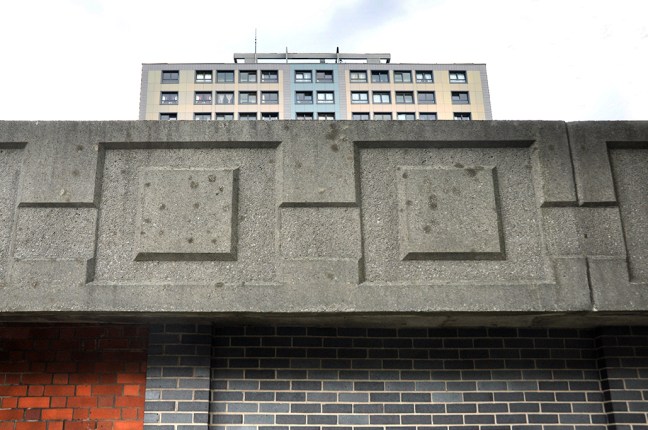
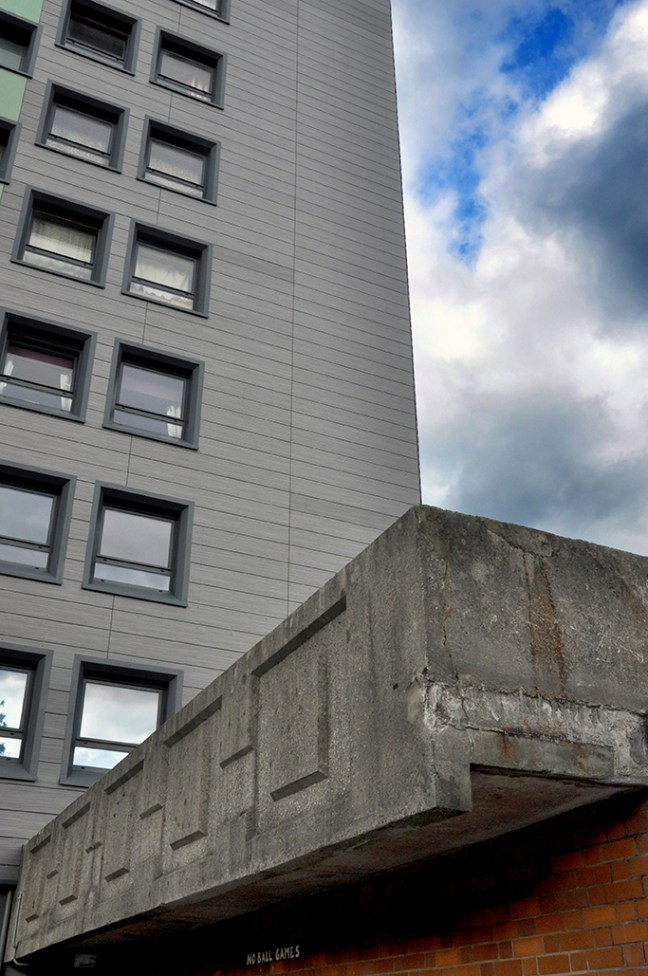
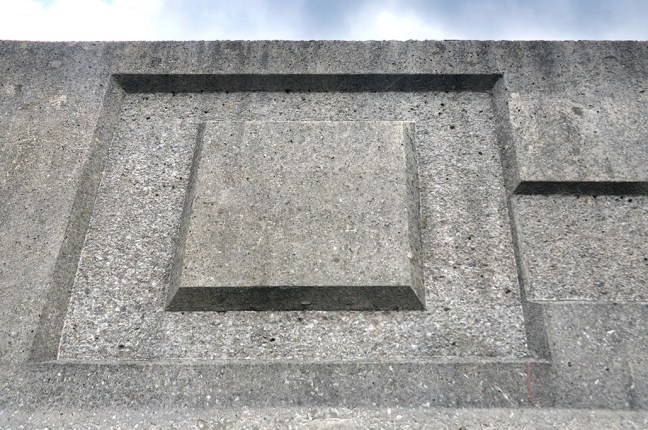
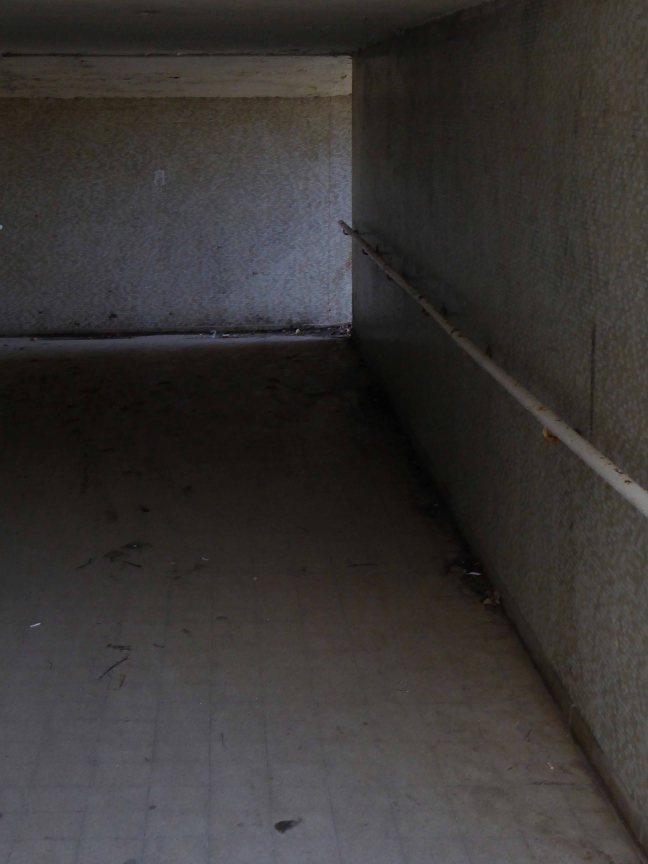
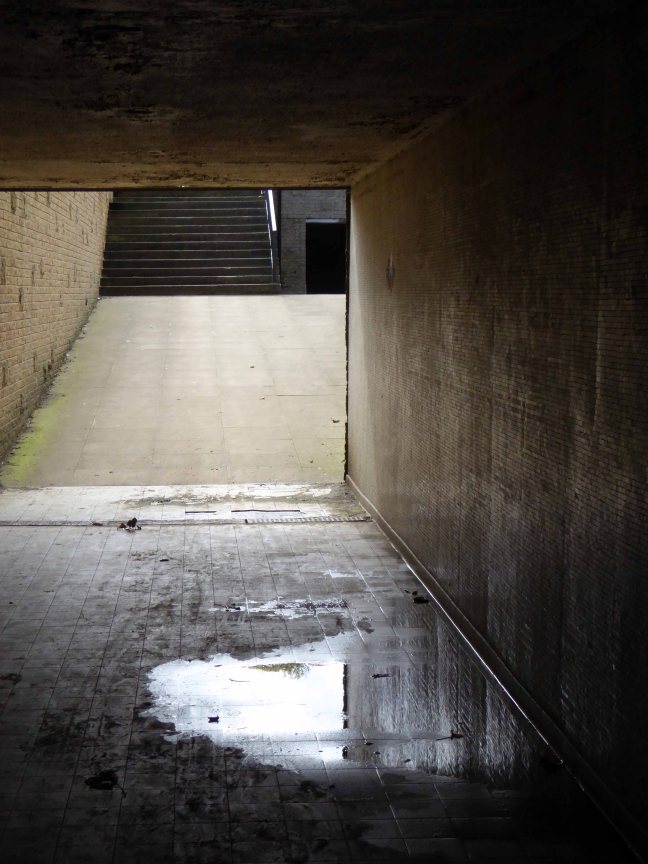
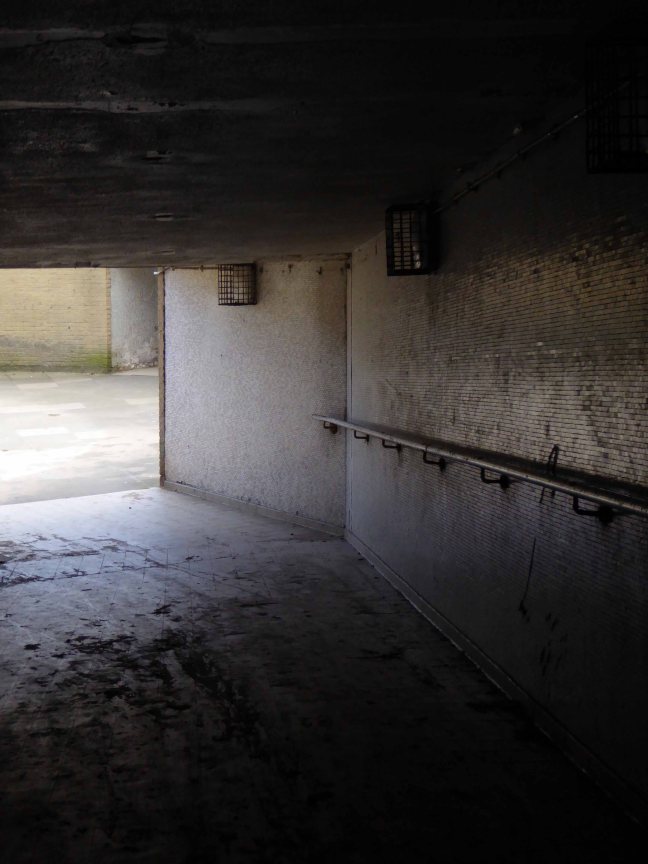
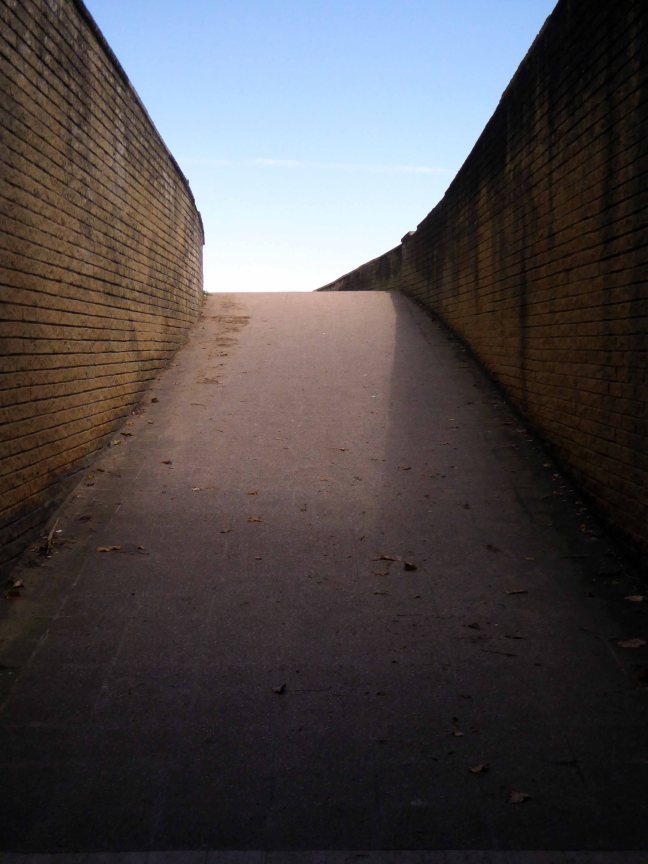
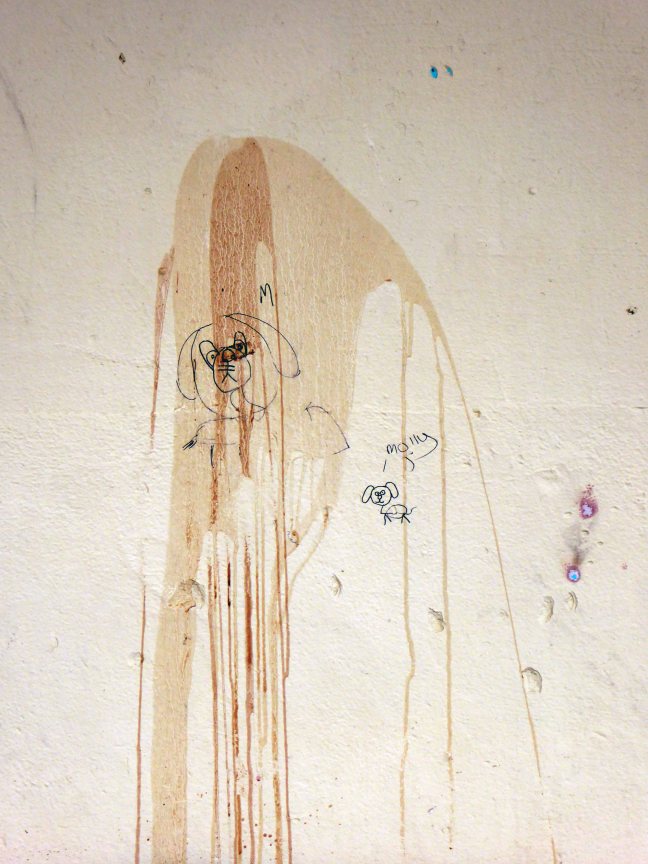
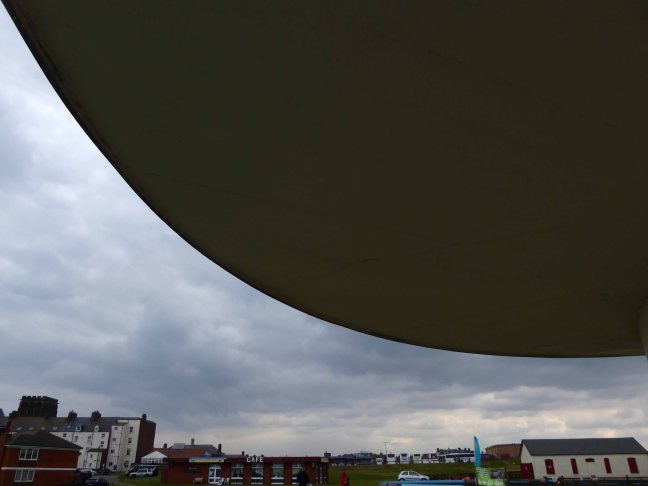
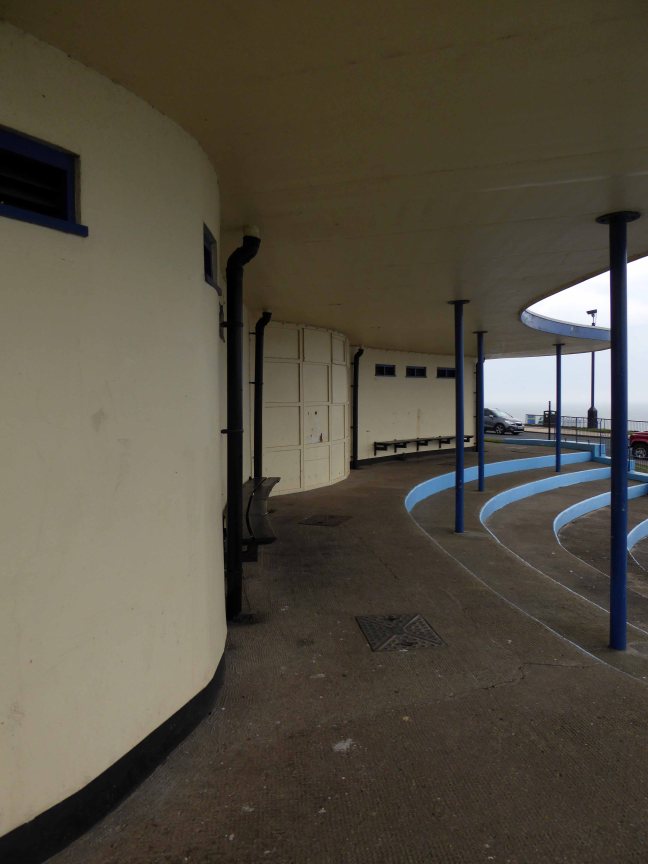
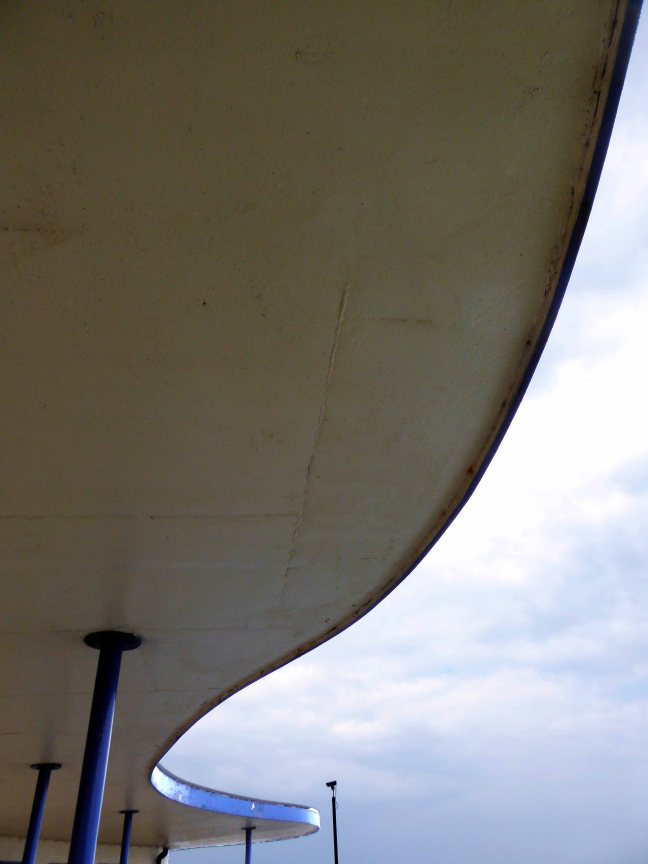
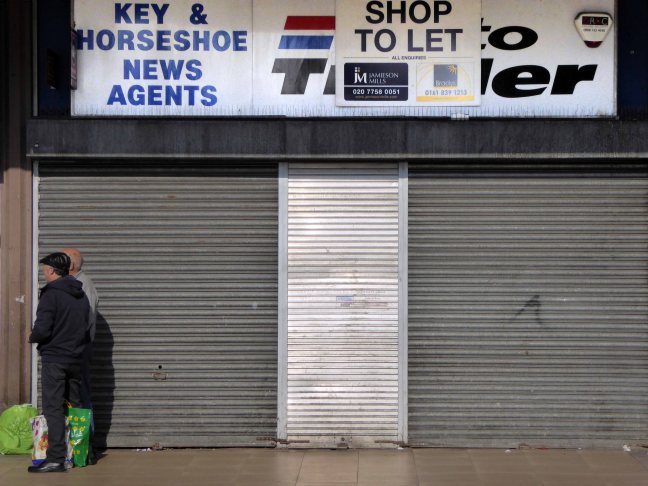
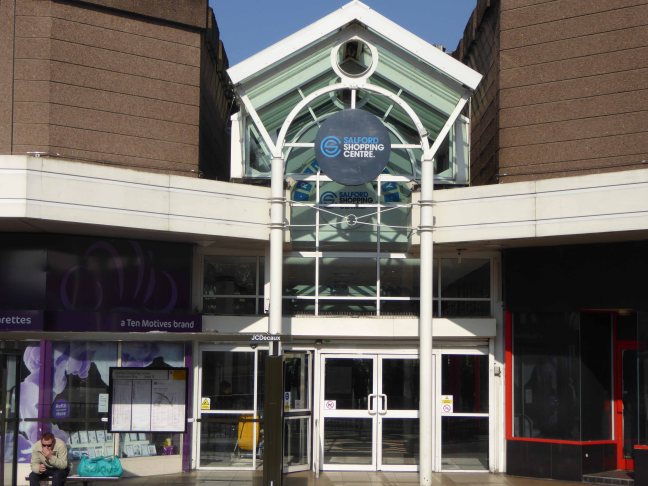
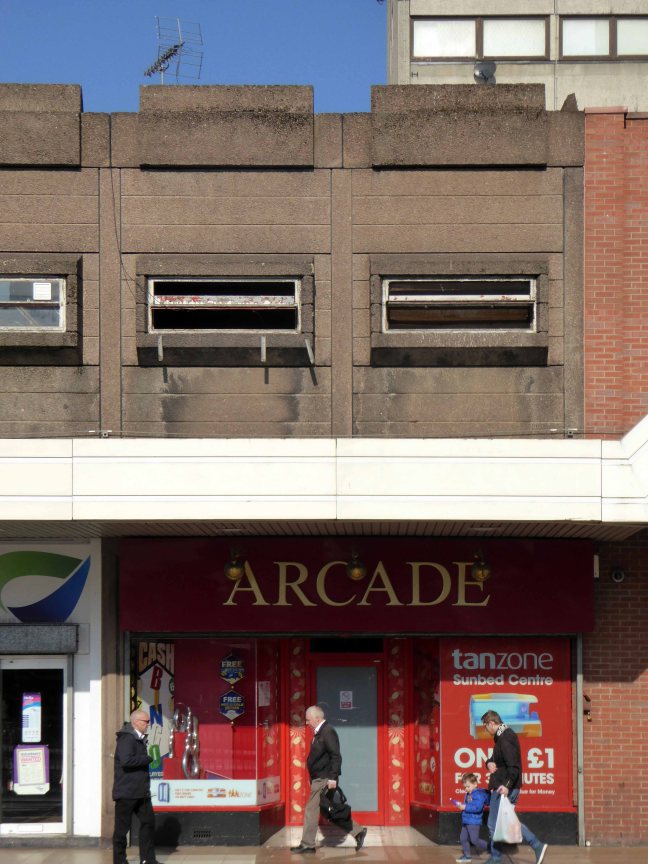
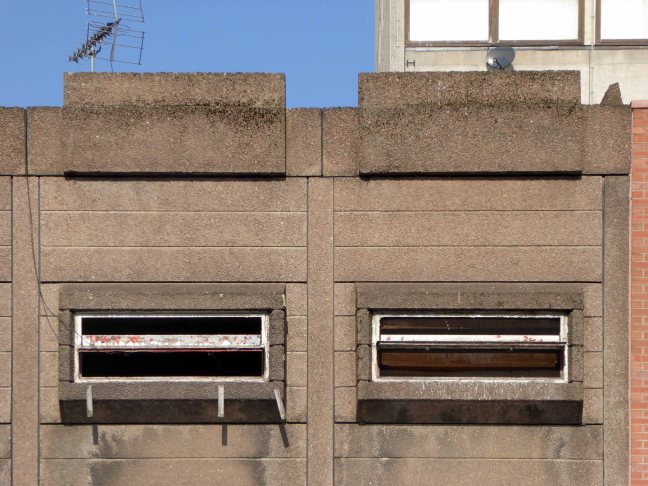
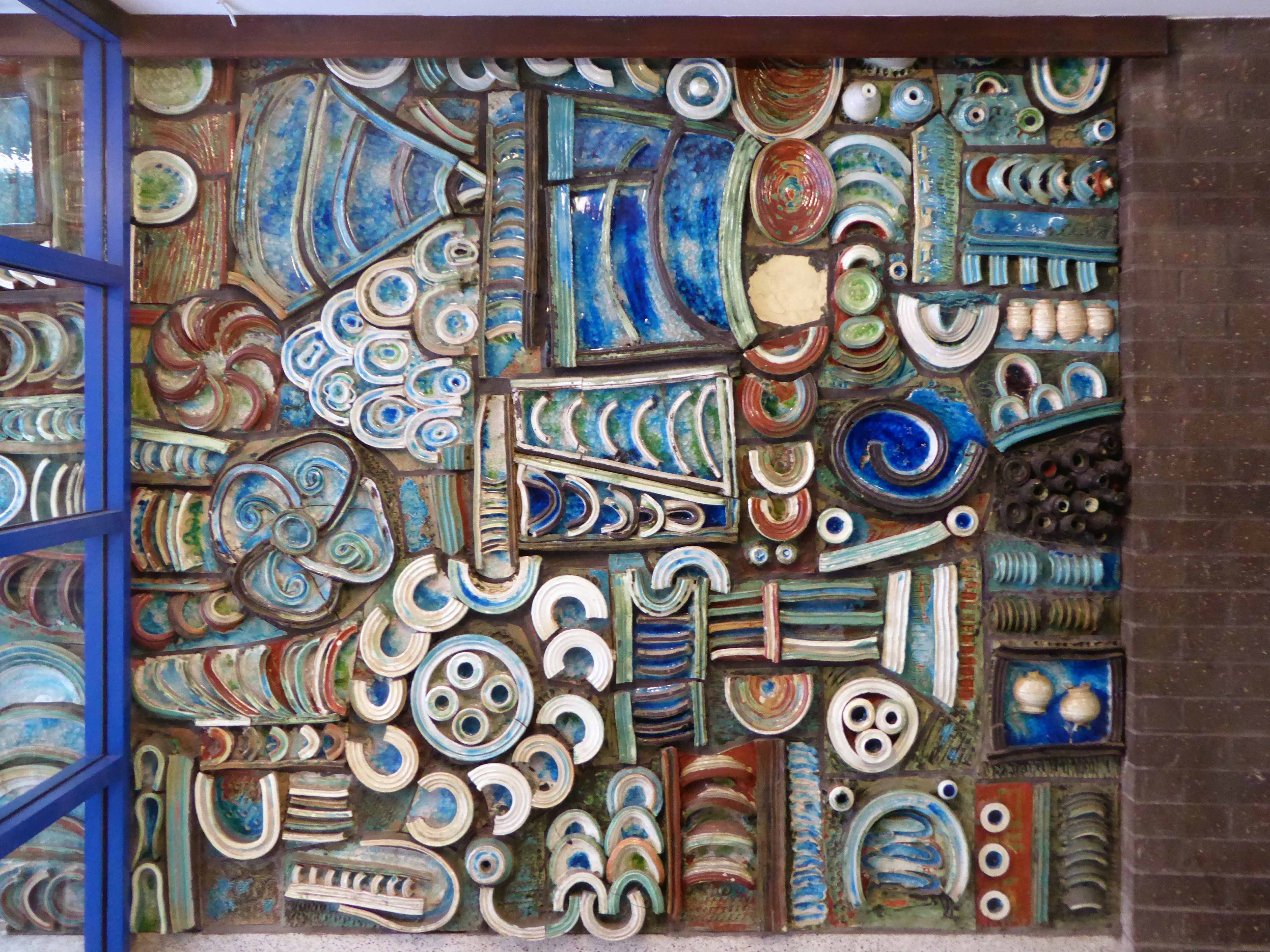
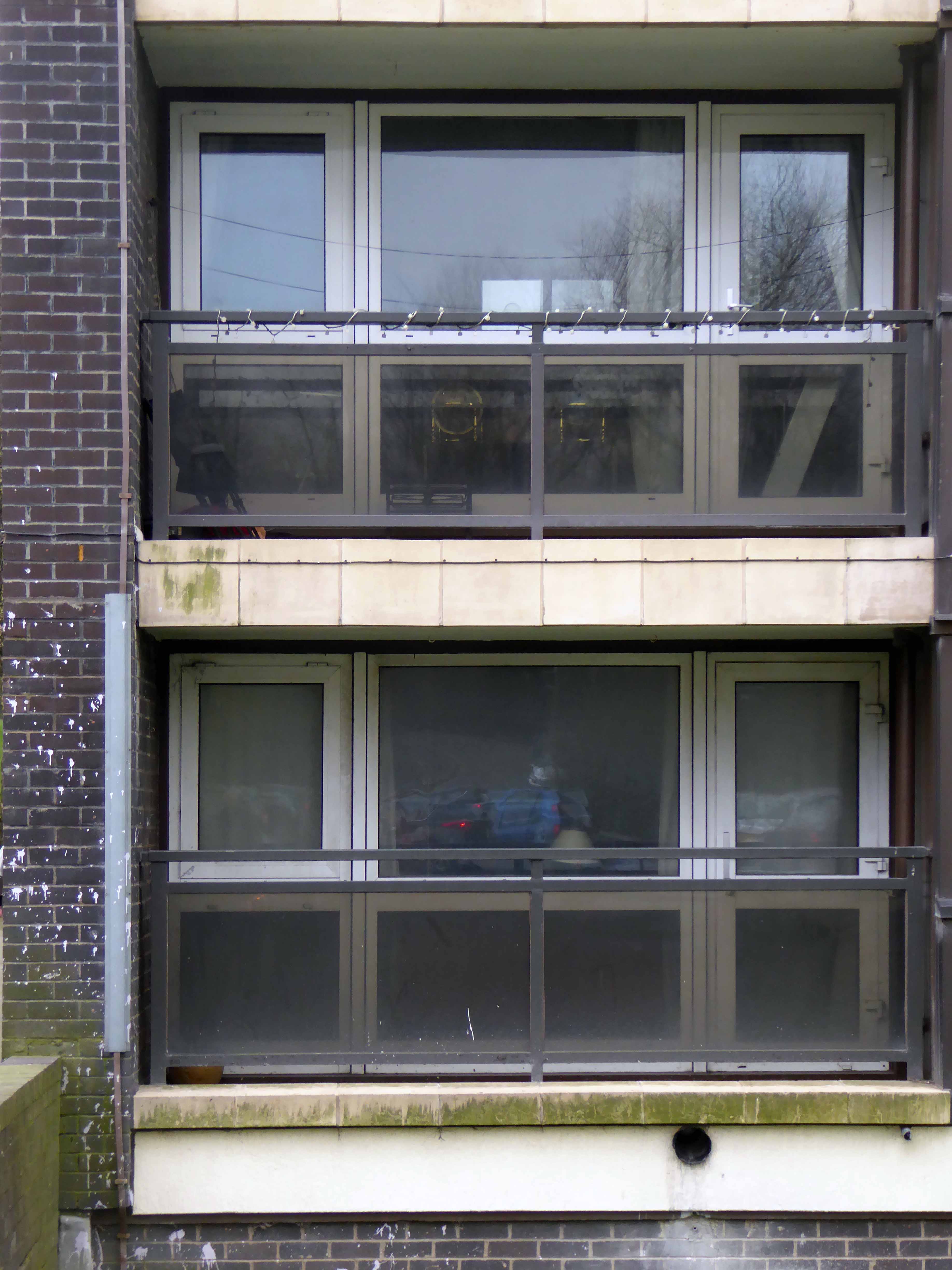
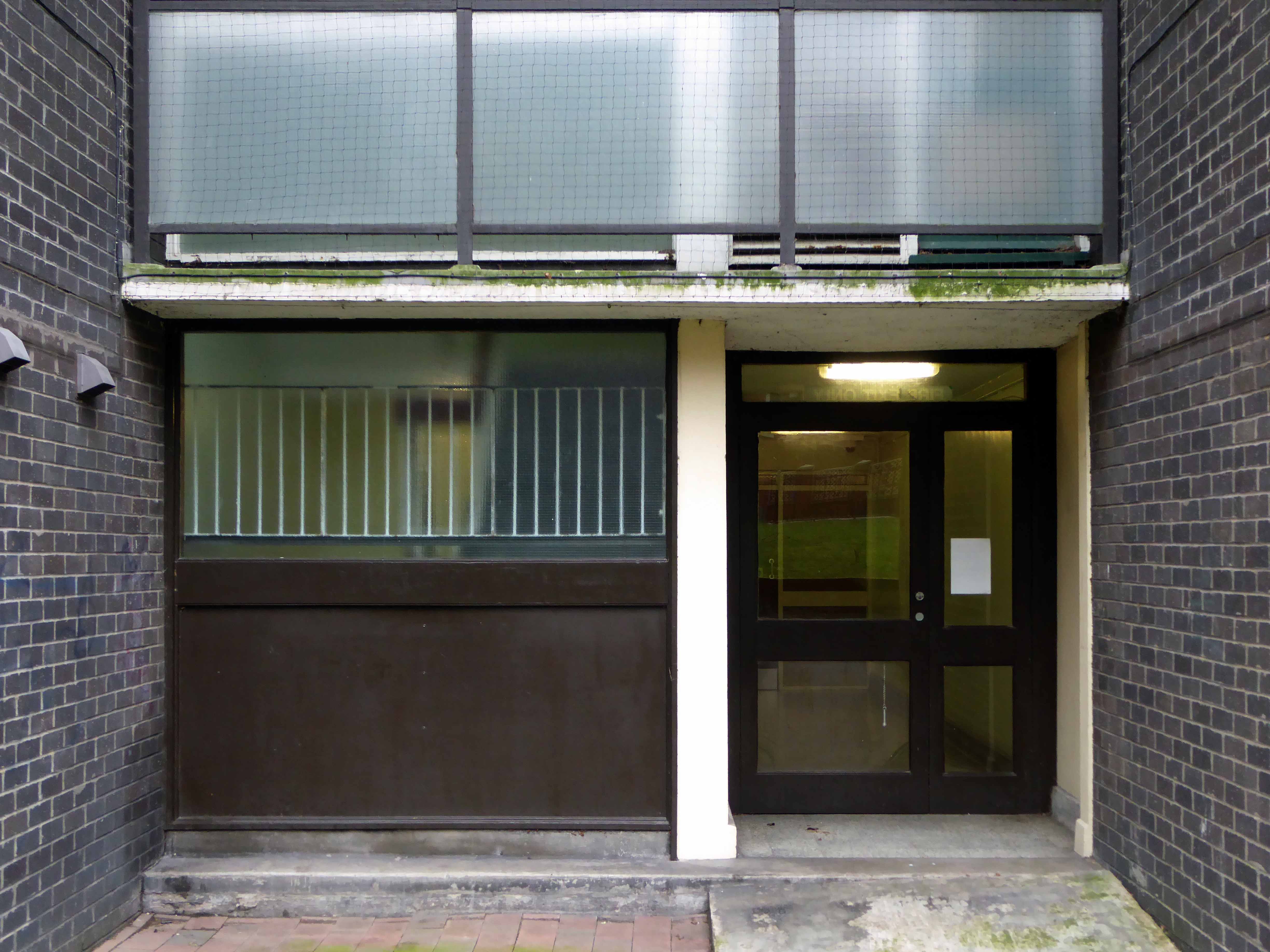
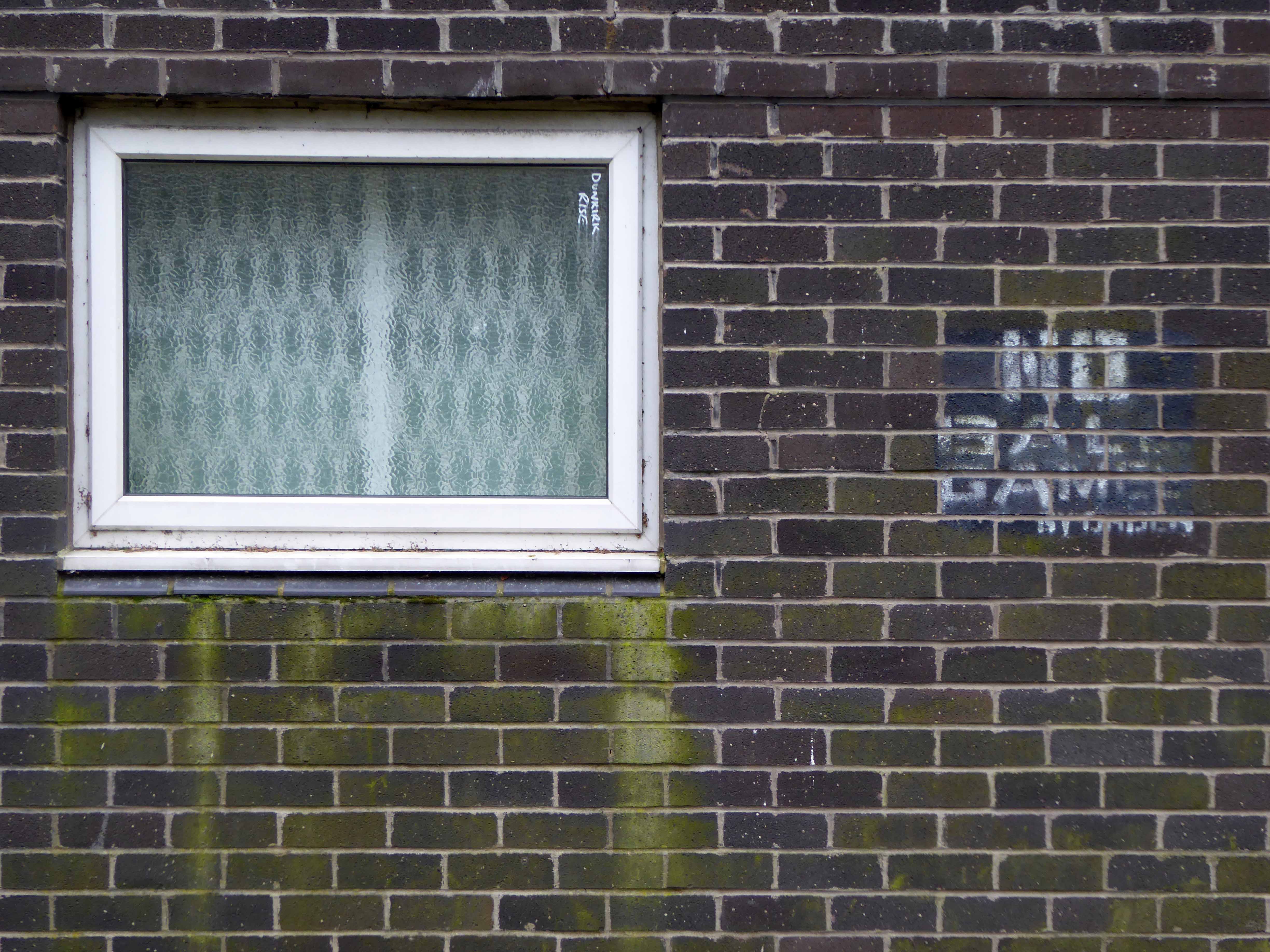
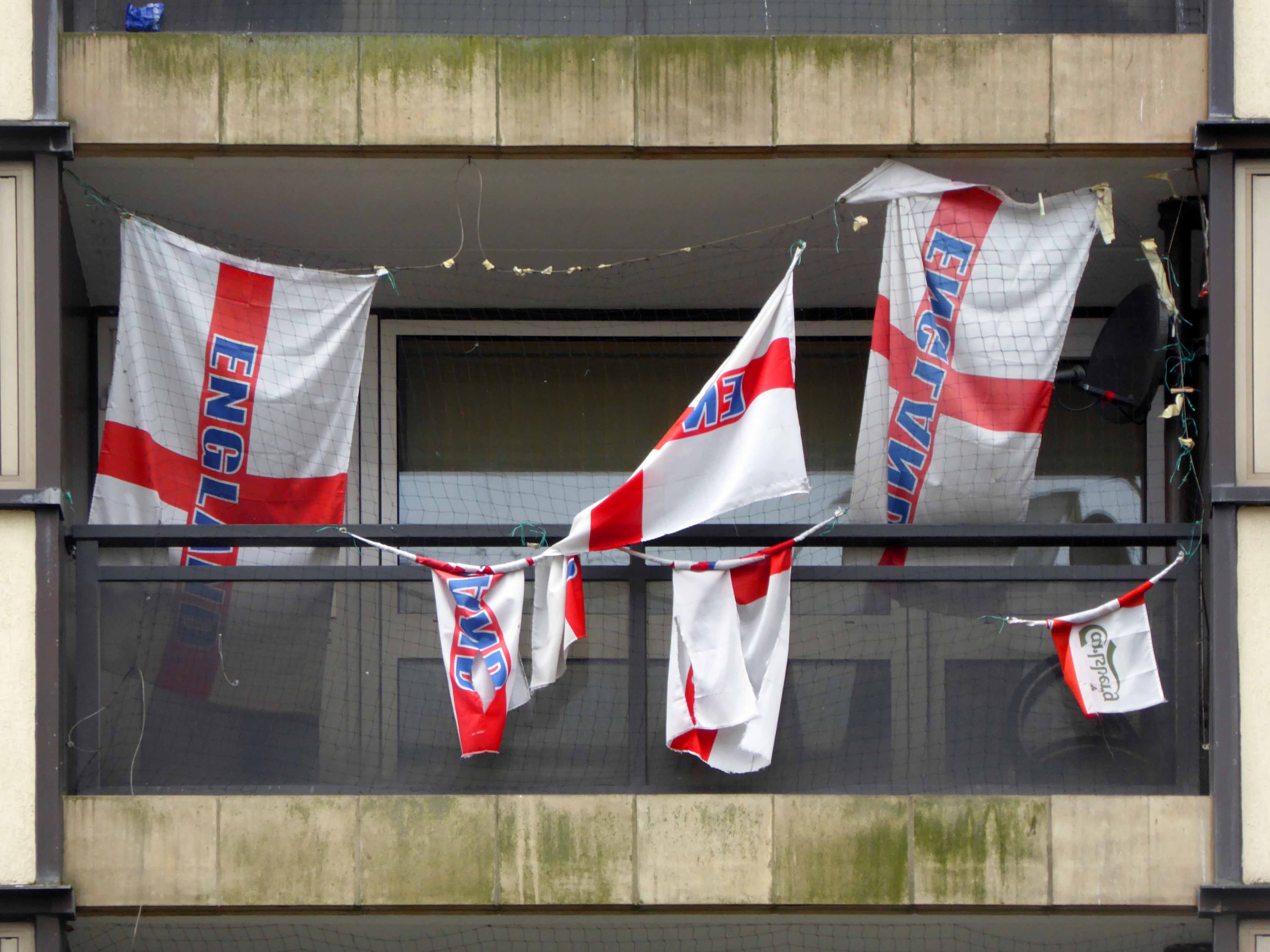
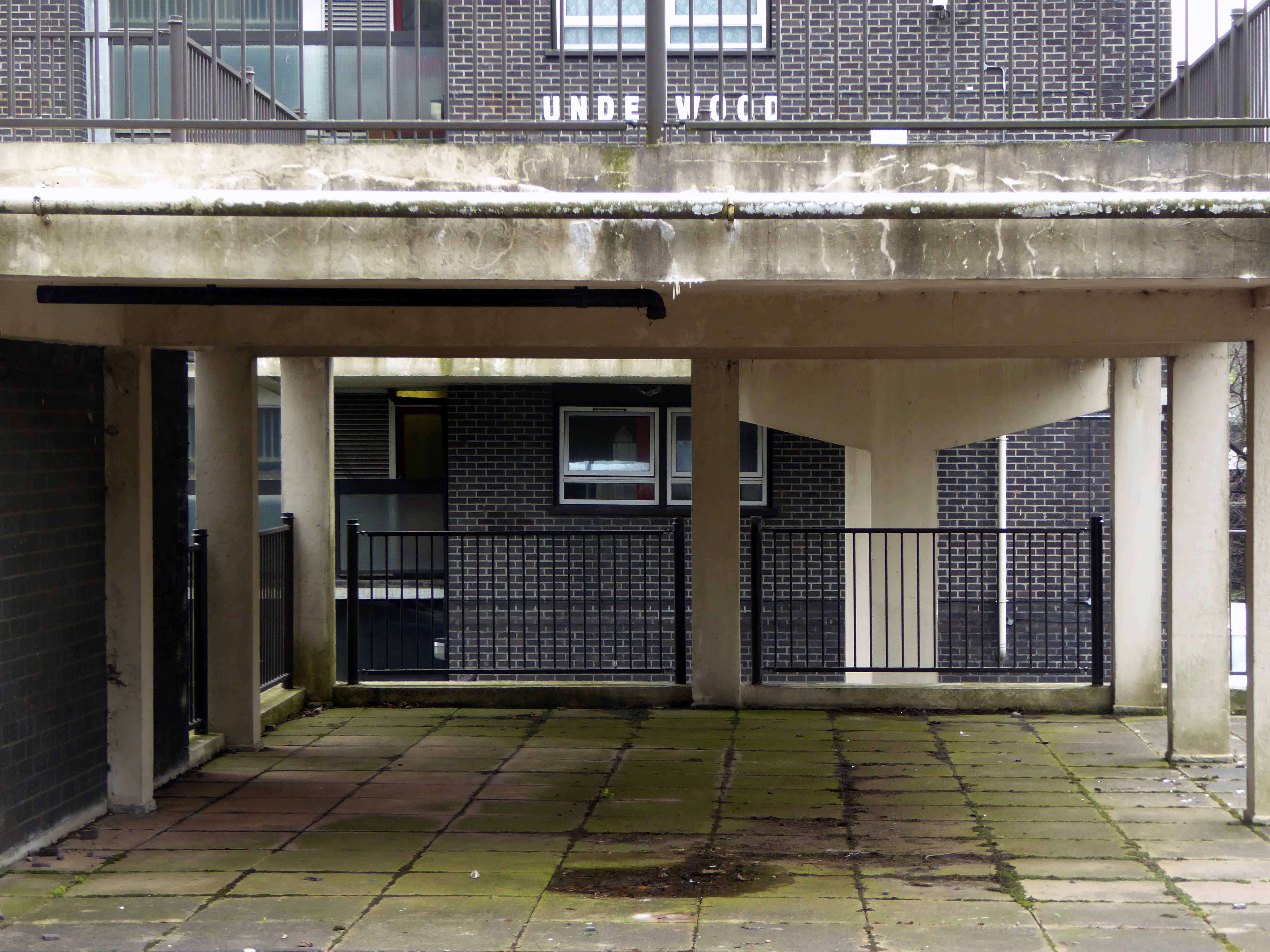
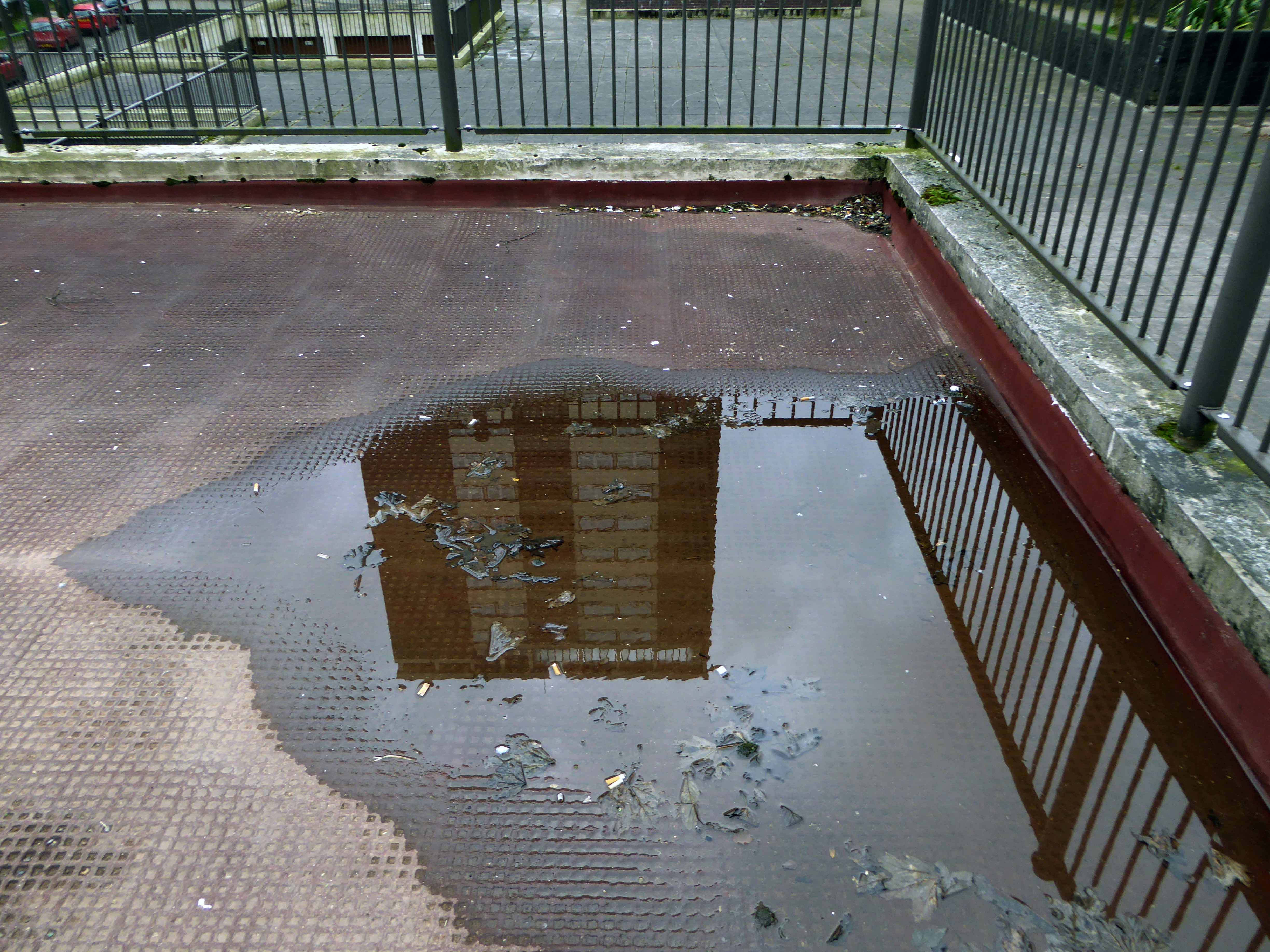
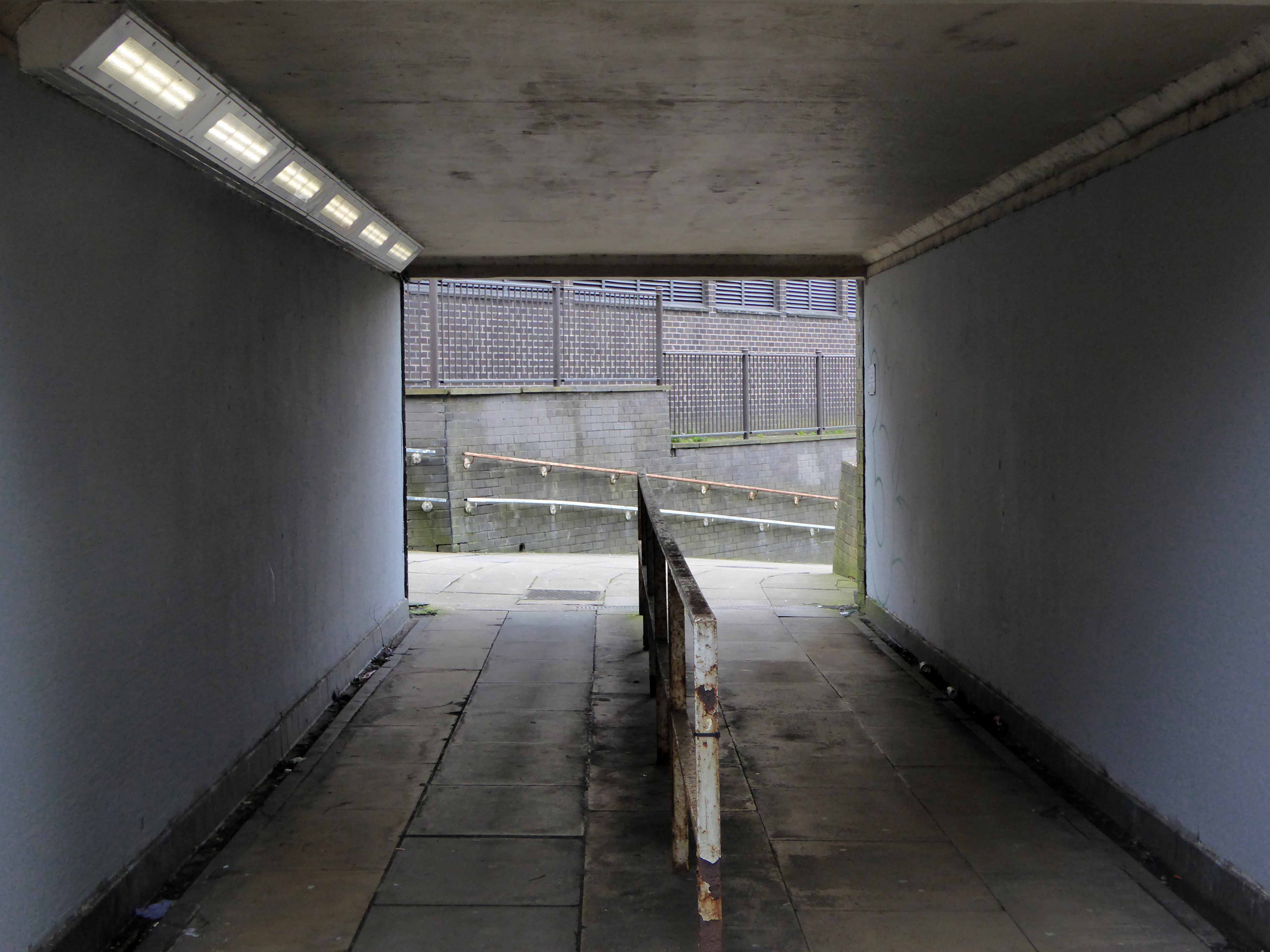
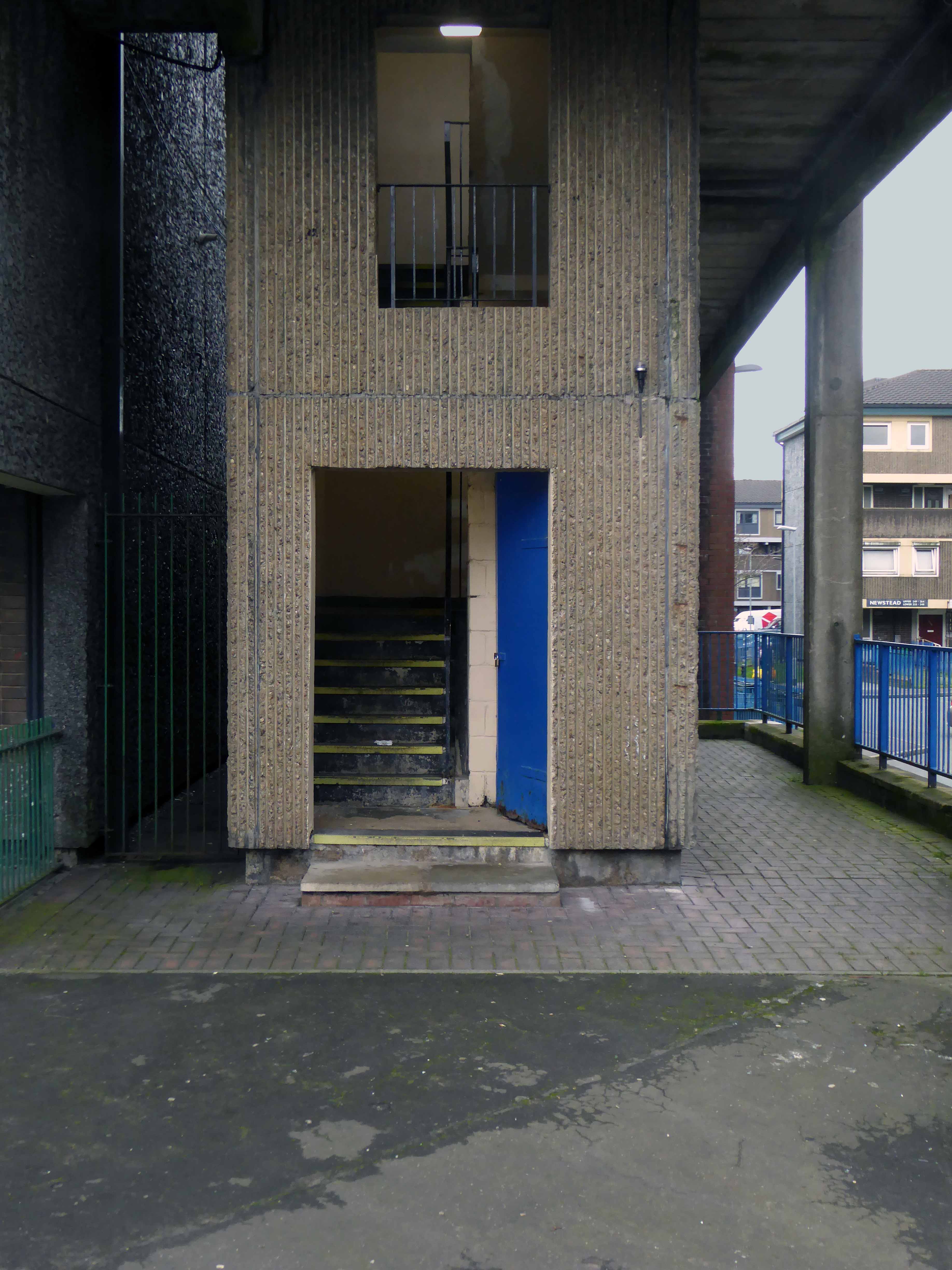
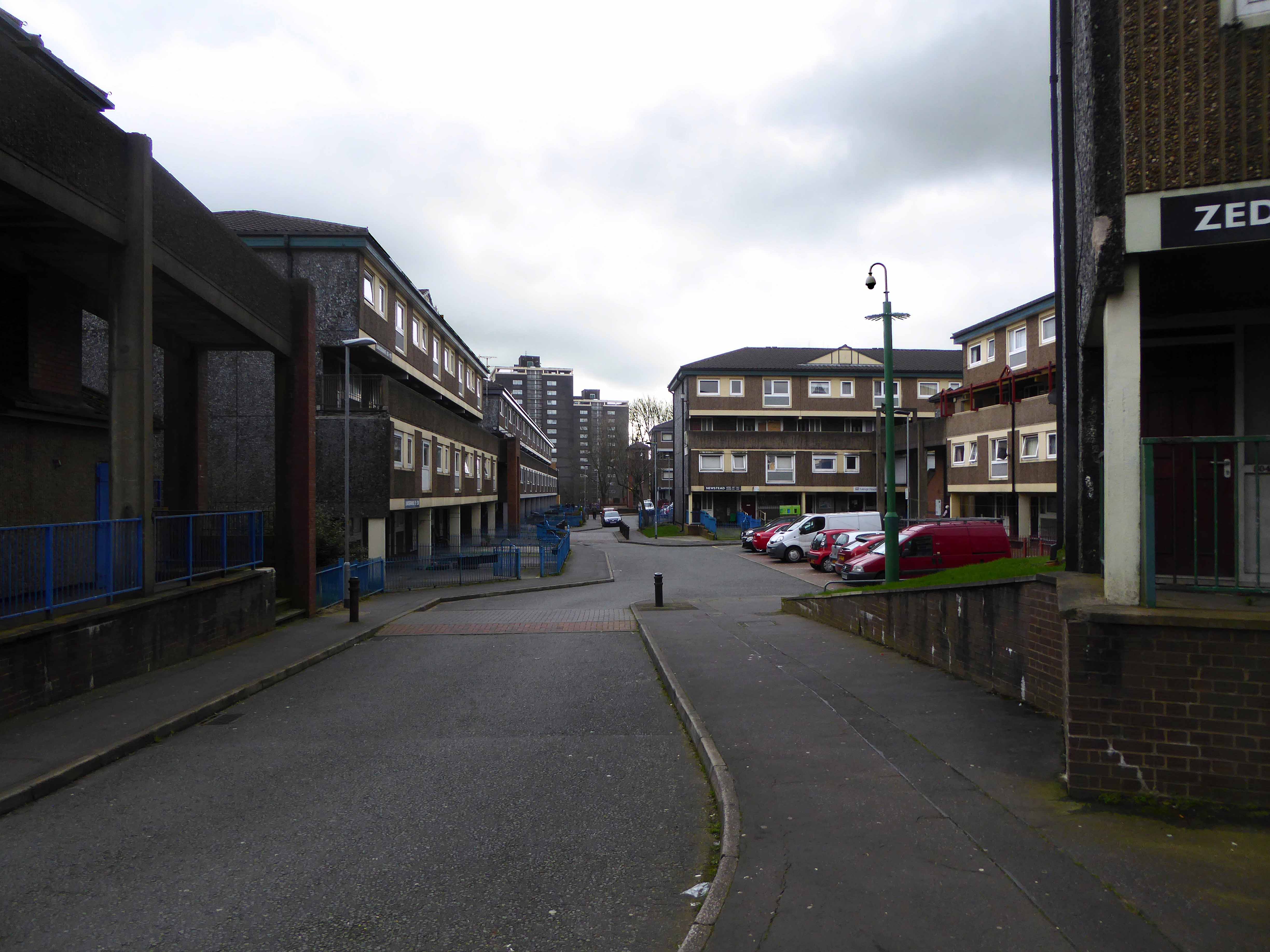
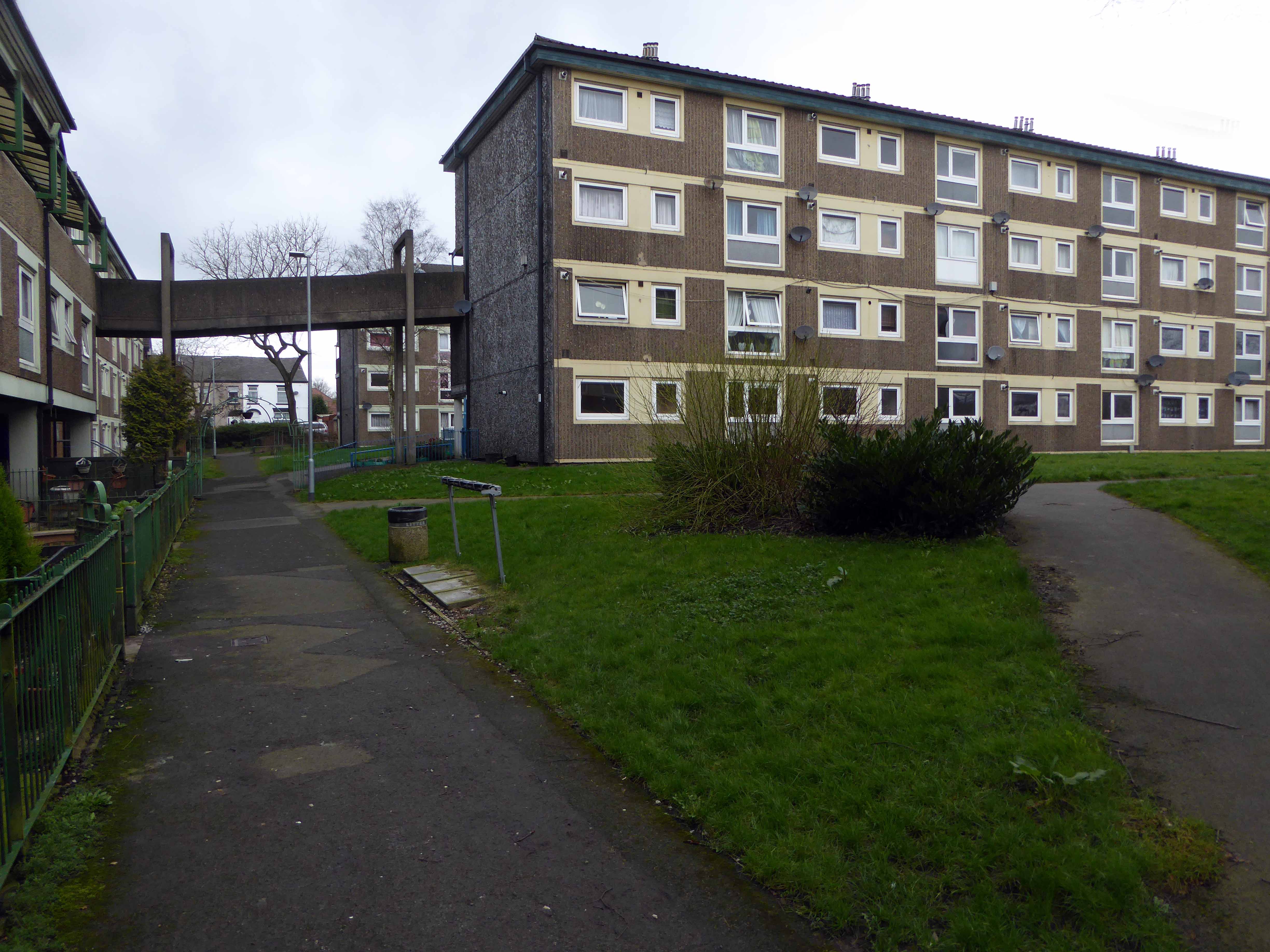
Preston Indoor Market

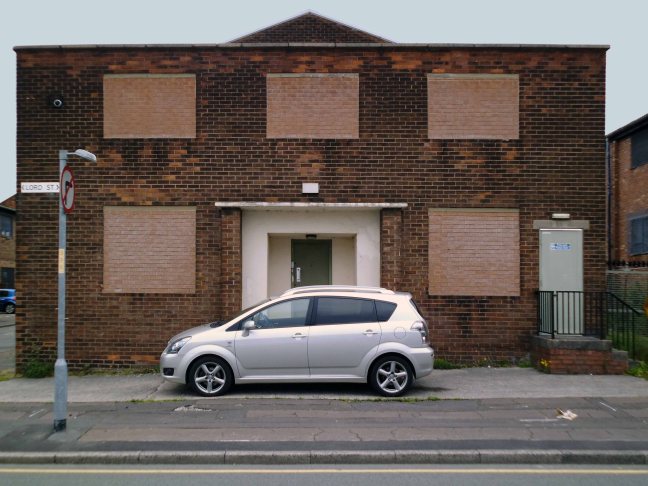
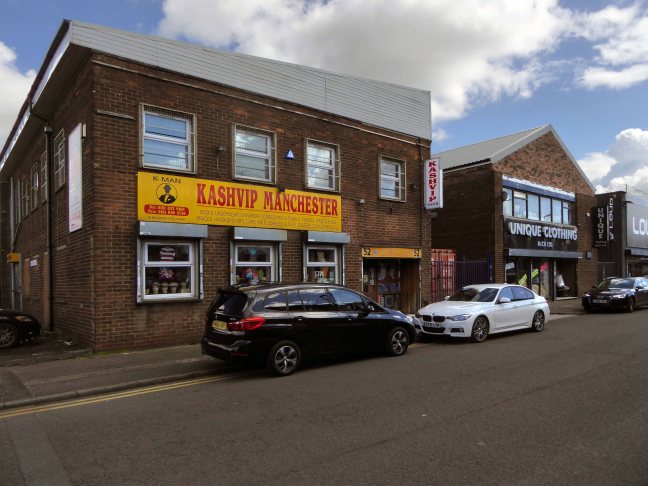
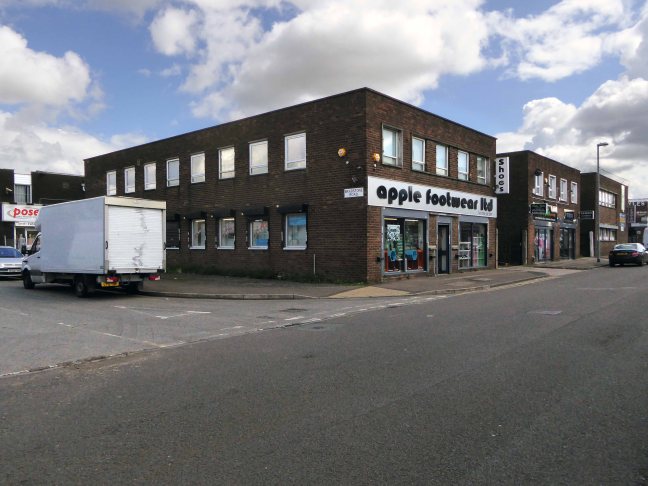
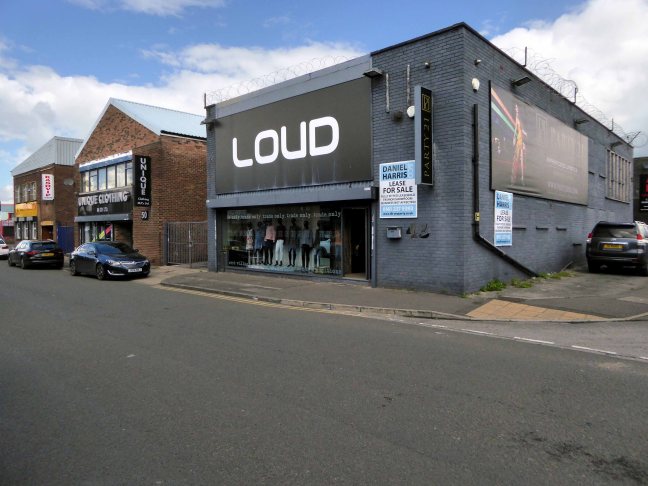
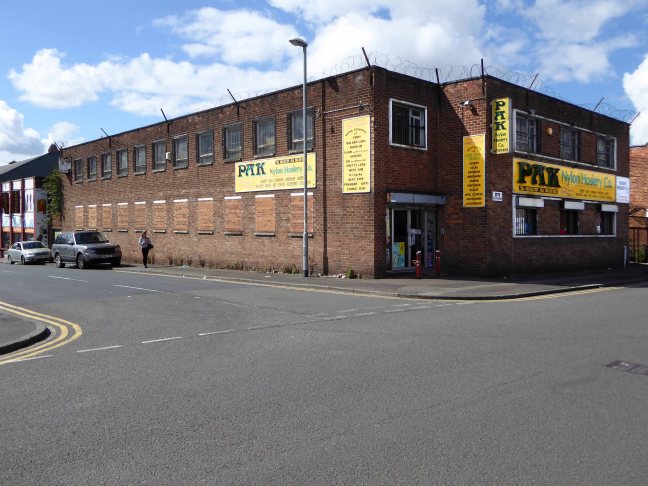
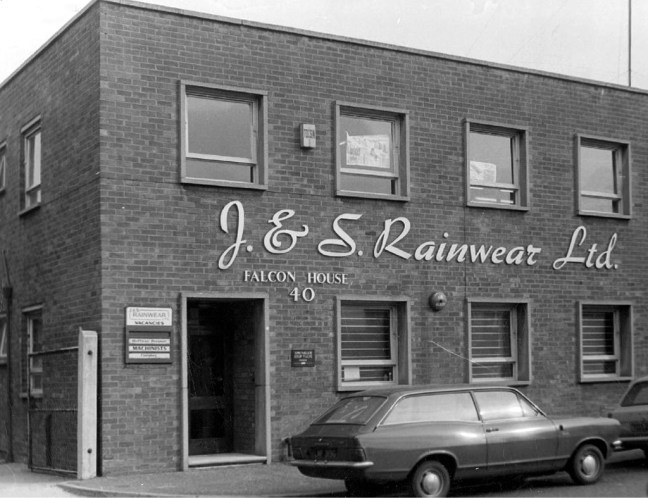
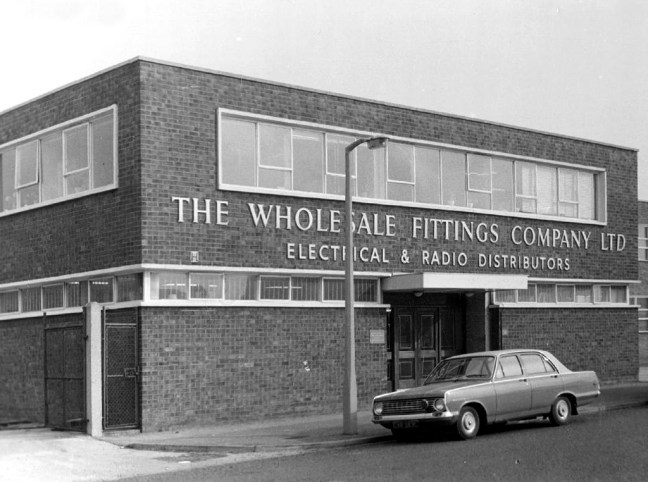
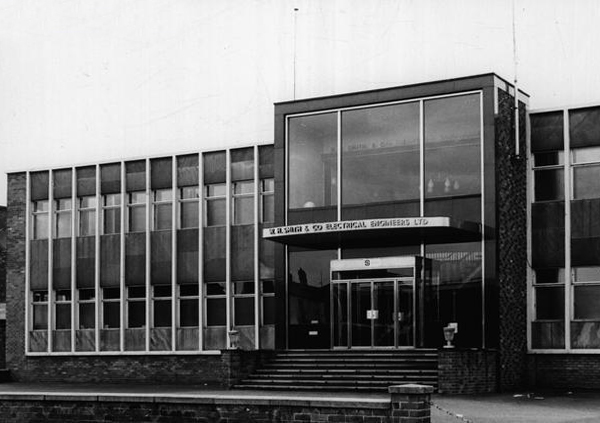
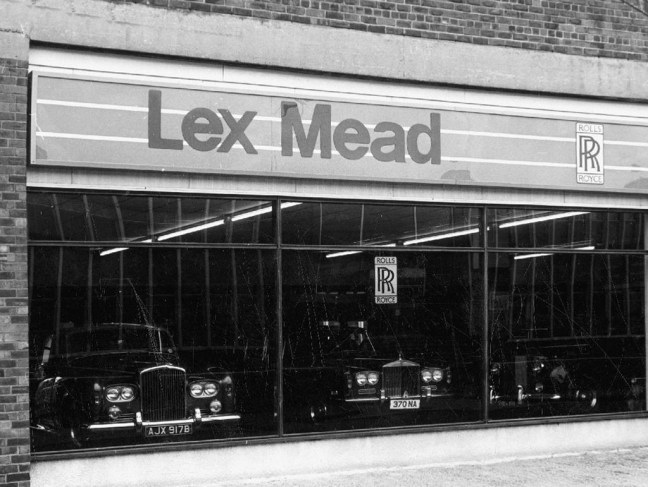
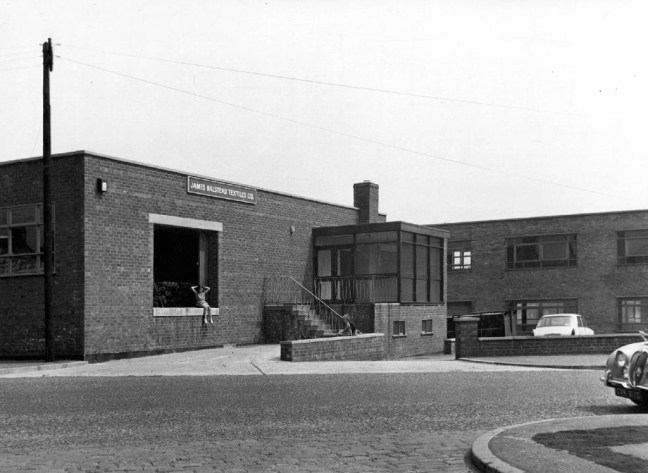
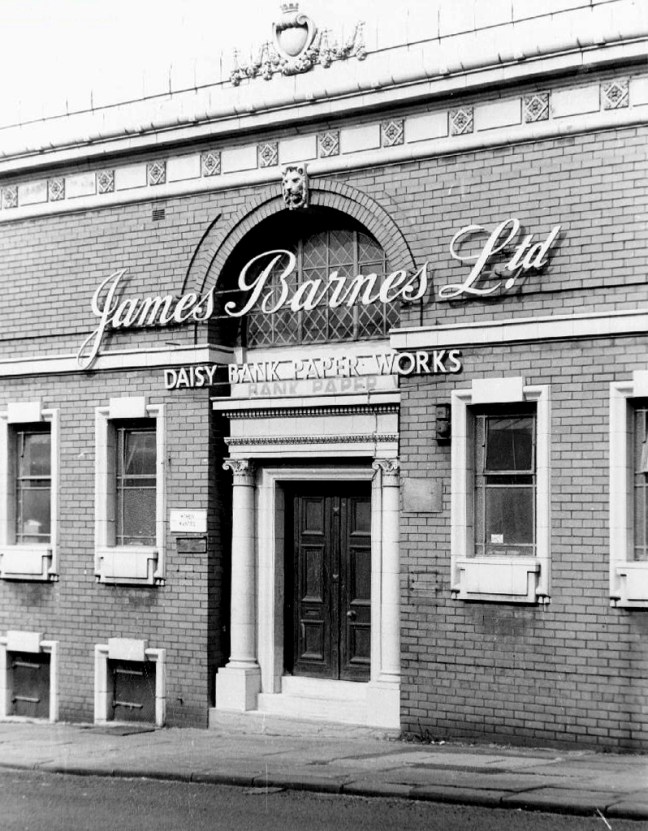
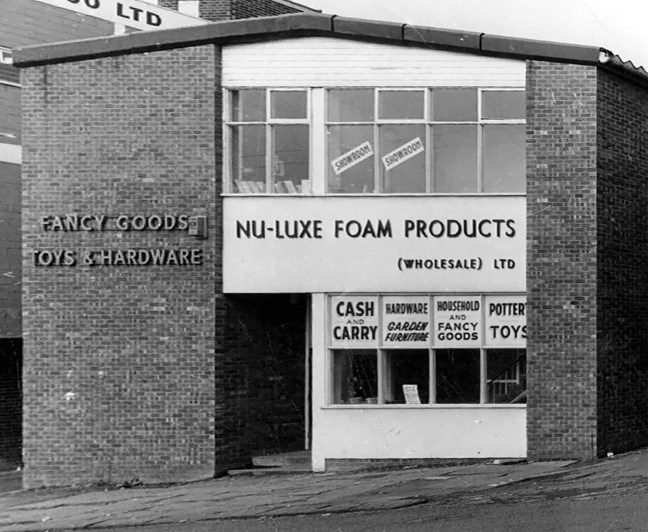
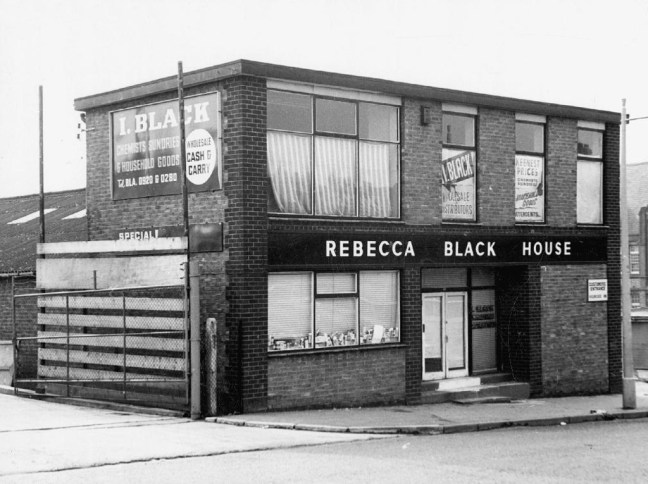
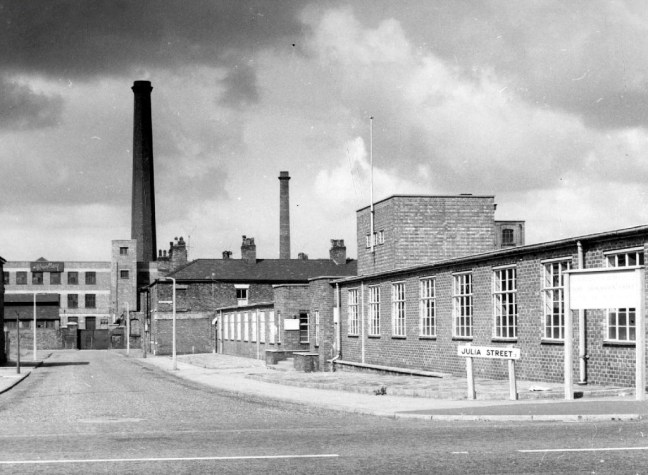
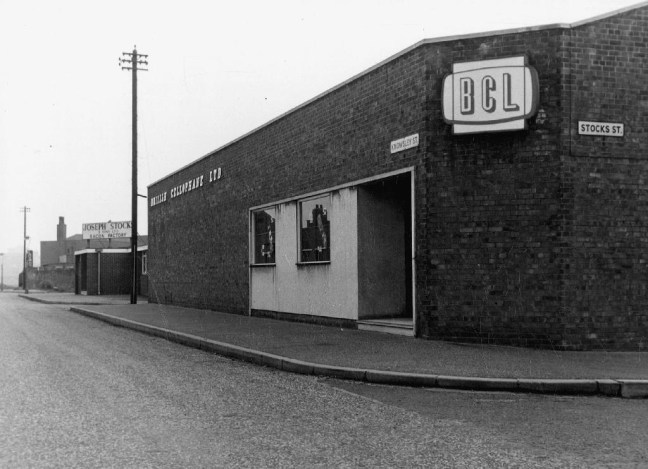
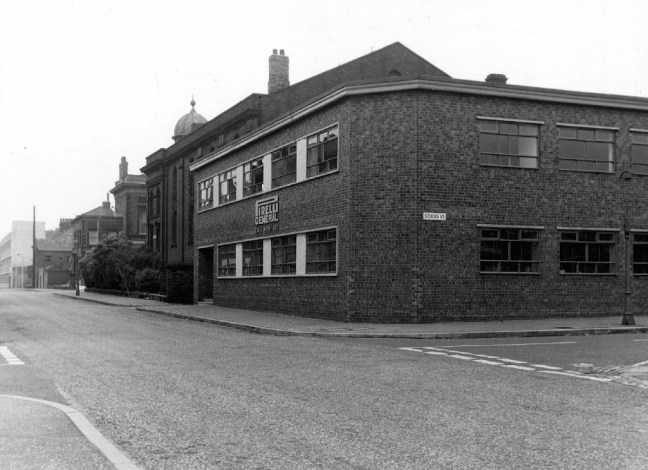
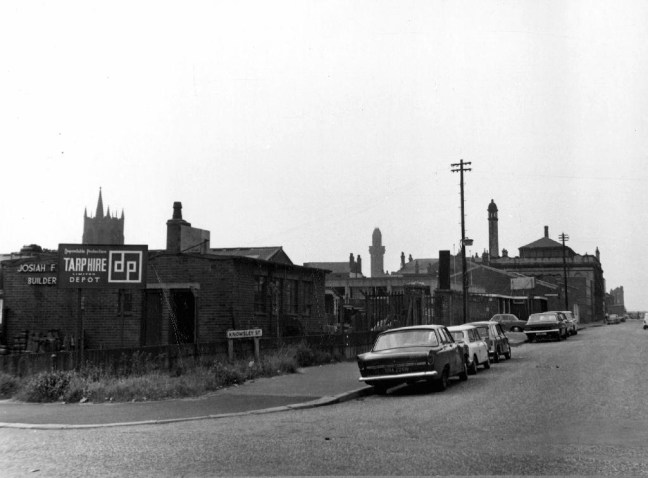
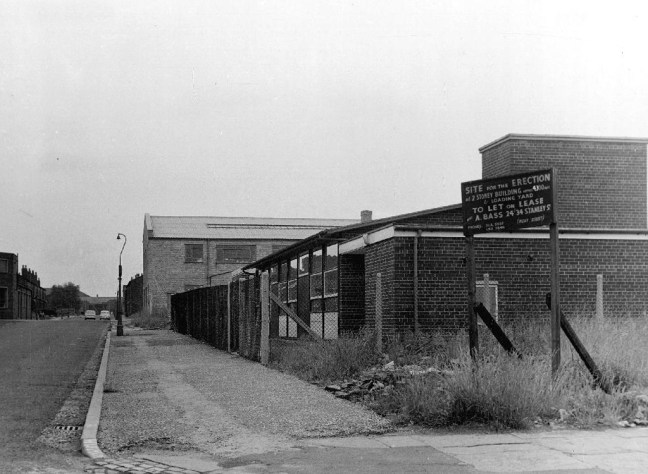
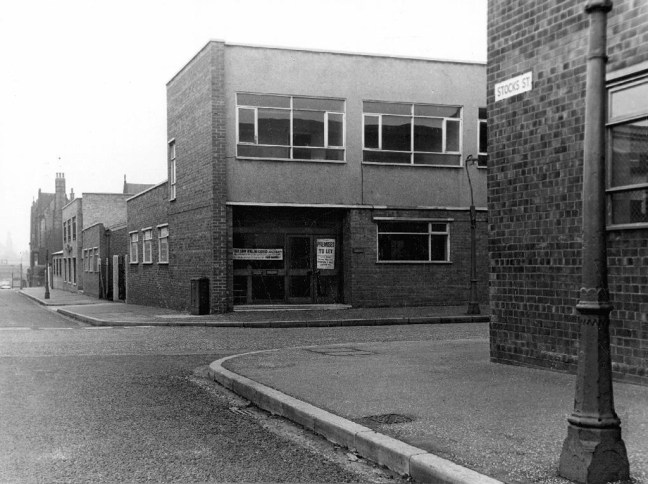
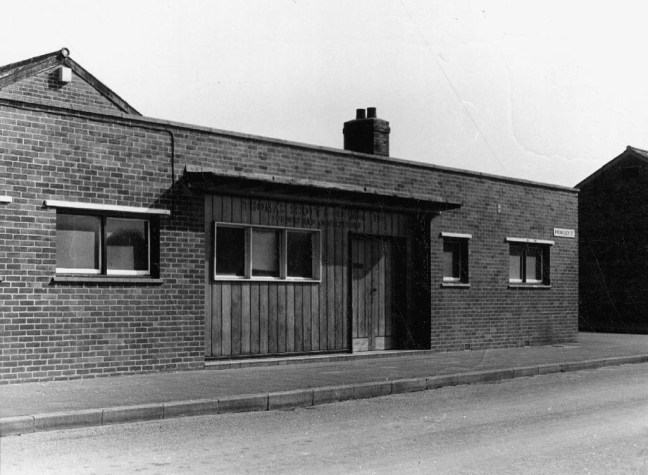
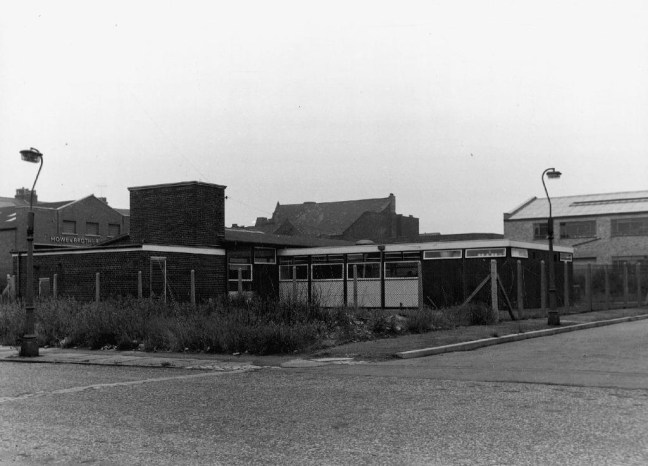
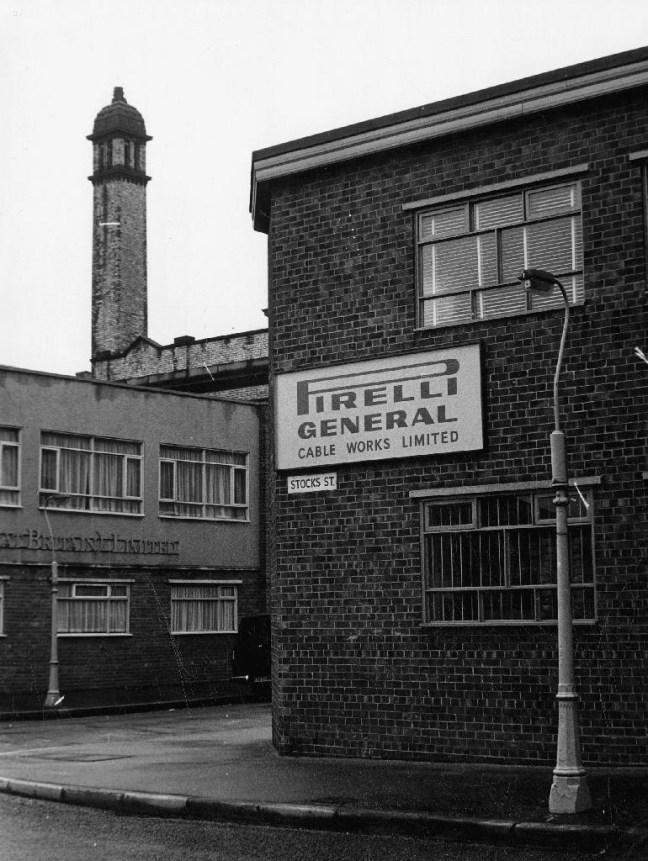
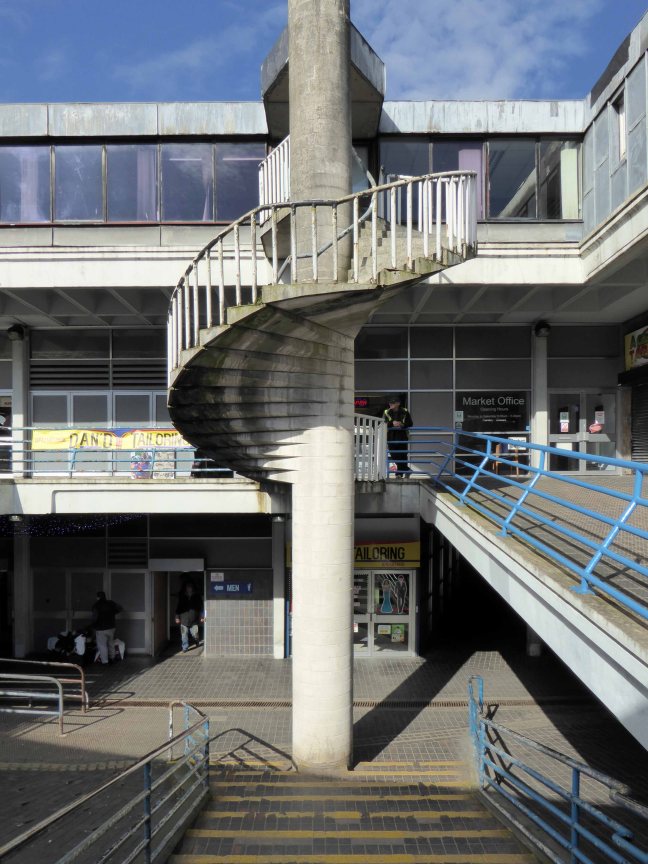
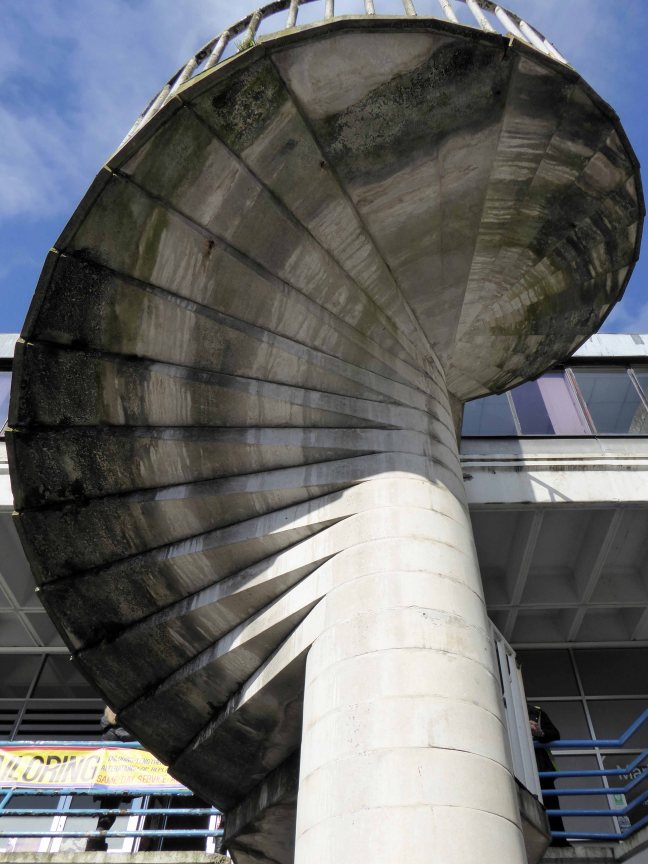
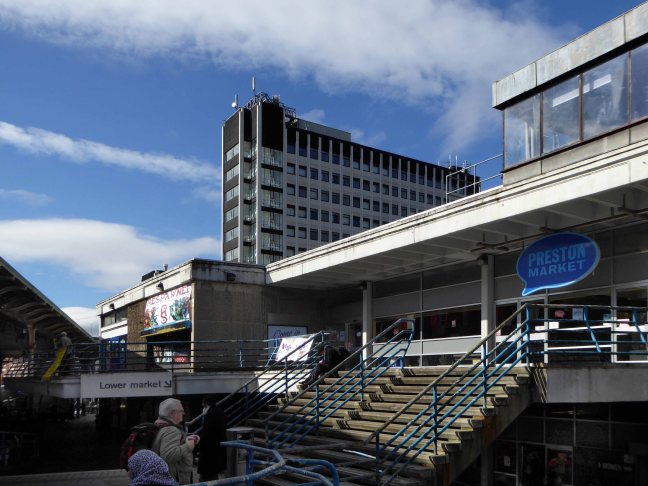
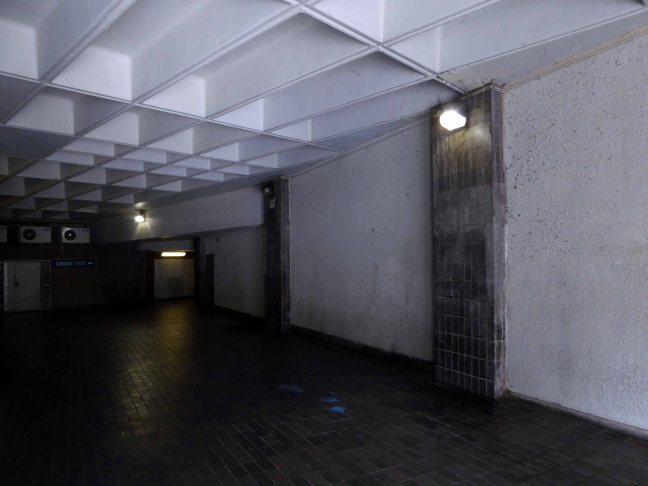
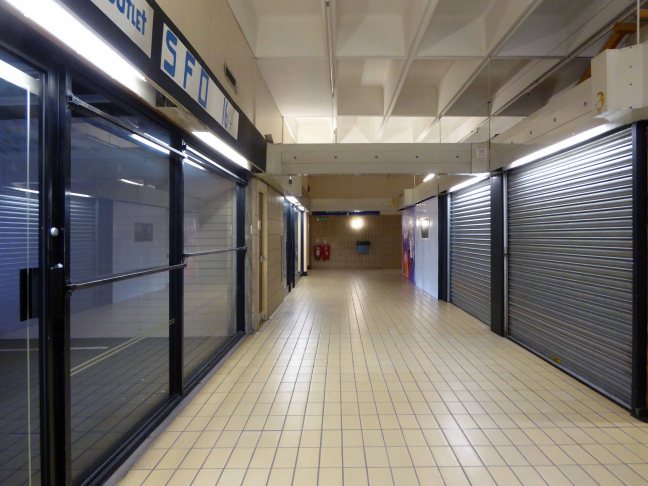
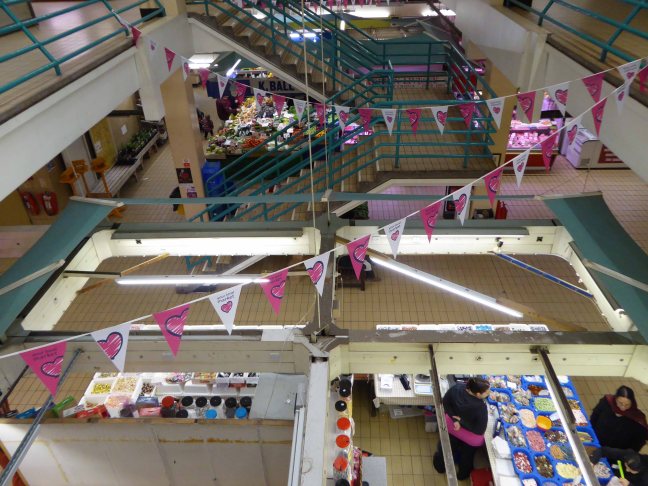
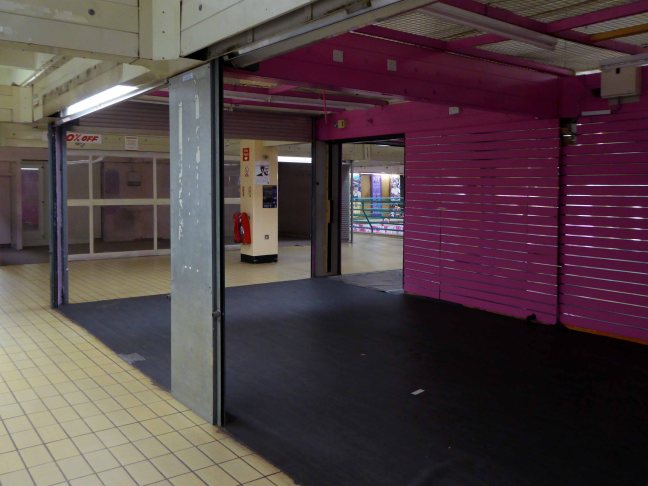
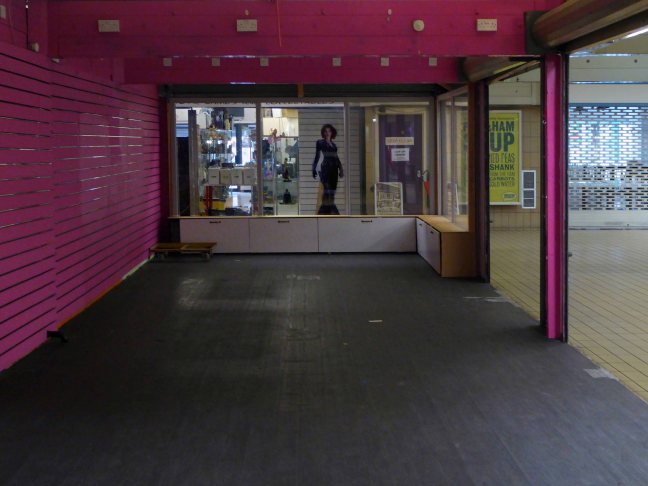
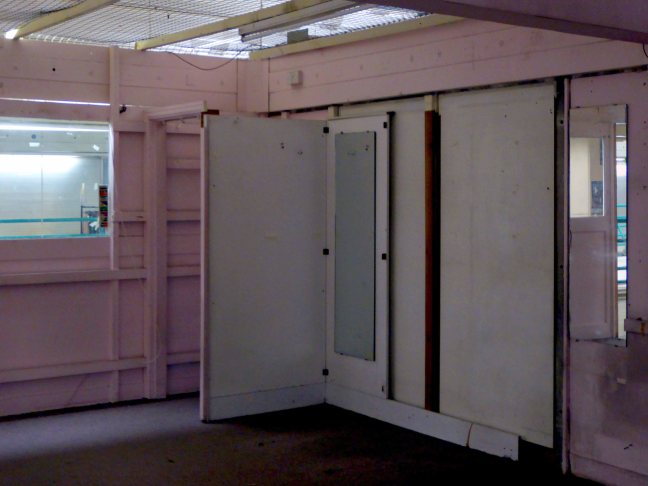
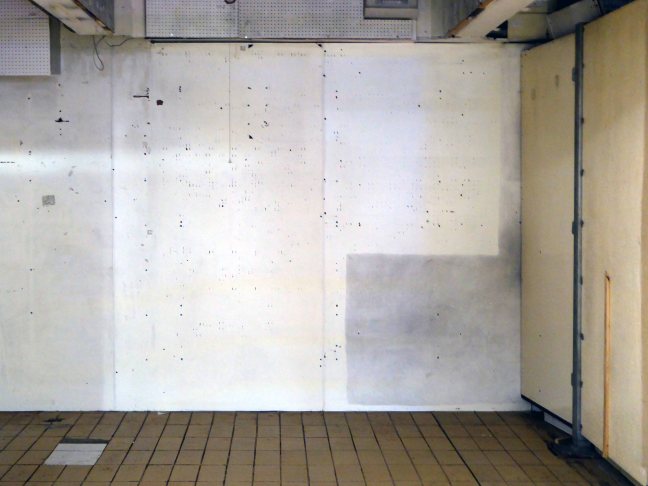
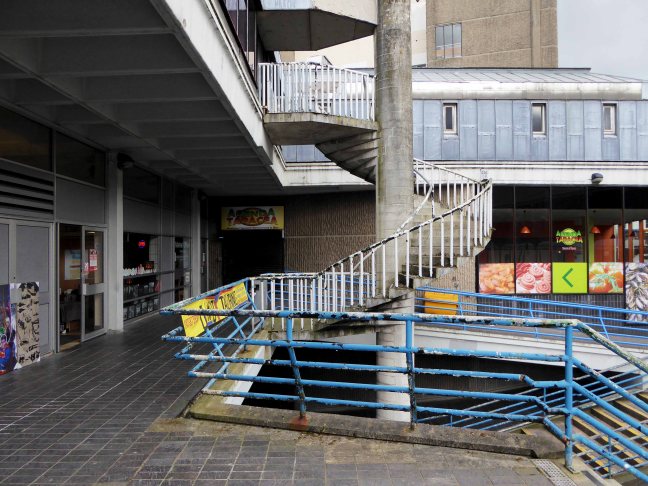
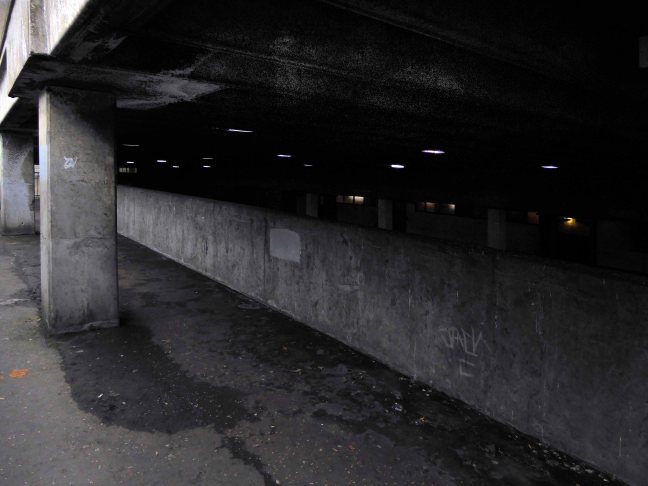
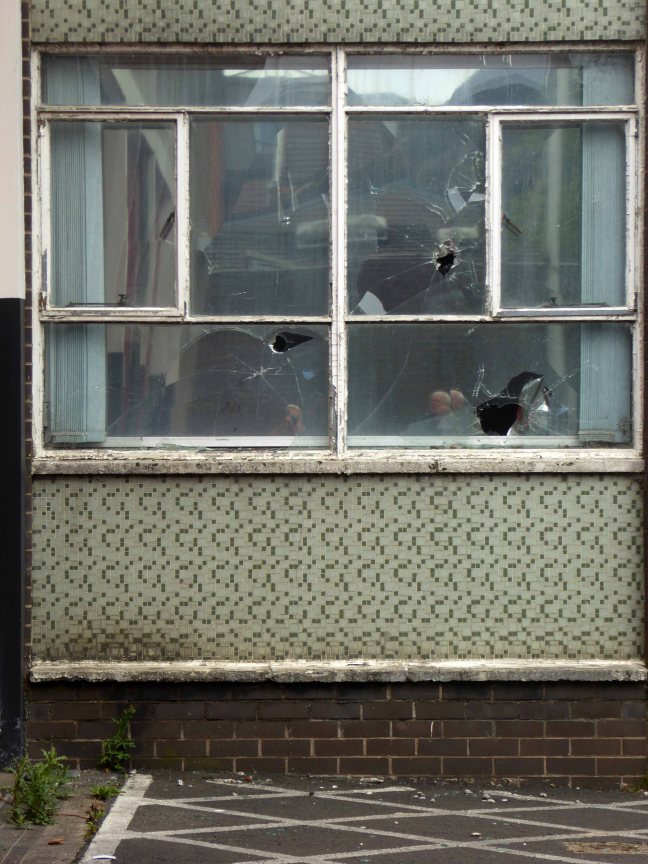
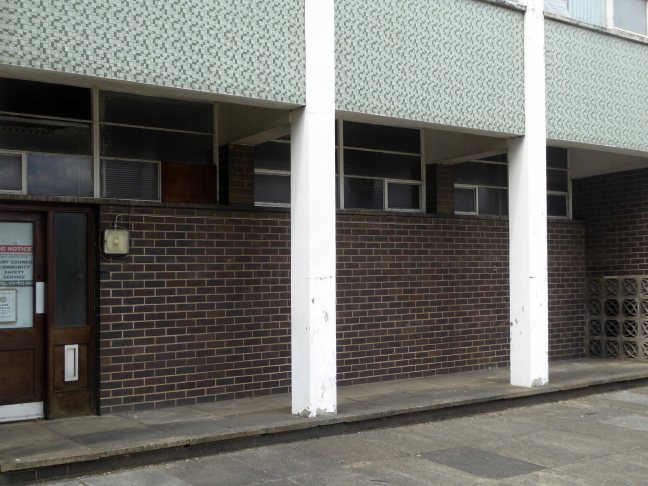
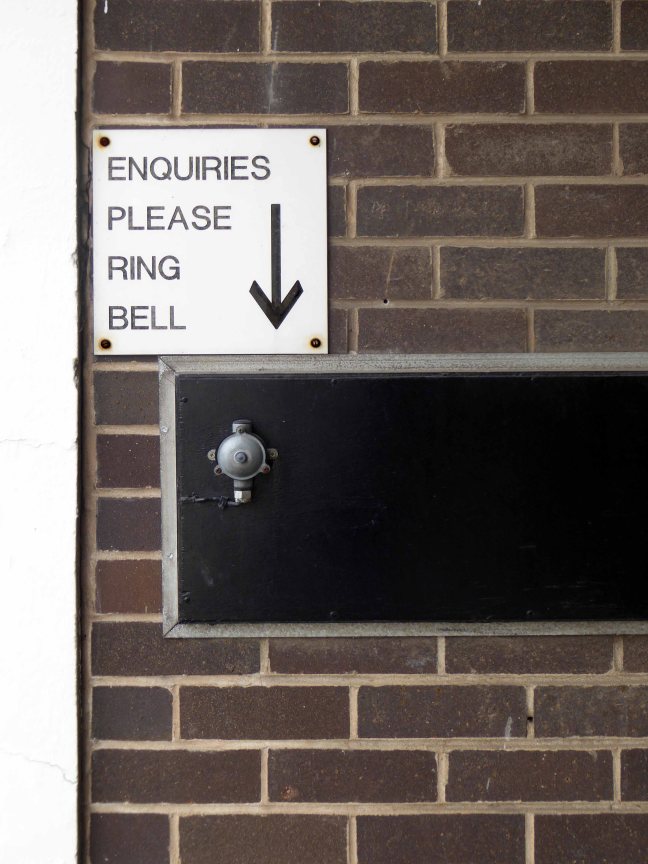
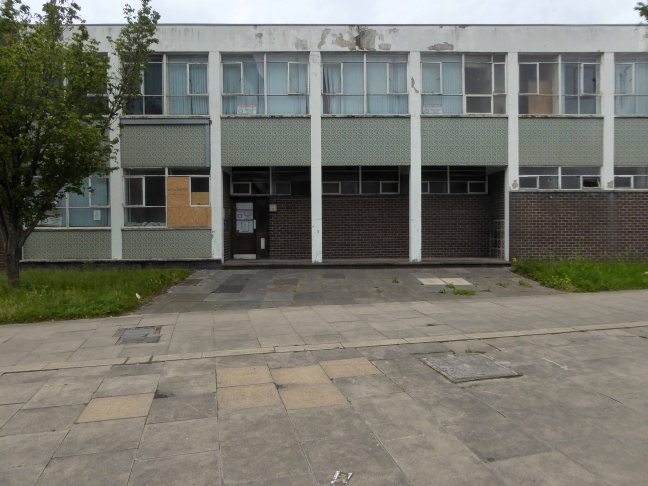
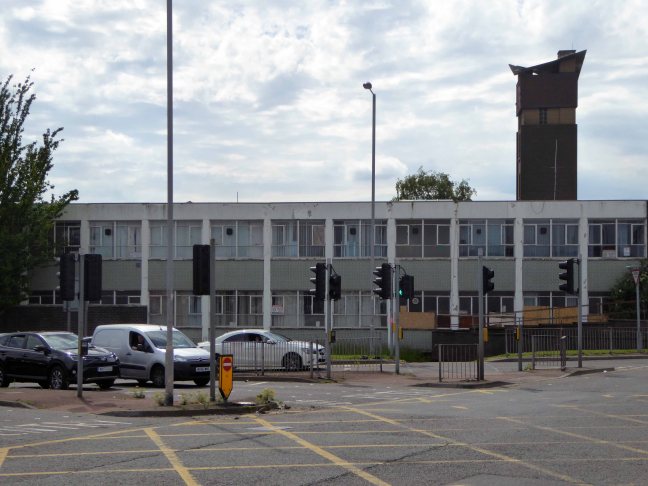
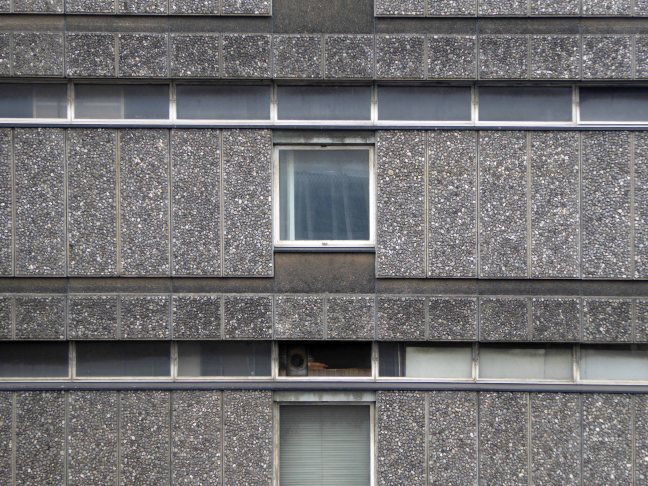
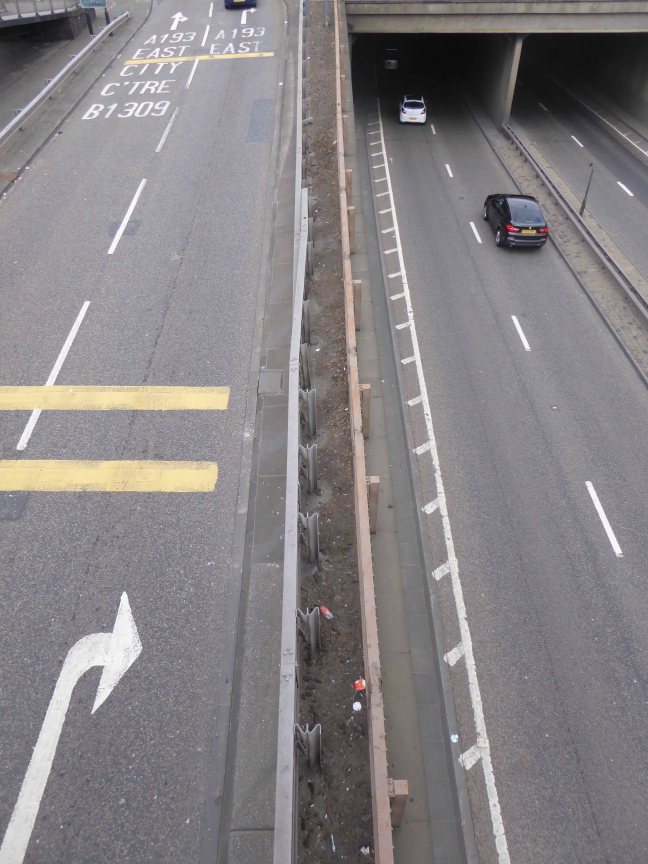
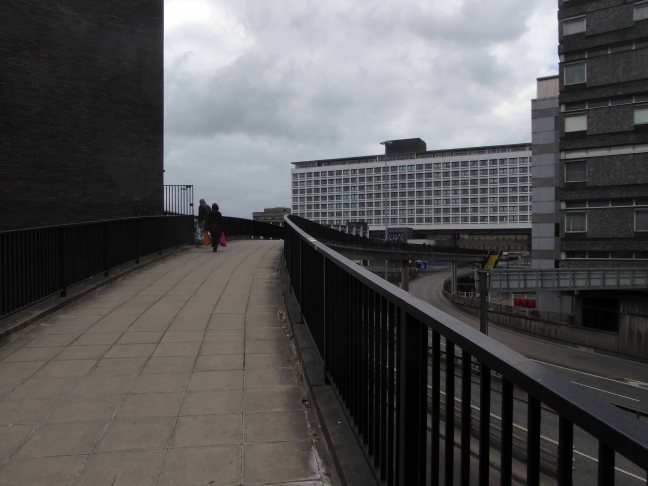
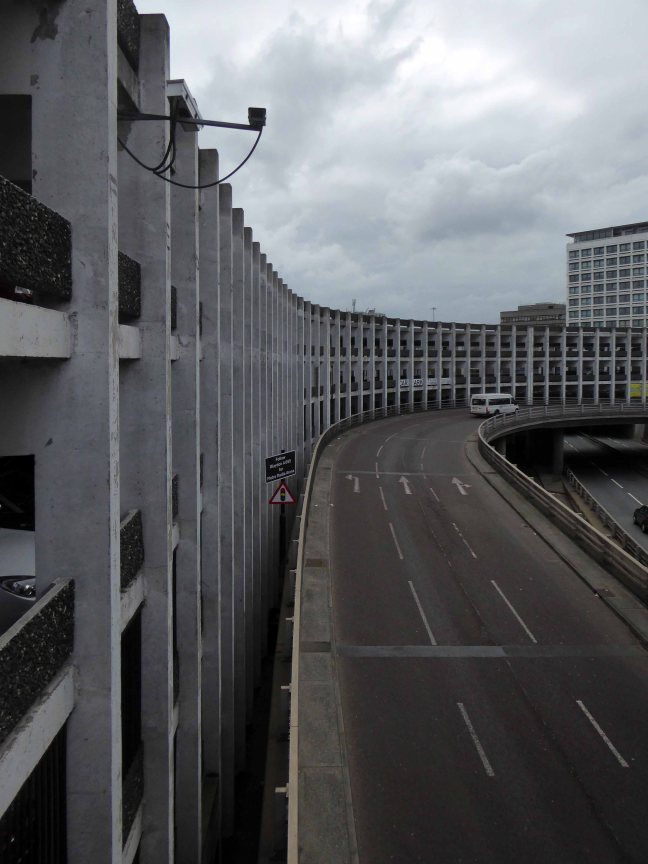
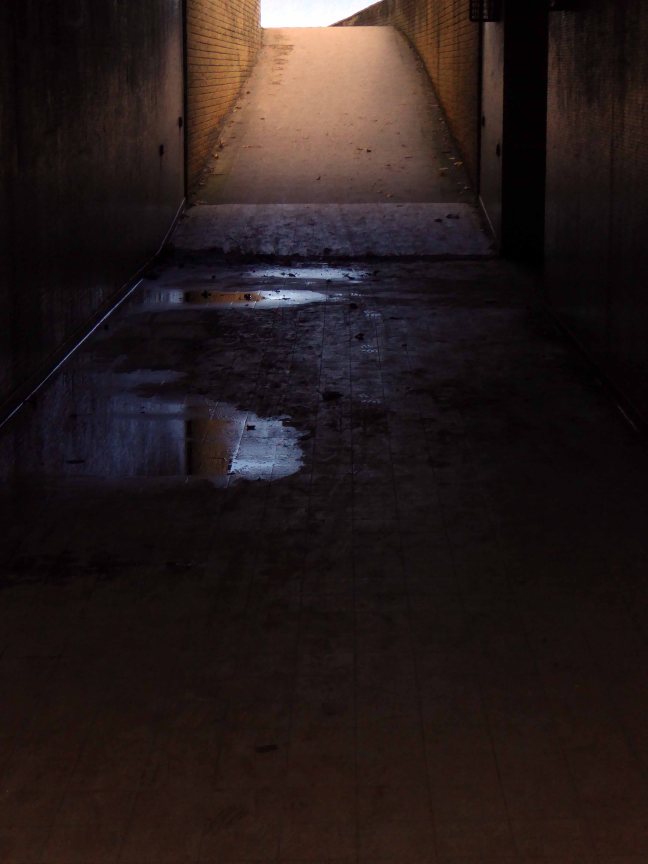
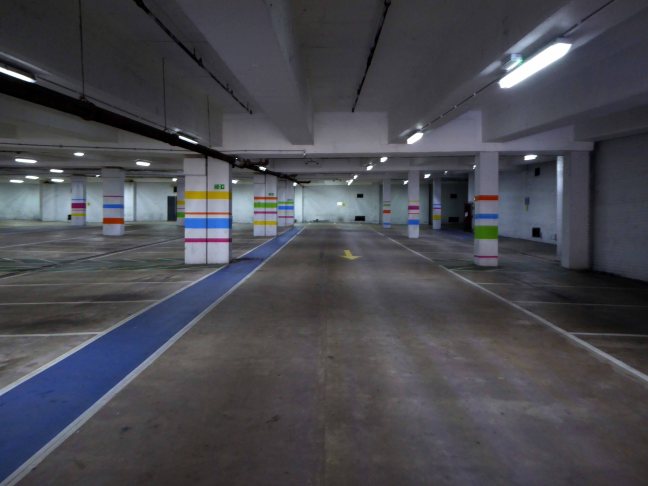
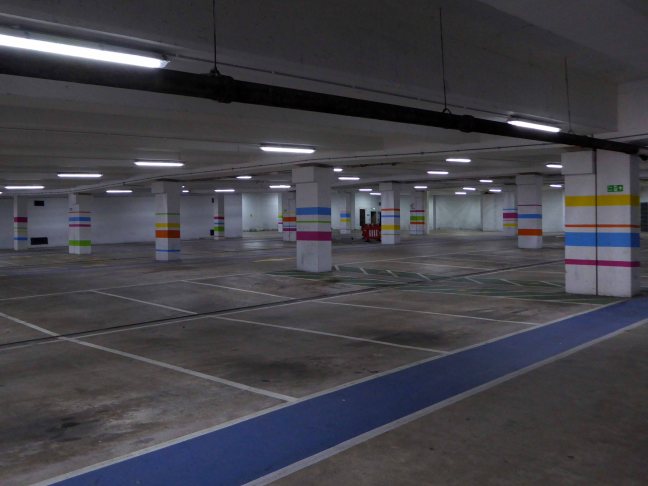
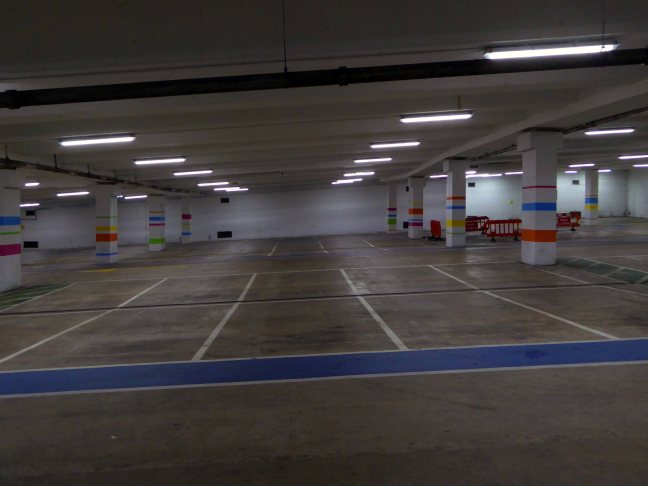
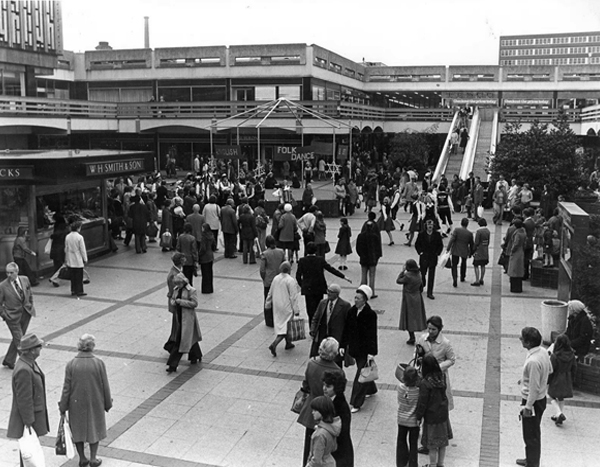
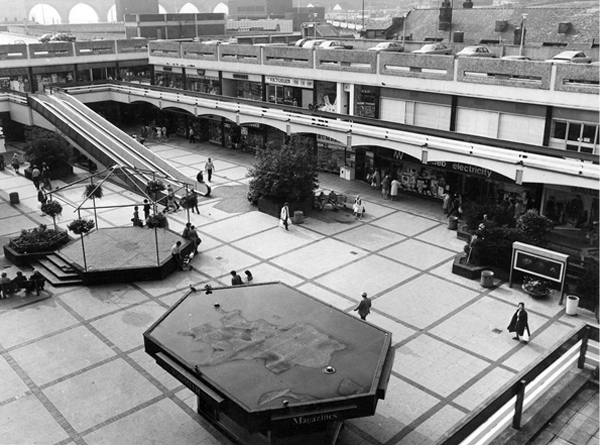
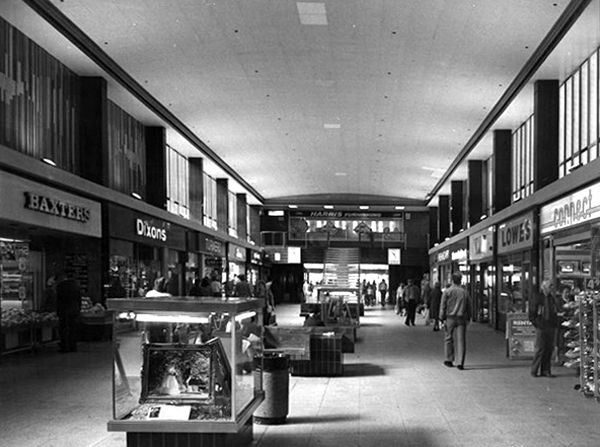
Built in 1973 scheduled to be closed and demolished in ten days time.

The future is not so red rosey for yet another traditional local market.

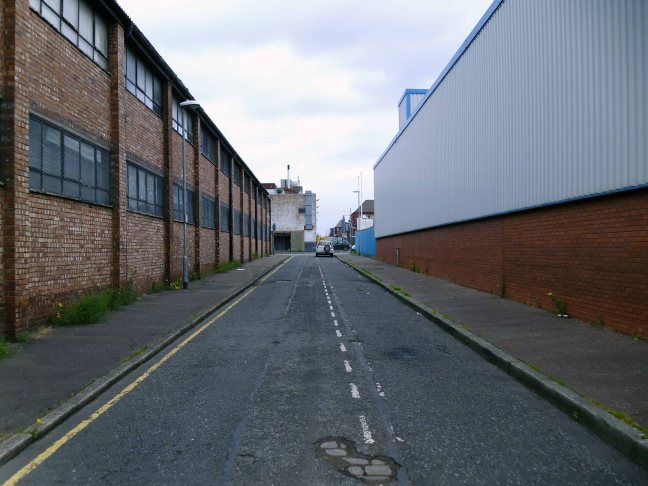
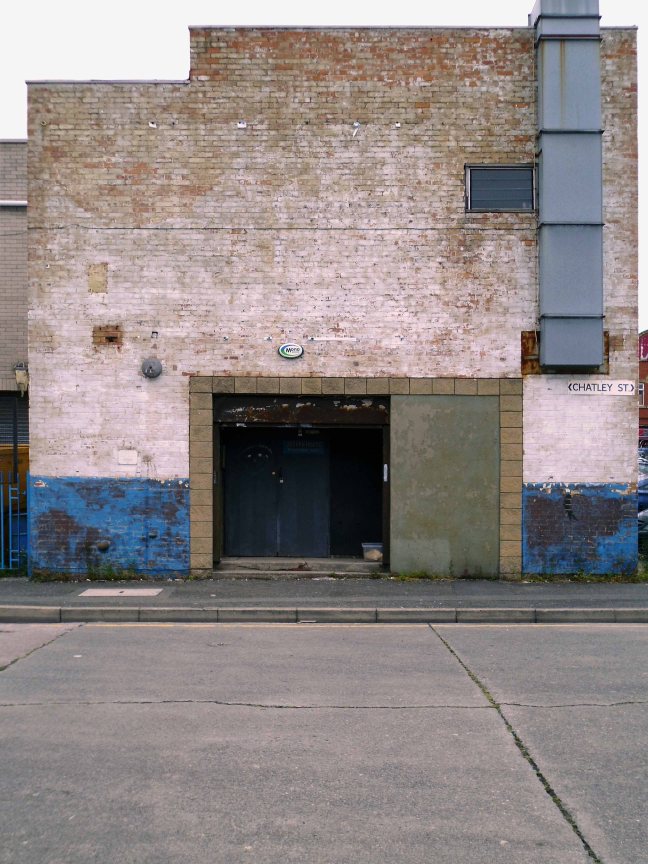
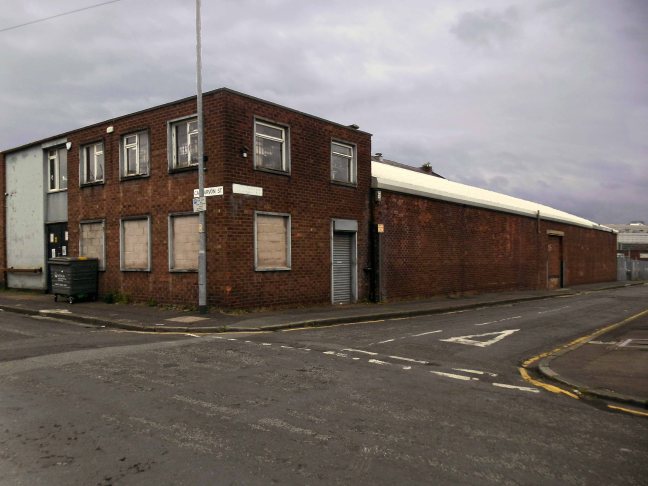
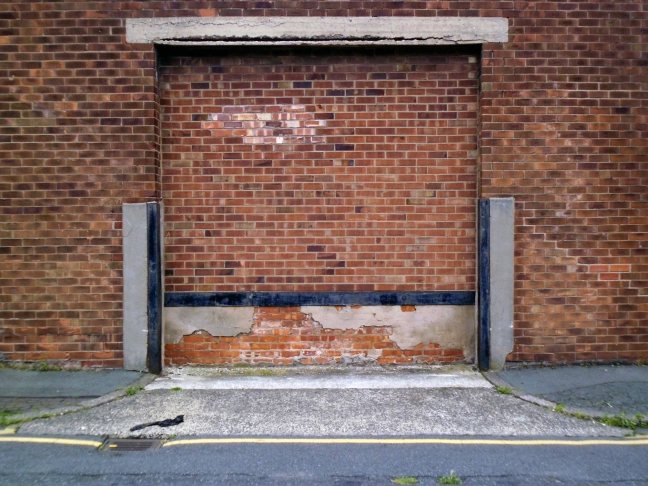
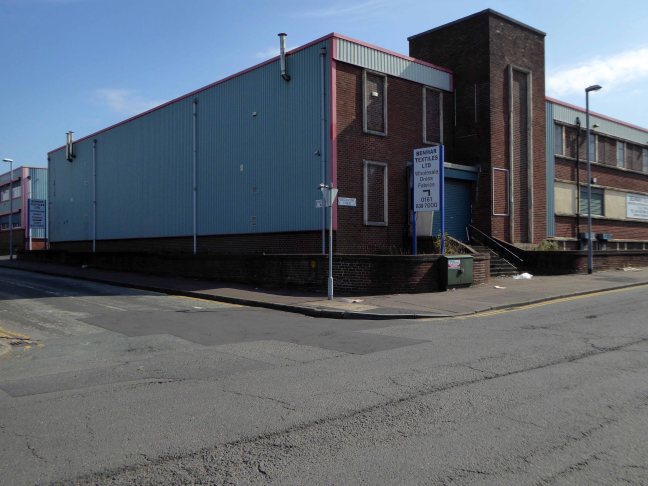
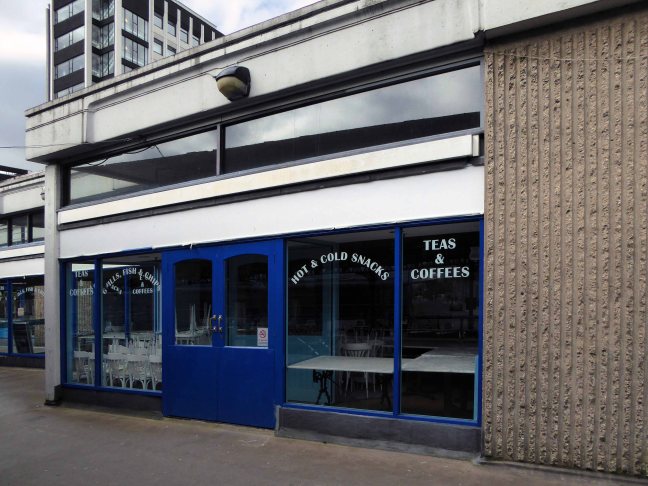
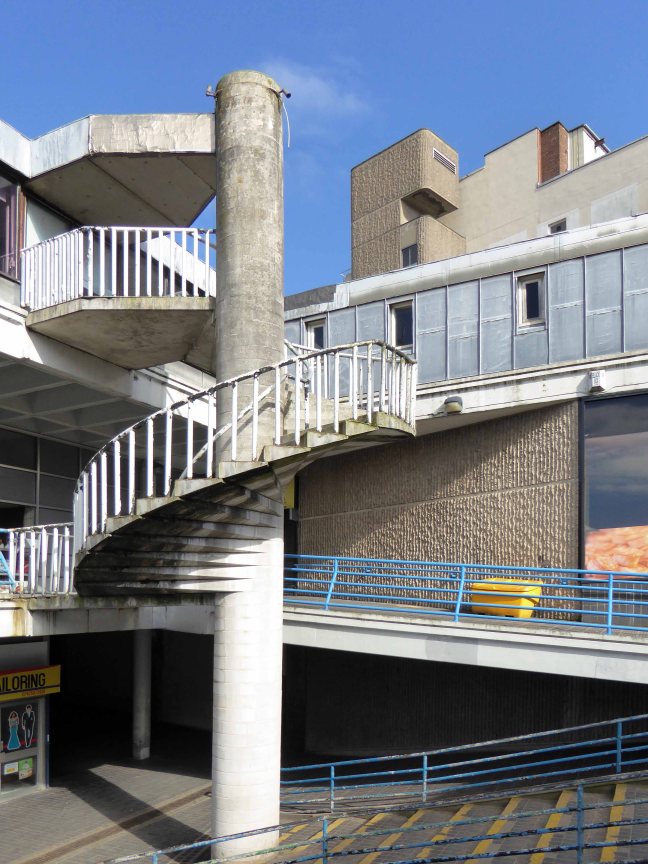
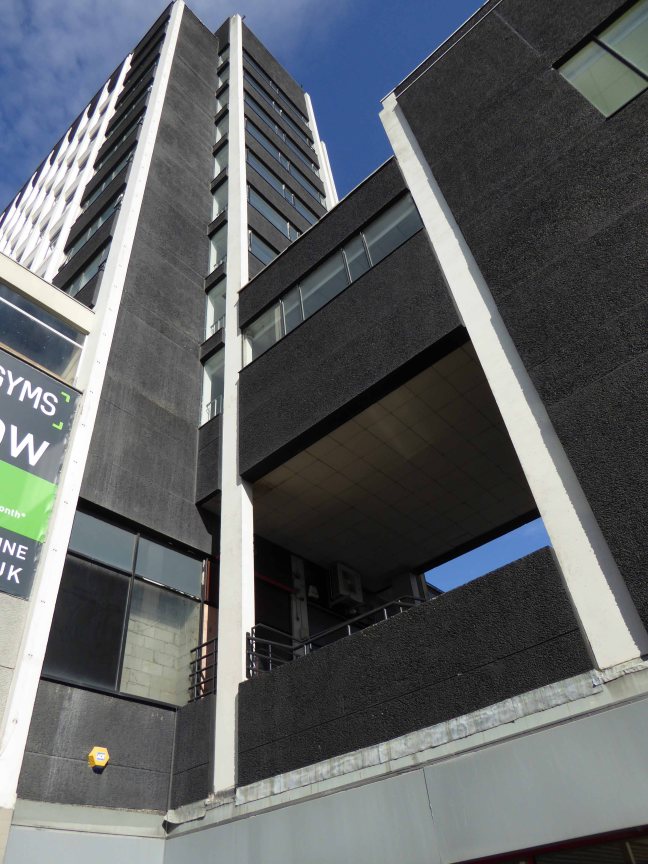
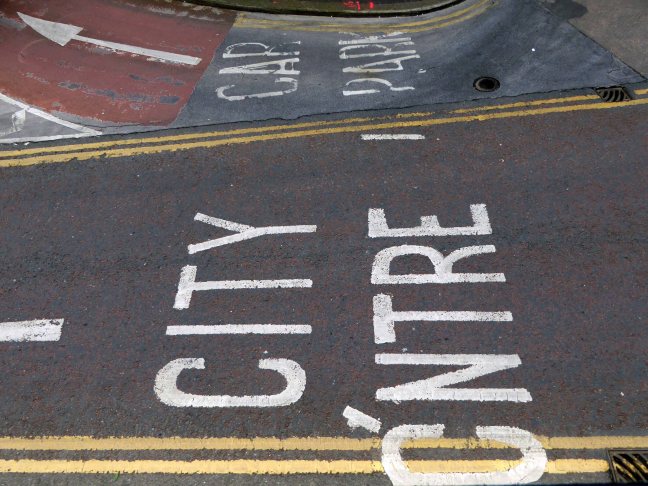
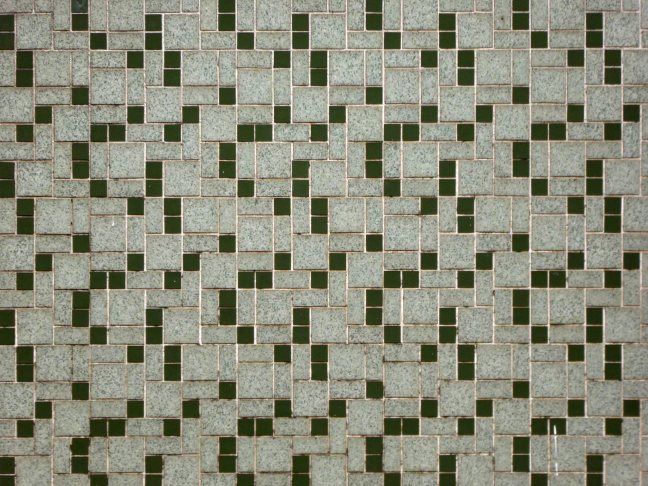
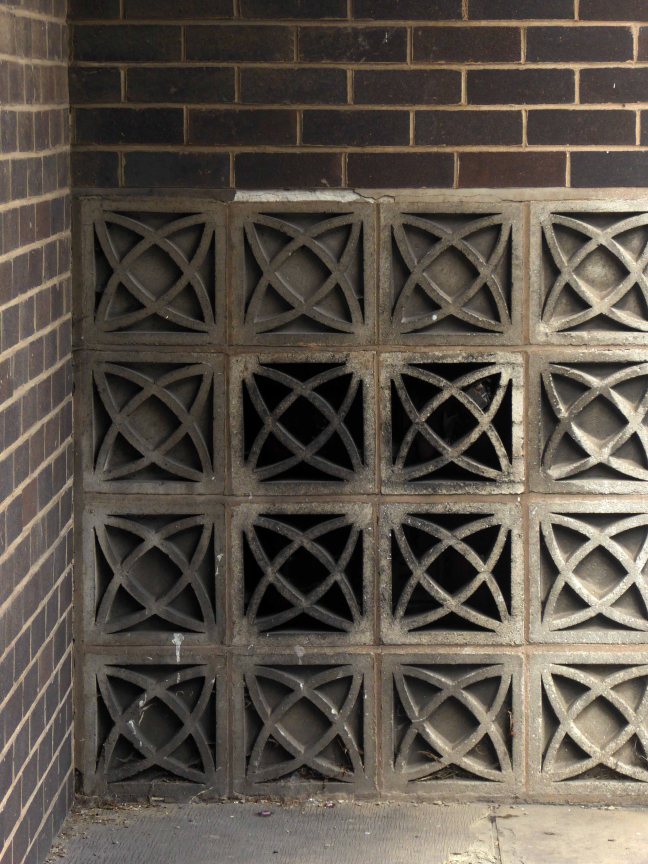
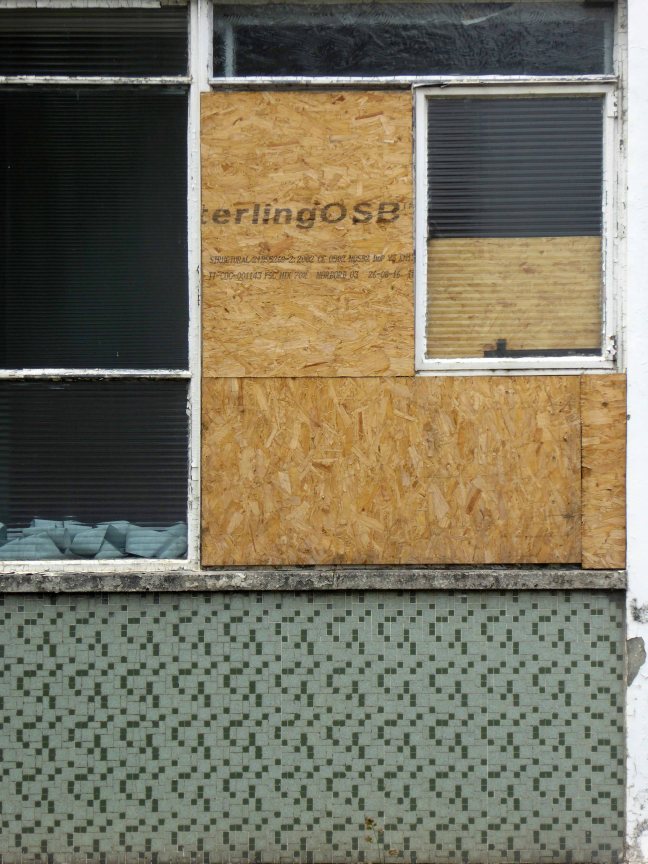
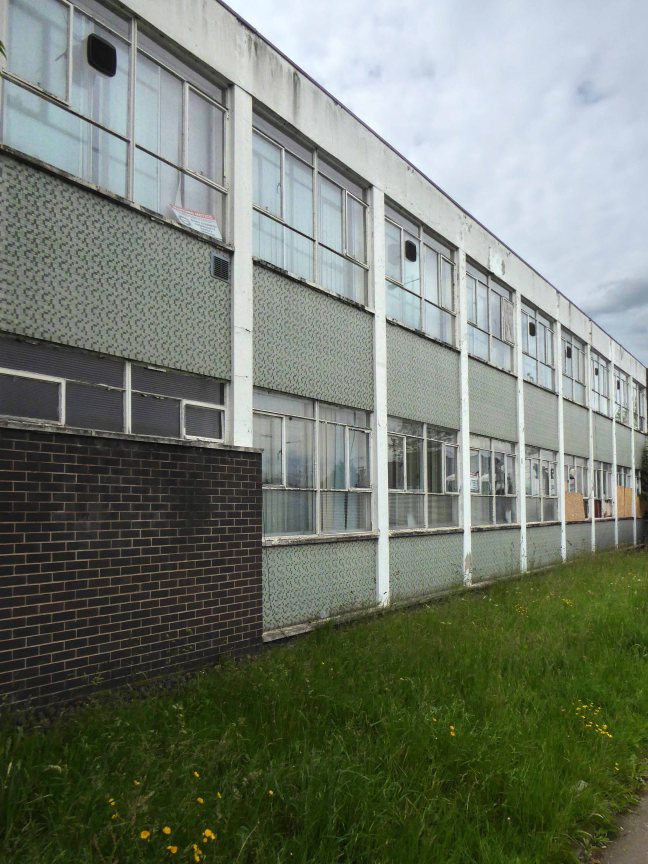
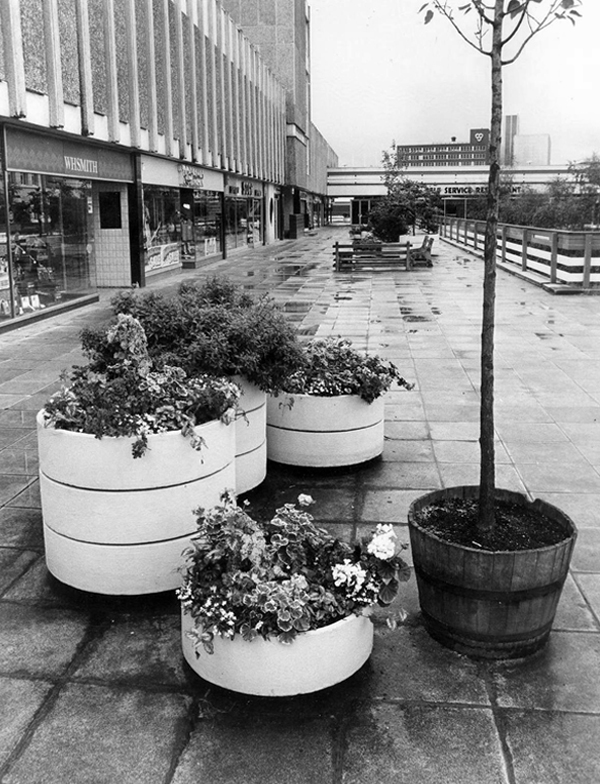
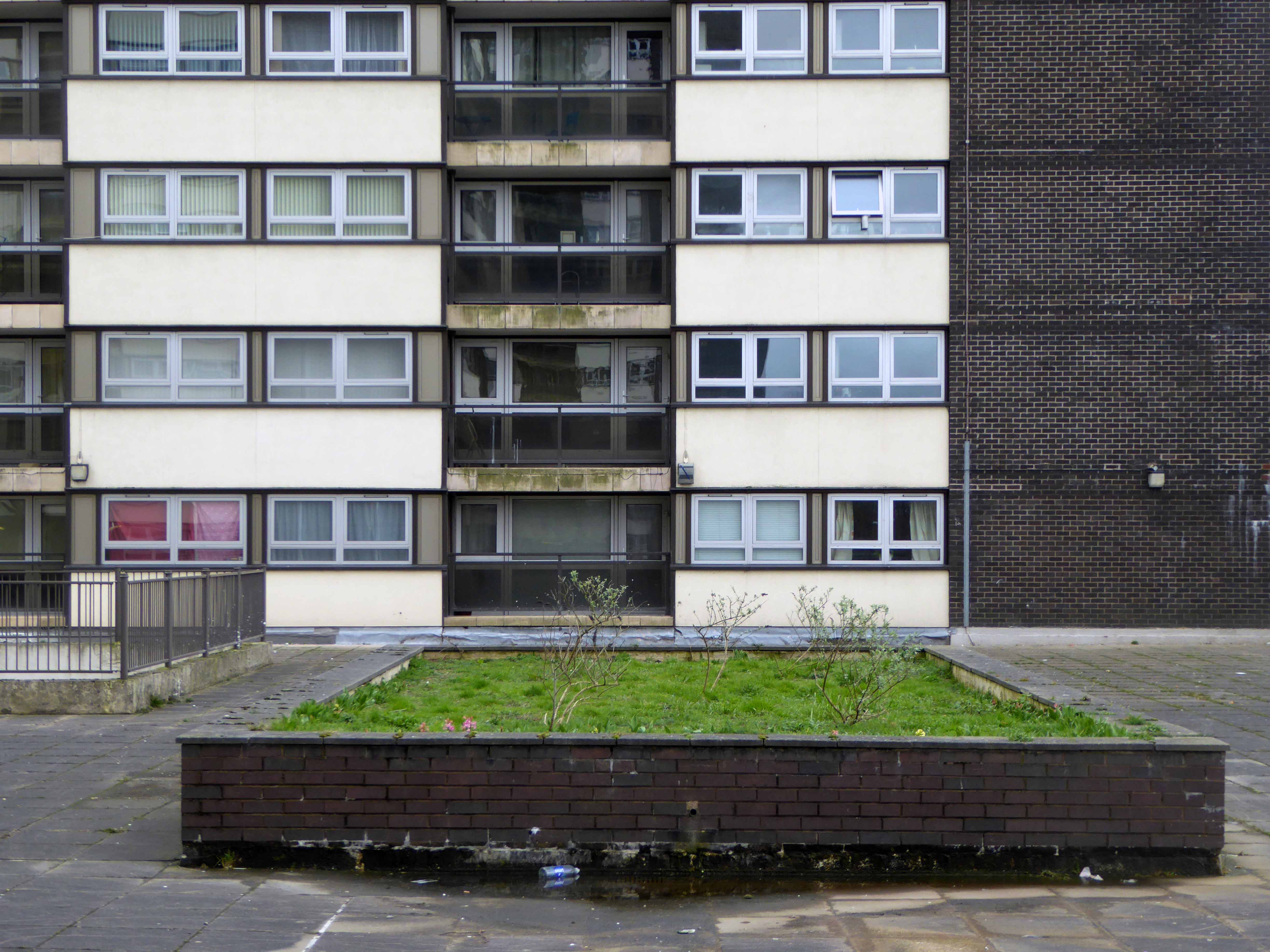
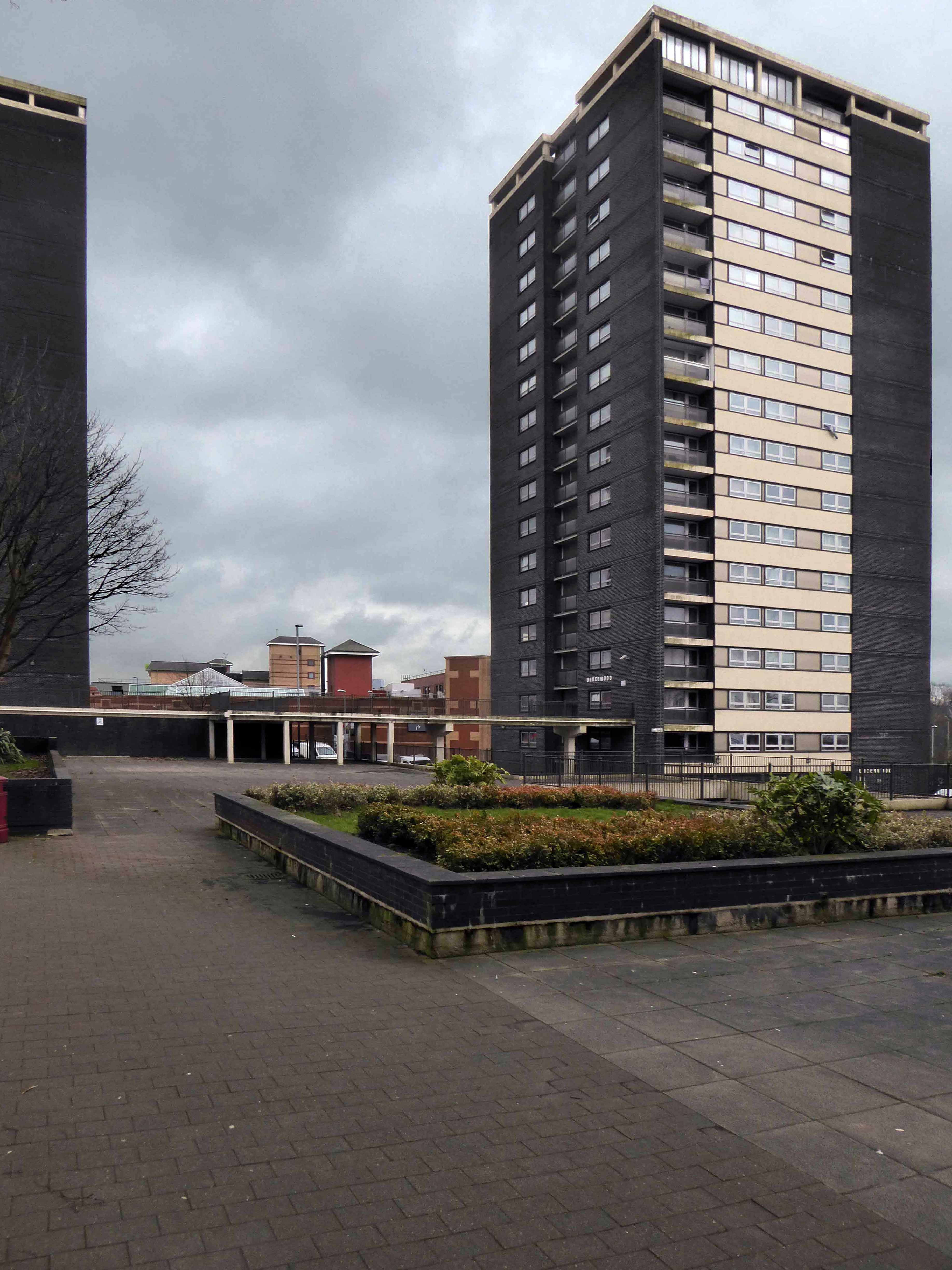
A typically boxy arrangement of steel, concrete, asbestos glass and brick, the complex of trading units, stalls and parking is not without charm. Though as with many other developments of its type, it seems to be without friends, then inevitably without customers and traders.

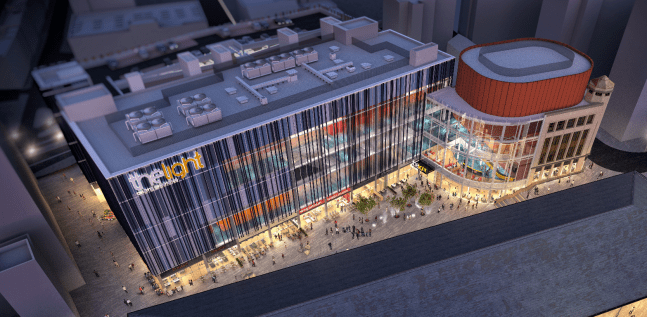
Following a template originated at London’s Borough Market, developers and councils seem to favour the modern artisan over the proletarian . This concept when meshed with the multi-plex and chain restaurant/bar amalgam, provides a shiny new future, for the shiny new shape of all our retail and leisure needs.

Preston-Market-Quarter-Nov-2017

So ta-ta to another world of hats and socks, fruit and veg, workwear for workers.

You’ve just about time to pop in for a brew.

Two sugars, stirred not shaken.

P1020430 copy

P1020431 copy

P1020432 copy

P1020435 copy

P1020437 copy

P1020434 copy

P1020477 copy

P1020479 copy

P1020480 copy

P1020481 copy

P1020482 copy

P1020484 copy

P1020485 copy

P1020486 copy

P1020487 copy


P1020490 copy

P1020491 copy

P1020492 copy


P1020494 copy

P1020495 copy

P1020496 copy


Mottram Street Flats – Stockport

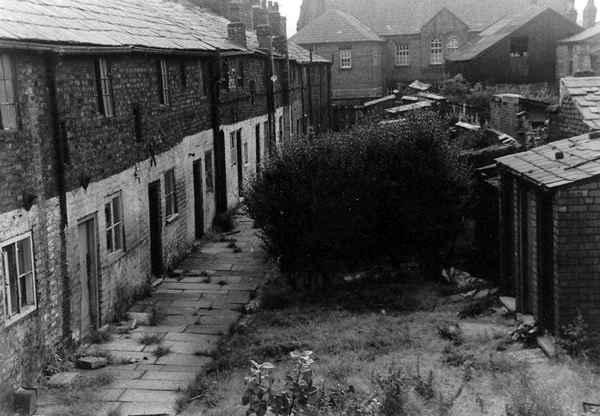
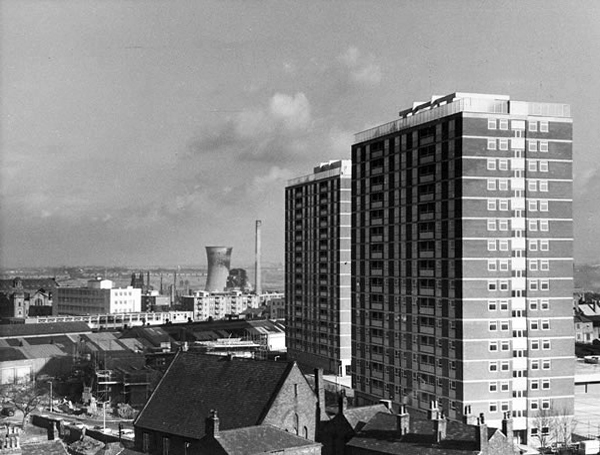
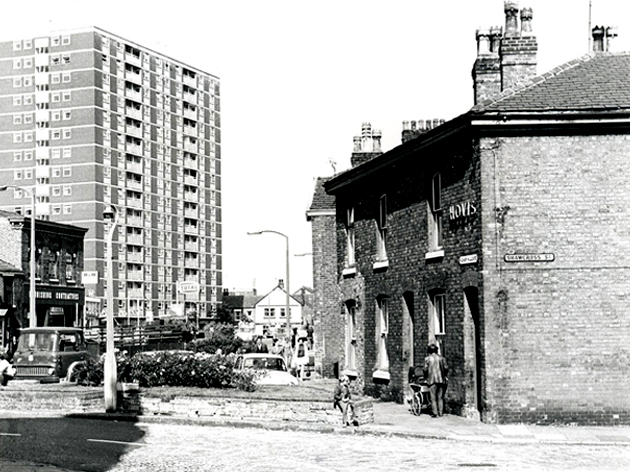
A post-war northern town, facing the problems of bomb damage, poor quality housing, and the pressing need for new homes.

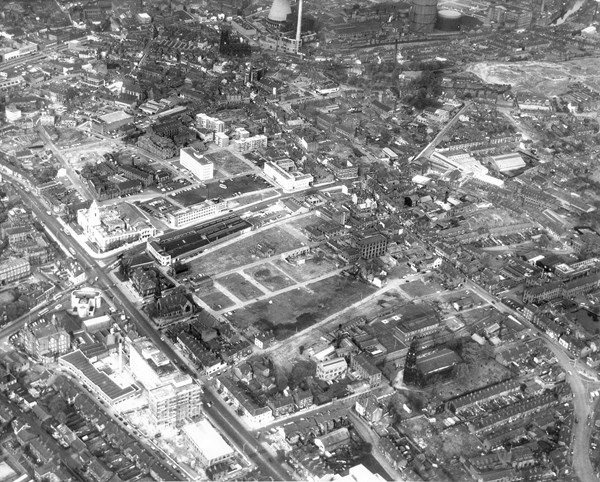
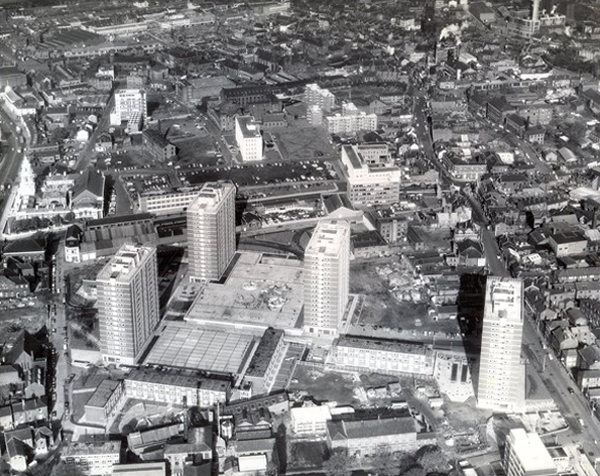
In 1963 there seemed to be space and the will to build, the site at the centre of the image flanked by ageing Victorian terraces and industry.

5060

1960a

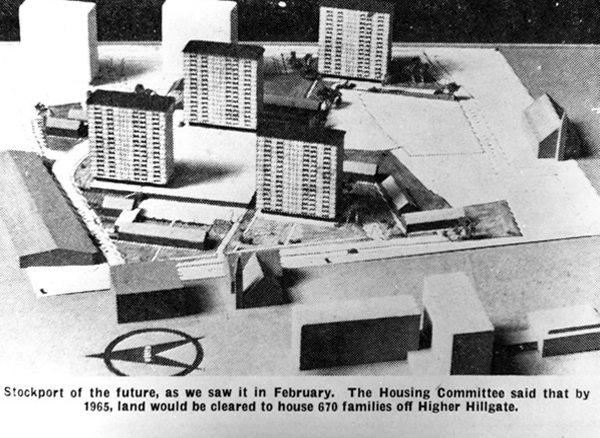
Soon to become the Mottram Street Development.

31117

5061

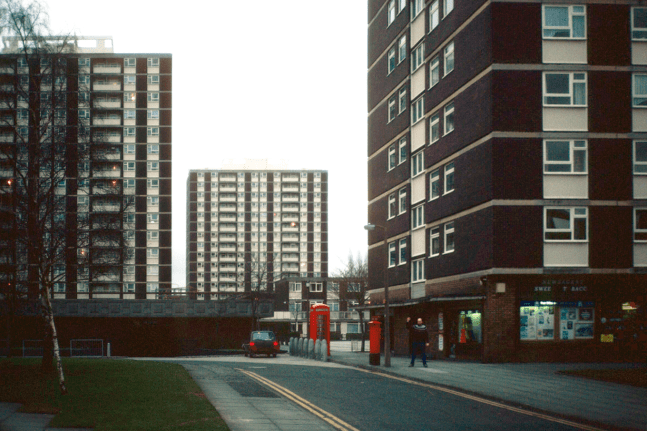
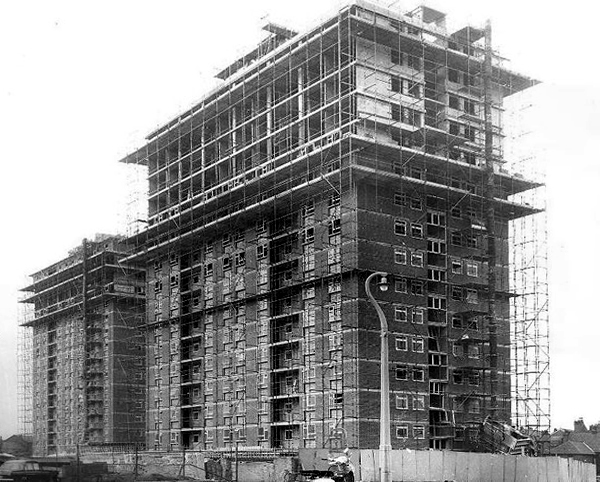
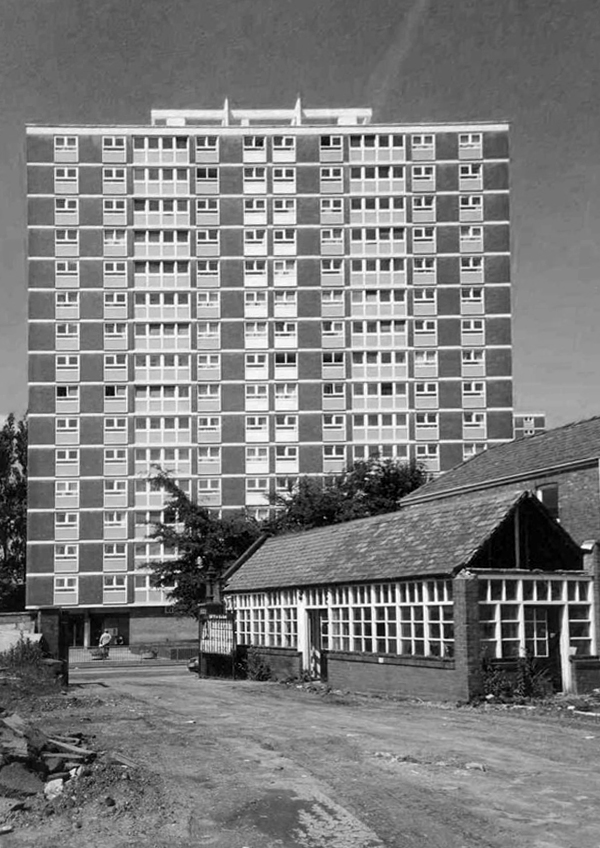
Back in 1965 these were the highest housing tower blocks in Greater Manchester.

The work of borough architects John Rank and Clifford Fernley.

1348

123

1351

1352

1353

34249

47177

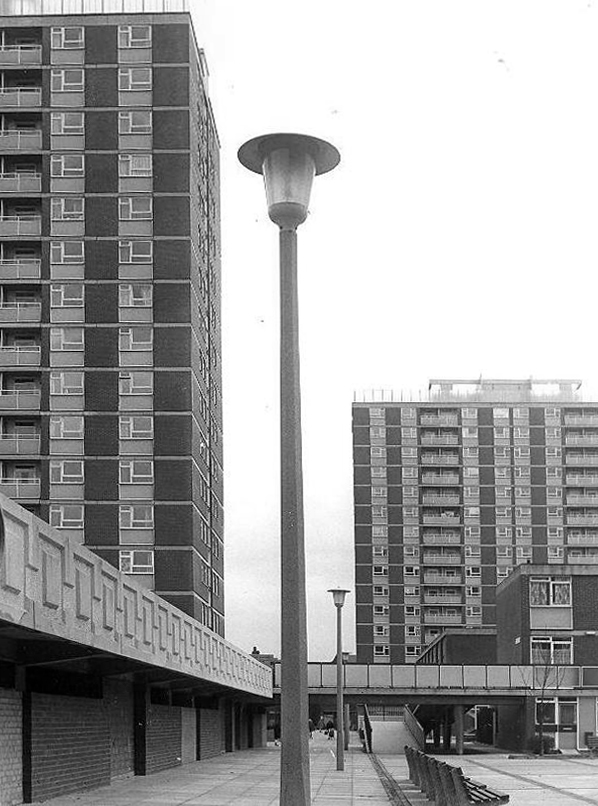
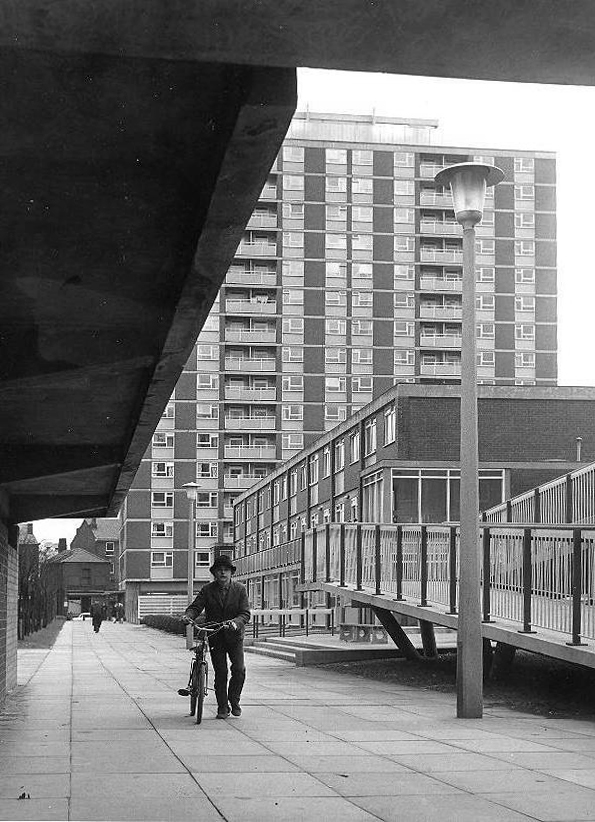
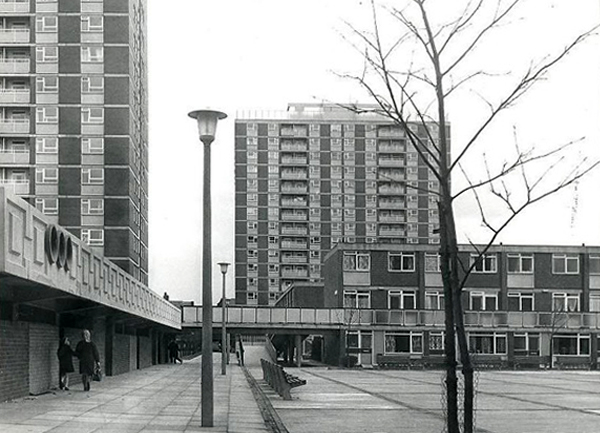
1960’s Photographs from the Stockport Image Archive

Screen Shot 2017-10-22 at 14.01.33

Screen Shot 2017-10-22 at 14.02.34

1980’s photographs from The Tower Block

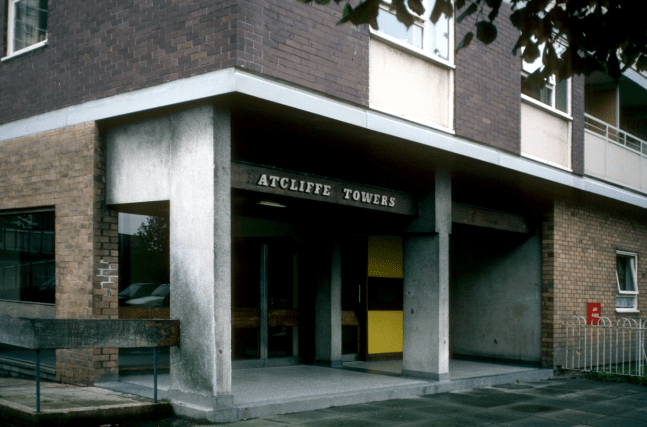
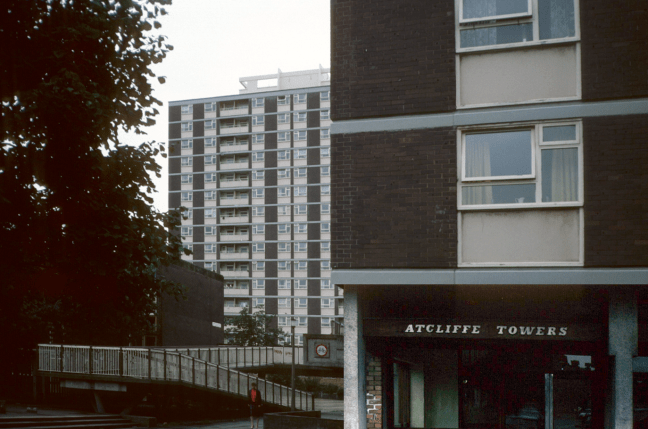
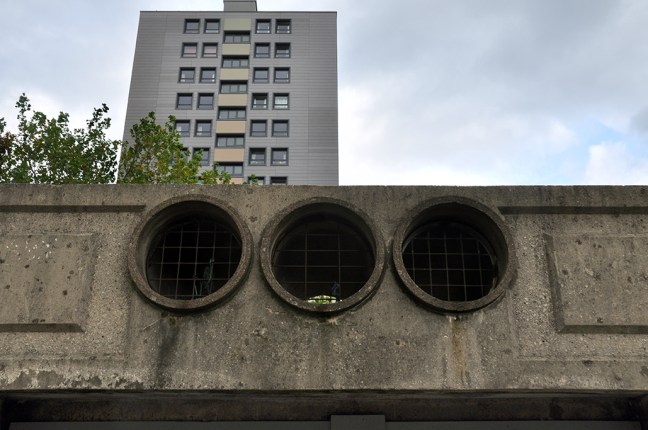
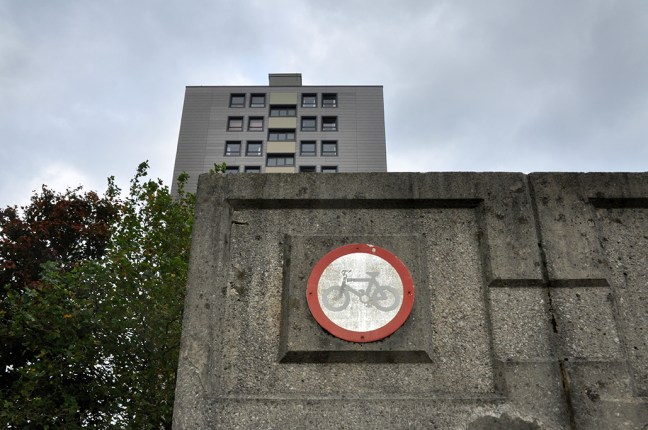
Typically they incorporated concrete street furniture, sculptural and decorative detail, in keeping with the age.

Like many other developments of the period they have subsequently been clad, fenced, painted and secured beyond recognition.

There was a raised concrete play area, of which nothing has survived.

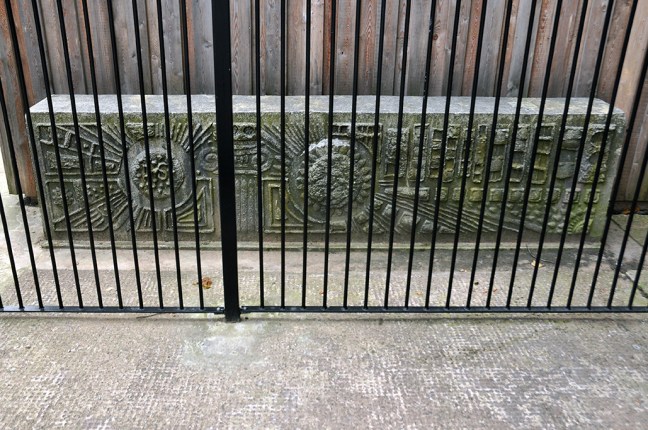
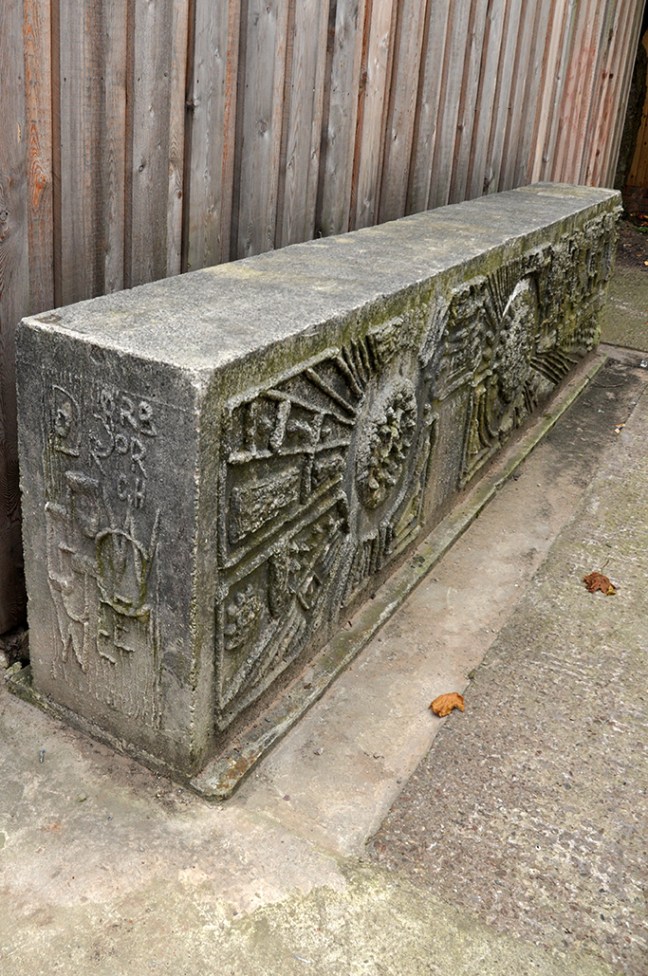
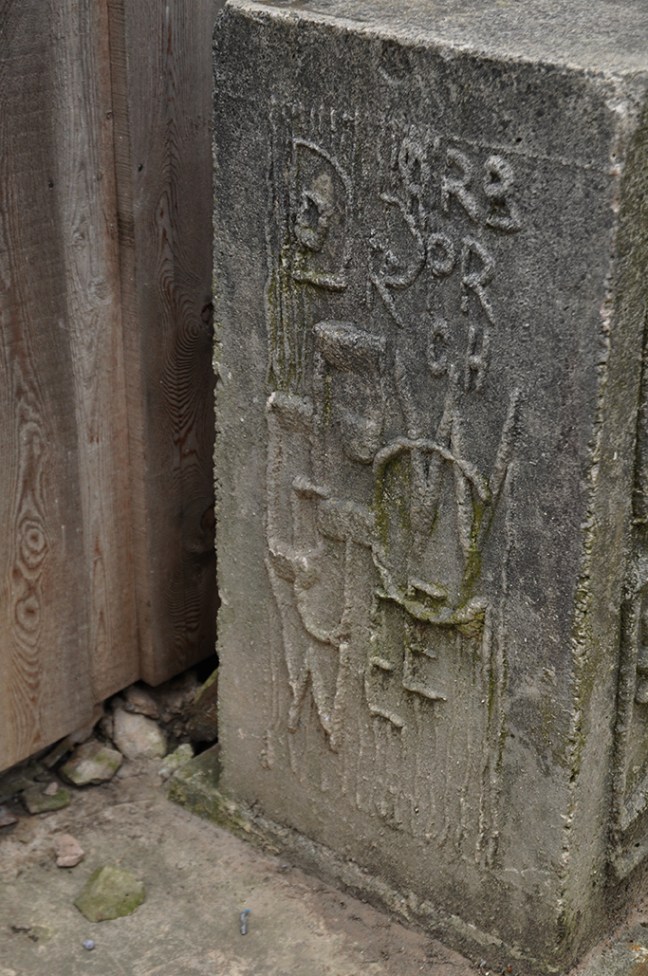
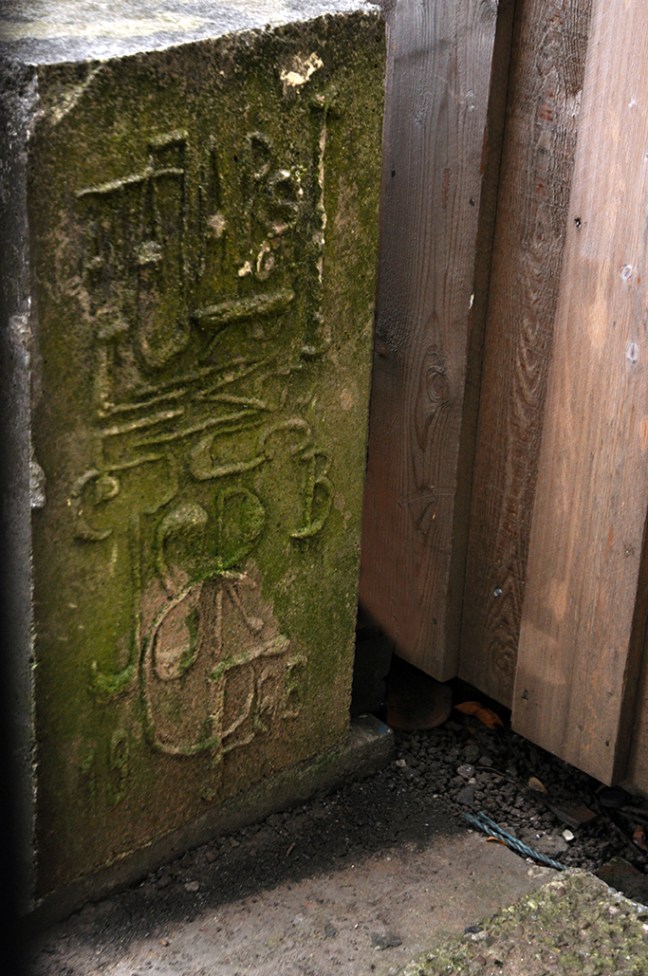
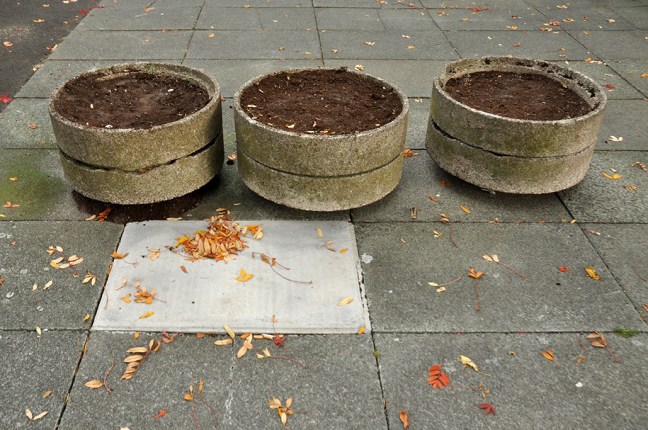
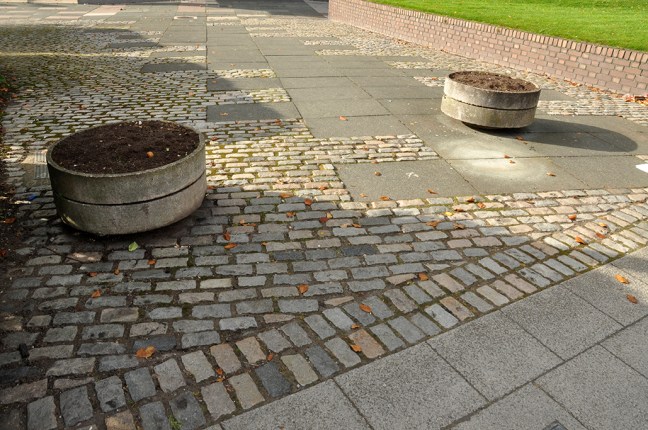
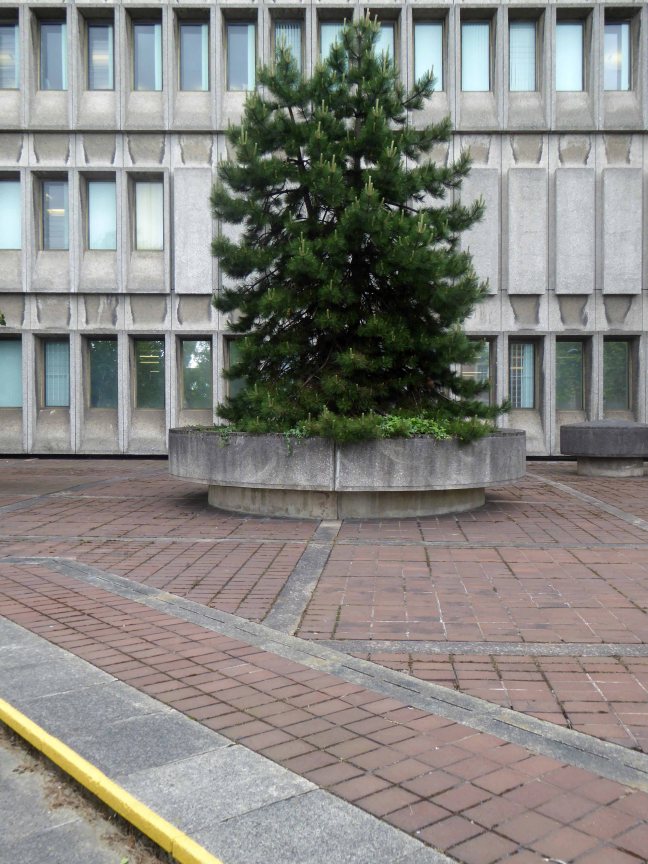
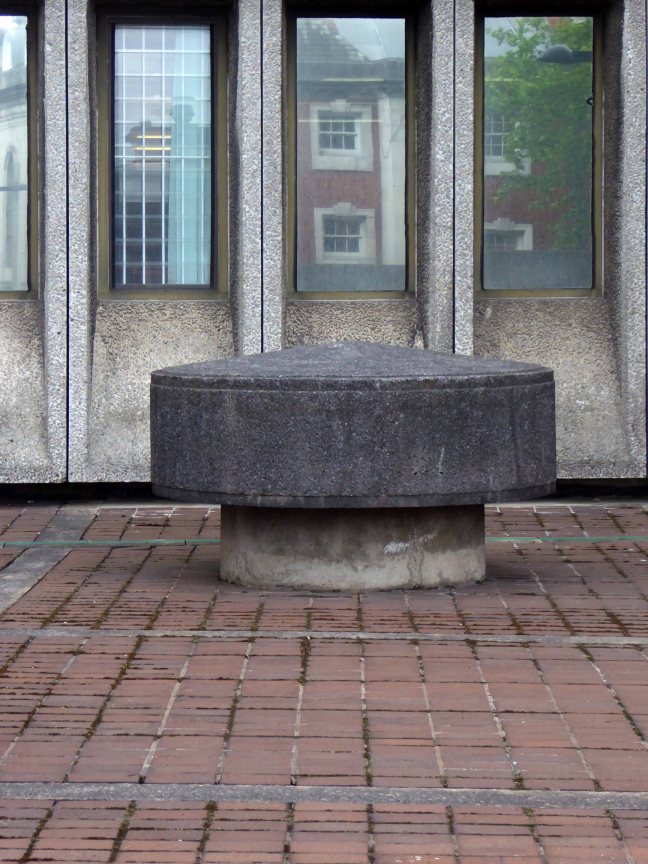
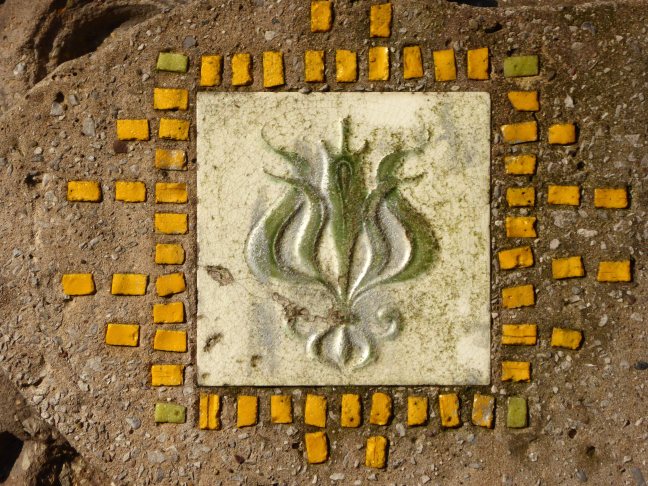
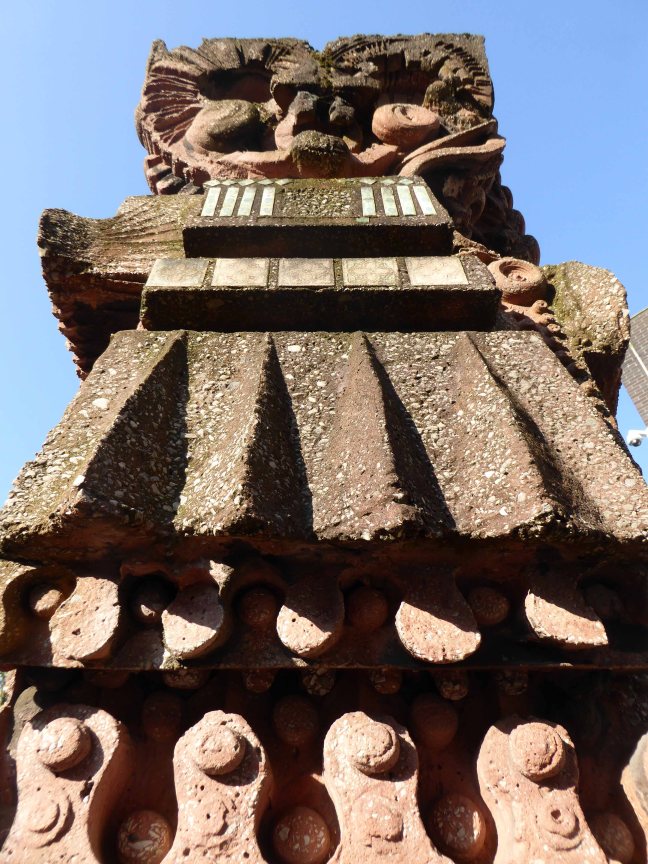
A little of their original character however has prevailed – a William Mitchellesque fallen obelisk, along with some panelling and planters.

The monolith was designed by Peter Shuttleworth, a newly qualified architect at Stockport Council

Curious to see public art behind bars

– would that they were removed.

DSC_0038 copy

a new relief copy

DSC_0032 copy

DSC_0033 copy

DSC_0037 copy

DSC_0039 copy

DSC_0046 copy

DSC_0047 copy

DSC_0048 copy

DSC_0049 copy

DSC_0050 copy

DSC_0051 copy

DSC_0030 copy

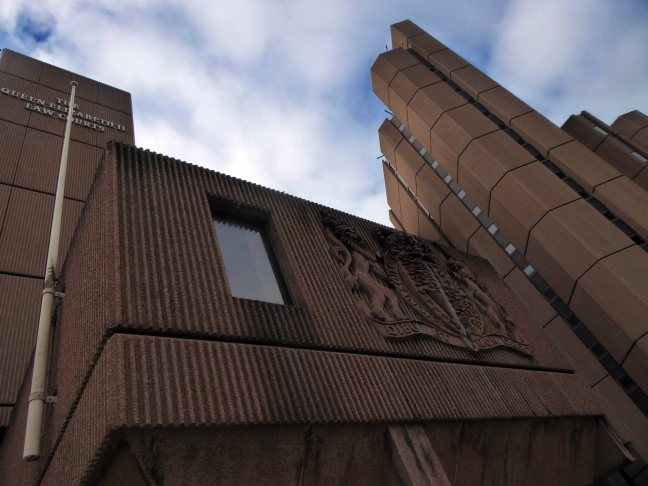
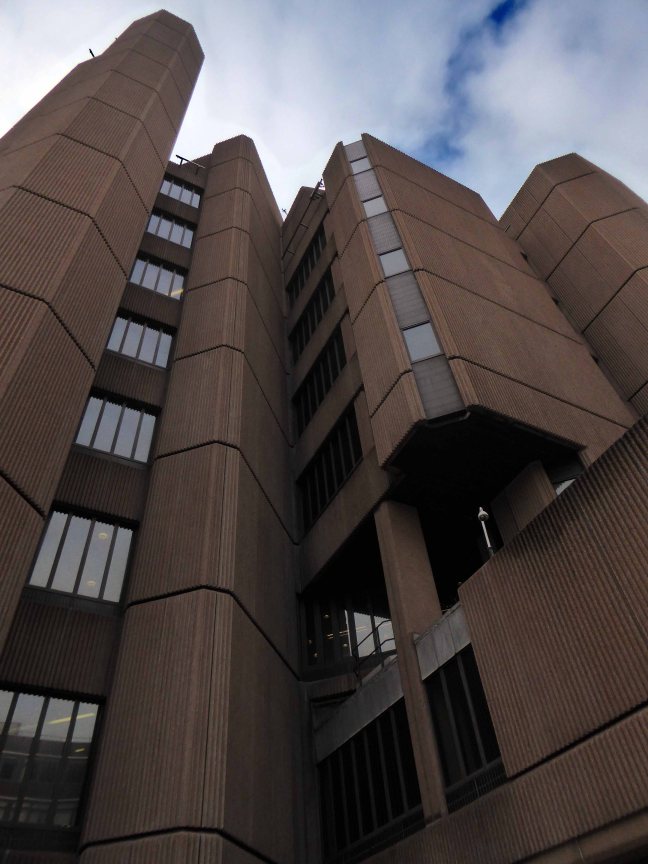
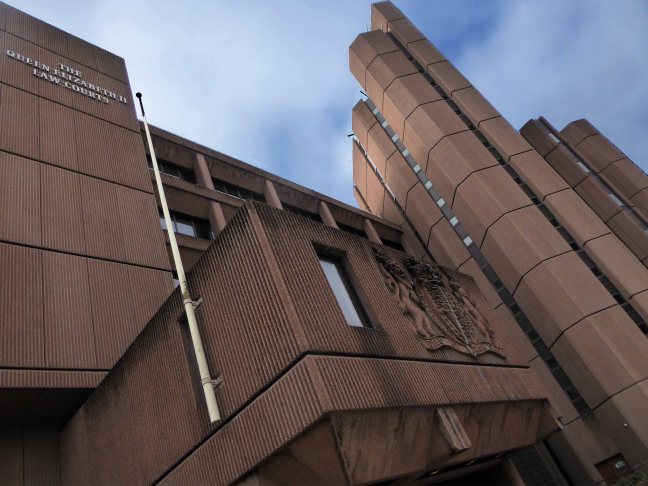
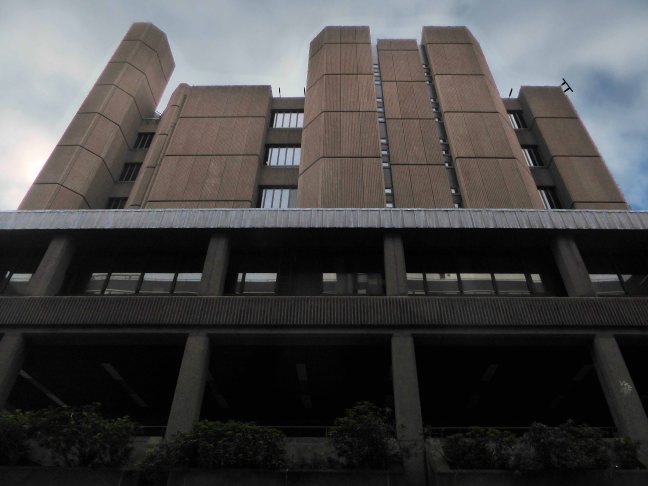
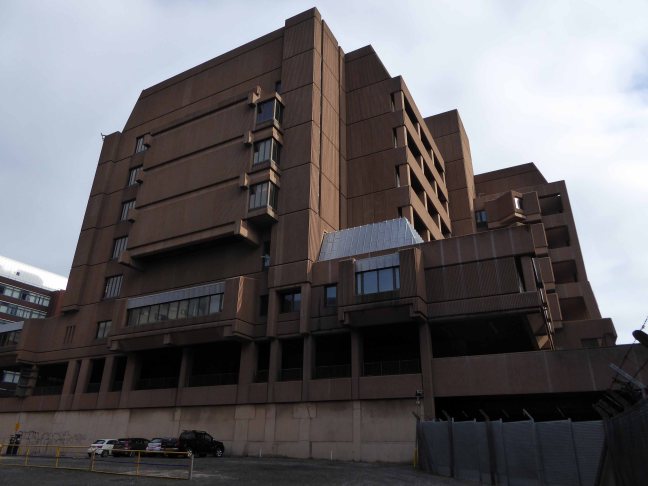
Queen Elizabeth II Law Courts – Liverpool

And so castles made of sand, 
Fall in the sea, eventually.

Once there was a battle here, several actually, and battles mean castles, possibly.

13

Erected in the between 1232 and 1235, inevitably through the passage of time, blows were exchanged, the Banastre Rebellion of 1315, and later in 1689 Prince Rupert was battered by King Billy, and so on until it was eventually demolished in 1726. A series of churches ensued, finally to be supplanted by the arrival of an amusingly statuesque Queen Victoria, replete with plaque.

1200px-Victoria_Monument,_Liverpool_Plaque_2

In 1976 excavation of the south side of Castle Street was conducted before the construction of the Crown Courts building, which was built in the style of a castle.

What goes around comes around, ending up largely square in Derby Square.

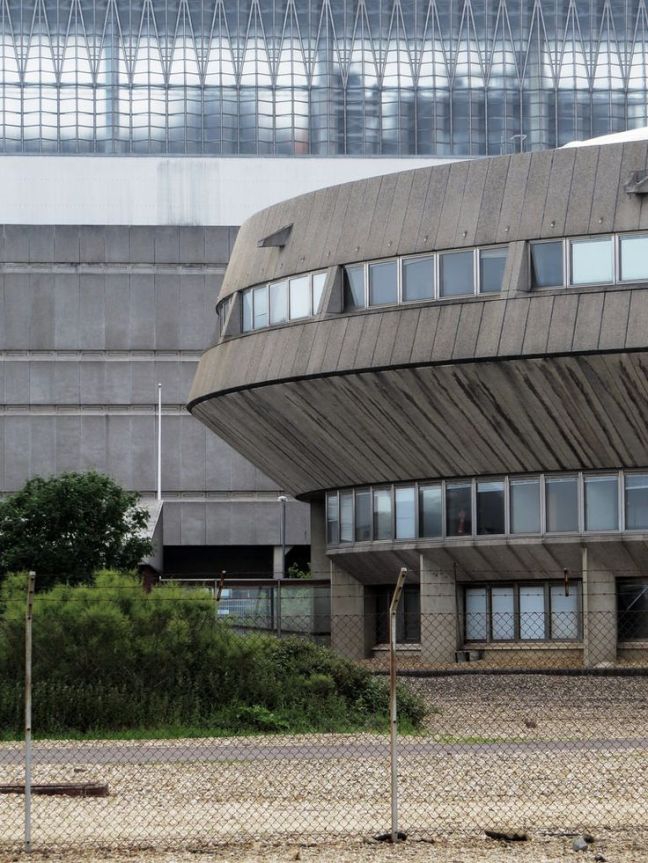
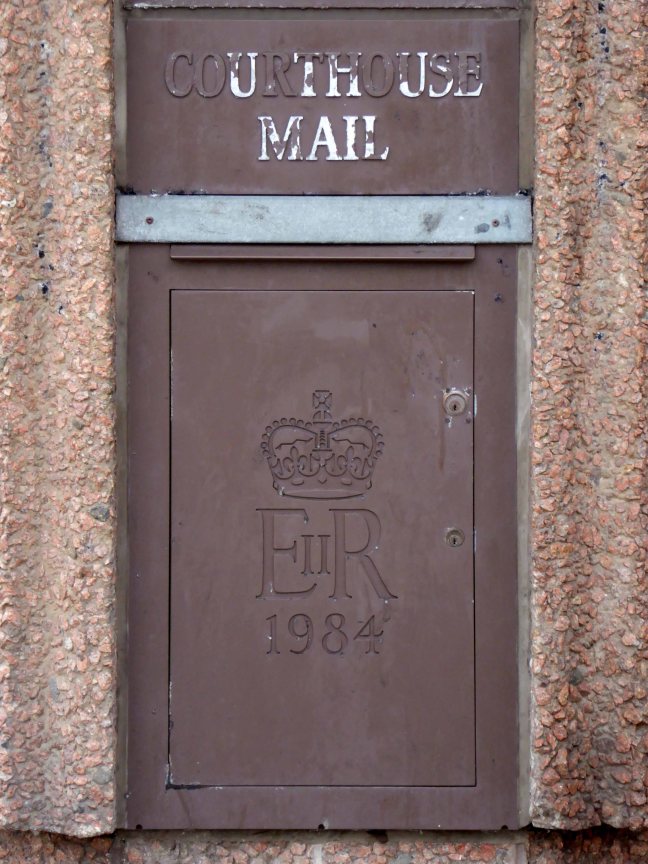
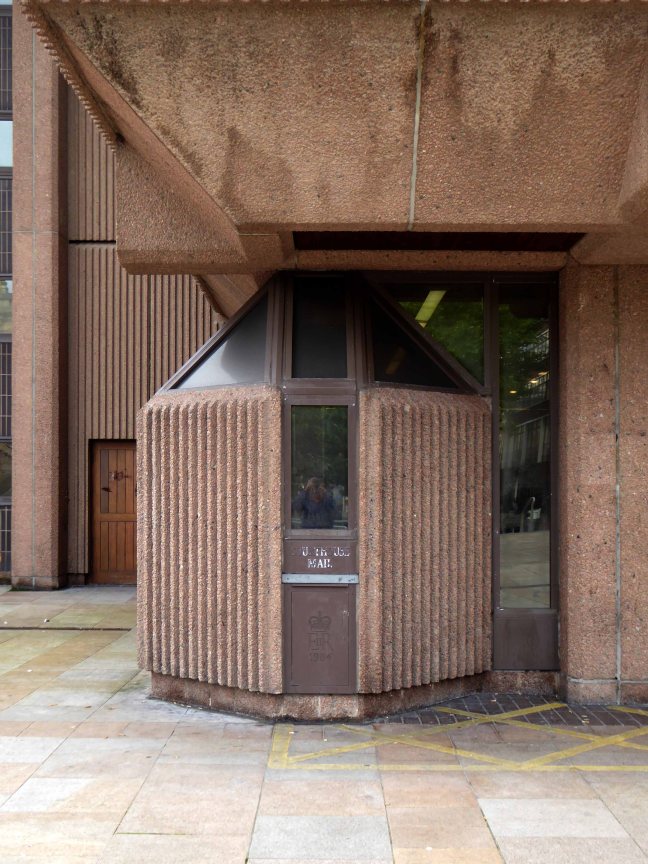
And lo and so it came to pass, new law courts were erected upon the site begun in 1973, opened in 1984. Architects were Farmer and Dark, who were also responsible for the Fawley Power Station.

fawley

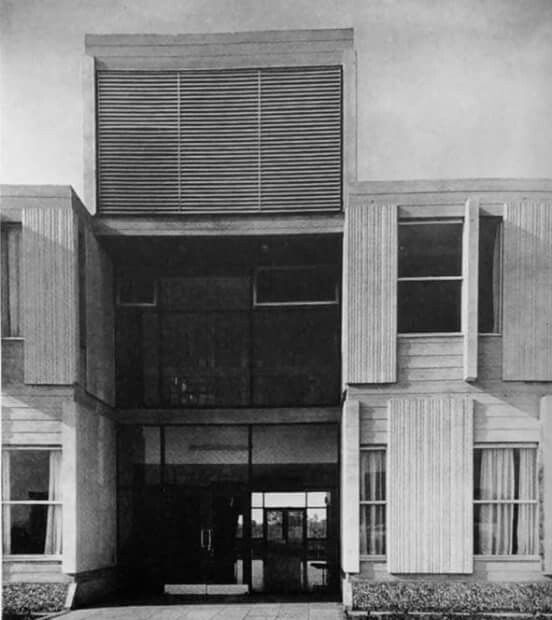
And the Cornwallis Building at the University of Kent.

Cornwallis uok 68

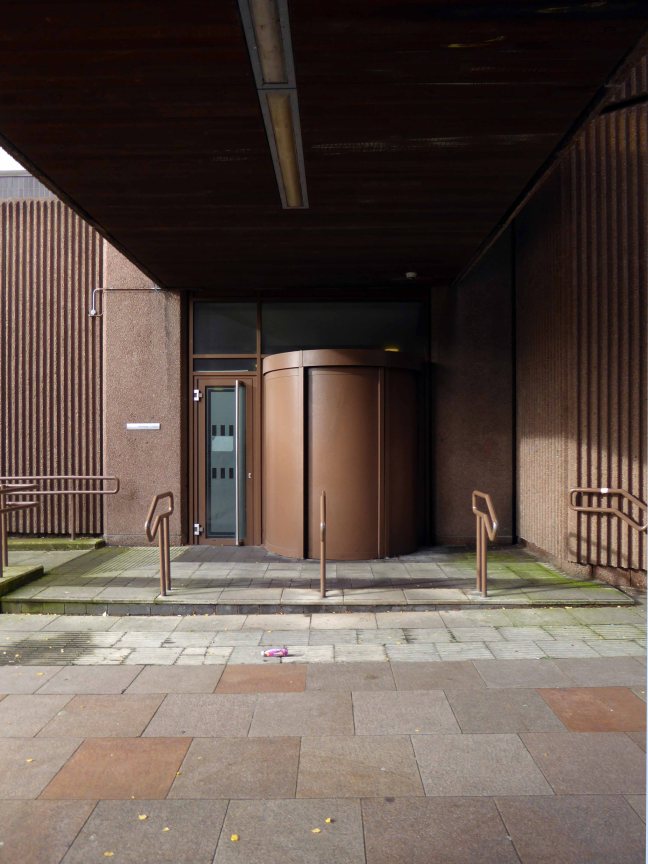
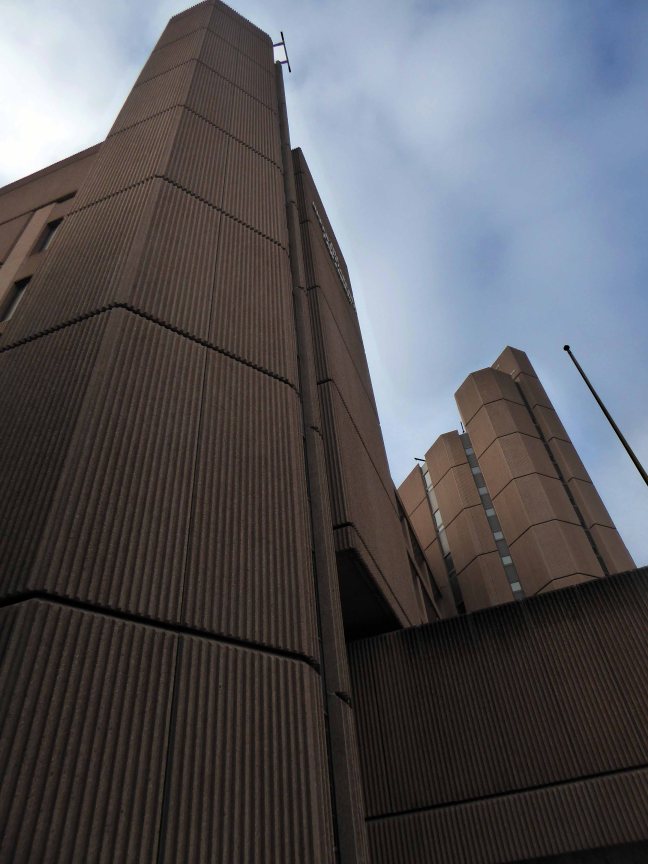
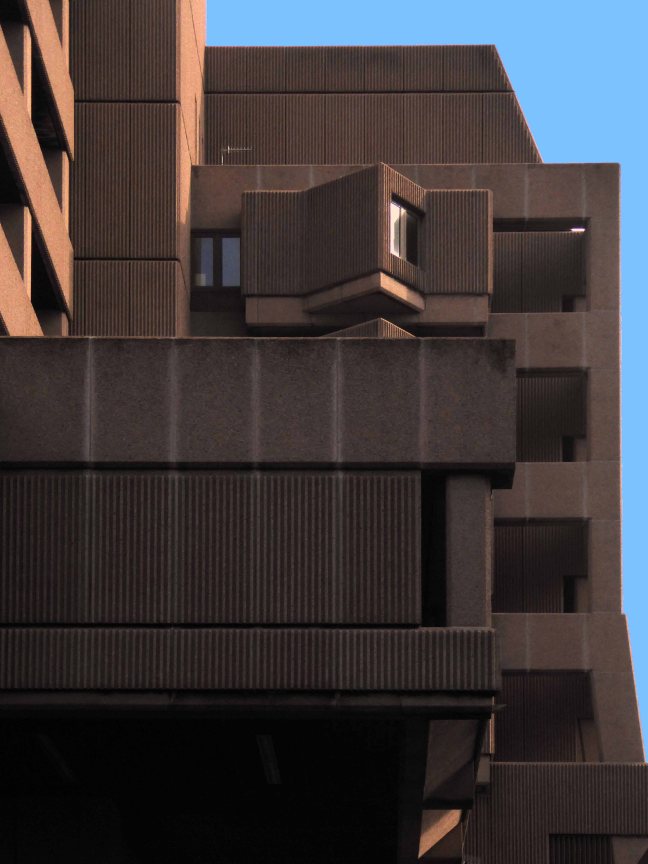
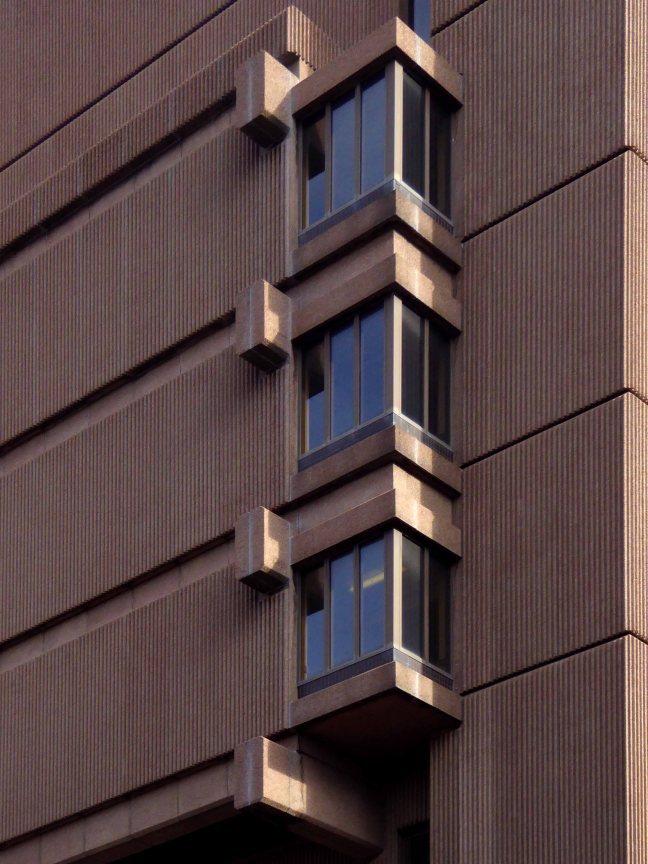
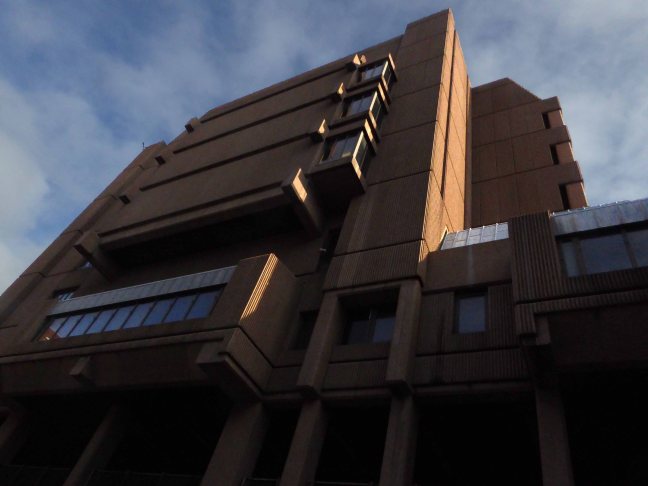
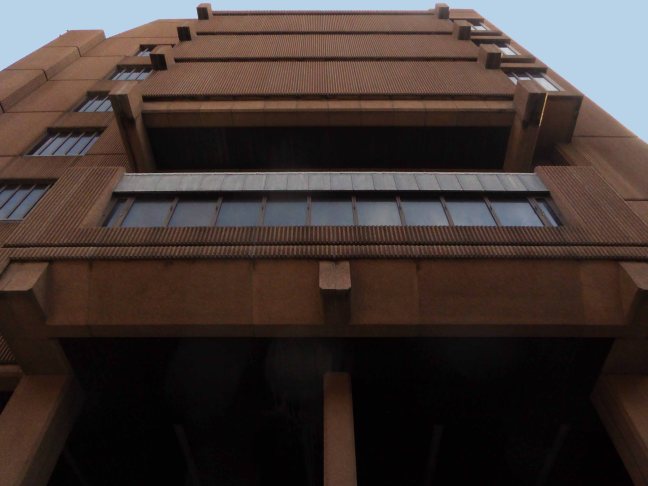
I passed by there yet again last Saturday, still maintaining a restrained ambivalence regarding this monolithic concrete and sand pseudo-castle. Less than, and larger than the sum of its parts. The quirky detailing and awkward geometry, producing a somewhat confused, yet imposing scheme, an ossified pinkish ribbed construct from another age.

Mass – possibly without redemption.

P1200504

P1200505

P1200506

P1200507

P1200508

P1200509

P1200510

Coat of arms by Richard Kindersley

P1200513

P1200515

P1200518

P1200519

P1200521

P1200523

P1200524

P1200525

P1200527

P1200529

P1200530

P1200532

P1200534

P1200537

St Marks Broomhill – Sheffield

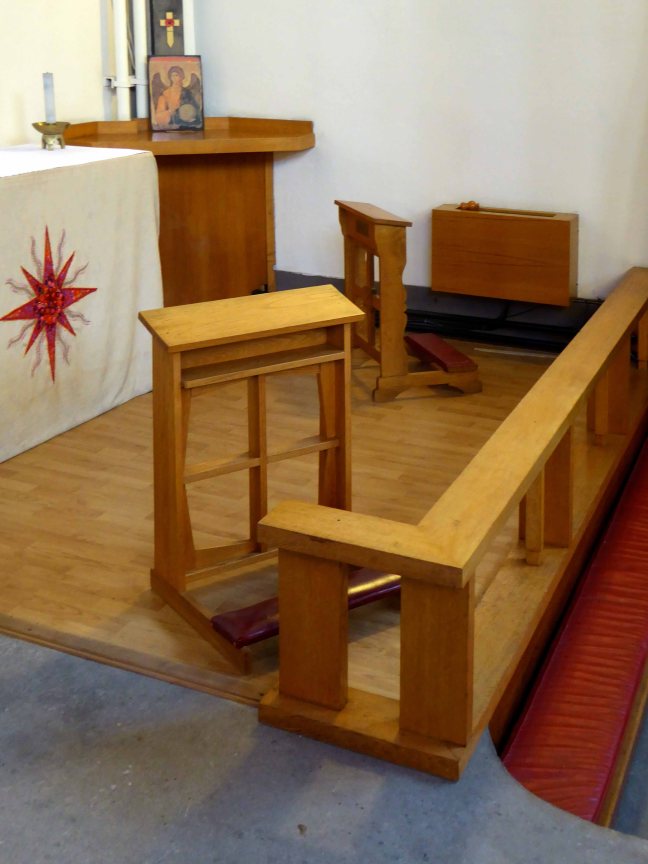
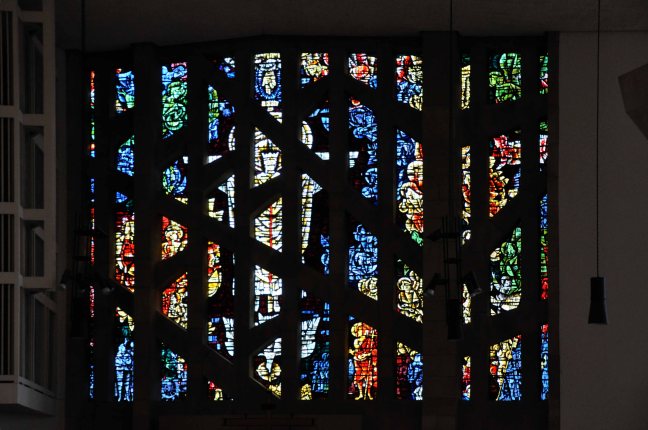
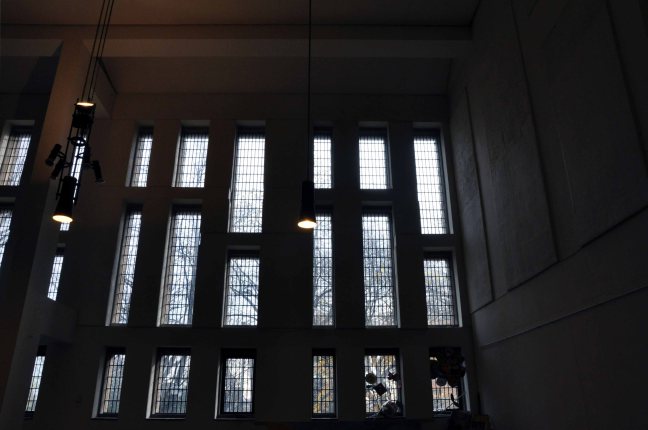
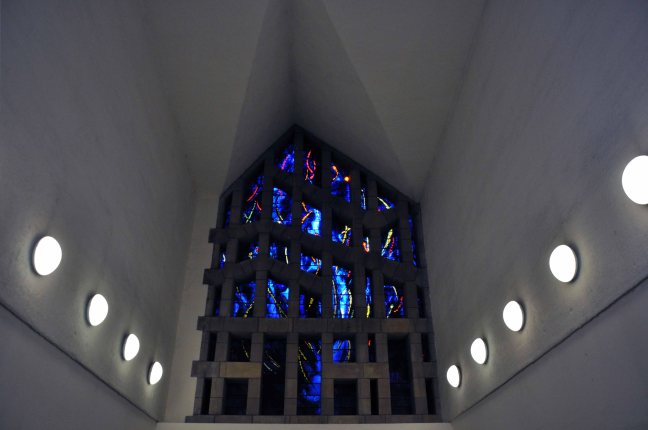
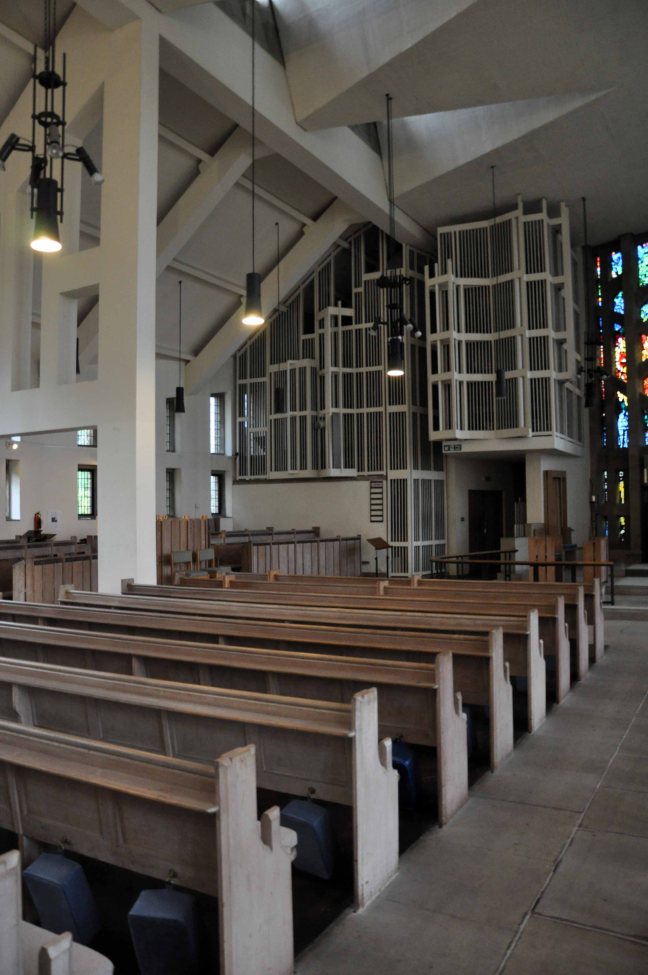
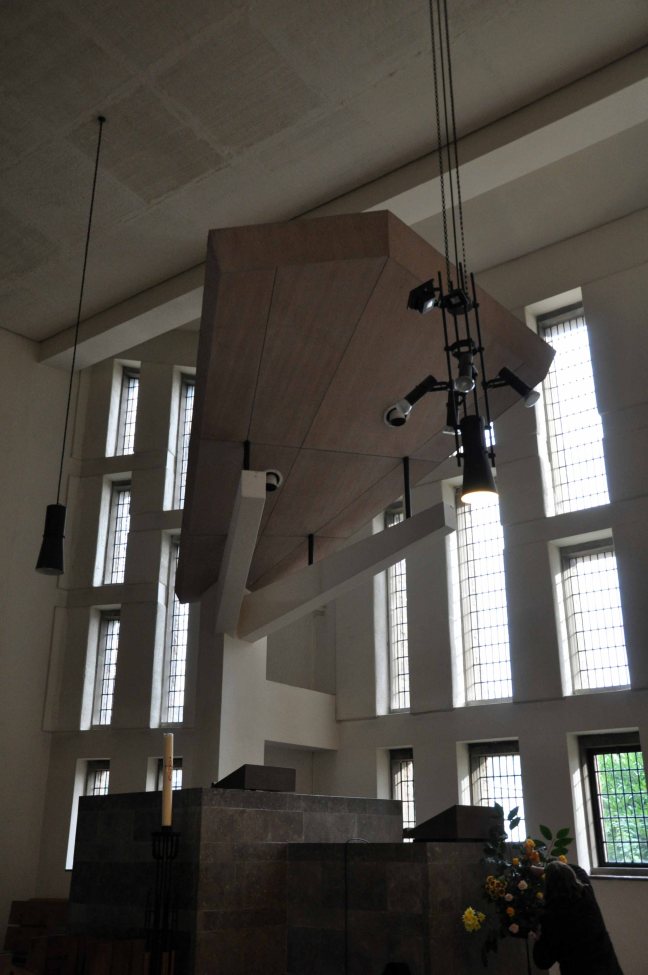
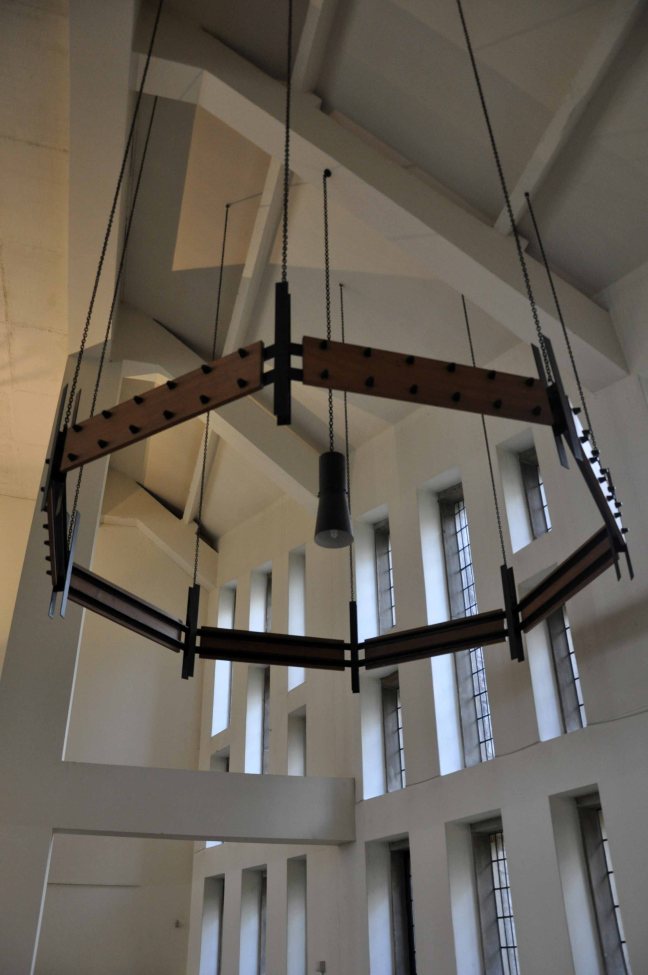
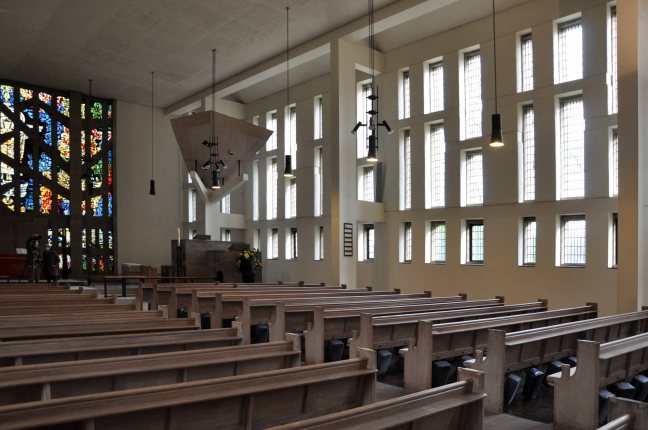
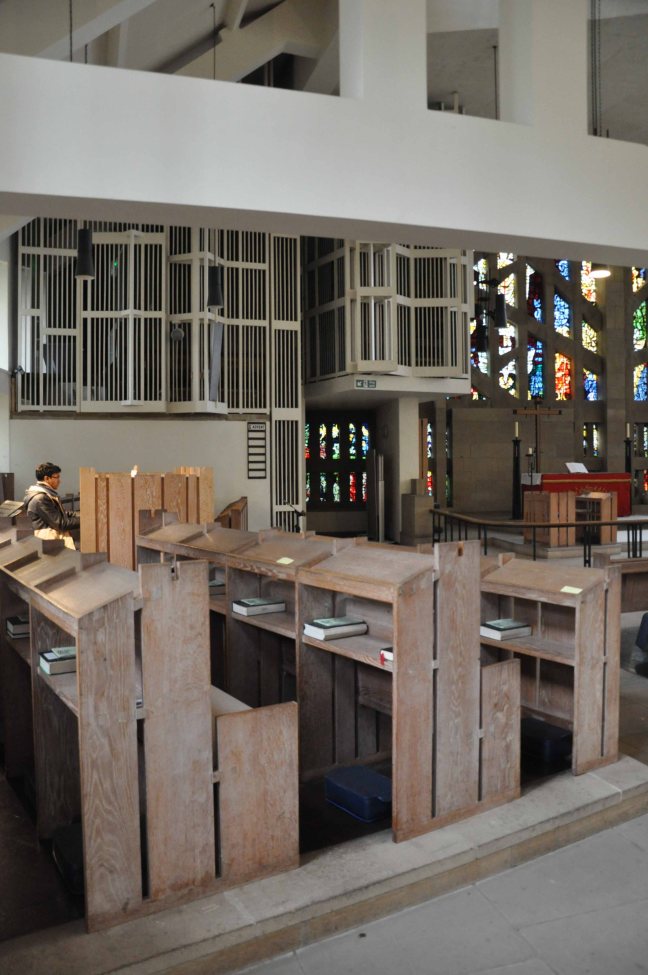
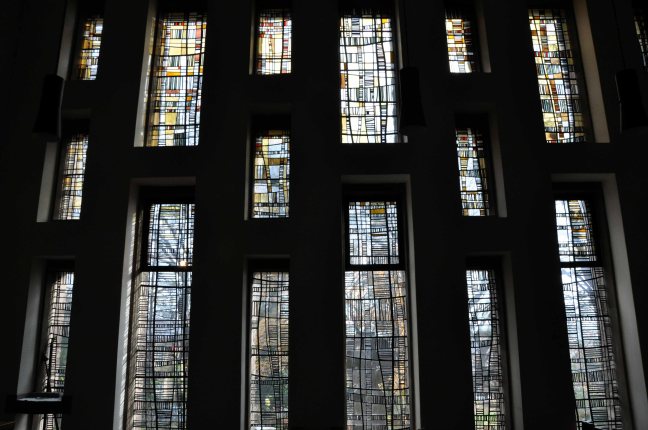
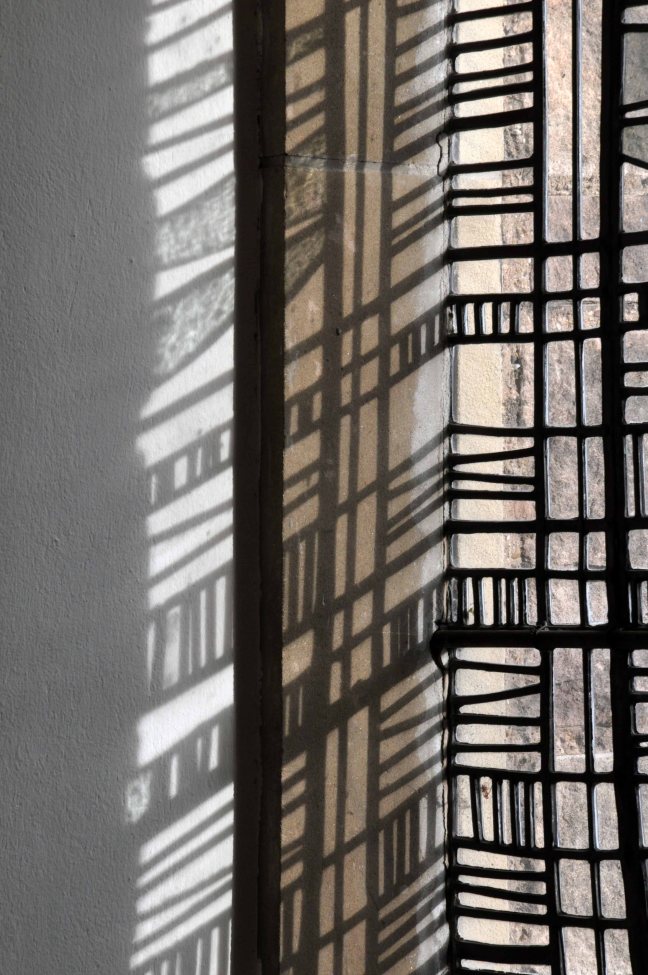
The church was originally built in 1868–1871 to a standard neo-Gothic design by William Henry Crossland. This building was destroyed by an incendiary bomb during the “Sheffield Blitz” of 12 December 1940, only the spire and a porch survived (they are now Grade II listed structures). The remnants of the bombed church were used as the basis for a new church designed by George Pace and constructed 1958–1963. This new building is of a Modernist design but is also sympathetic to the Gothic spire and porch. It is a rubble-faced concrete building with striking slit windows of varying numbers and locations around the building. There are also two notable stained glass windows: the Te Deum window by Harry Stammers and the west window by John Piper and Patrick Reyntiens.

Wikipedia told me so.

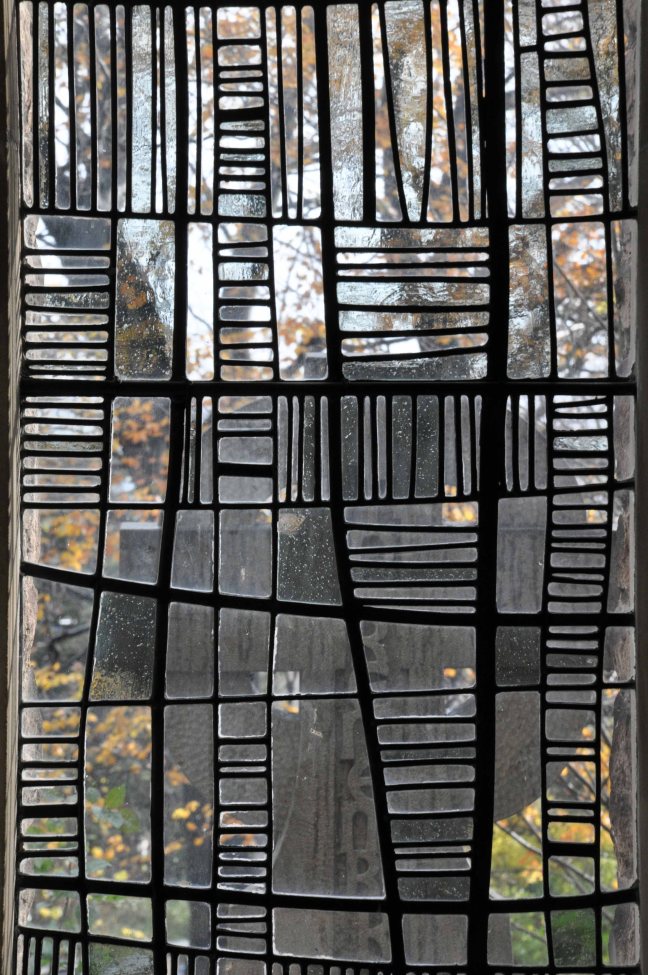
he laddered design glass in the side chapel, is by Gillian Rees-Thomas.

Welcome to St Mark’s – an open, welcoming church for people from all walks of life who wish to learn more about Jesus and Christian faith and seek the freedom to ask the big questions. We have strong engagement with Christian communities and other faith traditions. People come from all over the country to participate in our Centre for Radical Christianity, where a lively climate of debate and learning can be found.
blank
Their website told me so.
 blank
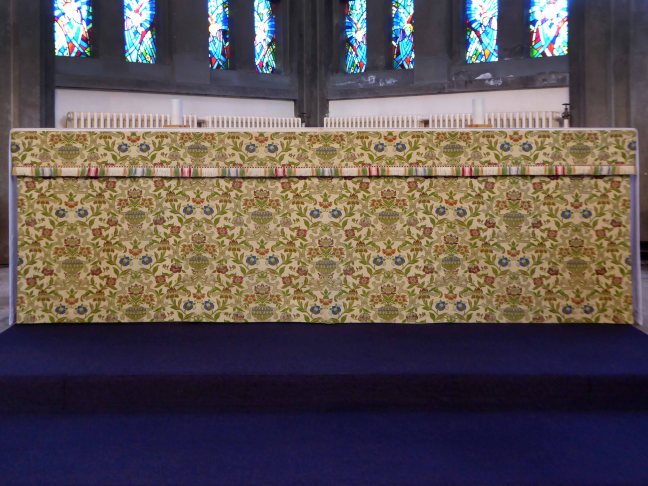
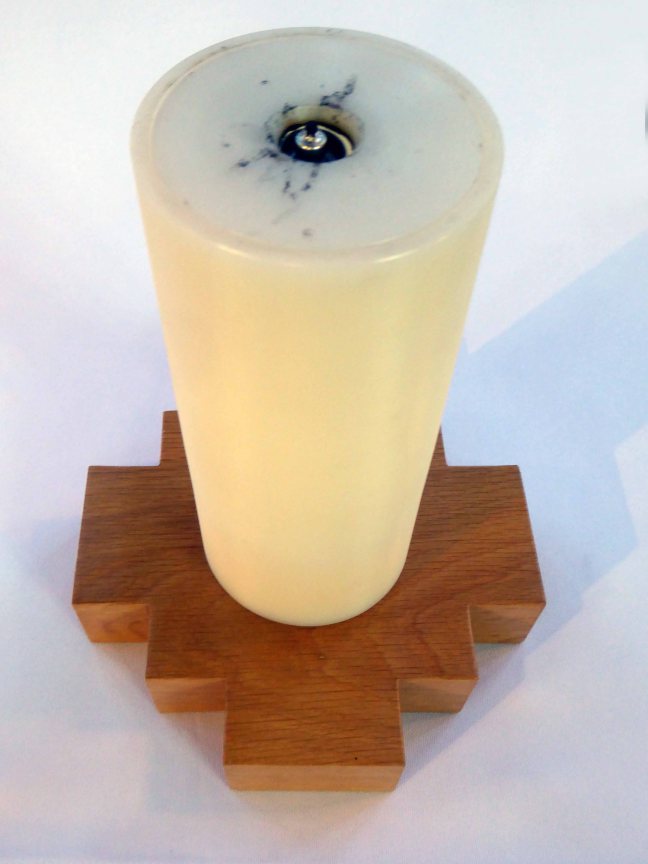
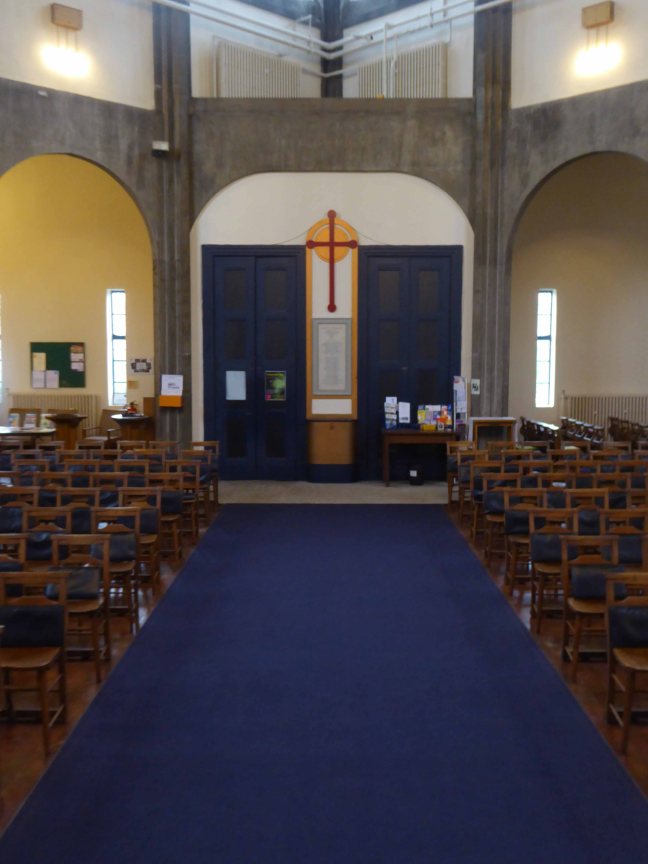
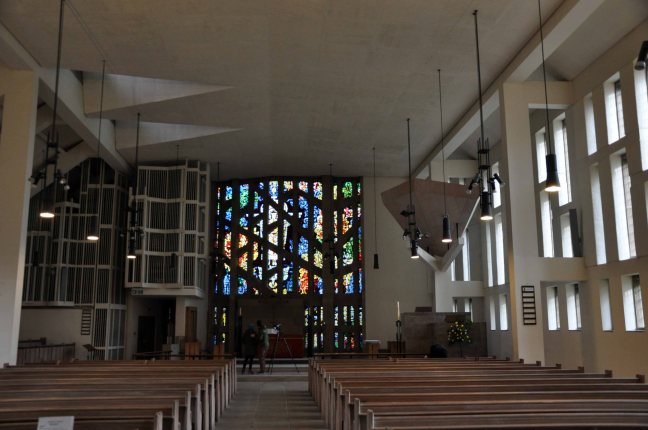
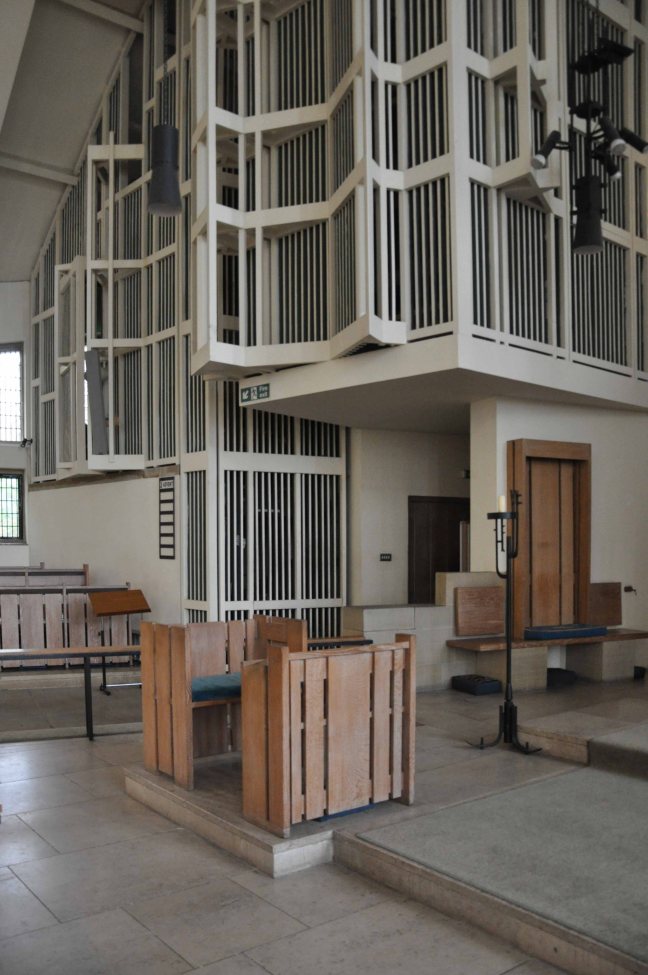
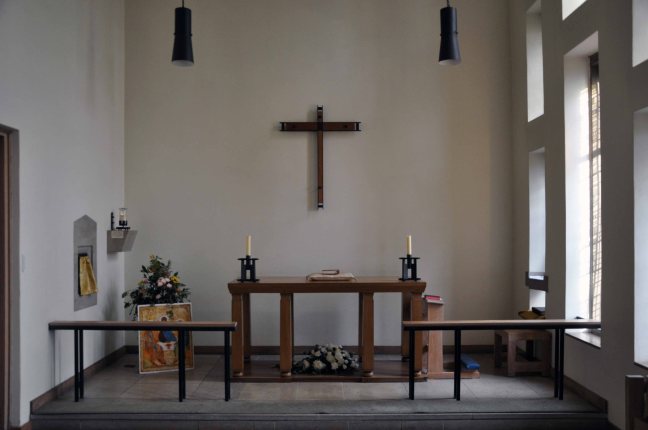
This a remarkable building staffed by remarkably welcoming people, it’s exterior betraying little of the wonders within. Divine stained glass, brut concrete structures, pale limed wood, sculptural forms – full of light and warmth.
 blank
DSC_0065
 DSC_0066
 DSC_0067
 DSC_0068
 DSC_0069
 DSC_0070
 DSC_0071
 DSC_0073
 DSC_0074
 DSC_0075
 DSC_0076
 DSC_0085
 DSC_0083
 DSC_0089
 DSC_0090
 DSC_0092
 DSC_0093

St Michael and All Angels – Manchester

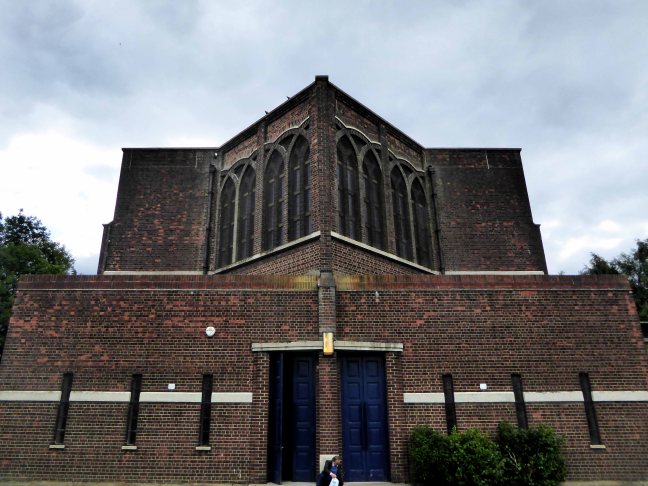
I’ve passed this way before, 2012 at the behest of Richard Hector Jones in the company of Owen Hatherley and others – recreating the legendary White Bus Tour.
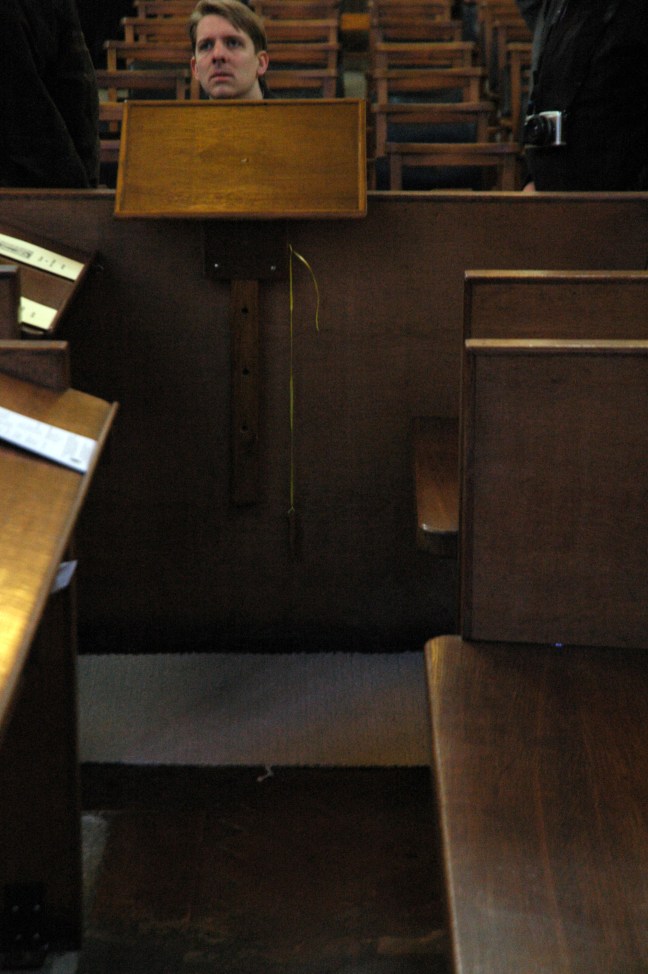
DSC_0031

Screen Shot 2017-08-21 at 11.23.38

So have Historic England:

GV II*

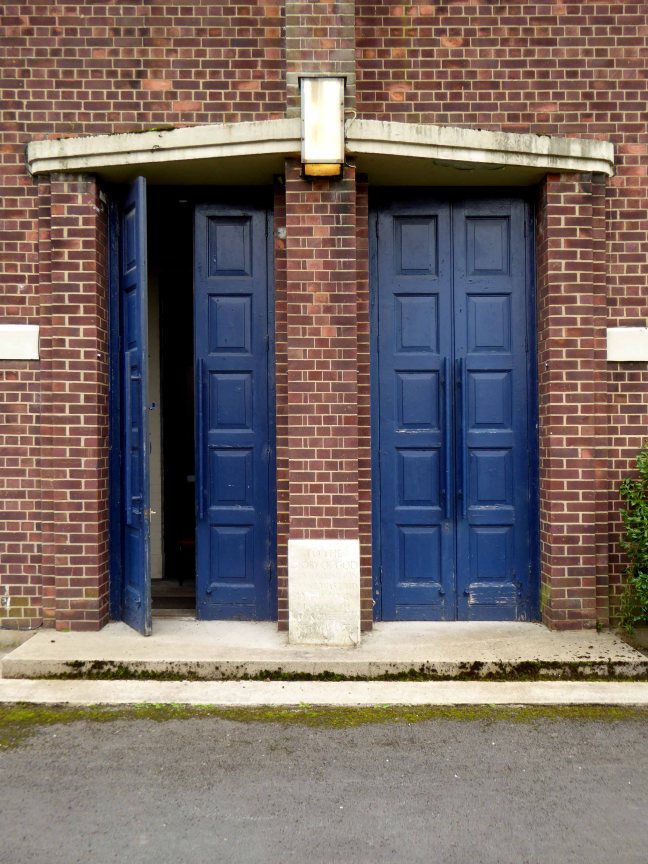
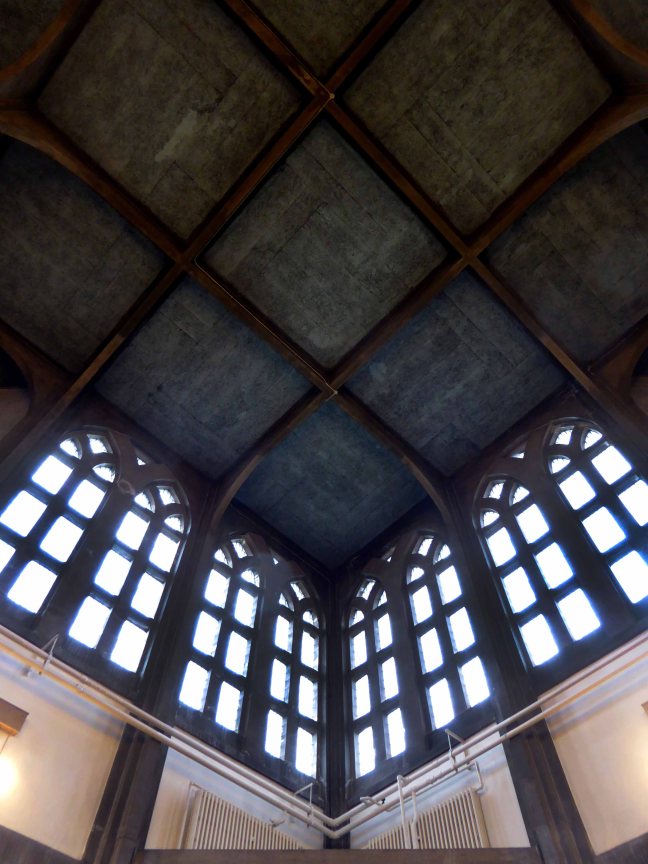
Church. 1937, by N.F.Cachemaille-Day. Red brick in English bond with some stone dressings (roof concealed). Star-shaped plan formed by the diagonal intersection of two unequal squares, plus a wide rectangular narthex enclosing the west end. The main vessel is a lofty structure with plain walls, sill-band carried round, and plain parapet, except for the upper part of each side of the cardinal projections, which have windows in tall intersecting Romanesque arcading with Y-tracery, all in brick, with a central pilaster strip rising to a moulded cornice. Large plain cross rising from roof. The single-storey flat-roofed narthex has coupled plain rectangular doorways in the centre and 3 narrow rectangular lancets to each side. Interior (as reported 16.01.81): ingenious plan with lofty columns supporting flat ribbed roof. Forms group with Rectory attached to south side.
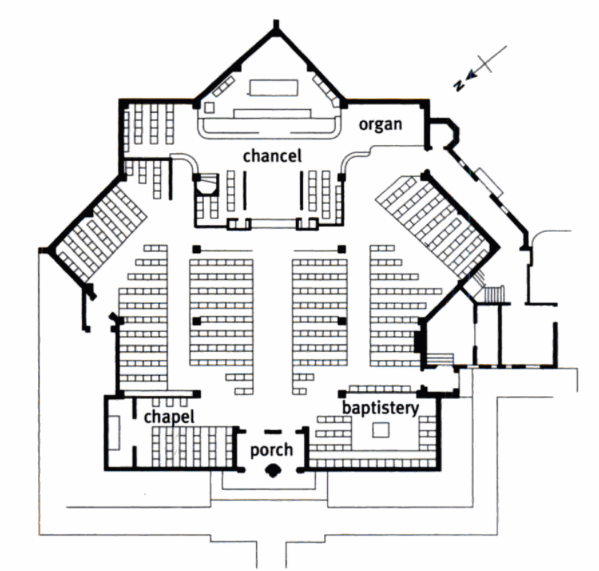
Screen Shot 2017-08-21 at 10.09.15

So have Revolvy:

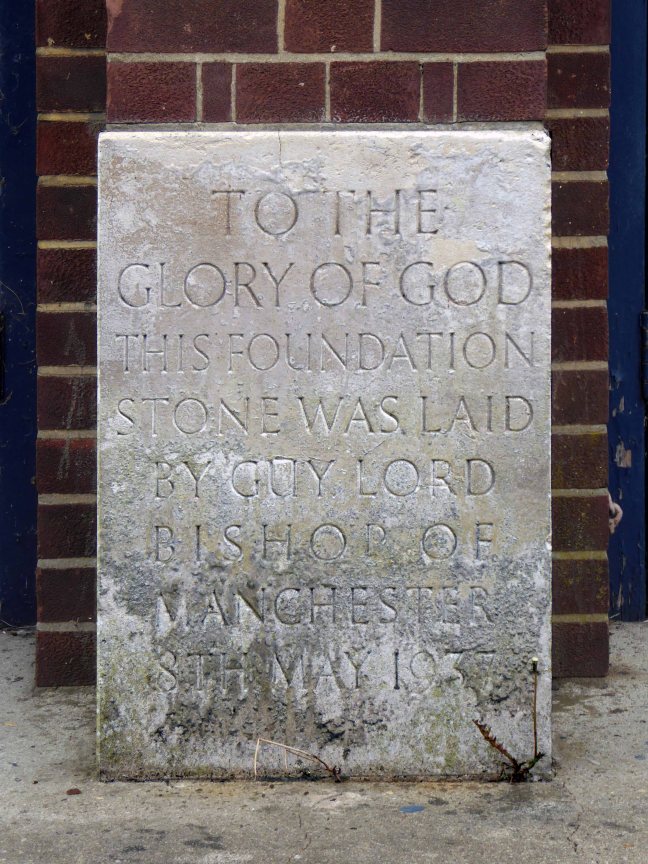
The Corporation of Manchester acquired the Wythenshawe Estate in 1926 and began laying out the garden suburb in 1930. It was eventually to have 25,000 houses and a population of 100,000. The garden suburb was designated part of the parish of Church of St Wilfrid, Northenden, but that small parish church proved insufficient to accommodate the rising congregation. A mission church was therefore opened in 1934, and in 1935 the diocese approved plans for the construction of a new parish church at Orton Road. The budget was £10,000. Nugent Francis Cachemaille-Day was appointed as architect for both the church and the adjoining parsonage. The foundation stone for the church was laid on 8 May 1937, by the Bishop of Manchester. The builder was J. Clayton and Sons of Denton.

So has the redoubtable Nikolaus Pevsner:

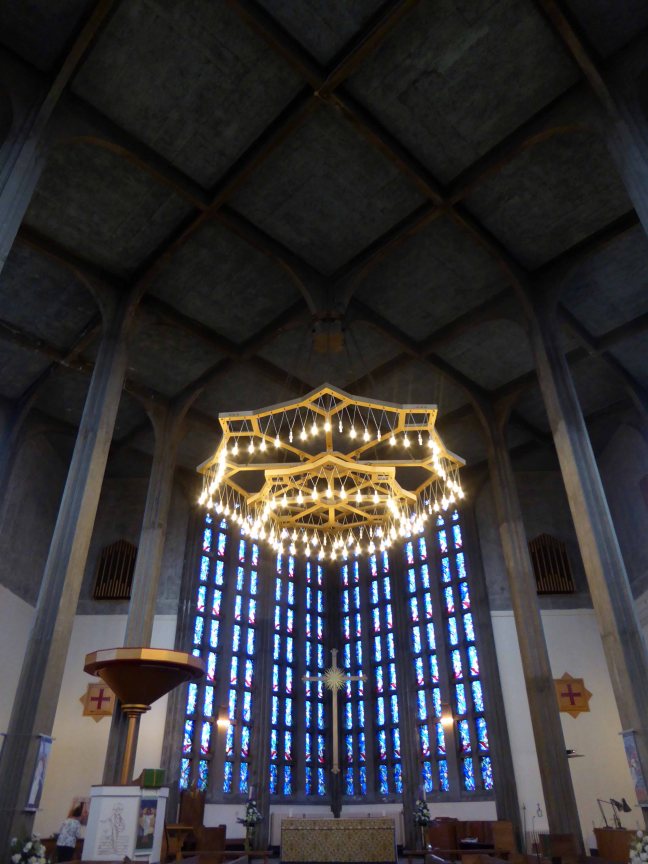
A sensational church for its country and its day. The material is brick, bare in four of the corners, with large brick windows in the other four. The intersecting arches of the windows are the only period allusion.The interior has very thin exposed concrete piers and a flat ceiling. The church make sit clear that the architect had studied Continental experiments, the parsonage points to Germany and Mendelssohn. Stained glass by Geoffrey Webb.

Geoffrey Webb lived and worked in the centre of East Grinstead at the height of his career and is noted among enthusiasts of fine glass for his use of brilliant blues. In his early career he worked with Charles Eamer Kempe, the most prolific and best-known stained glass artist of his generation. Webb’s work can also be found in many other places around the UK including Manchester Cathedral and Tewkesbury Abbey, and in Daresbury parish church in Cheshire where he designed a memorial window in honour of Lewis Carroll.
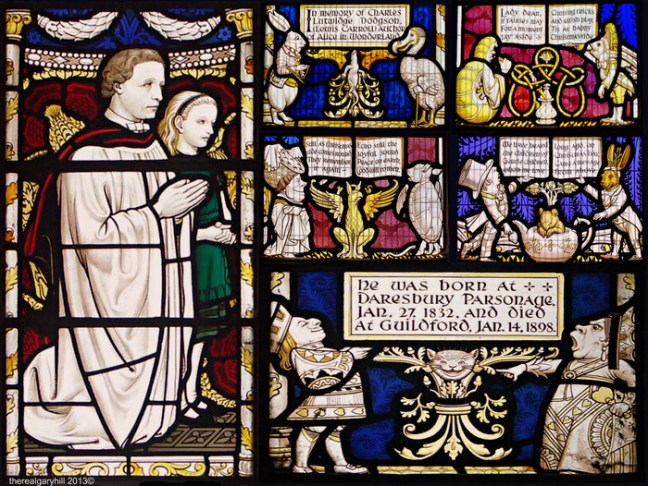
scaled_full_20e9abadb45184ac7126

So I cycled by one almost sunny Sunday morning, engaged in the porch by an elderly joke telling gent, awaiting his more devout partner.

I love the bible, they all rode on motor bikes – “the roar of Moses’ Triumph is heard in the hills, Joshua’s Triumph was heard throughout the land.”

The Apostles were in one Accord. – Acts 5:12

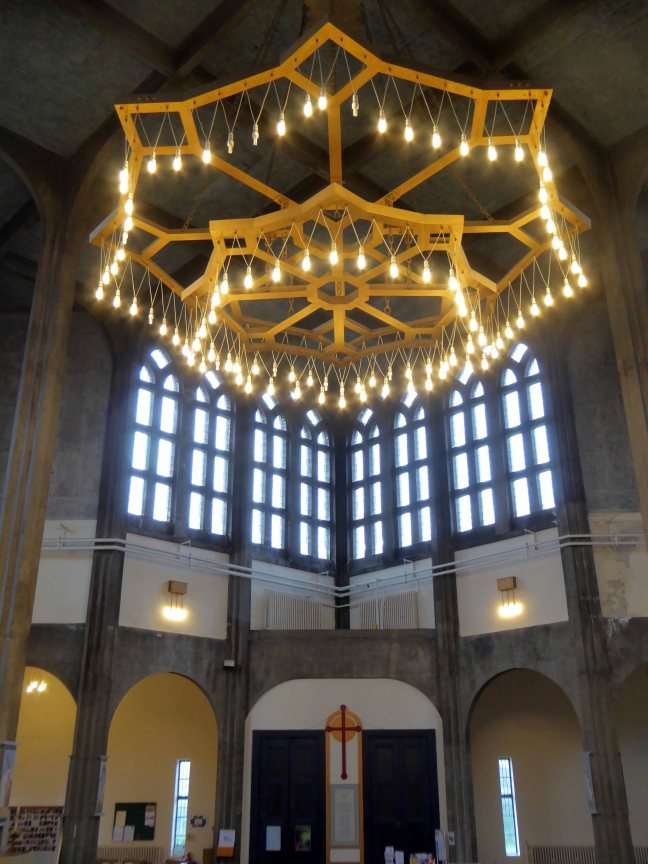
We waited out the end of the morning service, exchanging gags, eventually I entered. Met by cheery parishioners and priest, welcomed with open arms, happy to chat and allow me to go about the business of snapping this enchanting building. Take yourself down there and bathe in the stained glass light from the sun drenched east windows, feel the warmth of the open elevating space, everything’s looking up:

A sensational church for its country and its day – today.
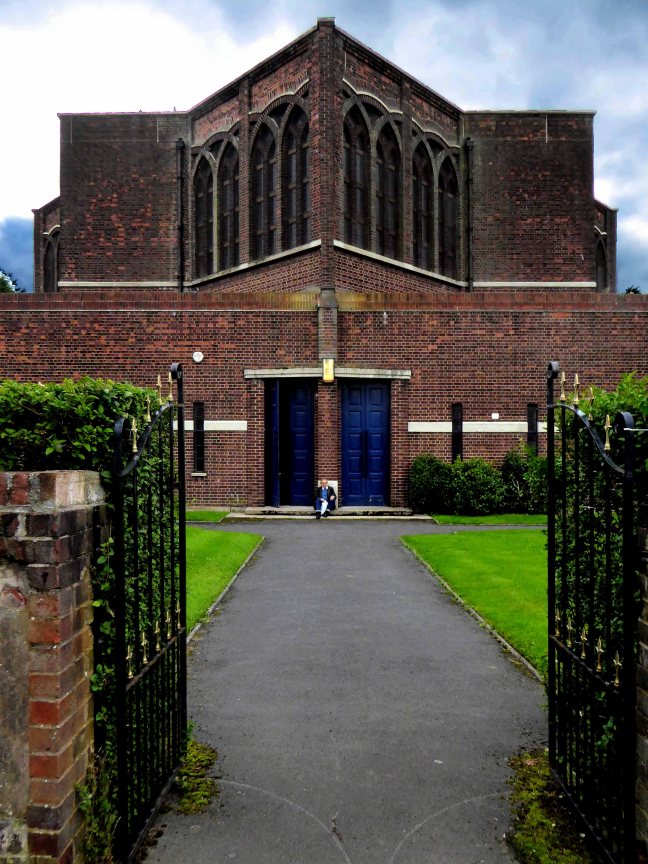
P1190671

P1190673

P1190675

P1190684

P1190685

P1190686

P1190689

P1190691

P1190692

P1190693

P1190695

P1190696

P1190697

P1190698

P1190699

P1190700

P1190702

P1190703

P1190704


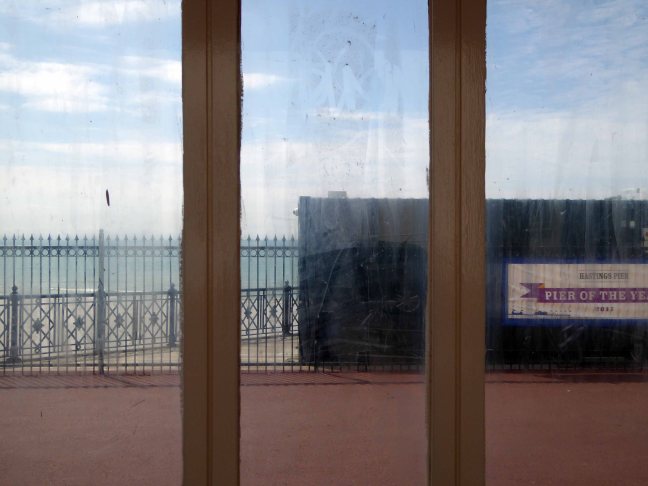
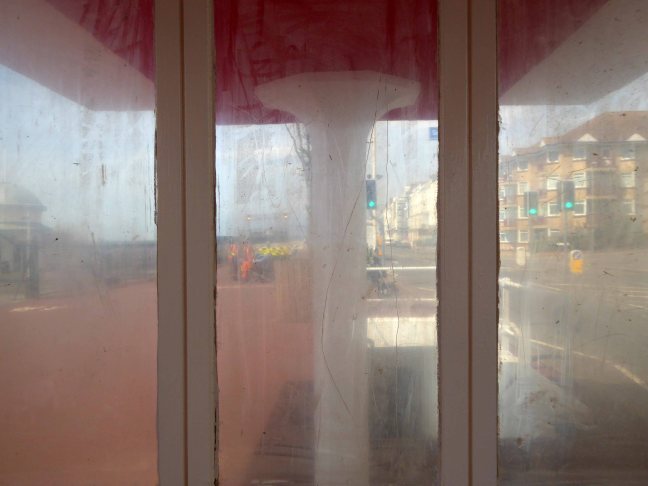
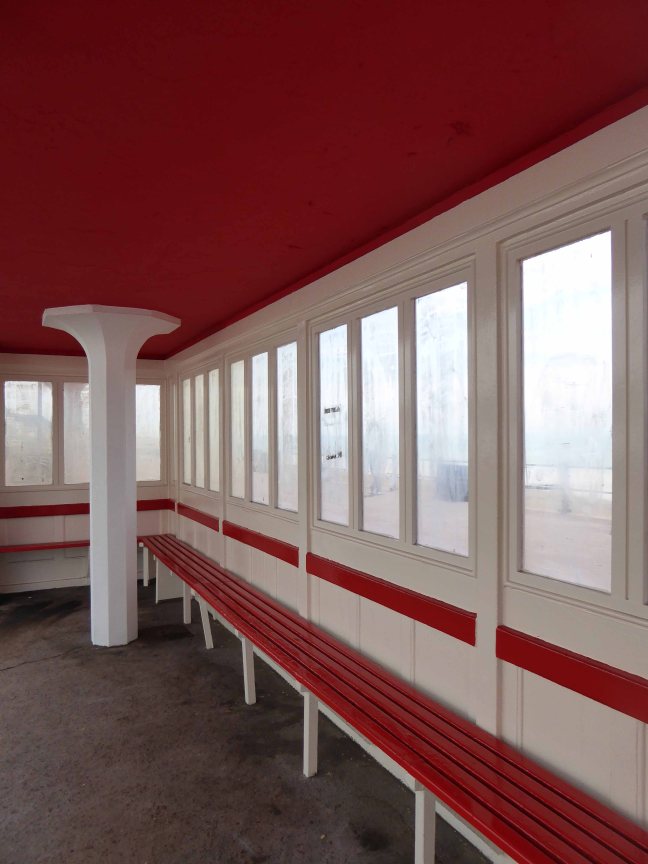
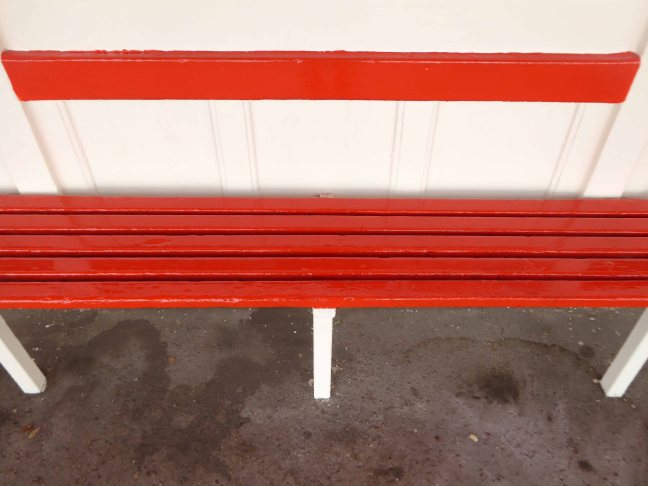
Sea Front Shelter – Hastings

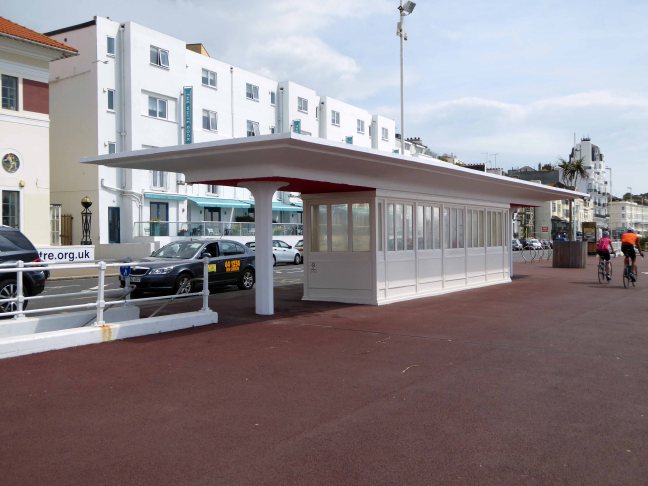
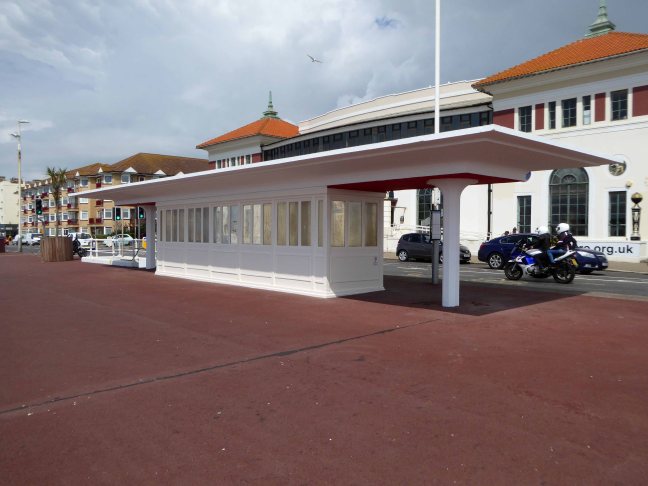
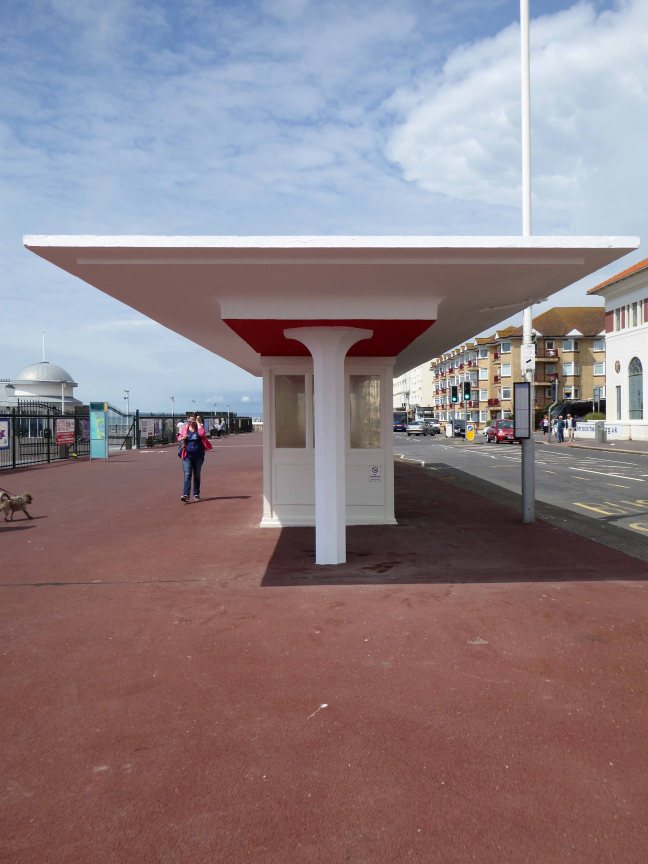
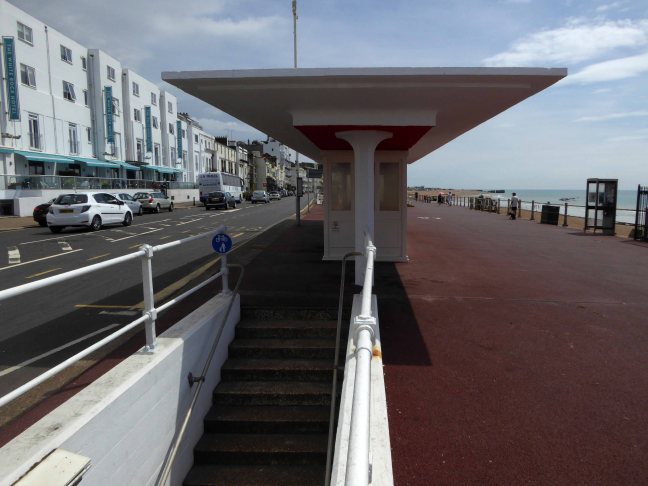
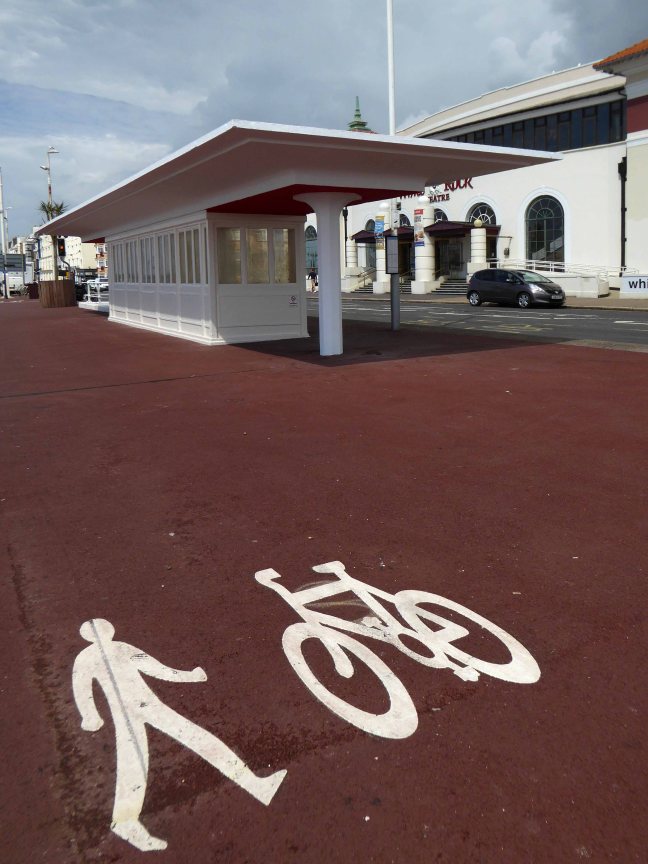
I have been here before, adoring the full range of Hasting’s sea front shelters.

They form an integral part of the general scheme designed and overseen by The Concrete King Sidney Little.

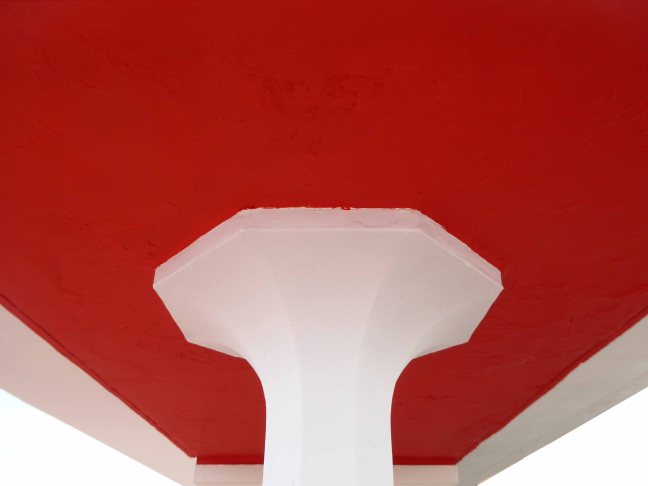
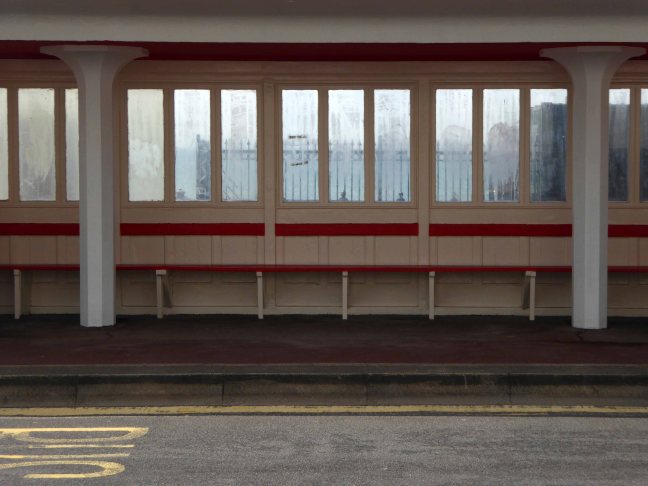
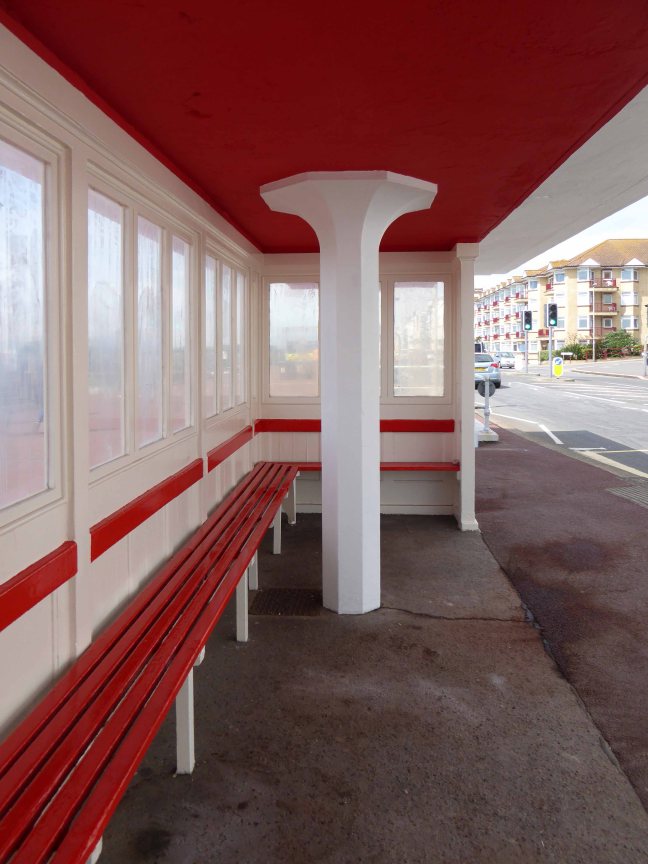
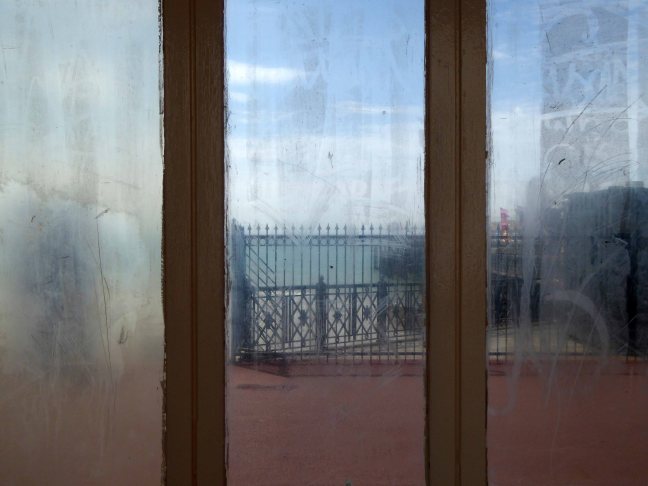
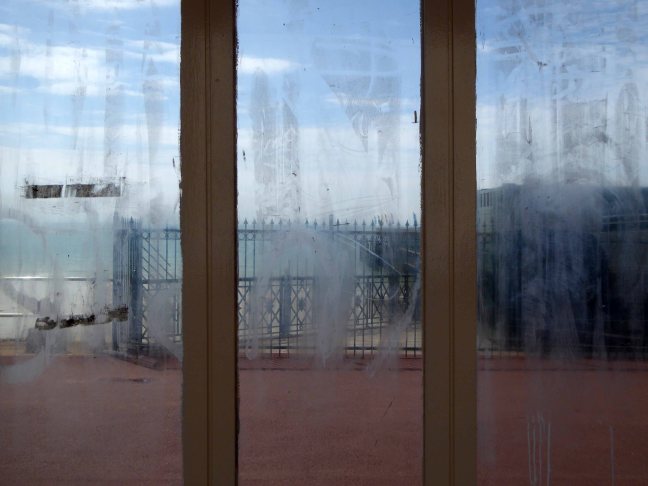
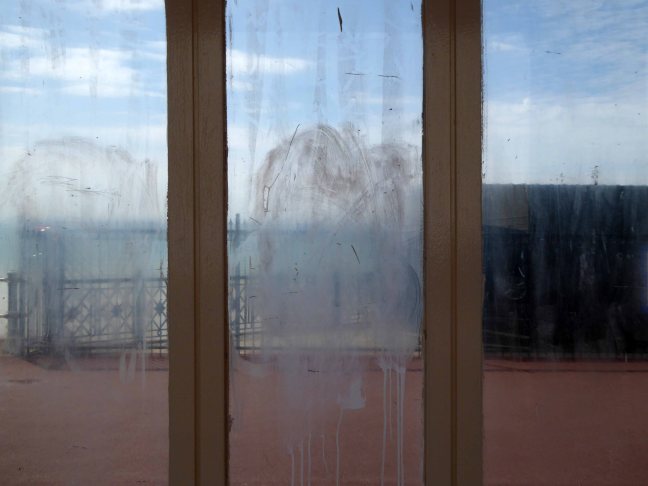
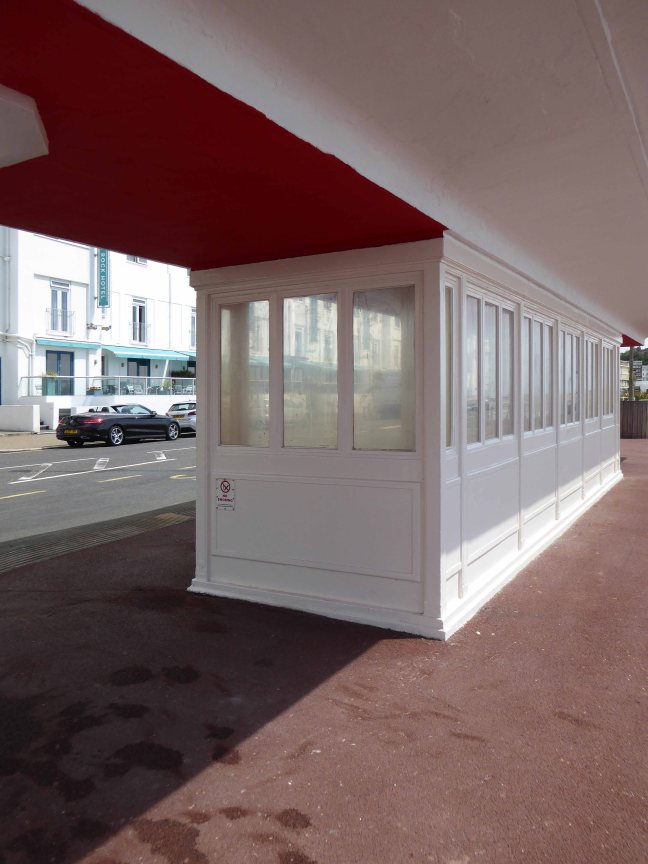
On my most recent visit the most distant shelter was receiving a wash and brush up, a brand new coat of paint or two, restored to bright red and white shipshape order, this land locked delight looked ready to set sail across the adjacent Channel to who knows where.

Offering a somewhat occluded view of blue skies and faraway shores, the bus stops here and goes on forever and forever.

P1170950

P1170955

P1170956


P1170961

P1170963


P1170965

P1170966

P1170967

P1170968

P1170969

P1170970

P1170971

P1170972

P1170973

P1170974

P1170976

P1170977

P1170978

P1170979

P1170980

P1170982

Pallot and Collins Murals – Bexhill on Sea

Could there be a more moderne town?

Bexhill on Sea, blessed with the delightful De La Warr Pavillion.

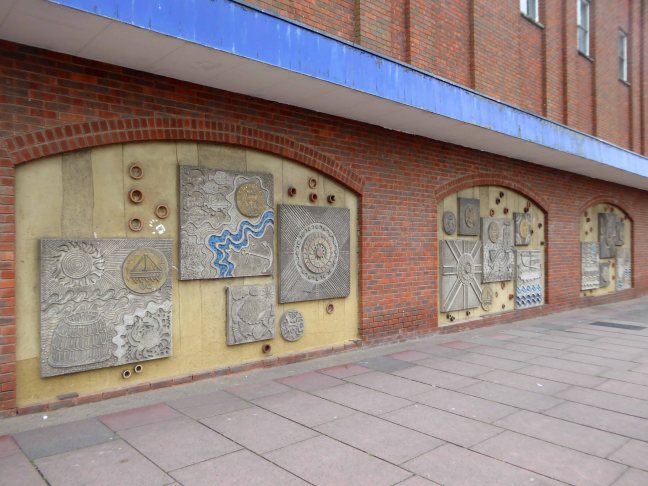
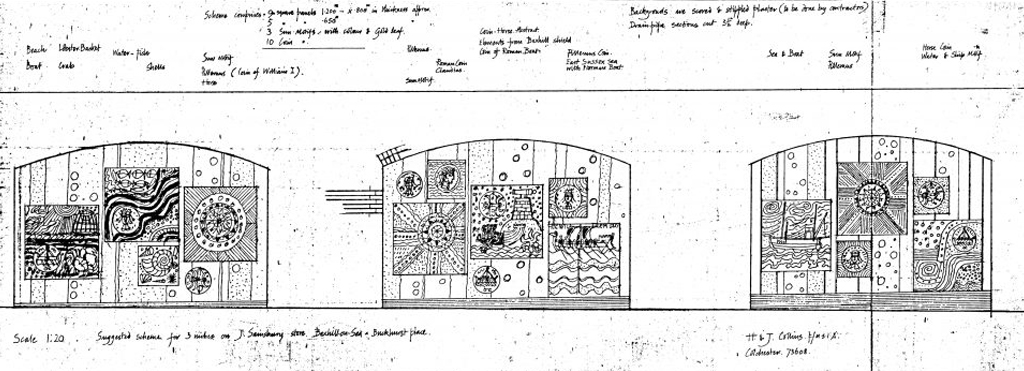
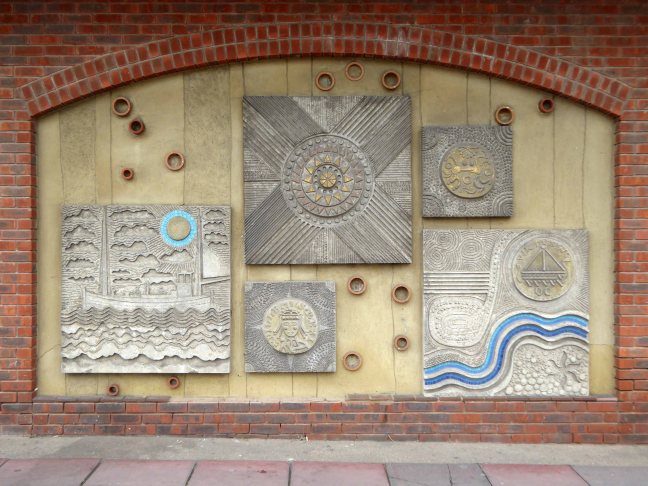
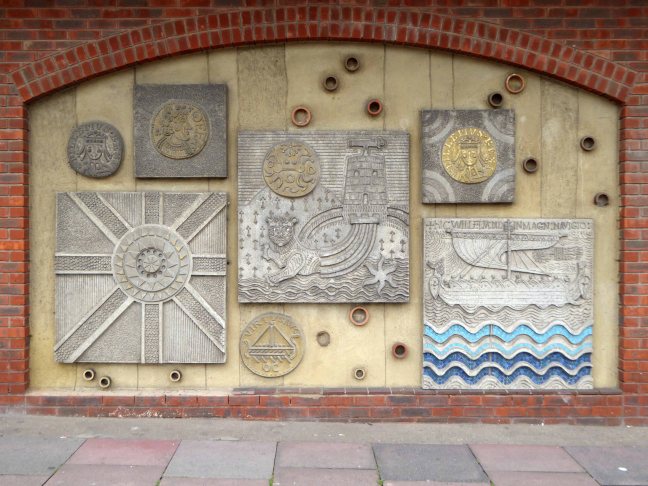
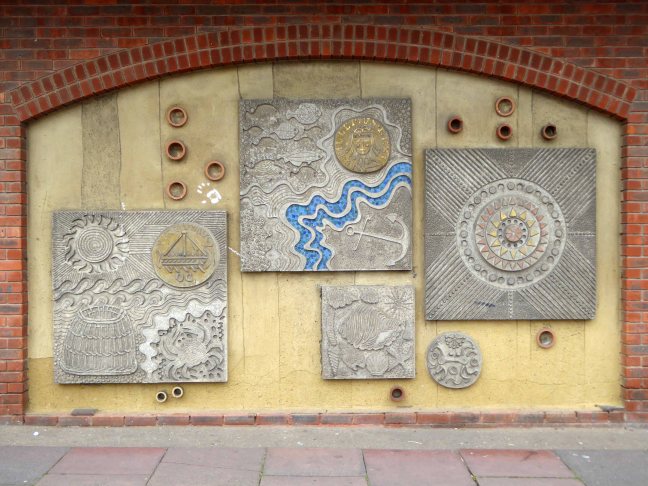
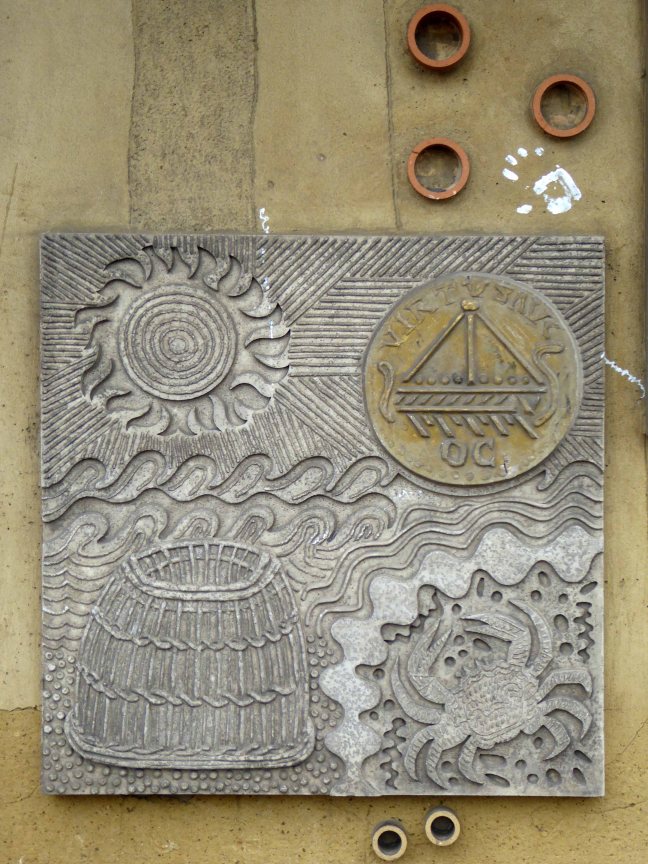
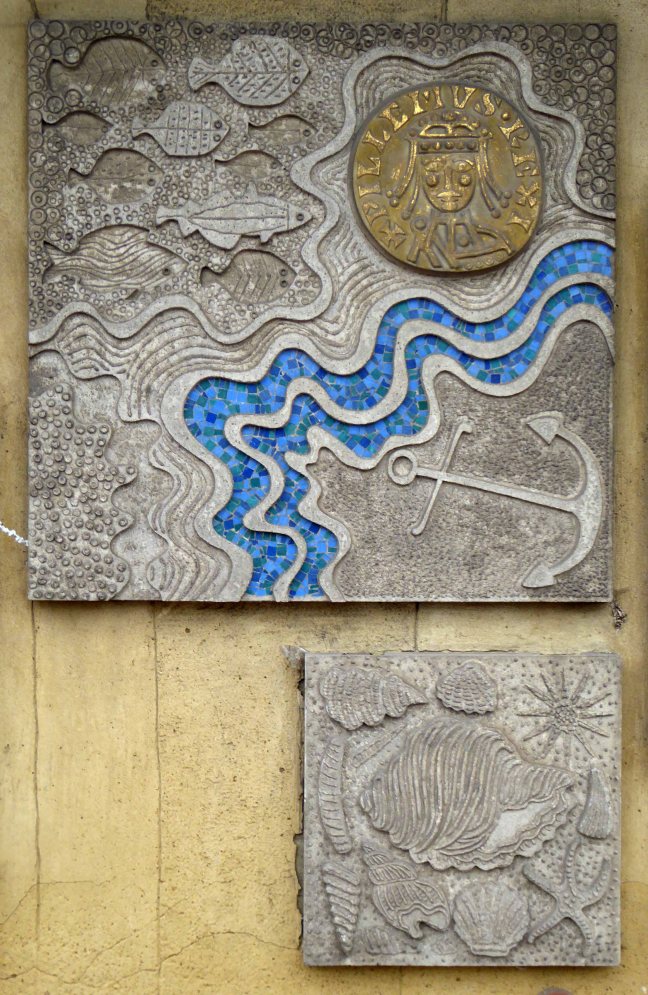
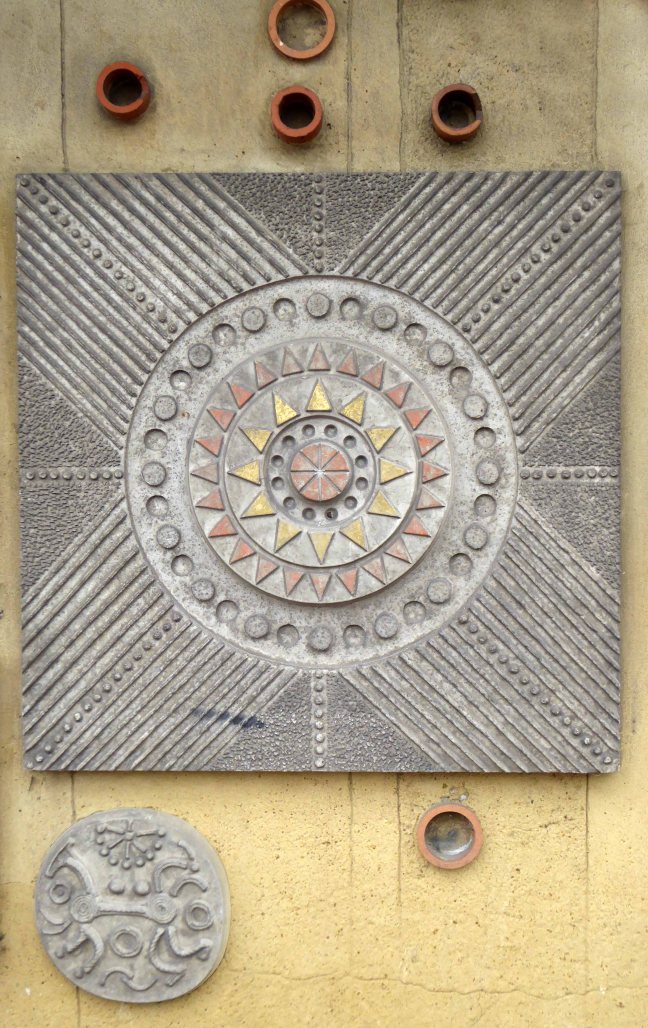
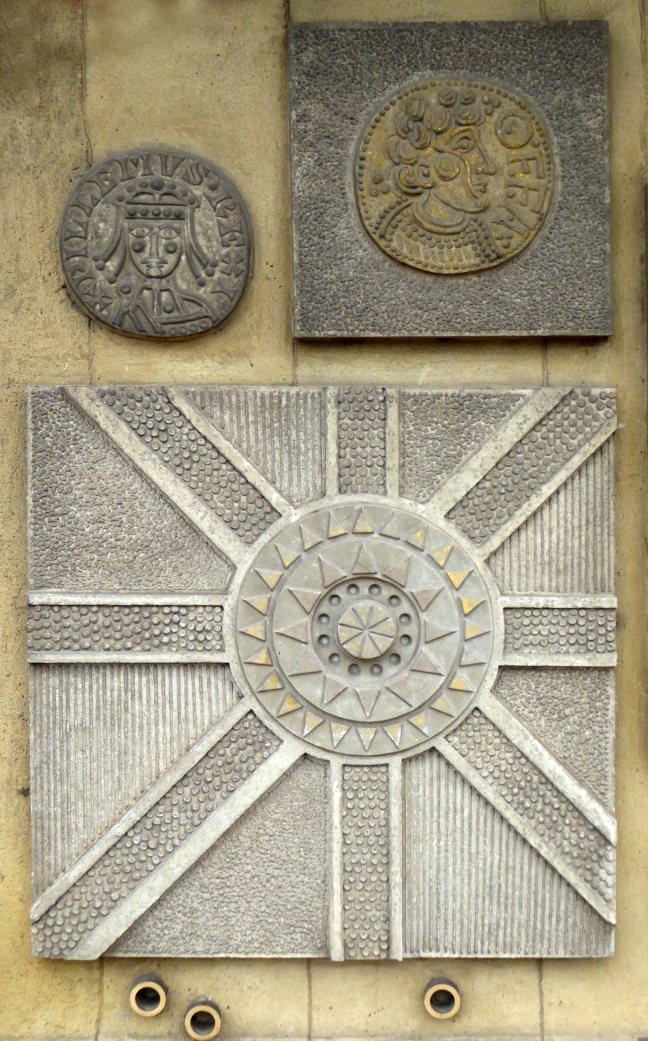
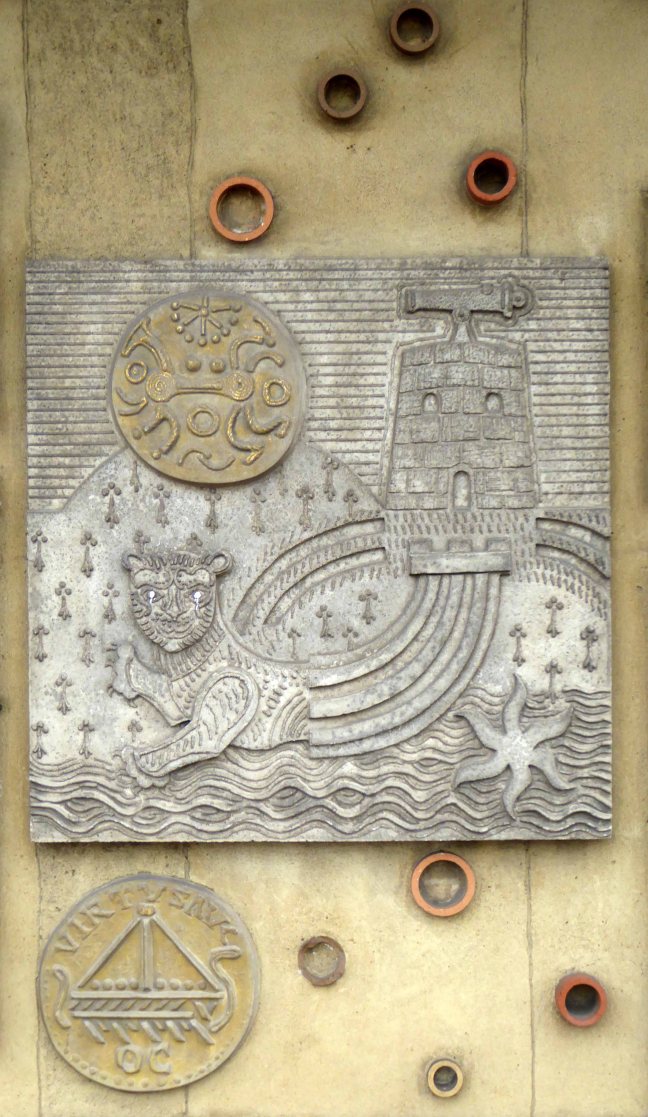
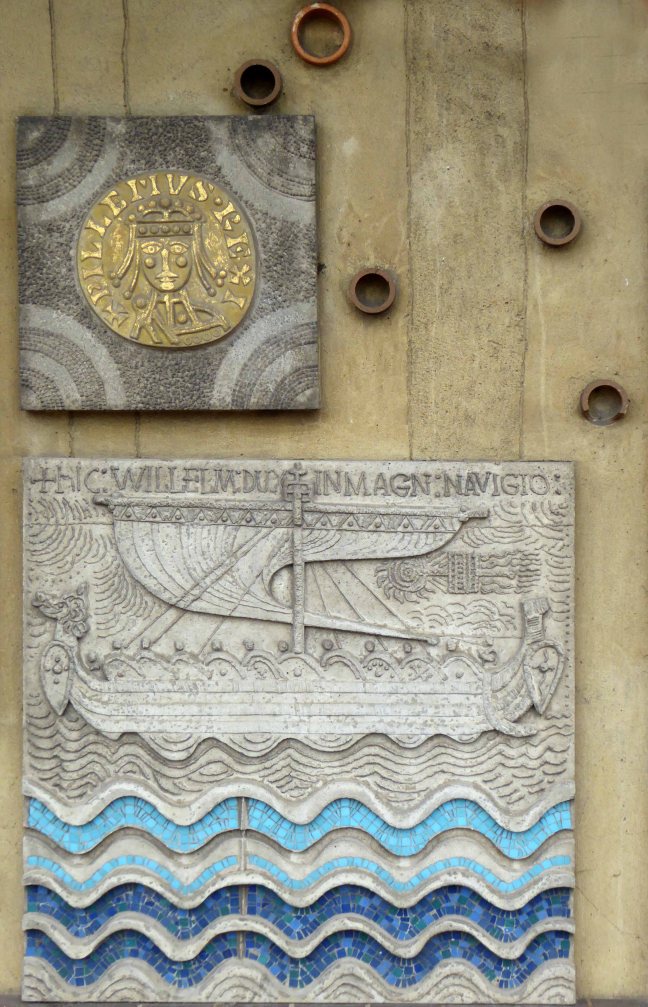
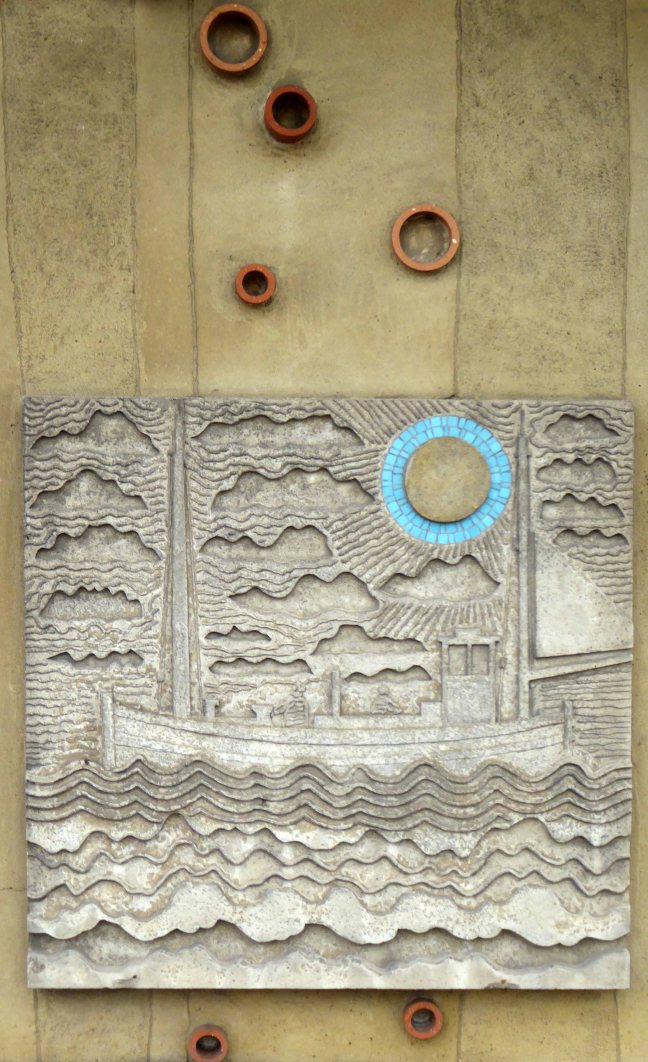
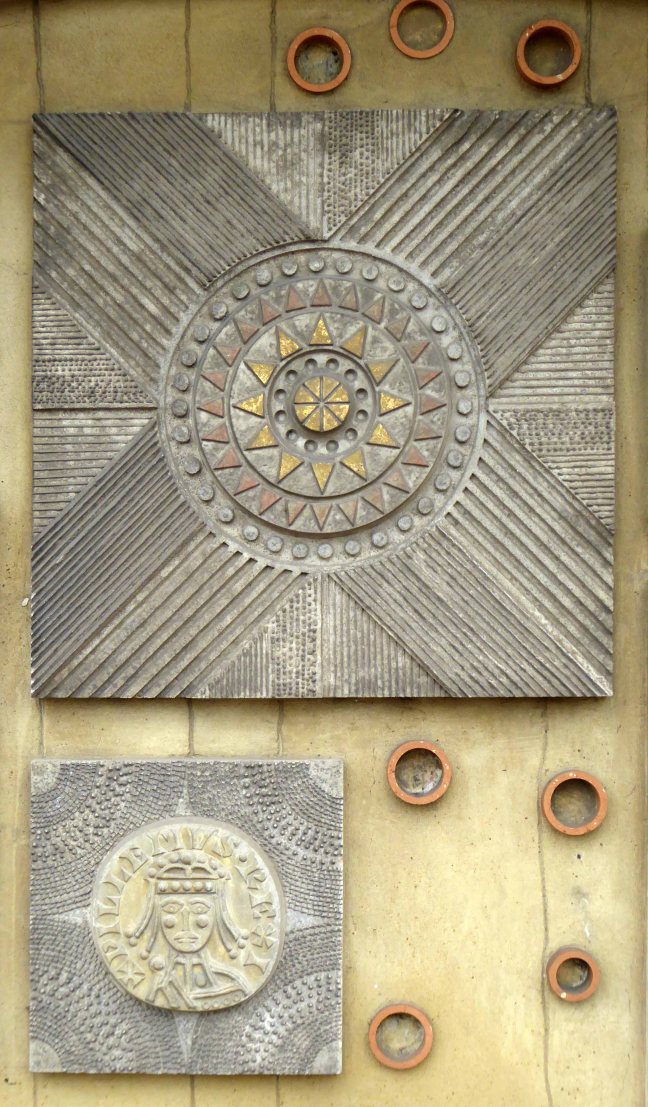
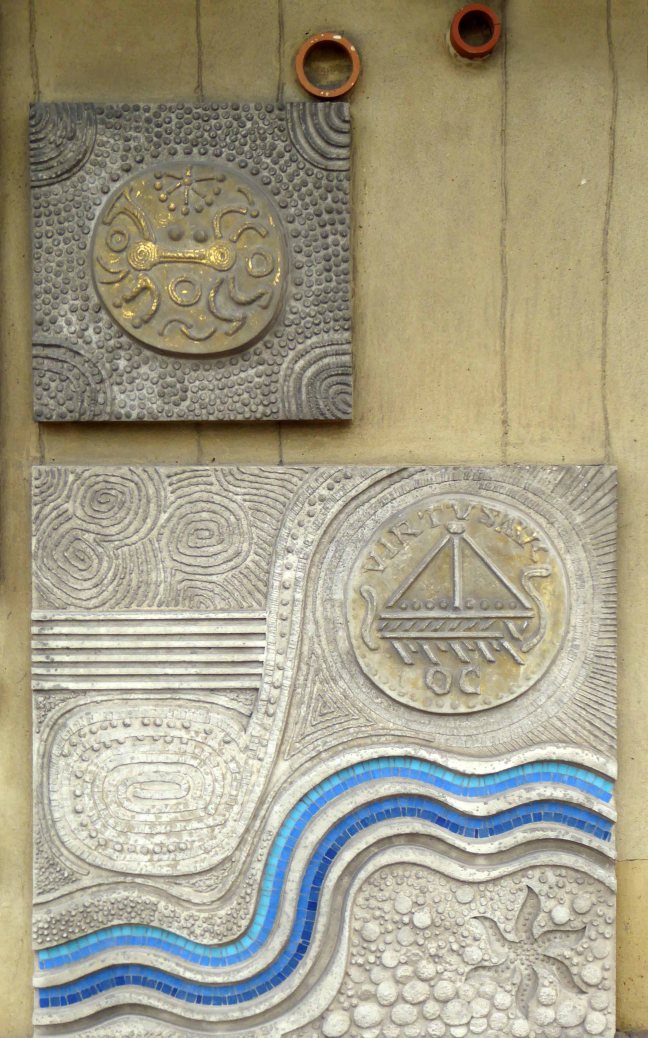
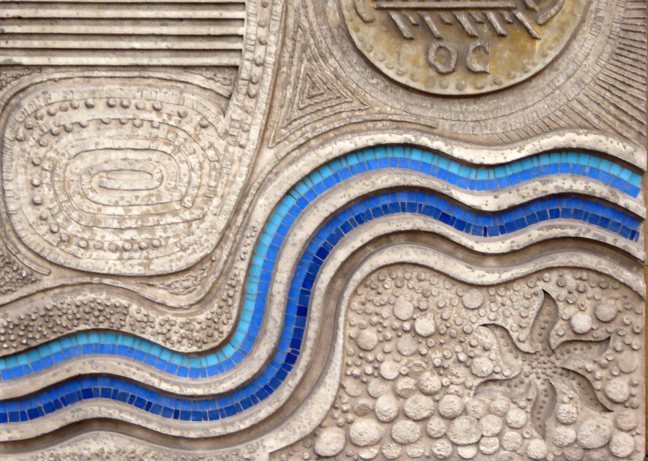
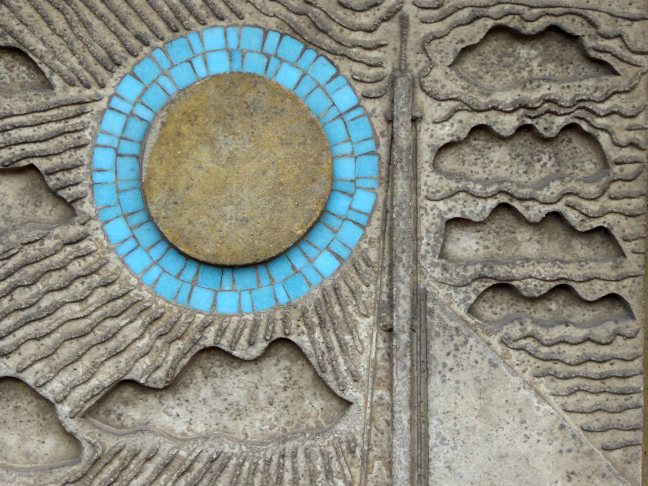
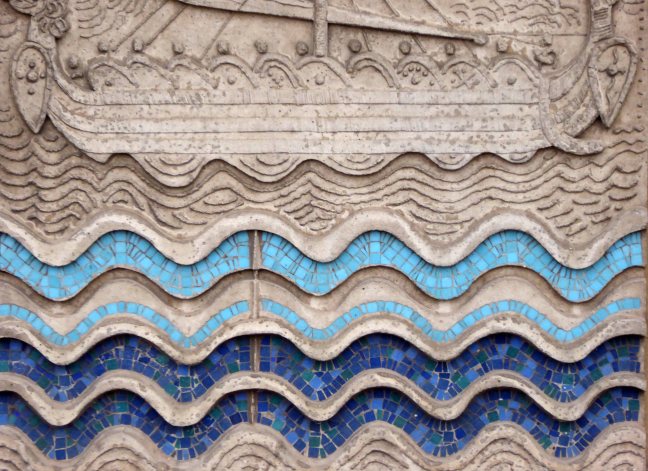
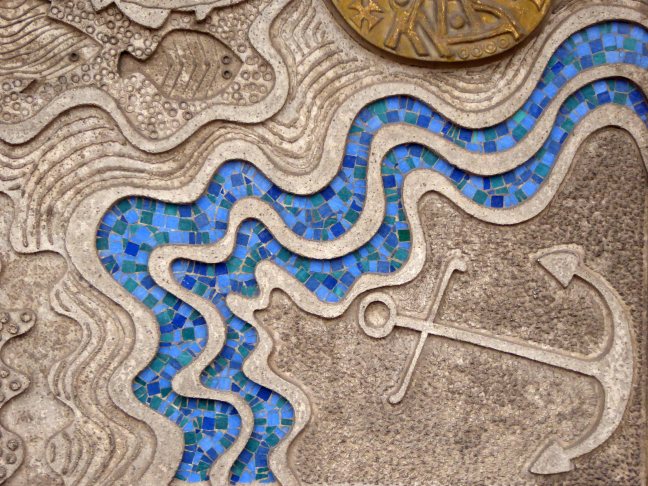
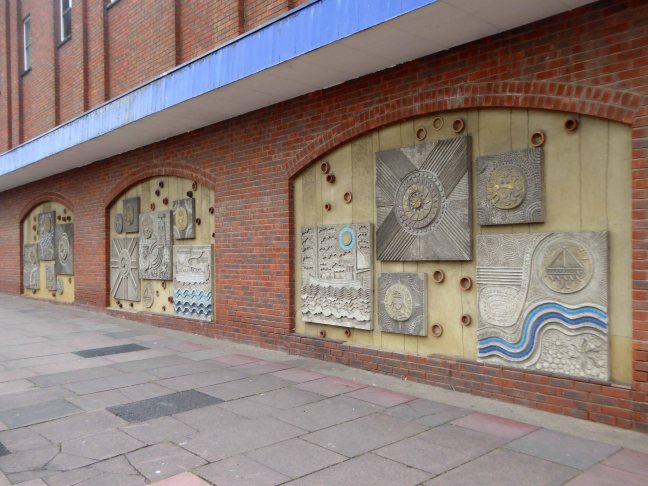
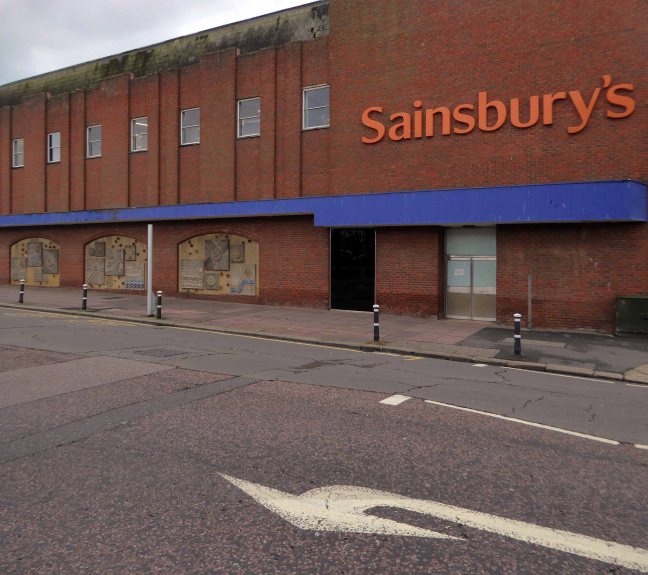
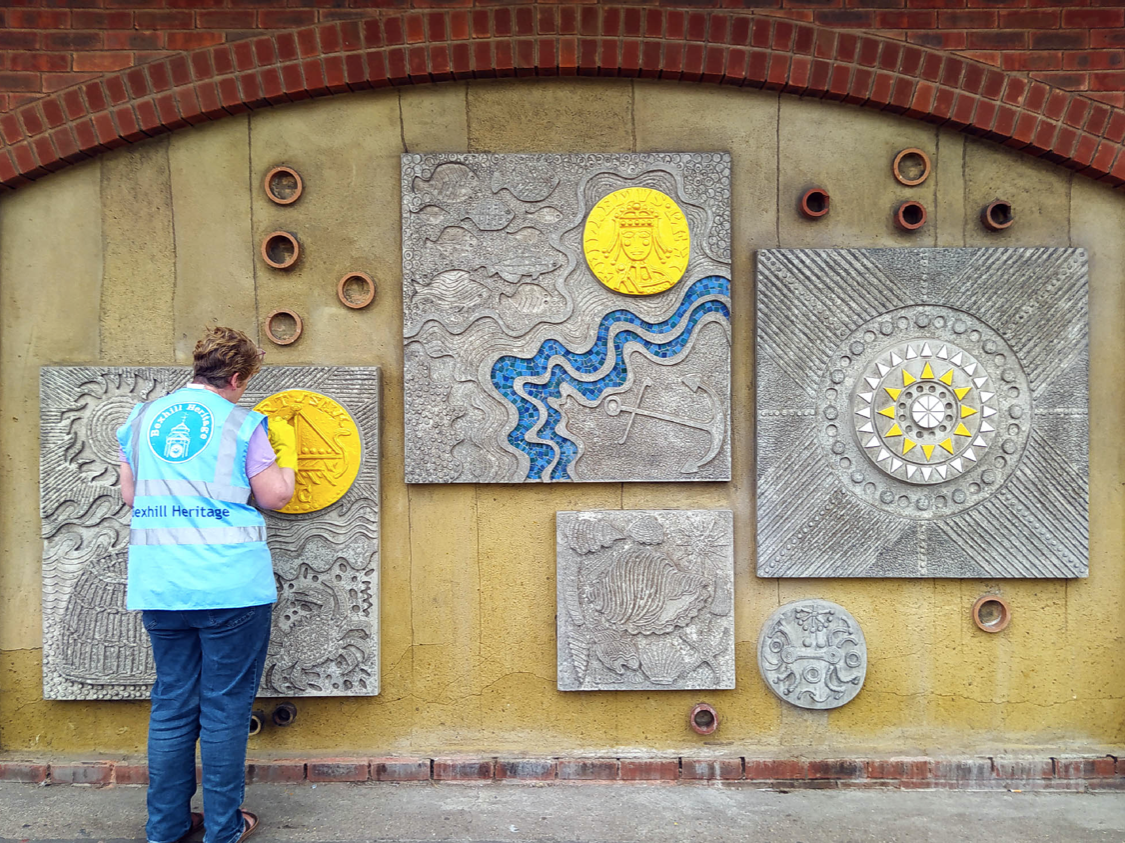
Plus the Pallot and Collins murals inset into the wall of their local branch of Sainsbury’s.

The third such public sculpture I have had the pleasure to visit following trips to Newcastle and the now defunct BHS in my hometown of Stockport.

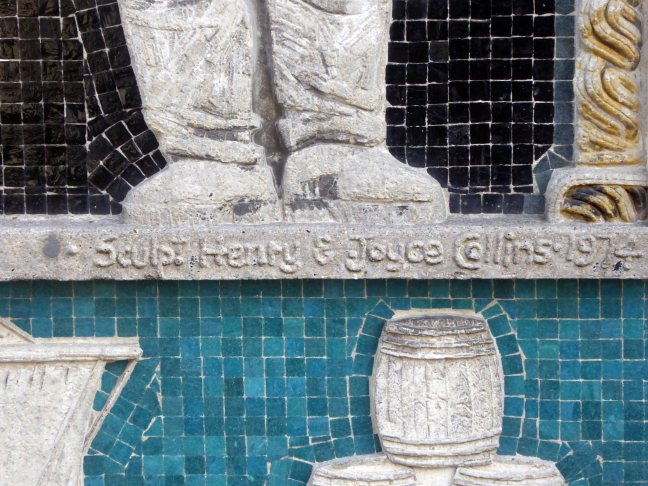
Henry William Collins and Joyce Millicent Pallot have a very special place in my heart, their lives’ work together gracing the Festival of Britain, GPO Tower and Expo 70, along with other retail outlets in Southampton, Gloucester, and Colchester. A distinctive style of bas relief in impressed concrete, ceramic terrazzo and simple modern motifs, drawn from local history and imagery.

Take a look around.

OriginalPlan1-1024x371

P1170853

P1170854

P1170855

P1170857

P1170858

P1170859

P1170860

P1170861

P1170862

P1170863

P1170864

P1170865

P1170867

P1170868

P1170869

P1170870

P1170872

P1170878

Great to see that the murals have been restored recently by Bexhill Heritage.

Screenshot 2024-10-22 at 10.53.56

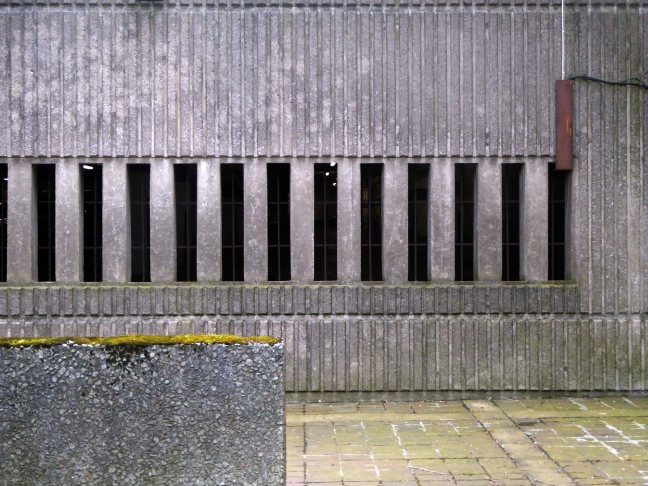
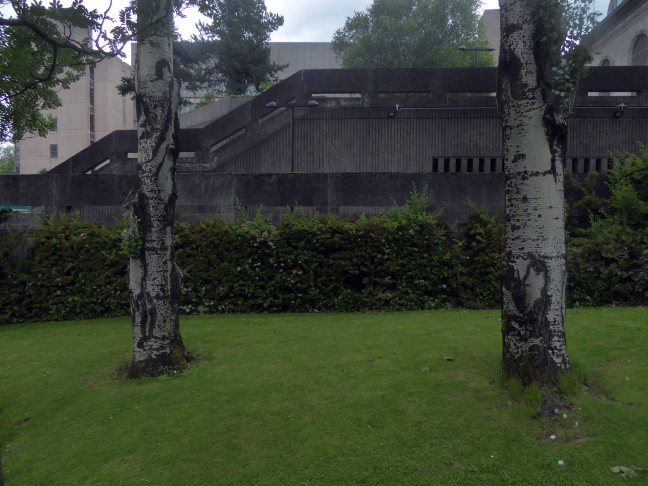
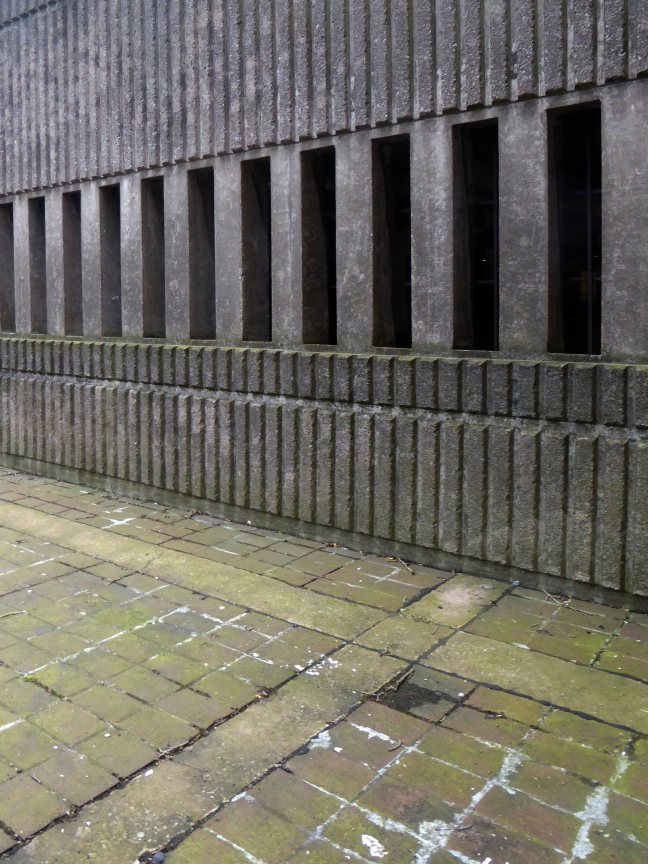
Stopford House Again – Stockport

Do you come here often?

Well actually I do!

Here’s my account of my previous visits to Stopford House.

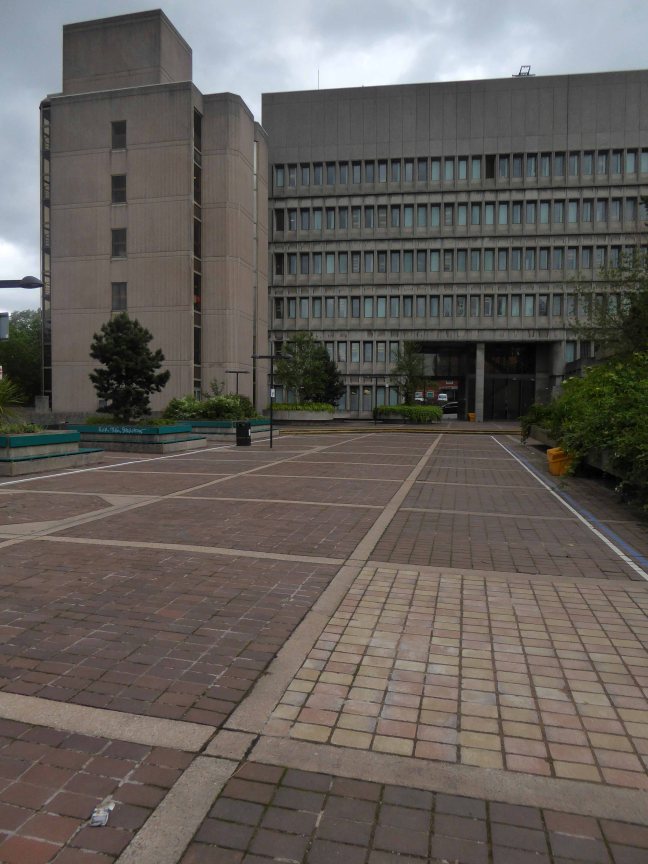
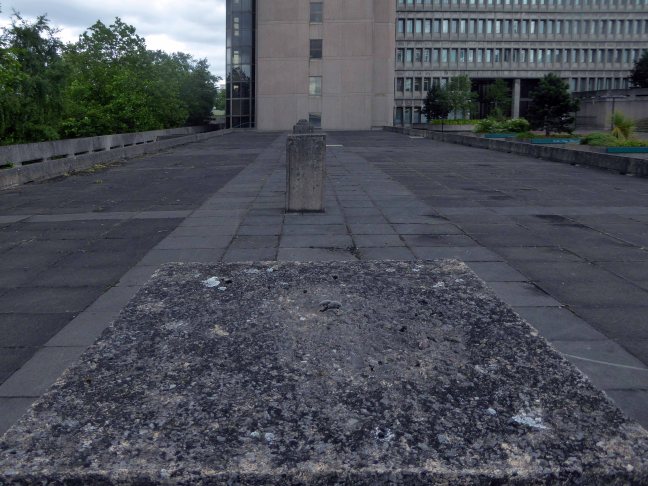
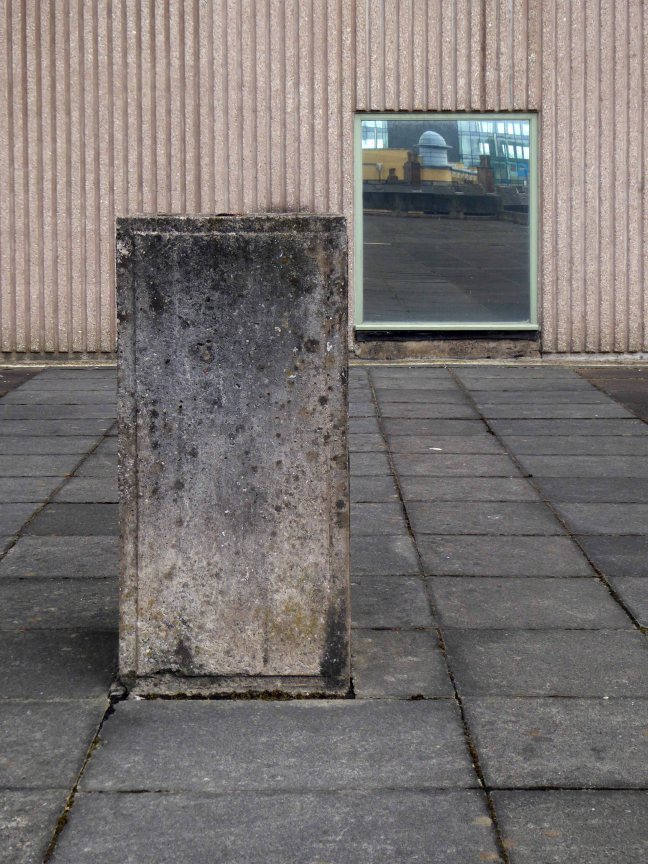
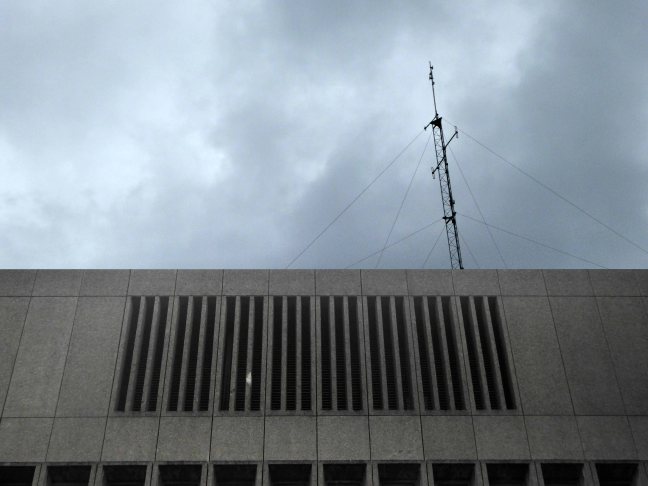
The large open public space that has almost everything except the public.

On the many occasions I have walked its concrete piazza, not once have I encountered another purposed soul – save the odd passing civic employee.

Unusually unchallenged by the diffident G4S or like as I snap away.

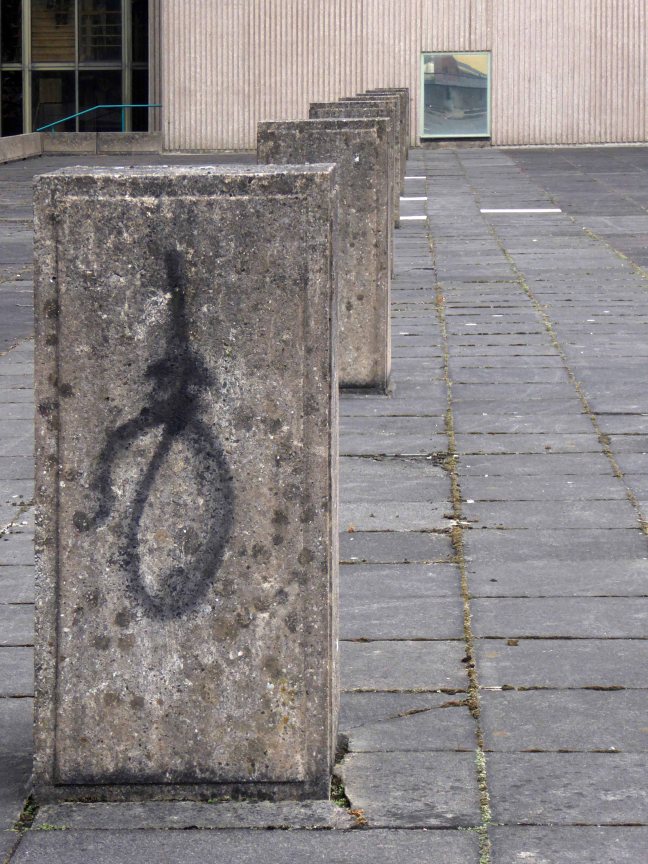
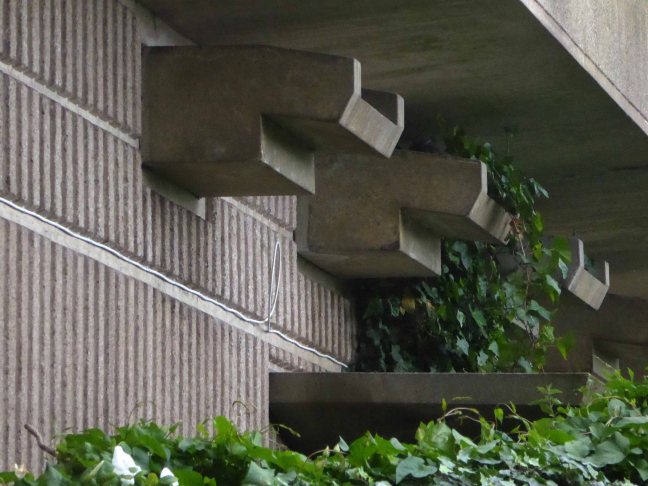
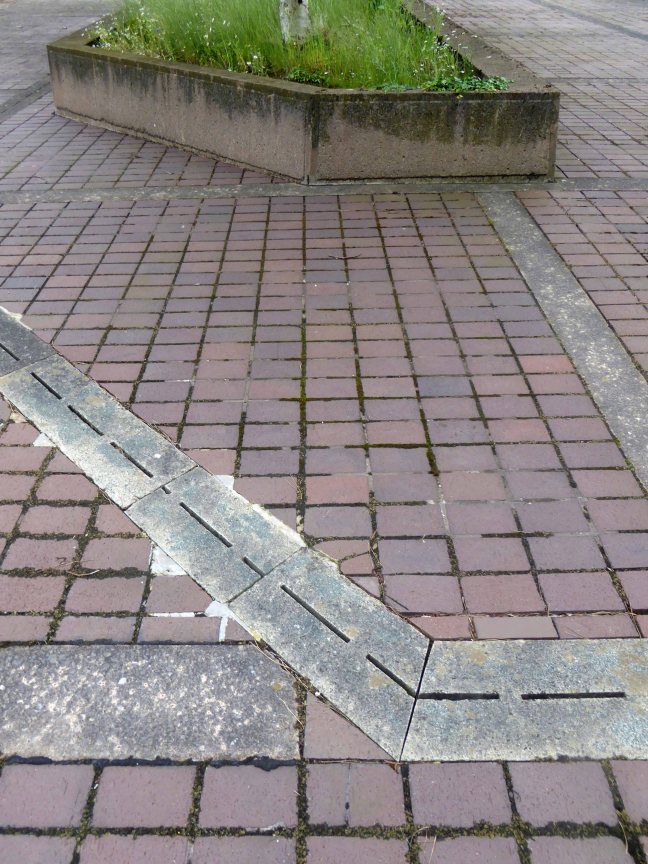
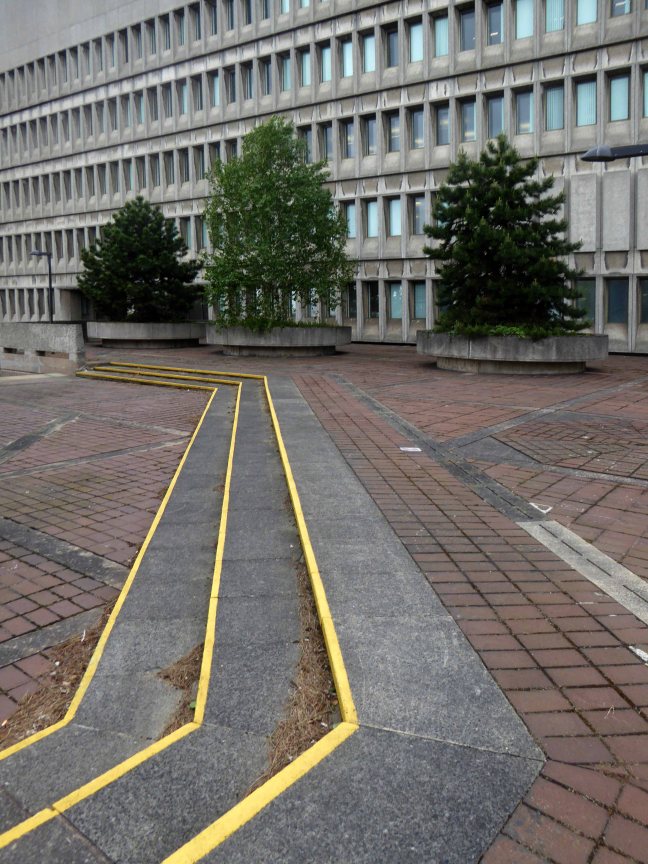
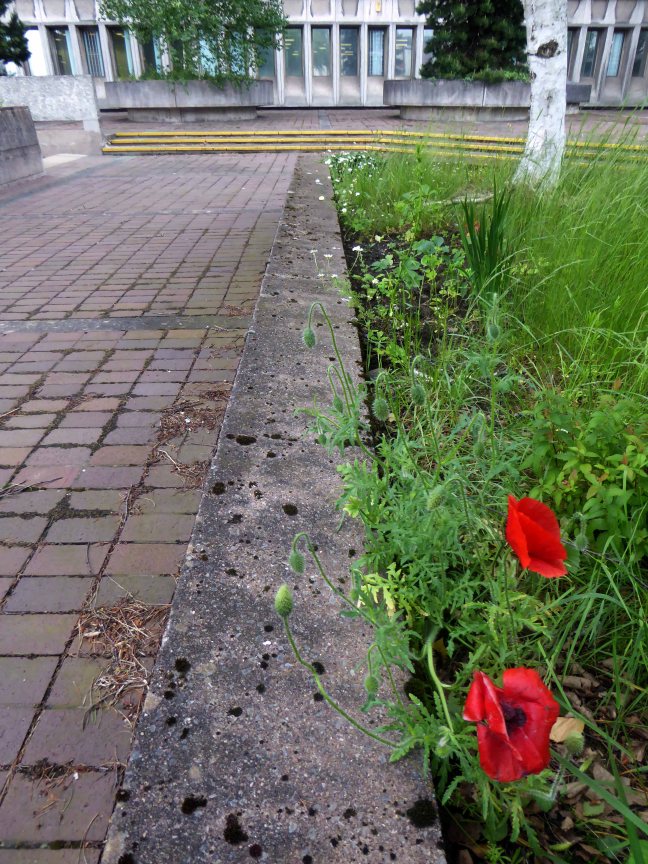
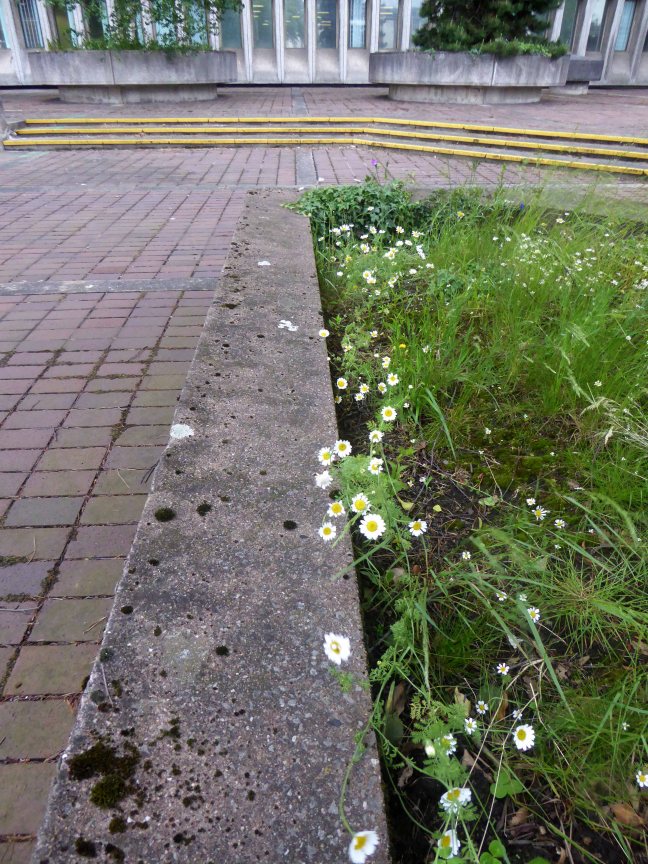
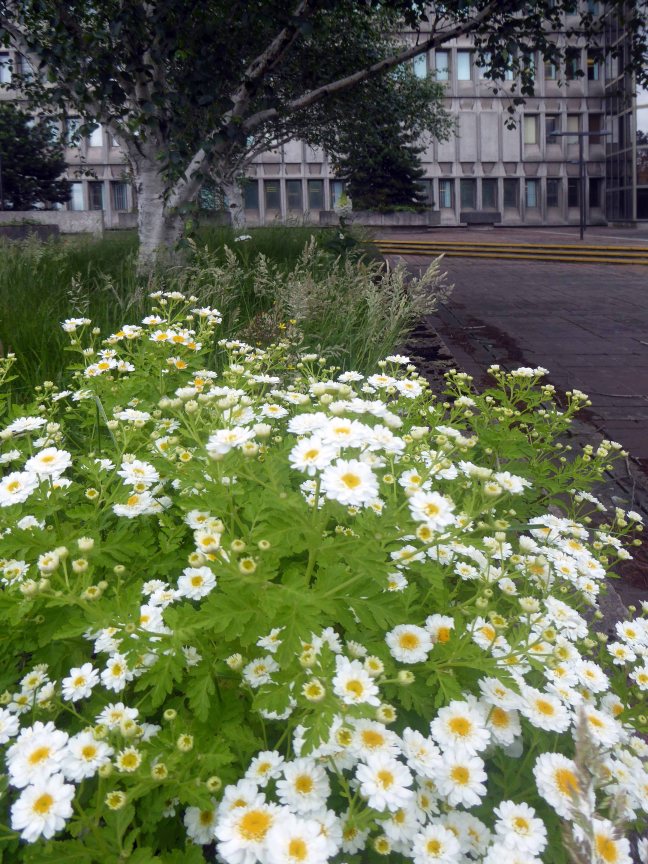
So come/go here, take a look – municipal concrete in the raw, softened by the controlled ingress of flowers and greenery.

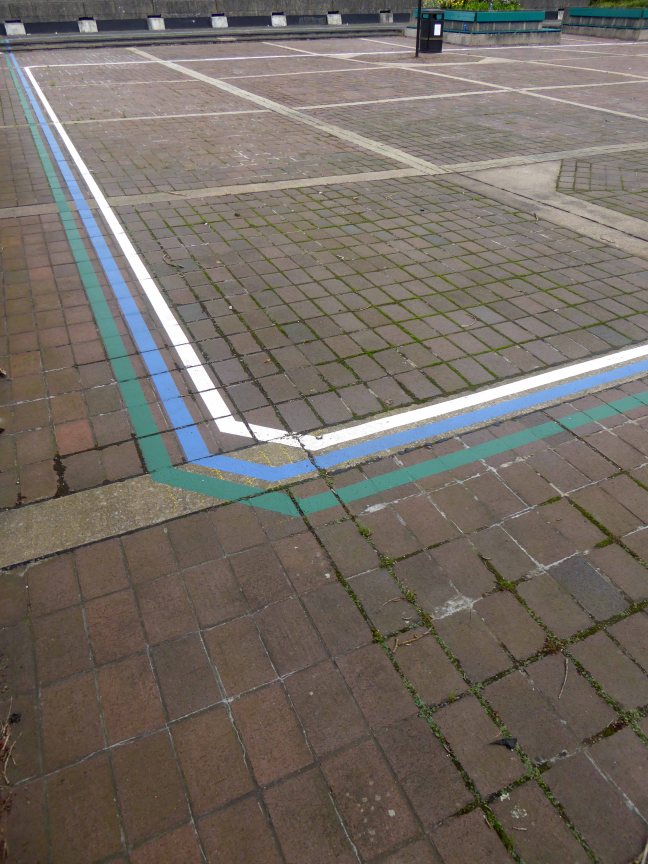
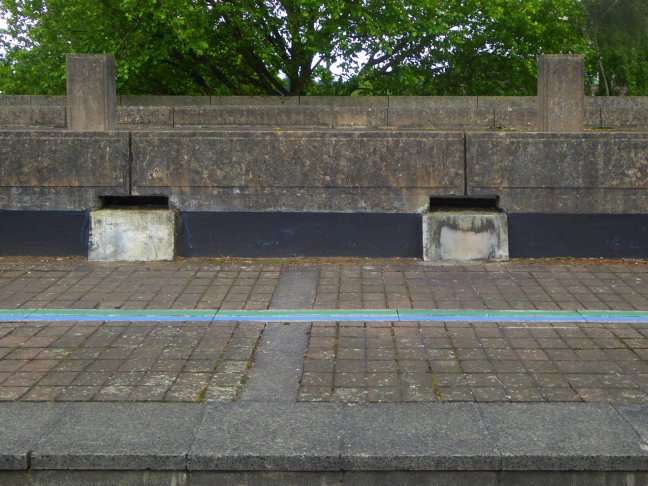
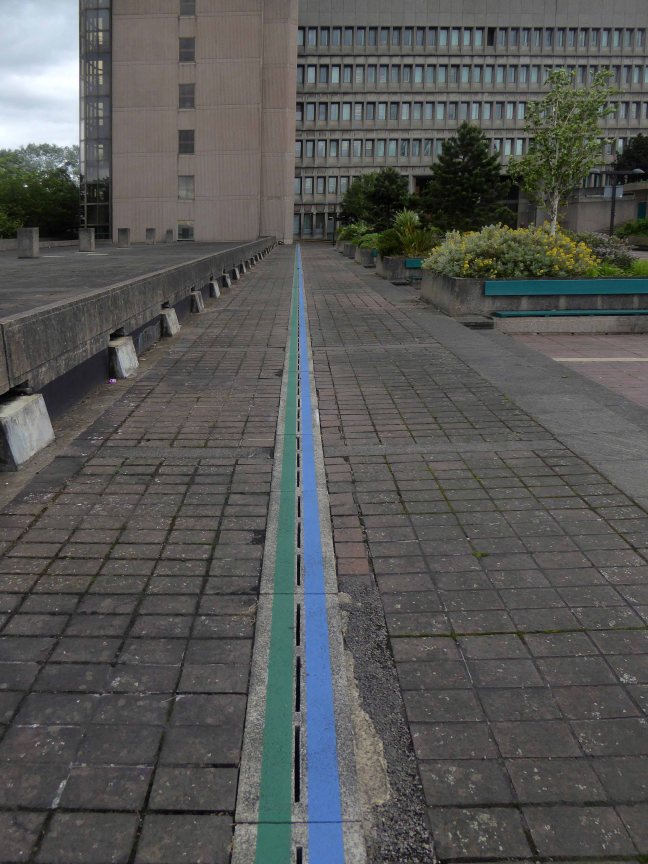
Oh and not forgetting the recent addition of some curious coloured lines.

P1170176

P1170178

P1170180

P1170183

P1170184

P1170185

P1170187

P1170190

P1170194

P1170200

P1170201

P1170202

P1170203

P1170204

P1170206

P1170208

P1170214

P1170205


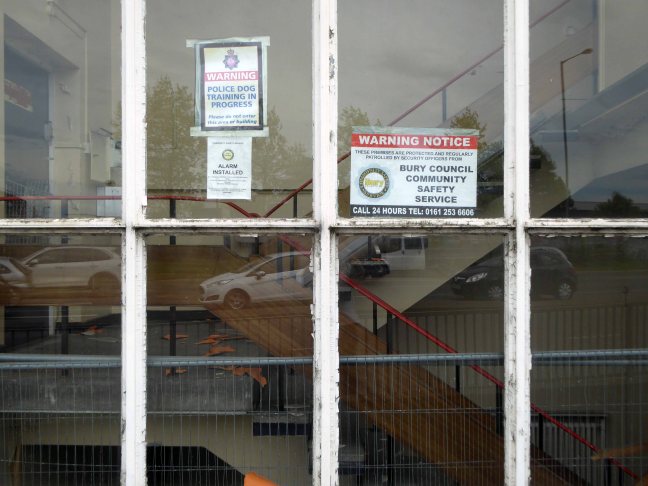
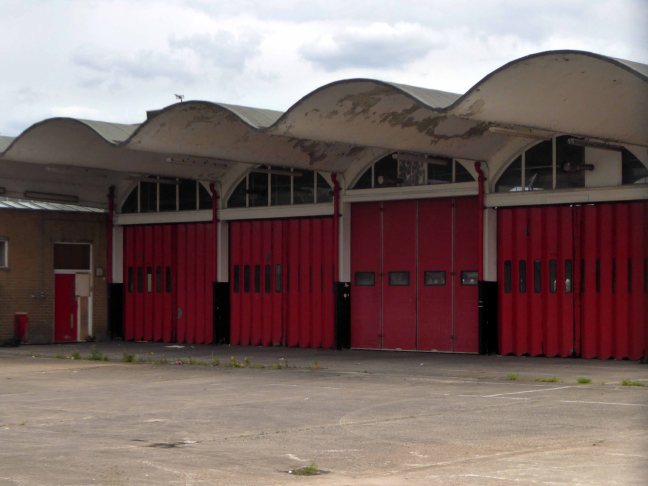
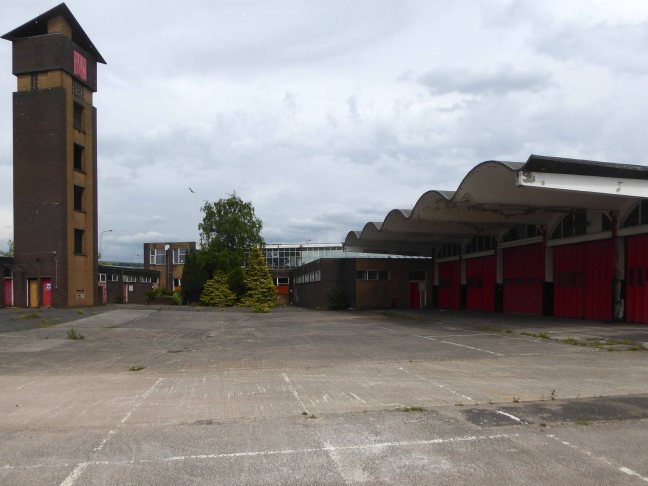
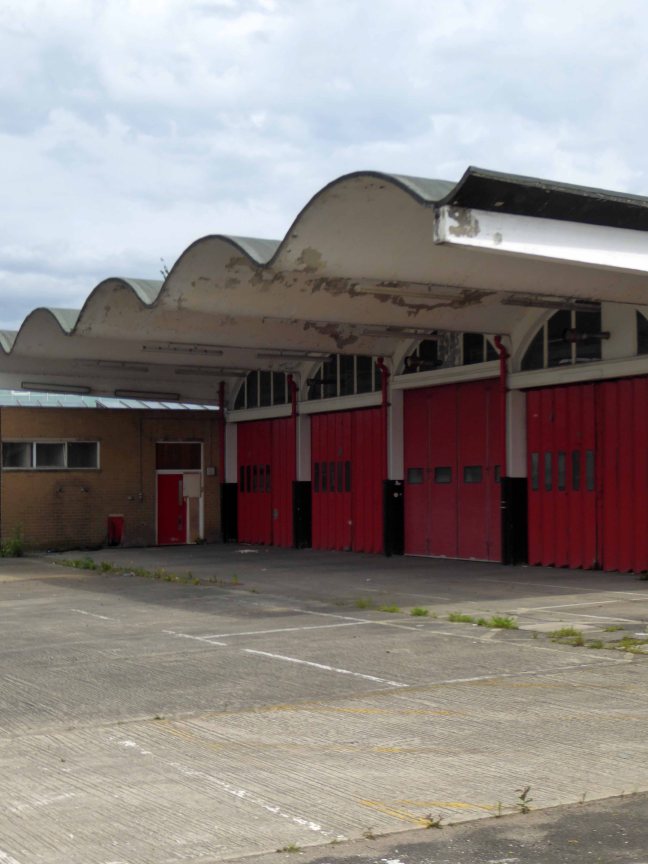
Fire Station – Bury

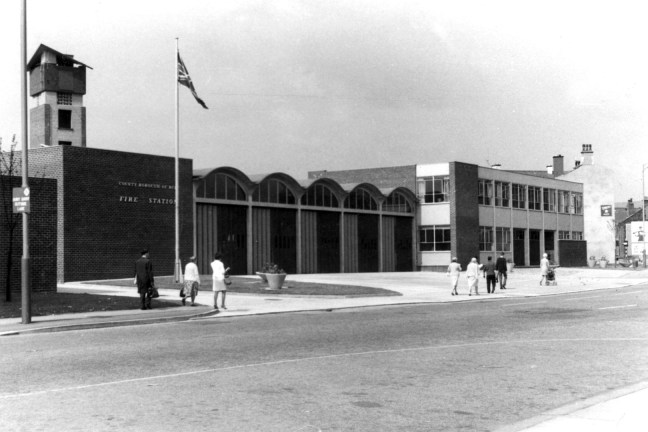
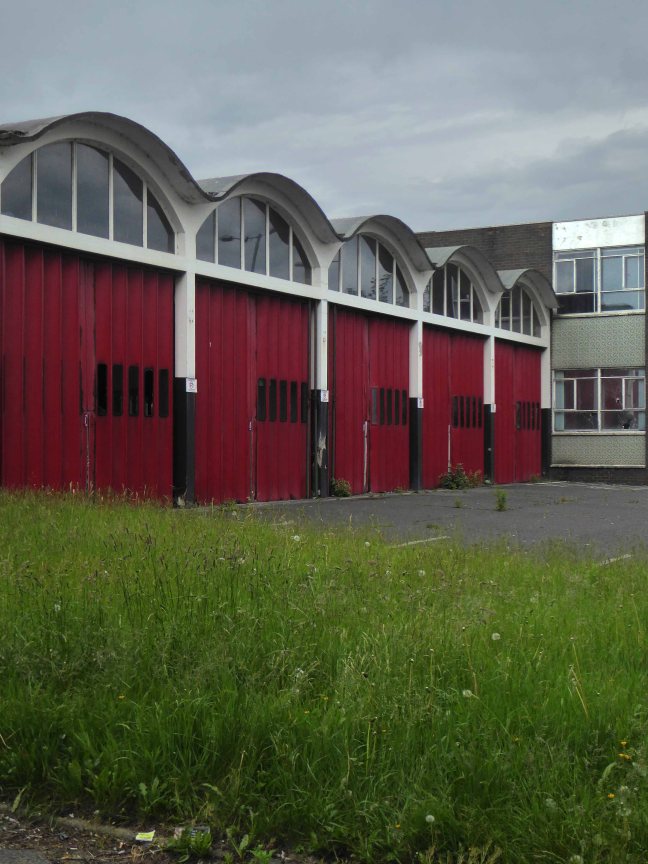
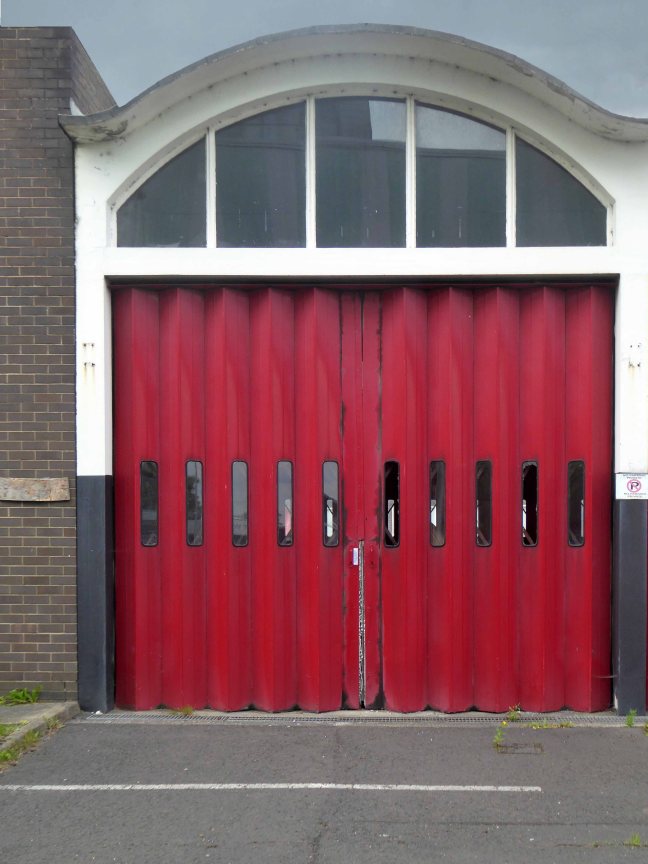
Curvilinear, cantilevered, concrete canopies wave – wave goodbye.

Opened in 1967

fire-station-the-rock-built-1967

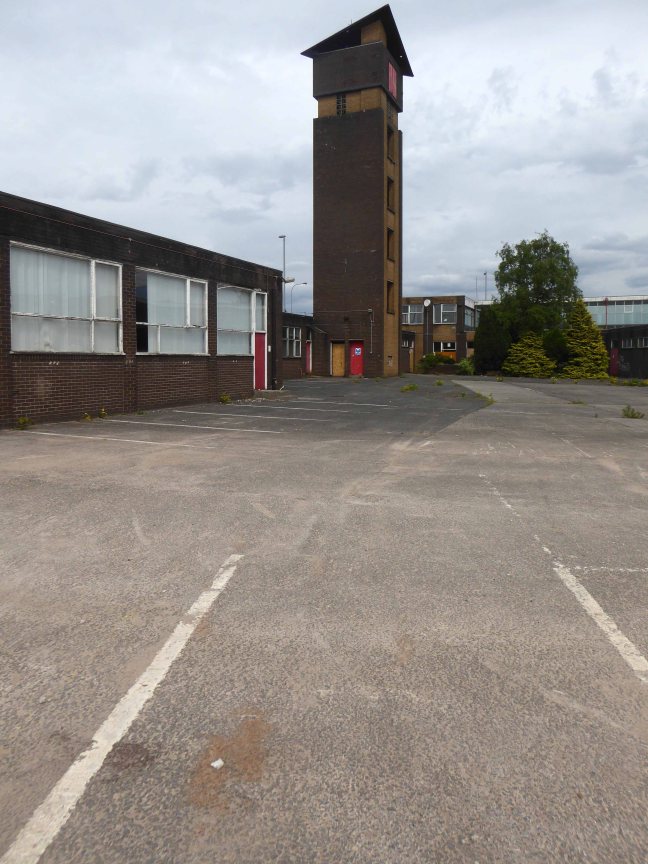
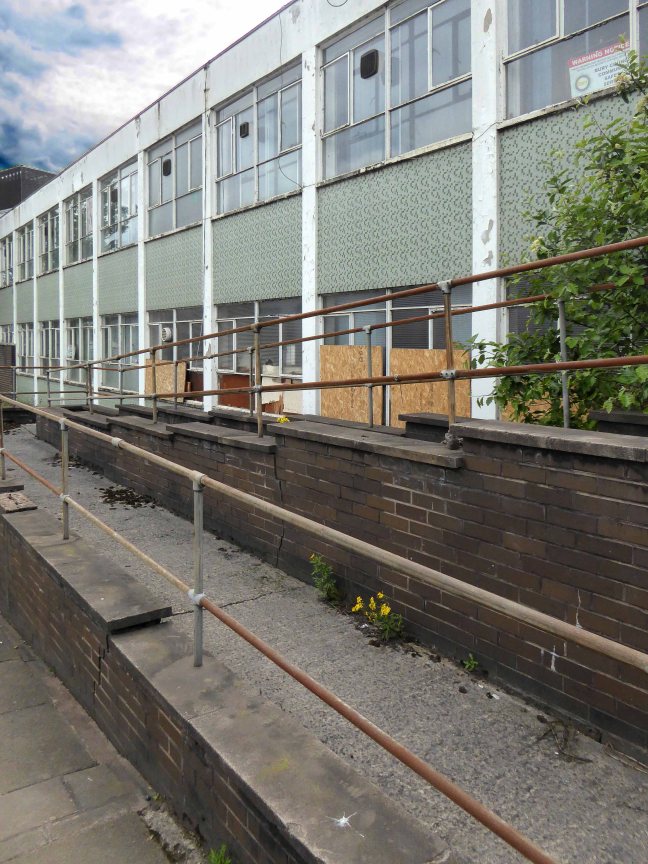
Closed in 2012, it continues to stand idly by, as the Bury Town centre doughnuts the site with shiny new developments.

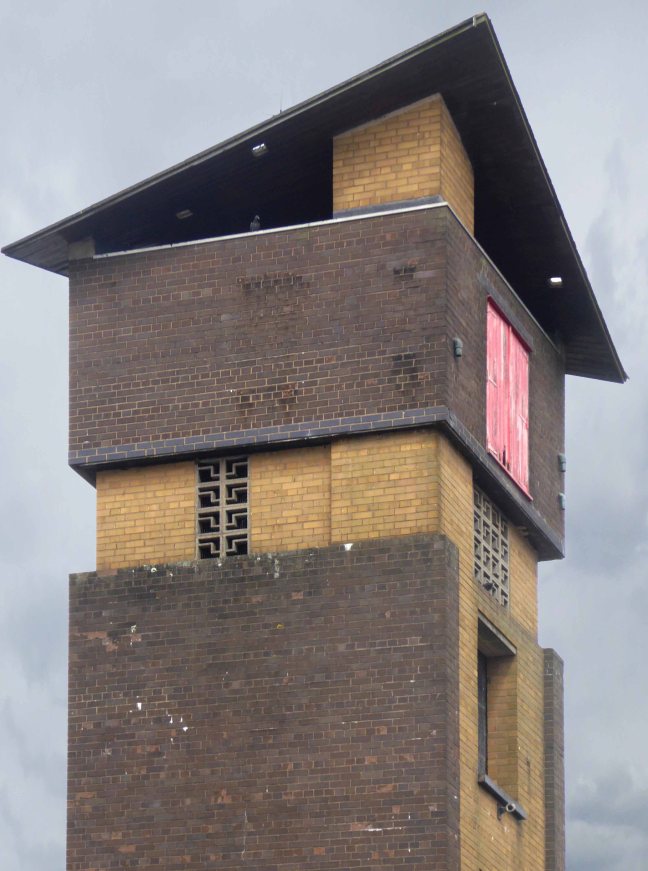
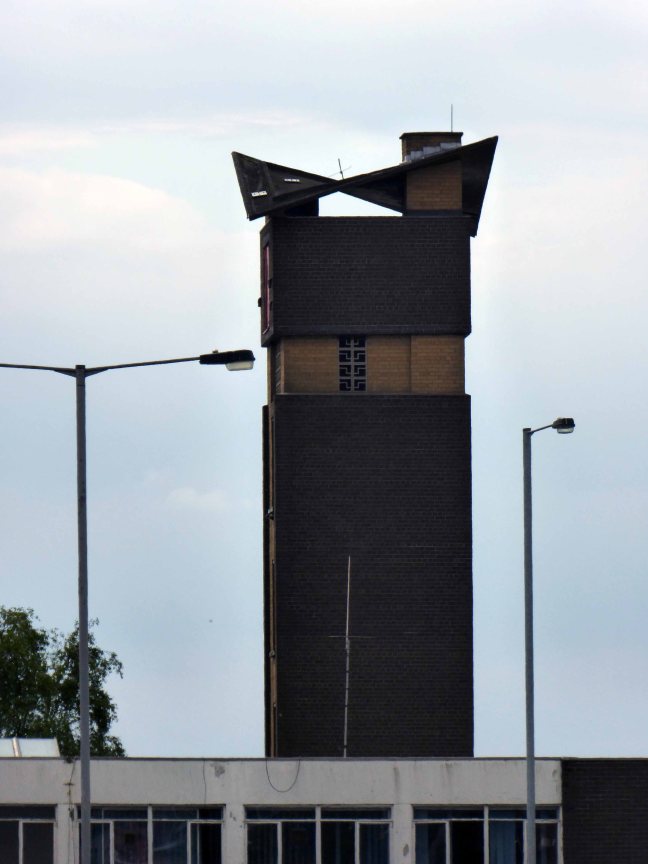
A striking tower topped by a hyper parabolic roof with a cheeky twist, it remains an elegant feature on The Rock.

Facing an uncertain future it can only be a matter of time, as the new build proliferates that the fire station disappears in a puff of smoke.

Who you gonna call?

P1160753

P1160754

P1160755

P1160756

P1160758

P1160759

P1160760

P1160761

P1160762

P1160763

P1160764

P1160765

P1160766

P1160767

P1160768

P1160770

P1160771

P1160772

P1160783

P1160784

BHS Murals – Newcastle upon Tyne

We here in Stockport have our own BHS murals, happily so does Newcastle.

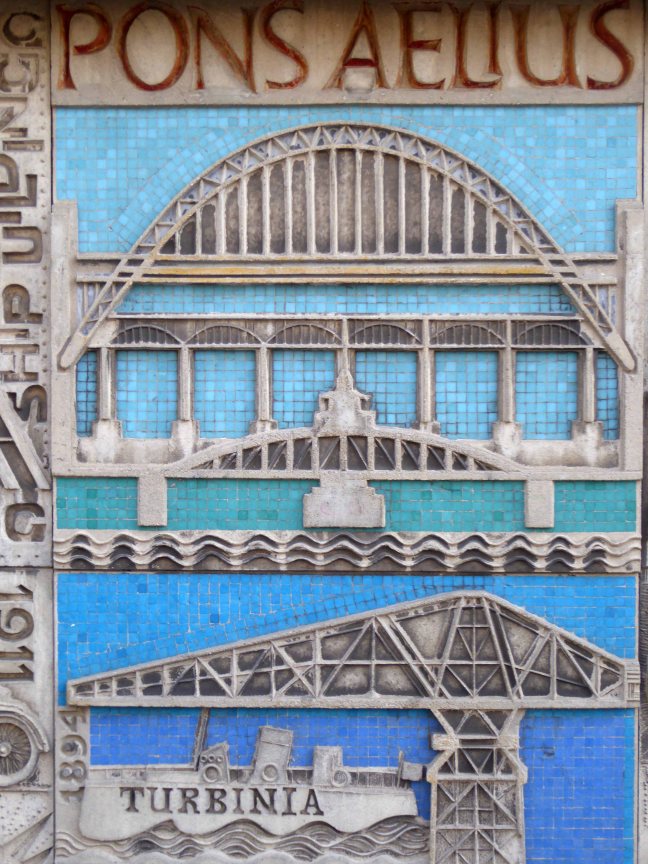
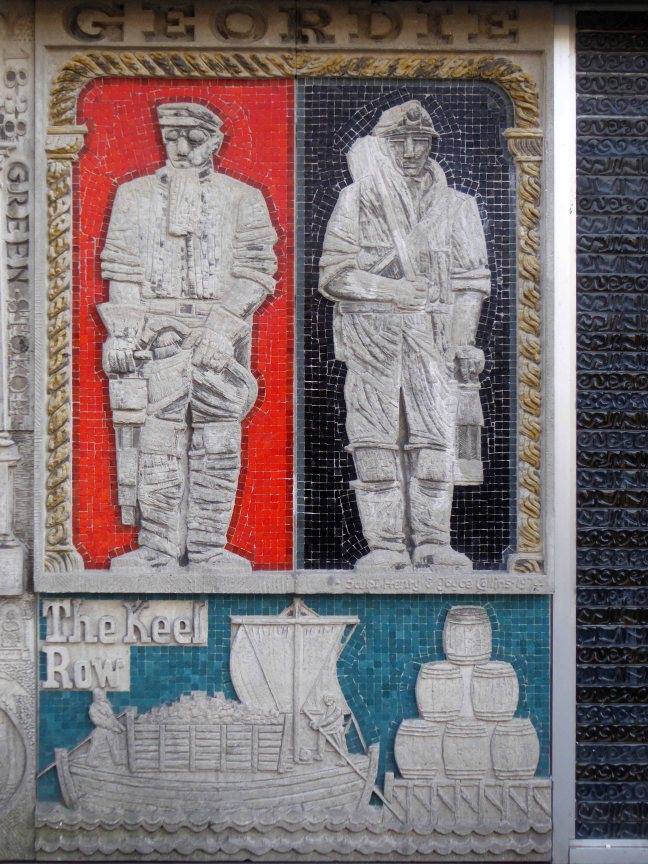
The work of acclaimed artists Joyce Pallot and Henry Collins, they worked on a large number of murals and exhibition designs for amongst others, Jamestown Festival, USA; Brussels Exhibition; Expo 70; Japan; Shell Centre; GPO Tower, London; Grosvenor House, London; Ind Coope Ltd; Philips Business Systems; Sainsburys; British Home Stores; Cwmbran Arts Trust; Essex County Council and IBM, London.

1460712918

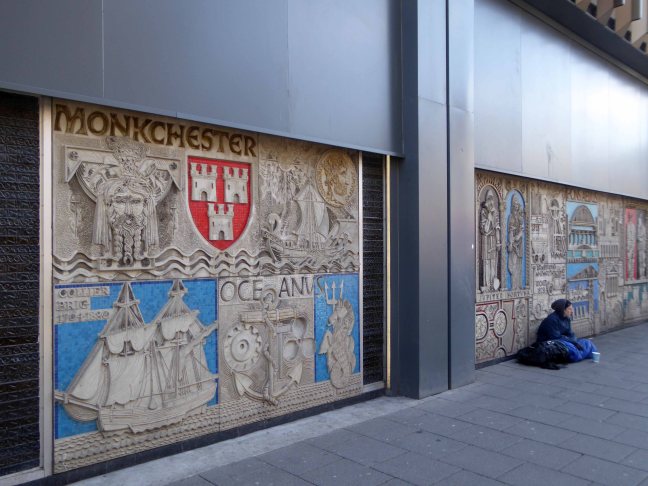
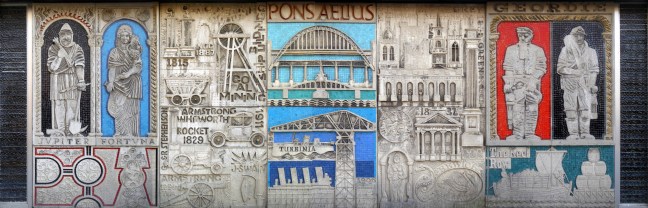
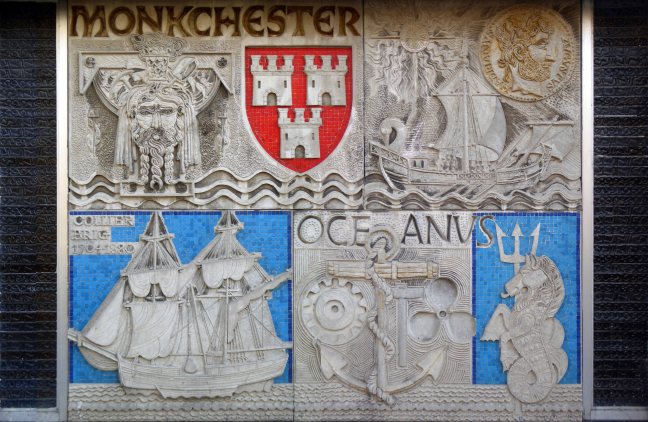
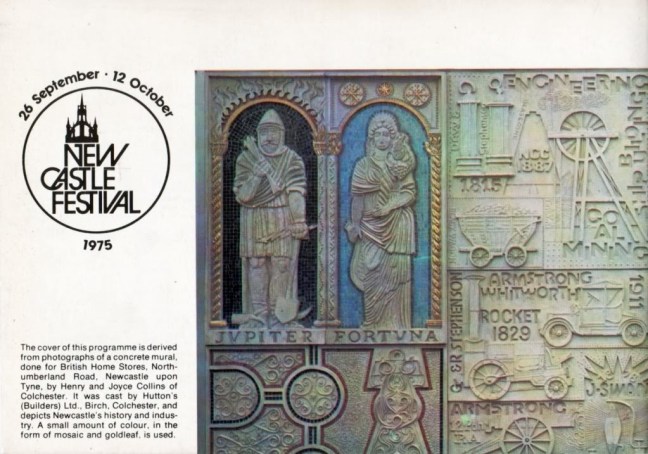
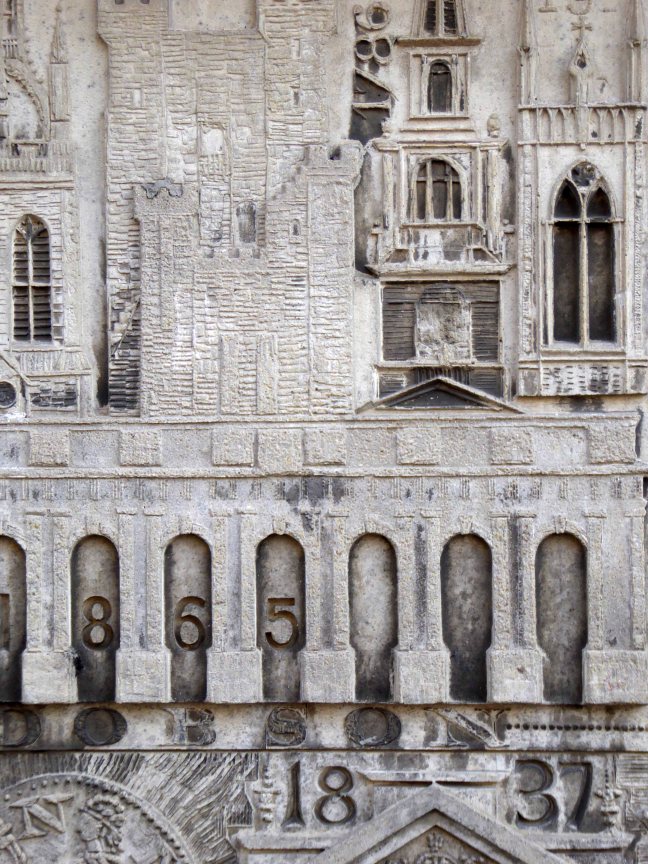
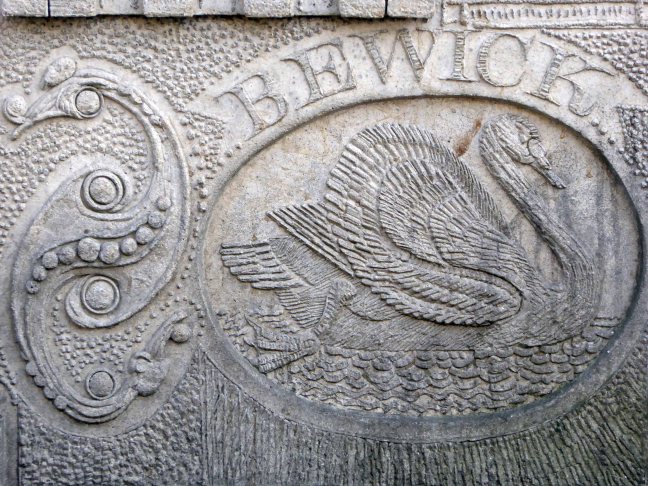
They never worked on the site itself, but used a regular contractor Hutton’s Builders Ltd Colchester, who cast the concrete in panels around four feet square. There are two relief panels, depicting events in the history of Newcastle. Highly stylised, the relief is moulded to a depth of 5cm and features some charming Geordie characters.

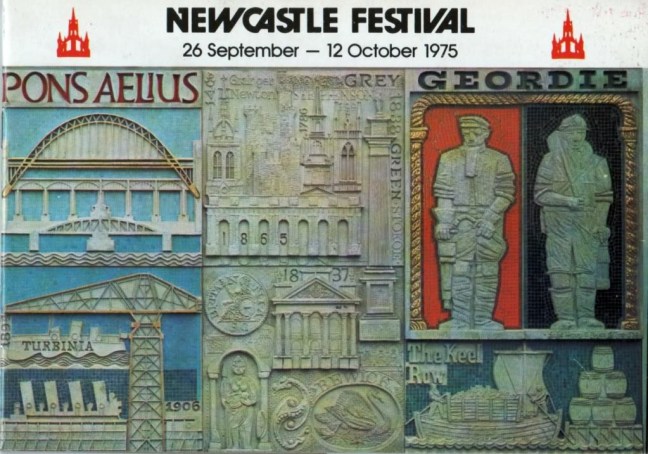
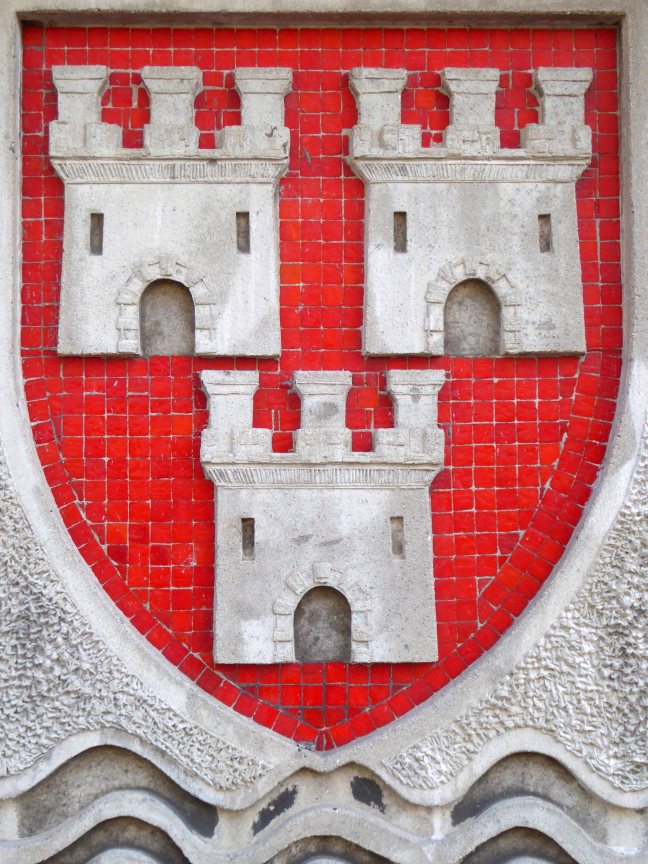
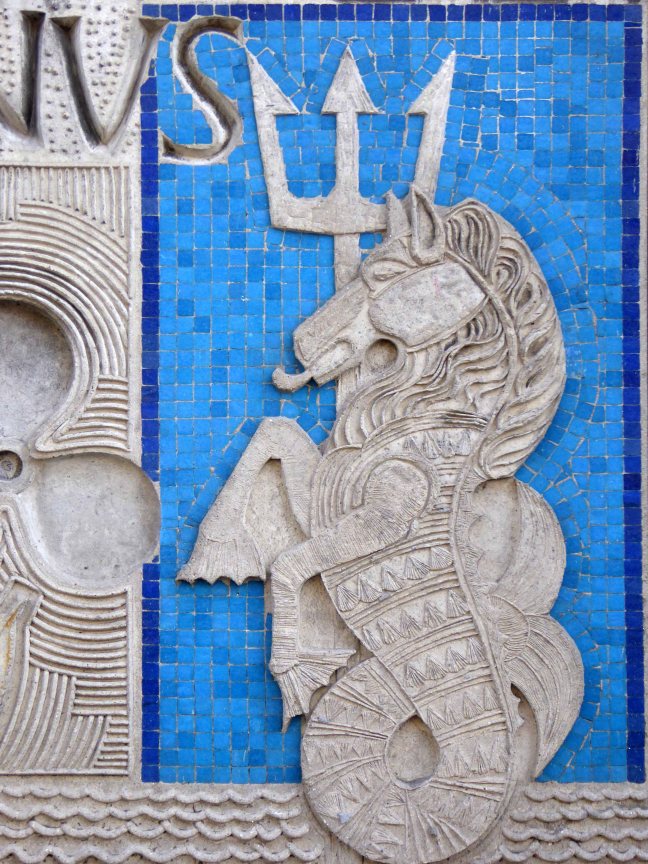
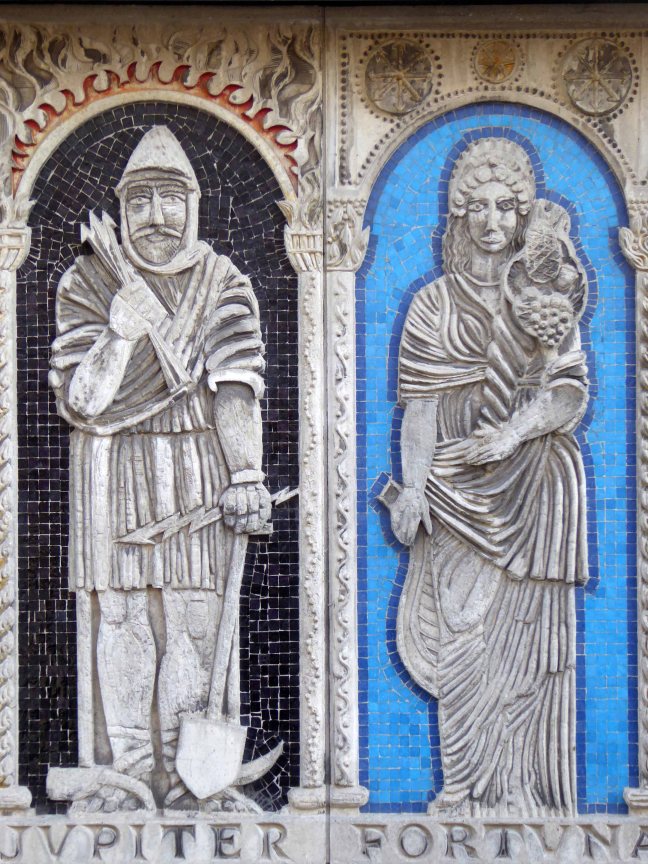
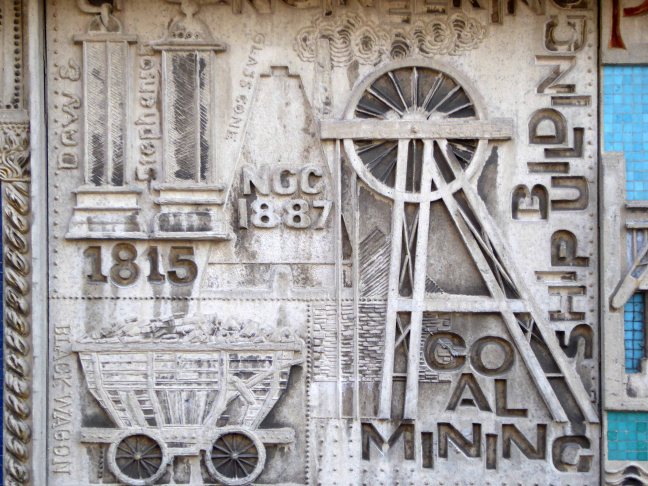
The left panel contains the following inscriptions and images Monkchester with Roman head and Newcastle coat of arms. Roman ship and golden coin. Collier Brig 1704-1880 with ship. Oceanus with anchor and seahorse with trident. The right panel contains the following inscriptions and images: Jupiter Fortuna with two figures. Engineering; Davy and Stephenson; coal mining ship building with images of same. G & R Stephenson; Armstrong Whitworth; Rocket 1829 with image of first steam engine. Armstrong 12 Pounder RA with image of gun. 1878 J.Swan Pons Aelius with bridges depicted below. Turbinia and image of ship. Various churches with names carved about including Grainger Dobson 1865; 1838 Green Stokoe; Bewick with a swan; a figure and Brigantia. Final section on far right has Geordie over two figures, then the Keel Row with a loading boat at the bottom. 

Information from – PMSA

P1160129

The building was originally developed by C&A and it is thought that funding for the reliefs might have been provided by the store and/or Northern Arts. It became BHS which subsequently closed last year, the building is now occupied by Primark, C&A estates still own the site. 
    panel 1

panel 2

The mural illustrated the cover of the 1975 Newcastle Festival.

NewcastleFestival1975

NewcastleFestival19752

P1160116

P1160117

P1160118

P1160119

P1160121

P1160122

P1160124

P1160125

P1160126

P1160127

Concrete Toon

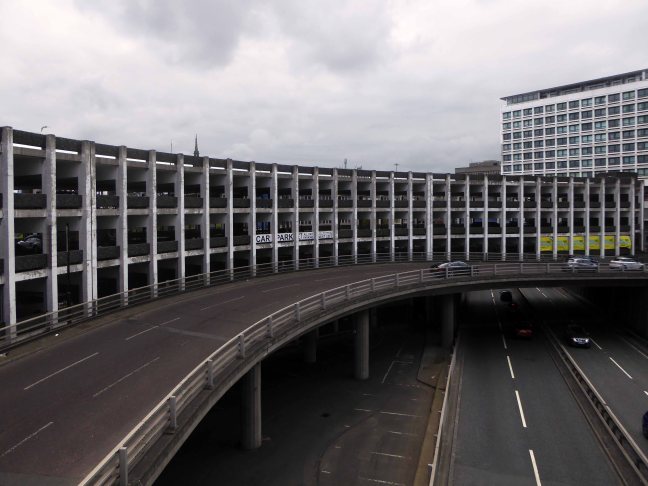
Everything is up in the air.

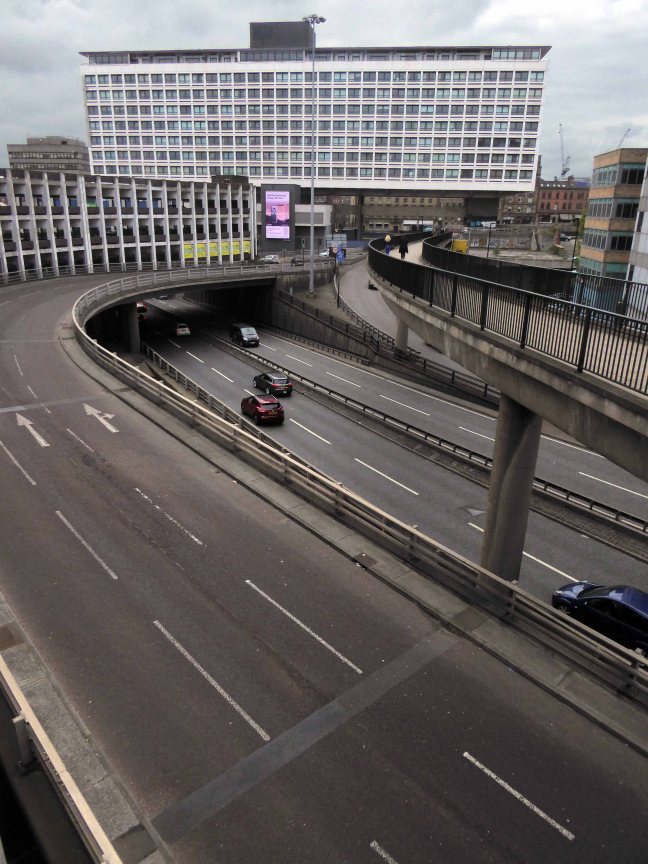
Tyneside is self evidently enamoured of elevation – they simply adore bridges, having five and another one as well.  Walking driving, running trains across the mighty Tyne Valley, why they even write songs about them.

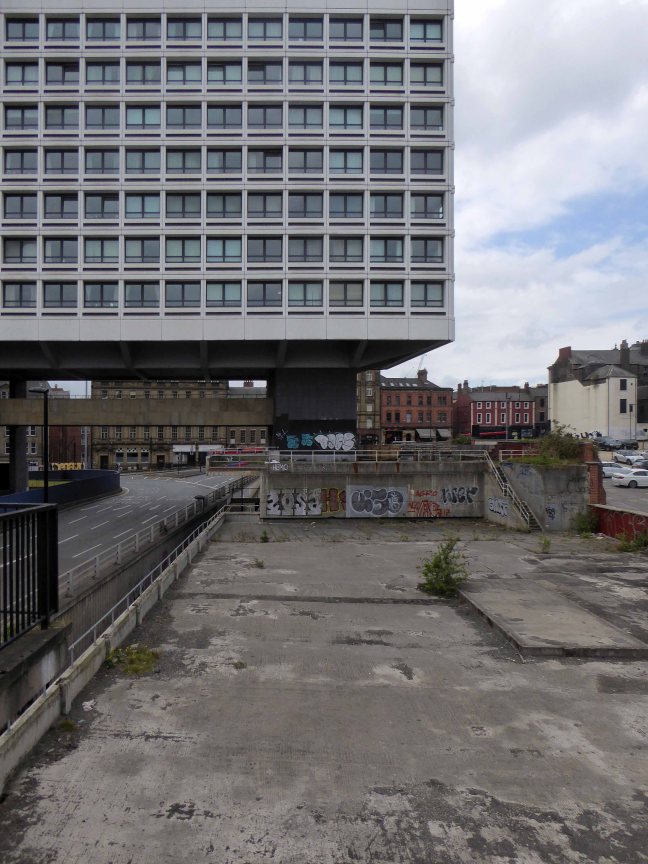
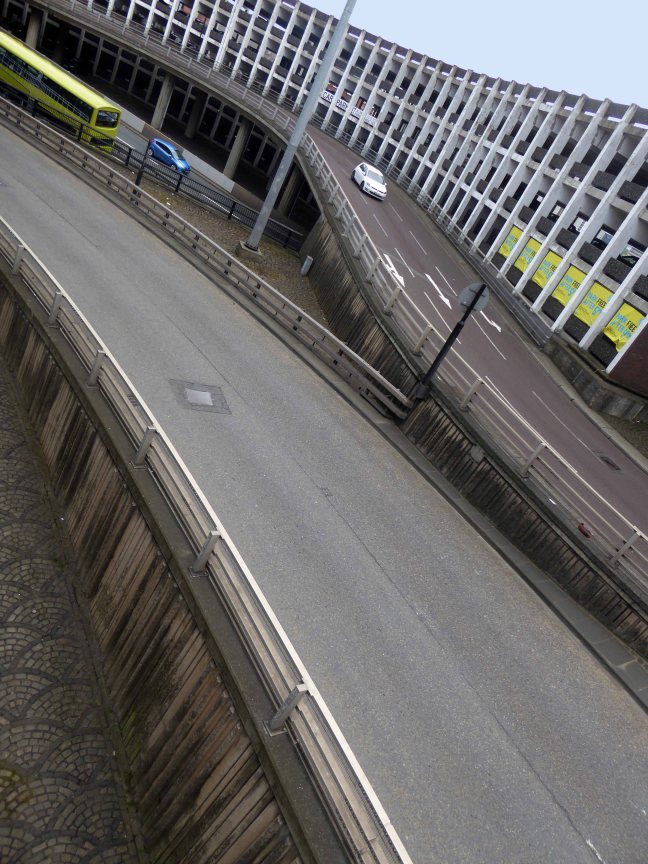
In the Swinging Sixties T Dan Smith vowed to create a Brasilia of the North, which as good as his word he did, though sadly lacking the requisite regard for the law of the land.

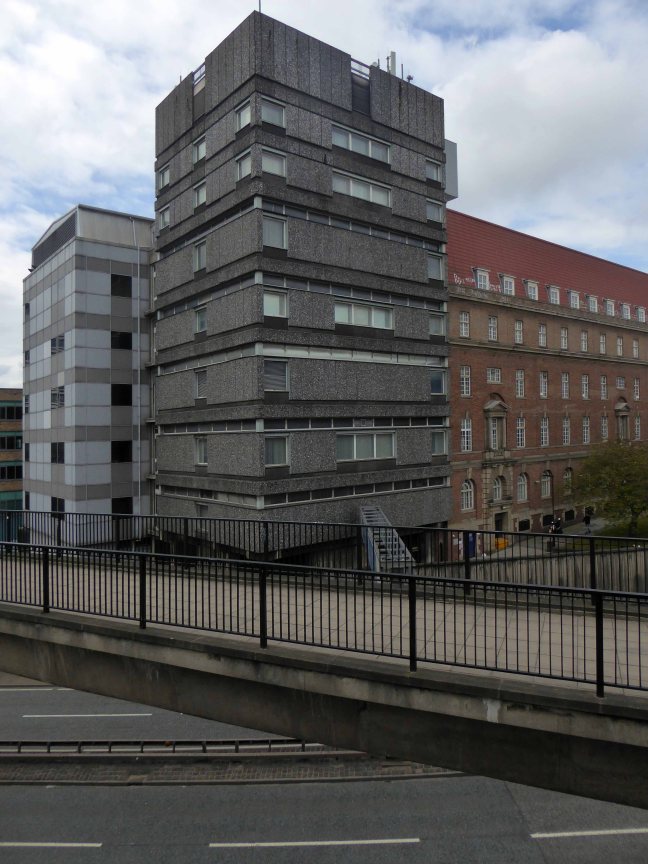
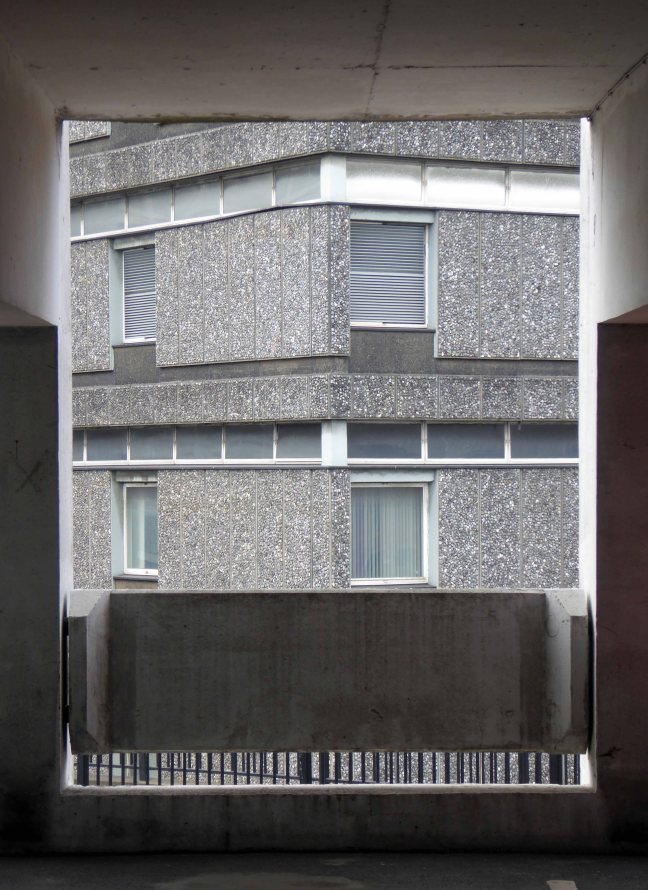
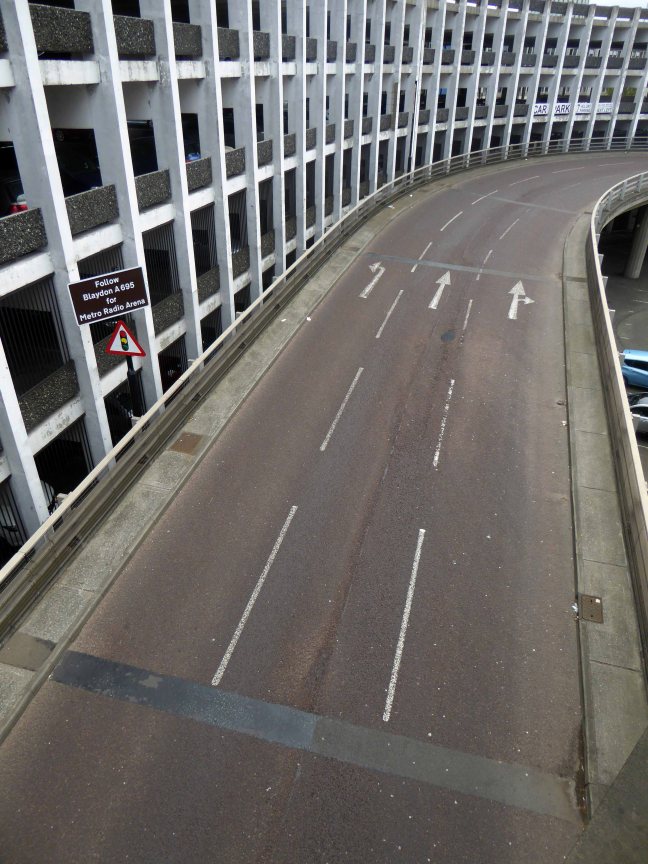
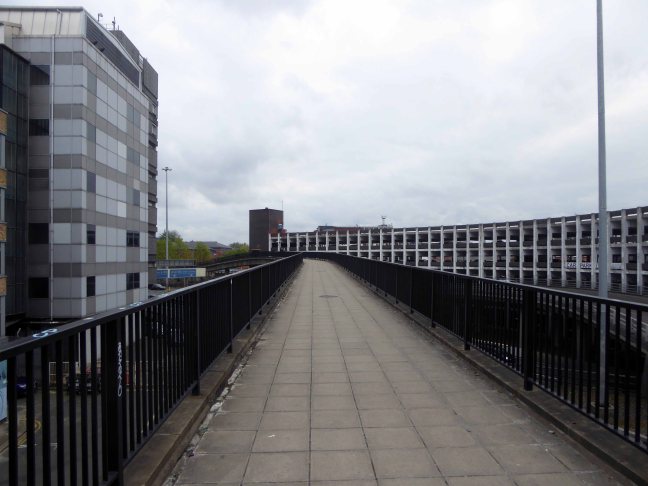
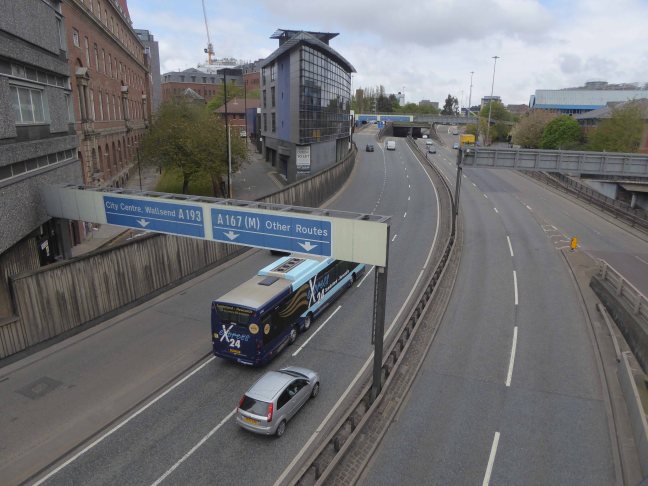
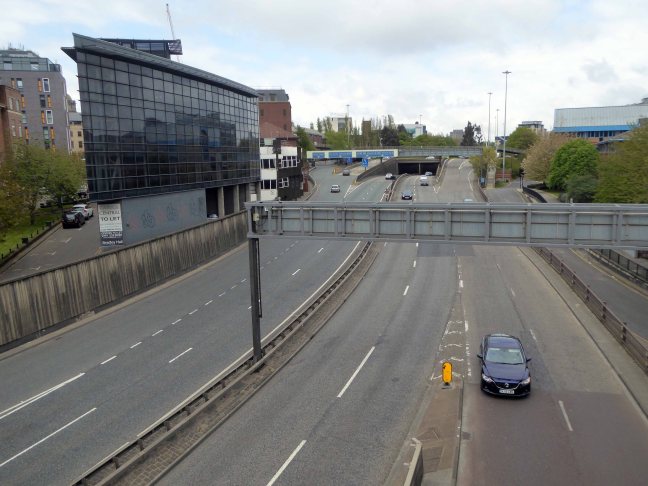
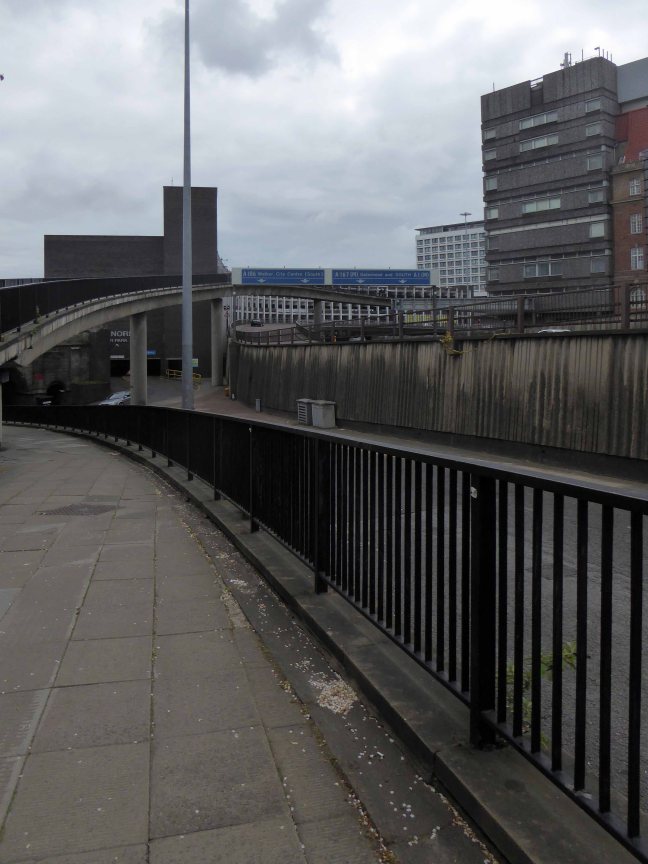
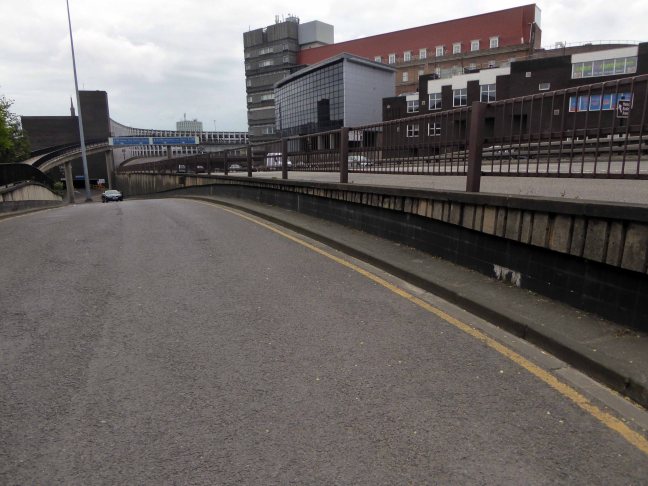
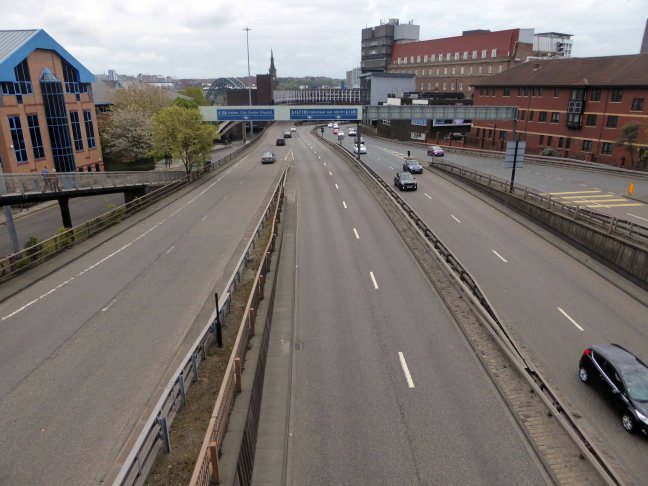
What remains is a complex interwoven structure of urban motorways, walkways, multi-storey car parks and tower blocks. To explore is to enter a world of the sublime, exhilarating and still yet mildly confusing.

Can you get there from here?

P1160439

P1160440

P1160442

P1160443

P1160444

P1160445

P1160446

P1160447

P1160449

P1160450

P1160451

P1160454

P1160455

P1160456

P1160457

P1160458

P1160459

P1160438c

Subway – Scarborough

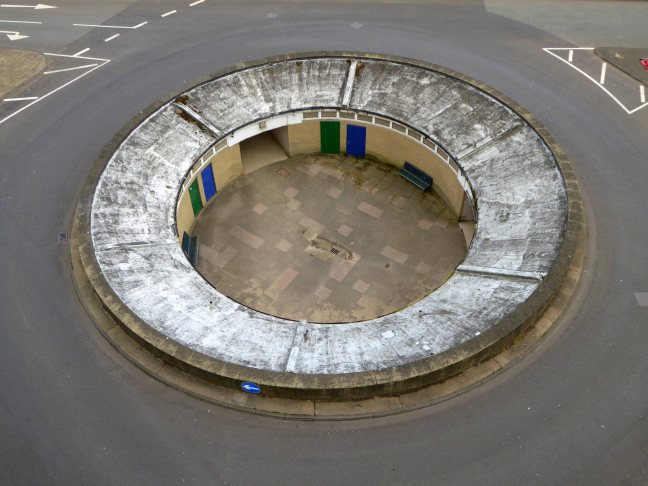
When is a subway not a sandwich?

When it’s a doughnut!

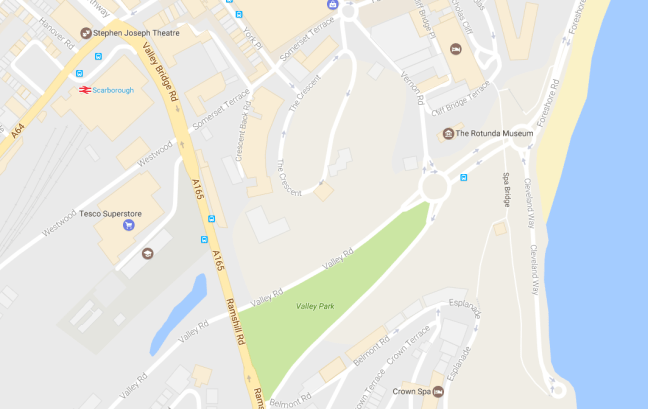
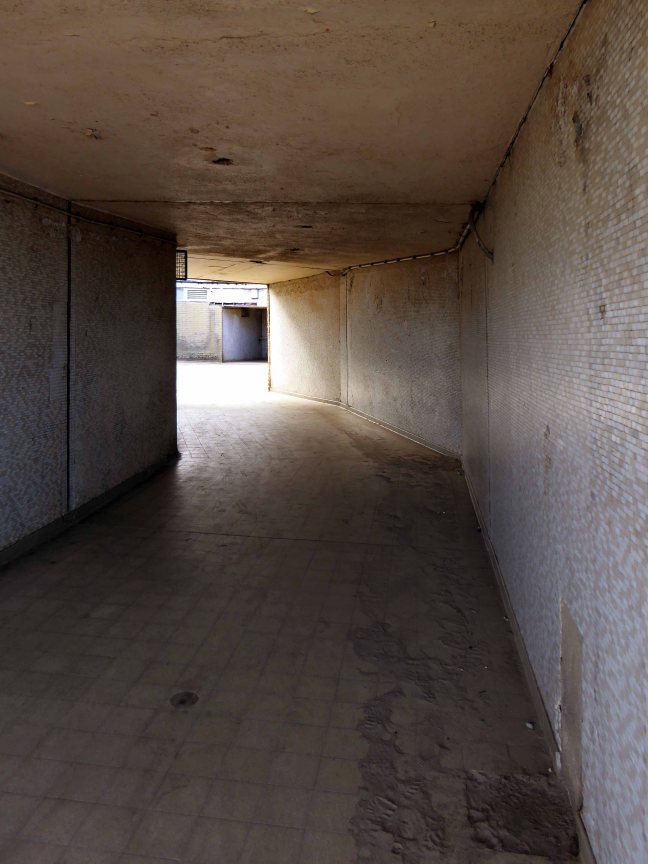
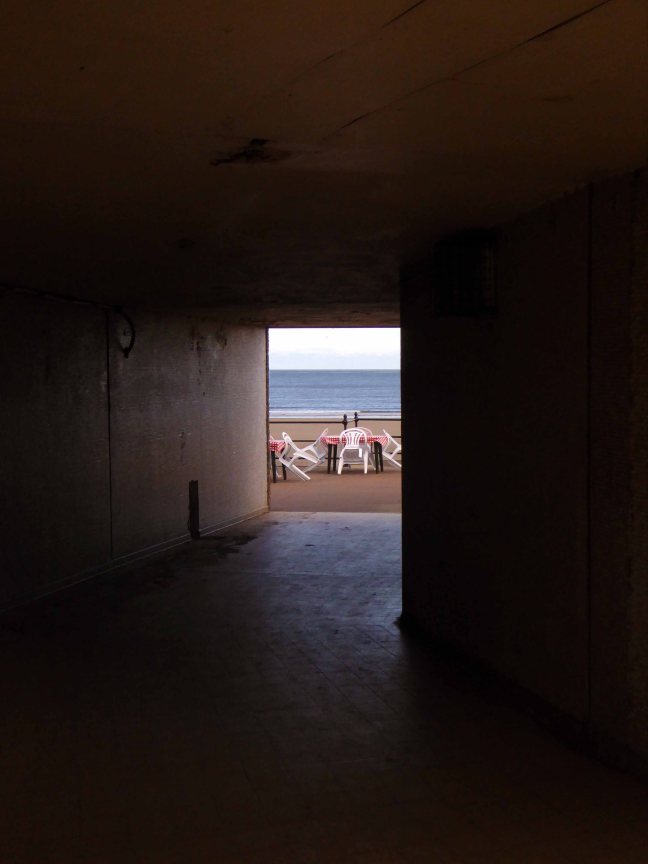
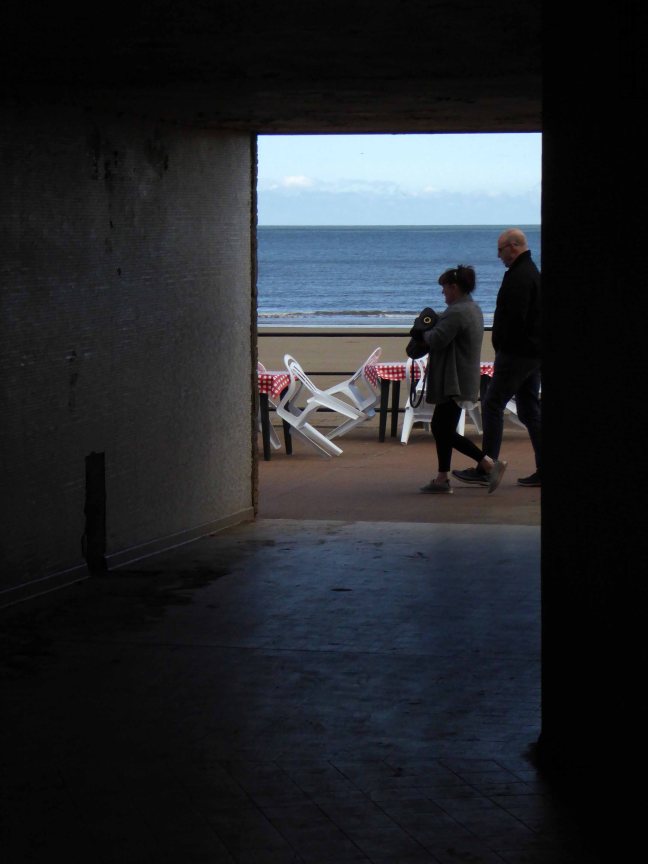
Hard by the seafront linking Foreshore, Cleveland Way and Valley Road sits a neat little tight little island, giving pedestrian access to almost everywhere – and a car park.

Screen Shot 2017-05-03 at 16.54.51

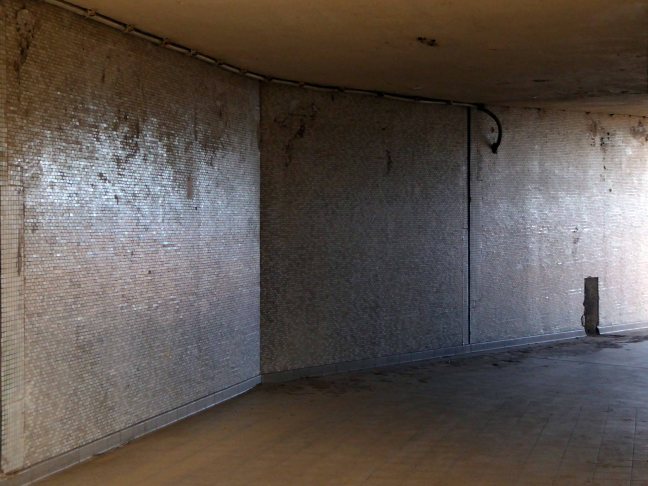
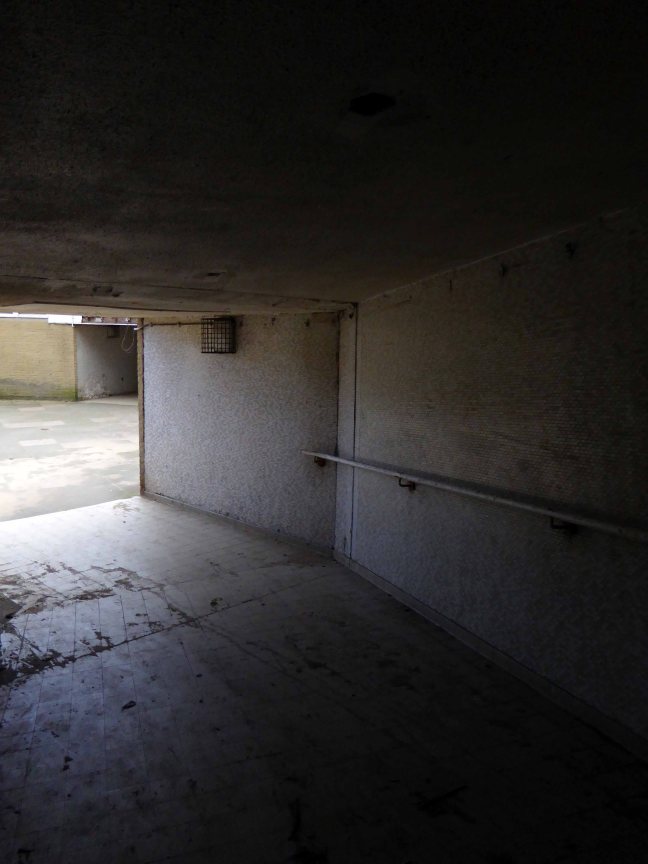
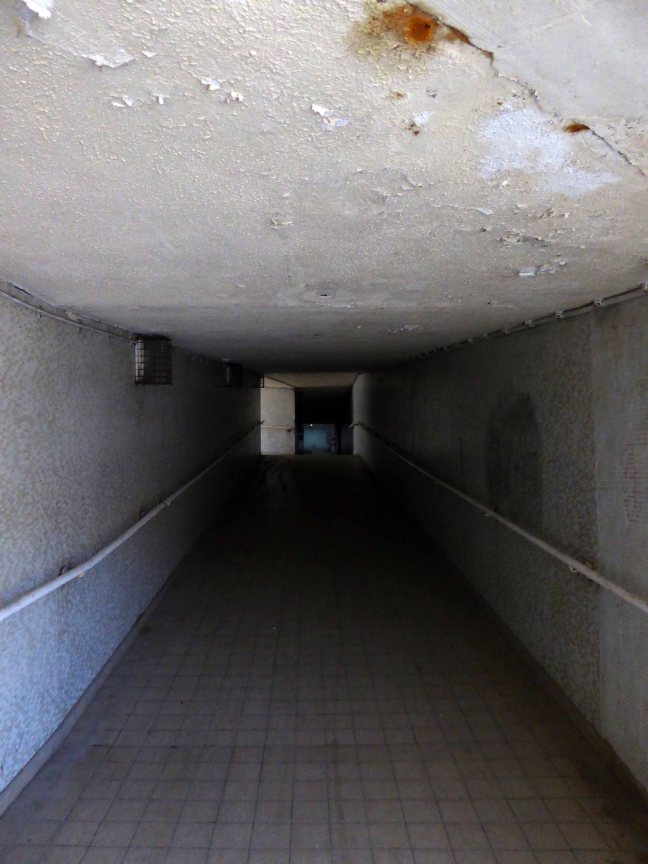
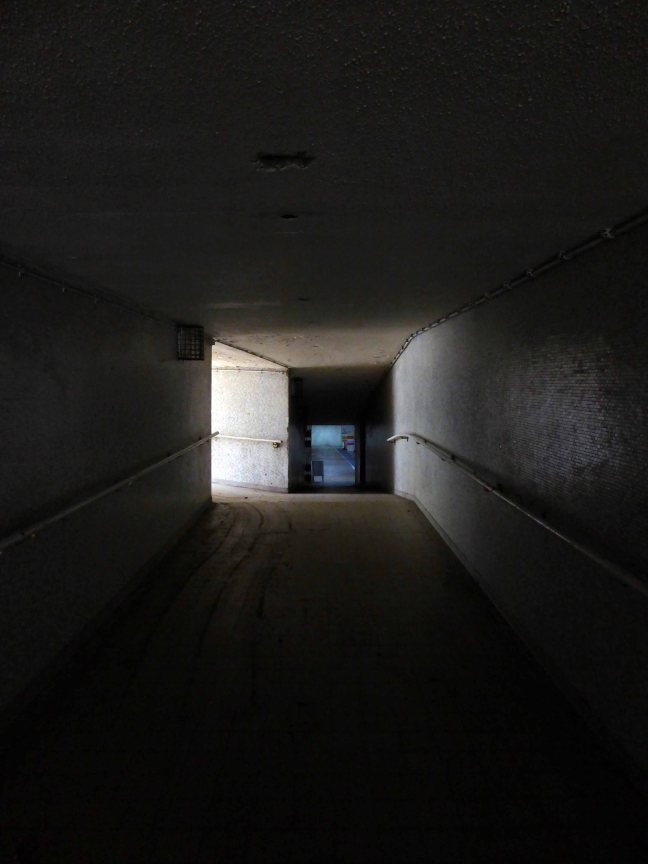
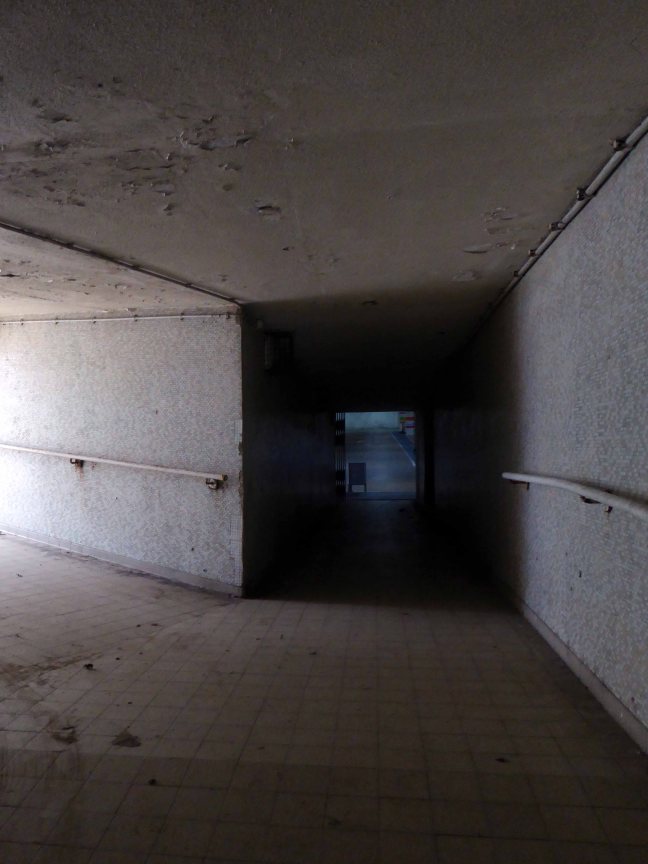
As with every other torus worth calling a torus, at its very centre sits the presence of absence, darkened concrete subterranean causeways, linking everything to nothing.

There’s a world going on underground.

P1150450

P1150451

P1150452

P1150453

P1150454

P1150456

P1150457

P1150458

P1150459

P1150461

P1150465

P1150467

P1150468

P1150469

P1150471

P1150472

P1150482

Paddling Pool – Whitby

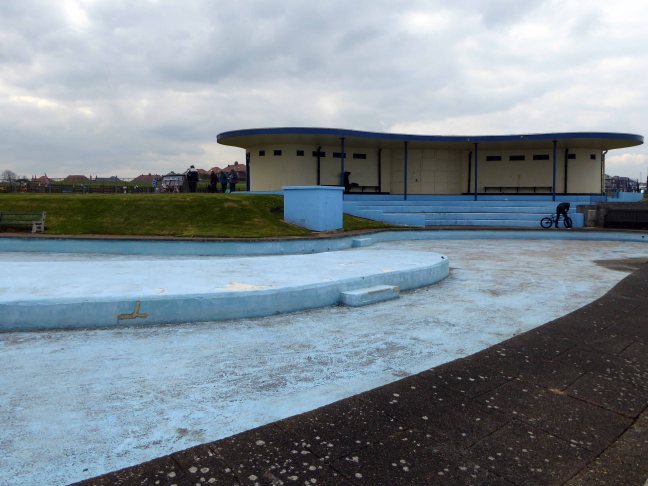
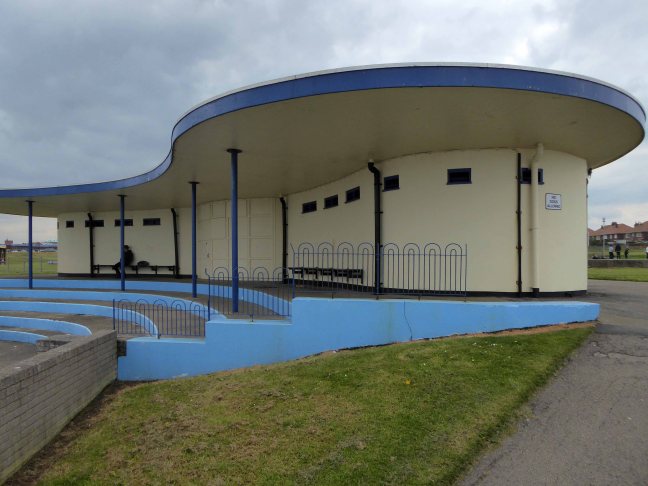
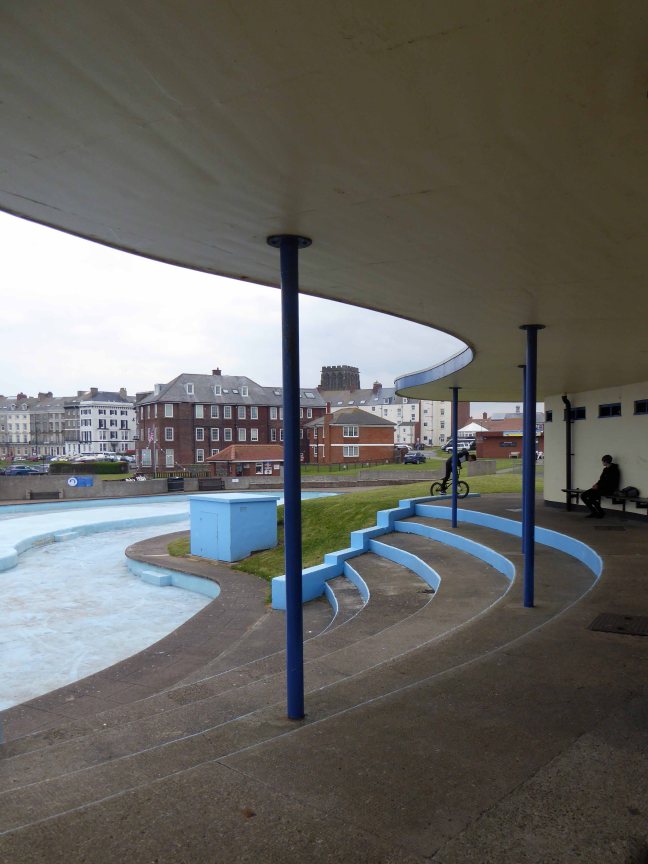
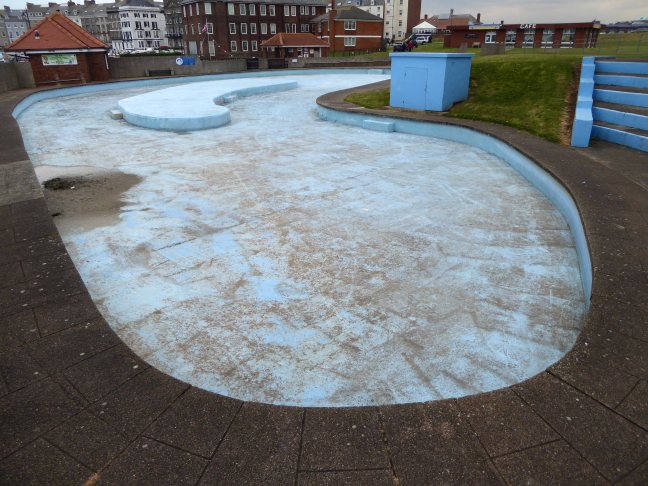
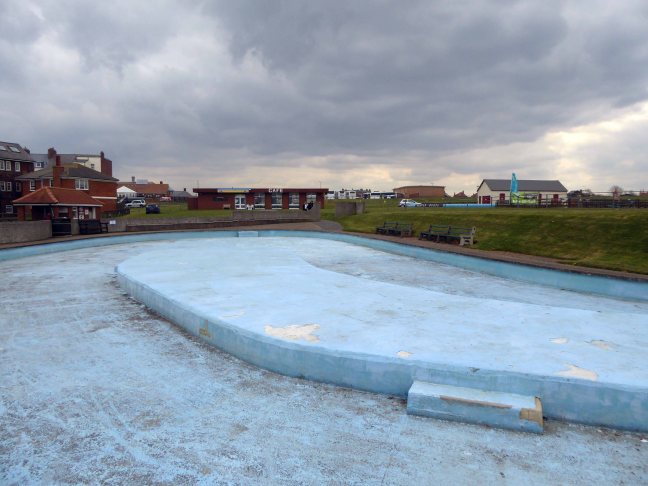
High atop West Cliff Whitby is a pale blue imitation of the deep blue North Sea below.

A TG Green Cornishware blue and cream striped pot, reimagined on the distant Yorkshire coast, in paddling pool form.

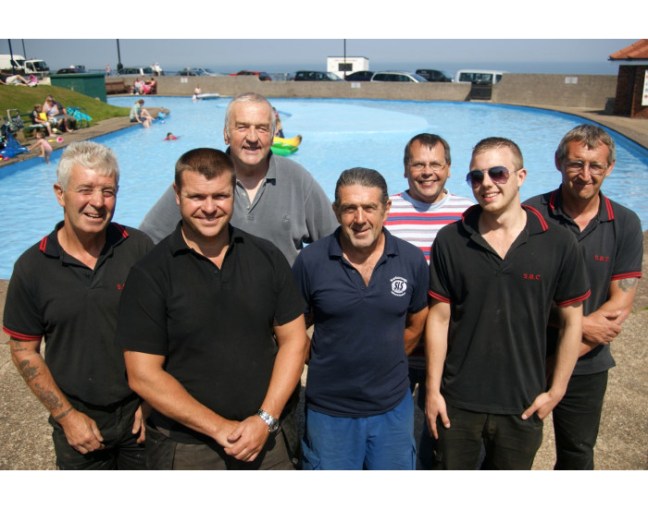
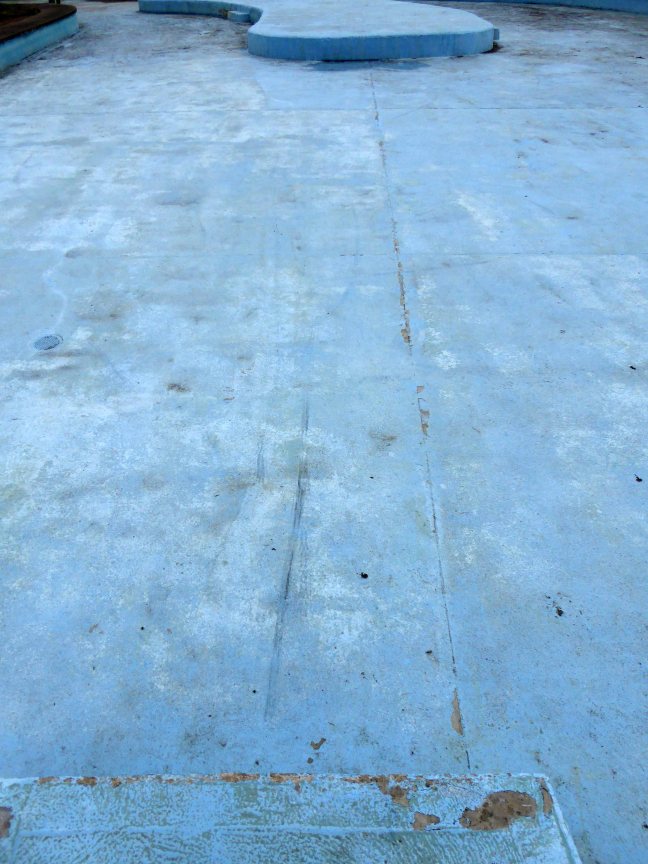
Scarborough Borough Council has resurfaced the paddling pool, re-concreted and repainted the bottom and the sides. The railings adjacent to the footpaths at Whitby Pavilion have been repaired and re-painted and seating next to the crazy golf has also been improved.

 Martin Pedley, Scarborough Borough Council’s asset and risk manager said:
The council has, in conjunction with the voluntary sector, invested both time and money in continuing to revitalise the West Cliff area in preparation for the summer season and the influx of visitors to Whitby.
1033839943West Cliff councillor Joe Plant added:

The improvement works that have been done both last year and this year is most welcome. Not only the visitors will benefit, but local people also and it again shows working in partnership with the voluntary sector does make a difference.

The Big Society in action, replacing railings improving lives.

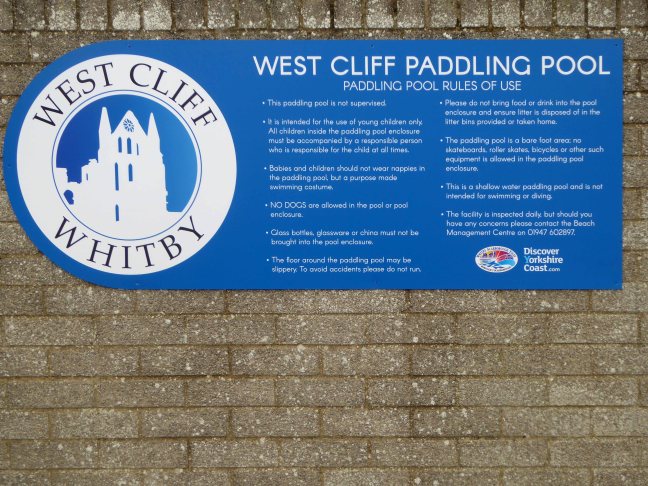
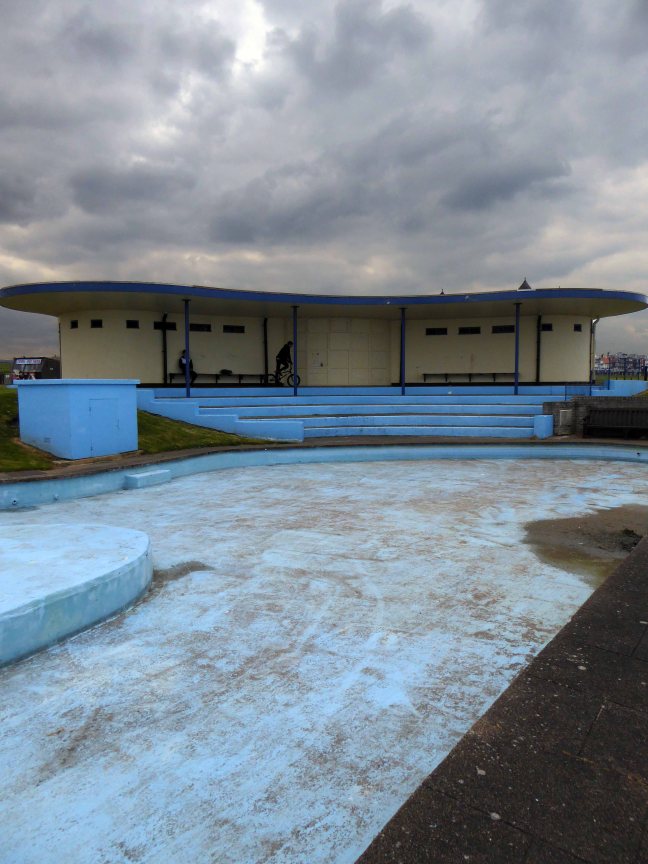
I arrived in late April the pool as yet sans d’eau, more of a pedalling pool than paddling pool as the BMX bandits invaded the space, in direct contravention of the rules and regulations.

P1150592

The water when present is some twelve inches deep, clearly better suited to larking, splashing and cavorting rather than performing The Twister, a  bewildering blur of twists and turns two and a half back-somersaults with two and a half twists during the 1.5 seconds between launching and entering the water at 40mph.

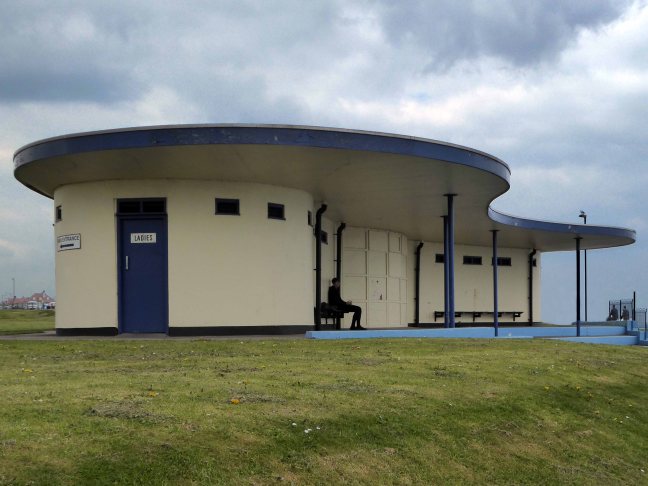
The pool is flanked to the north by a sweeping Lubetkin style, flat roofed pavilion complete with fully functioning toilet facilities.

Turn your back on the Abbey, go wild – take a wet walk on the West Cliff side.

P1150586

P1150587

P1150588

P1150589

P1150590

P1150596

P1150599

P1150603

P1150604

P1150605

P1150606

P1150607

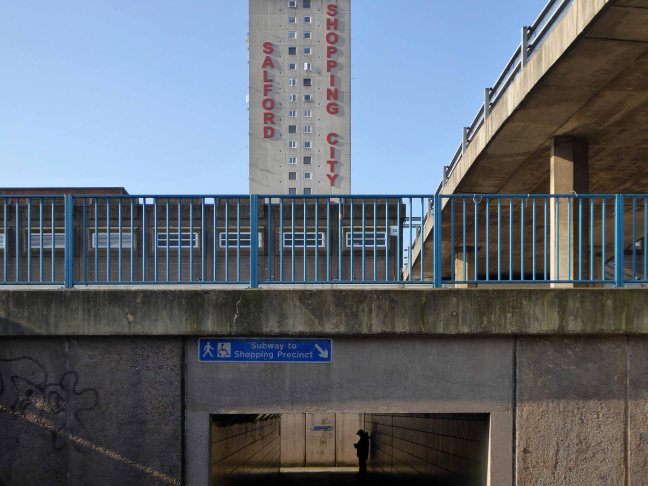
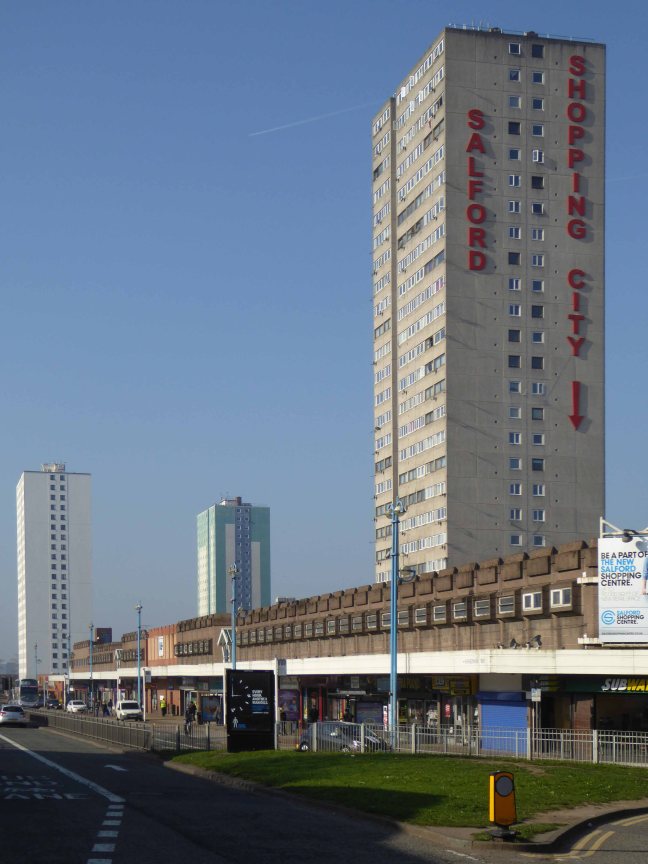
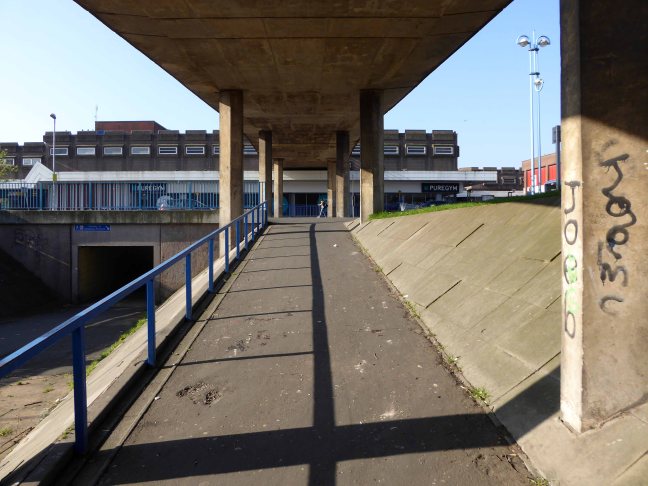
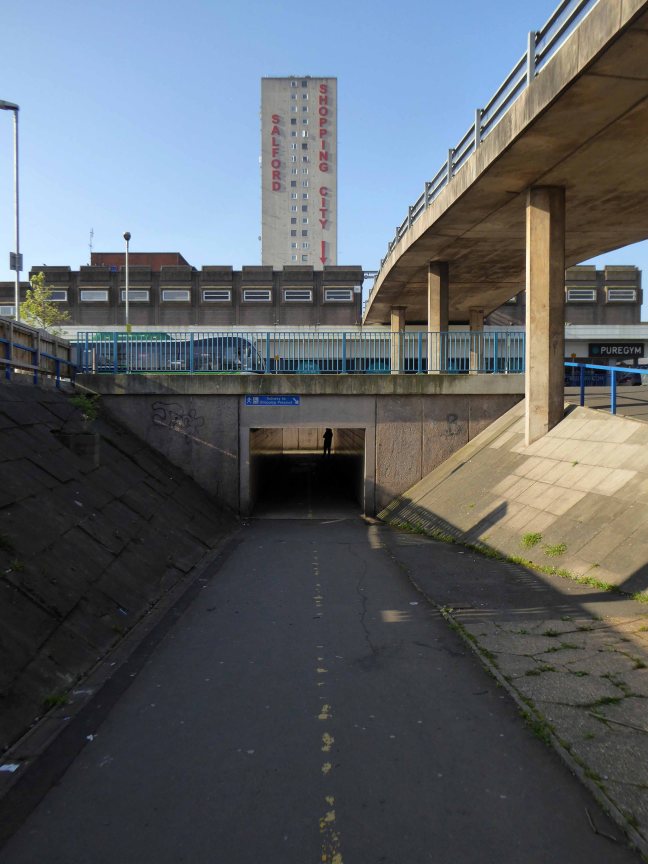
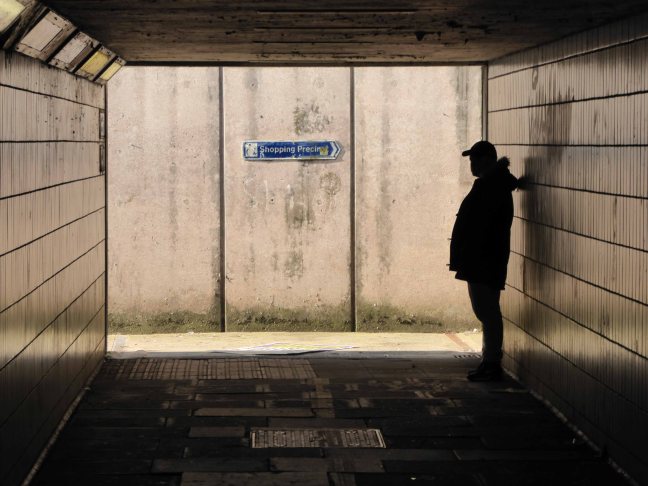
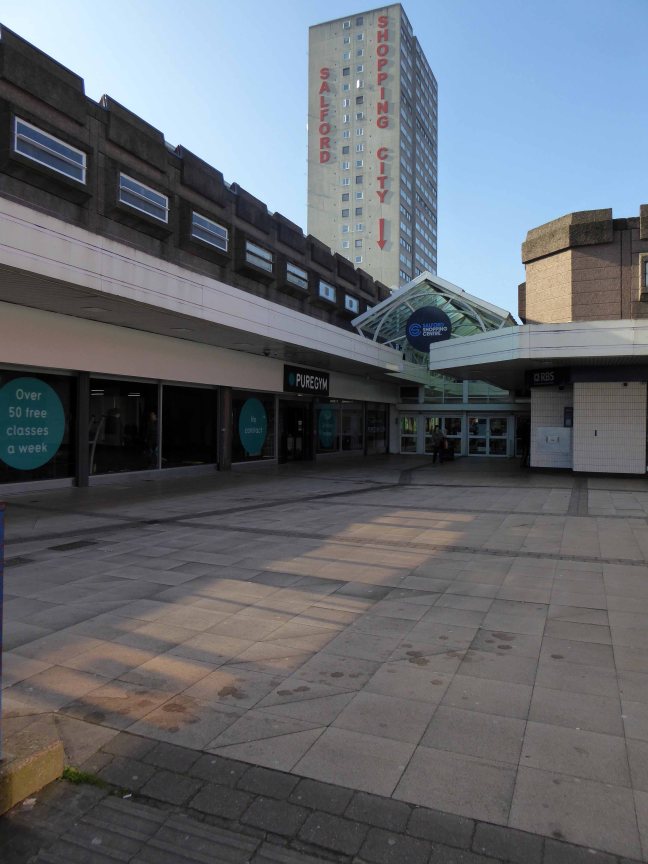
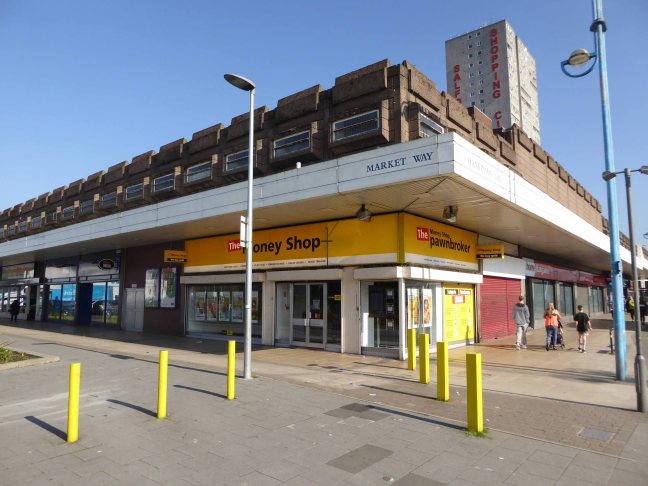
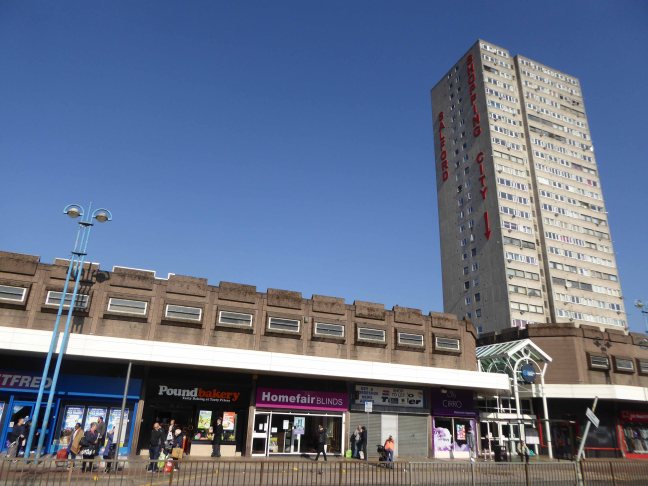
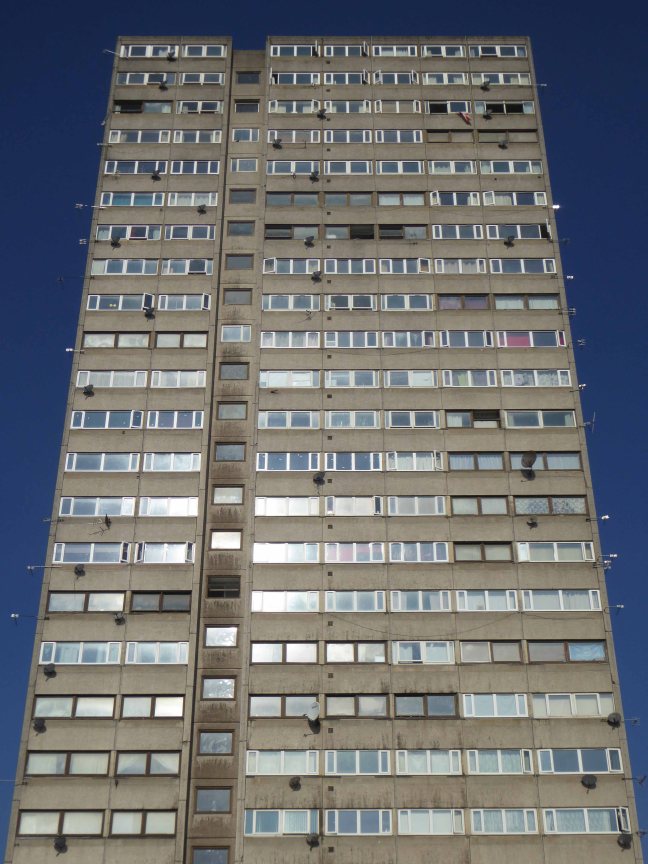
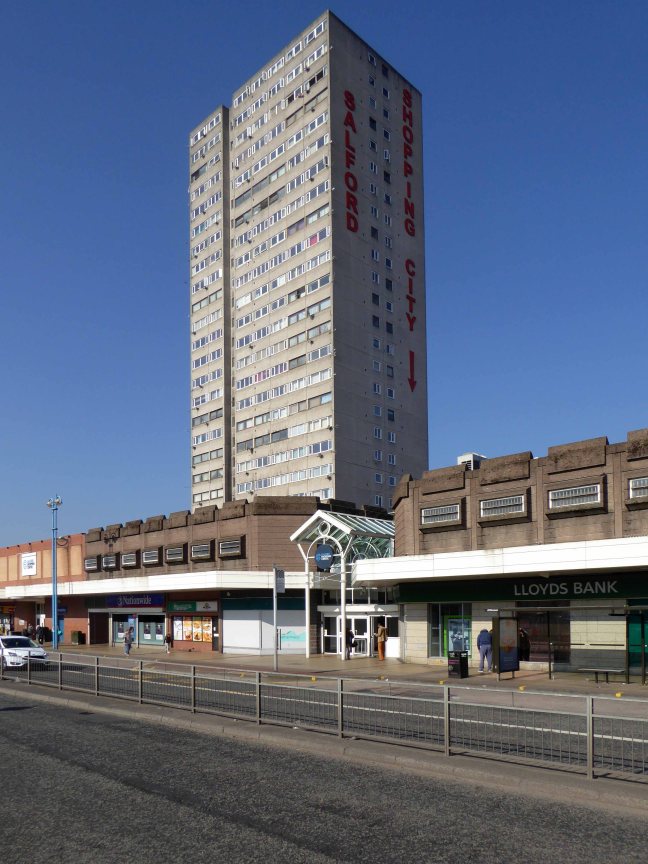
Salford Shopping City

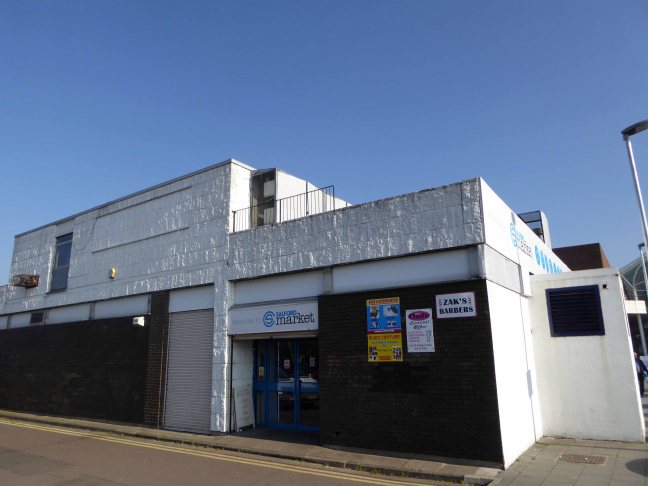
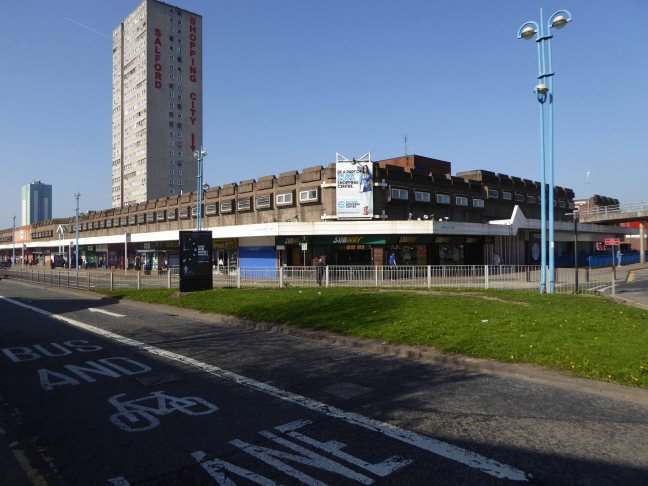
The construction of the shopping centre and surrounding areas continued and on 21 May 1970 the new Salford Market officially opened. From 1971 onwards new shops inside the precinct itself began to open.

However, due to a lack of funds and a political scandal which saw chairman Albert Jones jailed for eight months construction of Salford Precinct was halted. The site had only 95 shop units compared to the proposed 260, the hotel and two storey car park were never built.

In 1991 the building was refurbished at a cost of £4 million, this included the installation of roofs across various walkways, making large swathes of the centre undercover. The shopping centre which at the time was known as Salford Precinct was renamed Salford Shopping City.

On 9 August 1994 the Manchester Evening News reported that Salford City Council was planning on selling off Salford Shopping City to raise money for local housing repairs, these plans split the ruling Labour Party council, one councillor telling the press that it would be like selling off the family silver.

In 2000 Salford Shopping City was eventually sold to a private company for £10 million in an effort to cut the council’s deficit. It was then later sold in March 2010 to Praxis Holdings for £40 million, the company stated that it wanted to invest in the precinct and link it to the new food superstore.

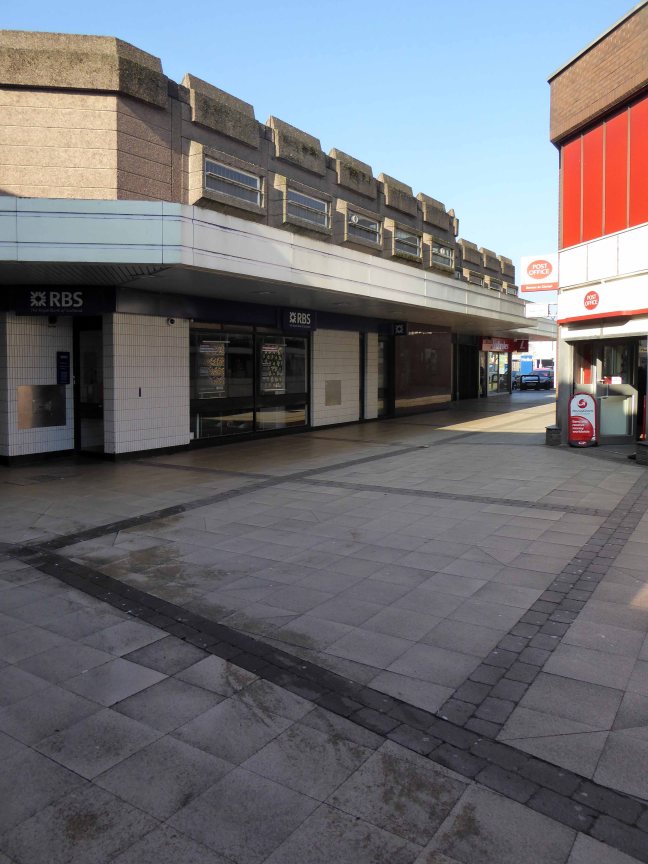
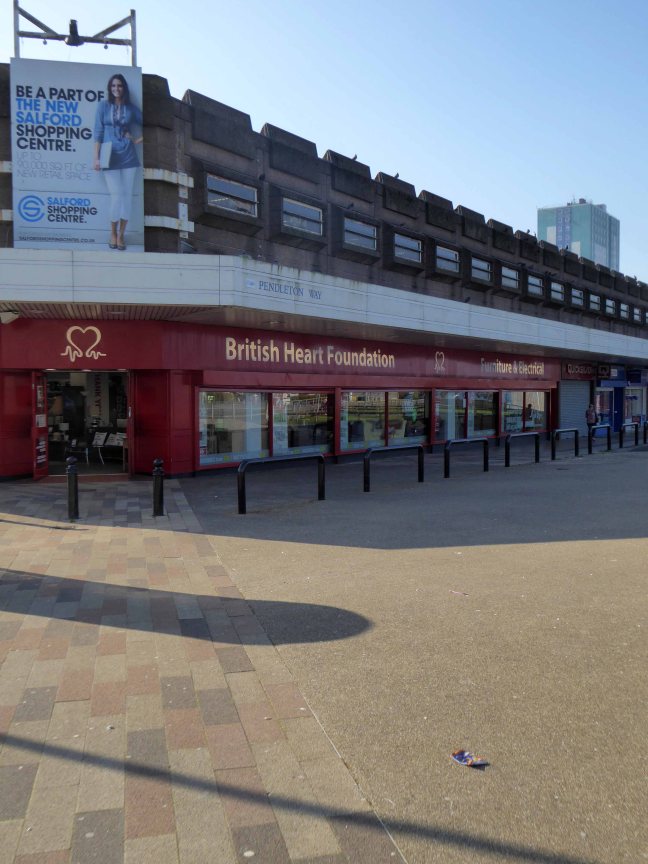
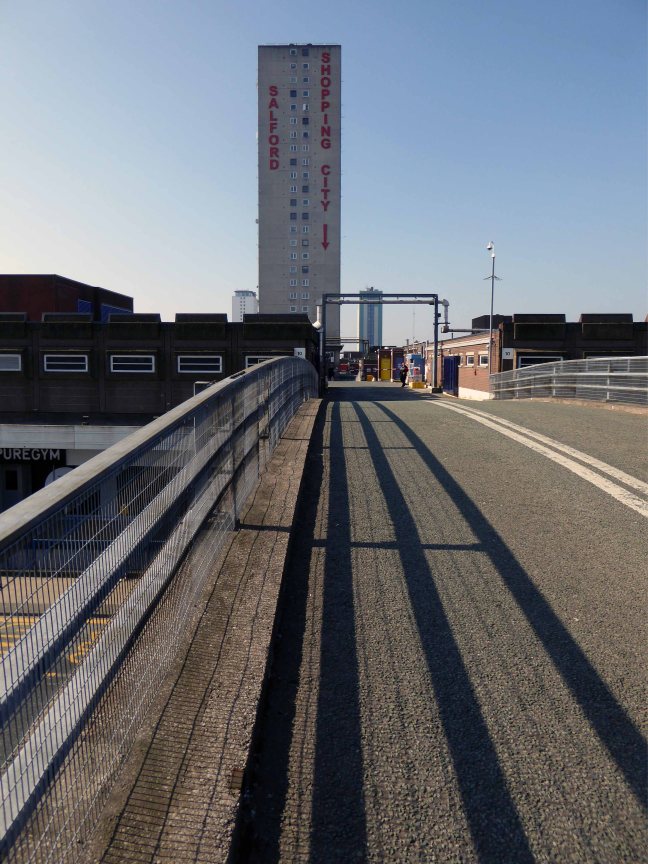
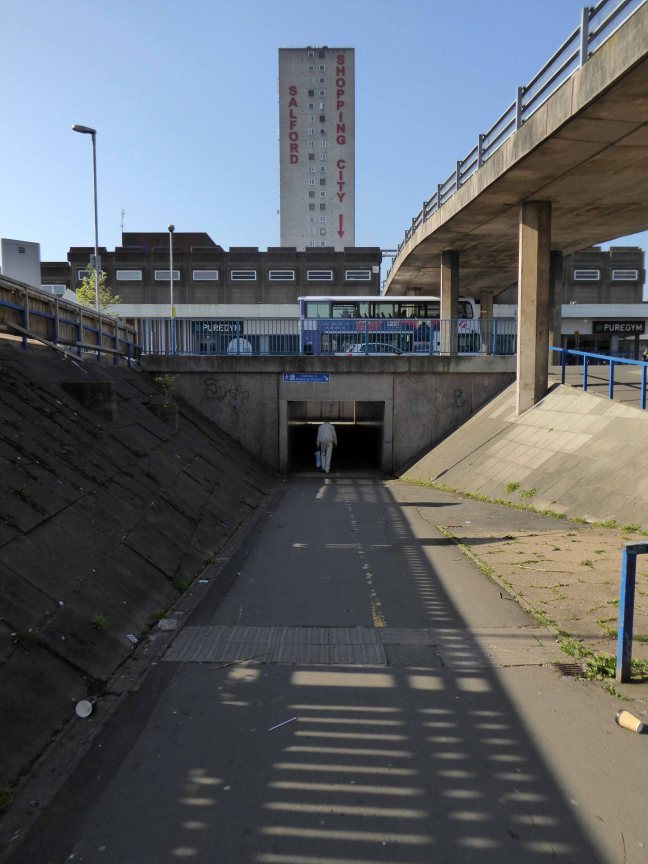
This is a tale of our times – 60s and 70s redevelopment designed and built in the rampant spirit of free enterprise and uber-buoyant consumerism, falling foul of an economic downturn, subsequent unemployment and shrinking retail spending. Property is ping-ponged between local authority and speculative developers.

Following the riots of 2011 pledges were made regarding the future of the site, plans are still afoot, as yet to be rendered corporeal. Although the area has benefitted from an influx of students and a refurbishment of housing stock, there is pressure on the prosperity of the precinct from thriving retail developments in nearby Manchester and the Trafford Centre.

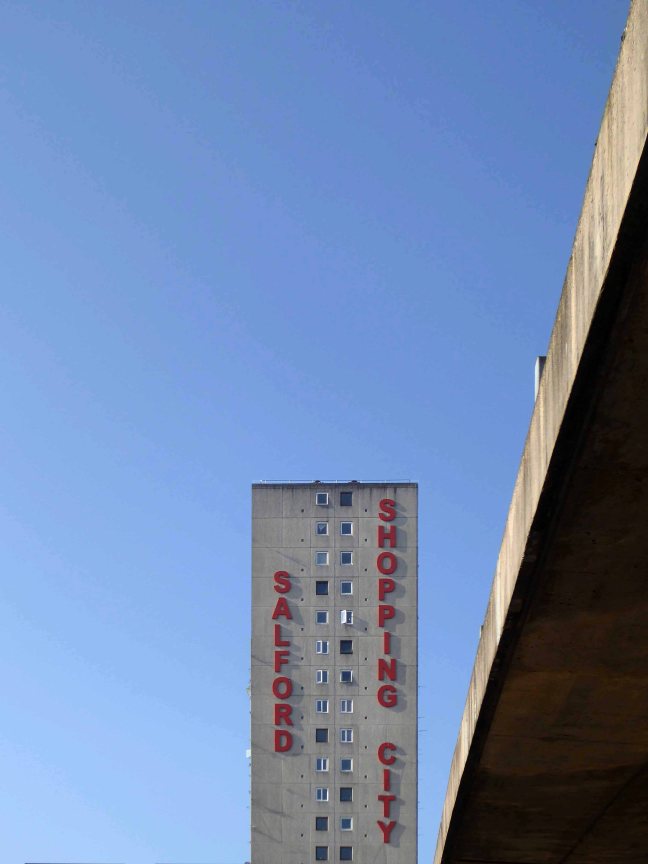
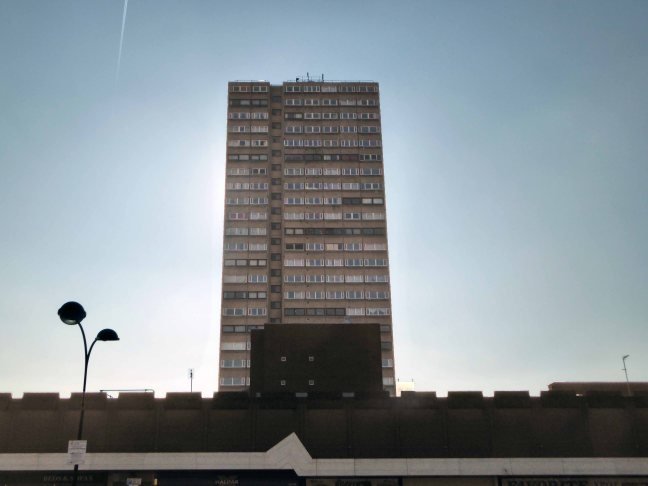
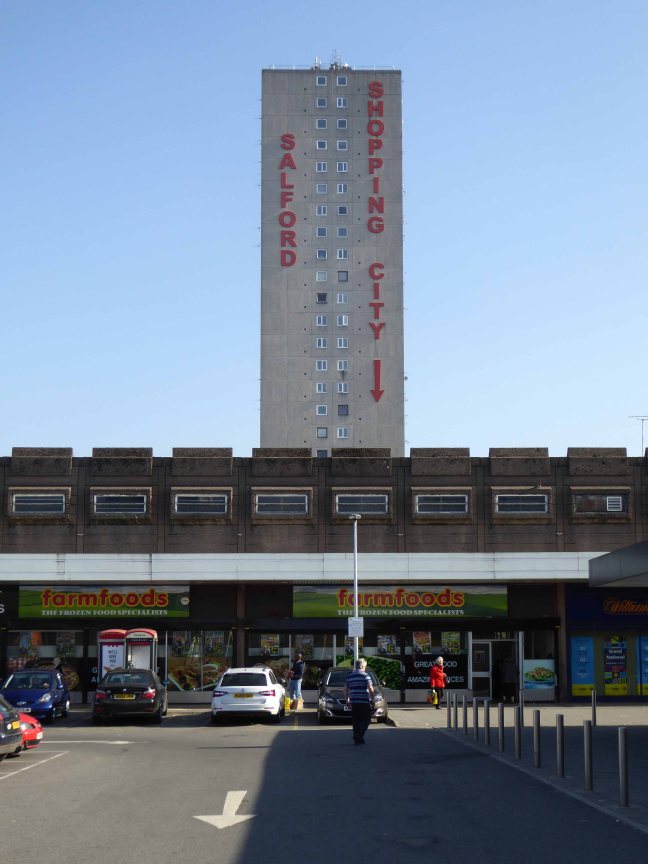
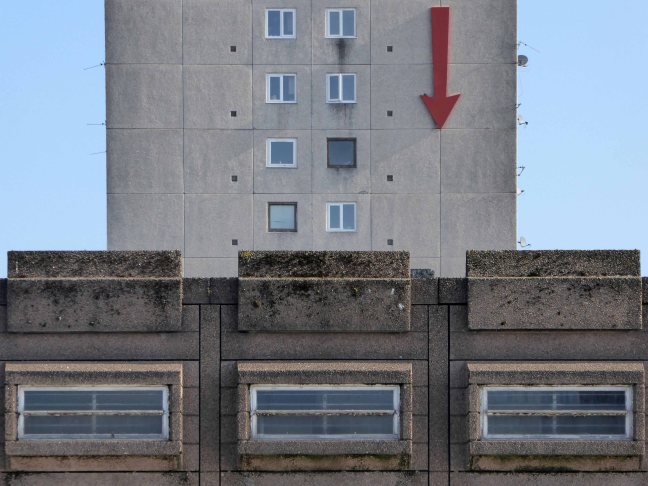
The architectural core of the site has been retained, including the 23 storey Briar Court residential tower, though diluted by more recent additions, misguided post modern detailing that threatens the integrity of full many a post war development.

P1140819

P1140823

P1140827

P1140828

P1140832

P1140834

P1140835

P1140836

P1140837

P1140839

P1140840

P1140843

P1140855

P1140856

P1140857

P1140858

P1140861

P1140864

P1140865

P1140868

P1140869

P1140870

P1140871

P1140872

P1140873

P1140874

P1140875

P1140876

P1140878

P1140879

P1140881

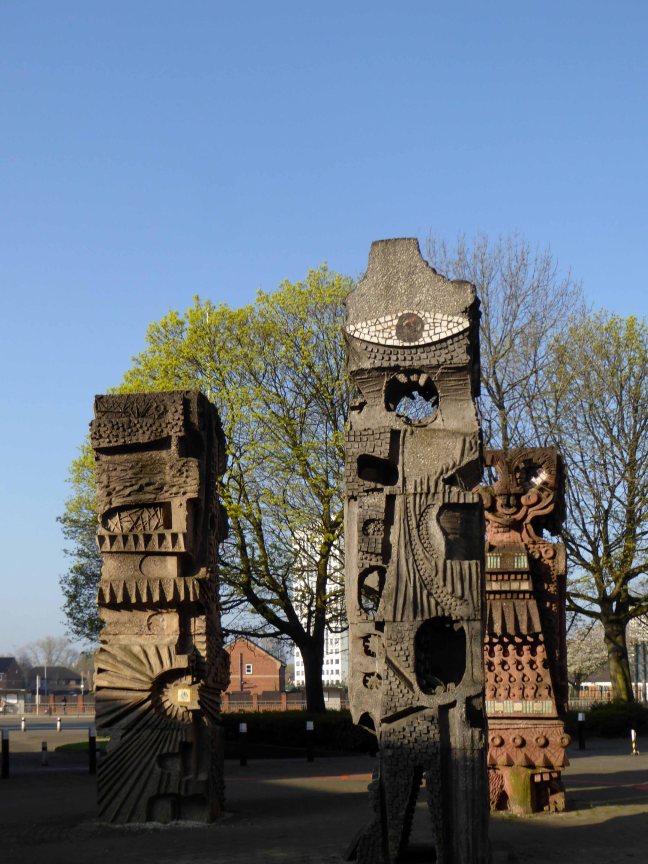
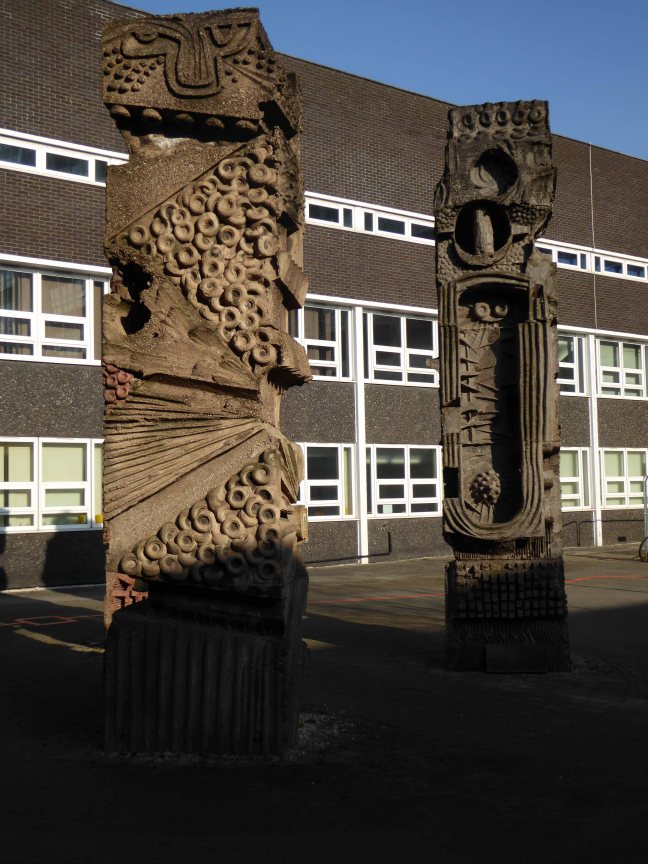
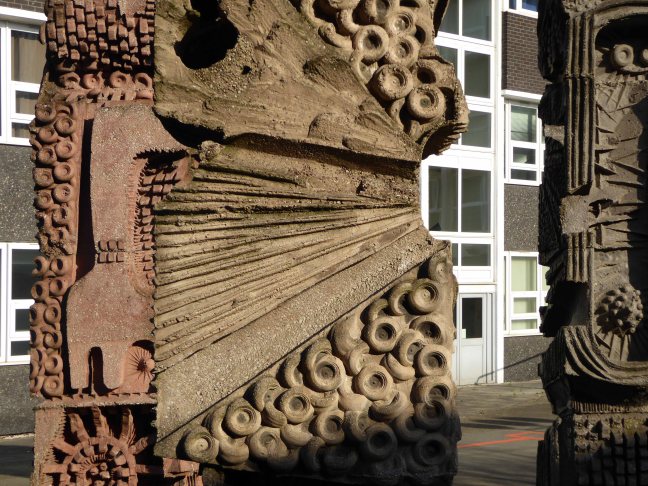
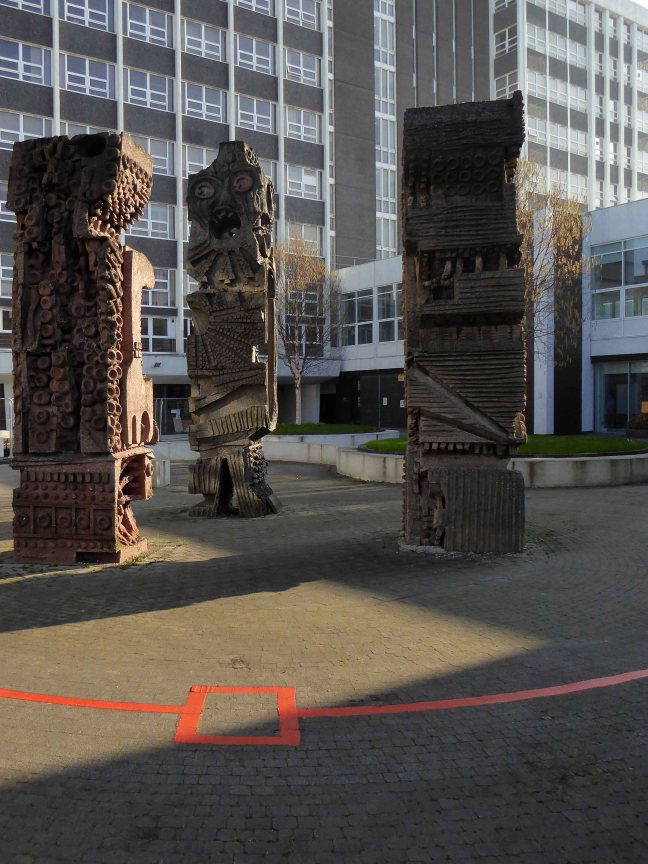
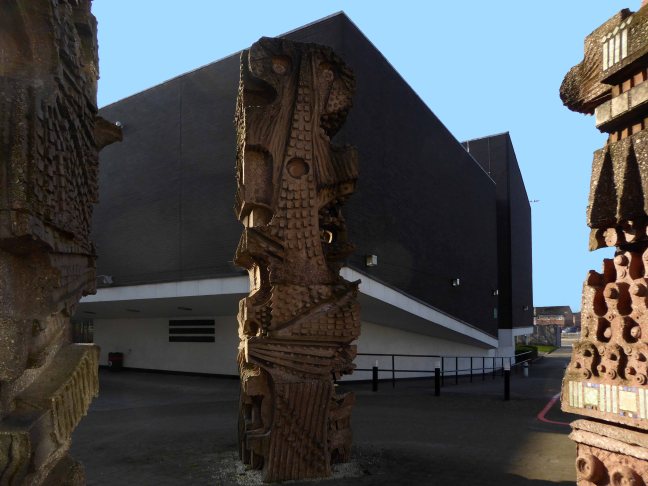
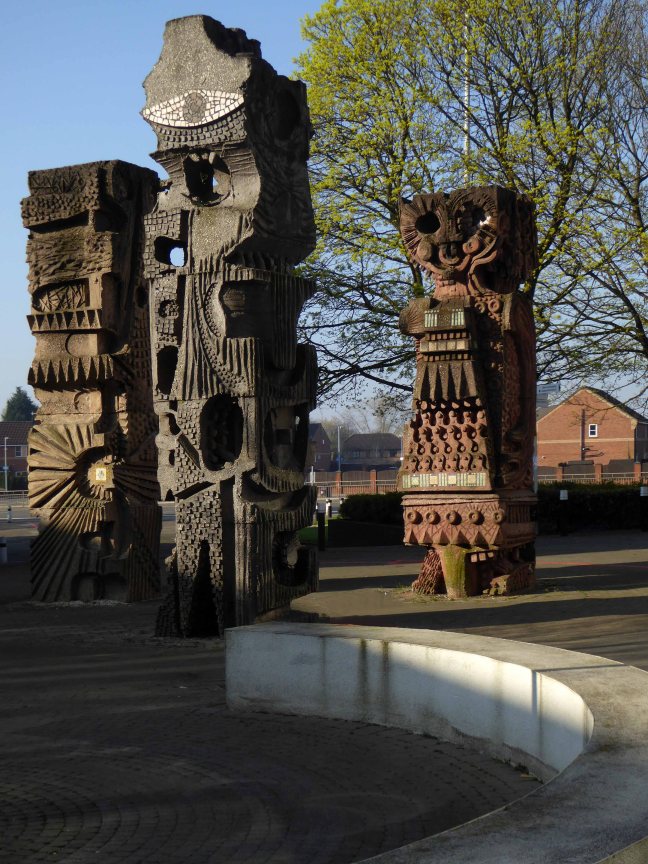
Minut Men Totems – Salford

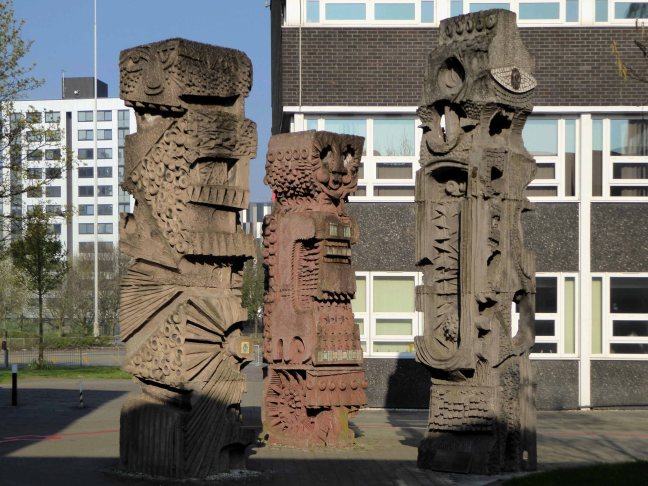
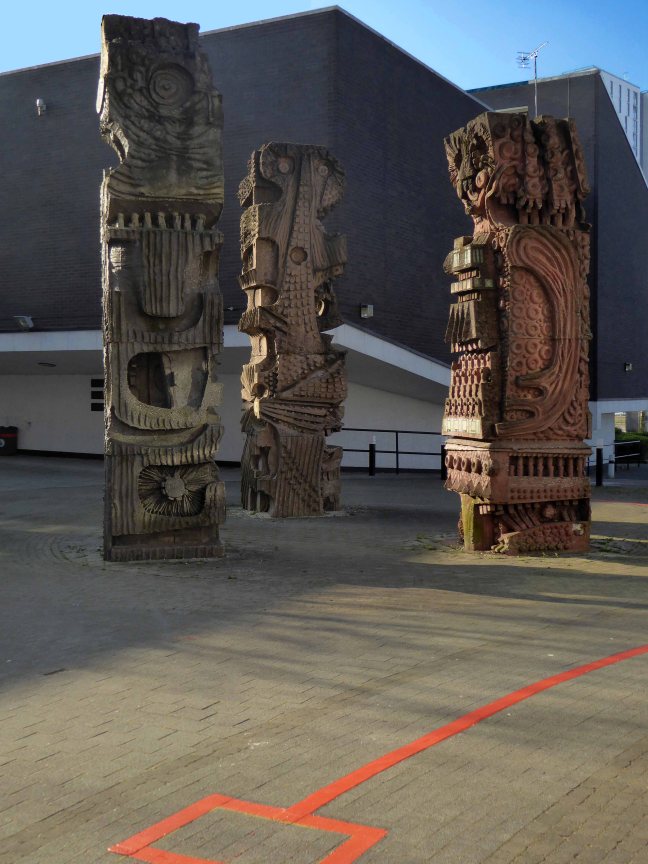
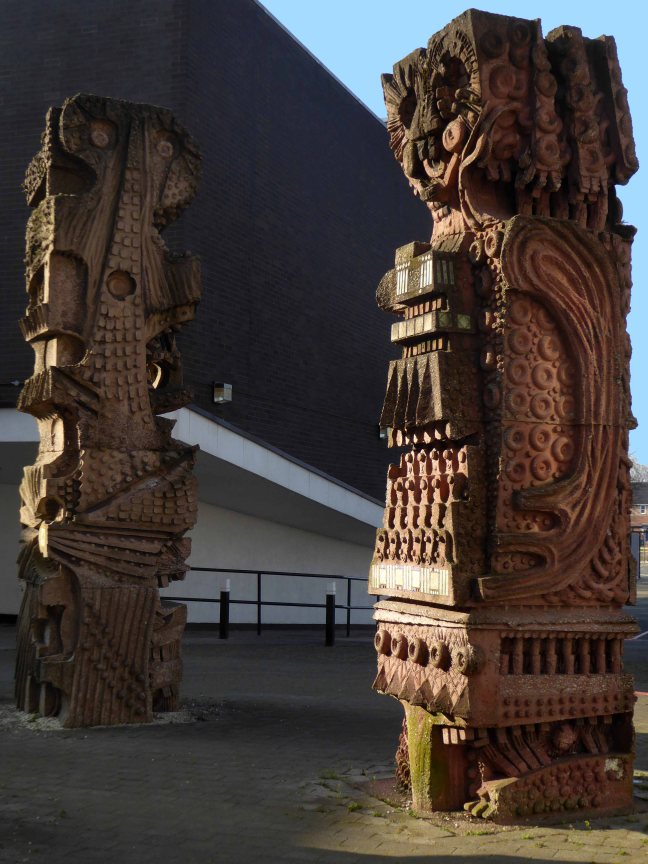
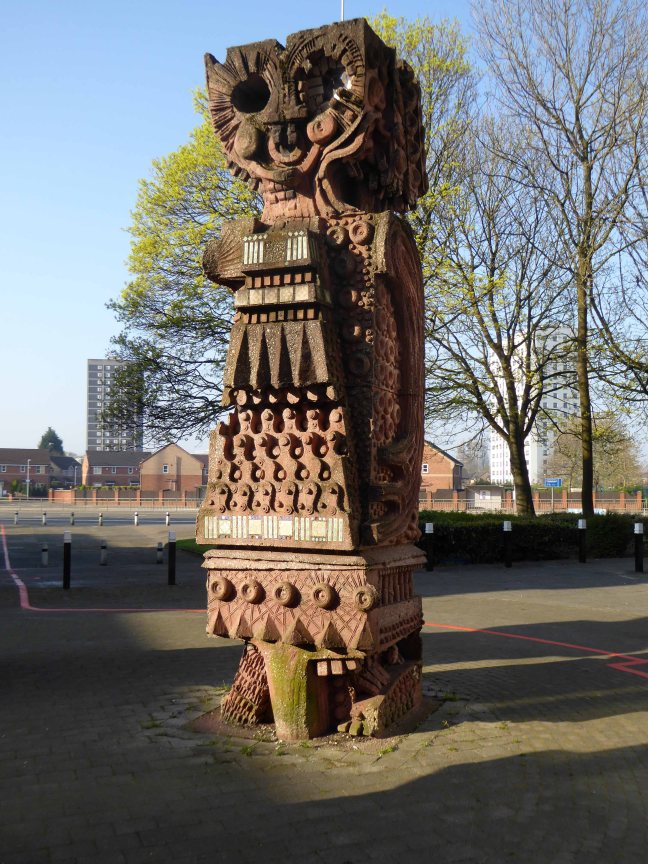
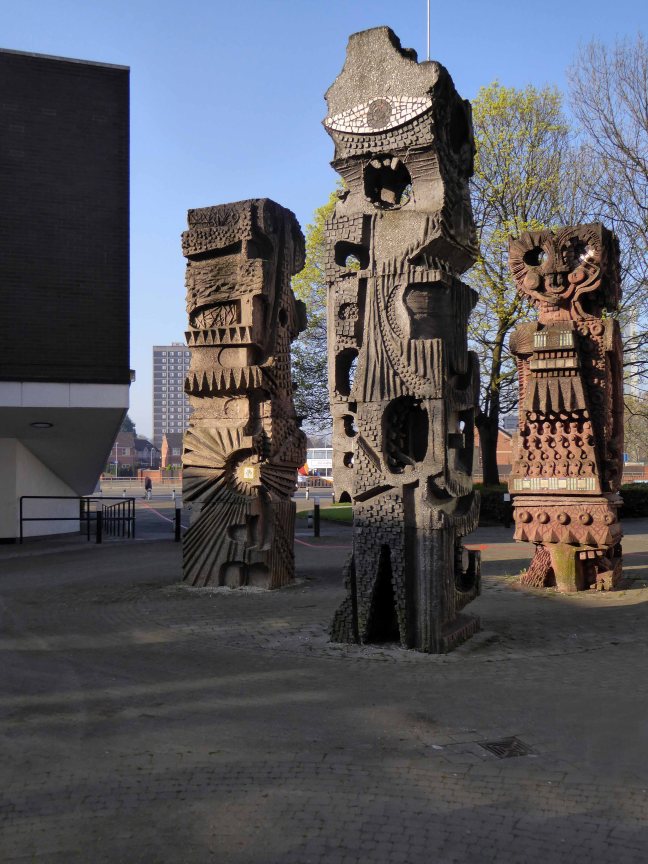
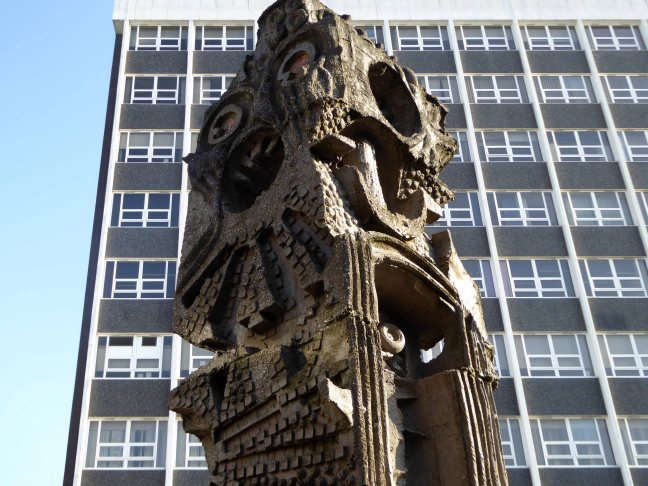
The three concrete totem sculptures of 1966 by William Mitchell, which stand in the courtyard of the Allerton Building, University of Salford, are recommended for designation at Grade II for the following principal reasons: * Historic Interest: as a good representative example of the commissioning of public artwork as an integral element of the design of new higher education colleges and universities in the post-war period, here succeeding in imbuing a distinct identity and image on an otherwise relatively plain complex.

So it seemed appropriate to cycle to Salford early one sunny Saturday morning, in an otherwise relatively plain manner in order to see the three totems.

William Mitchell was a leading public artist in the post-war period who designed many pieces of art in the public realm, working to a high artistic quality in various materials but most notably concrete, a material in which he was highly skilled, using innovative and unusual casting techniques, as seen in this sculptural group. He has a number of listed pieces to his name, both individual designs and components of larger architectural commissions by leading architects of the day.
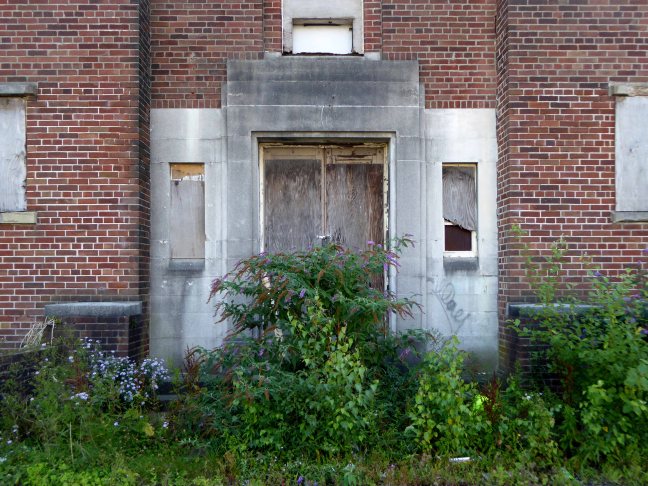
Historic England says so, they loved them so much they listed them Grade II.

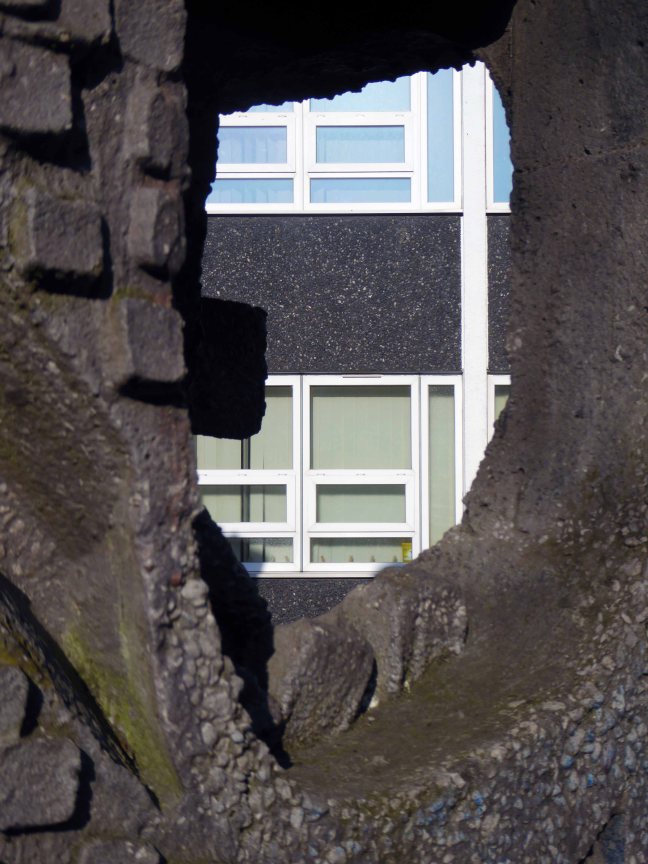
I loved them so much I listed them lovely, especially in lowish spring light, set against a clear blue sky and framed by the surrounding academic buildings.

Further info here on Skyliner

Go take a look.

P1140759

P1140760

P1140761

P1140762

P1140764

P1140766

P1140767

P1140770

P1140771

P1140774

P1140776

P1140777

P1140778

P1140779

P1140780

P1140784

P1140786

P1140789

P1140790


Merseyway – Stockport

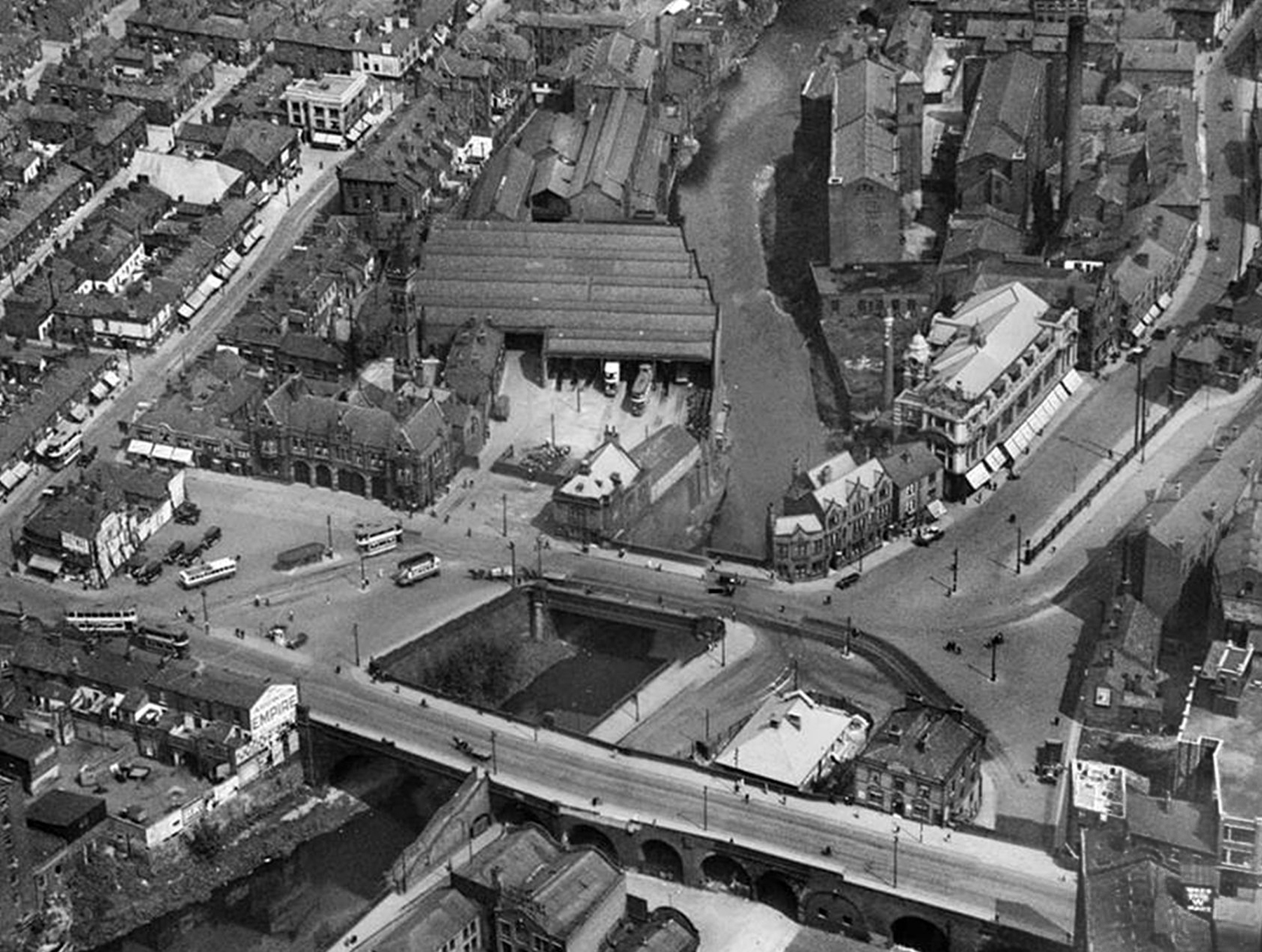
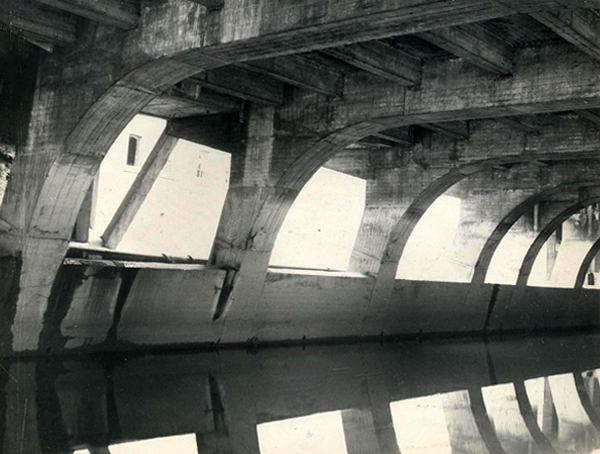
Once there was a river there, formed by the thunder of Irish Sea ice gouging a great glacial valley, bowling along boulders and millstone grit through phyllosilicate clays and sedimentary sandstone.

27983074_10215926263608490_3556820789336334741_o

Then there wasn’t.

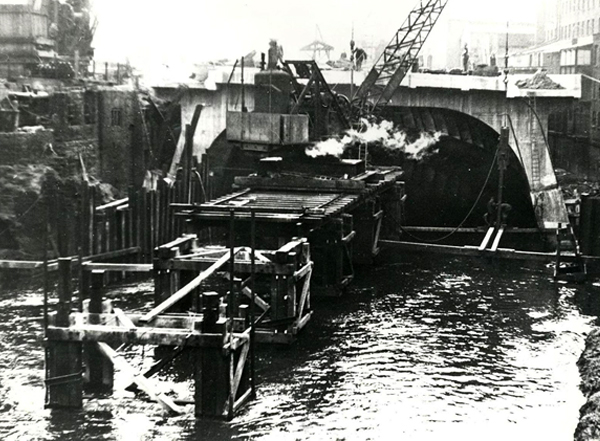
The Mersey, formed in Stockport as the Tame and Goyt conjoined, inconveniently filled with industrial grime and mire, then conveniently covered over in 1936.

16066

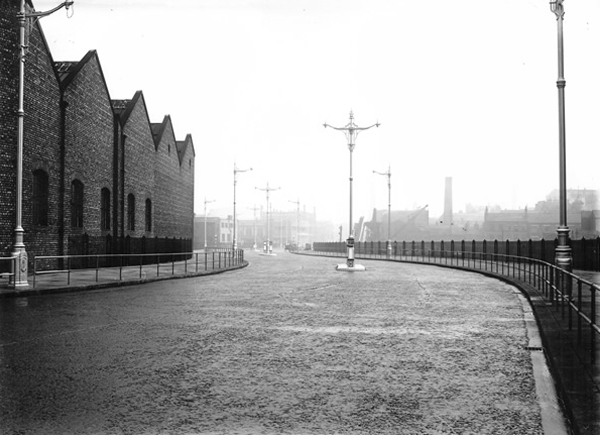
Creating the thoroughly modern thoroughfare Merseyway.
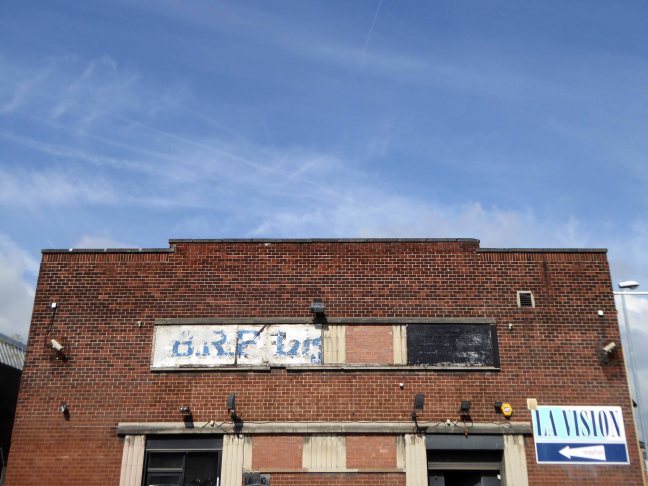
43094

The giant concrete culvert and bridge leaving the river cowering cautiously below.

11889

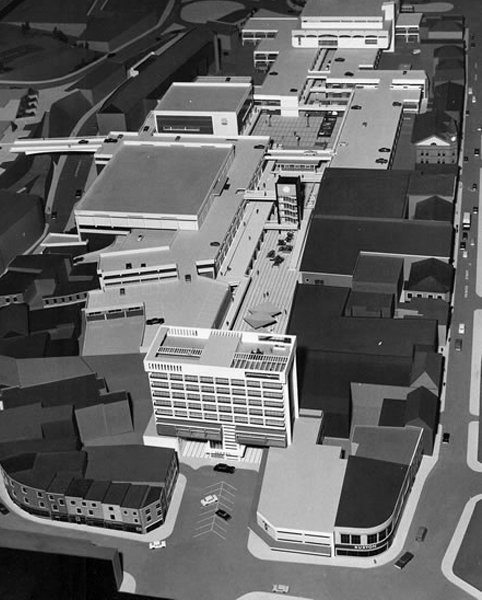
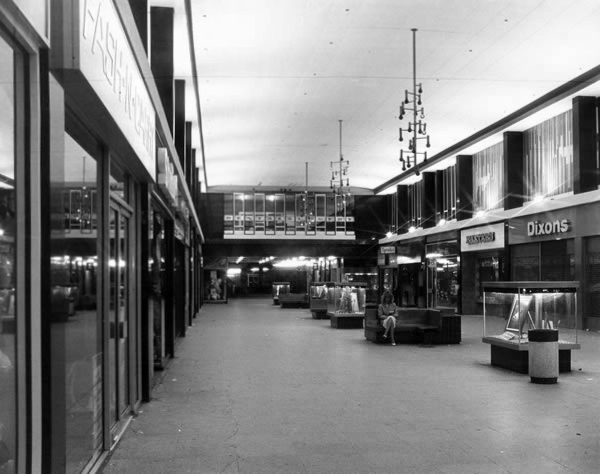
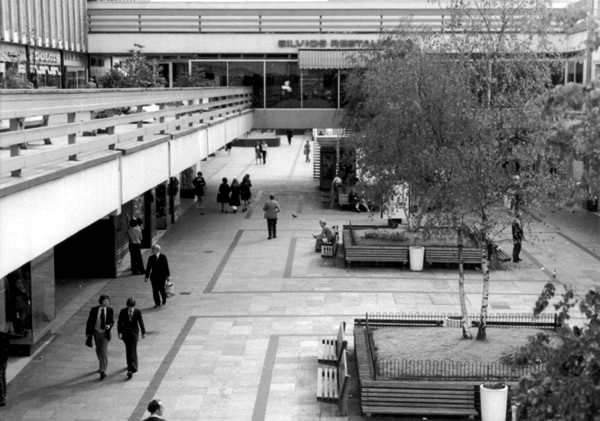
Of time and a river – little stands still and the town is whisked briskly into the late Twentieth Century with plans for a pedestrianised precinct.

15162

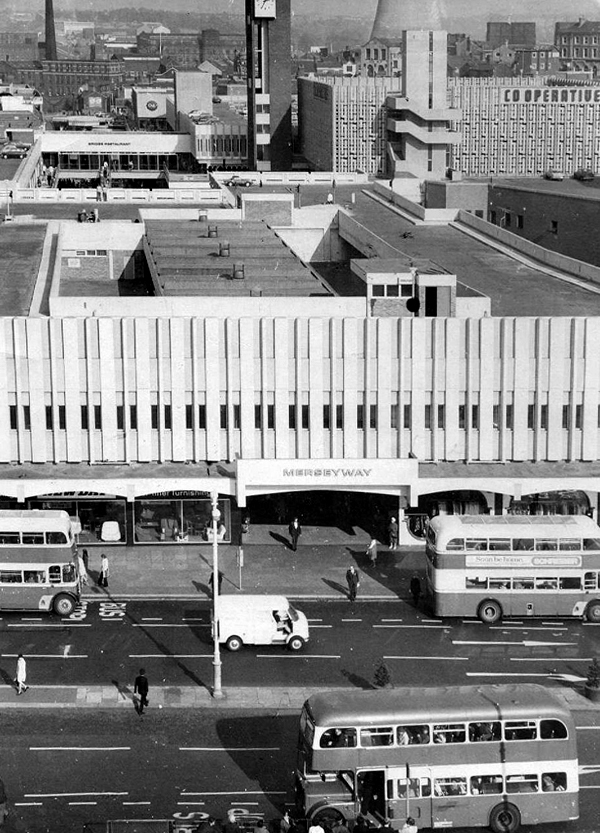
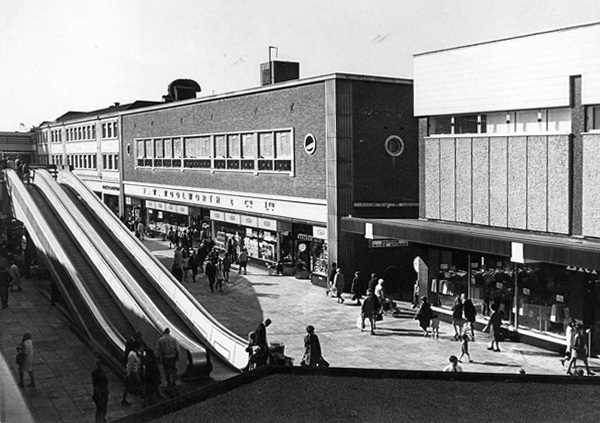
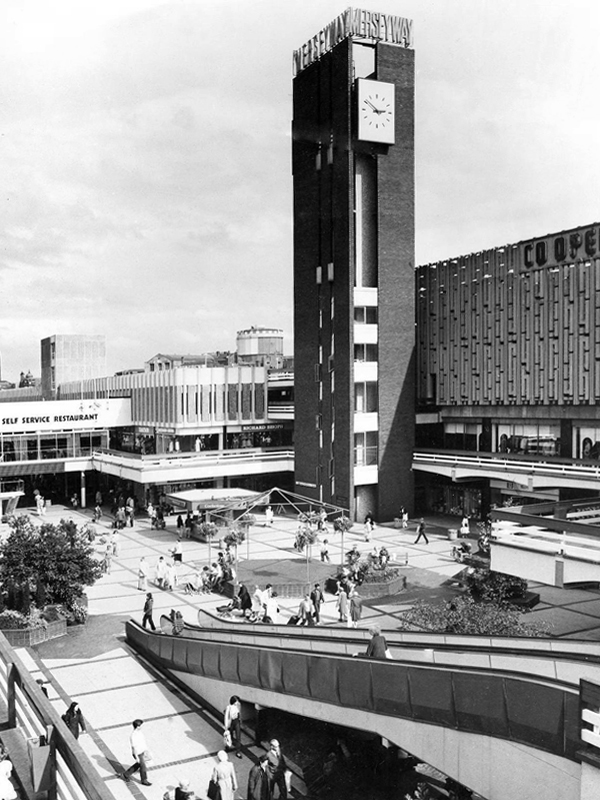
Completed and opened in 1965 the shopping precinct was concrete poetry in motion, incorporating the surrounding topography and extant architecture with grace and aplomb. Combining retail, restaurants and car parking facilities in a manner that critic Ian Nairn considered to be amongst the finest in the land.

4906

We had travelators, integrated paving, street furniture, and lighting across several levels. A carefully considered whole, combining all that was best in modern design with style, élan and panache – along with Freeman, Hardy and Willis.

16347
34942
44282

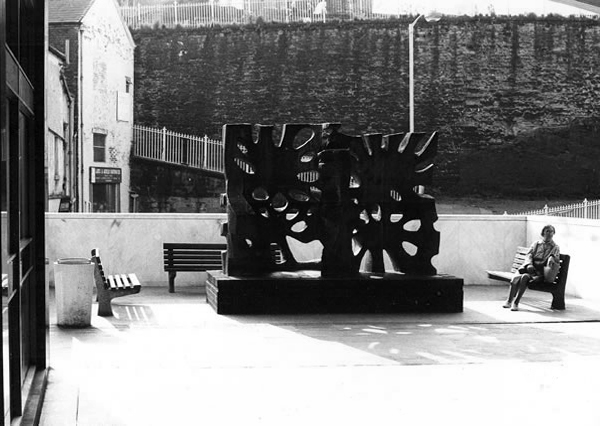
A clock tower, an Alan Boyson concrete car park screen and public art.

17379
19366

Would that it was still so, a variety of additions and subtractions have left Merseyway in architectural limbo, concrete legs akimbo across the river below, striding towards the future in a more than somewhat bewildered manner.

Yet we still continue cast our eyes upwards towards a clock that isn’t there, ride a non-existent walkway to the sky, try on an imaginary crop-top in C&A’s Clockhouse.

11408
17376
25379
17594

Photographs Stockport Image Archive

Seven Sisters – Return to Rochdale

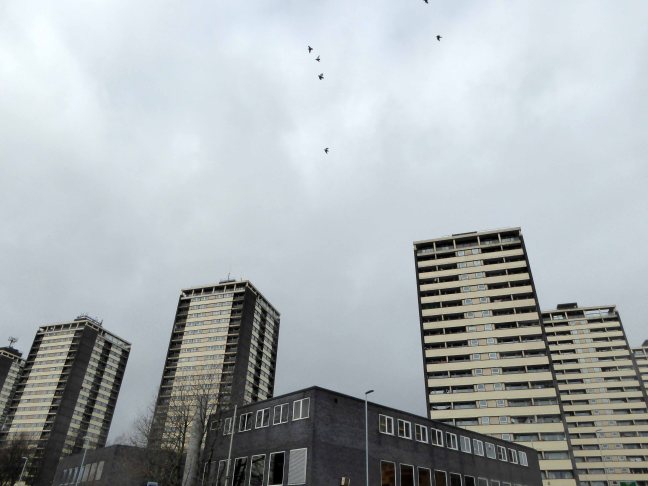
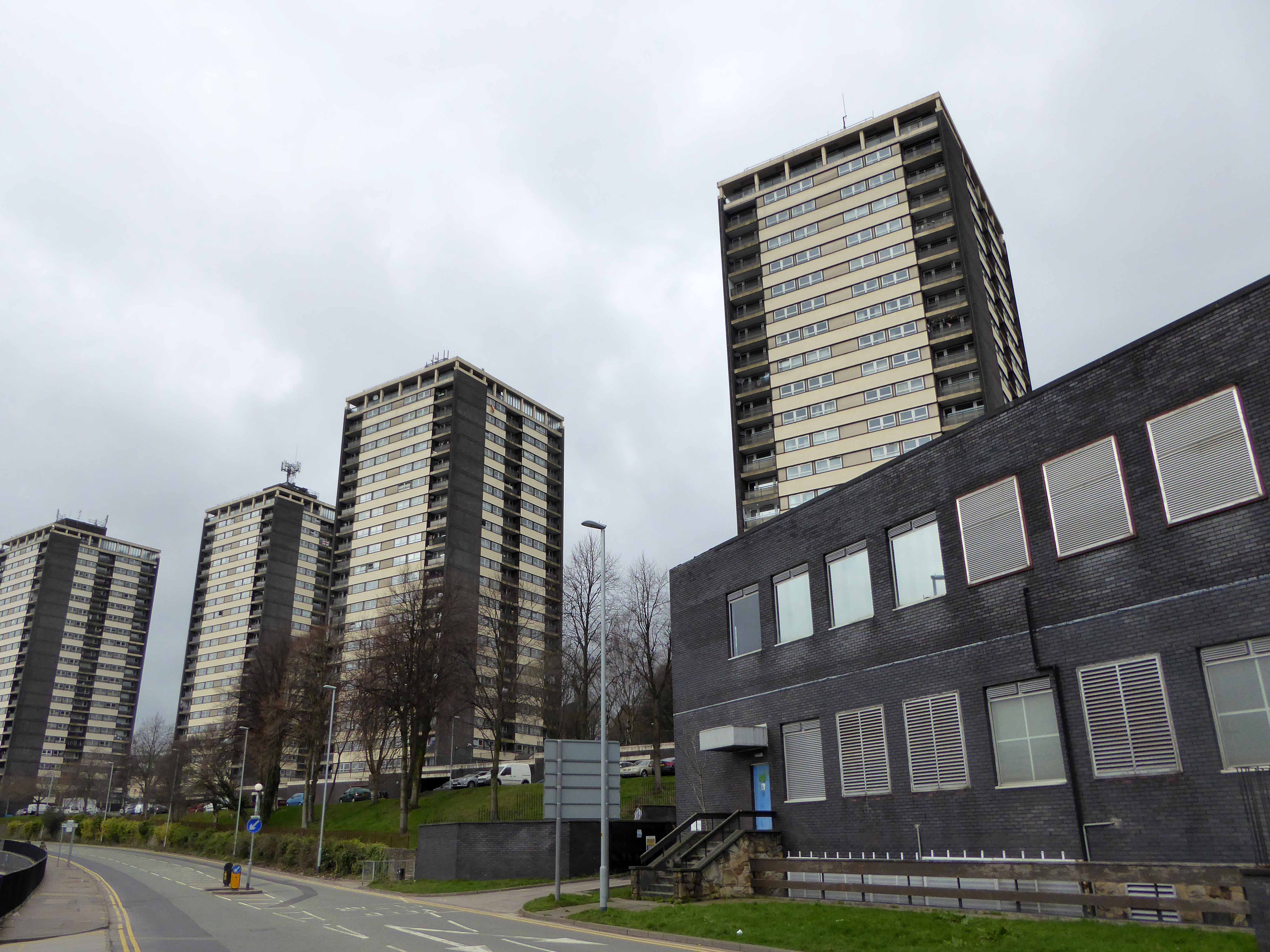
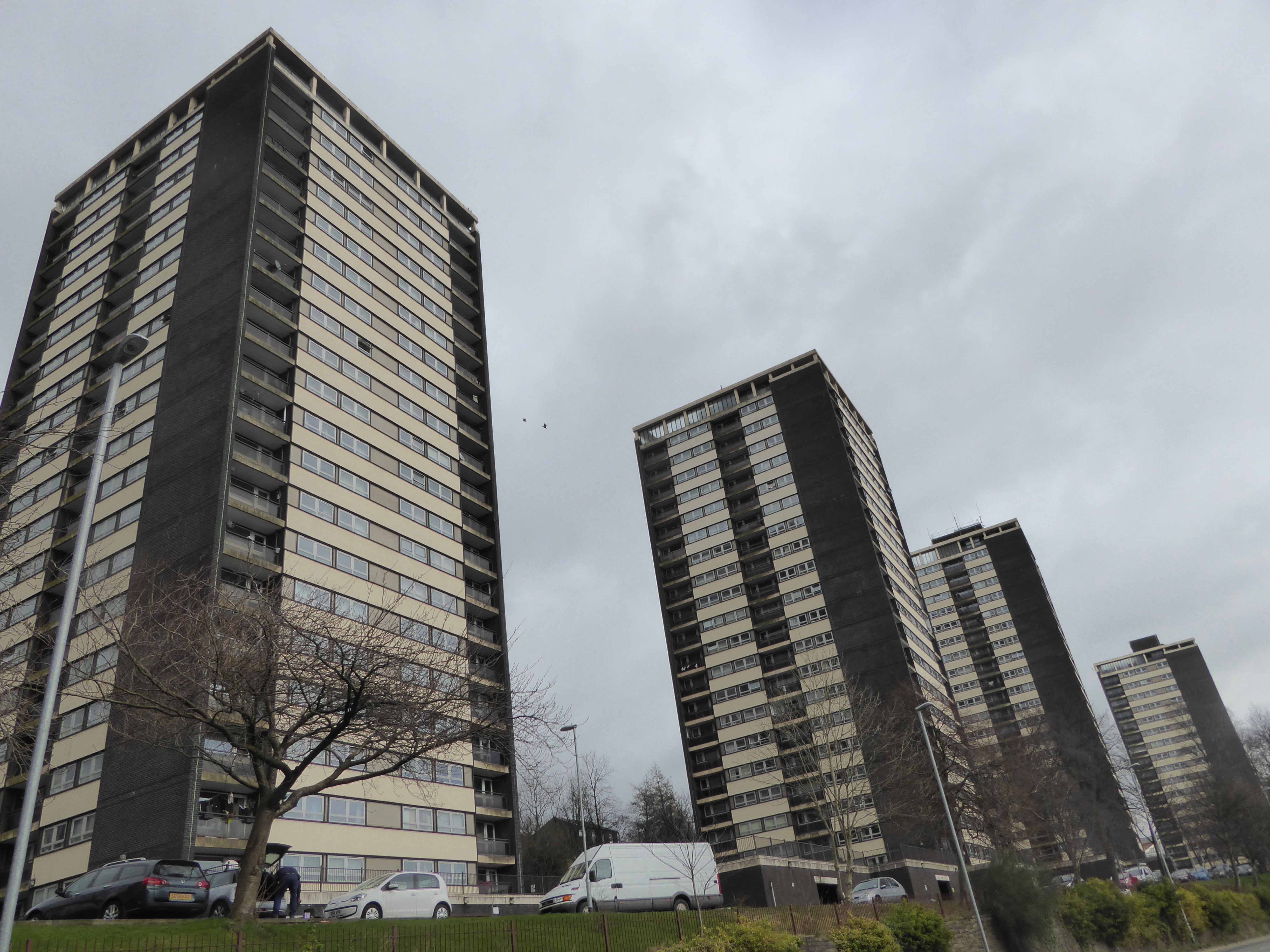
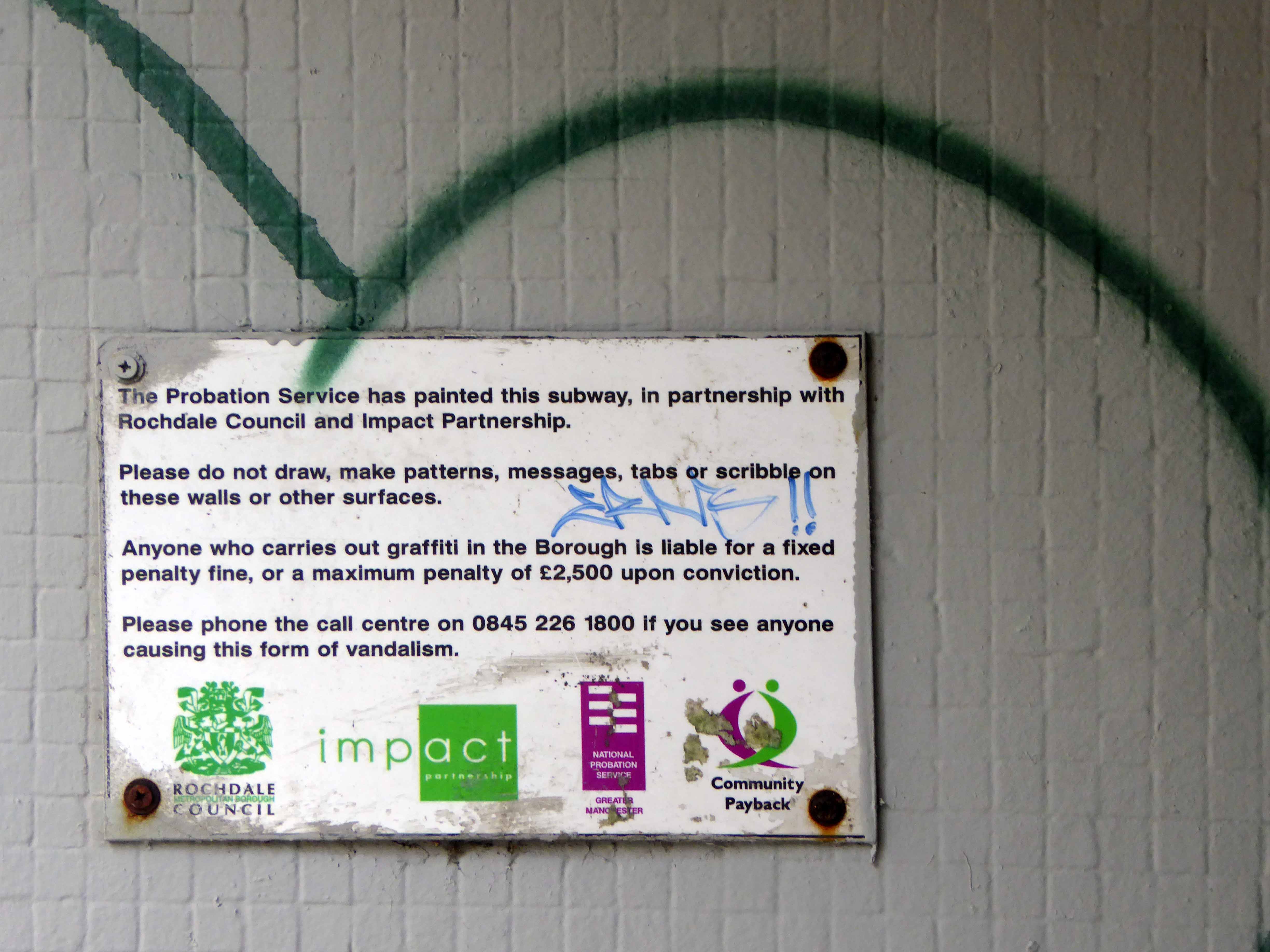
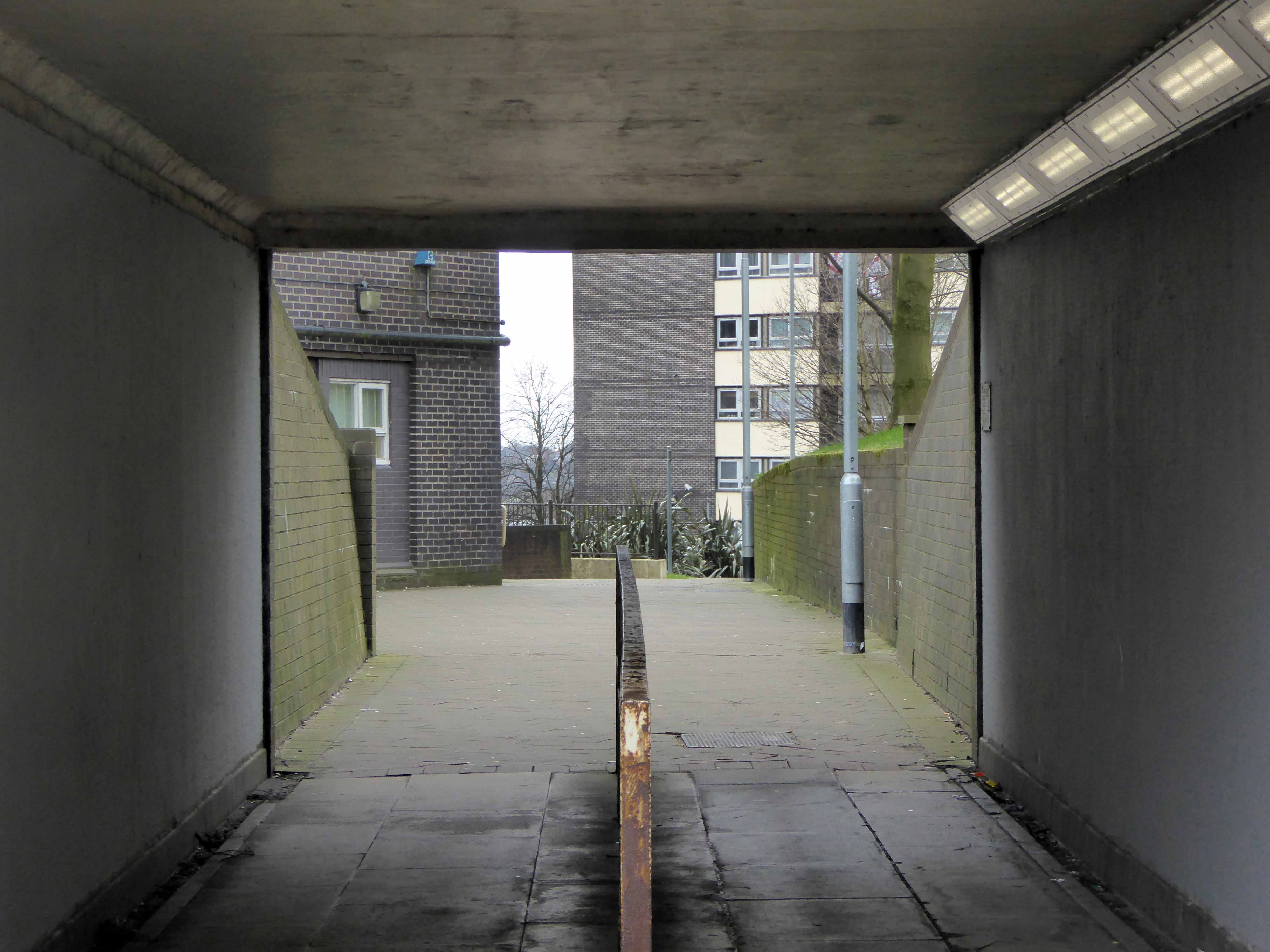
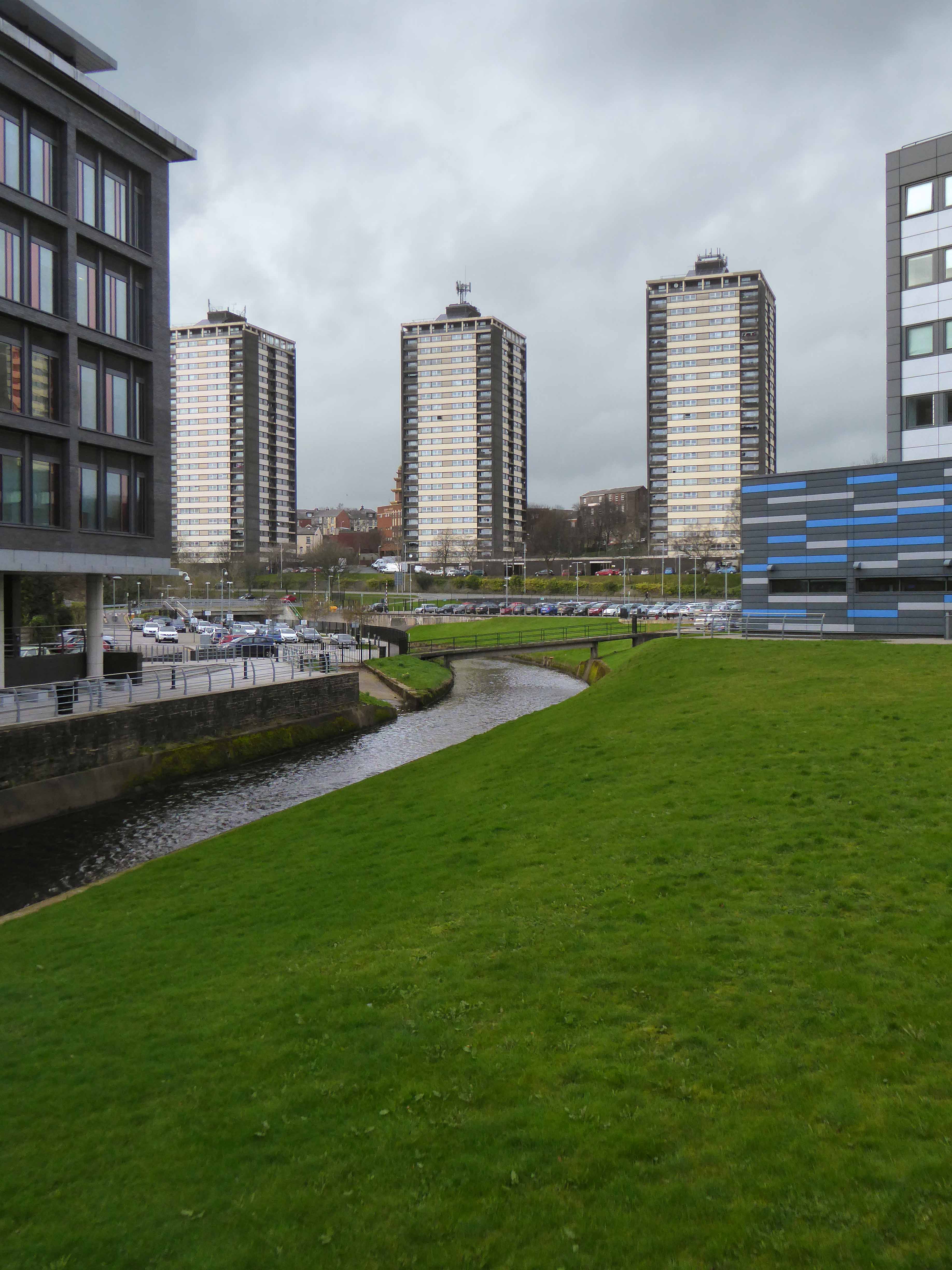
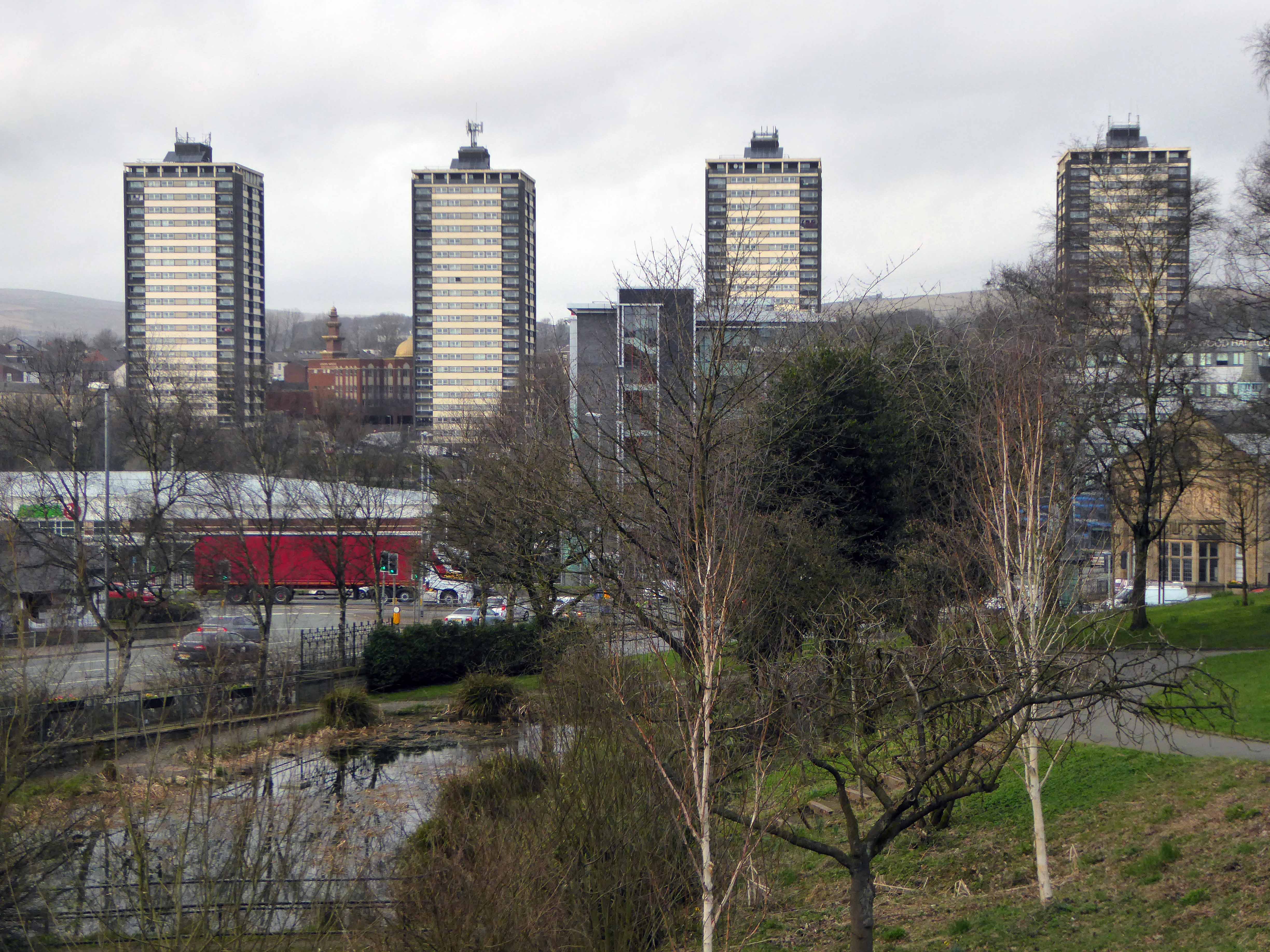
I’ve passed this way before, they’re hard to miss, seven substantial tower blocks towering over the town on College Bank.

But what goes up, may come down.

Screen Shot 2017-03-23 at 13.53.11

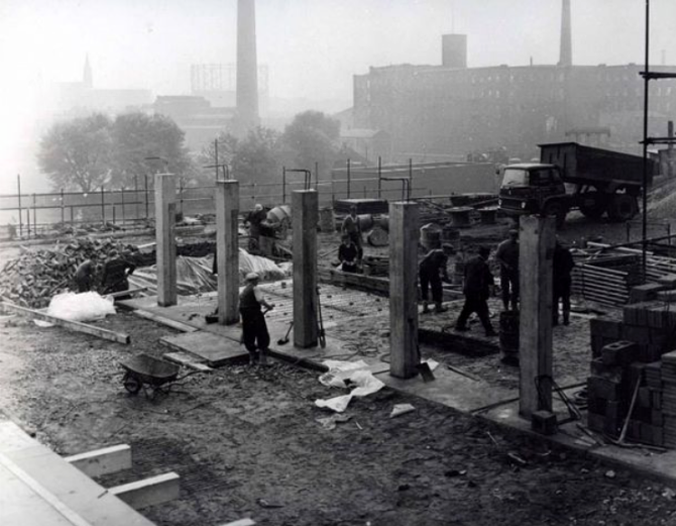
Construction in 1963

Demolition in 2017 is one suggestion – following years of poor maintenance, problems of heating and ingress, plus a whole host of other reasons outlined here.

Screen Shot 2017-03-23 at 13.50.02

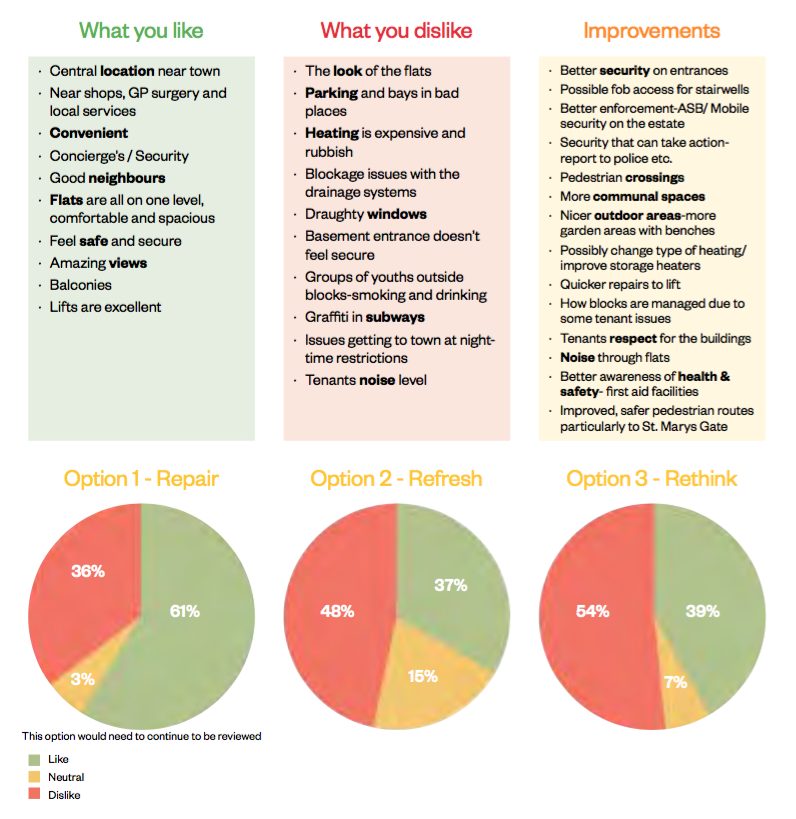
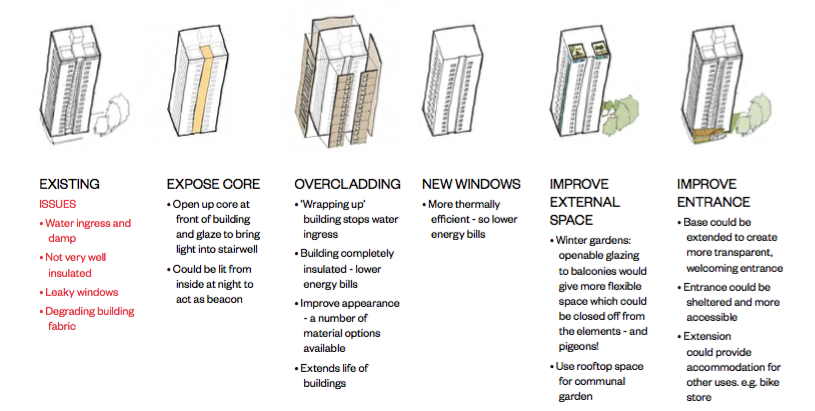
The housing trust in consultation with residents, have produced a tentative plan.

Screen Shot 2017-03-23 at 13.50.49

This may or may not include the demolition of one or more blocks. On the day of my visit, the tenants I spoke with understood that the blocks faced an uncertain future, and were rightly concerned by the rumours and conjecture. The majority would prefer to stay put, having lived there for several years, raising families and building  homes.

Whatever the outcome I hope that the wishes of the residents are not overwhelmed by political expedience, or the will of the developer.

Take a look for yourself.

P1140328 copy

P1140335 copy

P1140337 copy

P1140339 copy

P1140340 copy

P1140346 copy

P1140347 copy

P1140348 copy

P1140350 copy

P1140351 copy

P1140353 copy

P1140355 copy

P1140356 copy

P1140358 copy

P1140362 copy

P1140370 copy

P1140372 copy

P1140374 copy

P1140444 copy

P1140445 copy


Lower Falinge – Rochdale

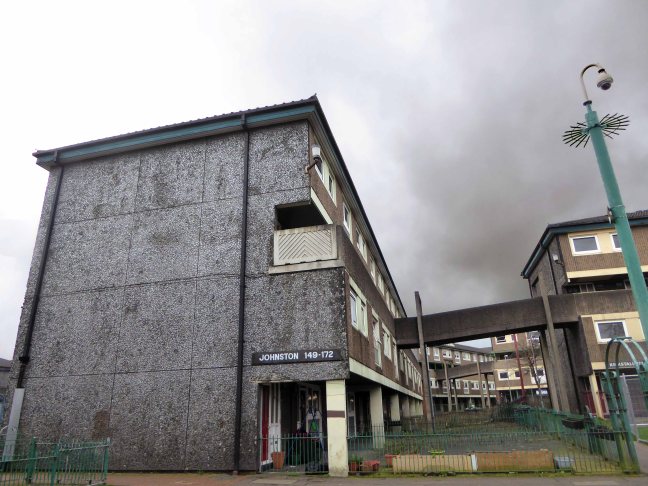
Walking between College Bank flats and St Patrick’s church you and I will almost inevitably pass through Lower Falinge.

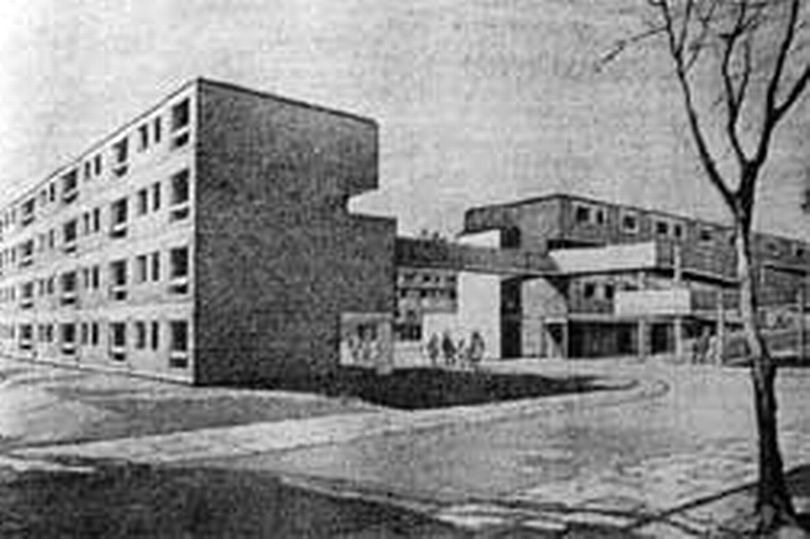
In April 1967 Rochdale Council’s Estates Committee considered a proposal to build 750 dwellings in four-storey deck access flats in the Falinge area. By November the £1,810,000 scheme for the area bounded by Spotland Road, Hudson Street and Toad Lane was given the thumbs up.

C_71_article_515340_body_articleblock_0_bodyimage

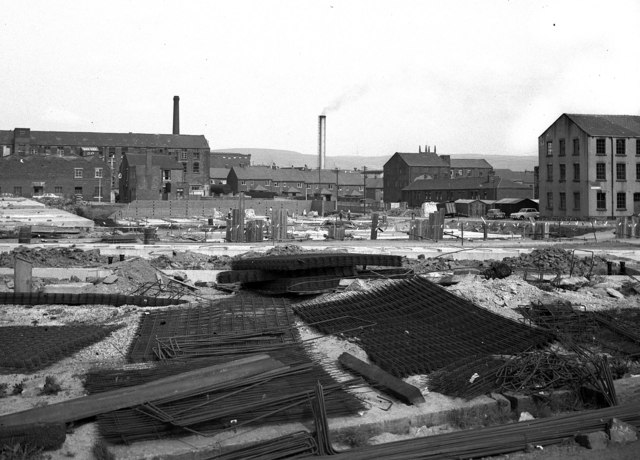
The four-storey development was to provide 527 dwellings with deck access, ramps and overheard walkways. It was planned so people could walk from any point in the area to another without having to return to ground level. Work began in early 1968 and was completed in three stages. More recently they have been up-graded and now have pitched roofs. Freehold Flats were built in the early 1970s. Eleven of the eventual 19 blocks were occupied by August 1971. 

Redevelopment_in_Falinge,_Rochdale,_Lancashire_-_geograph.org.uk_-_1395299

Built at a time when full employment was a tangible reality rather than a fondly recounted folk memory, the area was buoyant and relatively prosperous.

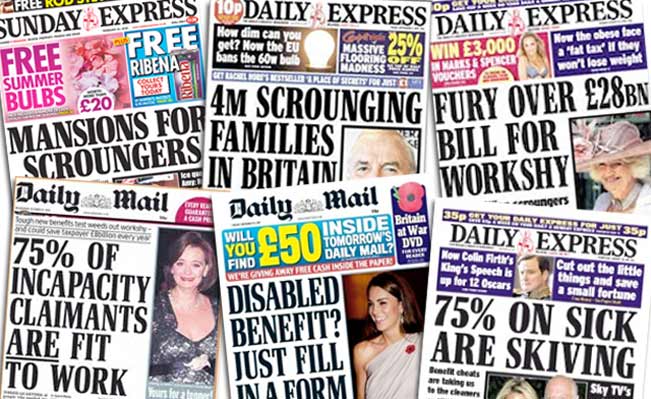
Time, the free market, and casualised labour has not been kind to Lower Falinge and many other post-industrial estates. The Thatcherite press conveniently badges the residents as scum, scroungers and frauds, a carefully conceived sleight of hand, transferring responsibility onto those careless enough to become the victims of an uncaring economic system.

scroungers_headlines_lg

Demonising and dividing working people regardless of ethnicity, ability, sexuality or ability – the equal opportunities abuser.

A few years ago there was even a national news story about a Falinge café serving fry-ups with a can of Stella for £2.50, this was untrue.

So Lower Falinge and its like become the convenient exemplar for the inconvenience of Broken Britain, a PR device to whitewash the very dirty hands that authored its very dirty demise. Those very dirty hands that have no viable solution to a very real problem, of resolving poor peoples’ uncertain futures.

Meanwhile the journalists form a disorderly queue to file the next in line, online assessment of an awful situation devoid of resolution, short of revolution.

2008826_152139

2016126_162425

Transferred from local authority control to charitable trust, forever shape shifting its hard lines to a softer, home made, fluffier image as limited resources, chase limited opportunities, all around the deck access landings.

Life goes on, we live in hope or Lower Falinge.

Limbo-5880

Mishka Henner

The estate is now post-post modern, acquiring another veneer of refurbishment over the now tarnished green of the cover all, all purpose un-repurposed steel railings.

P1140380

P1140381

P1140382

P1140383

P1140384

P1140385

P1140386

P1140387

P1140388

P1140397

P1140399

P1140401

P1140403

Balfron Tower London

The Balfron Tower Conservation Area was designated in October 1998 around the two residential blocks designed by Ernö Goldfinger for the London County Council in the 1960s. The Conservation Area boundary protects the listed Balfron Tower and Carradale House, and other buildings in the ‘Brownfield Estate’, including Glenkerry House, a community centre, shops and associated low-rise housing development.

The 27-storey Balfron Tower is Goldfinger’s first public housing project, and a precursor to his better known Trellick Tower in North Kensington. The neighbouring Carradale House and Glenkerry House sit within the landscaped areas developed at the same time. The Brownfield Estate, also known as the East India Estate, is now recognised as a fine example of planned 1960s social housing. Considered to be exemplary examples of the post-war housing schemes, Balfron Tower and Carradale House were listed in 1998 for their cultural & architectural merit.

This was my first visit, to a key building in the short history of modernist post war housing, currently something of a sleeping giant, awaiting Prince Charming’s kiss.

What will it awake to?

Tower Hamlets are mid consultation, as evidenced in this here document.

On an overcast and ever darkening afternoon, the rain cutting in on a chill wind, set against a slate grey sky, its surfaces and volumes were ever so slightly forlorn.

There is much to be done by way of regeneration, with the attendant issues of heritage, funding, gentrification and inevitably who lives where and why?

Everything you may care to almost know is here.

I walked around the area and took these pictures.

p1130830-copy

p1130831-copy

p1130832-copy

p1130833-copy

p1130834-copy

p1130835-copy

p1130836-copy

p1130837-copy

p1130838-copy

p1130839-copy

p1130840-copy

p1130841-copy

p1130842-copy

p1130843-copy

p1130844-copy

p1130845-copy

p1130846-copy

p1130847-copy

p1130848-copy

p1130849-copy

p1130850-copy

p1130851-copy

p1130852-copy

p1130853-copy

p1130854-copy

p1130855-copy

p1130857-copy

p1130858-copy


p1130860-copy

p1130861-copy

Newcastle upon Tyne – Civic Centre

Hope, we need a little hope, here embodied in a huge municipal undertaking.

Having survived the indignity of the Luftwaffe’s absence, Newcastle set about the task of knocking itself down. T Dan Smith’s Brasilia of the North had to be built, the self-styled former revolutionary communist, Sunday painter and jail bird had a vision – fuelled by that hopped up, post war optimism that had engulfed the land.

Newcastle Civic Centre is a local government building located in the Haymarket area of Newcastle upon Tyne, England. It is the main administrative and ceremonial centre for Newcastle City Council. Designed by the city architect, George Kenyon, the building was completed in 1967 and was formally opened by HM King Olav V of Norway on 14 November 1968. It is a Grade II* listed building. The Newcastle Civic Centre is the joint eighth tallest building in the city.
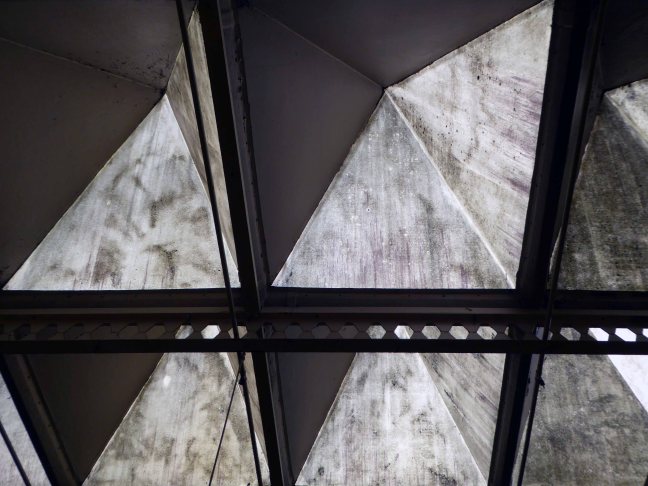
It is a concrete poem clad in Portland stone ashlar, Cornish granite, Broughton Moor stone, hand made bricks, Norwegian slate, Portuguese marble, English oak, travertine hand hewn and assembled into one of the finest buildings in the land, no expense spared. Liberally dotted with the labours of John Piper, Victor Pasmore, John Robert Murray McCheyne, Charles Sansbury Geoffrey Clarke, David Dewey, John Hutton and David Wynne.
A building full of surprises, big and small that repays exploration and further exploration, in that order. Go take a look, breathe that air, that air which whistles up the River Tyne, fresh from the Continent – and glow, all aglow with civic centre pride.

dsc_0058

dsc_0108

dsc_0119

dsc_0122

dsc_0121

dsc_0099

dsc_0068

dsc_0067

dsc_0063

dsc_0059

dsc_0077

dsc_0087

dsc_0088

dsc_0124

dsc_0090

dsc_0133

dsc_0091

dsc_0092

dsc_0093

dsc_0096

dsc_0106

dsc_0109

dsc_0113

dsc_0114

dsc_0116

dsc_0115