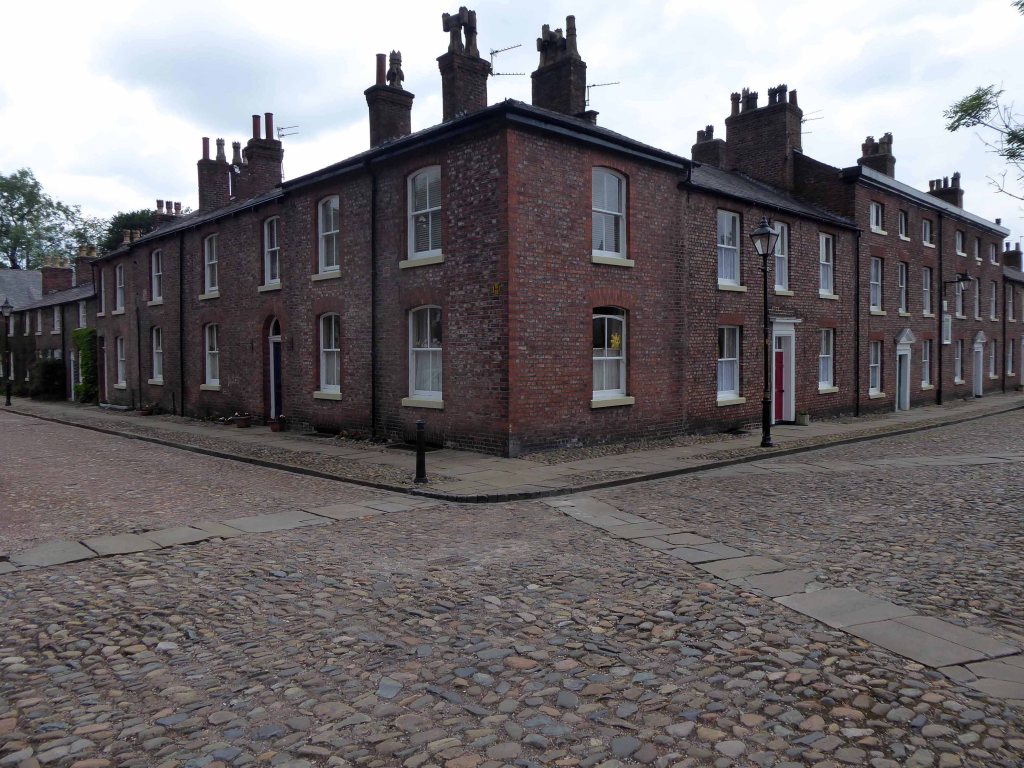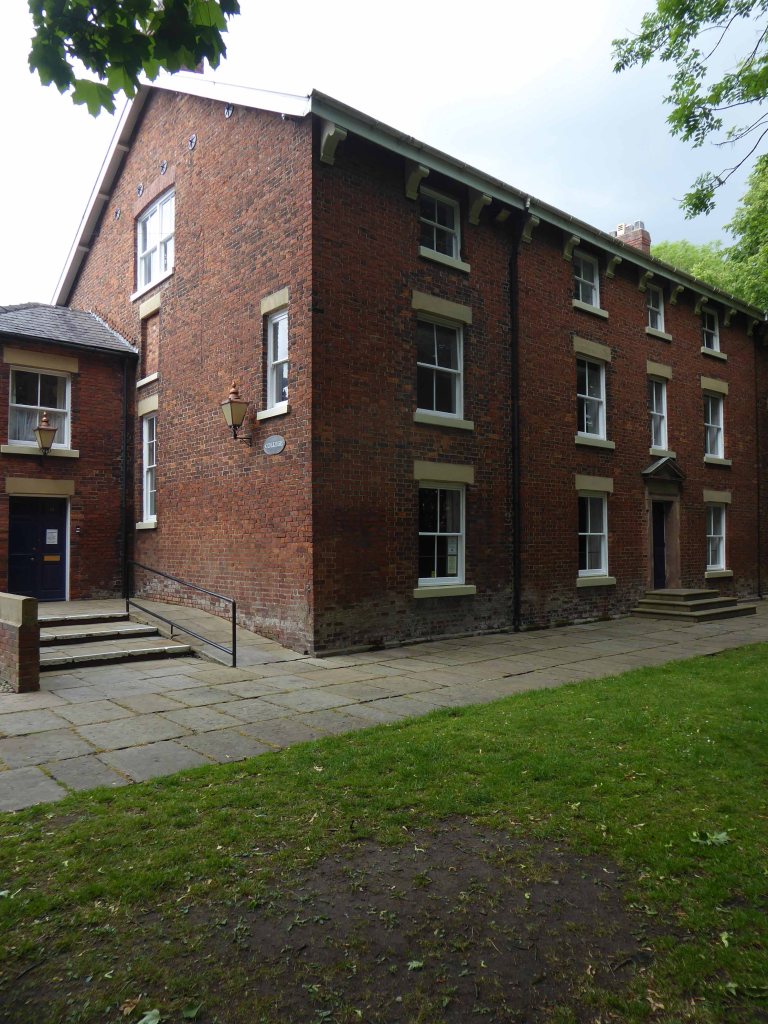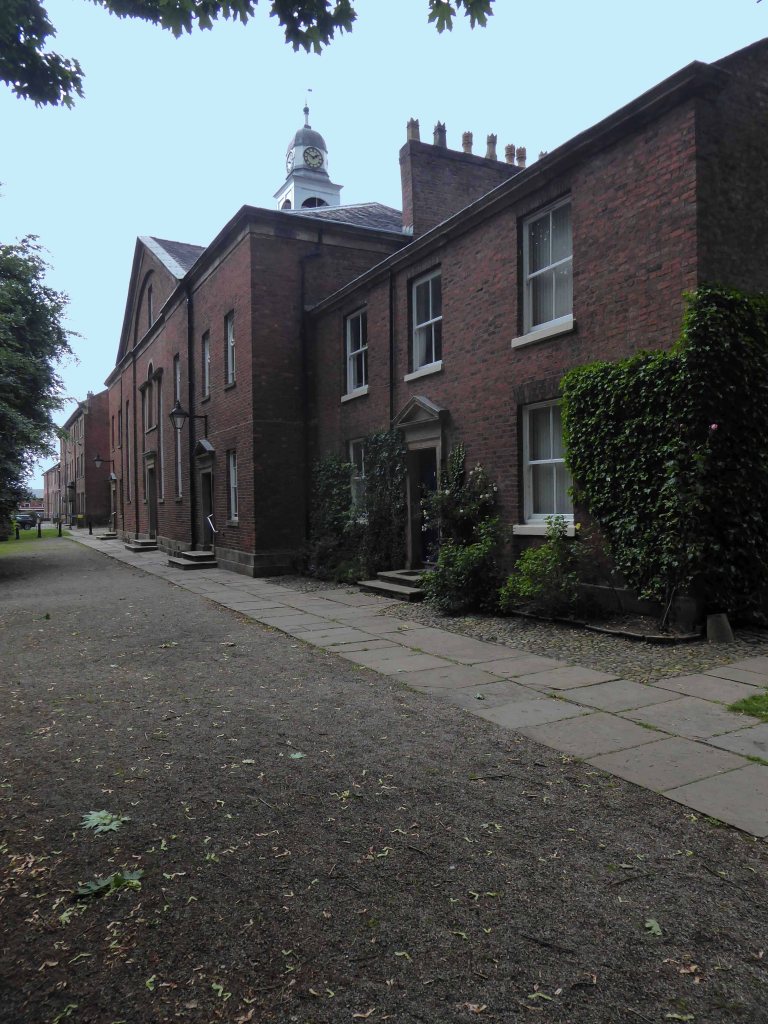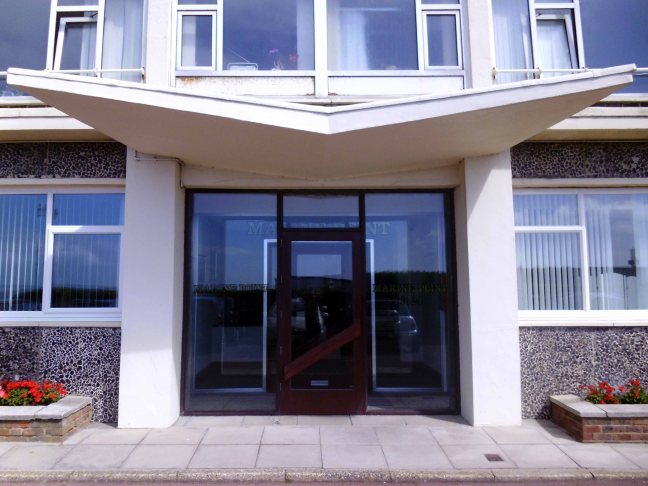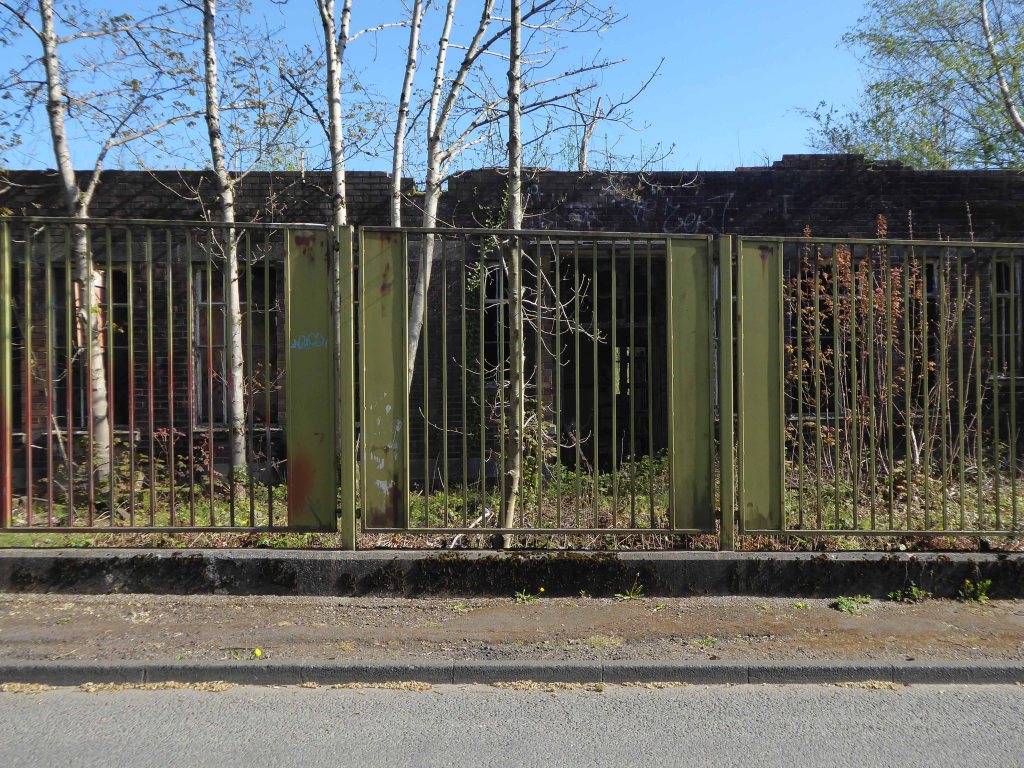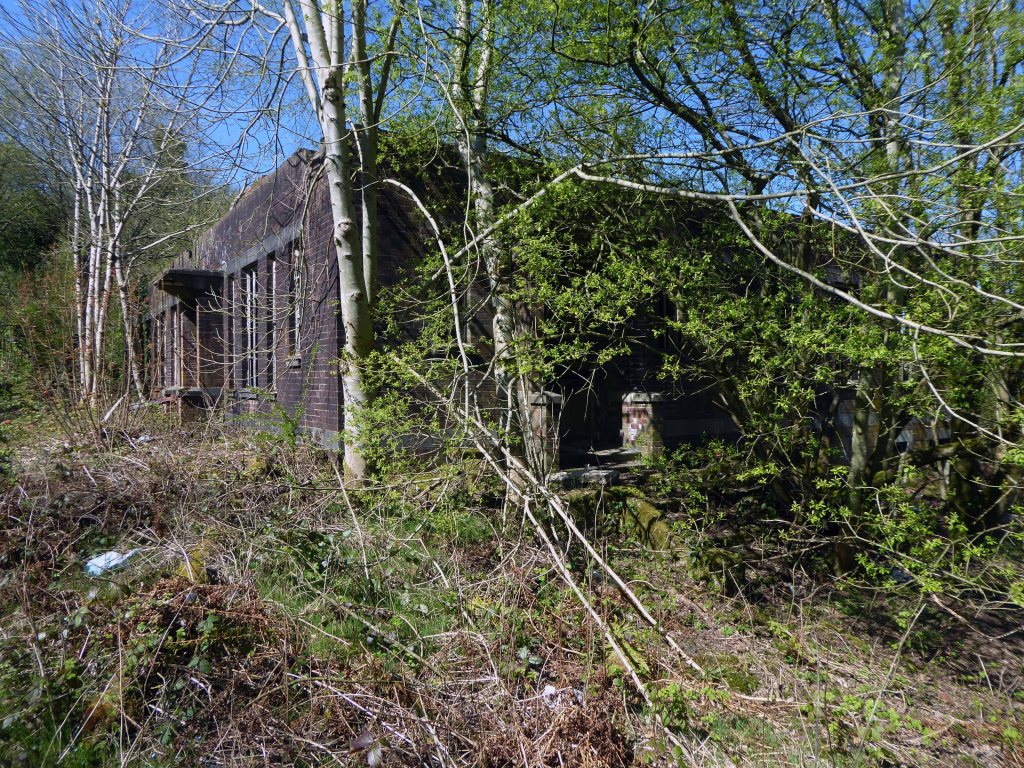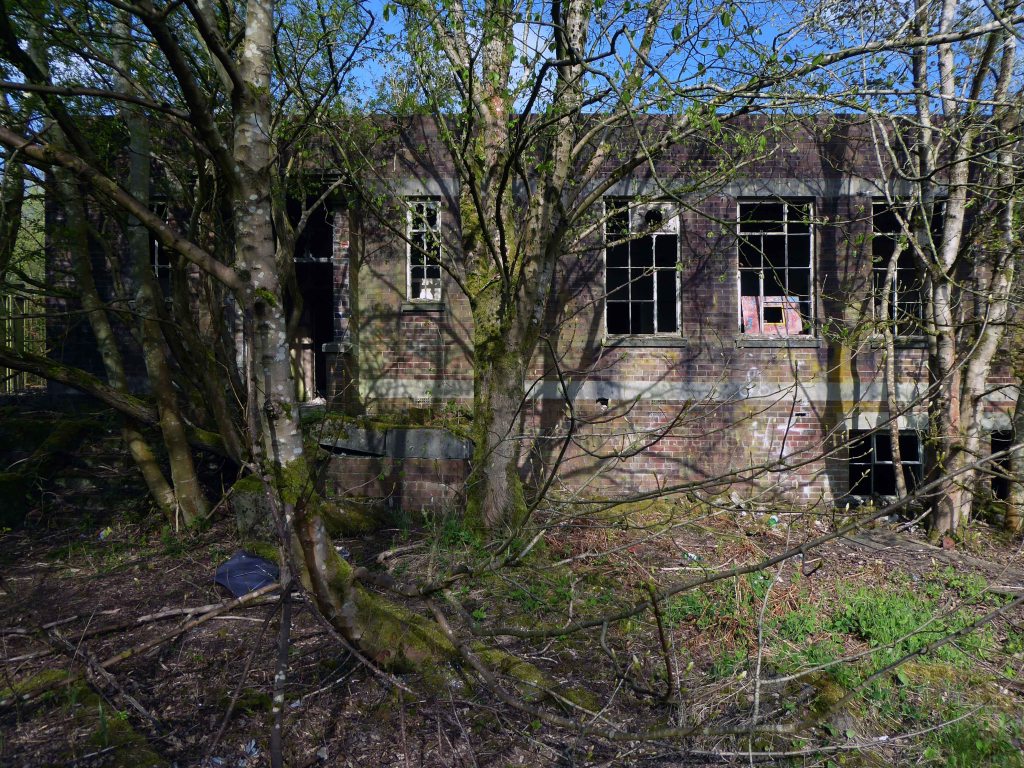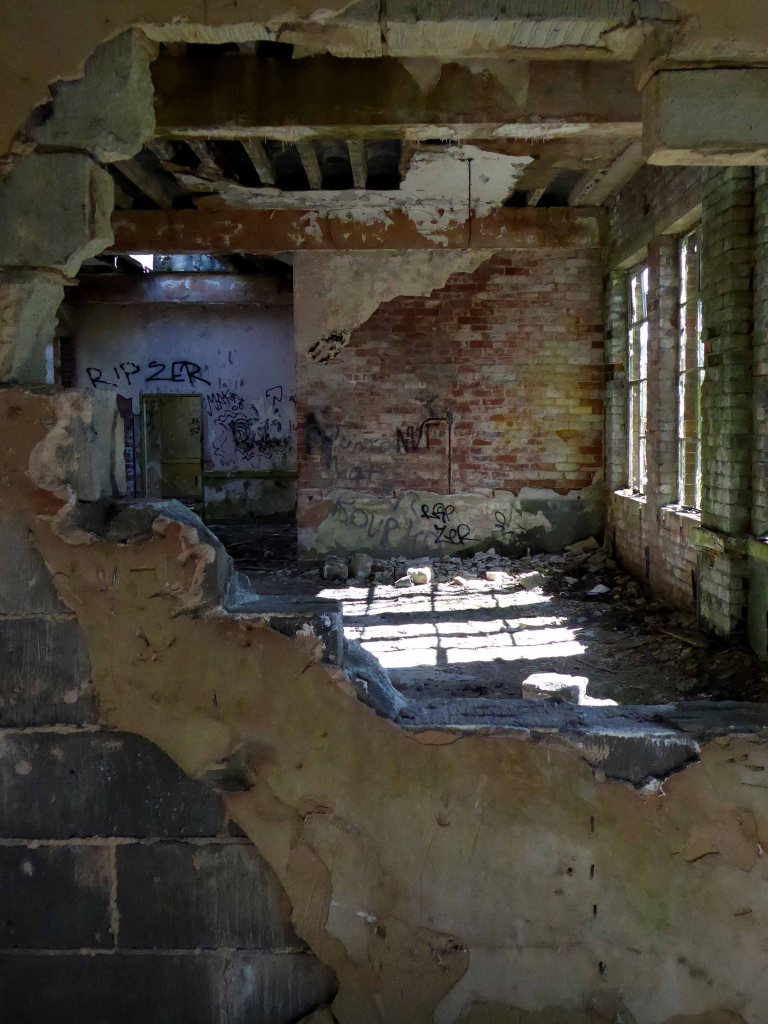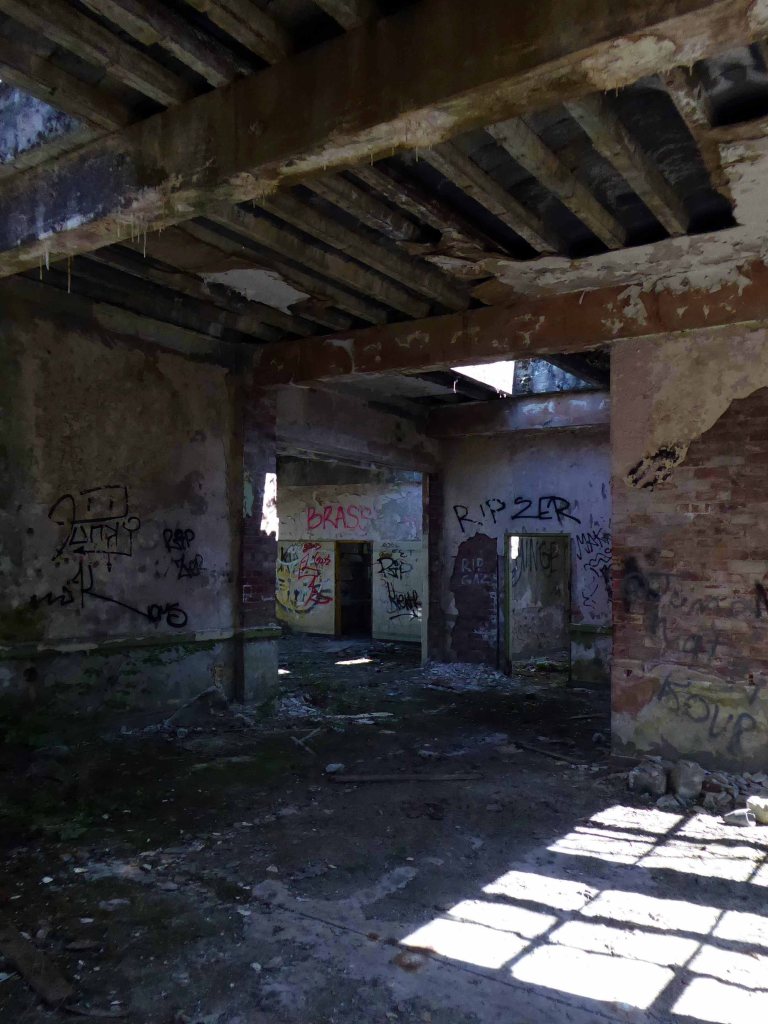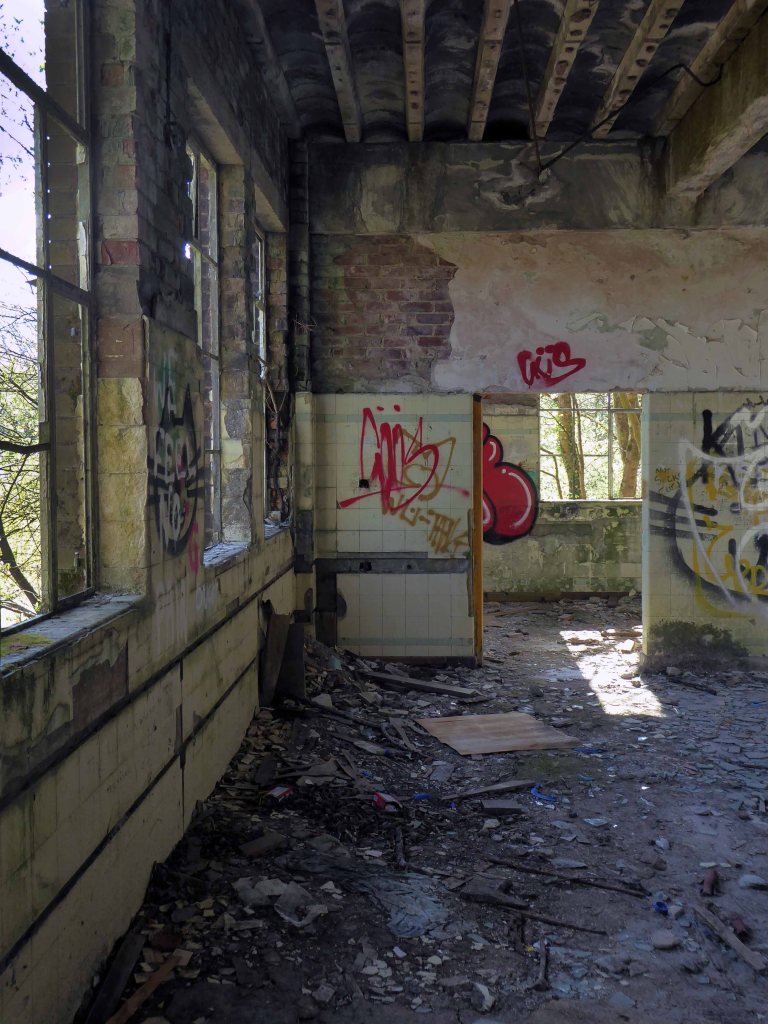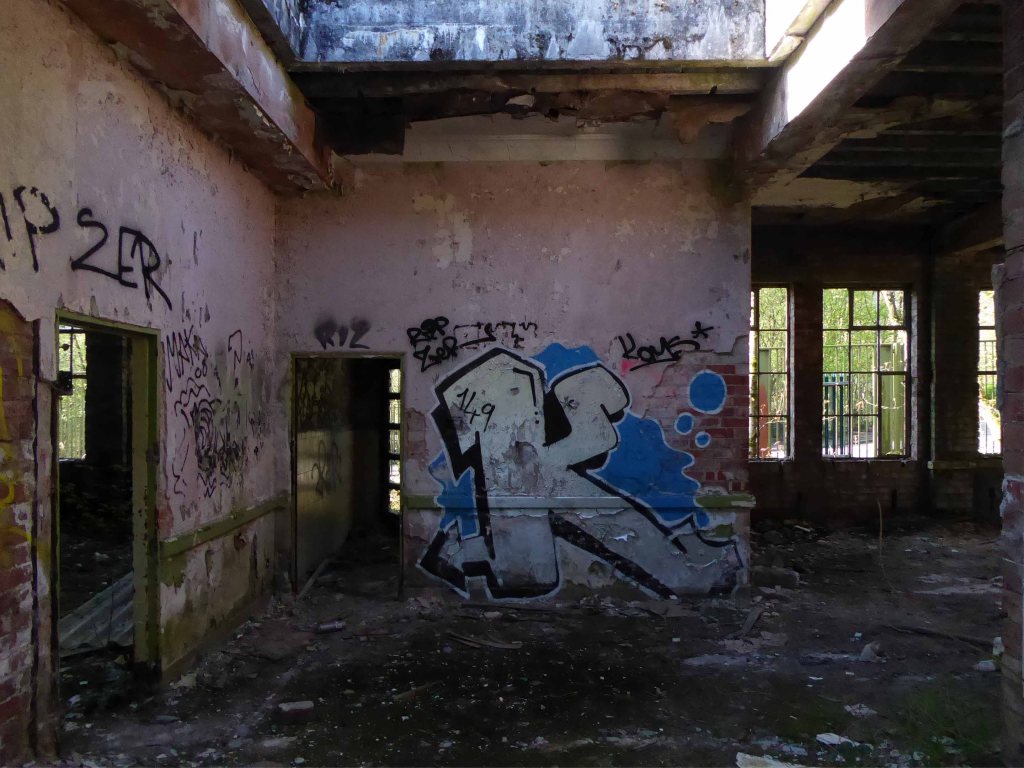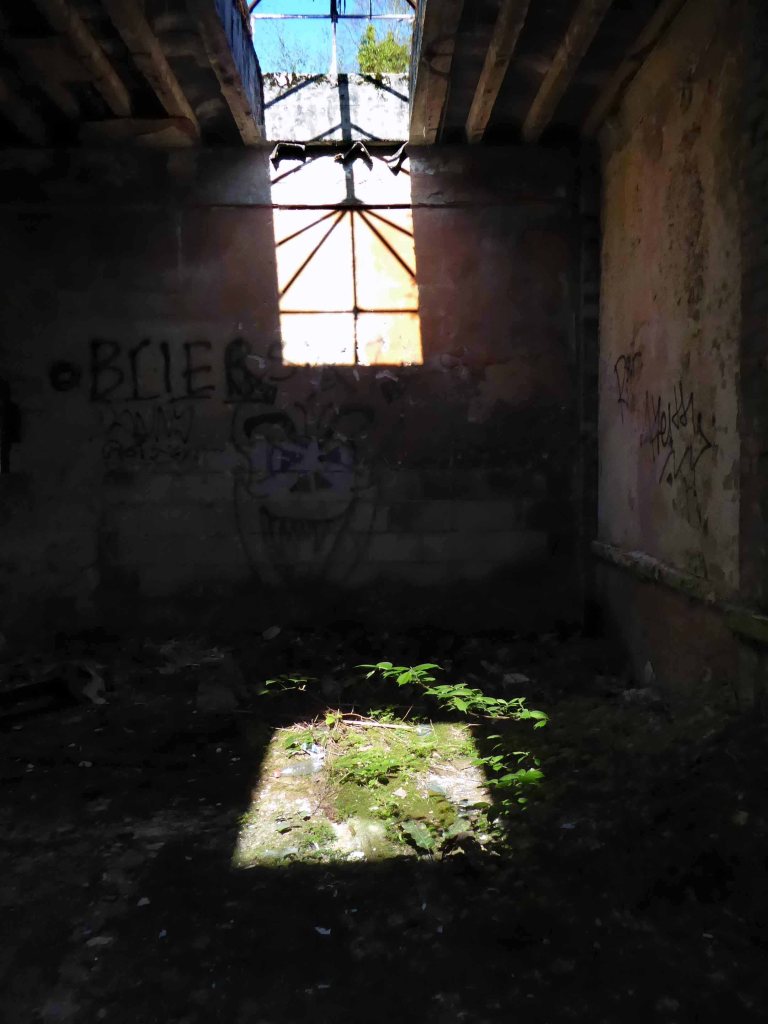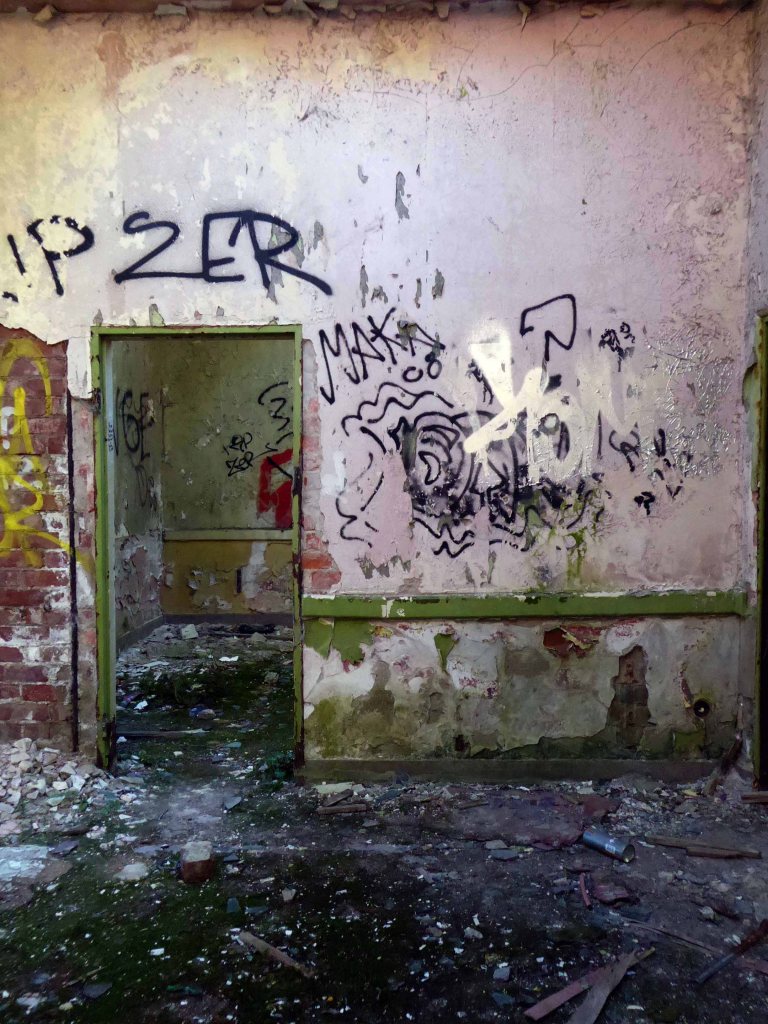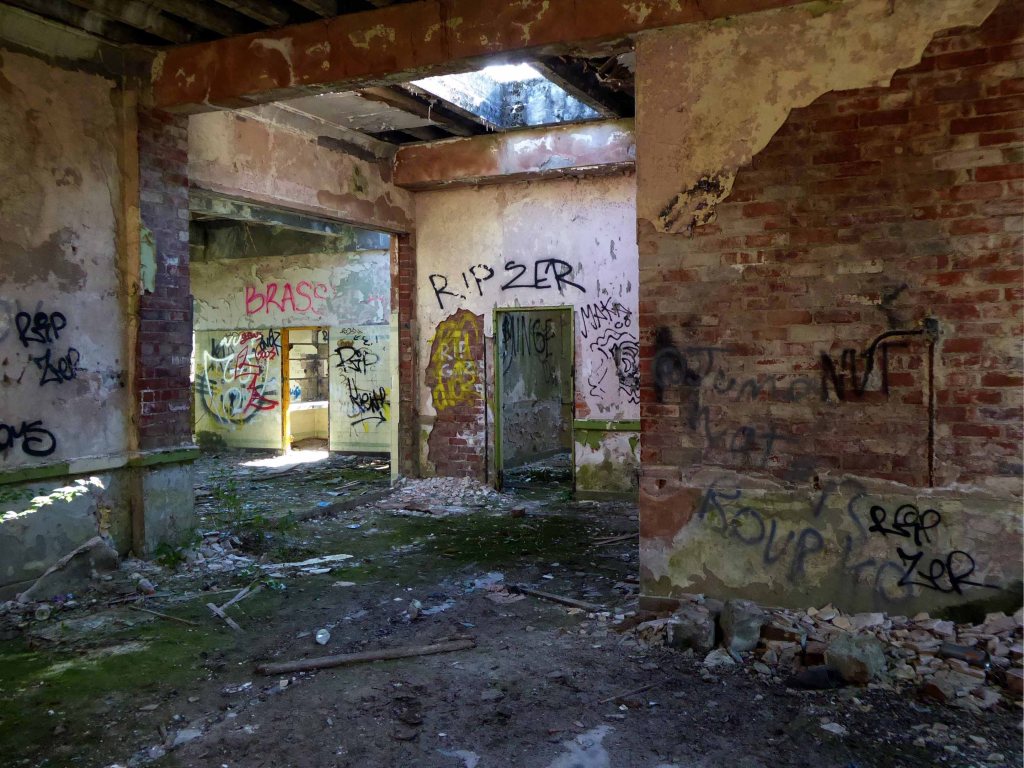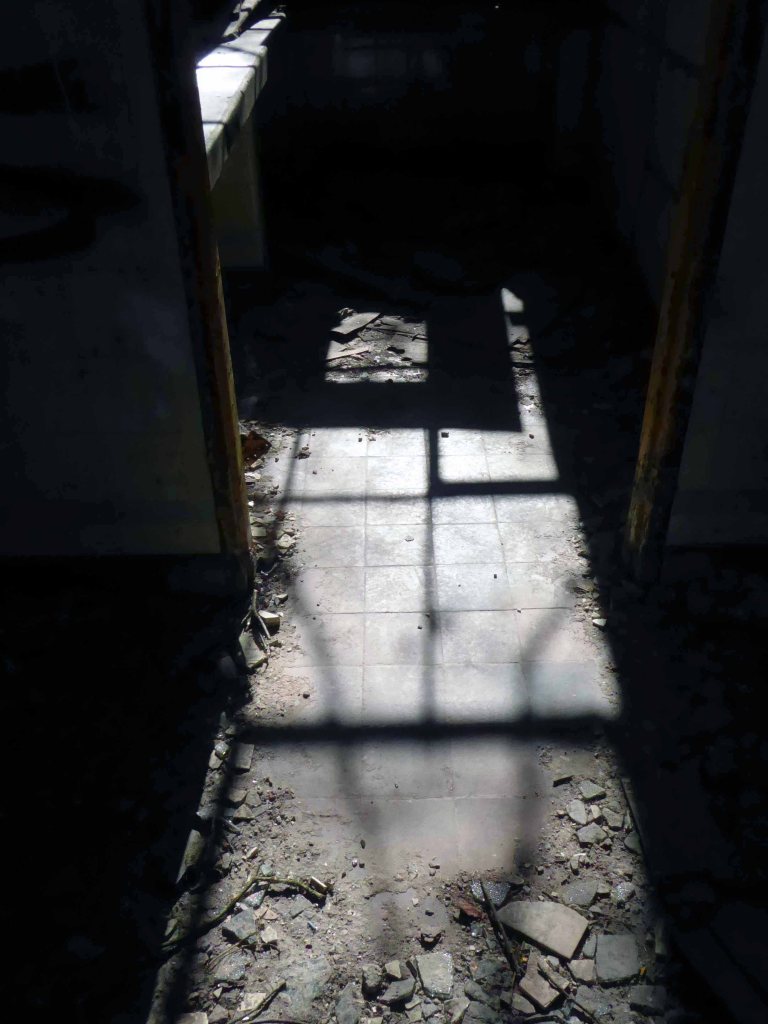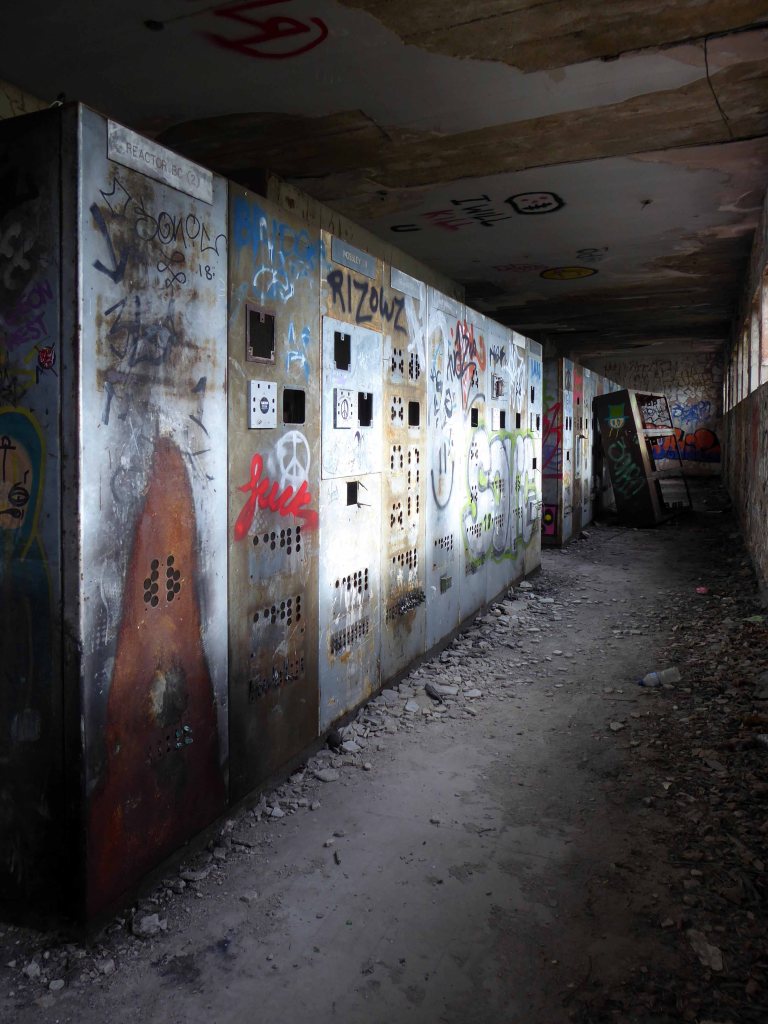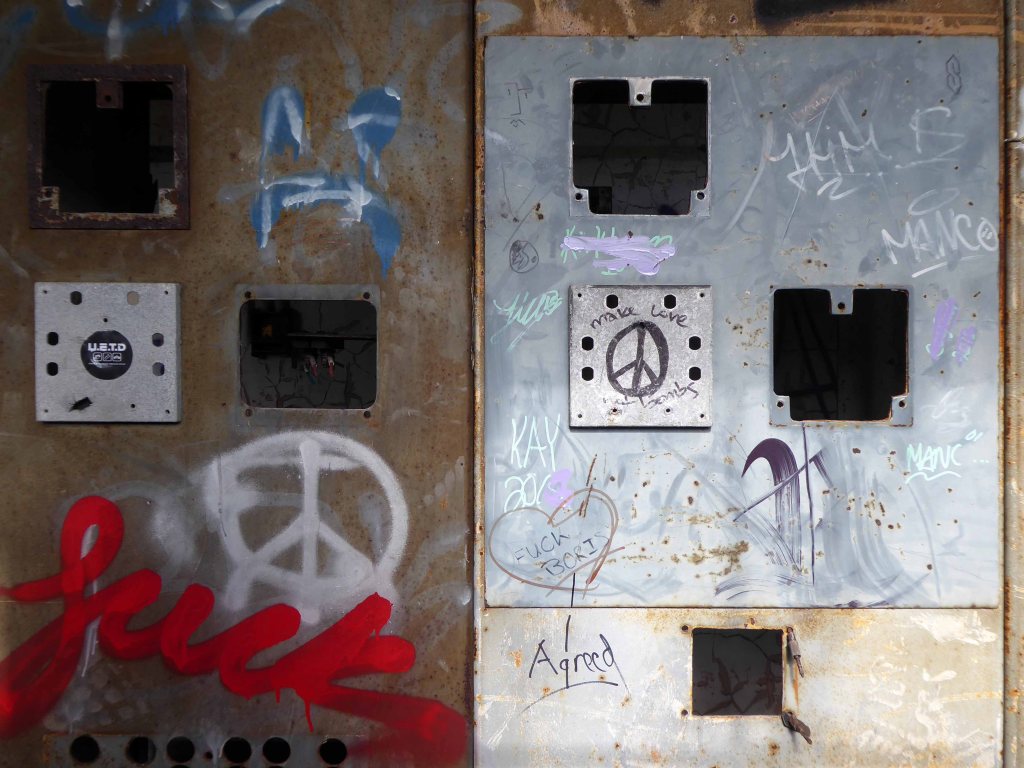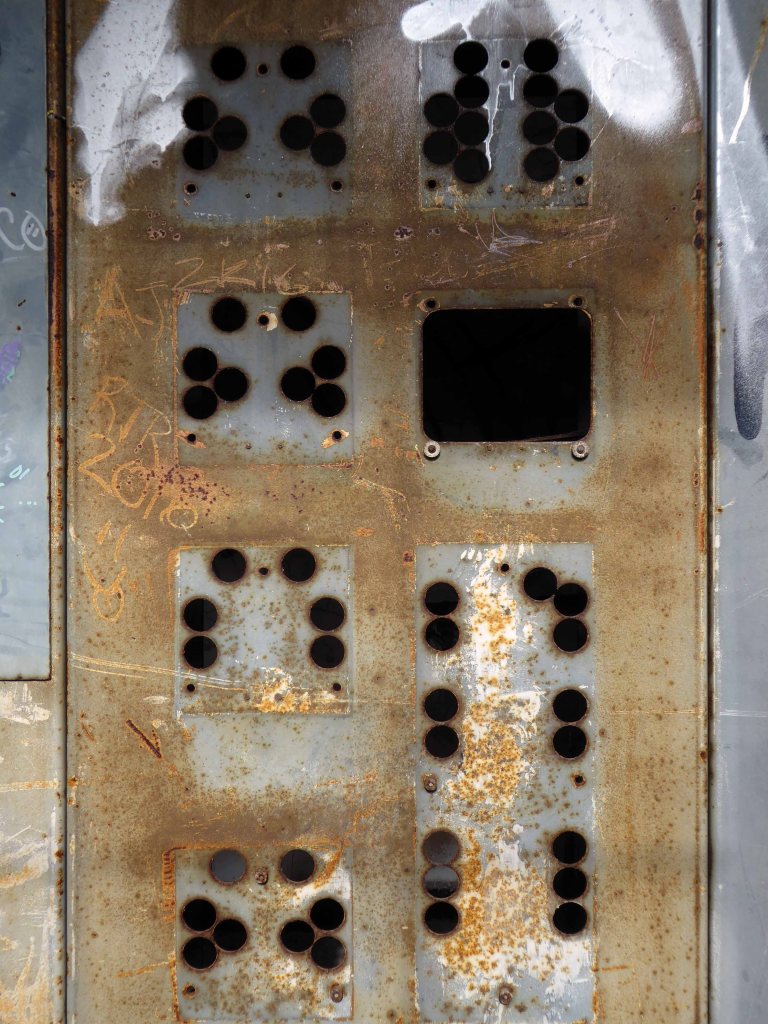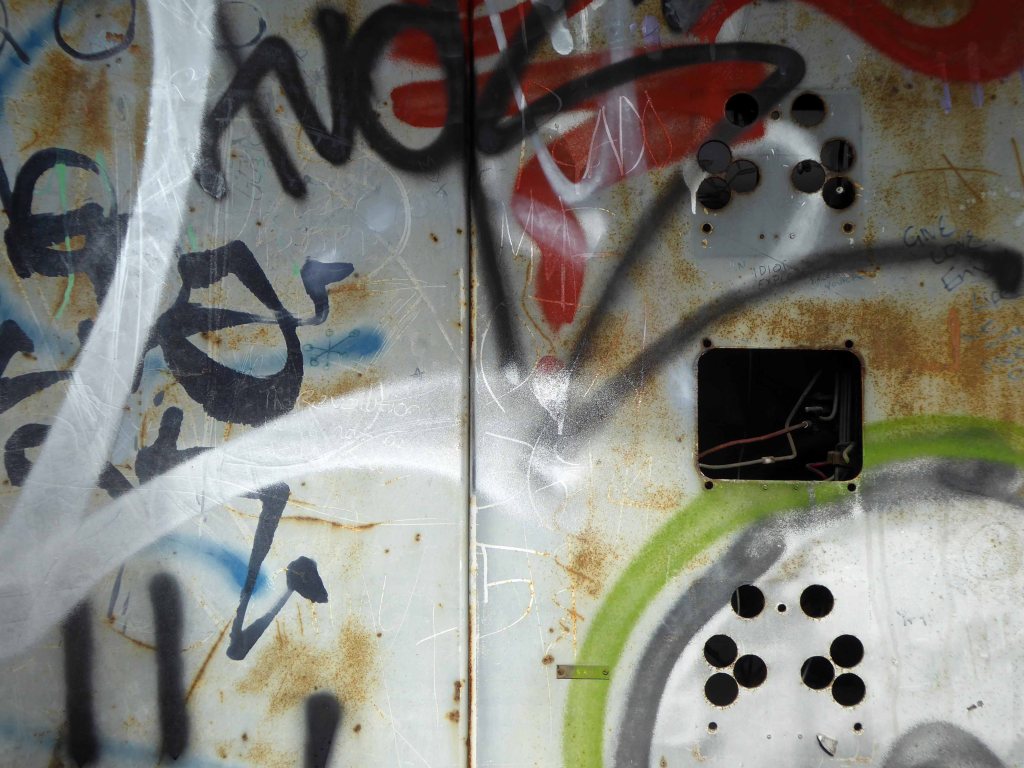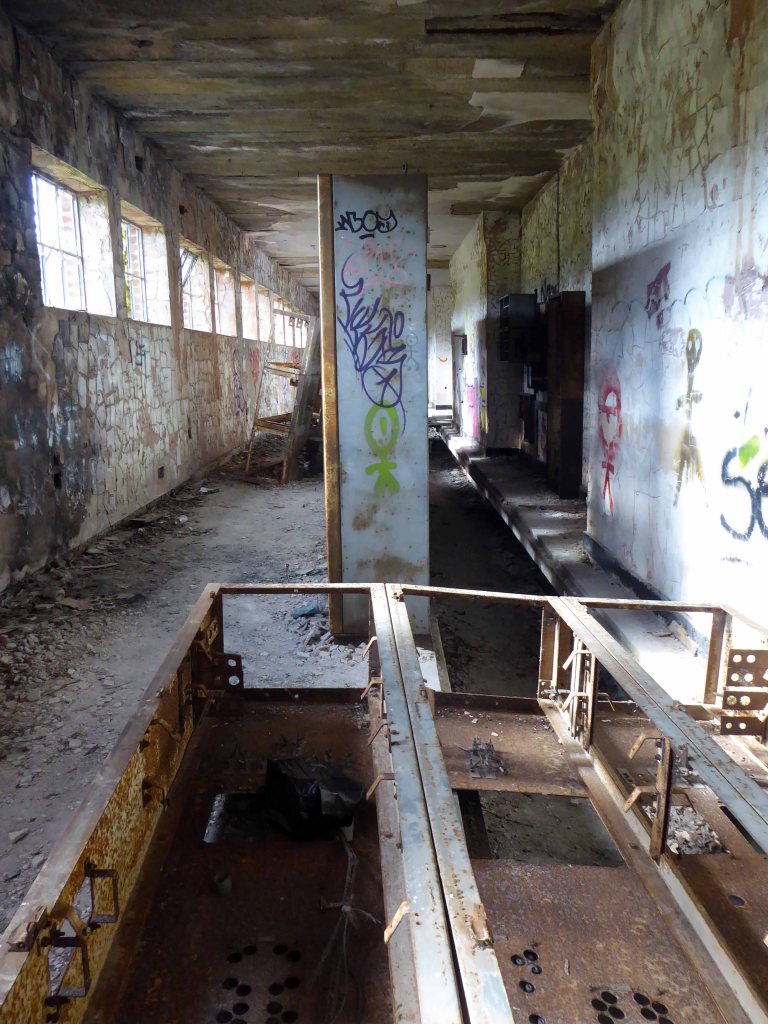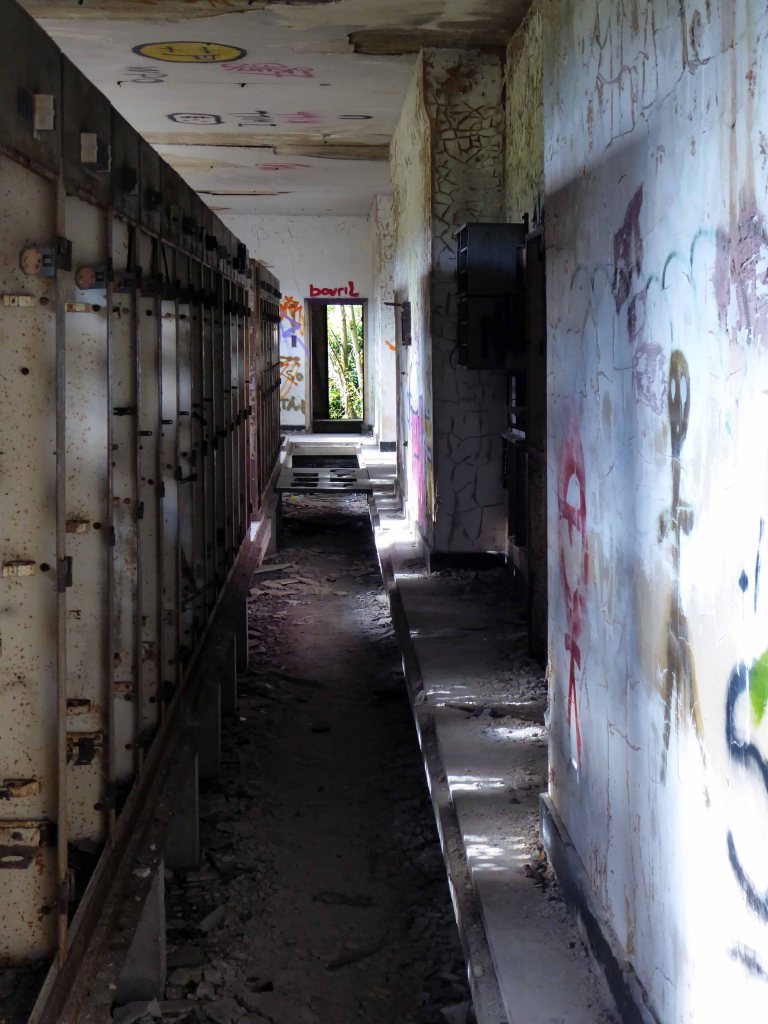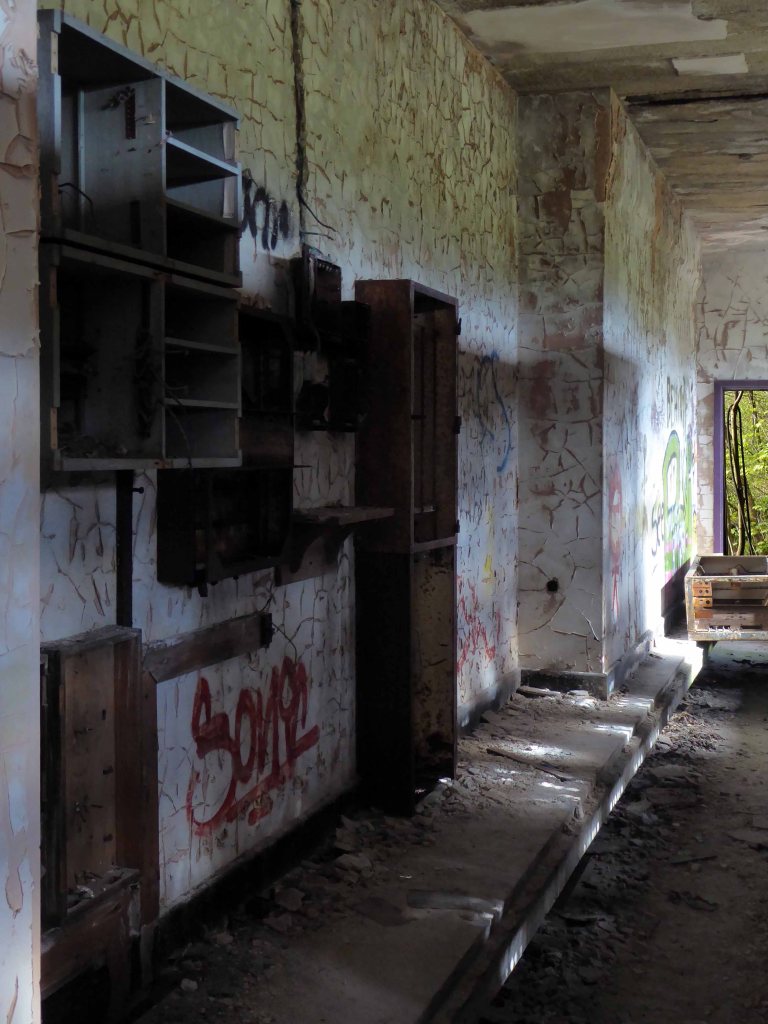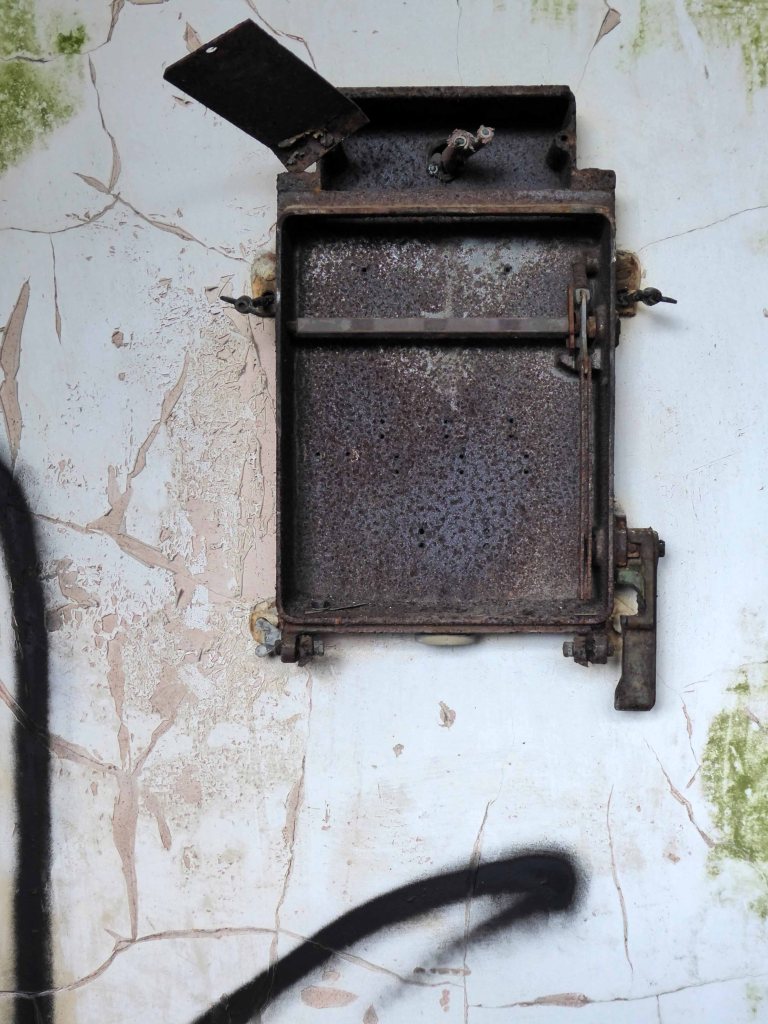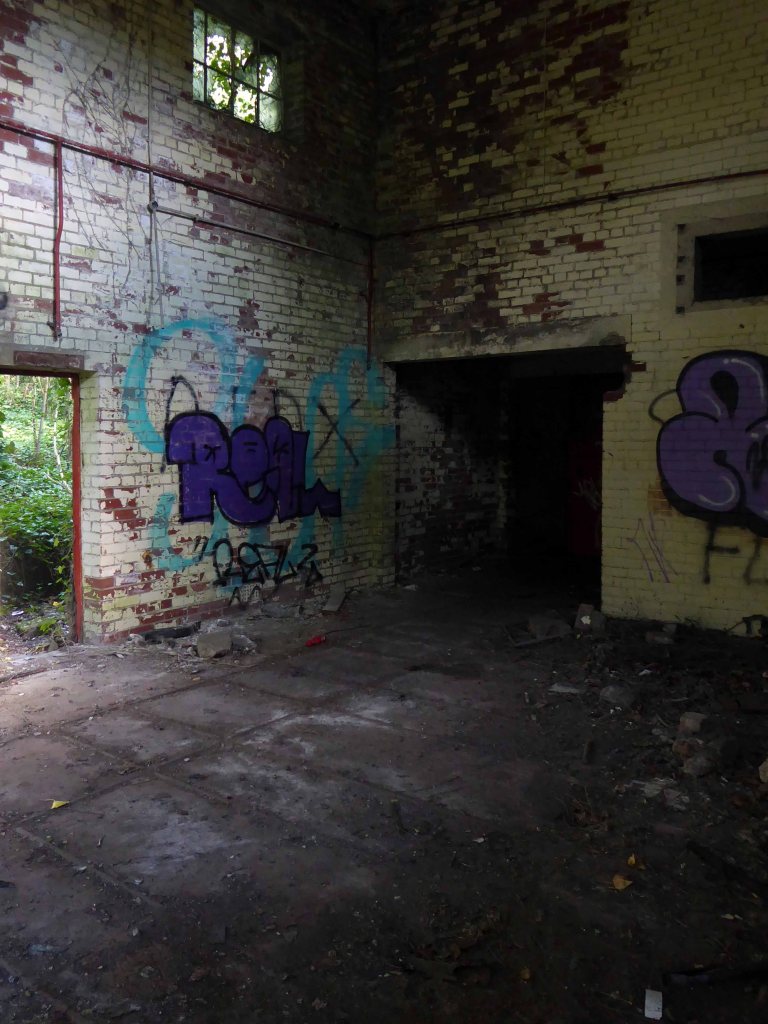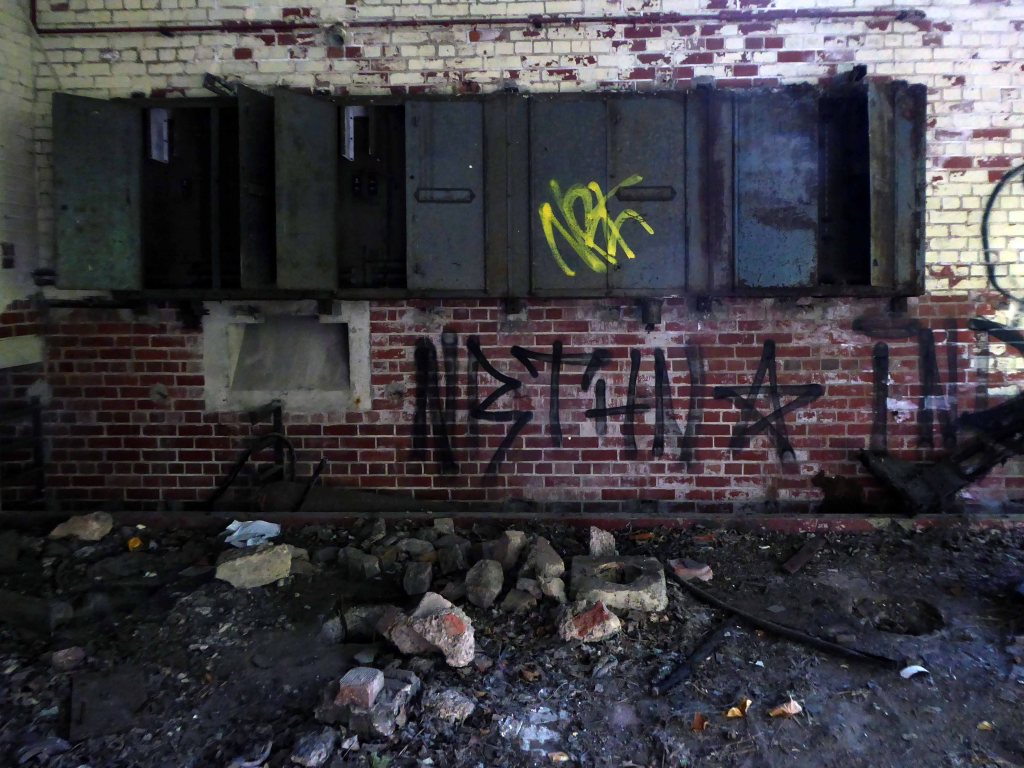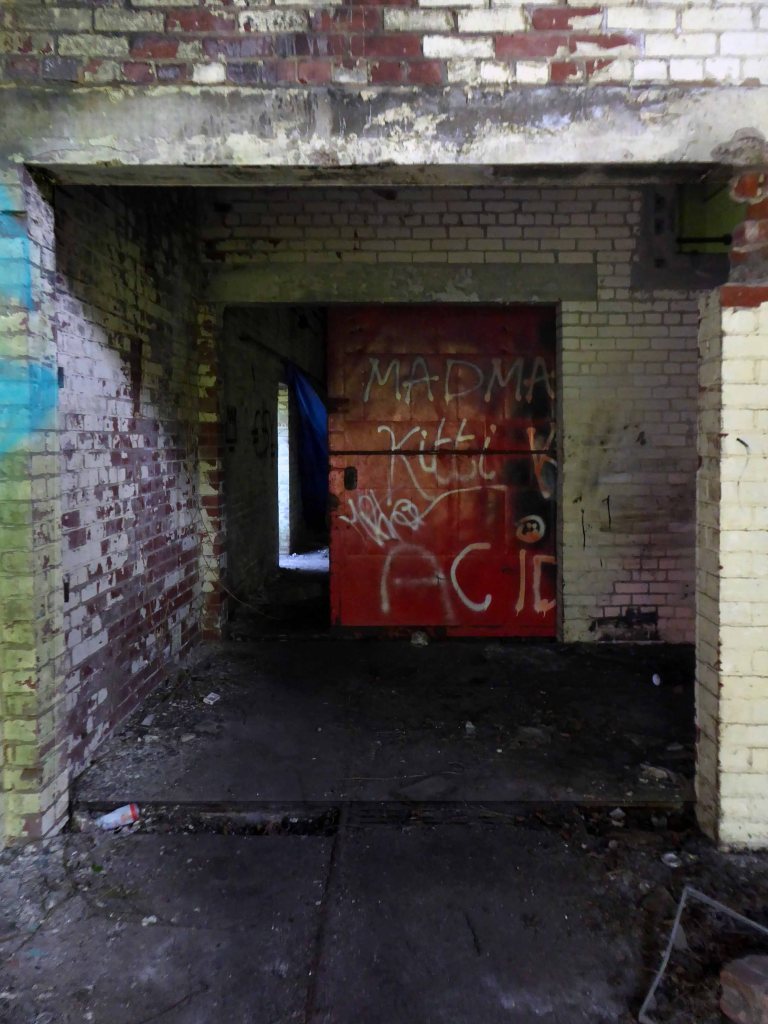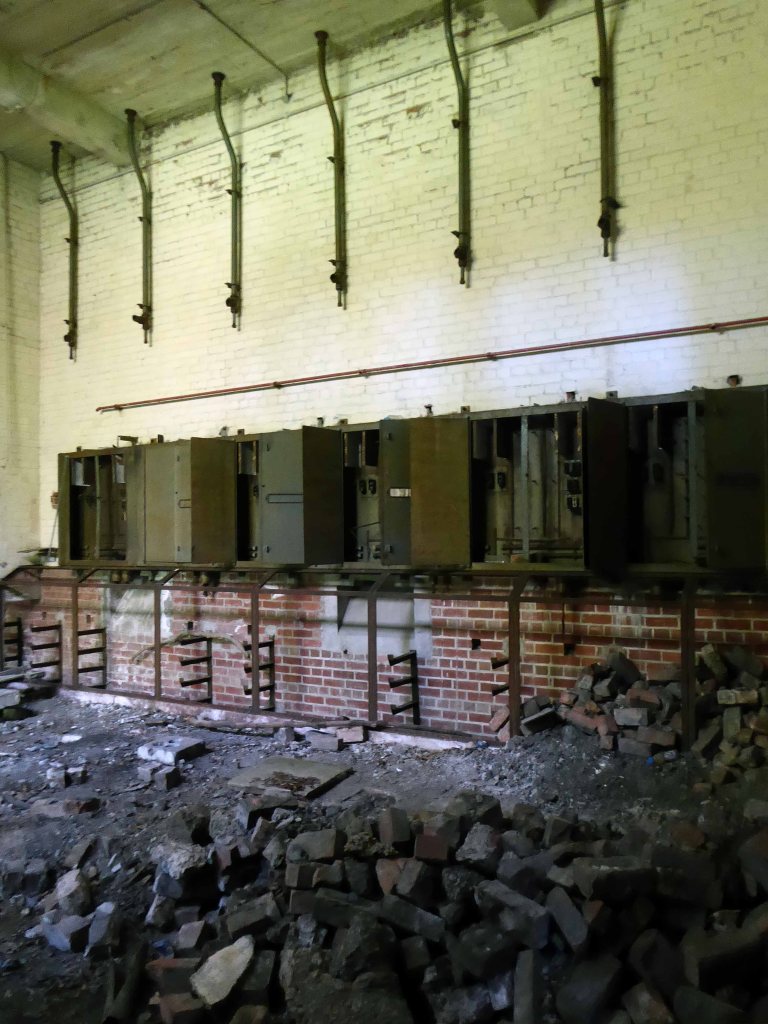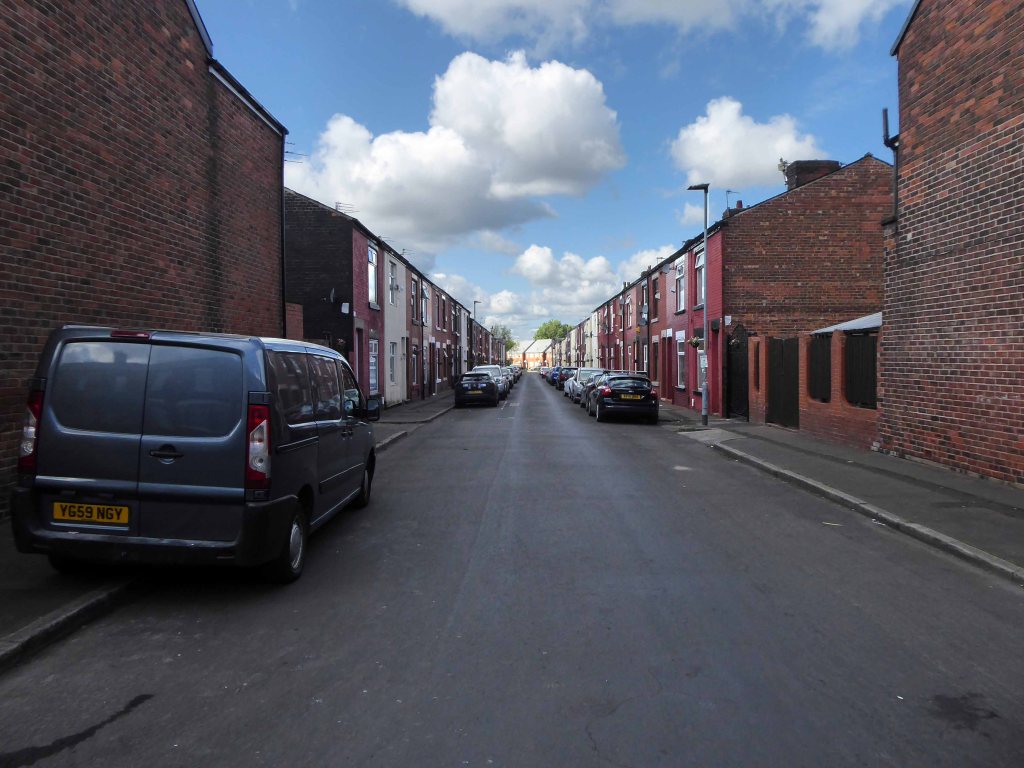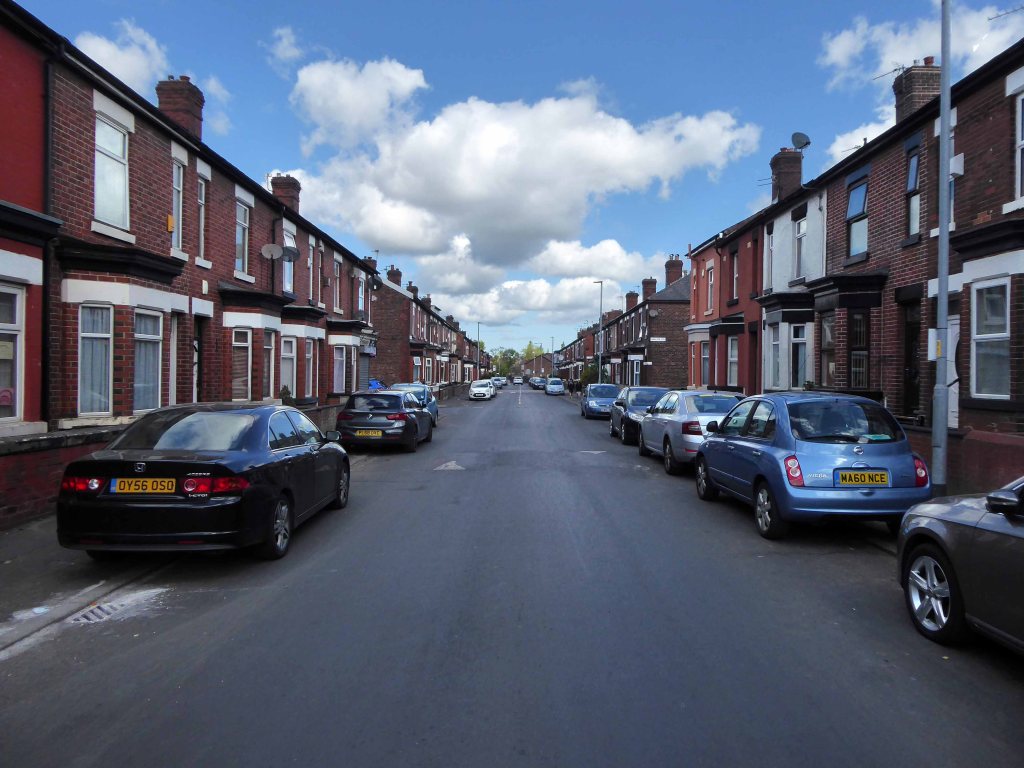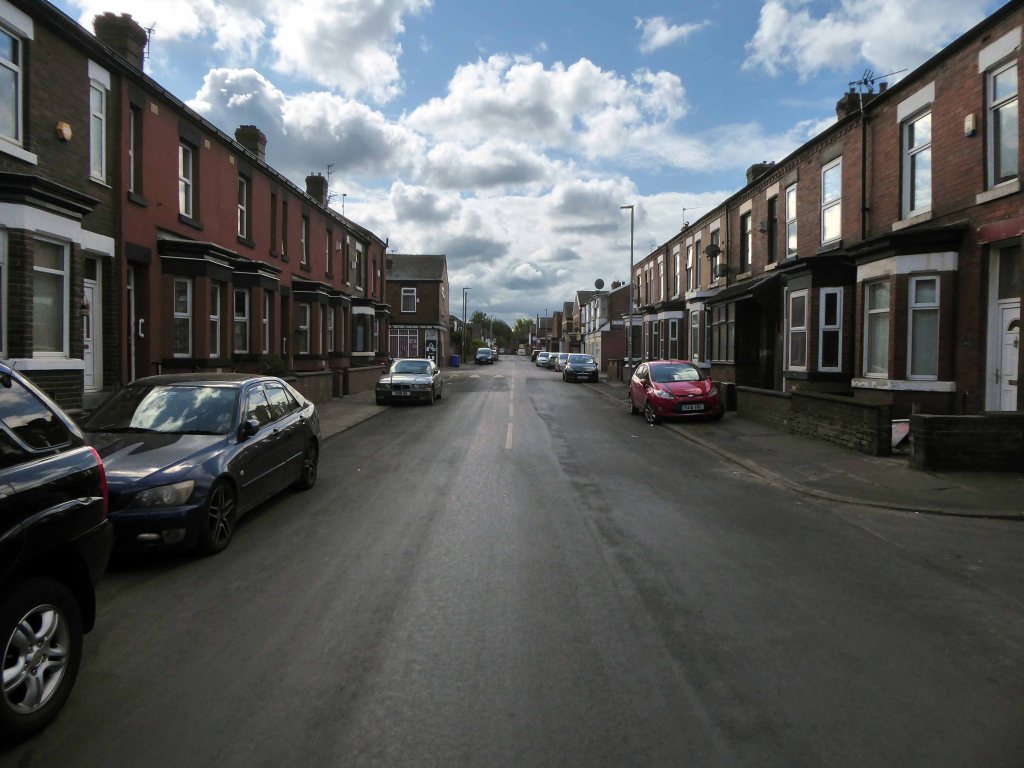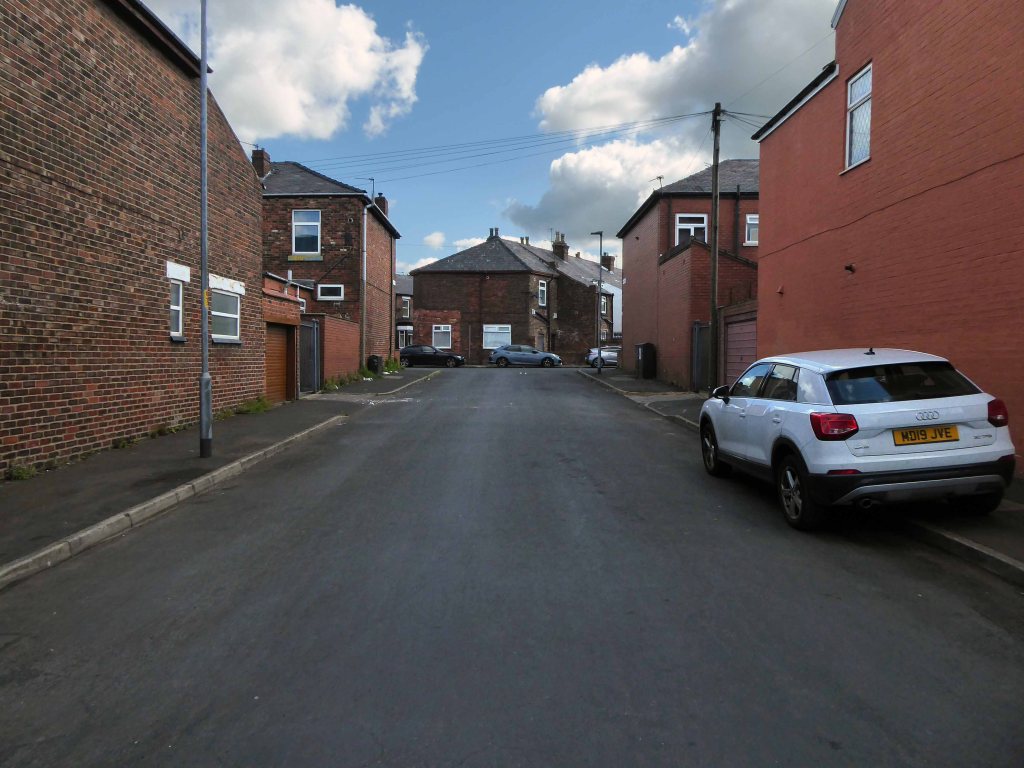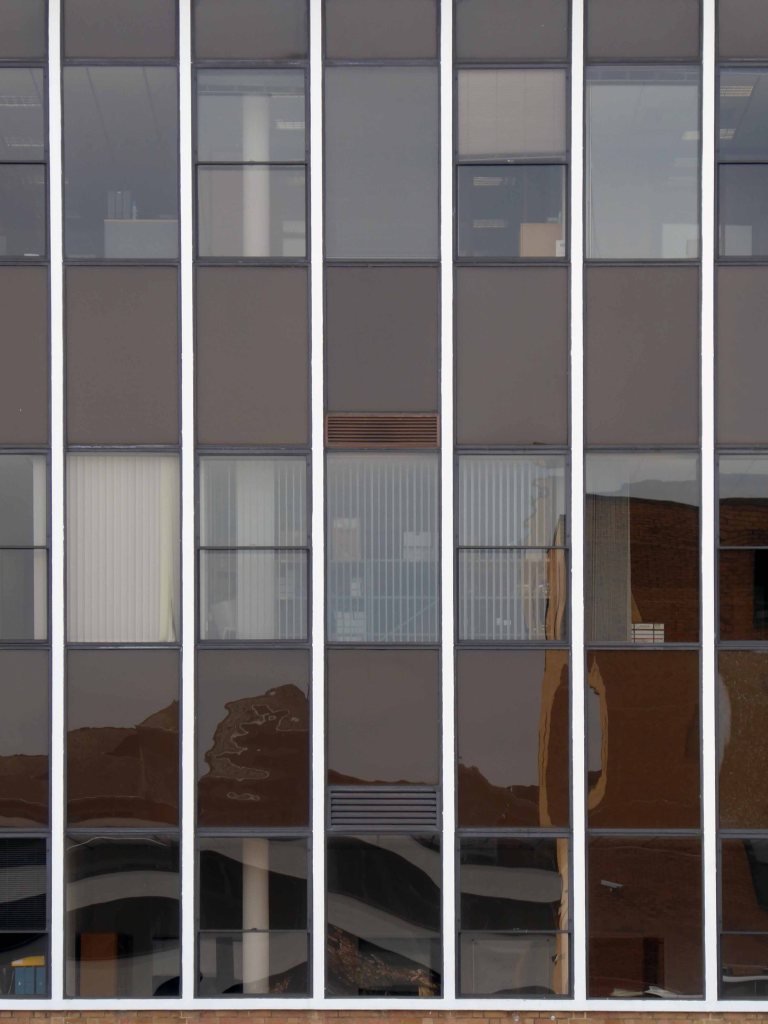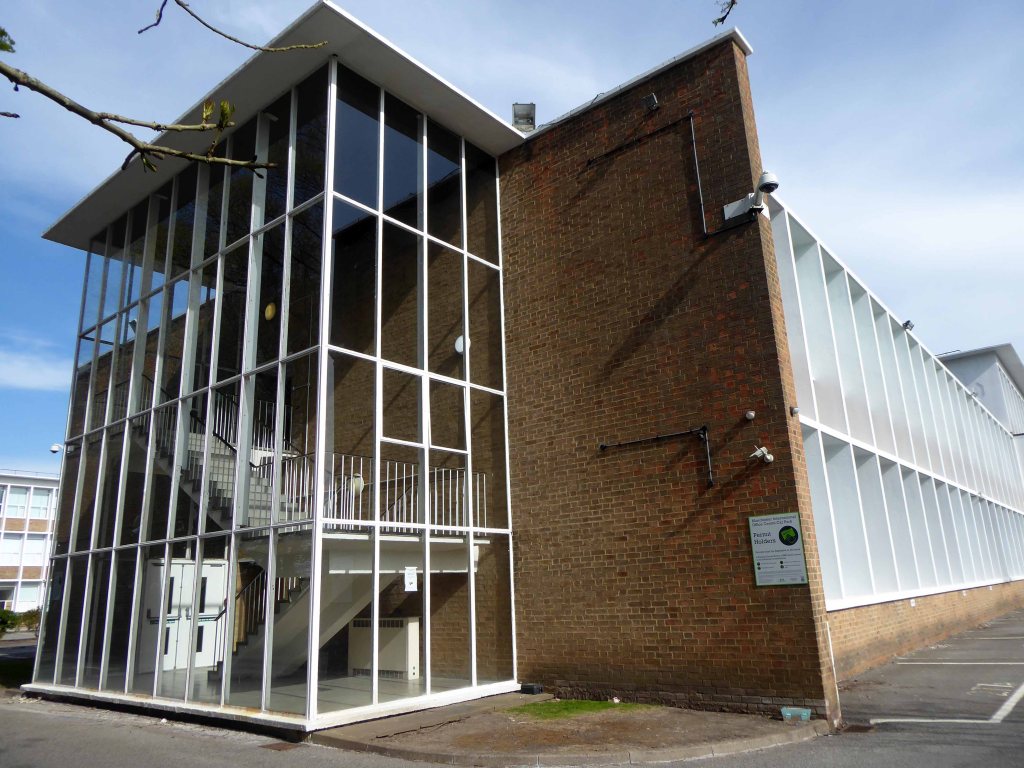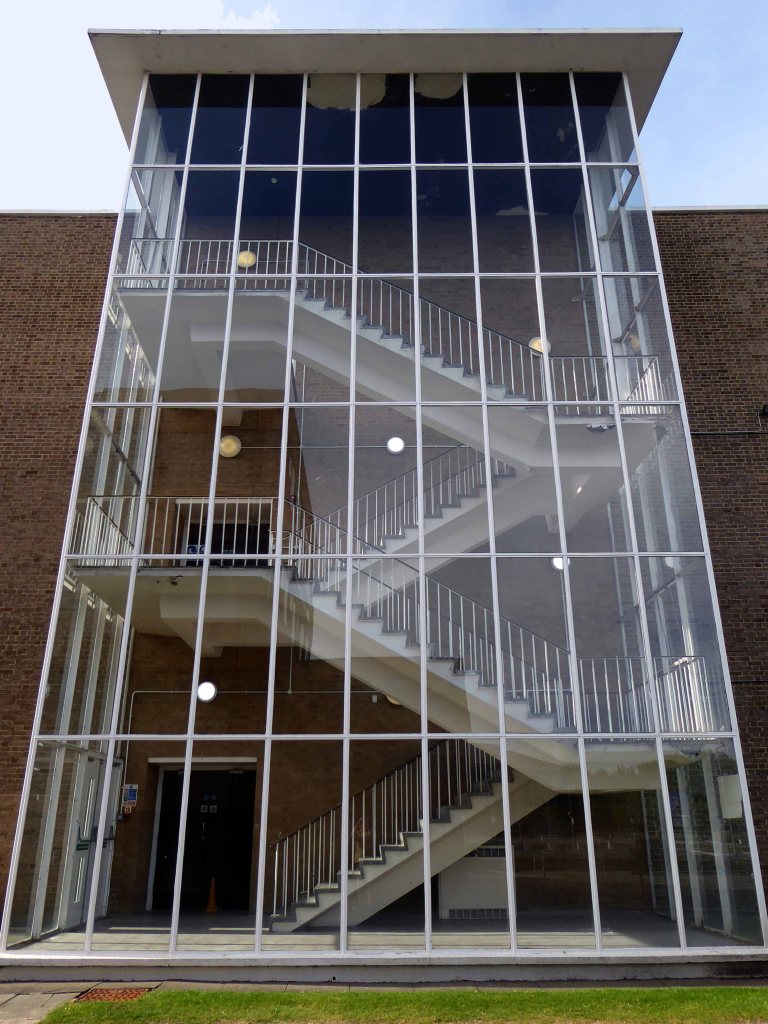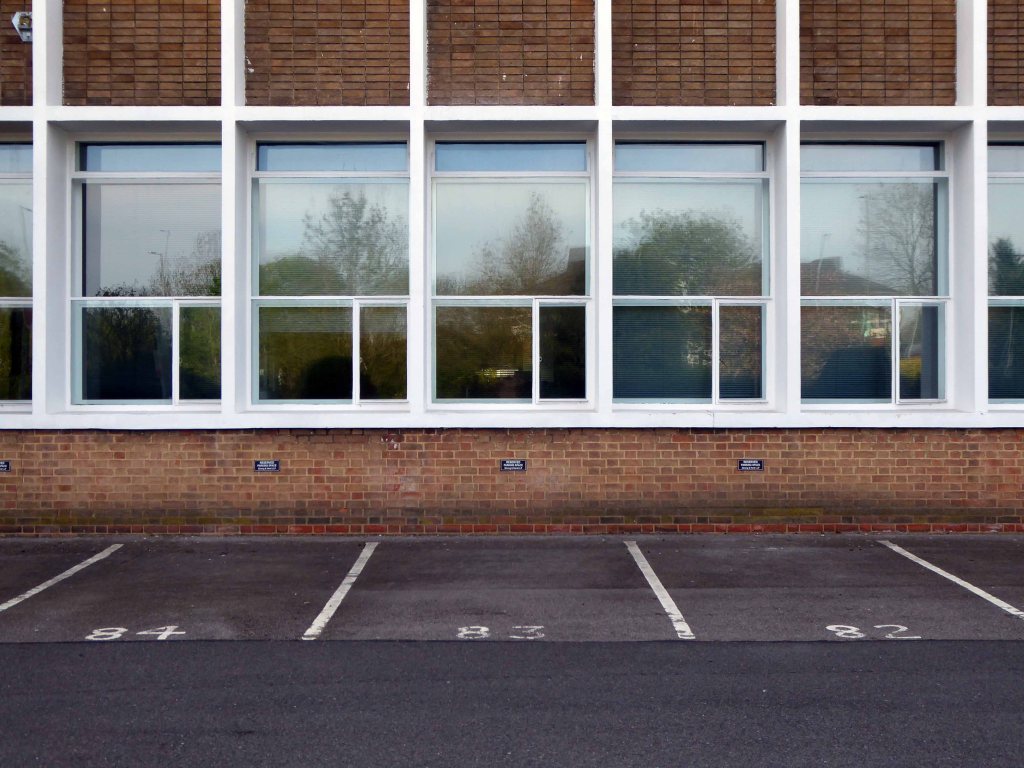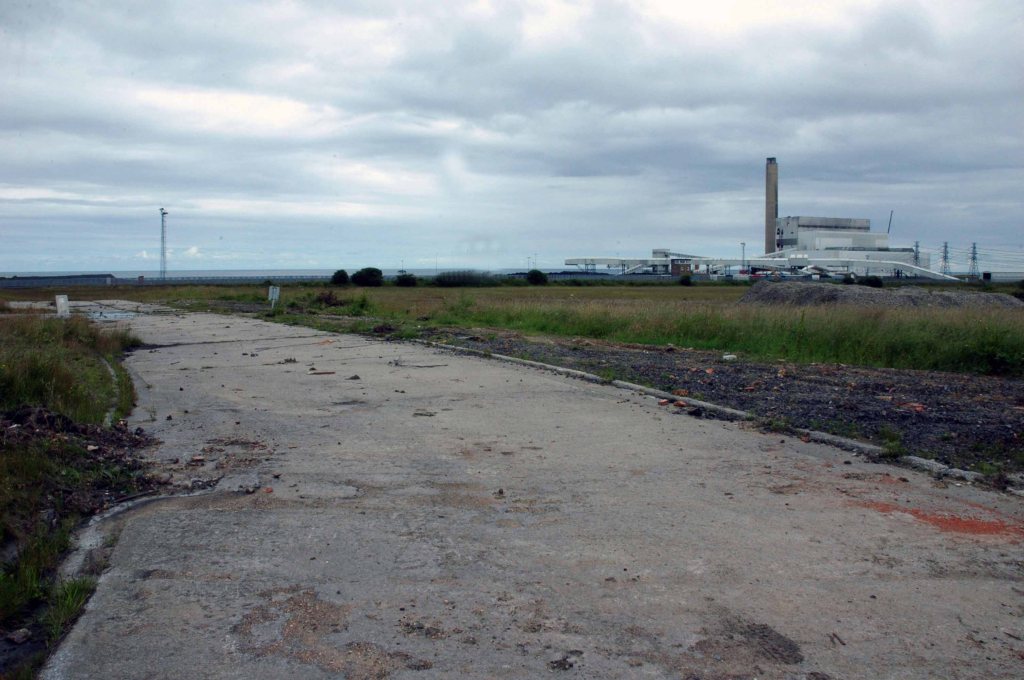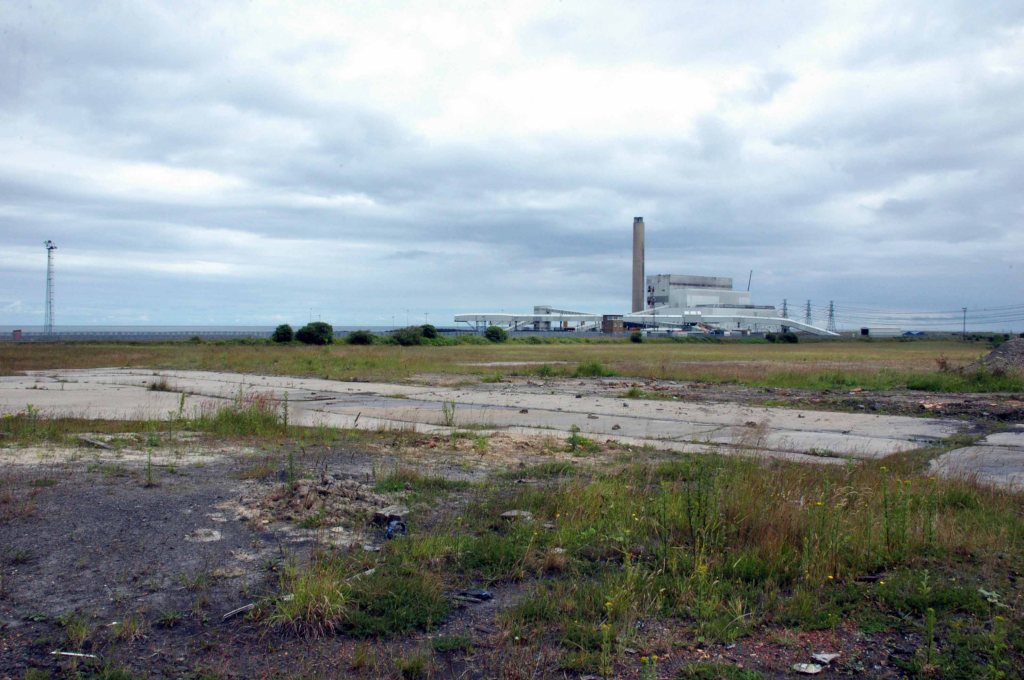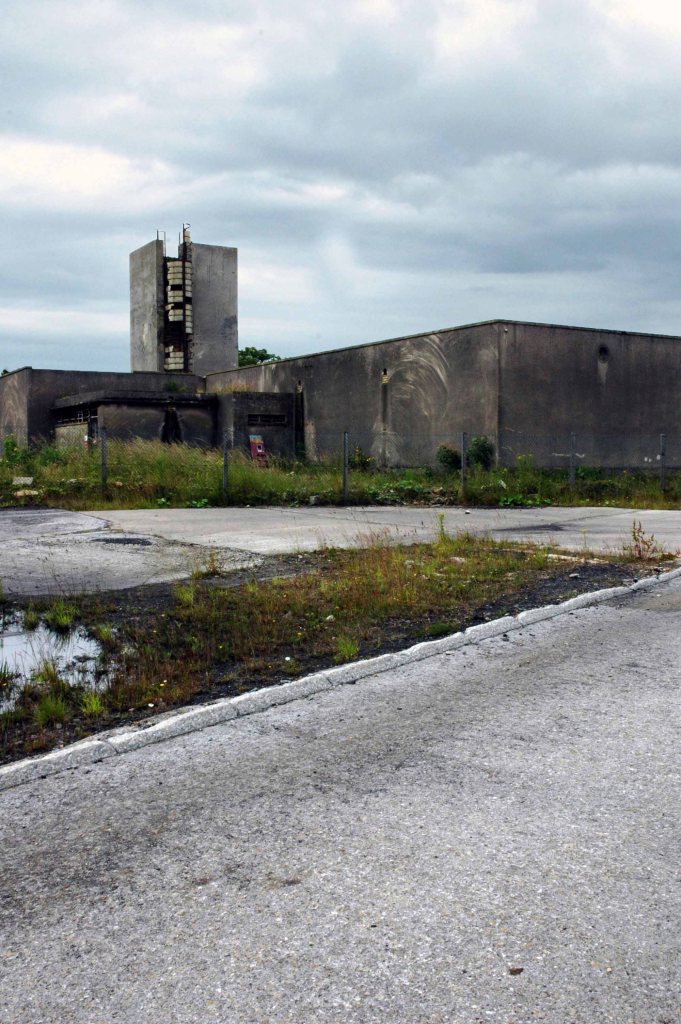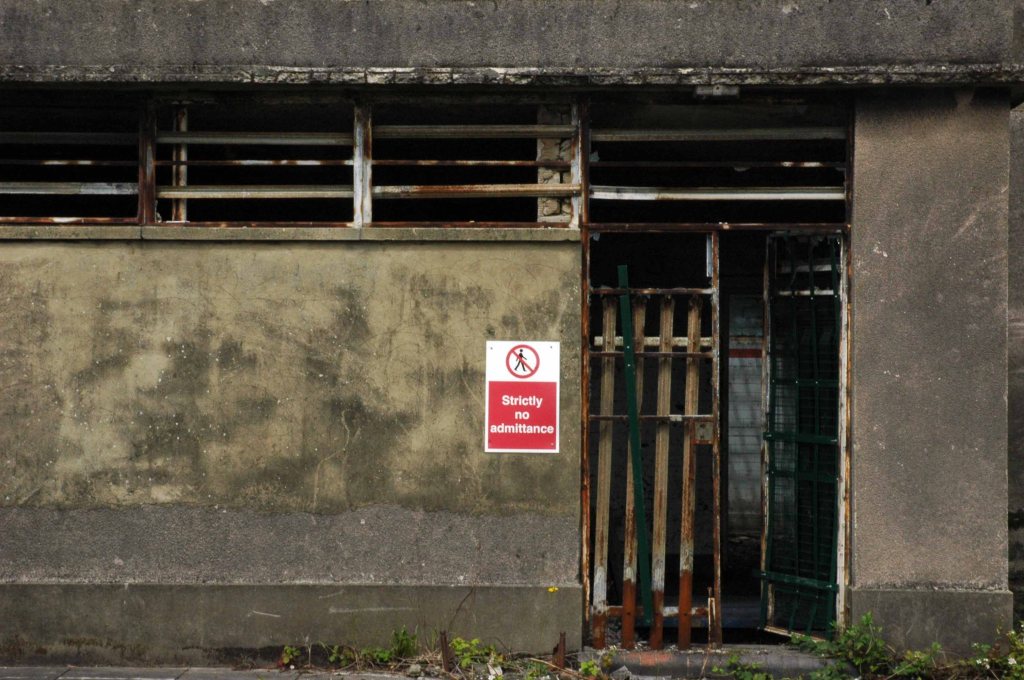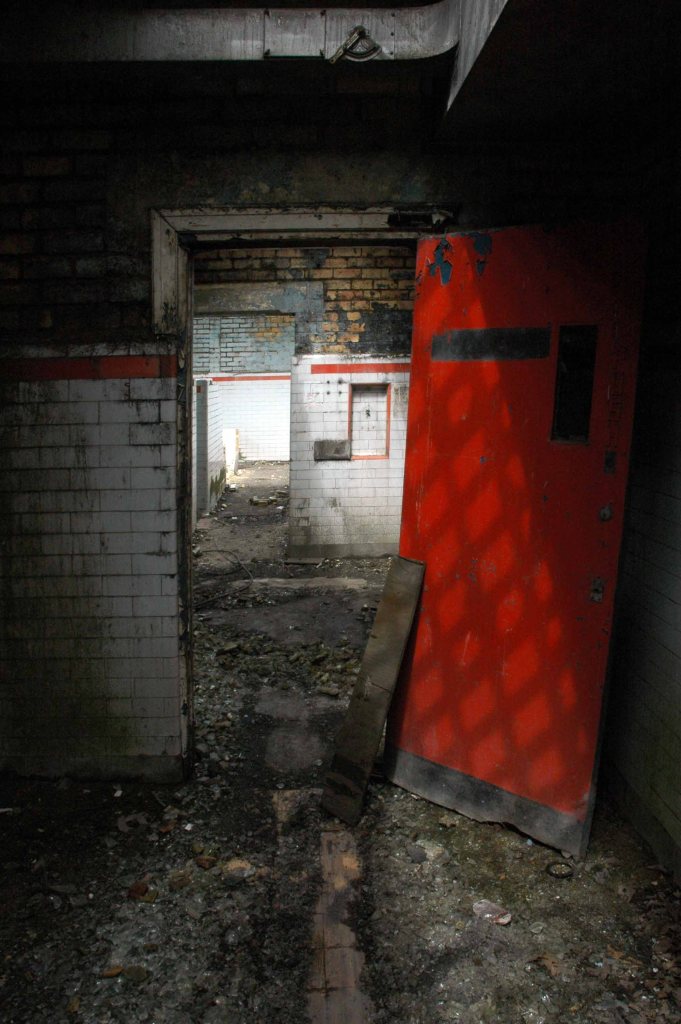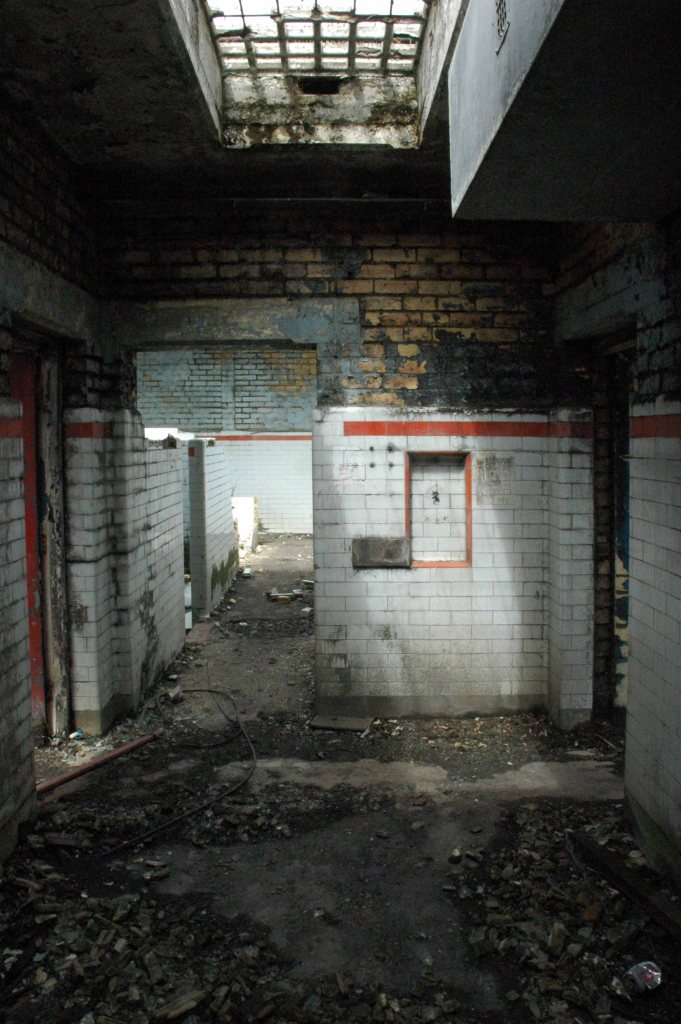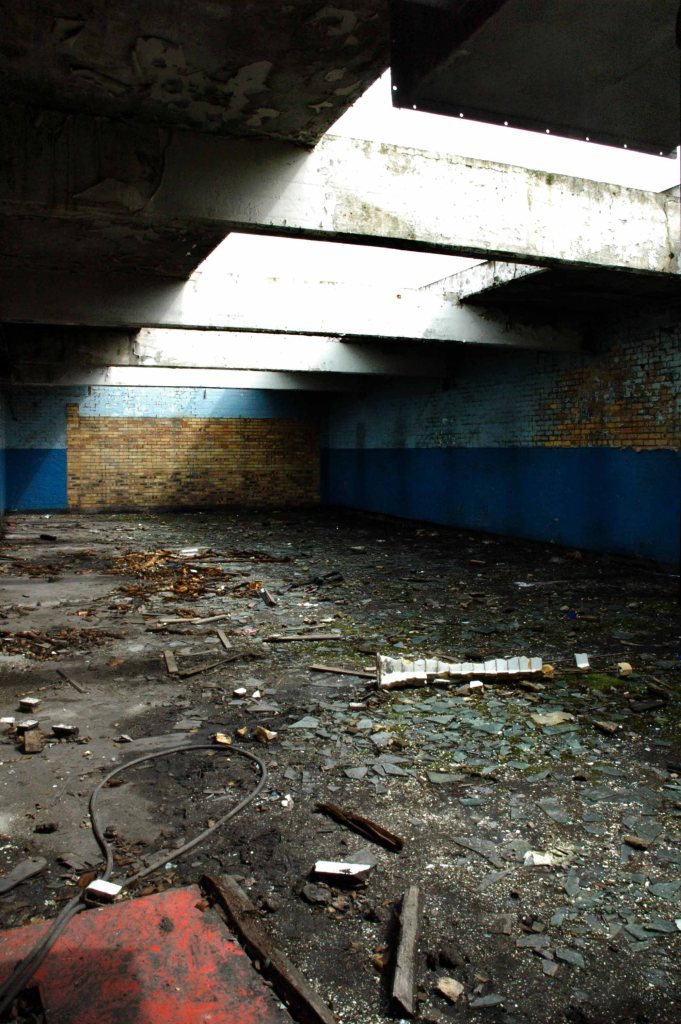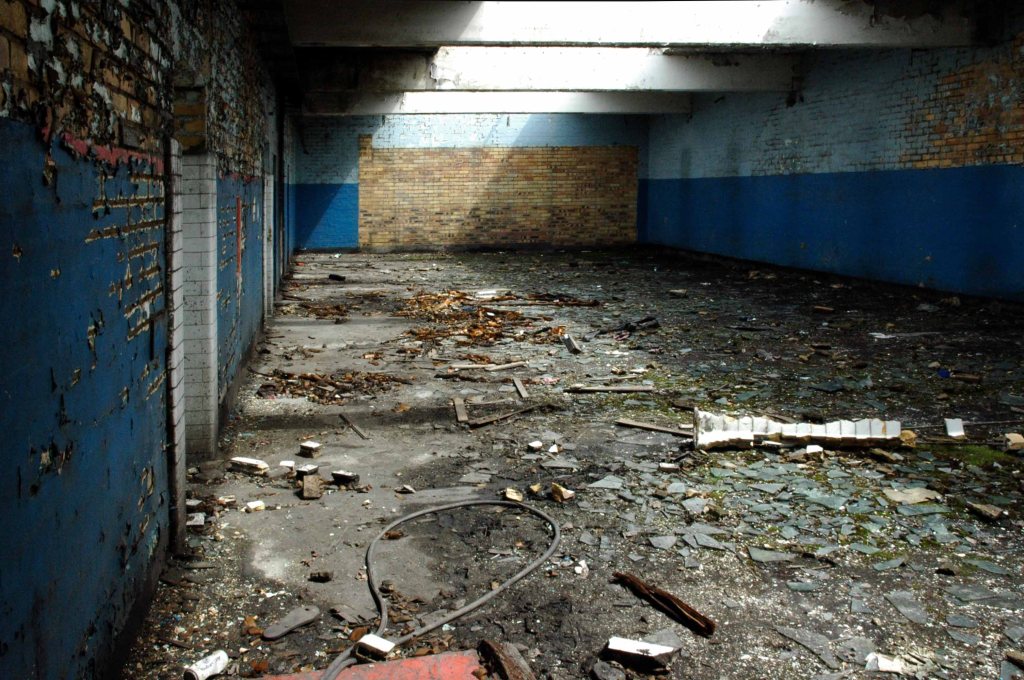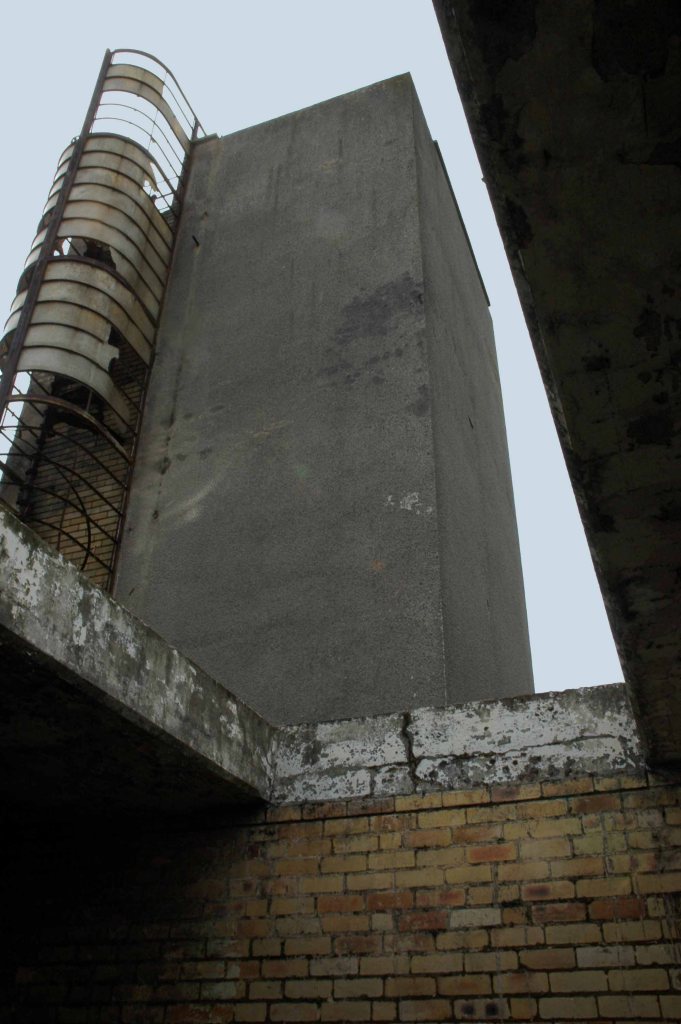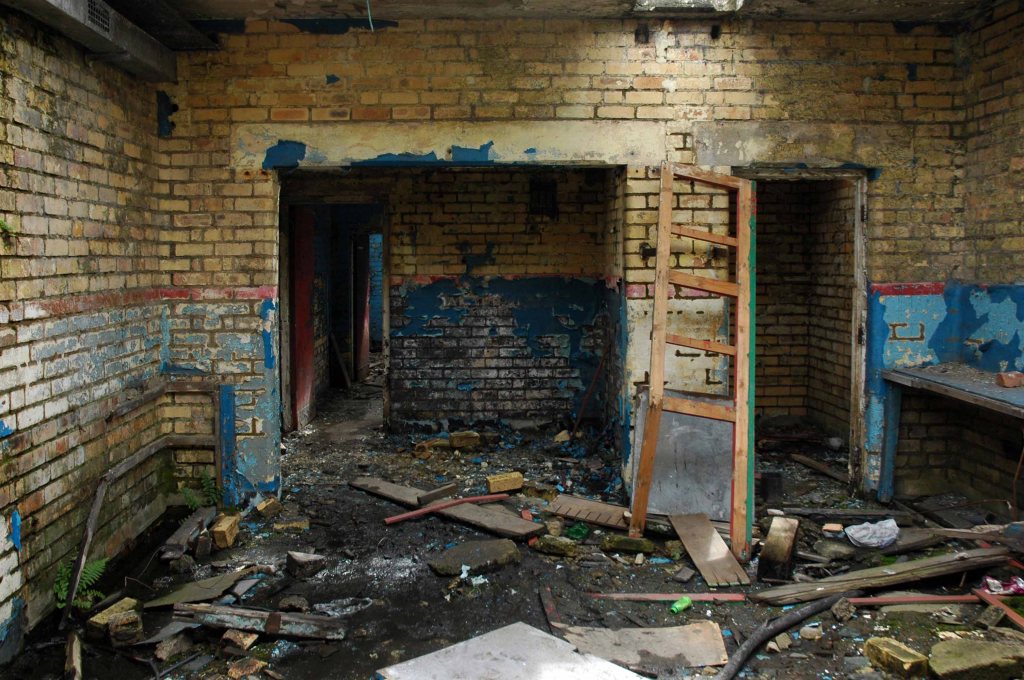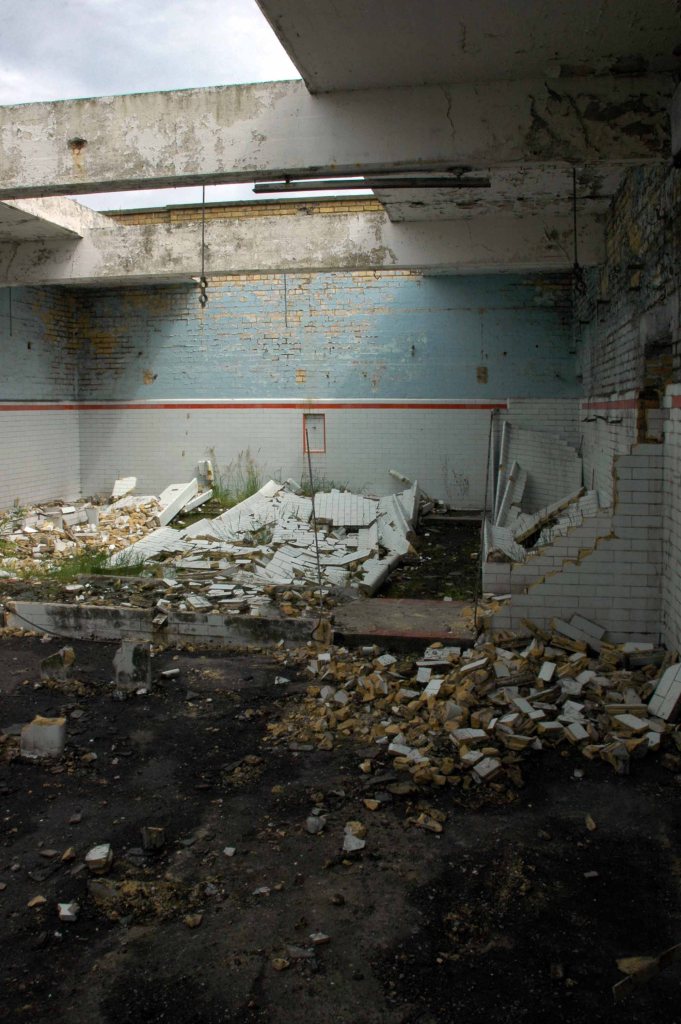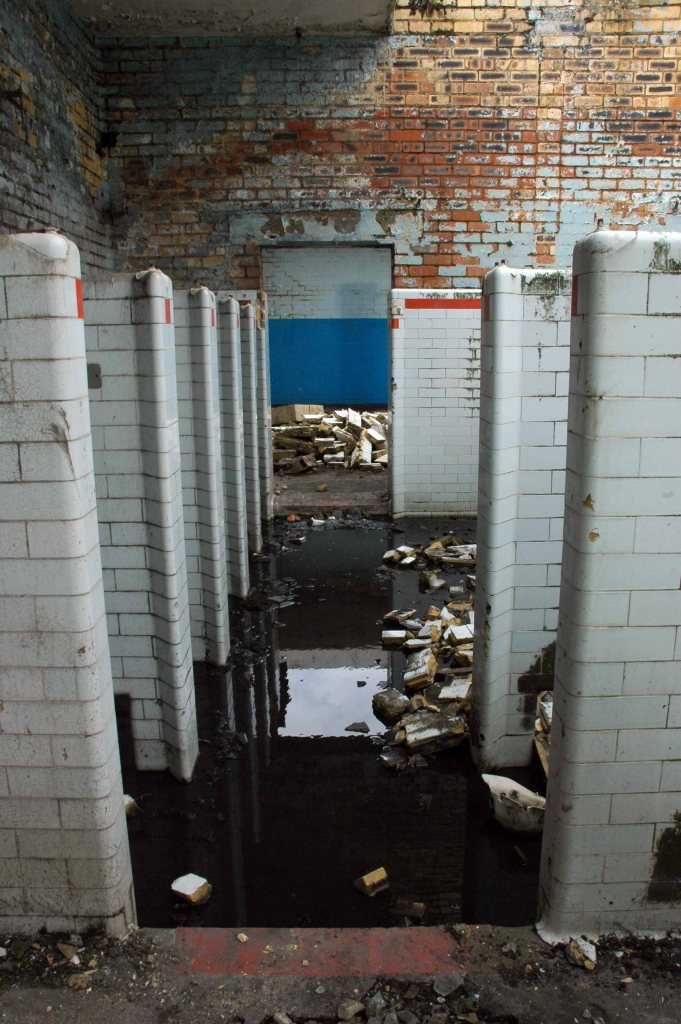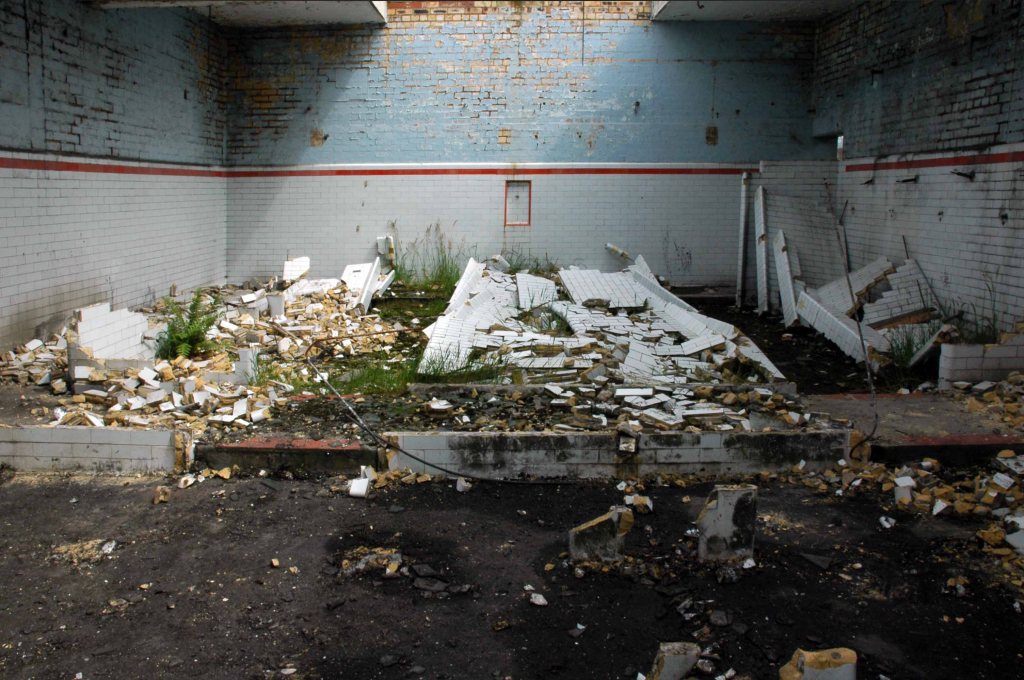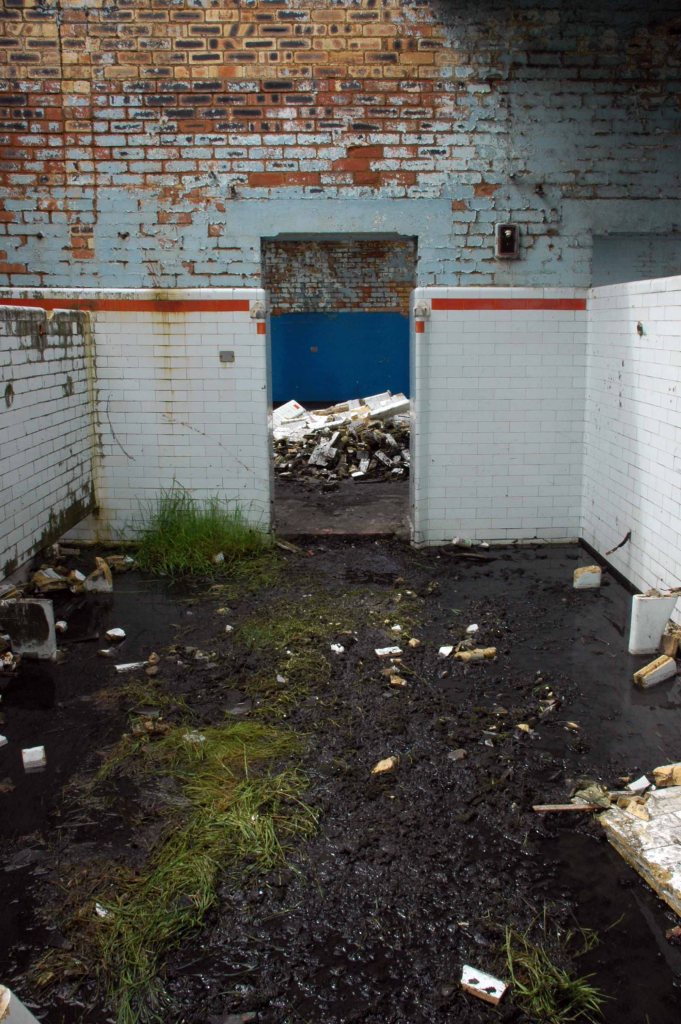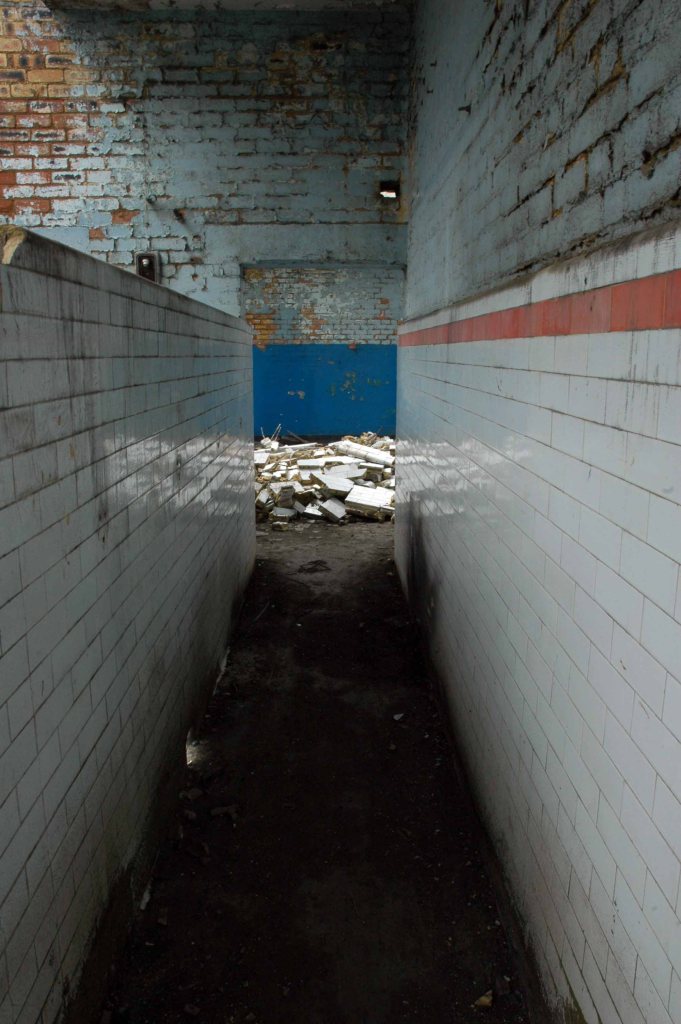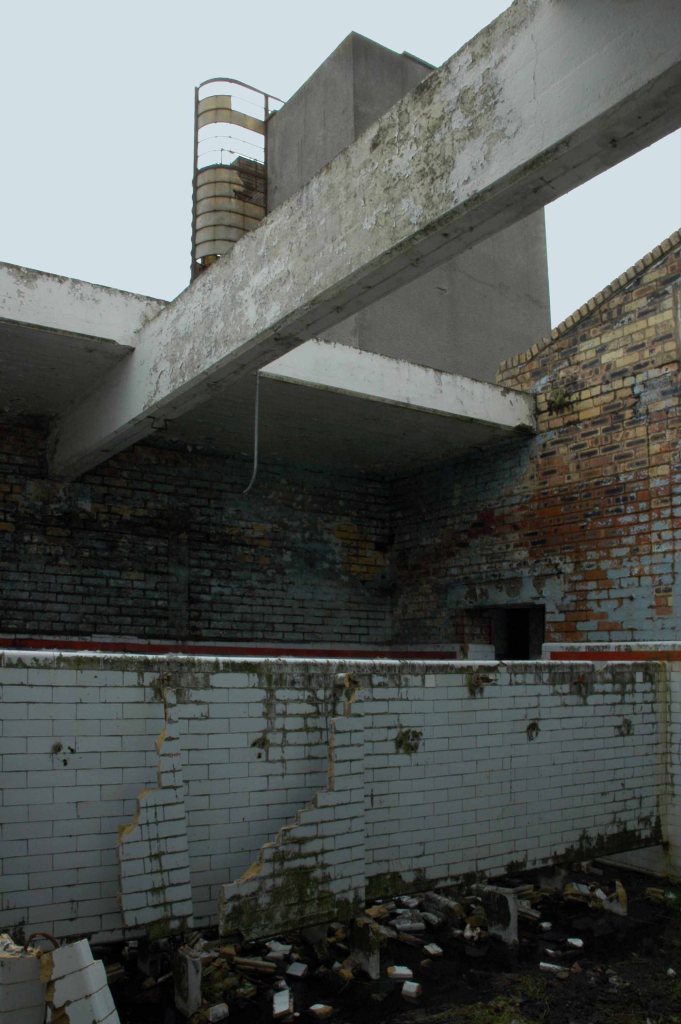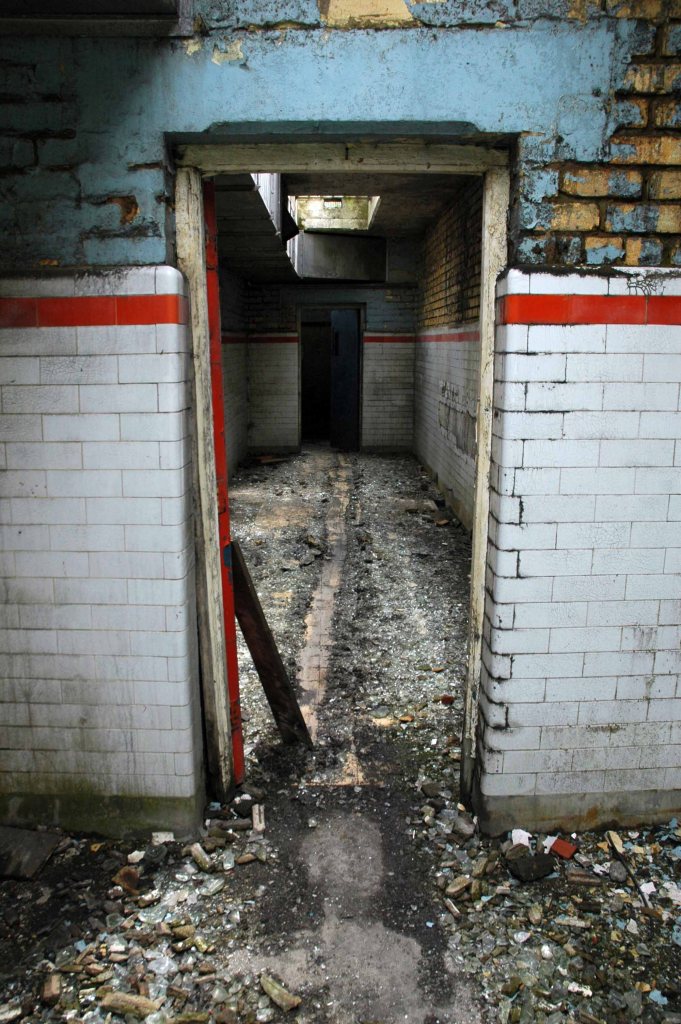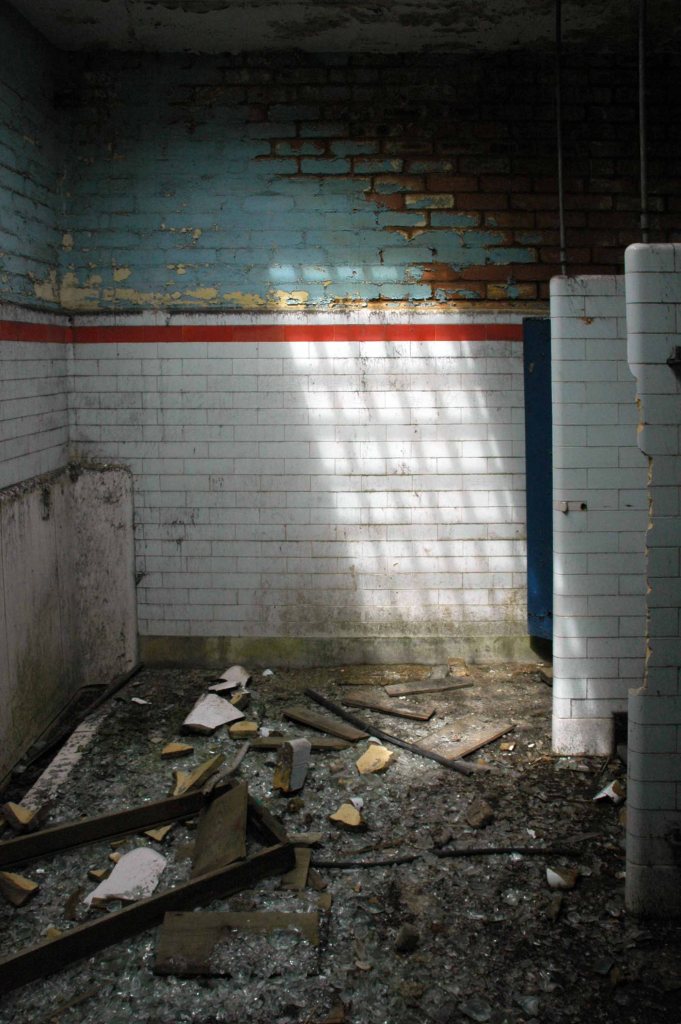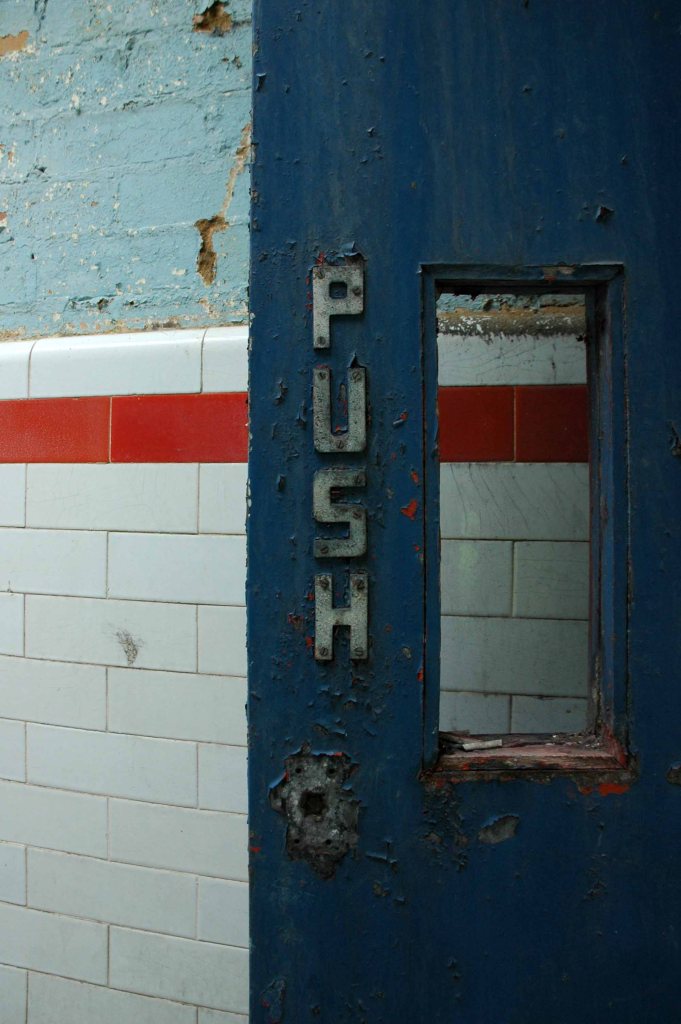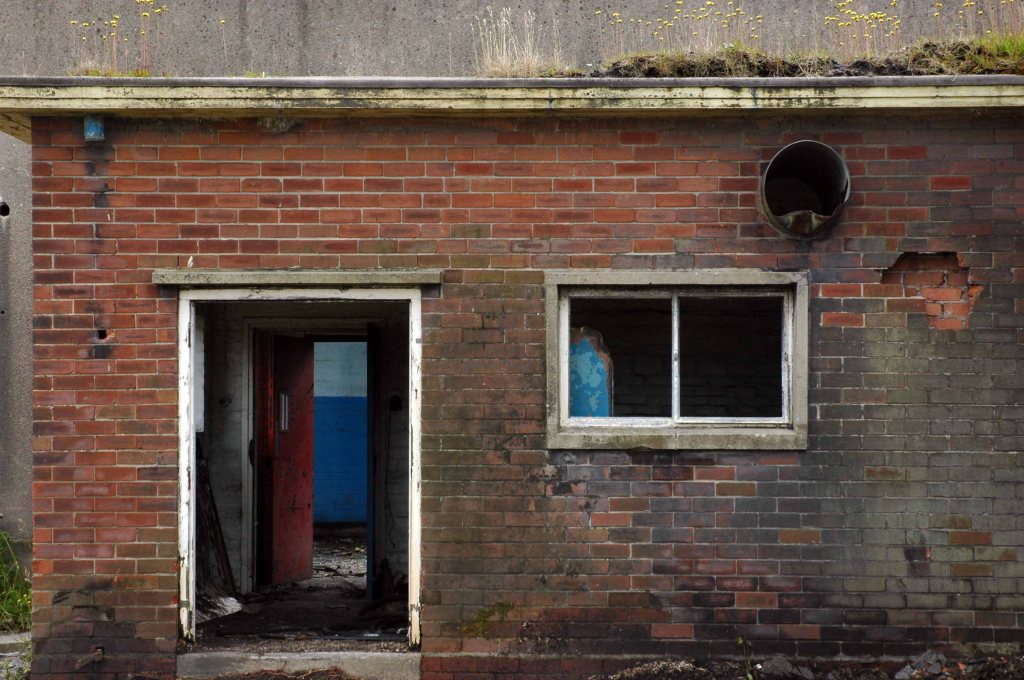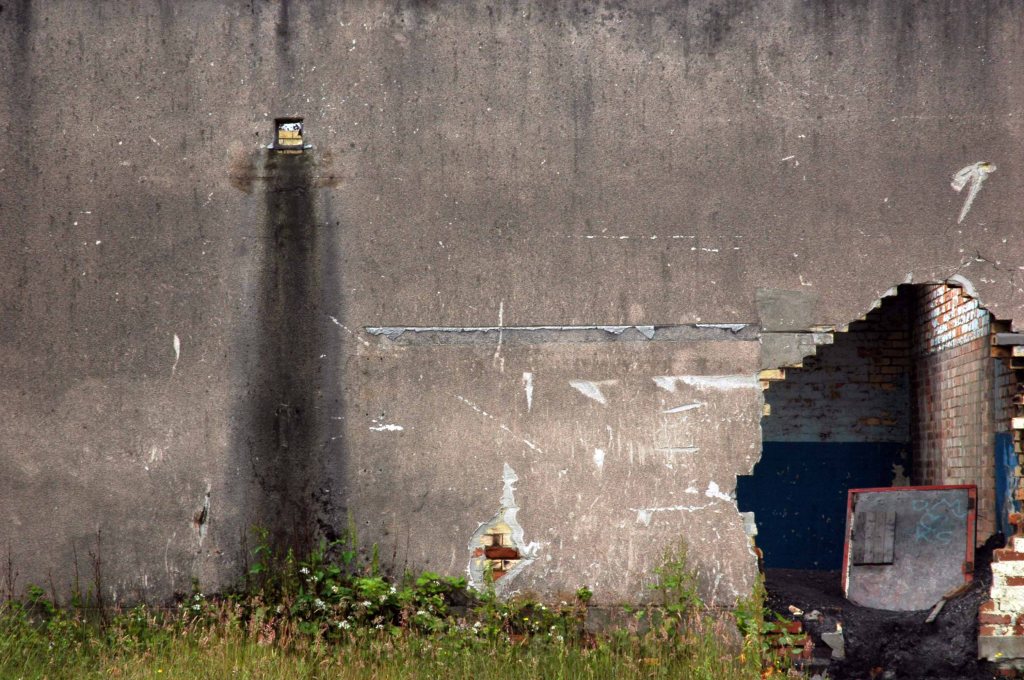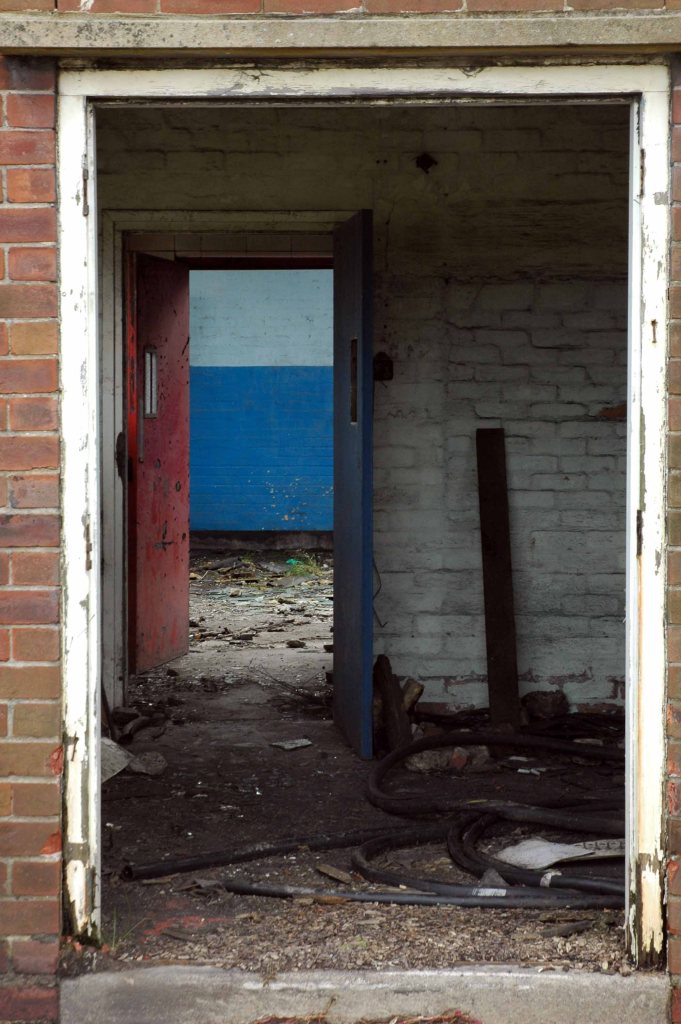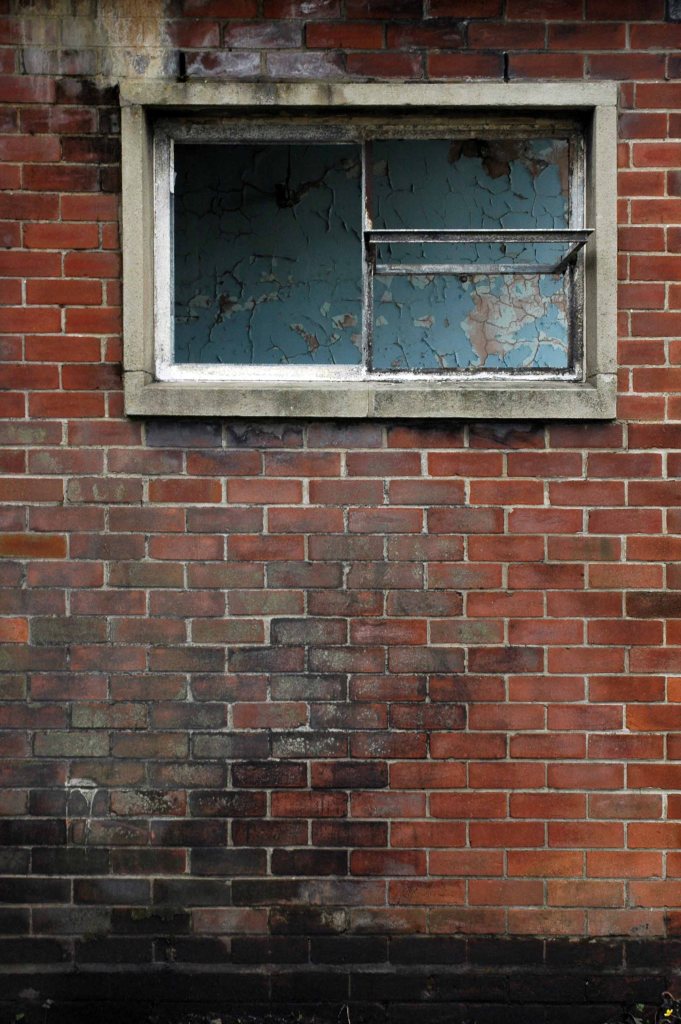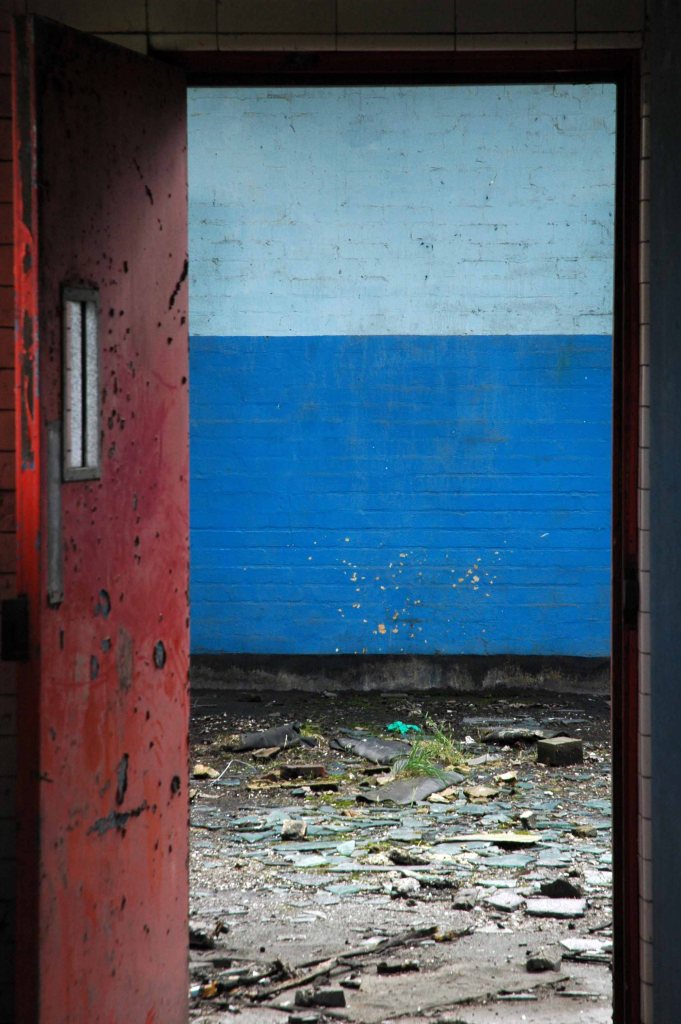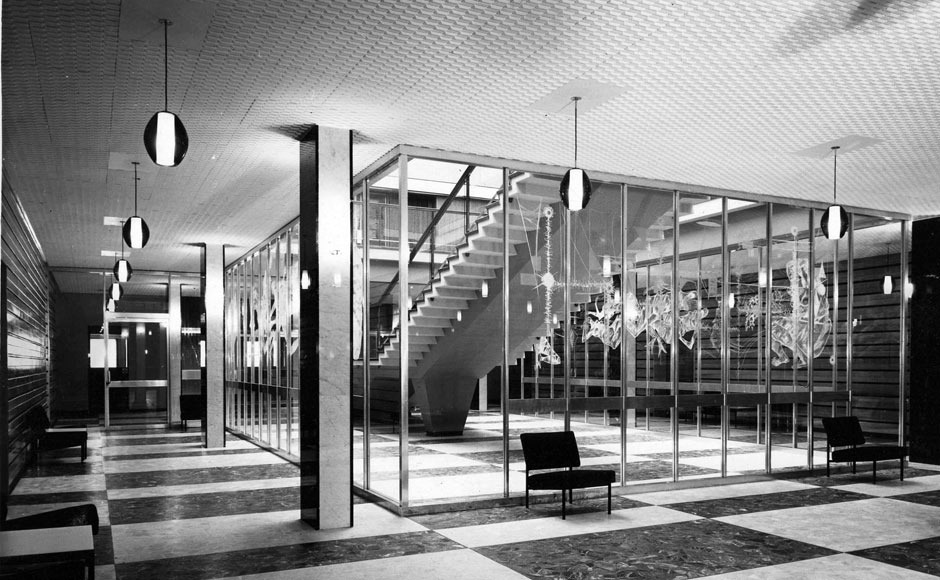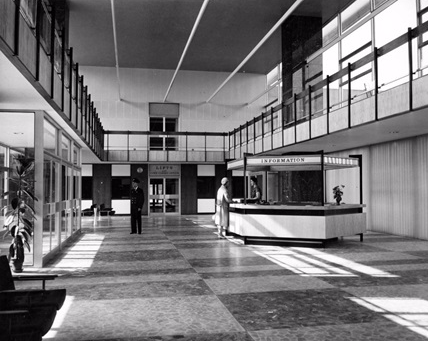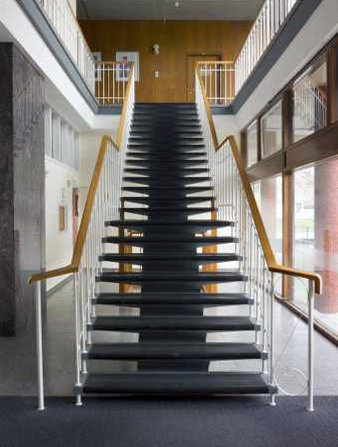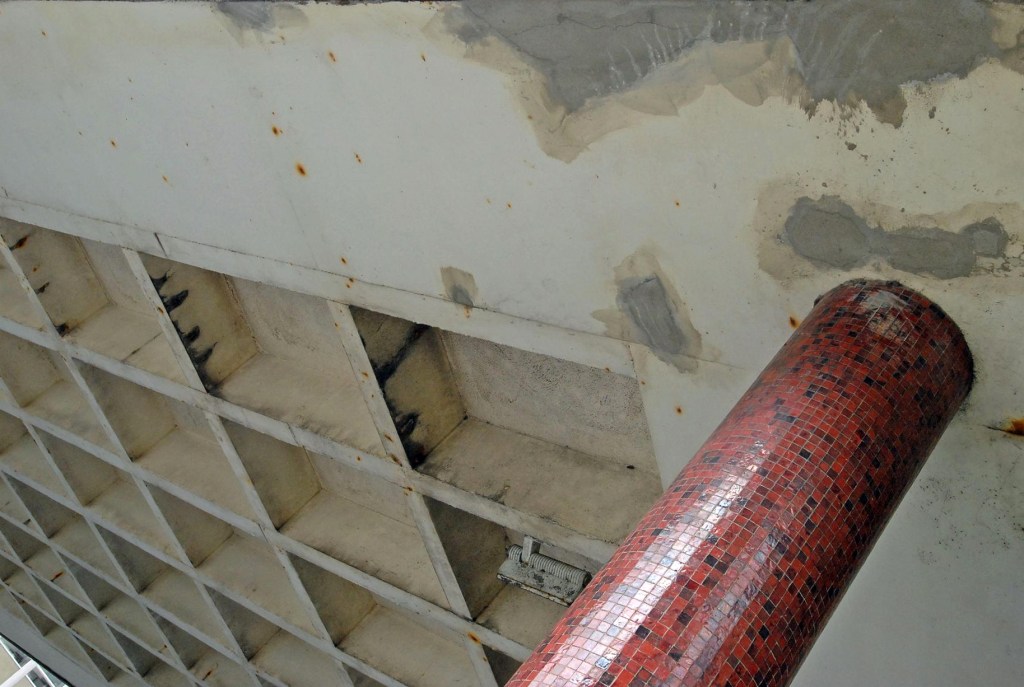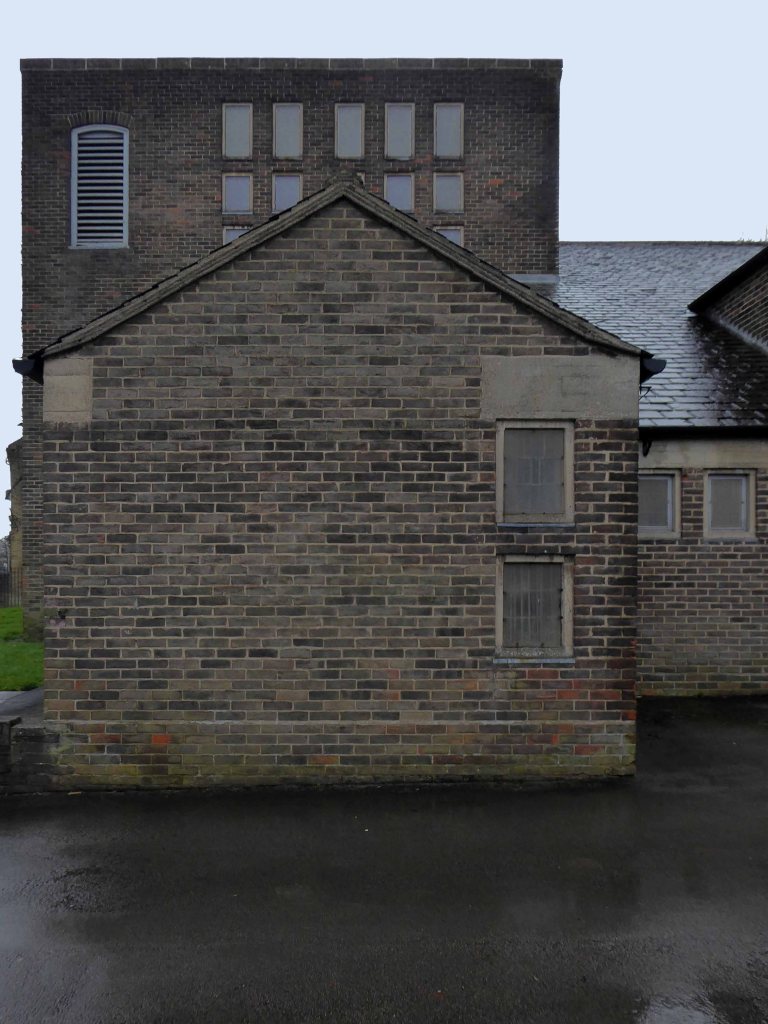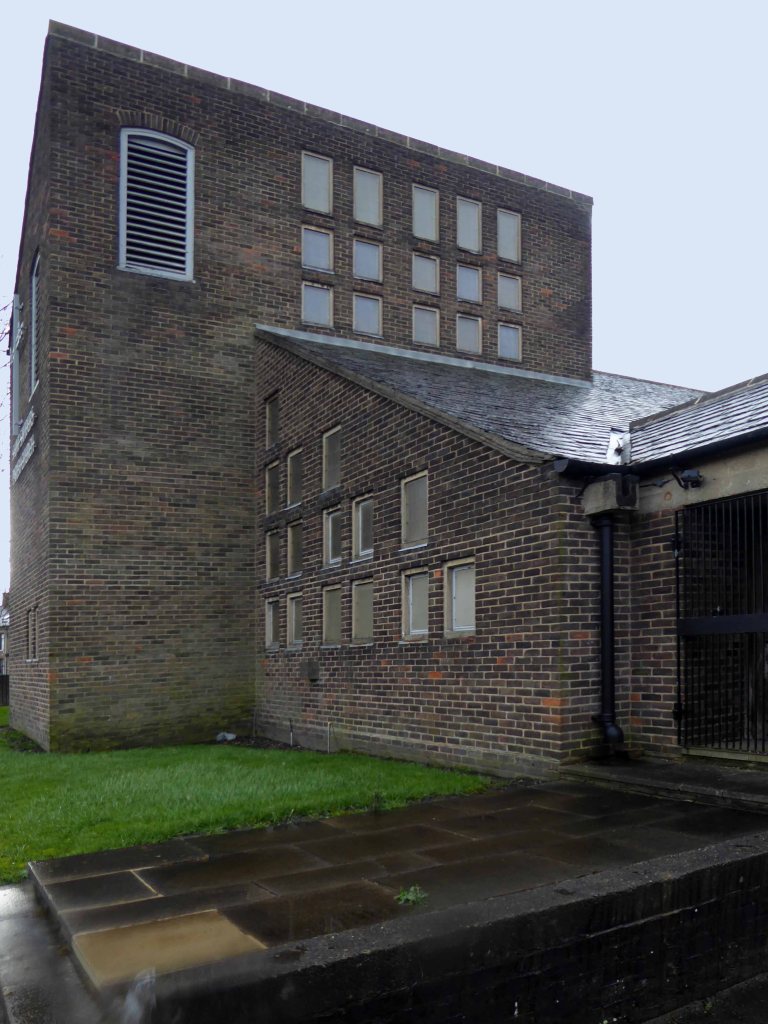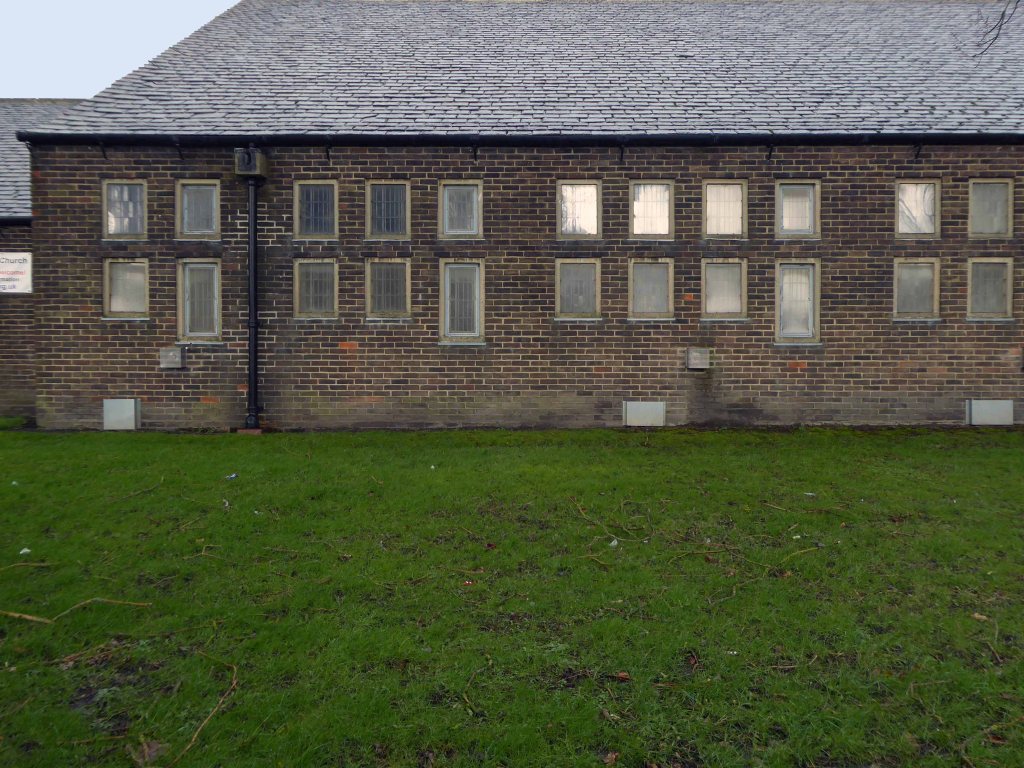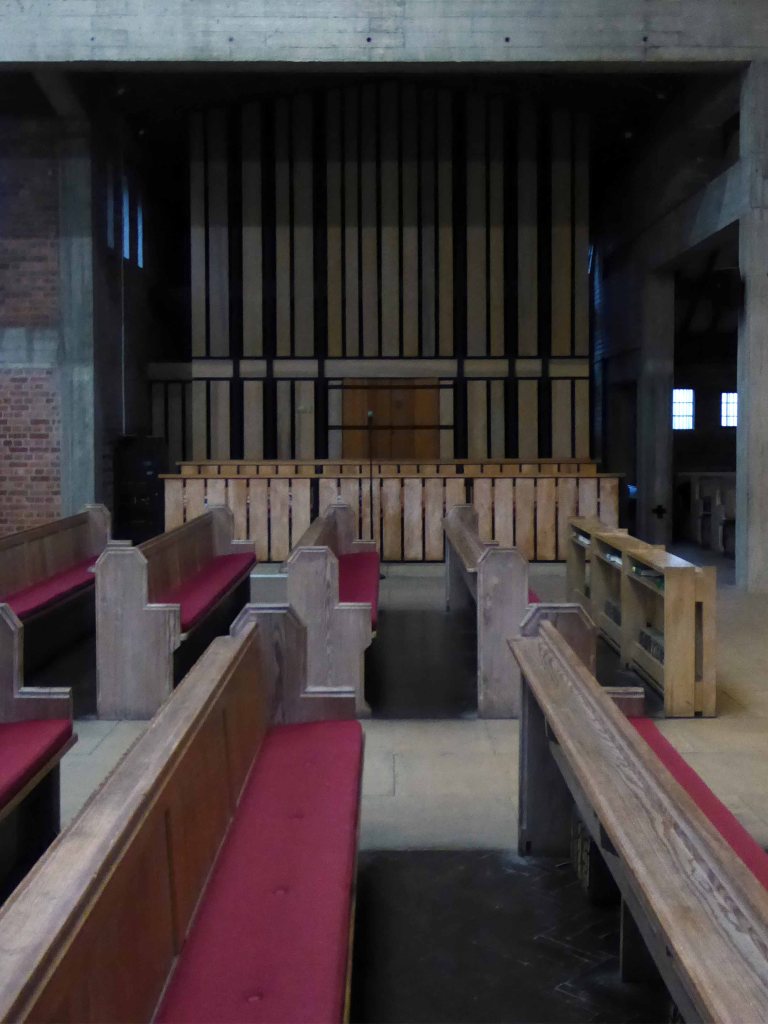
Hartshead Power Station – Offices

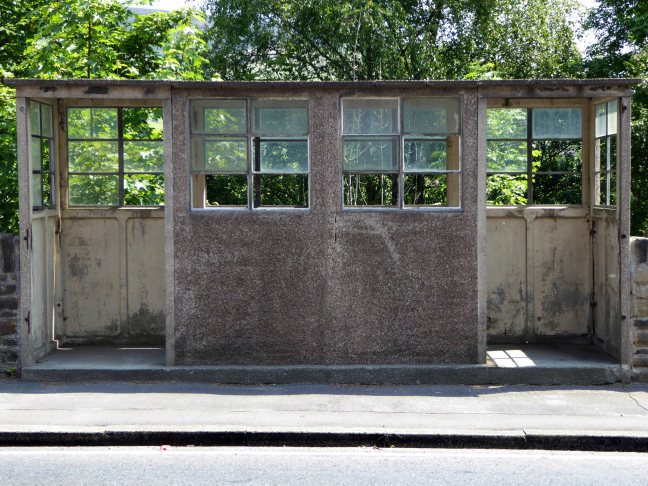
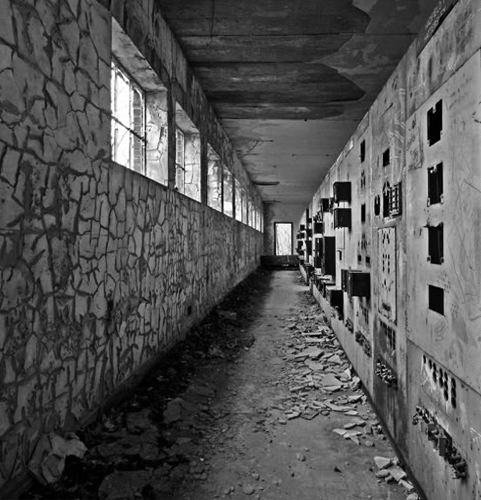
We have of course been here before, to see a concrete bus shelter and a derelict control room.

All that is solid melts into air as Marx and Marshall Berman told us.

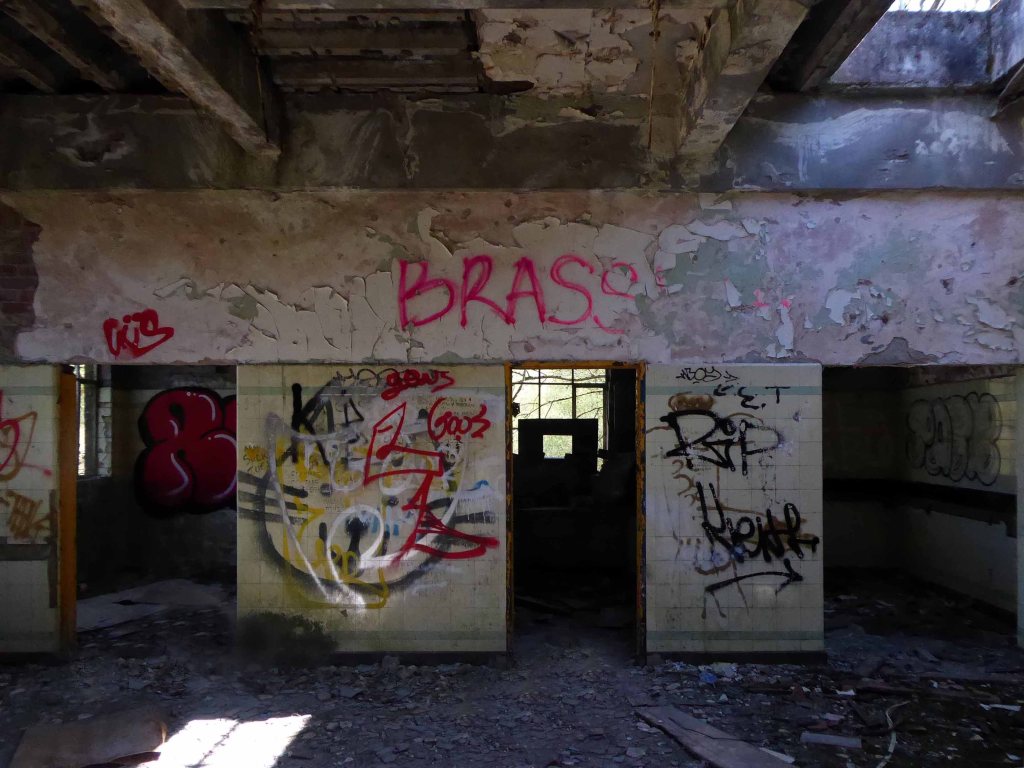
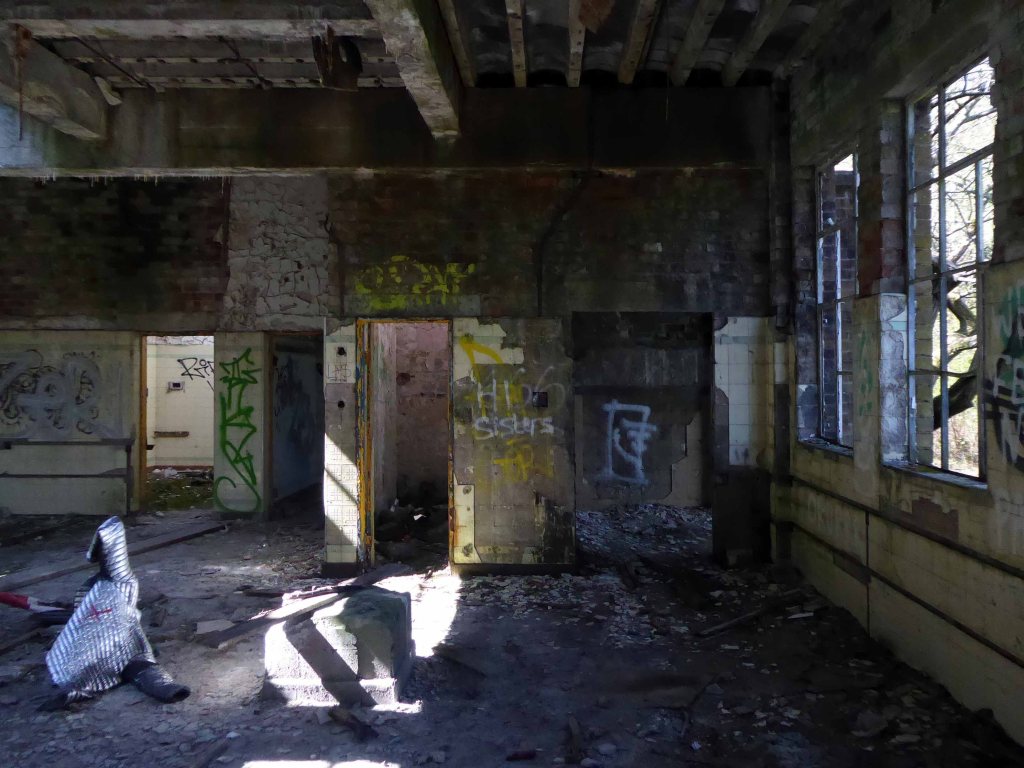
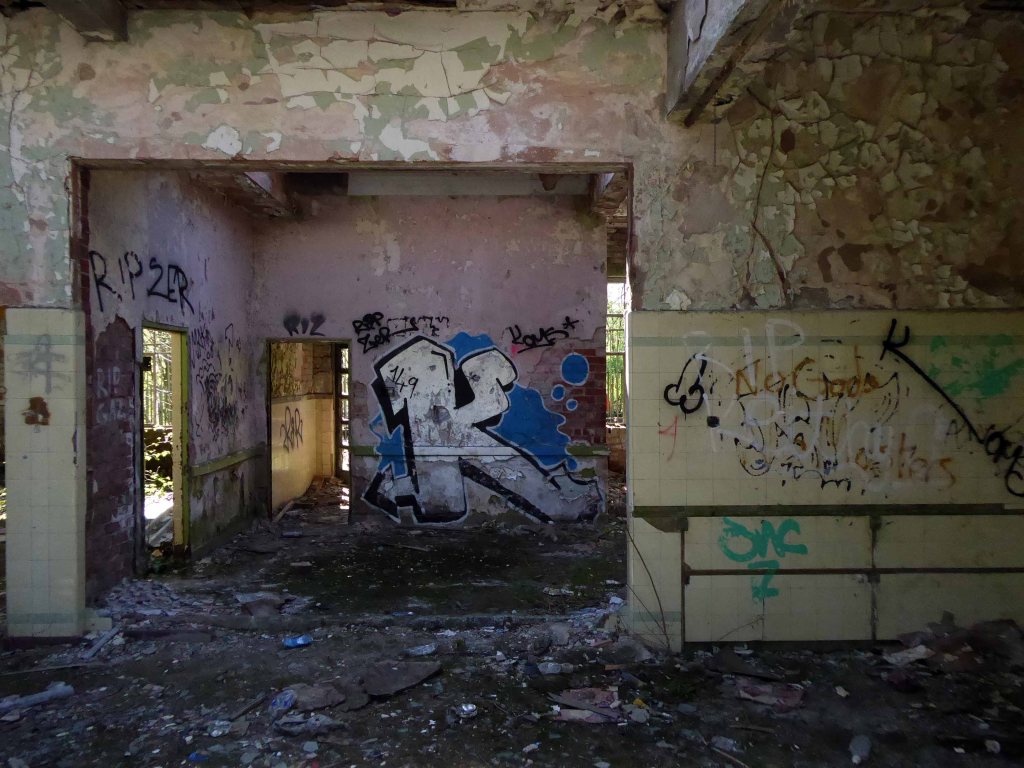
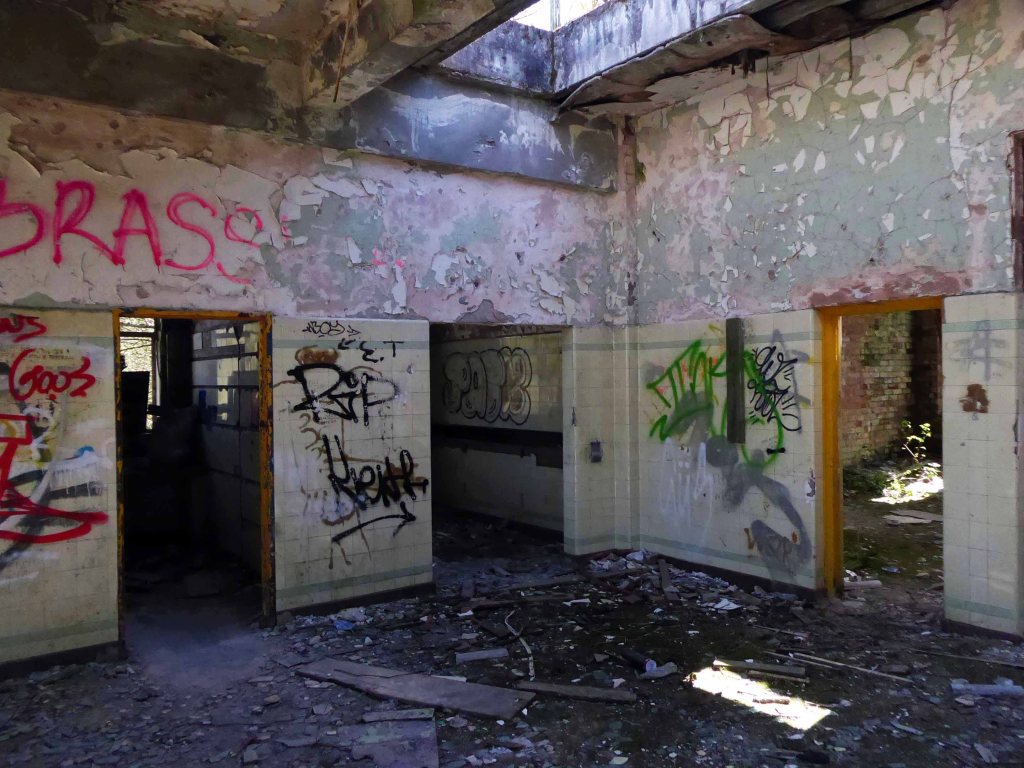
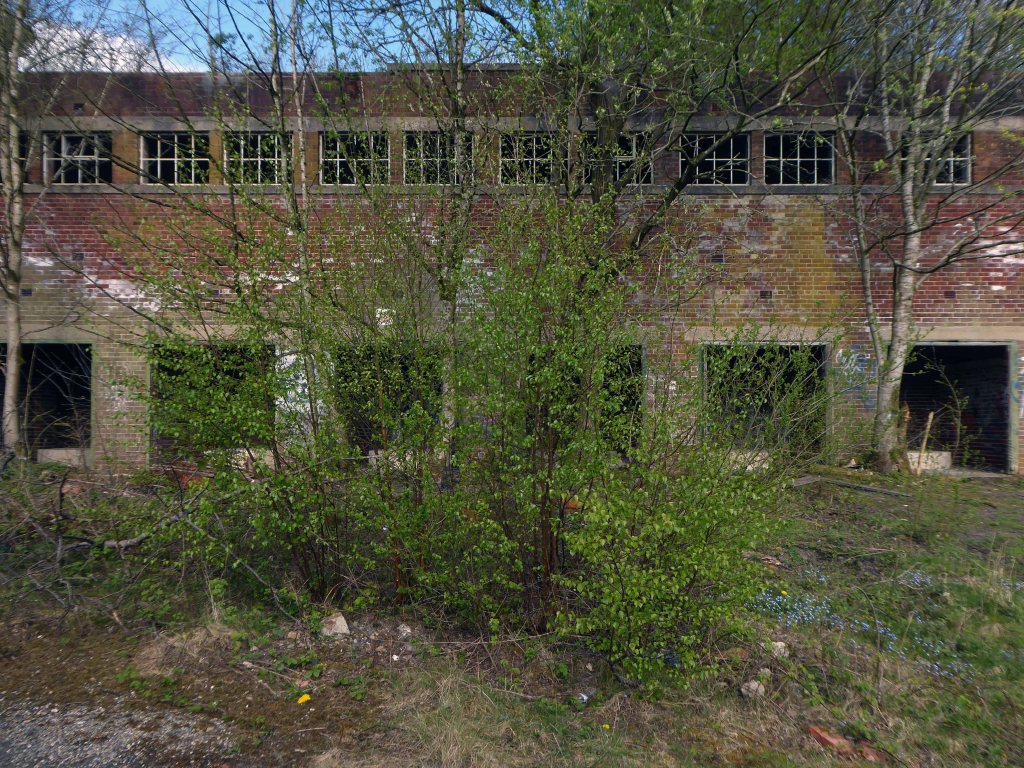
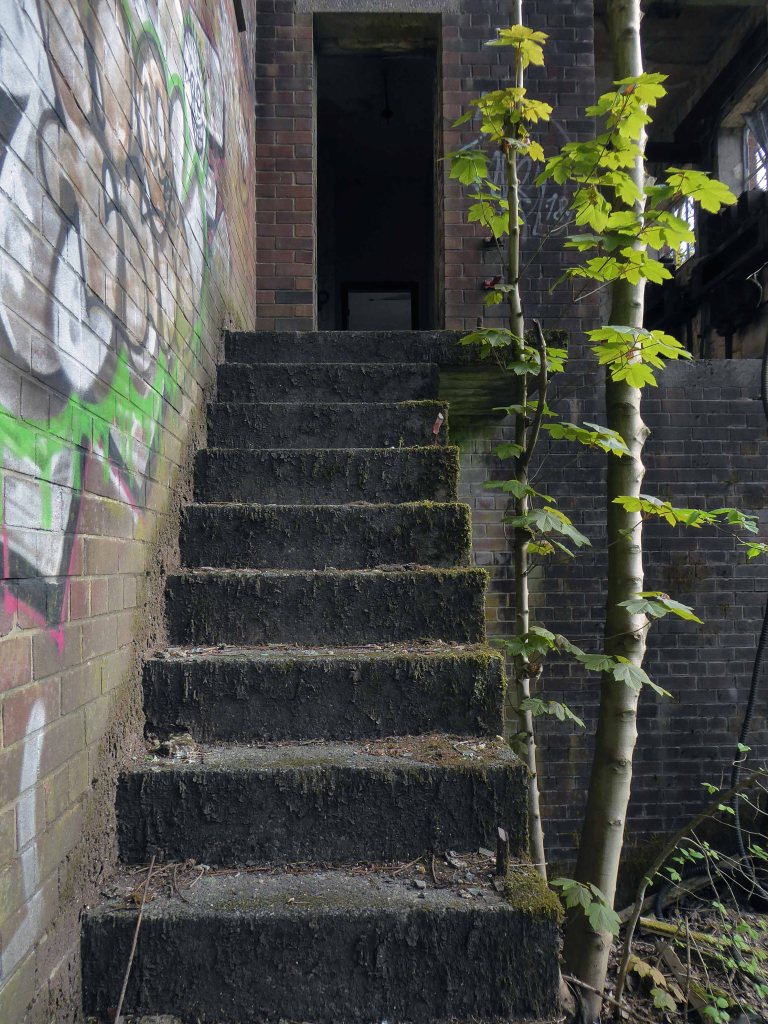
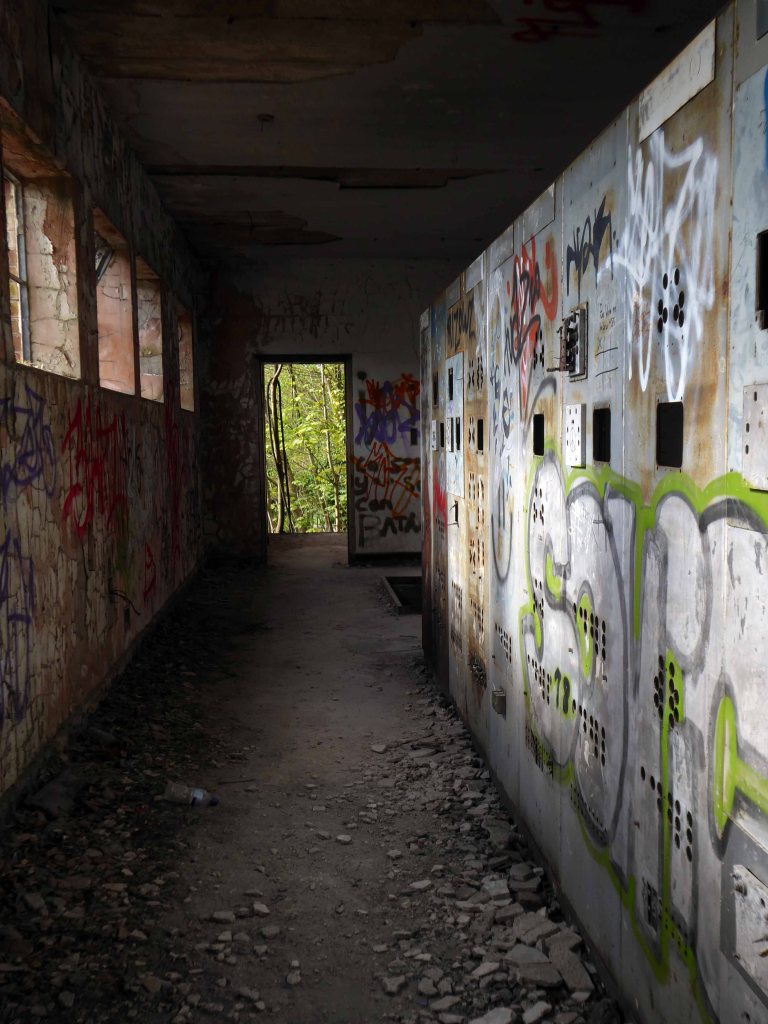
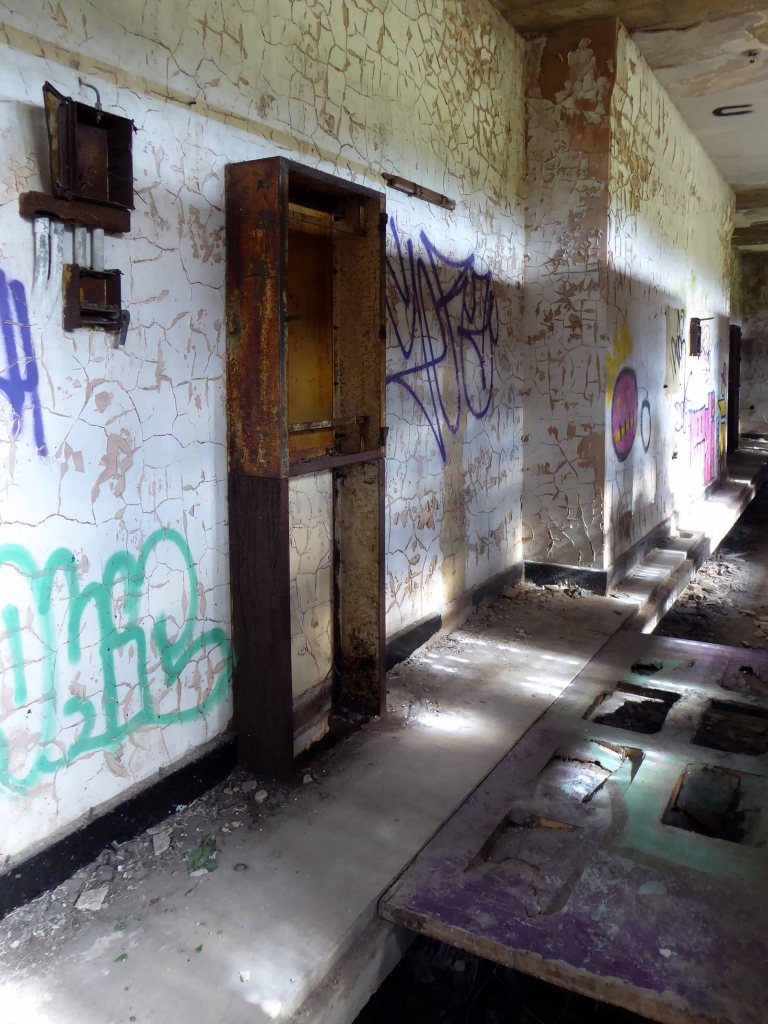
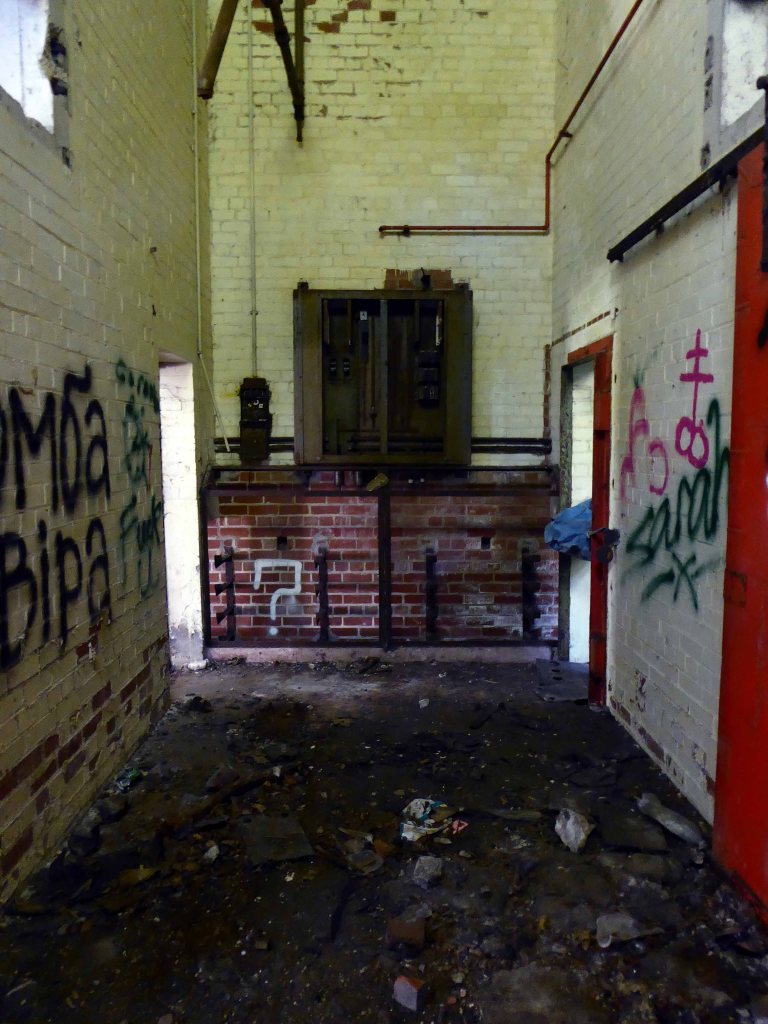
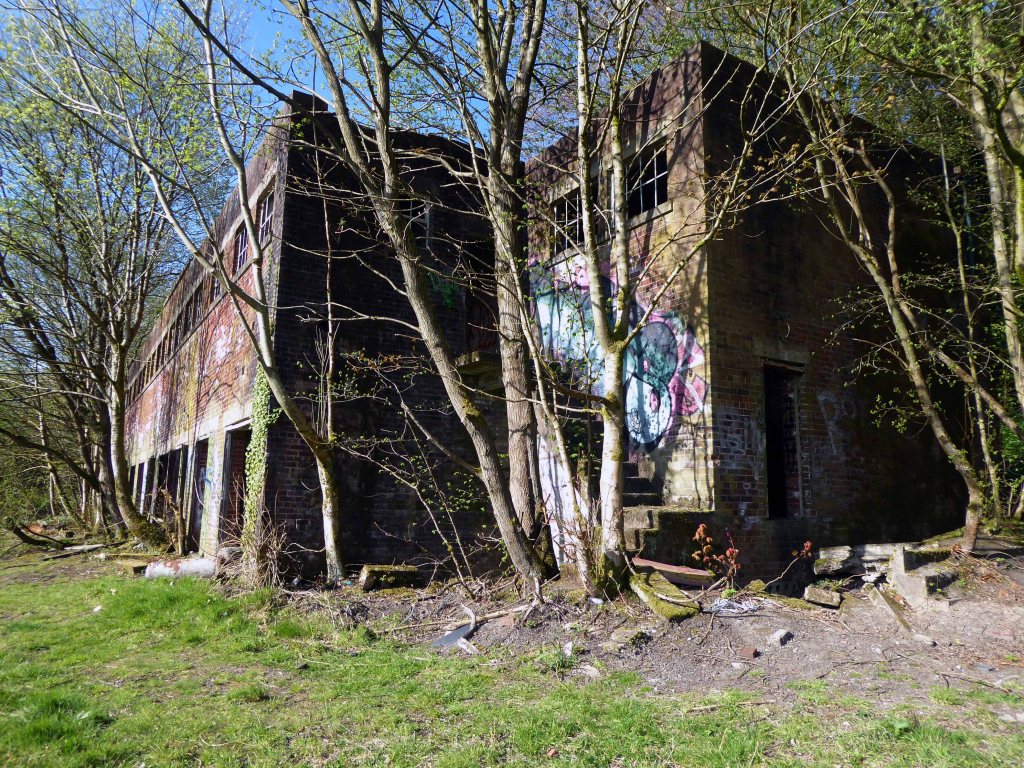
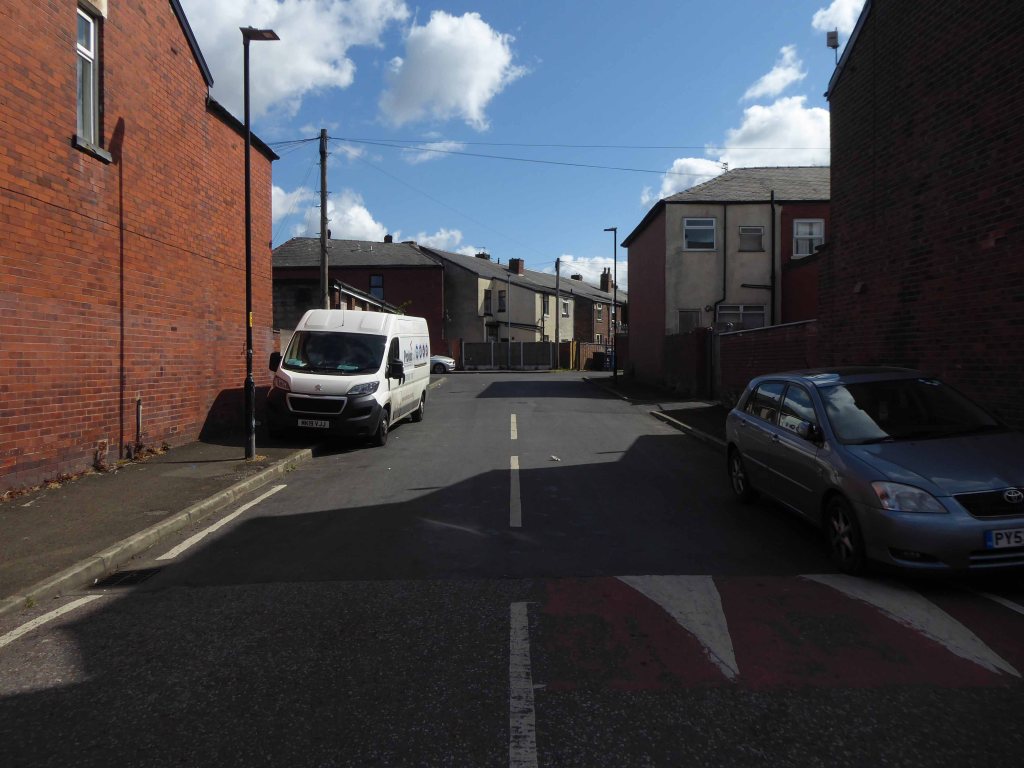
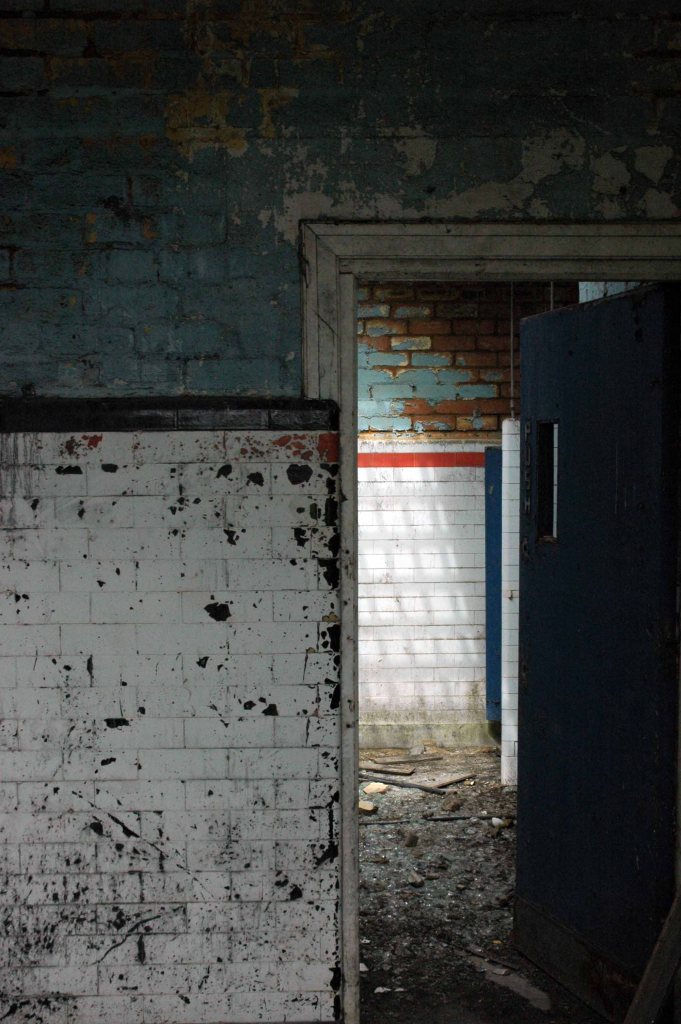
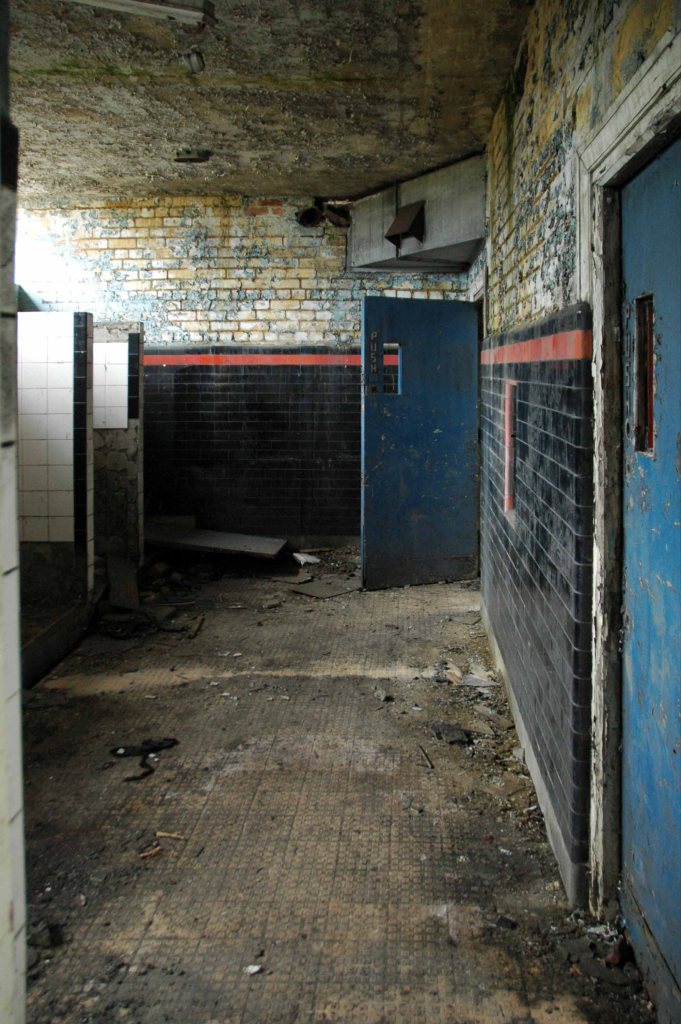
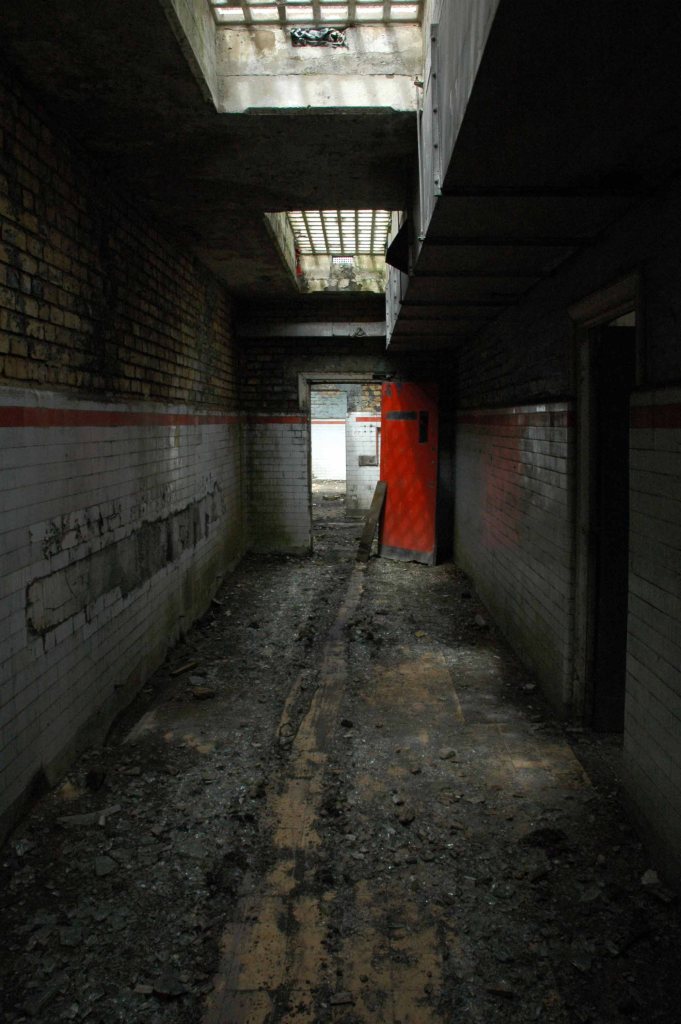
Though remnants remain – this is a short journey through a hole in fence, down into the warren of power station offices past.

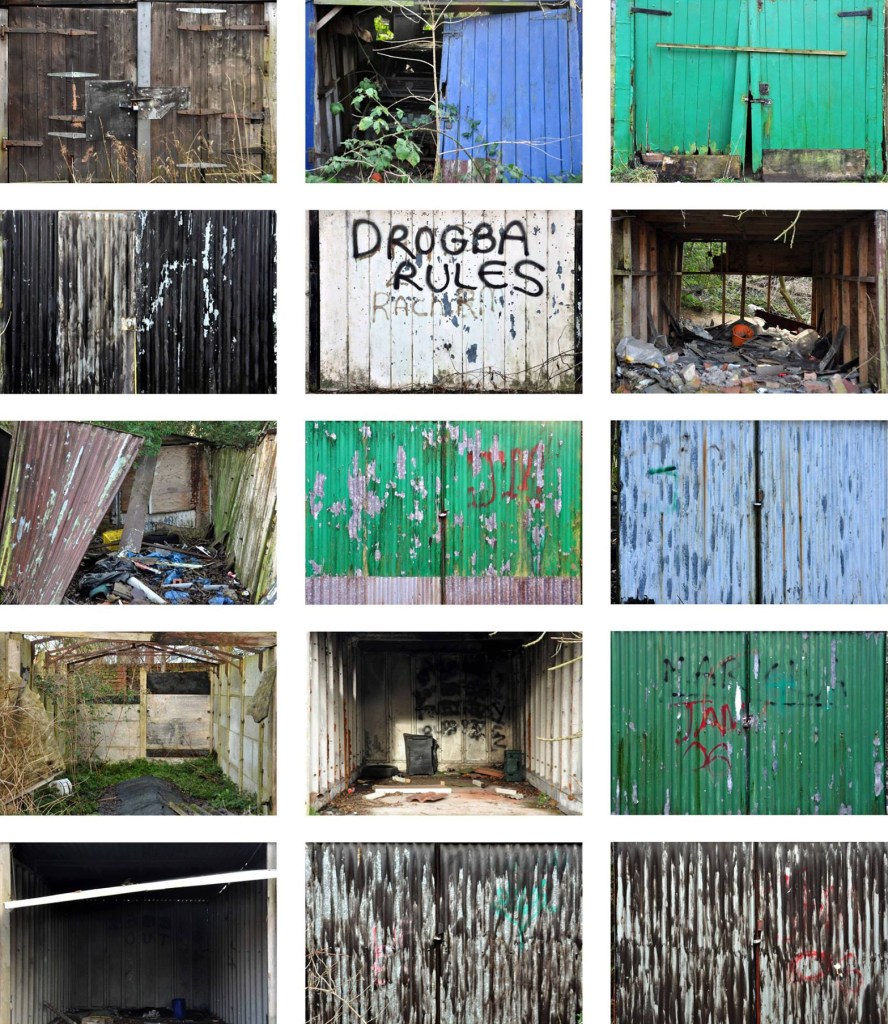
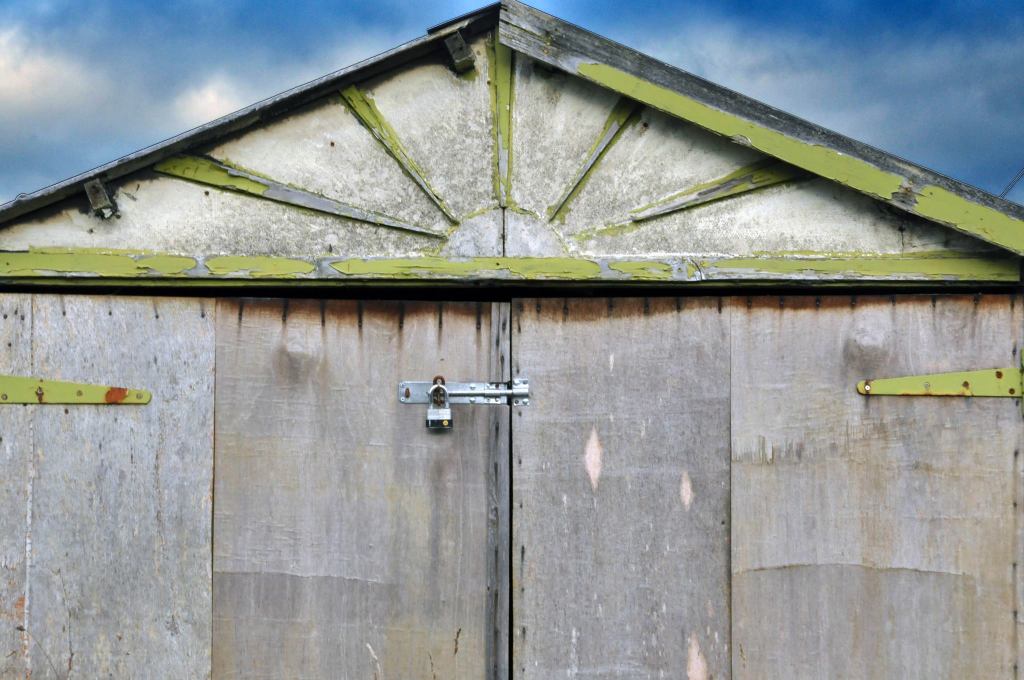
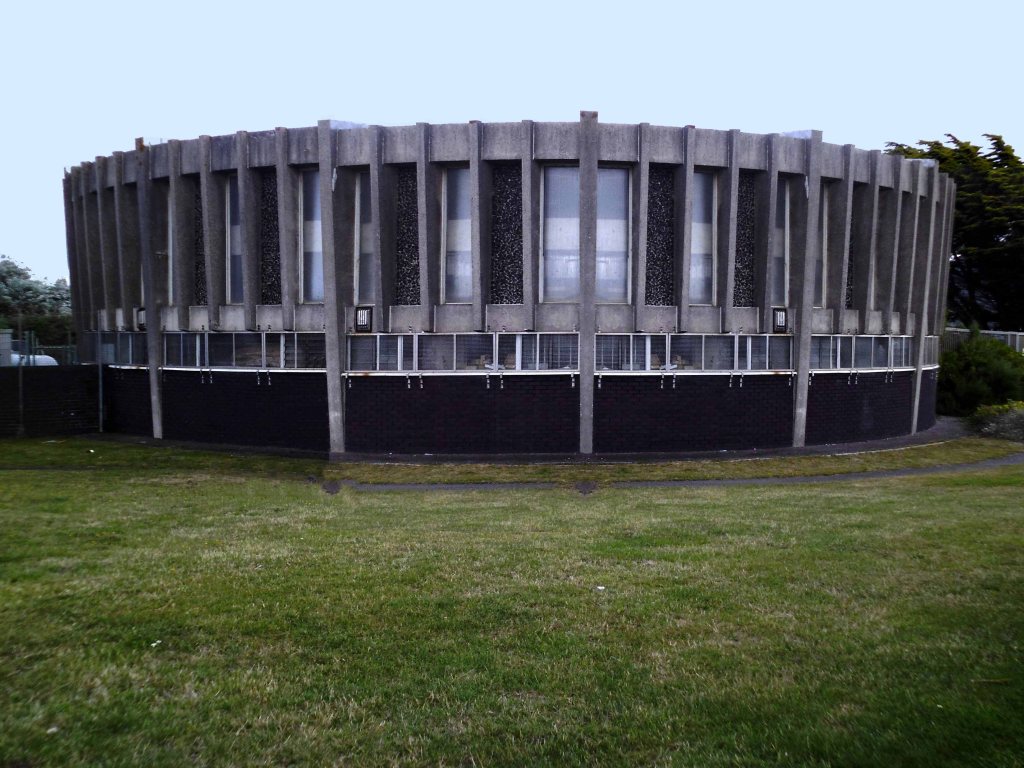
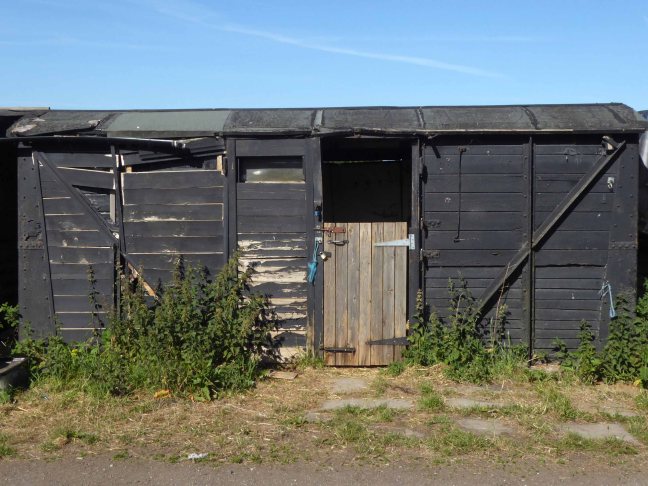
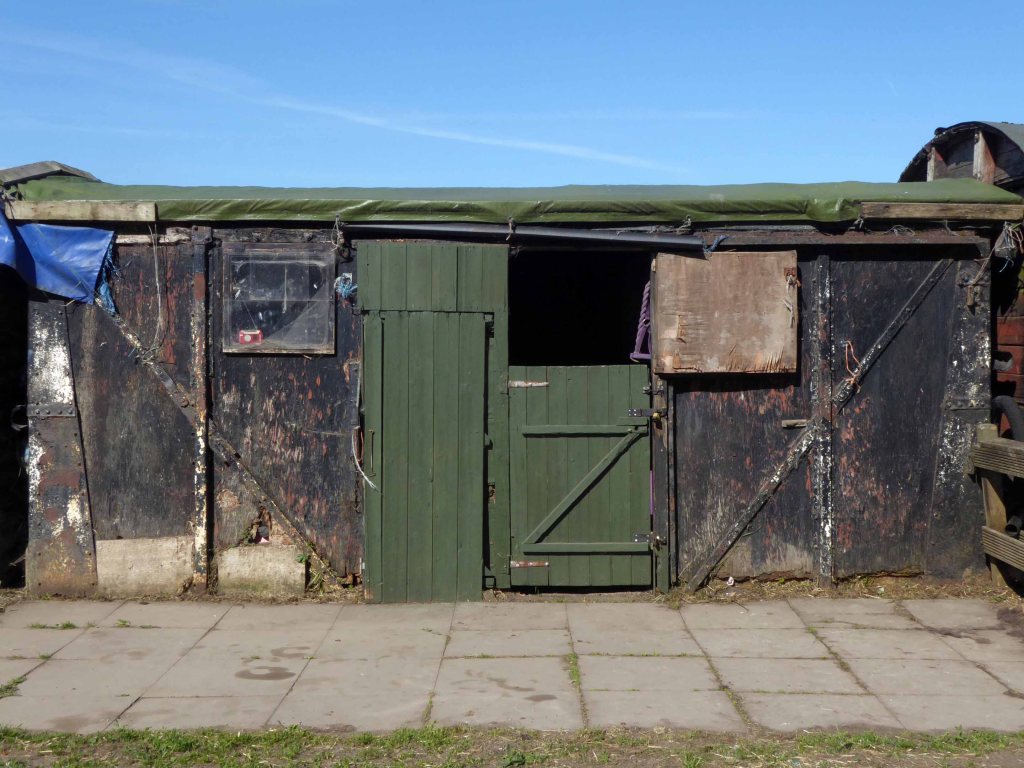
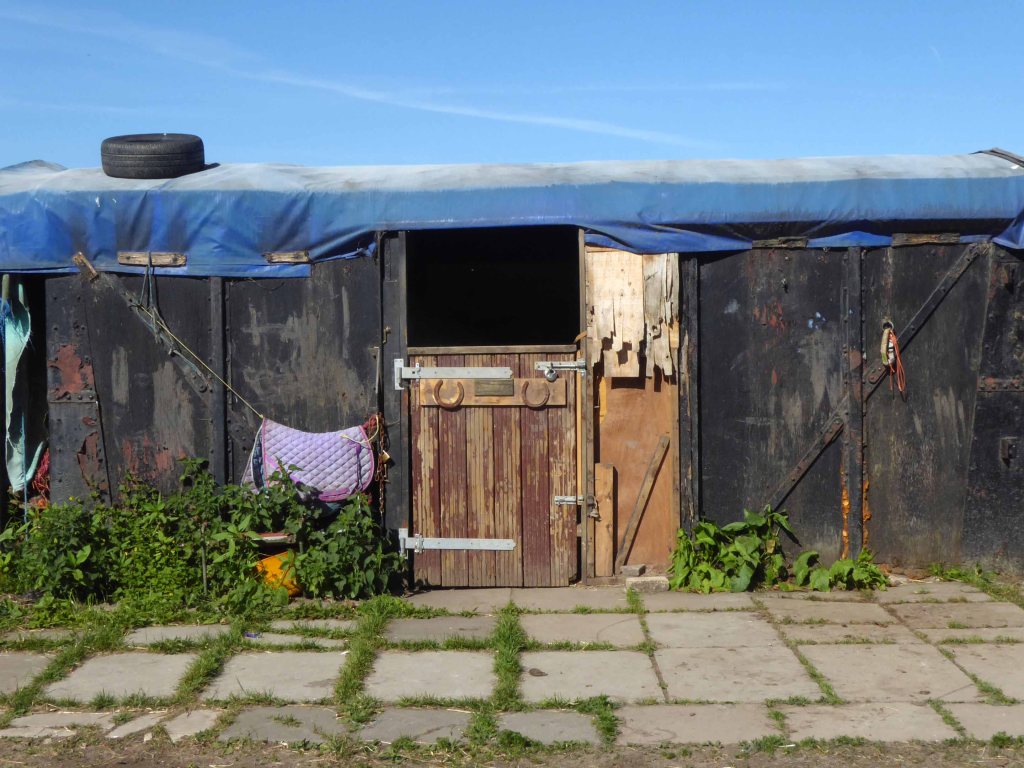
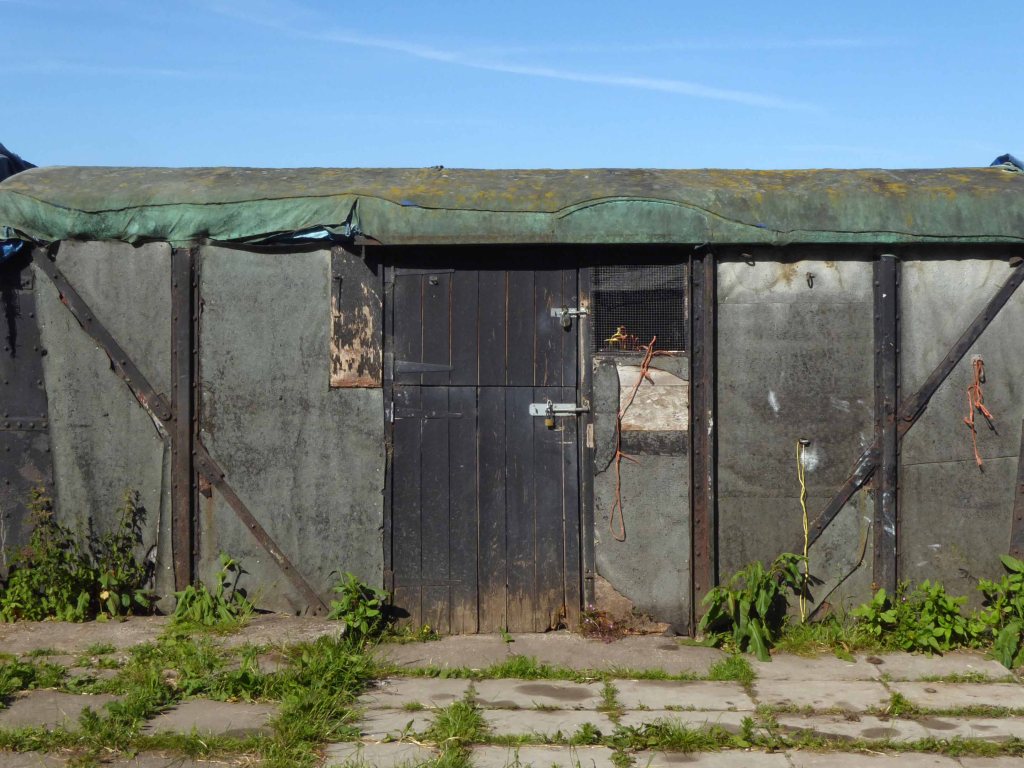
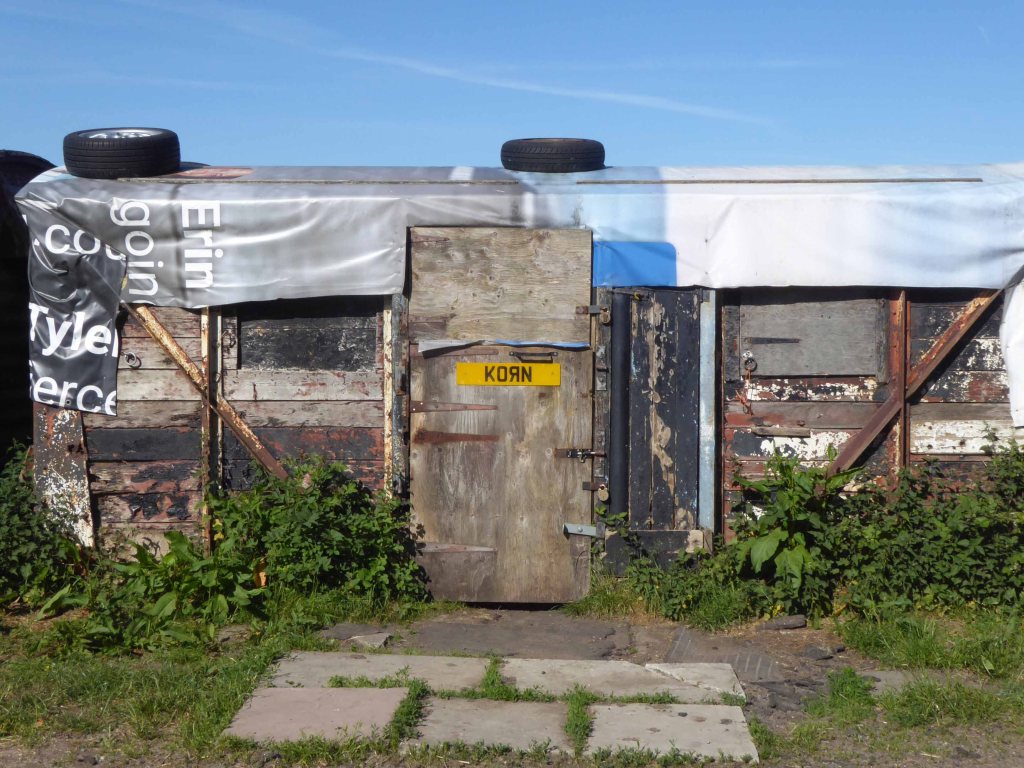
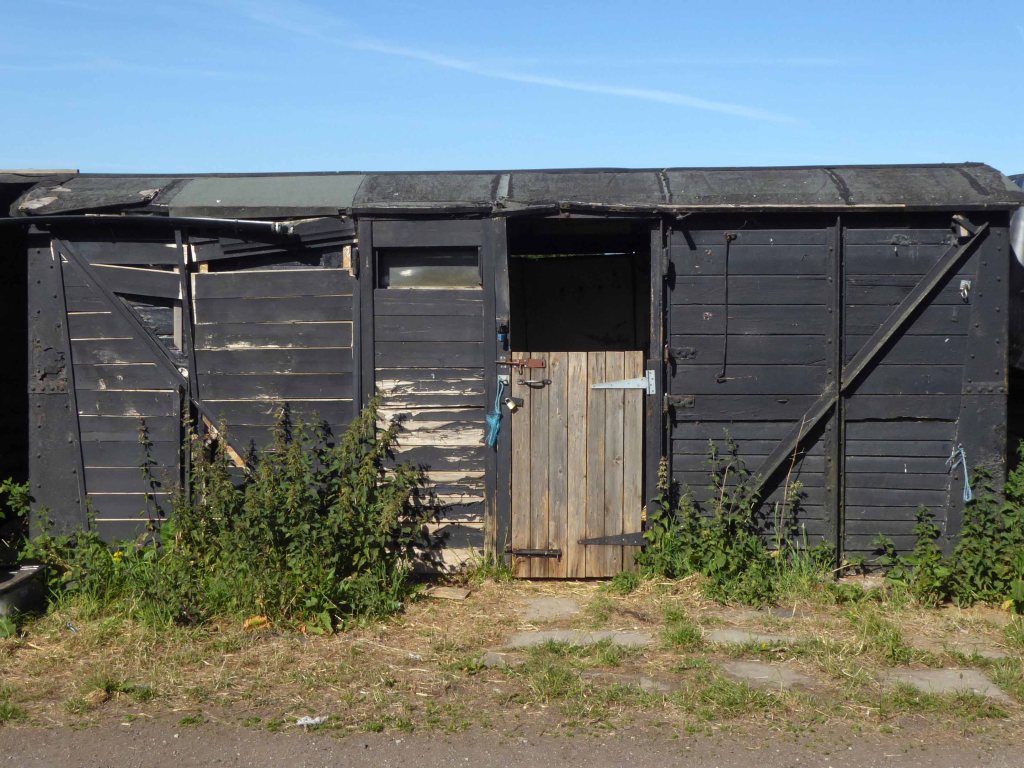
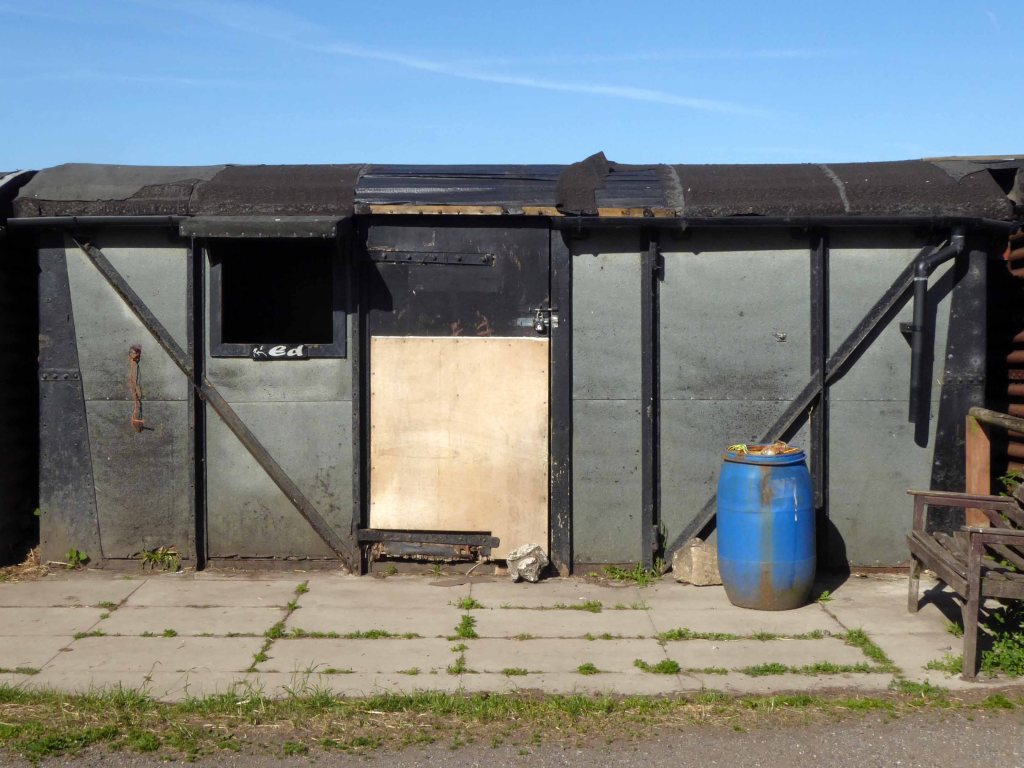
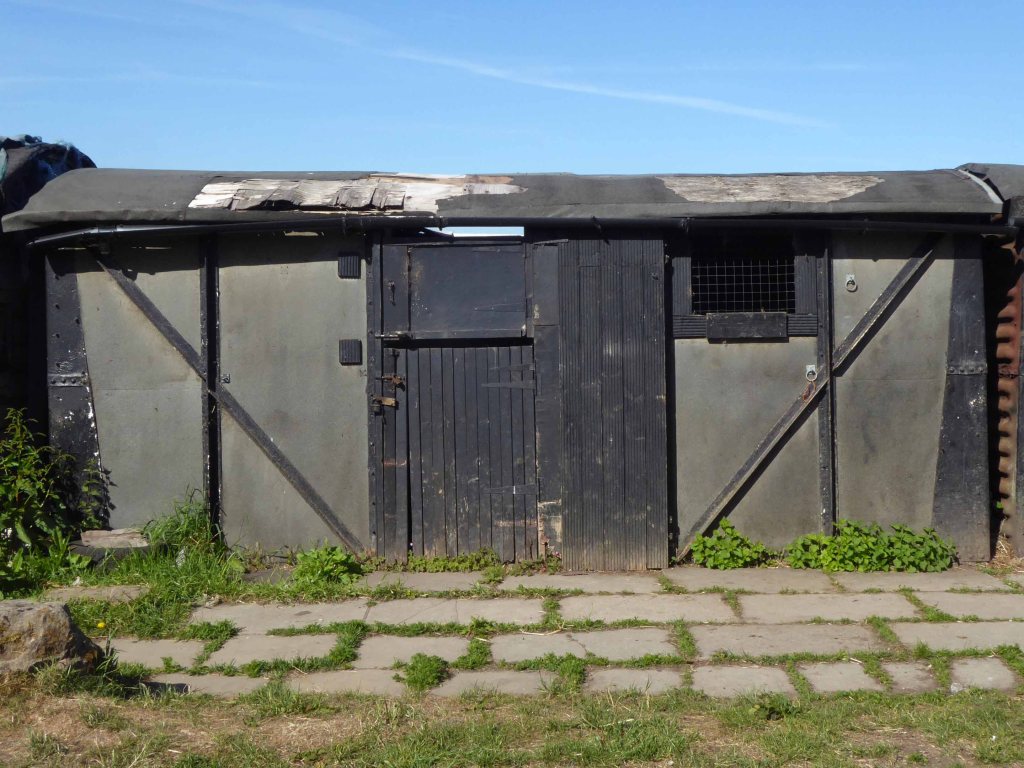
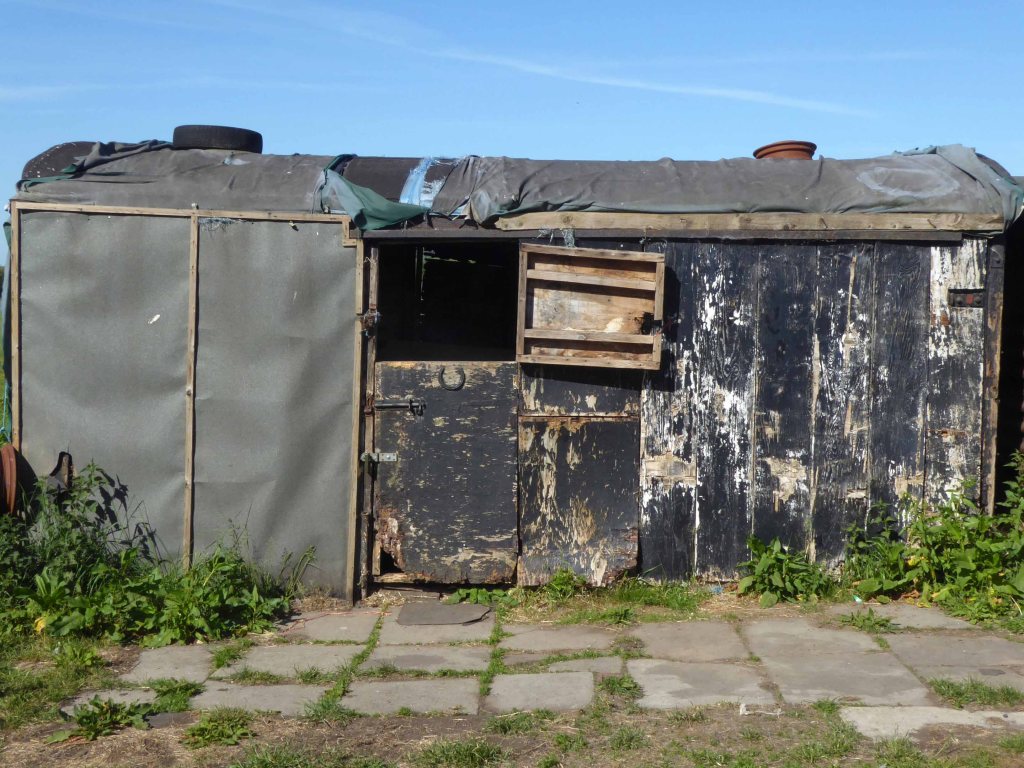
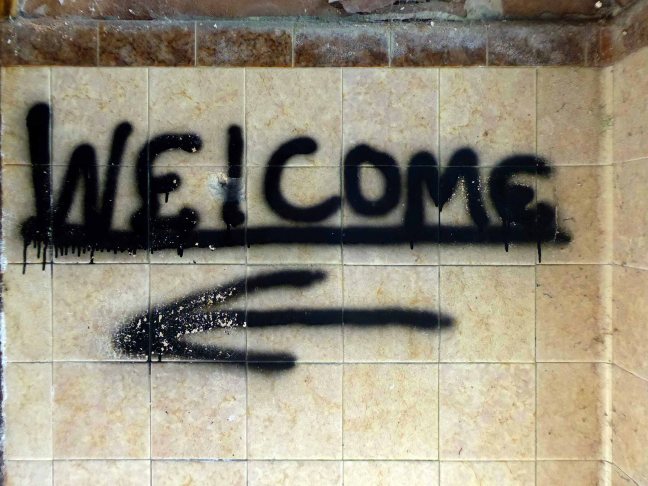
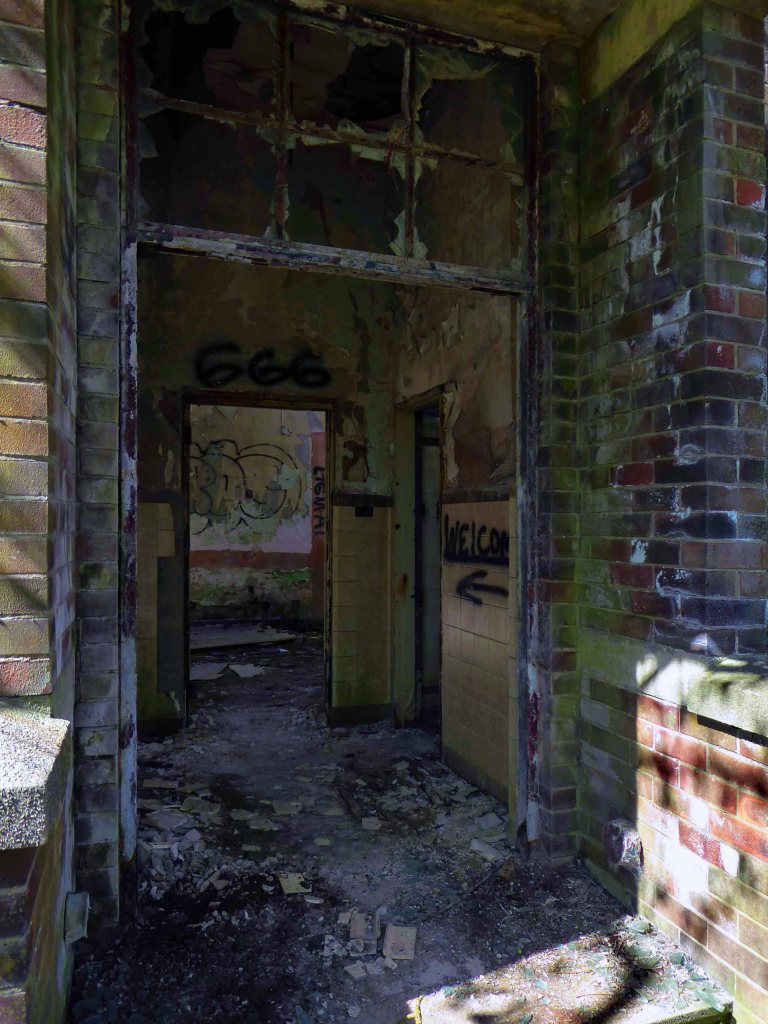
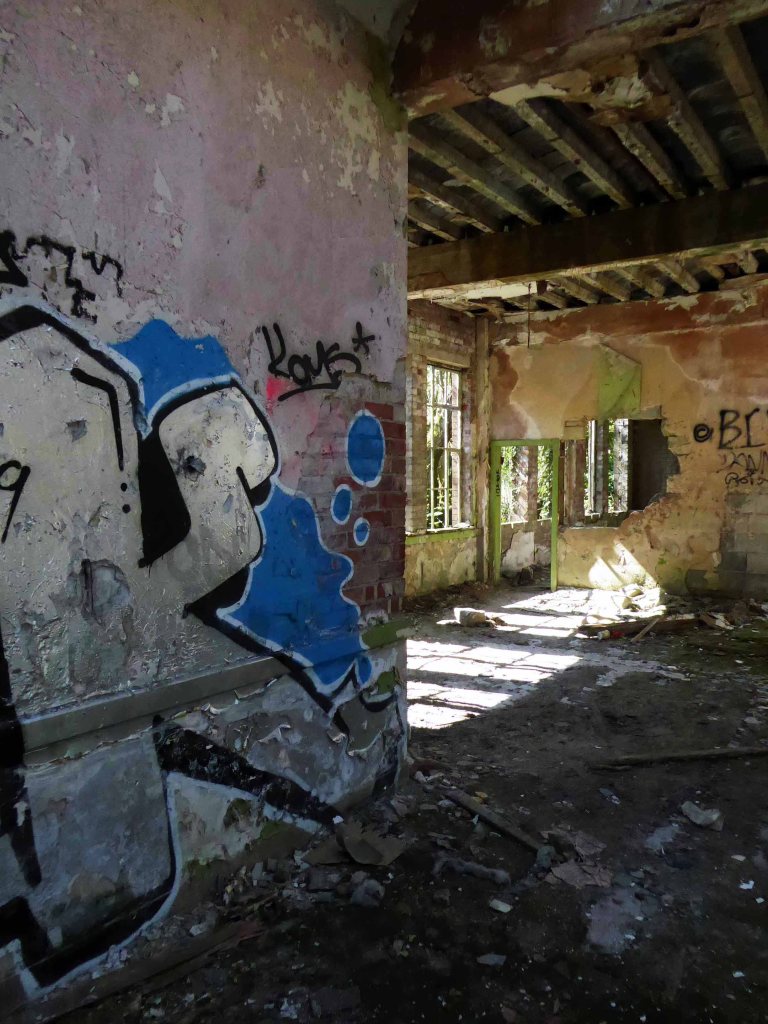
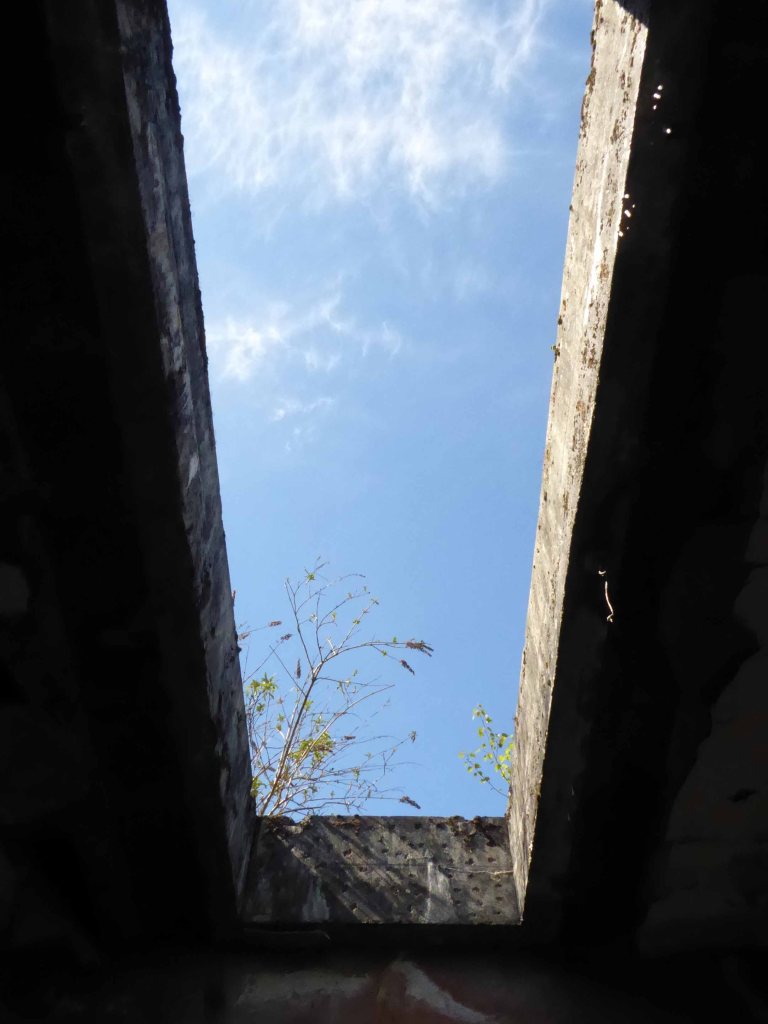
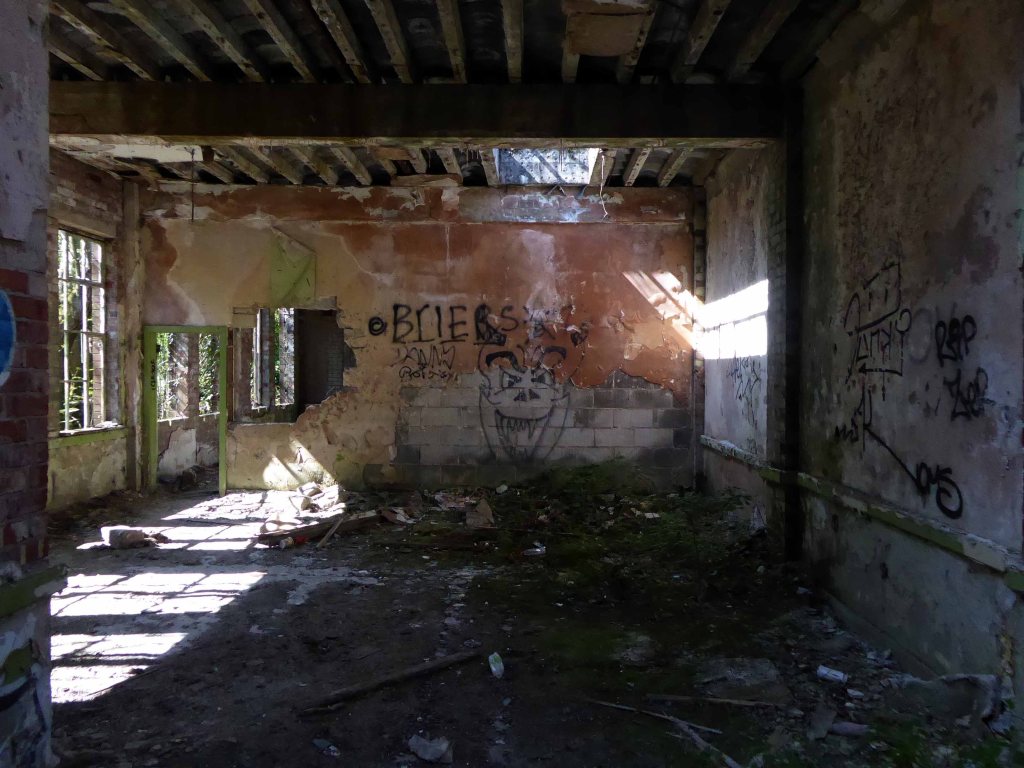
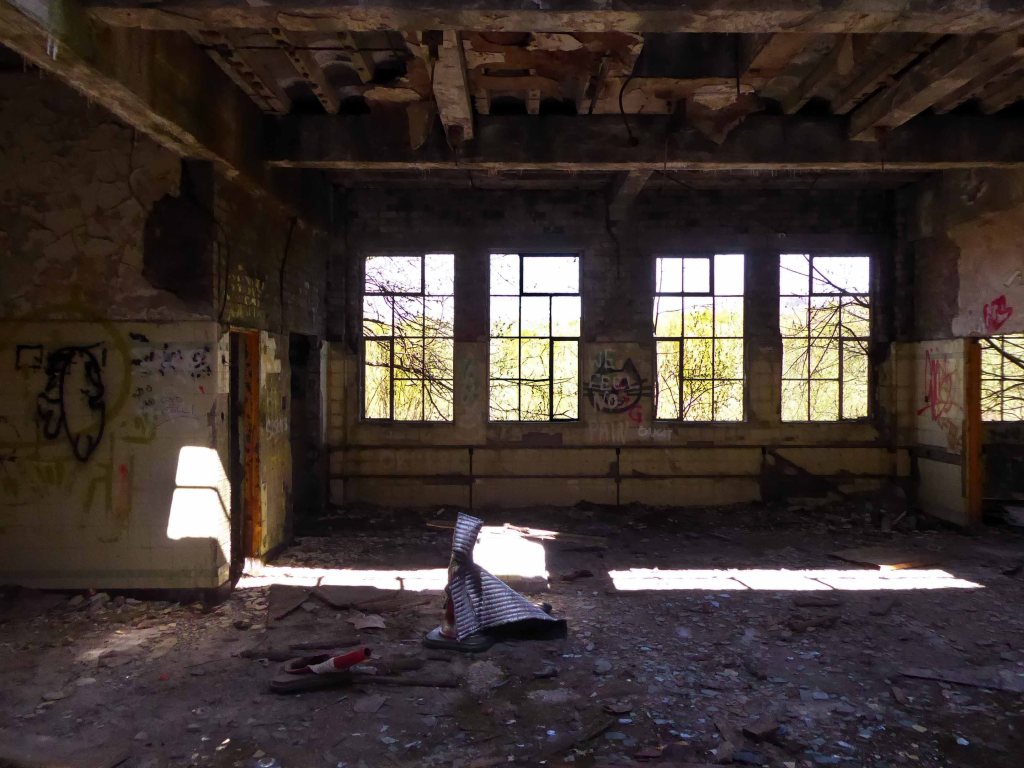
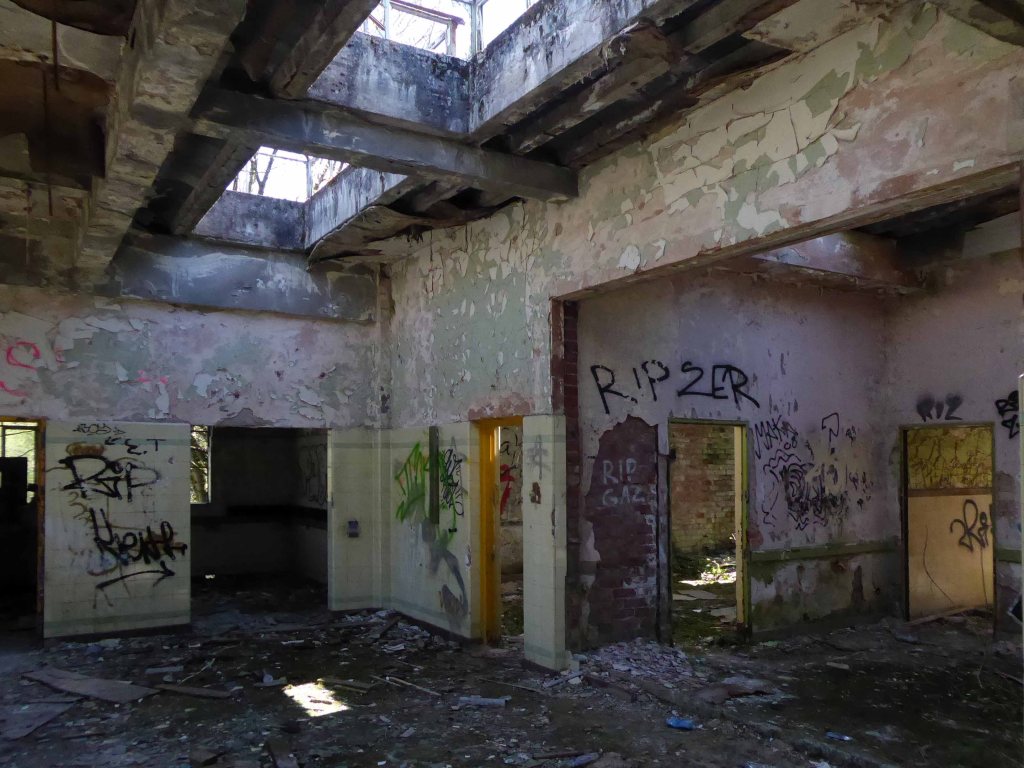
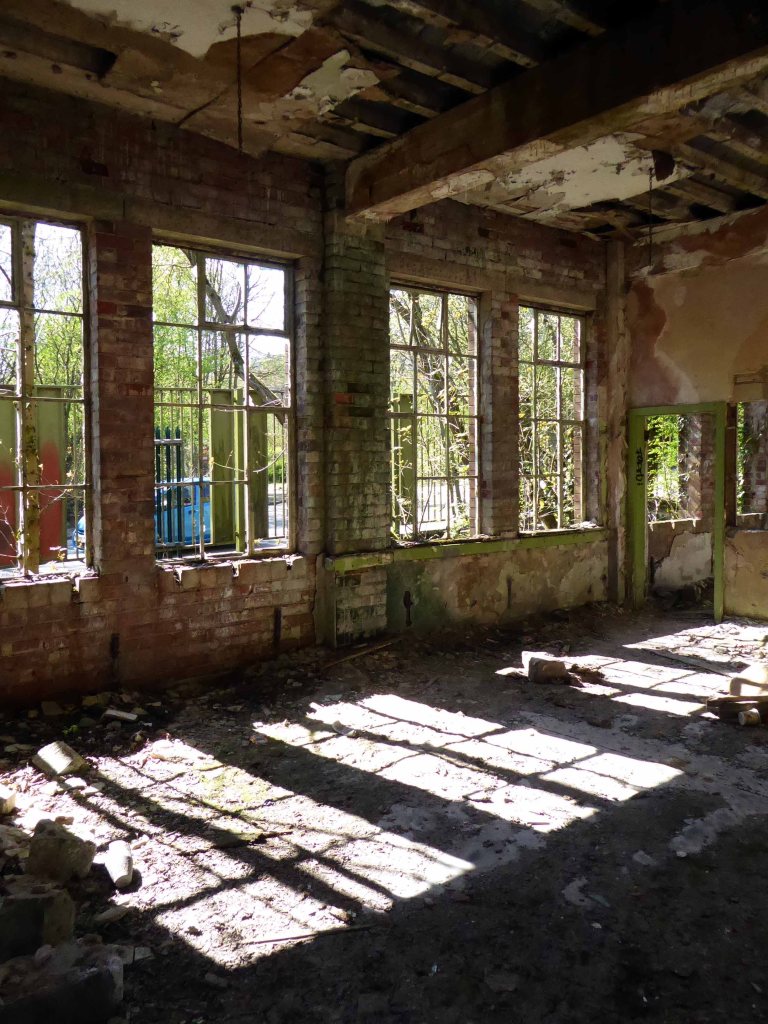
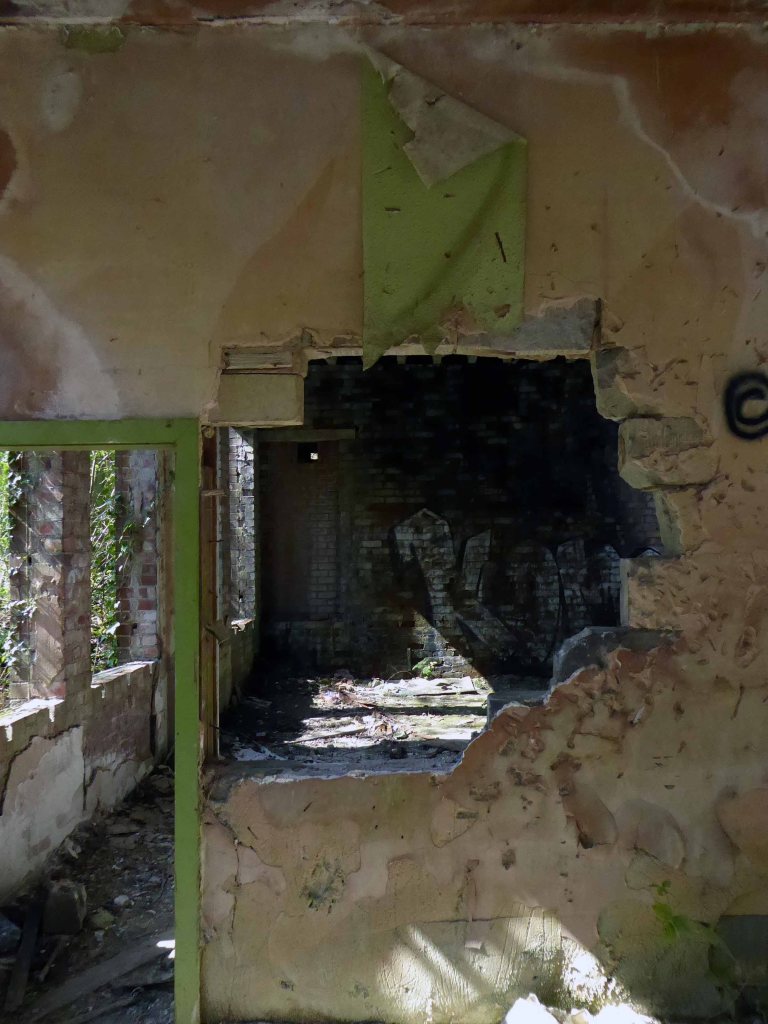
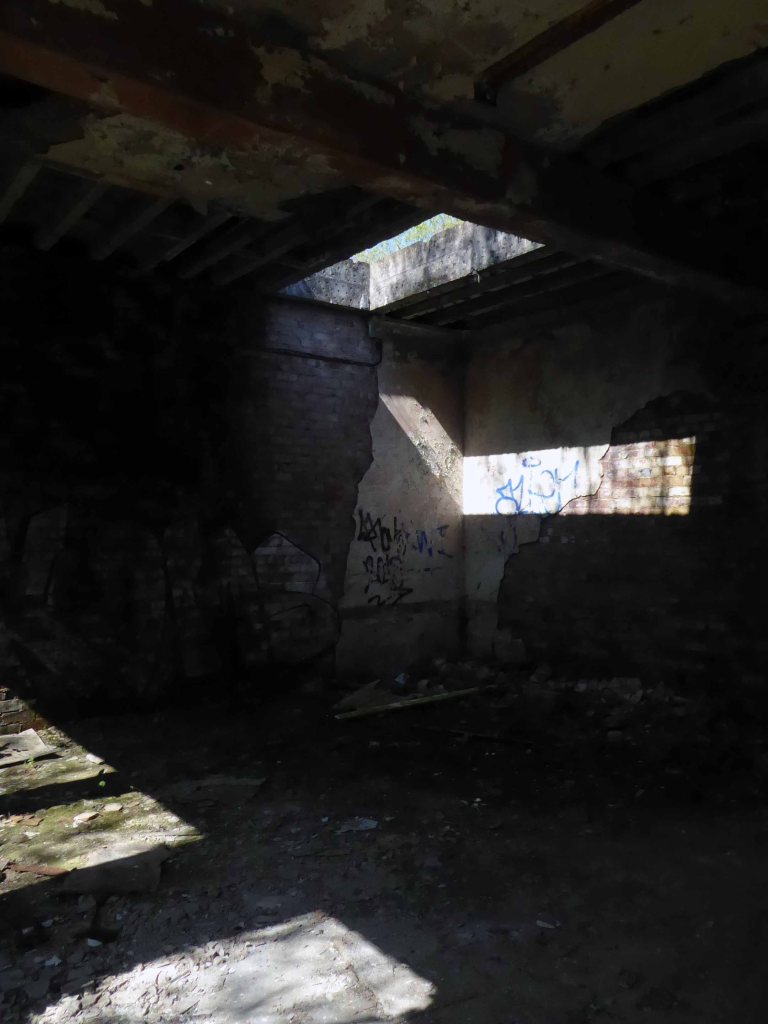
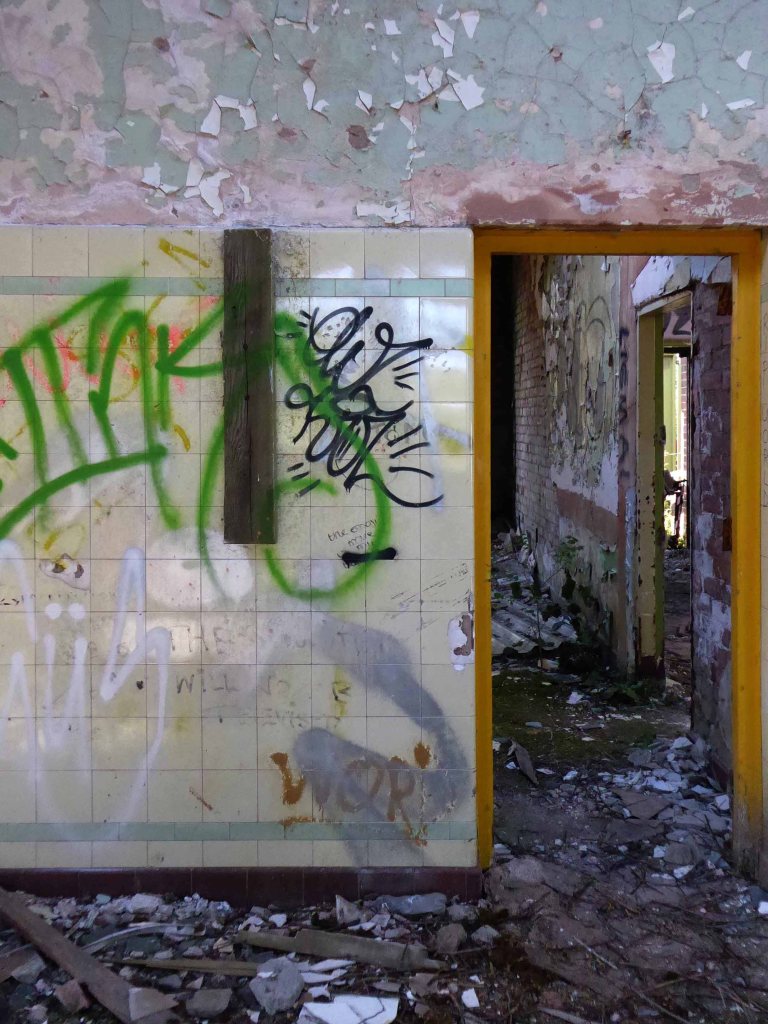
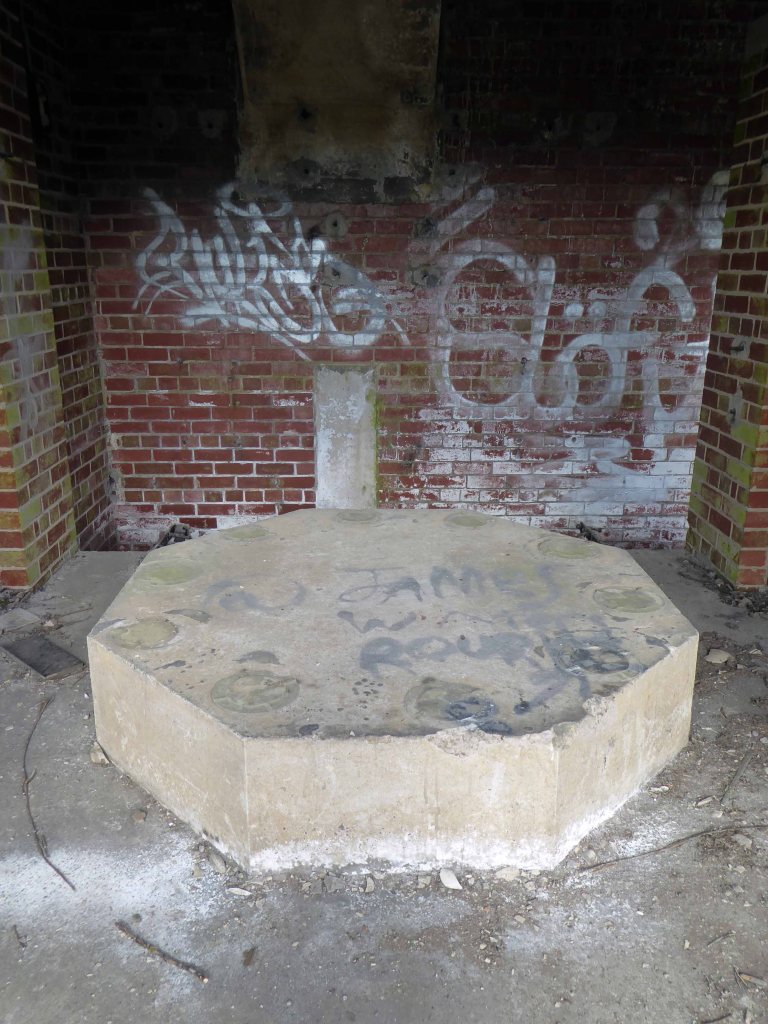
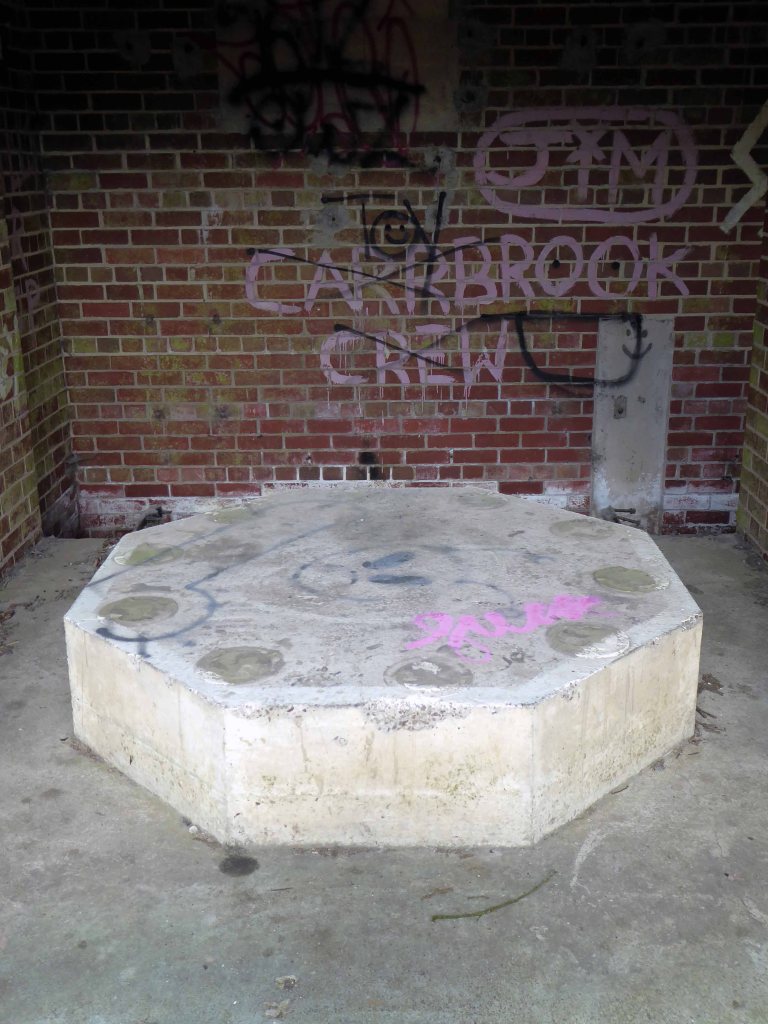
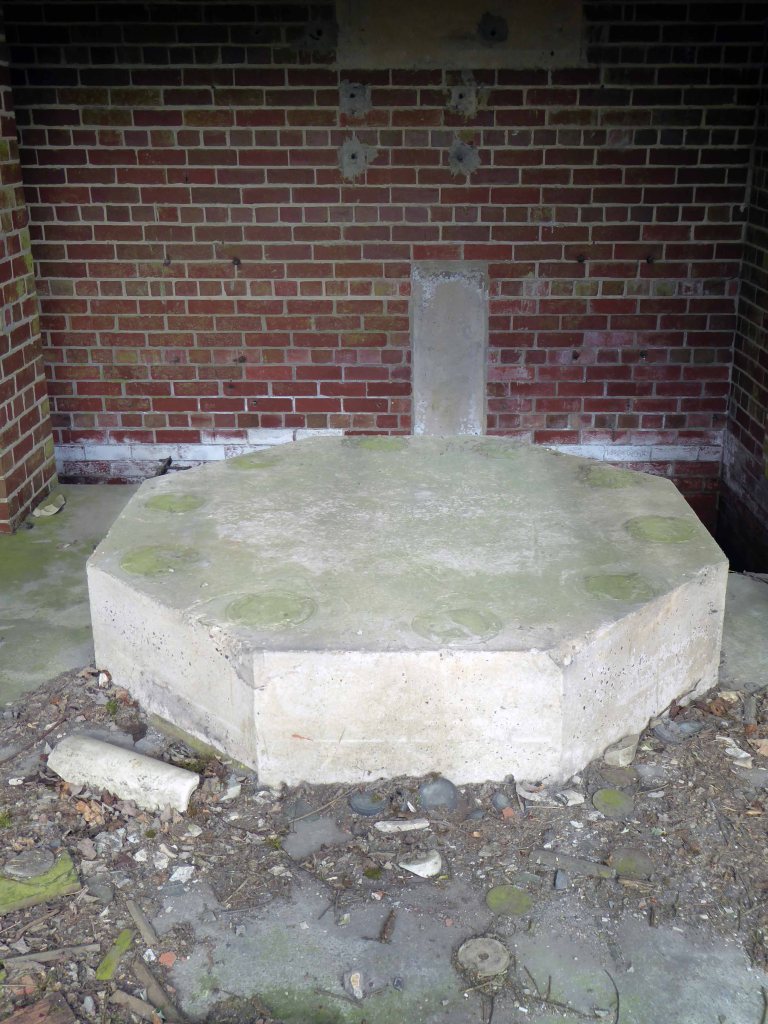
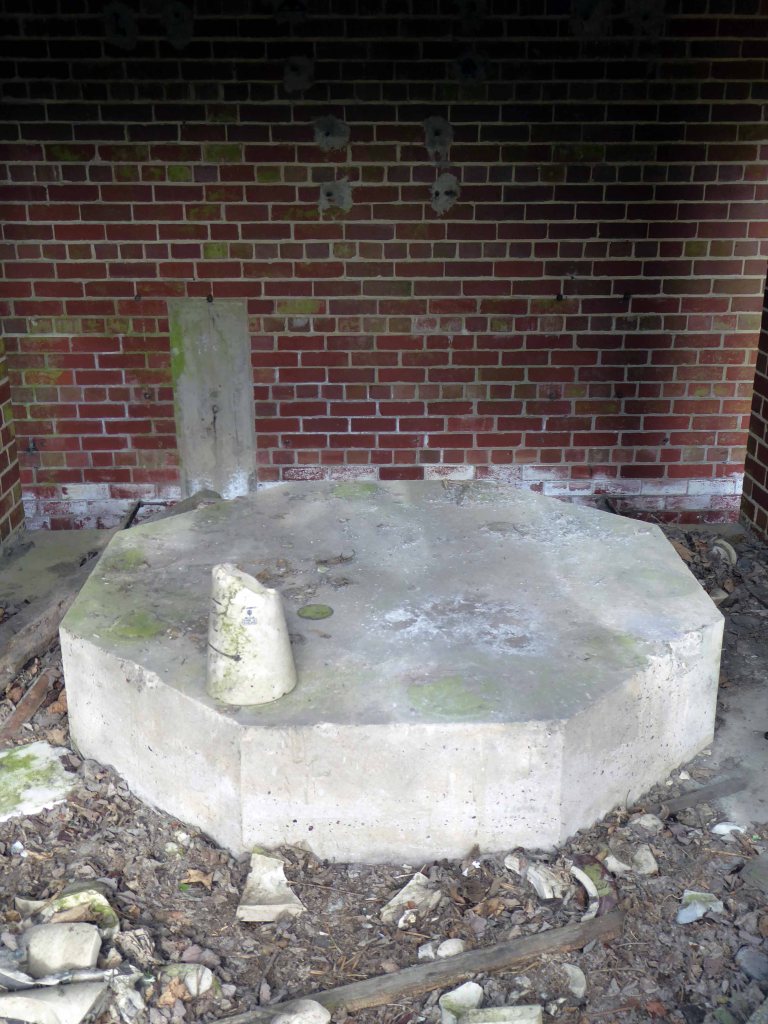
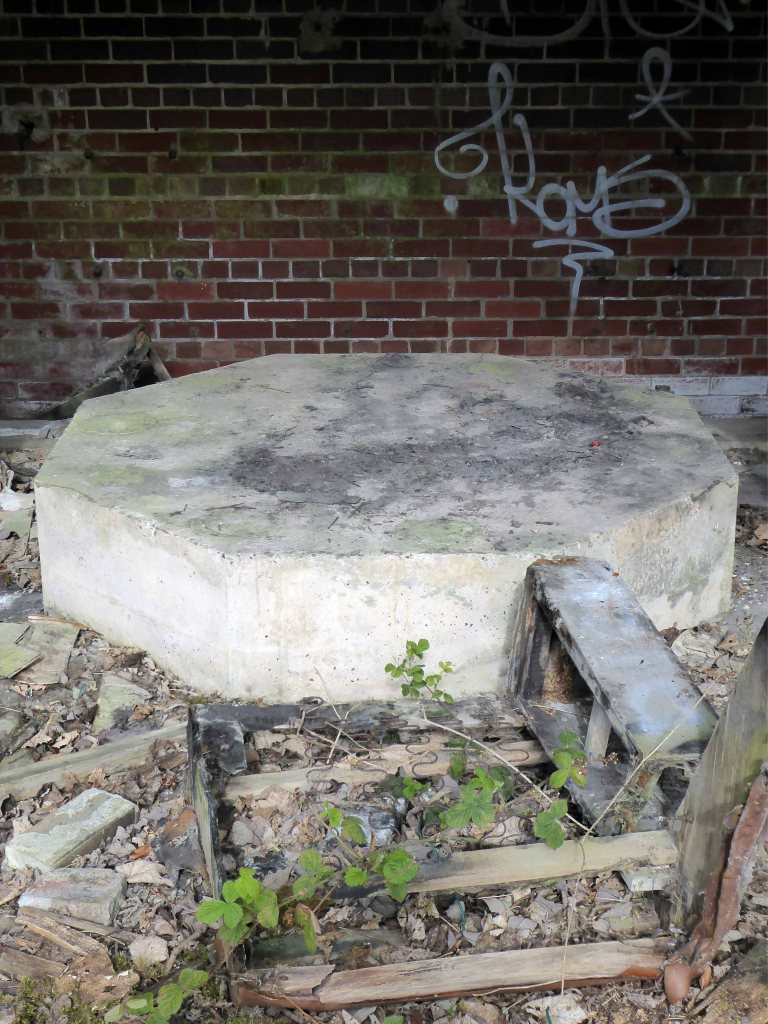
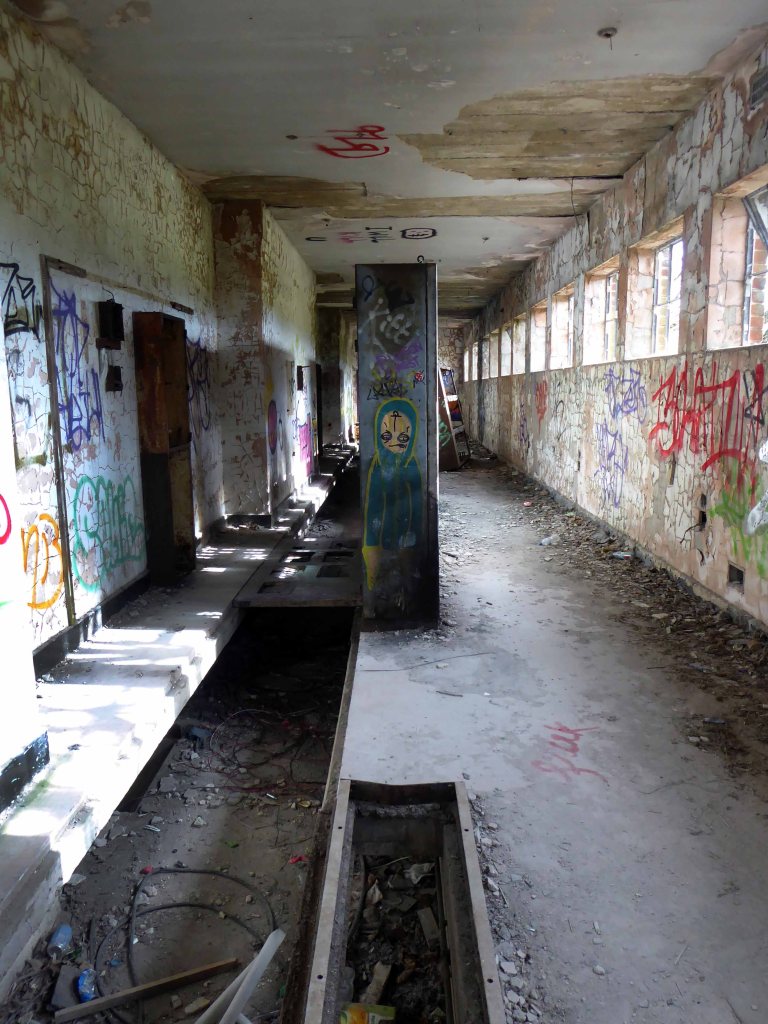
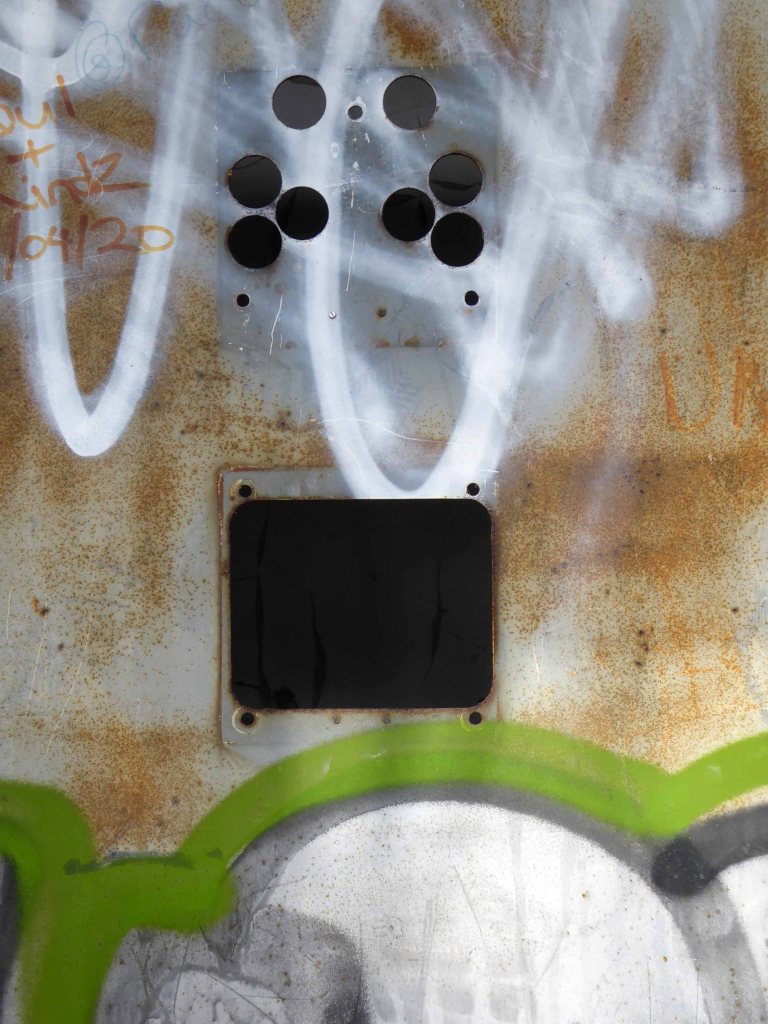
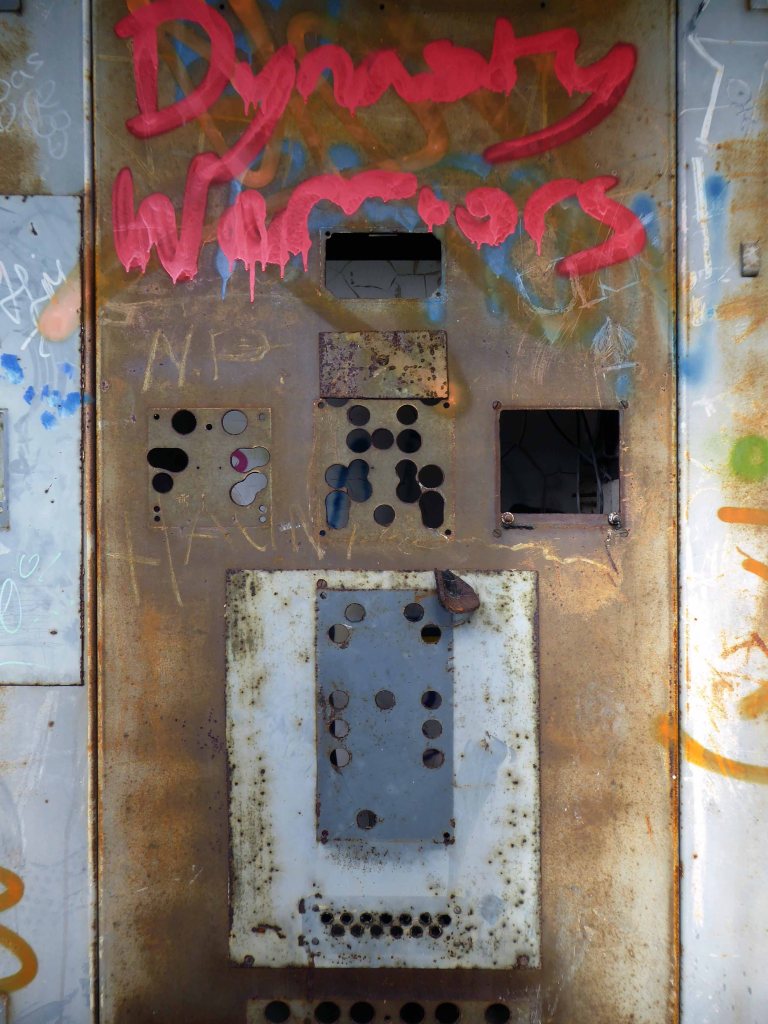
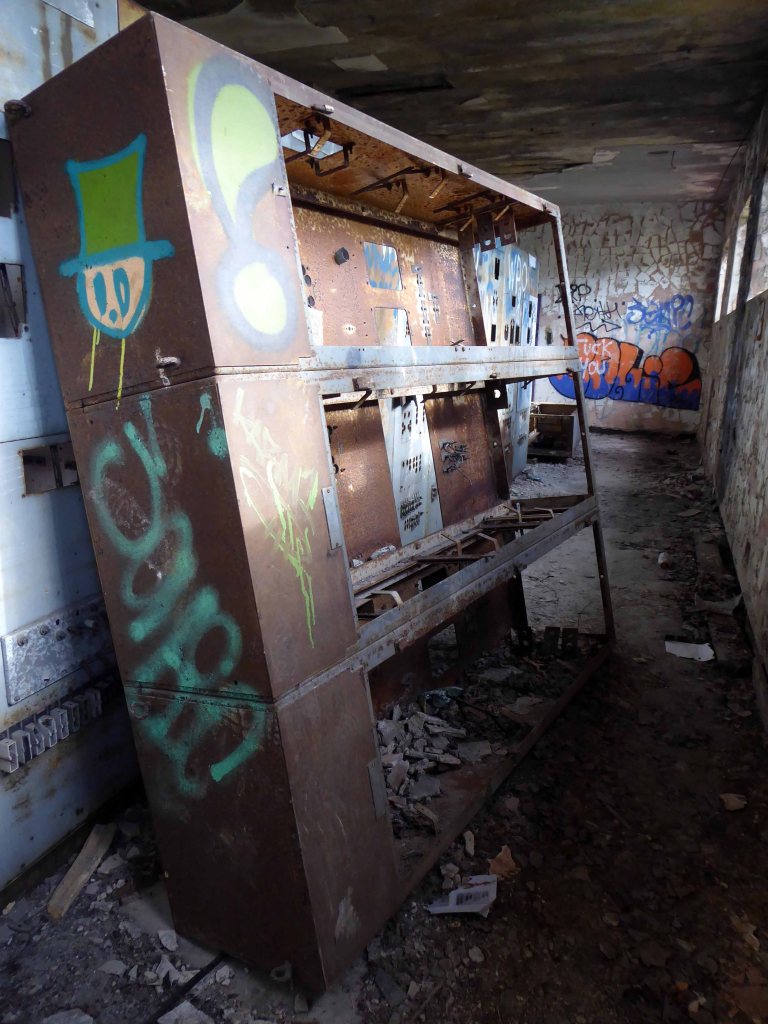
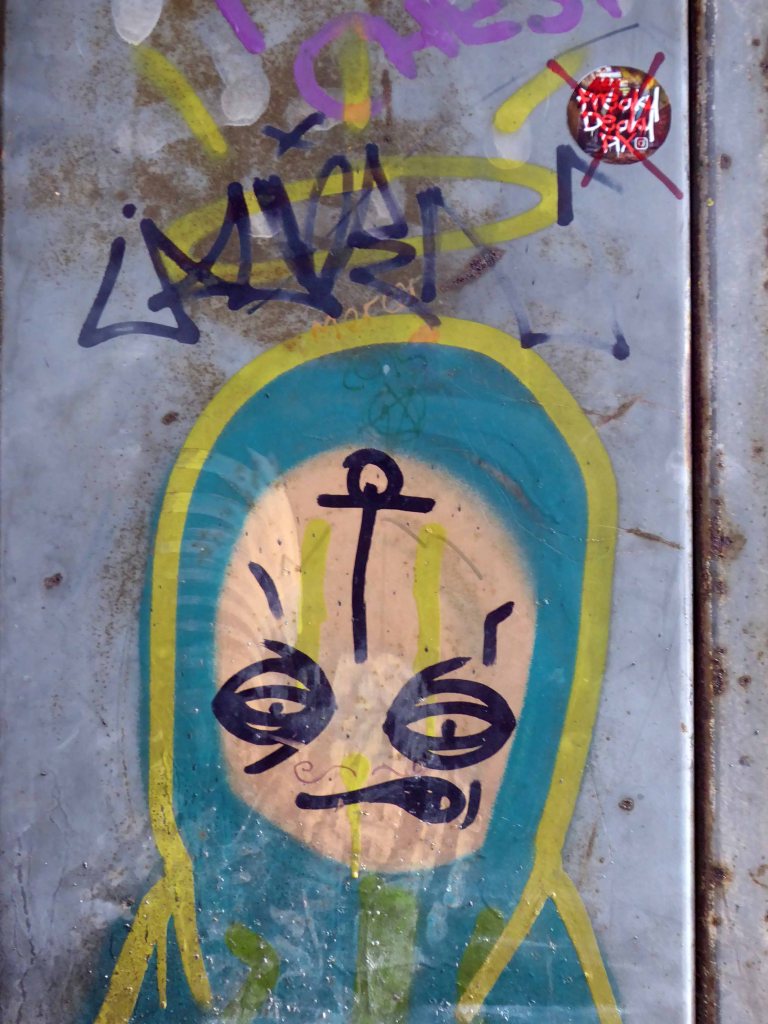
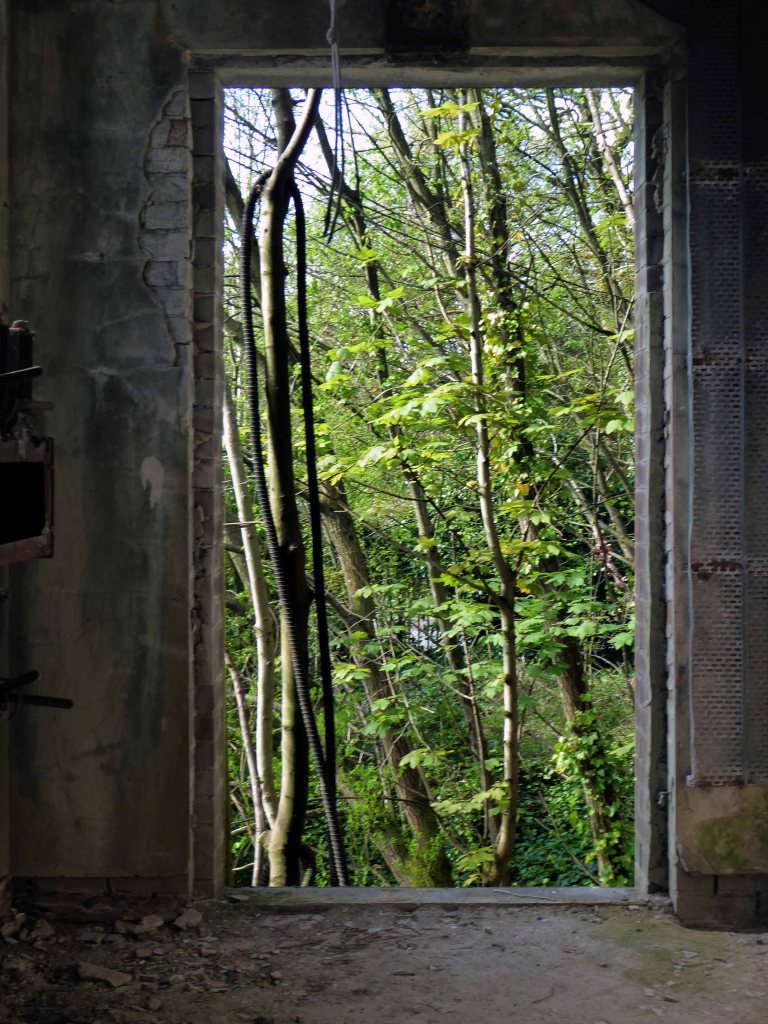
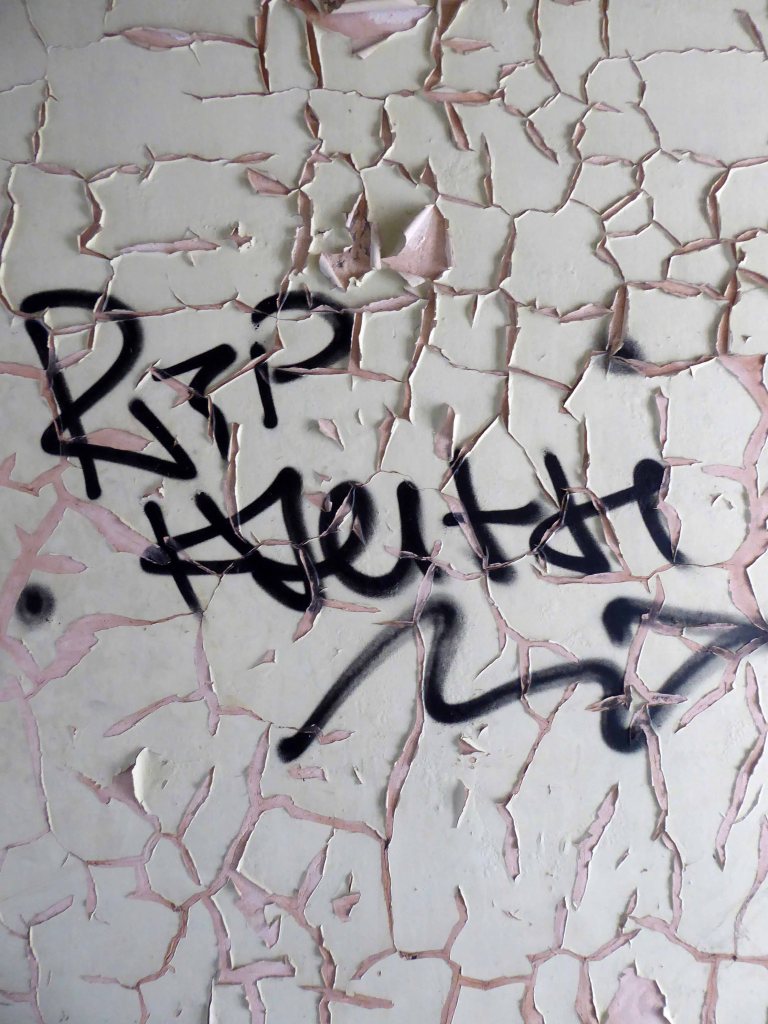
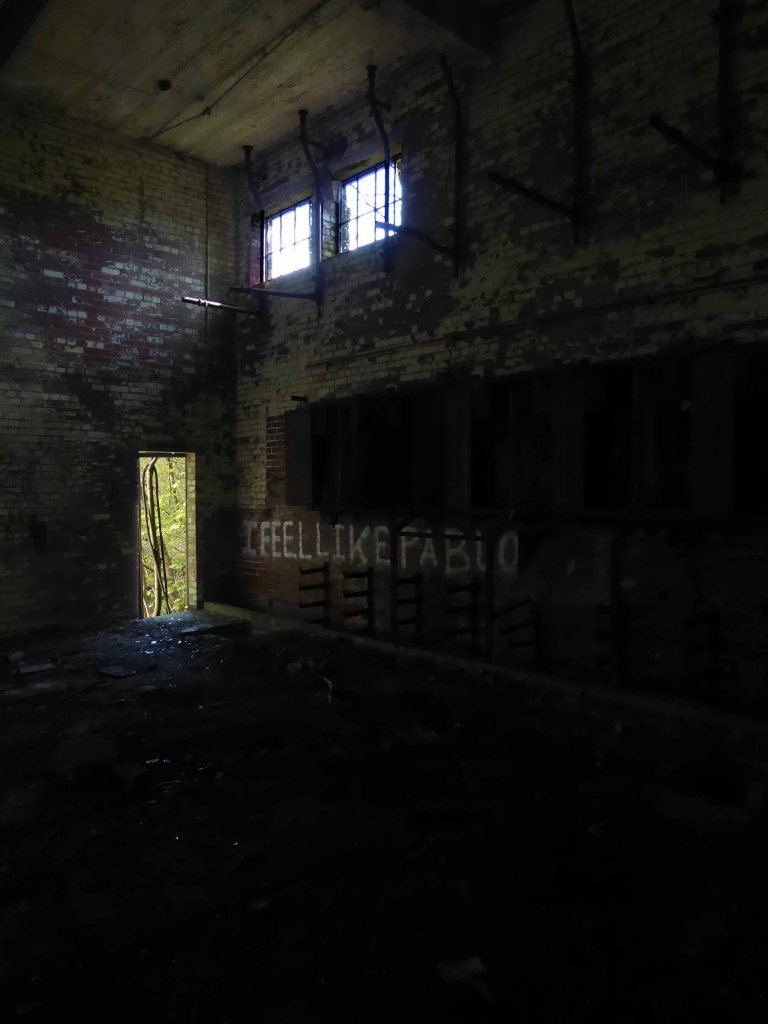
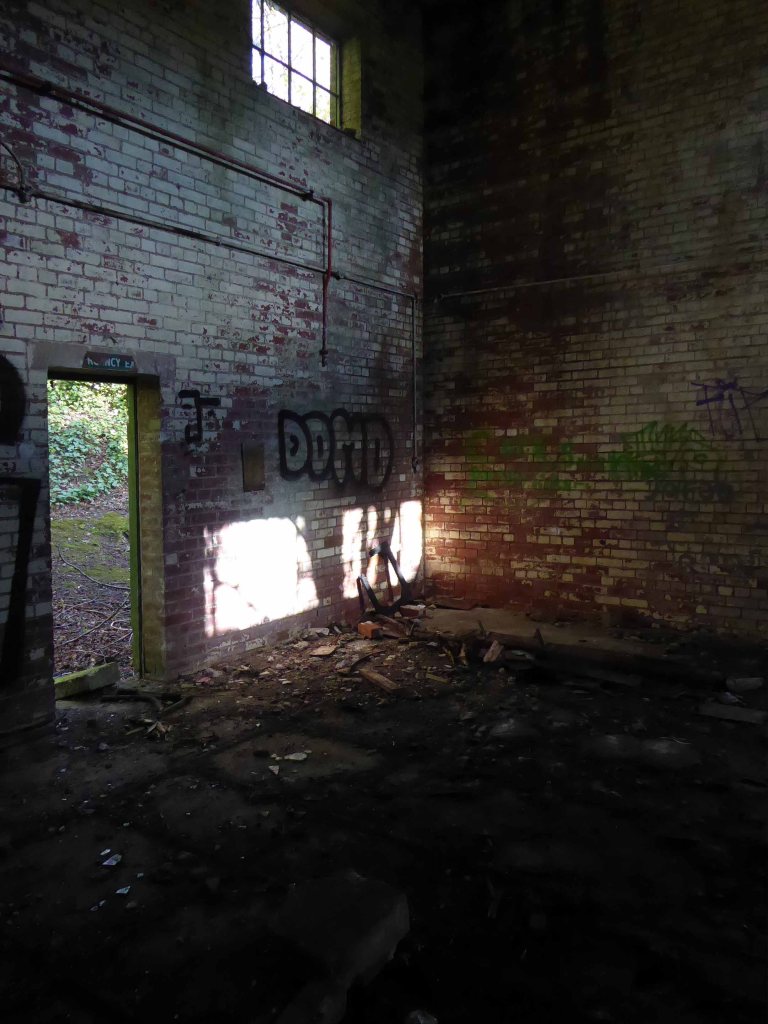
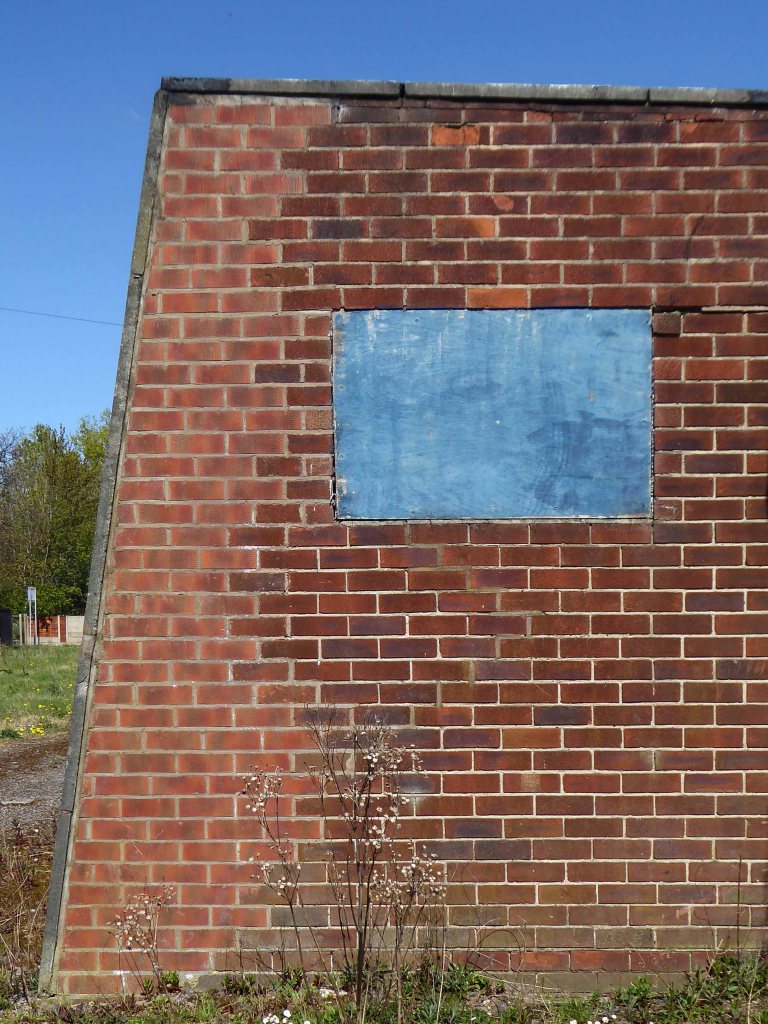
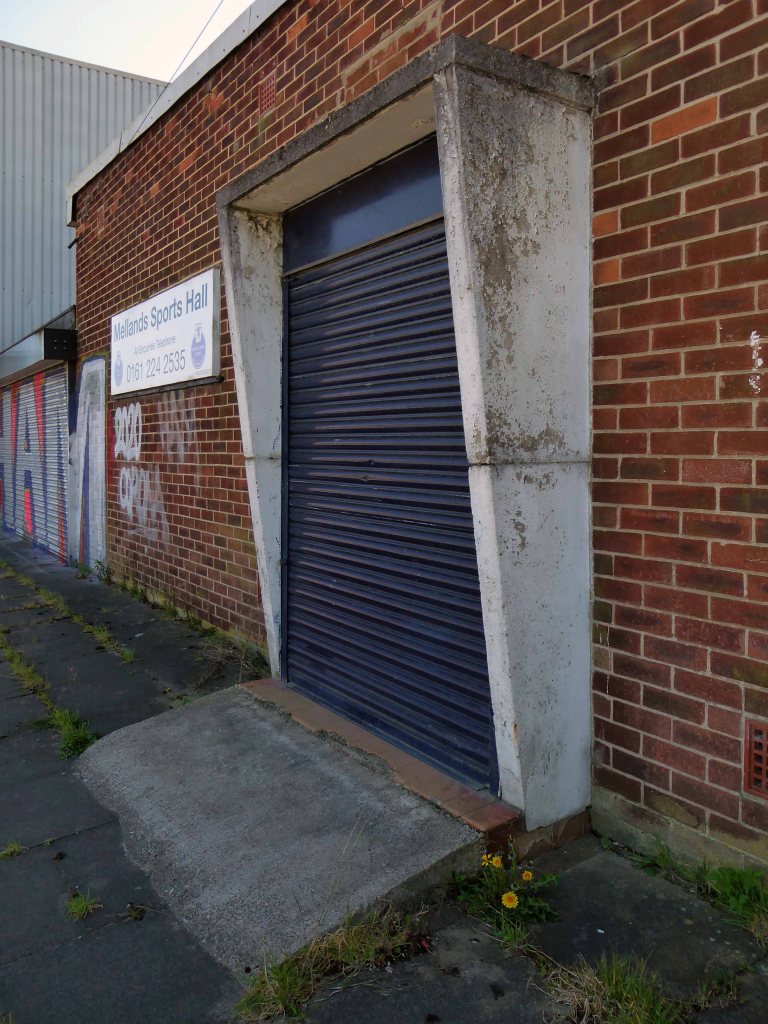
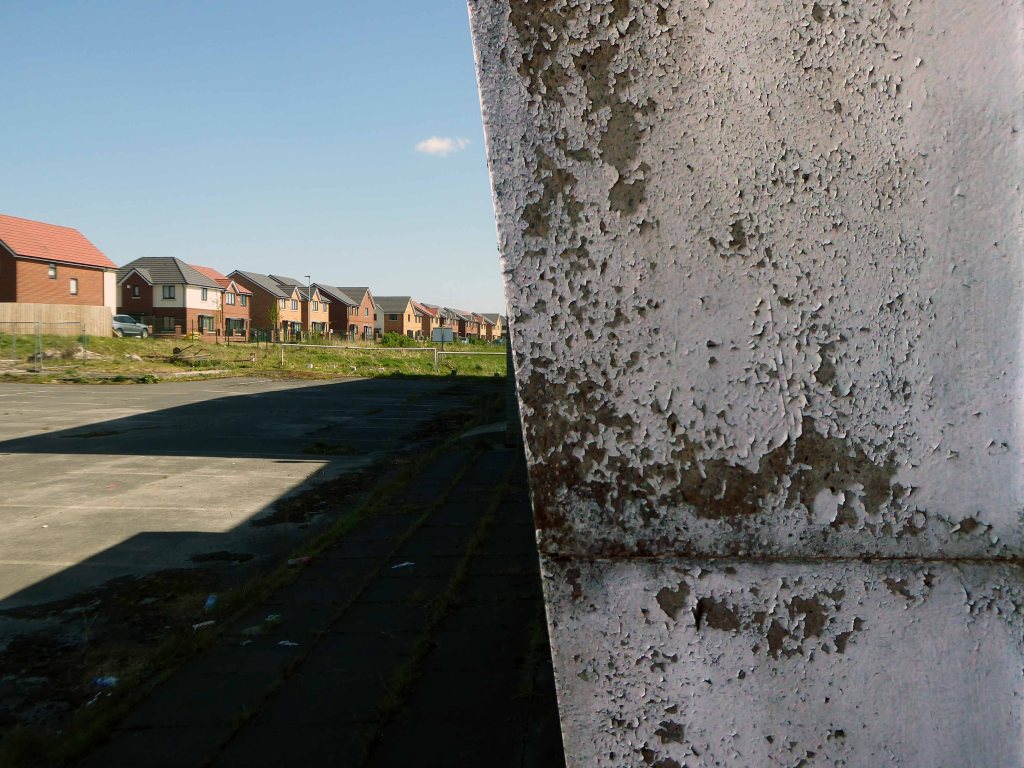
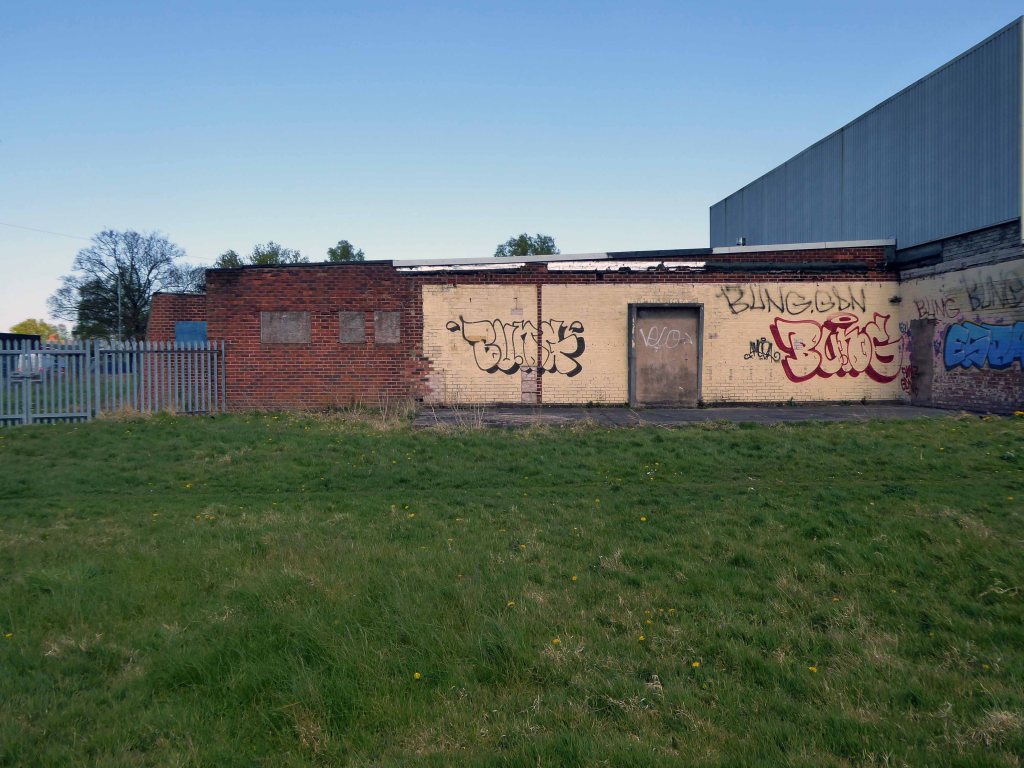
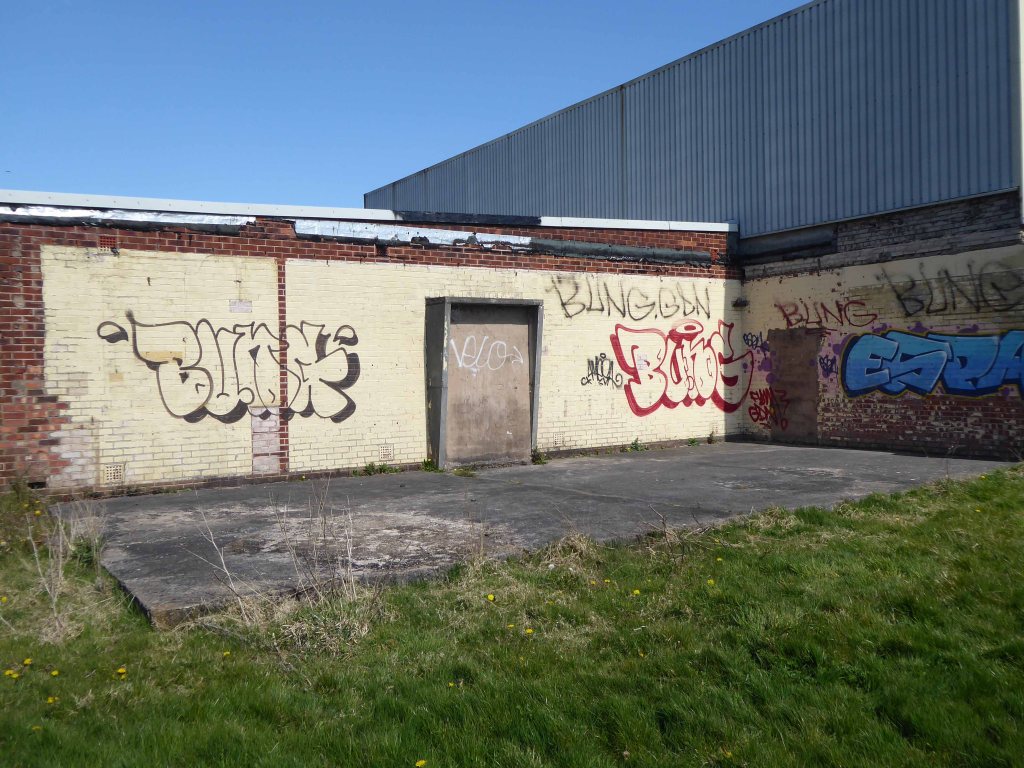
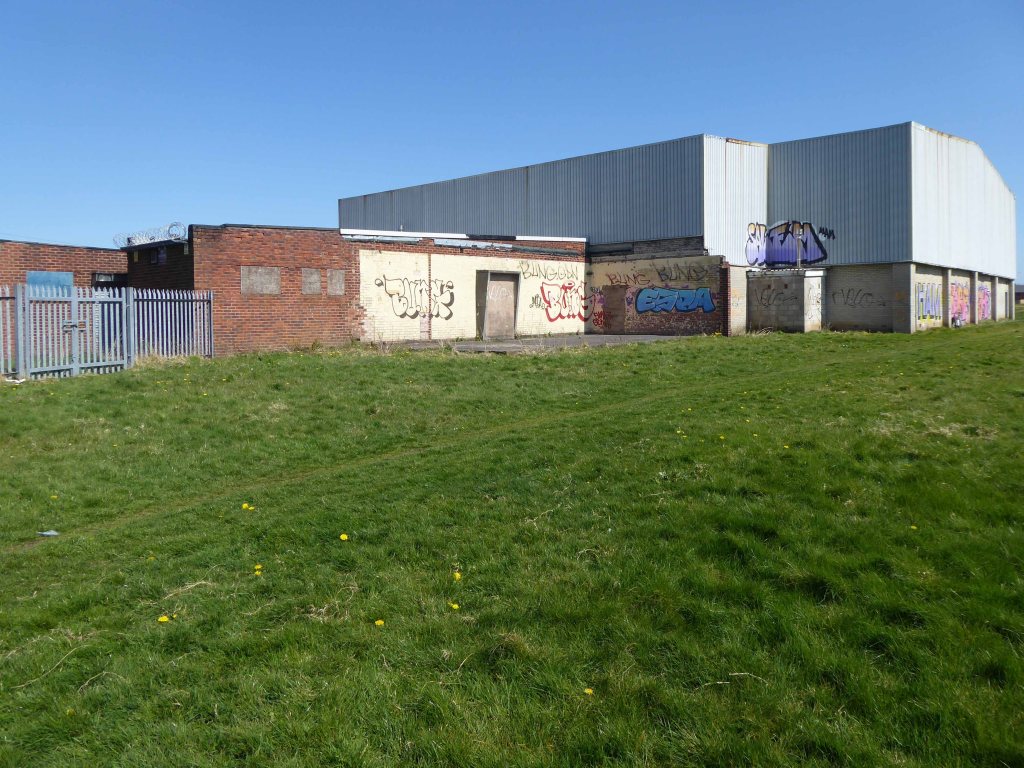
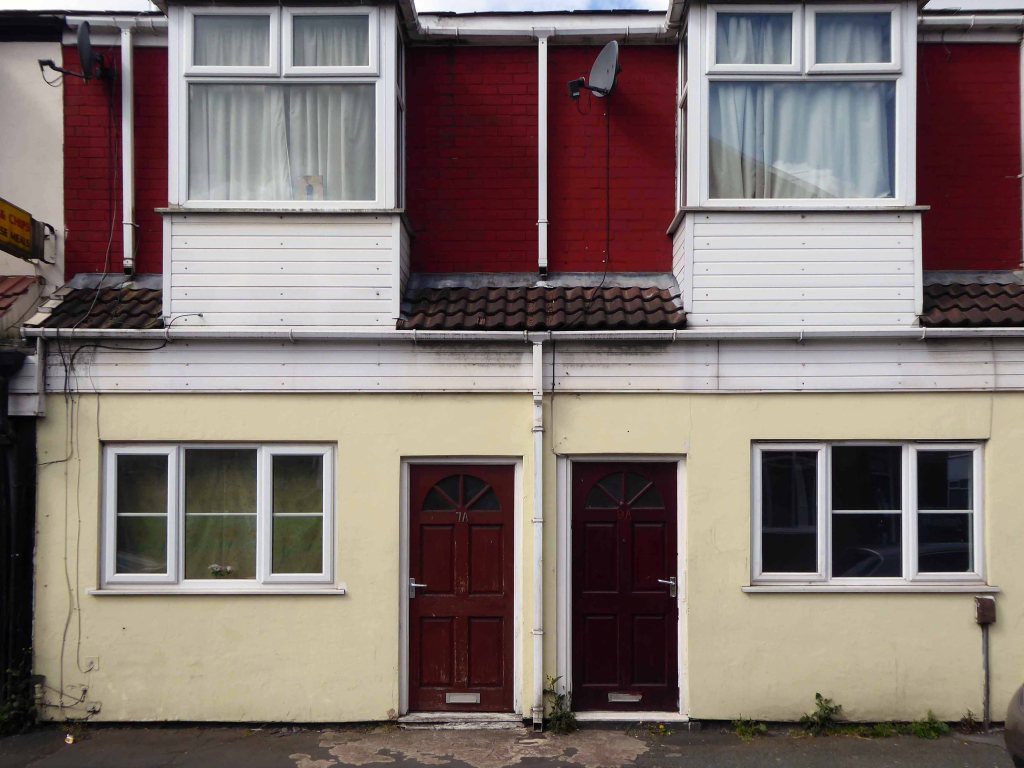
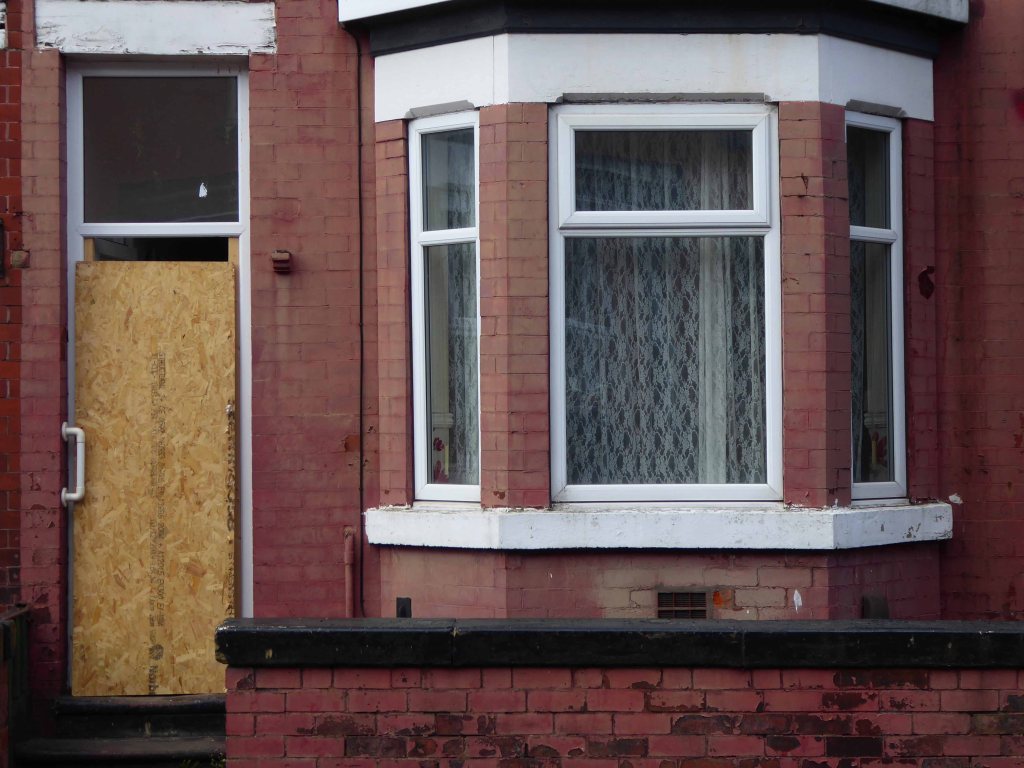
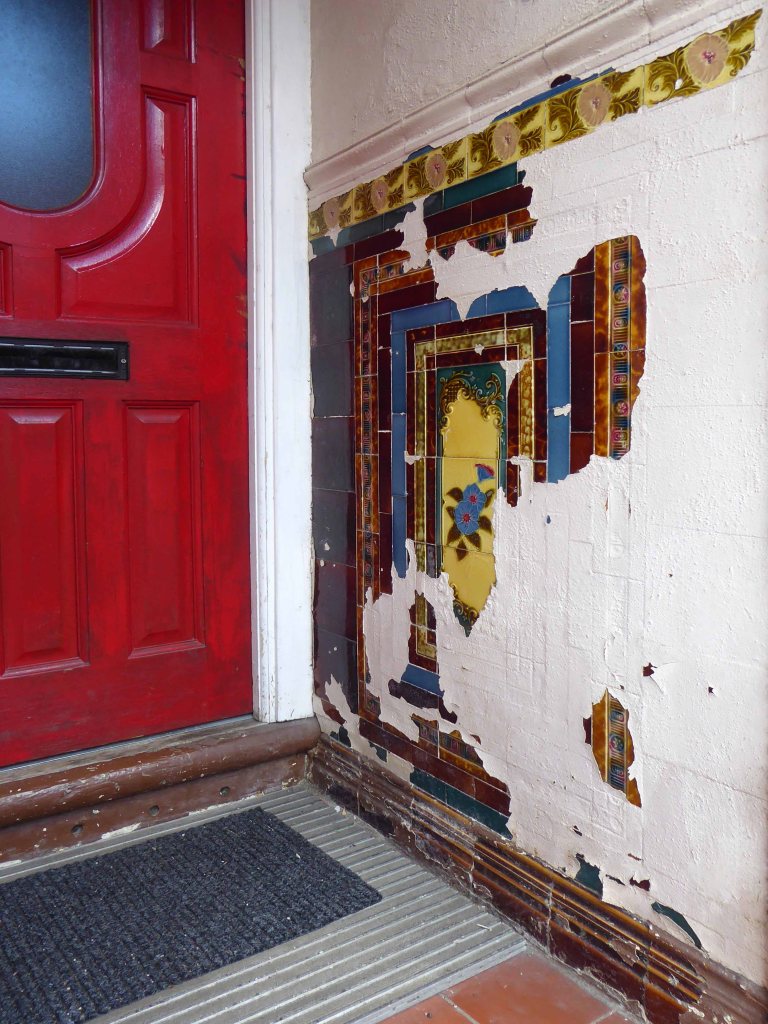
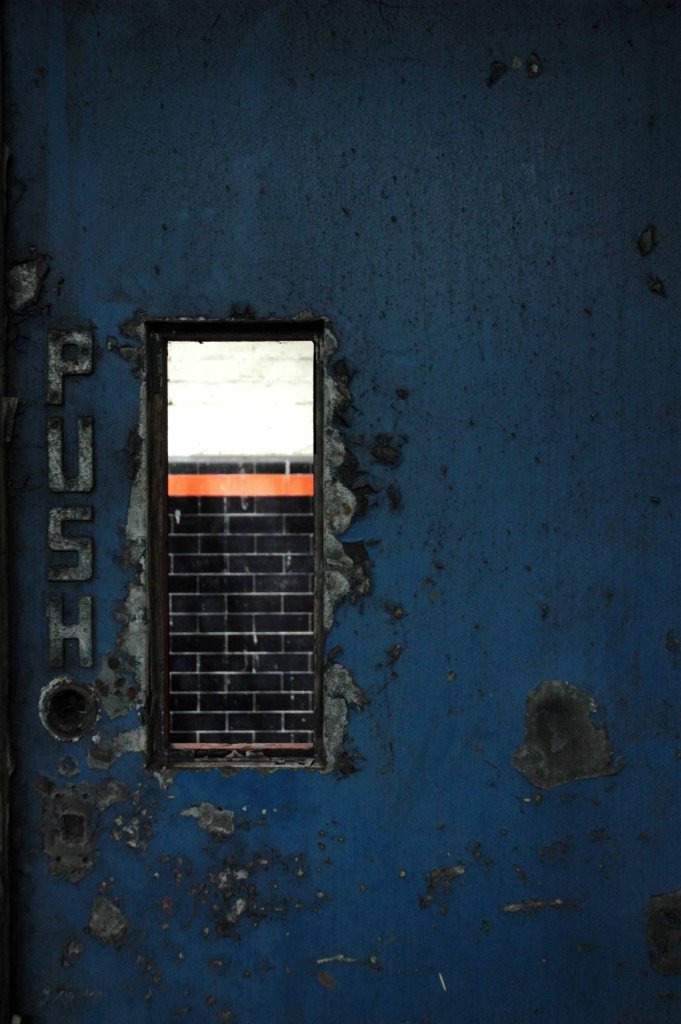
They have been stripped of their former use and meaning, transformed into a transitory art performance space, paint and plaster now peeling, appealing to the passing painter, partially reclaimed by nature.

Let’s tag along:

Hartshead Power Station #1

I’ve been here before in search of a bus shelter.

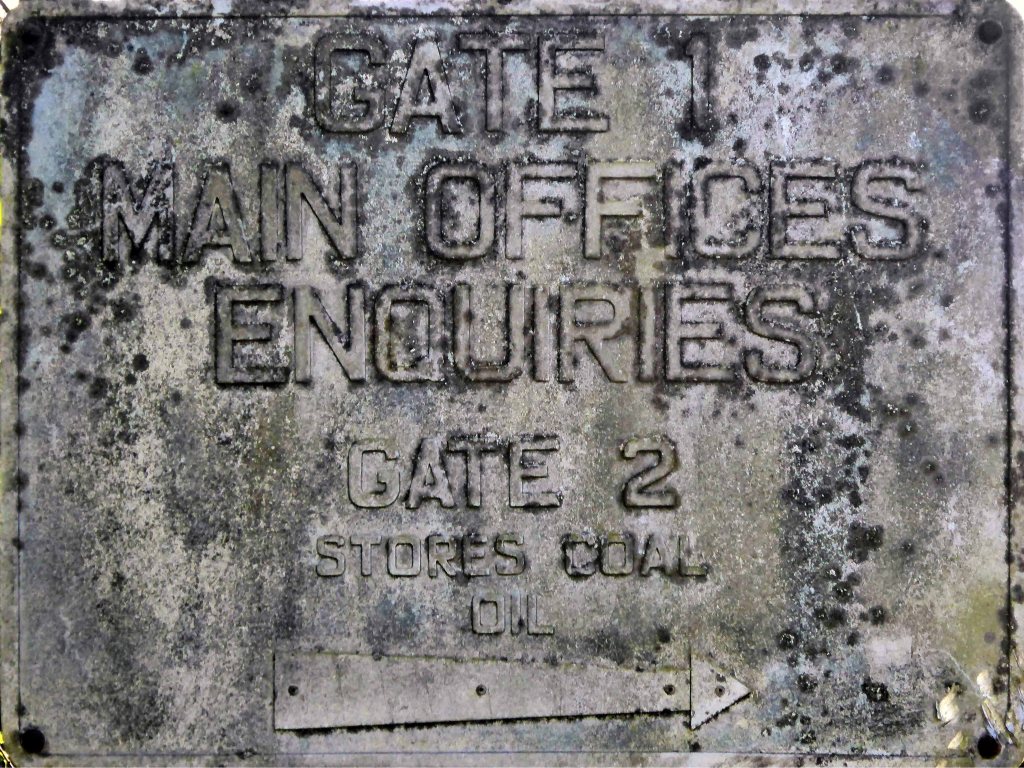
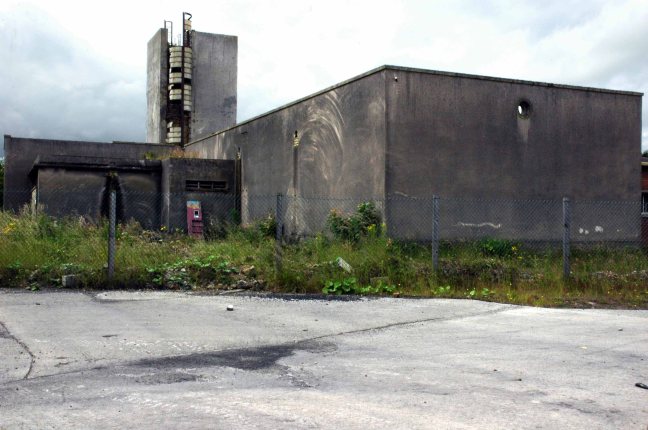
I’m back here to day in search of an abandoned control centre at the long gone Hartshead Power Station.

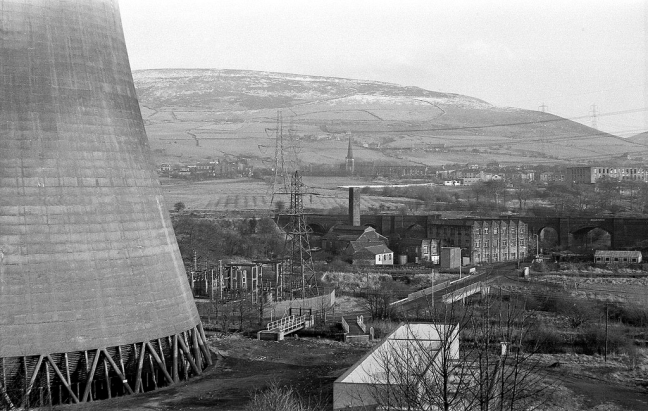
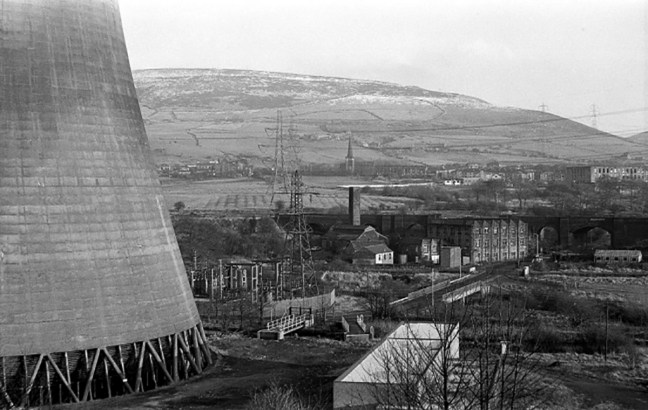
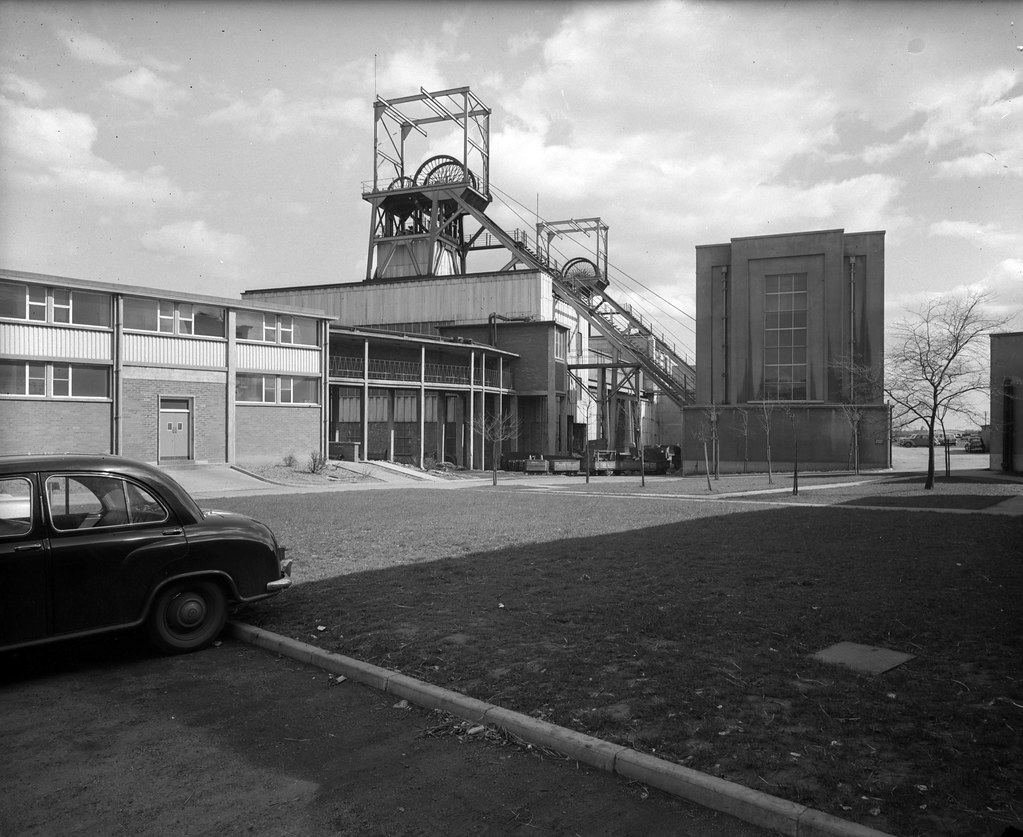
The station was opened in 1926 by the Stalybridge, Hyde, Mossley and Dukinfield Transport and Electricity Board.

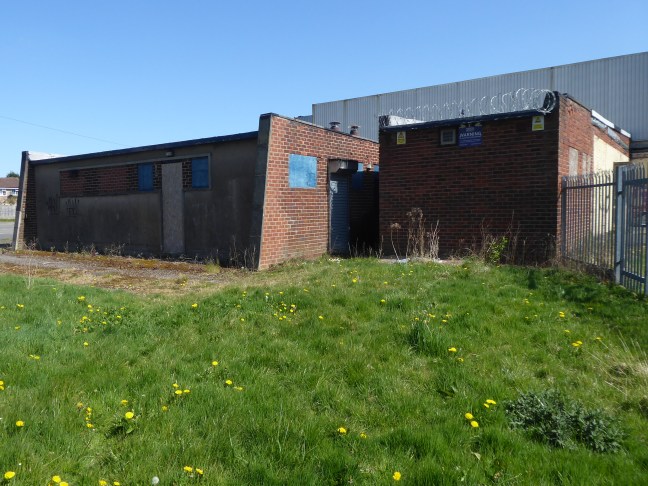
The station was closed on 29 October 1979 with a generating capacity of 64 megawatts. It was demolished during the late 1980s, although part of the site is still used as an electrical substation.

First glimpsed on an urban exploration site, I had awaited an opportunity to slip through the fence and take a look around – here’s what I found.
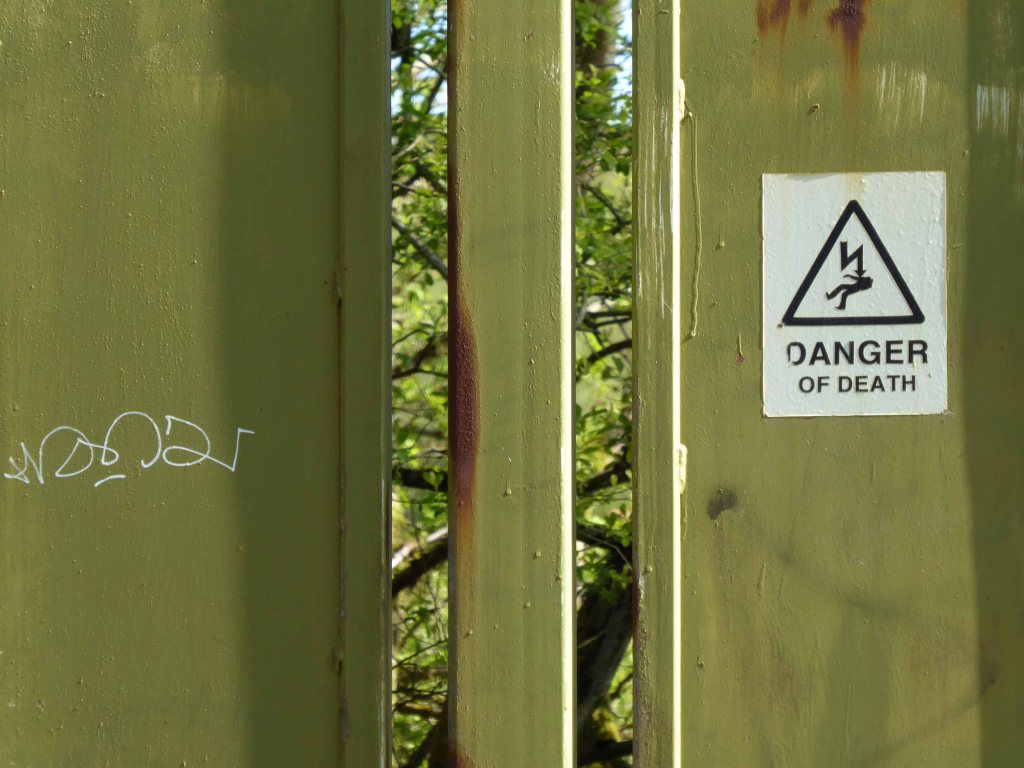
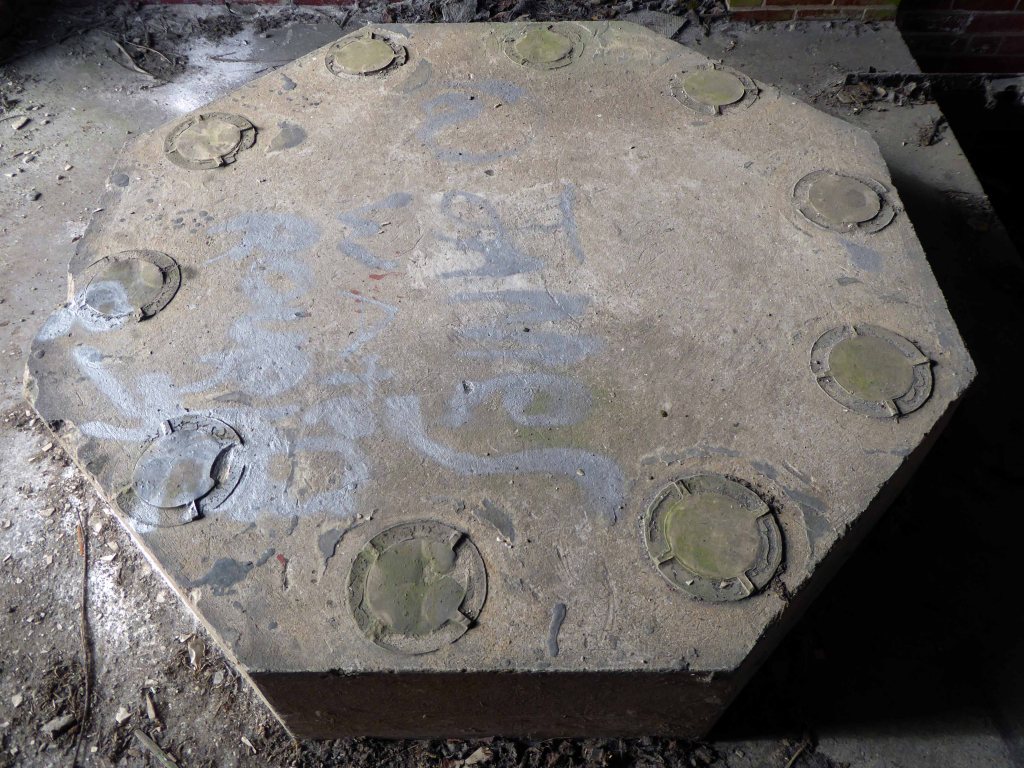
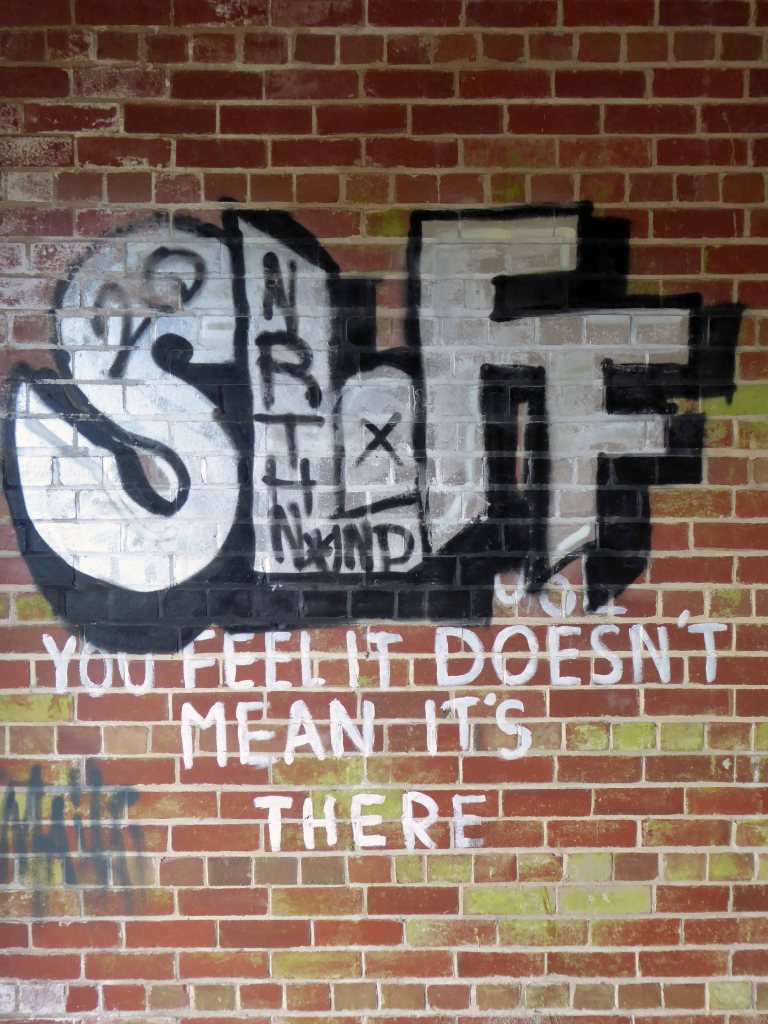
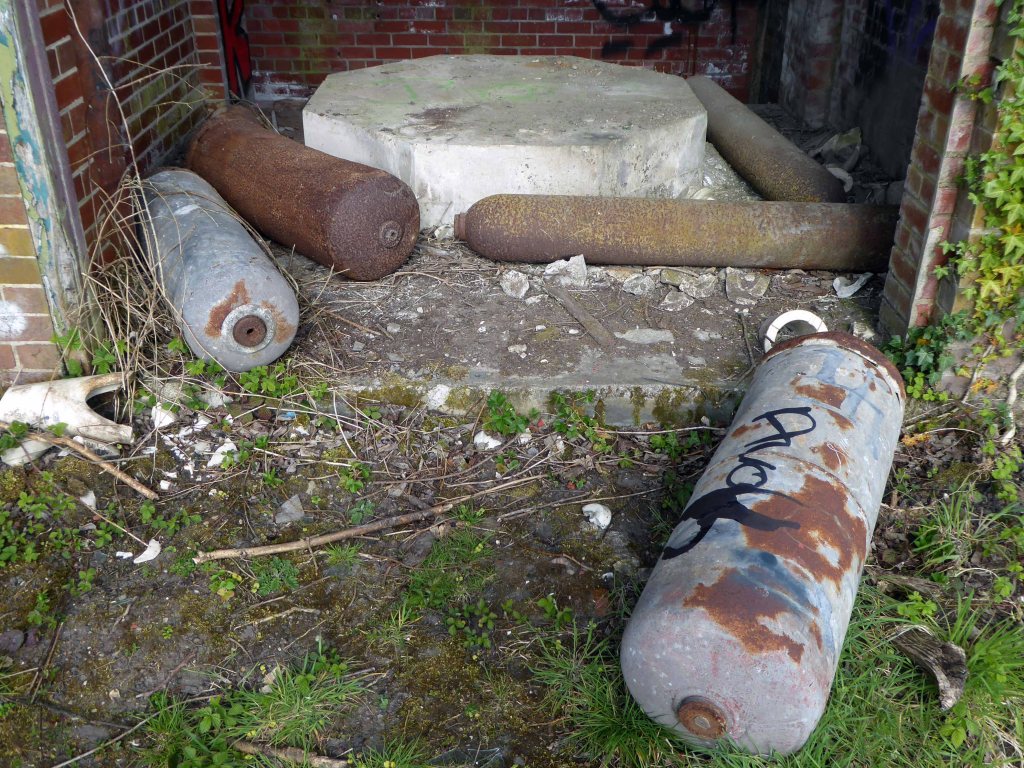
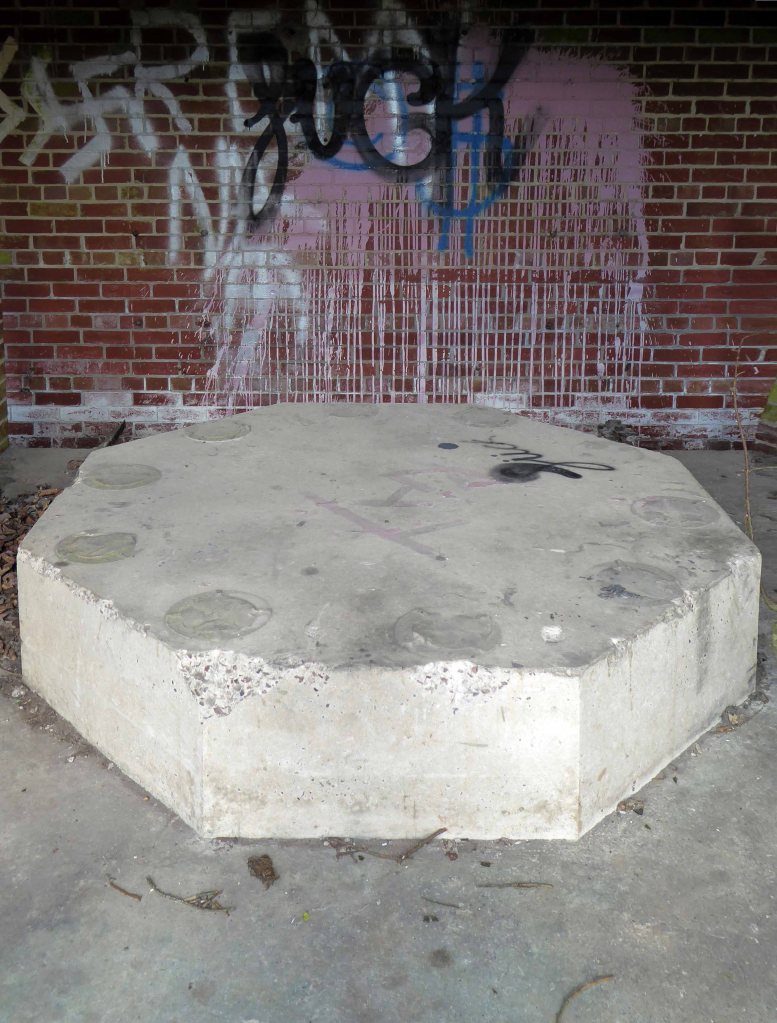
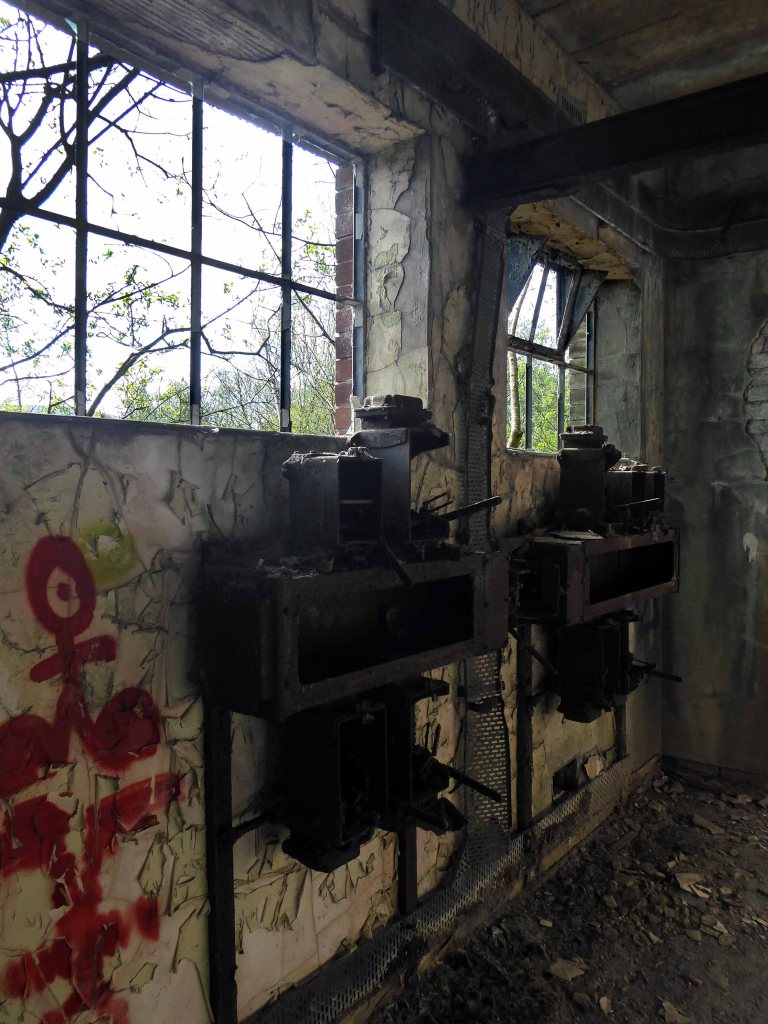
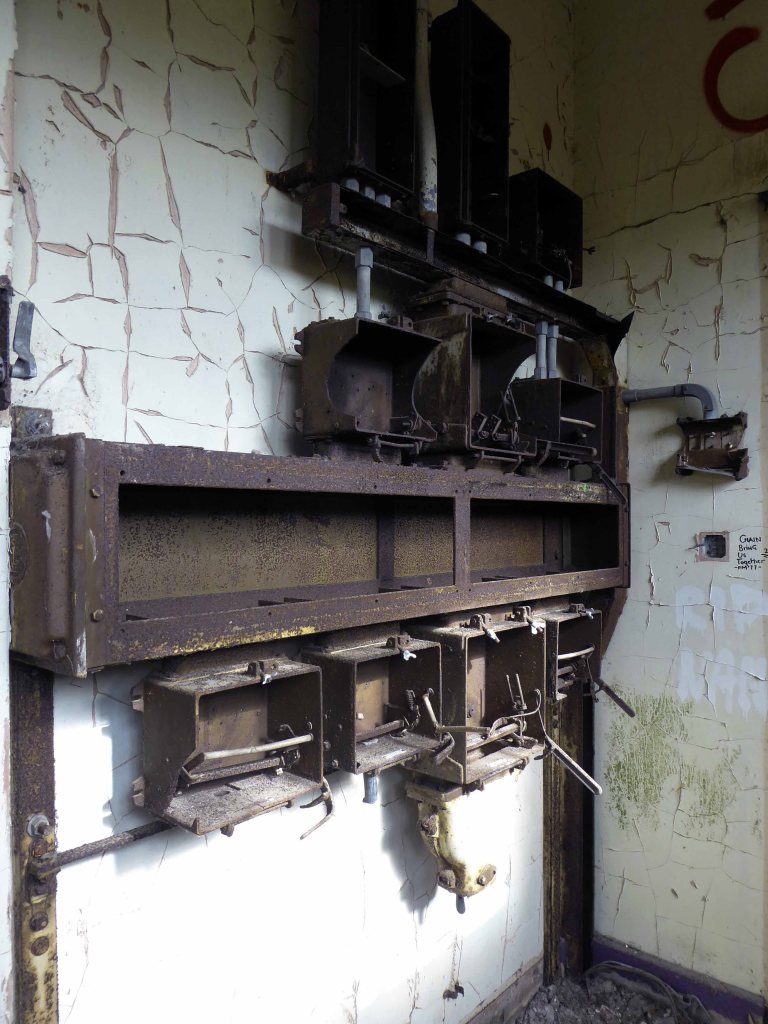
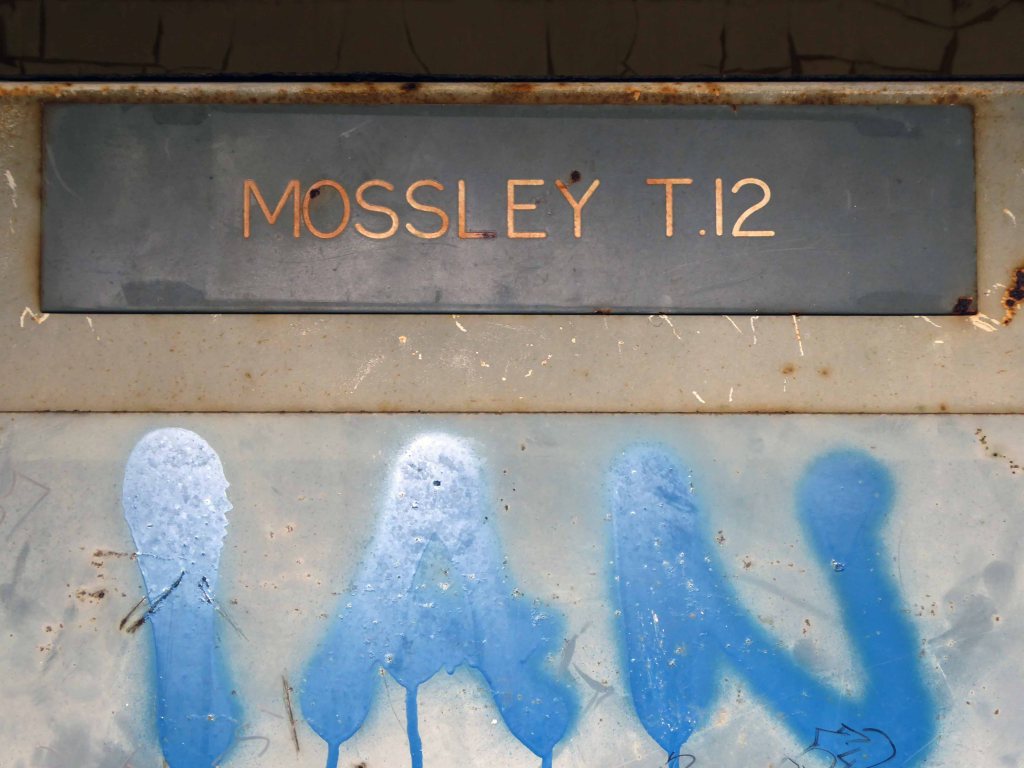
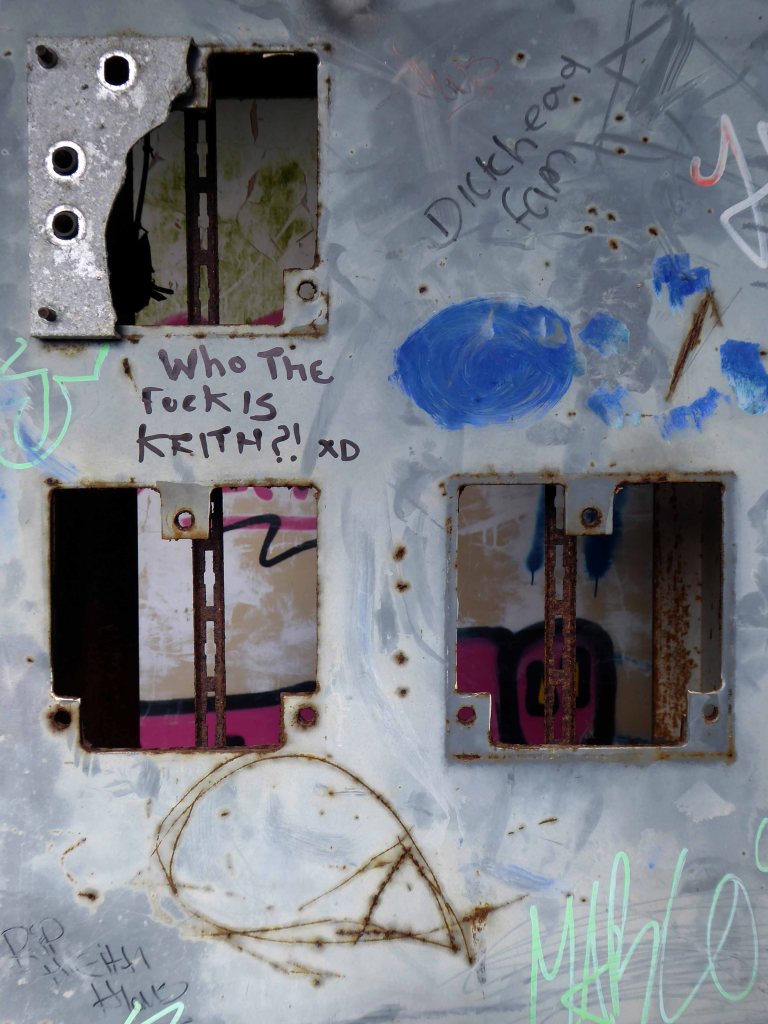
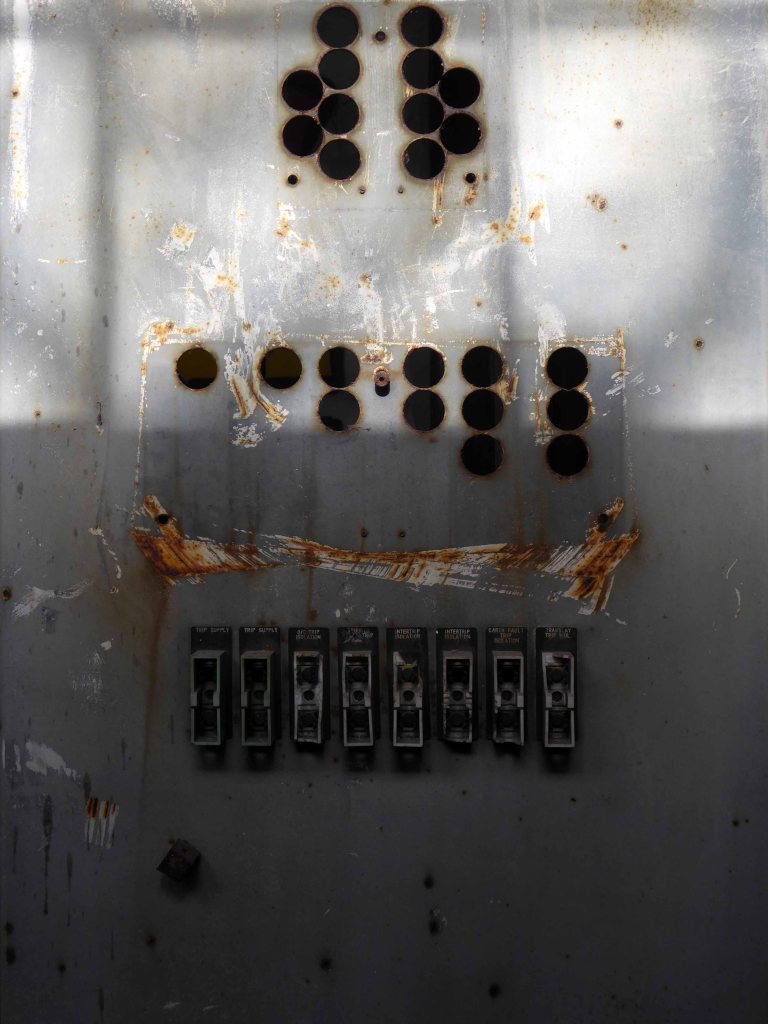
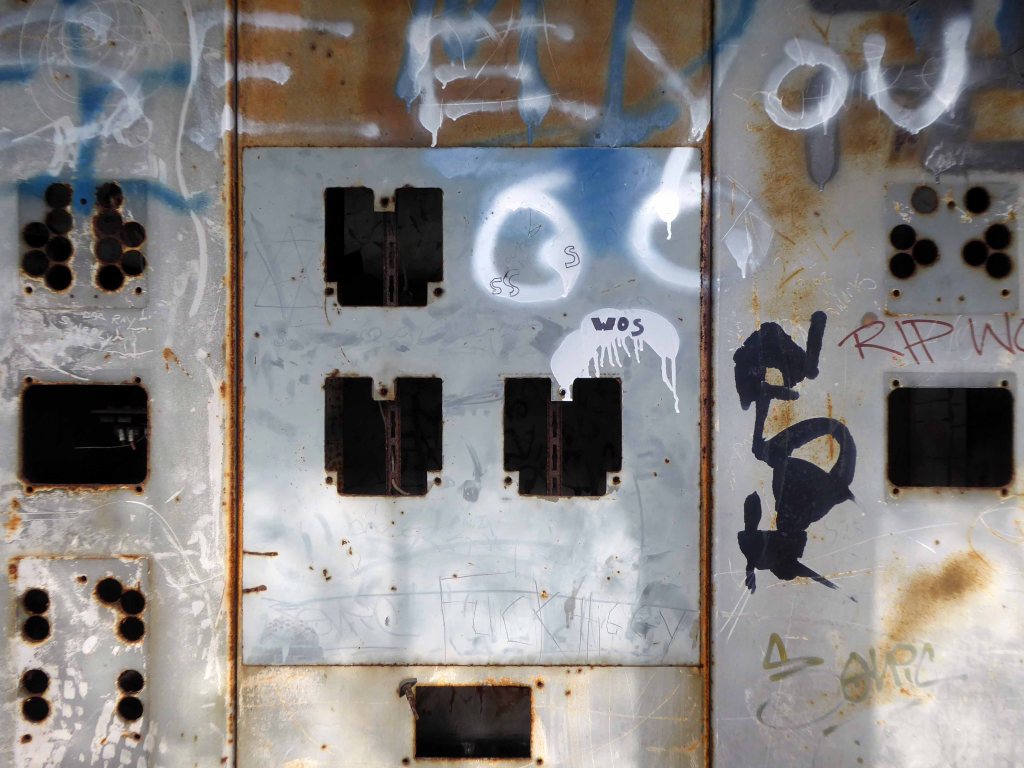
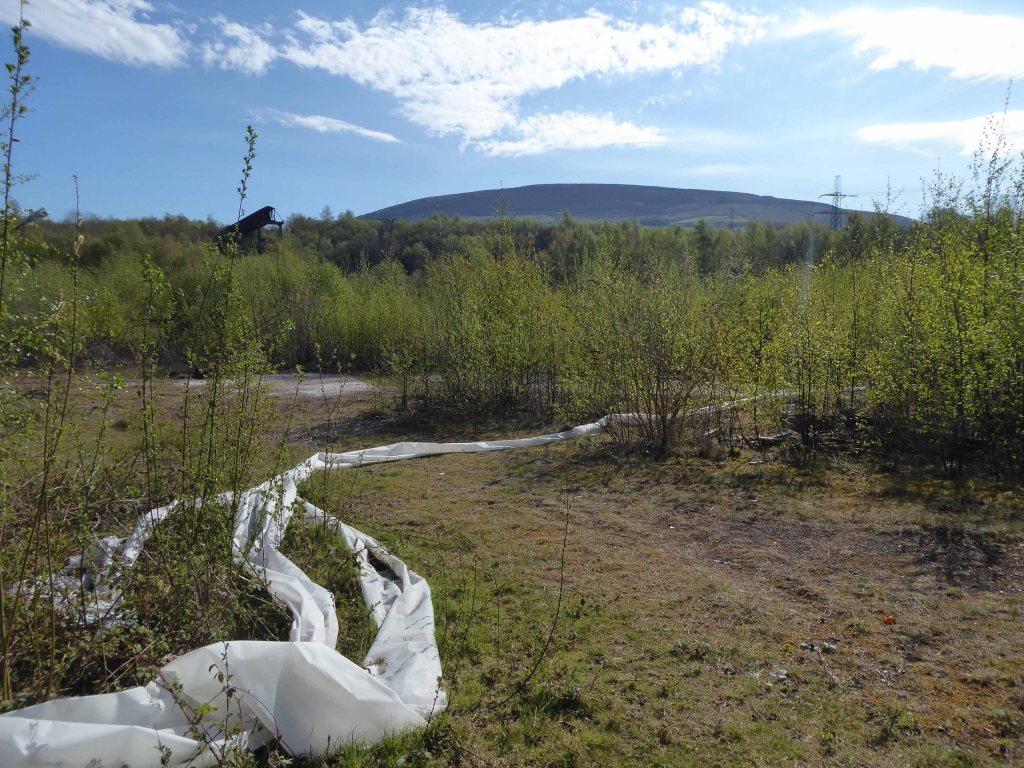
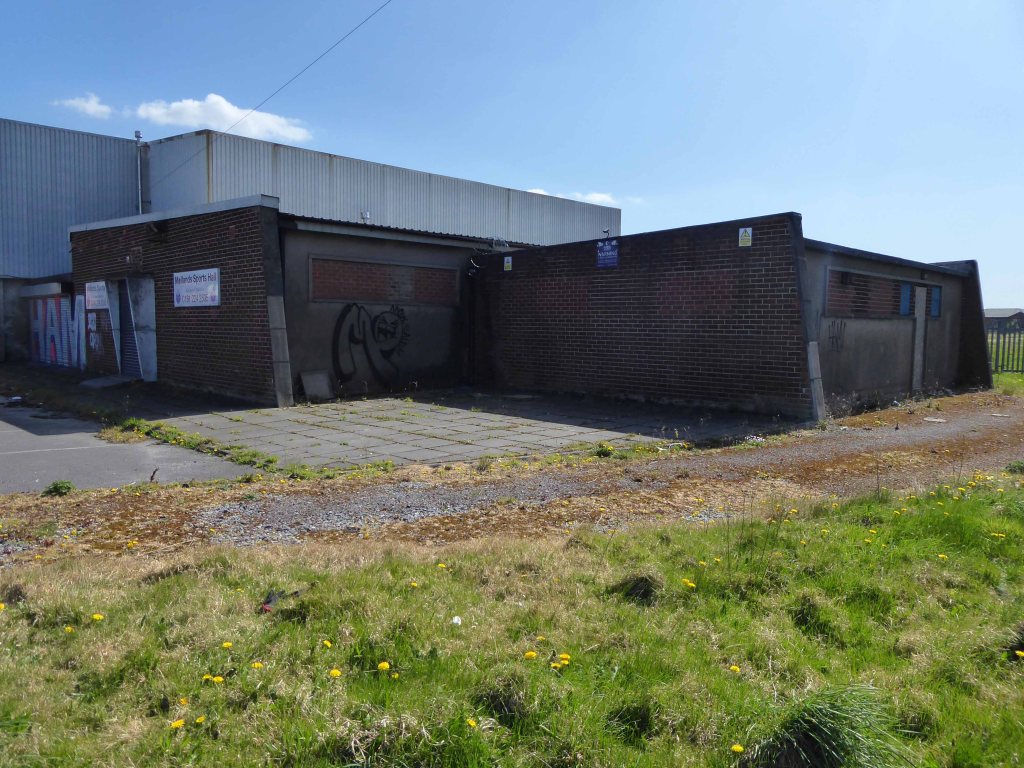
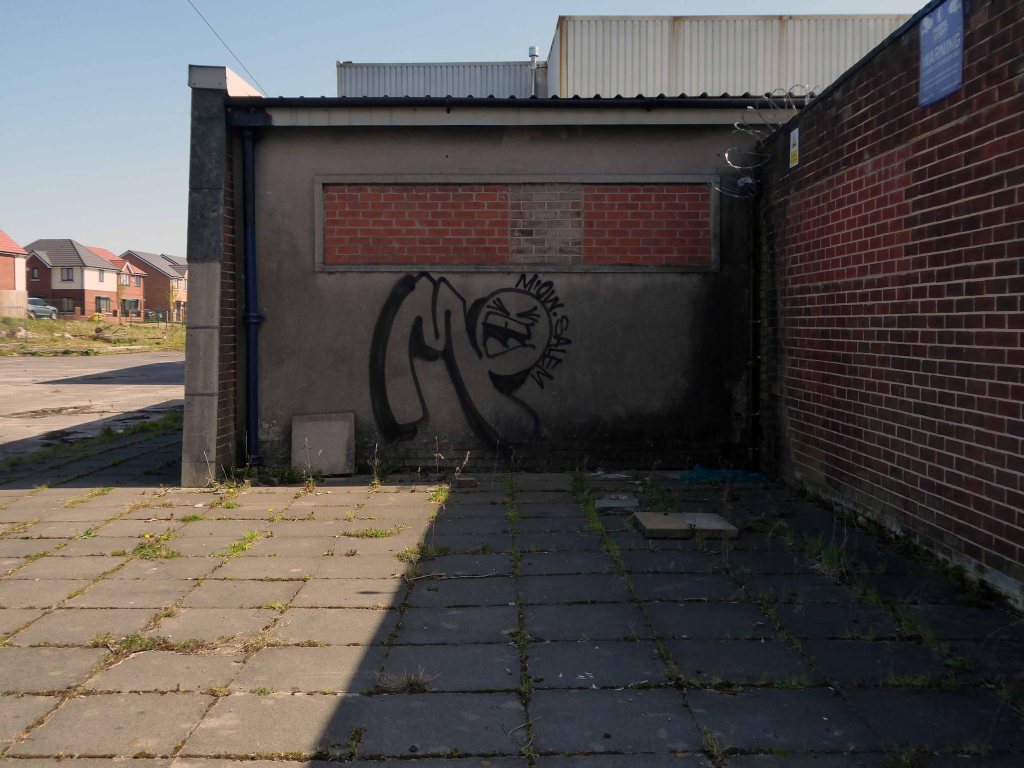
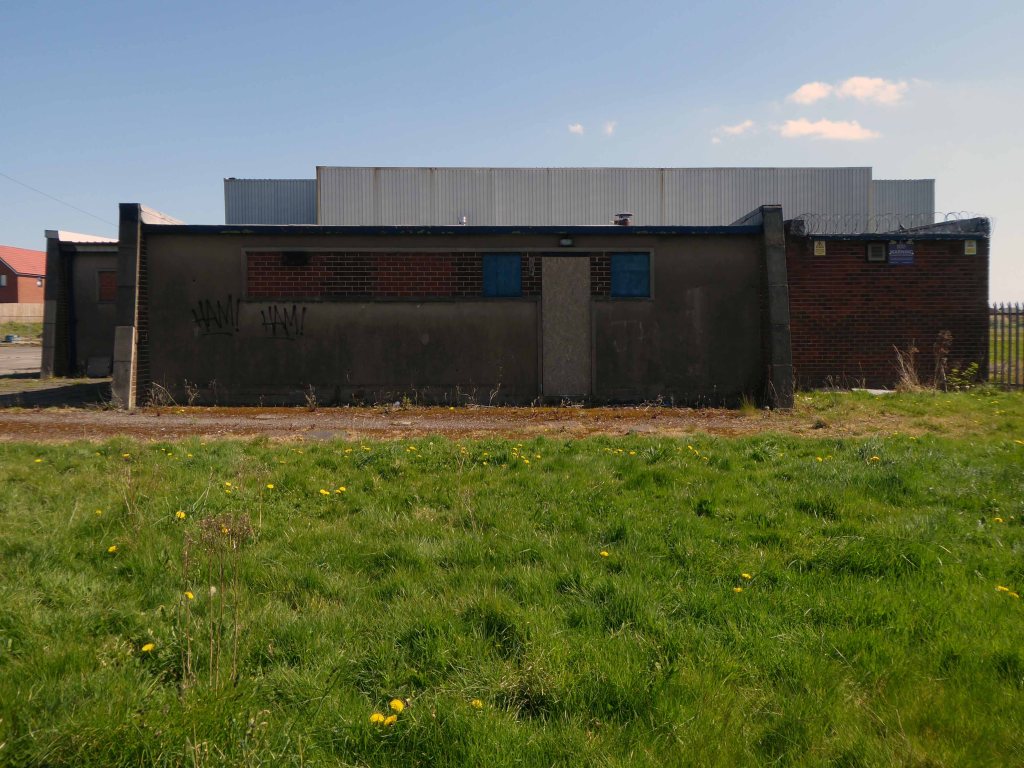
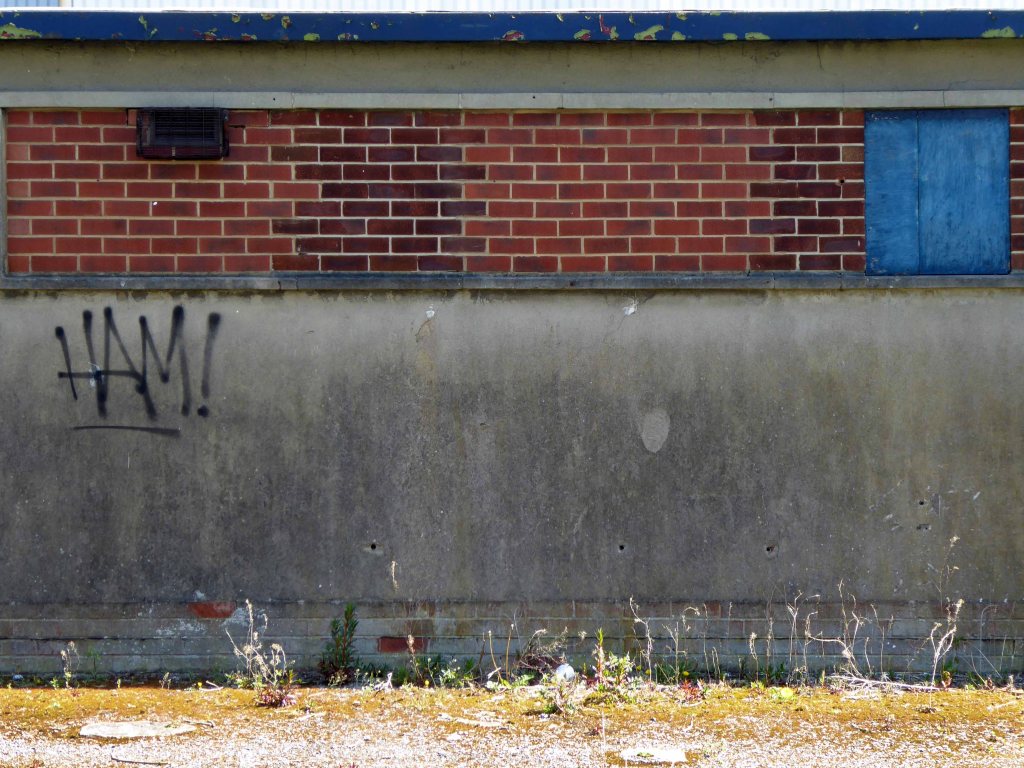
Most of the valuable equipment stripped out leaving and empty shell, covered in layers of the taggers’ interventions.

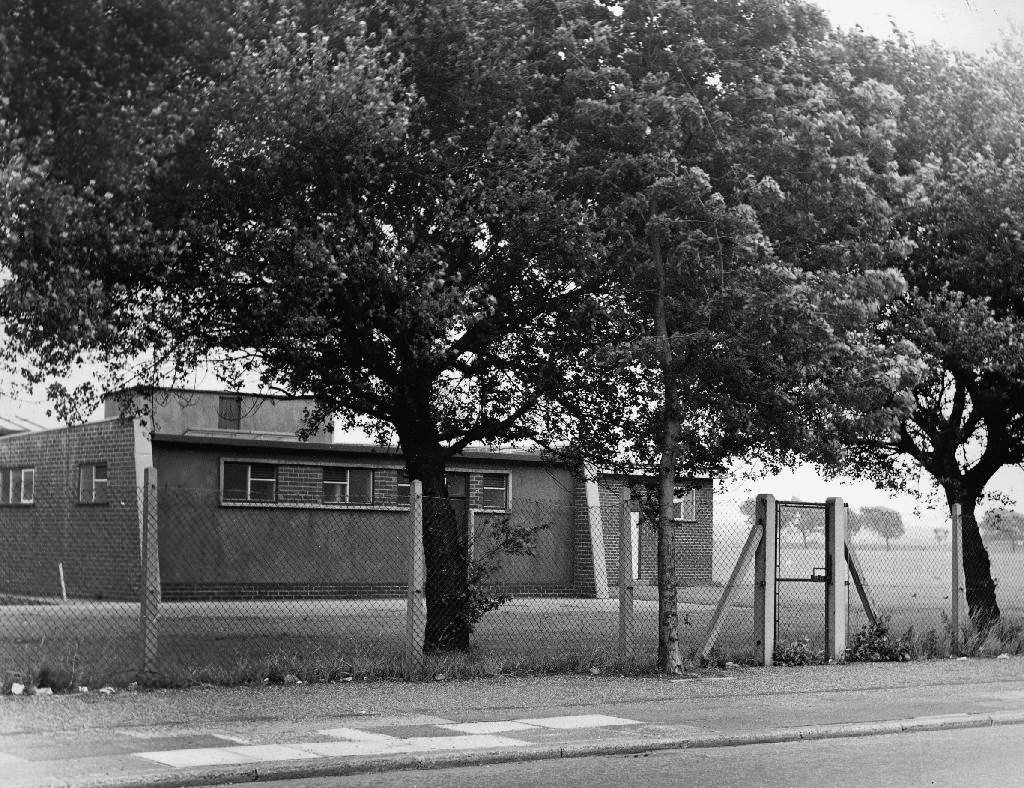
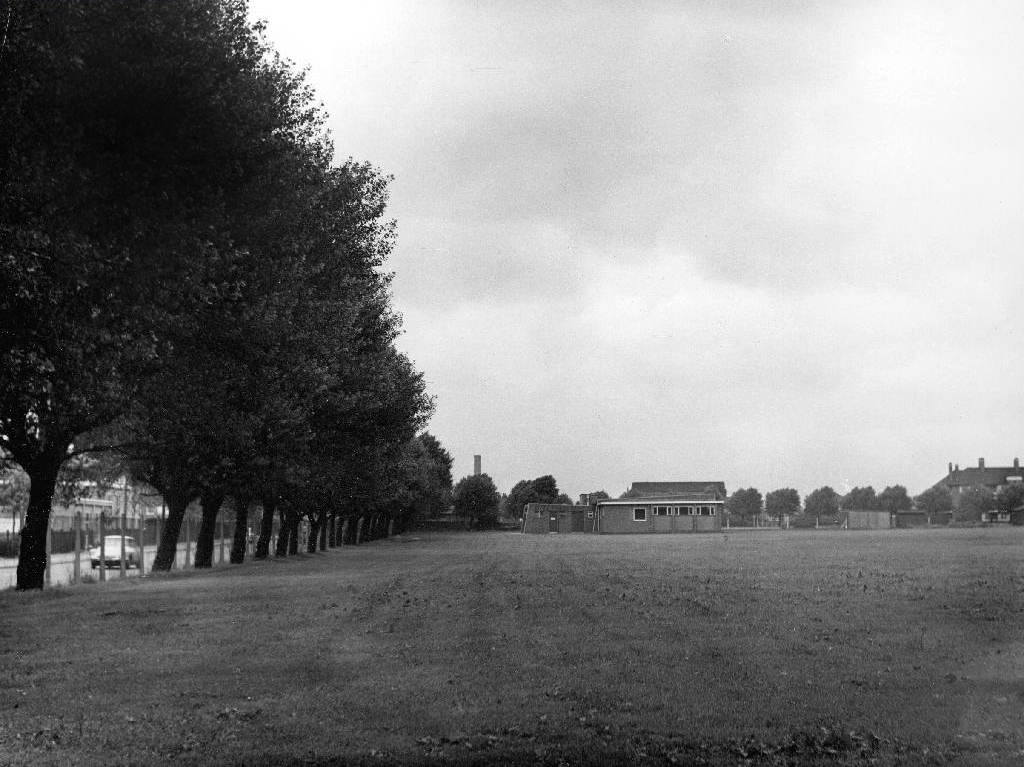
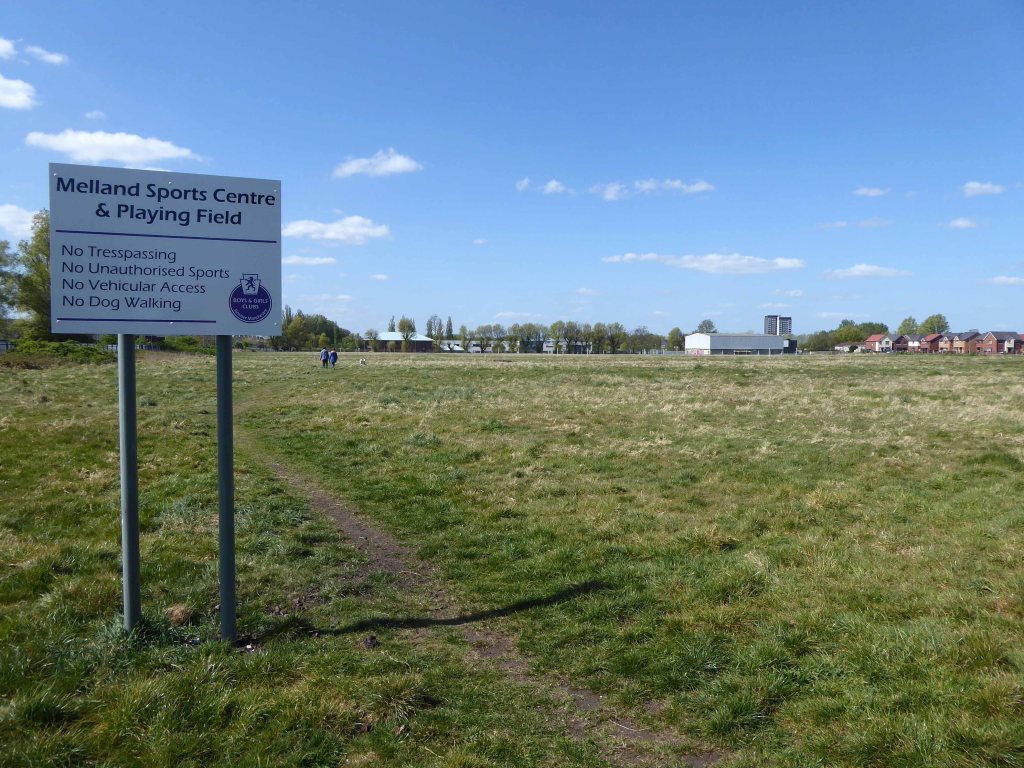
Mellands Playing Fields – Mount Road

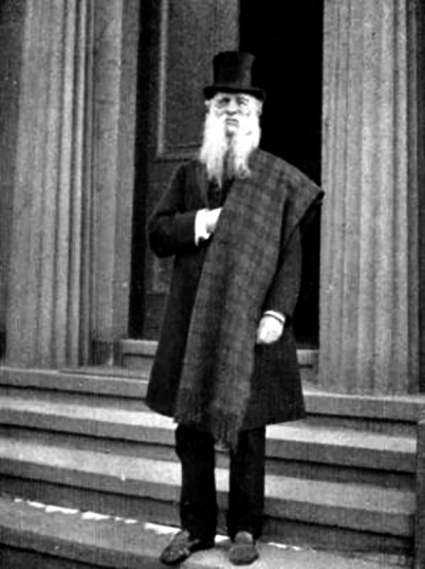
Does it all begin here with Frederick Melland?

His zeal for play-grounds and open spaces was always great, and only a few years ago he took part in an agitation for the acquisition of a new park.

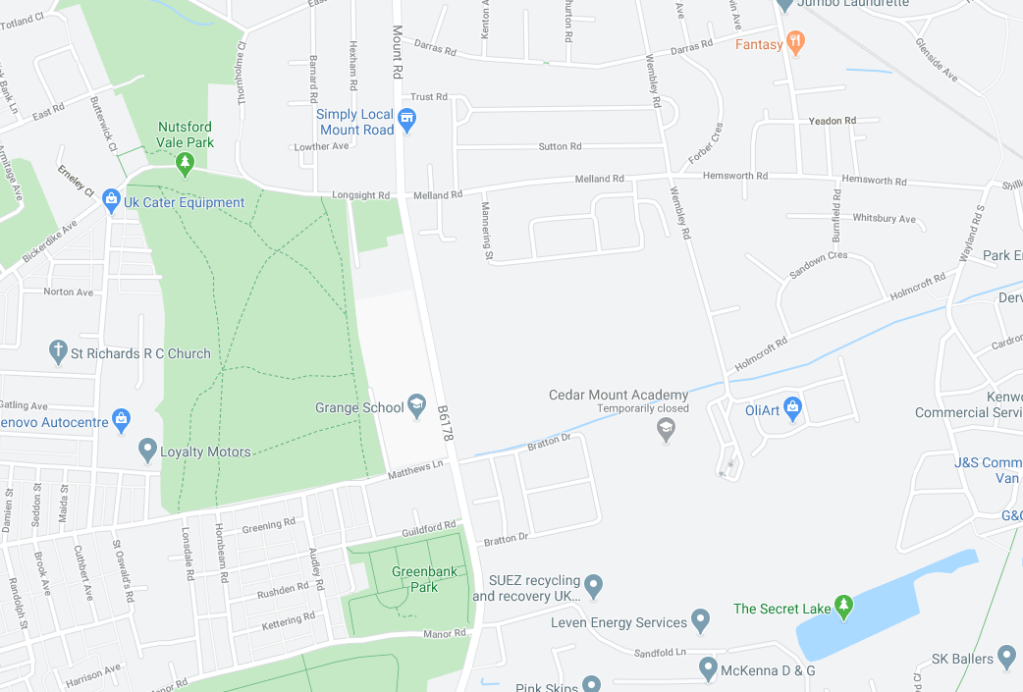
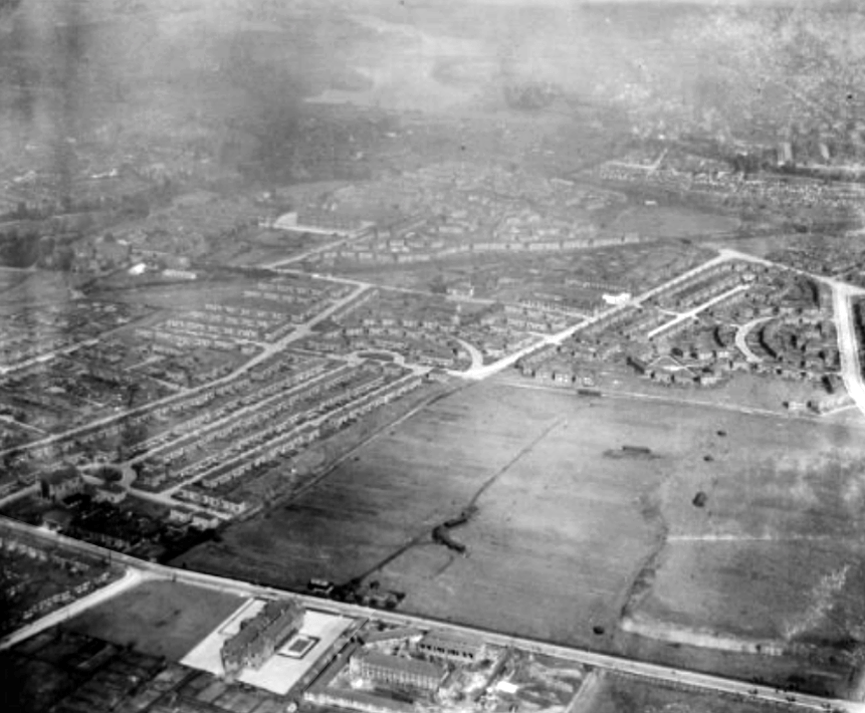
Seen here at the centre of the contemporary map – an empty space with no indication of its current use, or past status – drawn a blank.

It’s here in an aerial photograph of 1931.

Photograph – Britain From The Air

Surrounded by newly built social housing.

Melland Road 1965

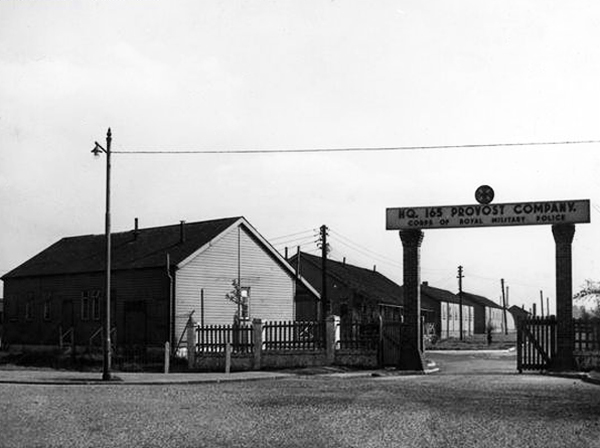
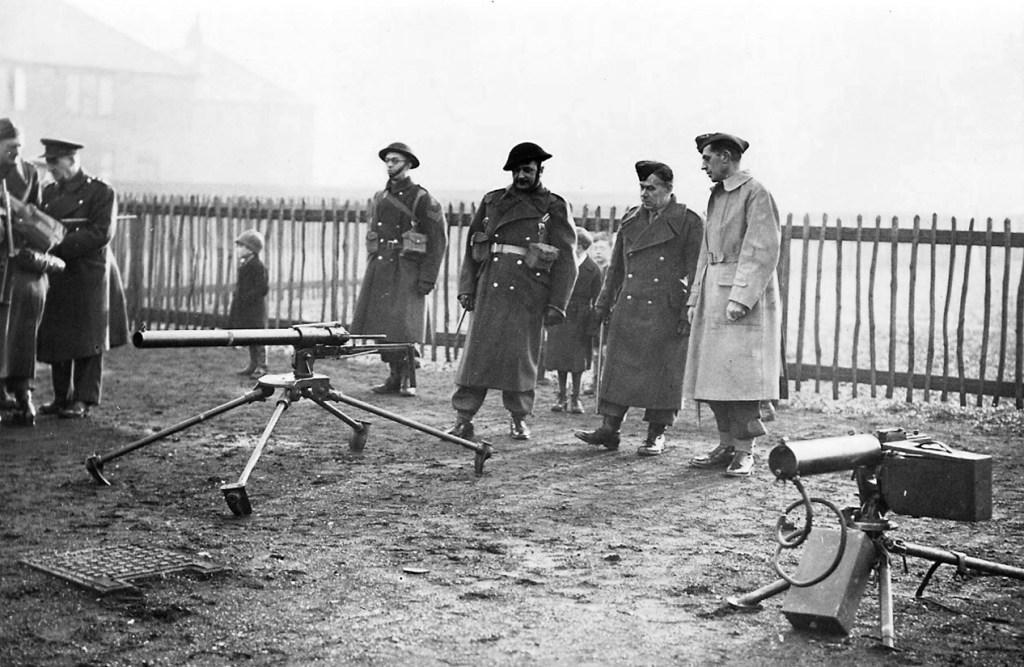
Levyboy’s website informs us of the fields’ wartime uses:

As a Military Police and POW Camp
The 48th Battalion Manchester Home Guard used the facilities 

Photograph Brian Wood

I remember from the 60’s onwards the fields in use for amateur football – pubs, clubs, schools and works all supplying teams to the plethora of leagues across the city.

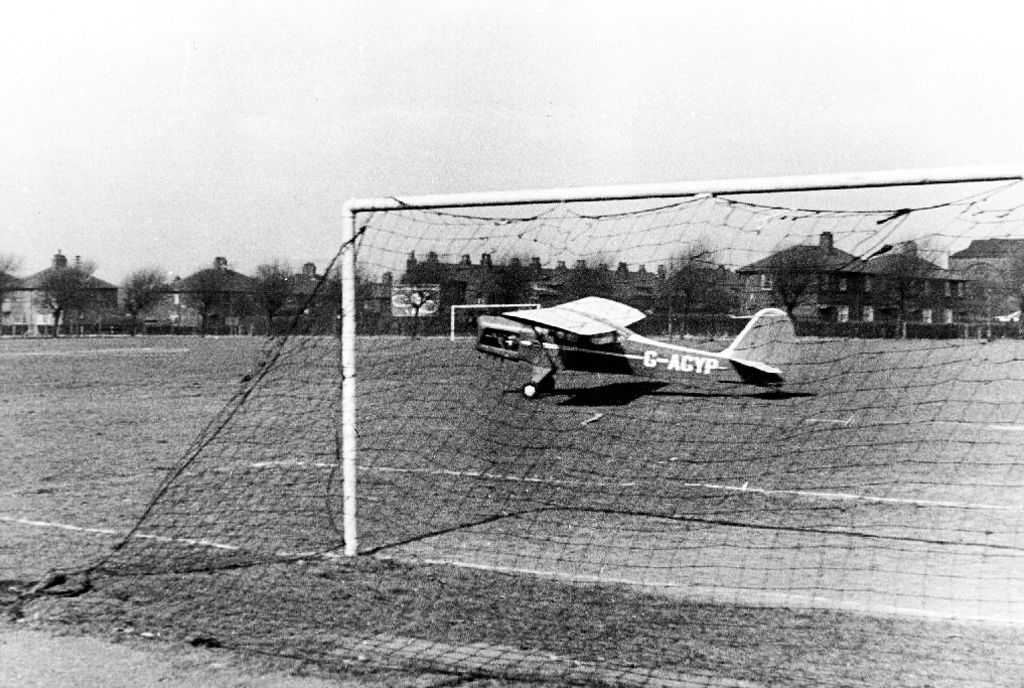
Auster Aircraft of Airliners forced to land at Melland Playing Fields whilst towing banner 1961
1963

Archive photographs – Local Image Collection

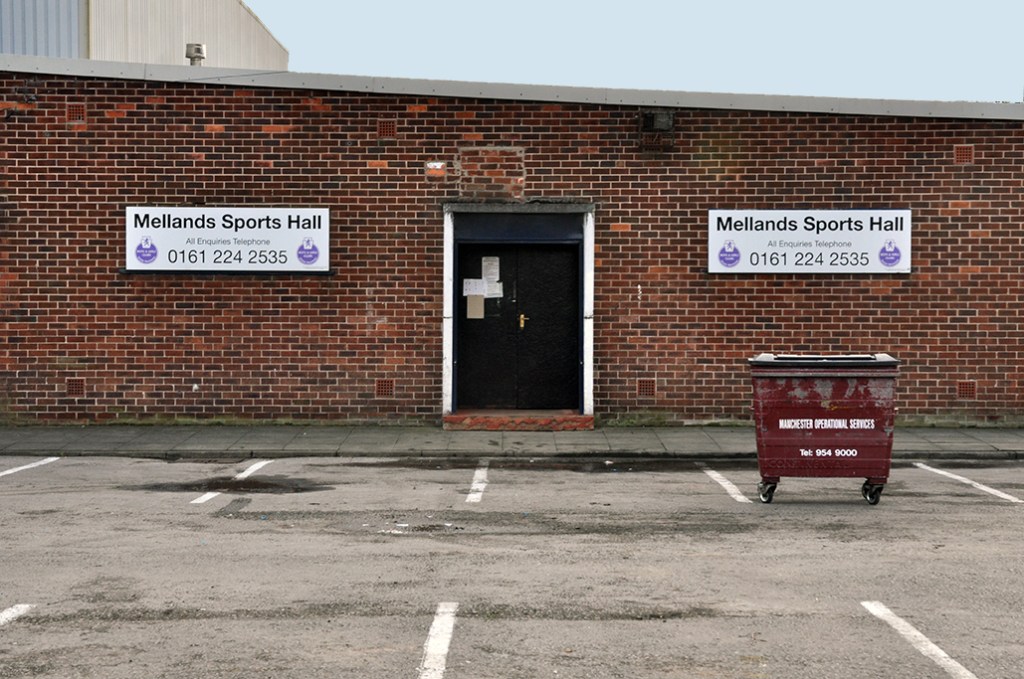
The pitches and the sports centre built in 1978 are now closed.
On my previous visit in 2015 the facilities were still open.
New housing has been built on the northern edge.

Gorton has received significant regeneration and investment over recent years as have nearby areas including Levenshulme. This is an aspirational, exciting new development and Arkwright Place has something for everyone – from first time buyers to growing families and downsizers – with a huge range of beautiful homes on offer.

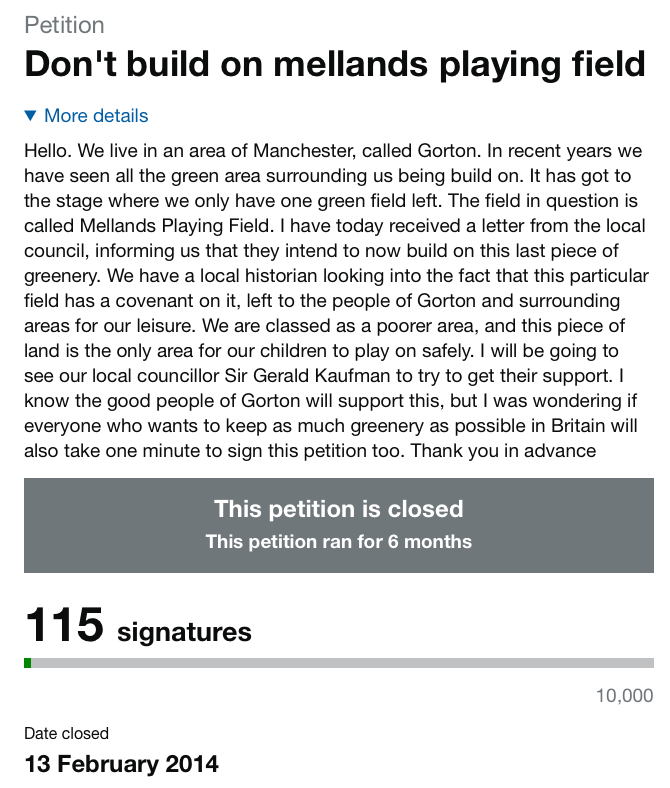
A local campaign was organised to preserve the open space:

At present the fields are fenced and secured – though gaps have been made to allow access for strollers.

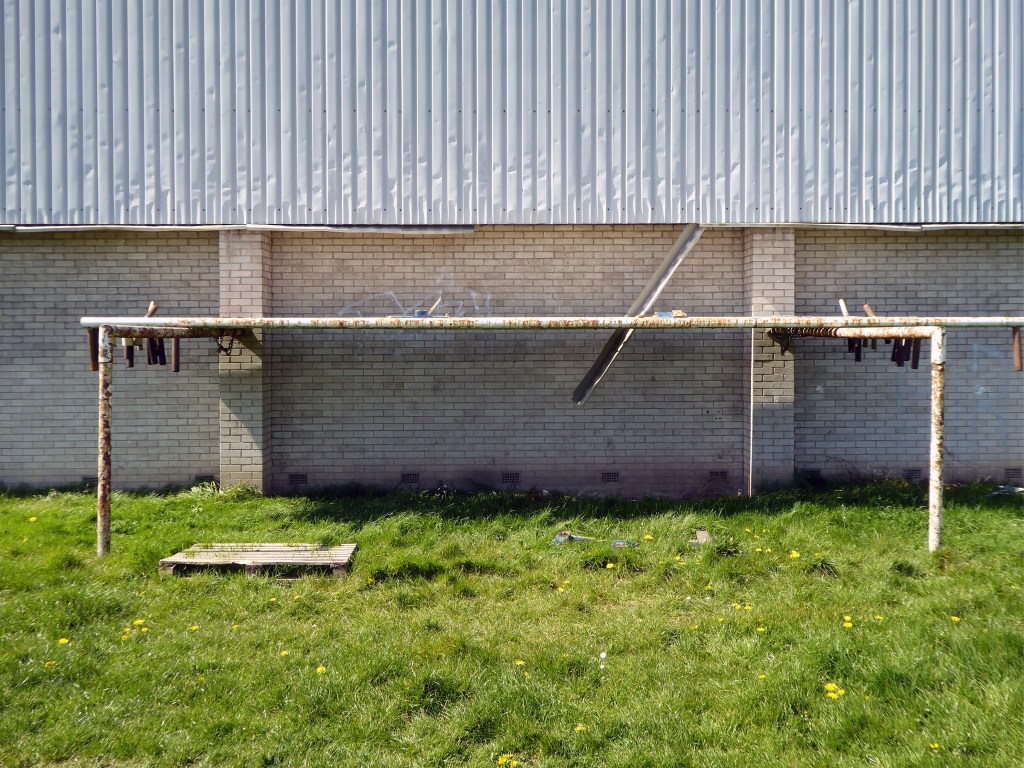
The goalposts still stand though currently without crossbars.

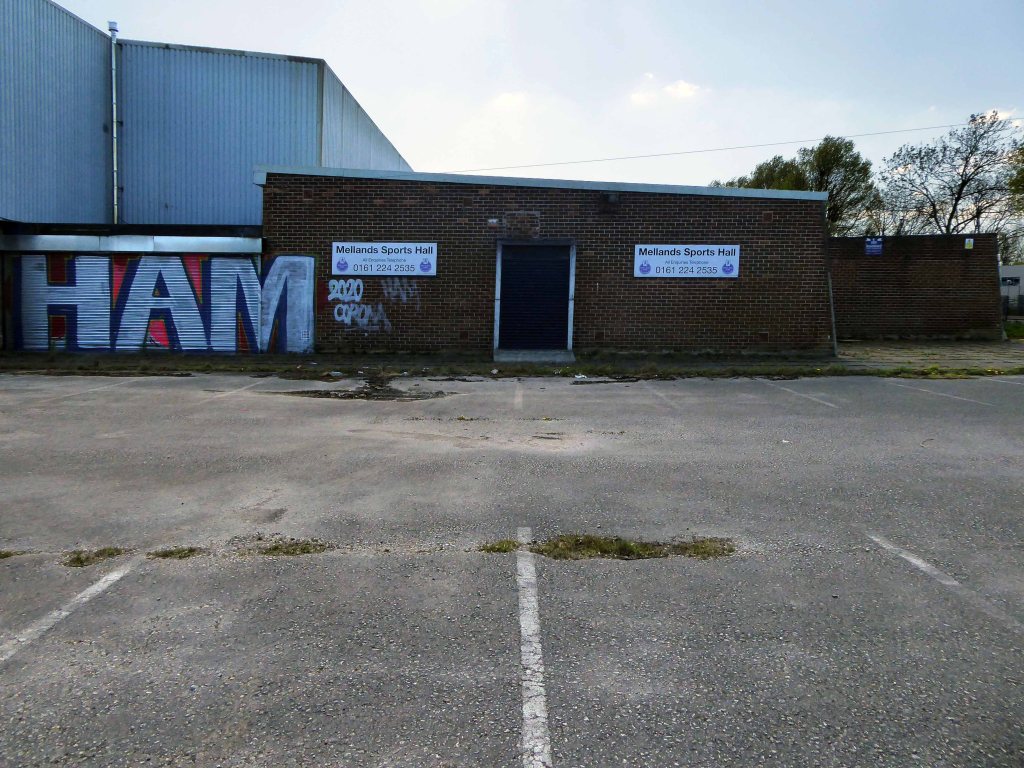
Which are stored by the Sports Hall.

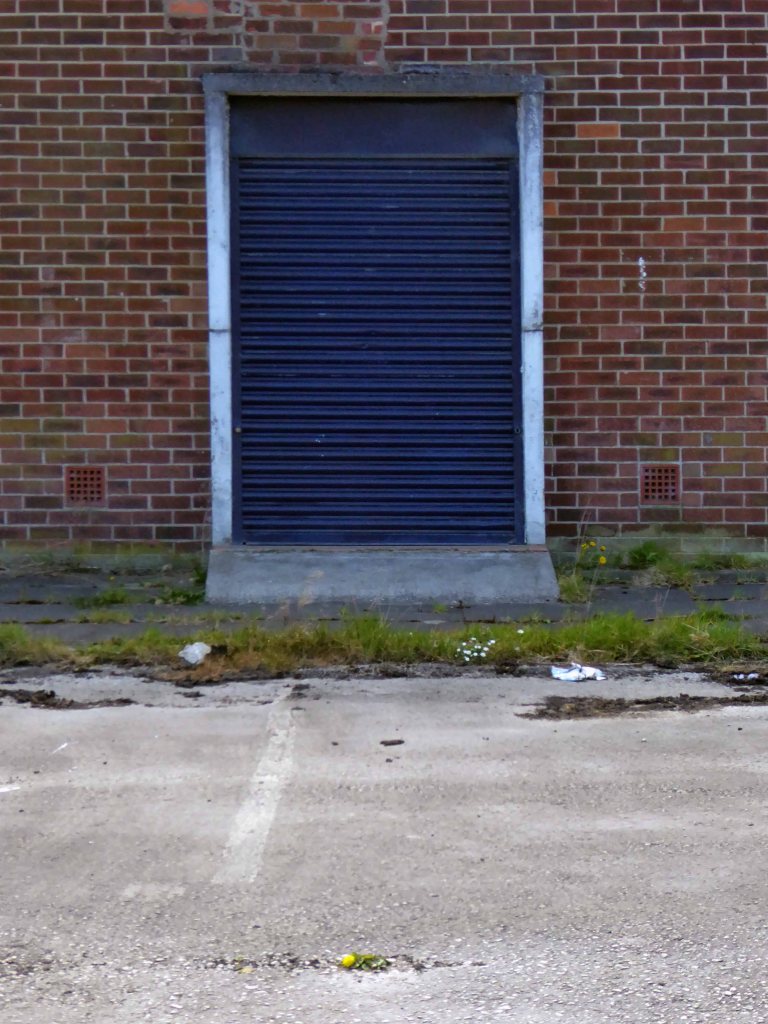
The buildings are mothballed – awaiting what?

For me the concrete and brick functionalist changing rooms are a thing of beauty and seem to have been a part of my life for quite some time, as I cycled back and to – on my way to work.

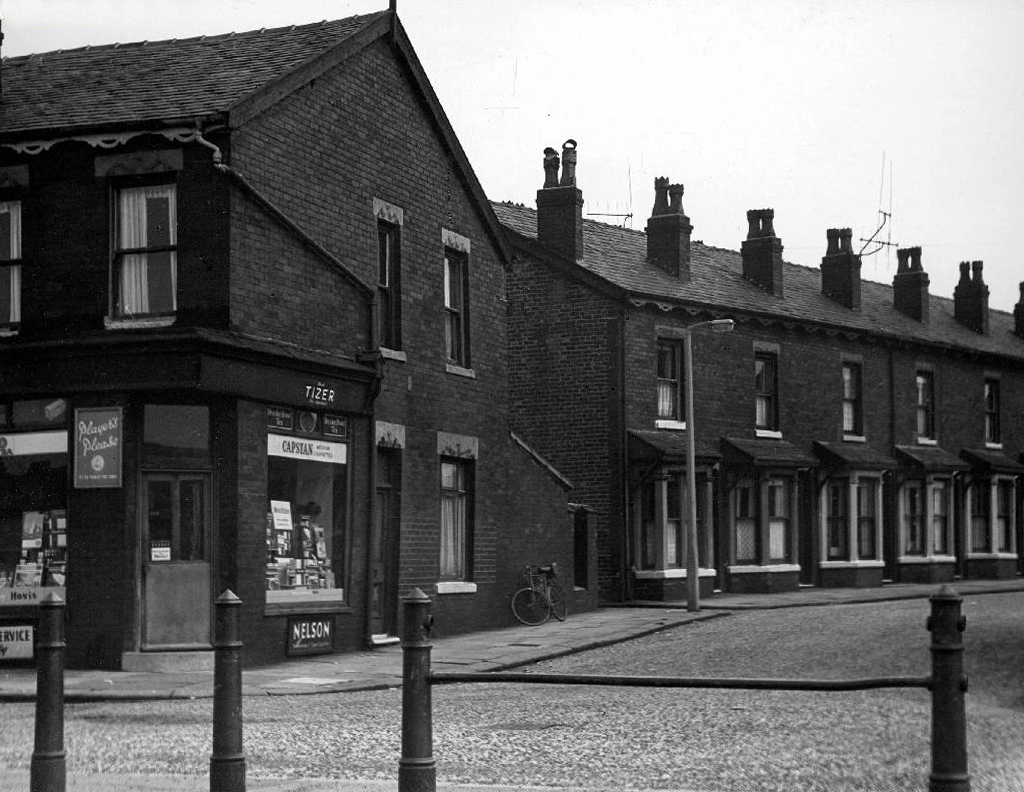
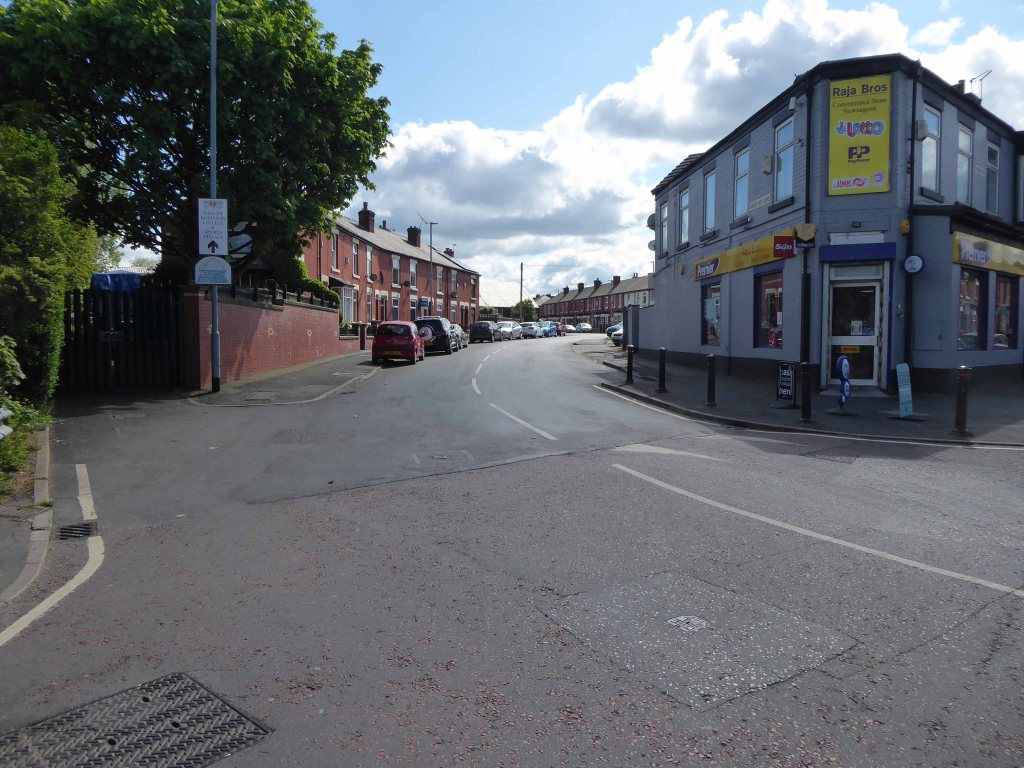
Jetson Street – Abbey Hey

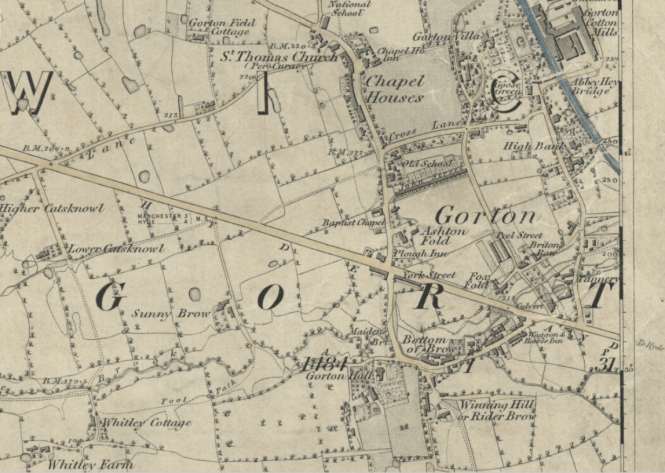
We are travelling backwards and forwards in time – firstly back to 1845 when the street was yet to be built, before the Industrial Revolution created the need for workers’ homes, to house the workers from the newly built workplaces, which also did not yet exist.

It was almost all fields around here.

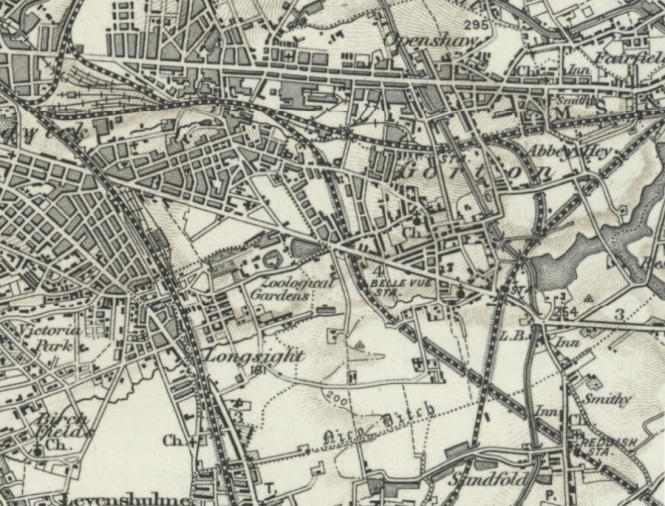
Old Maps of Gorton

1845

A little further forward to 1896 when Jetson Street has emerged fully formed from the fields, along with rail, road, amusement and industry.

1896

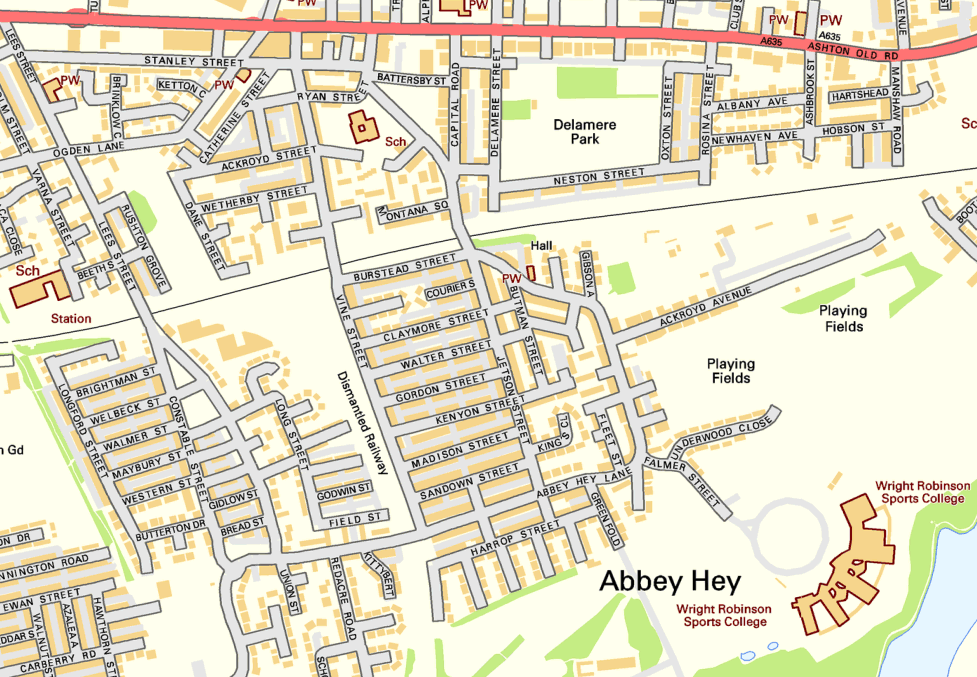
Fast forward to today and it’s all almost still there – though most of the work and the majority of the amusement has evaporated into a cloud of post-industrial, Neo-Liberal economic stagflation.

So why am I here – fast forward to the fictional future!

As a kid I watched as the Jet Age emerged before my very square eyes, giving the street a certain cosmic charm – I was curious.

I have searched online – this seems to be the one and only Jetson Street in the whole wide world – I searched online for its origins.

The name Jetson means Son Of Jet and is of American origin.

Which quite frankly seems unreasonably glib.

The name Jetson is from the ancient  Anglo-Saxon culture of the Britain and comes from the names Judd and Jutt, which are pet forms of the  personal name Jordan. These names are derived from Jurd, a common abbreviation of Jordan, and feature the common interchange of voiced and voiceless final consonants.

The surname Jetson was first found in  Hertfordshire where they held a  family seat from very ancient times, some say well before the  Norman Conquest and the arrival of Duke William at Hastings in 1066 A.D.

Which quite frankly seems unreasonably obscure.

Let’s jet back to 1964.

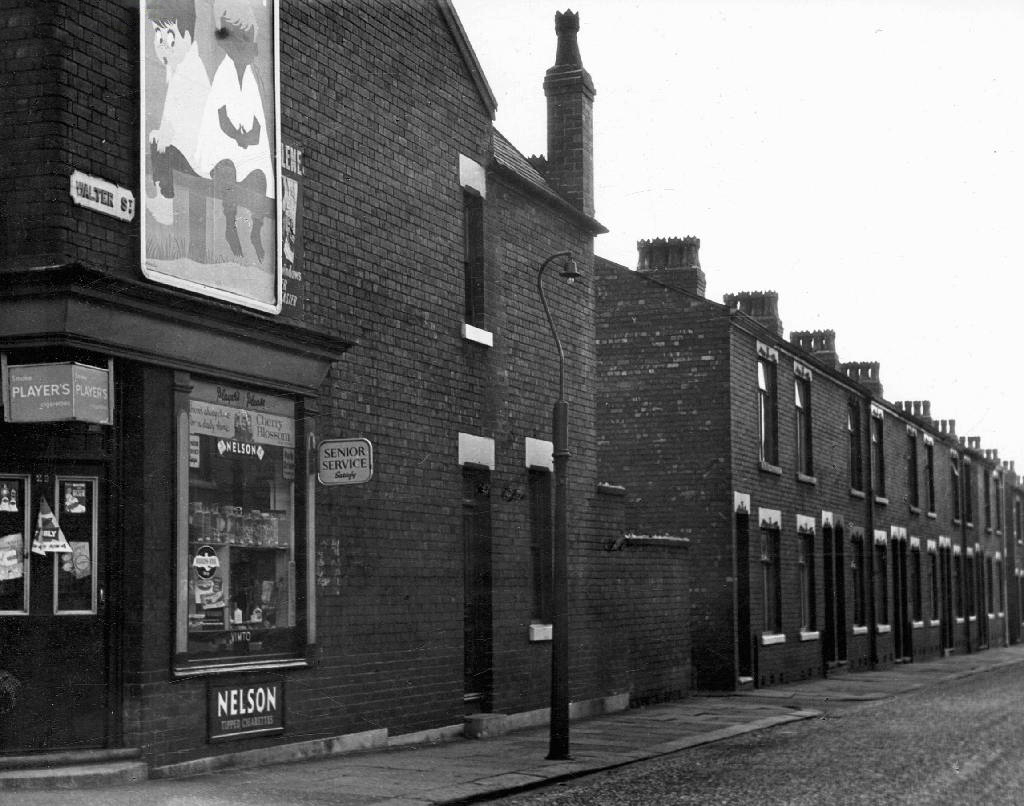
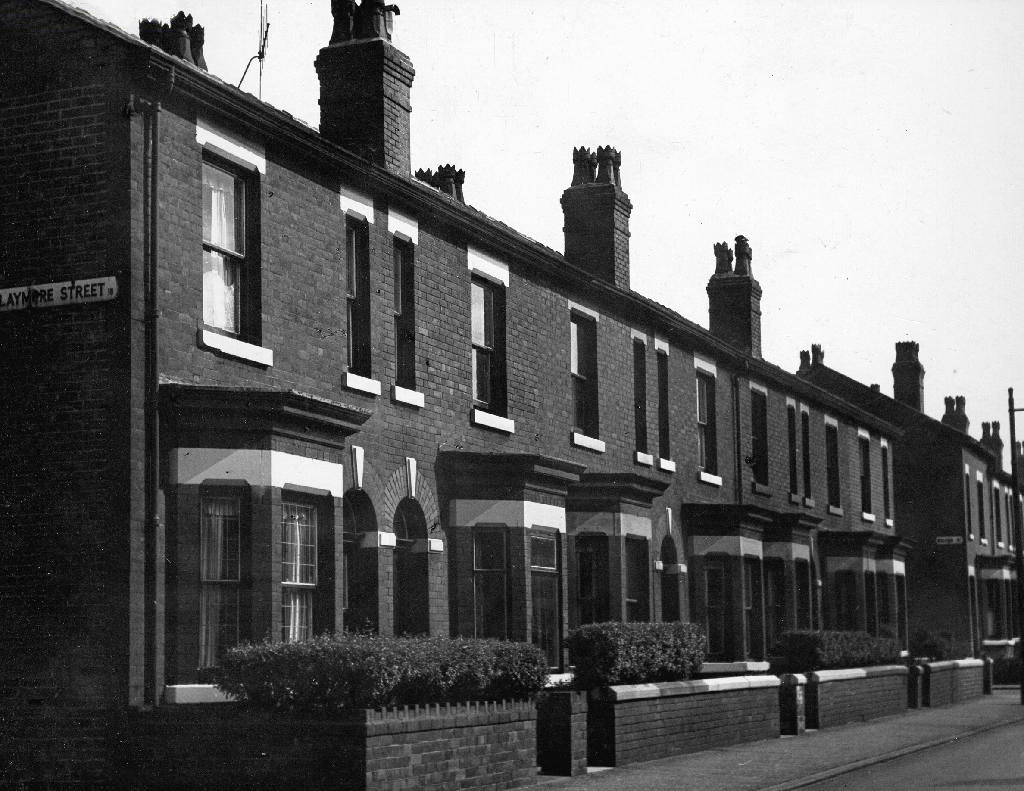
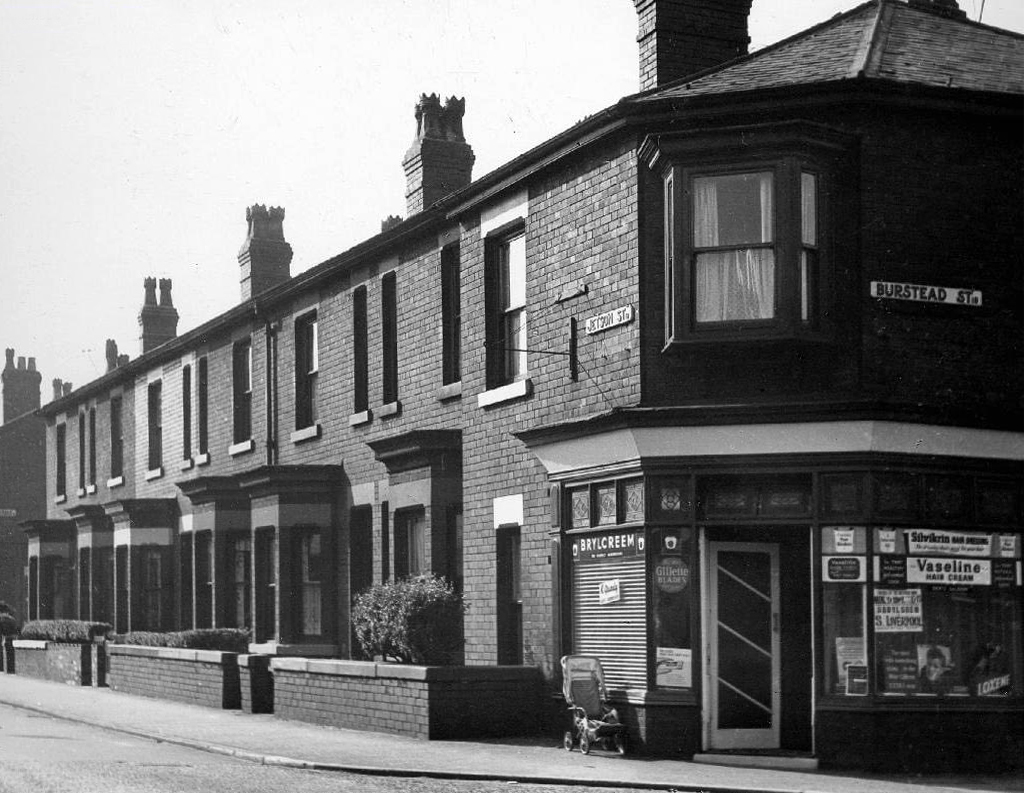
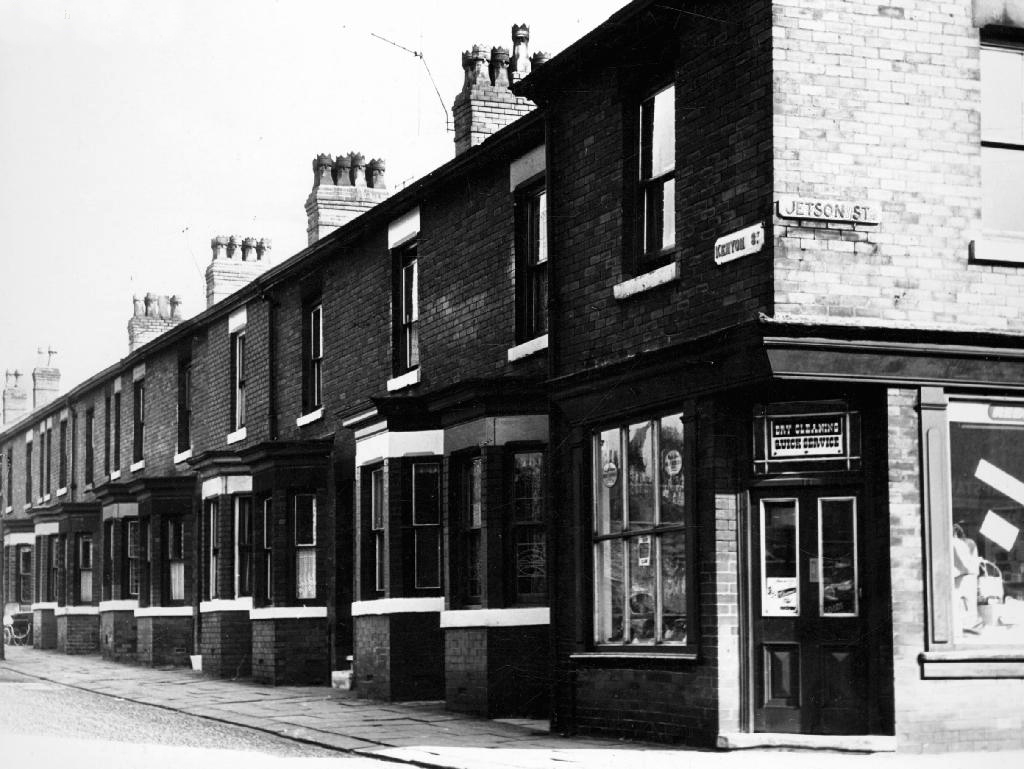
T Brooks wandered these streets taking thousands of photographs for the Manchester Corporation, possibly the housing or highways departments – they all still exist here on the Local Image Collection.

This was a world of corner shops on ever corner, settled communities full-employment, neatly ordered rows of sturdy brick-built homes.

I follow in his hallowed footsteps, what if anything remains of this world – fast forward to 2015 my first fleeting visit.

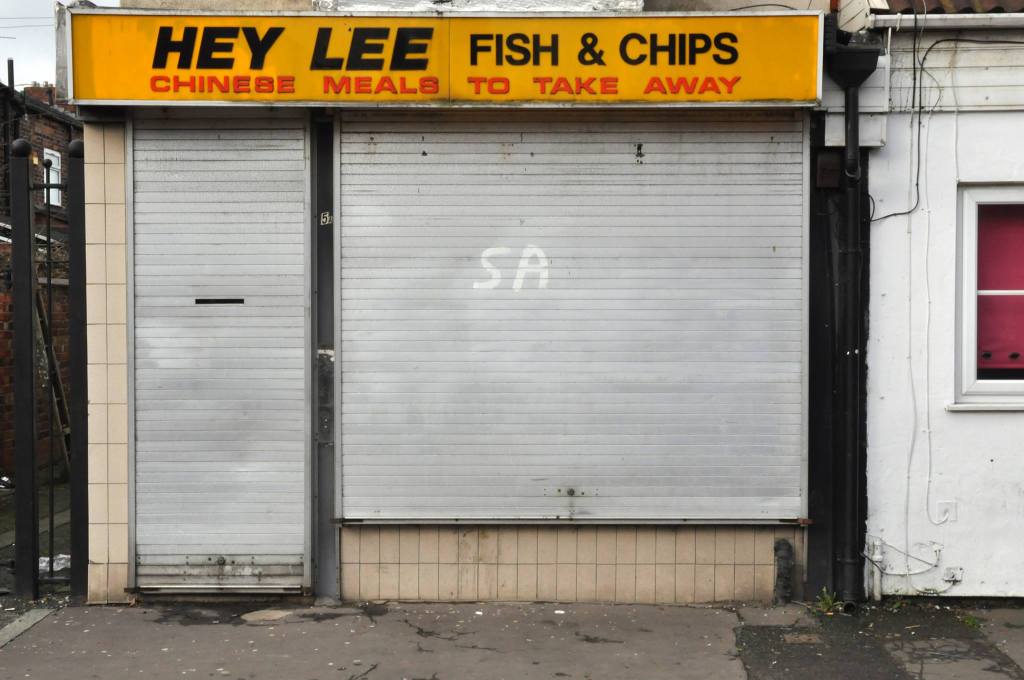
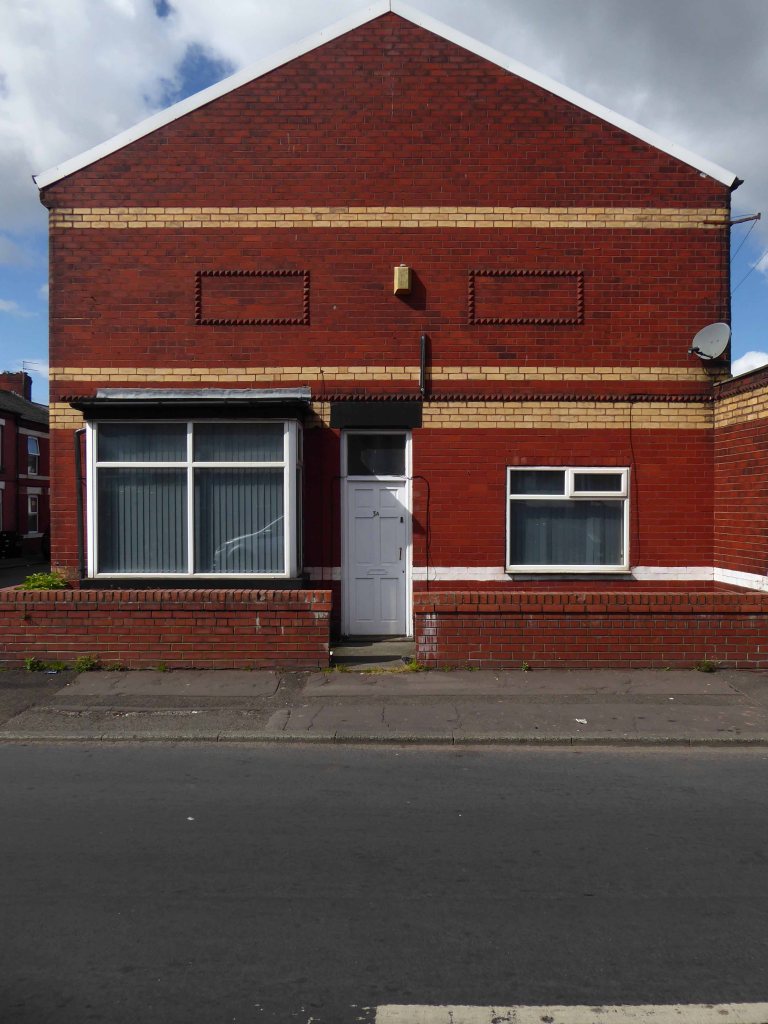
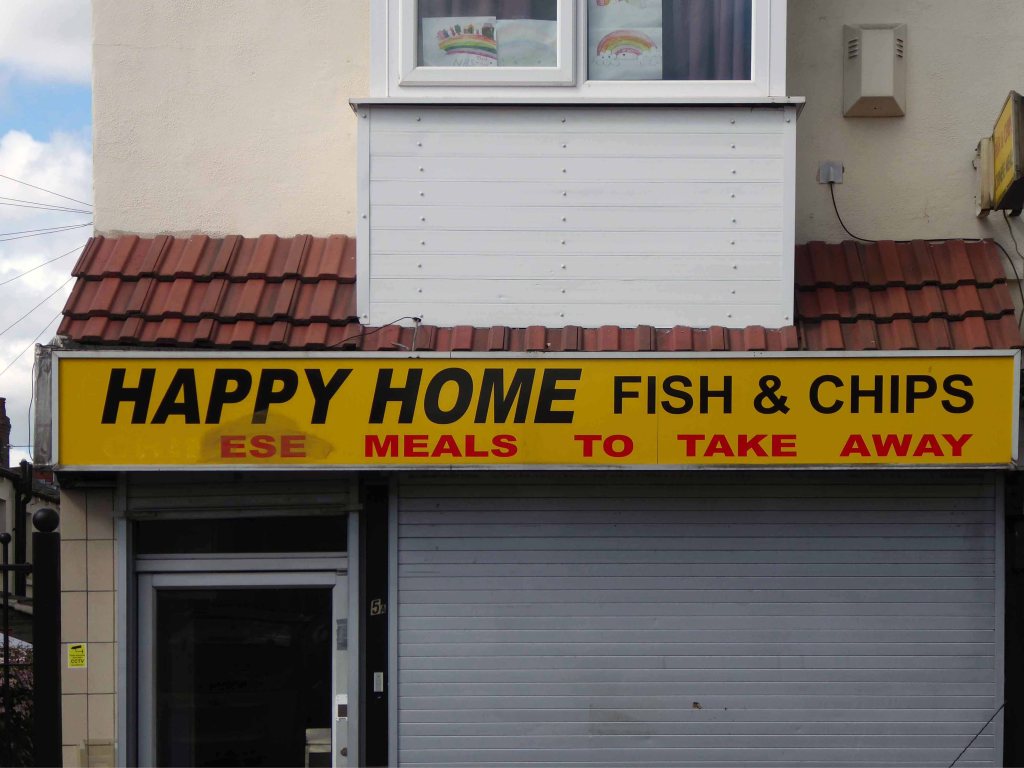
Now trading as Happy Home
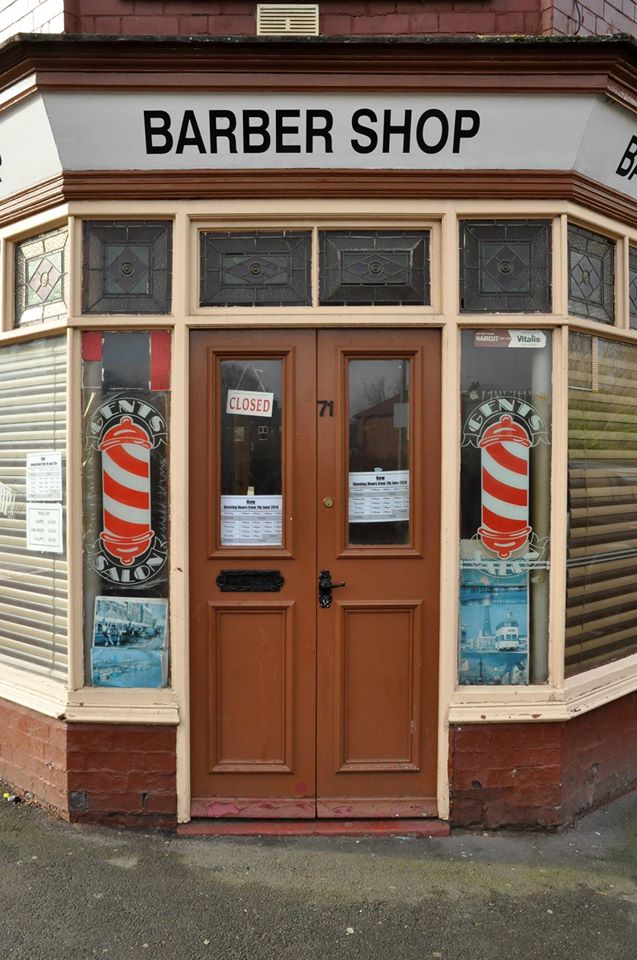
A barber shop no more

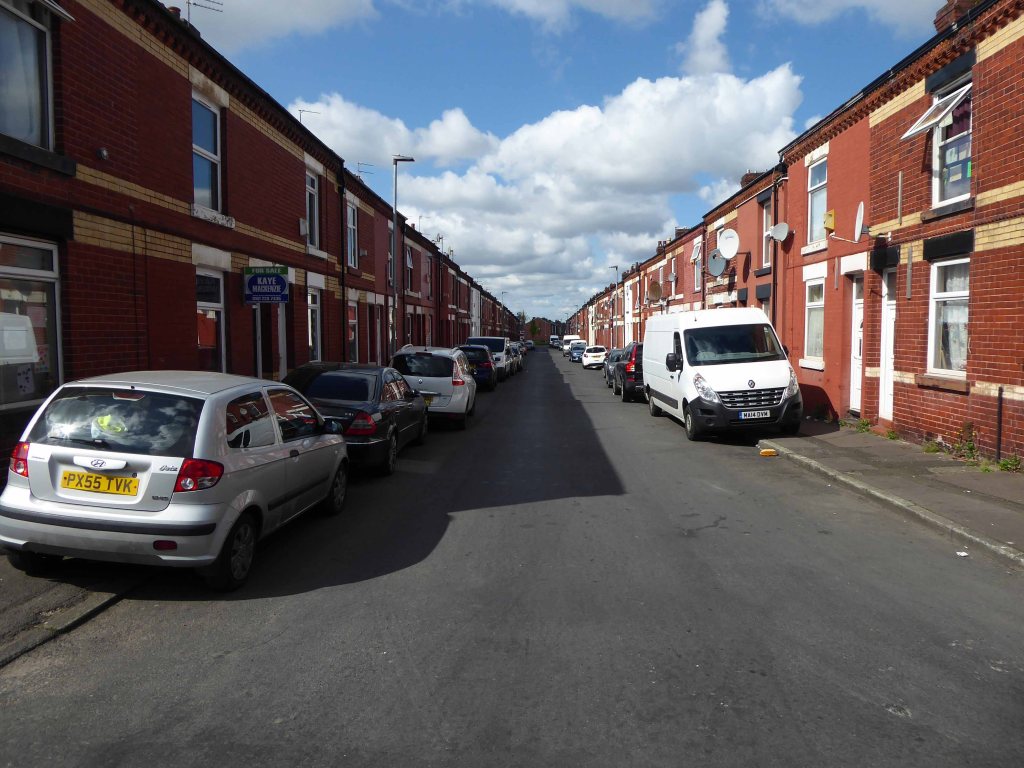
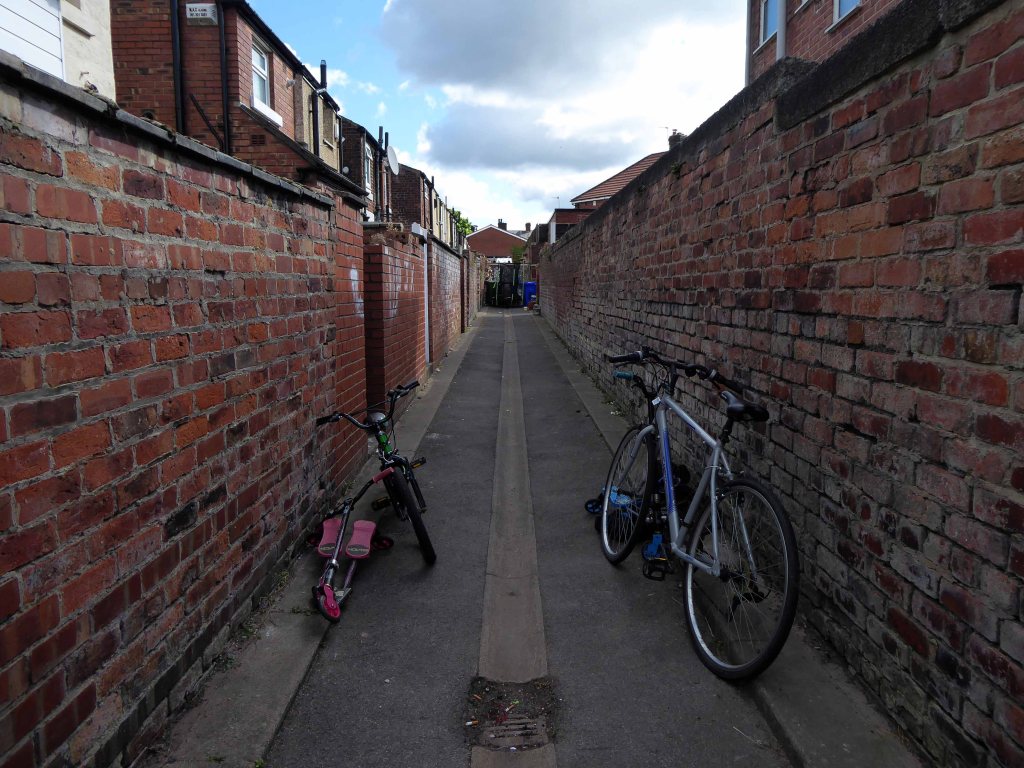
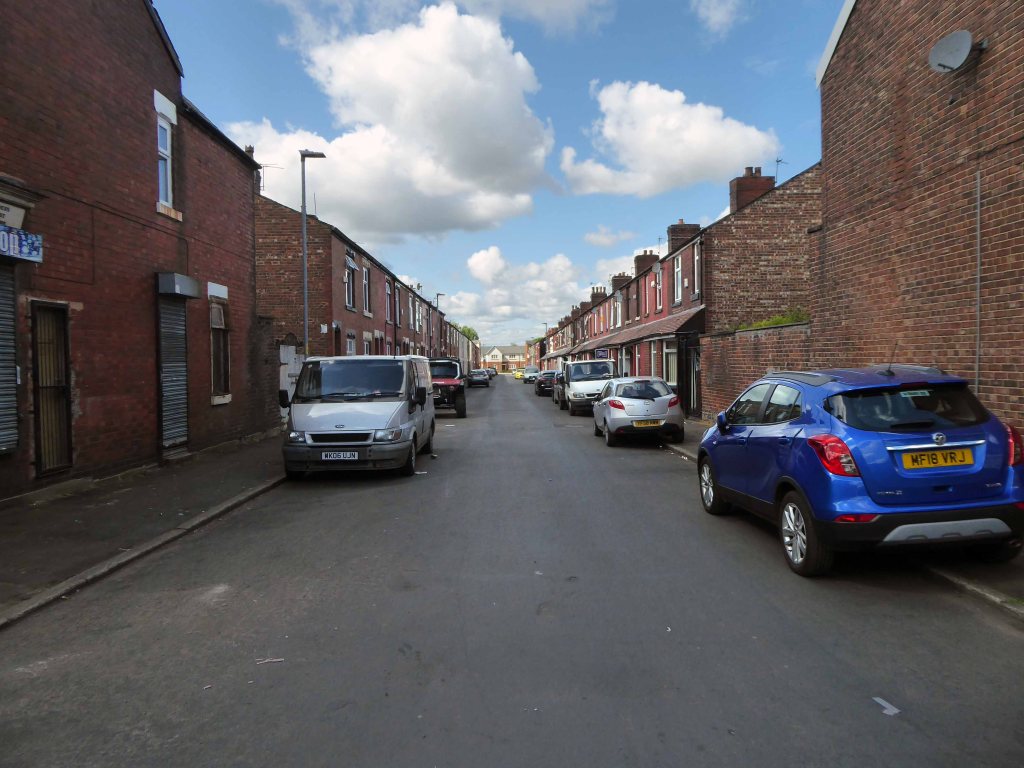
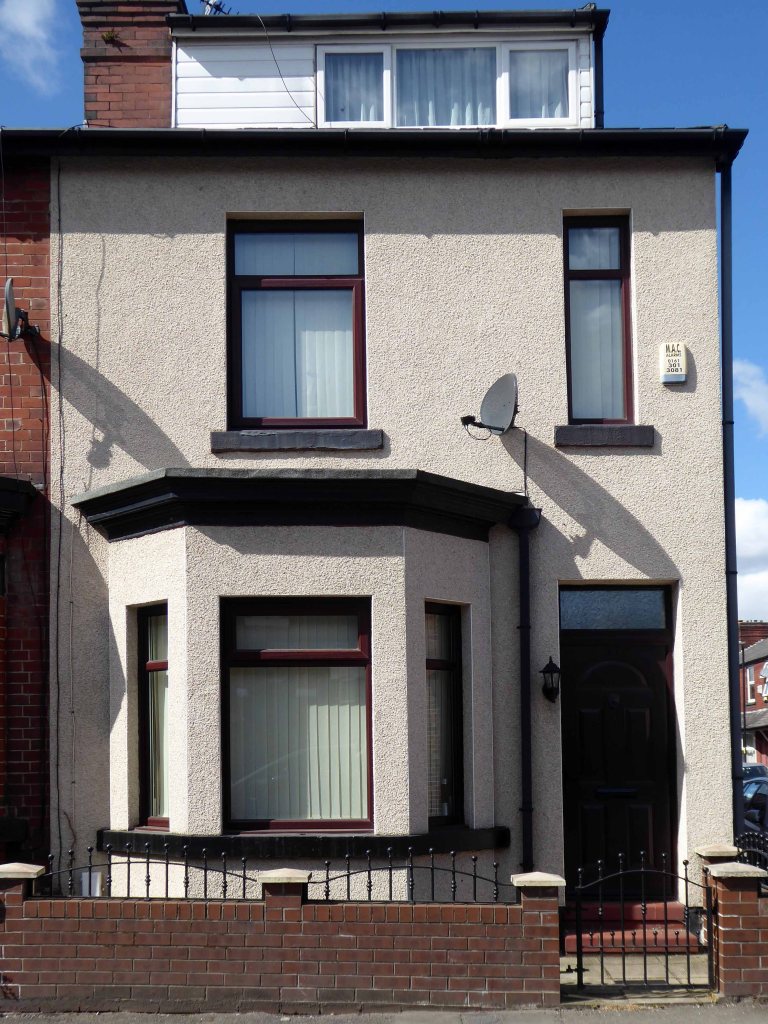
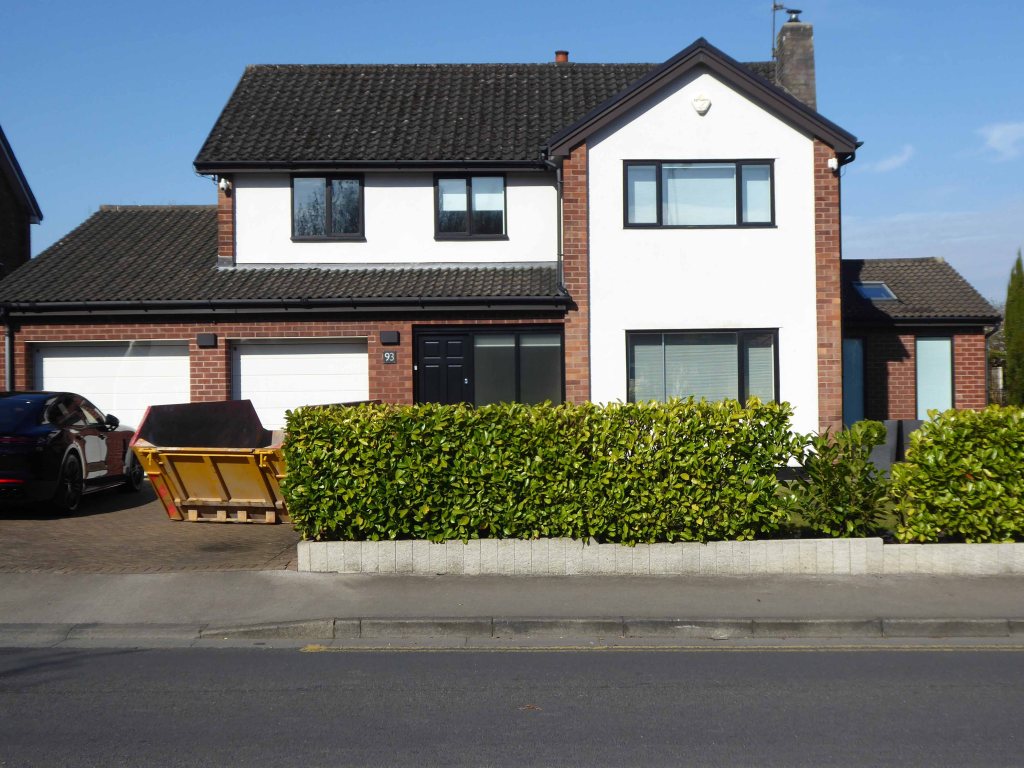
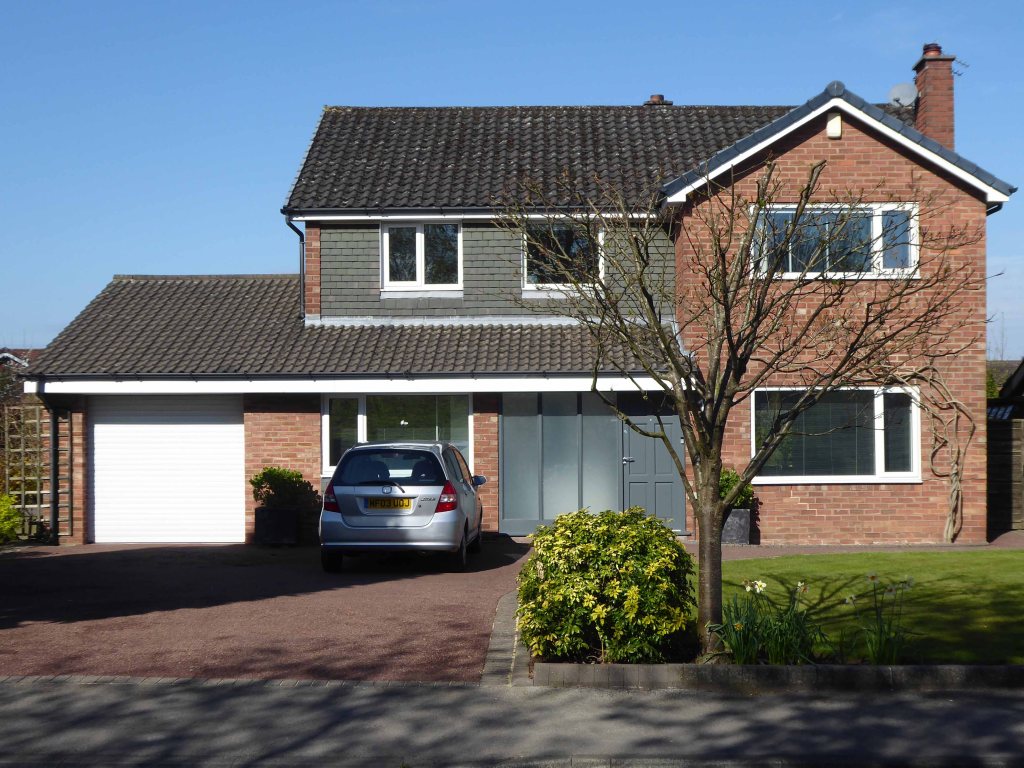
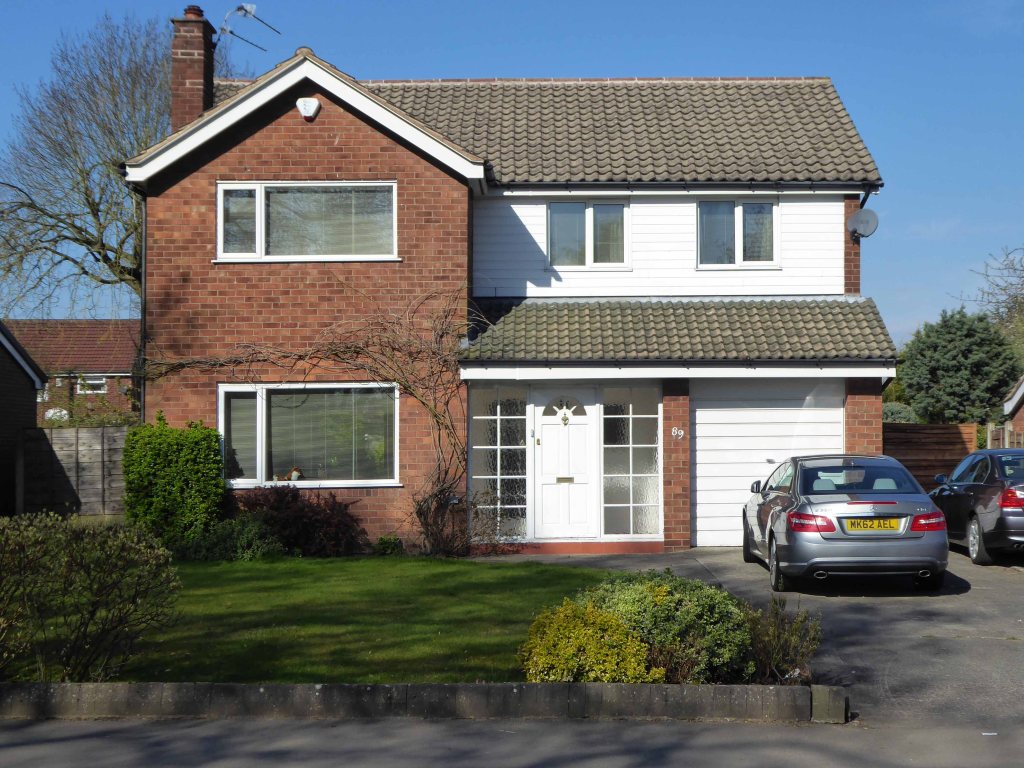
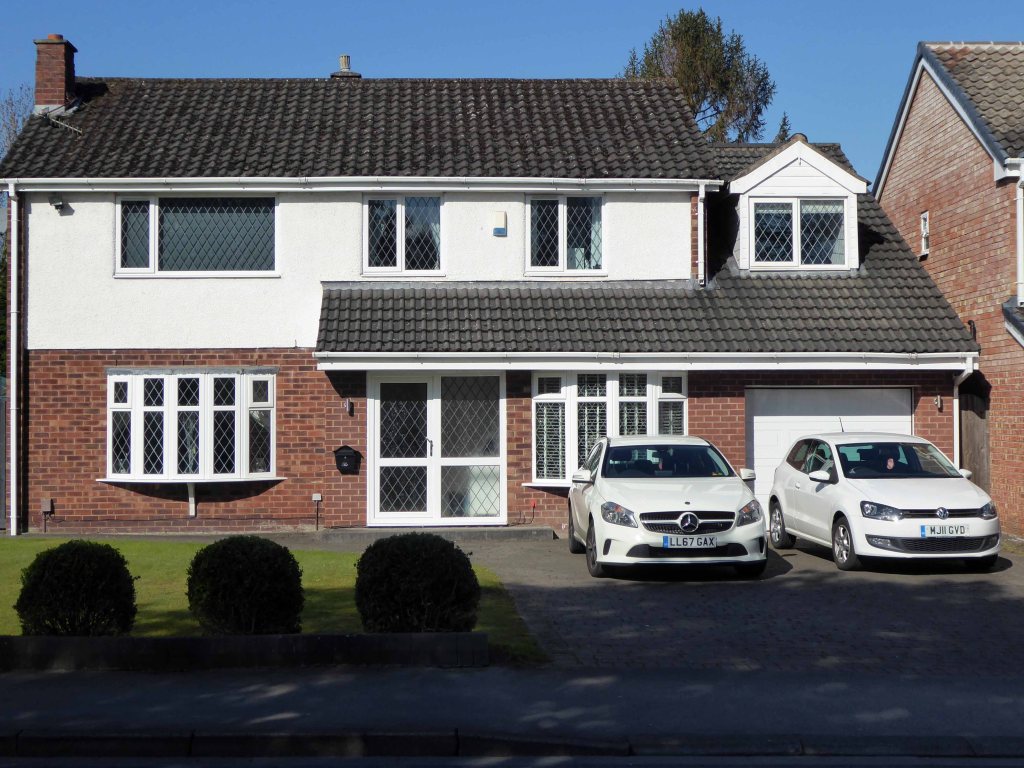
The area now has a richer racial mix – having recently become home to many African and Eastern European families. The architectural consistency of the houses has been swamped by render, window frame replacement, addition and extension, and the arrival of a plethora of motor cars. The majority of shops now long gone, as the once pedestrian community spread their retail wings and wheels elsewhere.

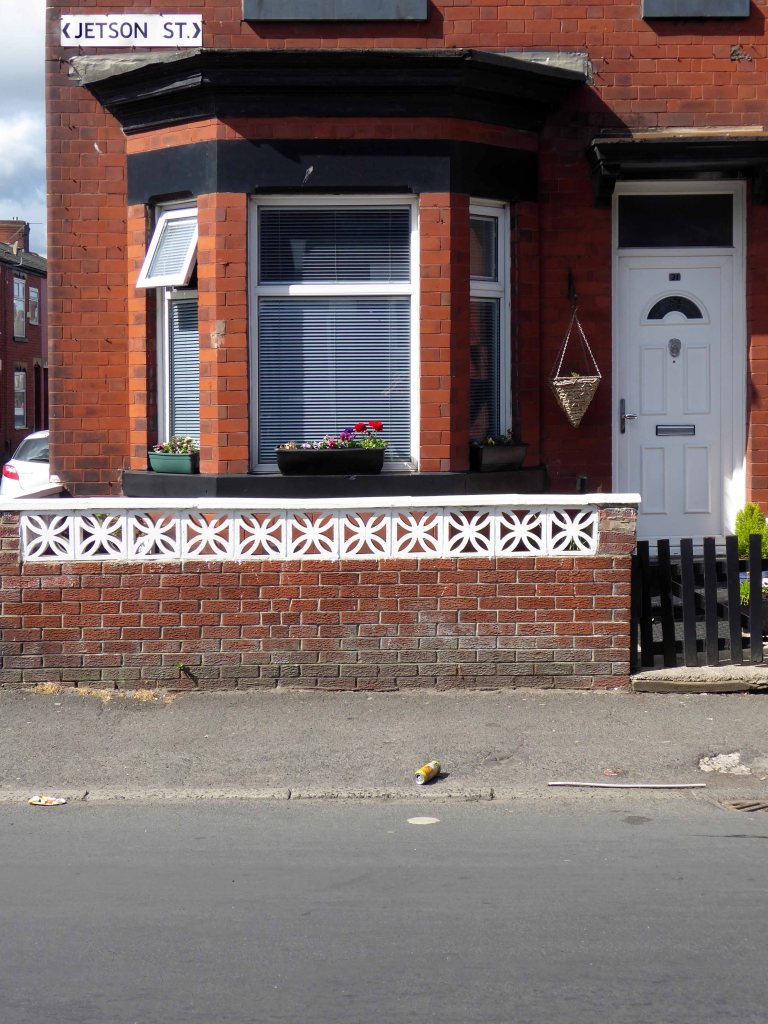
Jetson Street – North
Sandown Street
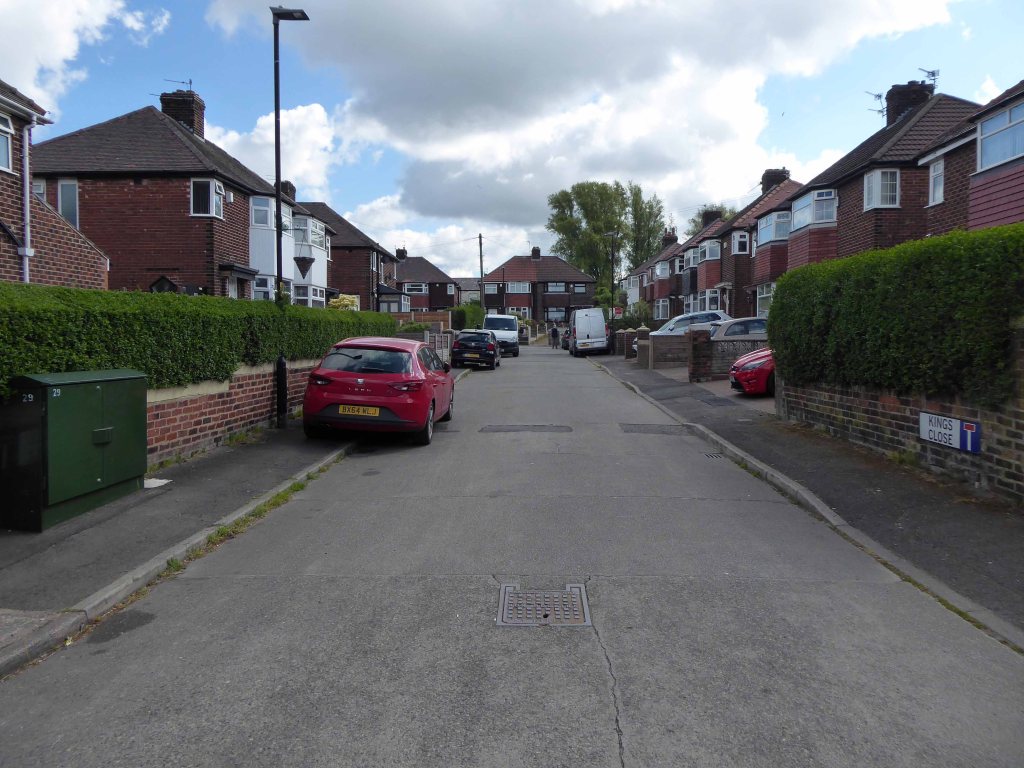
Kings Close
Madison Street
Kenyon Street
Kenyon Street
Sign of the times
Gordon Street
Jetson Street – North
Jetson Street – South
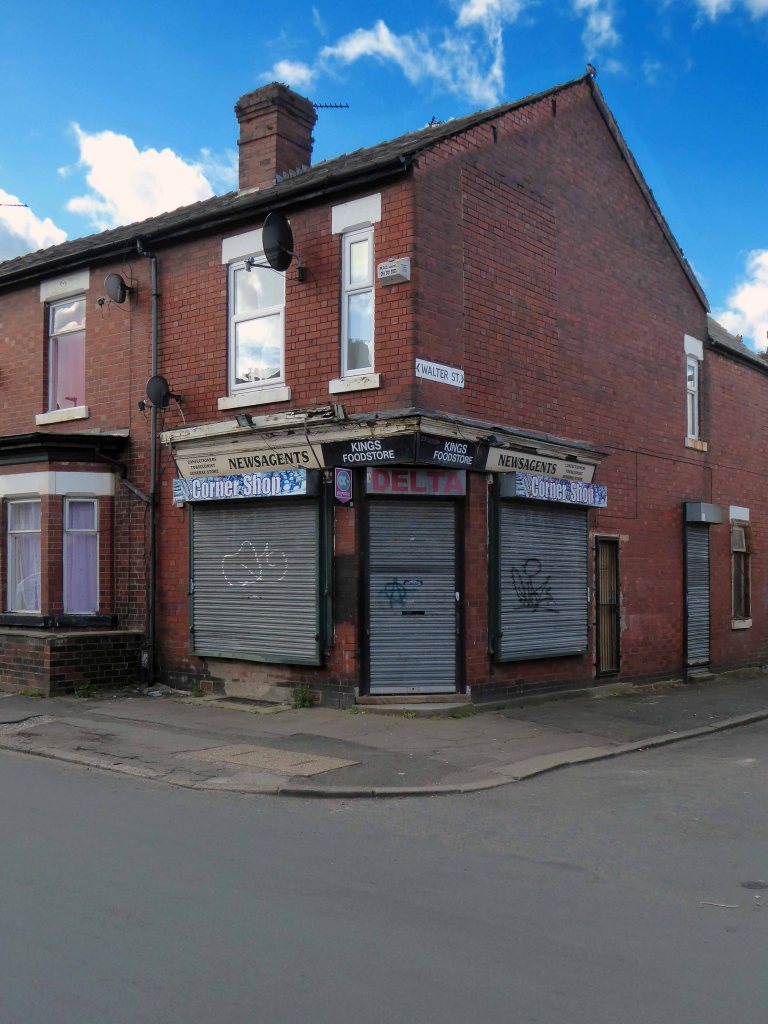
Walter Street
Walter Street
Claymore Street
Claymore Street
Courier Street
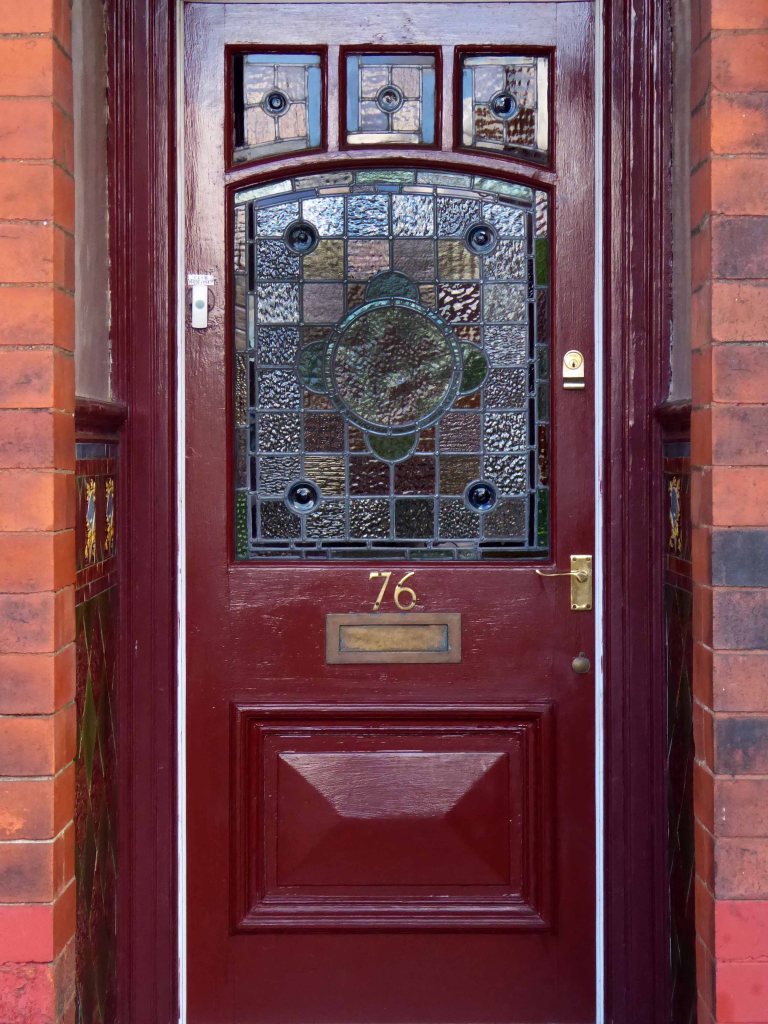
The only remaining front doors and tiled porch every other having been given over to the allure of uPVC and the enclosed doorway
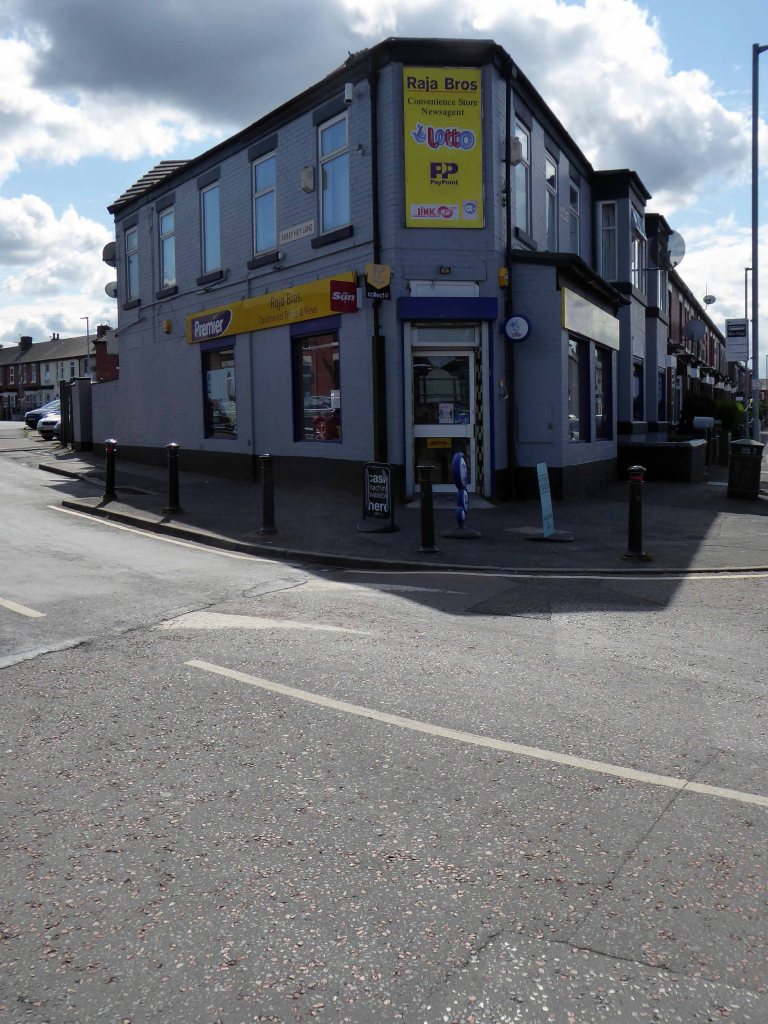
My on street correspondent congratulated the Raja Brothers on the sound service they had provided during these difficult times.
Where the barbers was
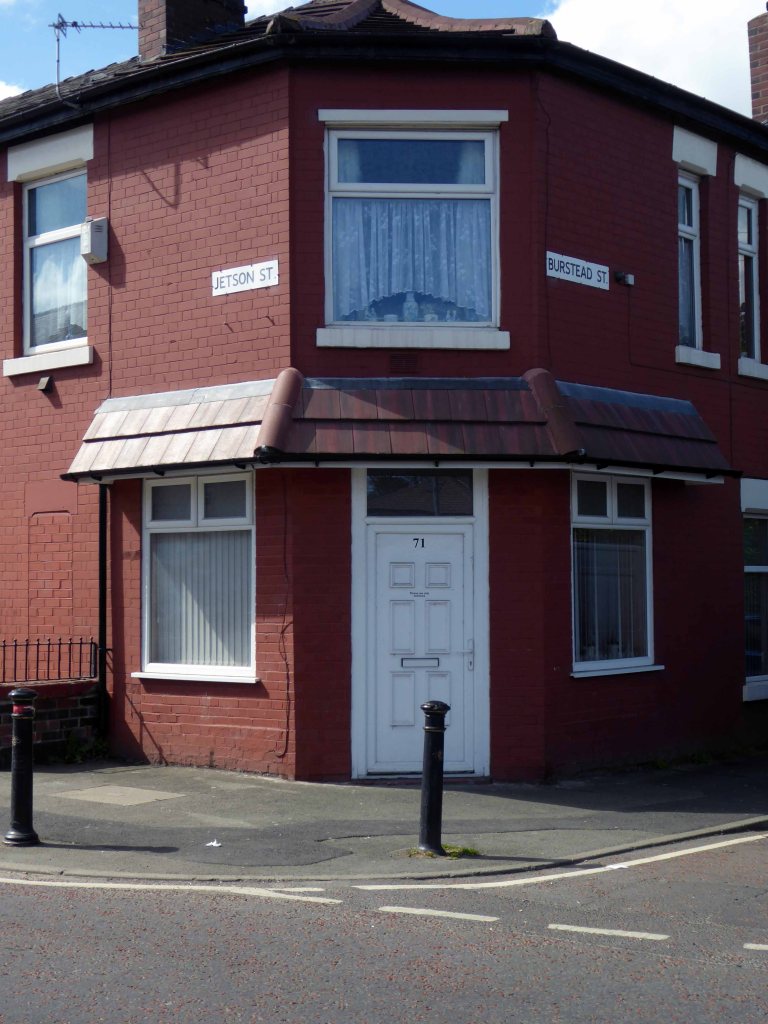
Burstead Street
Abbey Hey Lane

Holy Angels – Hale Barns

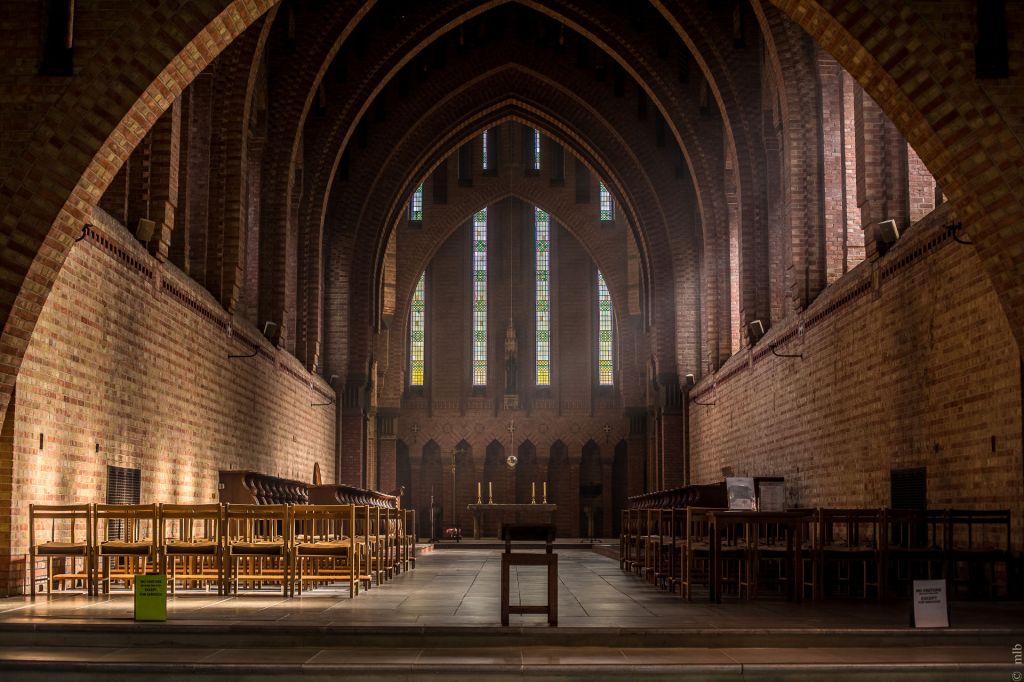
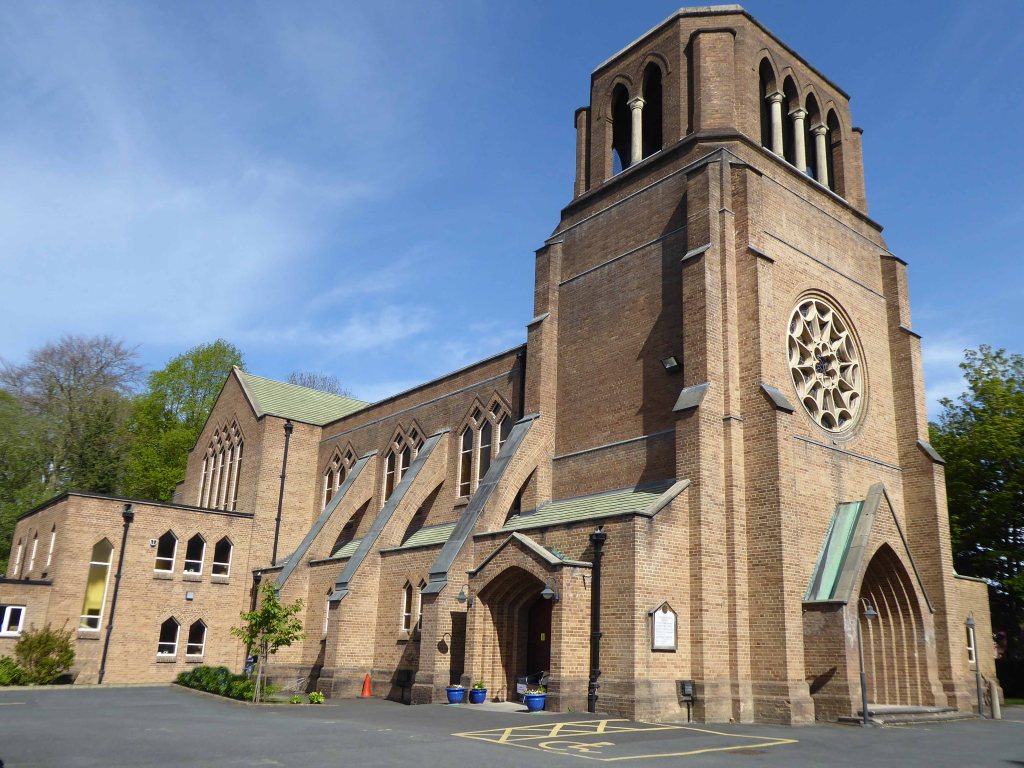
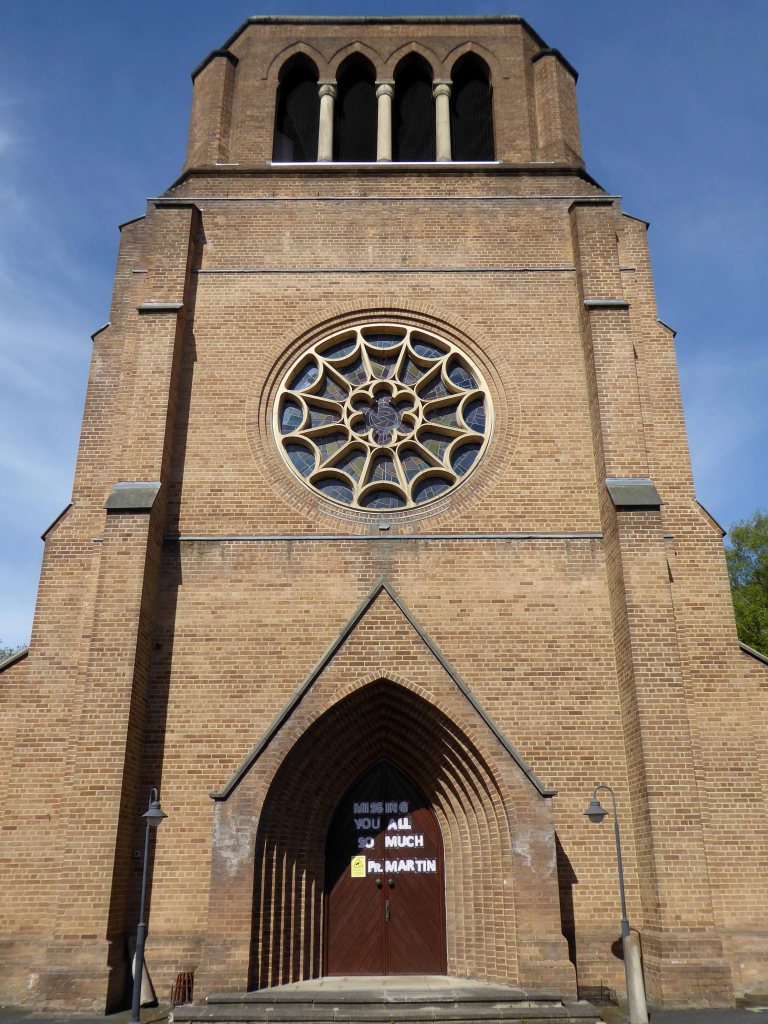
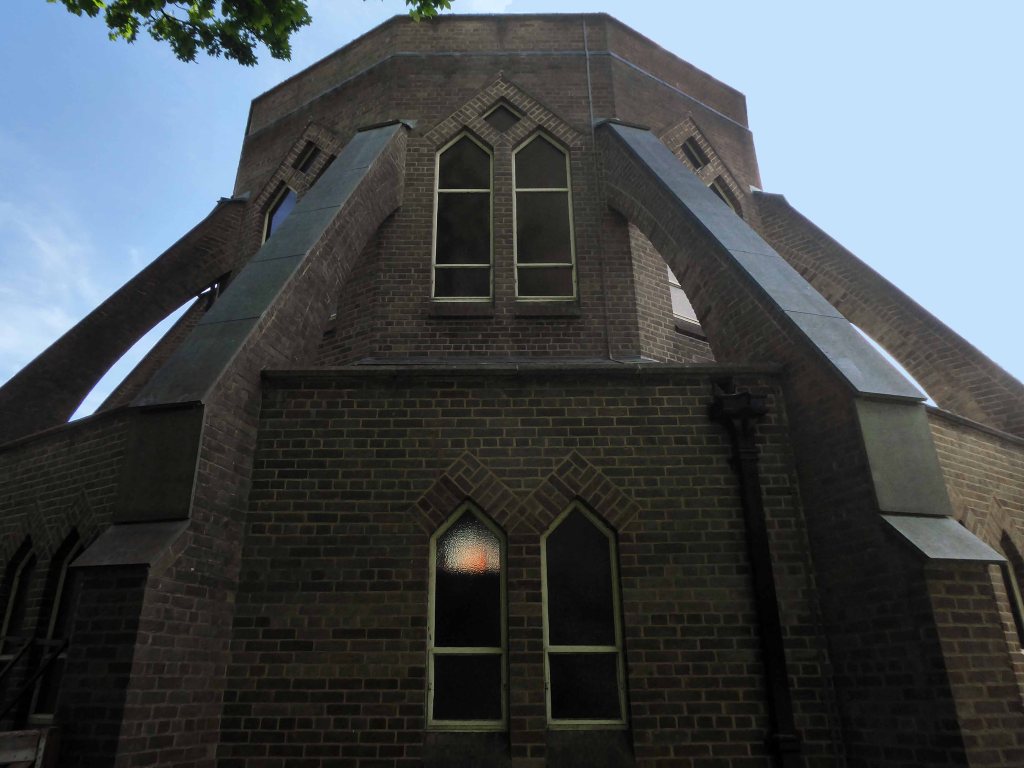
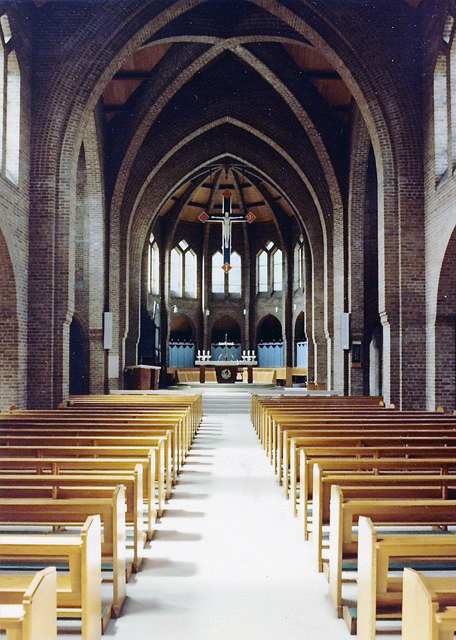
The magnum opus of the architect Arthur Farebrother, who was a parishioner. The church is executed in monumental style and has a powerful and little-altered interior which owes a debt to Dom Paul Bellott’s design for the Benedictine Abbey of Quarr, Isle of Wight.

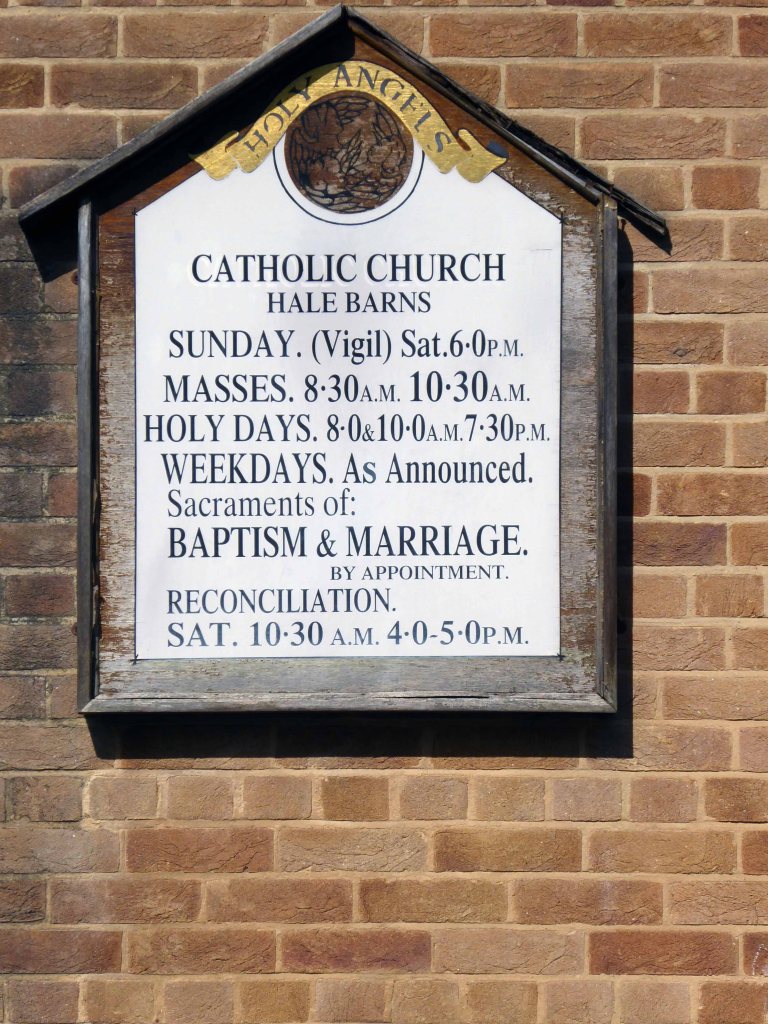
The parish was formed in 1958 and fundraising for building a church started almost immediately. The church was designed by Arthur Farebrother, a parishioner, and the contractors were Browns of Wilmslow, a craft firm with a high reputation particularly for woodwork and carving. The building was finally opened in 1964.

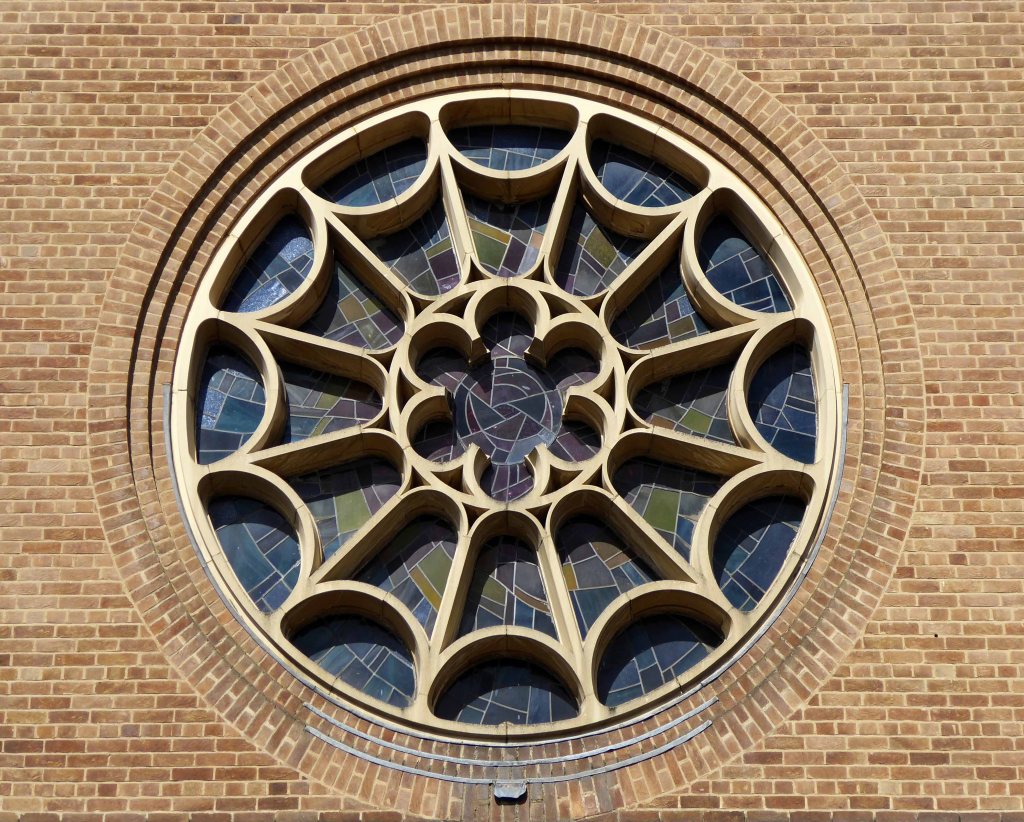
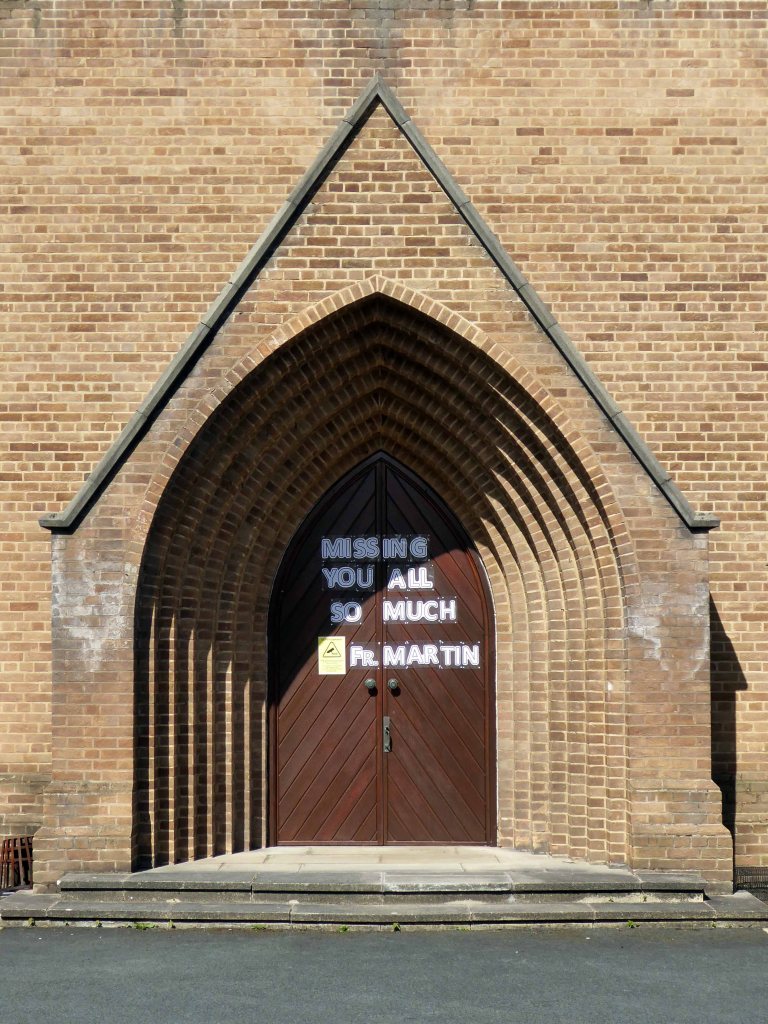
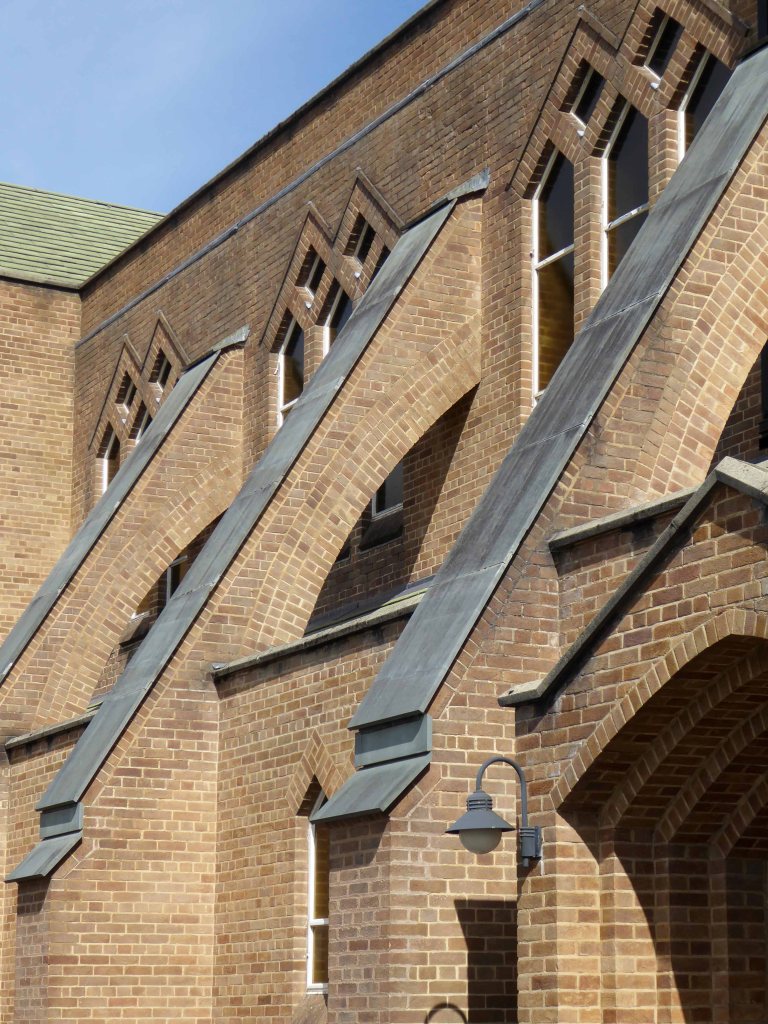
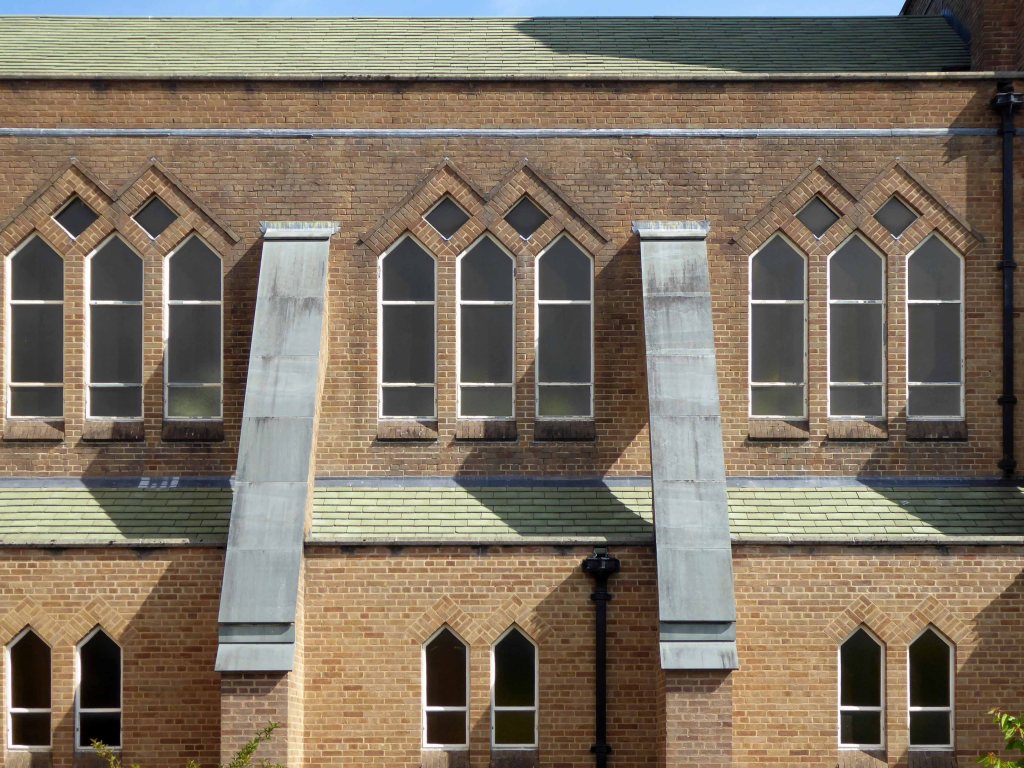
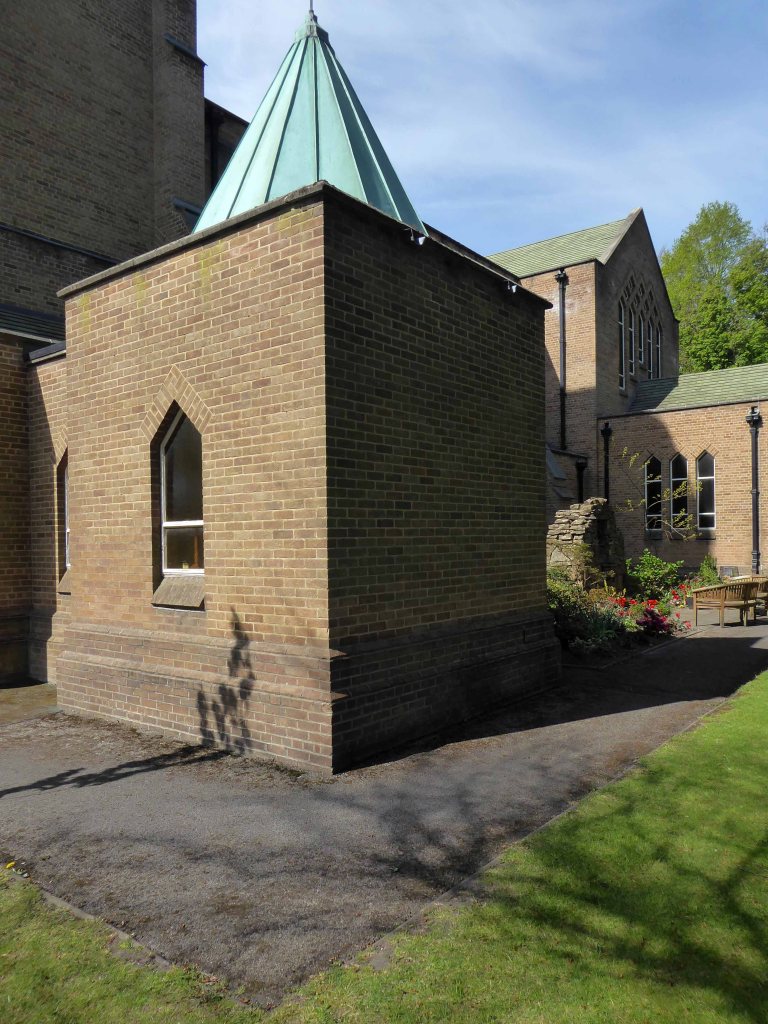
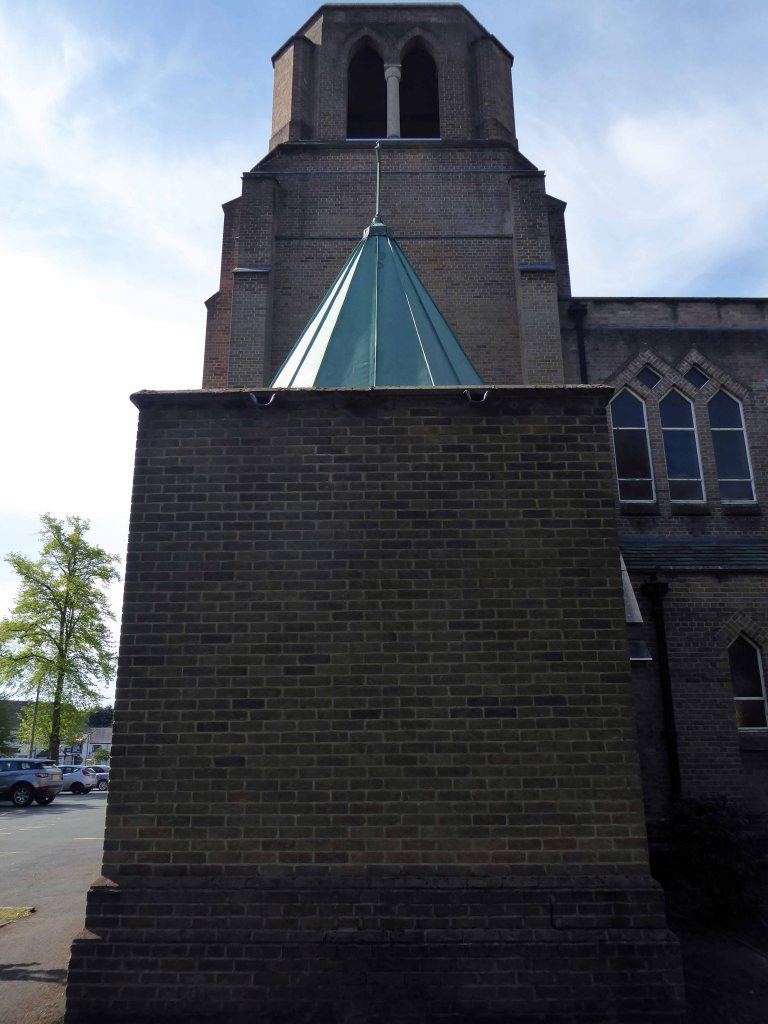
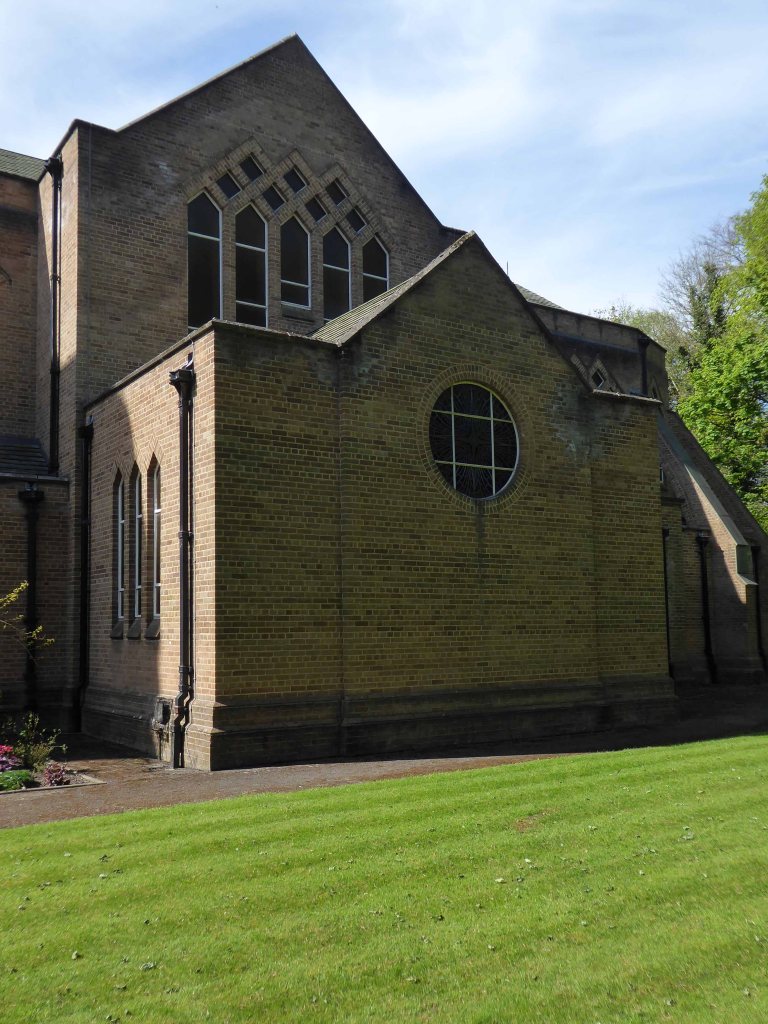
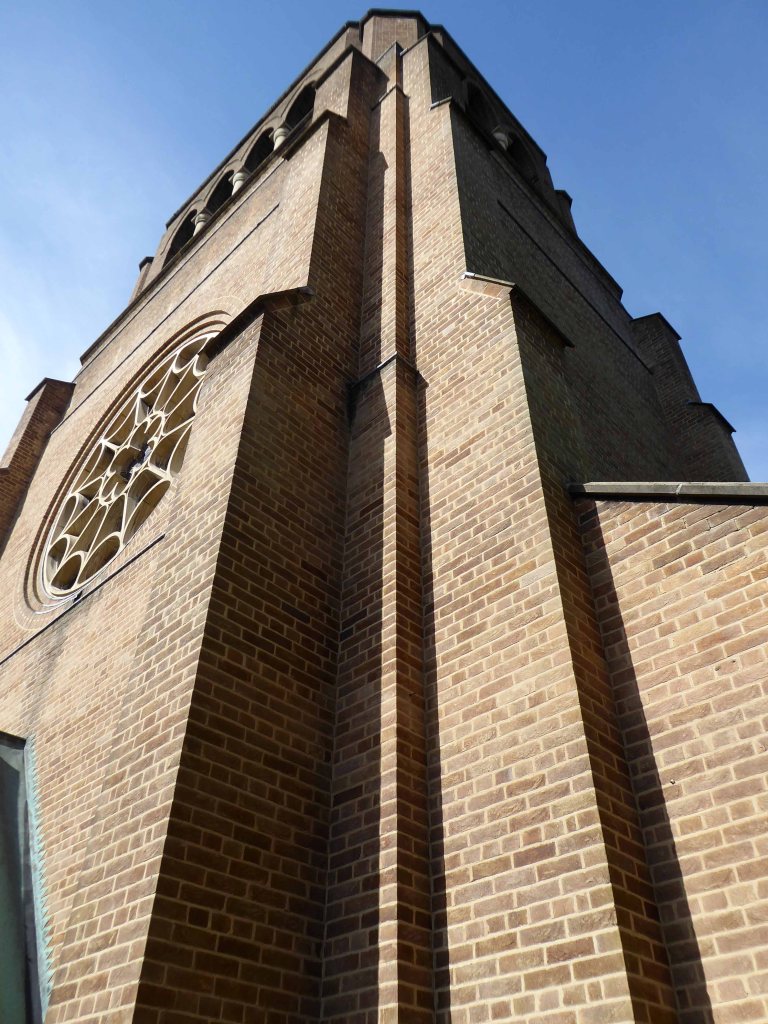
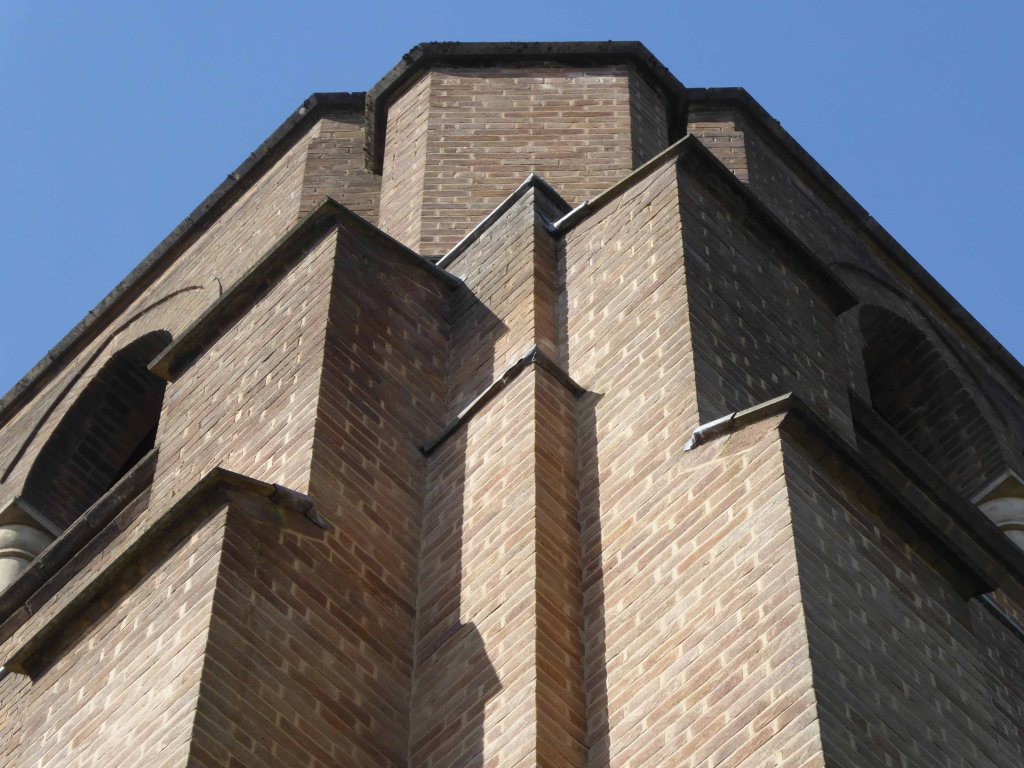
Holy Angels is a building of great presence, of pale brick executed in free early Gothic style with Romanesque overtones. It has a powerful pylon-like west tower, transeptal chapel, attached southwest baptistery with a conical copper-clad roof, and a plain presbytery attached on the north side. The interior is dominated by the powerful brick arches which continue into the ceiling as vaulting. Narrow processional aisles and ambulatory. The north side confessionals are framed by a timber surround. Elevated forward altar with choir seating around in an arc. The simple modern furnishings are probably original.
Taking Stock

I was in search of All Saints just along the way in Hale Road, but came upon Holy Angles looming large on the corner.

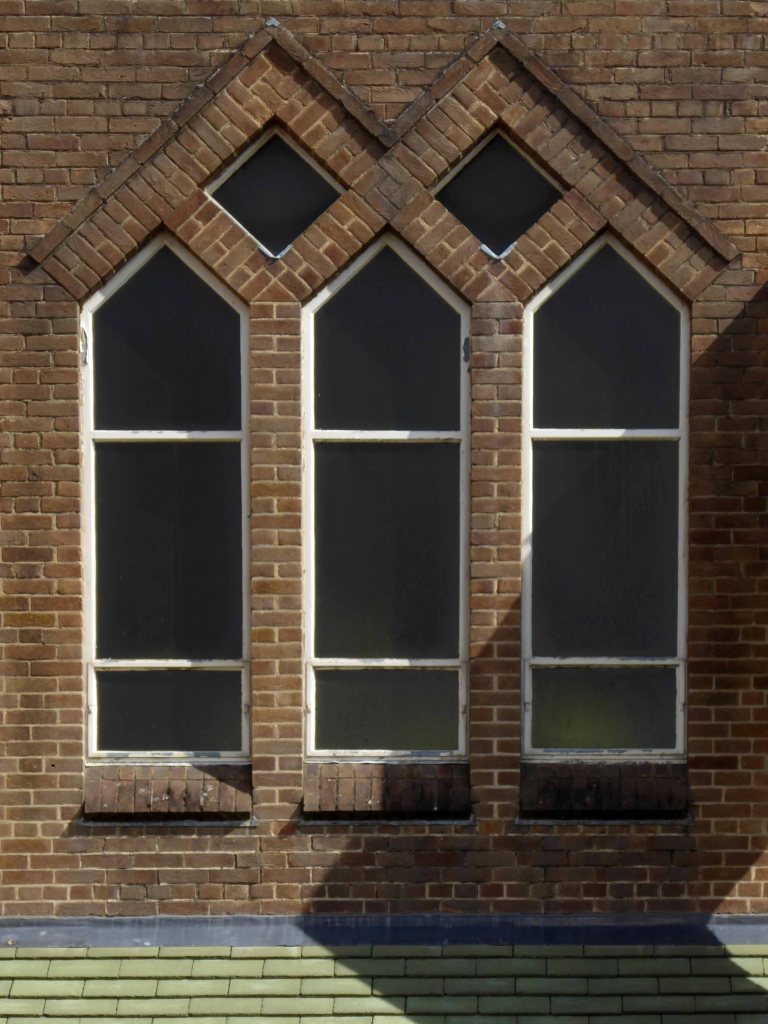
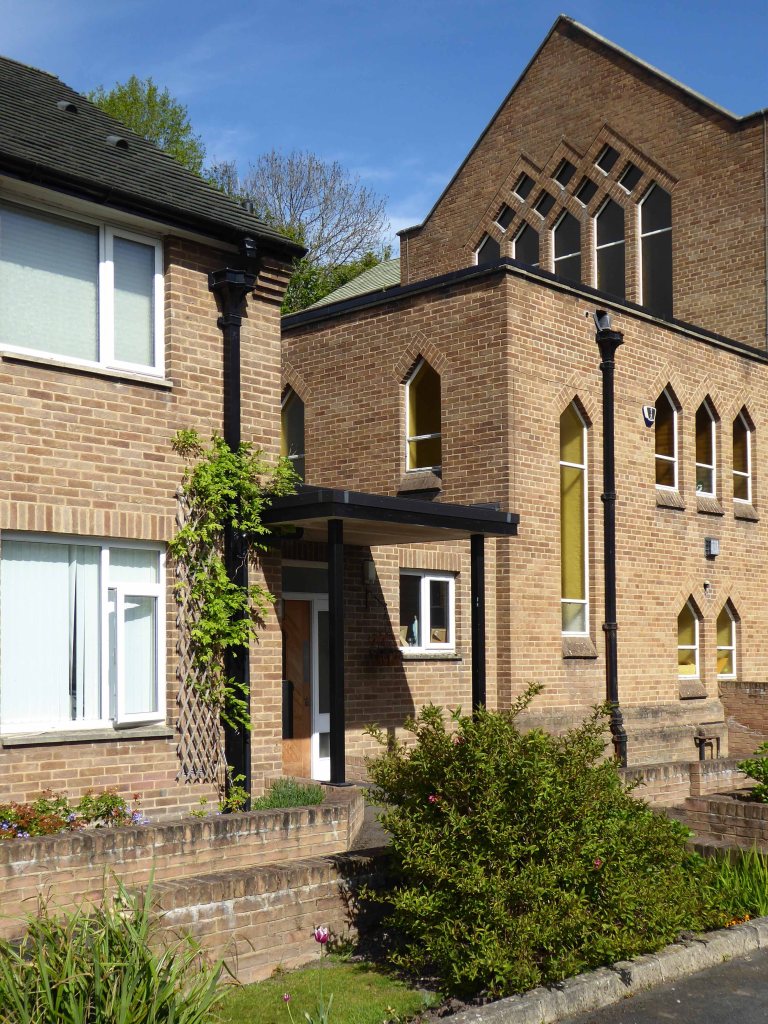
A commanding essay in pale brick, though referencing architecture of the Middle Ages, it has a transitional modernity in its angular Arts and Crafts details.

All Saints Church – Hale Barns

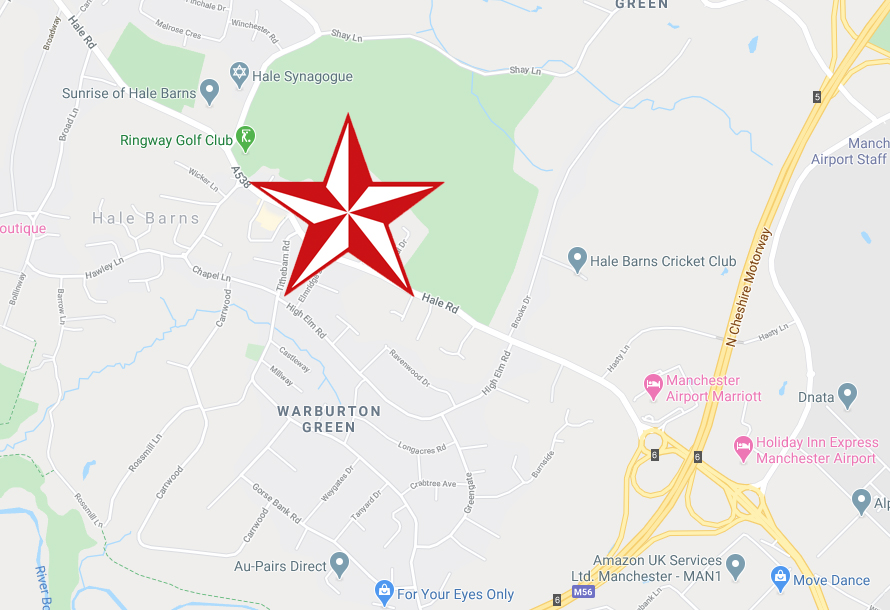
Hale Rd Hale Barns Altrincham WA15 8SP

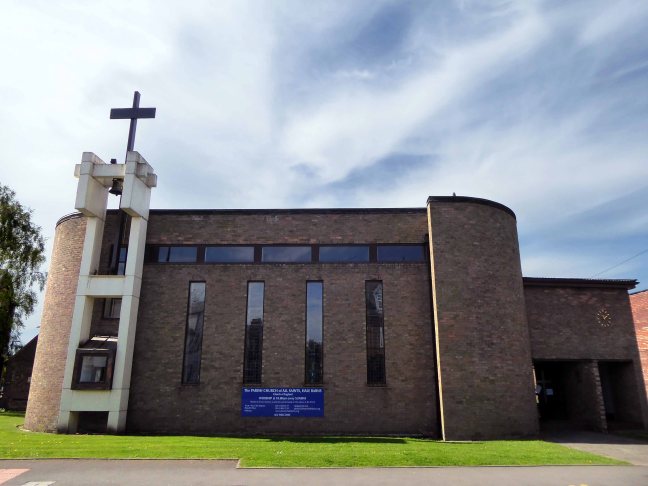
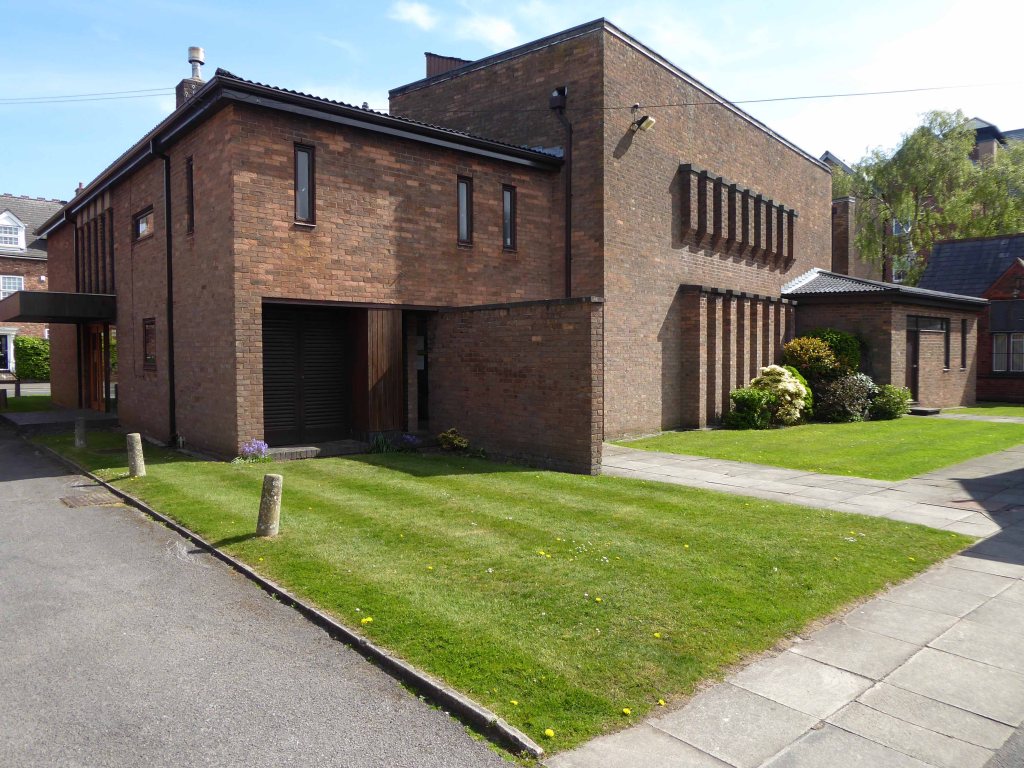
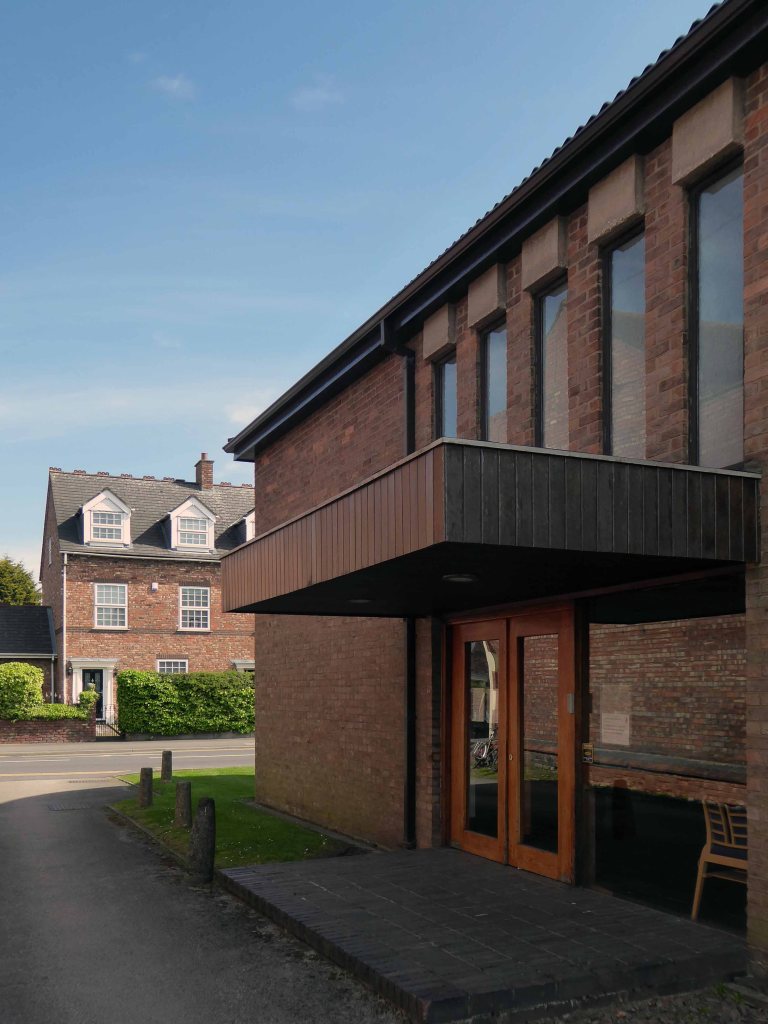
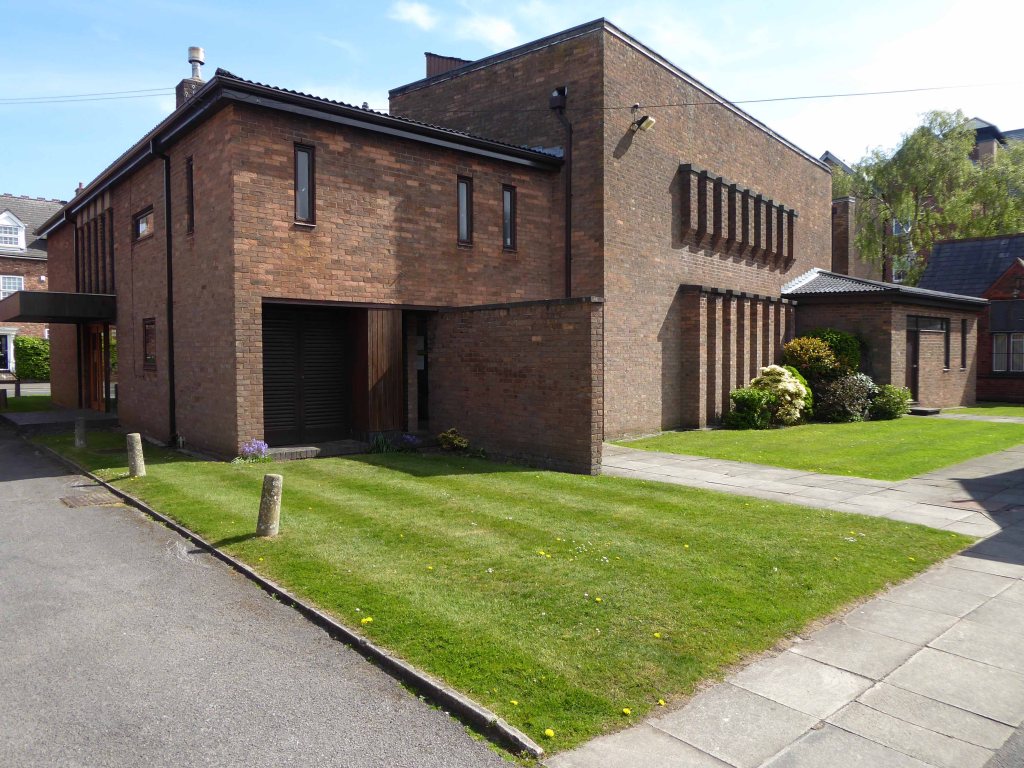
As Hale Barns grew in the 1950s and 1960s it was clear that the small daughter church was less than adequate in terms of size and facilities, and under the leadership of the Rev Fred Cox, the then Vicar, a new church was planned for the site. Designed by Brian Brunskill, All Saints Church was consecrated in 1967.

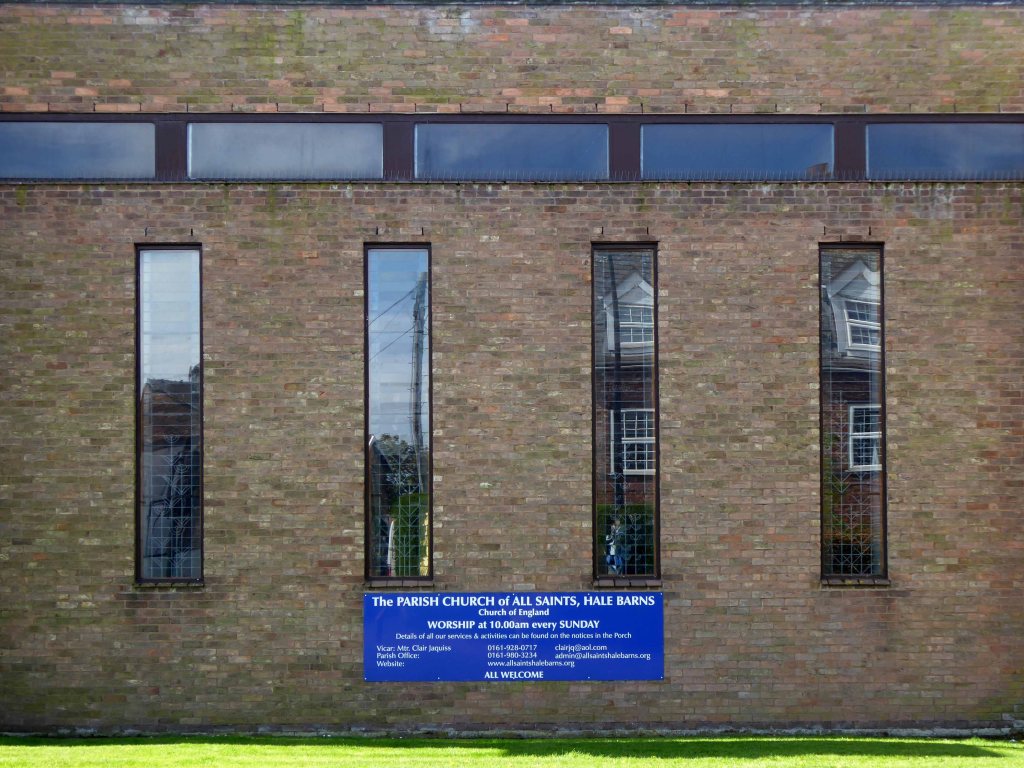
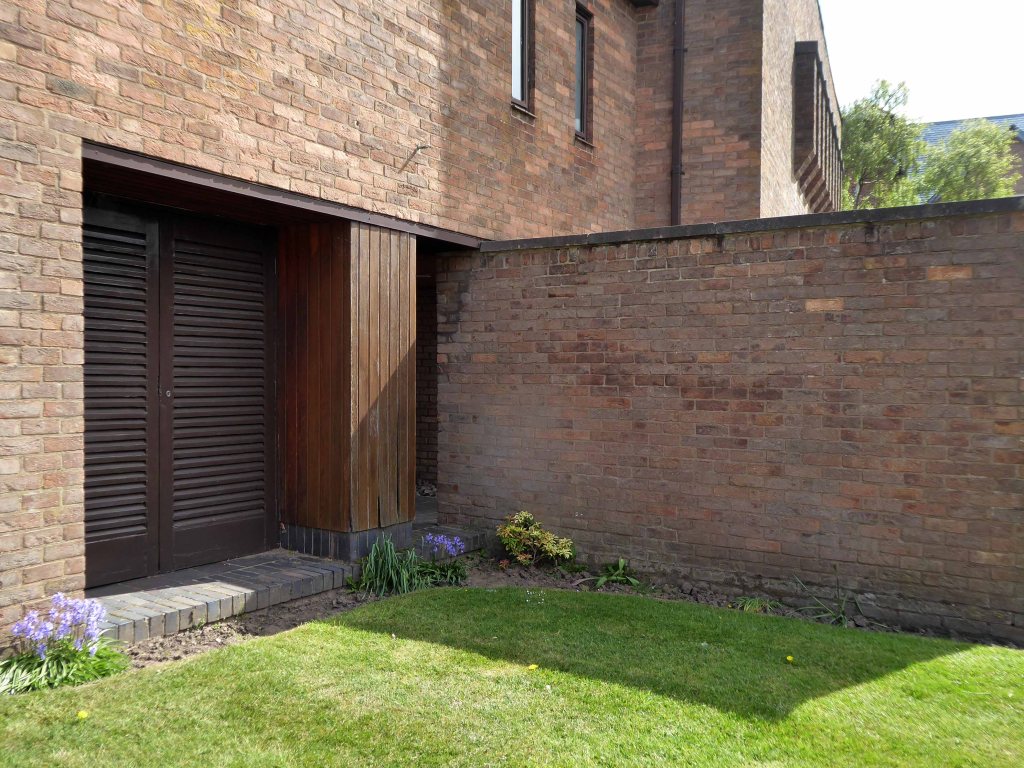
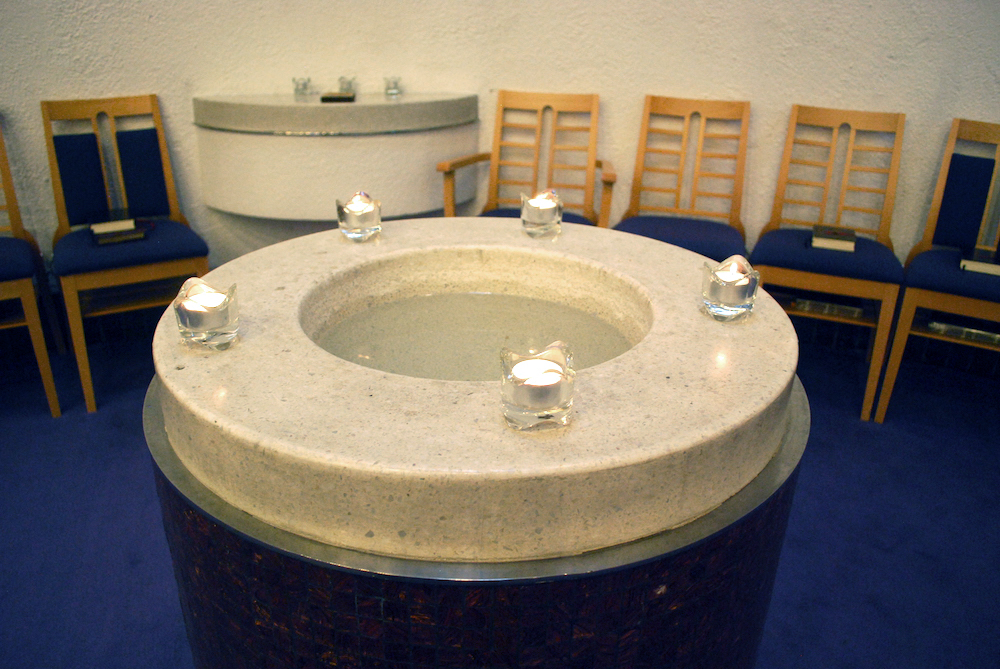
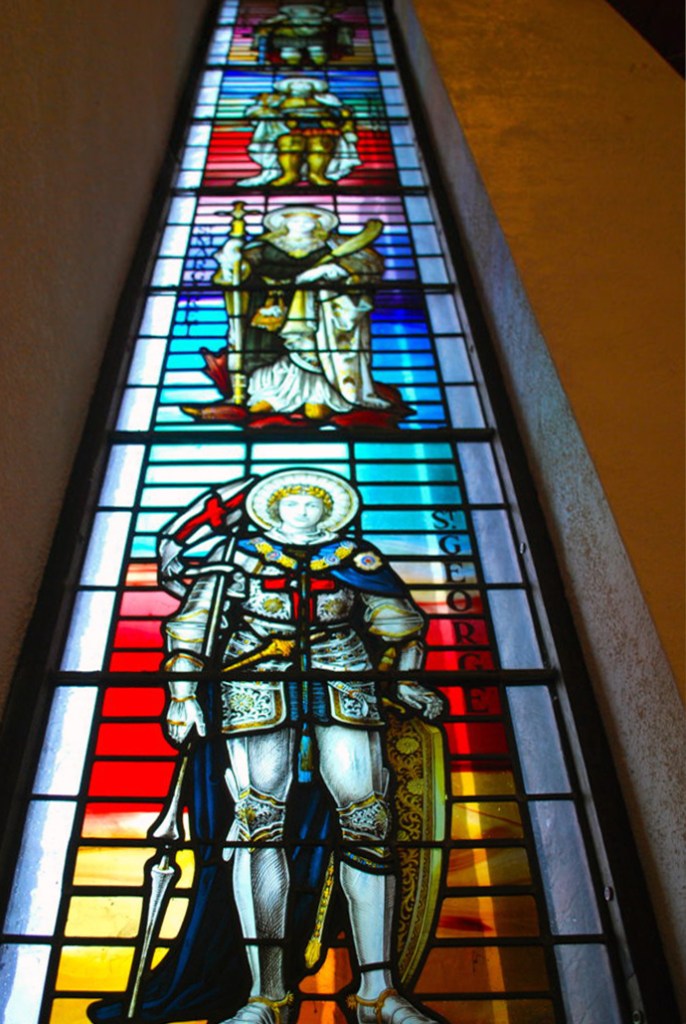
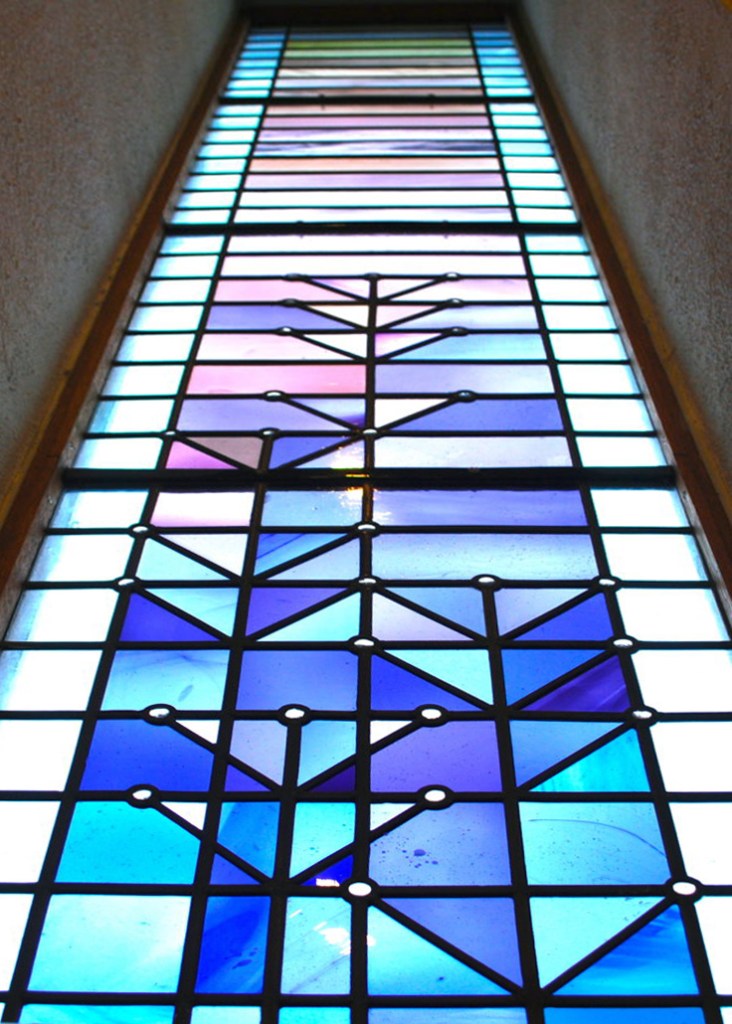
Outside it can seem a rather stark building, of brown brick, set back from the busy Hale Road but inside it is full of light and space.  The influence has clearly been that of the French architect Le Corbusier, and there is a wonderful interplay of curved and straight walling.  At first there was no stained glass, but in the early 1980s glass by the Japanese artist Sumiko was installed in the north windows.  This includes a stylised tree-of-life design. In the baptistry there is some Victorian glass brought from St Mary’s Church.

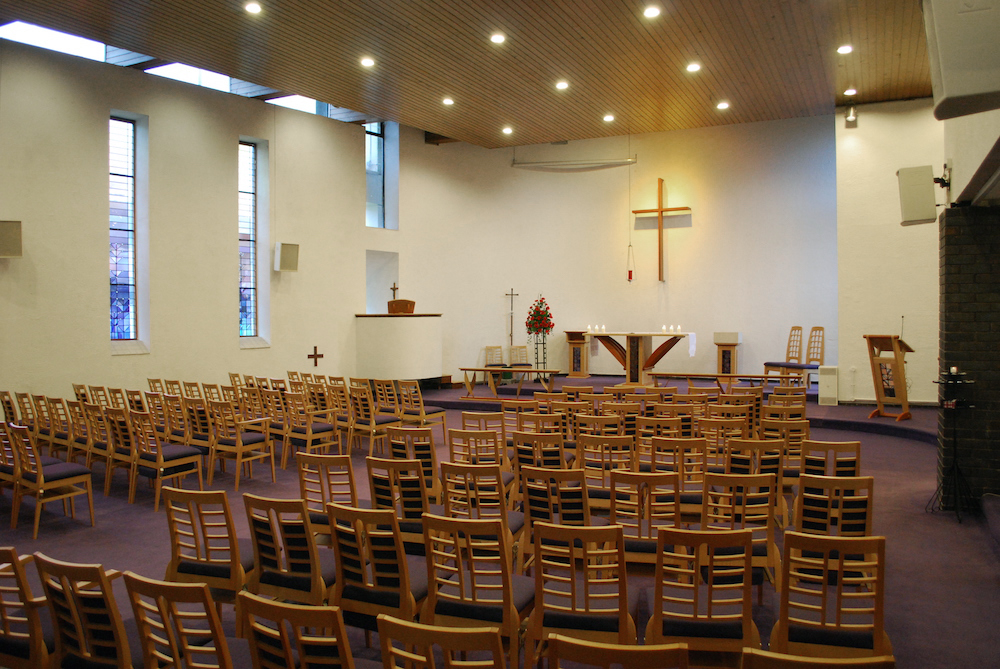
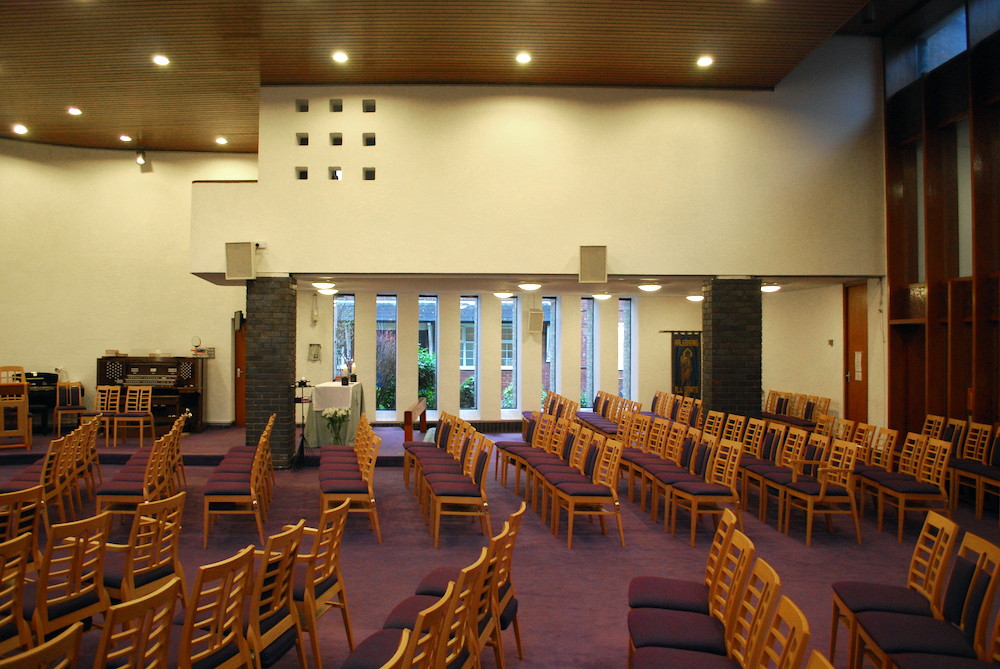
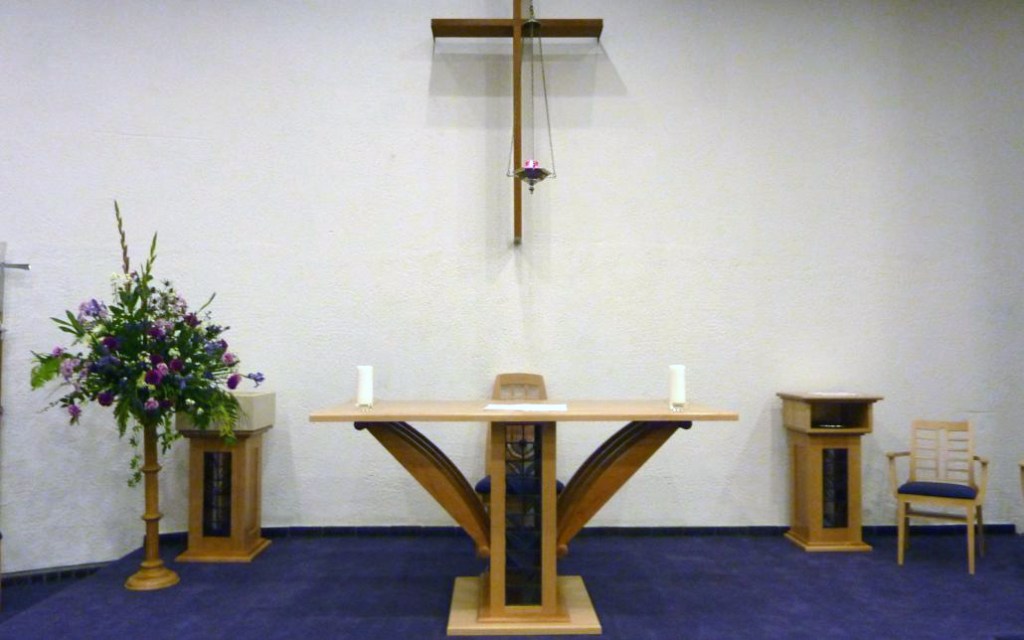
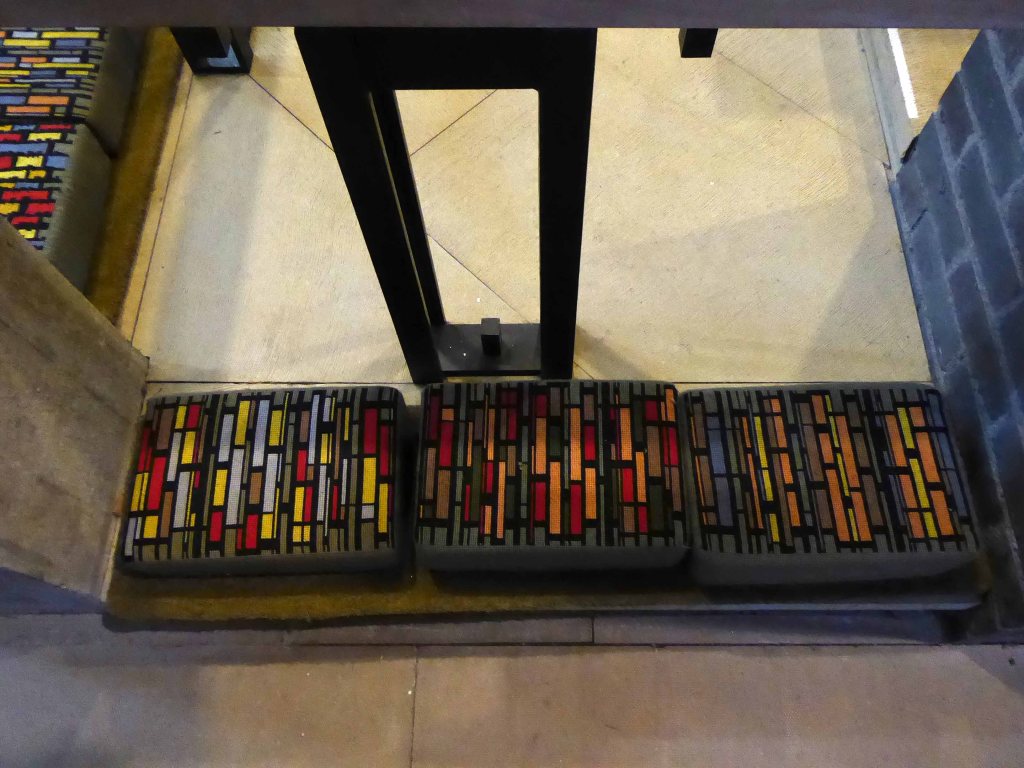
In 2009 a radical and daring re-ordering of the building was completed. The church was carpeted and new furniture of high quality, designed and made by Treske, woodcarvers  of Thirsk, North Yorkshire, was installed.  The tree-of-life design in the 1980s glass has been echoed in the glass inserts to the Lectern and High Altar and also in the metal uprights of the Altar Rail.  All the fittings are moveable, giving a flexible space.  This flexibility give opportunities to explore how the building itself can enrich worship at different seasons of the Church’s year. 
All Saints

My first time in Hale Barns – hence my first visit to All Saints.

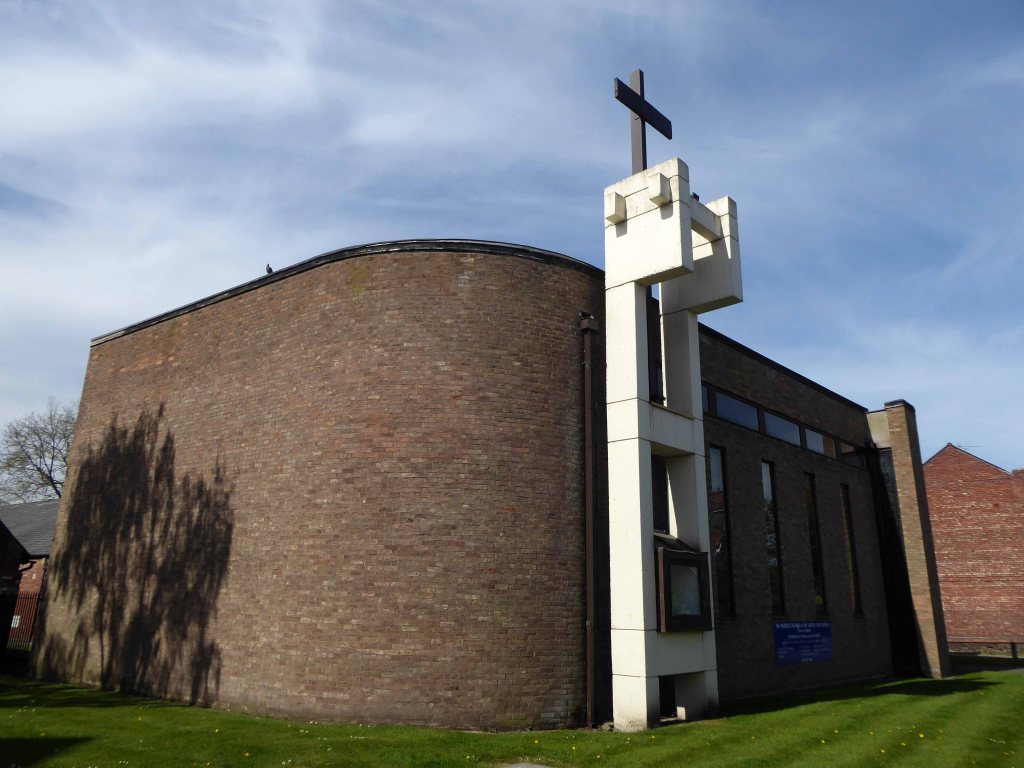
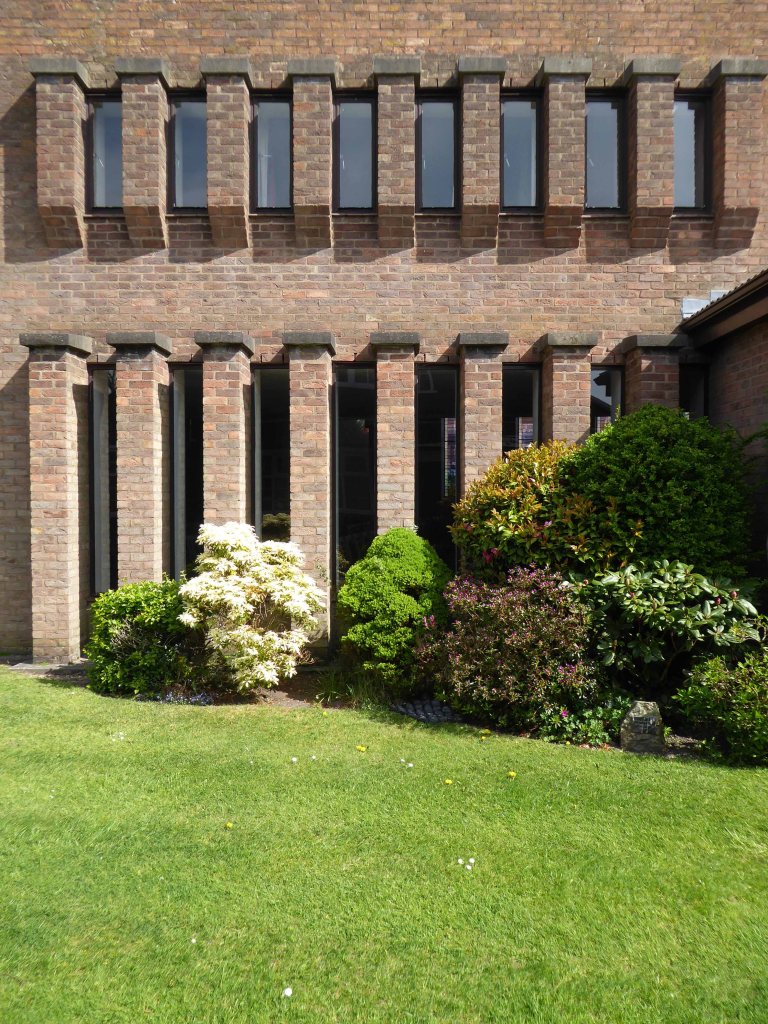
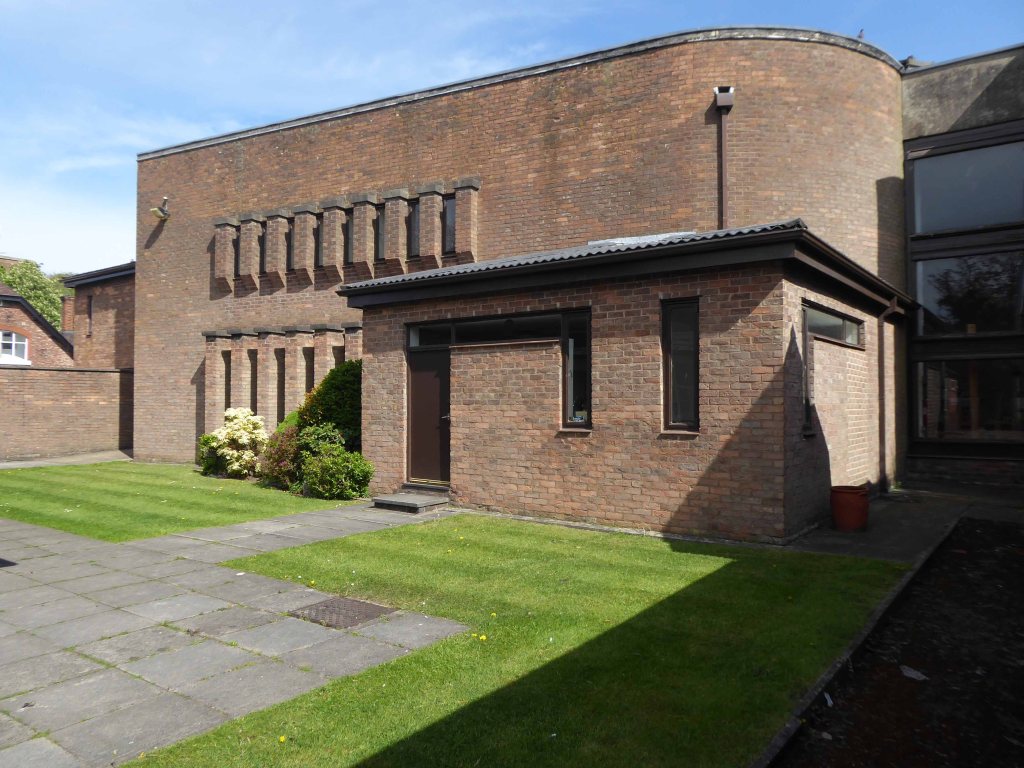
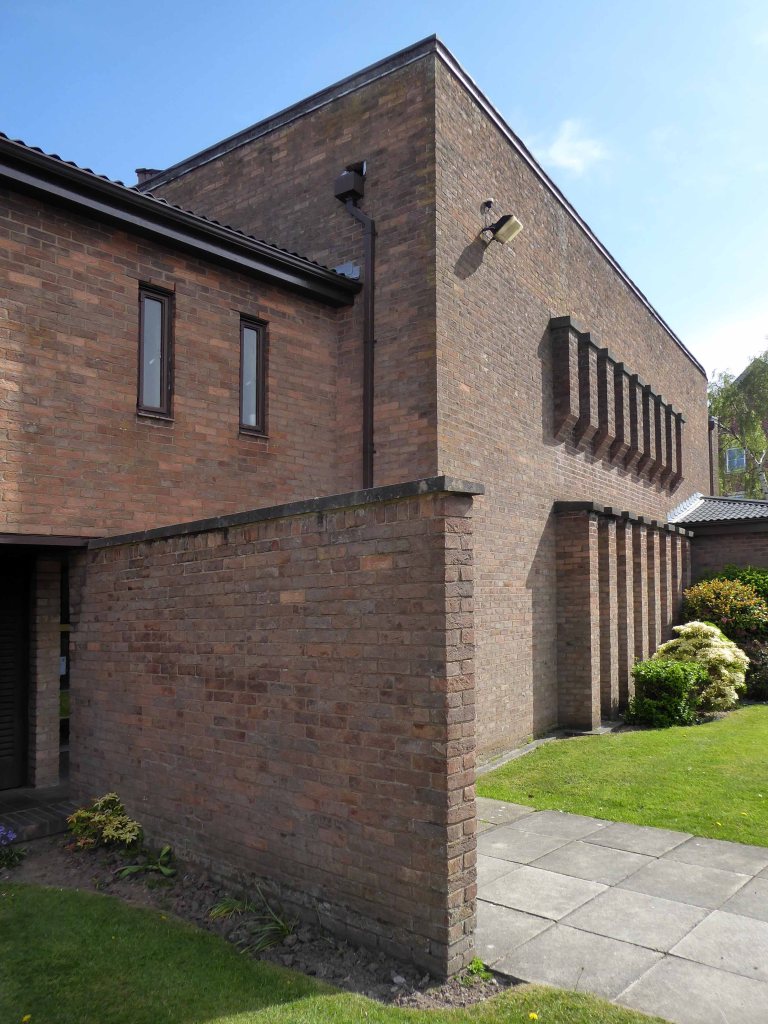
Small in scale, but large in ambition – a wonderful exercise in the calm controlled use of brick, rich in small details, along with an expressive mix of warm curves within a rigid grid.

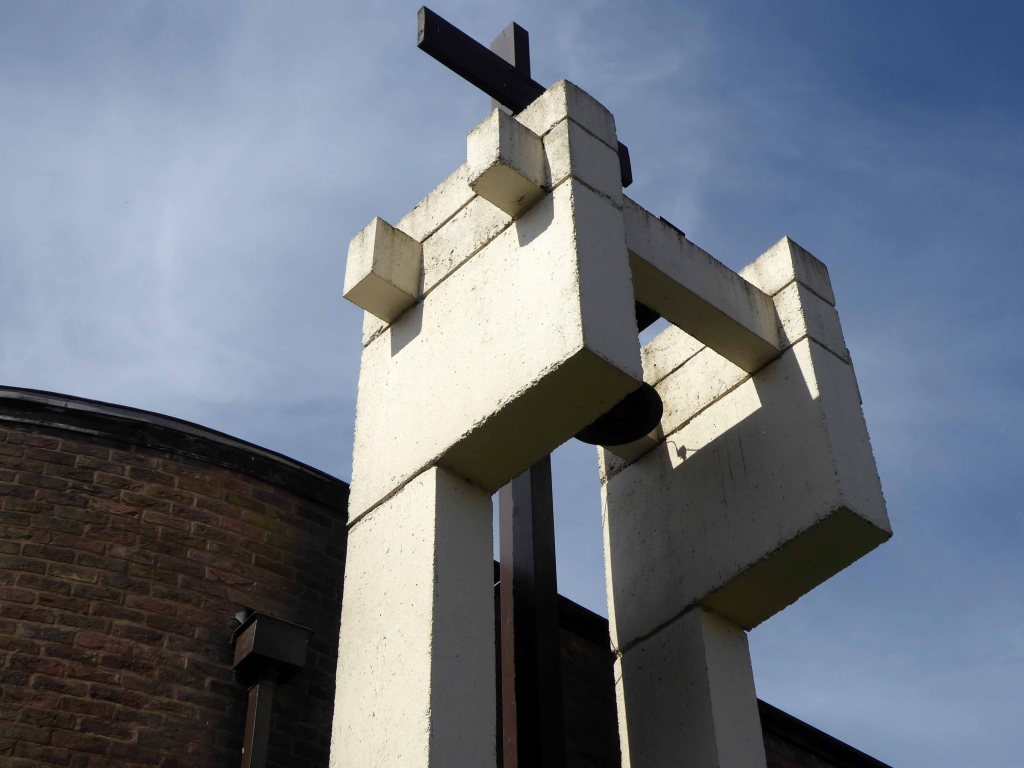
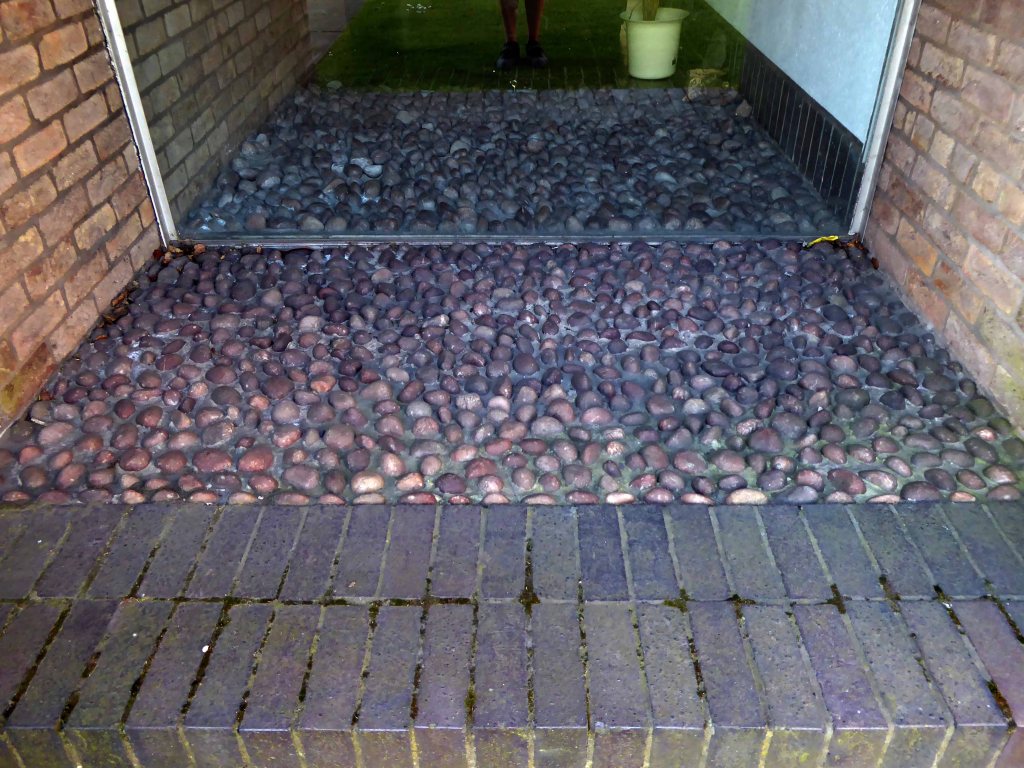
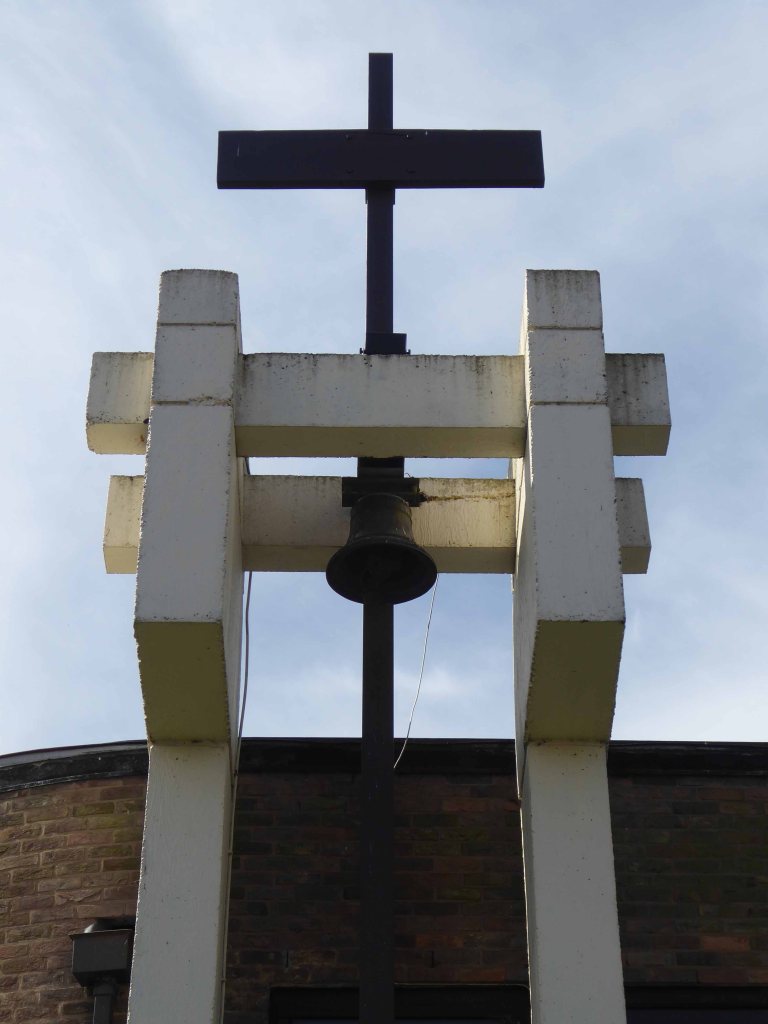
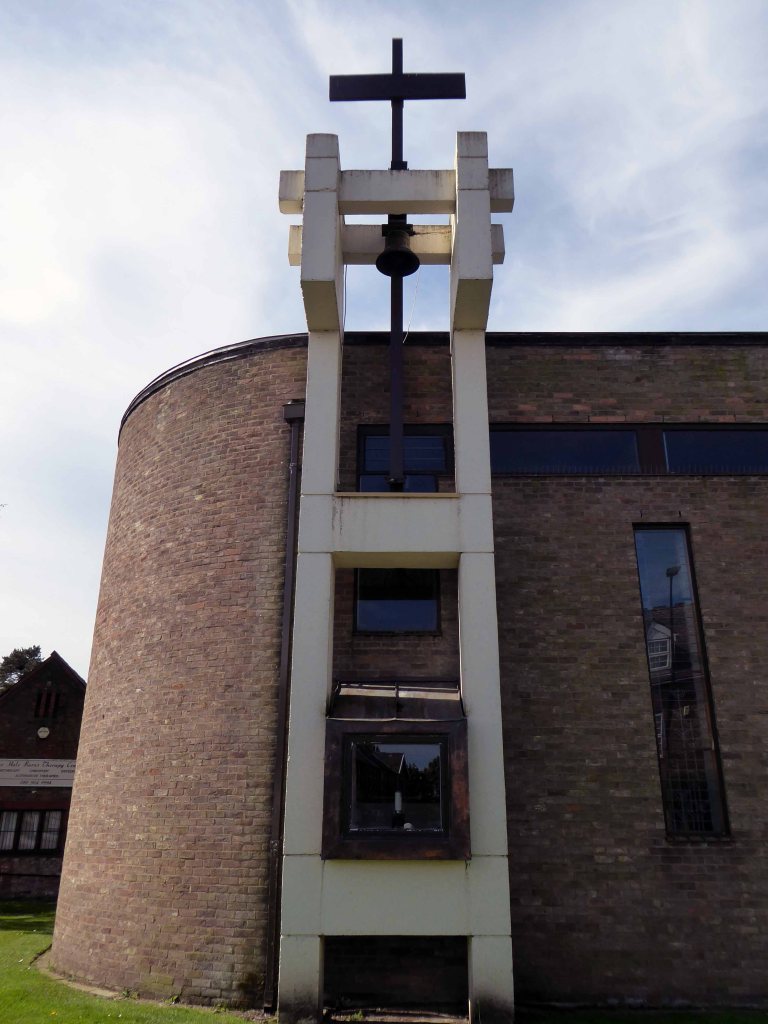
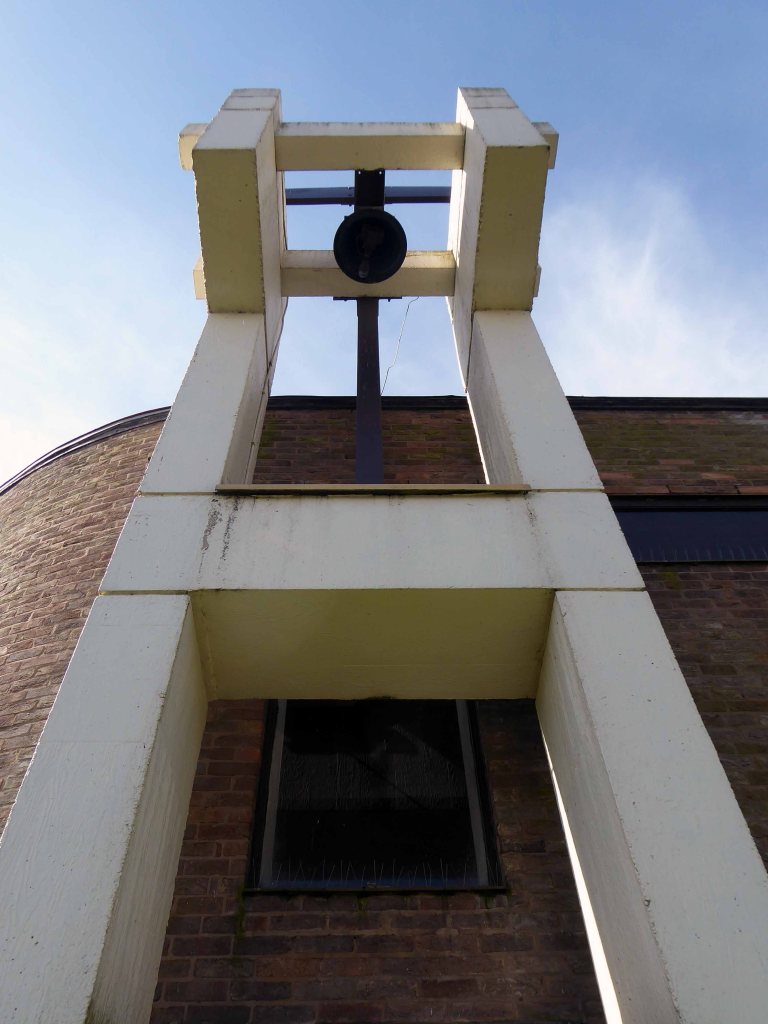
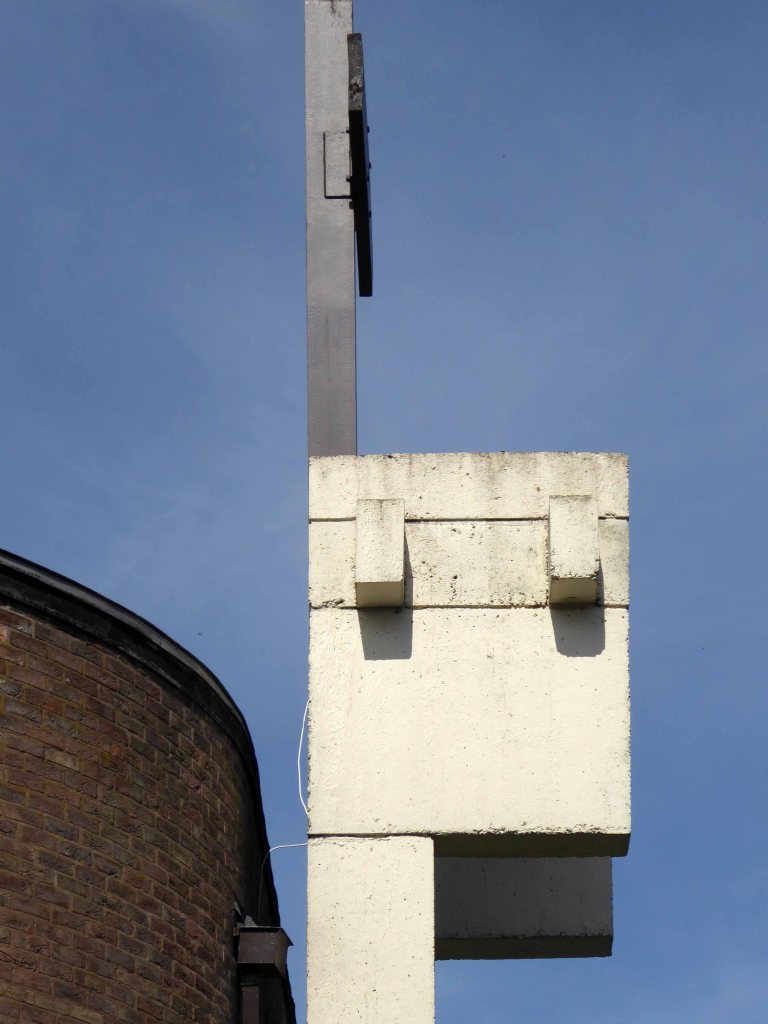
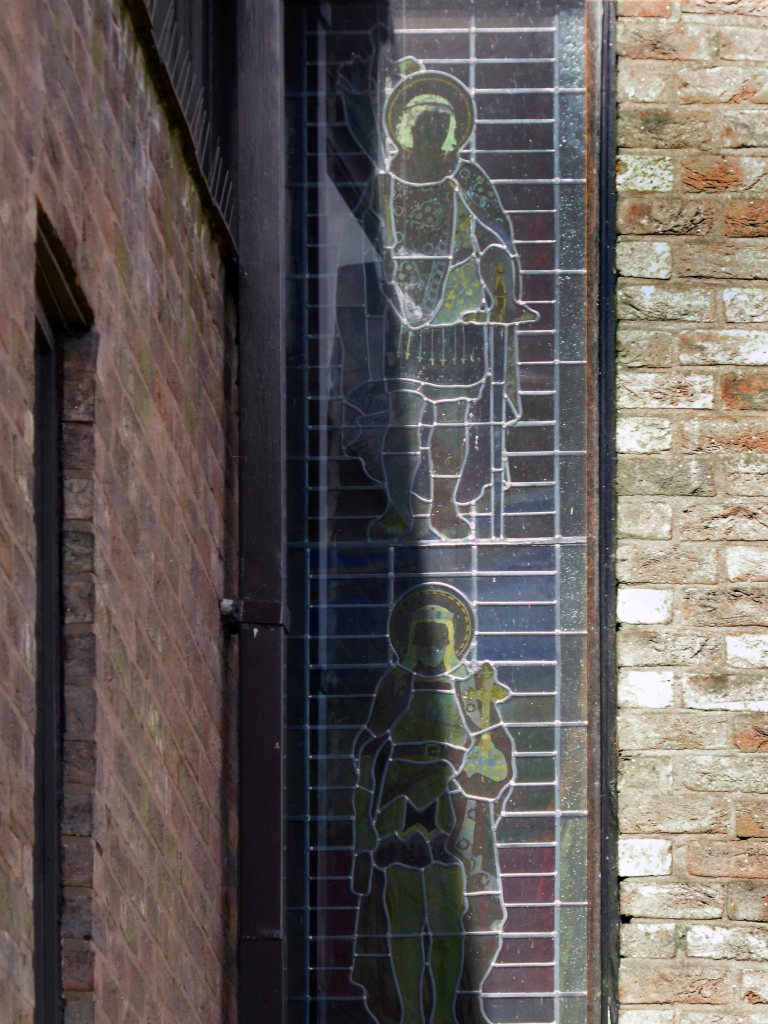
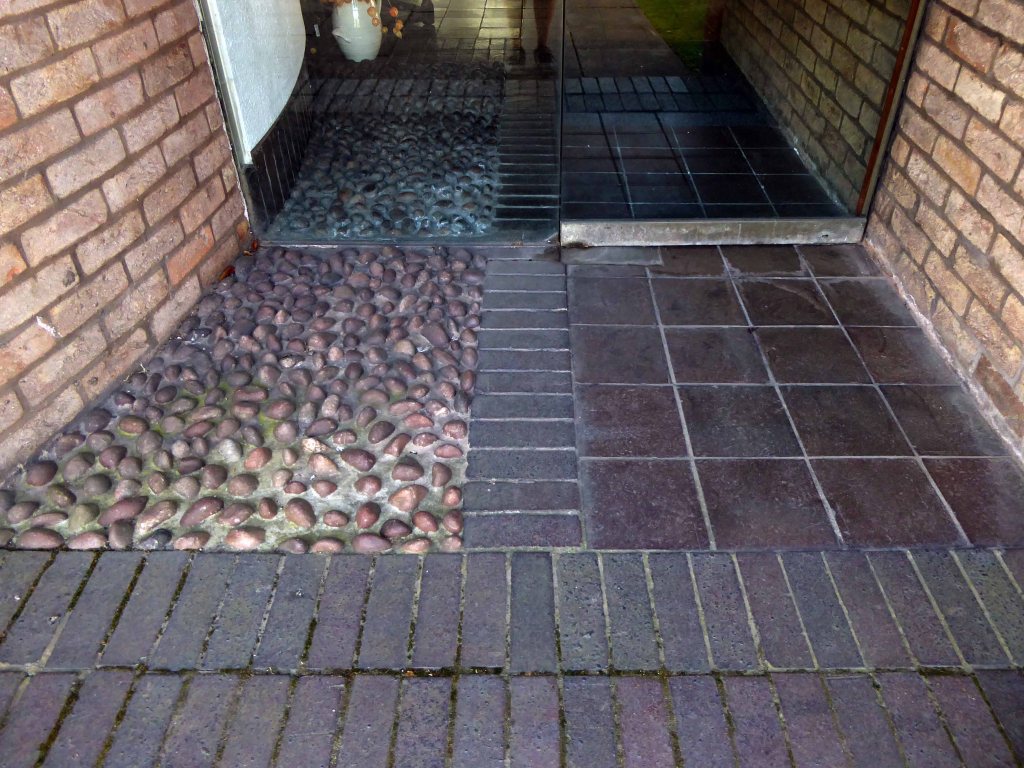
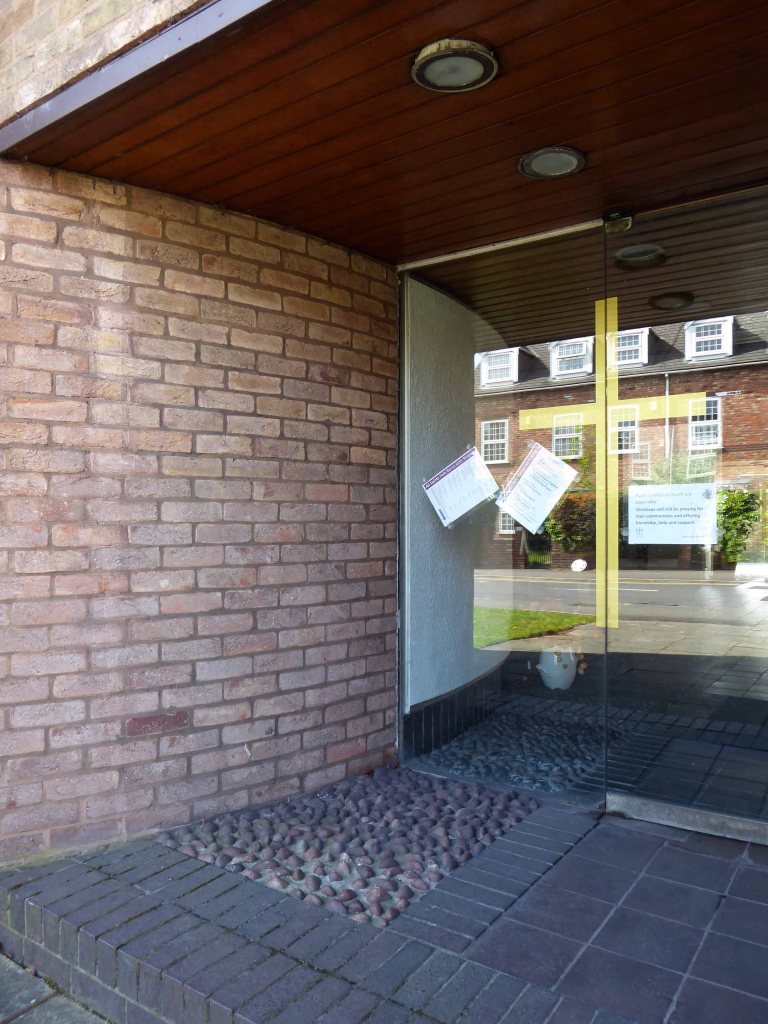
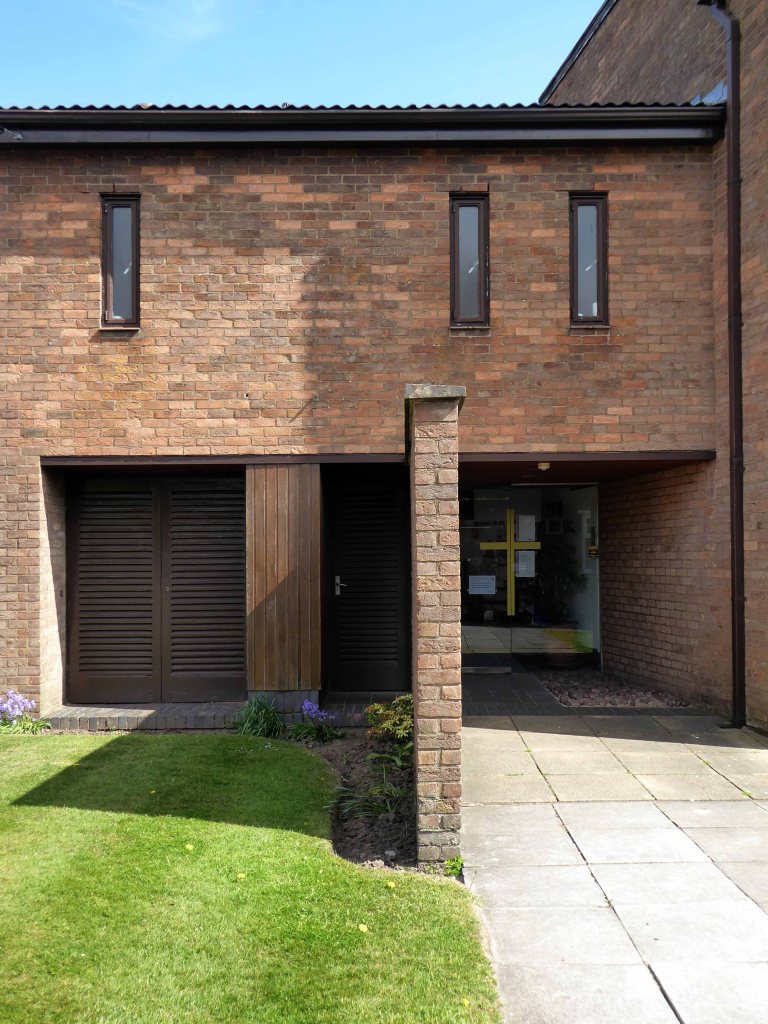
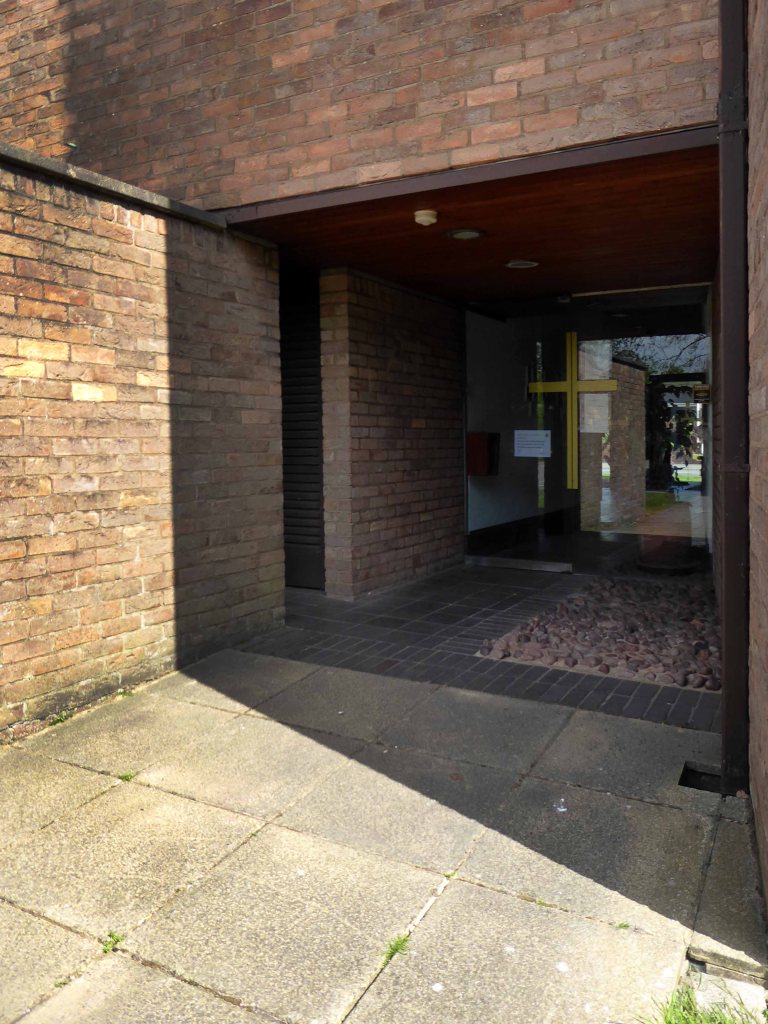
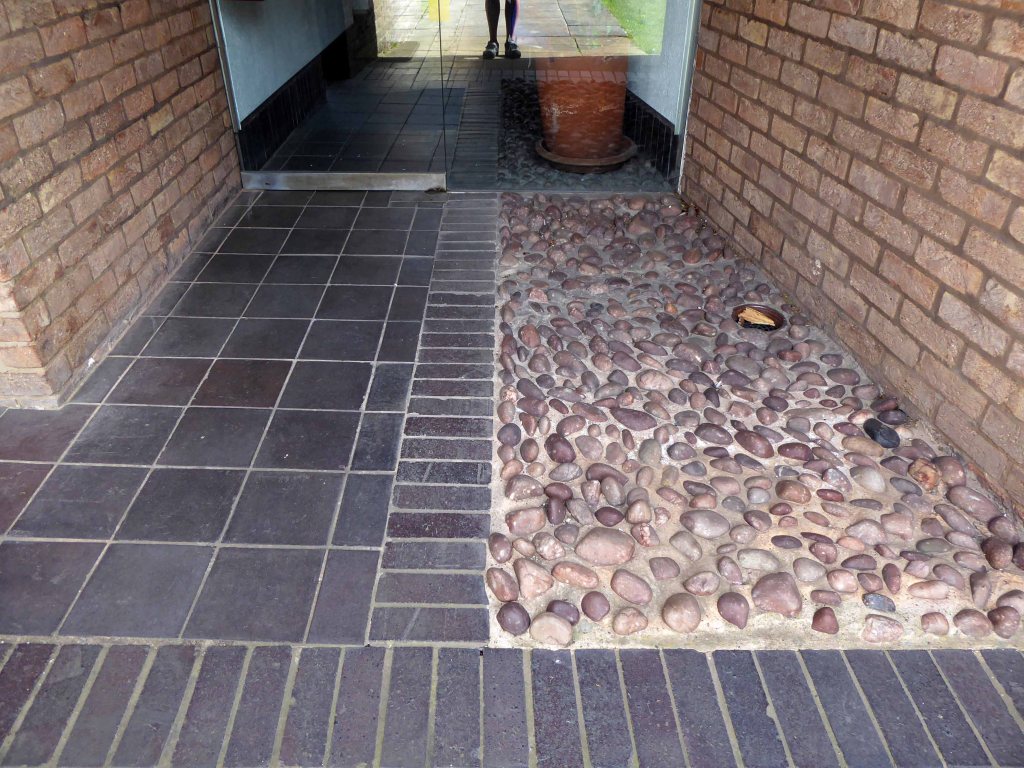
Of particular note is the sculptural concrete bell tower, the exterior use of pebbles in the porch which flow into the interior space, along with a discrete palette of grey tiling.

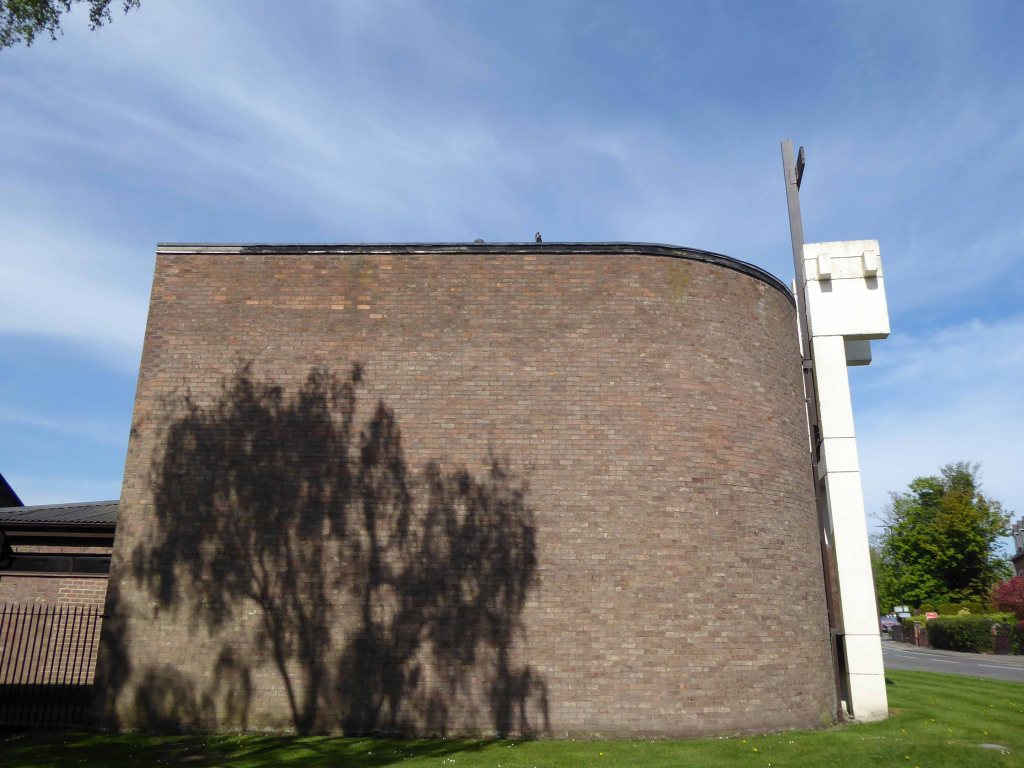
It demands to be circumnavigated – fresh surprises await around each turn, simple hard landscaping of flags, softer restrained planting and open areas of lawn, so very well tended.

Let’s take a look around.

Here are some images of the reworked interior taken from the All Saints gallery.

Renold House

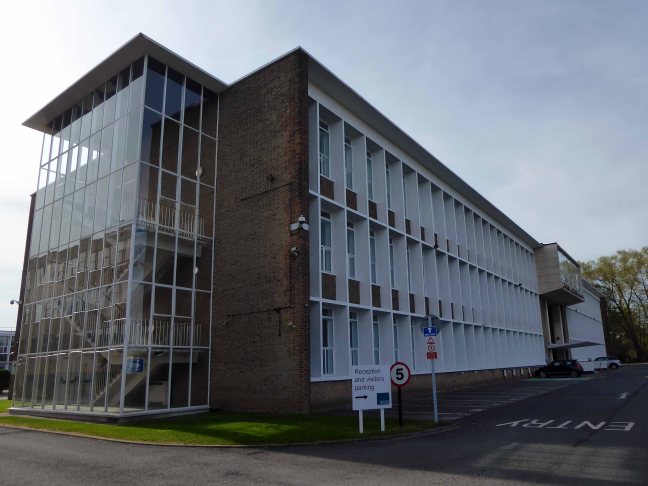
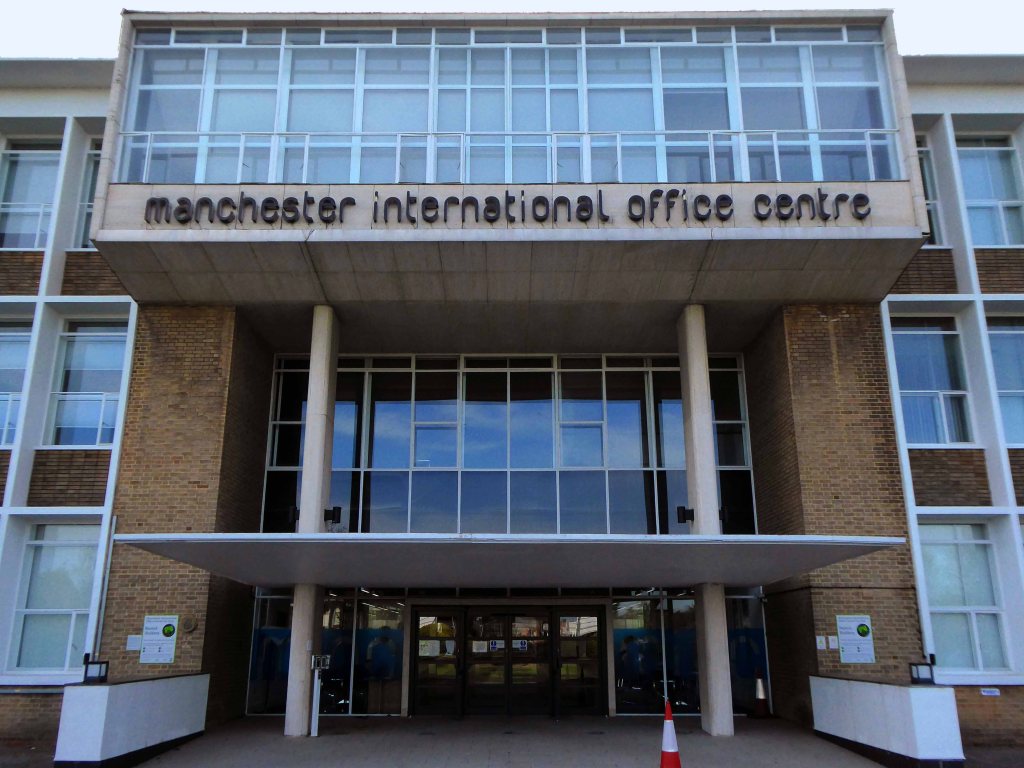
Manchester International Office Centre
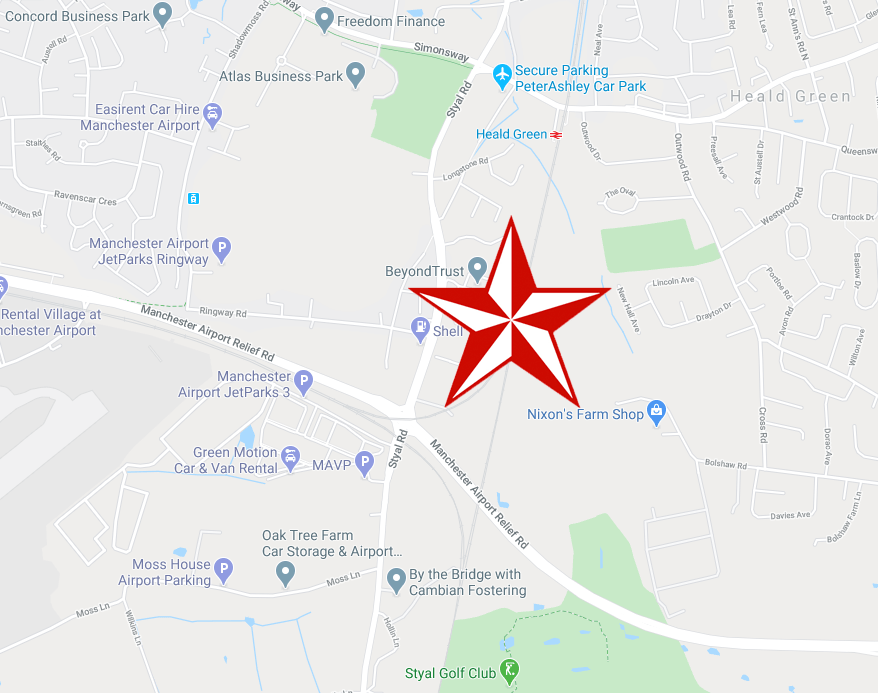
11 Styal Rd Wythenshawe Manchester M22 5WB

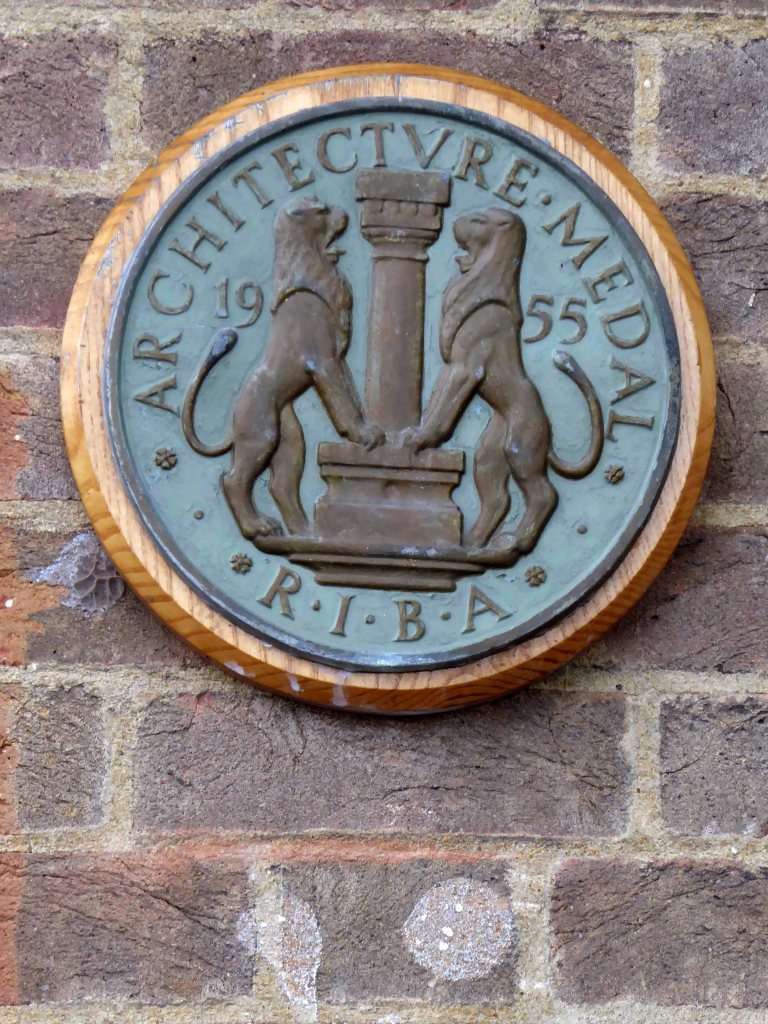
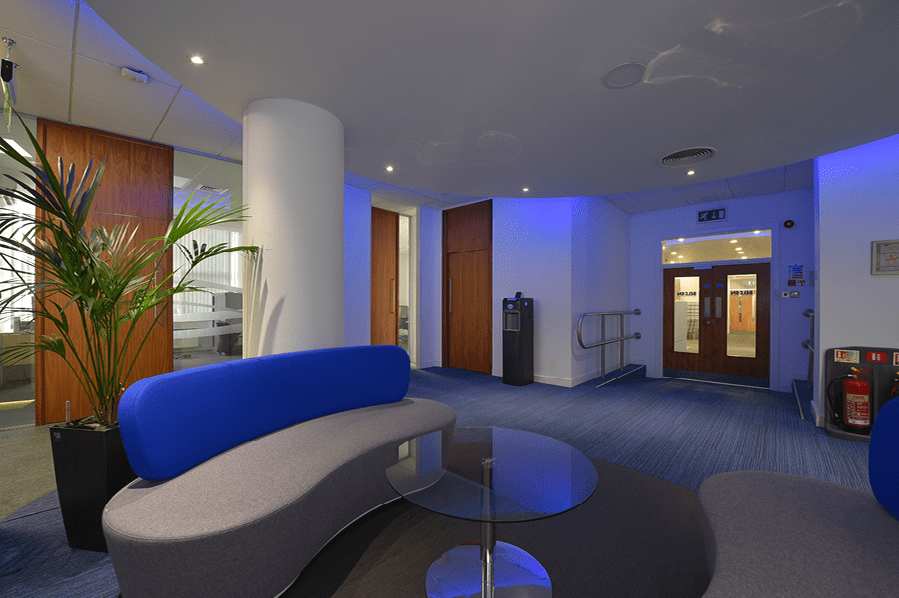
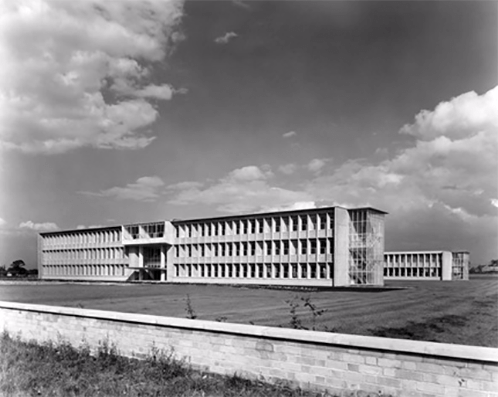
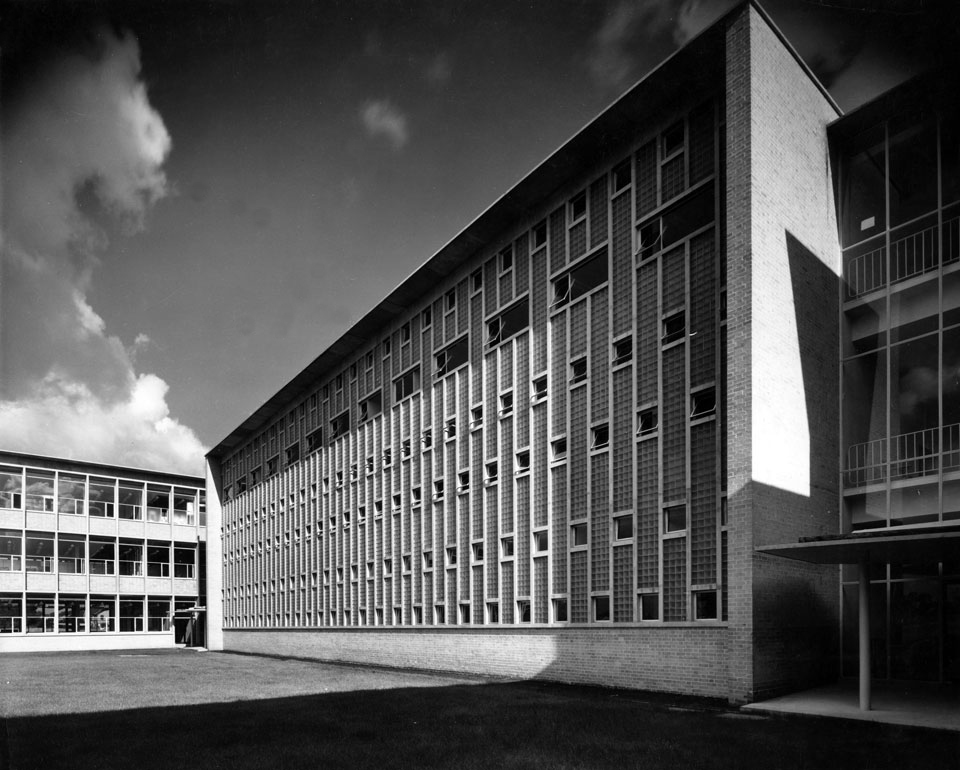
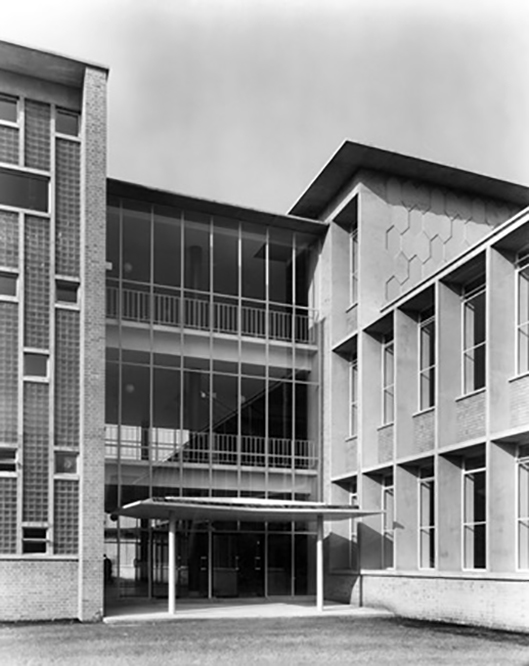
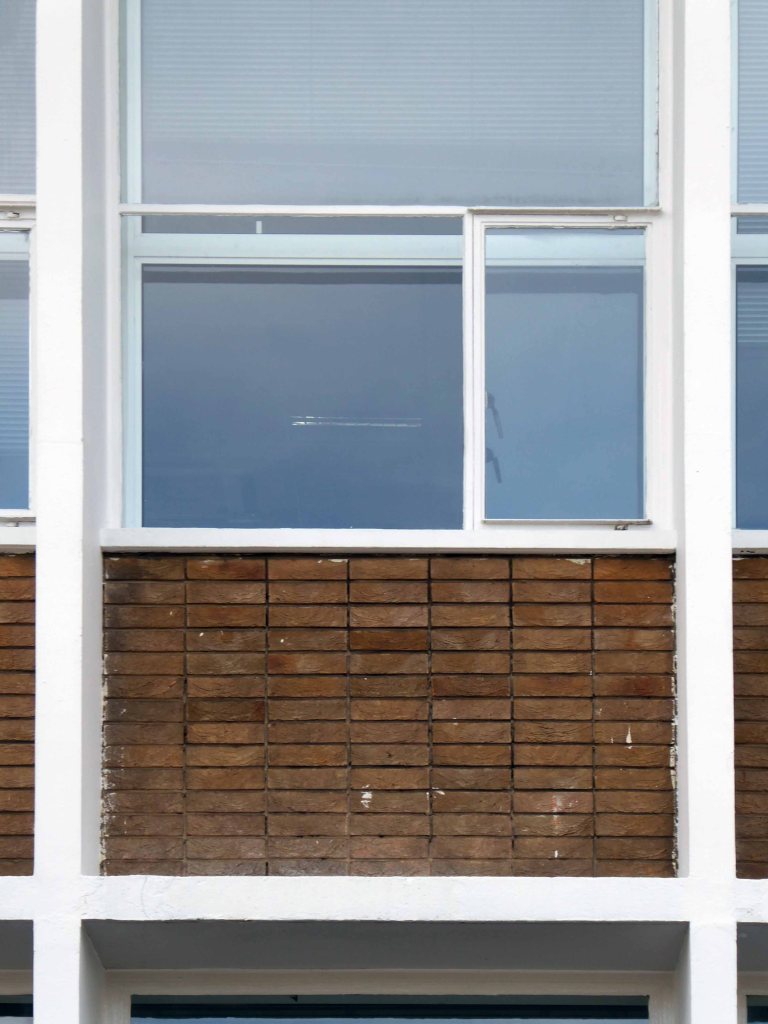
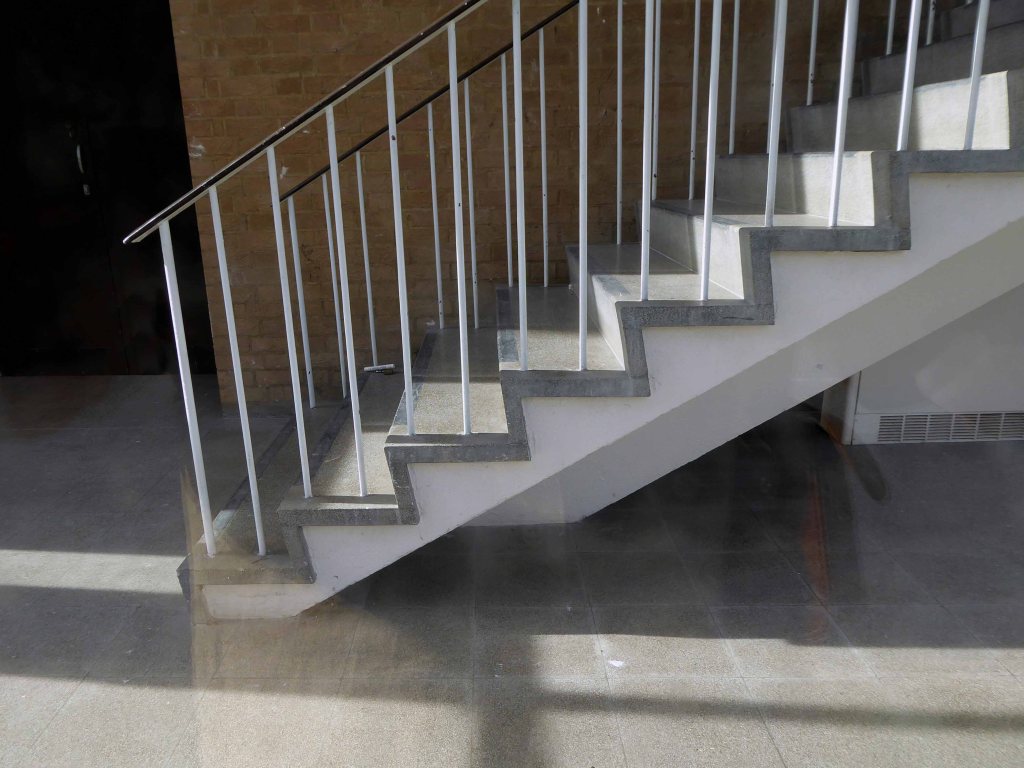
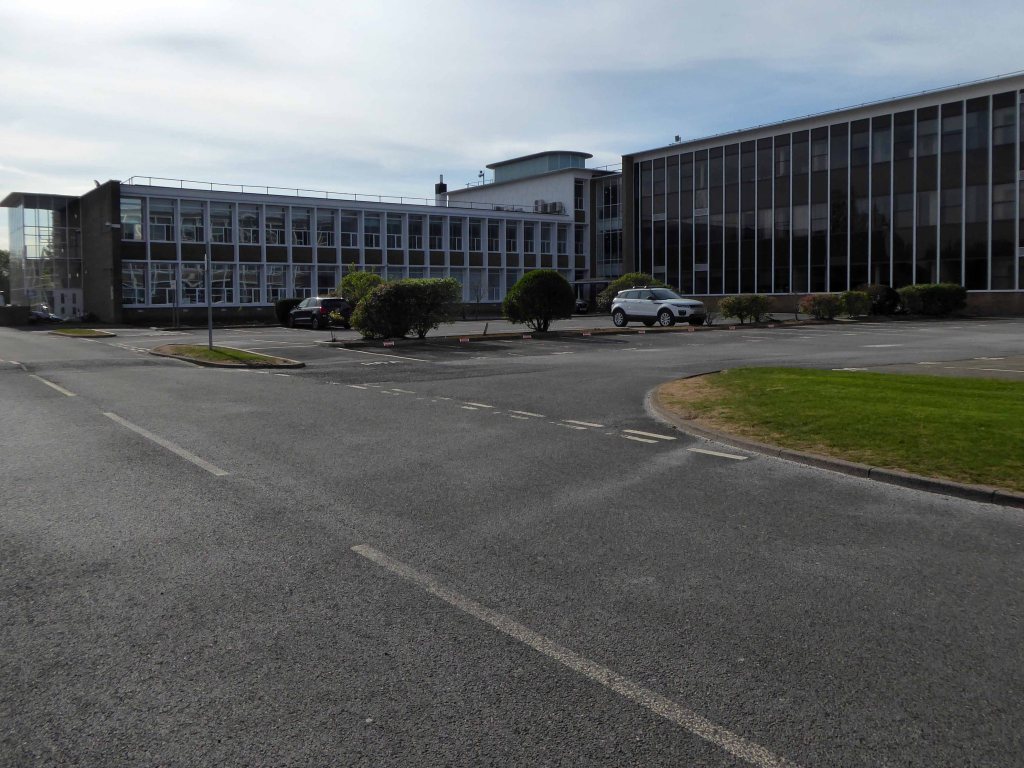
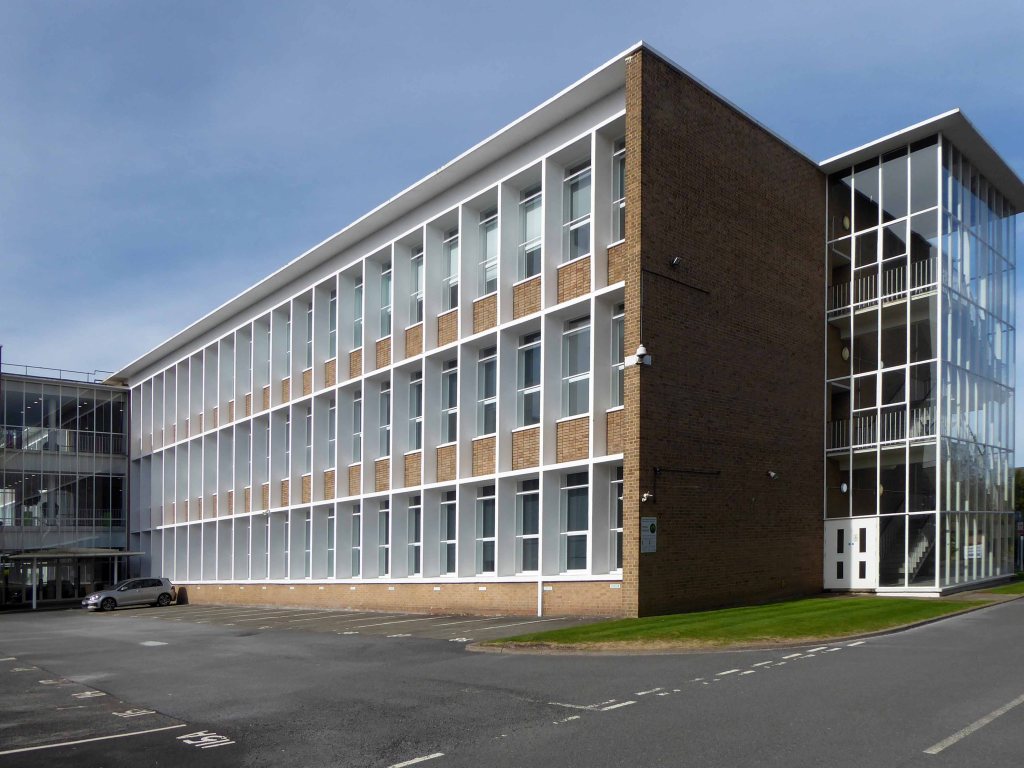
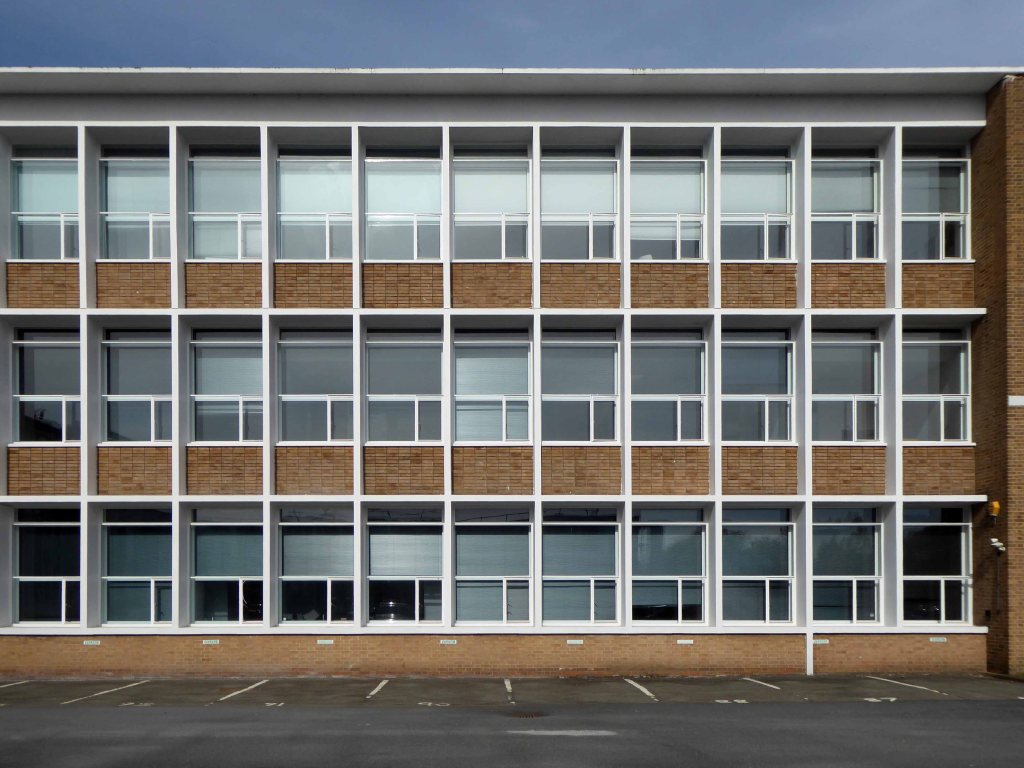
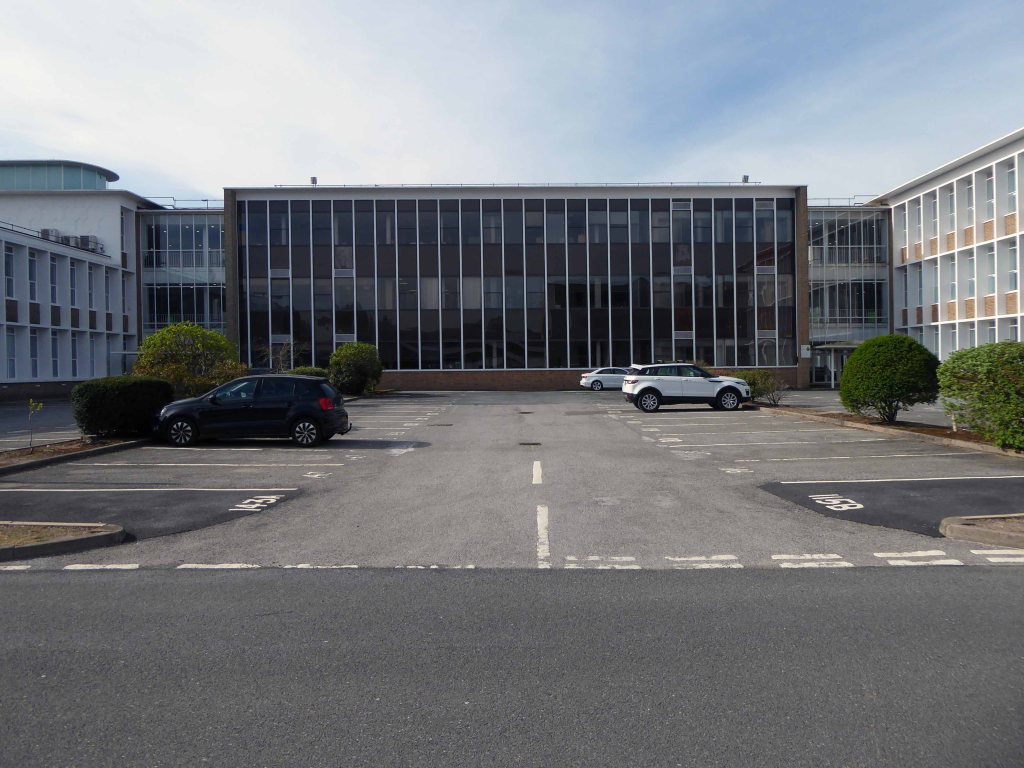
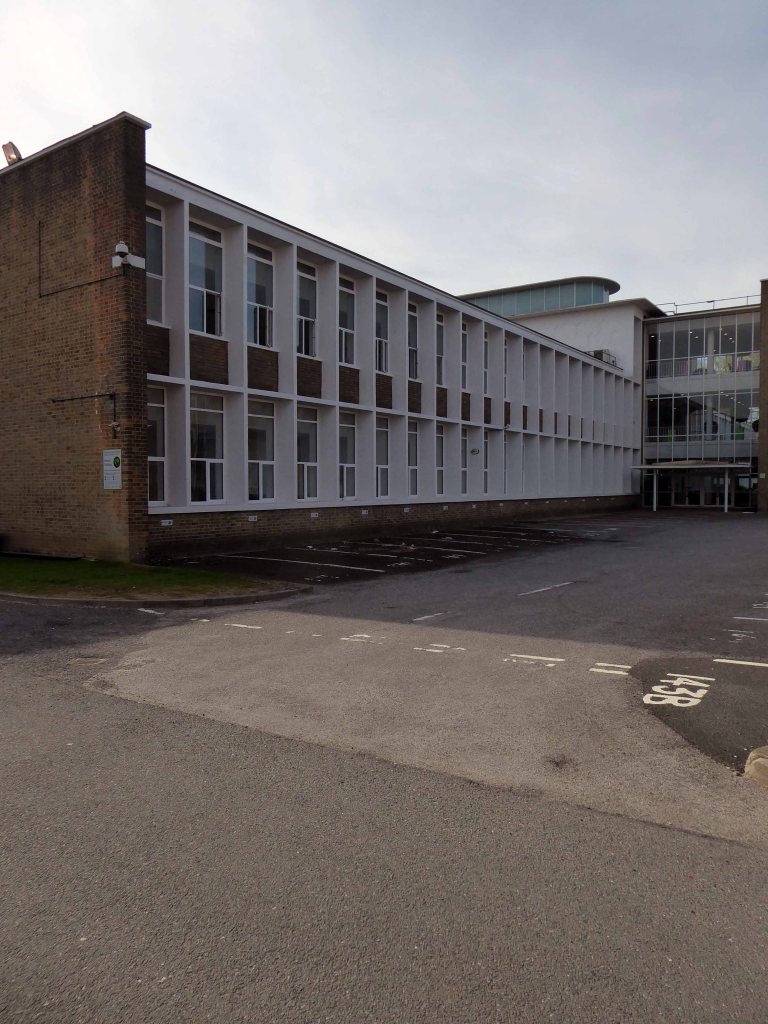
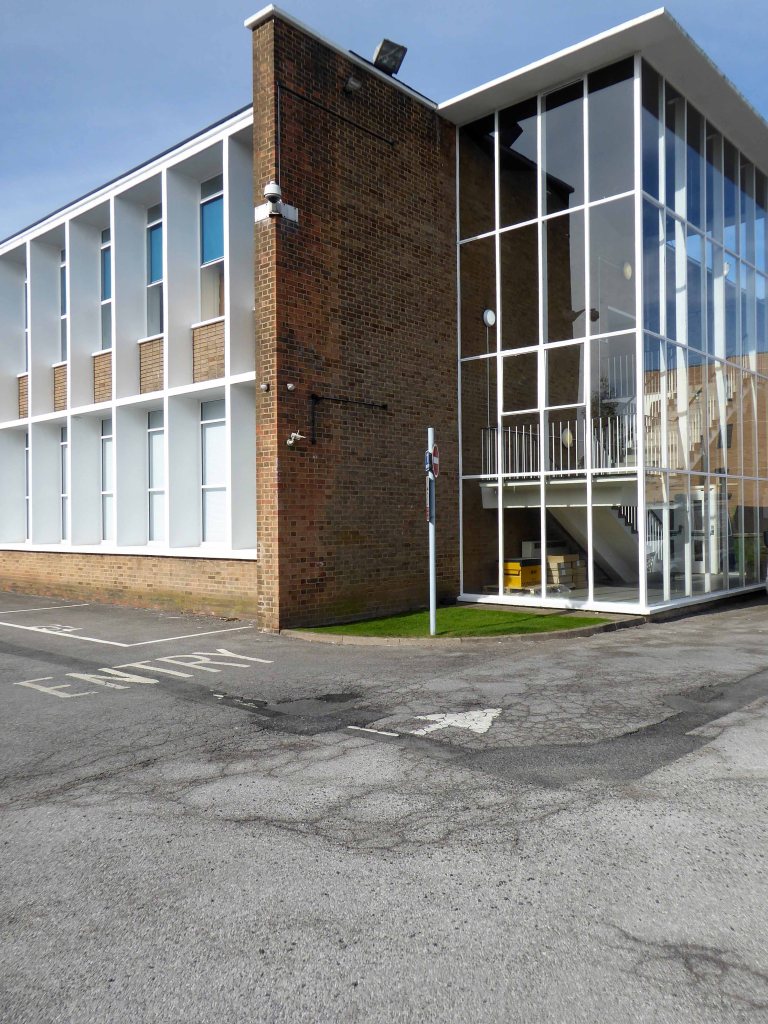
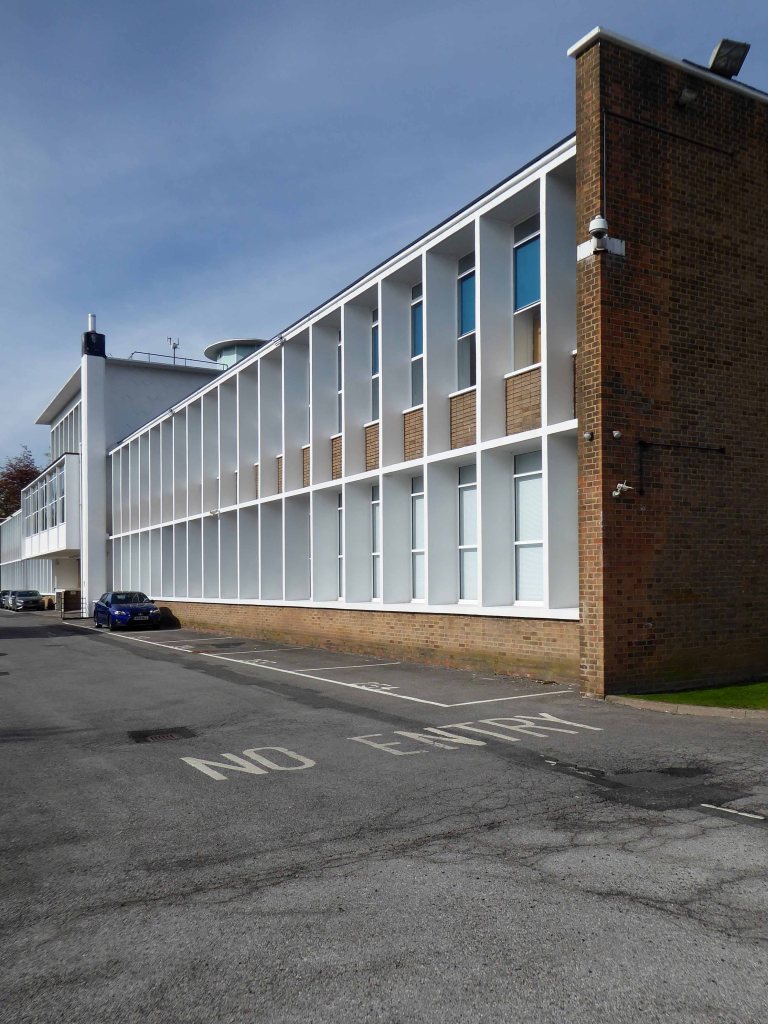
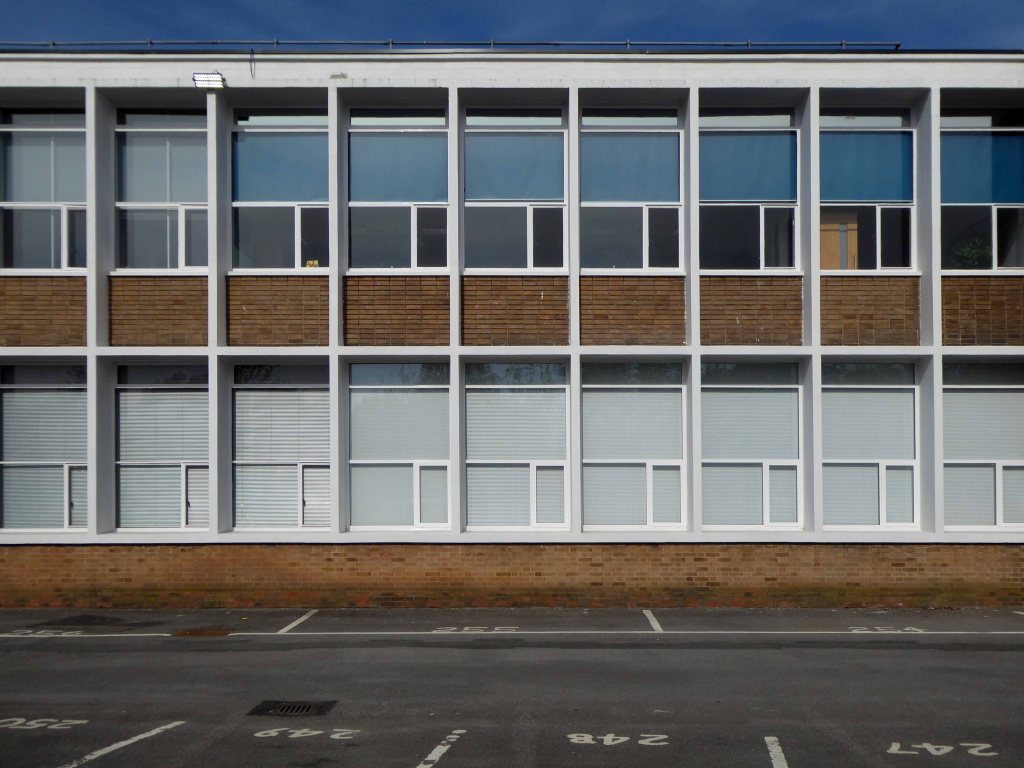
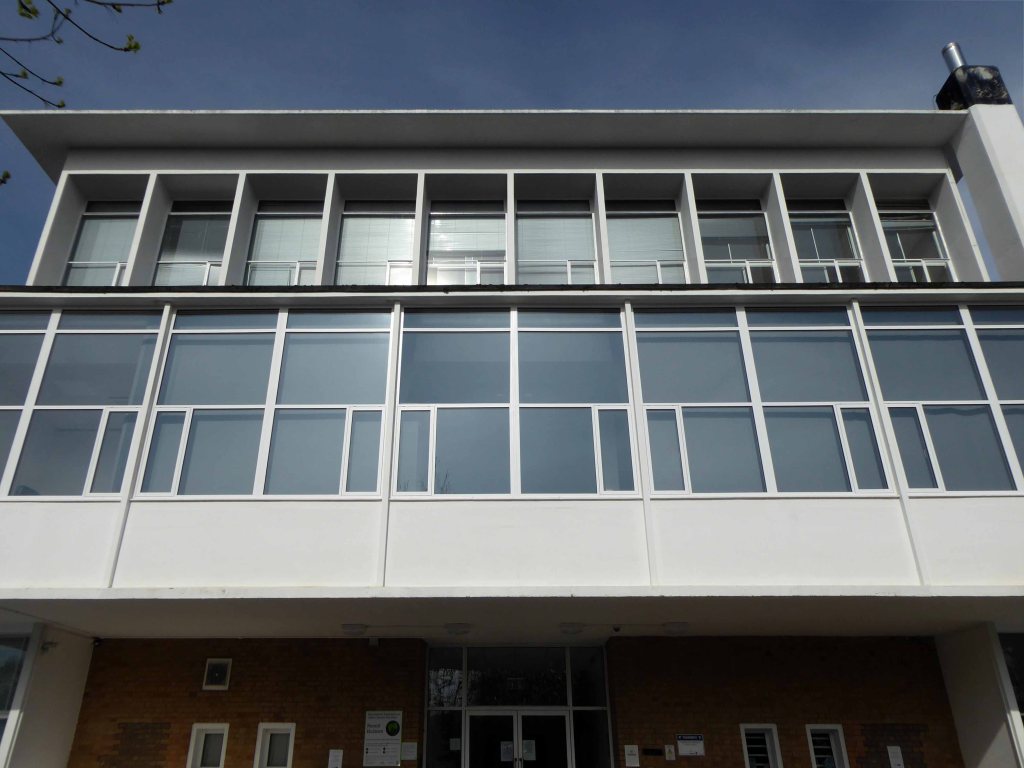
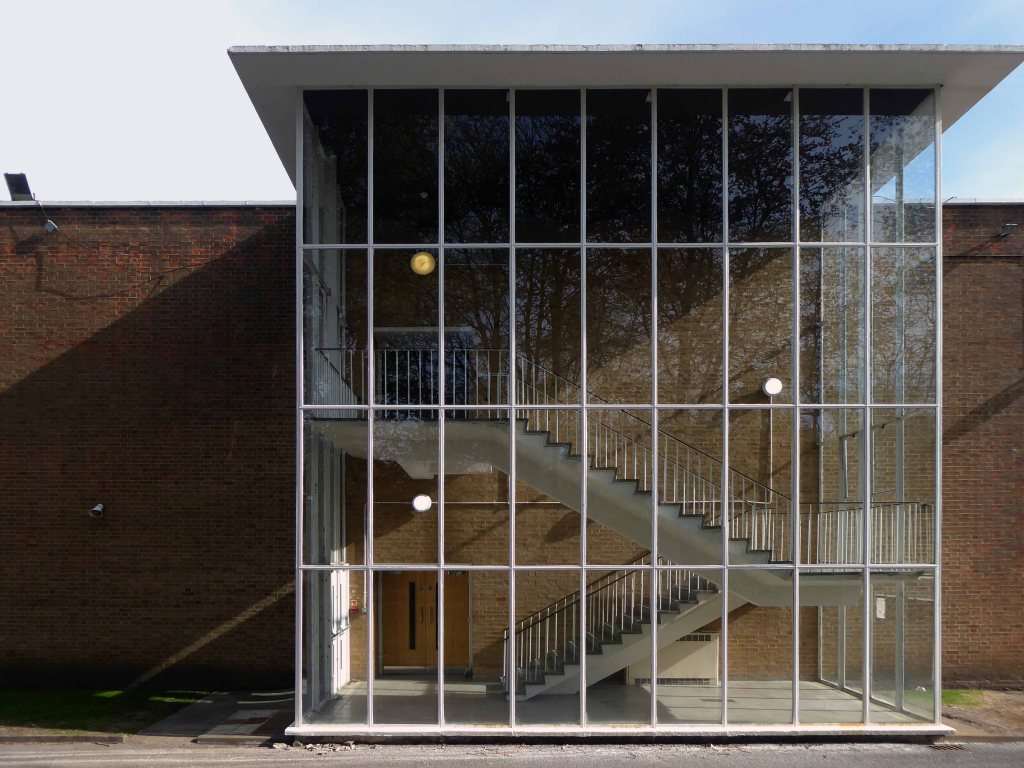
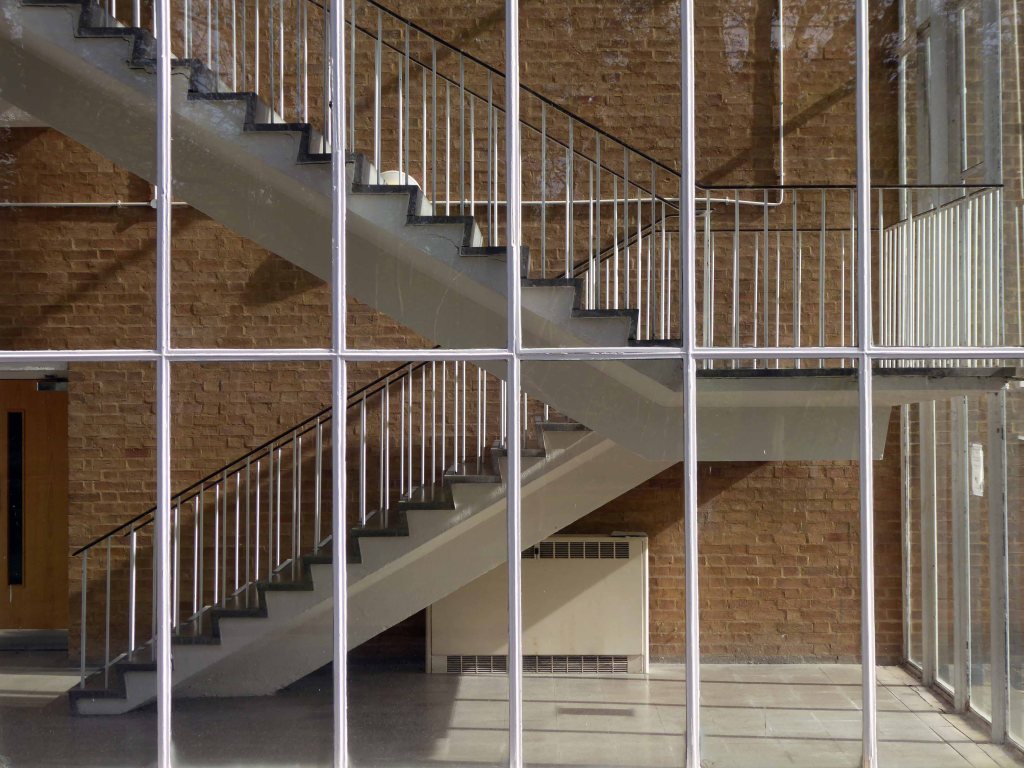
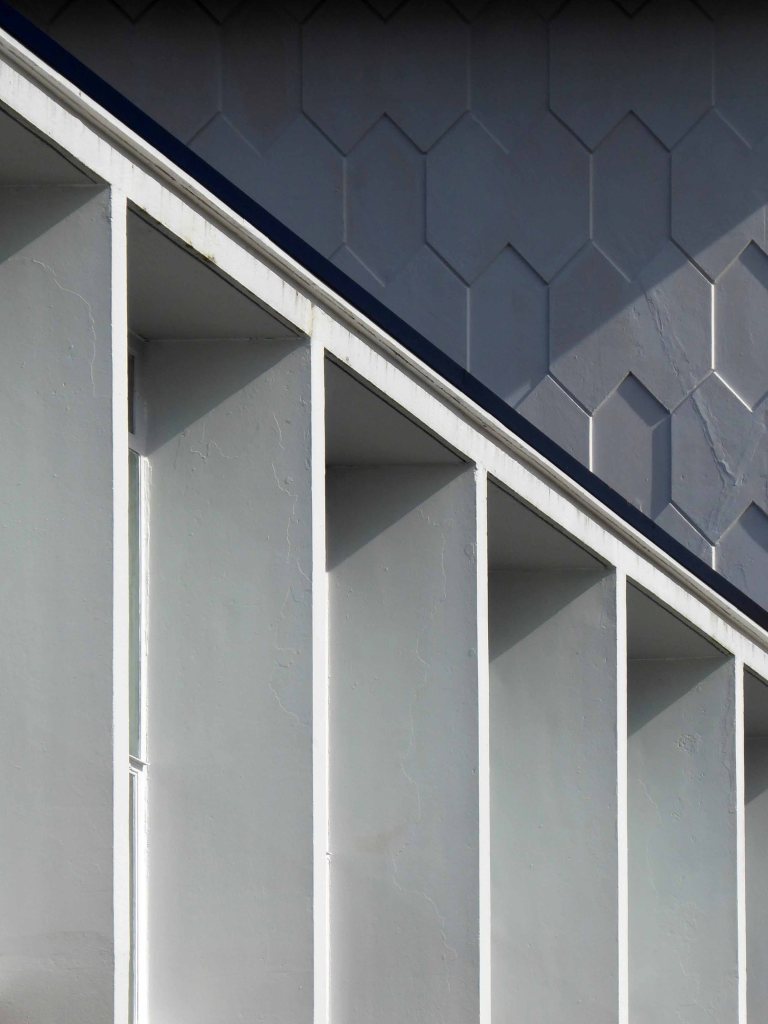
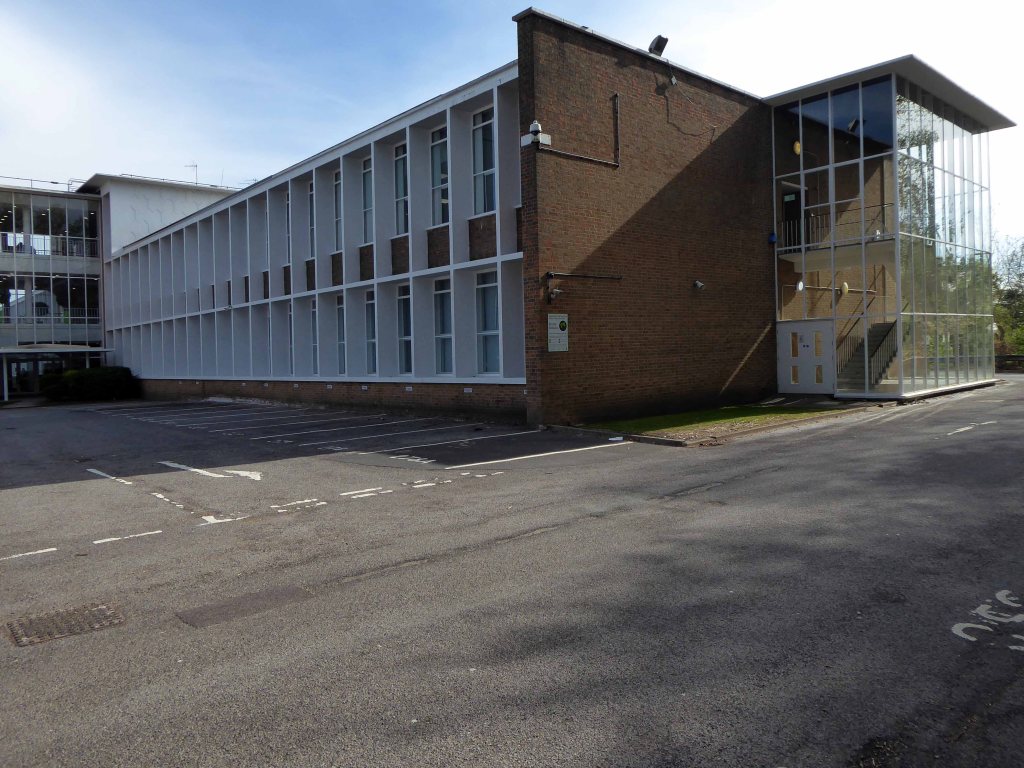
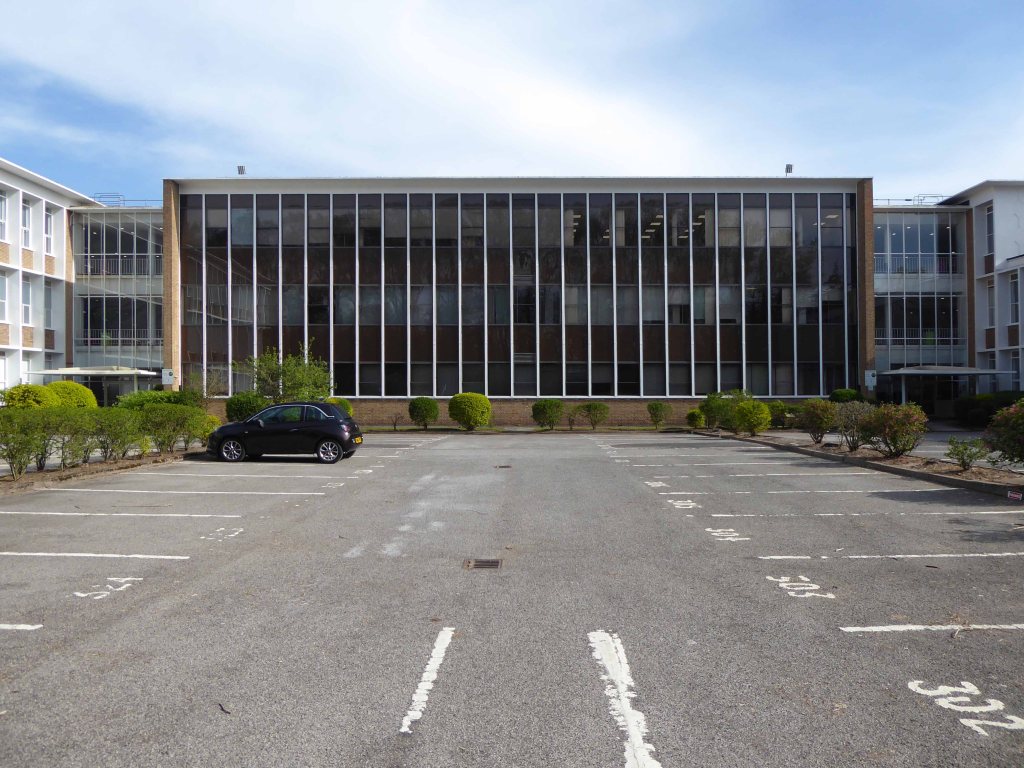
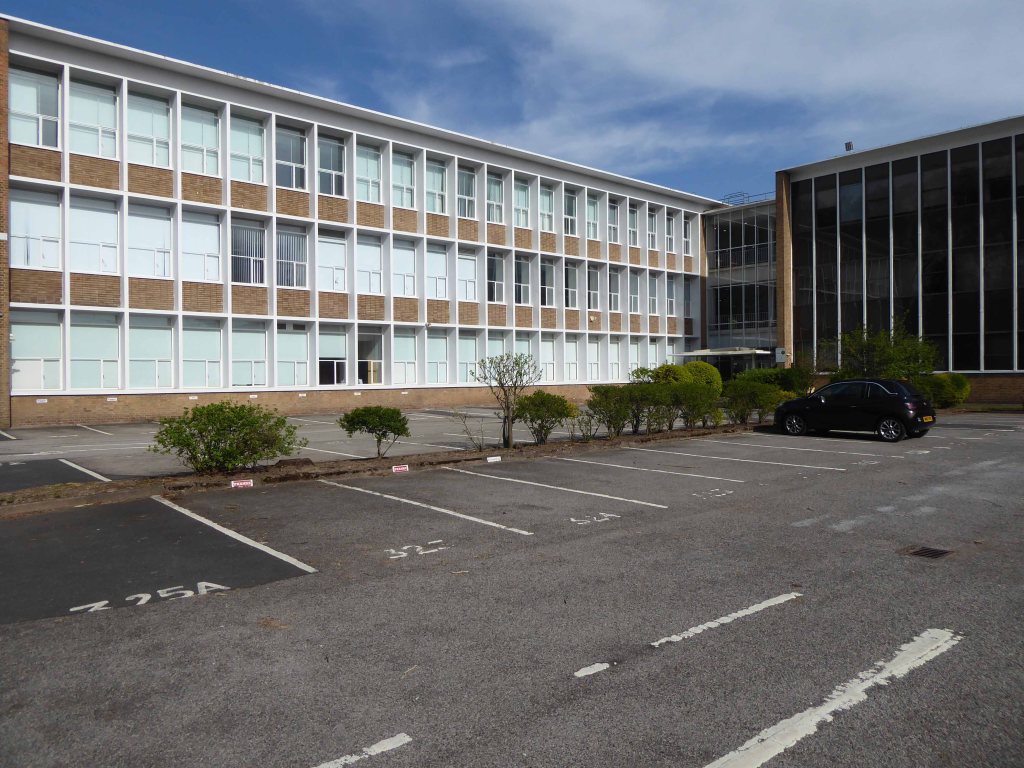
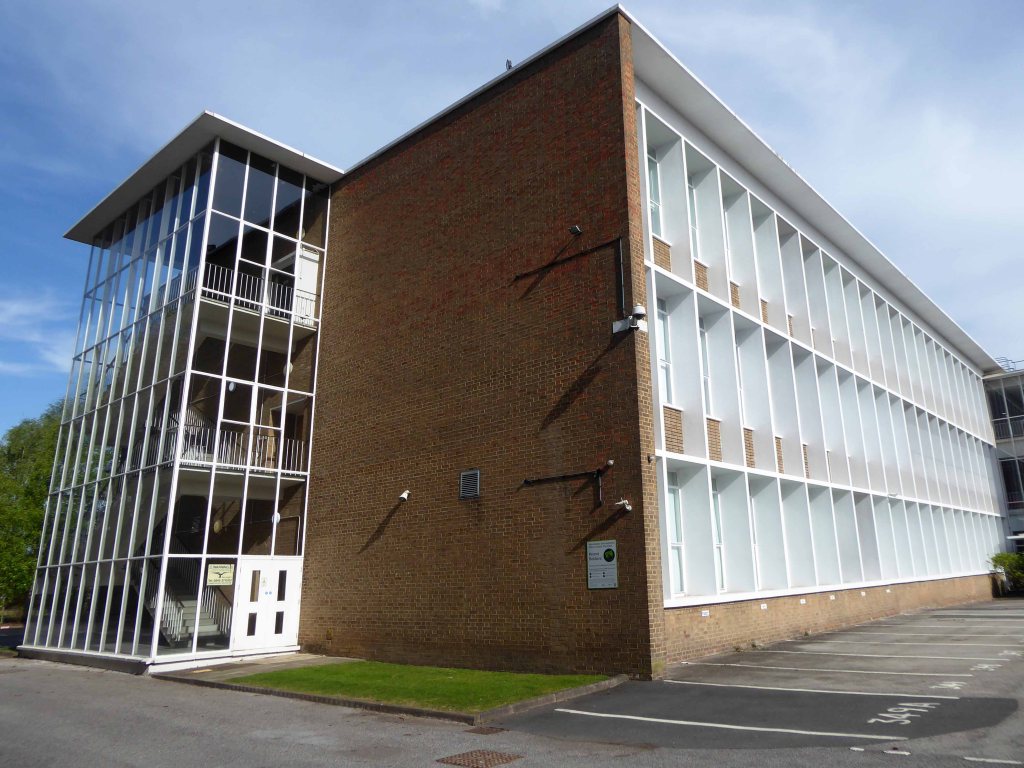
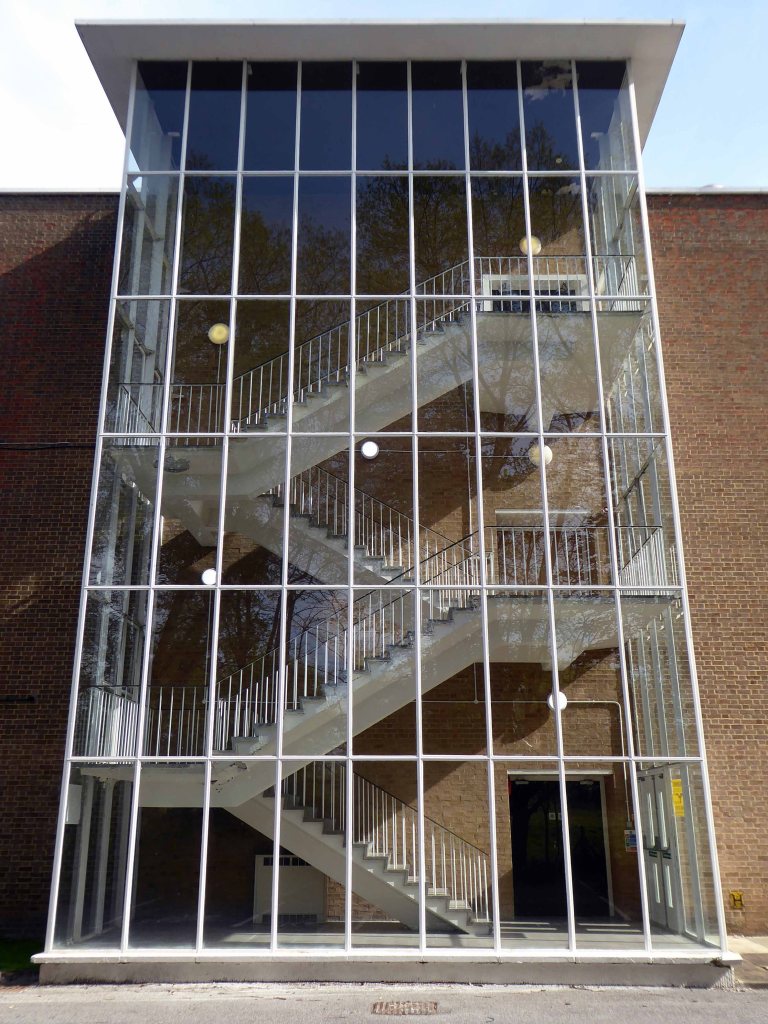
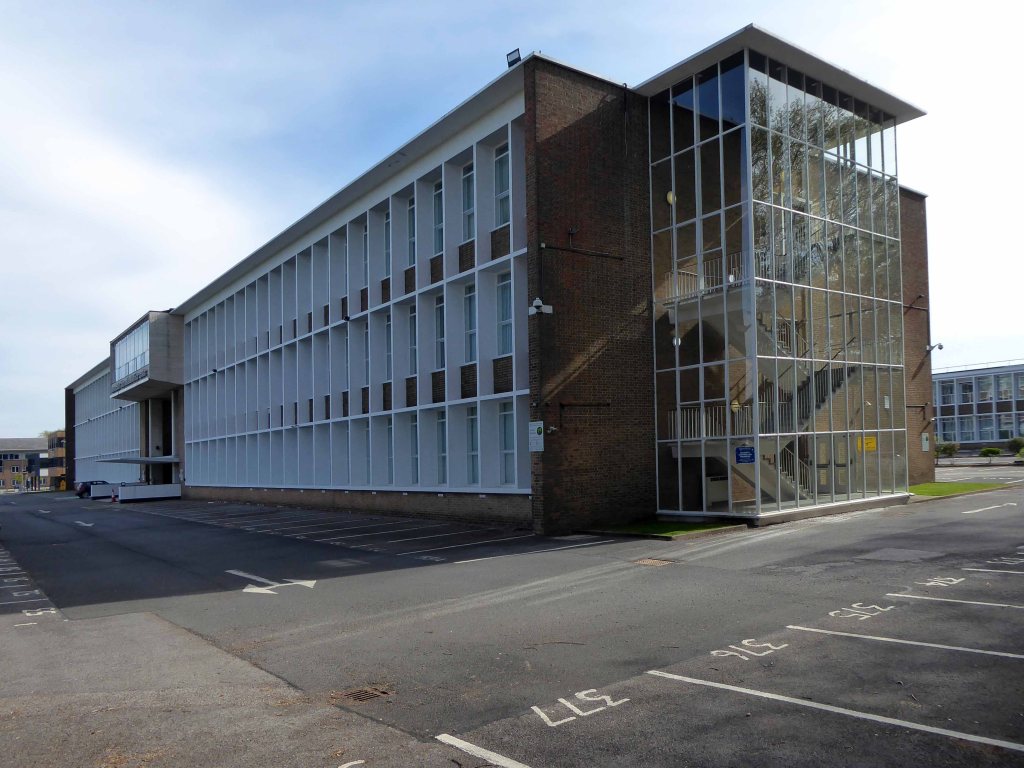
Renold Chains were once a huge firm employing thousands in south Manchester, their main factory at Burnage, now demolished to make way for a supermarket. This grouping was designed as the administrative headquarters for the company and was in receipt of an RIBA Architecture Bronze Medal in 1955. The scheme, of two parallel wings connected by a central hub running perpendicular, now seems fairly pedestrian, though still exudes some presence by virtue of the evident control in the design and construction of relief within the main façade. This building, though, actually points toward the moment where Cruickshank & Seward were turning, with the rest of the profession, toward new engineered, curtain walling solutions. The three storey glazed stair towers are made of a relatively fine steel section glazing bar and are clearly expressed at the ends of the blocks; these perhaps pre-empt the altogether more refined towers at the Renold Building and Roscoe Building of the Universities. The third floor boardroom was also positively expressed as a curved solid, cantilevered above the entrance canopy. That the building was developed in such close proximity to the airport has ensured its continued viability as office and conferencing space. The firm also delivered the adjacent building for the same client in the 1970s.

Mainstream Modern

Four weeks into a pandemic – cycling somewhere else. I turned off and into the grounds of the former Renold House, currently trading as Manchester International Office Ccentre.

Manchester International Office Centre (MIOC) is a prominent landmark office building extending to some 100,000 sq ft which provides occupiers with high quality space ranging from suites of 450 to 8,000 sq ft.

The building has undergone a complete internal transformation with a total refurbishment of the reception and common areas. The office suites provide a superb working environment in line with the demands of todays occupier.

On arriving home I hungrily rustled up a few RIBA Archive images from 1954.

Much remains intact – though gone is the concrete grid and glass brick insertions of the 1954 central section – replaced with a slick glass and steel skin.

And there are unpleasant intrusions made by the fitting of contemporary security and lighting – using intrusive exterior conduit.

It’s a sunny day with a southwest light – there’s nobody about, let’s take a look around.

William Mitchell – Collyhurst

It’s April 2020 and I’m here again.

Having been before and before and before.

It’s lockdown so we can’t go far, so from home in Stockport to Collyhurst is within my daily exercise allowance.

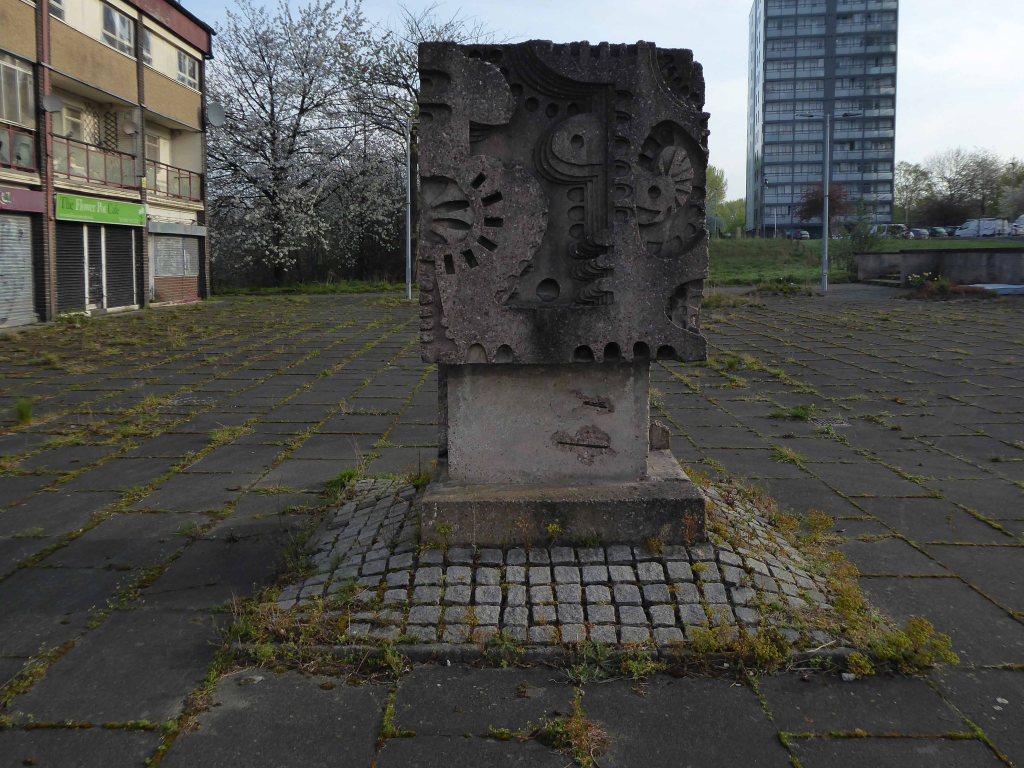
There is talk of relocation for the diminutive Mitchell totem, but as of today no sign of any action – all is in abeyance.

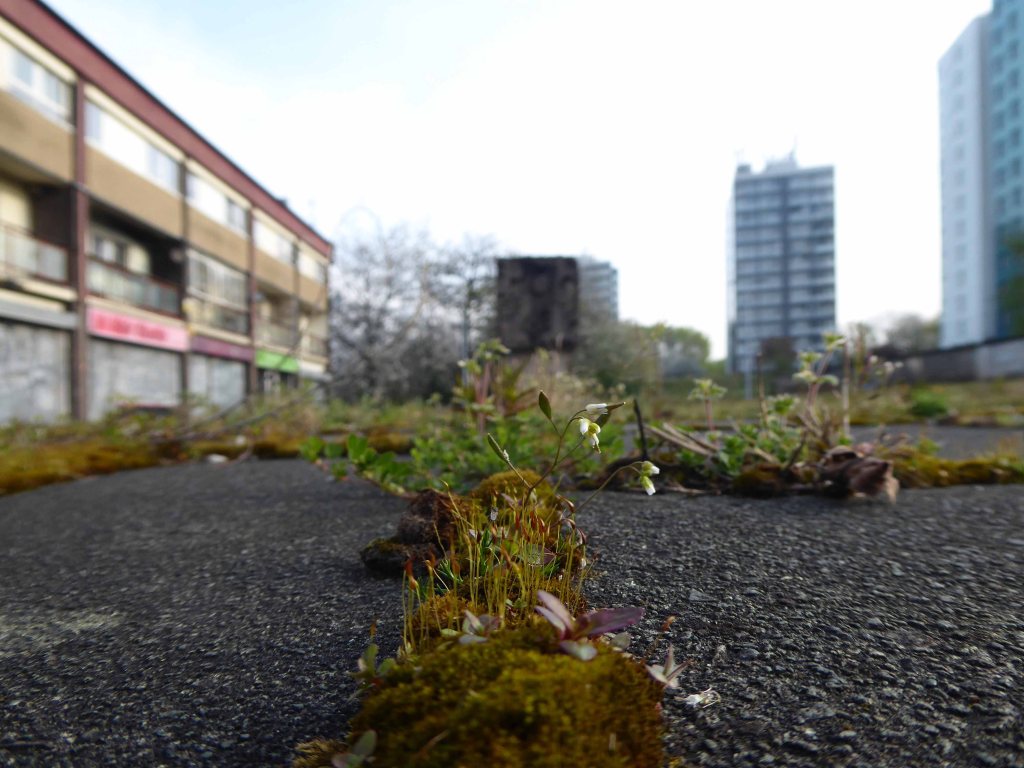
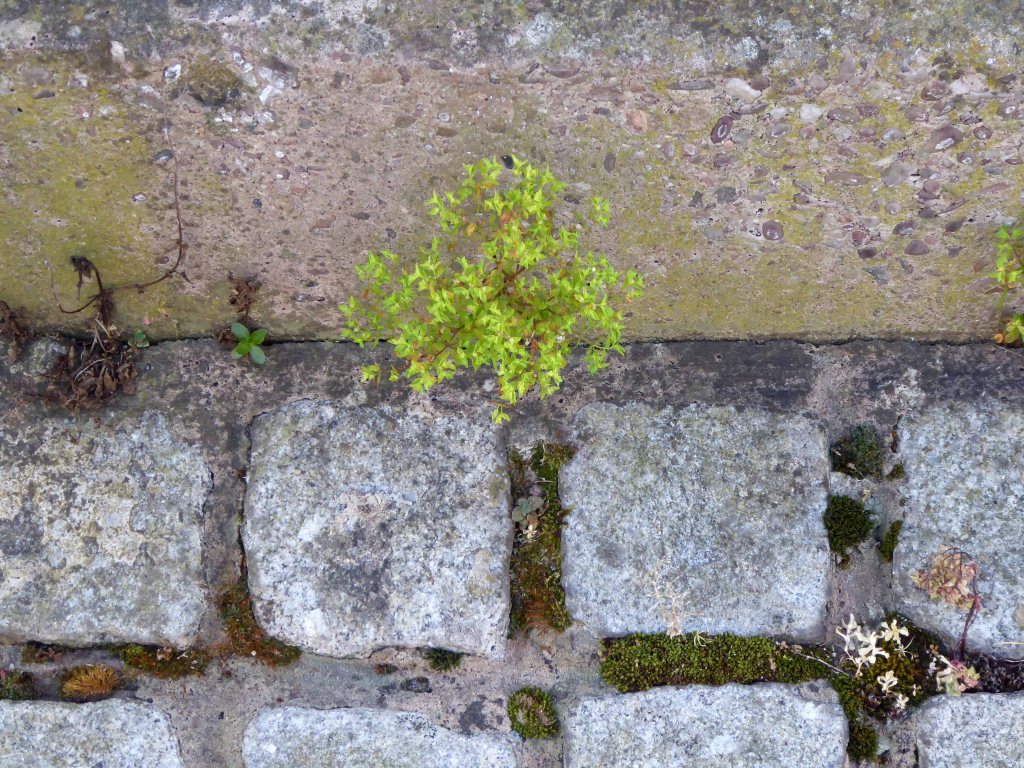
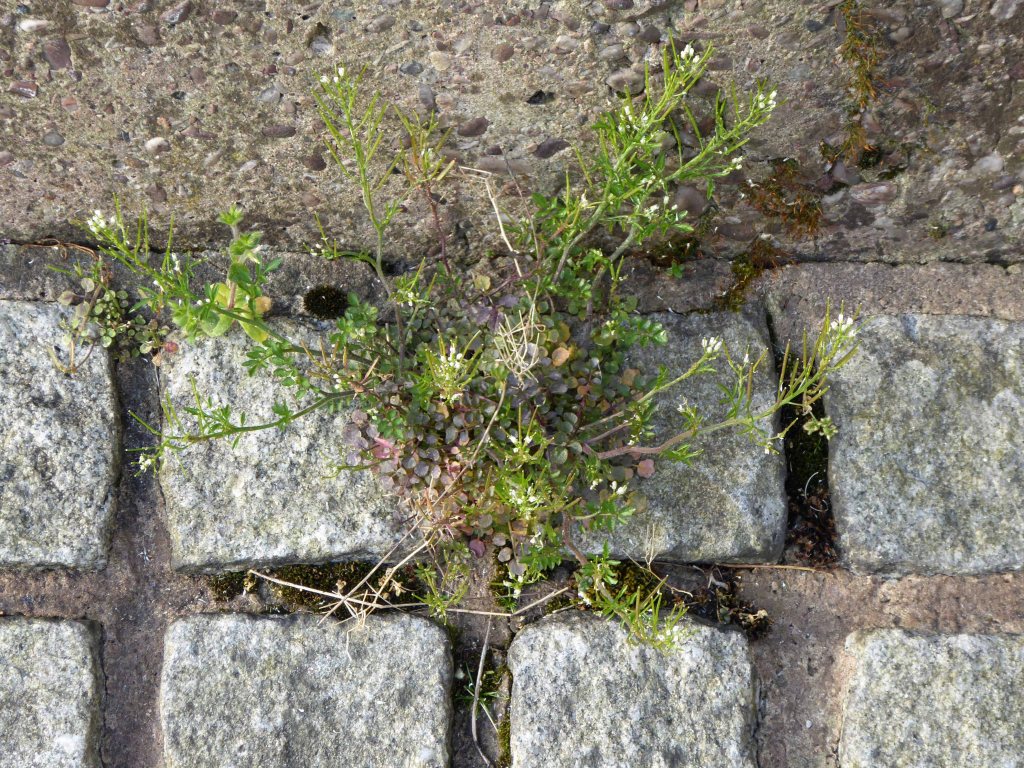
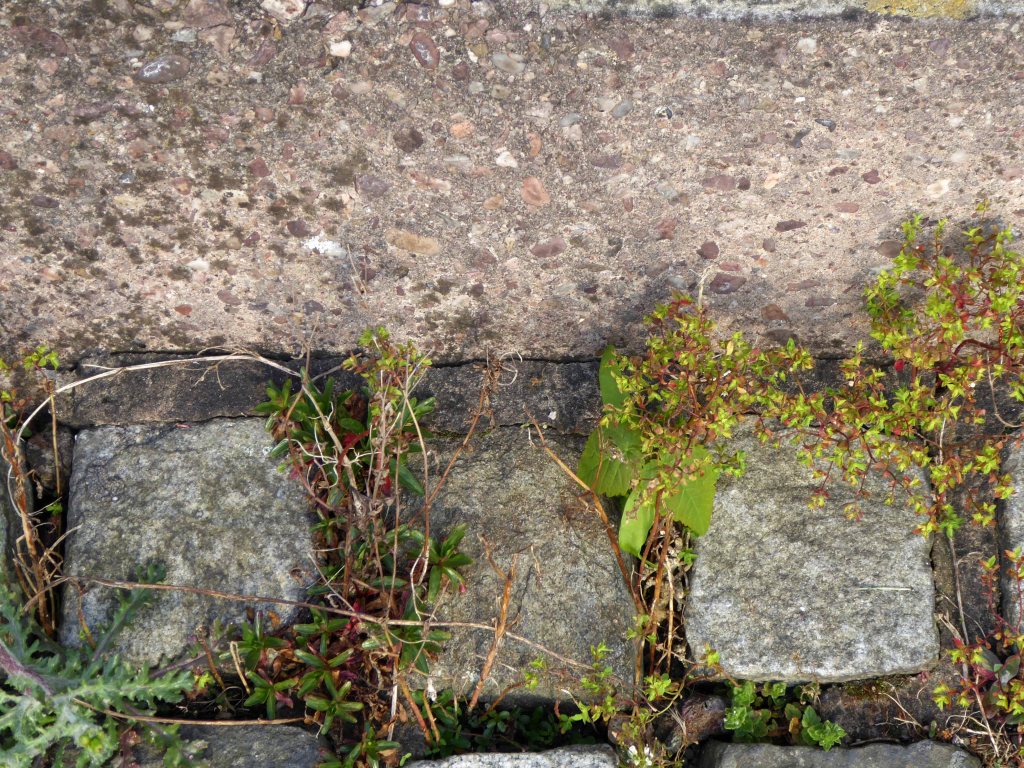
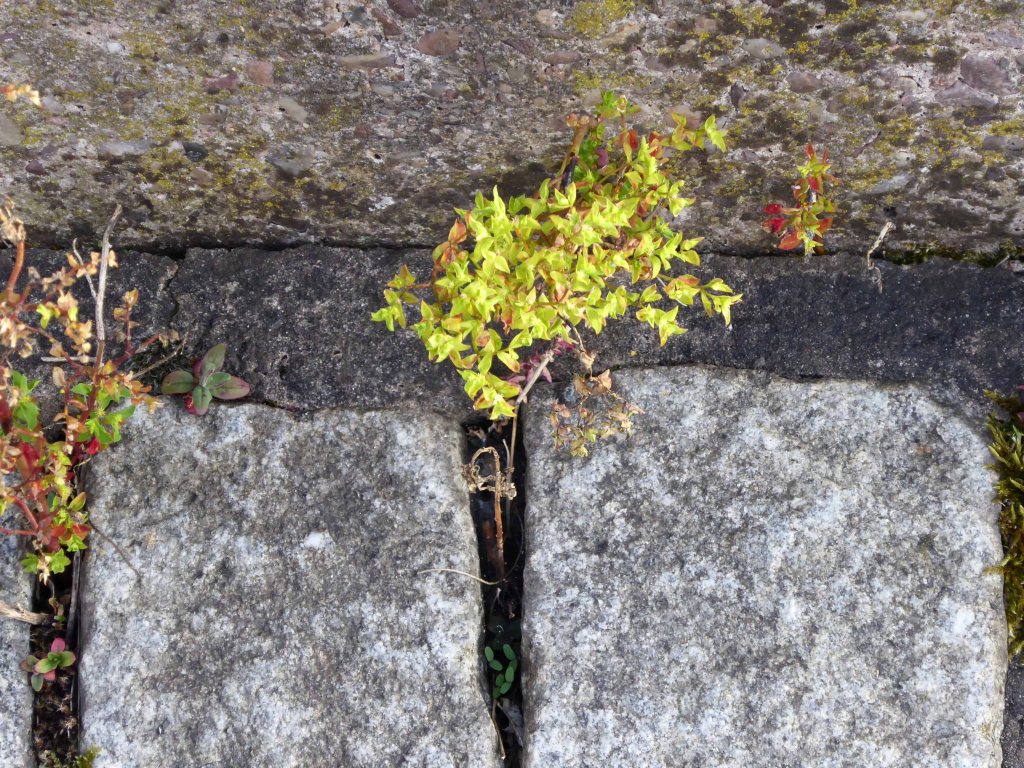
What we do see is the encroachment of flora, cleaner air, low or no level human activity encourages growth between the cracks.

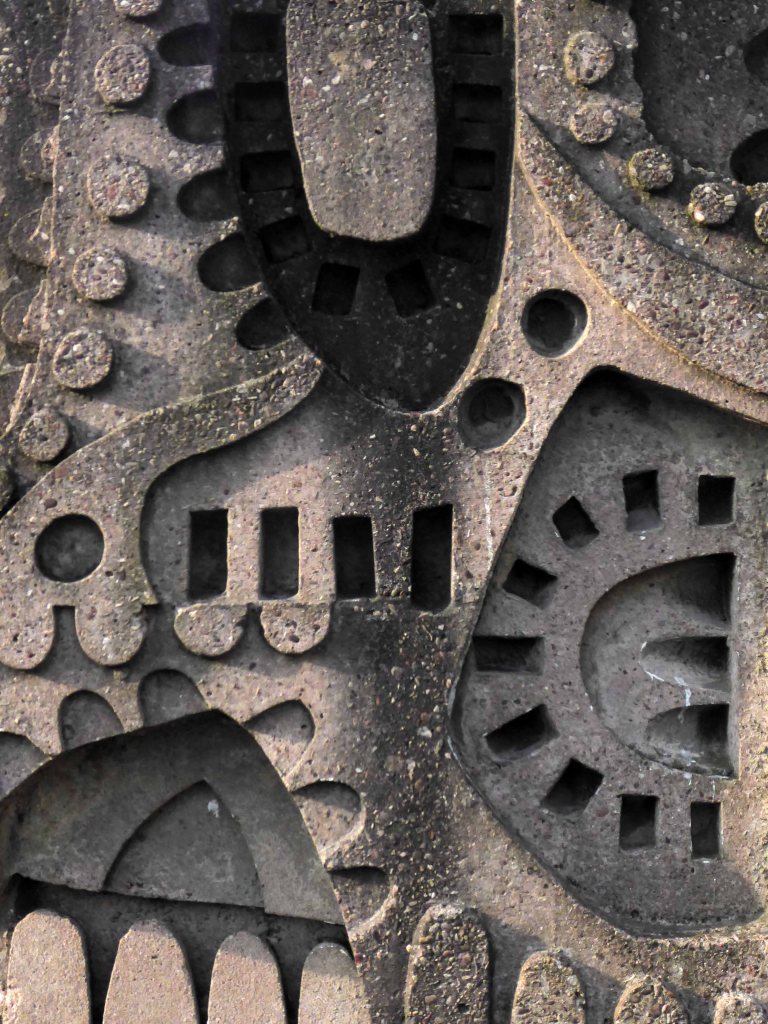
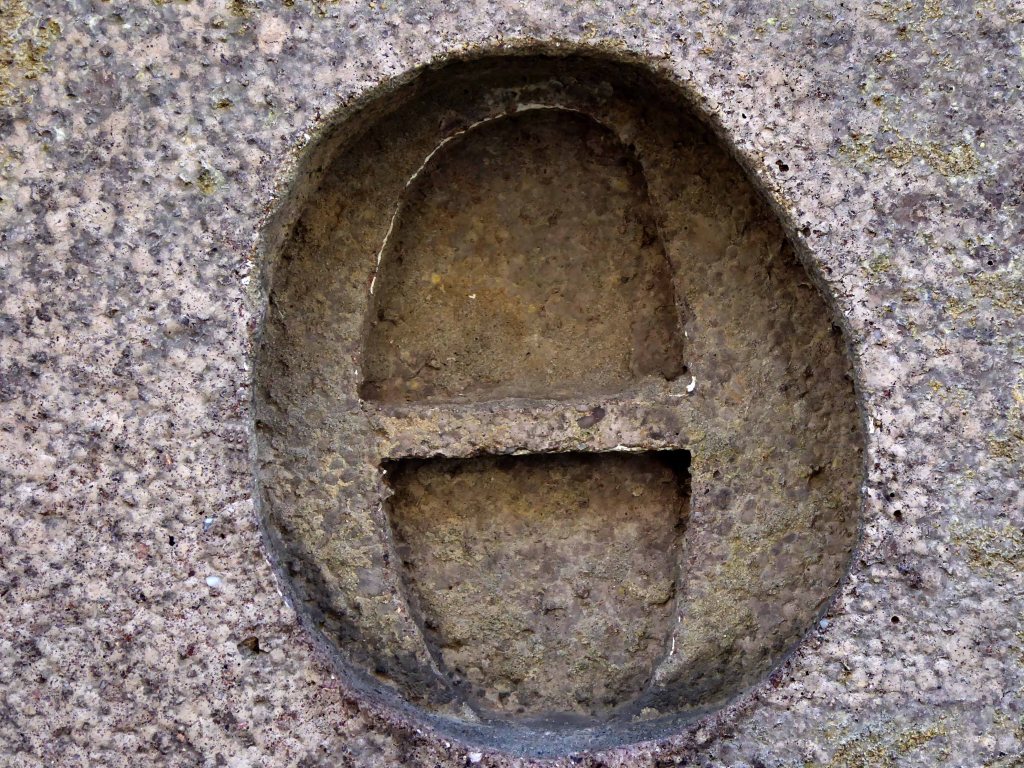
And at the base of the plinth

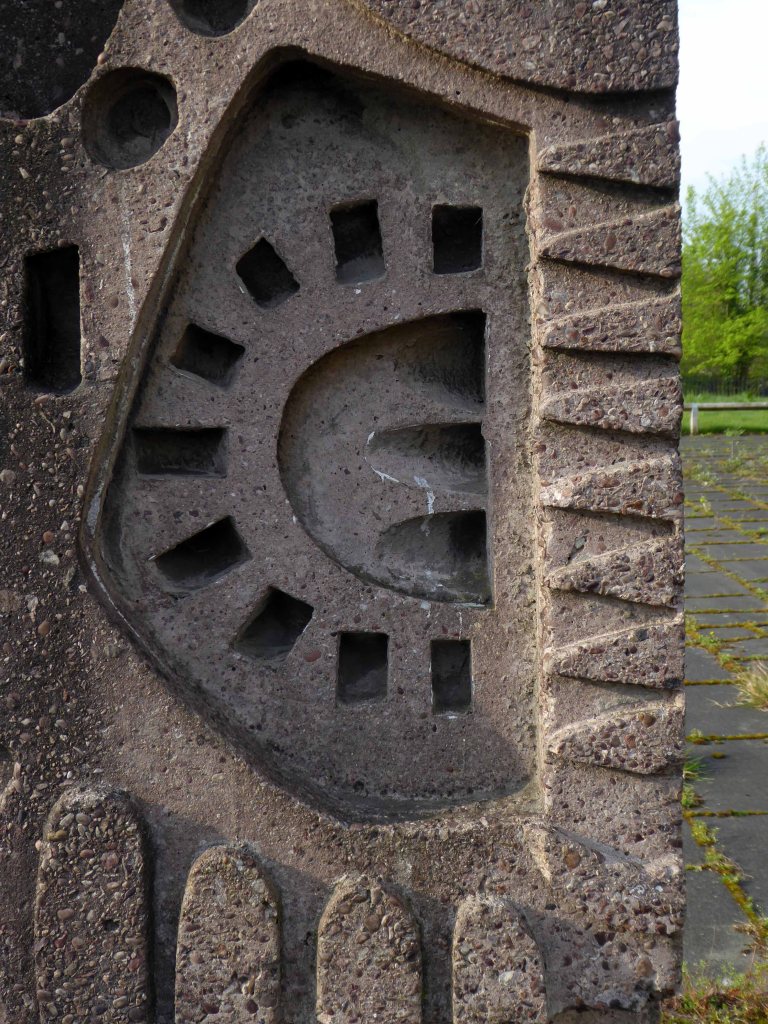
I took the opportunity to get in close.

Move around in a merry dance.

Quite something to spend time in an ever changing urban space – devoid of company, save for the calming sound of birdsong and the distant rumble of a distant train.

Lynemouth Pithead Baths

Pithead Baths 1938 by FG Frizzell.

Pebbledashed over white brick. Roofs part concrete slab, part glazed behind parapet. Irregular plan, Modern Movement style. Group of blocks of varying height round tall central tower with rounded, glazed stair turret. Walls mainly sheer, with plinth and slight roof projection.

Long block on east of tower has central south projection with glazed, banded steel double door under high strip of windows beneath eaves overhang. Taller storeroom to west has similar doors in 2 recessed banded glazed bays; and abuts on south-east corner of tower. Similar double doors in base of tower. Large lower south-western canteen wing abuts on west side of tower and has banded glazing around two sides above a projecting sill. Slightly-projecting 3-bay office section to north has steel cross casements; on its return another casement and a door with hollow-chamfered jambs and flat hood. Taller bath block behind. Wave pattern on rainwater heads.

Listed 18th December 1985 Historic England

FG Frizell was also responsible for the Elemore Colliery Pithead Baths in James Terrace Sunderland.

This is the youngest colliery in the neighbourhood, having commenced operations for the Ashington Coal Co Lt. in 1934. The shafts, which are situated comparatively near to the coast, are two in number, and both were sunk to the High Main seam level, which is 486 ft from the surface. The downcast No. 1 is 18 ft in diameter and is used for coal-raising on two shifts per day, and the upcast, which has a diameter of 15 ft, is used for ventilation and emergency man riding only.

The seams being worked are the High Main, the Diamond, the Main, and the Yard. Each of these seams shows practically the same nature of roof and floor as throughout the two neighbouring collieries and the distance between the seams is also comparable. They are, of course, found at slightly greater depths at Lynemouth, the Yard seam, for example, being 660 ft. below the surface near to the shafts, as compared with some 300 ft. at Ellington.

Durham Mining Museum

April 1962

It was one of Britain’s largest collieries until it was closed in 1994.

I was cycling the coast in July 2012 and happened by, seeing the tower of the baths from an adjacent path, passing by the faded signage.

Into the raw expanse of a now empty post-industrial landscape.

And on towards the bath house.

I am not by nature an urbex urban explorer, simply an explorer.

Entering the open site, I was well aware of the significance of the building and its history – working lives that had constructed the baths, entered and left through those very same doors.

Homes of Distinction – Heald Green

We begin our journey through bricks and mortar, domestic fashions and fads, time and tide in Rainham.

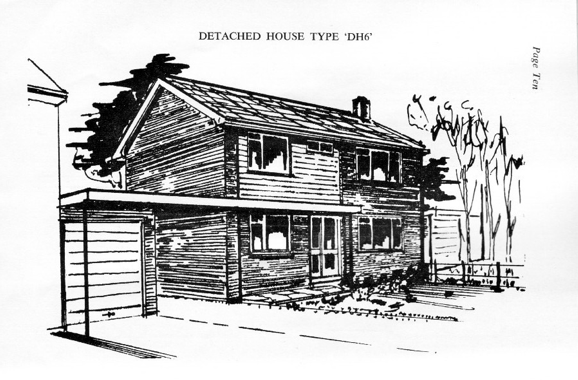
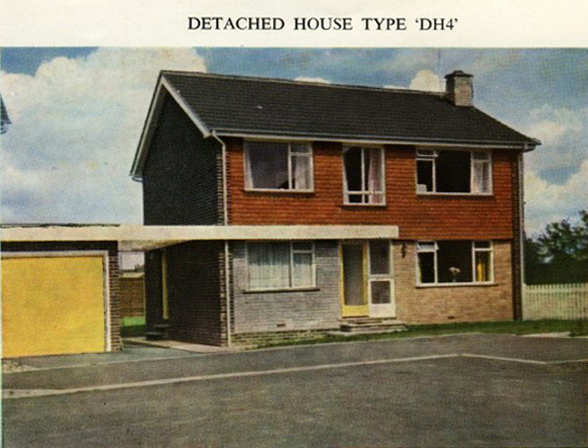
Ward’s Construction, along with many others throughout the country, offer the aspirational suburbanite an opportunity to own the very latest in modern design.

Large open plan rooms lit by large open glazed windows, quality cladding – mixing traditional materials with go ahead get it now design. Double fronted, remote garage, modest manageable, grassed gardens.

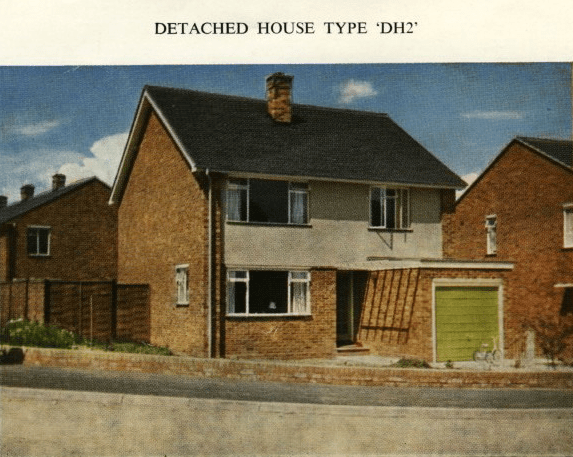
For those on slightly more limited means the DH2 offers affordable modernity, along with everything you would expect from a Ward’s Home.

Homes of distinction.

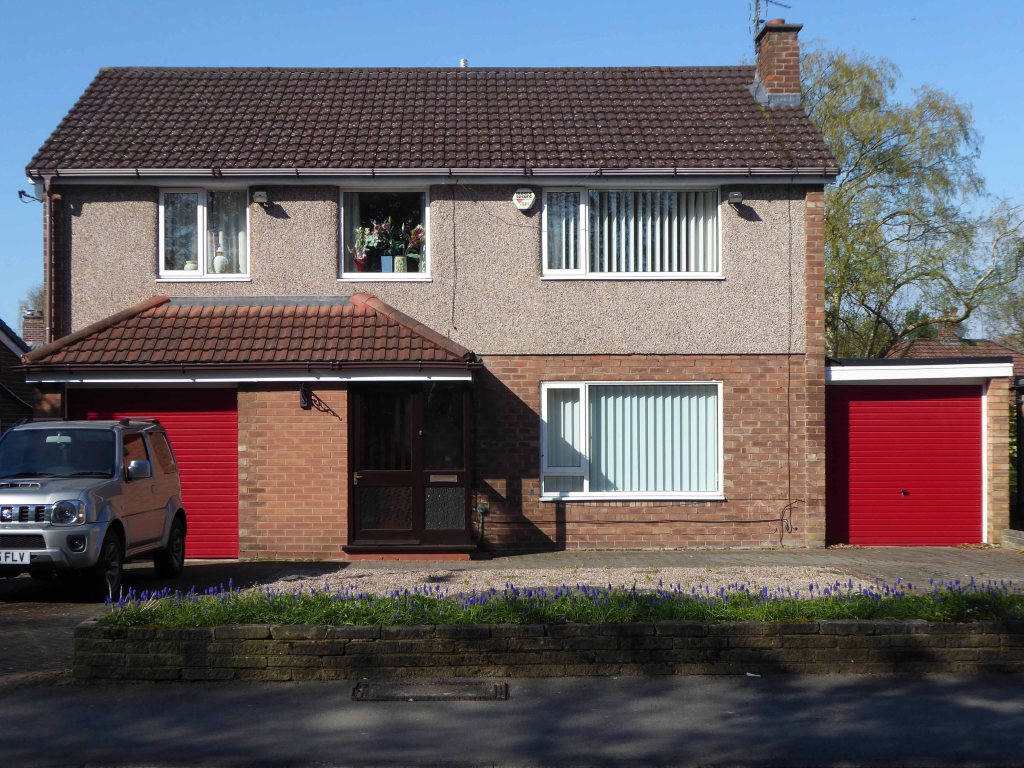
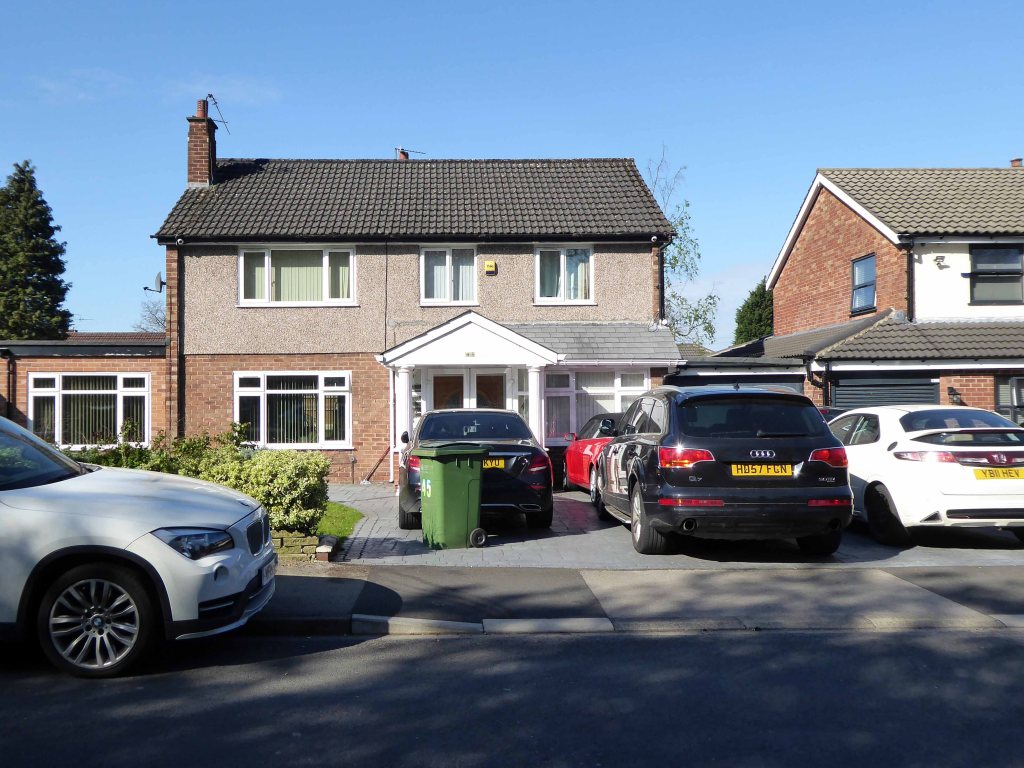
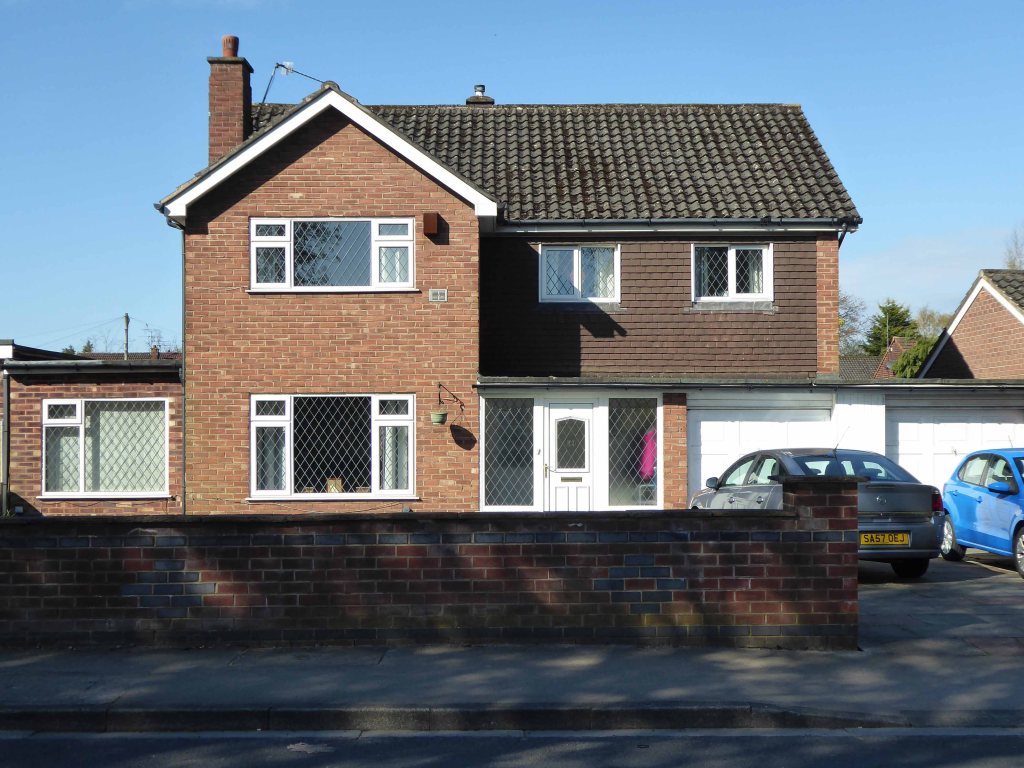
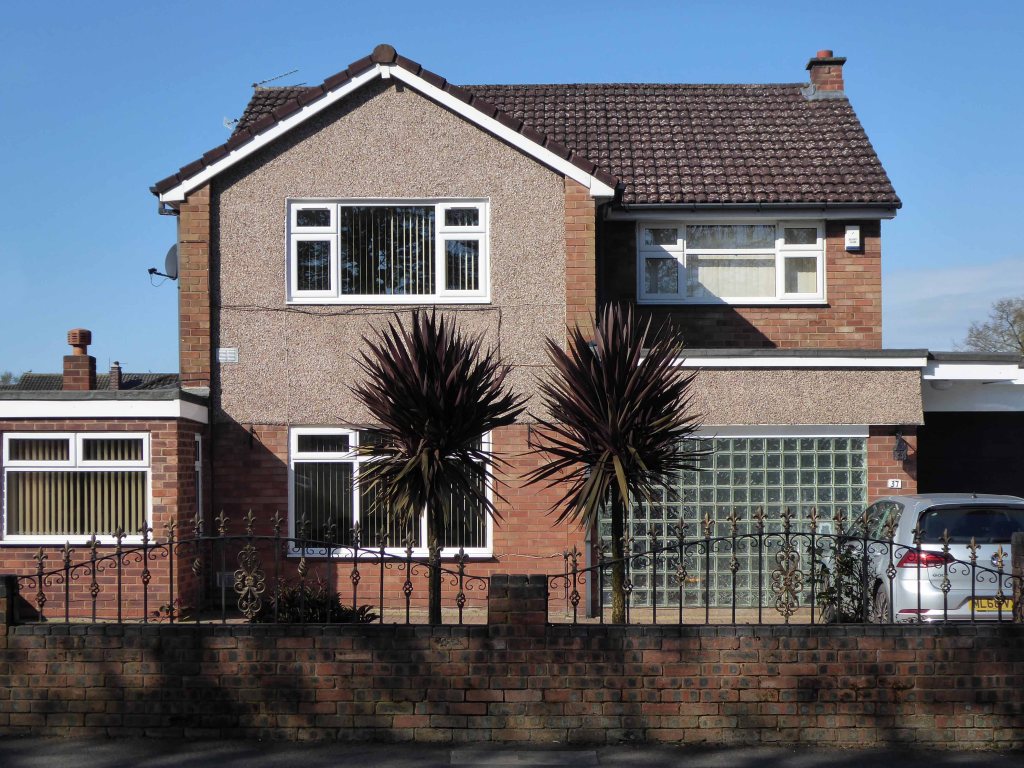
Fast forward to April 2020 – St Ann’s Road Heald Green Cheshire

National Cycle Route 558 brings me here – sanctioned lockdown exercise for the mobile moocher.

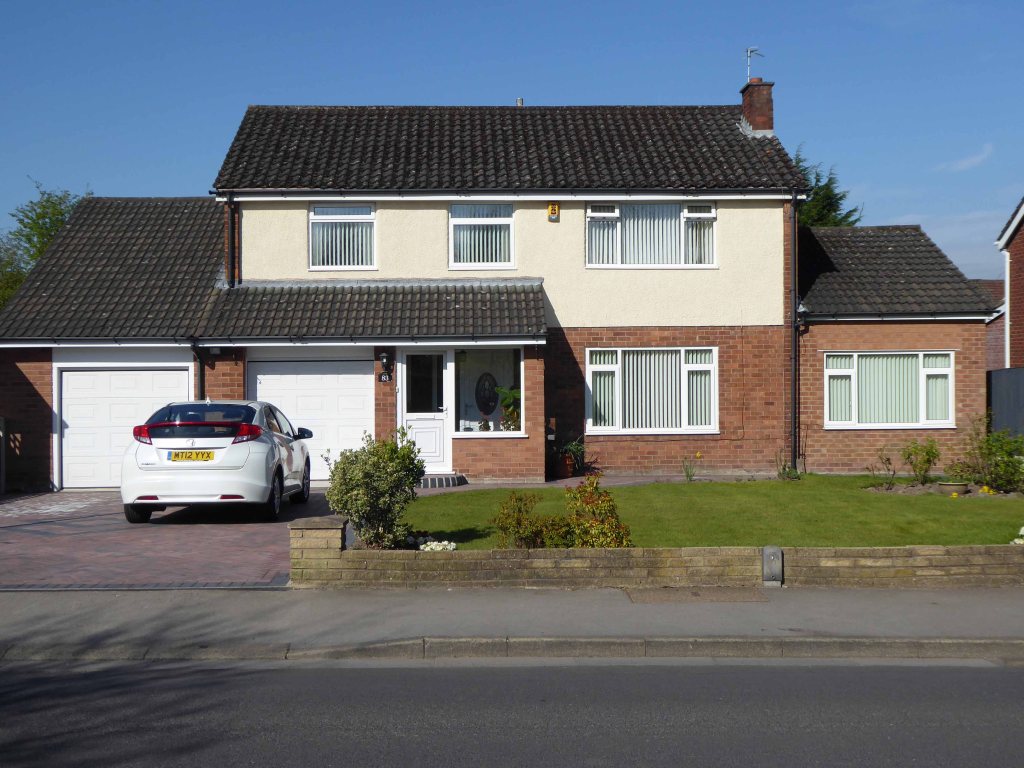
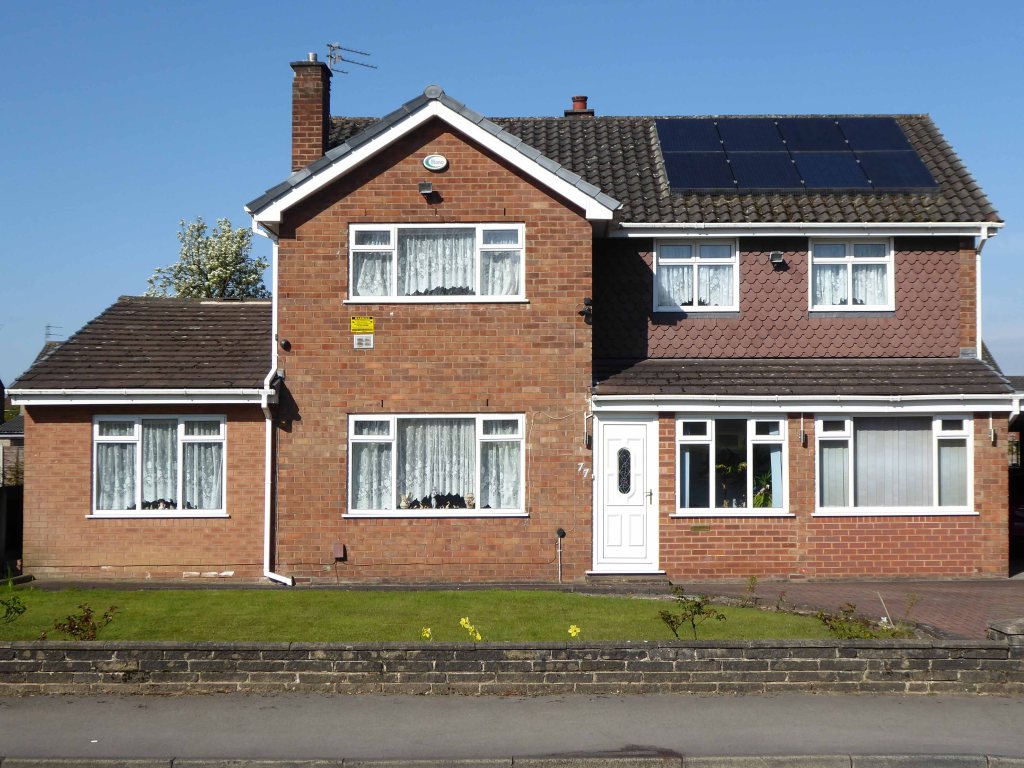
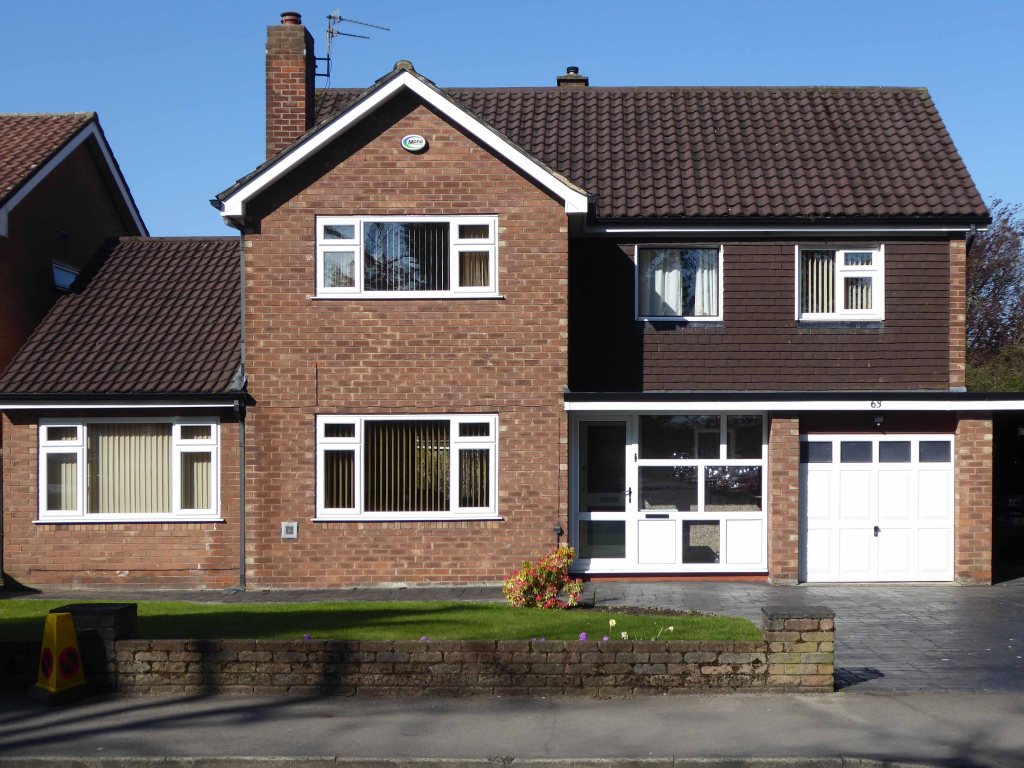
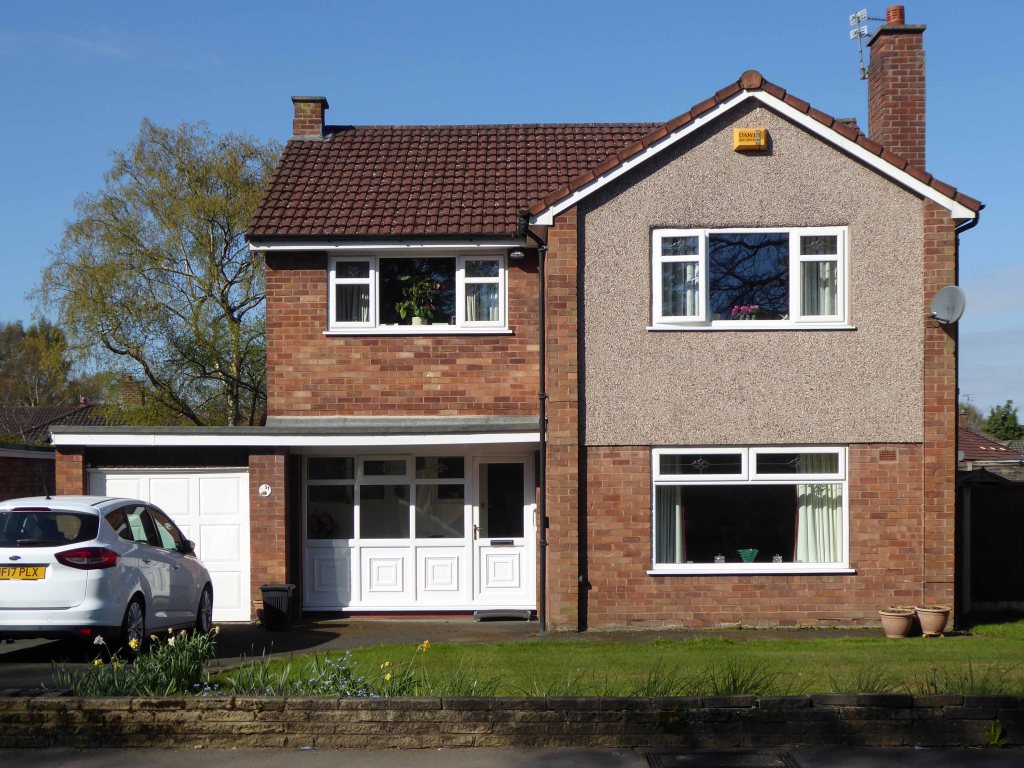
In the sixty or so years that have passed something has happened to those suburban dream homes.

An ever expanding middle class fuelled by bigger pay packets, low, low, lower taxation and bumper inheritance payouts, wants more.

More house, more car, more style – conspicuous consumption of everything and more – extend yourself, express yourself!

Right here in one unexceptional road is the apotheosis of today’s Homes of Distinction.

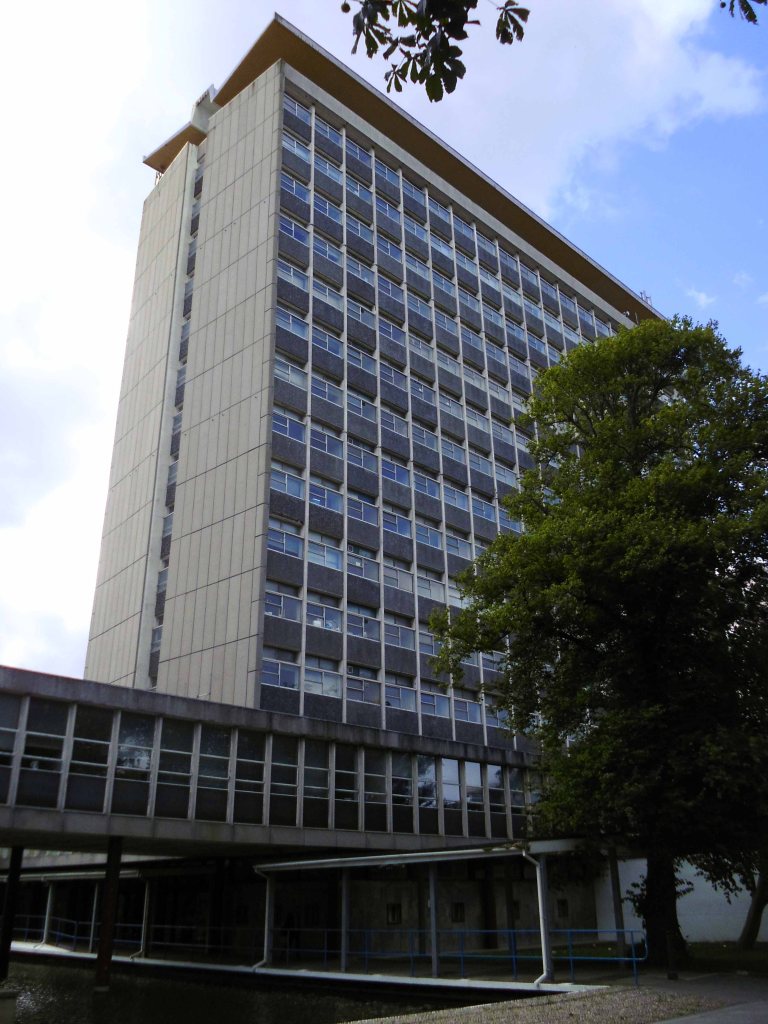
Civic Centre – Plymouth

Council House former Civic CentreArmada Way Plymouth PL1 2AA

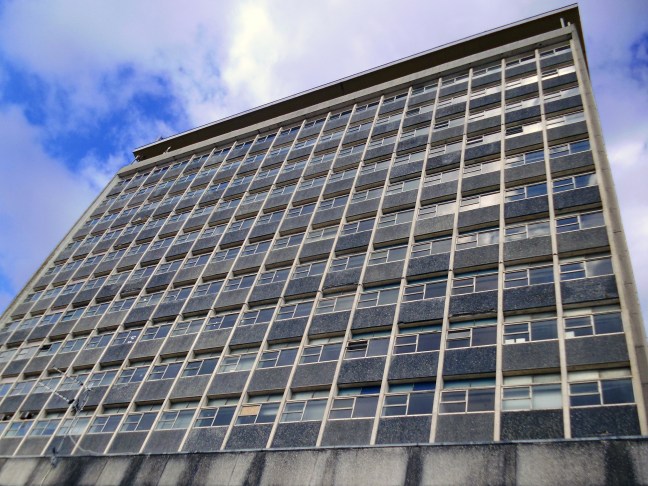
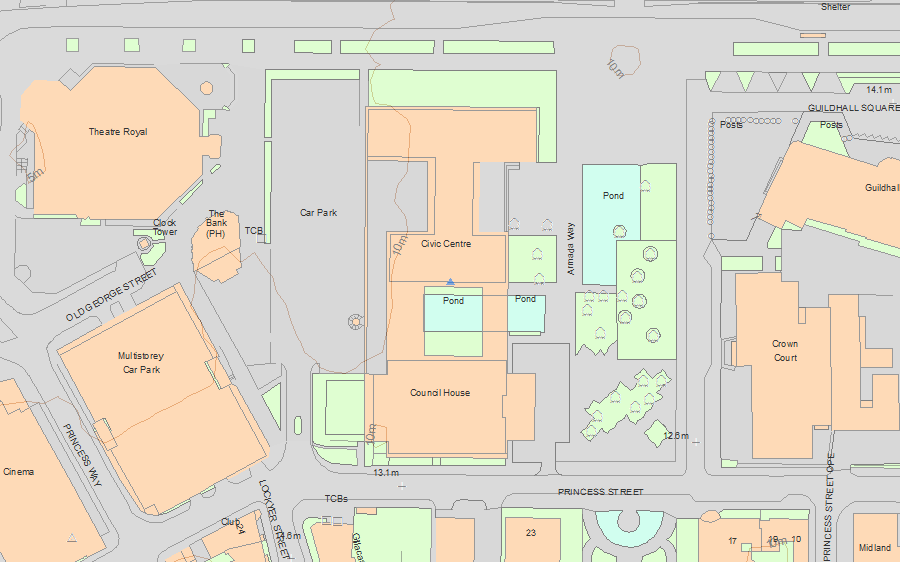
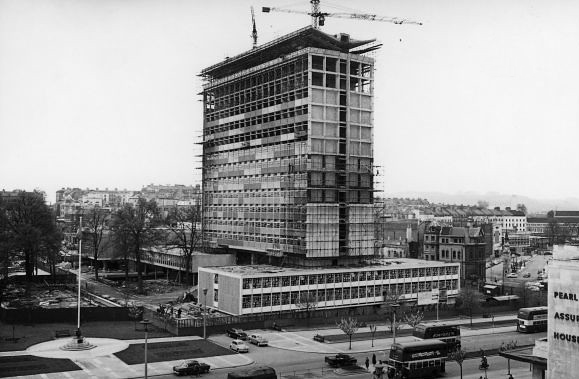
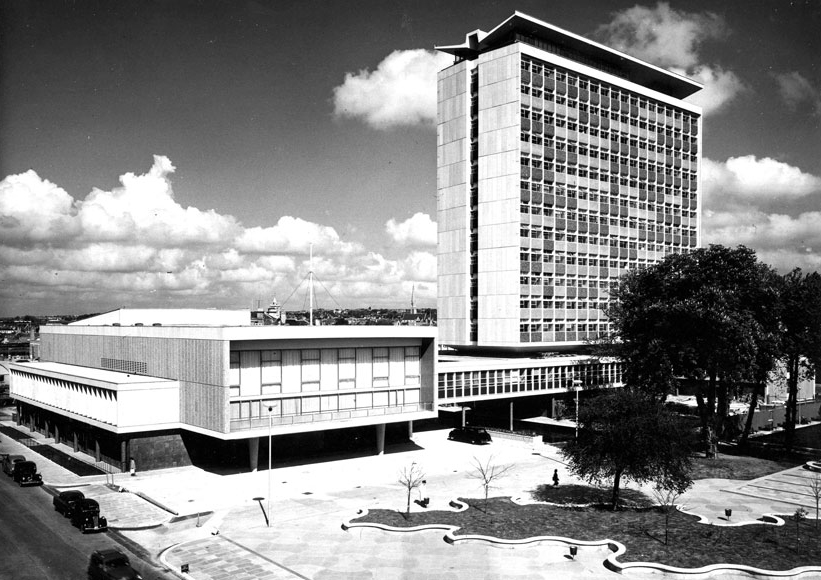
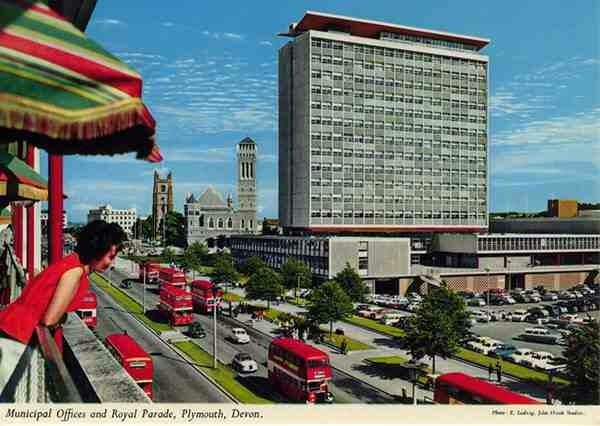
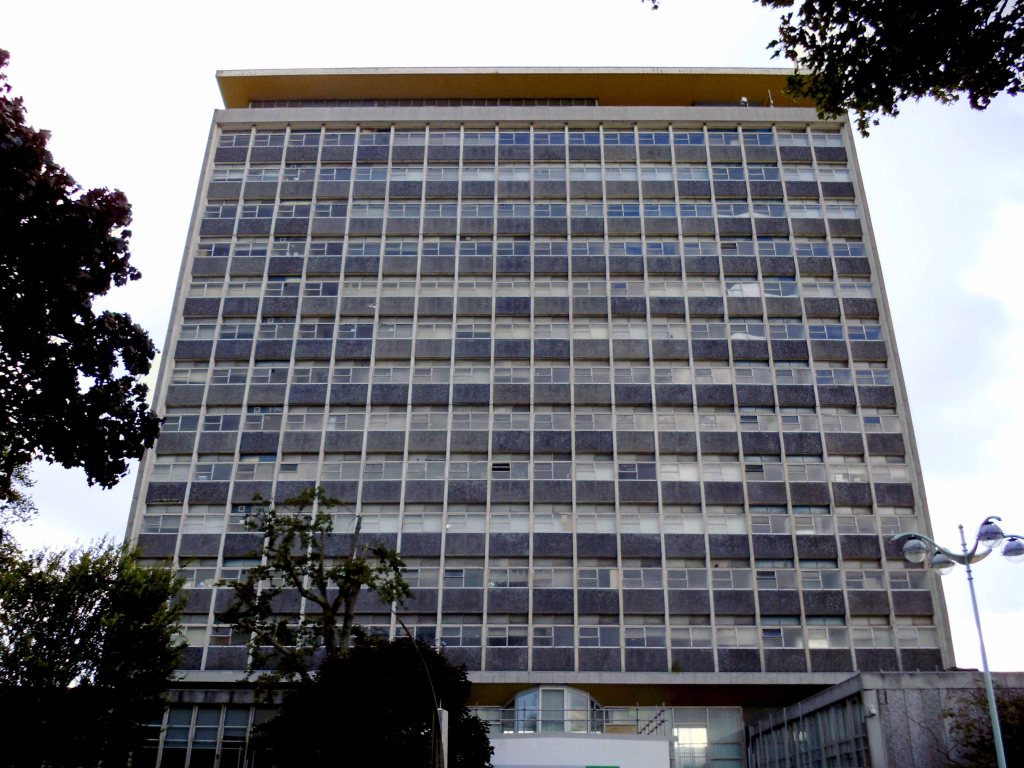
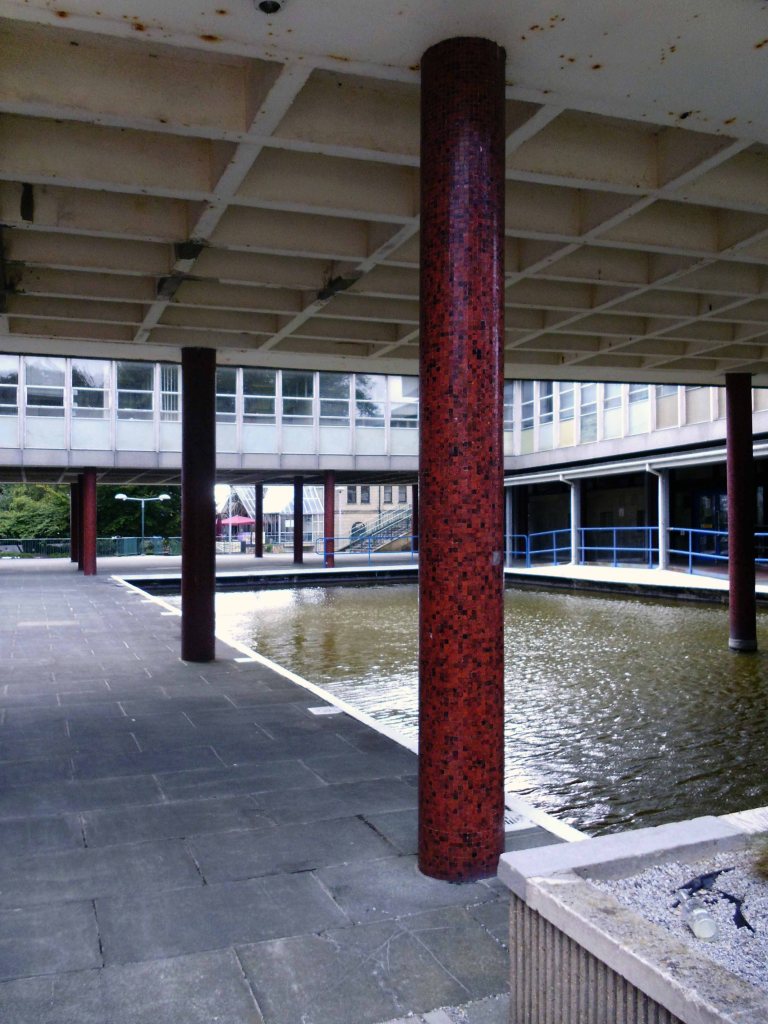
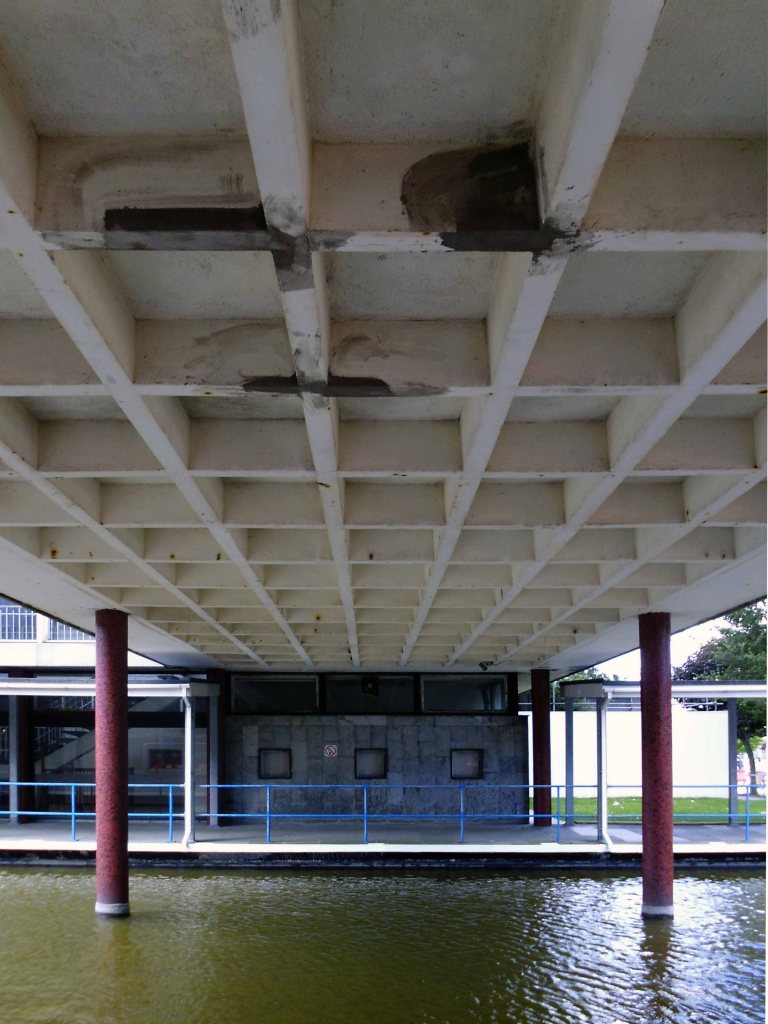
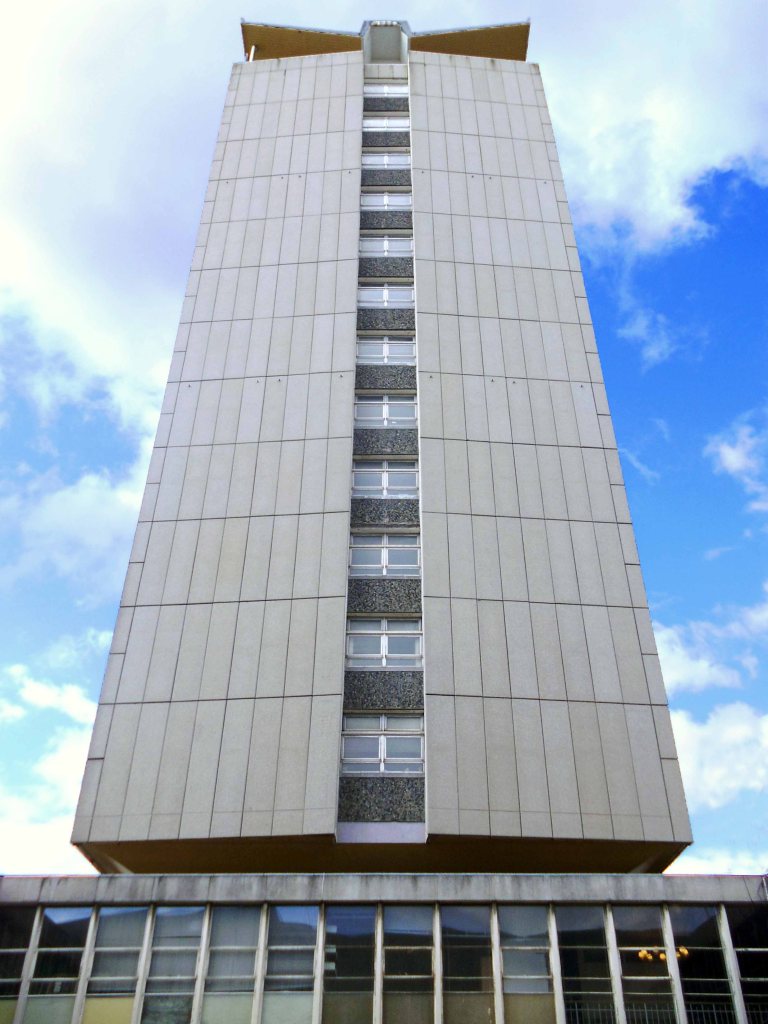
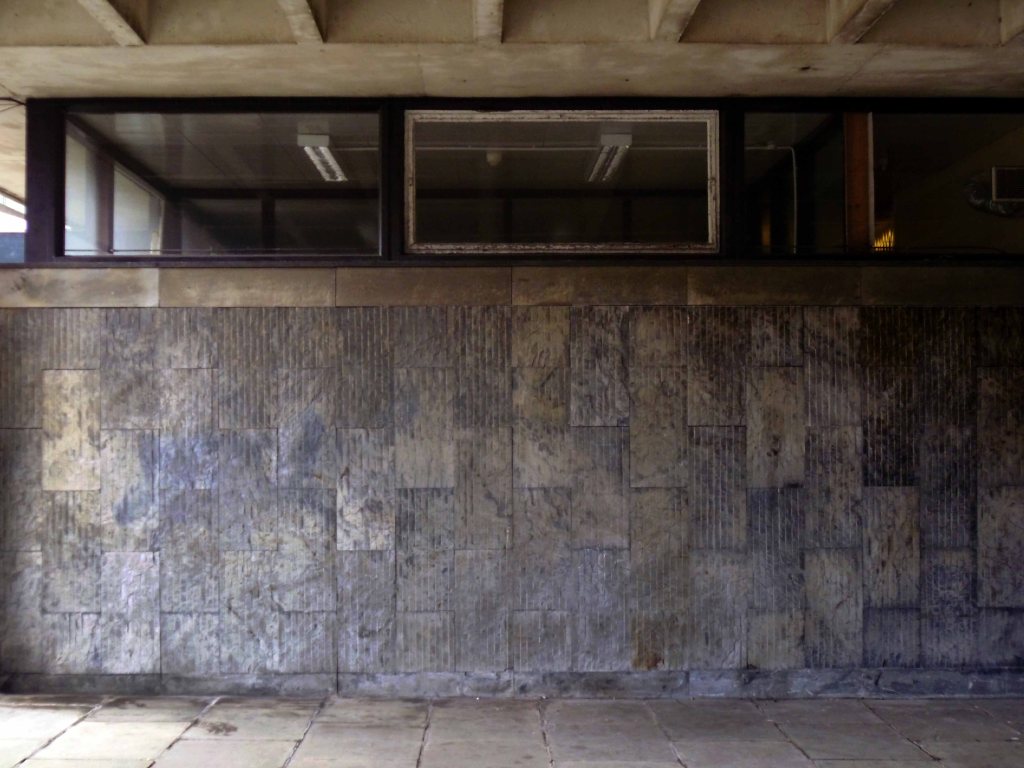
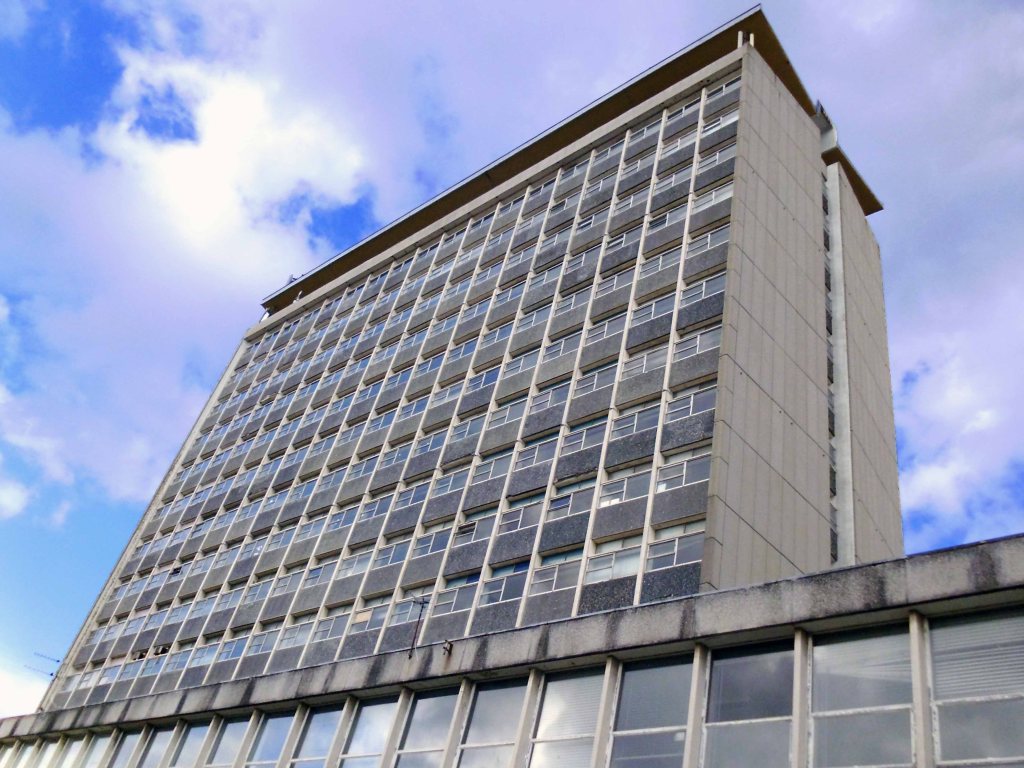
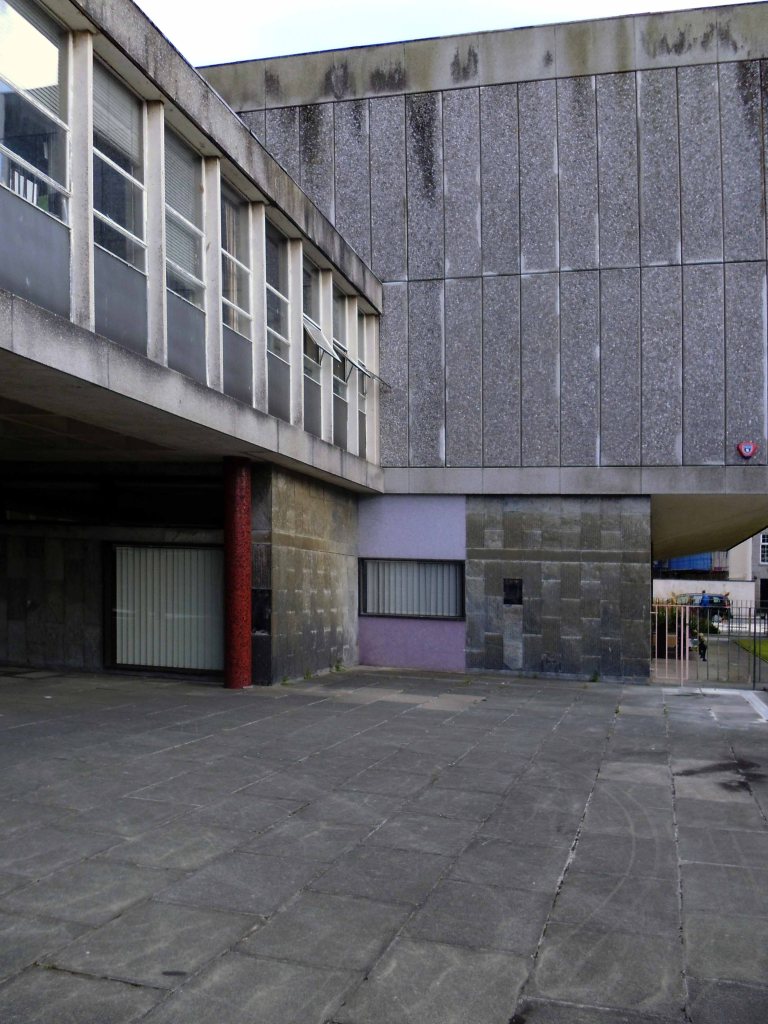
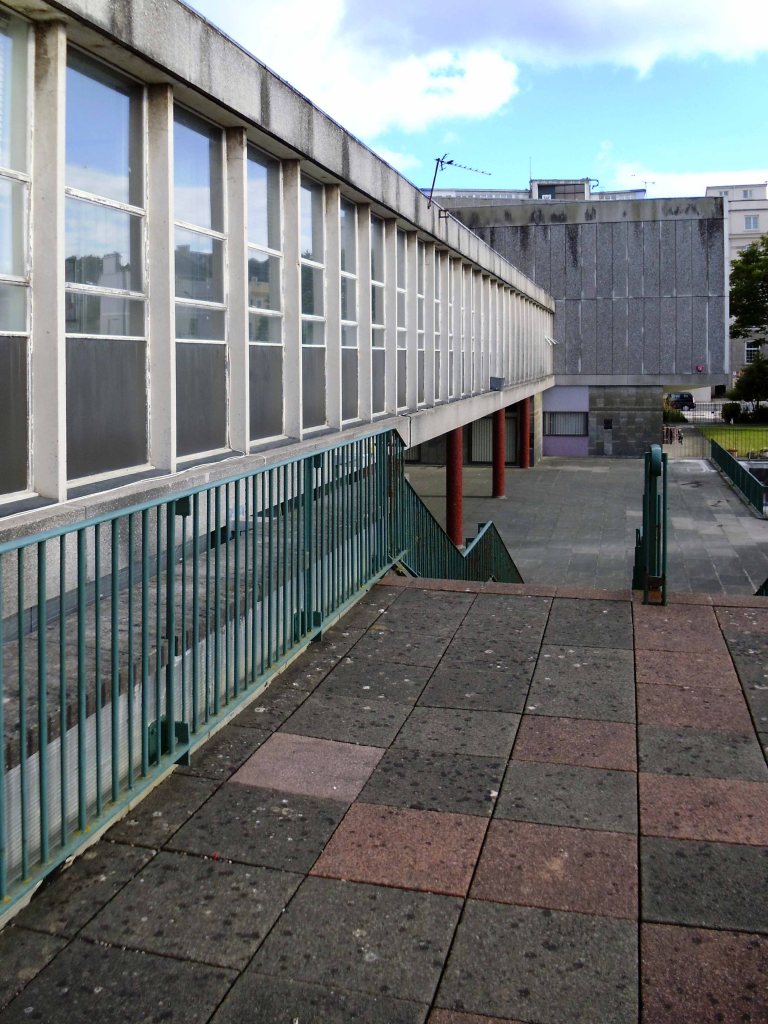
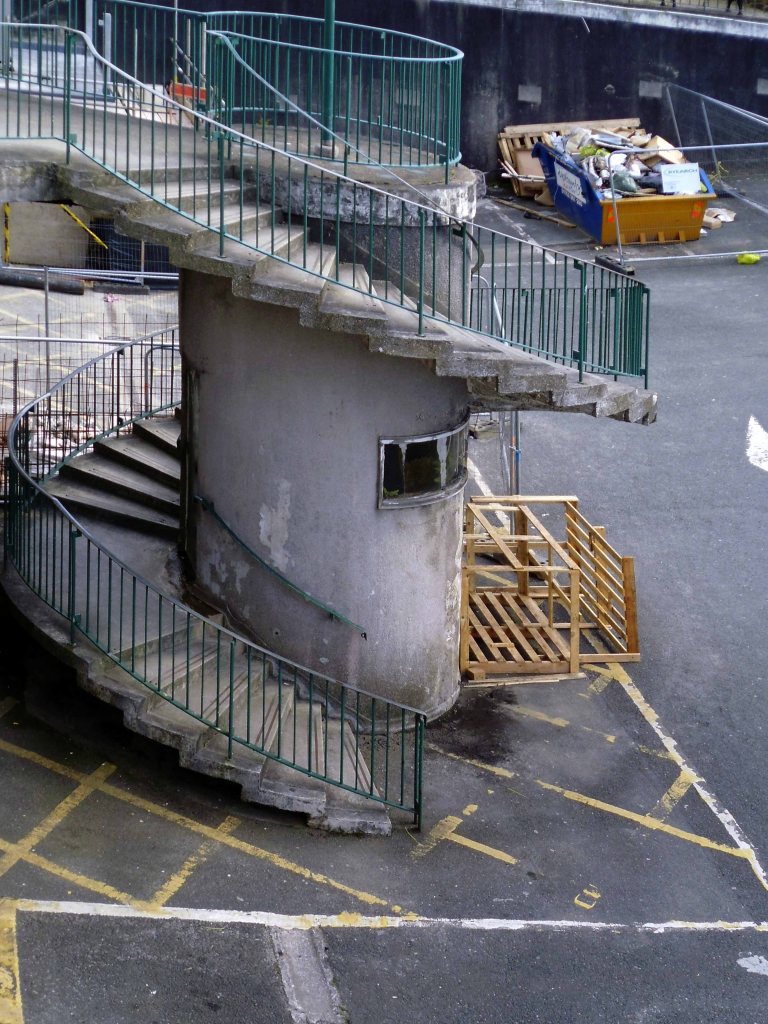
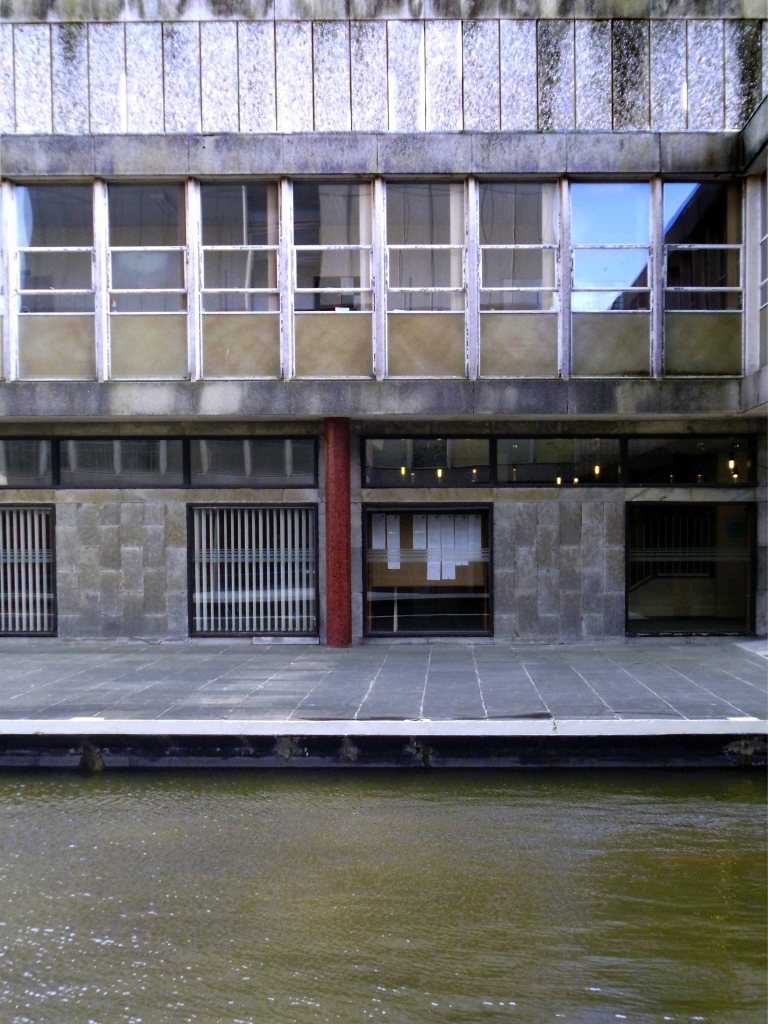
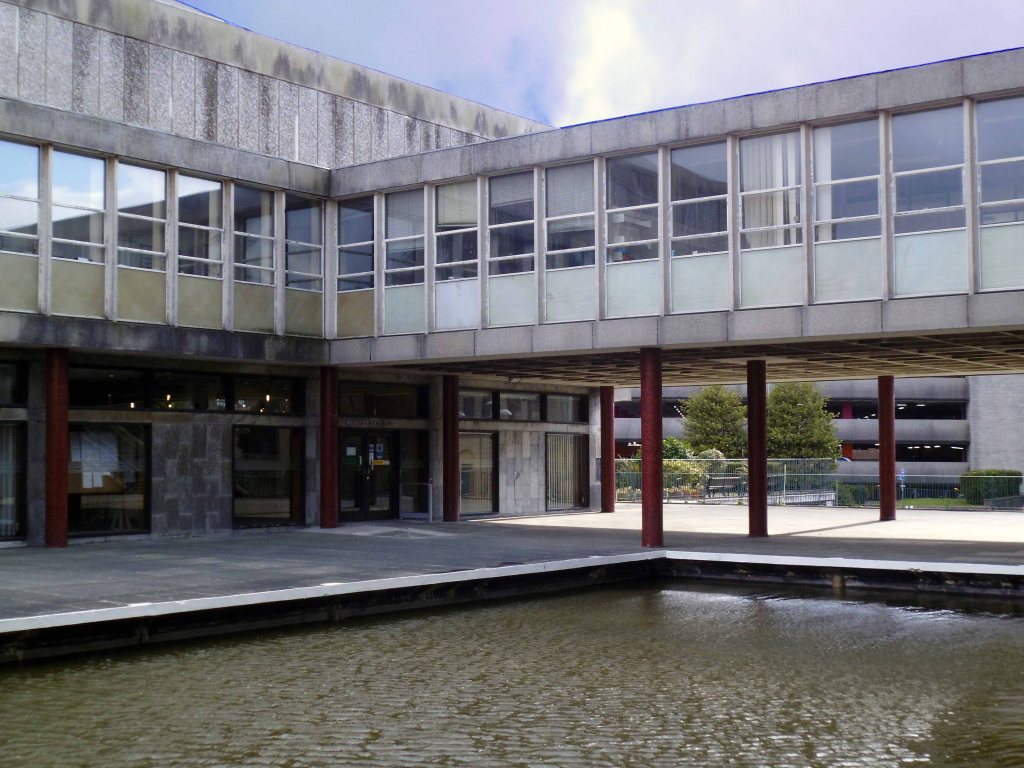
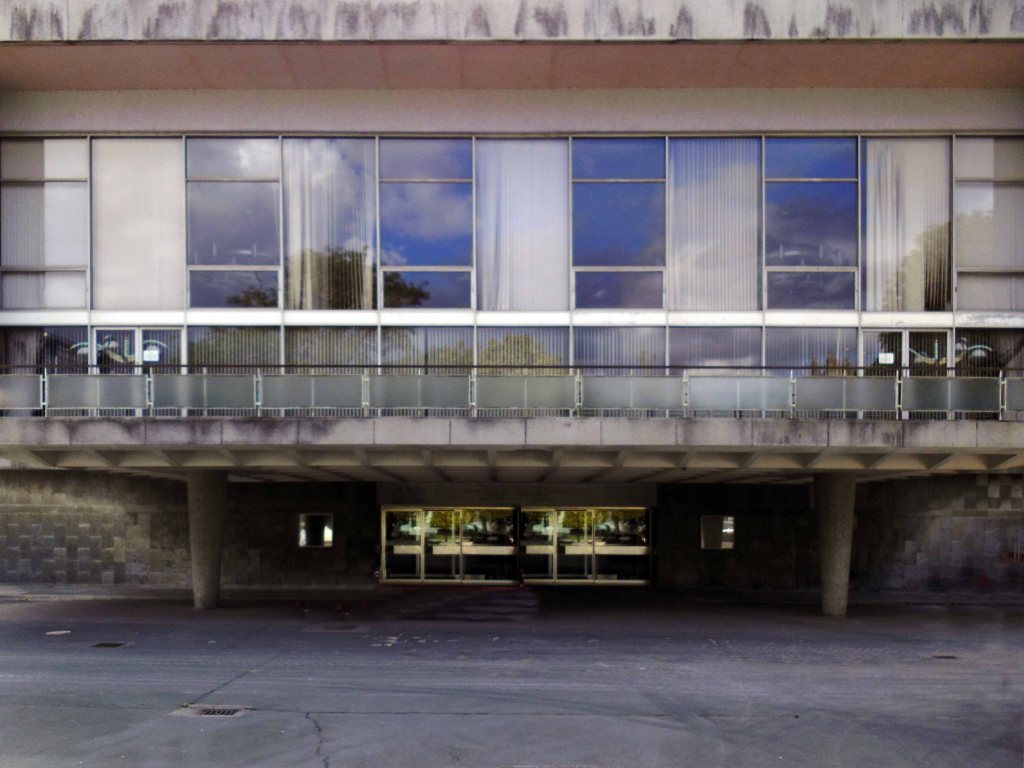
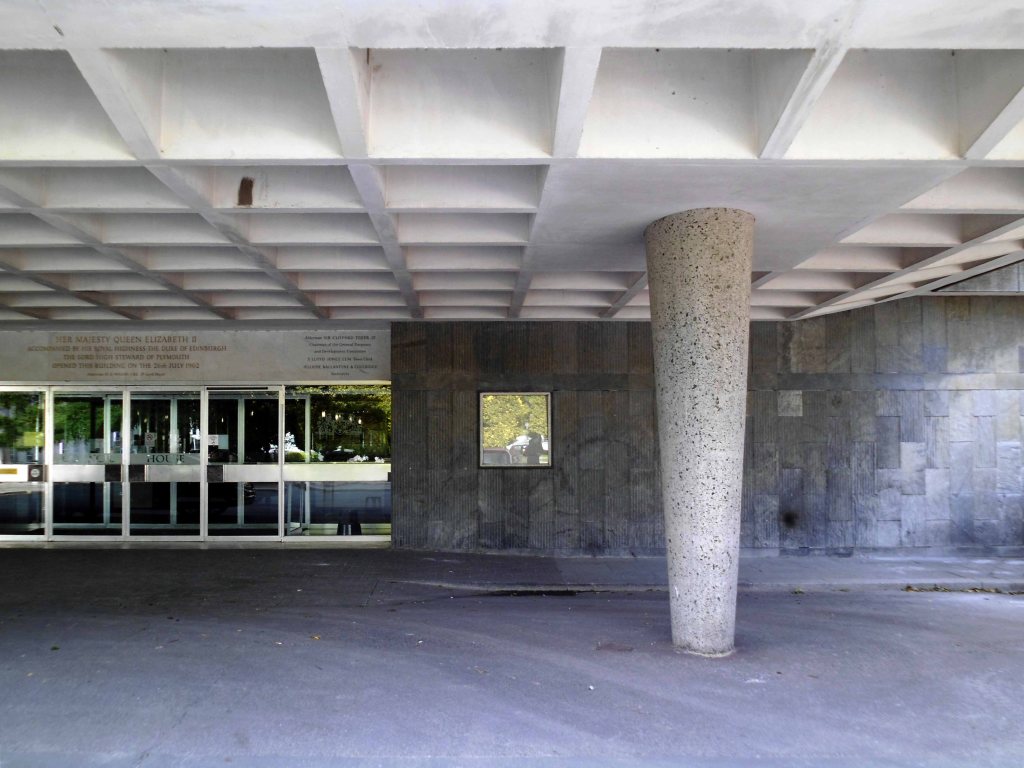
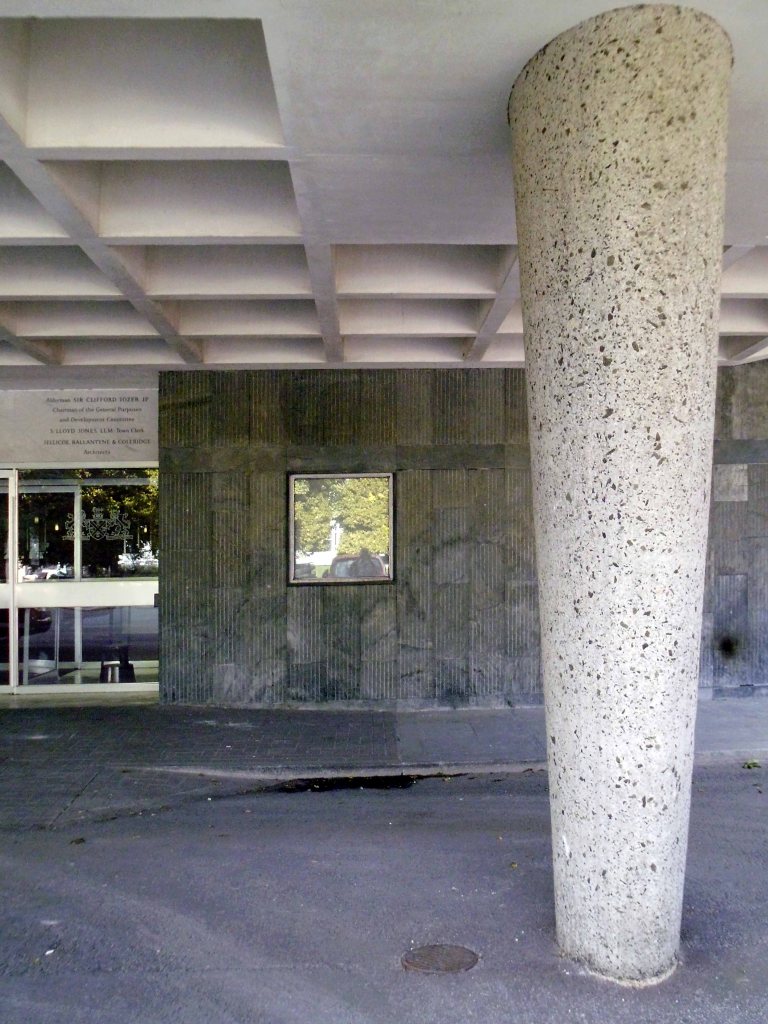
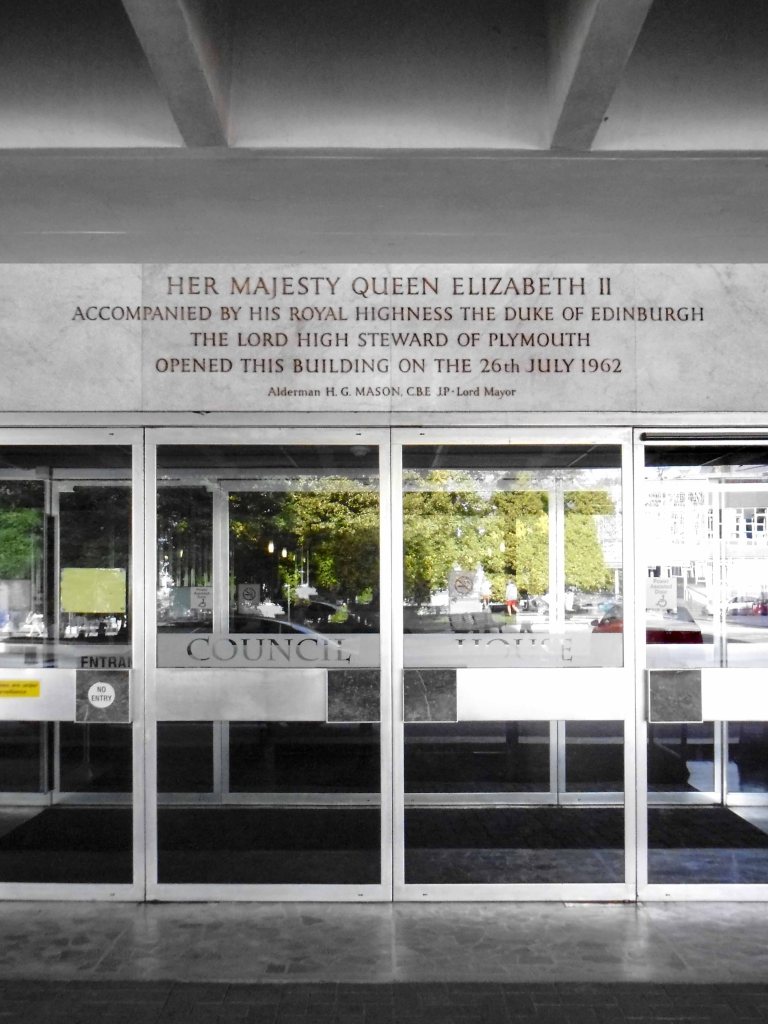
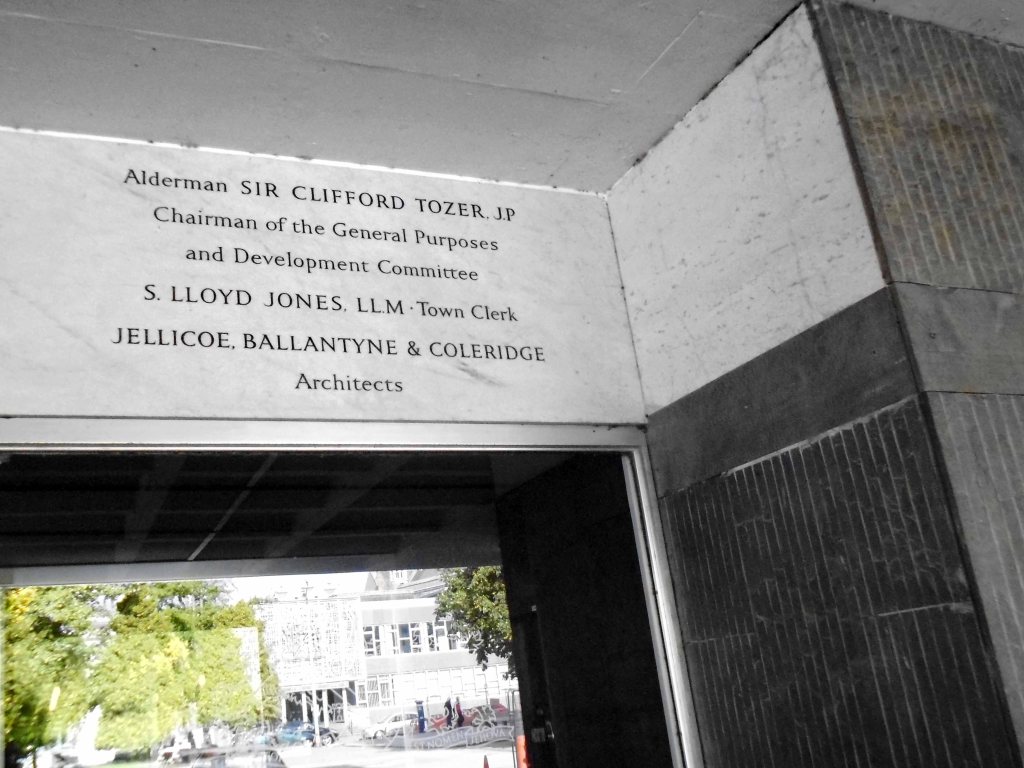
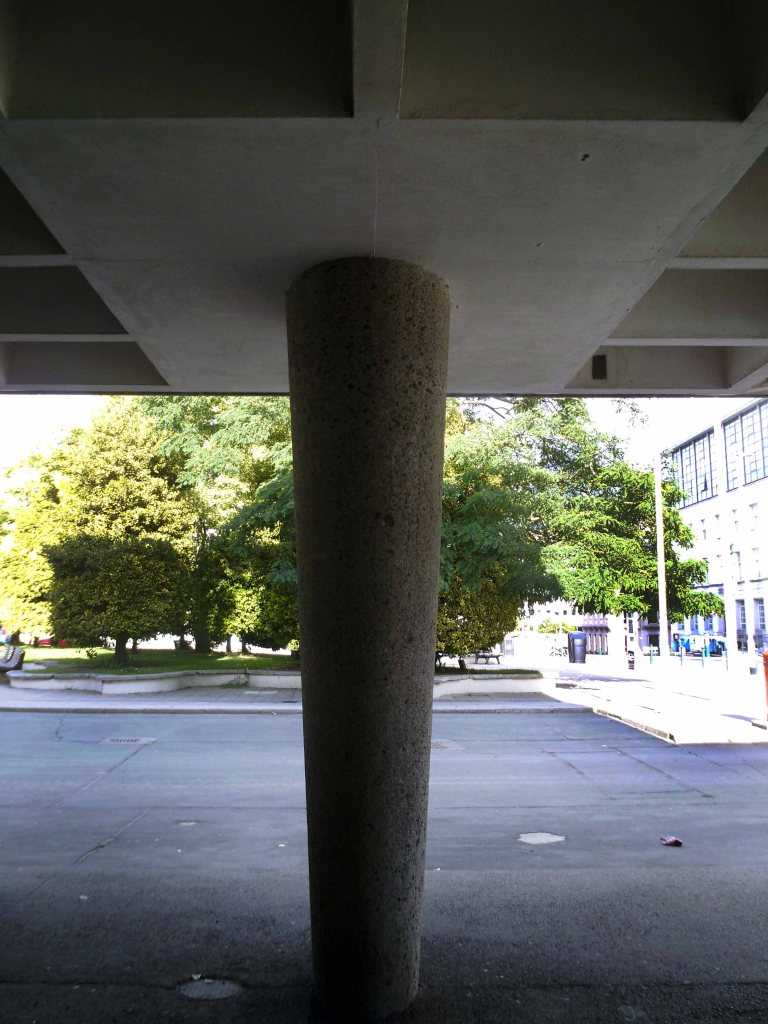
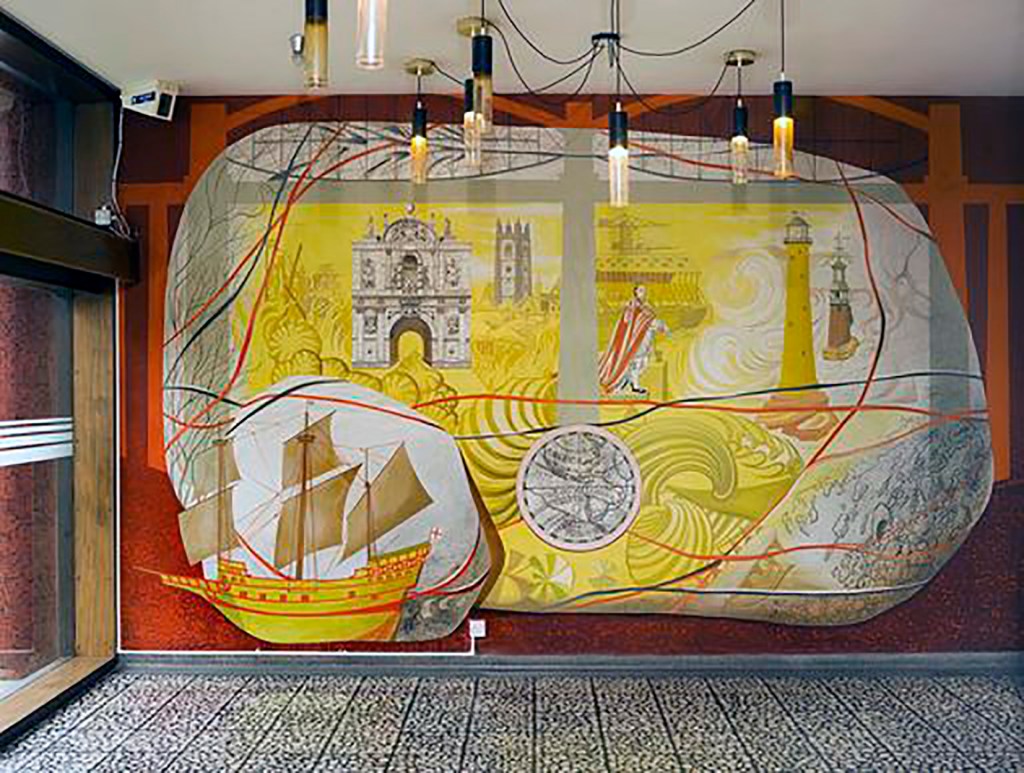
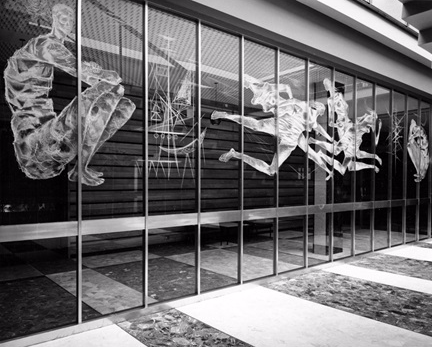
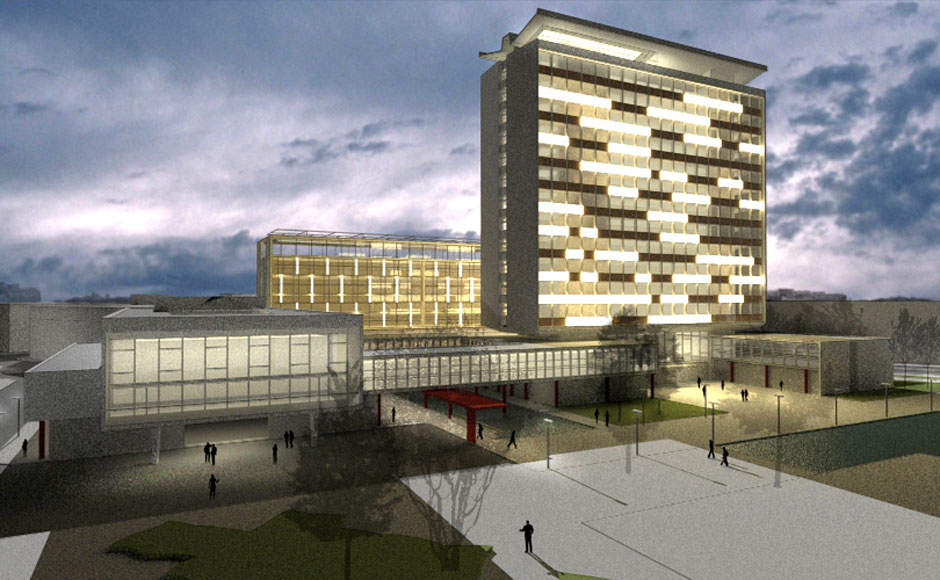
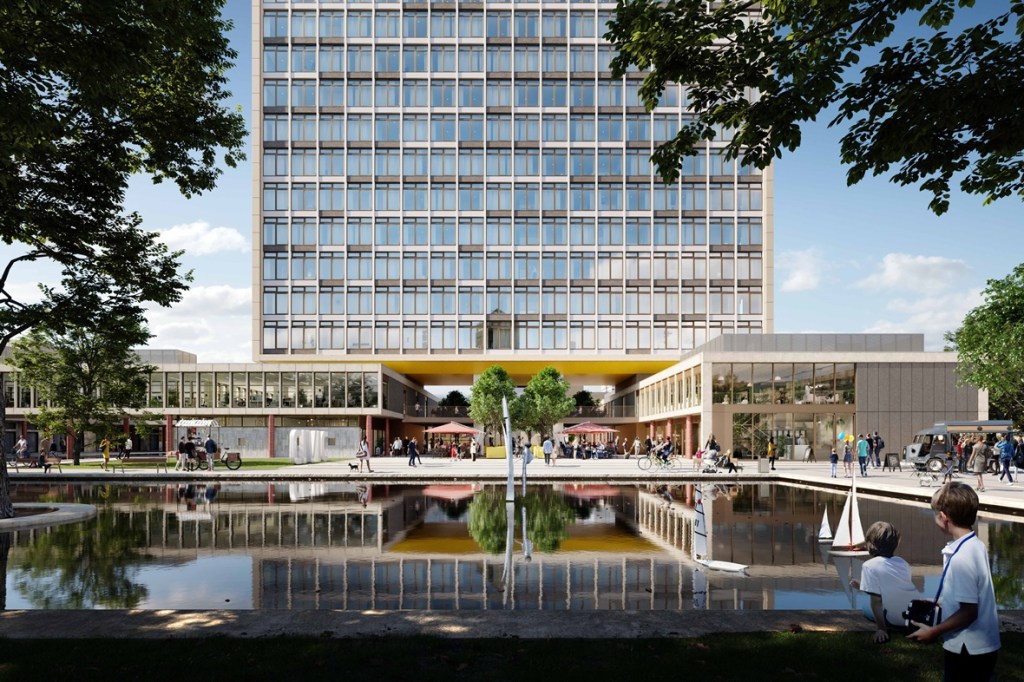
Former Civic Centre 1958-62 by Jellicoe, Ballantyne and Coleridge with city architect HJW Stirling. In-situ concrete structure with pre-cast aggregate panels. It comprises a fourteen storey slab block on a raised raft foundation which straddles a two storey block to the north and a bridge link to the two storey Council House to the south. The bridge link is elevated on pilotis to create an open courtyard with a reflecting pond, part of the designed landscape of the civic square. 

Current listing June 10th 2007 Historic England

I rode into town on my bicycle en route from Weston super Mare to Hastings one sunny afternoon in 2015. The pictures I took that day were largely left untouched, until today. I was prompted by an online postcard search to finally put them to some good use.

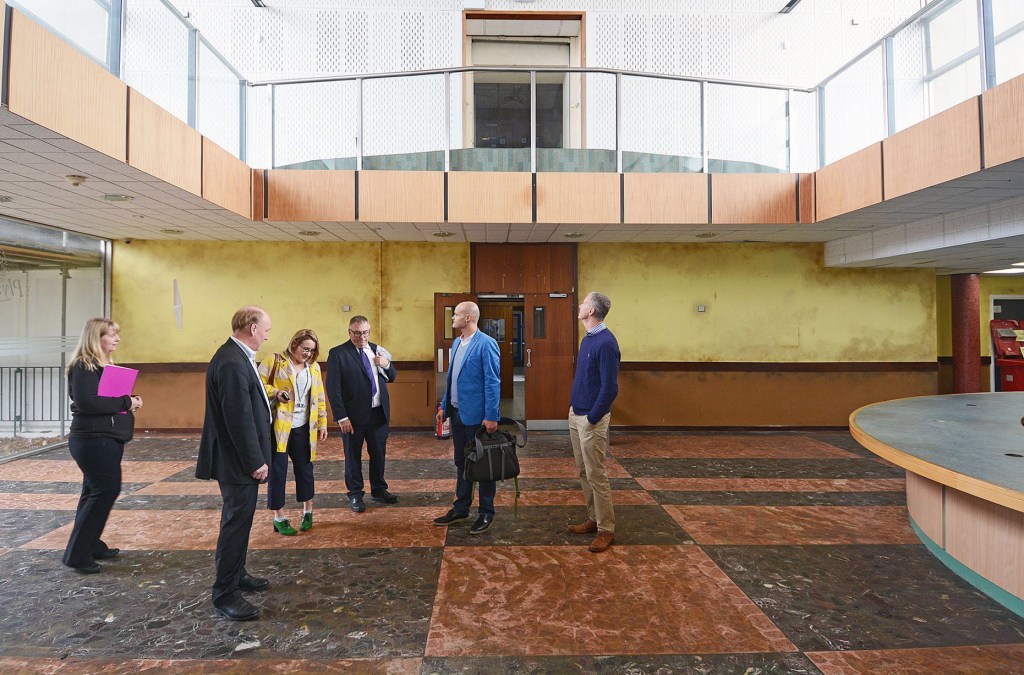
On the day of my visit the building was well and truly closed, and its future uncertain.

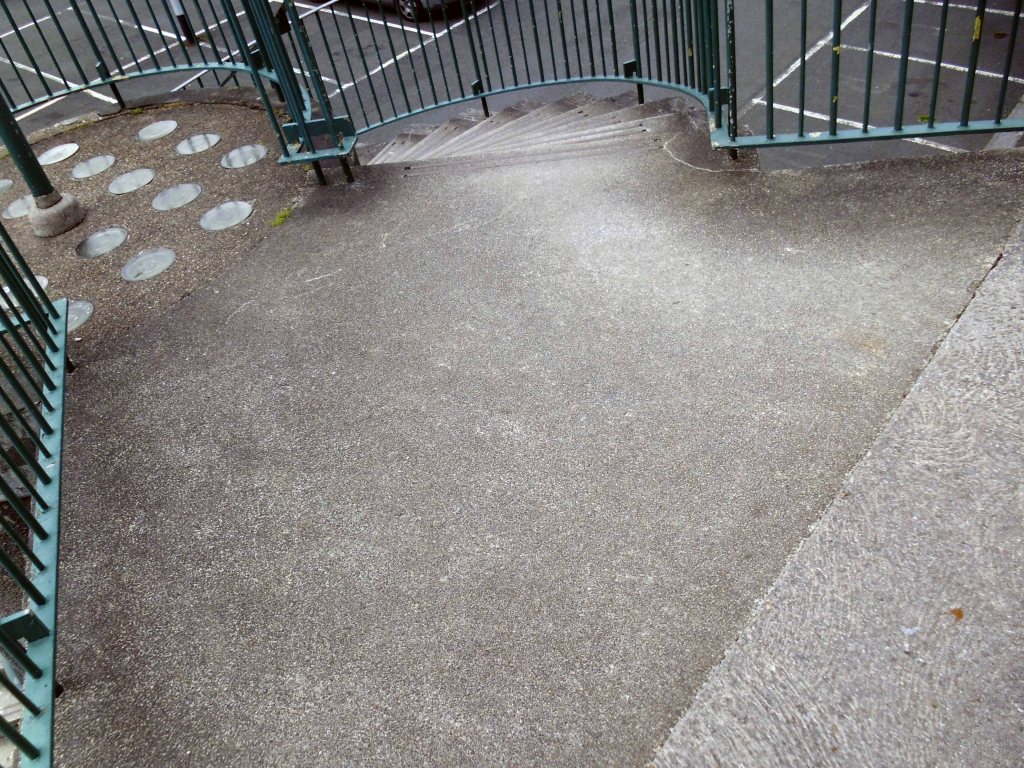
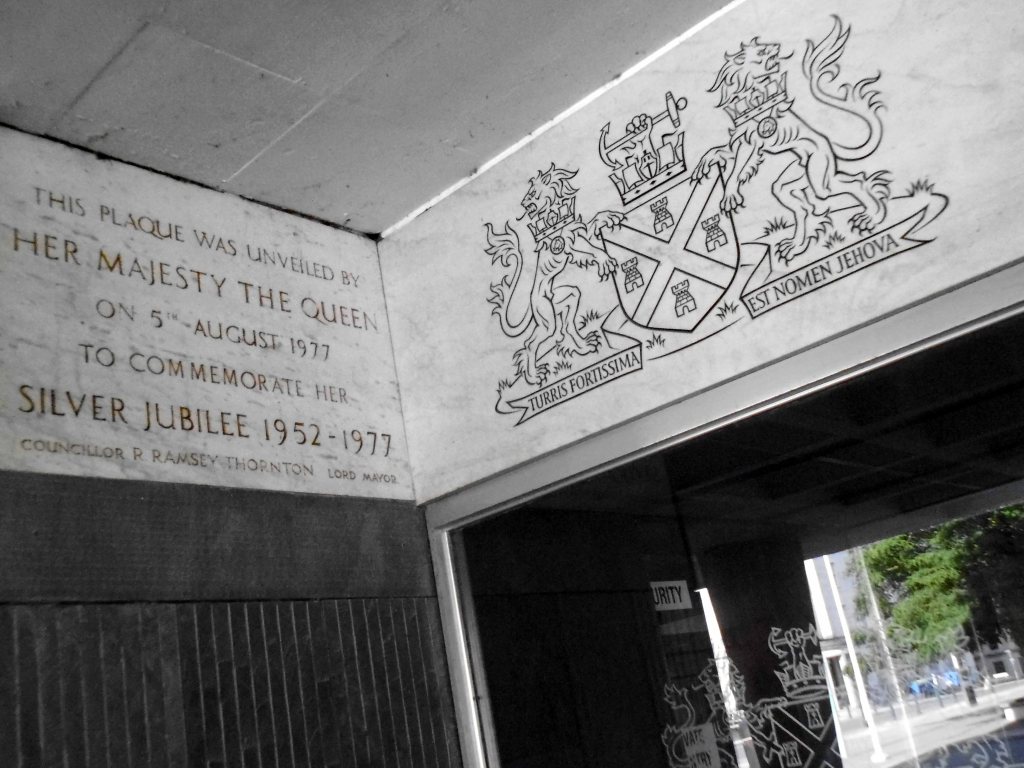
I took my time and explored the site, here is what I saw:

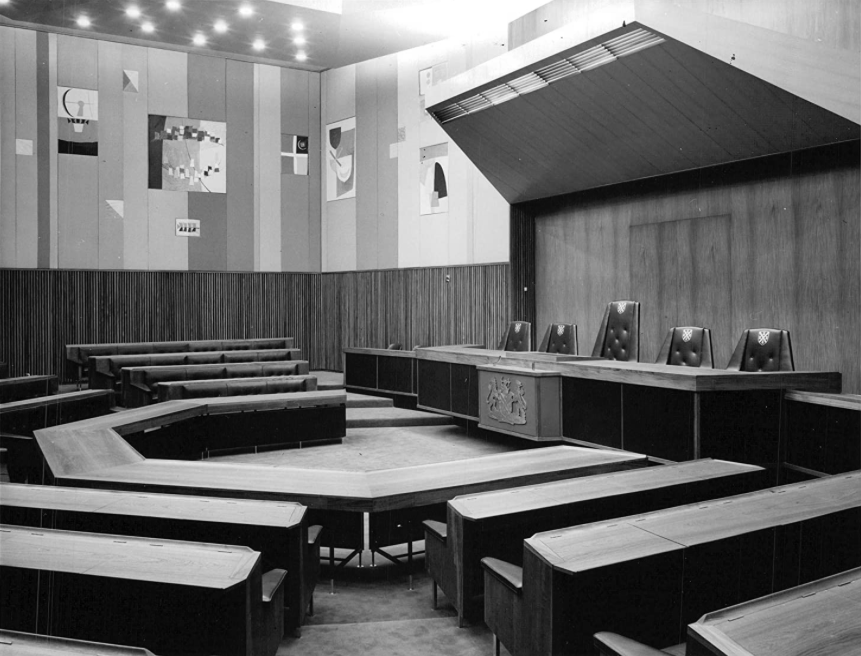
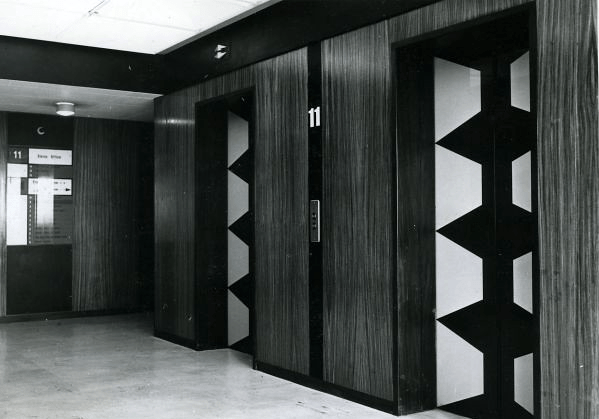
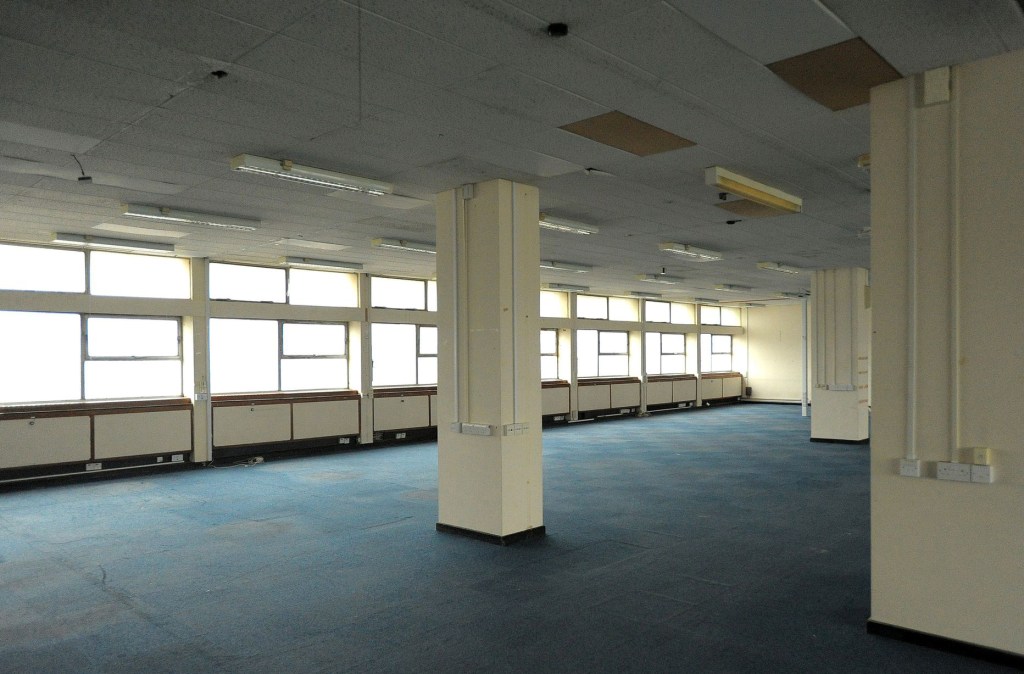
I subsequently found archival image of the interior – including examples of applied decorative arts.

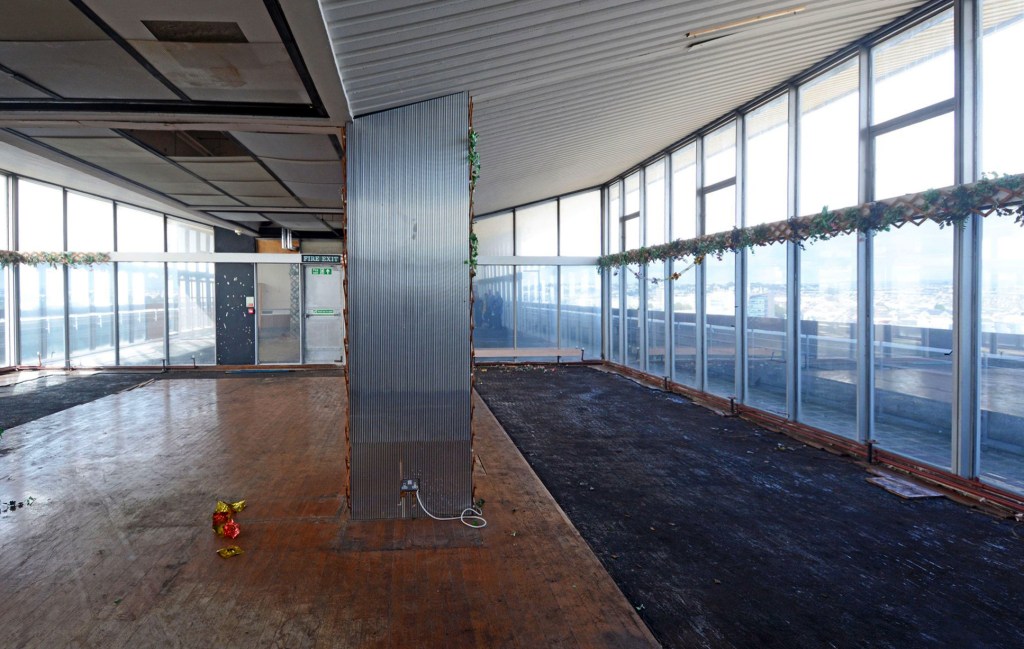
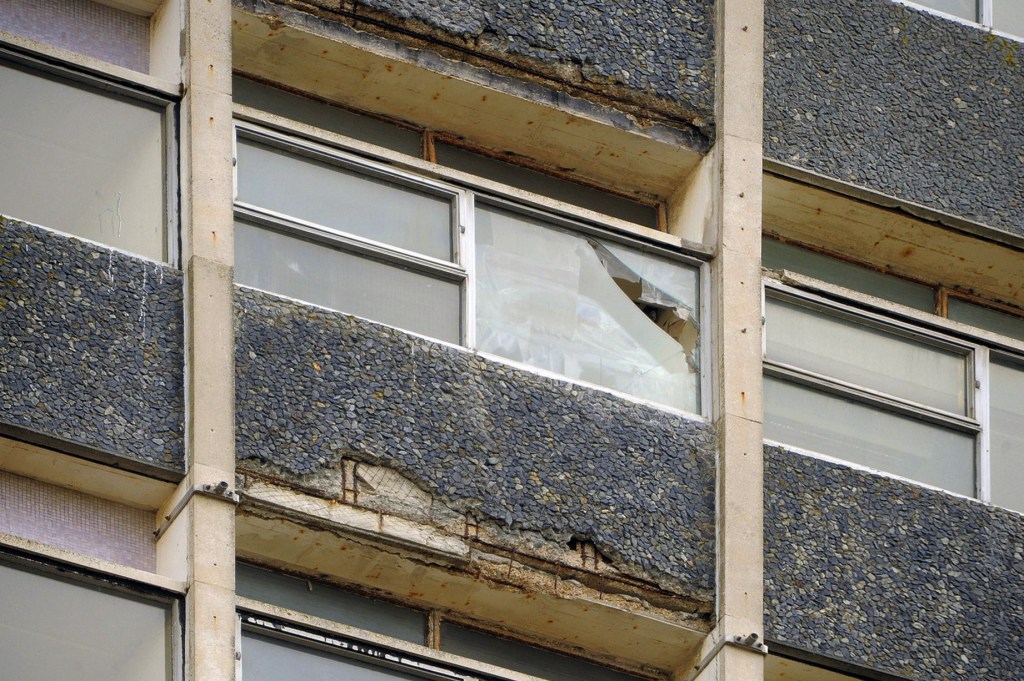
The building has suffered of late, from poor maintenance and general neglect.

Love it or hate it, it’s one of Plymouth’s most iconic post-war buildings – and it towers over the city centre. But the Civic Centre has been empty since 2015, with sad images revealing parts of the outside literally crumbling.

Today is the day Plymouth will finally discover what developer Urban Splash plans to do with the landmark 14-storey tower block it bought for £1.

Plymouth Herald

Urban Splash are in the house – plans are to go ahead.

The proposal, by Gillespie Yunnie Architects, will see the 14-storey former council headquarters converted into 144 one and two-bedroom flats with the ground floors of the lower blocks providing about 4,600m² of office, retail and leisure space.

Unanimously approved last week, the scheme will open up the ground floor, making it ‘an active public space filled with outside seating for cafés, bars and restaurants’ and reuse the existing landscaped pools, while creating new pedestrian connections through the scheme from the Theatre Royal and Civic Square.

Architects Journal

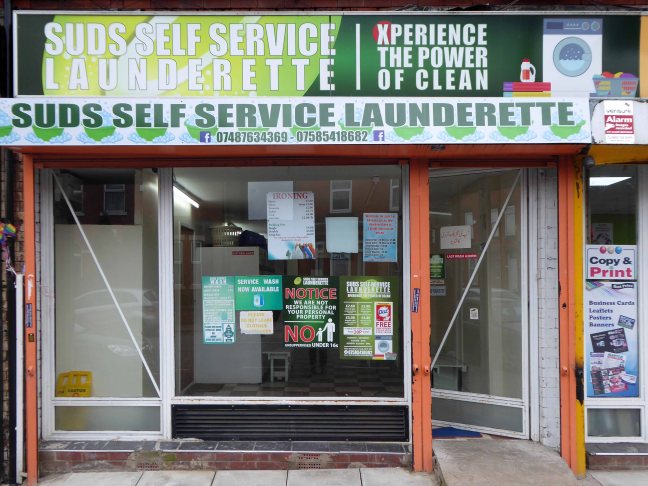
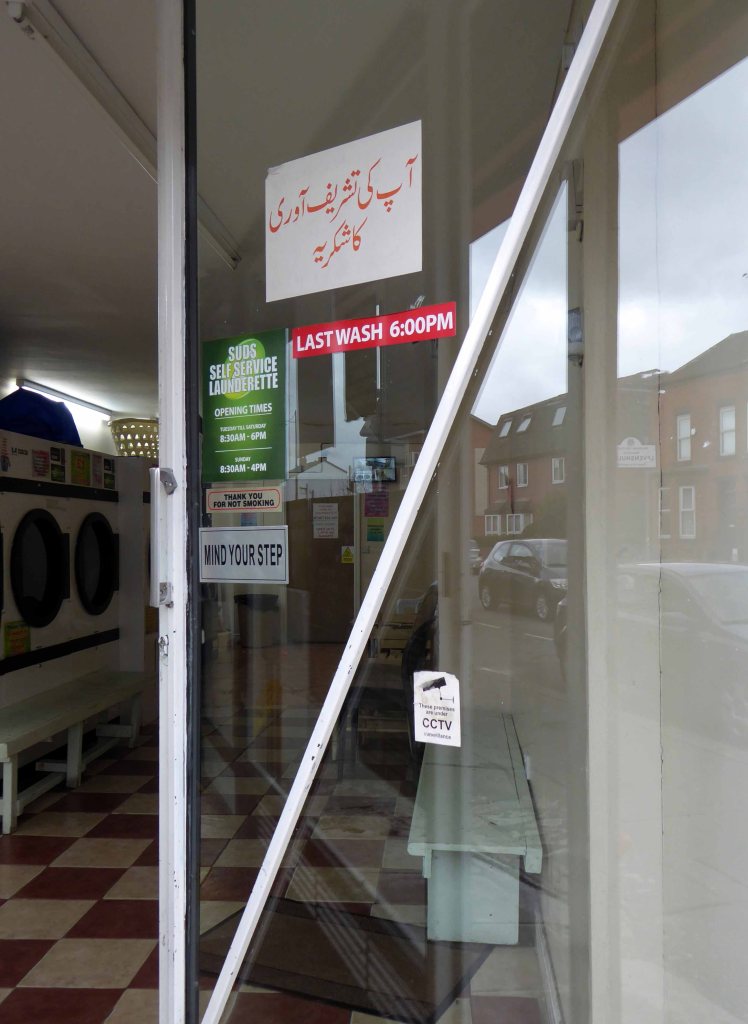
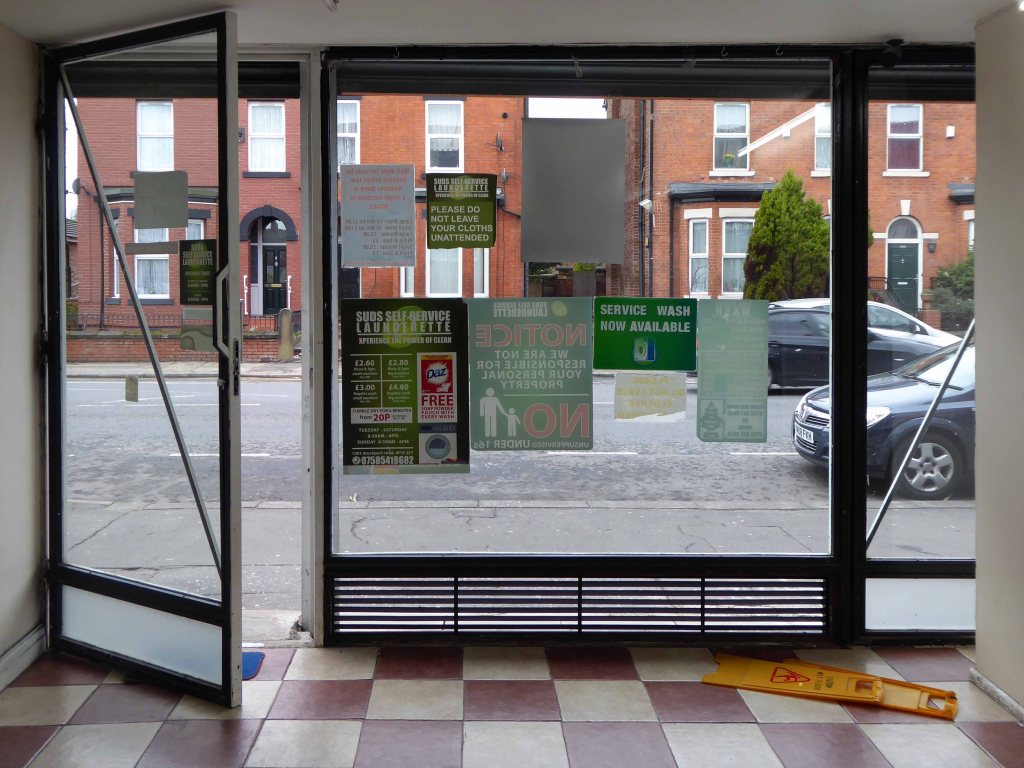
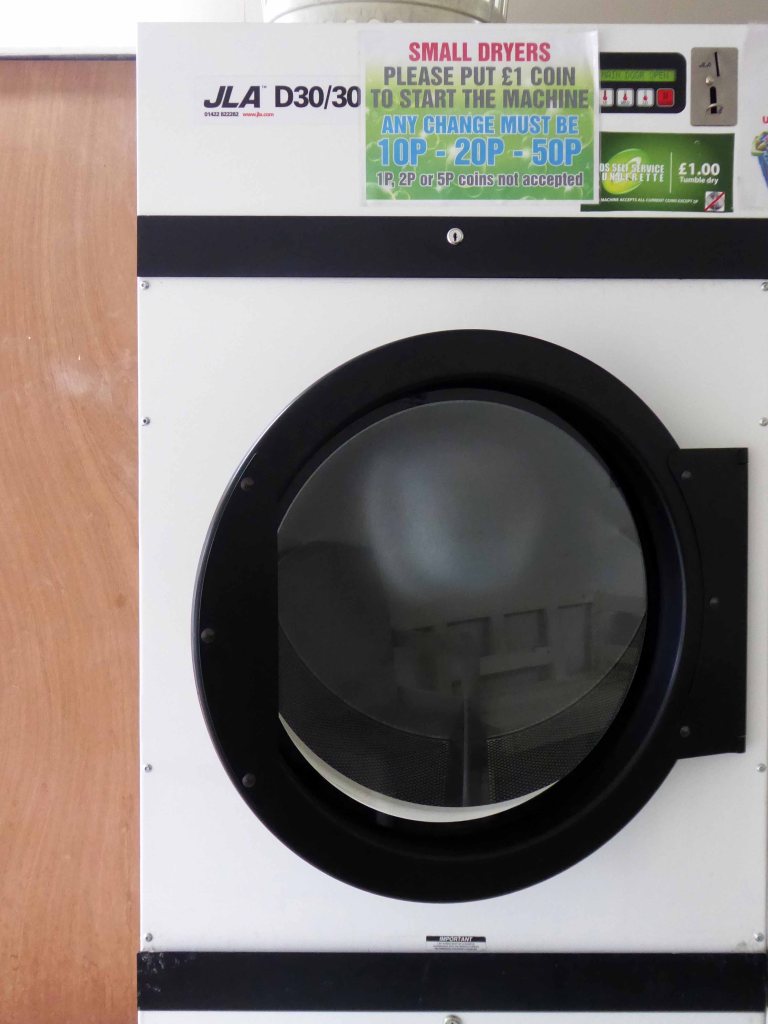
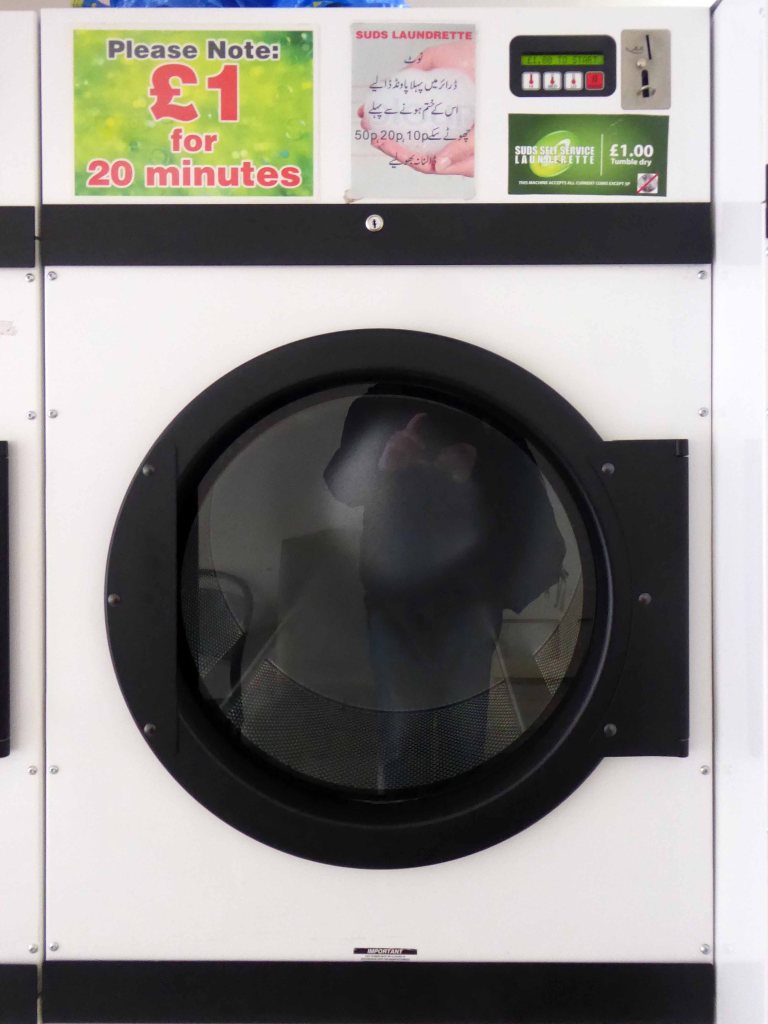
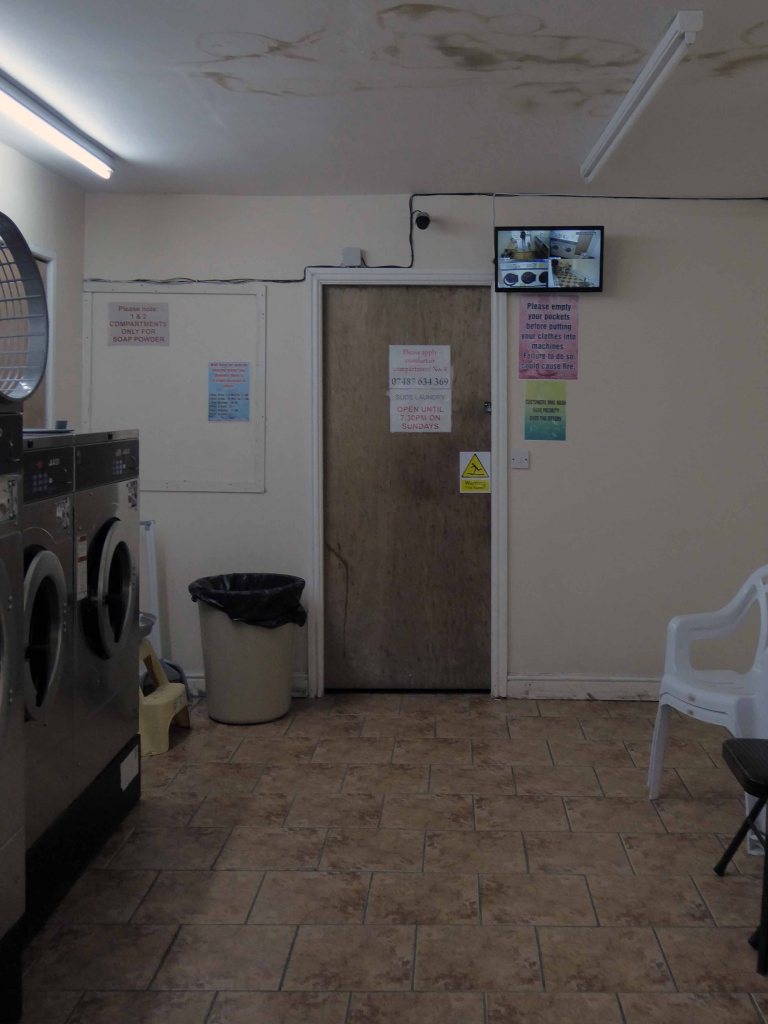
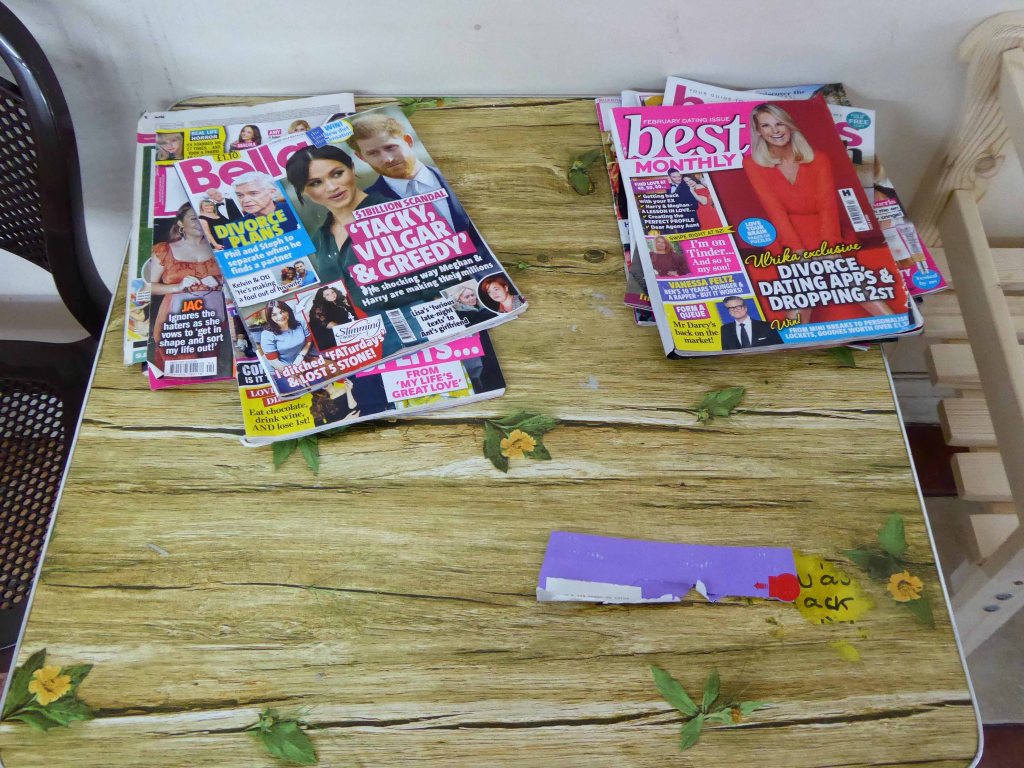
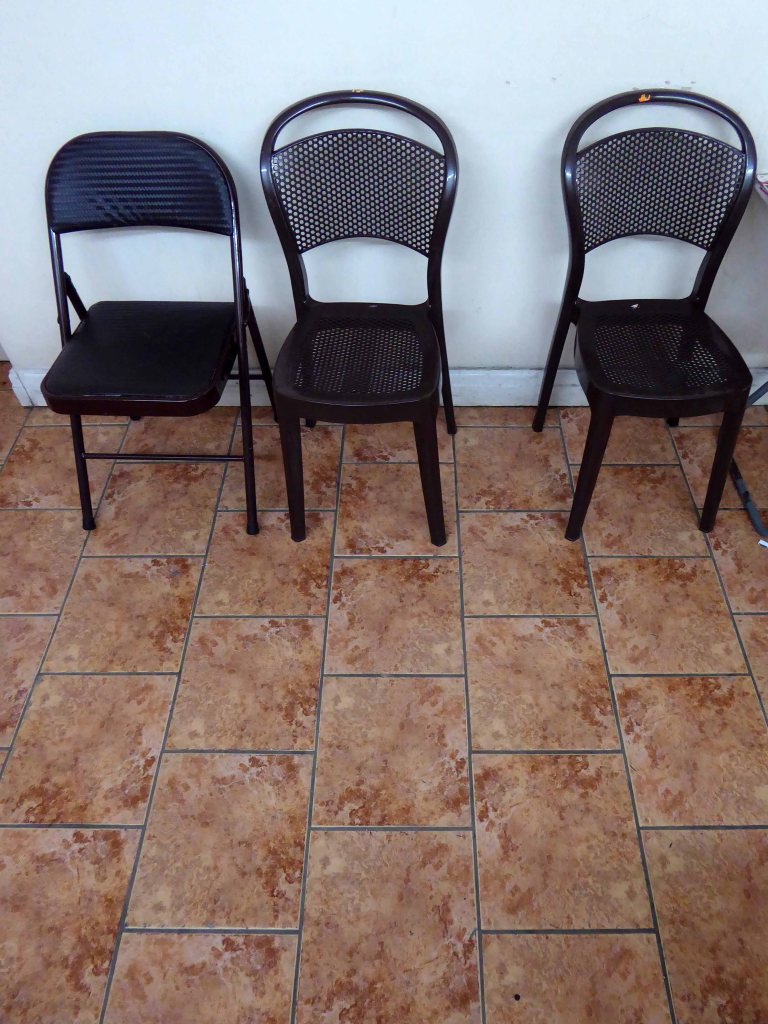
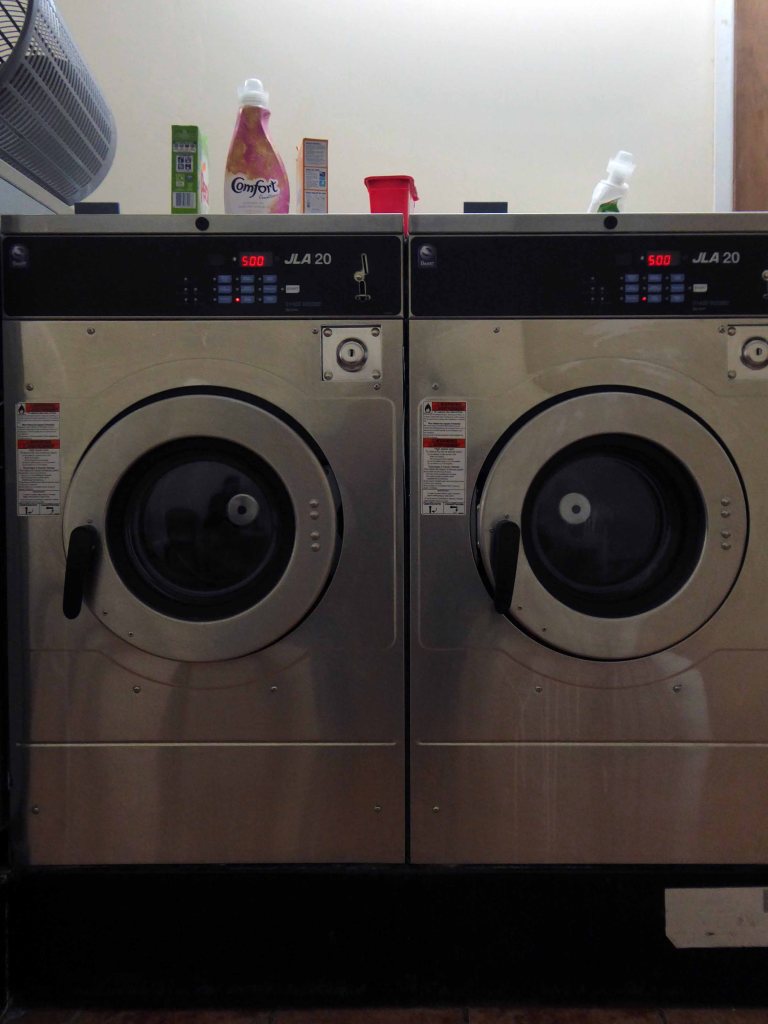
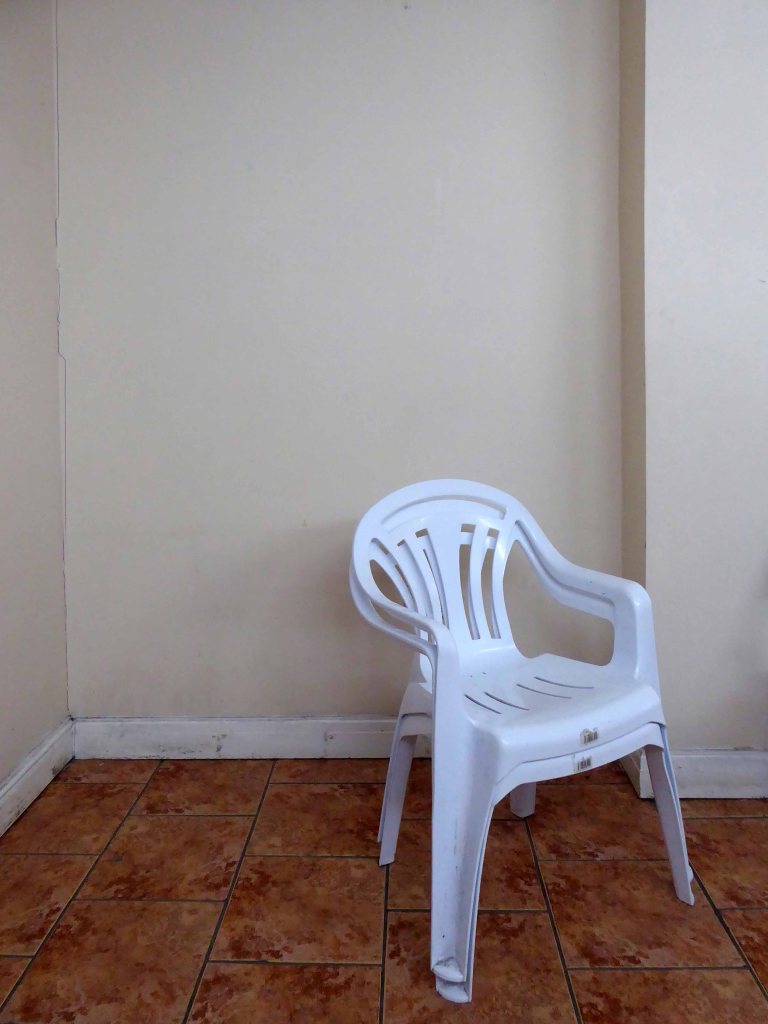
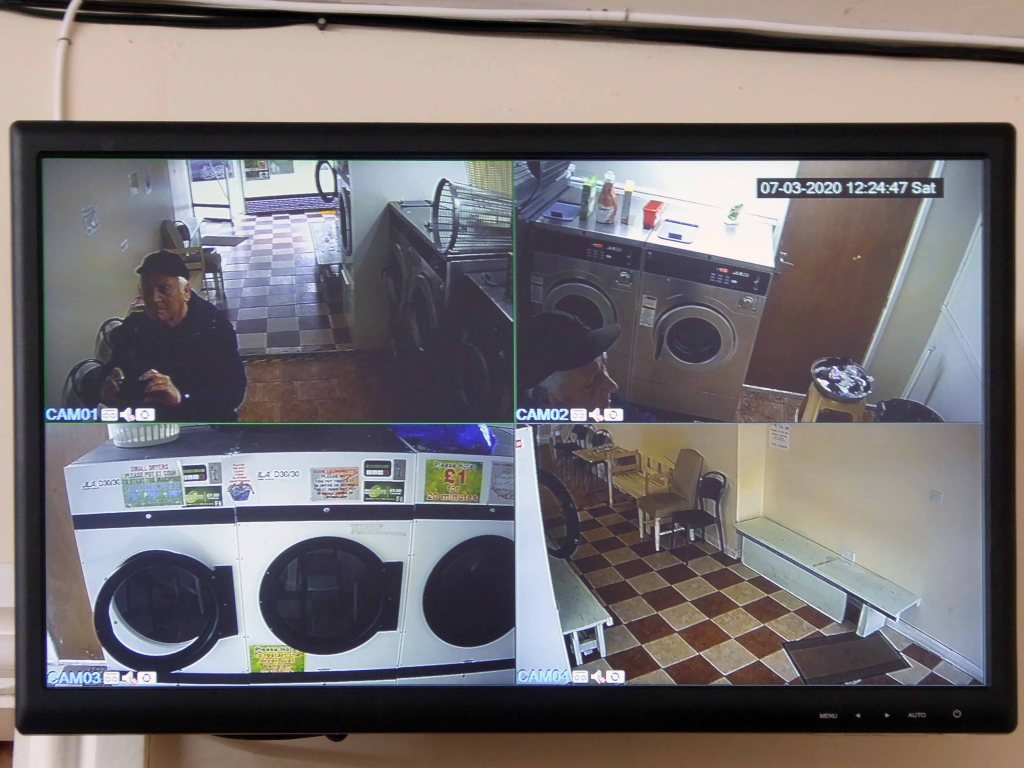
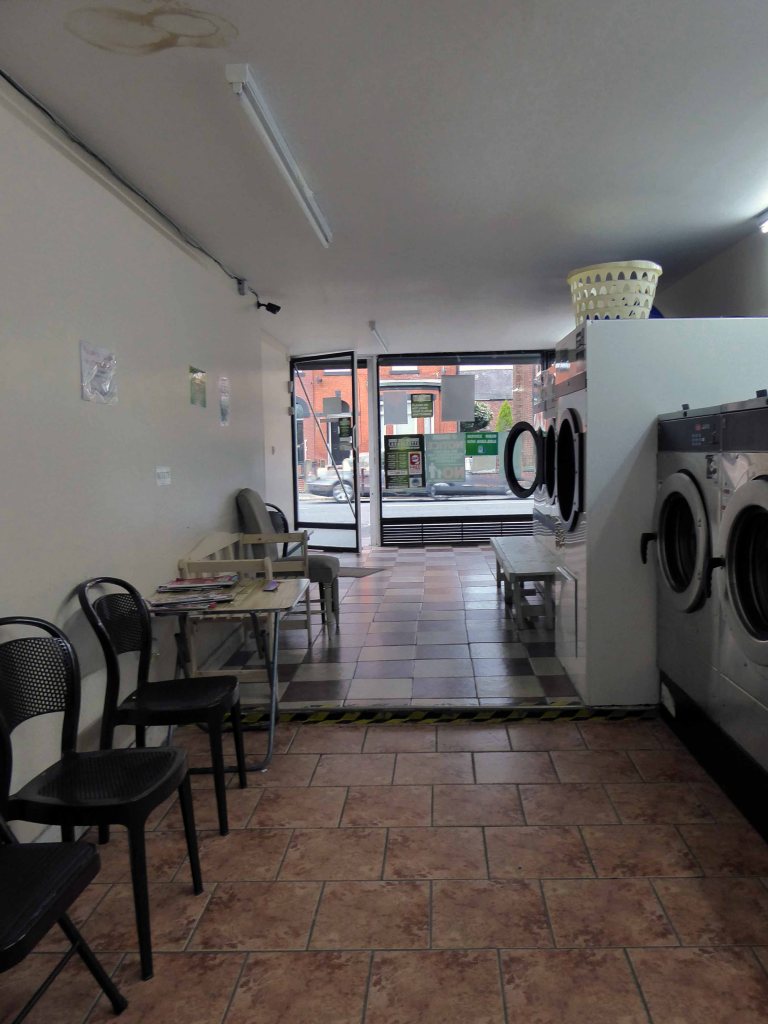
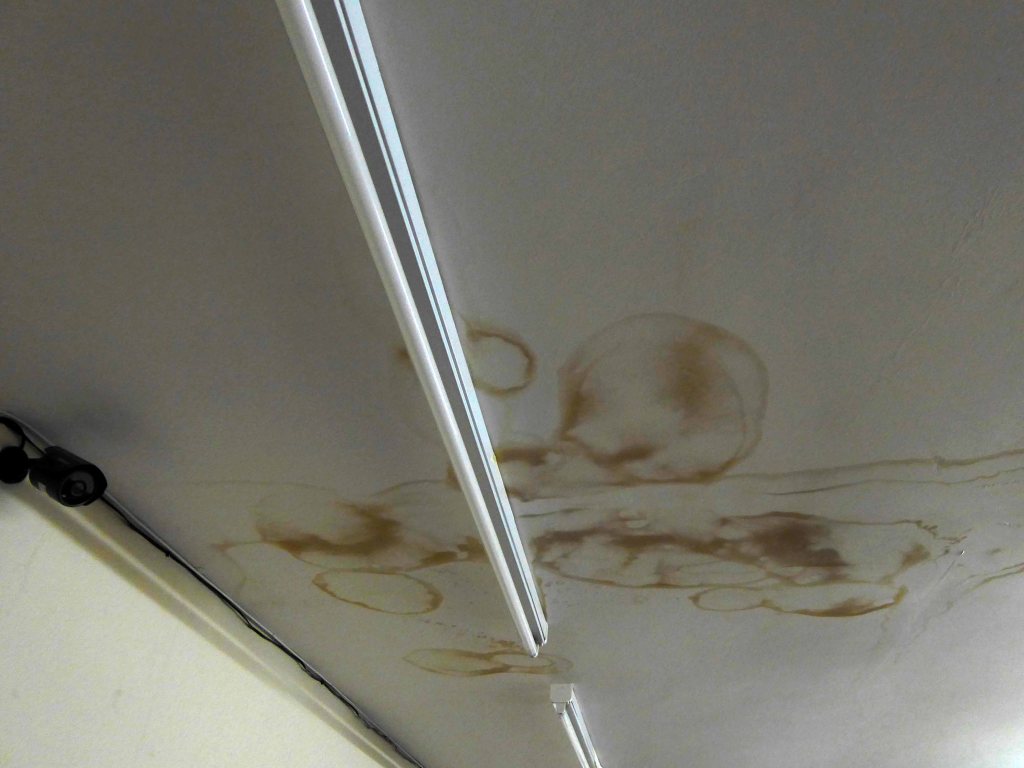
Suds Laundrette – Levenshulme

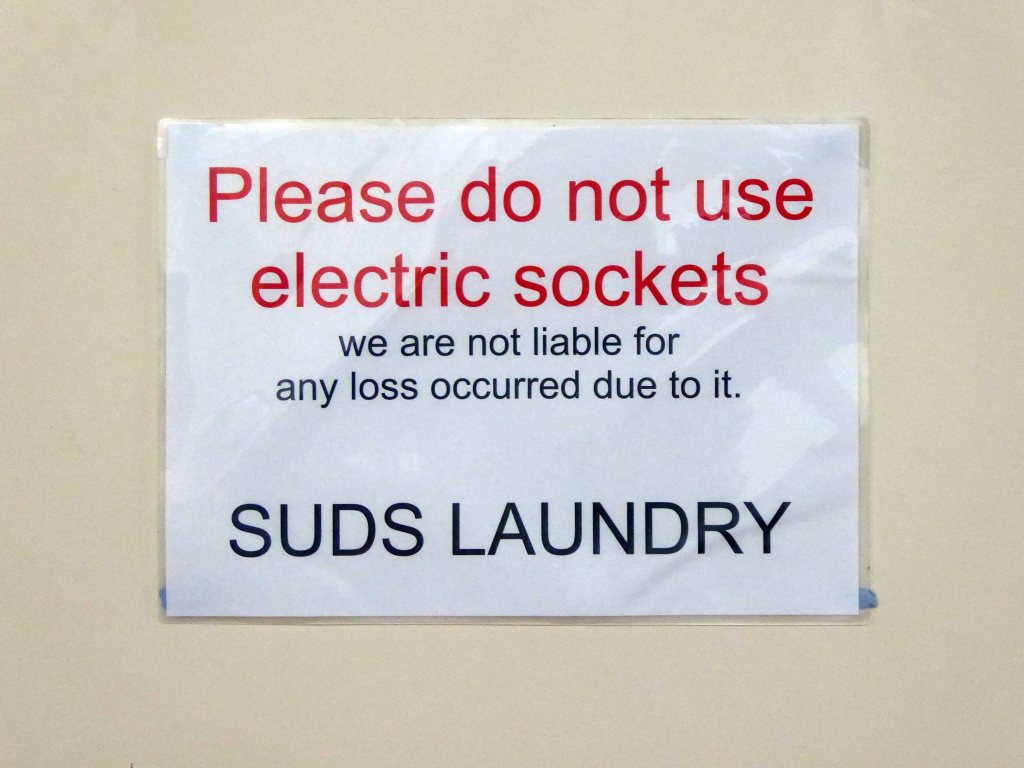
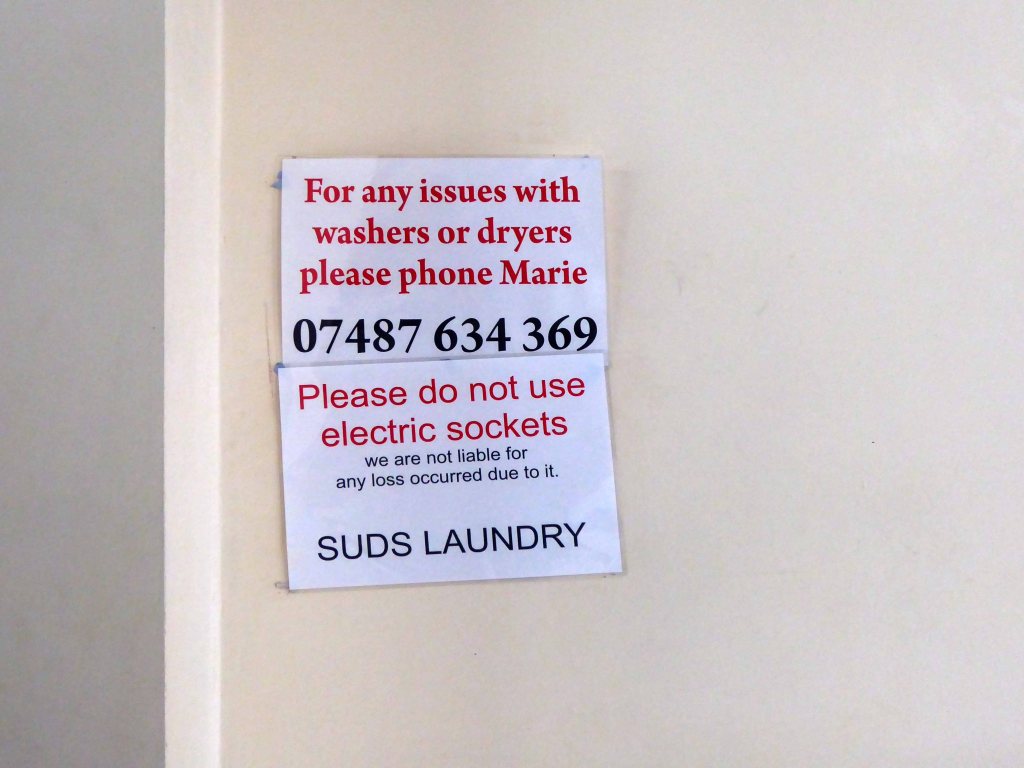
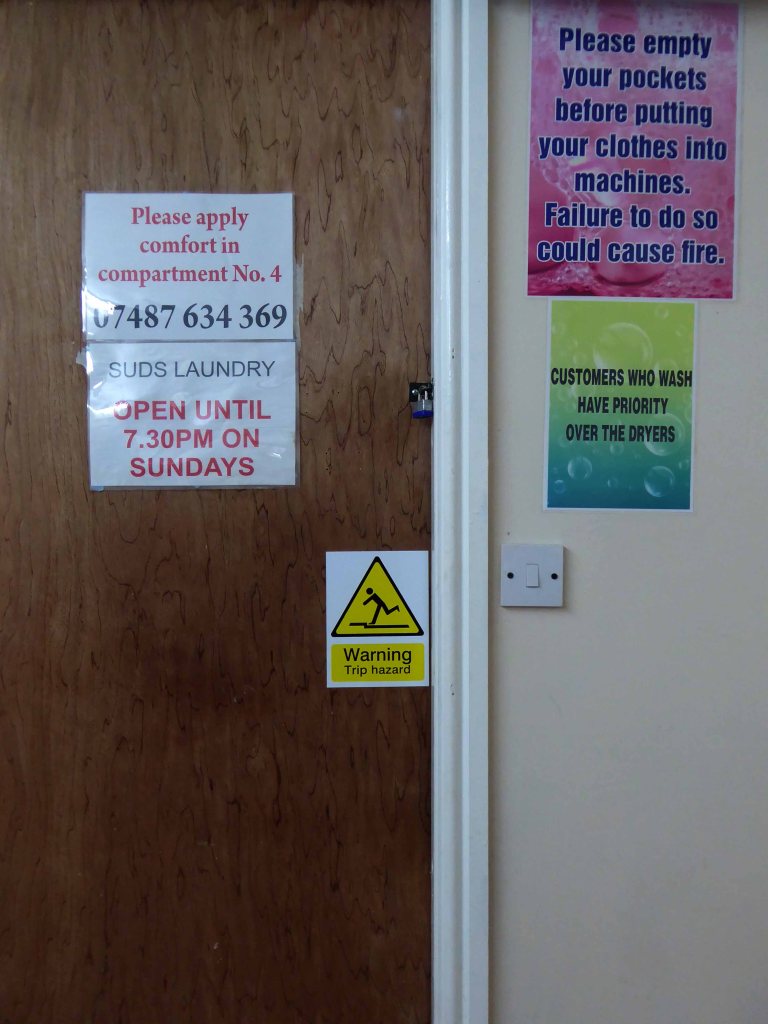
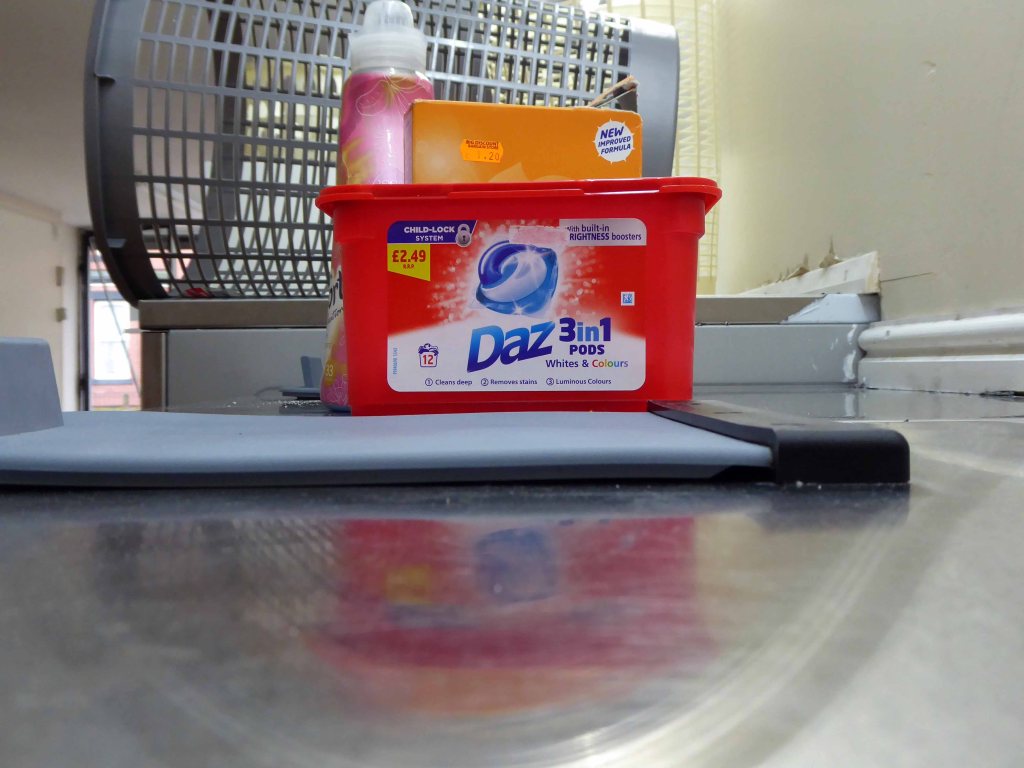
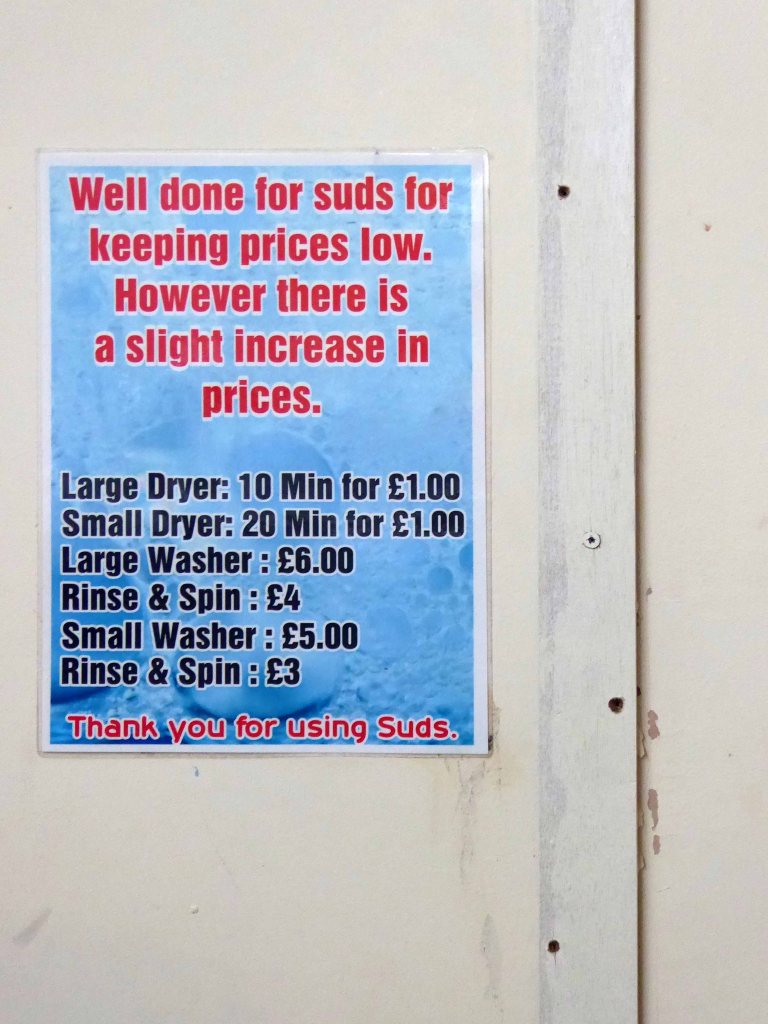
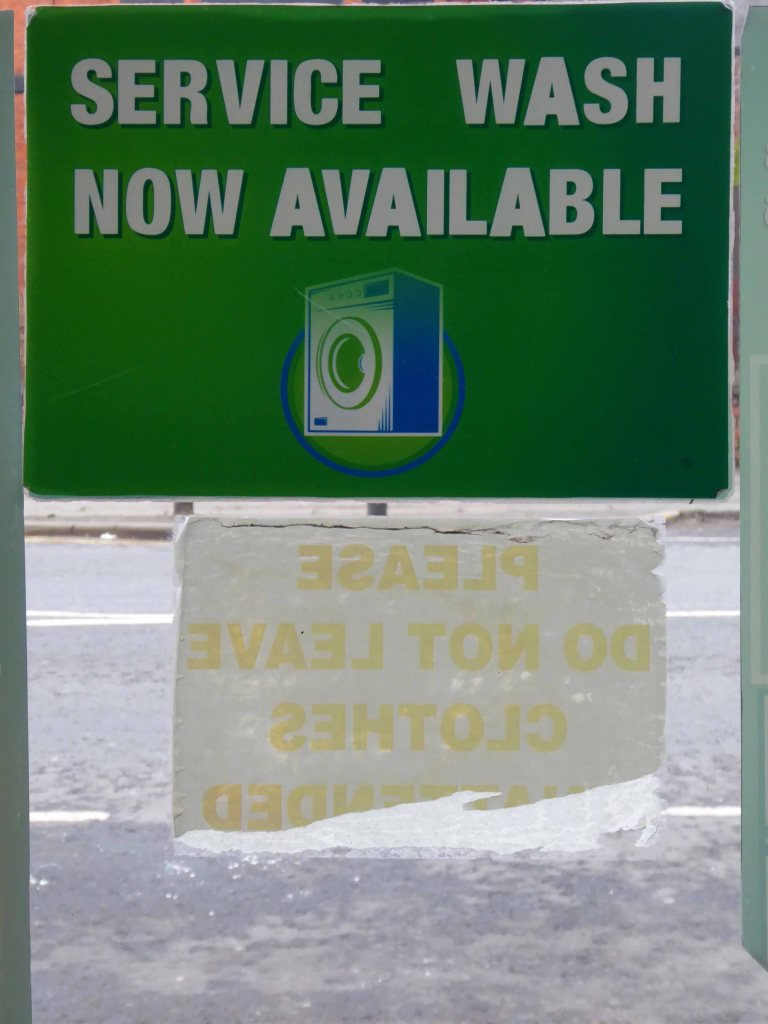
We have entered a new age – the age of the A6 based computer generated A4 Blu-Tack attached laminated print out.

An informal typography for the age of informality – long gone the etched plastic, hand rendered fascia days of yore.

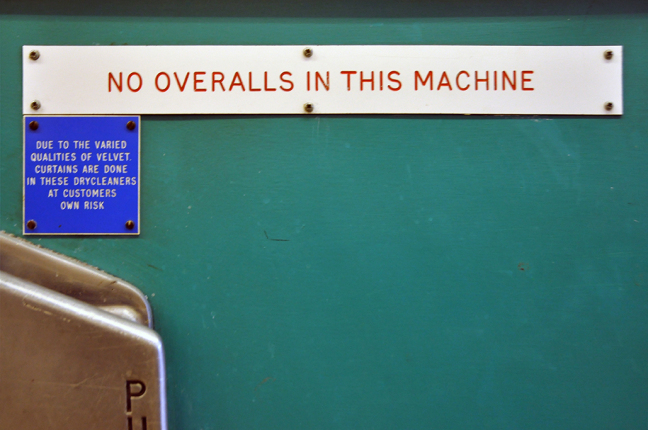
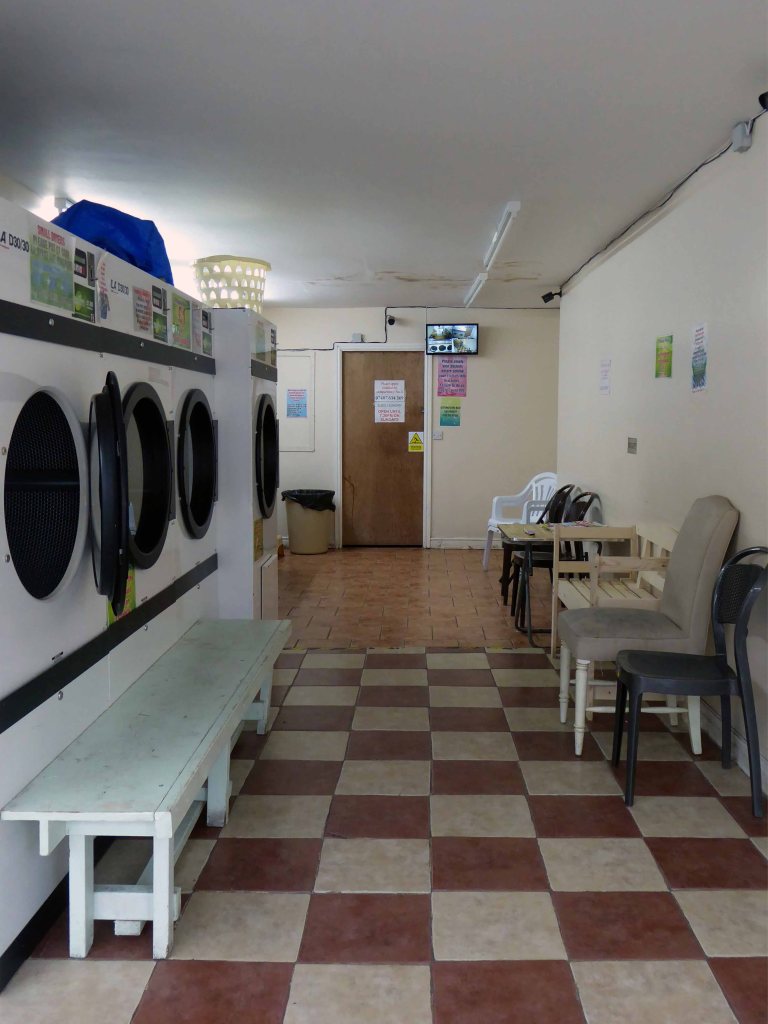
This is now one of many launderama dramas – my sole intent to record the state of the nation’s dirty washing.

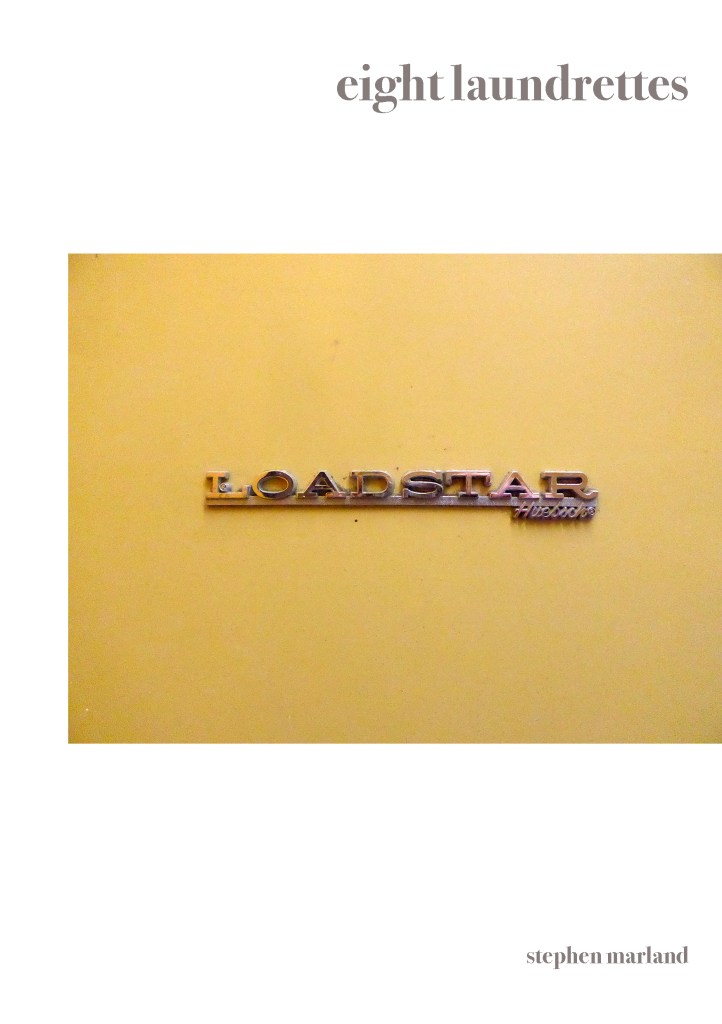
There is even to be a book published this March.

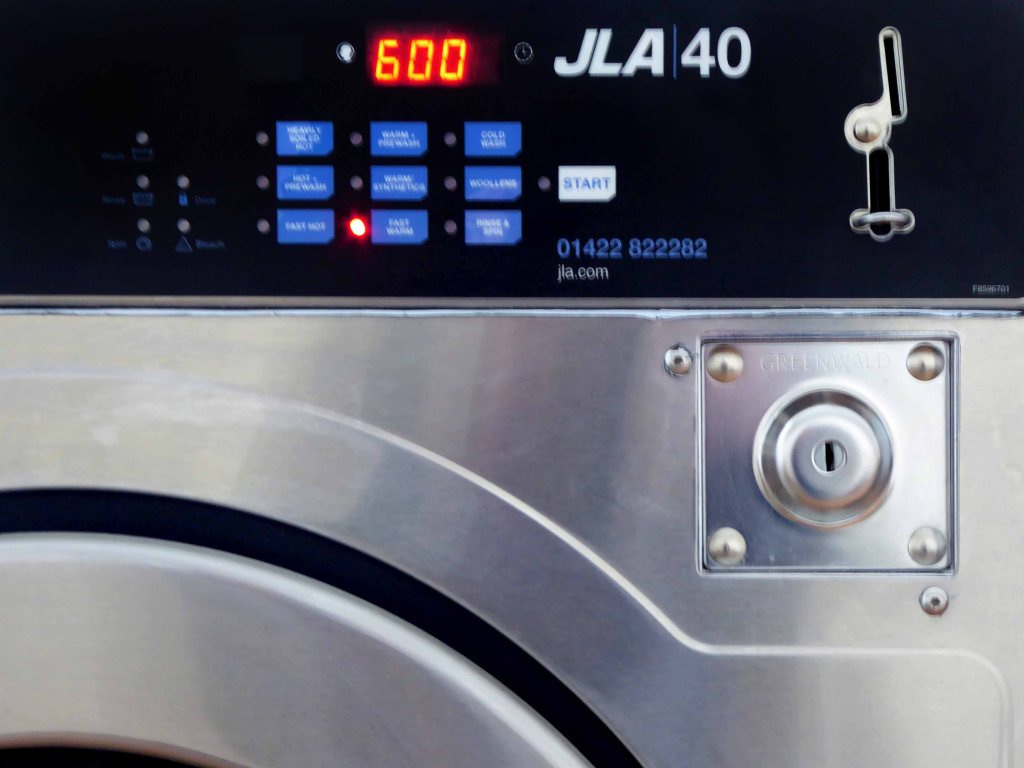
So one more for the road – load up the Loadstar with washers and slugs, let’s all get dry, one way or another.

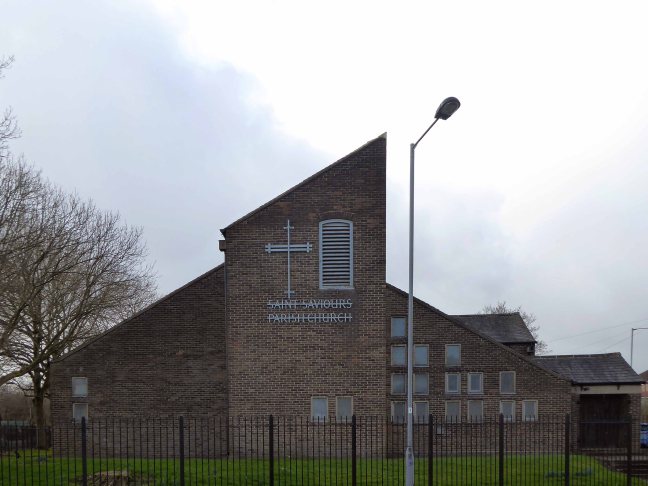
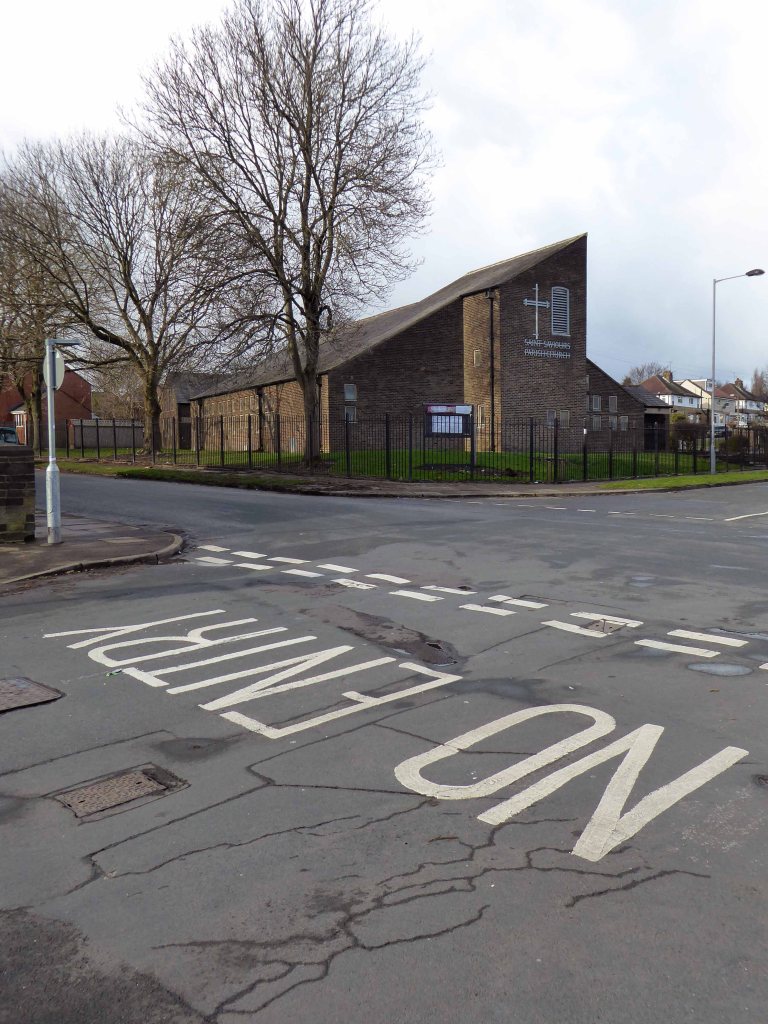
St Saviour’s Church – Bradford

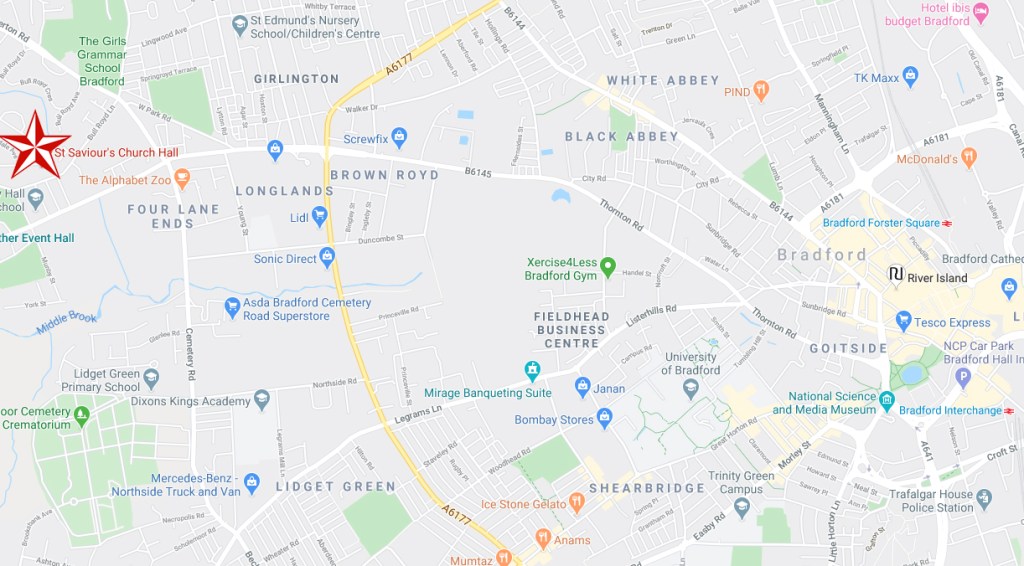
St Saviours 25 Ings Way Bradford BD8 0LU

What a delight – the stunning surprise that awaits you, around one particular suburban corner of Bradford.

I had called ahead, to arrange the visit – the Reverend Dorothy Stewart had gracefully invited me to join members of the community and herself, one wild and windy Wednesday.

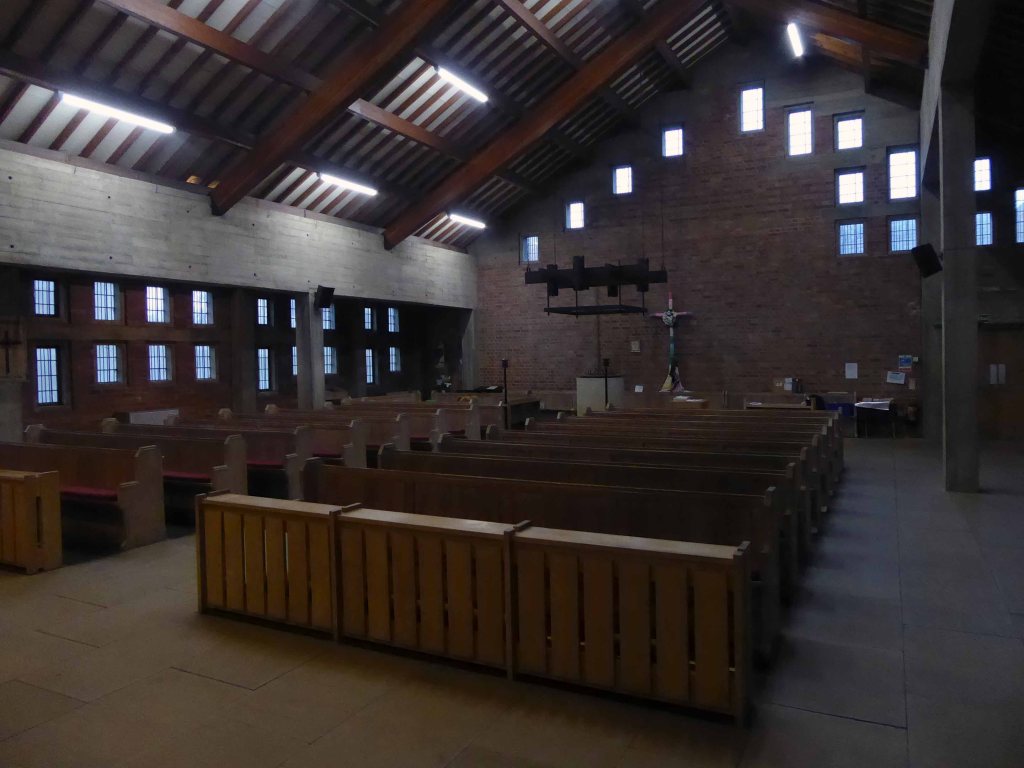
Steel frame and shuttered concrete with dark red brick walls in stretcher bond, and slate roofs.

Church of 1966 with attached hall of 1971, both designed by architect George Pace. Characterised by asymmetric arrangement of roofs, exposed structure and juxtaposition of materials, this is a complete and largely unaltered example of Pace’s work. The asphalt roof and windows are in very poor condition. Repair works to the roof were carried out in 2016 with funding from the National Lottery Heritage Fund’s former Grants for Places of Worship scheme.

Listed November 2007

The exterior is stark and angular, the body of the church is a broad rectangle with no division between nave and chancel, with a bell tower to the east, vestries to the north-west and a chapel to the west. At the western end is the church hall, added in 1971. Externally a single asymmetric roof covers the main body of the church, rising at the east end to form a mono-pitch section over the altar area and incorporating the bell tower. There is a porch at the east end of the north side, and a transept with a double pitch roof. To the west is a single storey, flat roof section with an entrance to the north, extending to the transept. West of the main body of the church on the south side is a separate roof, housing a chapel. To the west is the church hall, with a north-south asymmetric roof. All the windows are rectangular, of varying sizes, with plain glass in rectangular leaded lights. Lintels over the doors and the parapet of the flat roofed block are of shuttered concrete, as are the window surrounds.

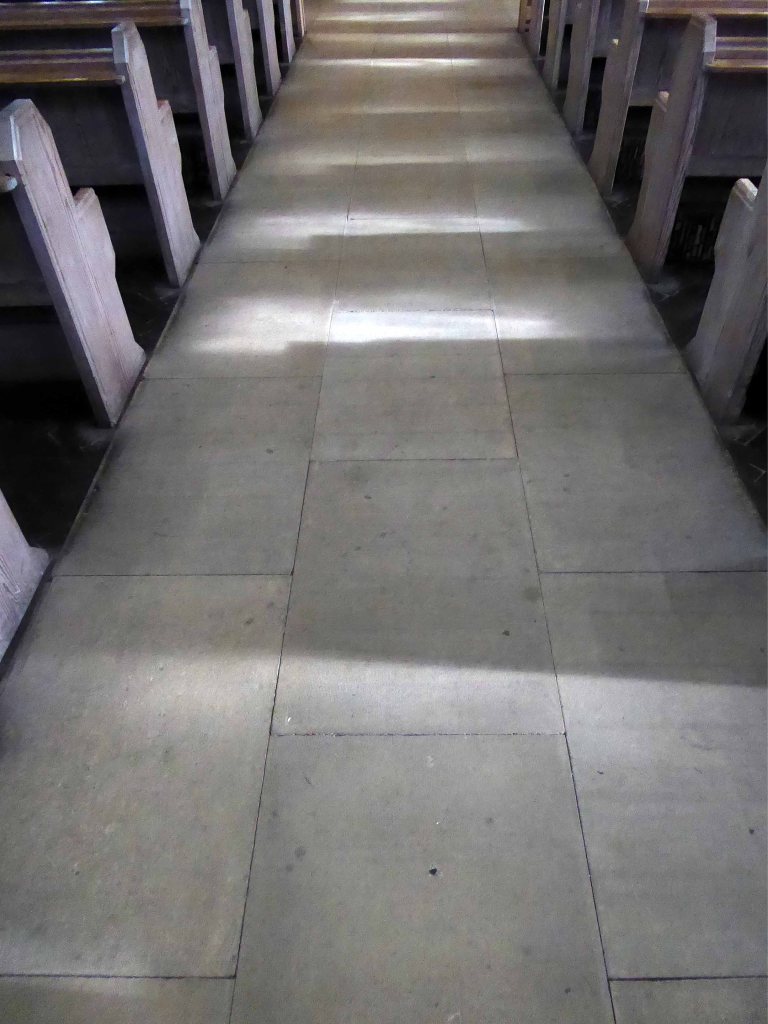
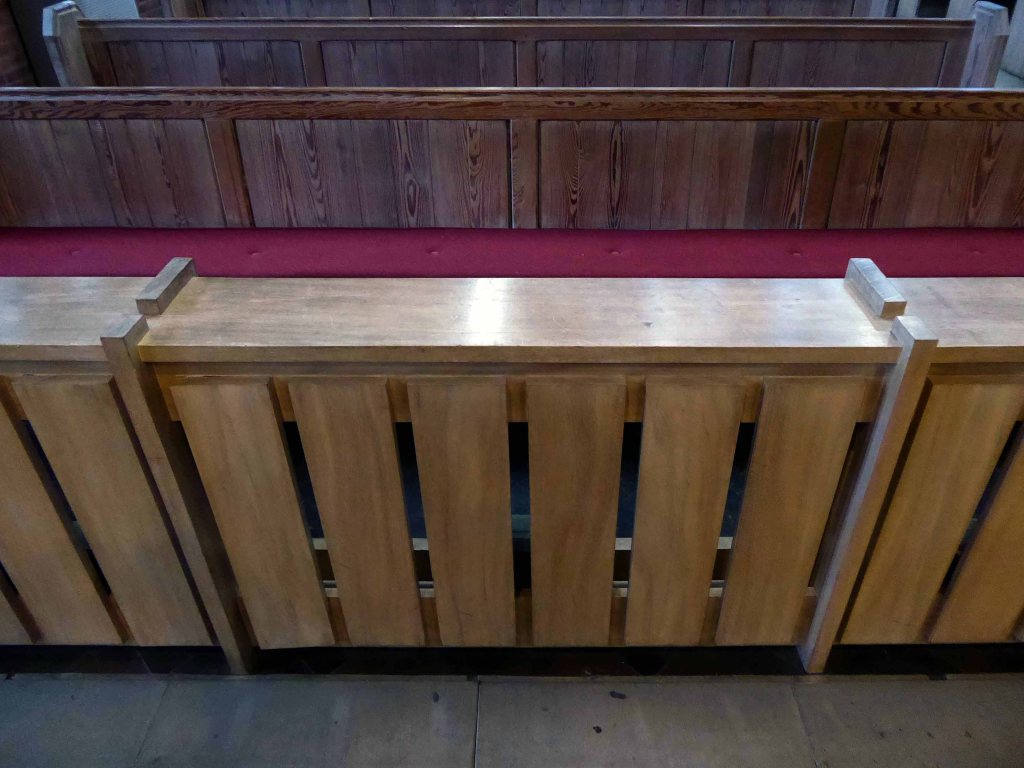
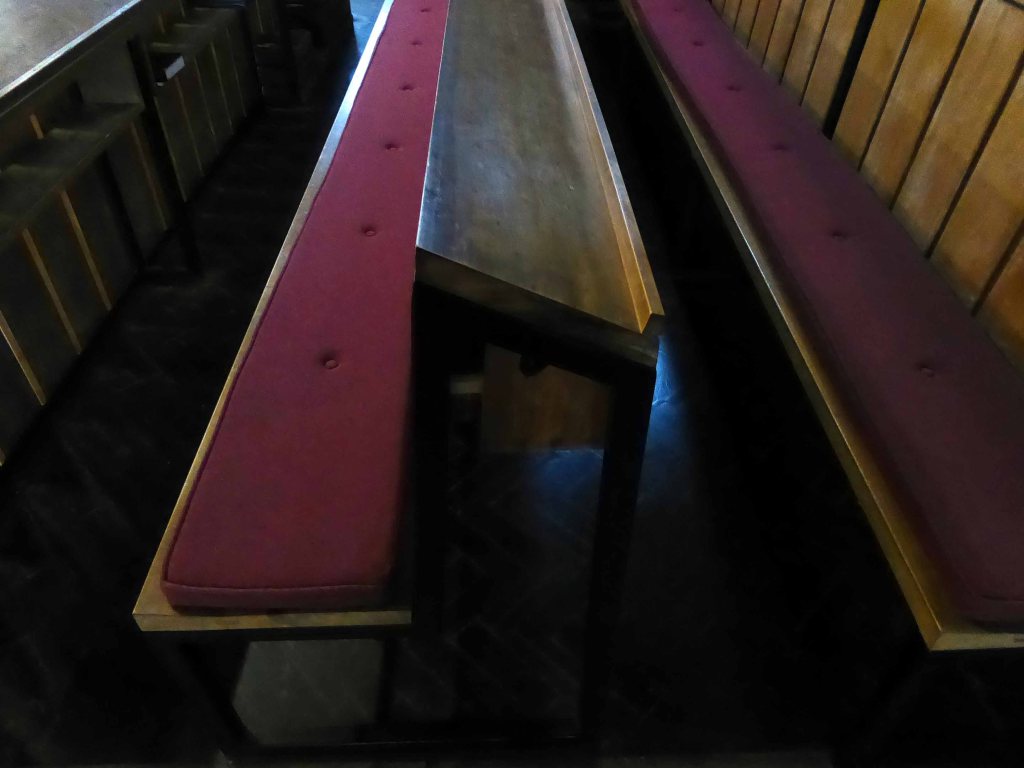
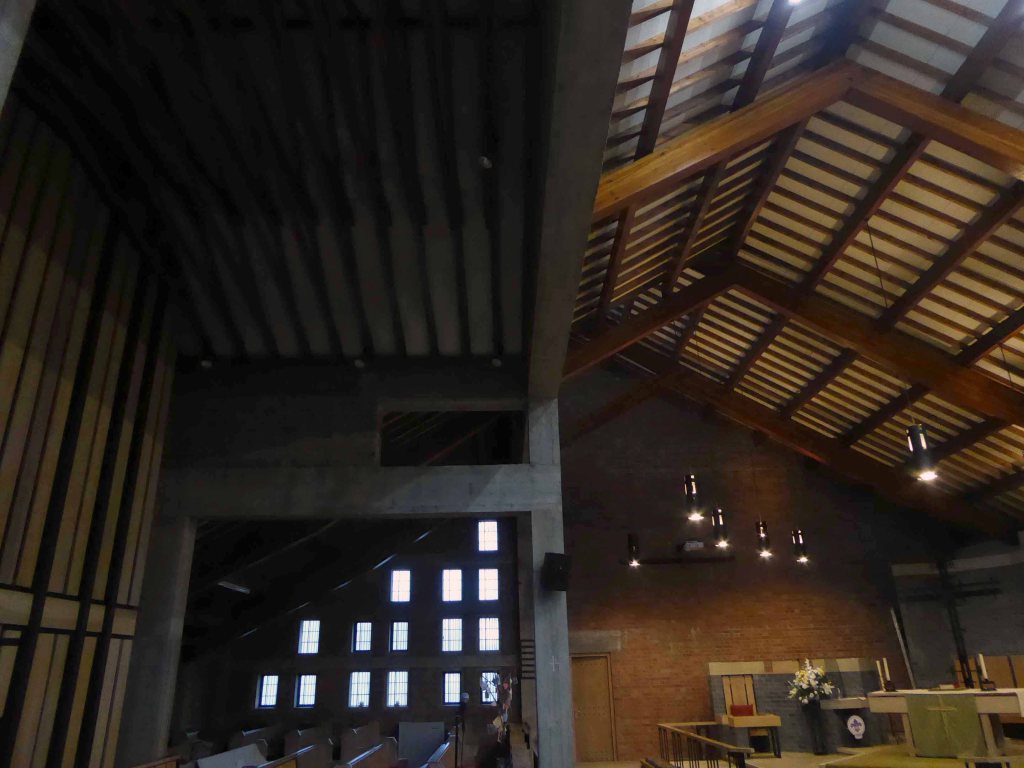
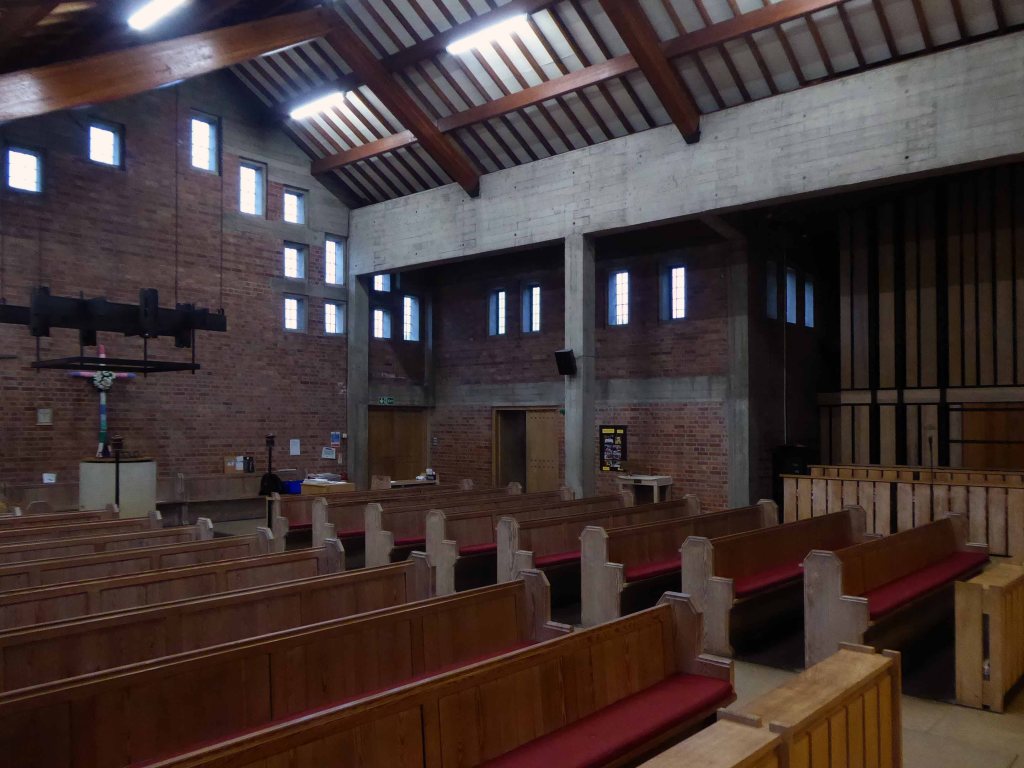
The body of the church contains Victorian stripped oak bench pews derived from St John’s church in Little Horton, arranged with a central aisle. To the north side is a range of contemporary pews in wood with vertical slatted fronts, in front of the organ, recovered from St. Chrysostom’s Bradford , by Driver and Haigh of Bradford, which is housed in the transept with a matching front of vertical wooden slats.

Let’s take a look.

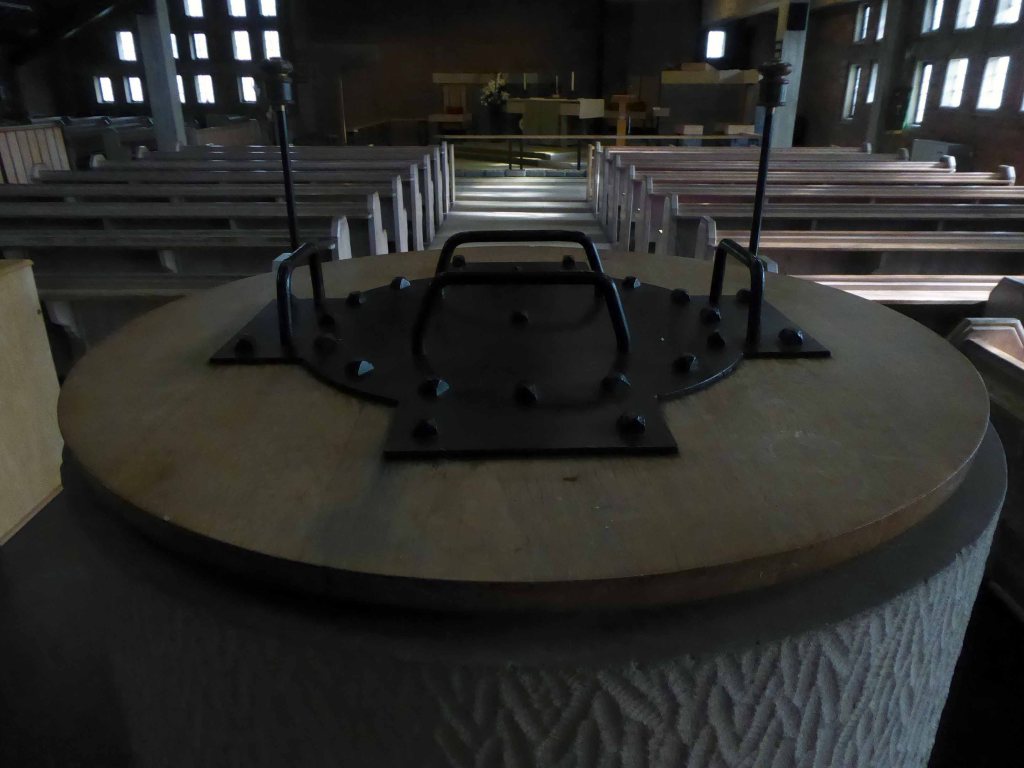
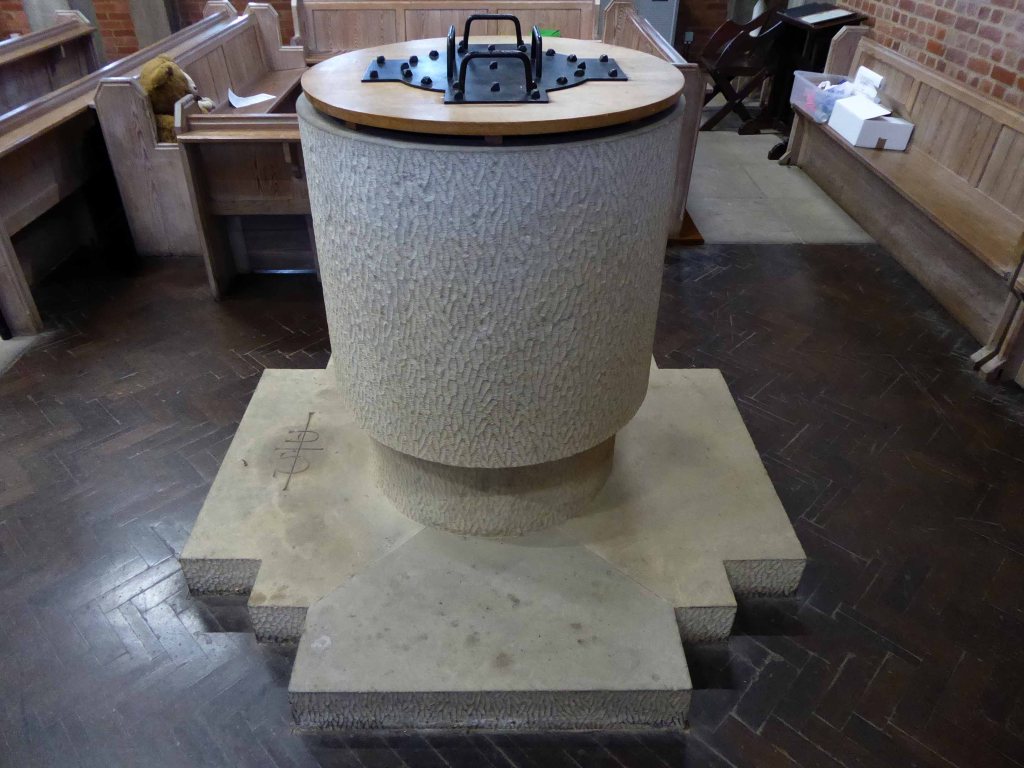
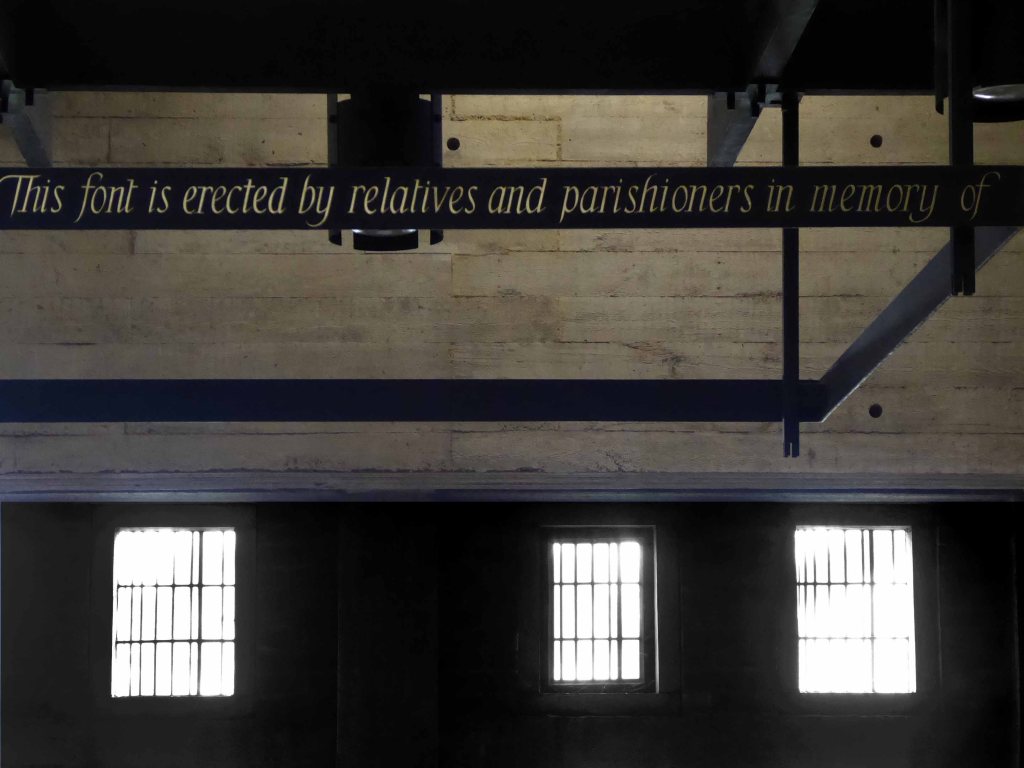
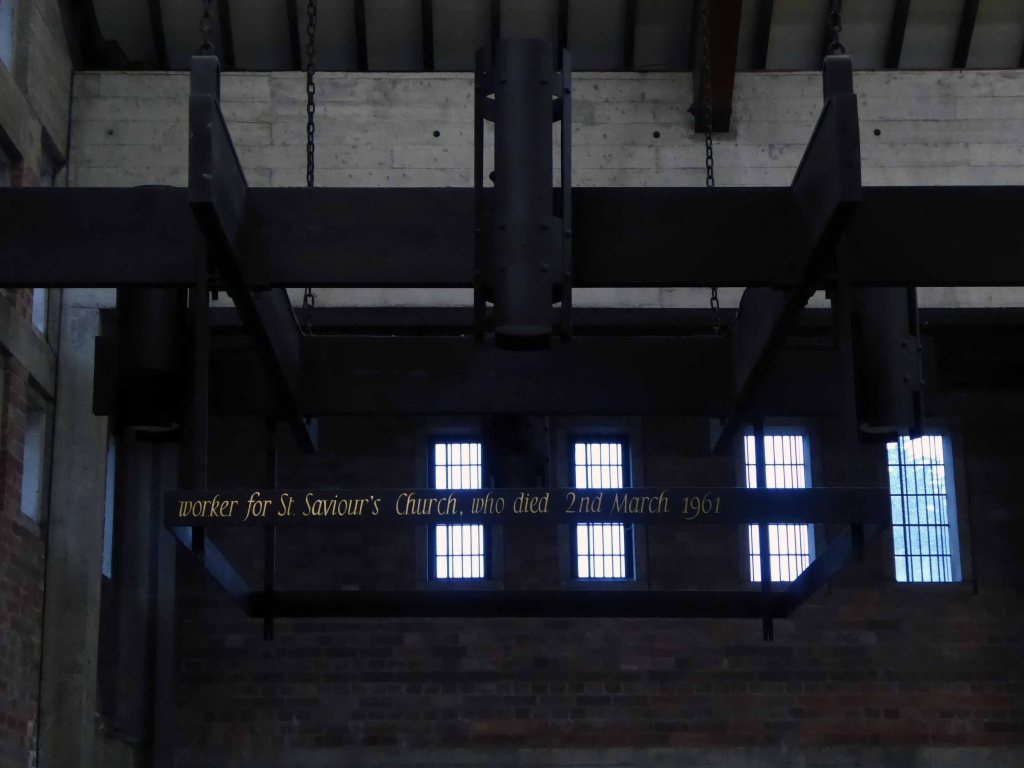
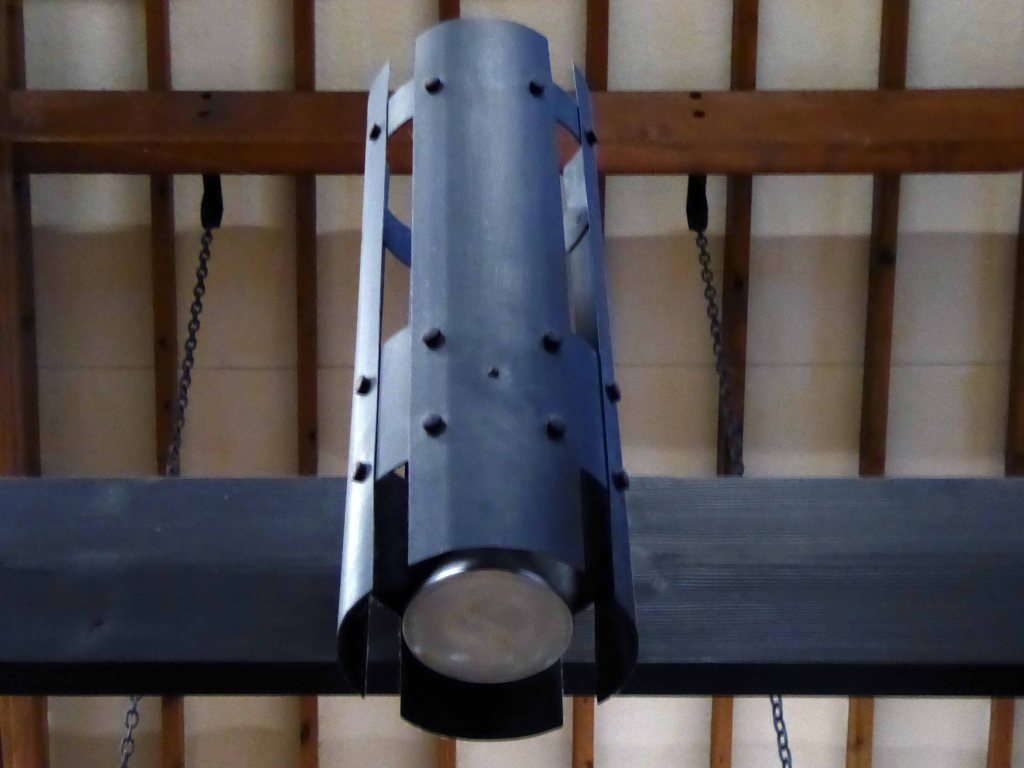
To the rear is the cylindrical font in white concrete with a wooden lid, set on a raised platform. Suspended above it is a large light fitting in black metal, inscribed around the edges with the words: “This font is erected by relatives and parishioners in memory of/ Beatrice May Parkin, for over forty years a Sunday School teacher and/ worker for St Saviour’s Church, who died 2nd March 1961”.

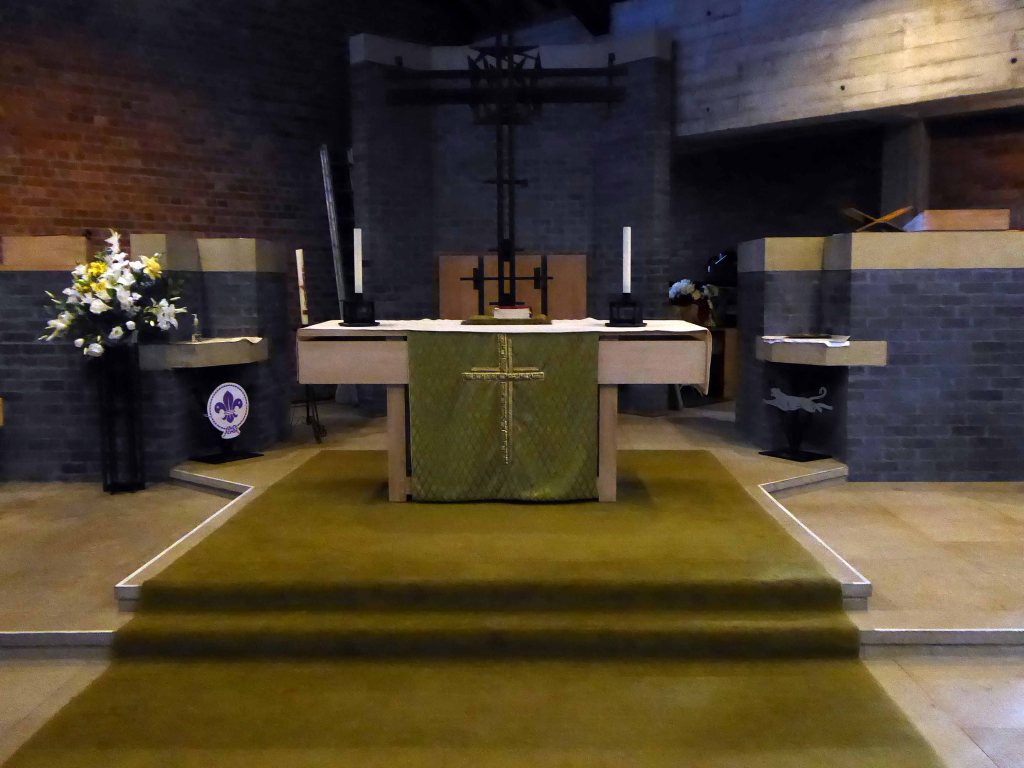
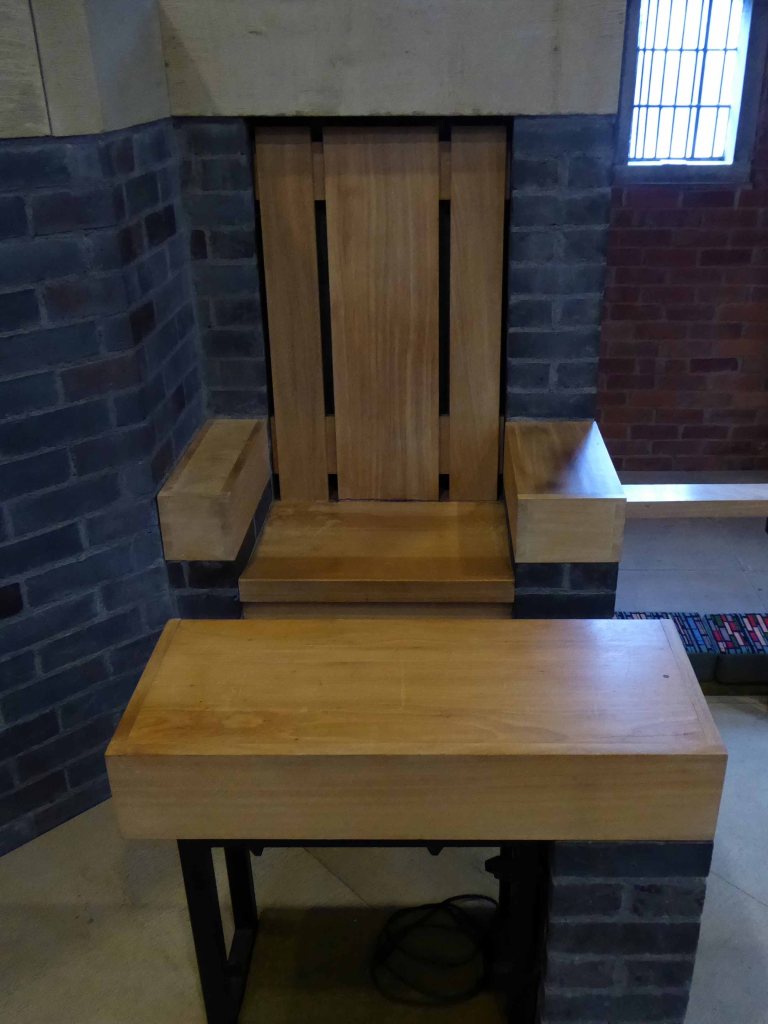
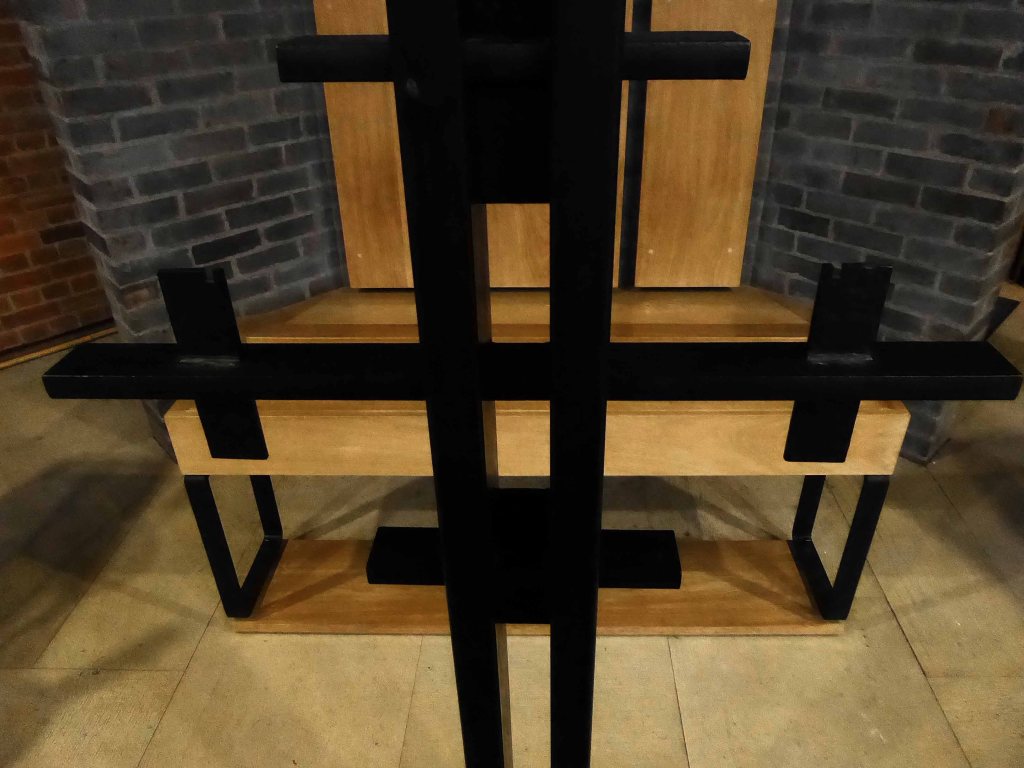
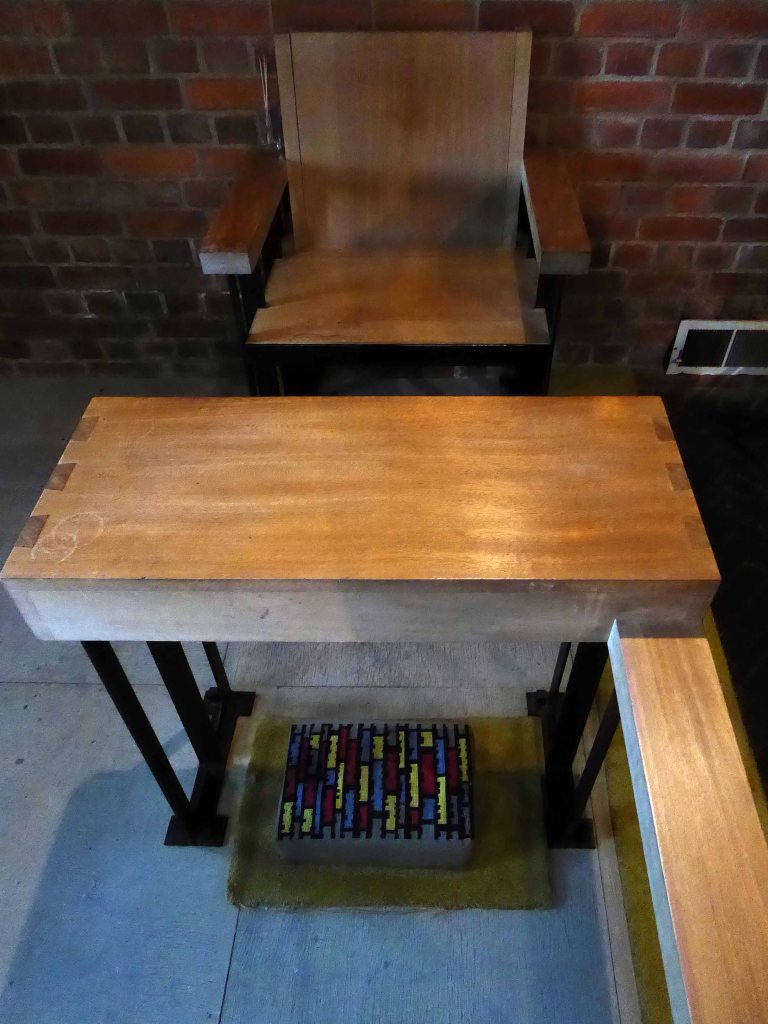
There is no separate chancel, and the finishes throughout are exposed brick, shuttered concrete and limed oak. The sanctuary area is in the south-east corner and consists of a tall angled purple brick reredos, topped with concrete, and a lower detached, angled purple brick pillar to each side each holding a shelf and incorporating a wooden seat. In front of the central reredos is an integral wooden bench with three backs, and a large black metal cross in the same style as those on the exterior but with more elaboration, fixed to the floor on a raised concrete block. To the fore is the altar table on a low raised platform. The whole is enclosed within an altar rail of iron and wood, open to the centre.

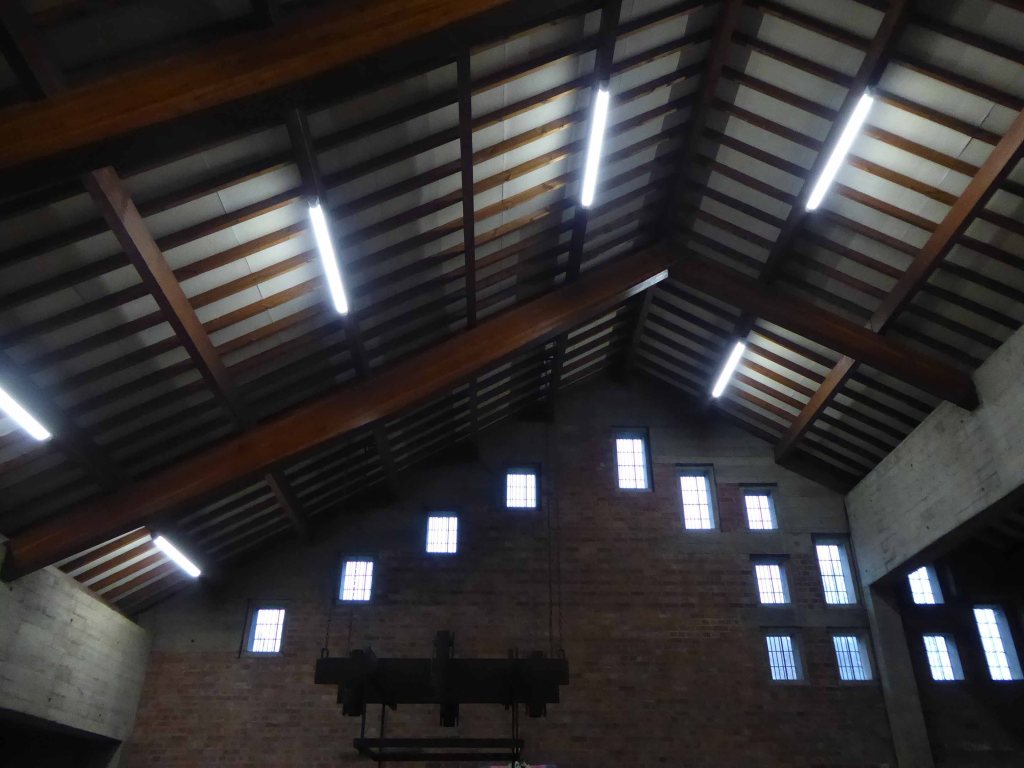
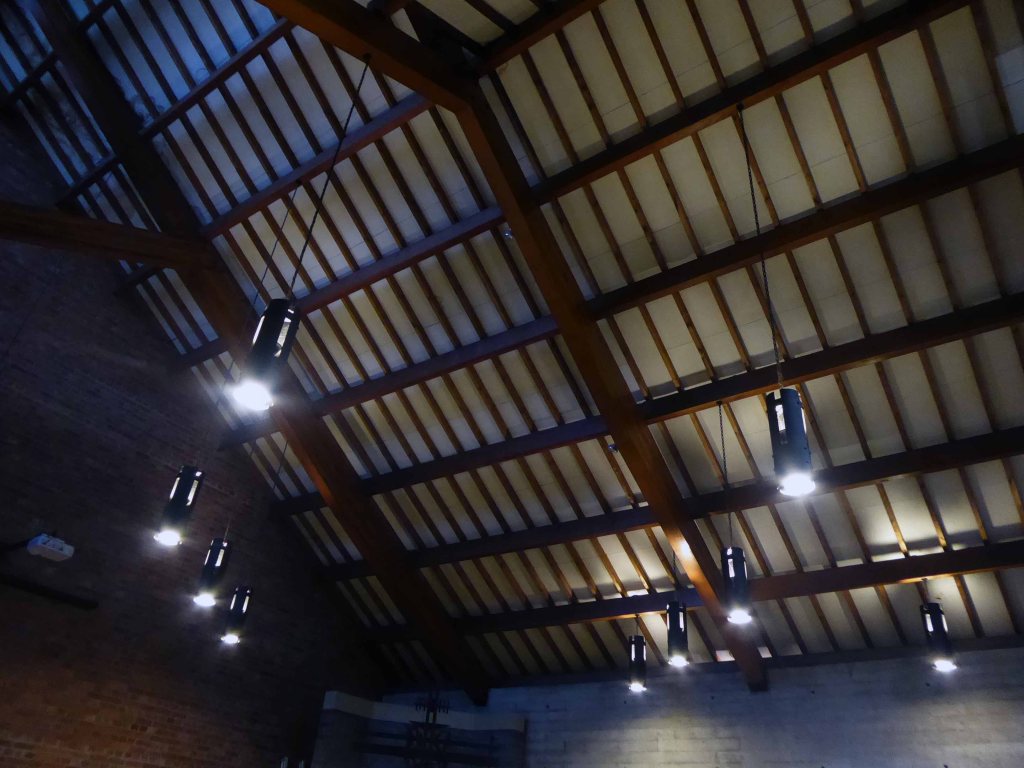
The main roof has exposed wooden trusses supported on concrete pillars and beams, with rafters and purlins also exposed creating a latticework pattern.

The whole interior order is orderly, calm and coherent, a simple consistency of materials and architectural intent.

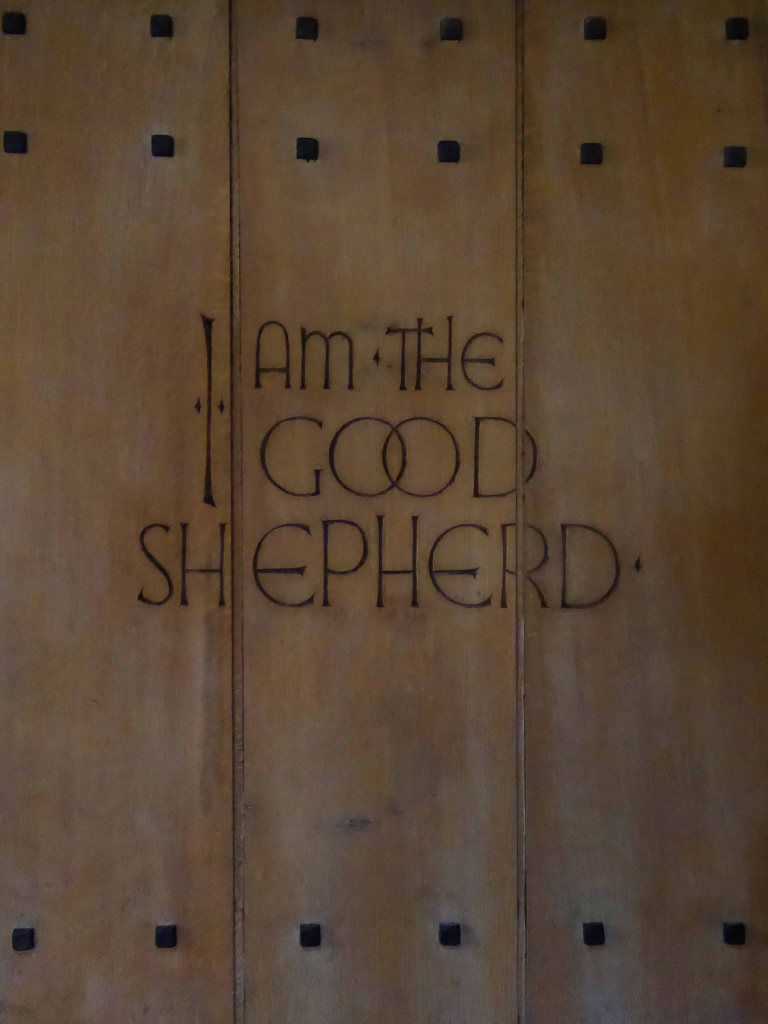
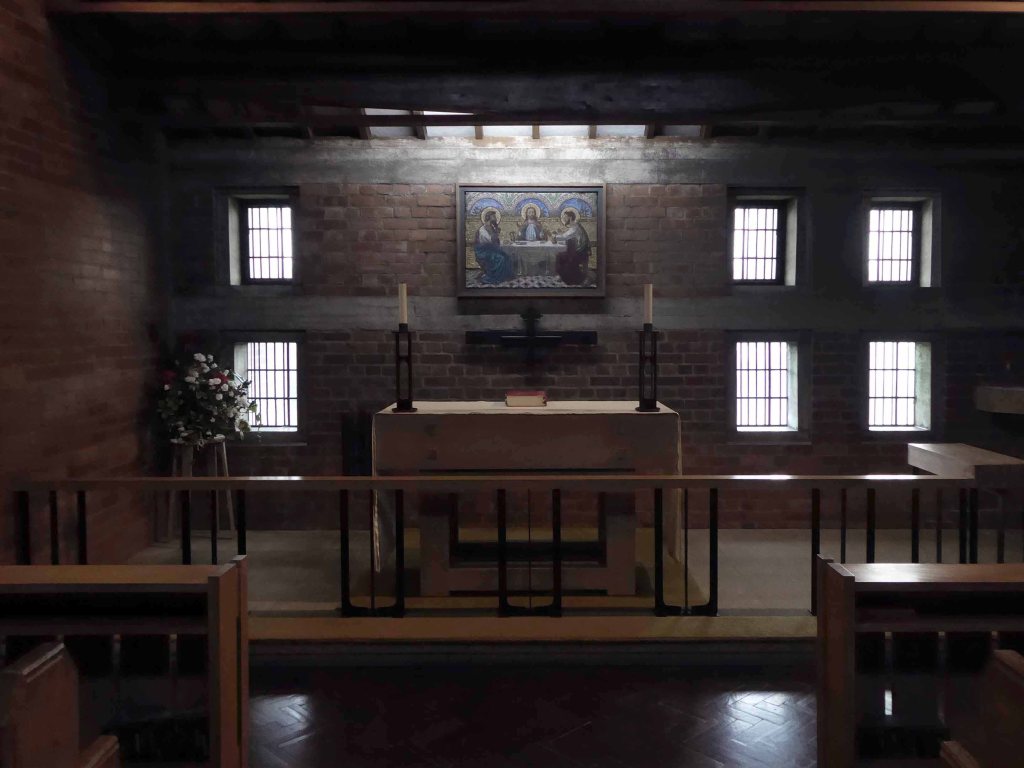
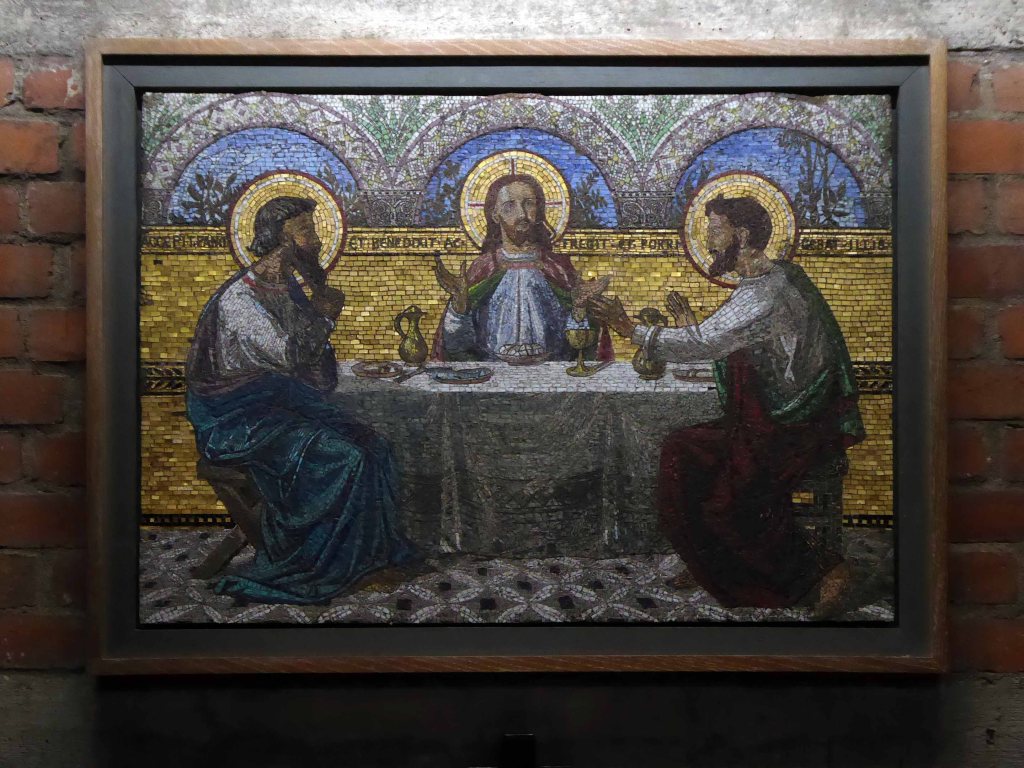
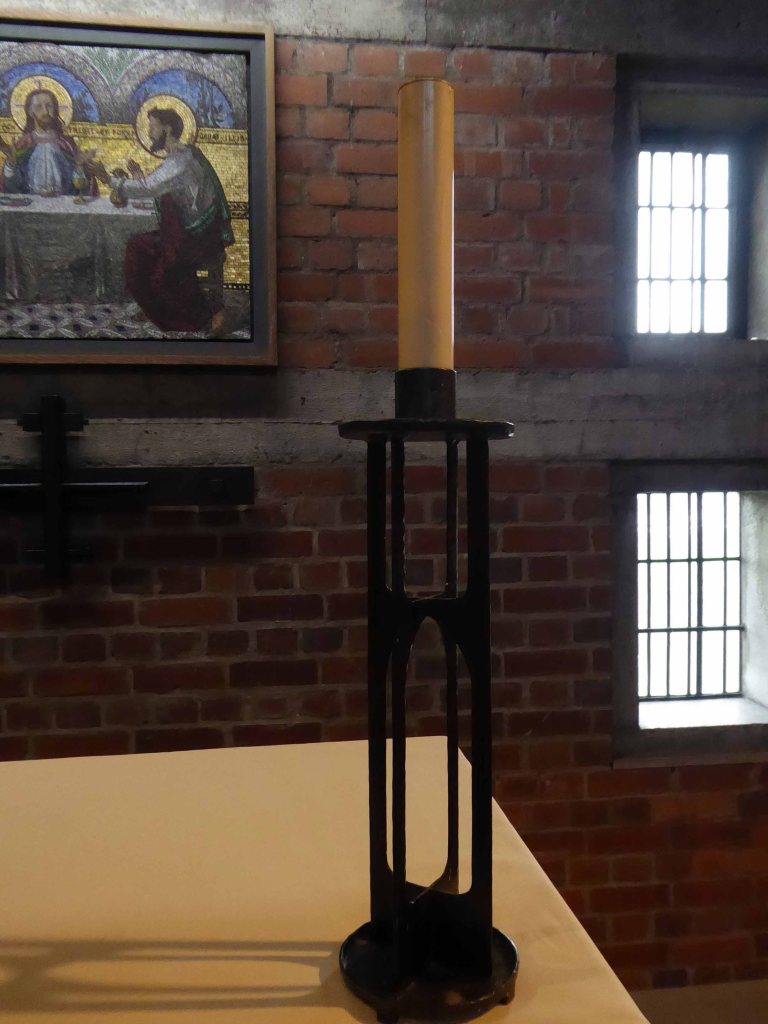
The solid wood, studded chapel door has the words “I am the Good Shepherd” engraved on it. The chapel has exposed beams and rafters, and an altar to the north with iron and wood altar rail in front. Pews are as in the church. There is a mosaic plaque behind the altar which came from St John’s church in Little Horton.

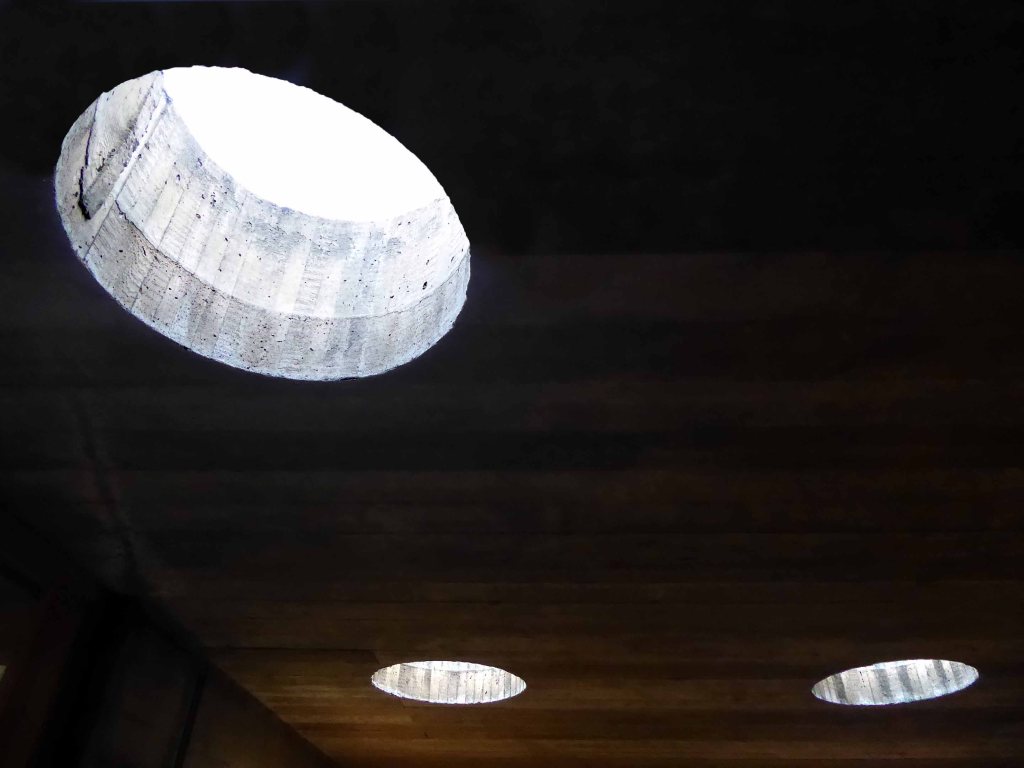
Beyond to the west is the narthex, with shuttered concrete ceilings pierced by circular skylights, exposed brick walls and doors to the chapel, service rooms and hall. 

Such a pleasure to visit such an enchanting church – it was a precious privilege to be welcomed by the congregation, warden and Reverend Dorothy.

Once again – many sincere thanks.

See also: William Temple Church of St Mark’s and St Mark’s Broomhill

Alexandra Hotel – Hull

69 Hessle Road Kingston upon Hull HU3 2AB

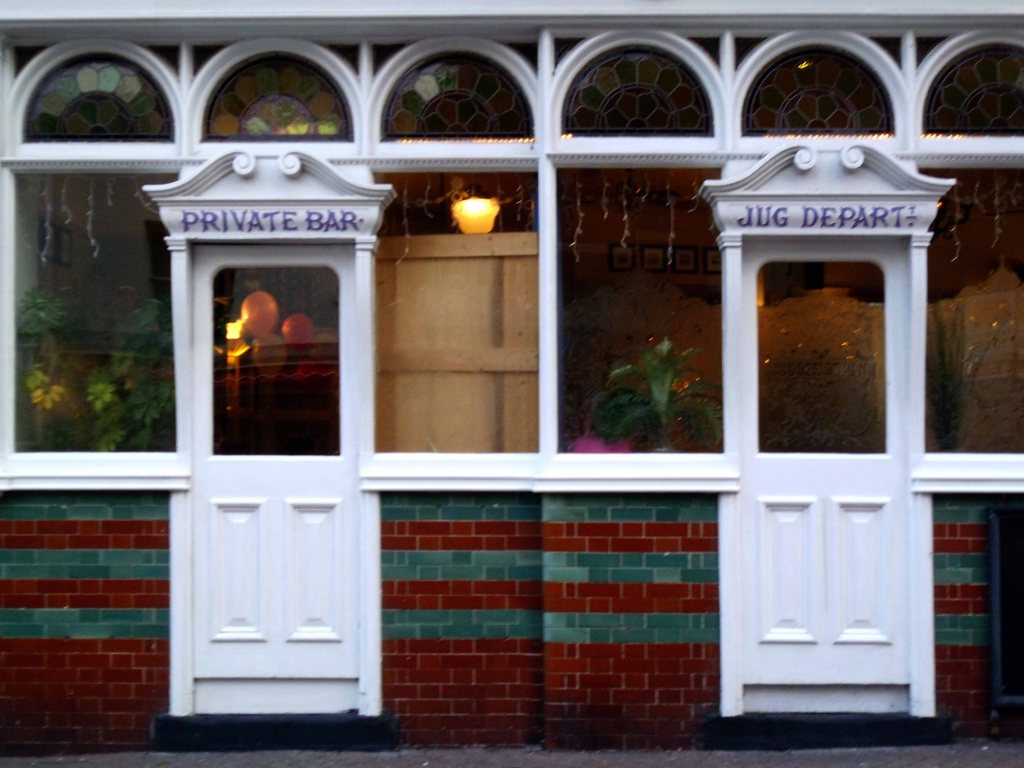
Whilst walking the length of Hessle Road, up and back – taking the air, snaps, the sights and sounds, I came upon a fine Faience tiled frontage.

I began photographing, wandering dangerously into the space between the slip road and the flyover. A shout rang out, emanating from the boozer, the landlord called me over.

“Do you want to take a look inside?”

“Yes”.

A listed interior the new landlord is working hard along with Historic England to restore the capacious rooms to their former glory, including the entrance mosaic and ceiling – images P Hampel

Inheriting a whole heap of issues and a grey parrot called Sparky.

It all proved too much for the former landlord.

But the boozer is now up and running serving cask ale to throngs of first class thirsty customers.

The Yorkshire Brewhouse 1904 ended mid week when we’re normally closed but we were asked to open for a group of very thirsty sailors. We moved on to Reet, another Yorkshire Brewhouse beer and thanks to the football that one has gone too. It’s back to the YBH Faithful Stout once again. I’d come quick and get it while you can.

Once two pubs the Hessle Road Inn was subsumed by the Alexandra. The area was once home to the city’s Jewish Community – the cemetery survives next door.

There are Star of David motifs incorporated into the windows, sympathetic to this local heritage.

Built around 1895, designed by Smith, Brodrick and Walker, with late C20 alterations – British Listed Buildings.

It’s a fabulous pub which deserves to thrive – pop in for a pint if you’re passing, just watch out for low flying parrots.

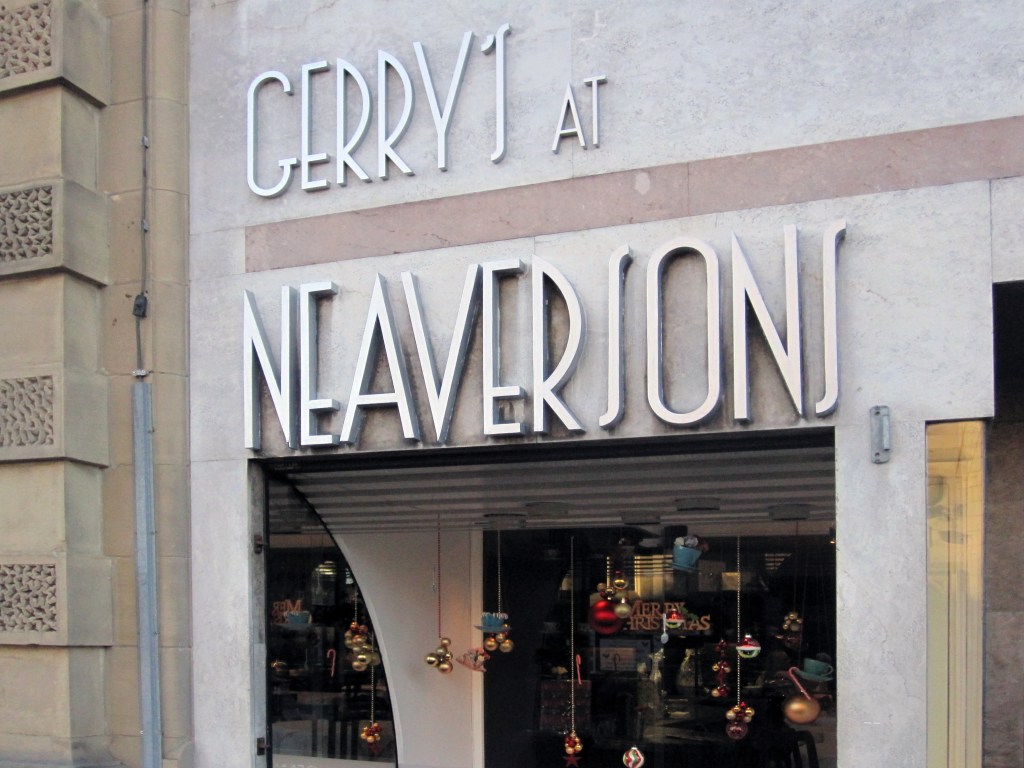
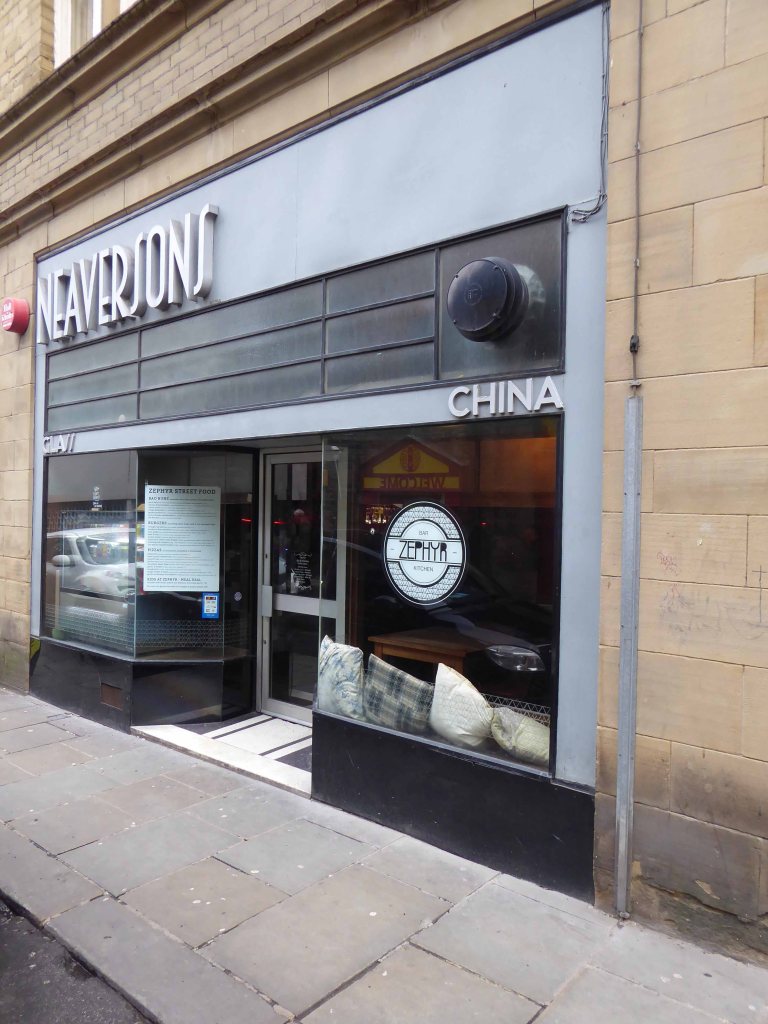
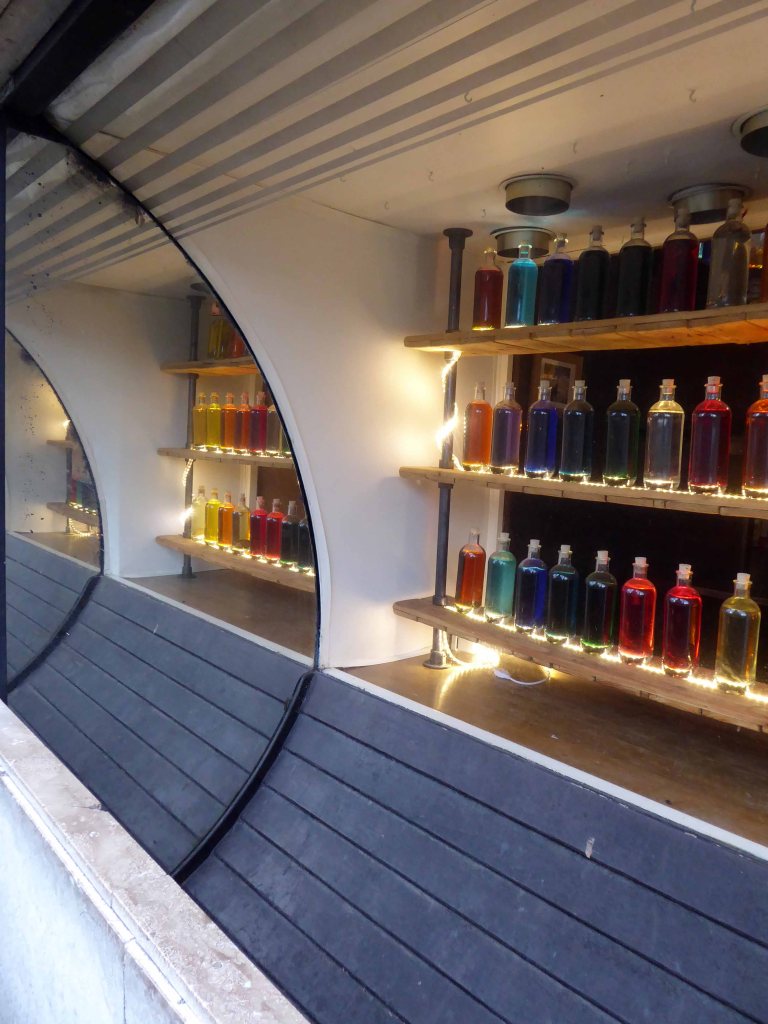
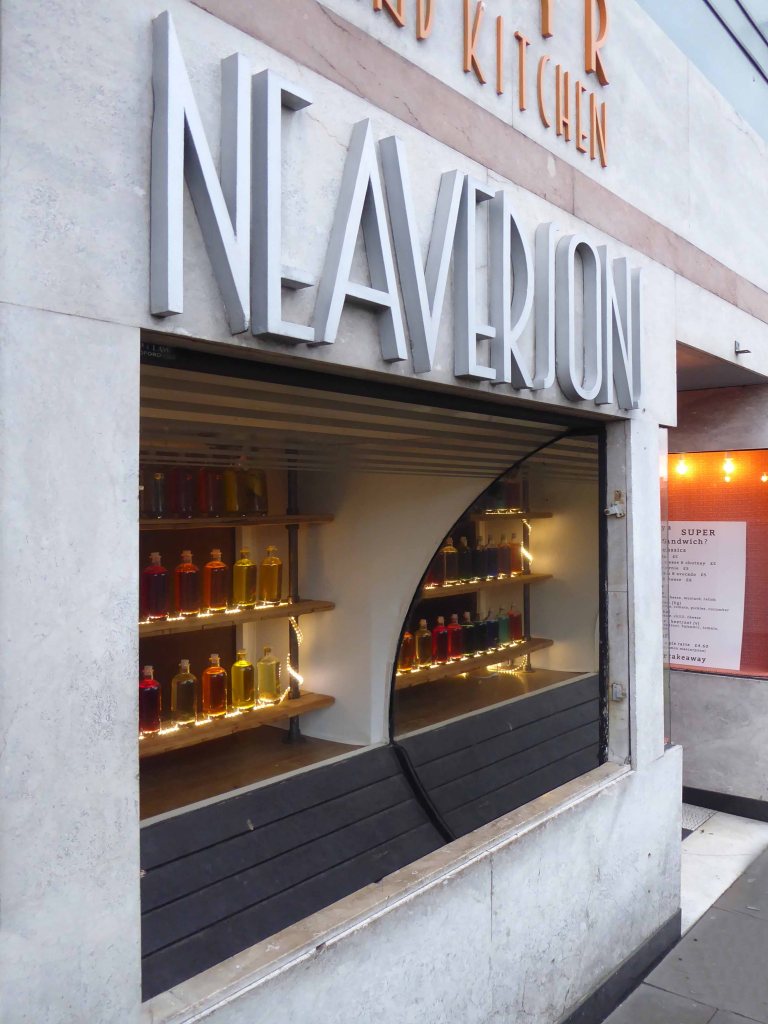
Neaverson’s – Huddersfield

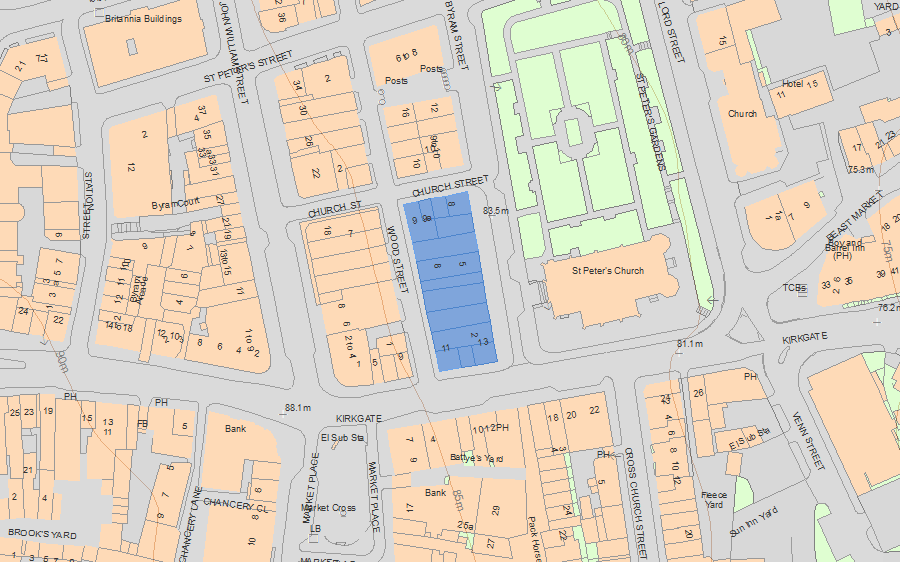
Kirkgate Buildings Byram Street

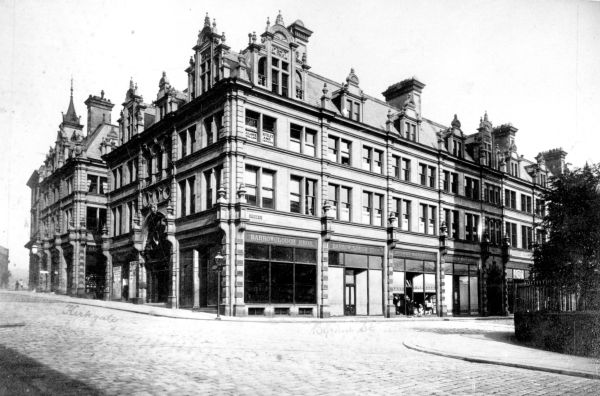
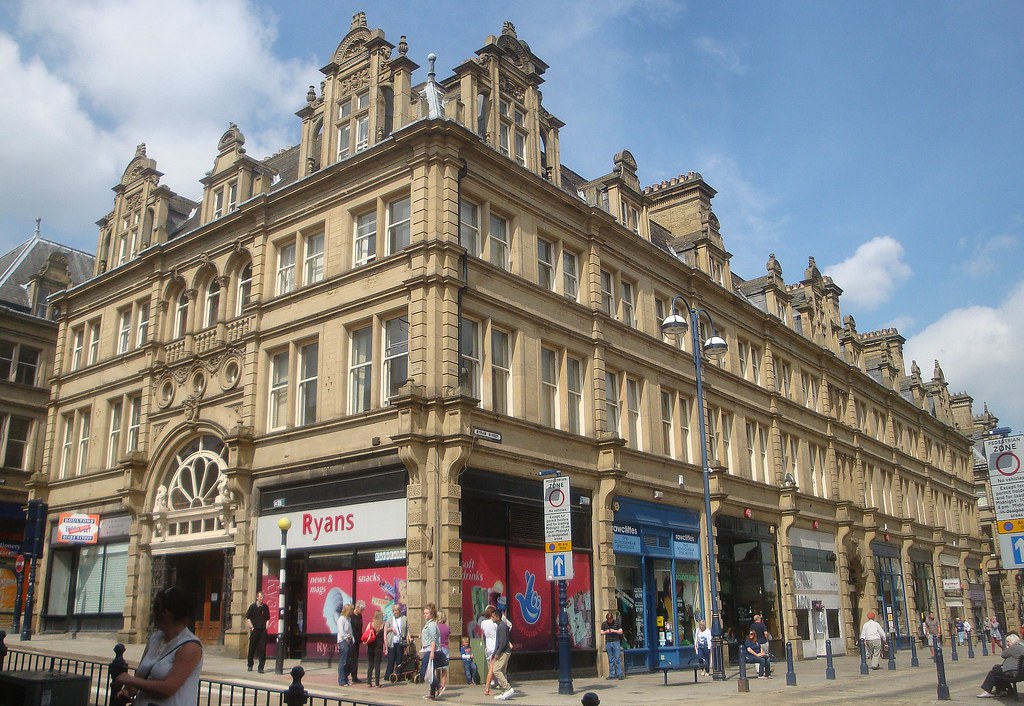
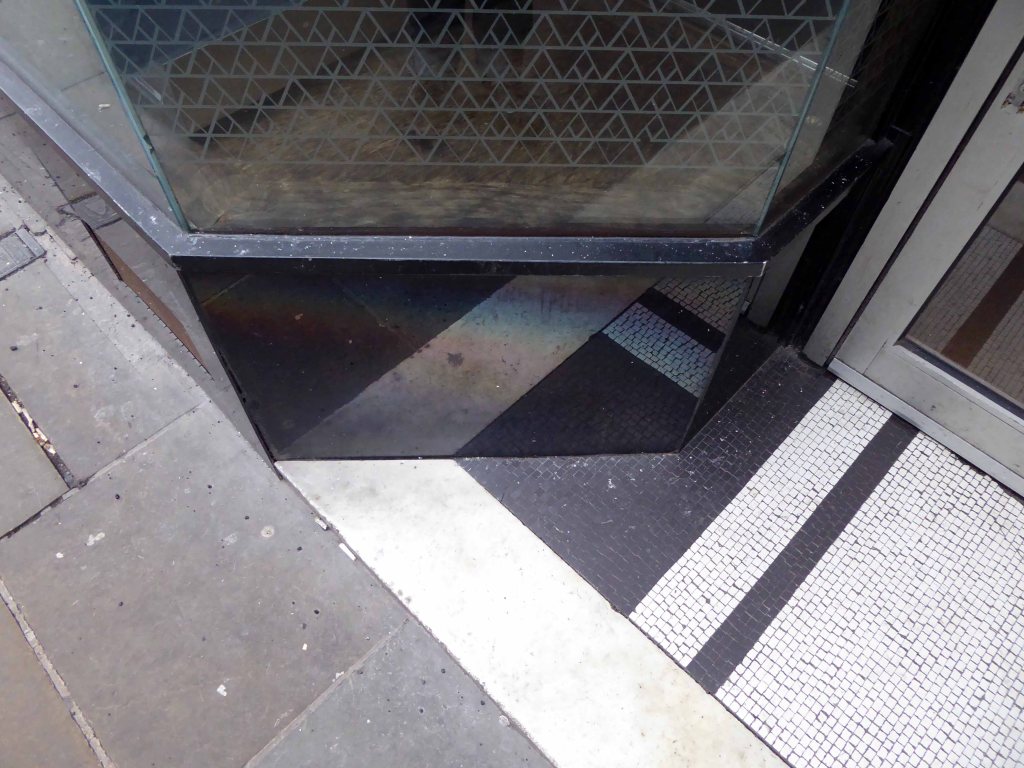
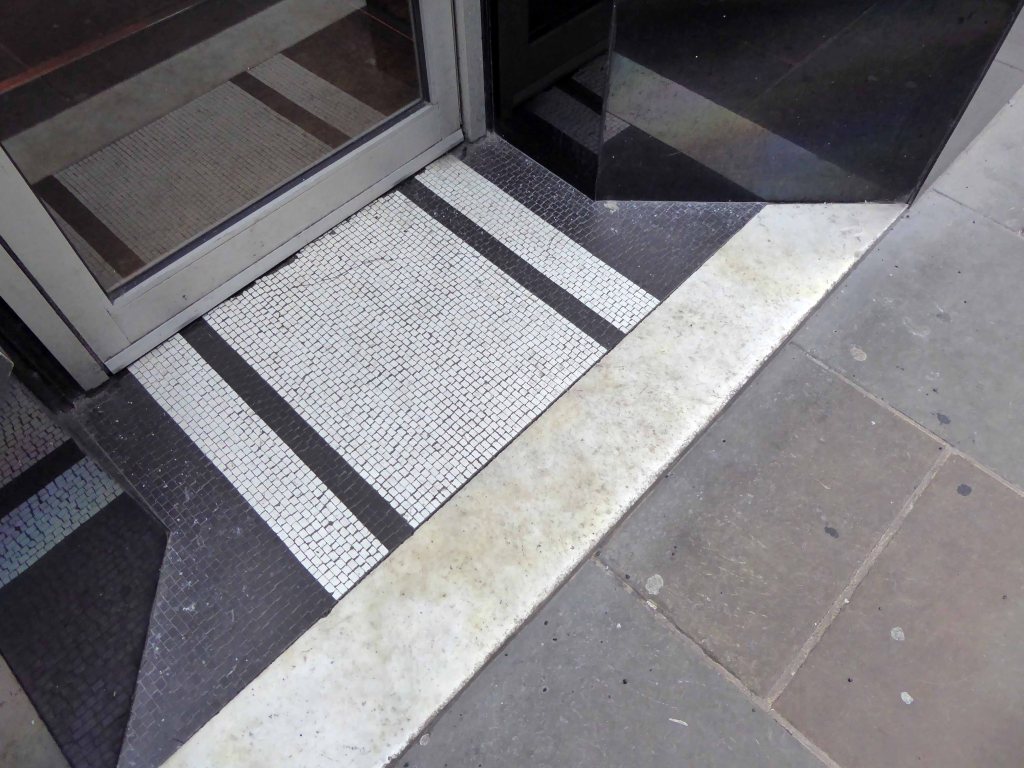
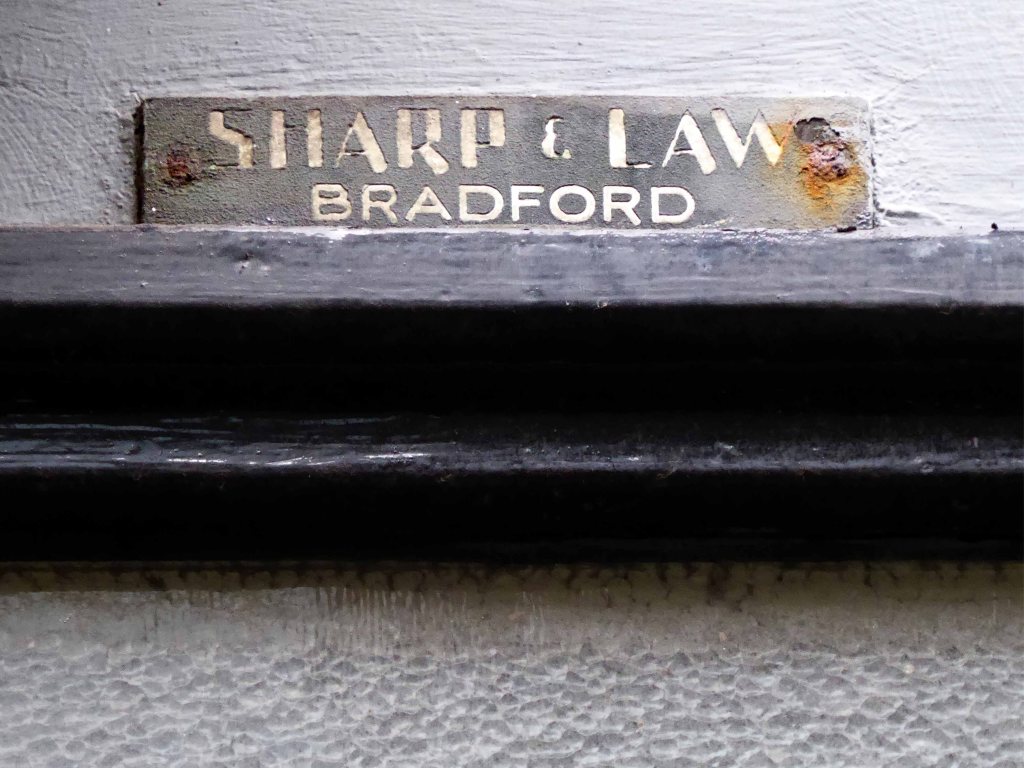
Commercial building with ground-floor retail units and offices to the upper floors, c1883, by W H Crossland with sculptural work by C E Fucigna. Sandstone ashlar, slate roof, substantial ashlar ridge stacks. C19 Queen Anne style with French influences and classical Greek sculpture. One of the ground-floor shop units was remodelled in 1935 by Sharp and Law of Bradford with Moderne shopfronts and interior fittings.

The cultural and visual collision is immediate – the pairing of Huddersfield’s grand Victorian manner with the latest of European Moderne.

Neaverson’s – purveyors of pottery and glass began life in 1893 in premises on Cross Church Street, before moving to the Grade I-listed Byram Street building in 1935.

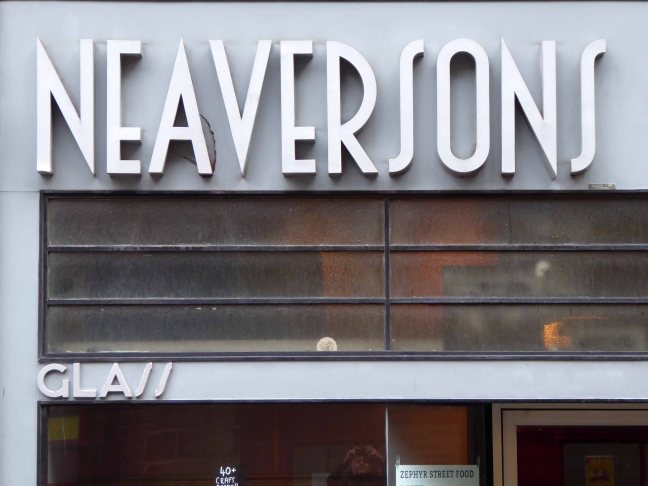
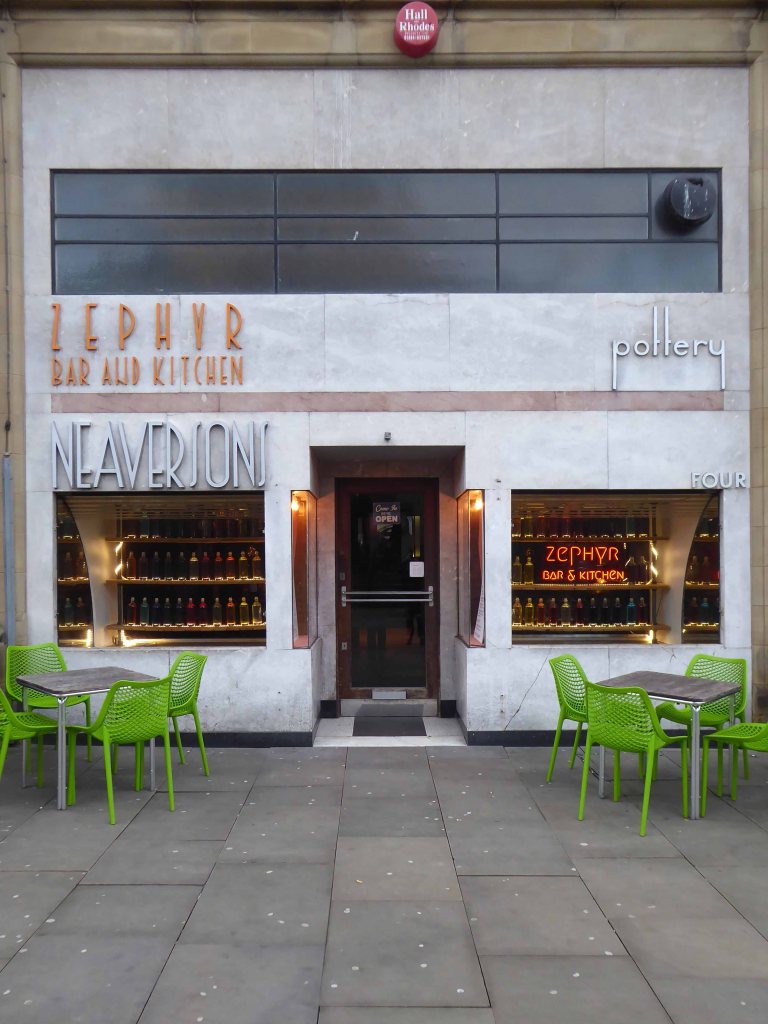
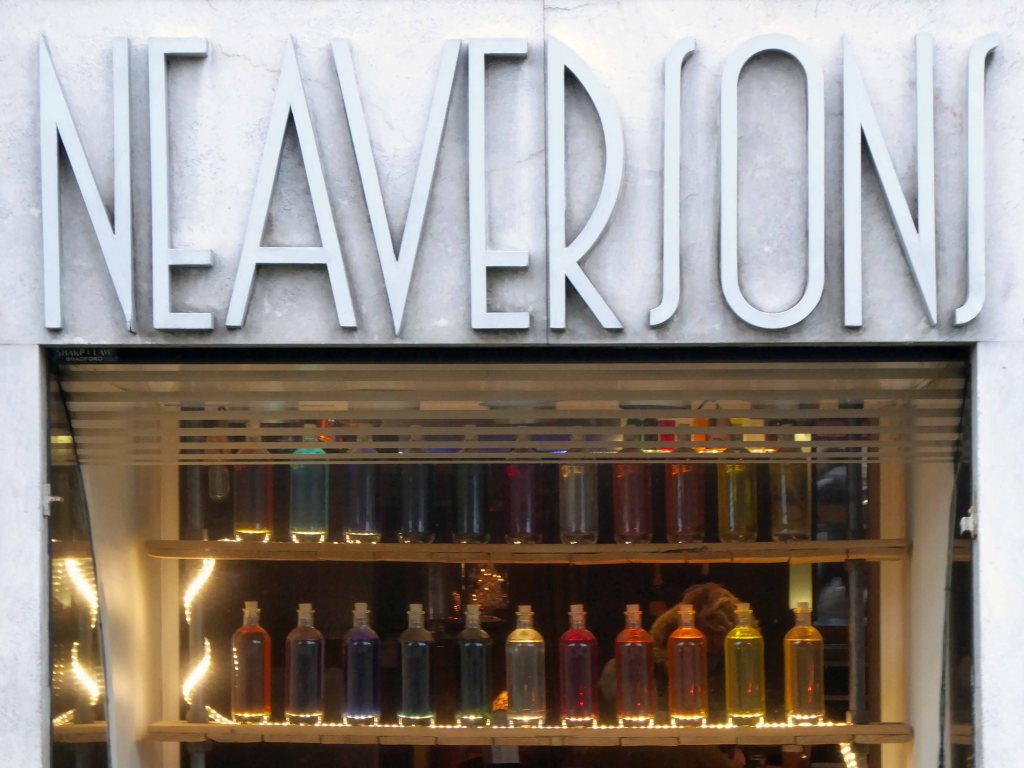
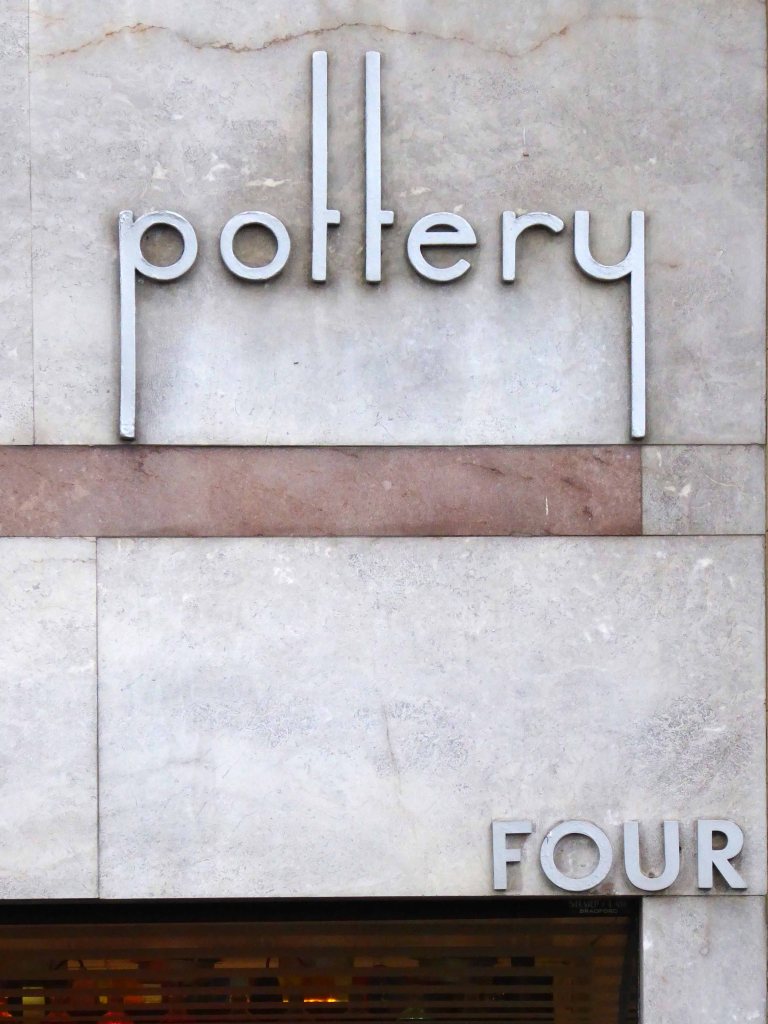
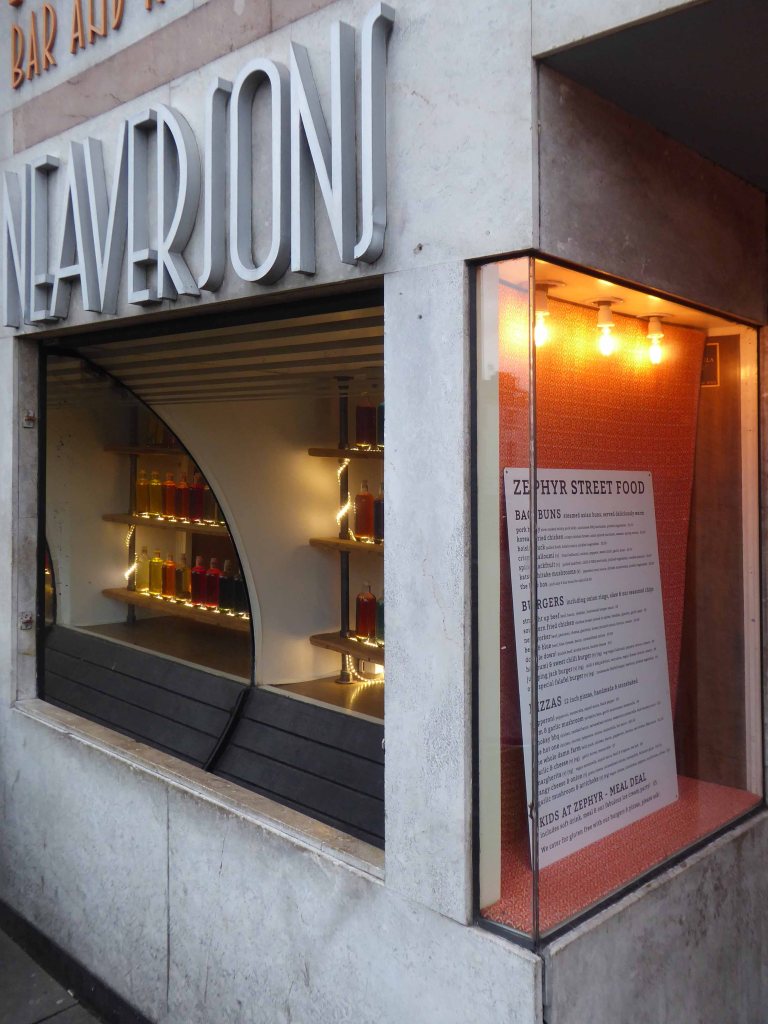
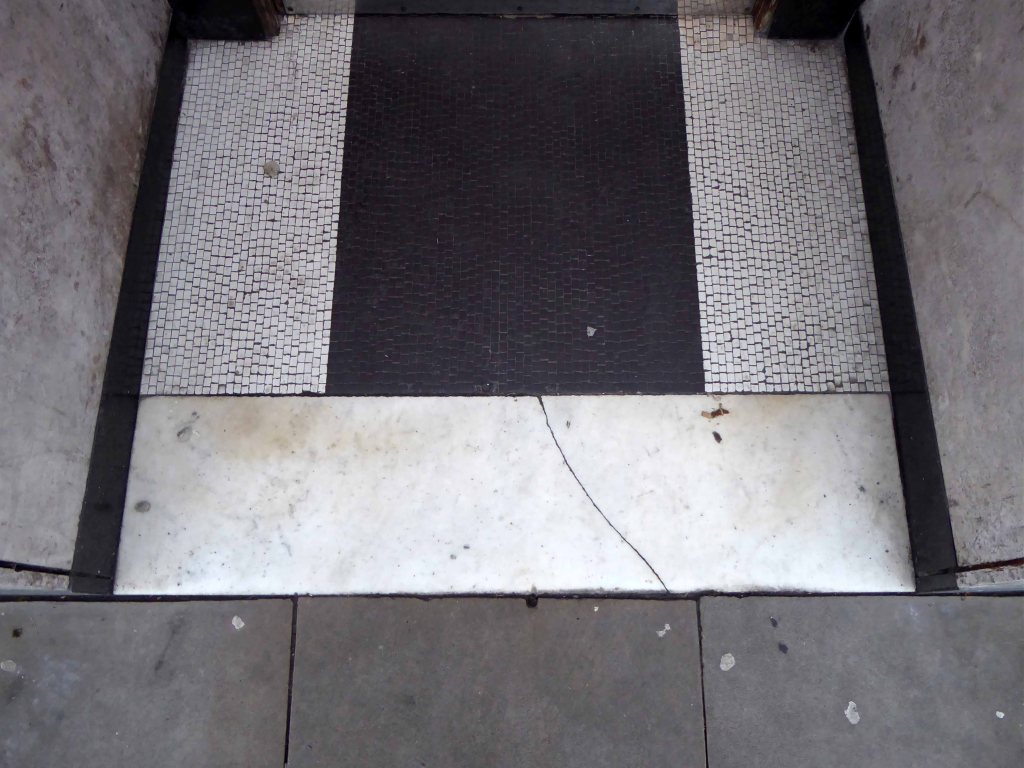
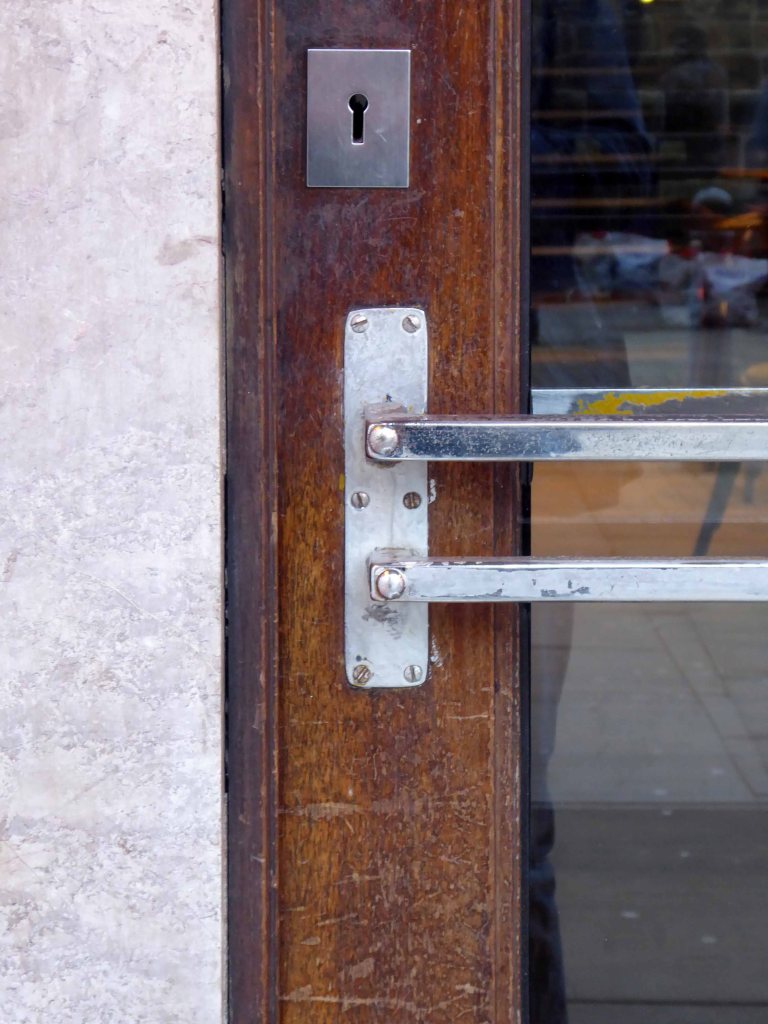
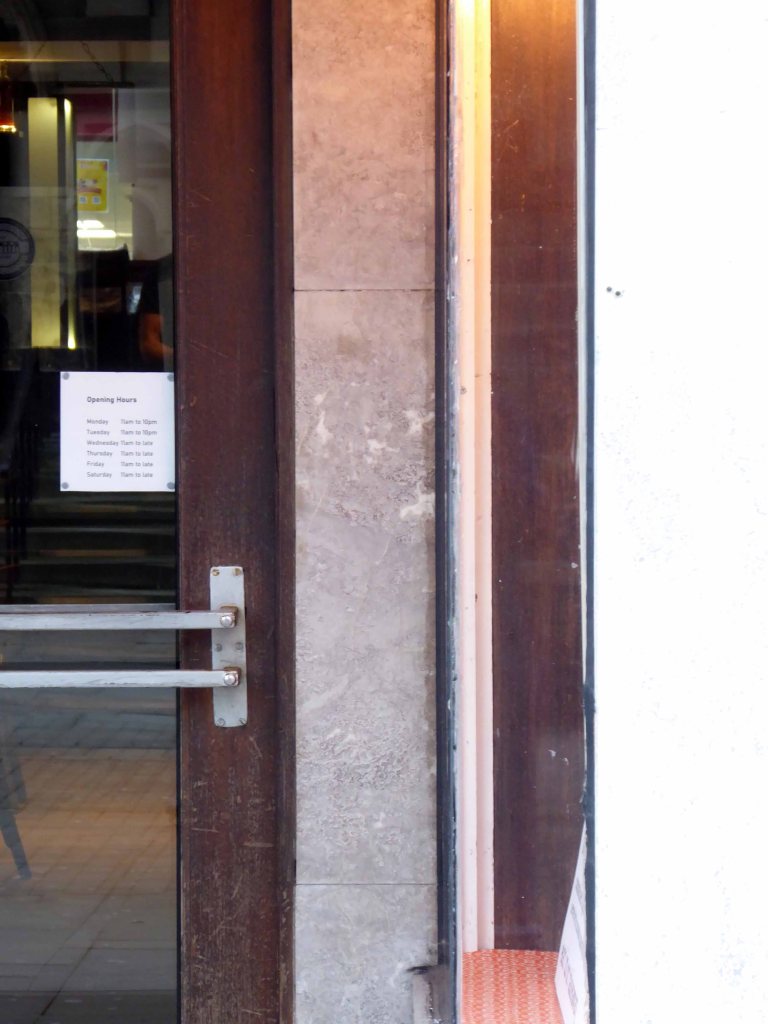
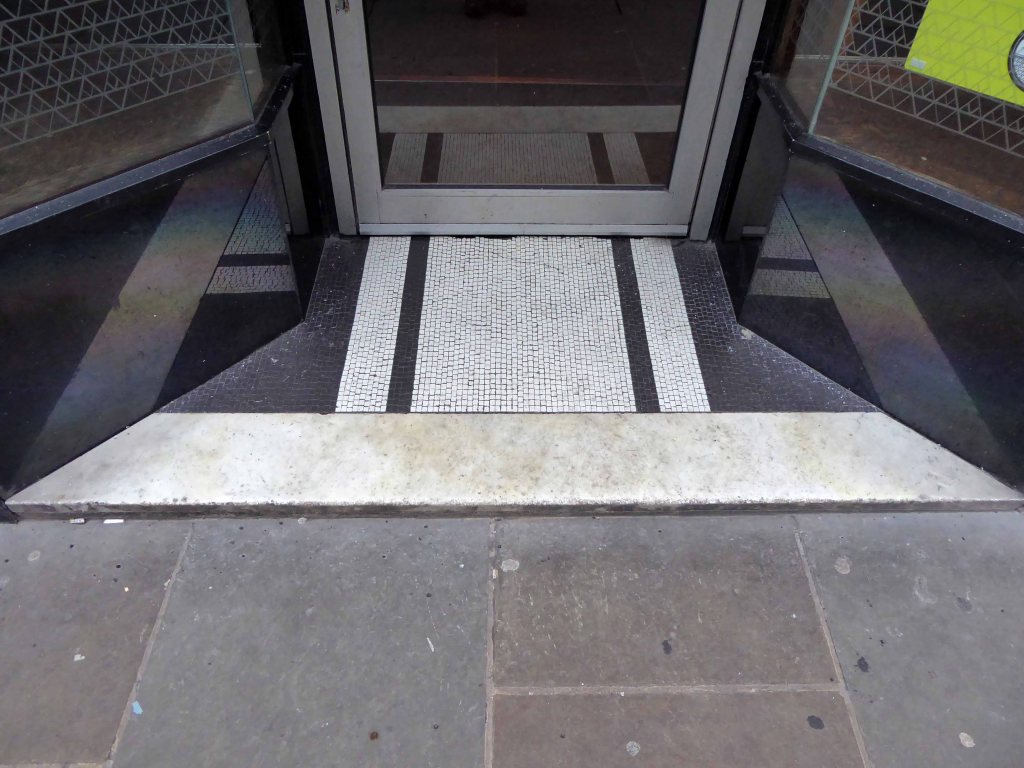
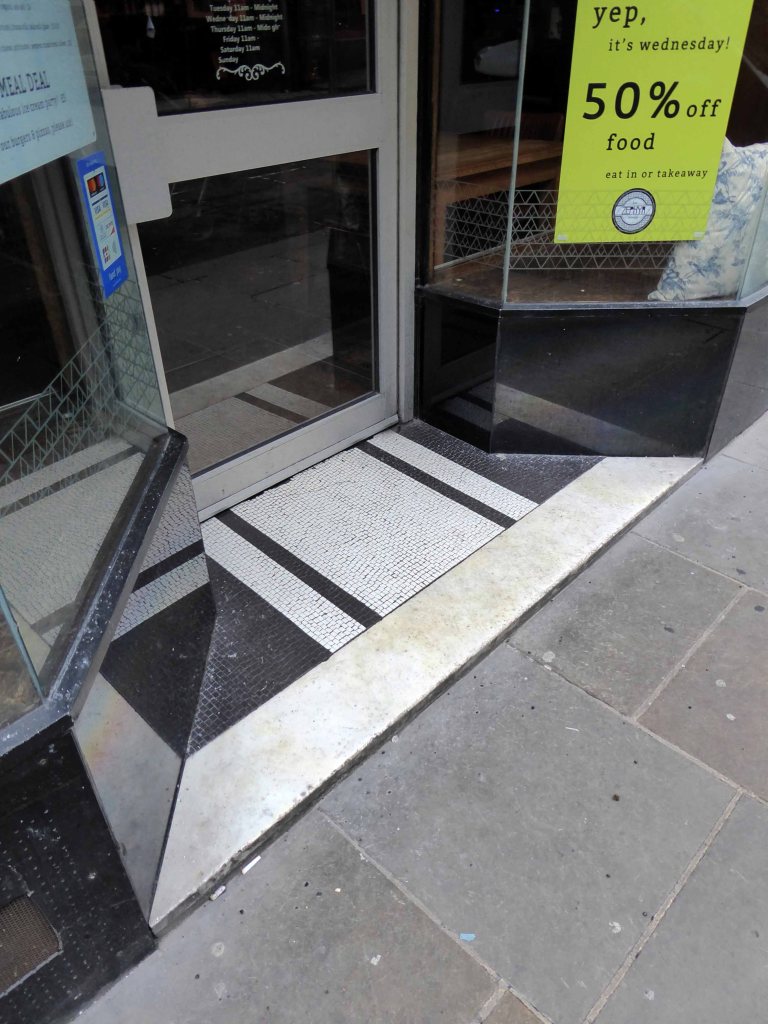
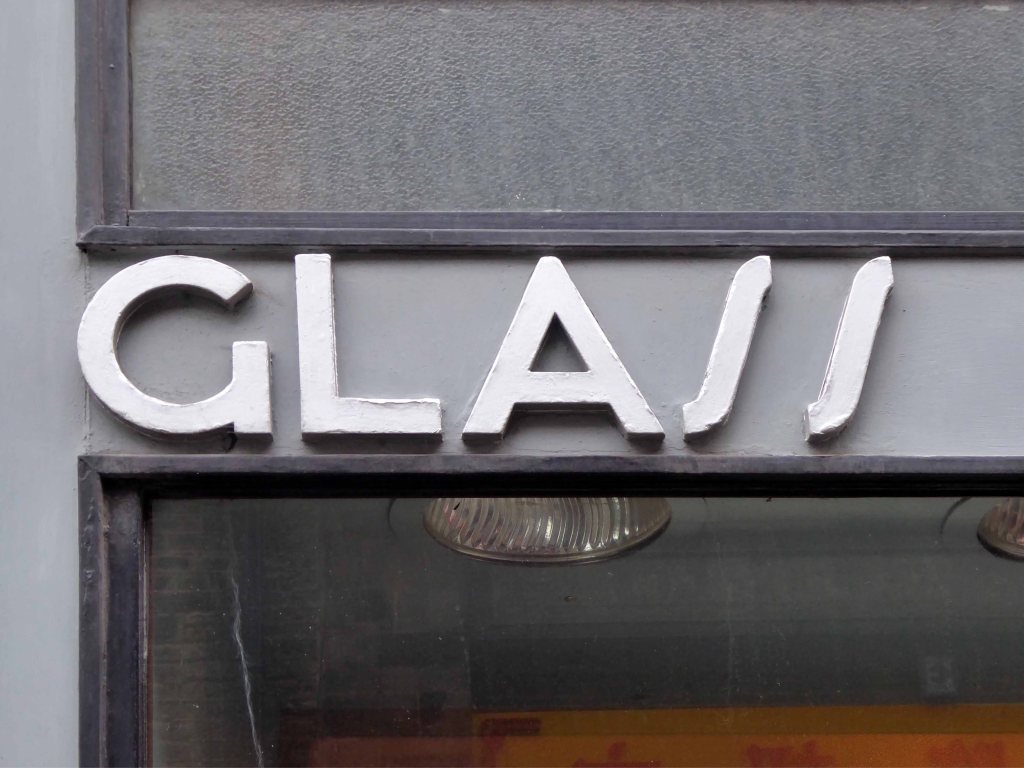
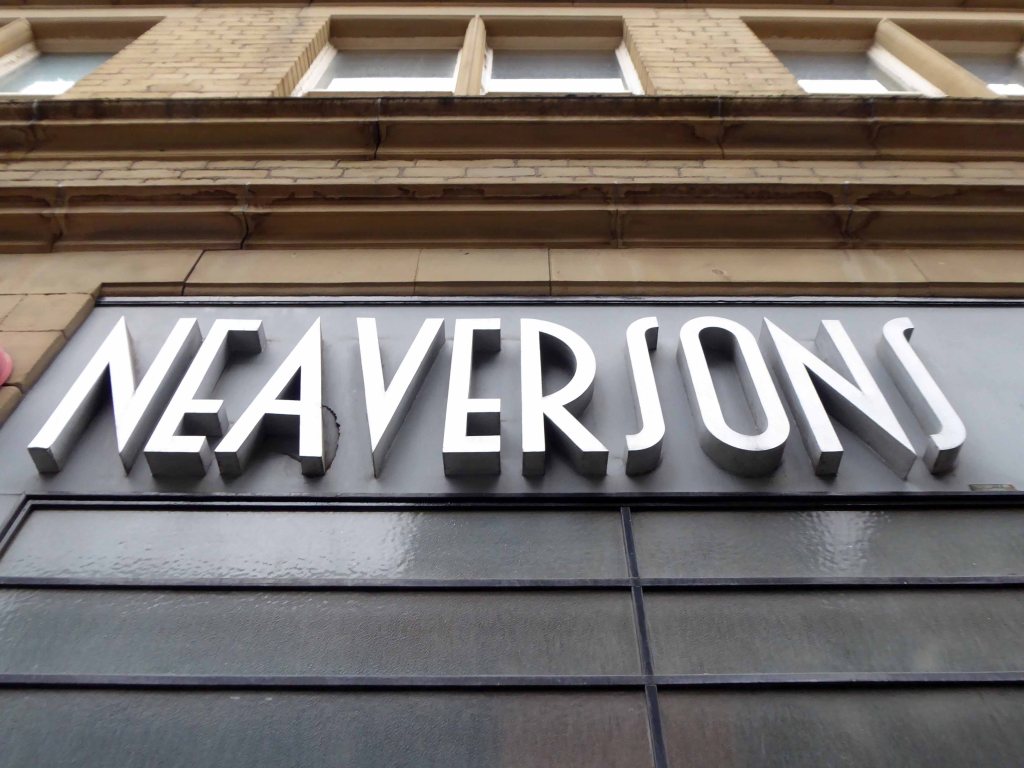
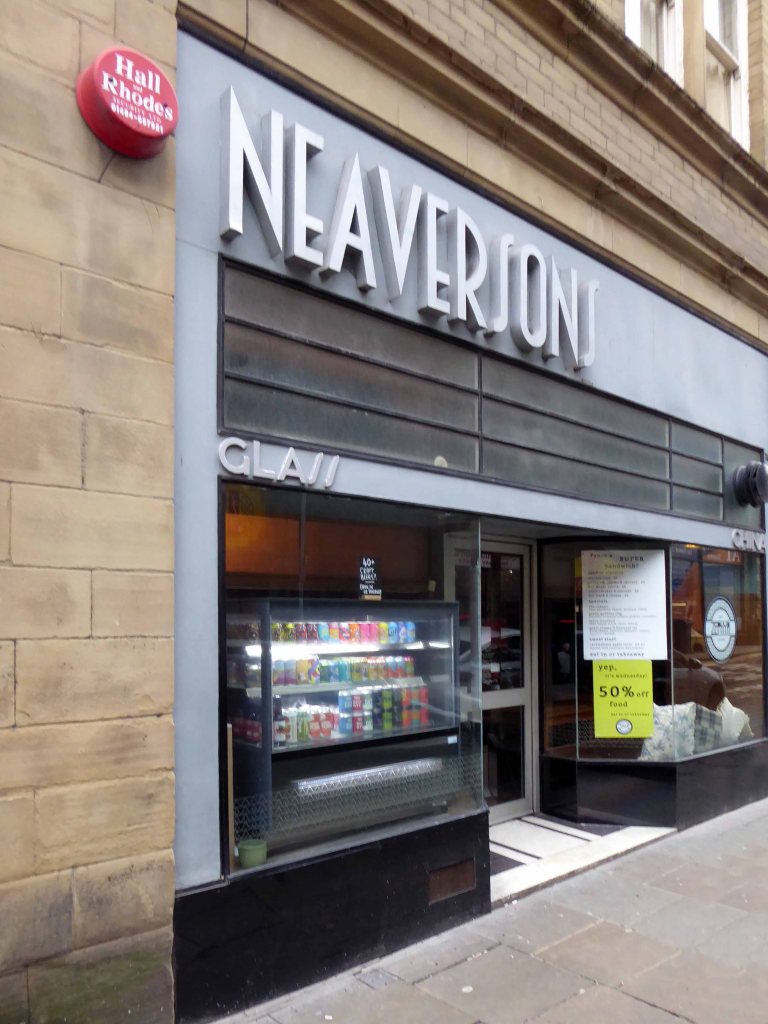
Set to the ground floor of bay 4 is a 1935 Moderne shopfront by Sharp and Law of Bradford. The shopfront is of grey and pink/beige marble with unmoulded windows that are curved to eliminate reflection, and has a glazed door set within a recessed porch. Set below the top of the shopfront is a ribbon window with dark tinted glazing and slender vertical and horizontal muntin bars arranged in a geometric pattern. The original metal signage in stylised sans-serif relief lettering reads ‘NEAVERSONS’, ‘pottery’ and ‘four’.

Thought to echo Susie Cooper’s London shop and unswervingly now – the fascia must have been something of a shock to the taciturn Tykes.

Neaversons glass and china shop closed in 2007.

Gerry’s Tea Rooms occupied the building for less than two years.

There is not a day goes by when I don’t see some of my customers asking what went wrong. They think I was a failure and that is so not the truth.

Along came a restaurant:

The Grade II 1930’s interior has been refurbished by the new owners and exudes understated sophistication.

“Wow, I feel like I’m in London,” said Trish as she stepped into the newly-opened Neaversons restaurant, having just arrived on the train from the capital.

It closed not long after.

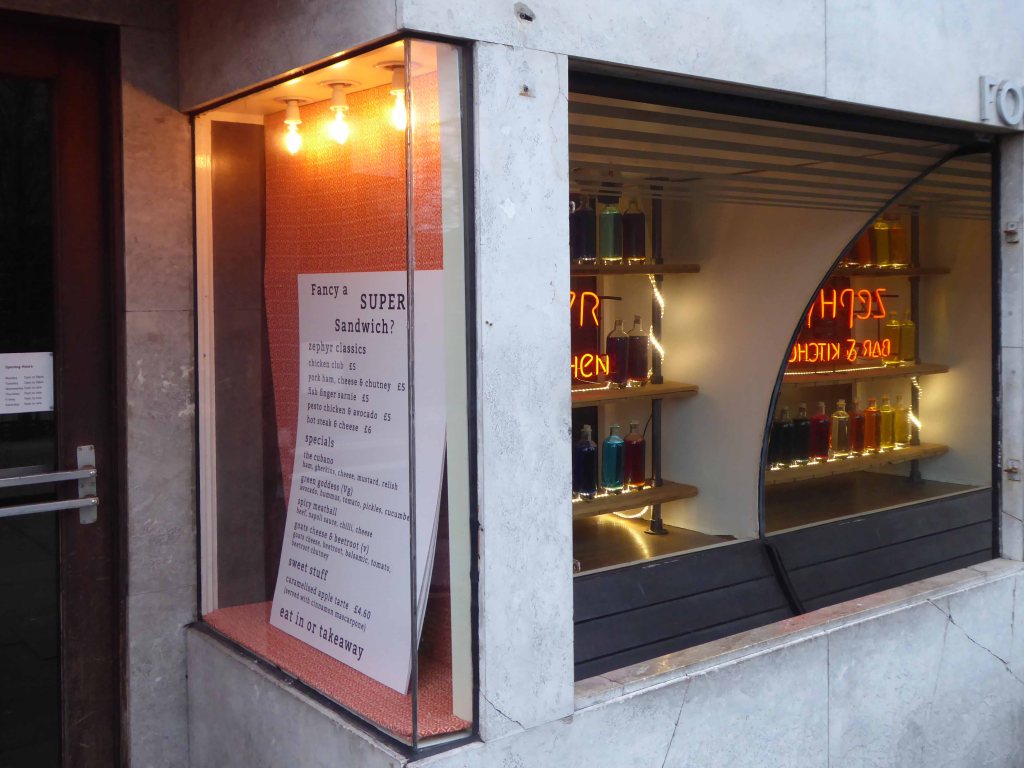
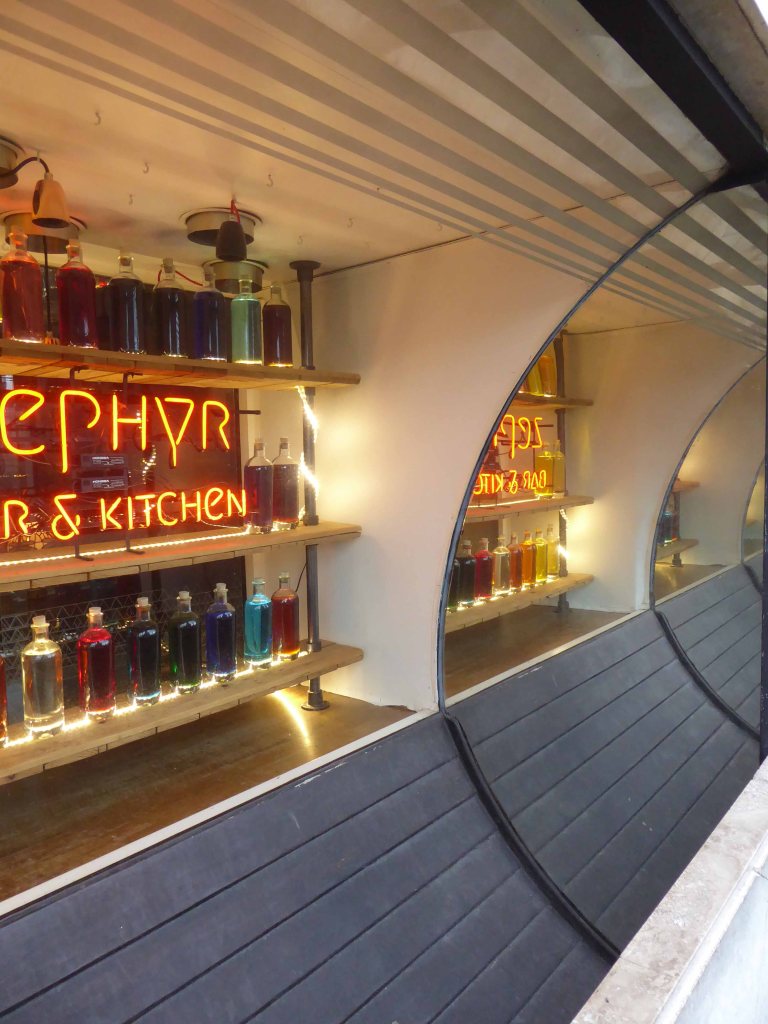
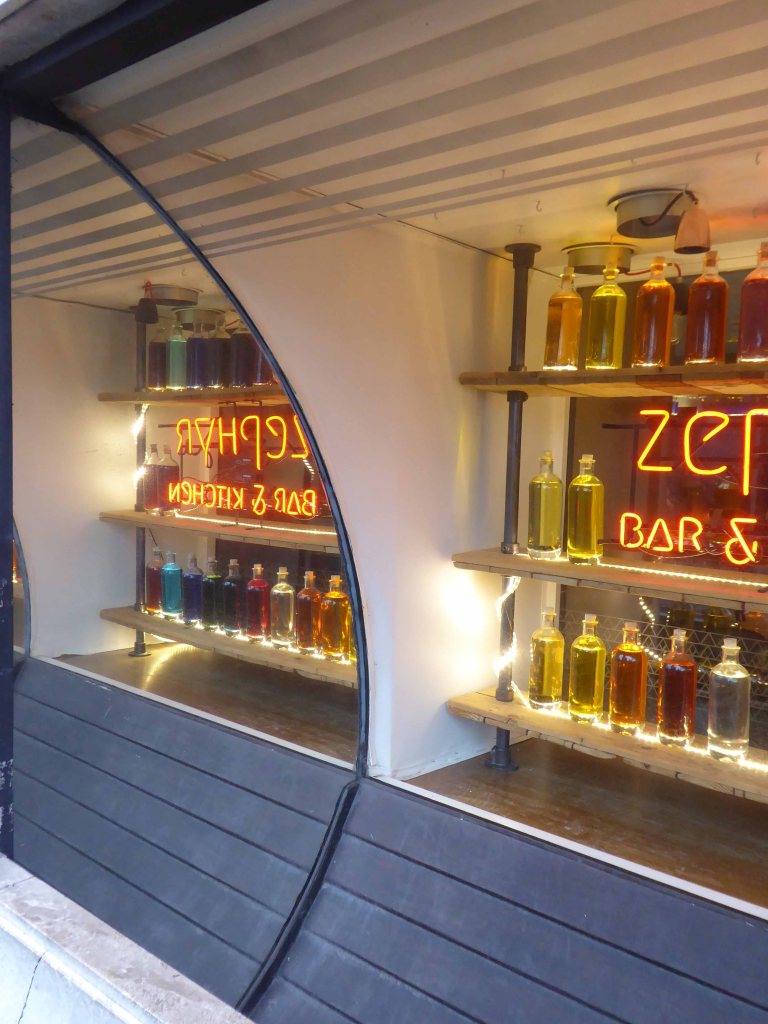
Currently home to the Zephyr Bar and Kitchen

A prohibition stylised venue offering a selection of drinks, food and an environment that really sets us apart from the crowd.

The listed frontage has survived intact – let’s take a look.

Huddersfield Contemporary Art Trail

I was invited by eminent Huddersfield based Psychogeographer Phil Wood to take a tour with him around the Huddersfield Contemporary Art Trail.

An alternate art trip devised by local art trippers Red Fodder.

We set forth from Huddersfield Station on Monday 13th January 2020 at the prearranged time of 14.00 hours. The weather was resolutely overcast and increasingly cold, with an ever present threat of rain.

Never to be knowingly deterred we made good progress around the town – we were hungry for art, the more contemporary the better.

Almost every avenue, alley and byway explored these are the snaps I snapped during our crazy Kirklees caper.

Along the way I added my own small contribution to the town’s contemporary art stock.

A veil was finally drawn over the afternoon’s cultural caprice with fine glasses of foaming ale in The Grove, where I finally came face to face with the Red Fodder folk for the very first time.

A fitting end to a thirsty day’s work.

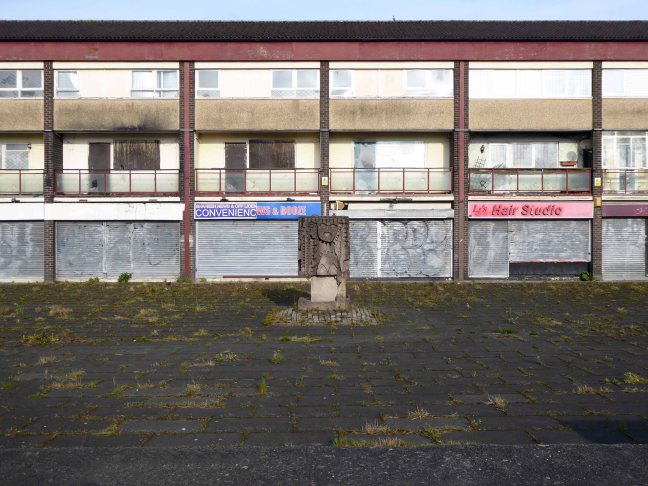
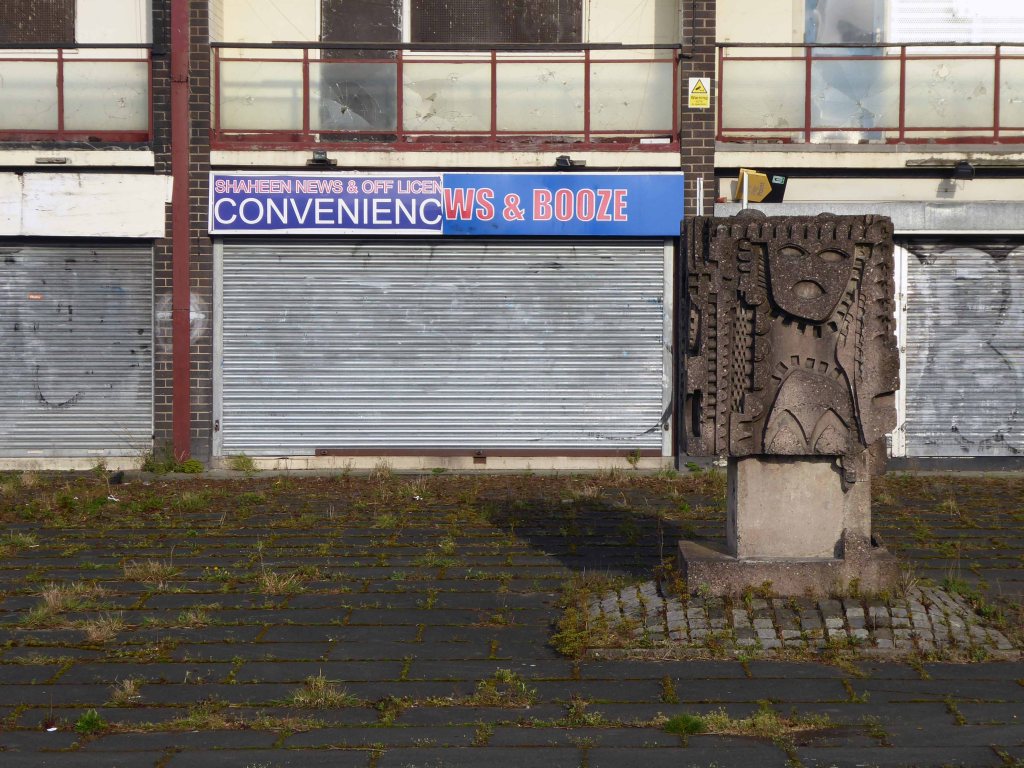
Eastford Square Collyhurst – Nobody Home

Stasis is the order of the day – the last stand for this forlorn stand of shops.

Once the realm of cobbles, railings, high rise arrivals and urban cowboys – an area overwhelmed by the weight of its past and the insubstantial promise of a sustainable future.

Where once productive and fulfilling lives were lived, buddleia now blooms, whilst thin grass entwines around forlorn fencing and betwixt ever widening cracks in the uneven paving.

Development in South Collyhurst will take the form of residential-led, family-focused neighbourhoods. We’ll be providing a variety of housing types and tenures to encourage diversity, along with a mix of social and community infrastructure that supports a family lifestyle in close proximity to the city centre.

Northern Gateway

There are two ideas of government. There are those who believe that if you just legislate to make the well-to-do prosperous, that their prosperity will leak through on those below. The Democratic idea has been that if you legislate to make the masses prosperous their prosperity will find its way up and through every class that rests upon it.

William Jennings Bryan 1896

Indeed, You have turned the city into a heap of rubble, a fortified town into ruins; the fortress of strangers is a city no more; it will never be rebuilt.

Isiah 25:2

And they that shall be of thee shall build the old waste places: thou shalt raise up the foundations of many generations; and thou shalt be called, the repairer of the breach, the restorer of paths to dwell in.

Isiah 58:12

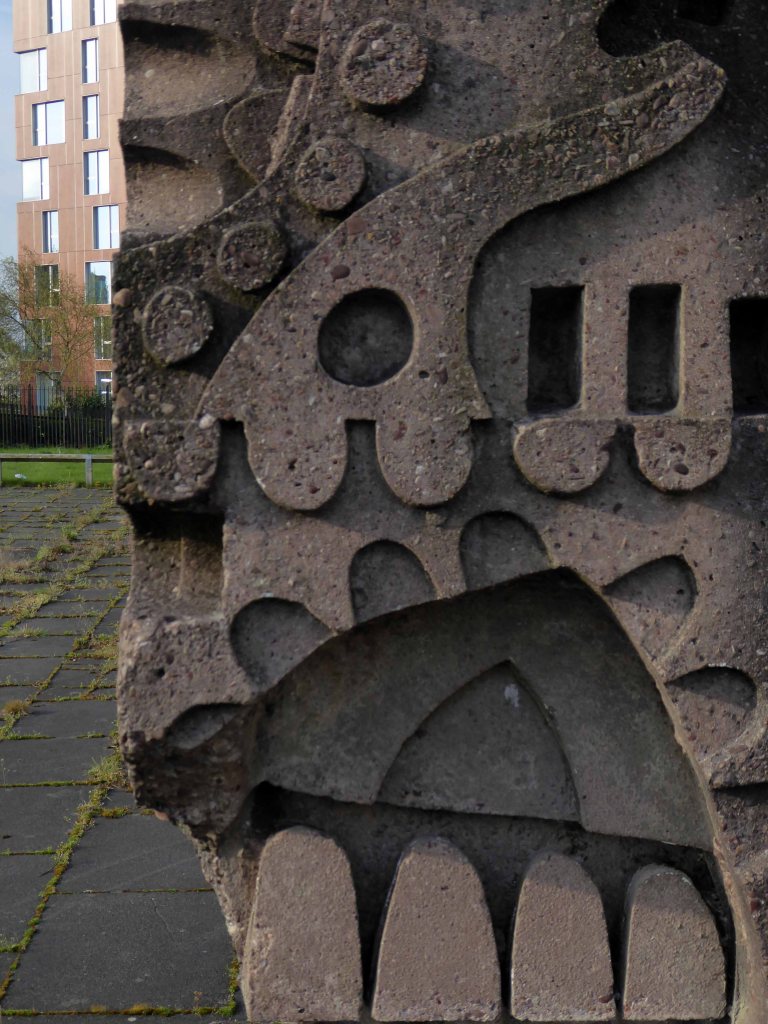
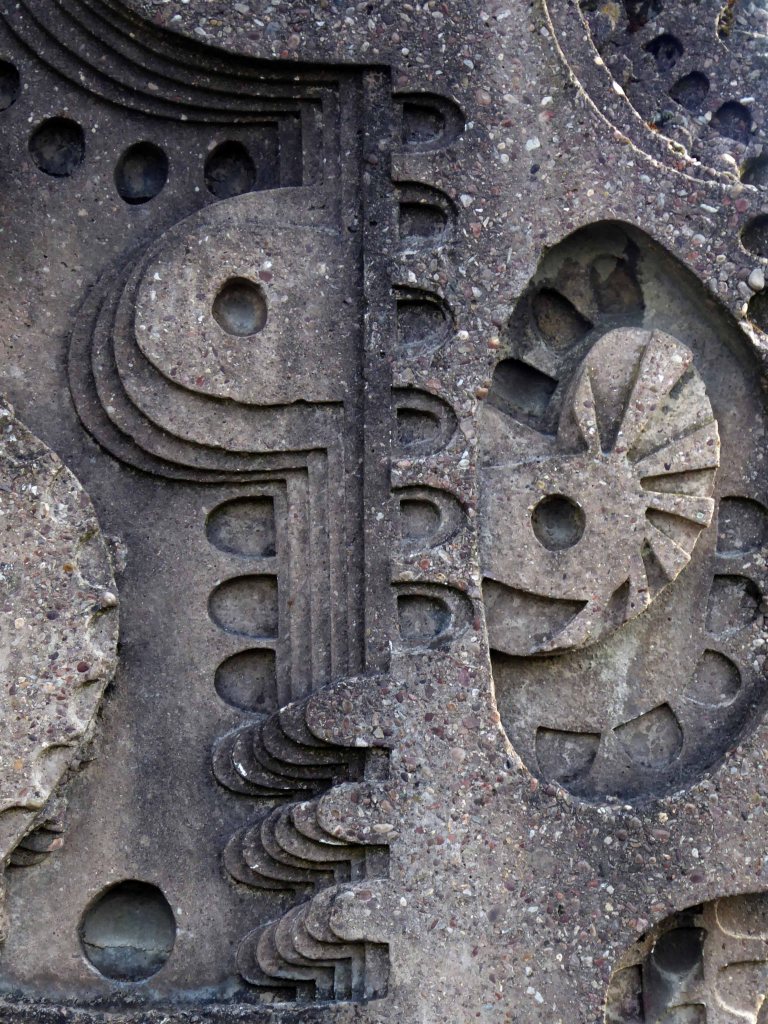
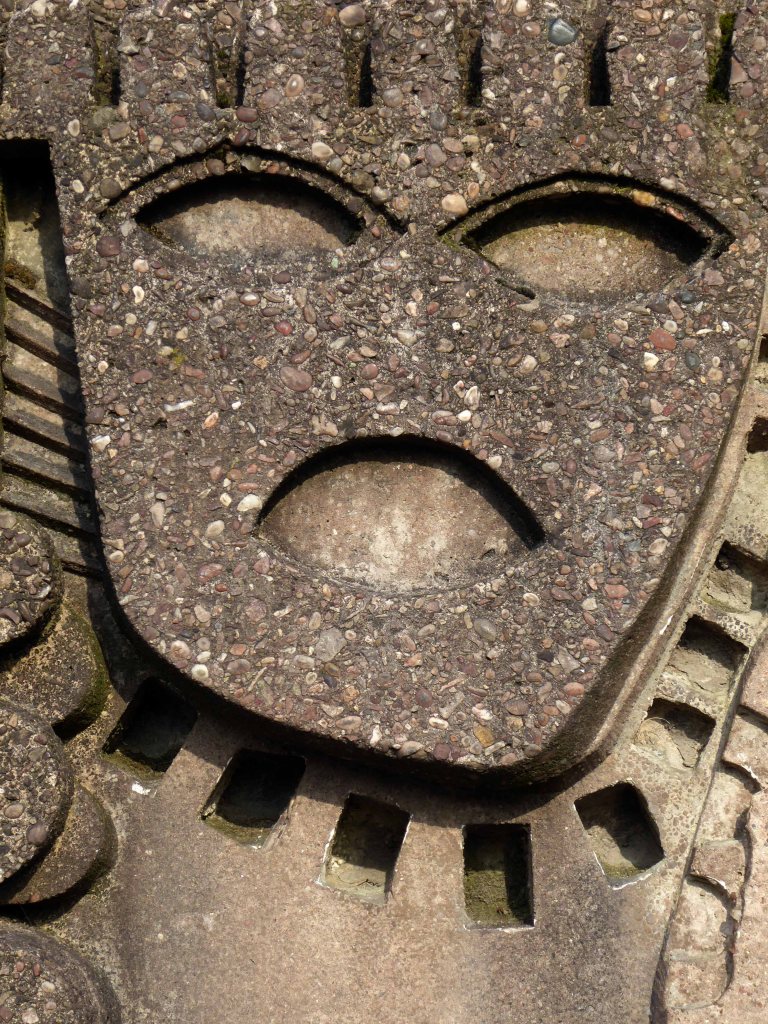
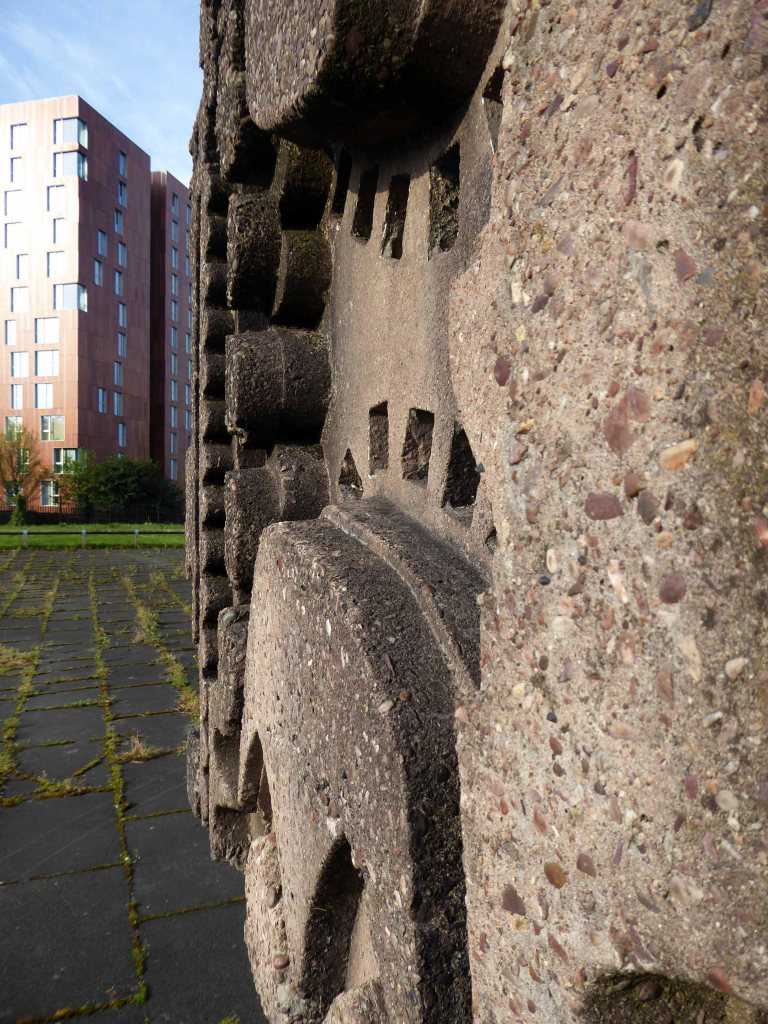
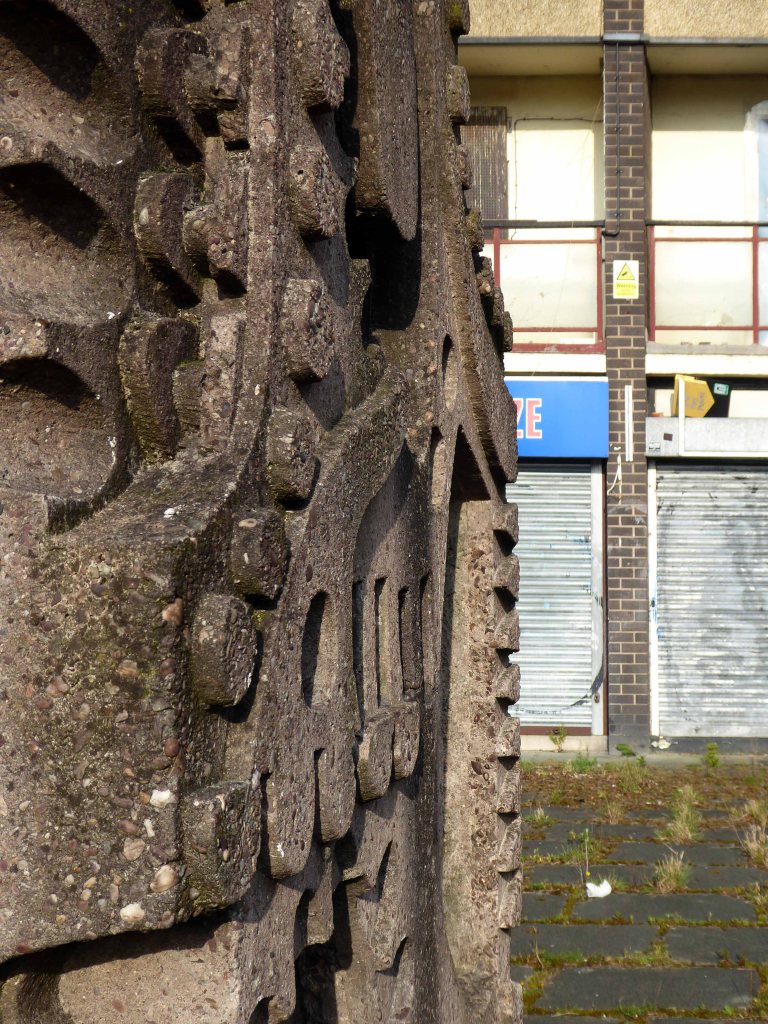
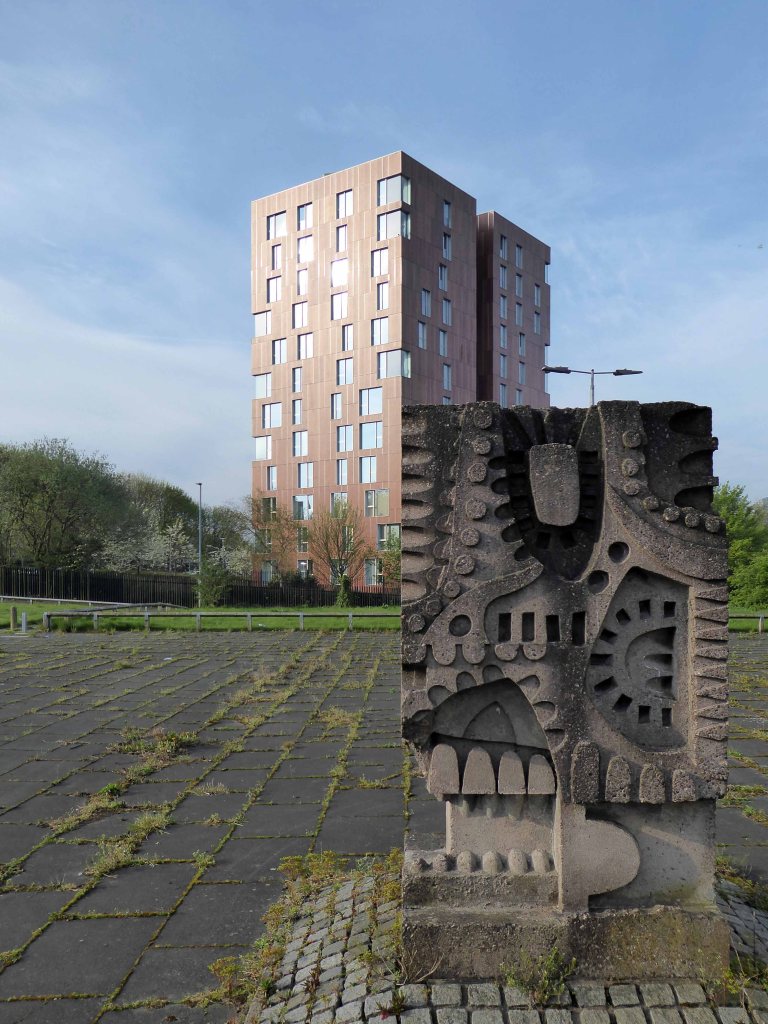
The putative William Mitchell cast concrete block stares stolidly at its surroundings, overseeing a slow and painful decline.

All that is solid melts into air, all that is holy is profaned, and man is at last compelled to face with sober senses his real conditions of life, and his relations with his kind.

Manifesto of the Communist Party

There’s no business like no business – it’s no better out the back.

This is an unprecedented opportunity to deliver a significant residential-led development connecting the north to the centre of Manchester. Working with our partners we’re re-imagining the essential neighbourhoods of our city.

St Anthony and Our Lady of Mercy – Hull

667 Beverley Rd Hull HU6 7JL

Set back from Beverley Road – we just about found this delightful Modernist gem. Tucked in amongst student accommodation and approximate to the Endsleigh College.

It was well worth the circuitous bust journey from the Interchange to St Anthony and Our Lady of Mercy

The church built in 1965 is fan-shaped in plan. Concrete portal frame with yellow brick infill. Shallow-pitched sheet metal clad roof. The main rear wall is flat and blind, with a parapet, and extends across the building at full height. From this wall the main body of the church radiates, three facetted bays to either side, with a saw tooth eaves line, then a projecting square block which houses the narthex and west gallery. The saw tooth eaves continue just above the entrance block to complete the fan shape. Attached to the other side of the main wall are the low, square projections of the side chapels and sacristies and a concrete framed bell tower with shallow pitched roof. The entrance block is clad is artificial stone, has a wide, glazed screen with central doors and a thin flat canopy. 

We had arrived some twenty five strong as part of Manchester Modernist’s Hull Mooch – we were very warmly welcomed and left more than satisfied by the riches both within and without.

My thanks to Deacon Rev. Robert Shakesby

Above this an inset panel of decorative mosaic by Ludwig Oppenheimer Ltd of Manchester -the firm ceased trading in 1965. The facetted elevations have large glazed areas set in a bold concrete grid of mullions and transoms, tripartite in the centre with a border of smaller divisions. The bell tower is placed in the centre of the east wall and has a port cullis-like bell-opening facing west.

The mosaic is surrounded by decorative abstract panels in light relief

Let’s take a look inside.

The interior is a light and spacious essentially single cell, with the shallow canted projection of the sanctuary – top lit by a row of seven small circular skylights, the low side chapels and the organ gallery. The concrete portal frame provides a dramatic grid radiating from the centre of the east wall. Sanctuary fittings in contrasting marbles, by Toffolo & Son of Hull, designed as a piece. Similar marble altar in the northeast side chapel. The chapels have subtle shallow-pitched arches. West gallery also with circular skylights. Organ pipes at either end arranged within a striking double-curve enclosure, like a grand piano in plan. Open-backed pews and original light fittings. Stained glass by Leo Earley of Earley & Co. of Dublin. Stations of the Cross, wooden relief panels set within integral frames, somewhat stark.

Thanks to Taking Stock for the facts.

Civic Centre – Wigan Again

I’ve been here before, no not in some strange déjà vu sense.

I’ve been here before – look!

Three years on, now in the shadow of the newly built Life Centre, you stand alone unloved – empty.

But the future of the Modernist landmark, which was first put in service by the borough in the early 70s, remains unclear. There is speculation that the Millgate building, first unveiled by Wigan Mayor John Farrimond, could become a hotel.

Last October the Wigan Observer revealed how the council had enjoyed mixed fortunes when it came to marketing elements of its existing property portfolio.

But the council has been successful in offloading some venues, with Ince Town Hall now home to Little Giggles nursery.

So who knows what fate awaits you – the town I am told is on the up.

Let’s hope that the Civic Centre is not coming down

St Stephen RC – Droylsden

Chappell Road Droylsden Manchester M43

One fine sunny Monday morning I set out cycling to Ashton-under-Lyne to buy an enamel pie dish. Almost inevitably I was pushed and pulled in a variety of unforeseen directions, incautiously distracted and diverted serendipitously – towards Droylsden.

Idly pedalling down Greenside Lane looking this way and that I was drawn magnetically to a pitched roof tower, towering over the red brick semis. Rounding the corner I discovered the delightful St Stephen’s RC church, stood high and proud on a grassy corner, glowing golden in the March sunlight.

I leaned my bike against the presbytery wall and with the kindly bidding of a passing parishioner, I went inside. 

Thanks to Father Tierney for his time and permission to snap the interior. It was a calm space, the large open volume side lit by high octagonal honeycomb modular windows. The elegant plain pitched concrete gambrel roof beams a simple engineered solution.

The church and attached presbytery were built from designs by Greenhalgh & Williams in 1958-9, the church being consecrated on 12 May 1960. A reordering took place, probably in the 1960s or 70s, when the altar rails were removed and the altar moved forward. Probably at the same time, the font was brought into the church from the baptistery.

Taking Stock

The altar and apse beautifully restrained in colour form and choice of materials. The design and detailing on the pews so warm and understated.

I was loathe to leave.

The exterior does not disappoint, the repetition of modular window shapes, the integration of doors, brick and mixed stone facing.This is a building of elegant grandeur, well proportioned, happily at home in its setting.

I suggest you set out there soon.