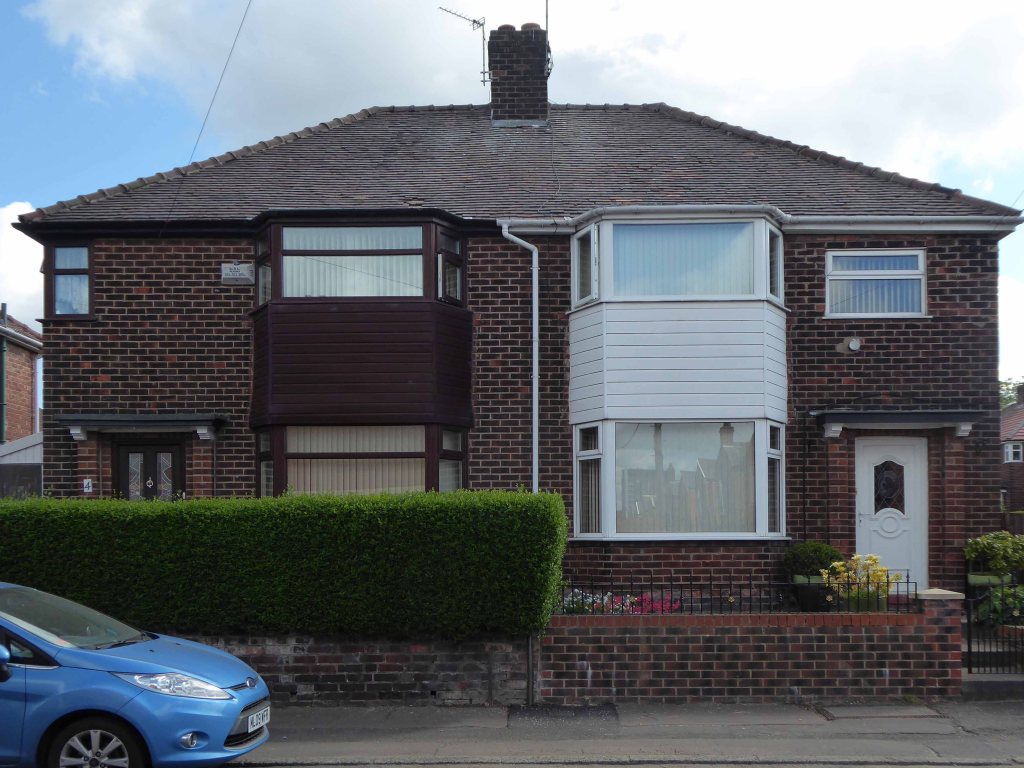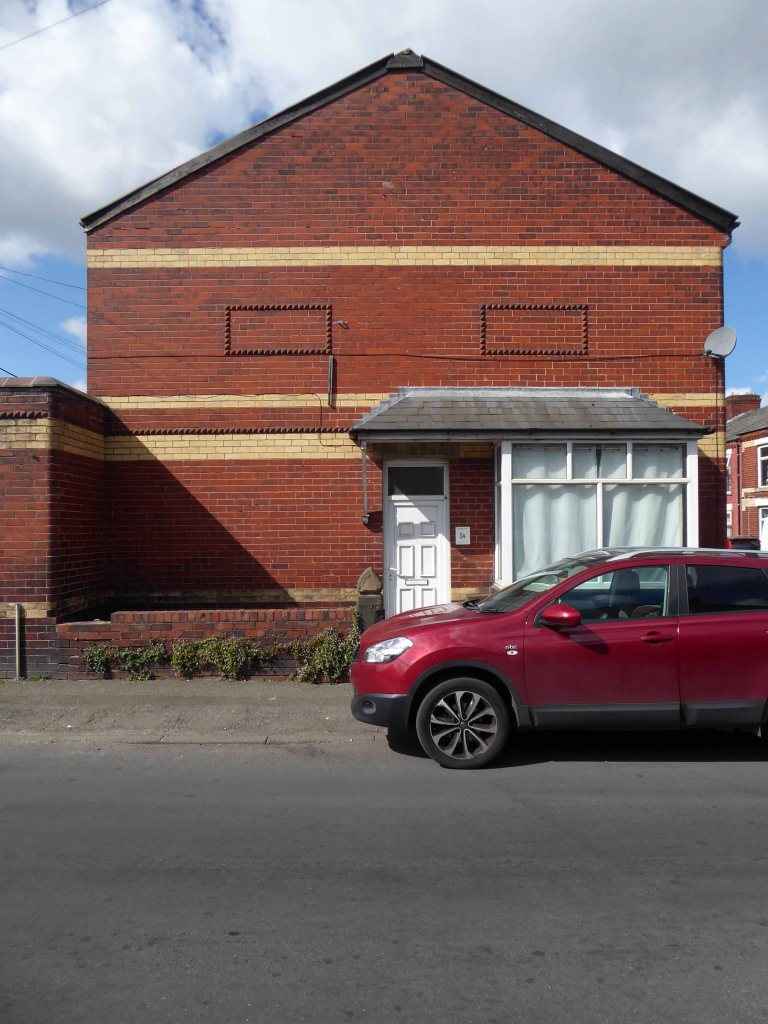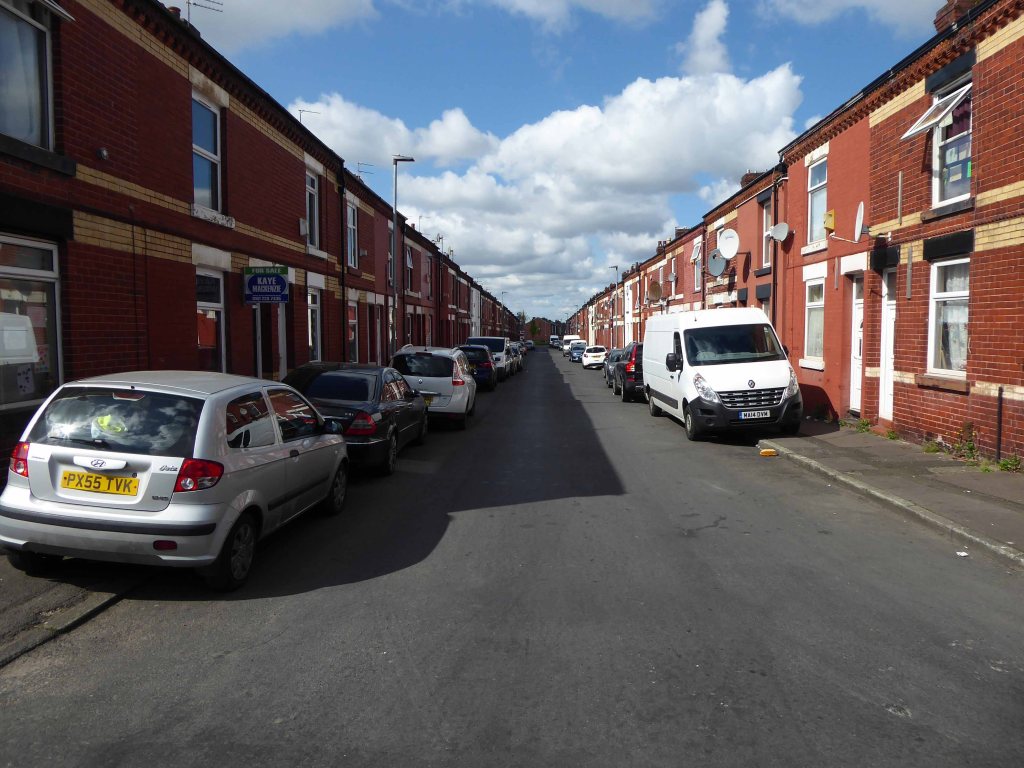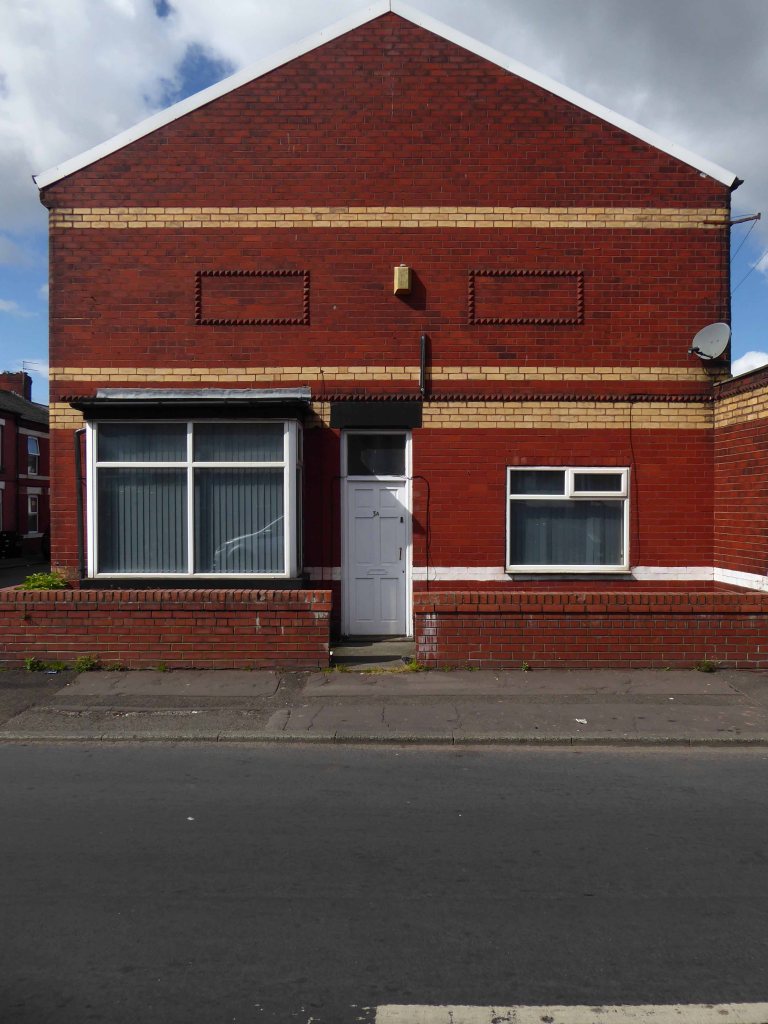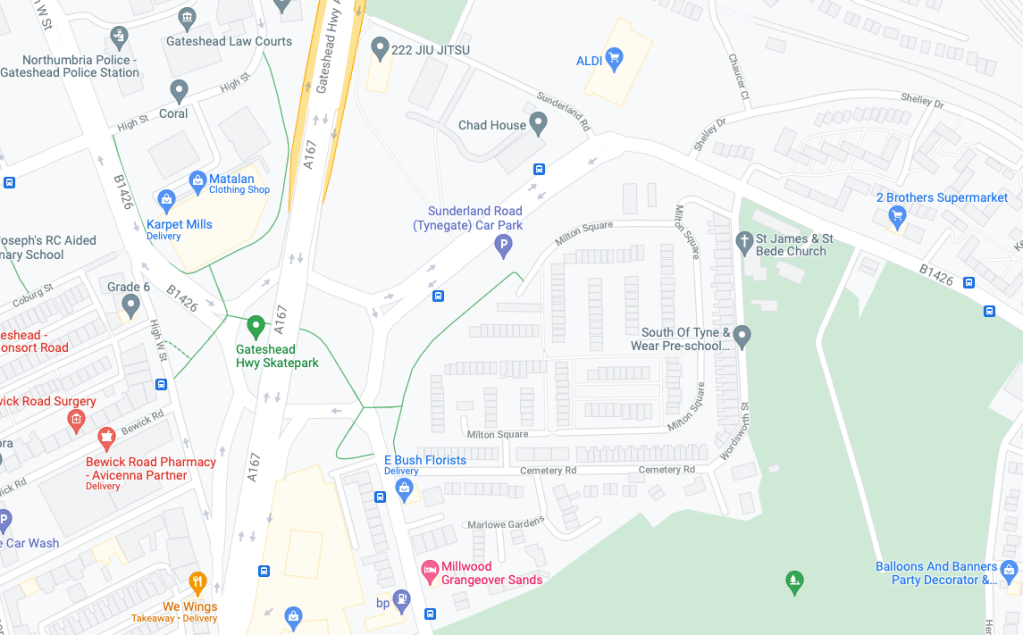
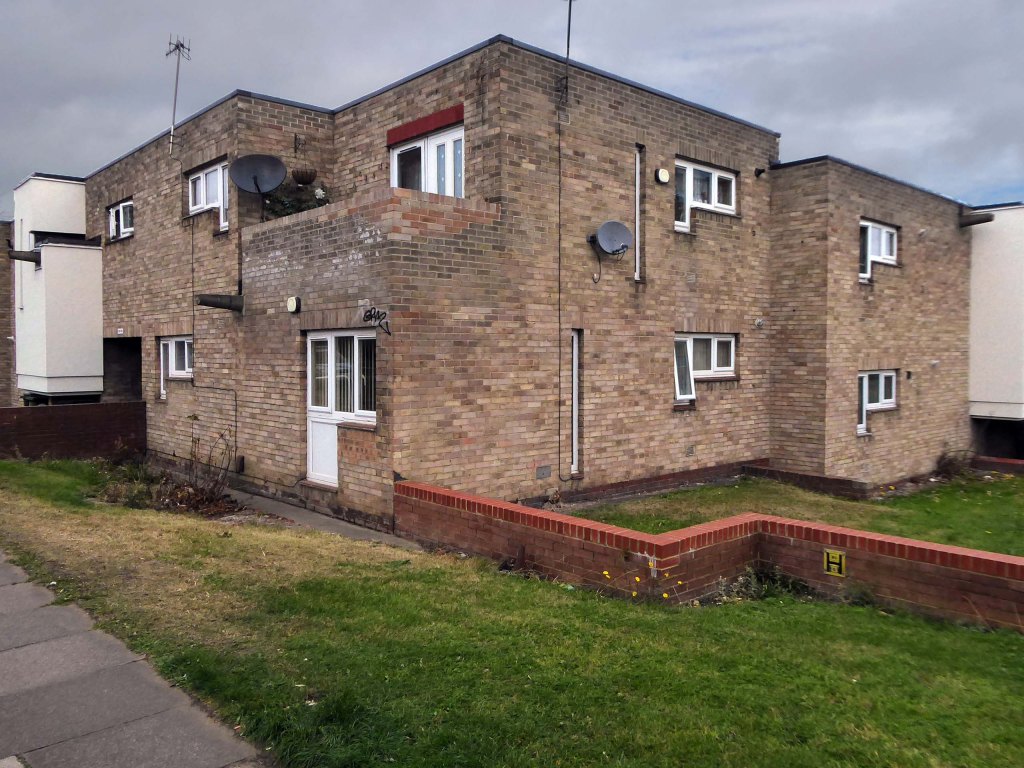
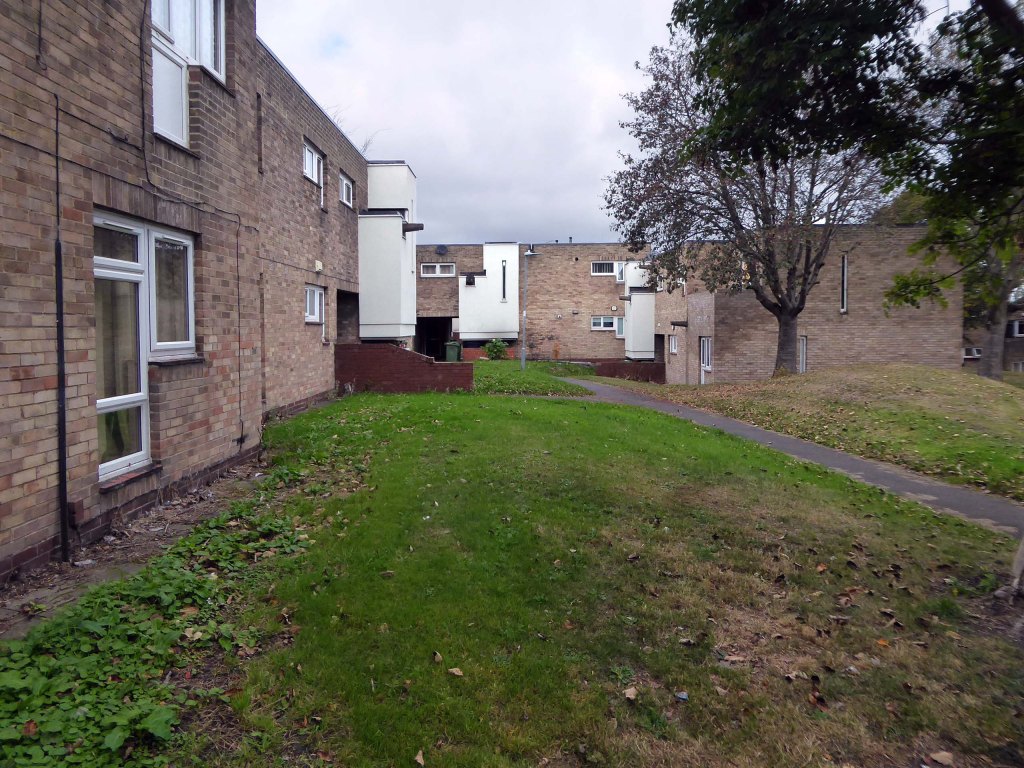
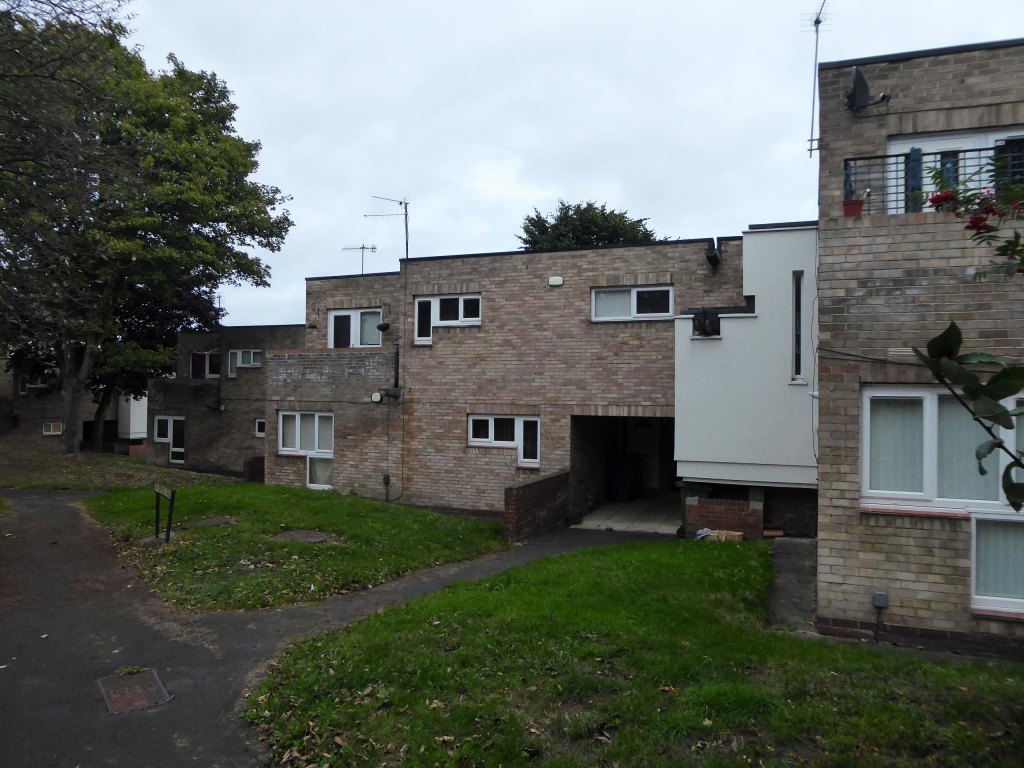
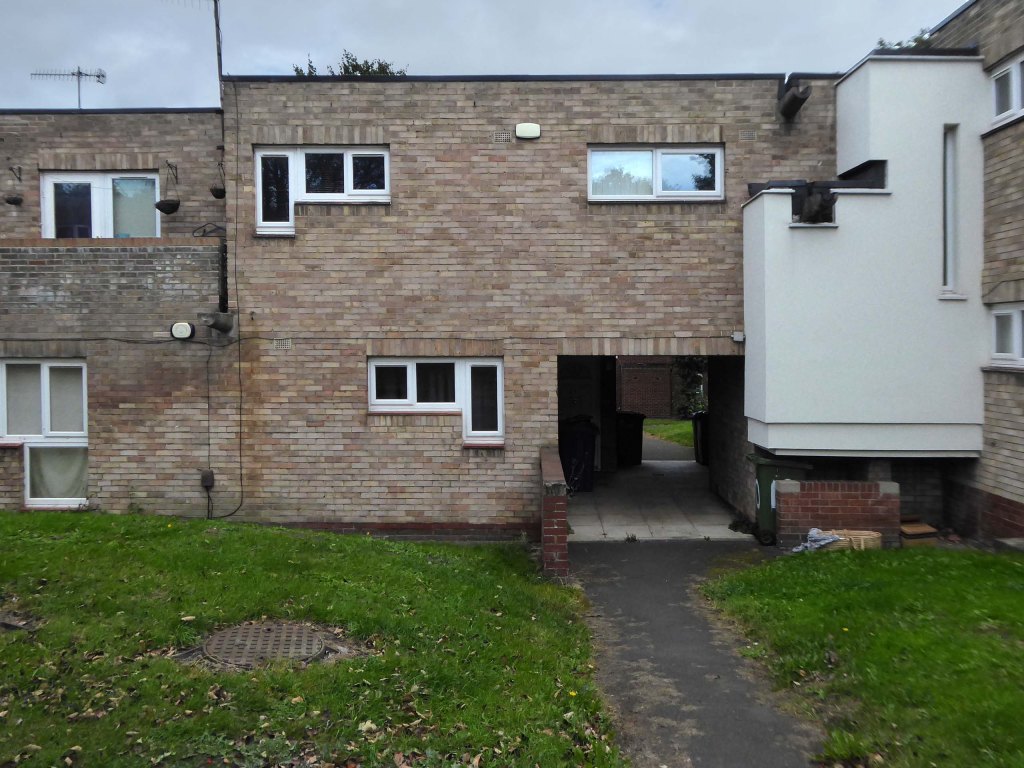
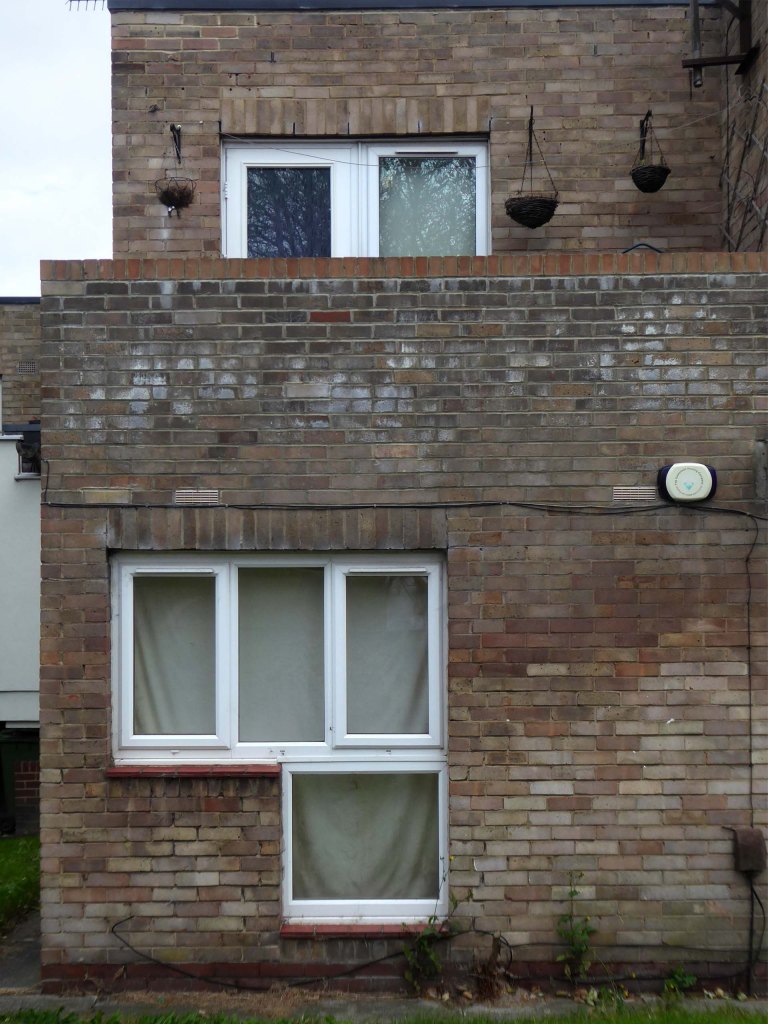
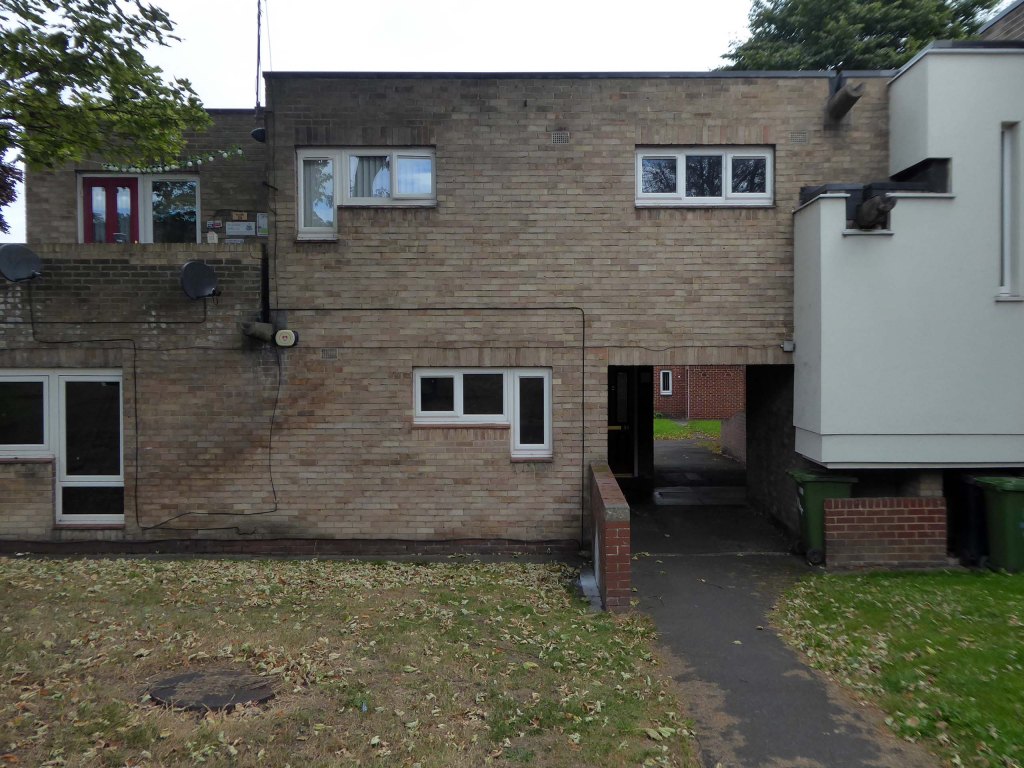
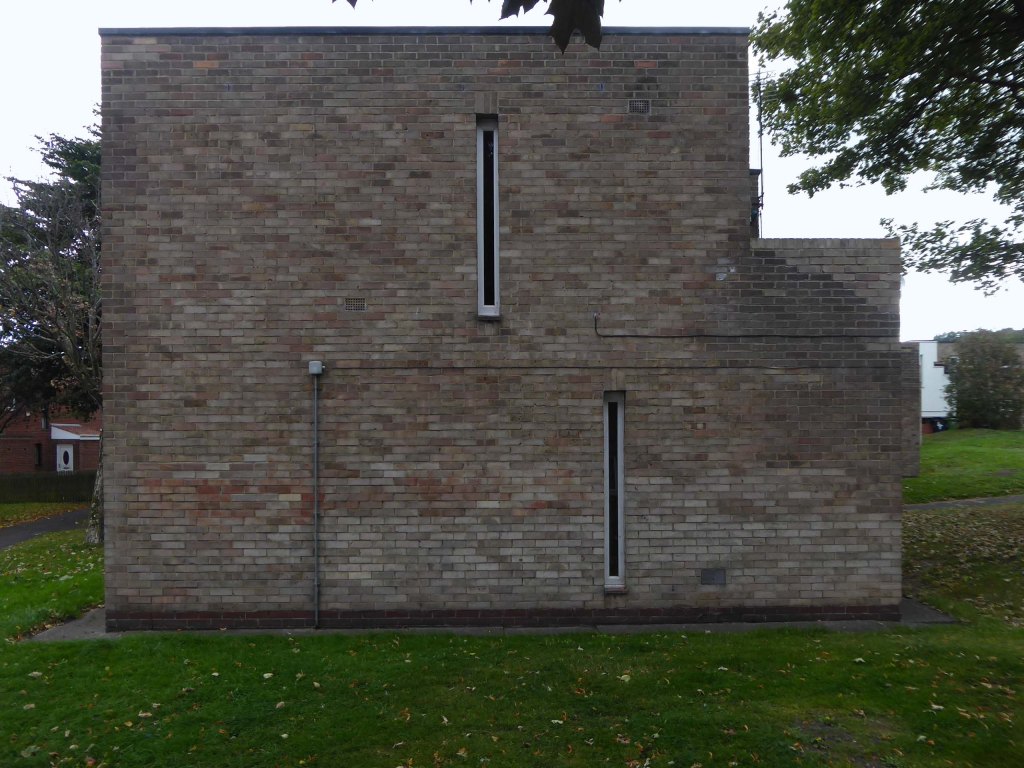
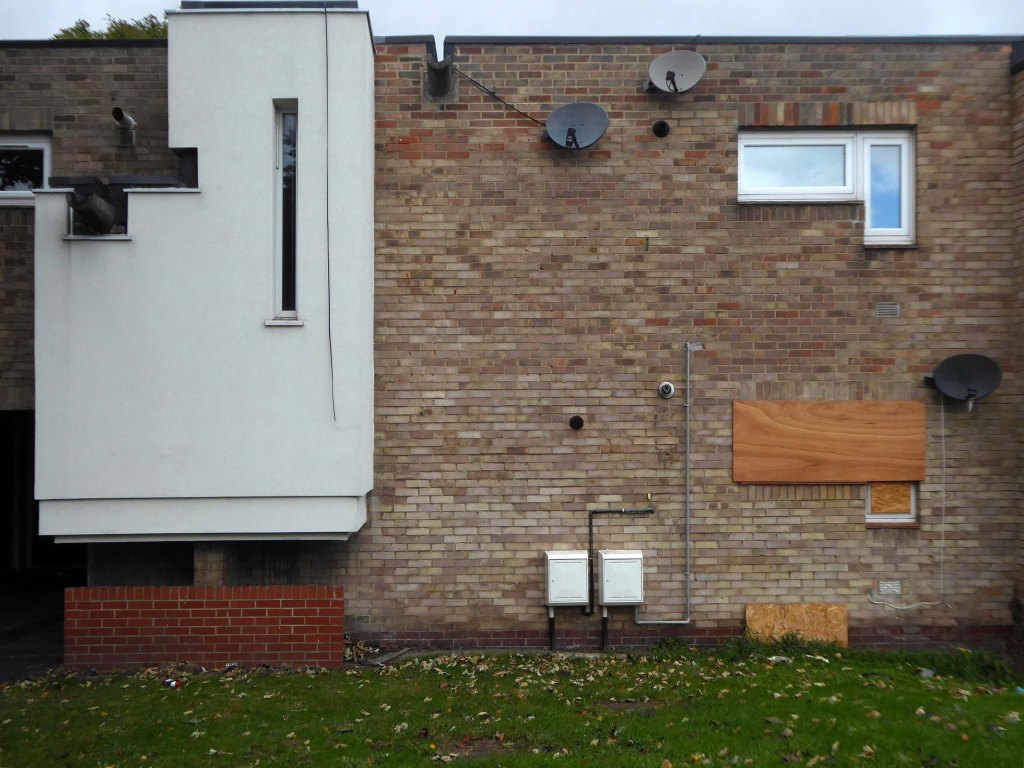
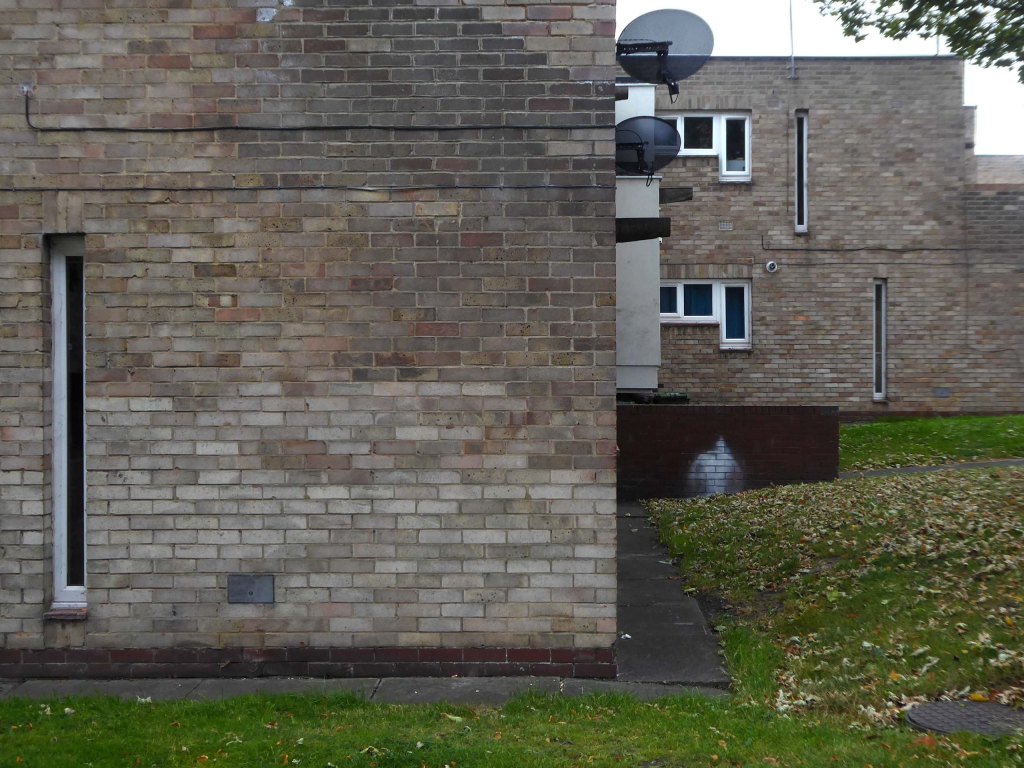
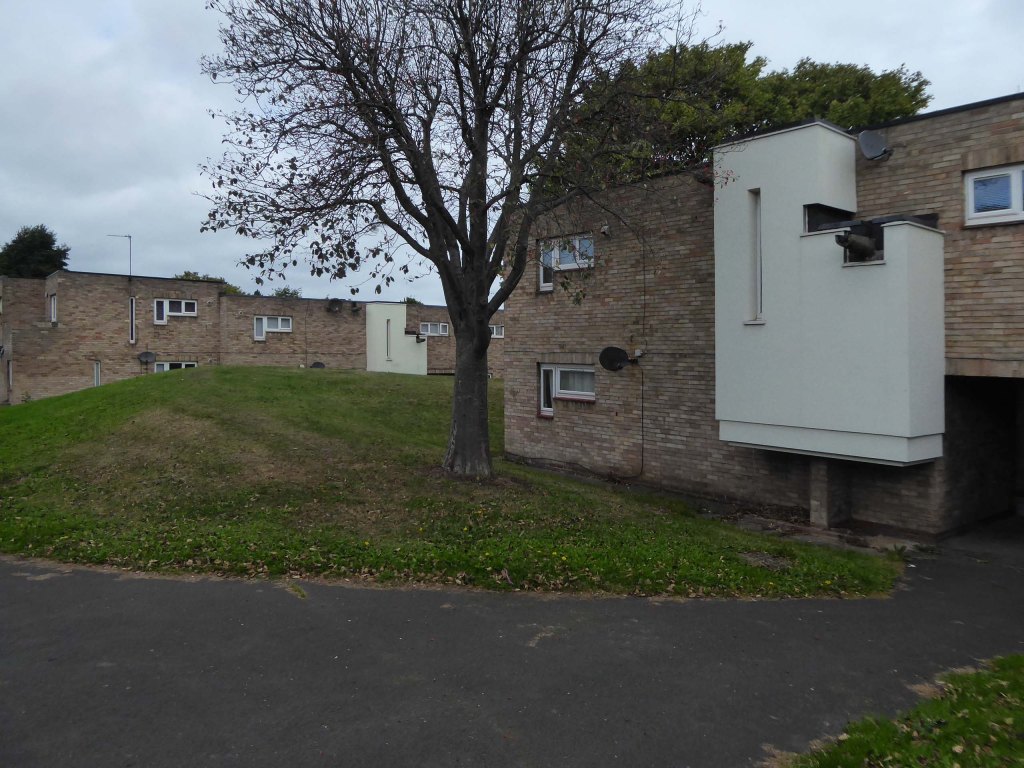
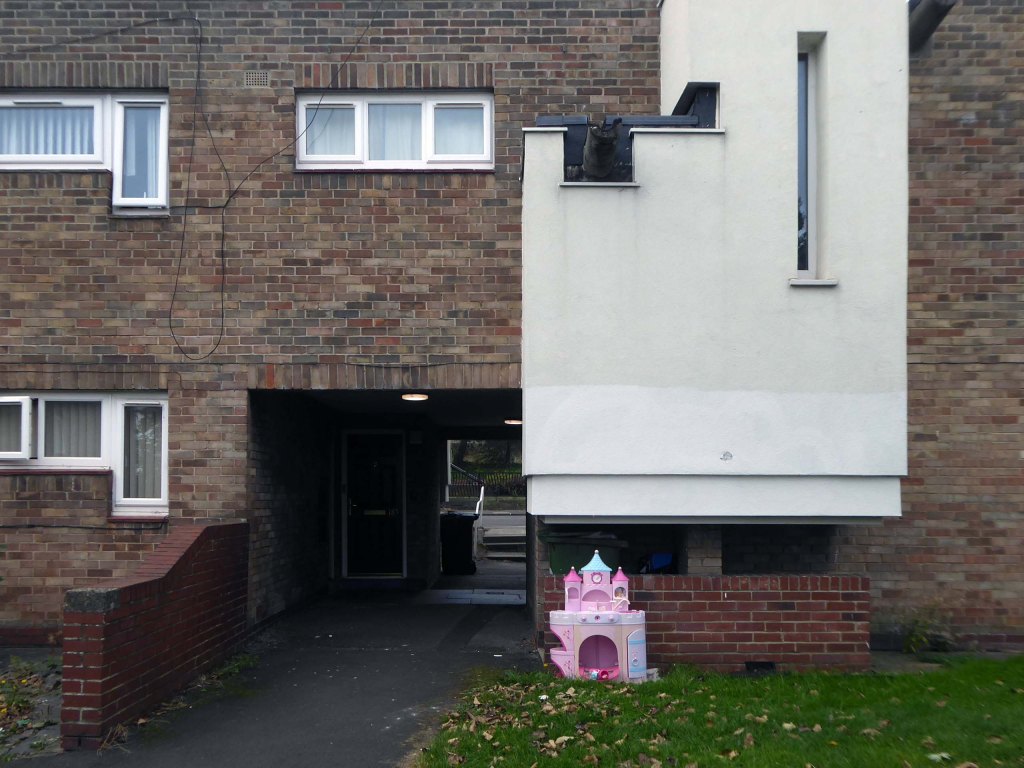
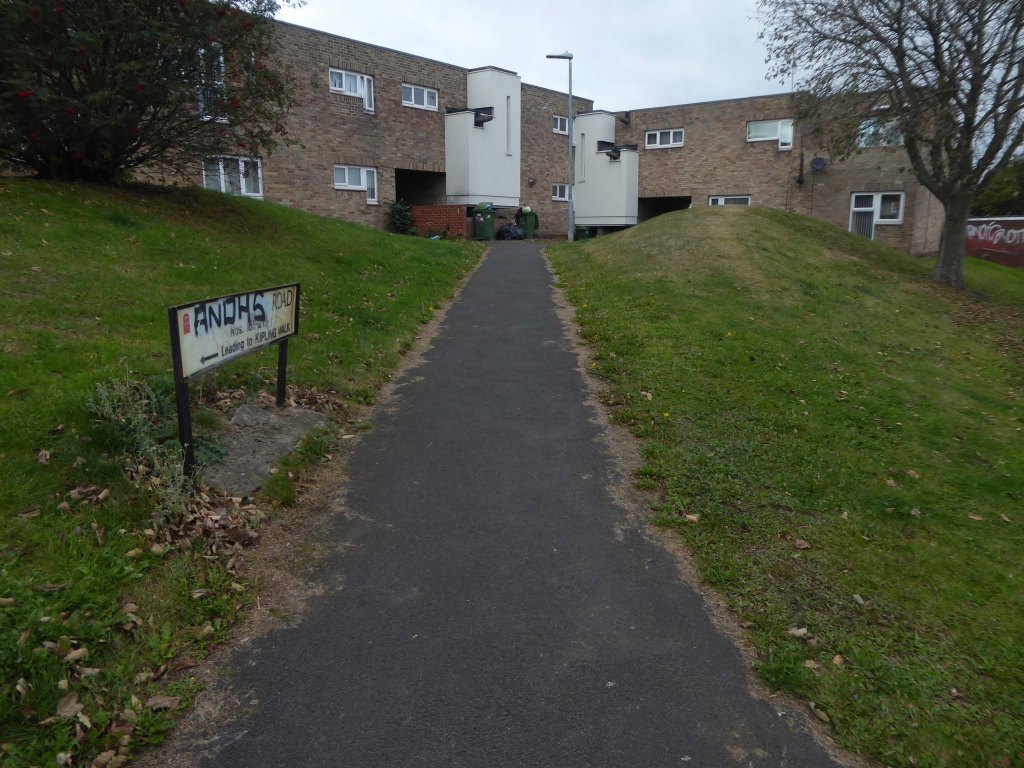
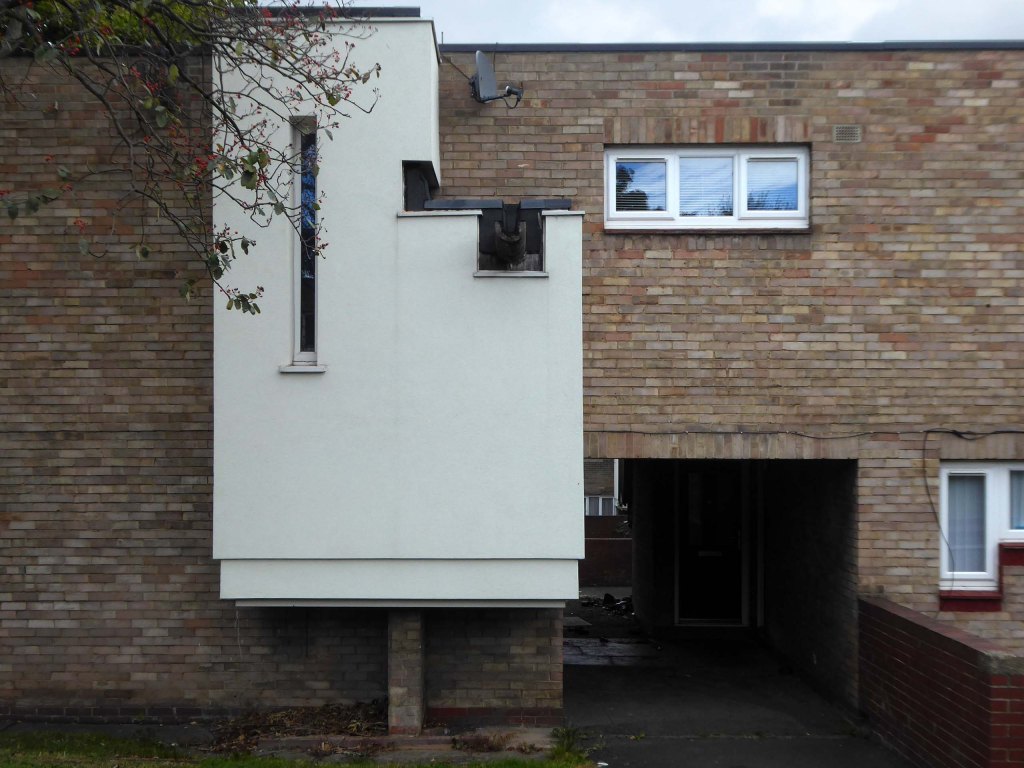
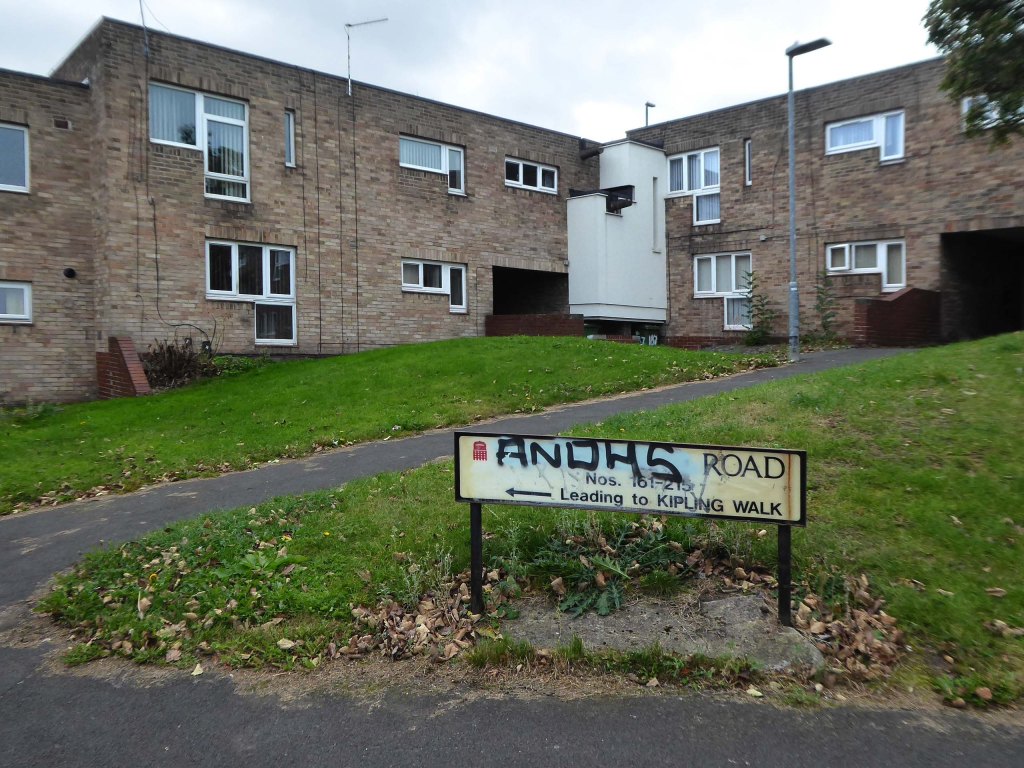
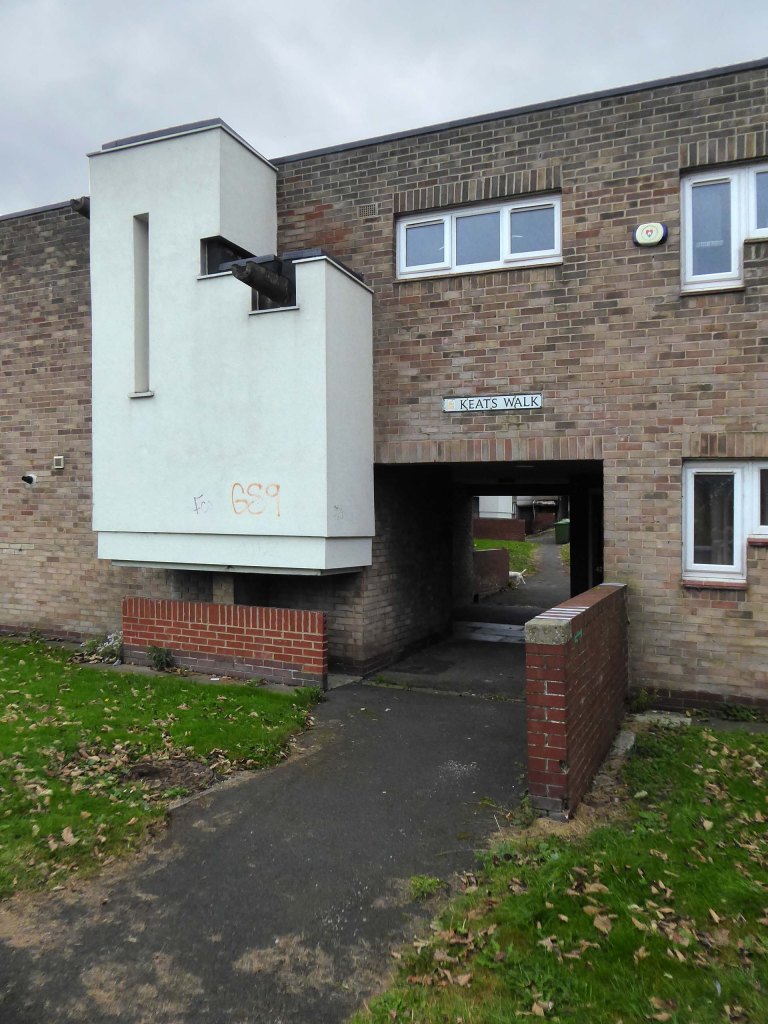
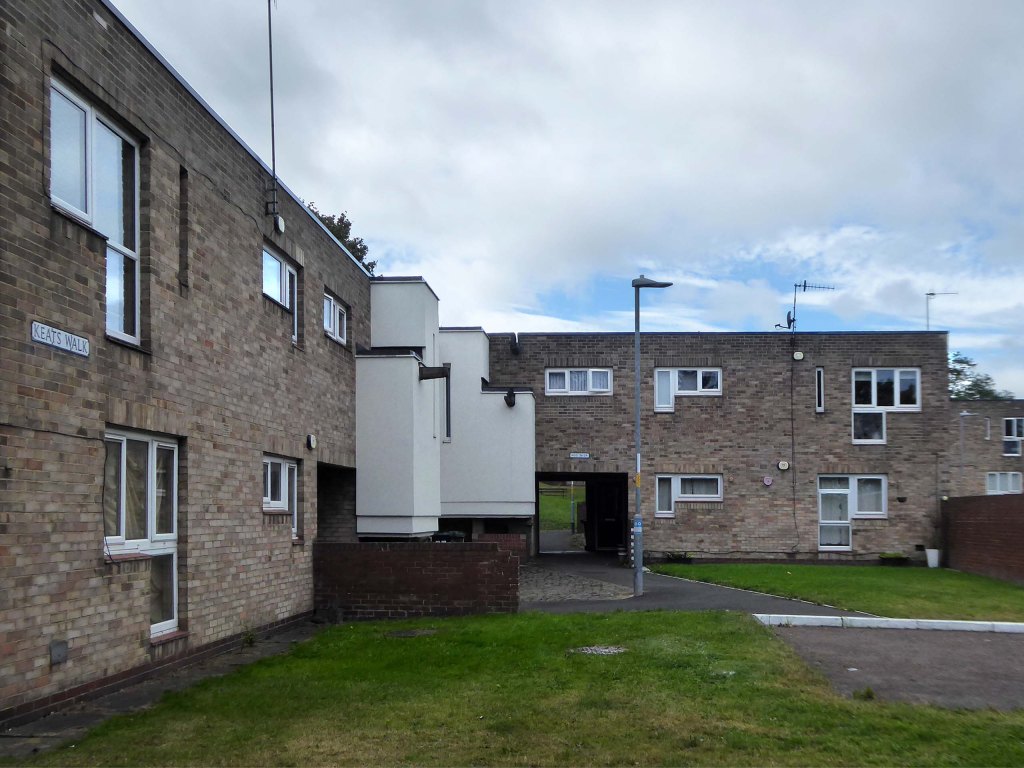
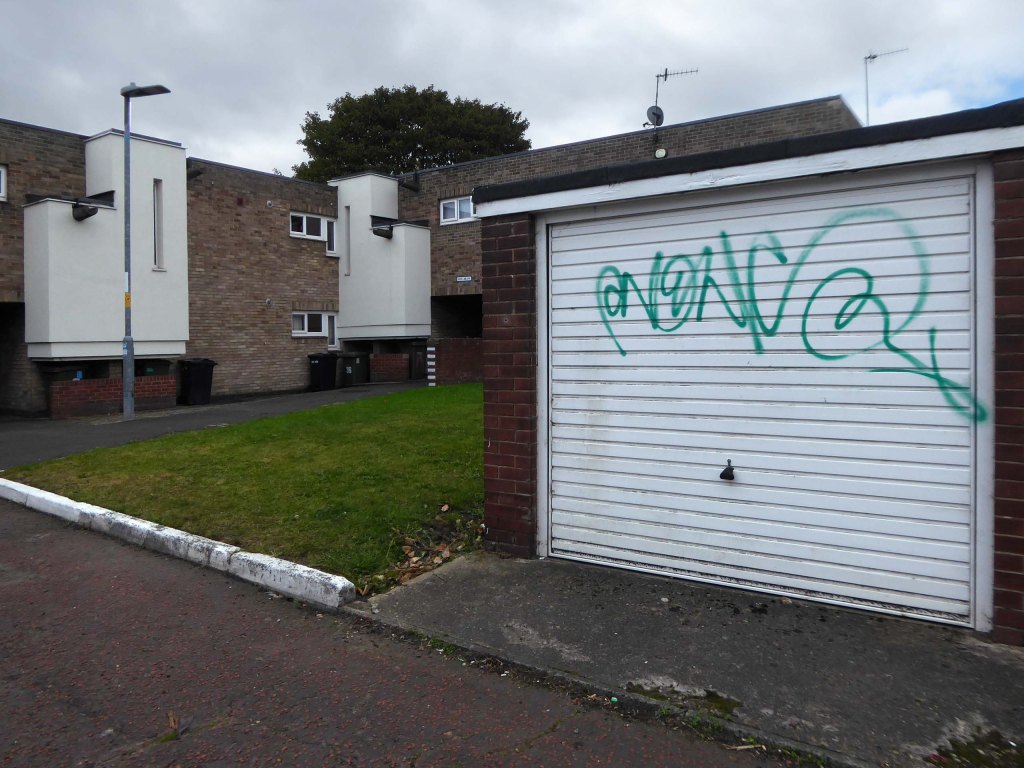
As a companion to the adjacent Poet’s Estate – let’s take a look at Malory, Milton, Masefield and Wordsworth.
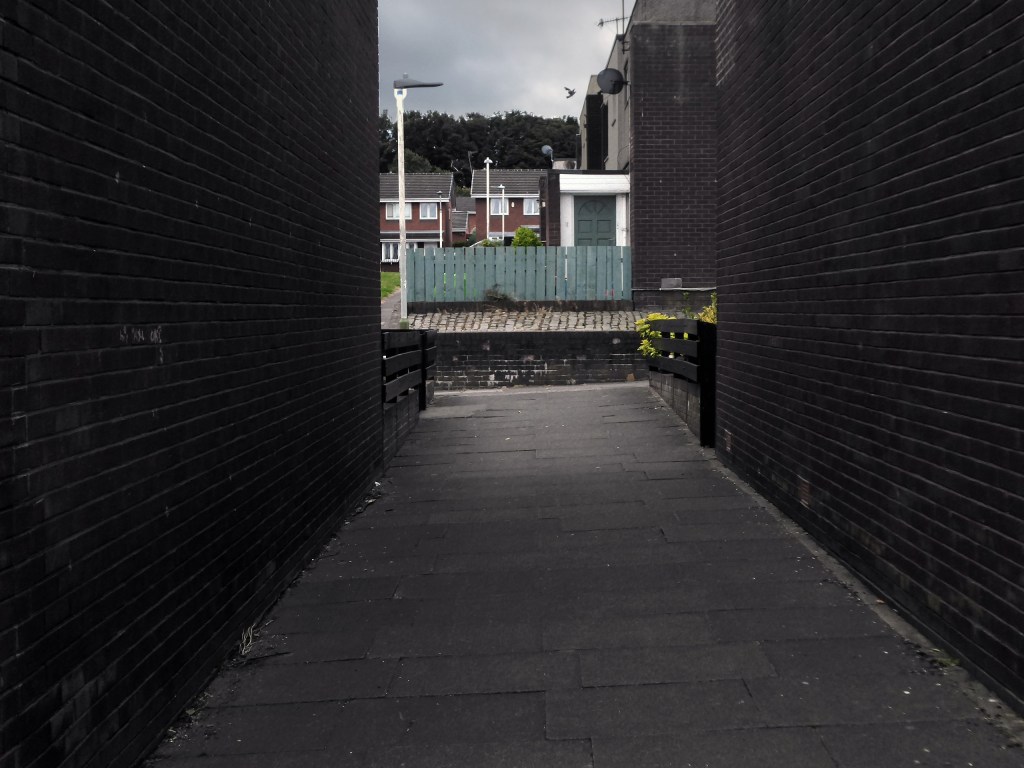
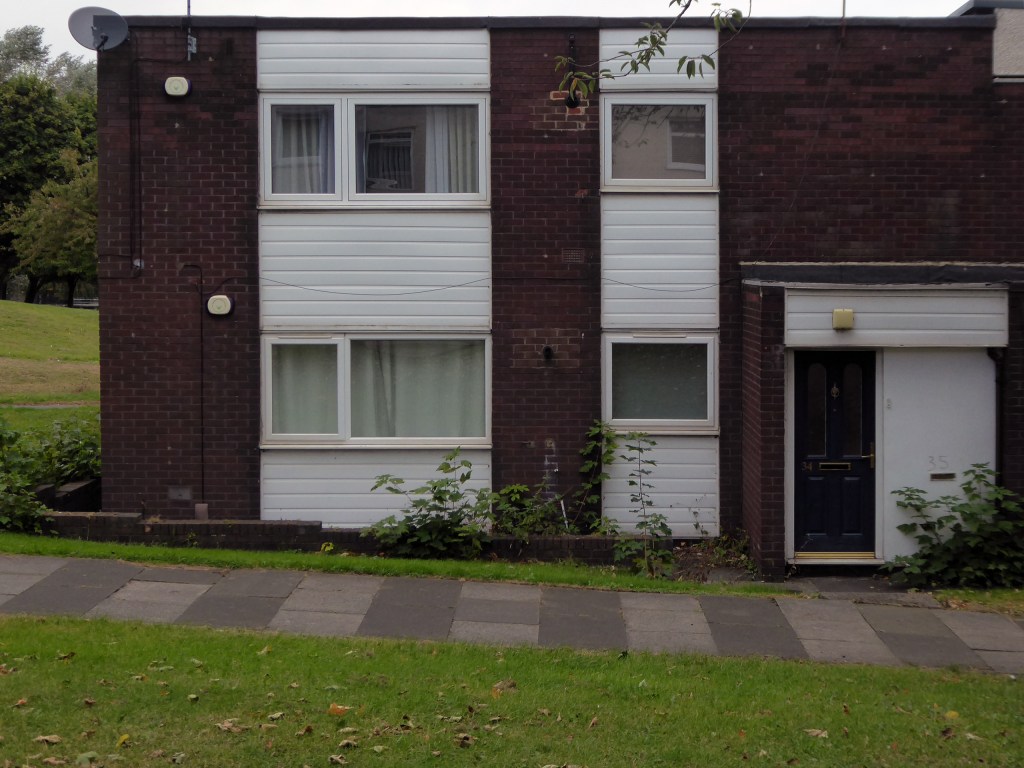
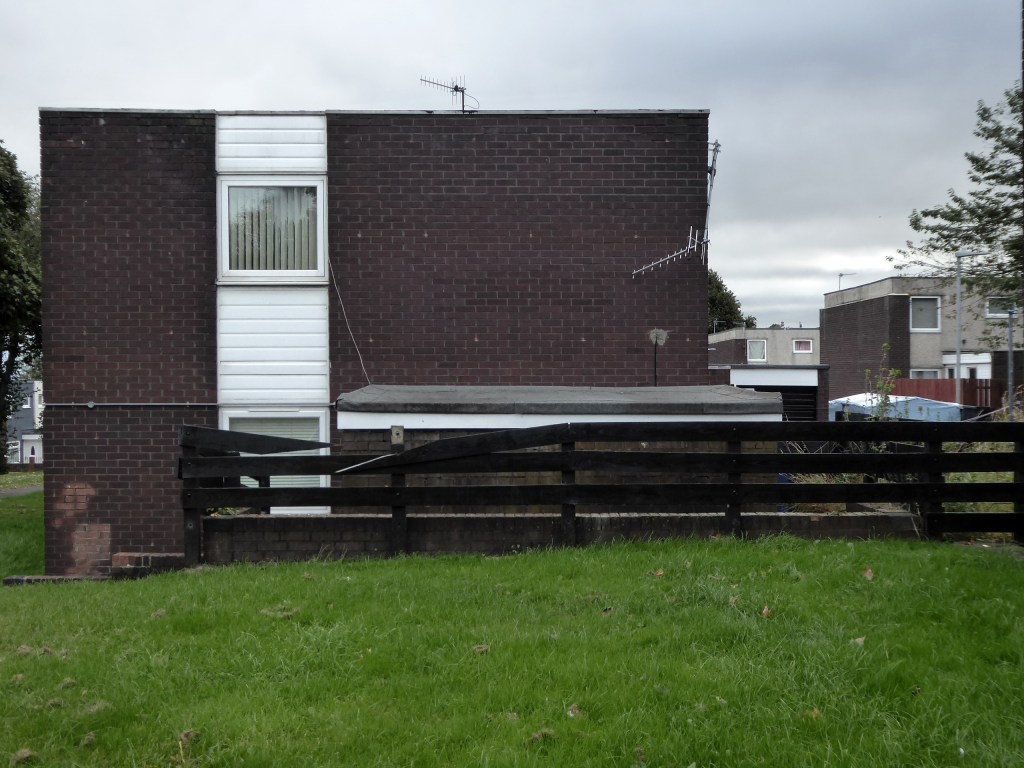
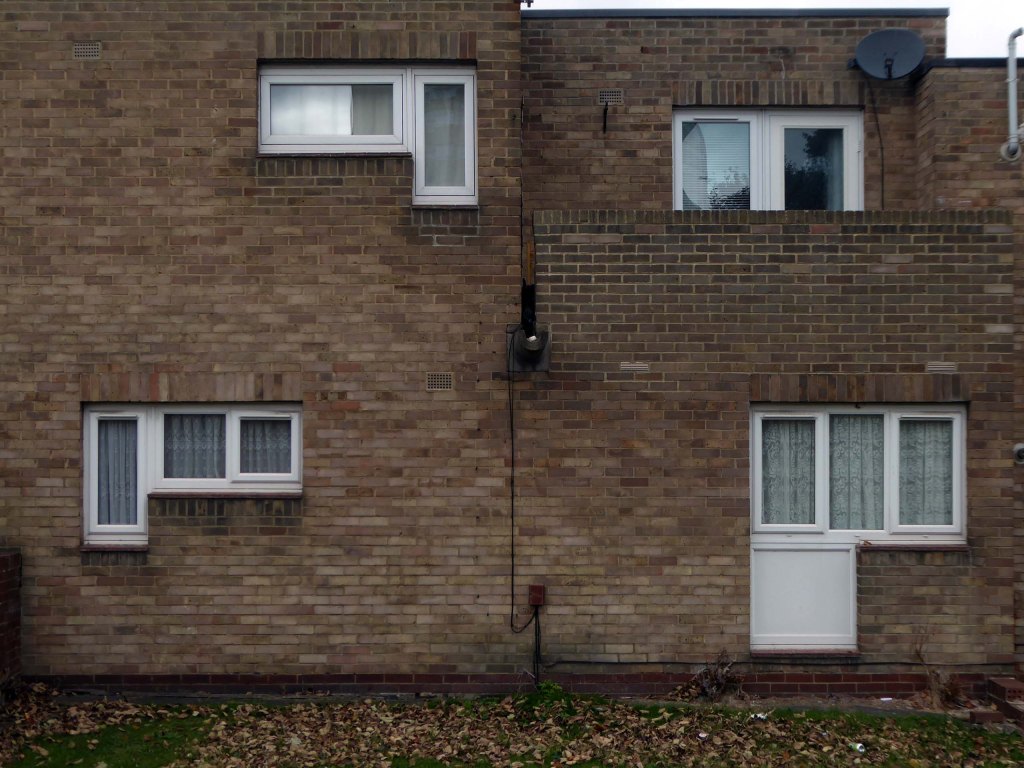
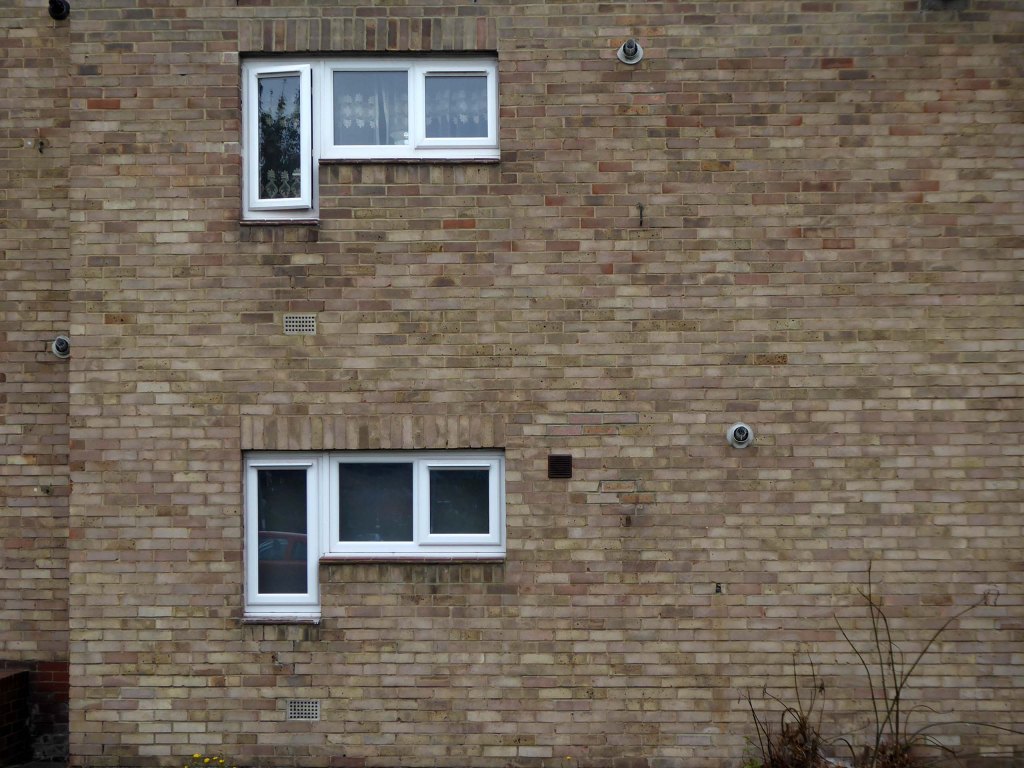
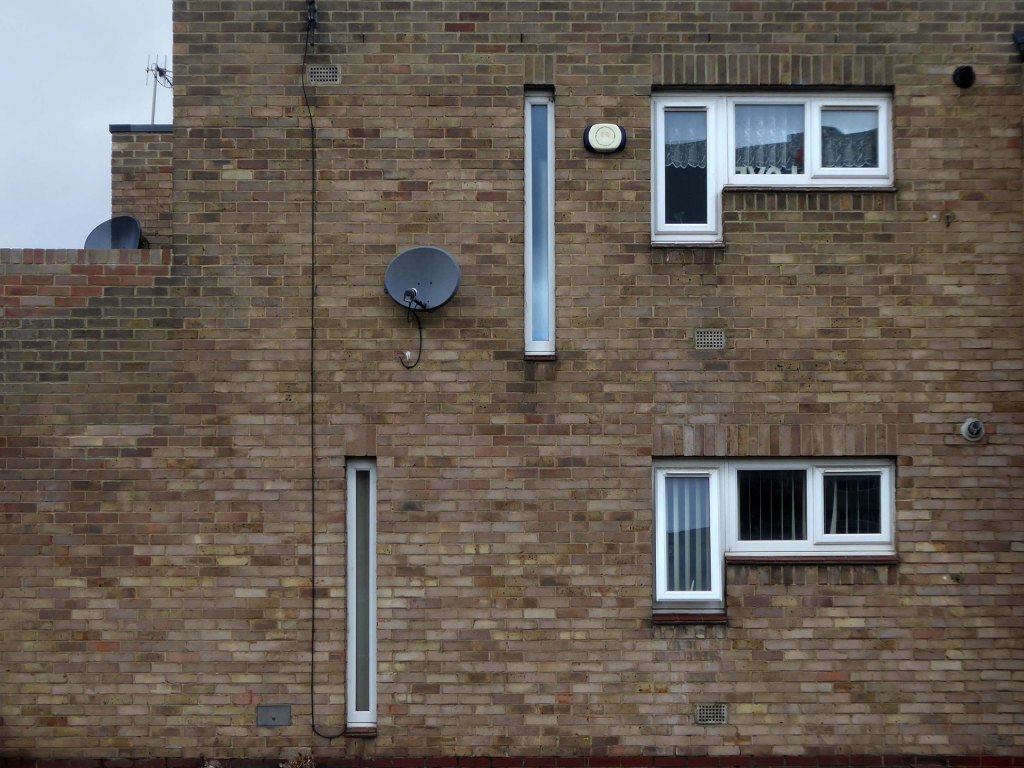
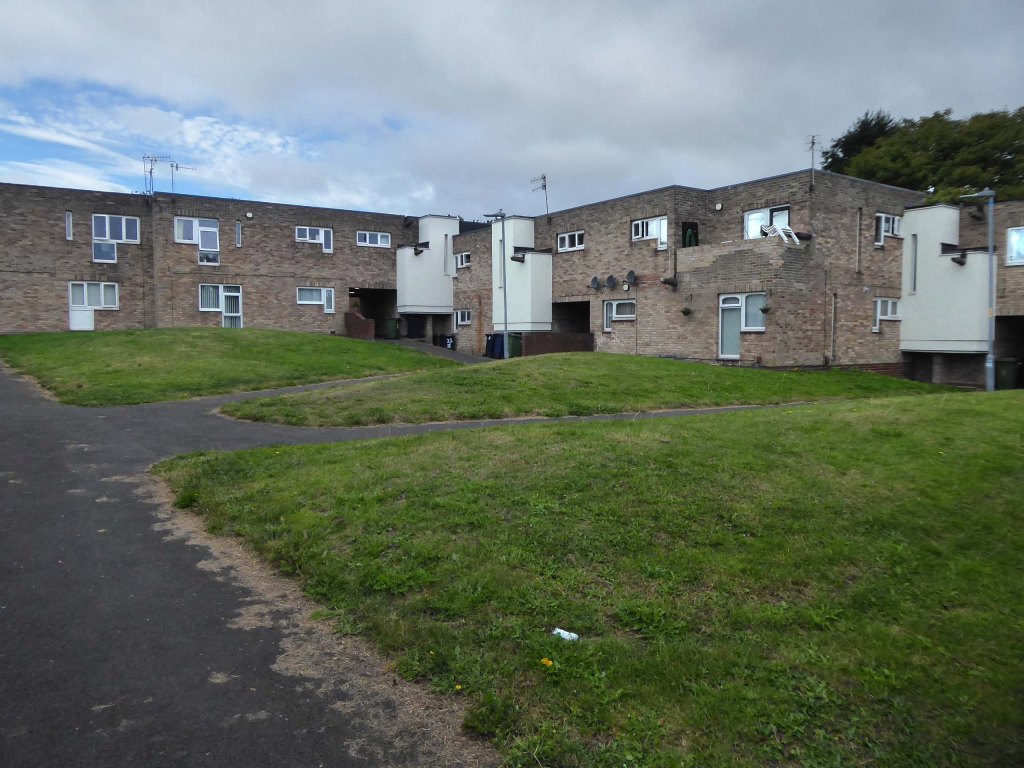
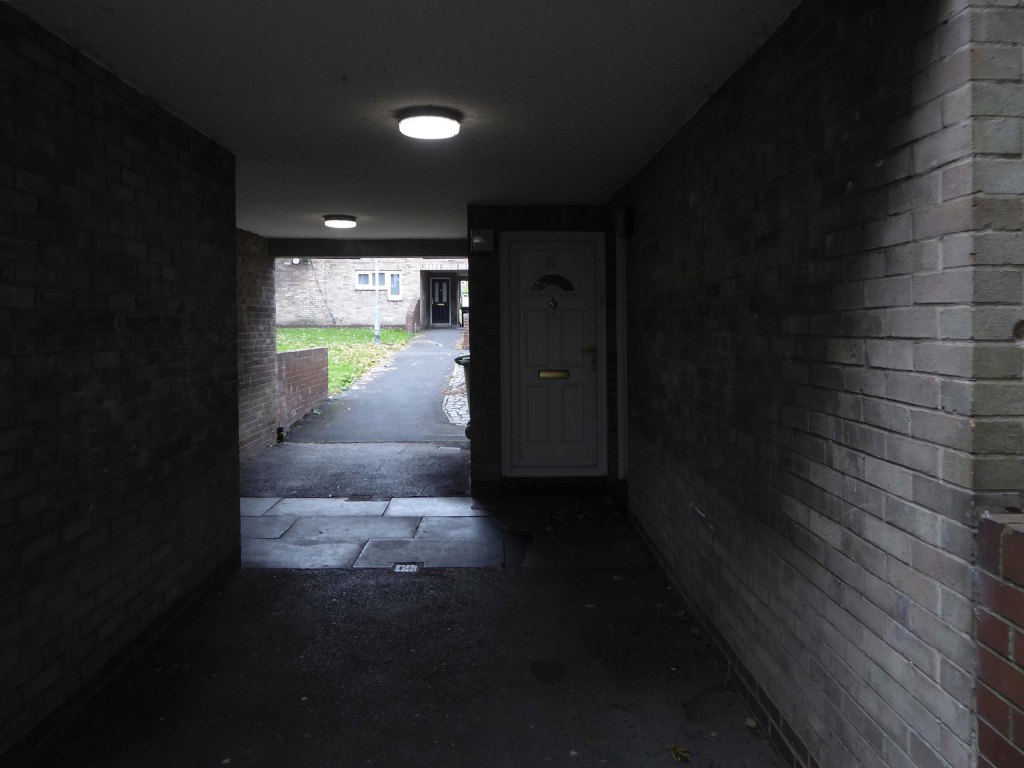
This is a similar mix of boxy terraces and traffic free walkways.
Possibly of a later date.


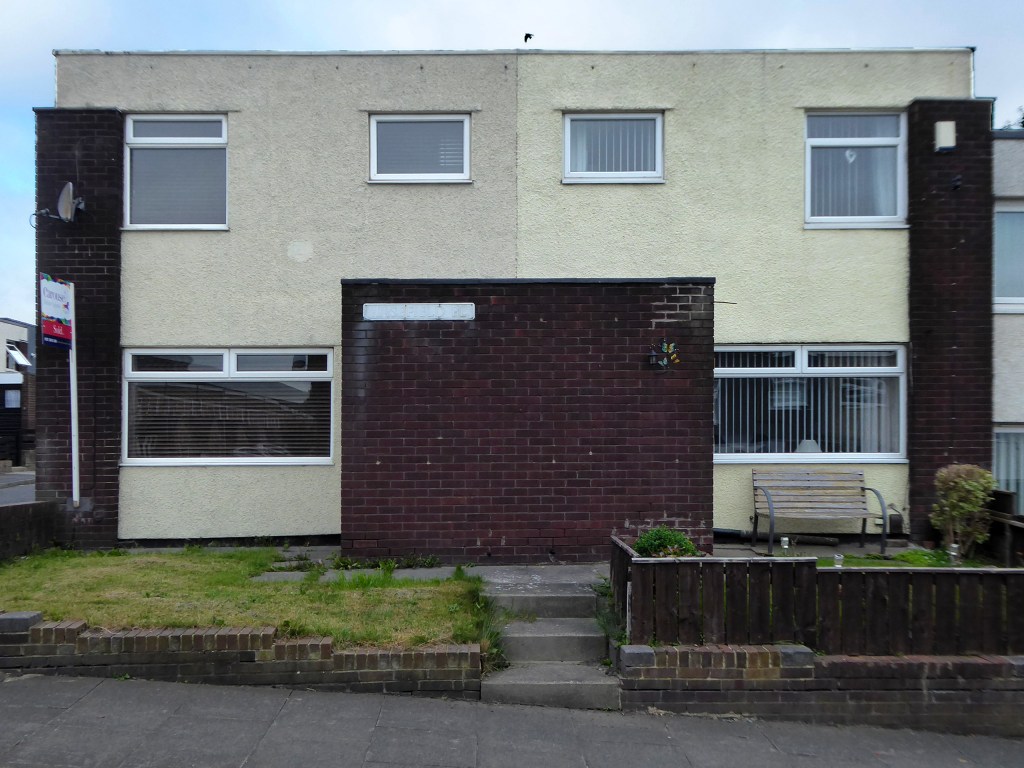
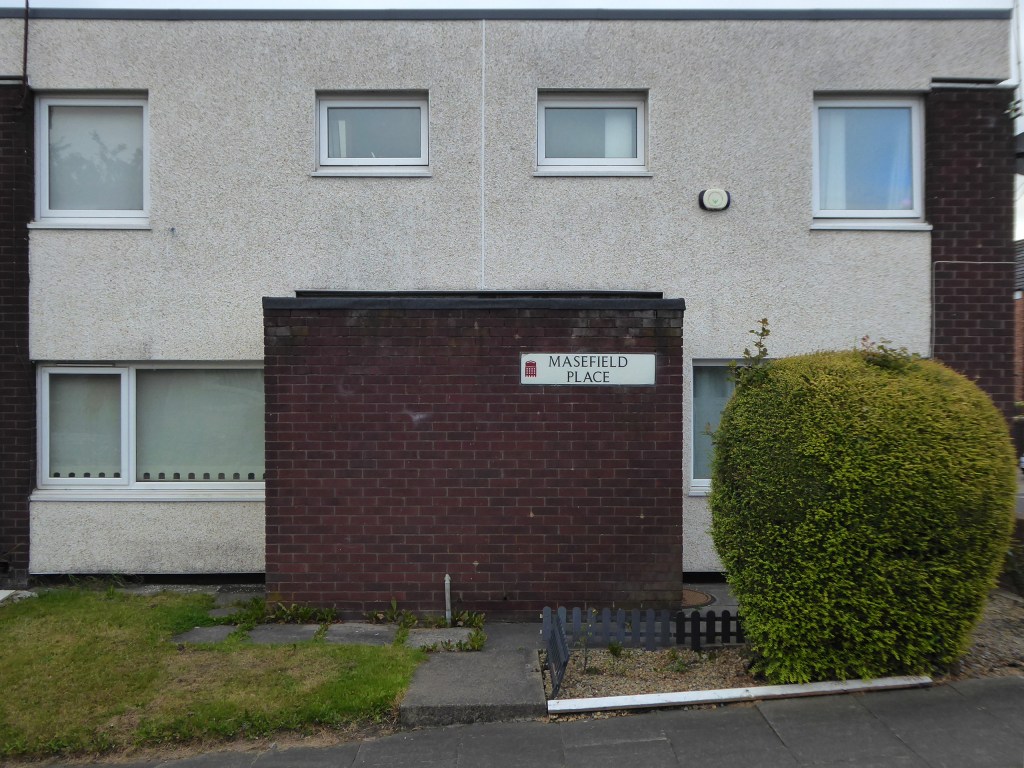
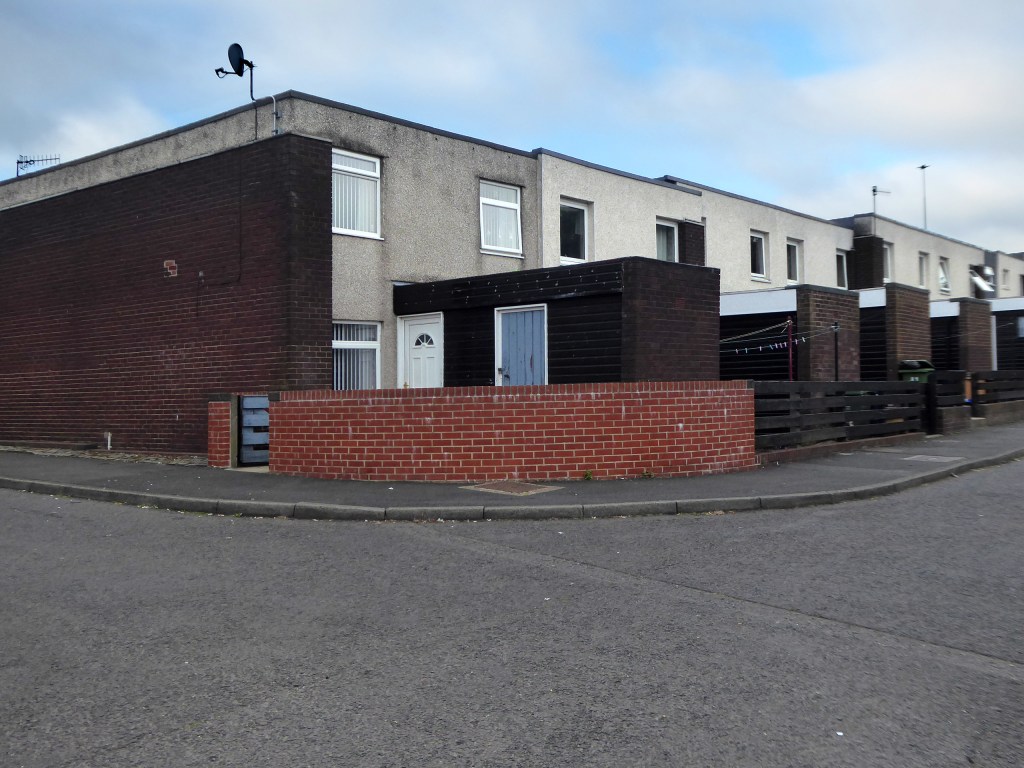
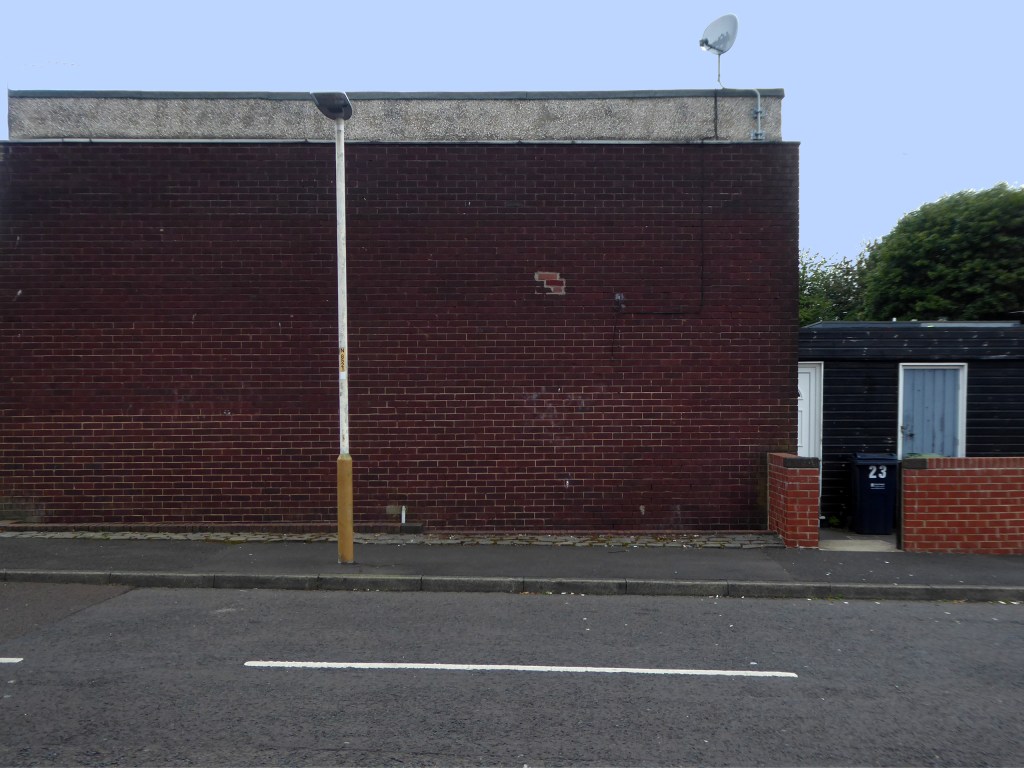

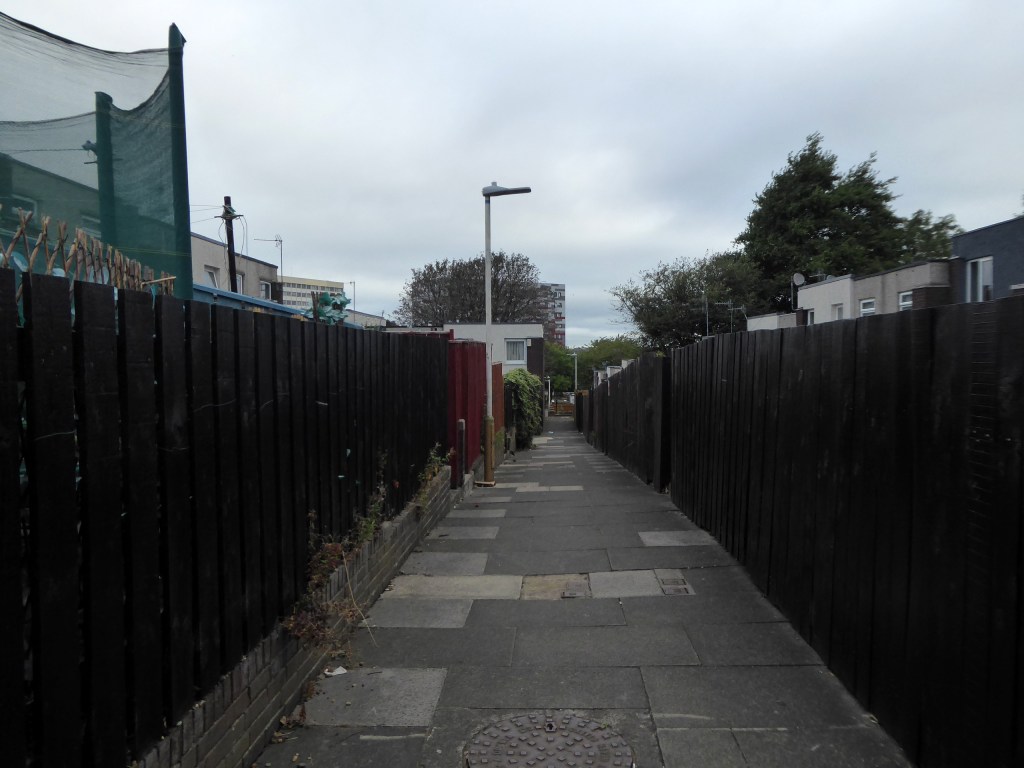
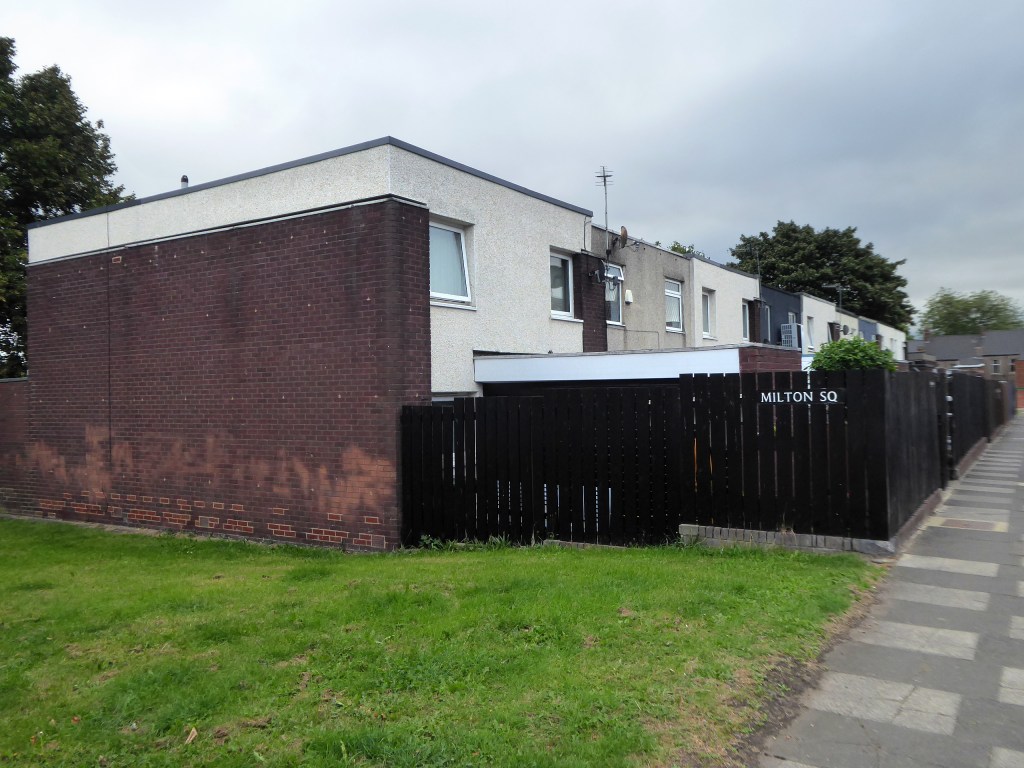
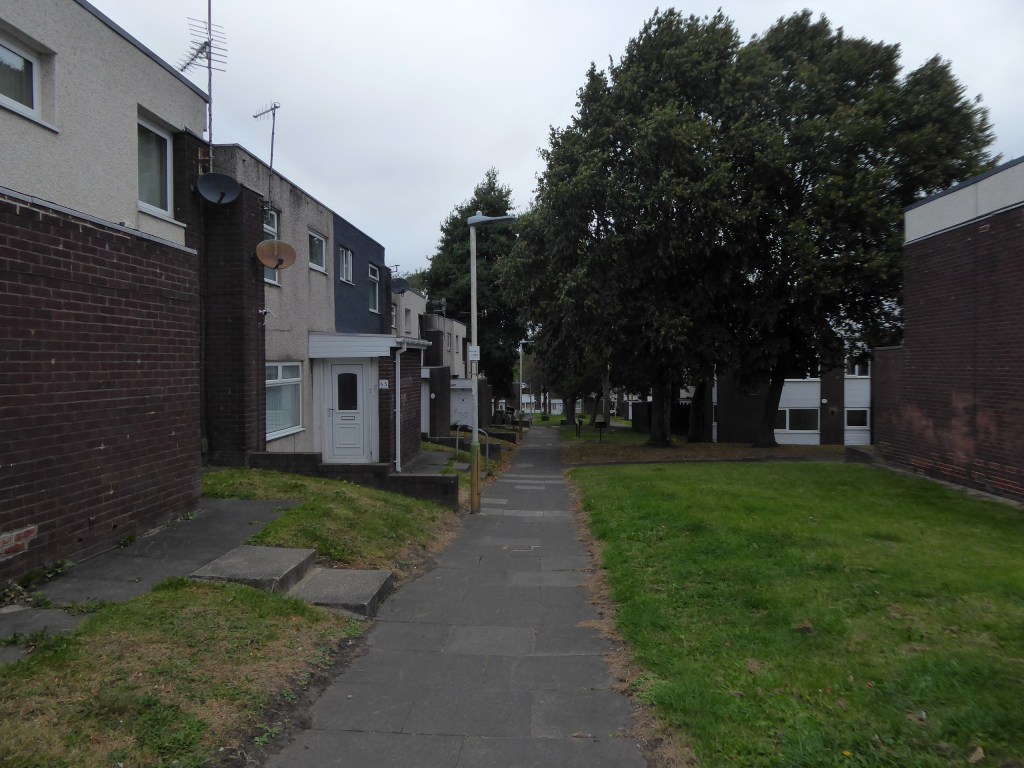
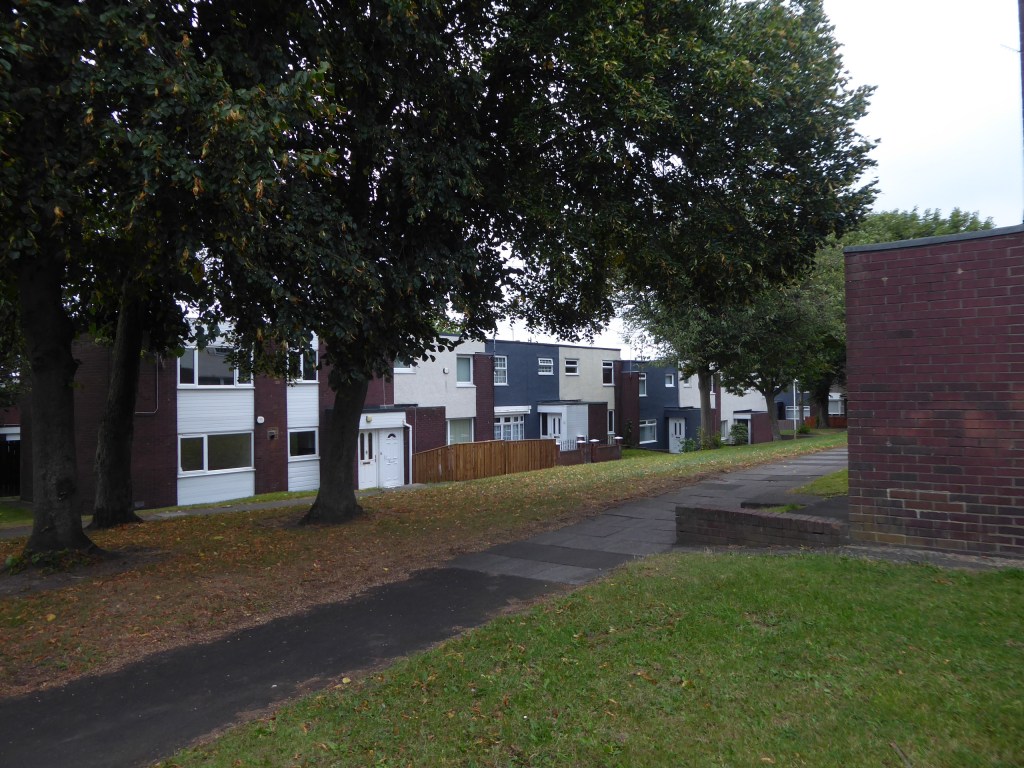


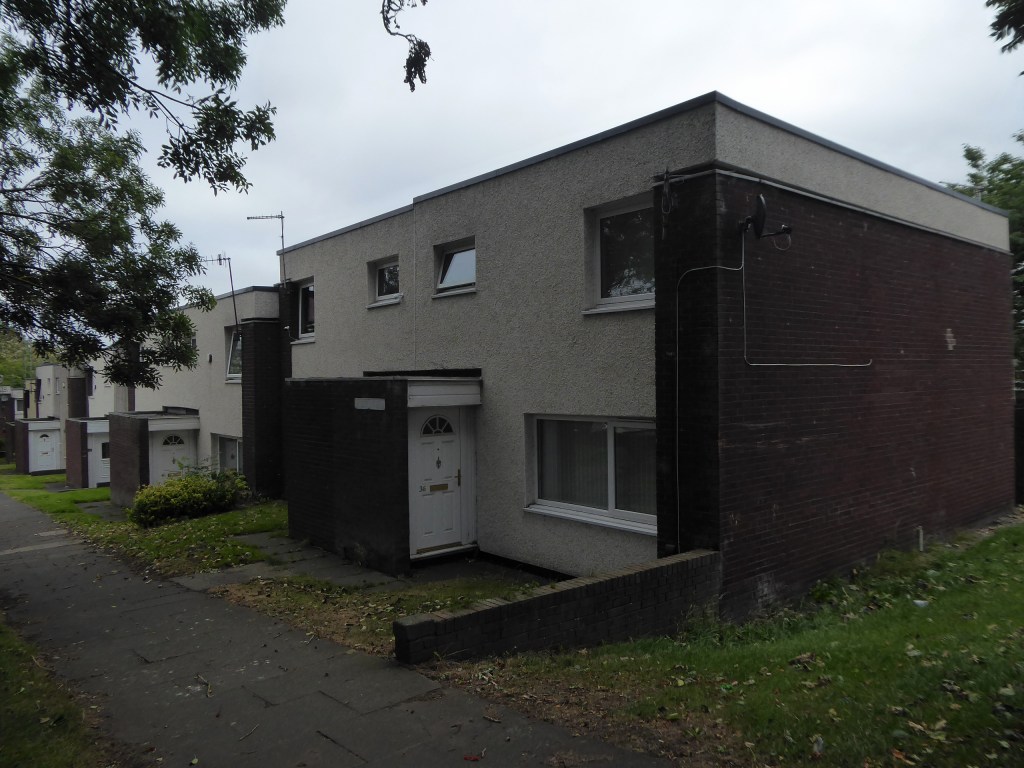



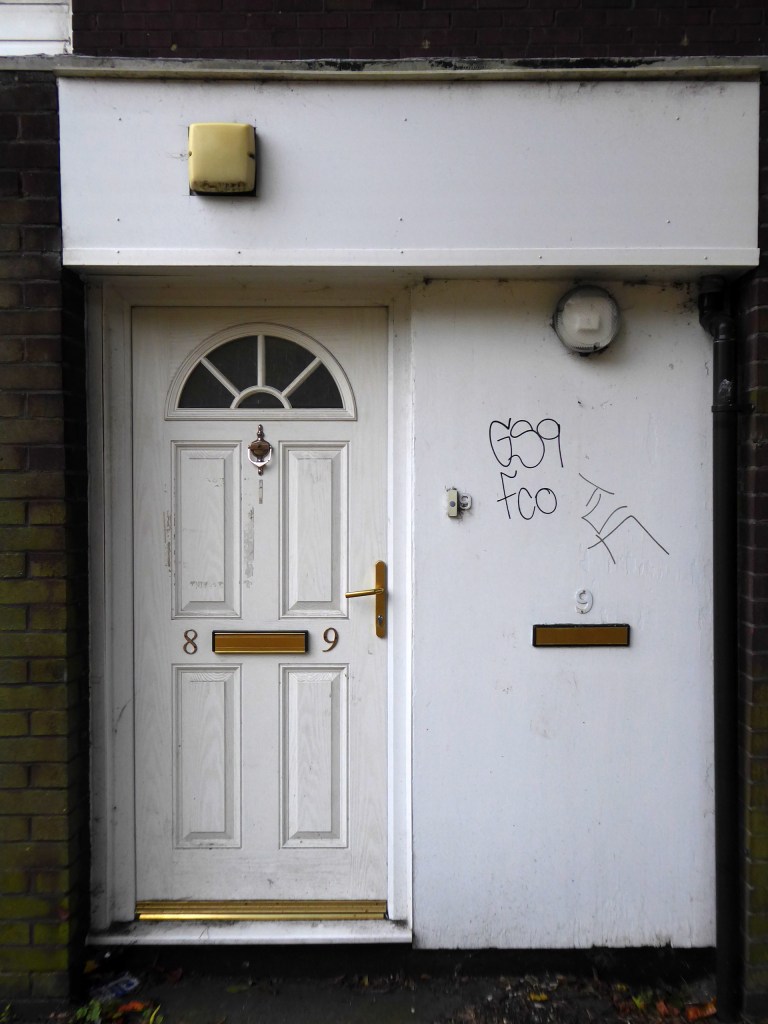

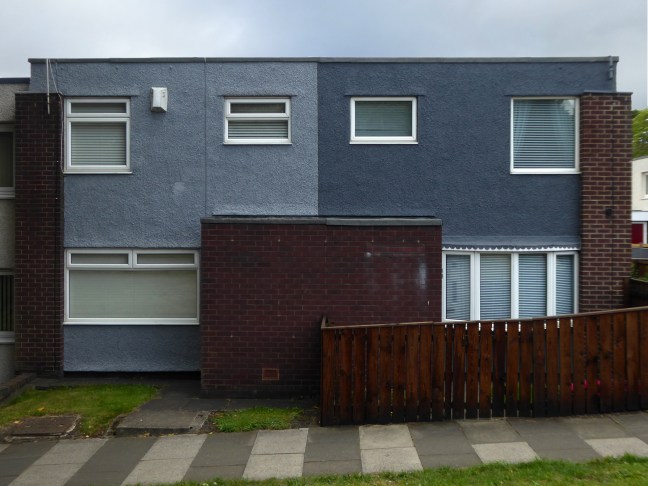
As a companion to the adjacent Poet’s Estate – let’s take a look at Malory, Milton, Masefield and Wordsworth.
This is a similar mix of boxy terraces and traffic free walkways.
Possibly of a later date.
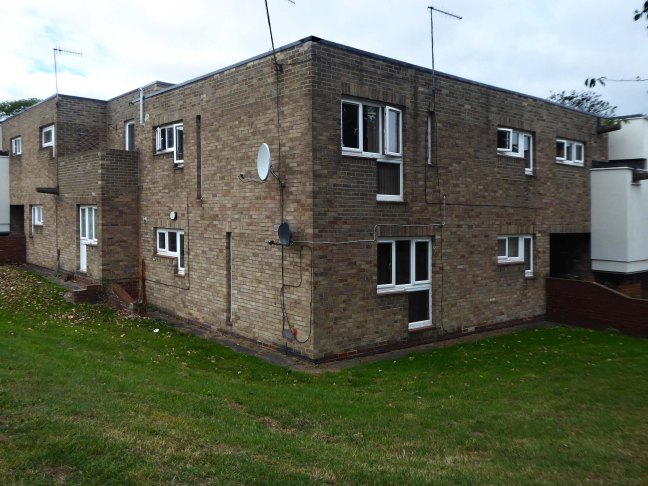
I’d seen these homes from the train.
So I walked from Newcastle to take a look.
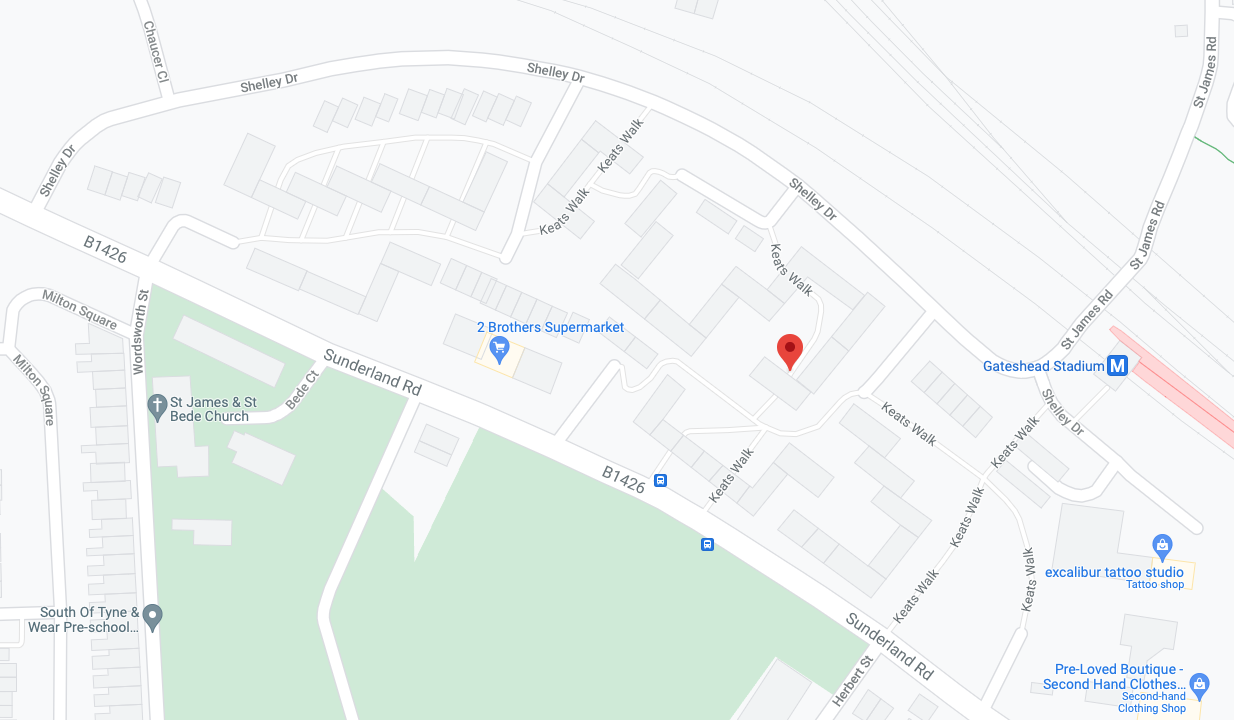
They turn their backs on Sunderland Road and the Tyne.
A tight cluster of terraced apartments, set in a grassy rolling terrain, linked by paths and short underpasses.
A modern mediaeval, mildly fortified village, rendered in pale brick and white render.
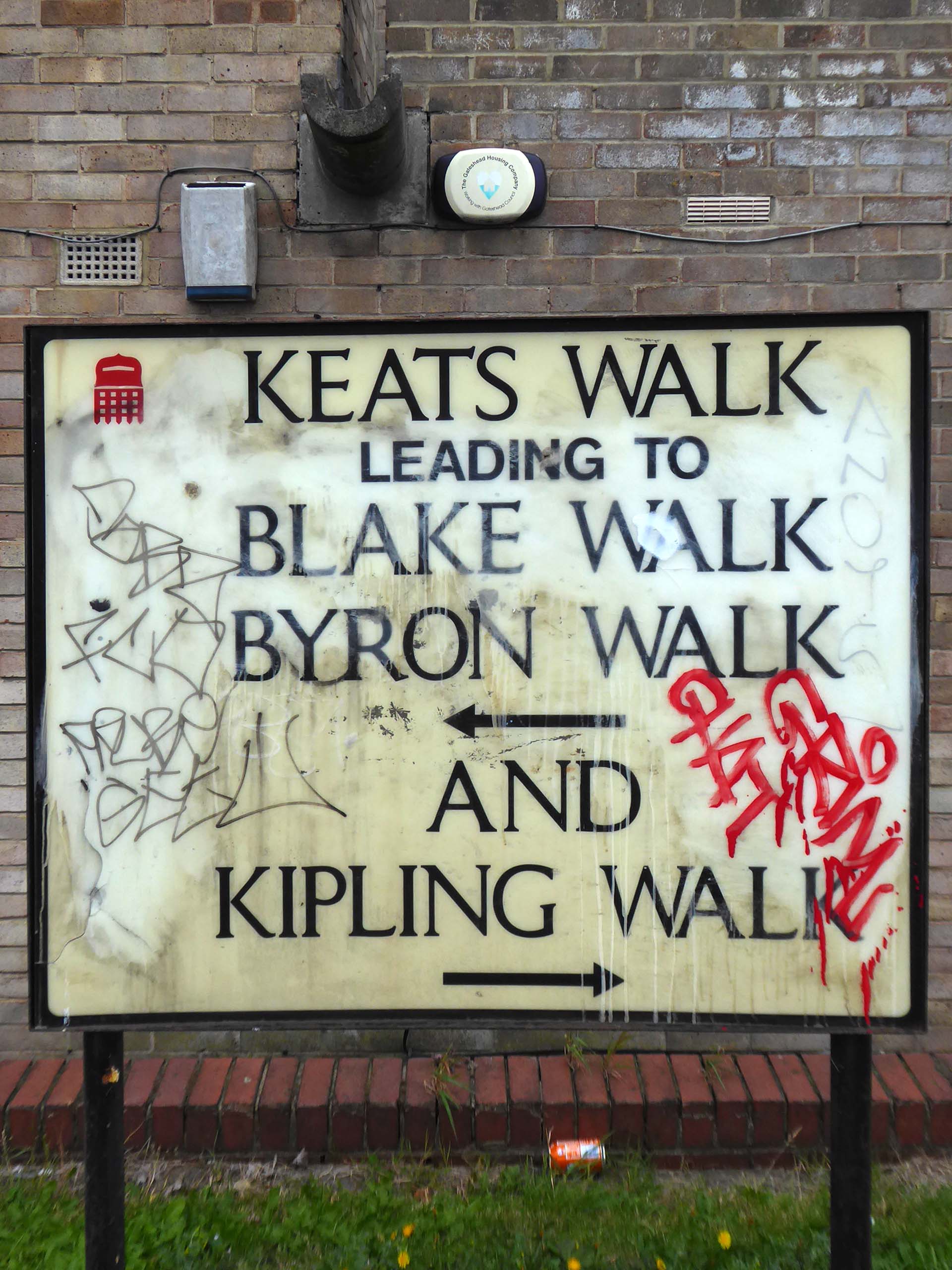
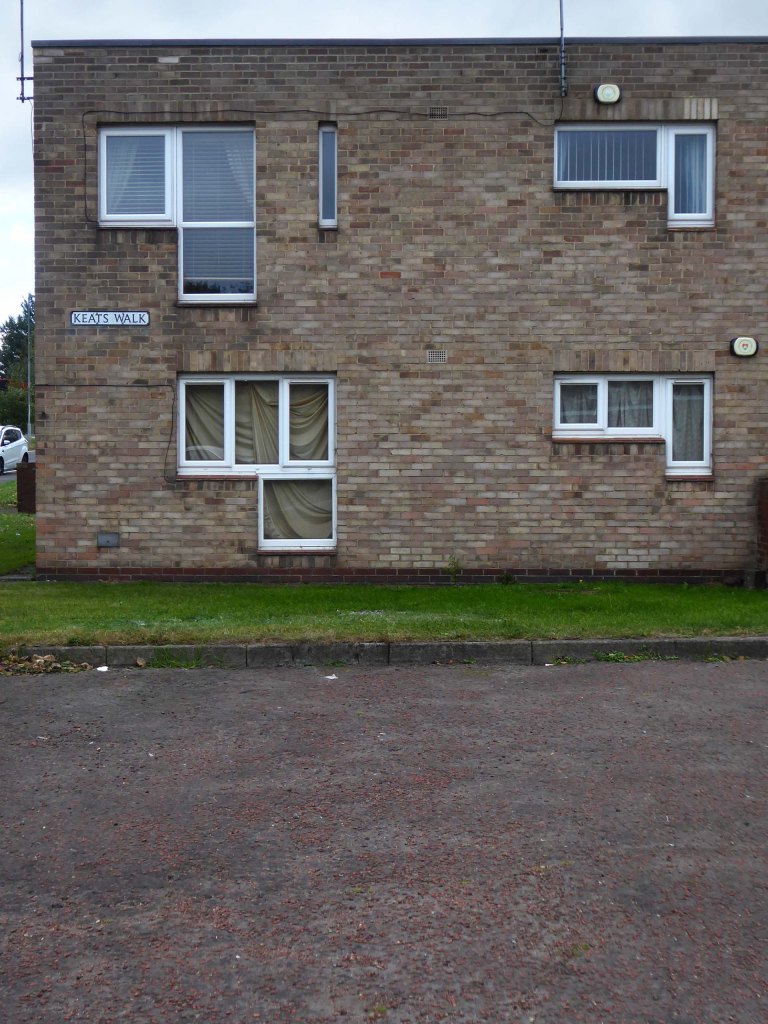
Keats, Kipling, Blake, Byron and Shelley enclosed.














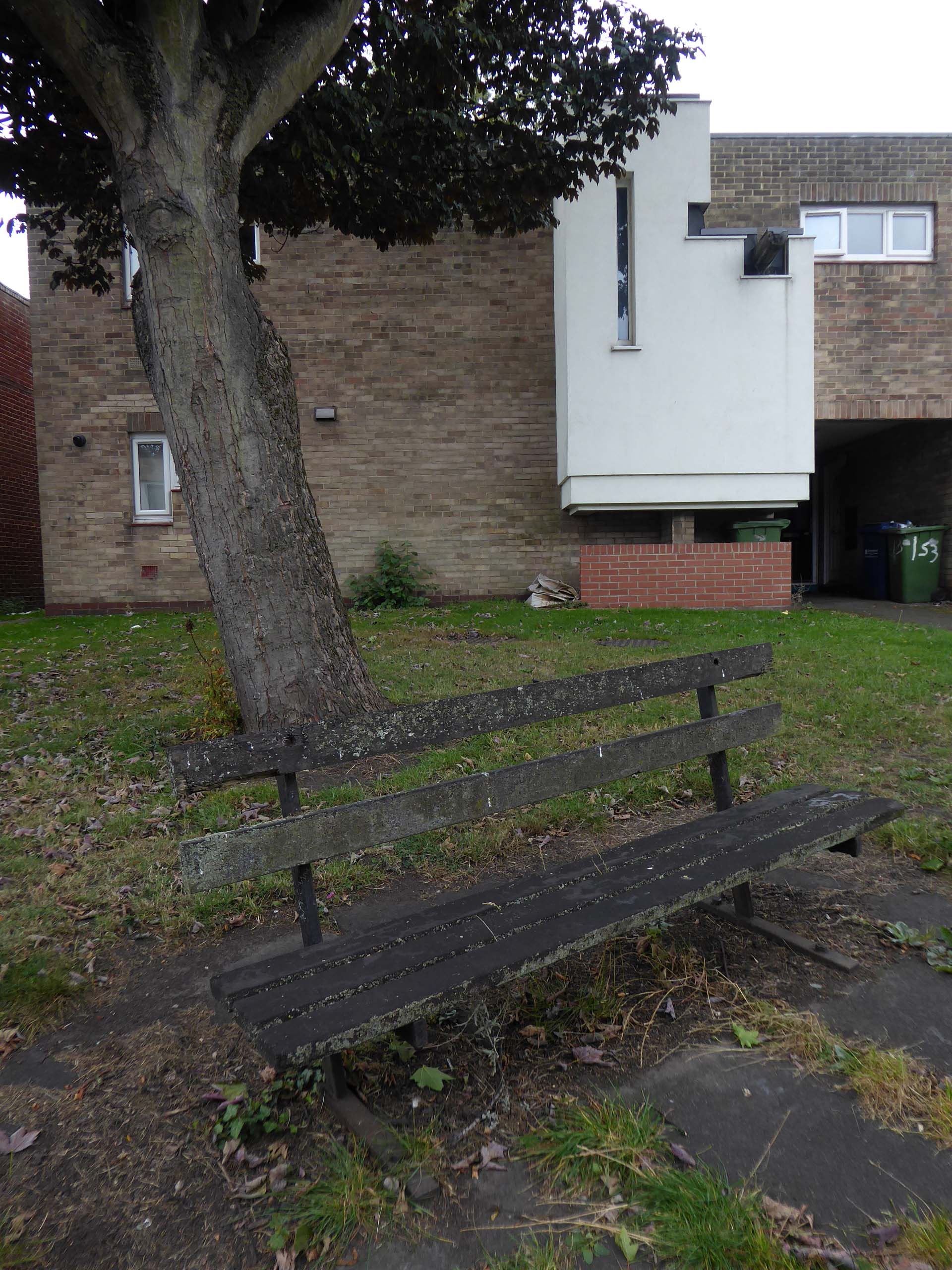


Take a look around #40
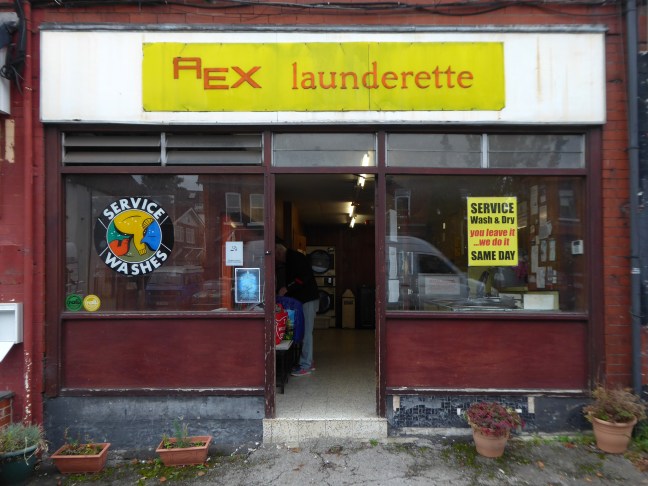
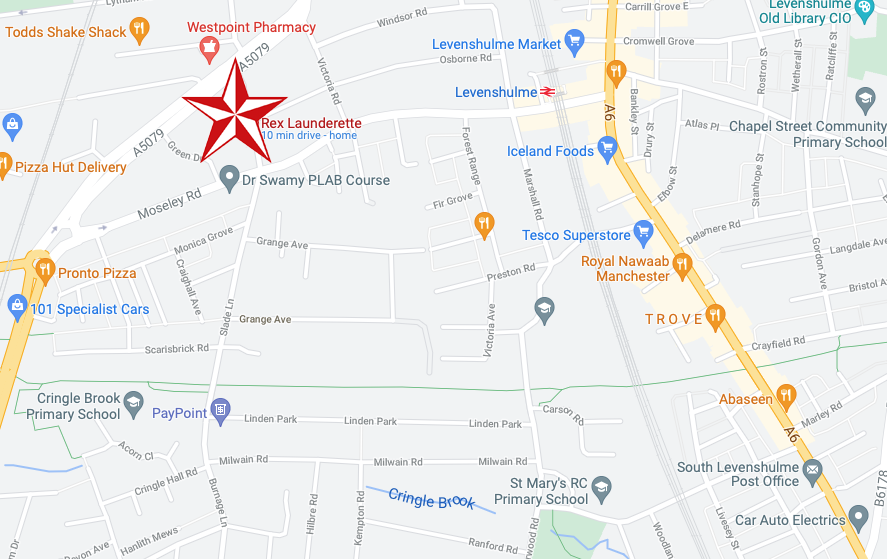
318 Slade Lane Levenshulme Manchester M19 2BY
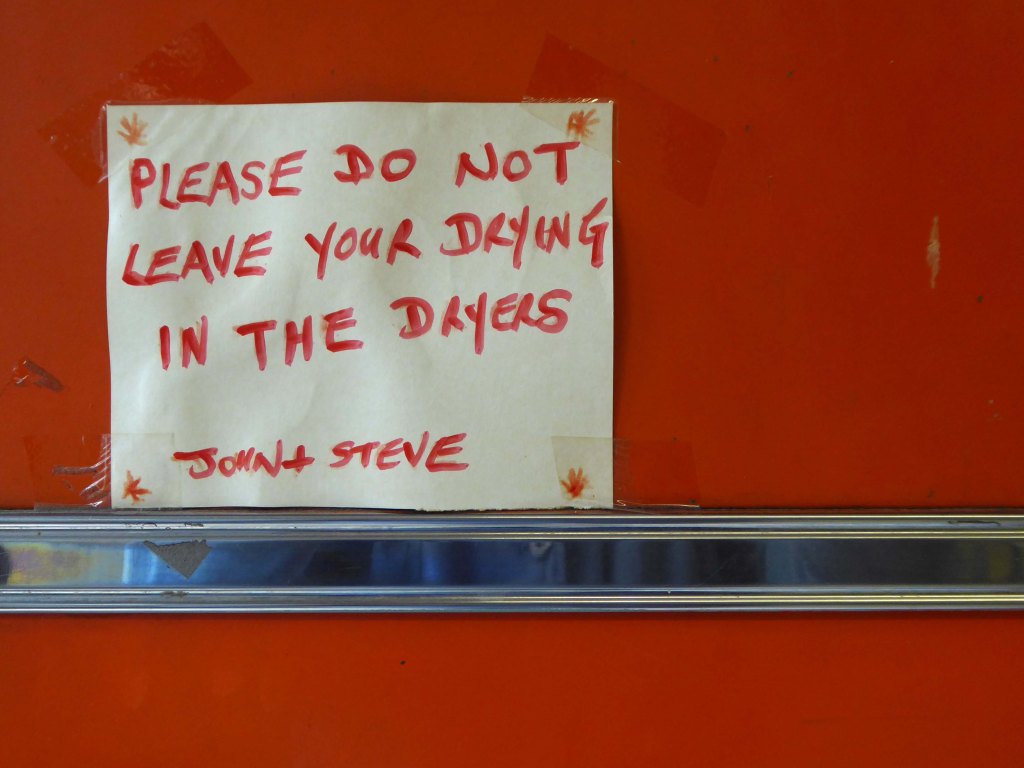
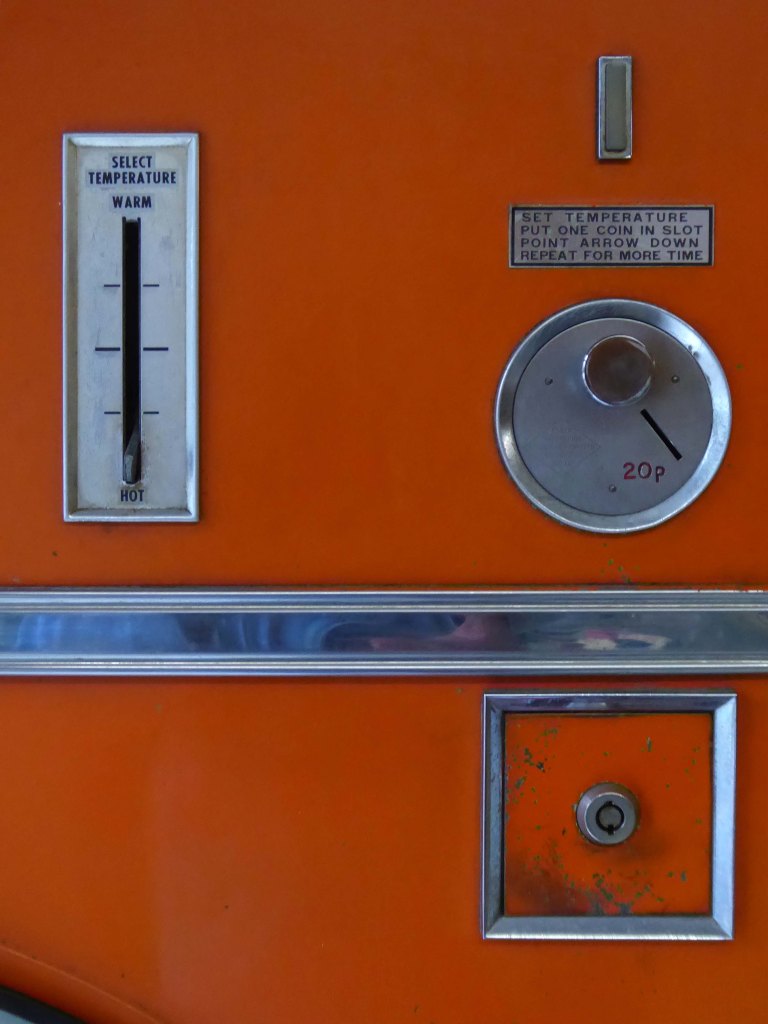
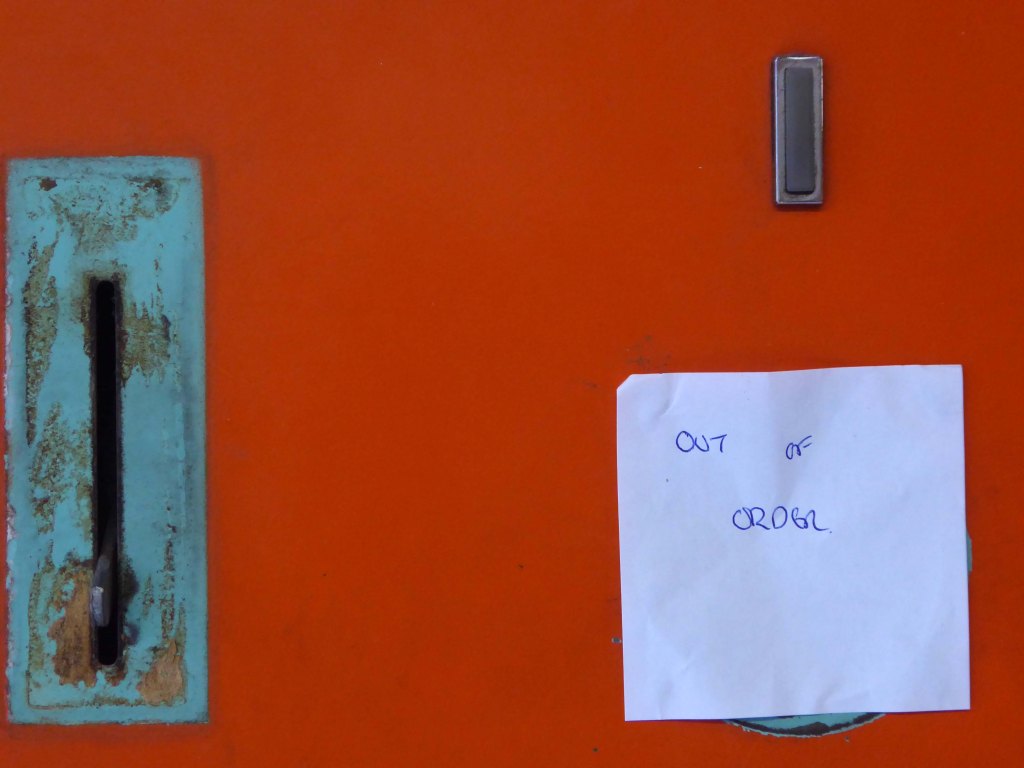
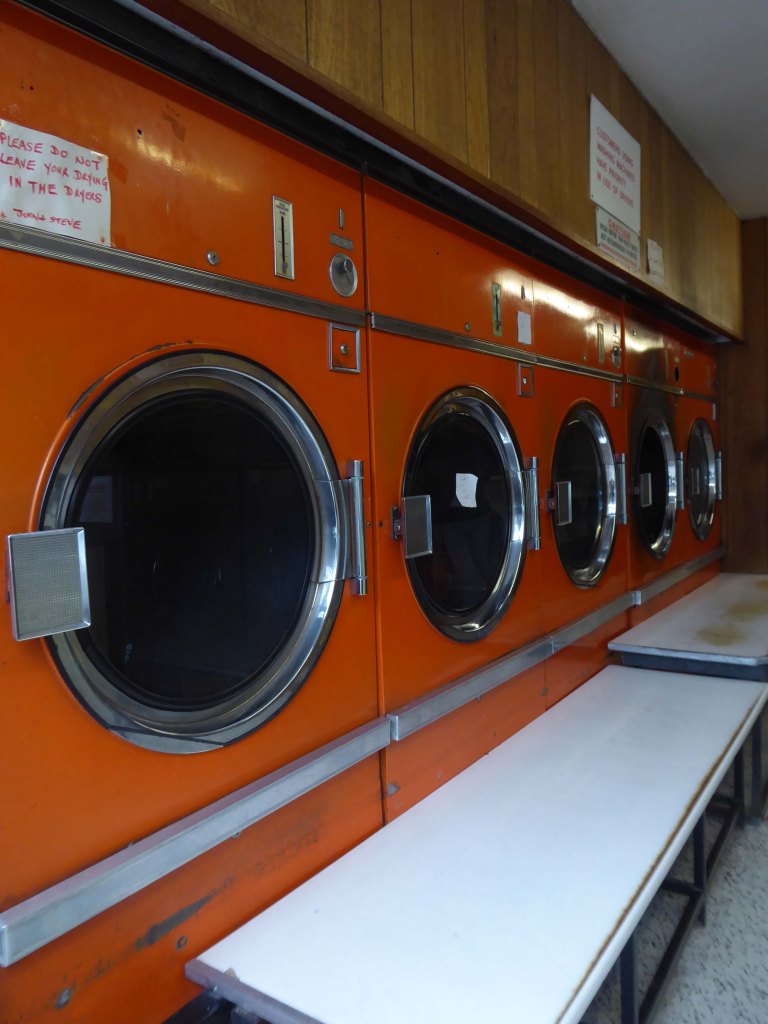
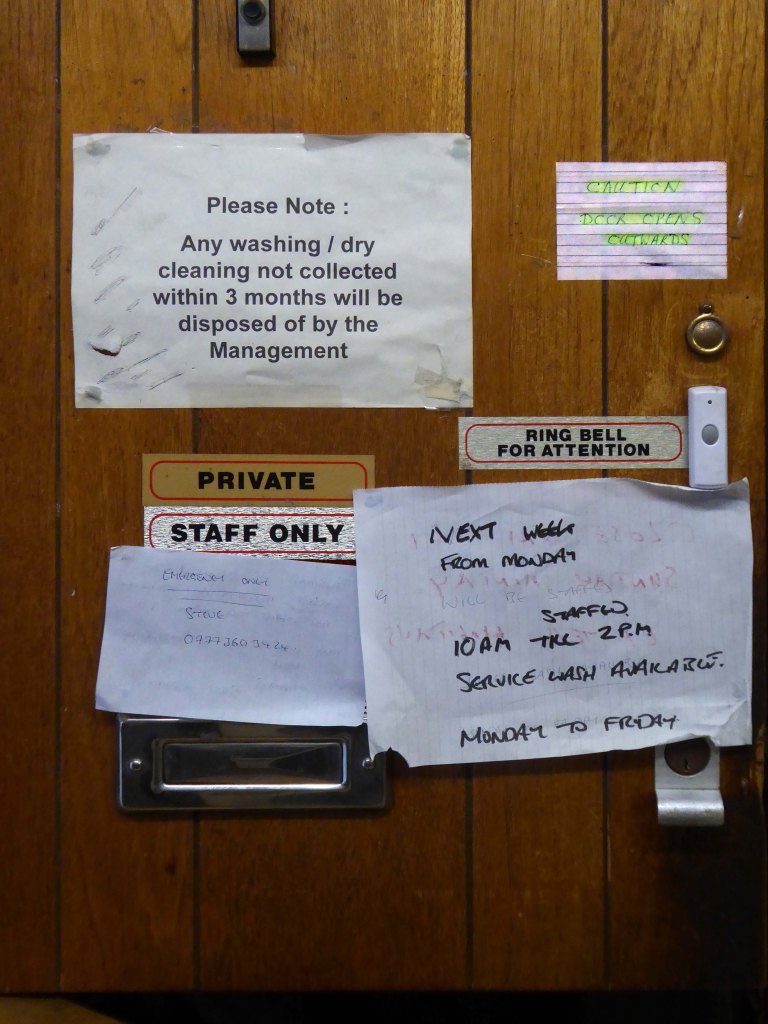
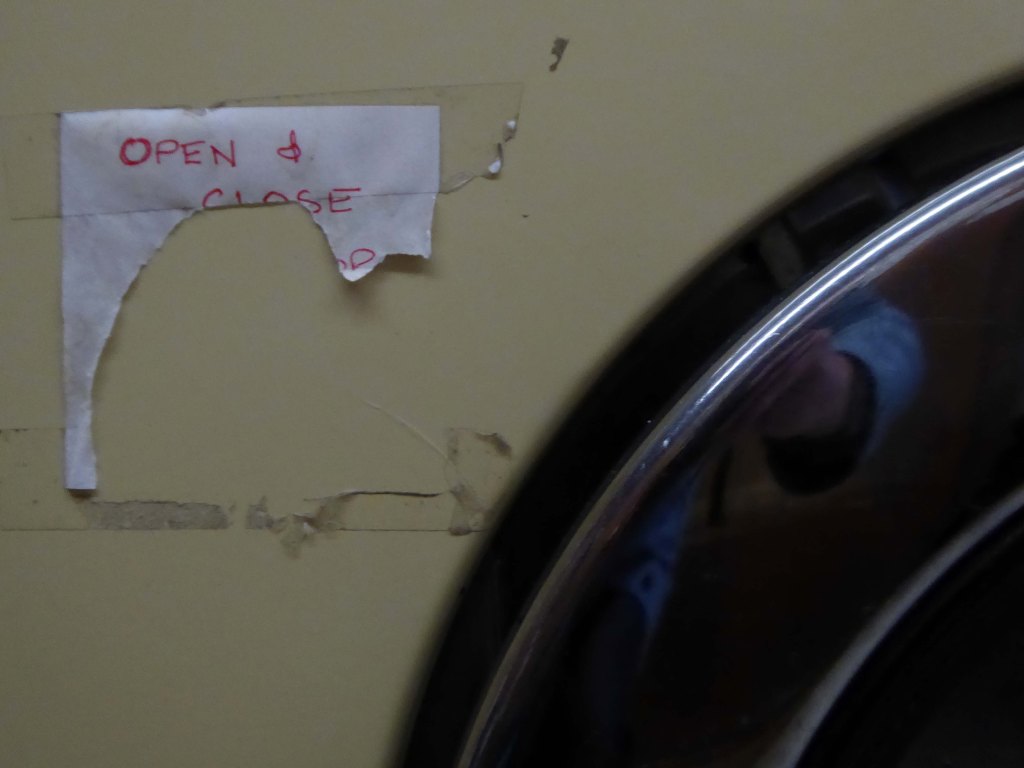
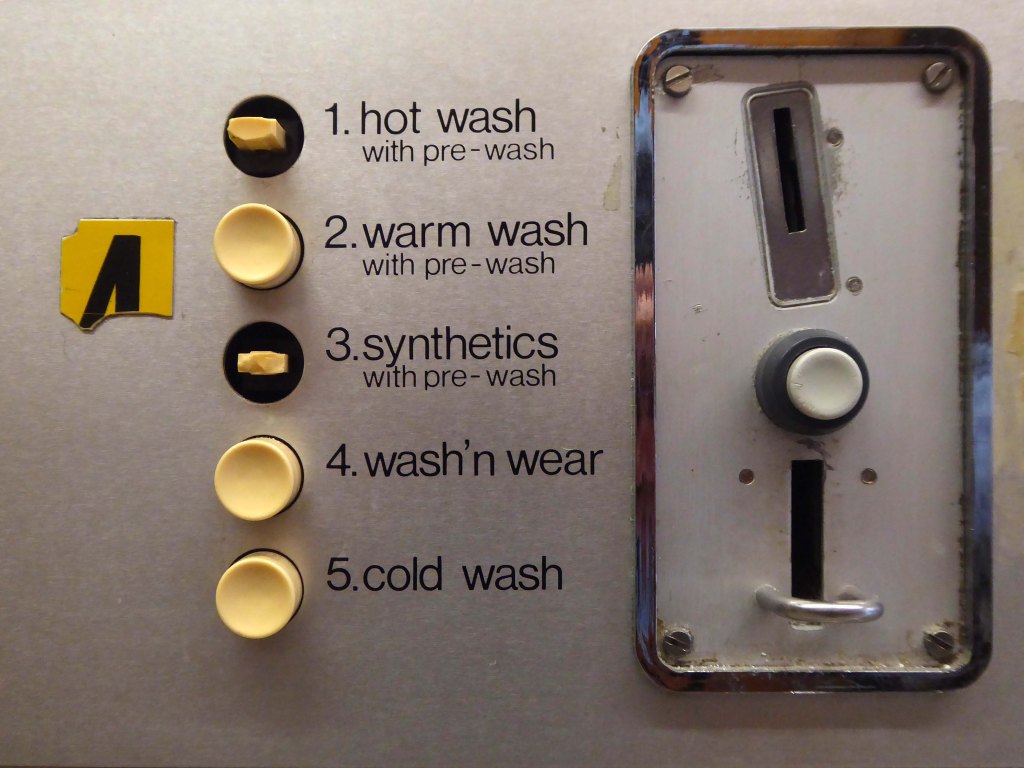
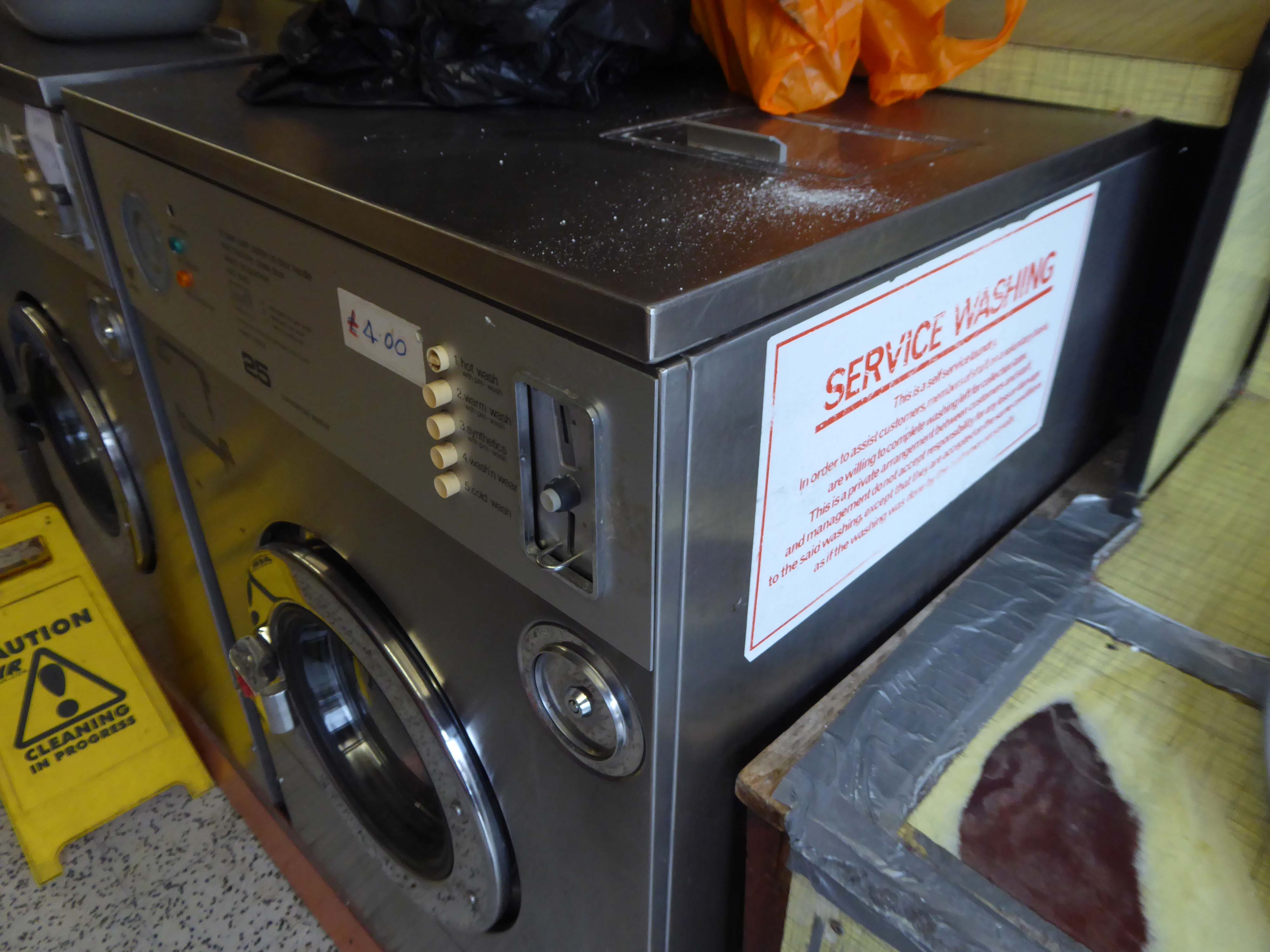
Following a brief interregnum we’re back in the soapy study world of the local launderette.
One of many Rex operations – including those which I visited in Hull and Hull.
I am of course nationally and internationally renowned as Rex Launderette – author of the multi-ward winning eight laundrettes.
Should you care to search this wishy-washy blog there are also countless other laundry related posts.
Anyway, I jumped the 197, alighting at the junction of Albert Road and Slade Lane.
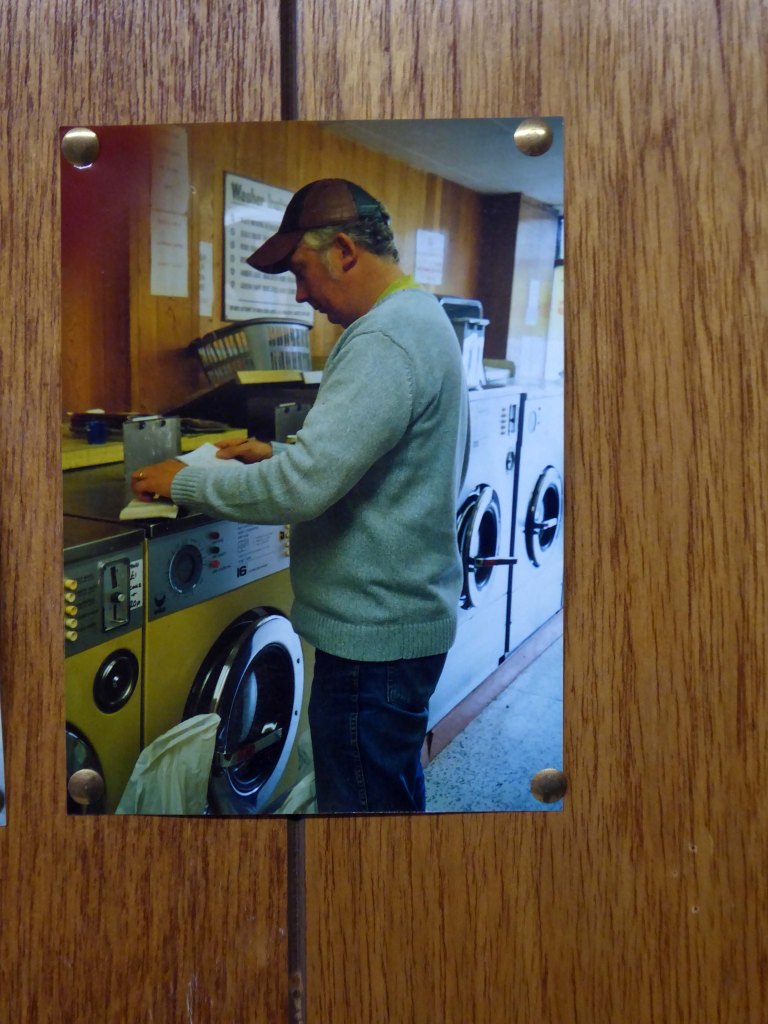
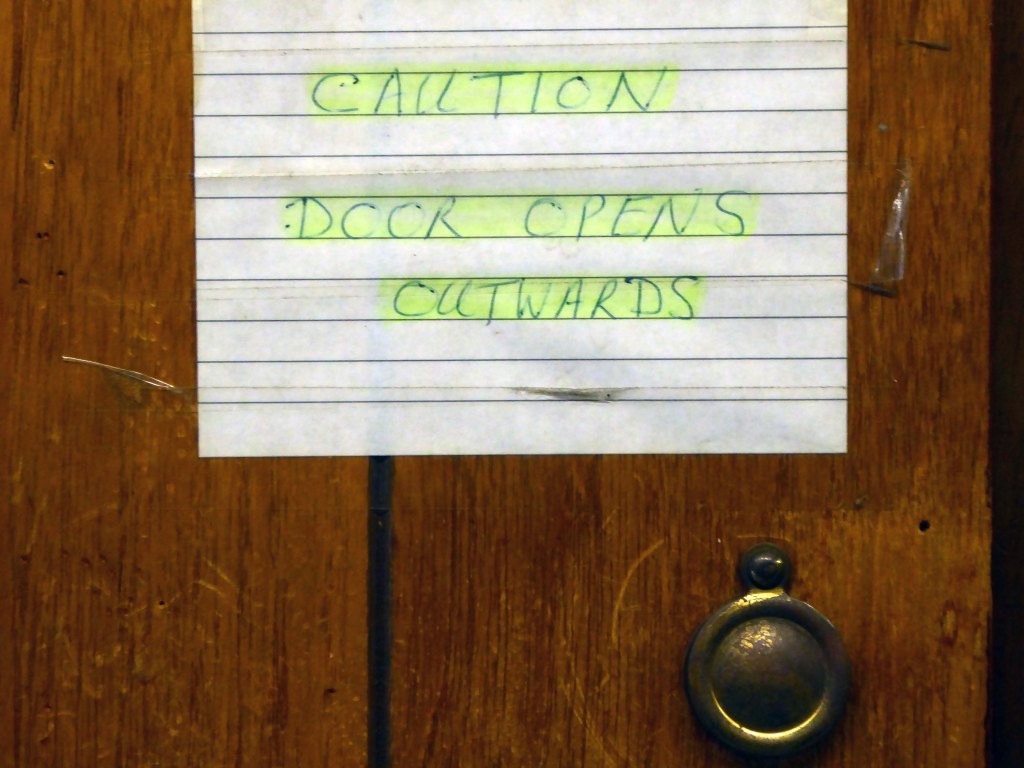
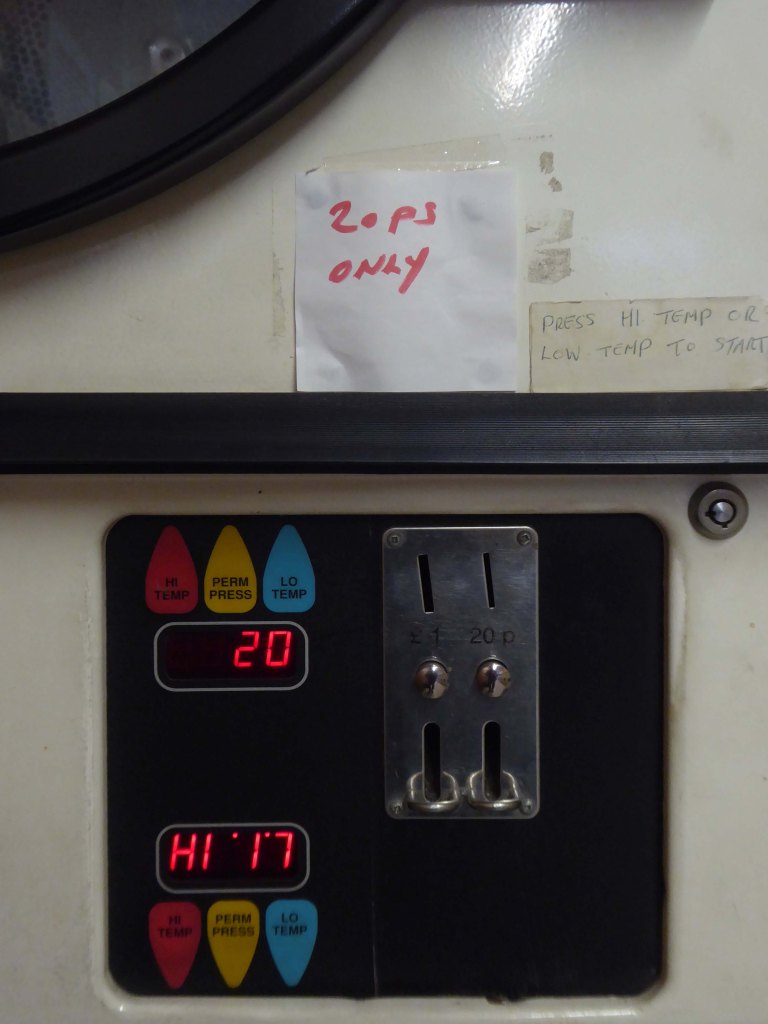
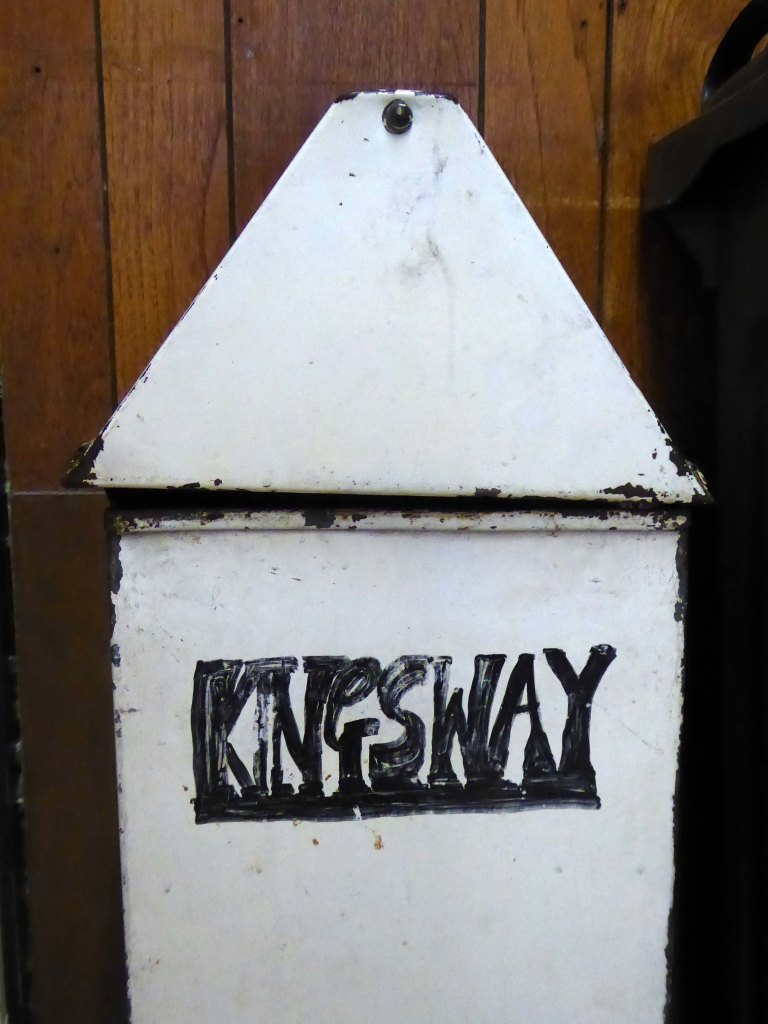
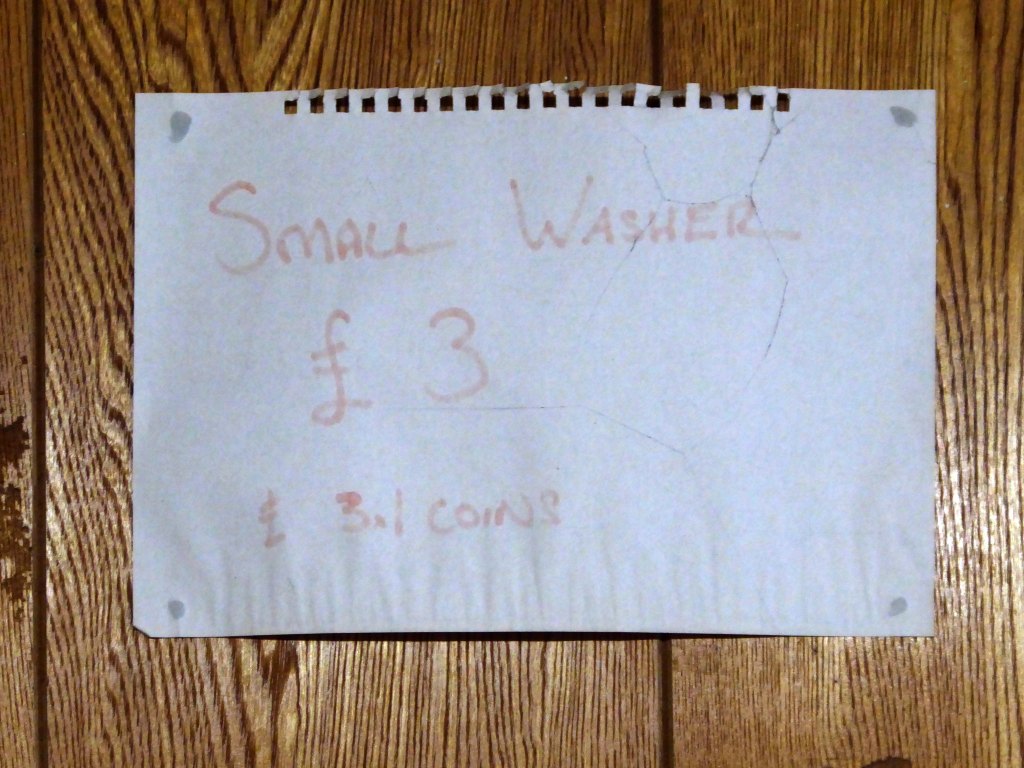
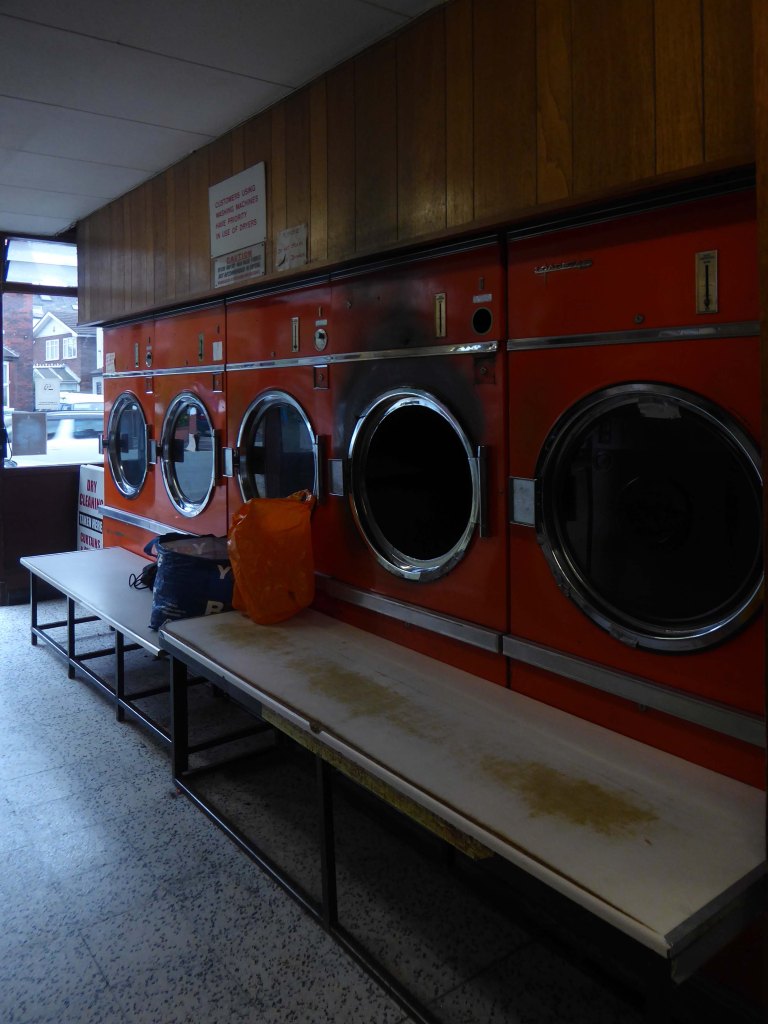
I popped into my local Rex and chatted with owner Steve, who had operated the business for some years, in addition he and his dad had run the late lamented Kingsway branch.
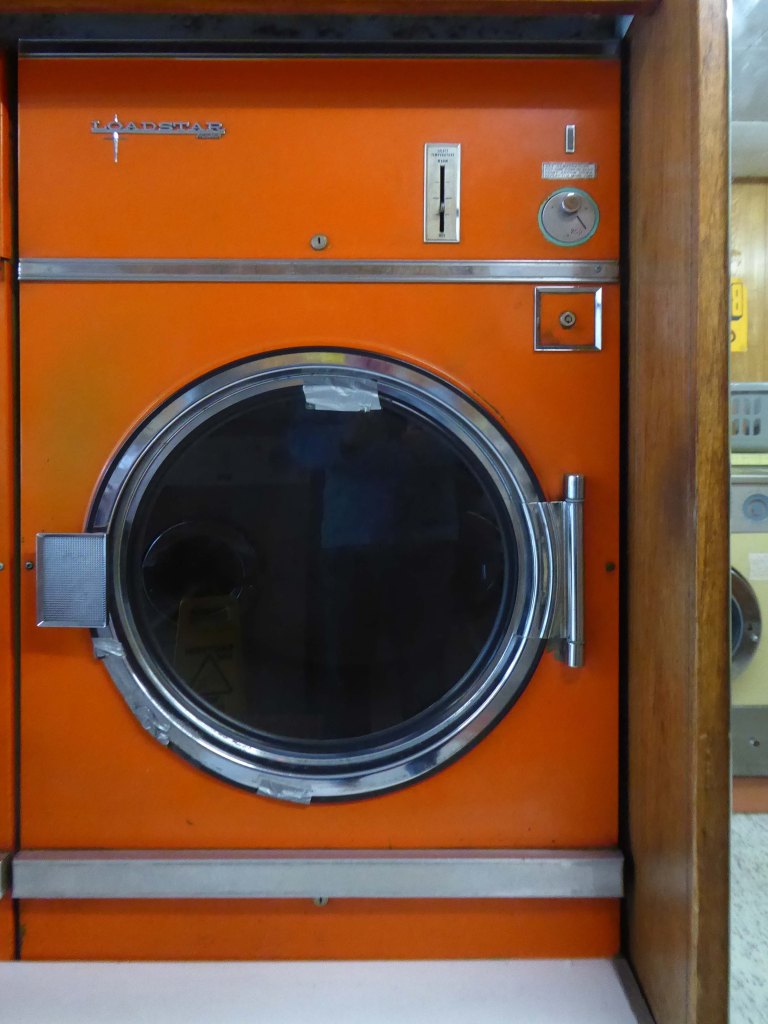
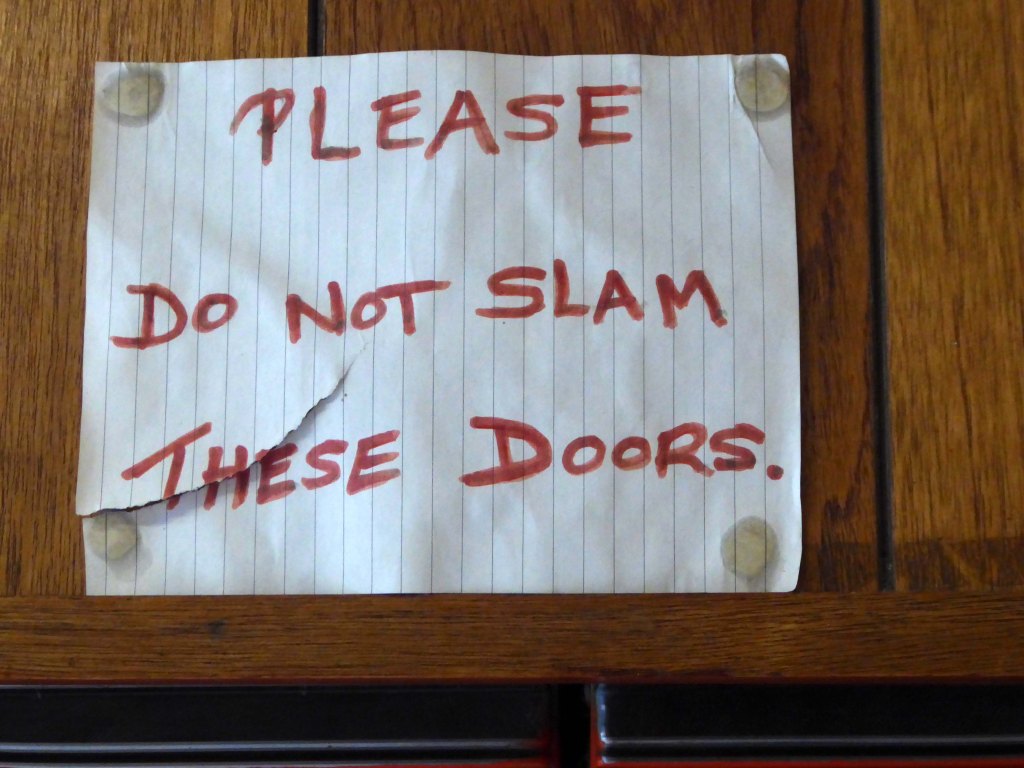
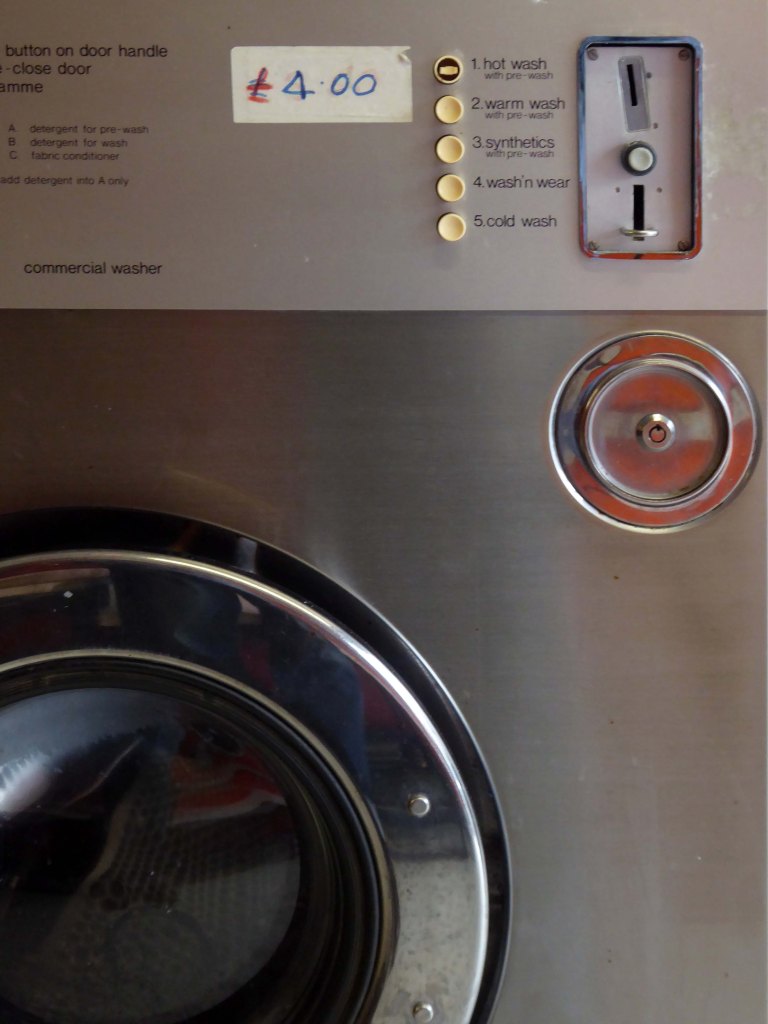
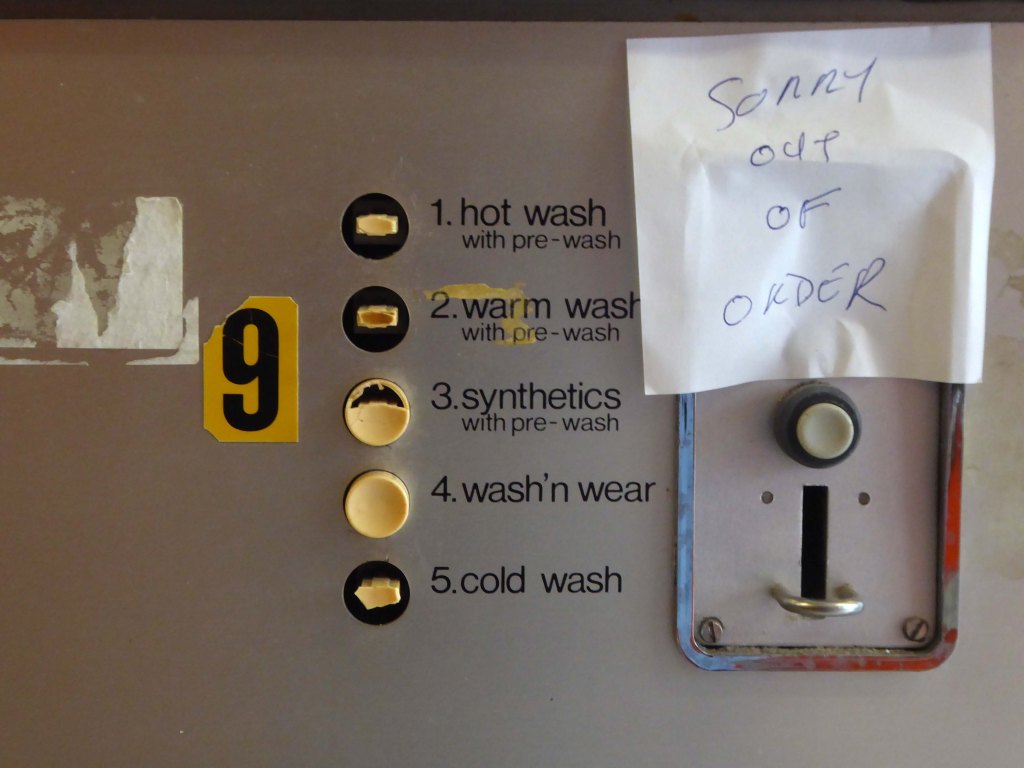
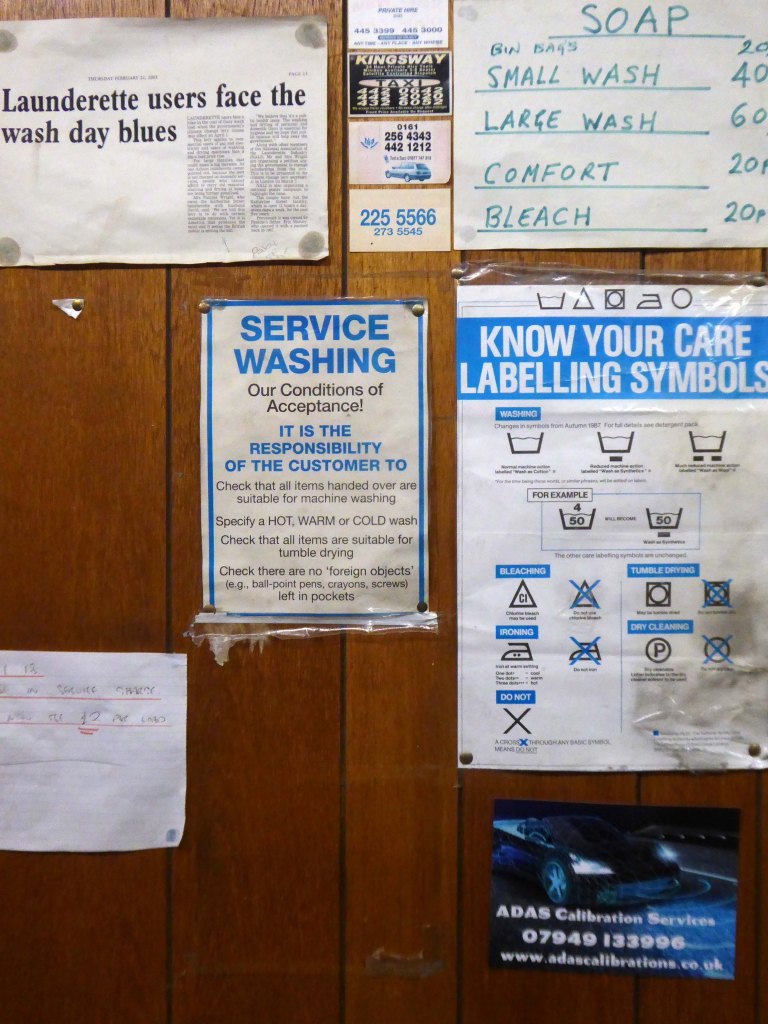
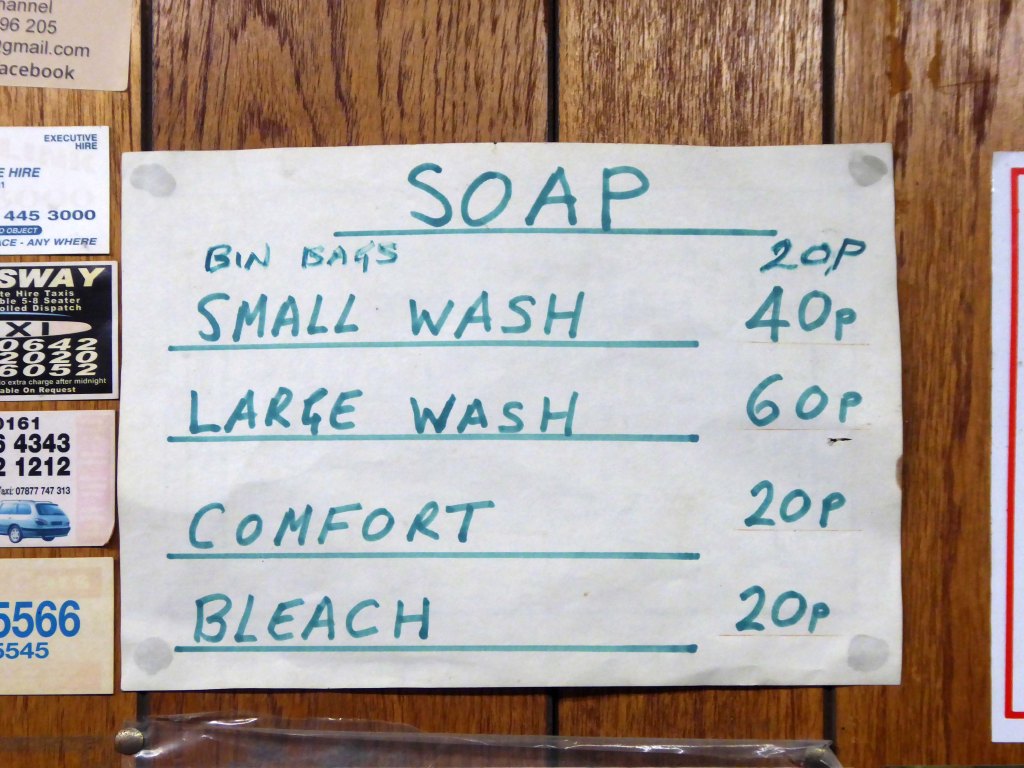
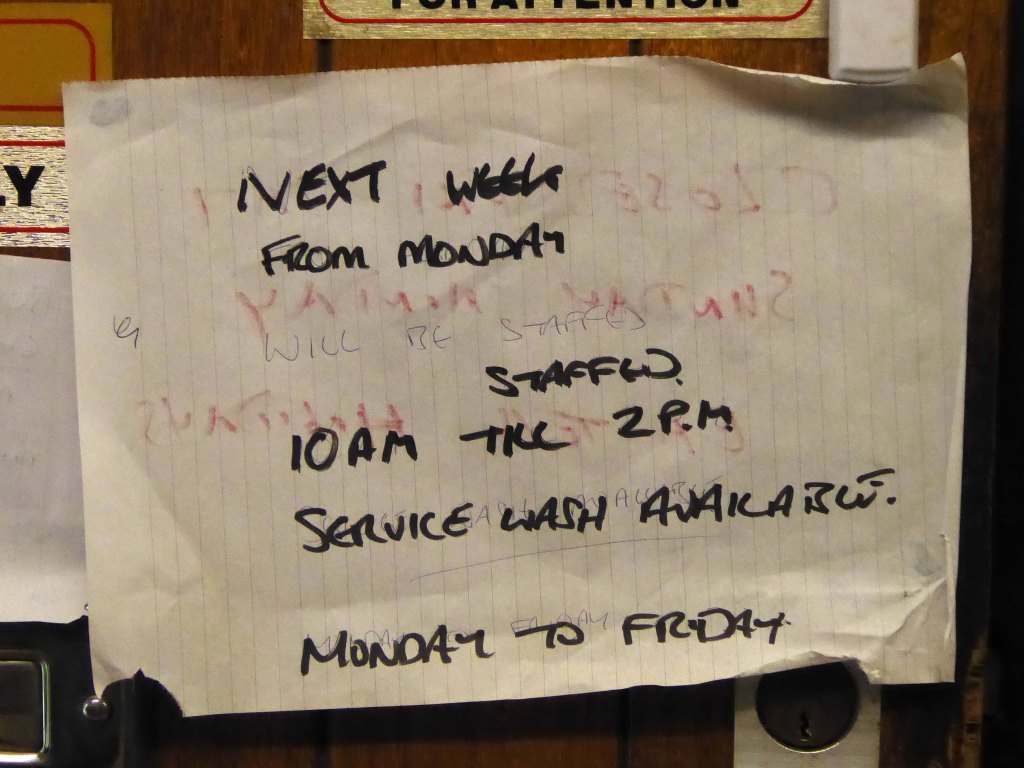
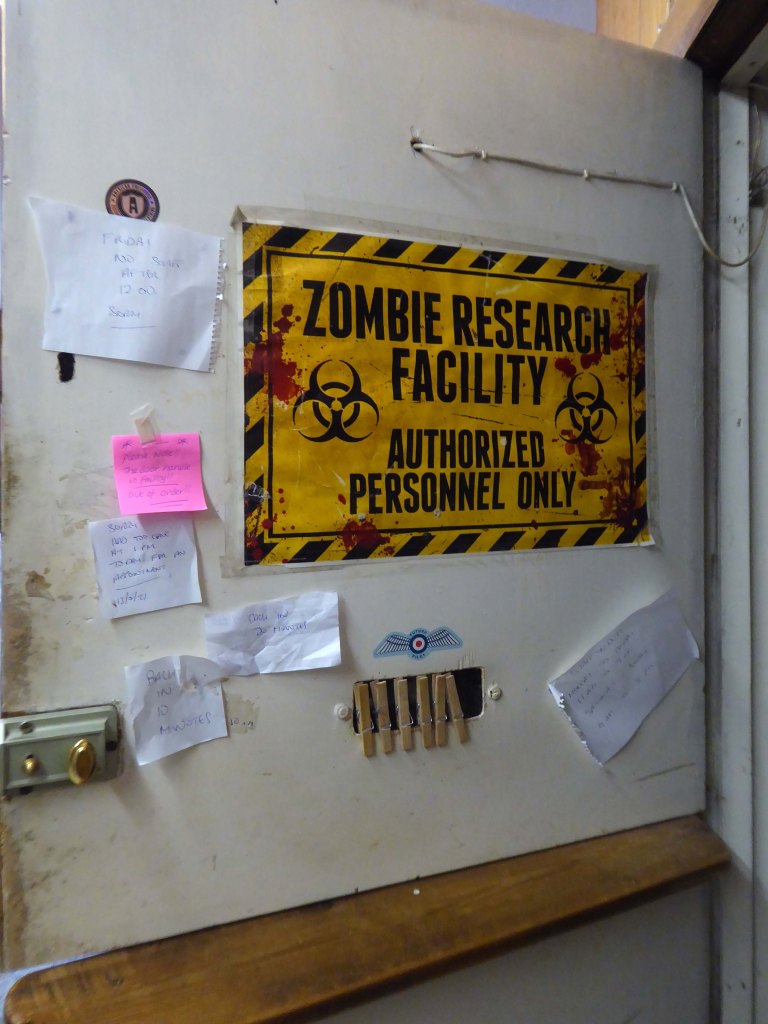
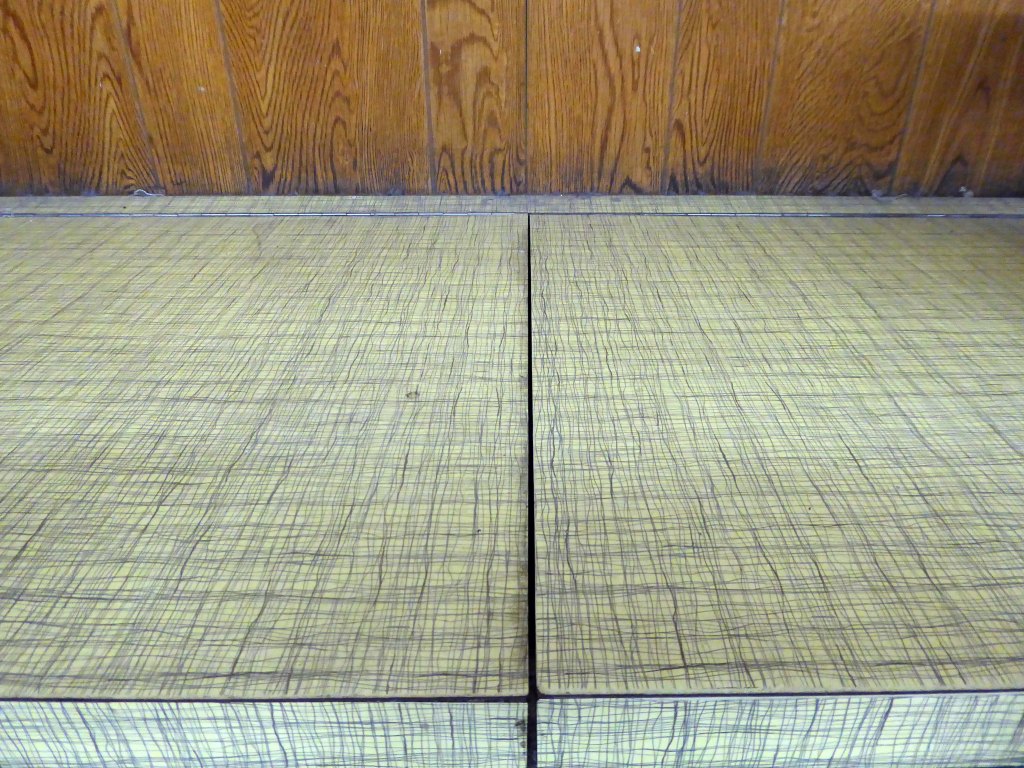
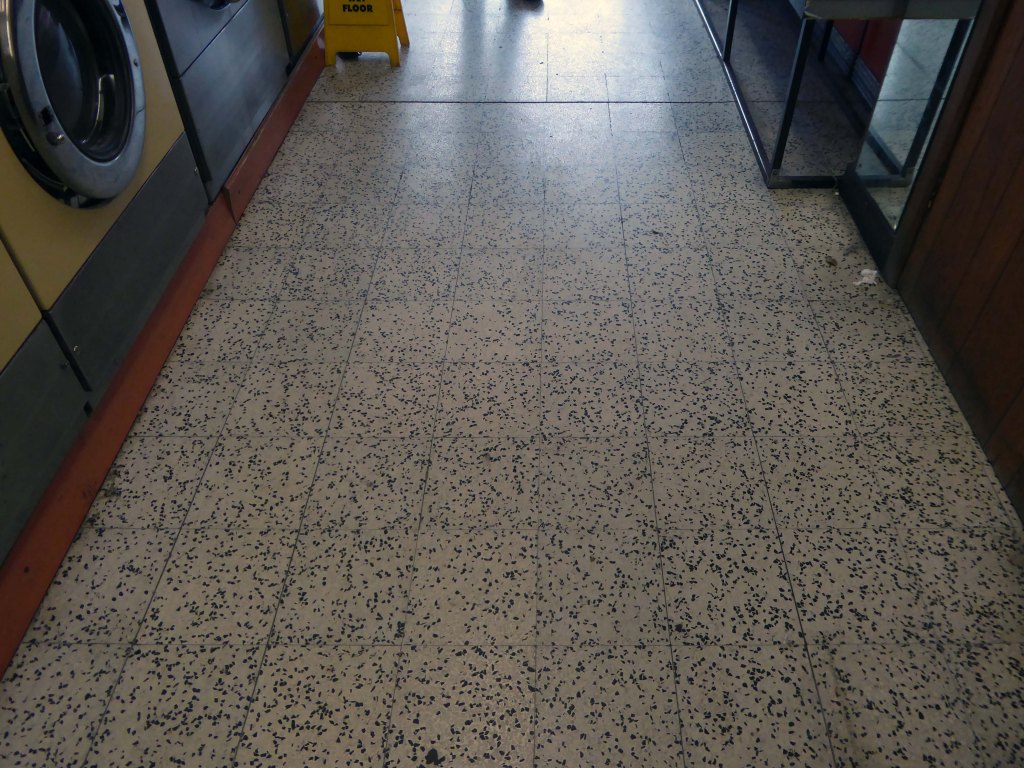
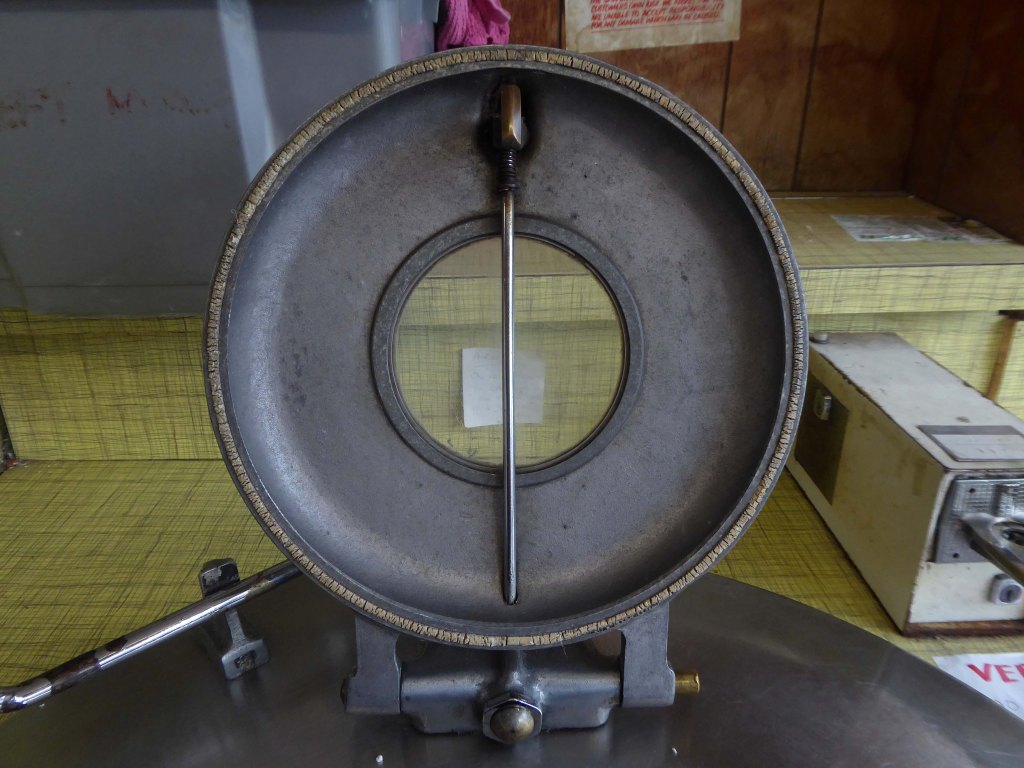
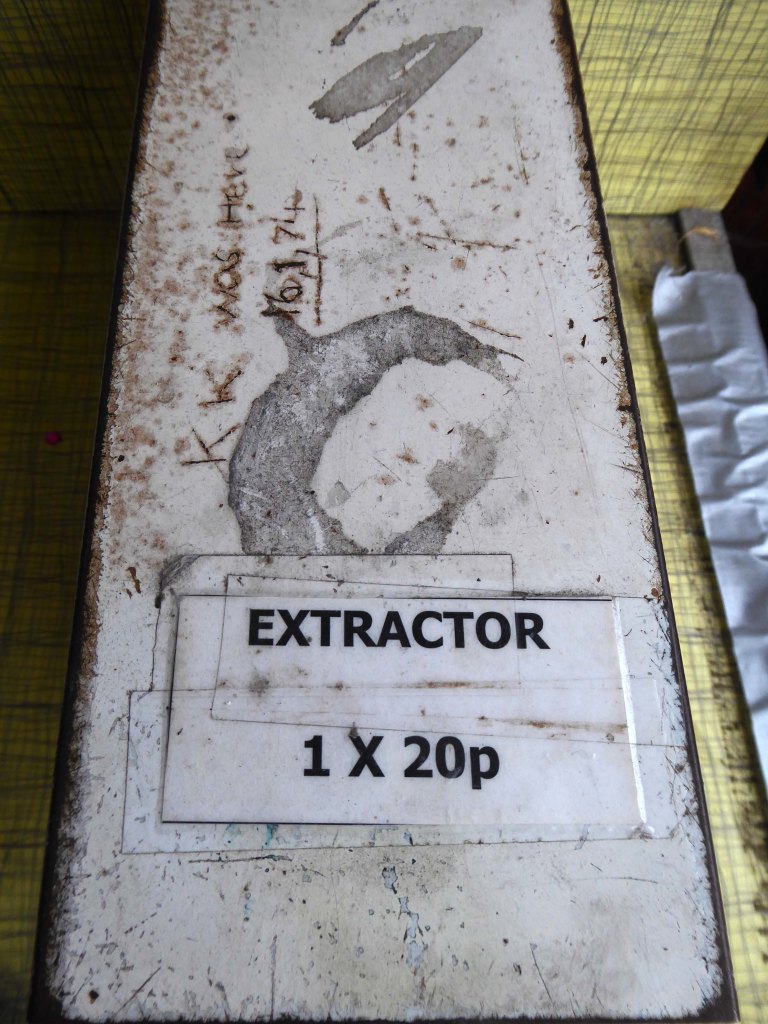
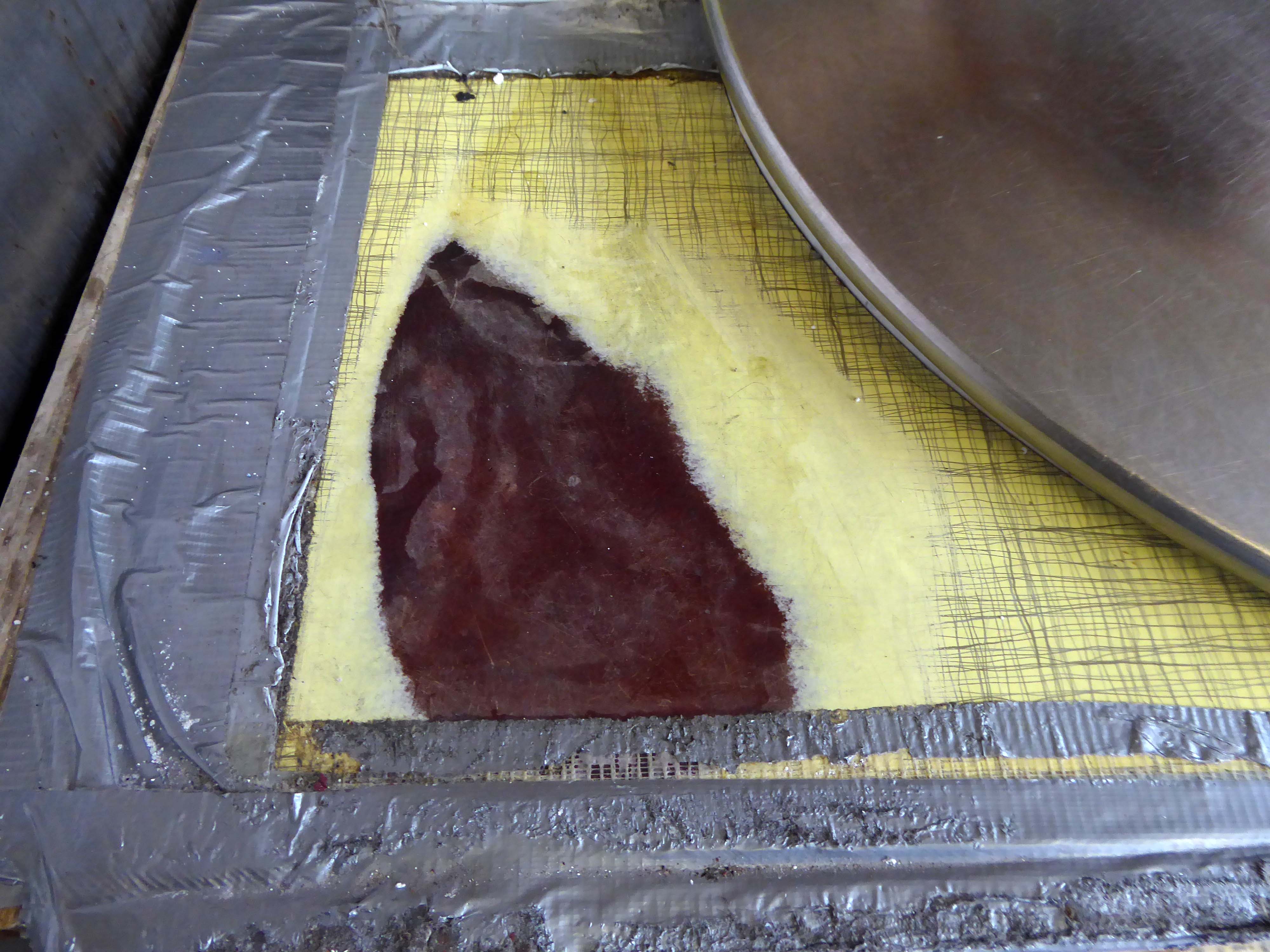
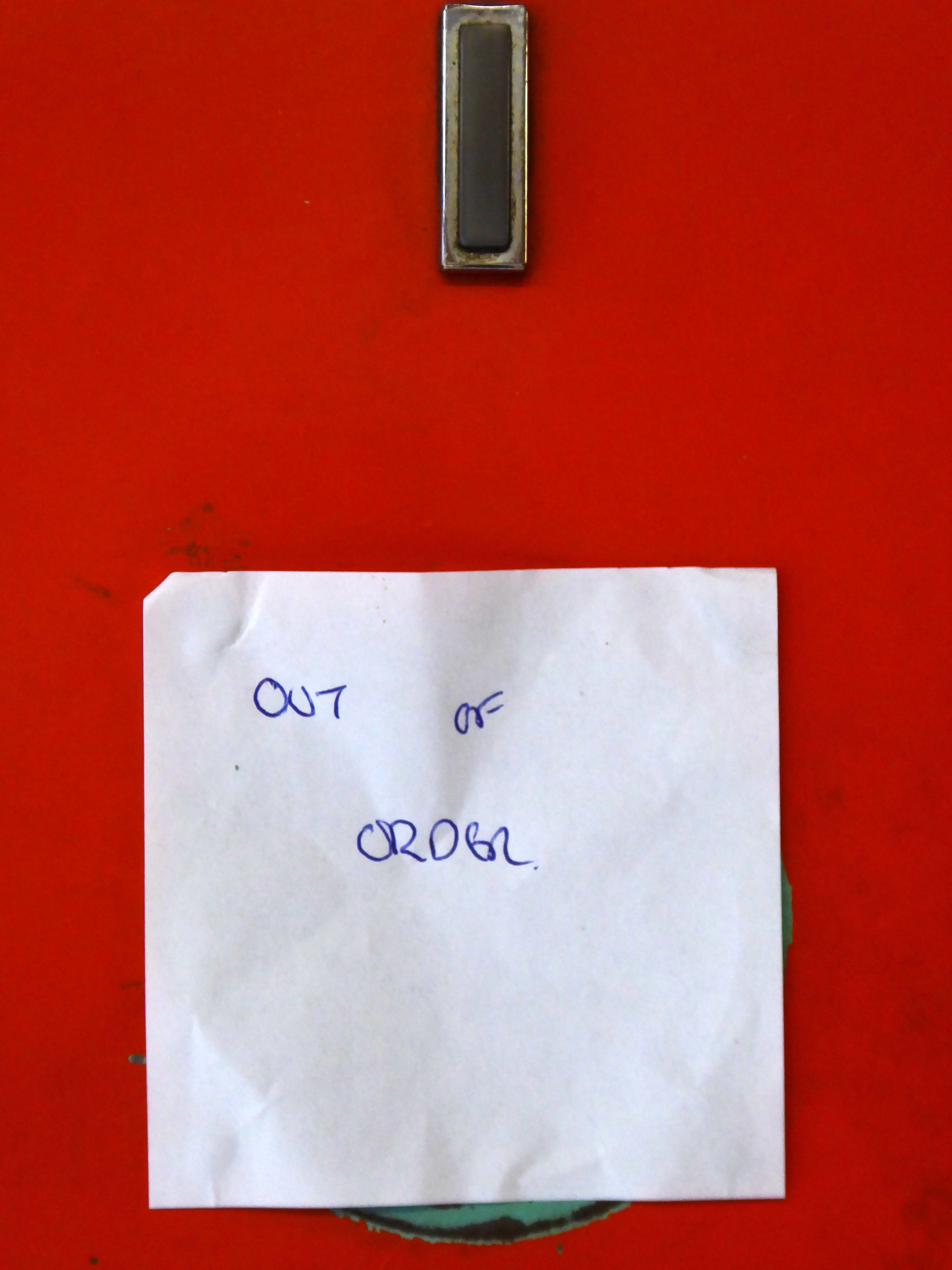
I hung around a while chatting and snapping – here’s the snaps.
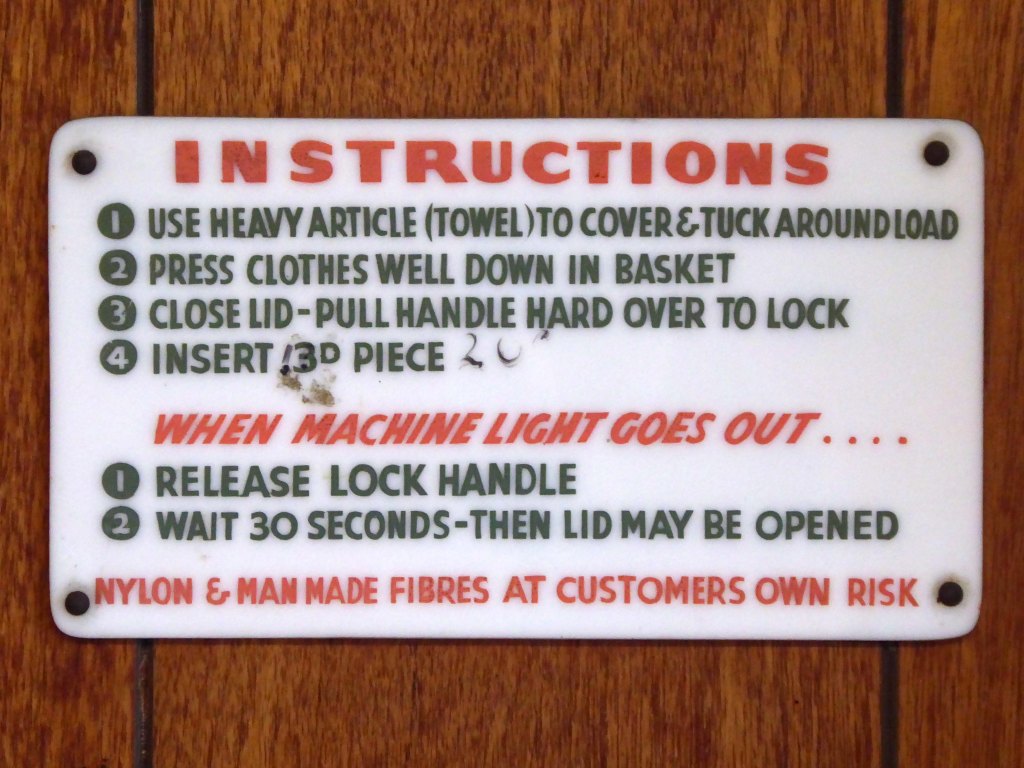
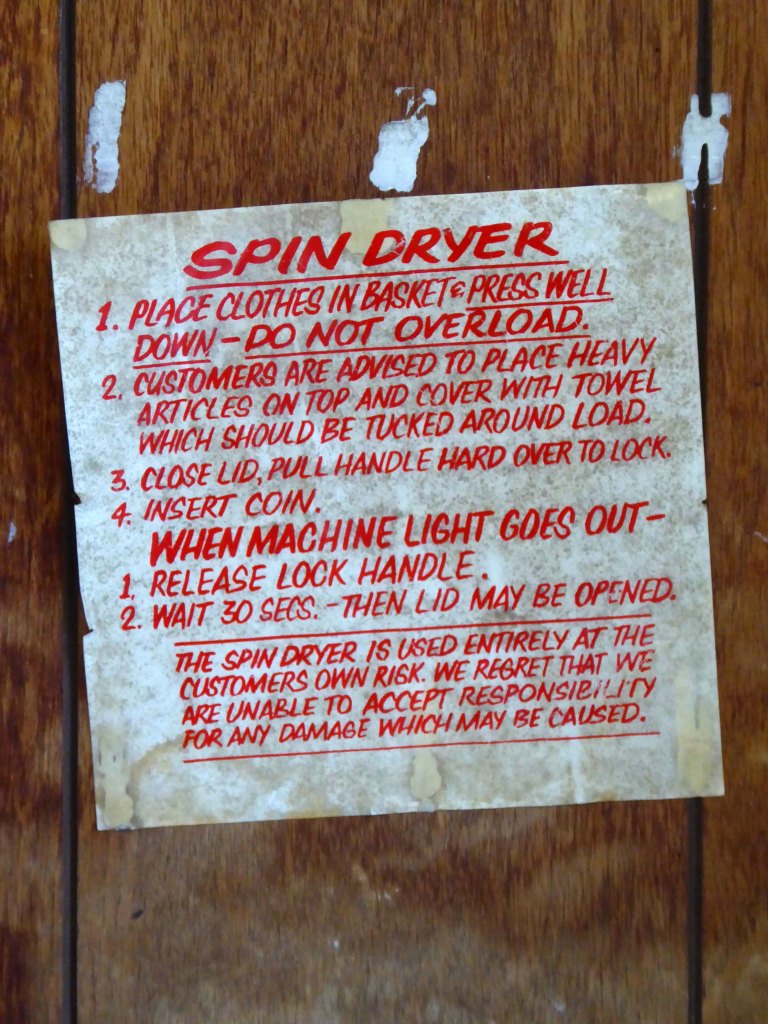
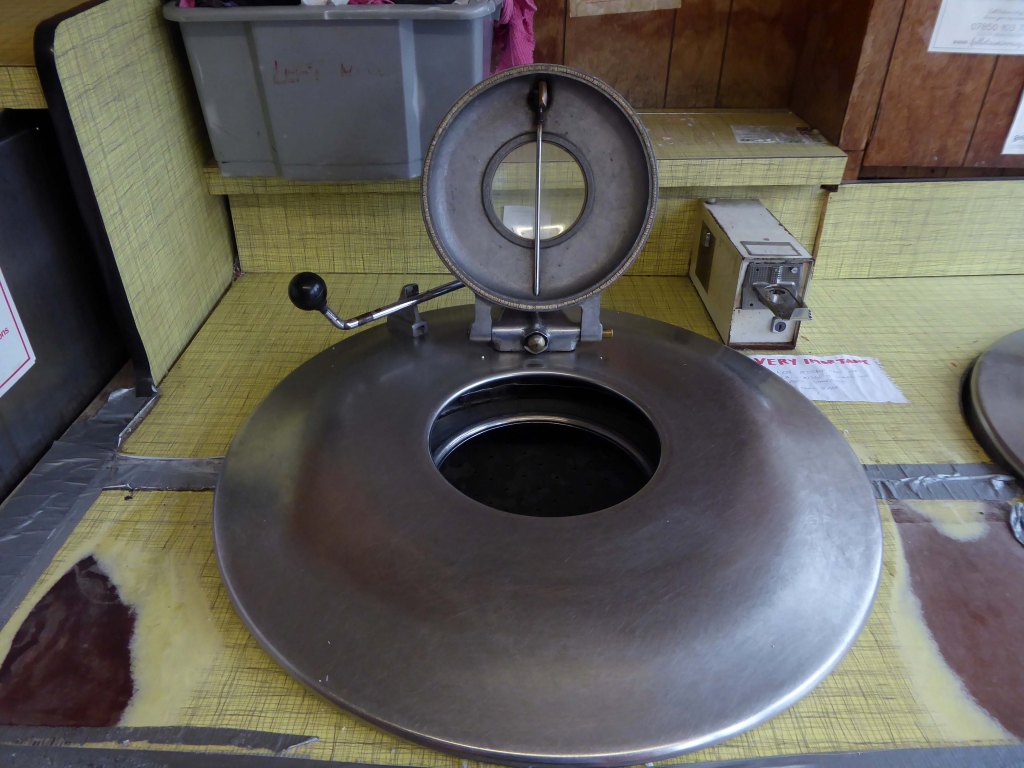
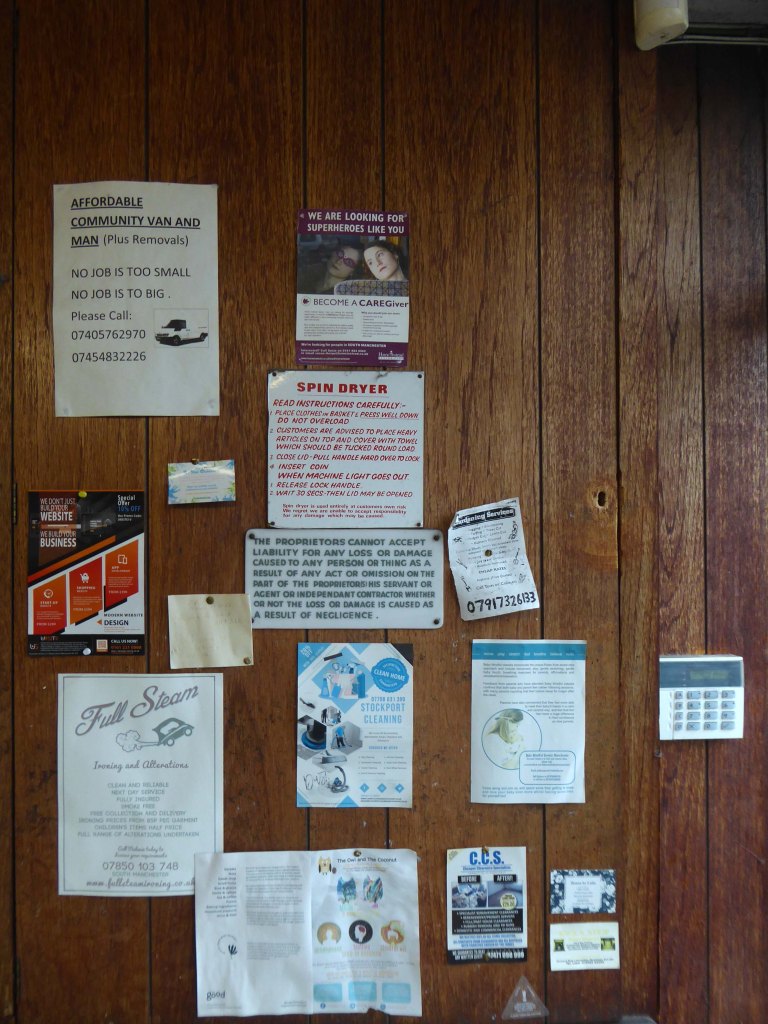
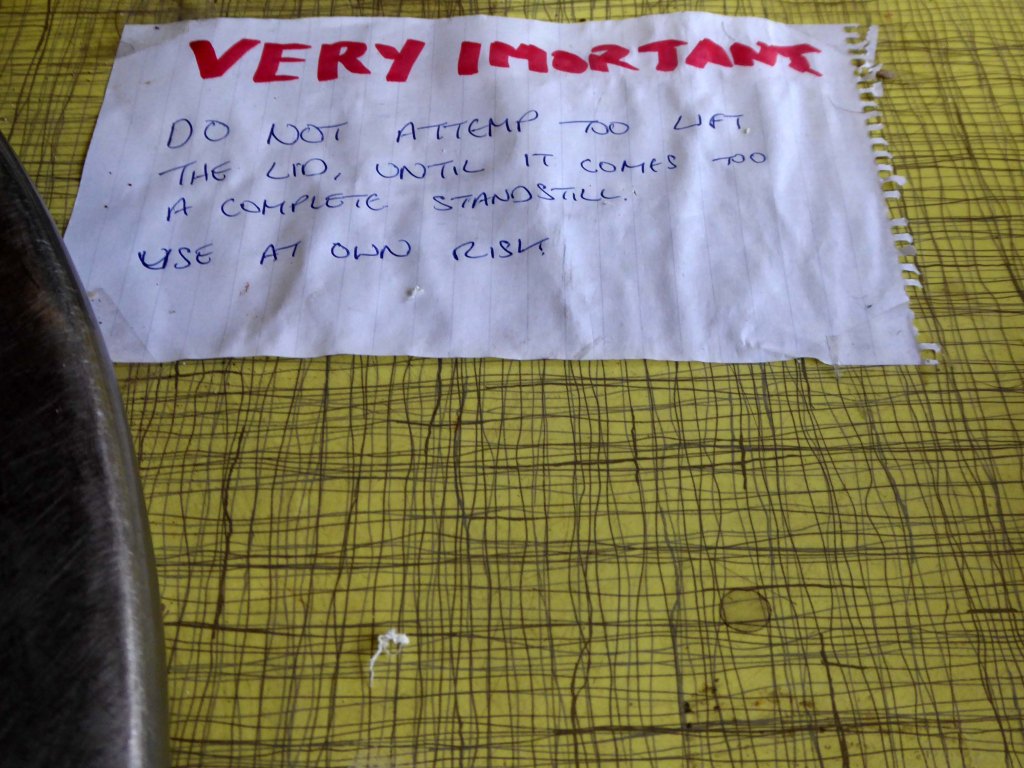
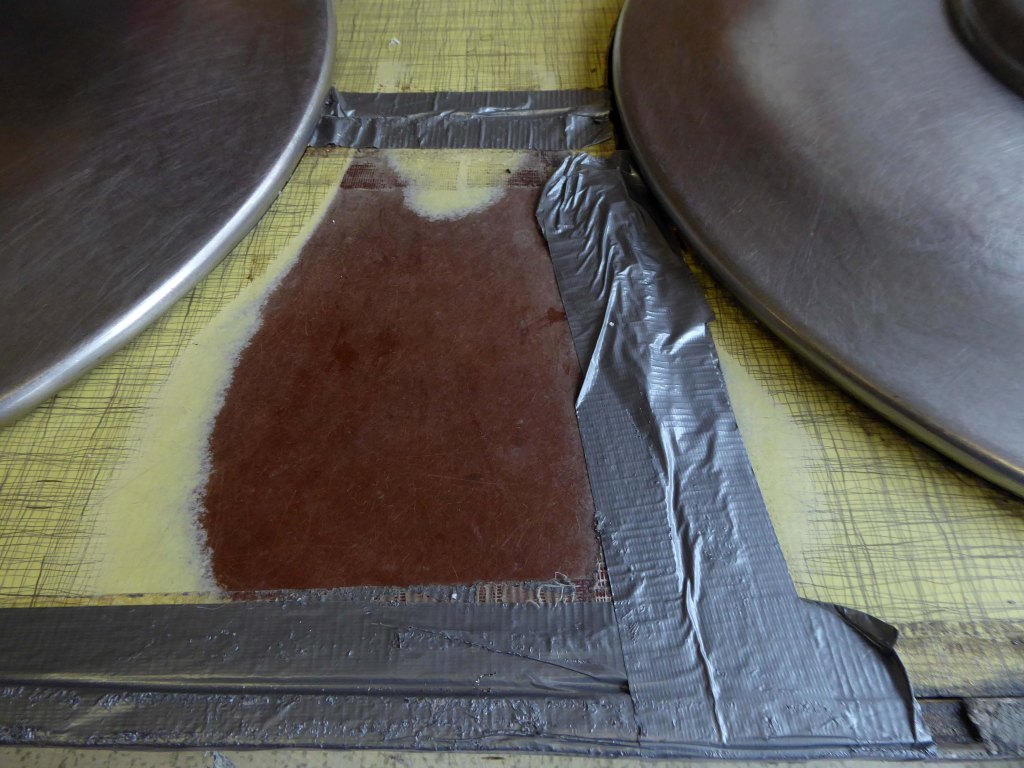





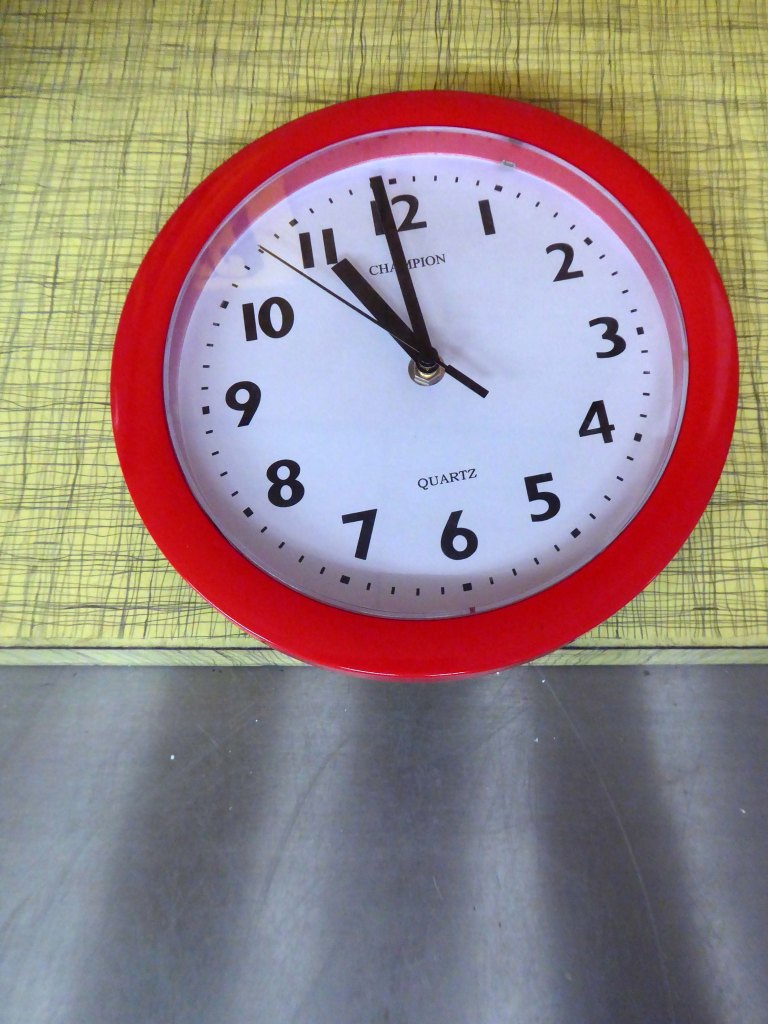
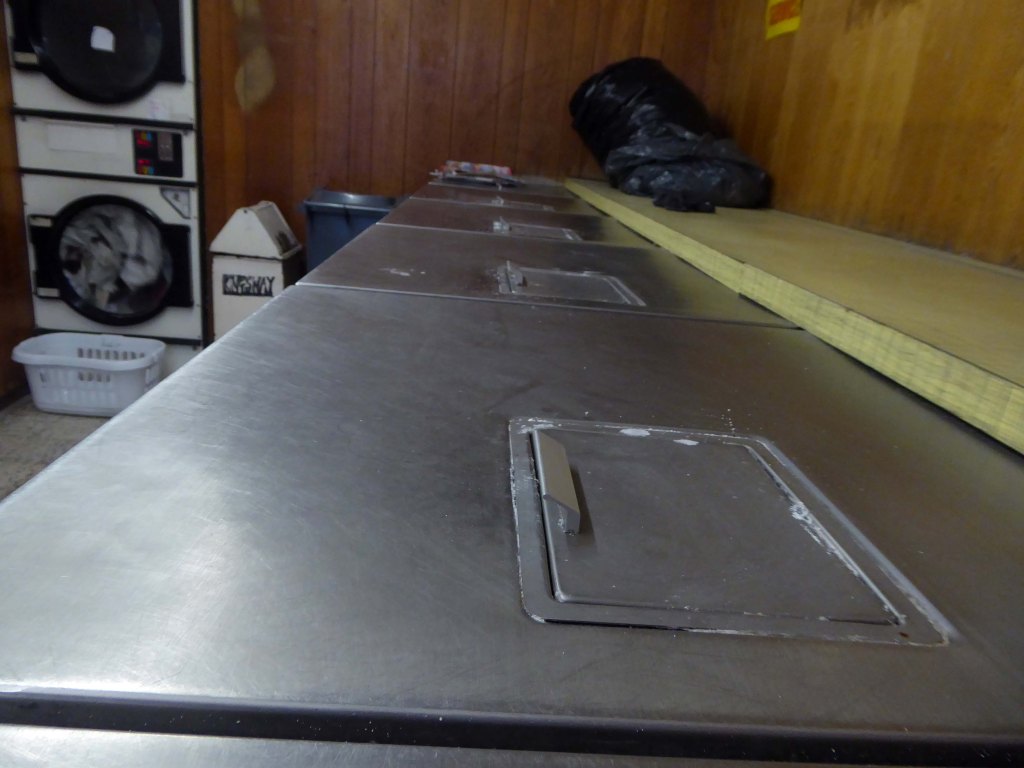

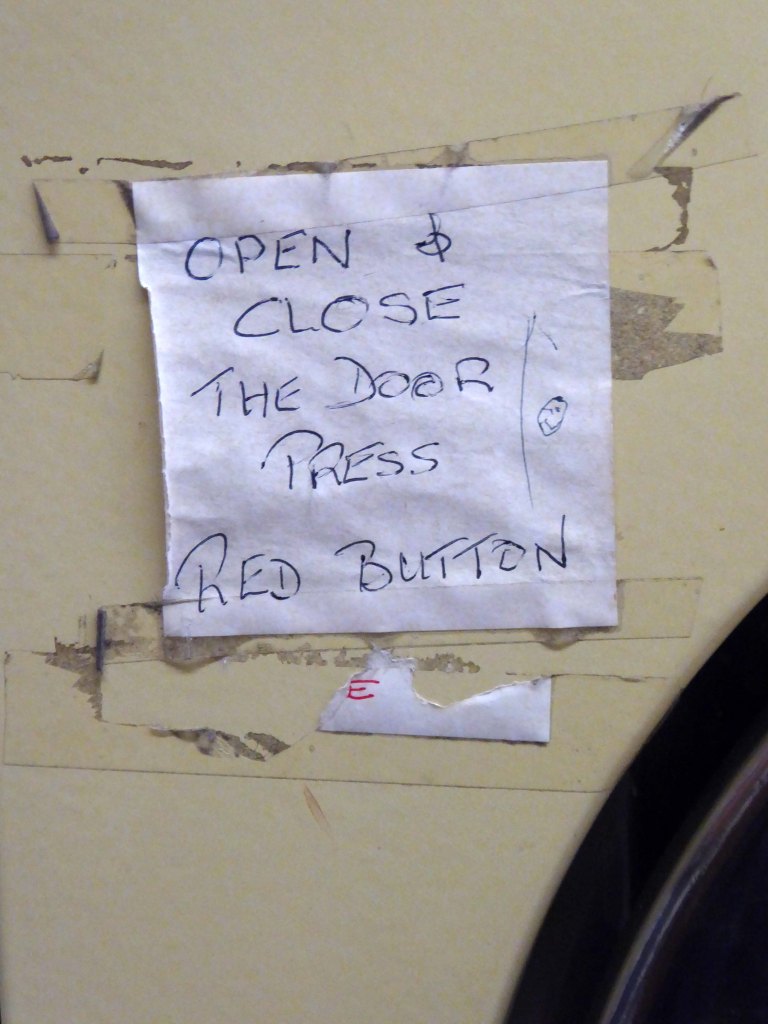
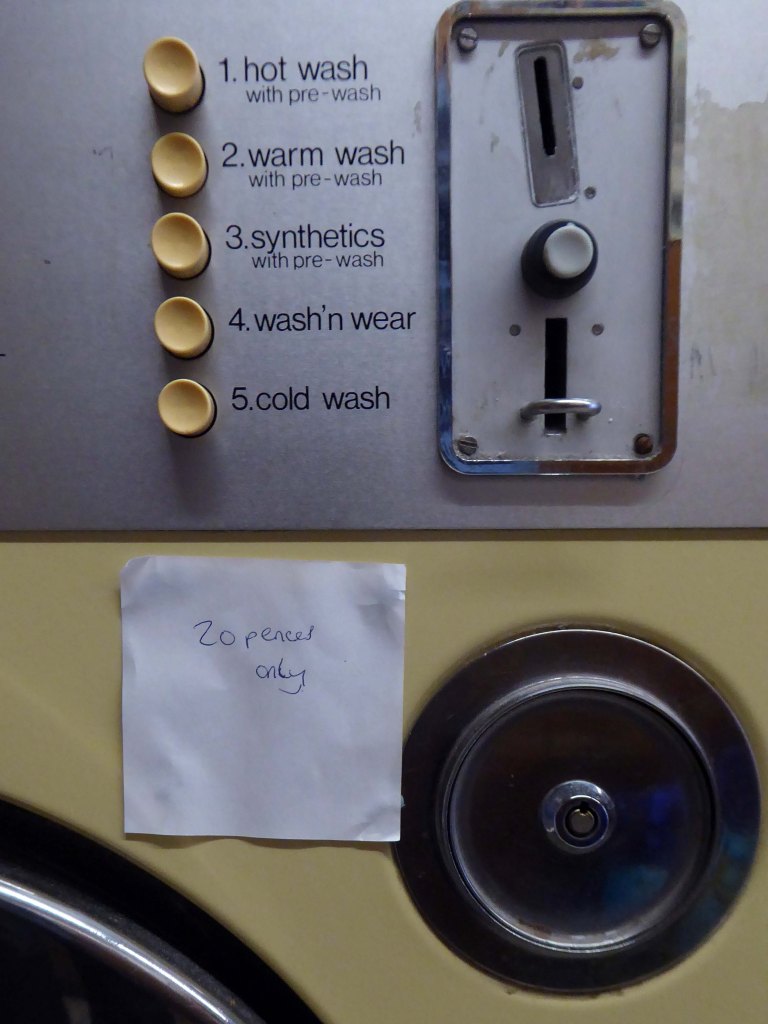
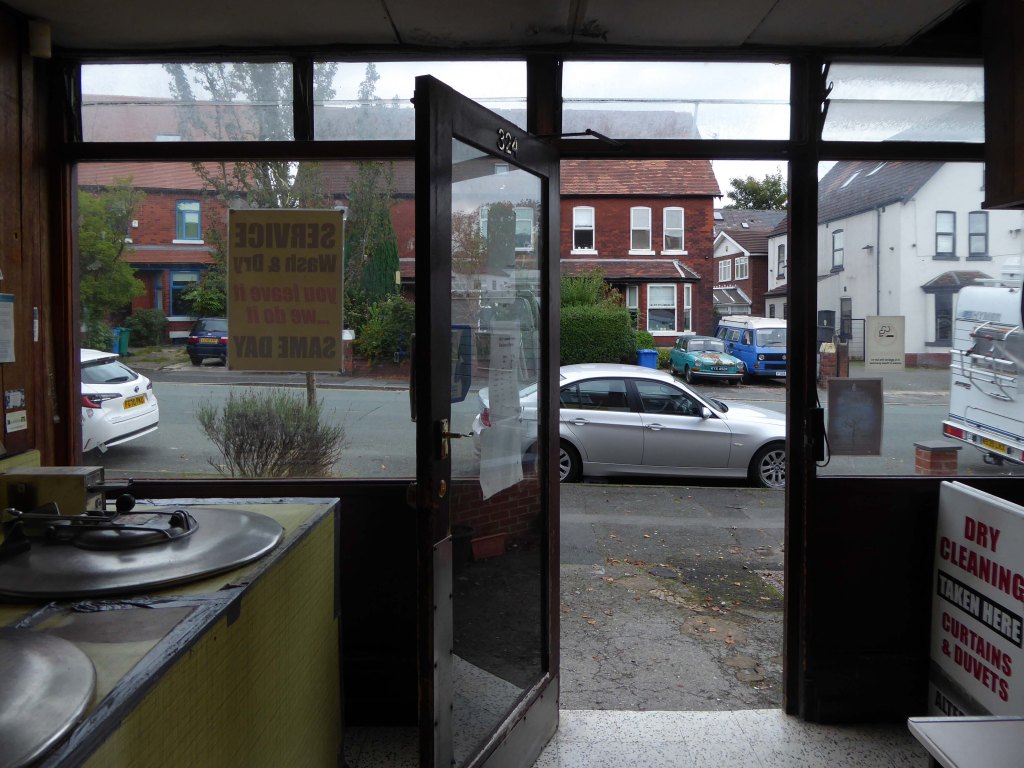
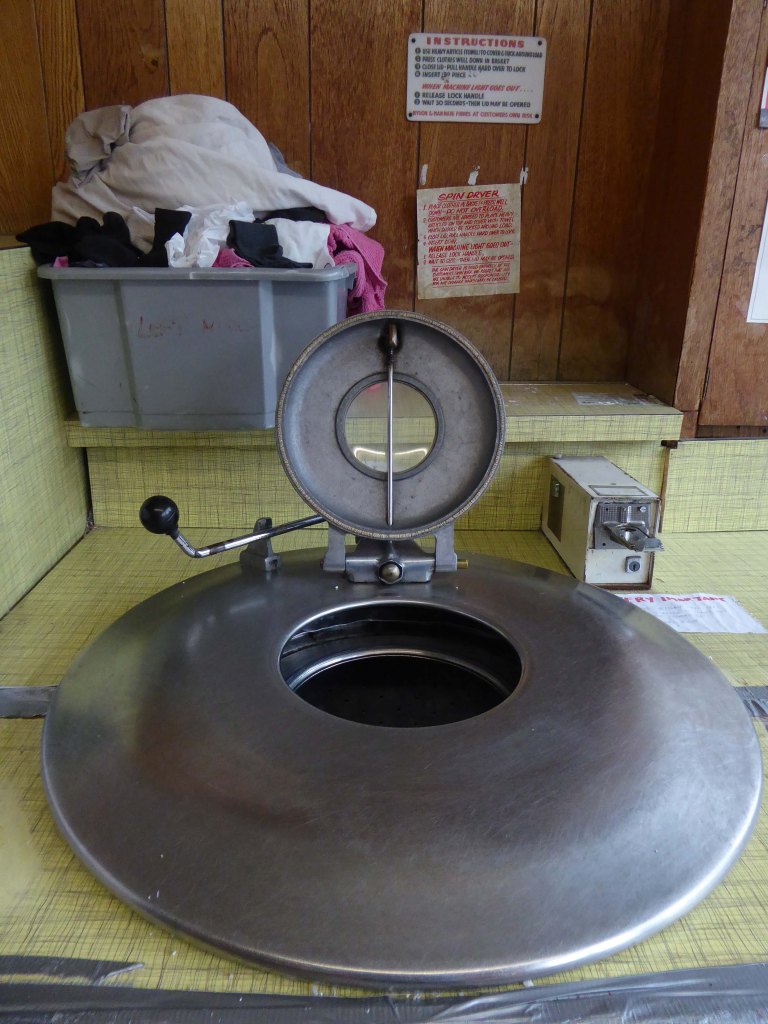
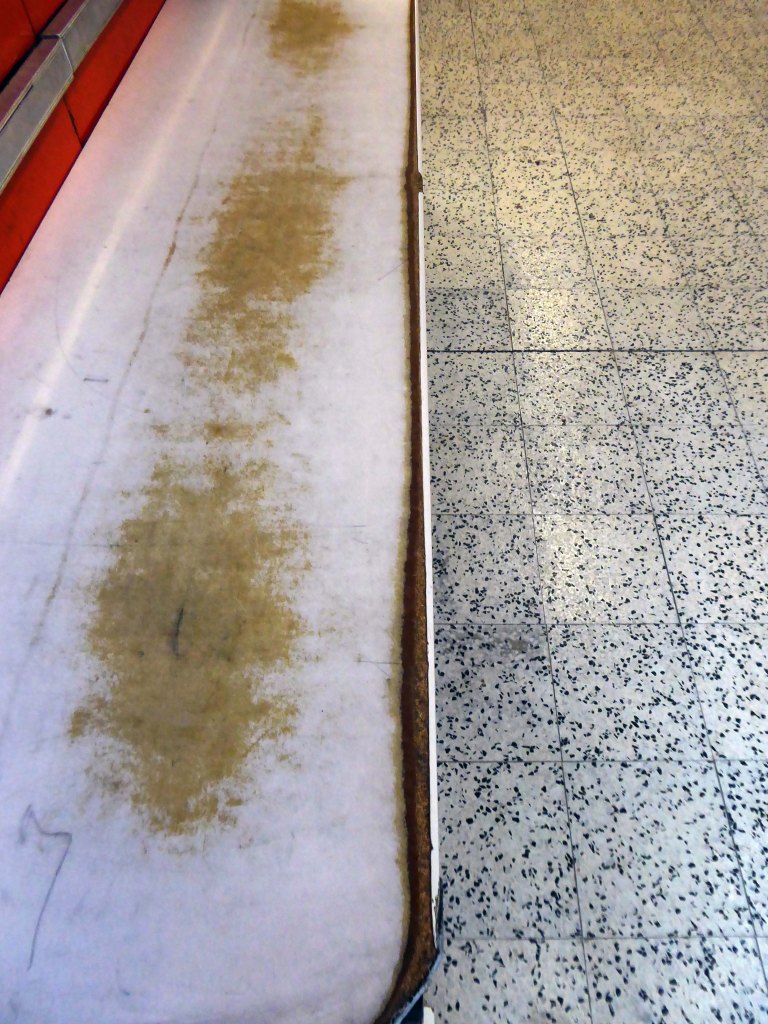
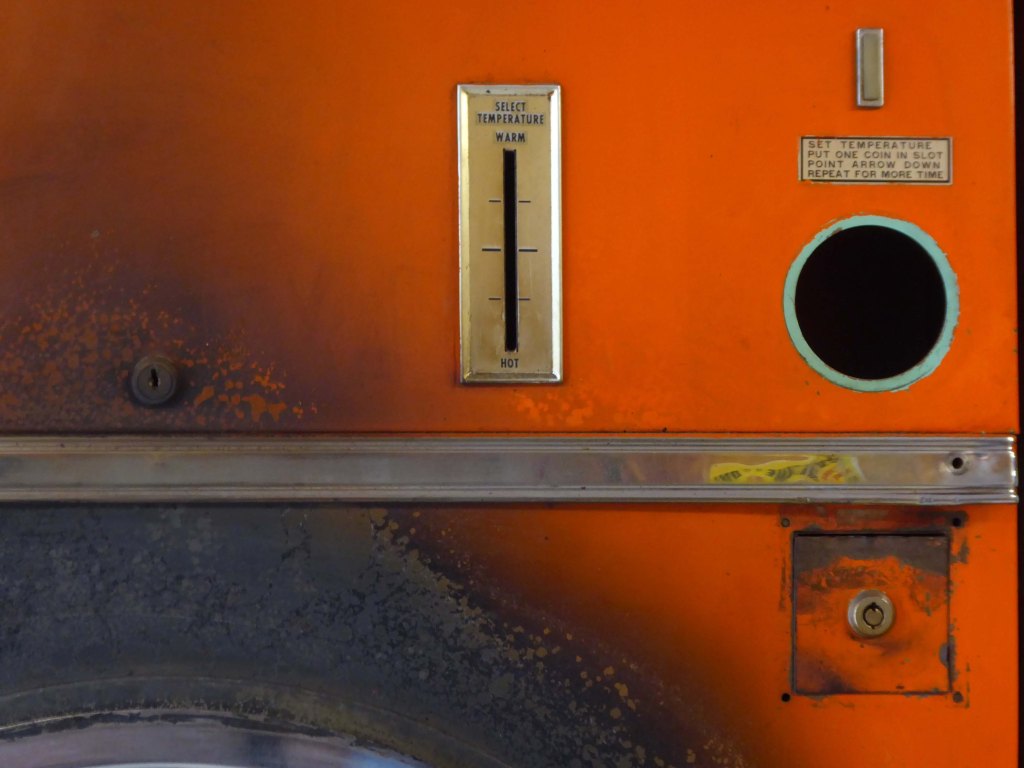

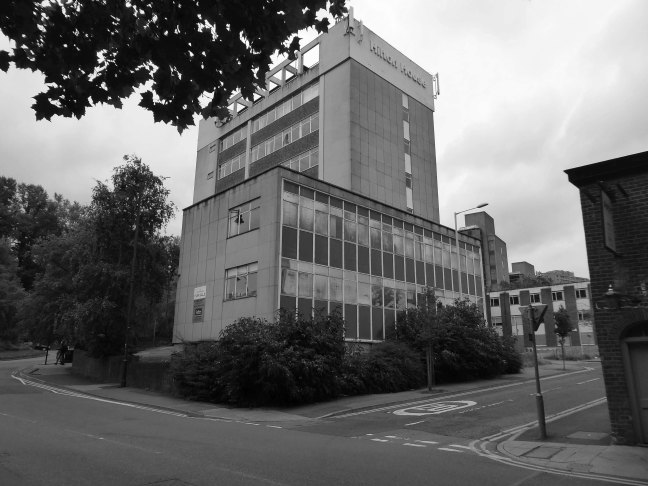
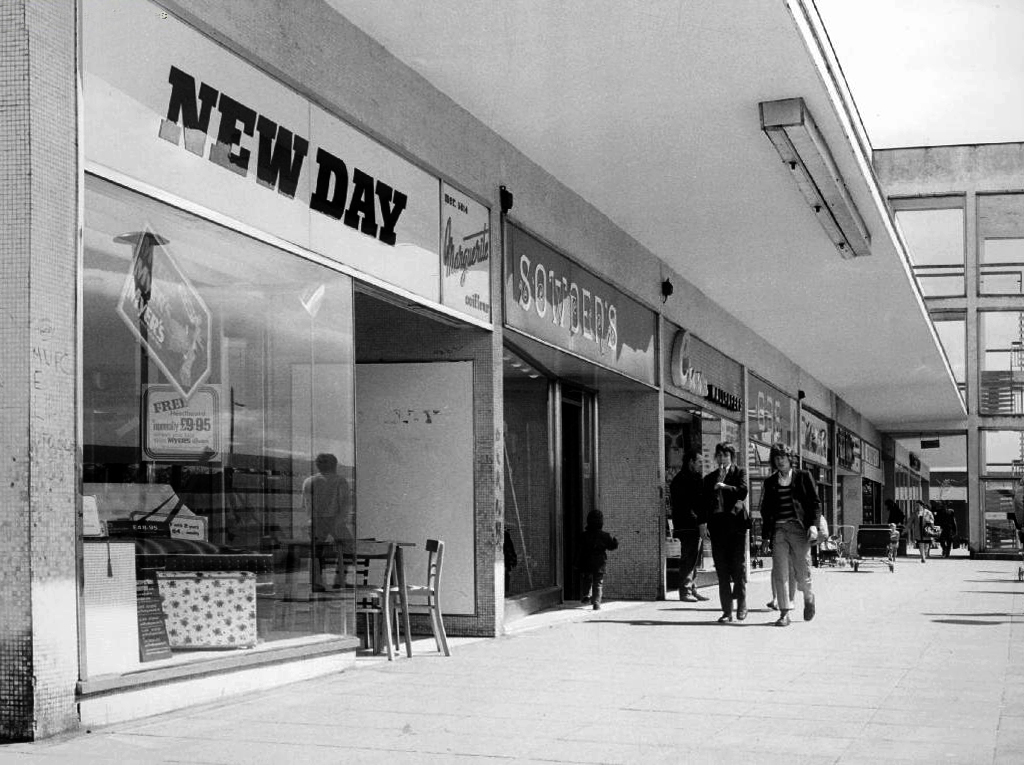
Once the head office of New Day Furniture.
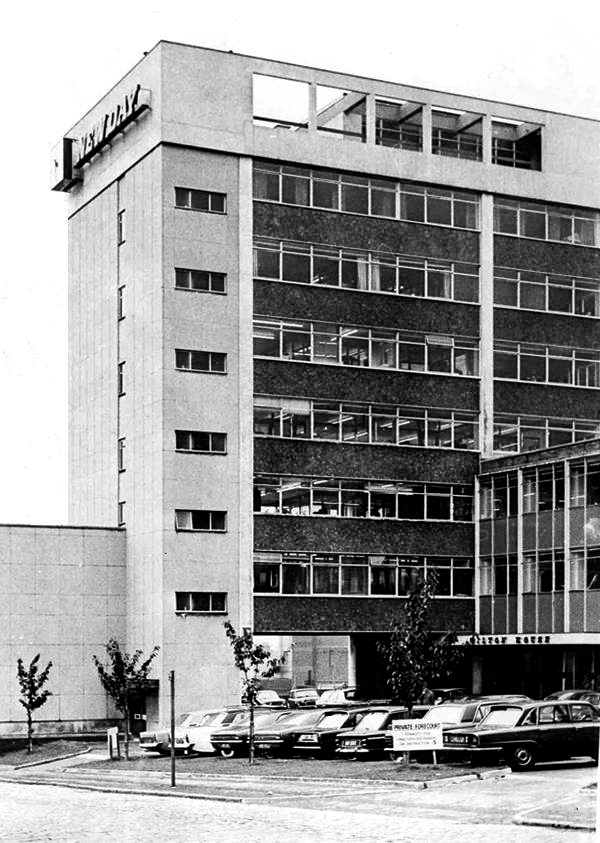
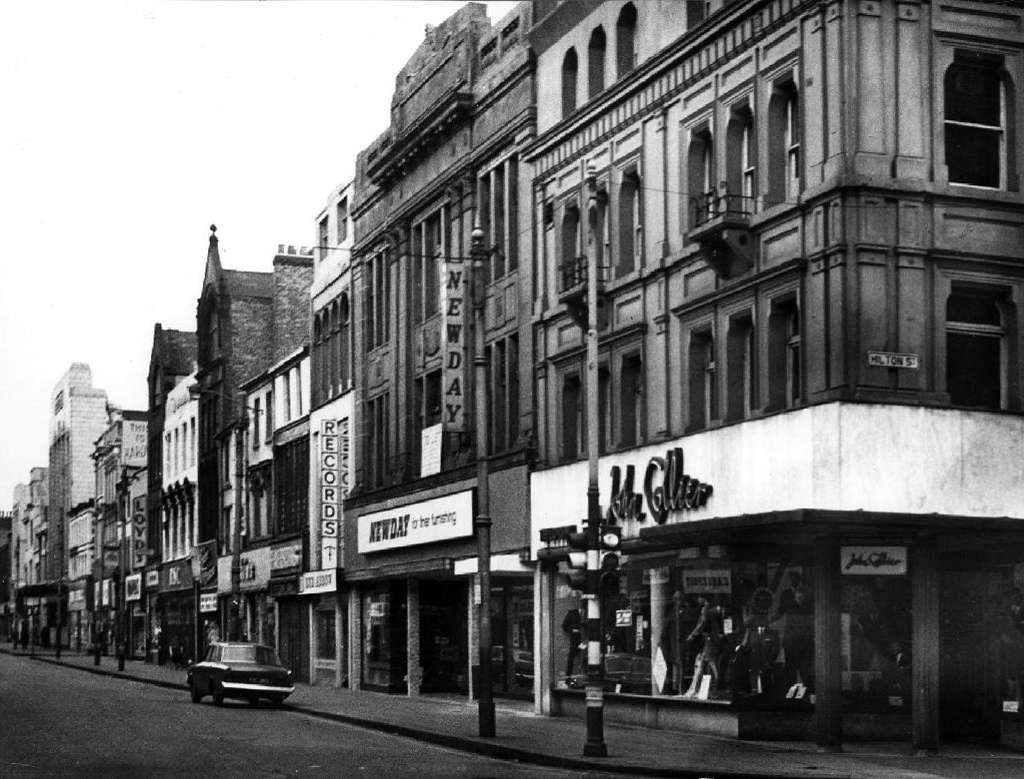
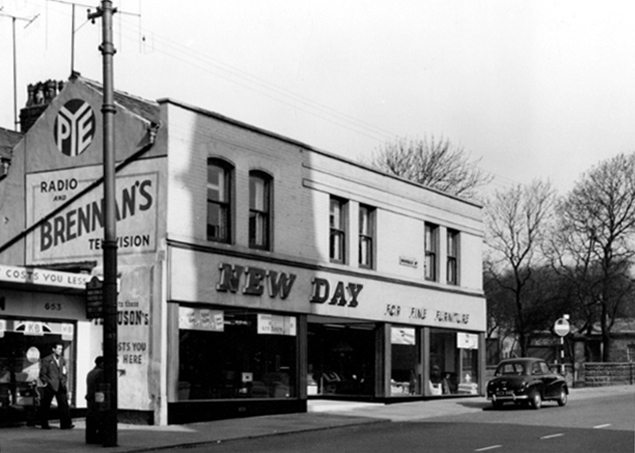
A local company which designed, manufactured and retailed furnishings around the North West.
The office building is a highlight of my Stockport Walks – it has a lightness of touch incorporating a partial podium, slab block and lower rise extensions.
There is a sensitive mix of glass, stone, concrete and brick across a variety of scales and volumes.
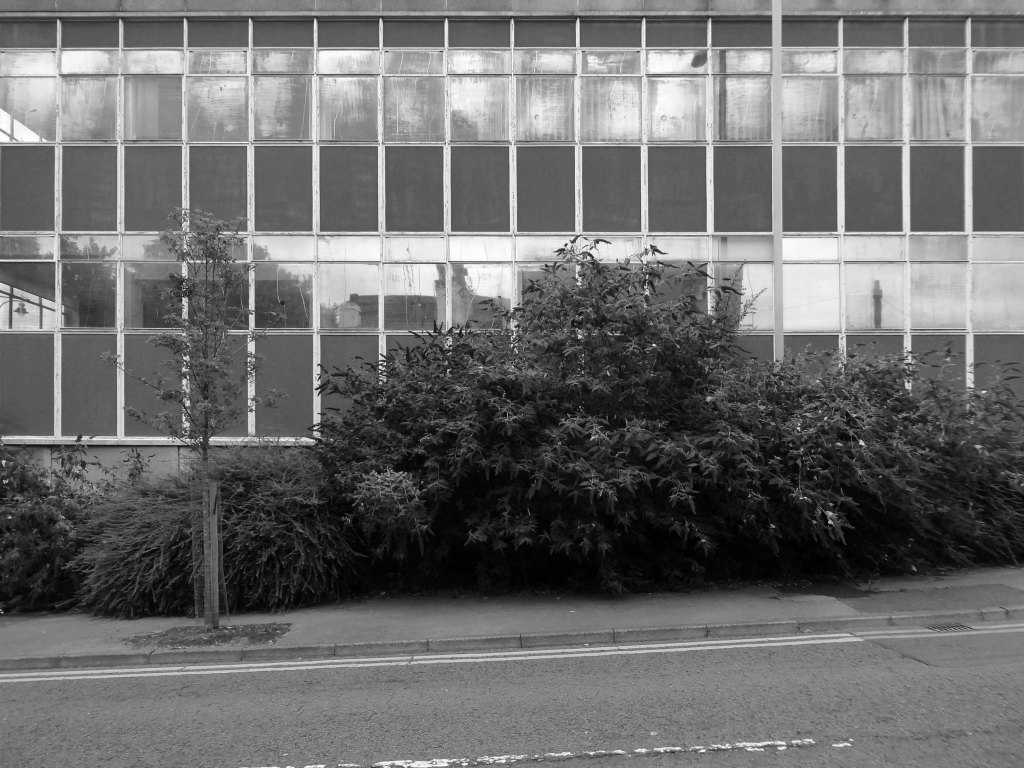
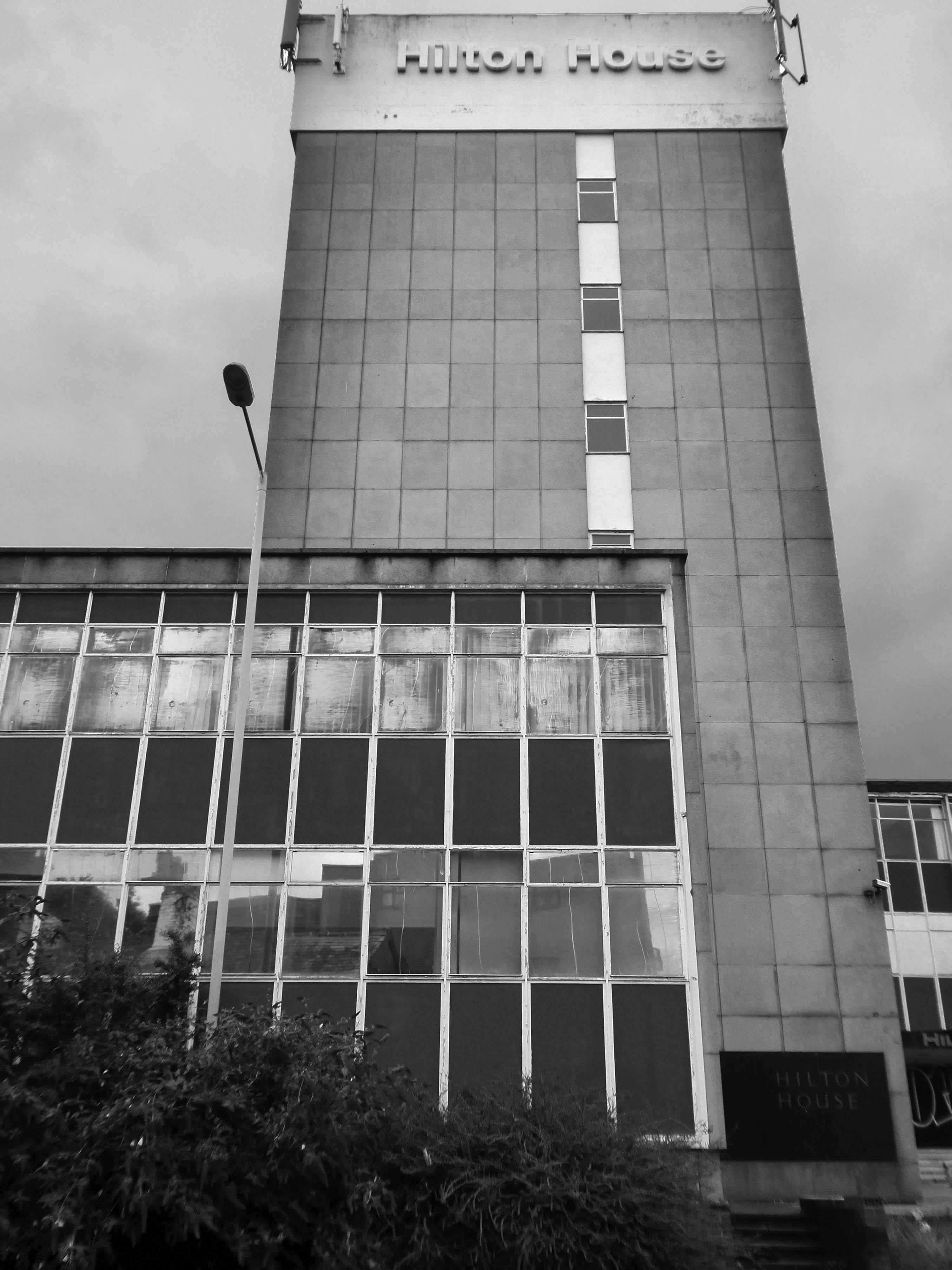
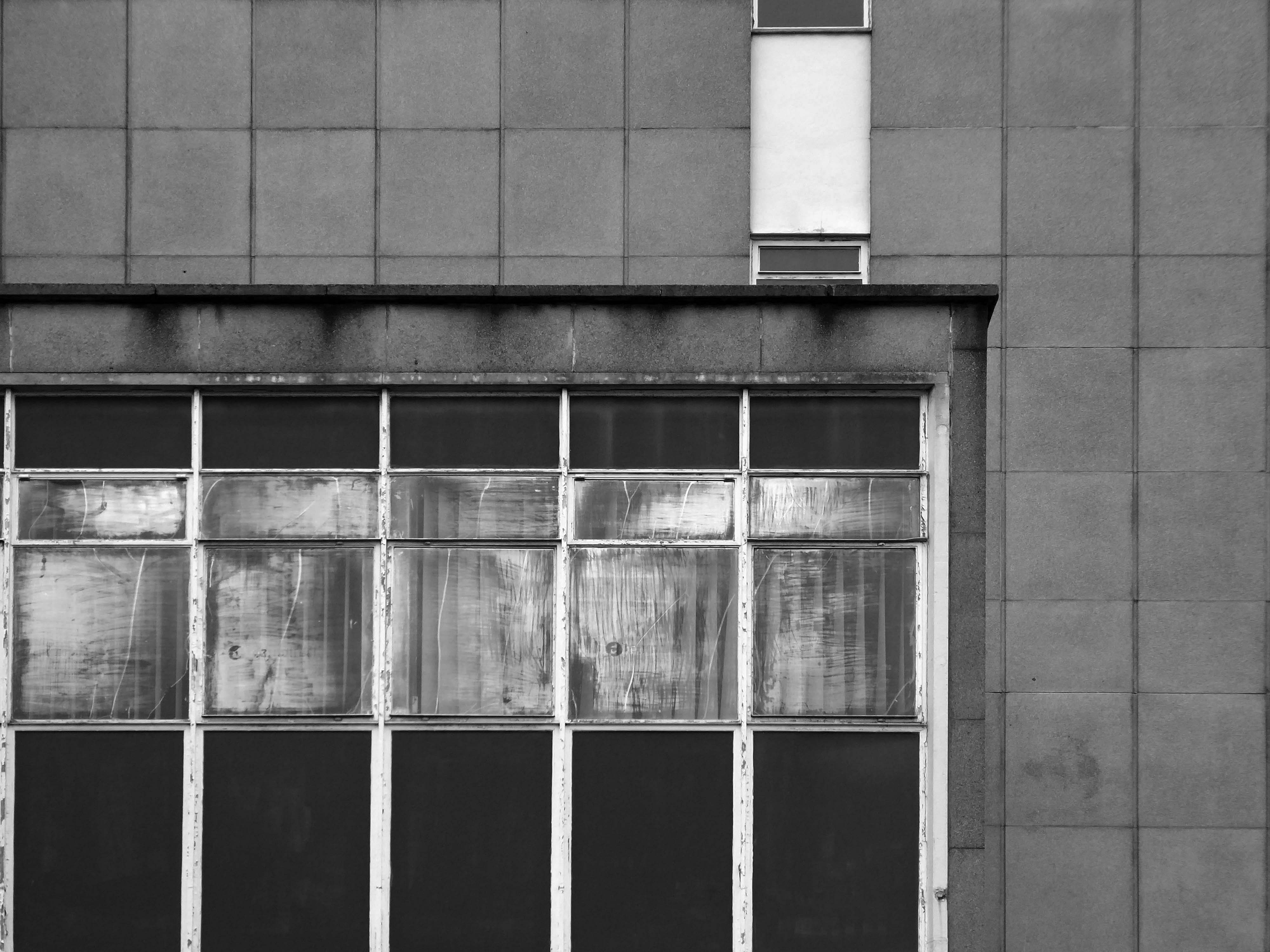
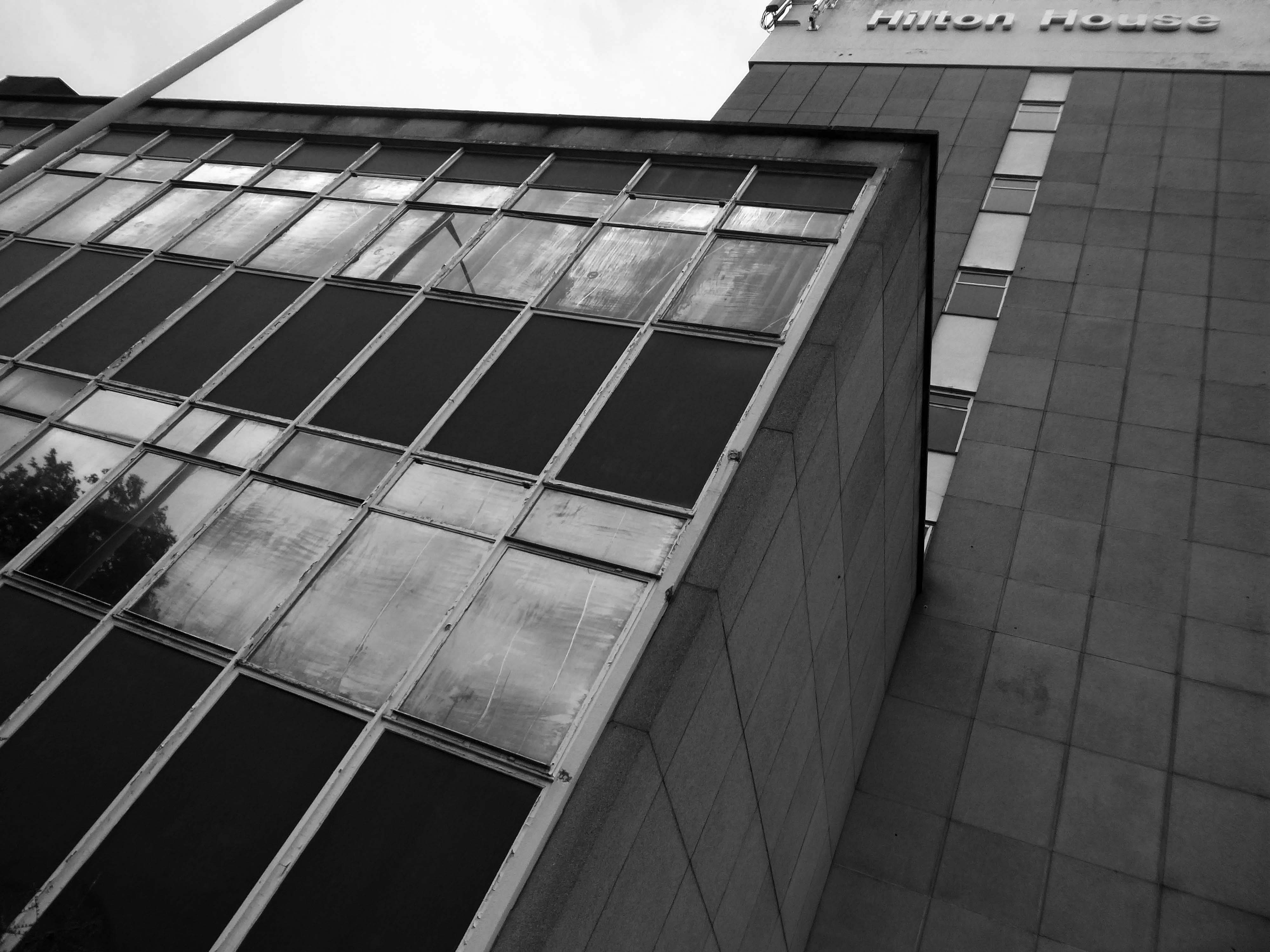
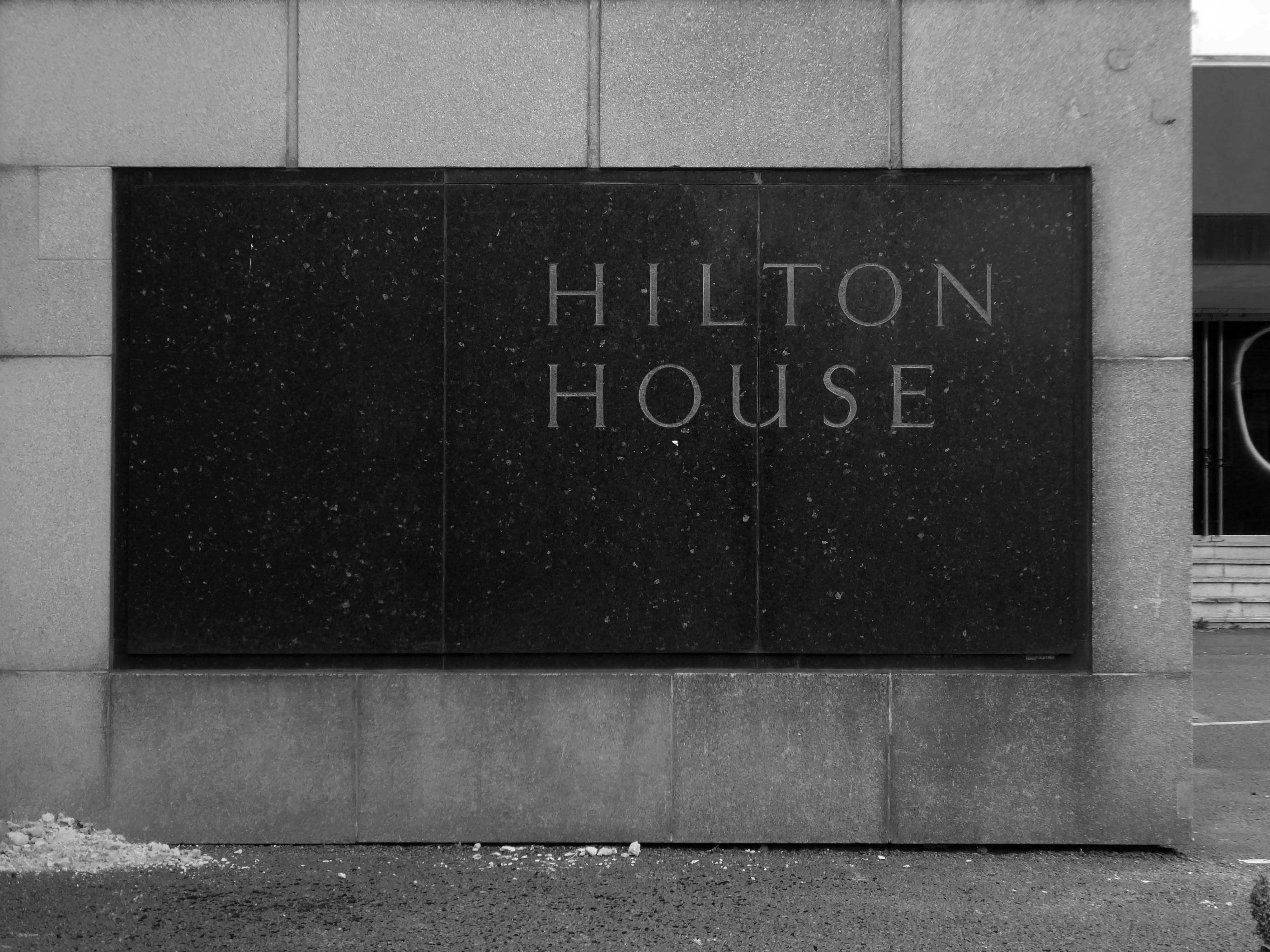
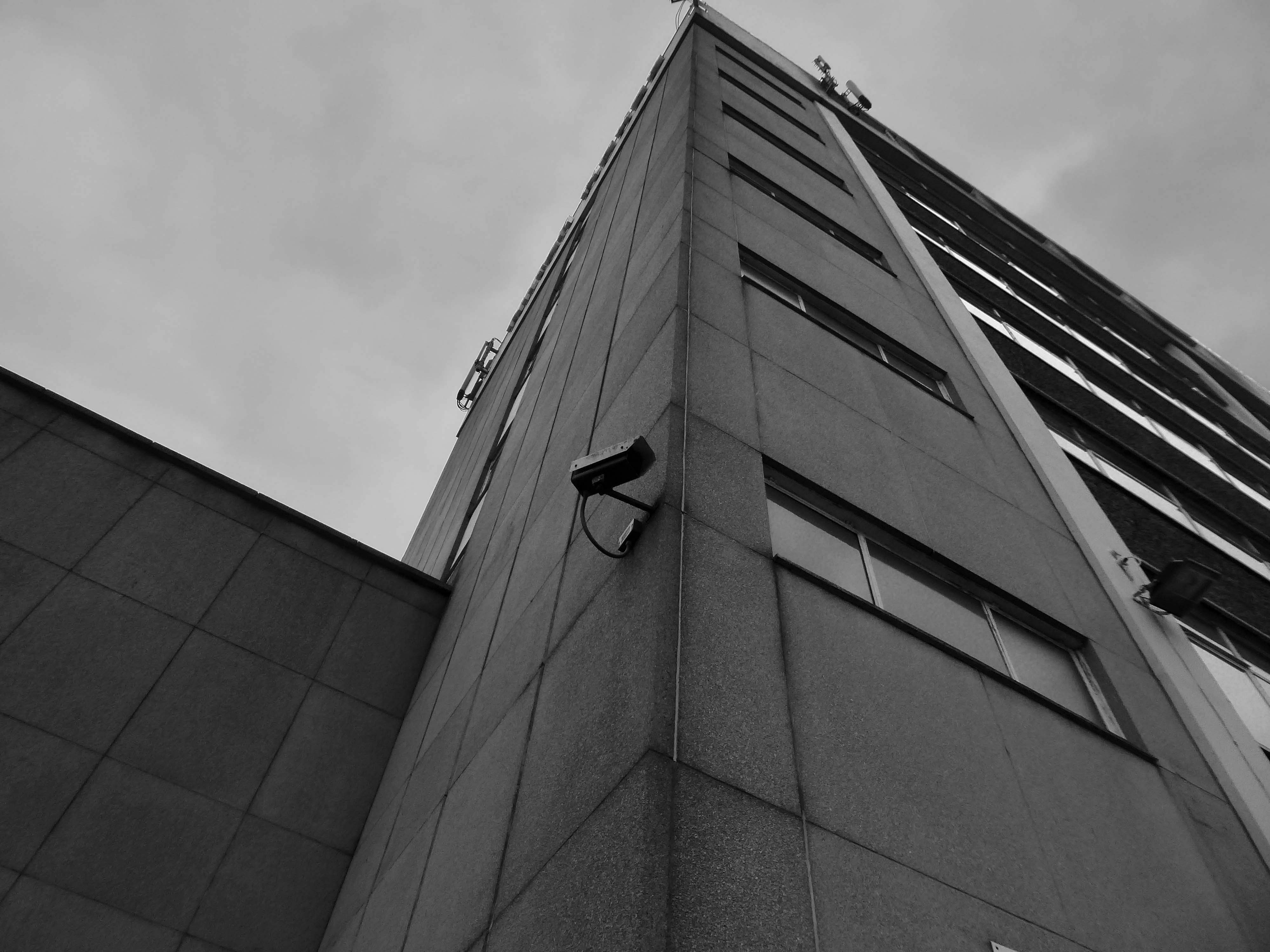
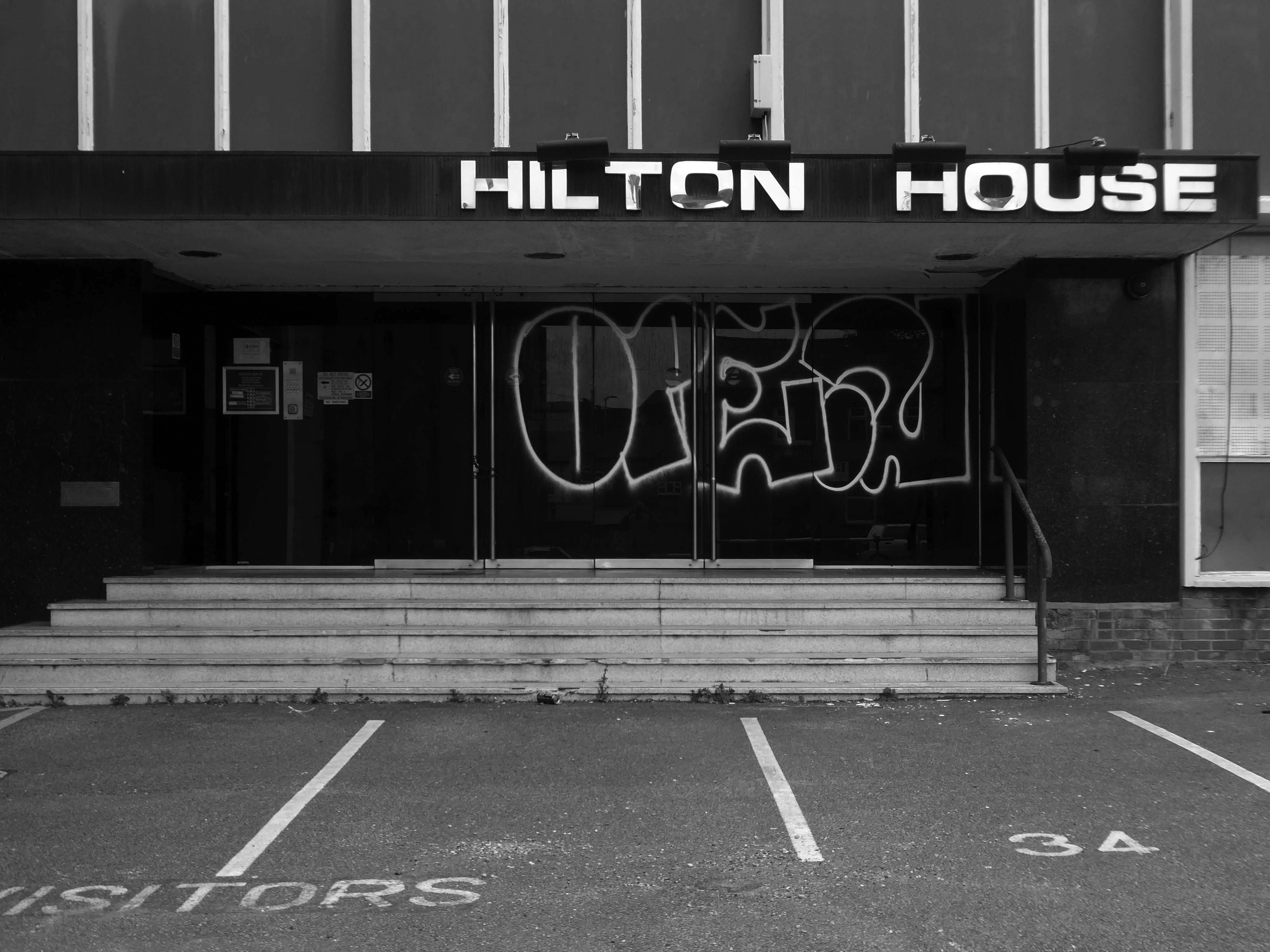
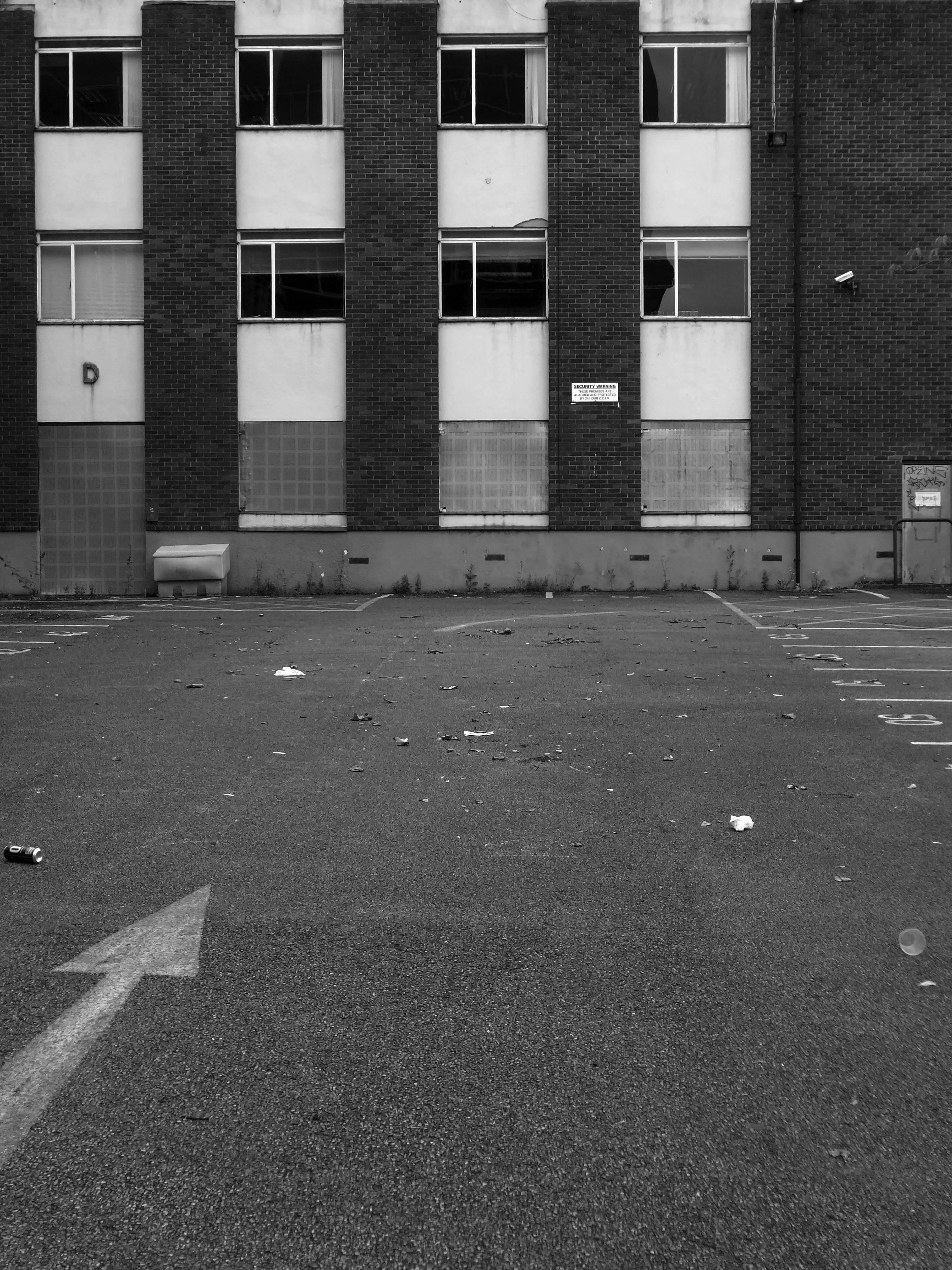
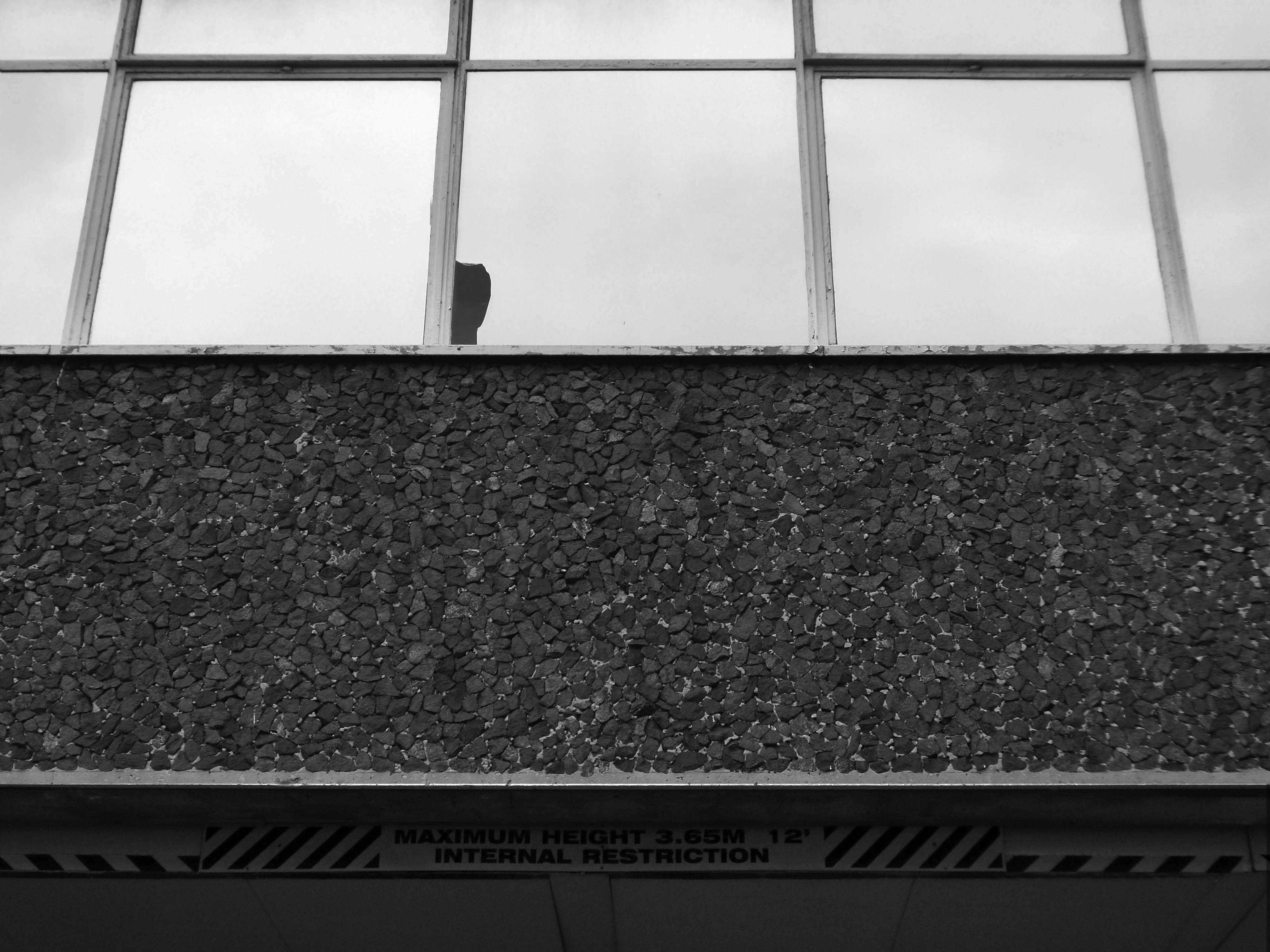
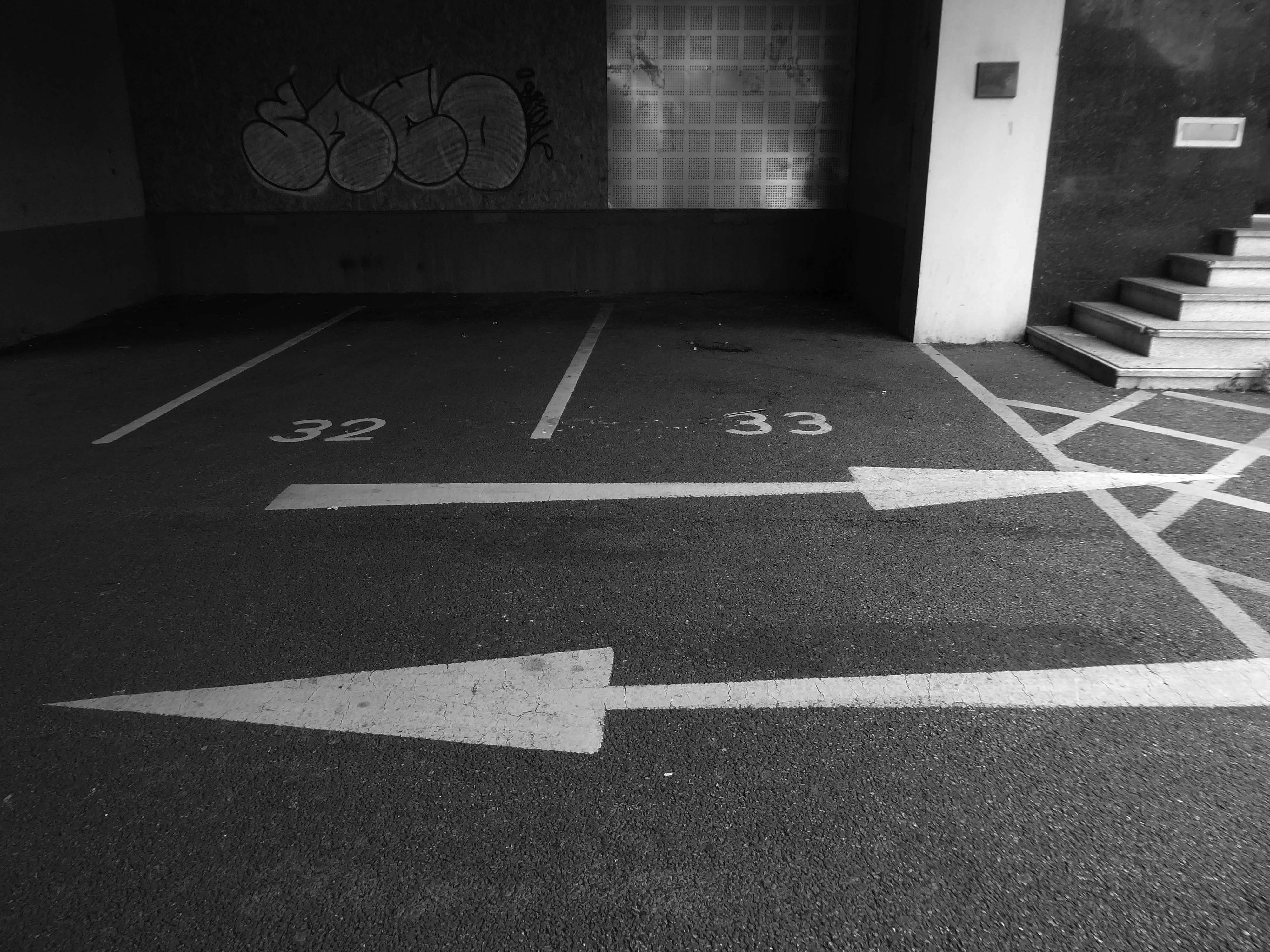
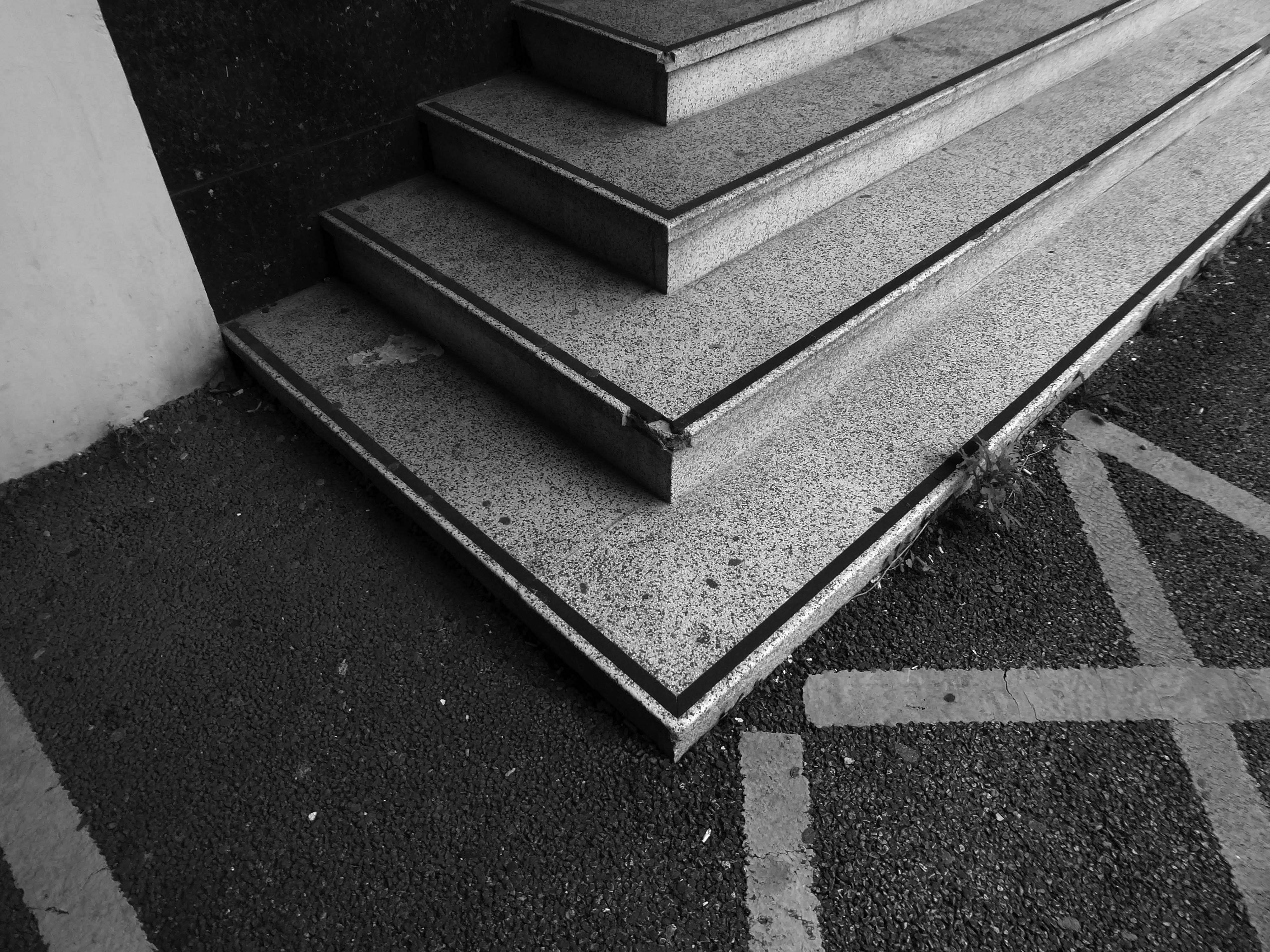
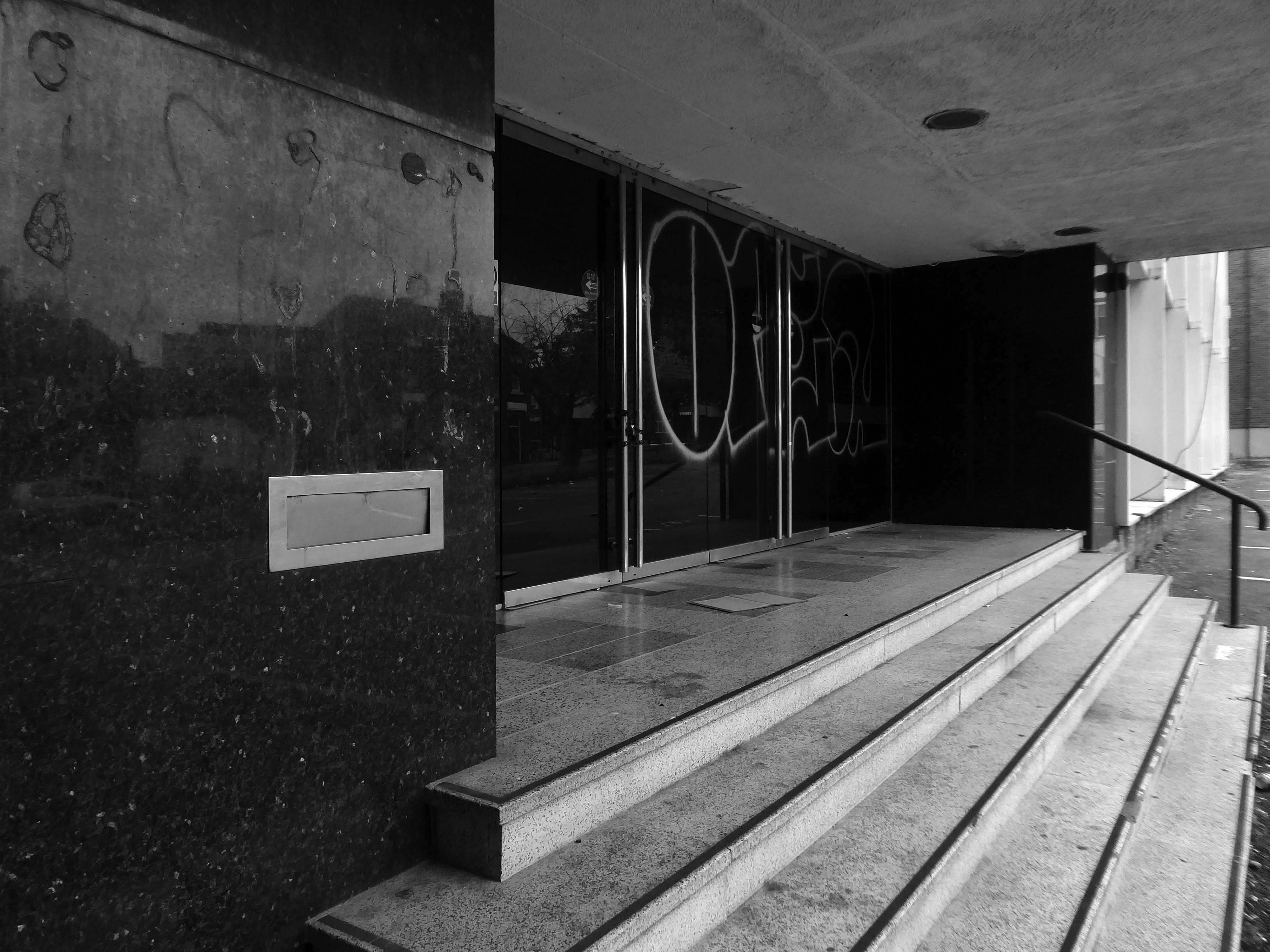
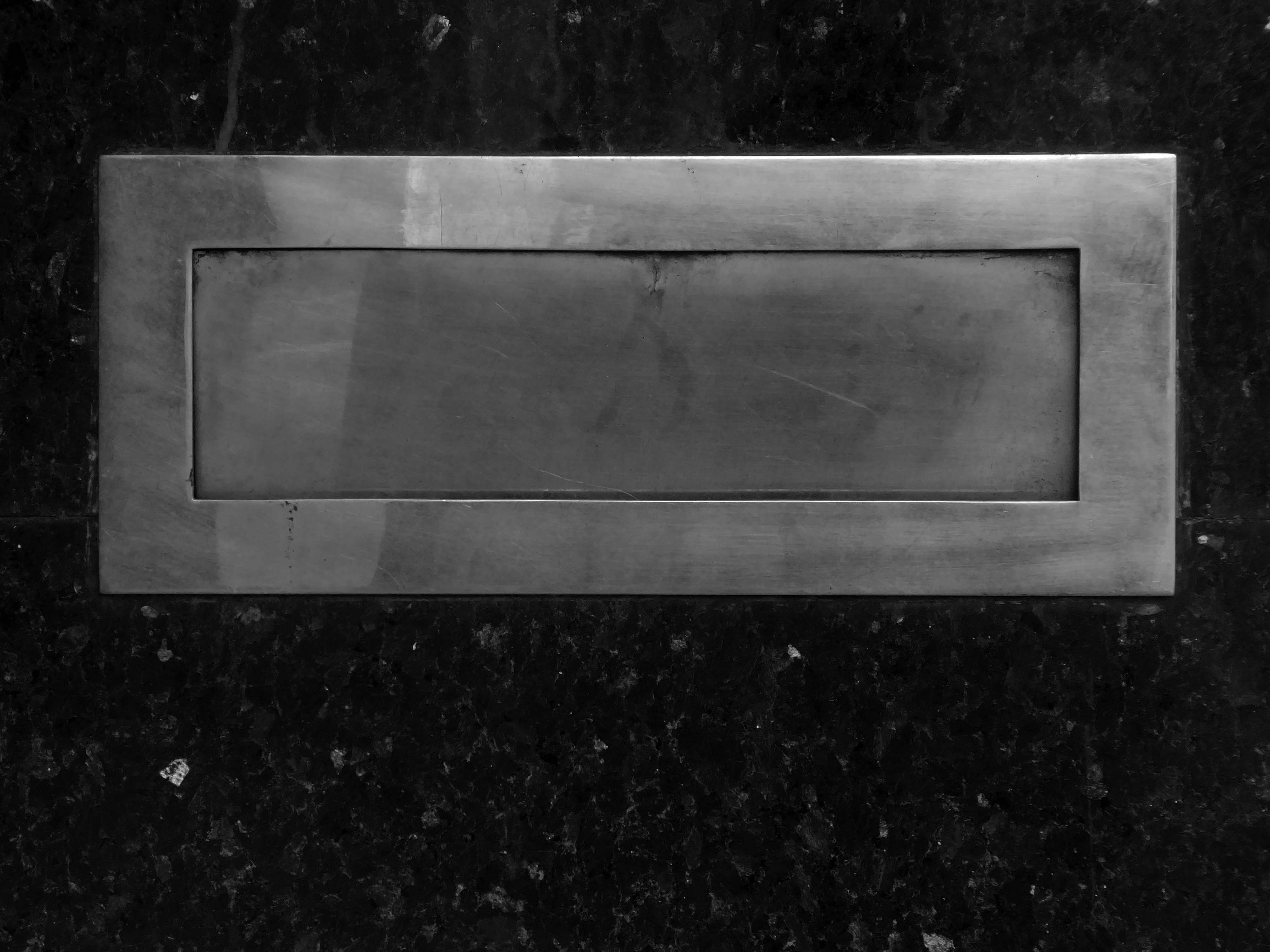
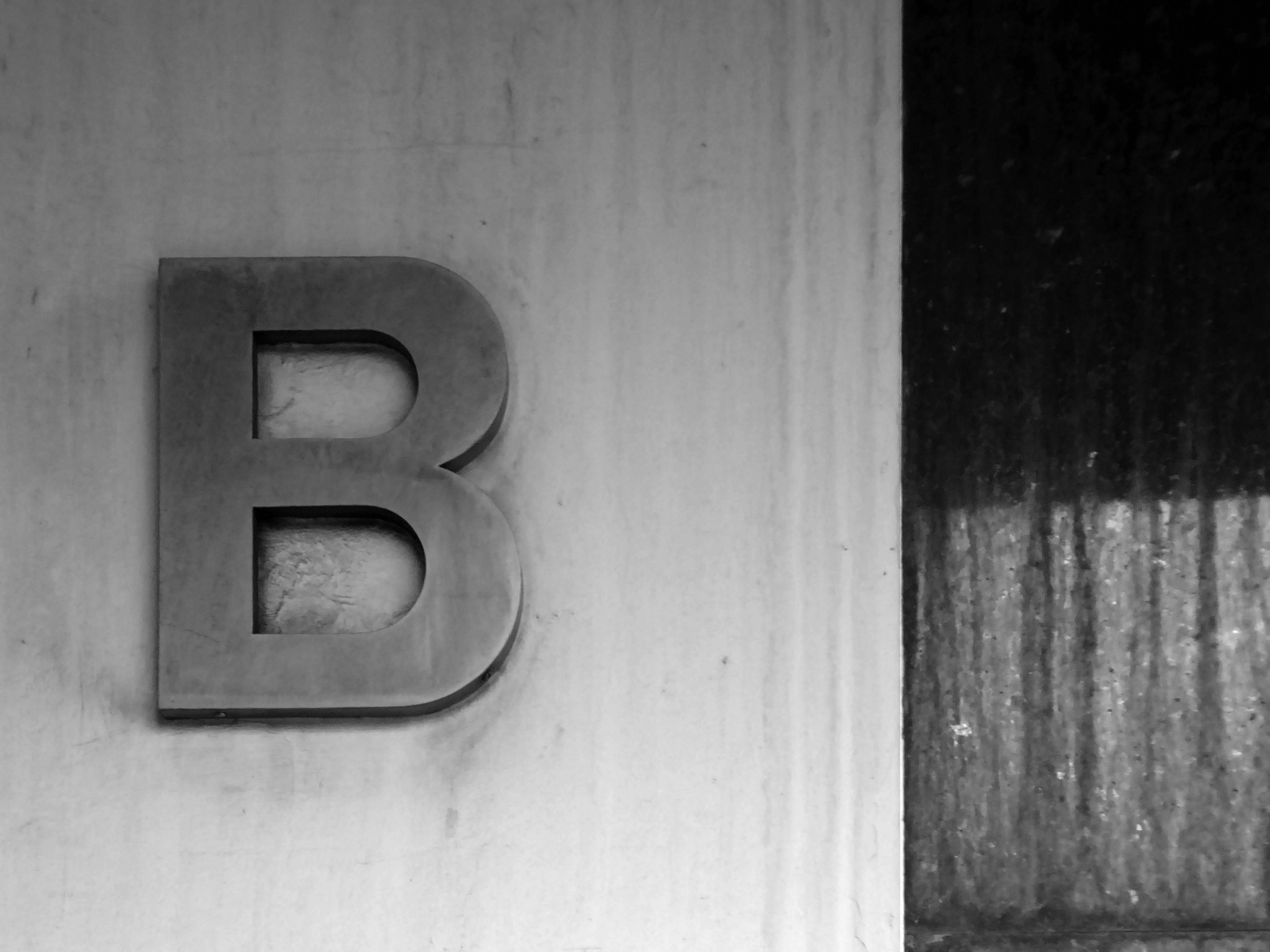
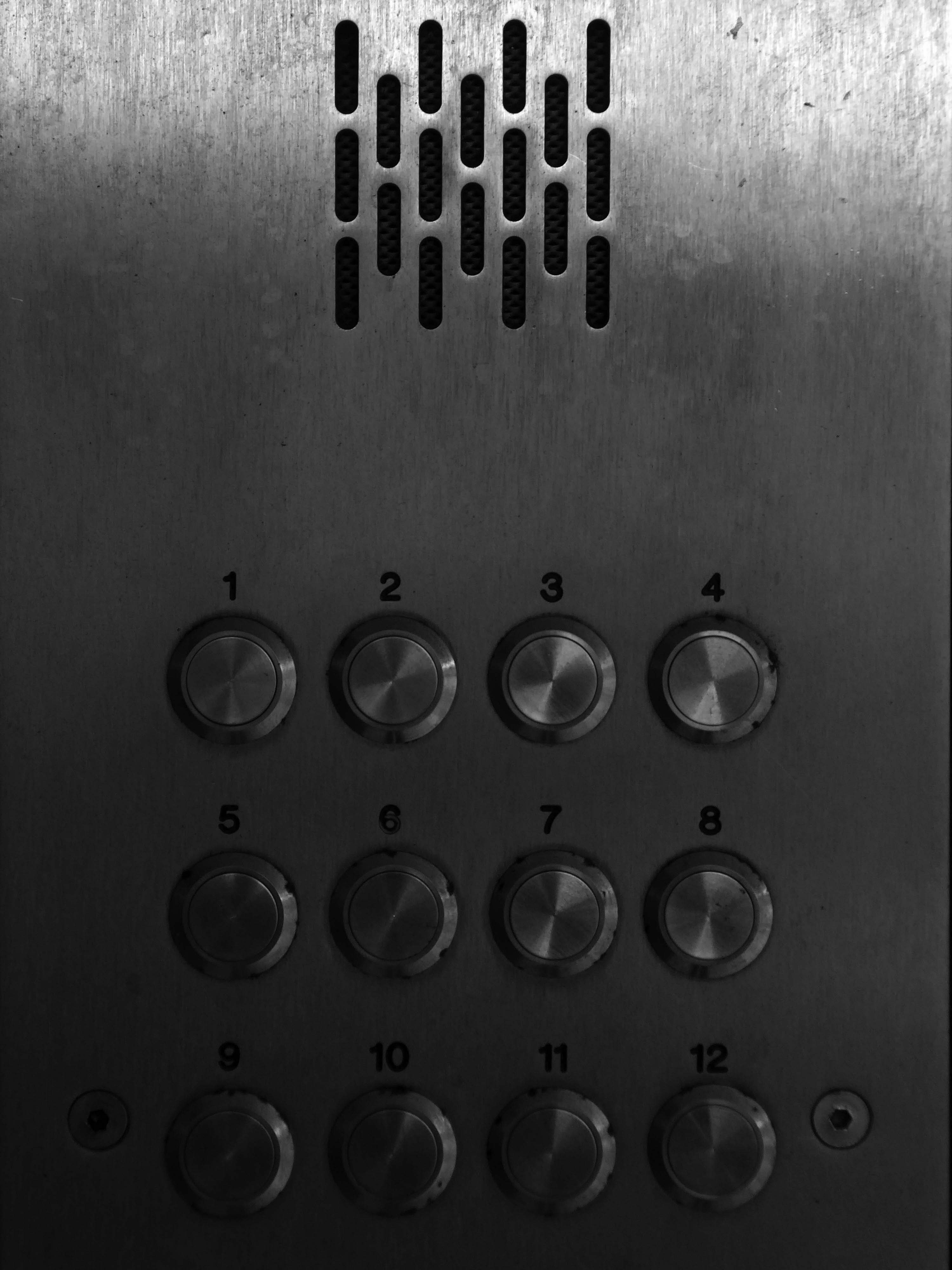
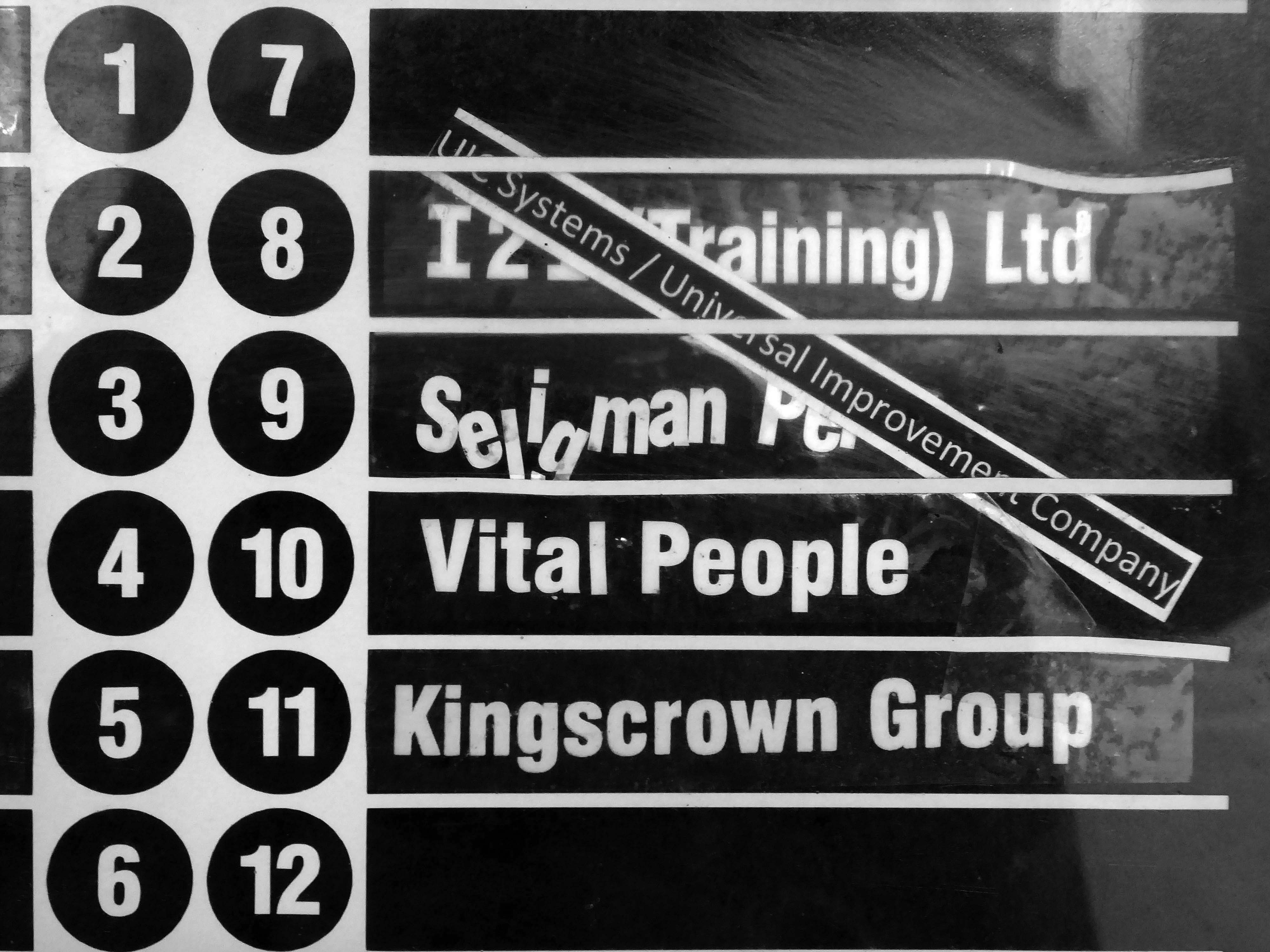
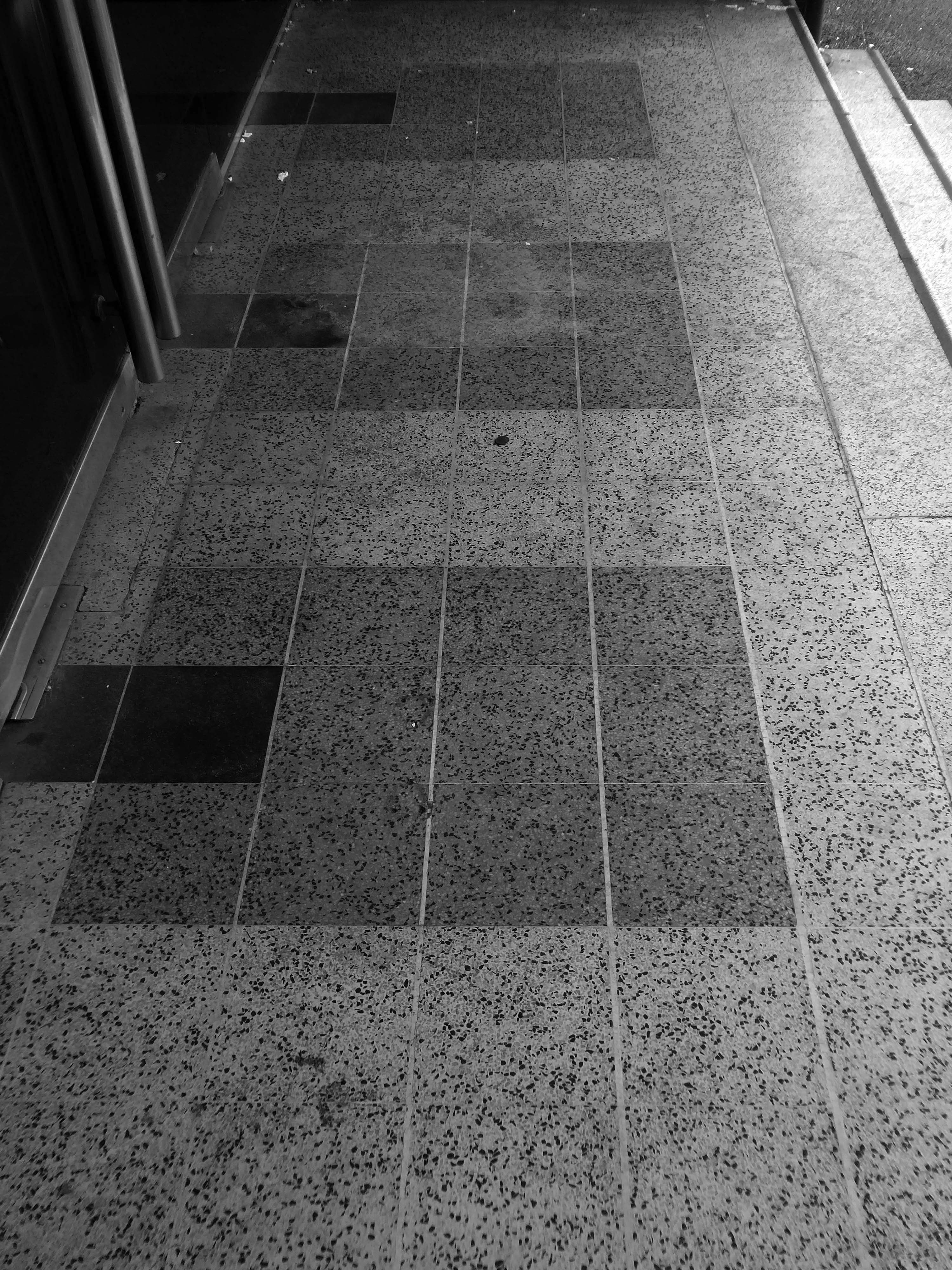
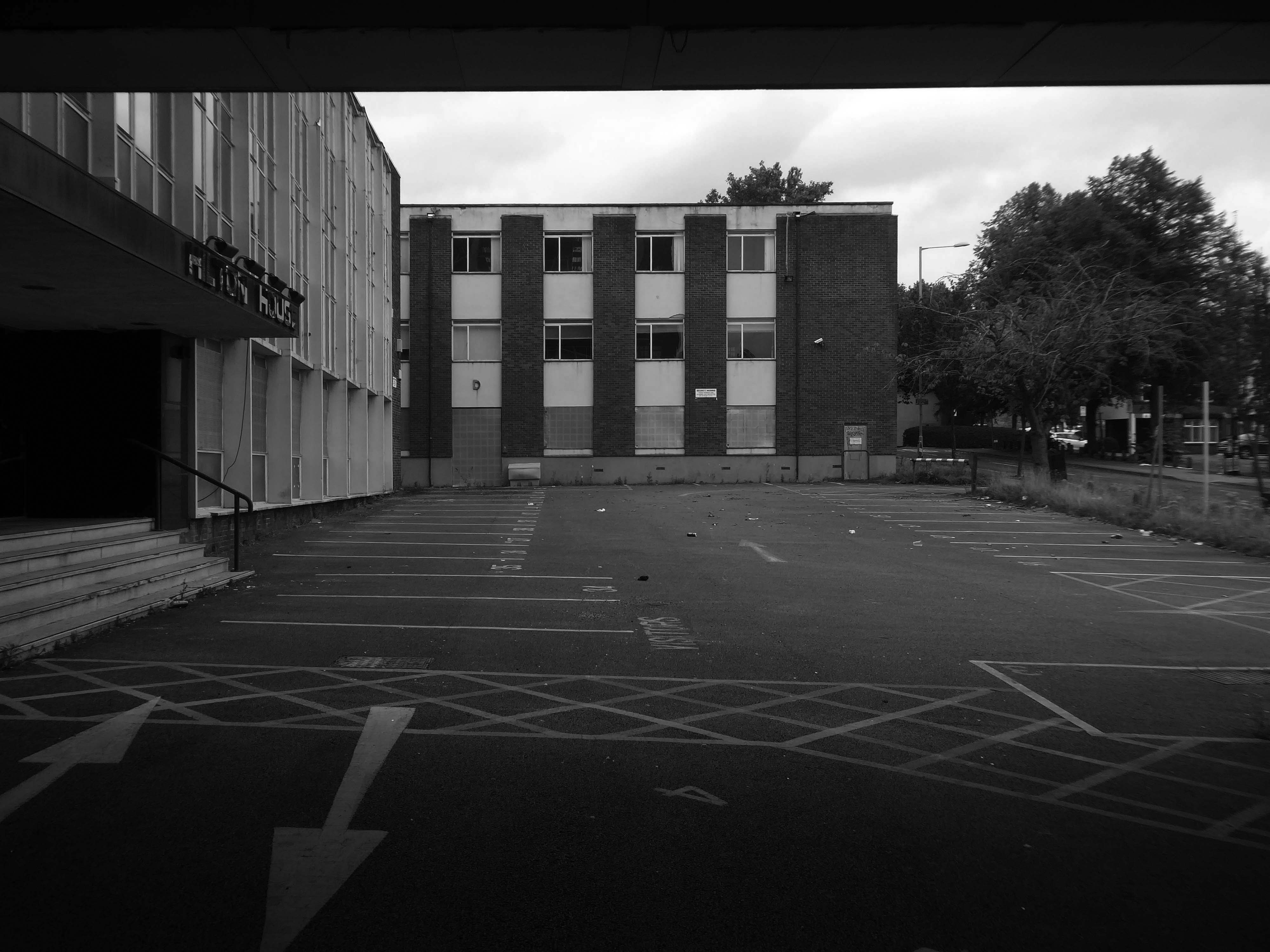
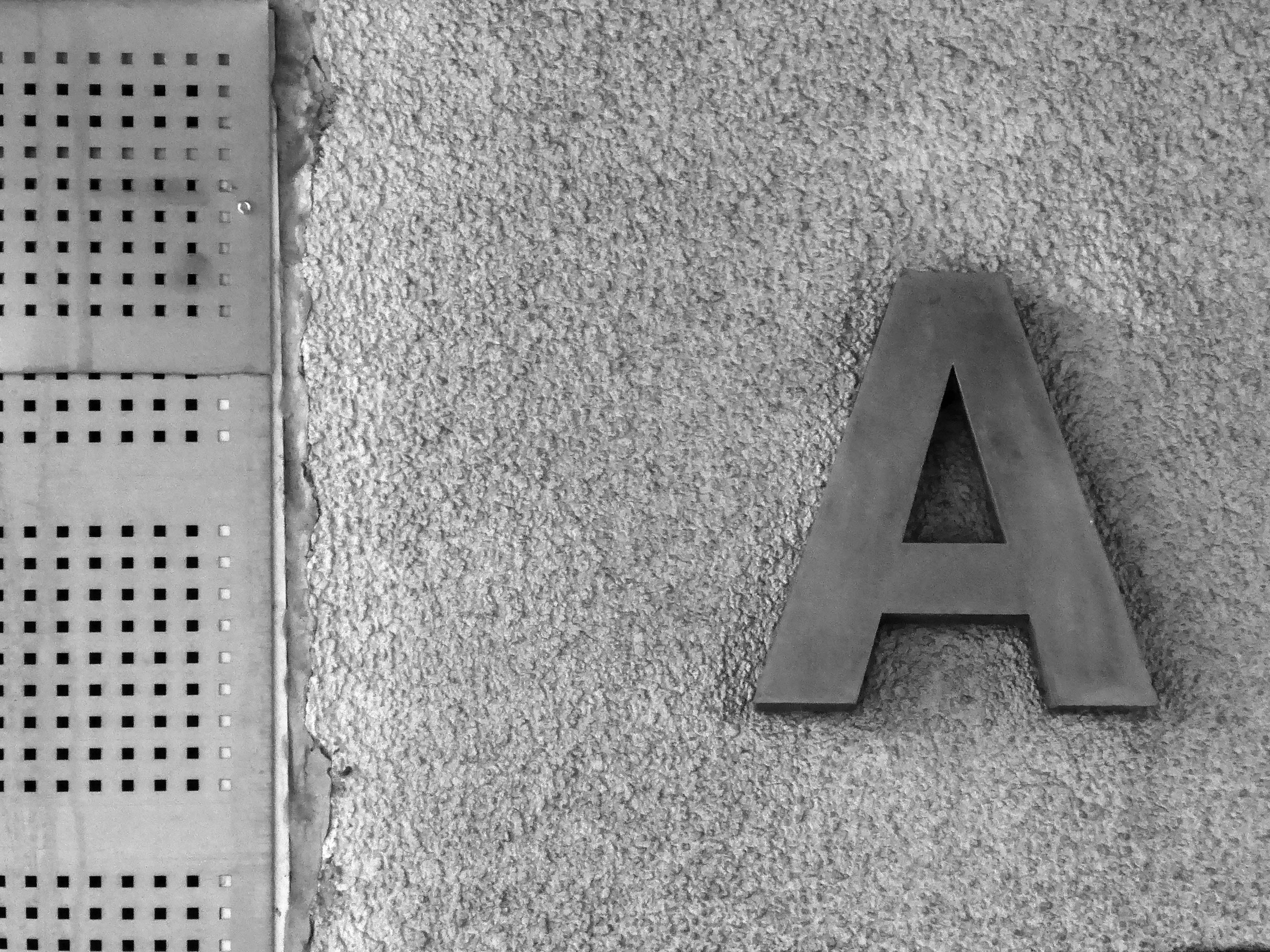
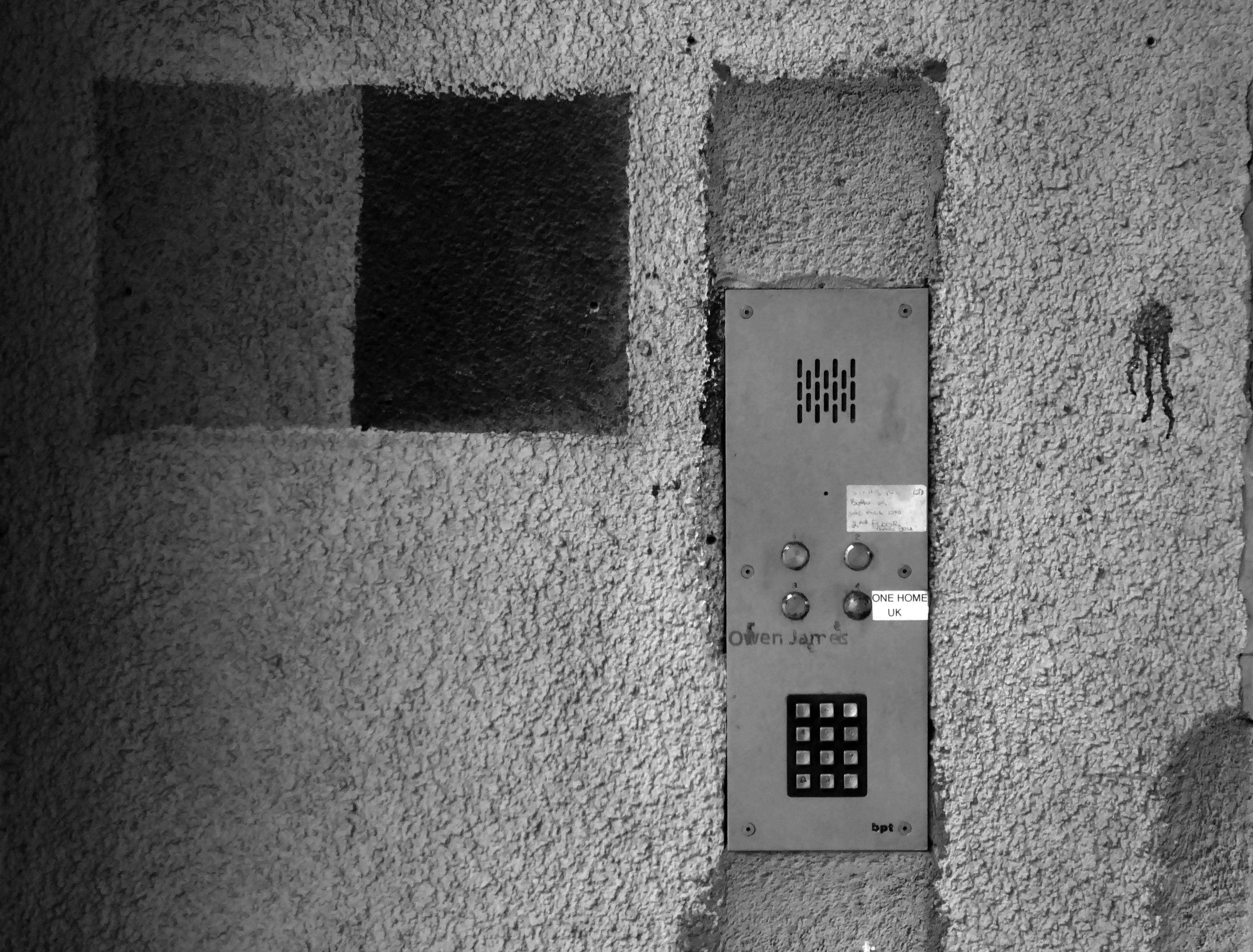
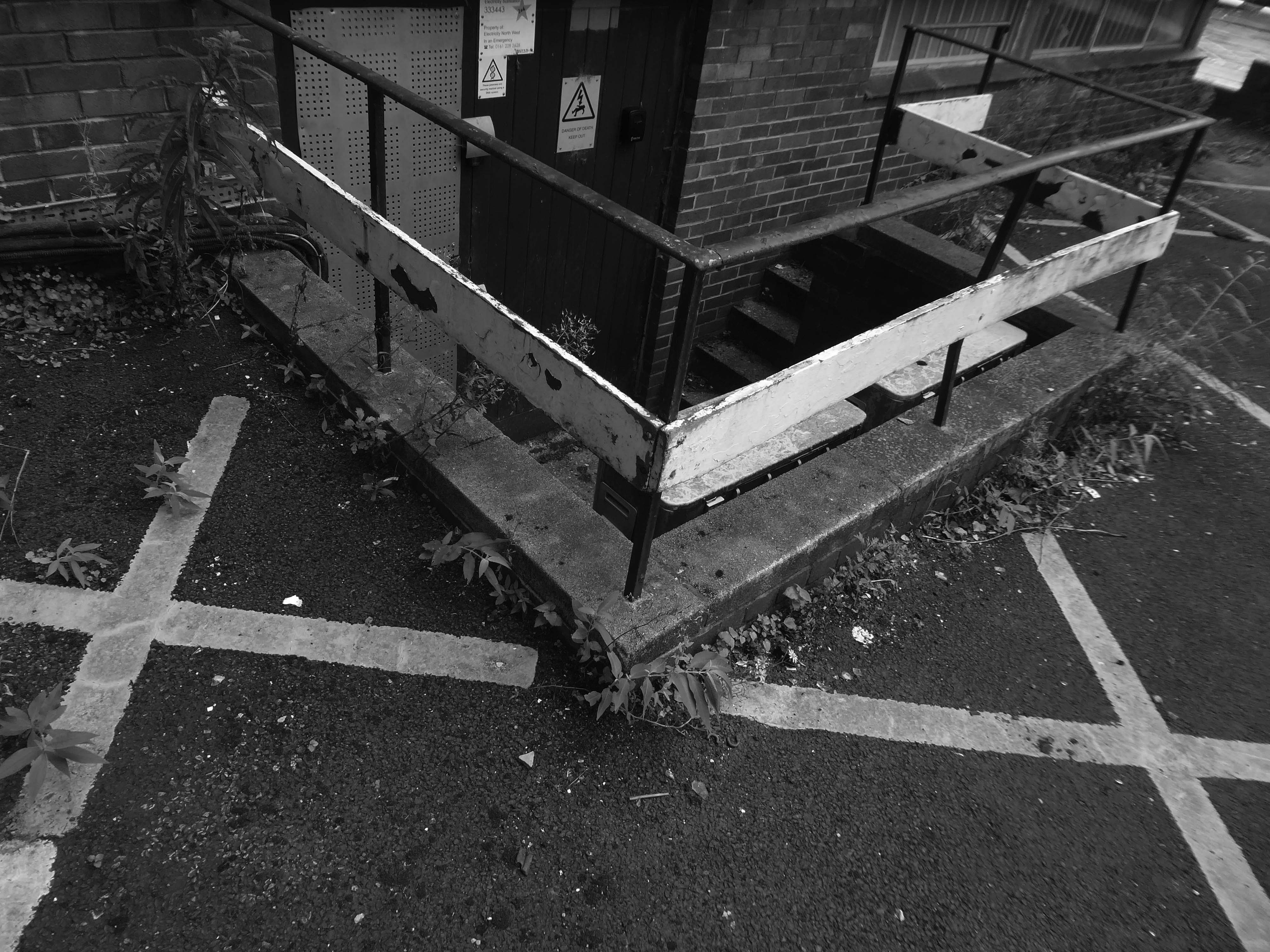
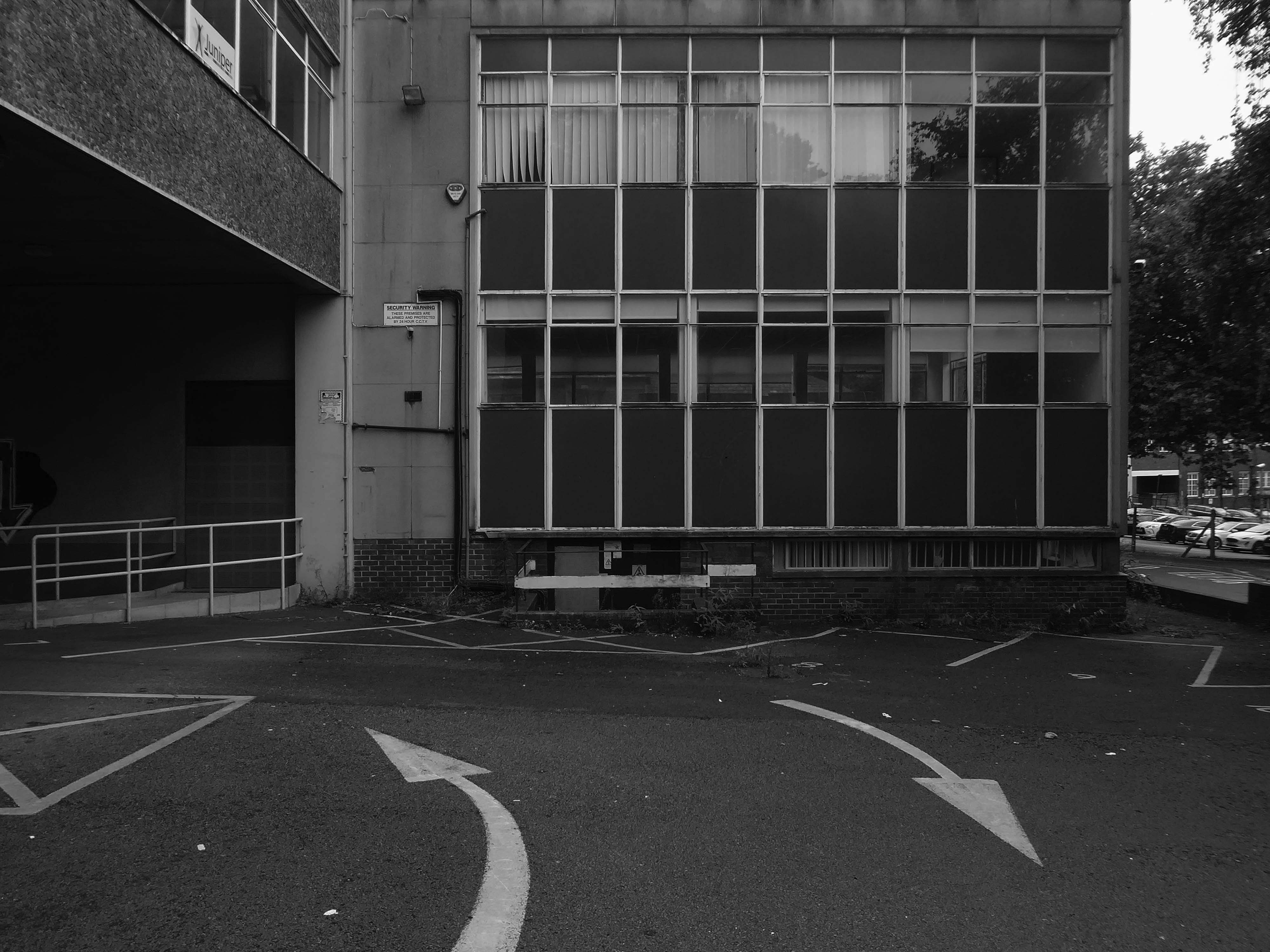
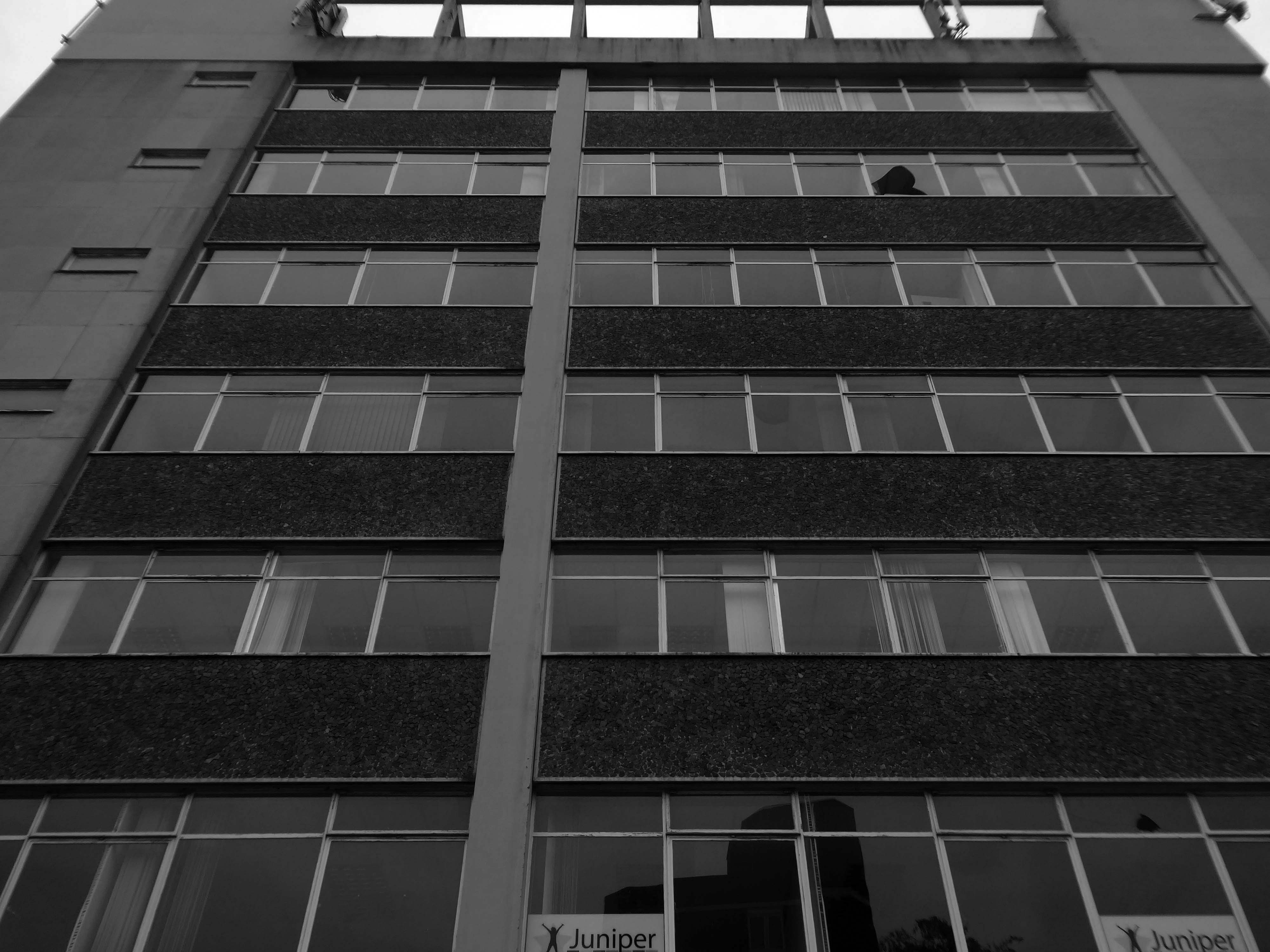
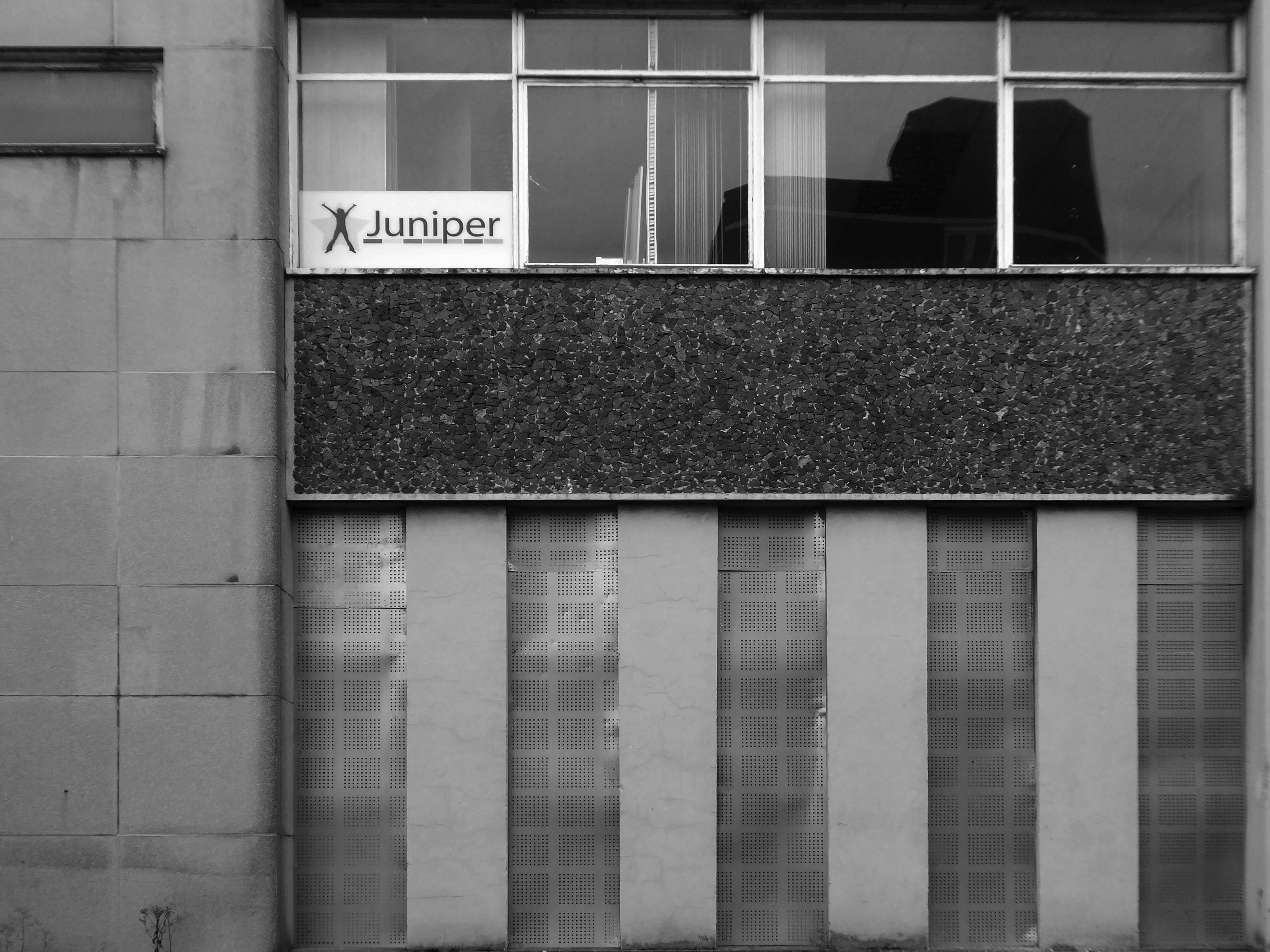
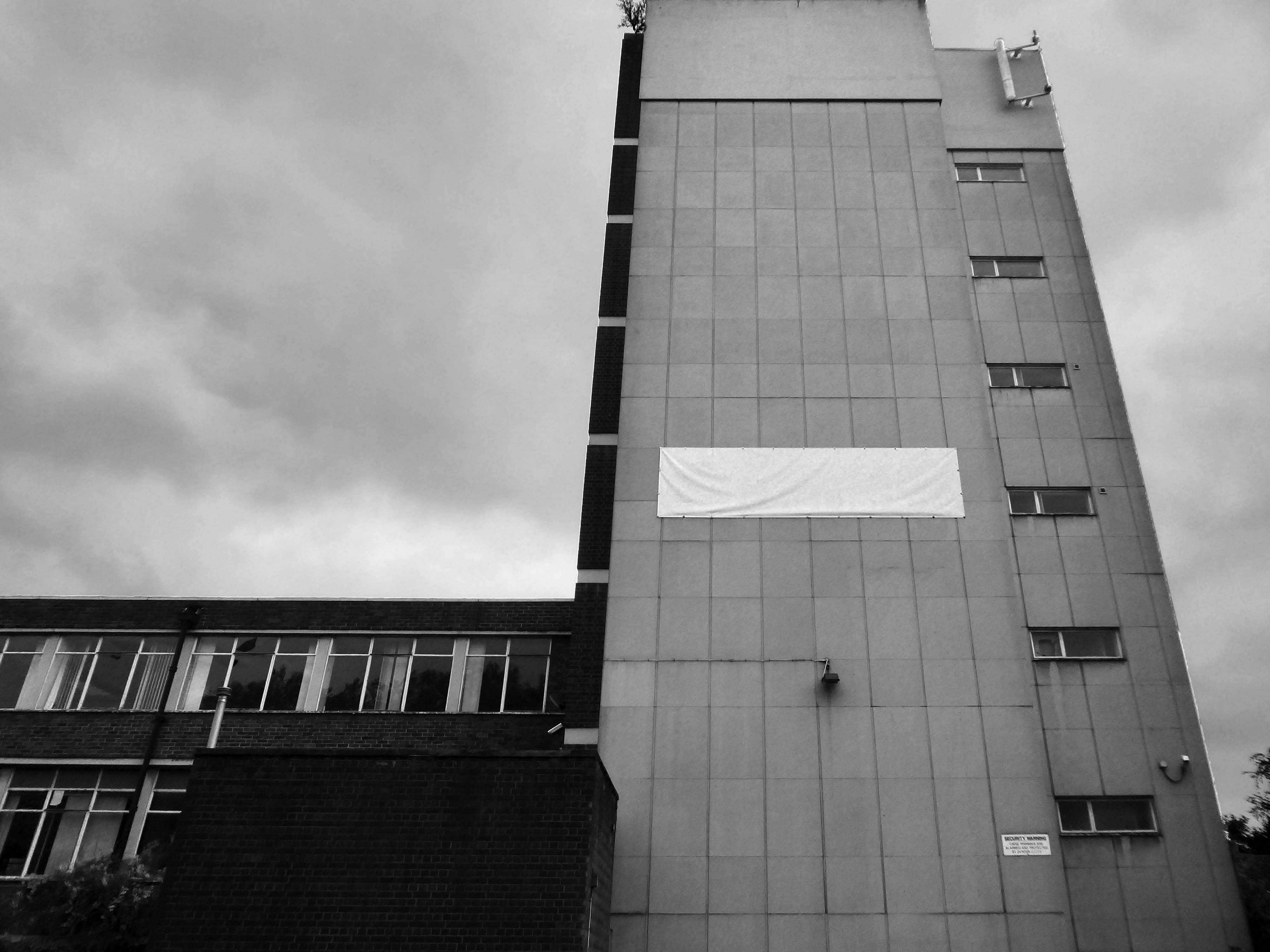
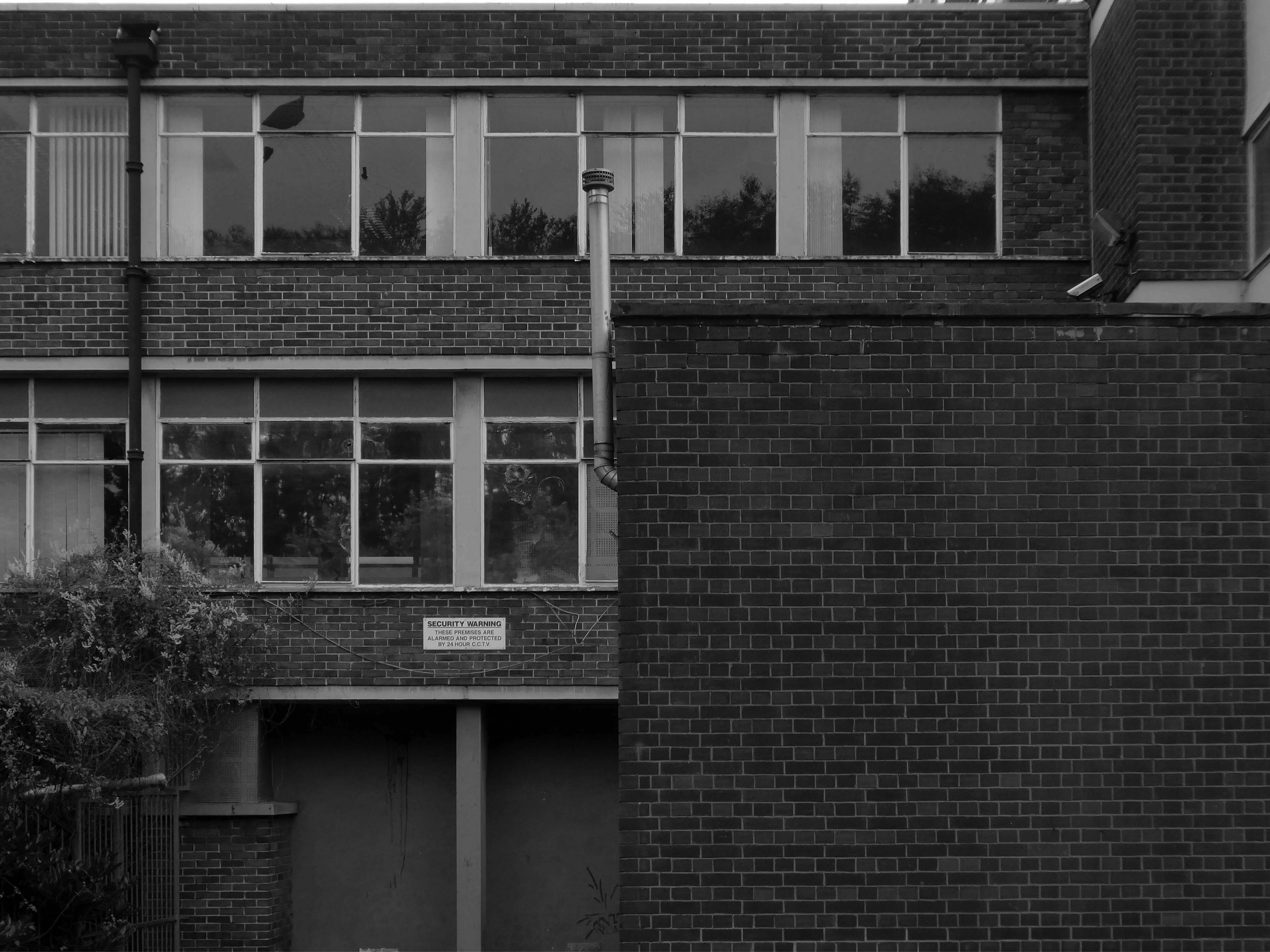
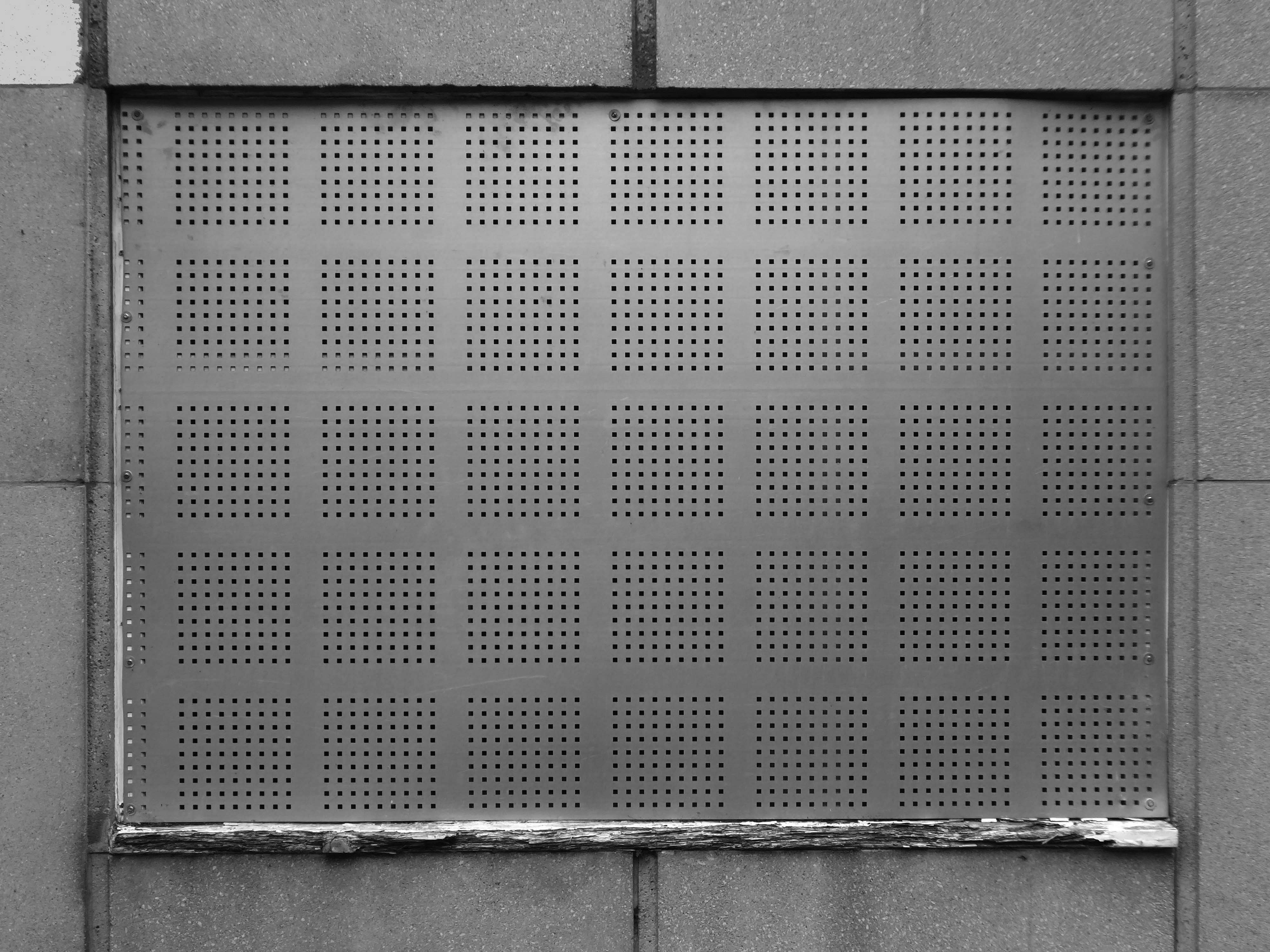
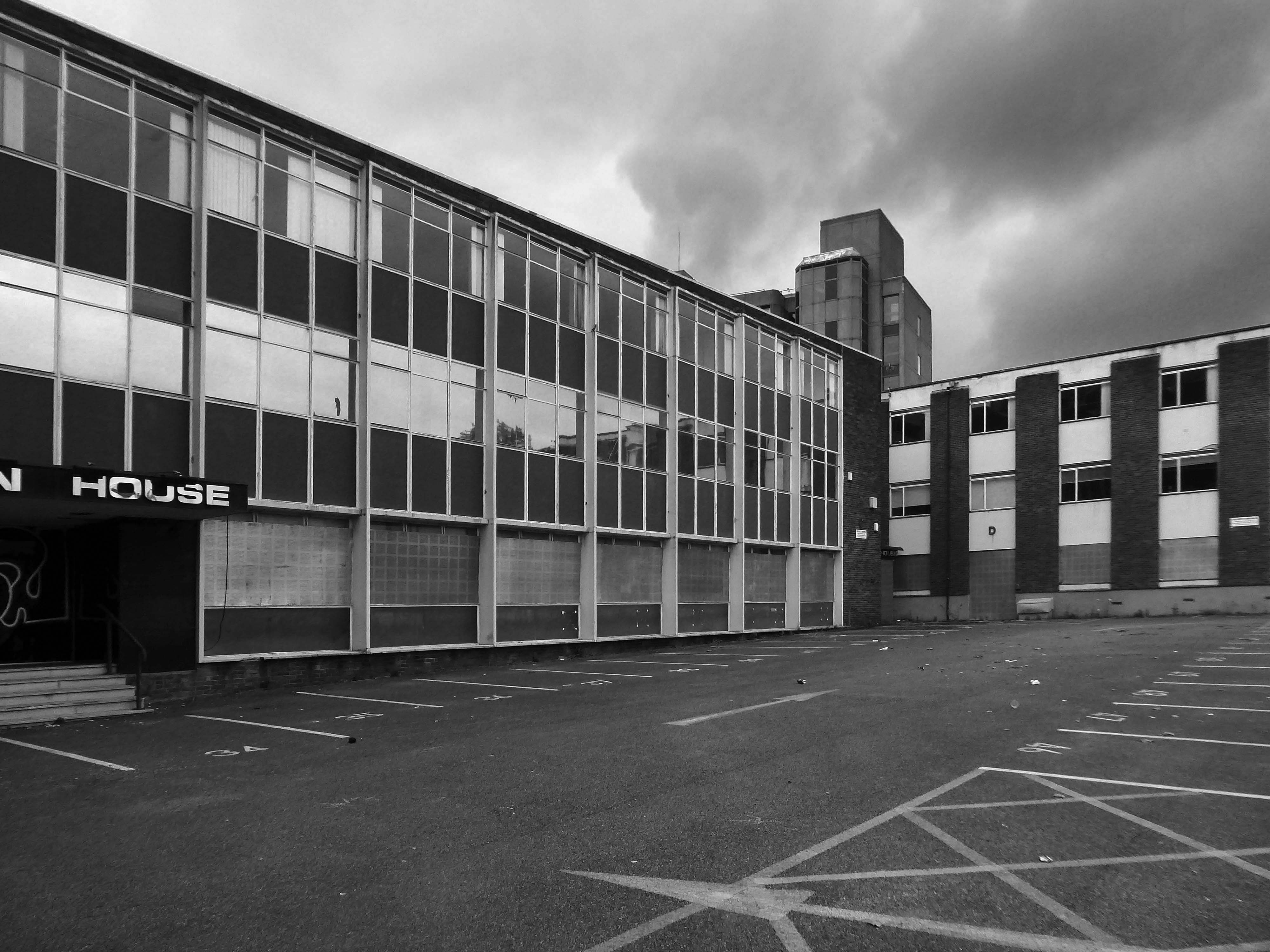
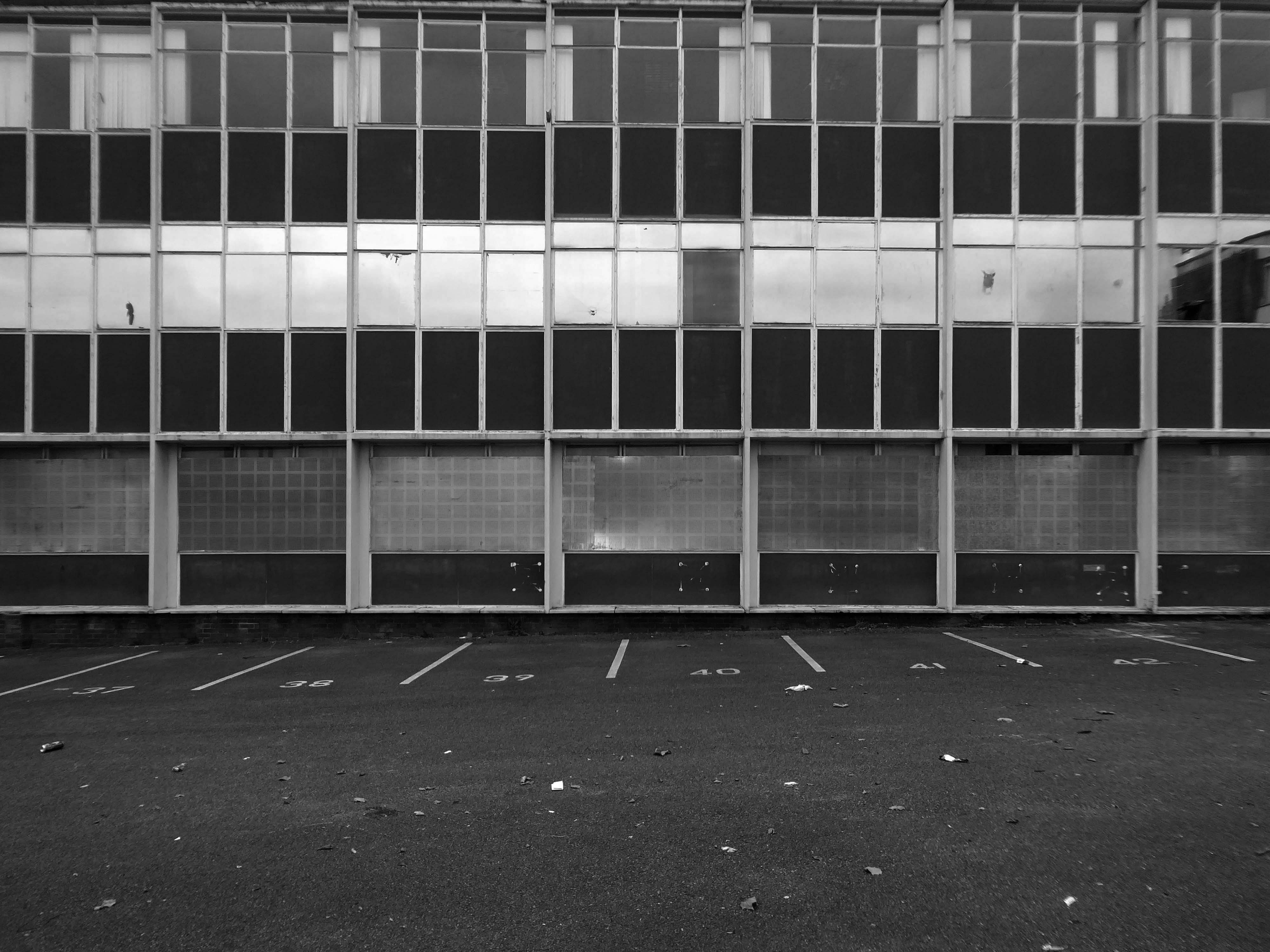
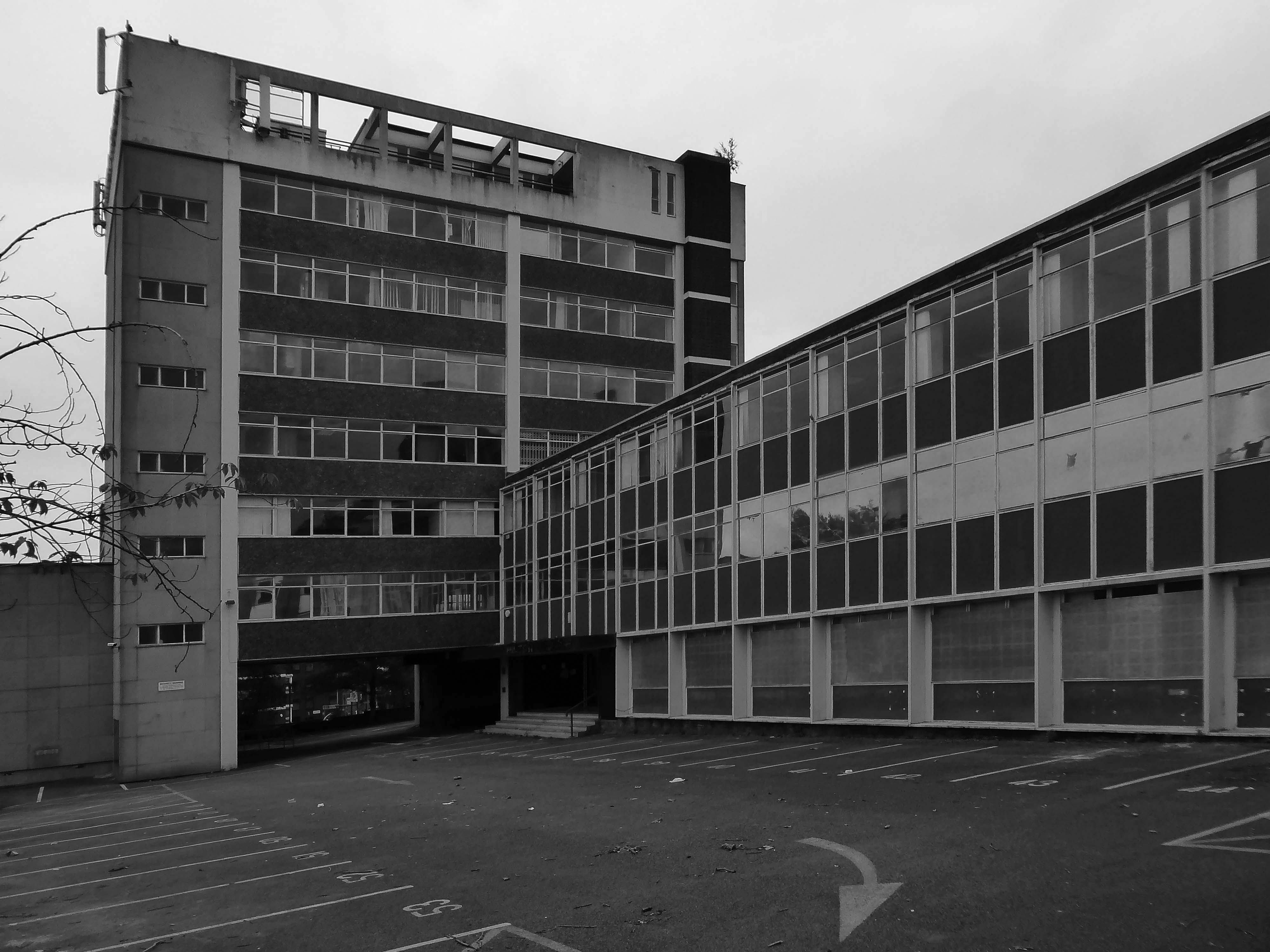
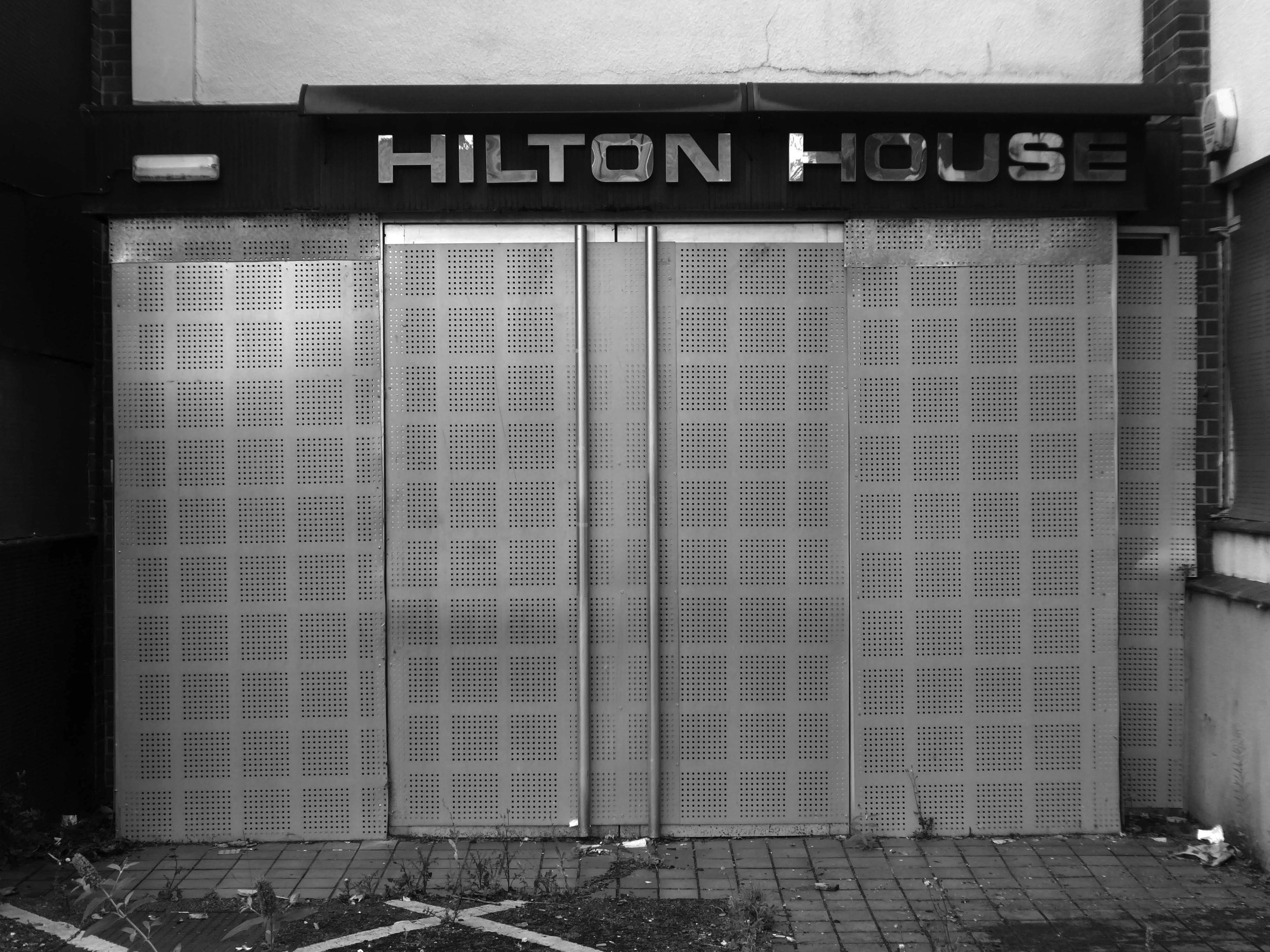
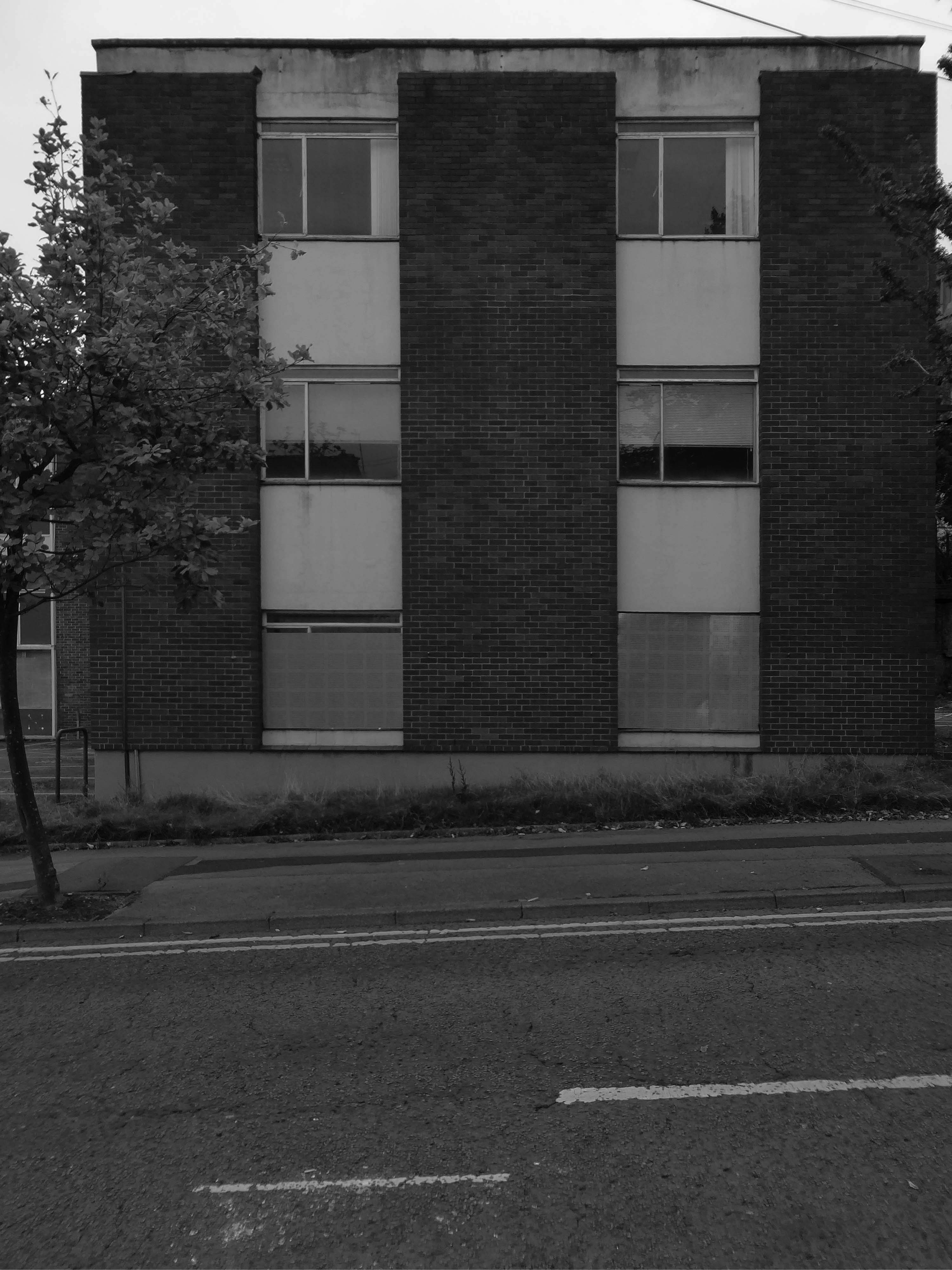
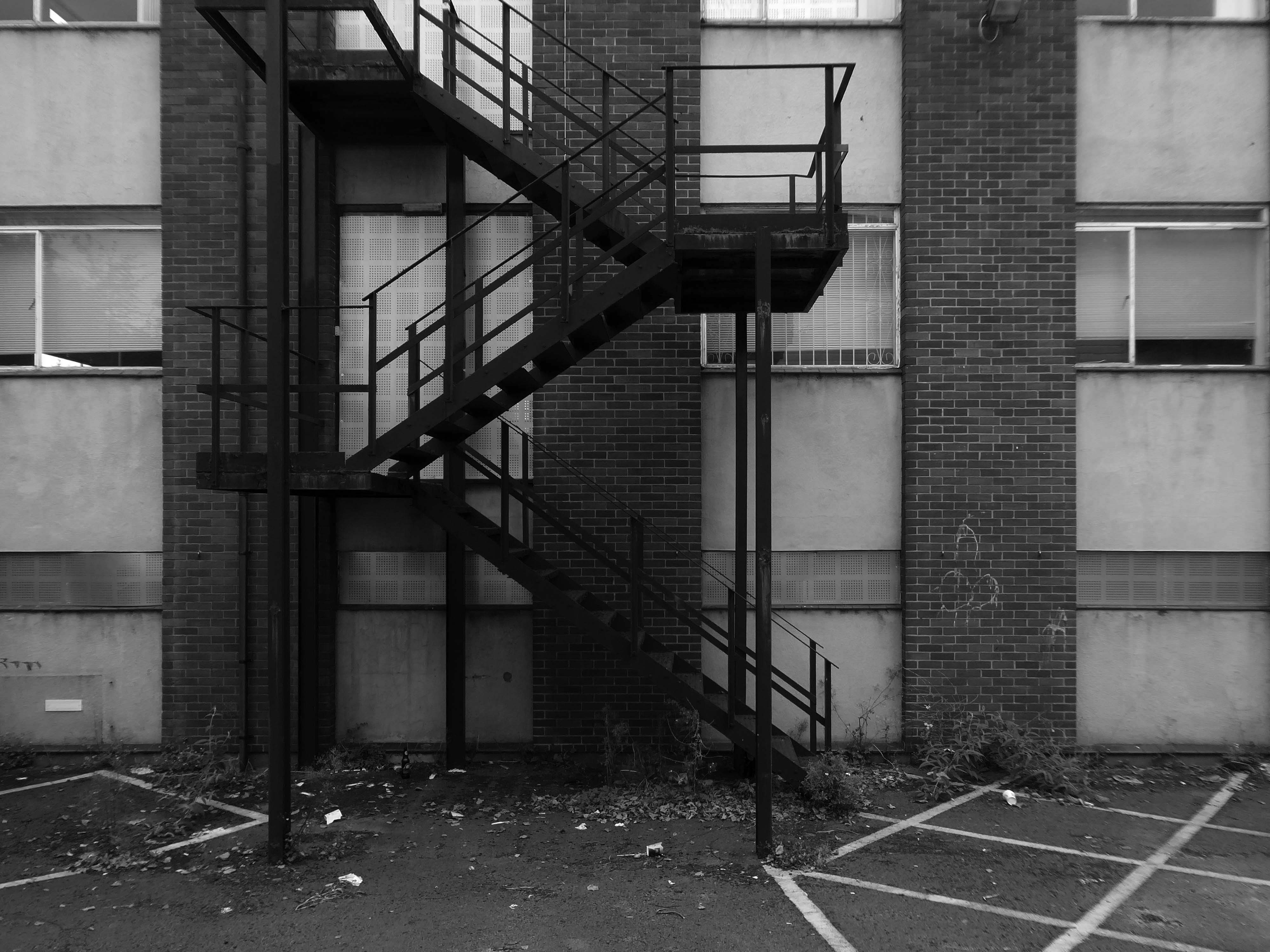
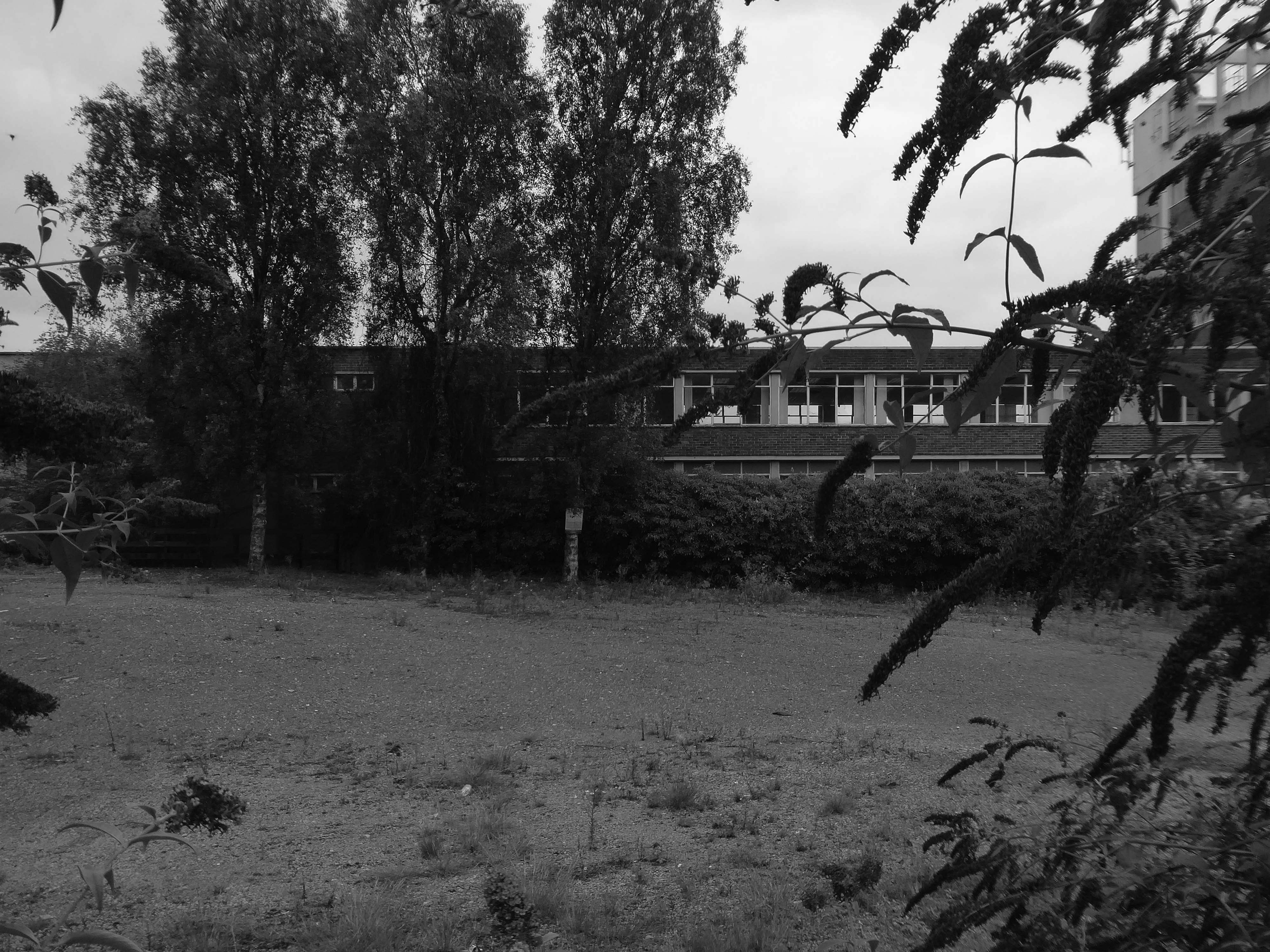
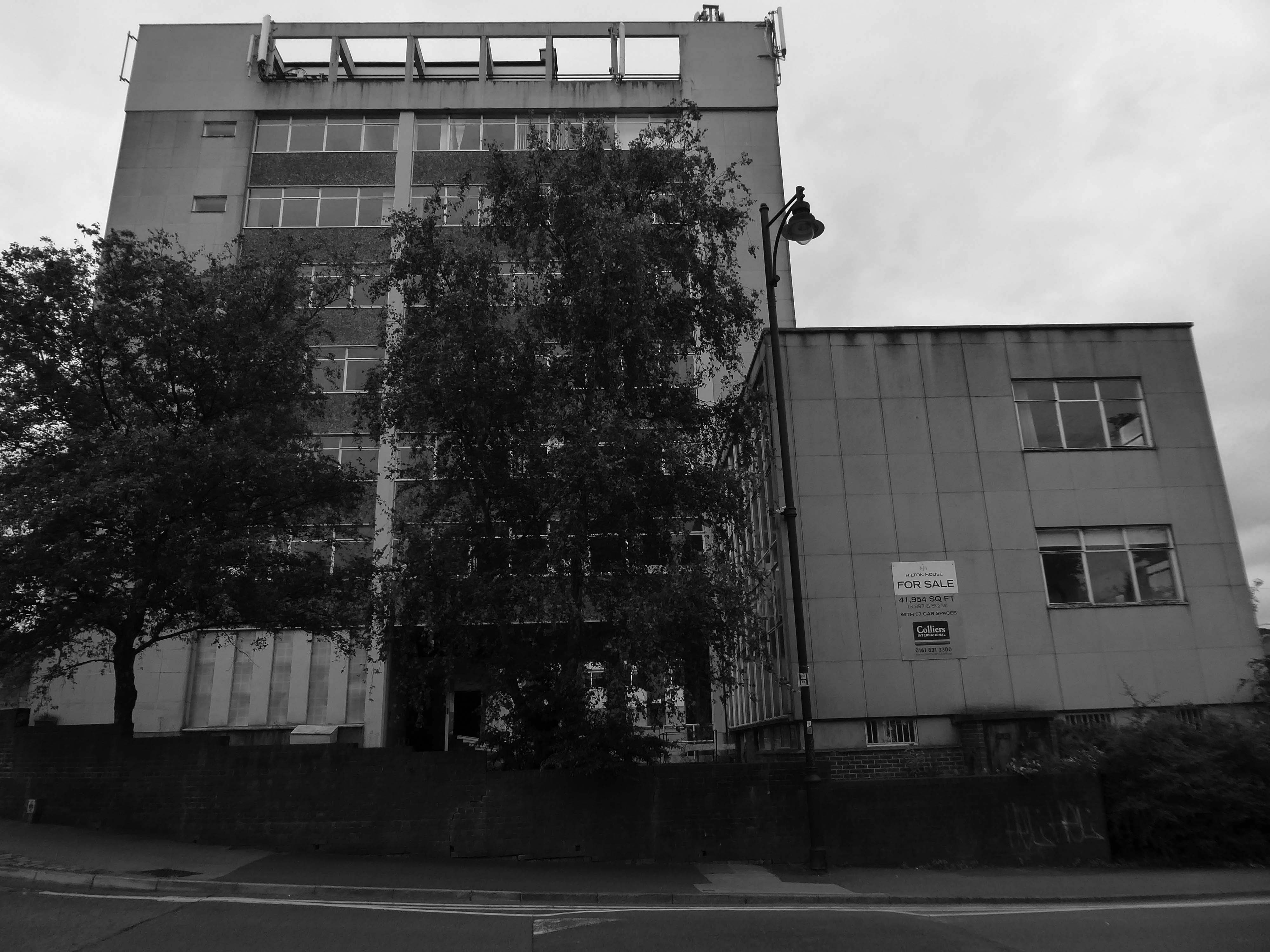
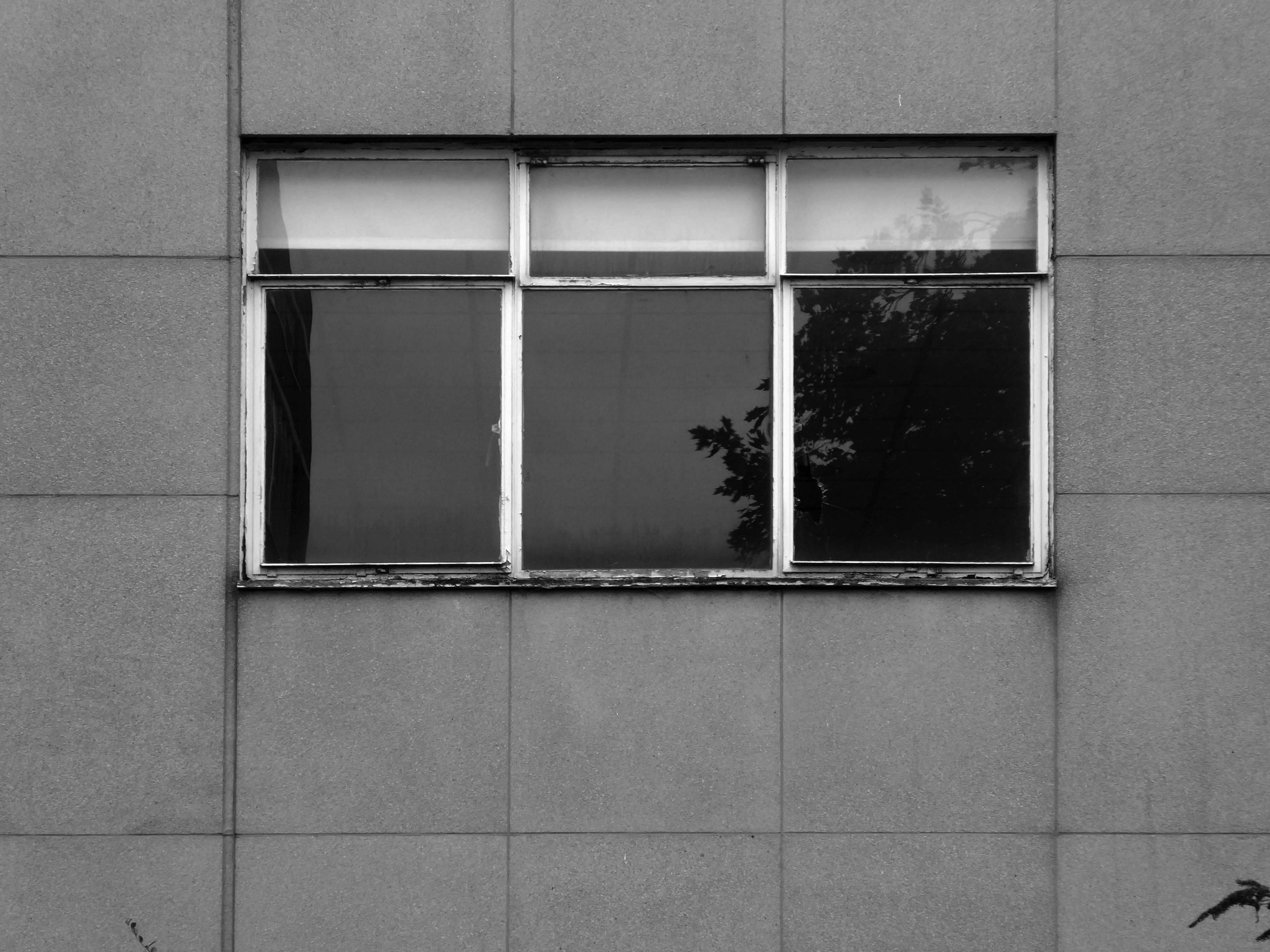
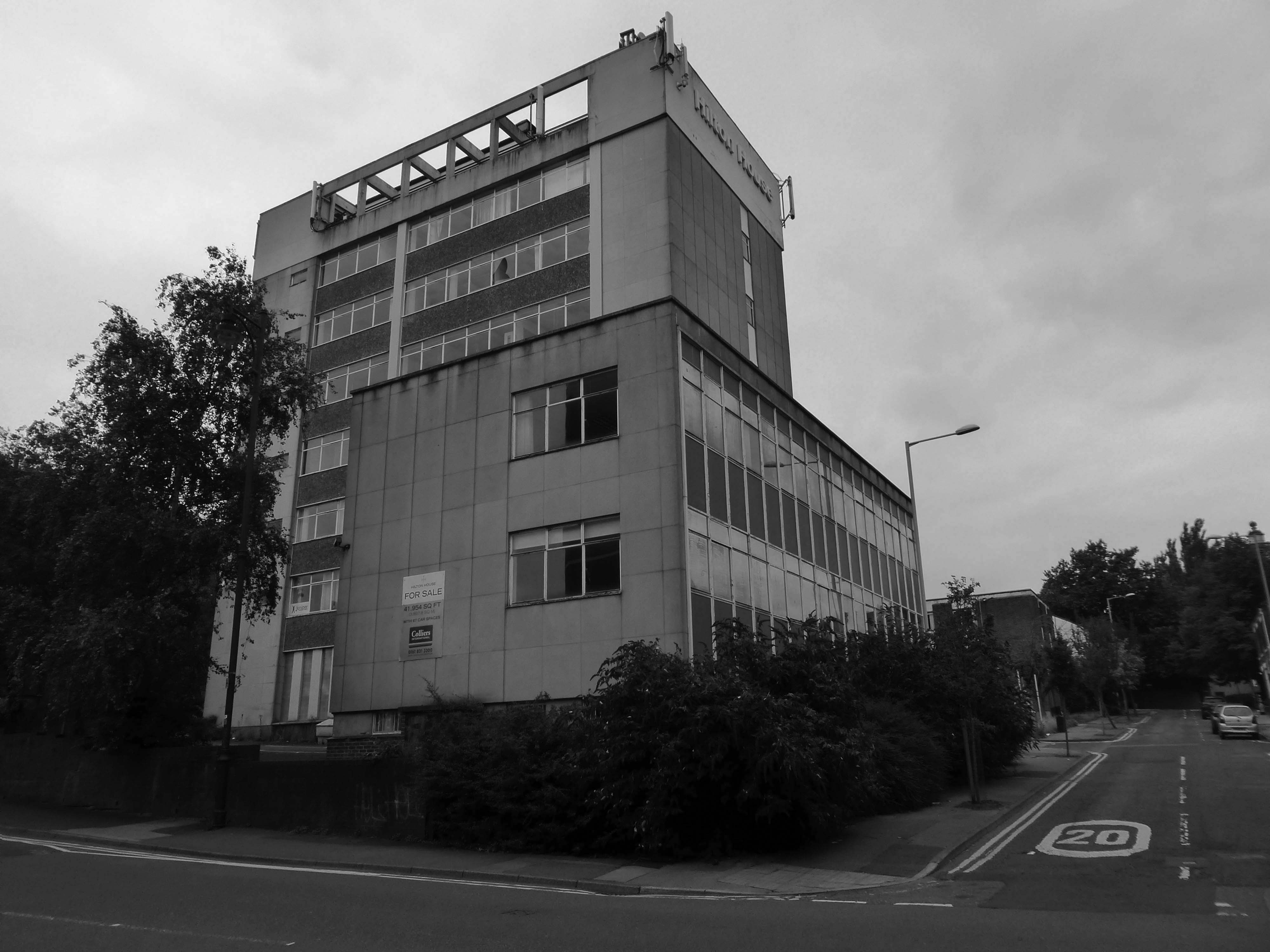
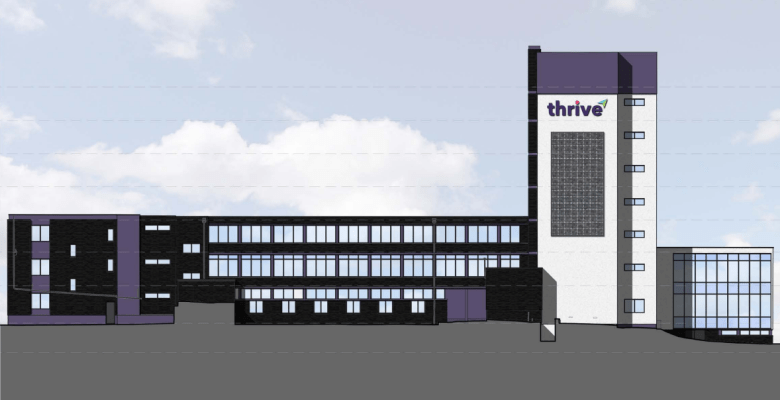
May 2020 – plans are submitted to remodel the exterior of Hilton House
The remodelling of the building include reparations and repainting brickwork, render and cladding as part of wider plans to rejuvenate Hilton House to rebrand as a more attractive and contemporary office location in Stockport town centre.
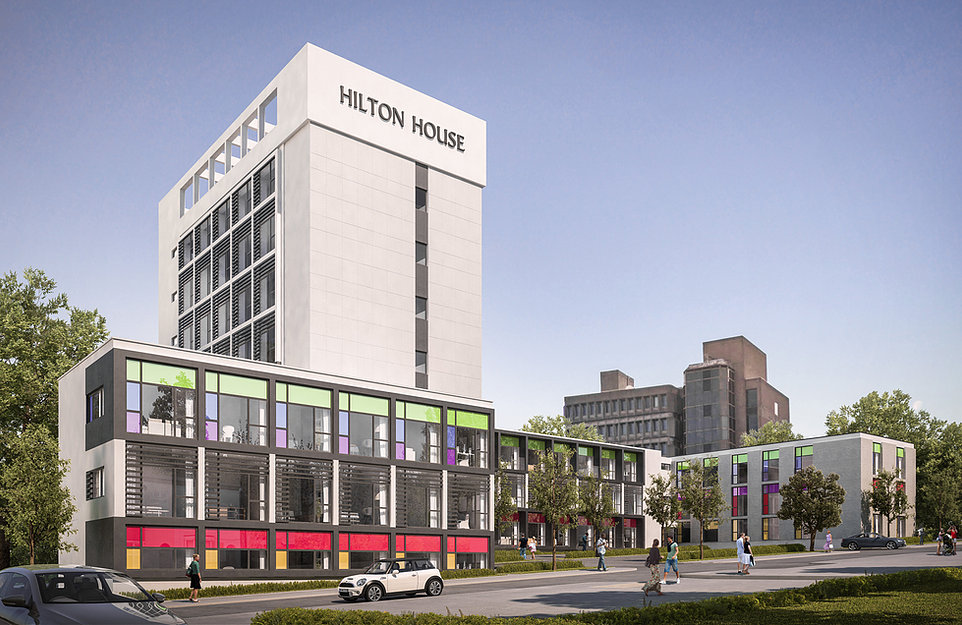
Studio KMA have proposed conversion to apartments.
Conversion of existing 1970s office building to apartments.
A combination of one-bed, two-bed and three-bed units ensure a new sustainable use in Stockport town centre.
The proposal incorporates the use of coloured glass panels to create a modern, fresh aesthetic.
As of July 2021 the property is under offer.
Post-Pandemic it may well be that the demand for office space is in retreat and the conversion to modern living space the more likely end use.

470-476 Anlaby Rd Hull HU3 6SH
Opened on 9th September 1928 with the silent film Lonesome Ladies.

The Carlton Picture Theatre in Anlaby Road was designed by the firm of Blackmore & Sykes and was built by Messrs. Greenwood and Sons.
It was run by Hull Picture Playhouse Ltd.
This was a lavish suburban cinema, with an elaborate green and gold sliding dome utilising Venetian glass and housing hundreds of concealled lights. Roman marble mosaics and painted plaster panels on the walls added to the sense of occasion engendered by a trip to the flicks.
A Fitton & Haley organ was installed, but this was later removed to the more central Cecil Theatre and was destroyed when that theatre was bombed during WW II.
The cinema had two entrances, one in each of the two towers on the front corners of the building. Above the proscenium was the inscription, rather inapt given how soon talkies arrived :
“A Picture is a poem without words”.
There was a single balcony and, for its date, a surprisingly large car park.
It continued unaltered, save for minor war damage, until its closure in April 1967, after which it was simply converted to bingo usage which continued as a Mecca Bingo Club until 2008.

This is an immense and noble building, a once great single screen cinema.
Unluckily closed for some thirteen years, now looking neglected and forlorn.

Tinned up and awaiting an uncertain future, planning was applied for conversion to apartments, it was refused.
It is unlisted and unloved in need of friends and funds, who could operate a cinema and theatre in the manner of The Plaza in my hometown of Stockport.
The interior has been recorded by 28 Days Later.


We all deserve better.


The number of cinemas in Hull peaked at thirty six in 1938.
British film making flourished during the war years and cinema attendances were much higher, but by the end of the Second World War there were only twenty five – several had been bombed.
In 1964 competition from radio and television, and latterly bingo, reduced the number of cinemas to ten.
Now there are four.

Built in 1937 – very much in the civic style of the day, an inter-war classical moderne utilitarian low-rise in brick, steel, stone and concrete.

A three level, level headed essay in resolute local pride, when Droyslden was an independent UDC, prior to the creation of Tameside.

Furnished in the finest manner.


Computerised and digitised – the first library in Tameside to go live.


Droylsden Library Carnival entry – first prize winner in its category.

Closed on March 17th it now faces demolition.
Archive photos Tameside Image Archive

The rising cost of repairs, combined with ‘a desire to progress’ with the regeneration of Droylsden town centre and the inaccessibility of the library’s T shape, three-floor configuration means that a ‘solution for the future of the library’ is now needed, according to the town hall.
Of note are its curved cantilevered concrete balconies, complete with attractive steel balustrades.


Along with its carved relief above the door.

Decorative grille.

Commemorative Communist plaque

Drainpipes

Architectural Type.

And handrail.

I sure will miss the Library – I have walked cycled and bused by for over fifty years.
You are to be replaced by housing and relocated to the new development next door.

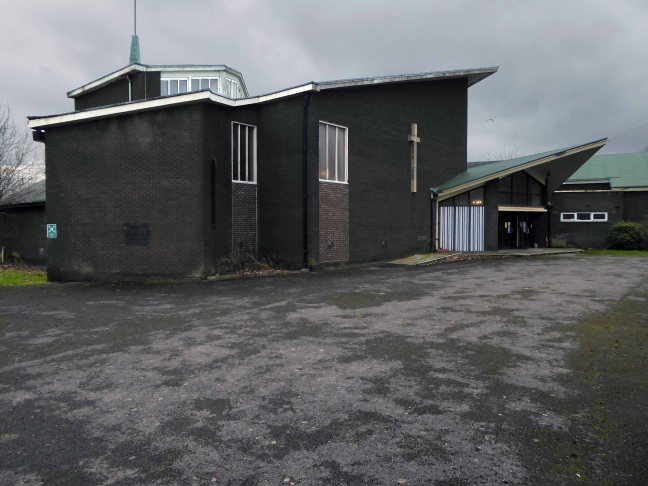
Junction of Fir Road and Oldham Road
One fine day, I chanced to walk by just as the service was finishing.
I asked Assistant Curate Rev. Peter Scott if it would be possible to photograph the interior of the church, he kindly consented.
Here are the results, along with shots of the excitingly angular exterior.
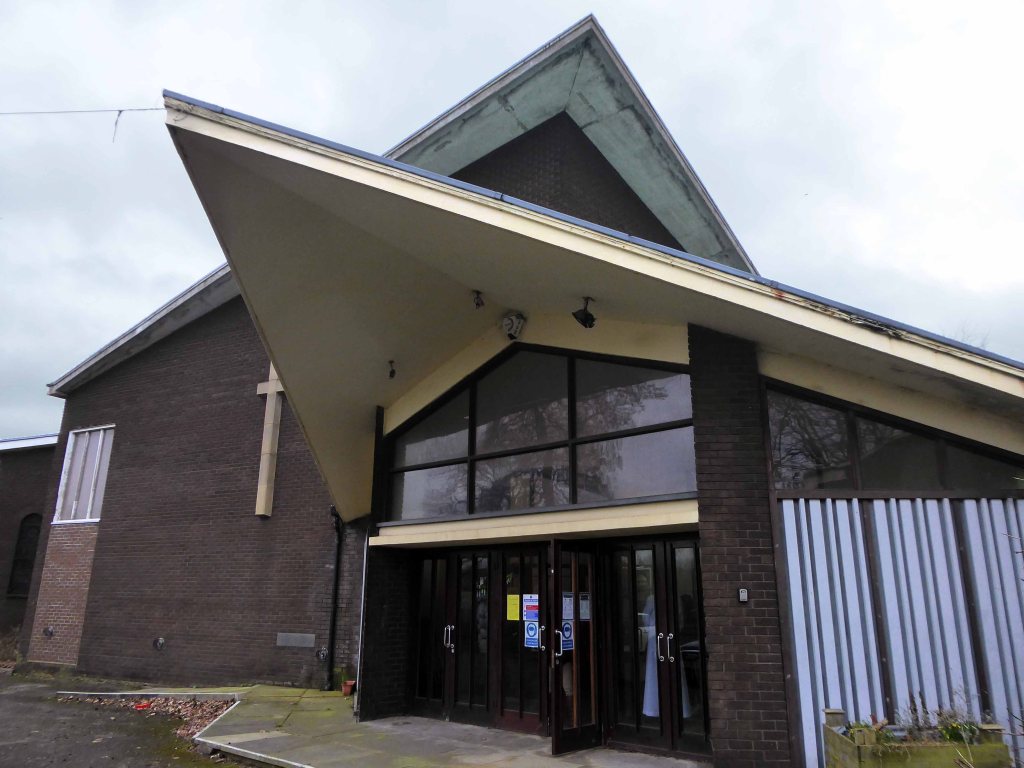
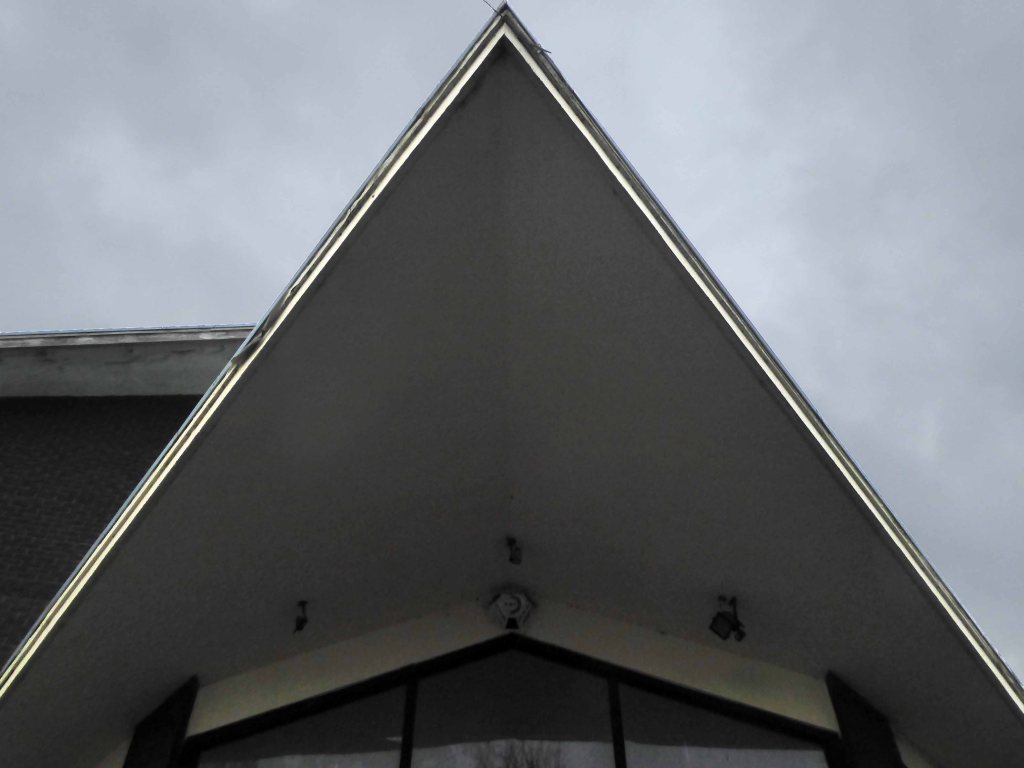
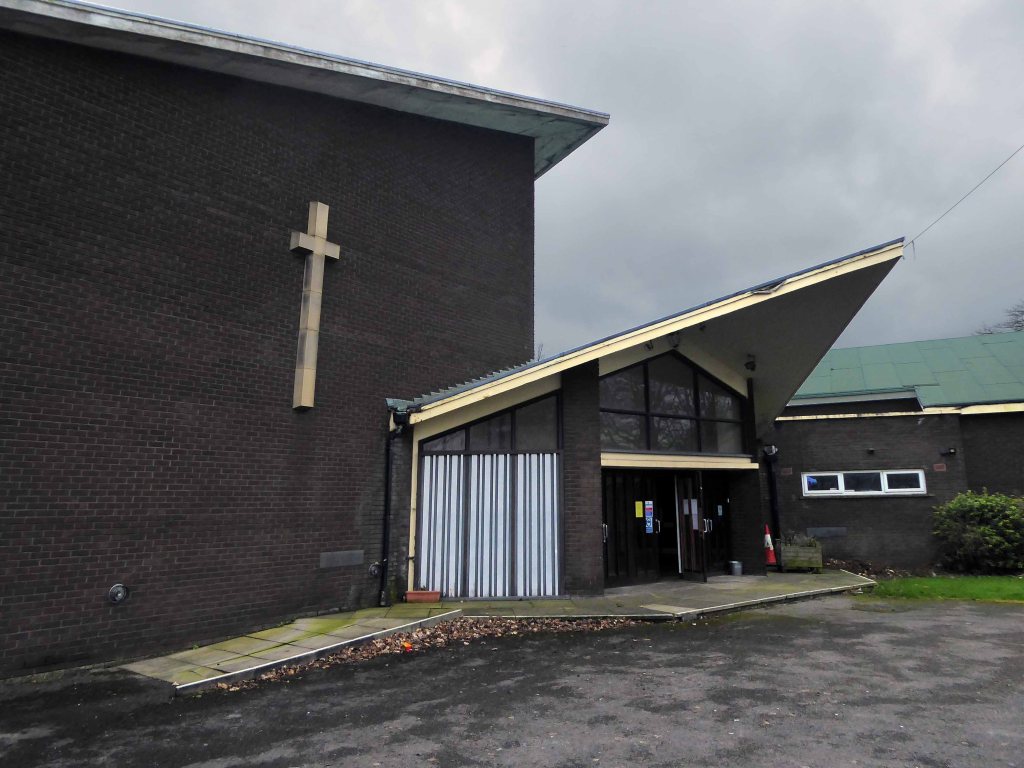
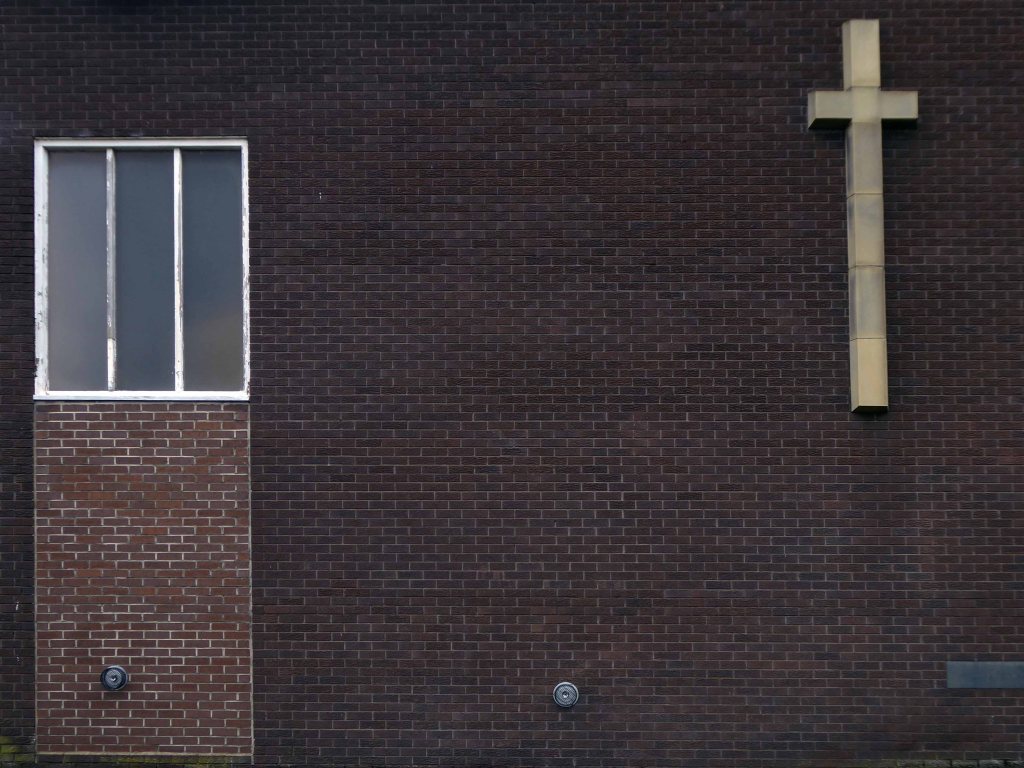
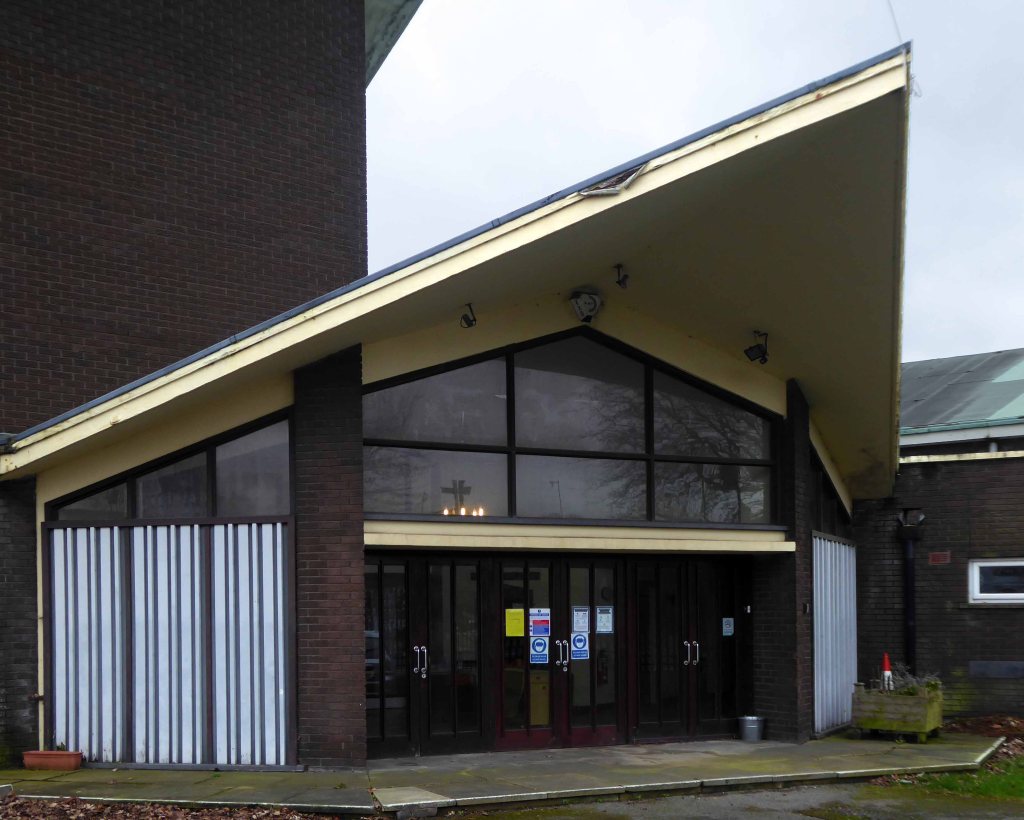
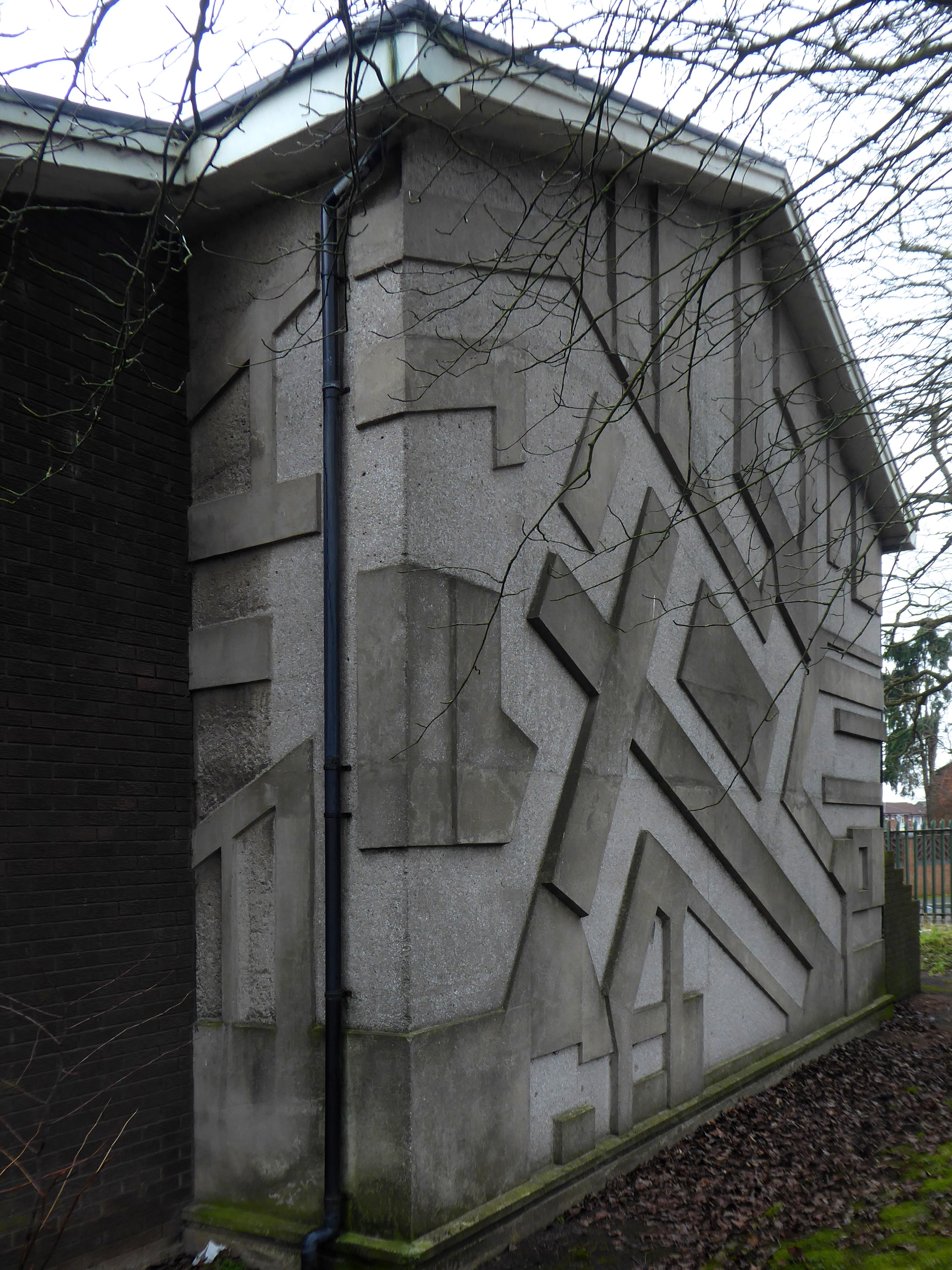
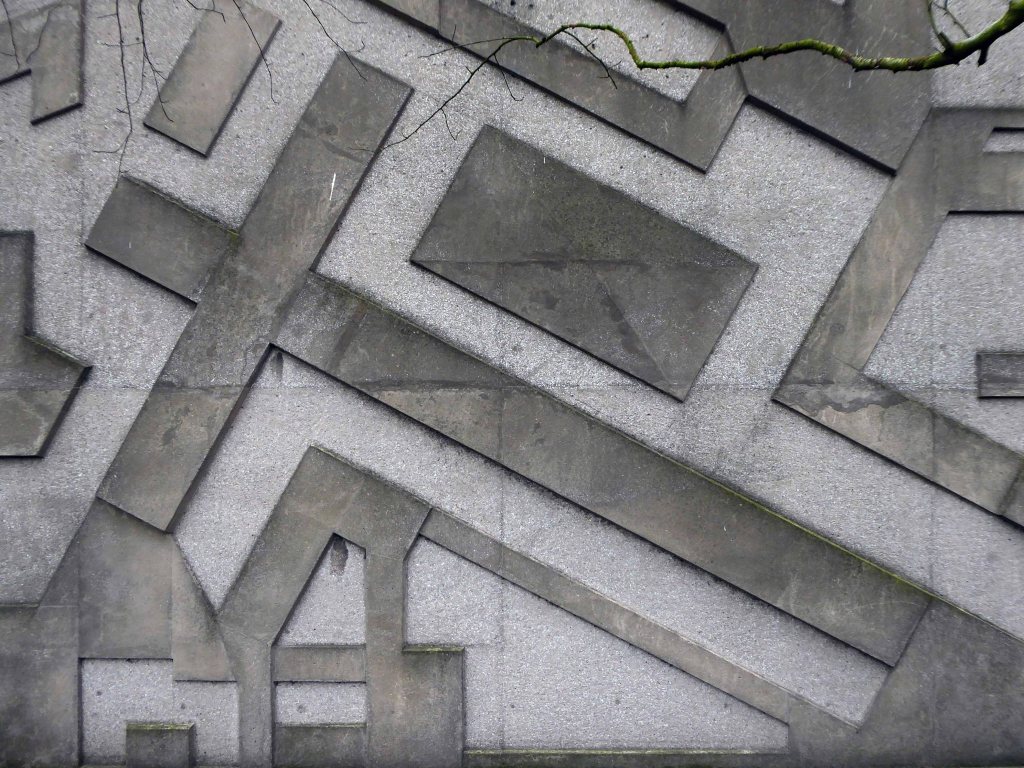
The church’s exterior is home to a dramatic concrete relief.

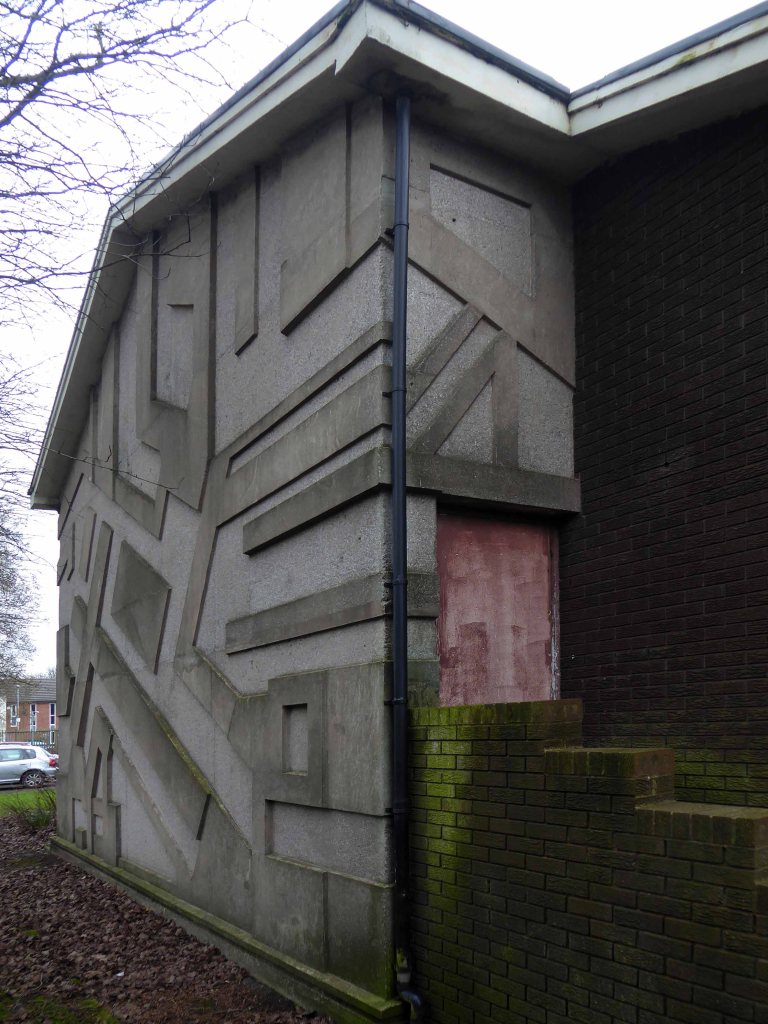
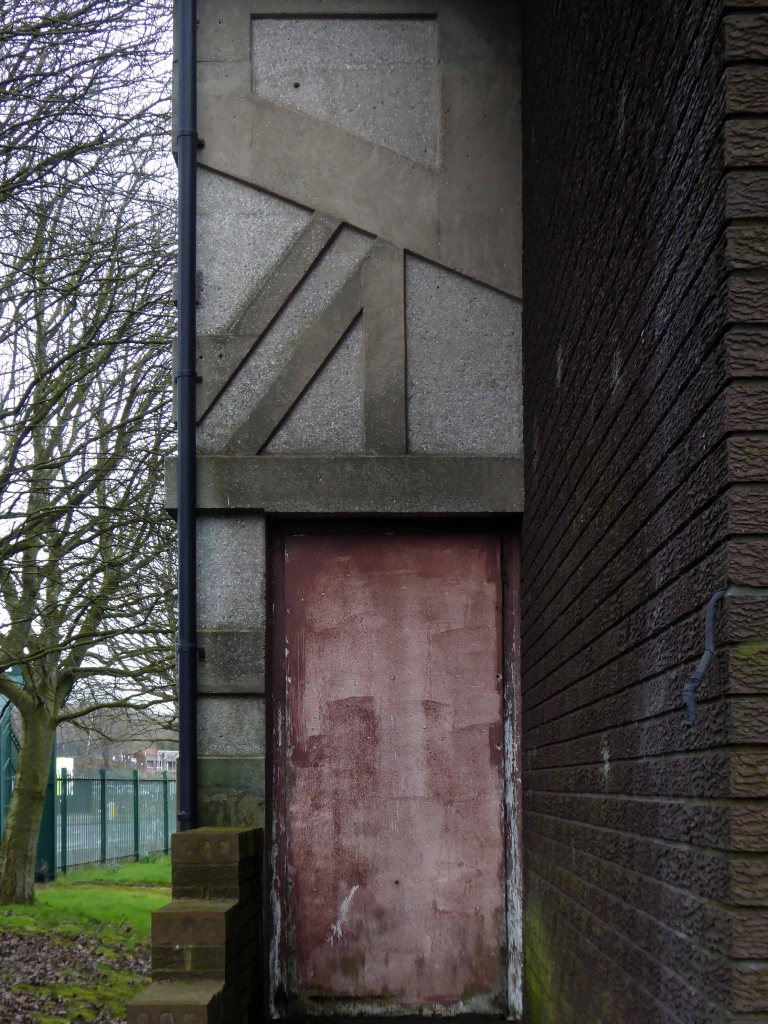
Let’s take a look inside, complex volumes and multiple window-lighting points, along with simple decorative order.
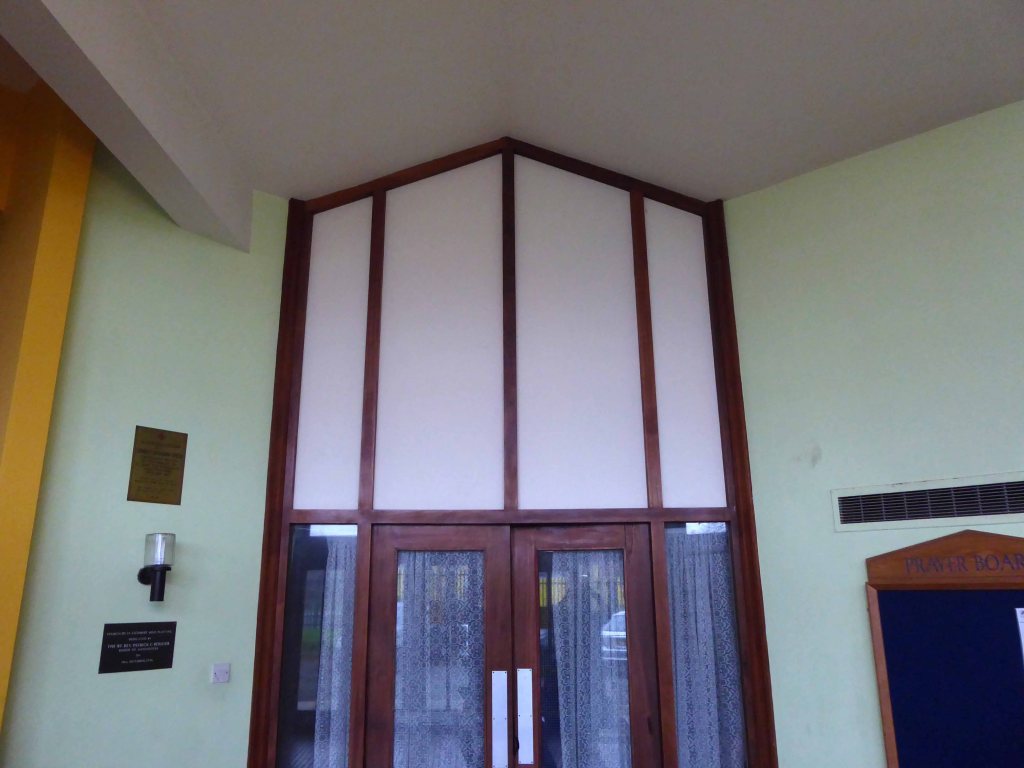
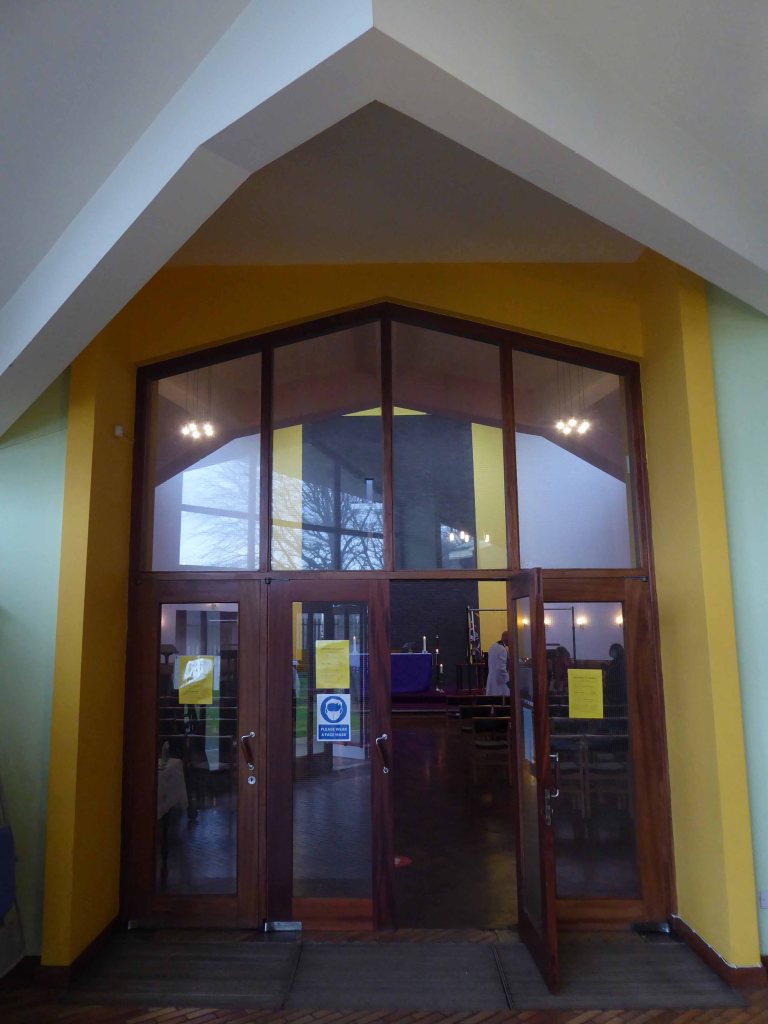
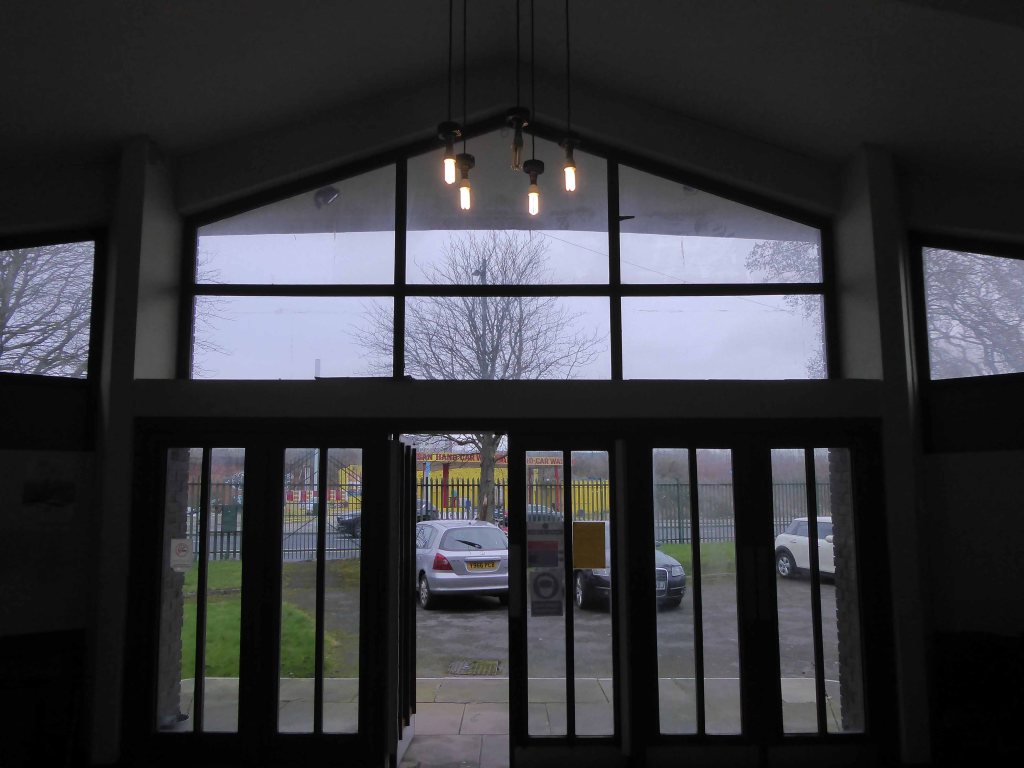
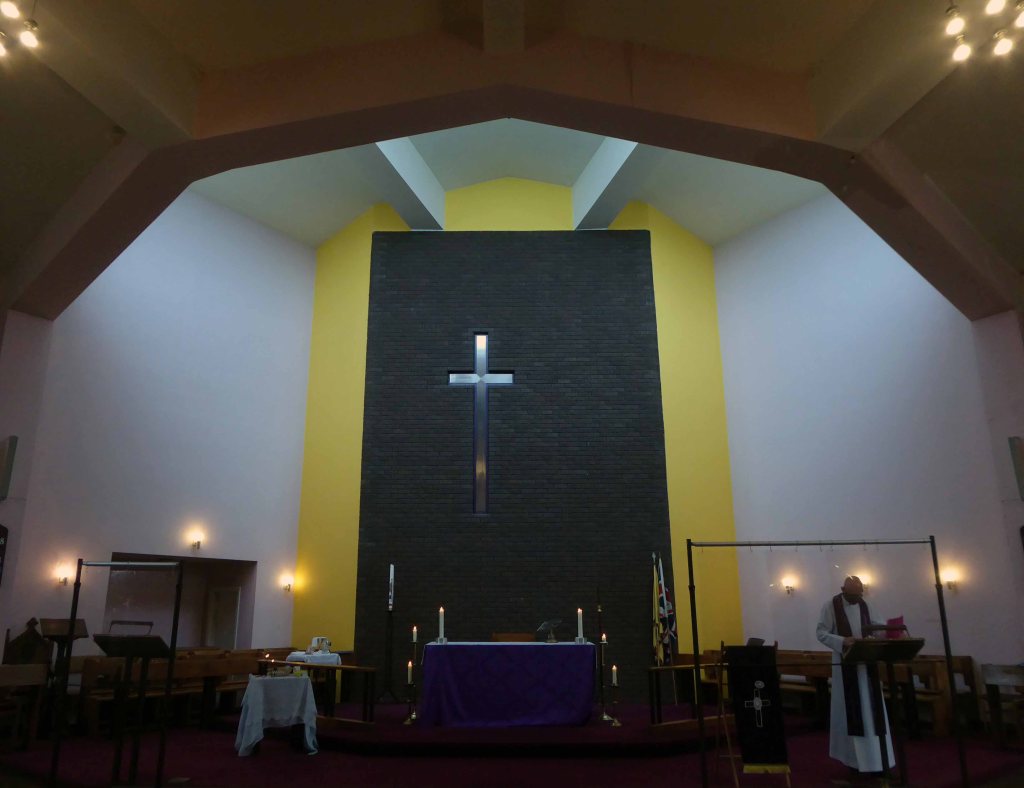
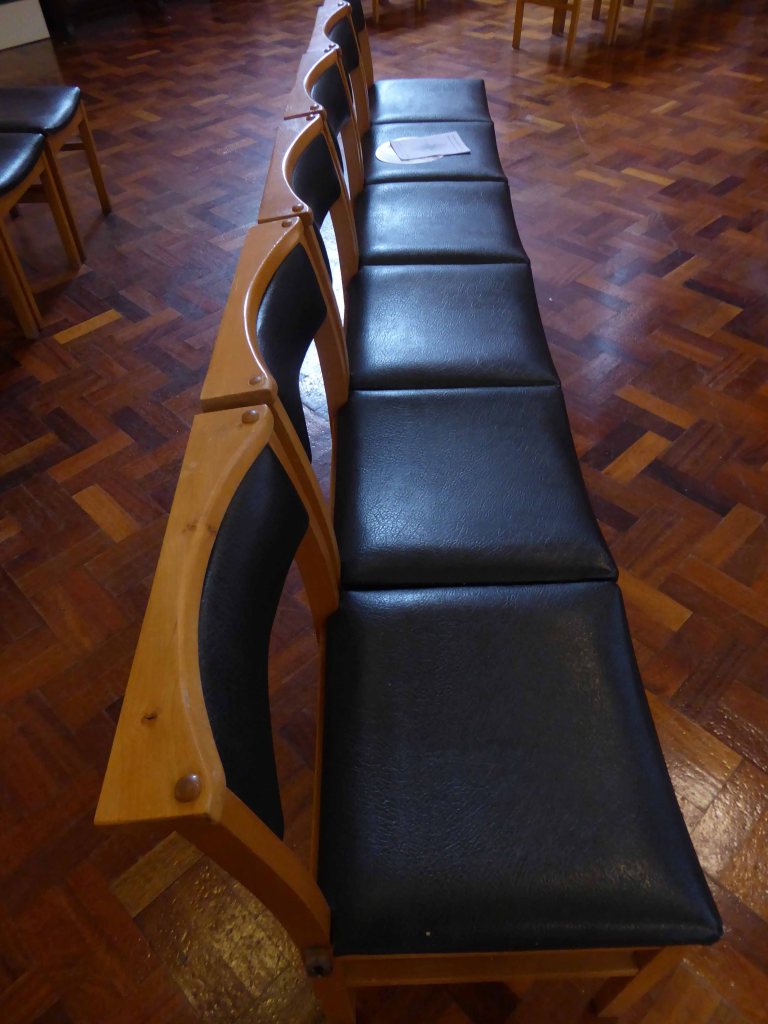
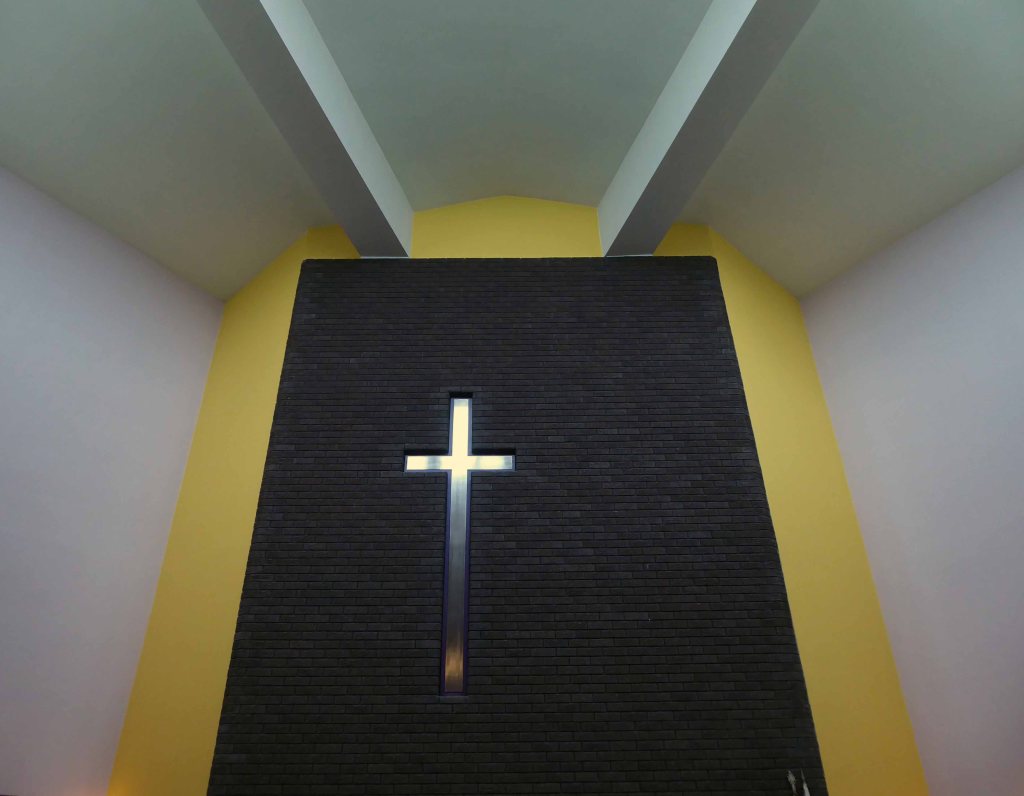
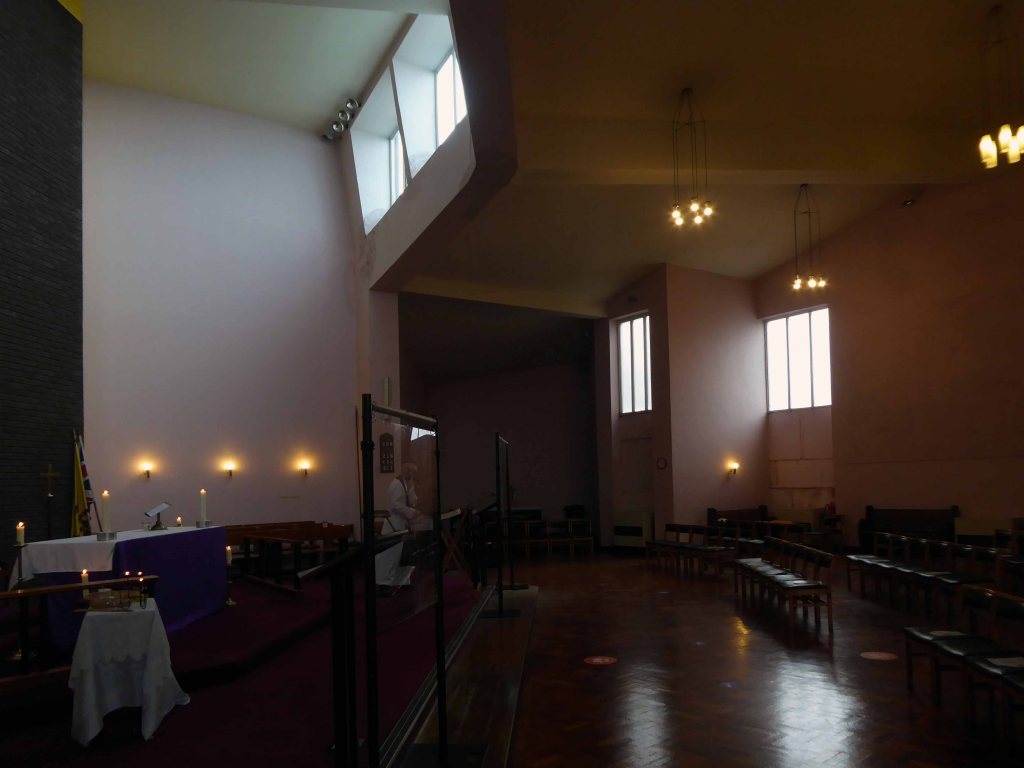
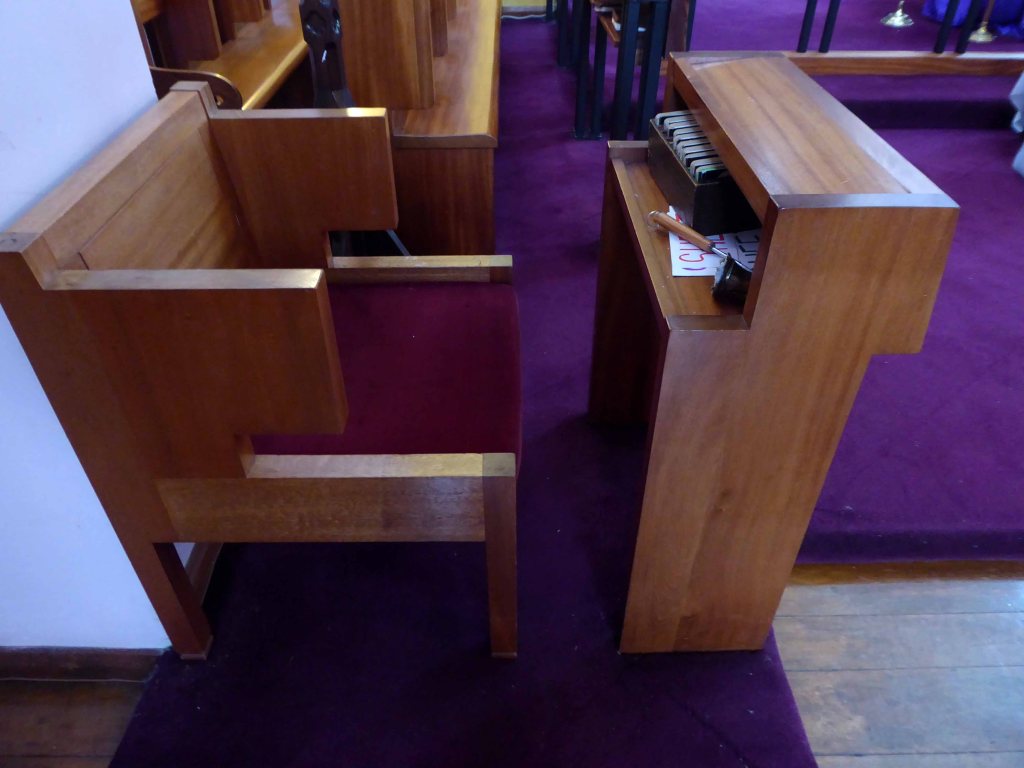
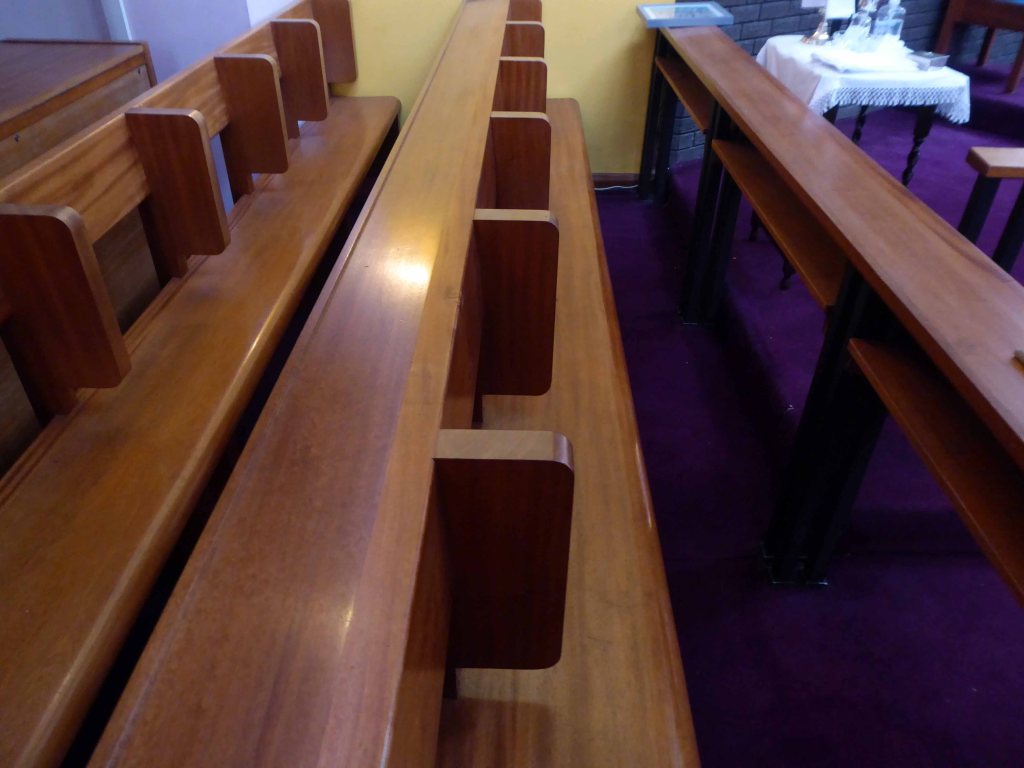
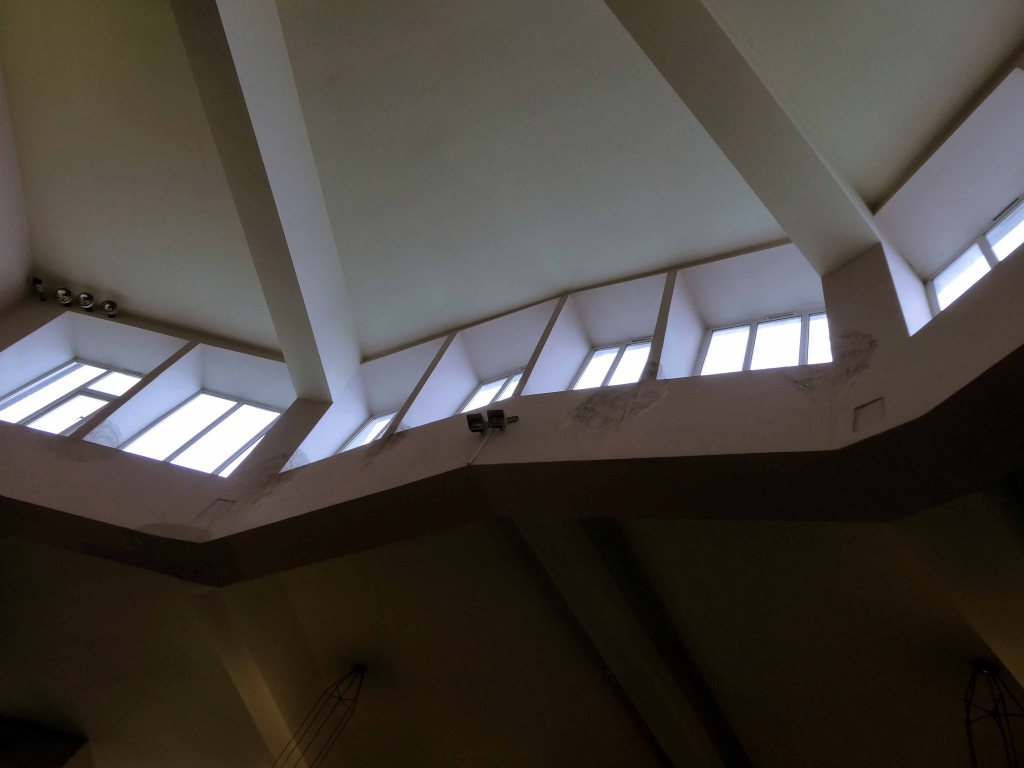
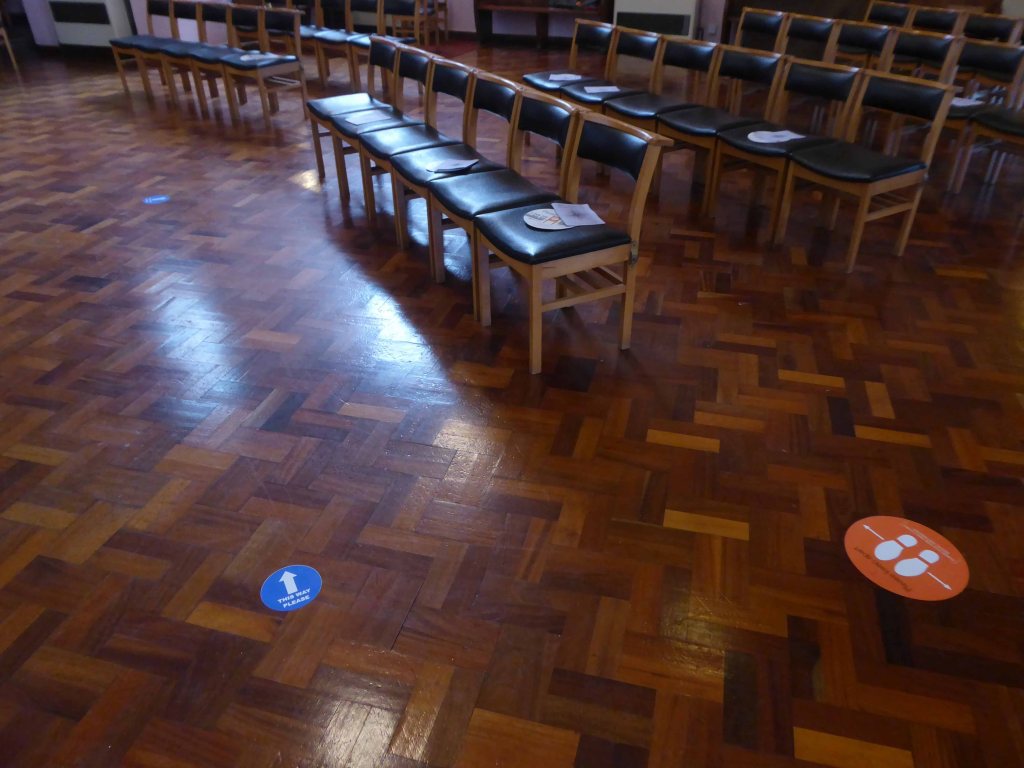
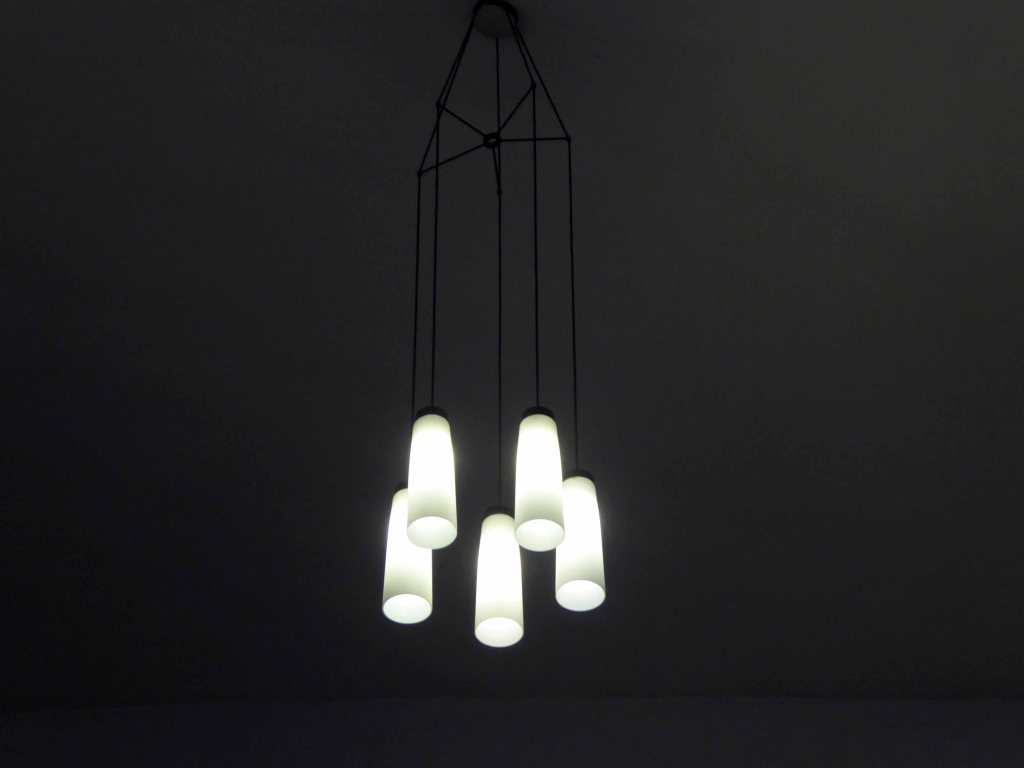
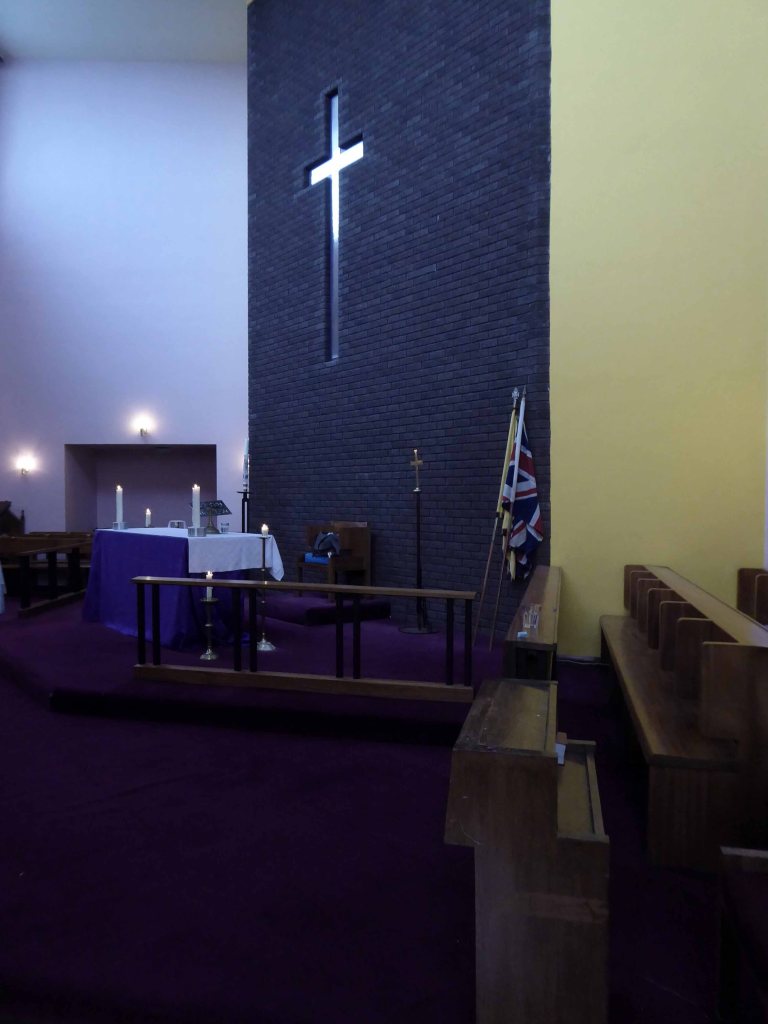
Of particular note – the organ pipes located above the main entrance.
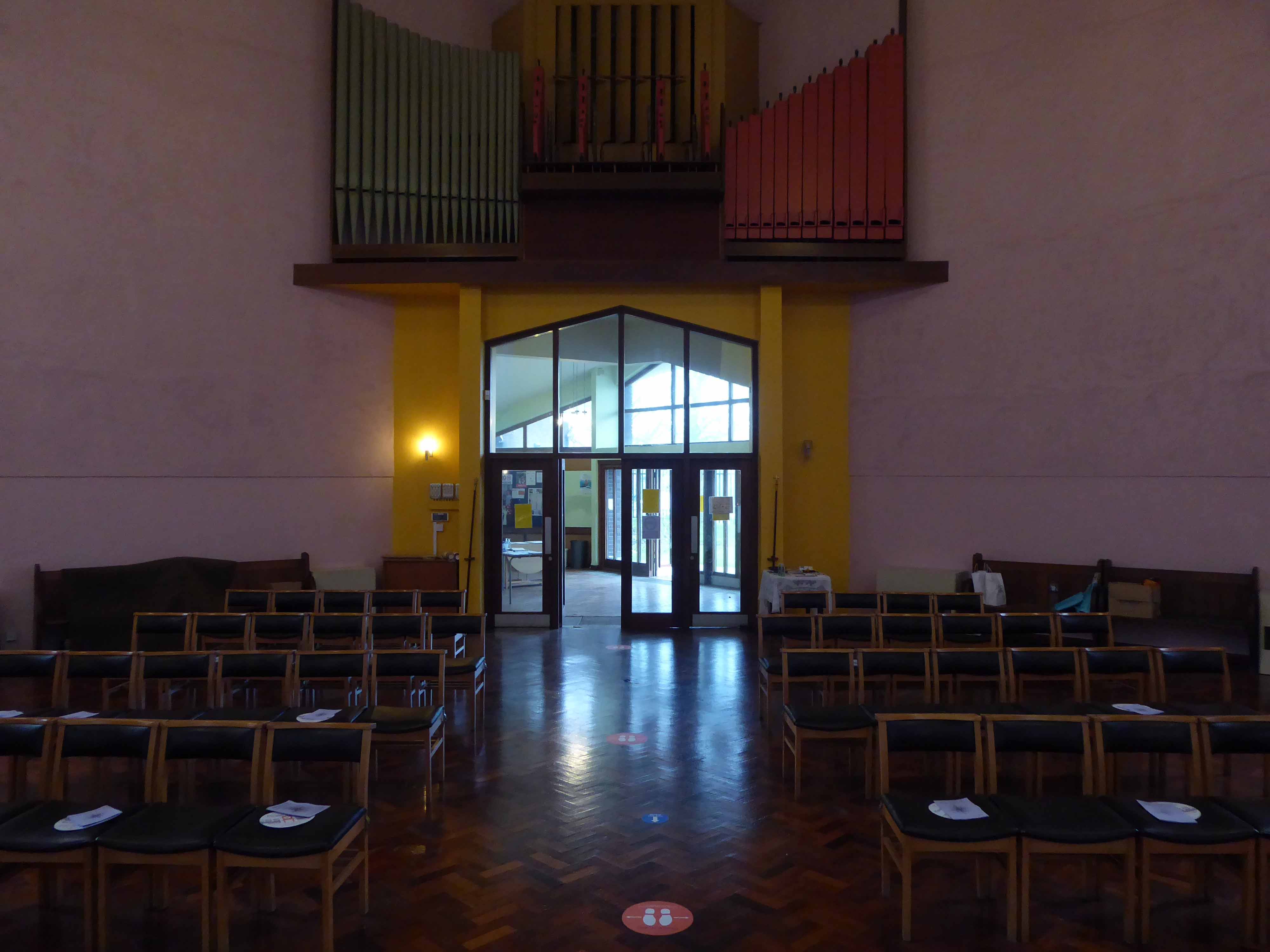
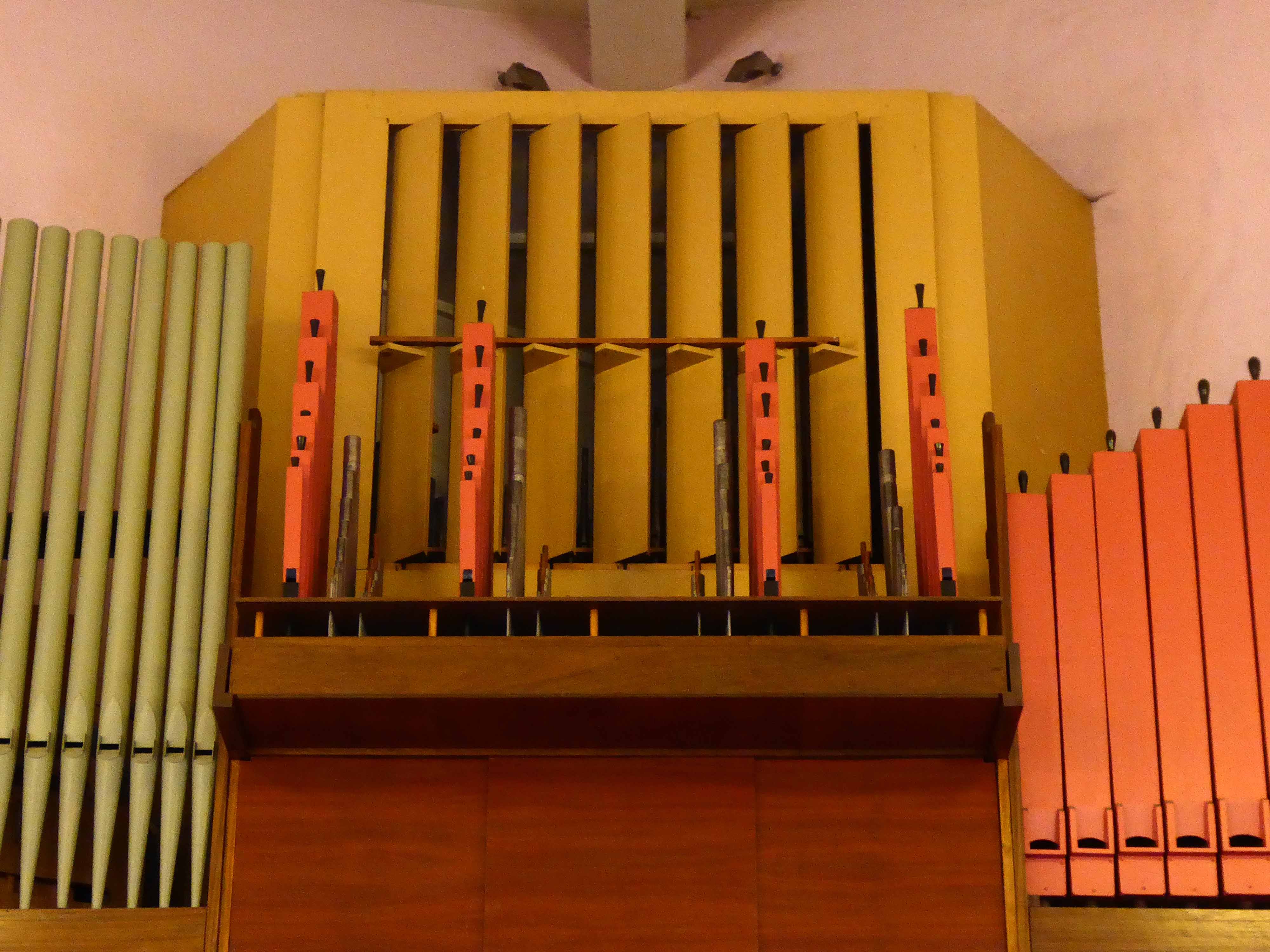
Once again I can’t thank Rev. Peter Scott enough for giving us access to this beautiful church, serving the parishioners of Miles Platting.

Woodville Road WA142AF
The BT Hunters – They came in search of paradise and found BT.
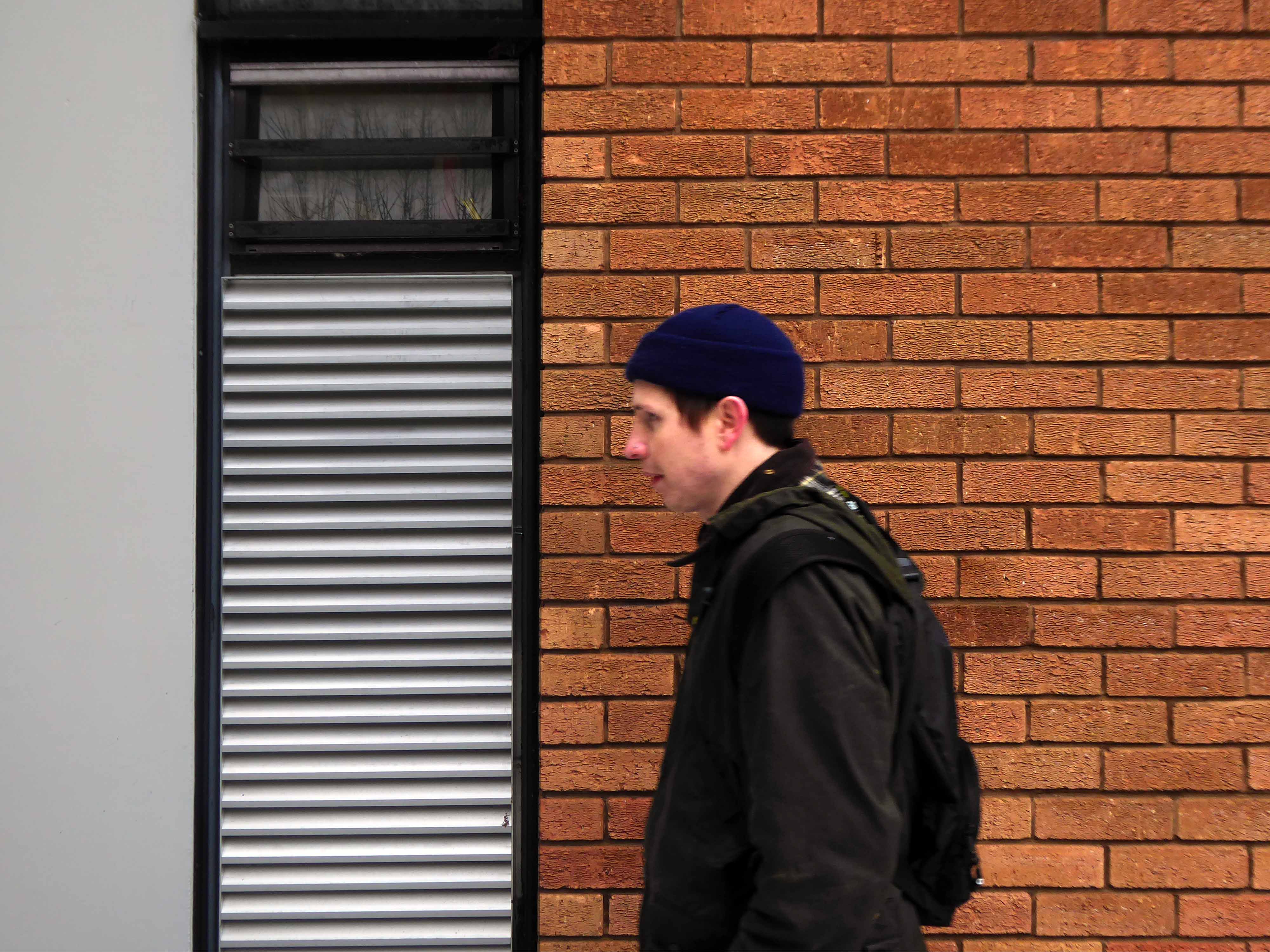
Many thanks to my partner in victimless crime – Mr Ryan Lloyd.
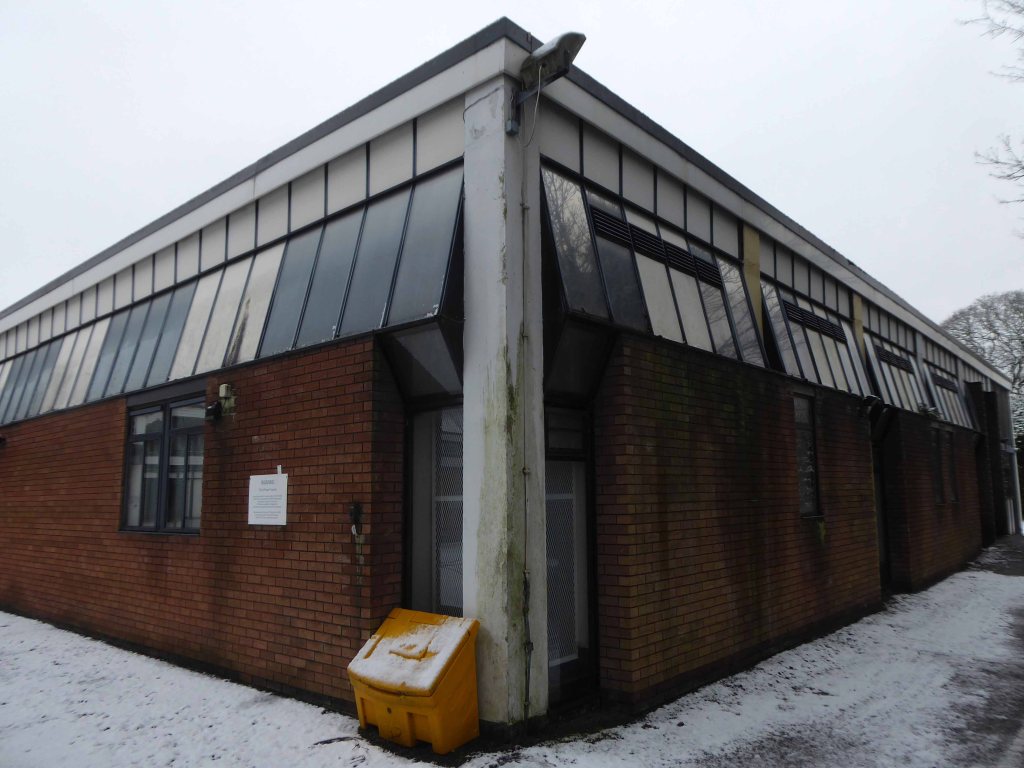
This is an atypical single storey building, with a raised central hall and butterfly roof, quite something.

Lots of utilitarian detail, mixing brick, glass and concrete, with pragmatic infrastructure grills and grids.

The upper glazed area an extended asymmetric, external delight.

To set the pulse racing a series of gorgeous Rose Carmine panels.

The angular porch displayed the BT Logo of 1991:
On 2 April 1991, the company unveiled a new trading name: BT accompanied by a new corporate identity designed by Wolff Olins and organisational structure focused on specific market sectors, reflecting the needs of different customers – the individual, the small business or the multinational corporation. The reorganisation was named ‘Project Sovereign’ to reflect the company’s commitment to meetings customers’ needs – ‘The Customer Is King’. Together with a succession of strategic alliances with telecommunications companies worldwide, these changes gave BT the ability to expand overseas.


Which prompted a brief yet uninformed discussion concerning the history of Telecom’s Corporate Identity.
So here’s a brief rundown logo lovers:


Previously the GPO was the umbrella grouping for both telephone and mail.

Sketch for the redesign of the GPO logo by MacDonald Gill in 1934 . The first approved version had two concentric circles but this was soon reduced to one. The annotations also mentions the typeface used as “Gill Sans” which had been created by MacDonald Gills’ brother Eric.
The previous telecommunications arm of the Post Office disappeared in 1981 when the British Telecommunications Corporation was formed.
I digress, so back to the building let’s have a good old look around whilst we’re here.


Where’s Ryan?

7 Paton Street M1 2BA
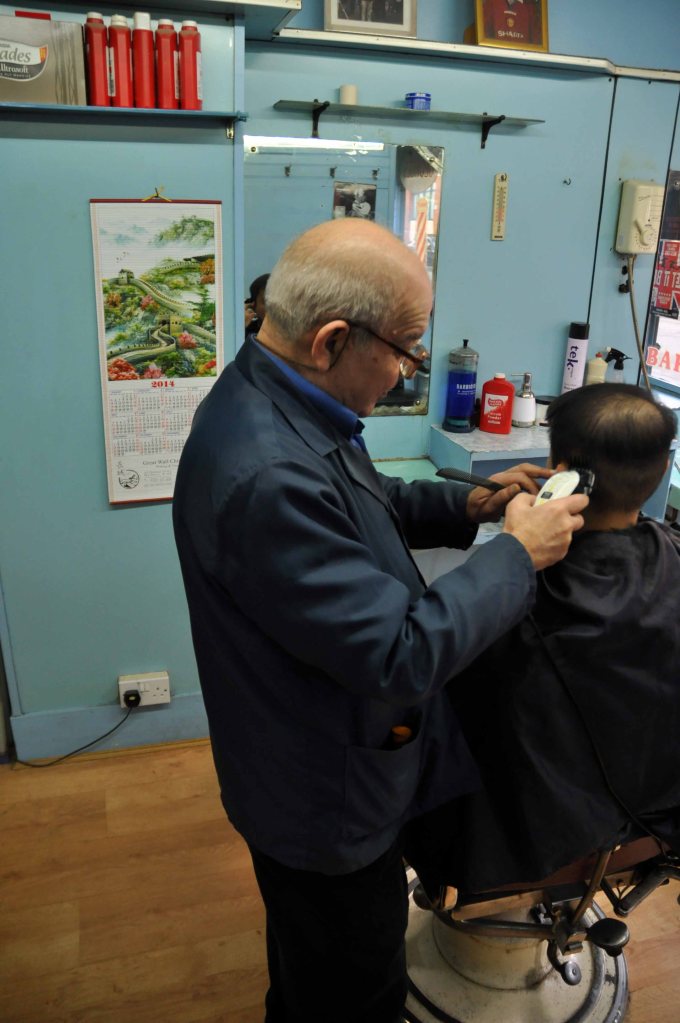
I came here on February 25th 2014, arrived early the shop was still closed, I’ll pop back.
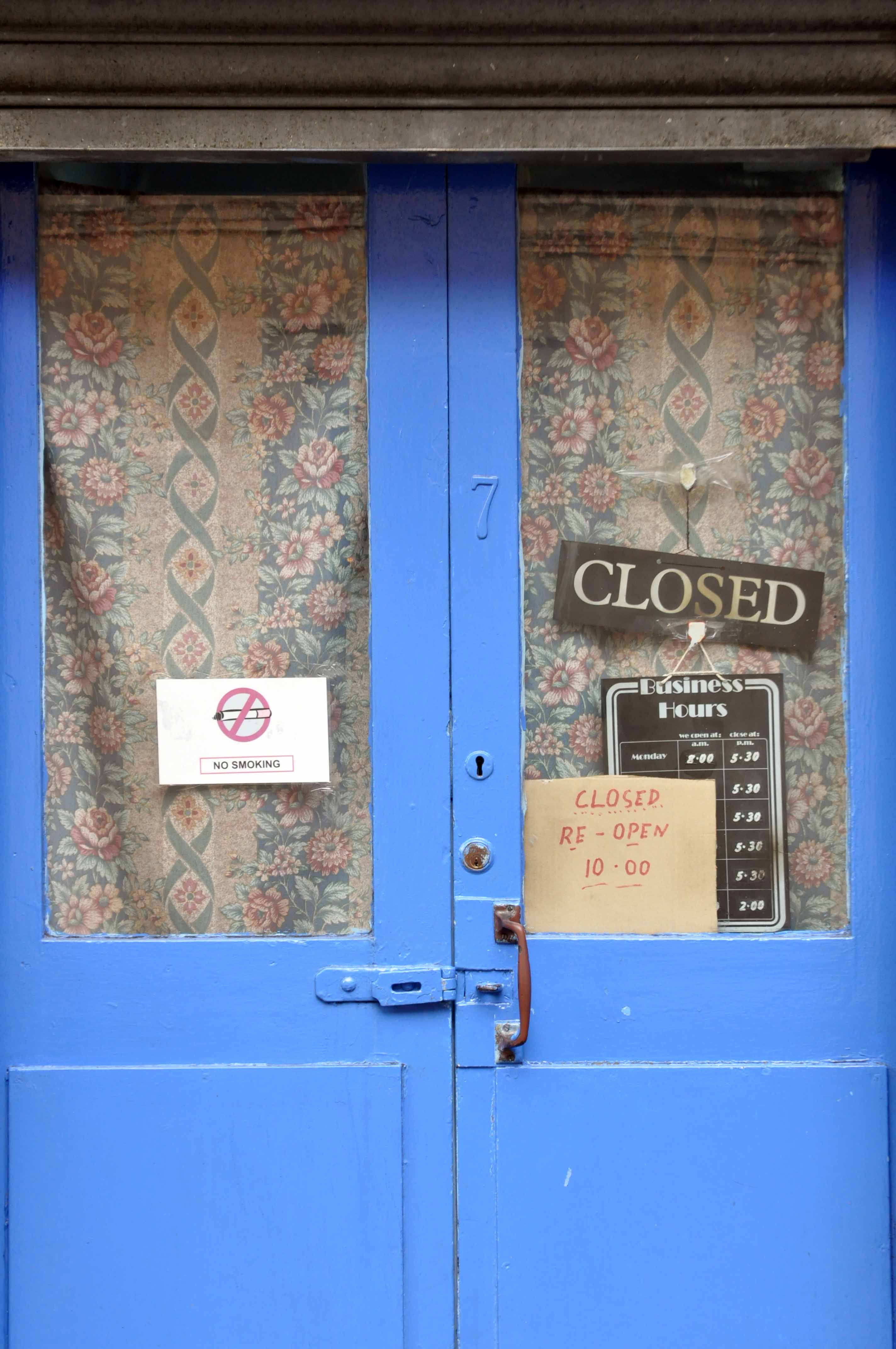
Walked around the block and found that true to his word, he had re-opened.
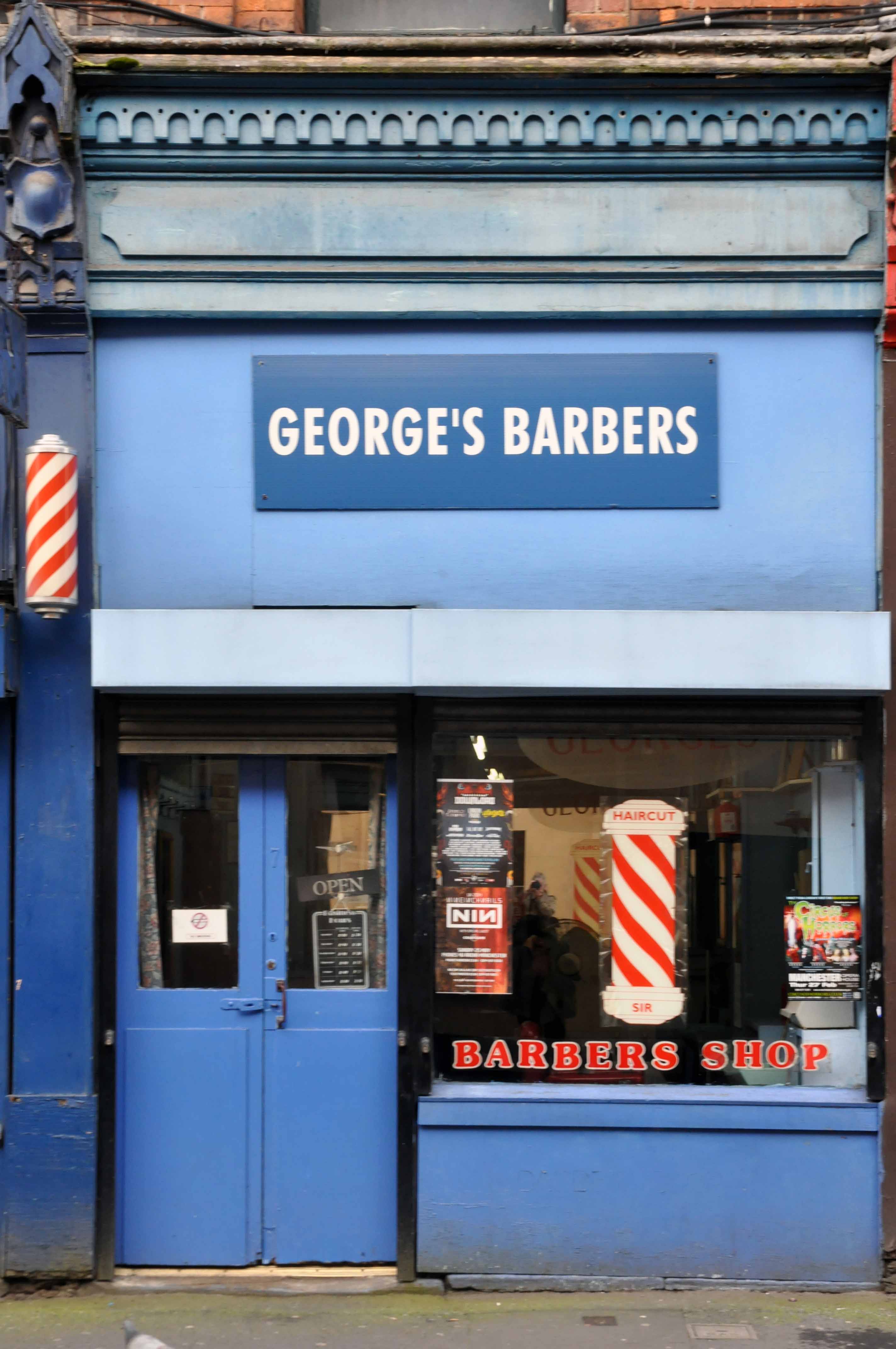
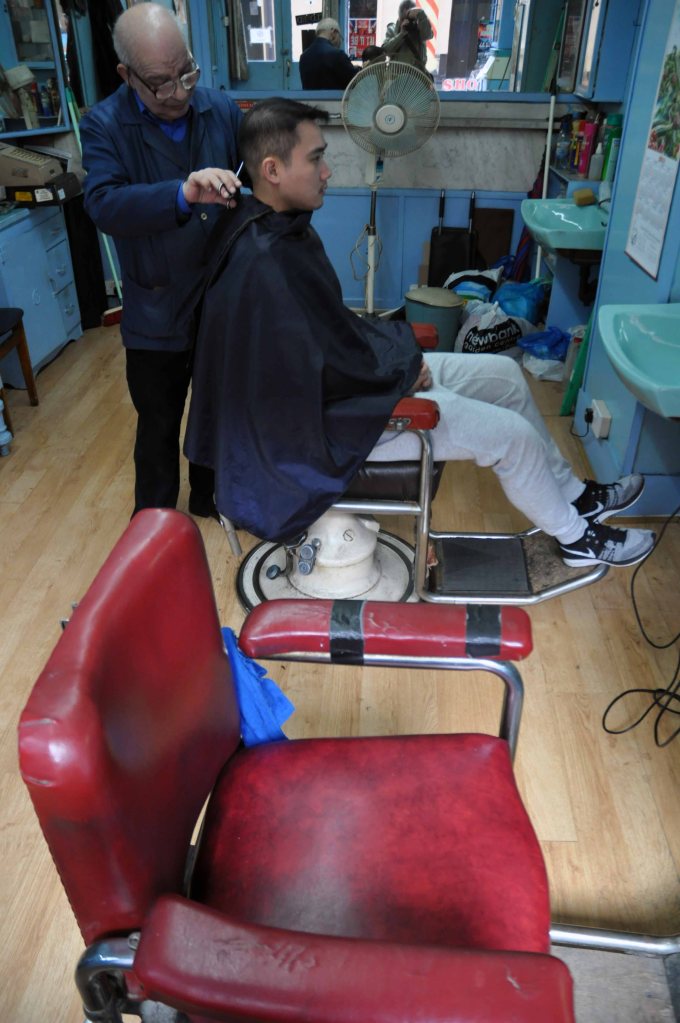
I explained my intentions, asking to spend some time in the salon, chat and take some snaps as he worked away.
He was more than happy to accommodate my needs, he worked, we chatted, I snapped. This was some seven years ago now, typically, I forgot to make any written notes. Suffice to say he had been there some 48 years finally retiring on Christmas Eve 2014.
As city centre Manchester changes for good or for bad, the likelihood of a neighbourhood barber appearing is negligible. It was a privilege to spend some time with George, one of many Cypriot immigrants who found work here between and after the wars, we were more than happy to welcome him here.
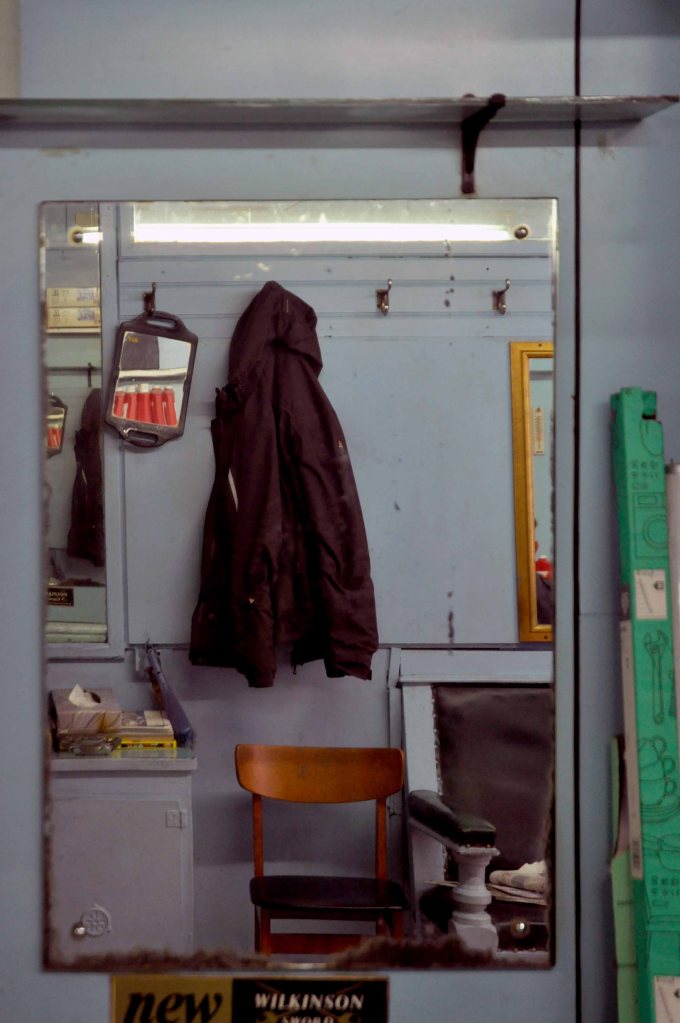
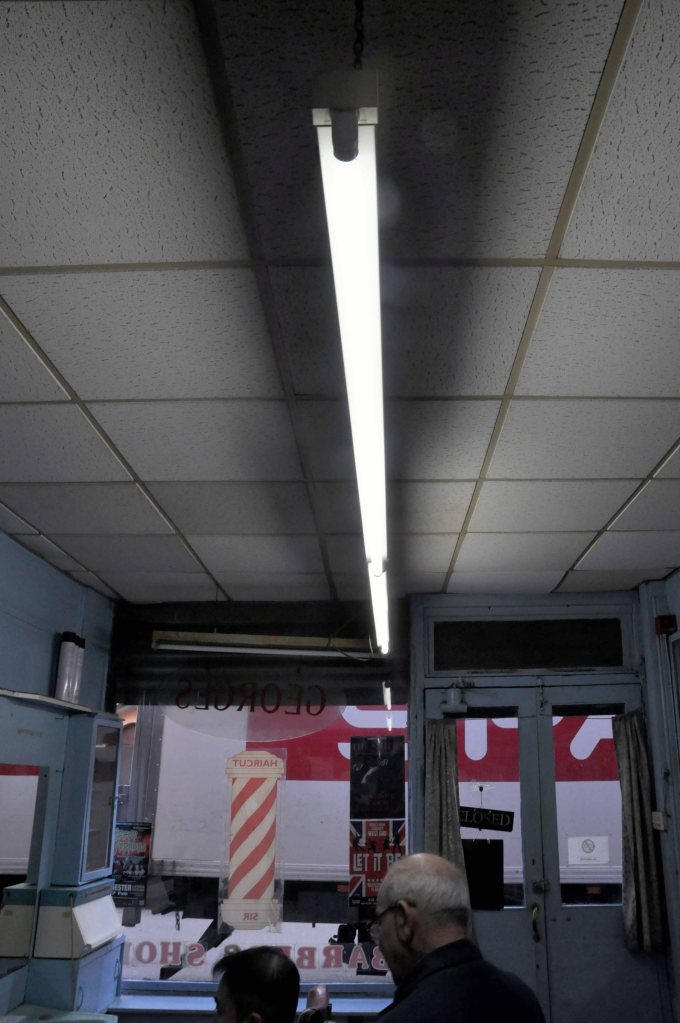
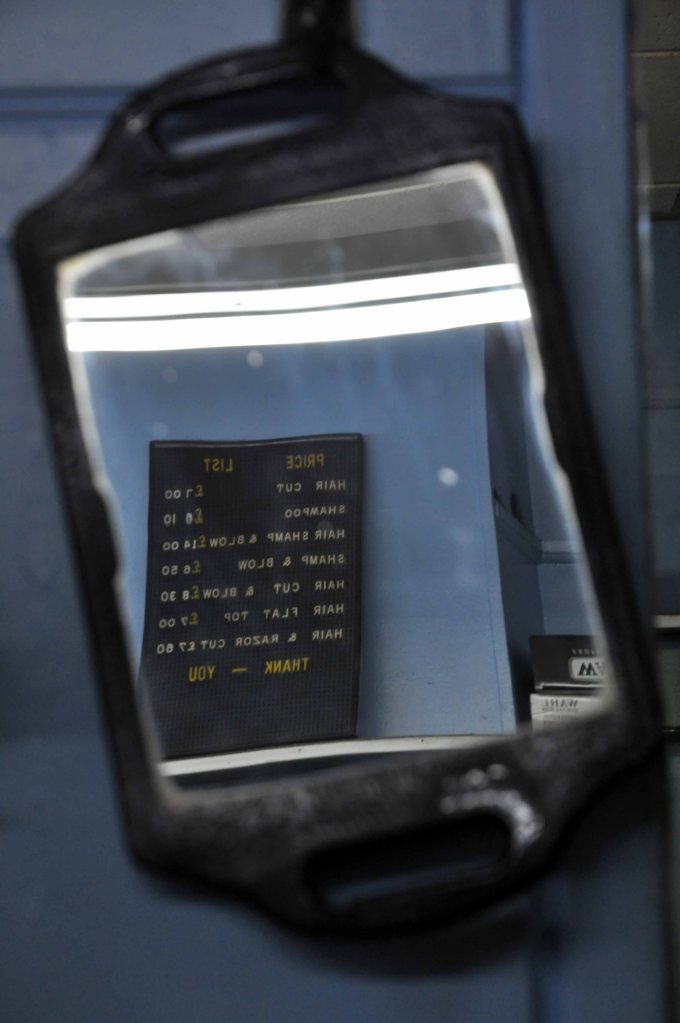
Let’s take a look around.


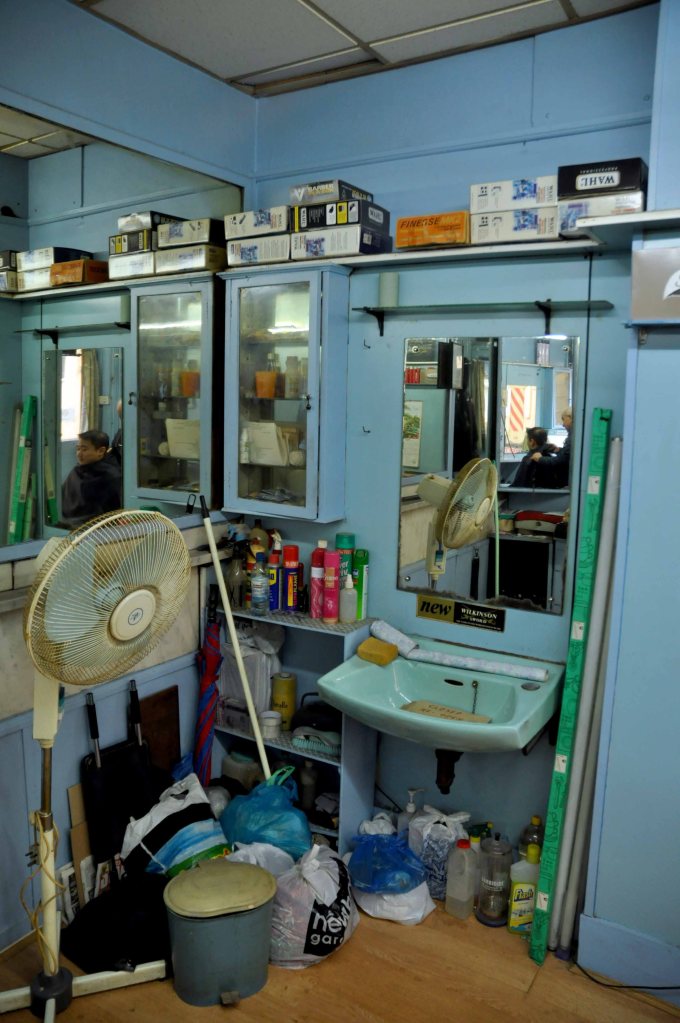
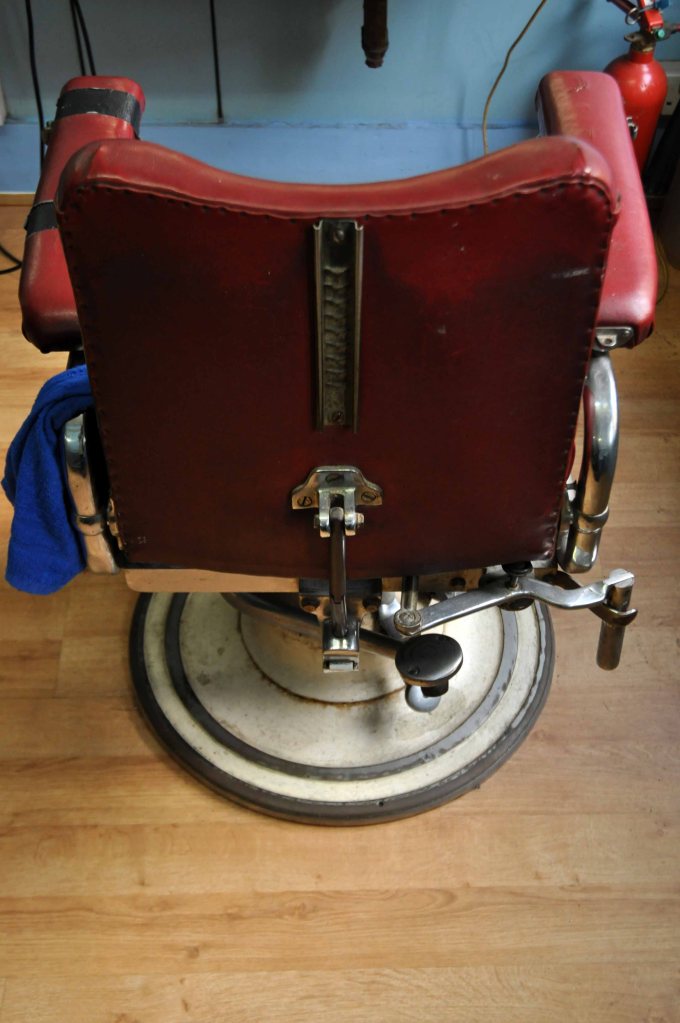
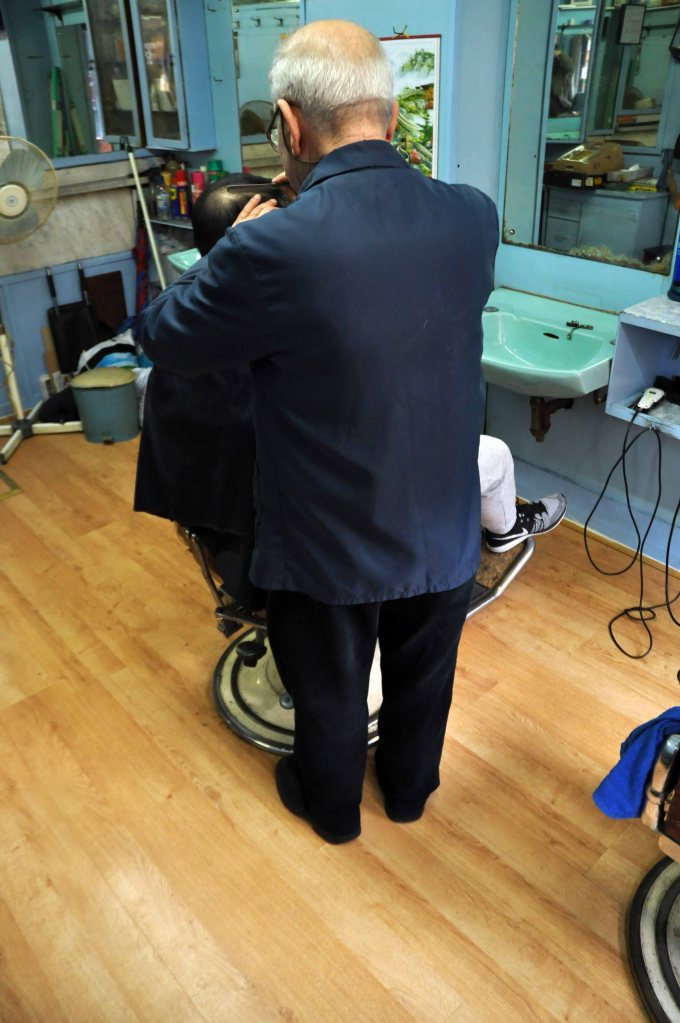
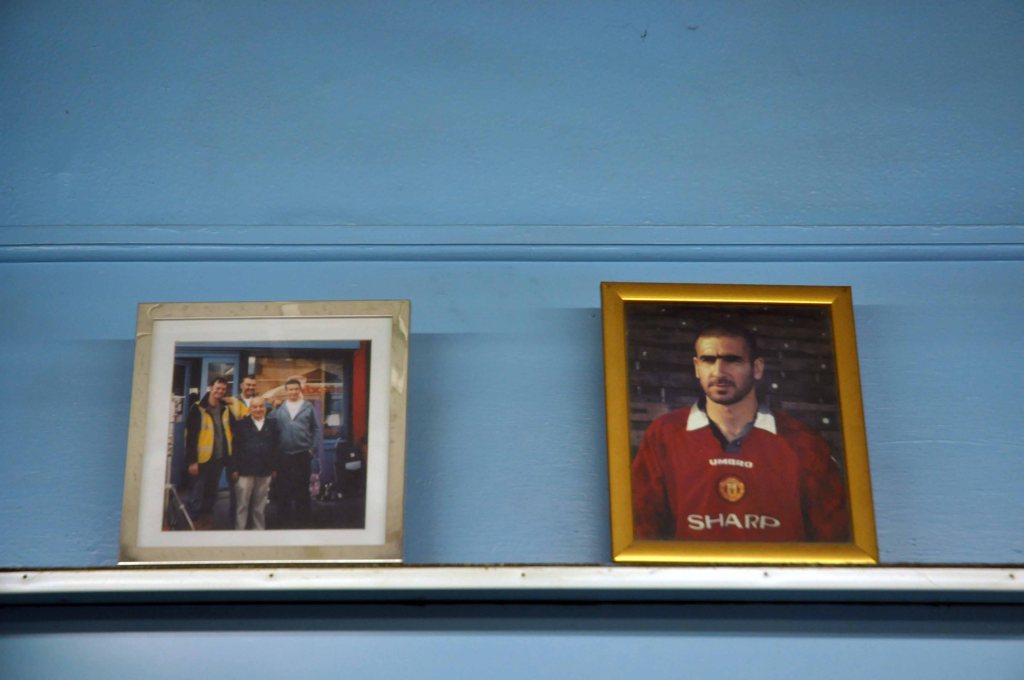
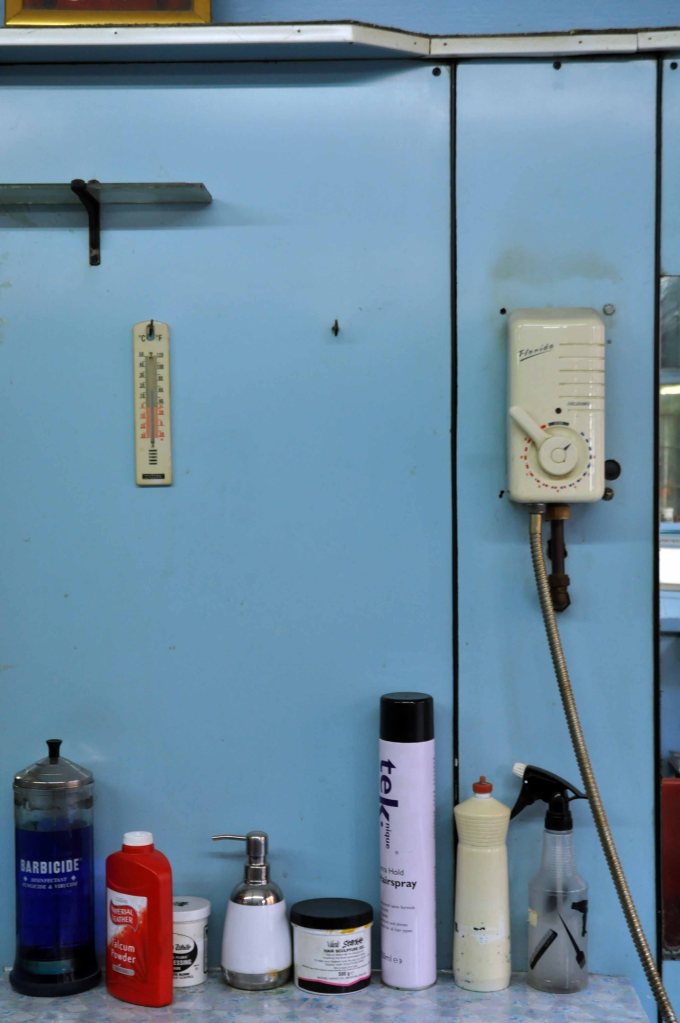
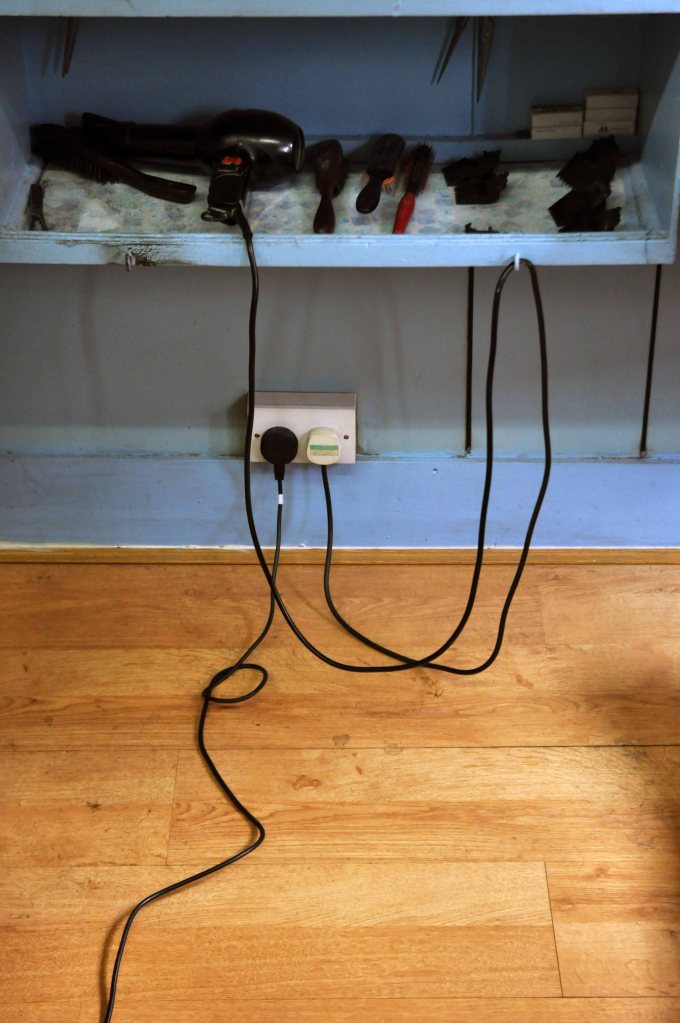
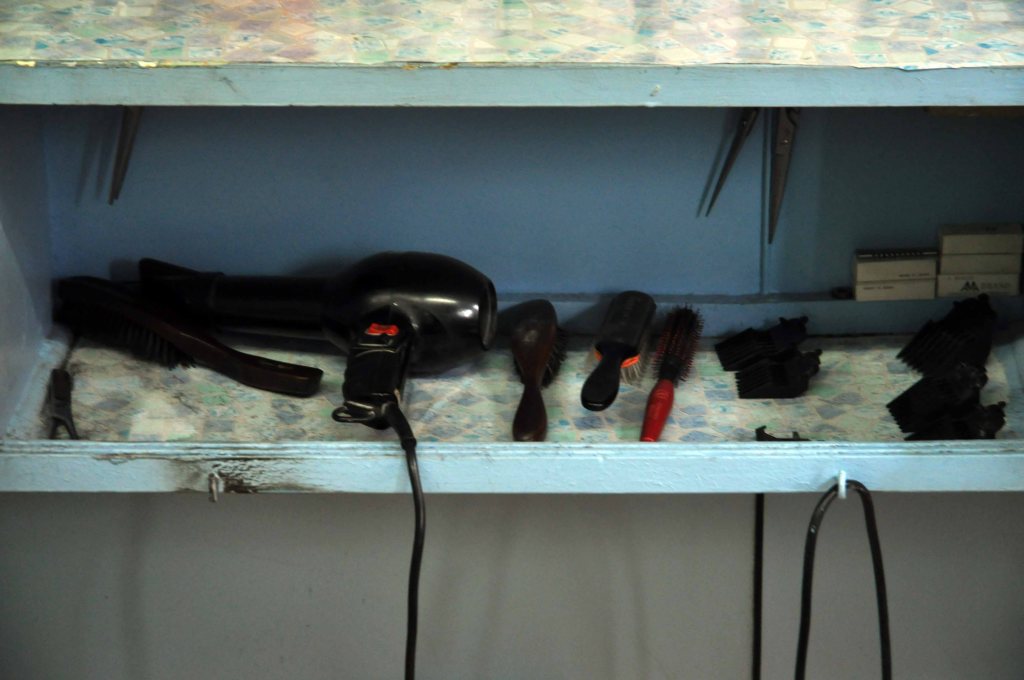
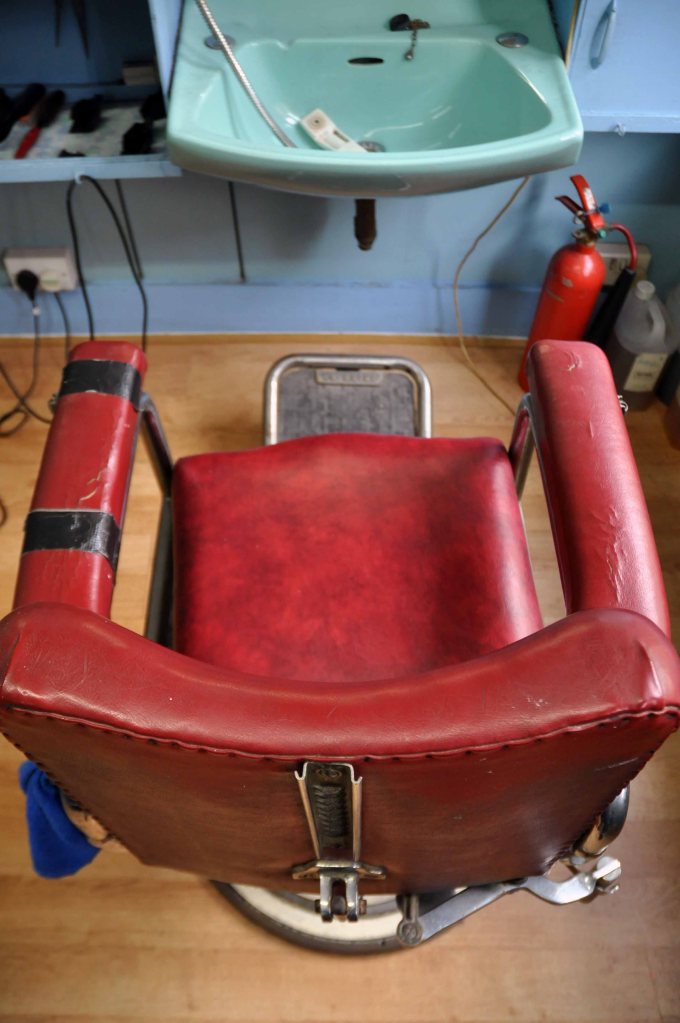
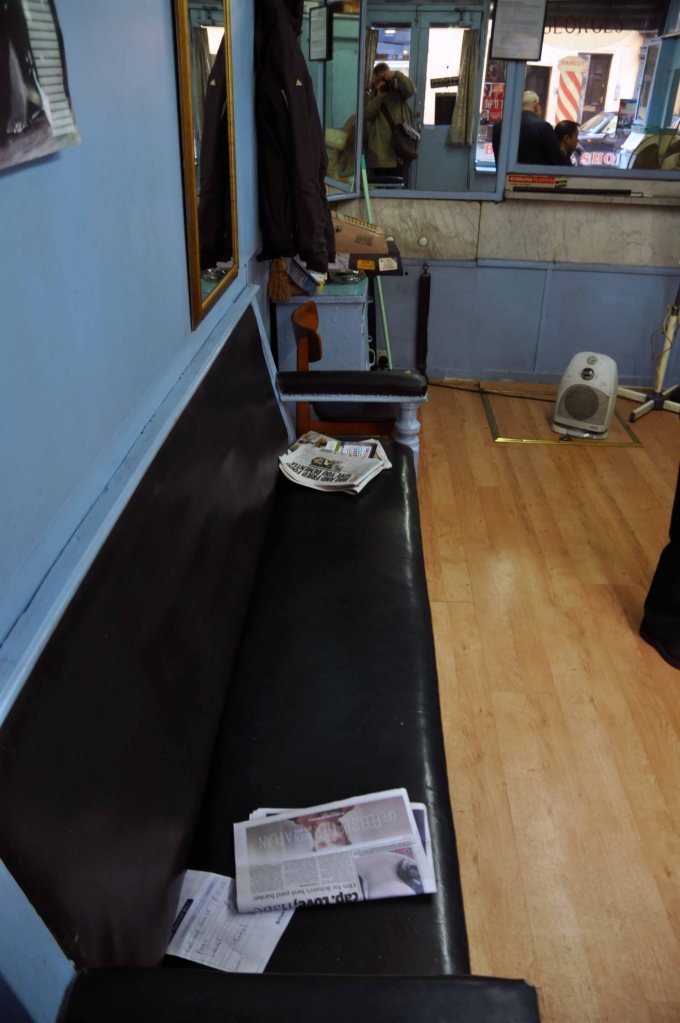
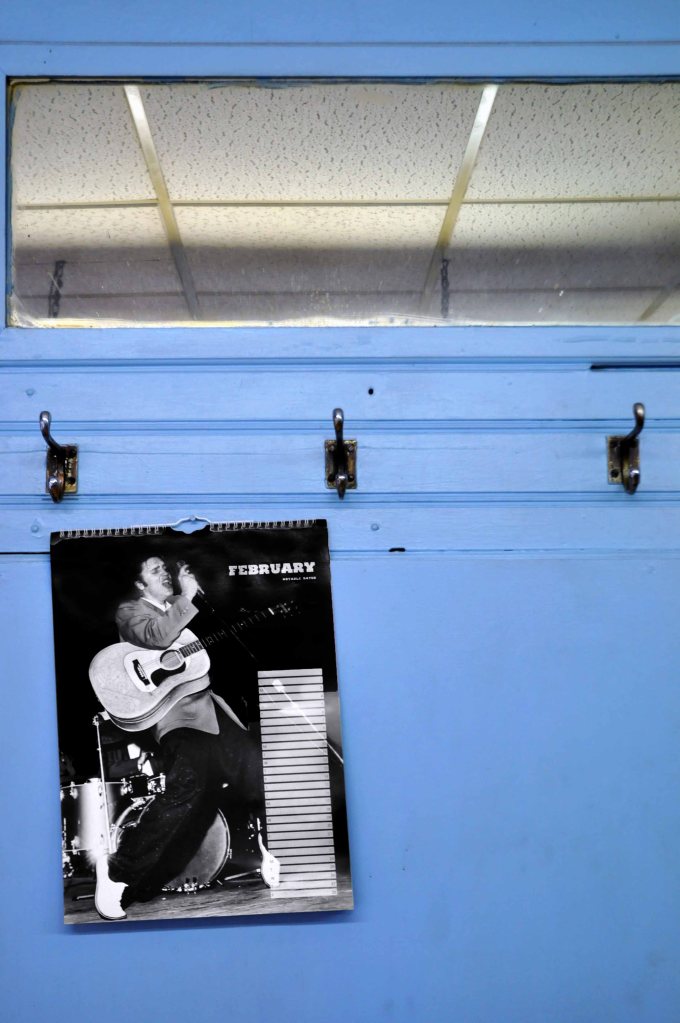
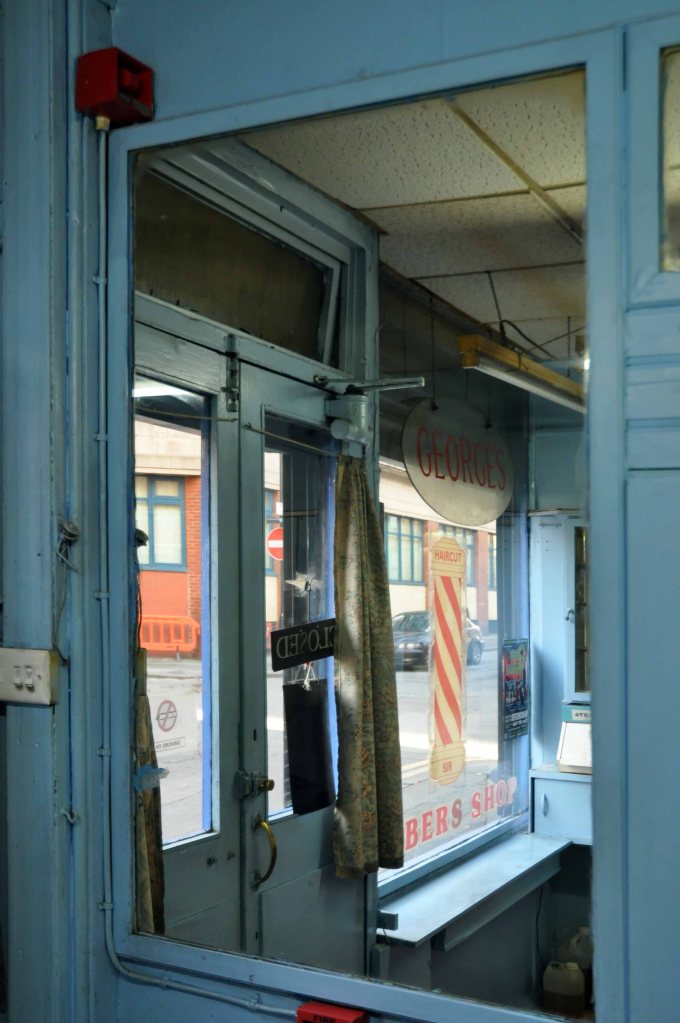

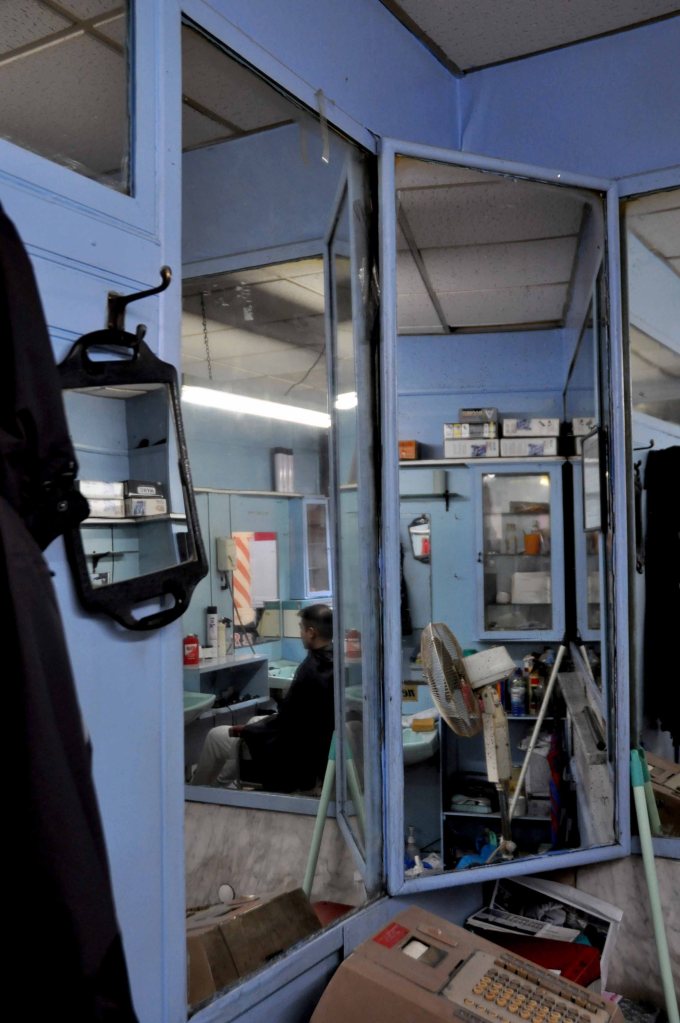

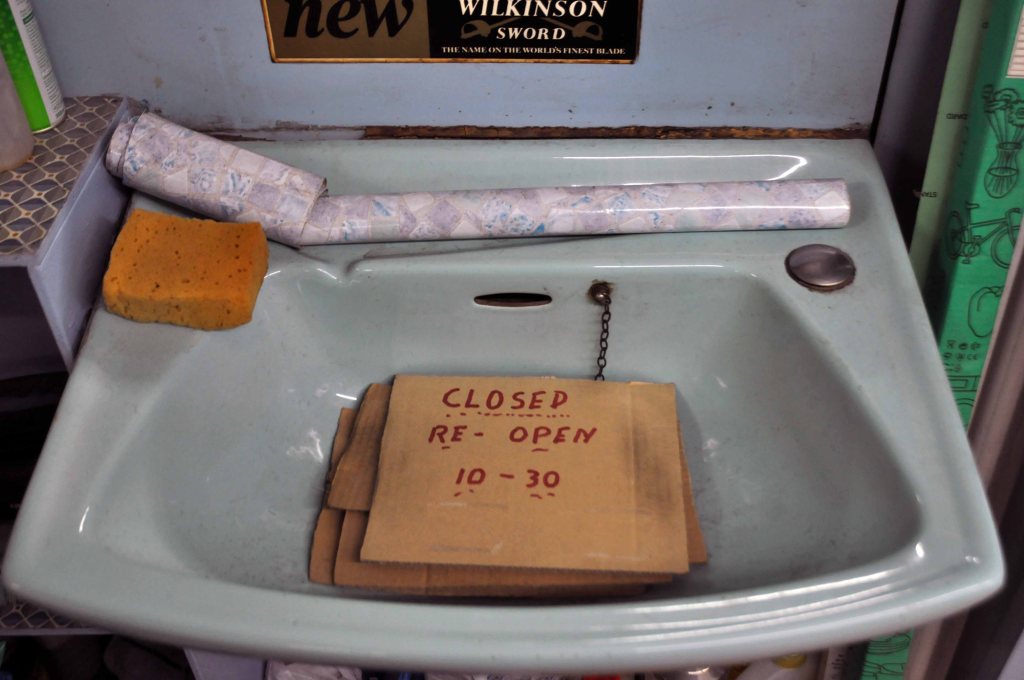

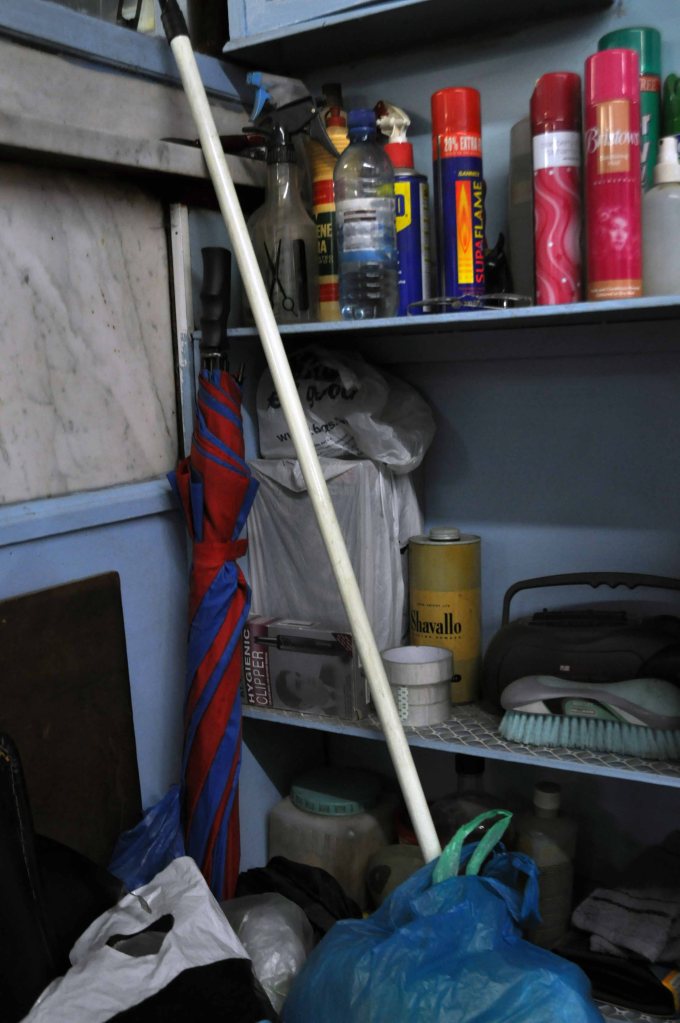
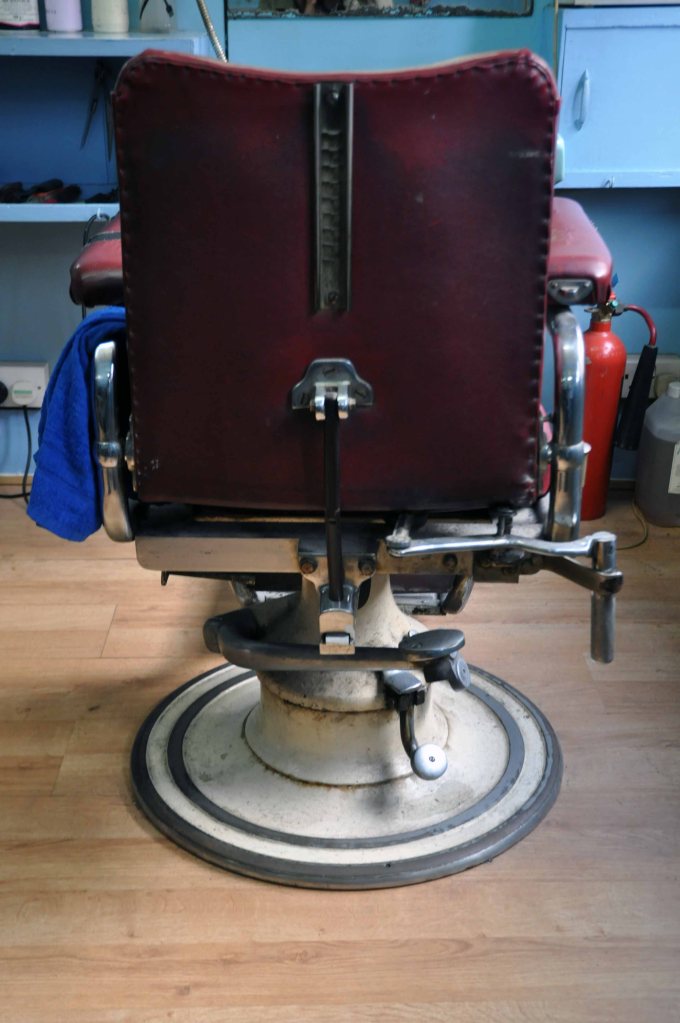
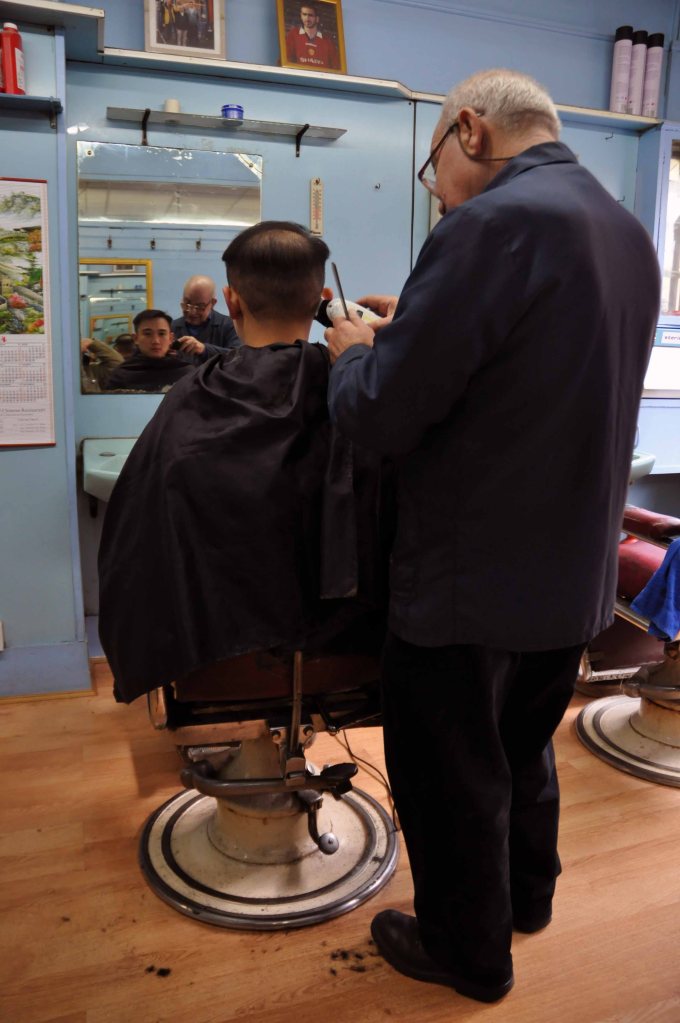
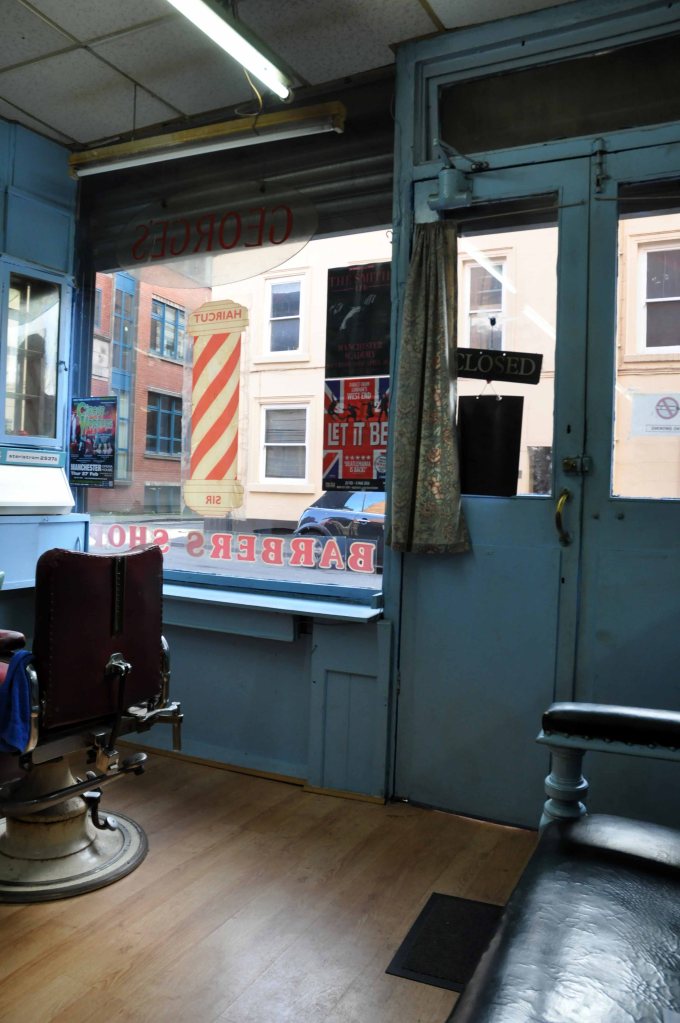
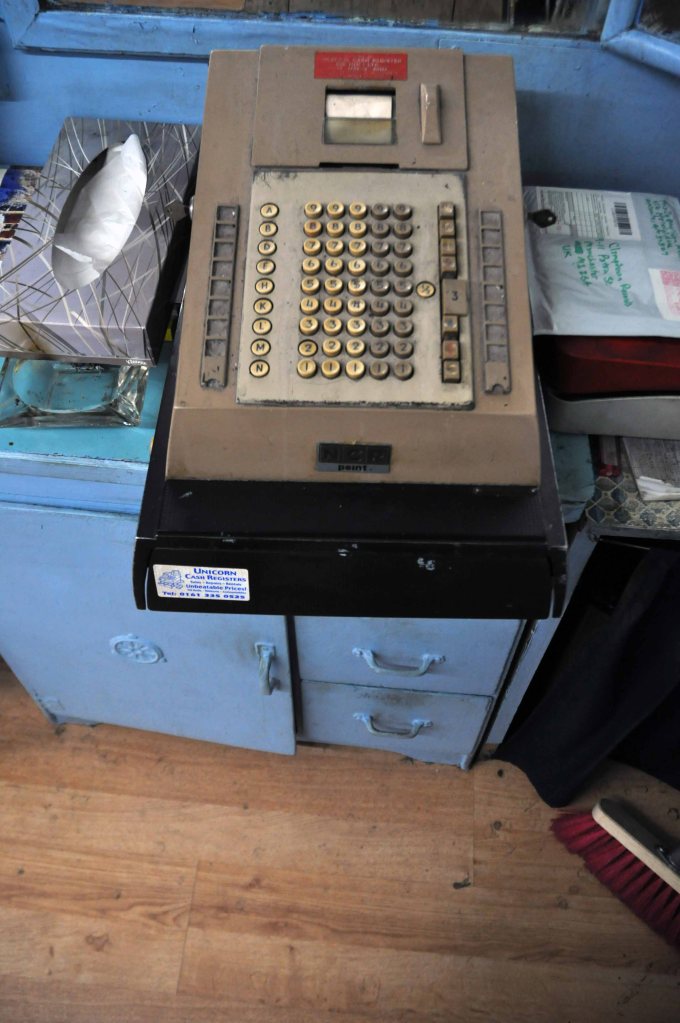
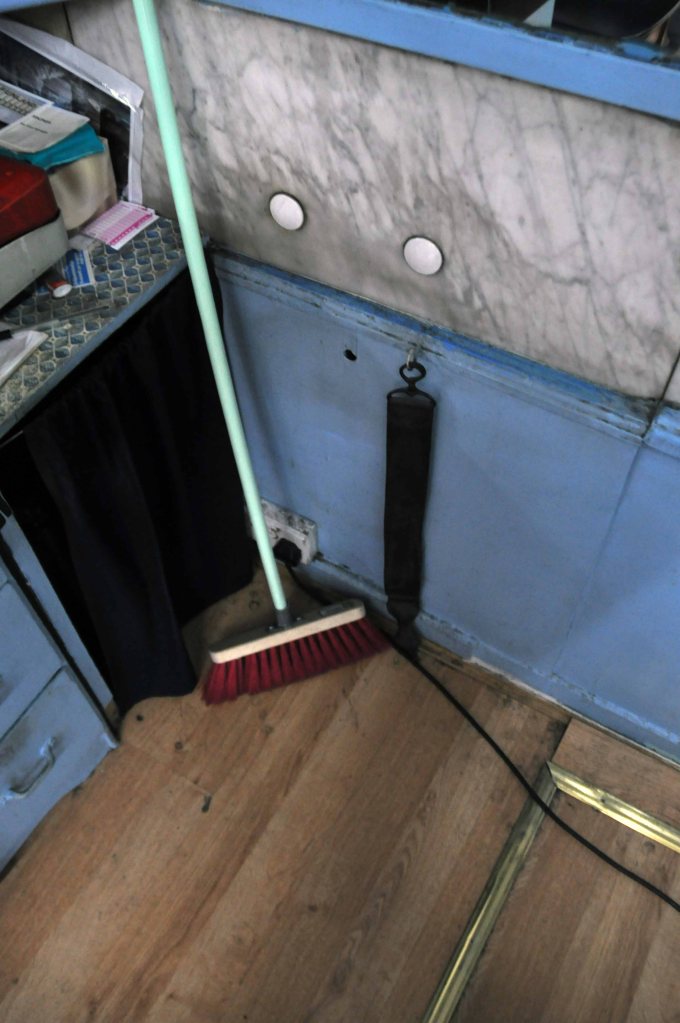
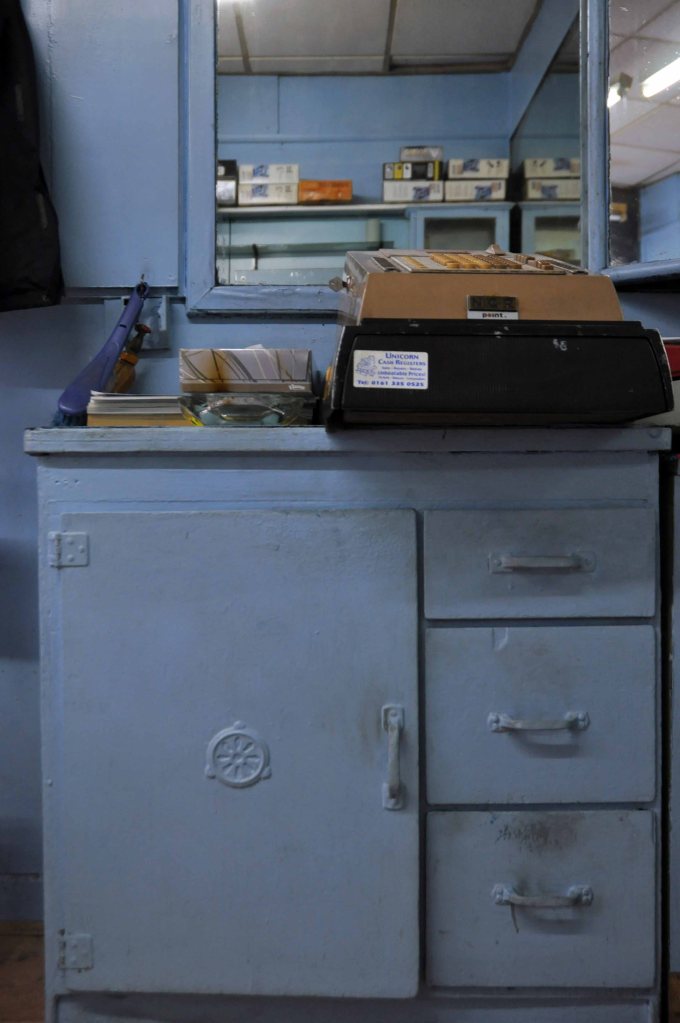
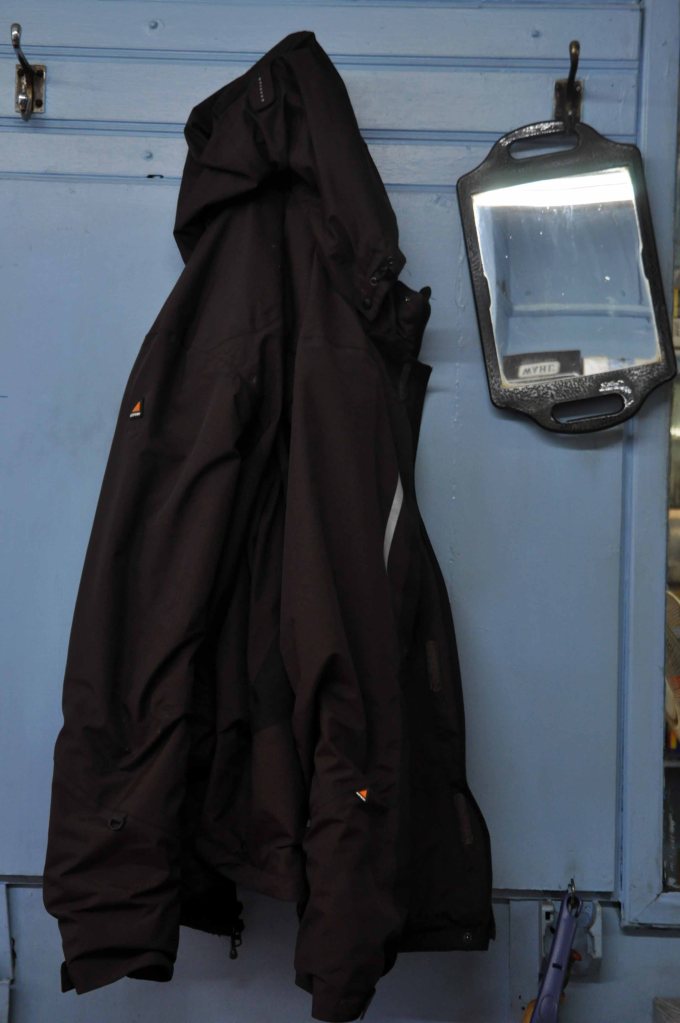
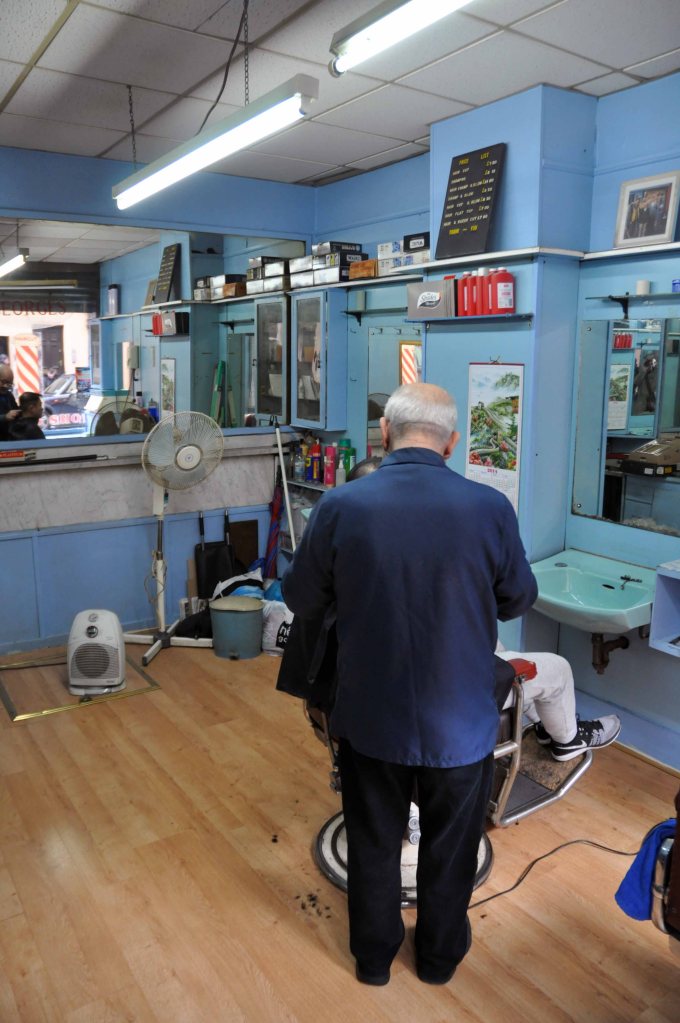
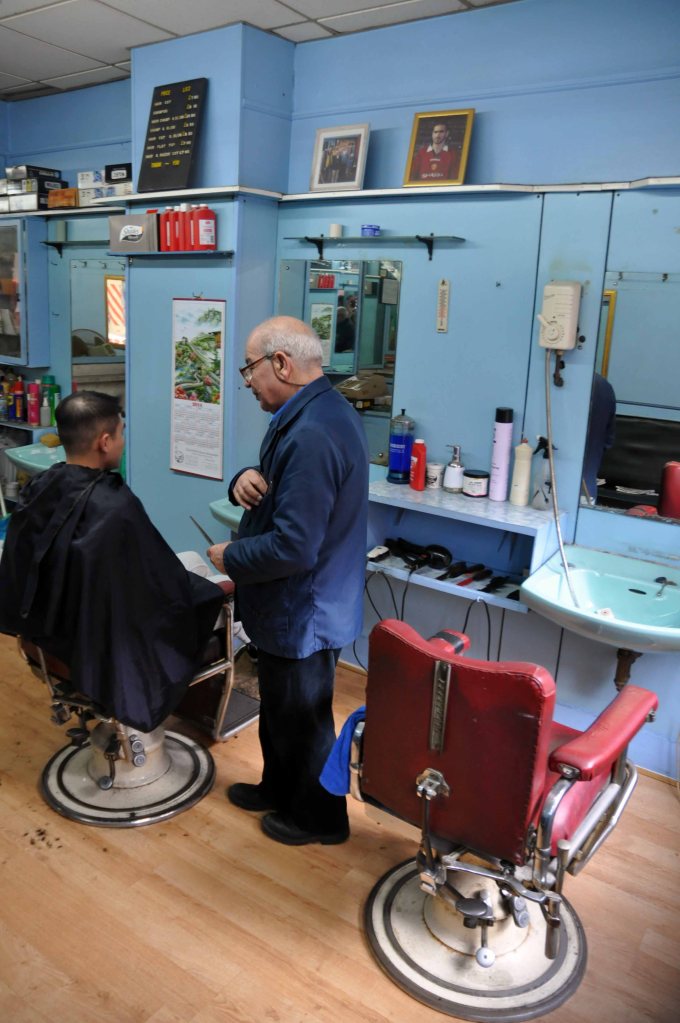

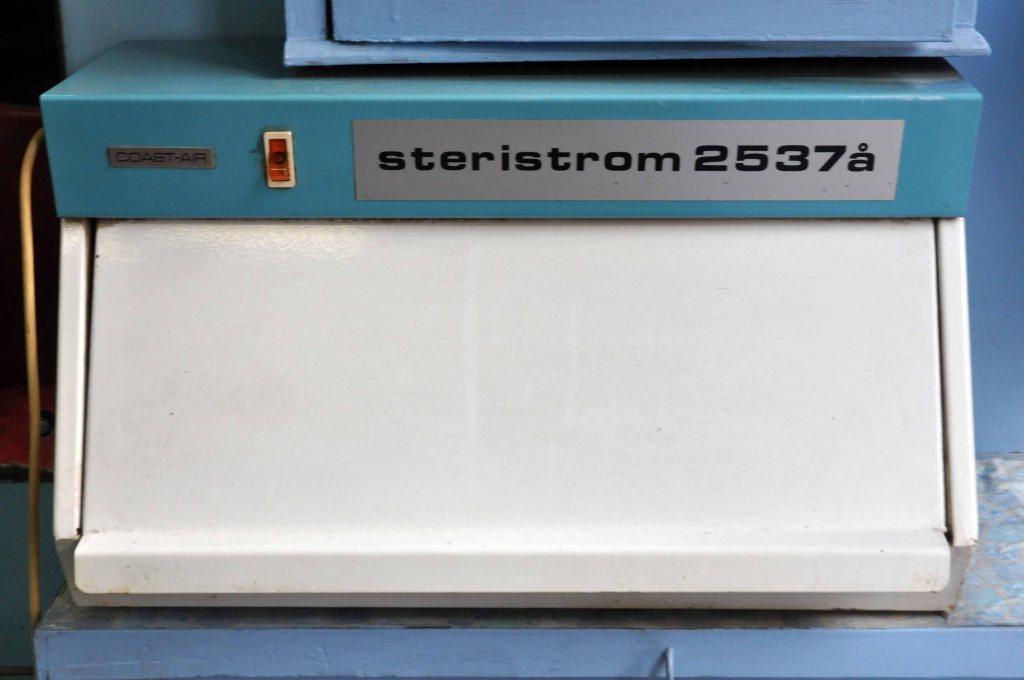
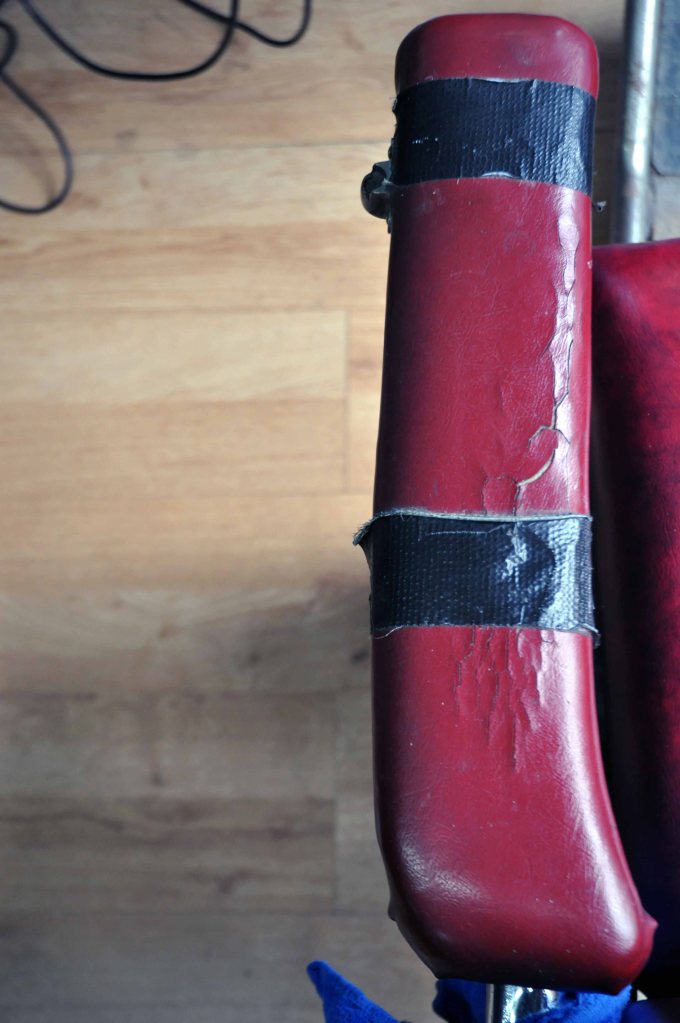

We are here are again – you Bonny Street bobbies, it seems, are not.

Departed for pastures new – to Marton near to the big Tesco.
As well as a front counter, the new headquarters provides a base for some of the local policing and immediate response teams, an investigations hub and 42 custody cells.
On my previous visit I was in fact apprehended by a uniformed officer, perturbed by my super-snappy happy behaviour. Following a protracted discussion, I convinced the eager young boy in blue, that my intentions were entirely honourable.


Having visited the Morecambe site un-accosted.

And witnessed Bury’s demise.

I’m something of a Roger Booth aficionado, largely still at large.
Whilst Richard Brook is something of an expert.
Suffice to say I pay a visit to see my old pal the cop shop, whenever I find myself in town, stop to chat and snap – how are things, what’s happening?
Blackpool Central that’s what!


It seems that you are to become an Alien Diner.
Themed bar and event restaurant concept with roller coaster service, hourly special effects shows and exploration tours.
The £300m Blackpool Central development will bring world-class visitor attractions to a landmark site on the famous Golden Mile. Along with new hotels, restaurants, food market, event square, residential apartments and multi-storey parking.
Chariots of the Gods inspires the masterplan for the long-awaited redevelopment. It’s the global publishing phenomenon, written by Swiss author Erich Von Däniken. Exploring alien encounters and unsolved mysteries of ancient civilisations.

Chariots Of The Gods will be the main theme for Blackpool Central. Including the anchor attraction – the UK’s first flying theatre.
A fully-immersive thrill ride that will create the incredible sensation of human flight.

Time it seems changes everything, stranger than fiction.
The Bonny Street Beast’s days are numbered – your local Brutalist pal is no more, wither Wilko’s?

Your piazza planters are waterlogged.


Your lower portals tinned up.


Your curious sculptural infrastructure sunken garden neglected and forlorn.

Your low lying out-rigger stares blankly yet ominously into space.

Likewise your tinted windows.

Your subterranean car park access aromatic and alienating.


So farewell old pal, who knows what fate awaits you, I only know you must be strong.

Not until we have taken a look into the future shall we be strong and bold enough to investigate our past honestly and impartially.
How often the pillars of our wisdom have crumbled into dust!
Erich von Däniken

The world is inherently unstable, along comes a train a resort appears, along comes a ‘plane a resort disappears, along comes a virus and people disappear.
Whole chunks of the land fall in the sea, eventually.
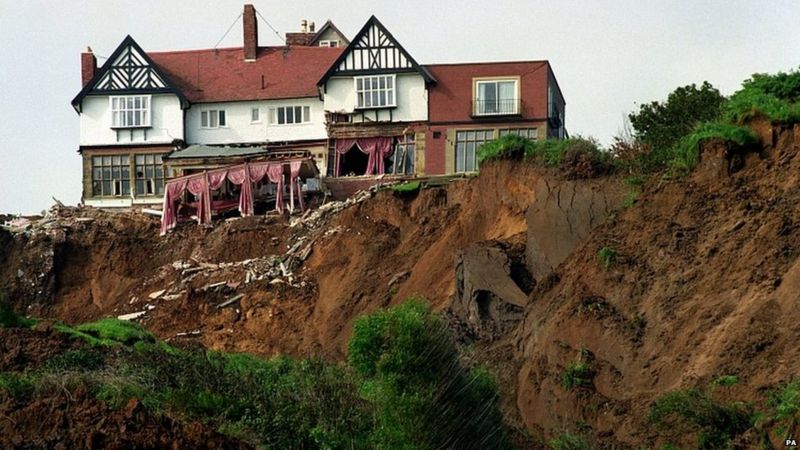
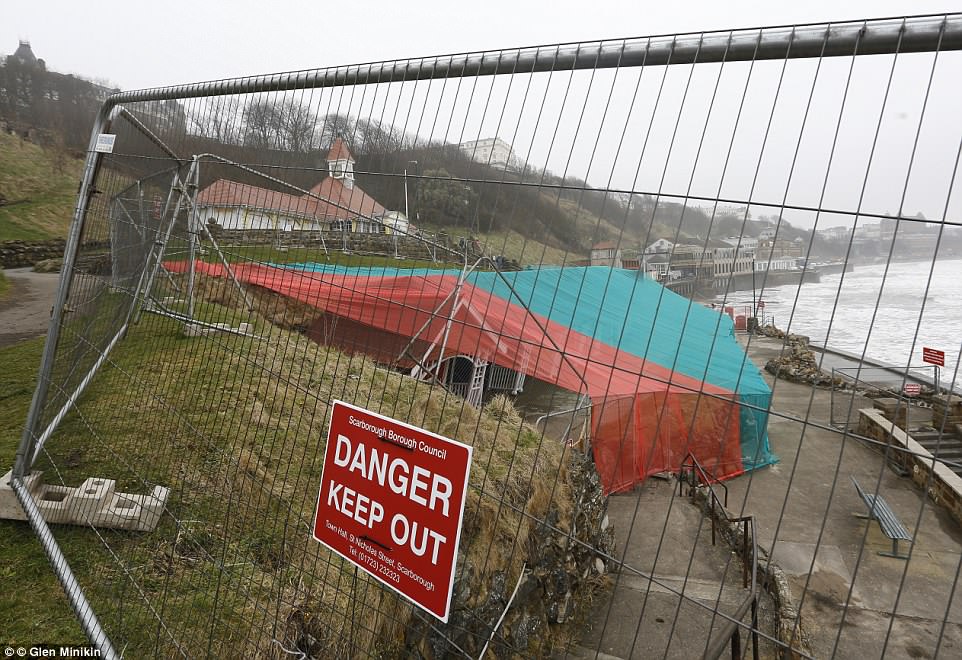
The South Bay Gardens were slipping away.

Some of the oldest sun bathing chalets almost became an Arts Hub.
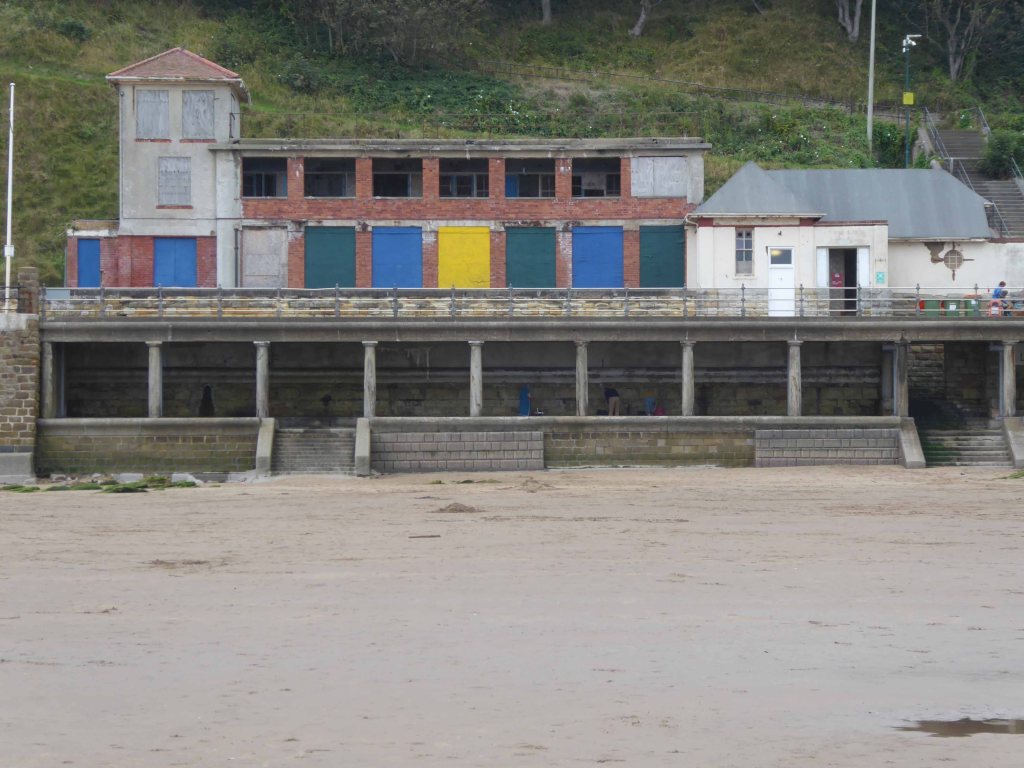
Seaside chalets were under threat, with the cause believed to be the failure of a retaining wall.
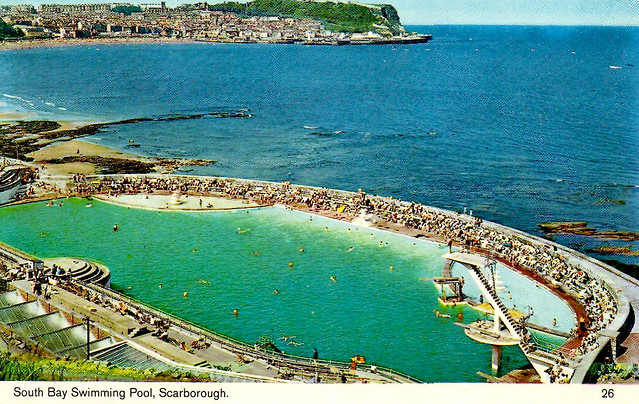
The swimming pool has been and gone, only an empty shell remains.

There are speculative plans and piecemeal repairs, but these are difficult times, and attracting substantial finance and flocks of tourists to revitalise the town, is no simple matter.
From 2011 I have visited South Bay, intrigued by all the above, but there’s a special place in my heart for these concrete chalets.
They never get a mention.
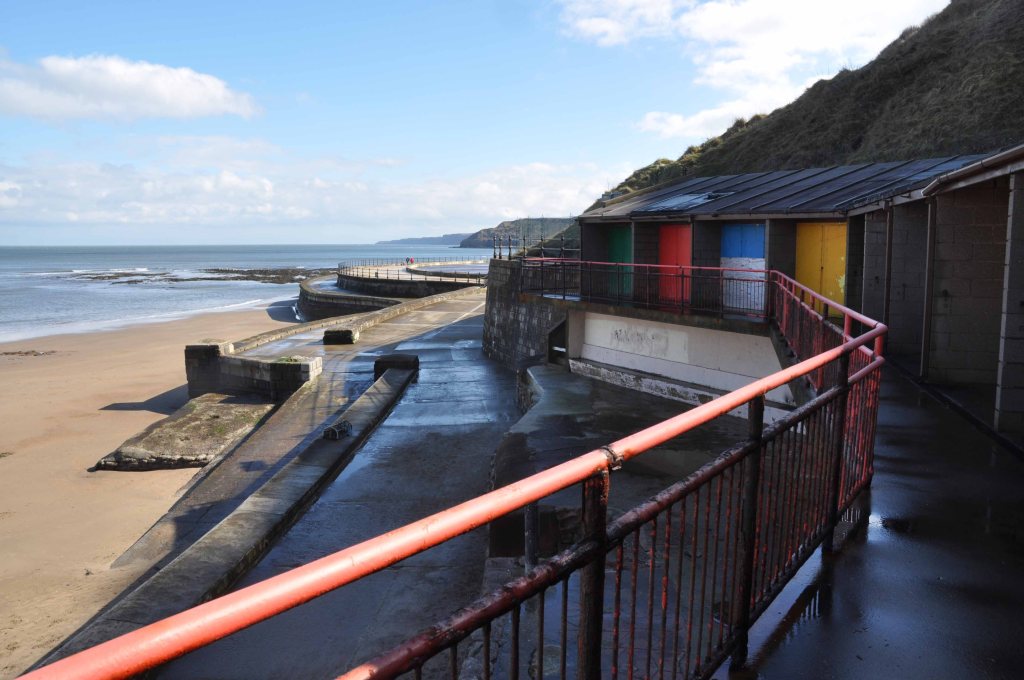
Here they are some years ago.
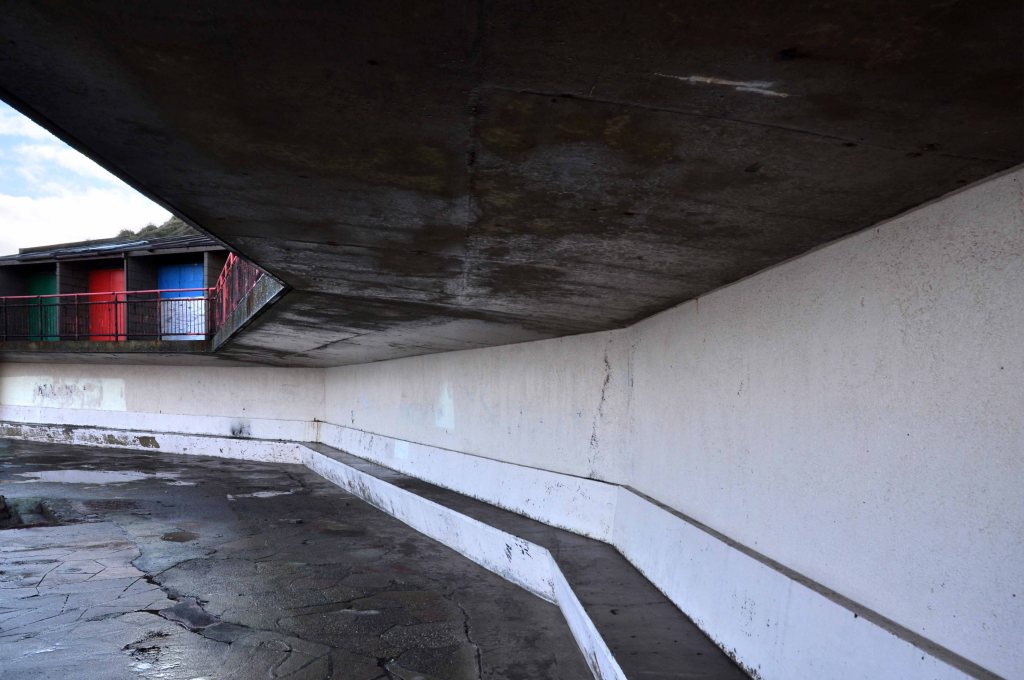
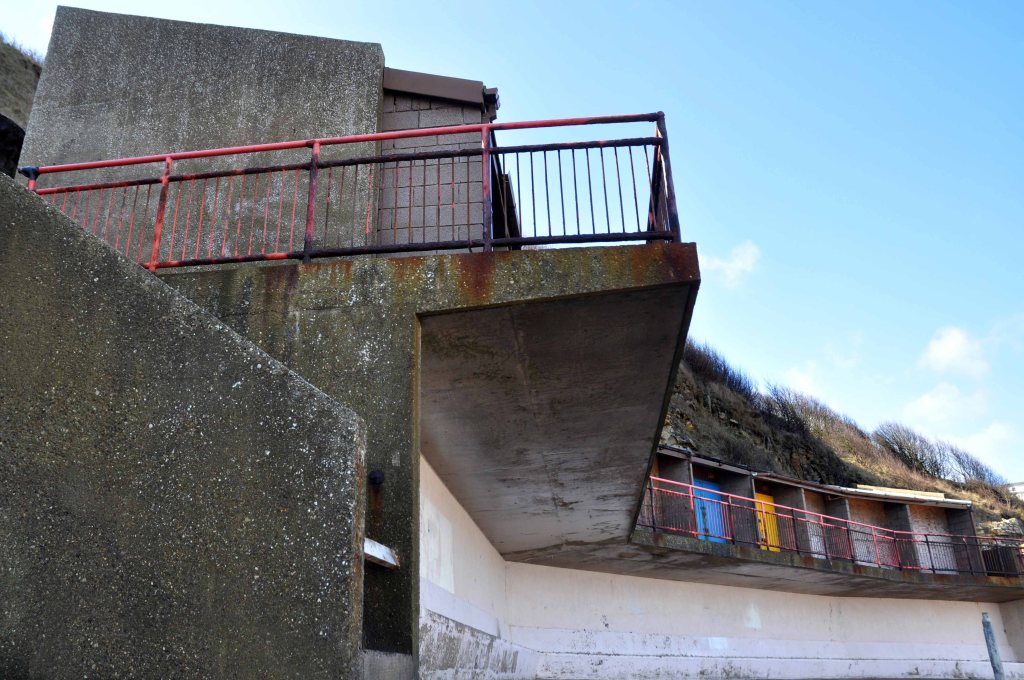
The primary coloured paint almost still fresh on their well locked doors.


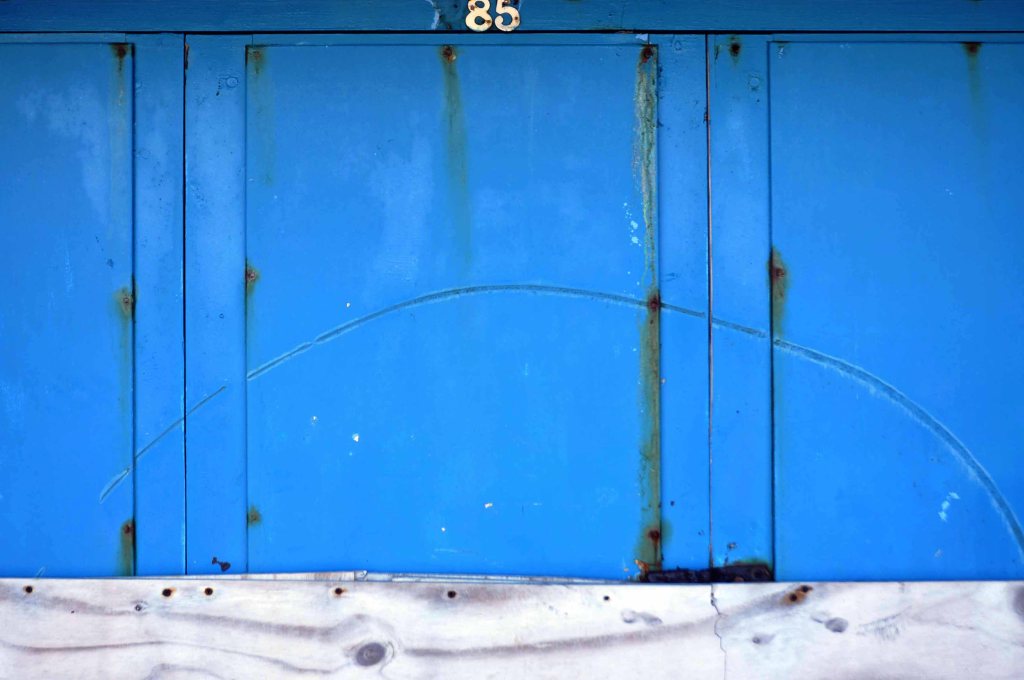
They stand forlorn on the concrete shore overlooking an indifferent North Sea, hoping for a future in an uncertain age.

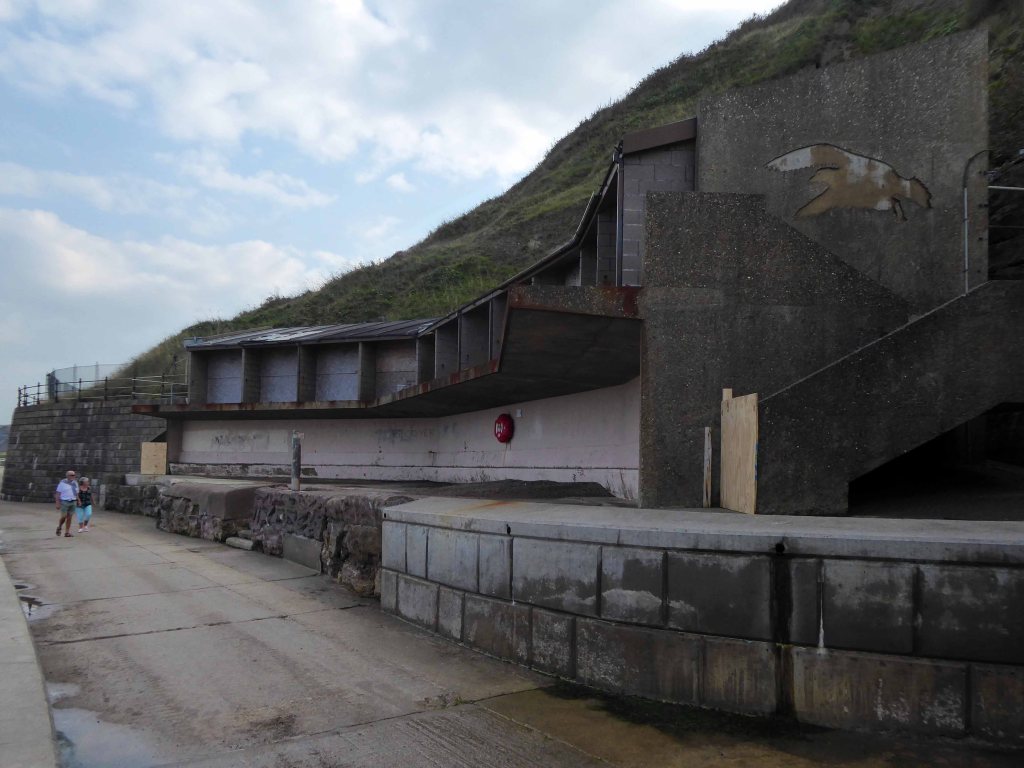
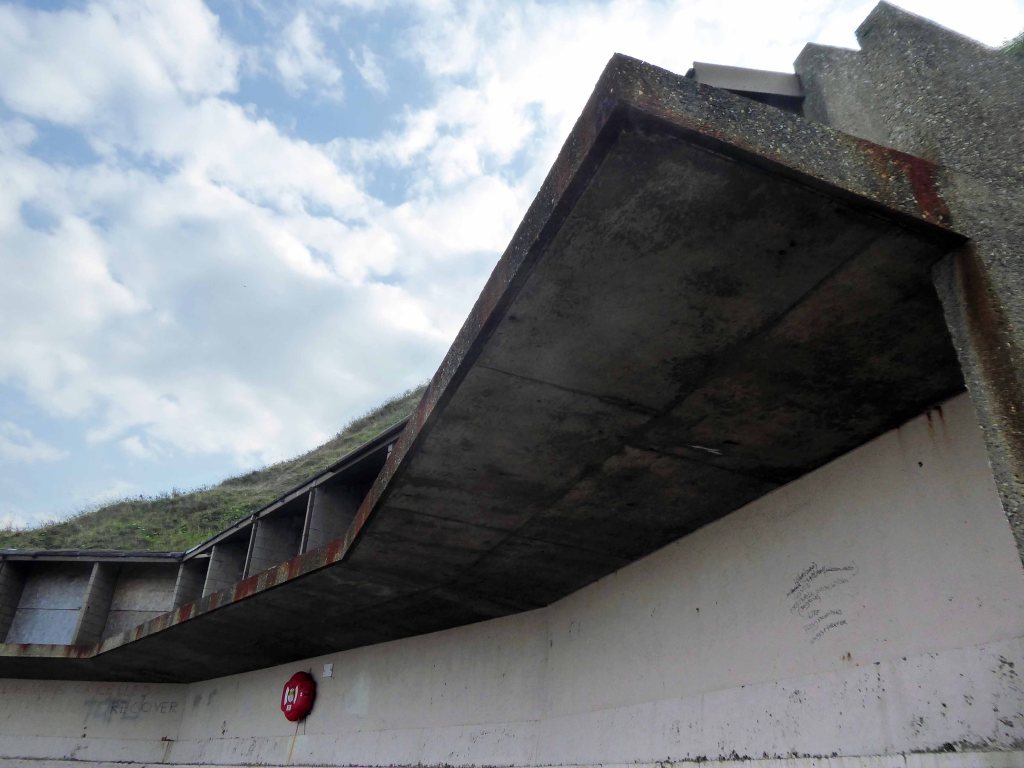
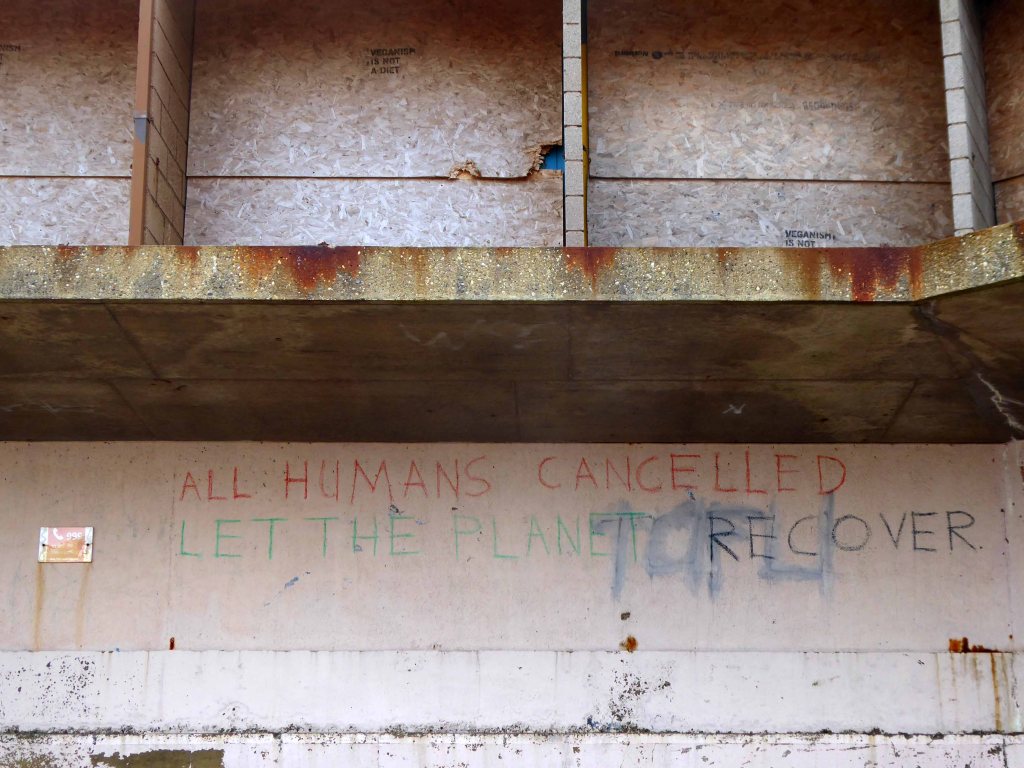
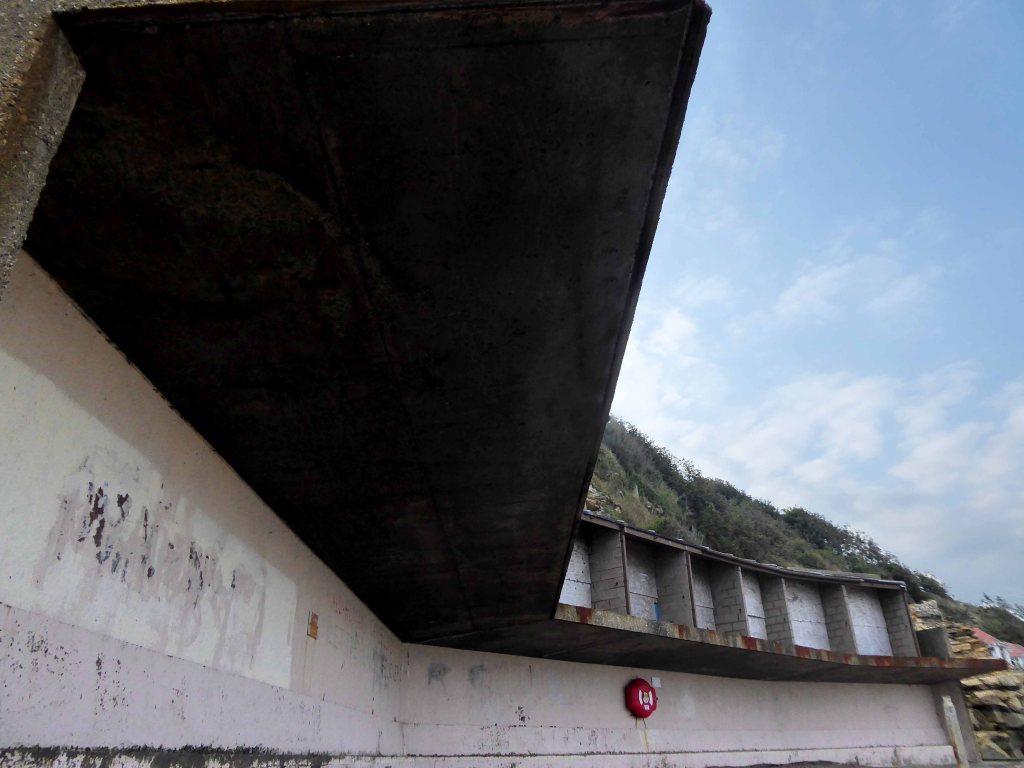
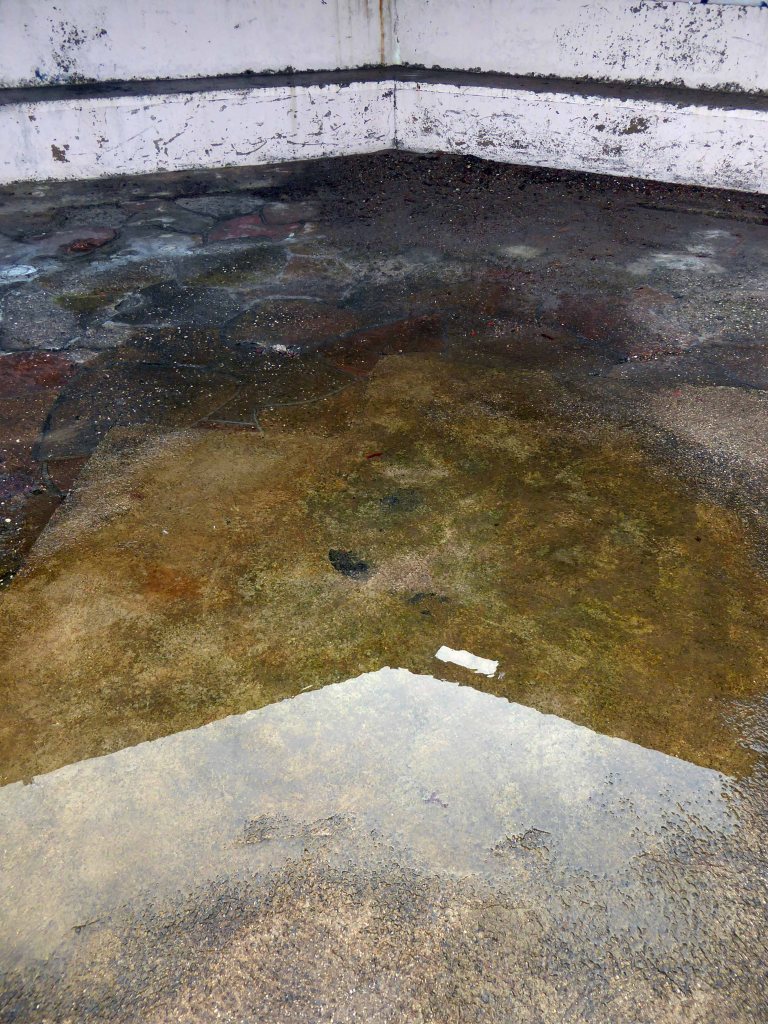

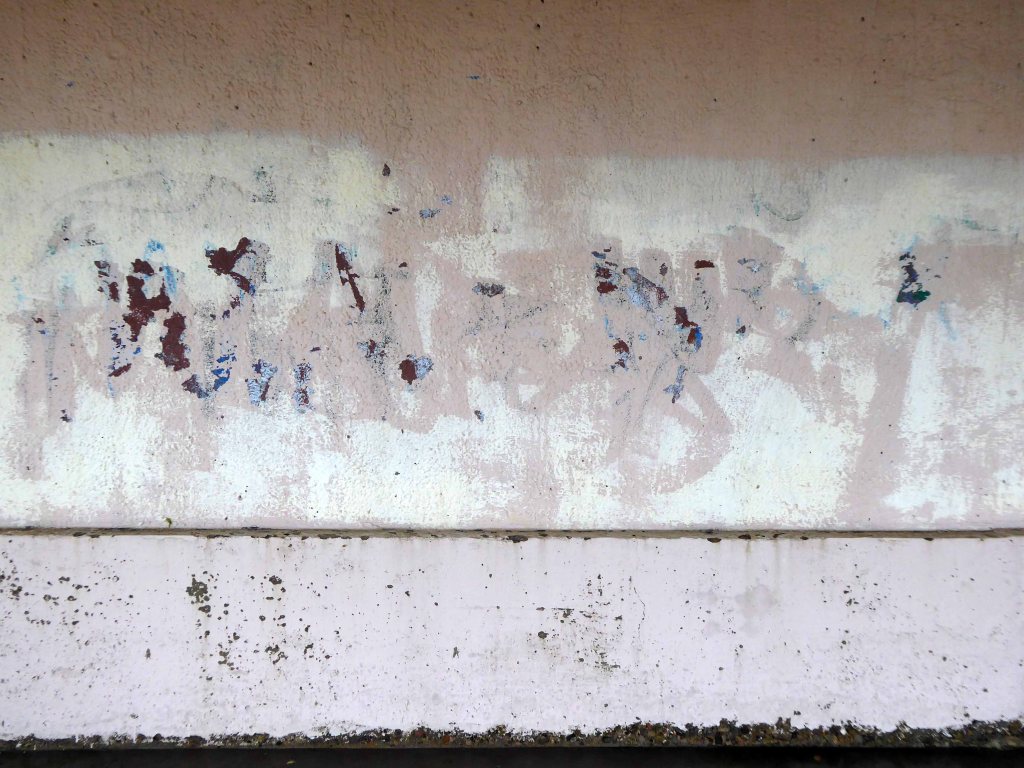


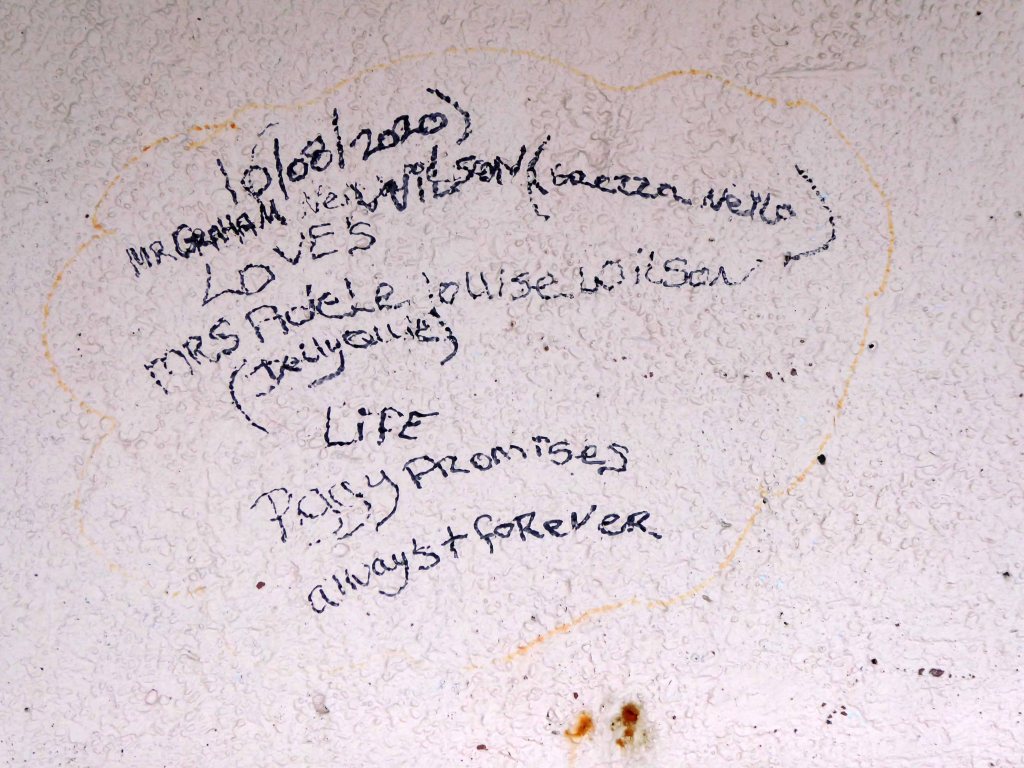

As I snapped I chatted to a local ANTIFA Anarcho Punk – ex Mansfield Miner and political activist, he feared that they would be swamped by some tidal wave of gentrification.
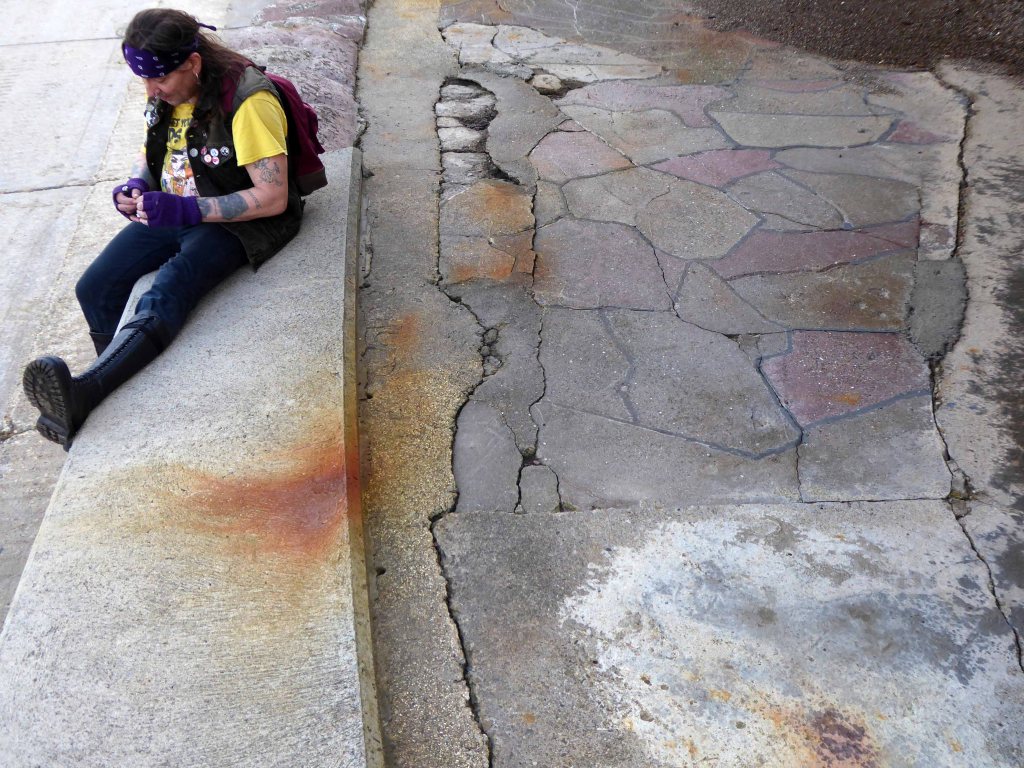
If so when, not soon.
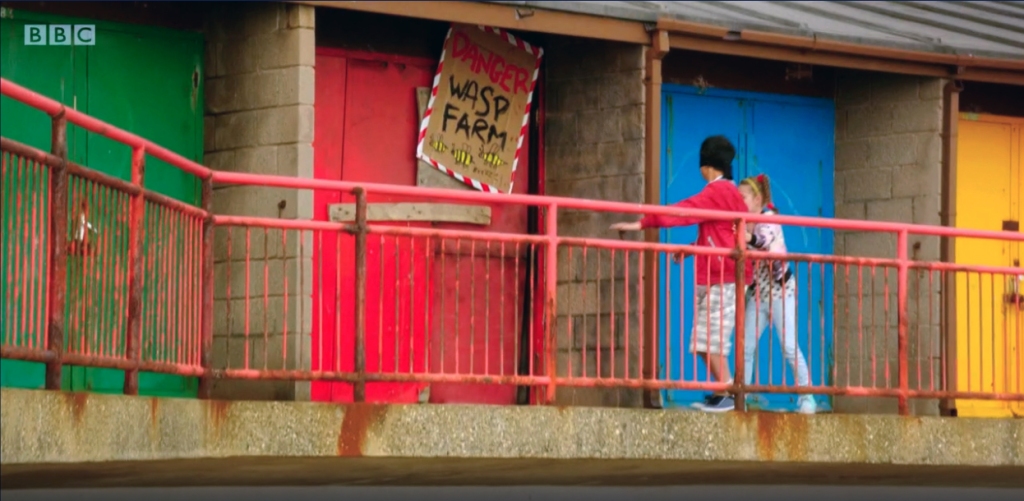
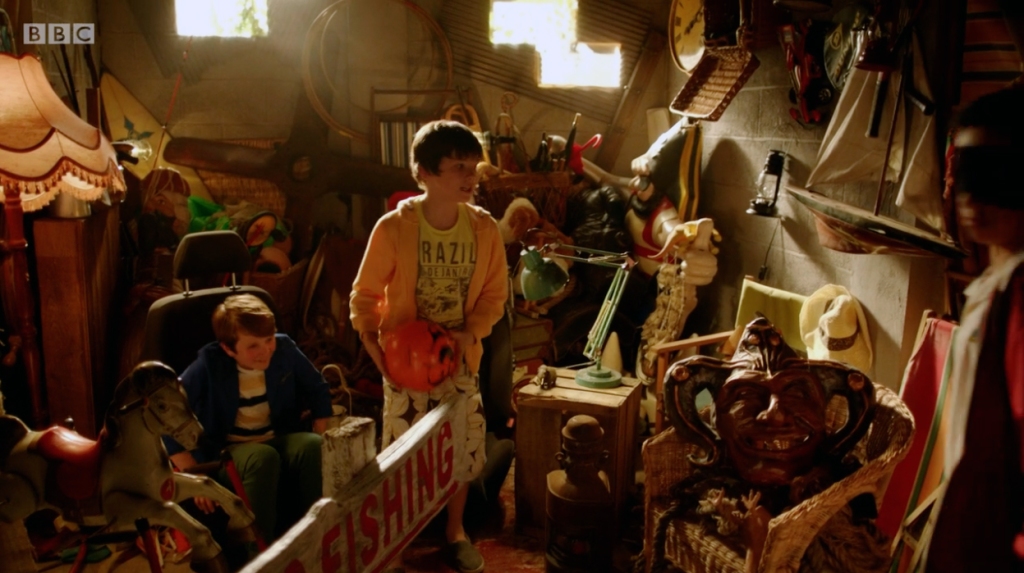
As a post script I have been informed that the site was used as a kid’s den in the CBBC TV series All at Sea!

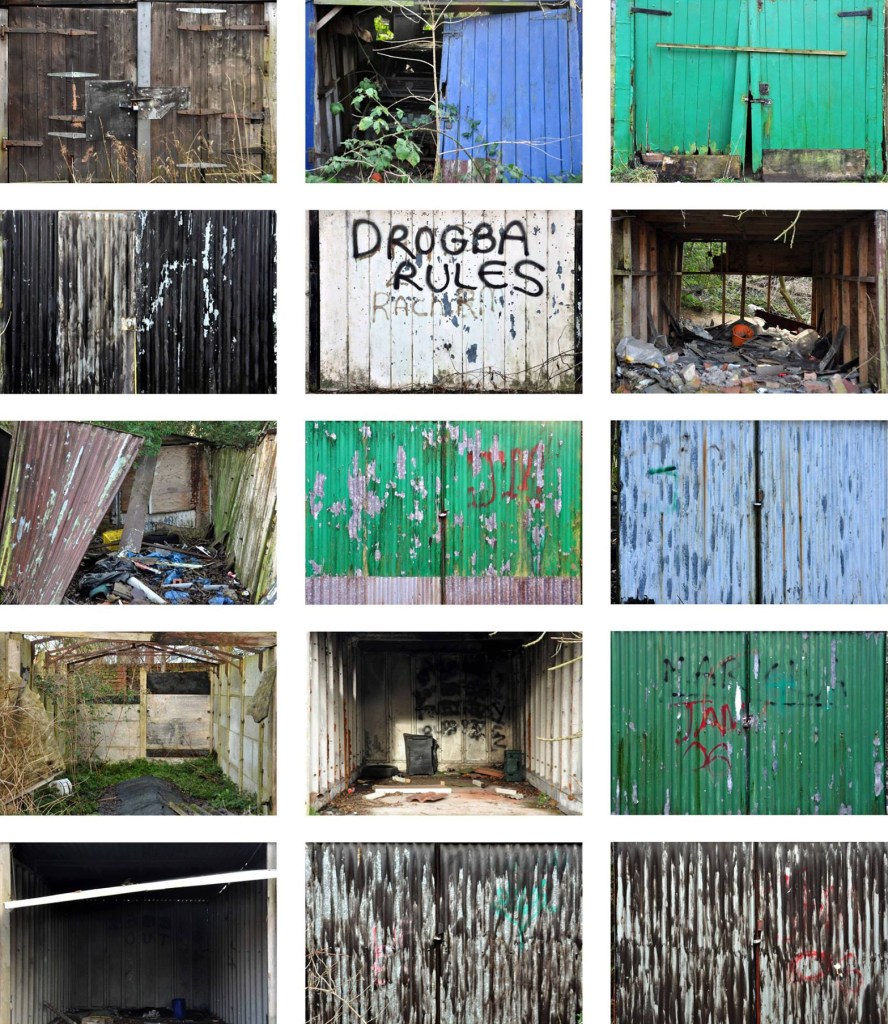
In casual conversation with Mr Matt Rettalick, at the Manchester Modernist HQ our attention casually turned to the topic of the prefabricated concrete garage.
I thought little more of it until yesterday, I then I resolved to get to the bottom of the matter.
Joseph Monier was a gardener and his idea was to develop permanent planters at a low price. In 1867, he patented different products made of reinforced concrete.
Precast panelled buildings were pioneered in Liverpool 1905. The process was invented by city engineer John Alexander Brodie, a creative genius who also invented the idea of the football goal net. The tram stables at Walton in Liverpool followed in 1906. The idea was not taken up extensively in Britain. However, it was adopted all over the world, particularly in Eastern Europe and Scandinavia.
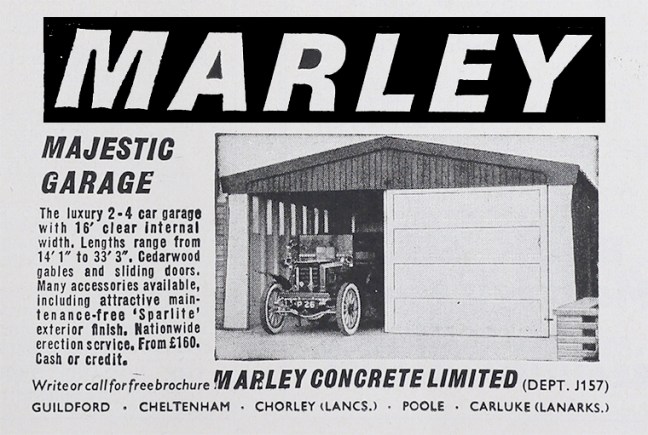
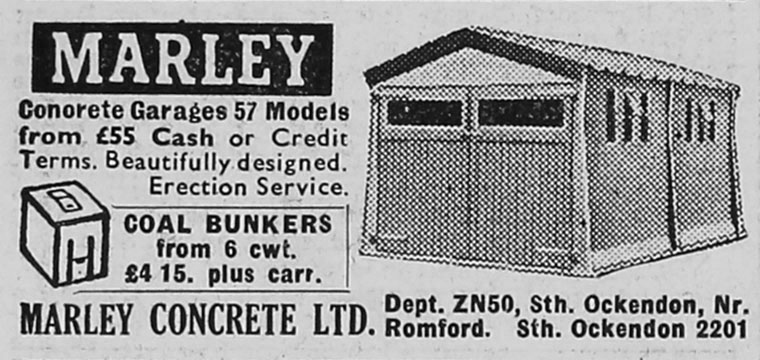
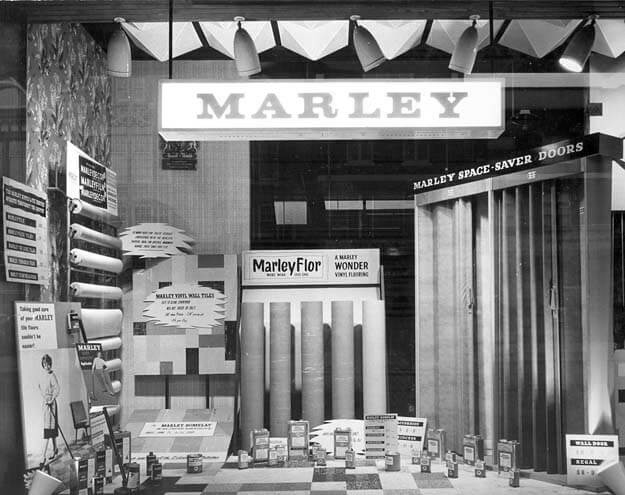
The first concrete kit garages appeared in 1952, manufactured by Marley, earlier models had been constructed from wood, asbestos, corrugated iron or galvanised steel.
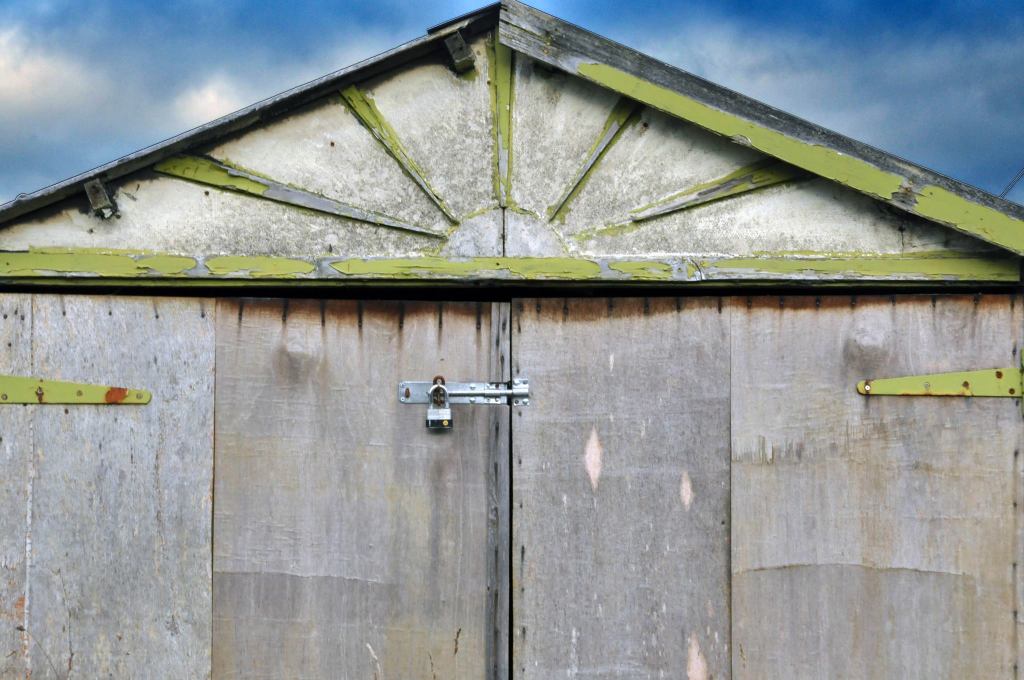
The sunrise became a common symbol of inter war optimism.
The increase in car ownership, the growth in the DIY ethic and the lack of an integrated garage, drove the demand for a pre-cast concrete auto-haven at the end of the drive.
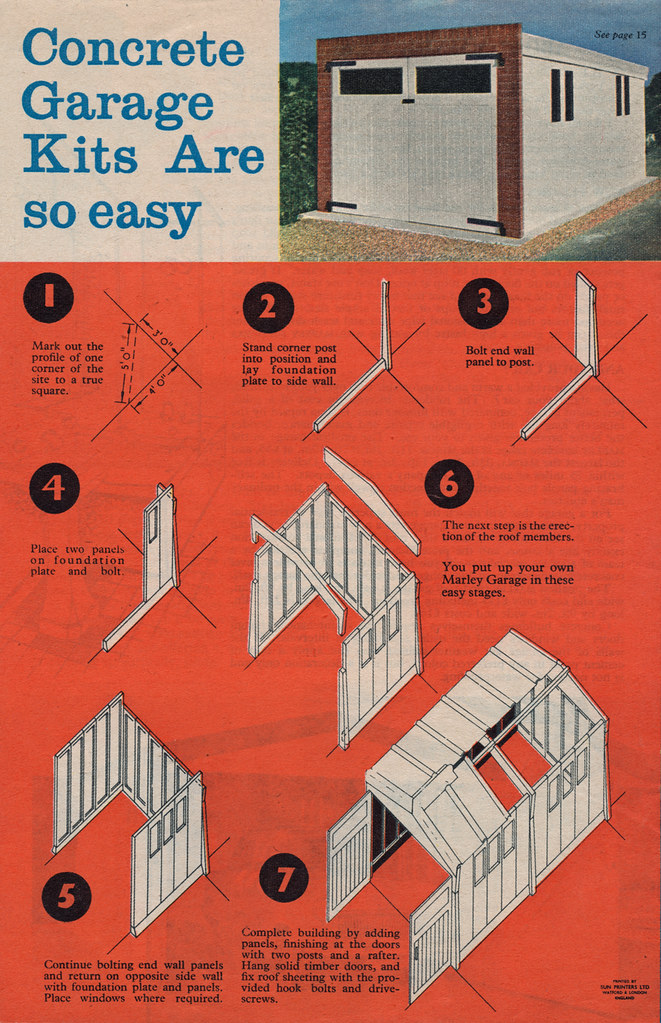
They became a staple of the small ads.
Easy terms built to last.
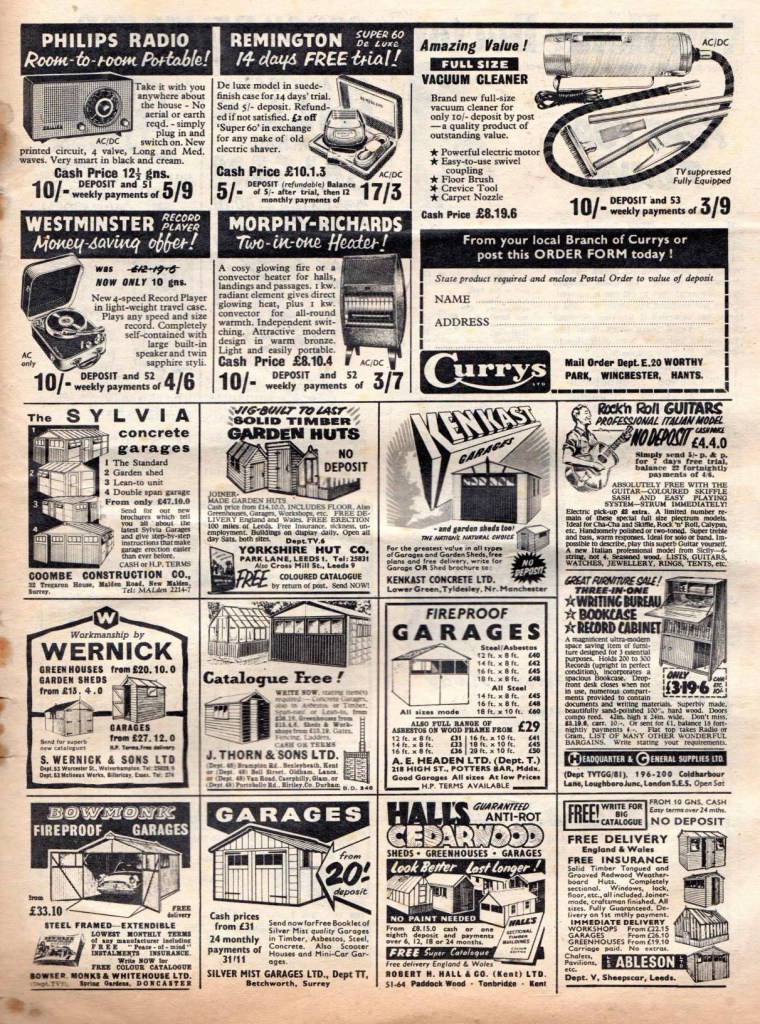
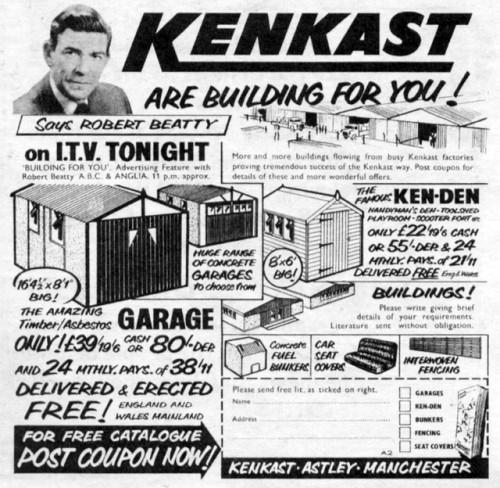
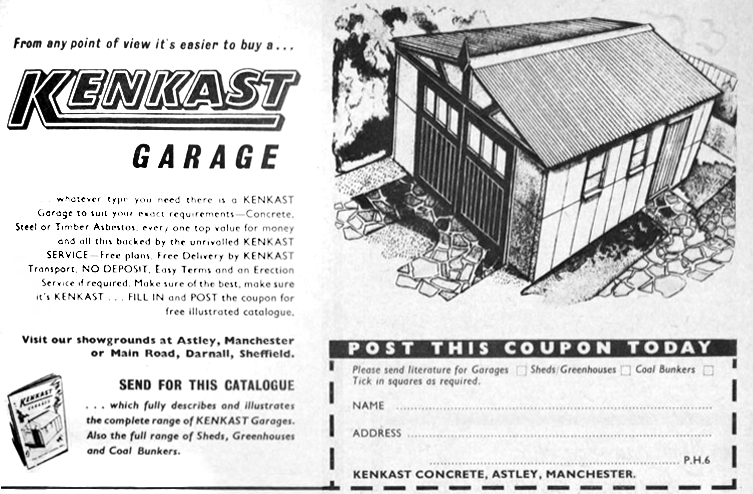
Kenkast is the name which for me resonates down through the years, though there were it seems, several other manufacturers.
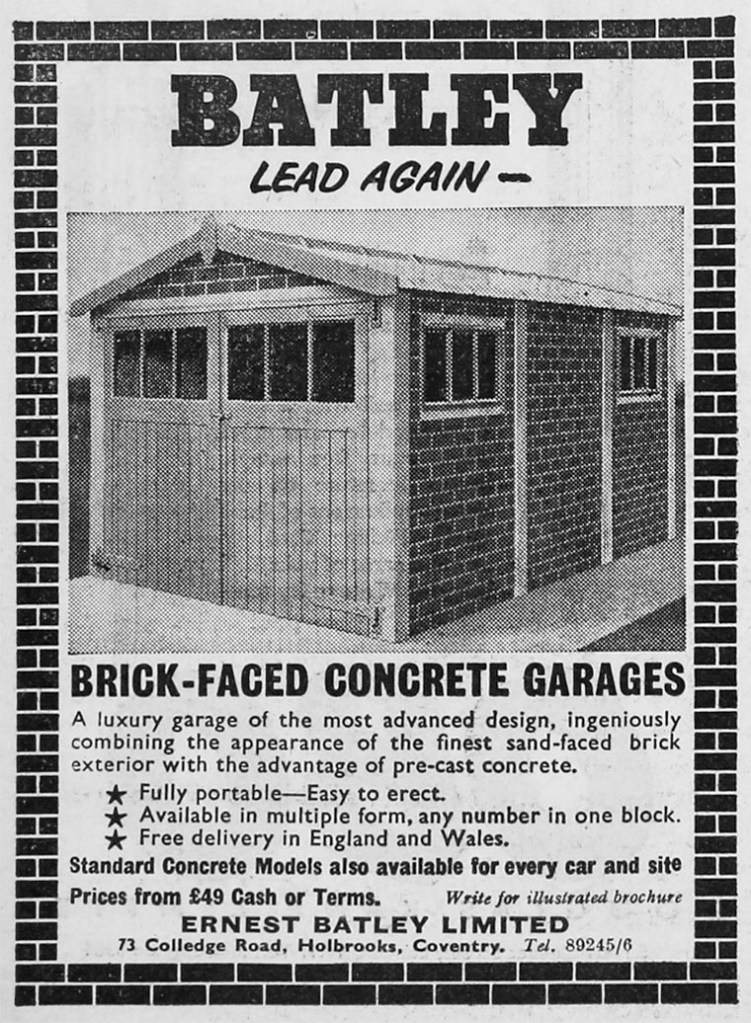
Batley Garages 128 Colledge Road Holbrooks Coventry Warks
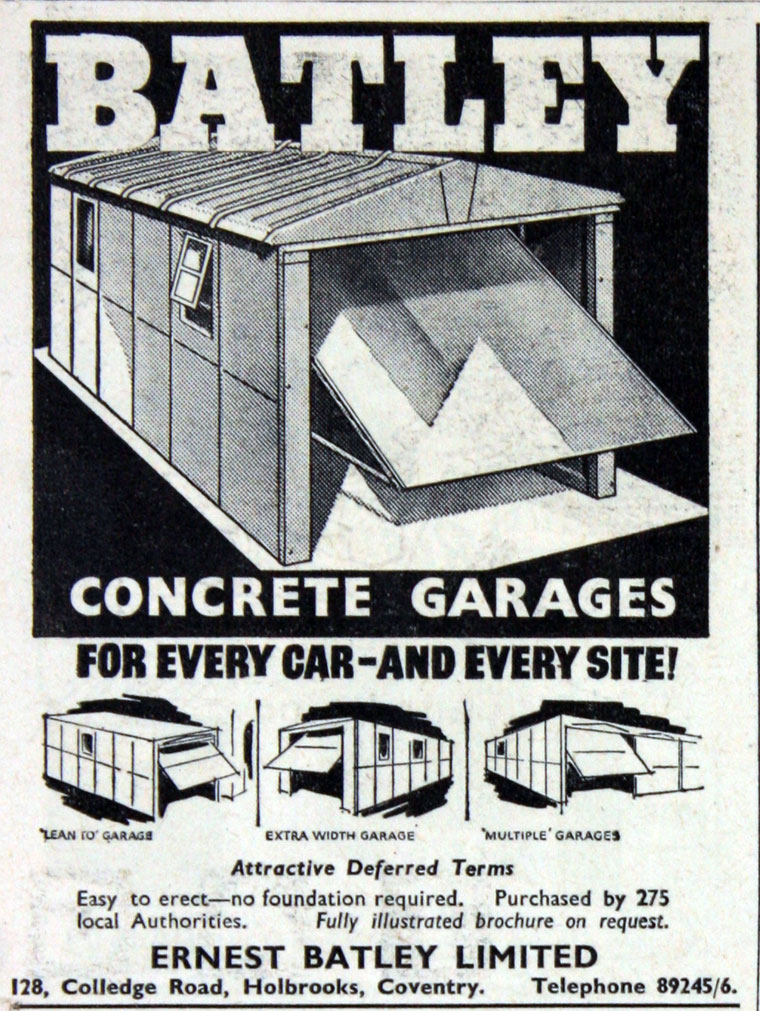
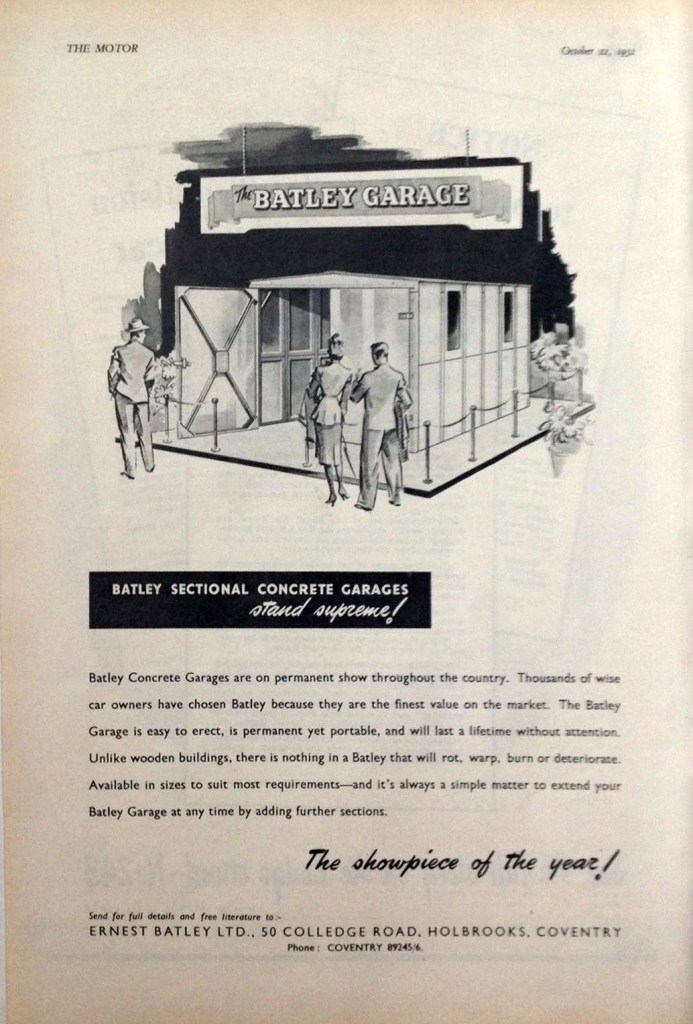
Introducing the ultra-modern sprung up and over doors.
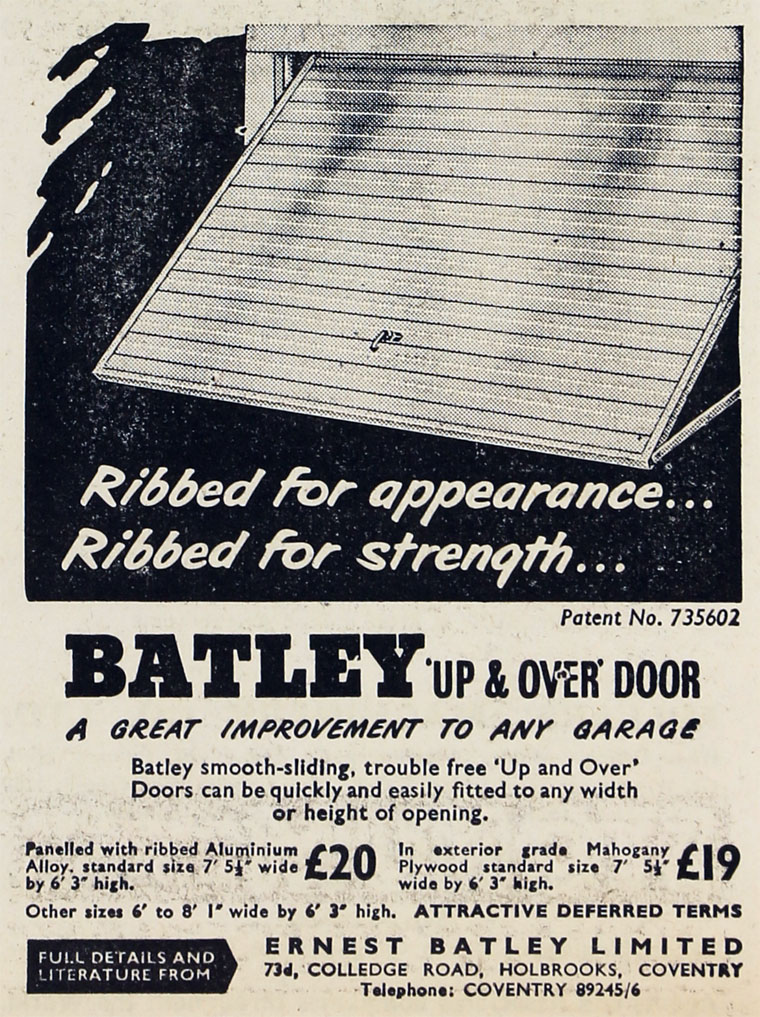
And a slap in the face for the truth to materials merchants.
Bowmonk Garages Spring Gardens Doncaster Yorks
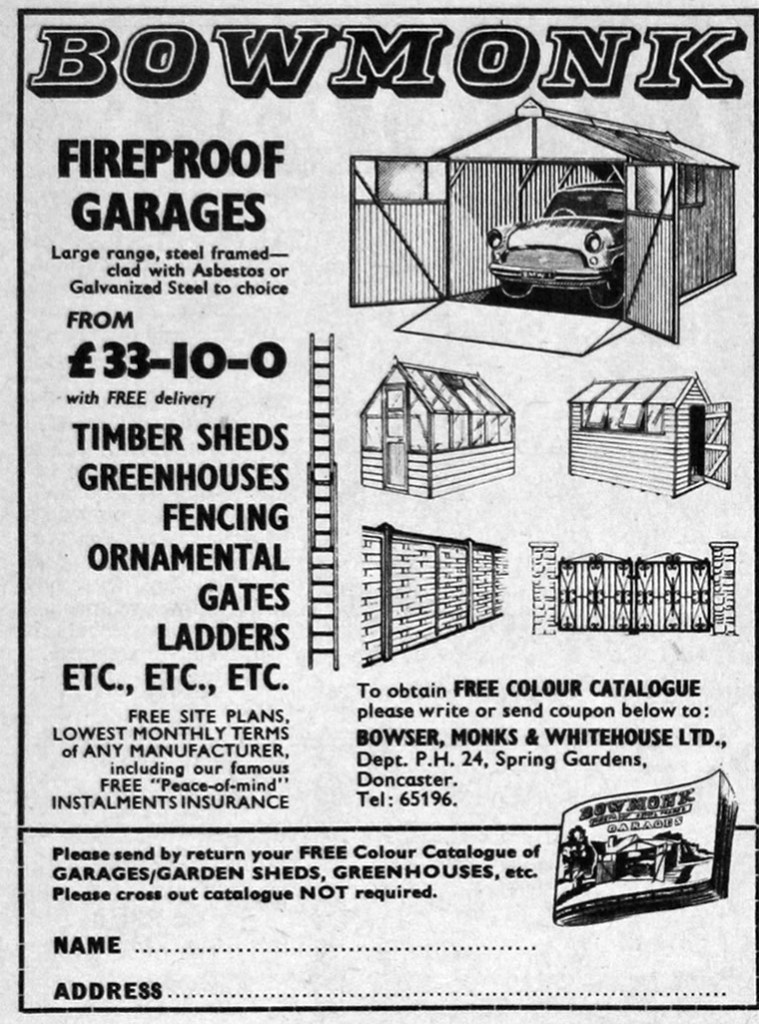
Built to last.
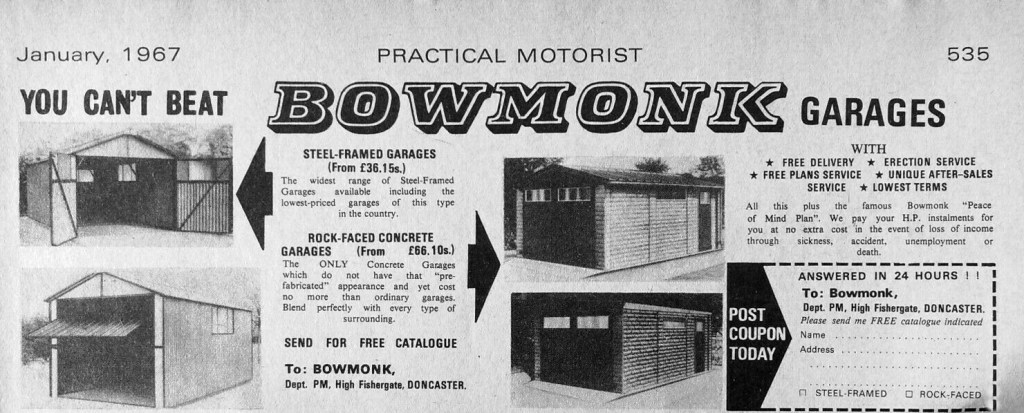
A gorgeous Profil/Stymie Bold Italic banner and the promise of the only concrete garage that doesn’t look prefabricated – the ultimate status symbol.
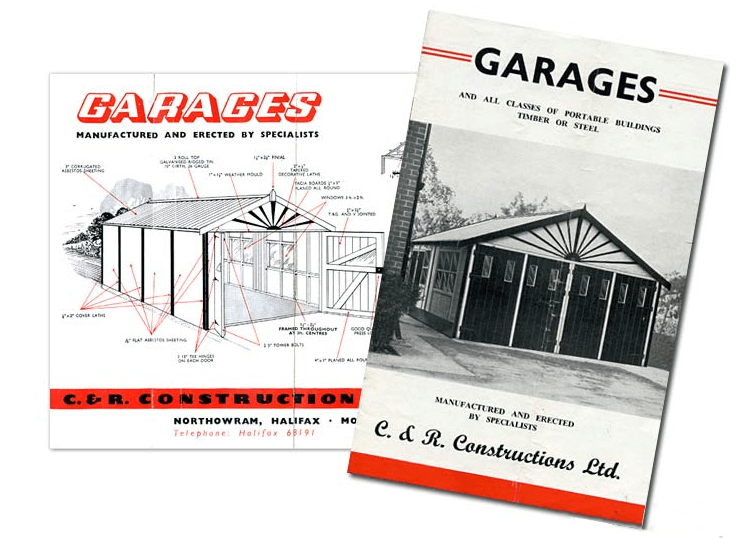
C&R Garages Northowram Halifax
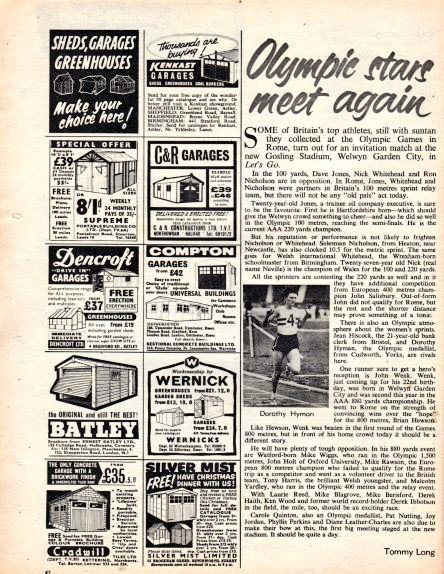
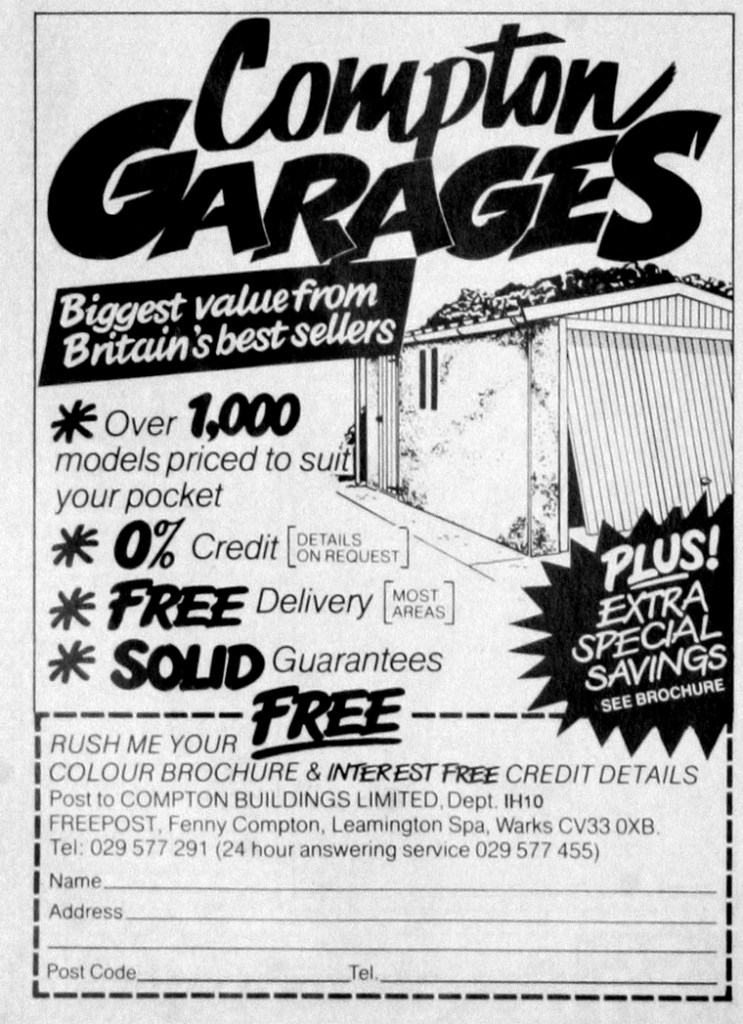
Compton Garages Fenny Compton Leamington Spa Warks
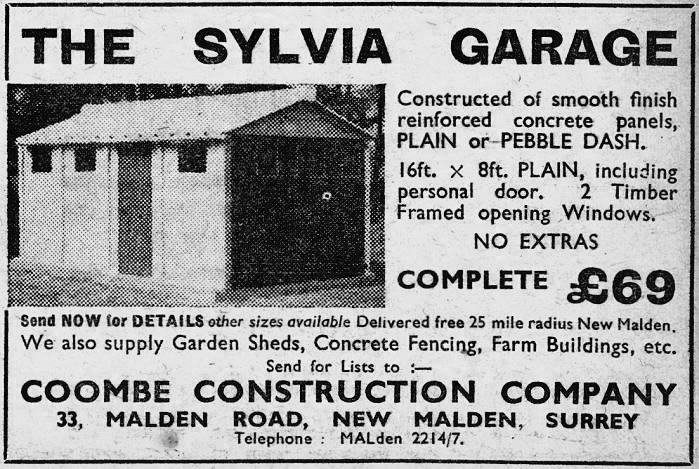
Coombe Construction Malden Road New Malden Surrey
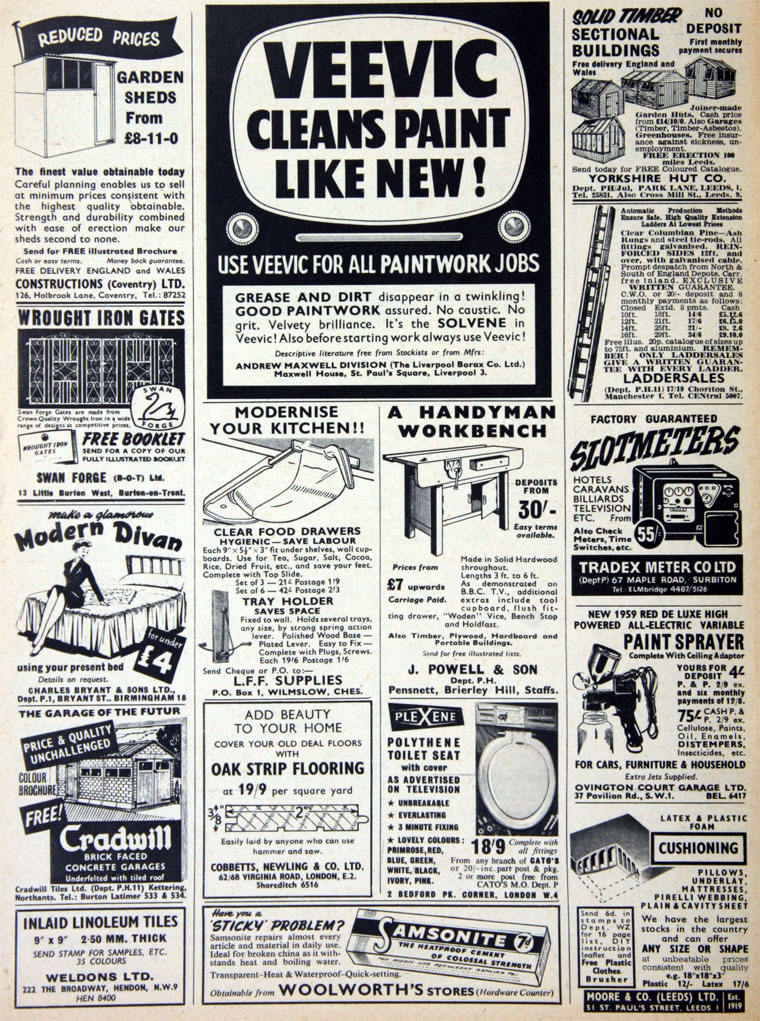
Cradwill Tiles Ltd Kettering Northants
The garage of the future.
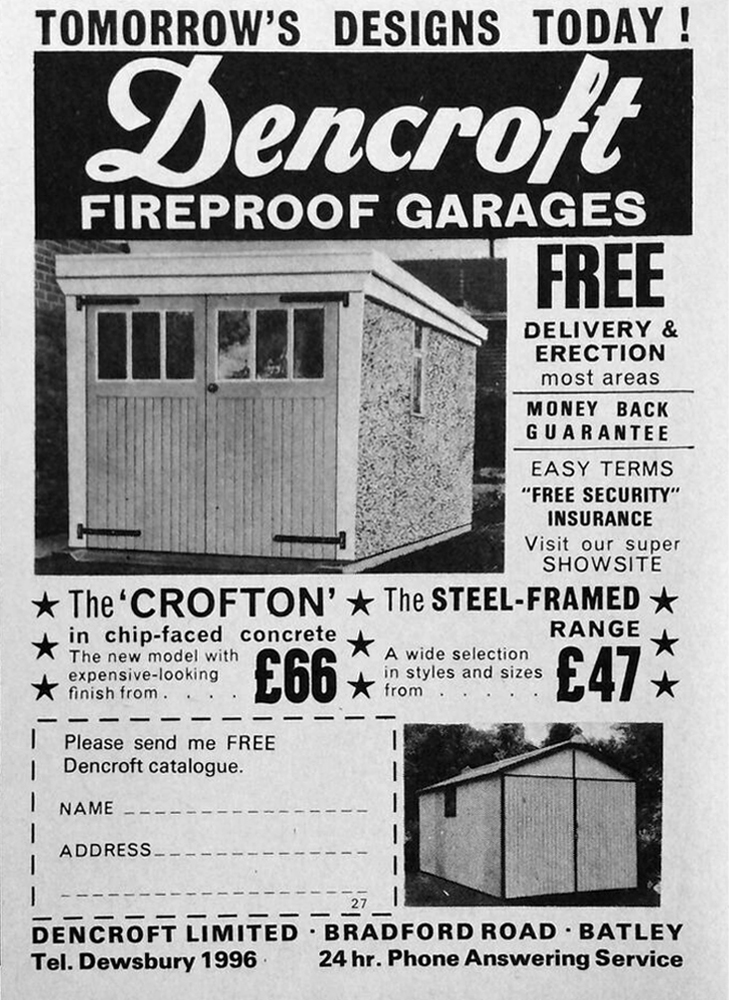
Dencroft Garages Bradford Road Batley
Established 1948 and still in business.

Kencast Astley Manchester

Marley South Ockendon Romford
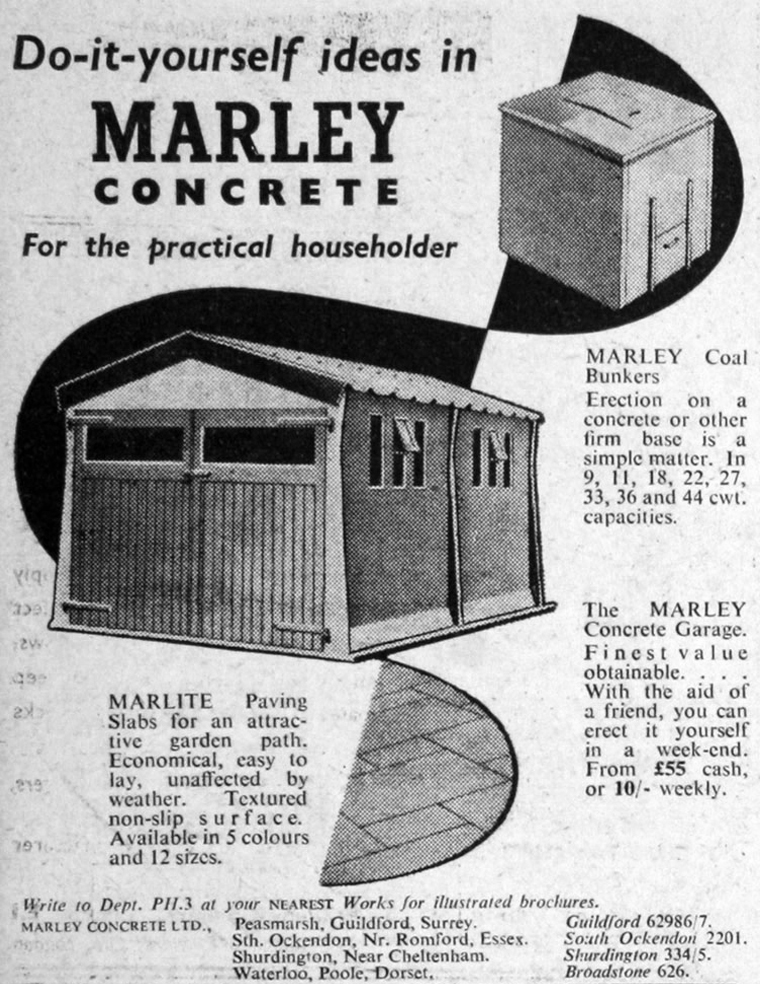
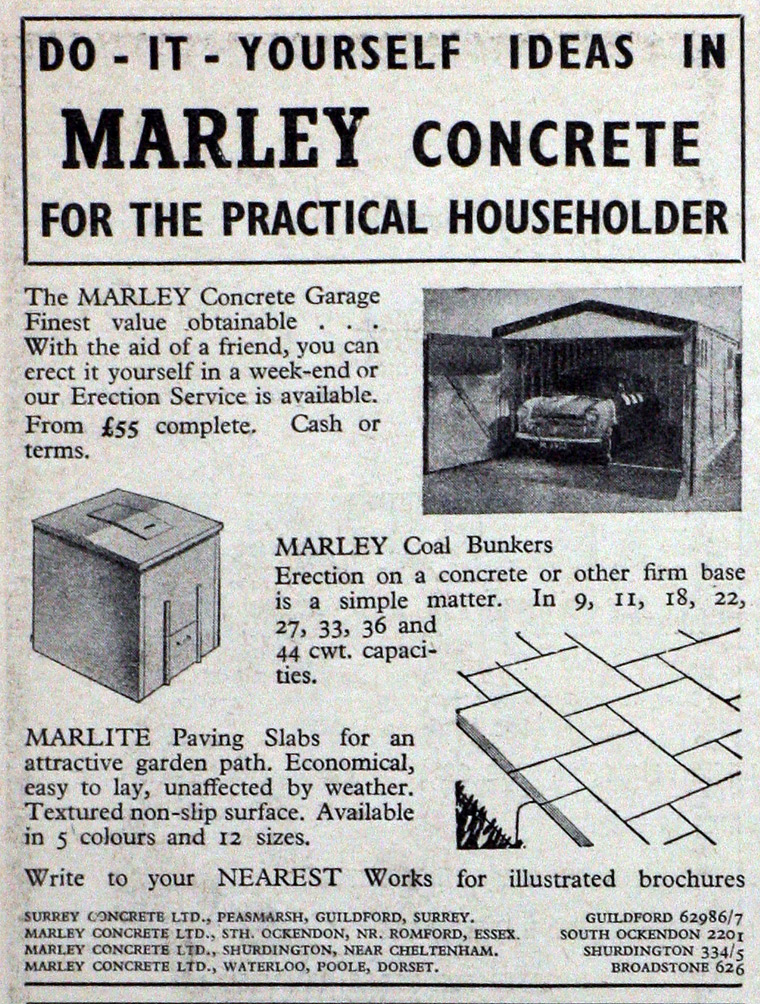
Still in business and responsible through time for a range of products and the development of the DIY Super Store.
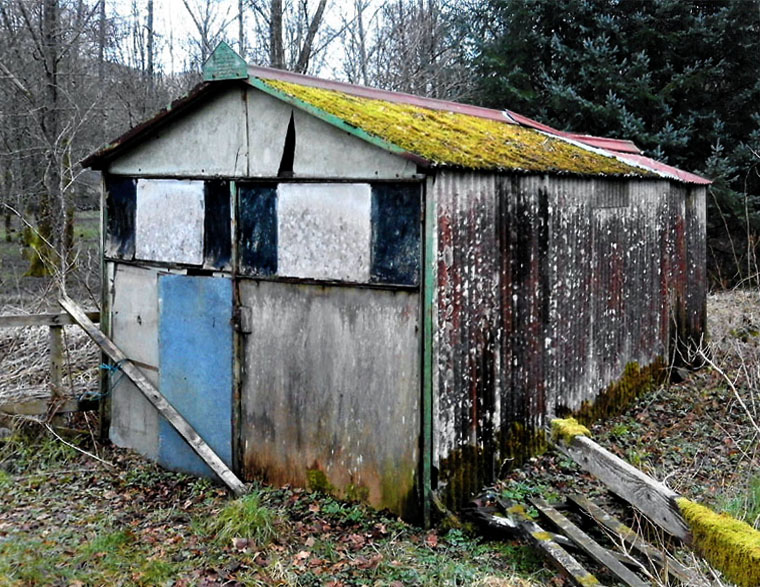
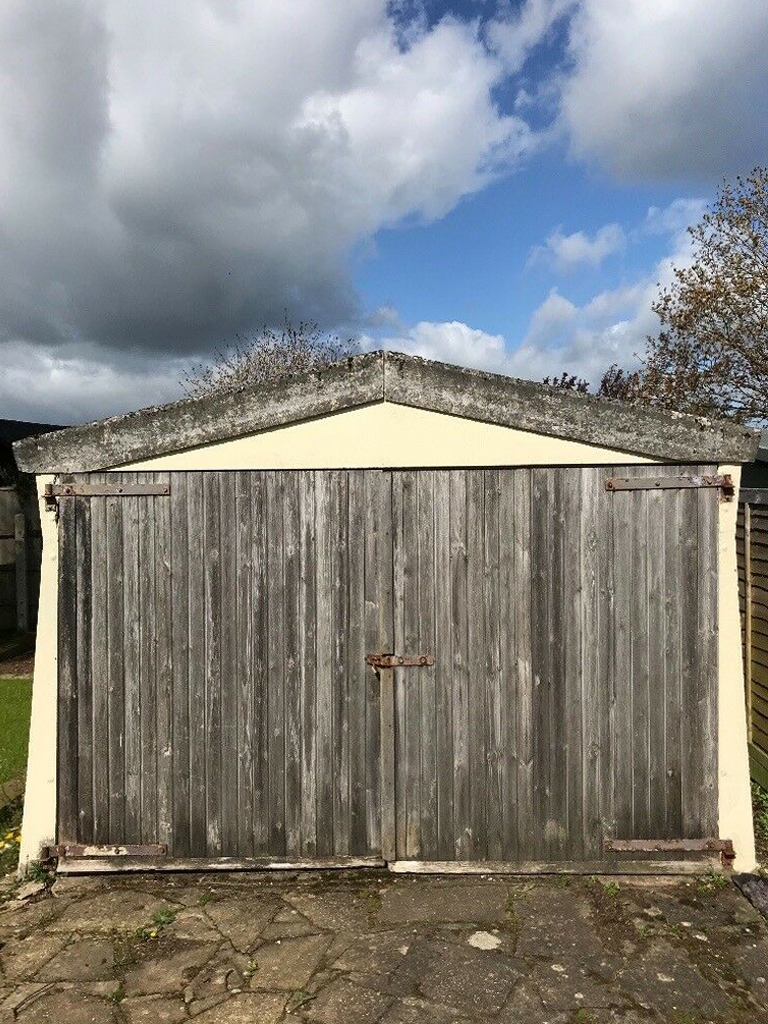
Still standing.
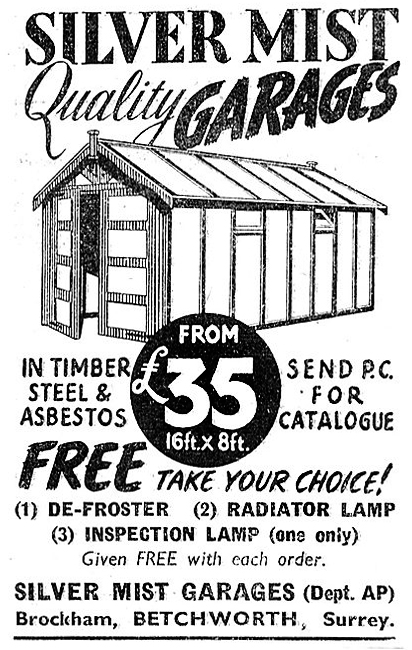
Silver Mist Brockham Betchworth Surrey
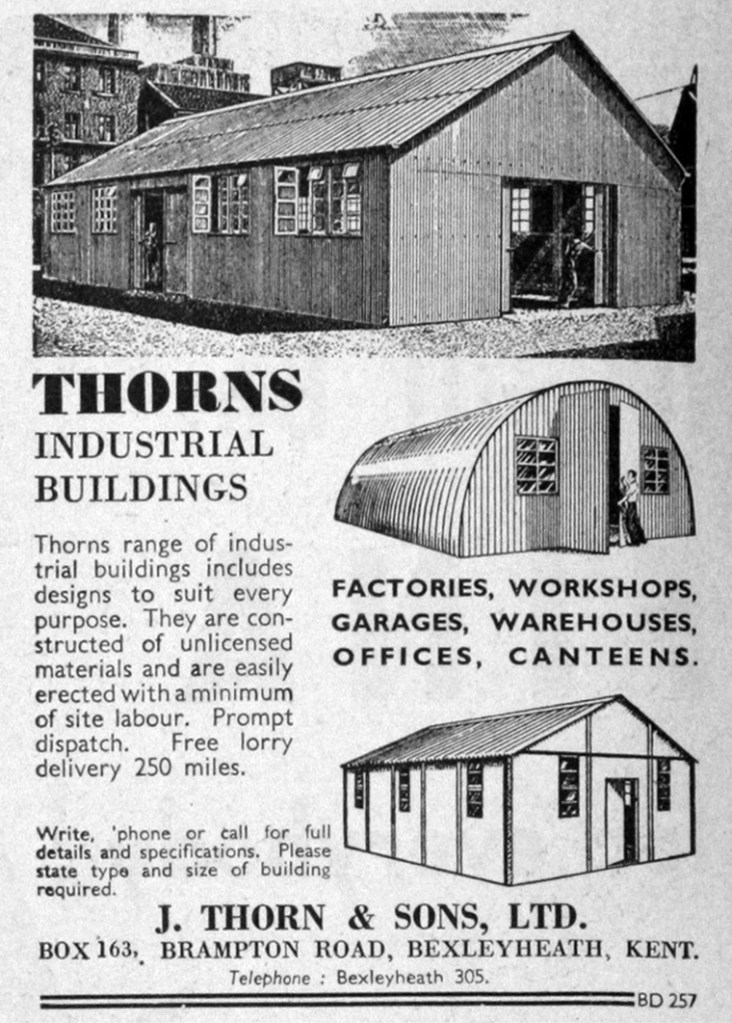
J Thorn & Sons Brampton Road Bexleyheath Kent
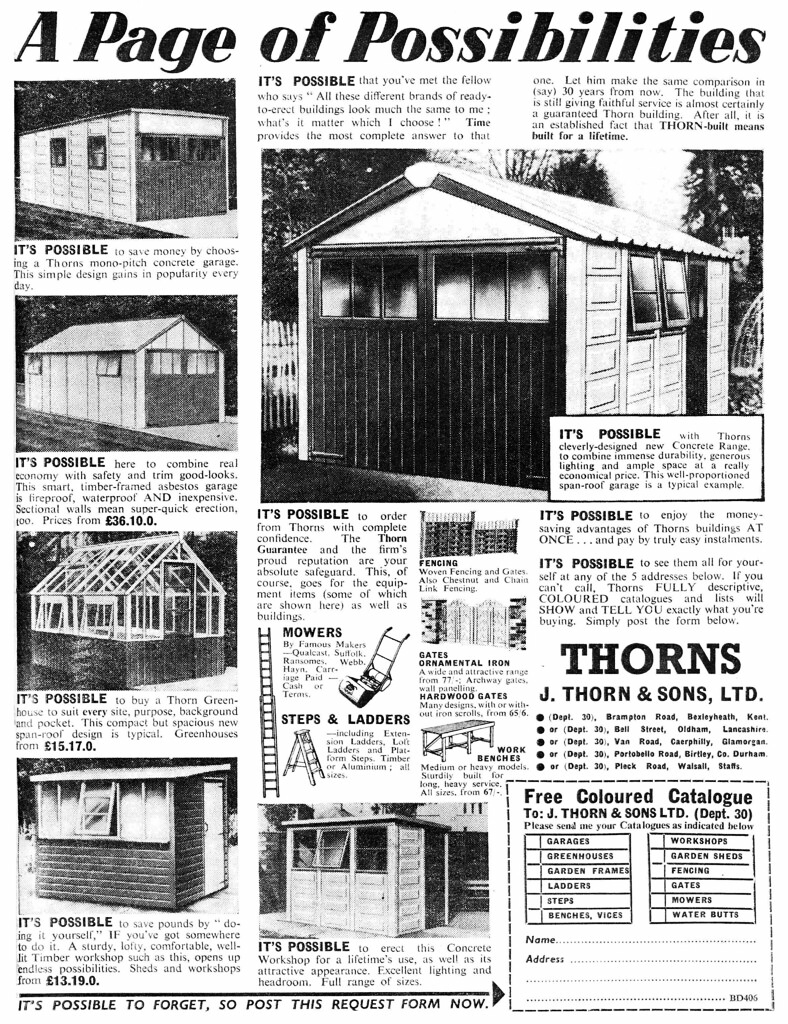
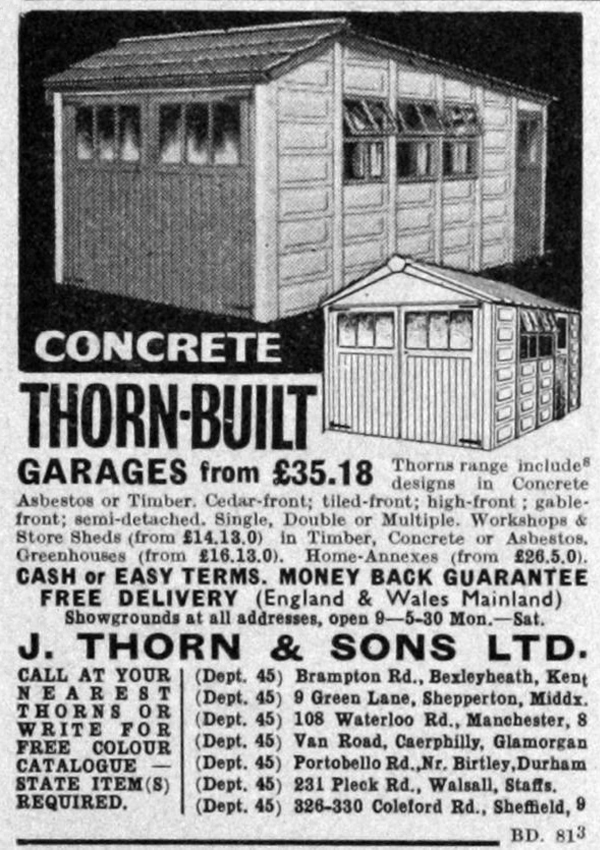
Also supplying an exciting array or industrial buildings.
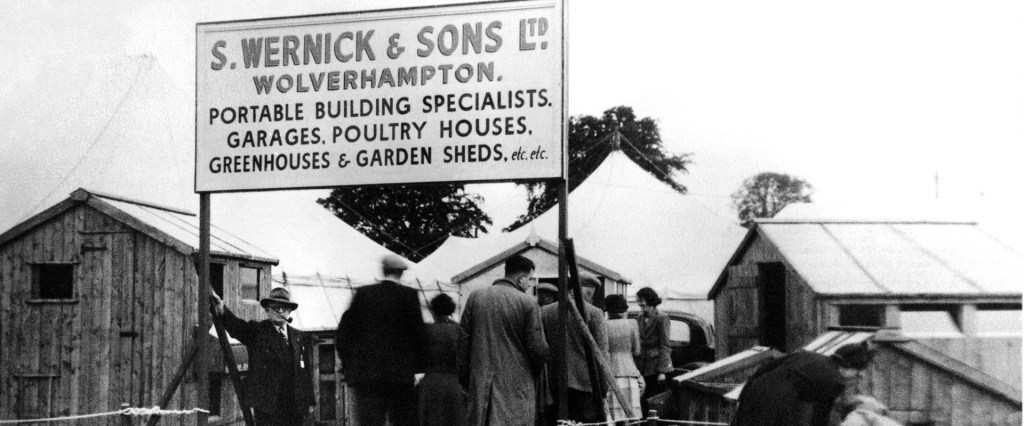
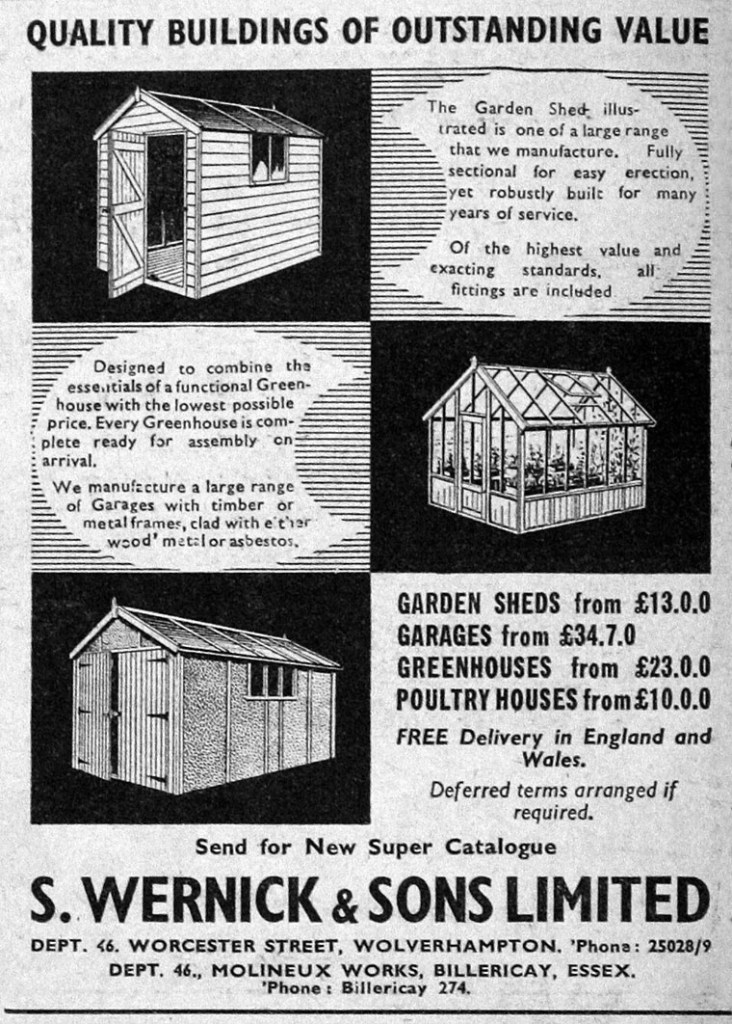
S Wernick & Sons still very much in business
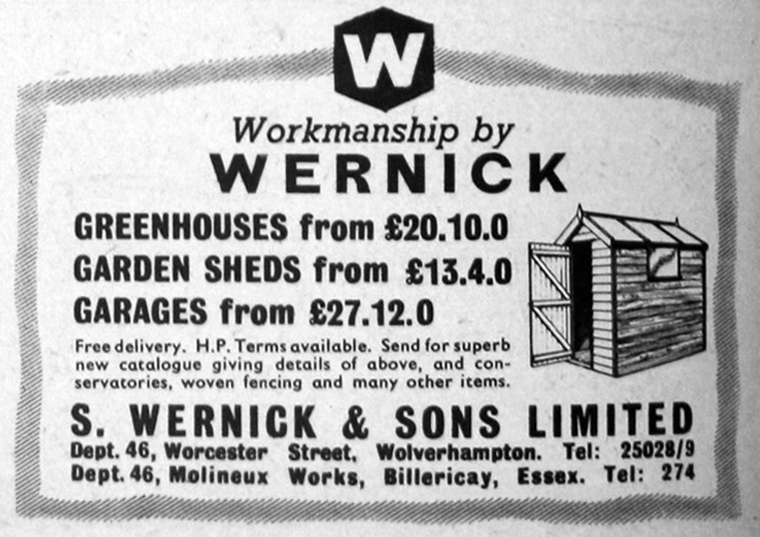
We now live in an age of endless non-stop domestic extension, all of the above are reminders of an age when extra external domestic space was added over a weekend, with help from a friend.
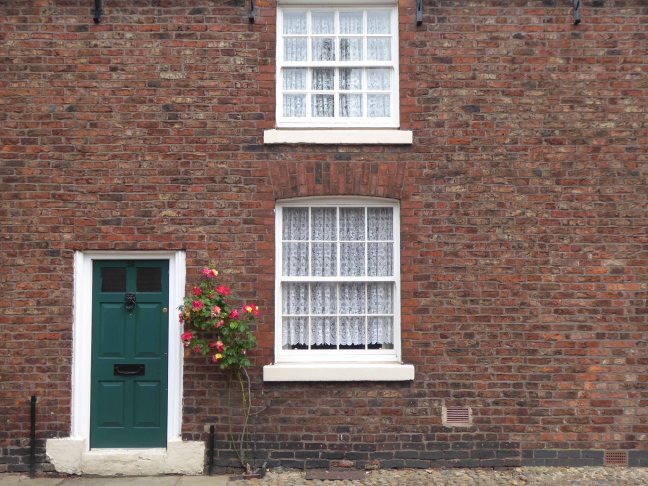

Fairfield is a suburb of Droylsden in Tameside, Greater Manchester, England. Historically in Lancashire, it is just south of the Ashton Canal on the A635 road. In the 19th century, it was described as “a seat of cotton manufacture”. W. M. Christy and Sons established a mill that produced the first woven towels in England at Fairfield Mill.

Fairfield is the location of Fairfield High School for Girls and Fairfield railway station.
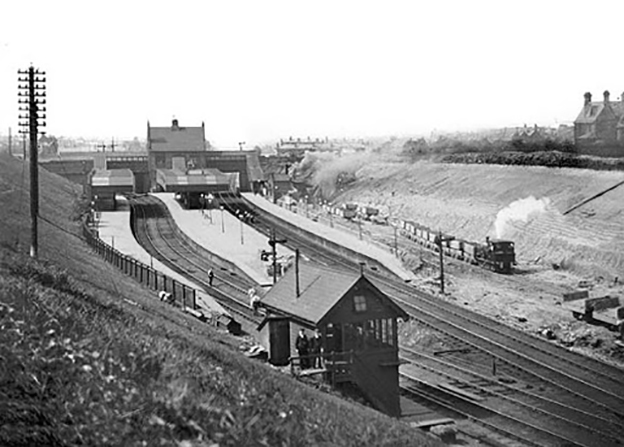
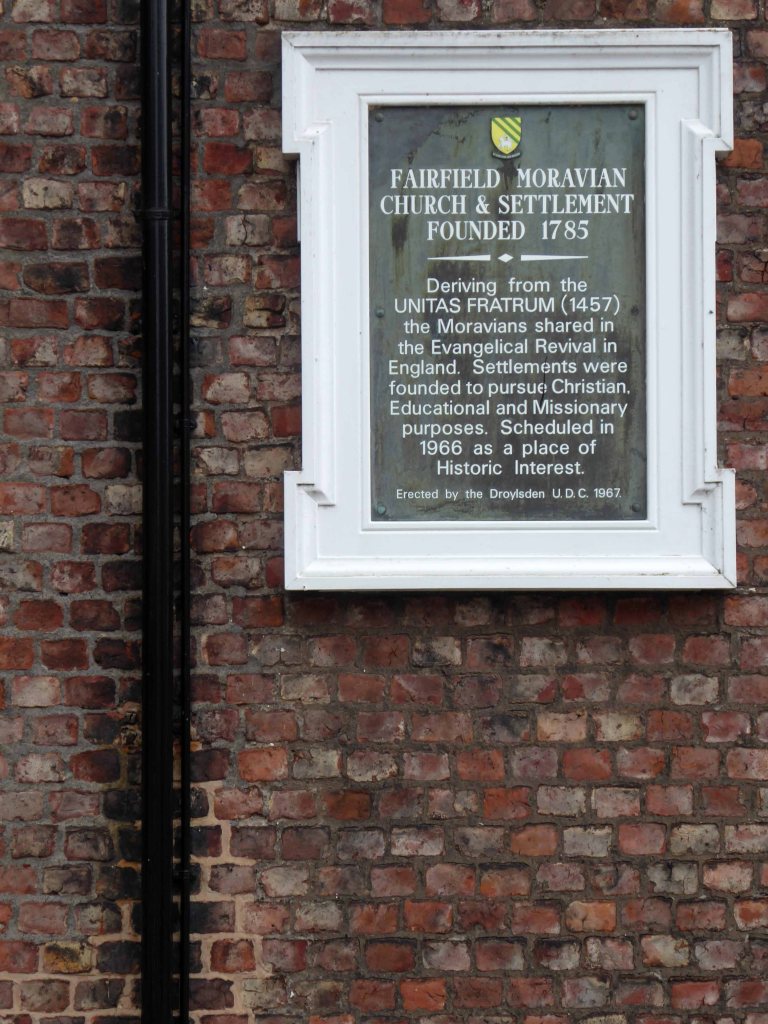
The community has been home to members of the Moravian Church for many years after Fairfield Moravian Church and Moravian Settlement were established in 1783.
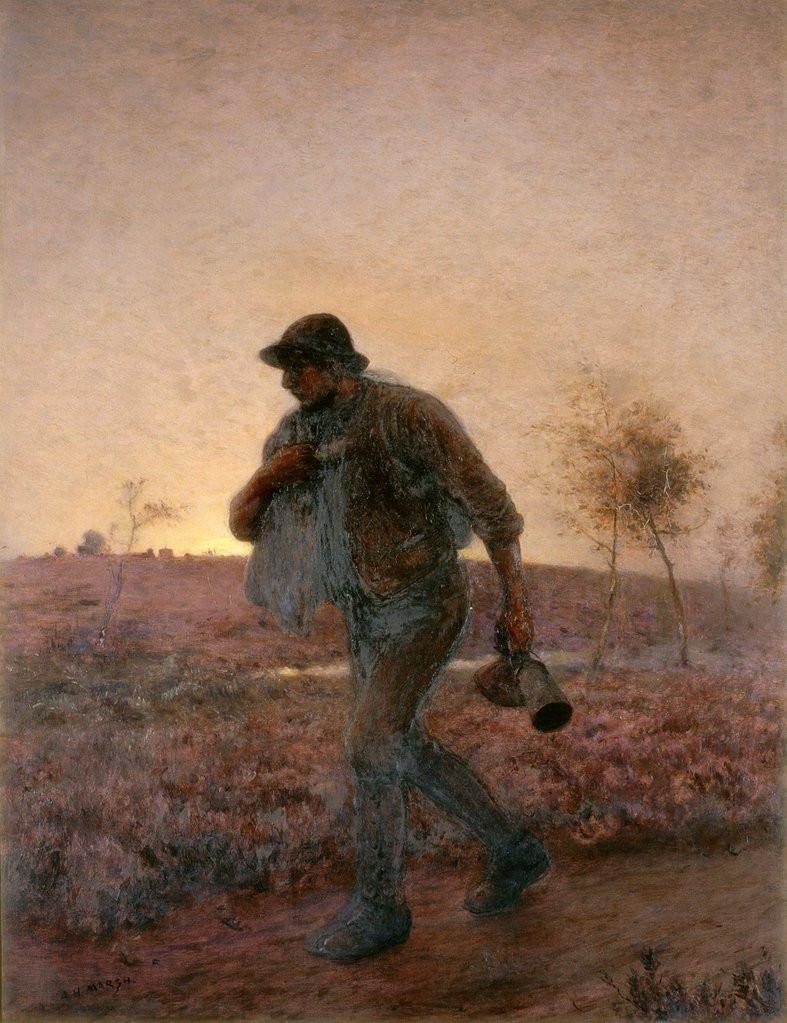
Notable people from Fairfield include the artist Arthur Hardwick Marsh (1842-1909)
Also the merchant banker and art collector Robin Benson (1850–1929).
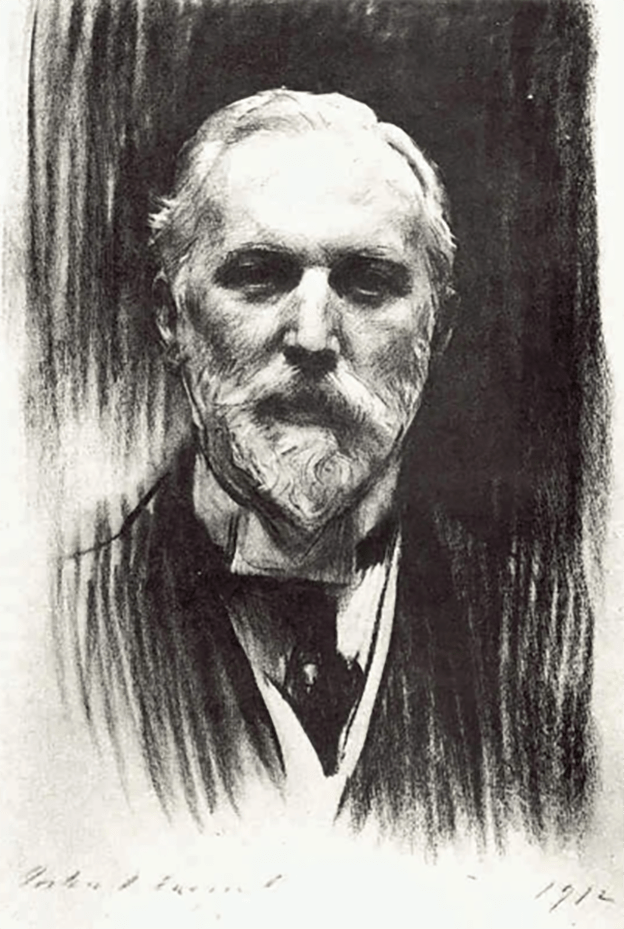
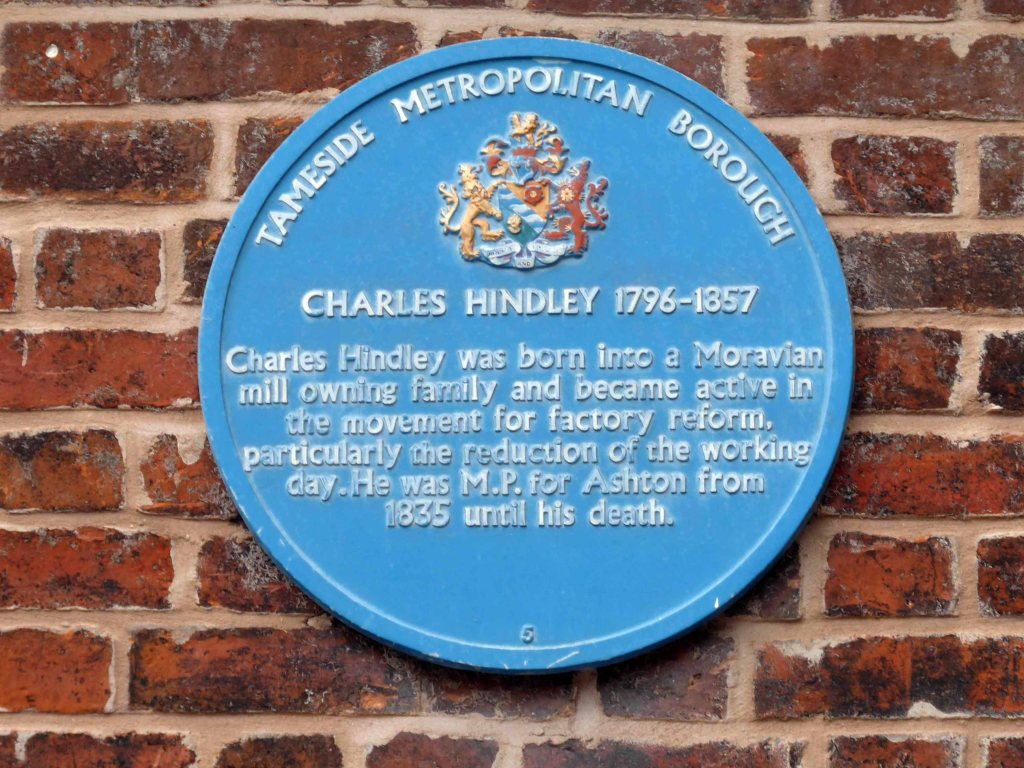
Charles Hindley 1796 – 1857 was an English cotton mill-owner and radical politician the first Moravian to be elected as an MP.

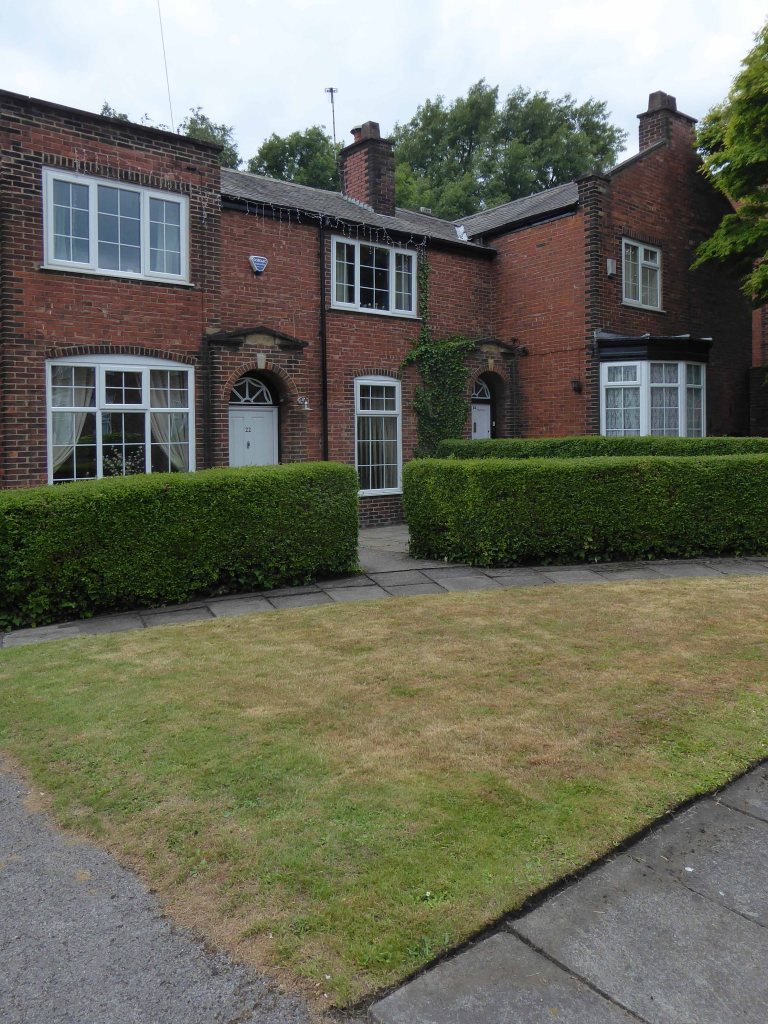
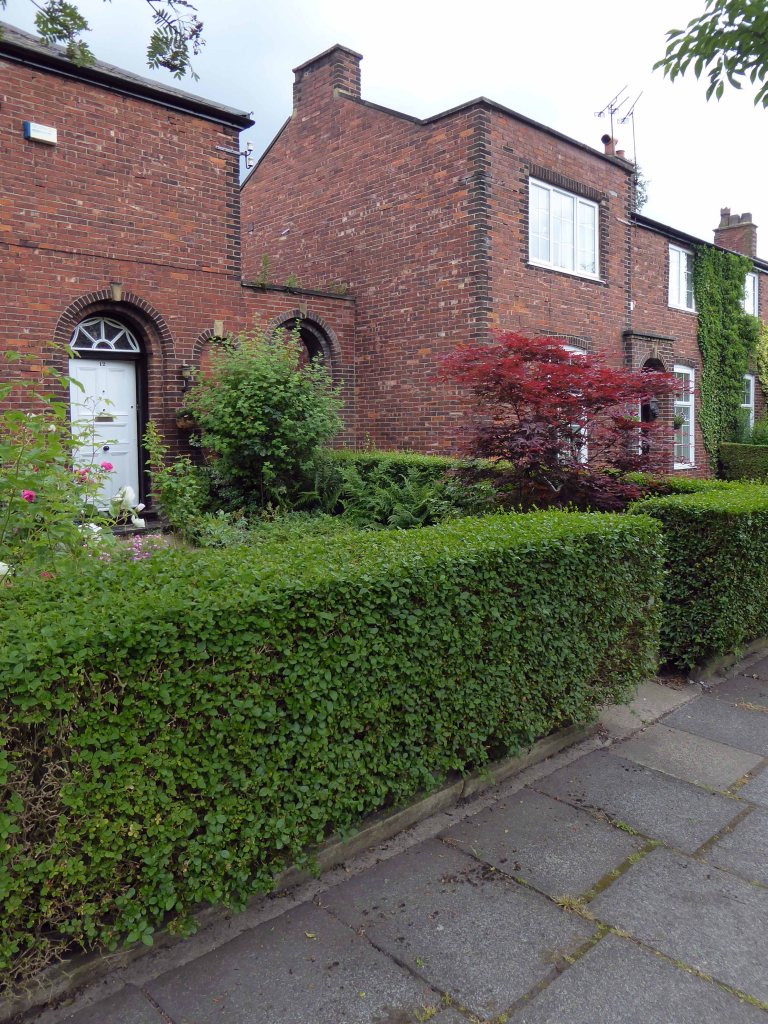
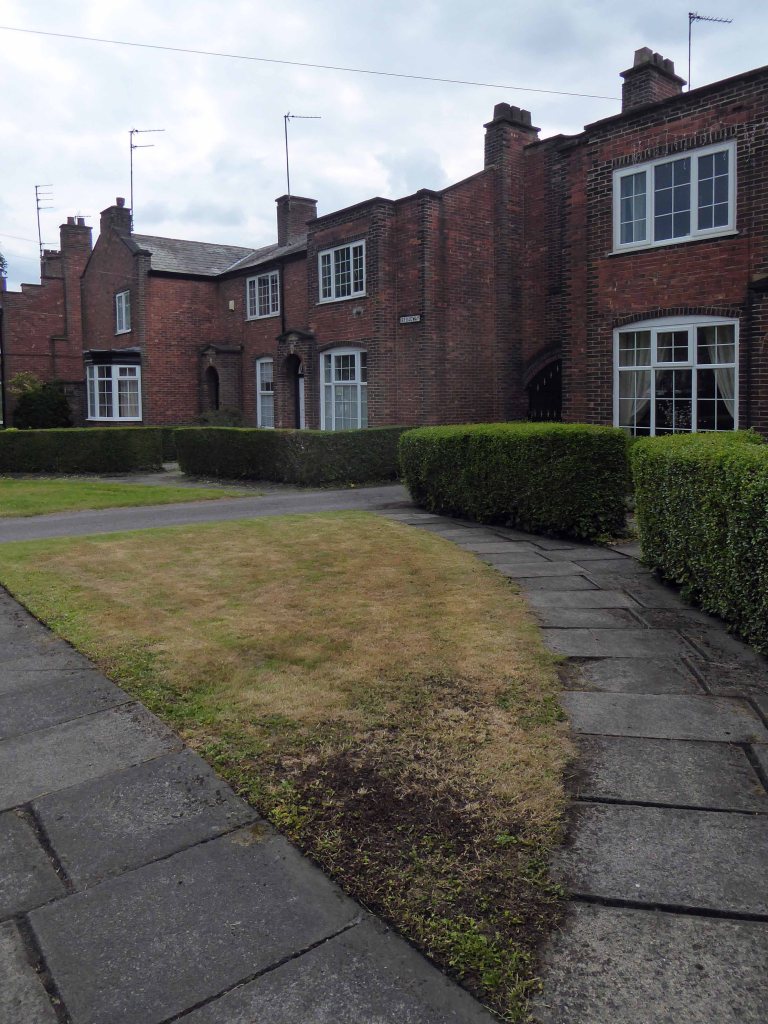
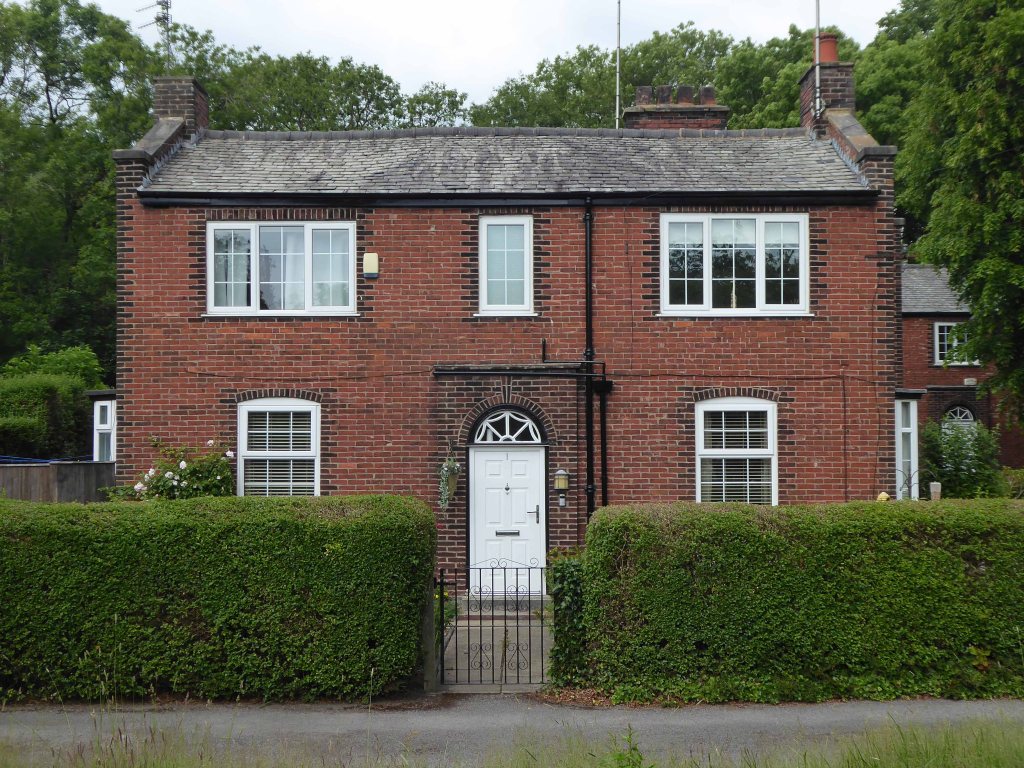
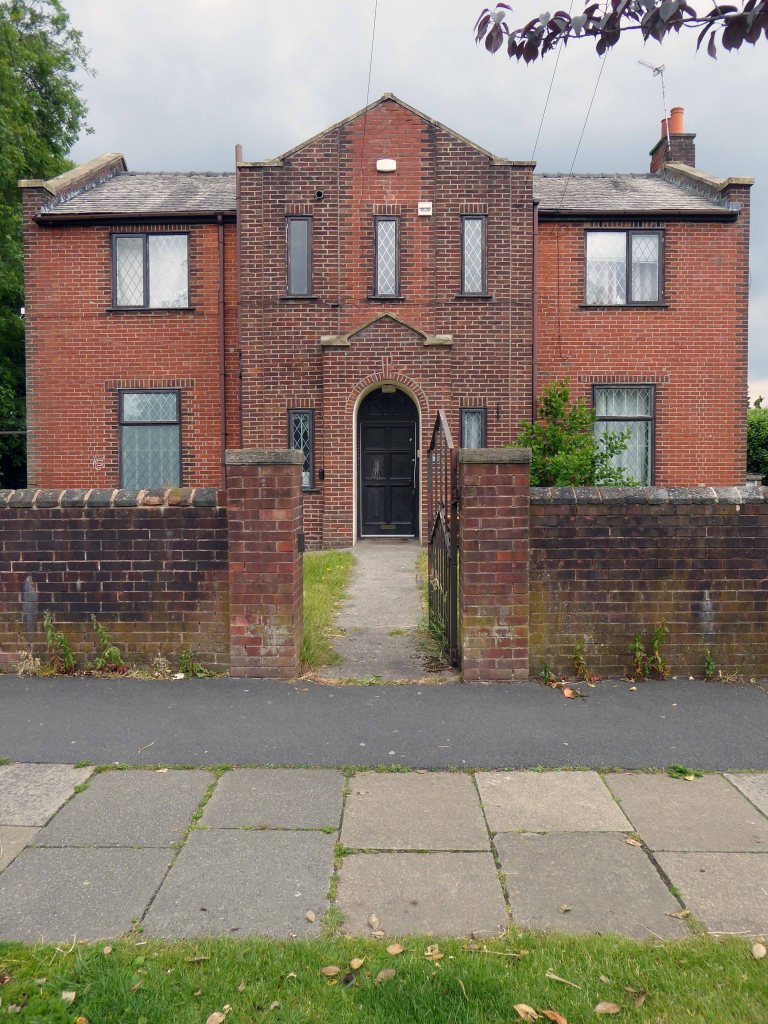
Turning into Fairfield Avenue from Ashton Old Road you’ll find Broadway sitting prettily on your right hand side. It was intended to be an extensive Garden Village but was abandoned at the outbreak of the First World War. The estate consists of 39 houses, built between 1914 and 1920 in a neo-Georgian style. These are a mixture of detached, semi-detached and terraces in a range of sizes.
Edgar Wood and James Henry Sellers were the architects responsible for the scheme.
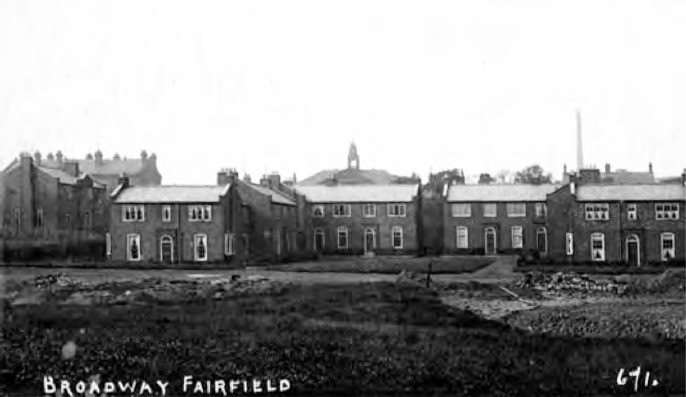
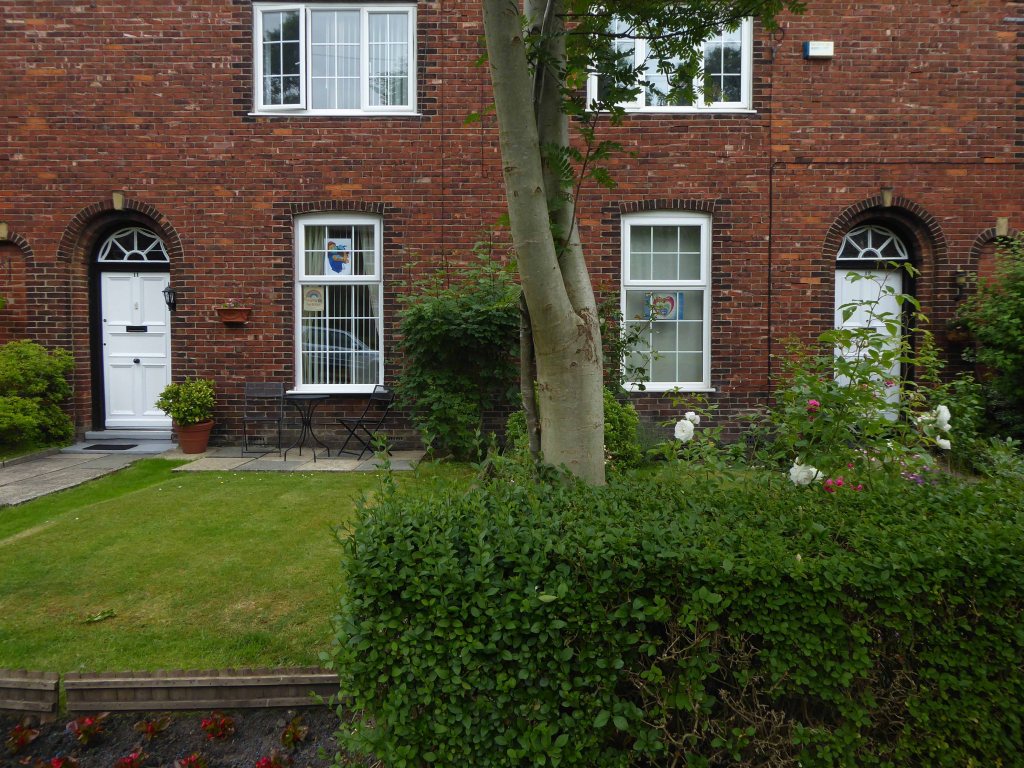
Broadway is a small scale example of a garden suburb development and is composed of a mixture of detached, semi detached and terraced houses ranging in size and built in a reddish-orange brick with dark brick dressing and patterning. The properties appear to be generously proportioned and they share similarities in design and construction and a unifying scheme of decoration.
It is suggested that the ‘imaginative exploitation of the levels and texture suggest that Woods was responsible for the layout, but the chaste Neo-Georgian character of the houses undoubtedly reflects the taste of Sellers’.
It forms a major part of the Fairfield Conservation Area.
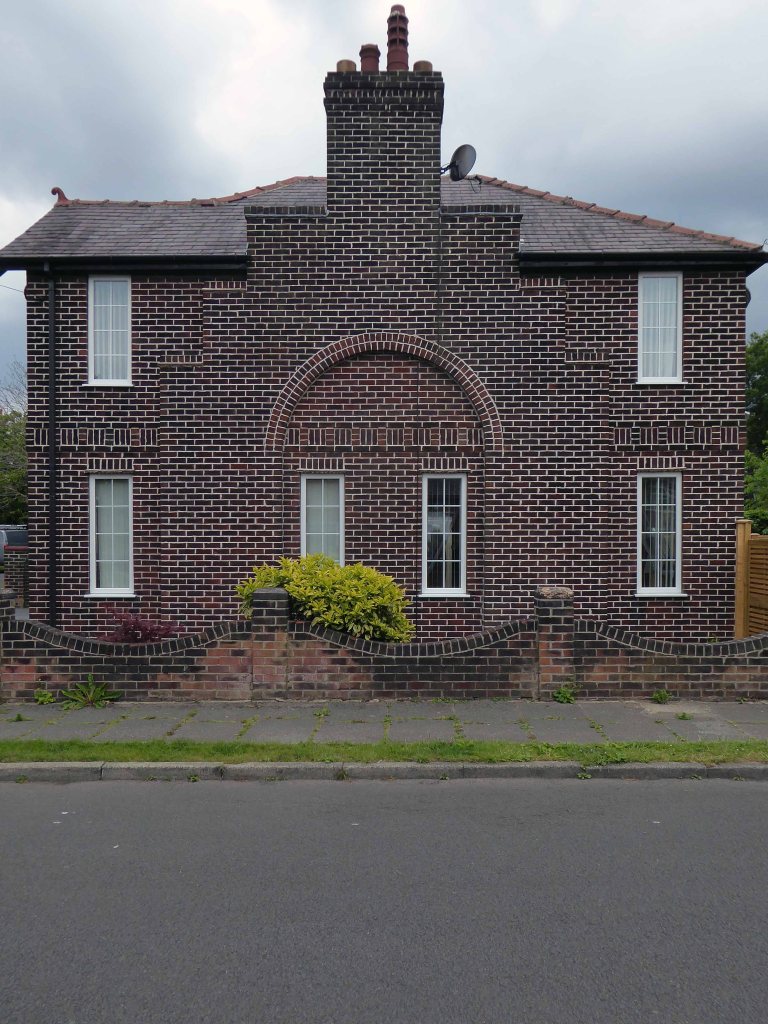
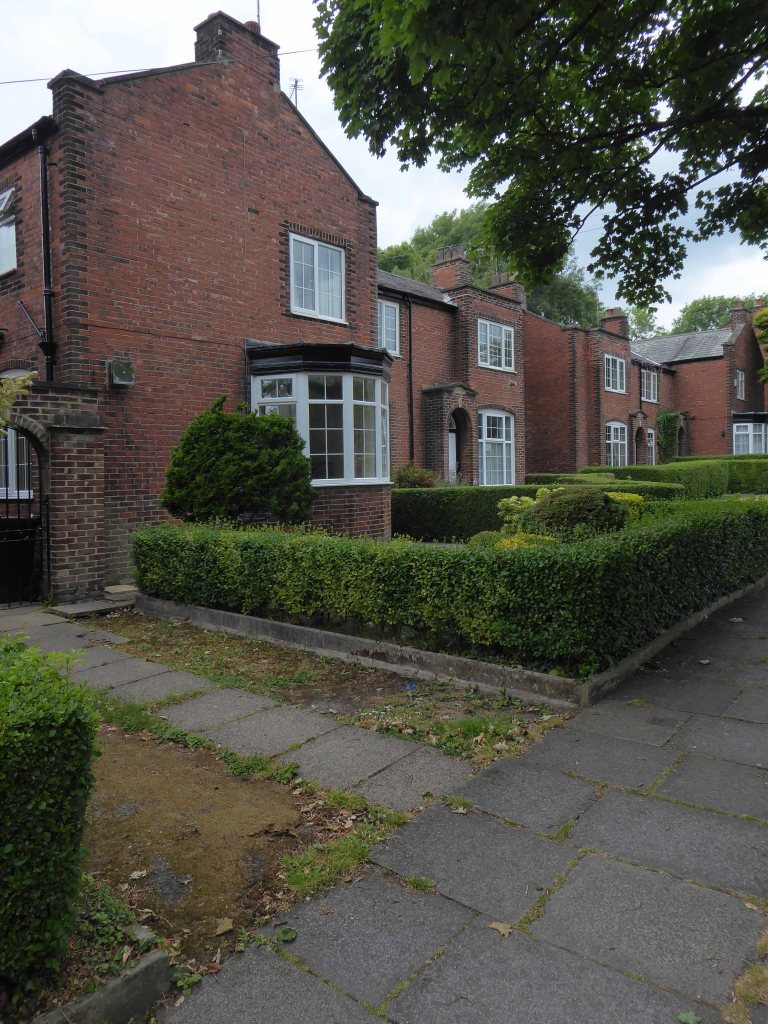
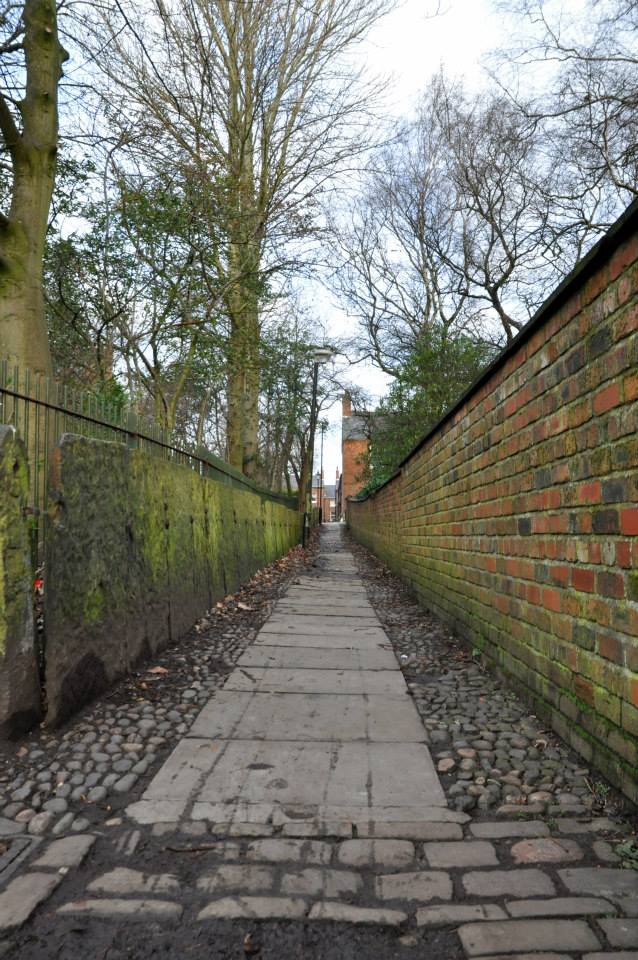
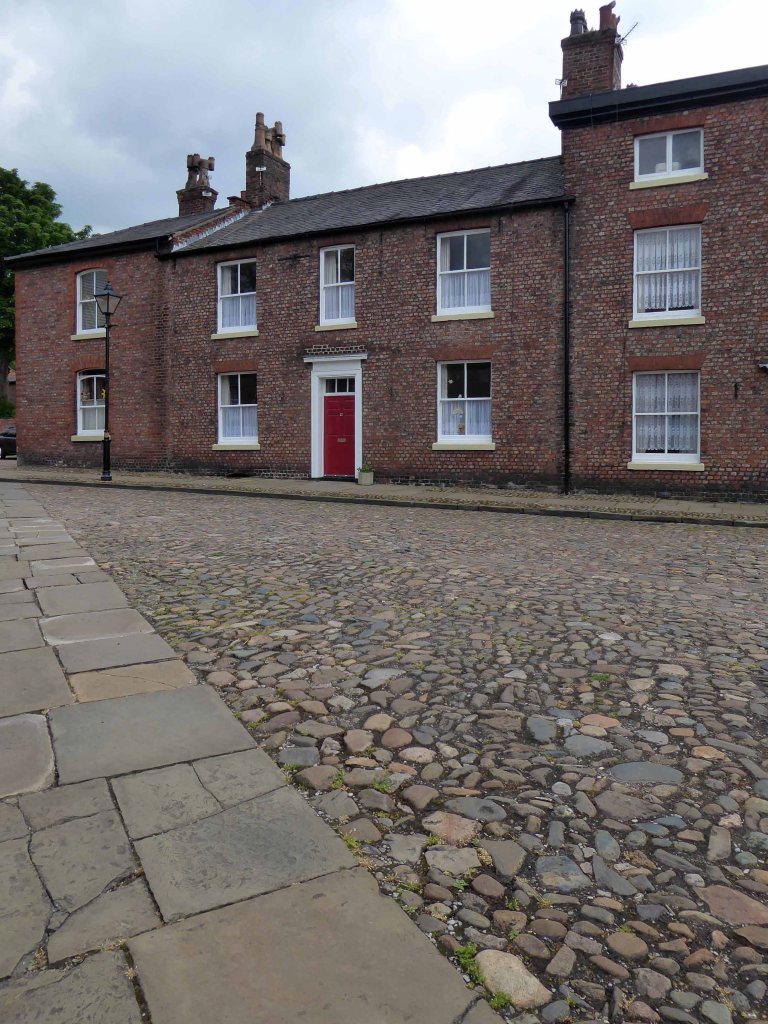
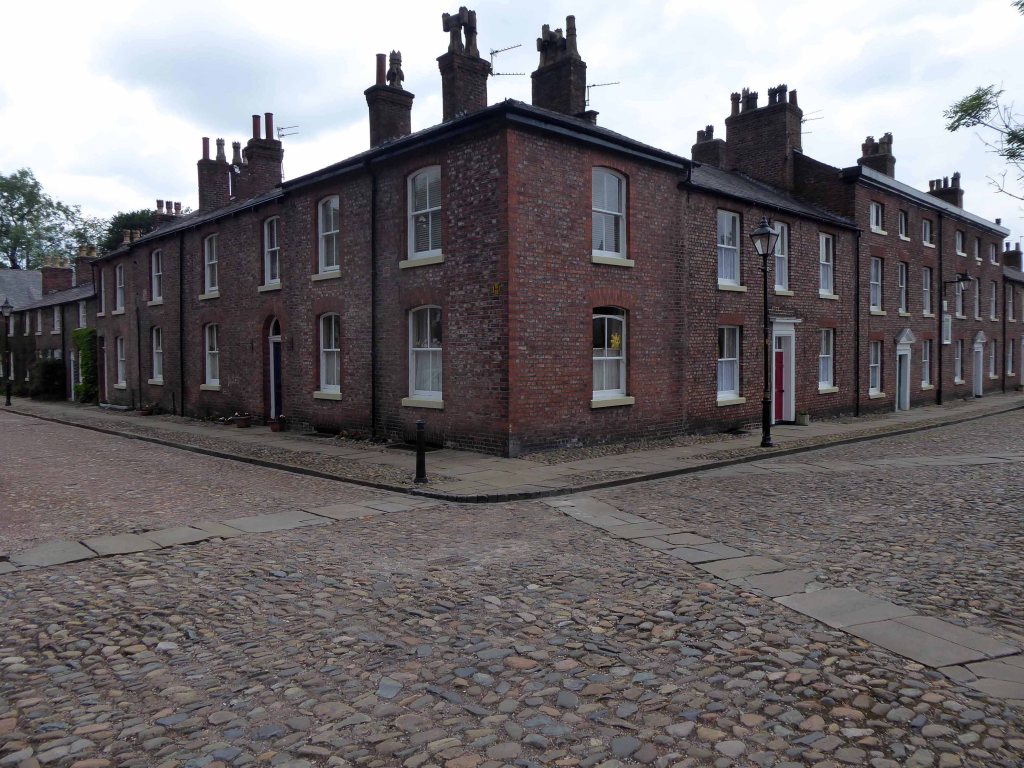
Sneaking through the alley – lined with a Yorkshire Stone fence you enter the Moravian Settlement.

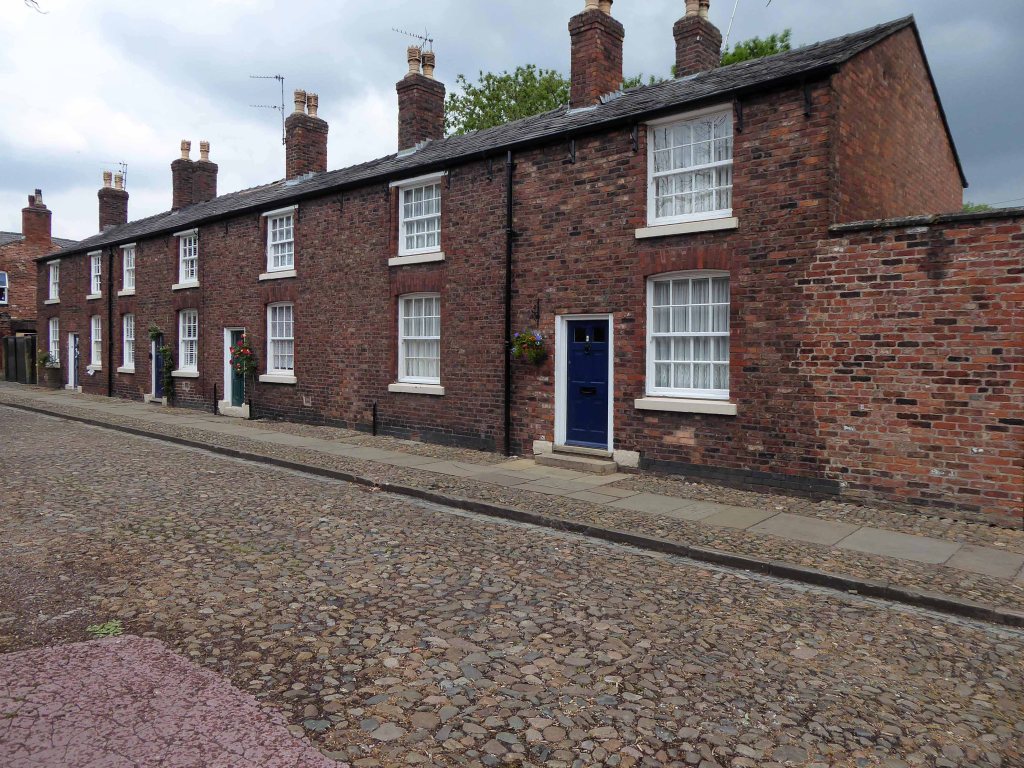
The Unitas Fratrum or Moravian Church is an international Protestant Christian group which originated from the followers of Jan Hus in Bohemia (now part of the Czech Republic) during the 15th century. As a result of persecution, the group eventually re-established itself in Saxony in the early 18th century, and it is from there that followers first came to this country in the 1730s, with the intention to go on to carry out missionary work in America and the Caribbean. A decision was taken to establish the first Moravian Settlement in England at Fulneck in Yorkshire in 1744. The first Moravian settlement to be located in Tameside was in Dukinfield during the 1740s. It was there that they laid the foundation stone for their chapel at the top of Old Road in May 1751. By 1783, 40 years after their first arrival in Tameside, the lease on their land at Dukinfield expired, and negotiations for a new one proved difficult. This resulted in the purchase and removal of the community to a 54 acres site at Broad Oak Farm in Droylsden where they established a new settlement known as Fairfield.
As well as providing domestic accommodation, the buildings at Fairfield had industrial functions. During the late 18th and 19th centuries the Settlement would have been a hive of religious and industrial activity, which included the church, schools, domestic dwellings, inn, shop, bakery, laundry, farm, fire engine, night-watchman, inspector of weights and measures, an overseer of roads, physician, as well as handloom weaving and embroidery.




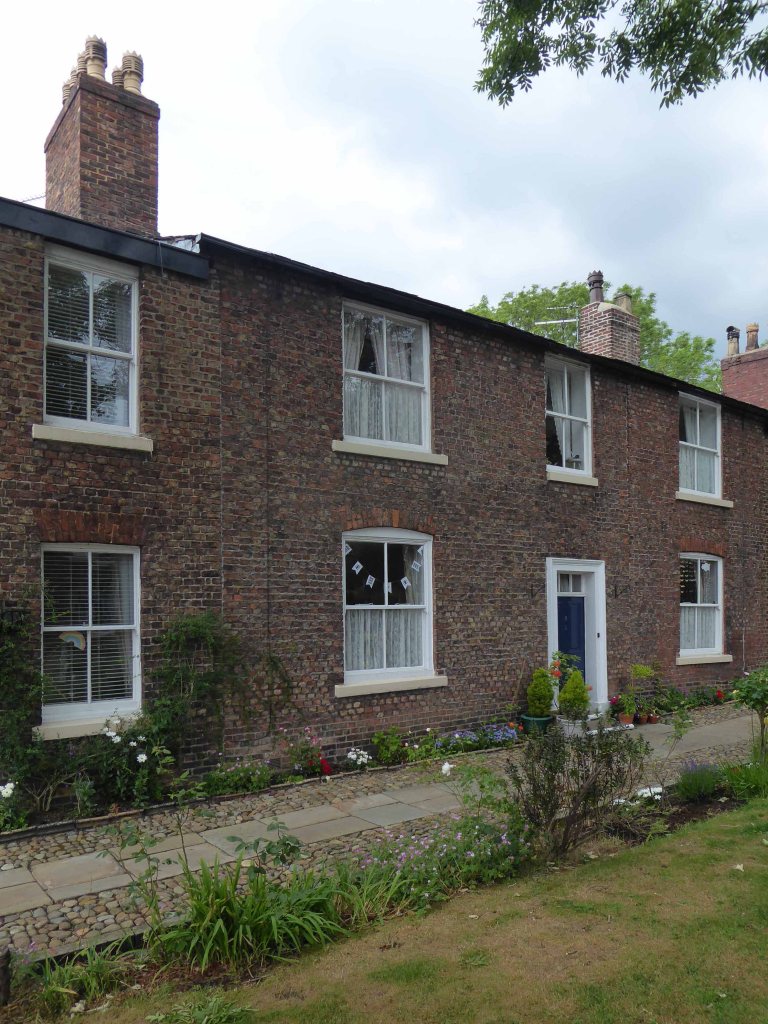
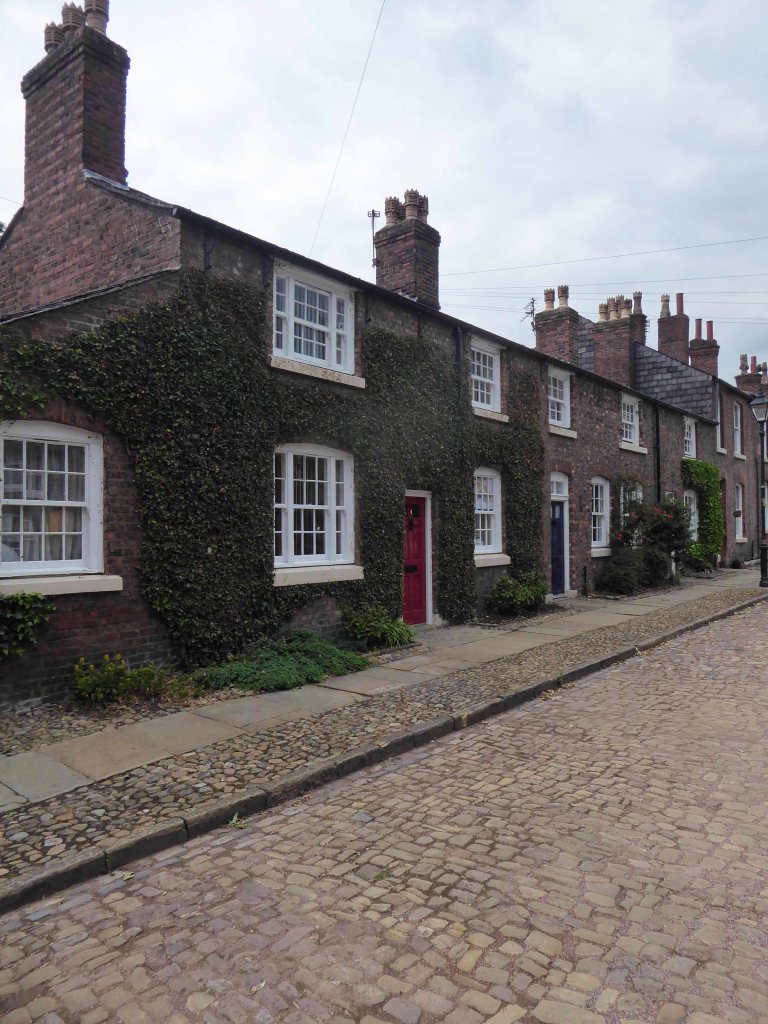

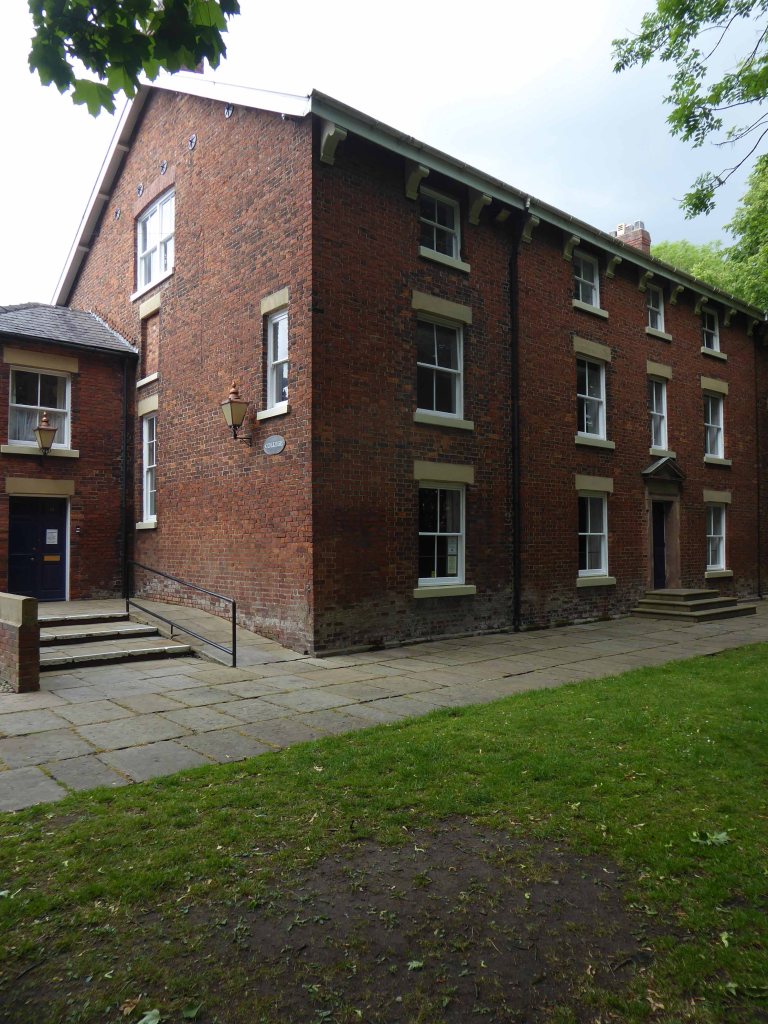
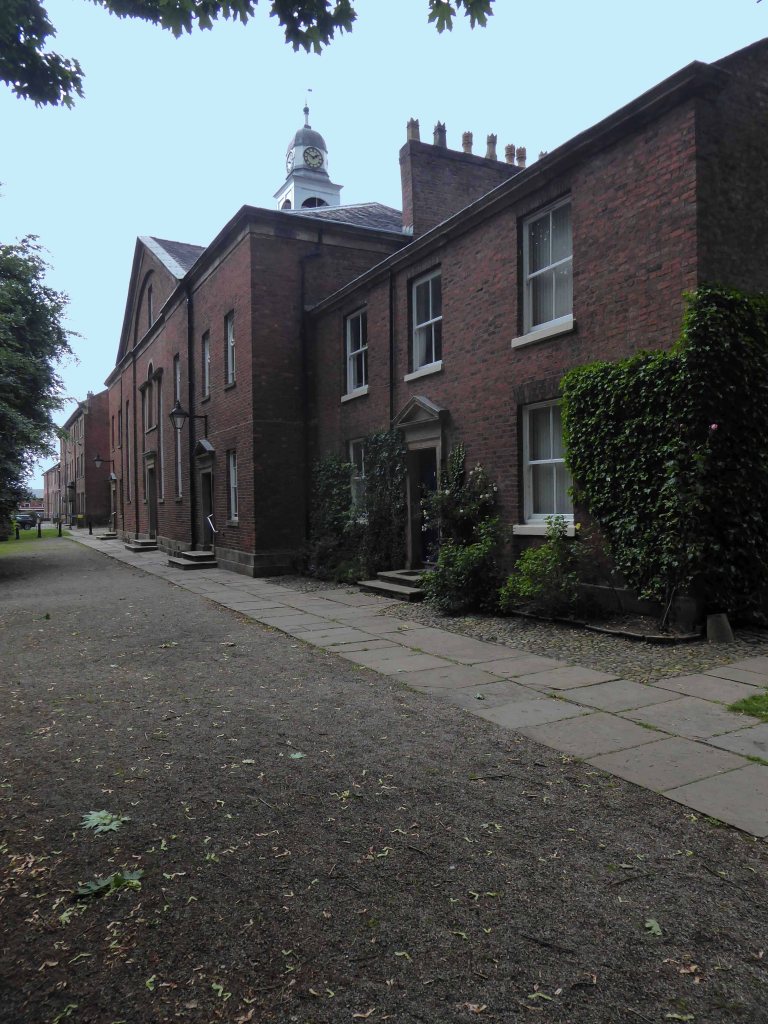
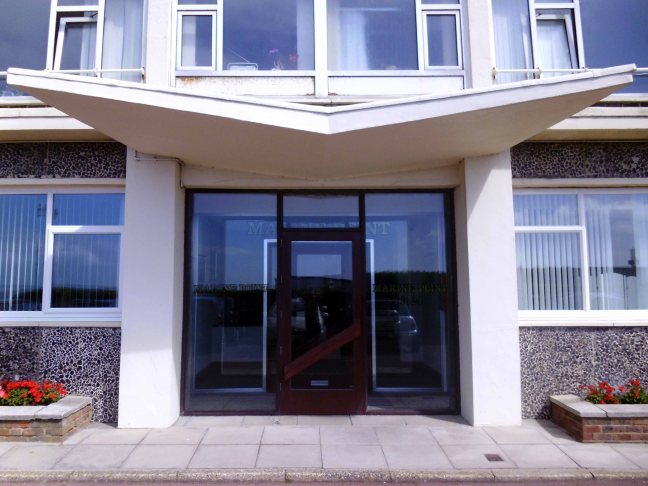
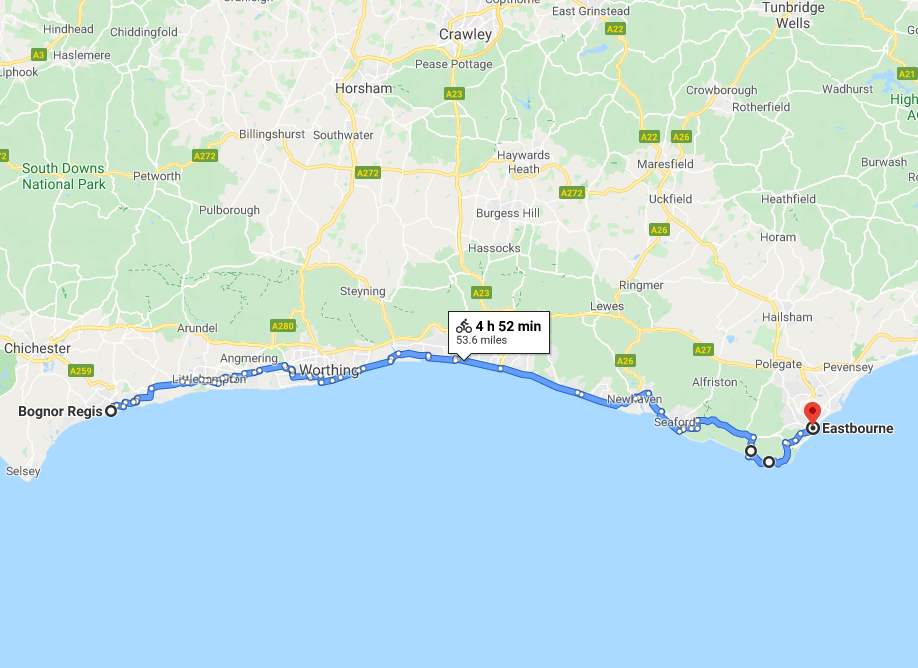
It’s Tuesday 5th August 2015 and the taps don’t match – is this a good omen?
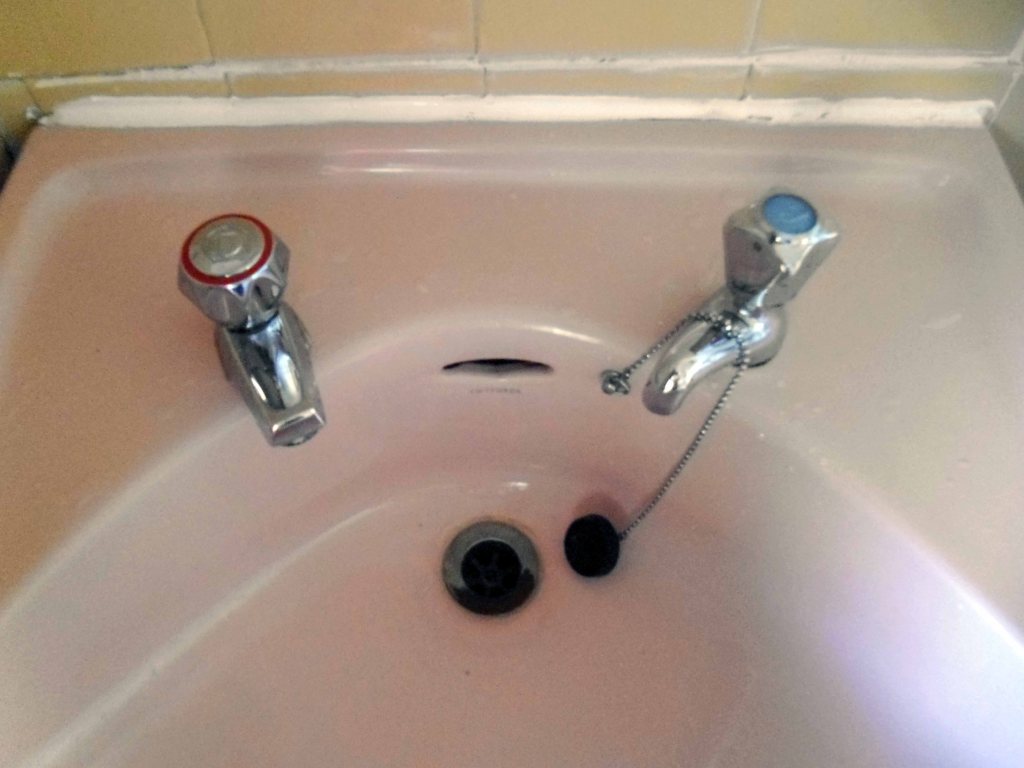
Or simply proprietorial pragmatism?
And why is the sink a funny shape?
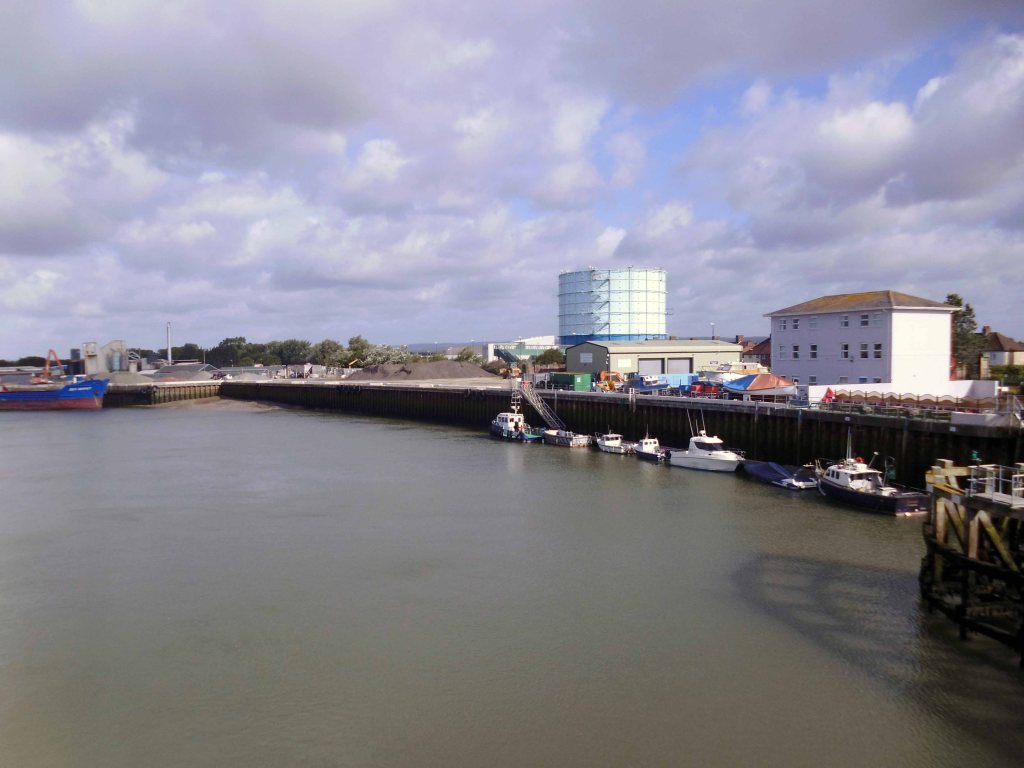
Any road up we’re off up the road, the sun’s a shining and here we are in Littlehampton.
Looking at a pale blue gas holder, some way off in the middle distance.
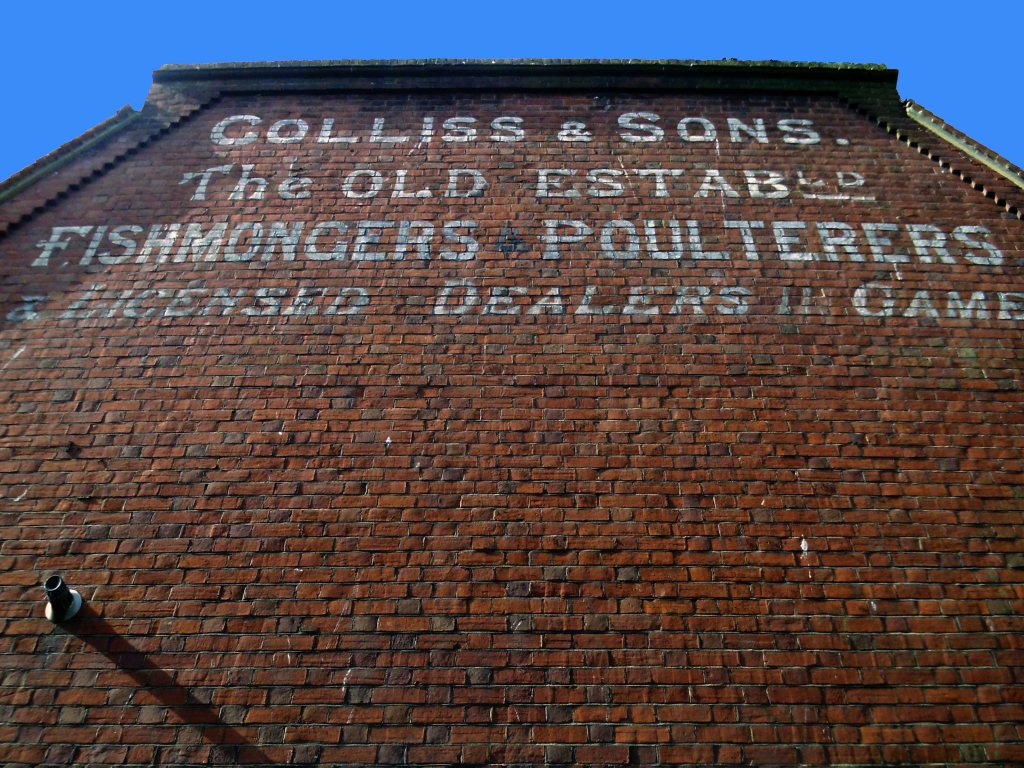
Staring up at a fishmonger’s ghost.
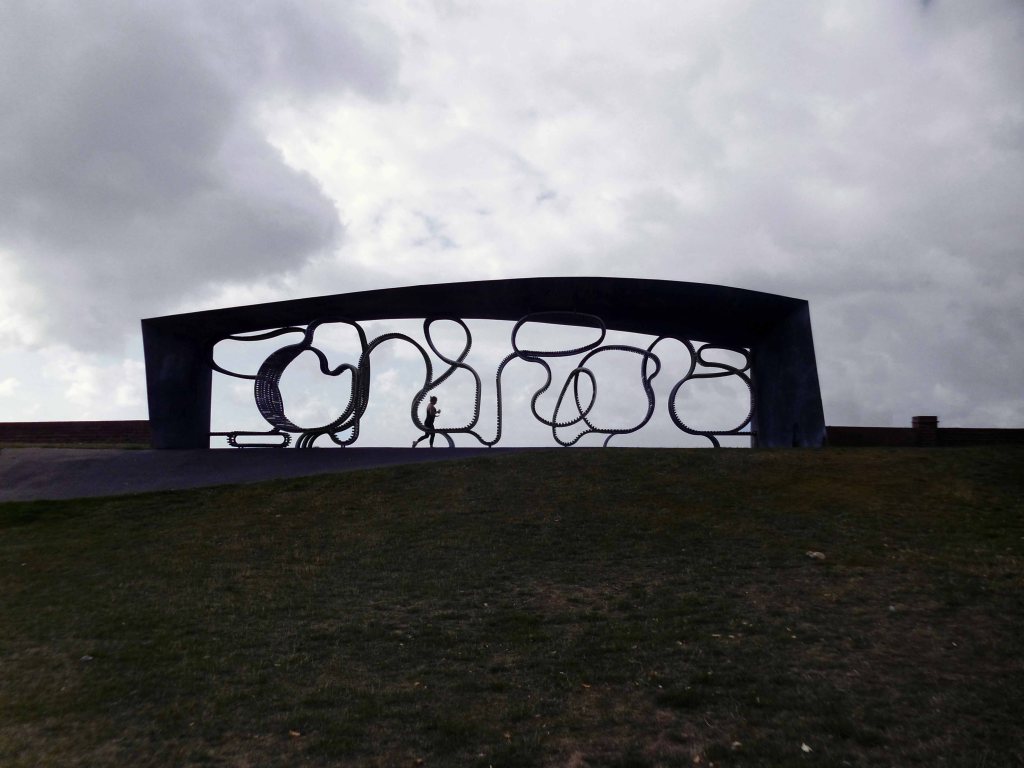
Passing by an ultra-squiggly seaside shelter as a runner passes by.
The Long Bench at Littlehampton is thought to be the longest bench in Britain and one of the longest in the world. The wood and stainless steel bench ‘flows’ along the promenade at Littlehampton in West Sussex – curving round lamp posts and obstacles, twisting up into the seafront shelters, dropping down to paths and crossings.
The bench was opened in July 2010 and can seat over 300 people. It was funded by Arun District Council and CABE’s ‘Sea Change’ capital grants programme for cultural and creative regeneration in seaside resorts. The bench was also supported by a private donation from Gordon Roddick as a tribute to his late wife Anita, the founder of the Body Shop, which first began trading in Littlehampton.
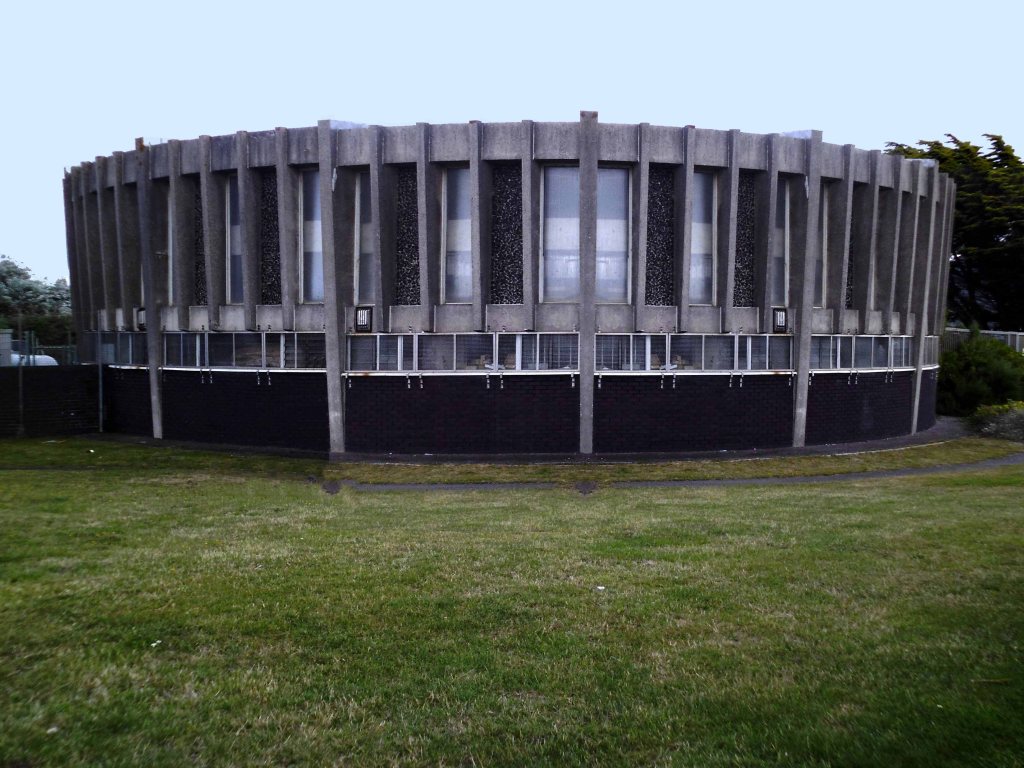
Water treatment plant.
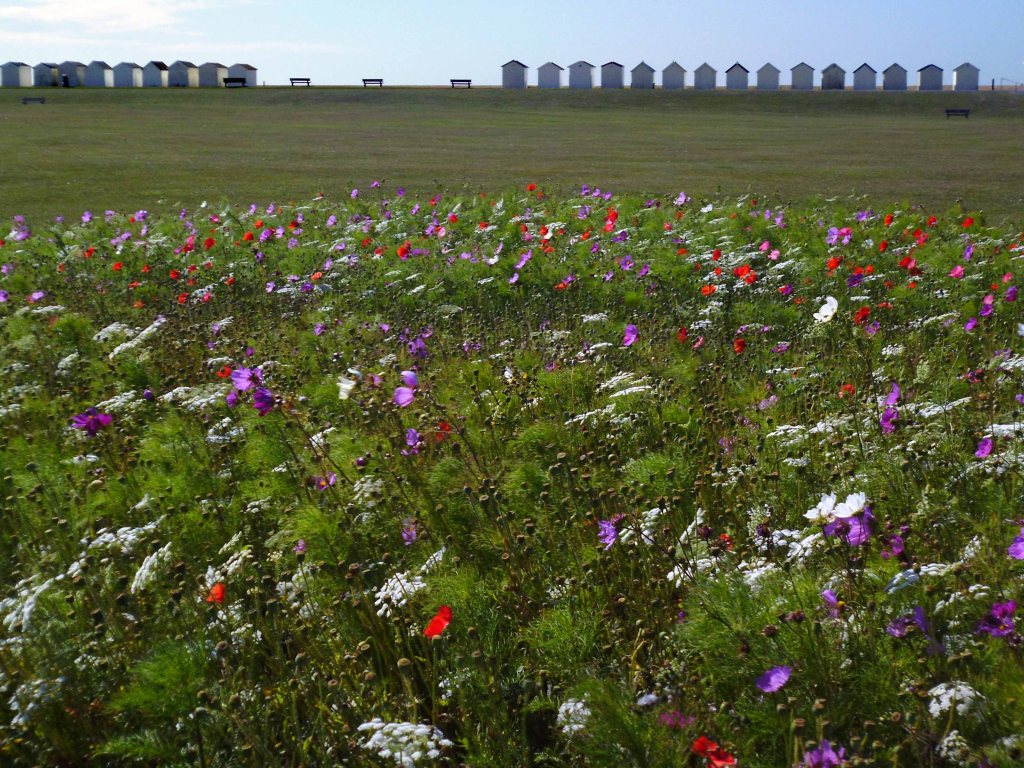
Nothing lifts the spirits quite like a wildflower meadow.
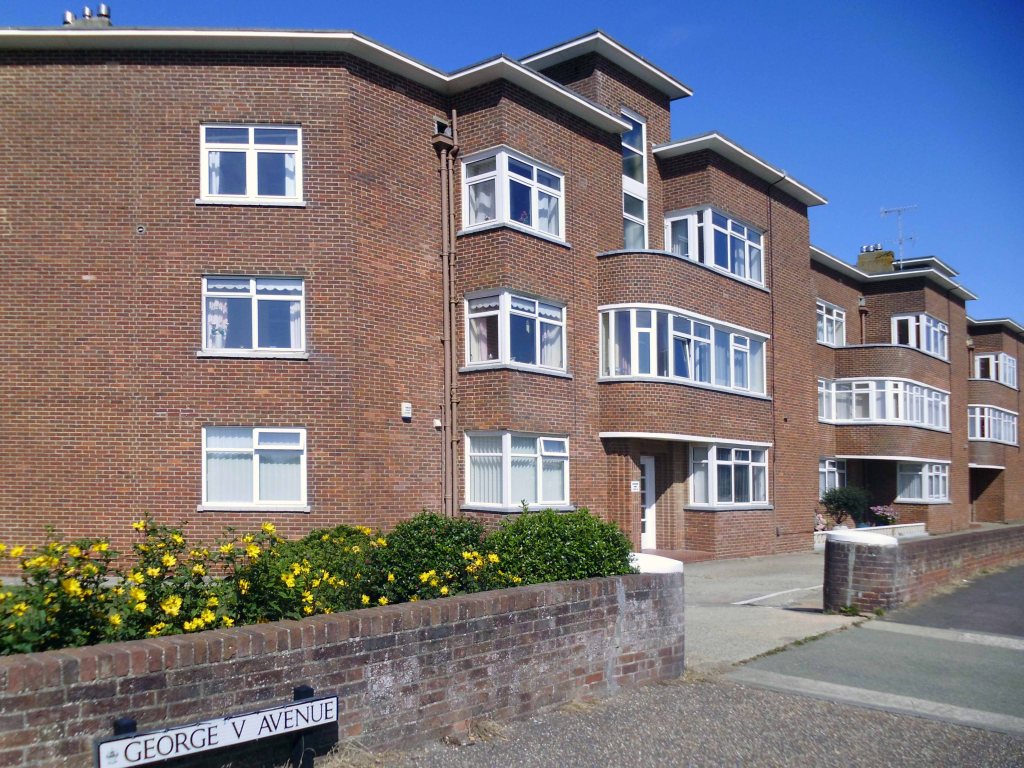
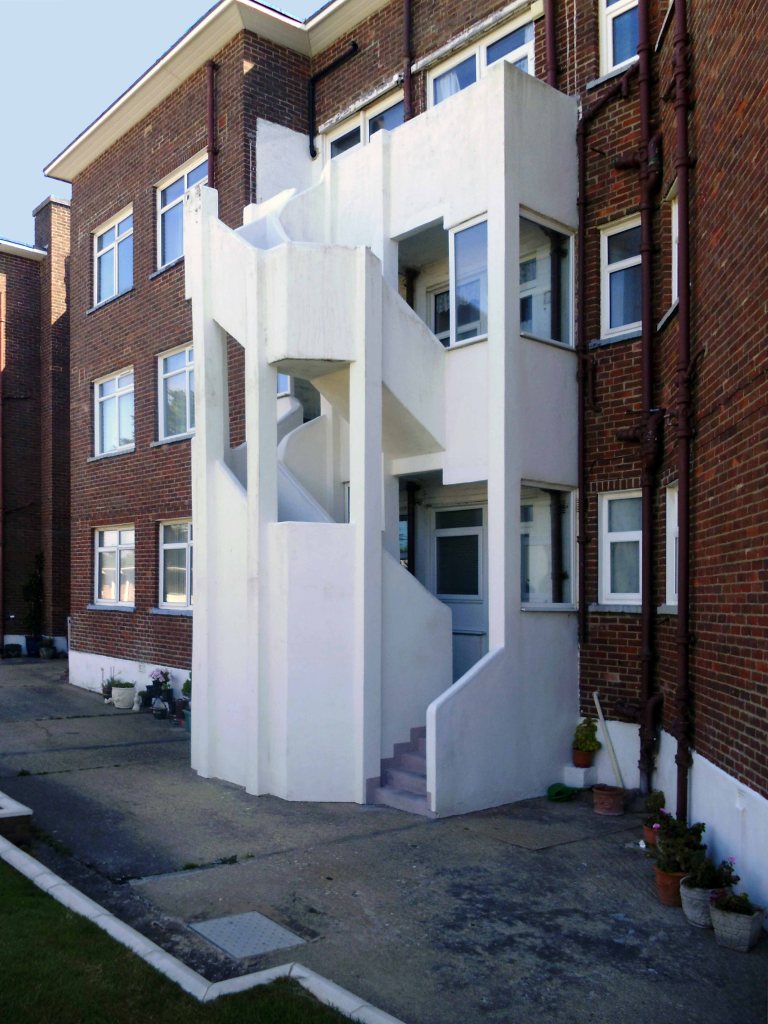
Imagine my surprise having gone around the back – an expressionist concrete spiral stairway.
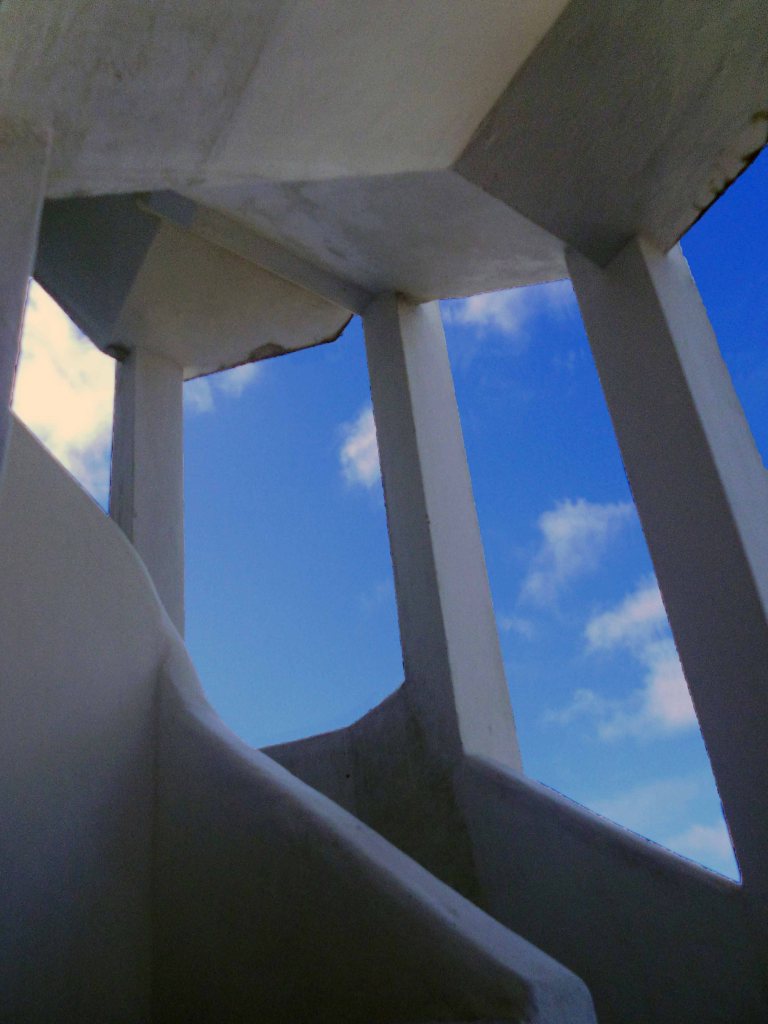
Letting the sky leak in here at Burlington Court in Goring on Sea
The phrase deceptively spacious is one that is often overused within the property industry, however it sums up this ground floor flat prospectively. Offering a great alternative to a bungalow and providing spacious and versatile living accommodation, this is an absolute must for your viewing list.
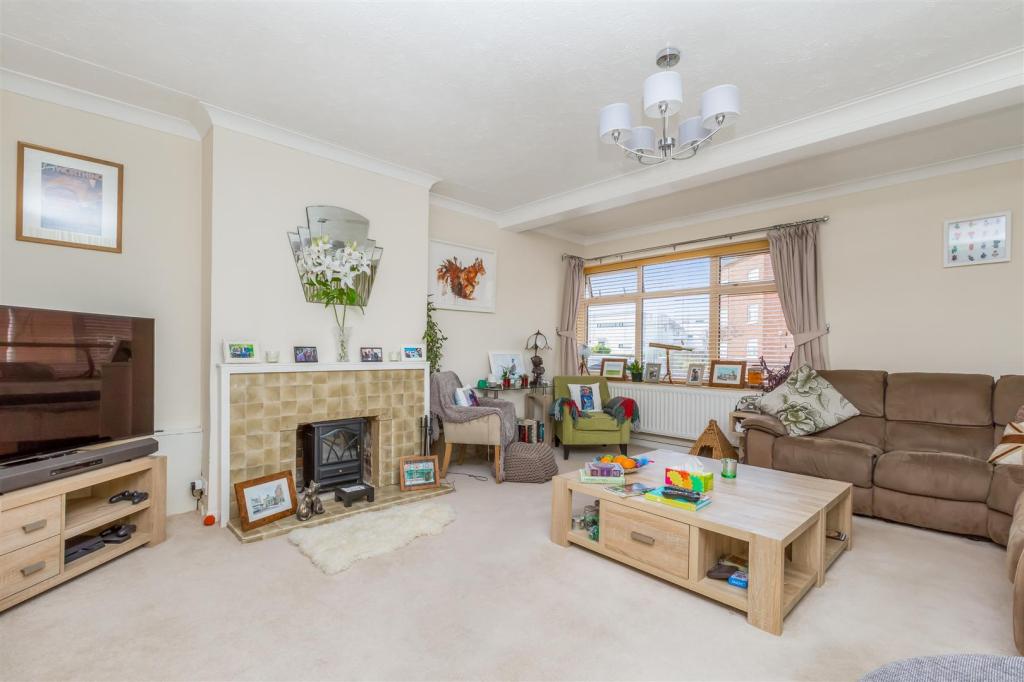
Prime Location £250,000
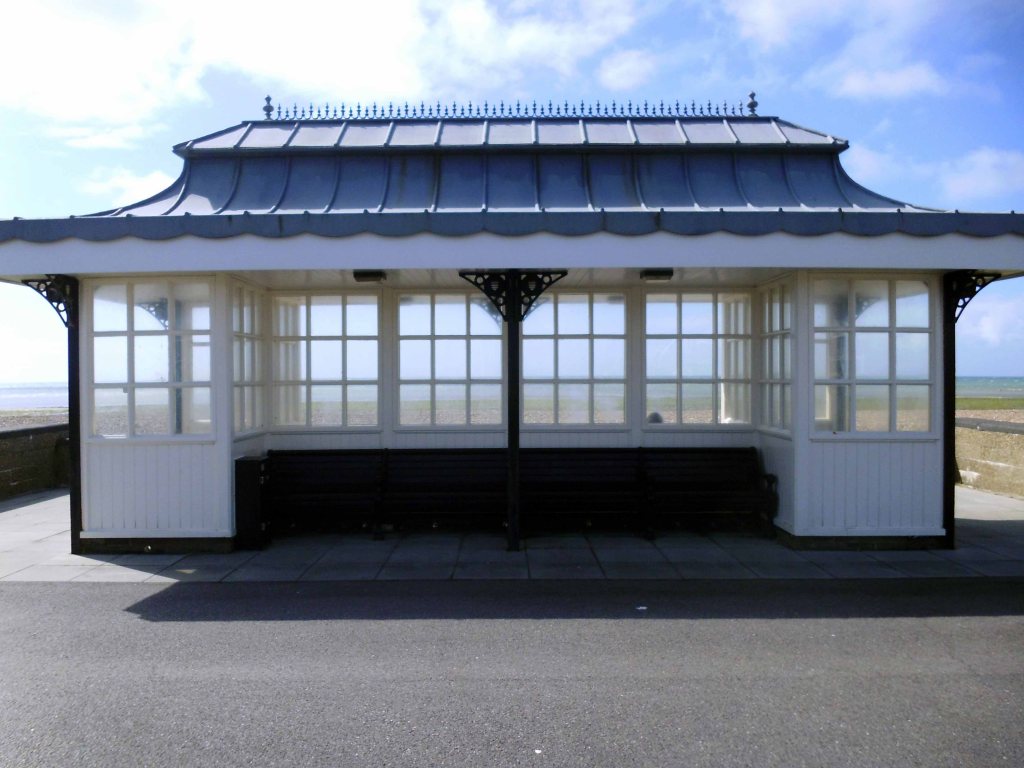
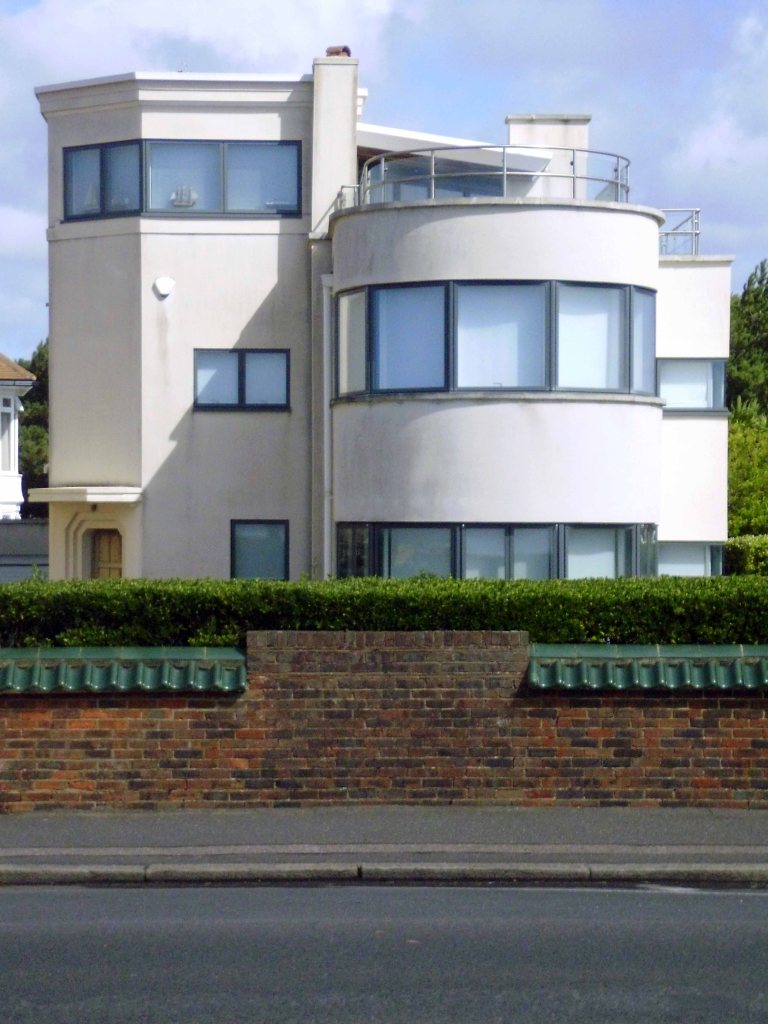

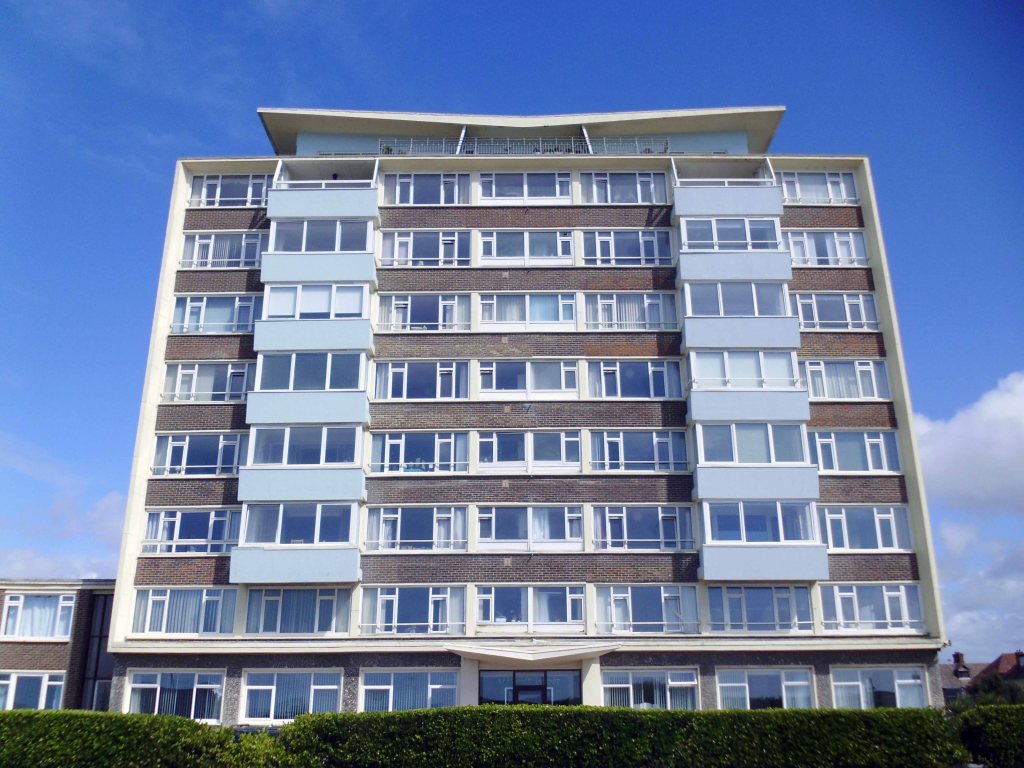
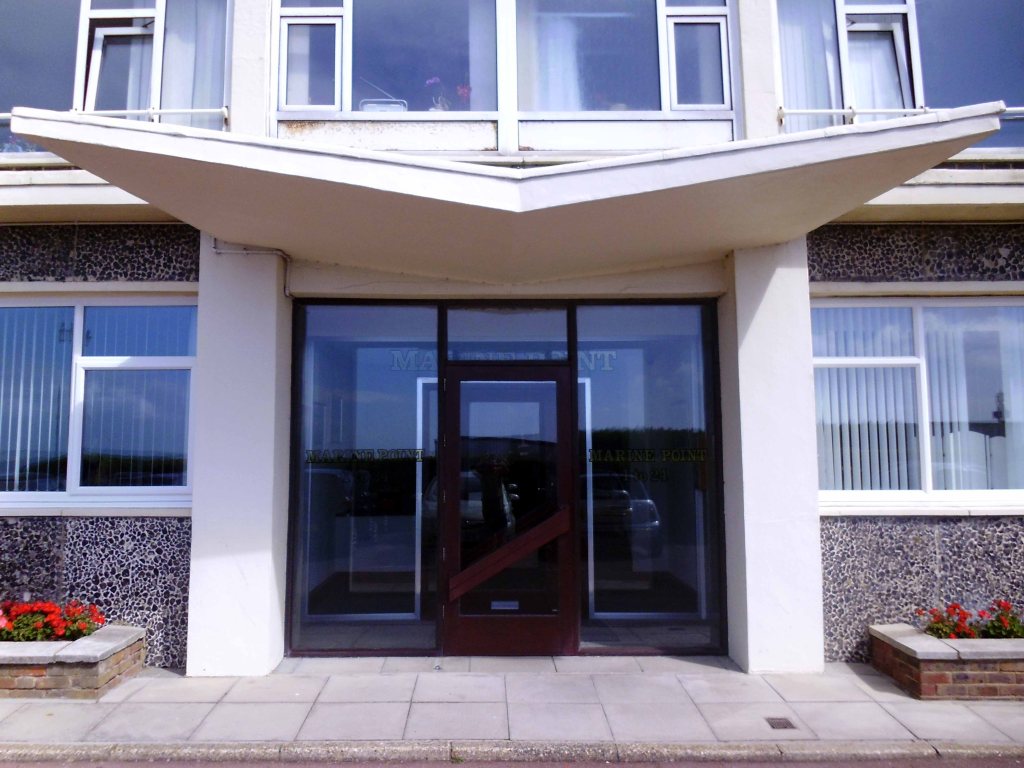
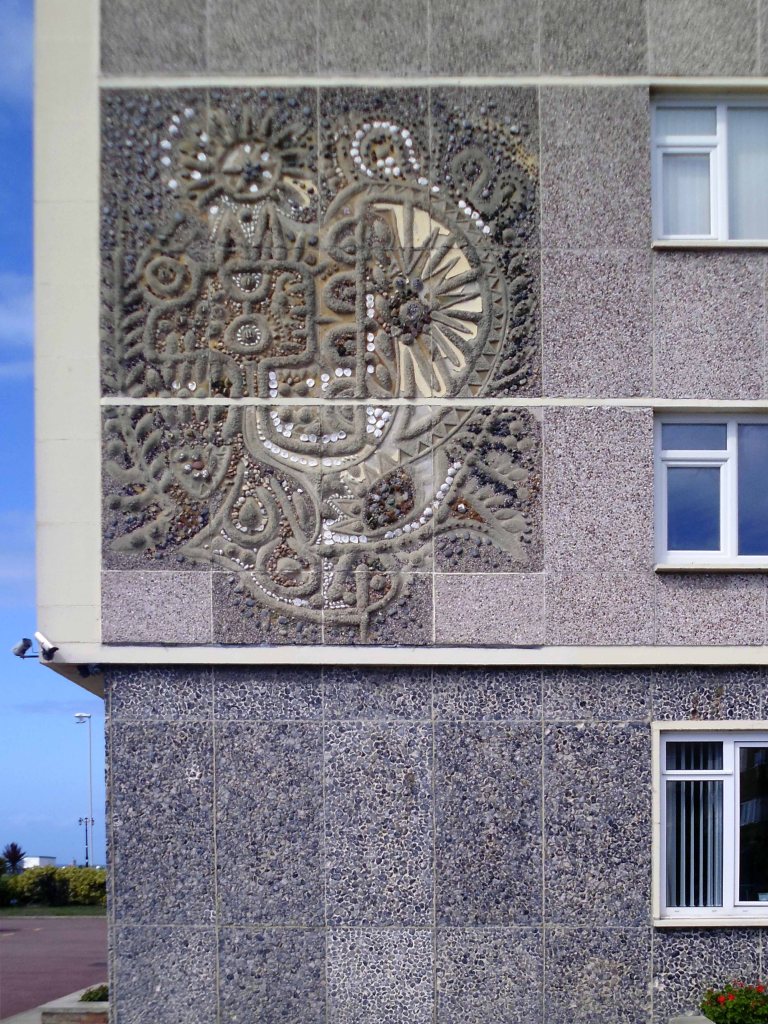
What a delightful Modernist frieze on the side of Marine Point – Worthing!
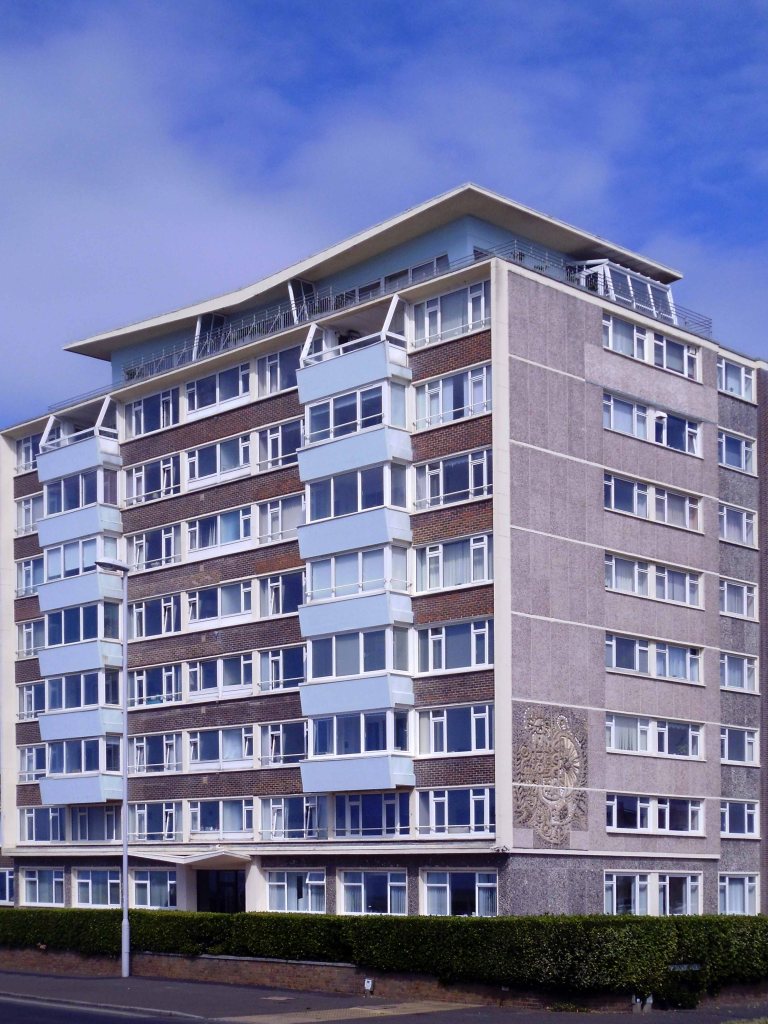
With lifts to all floors this triple aspect corner apartment is situated on the fifth level and has outstanding panoramic sea views across from Beachy Head to Brighton through to the Isle of Wight. It is also benefits from stunning South Down views to the west and north. The property has been recently refurbished to a high specification and includes features such as: Quick-Step flooring, security fitted double glazed windows, a hallway motion sensor lighting system, extensive storage space and two double bedrooms.
On The Market £450,000
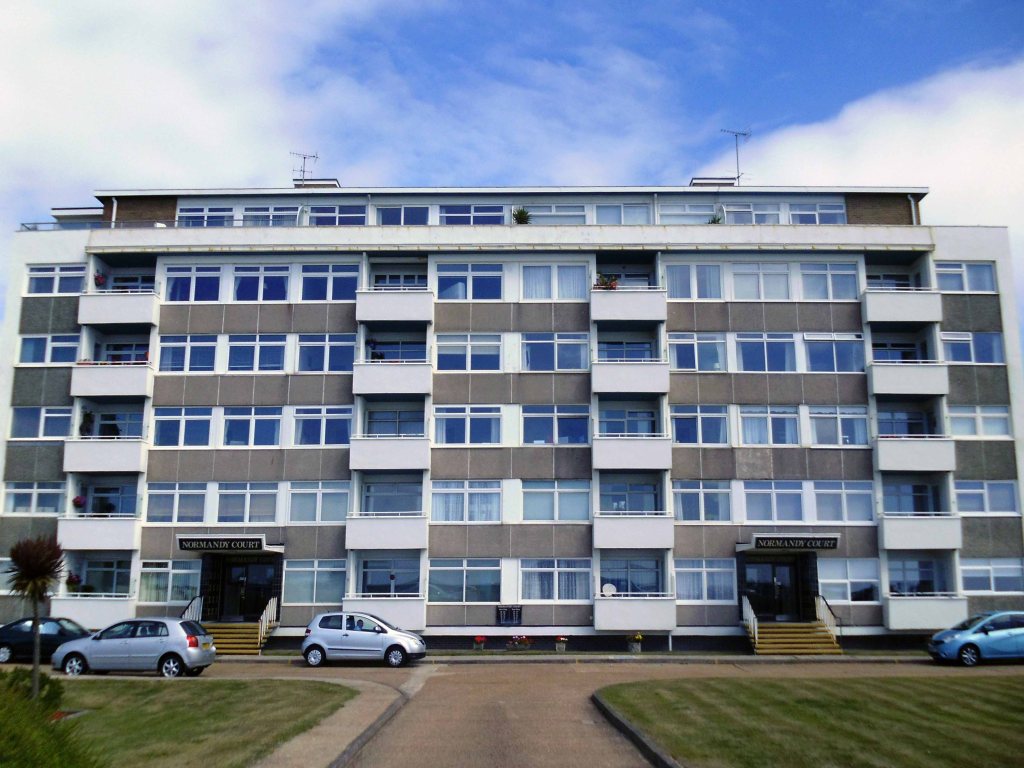
Fox and Sons are delighted to offer For Sale this immaculate seafront penthouse located within the highly desirable Normandy Court situated on the sought after West Parade, Worthing. Upon entry you will notice that the communal areas are kept in good condition throughout.
Fox and Sons £325,00
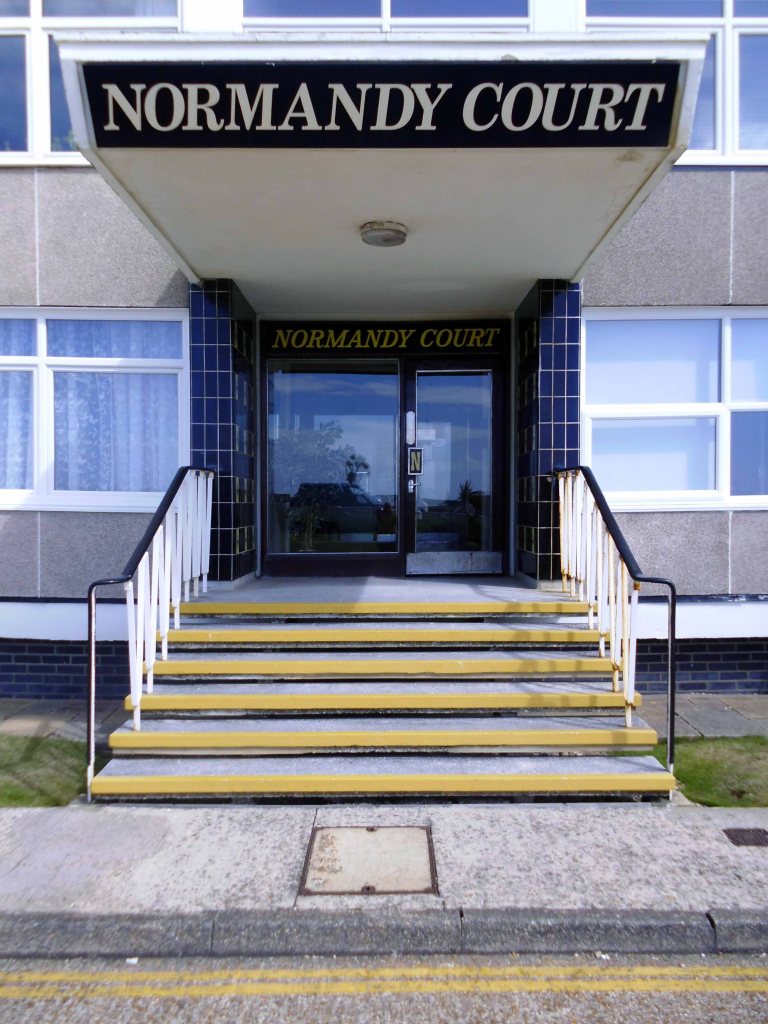
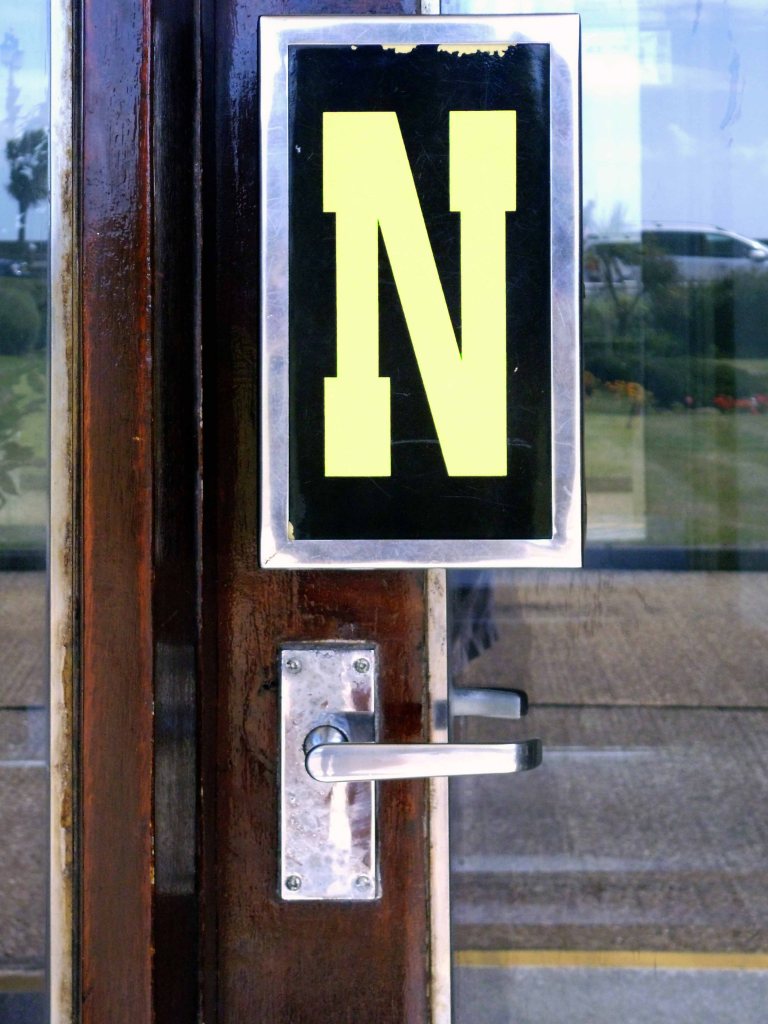
The finest N in the land!
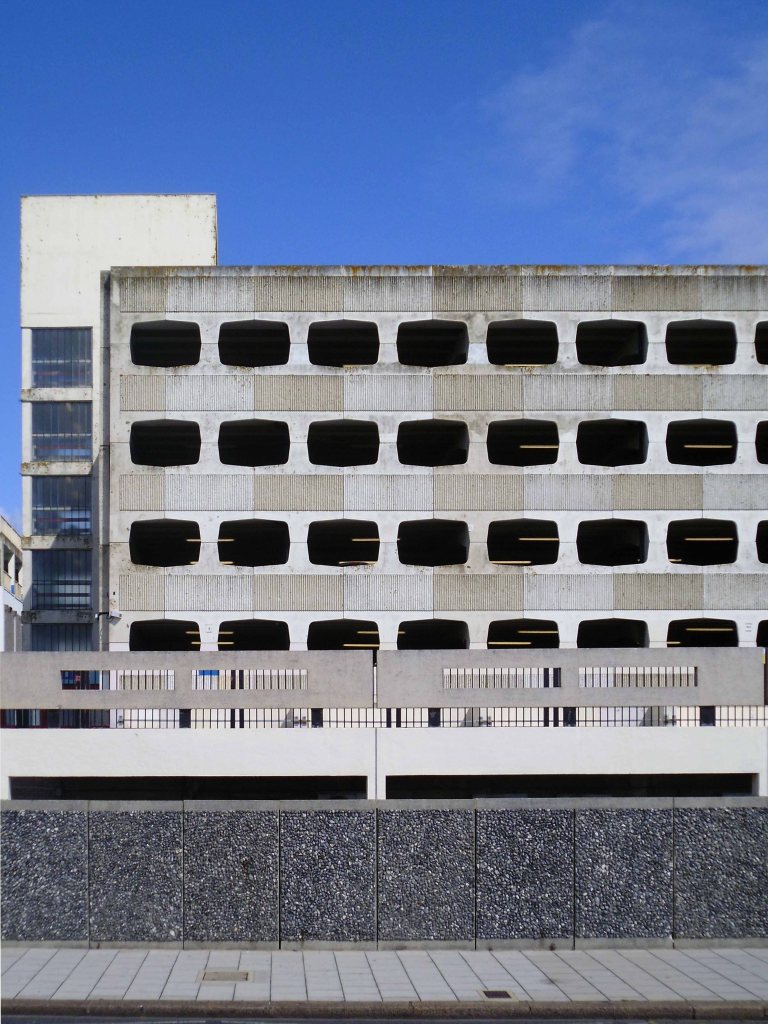
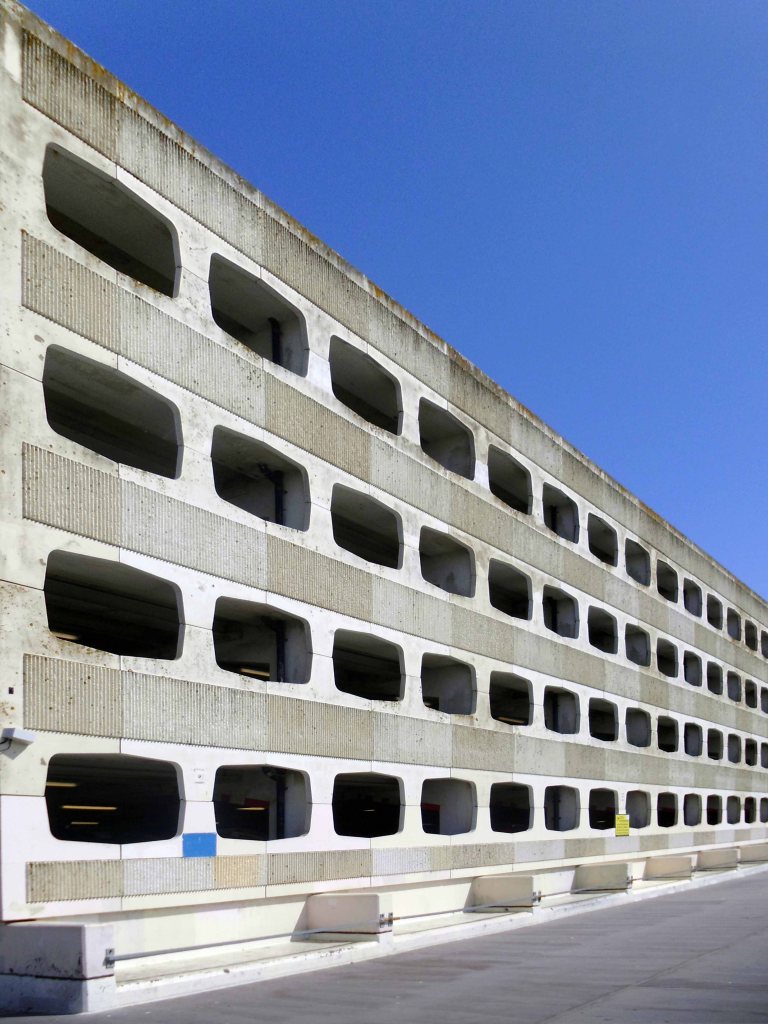
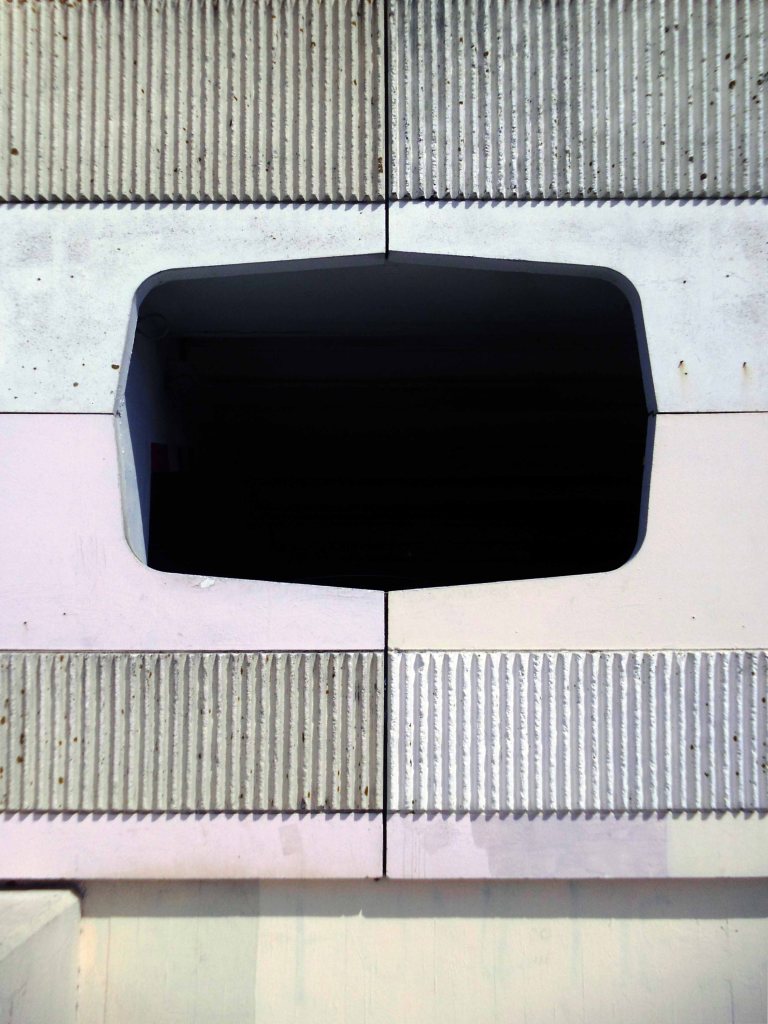
One of the finest modular pre-cast concrete car parks in the land.
Borough council officers have recommended developing the Grafton car park, with a fresh study recommending that building new homes there is key – saying it is important to help revitalise the town centre and bring in new cutlural and leisure activities.
The car park is currently undergoing essential maintenance to be able to keep it open in the short term but the recommendation is that it should eventually be demolished to make way for the new development.

In the meantime they have painted it a funny colour.
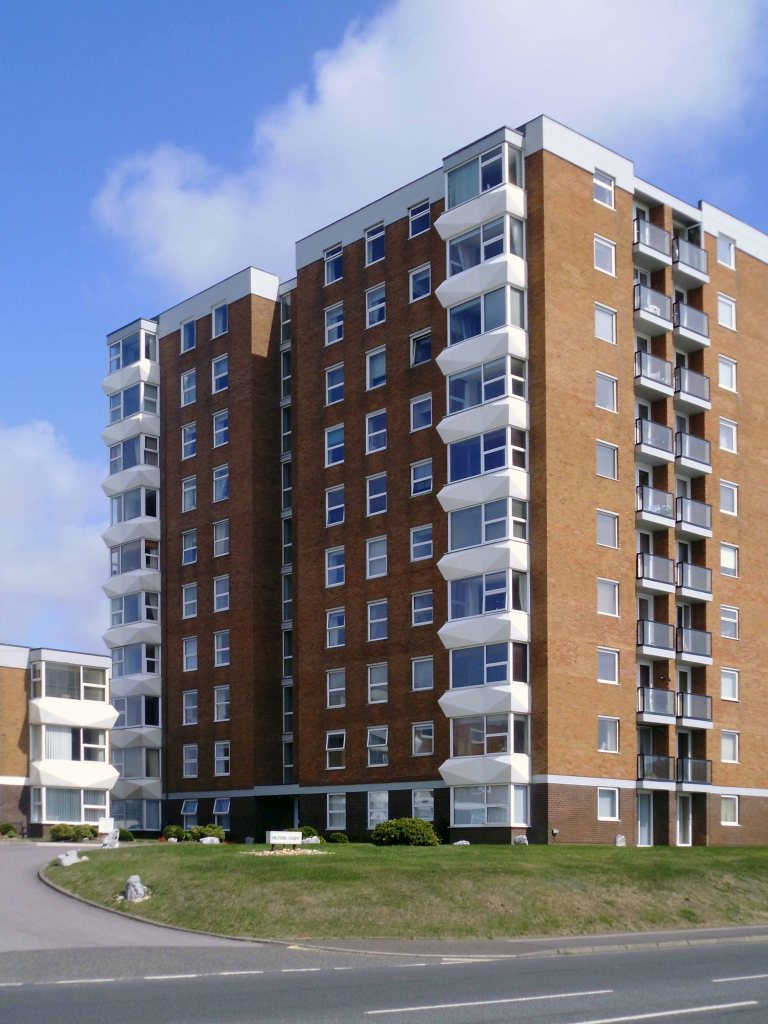
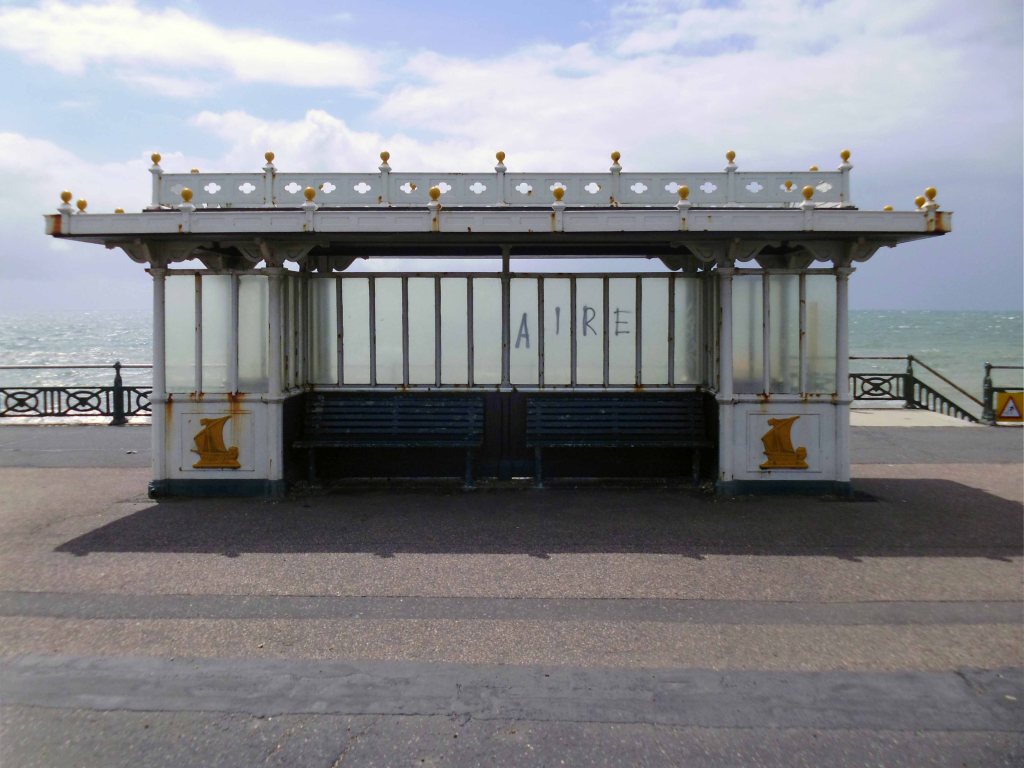
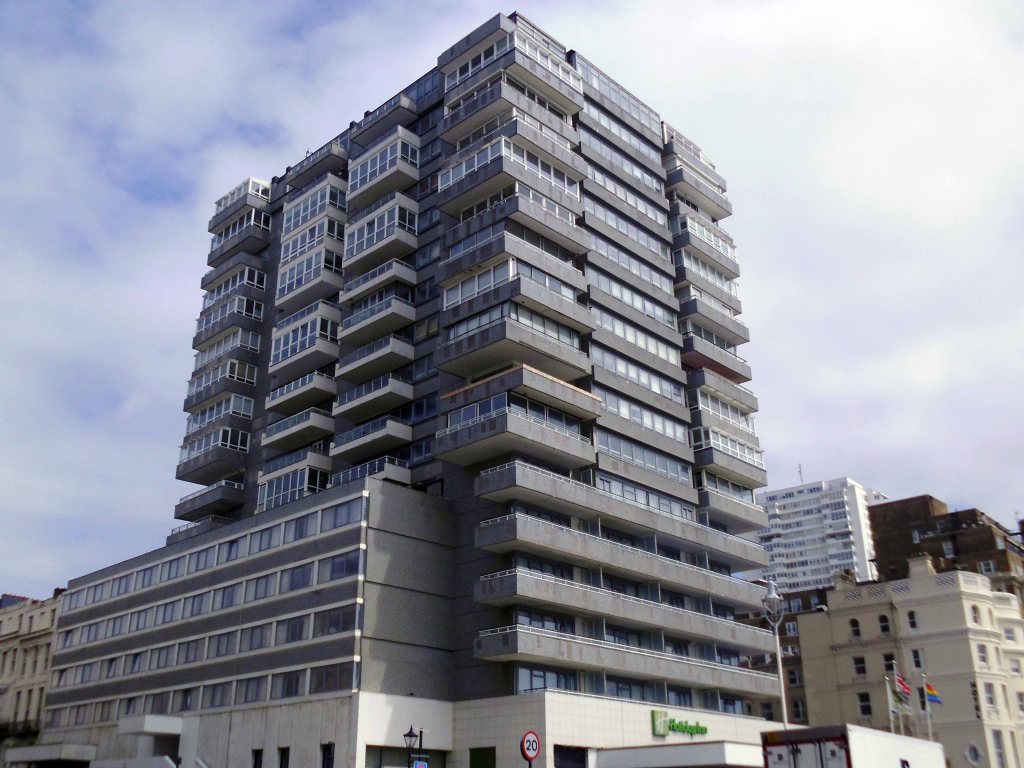
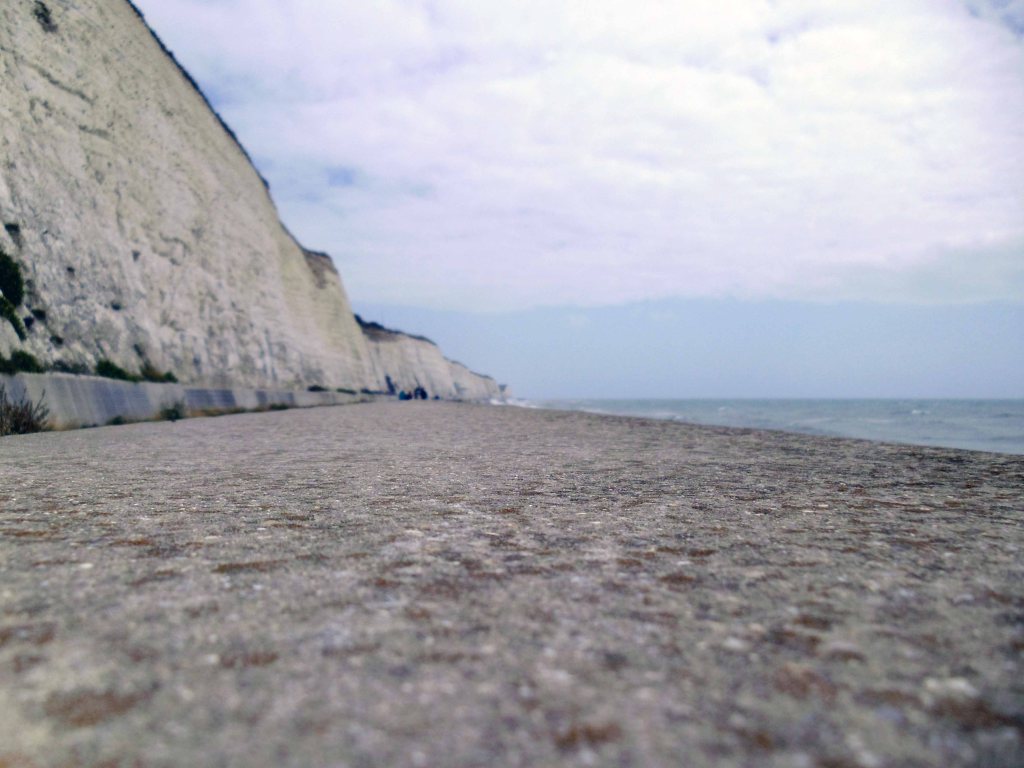
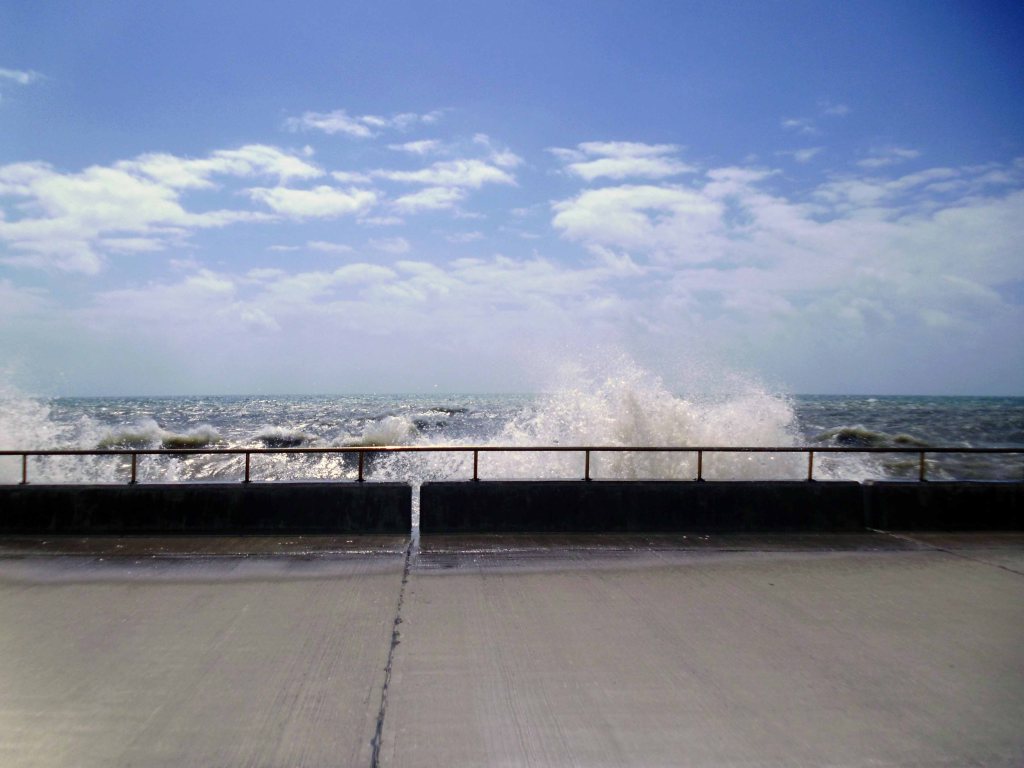
On the concrete Undercliff on my way out of Brighton.
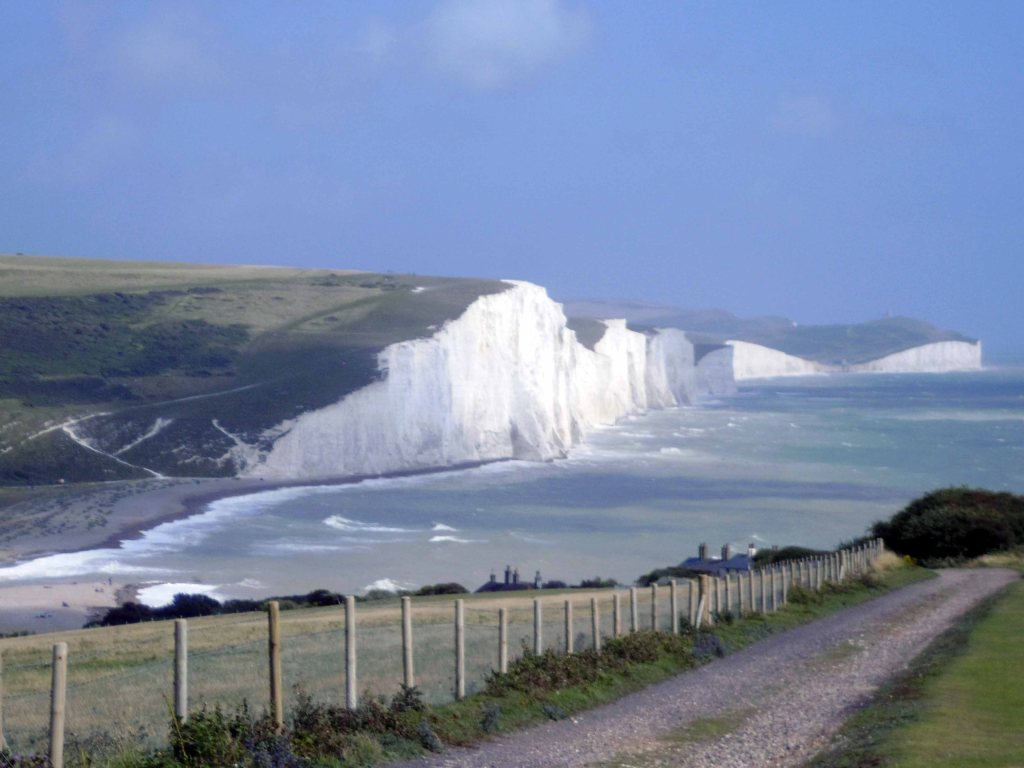
The Seven Sisters in view.
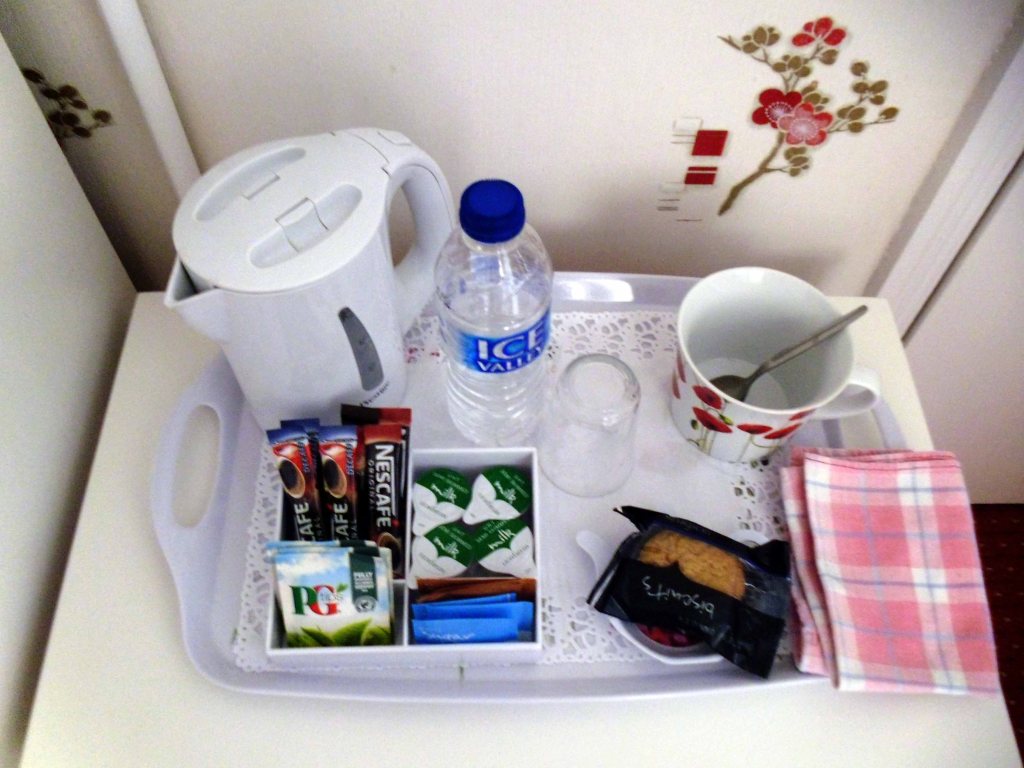
Before you know it you’ve booked into an Eastbourne B&B enjoying the multiple benefits of the complimentary biscuits and a mini-kettle brew.
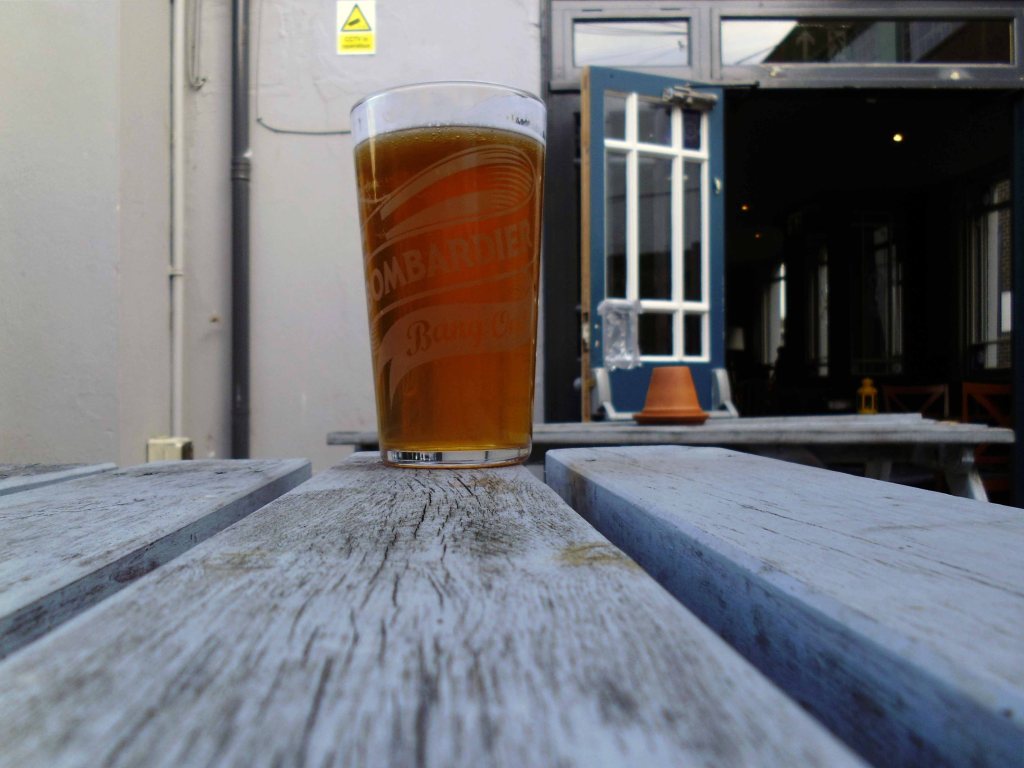
Followed by a pint in the delightful Dolphin.
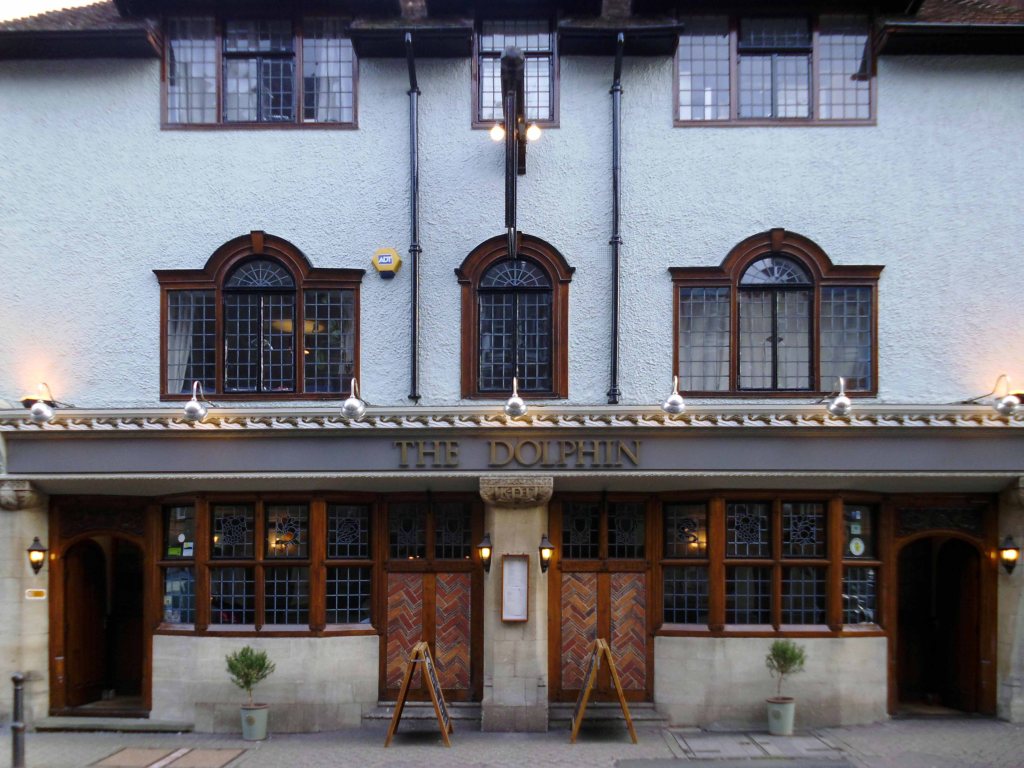
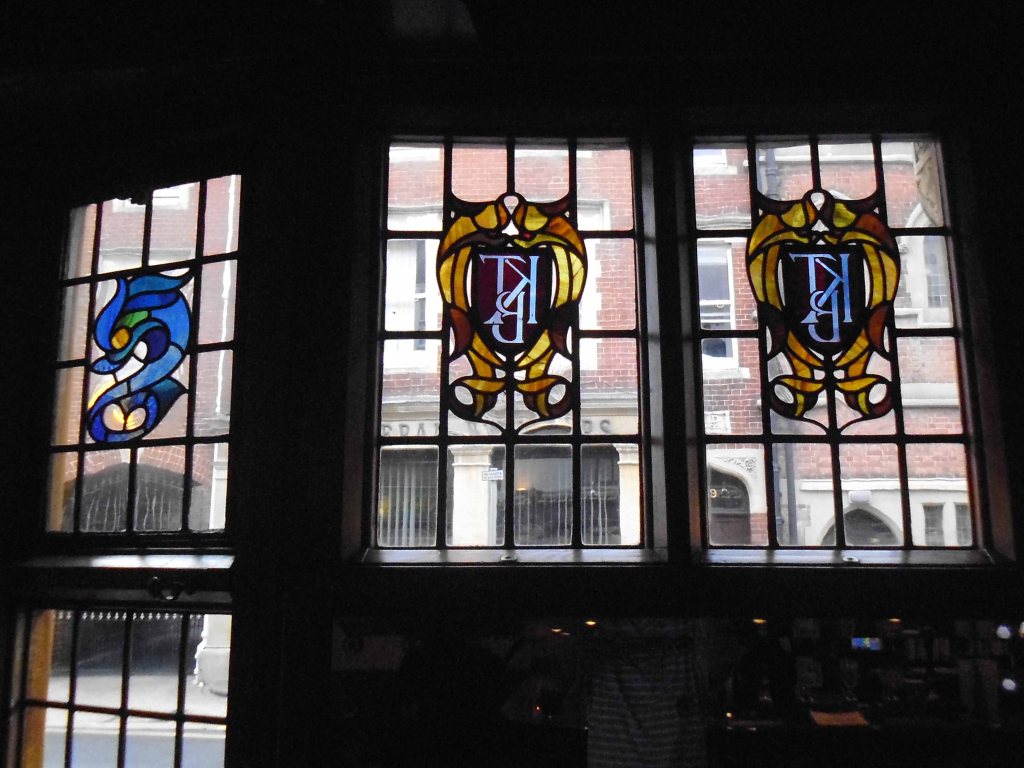
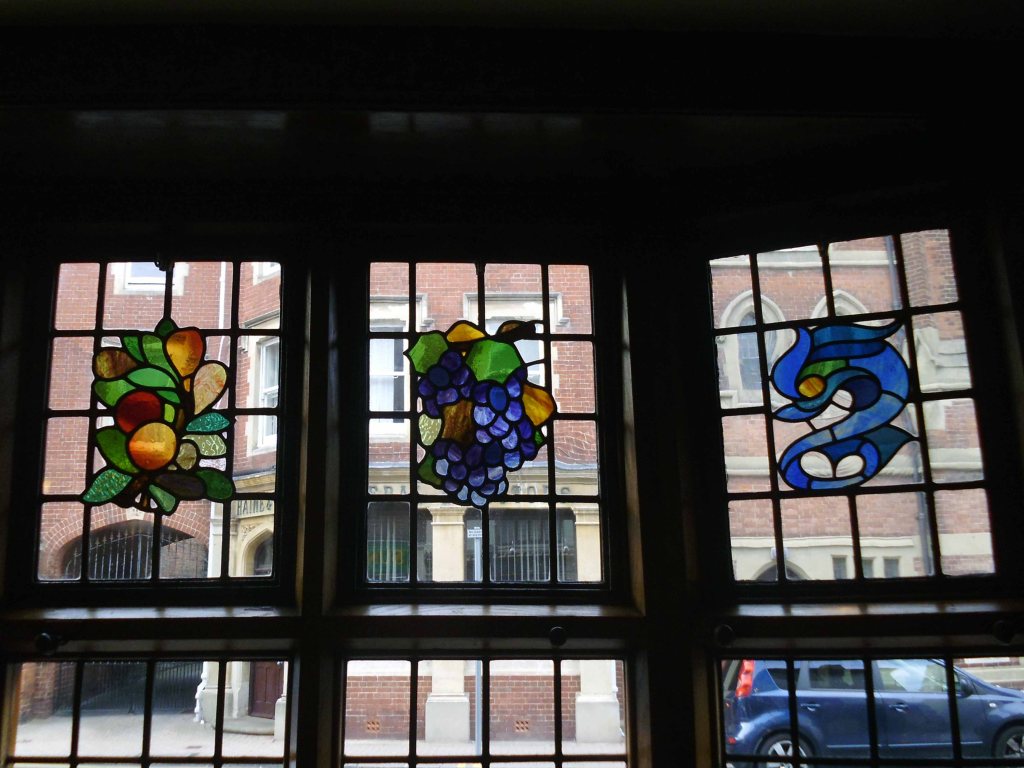
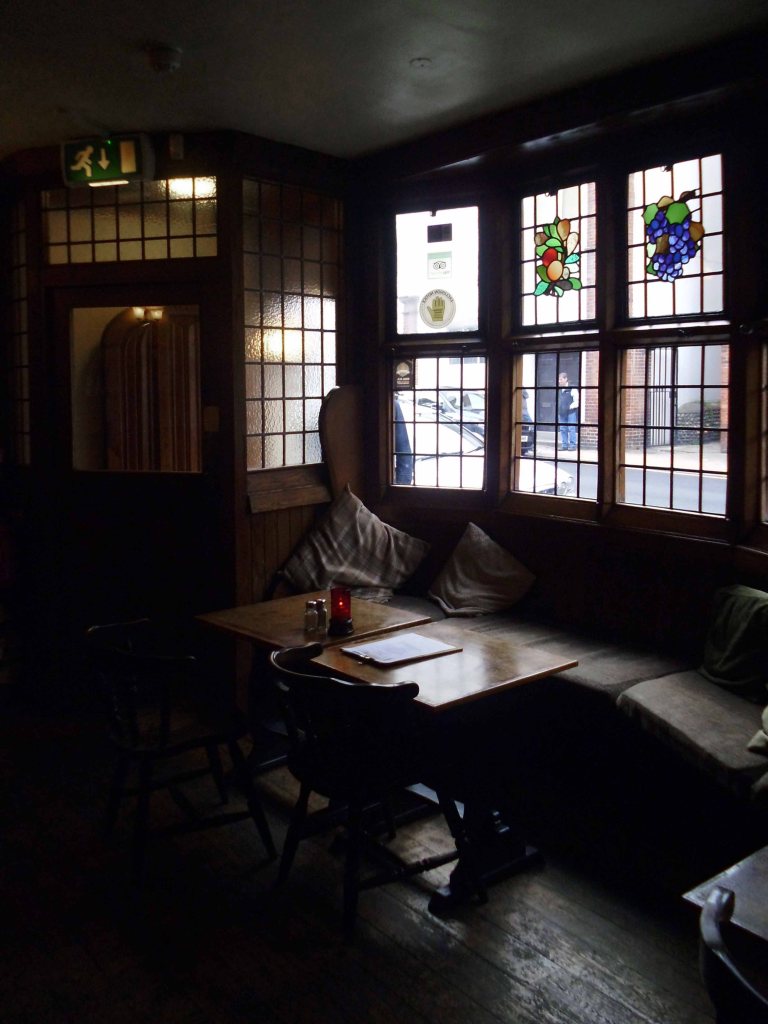
A stroll around town.
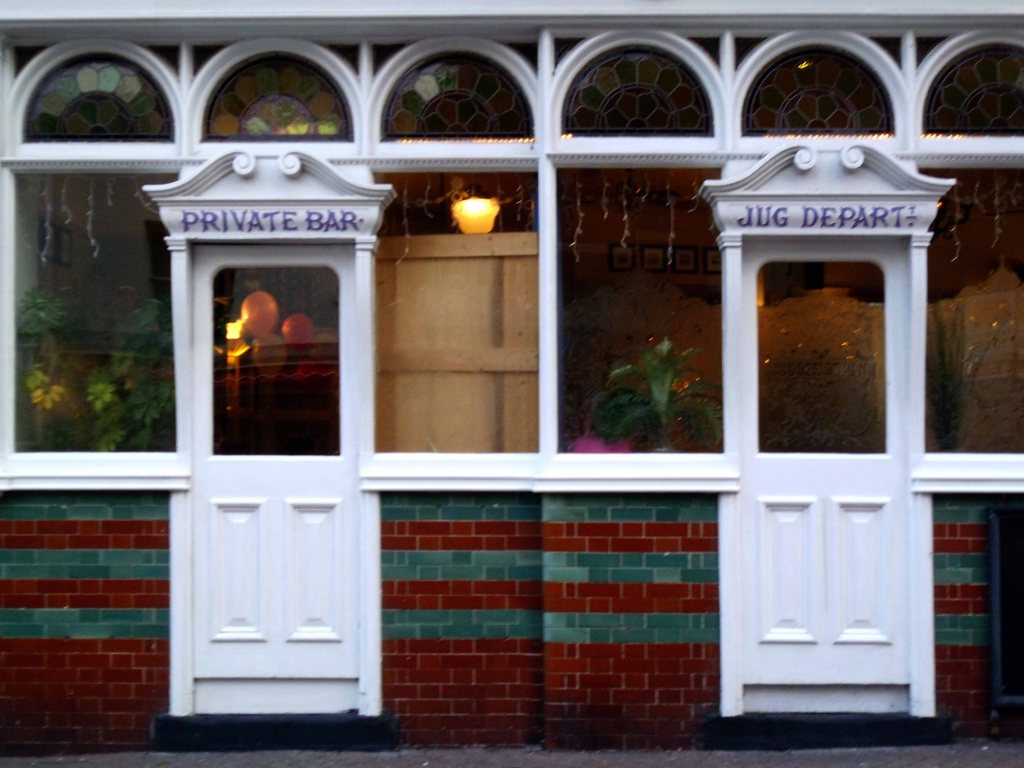
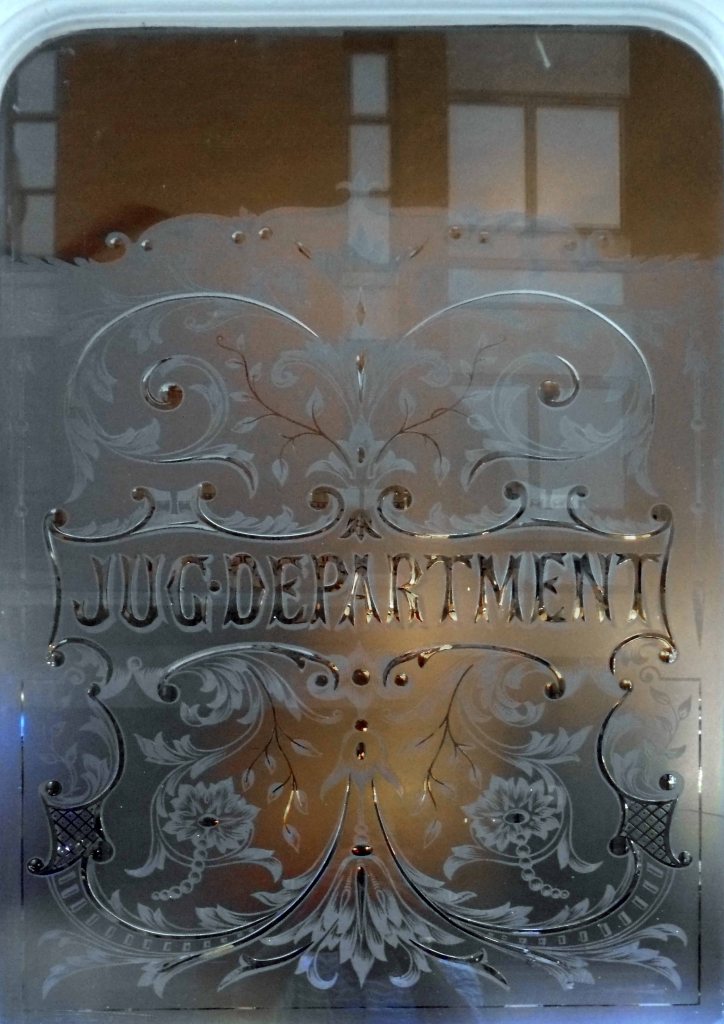
Returning to the backyard of The Dolphin.
Another pint then.
Night night.
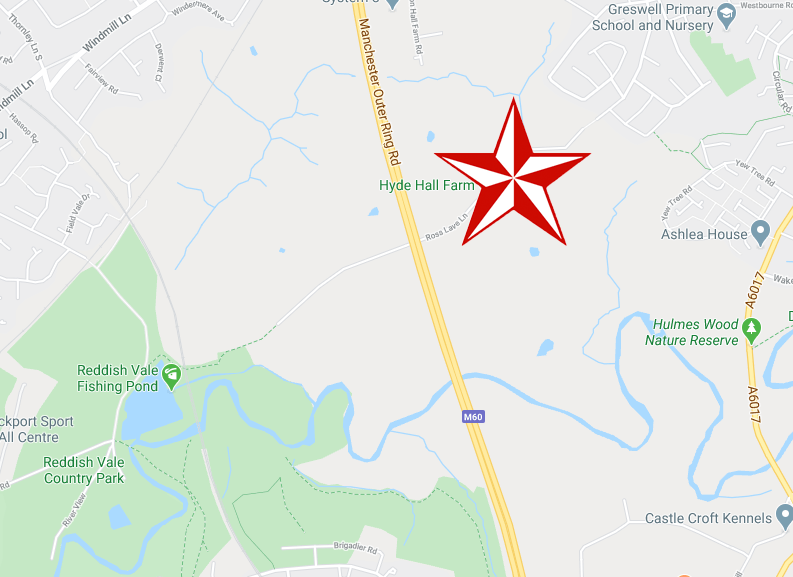
Hyde Hall Farm is Grade II Listed one of the few Tudor model farms in the region, a building of immense importance.
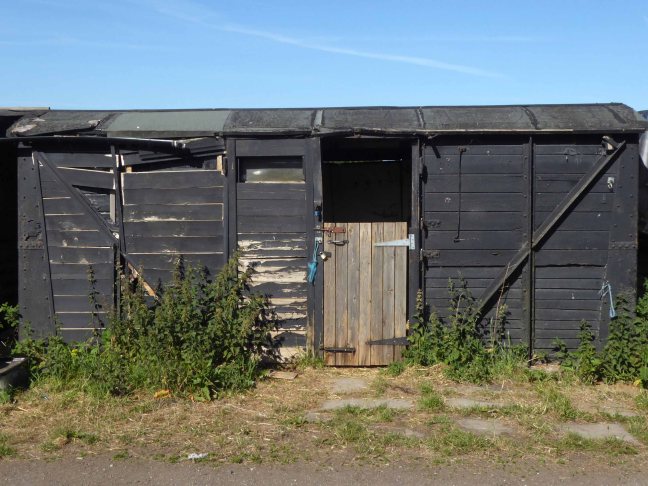
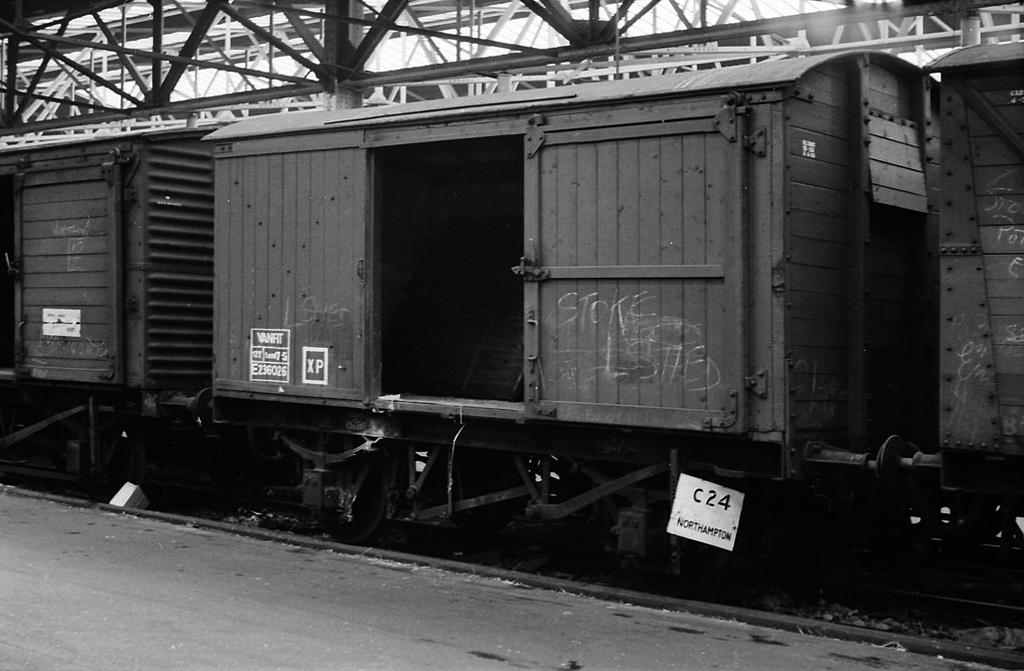
Alongside the farm are twelve stable blocks, formed from former British Rail Vanfit rolling stock.
I have cycled by here for some fifty years ago man and boy, sadly observing a slow decline, as the structures are kept in service with the addition of sheeting, rope, tyres and will power.
In recent years I have stopped to take photographs:
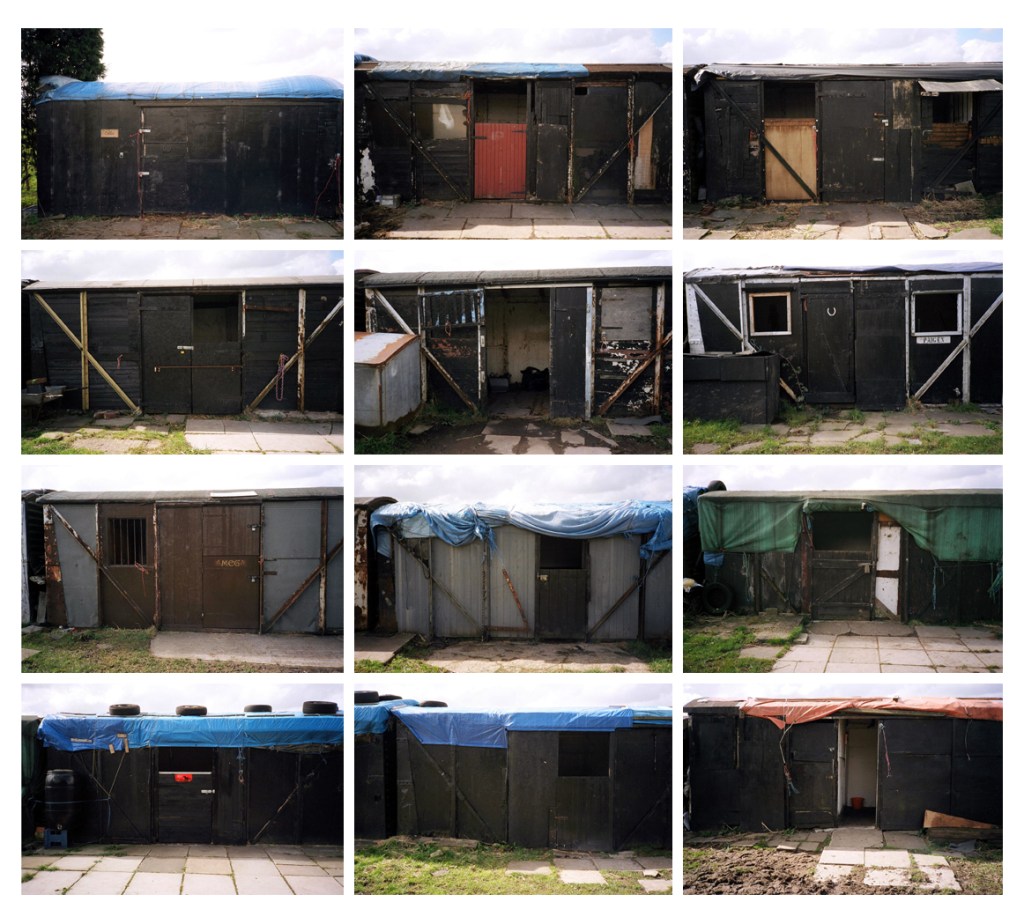
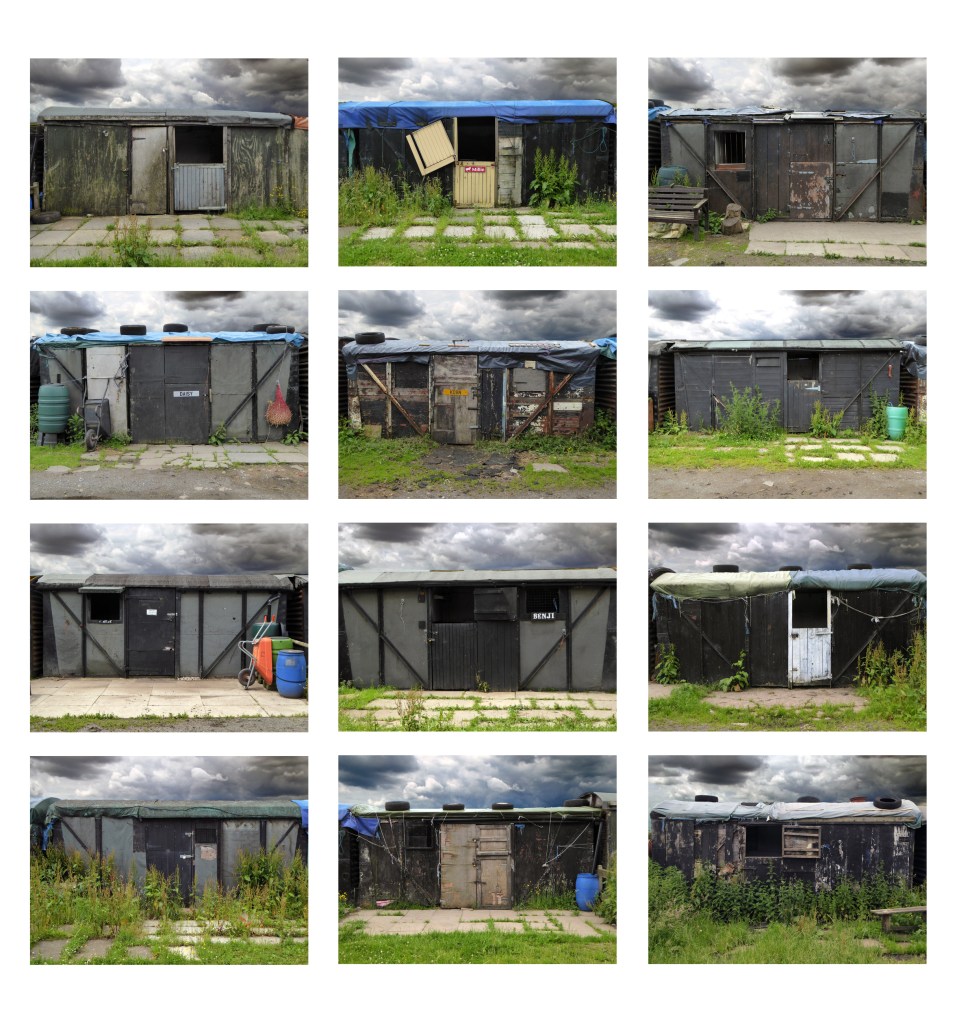
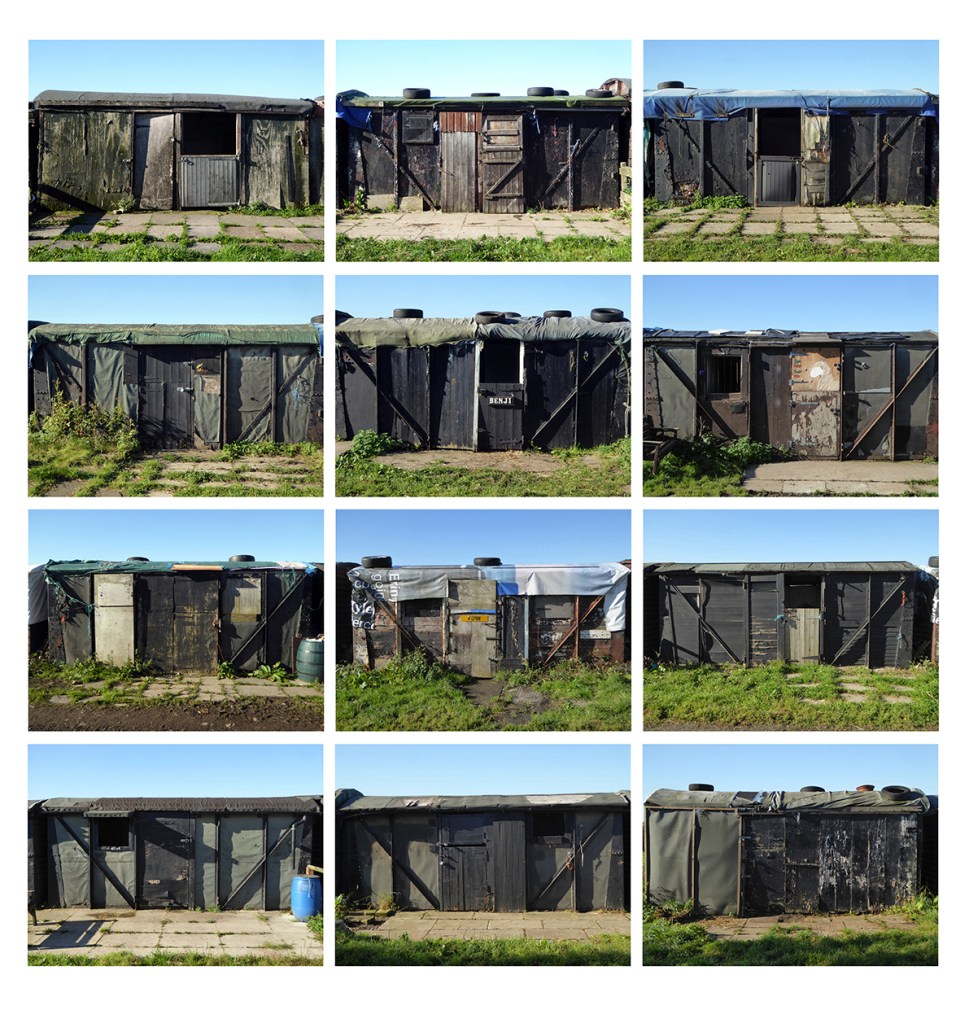
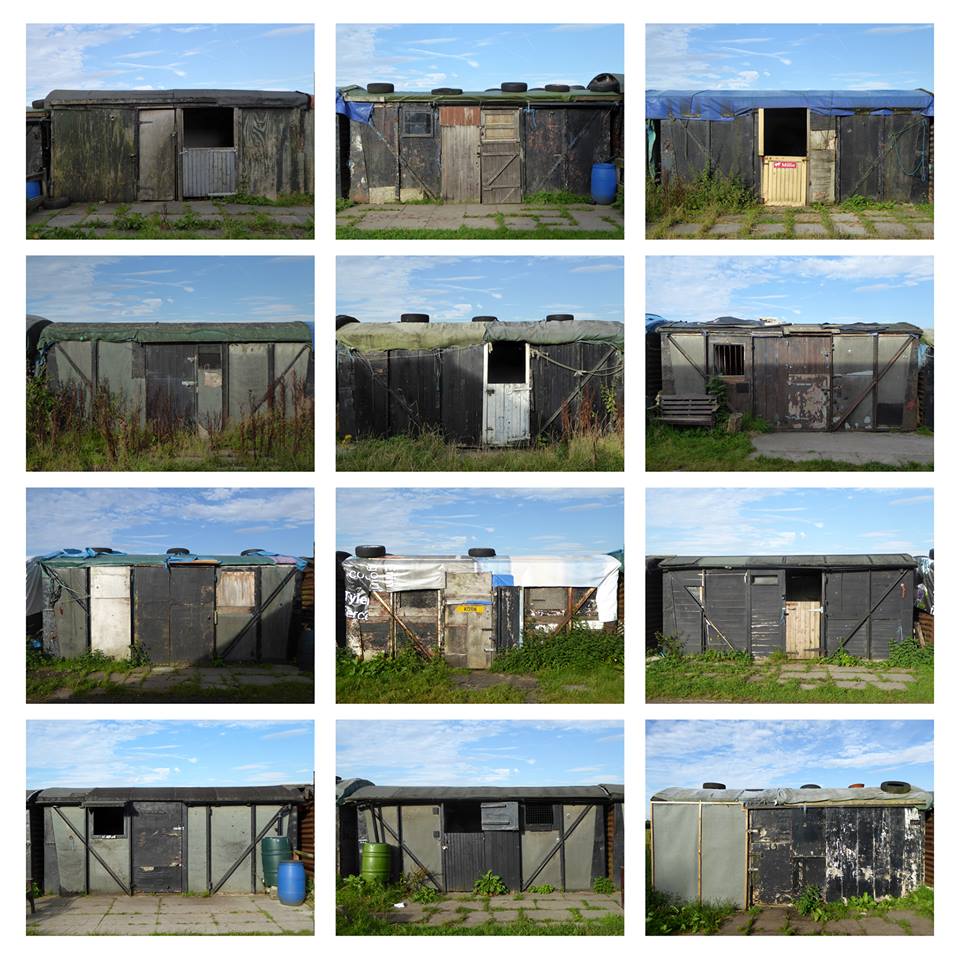
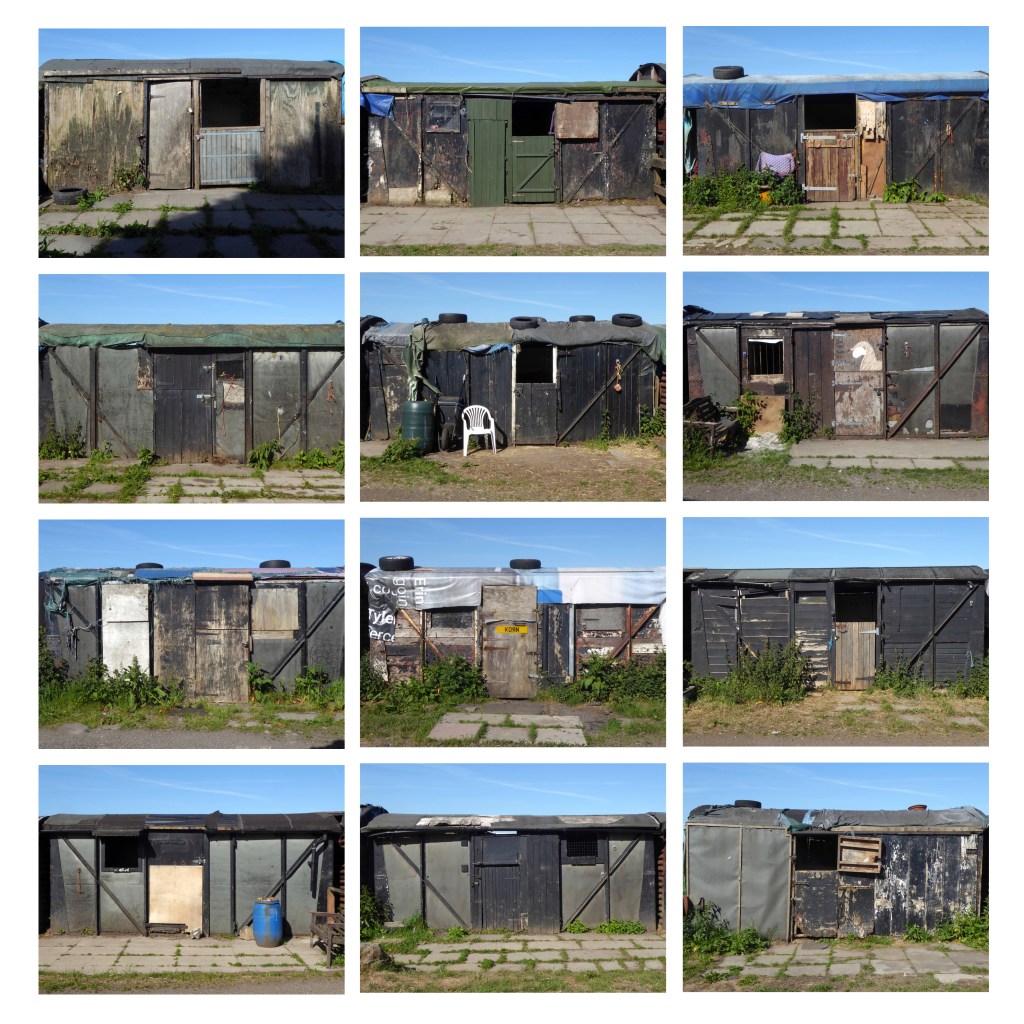
They have survived wind, rain and hail, just about intact, providing adequate shelter for their equine inhabitants.
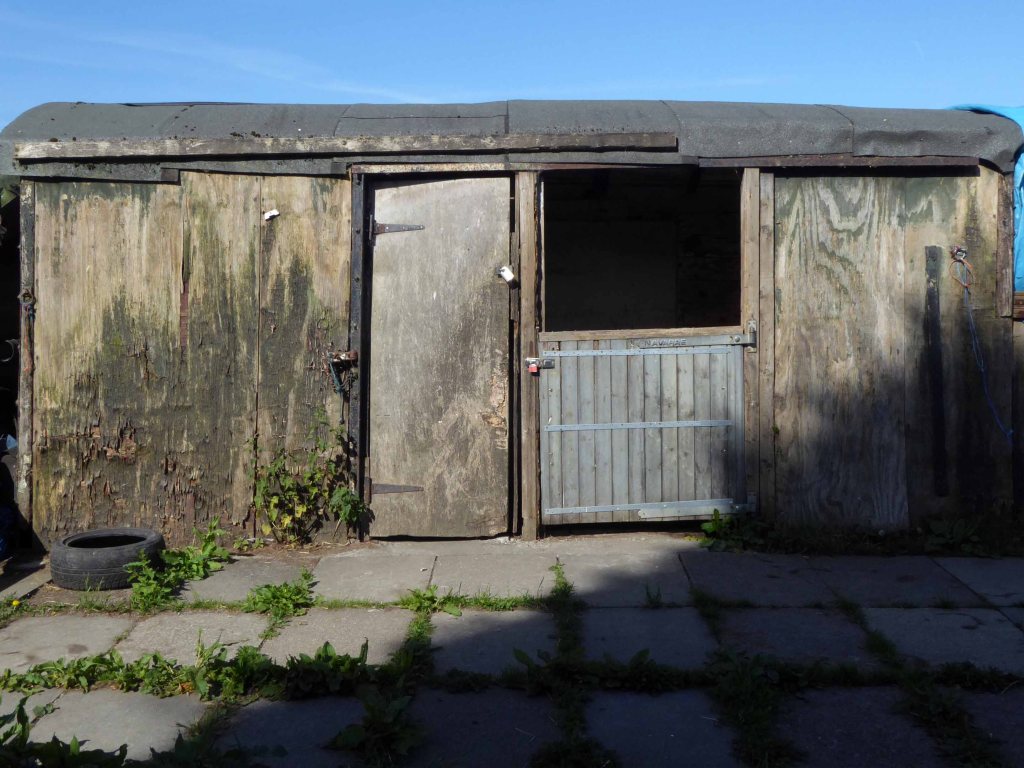
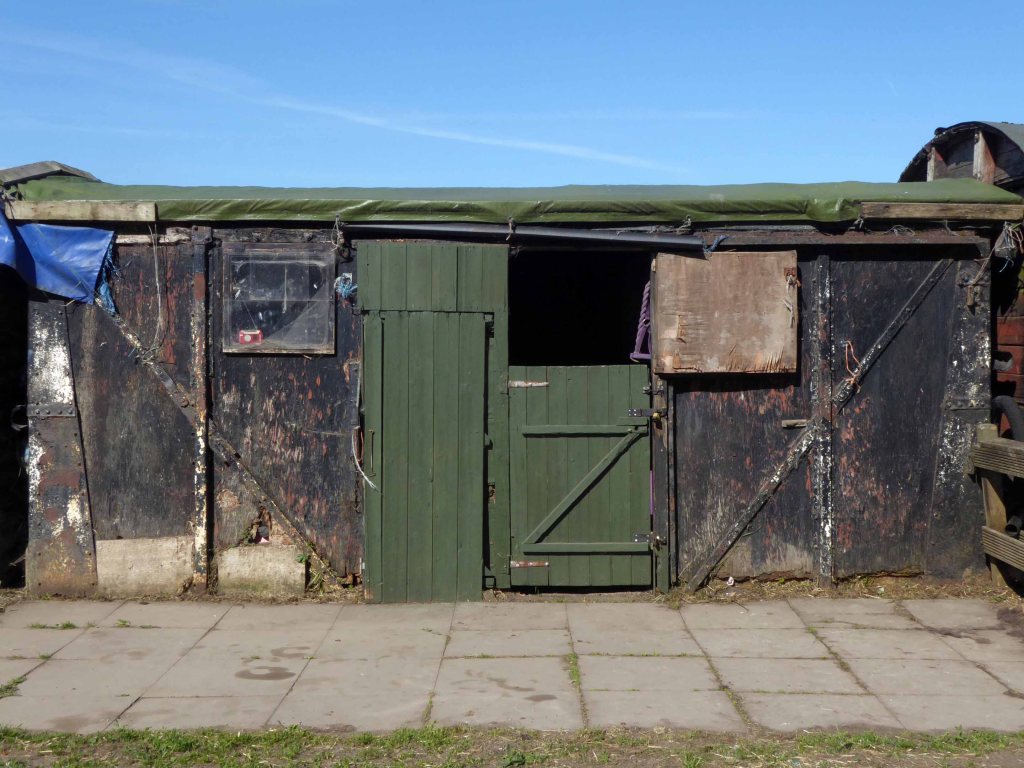
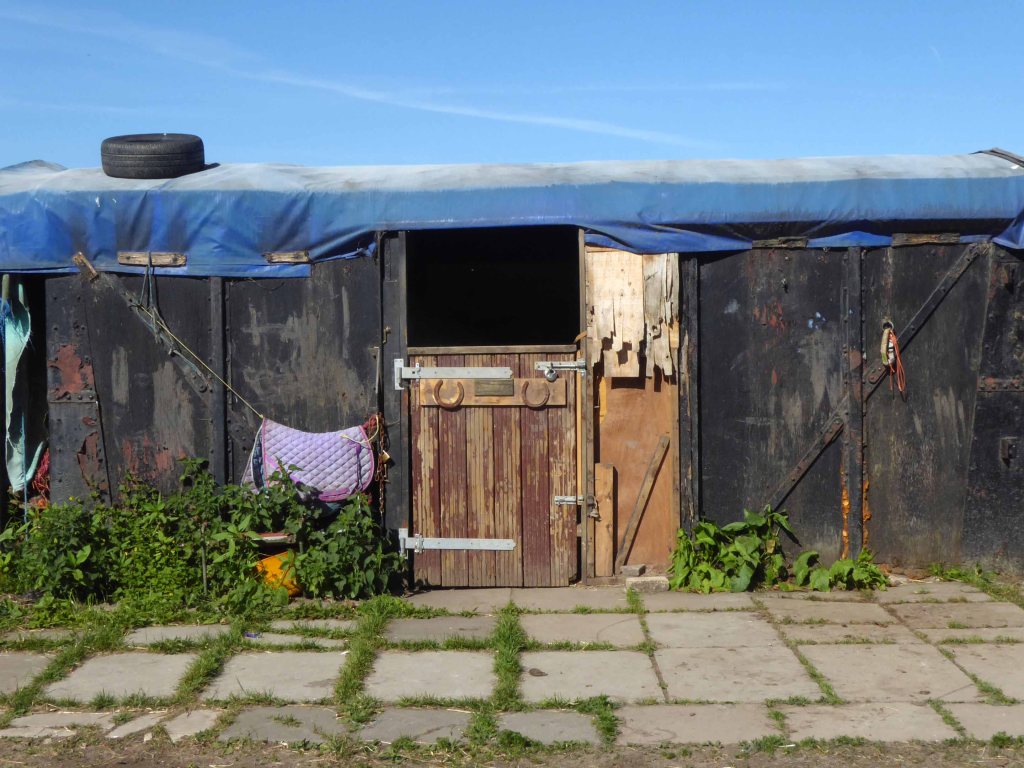
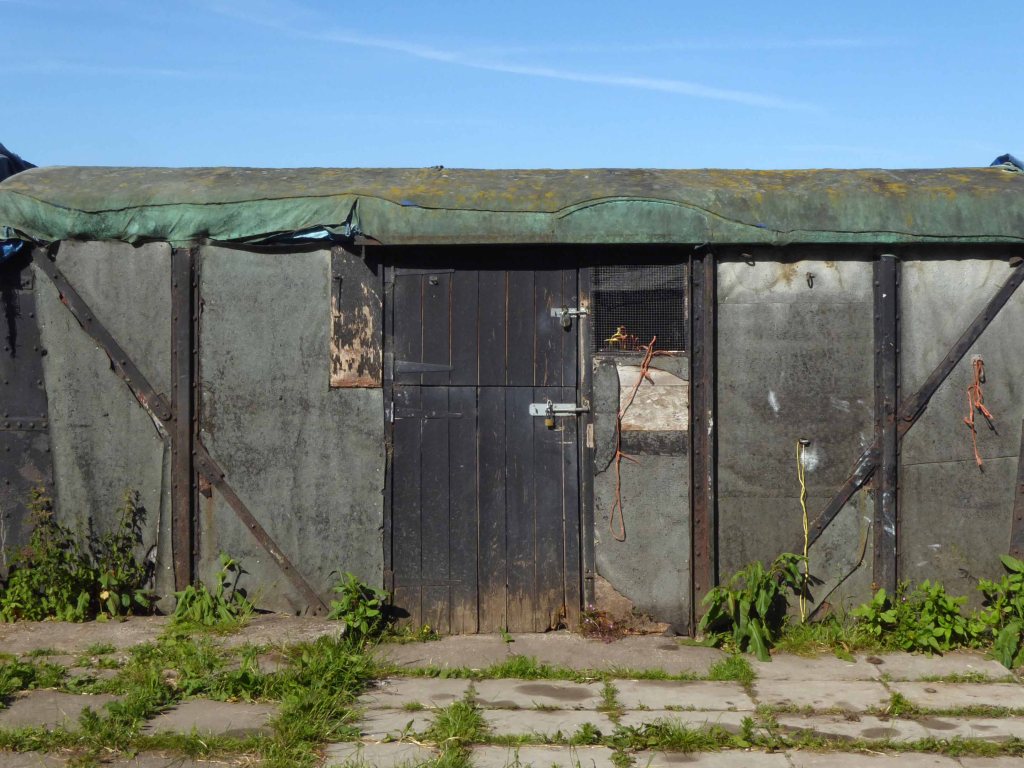
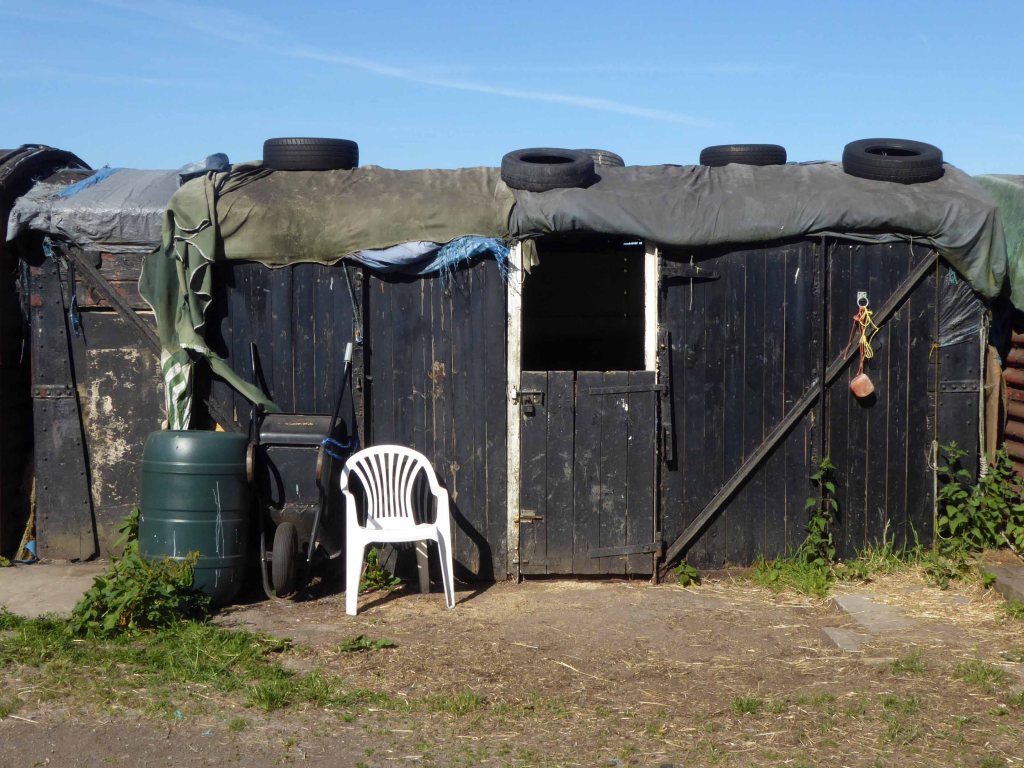
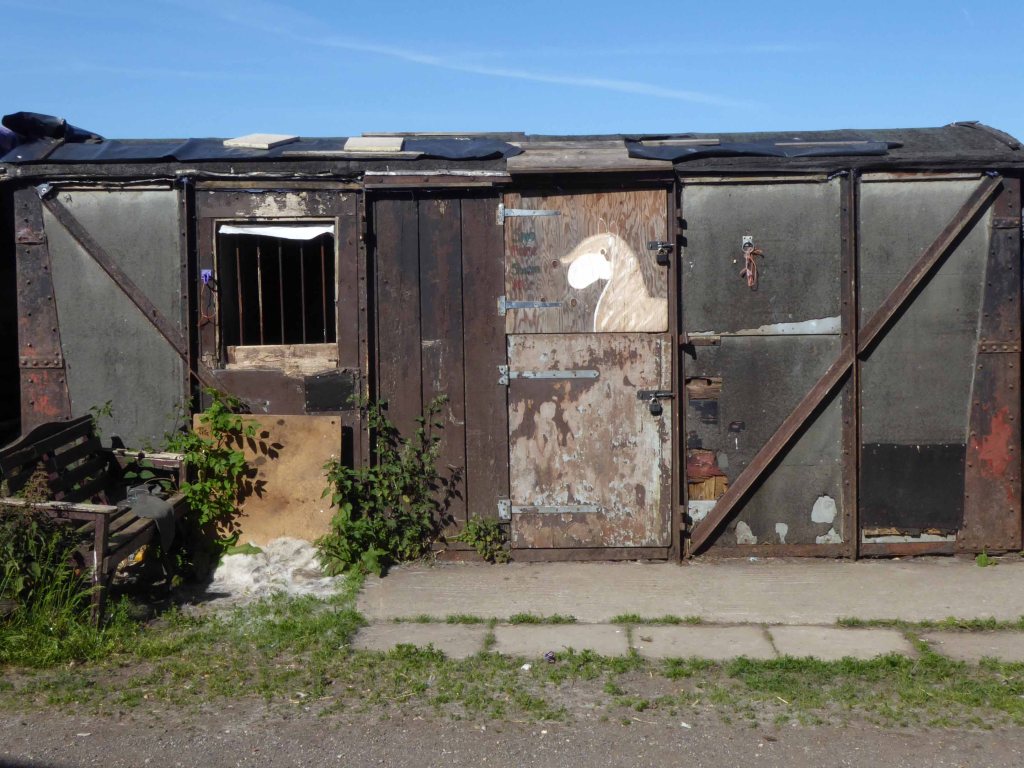
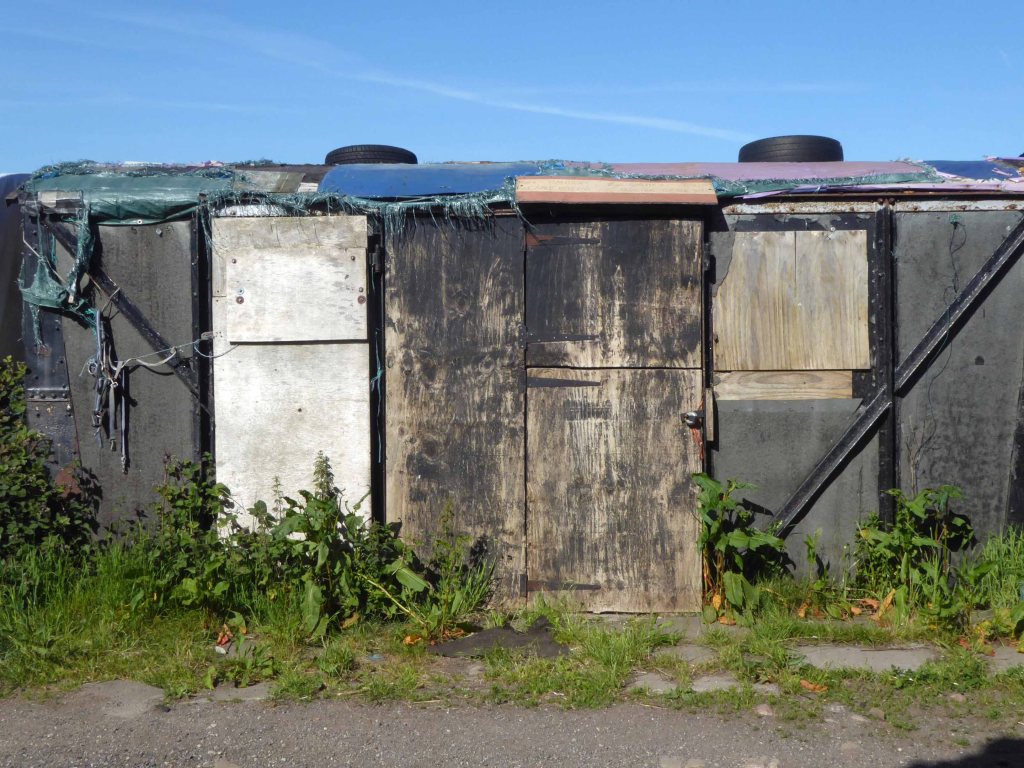
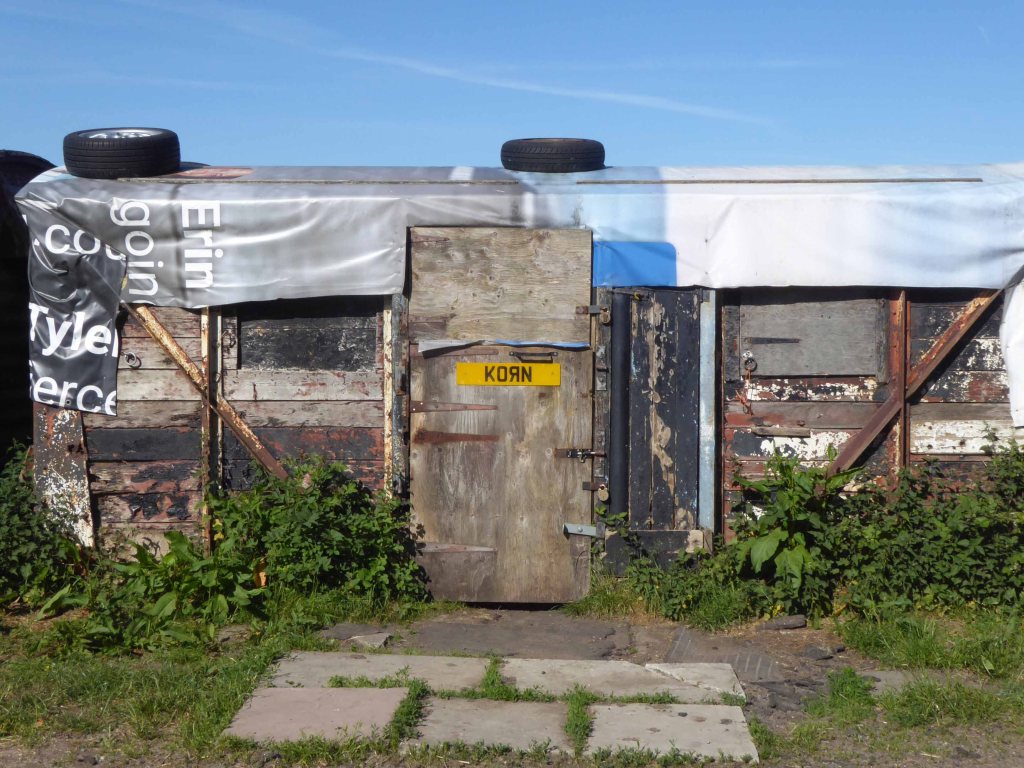
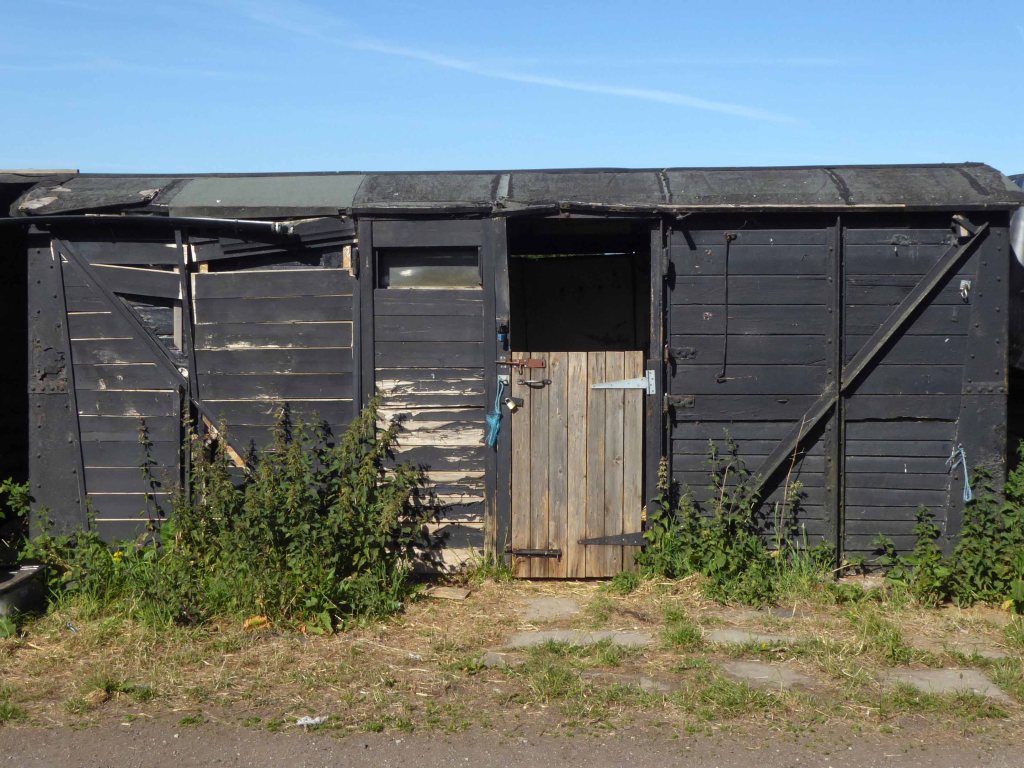
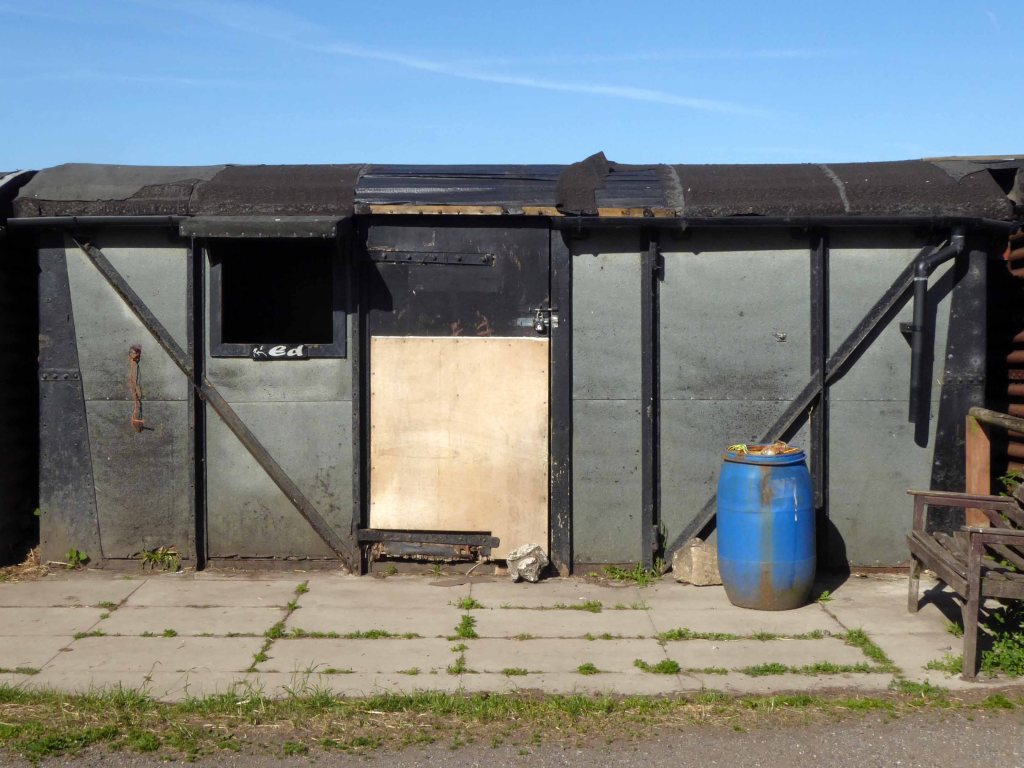
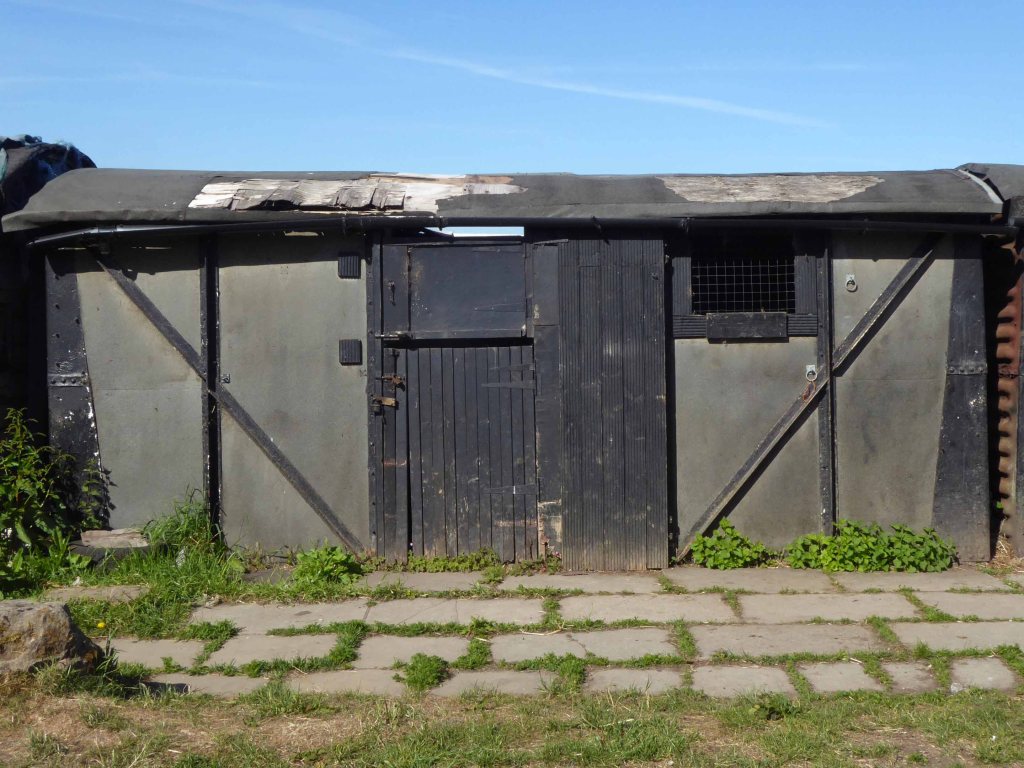
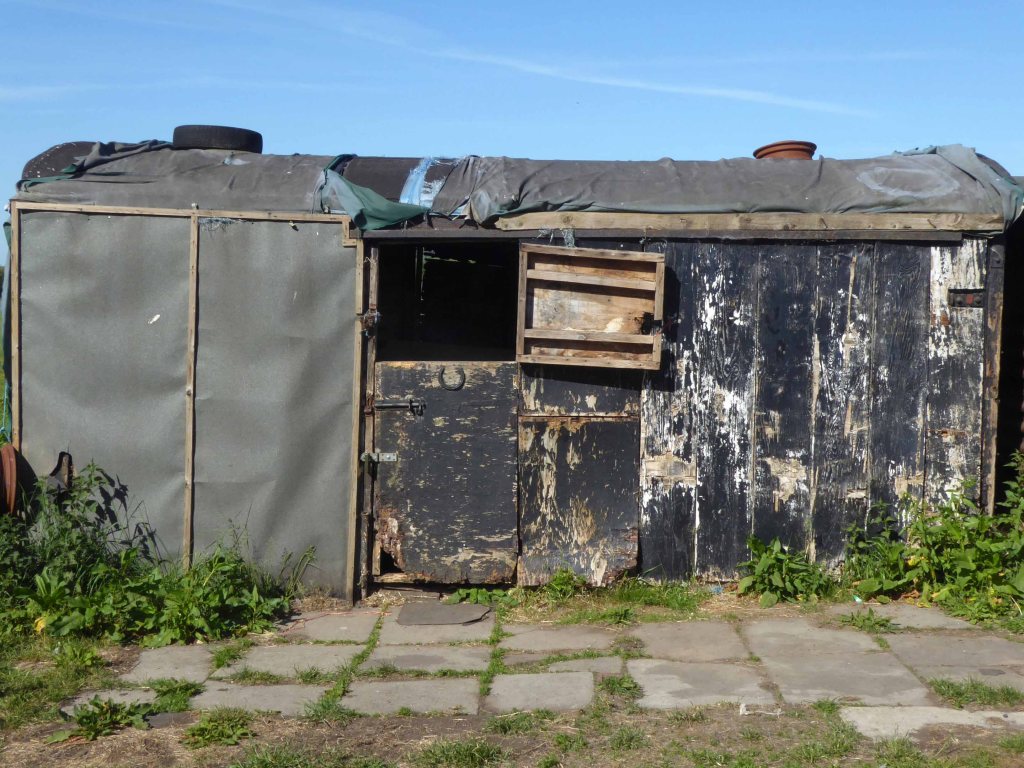
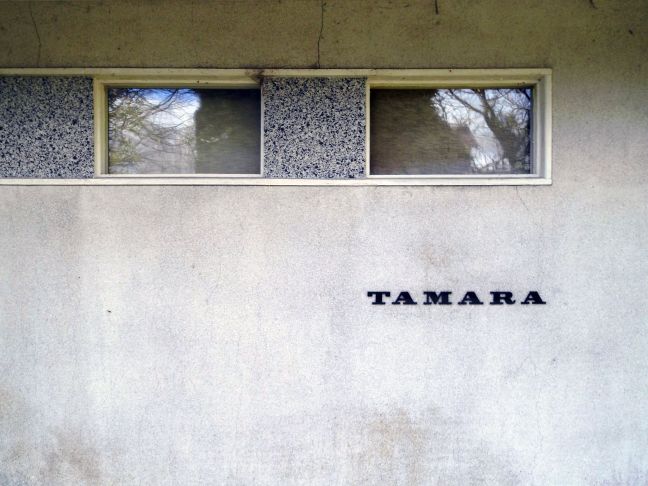
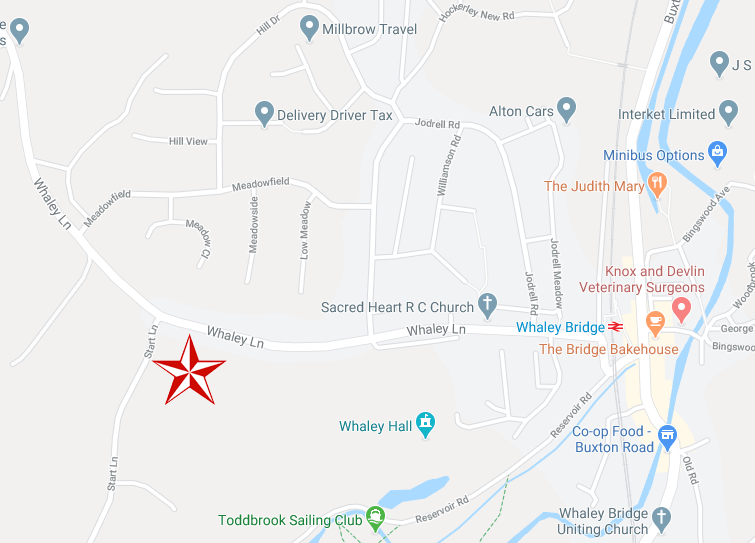
I’ve often cycled by here, on occasion taking time to take a snap or two.
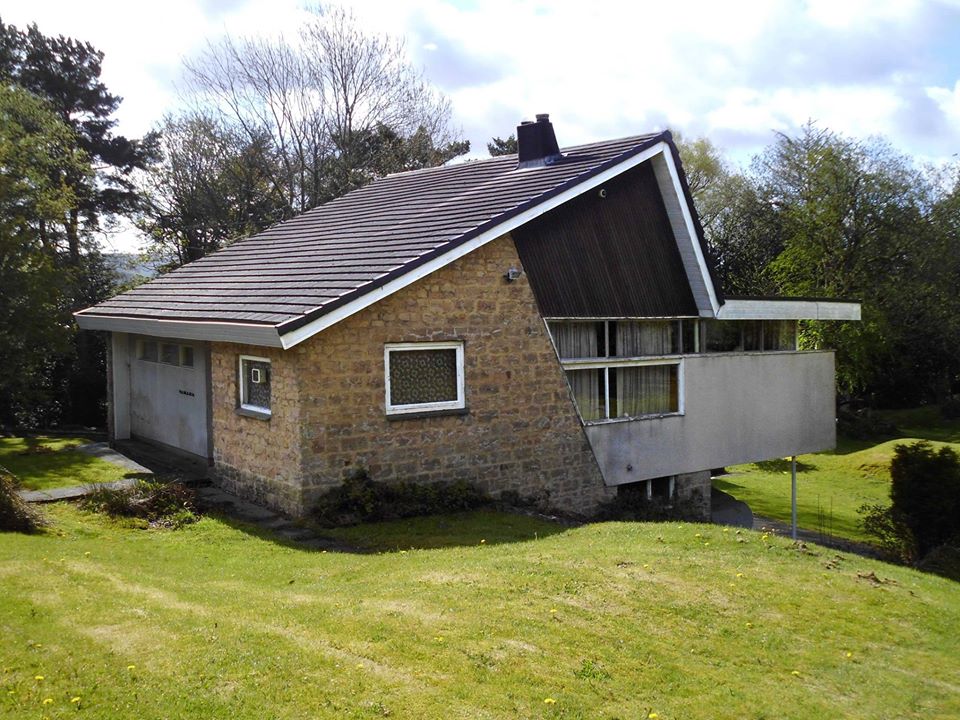
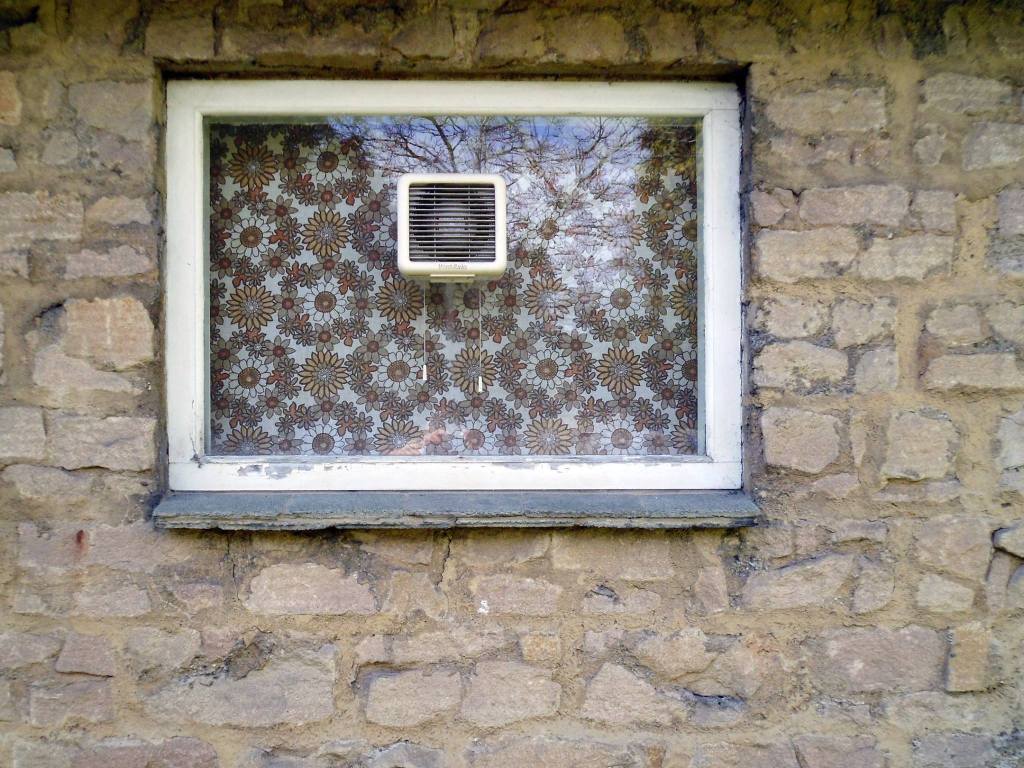
You seemed to be in decline, in need of care and attention. Stood amongst Peak vernacular and sub-Lutyens villas something of anomaly.
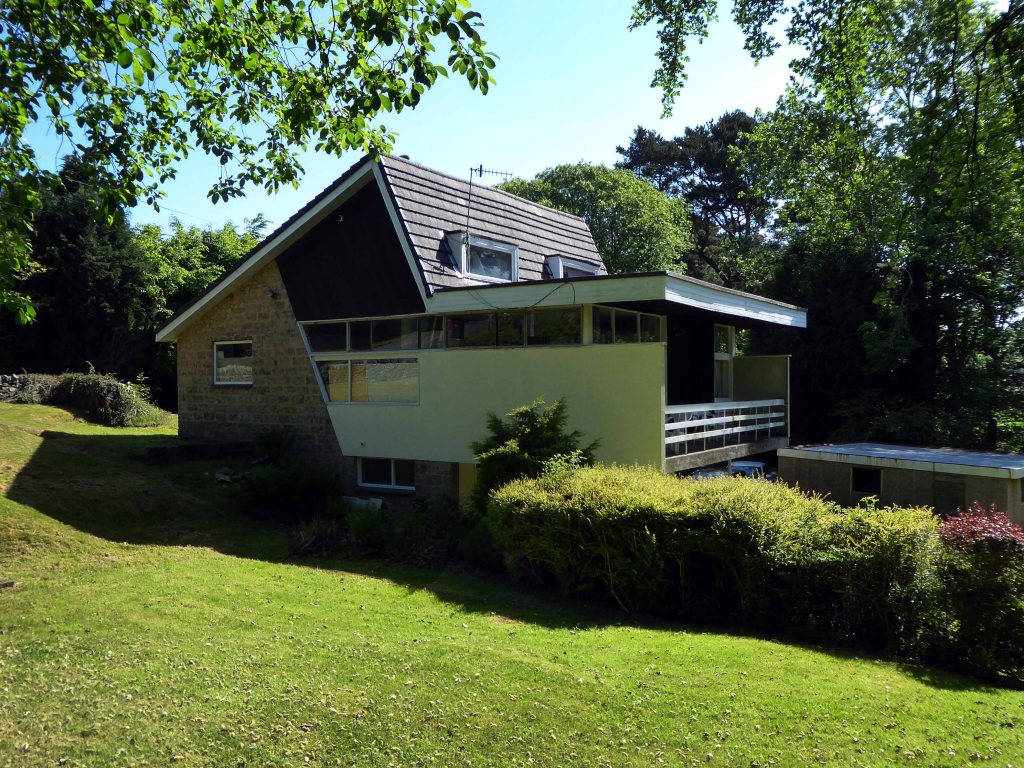
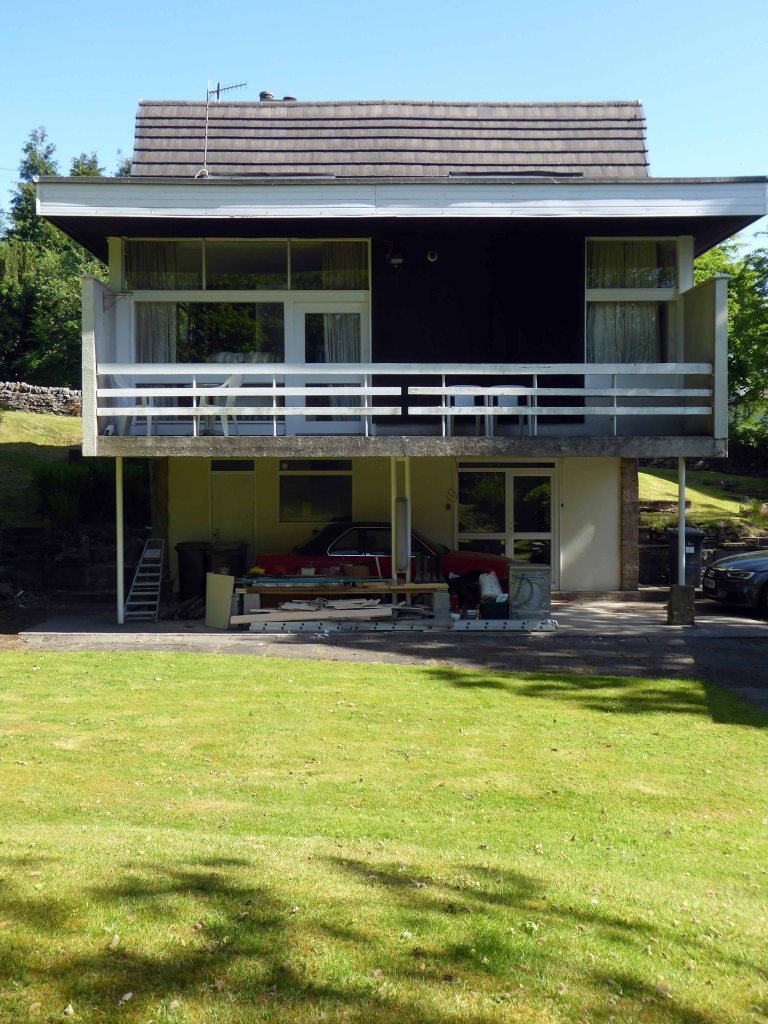
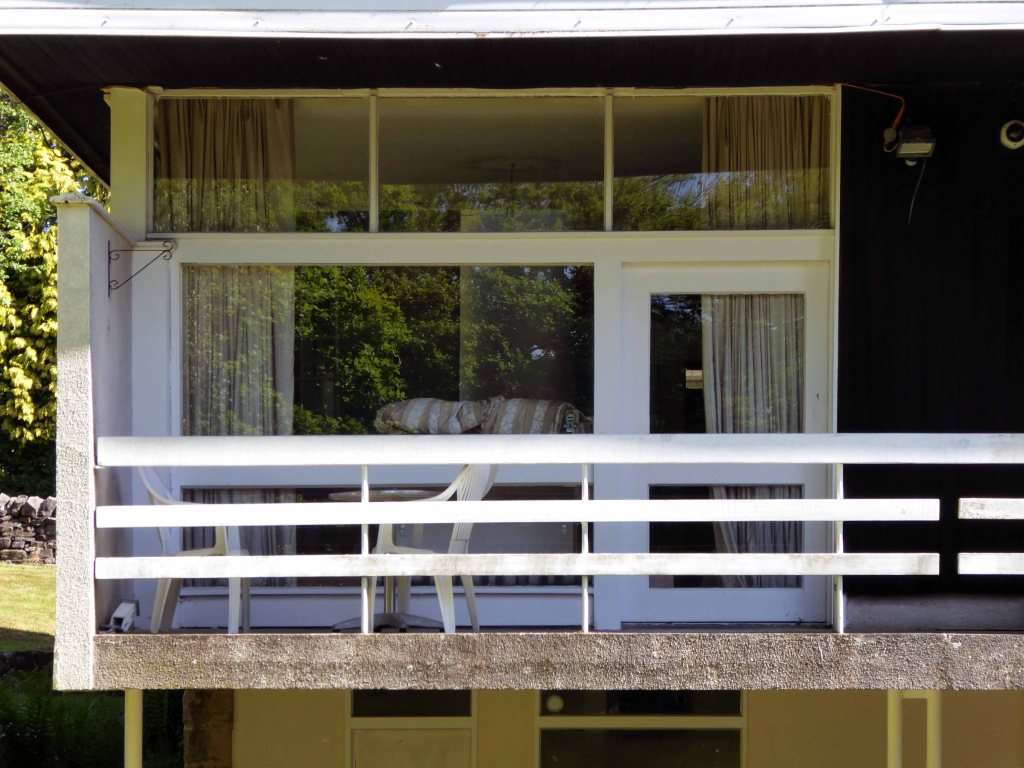
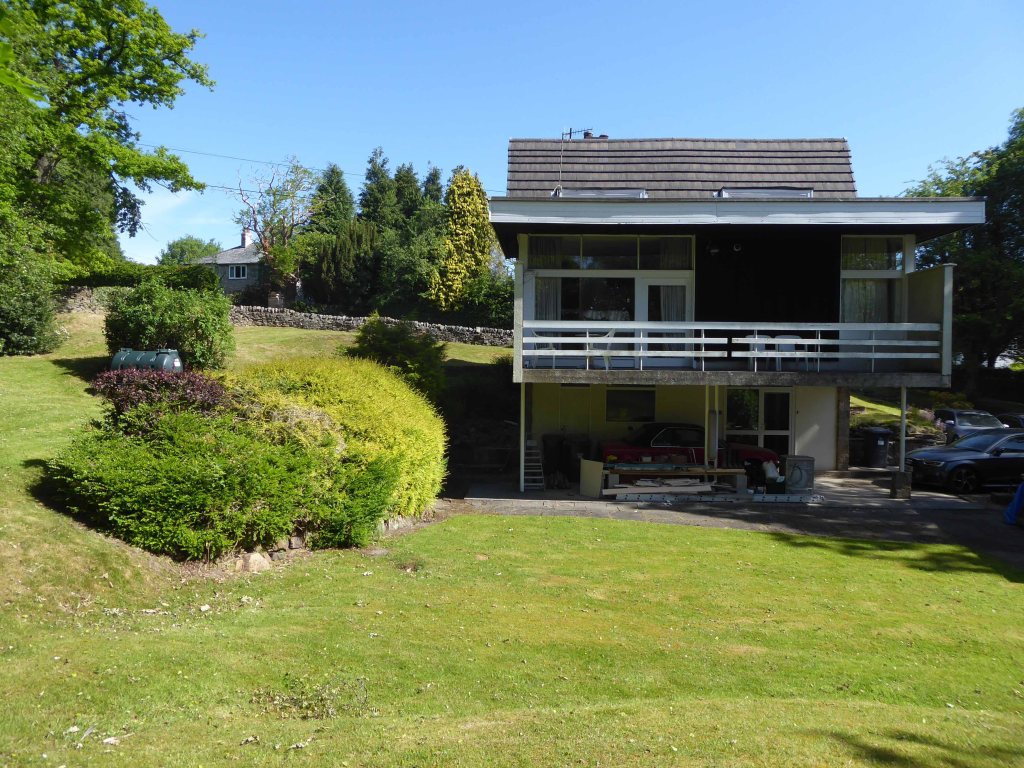
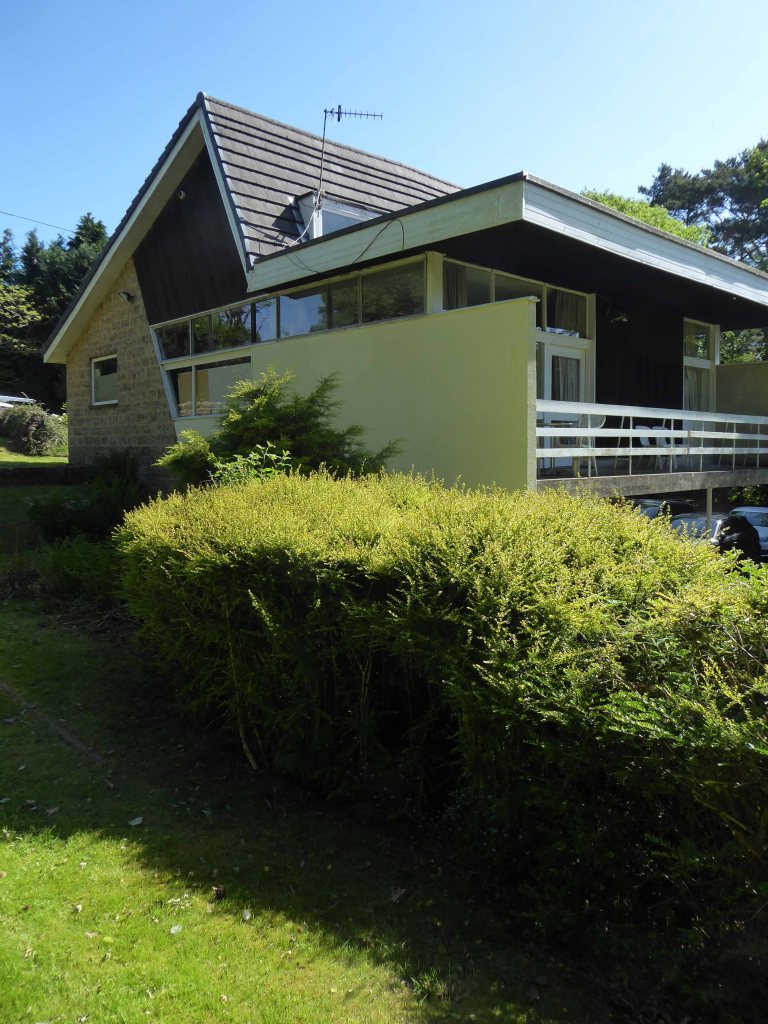
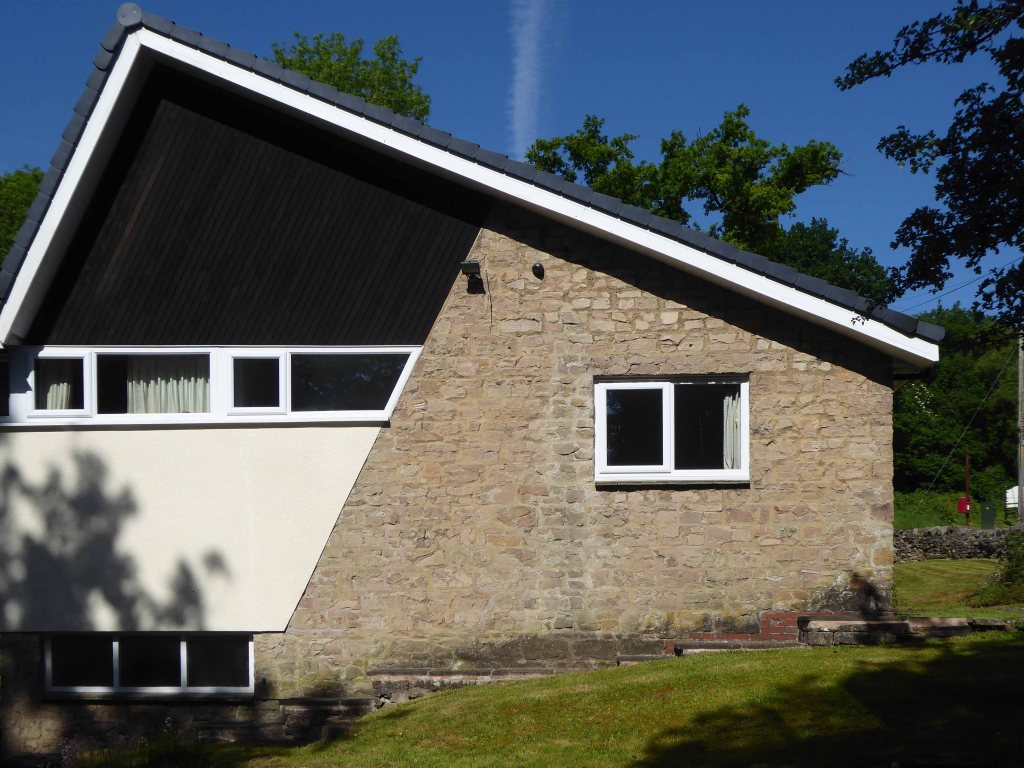
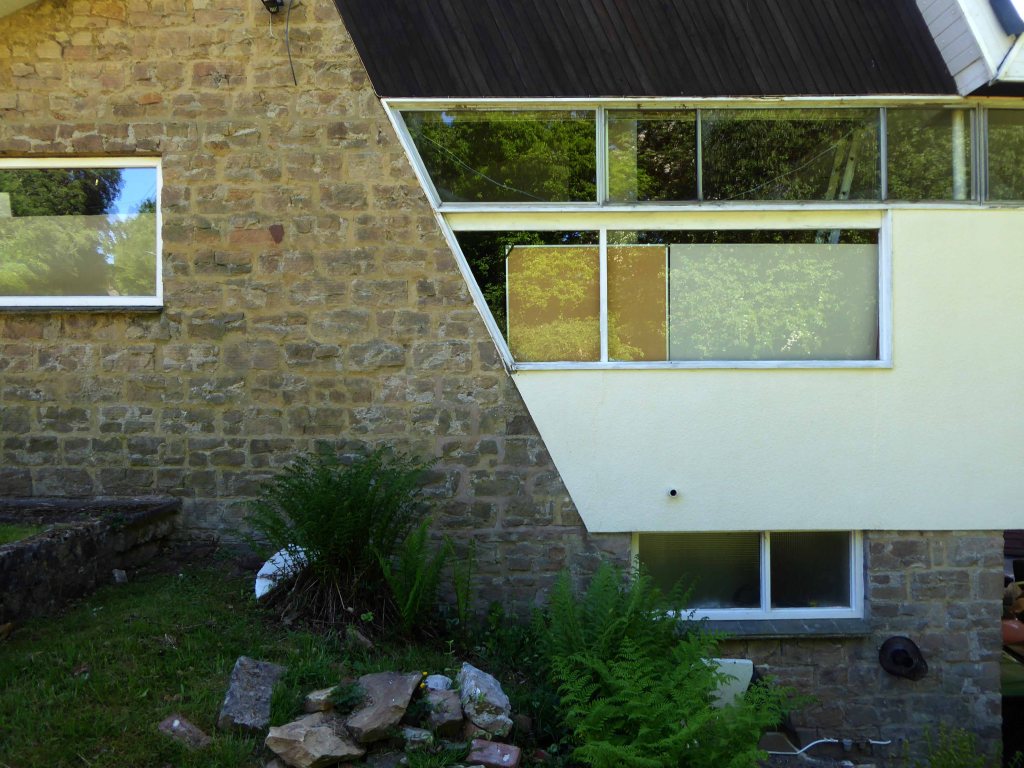
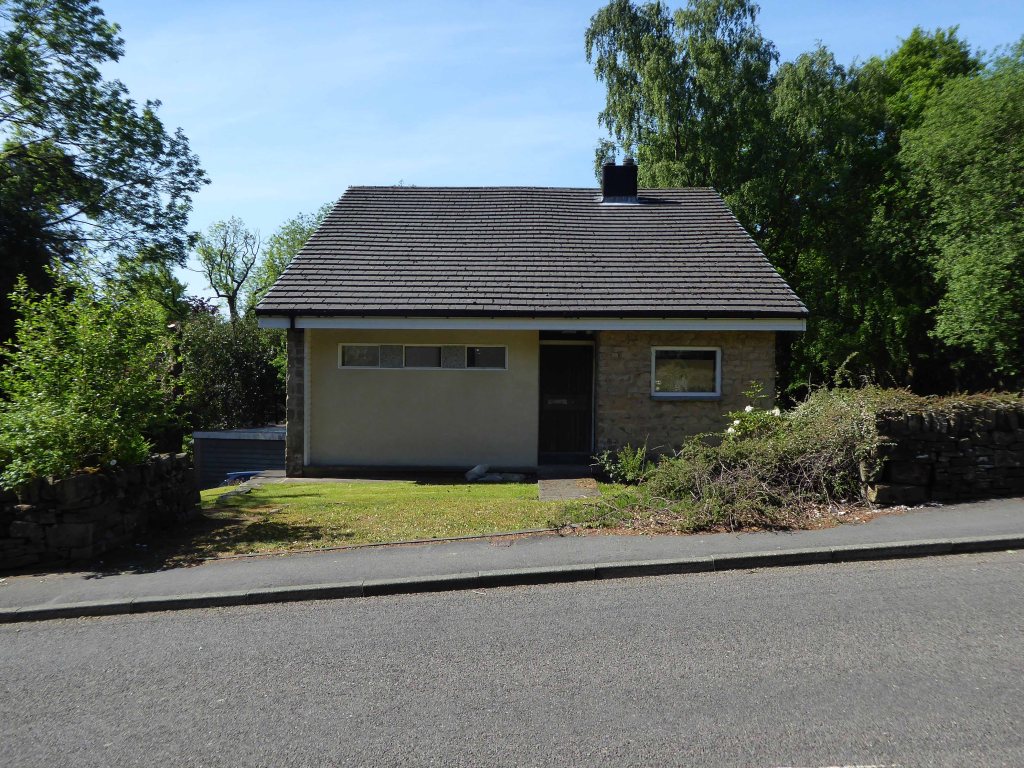
A diminutive Modernist house – a rose amongst the herbaceous borders.
Someone seems to have taken you in hand and work is underway, I just hope that they put your name back in place.
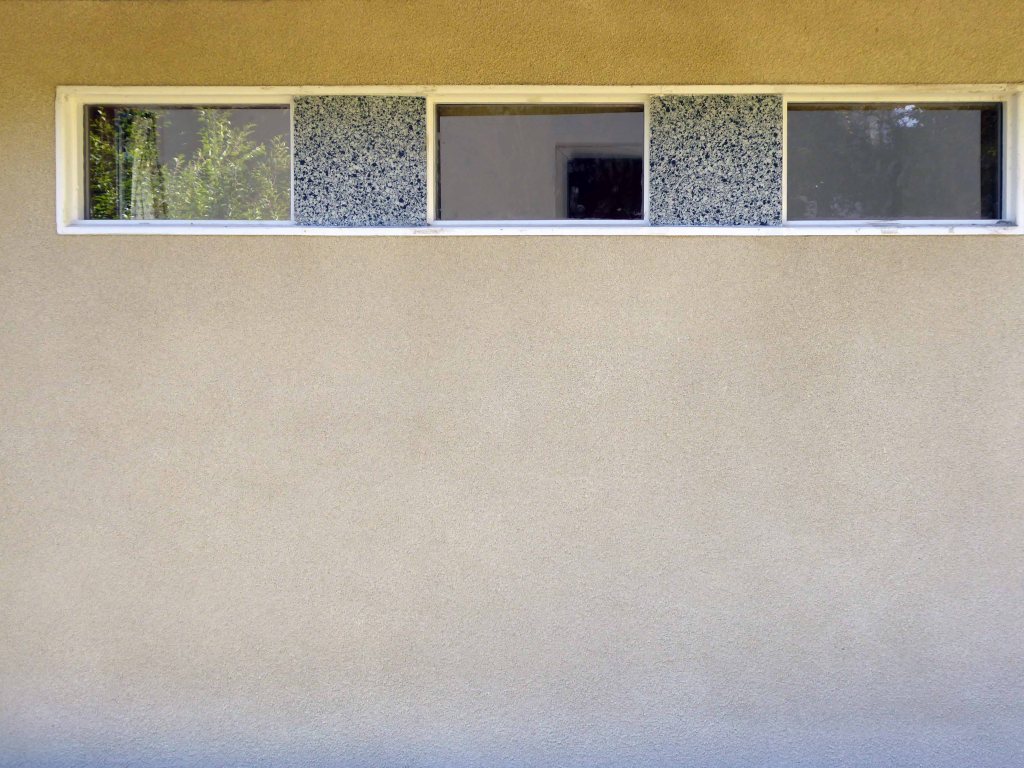
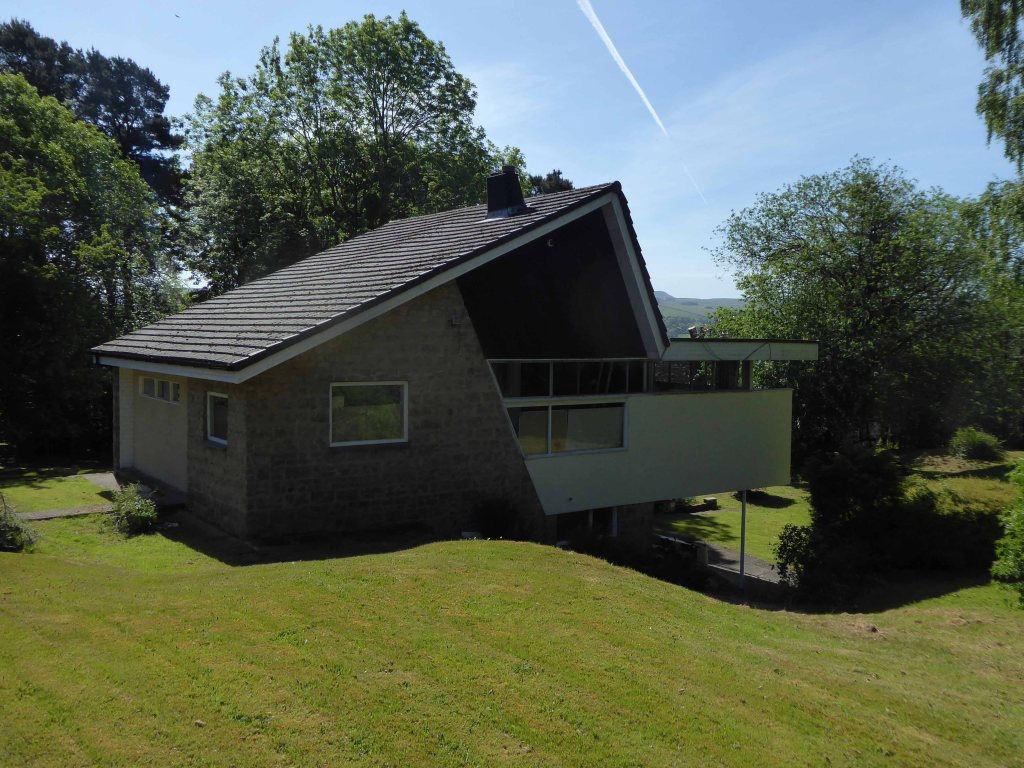
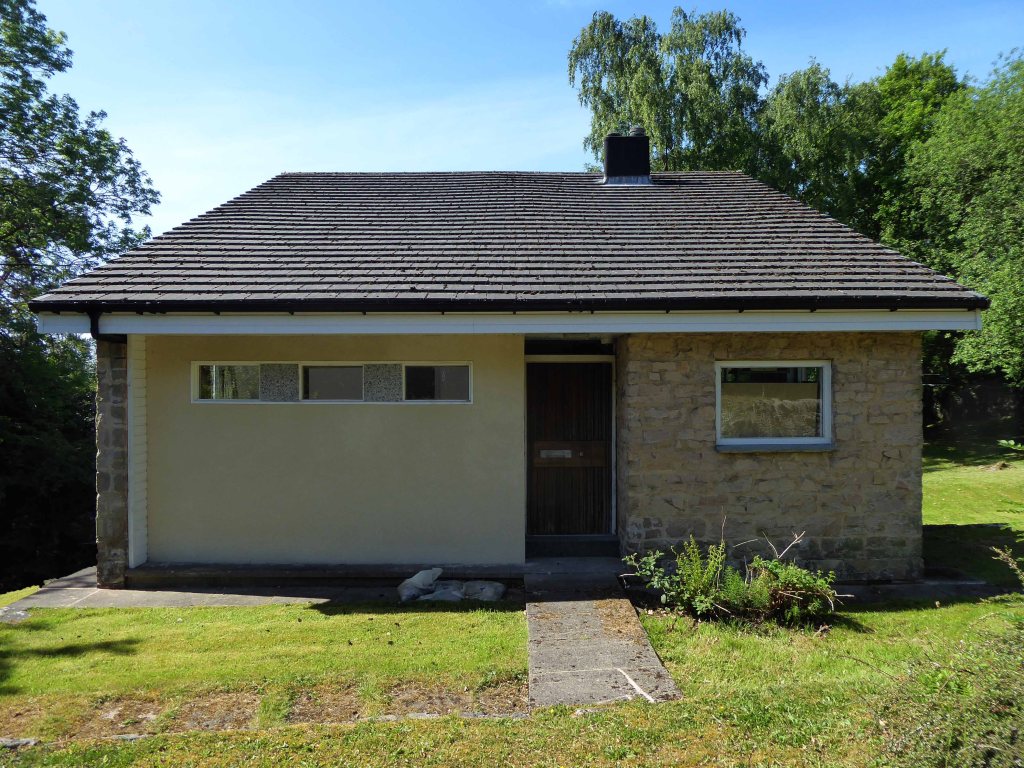
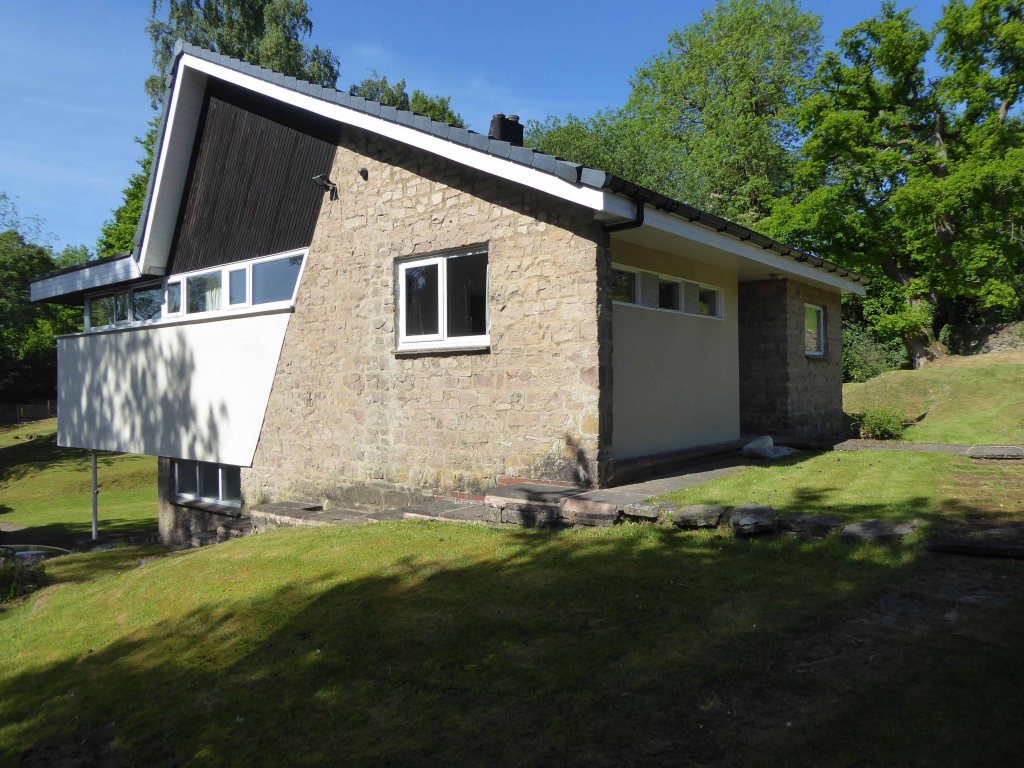
Tamara
Tamara is a female given name most commonly derived from the Biblical name Tamar, meaning date – the fruit, date palm or palm tree. In eastern European countries like Armenia, Croatia, Czech Republic, Georgia, Hungary, North Macedonia, Poland, Russia, Serbia, Slovenia and Ukraine it has been a common name for centuries. In Australia it was very popular from the 1960s to 1990s.
In the United States, the name was fairly common from the late 1950s to mid 1990s, bolstered by the popularity of the film Tammy and the Bachelor – Tammy is commonly a nickname for Tamara. In the US the most girls named Tamara were born in 1970 and the number of Tamaras born per year was greater than 1,000 as late as 1996.
The name is now fairly uncommon in the US: in 2010, the name fell off the Top 1000 SSA Baby Names list, with fewer than 250 baby girls named Tamara that year.
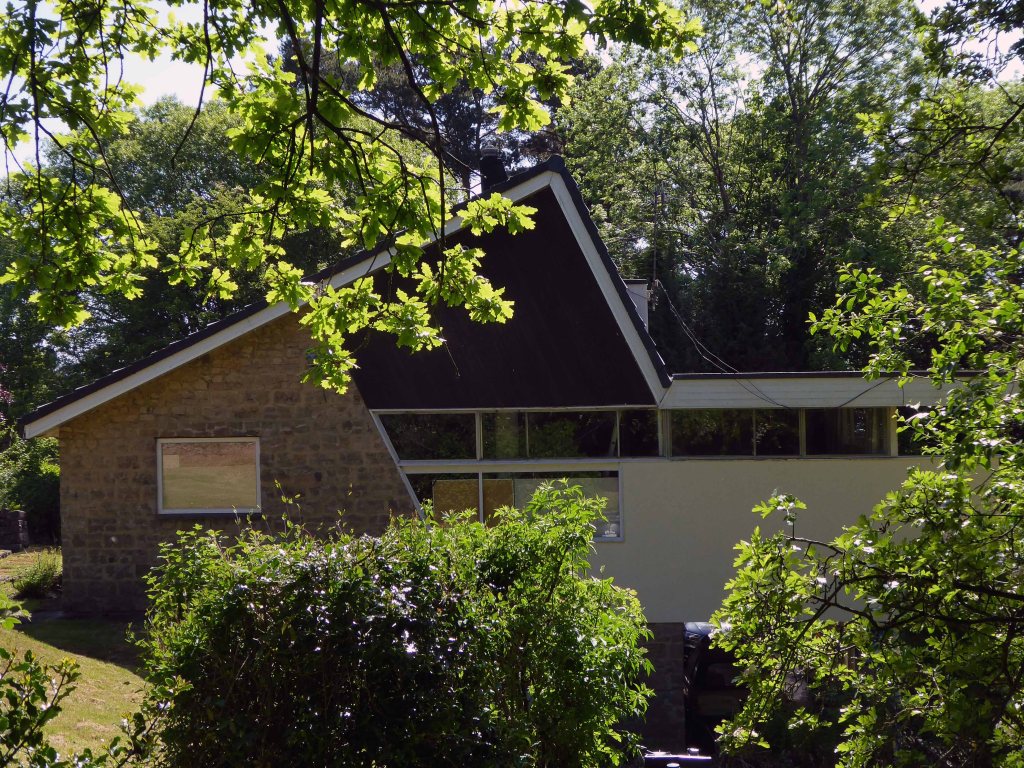
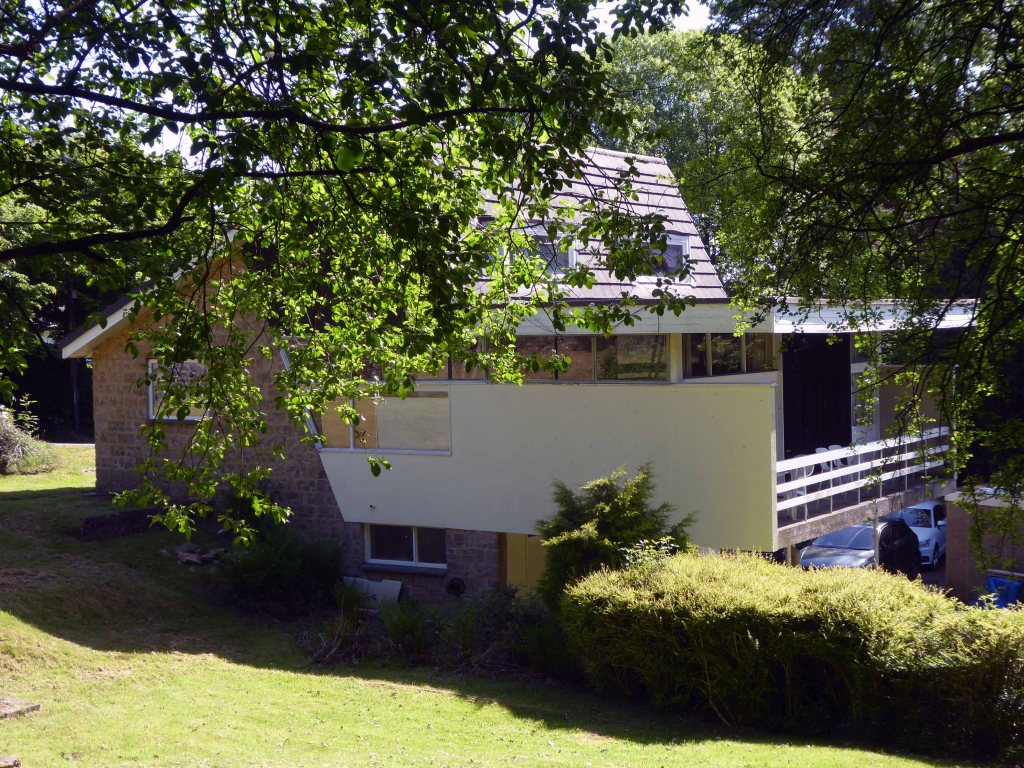
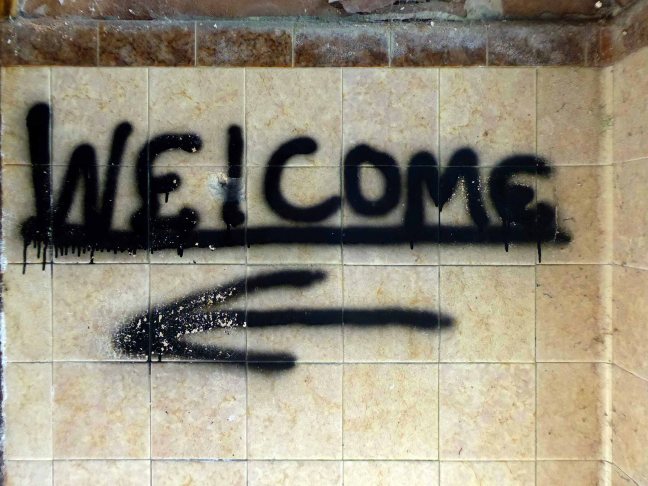
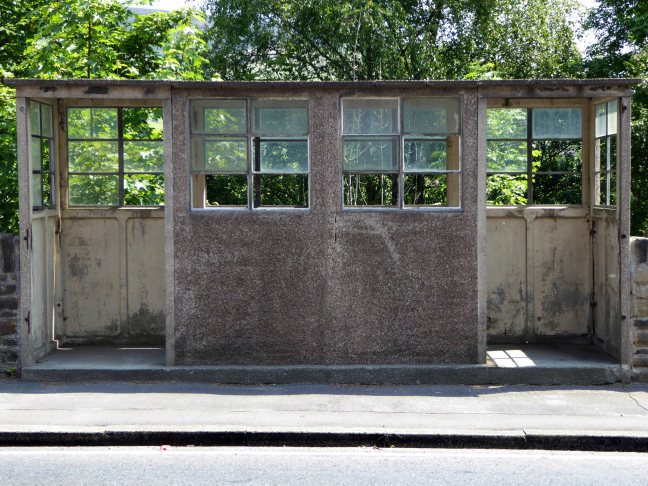
We have of course been here before, to see a concrete bus shelter and a derelict control room.
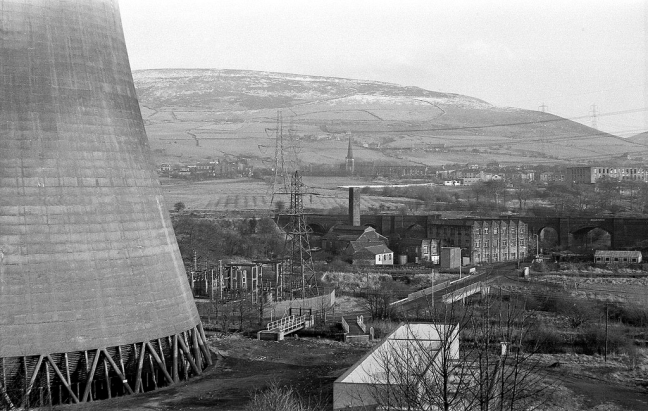
All that is solid melts into air as Marx and Marshall Berman told us.
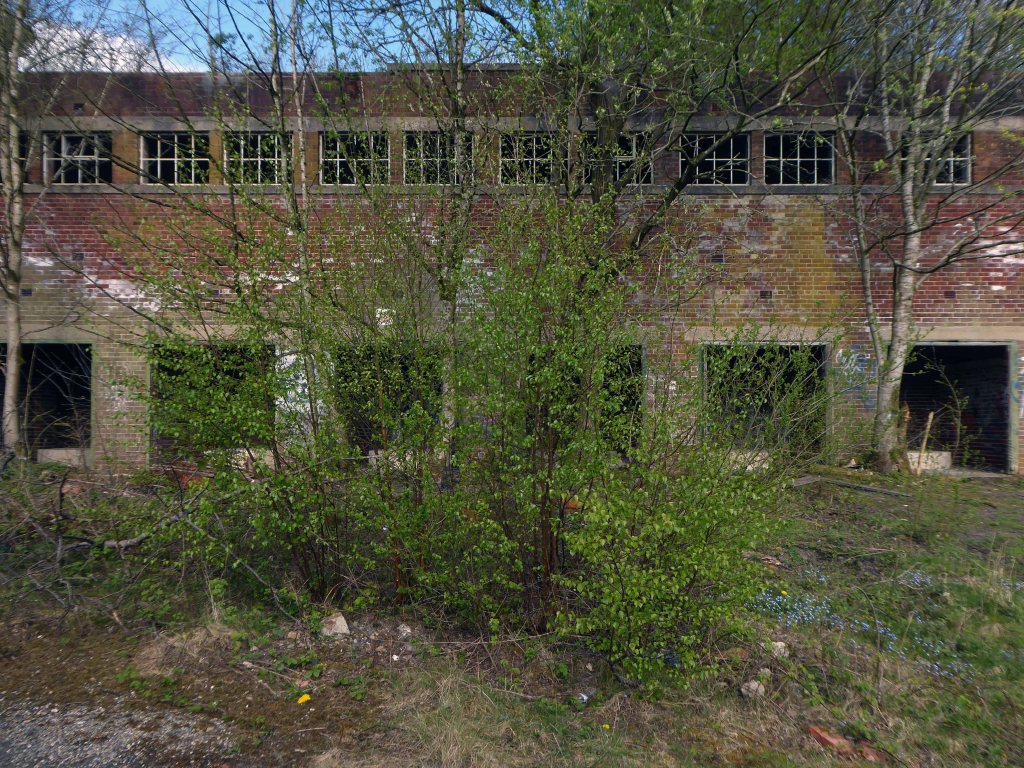
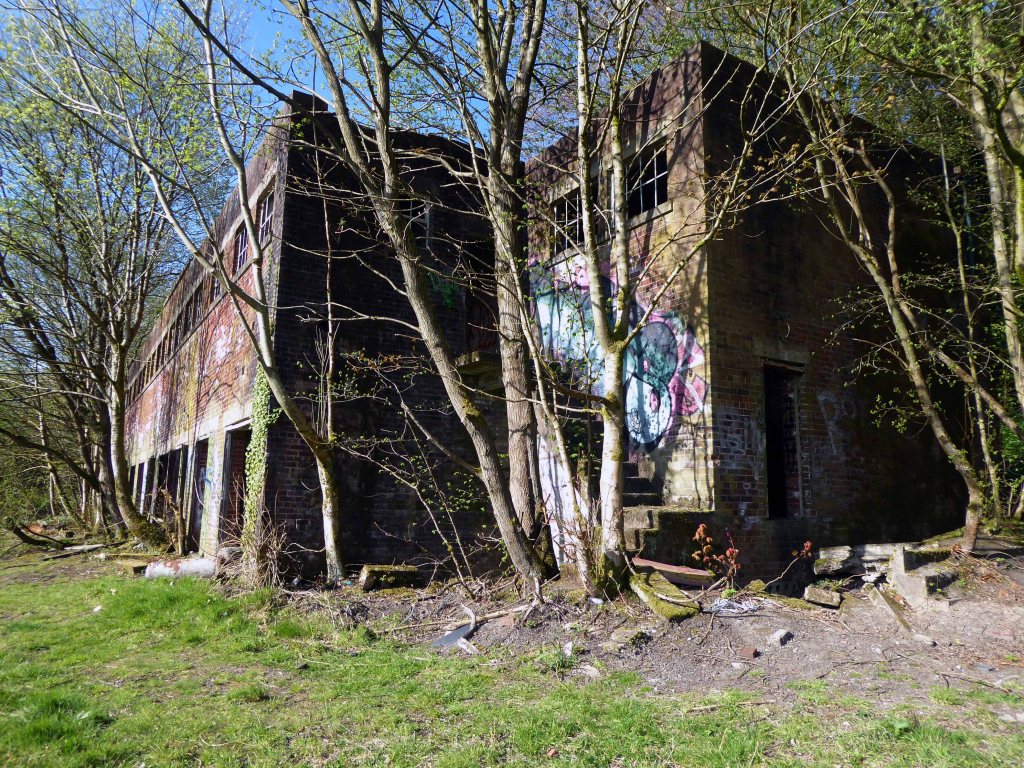
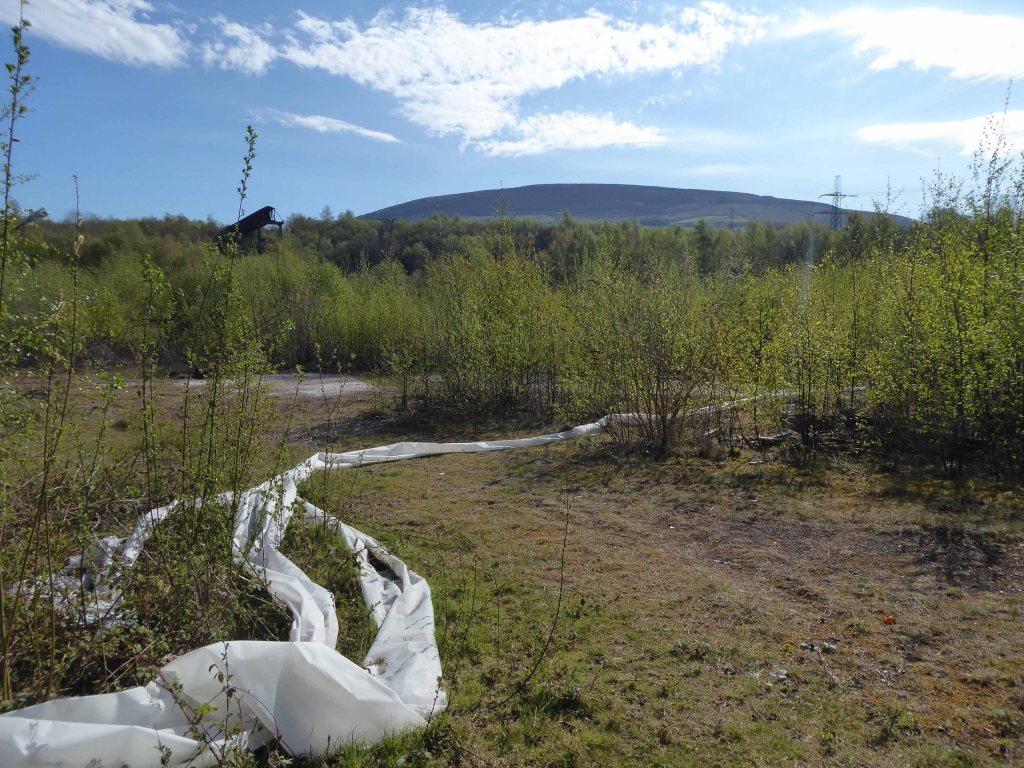
Though remnants remain – this is a short journey through a hole in fence, down into the warren of power station offices past.
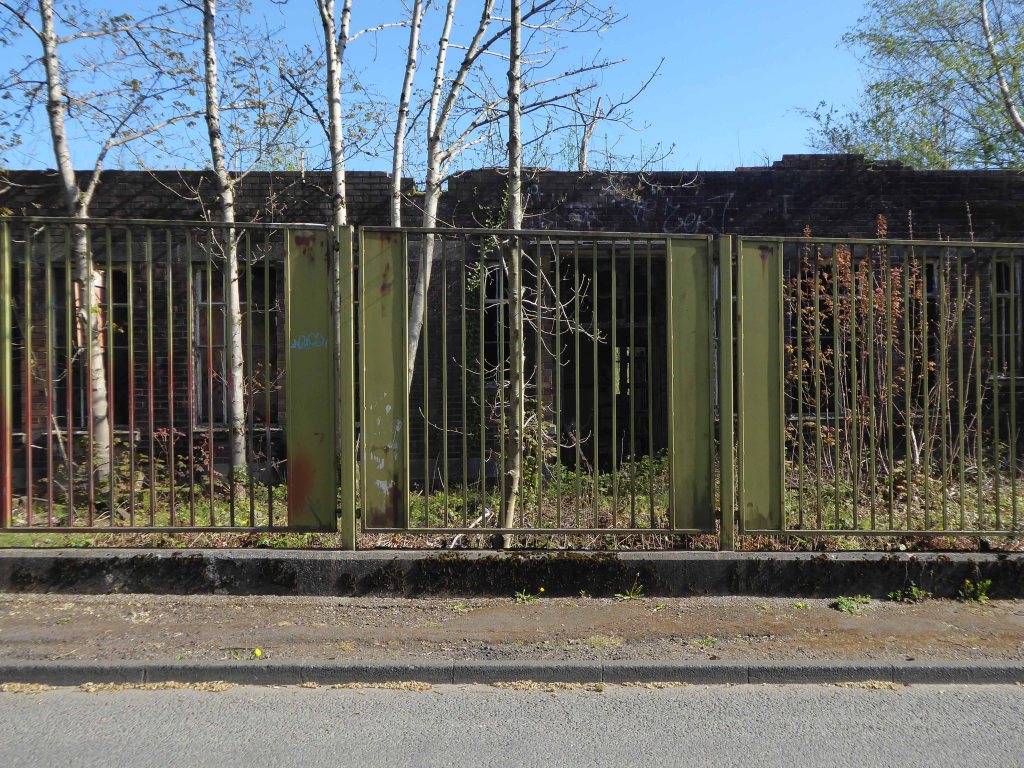
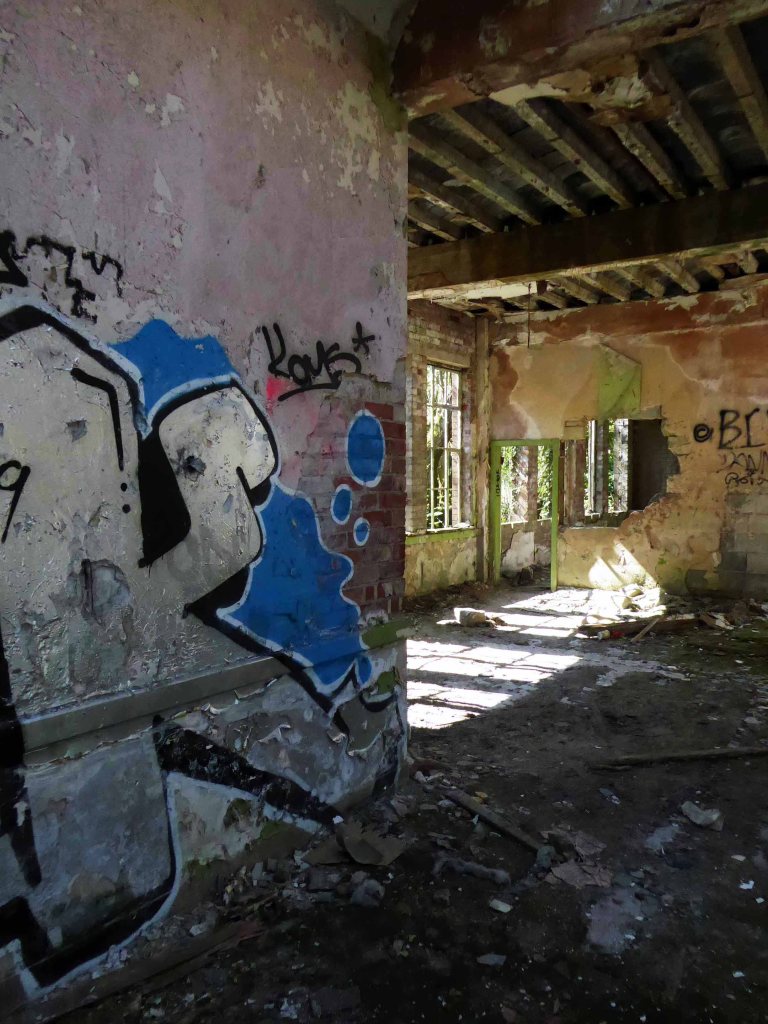
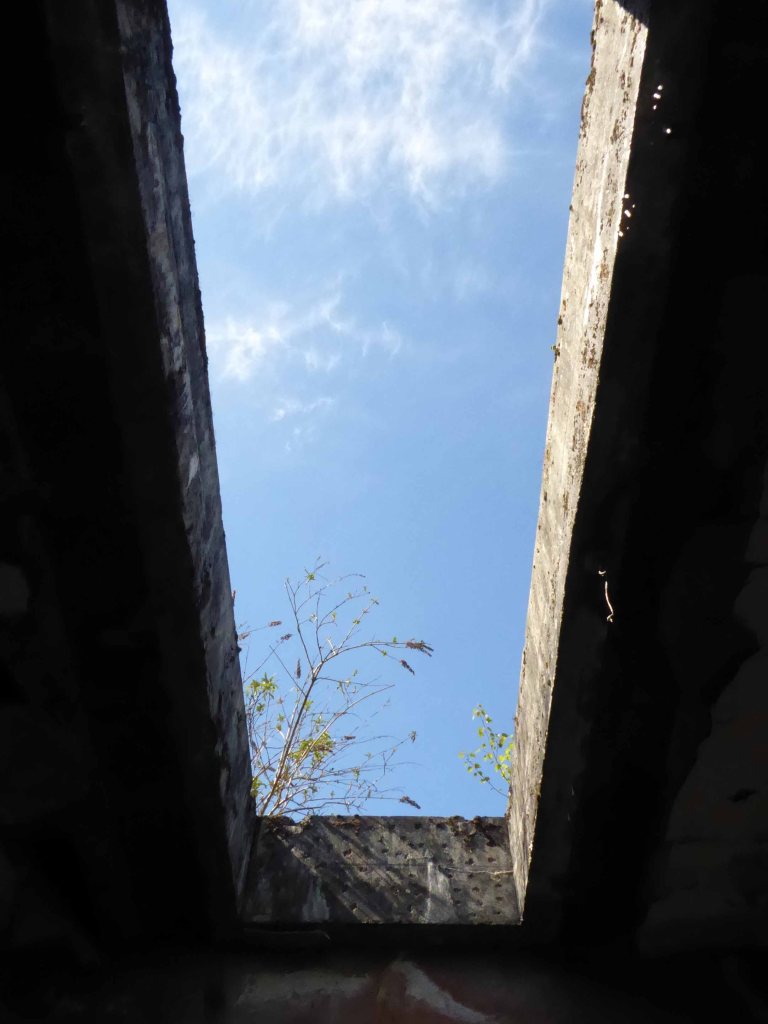
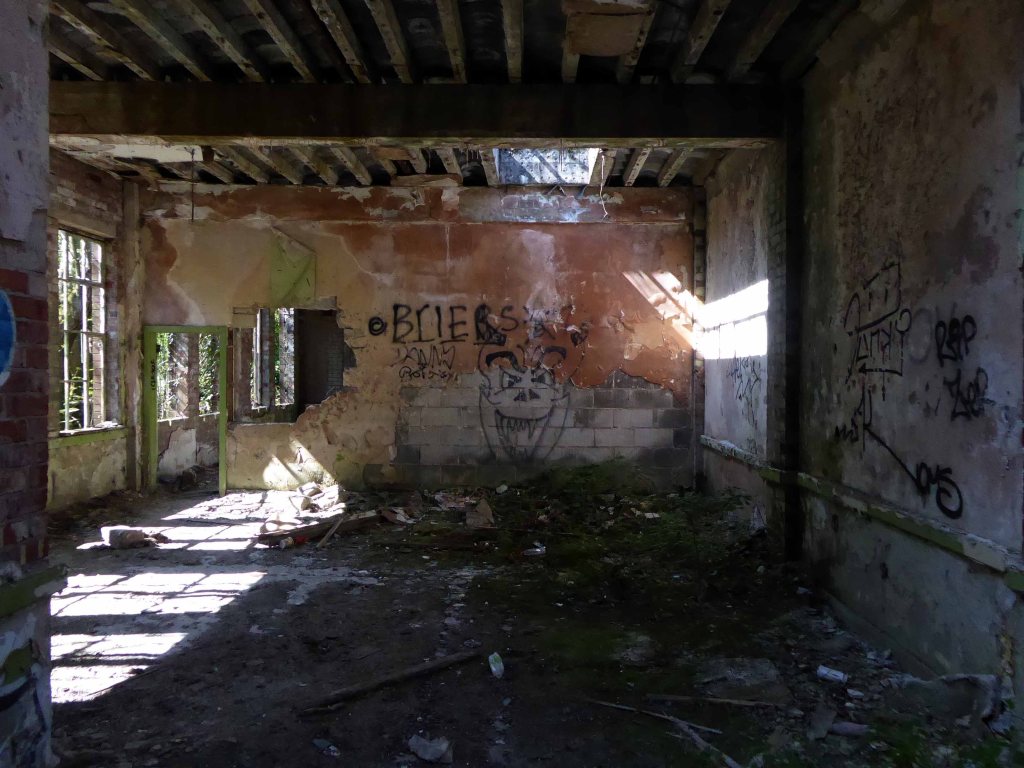
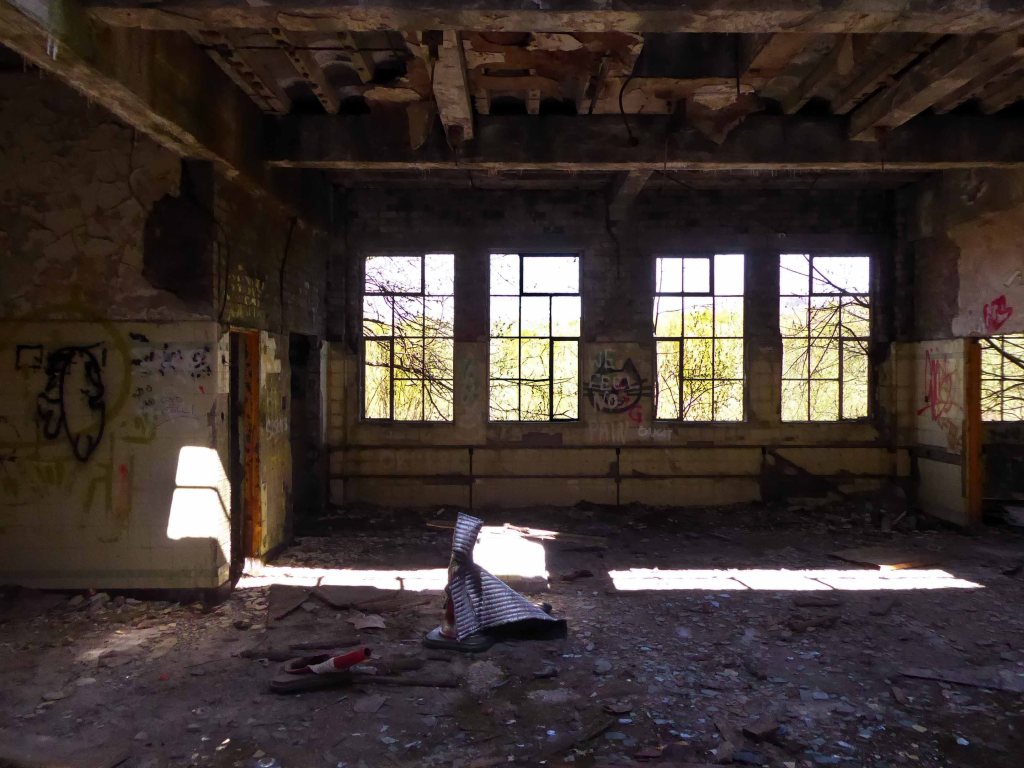
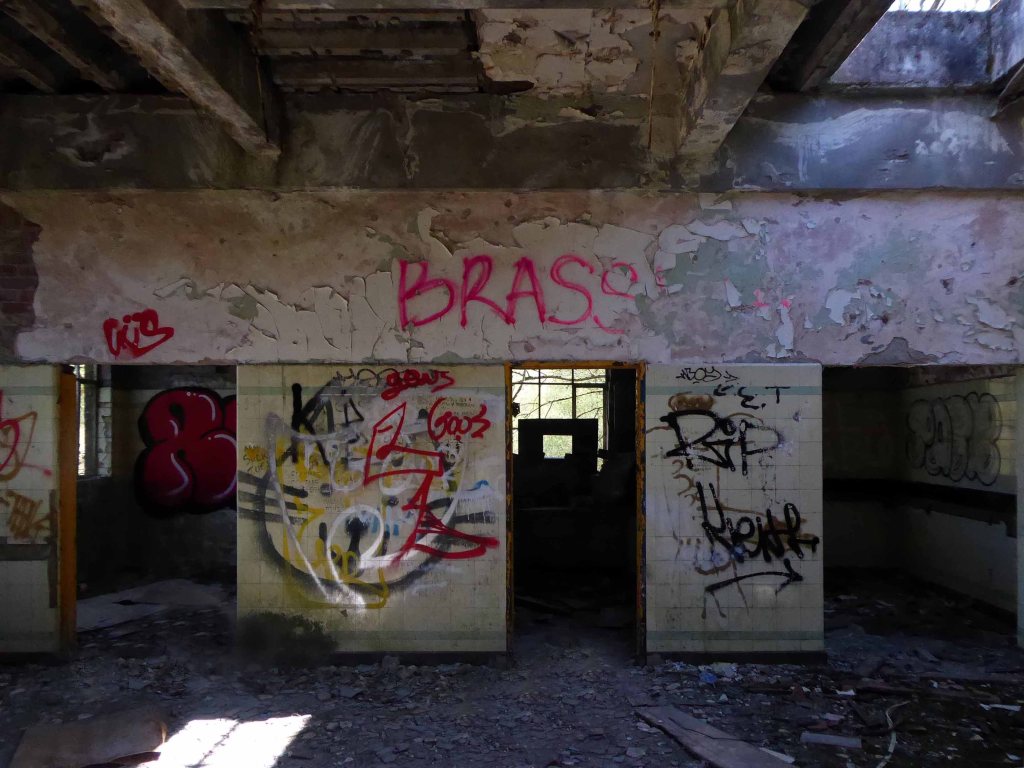
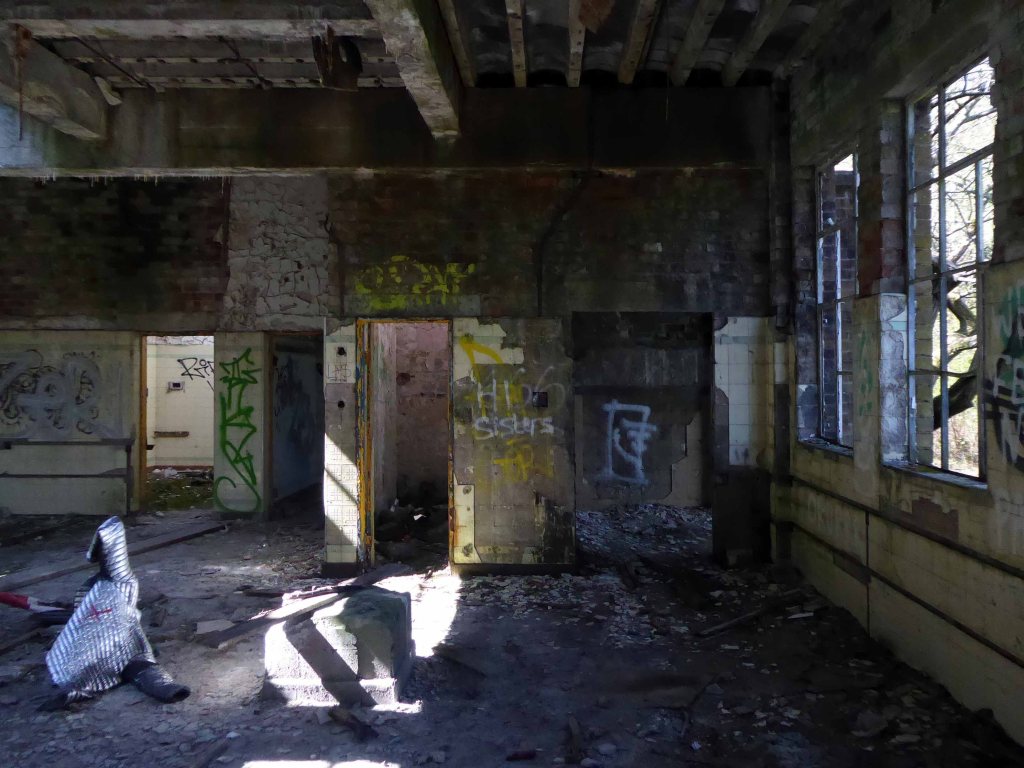
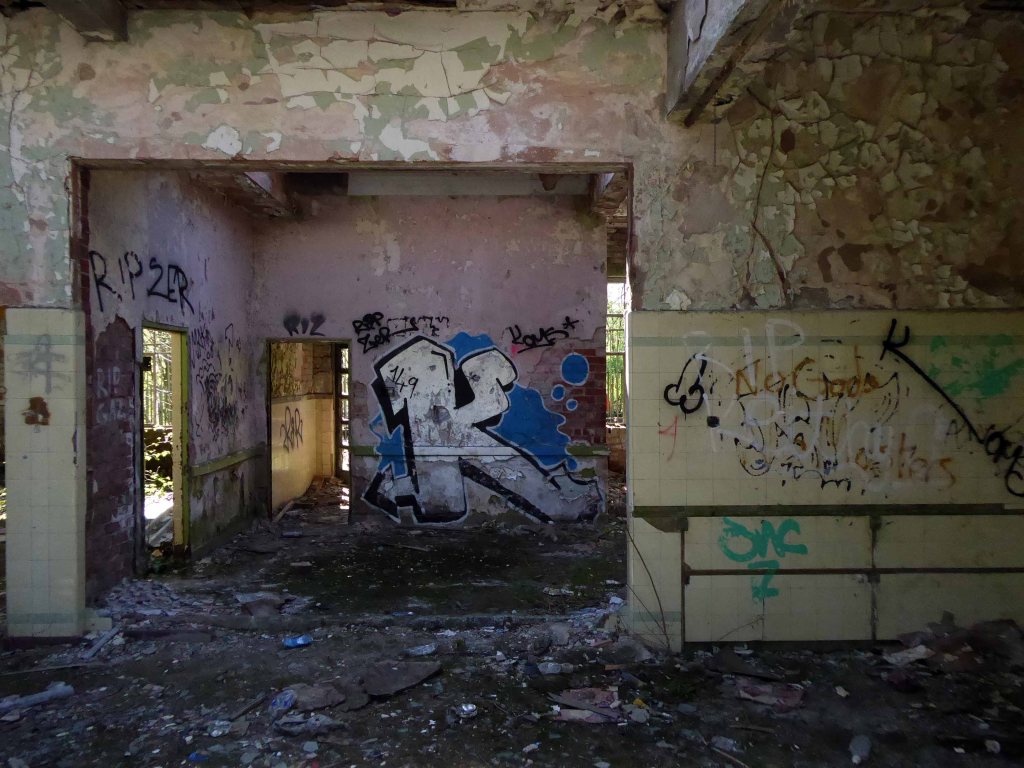
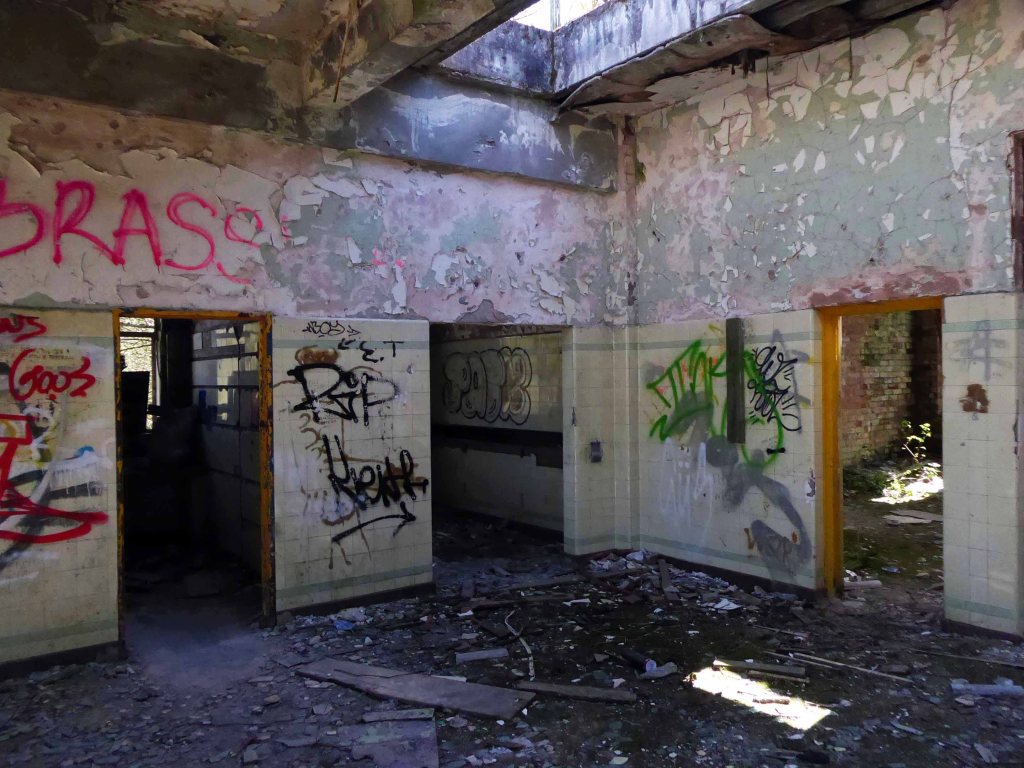
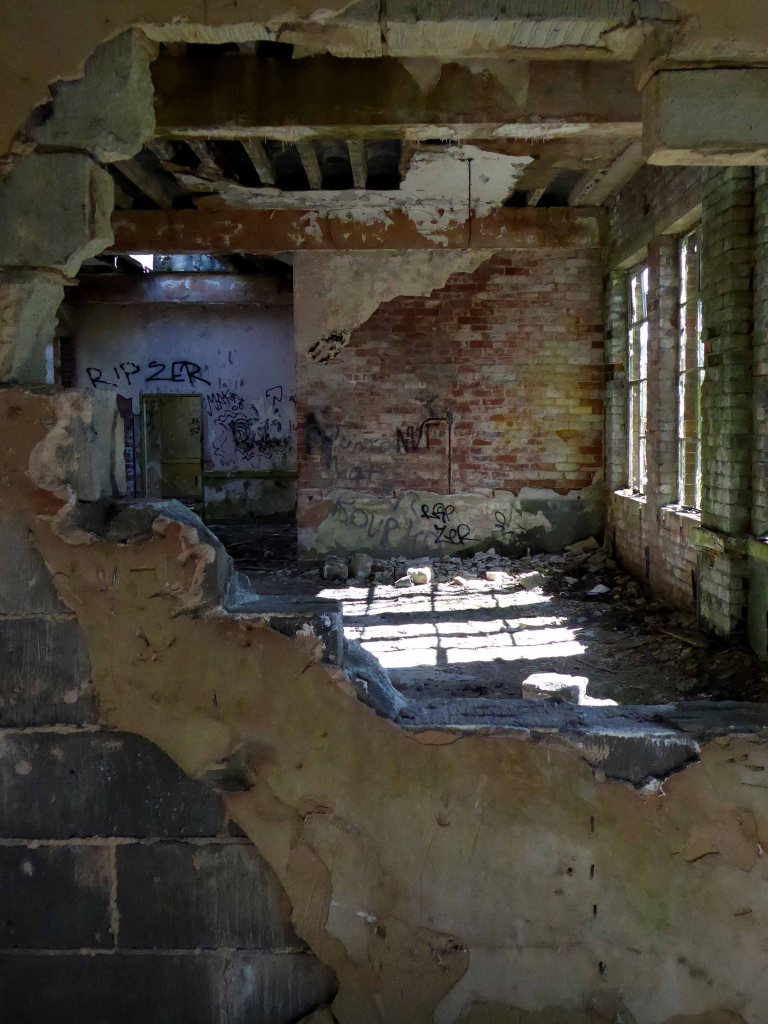
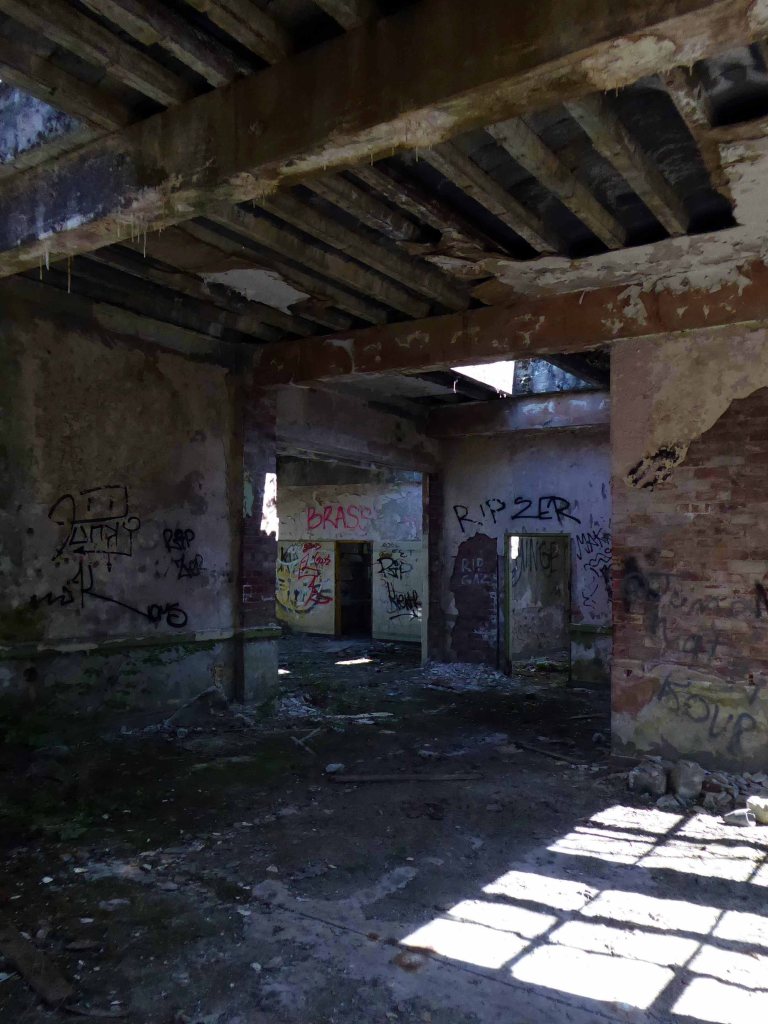
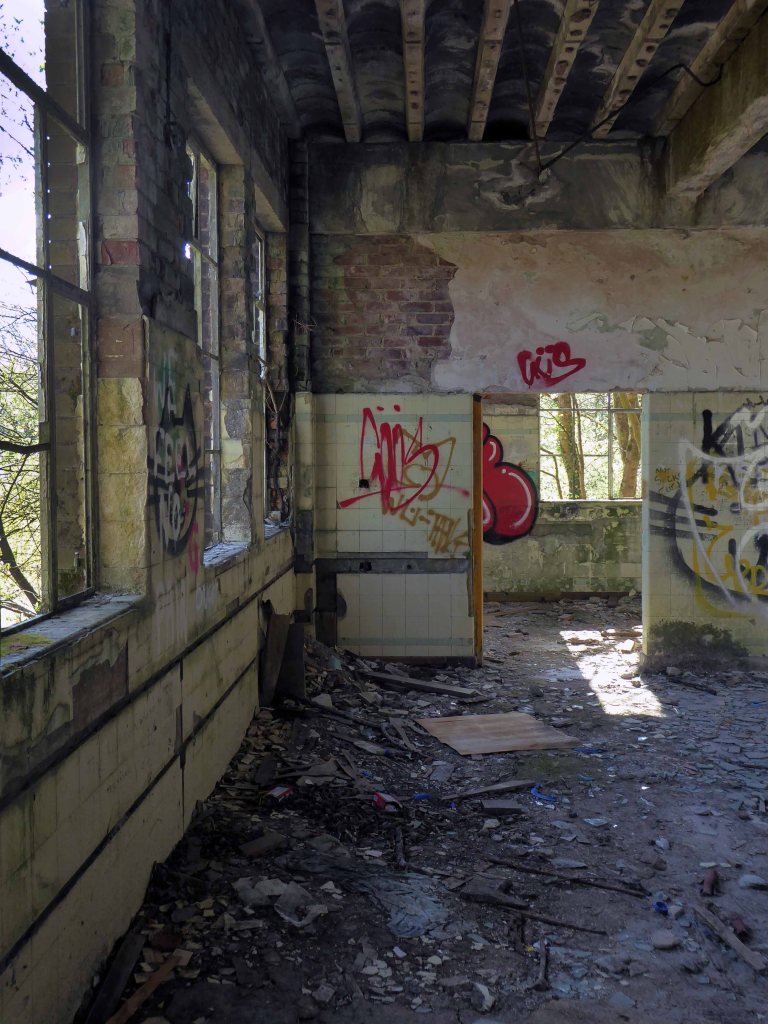
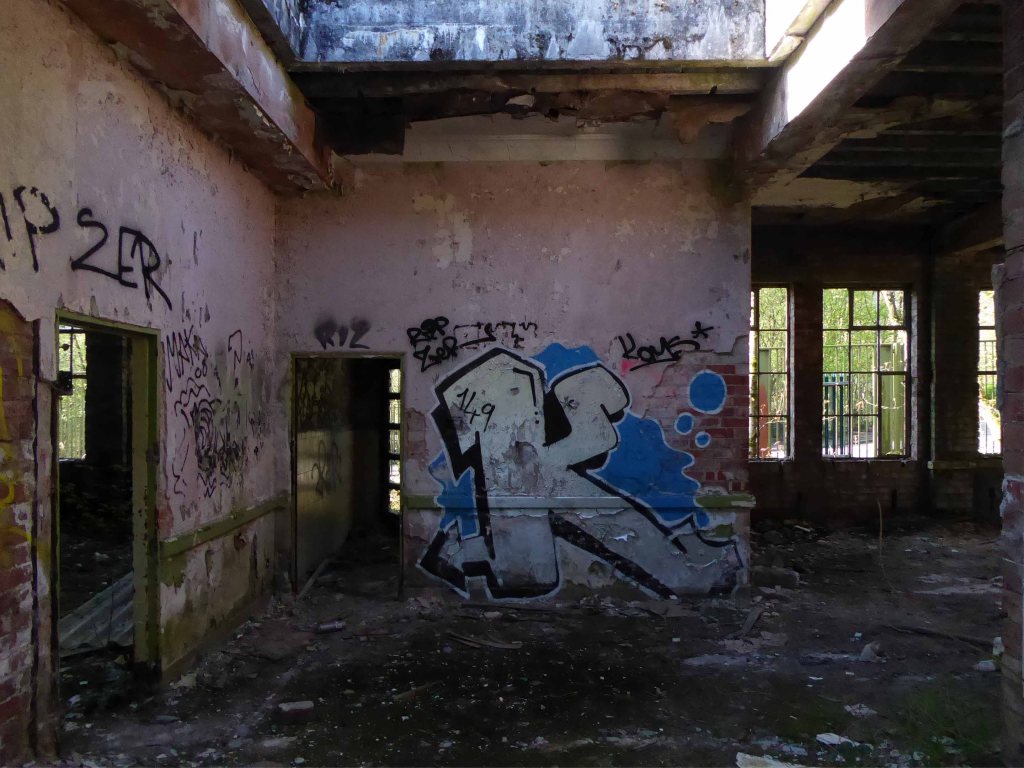
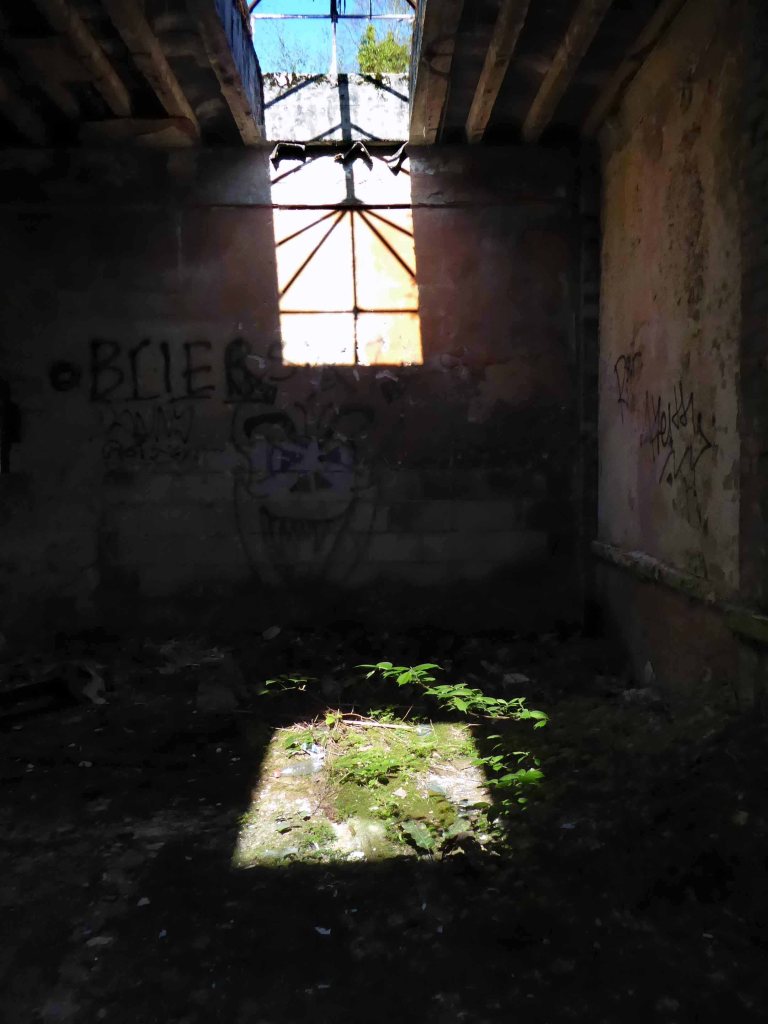
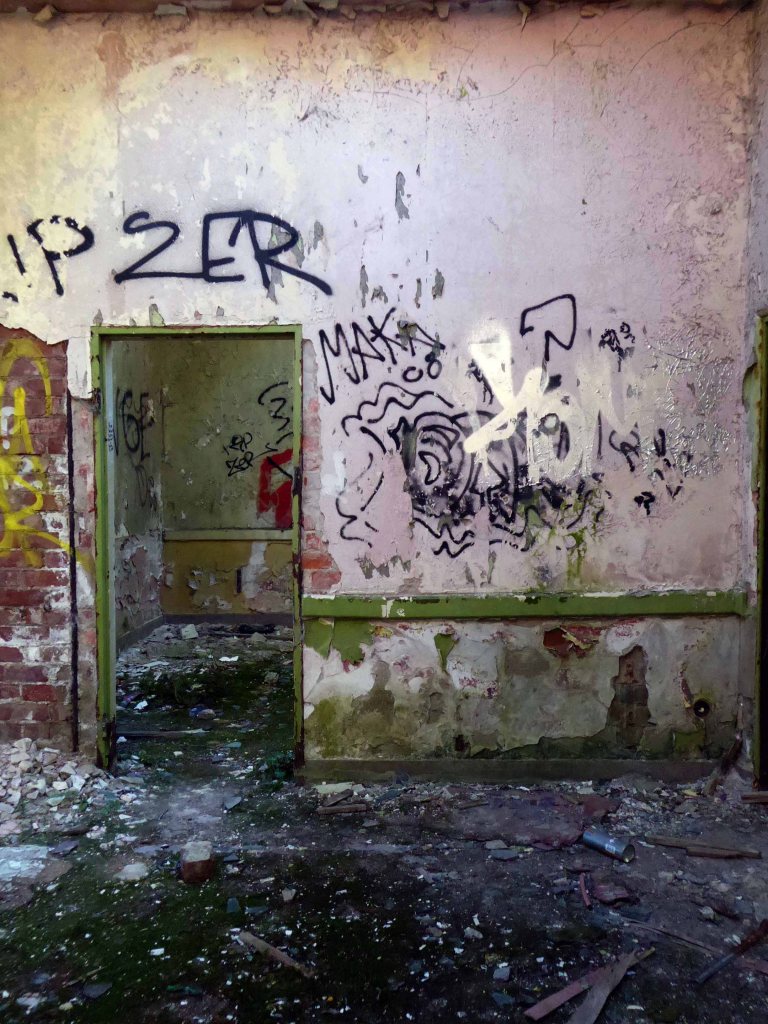
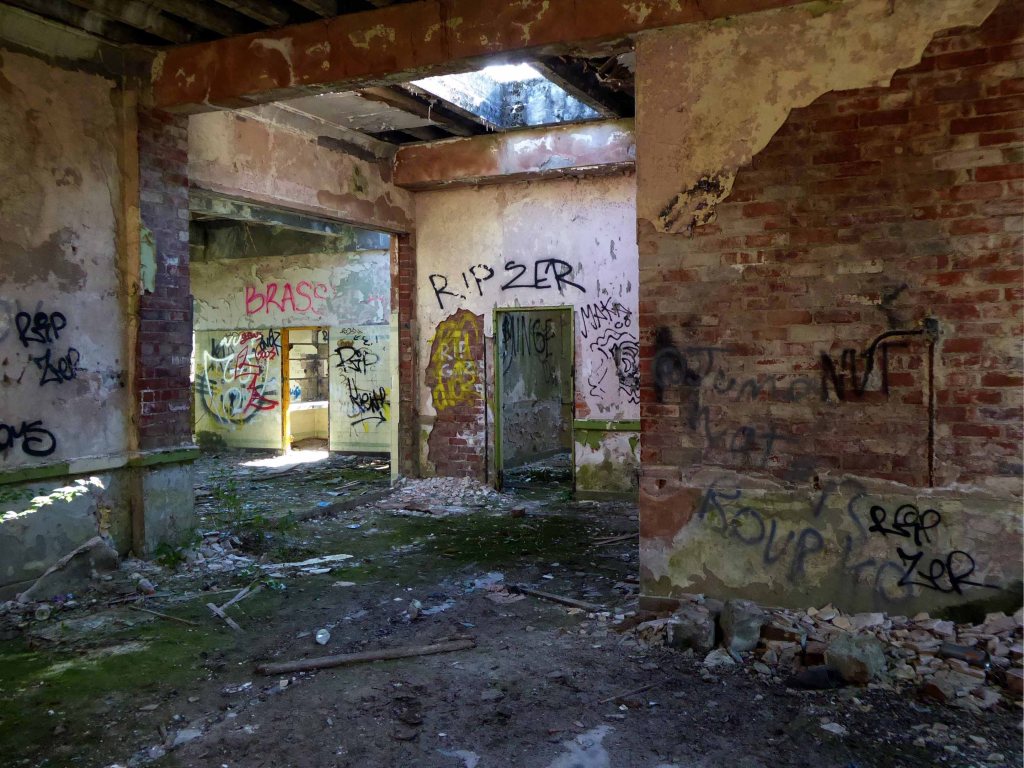
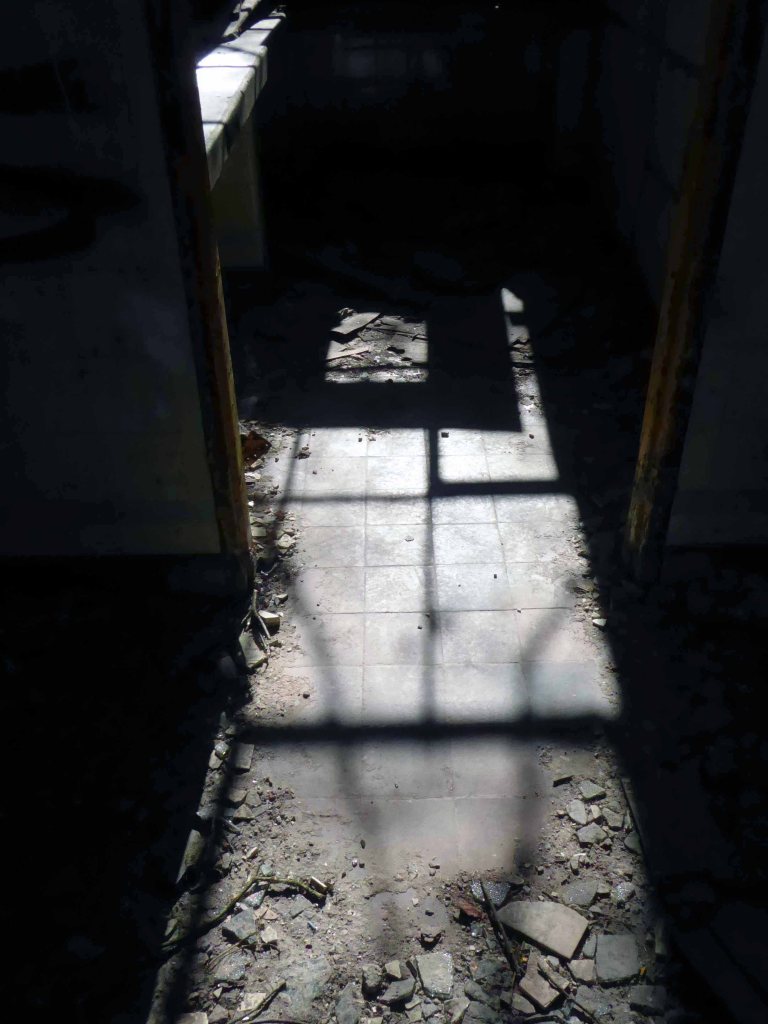
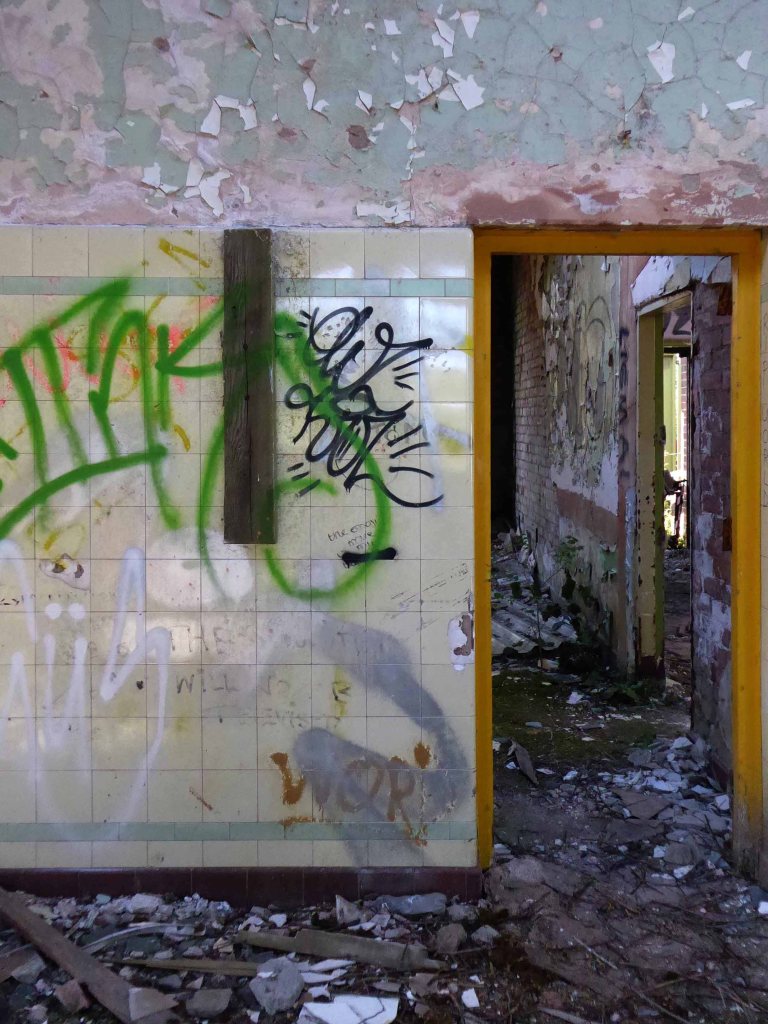
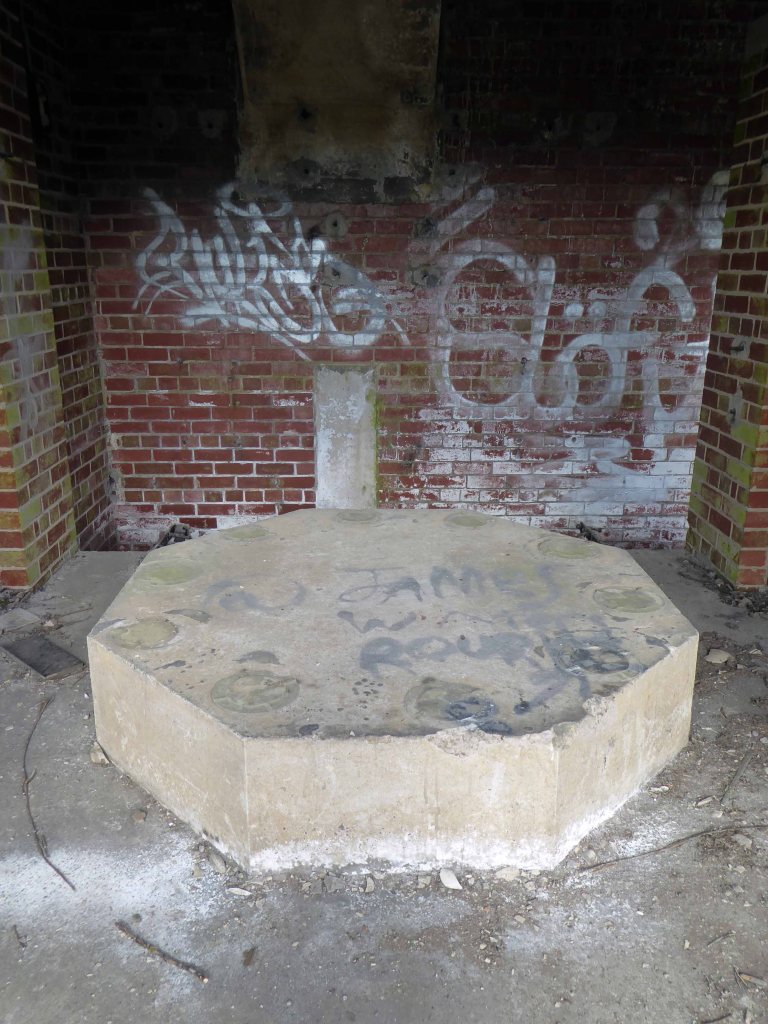
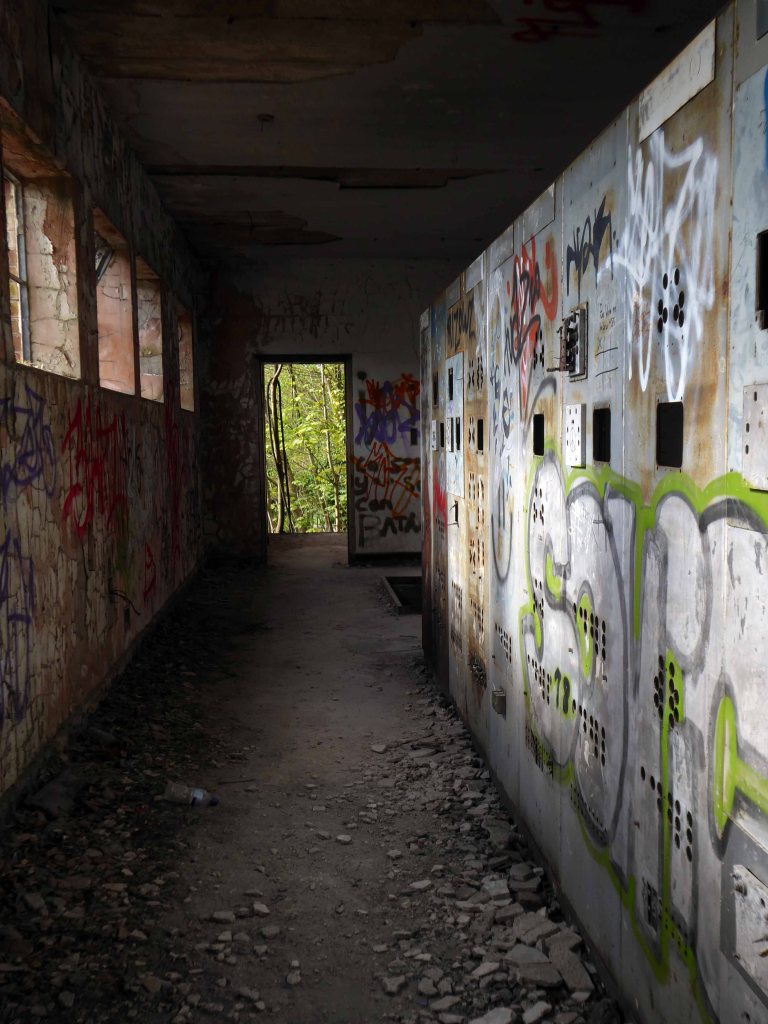
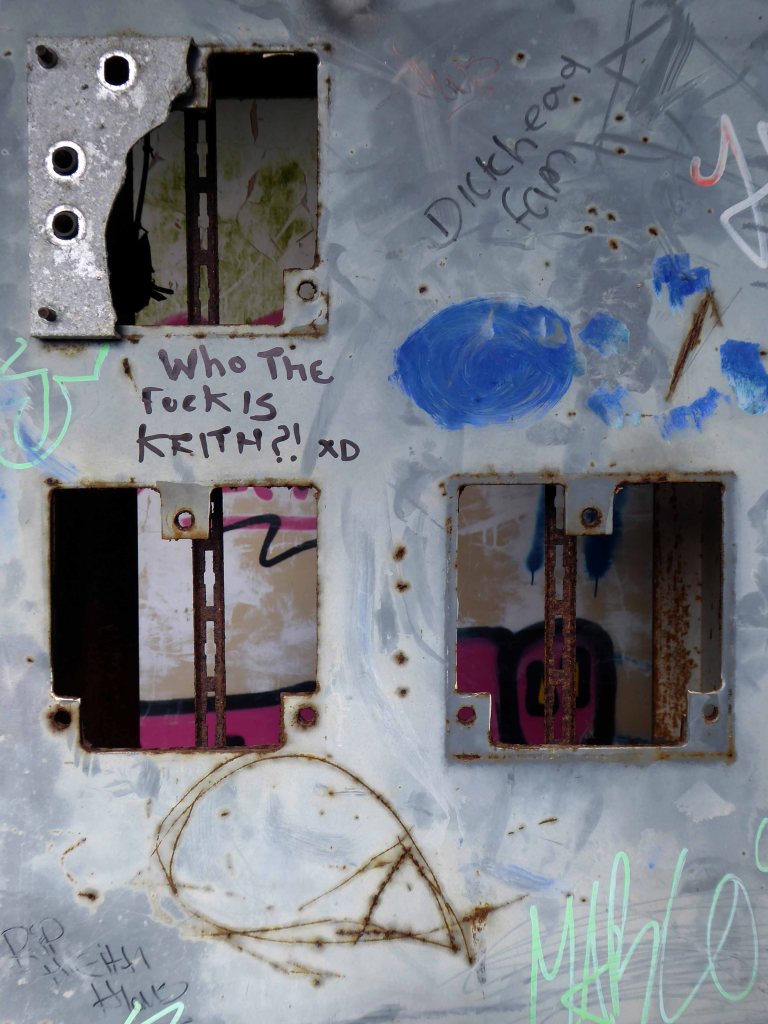
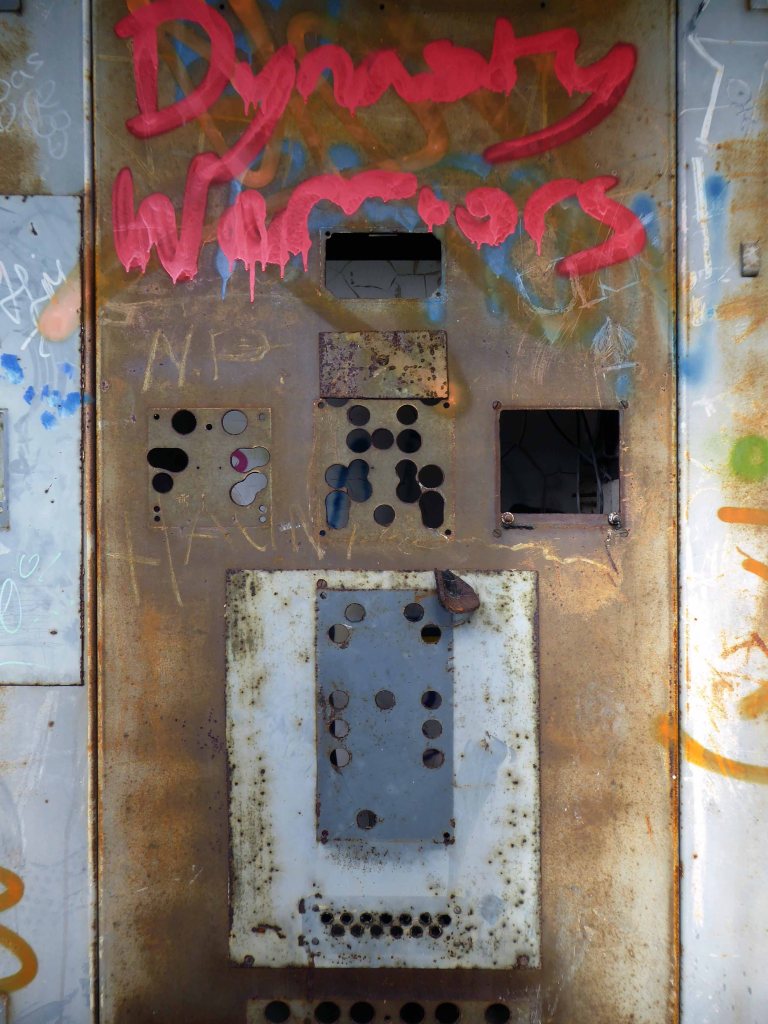
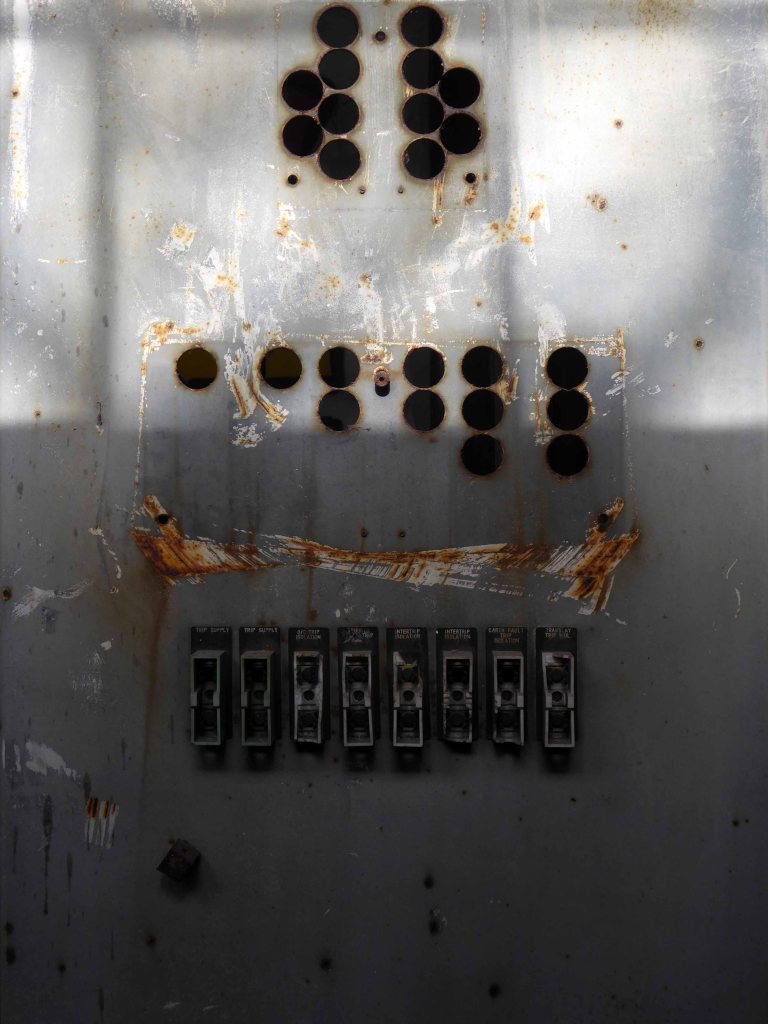
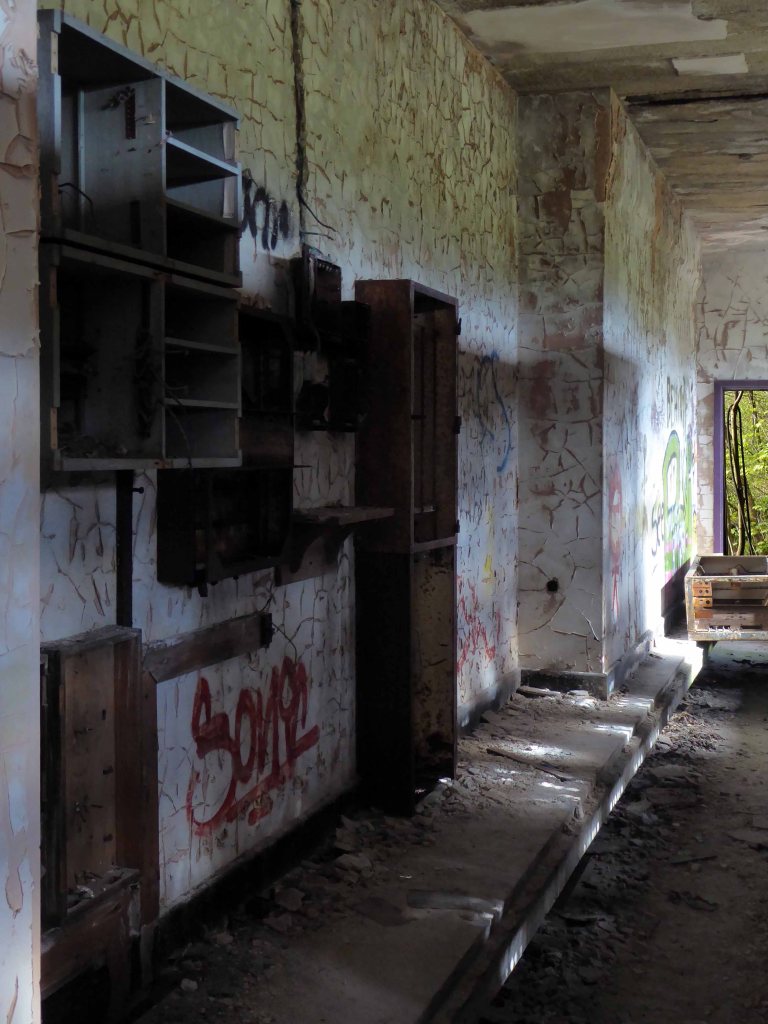
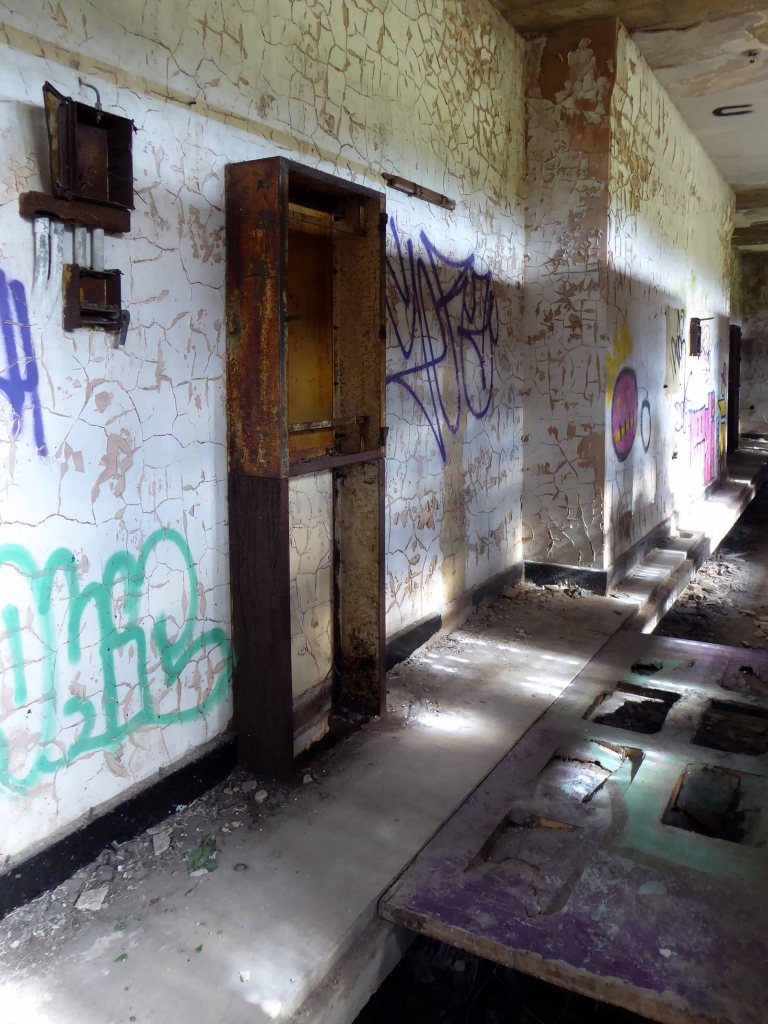
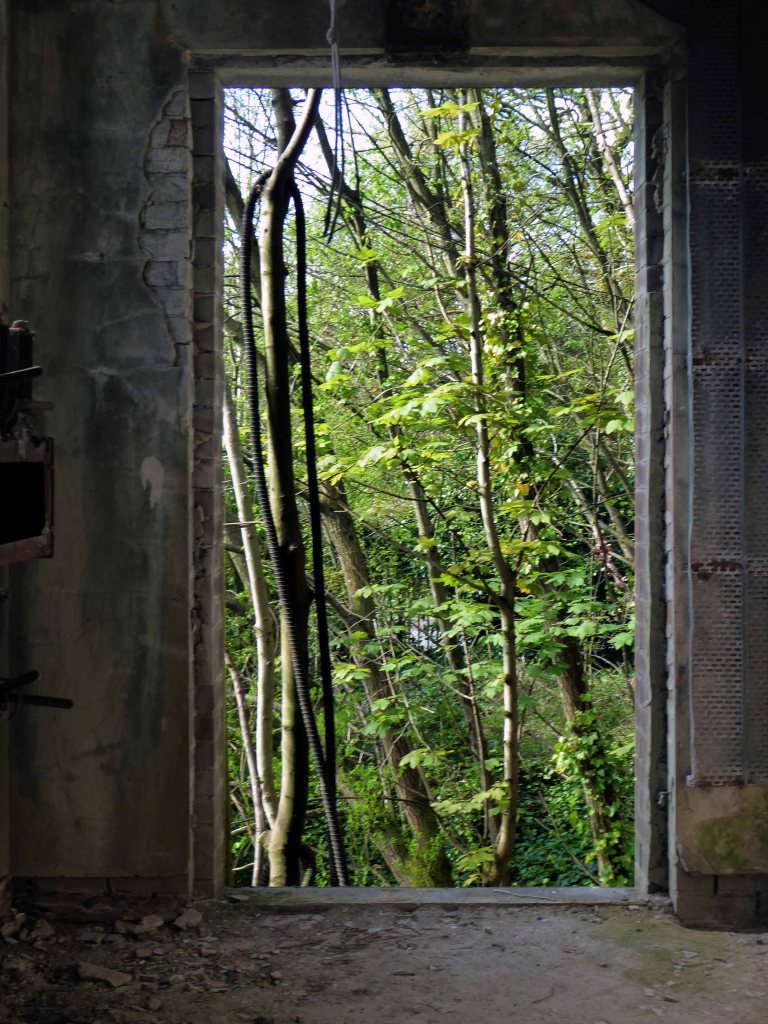
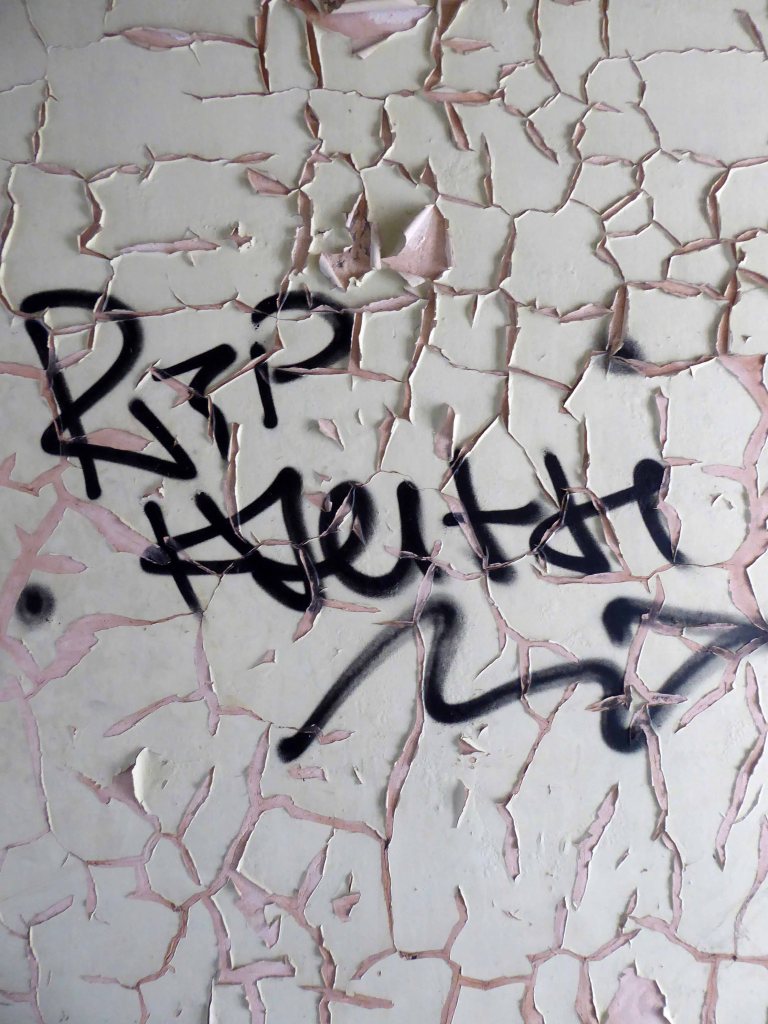
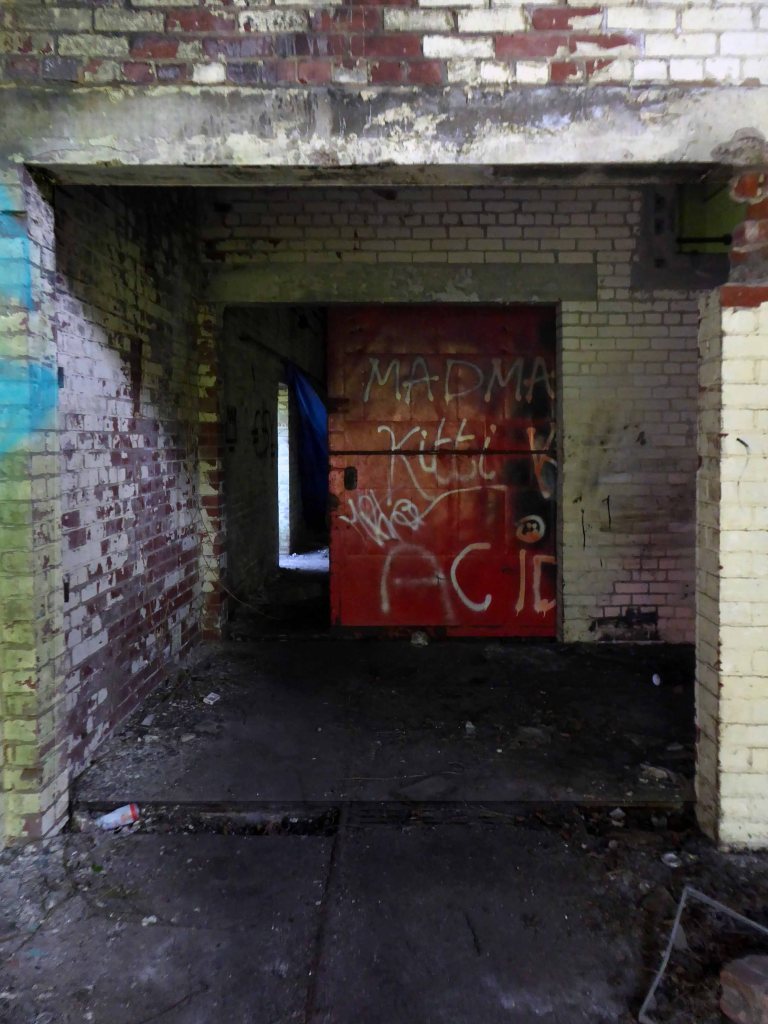
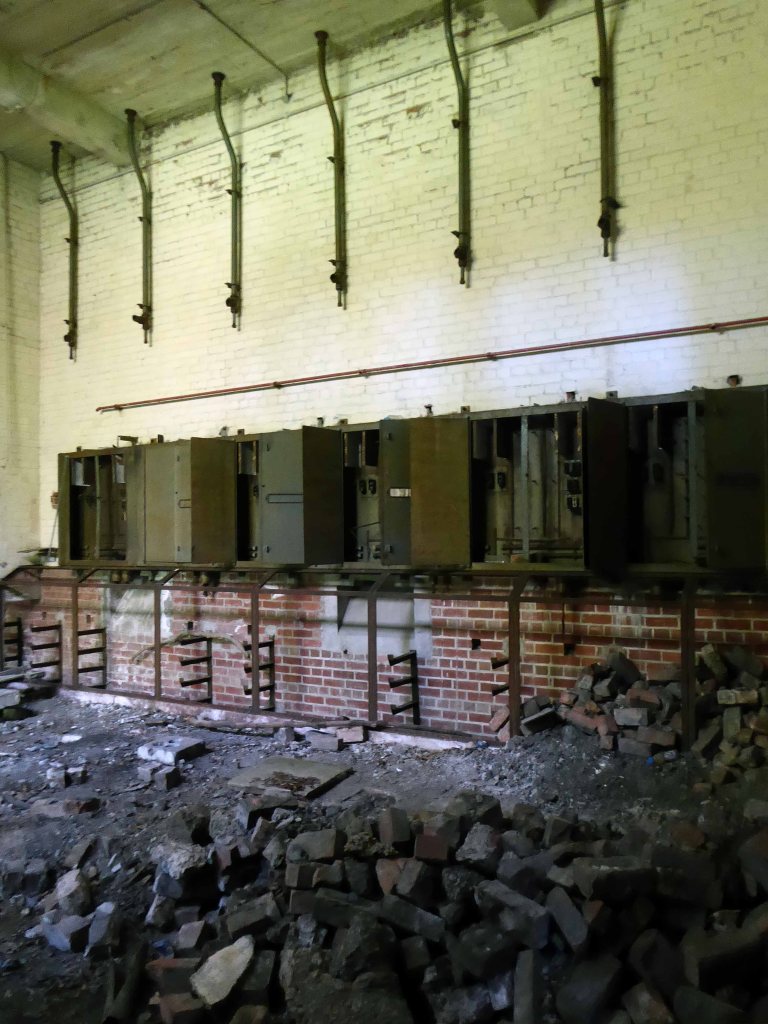
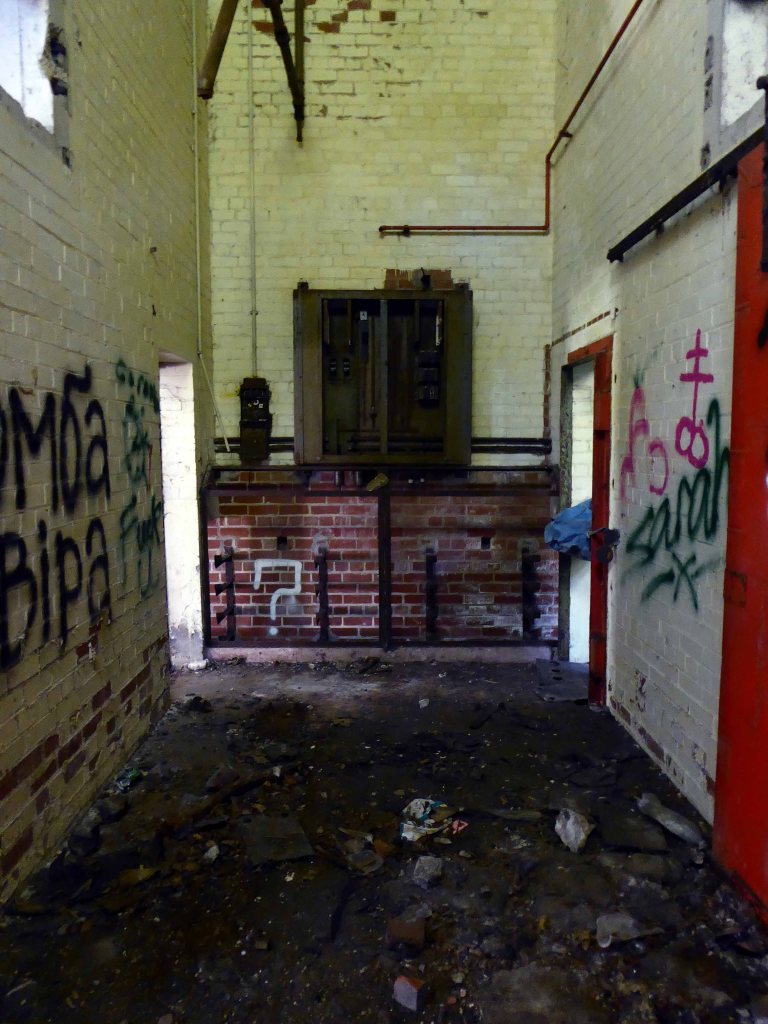
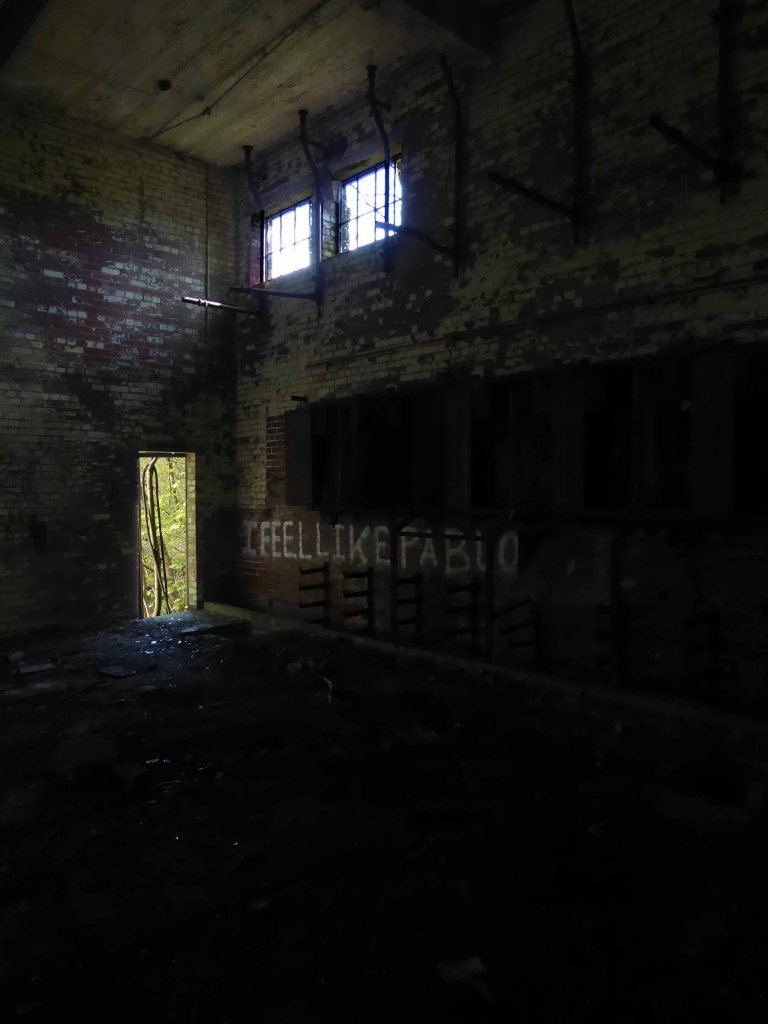
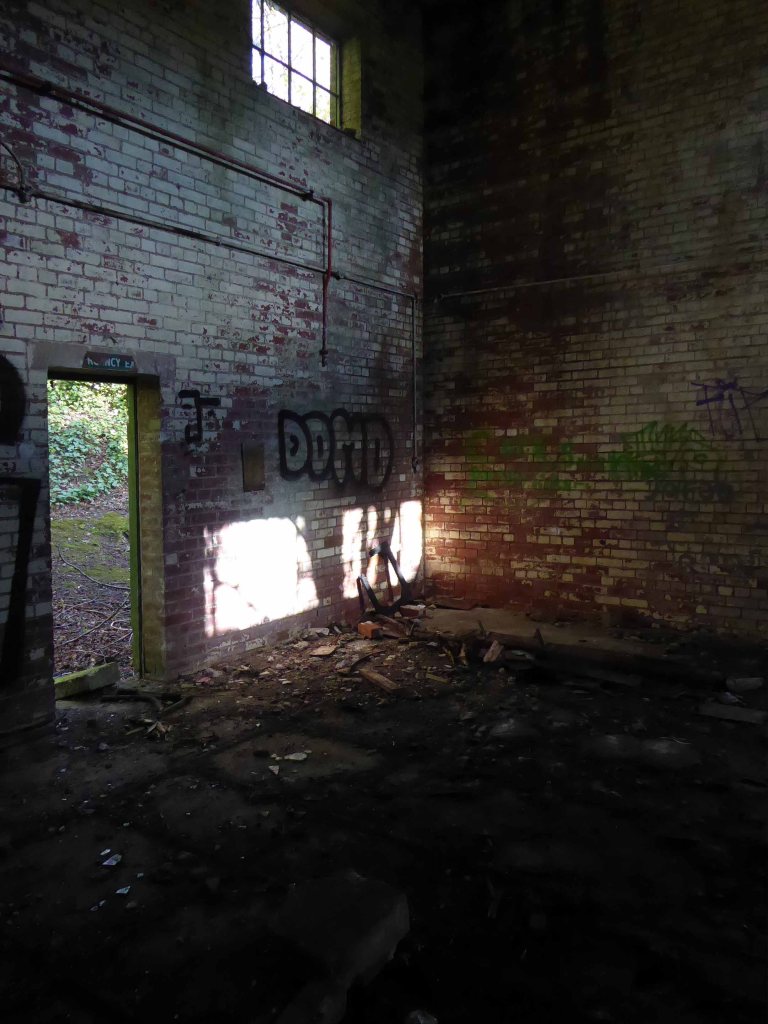
They have been stripped of their former use and meaning, transformed into a transitory art performance space, paint and plaster now peeling, appealing to the passing painter, partially reclaimed by nature.
Let’s tag along:
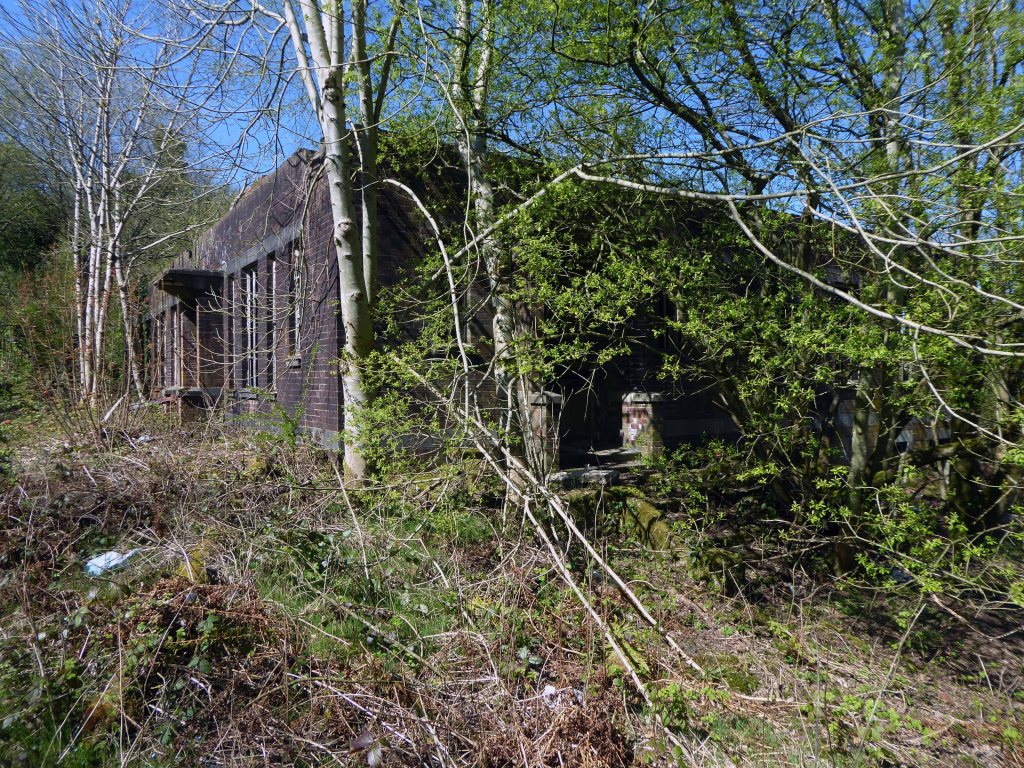
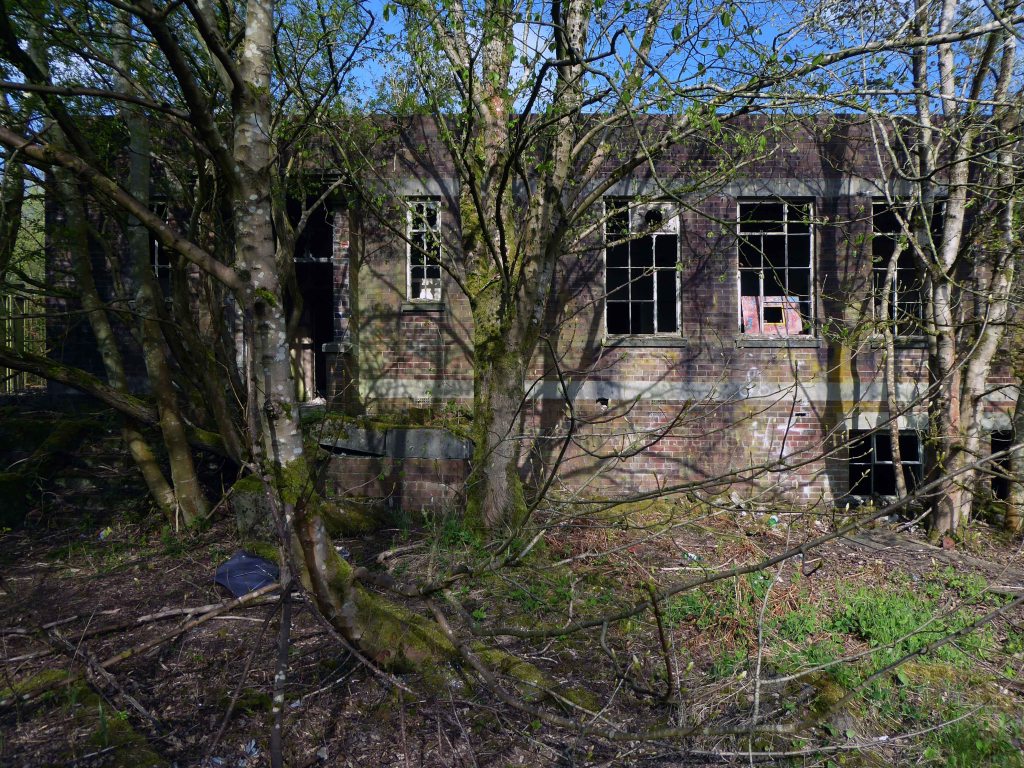
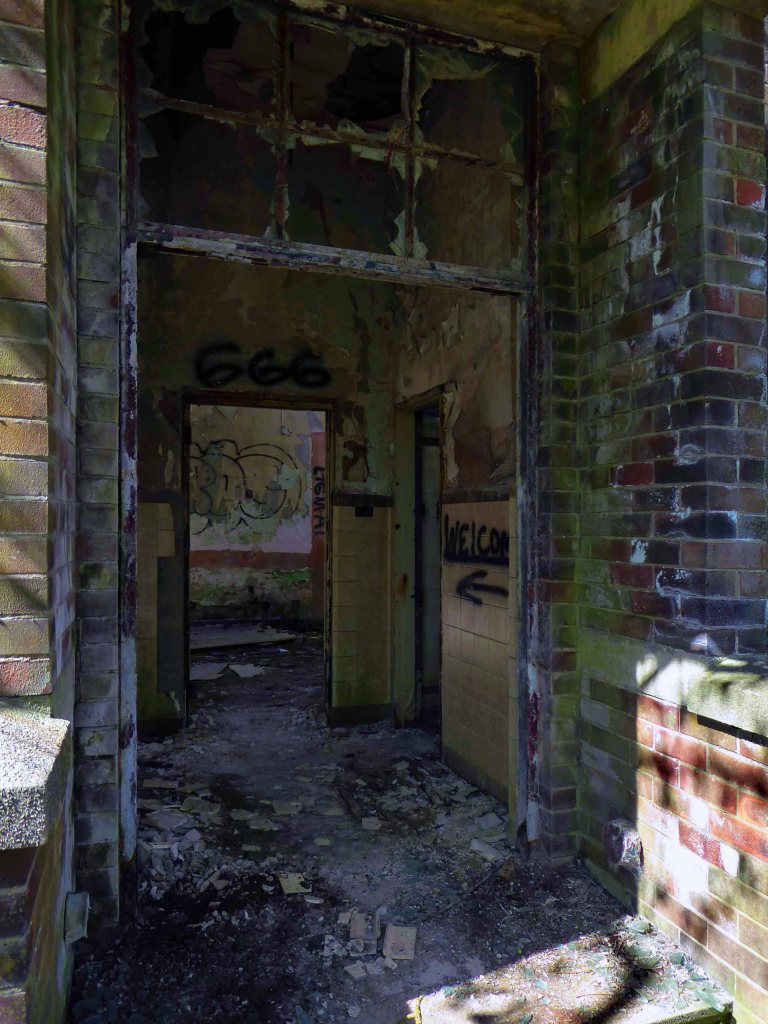
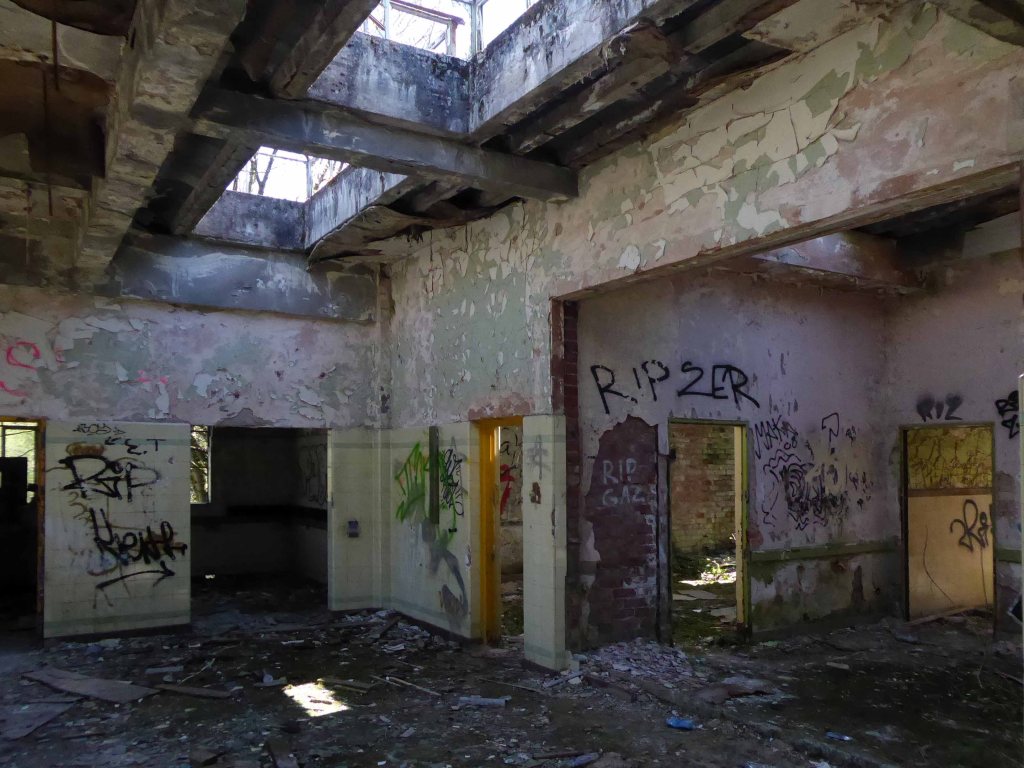
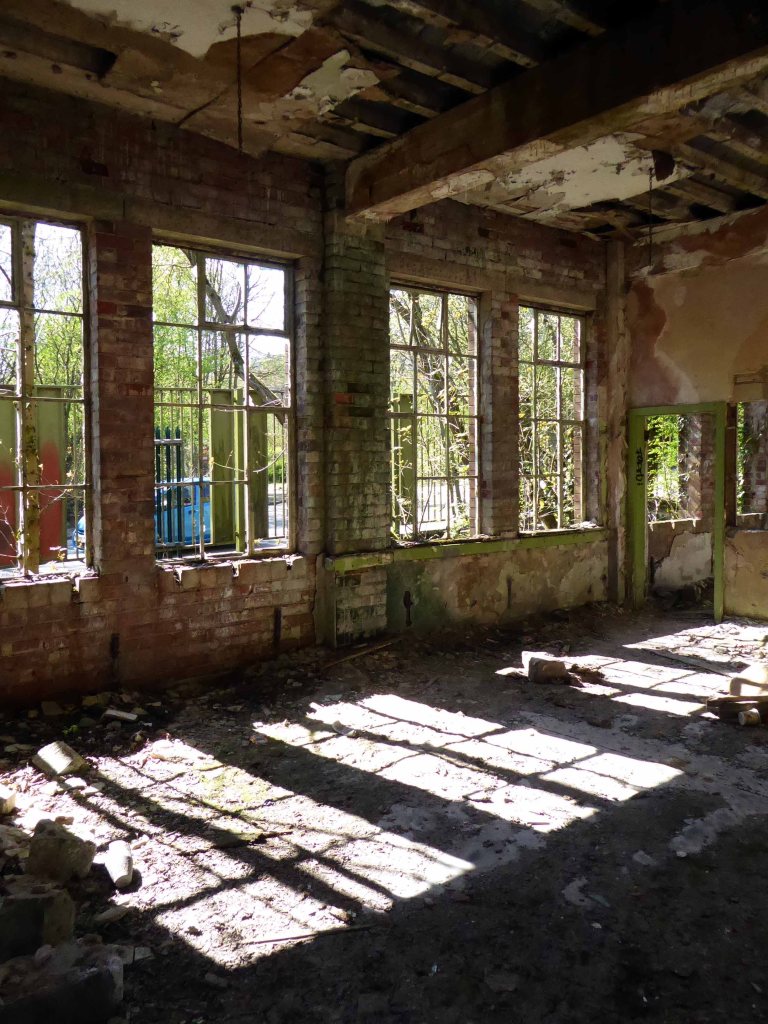
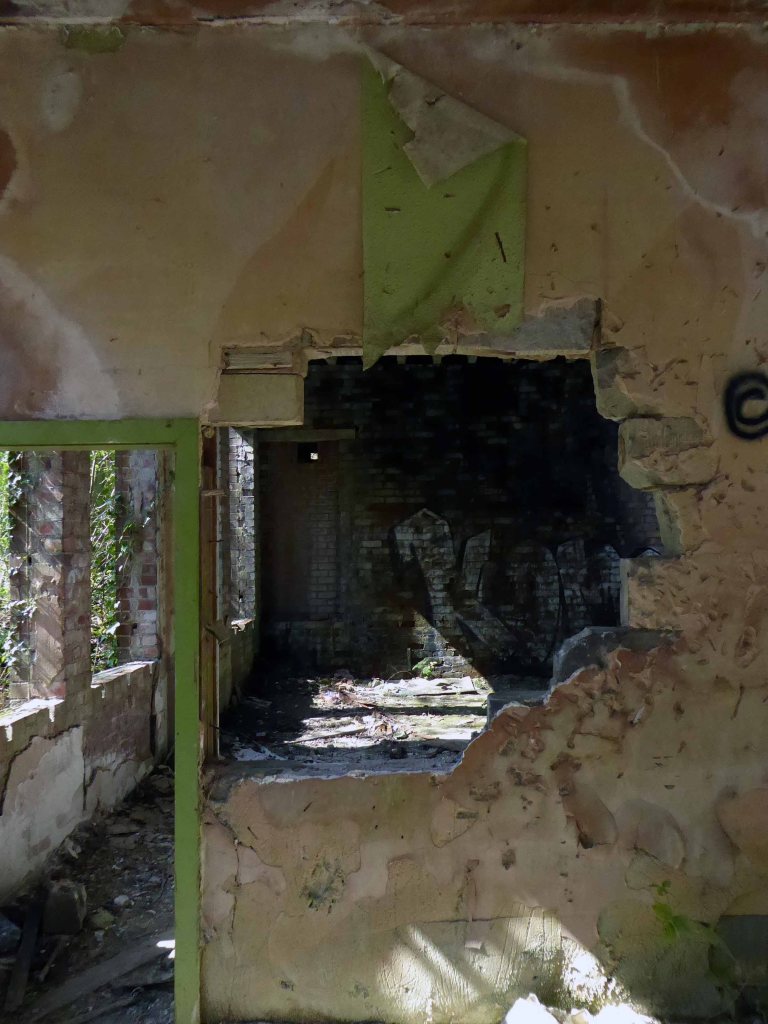
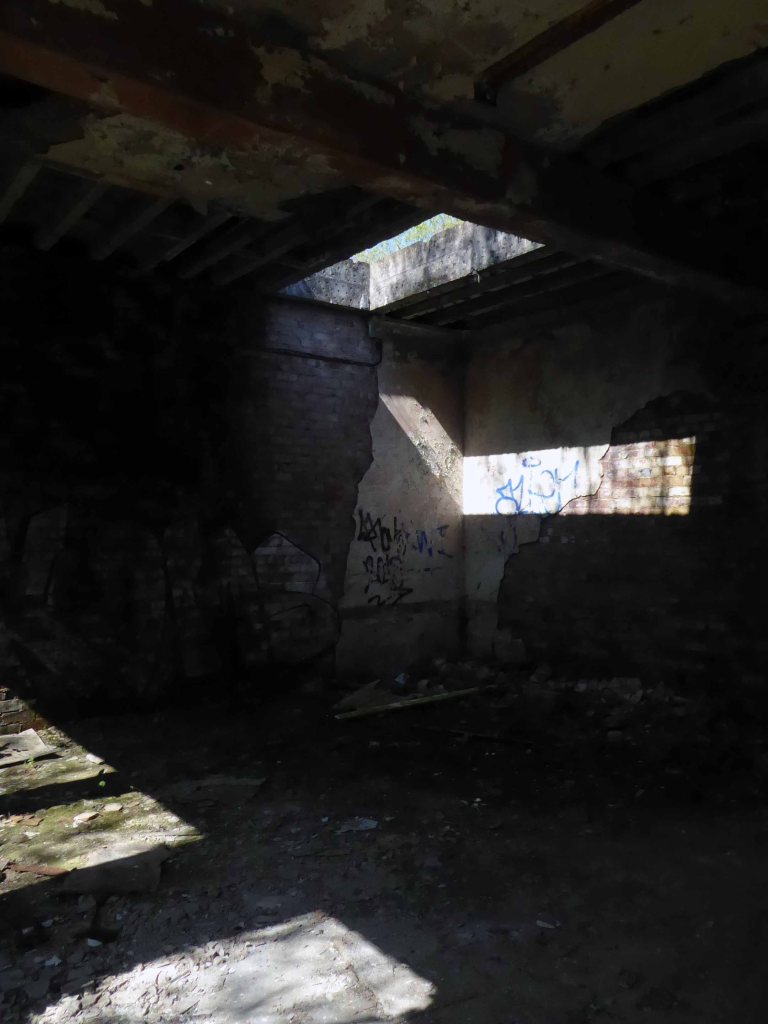
I’ve been here before in search of a bus shelter.
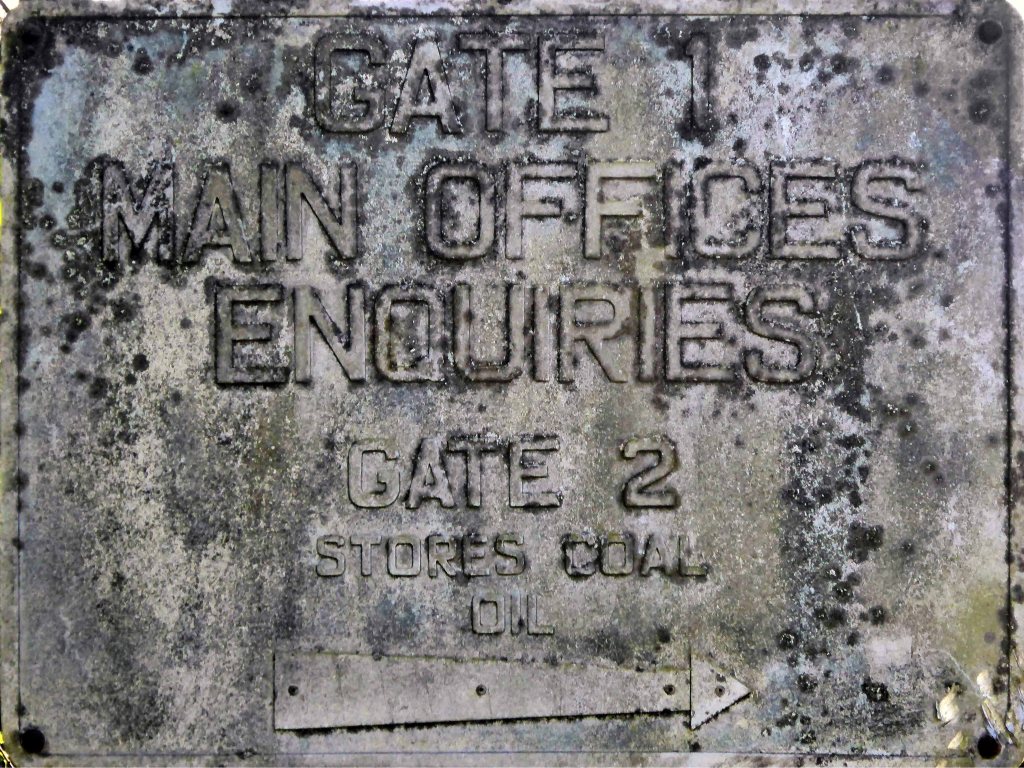
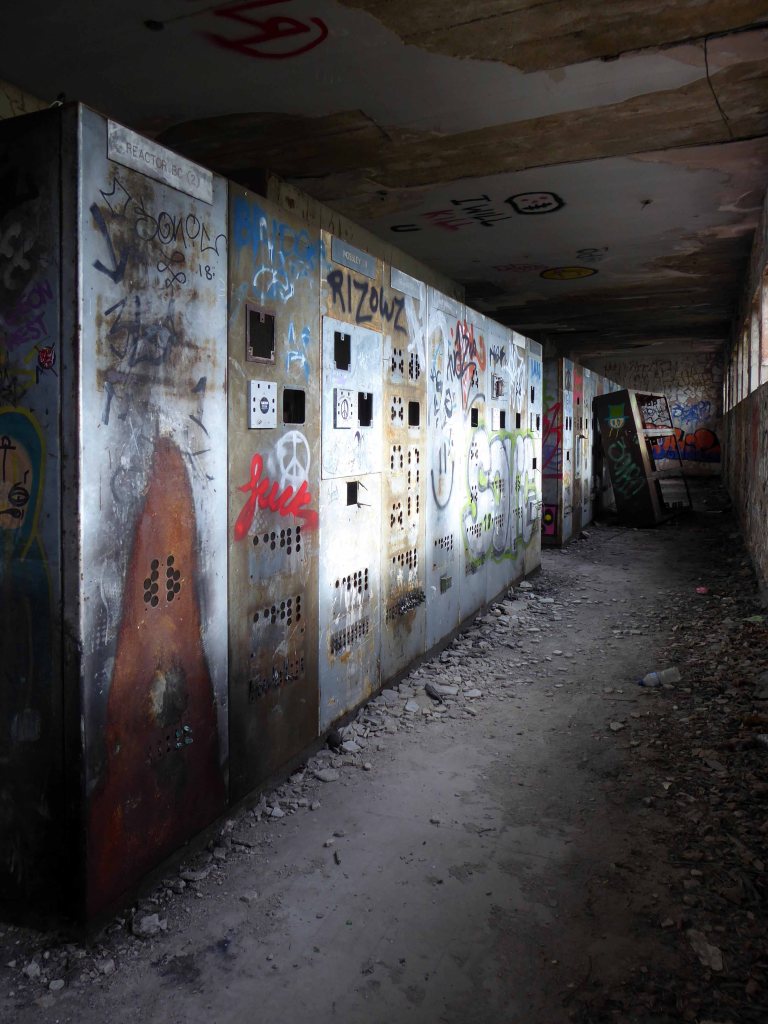
I’m back here to day in search of an abandoned control centre at the long gone Hartshead Power Station.
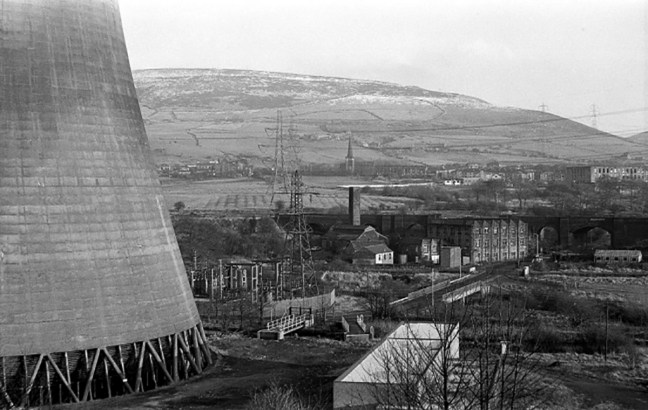
The station was opened in 1926 by the Stalybridge, Hyde, Mossley and Dukinfield Transport and Electricity Board.
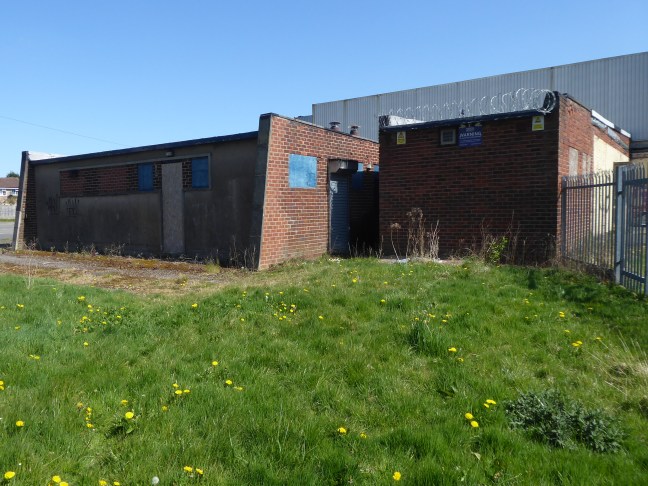
The station was closed on 29 October 1979 with a generating capacity of 64 megawatts. It was demolished during the late 1980s, although part of the site is still used as an electrical substation.
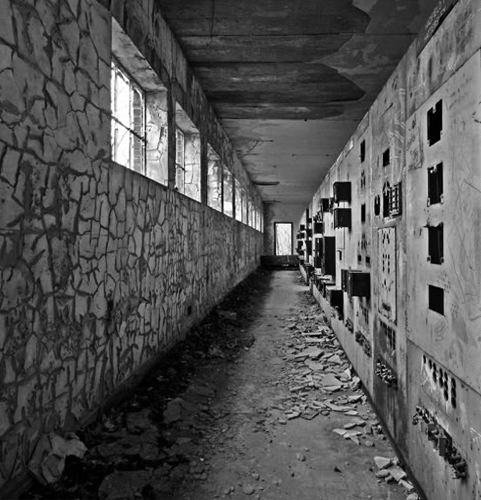
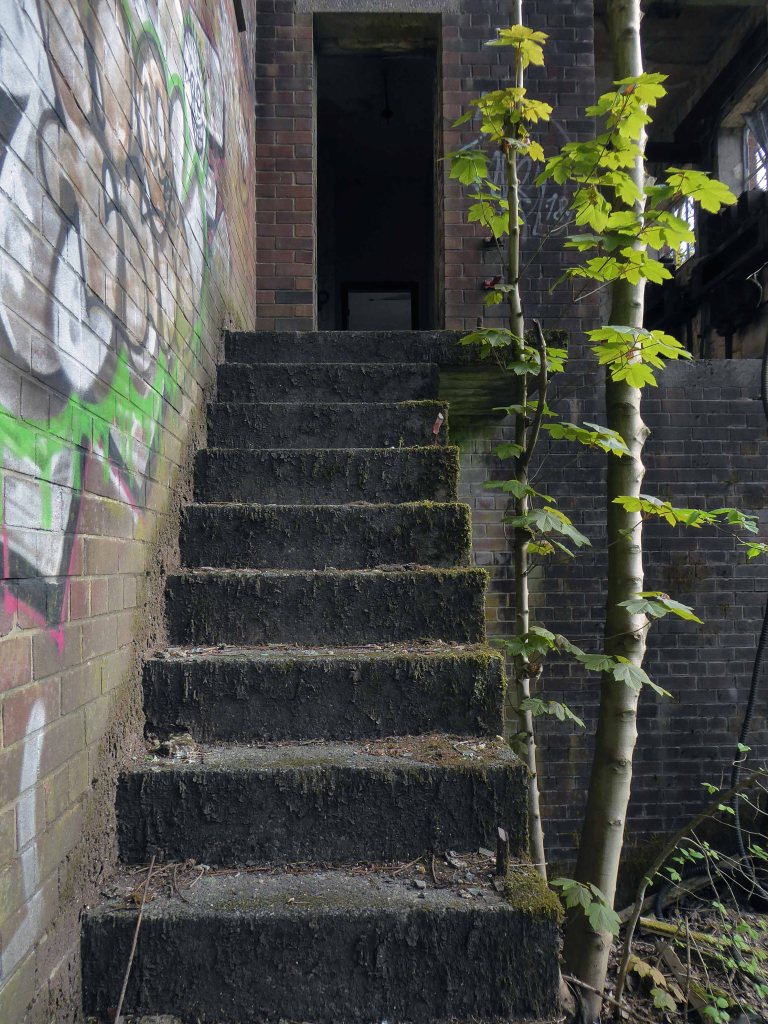
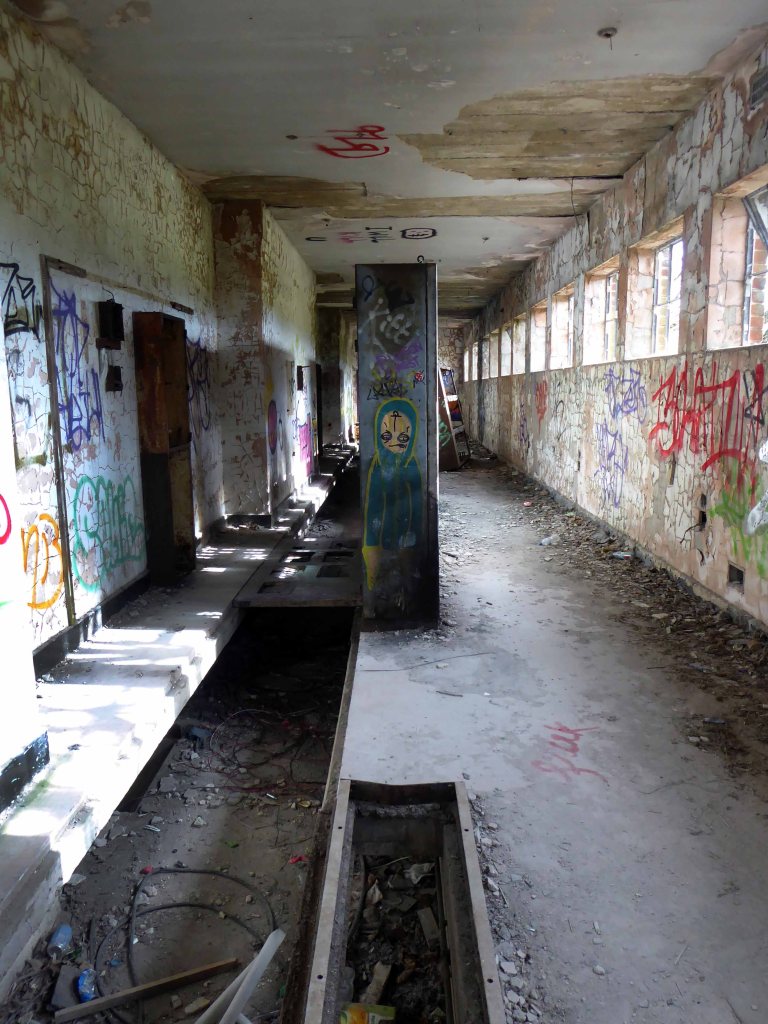
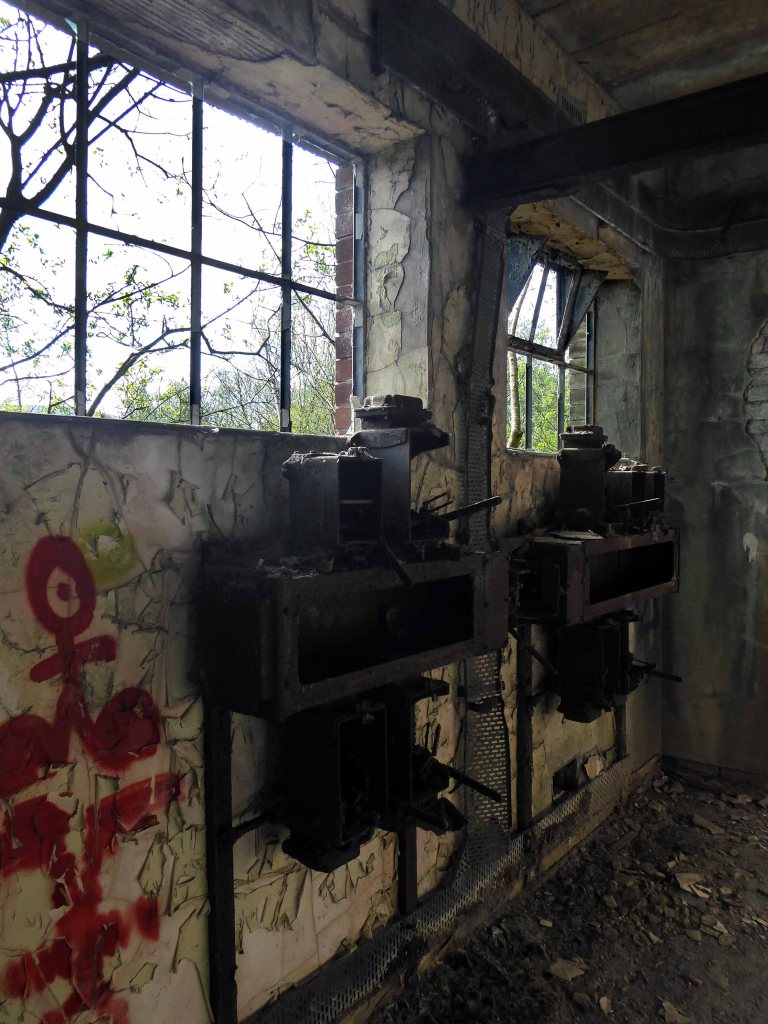
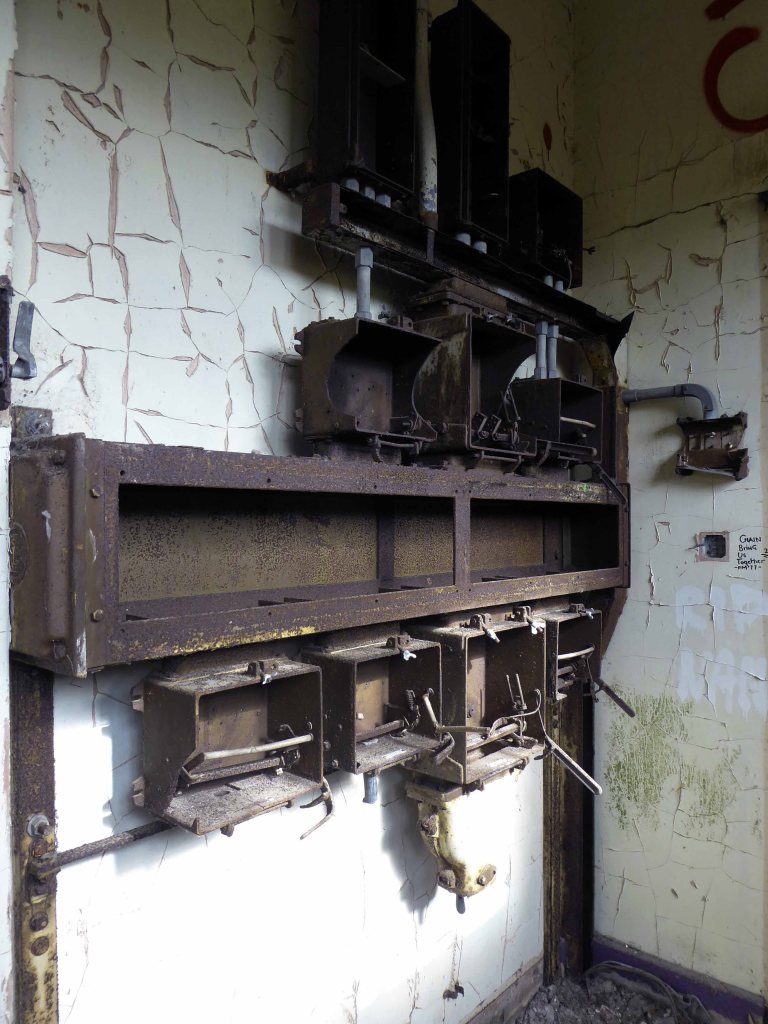
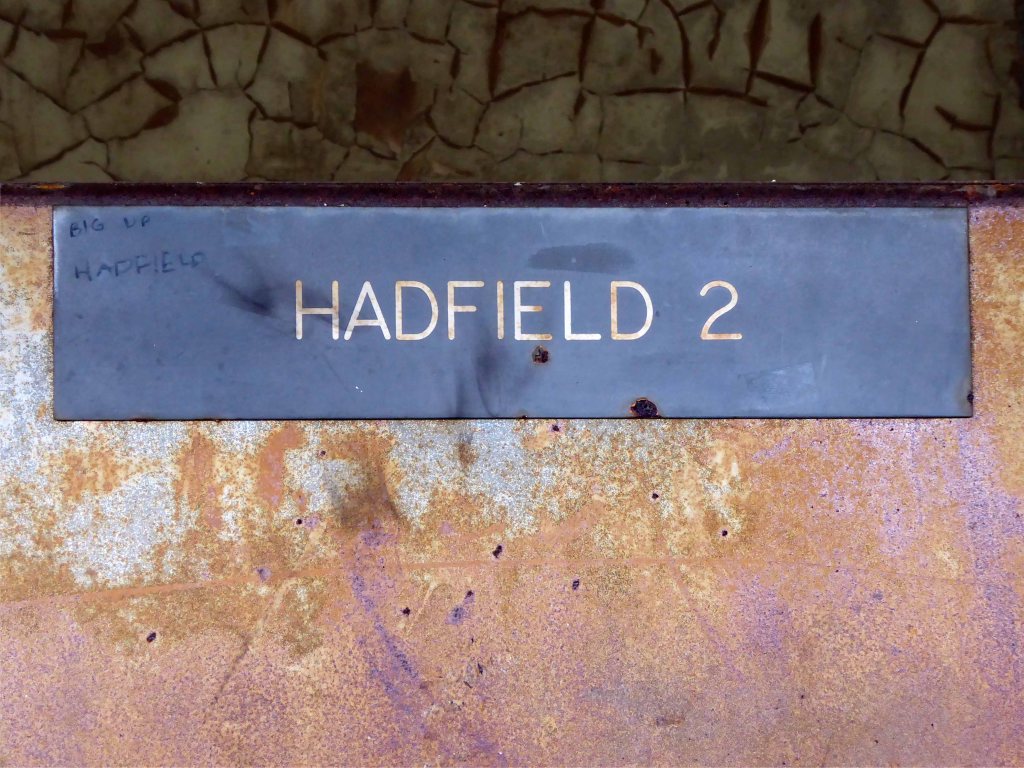
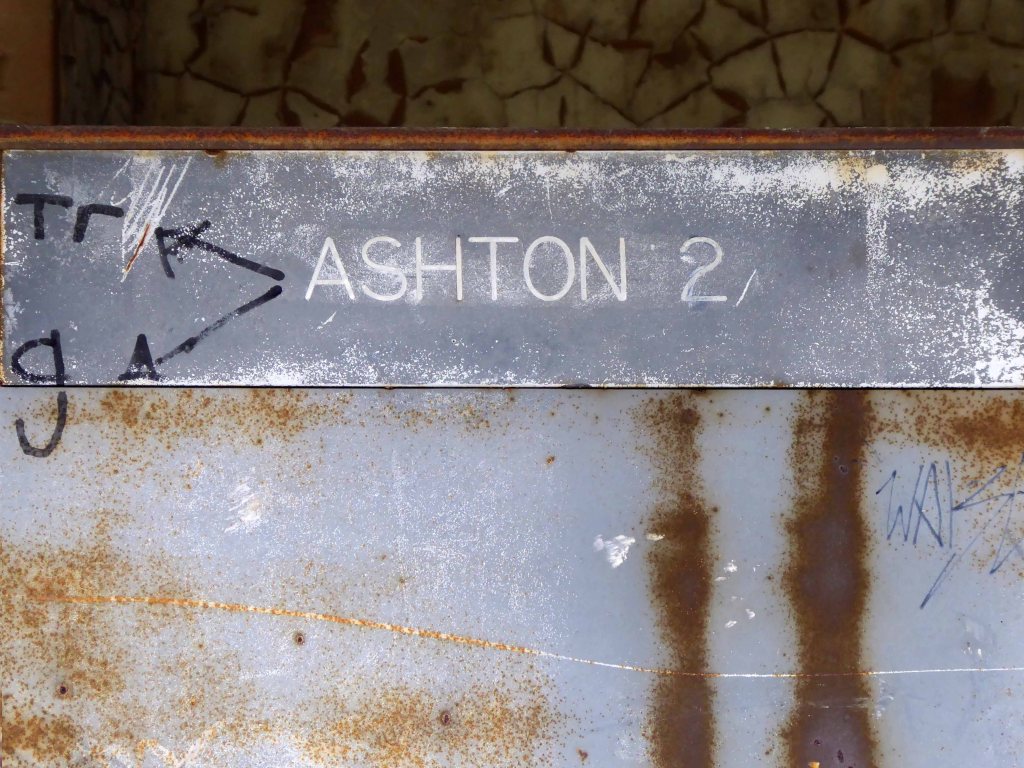
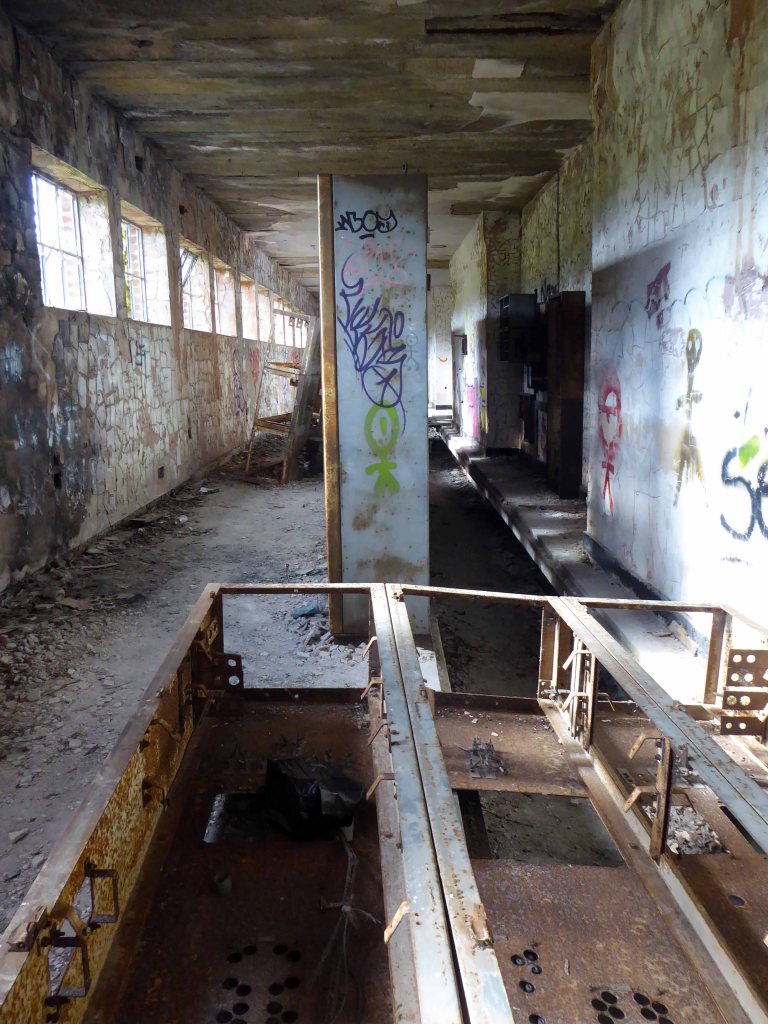
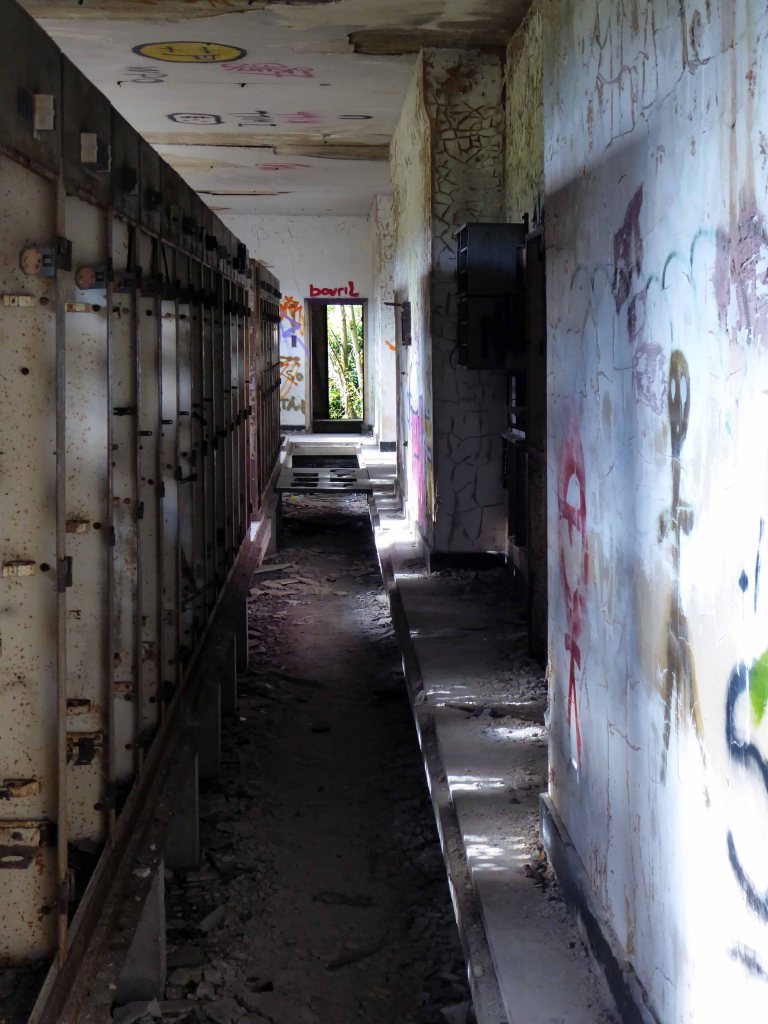
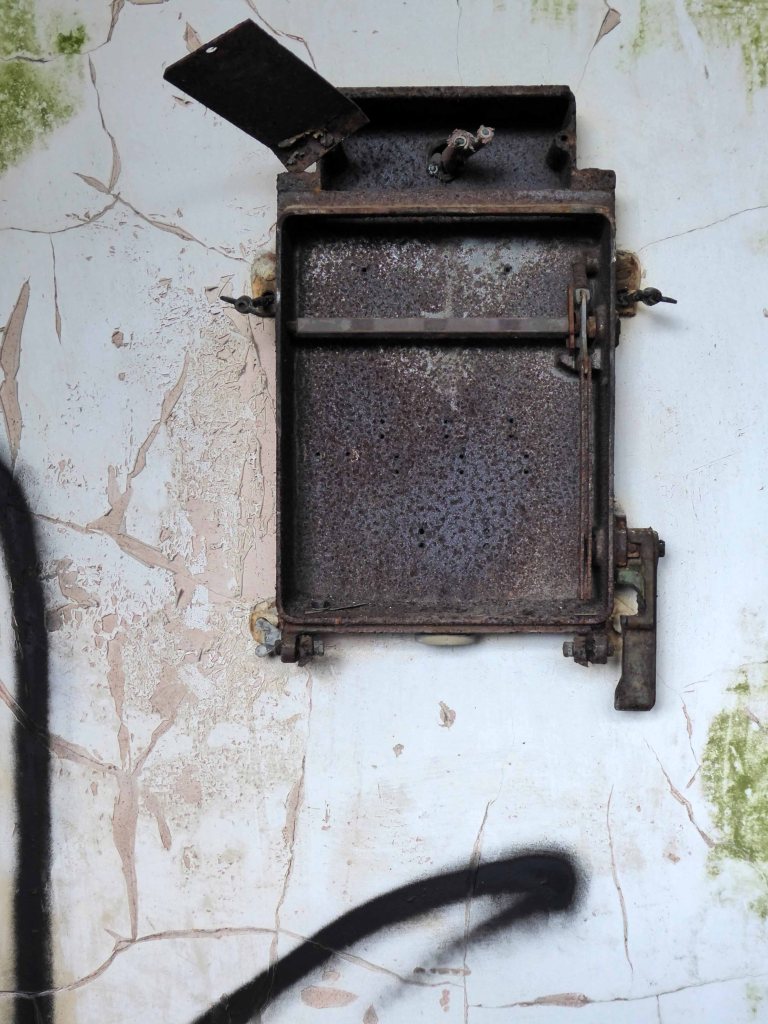
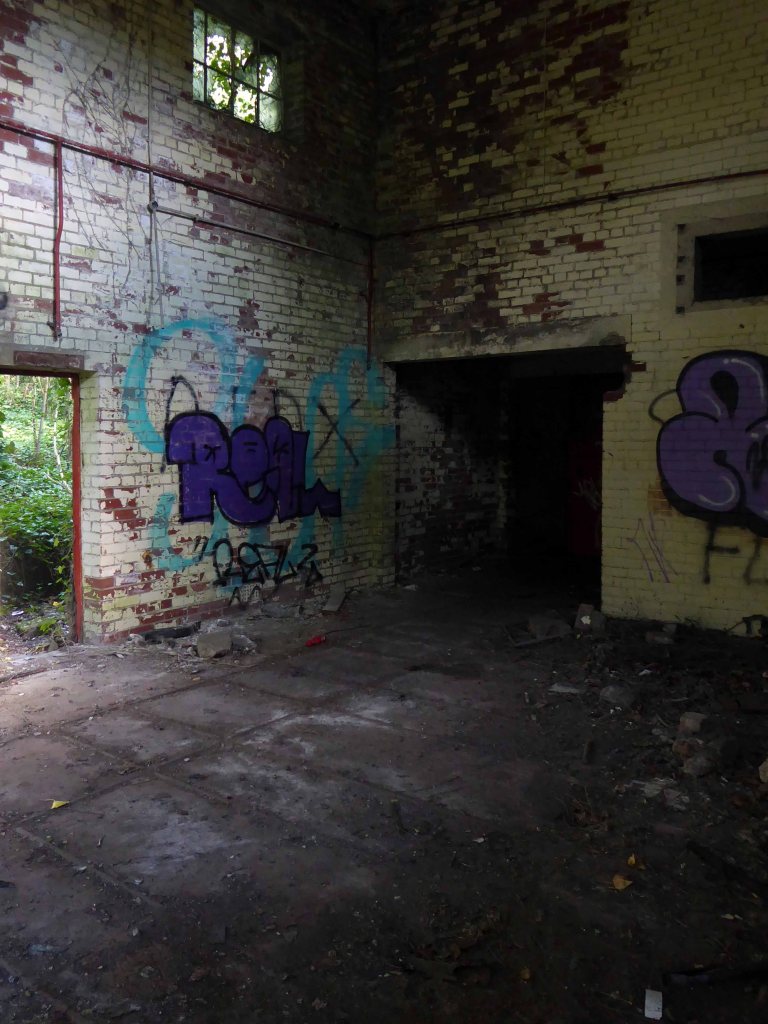
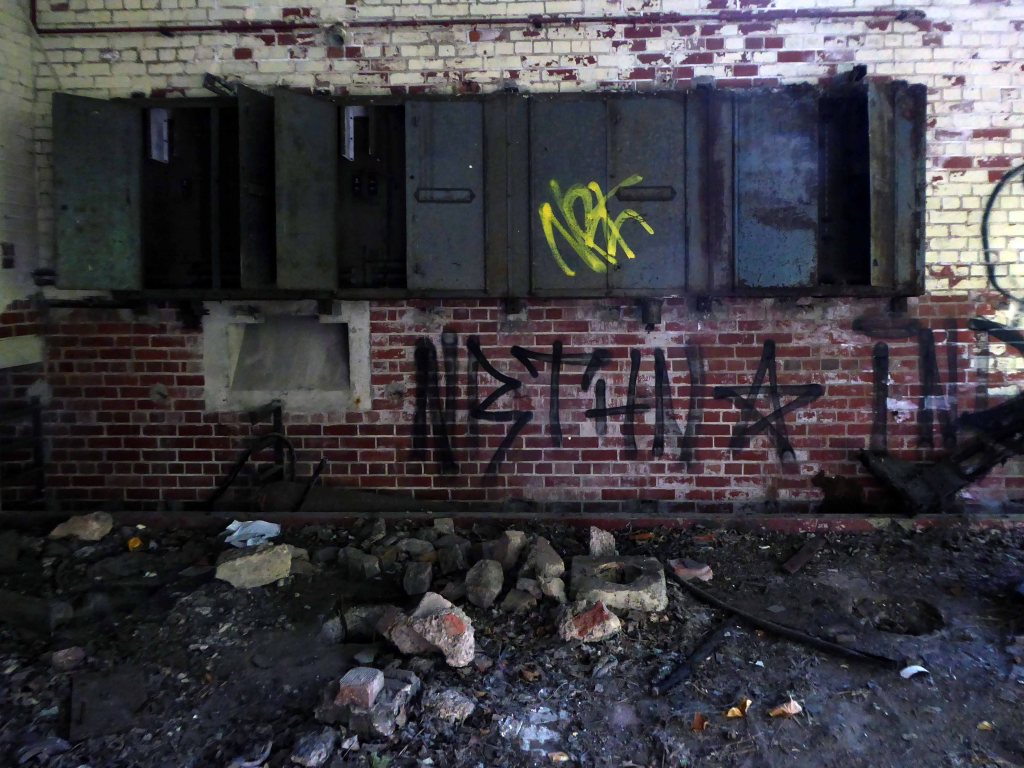
First glimpsed on an urban exploration site, I had awaited an opportunity to slip through the fence and take a look around – here’s what I found.
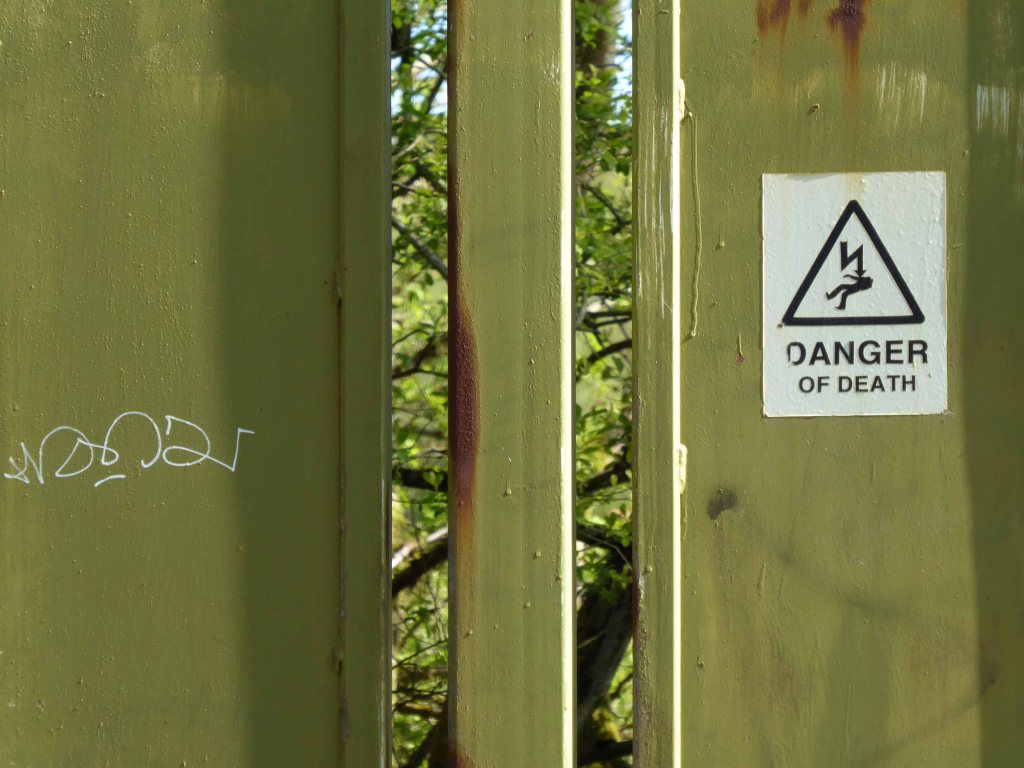
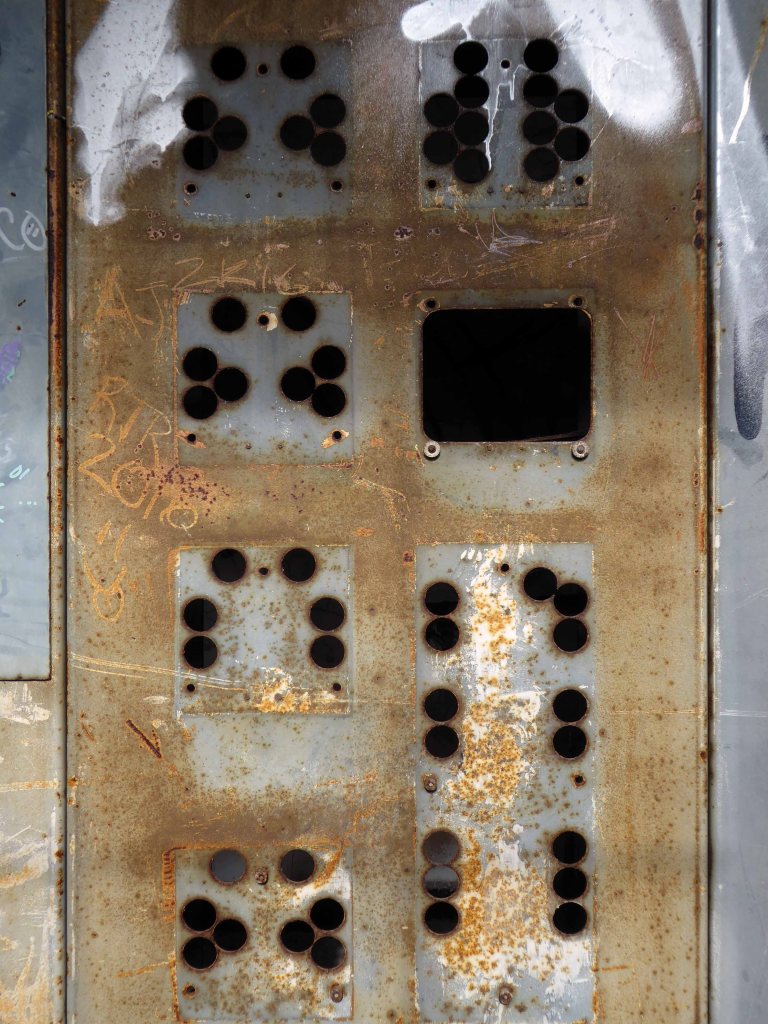
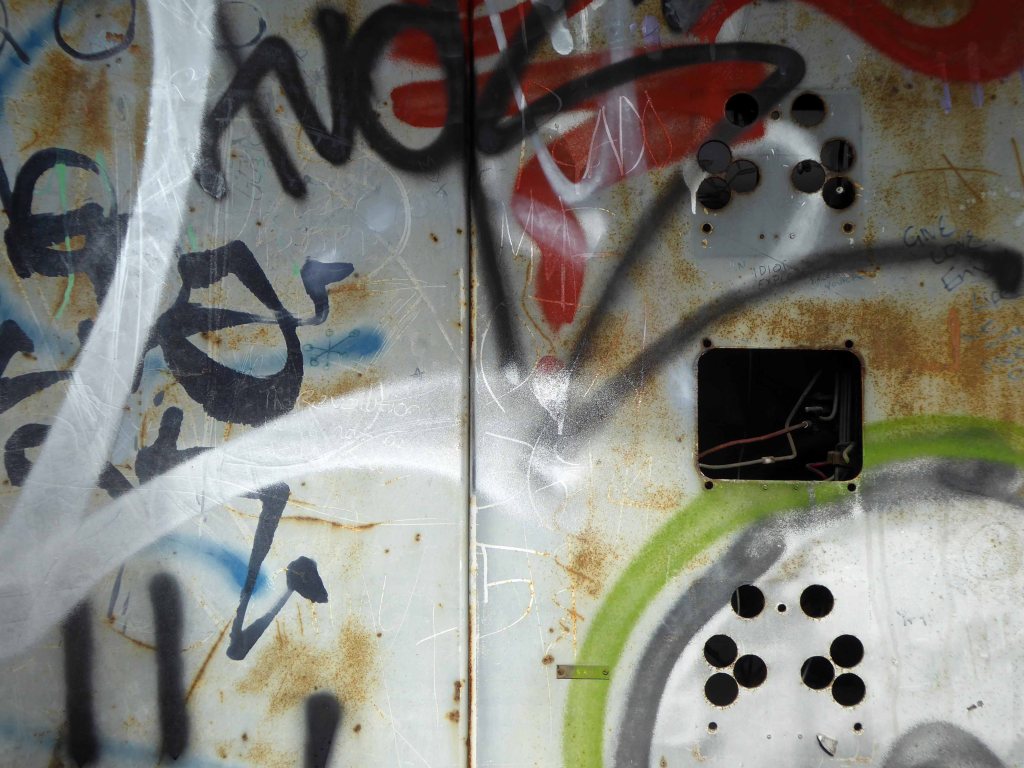
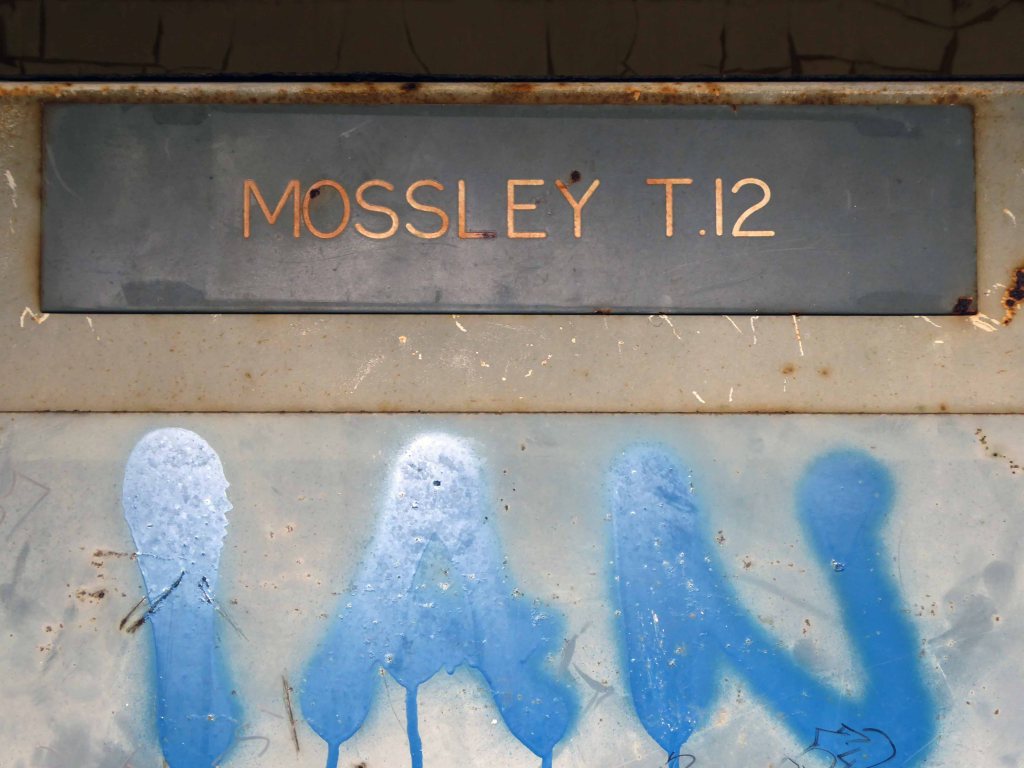
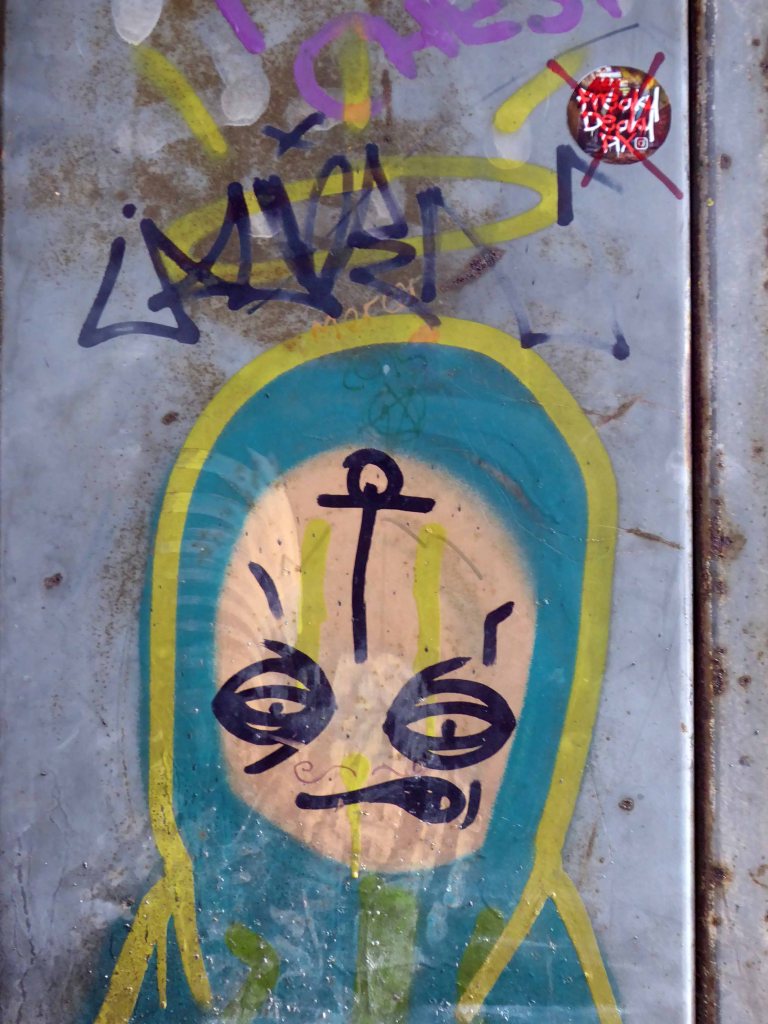
Most of the valuable equipment stripped out leaving and empty shell, covered in layers of the taggers’ interventions.
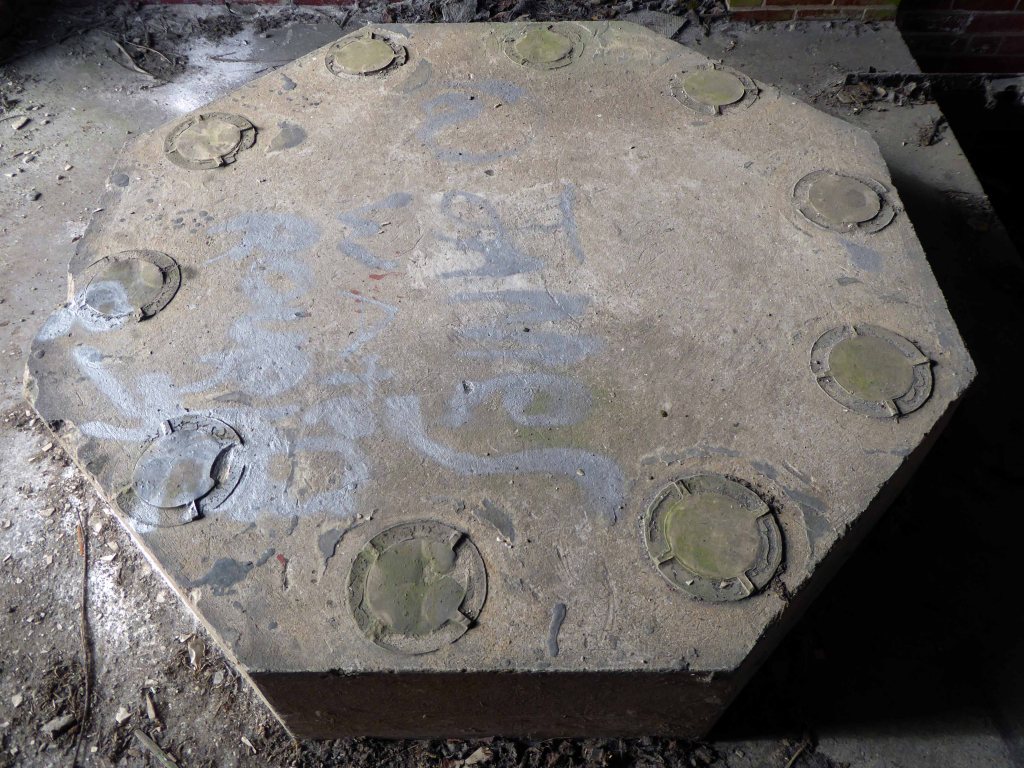
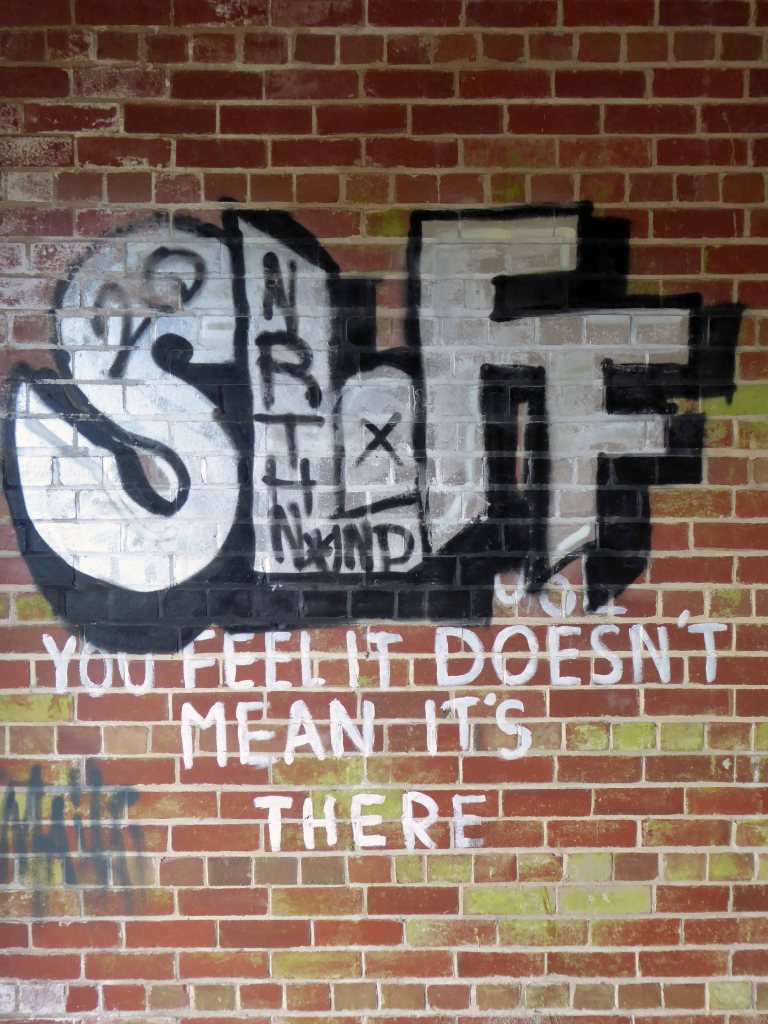
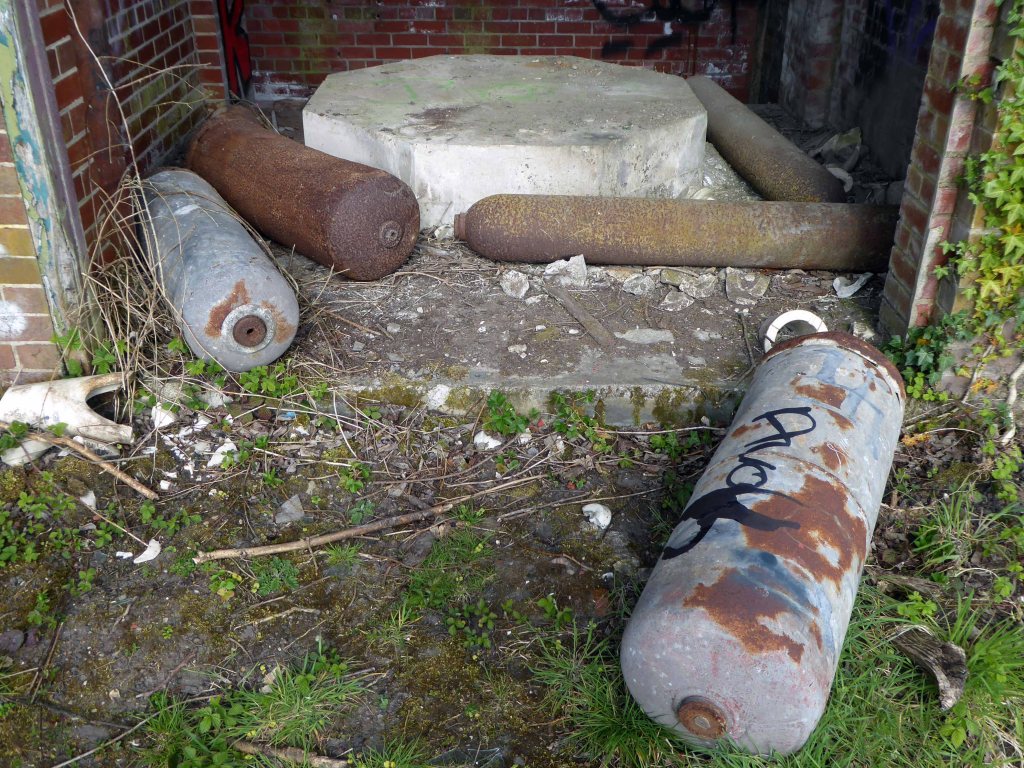
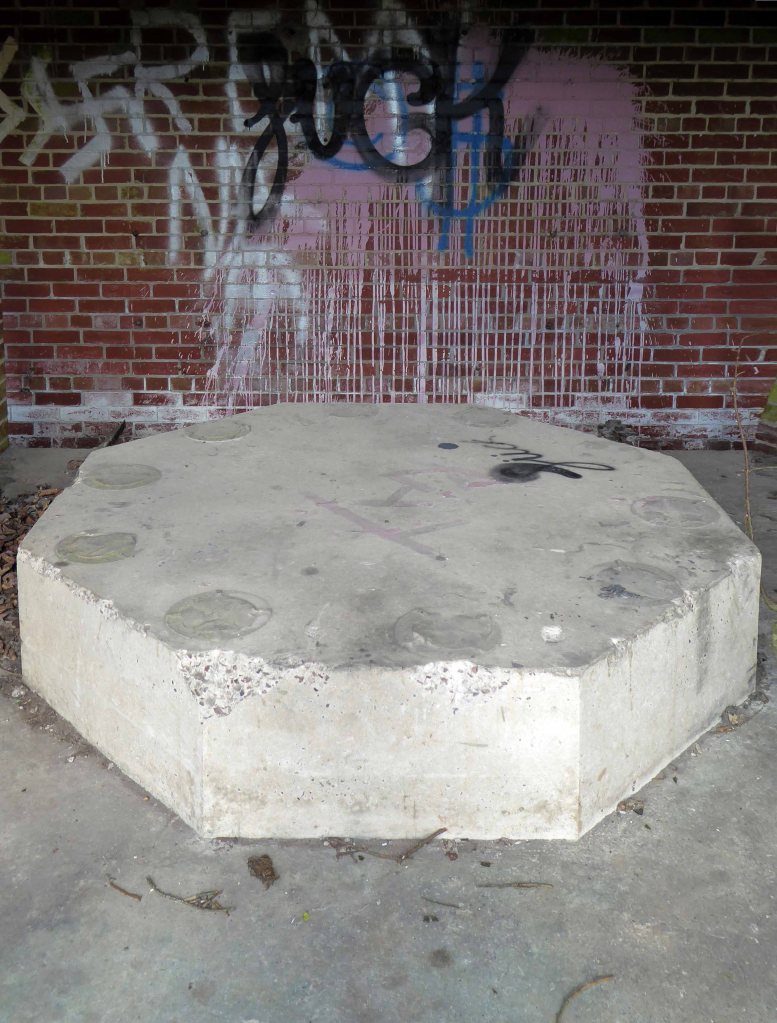
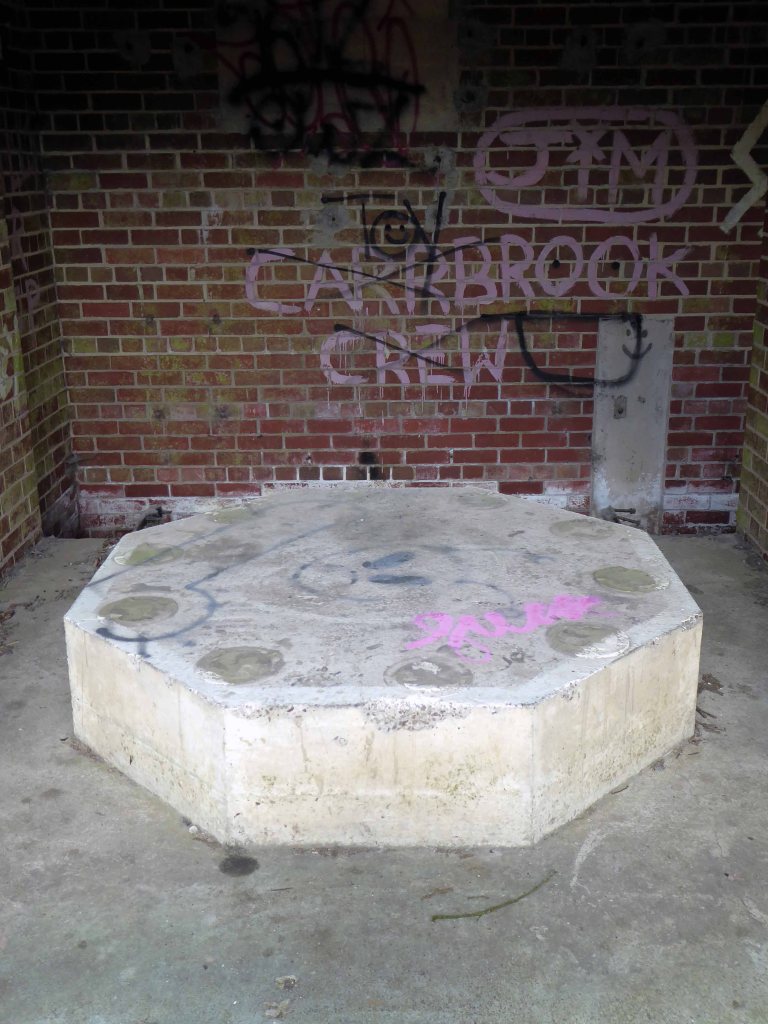
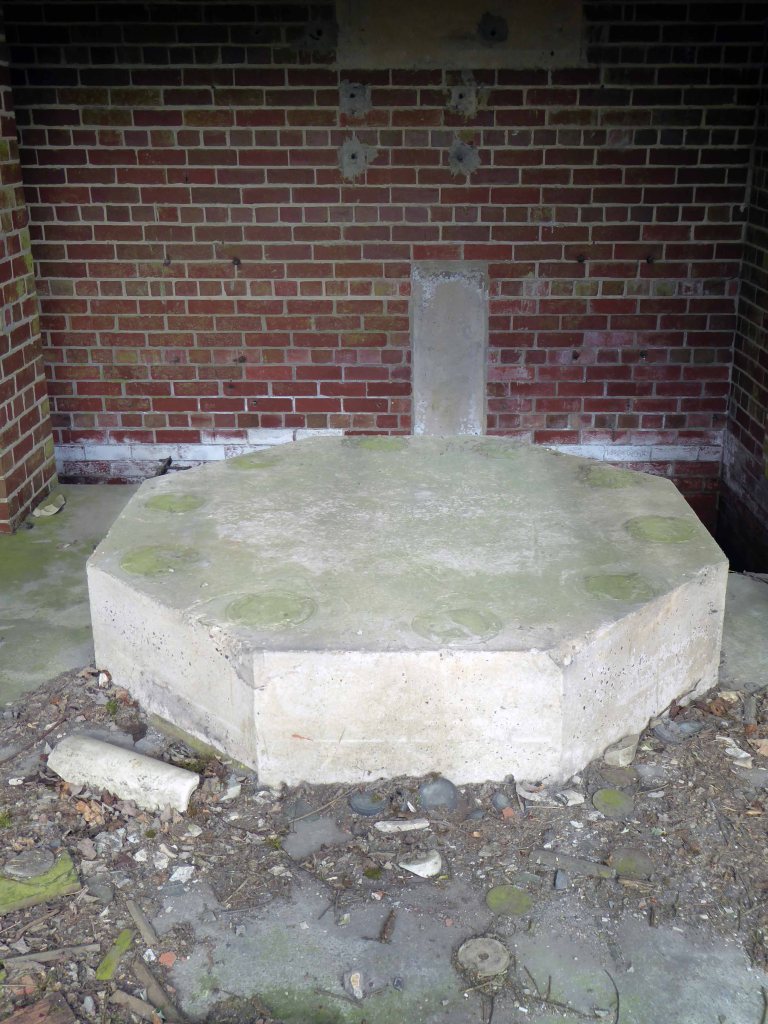
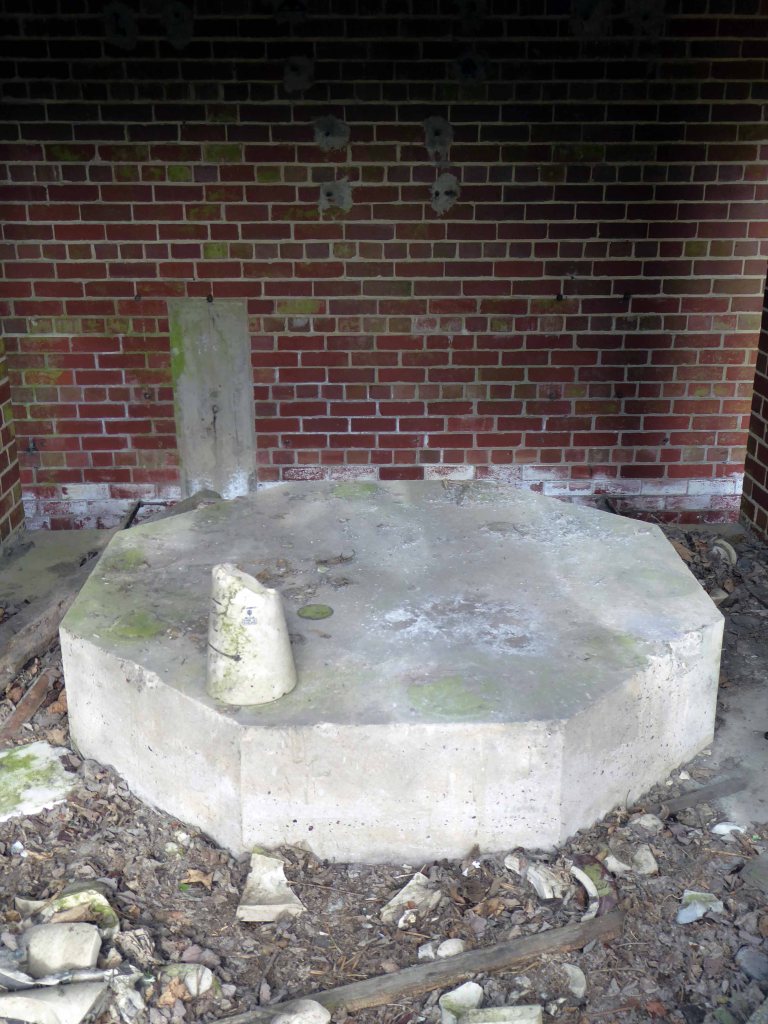
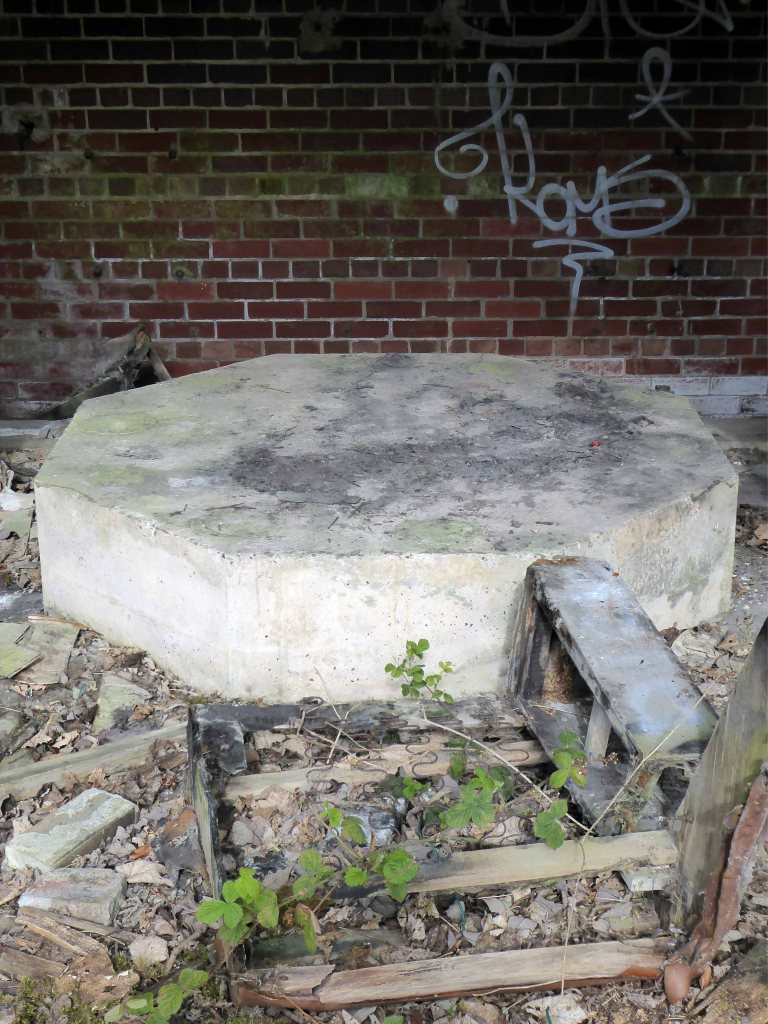


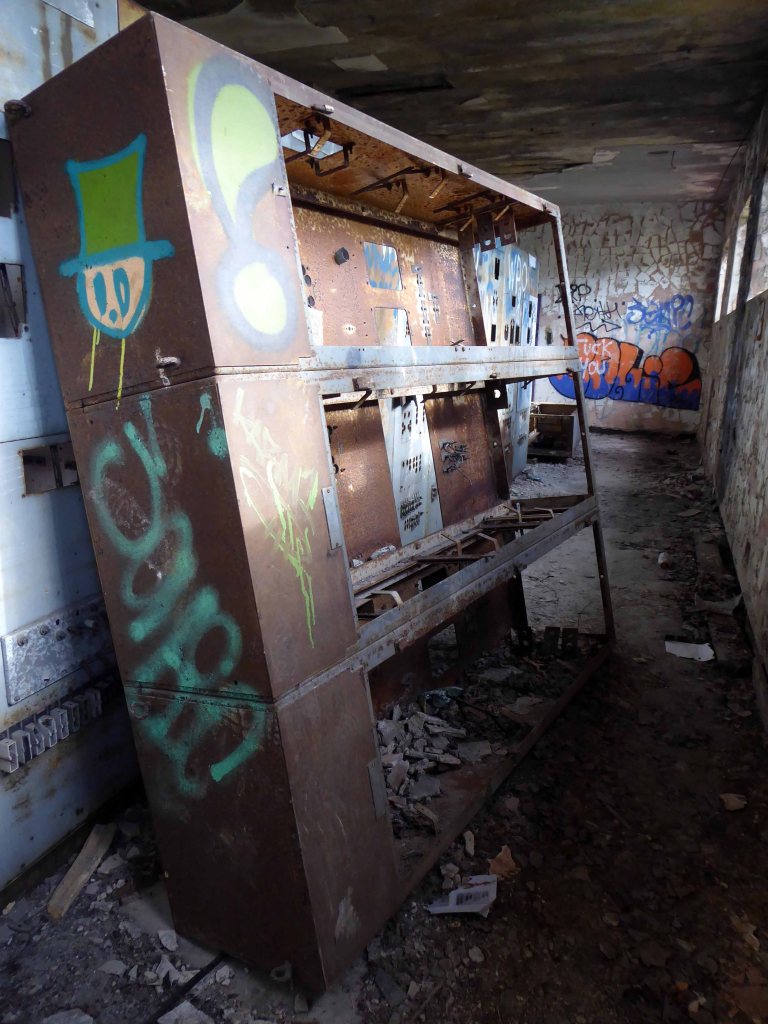
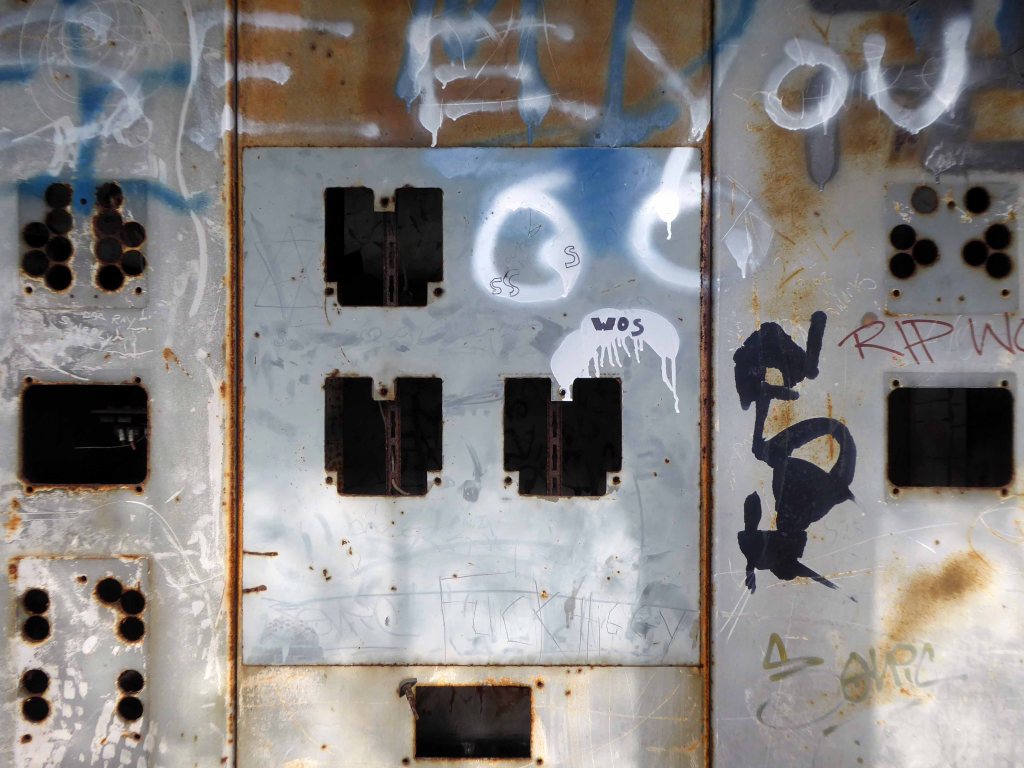
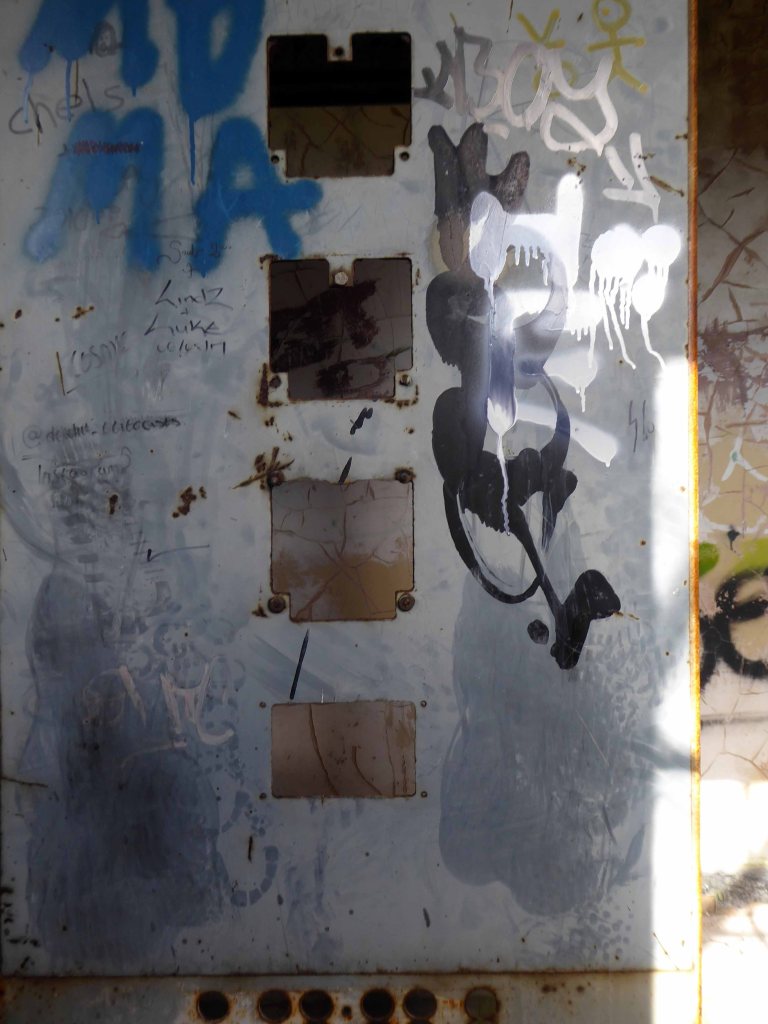
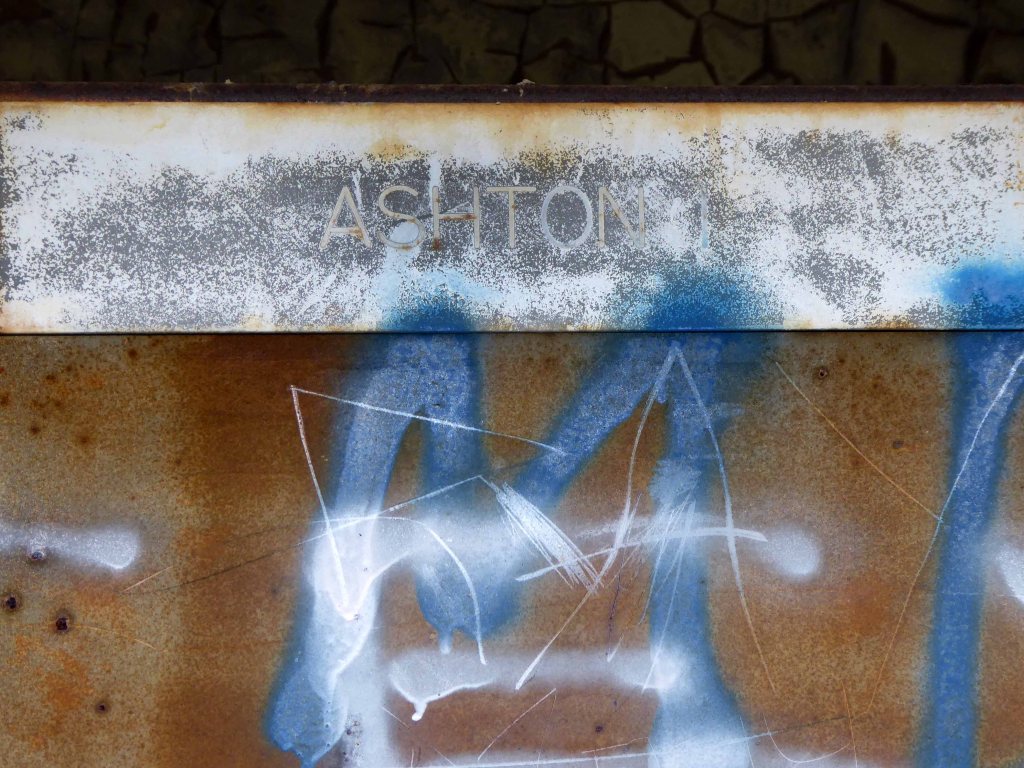
Does it all begin here with Frederick Melland?
His zeal for play-grounds and open spaces was always great, and only a few years ago he took part in an agitation for the acquisition of a new park.
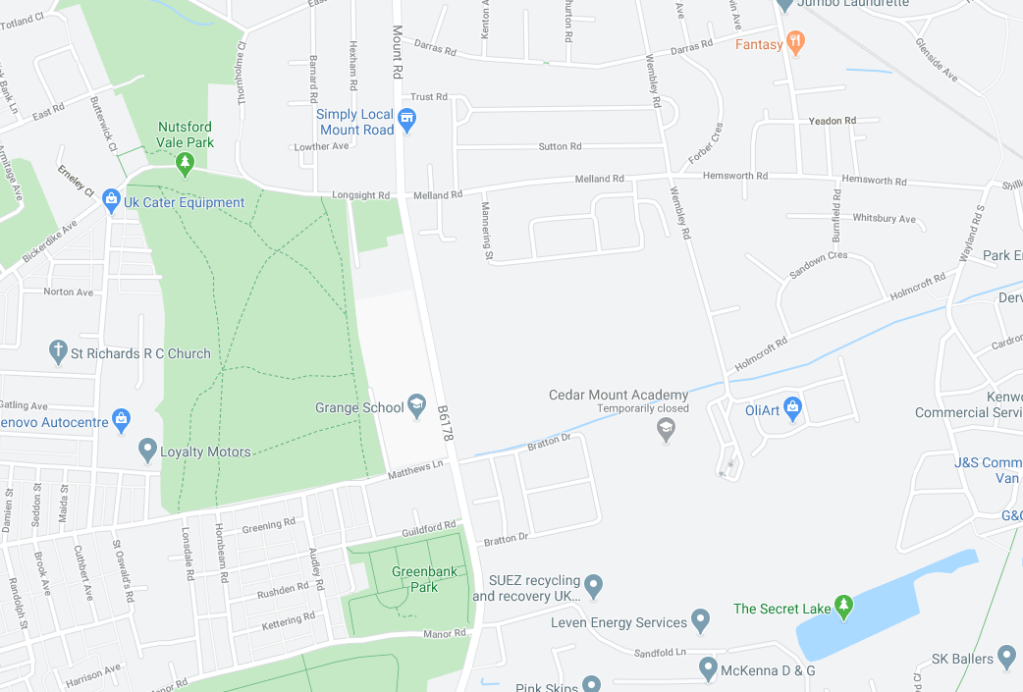
Seen here at the centre of the contemporary map – an empty space with no indication of its current use, or past status – drawn a blank.
It’s here in an aerial photograph of 1931.
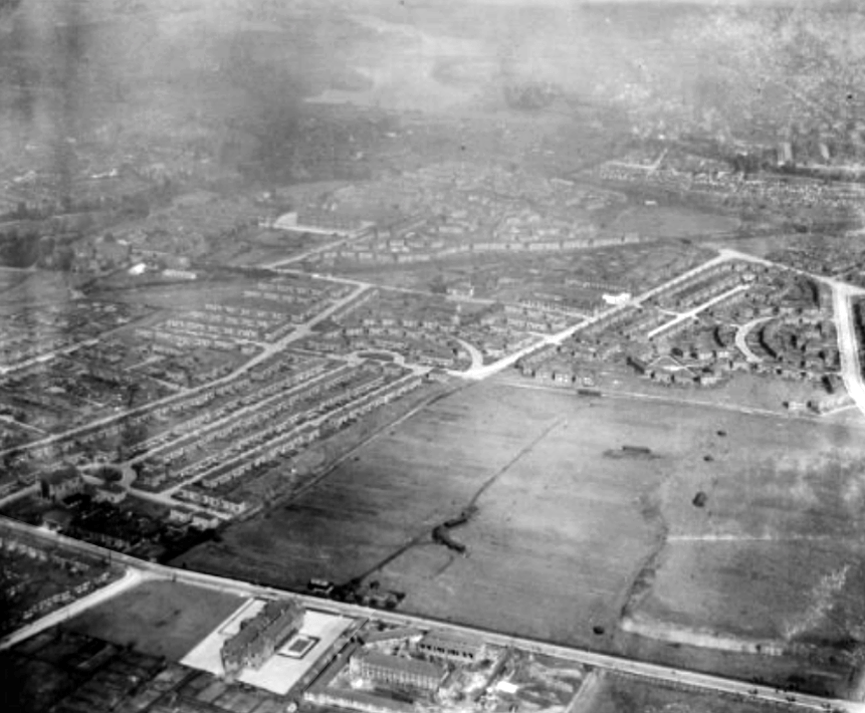
Surrounded by newly built social housing.

Levyboy’s website informs us of the fields’ wartime uses:
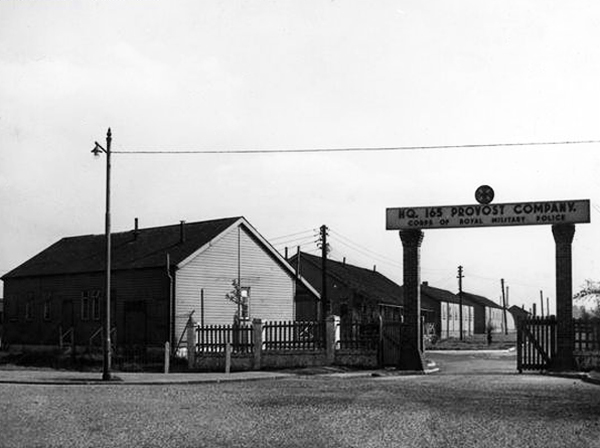
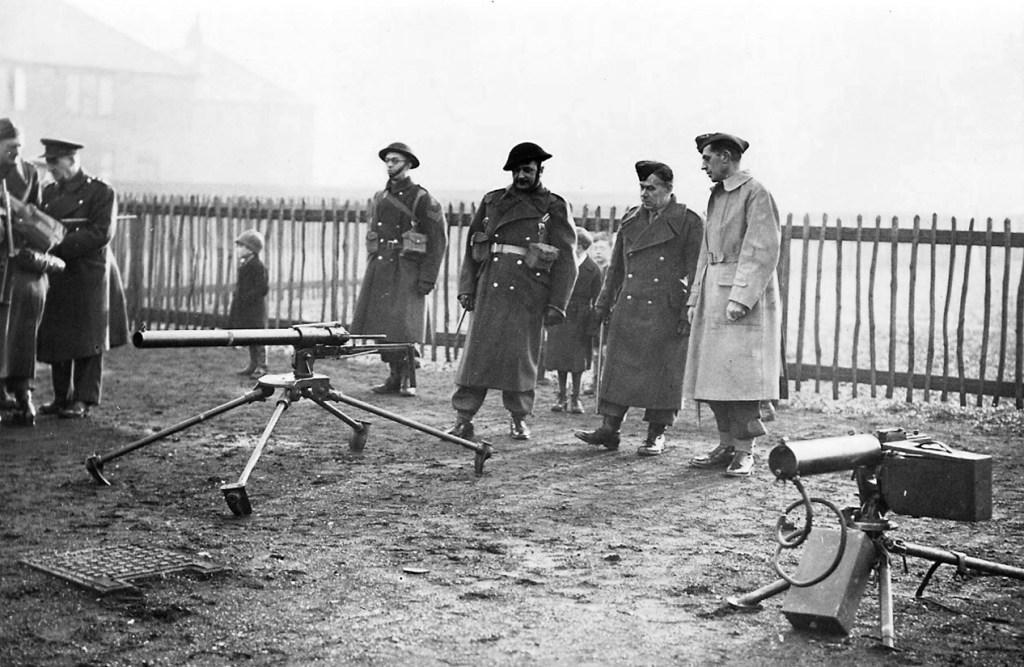
I remember from the 60’s onwards the fields in use for amateur football – pubs, clubs, schools and works all supplying teams to the plethora of leagues across the city.
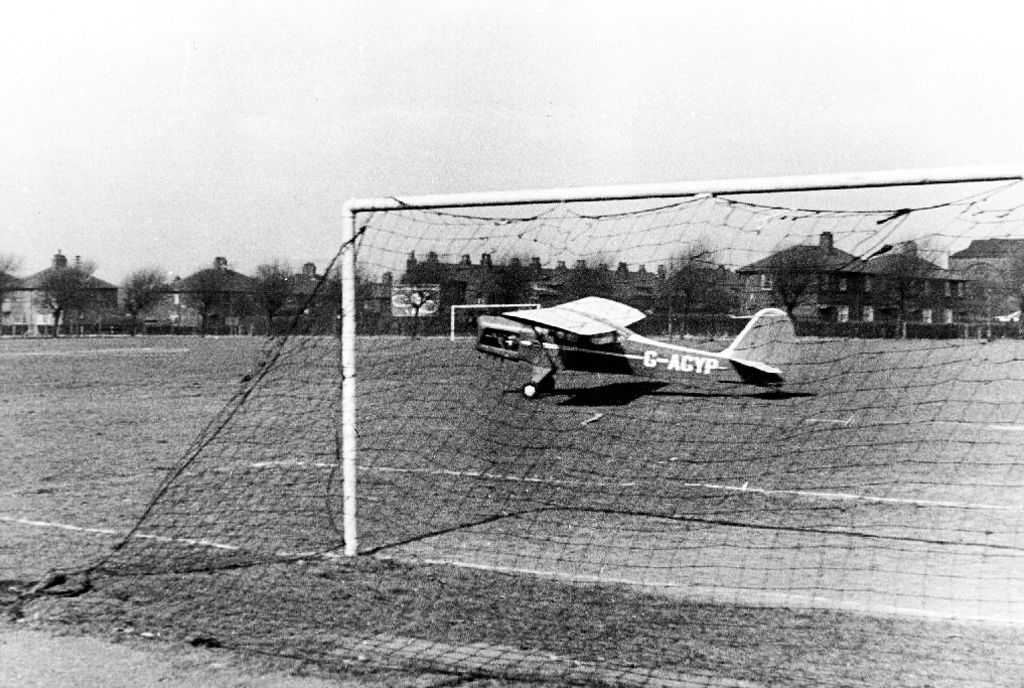
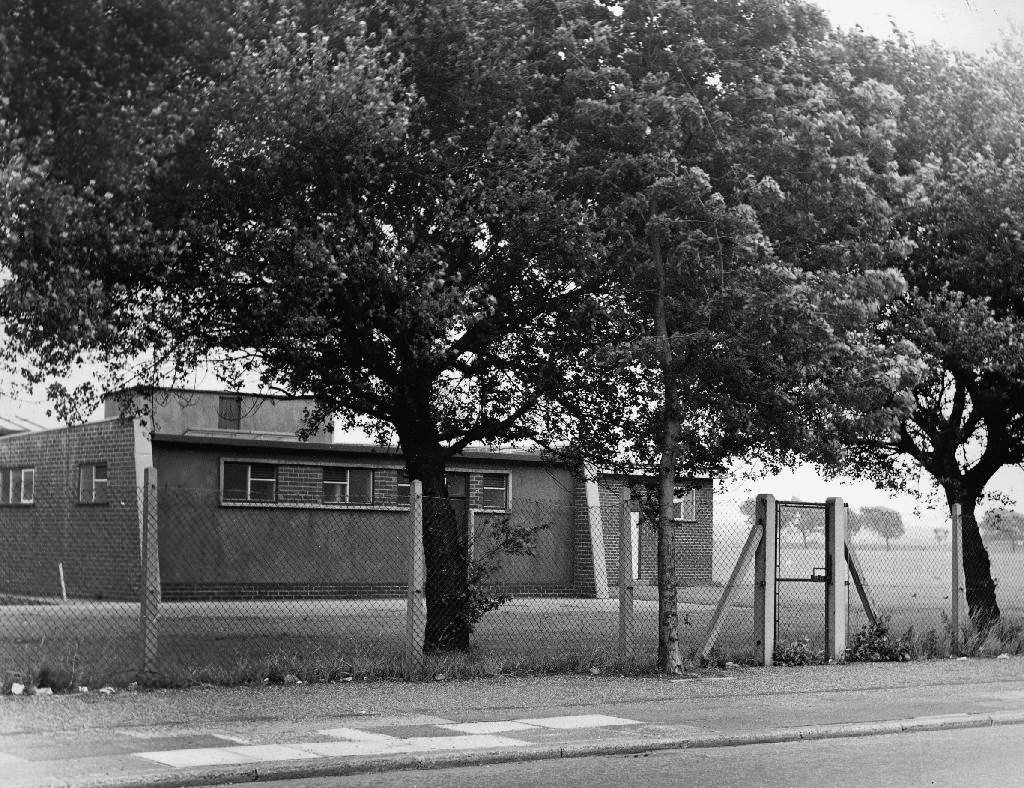
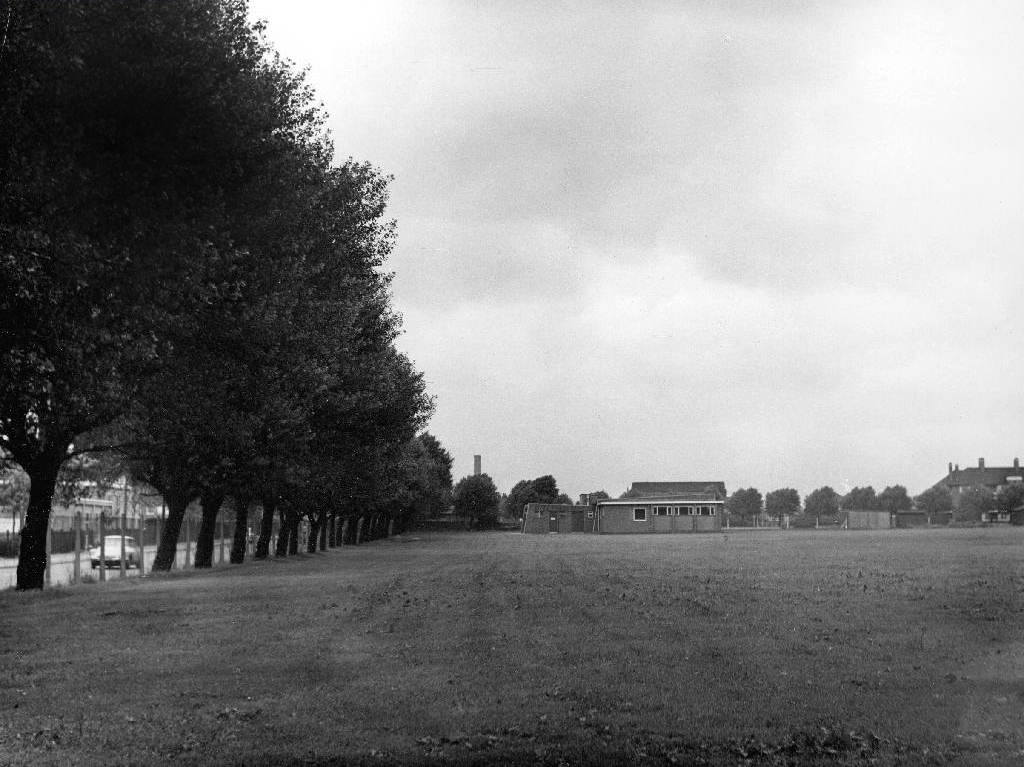
Archive photographs – Local Image Collection
The pitches and the sports centre built in 1978 are now closed.
On my previous visit in 2015 the facilities were still open.
New housing has been built on the northern edge.
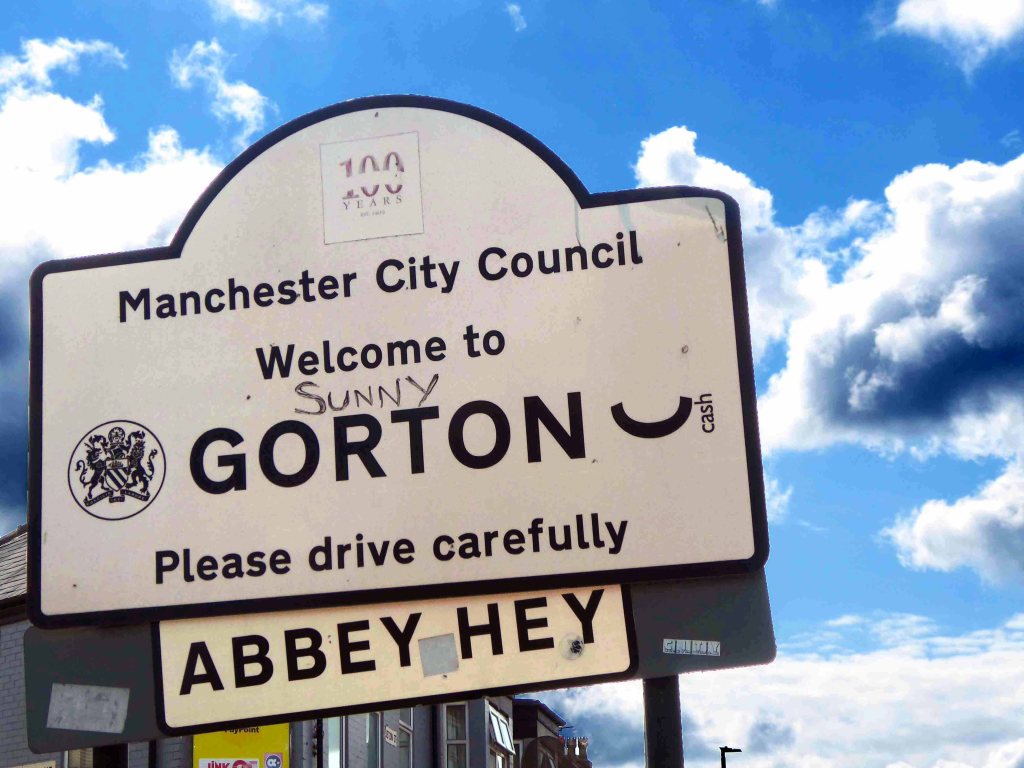
Gorton has received significant regeneration and investment over recent years as have nearby areas including Levenshulme. This is an aspirational, exciting new development and Arkwright Place has something for everyone – from first time buyers to growing families and downsizers – with a huge range of beautiful homes on offer.

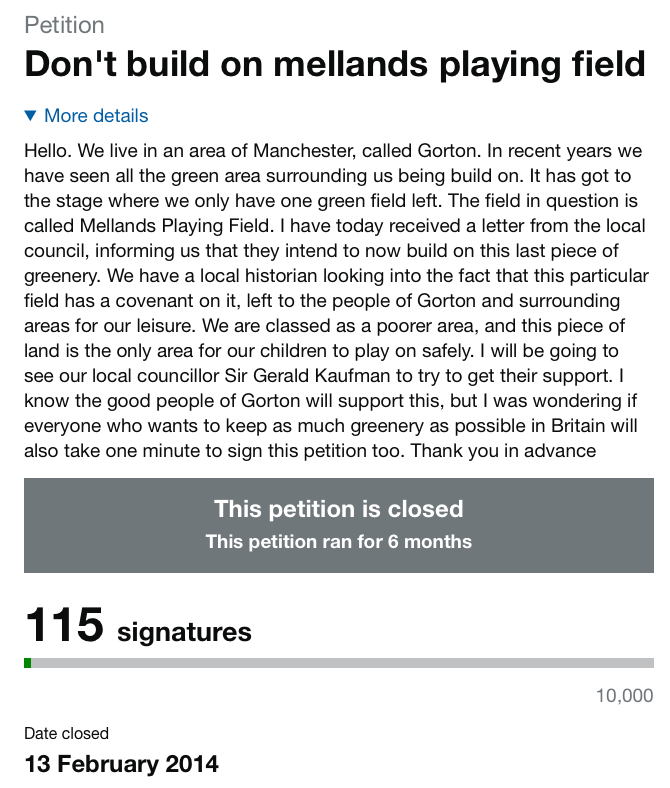
A local campaign was organised to preserve the open space:
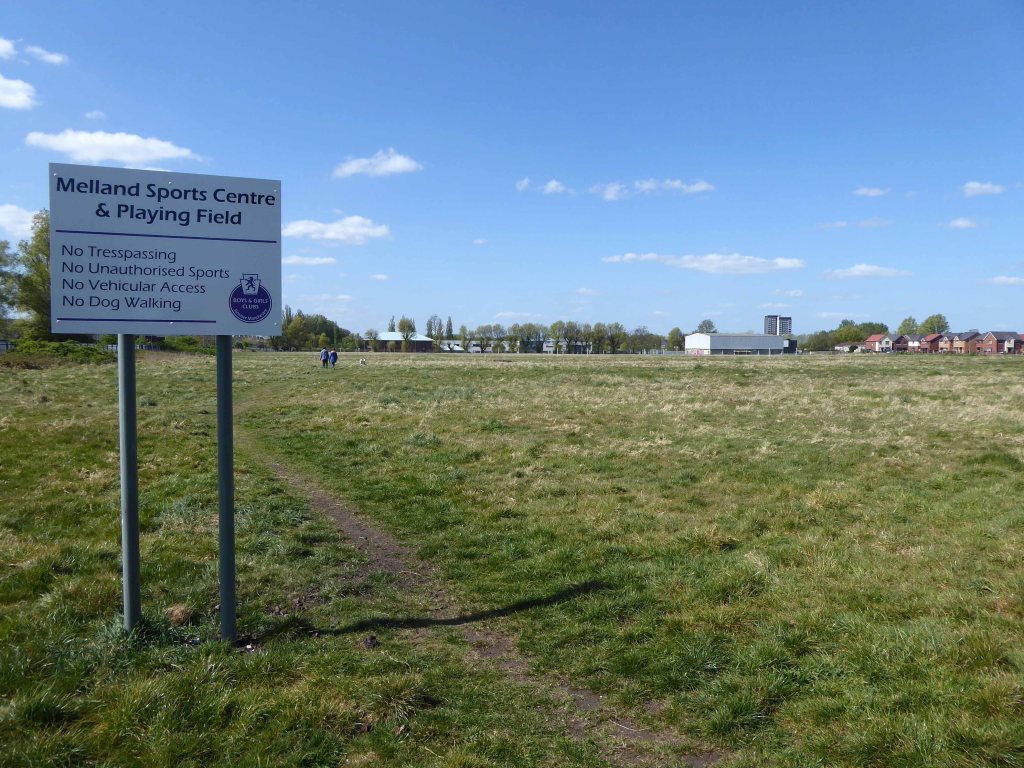
At present the fields are fenced and secured – though gaps have been made to allow access for strollers.
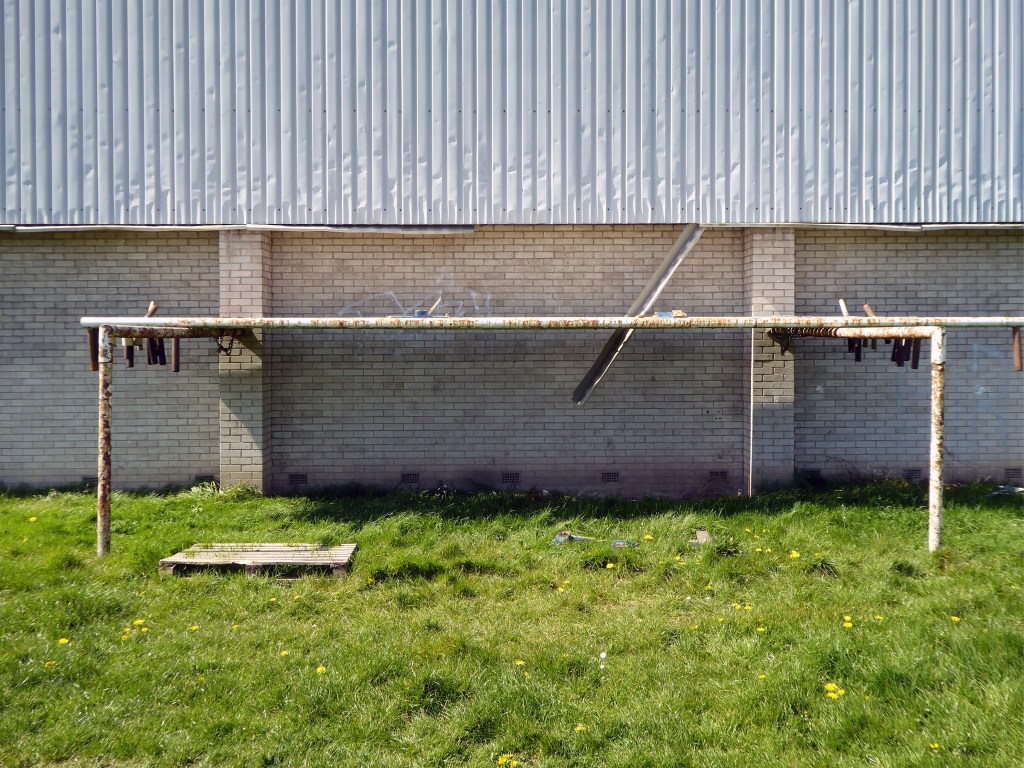
The goalposts still stand though currently without crossbars.

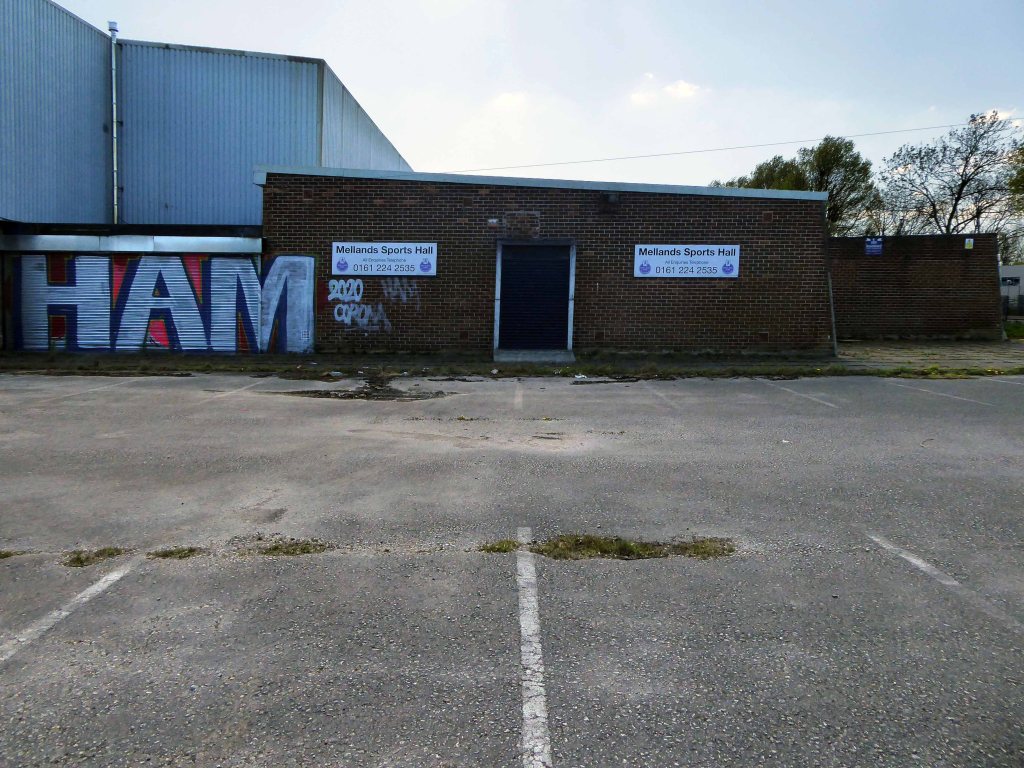
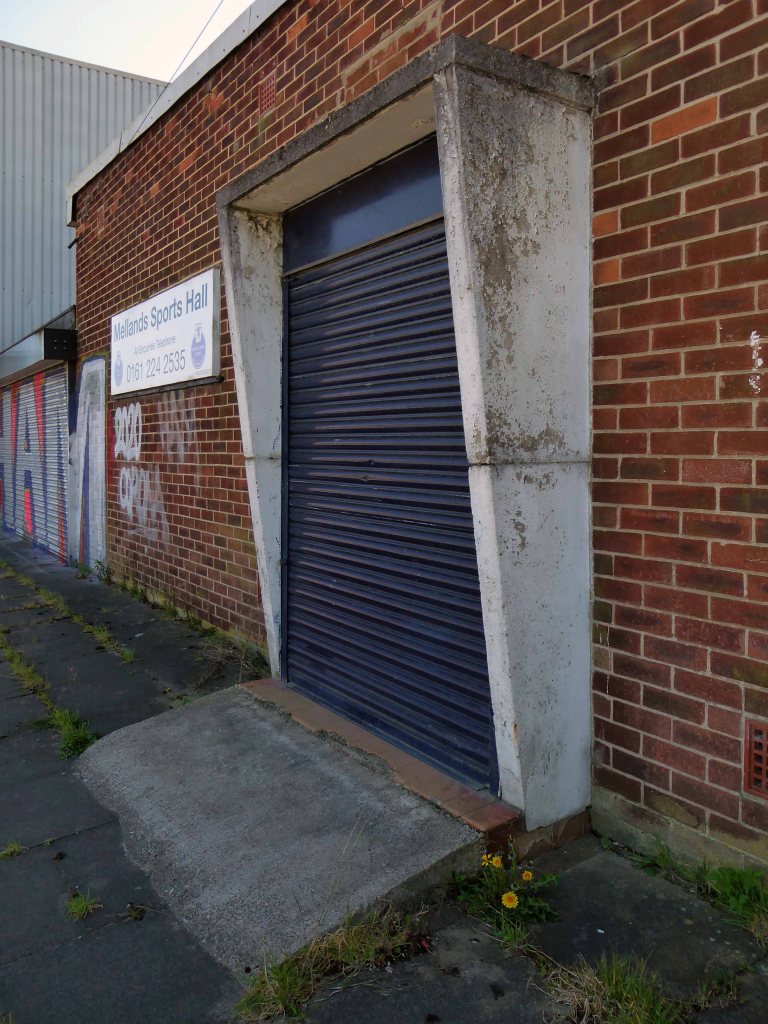
Which are stored by the Sports Hall.
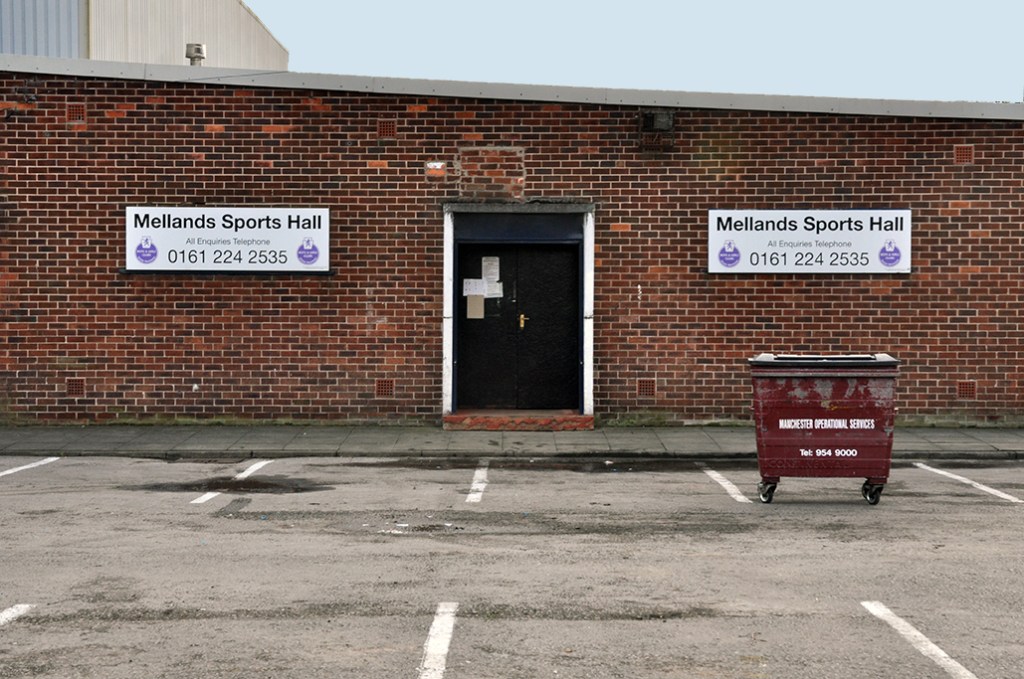
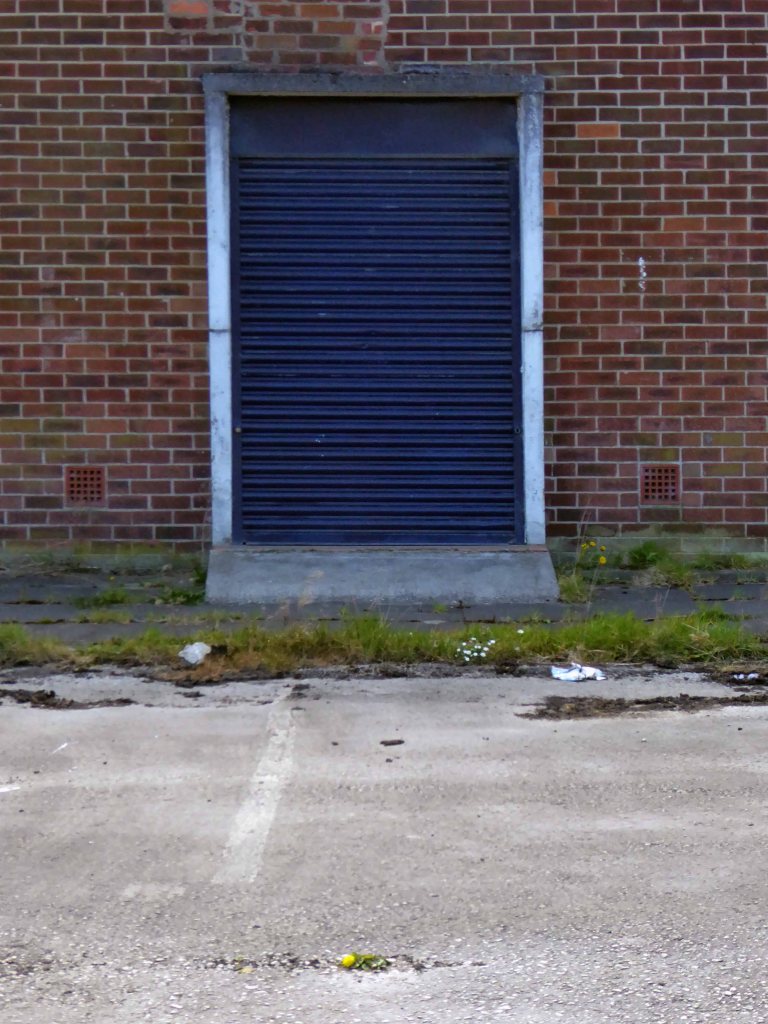
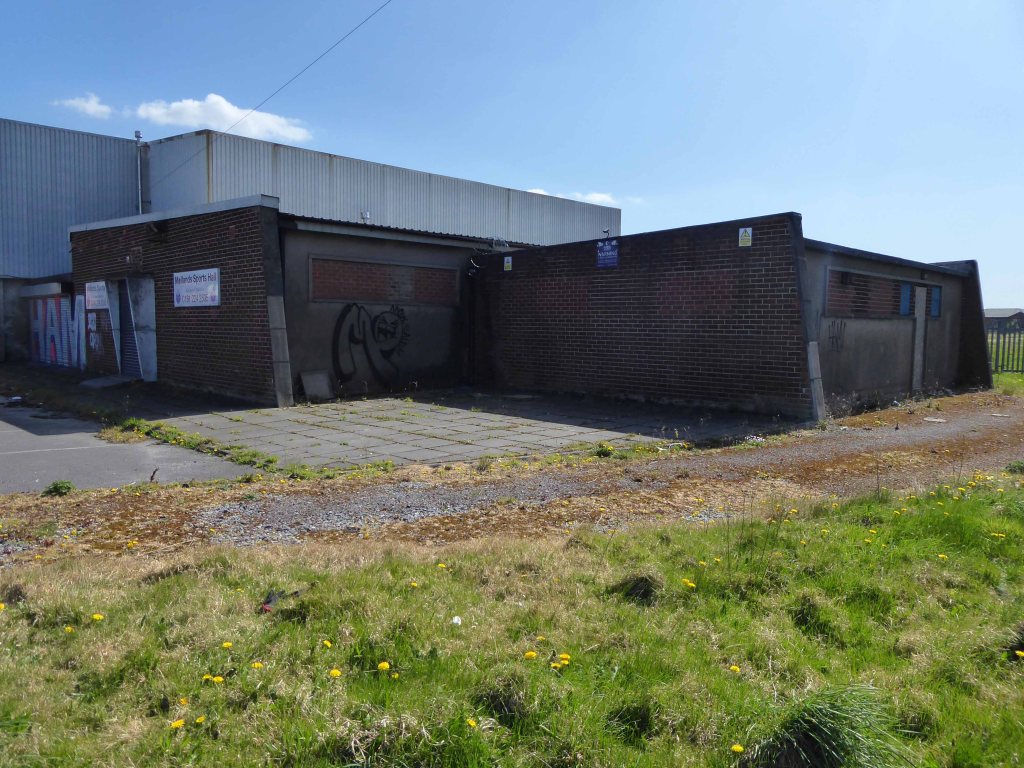
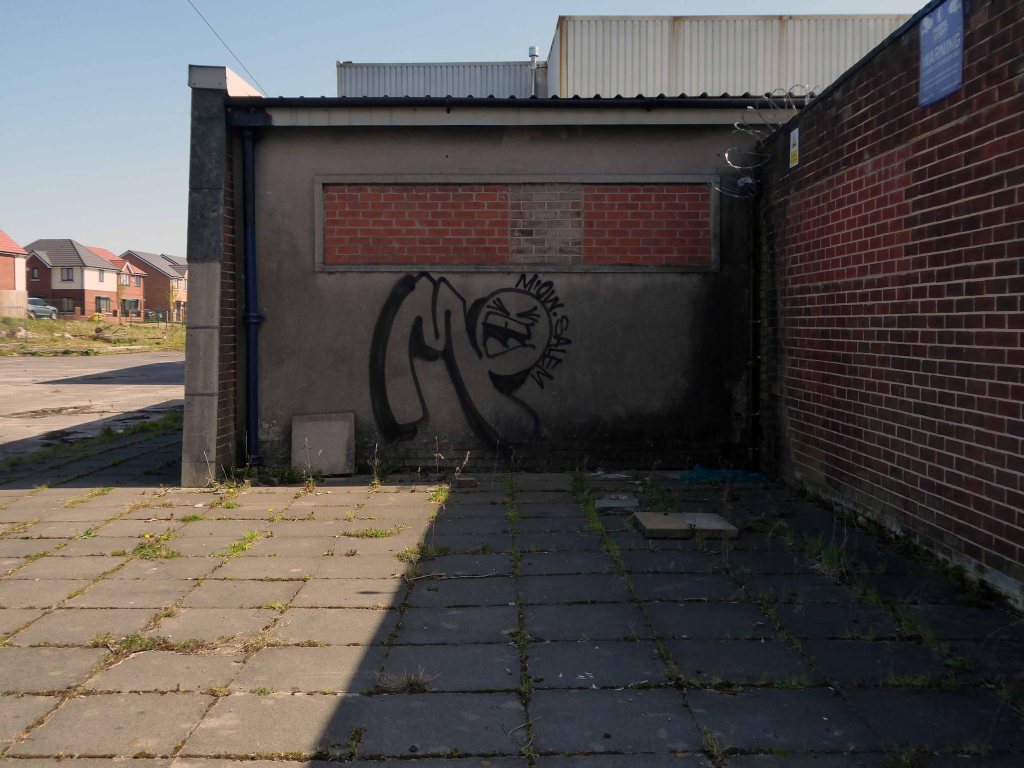
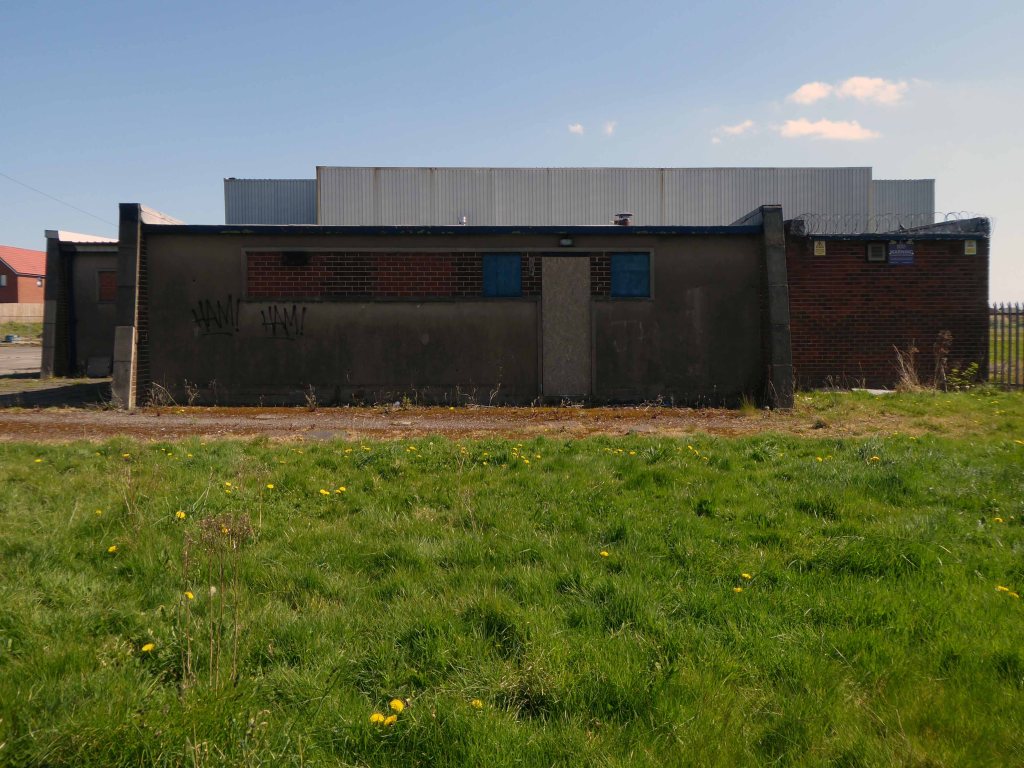
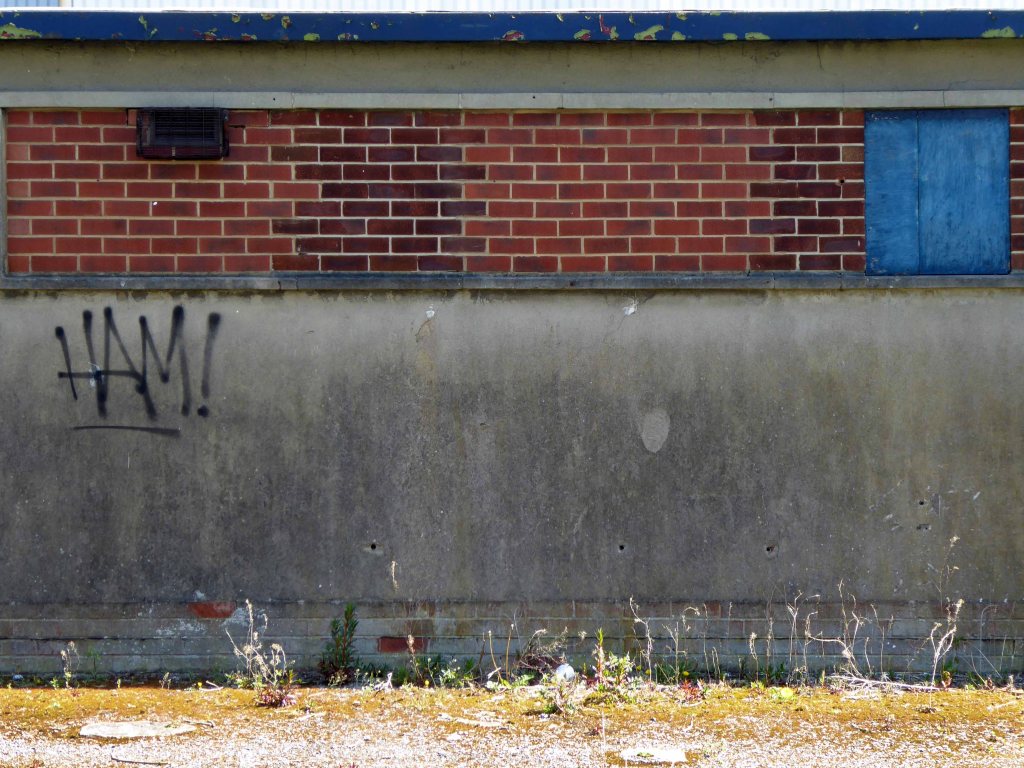
The buildings are mothballed – awaiting what?
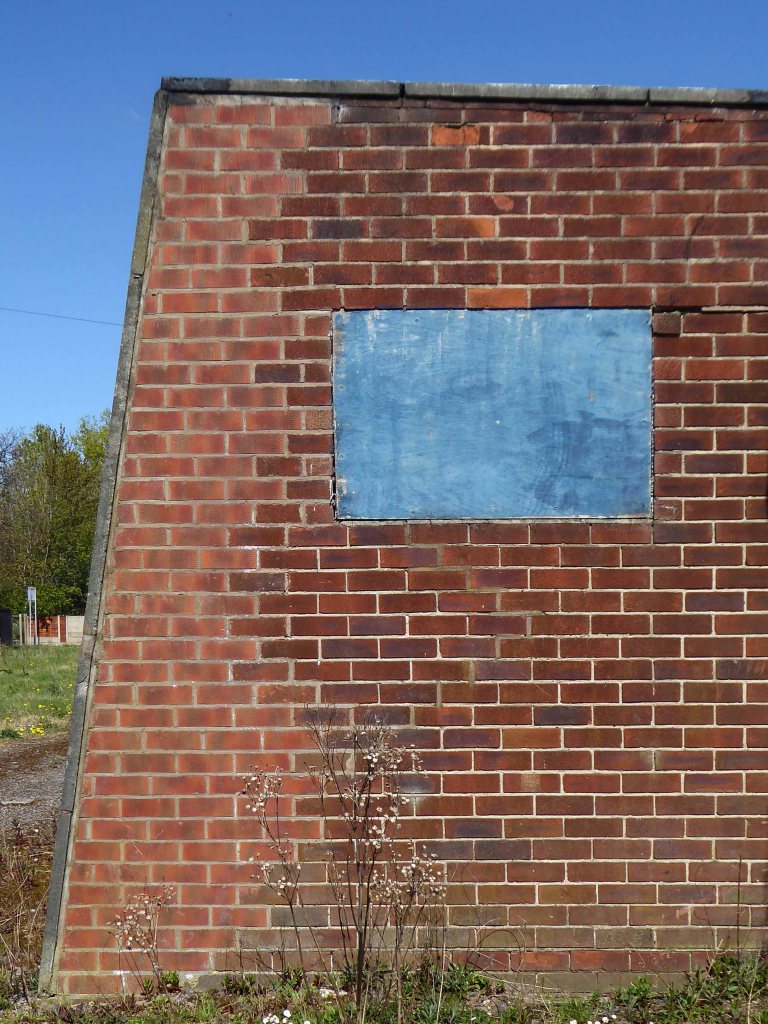
For me the concrete and brick functionalist changing rooms are a thing of beauty and seem to have been a part of my life for quite some time, as I cycled back and to – on my way to work.




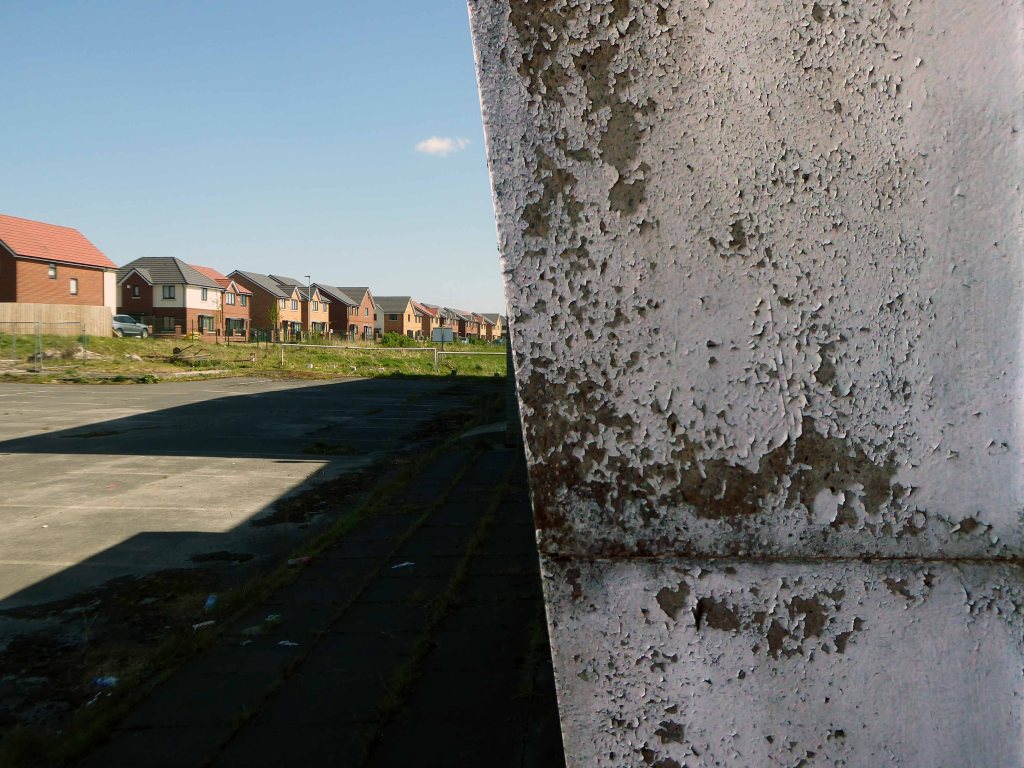
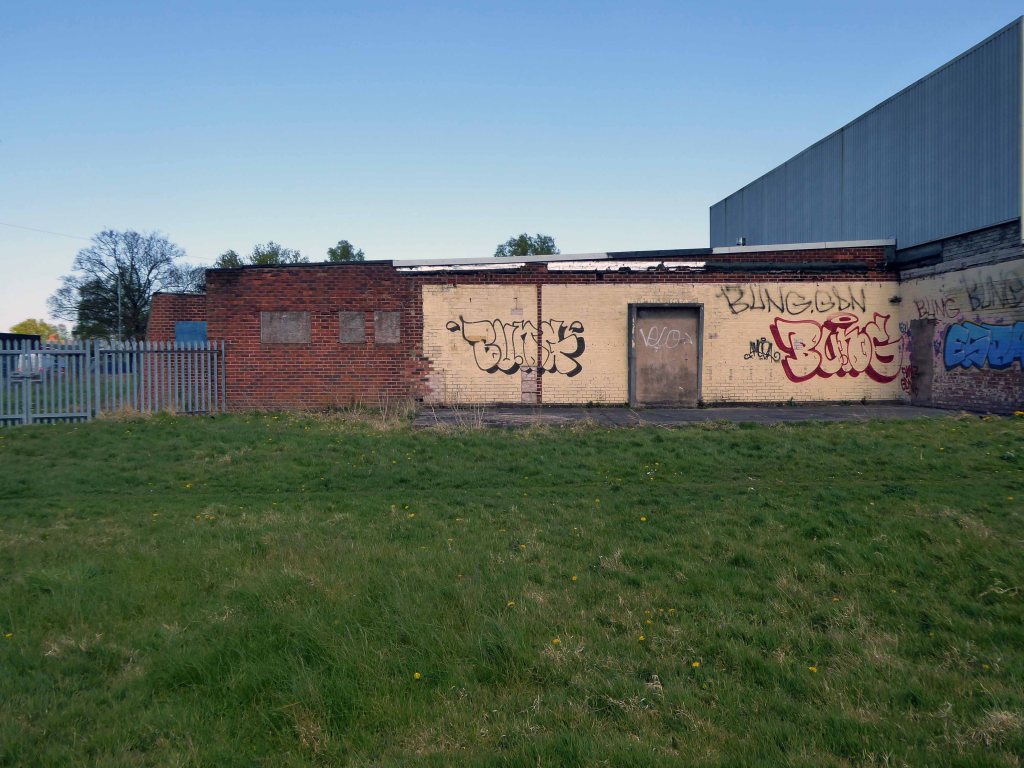
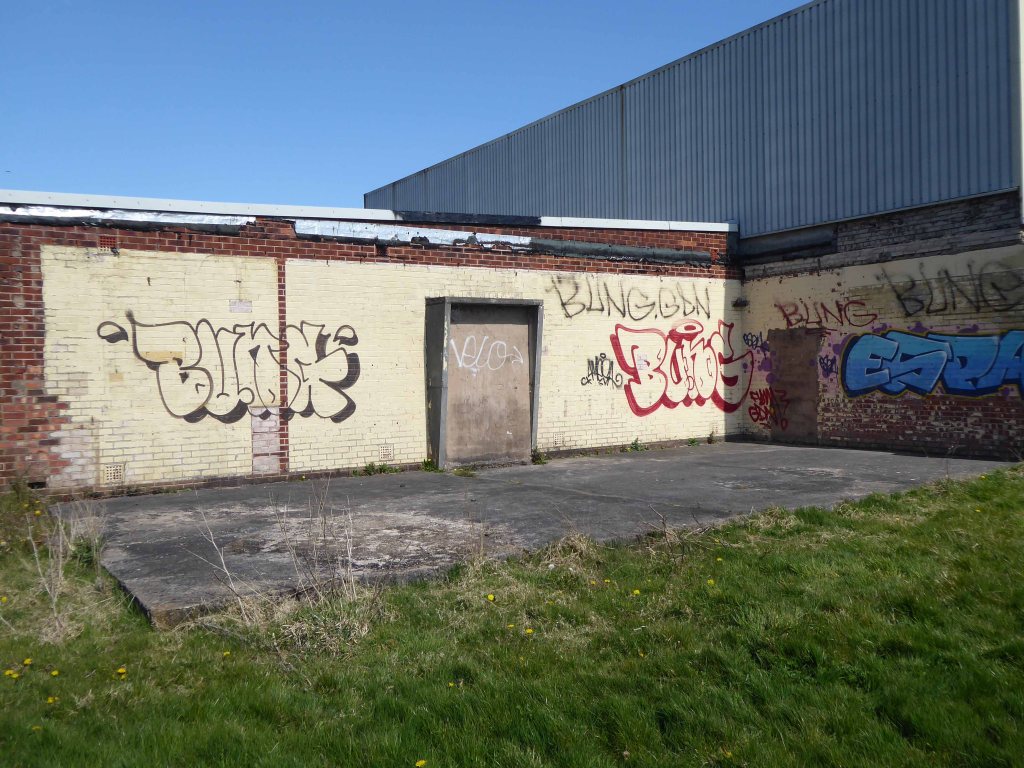


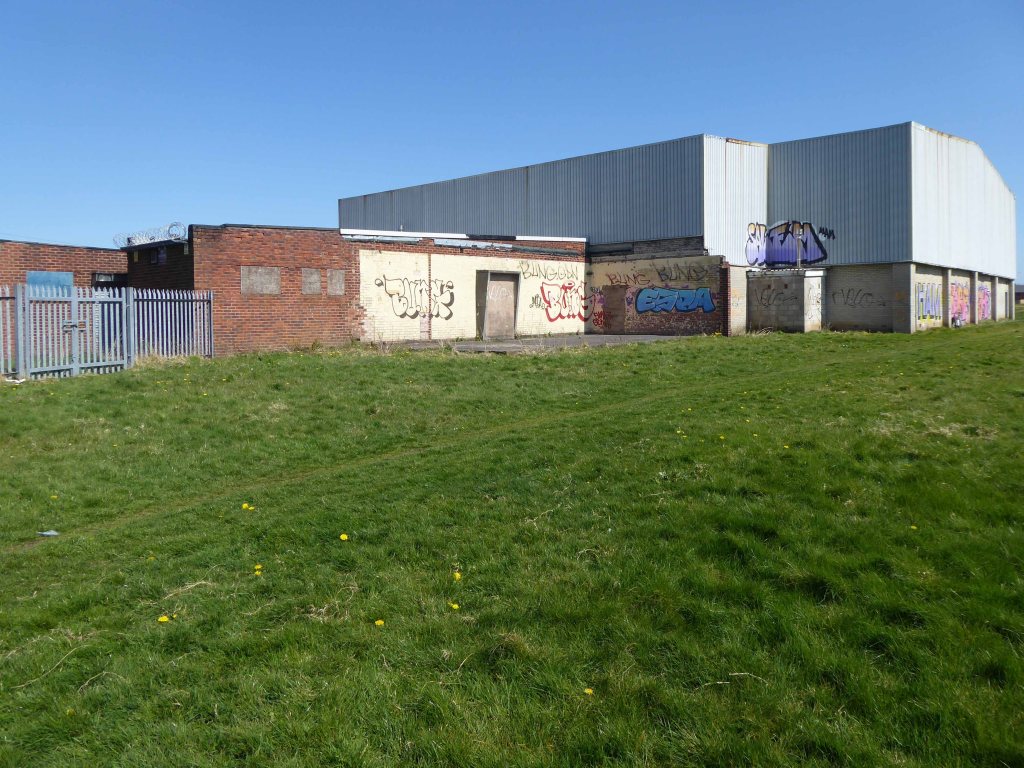
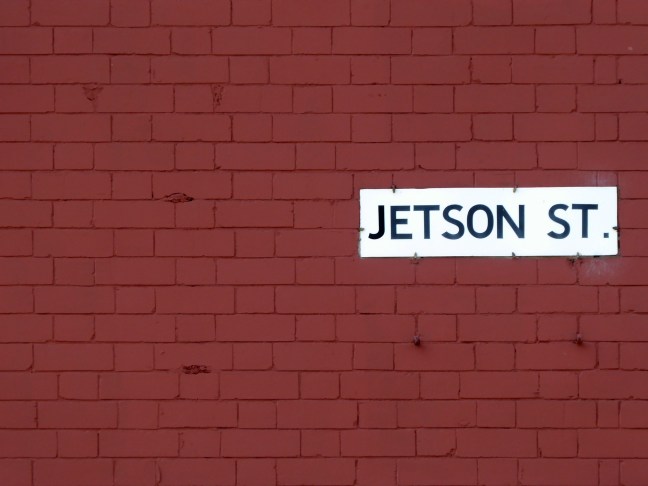
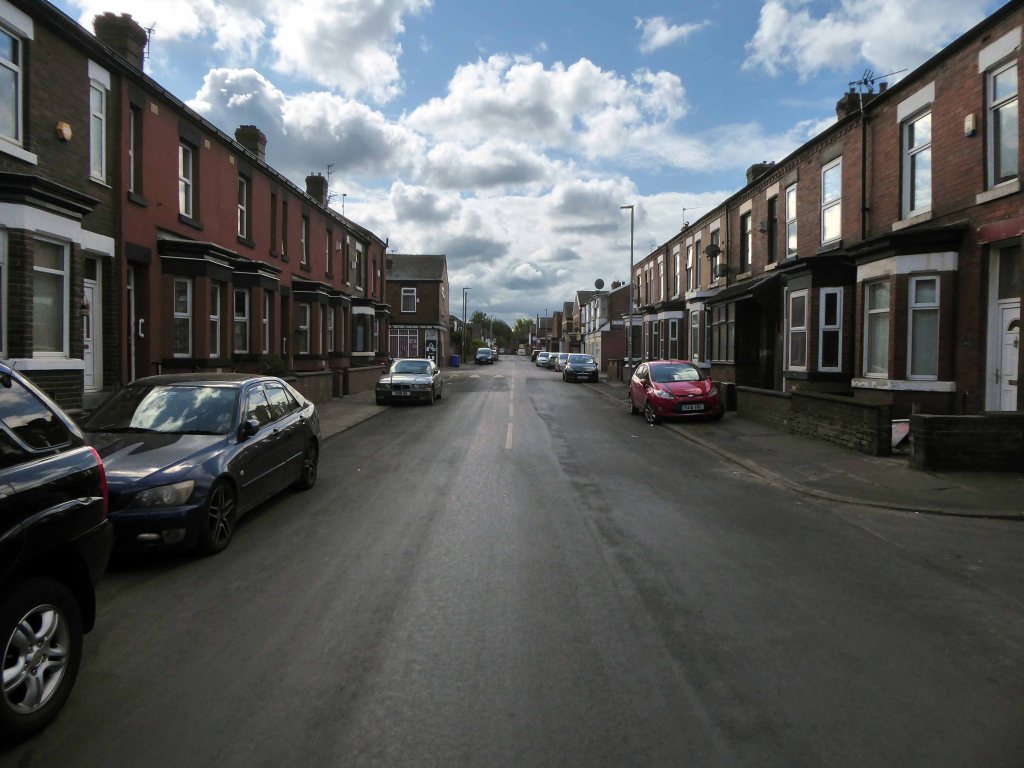
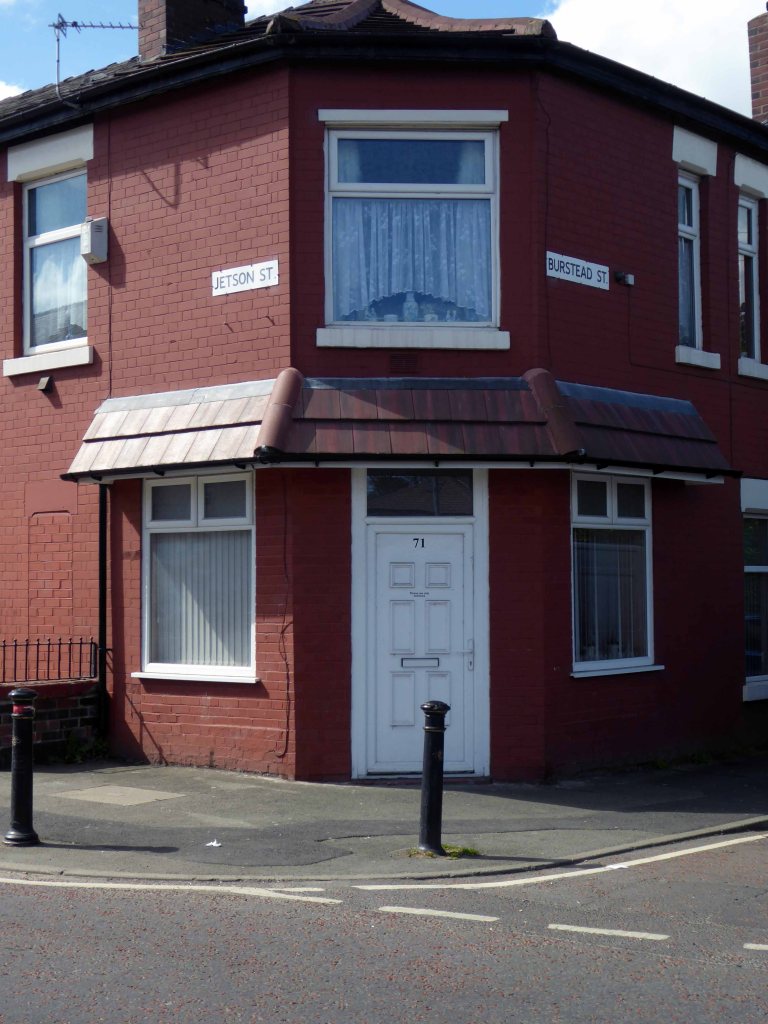
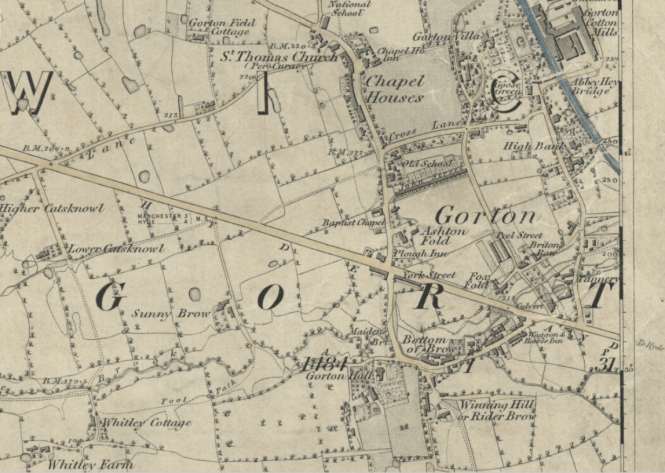
We are travelling backwards and forwards in time – firstly back to 1845 when the street was yet to be built, before the Industrial Revolution created the need for workers’ homes, to house the workers from the newly built workplaces, which also did not yet exist.
It was almost all fields around here.
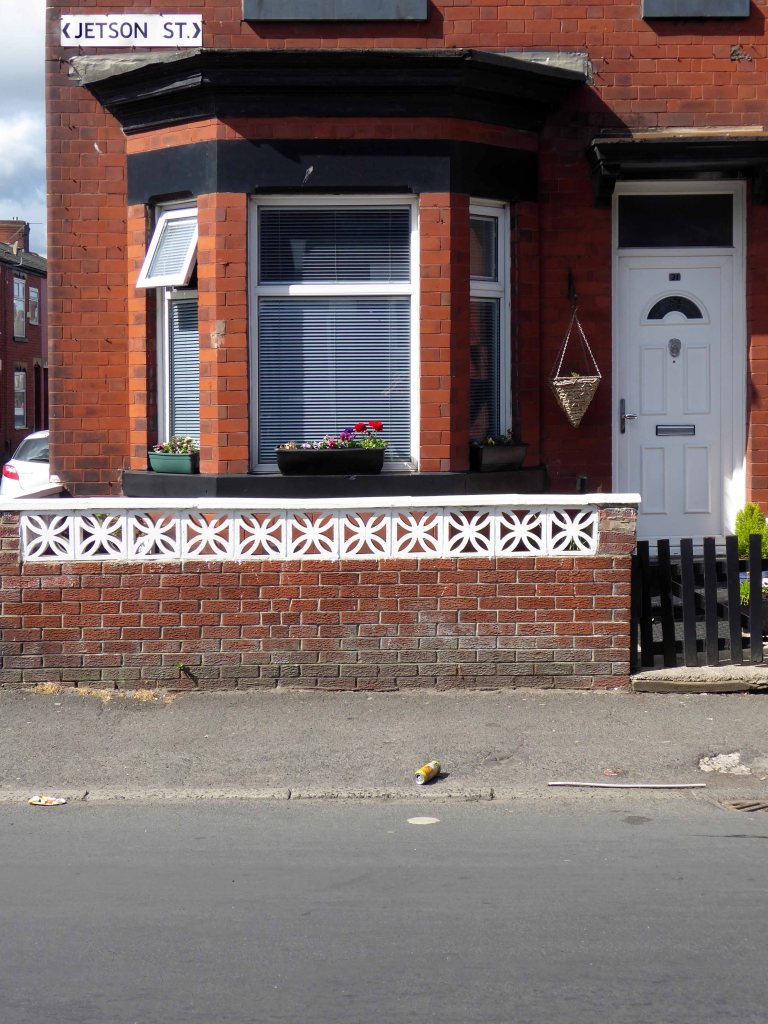
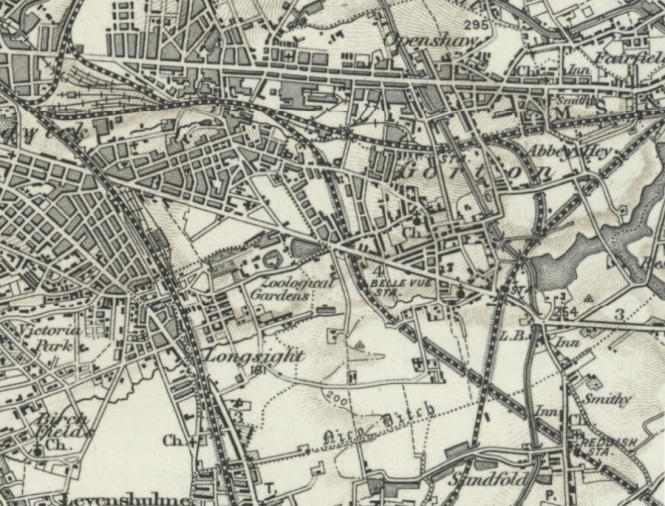
A little further forward to 1896 when Jetson Street has emerged fully formed from the fields, along with rail, road, amusement and industry.
Fast forward to today and it’s all almost still there – though most of the work and the majority of the amusement has evaporated into a cloud of post-industrial, Neo-Liberal economic stagflation.
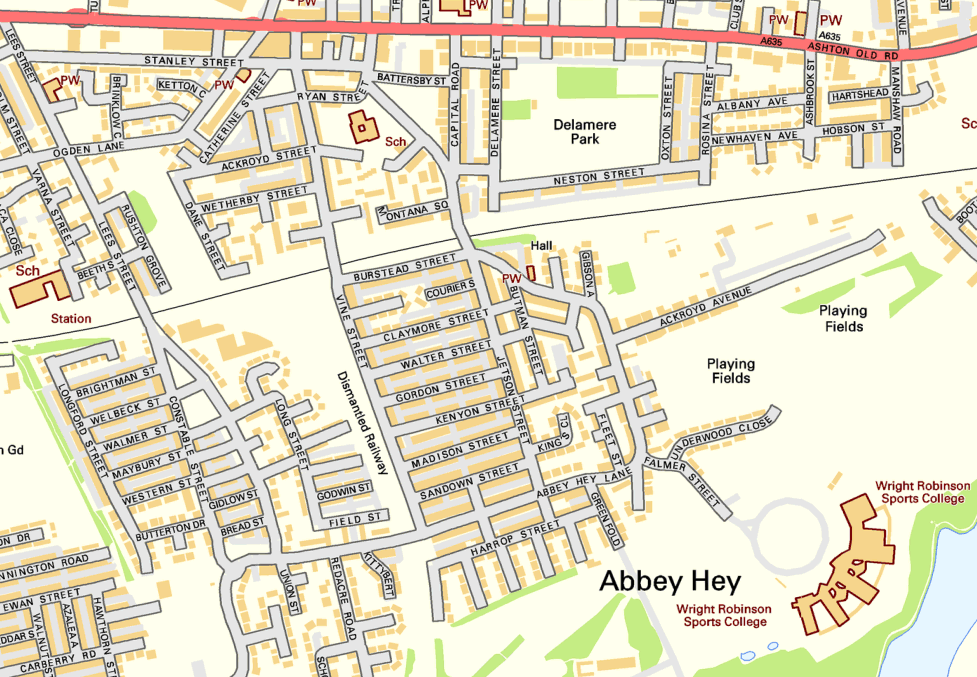
So why am I here – fast forward to the fictional future!

As a kid I watched as the Jet Age emerged before my very square eyes, giving the street a certain cosmic charm – I was curious.
I have searched online – this seems to be the one and only Jetson Street in the whole wide world – I searched online for its origins.
The name Jetson means Son Of Jet and is of American origin.
Which quite frankly seems unreasonably glib.
The name Jetson is from the ancient Anglo-Saxon culture of the Britain and comes from the names Judd and Jutt, which are pet forms of the personal name Jordan. These names are derived from Jurd, a common abbreviation of Jordan, and feature the common interchange of voiced and voiceless final consonants.
The surname Jetson was first found in Hertfordshire where they held a family seat from very ancient times, some say well before the Norman Conquest and the arrival of Duke William at Hastings in 1066 A.D.
Which quite frankly seems unreasonably obscure.
Let’s jet back to 1964.

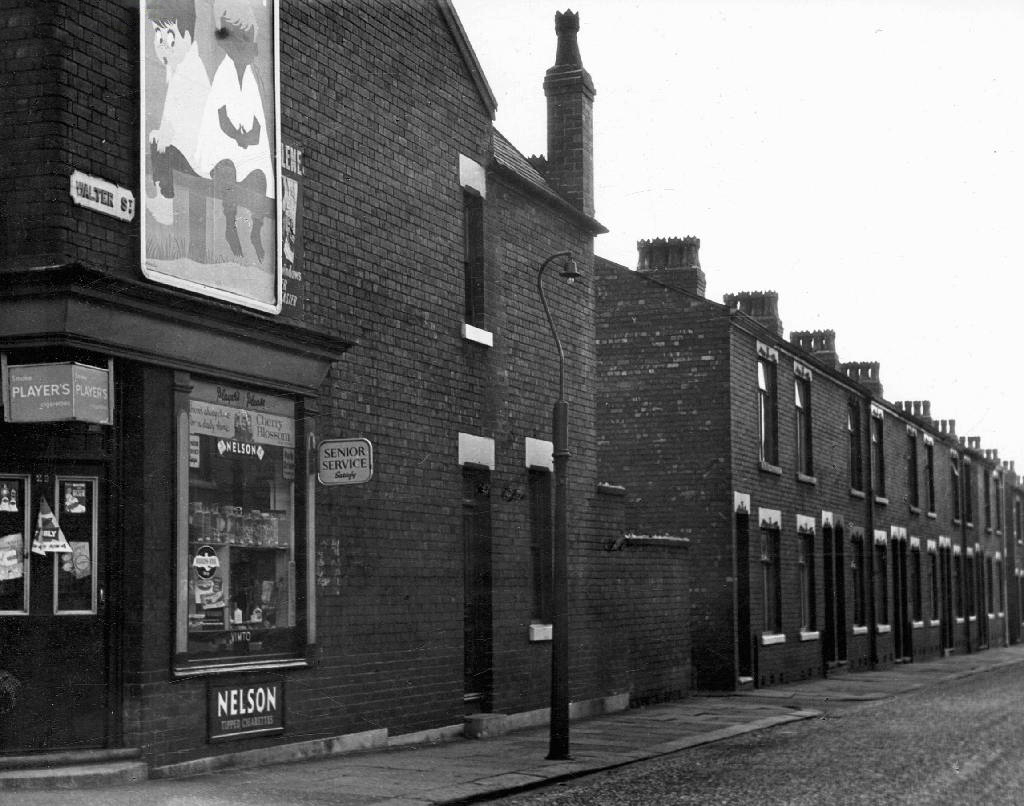
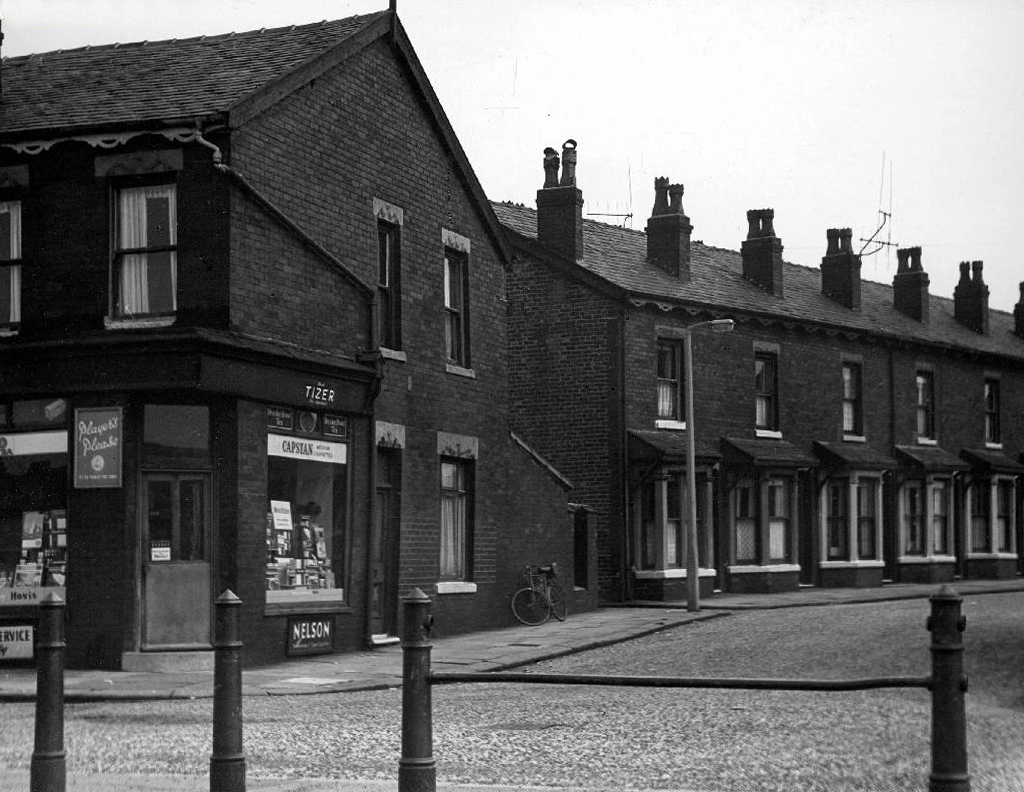
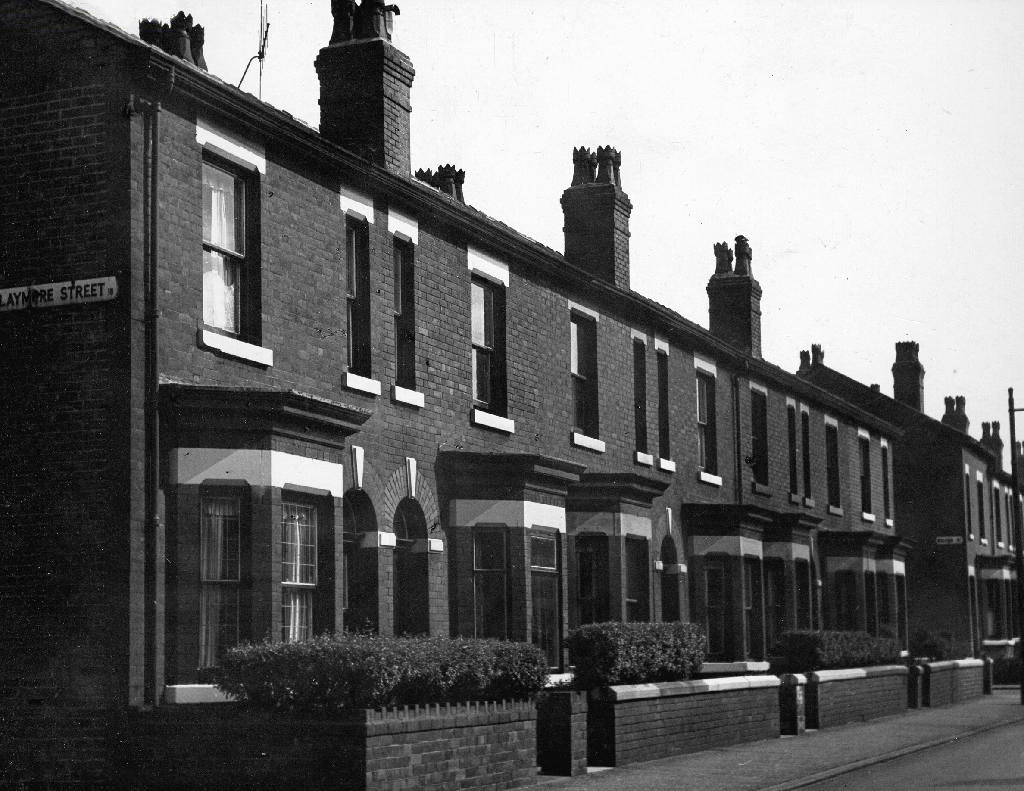
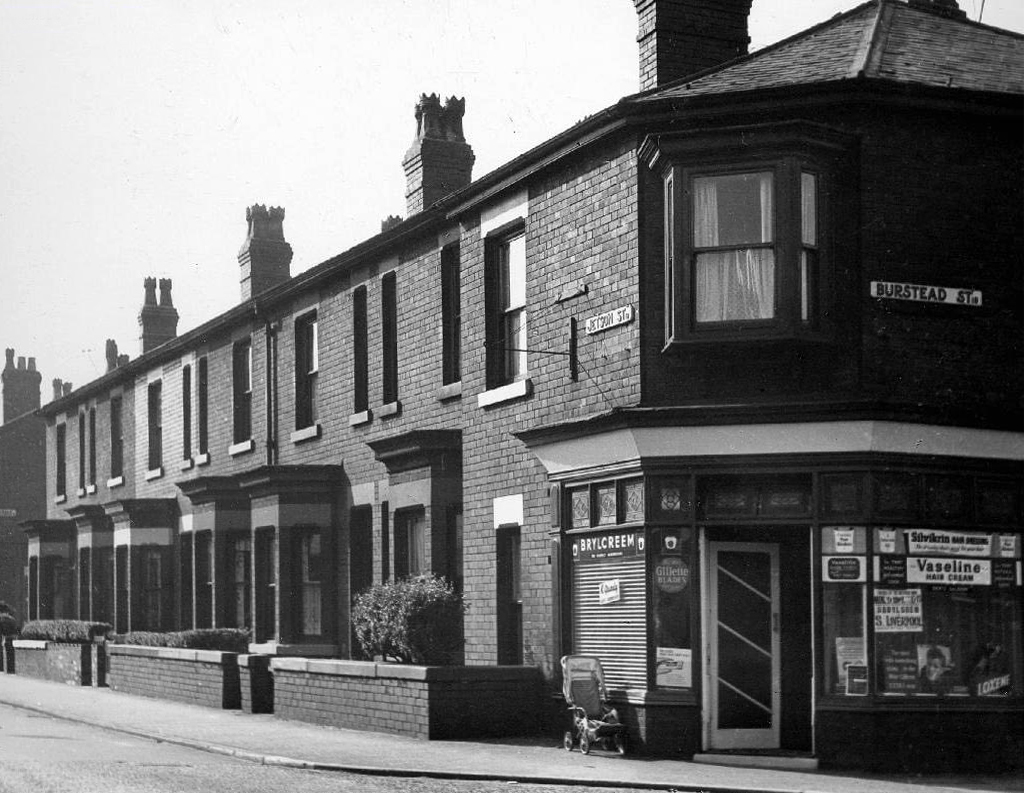
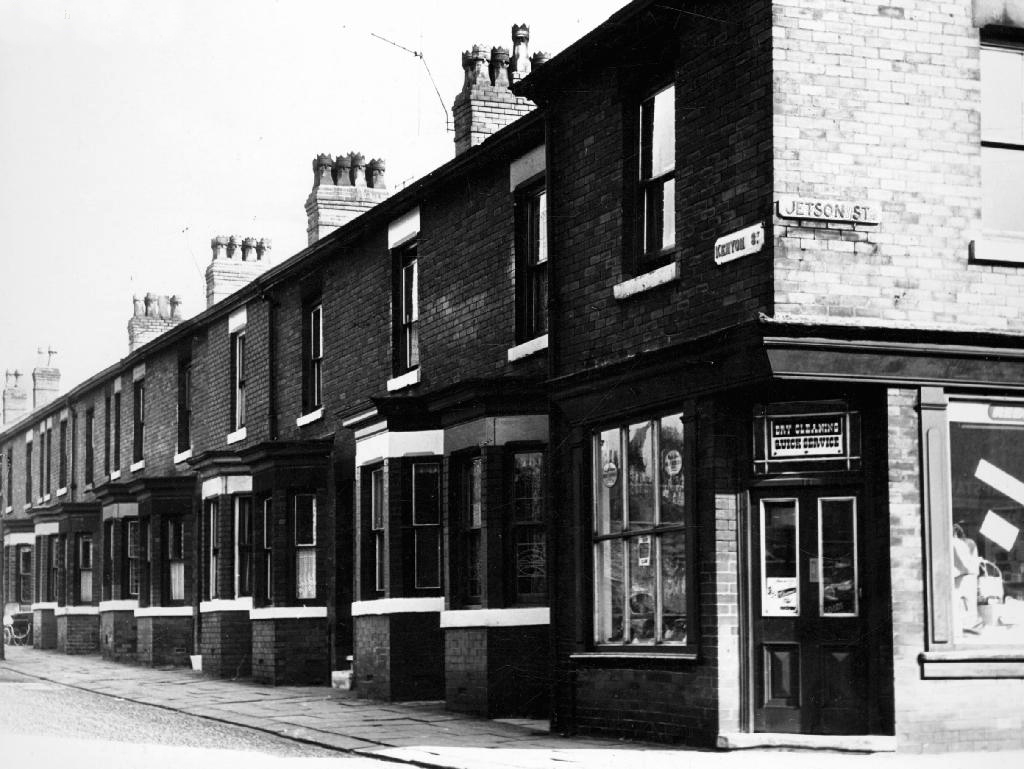
T Brooks wandered these streets taking thousands of photographs for the Manchester Corporation, possibly the housing or highways departments – they all still exist here on the Local Image Collection.
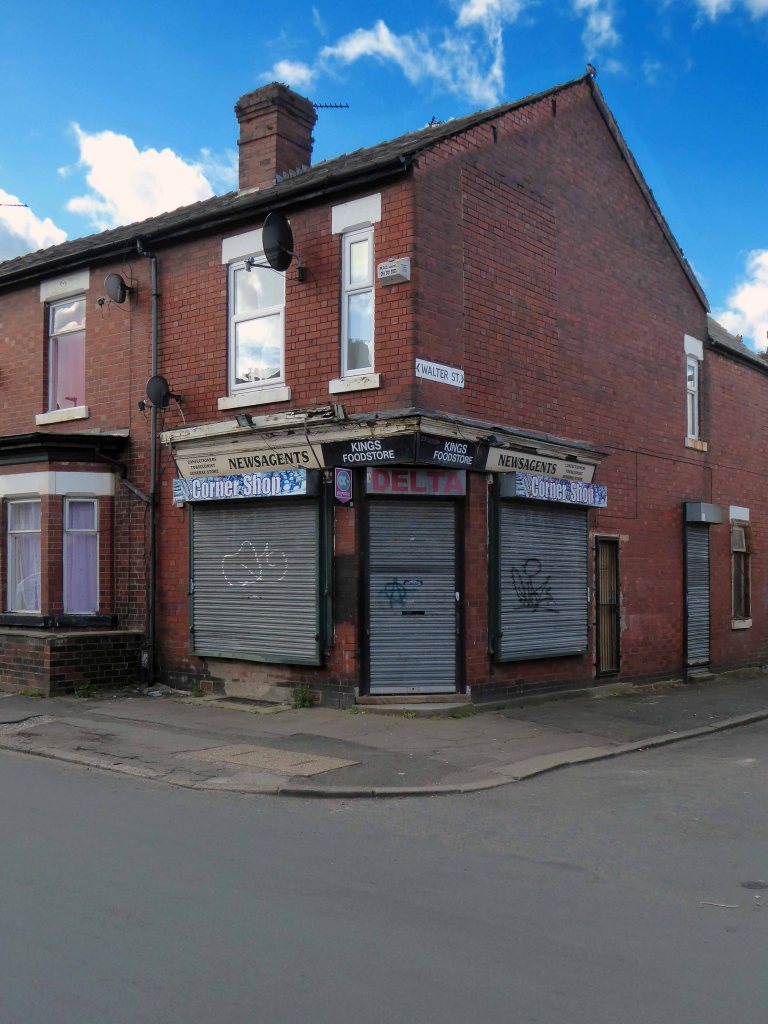
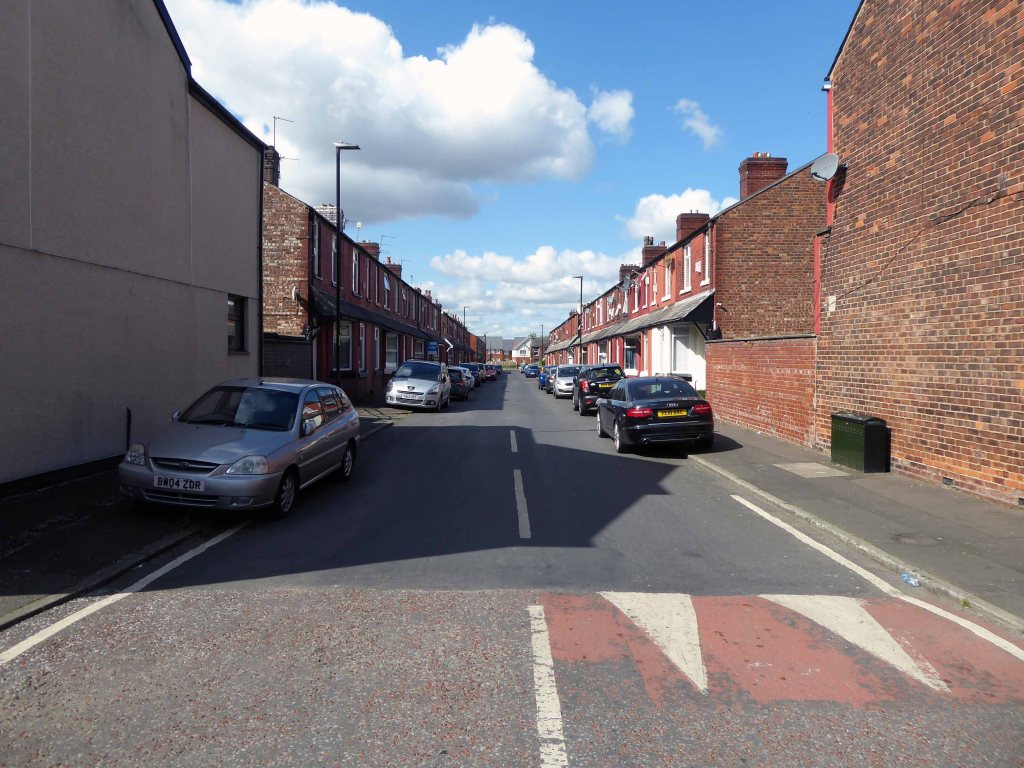
This was a world of corner shops on ever corner, settled communities full-employment, neatly ordered rows of sturdy brick-built homes.
I follow in his hallowed footsteps, what if anything remains of this world – fast forward to 2015 my first fleeting visit.
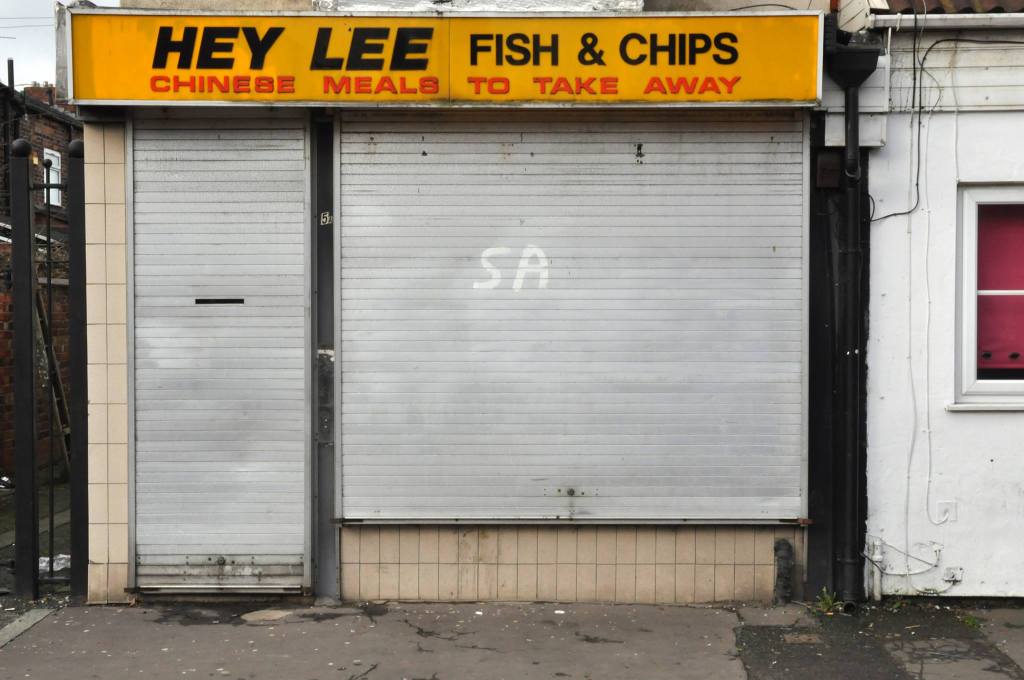
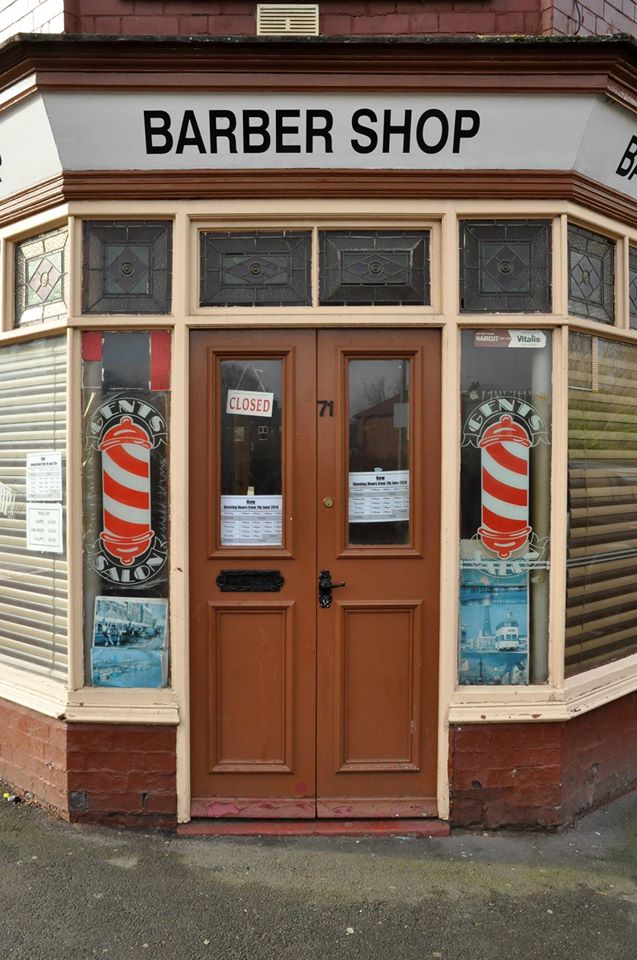
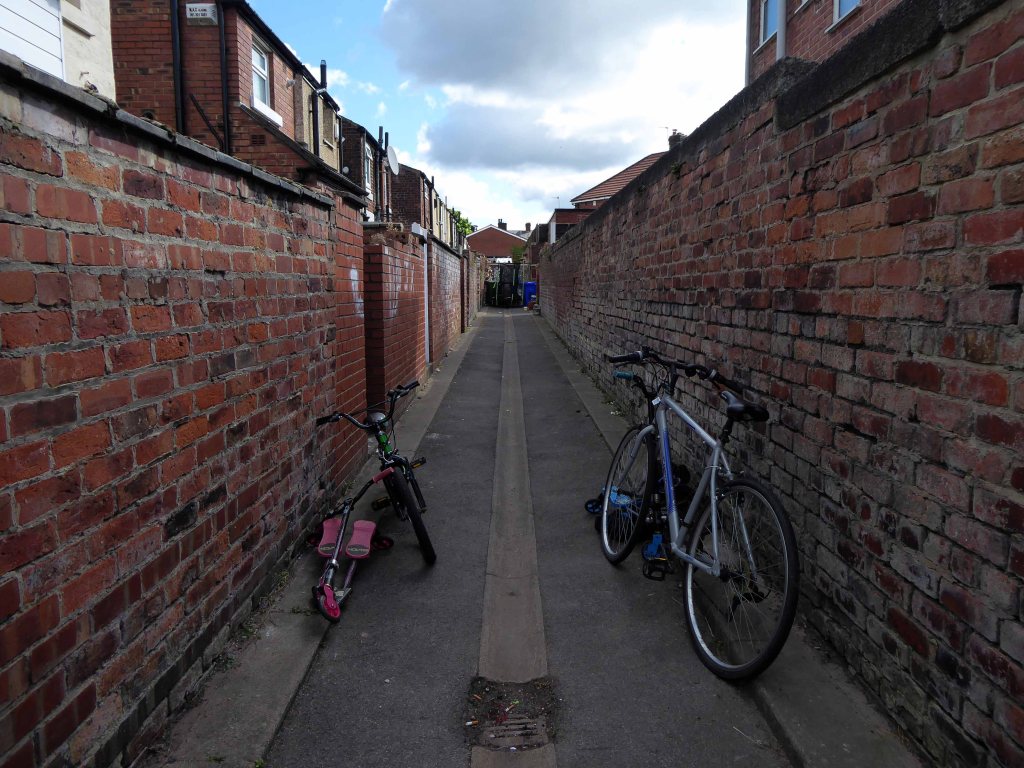
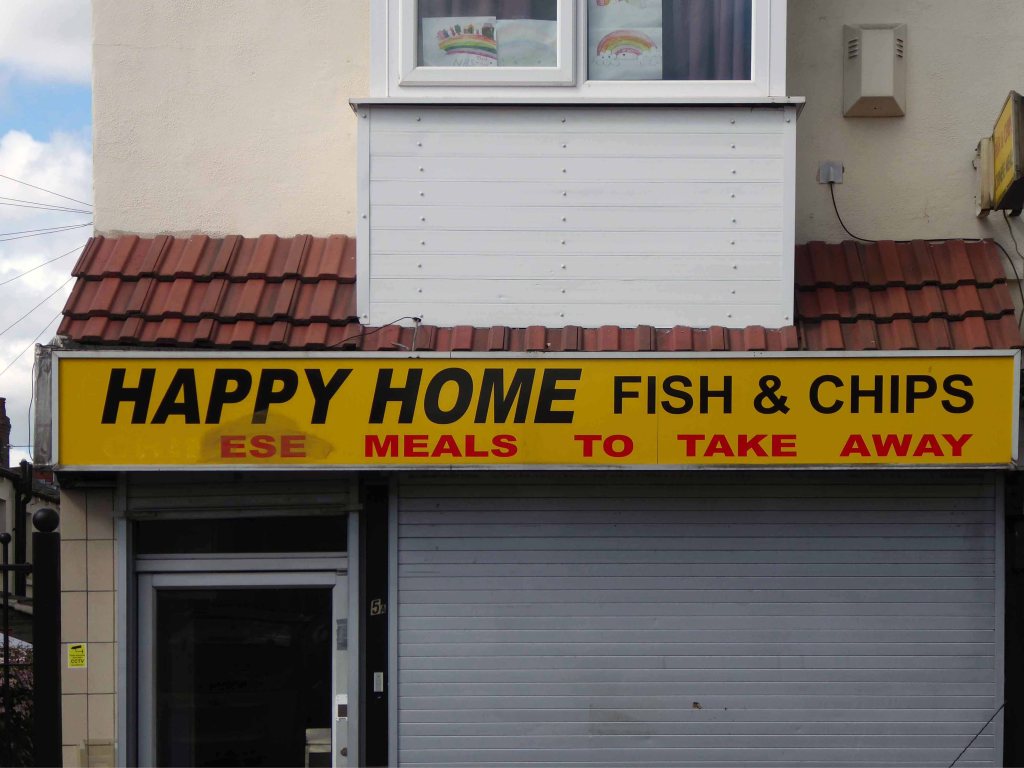
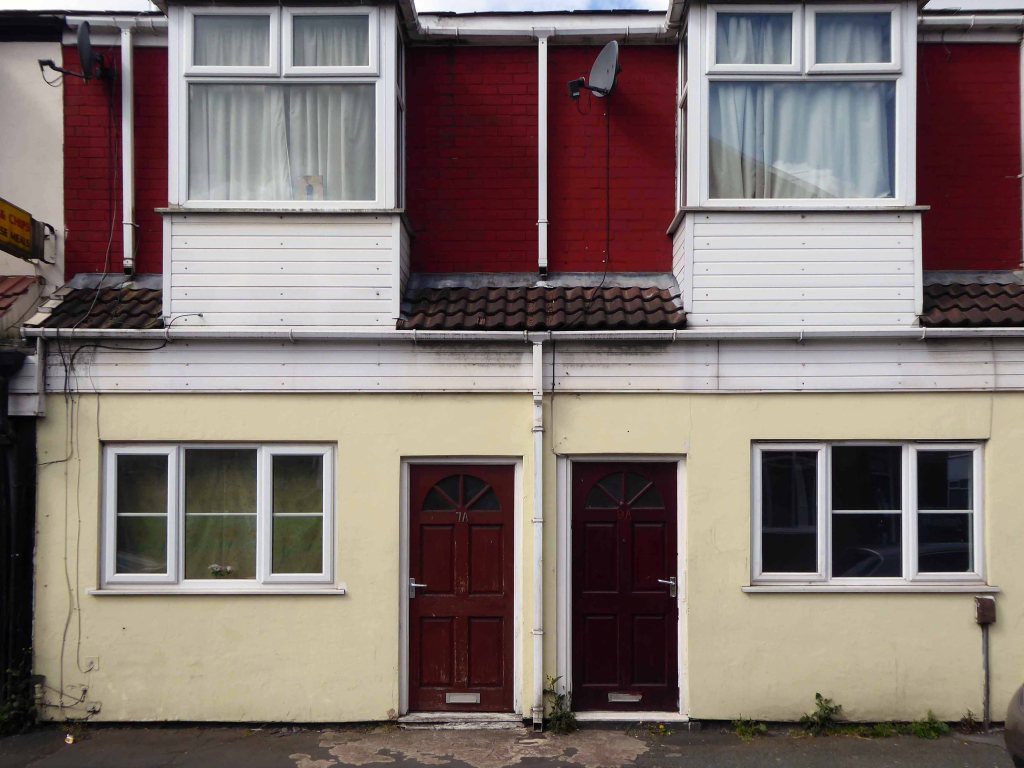
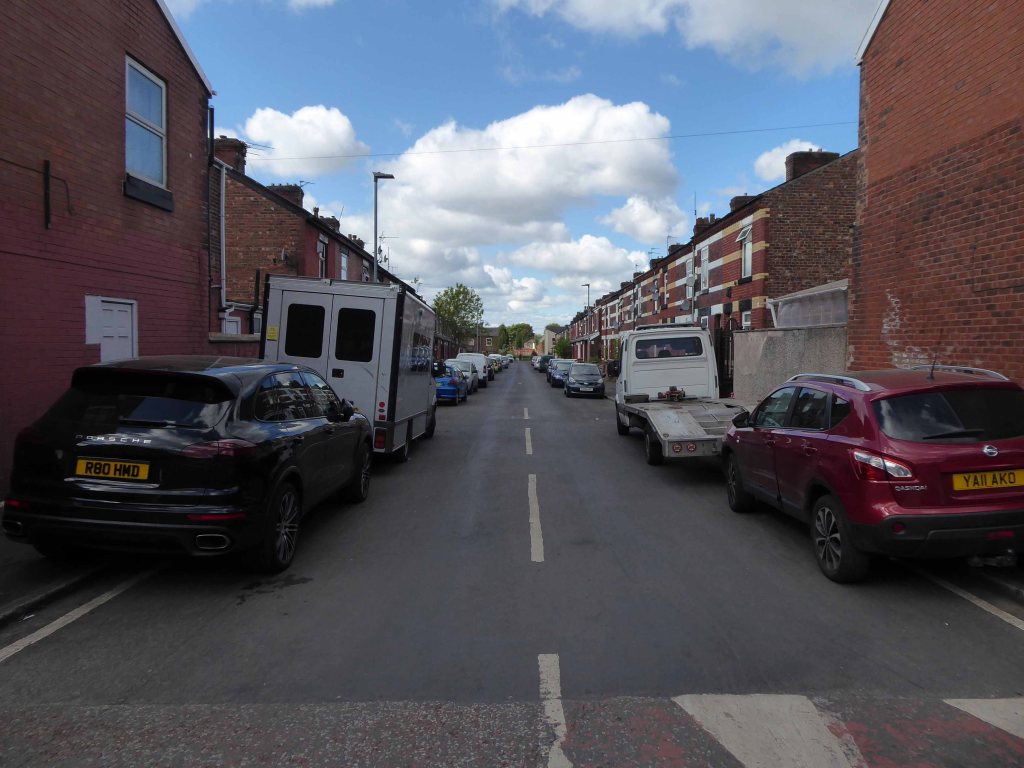
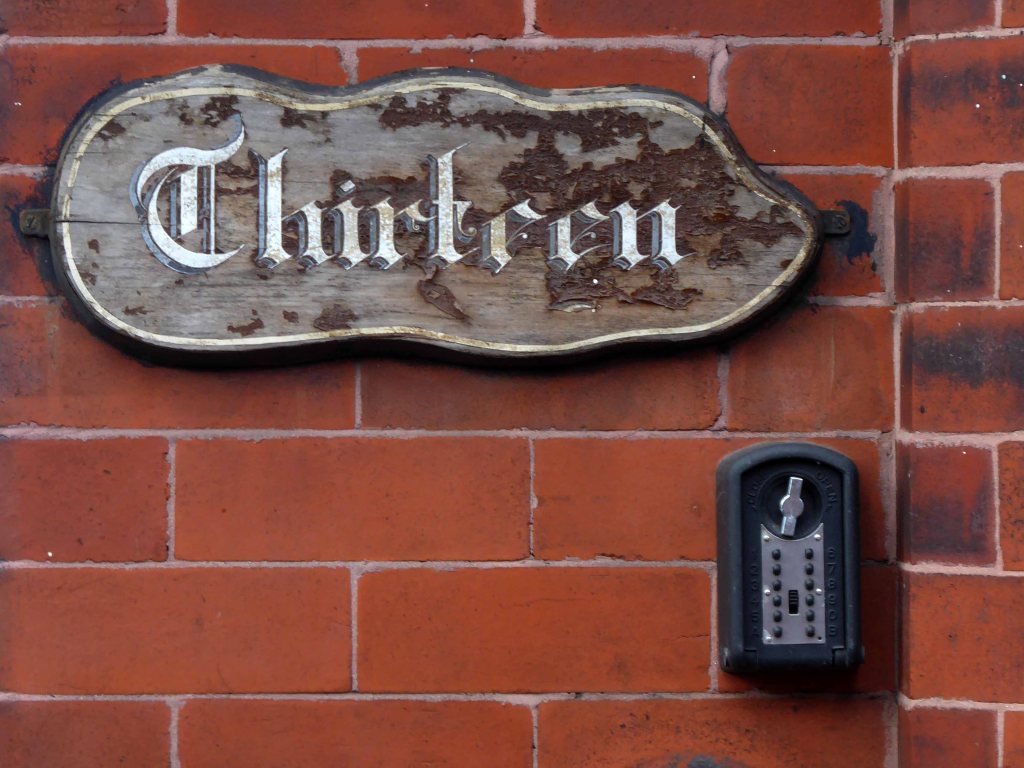
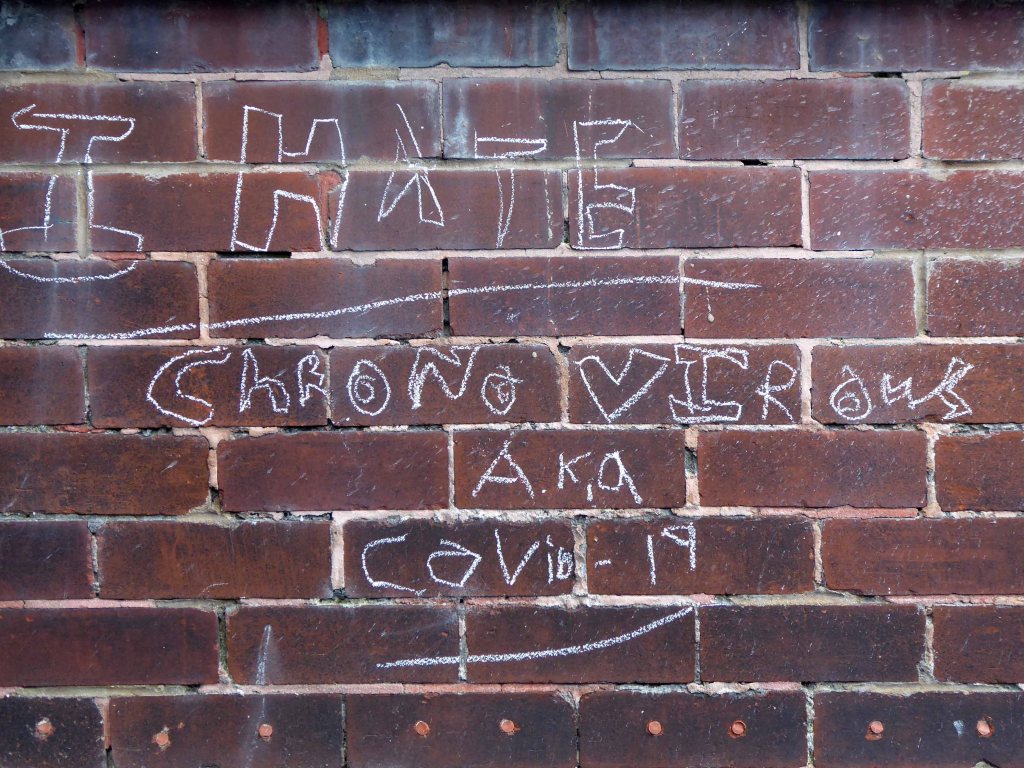
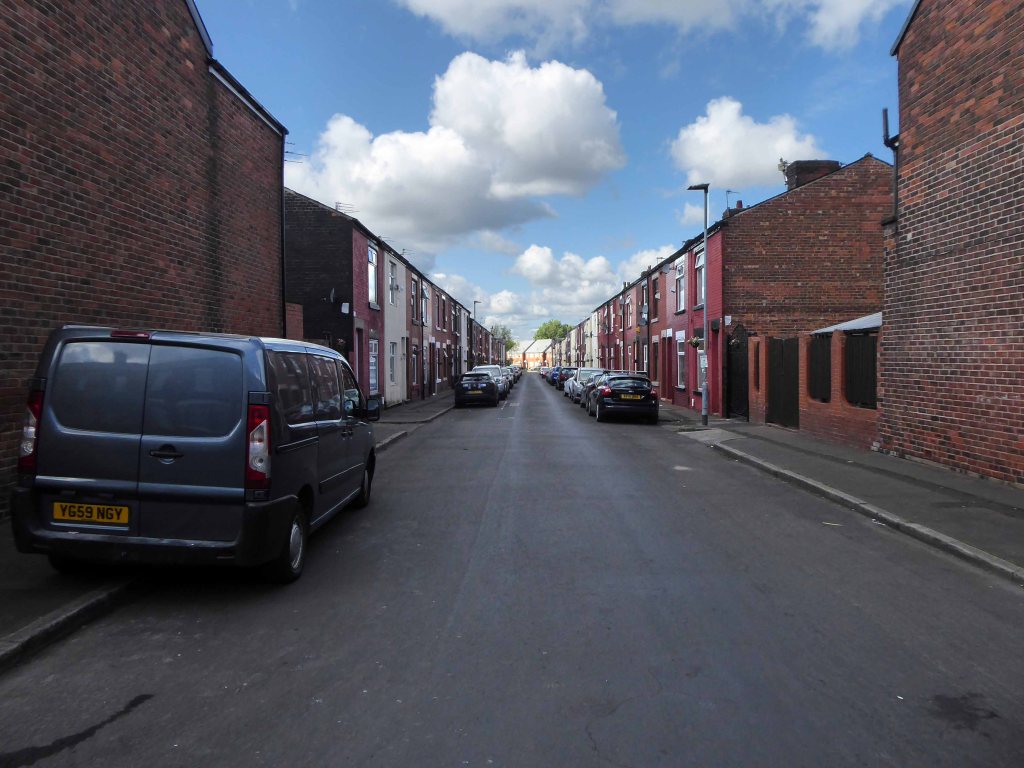
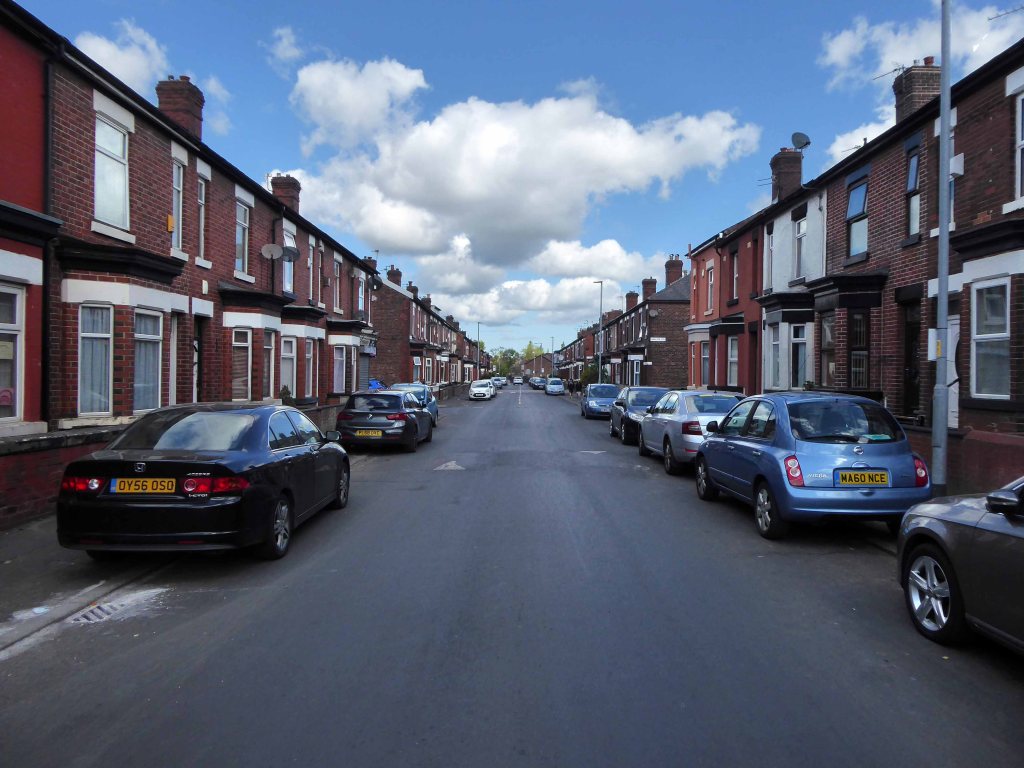
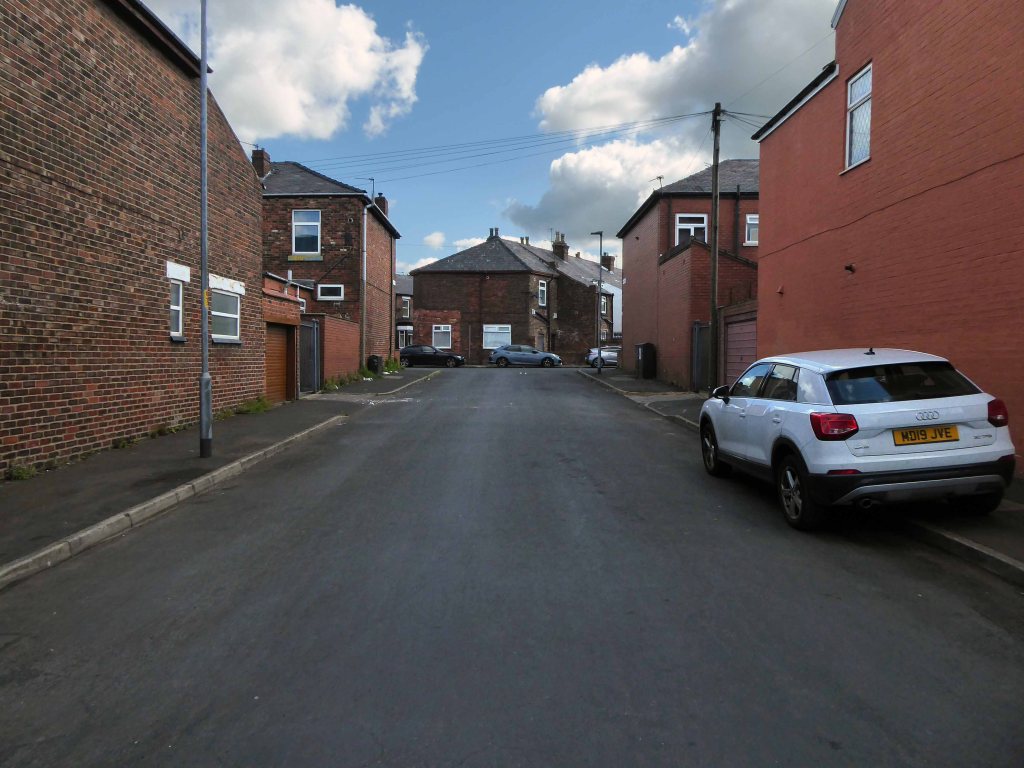
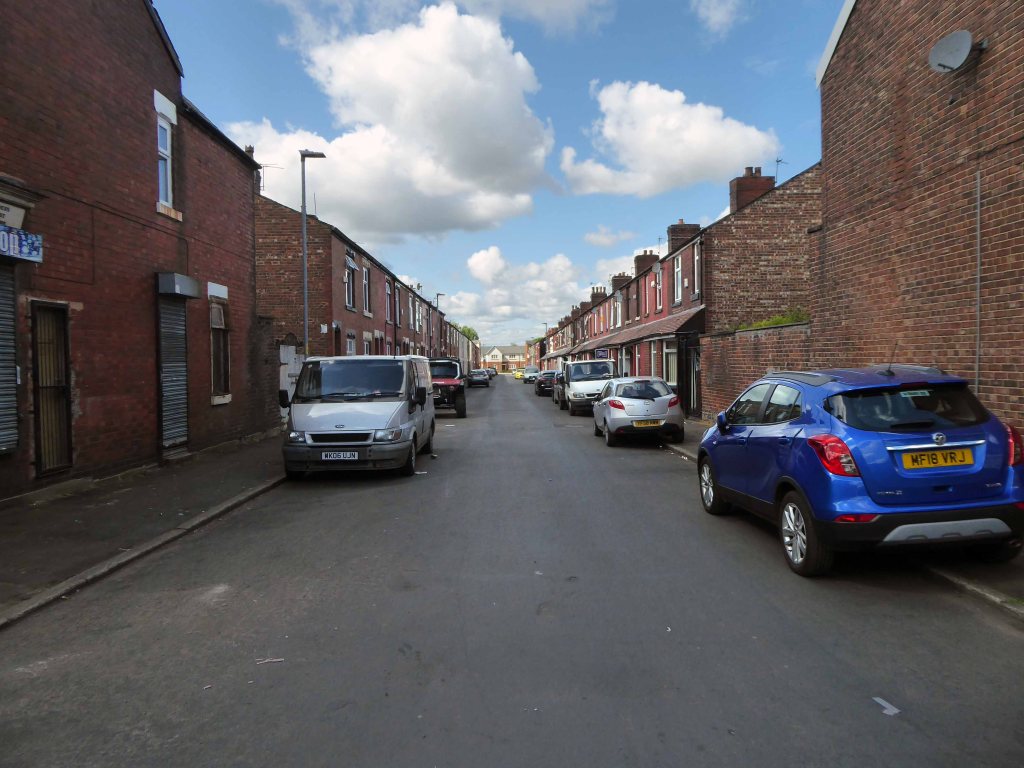
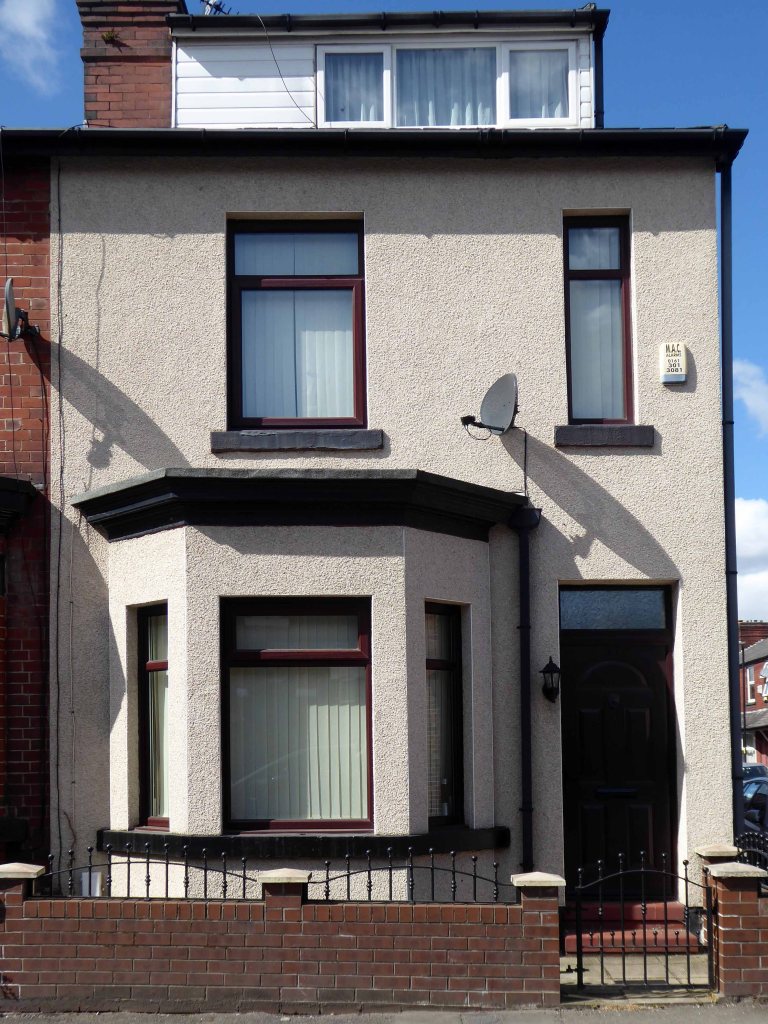
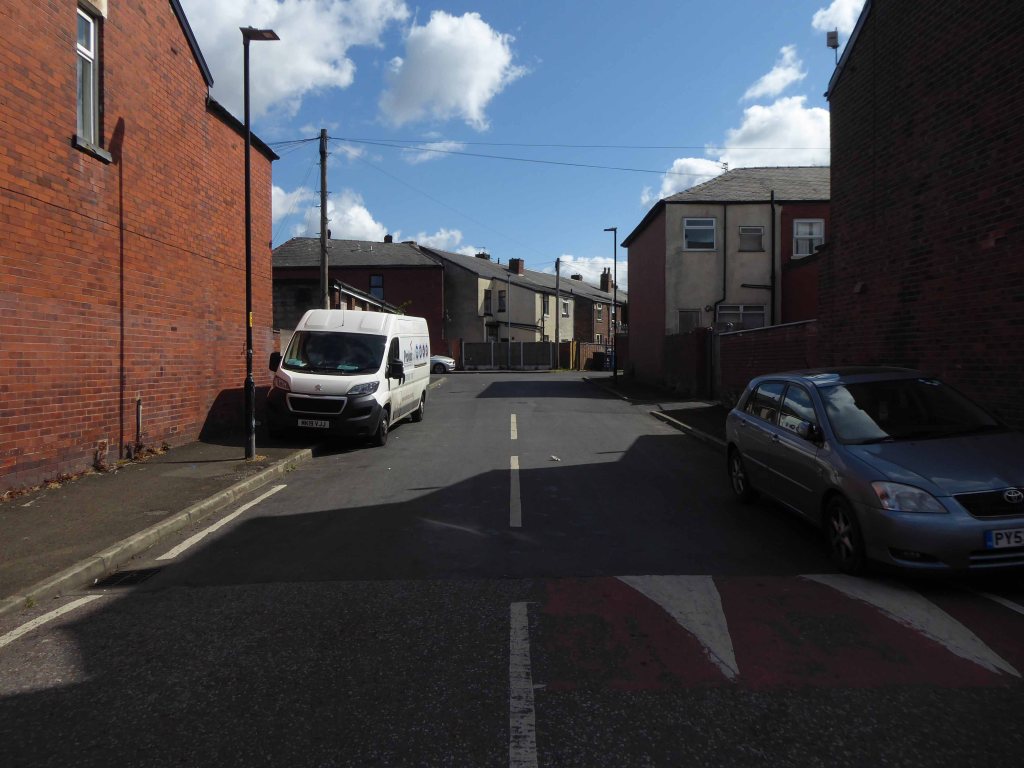
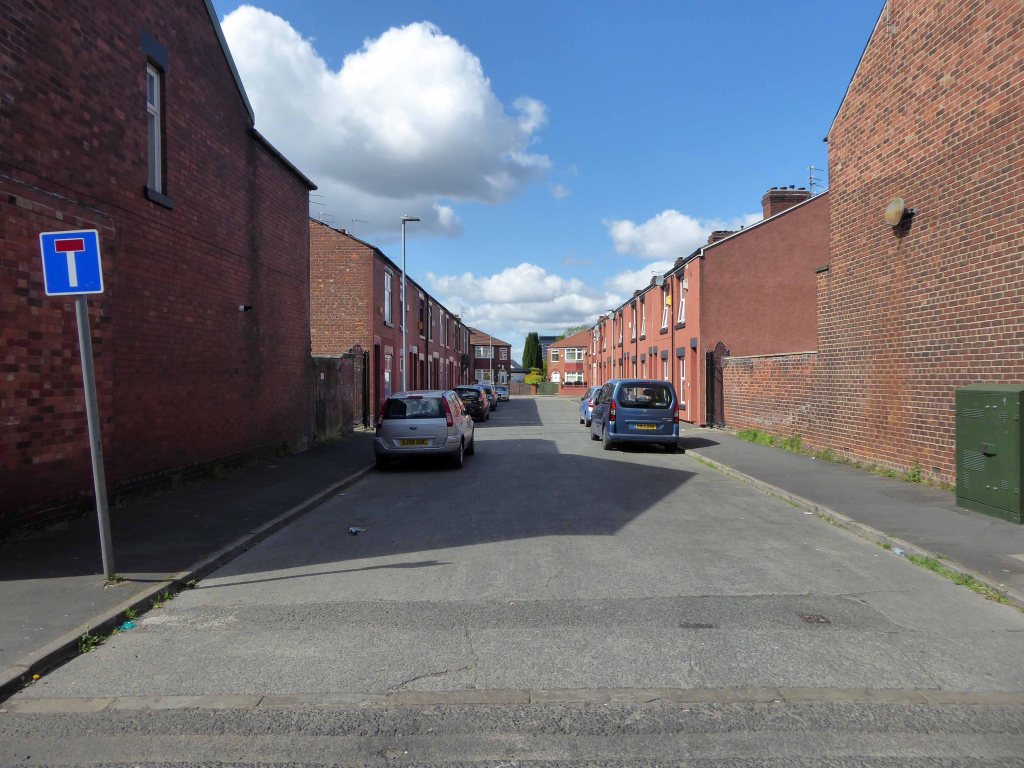
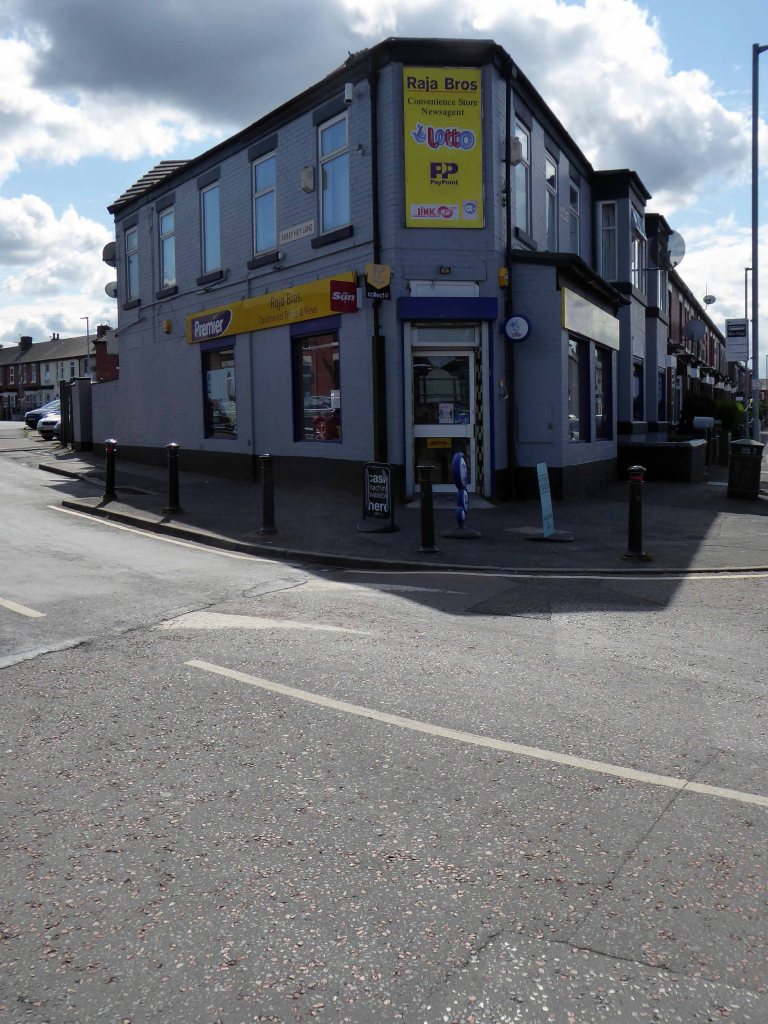
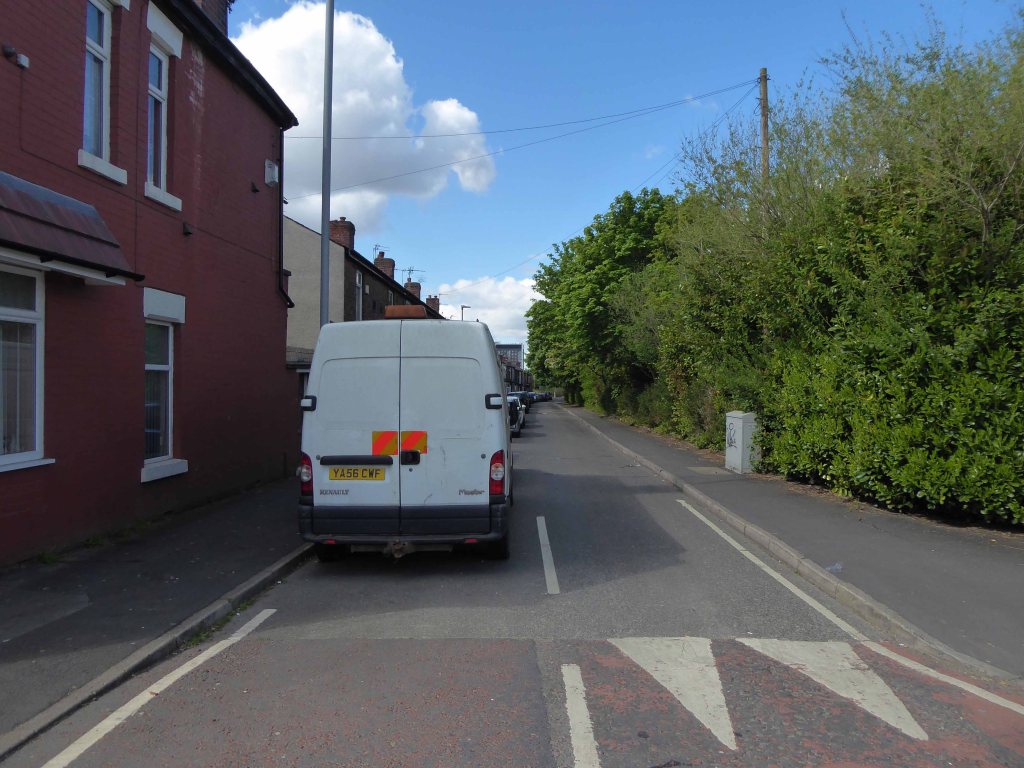
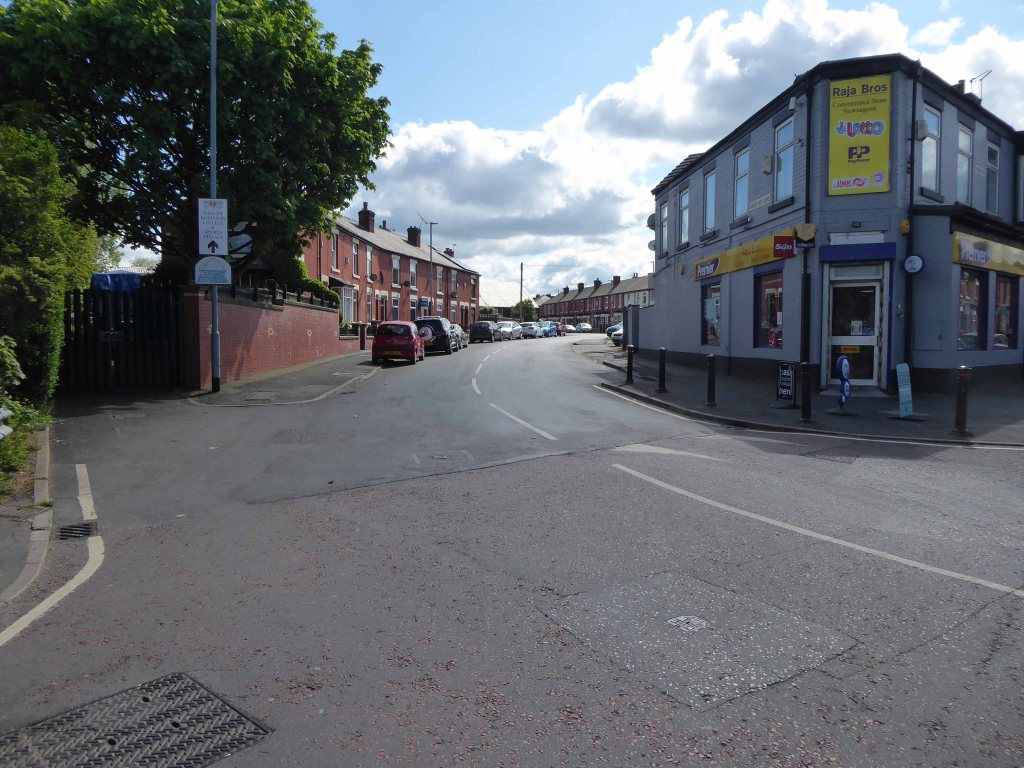
The area now has a richer racial mix – having recently become home to many African and Eastern European families. The architectural consistency of the houses has been swamped by render, window frame replacement, addition and extension, and the arrival of a plethora of motor cars. The majority of shops now long gone, as the once pedestrian community spread their retail wings and wheels elsewhere.