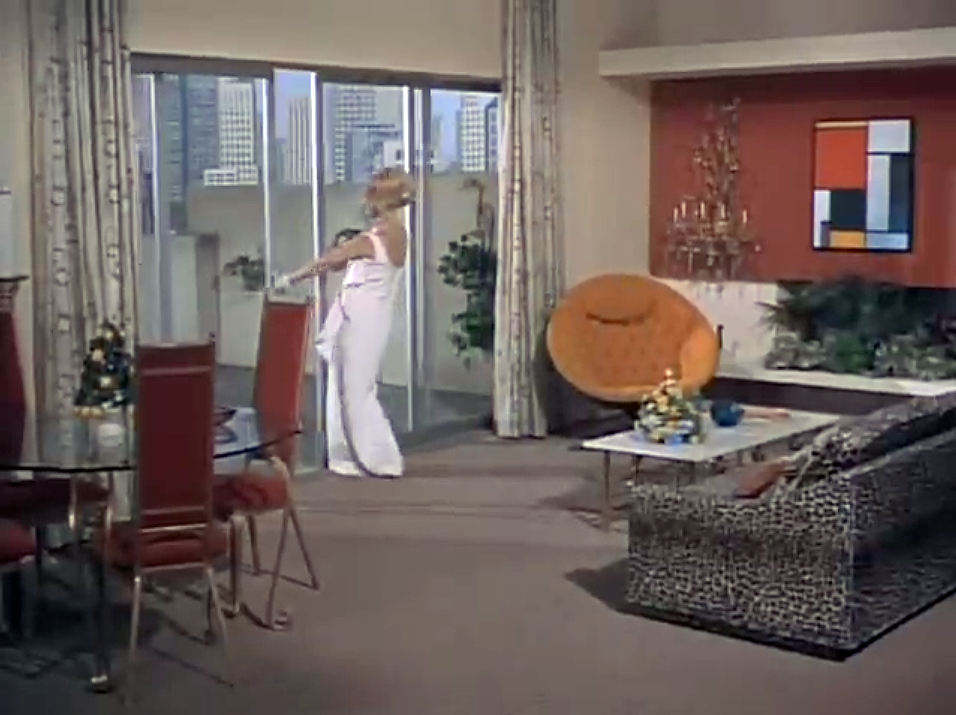
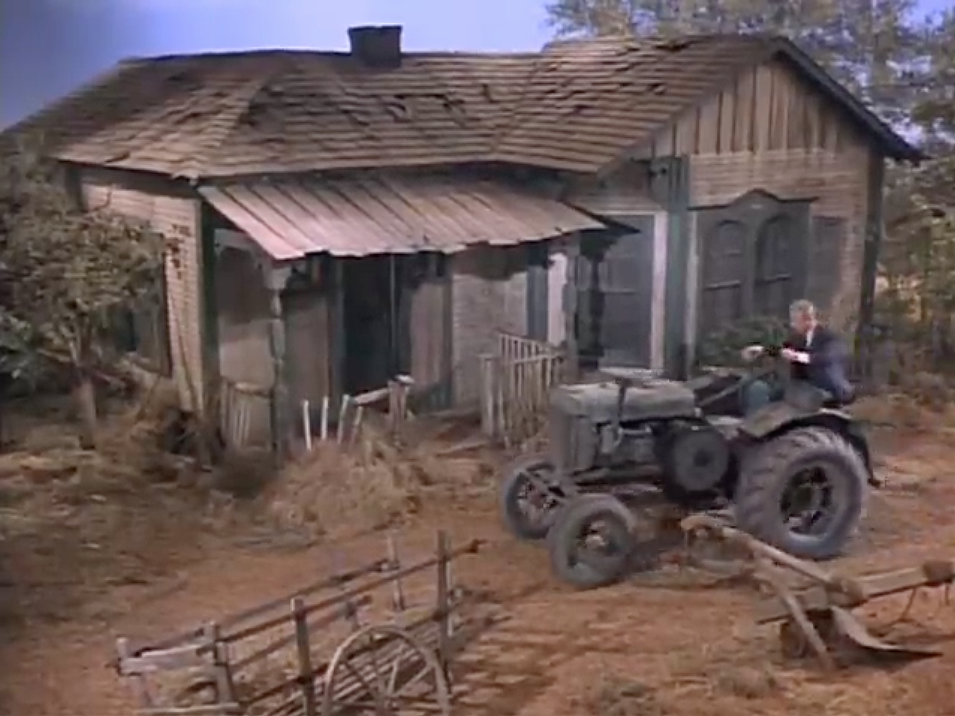
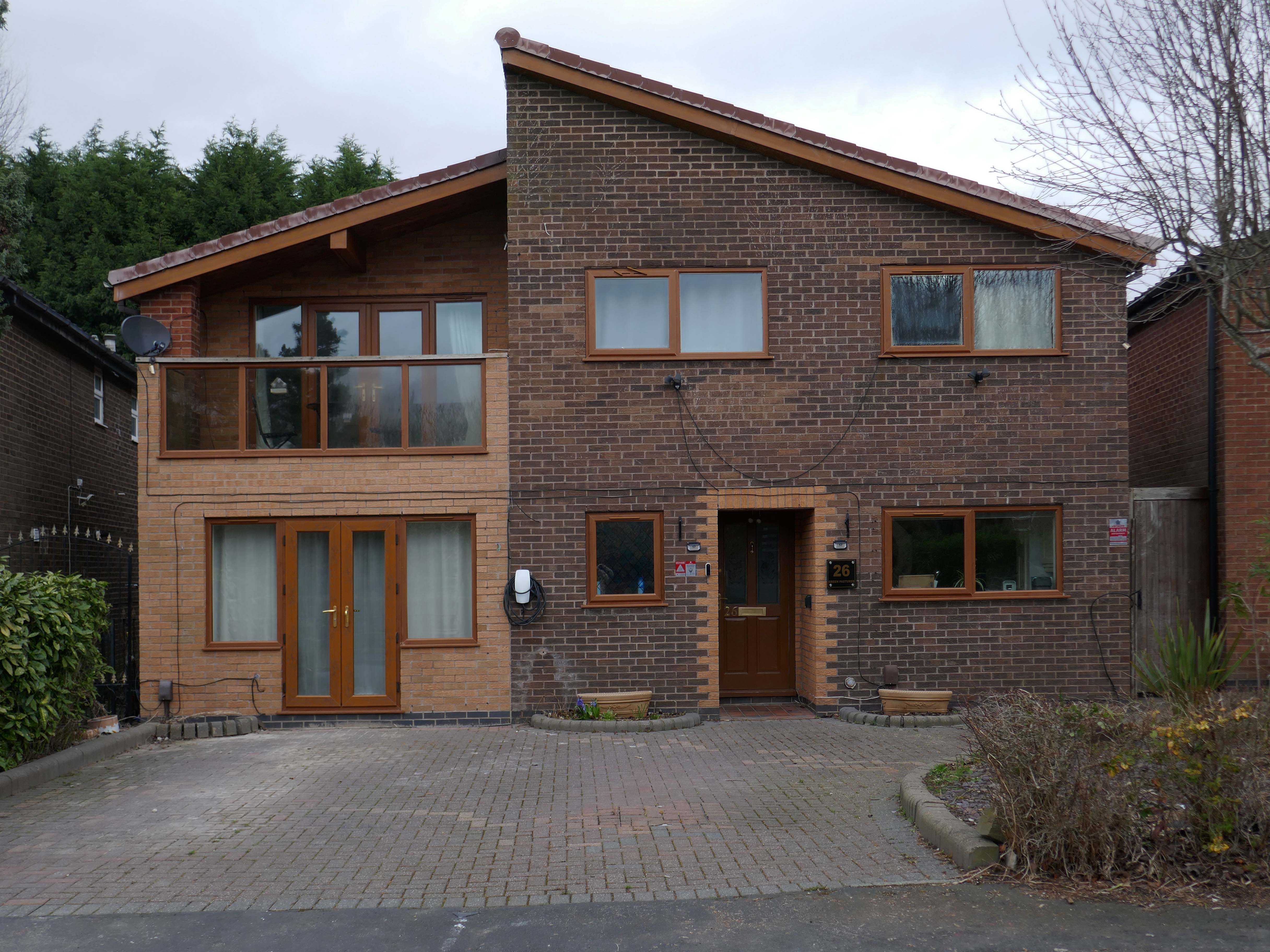
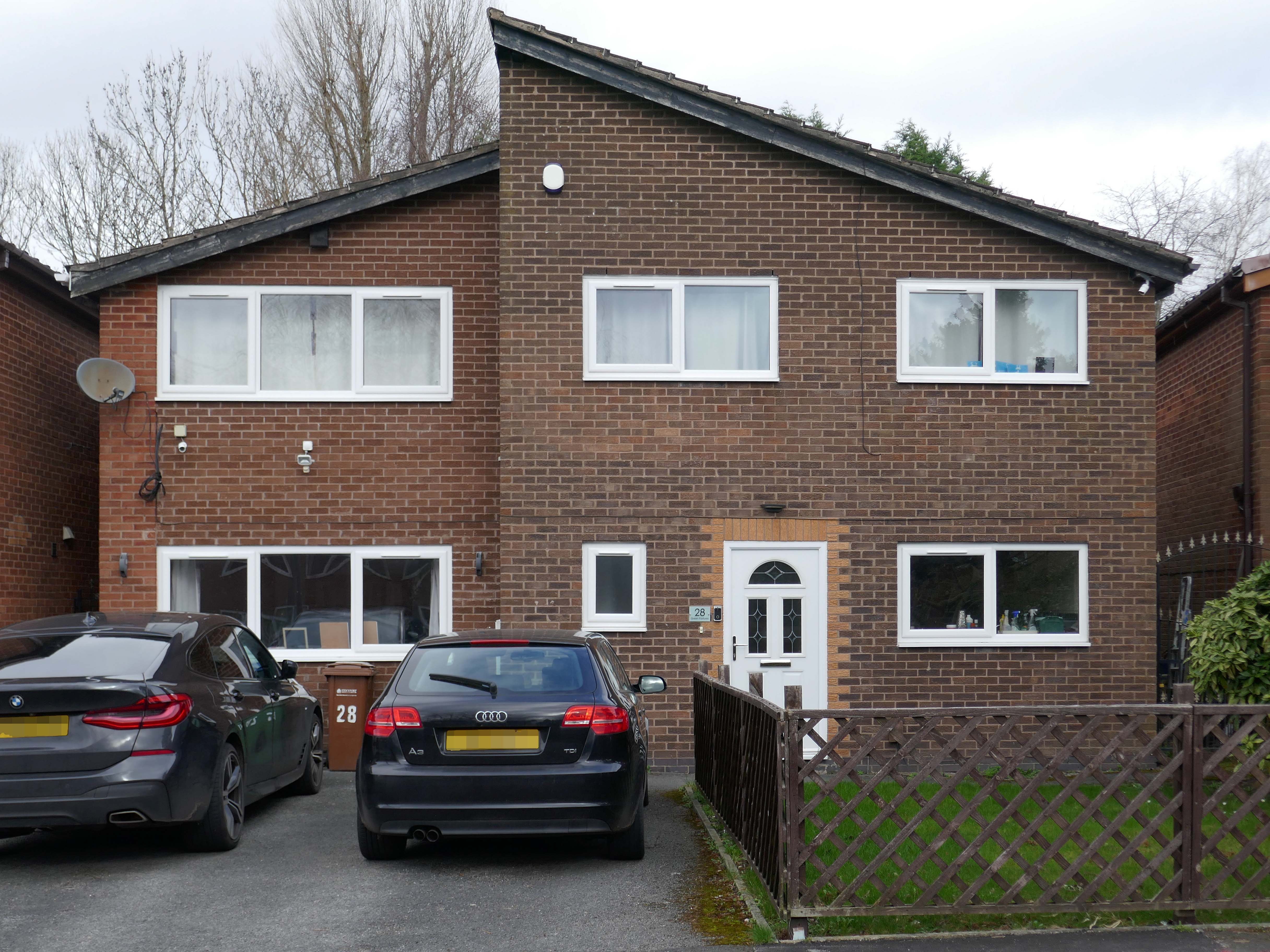
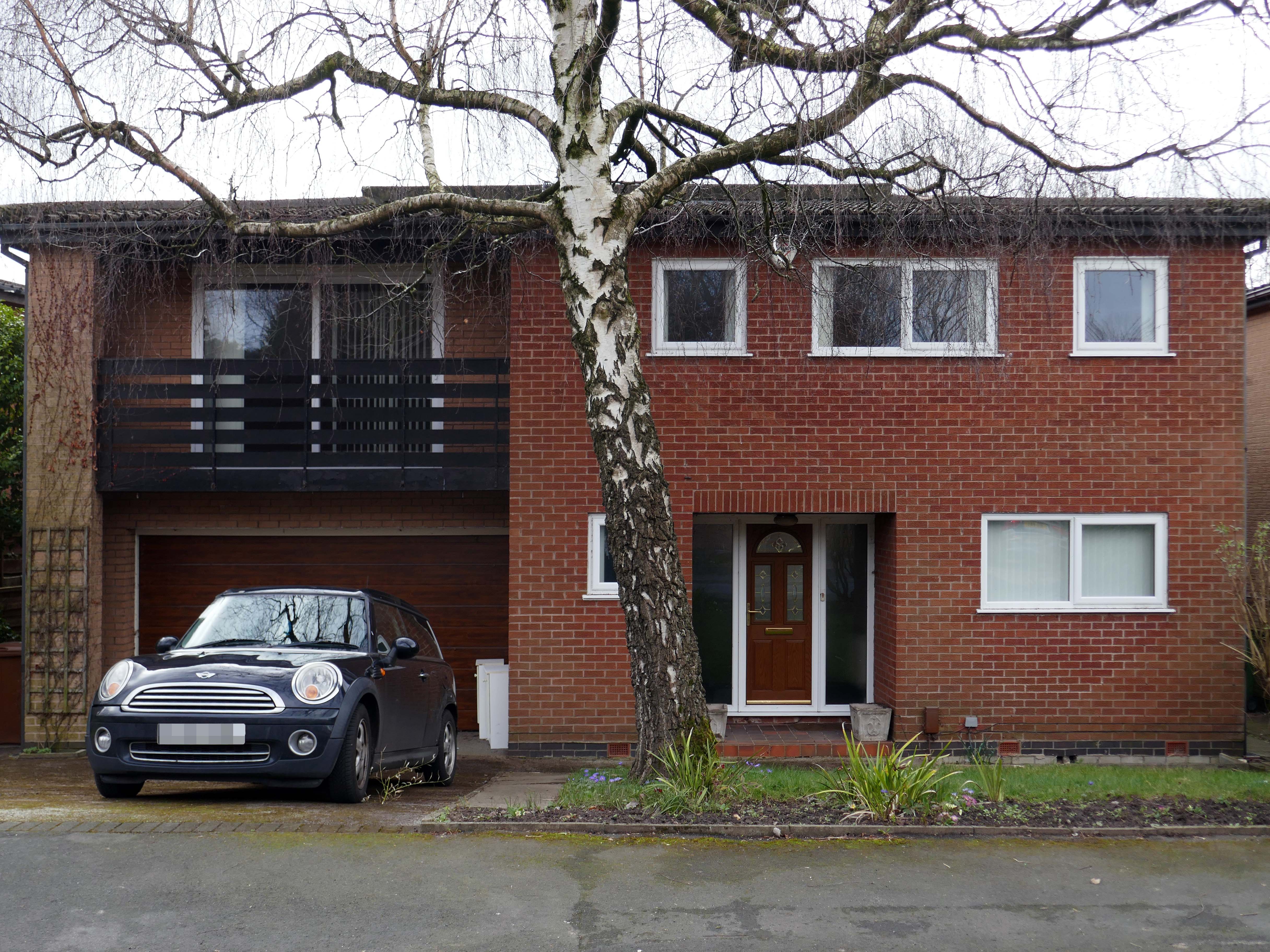
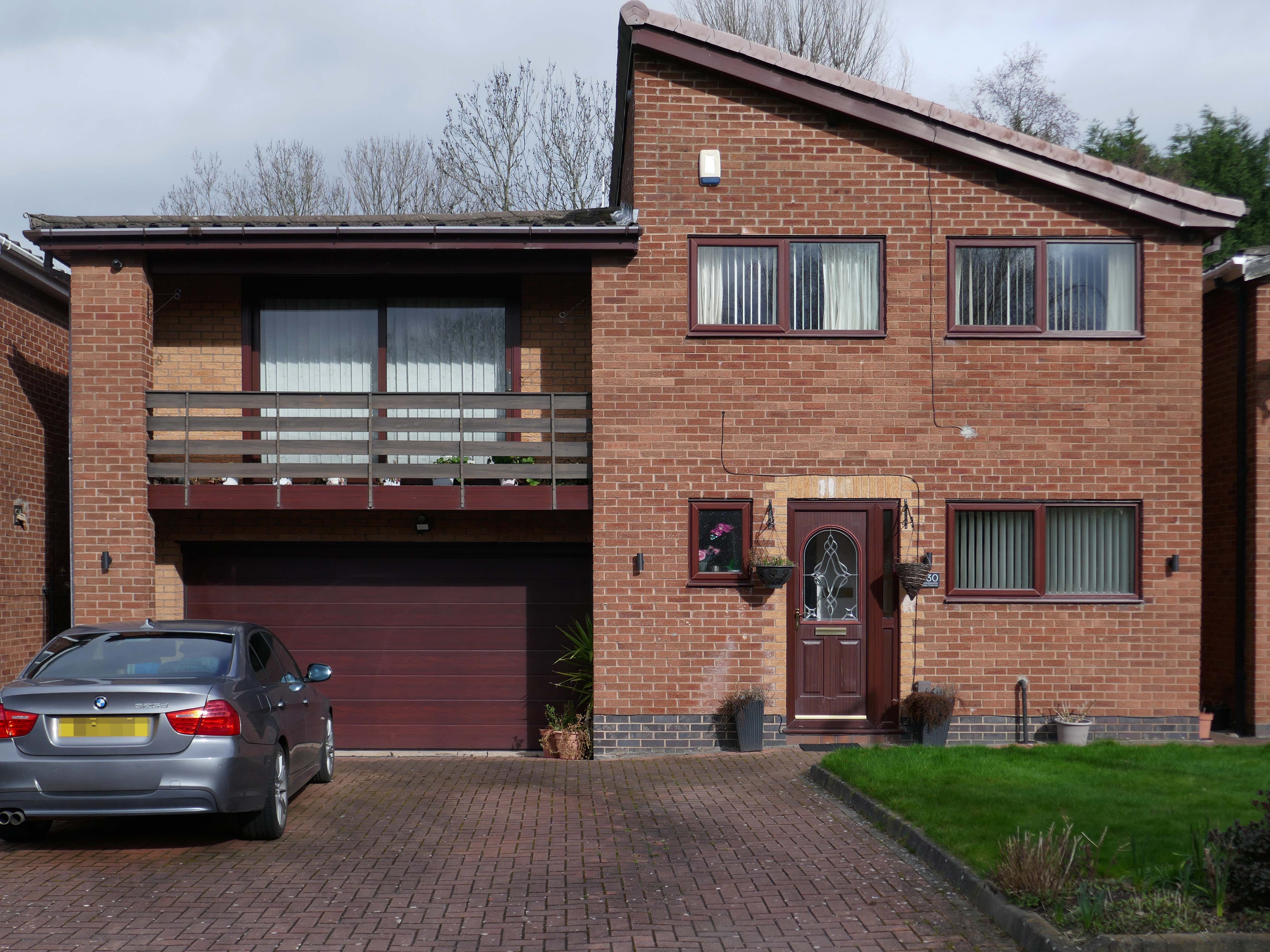
For my part I cannot help bur recall the TV show Green Acres whenever I pass by Green Pastures.
Eva Gabor preferring the glamour of Manhattan.
To the rural life.
Culturally and stylistically, Green Pastures sits somewhere betwixt and between.
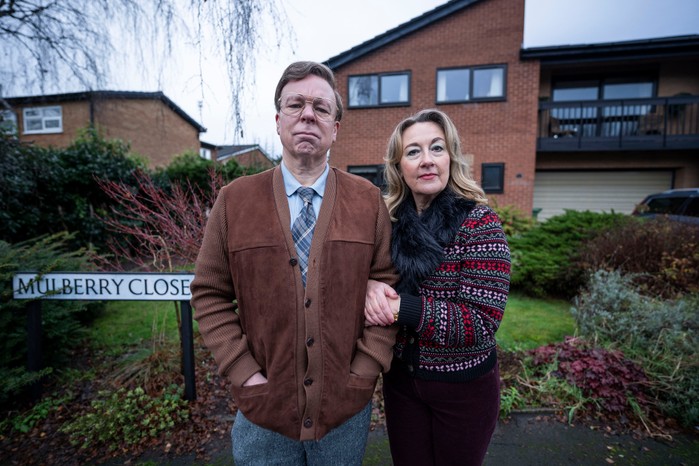
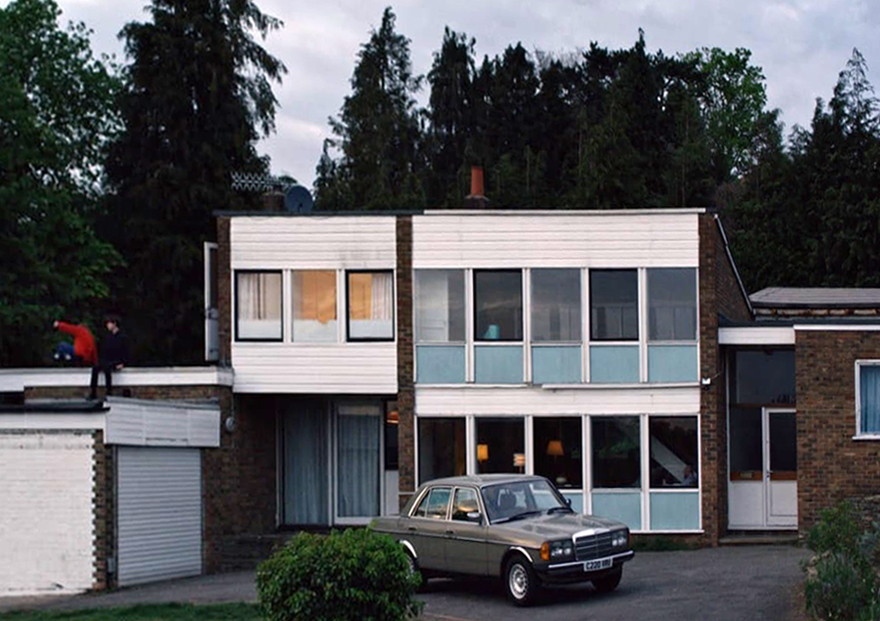
In reality the fictional life of Green Pastures became Mulberry Close, in the hit TV show Inside No. Nine
Vinette Robinson, Reece Shearsmith, Adrian Scarborough, Steve Pemberton and Dorothy Atkinson.
So much for the scriptwriters wild imaginings, what does the road look like?
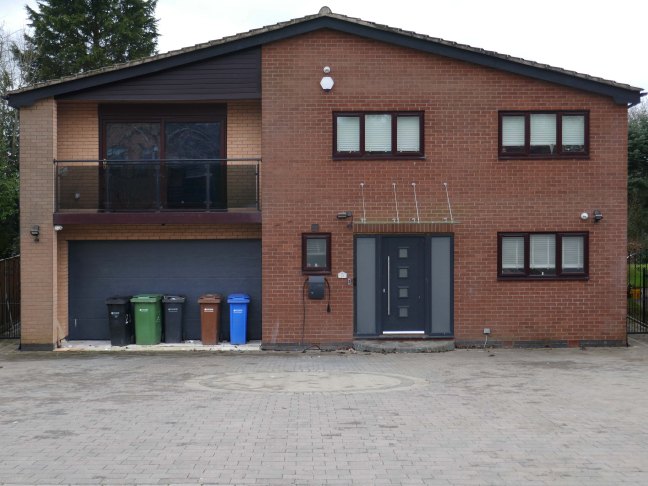
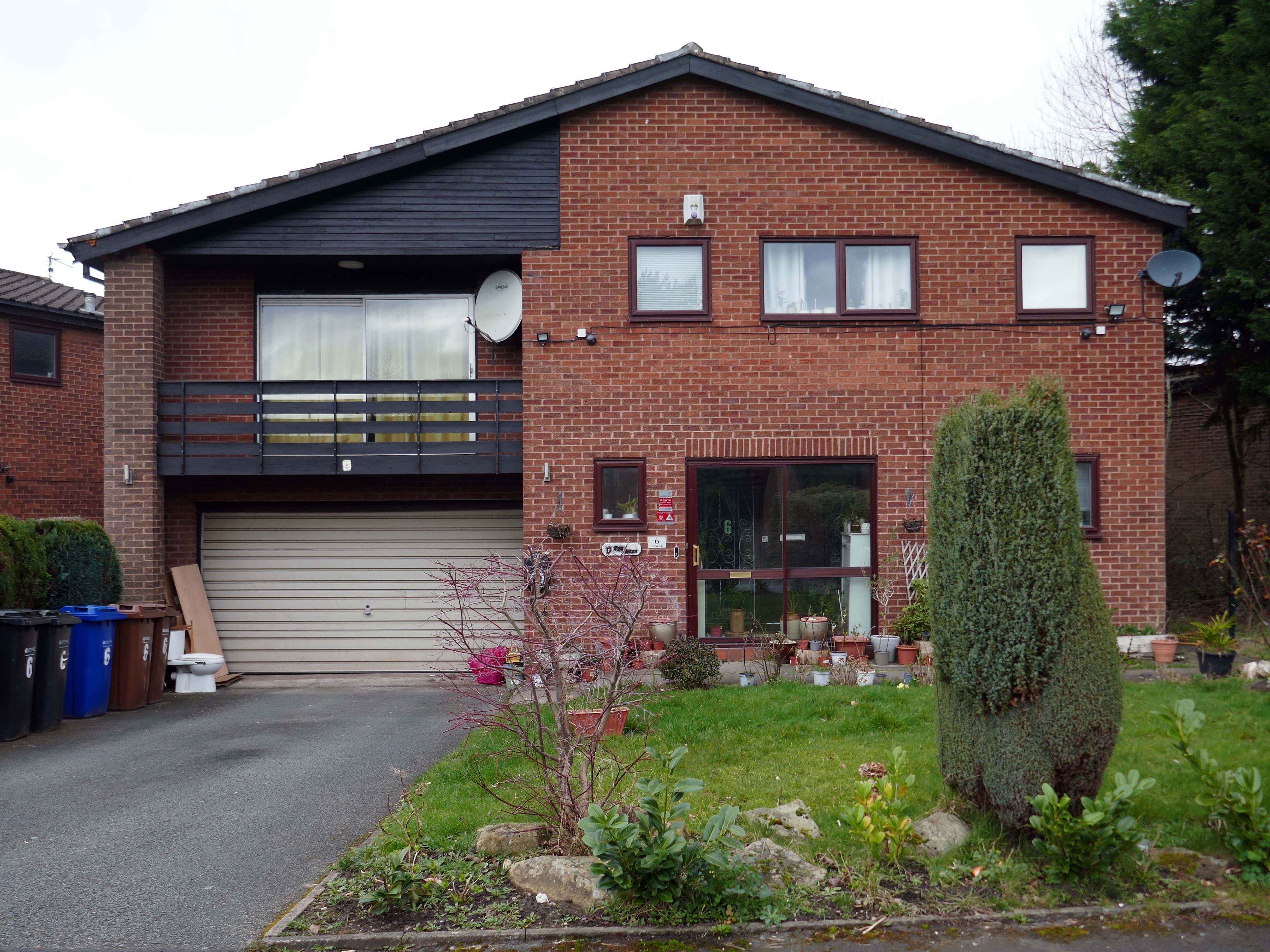
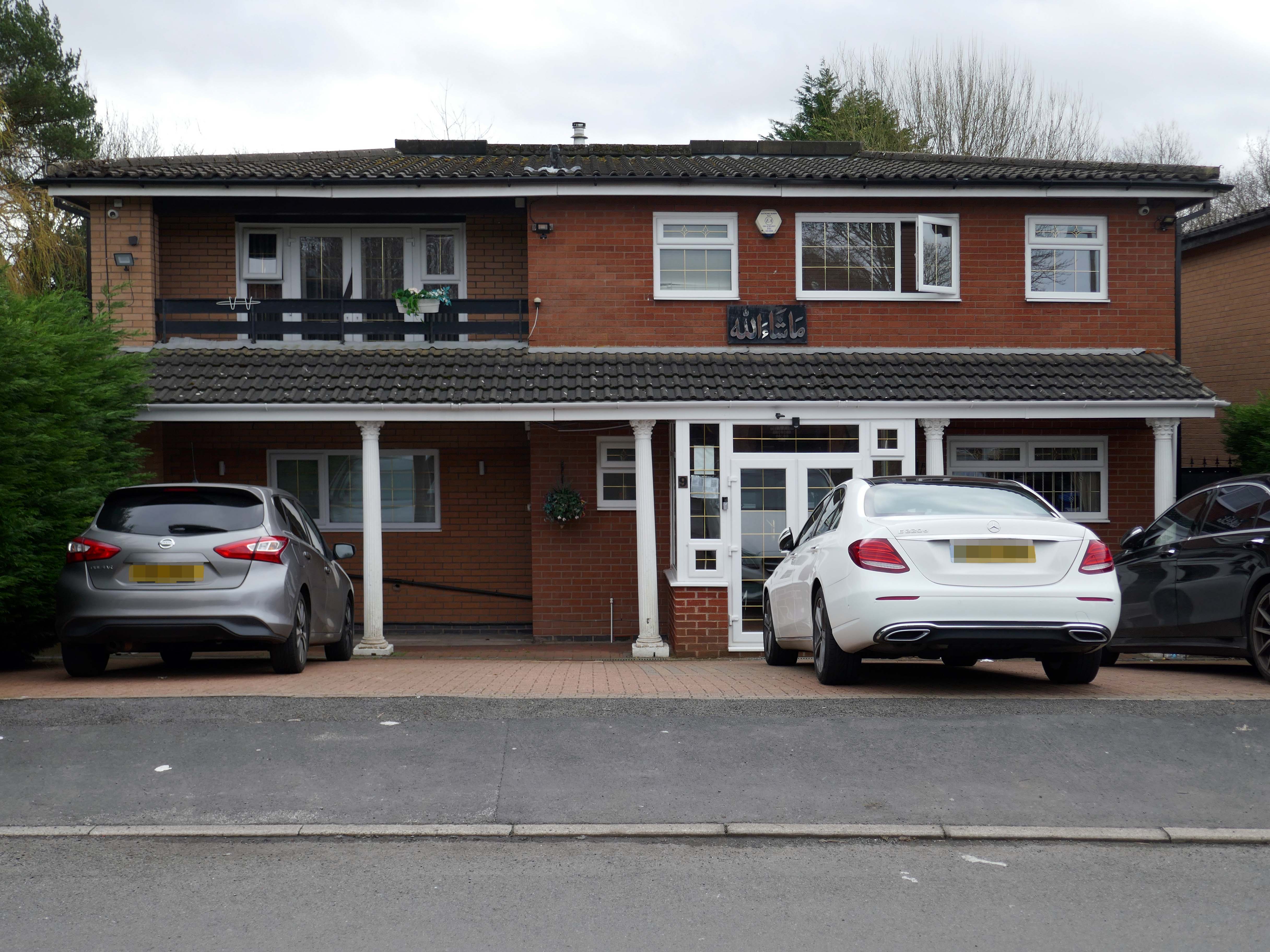
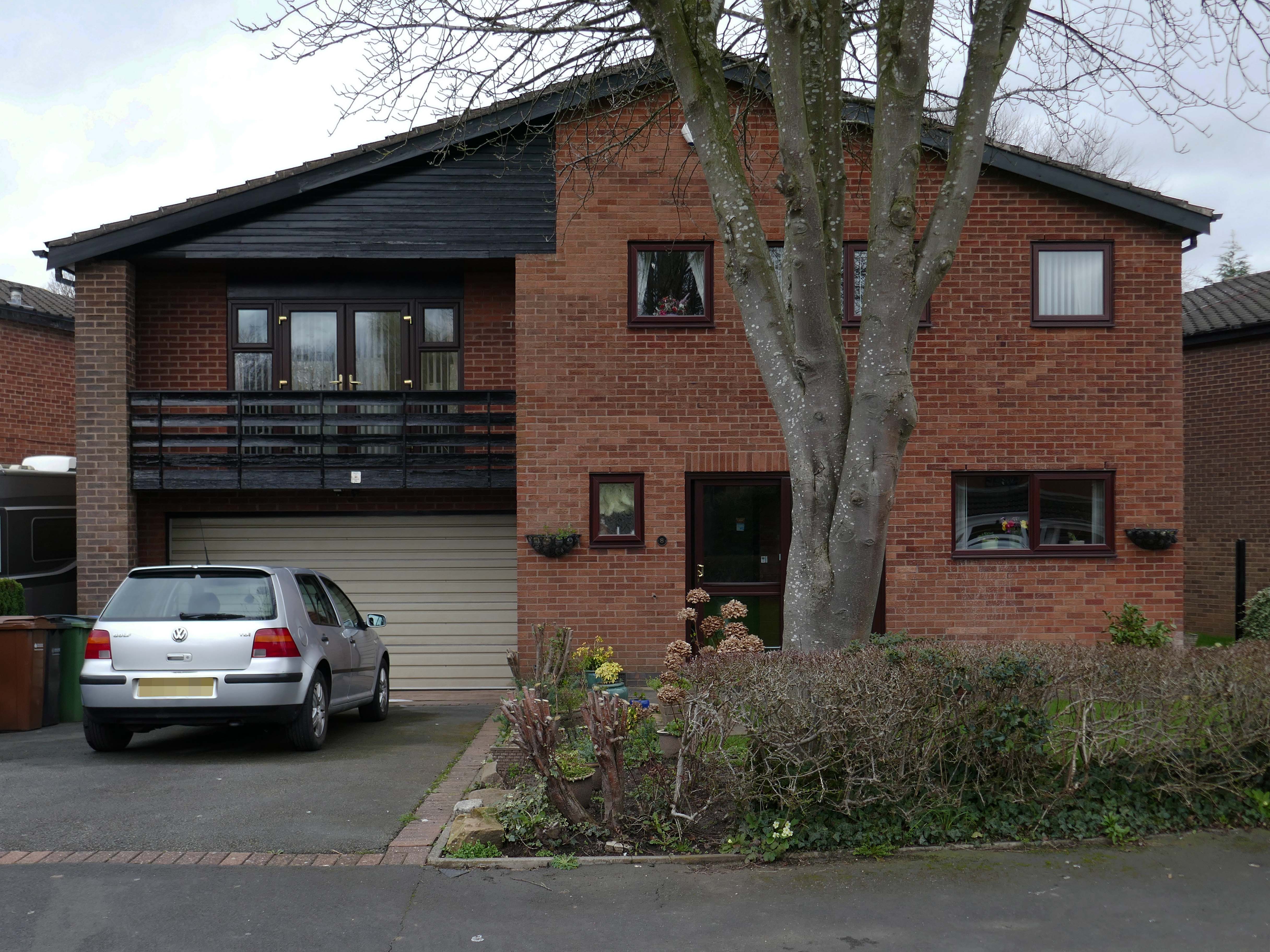
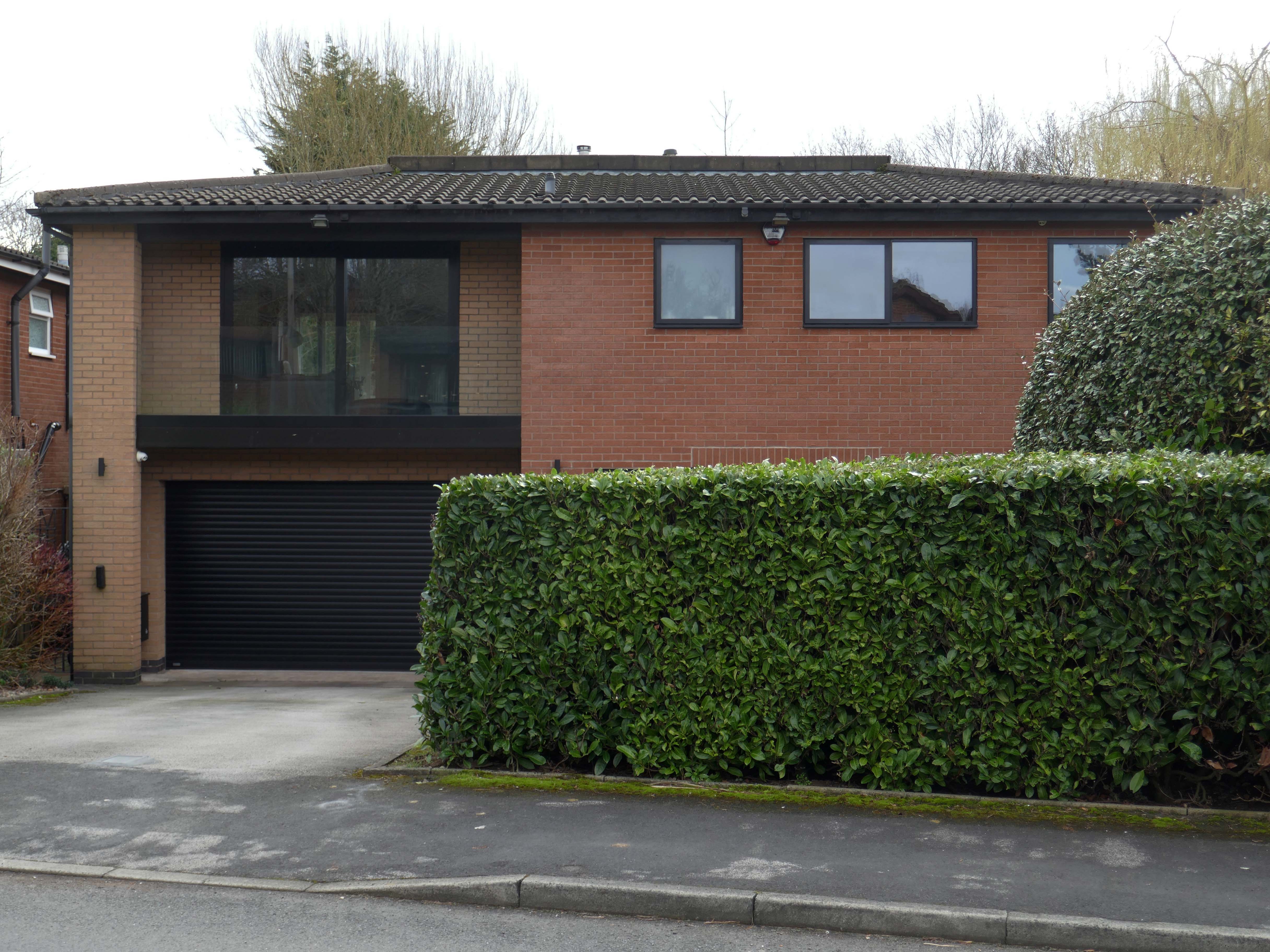
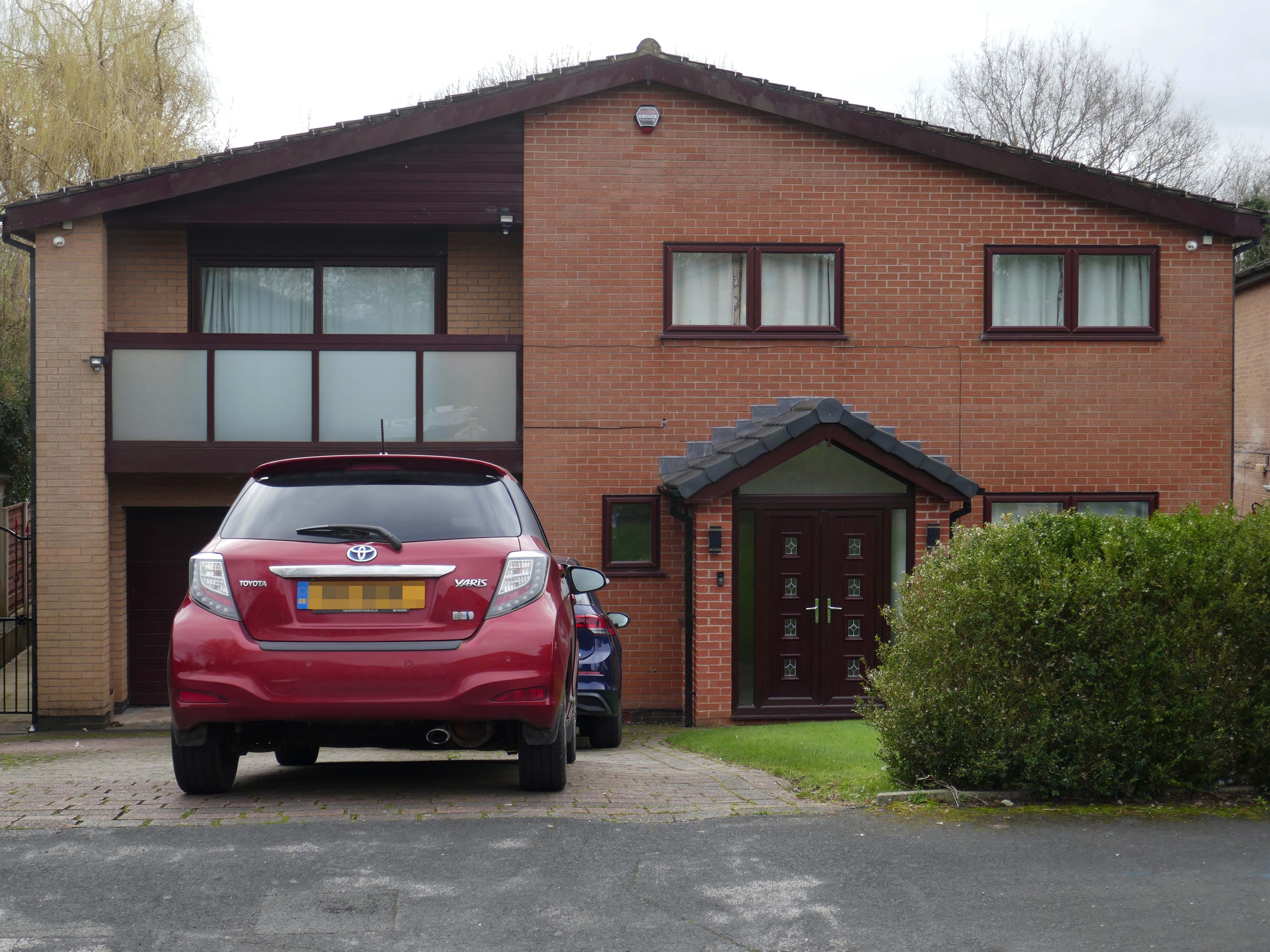
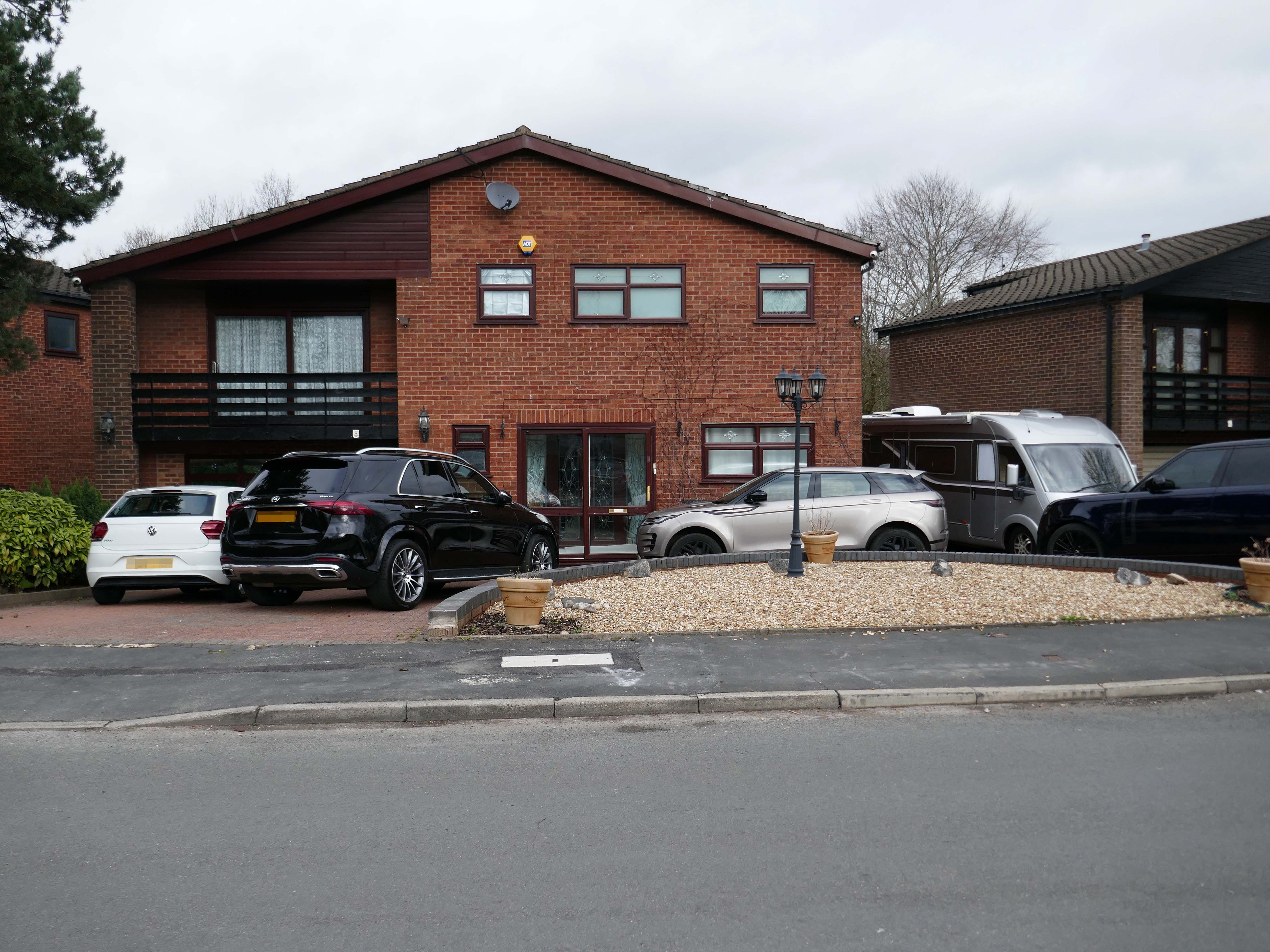
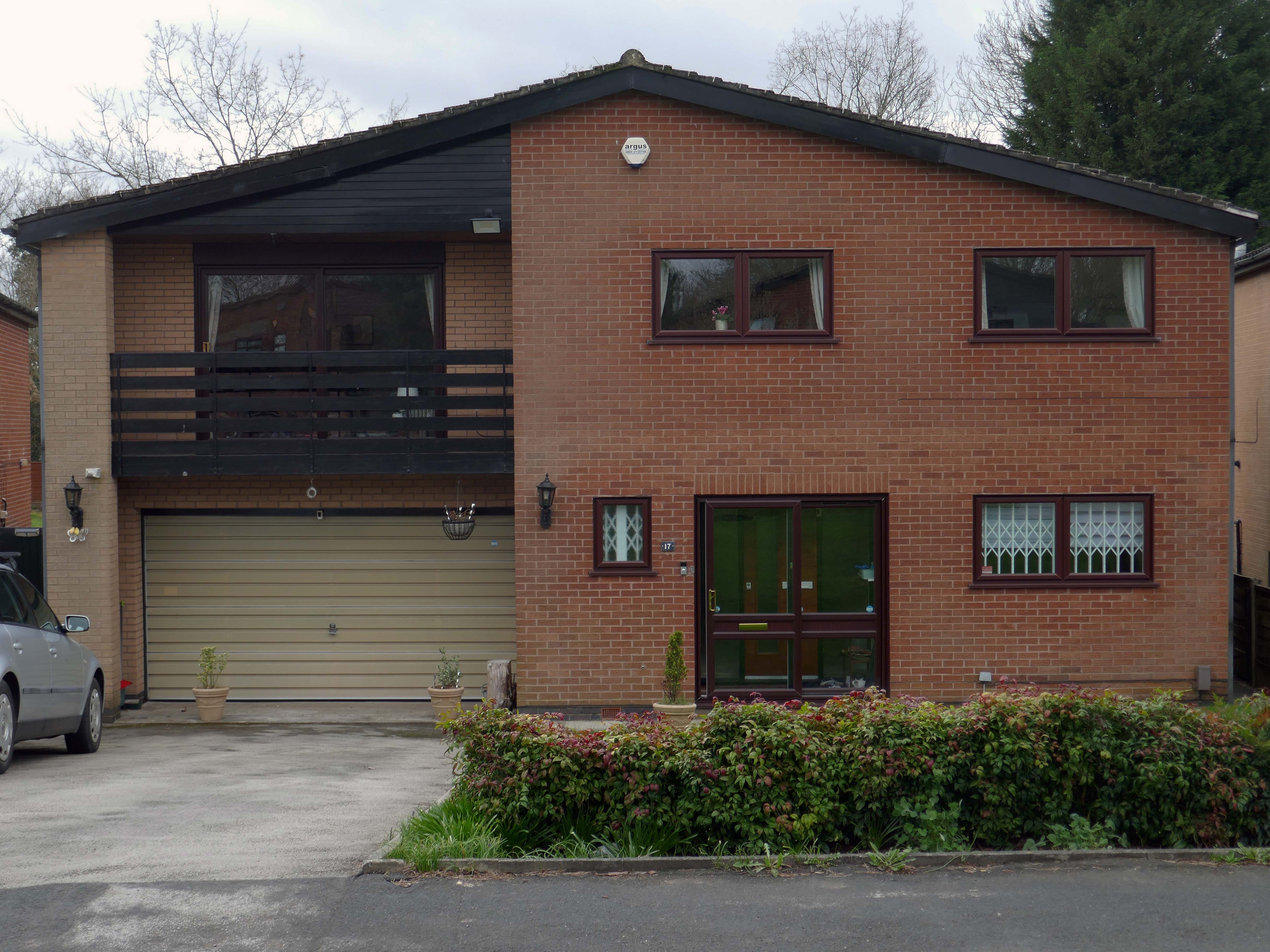
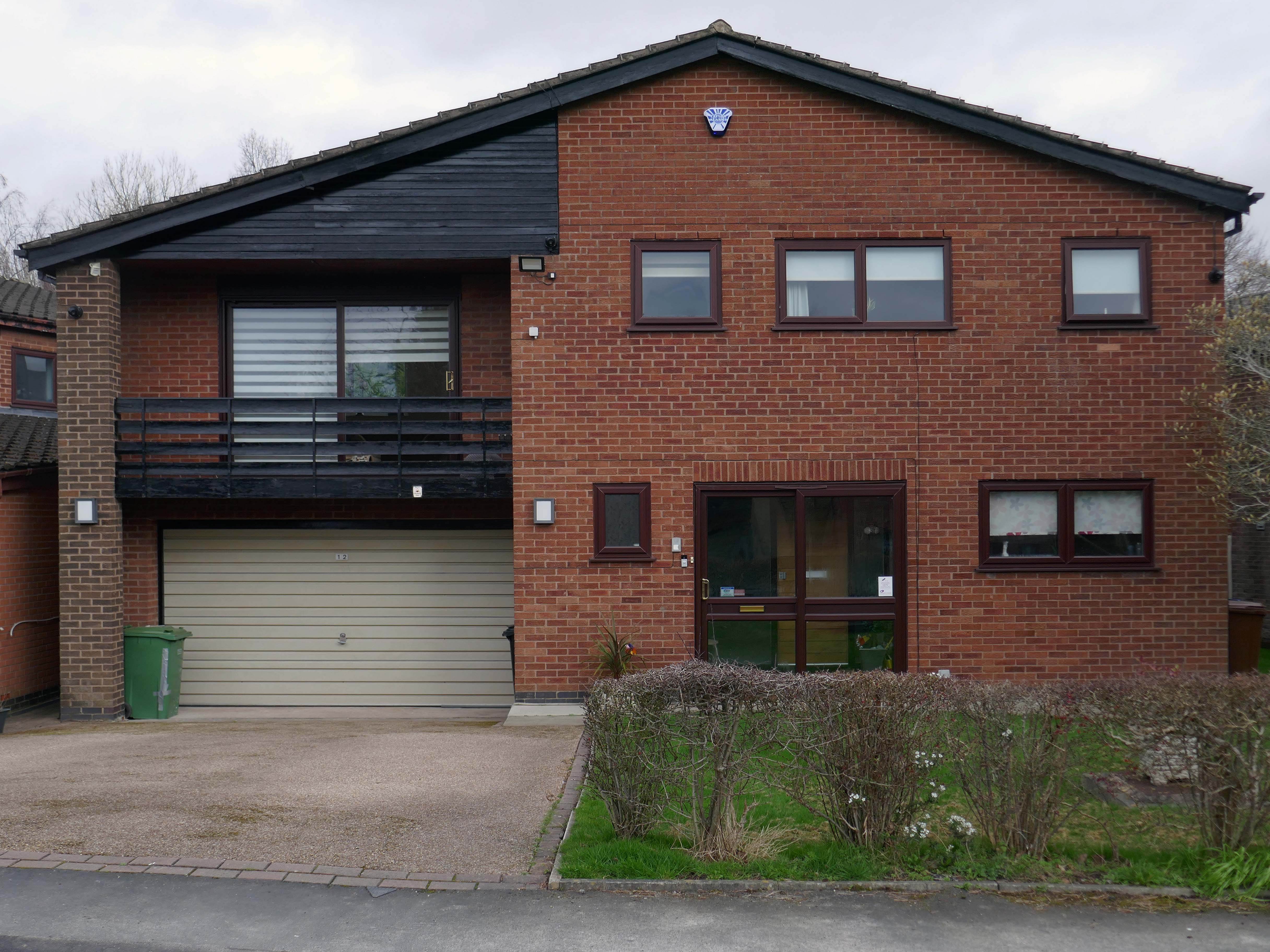
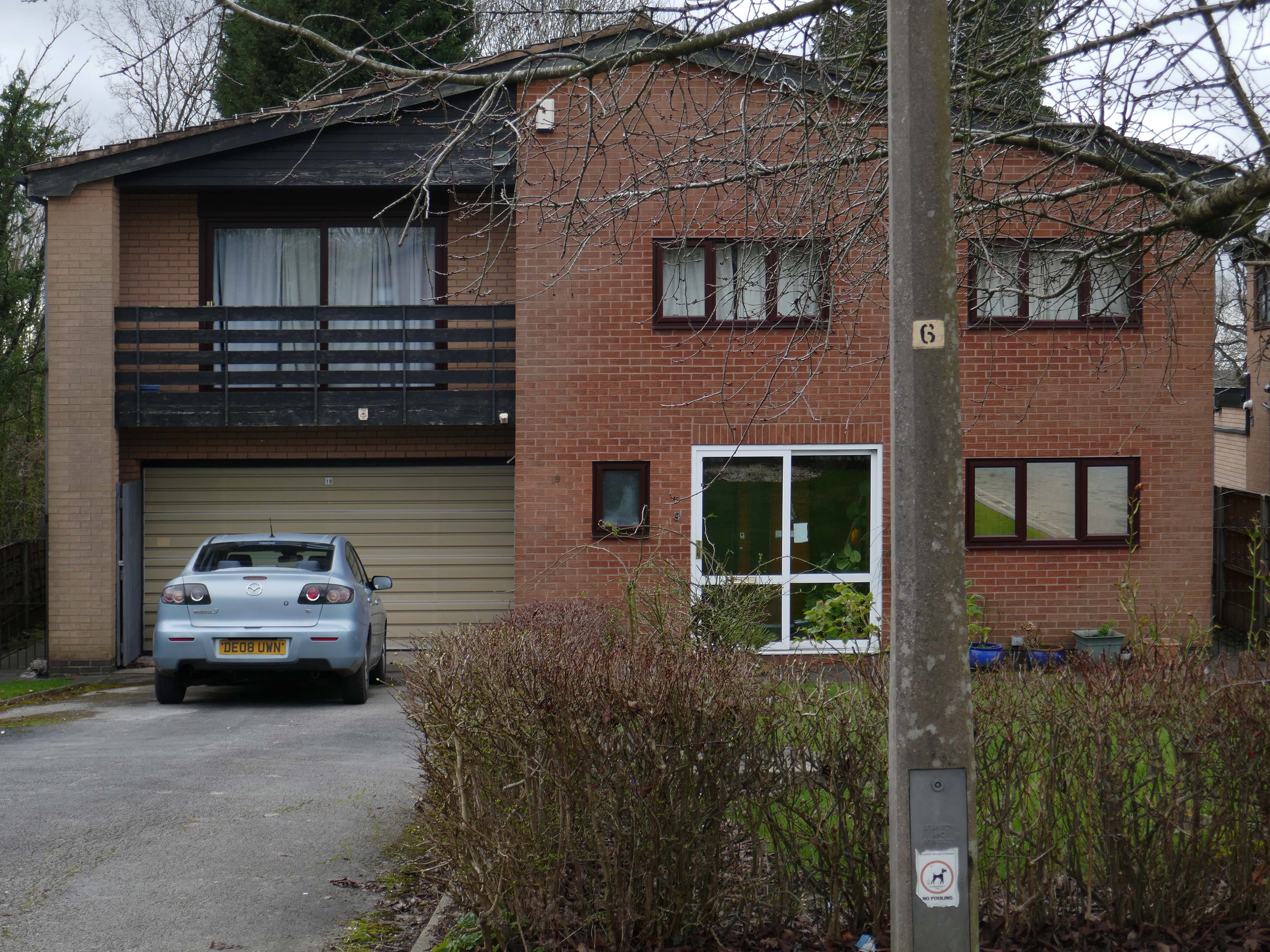
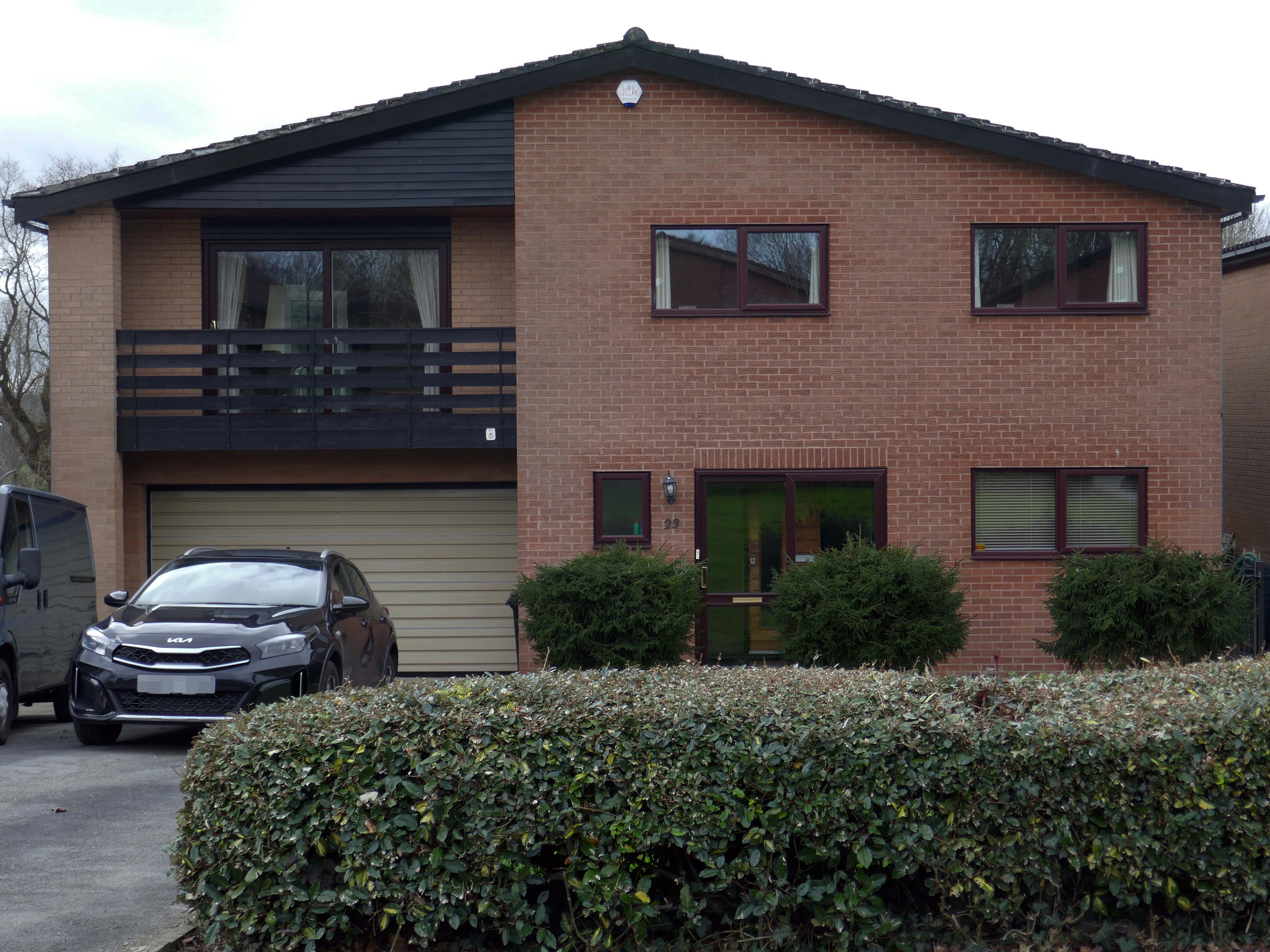
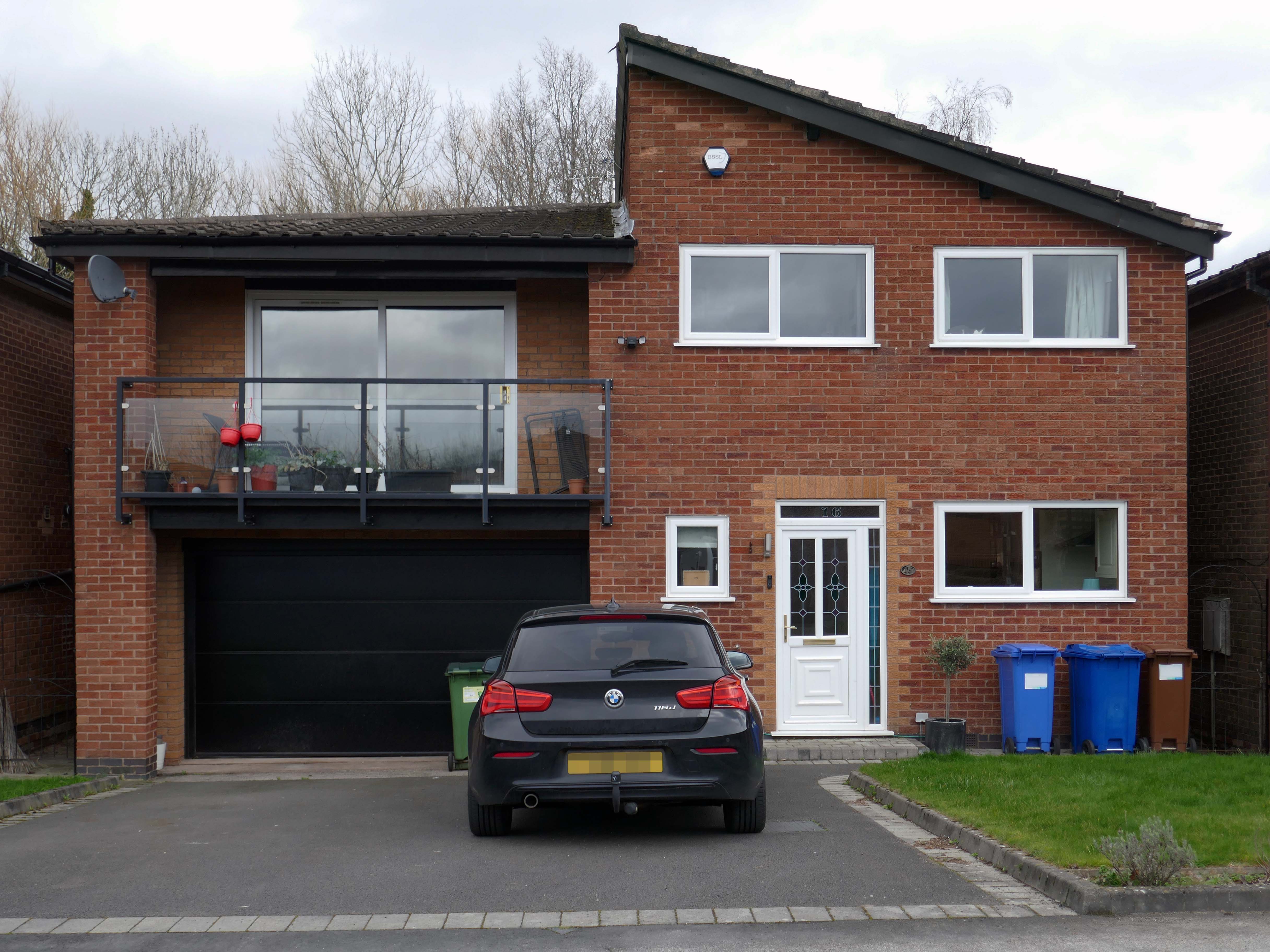
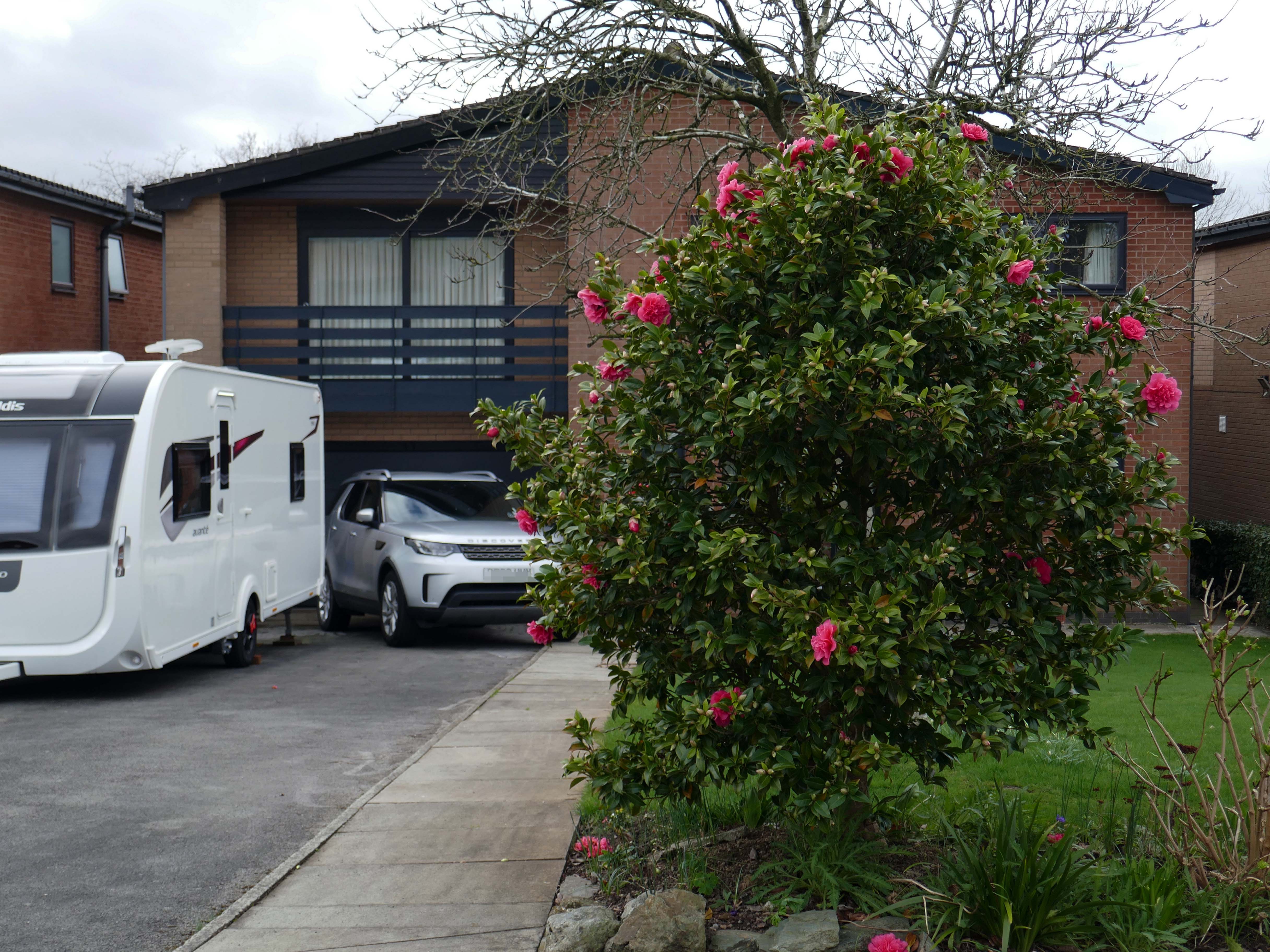
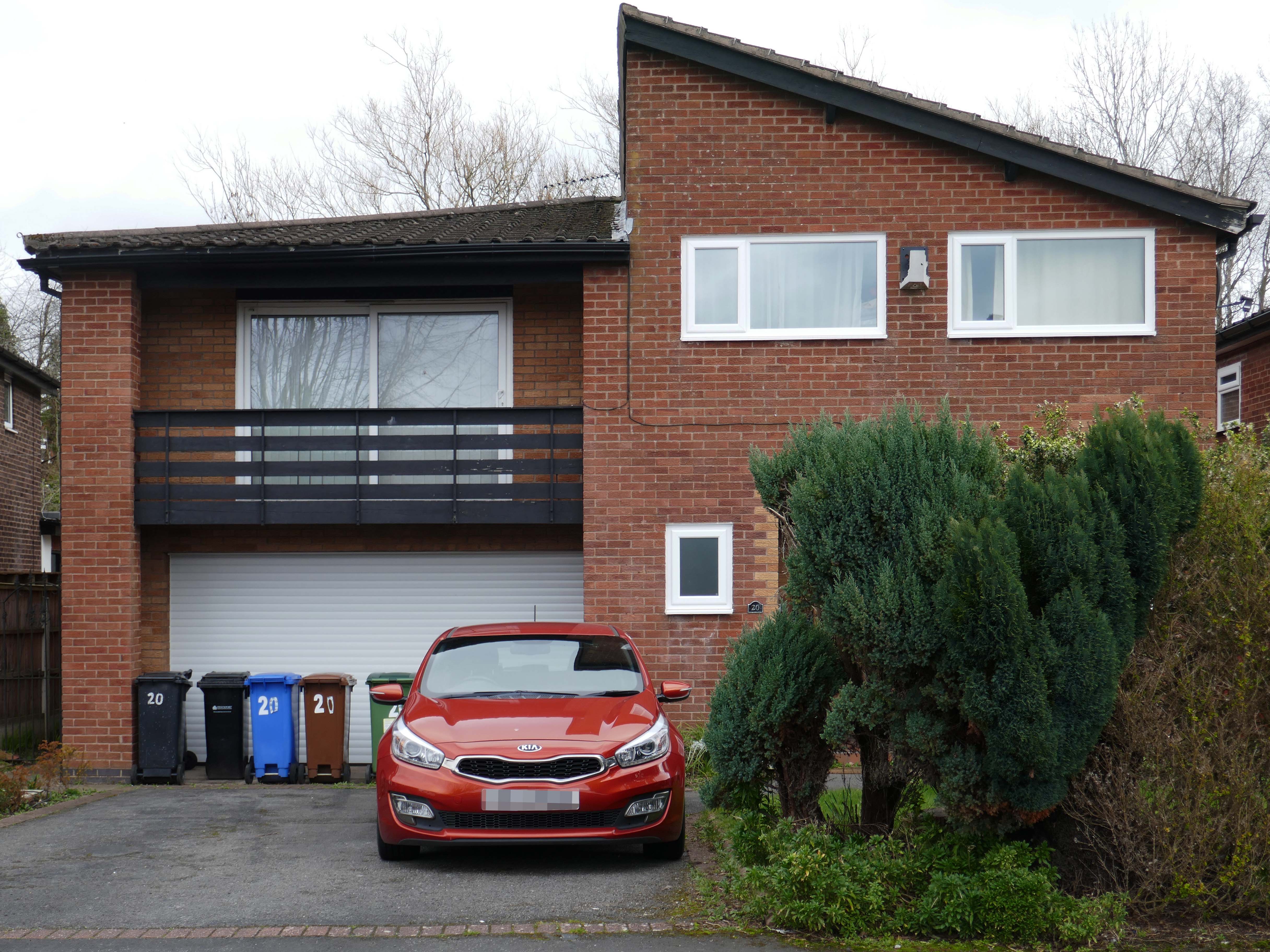
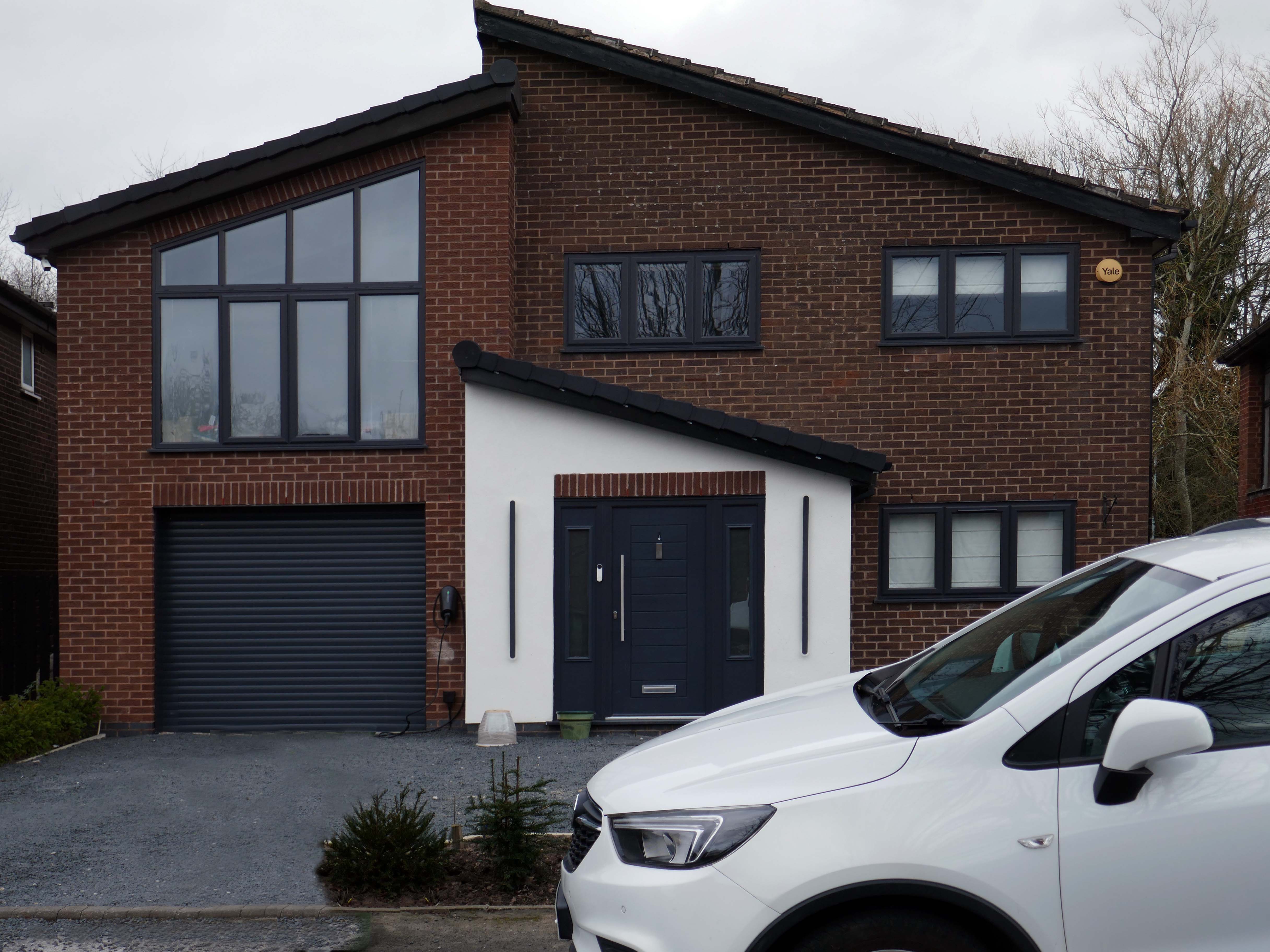
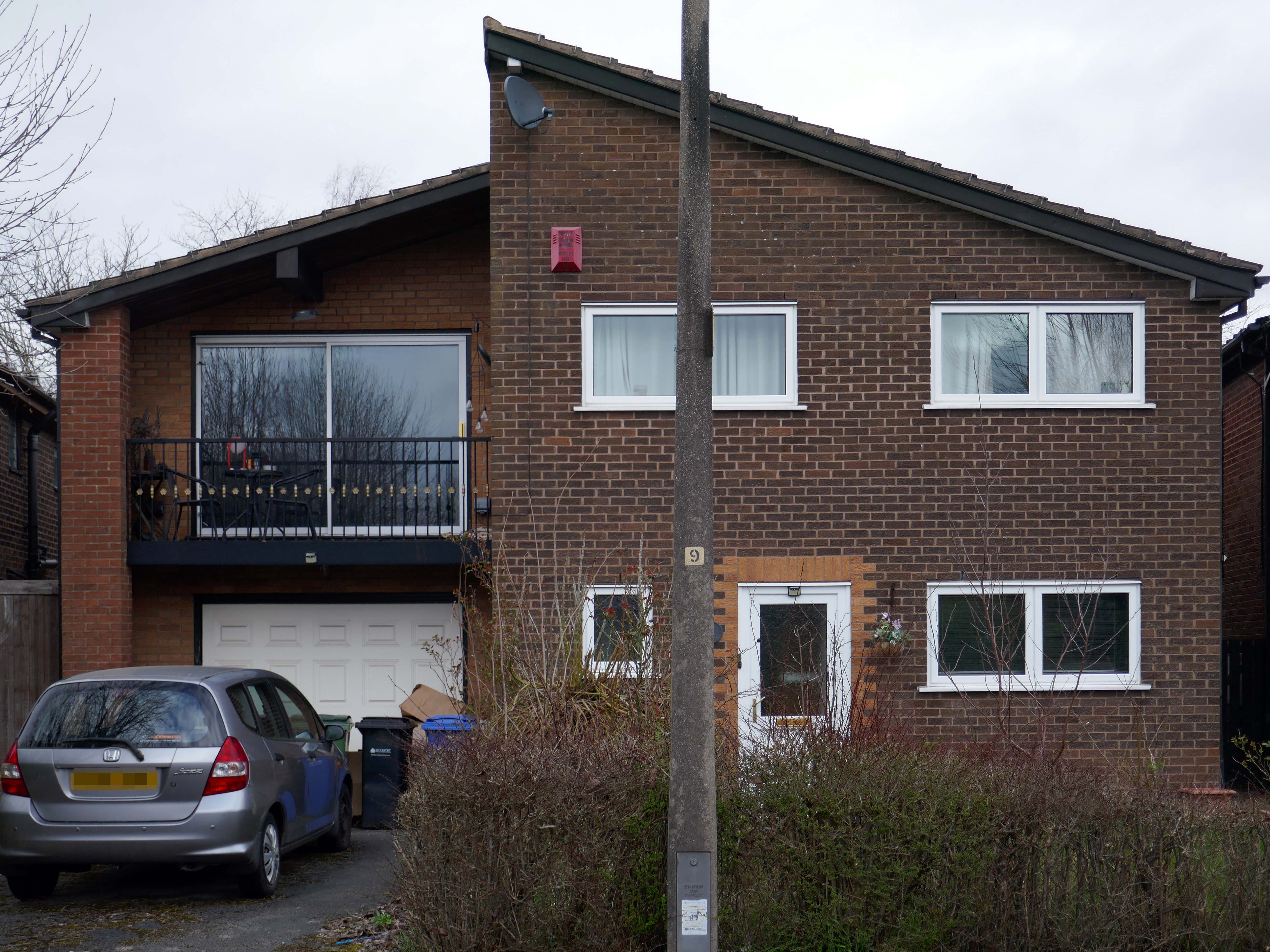
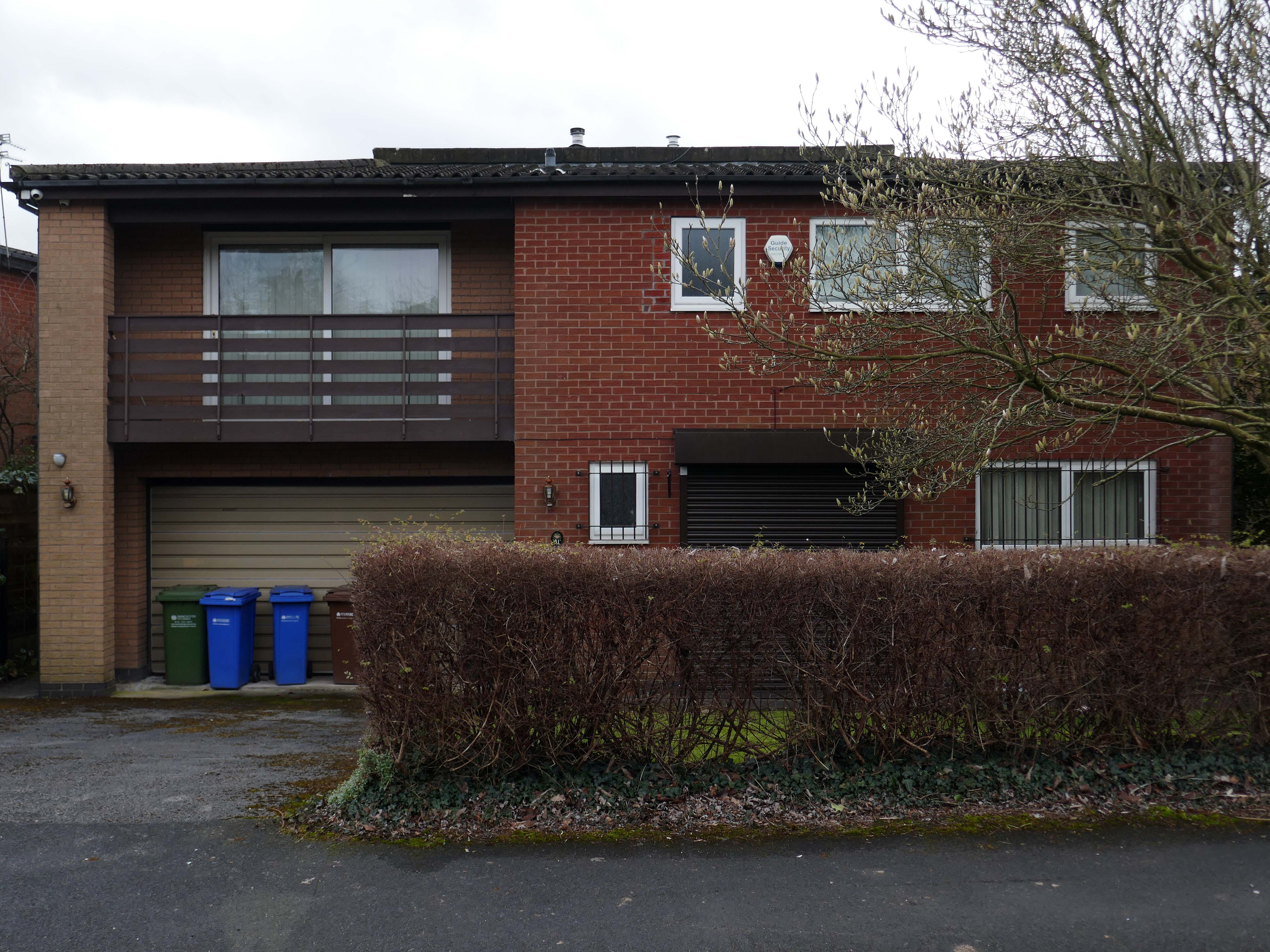
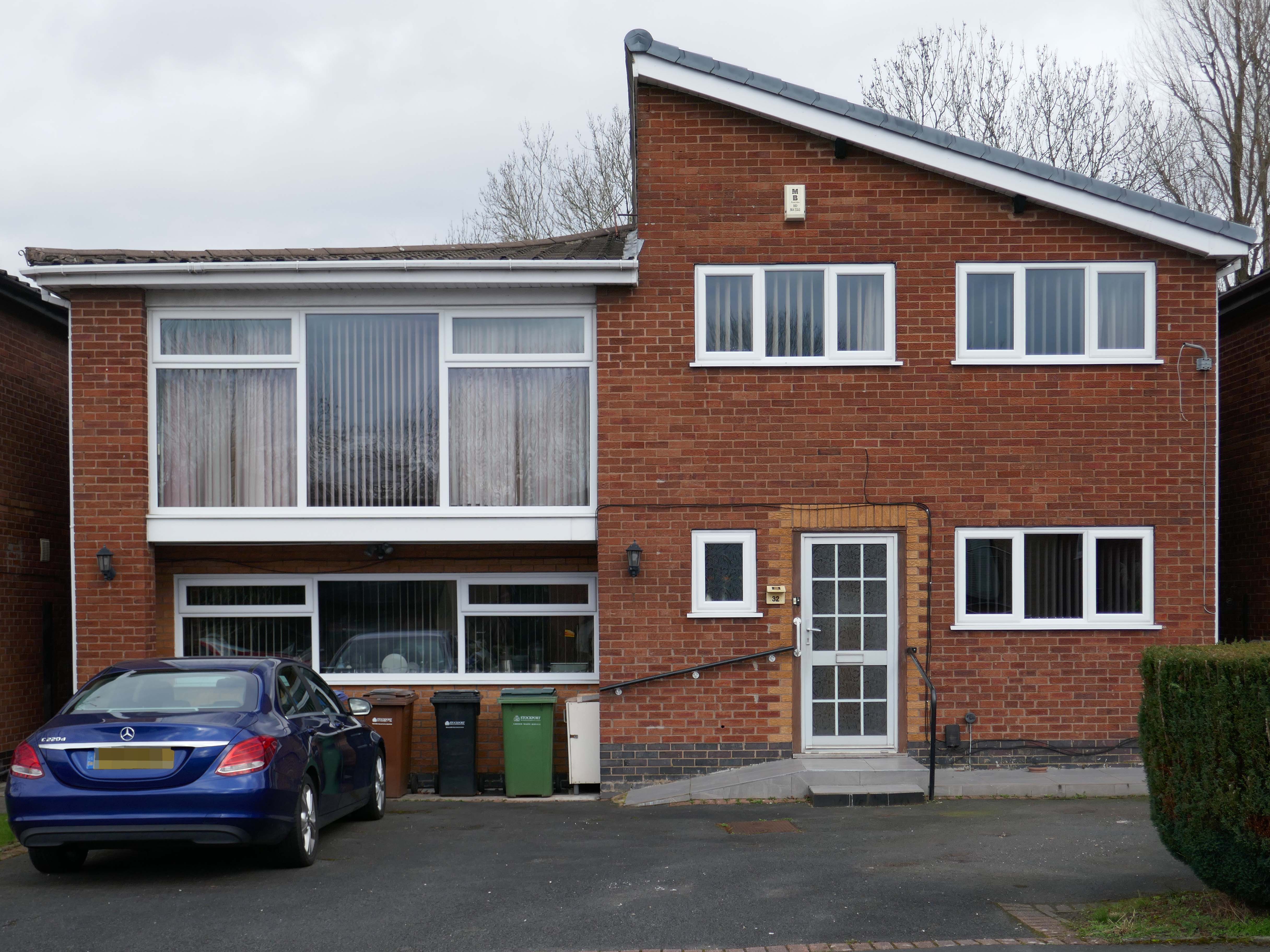
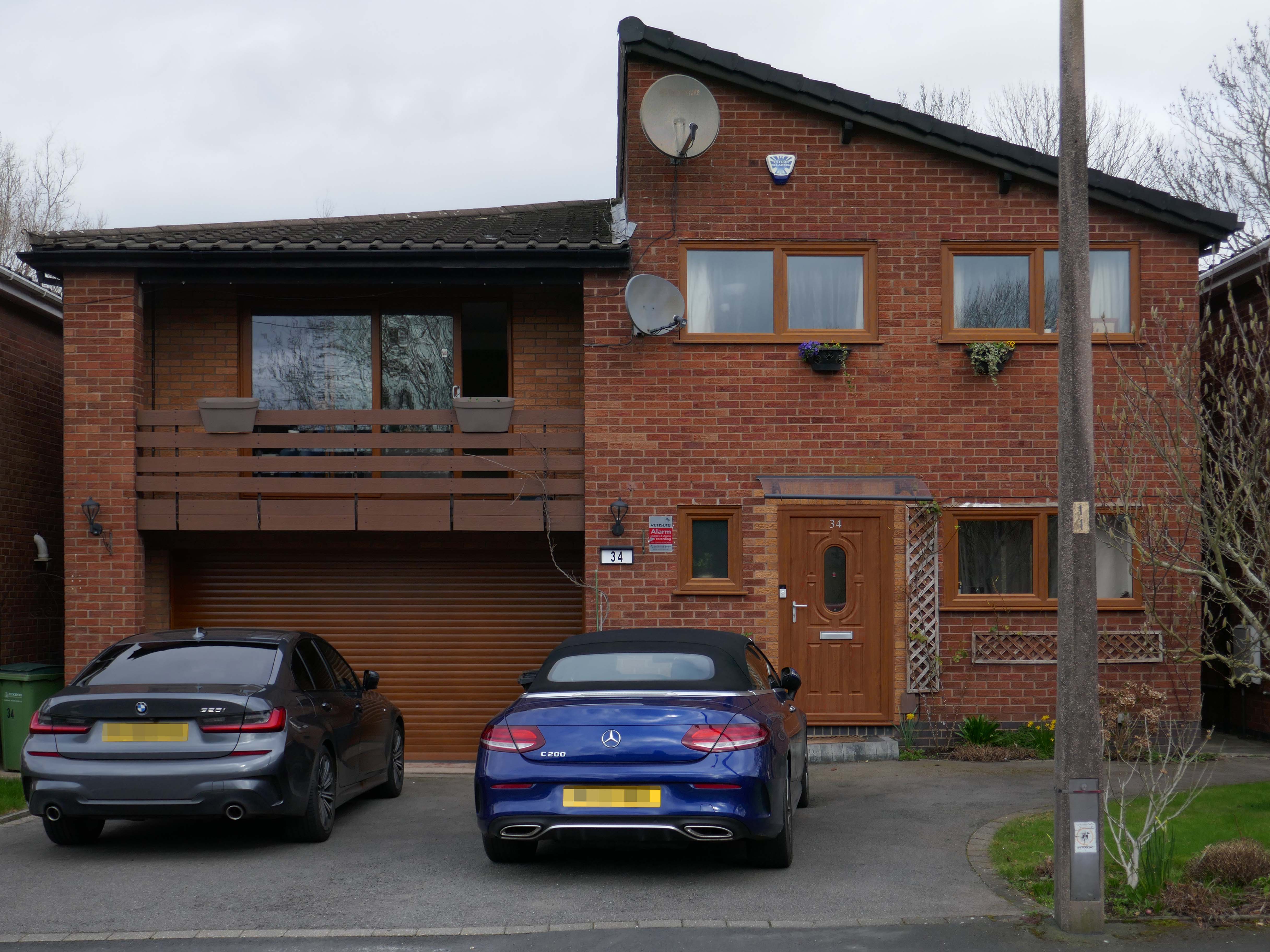
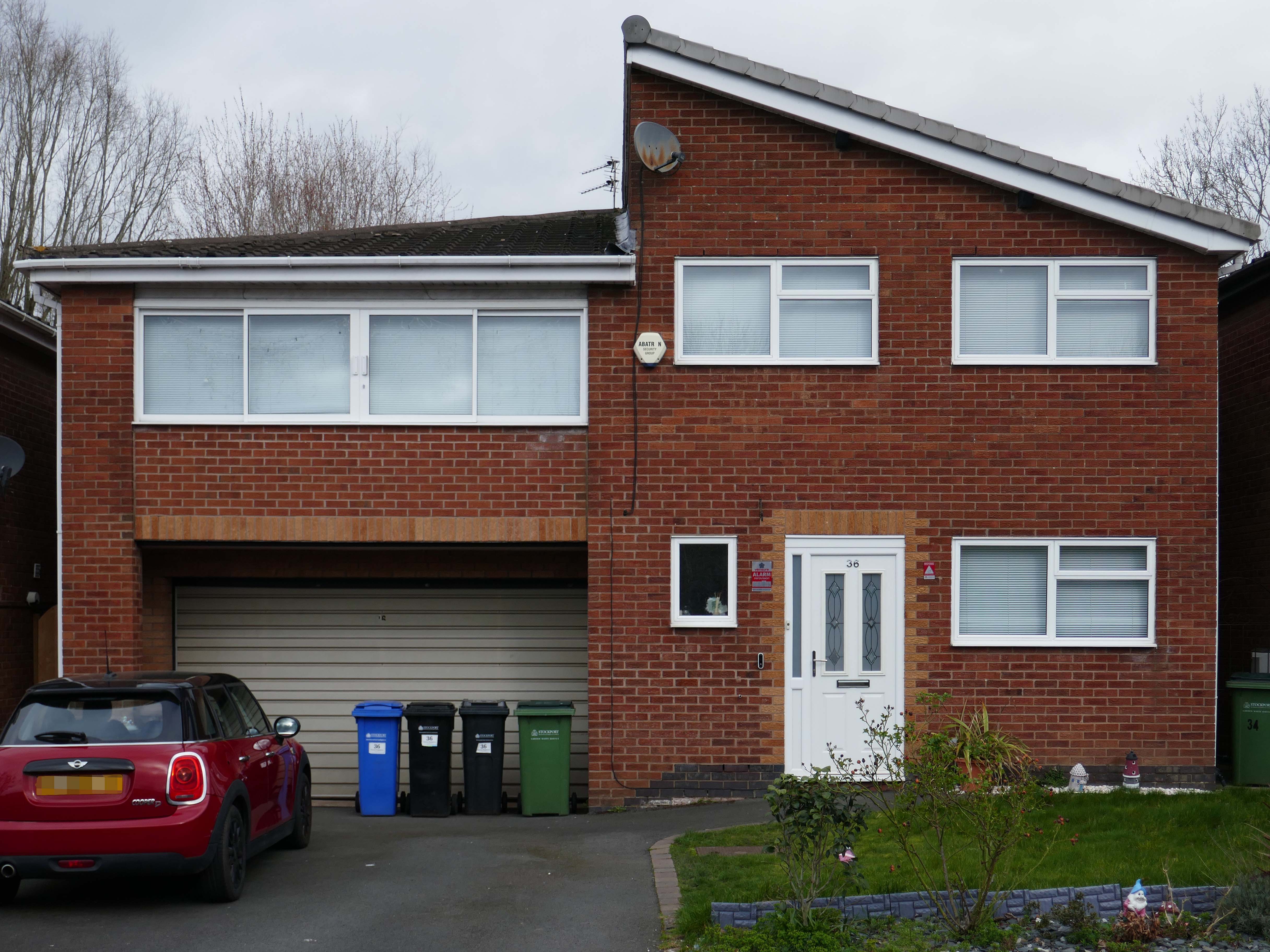
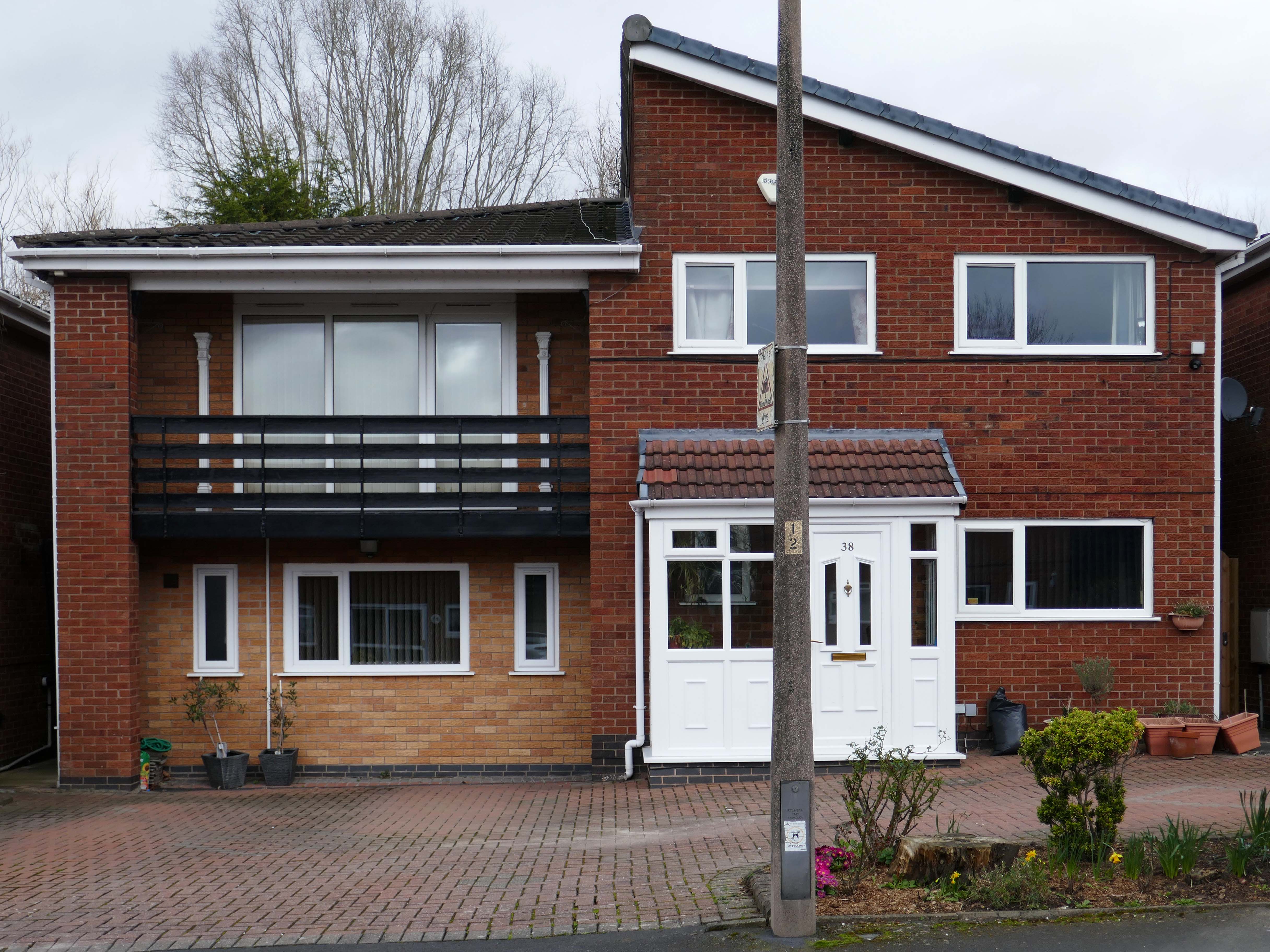
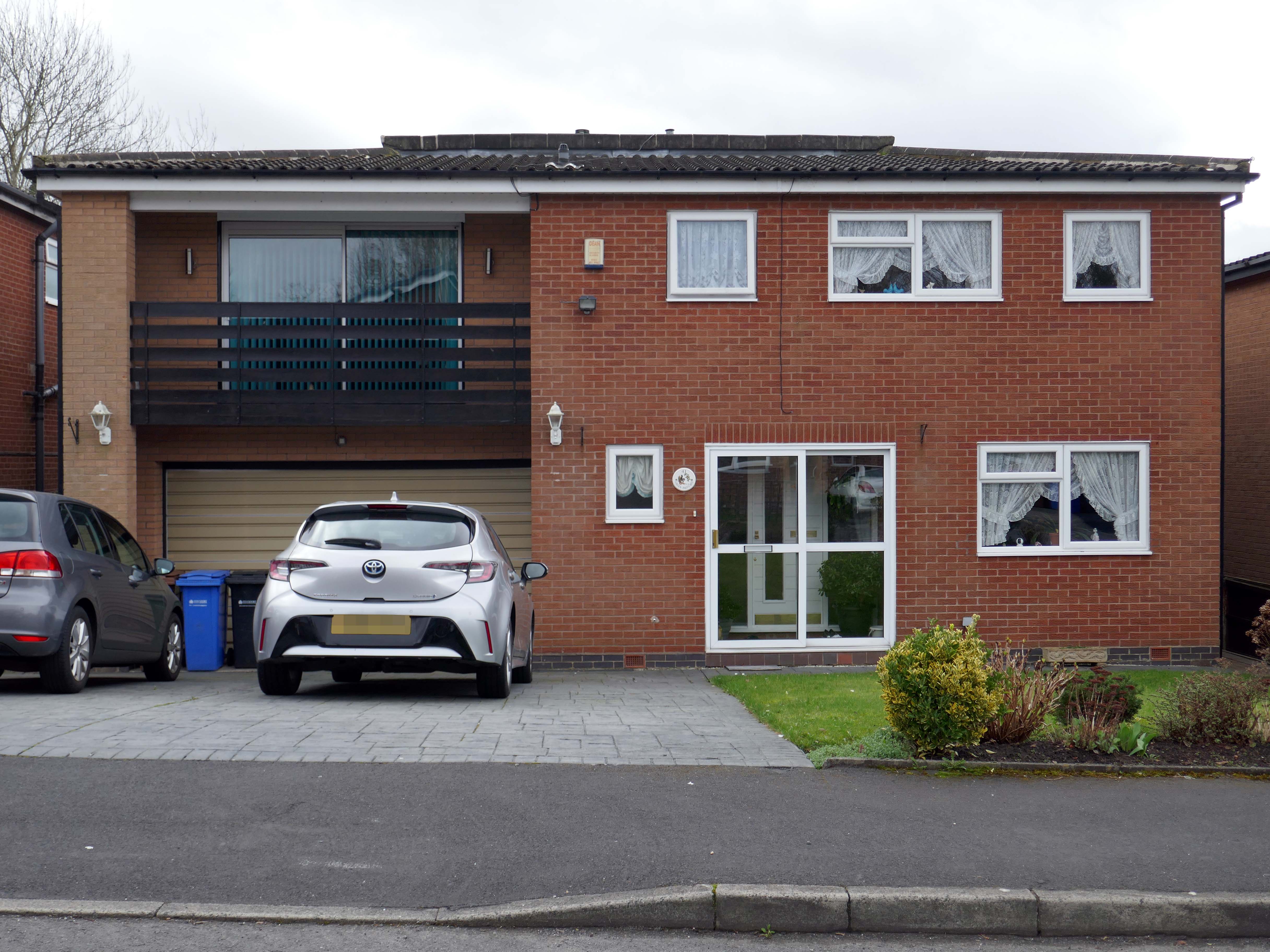
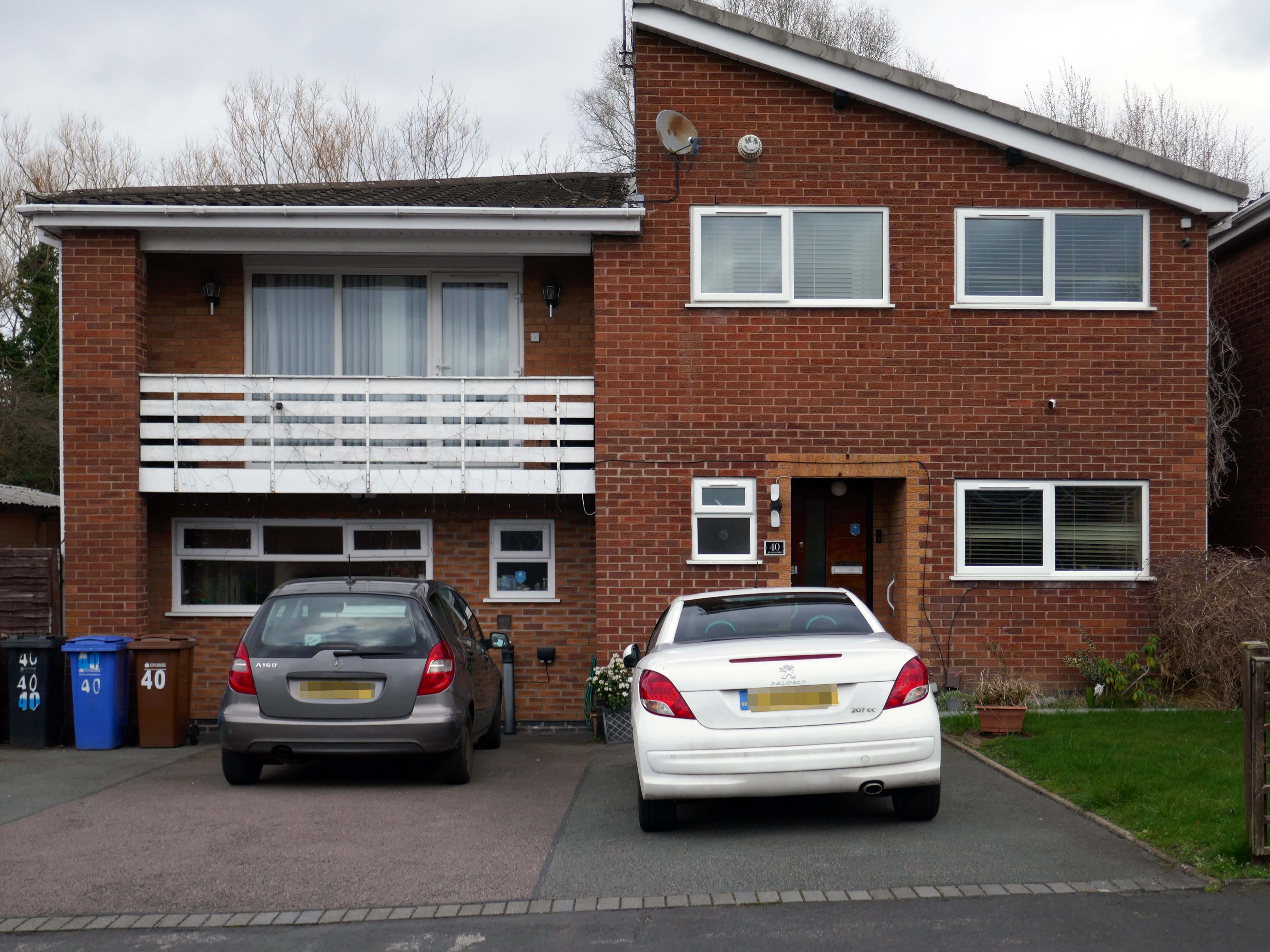
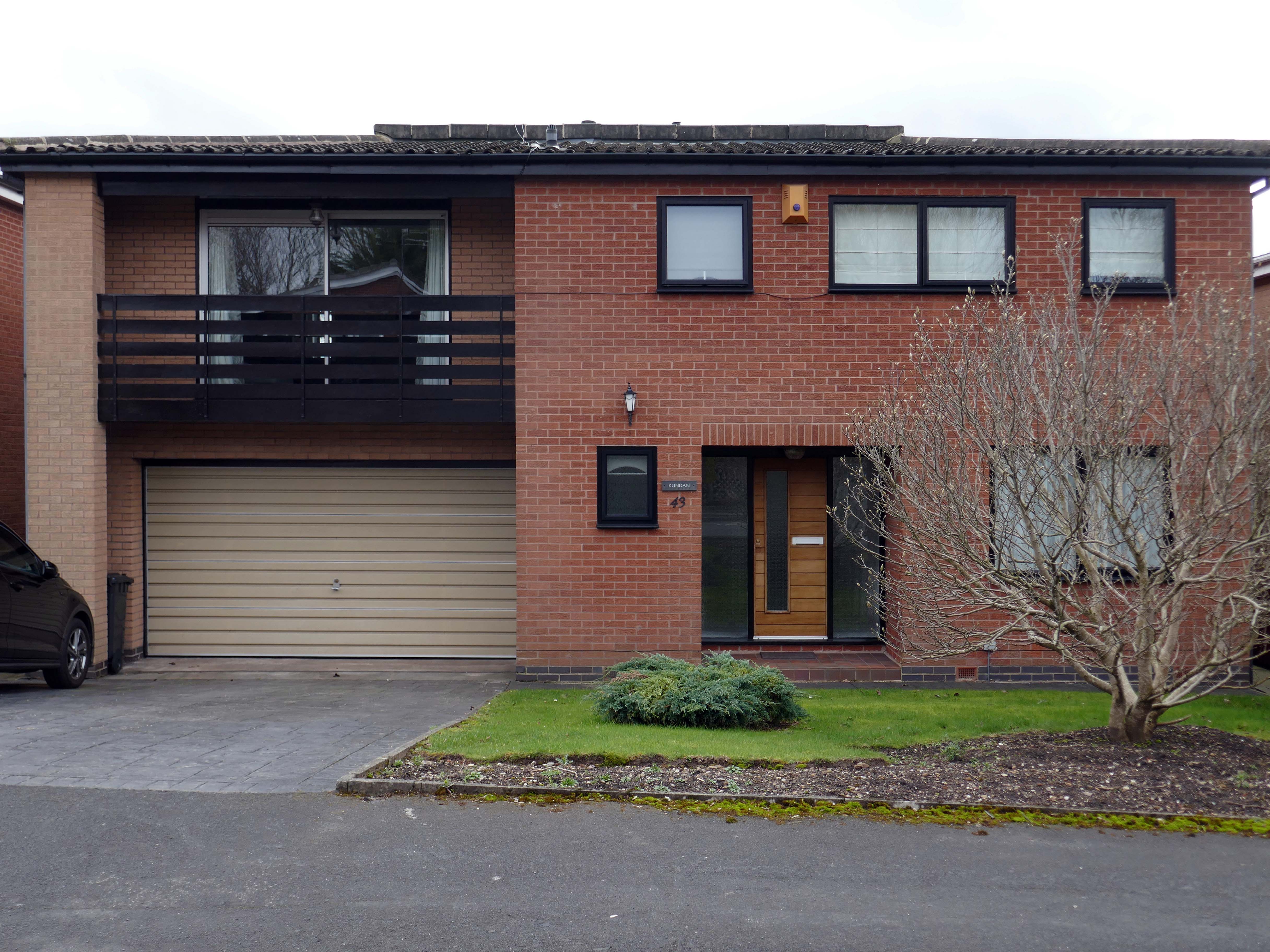
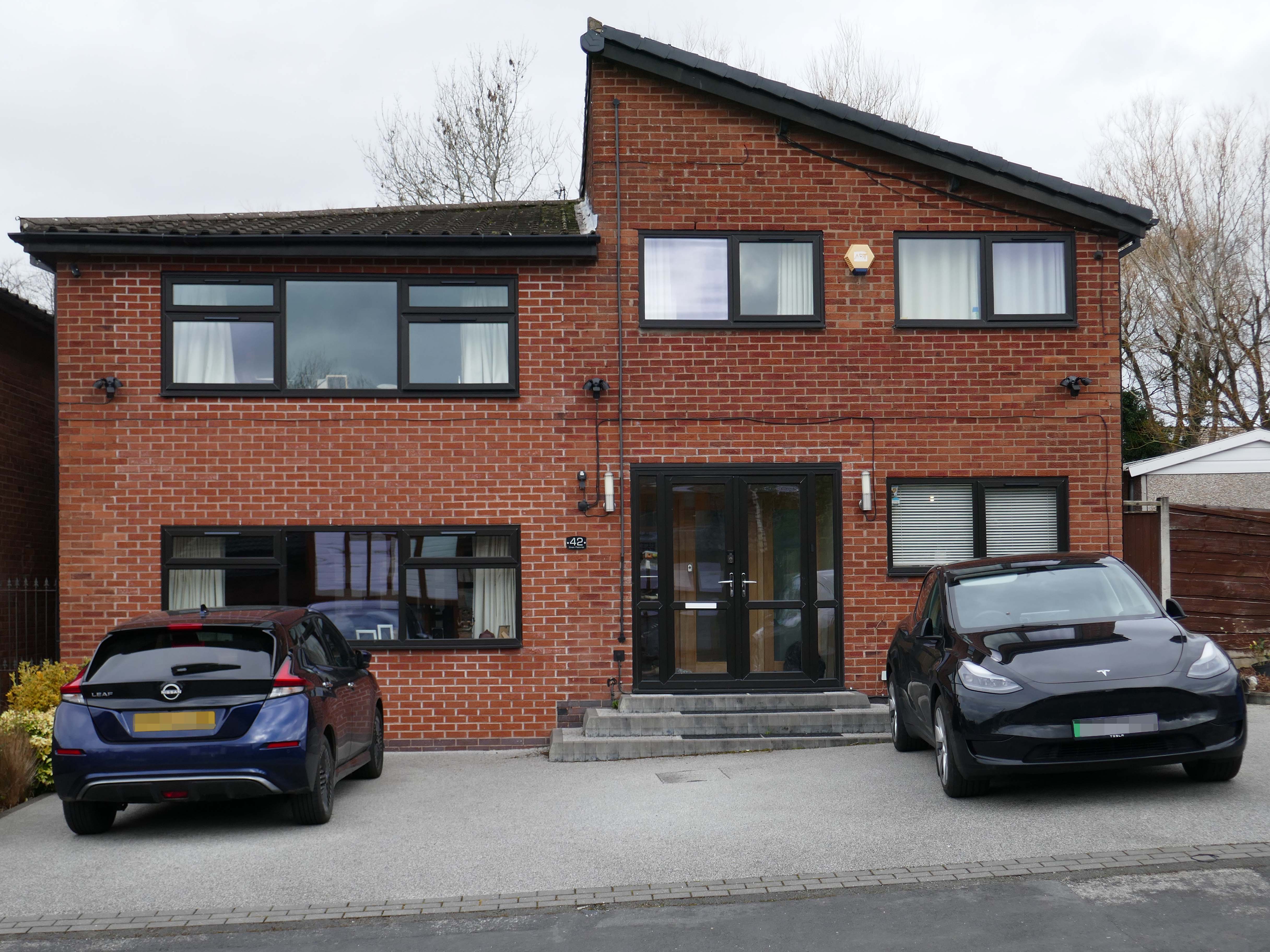
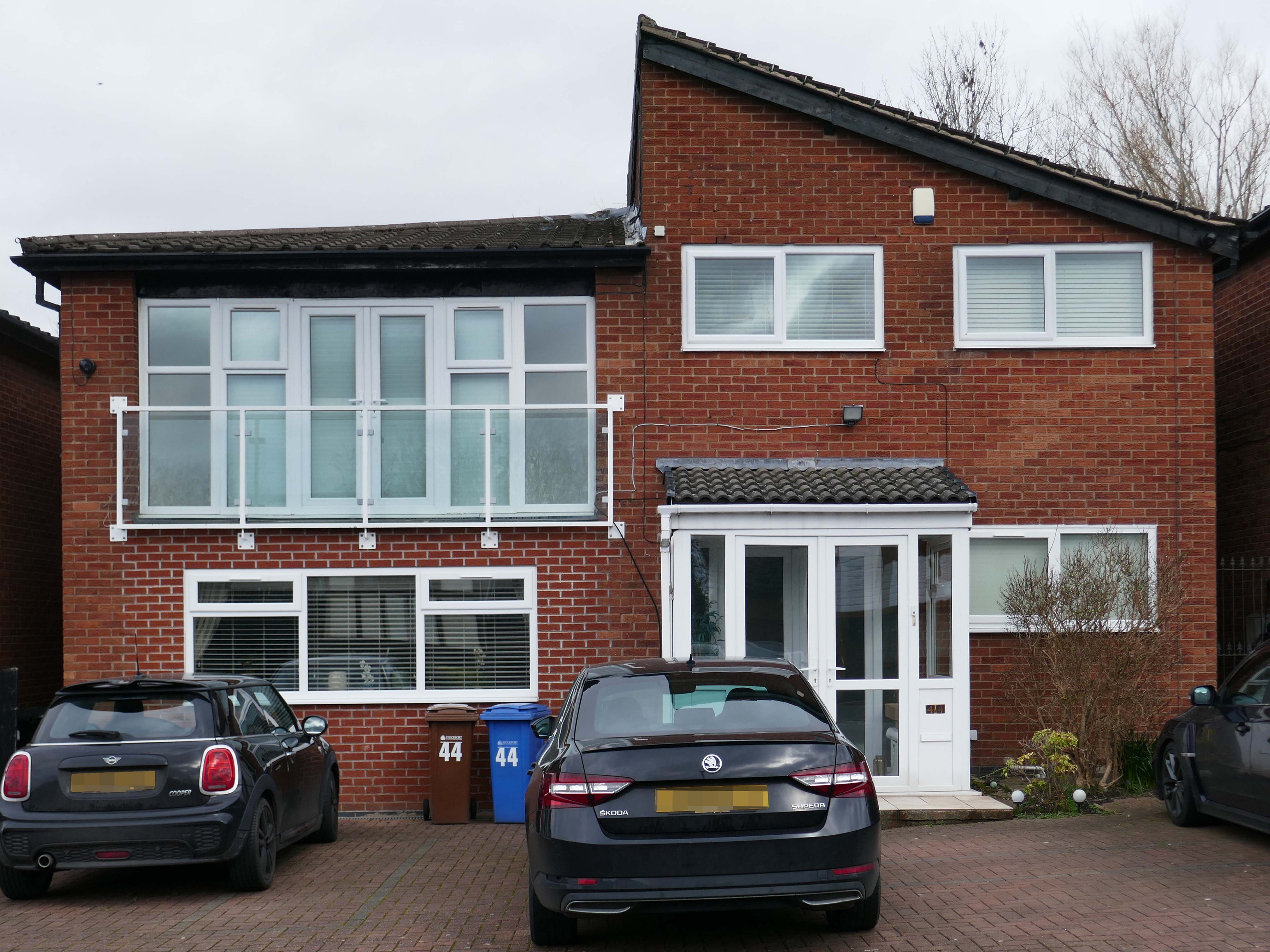
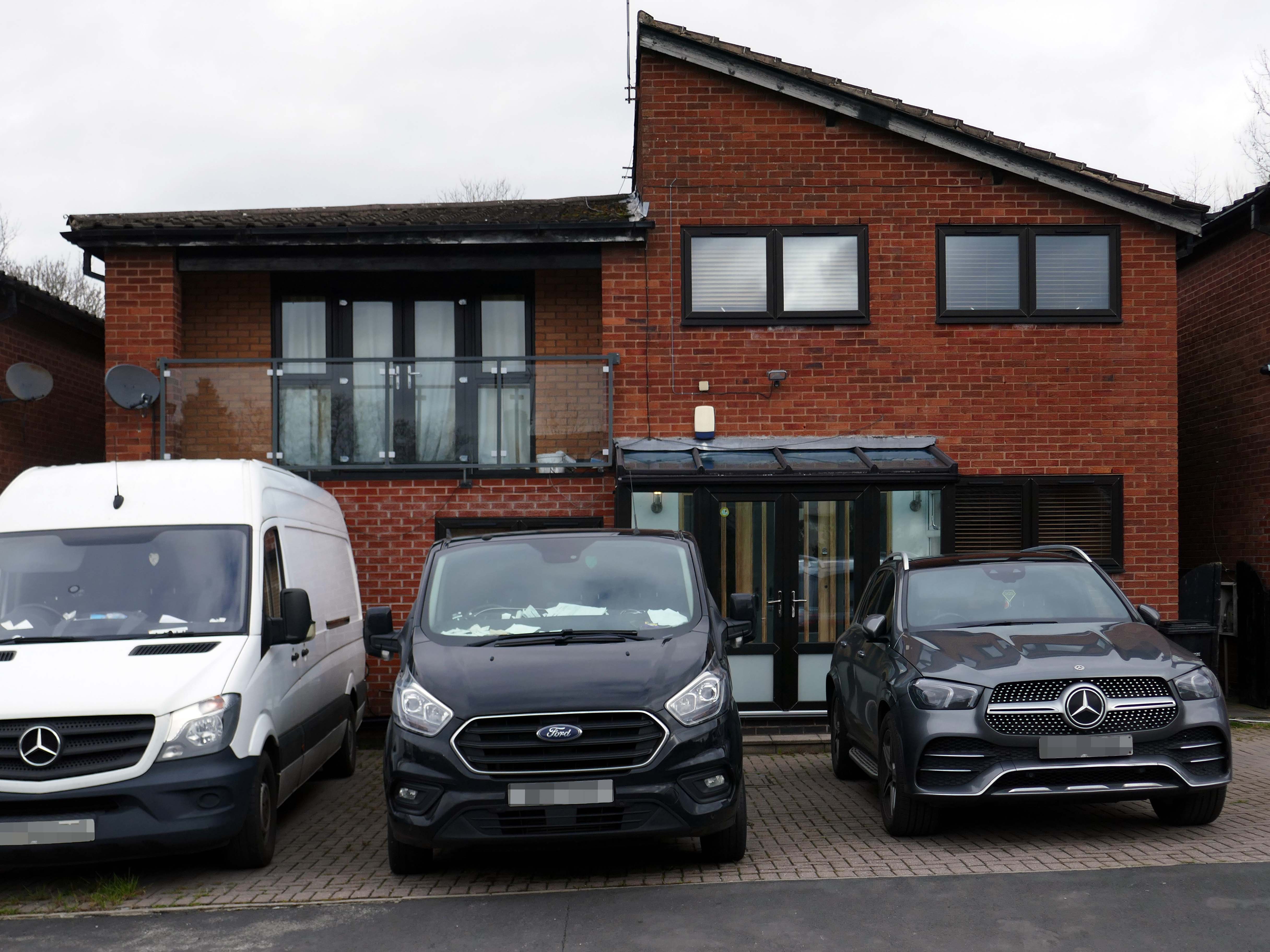
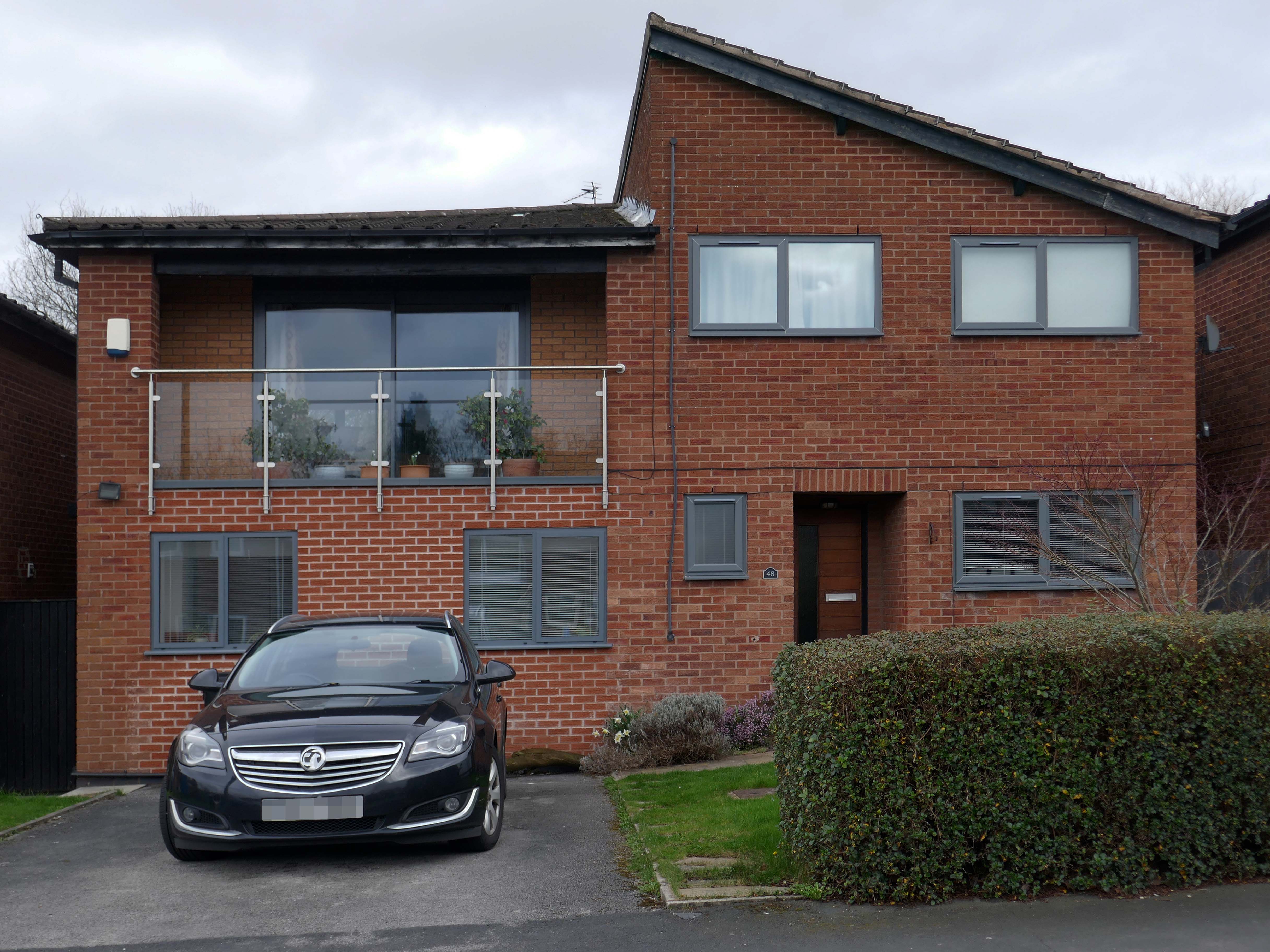
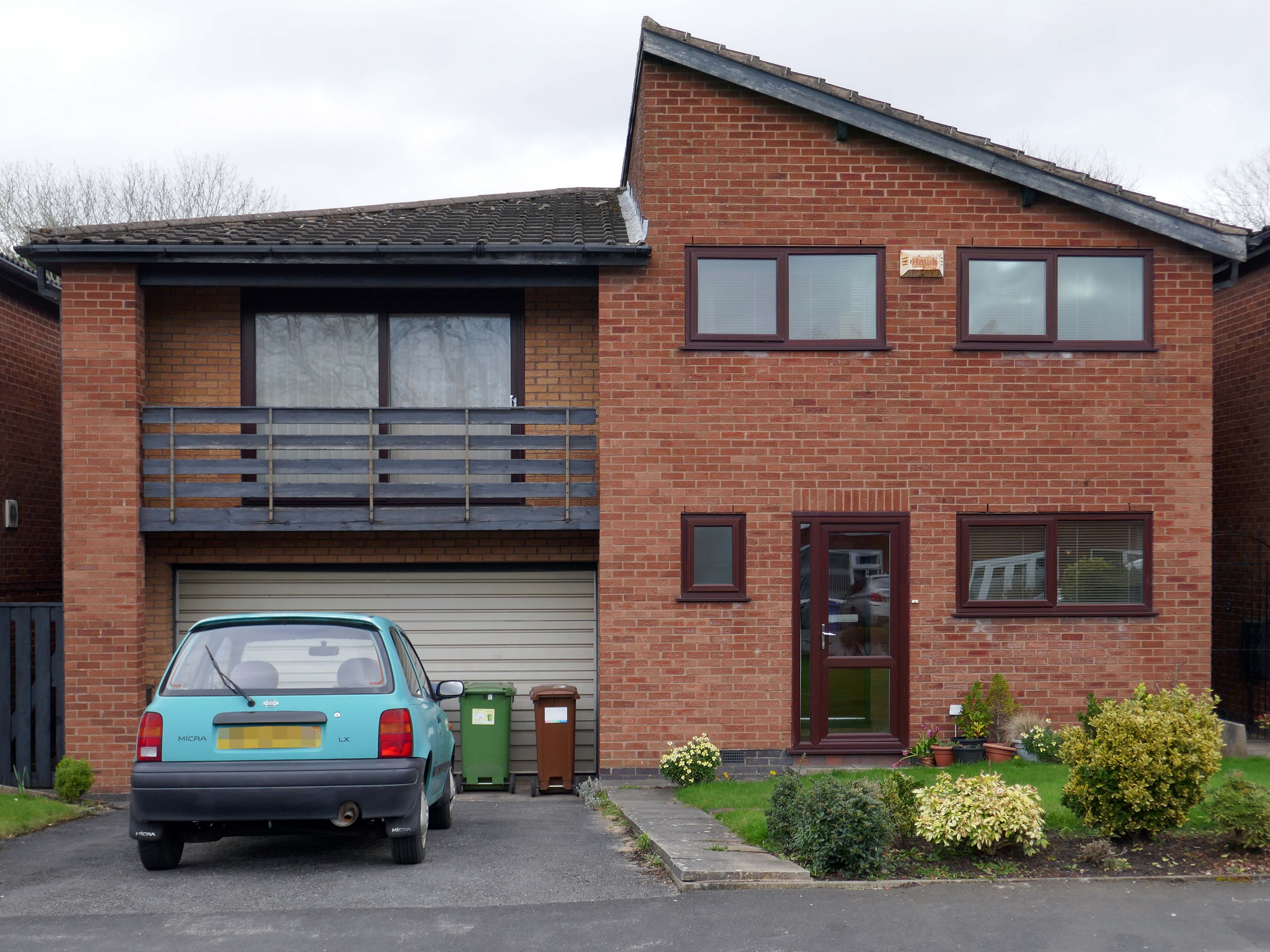
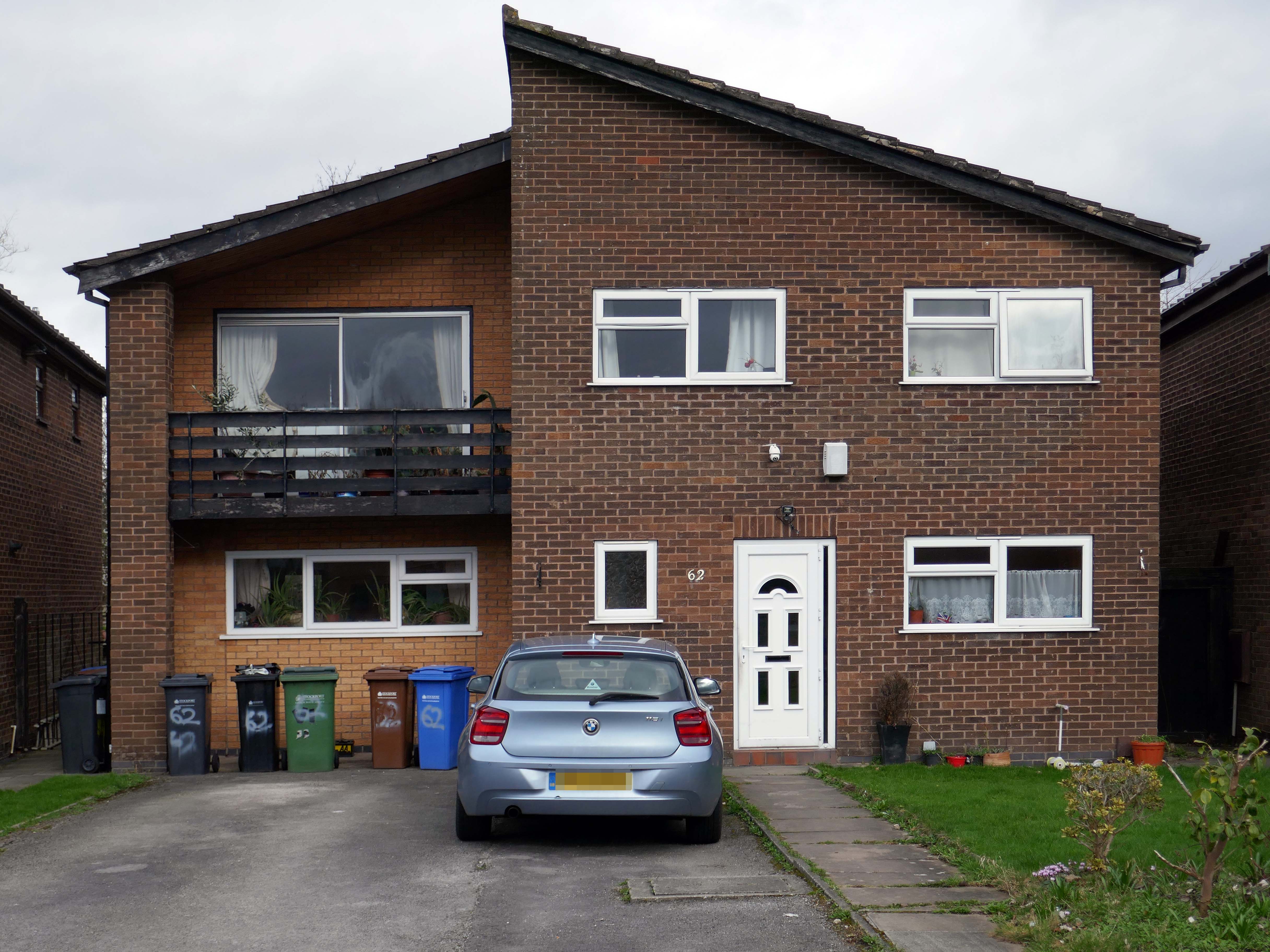
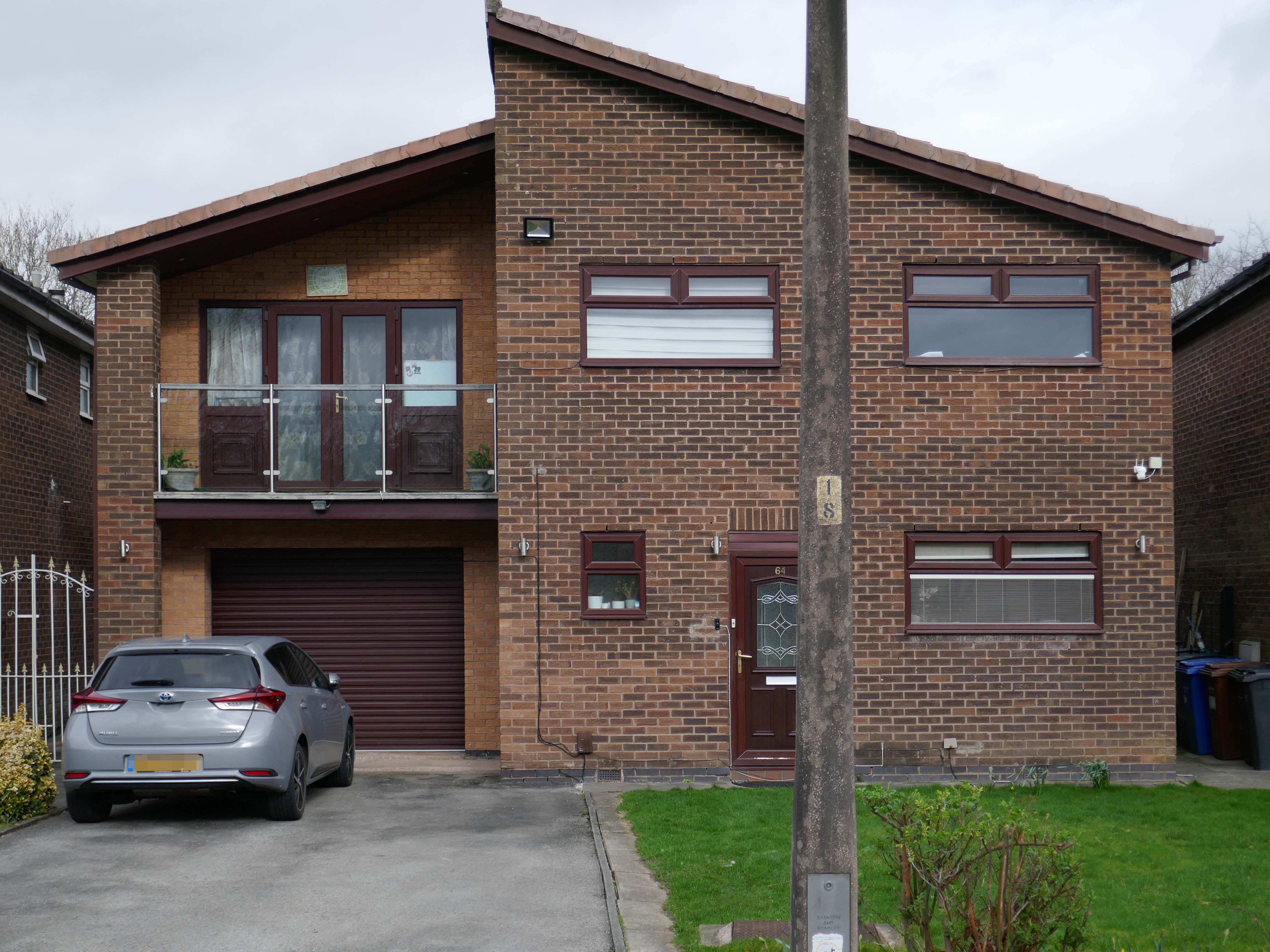
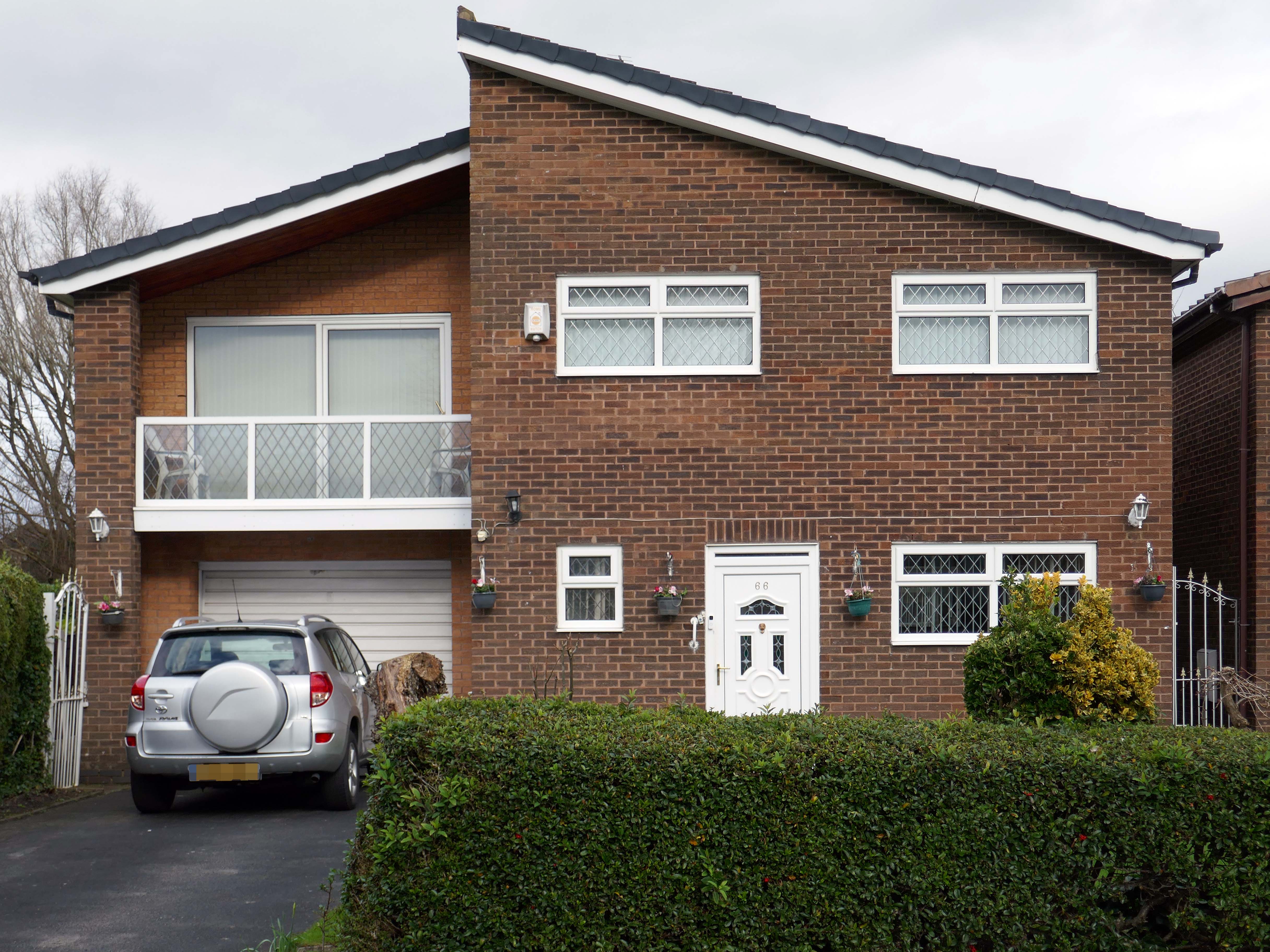
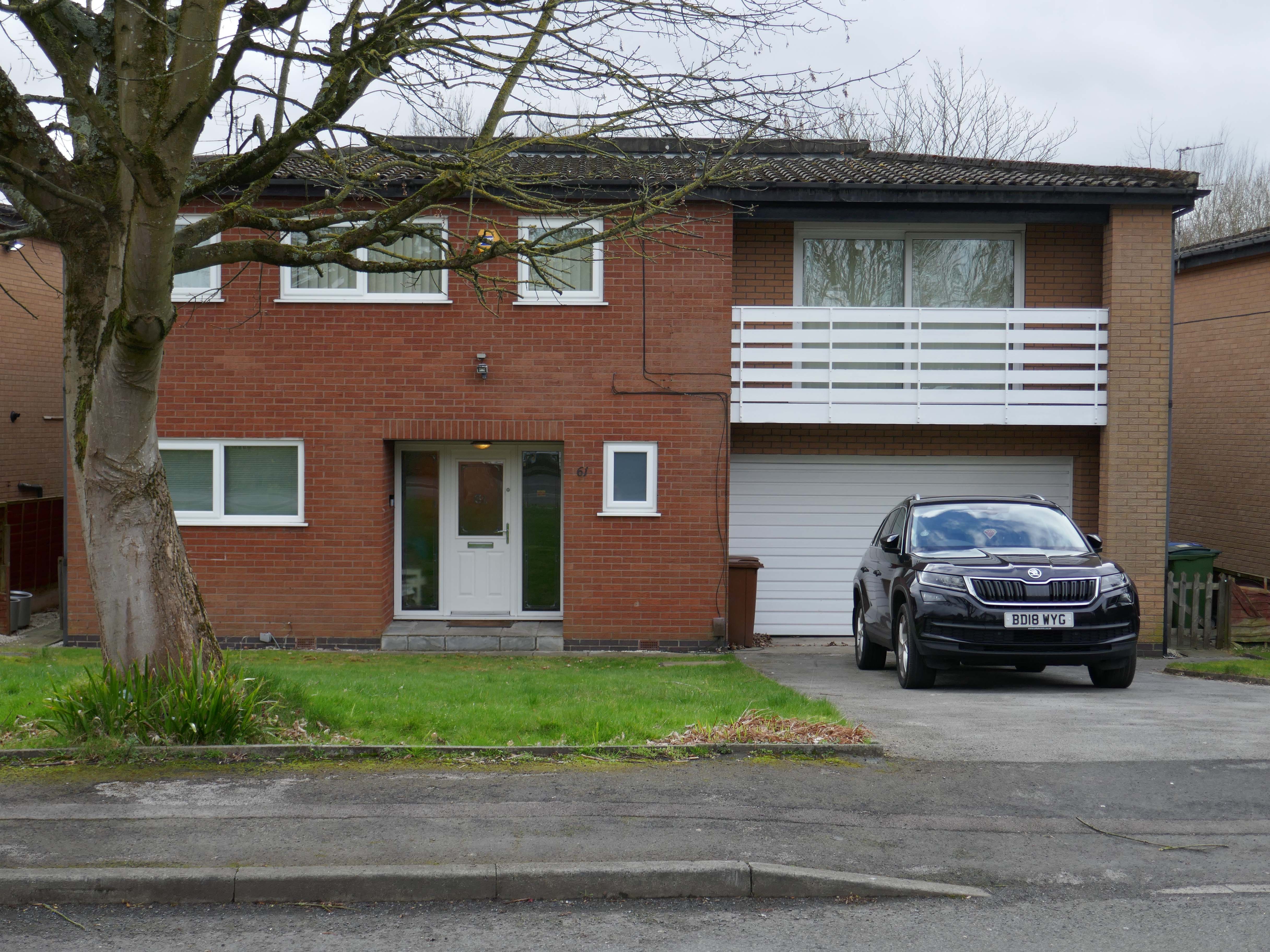
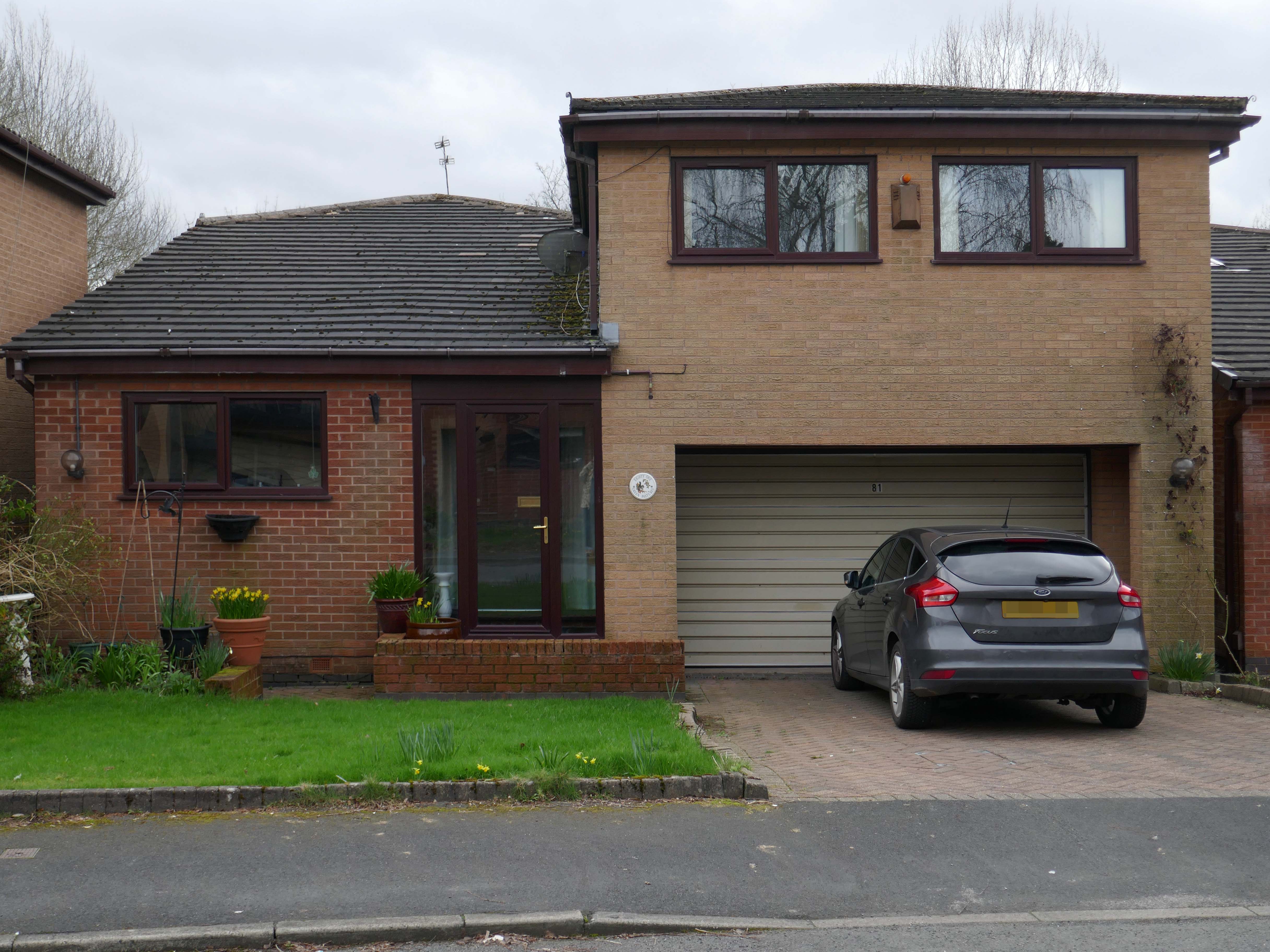
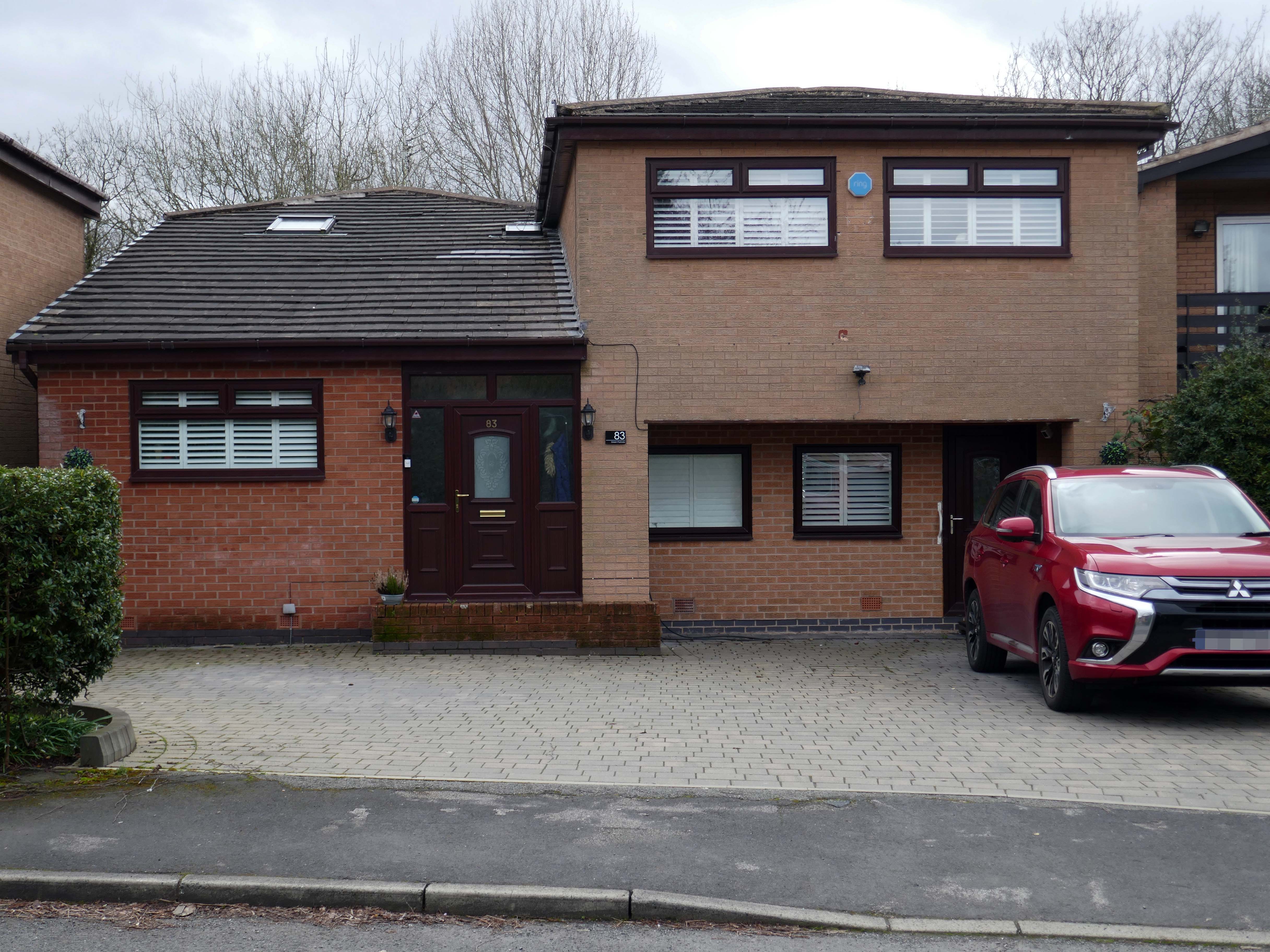
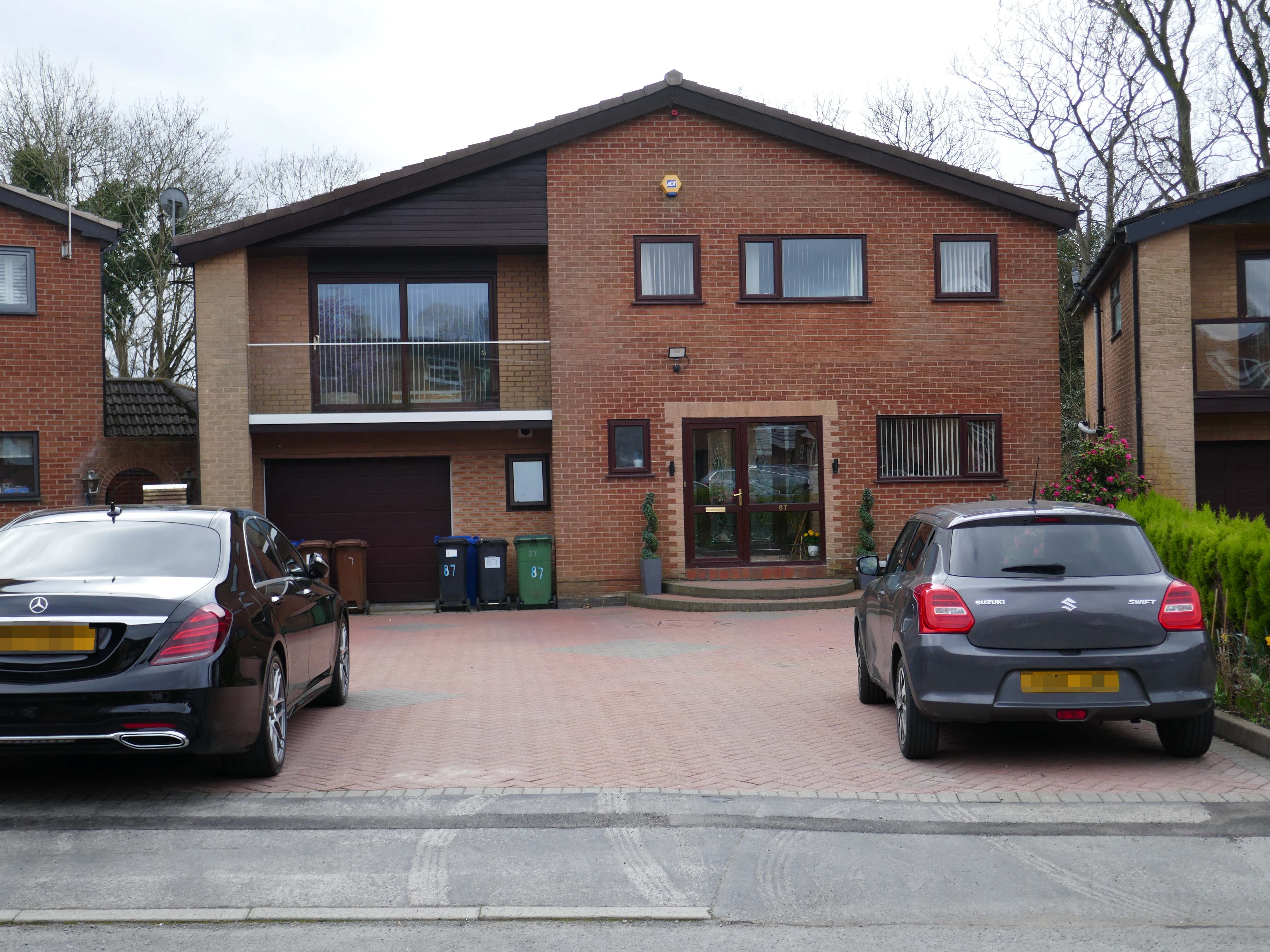
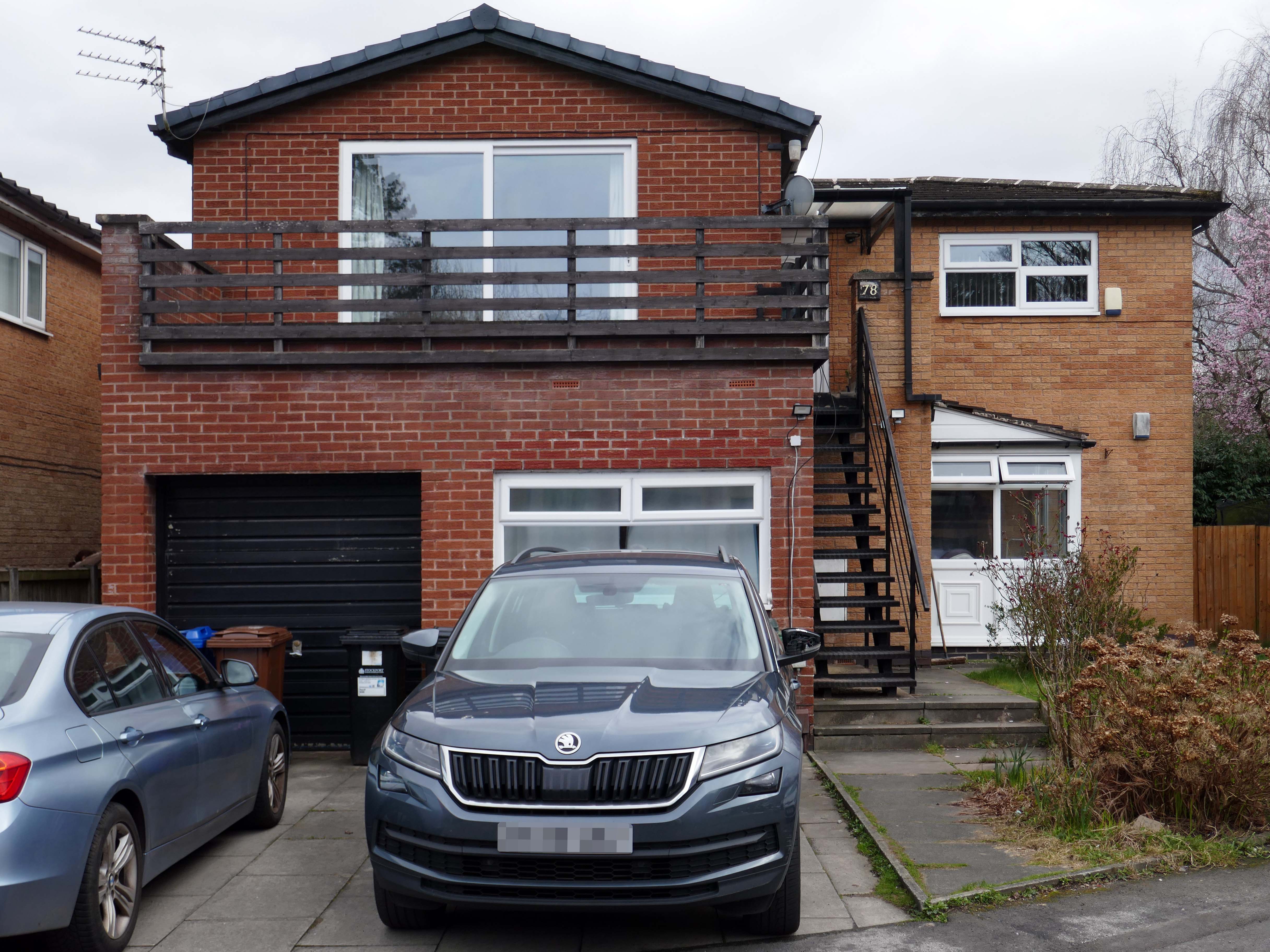
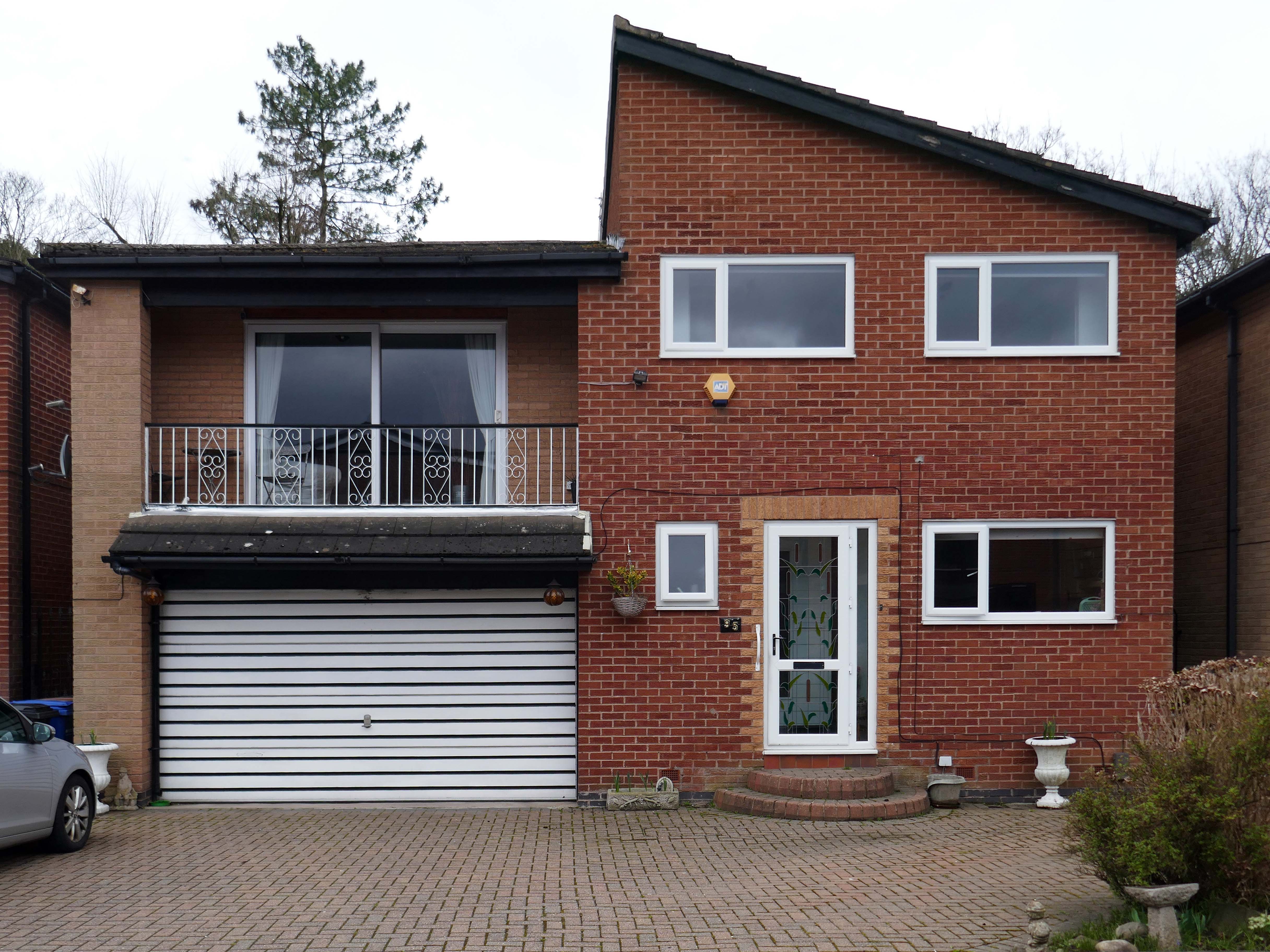
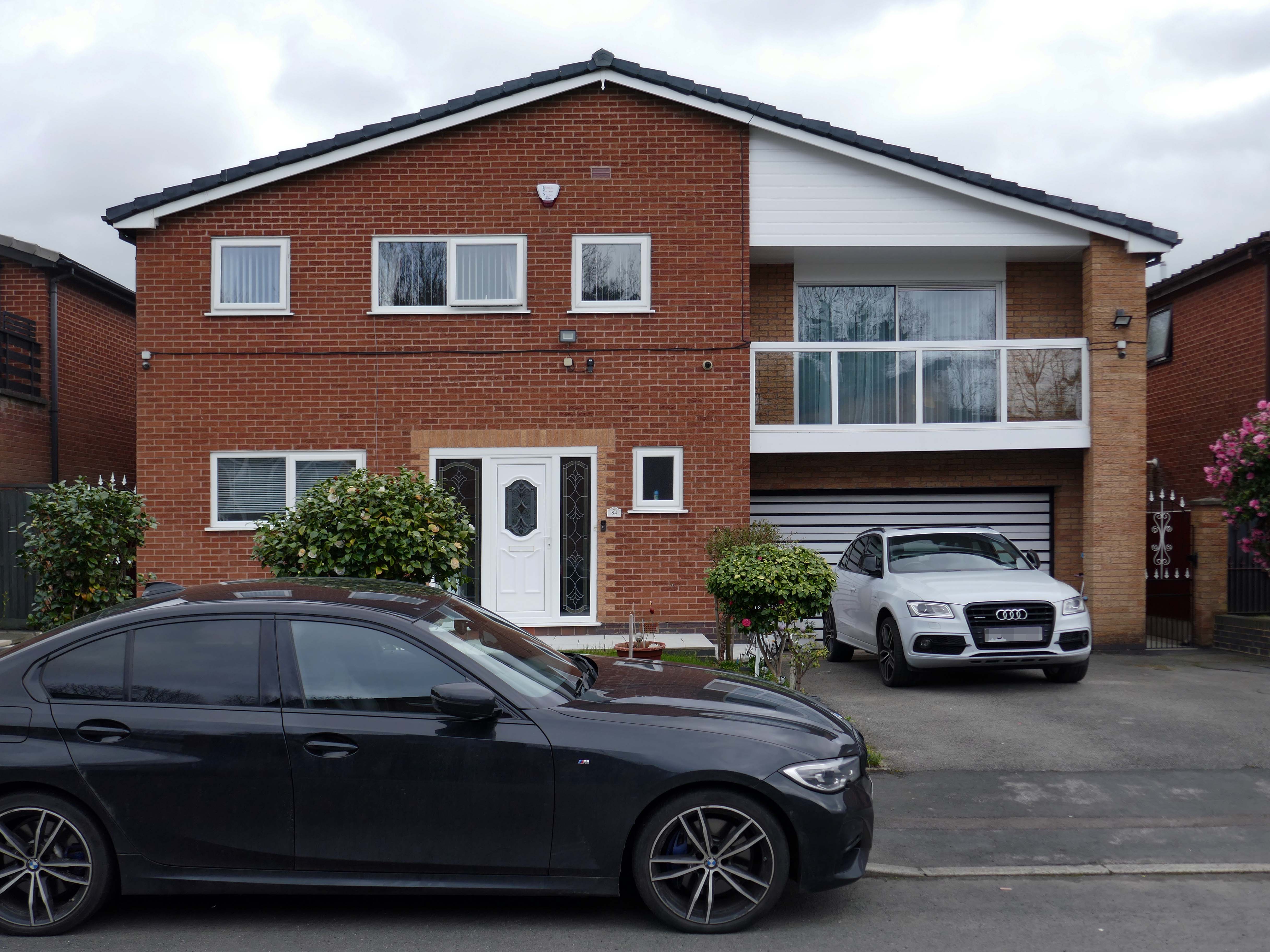
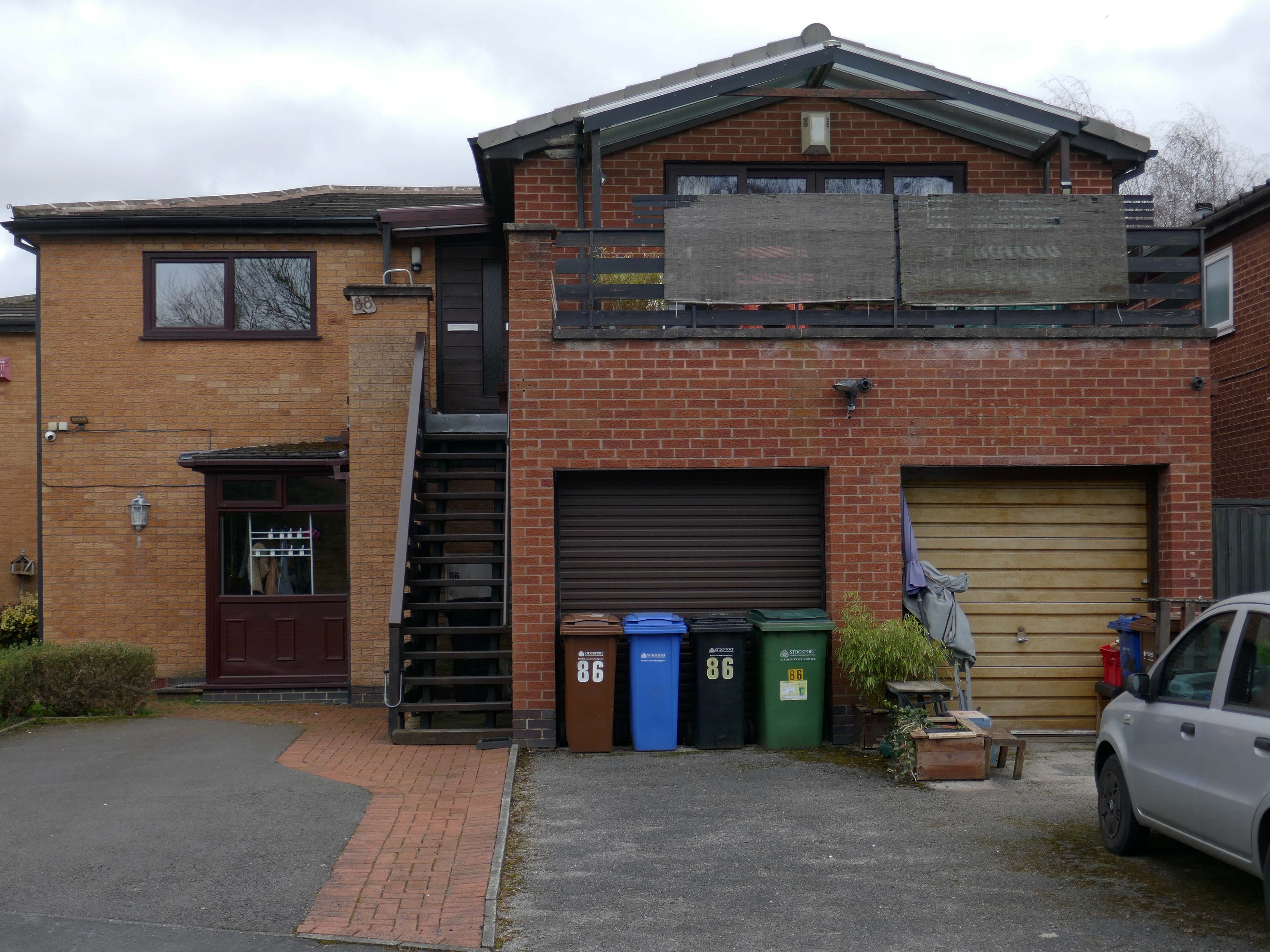
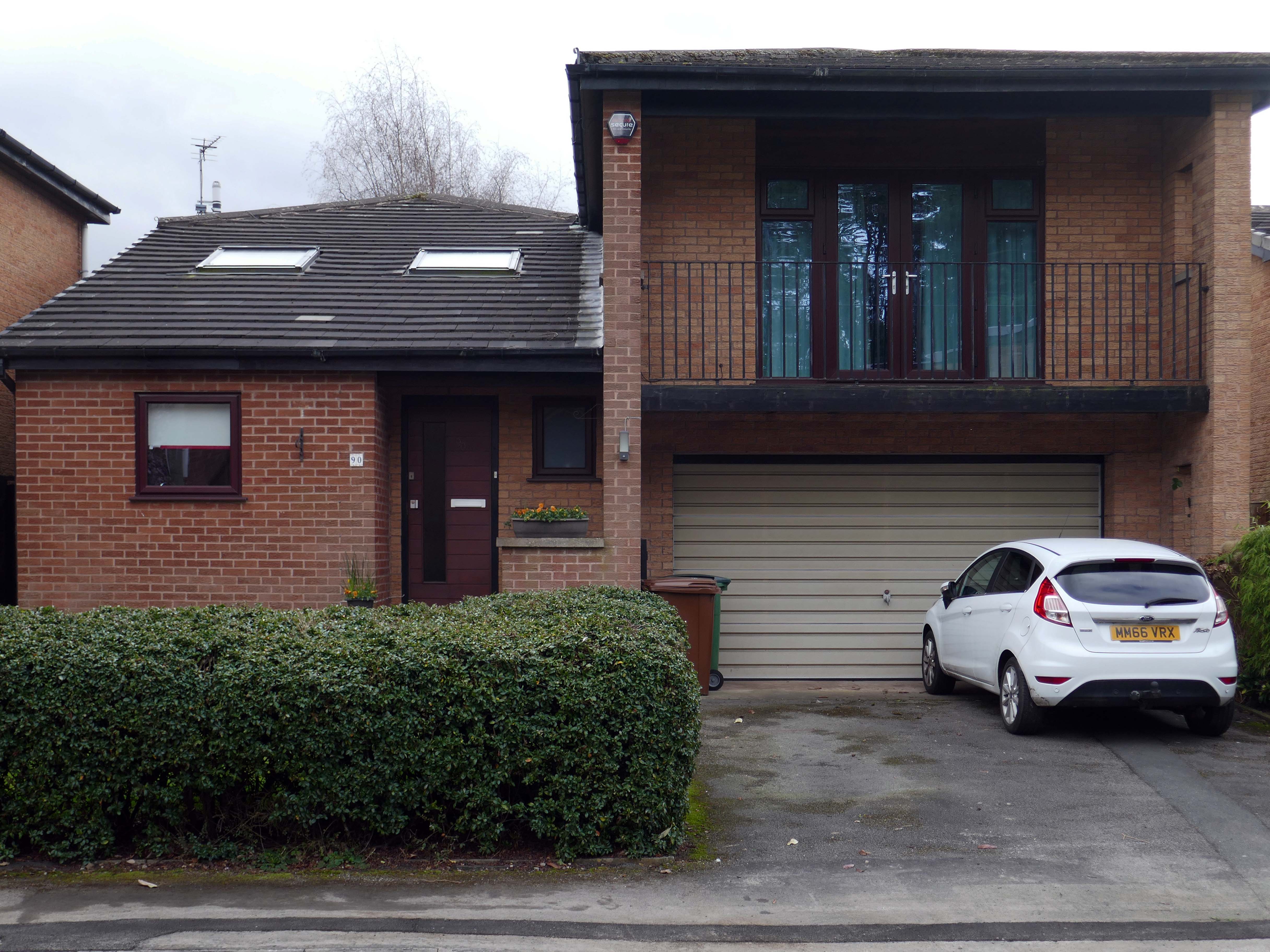
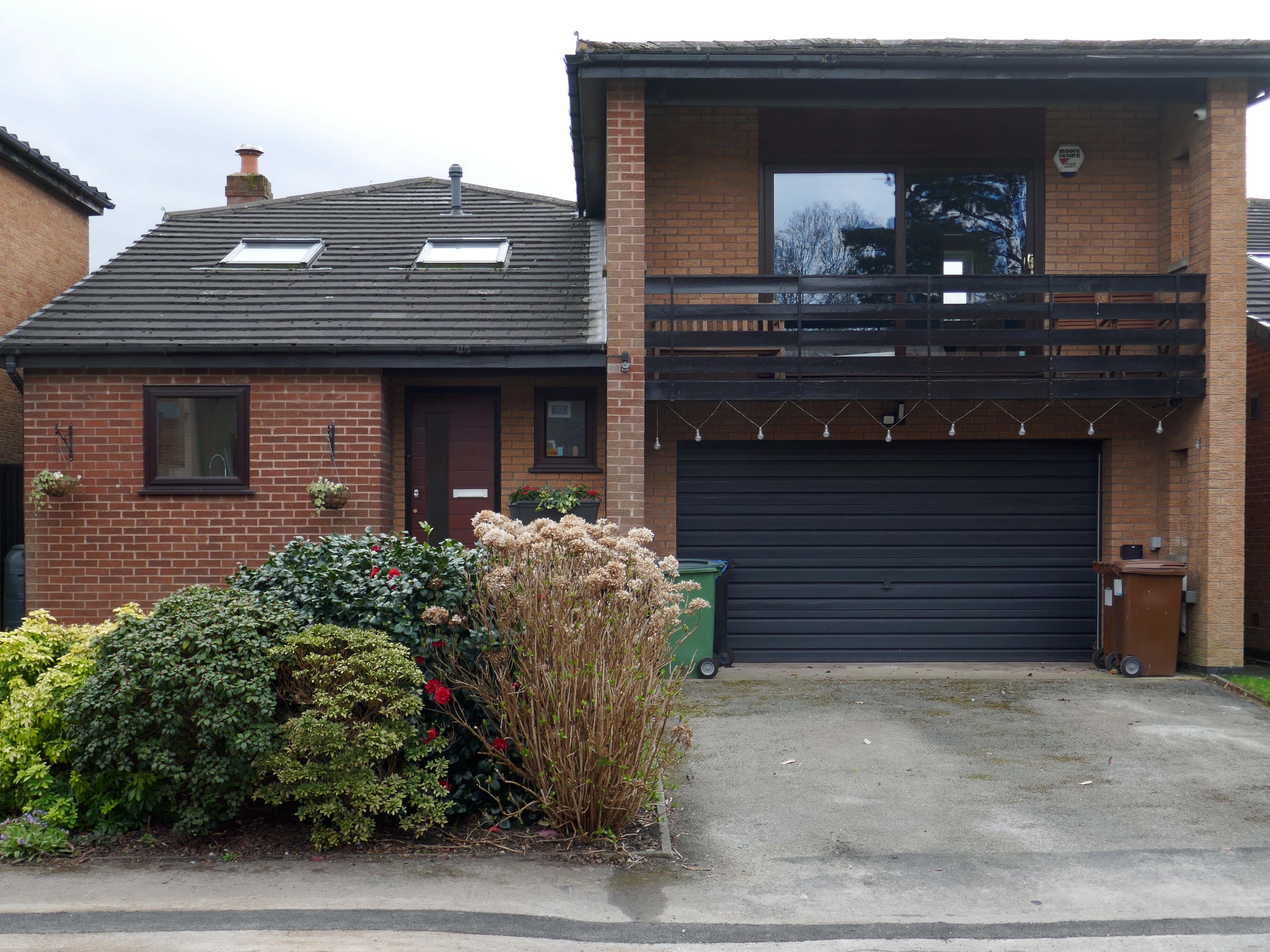
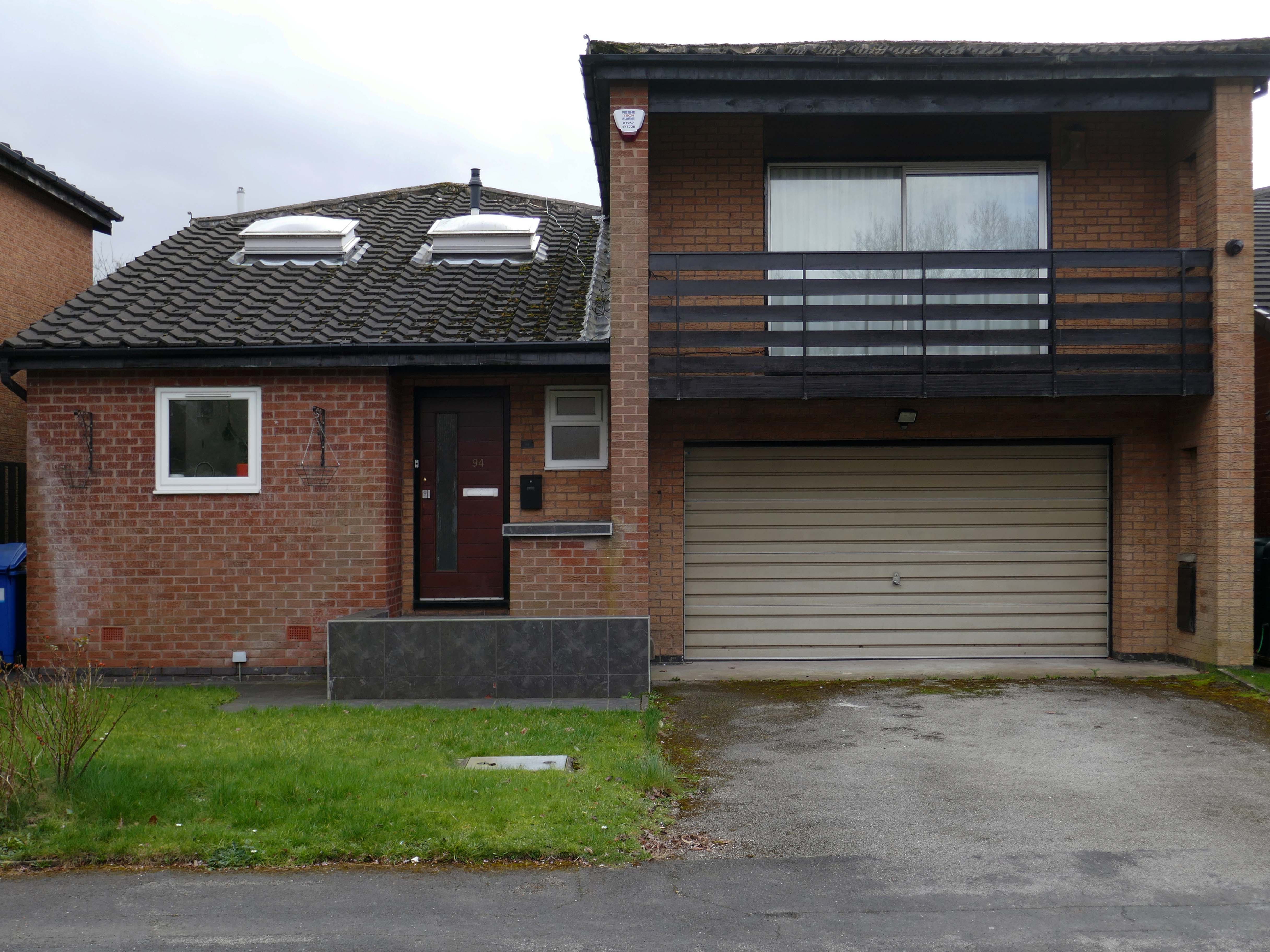
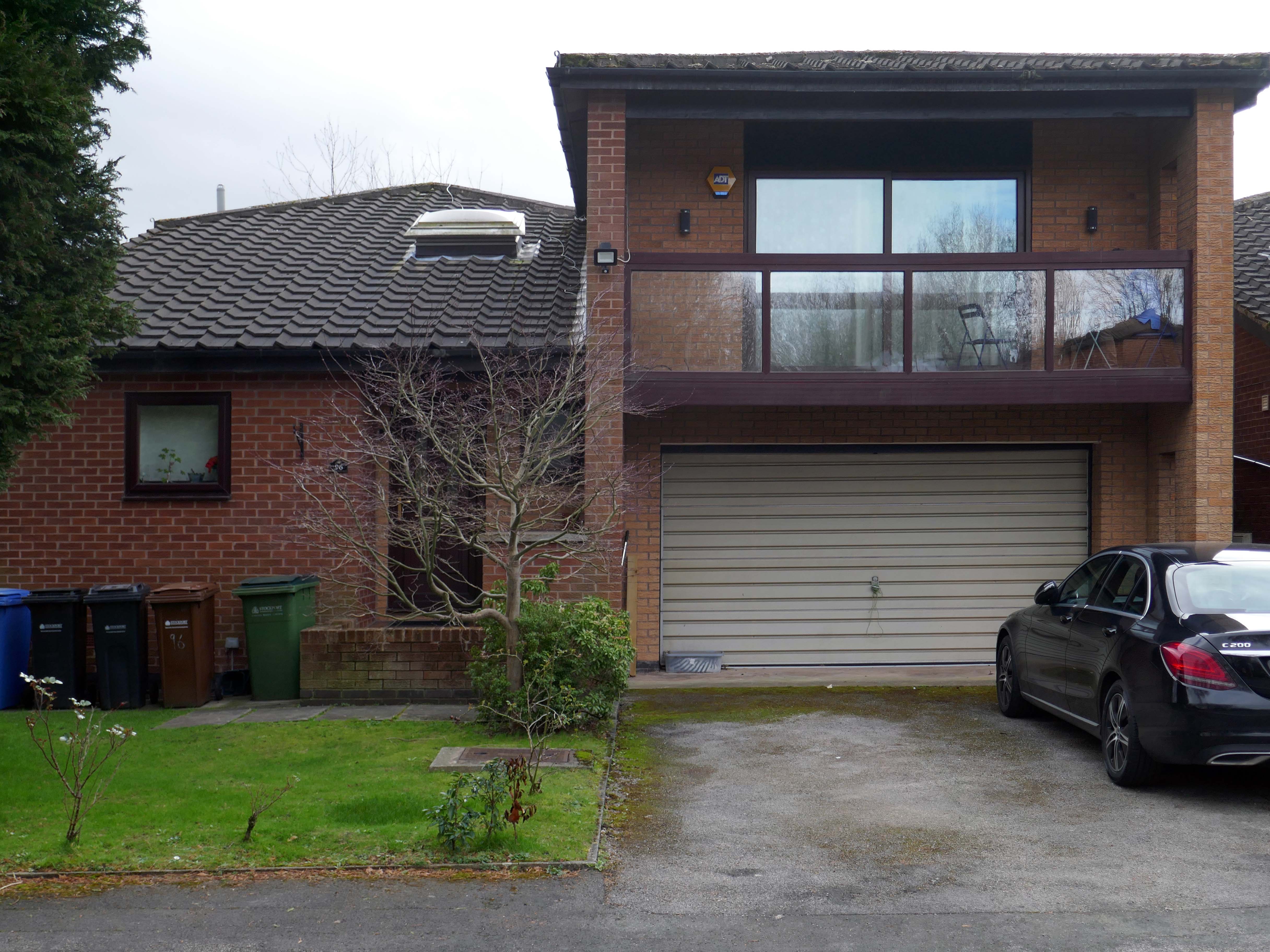
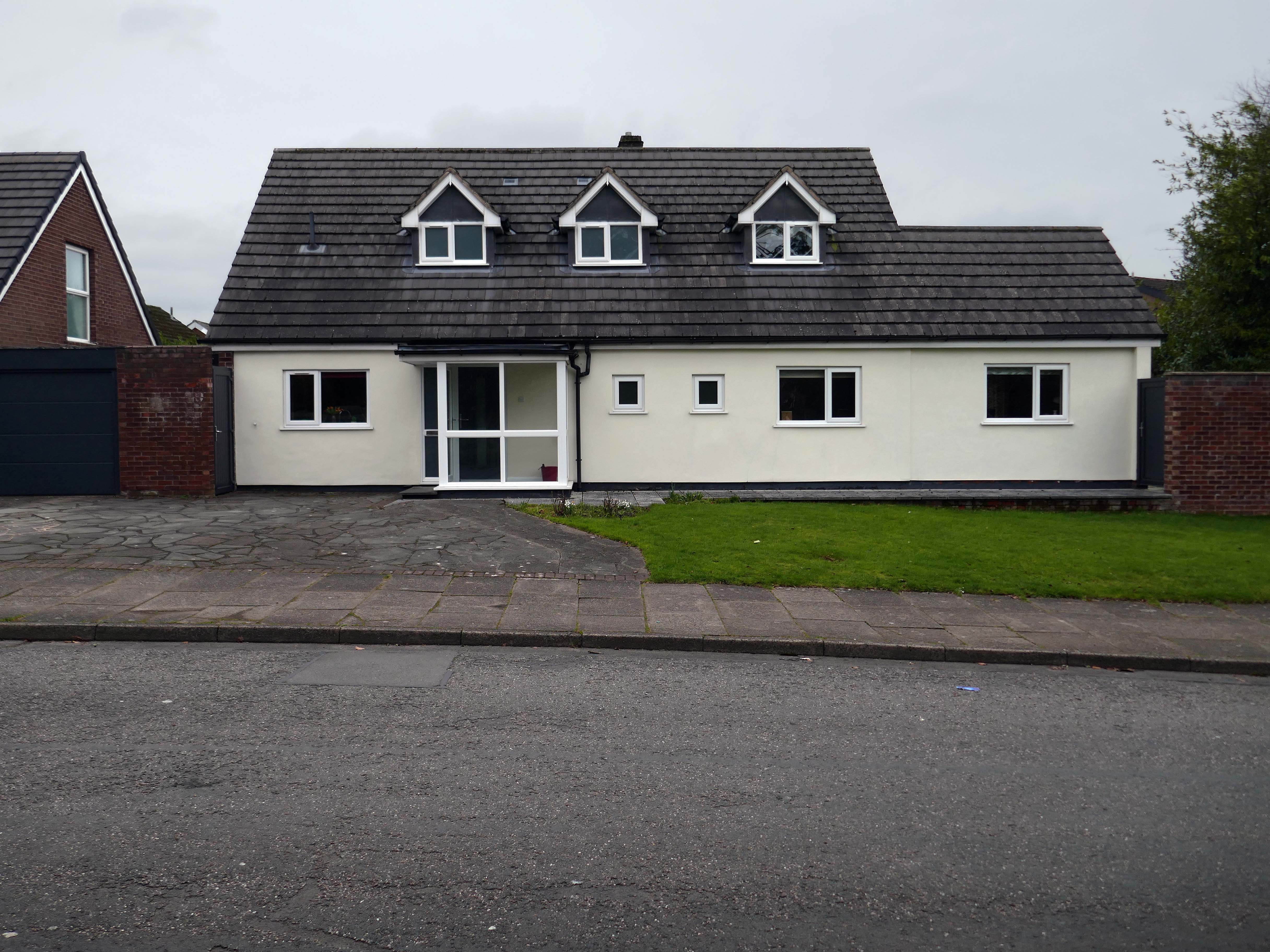
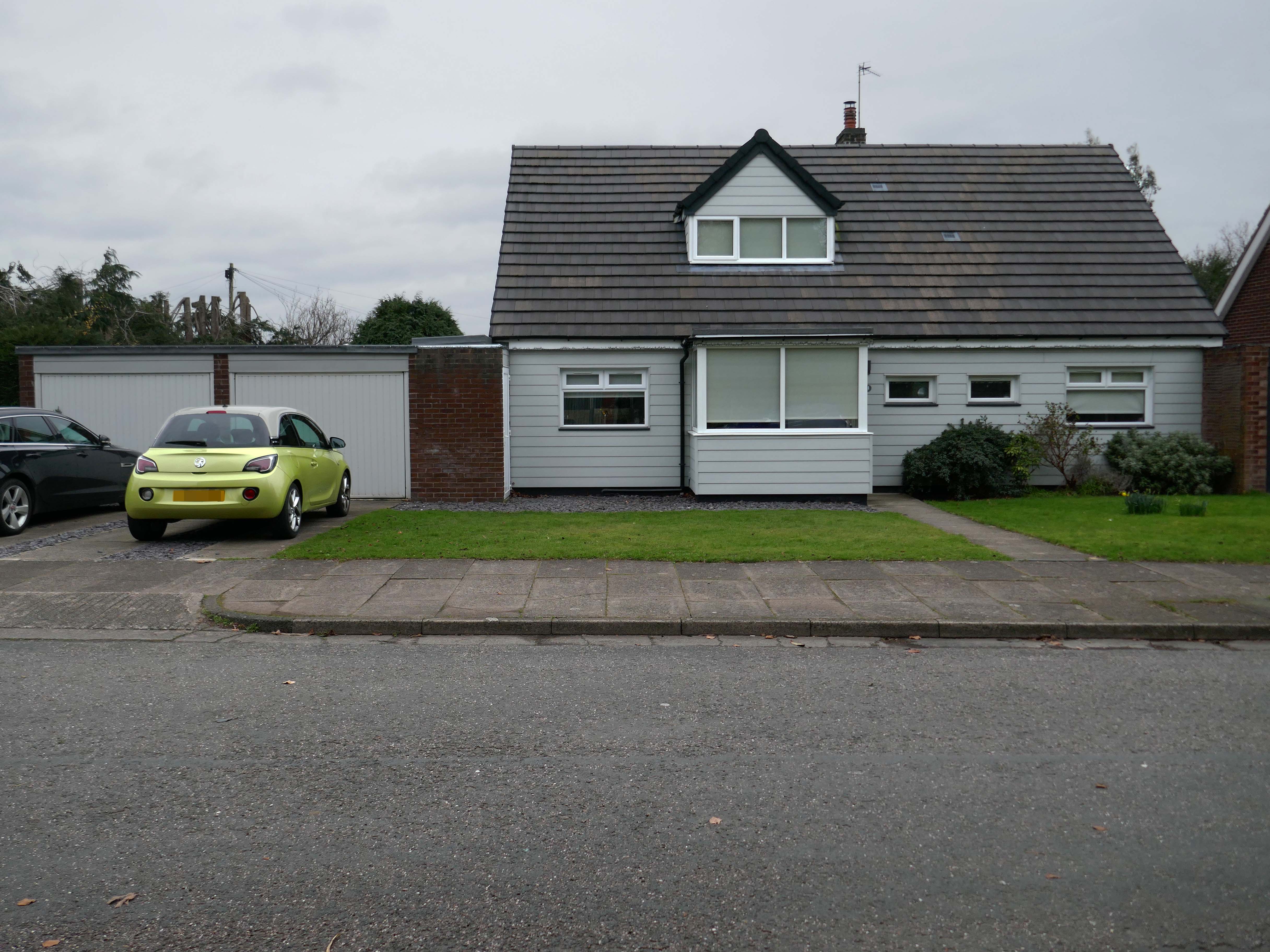
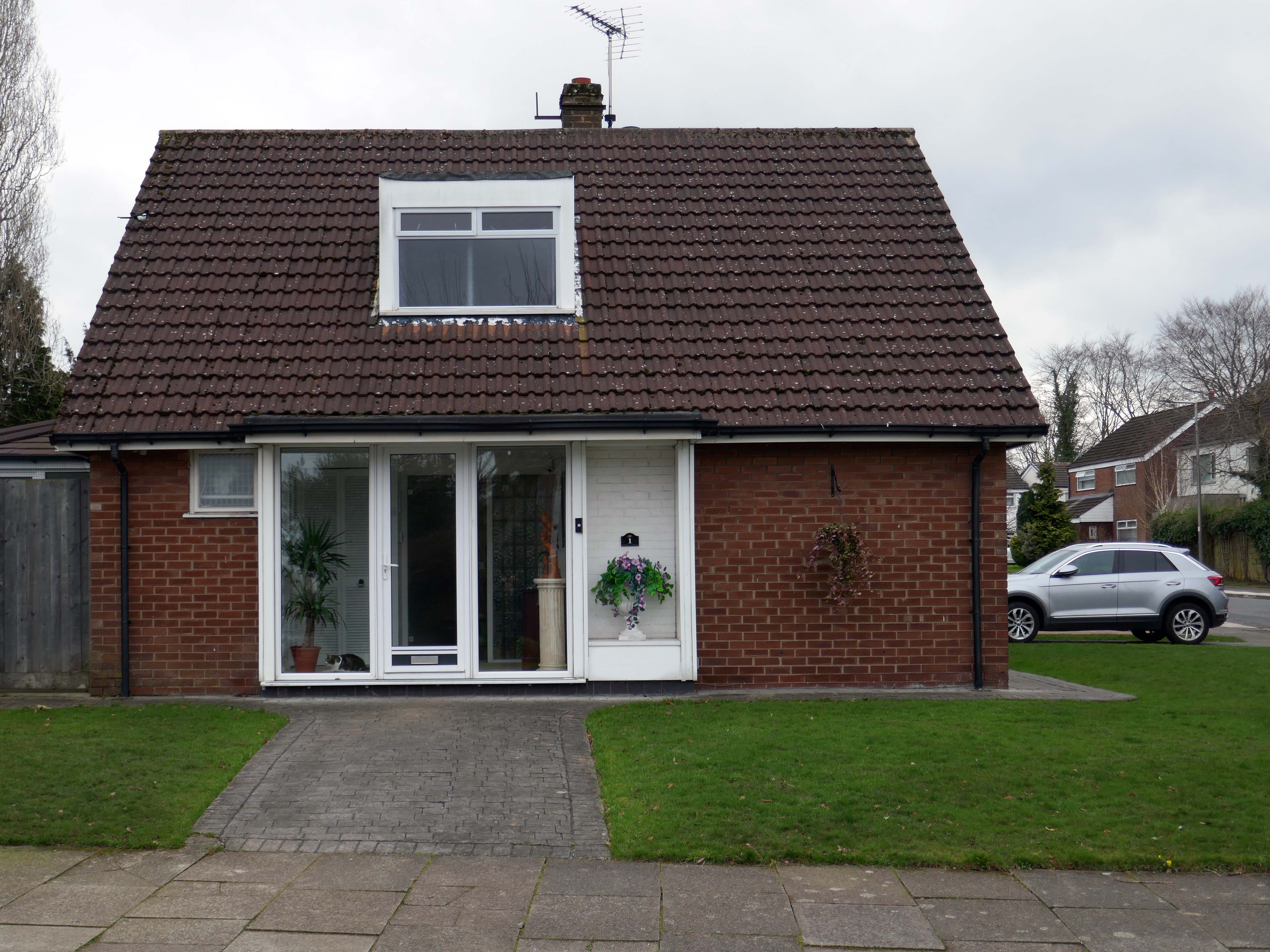
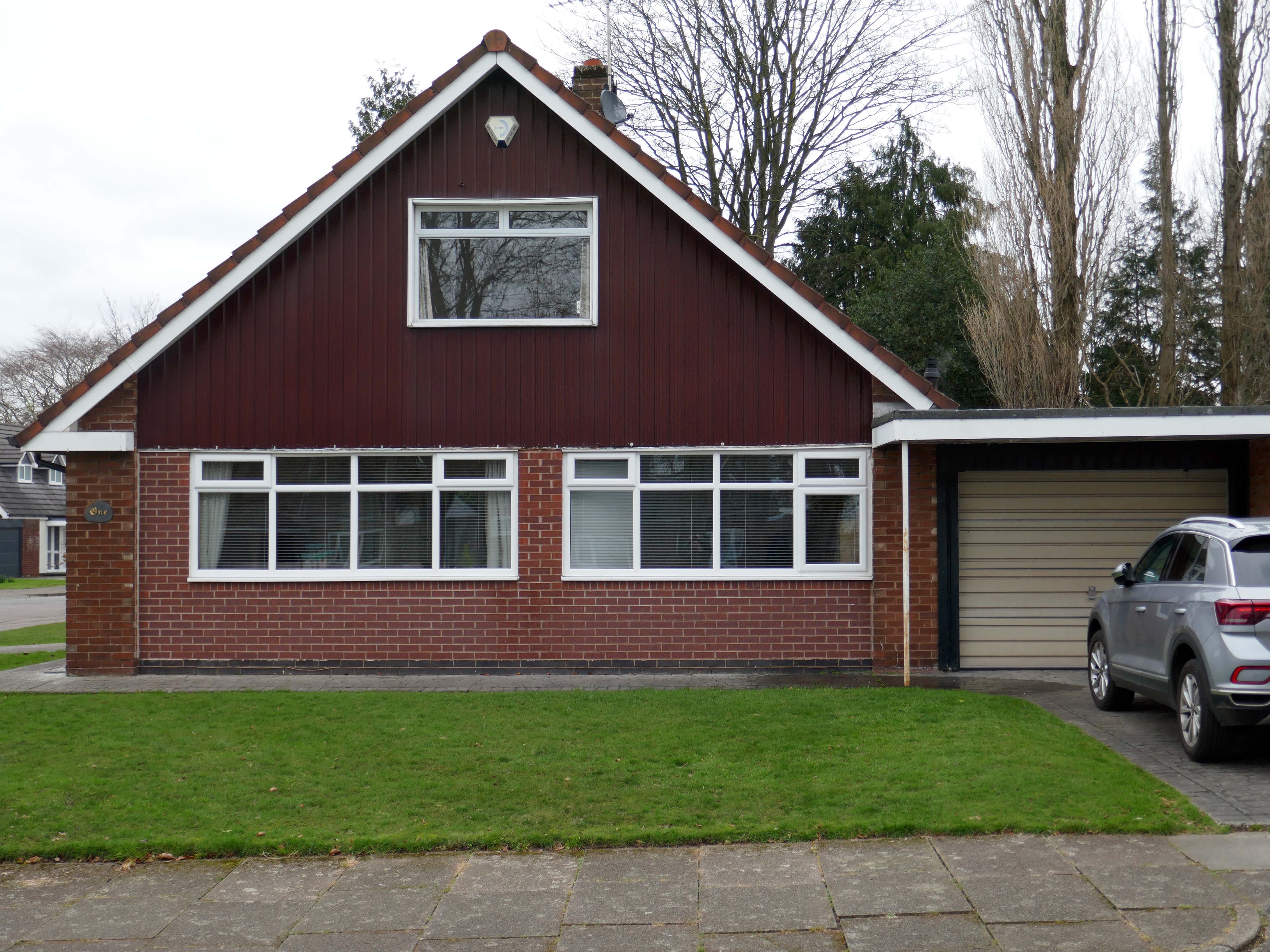
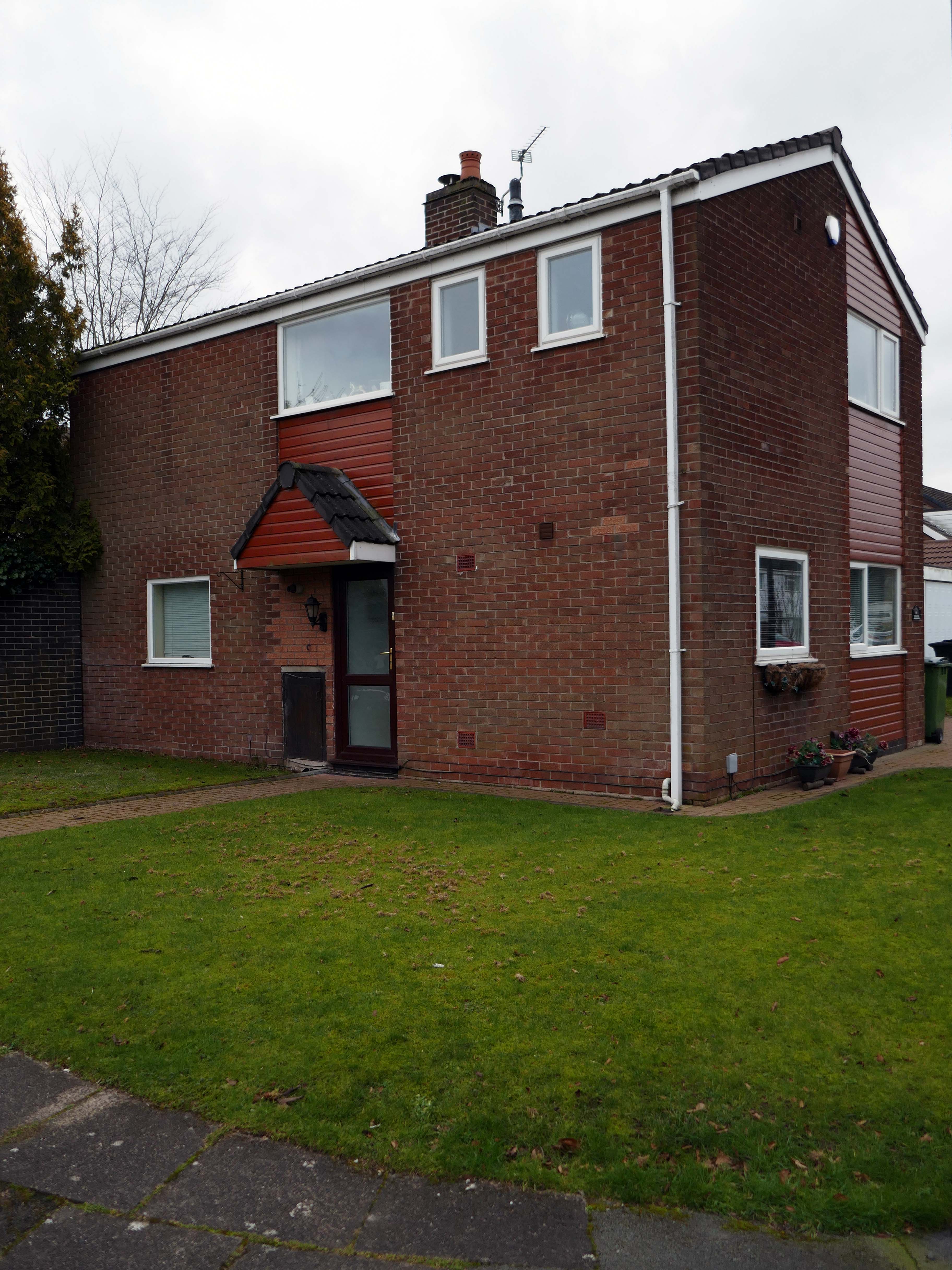
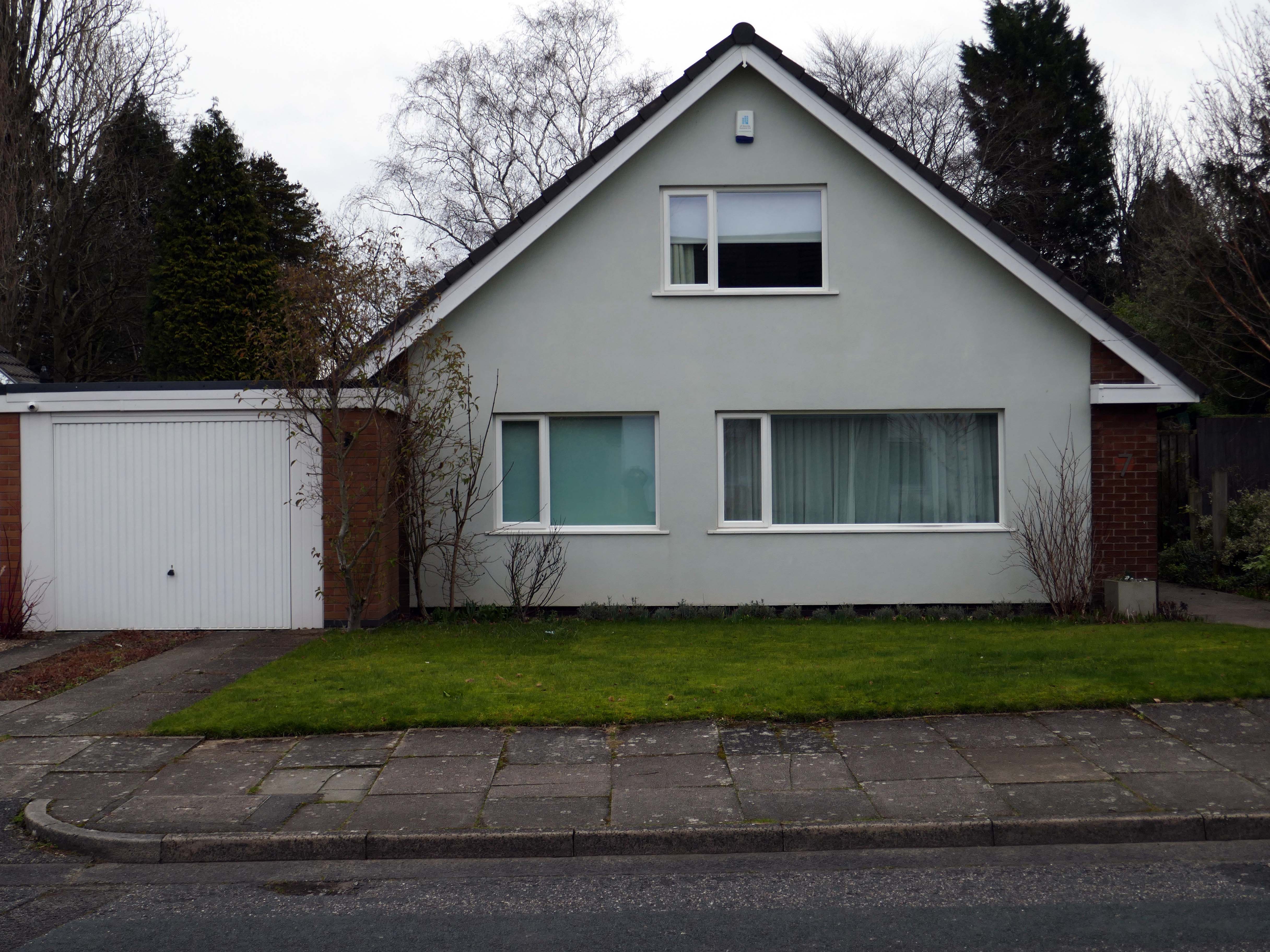
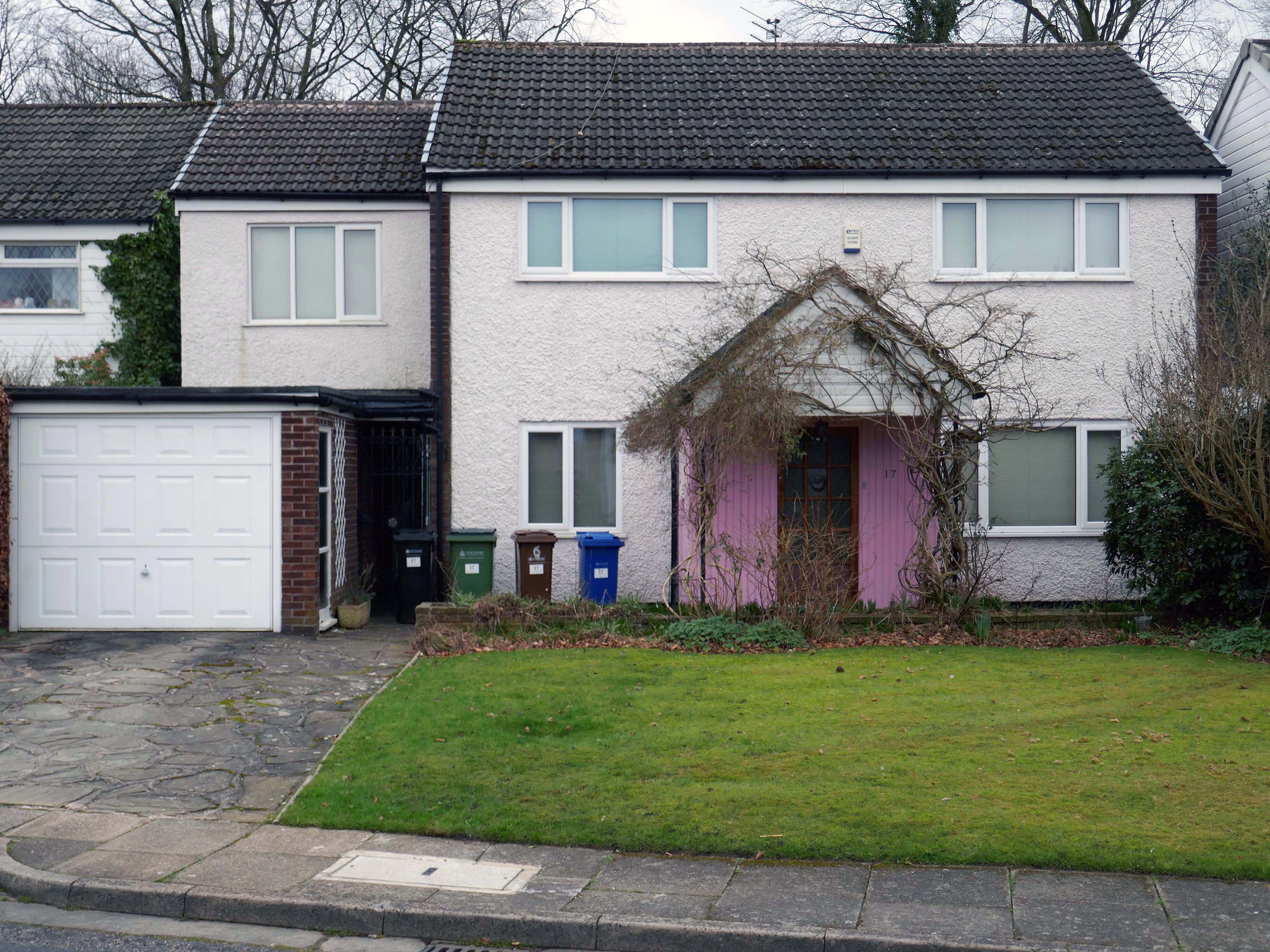
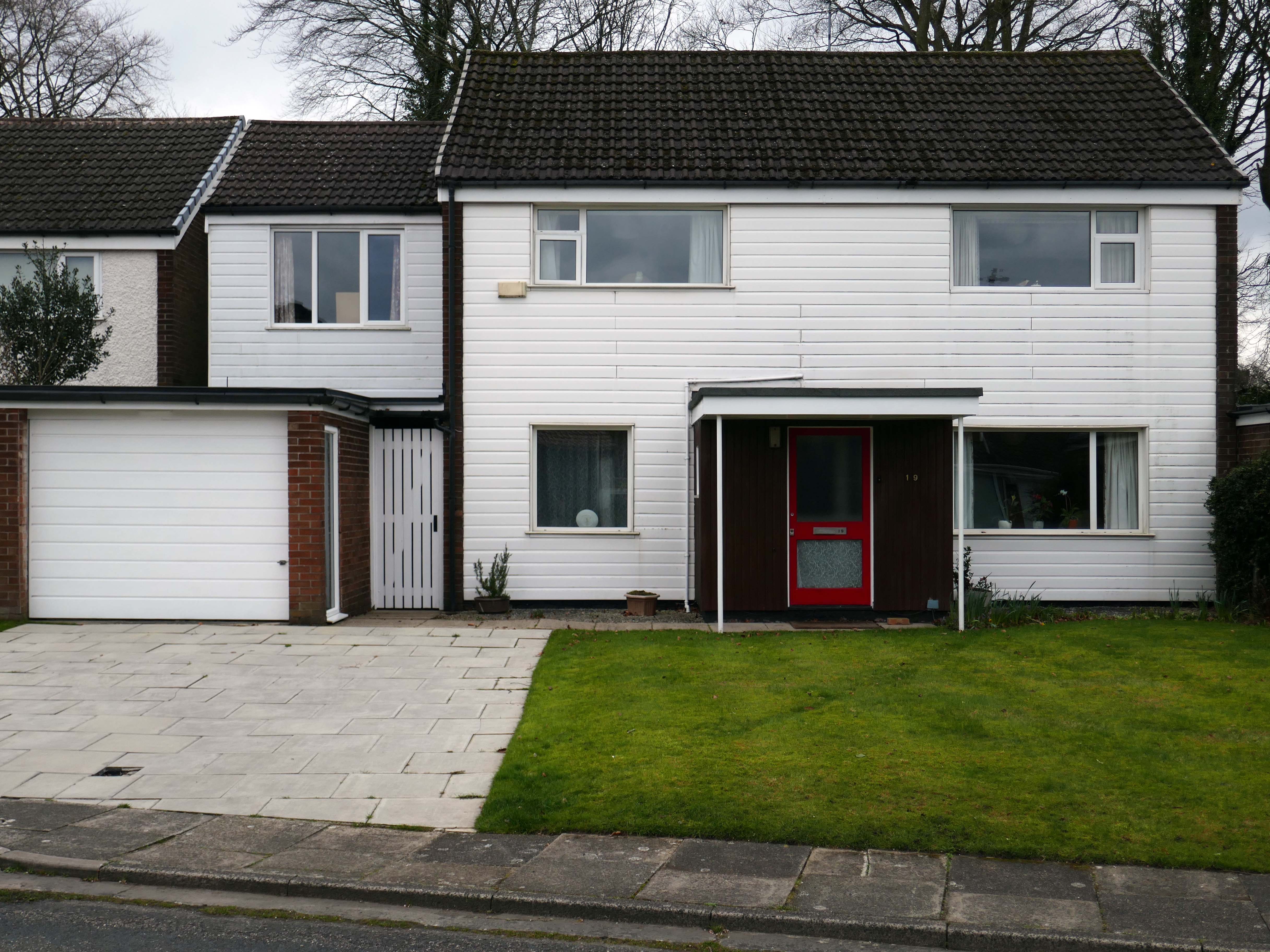
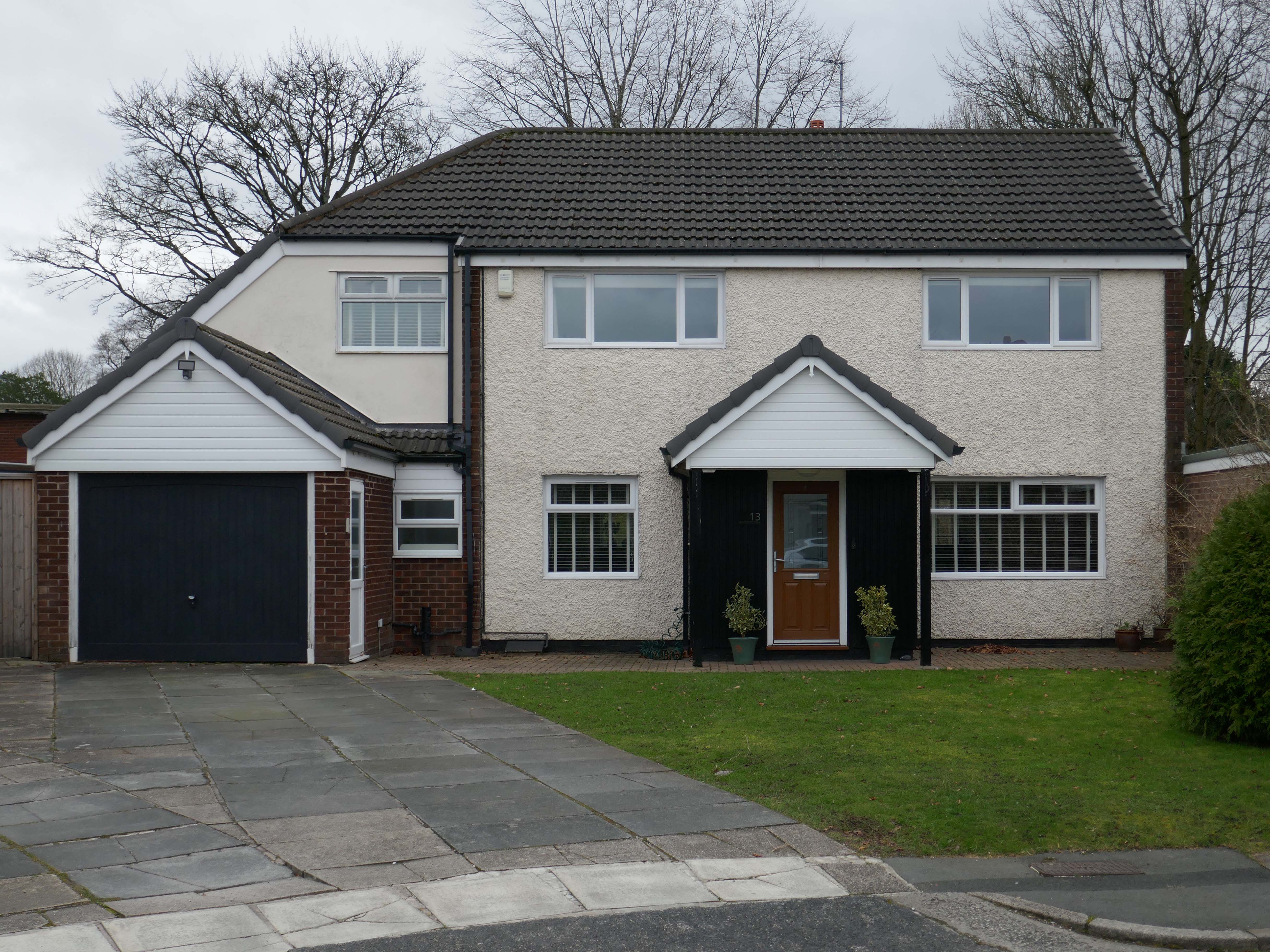
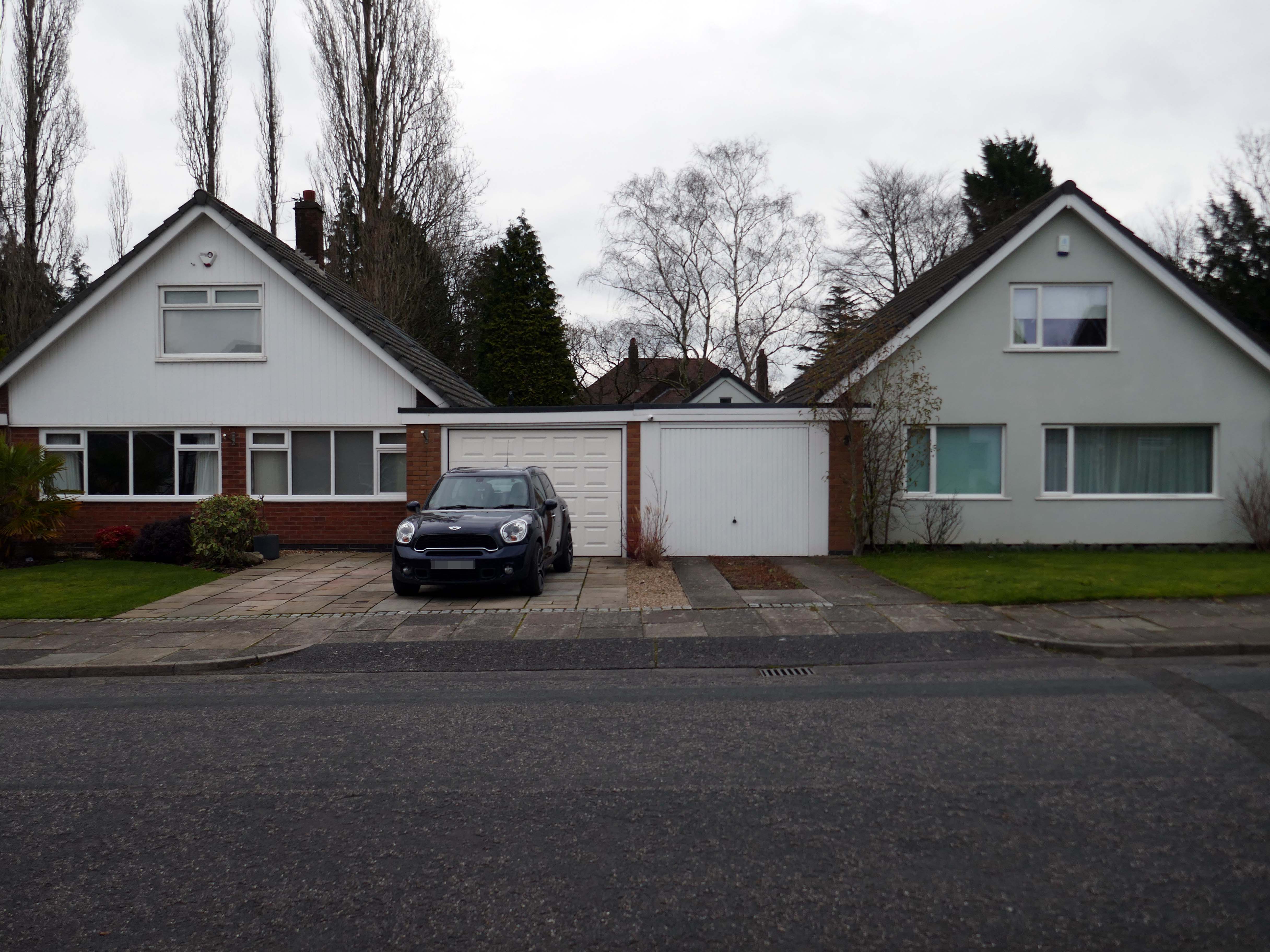
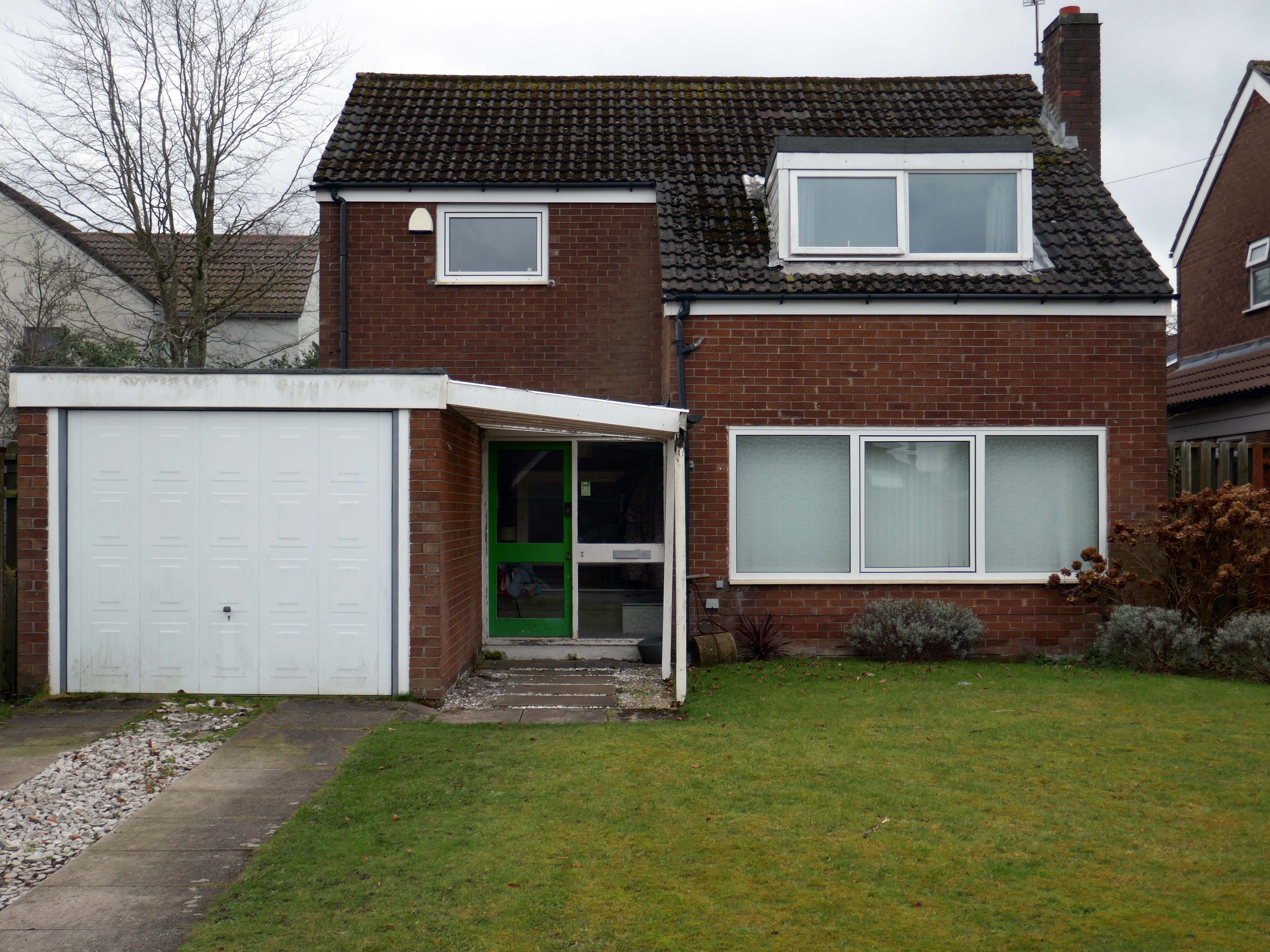
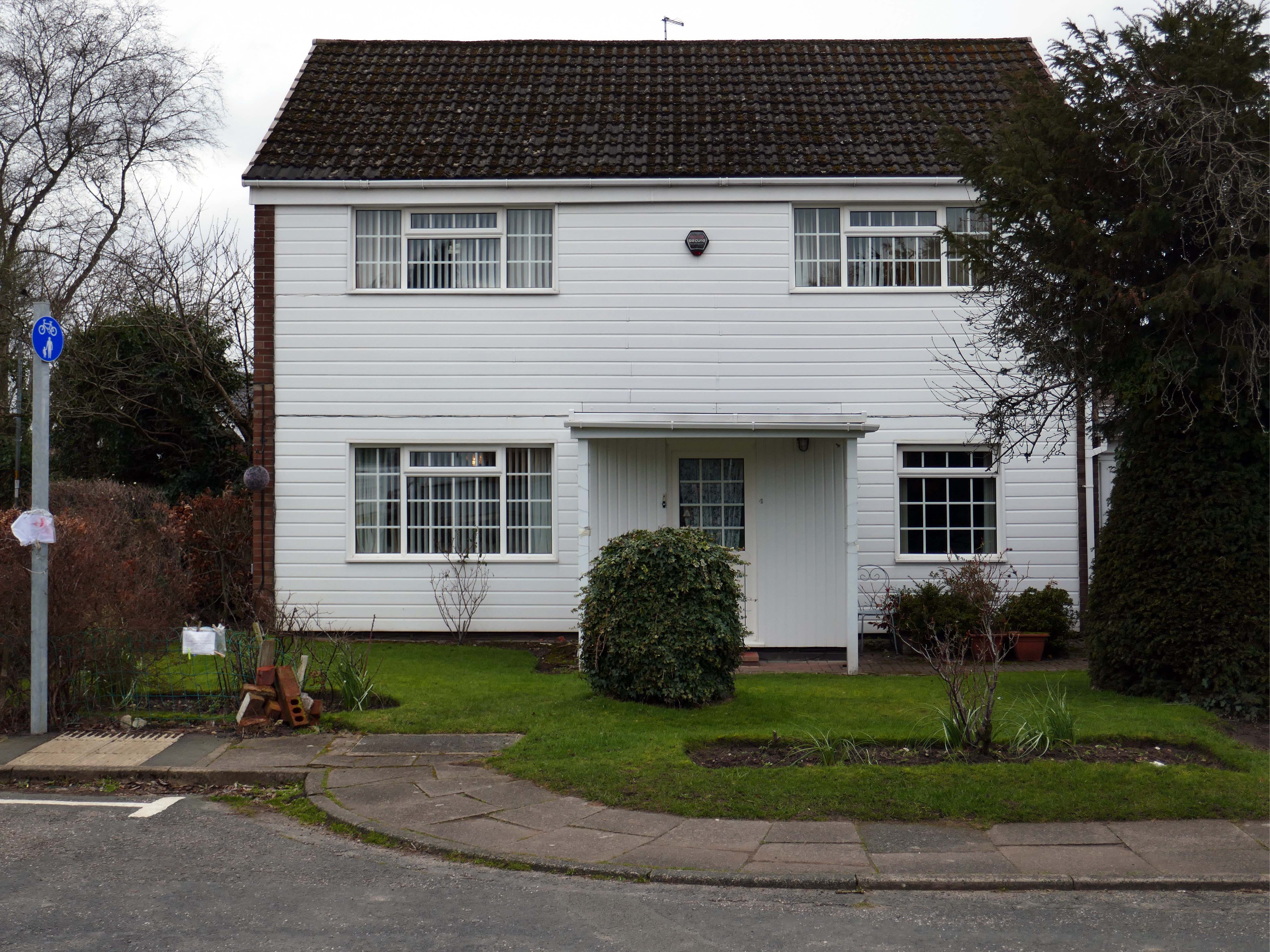
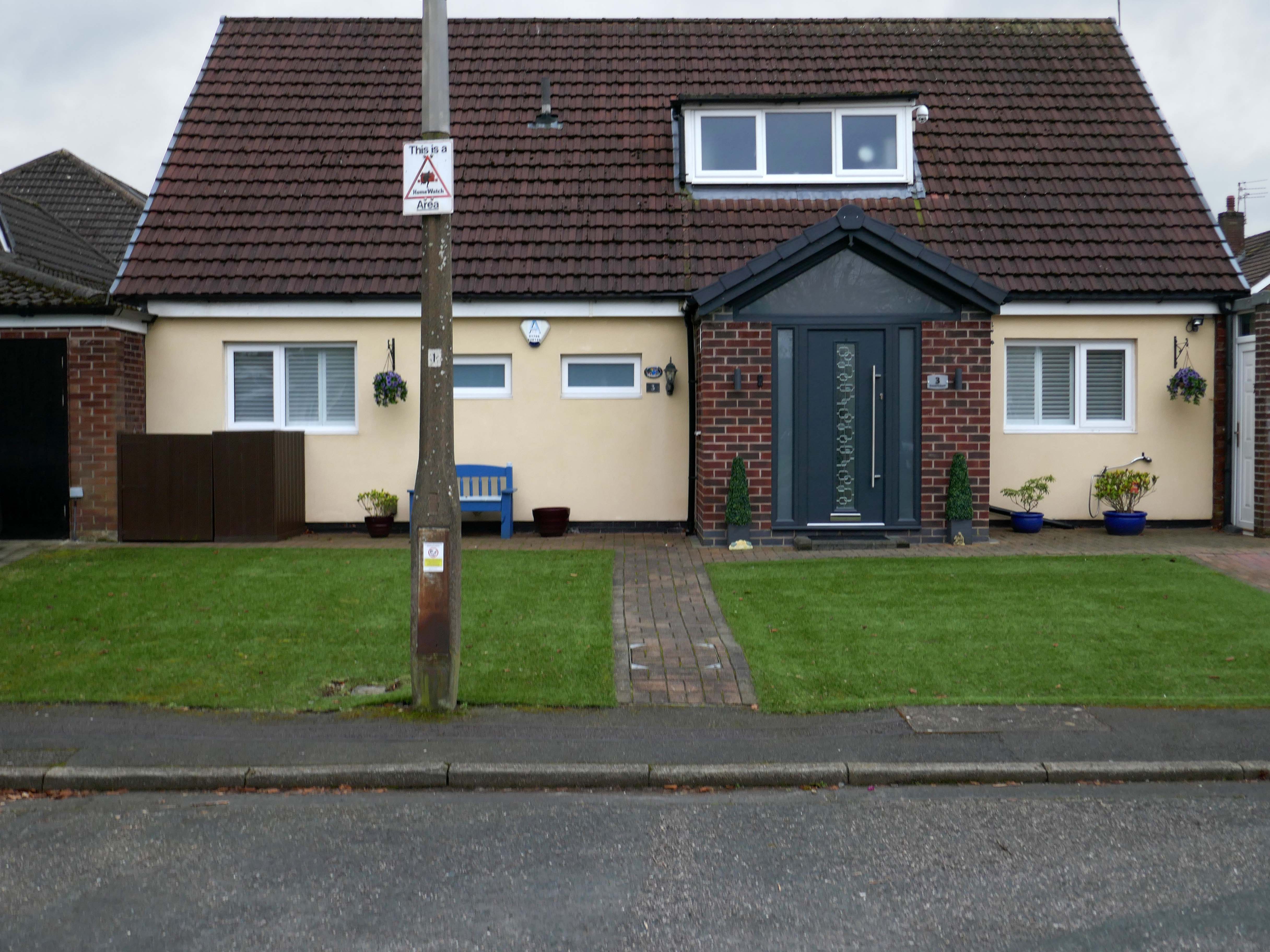
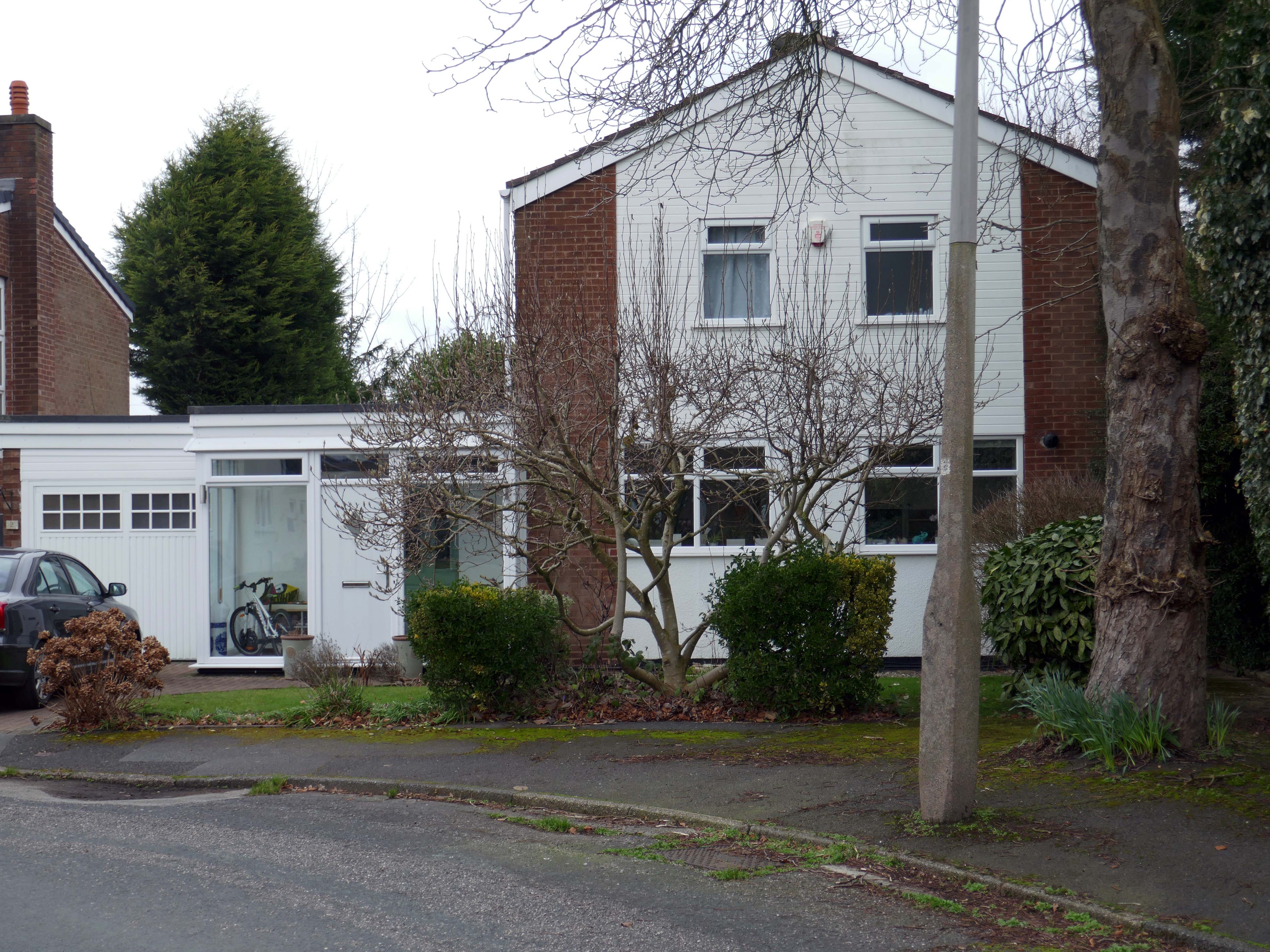
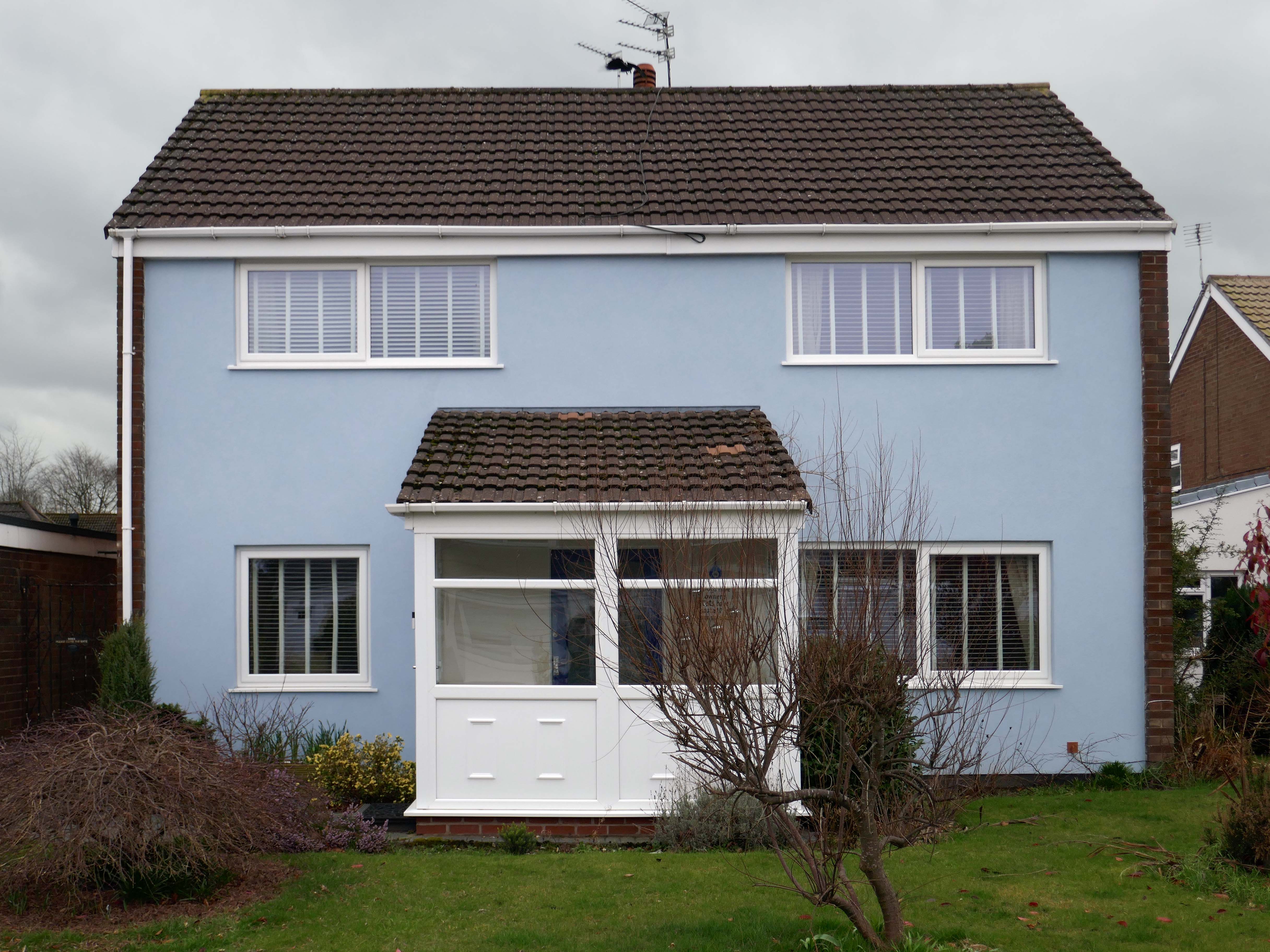
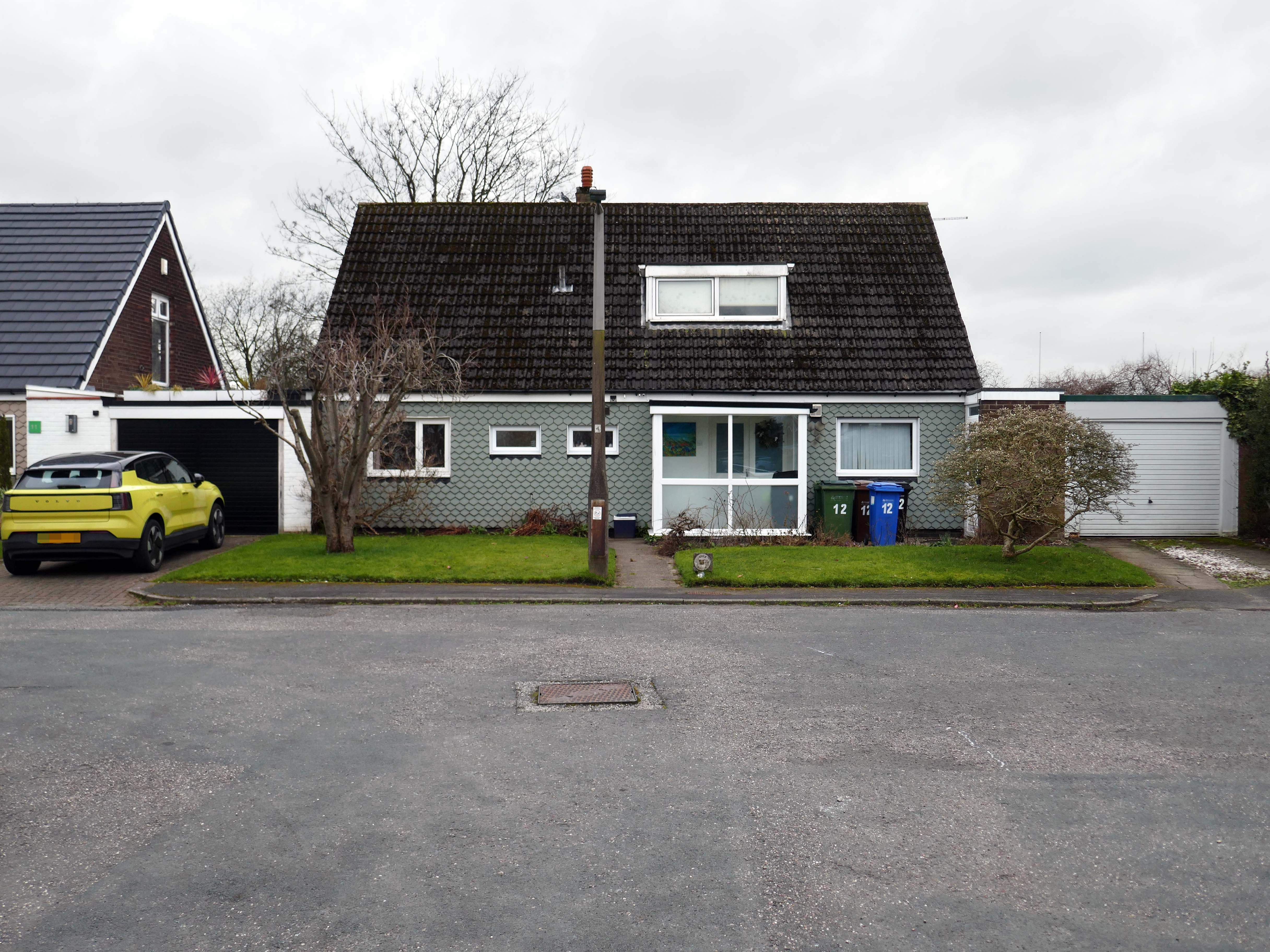
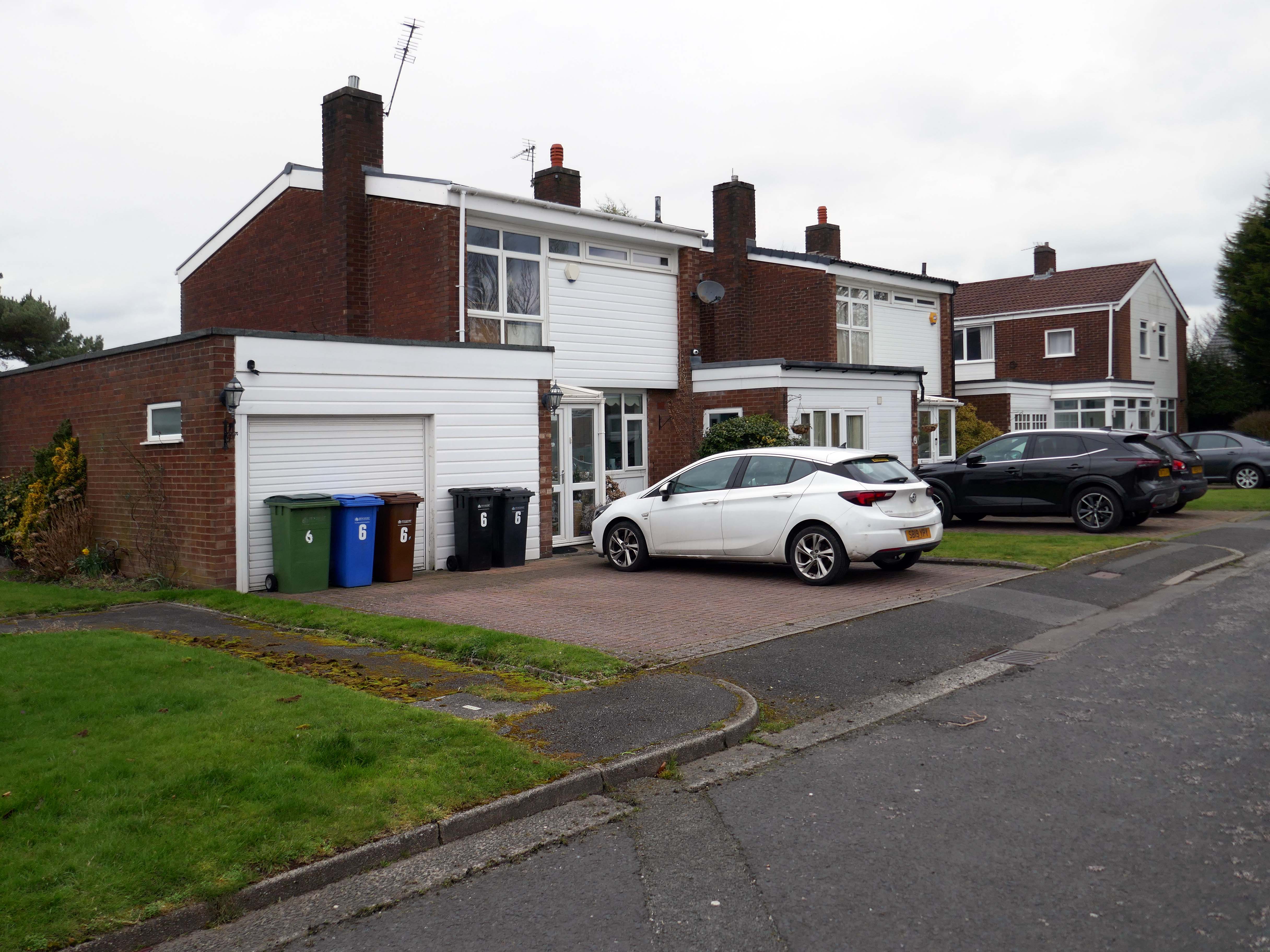
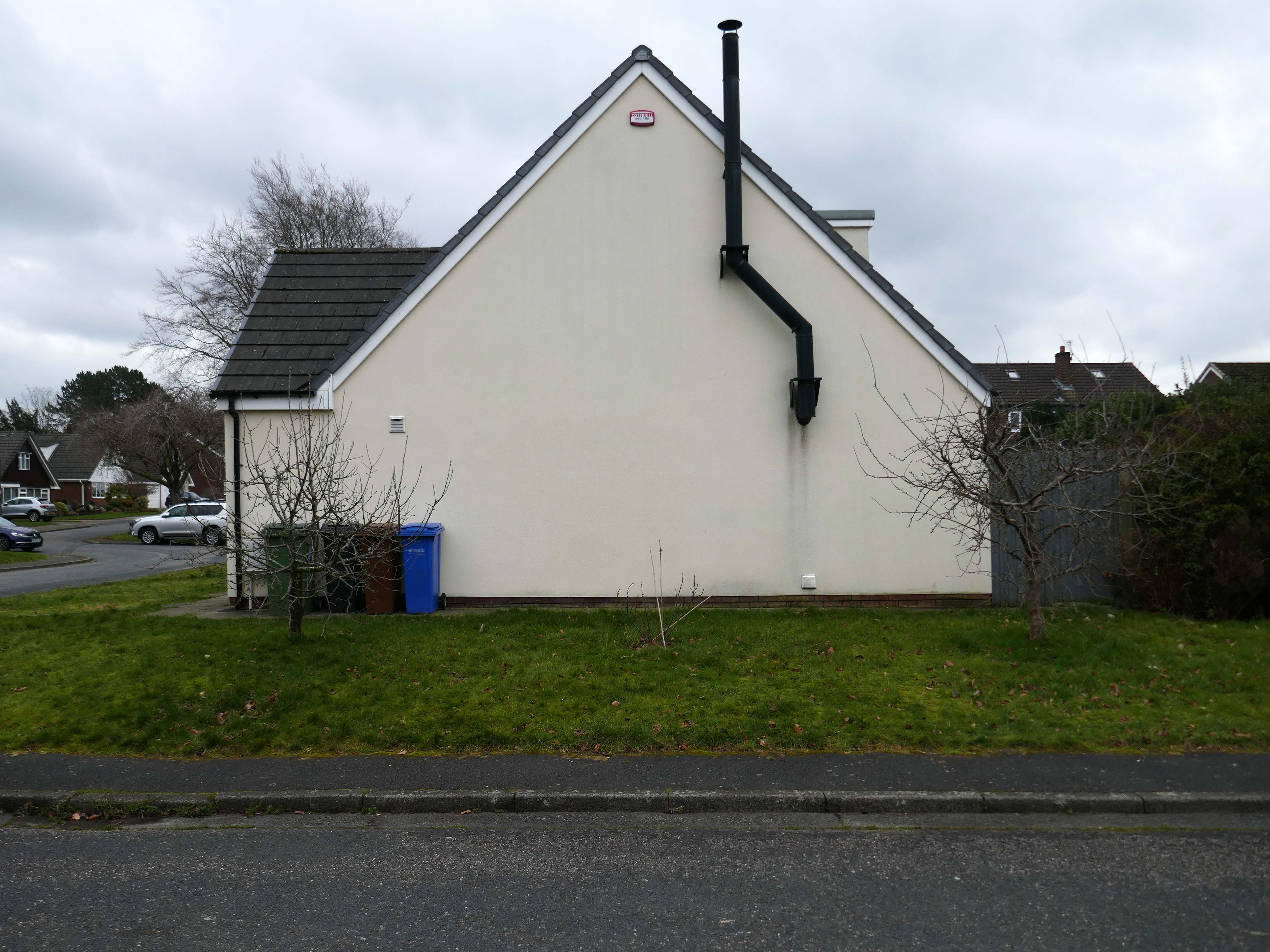
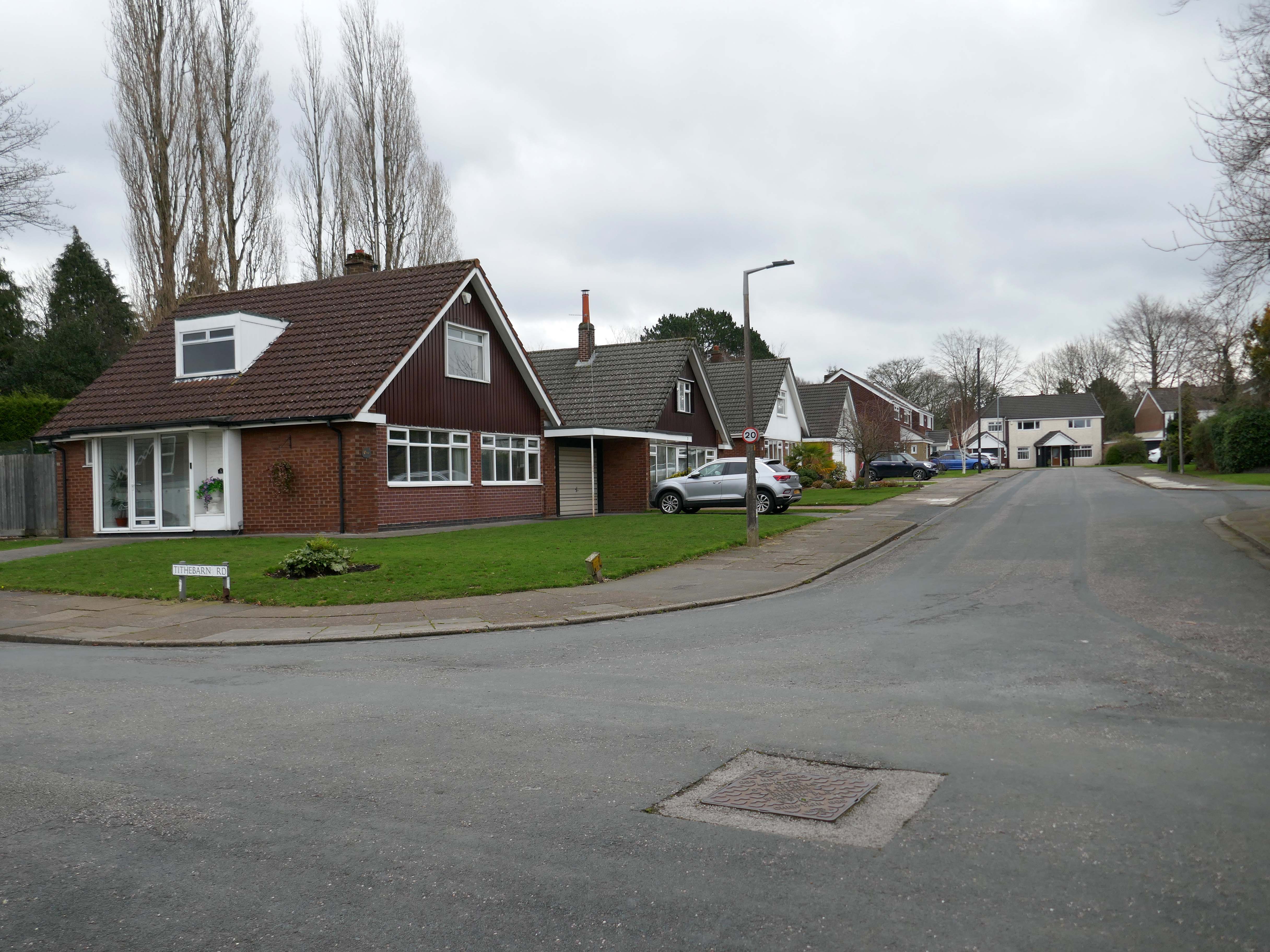
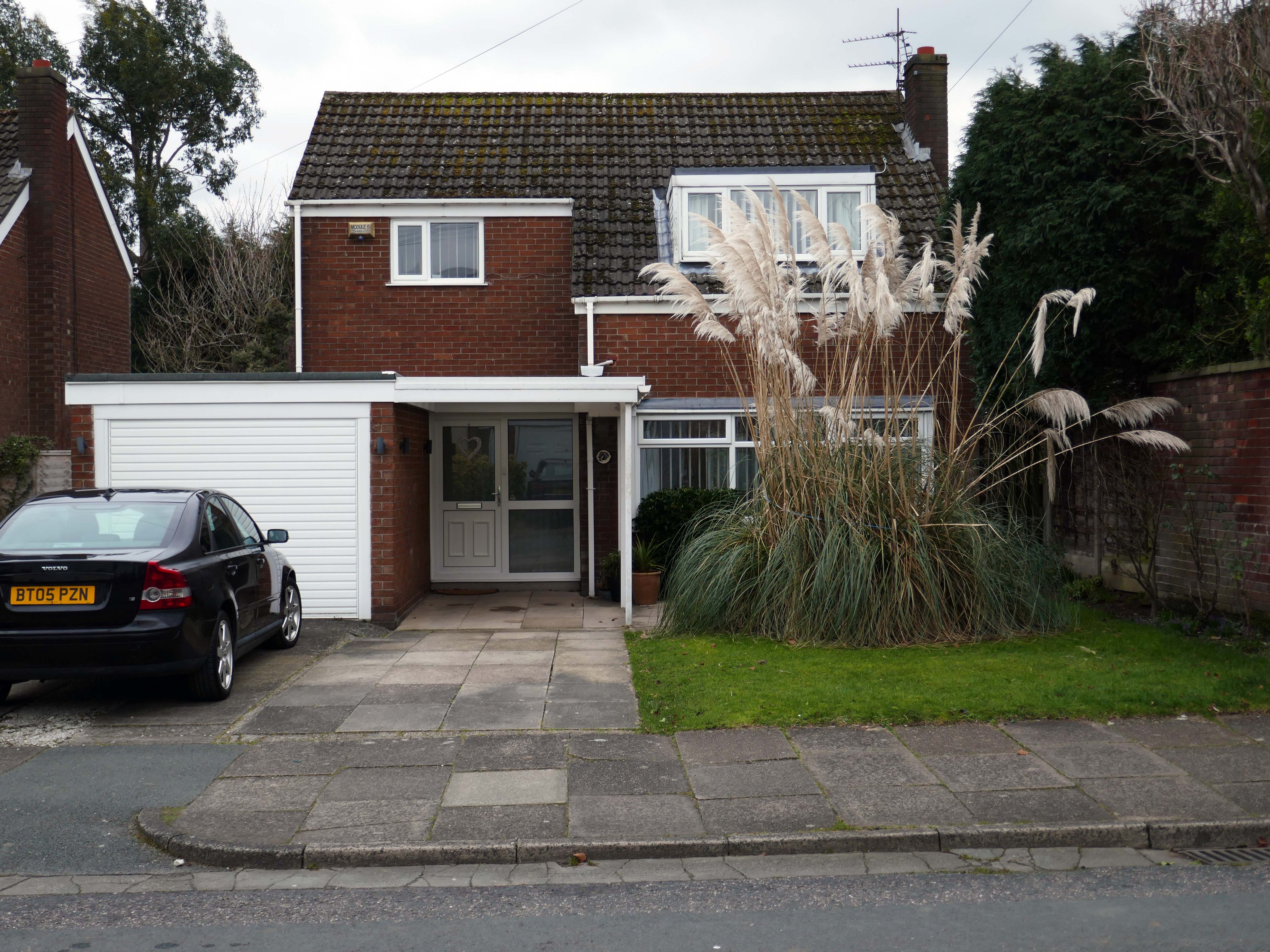
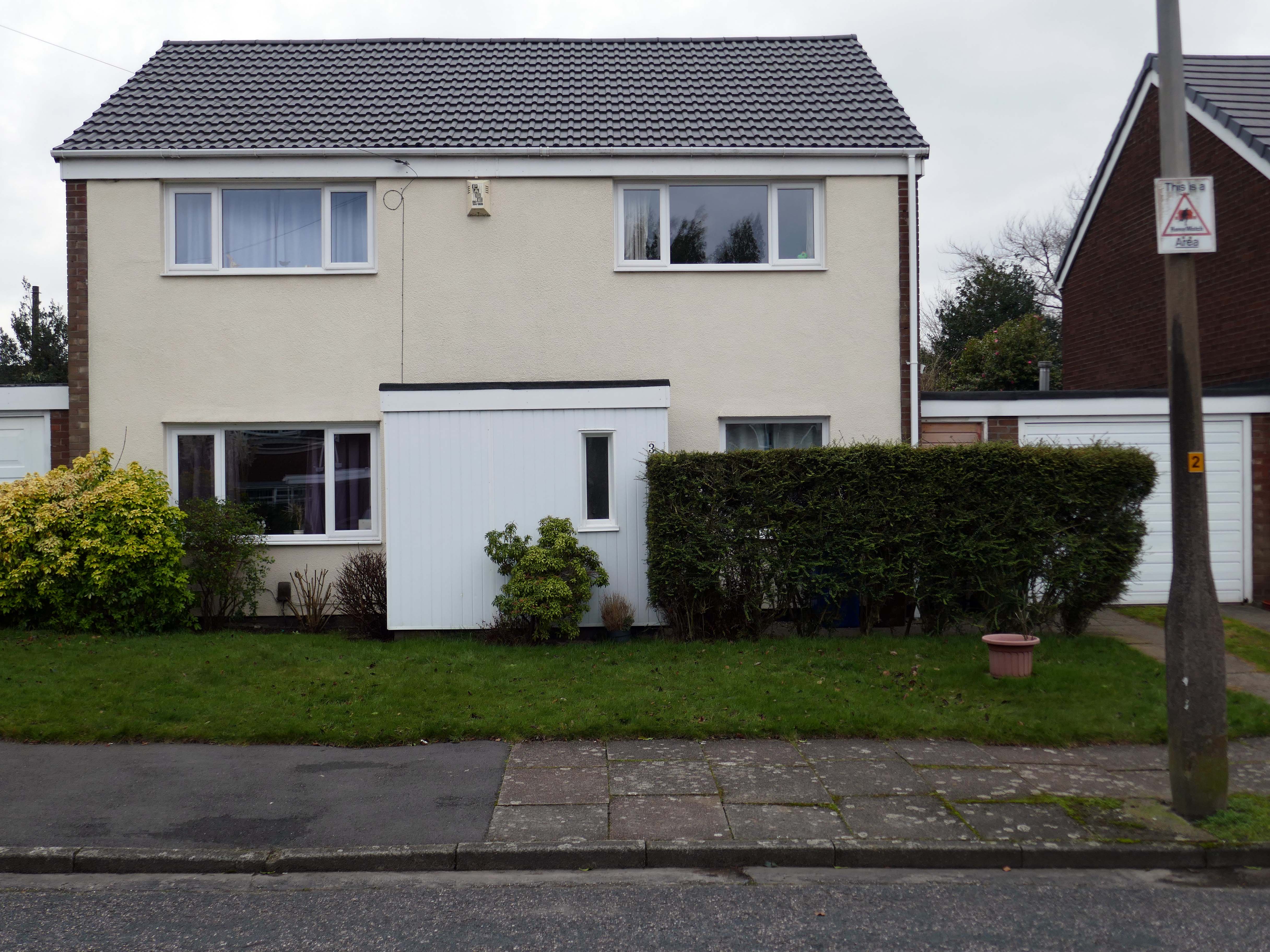
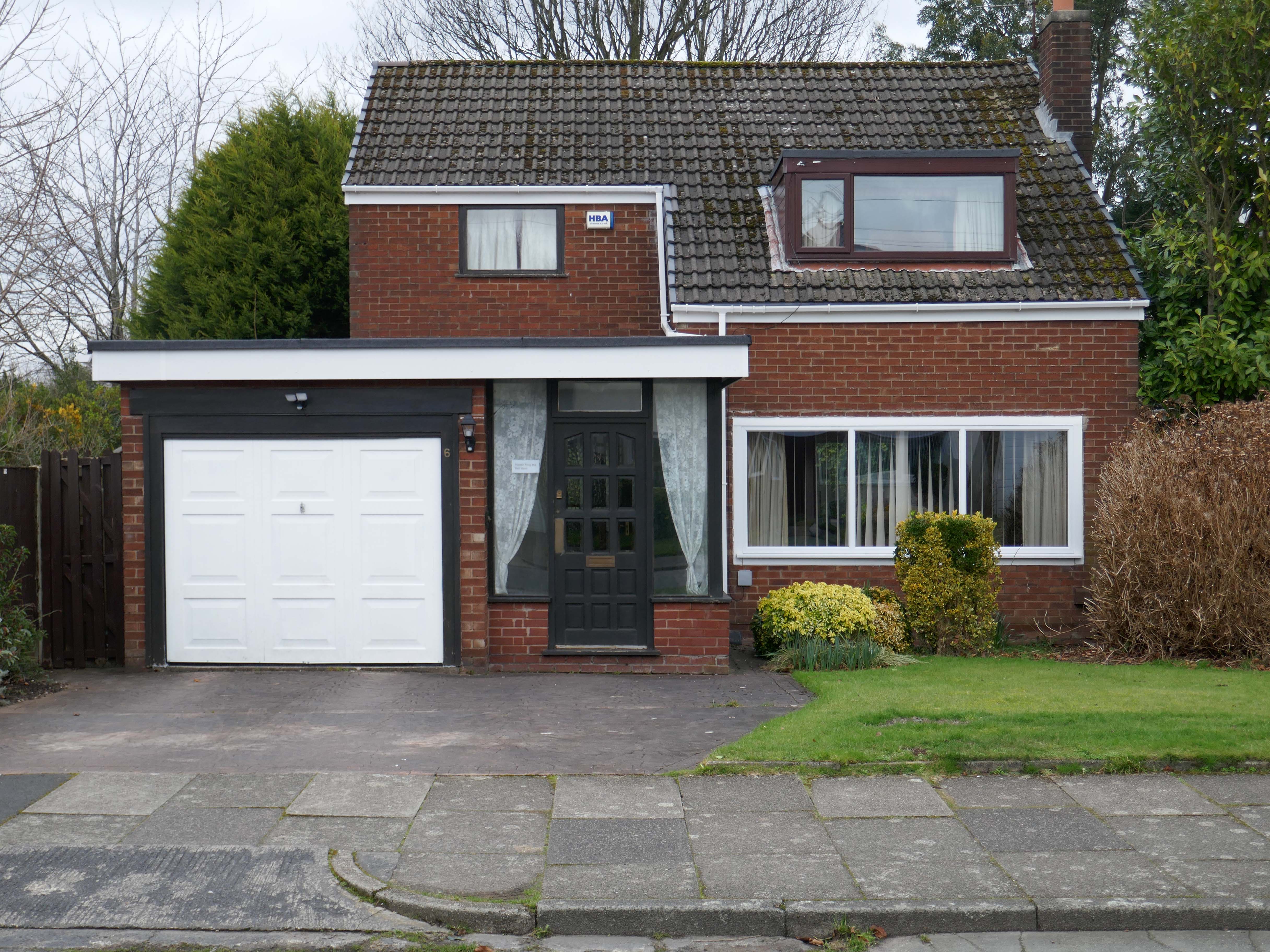
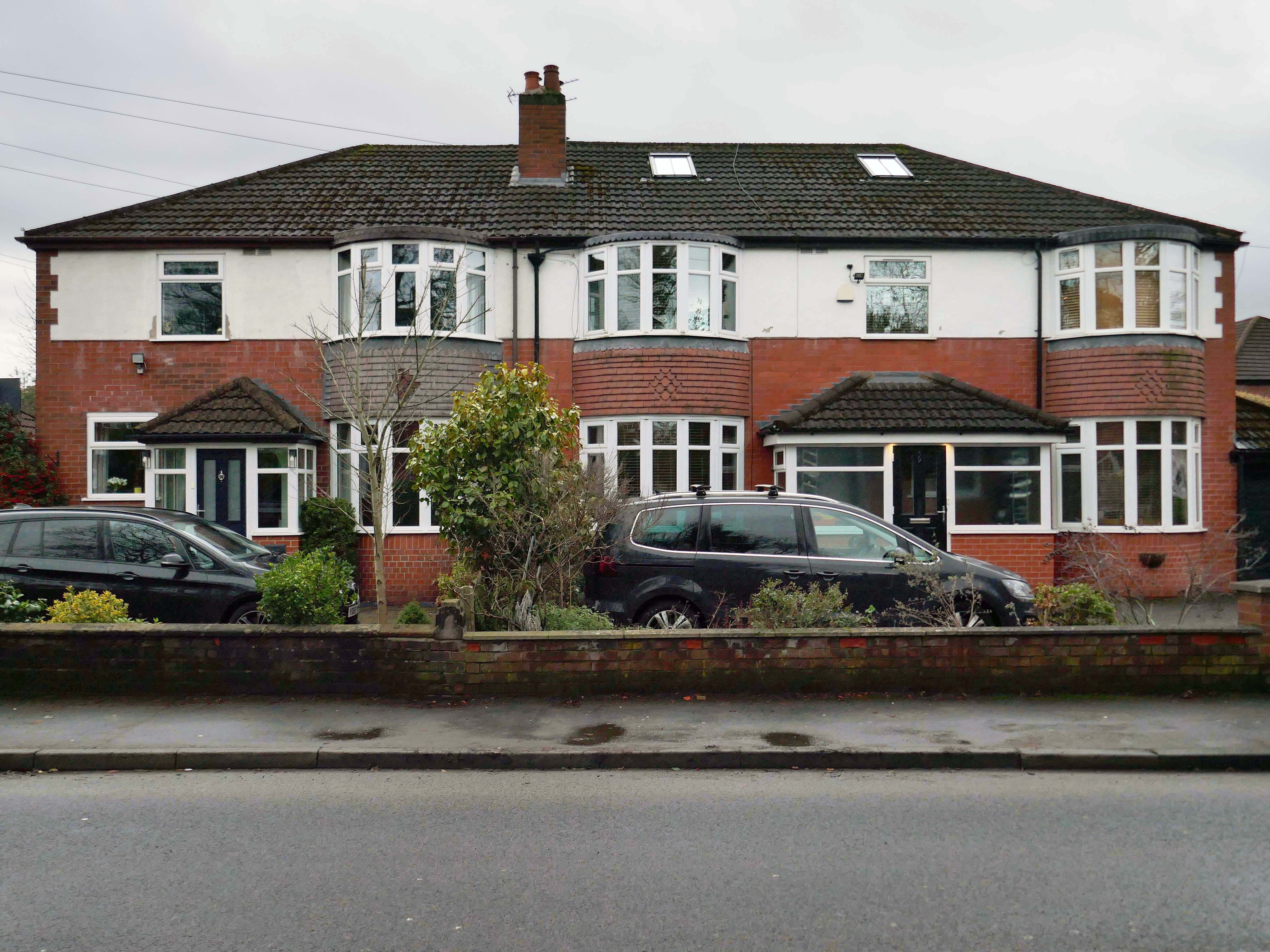
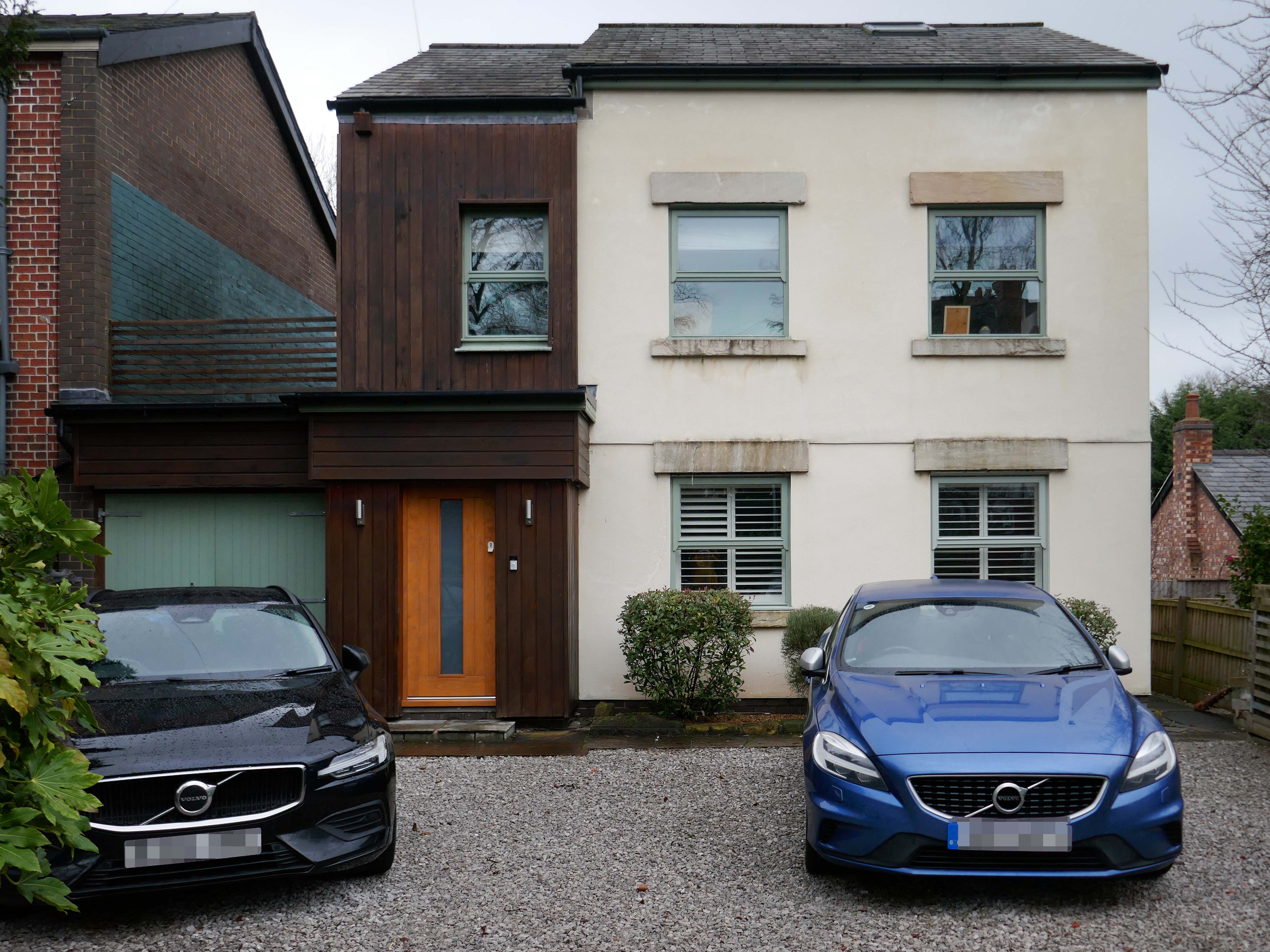
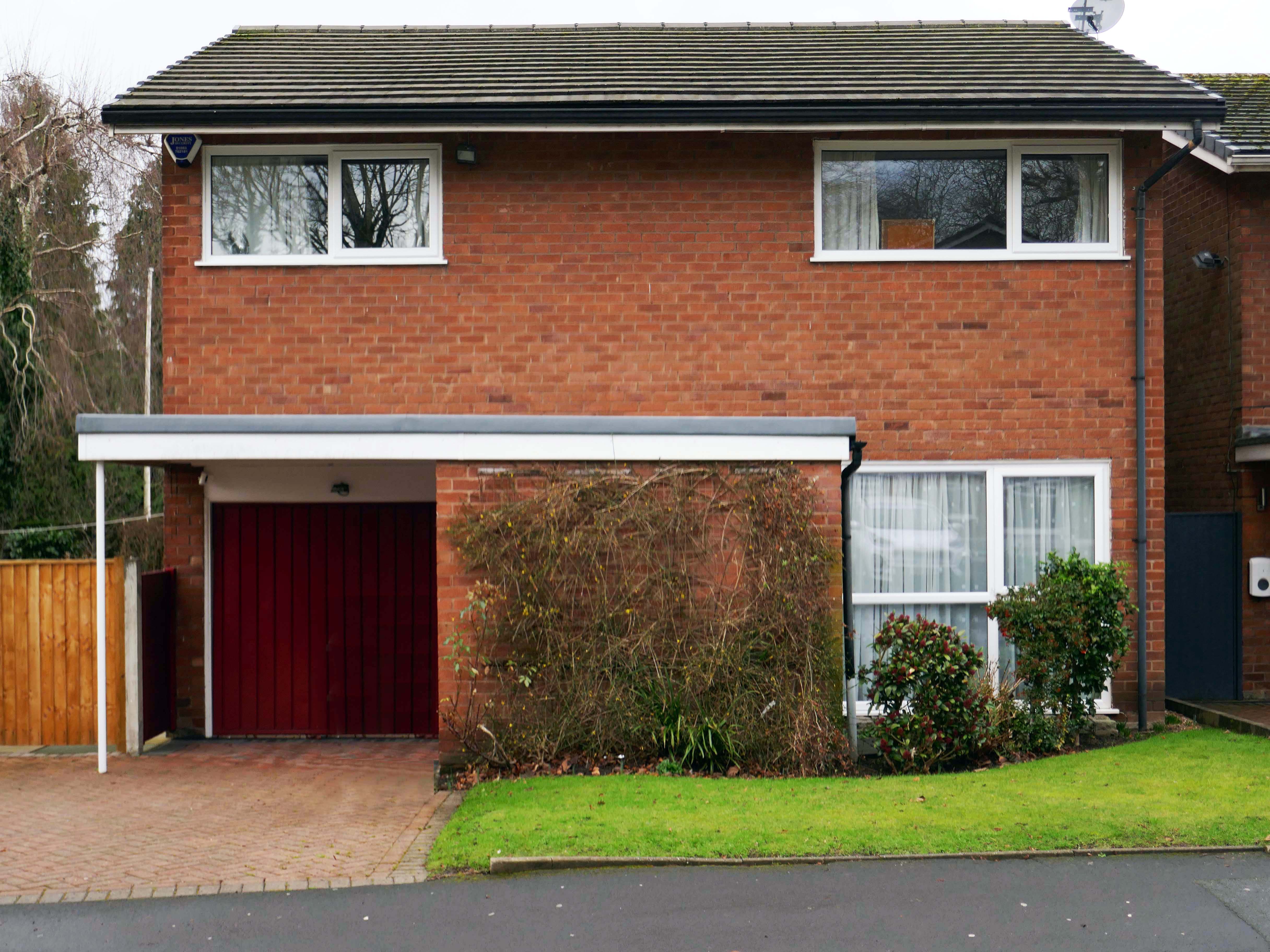
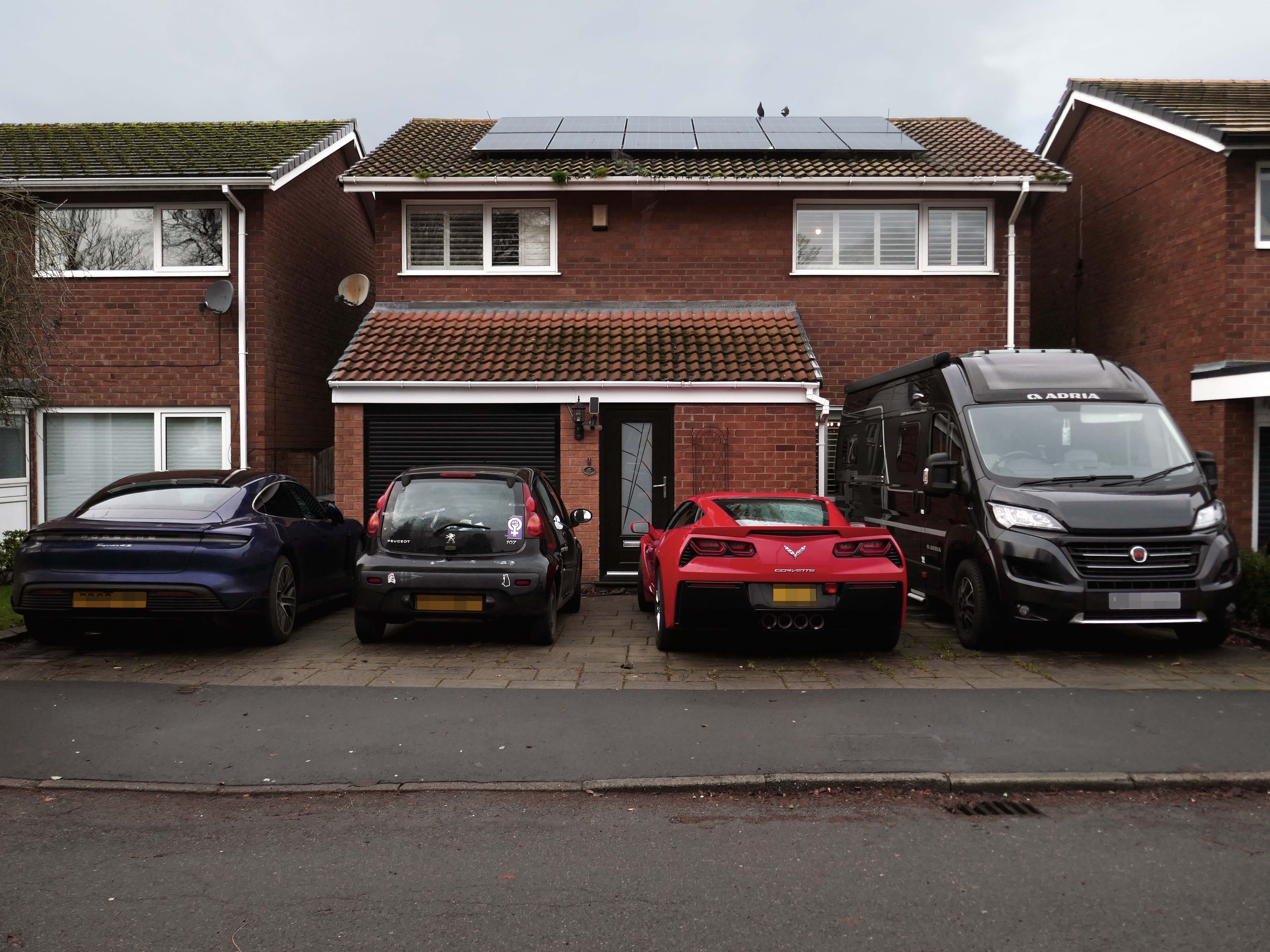
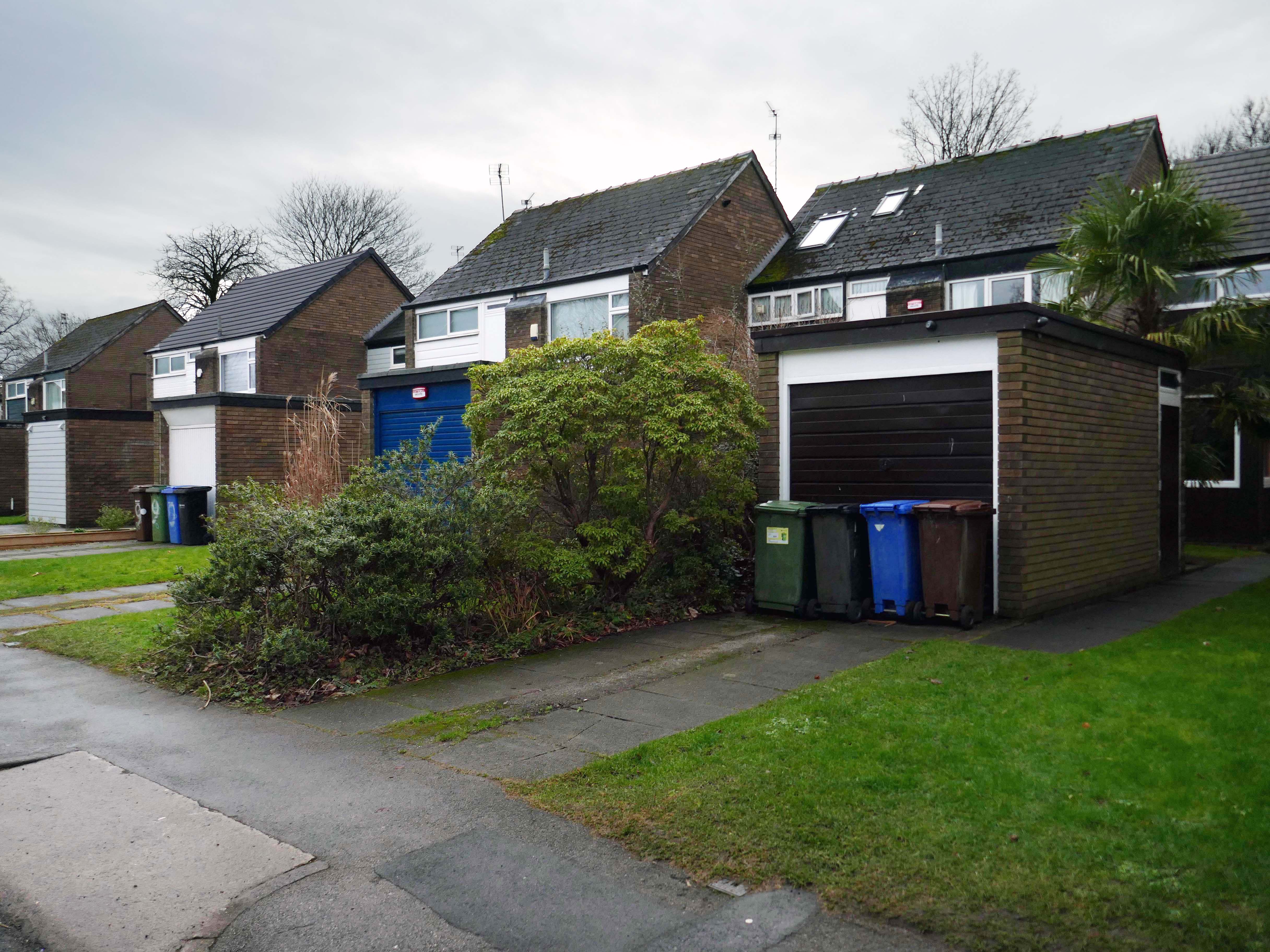
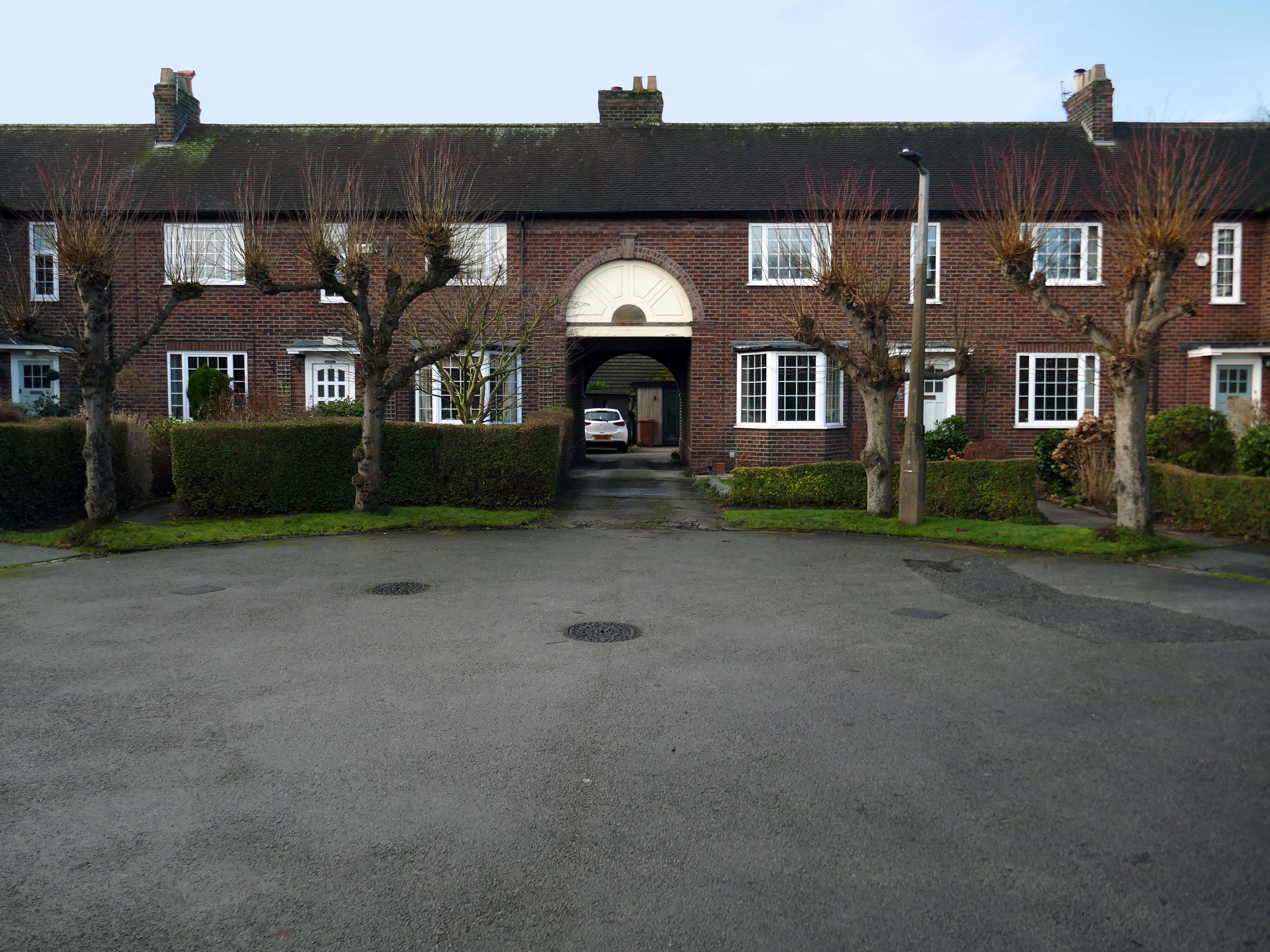
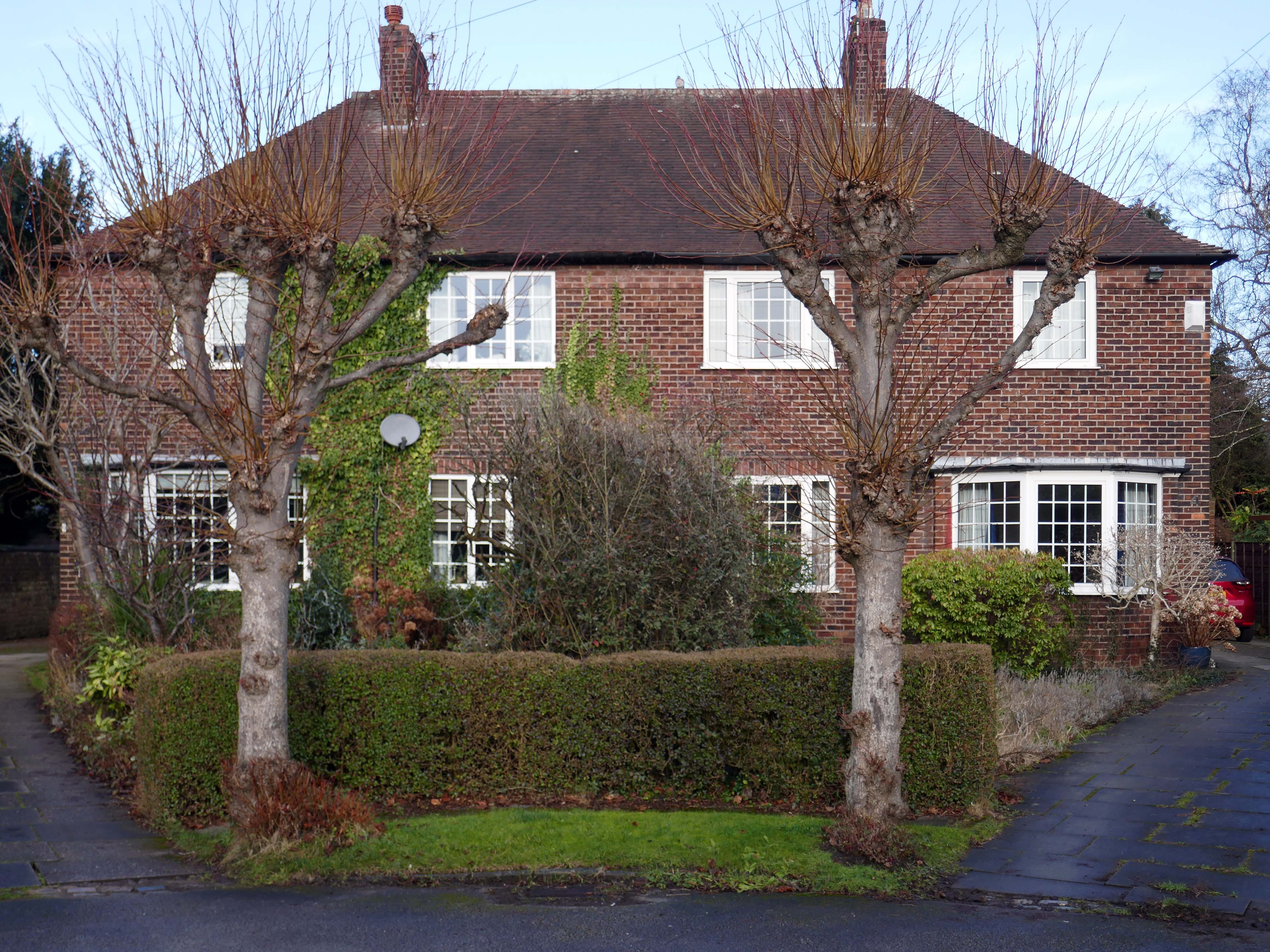
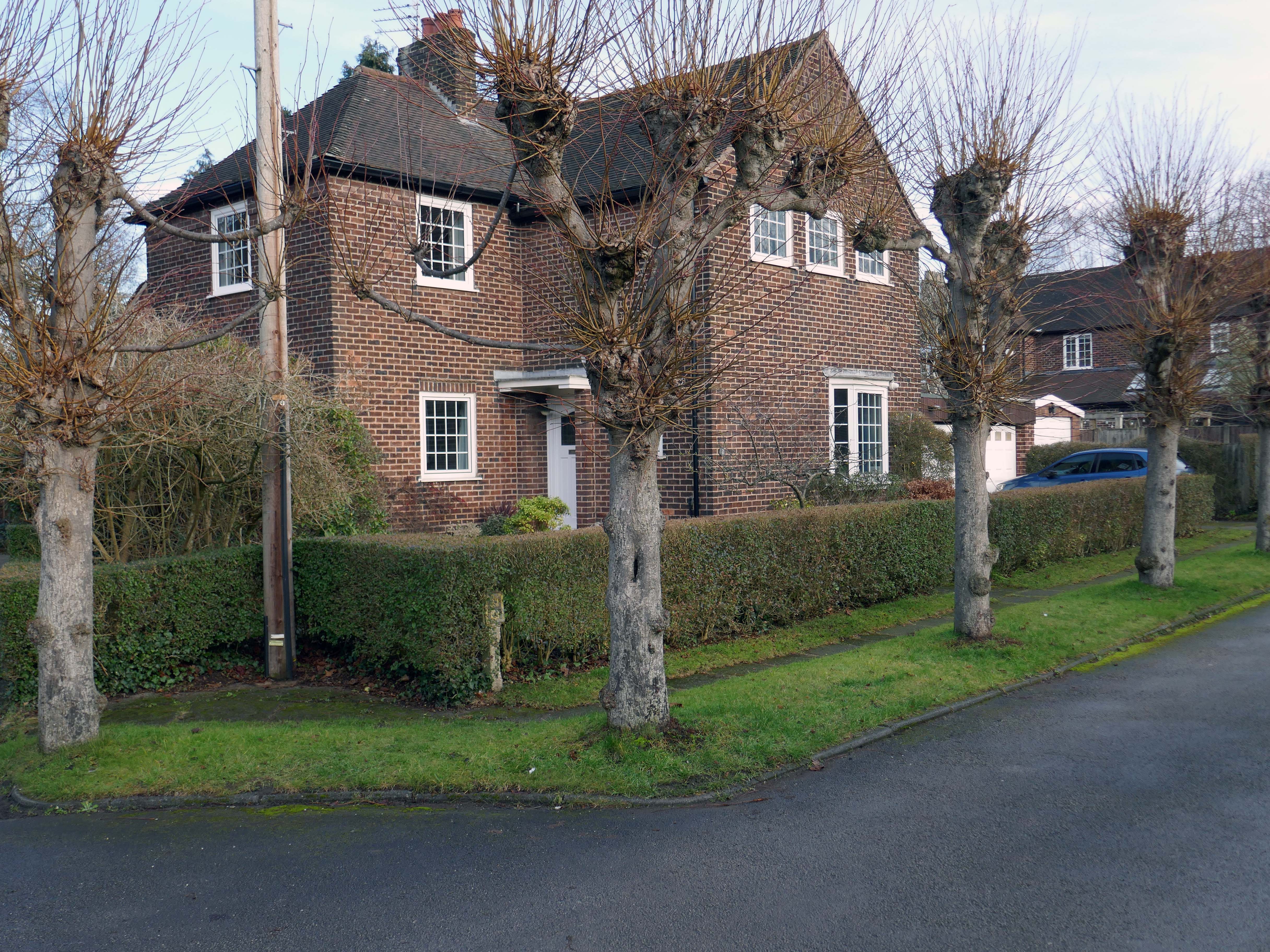
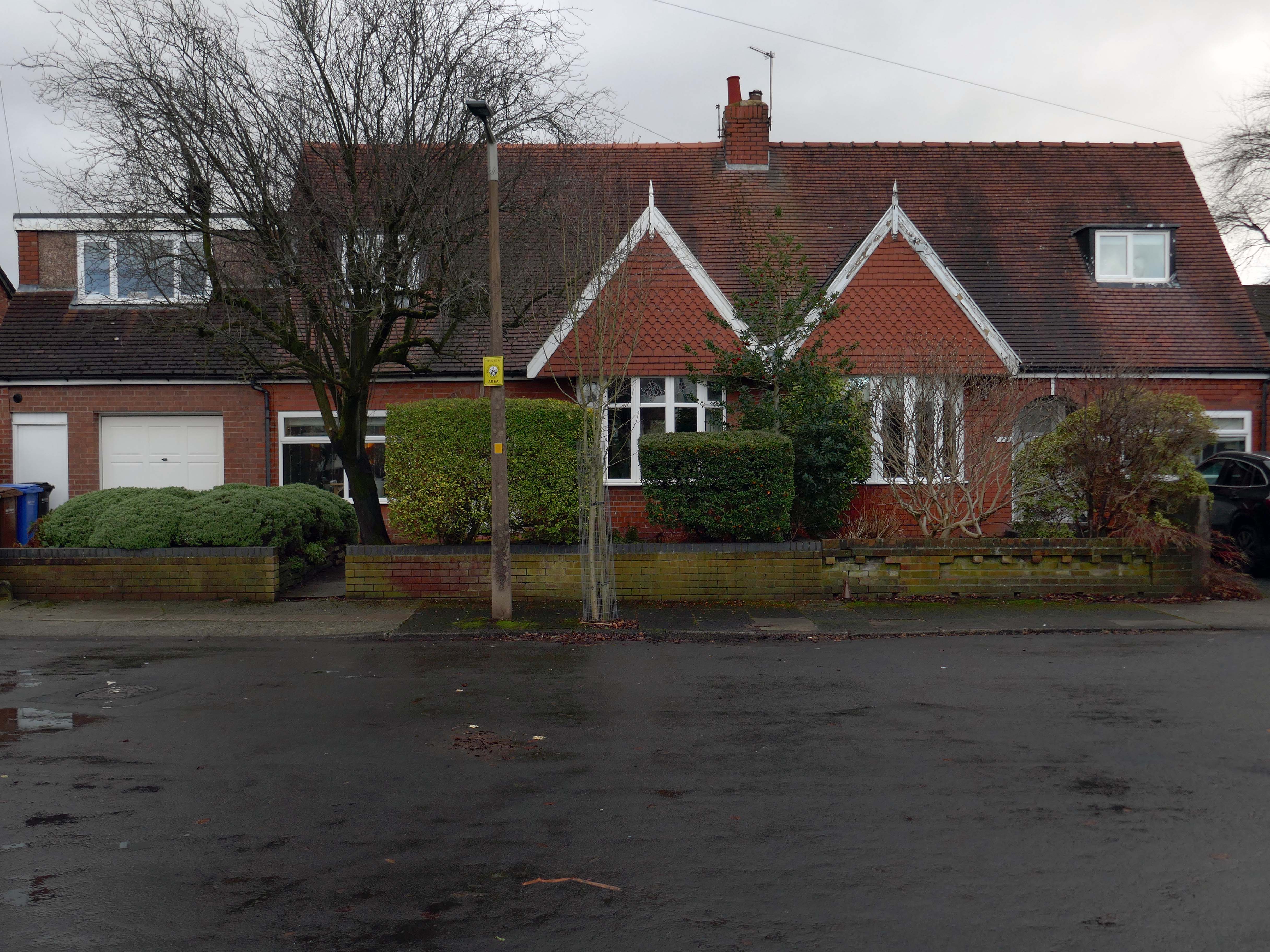
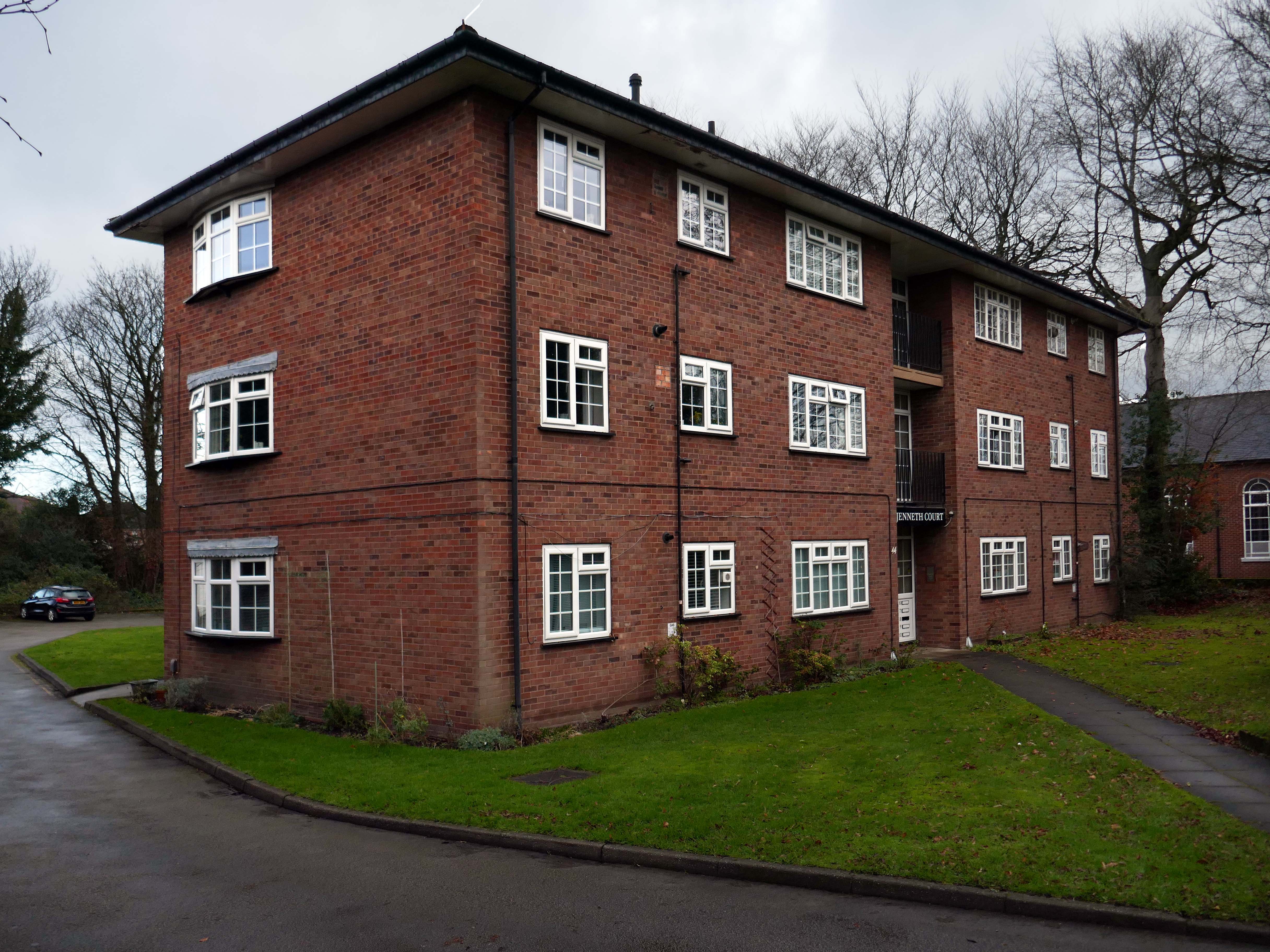
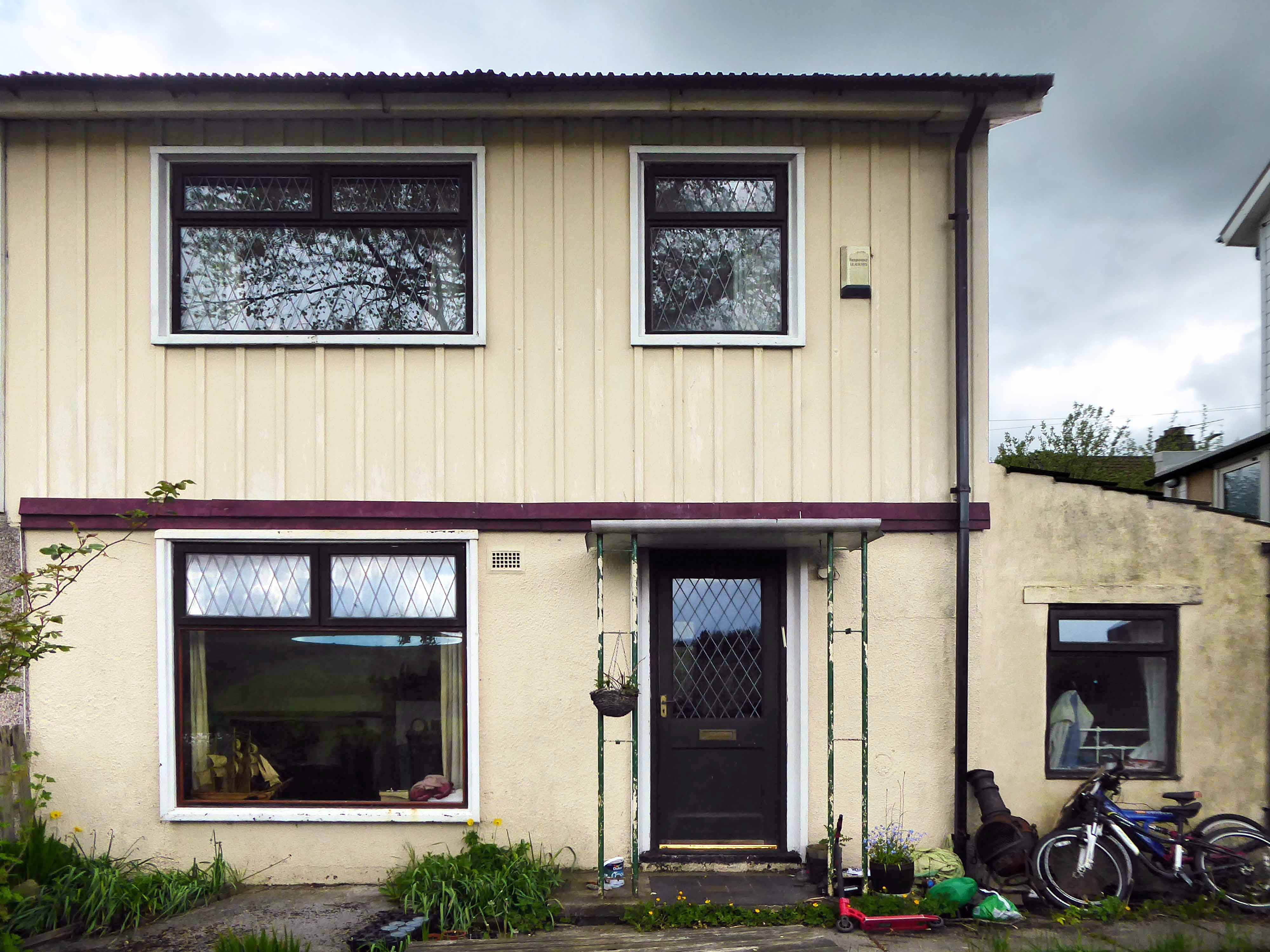
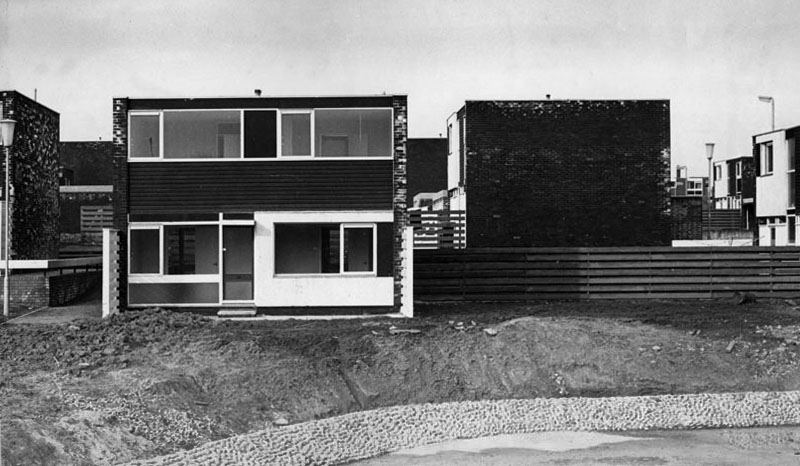
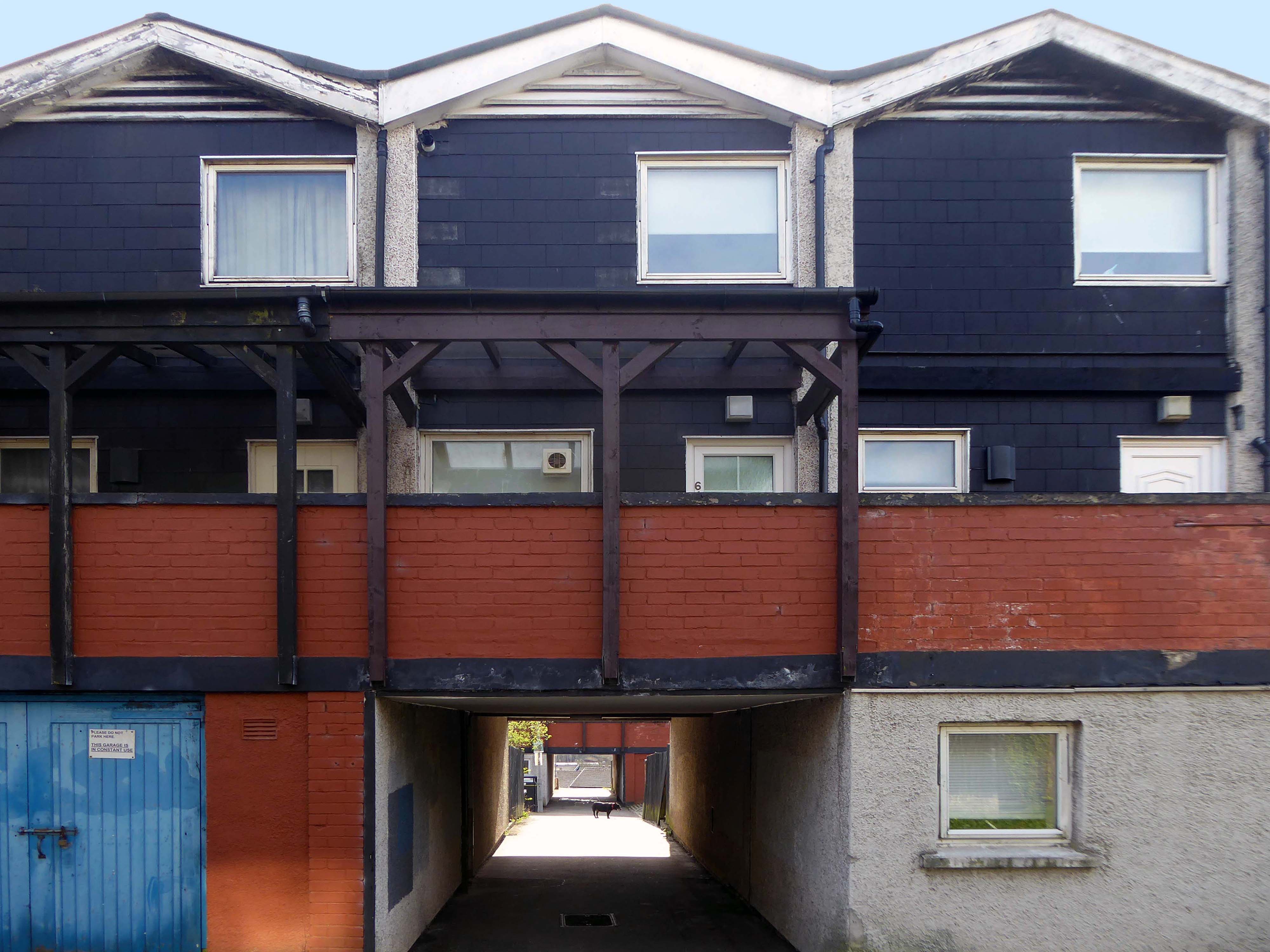
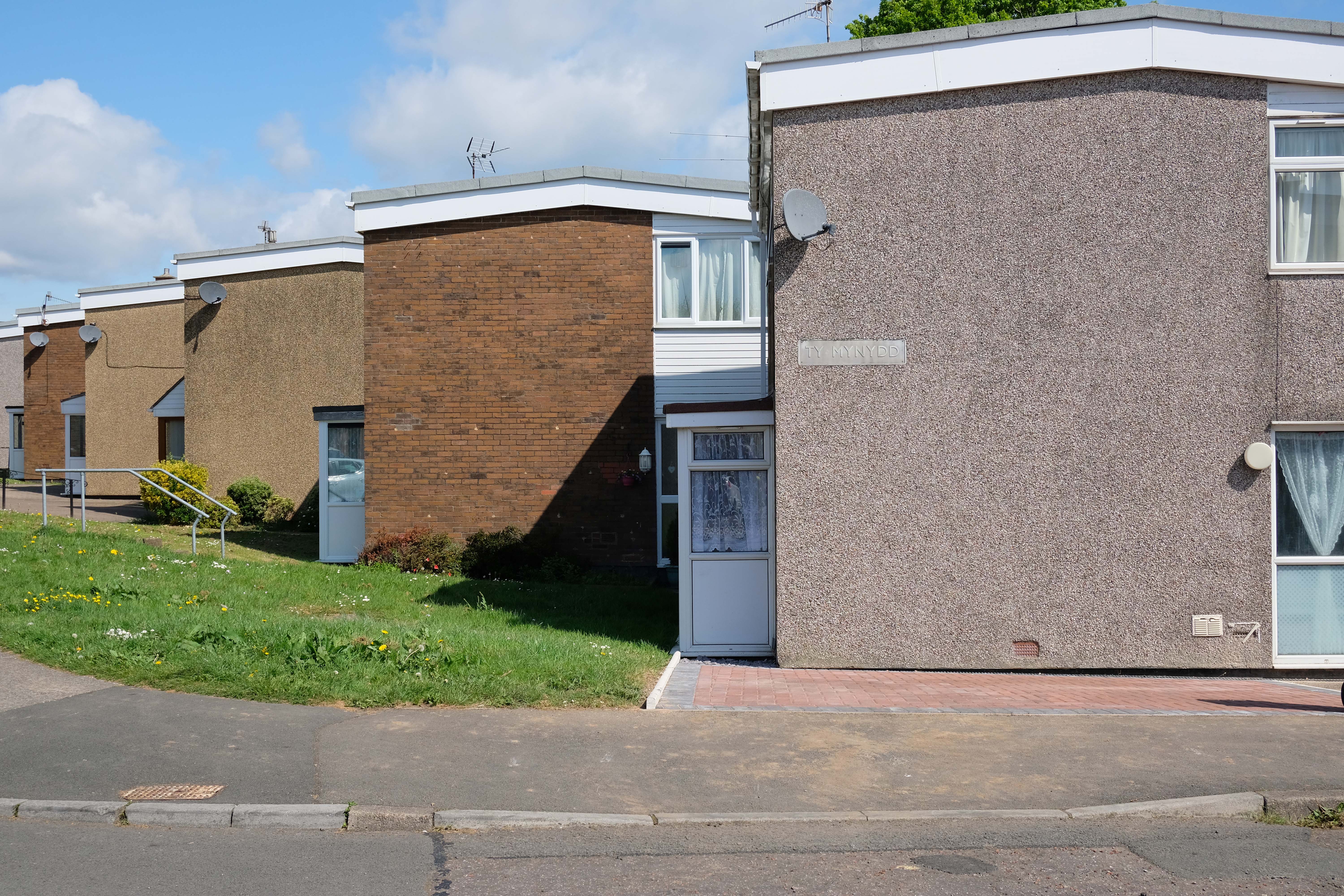
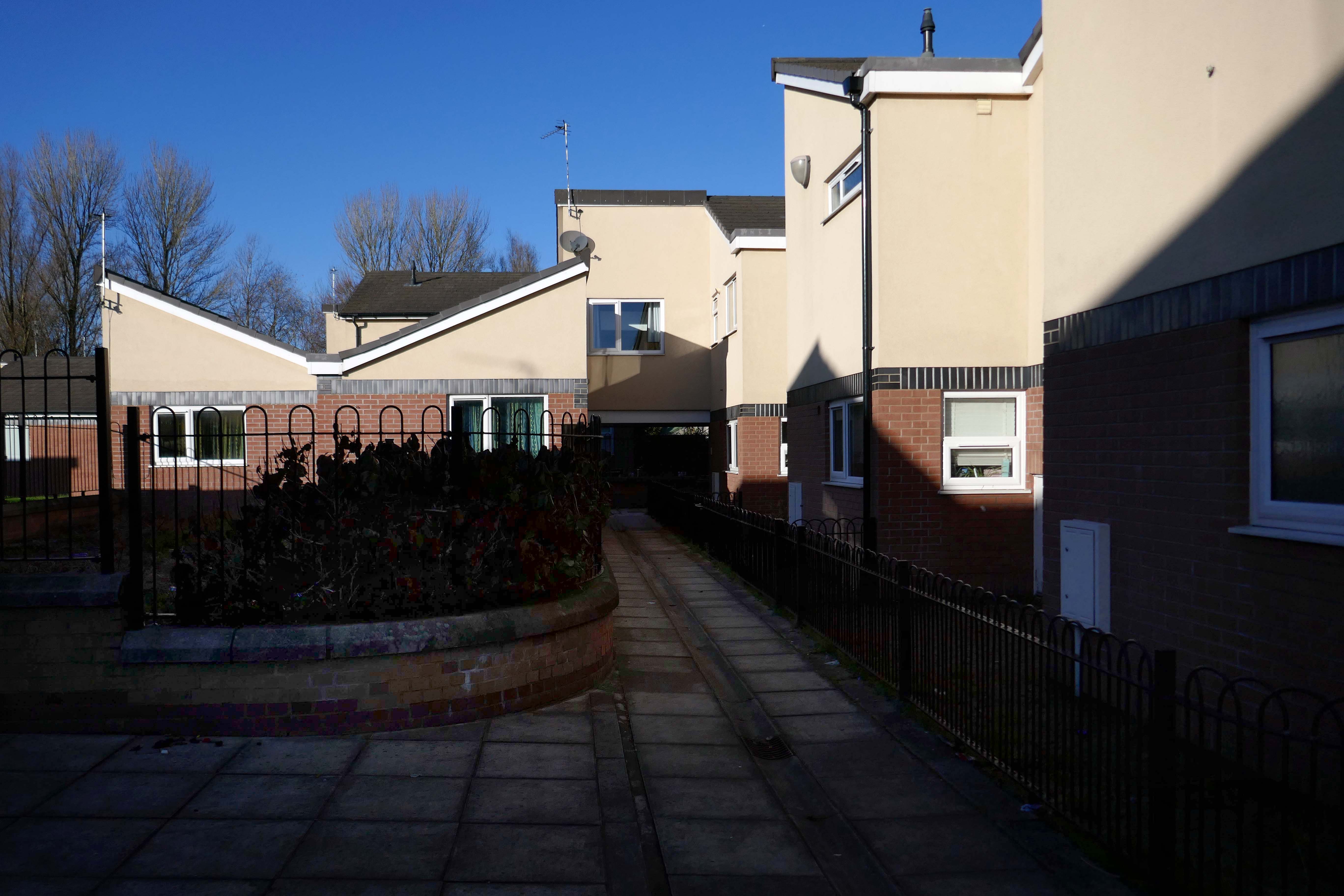
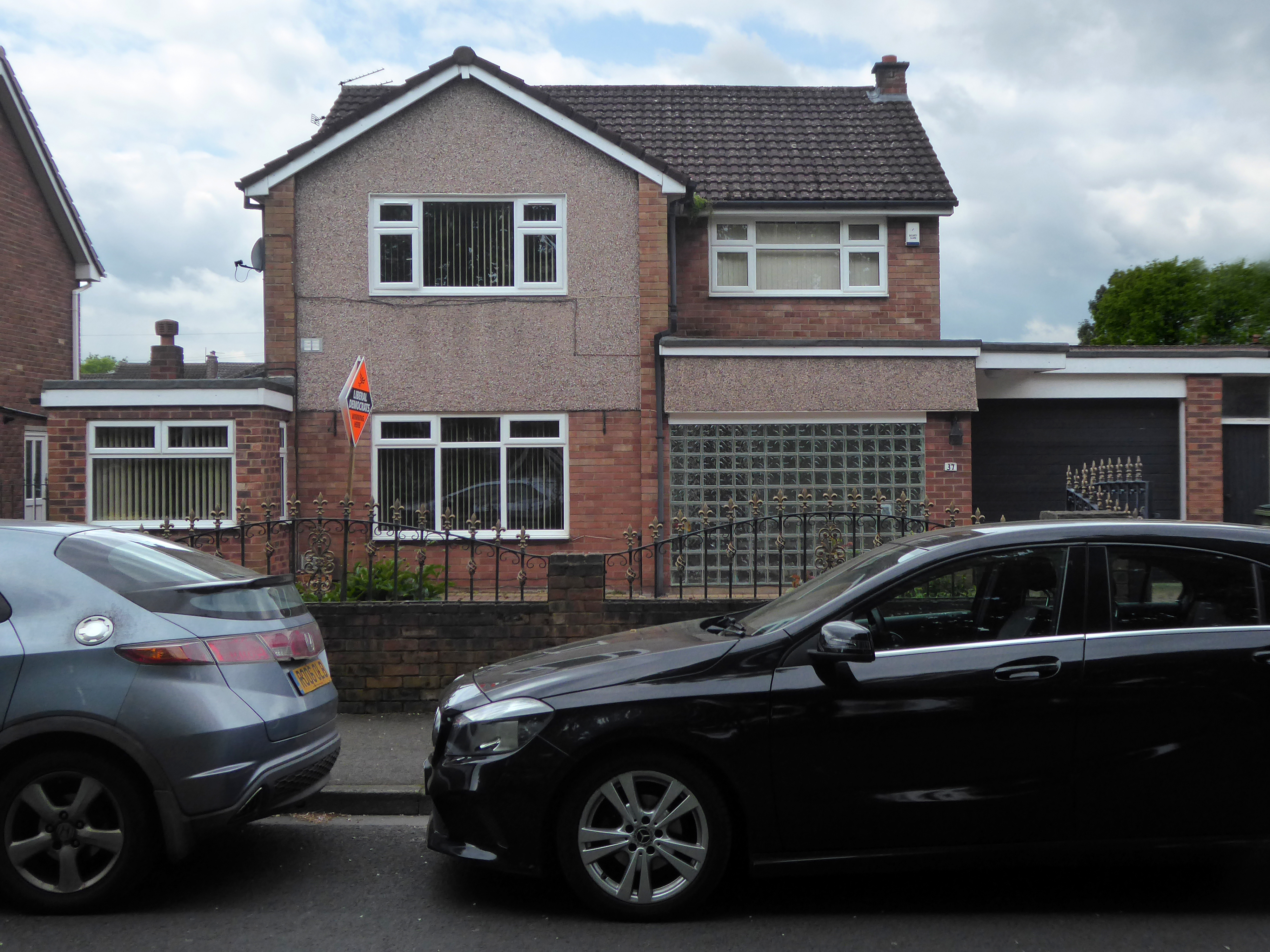
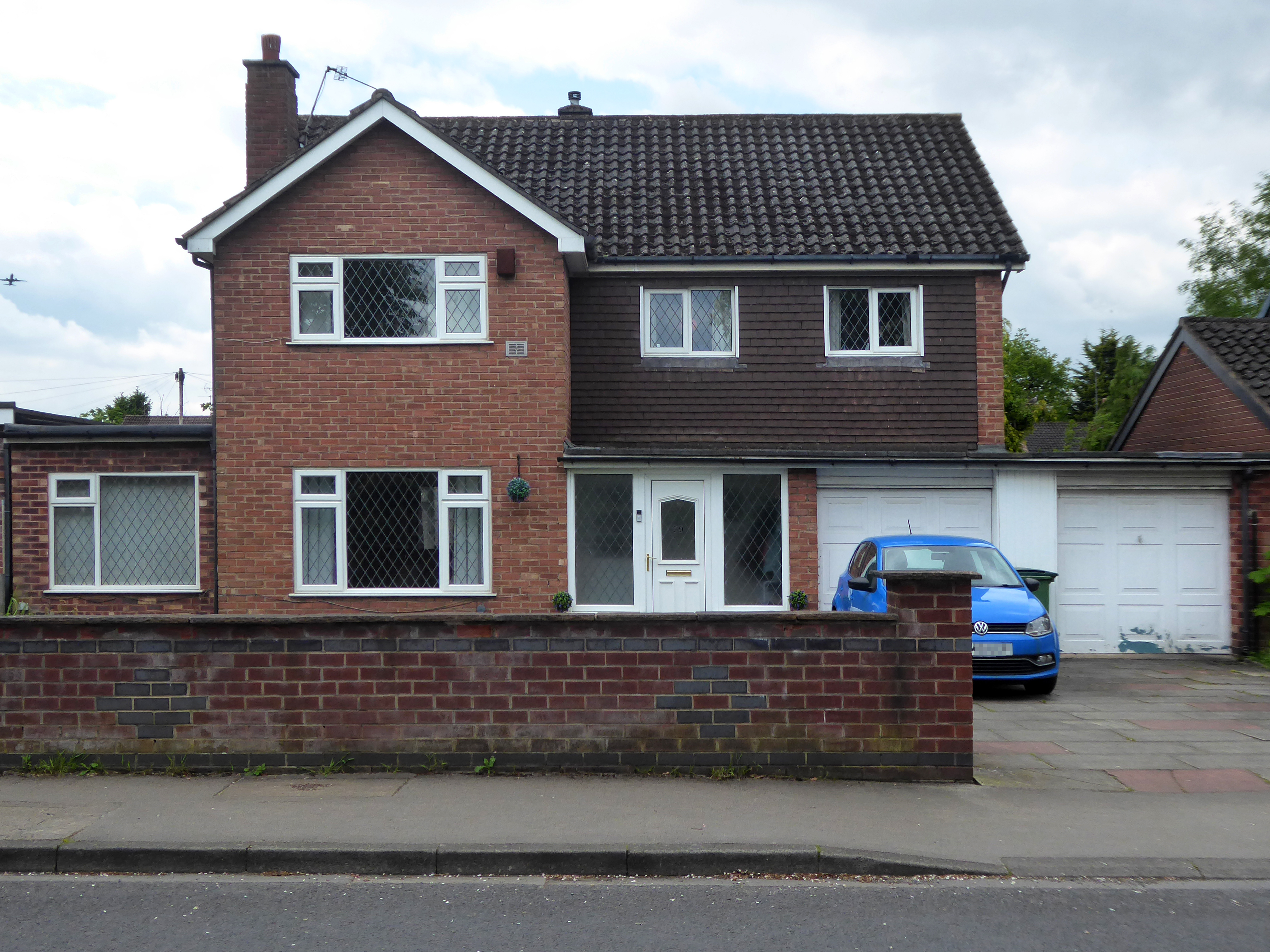
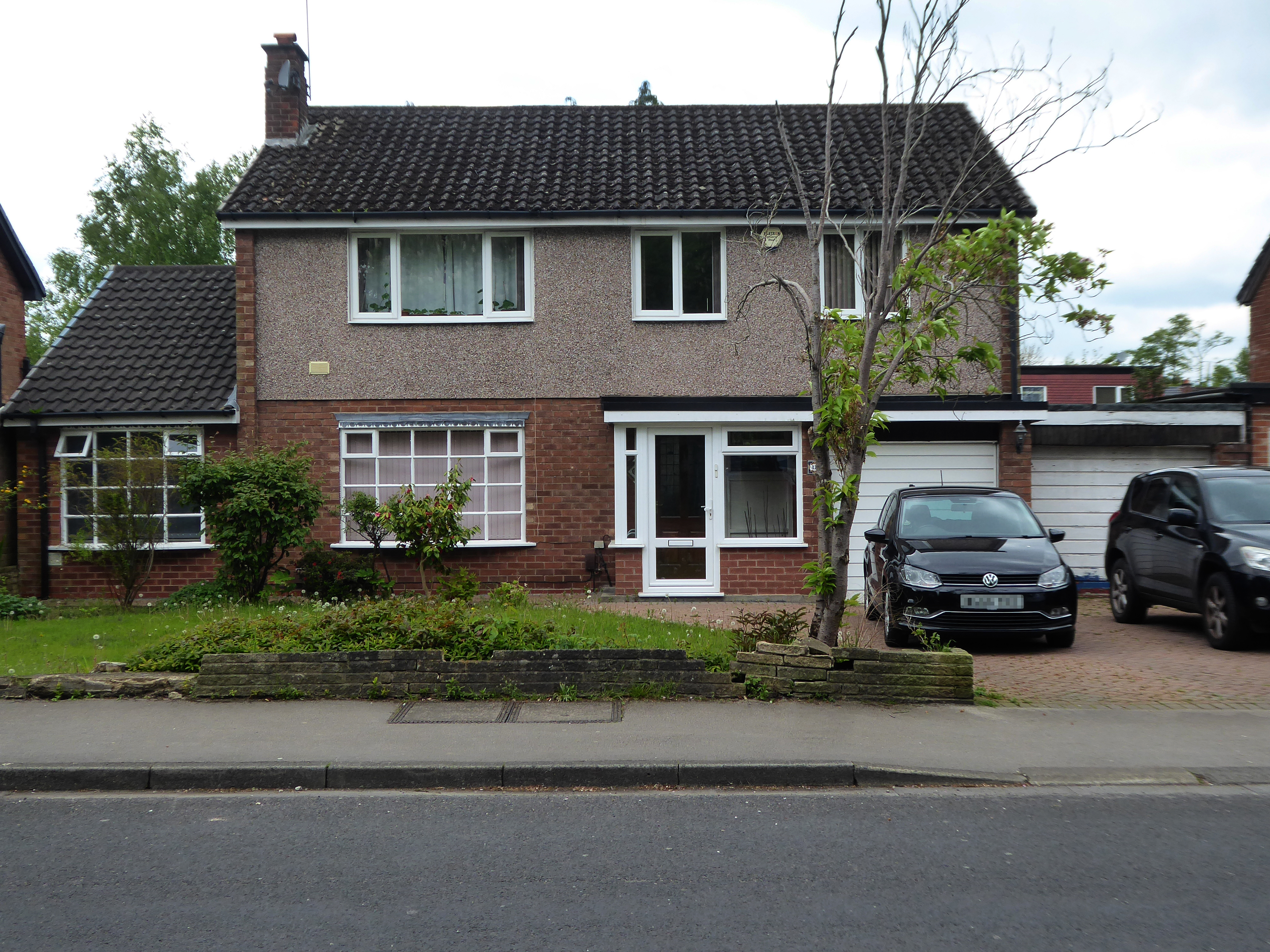
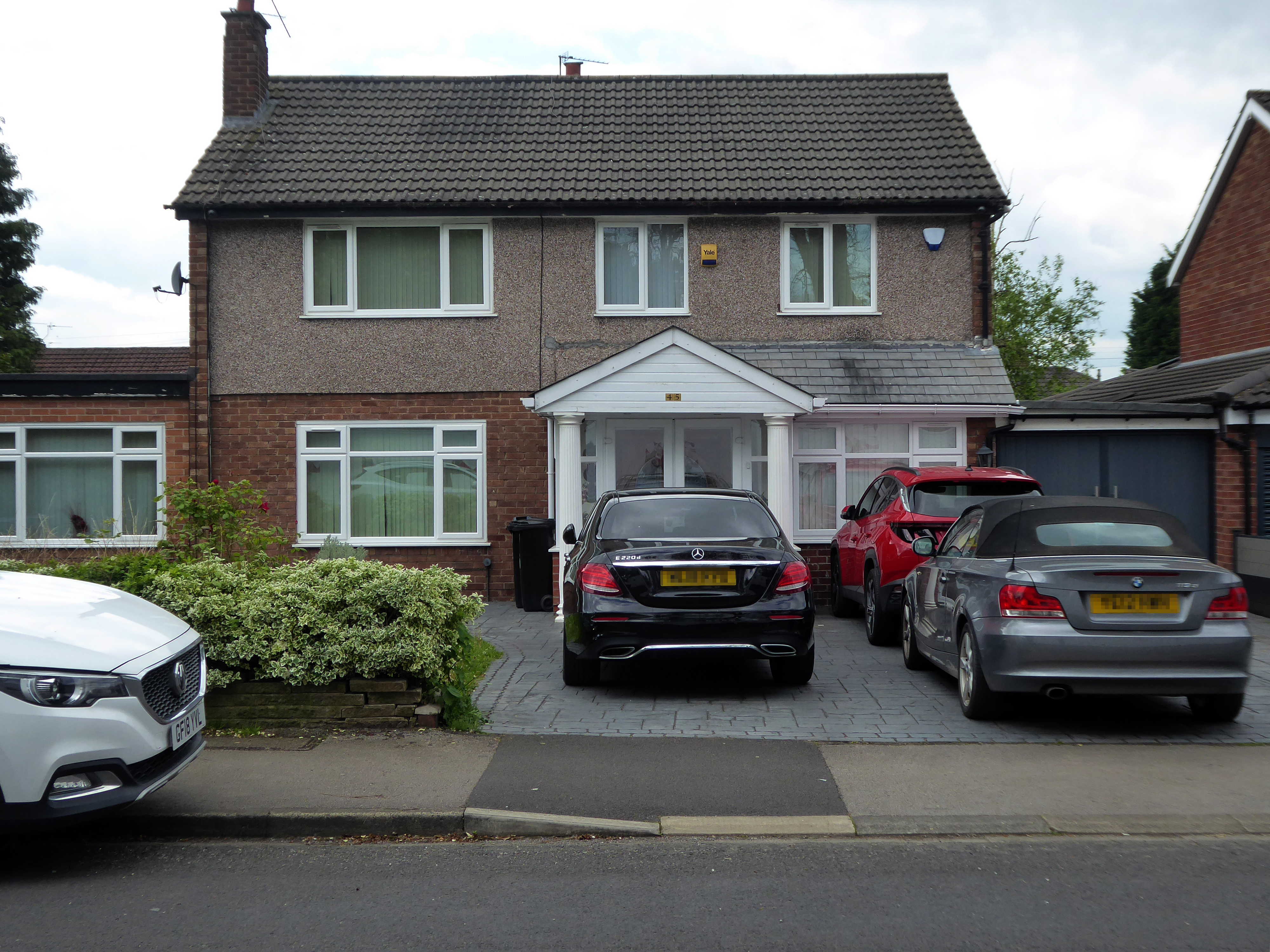
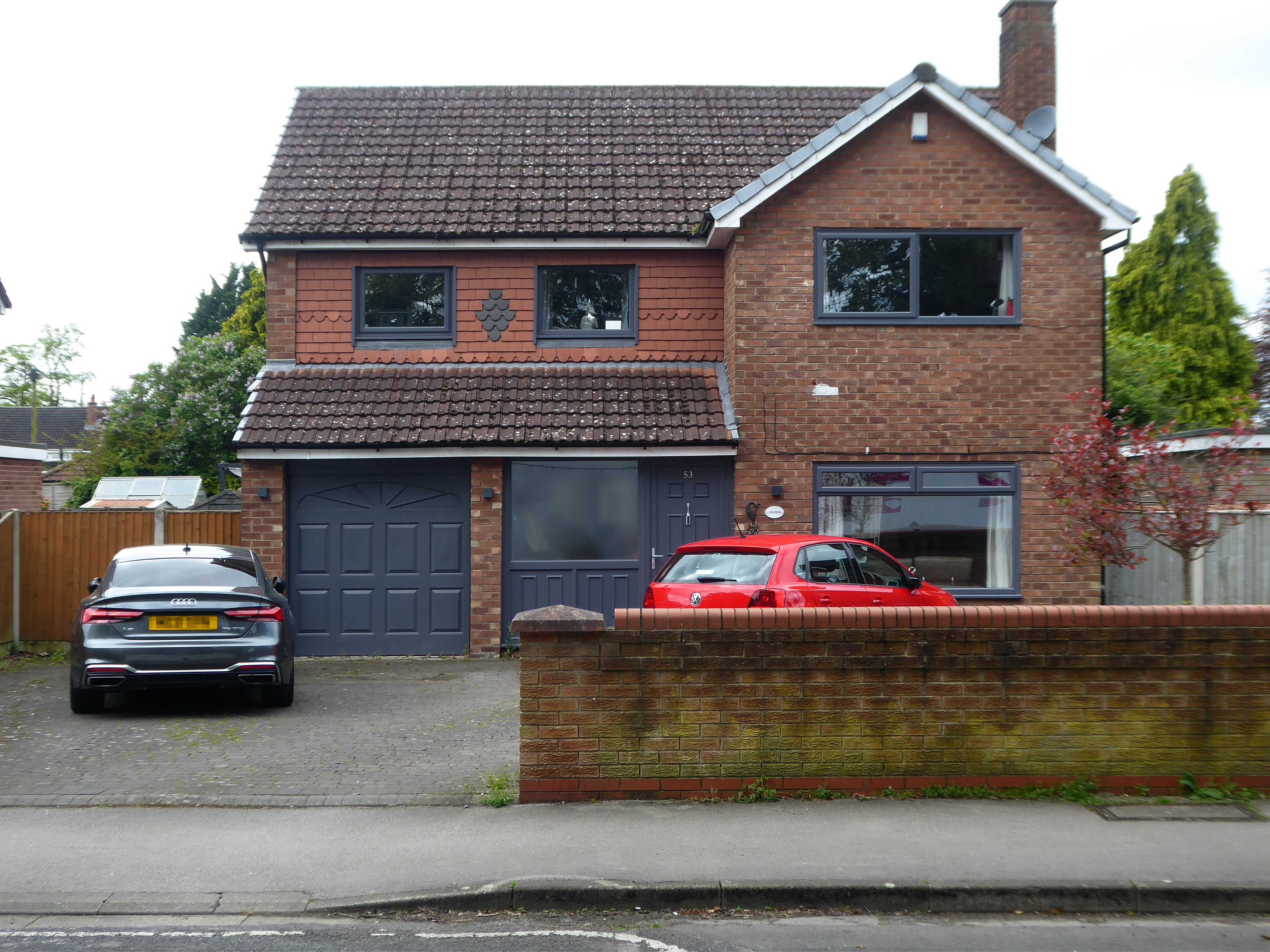
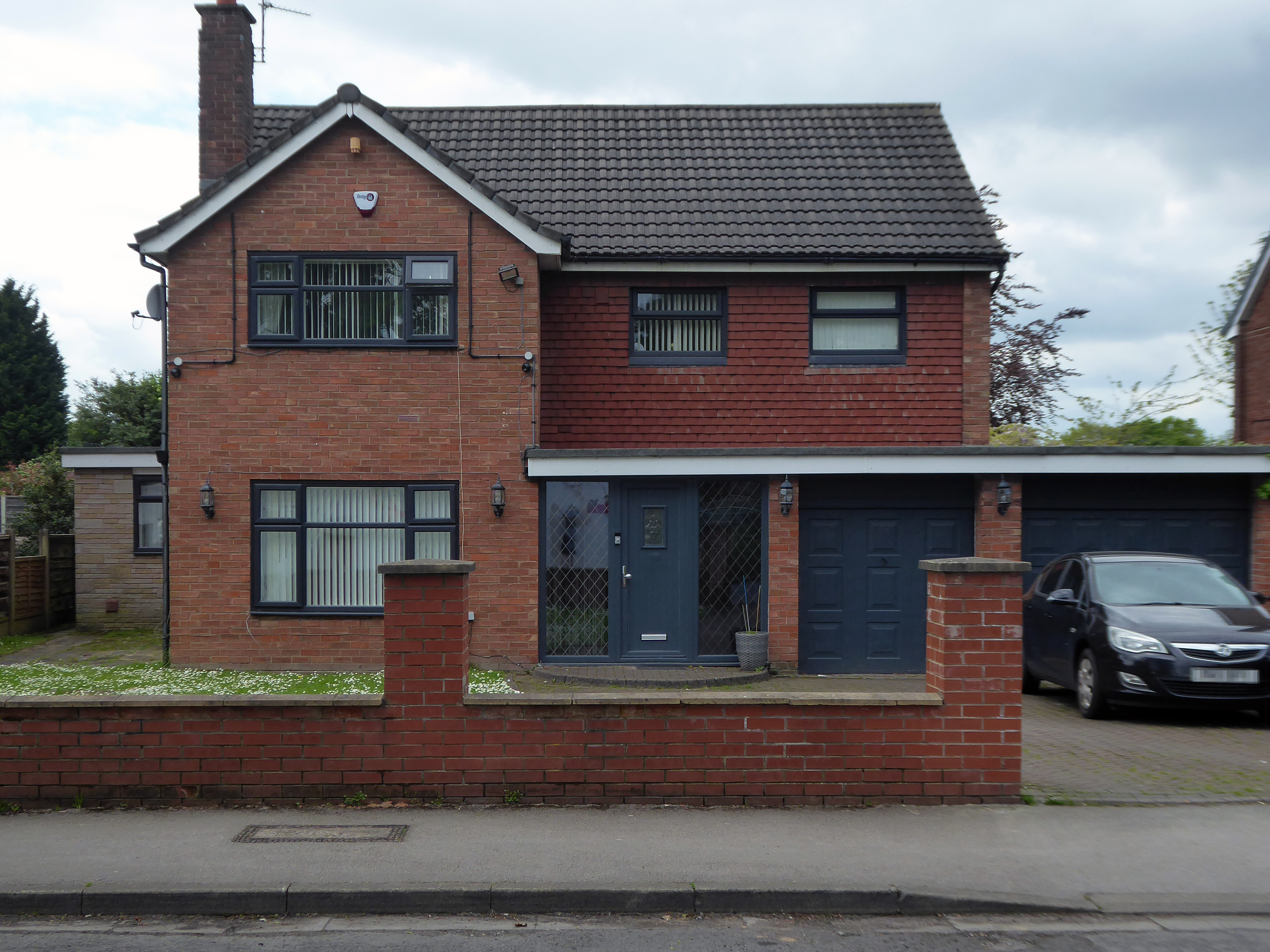
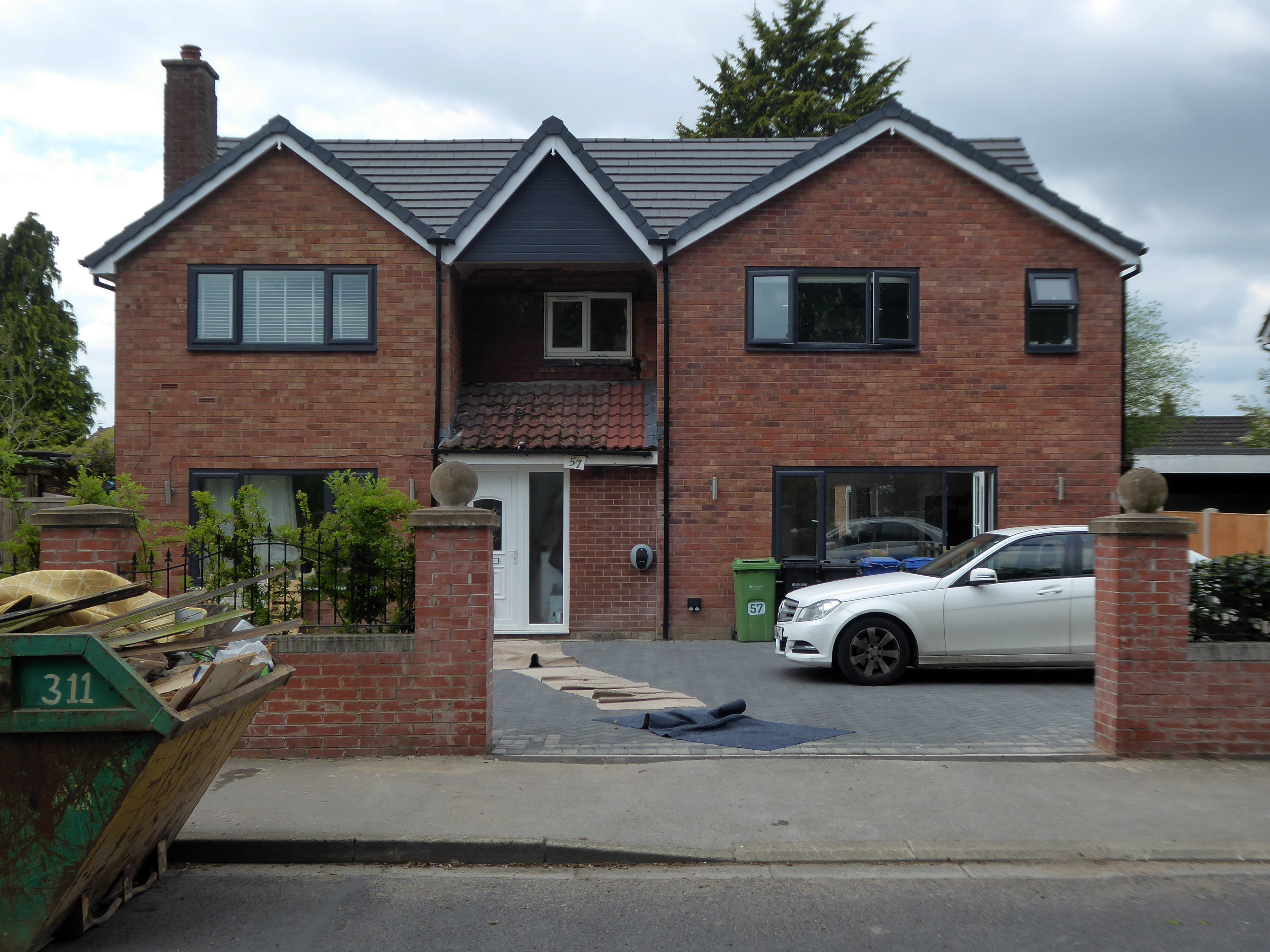
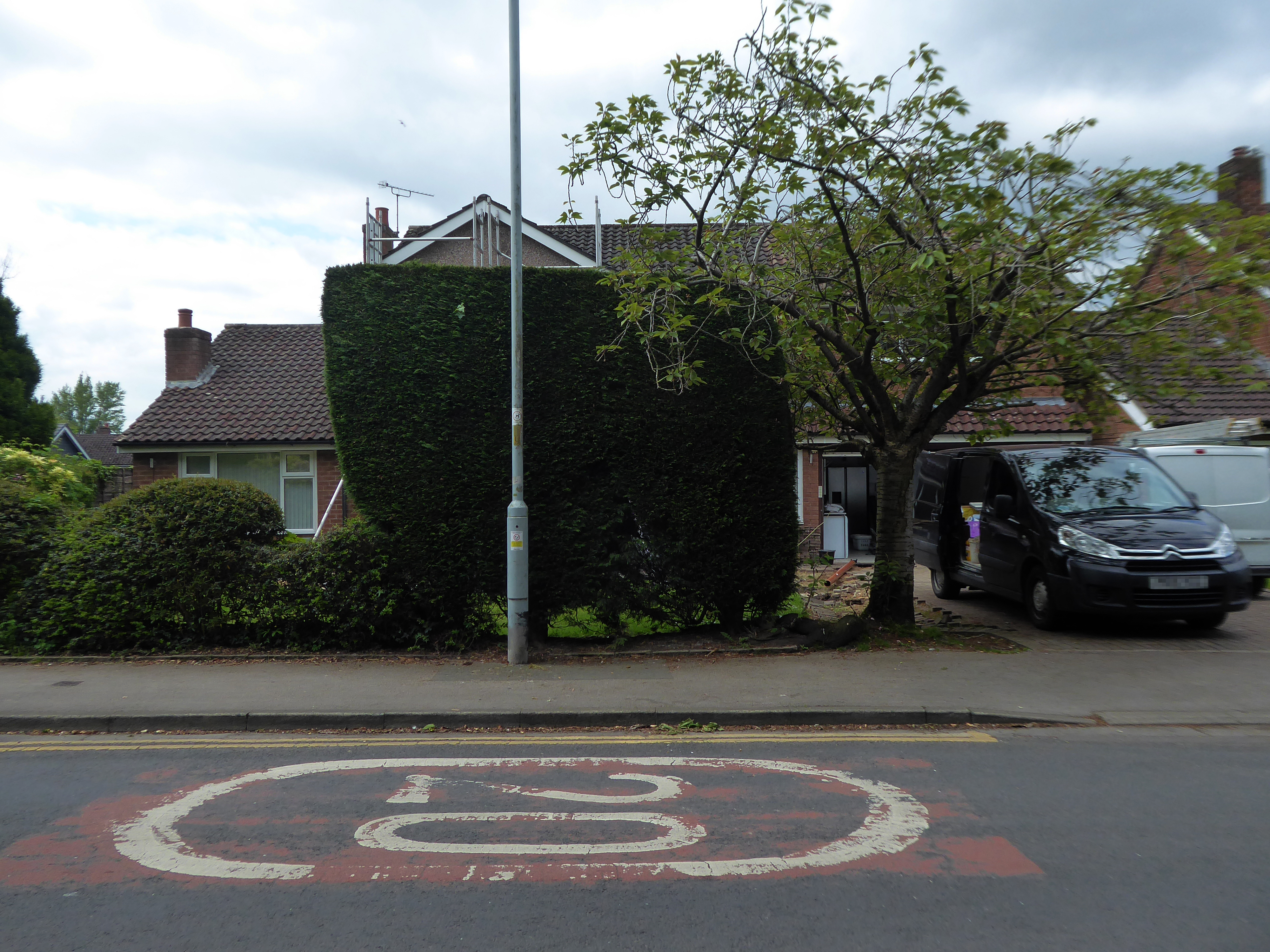
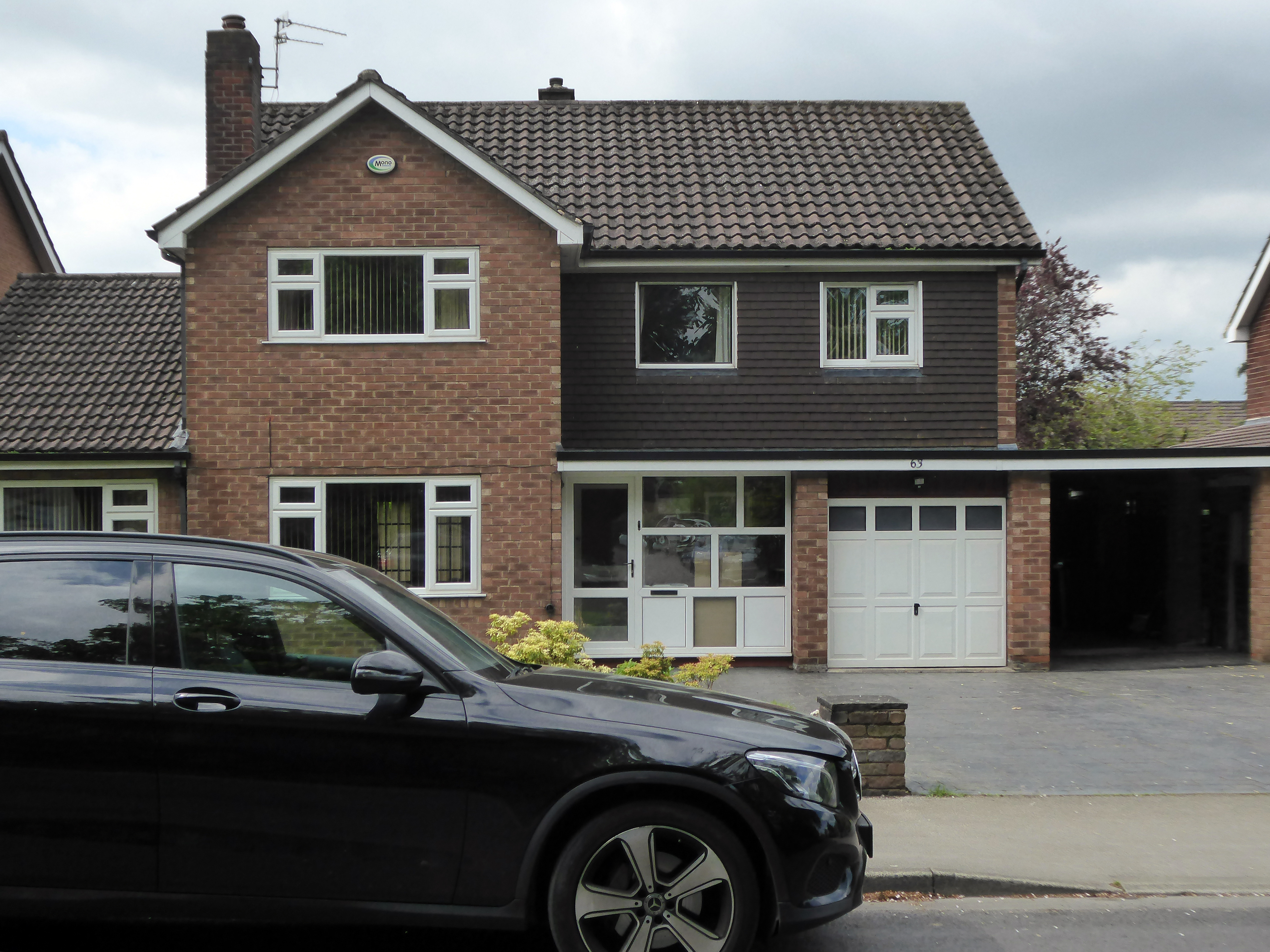
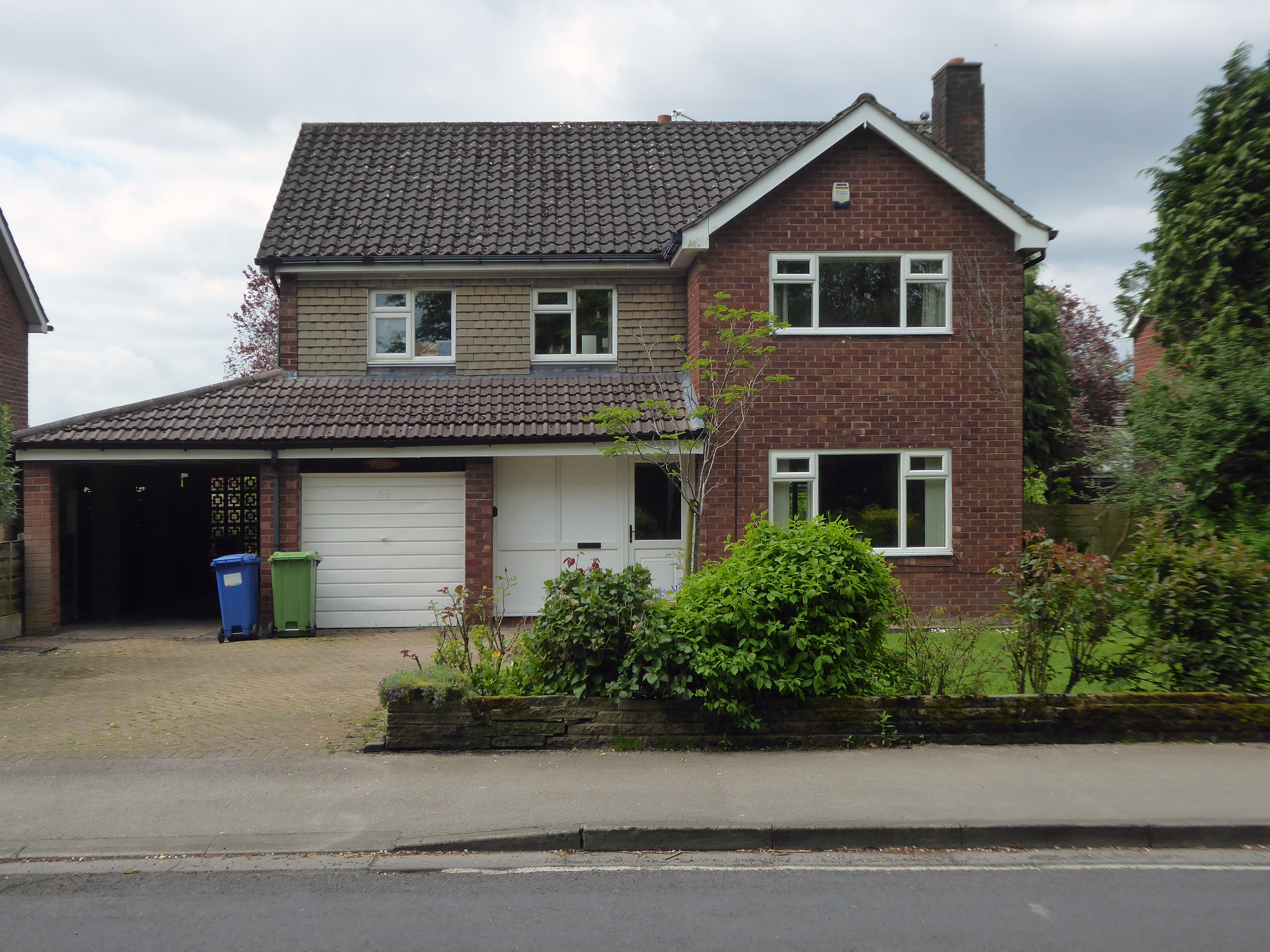
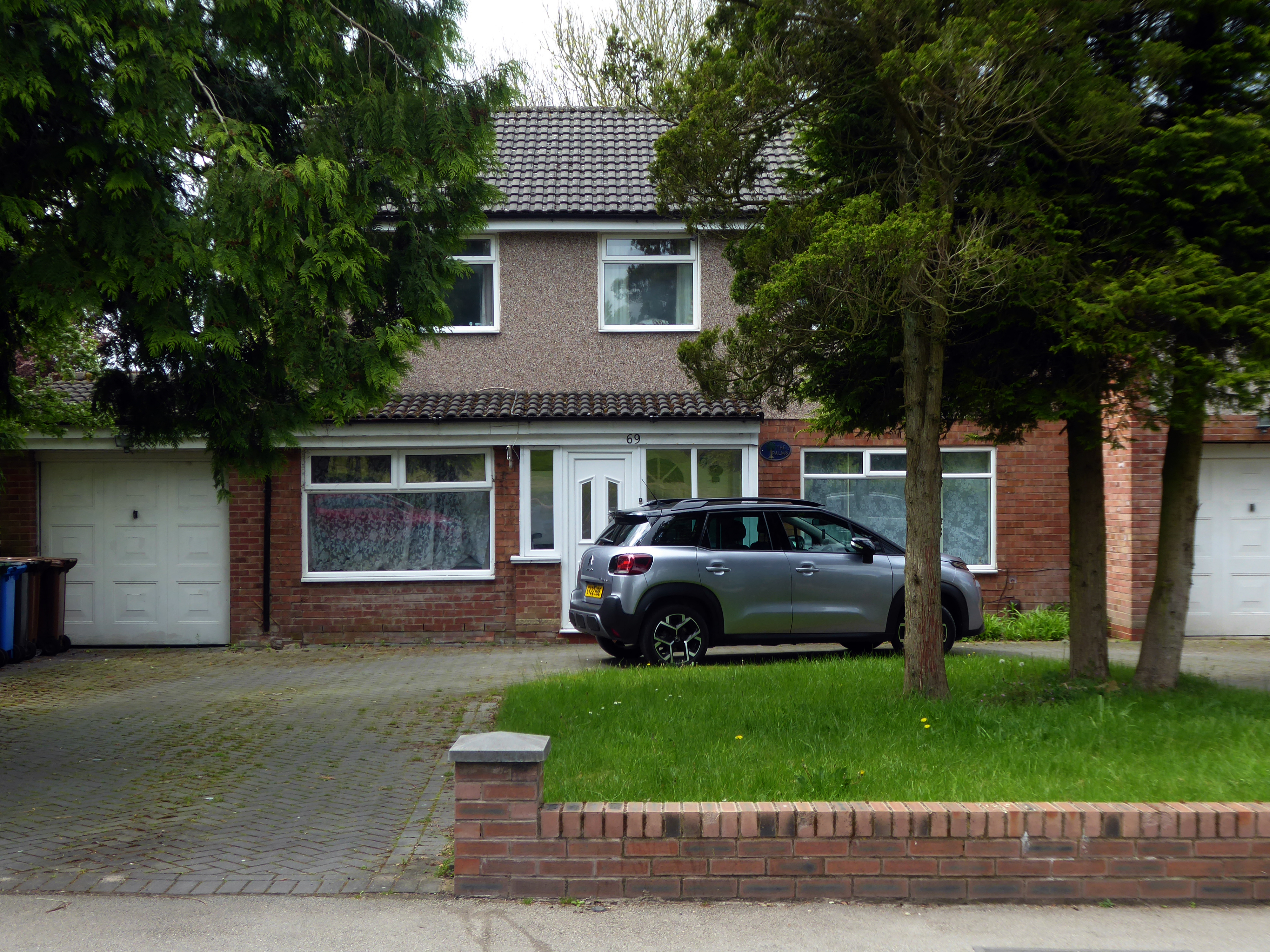
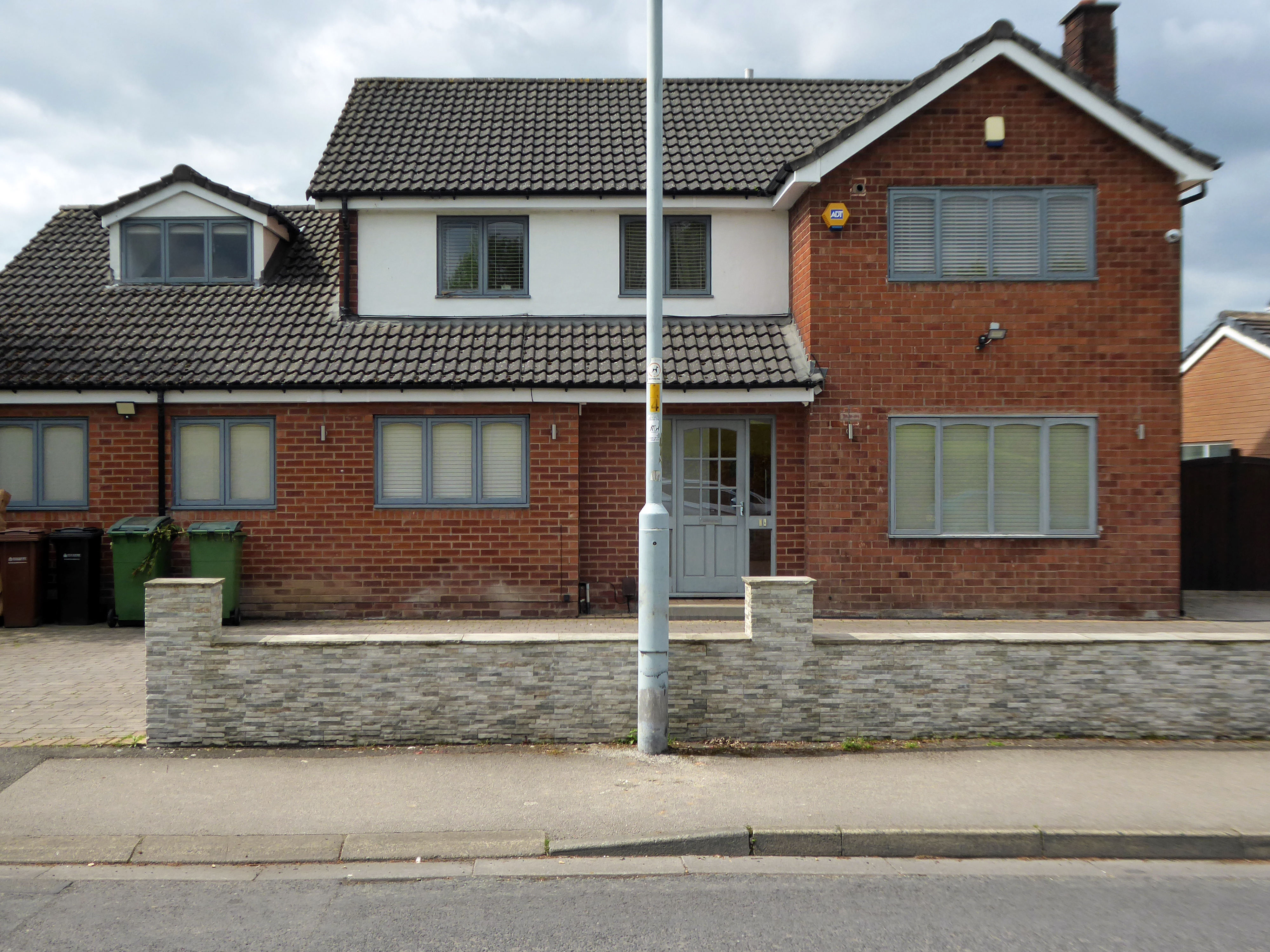
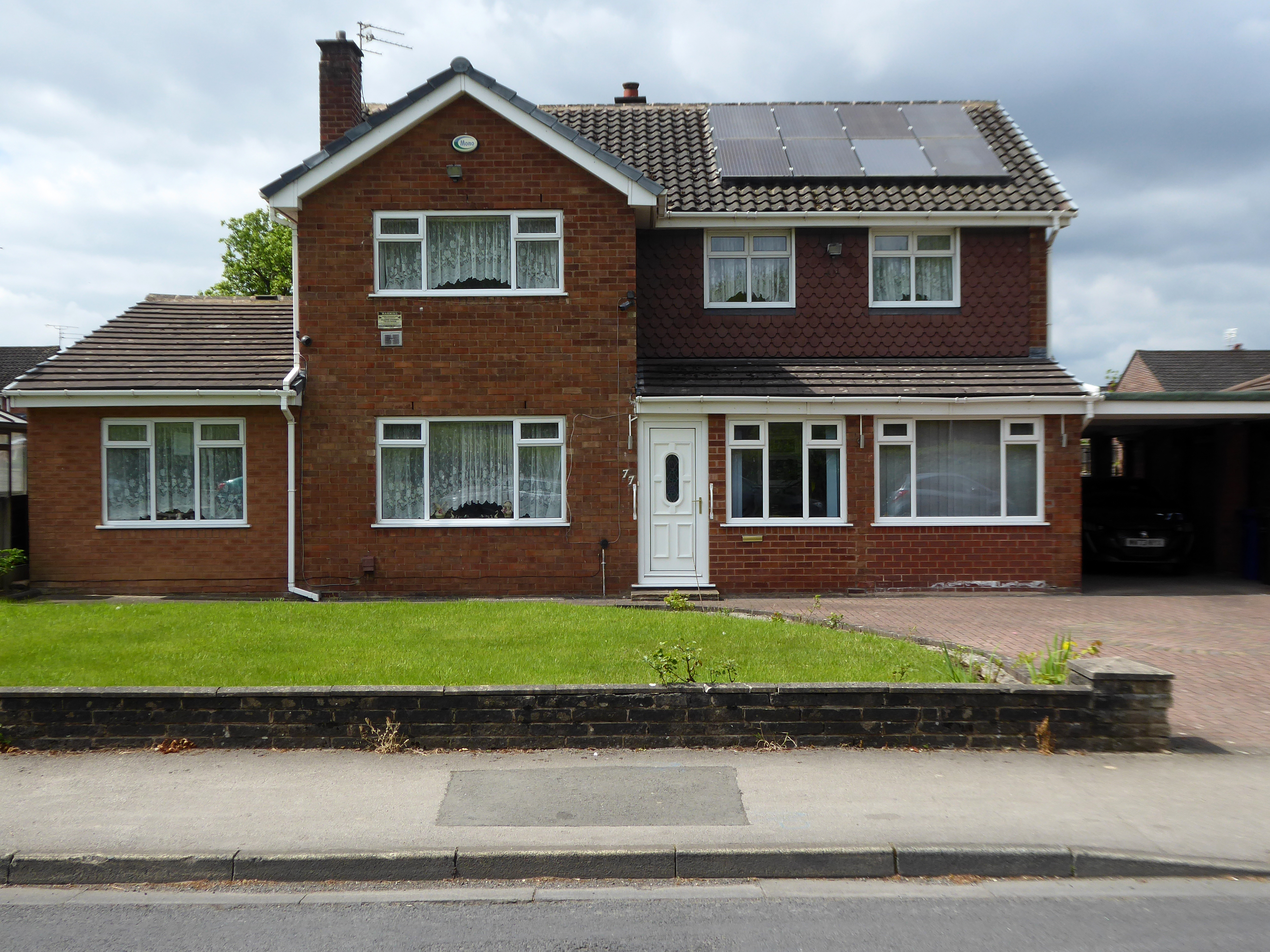
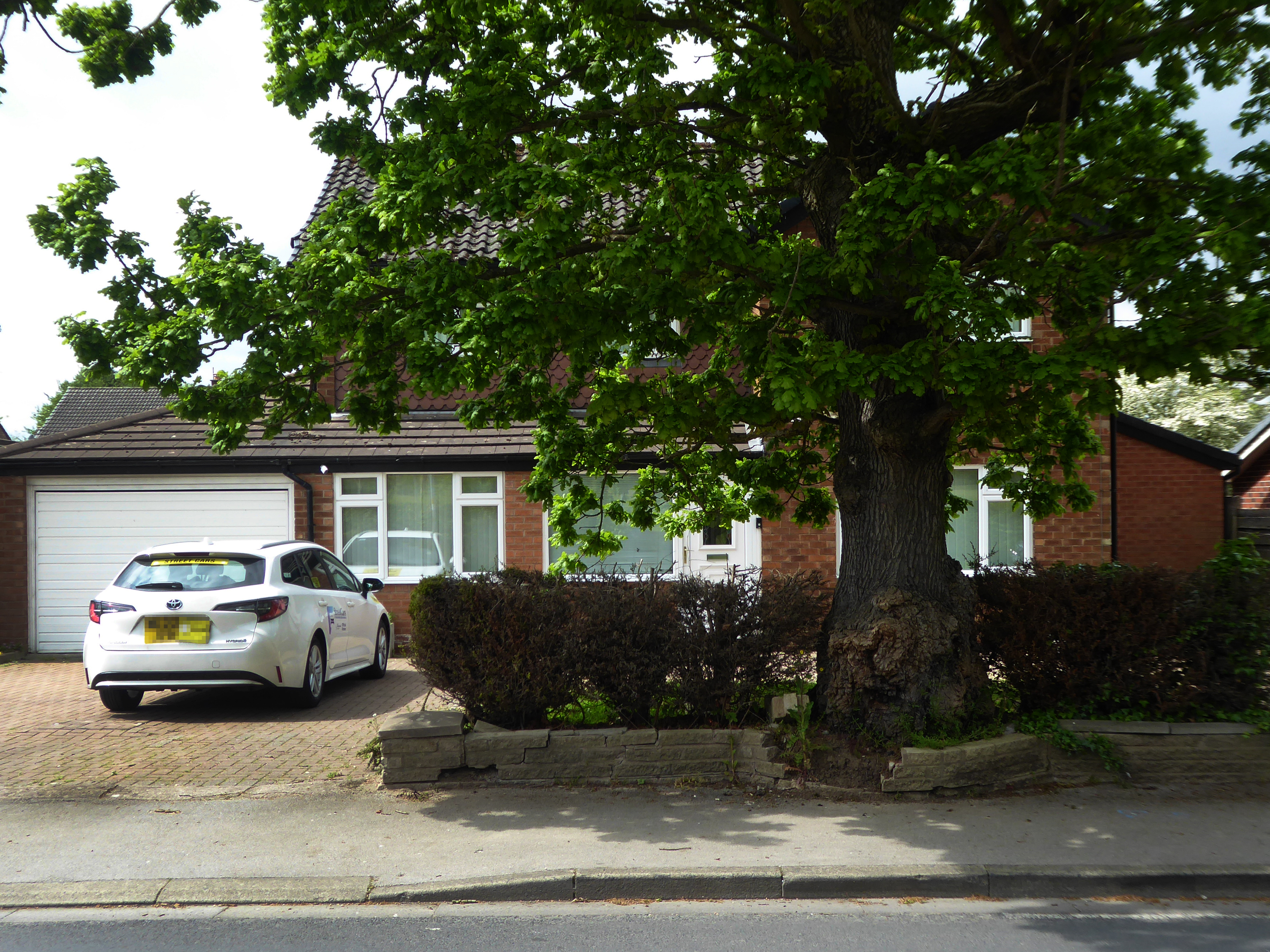
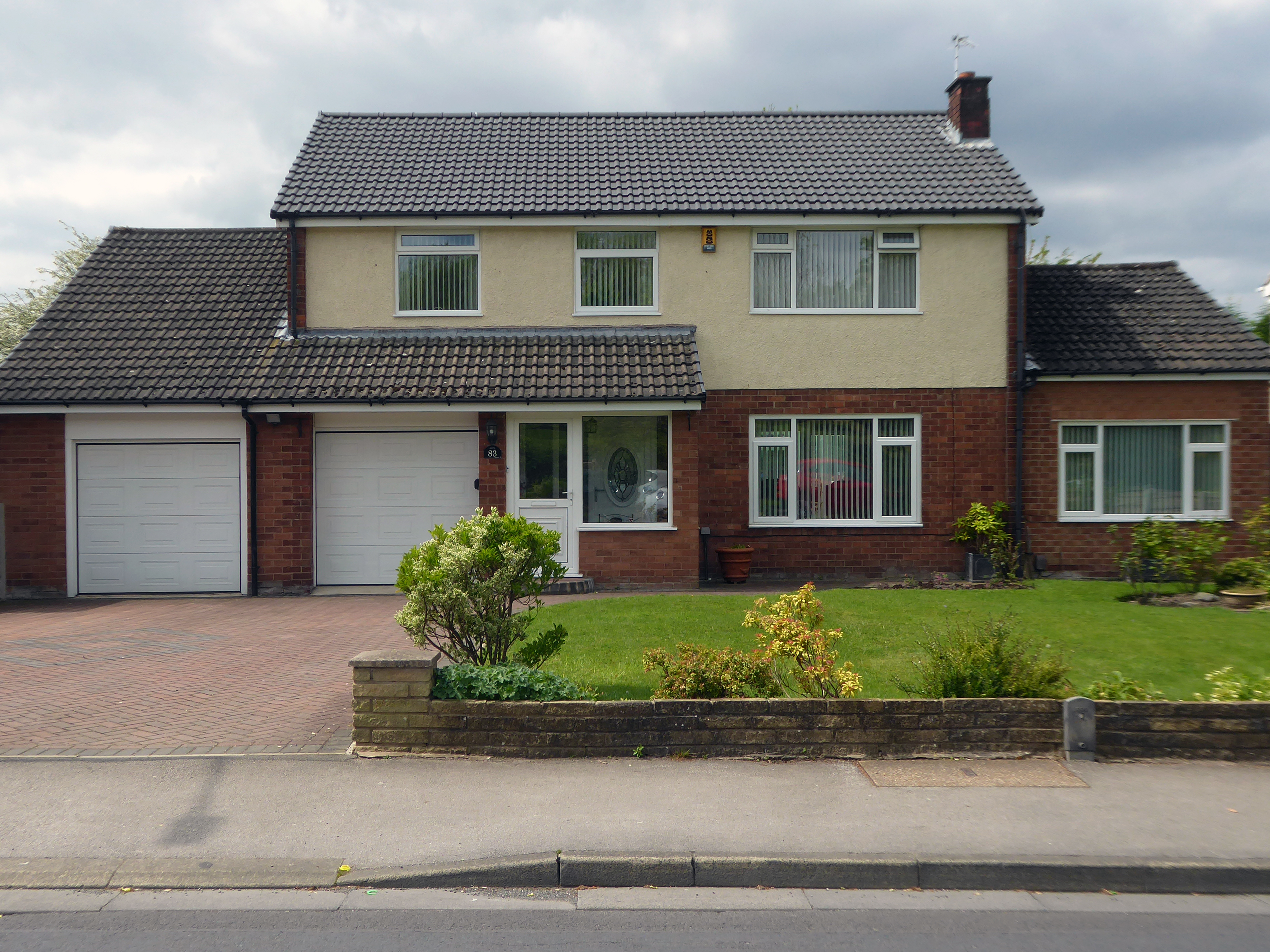
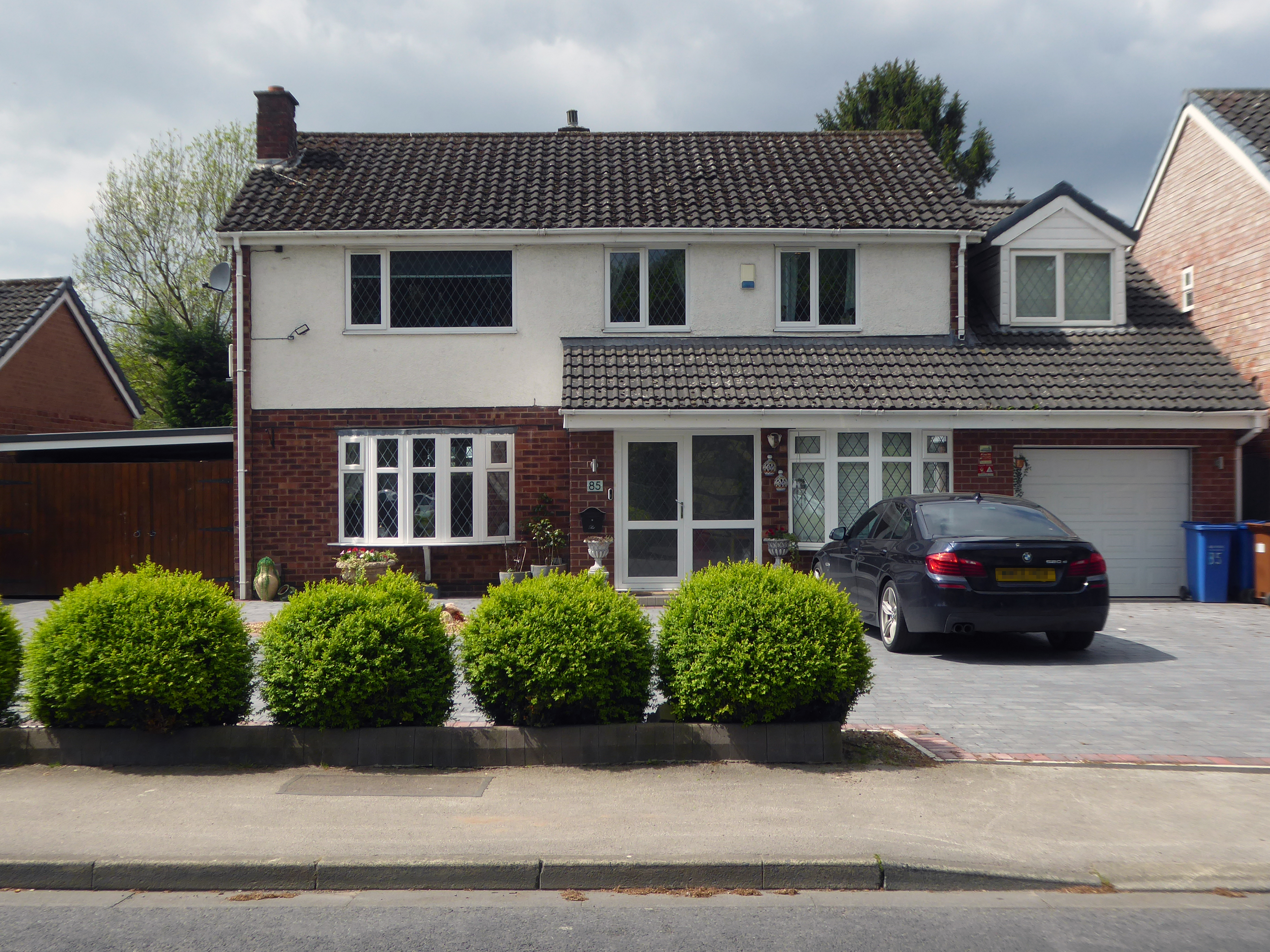
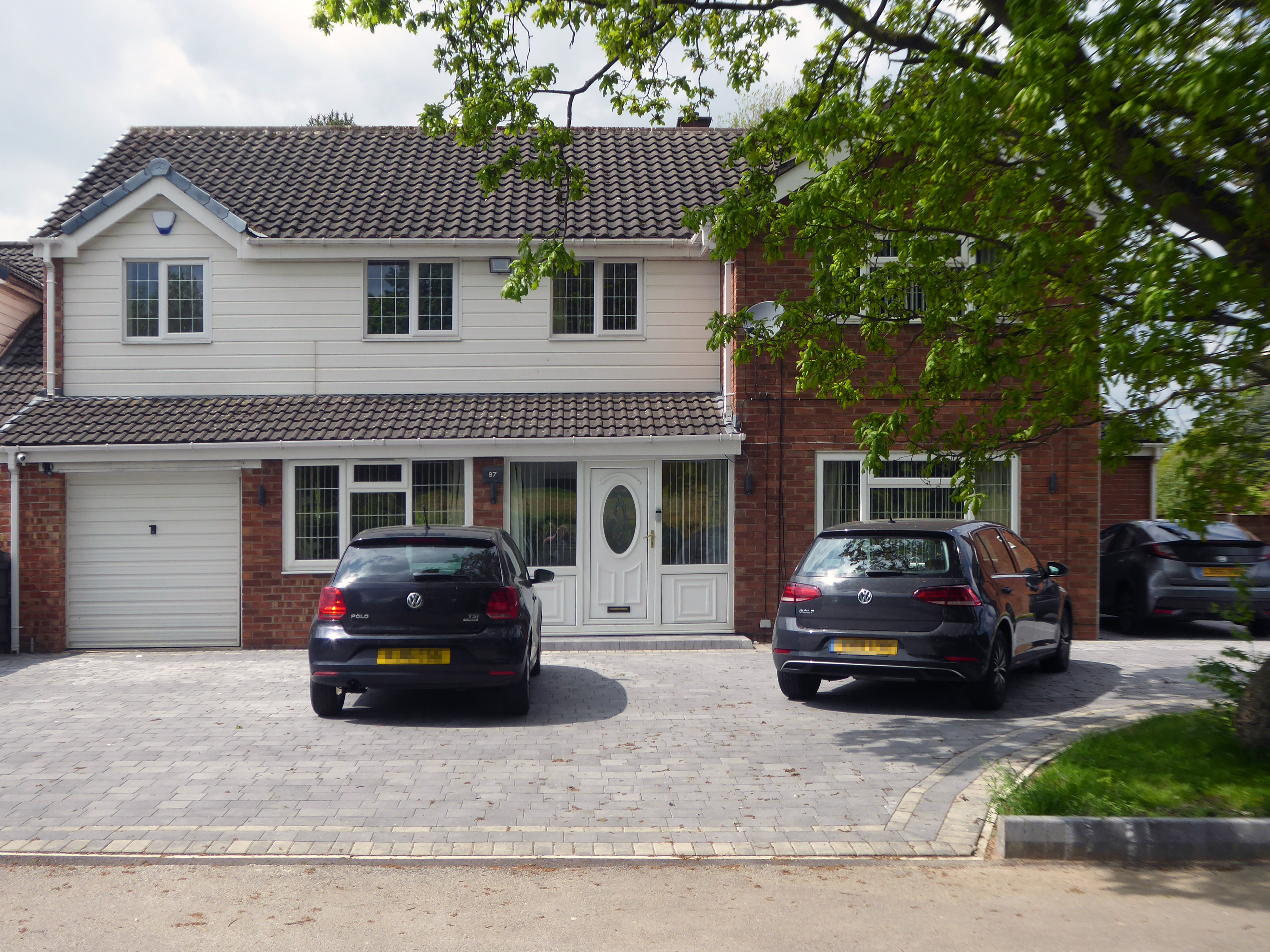
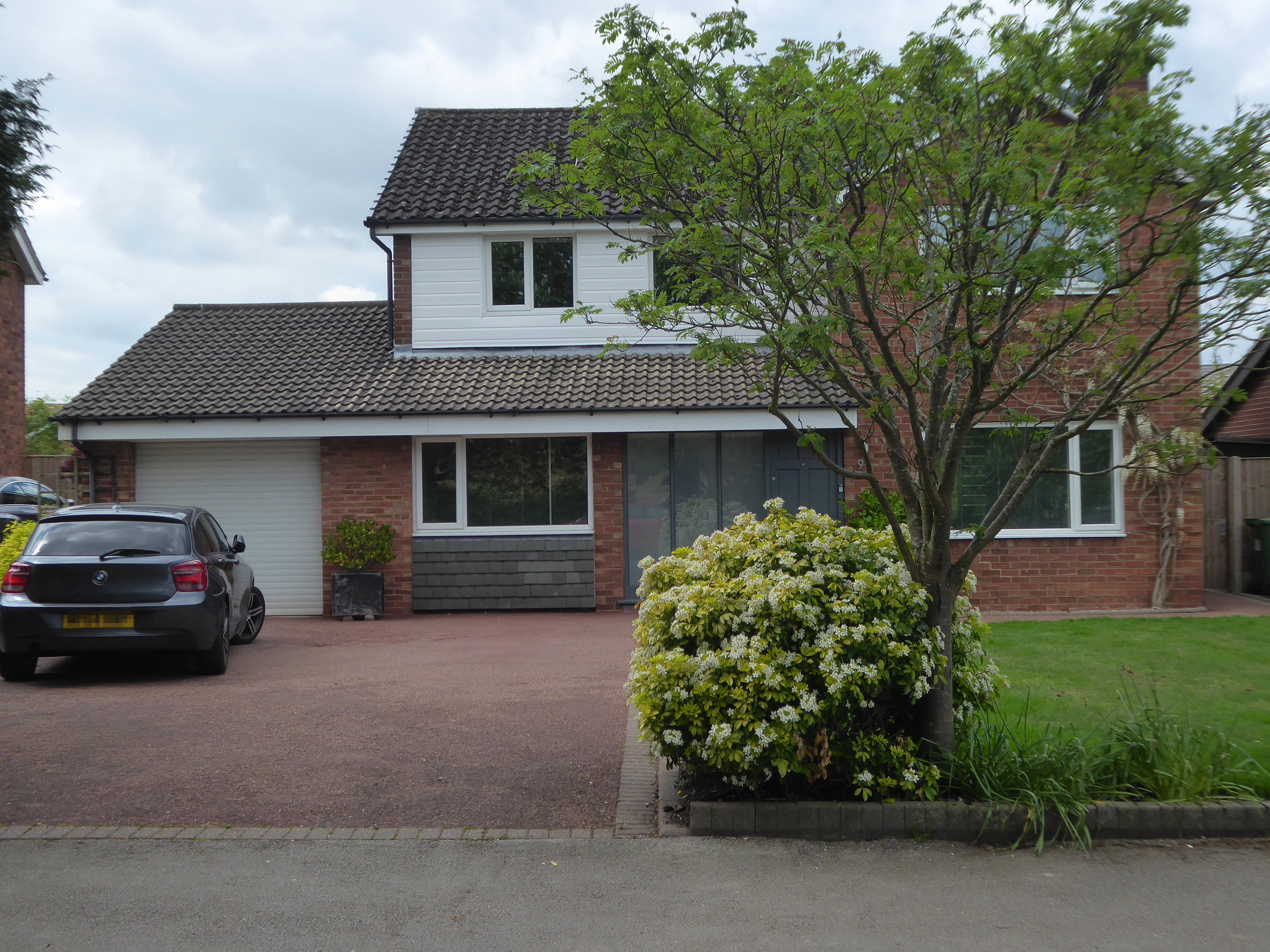
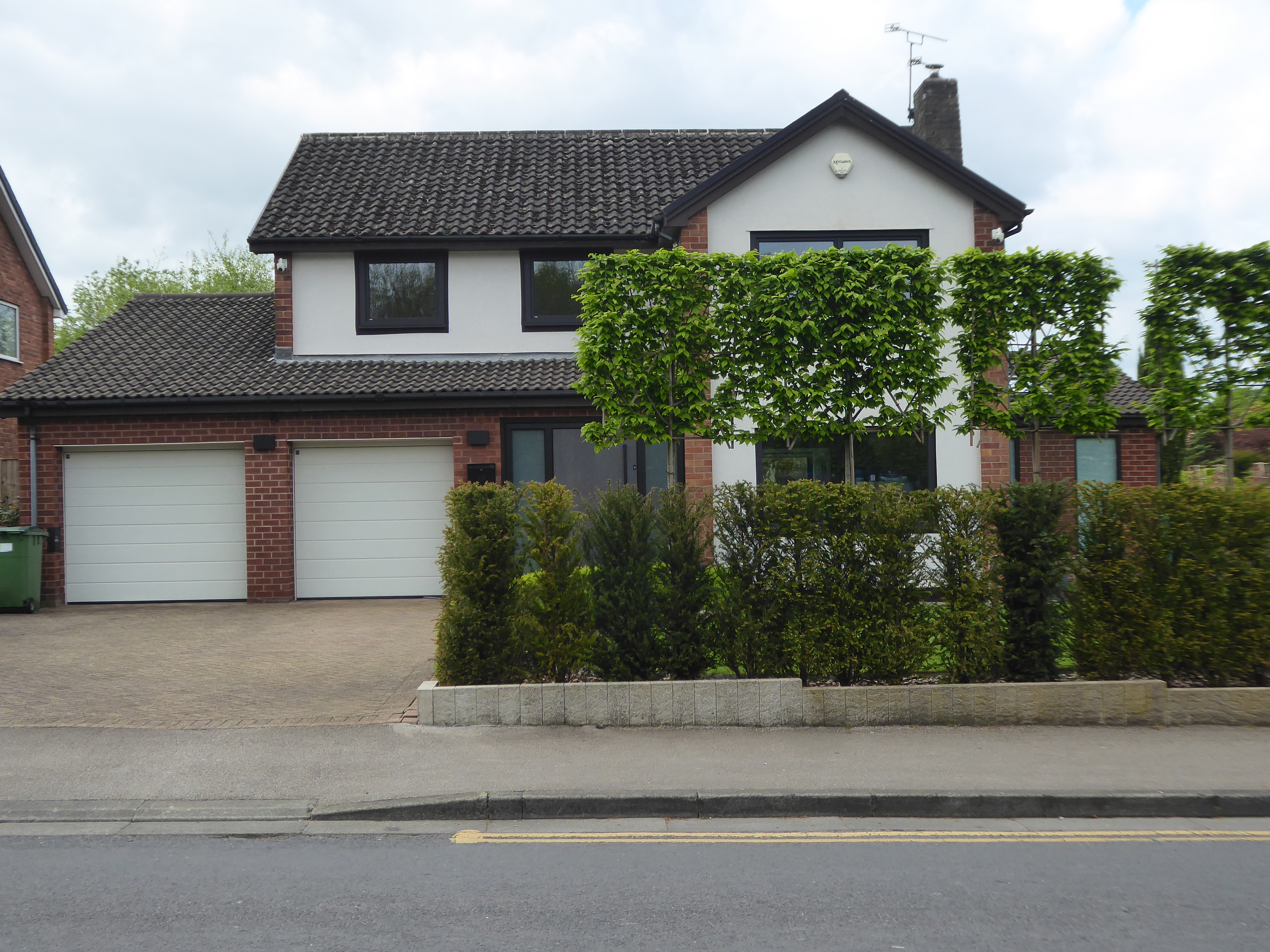
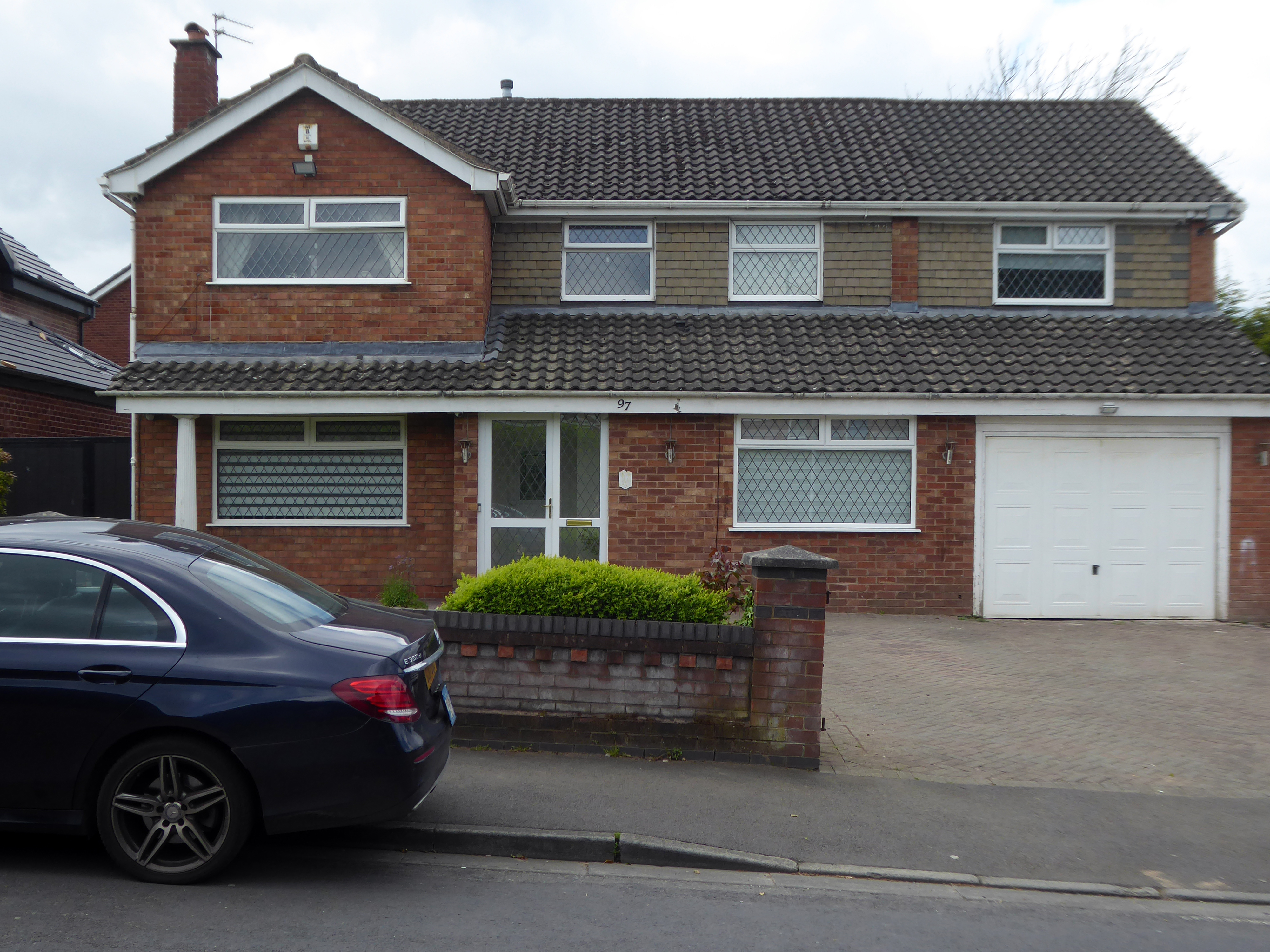
A broad sweeping swathe of tarmac, with a range of 70s housing typologies – wall less gardens, where grass becomes easily impressed concrete, gravel and artfully paved car parks.
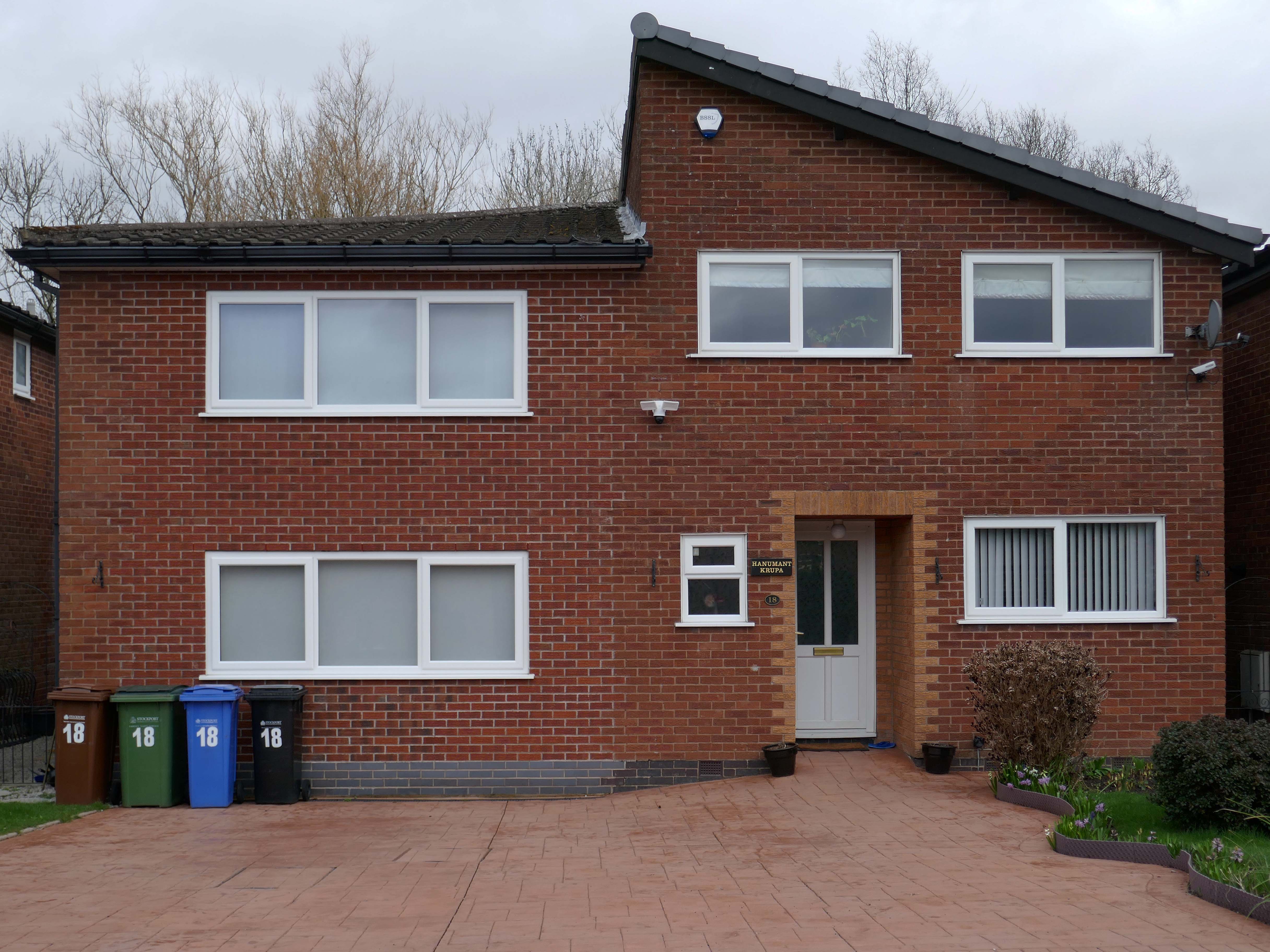
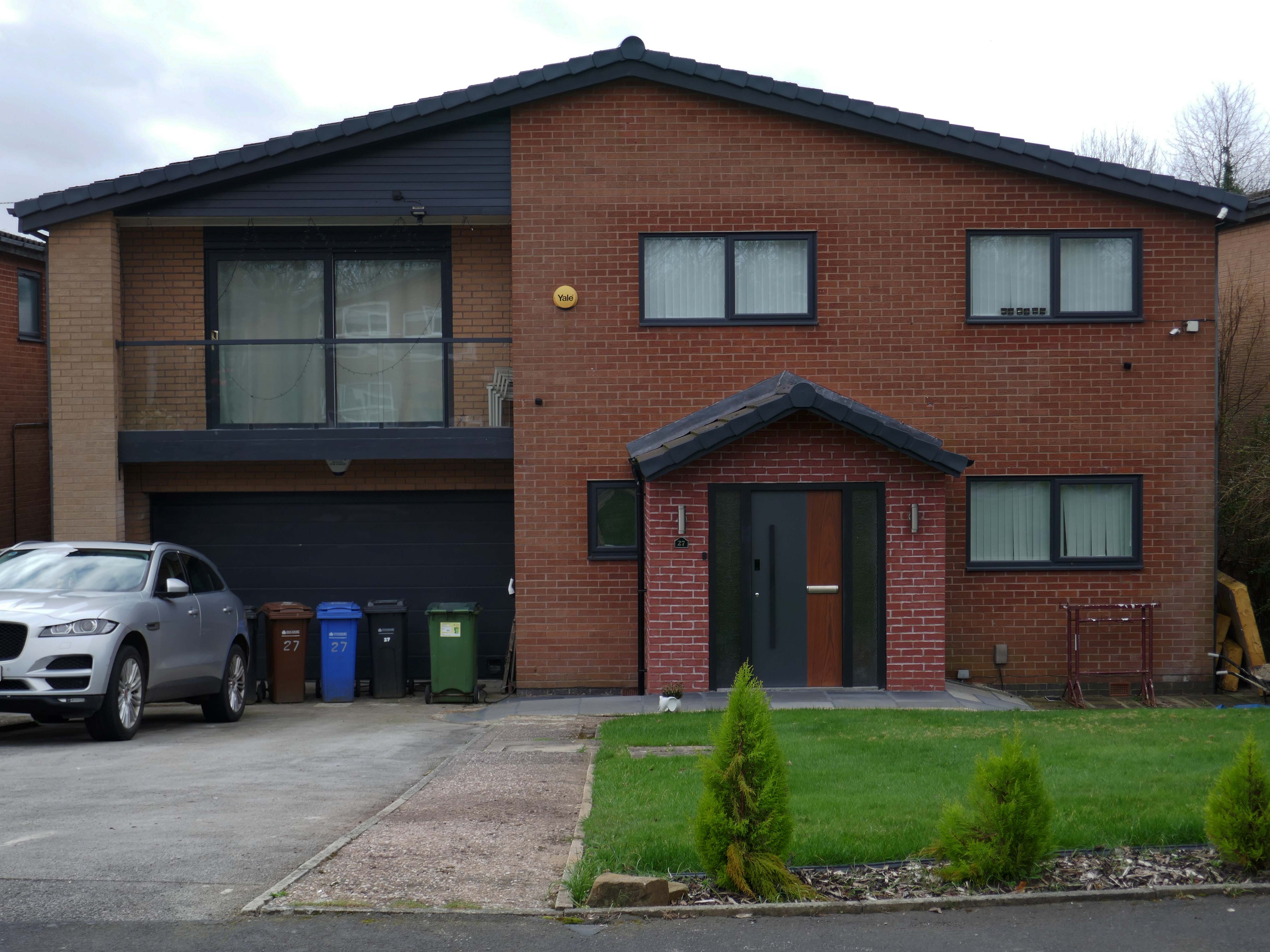
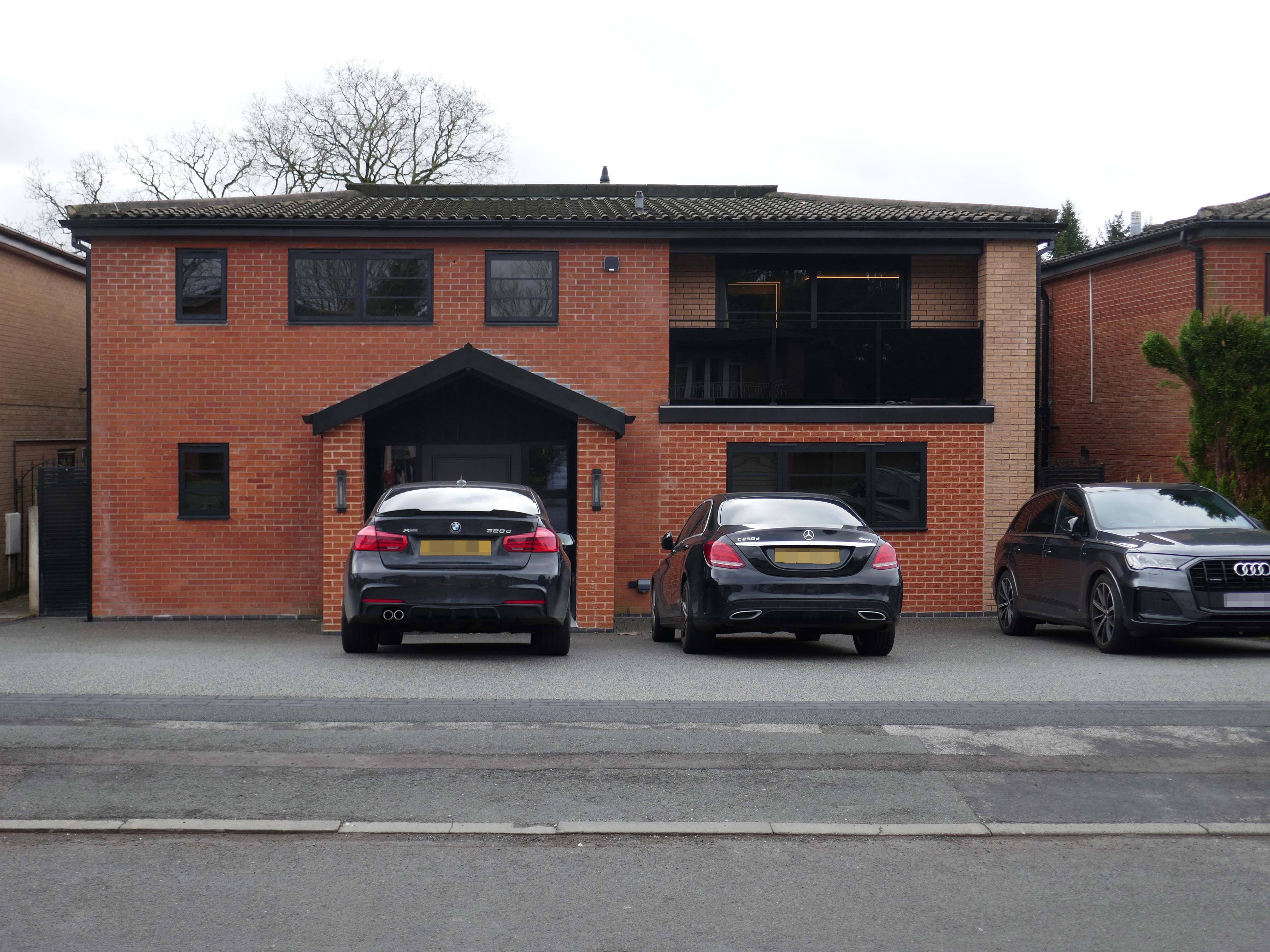
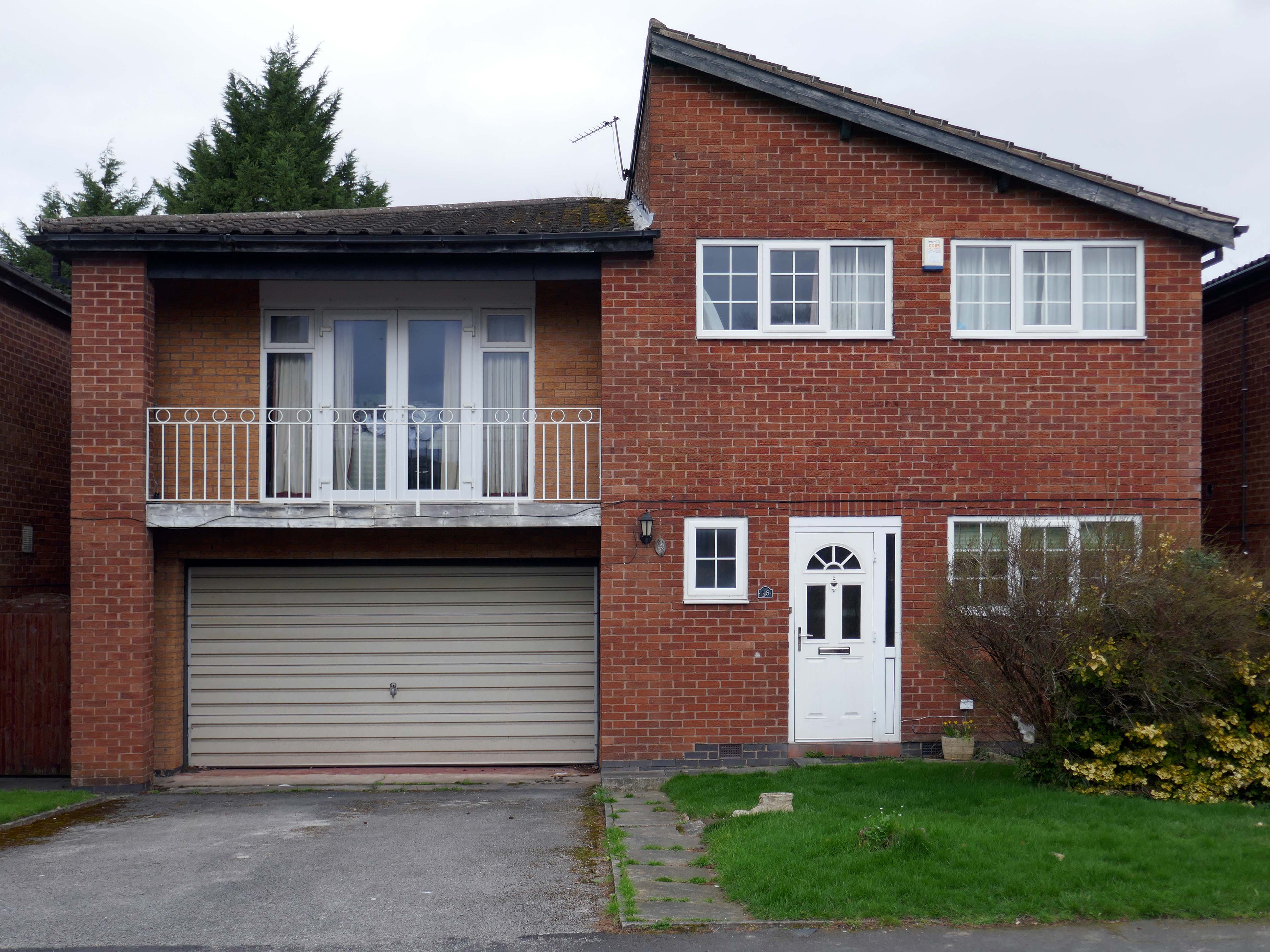
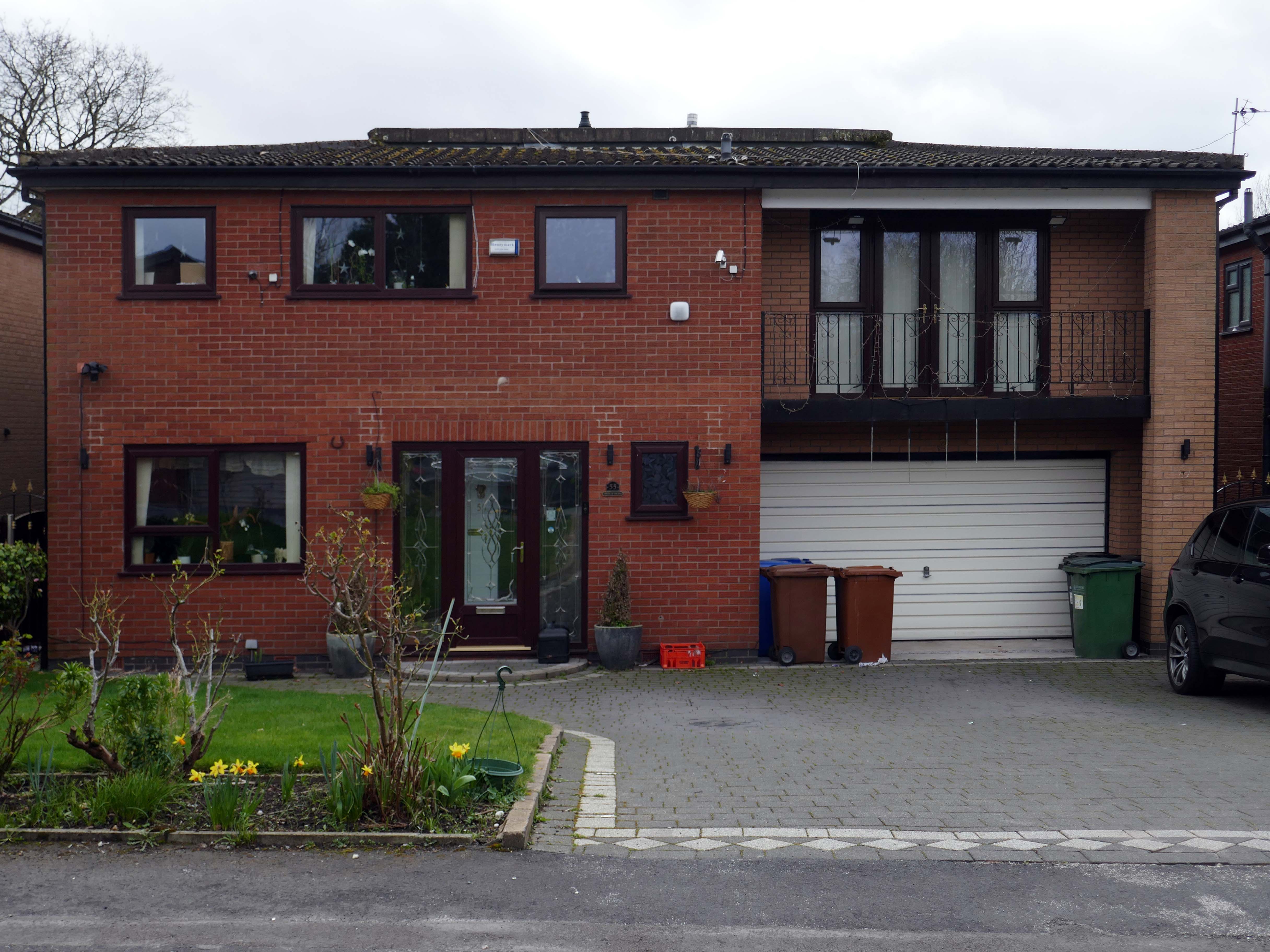
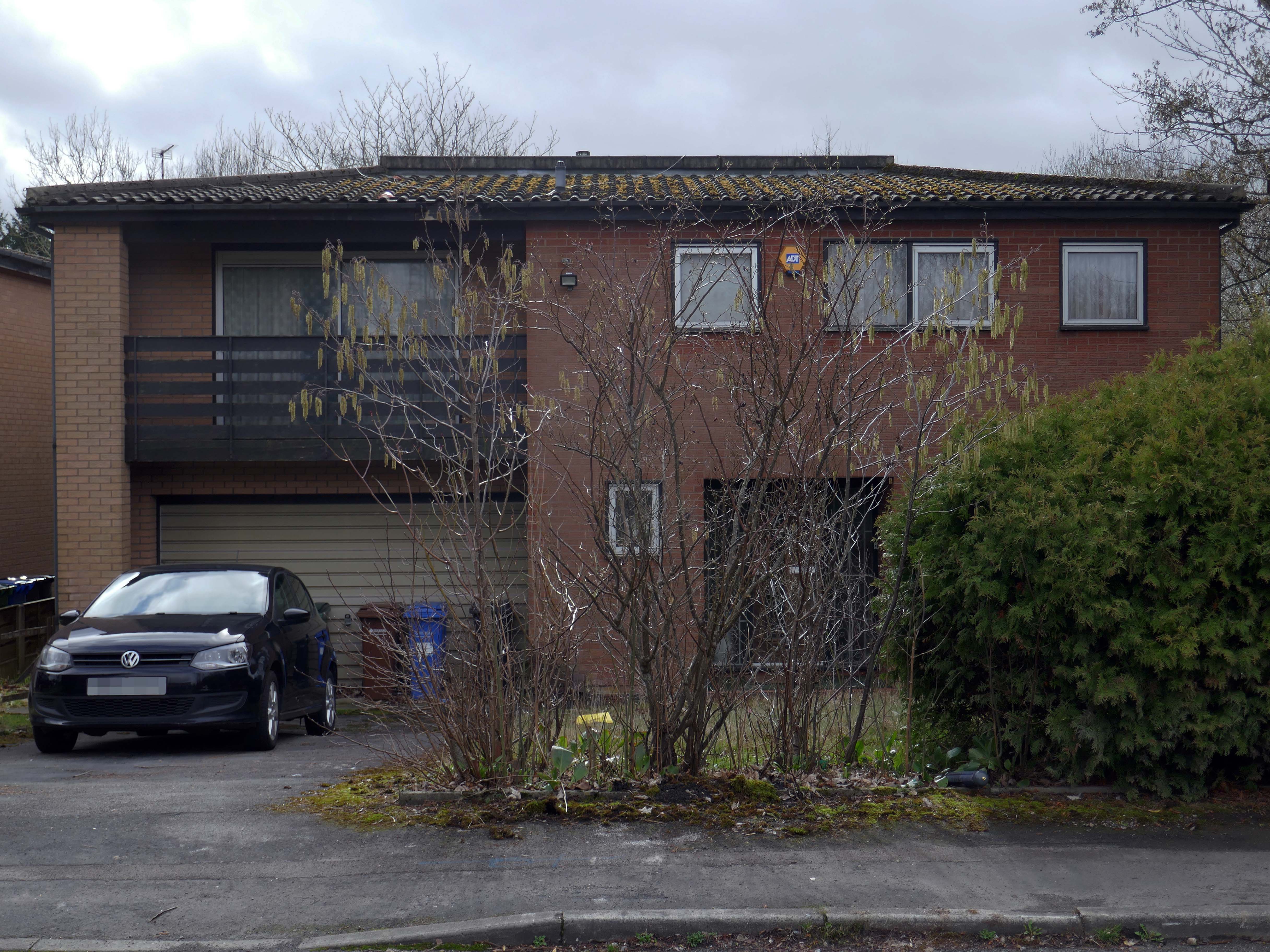
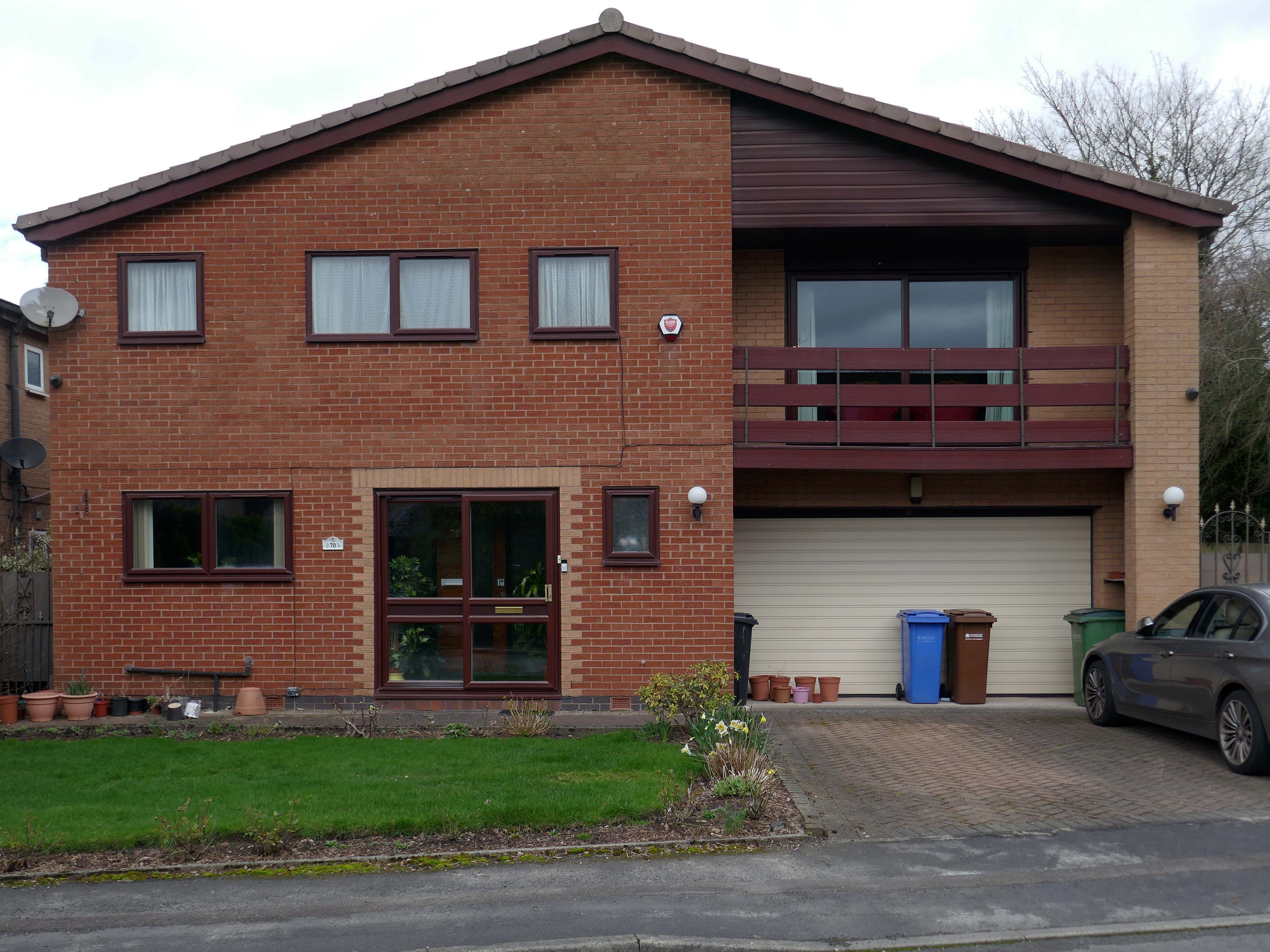
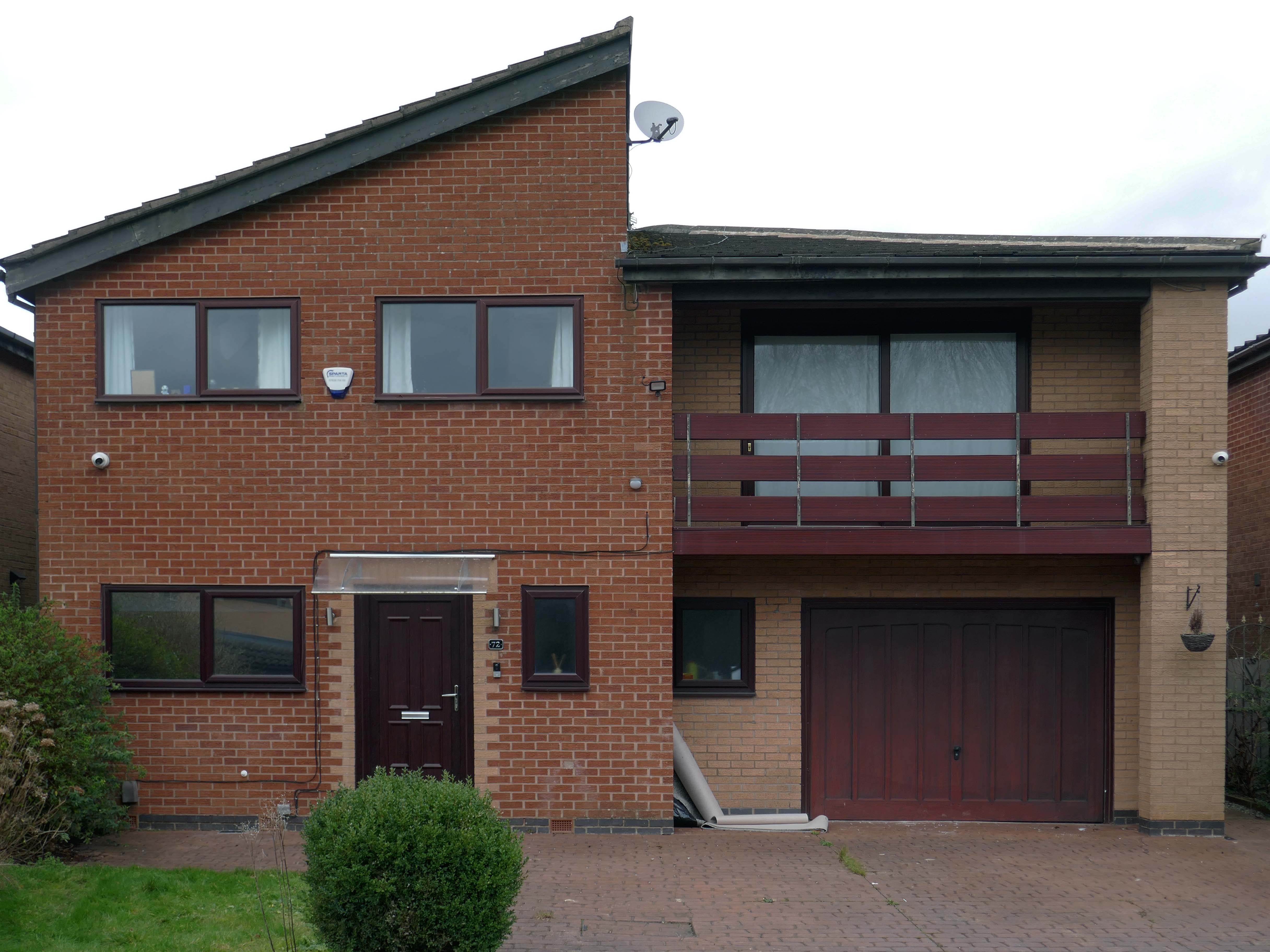
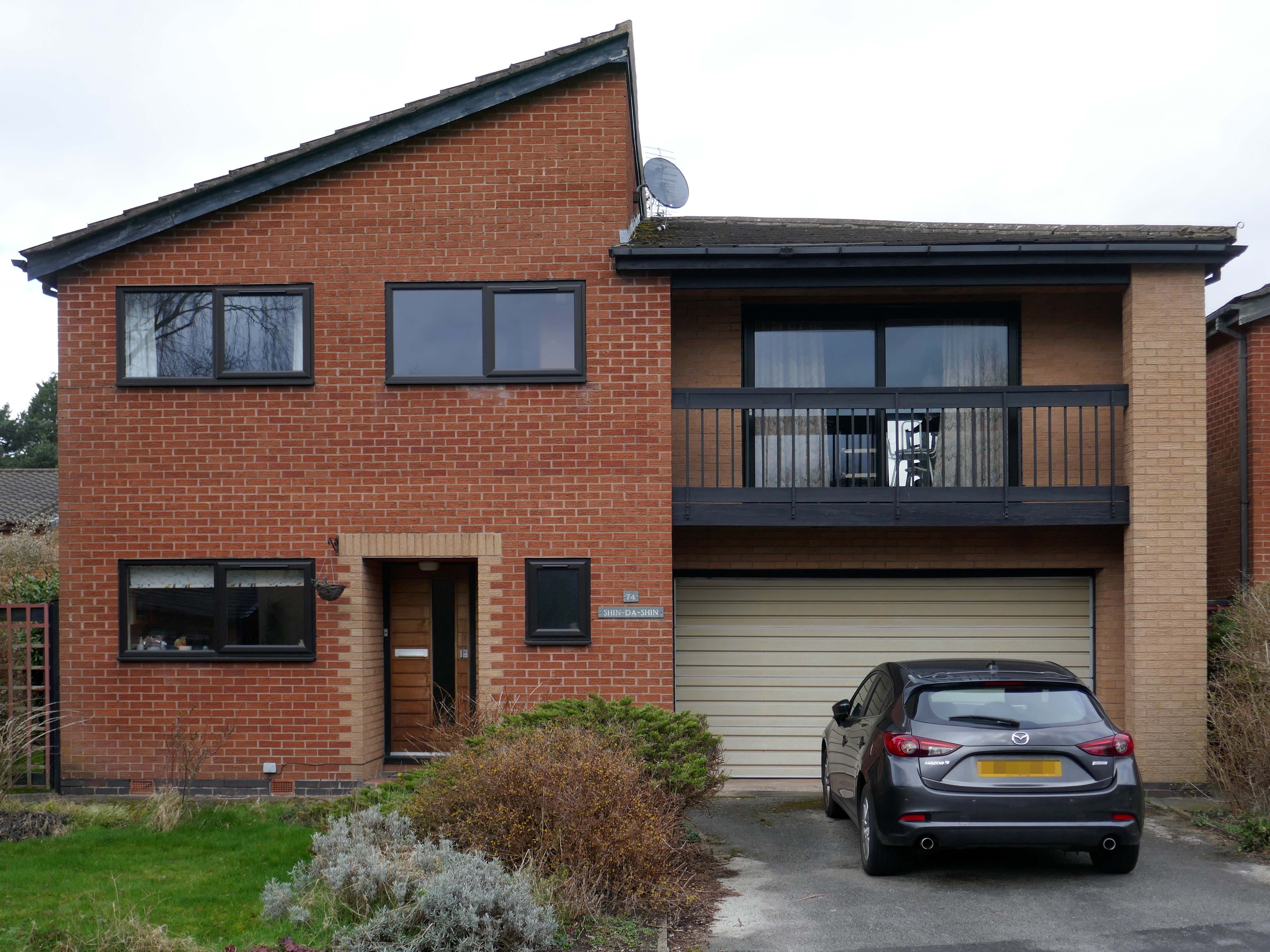
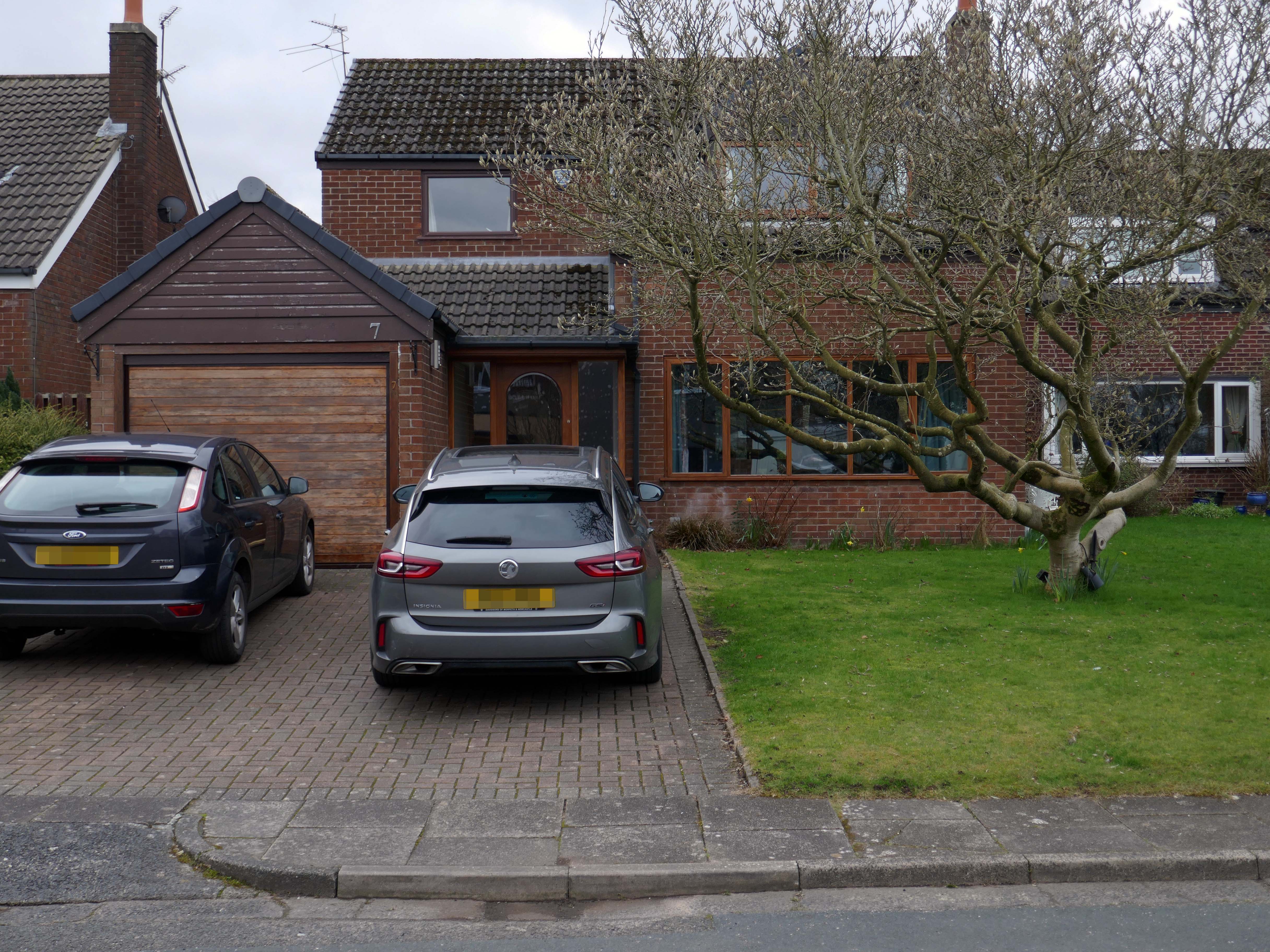
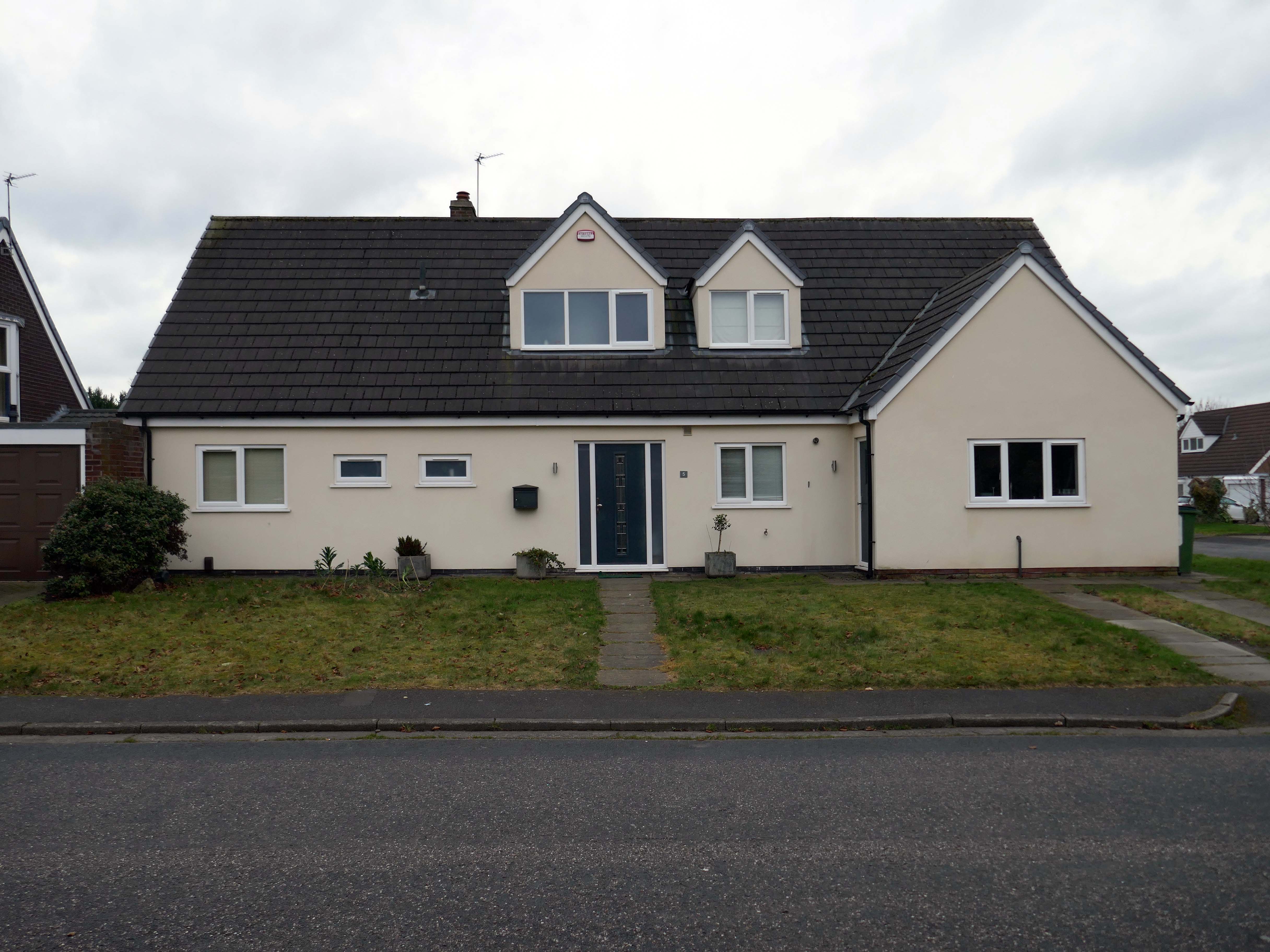
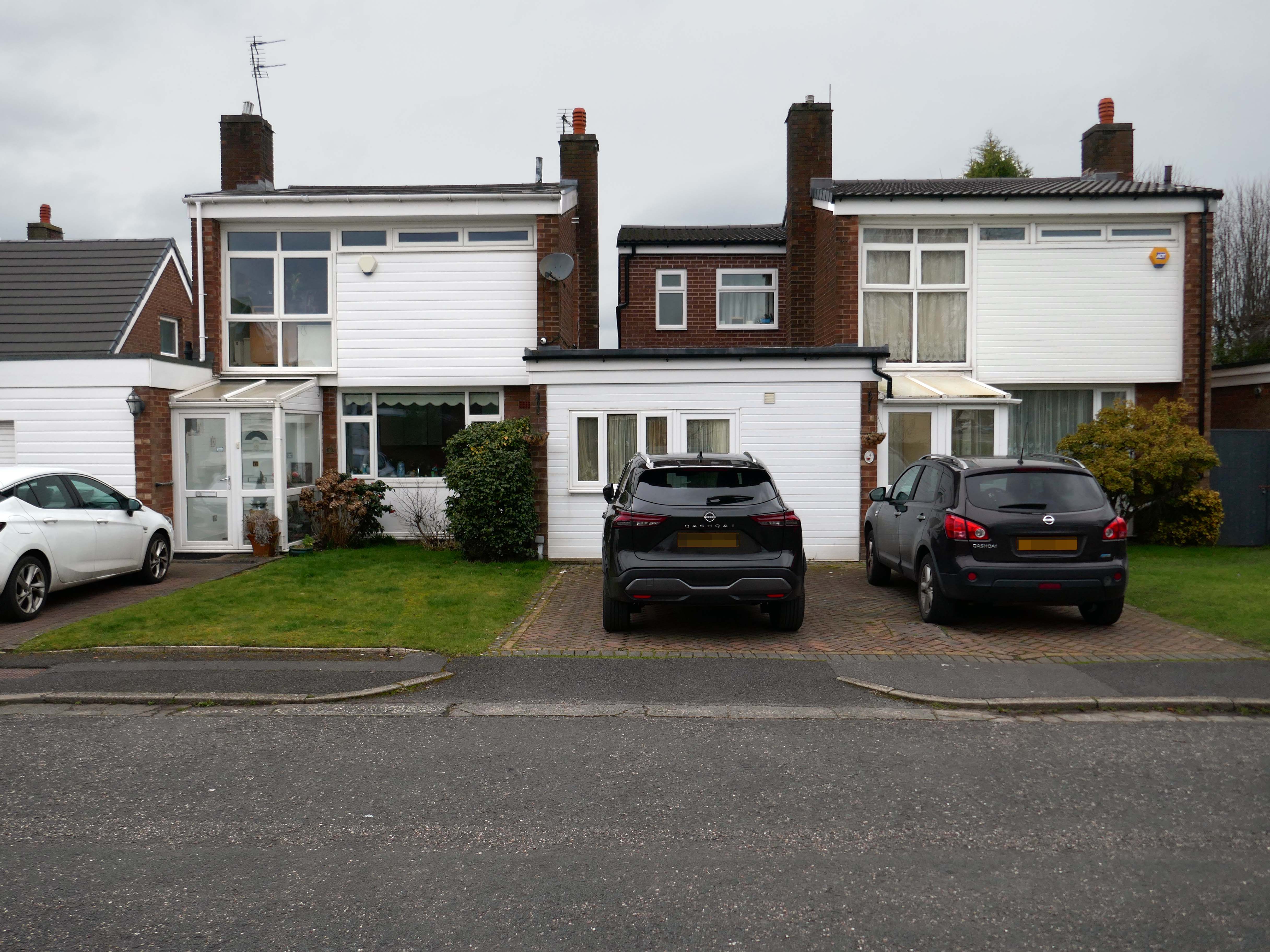
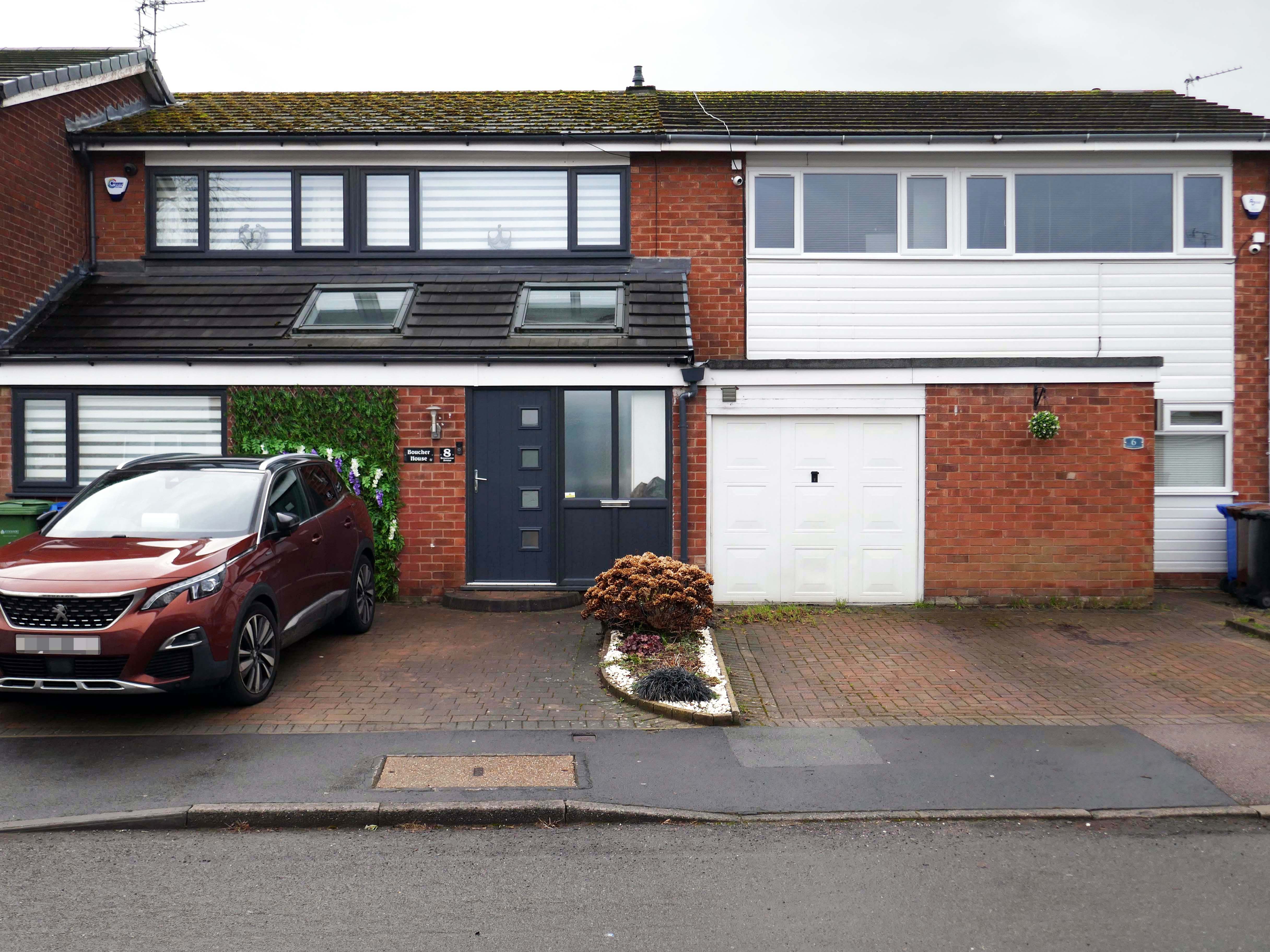
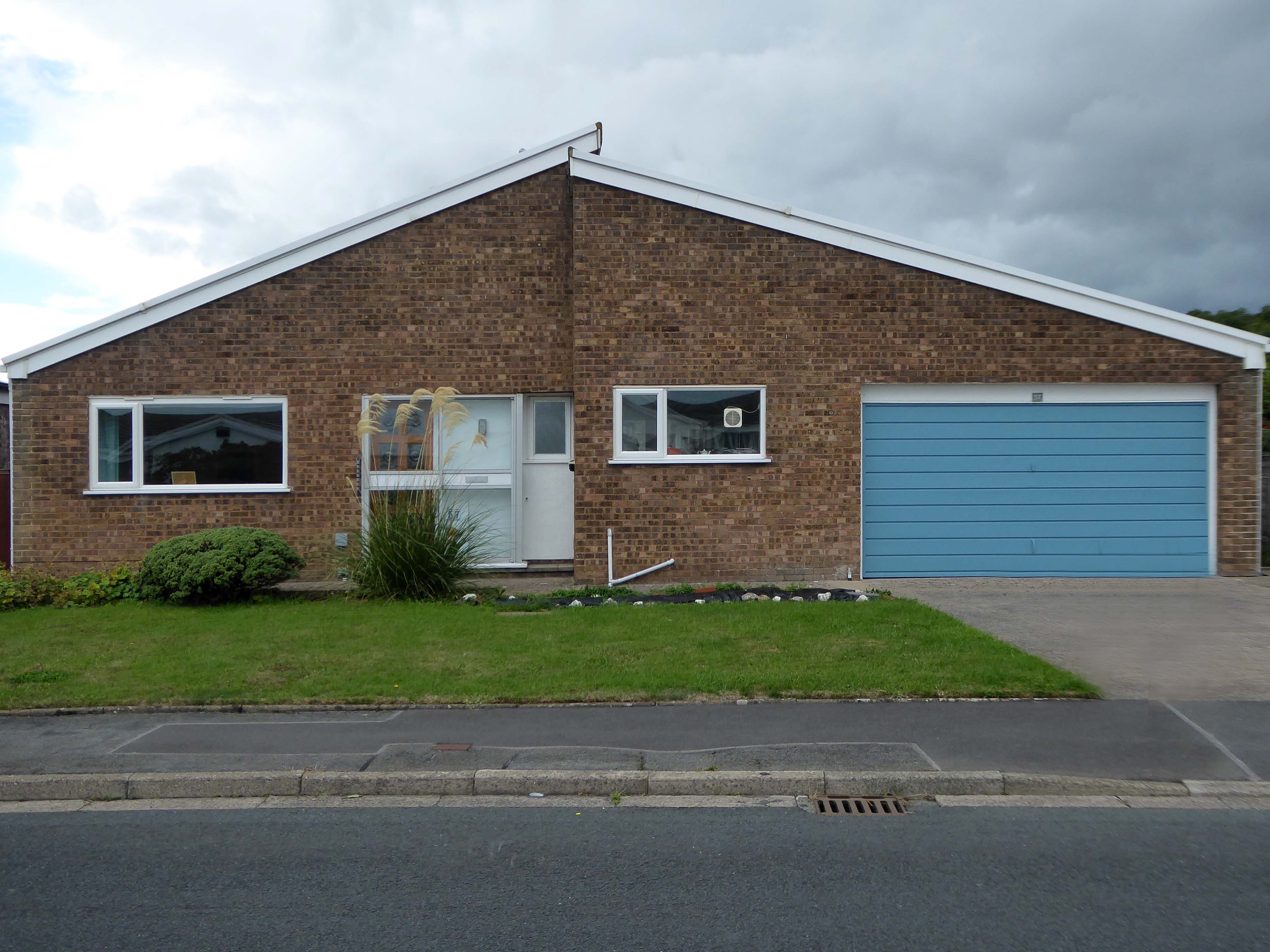
Asymmetric roof, bedroom balcony with optional infill, ever more pointless integrated garage, as the inflated automobile refuses to fit in.
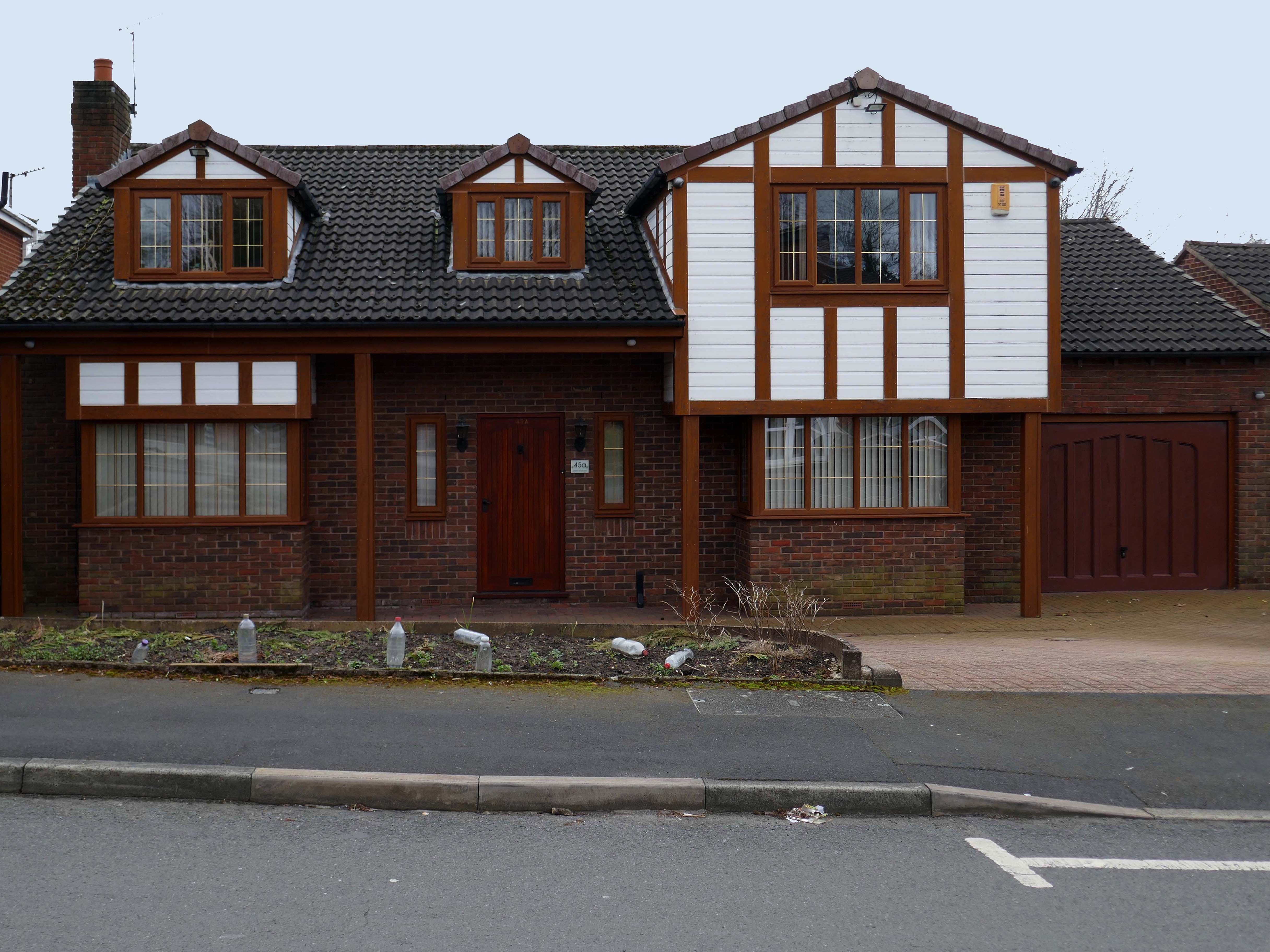
The ubiquitous carriage lamp, B&Q Georgian front door and hanging basket, all head up the relentless quest to defy period integrity, in favour of a free market, free for all of undiluted historicism.
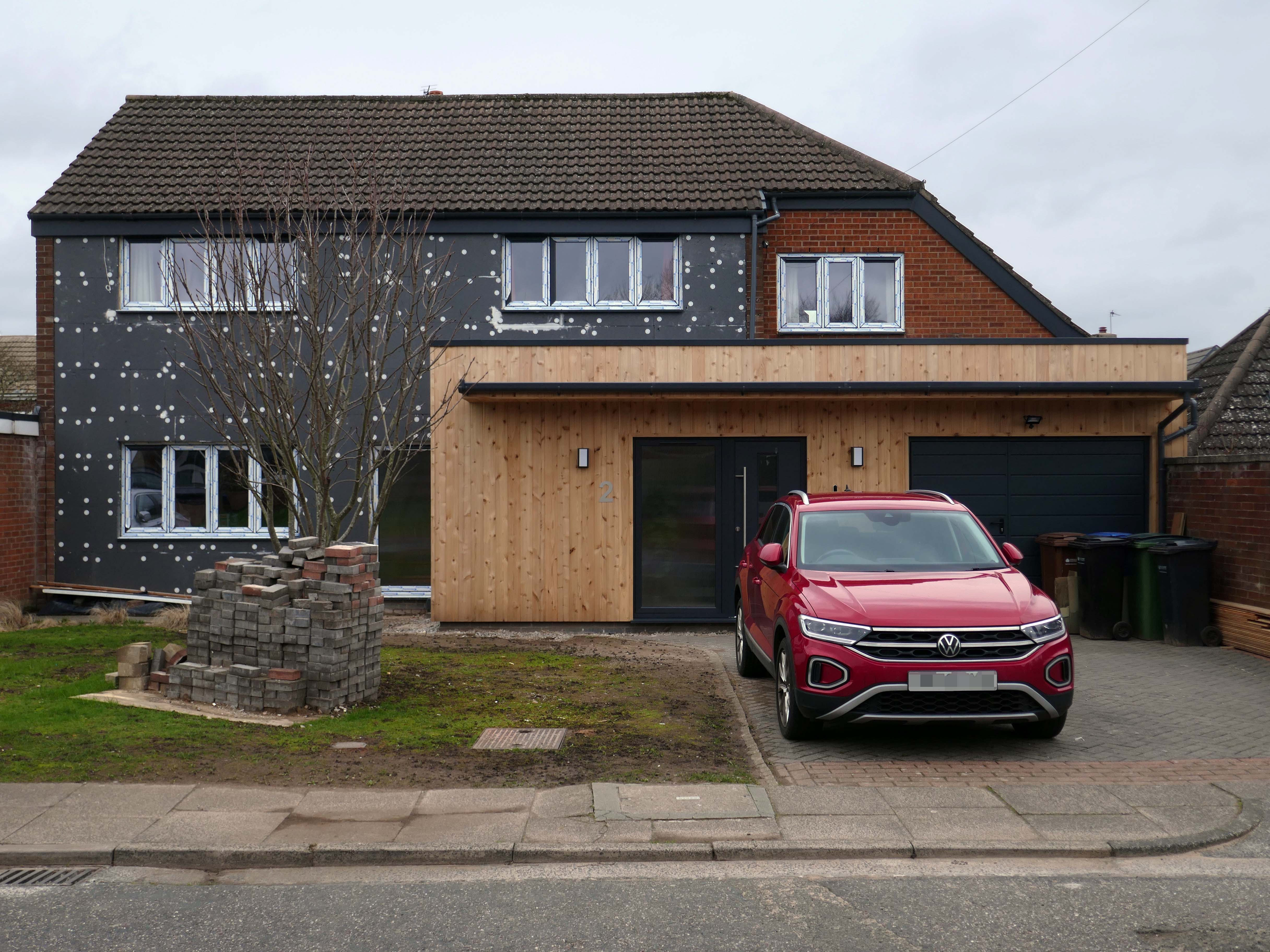
The future and the past and the houses are infinitely all extendable.
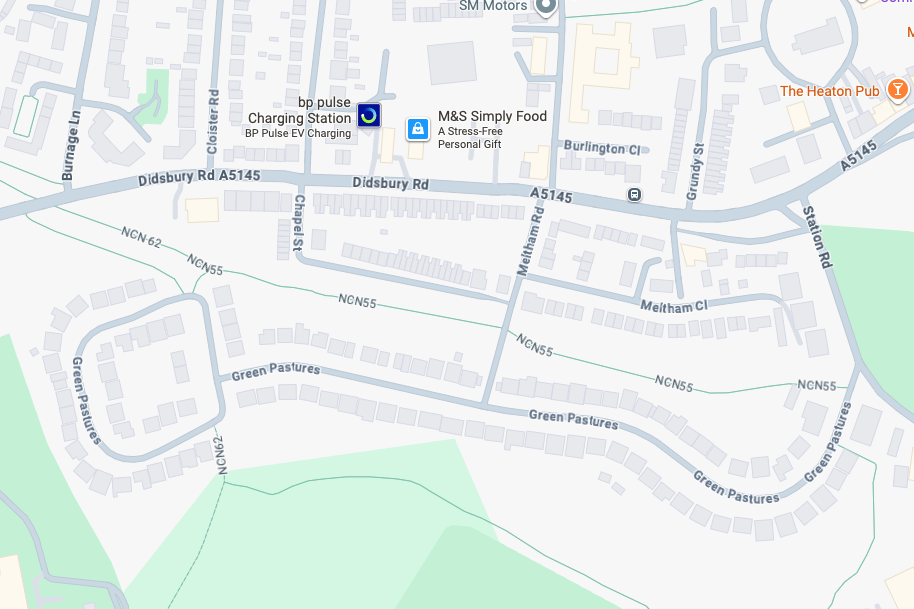
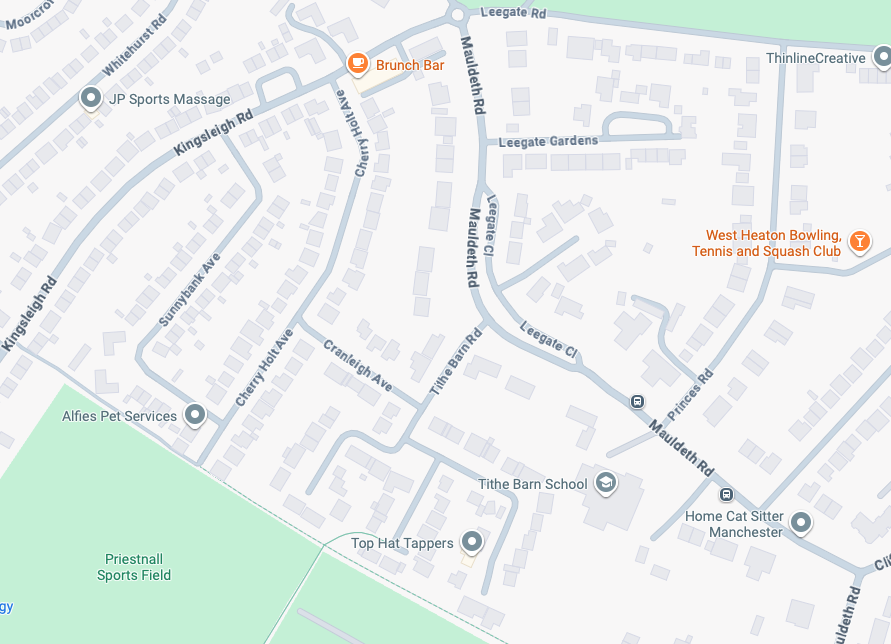
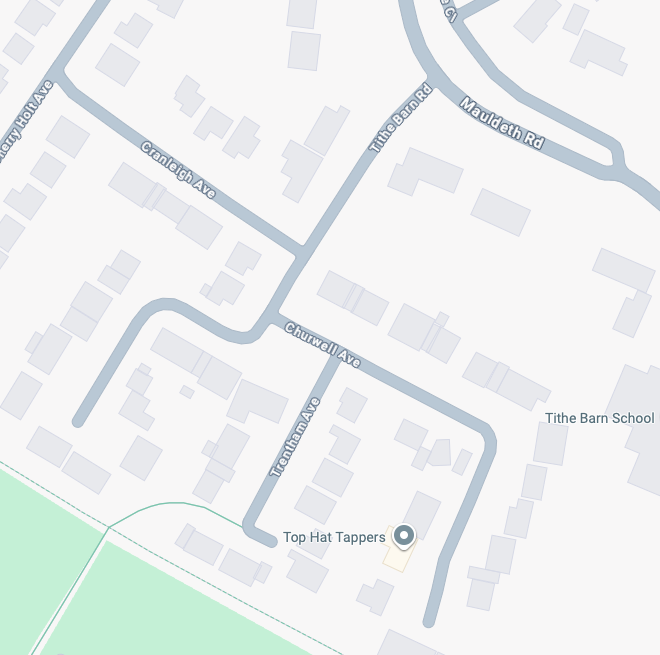
High above the streets of Stockport – zooming in to a cluster of cul de sacs branching out from Tithe Barn Road.
Cul de sac translates as bottom of the bag, the French do not use the term, preferring voie sans issue, literally a dead end.
In the slums of New York City, on the East River just below the Queensboro Bridge, wealthy people live in opulent and luxurious apartments because of the picturesque views of the river, while the destitute and poor live nearby in crowded, cockroach-infested tenements.
I assume that countless civic meetings and Estate Agents’ offices eschew the terminal term – dead end, in favour of the assumed elegance of the cu de sac.
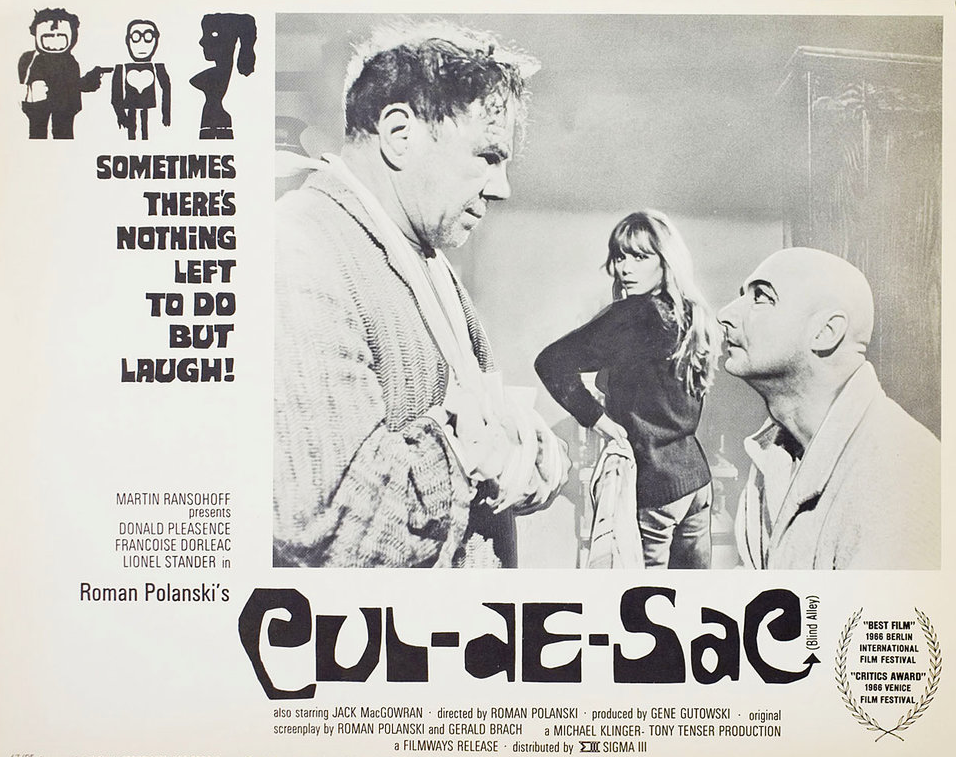
Polanski’s second English-language feature, it follows two injured gangsters who take refuge in the remote island castle of a young British couple in the North of England, spurring a series of mind games and violent altercations.
I was informed by a local resident that the streets and houses had been used by film crews, firstly for ease of access, the location being closed off, and secondly as the period architecture aligns perfectly with the current penchant for mid-century styling.
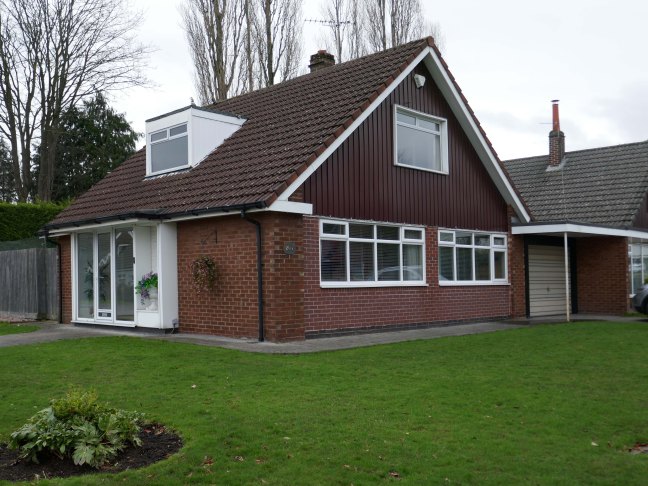
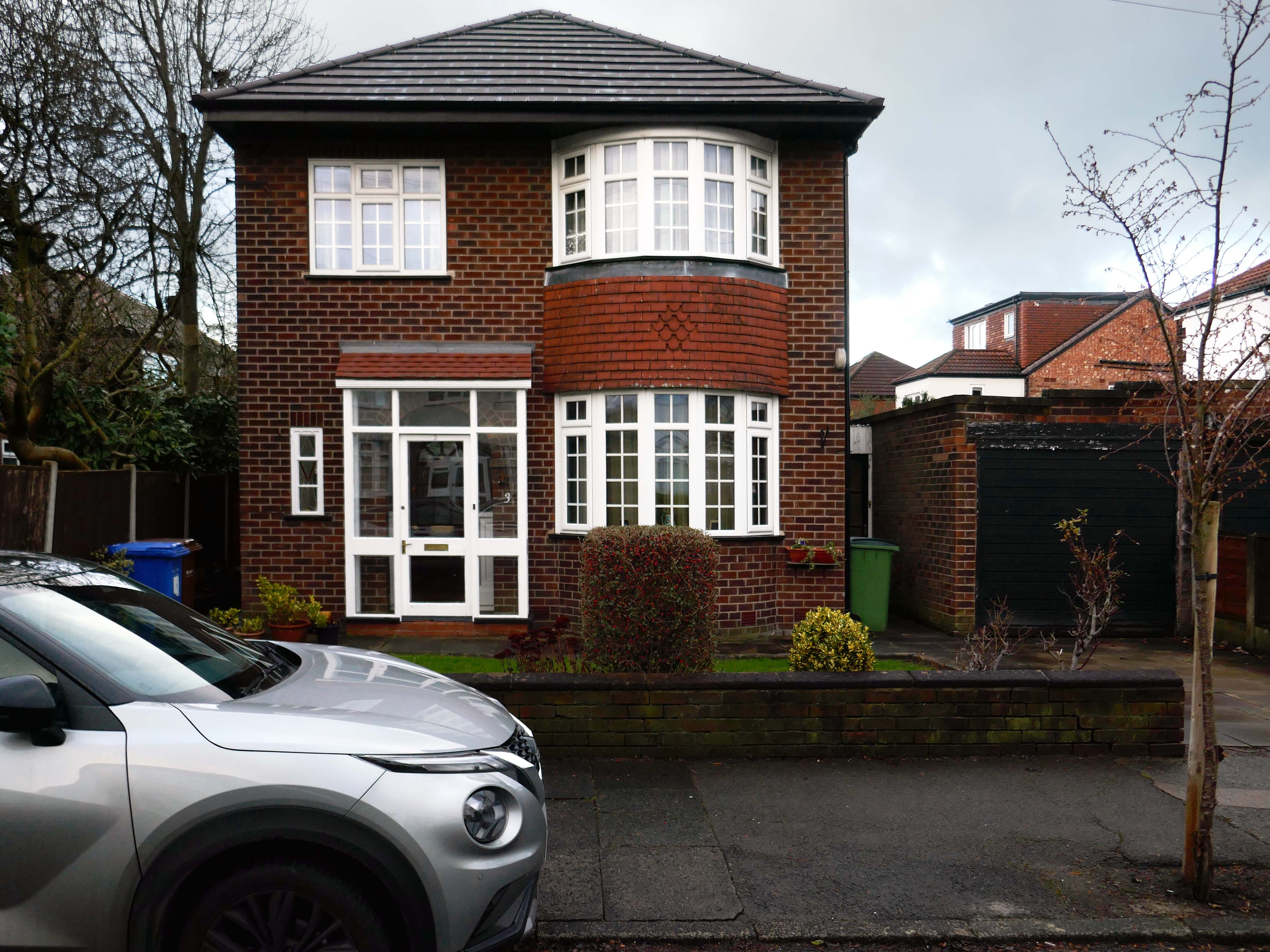
Within the typology there area number of variants, bungalow, dormer bungalow, link detached, semi-detached and detached.
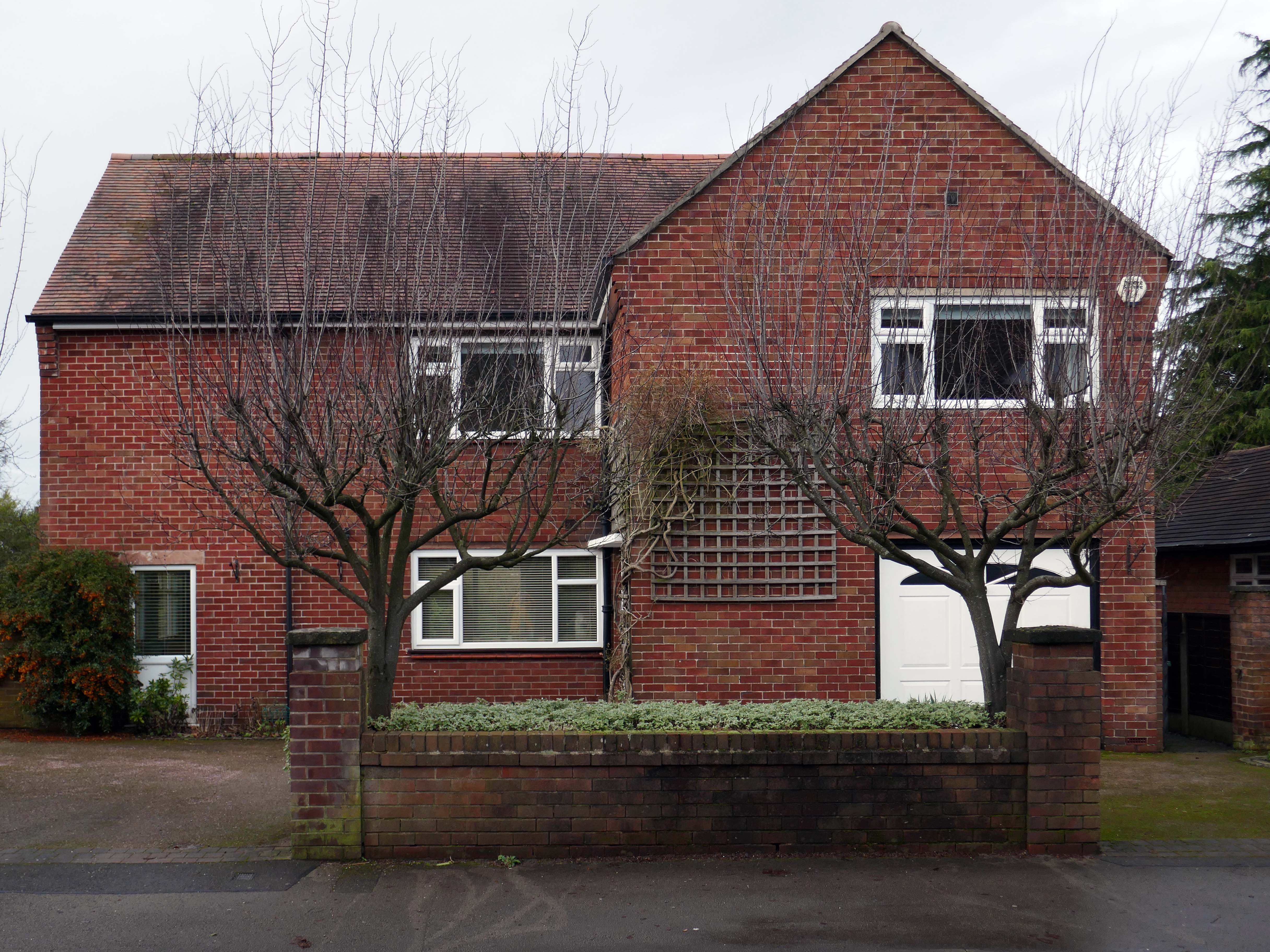
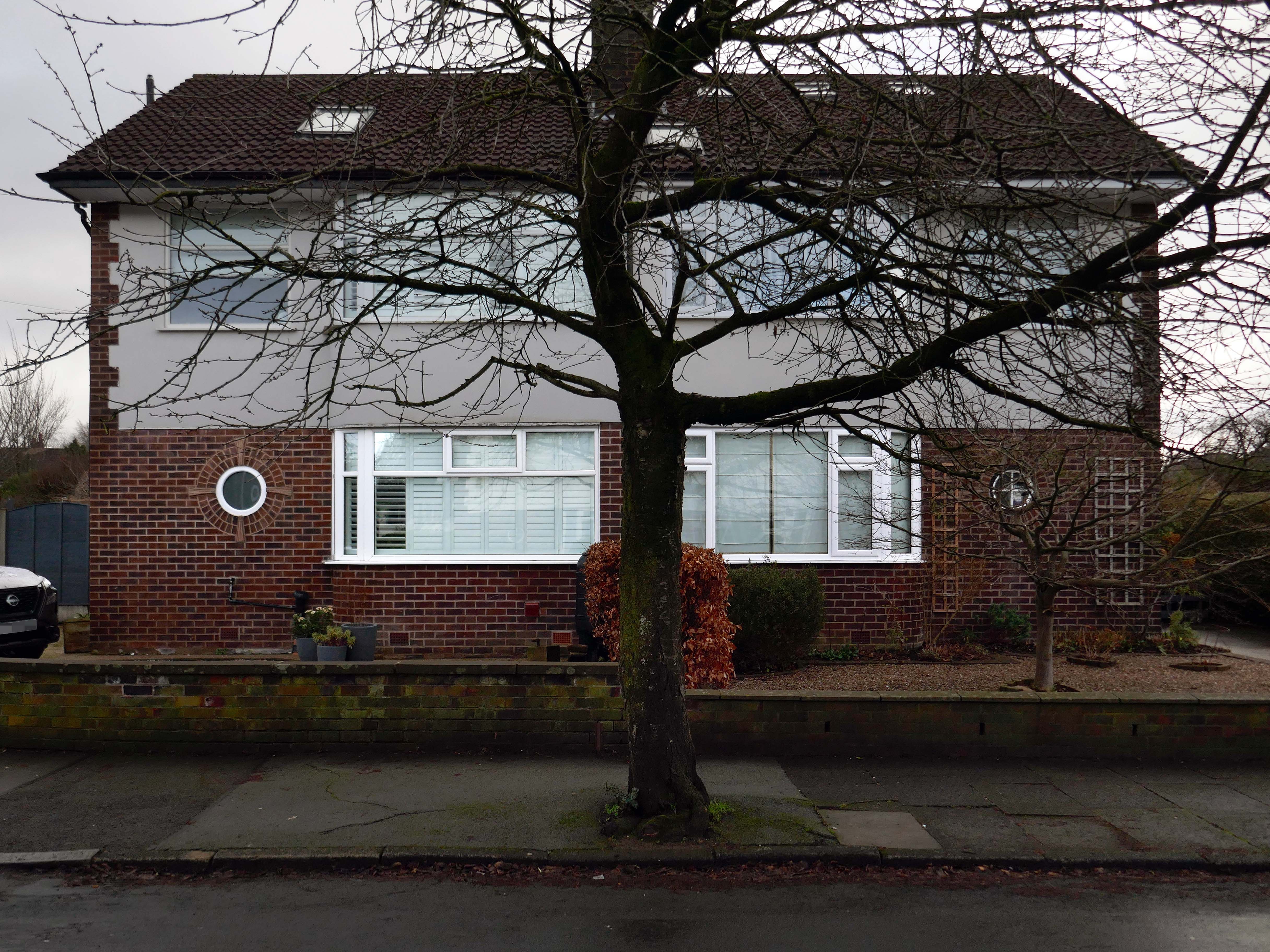
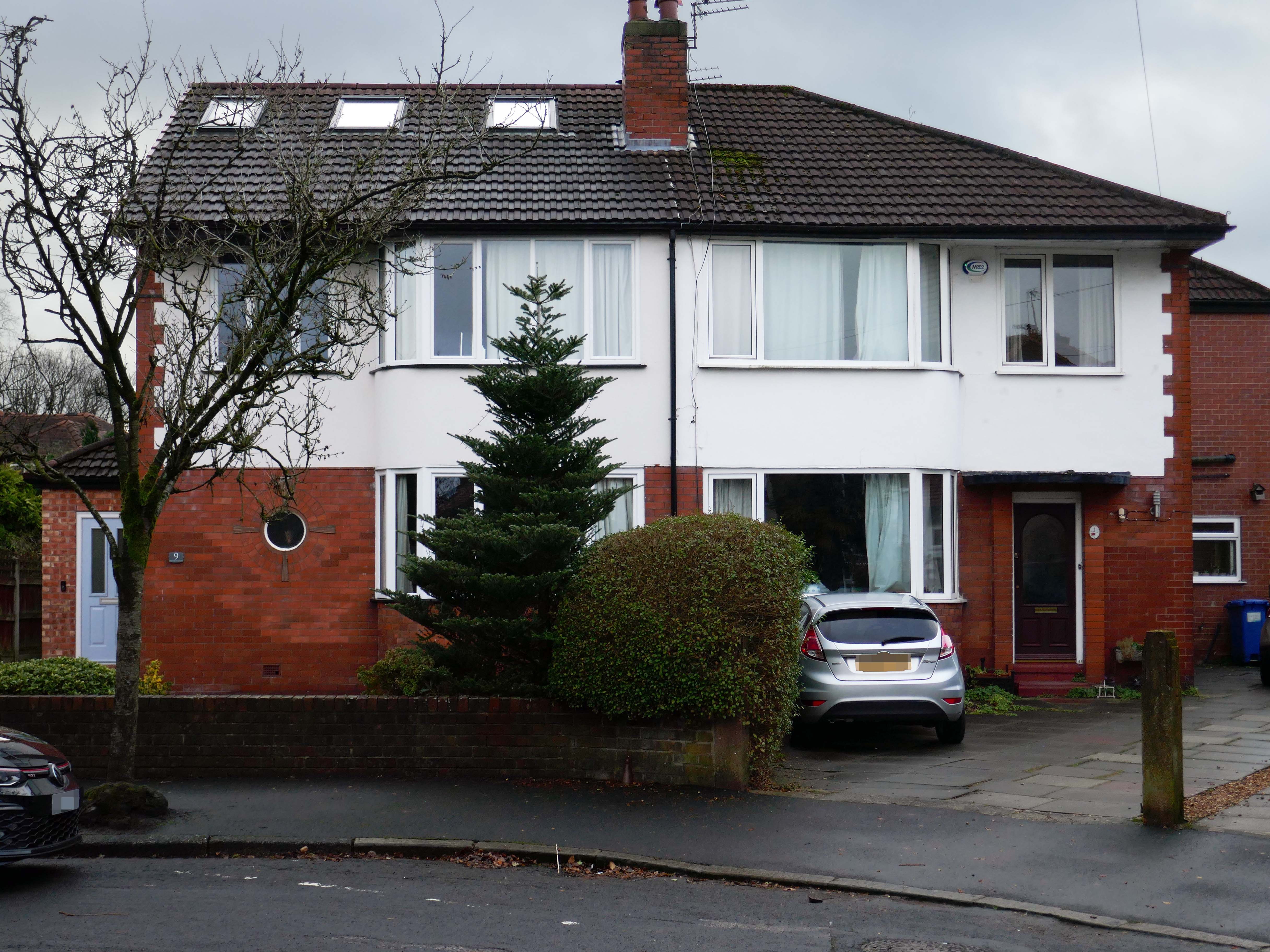
Very very few of the homes have retained their original features, the imperative of our age is to extend and improve.
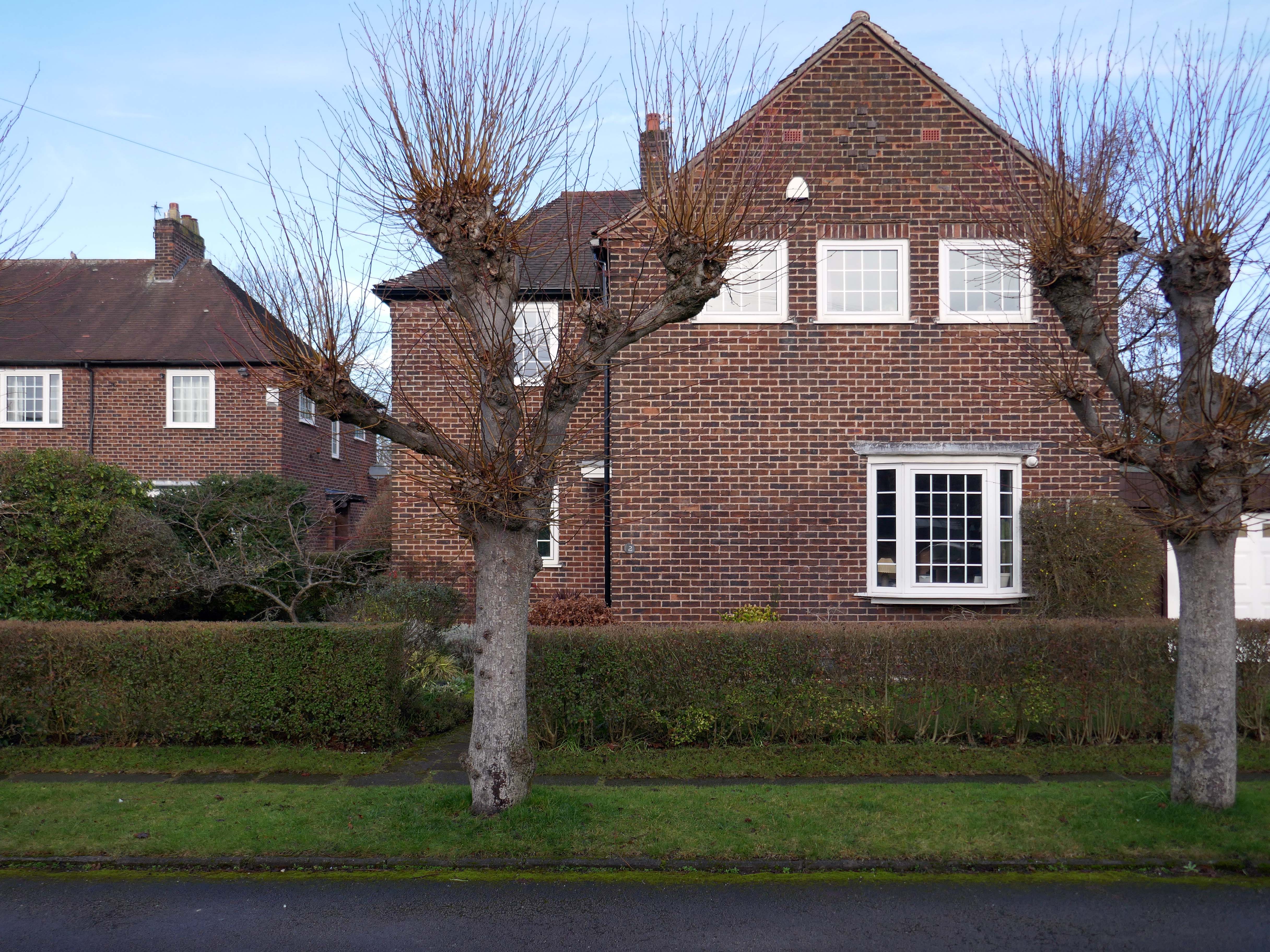
There is a covenant in the deeds which prevents the building of border fencing – therefore the development retains its small-scale suburban American ambience.
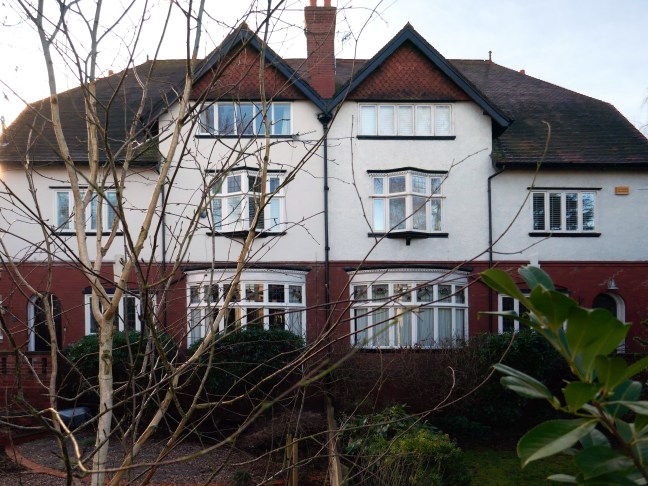
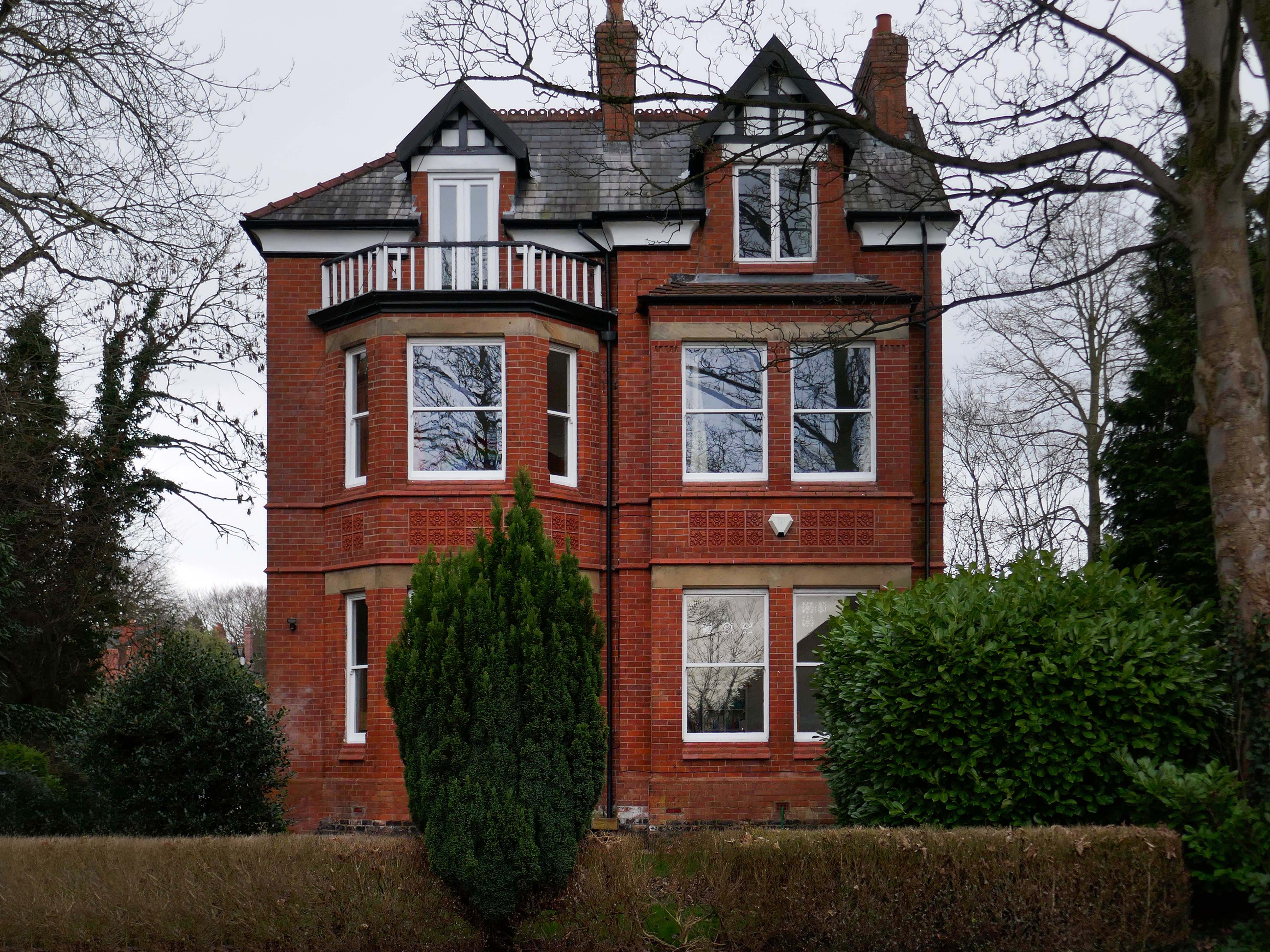
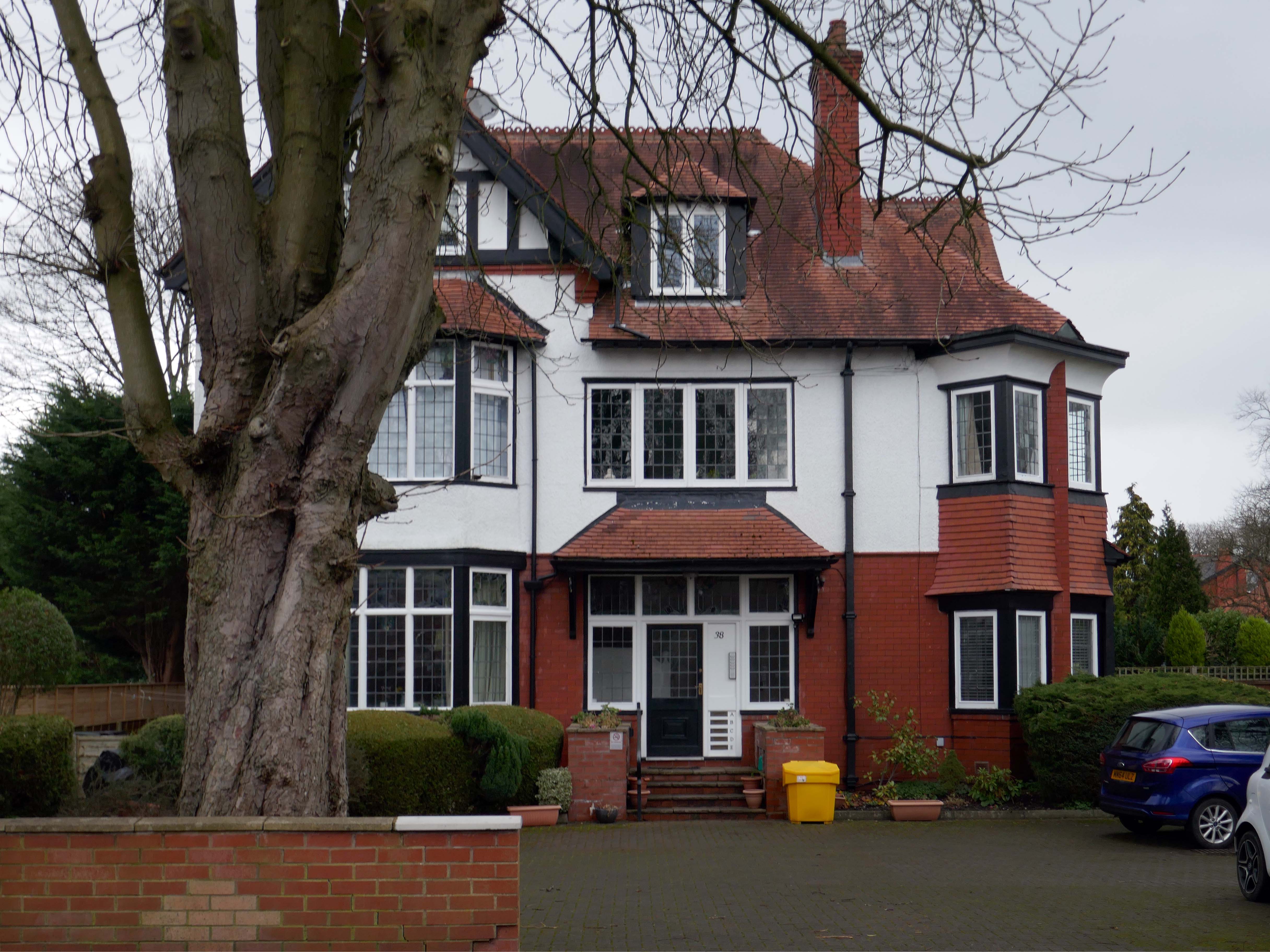
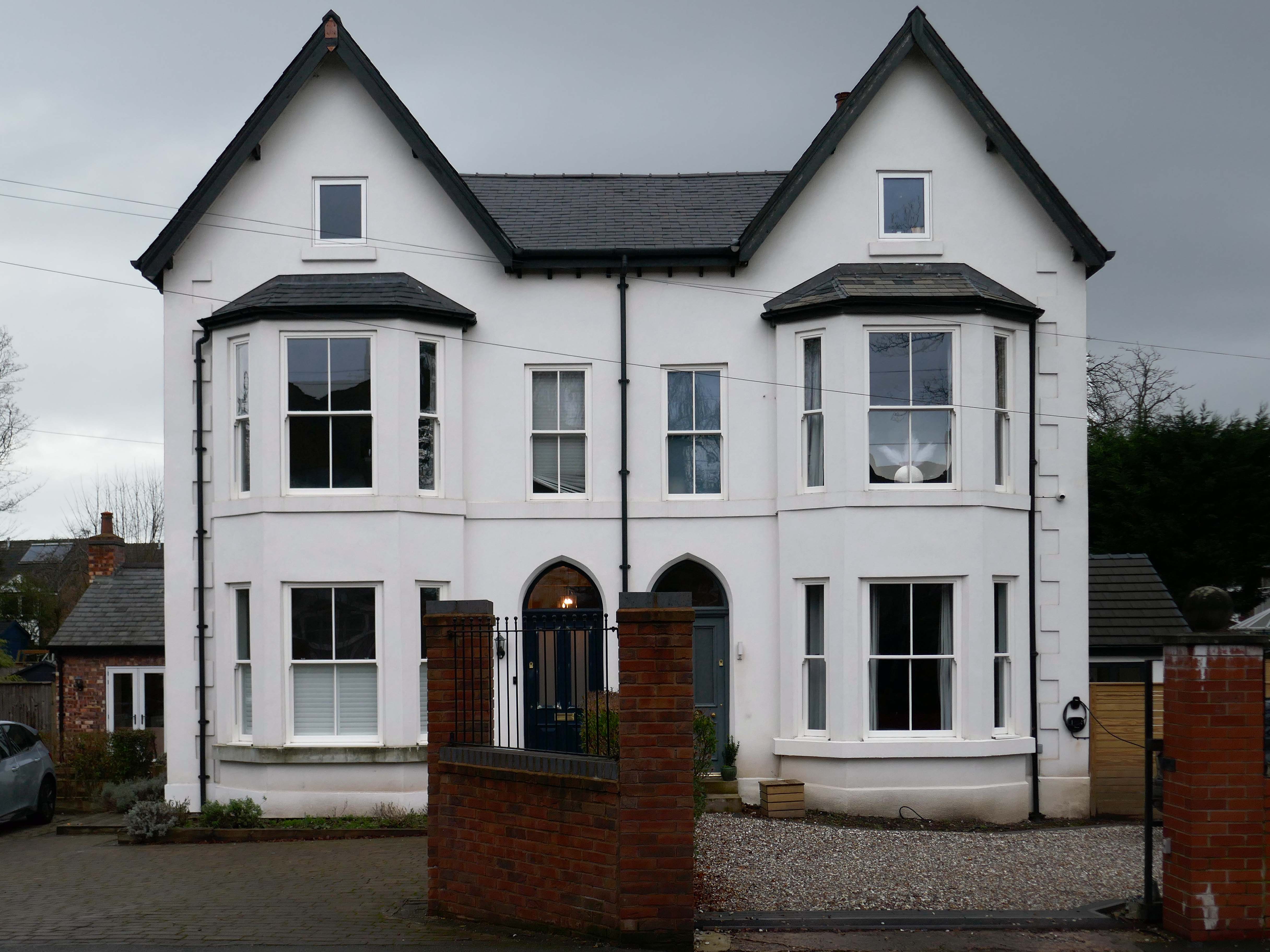
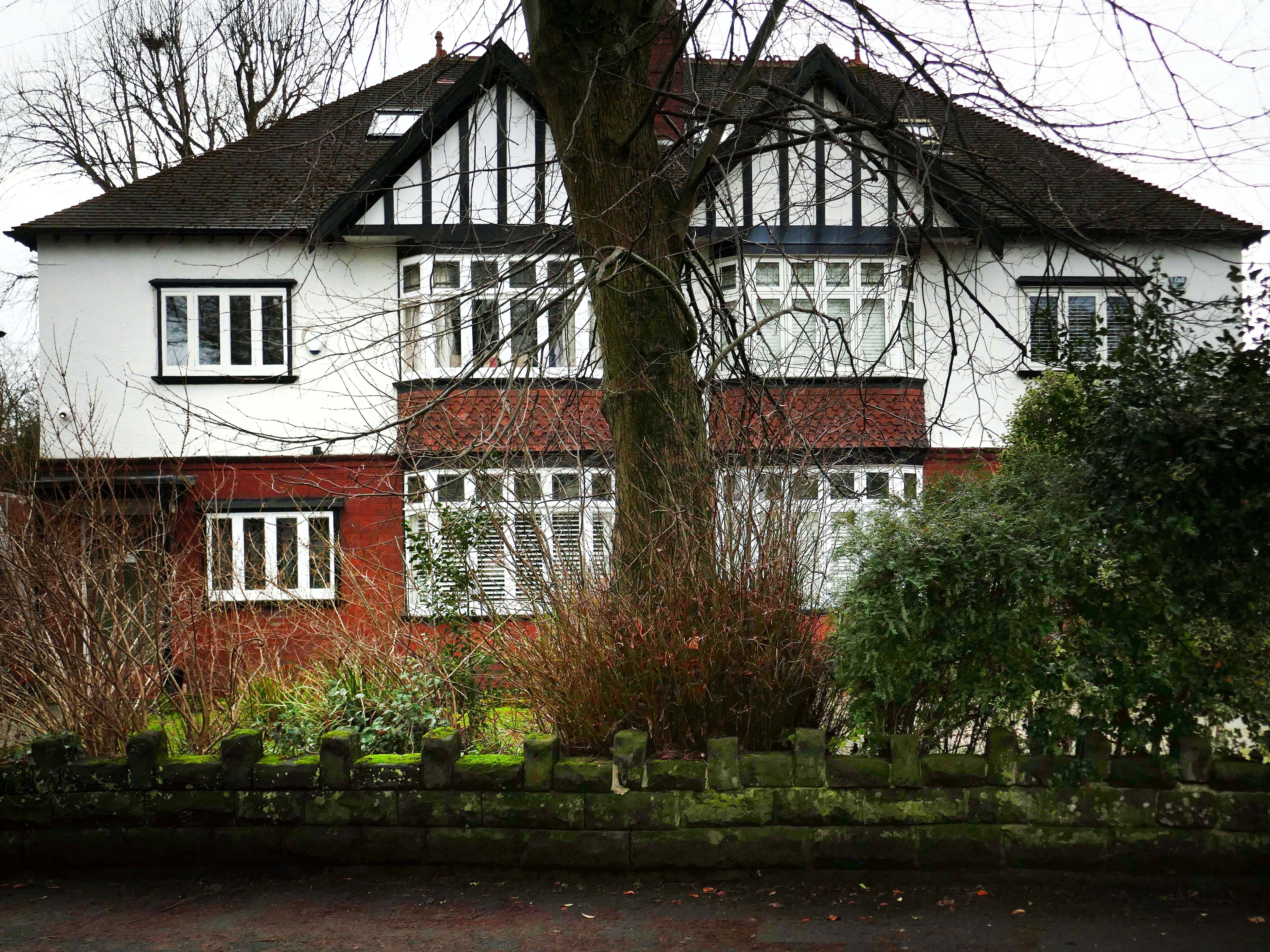
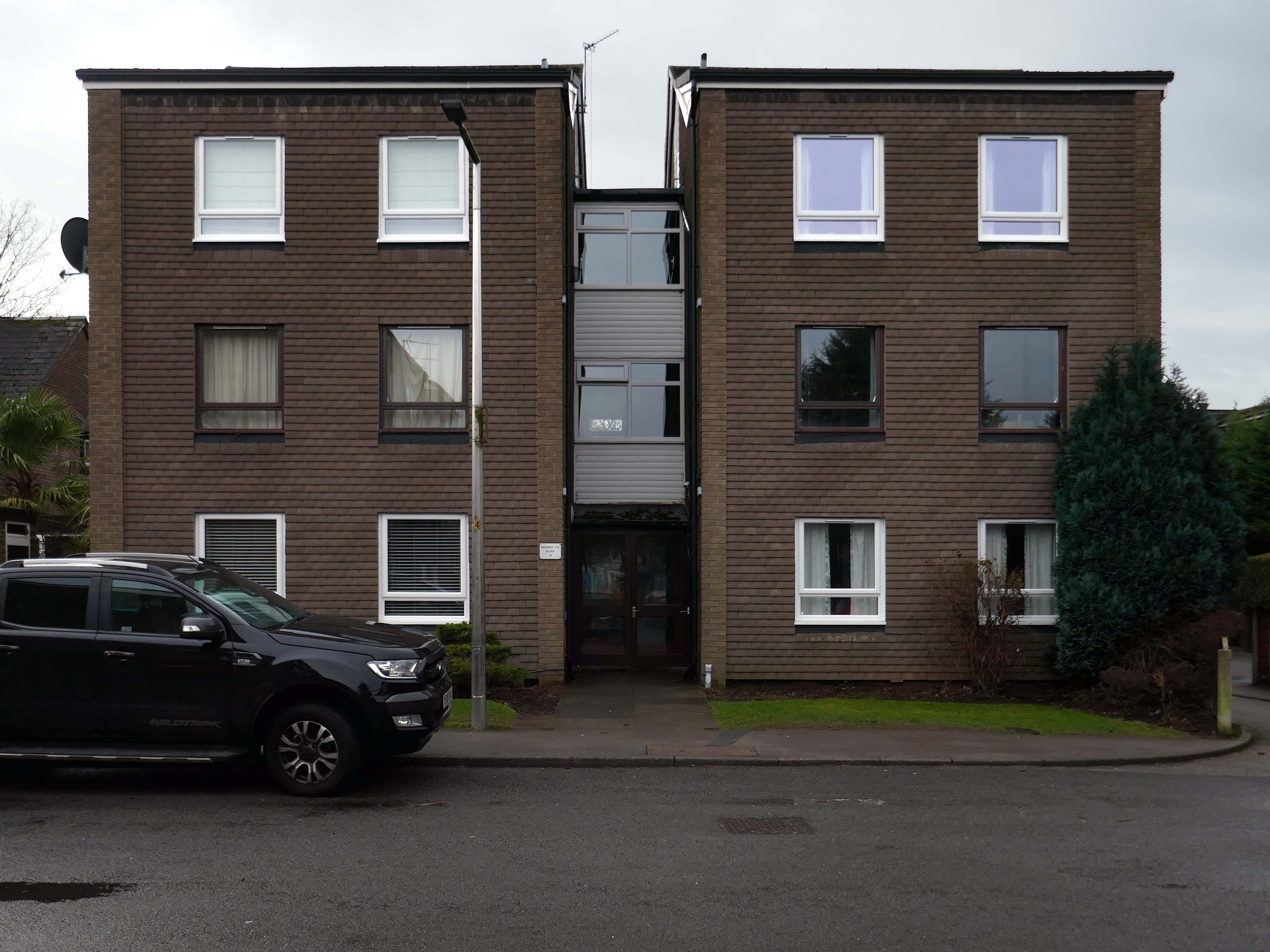
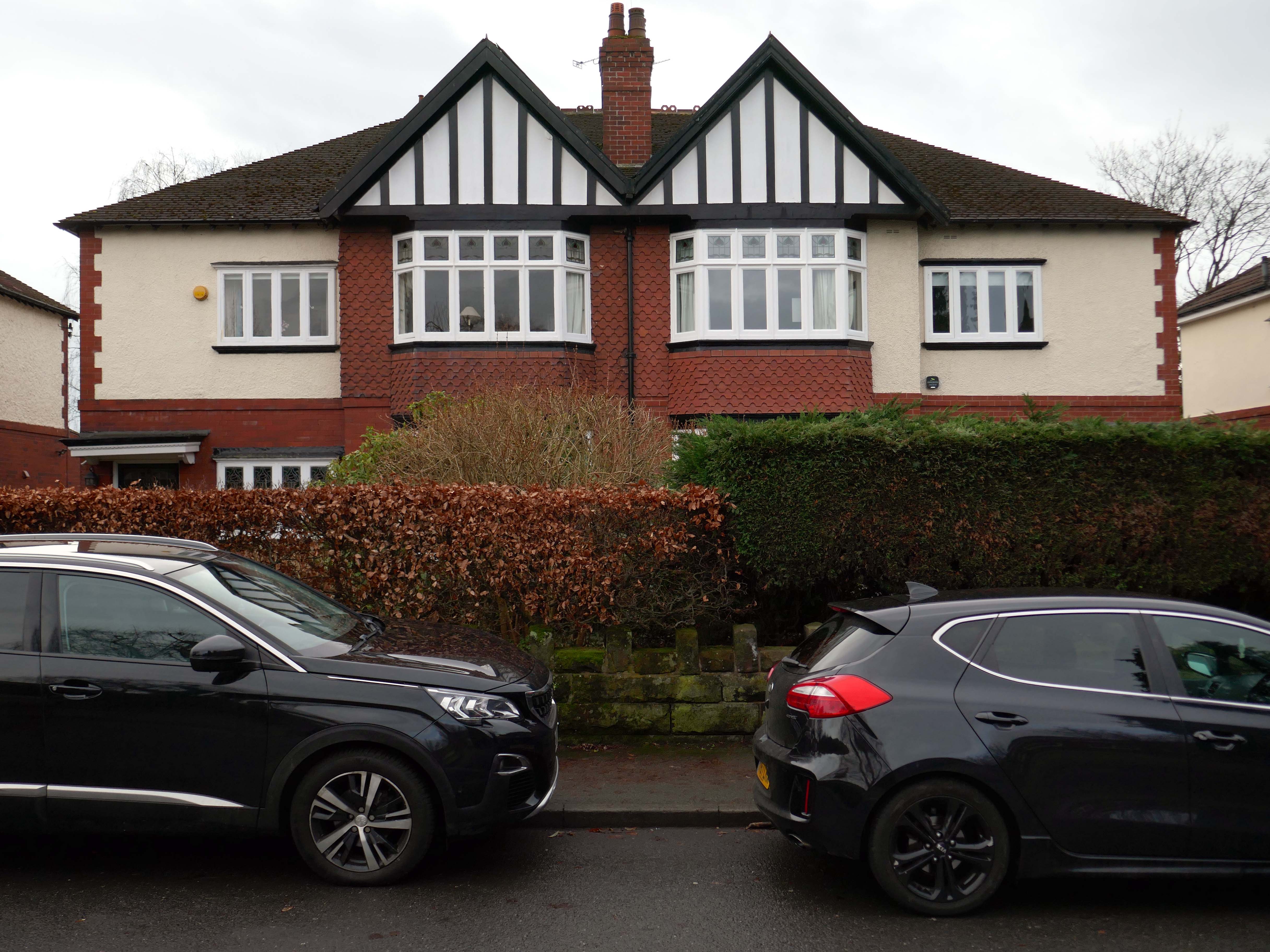
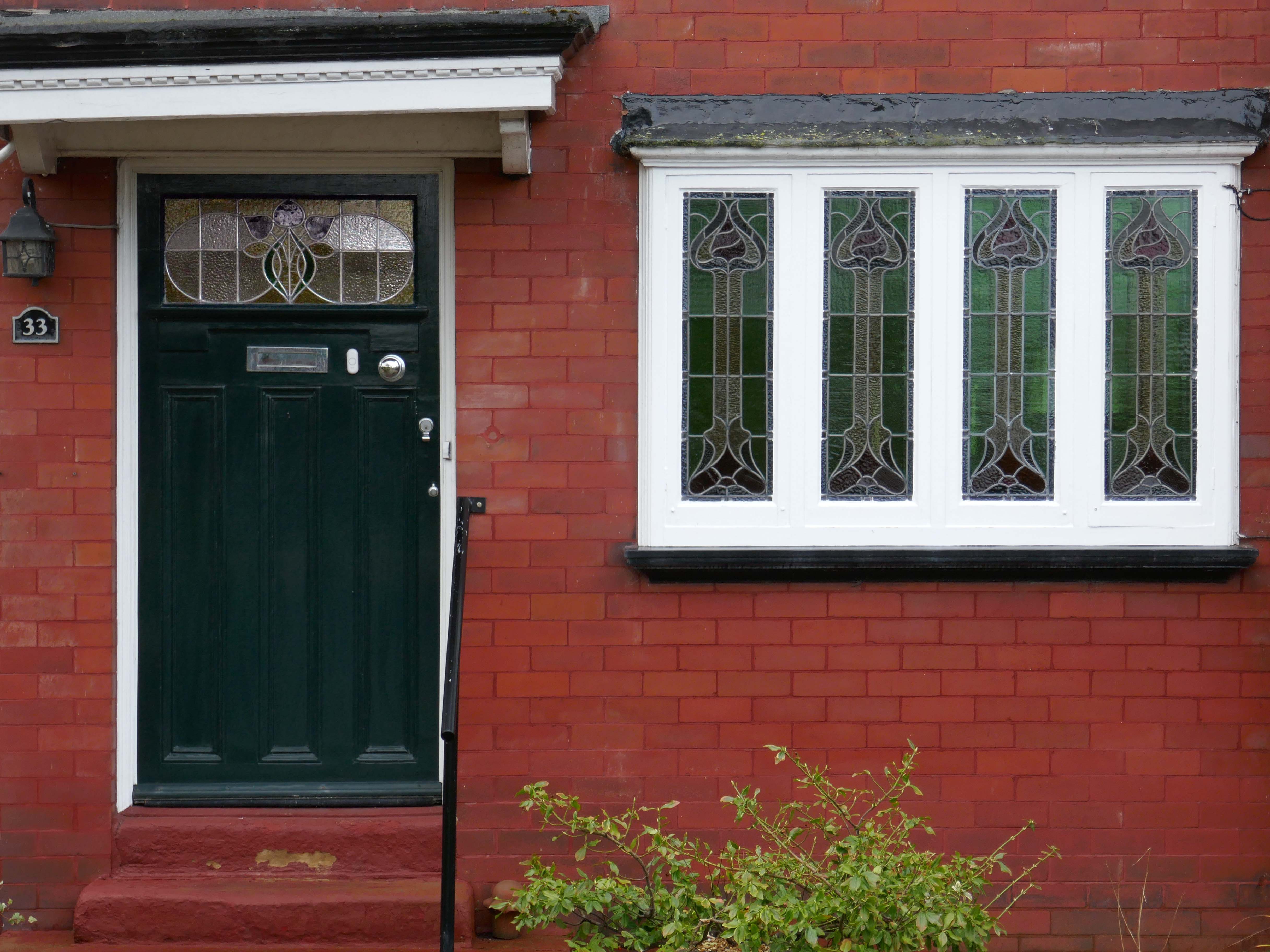
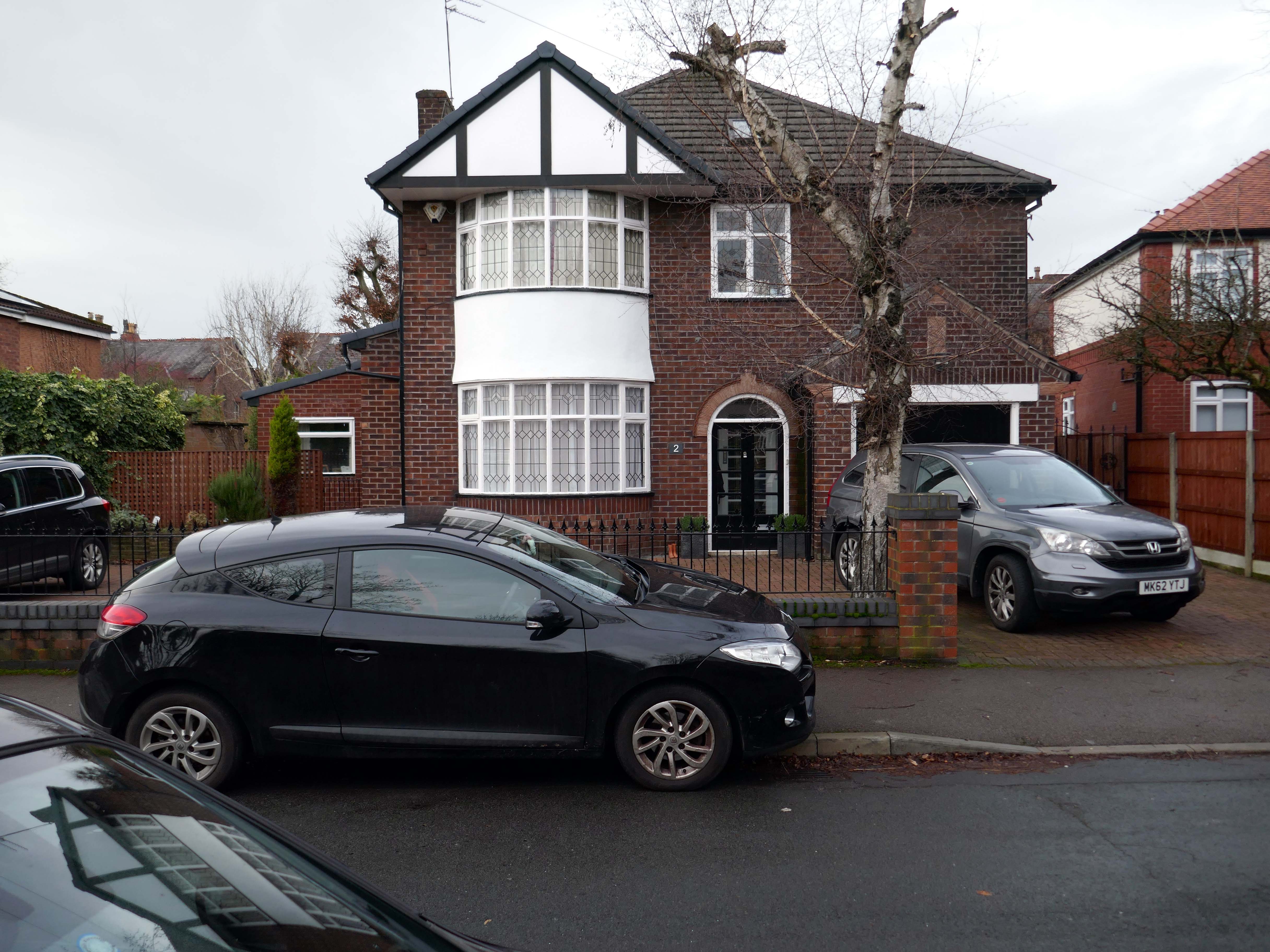
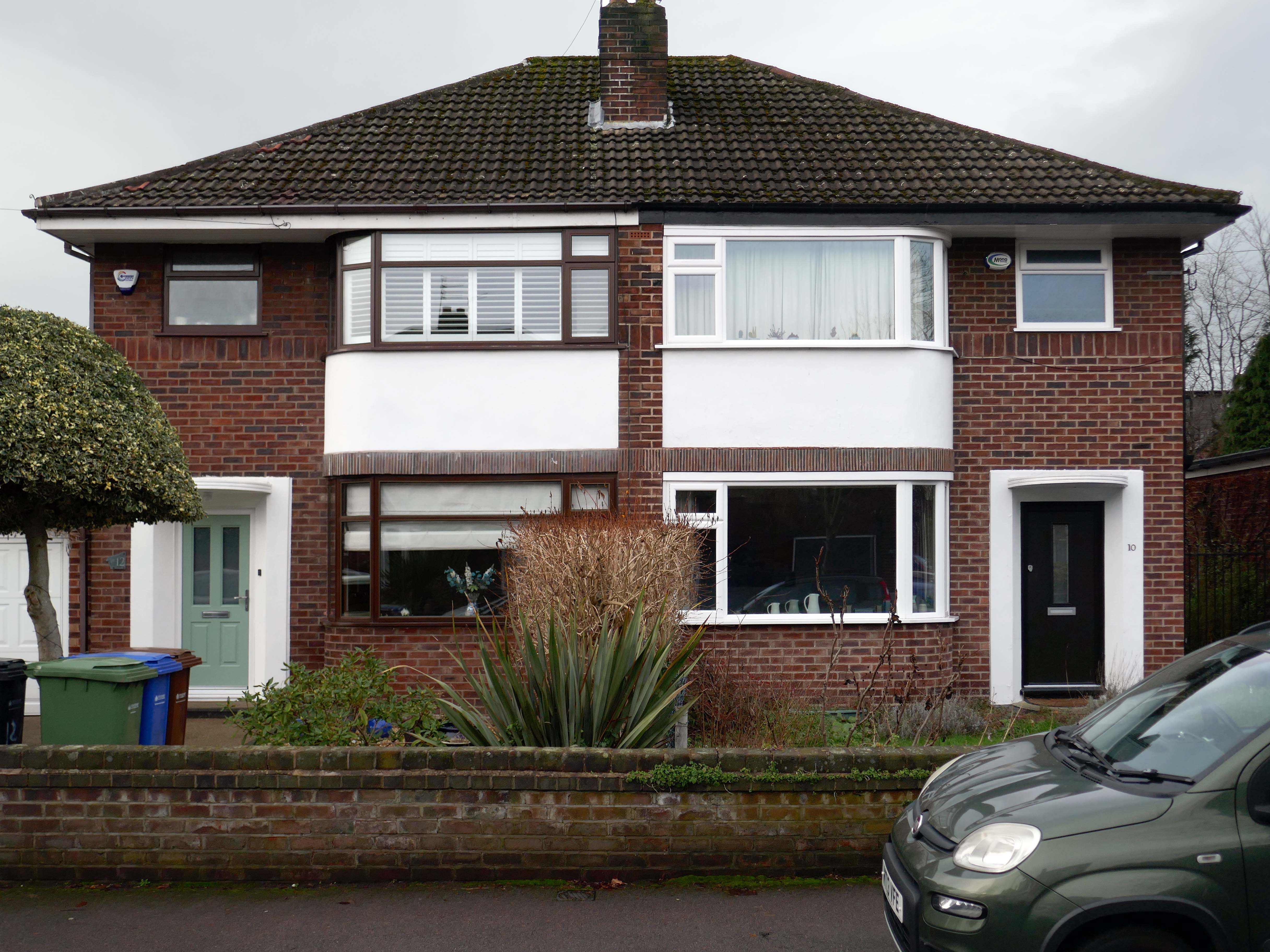
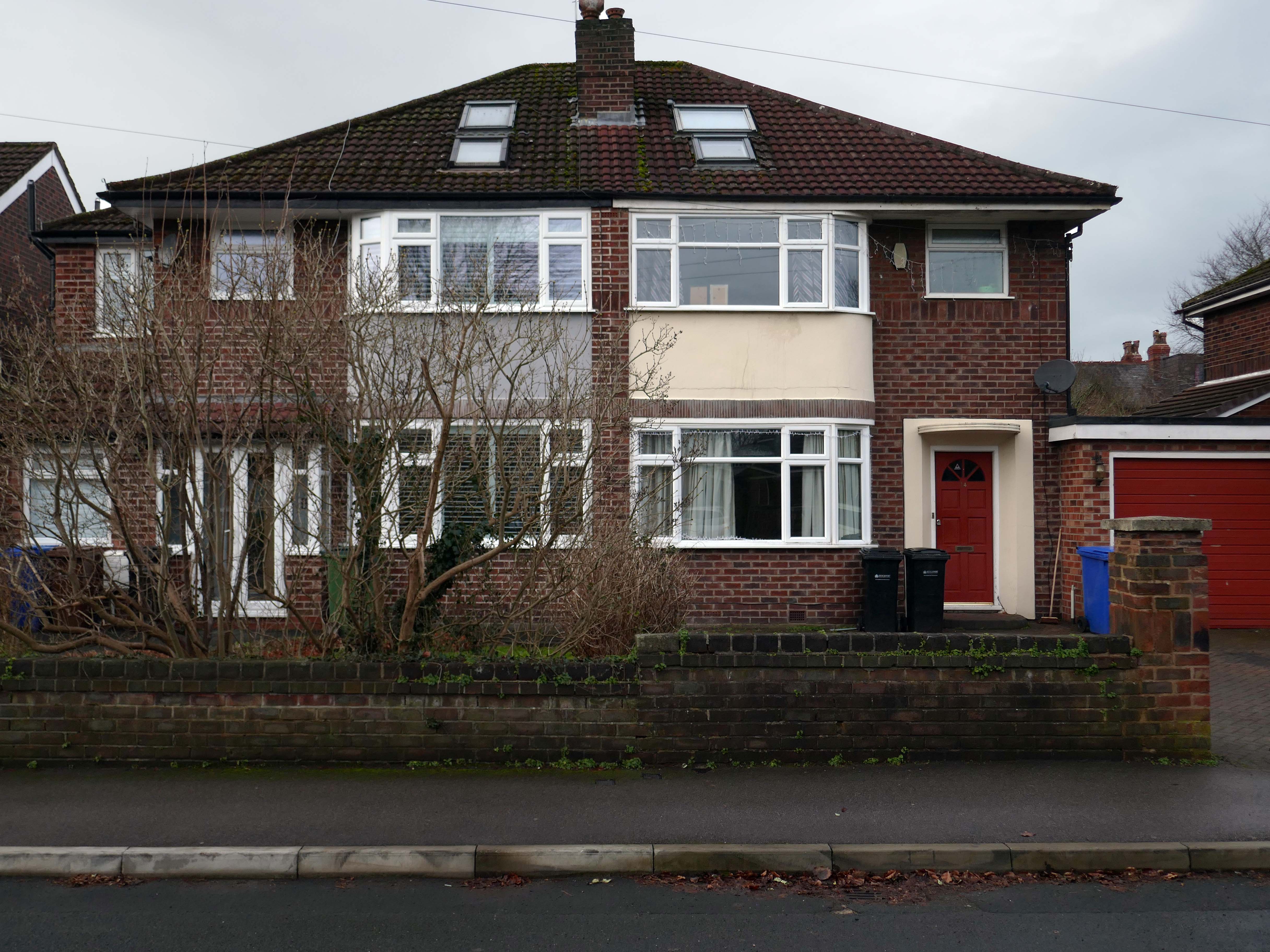
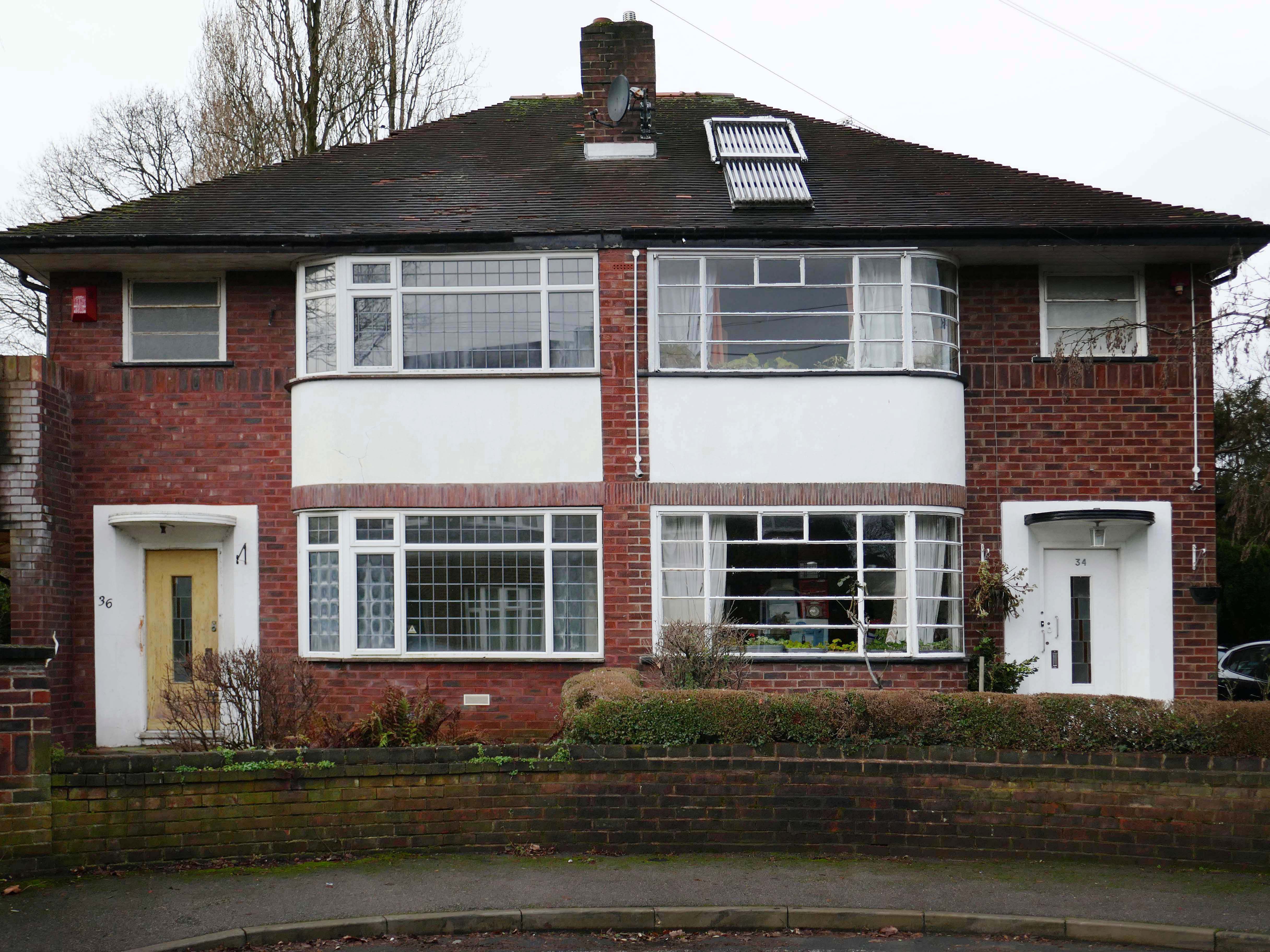
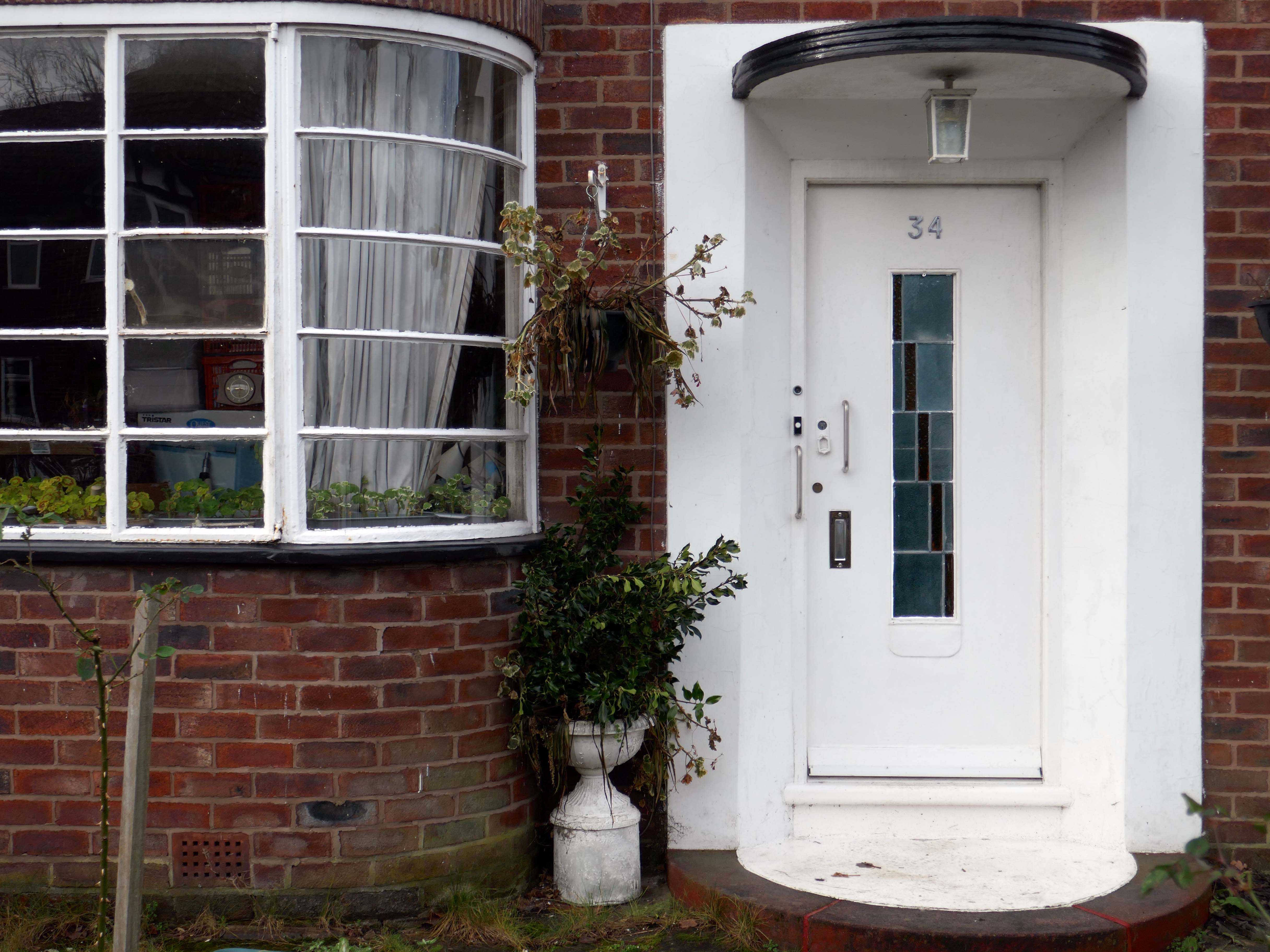
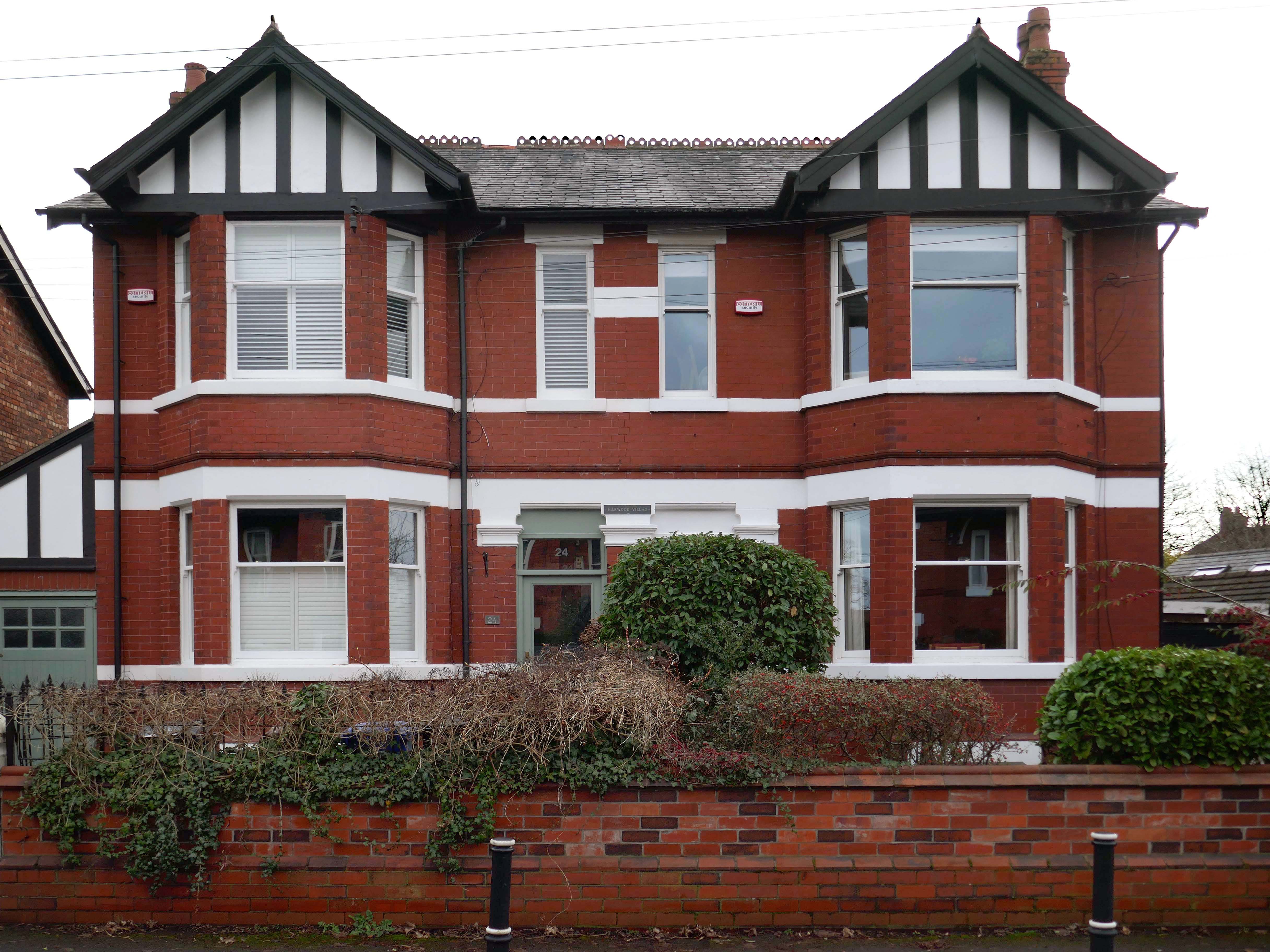
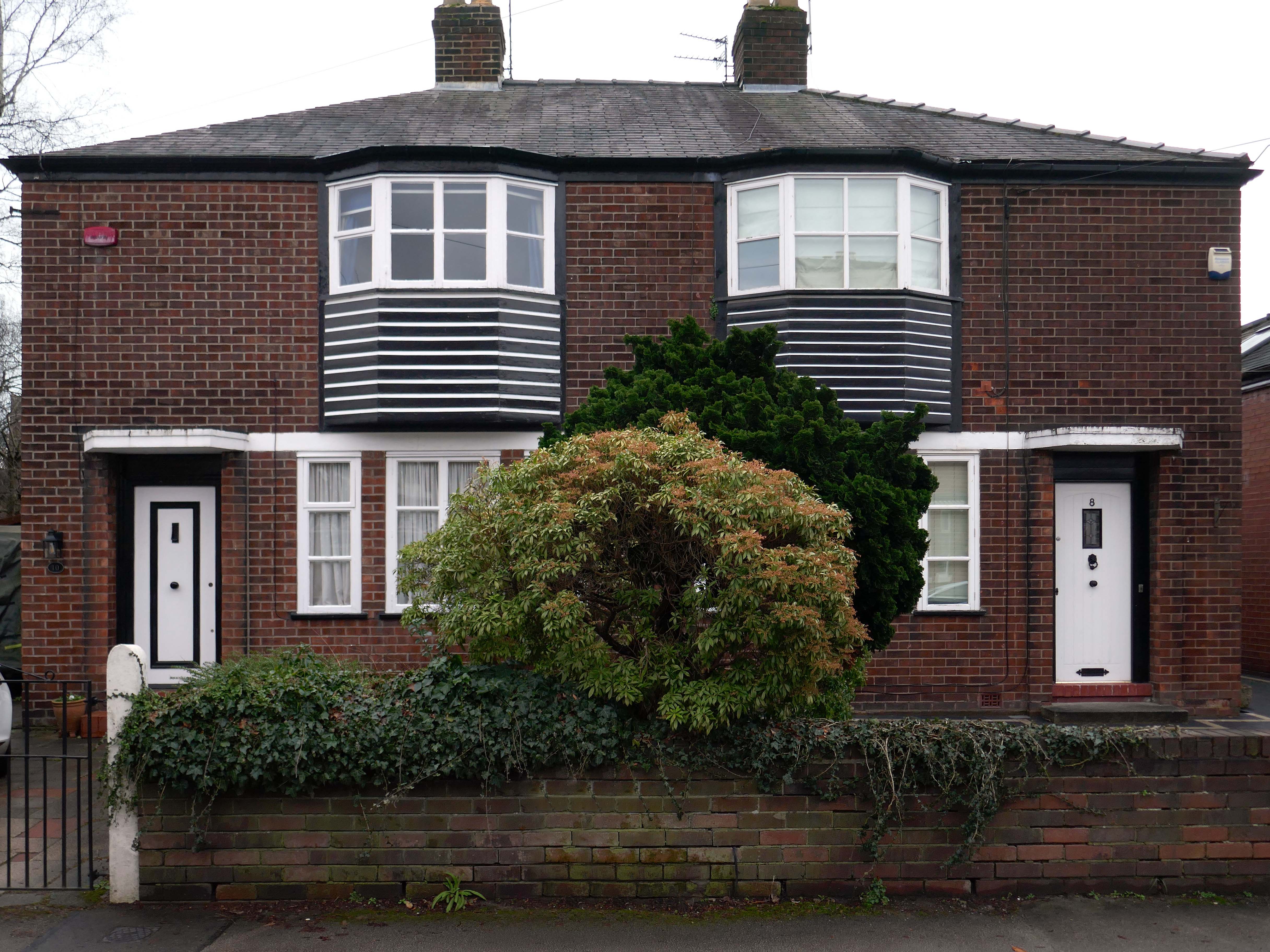
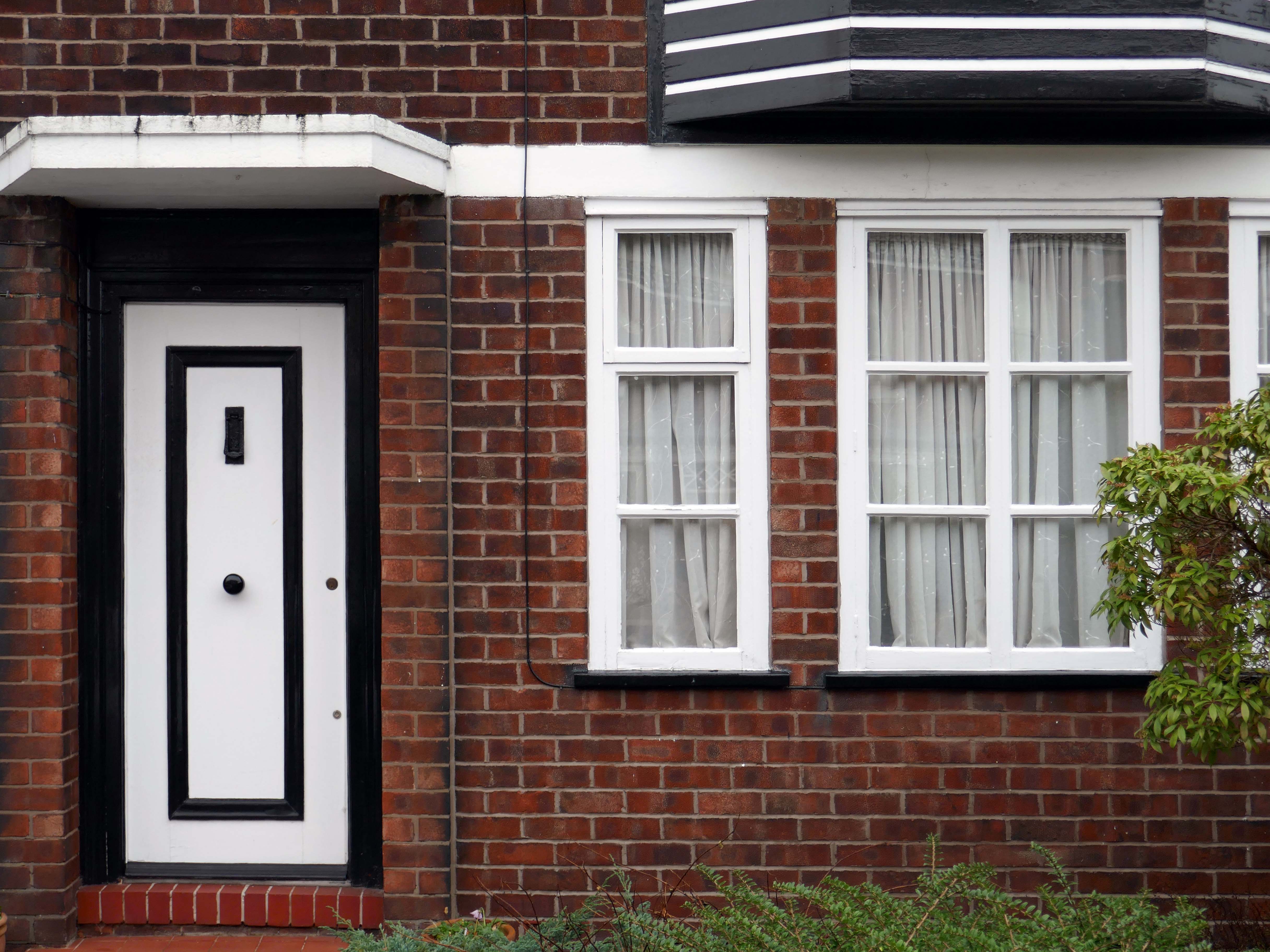
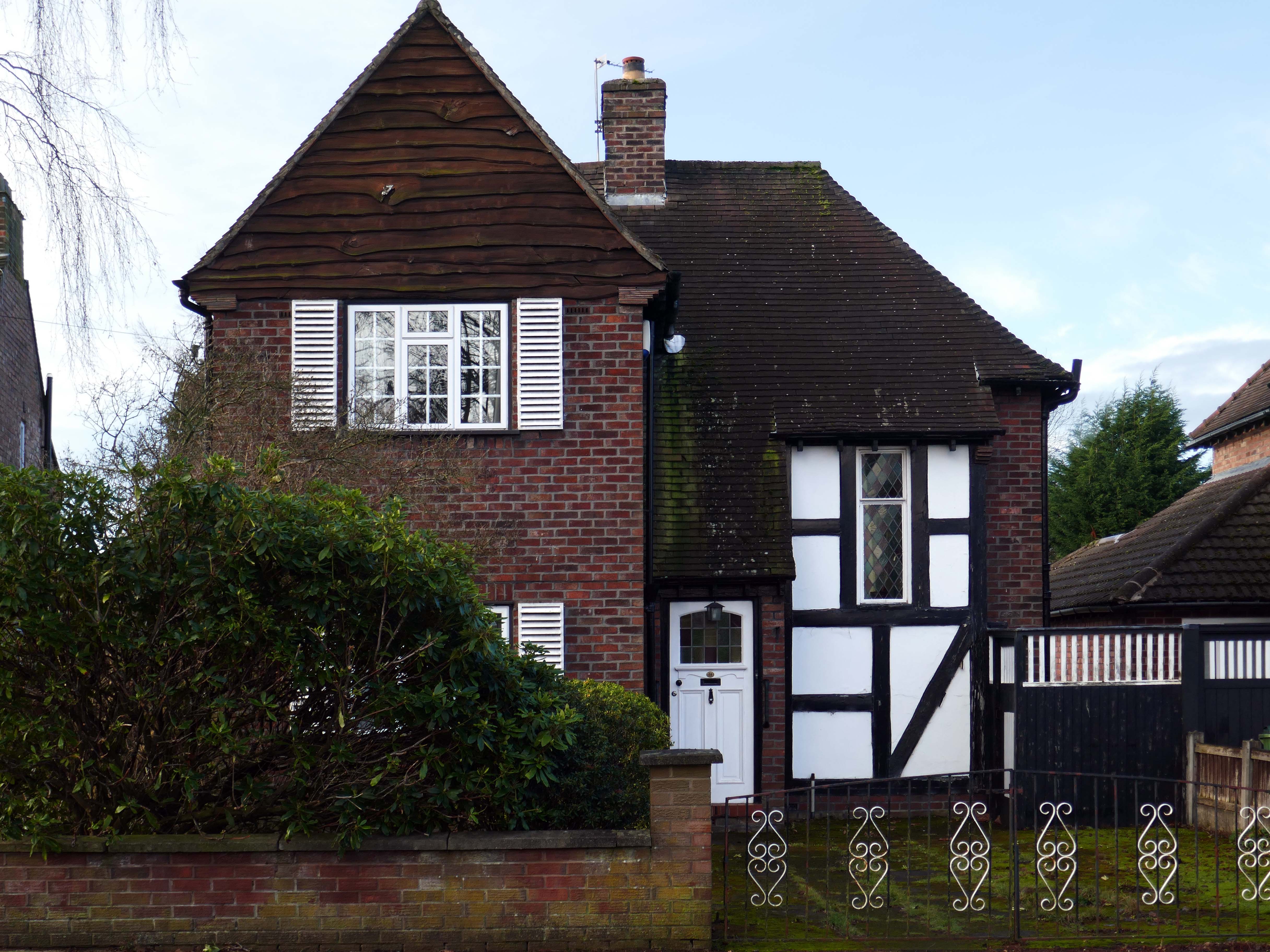
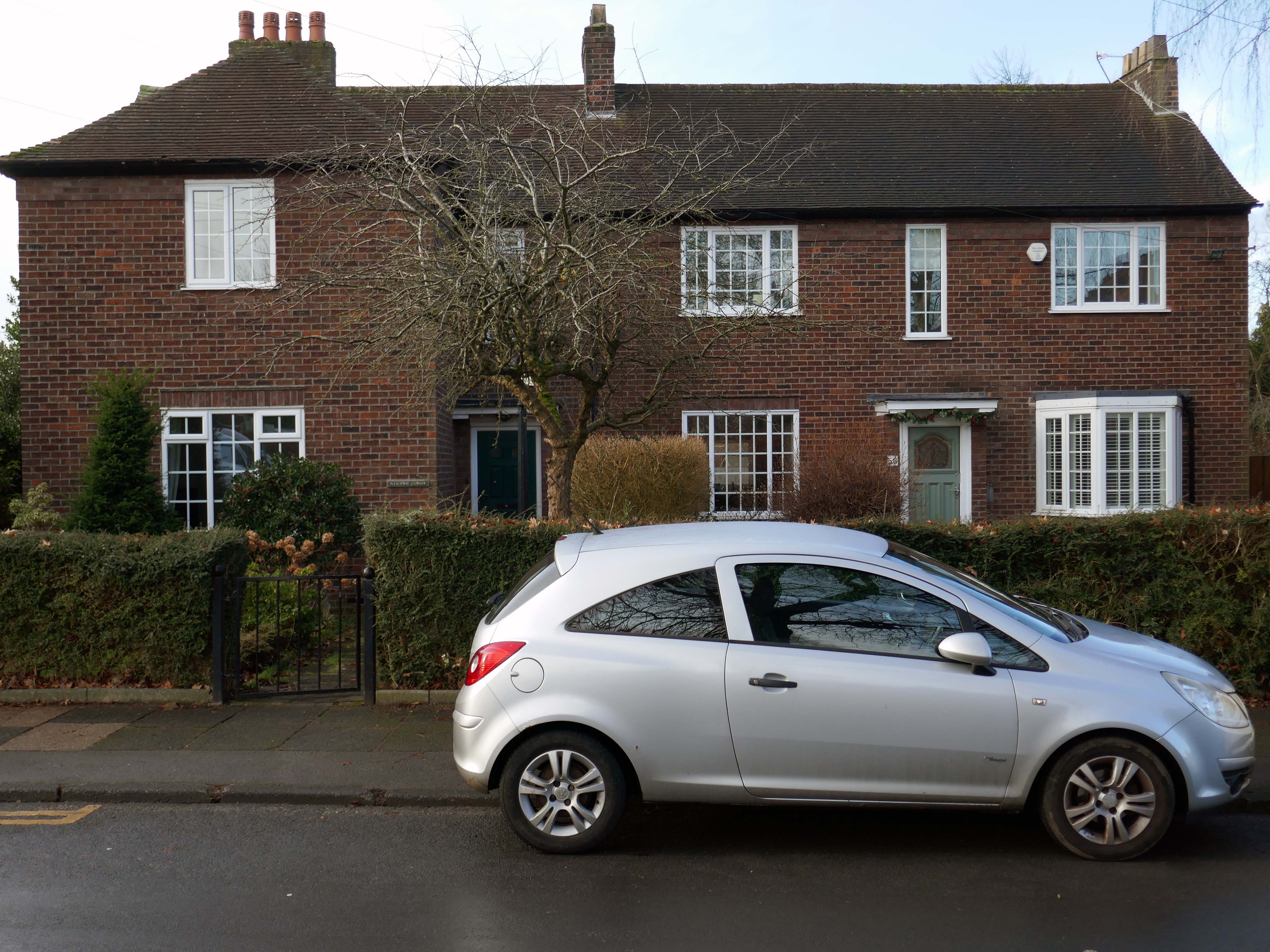
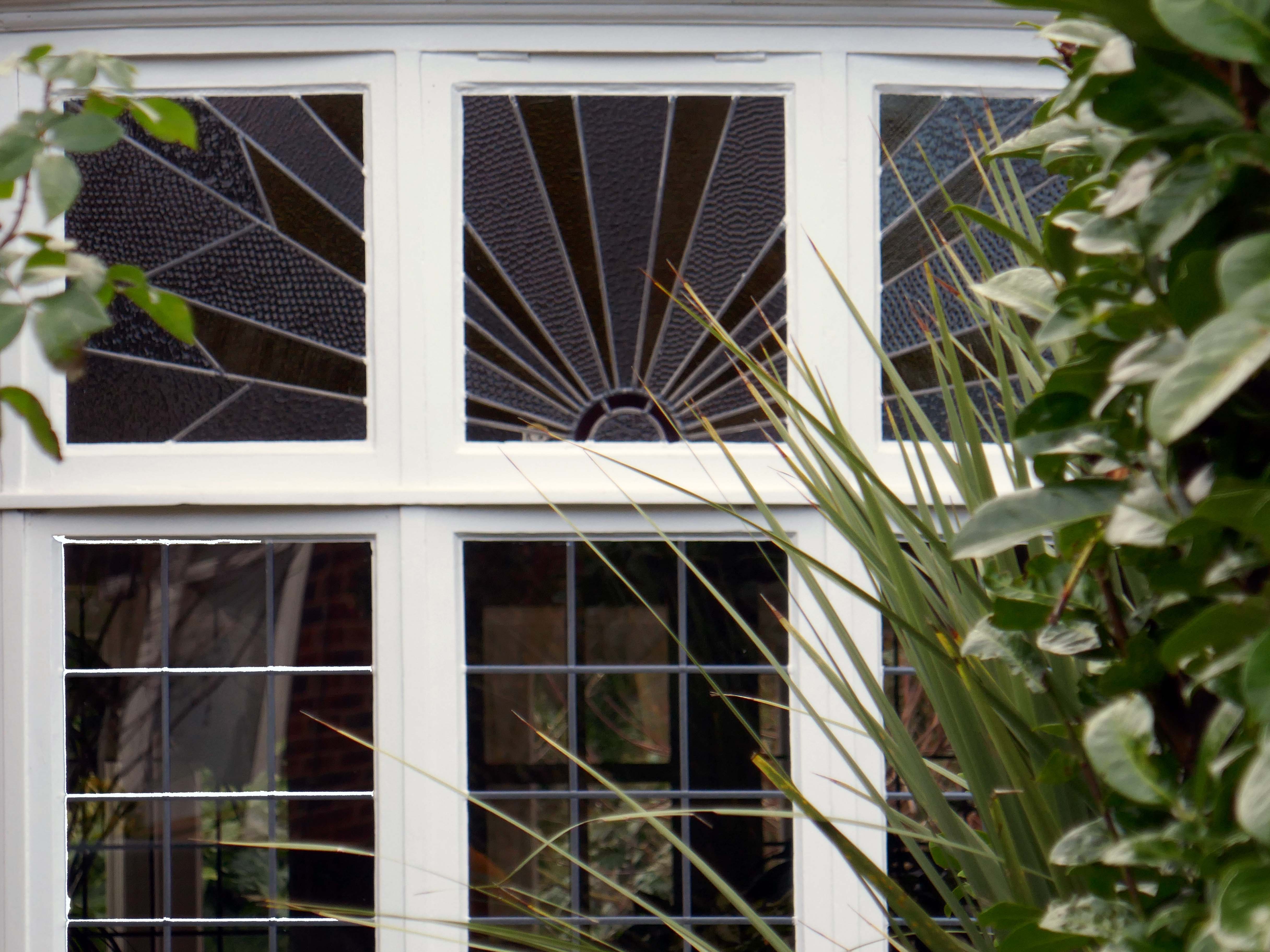
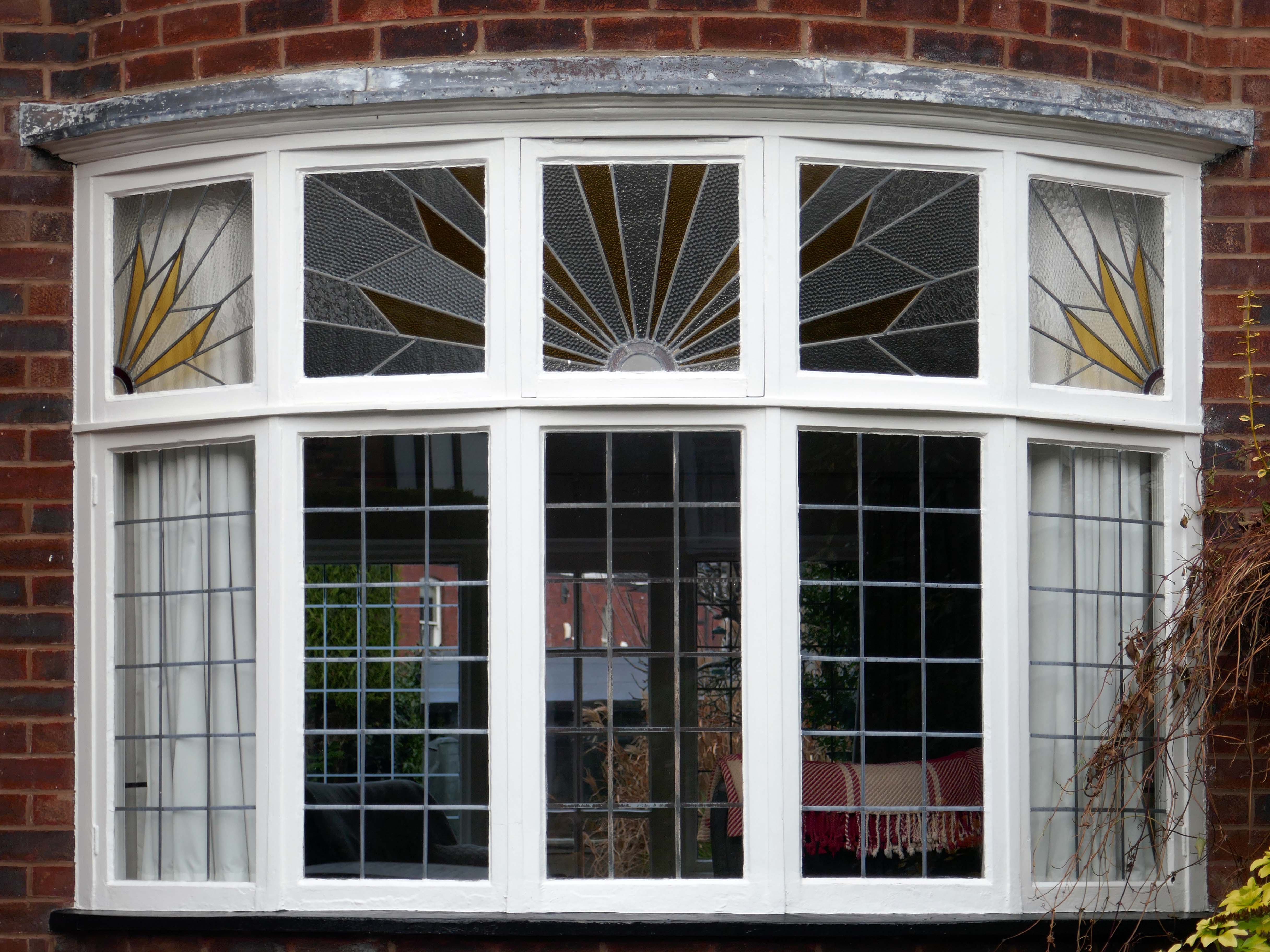
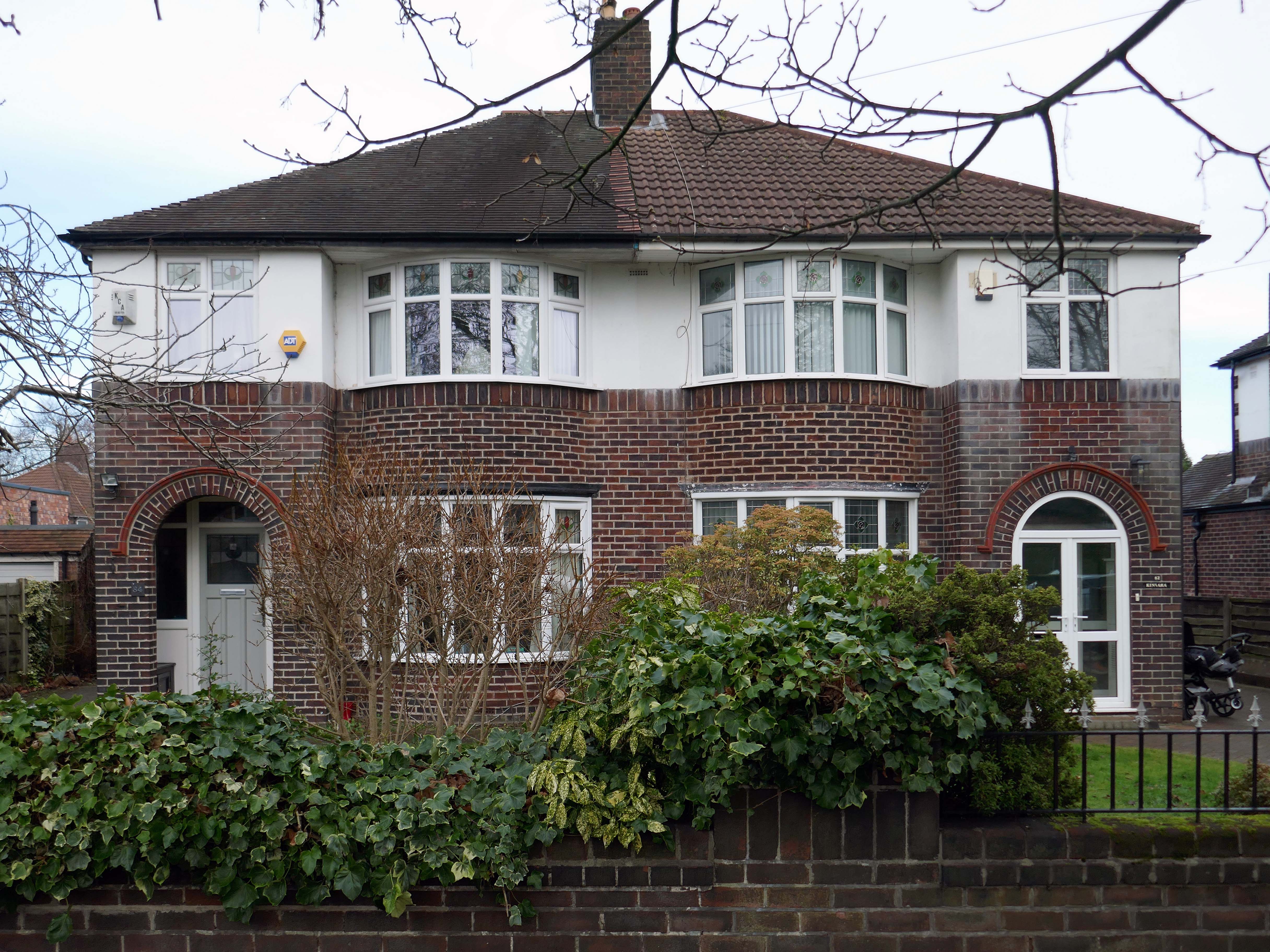
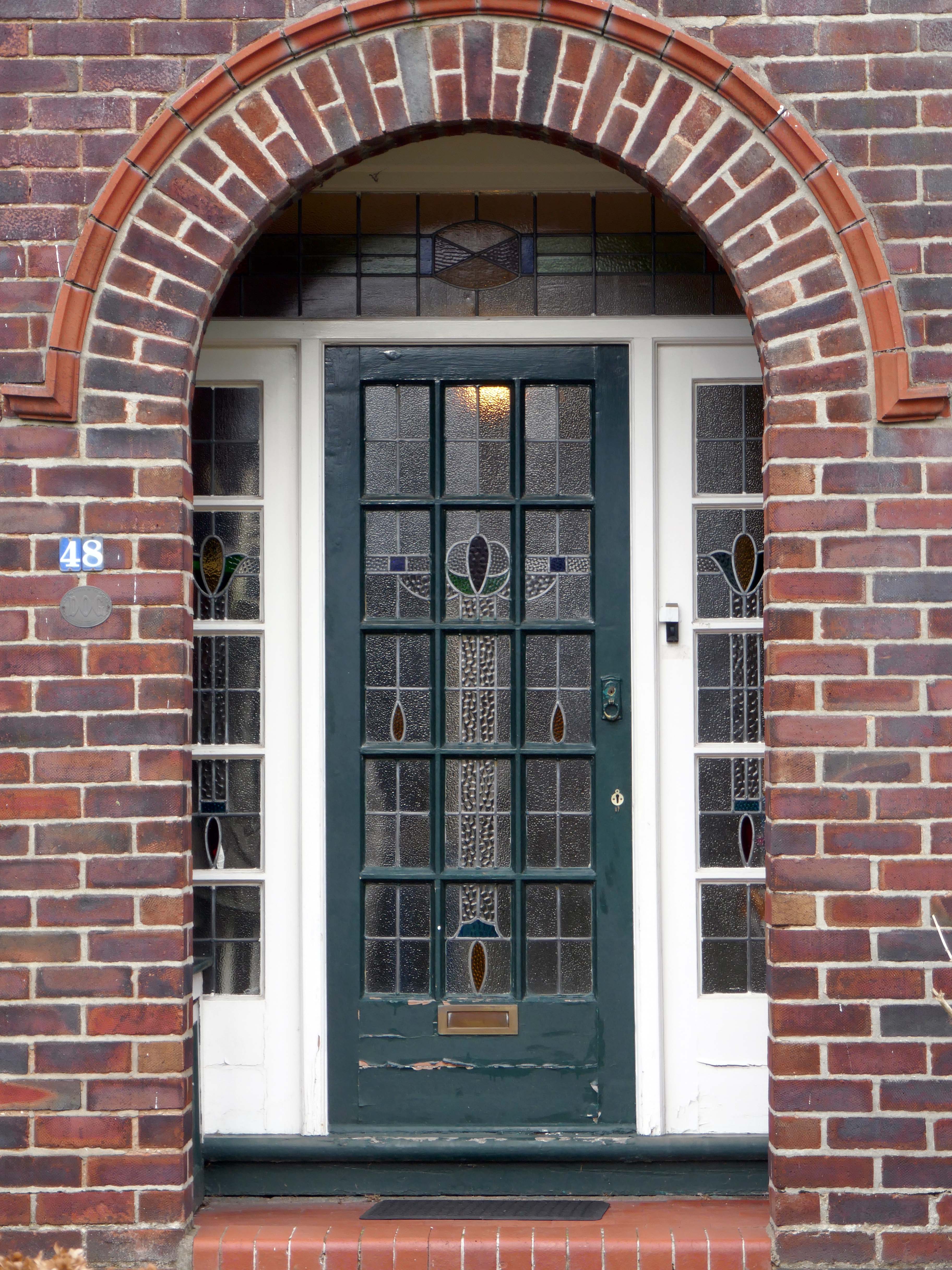
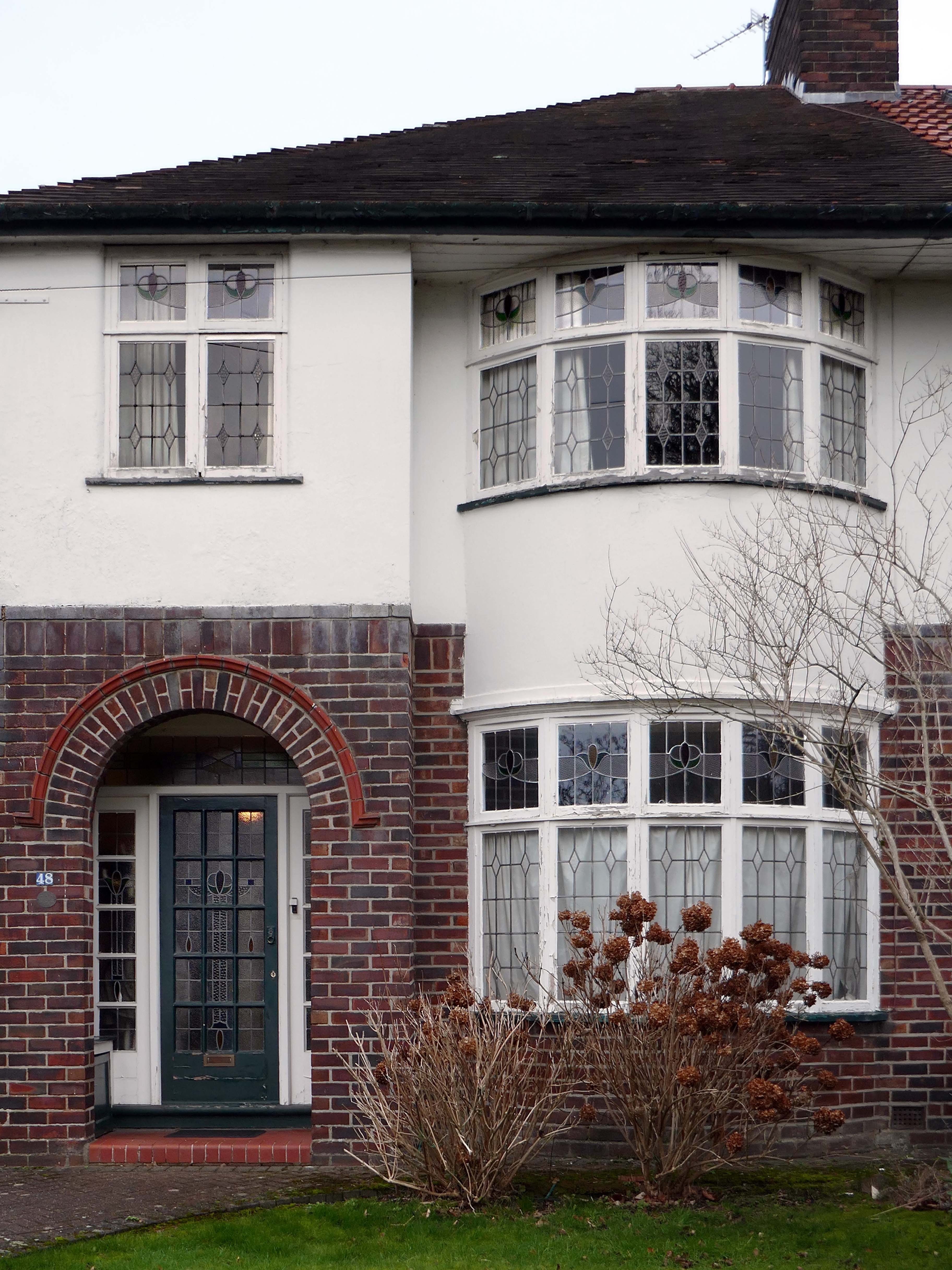
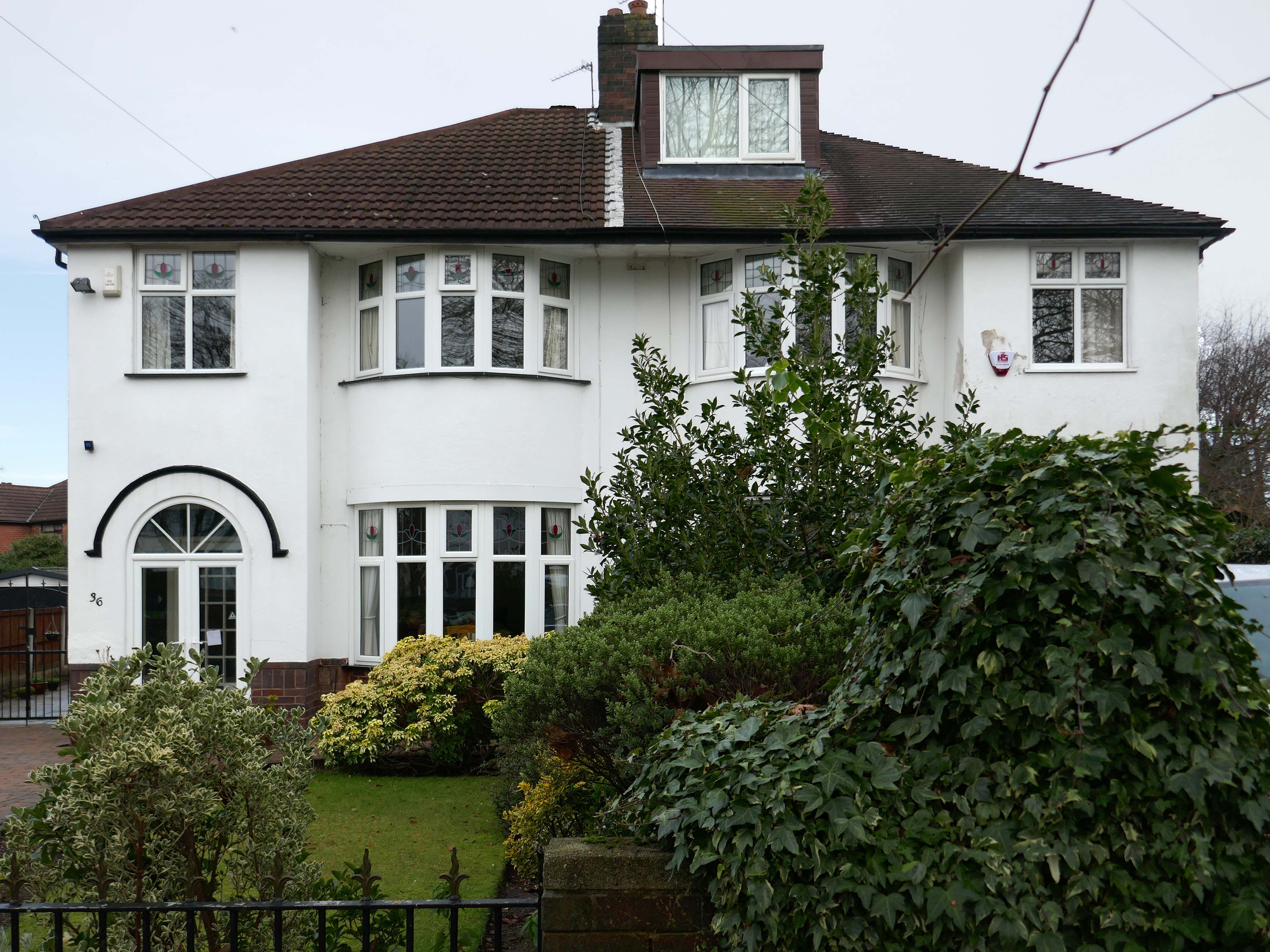
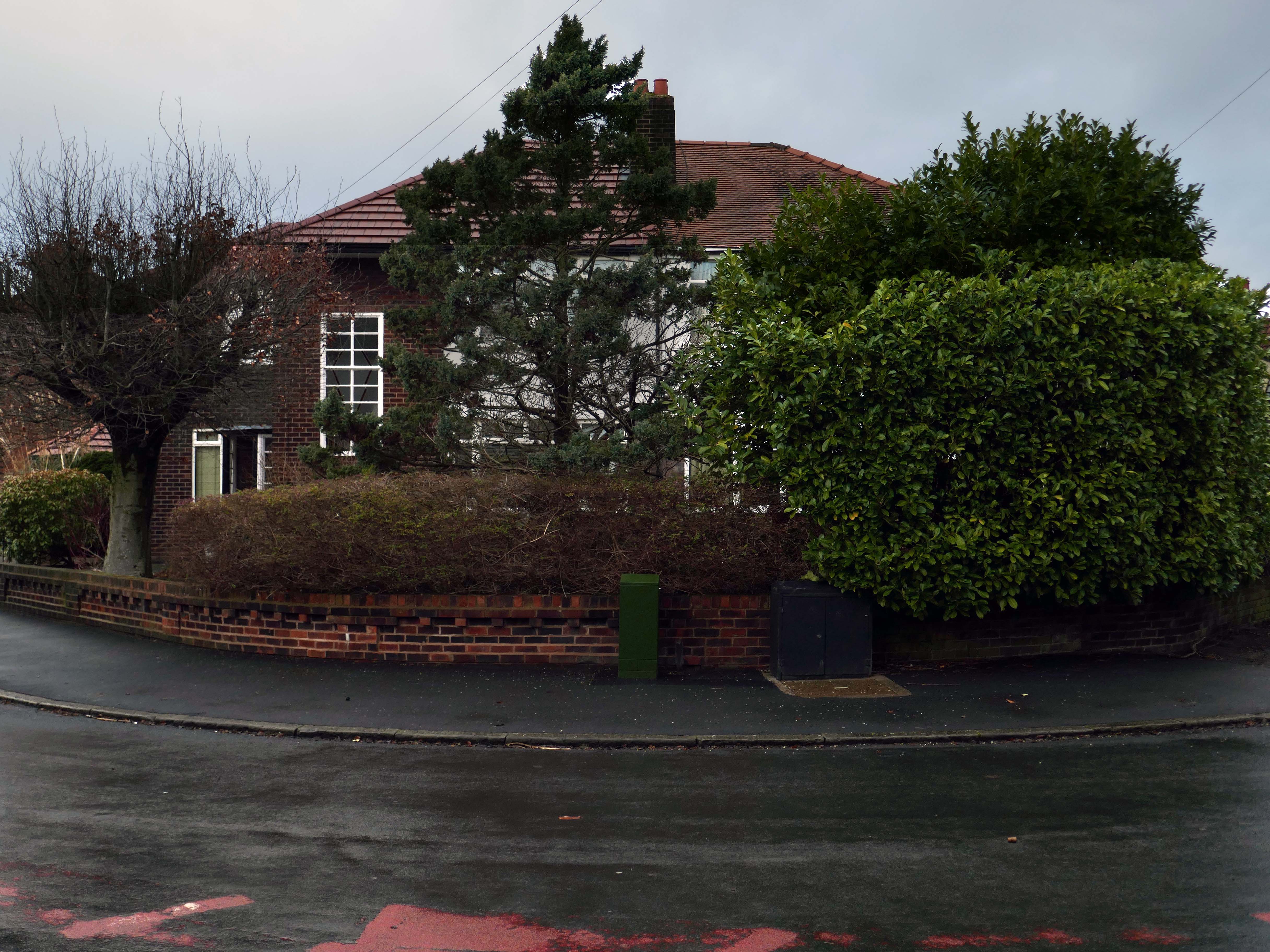
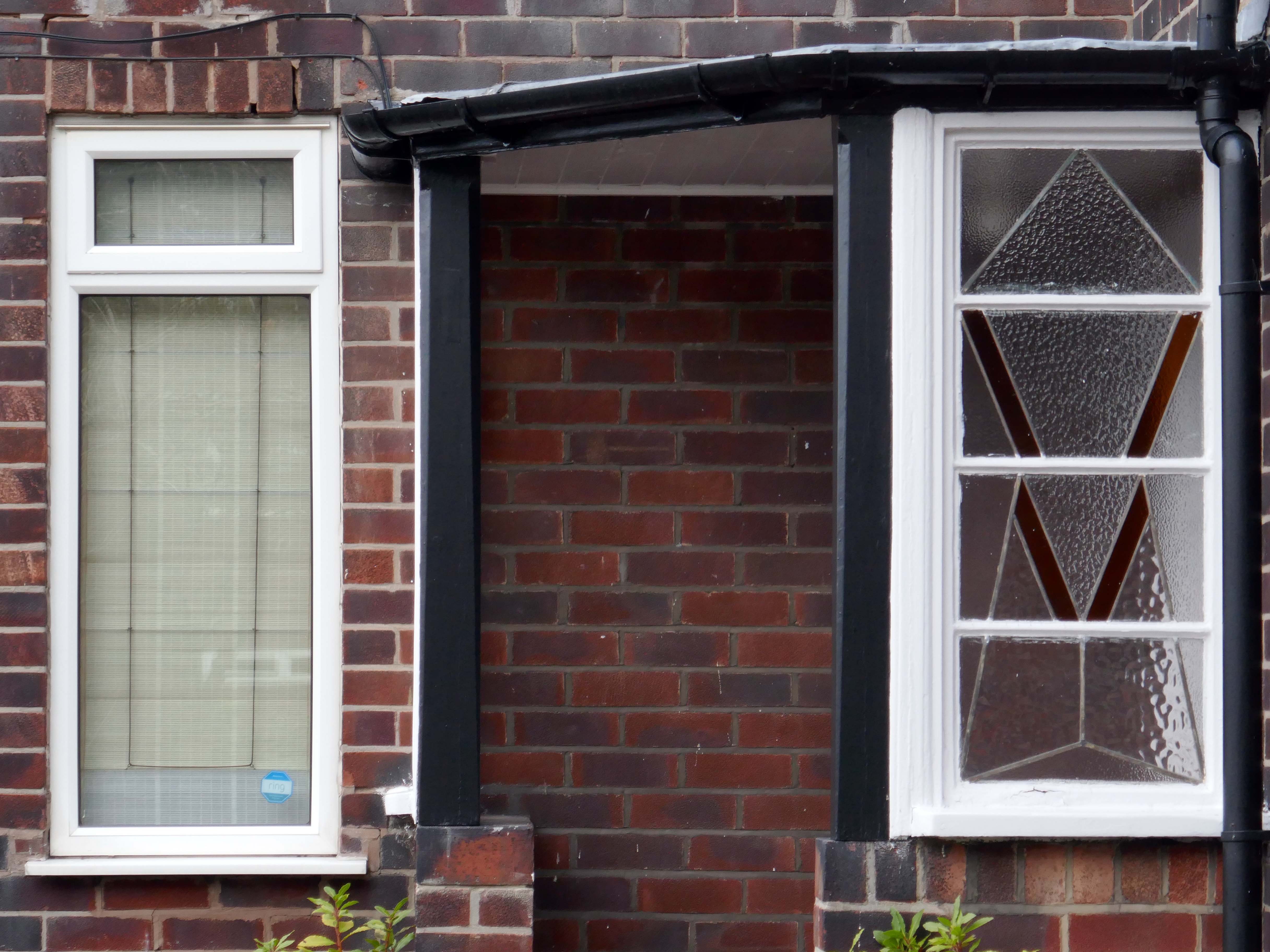
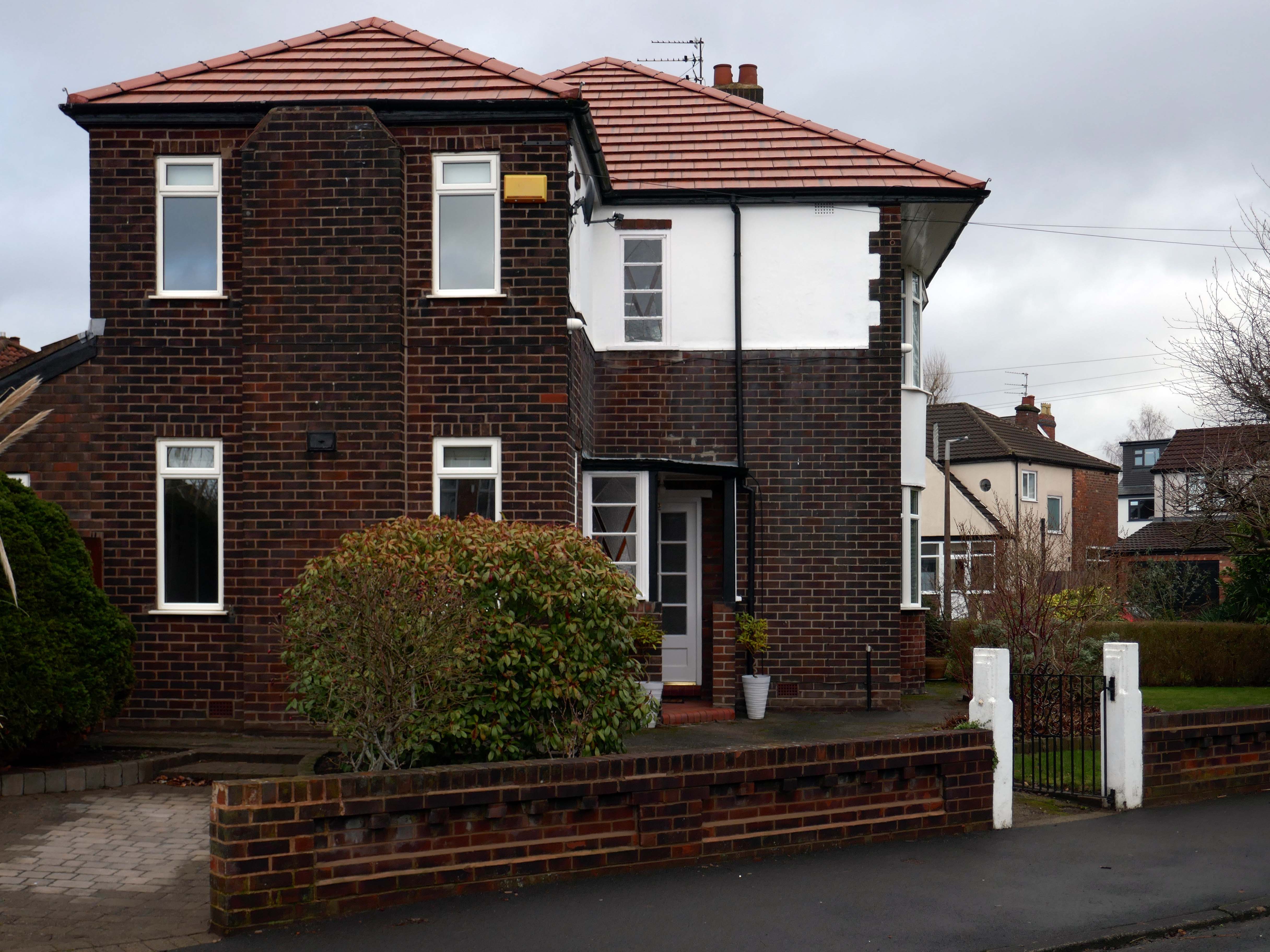
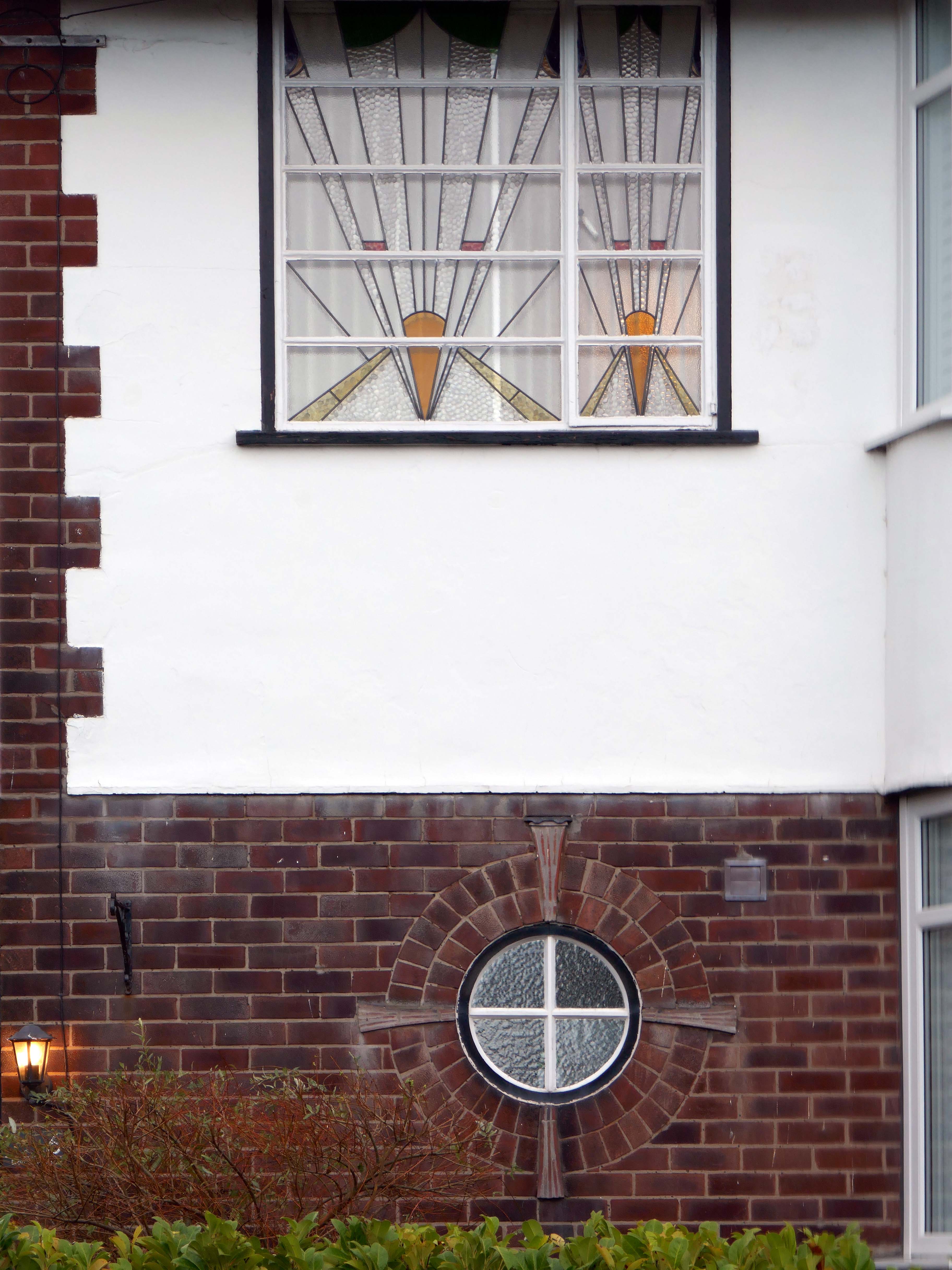
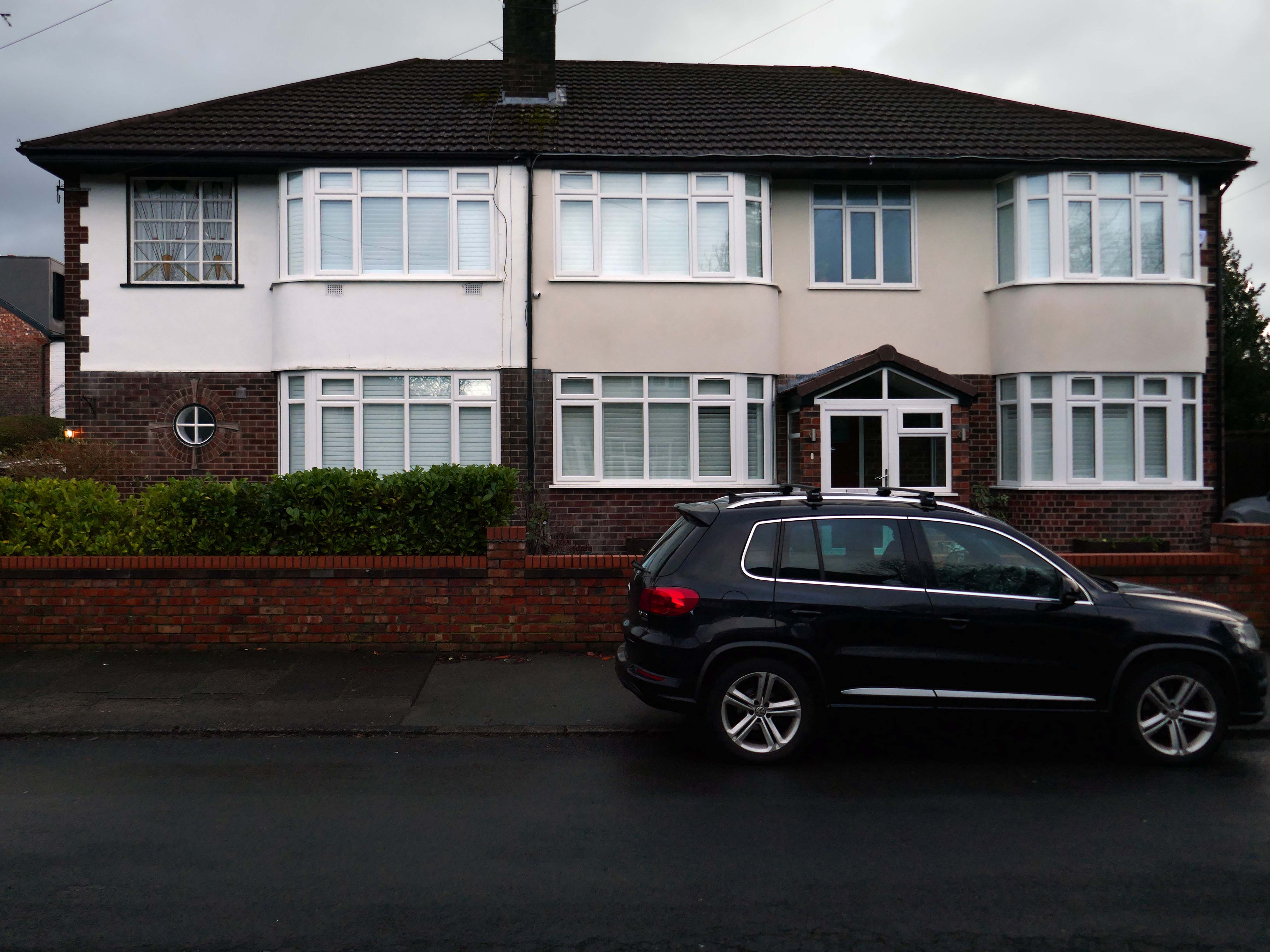
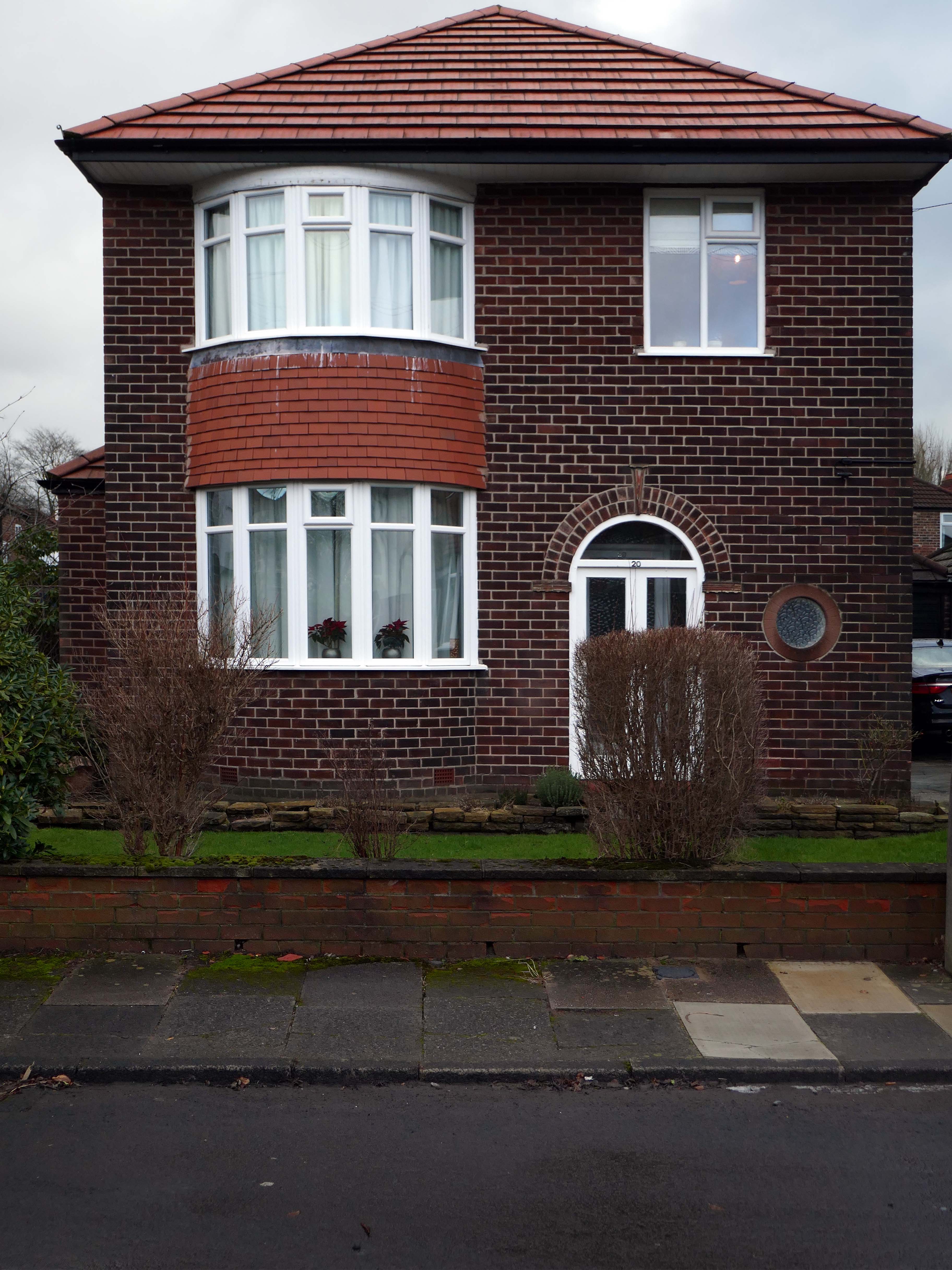
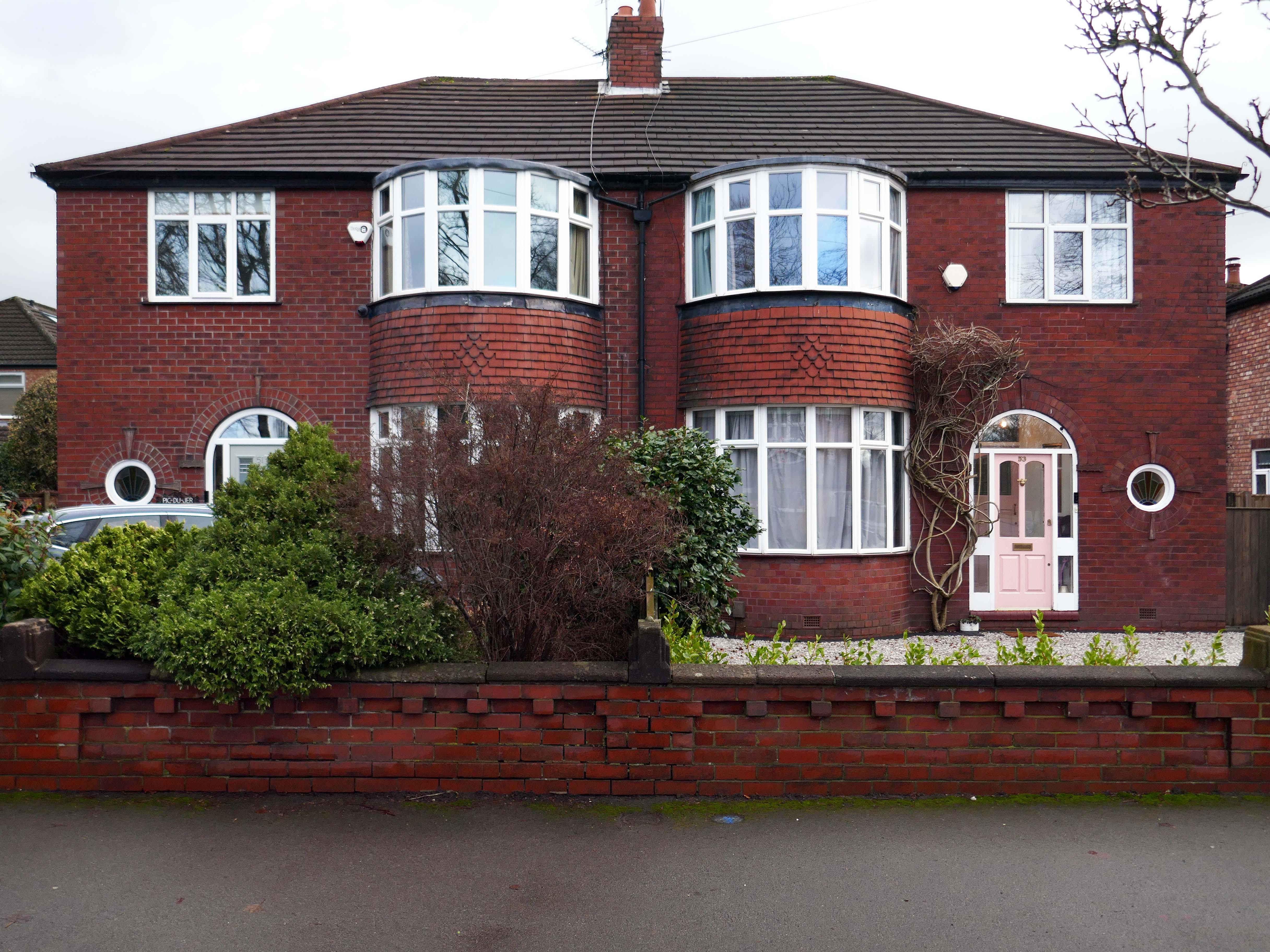
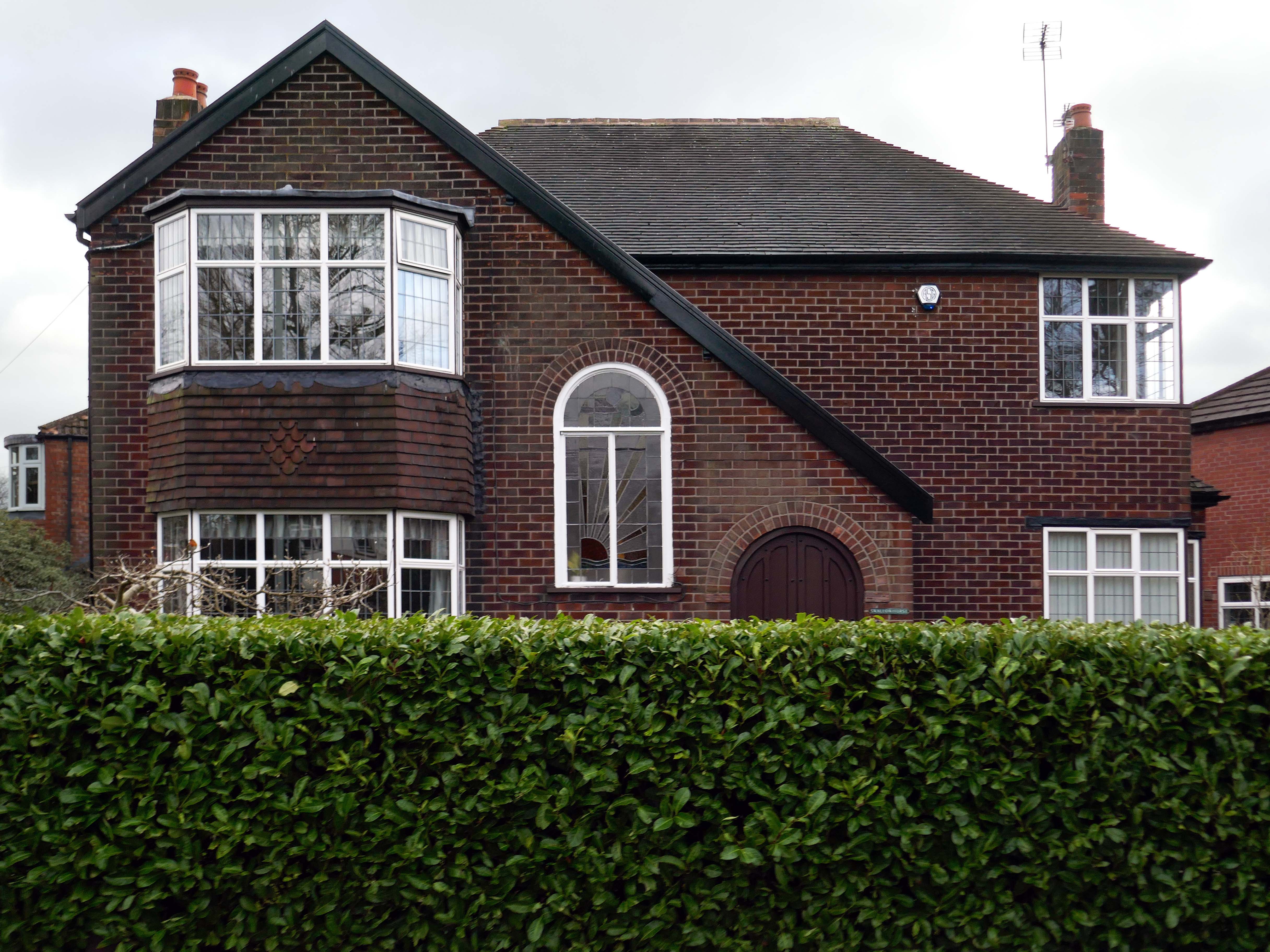
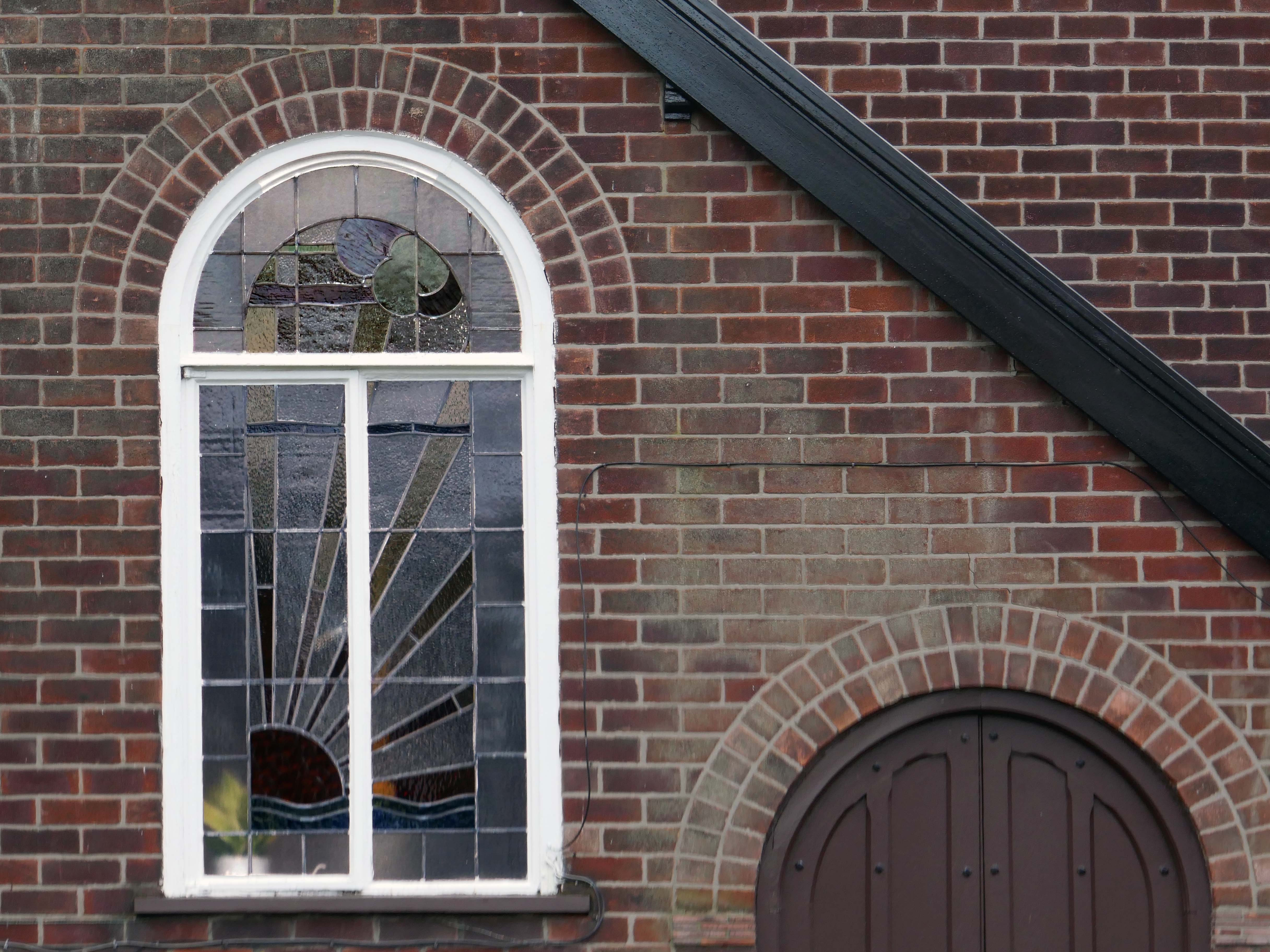
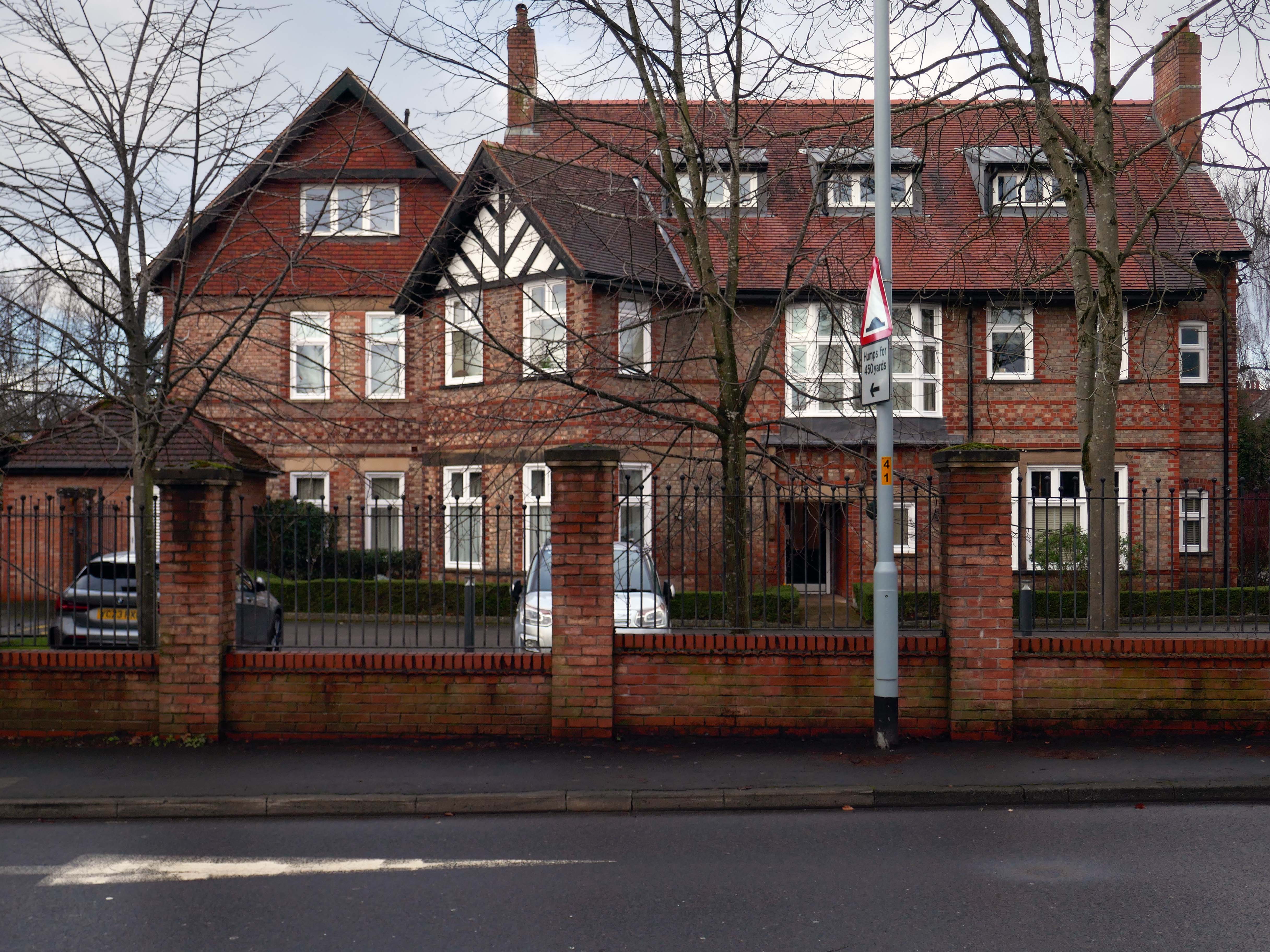
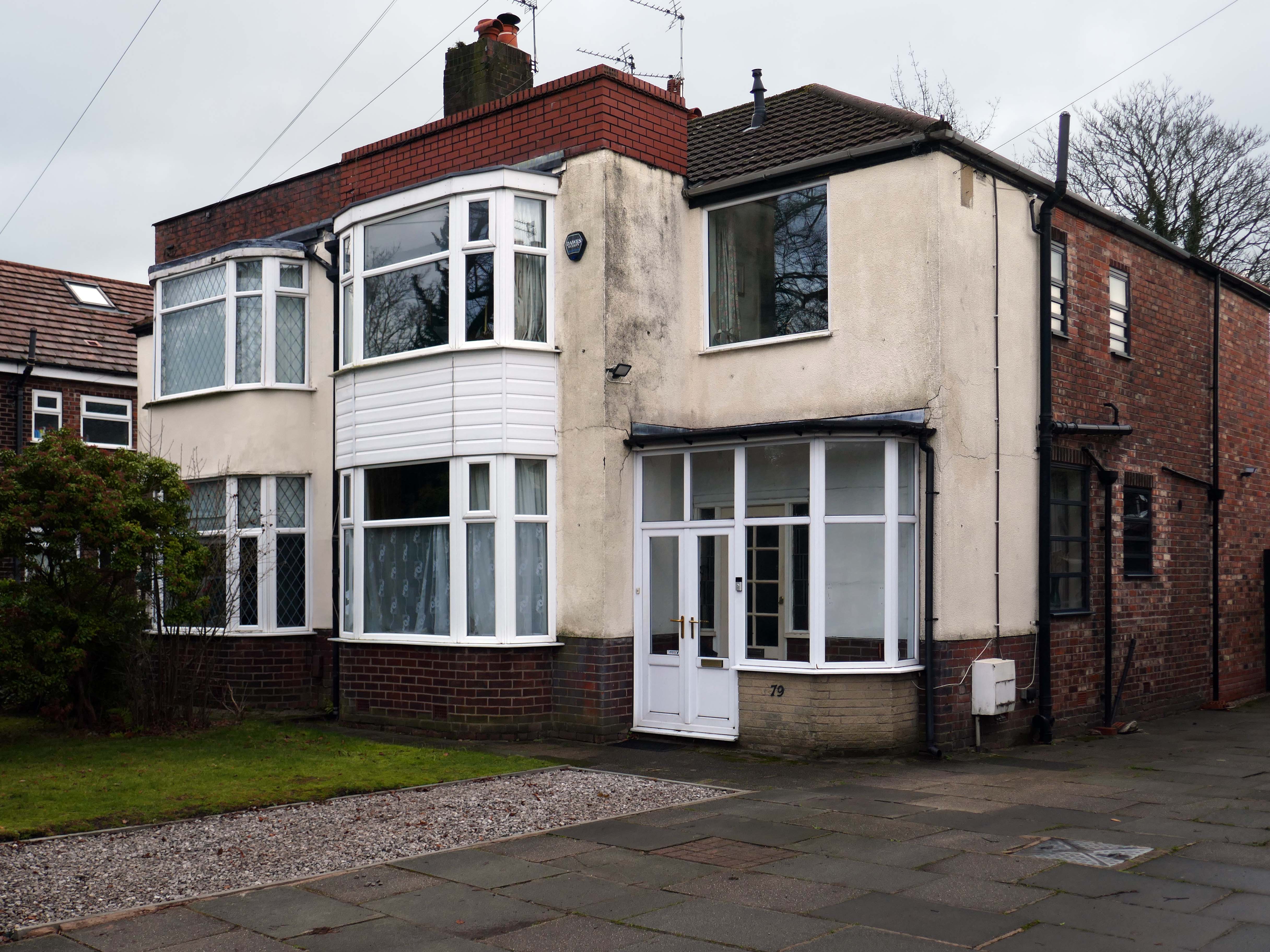
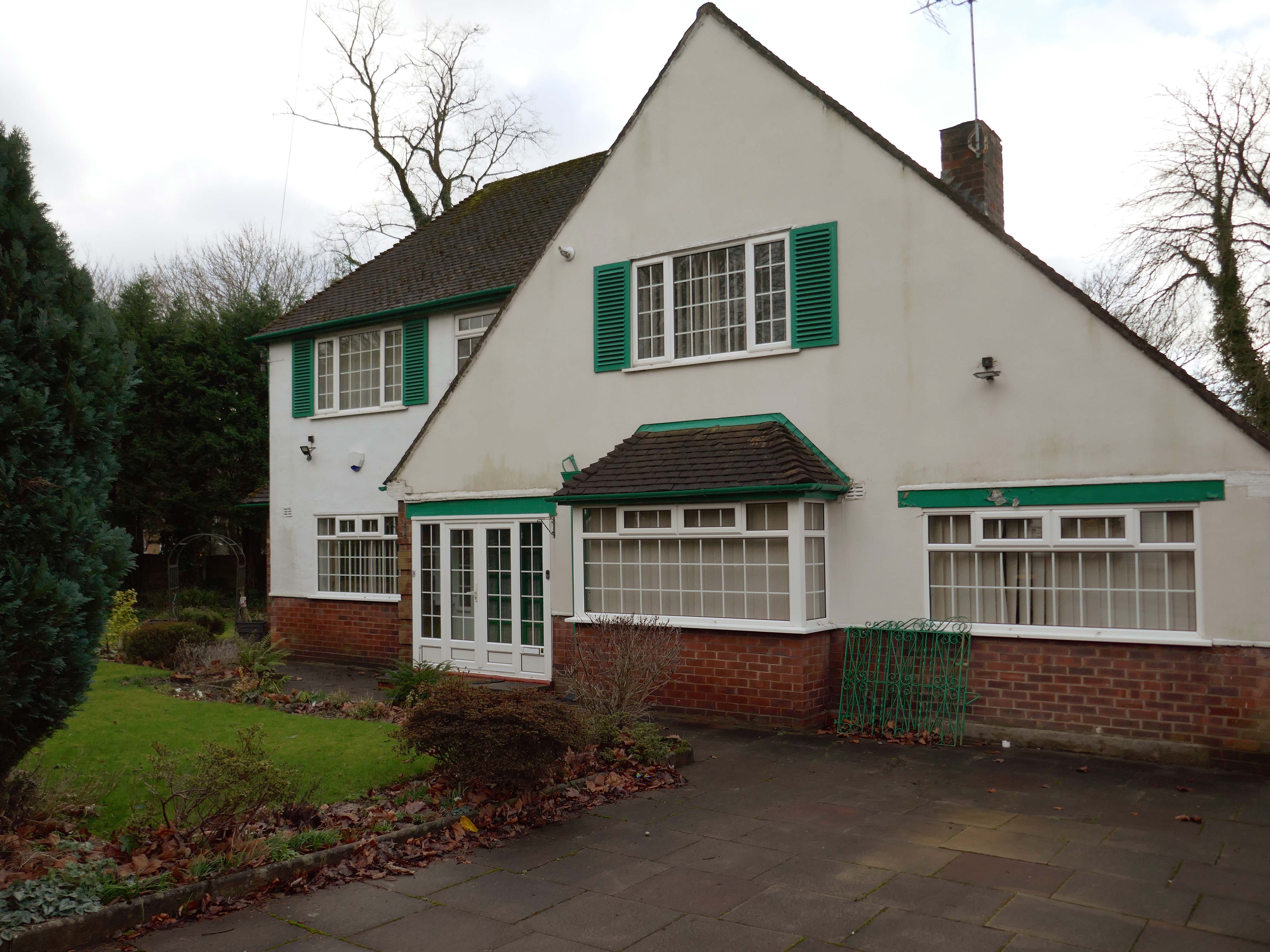
Within such a tight network of suburban streets, restrained Modernism sits alongside the traditional semi, the grand villa and humble abode. A smattering of stained glass and an original door here and there.
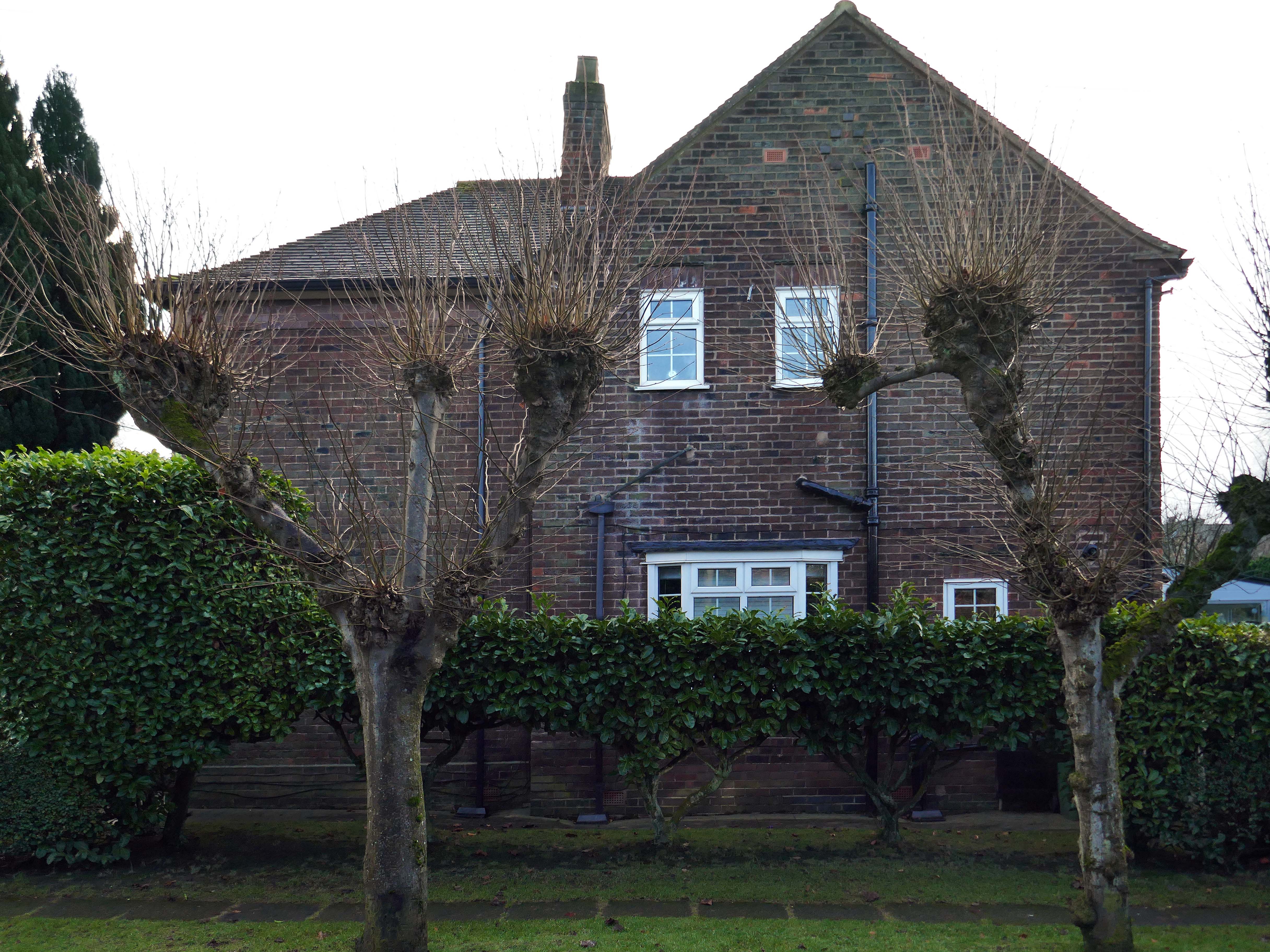
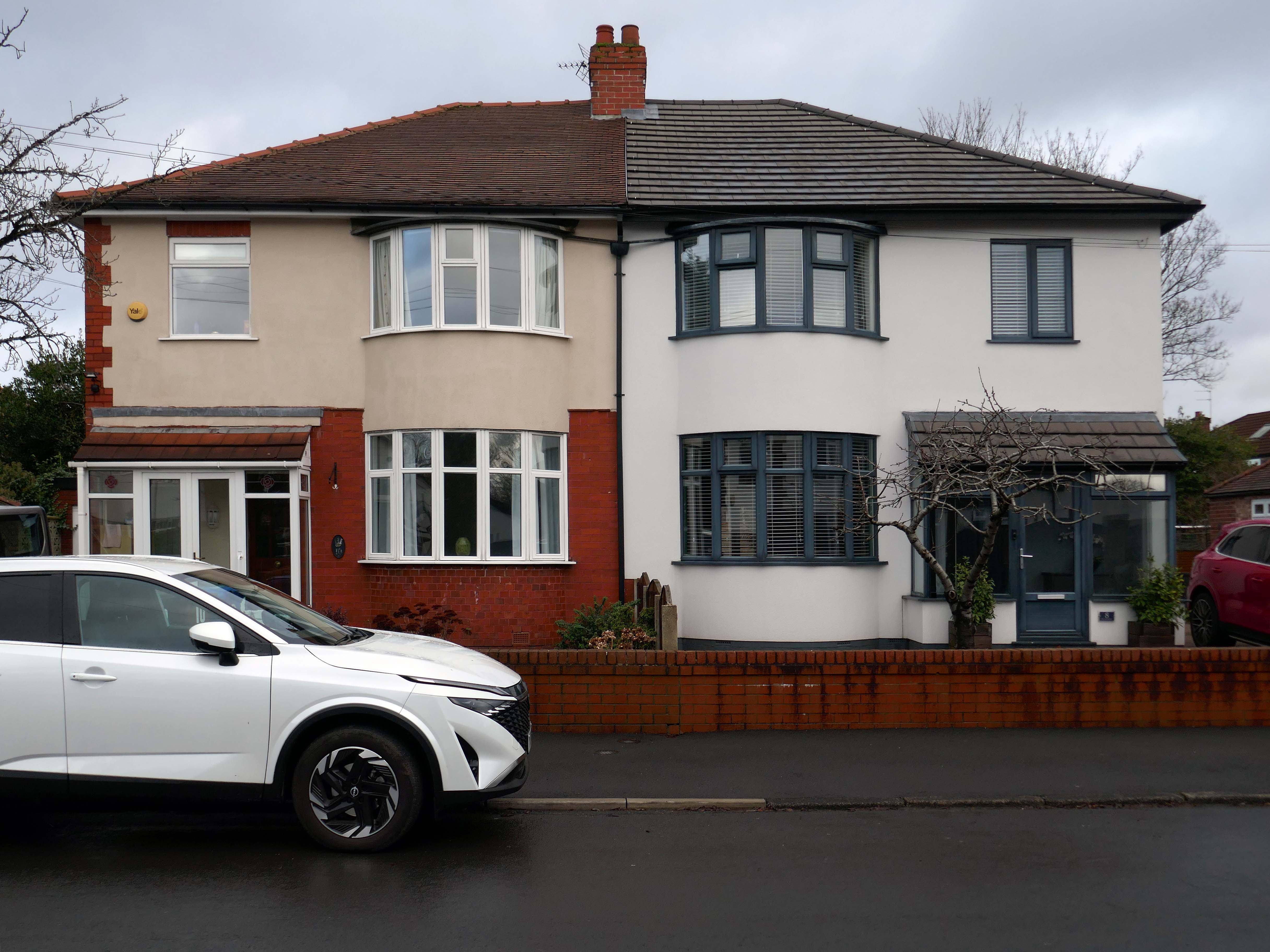
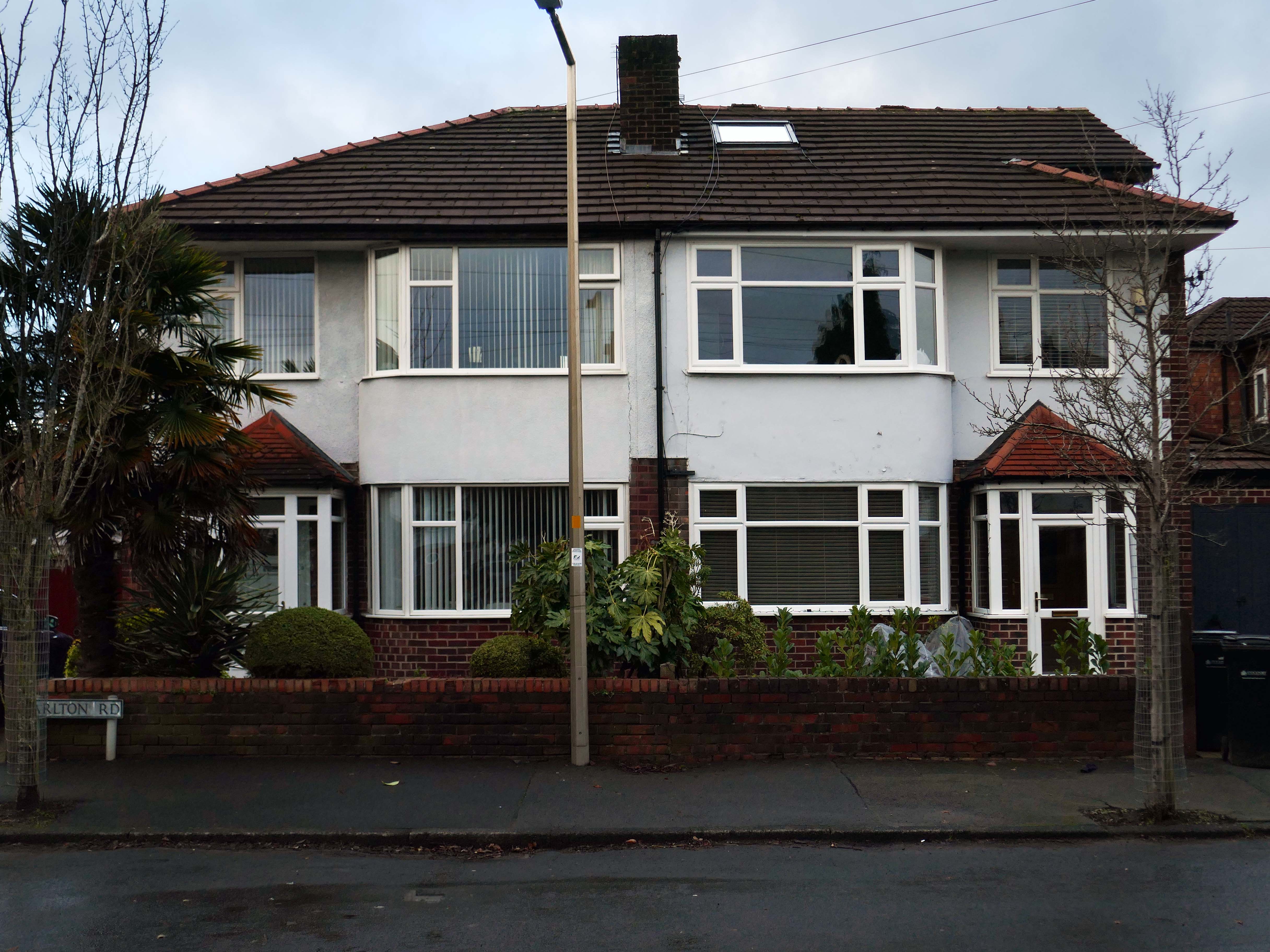
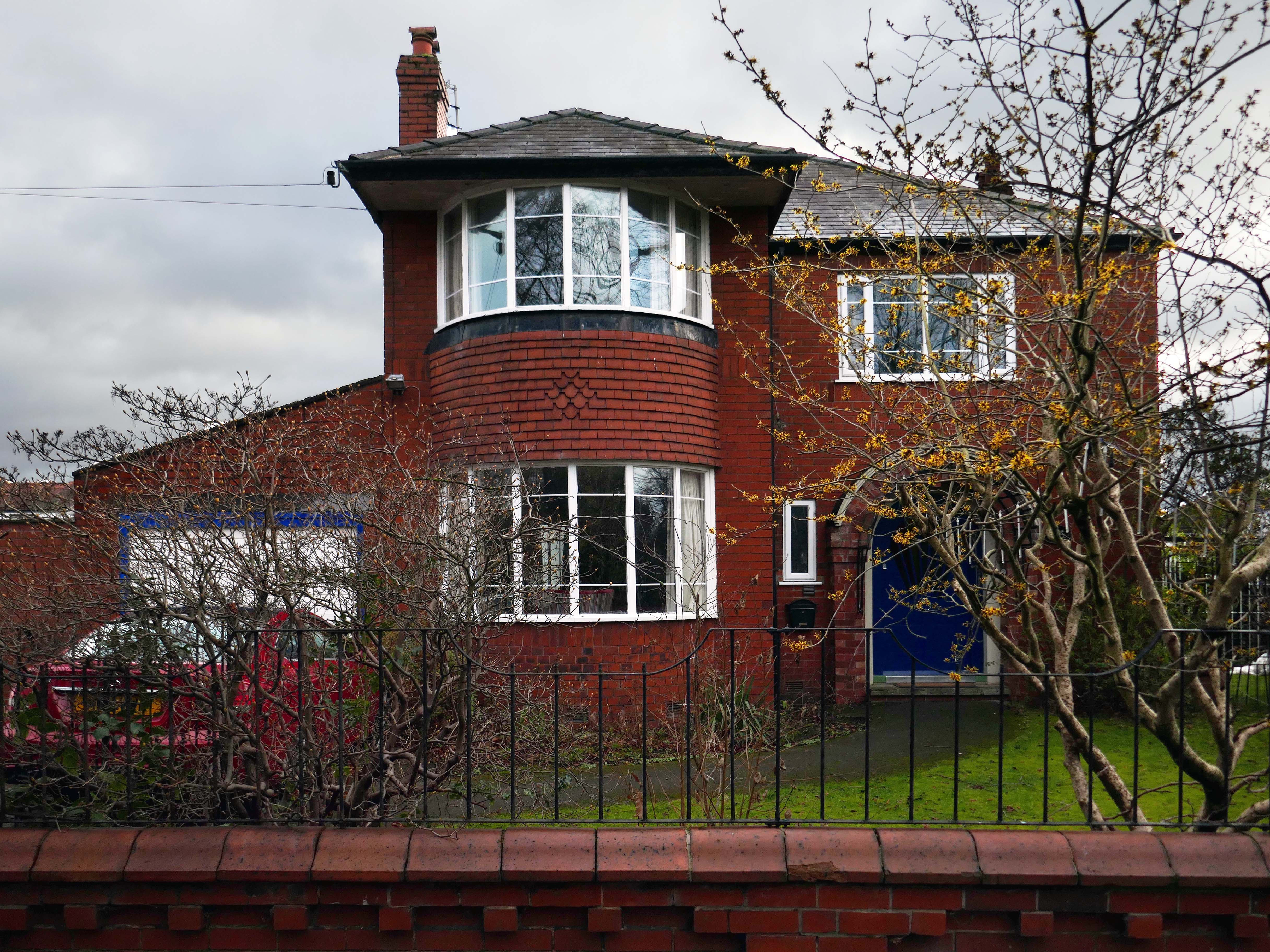
One example of a curved Crittall bay, sitting next door to a distant uPVC cousin.
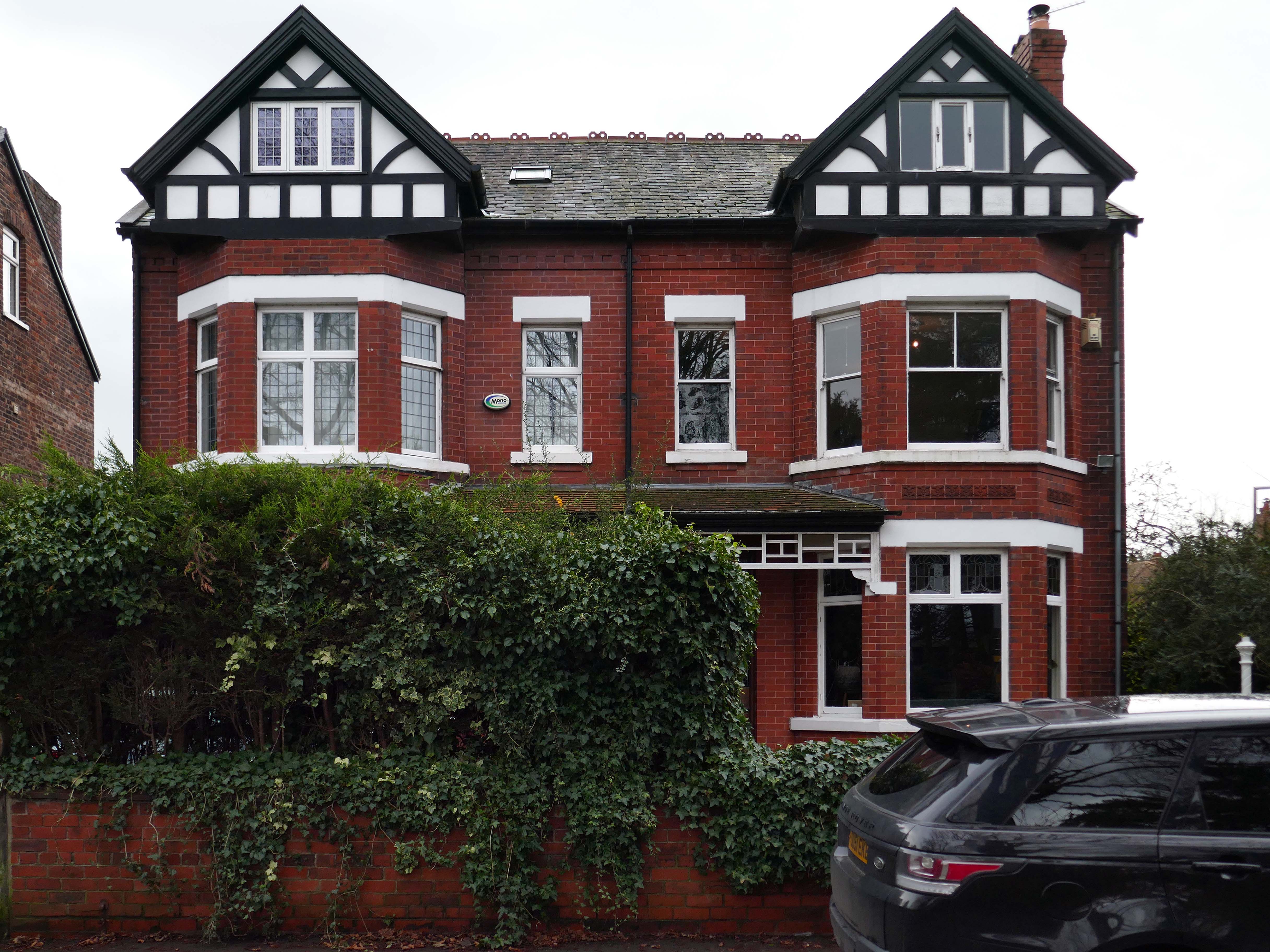
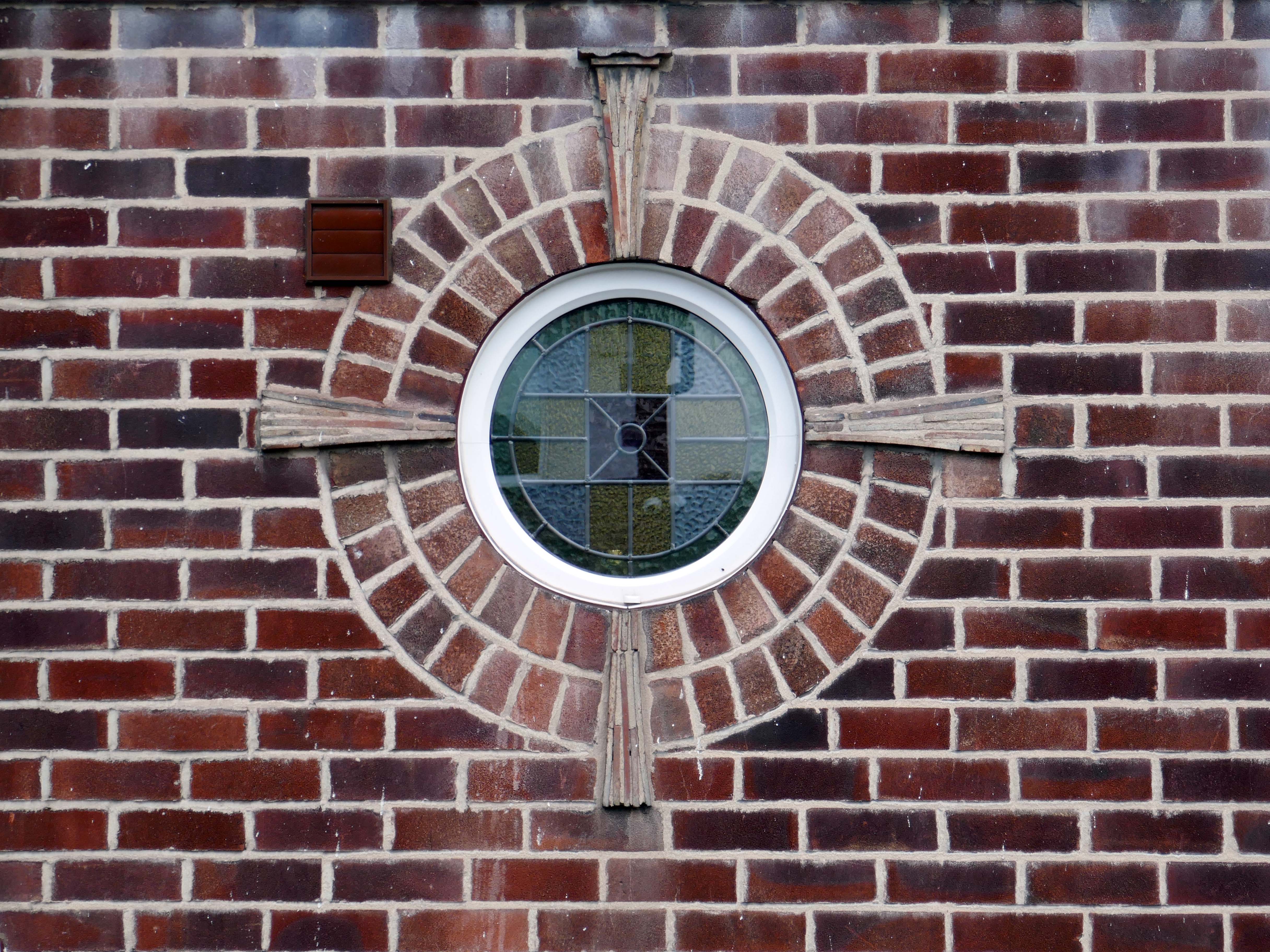
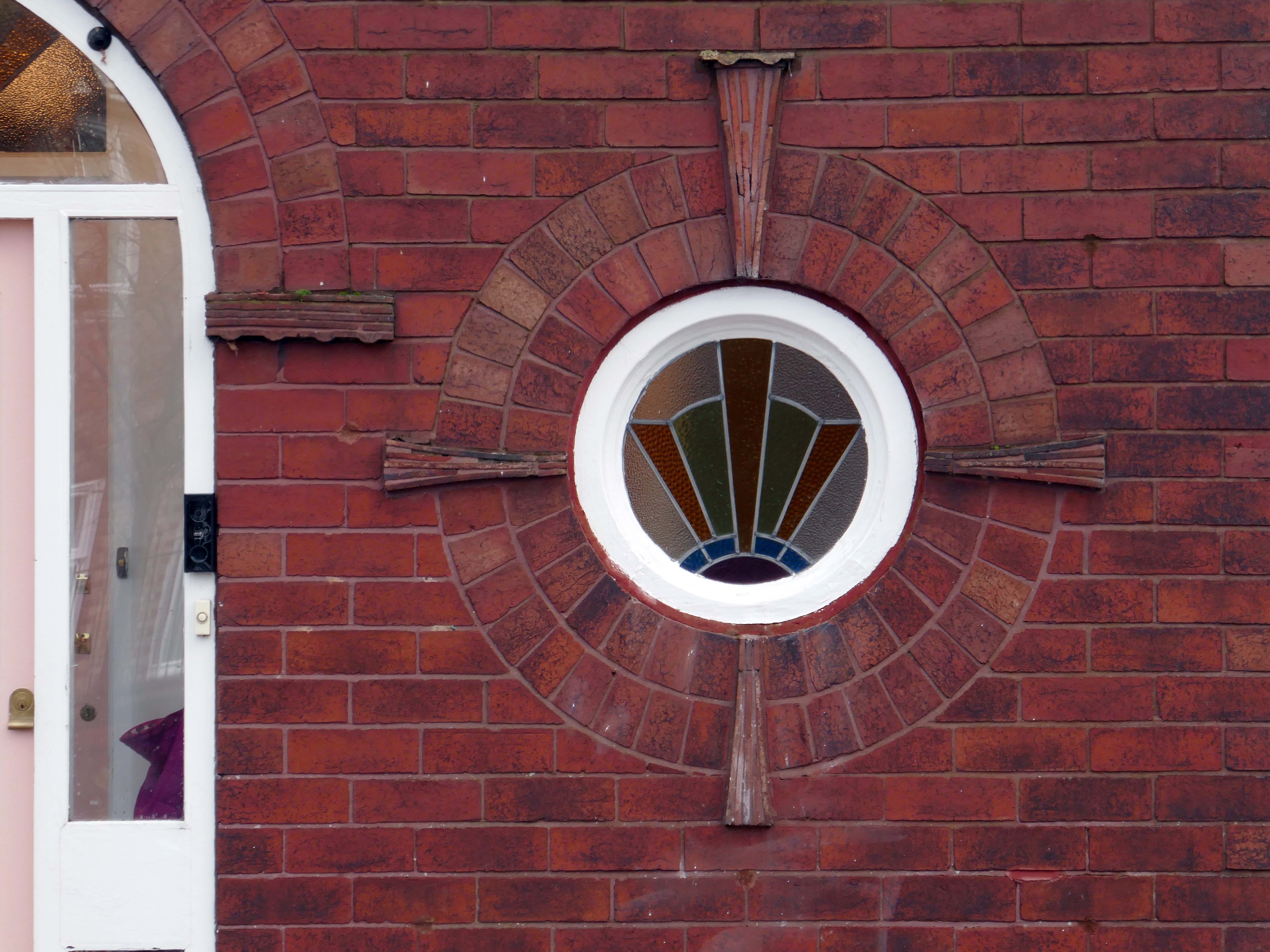
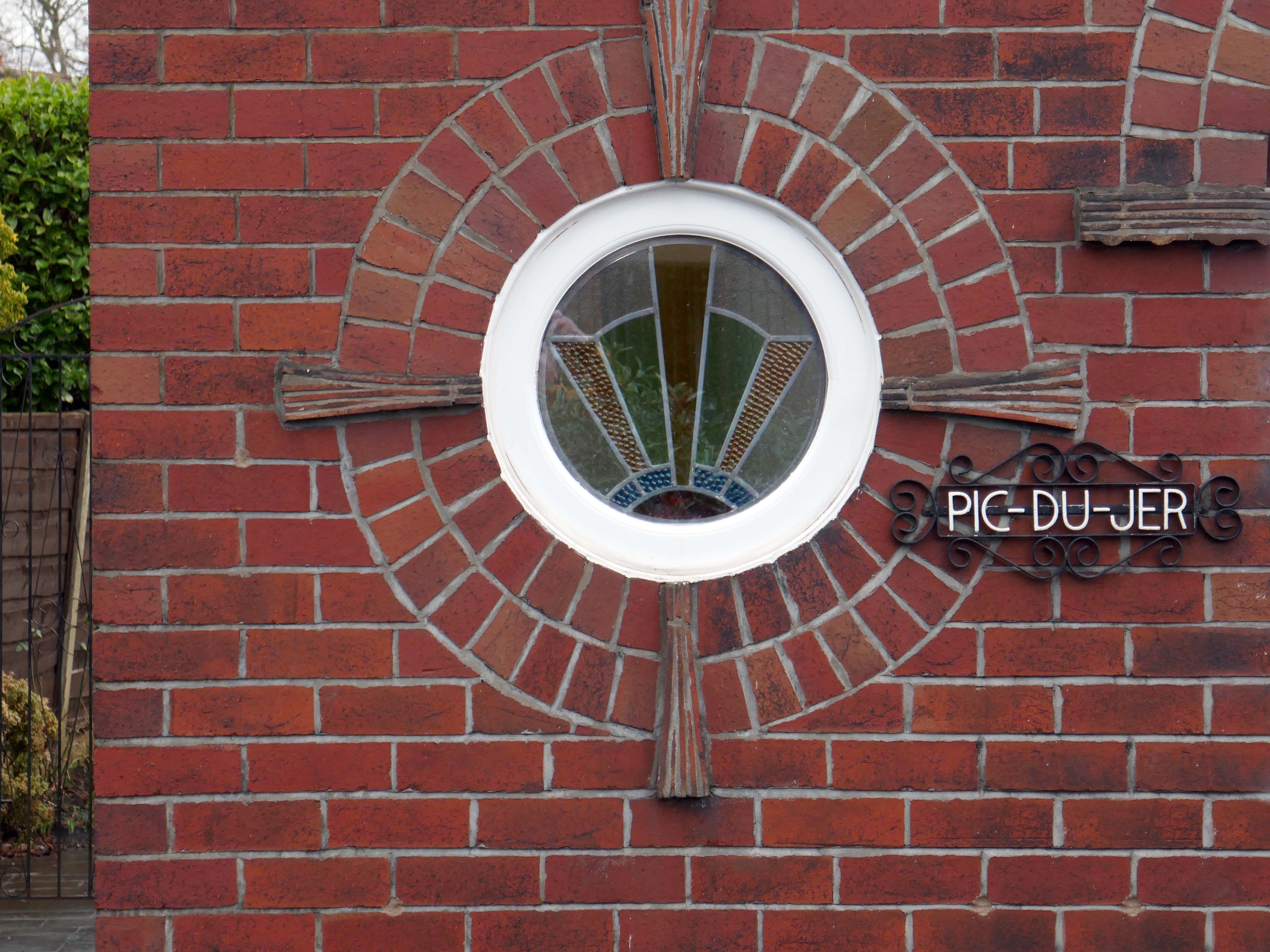
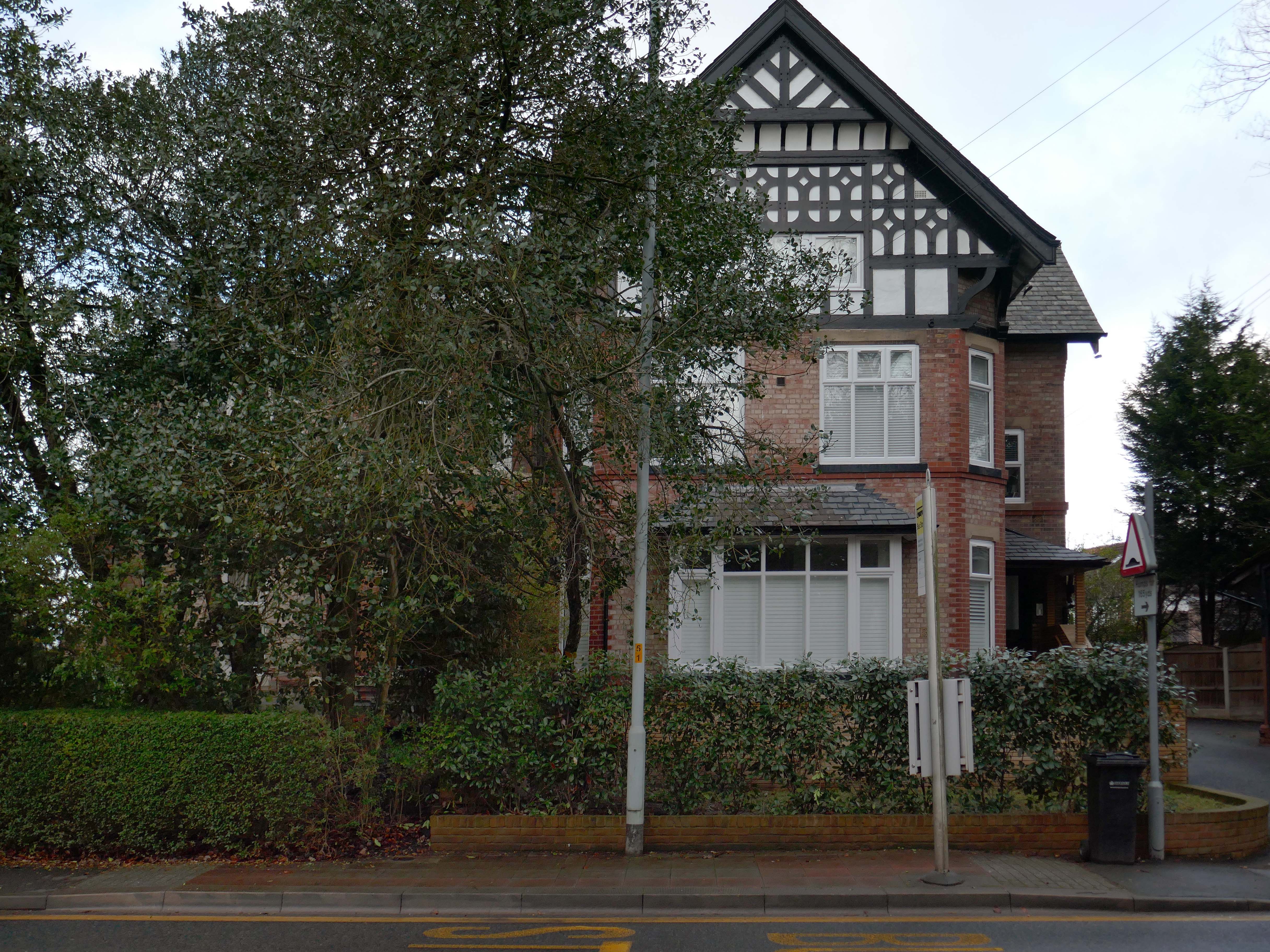
Hesitant examples of Arts and Crafts and hints of Tudorbethan, subtle shades of sub Lutyens, the odd Art Deco detail.
We never keep to the present. We recall the past; we anticipate the future as if we found it too slow in coming and were trying to hurry it up, or we recall the past as if to stay its too rapid flight. We are so unwise that we wander about in times that do not belong to us, and do not think of the only one that does; so vain that we dream of times that are not and blindly flee the only one that is. The fact is that the present usually hurts. We thrust it out of sight because it distresses us, and if we find it enjoyable, we are sorry to see it slip away. We try to give it the support of the future, and think how we are going to arrange things over which we have no control for a time we can never be sure of reaching.
Blaise Pascal
Let each of us examine his thoughts; he will find them wholly concerned with the past or the future. We almost never think of the present, and if we do think of it, it is only to see what light it throws on our plans for the future. The present is never our end. The past and the present are our means, the future alone our end. Thus we never actually live, but hope to live, and since we are always planning how to be happy, it is inevitable that we should never be so.
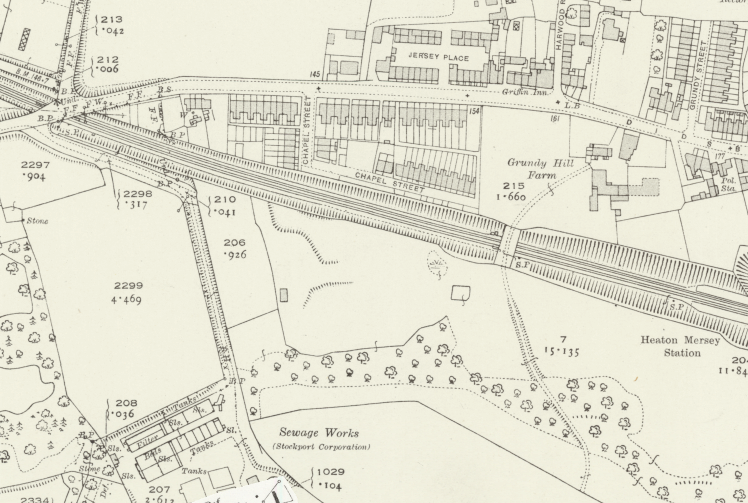
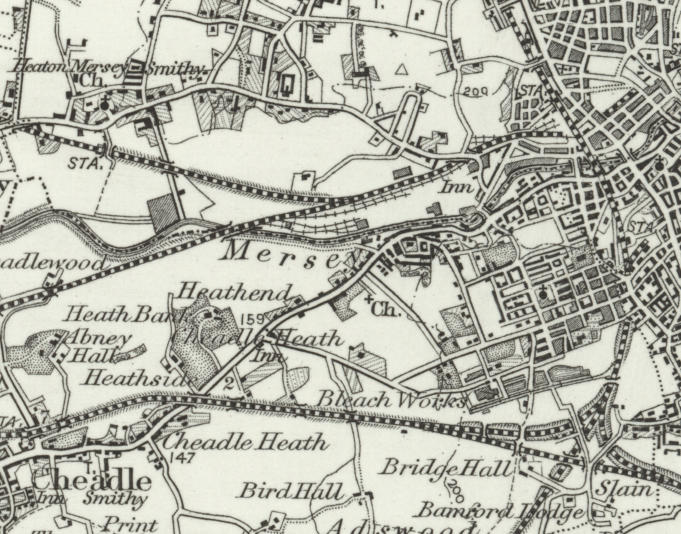
In 1896 the area to the east of central Stockport is a potpourri of emergent industry, railways, a river and agriculture – a product of the second Ice Age, the subsequent formation of the Mersey Valley and the Industrial Revolution.
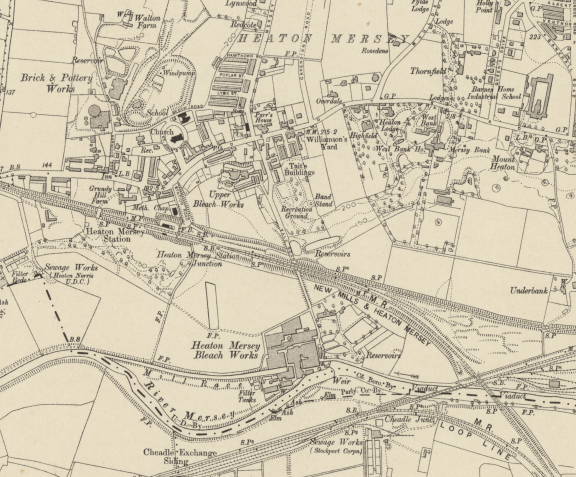
By 1911 there is an expansion in the housing stock.
A comprehensive history of the area cane be found here.
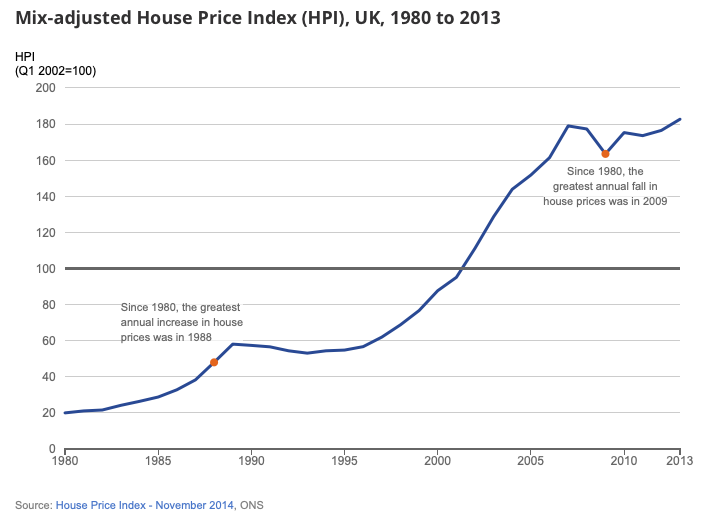
In 1918, the UK property landscape was dominated by private renters, who made up 75% of all households. At the time, only 25% of the population owned their own homes.Over the next few decades, home ownership gradually increased, reaching about 38% by 1958. This shift was accompanied by a decrease in private renting, which fell to 41% during the same period.
The most significant growth in home ownership occurred between 1958 and 2003. The percentage of owner-occupiers surged from 38% to 70%. This period saw a corresponding decline in both private renting, which fell to just 8% in 2003, and social renting, which peaked at 29% in 1978 before declining to 22% by 2003.
The pattern of home ownership has been determined by a number of factors –
The Property Owning Democracy – Coined by British MP Noel Skelton in 1920, the concept emphasised the terms ‘property-owning’ and ‘democracy’ as a conservative response to left-leaning ideas of liberalism and socialism.
Right to Buy scheme, introduced by Margaret Thatcher’s Housing Act 1980, allowed long-term council social tenants in England and Wales to buy their homes at a significant discount, fostering homeownership but drastically reducing the stock of affordable social housing, leading to ongoing housing shortages and debates over its legacy.
The Property Ladder which commodifies housing. Where once house and home were largely for life, the upwardly mobile homeowner wishes to continually acquire value and status through trading ever onwards and upwards.
Socially the role of the home has also changed over time, once a place to be outside of – working or playing, the home is now possibly a place of both work and play. A larger percentage of weekly earnings is now absorbed by housing costs, and the lure of the multi-channel Smart TV, gaming systems, take away food and supermarket lager, nails the residents’ slippers firmly to the laminate flooring.
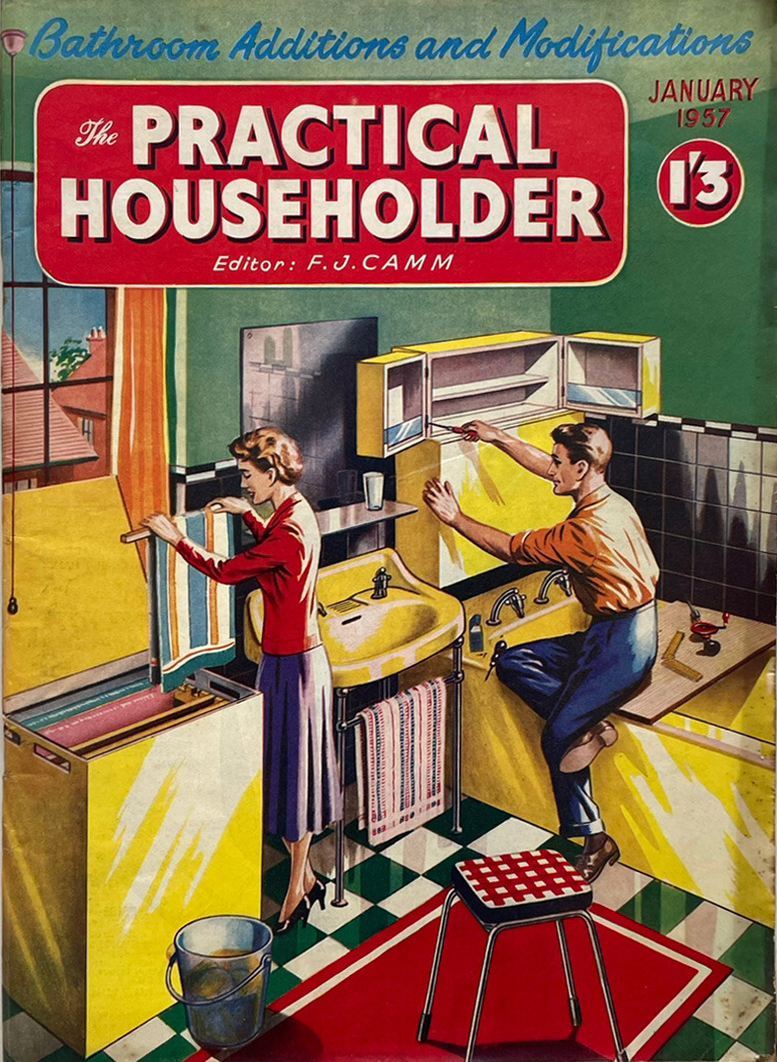
This has gone hand in hand with the trend home improvements and extensions – fed by glossy magazines, design led property TV shows advocating a New England, Shabby Chic, Maxi/Minimalist Vibe.
Welcome to the new England.
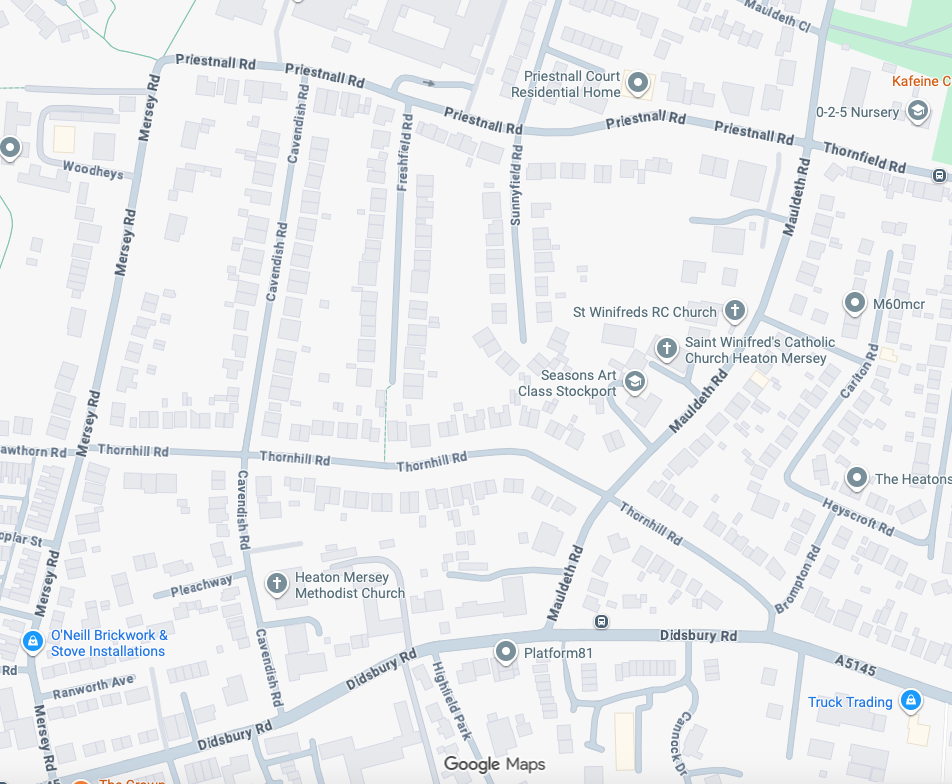
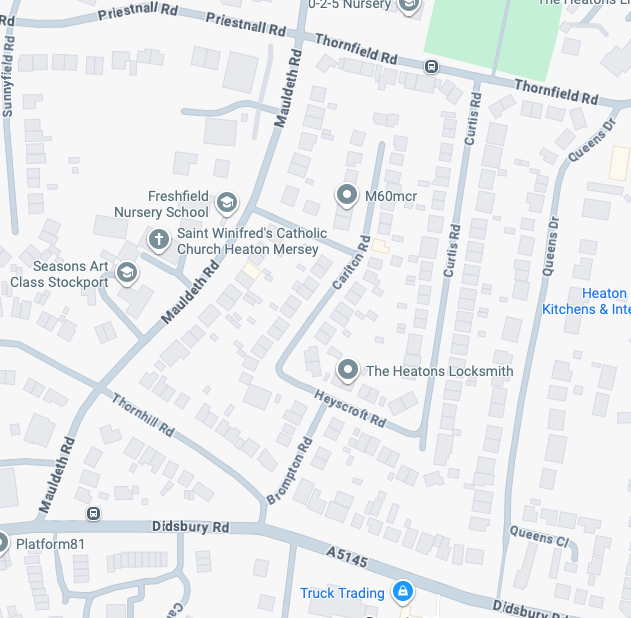
It’s January 2026 and I have taken to the area between Mauldeth Road, Thornfield Road, Queens Drive and Didsbury Road.
What is actually going on in my locale? – The only way to find out is to go and take a good look around.
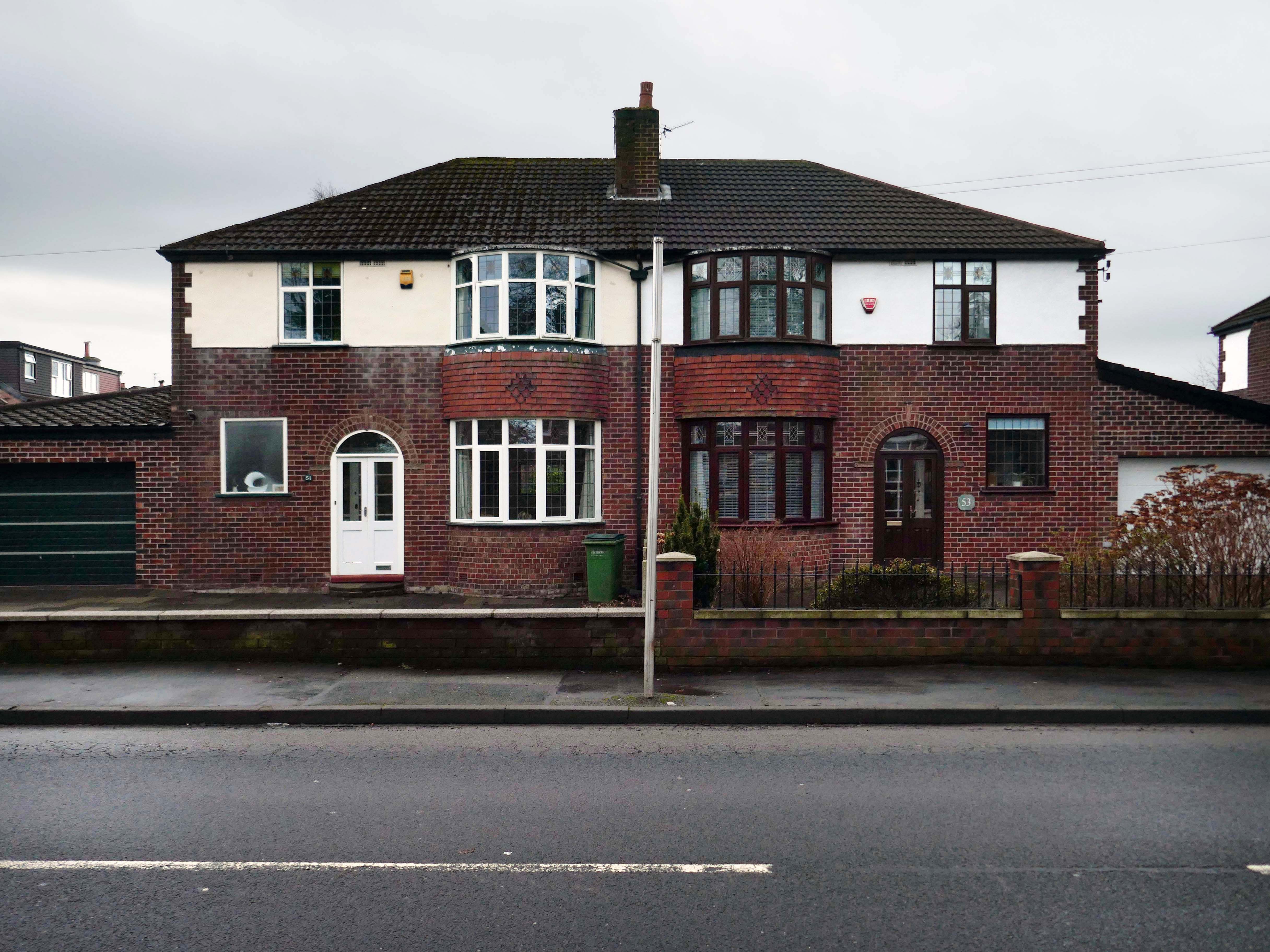
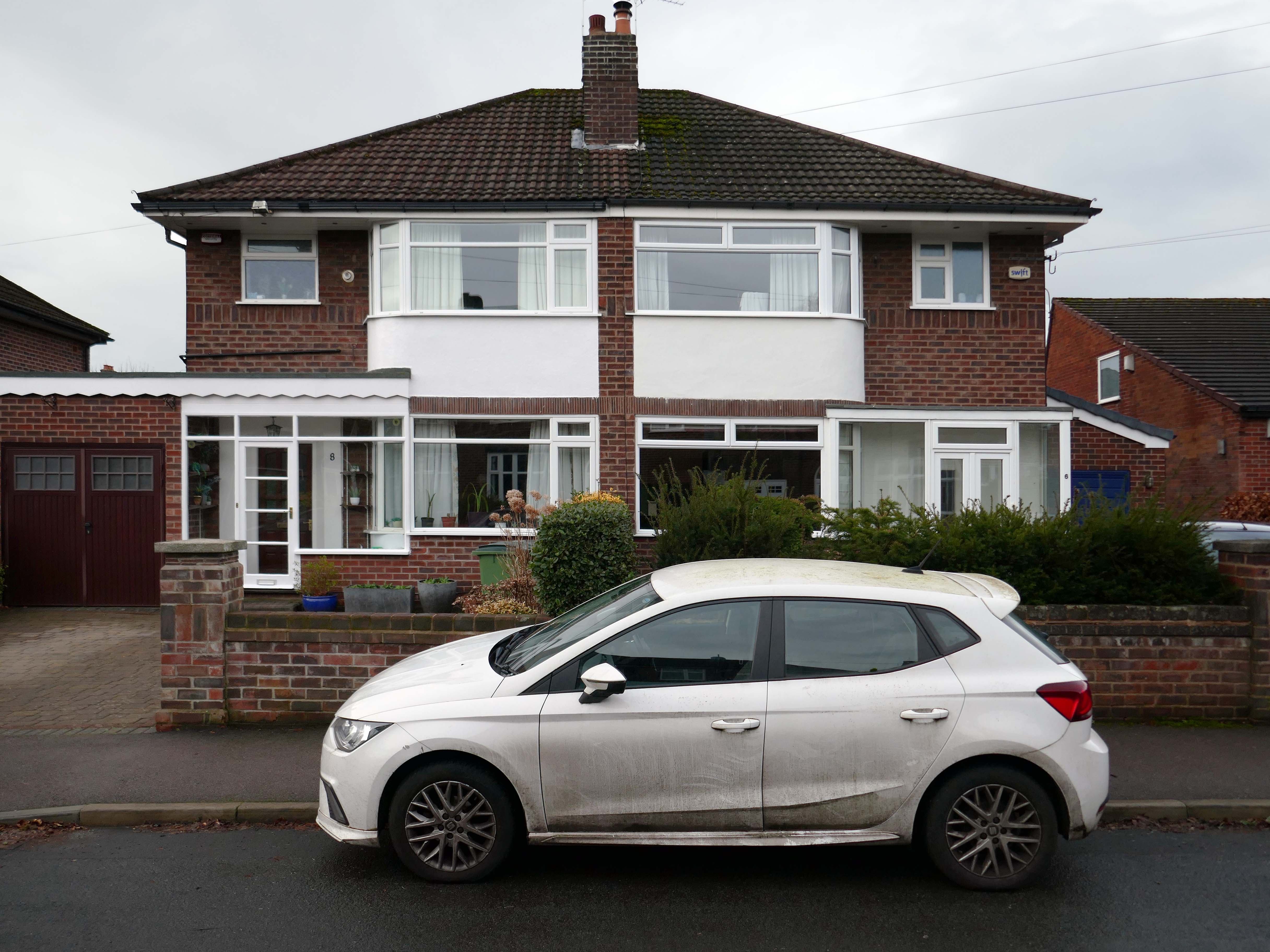
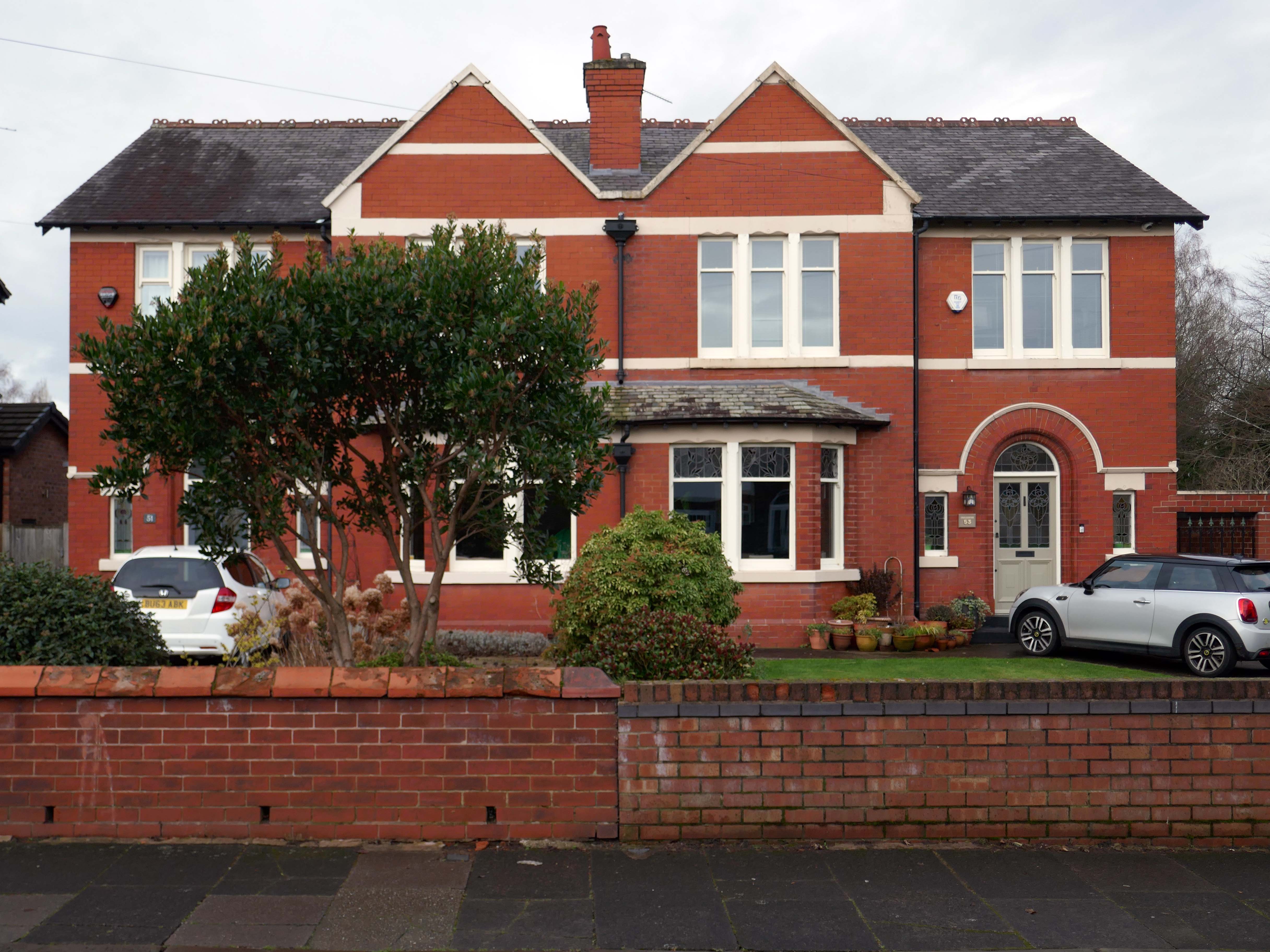
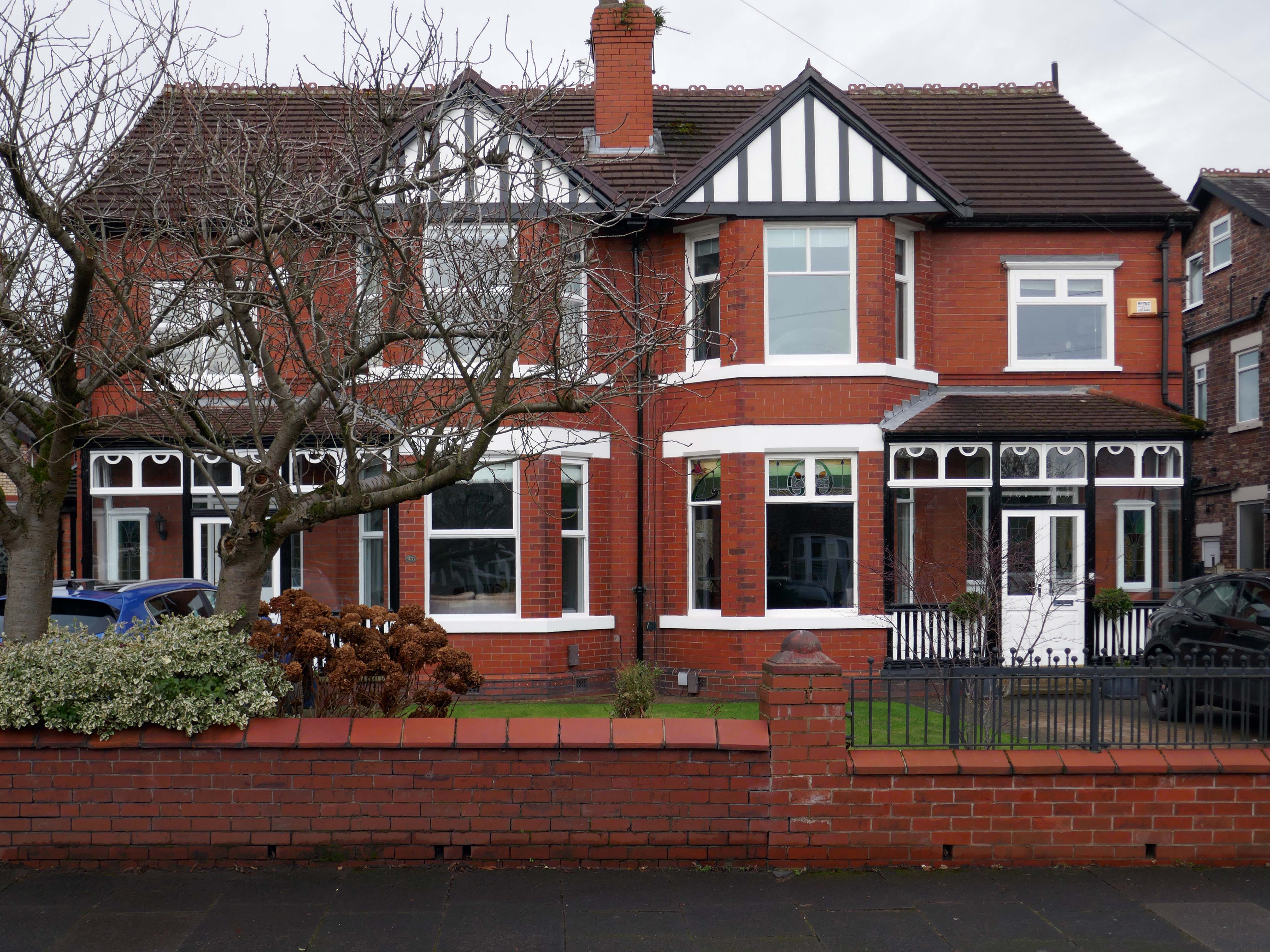
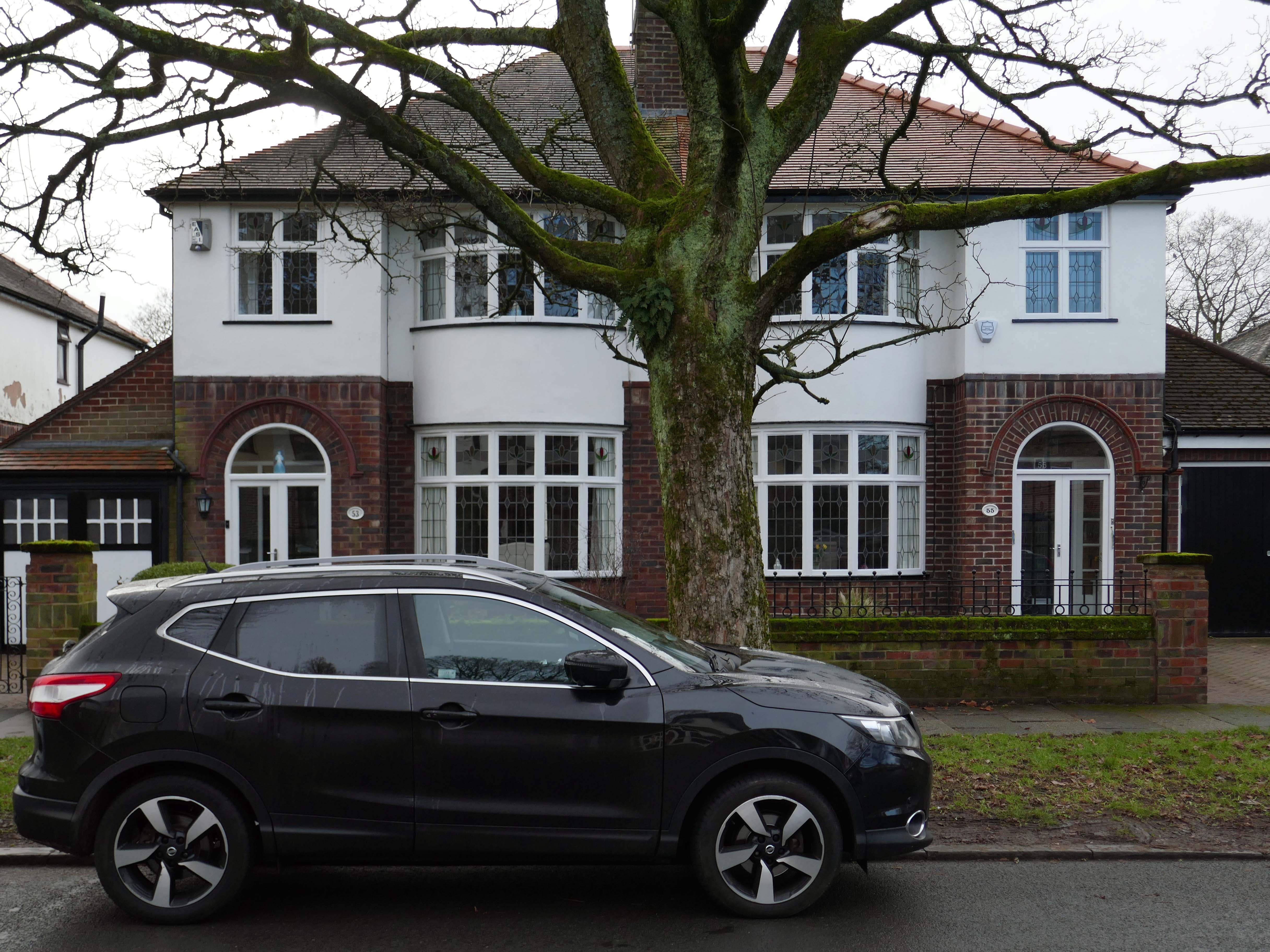
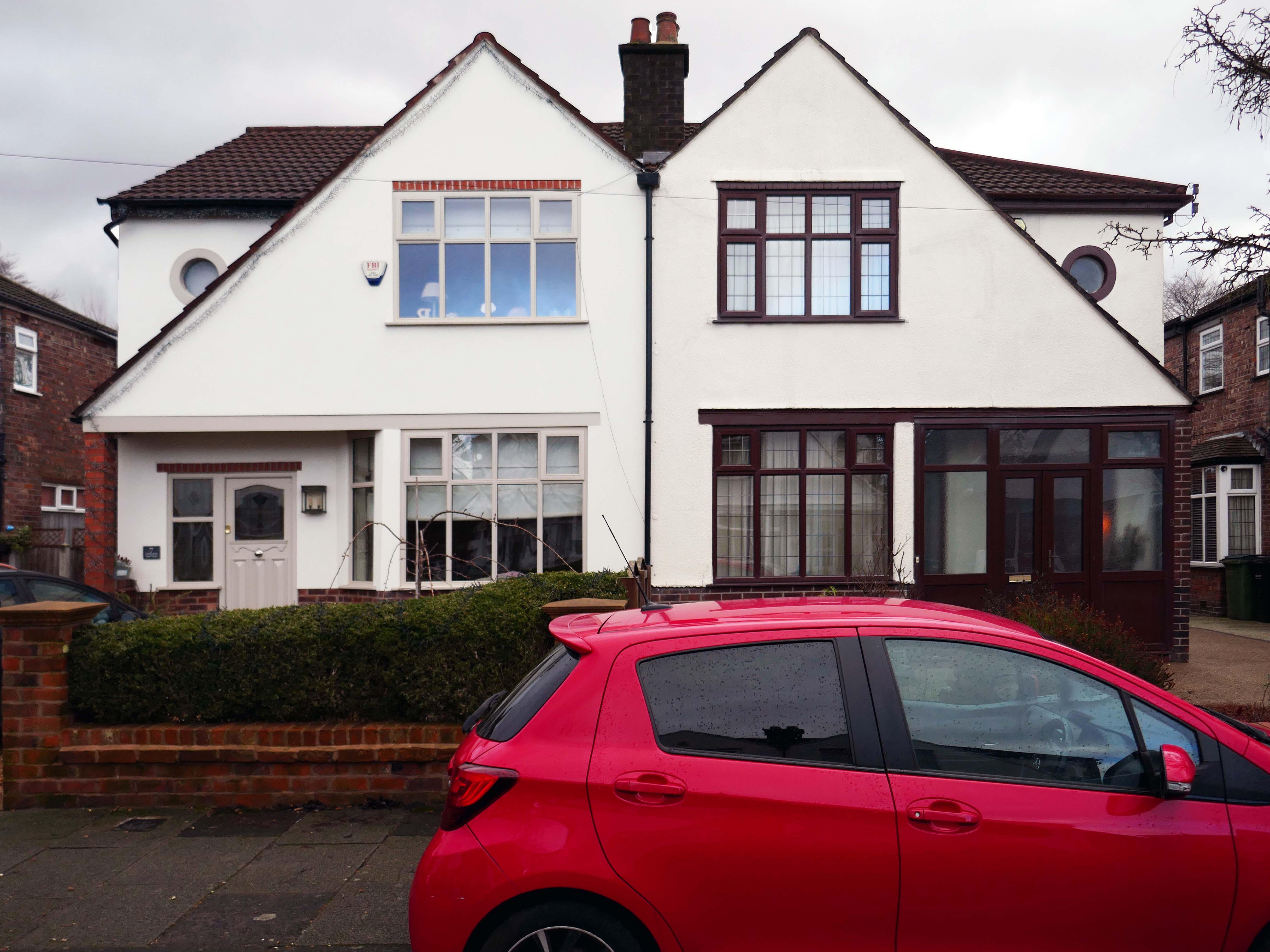
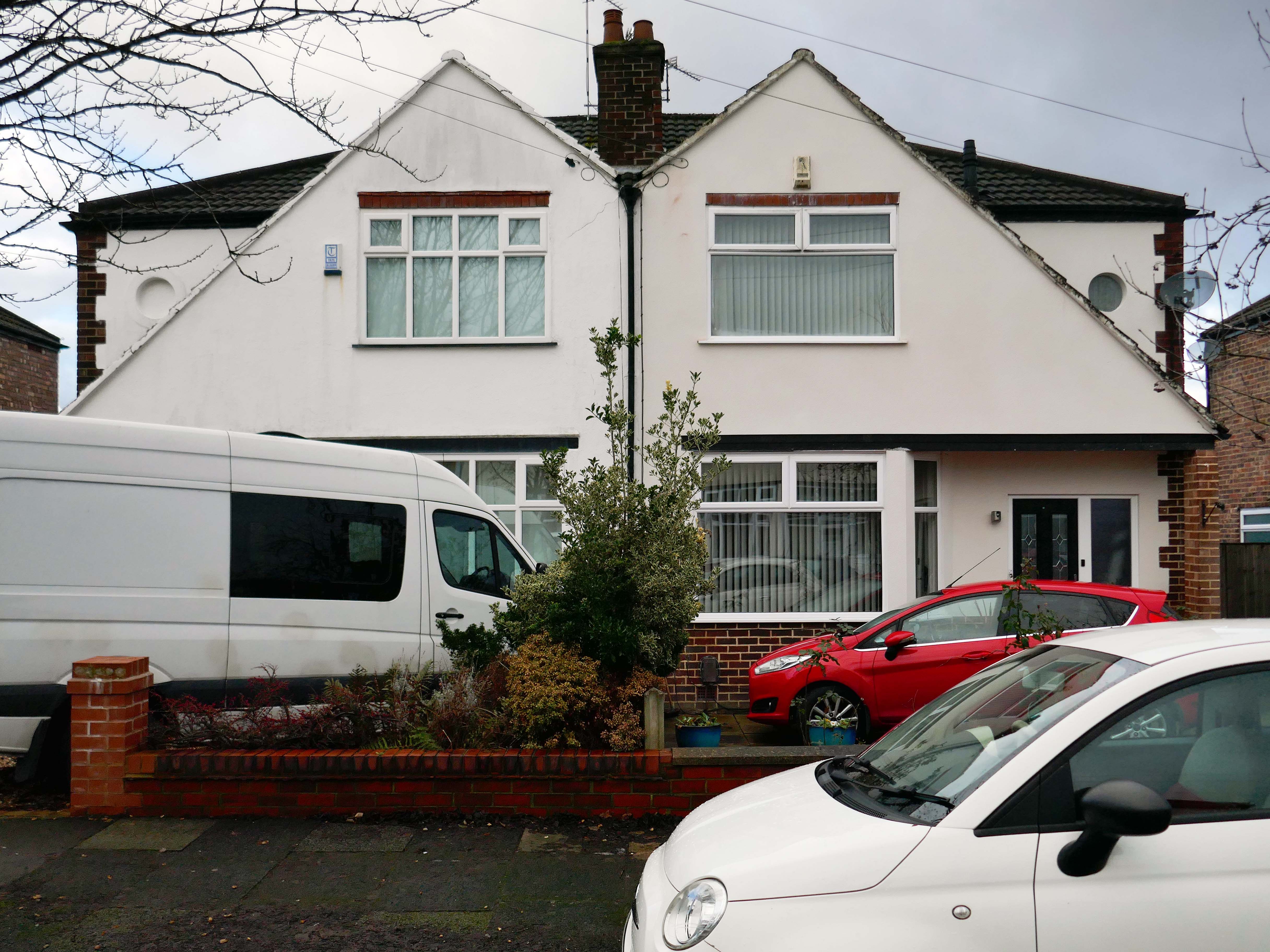
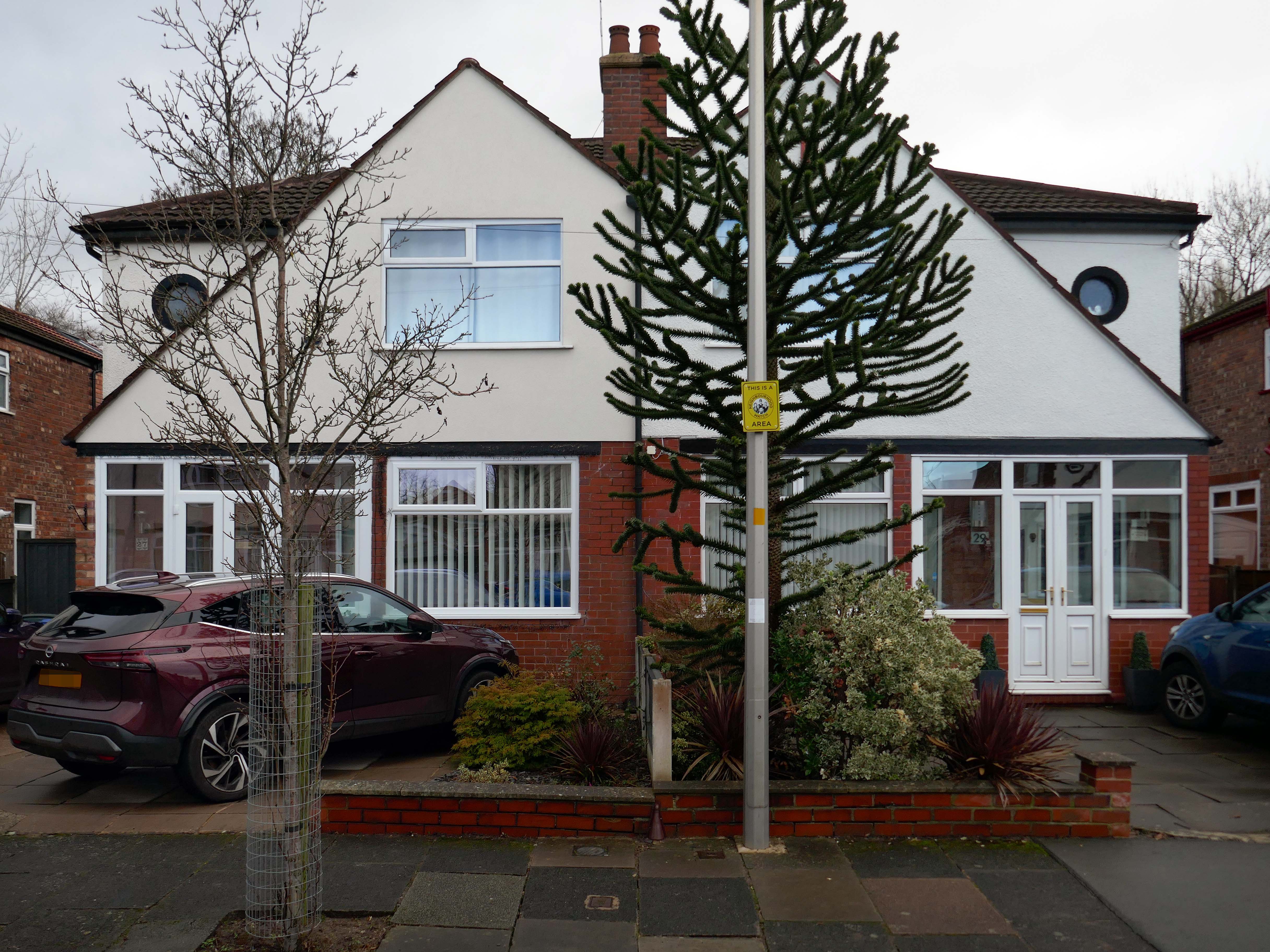
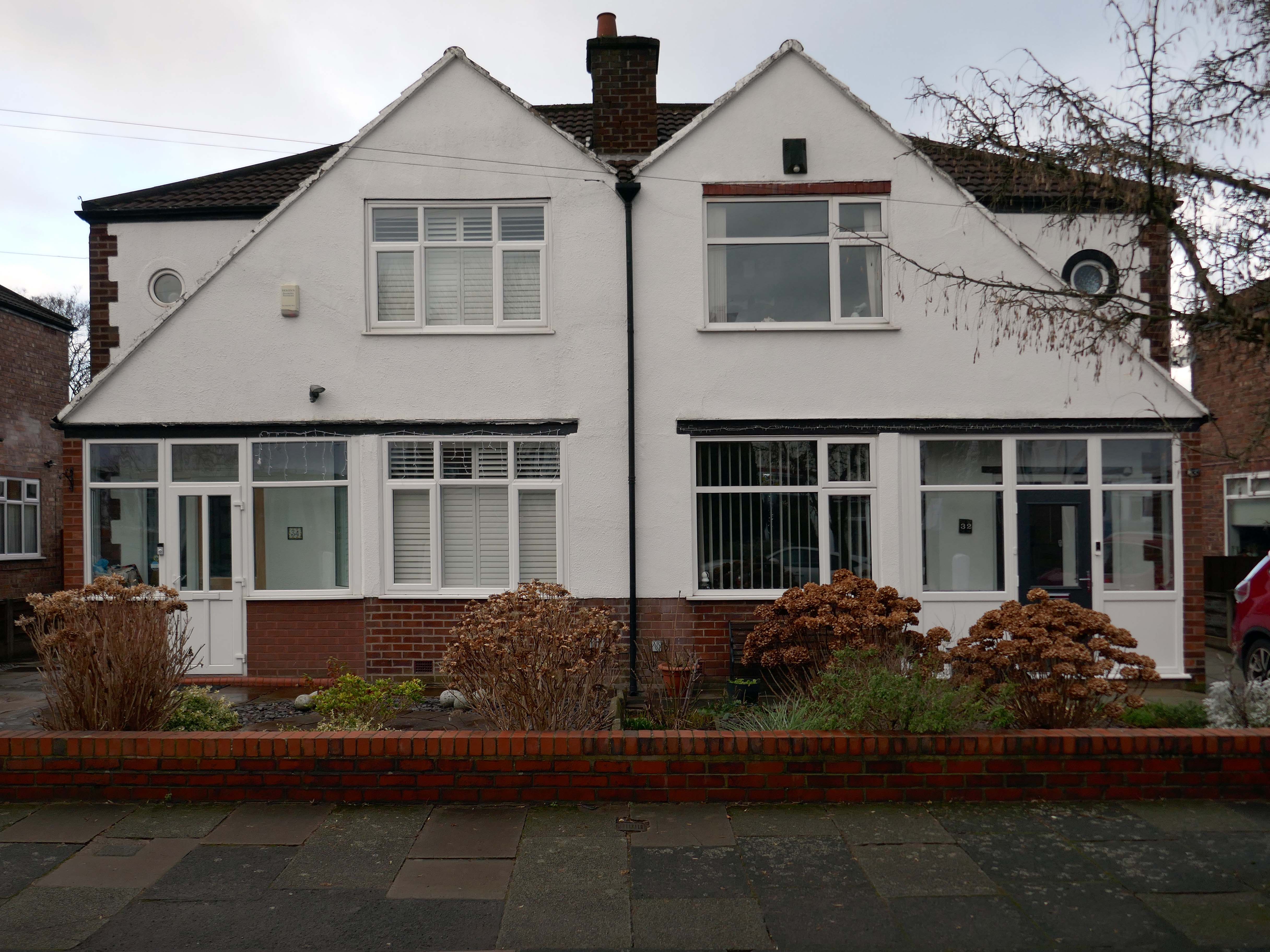
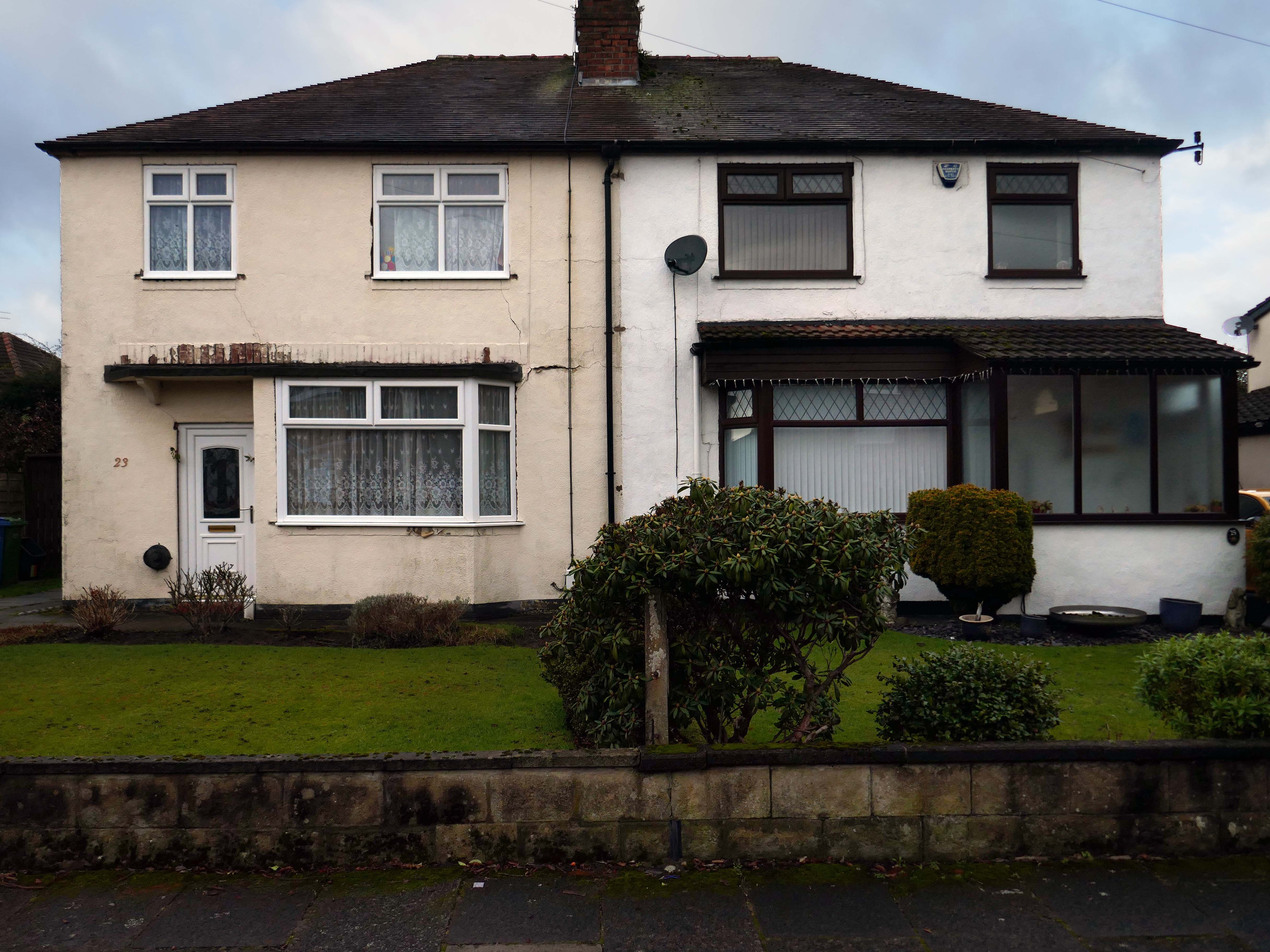
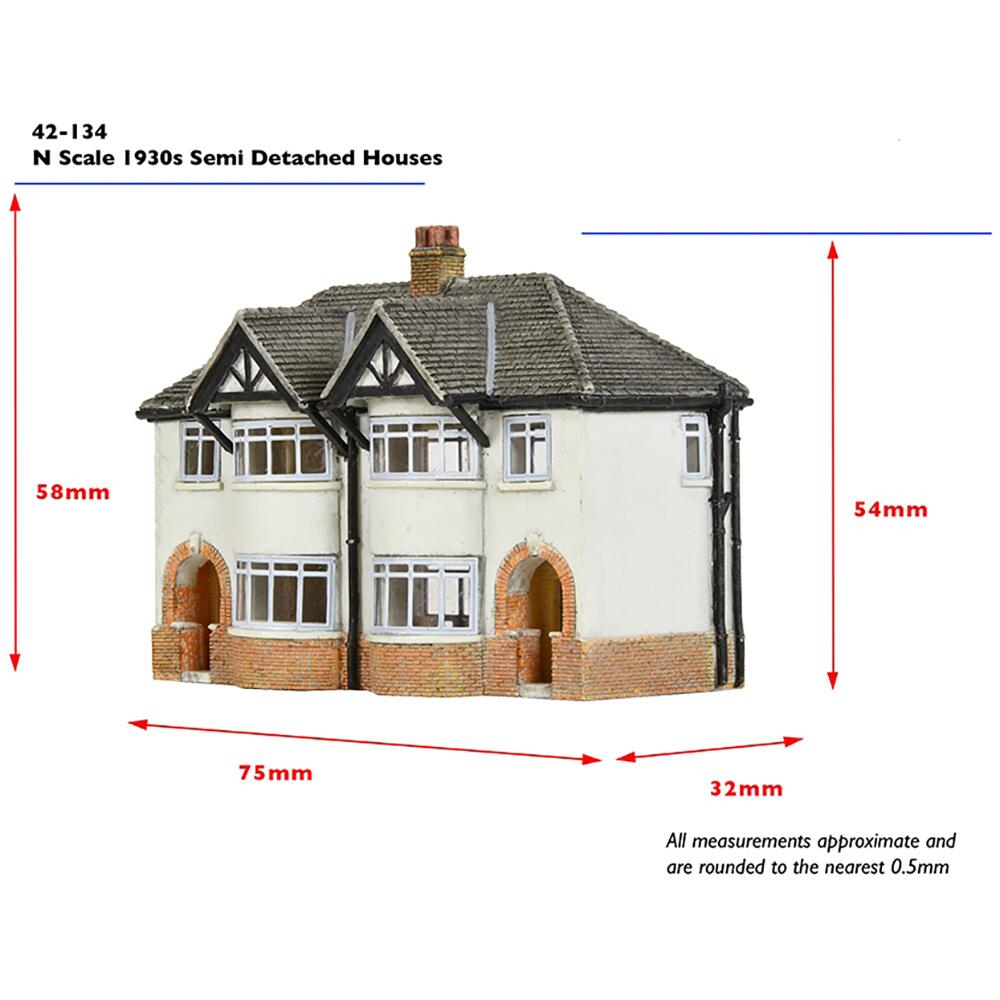
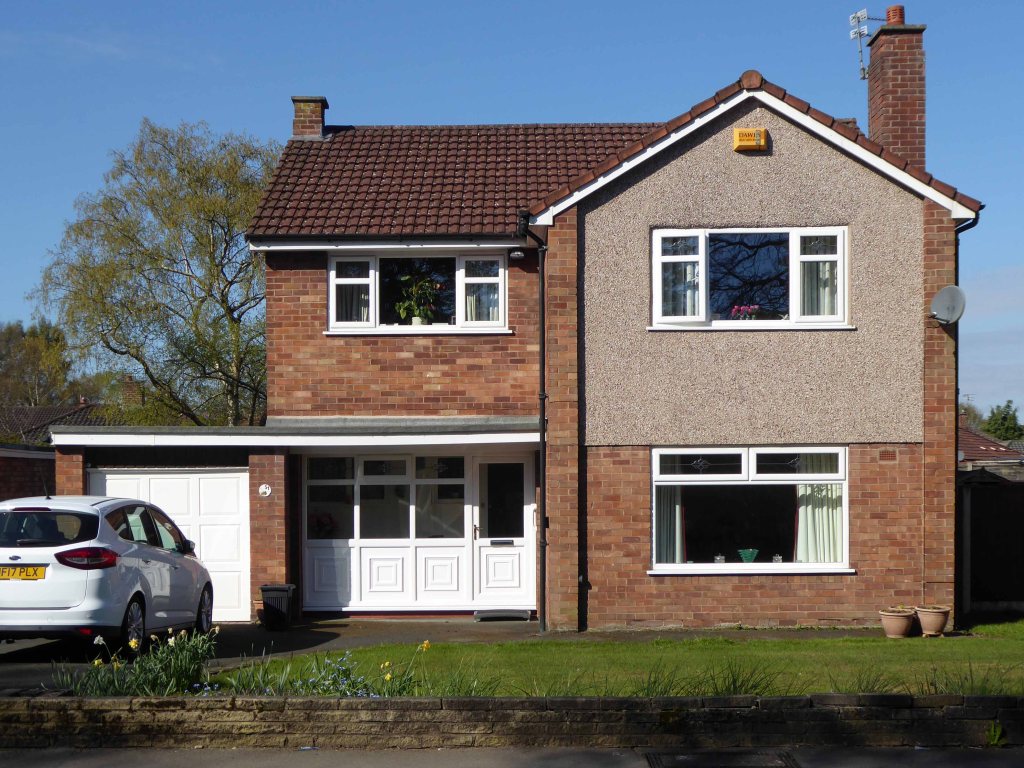
Symbol of middle-class aspiration, conservatism and compromised individualism, the semi-detached house is England’s modern domestic type par excellence.
Semi-detached houses are the most common property type in the United Kingdom. They accounted for 32% of UK housing transactions and 32% of the English housing stock in 2008. Between 1945 and 1964, 41% of all properties built were semis.
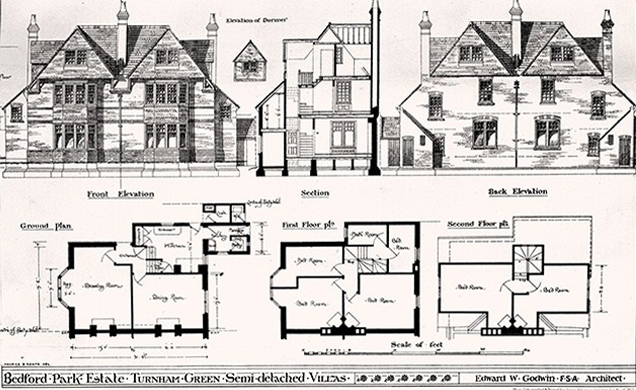
Semi-detached houses for the middle class began to be planned systematically in late 18th-century Georgian architecture, as a suburban compromise between the terraced houses close to the city centre, and the detached villas further out, where land was cheaper.
Although semi-detached housing is built throughout the world, it is generally seen as particularly symbolic of the suburbanisation of the United Kingdom and Ireland.
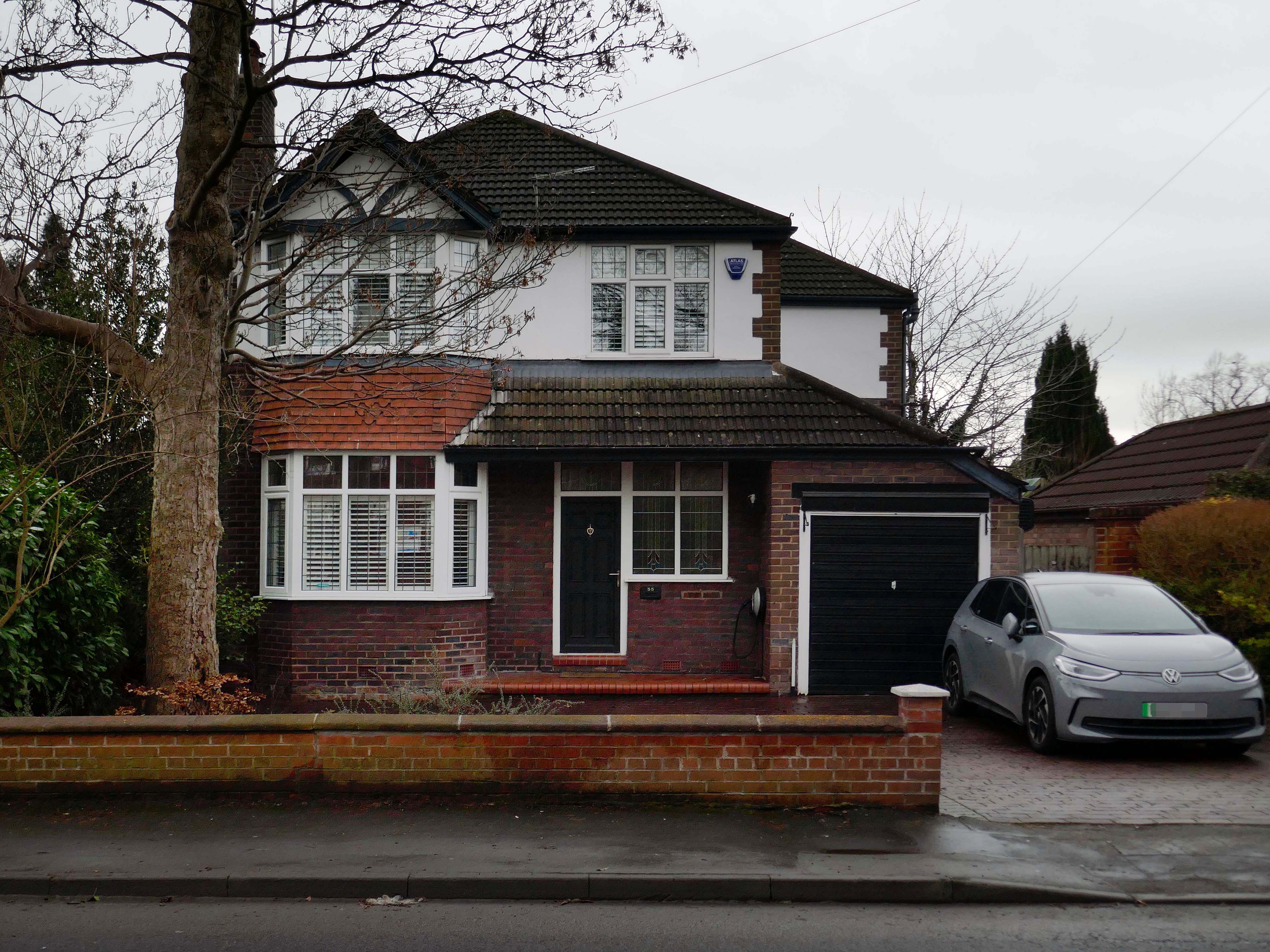
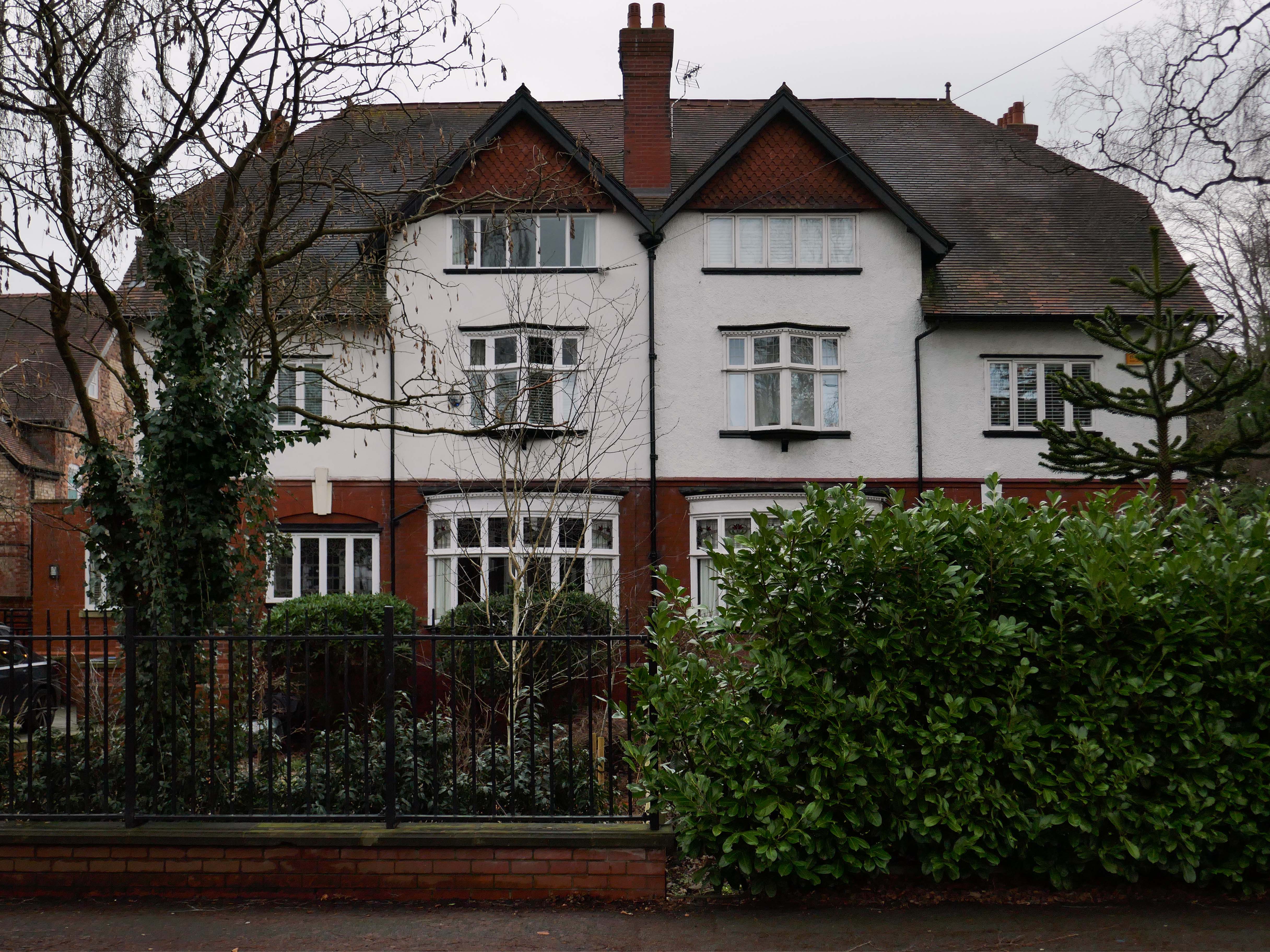
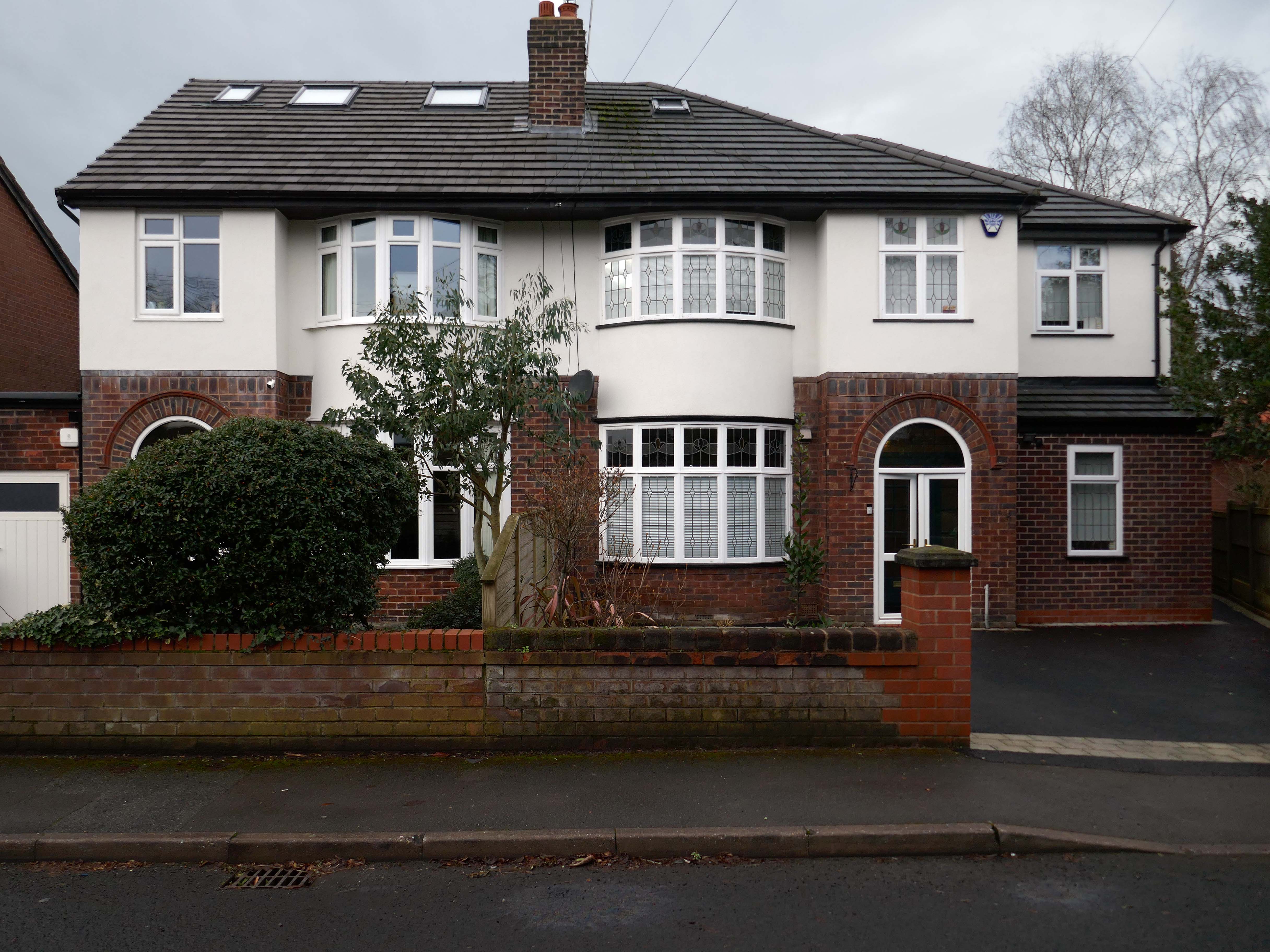
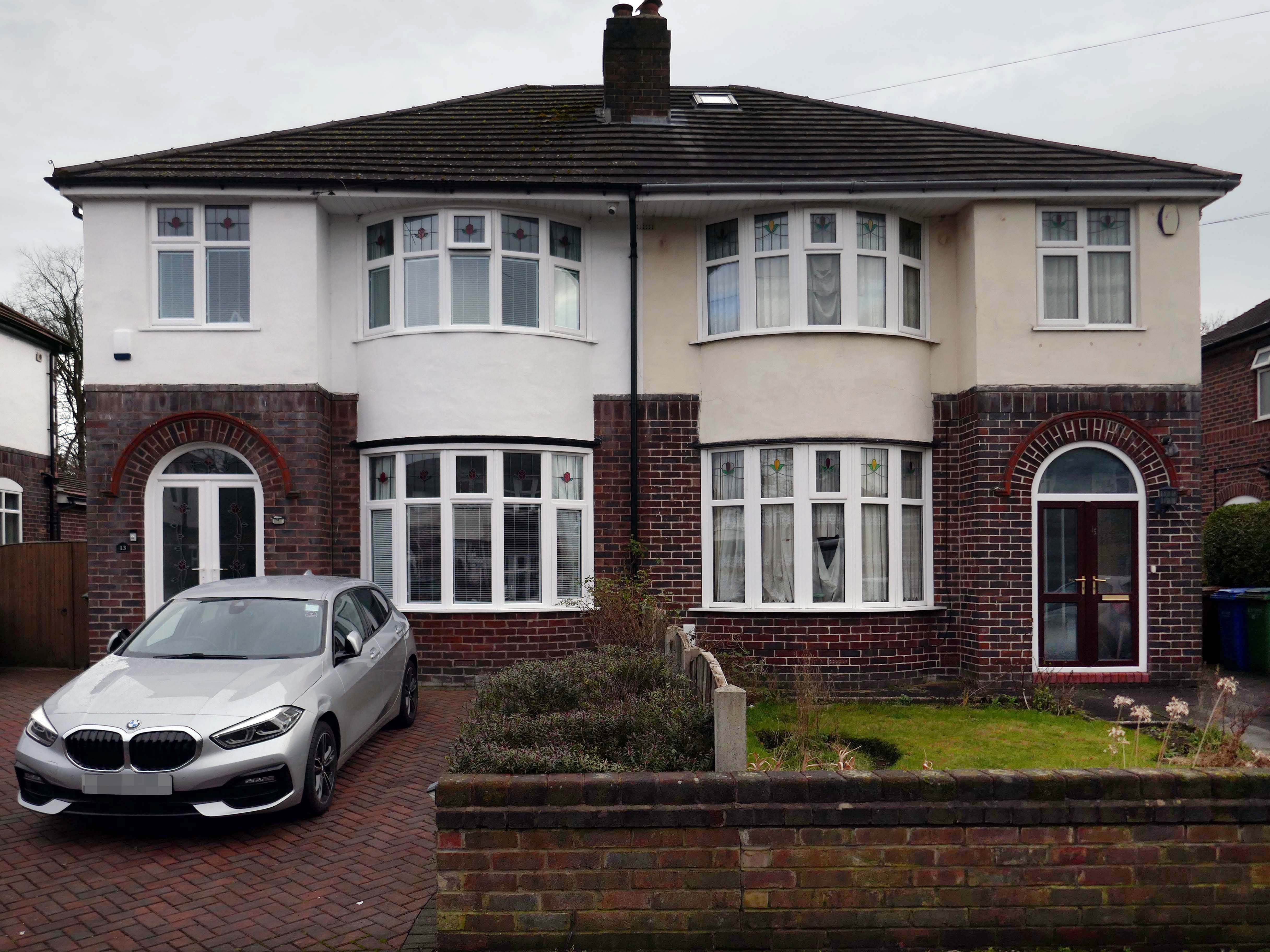
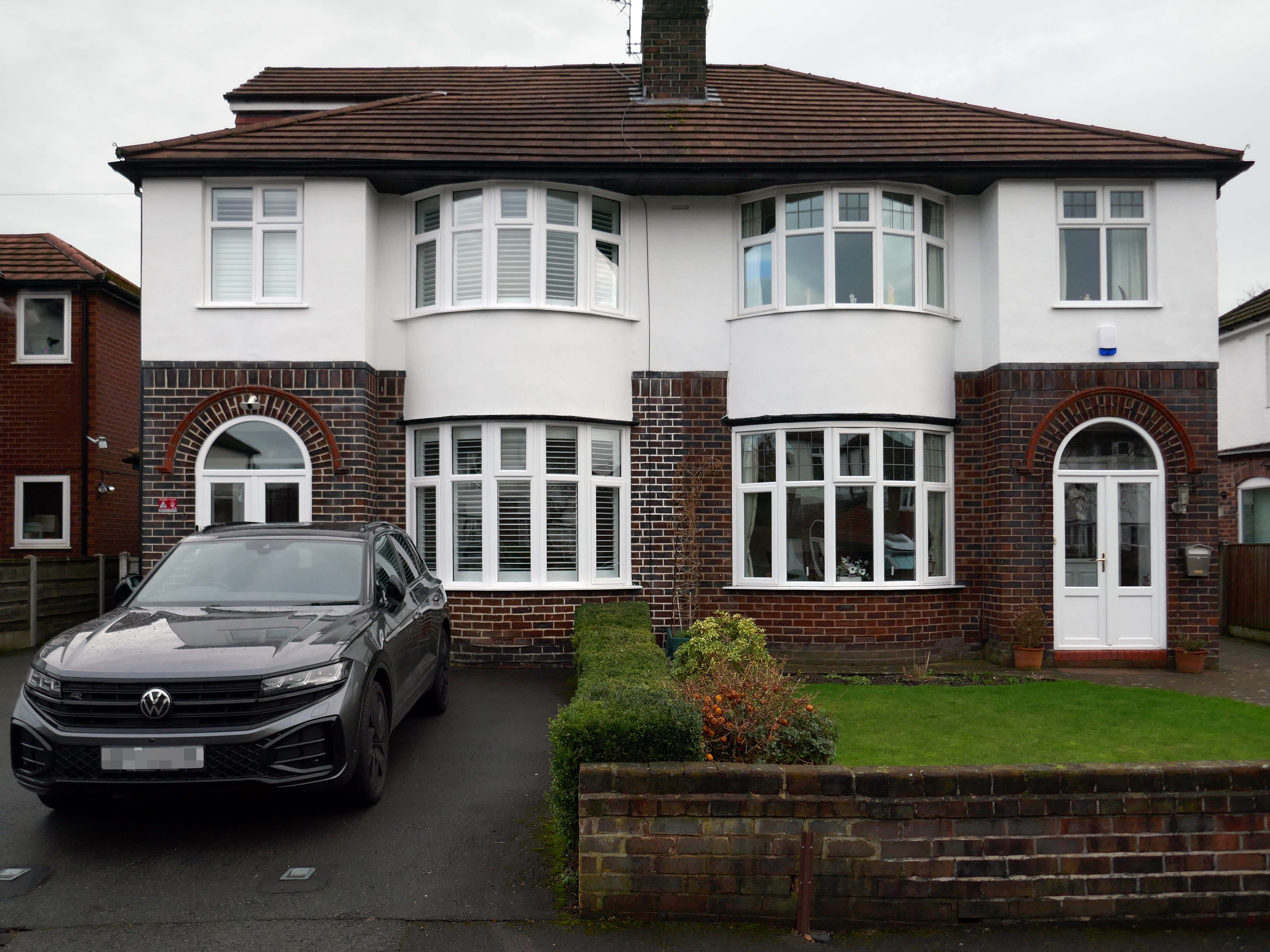
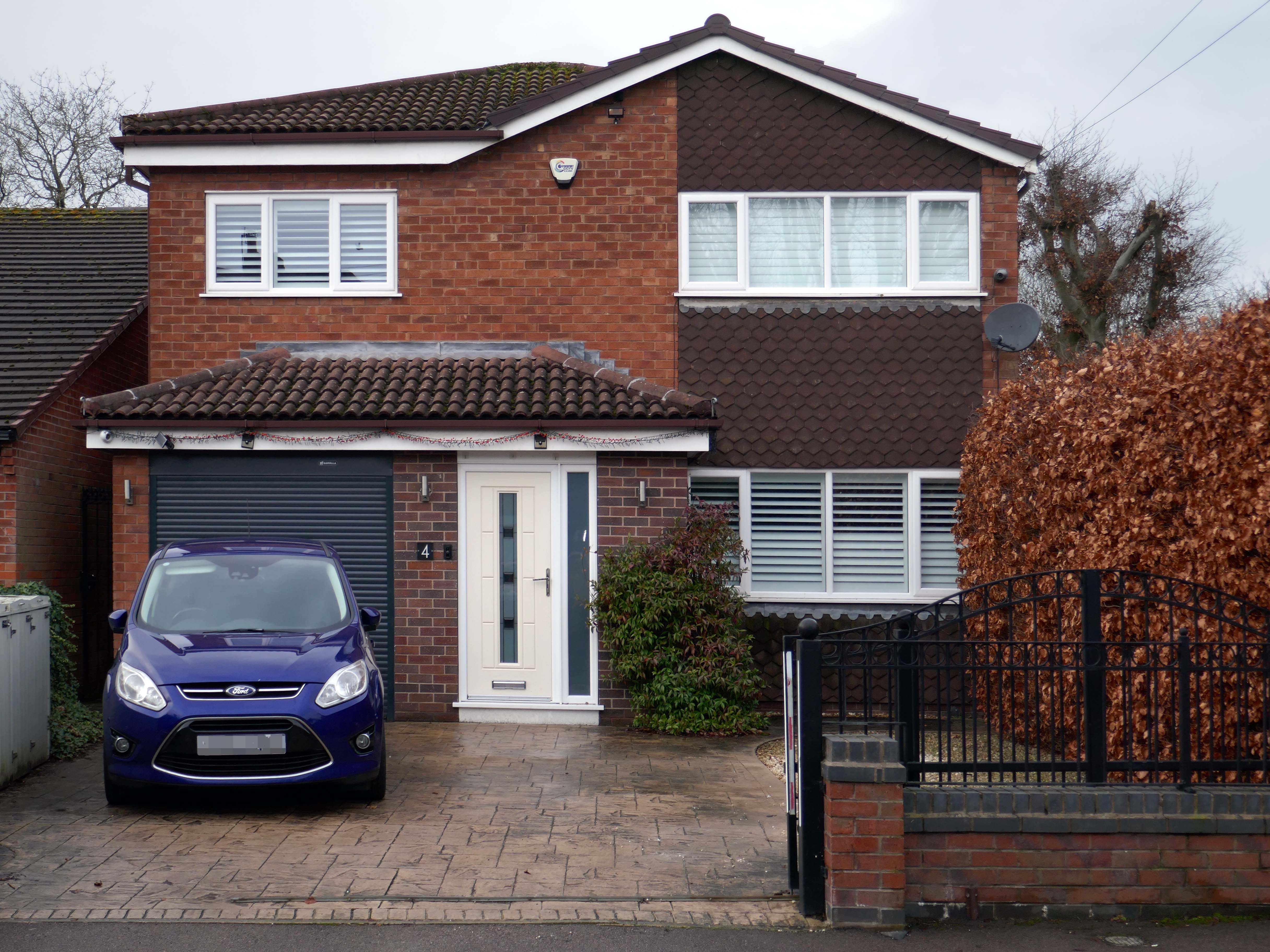
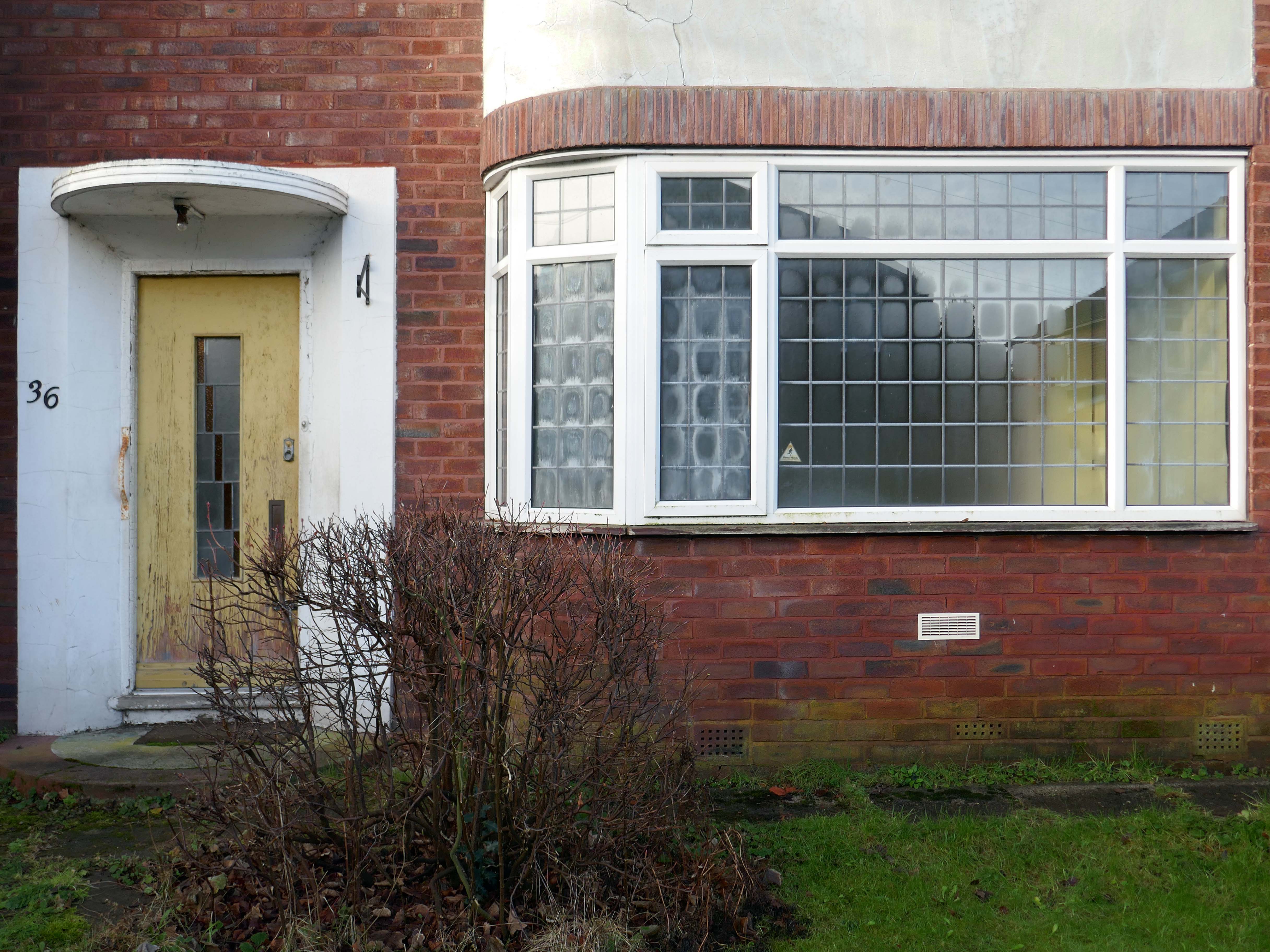
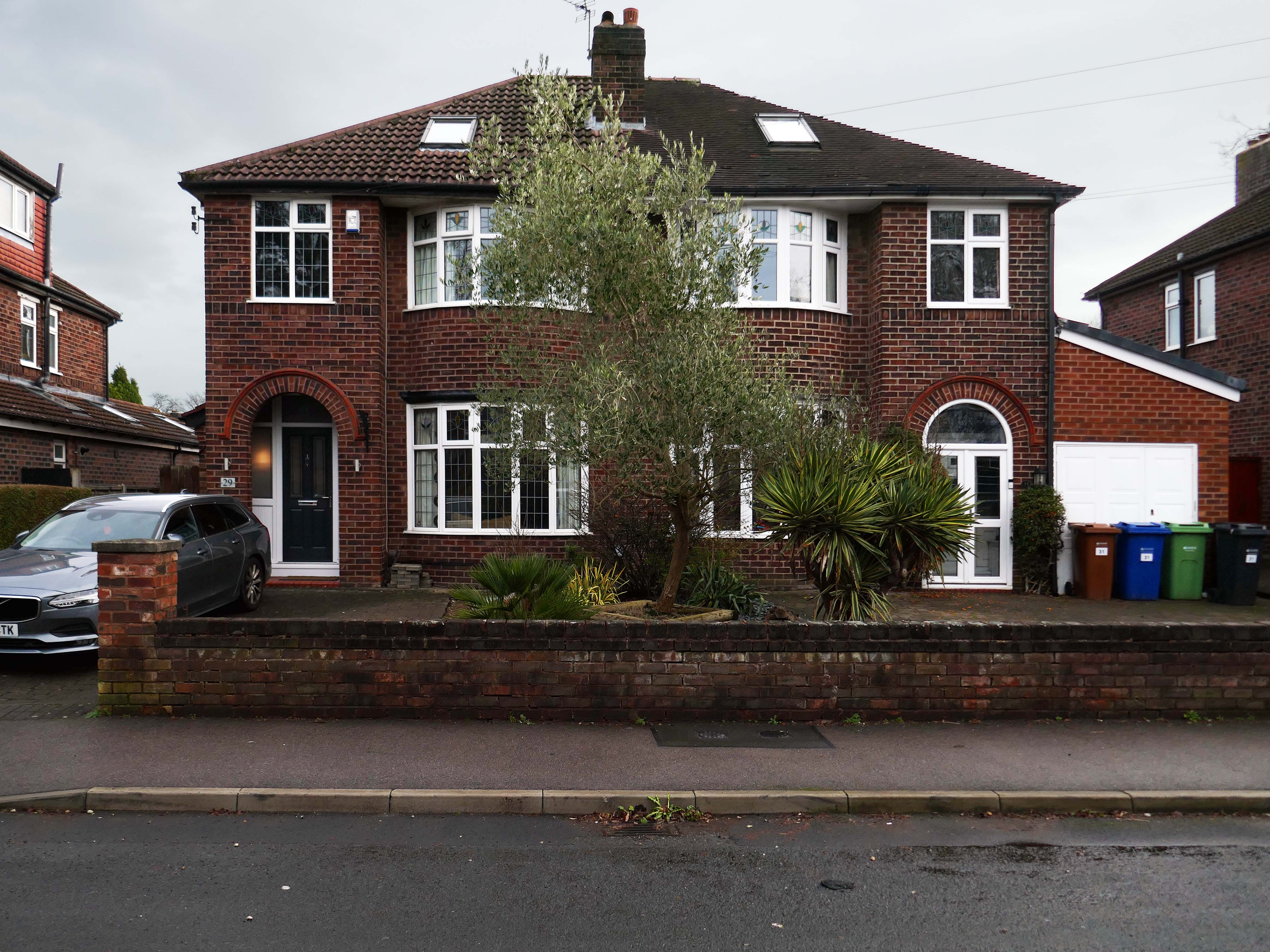
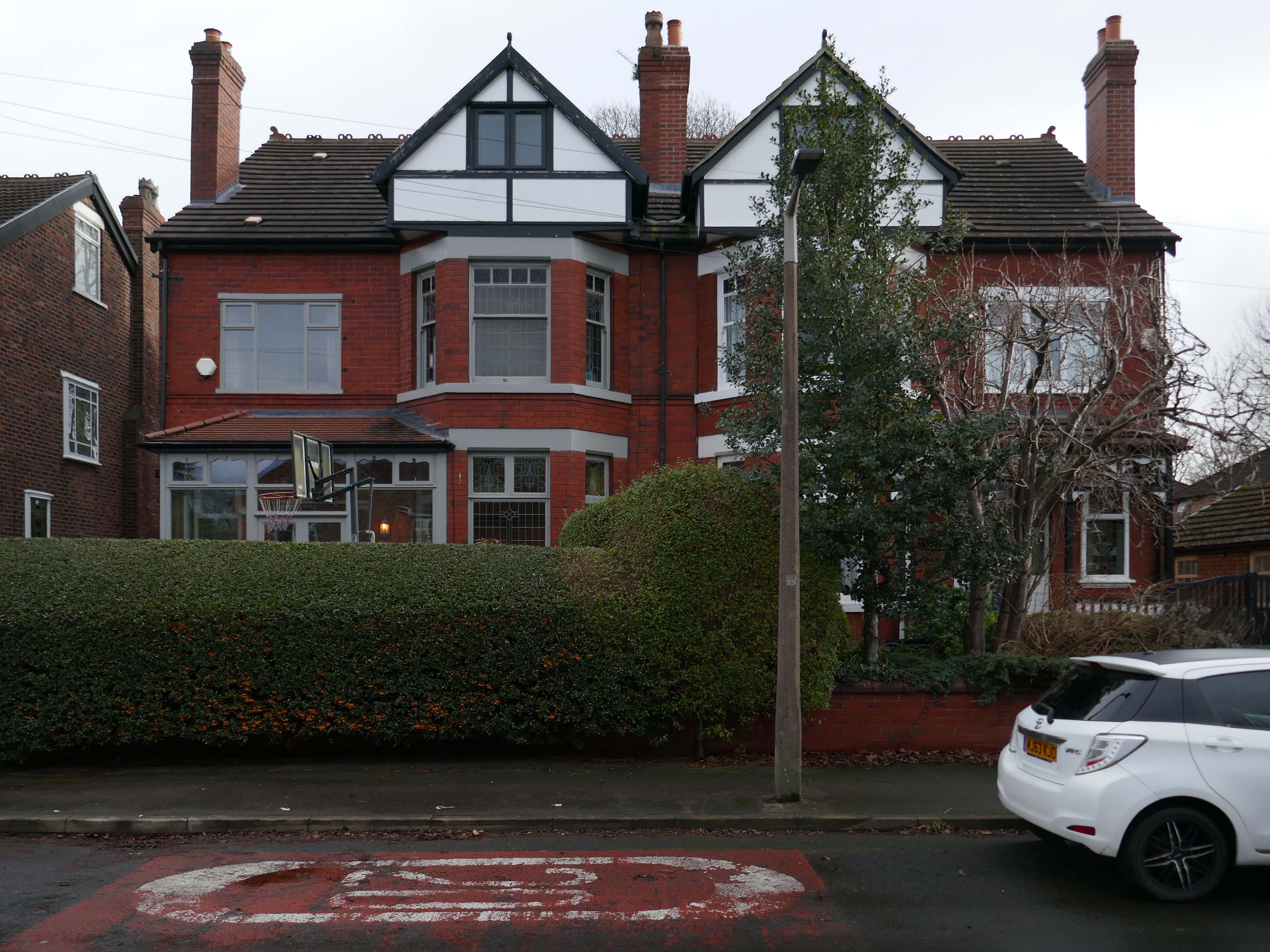
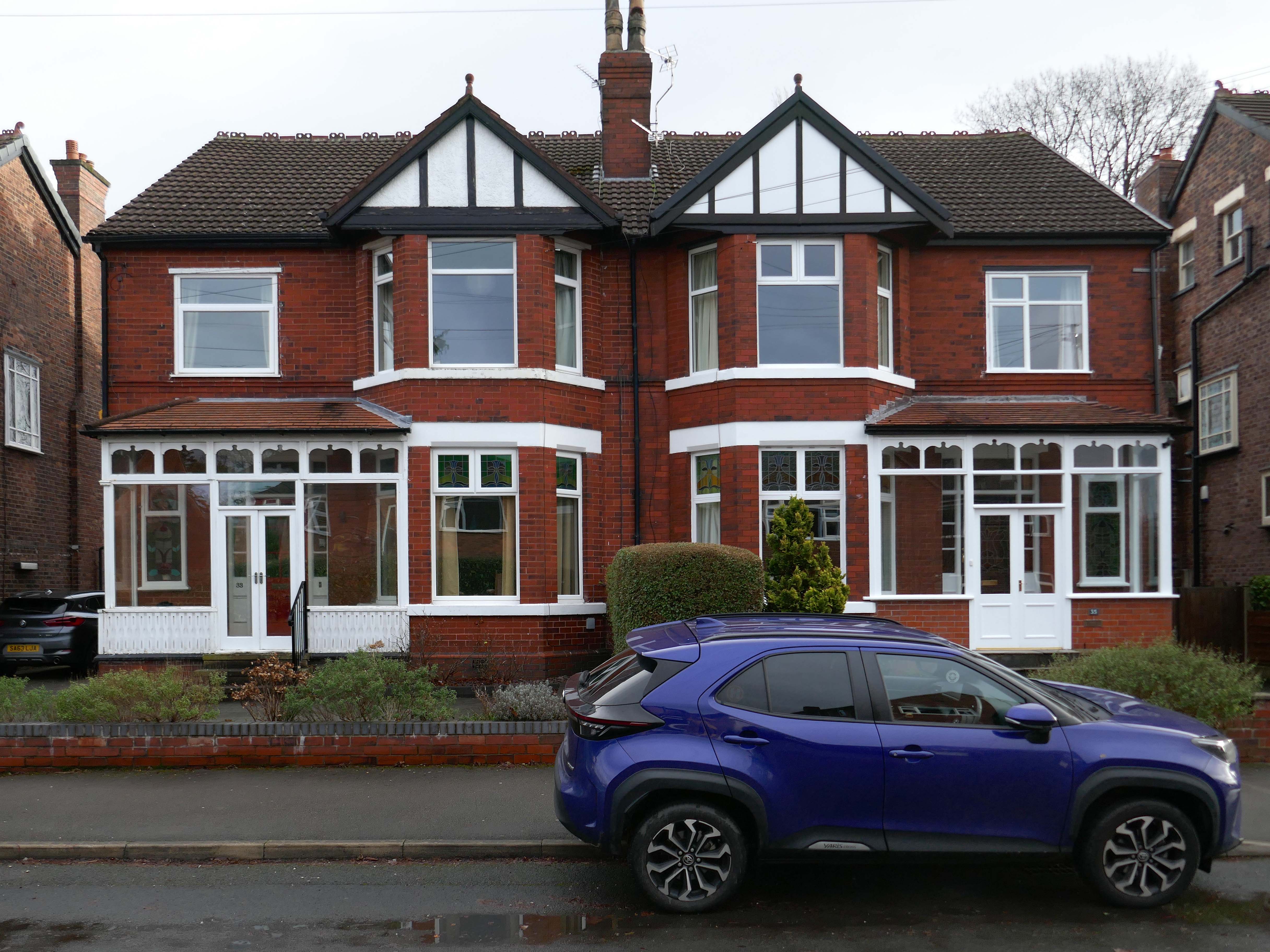
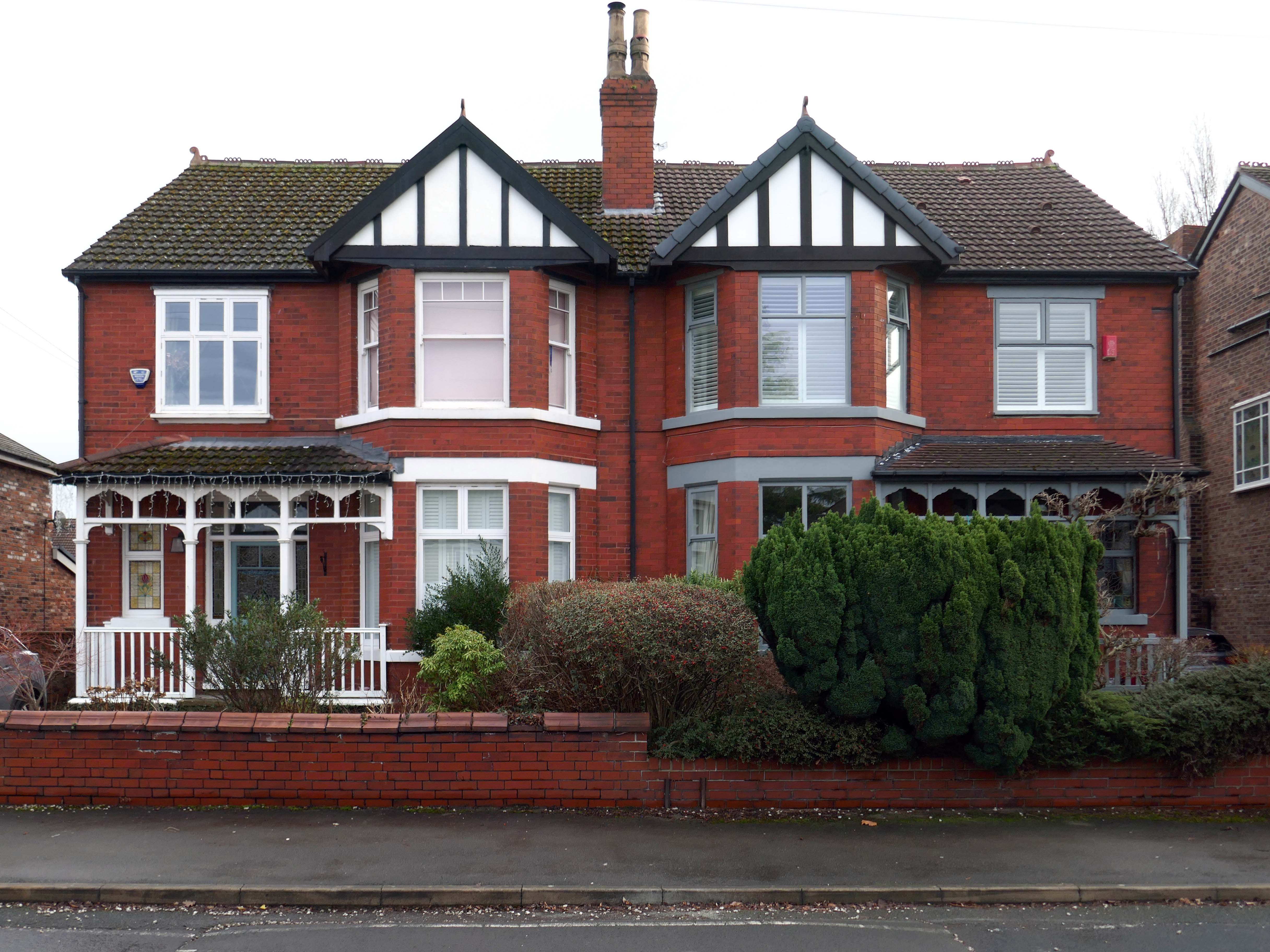
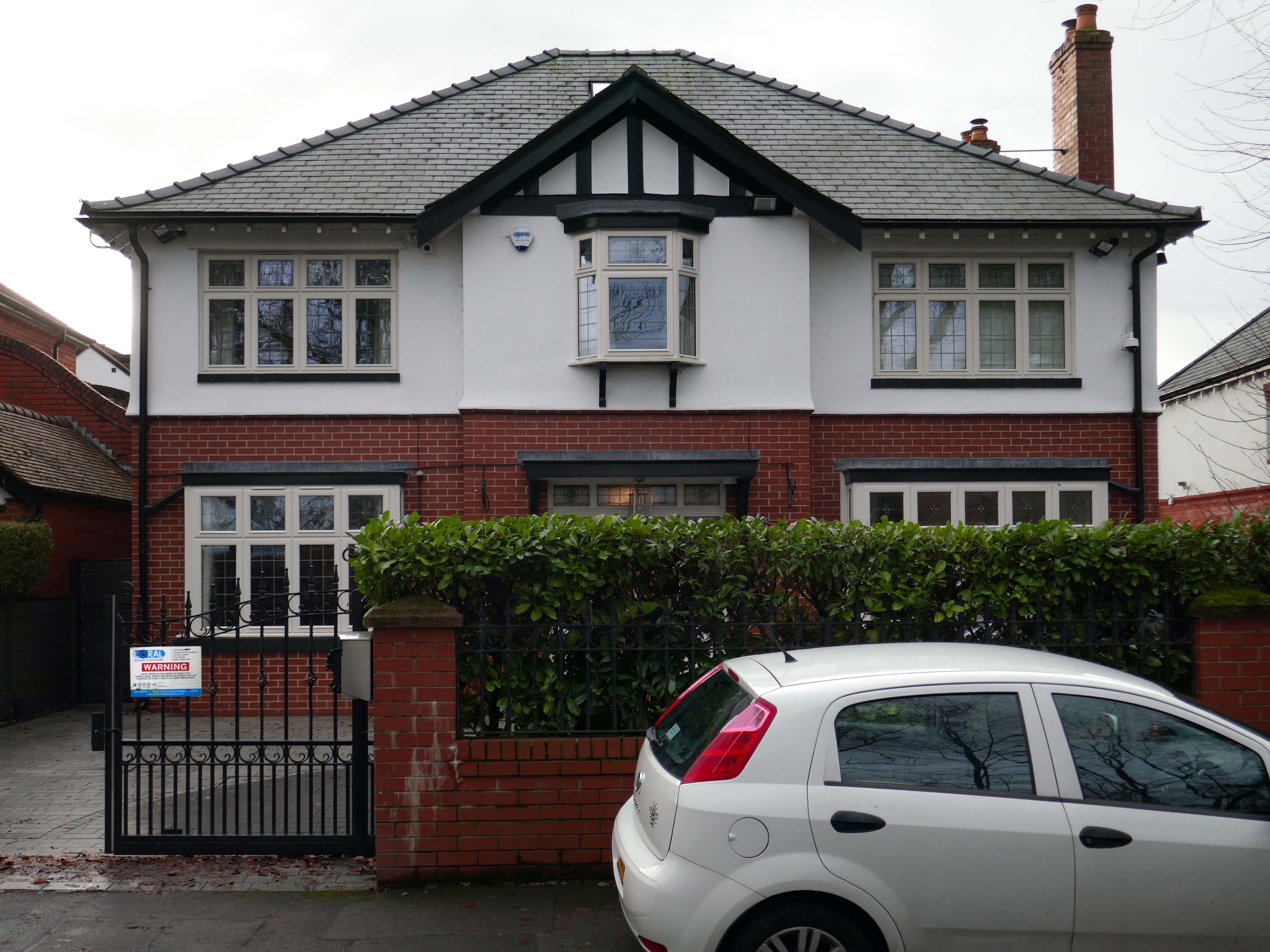
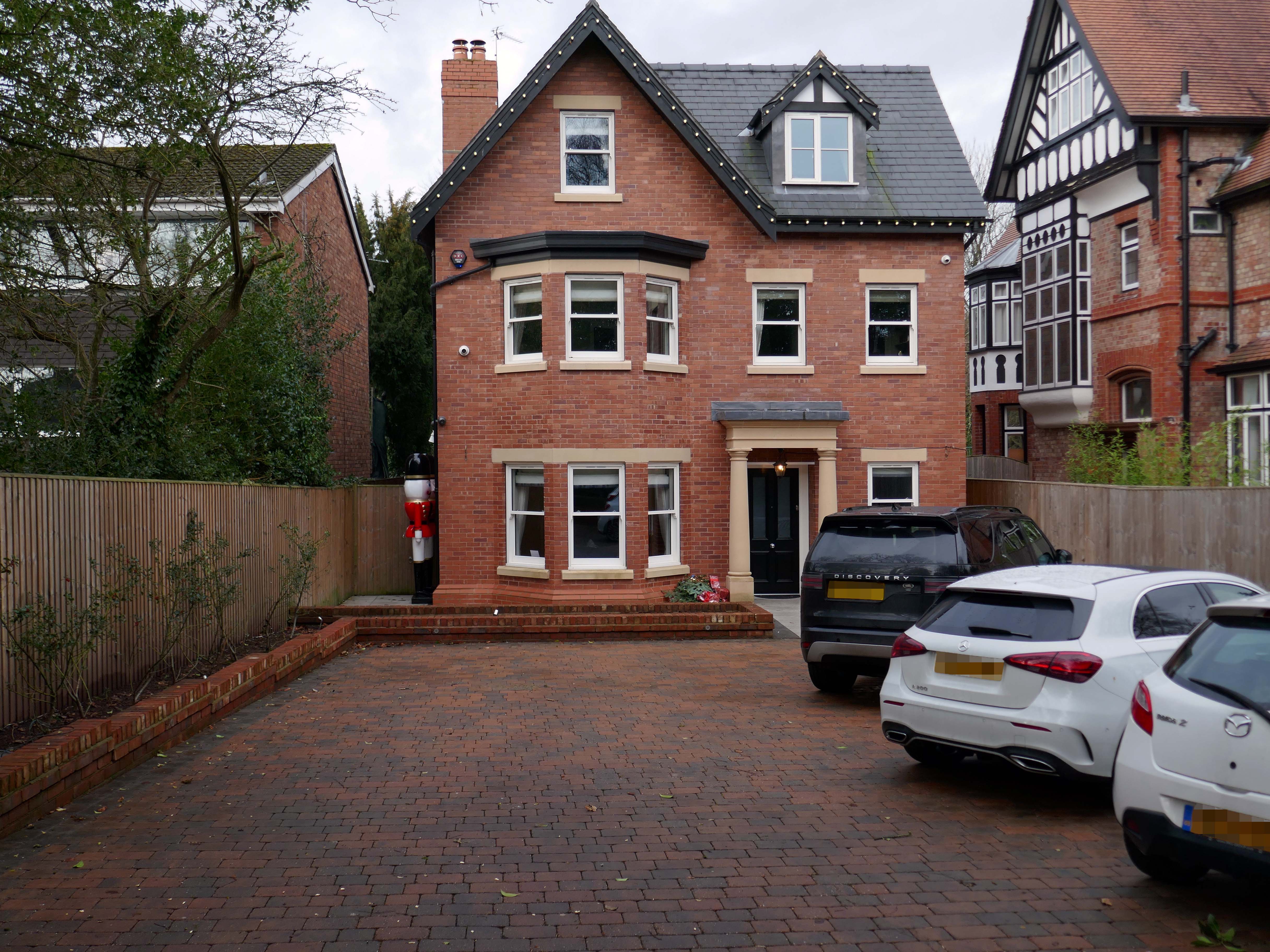
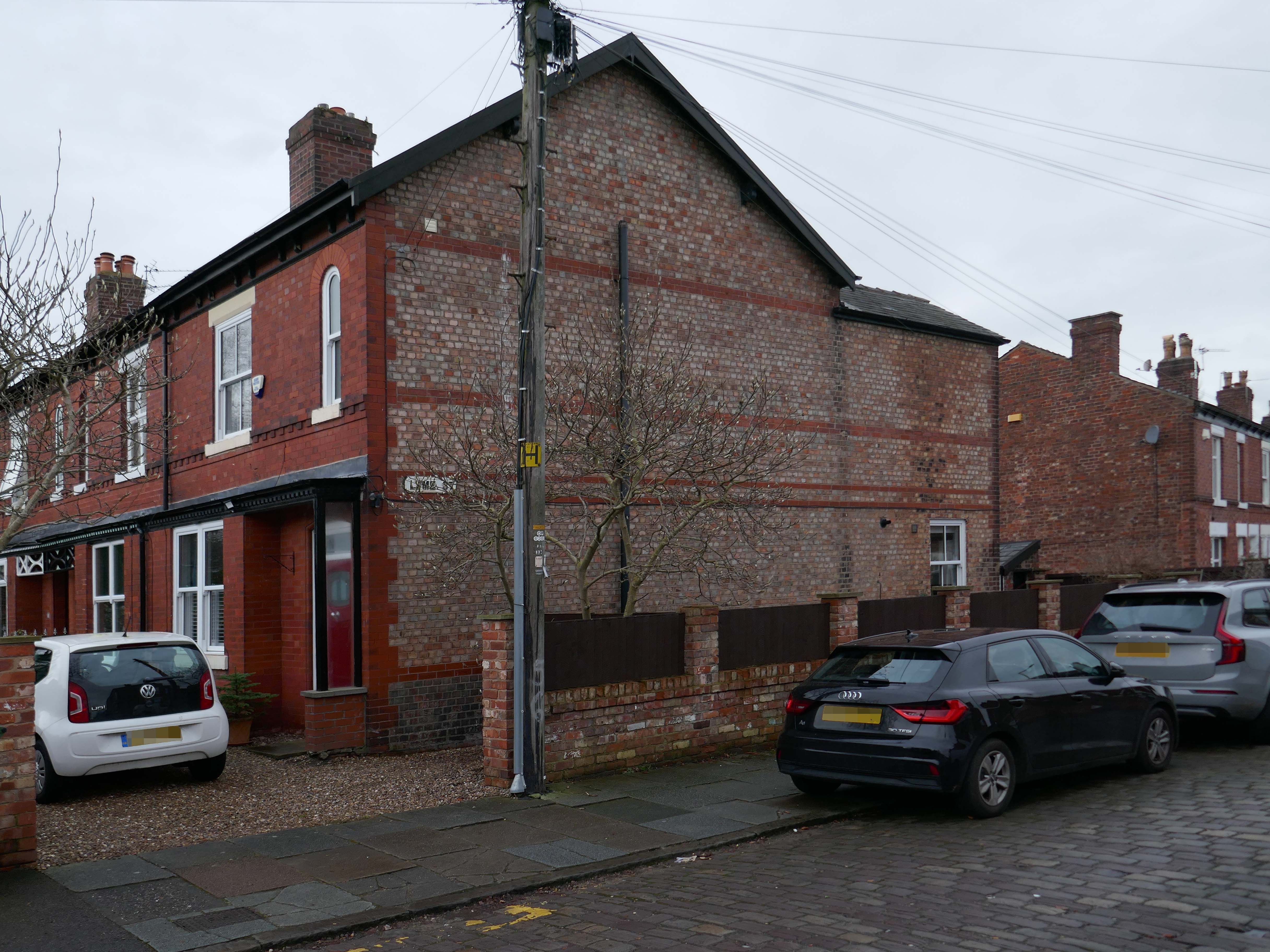
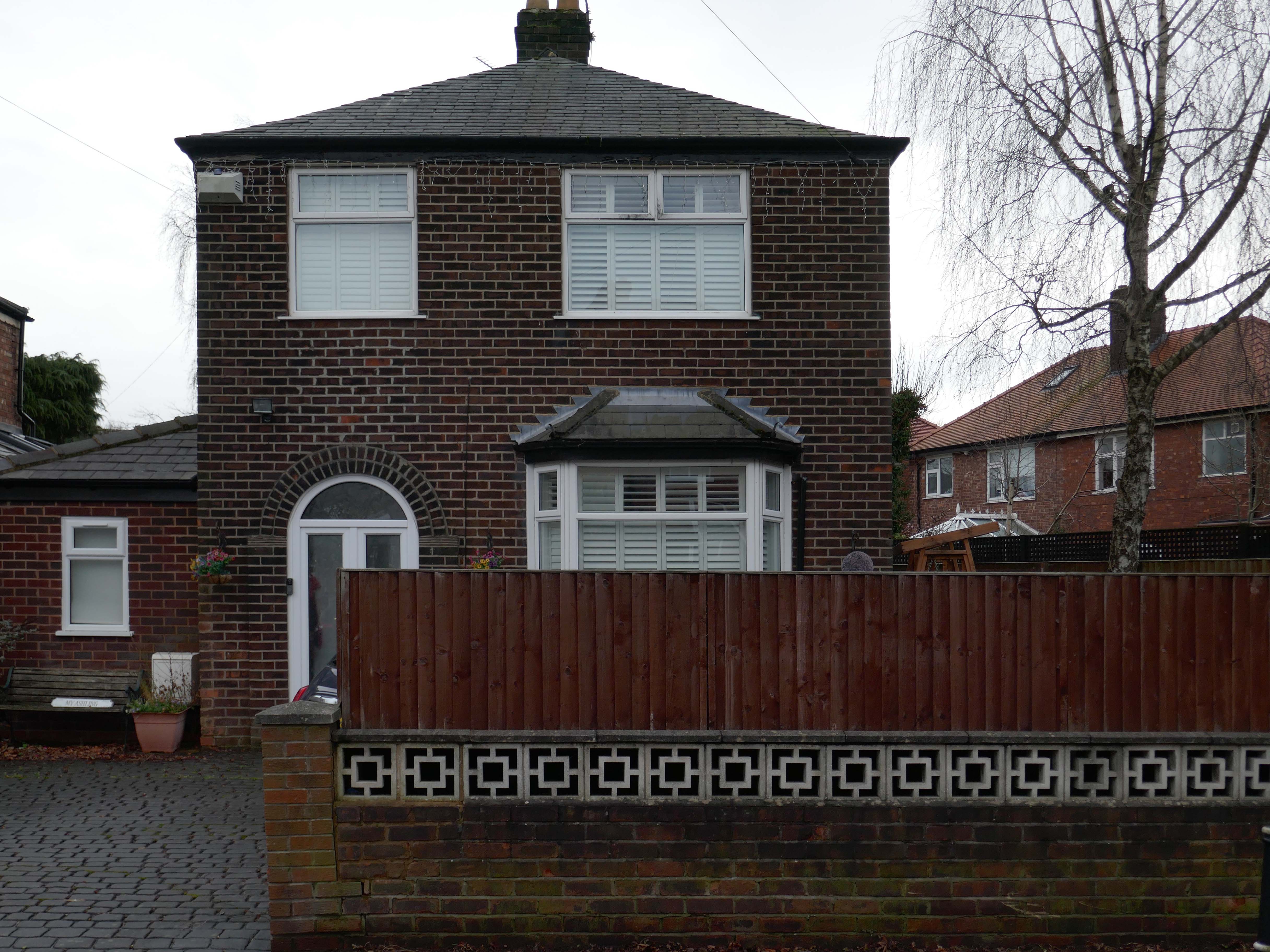
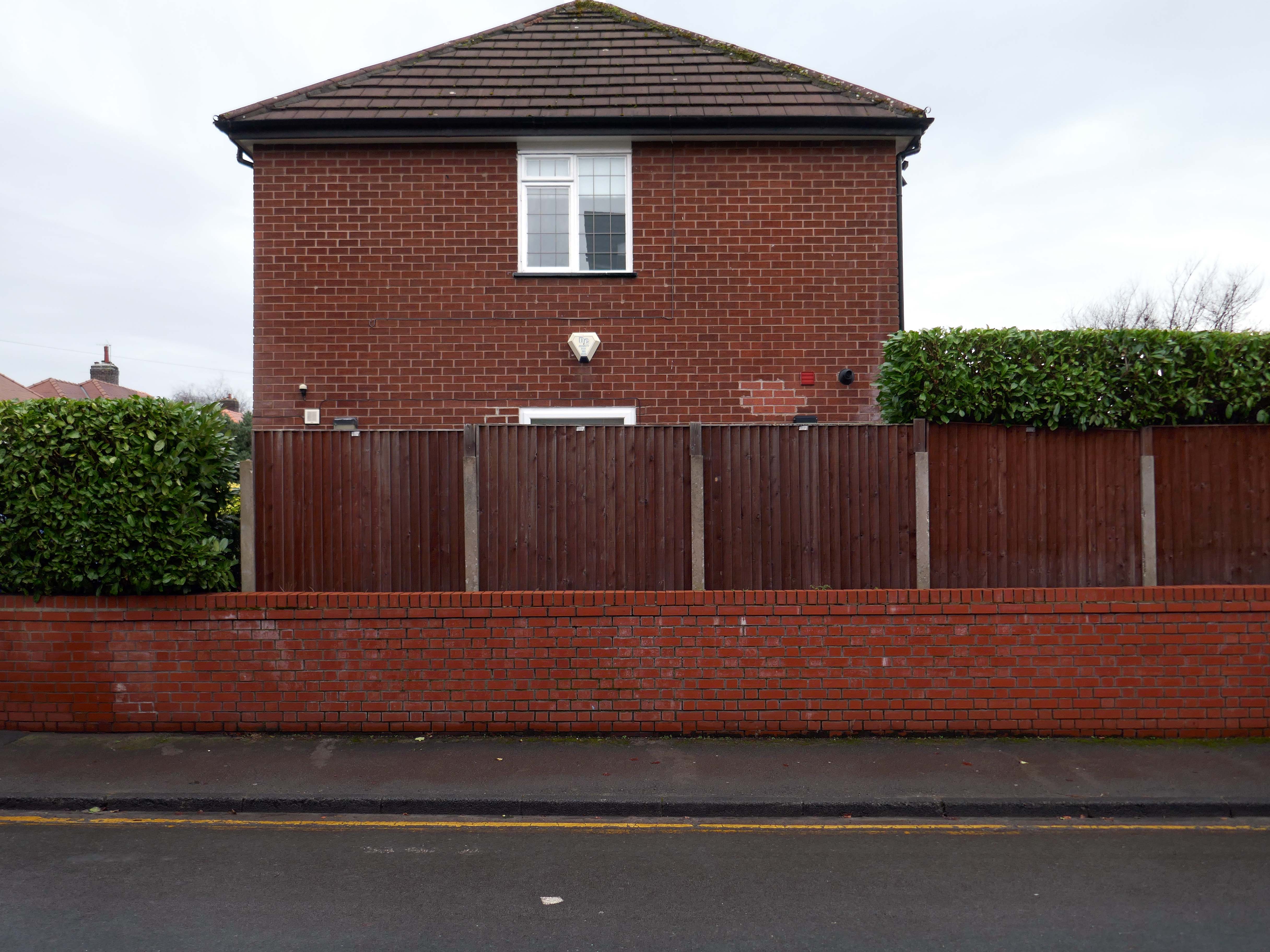
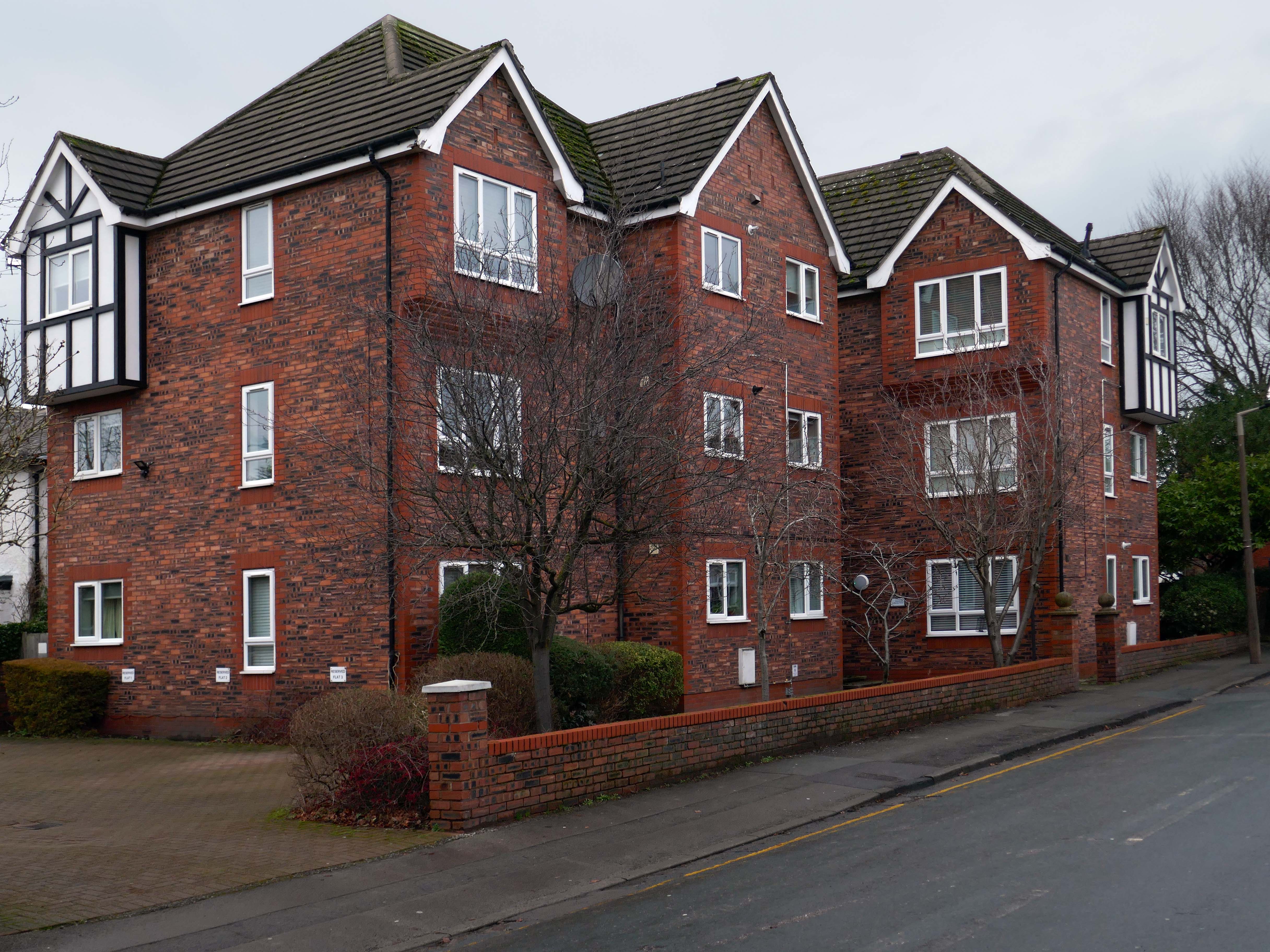
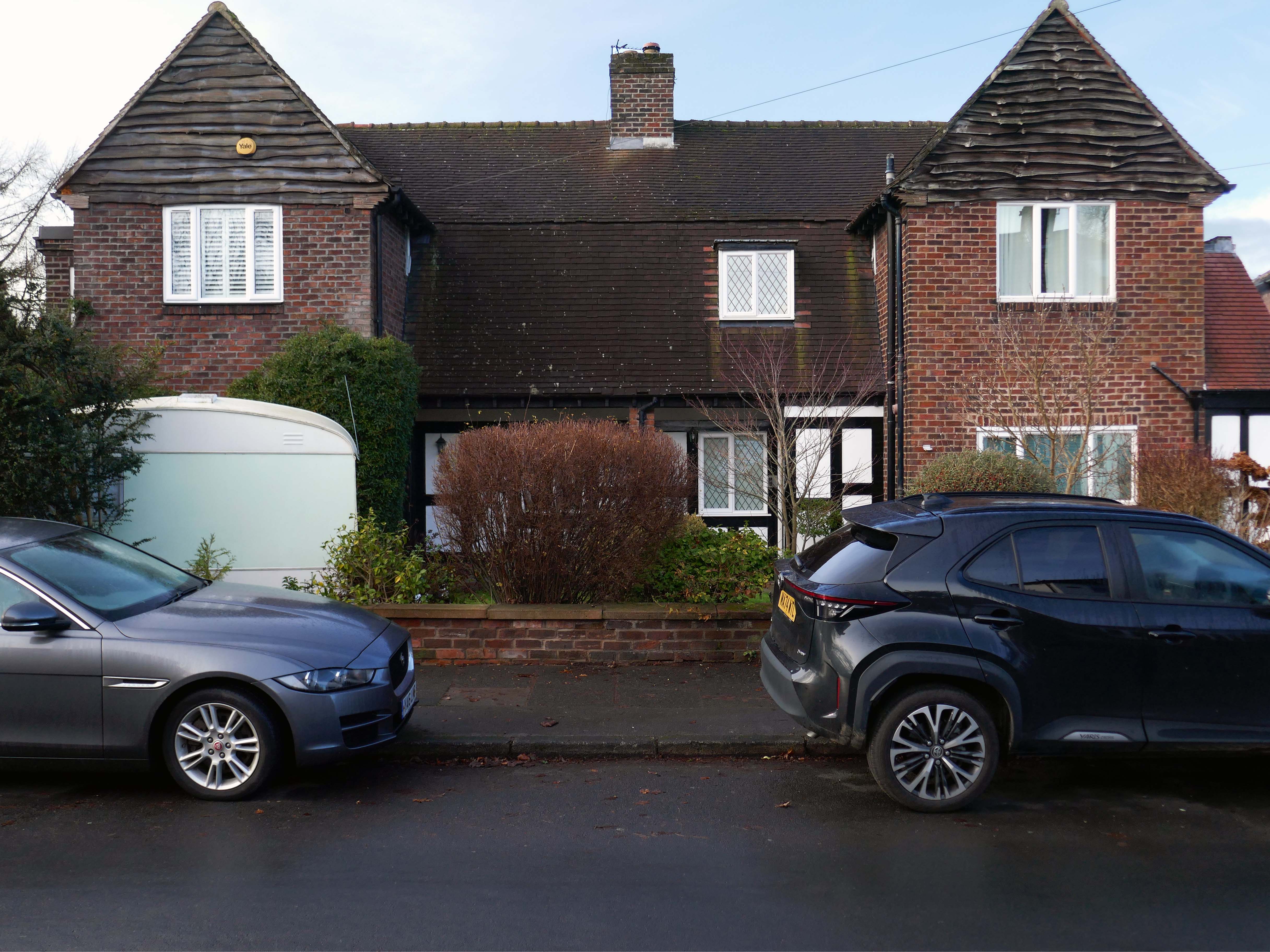
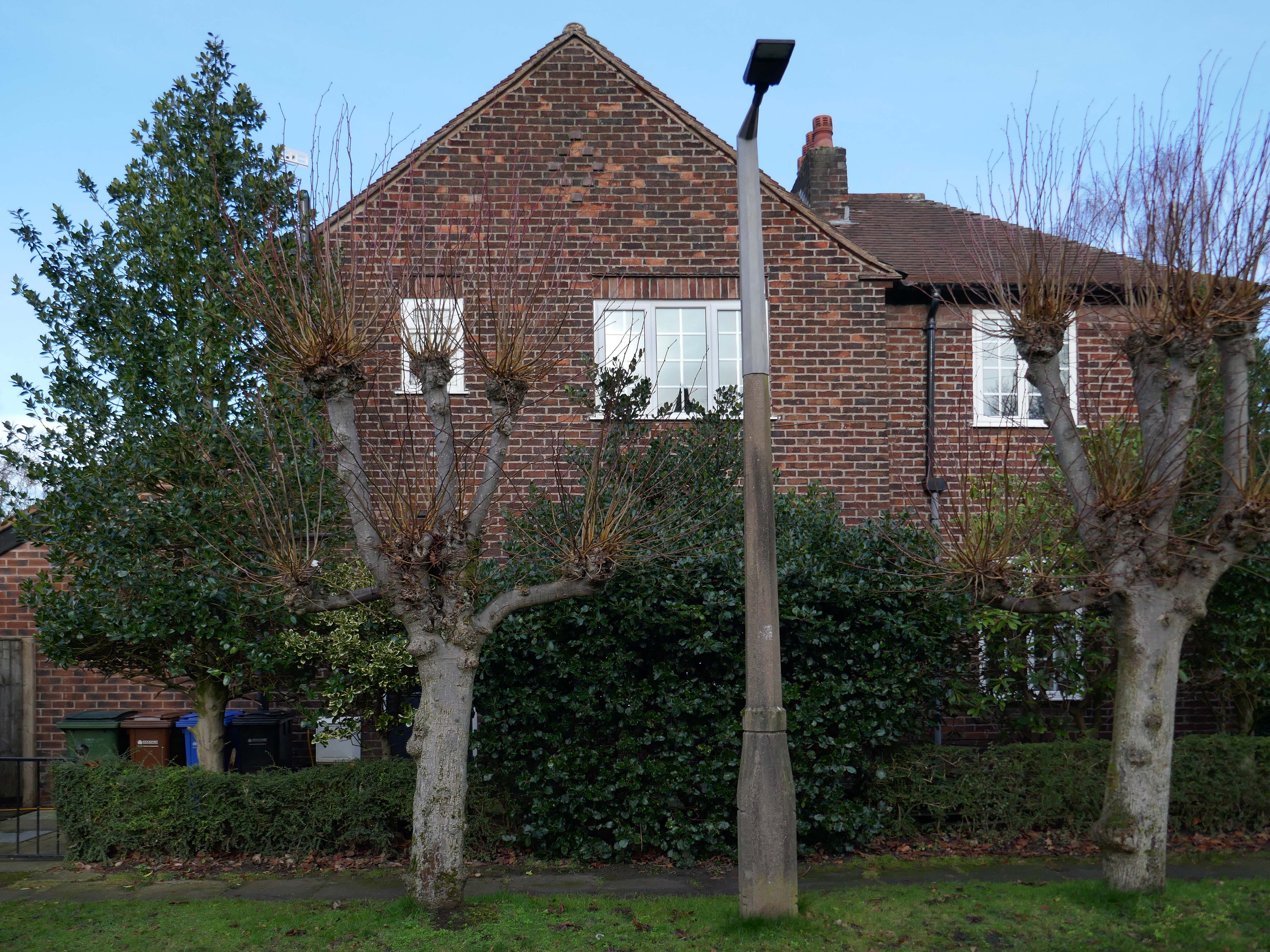
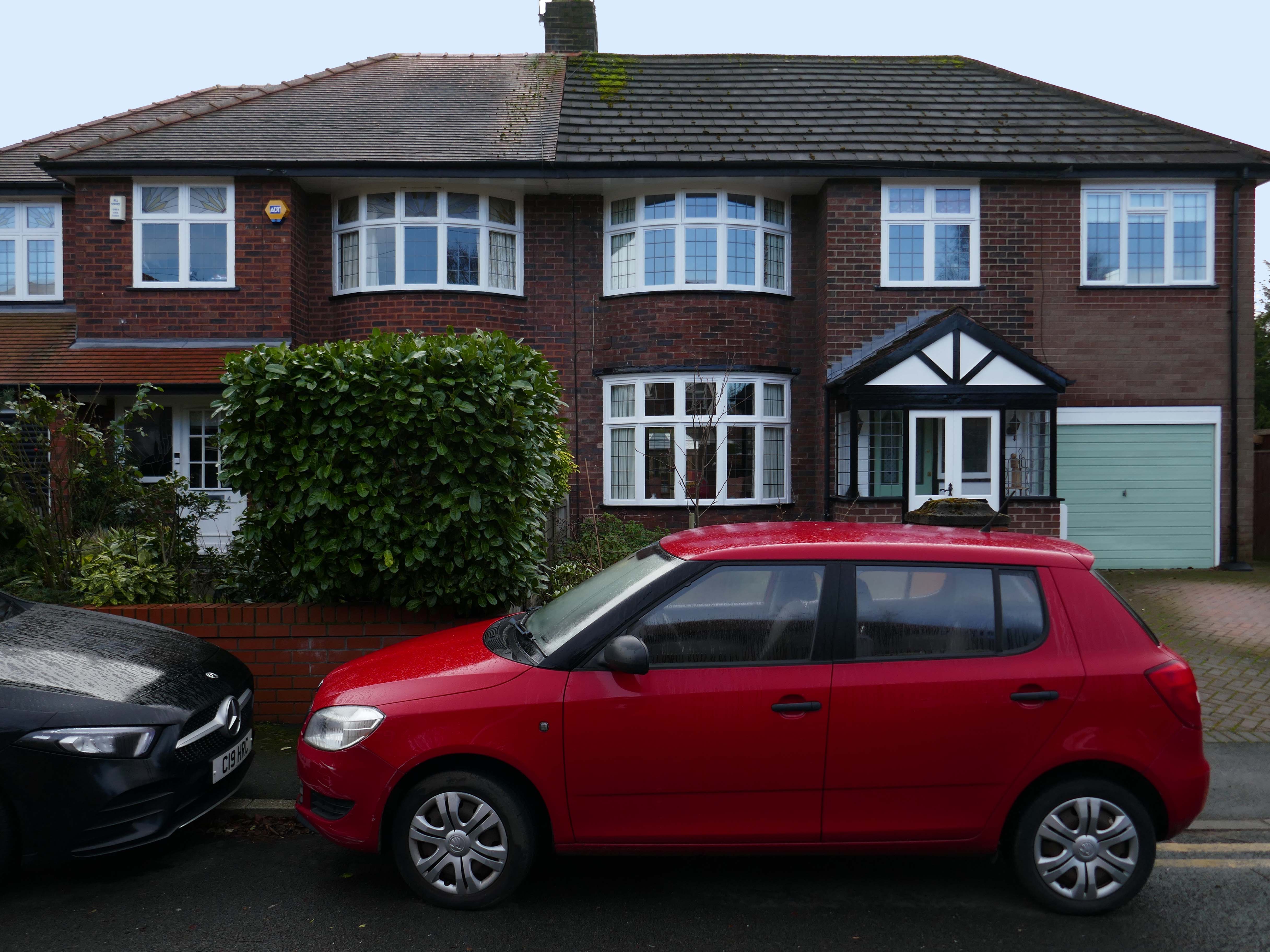
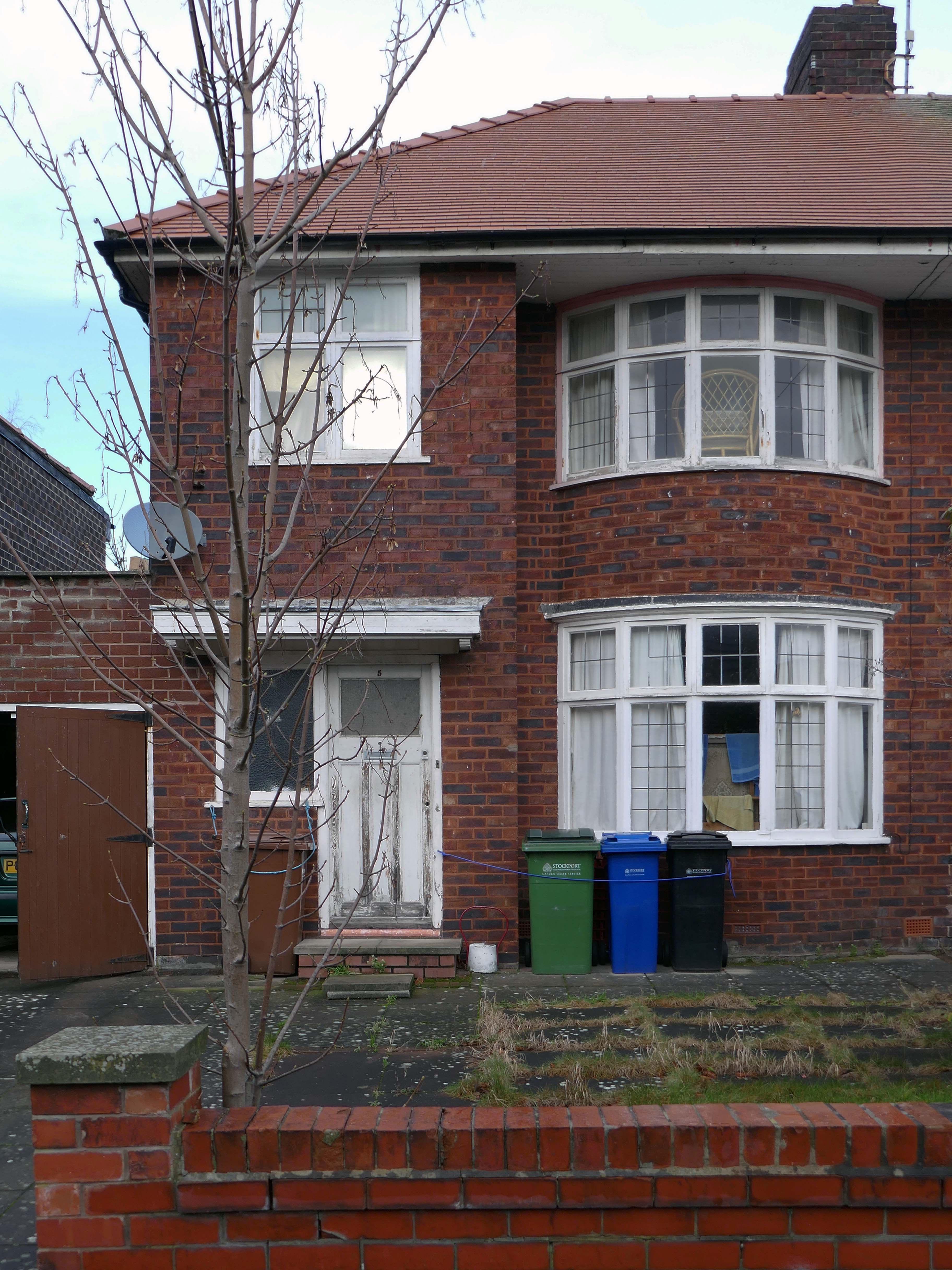
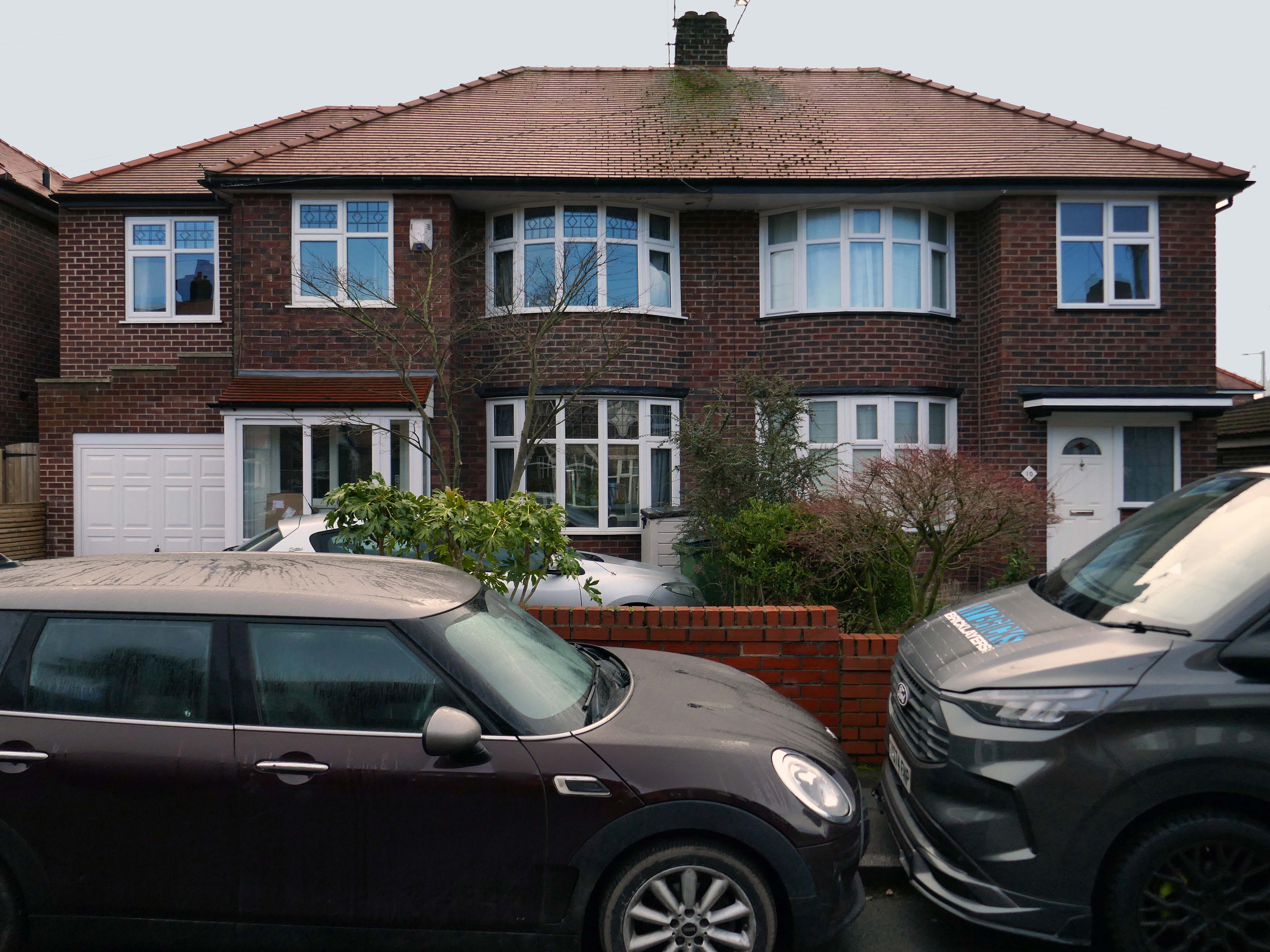
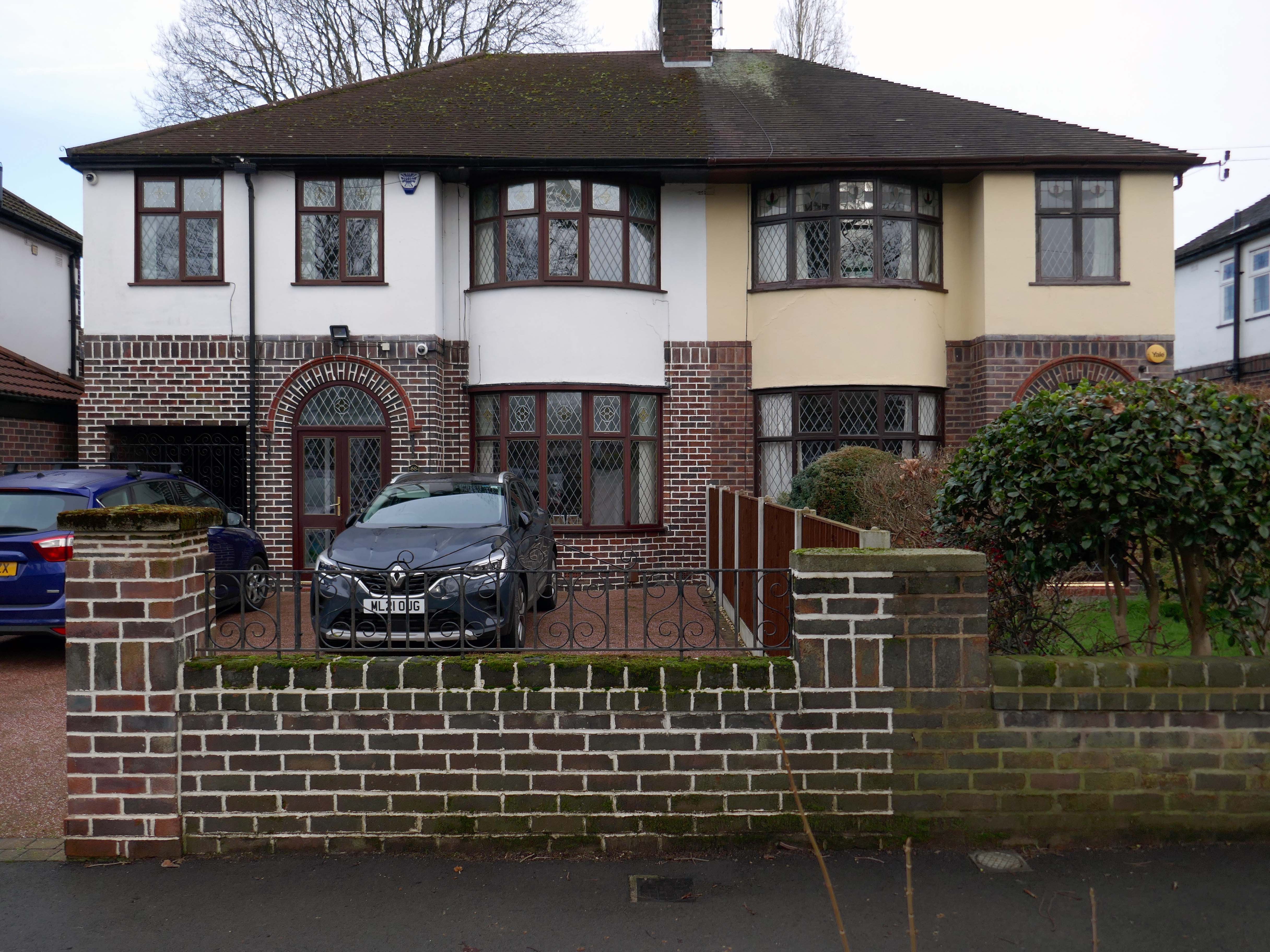
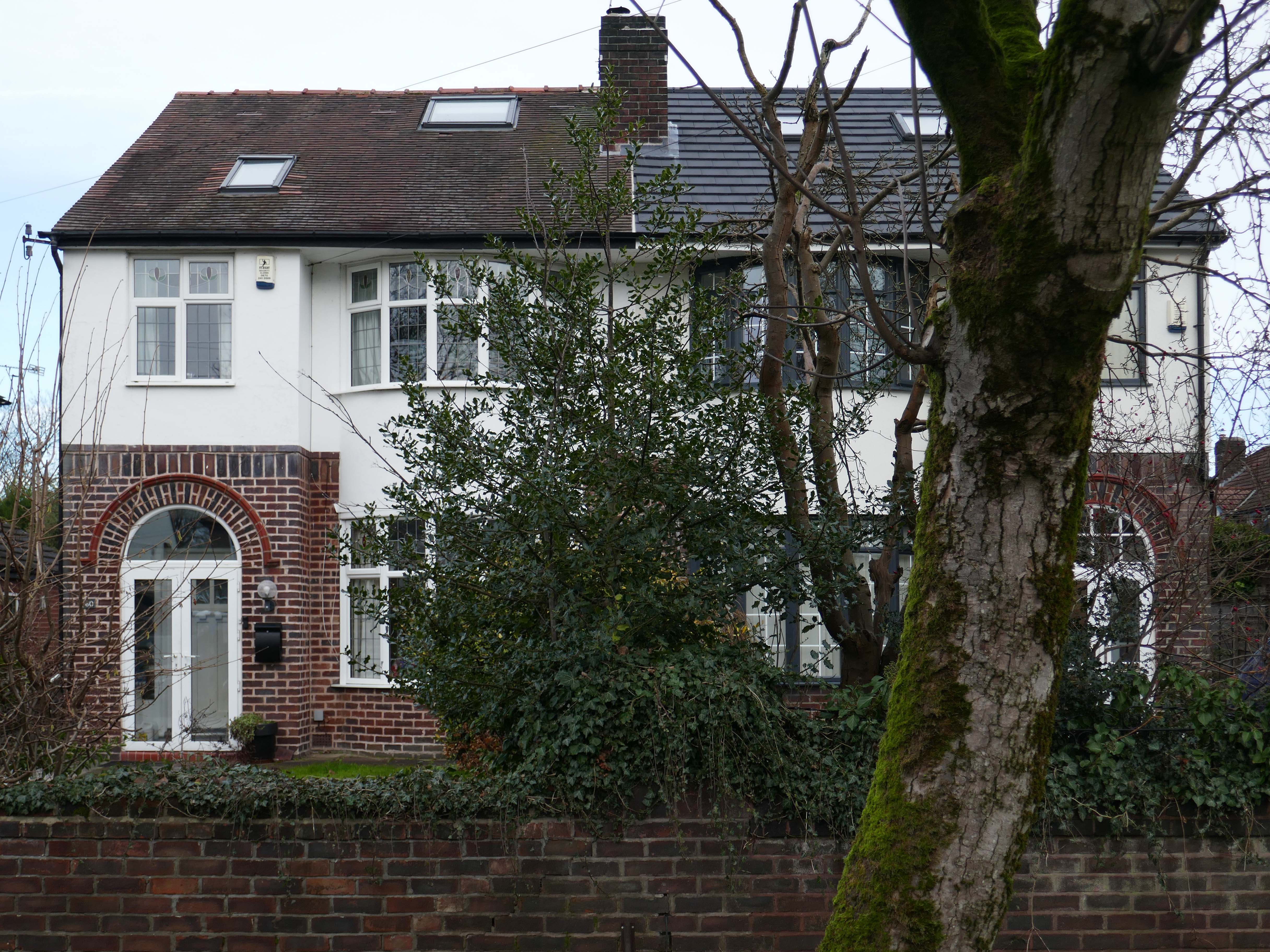
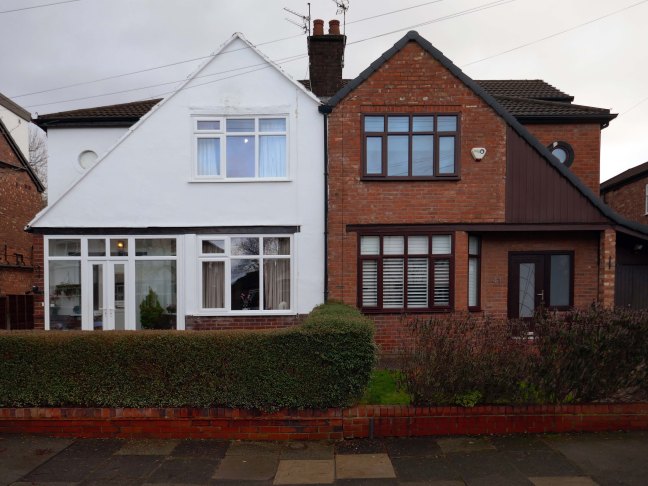
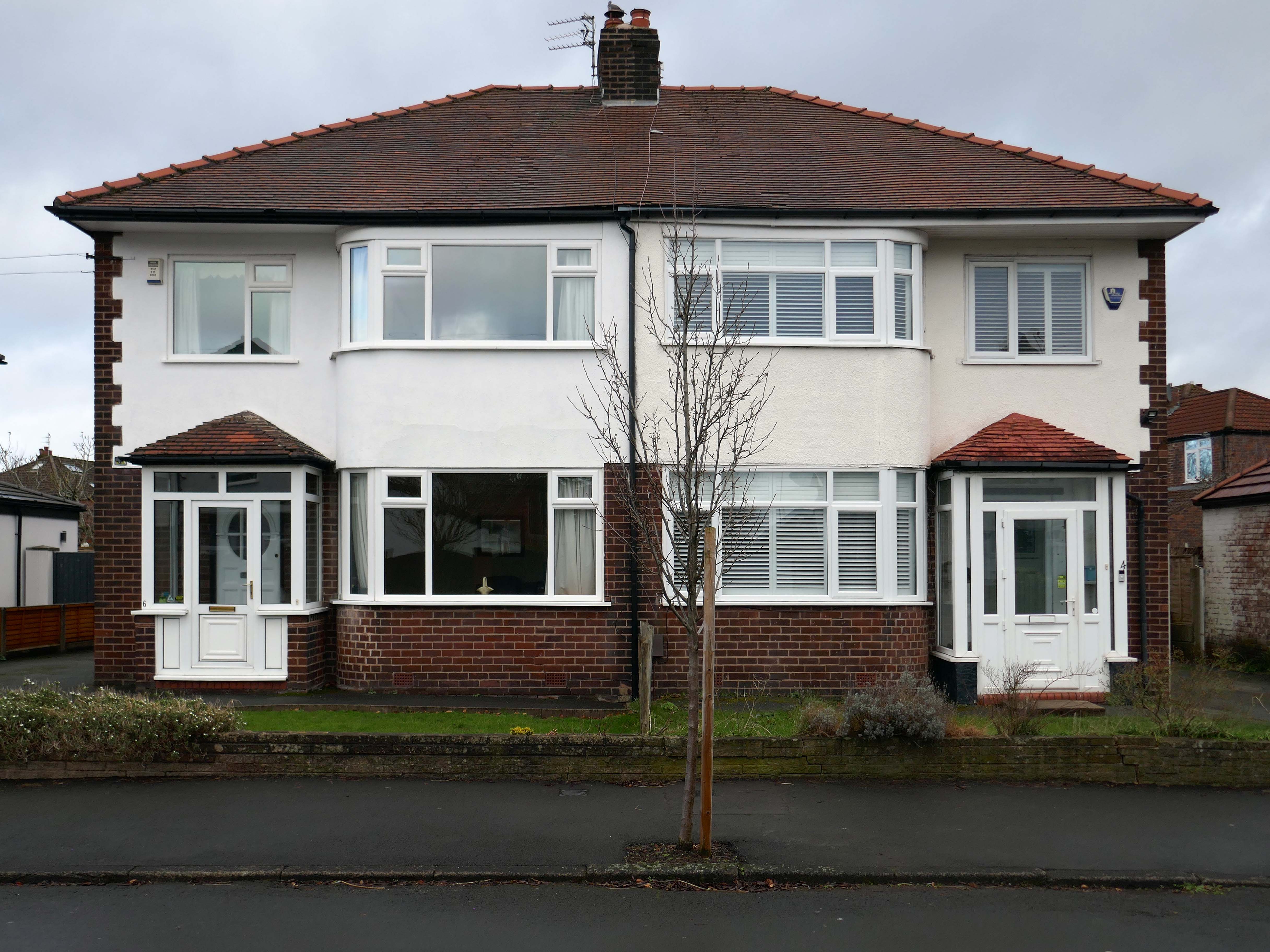
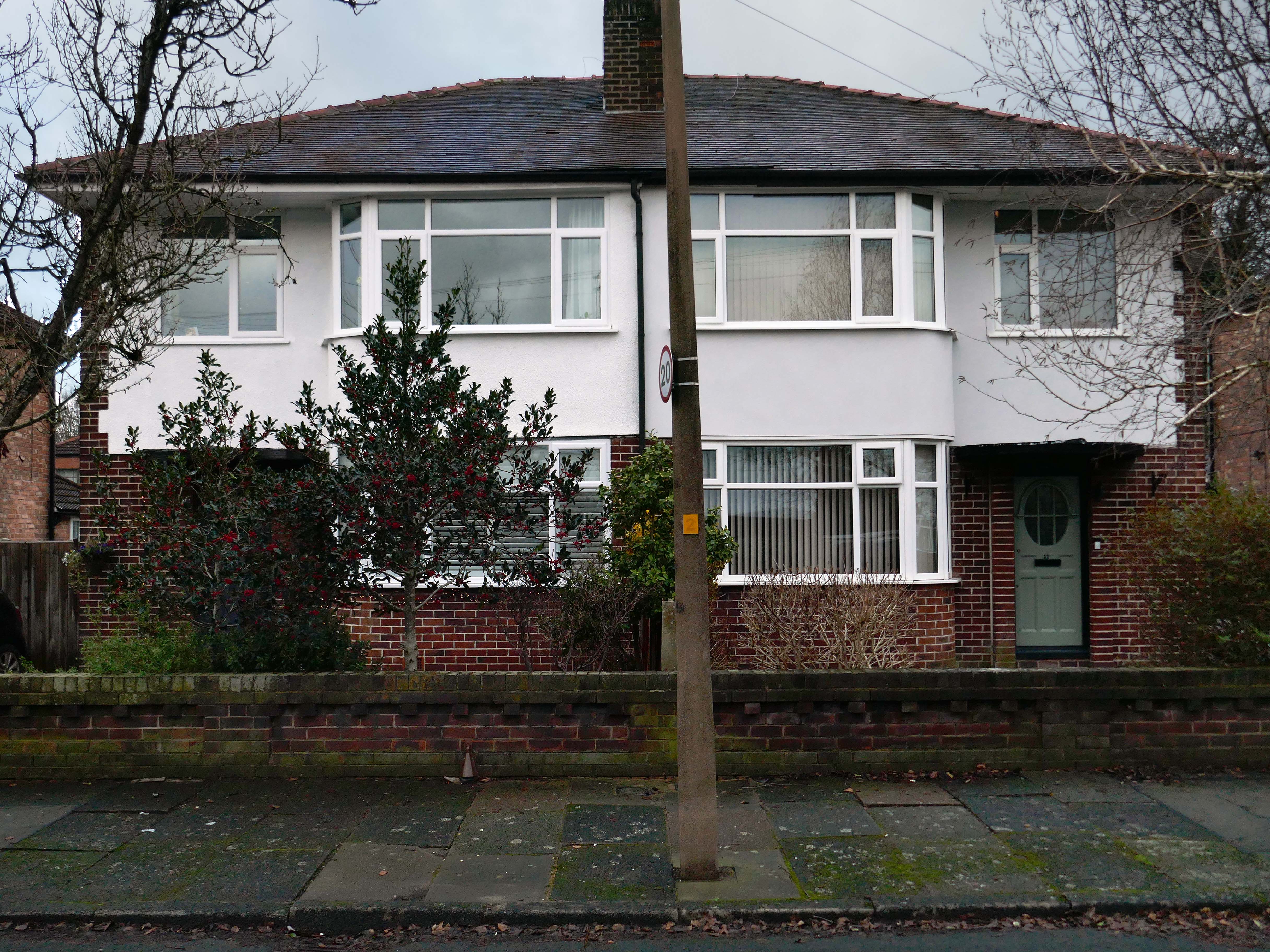
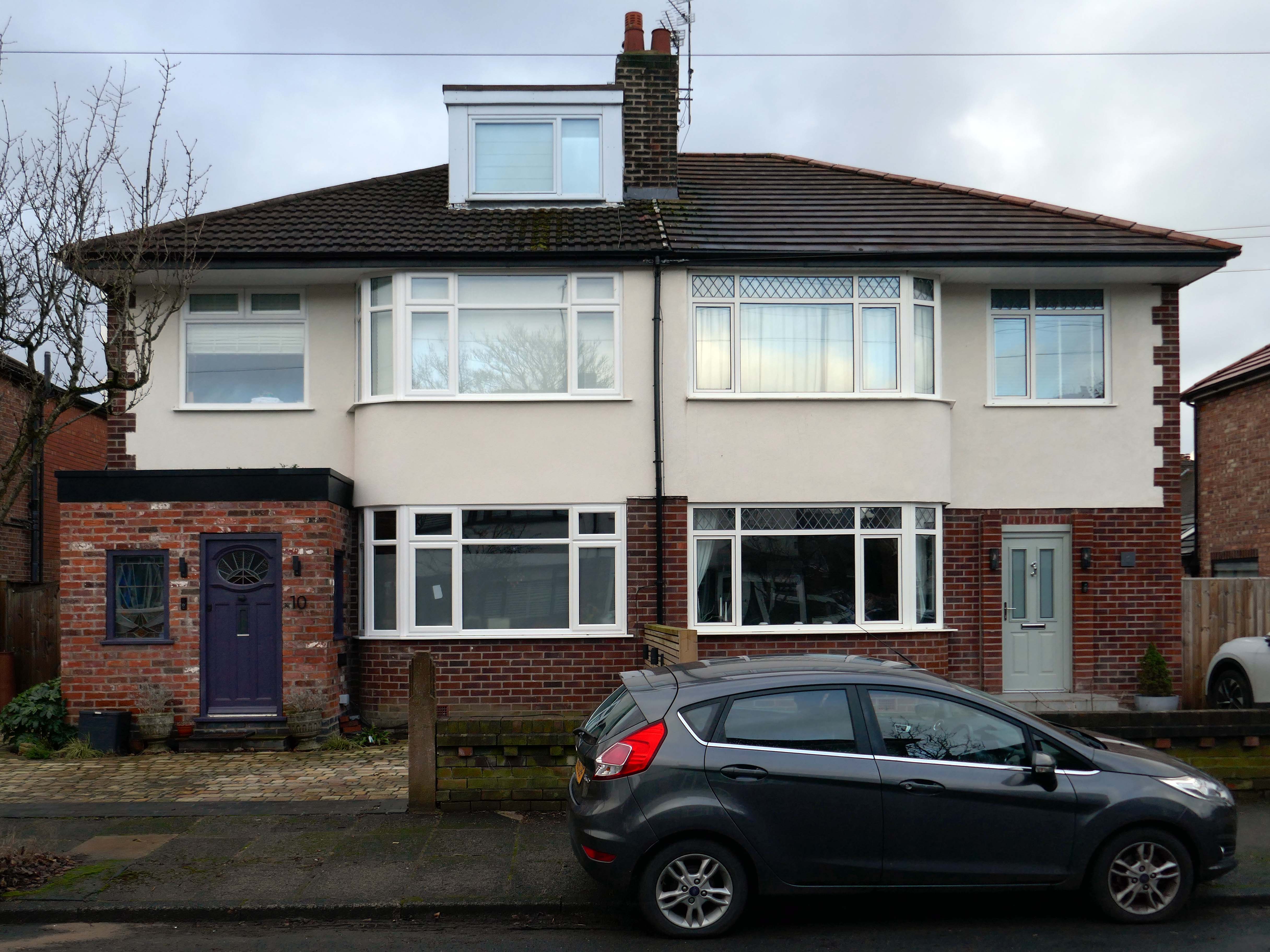
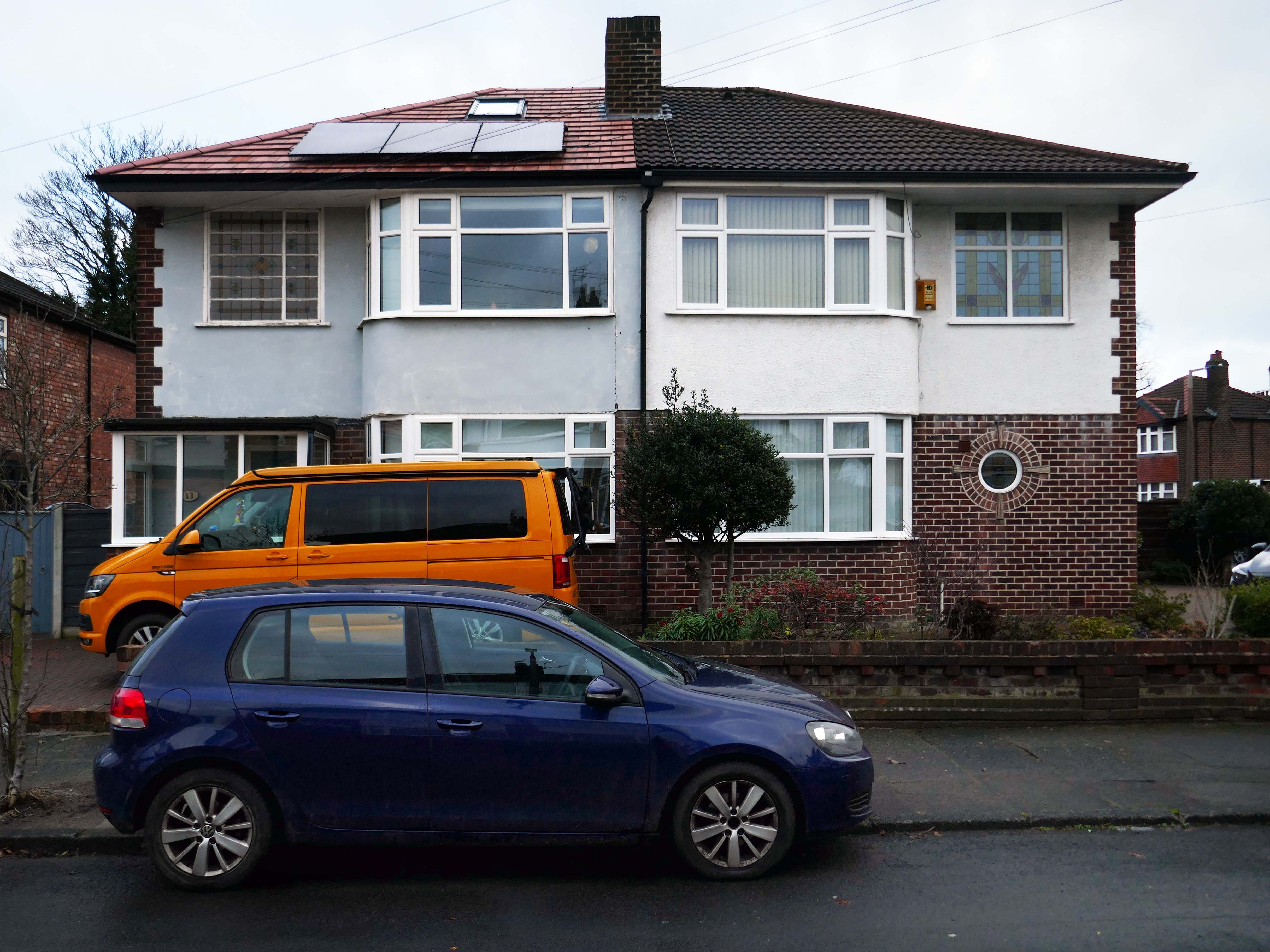
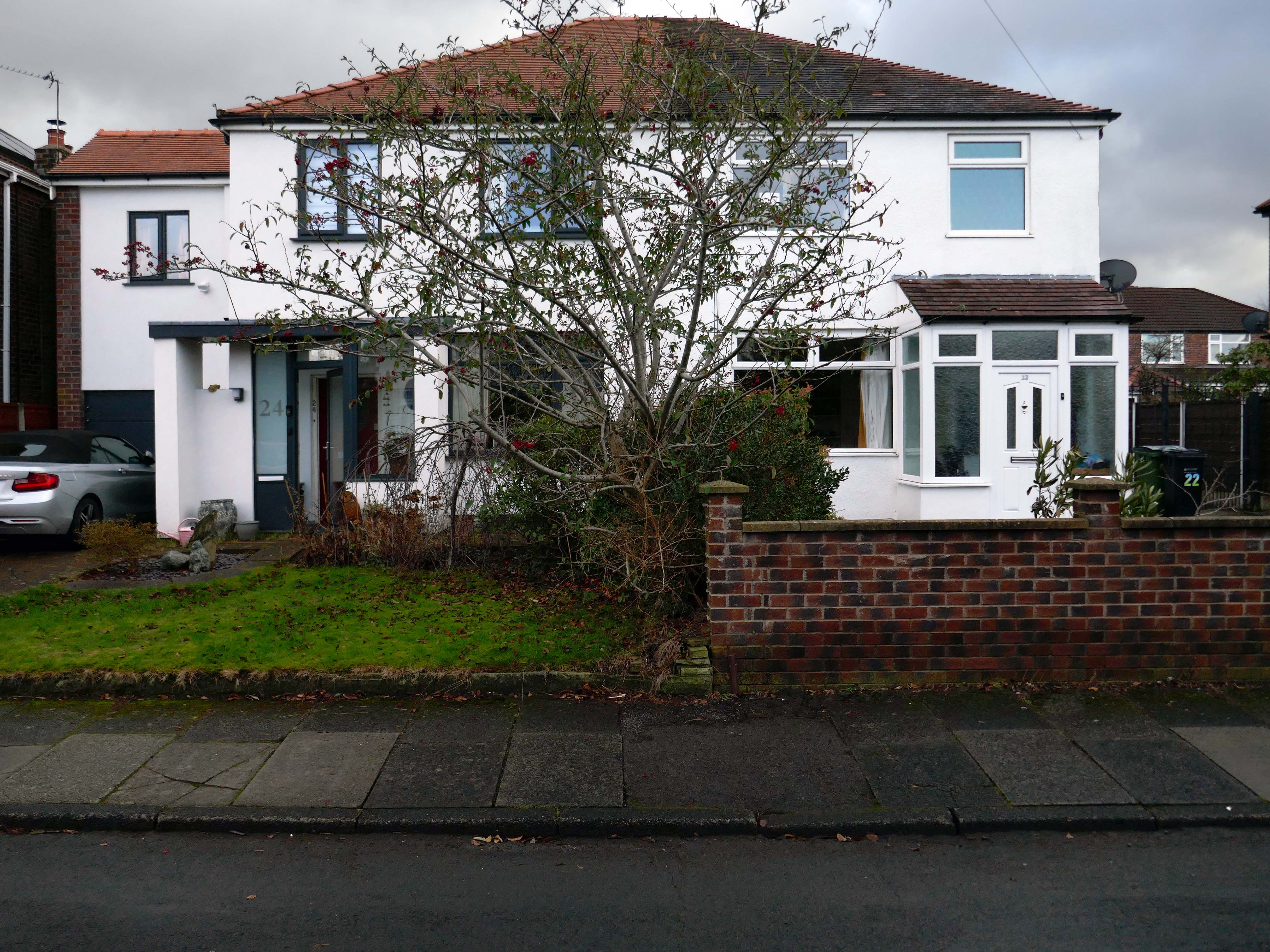
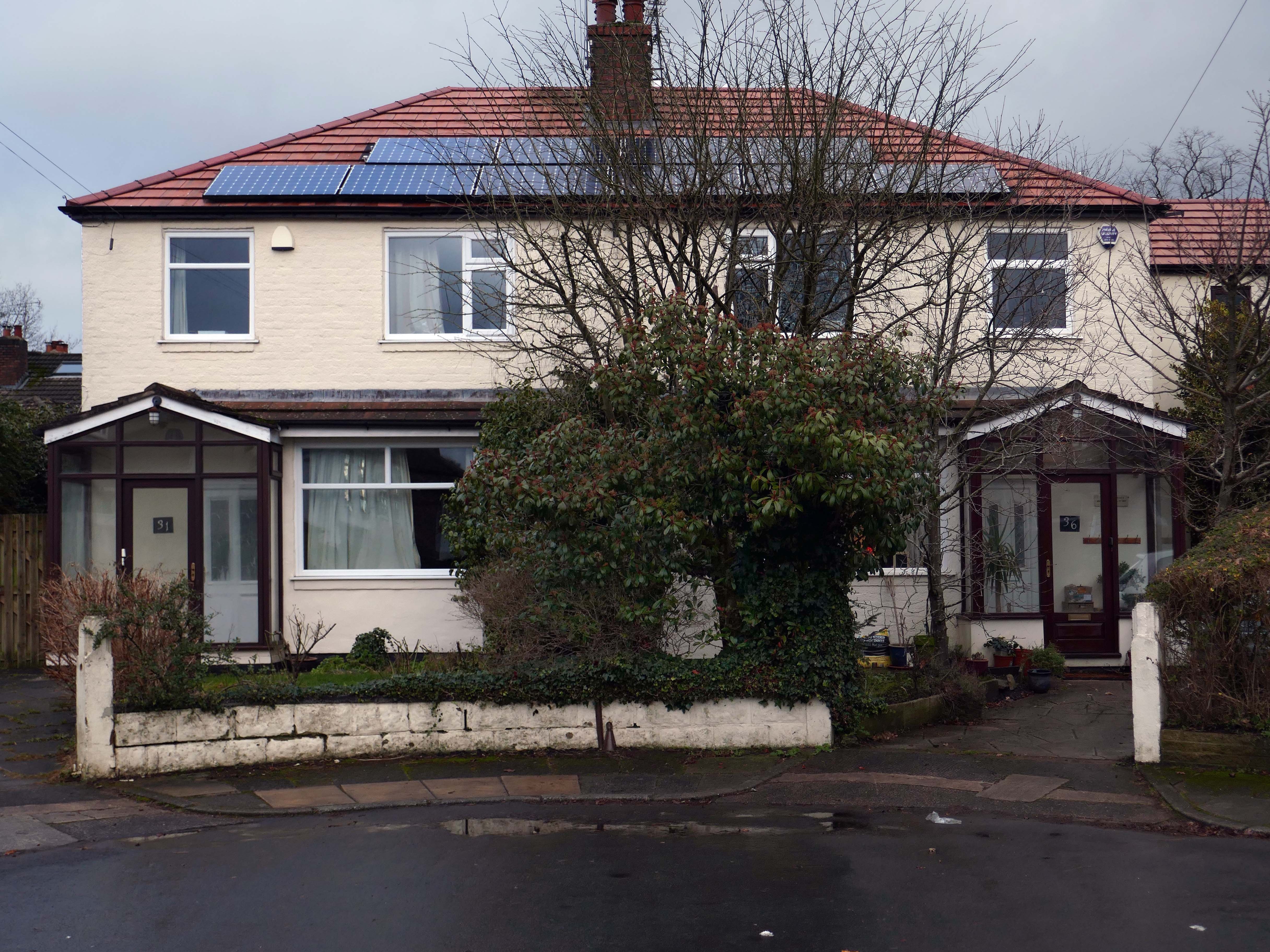
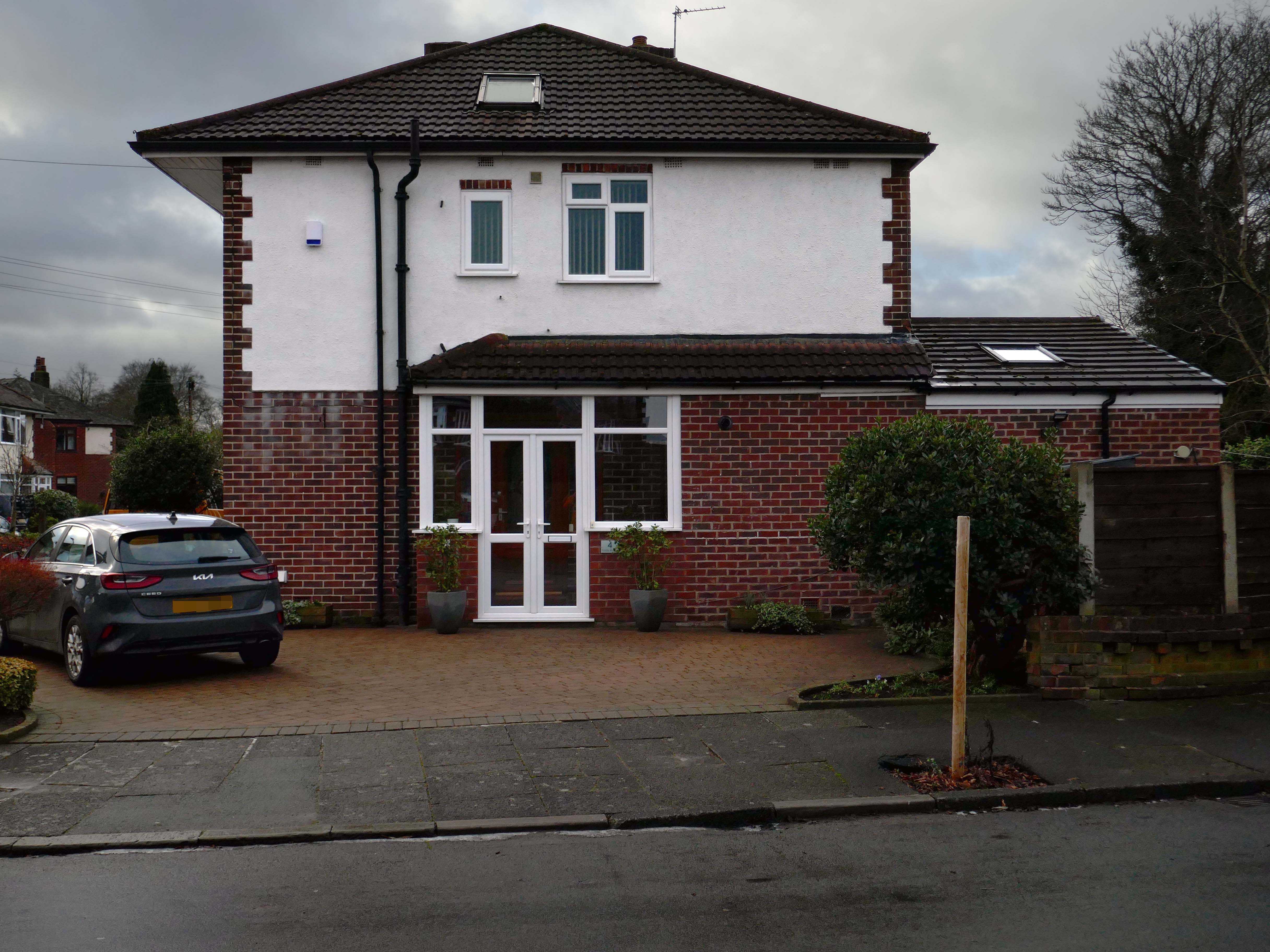
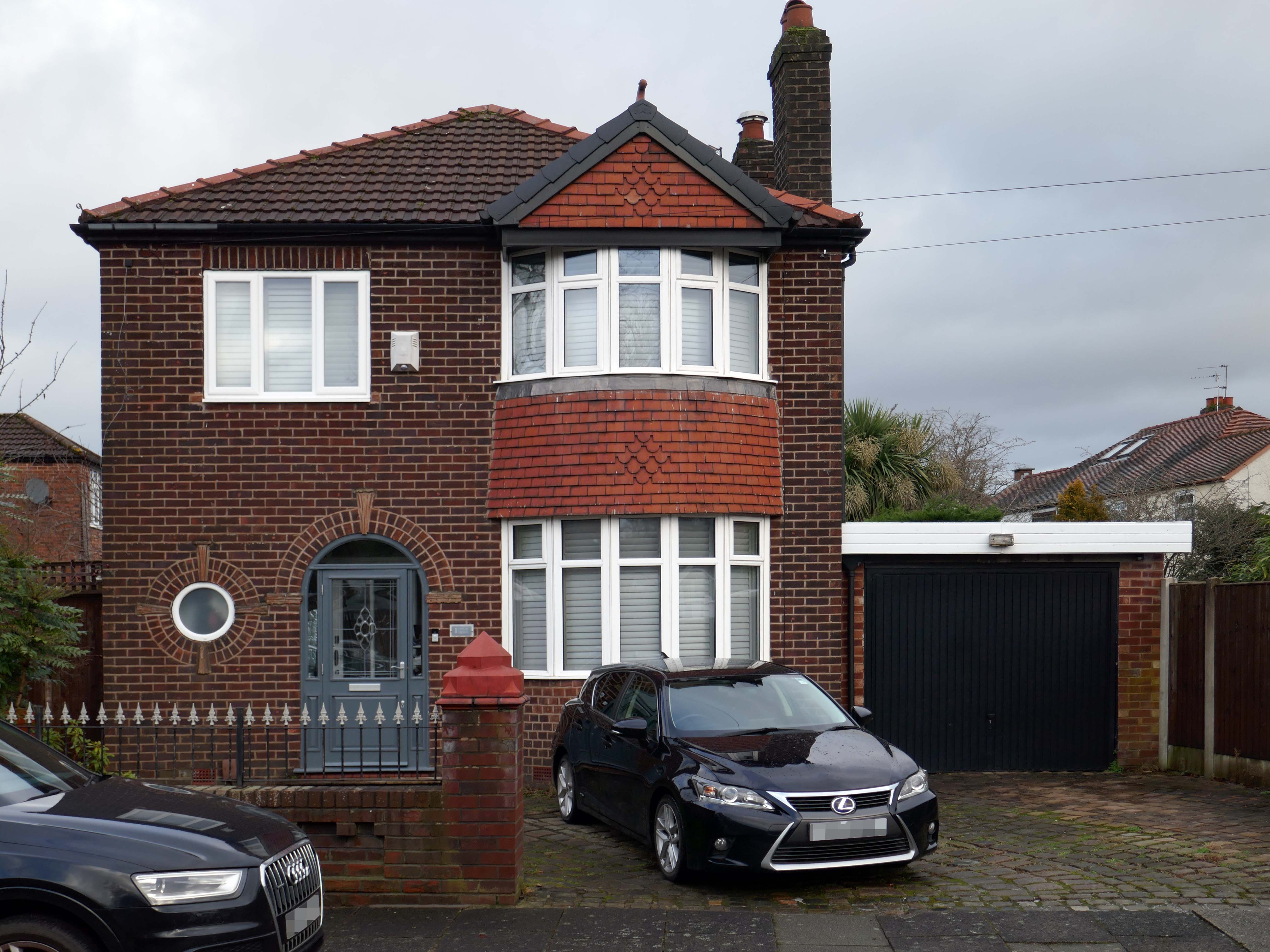
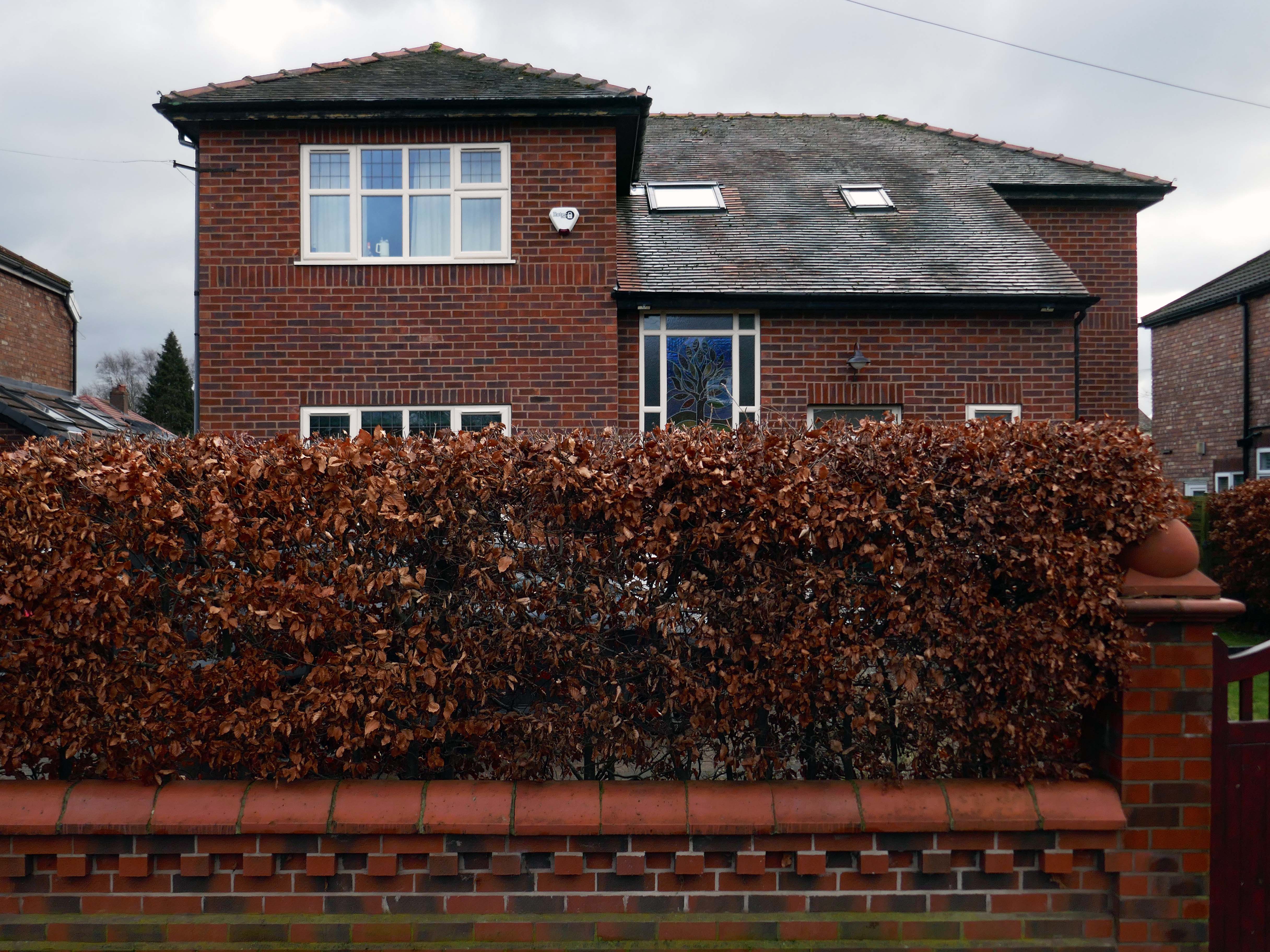
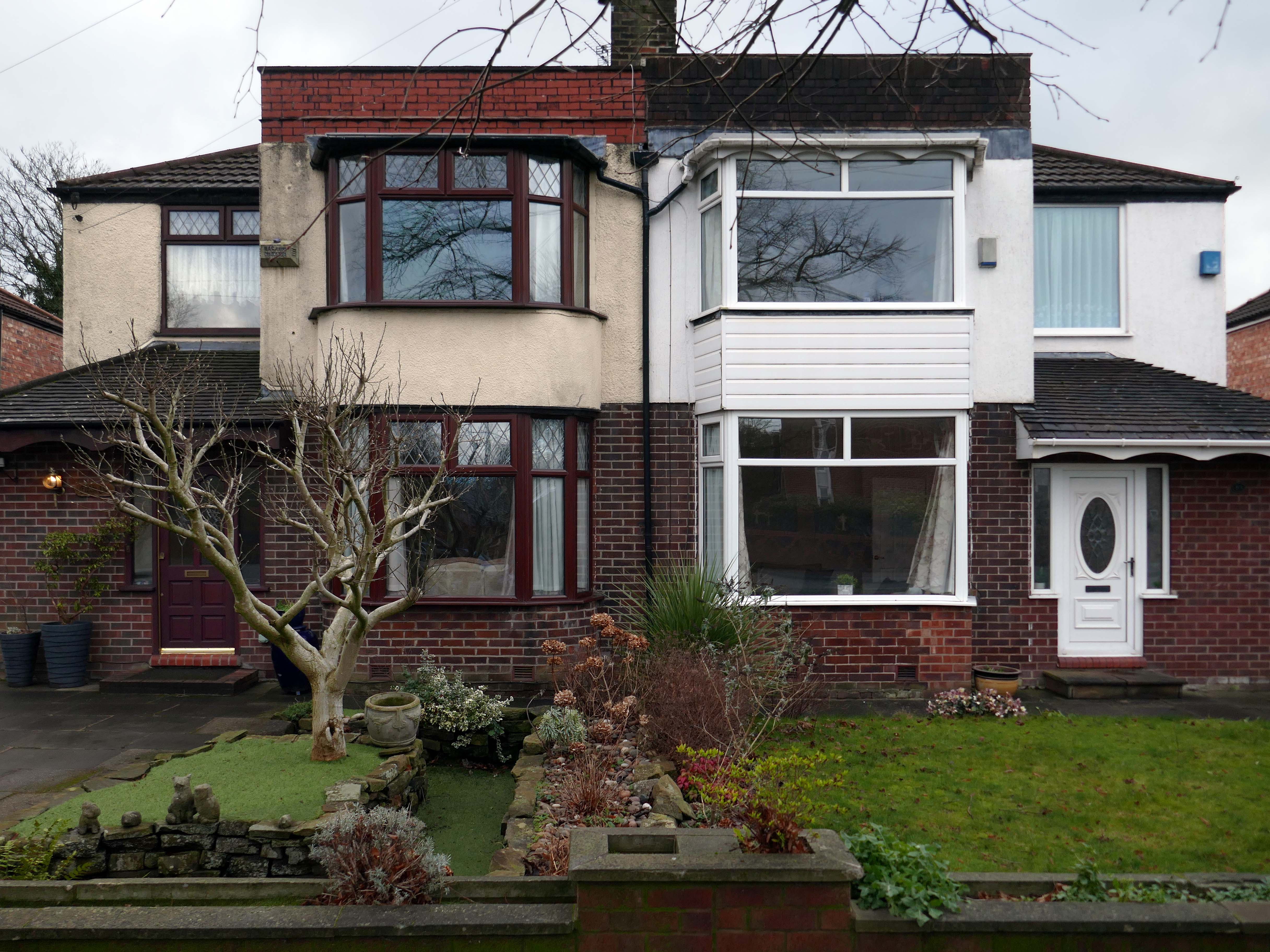
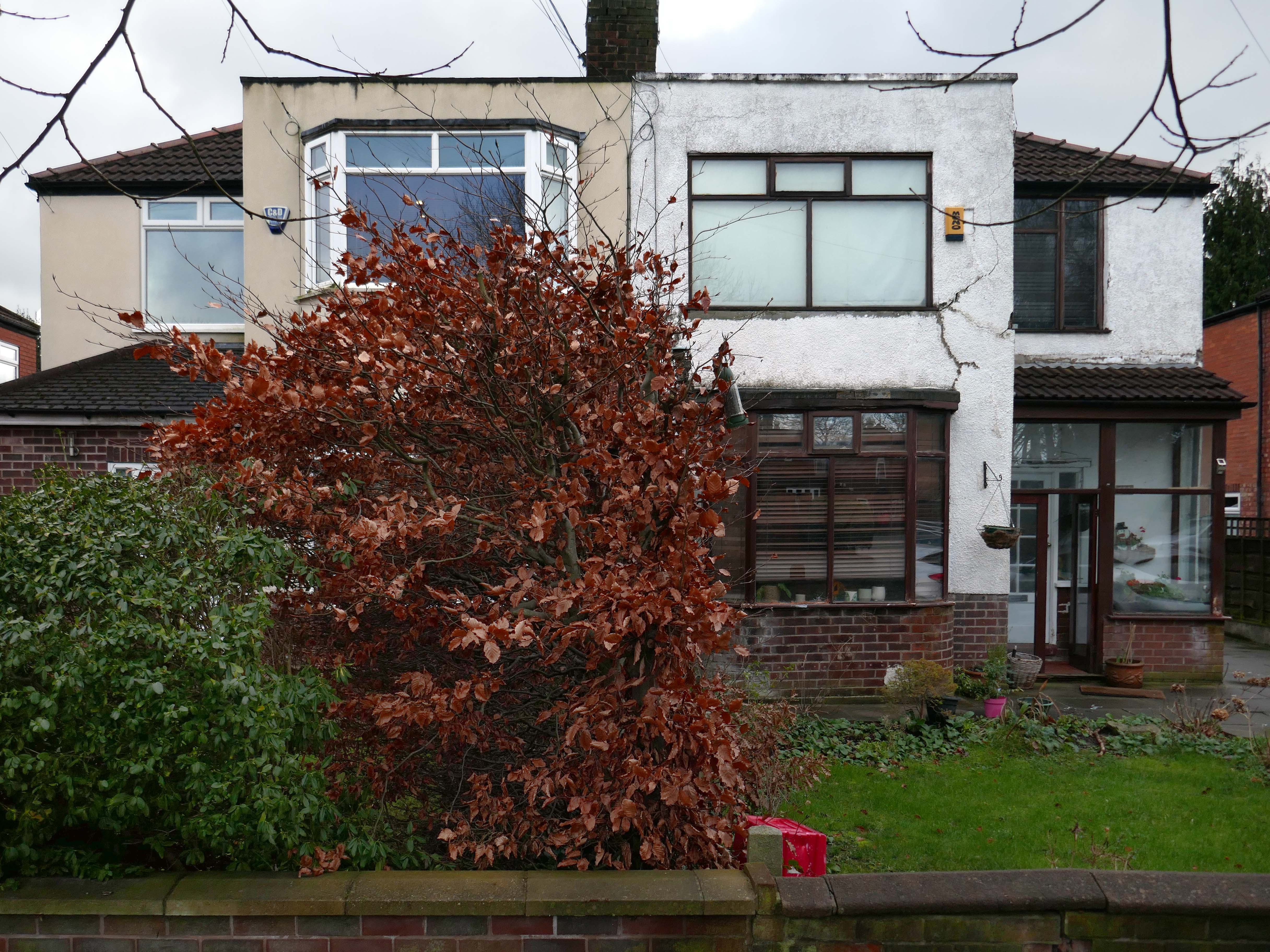
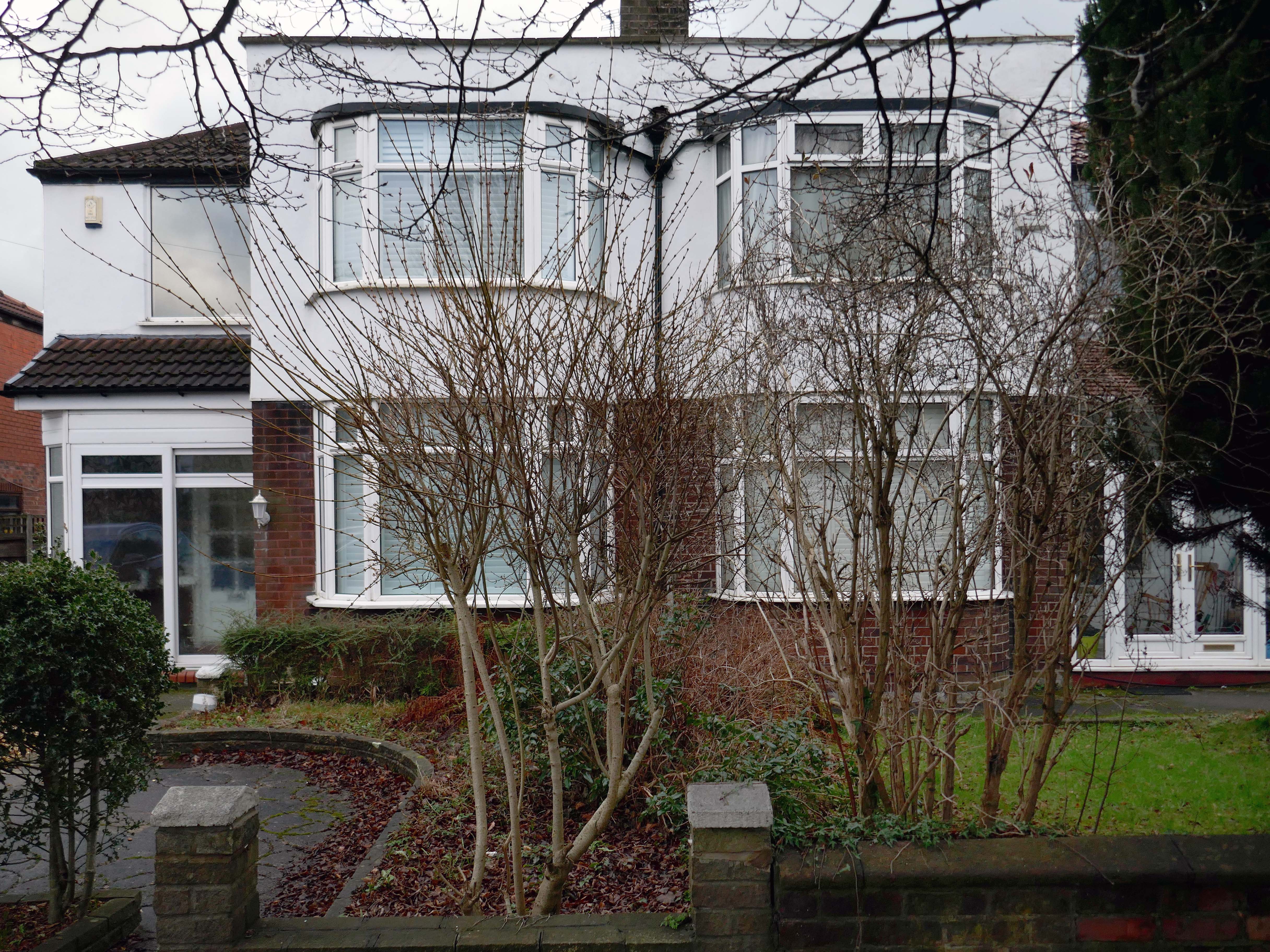
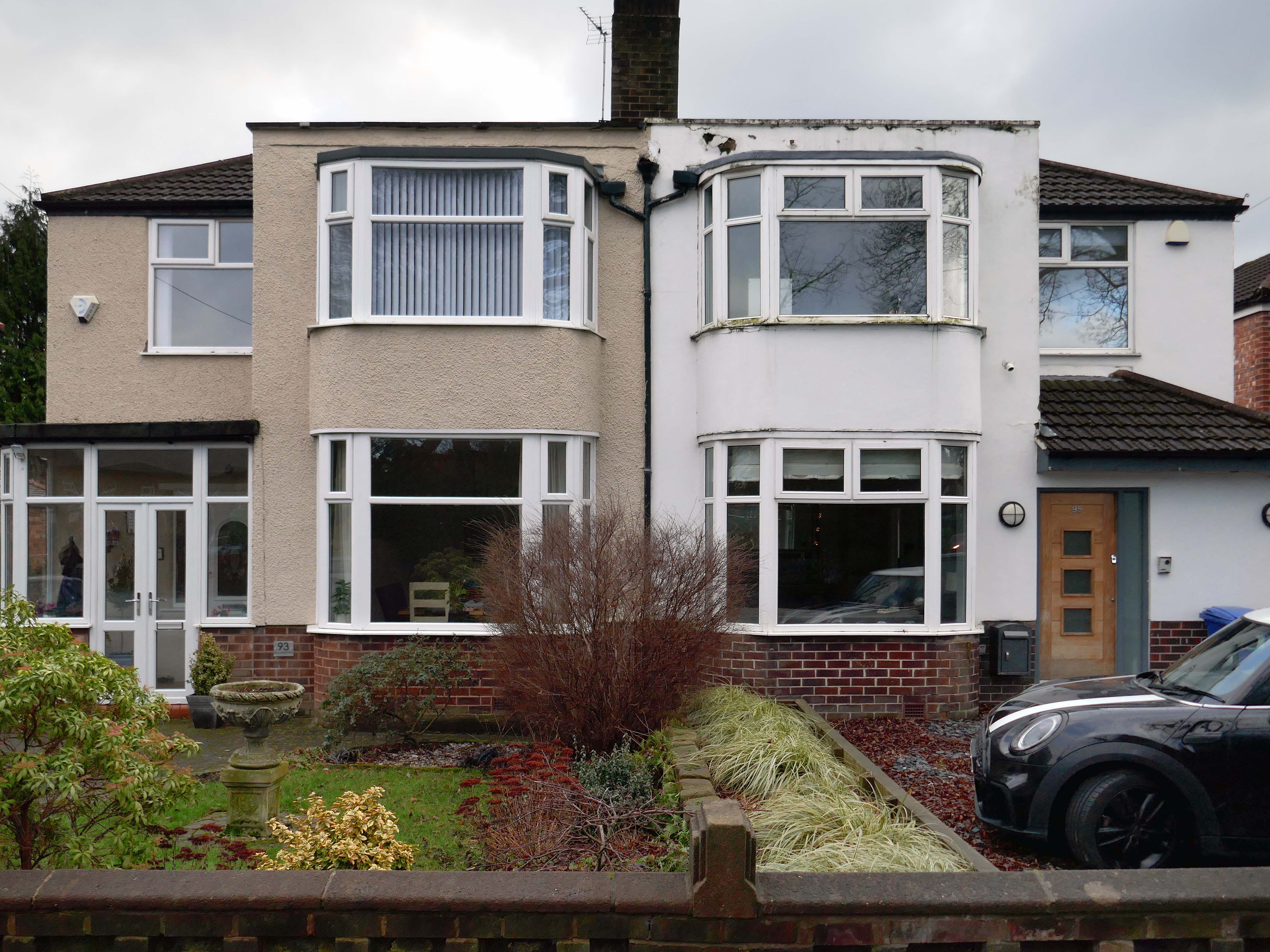
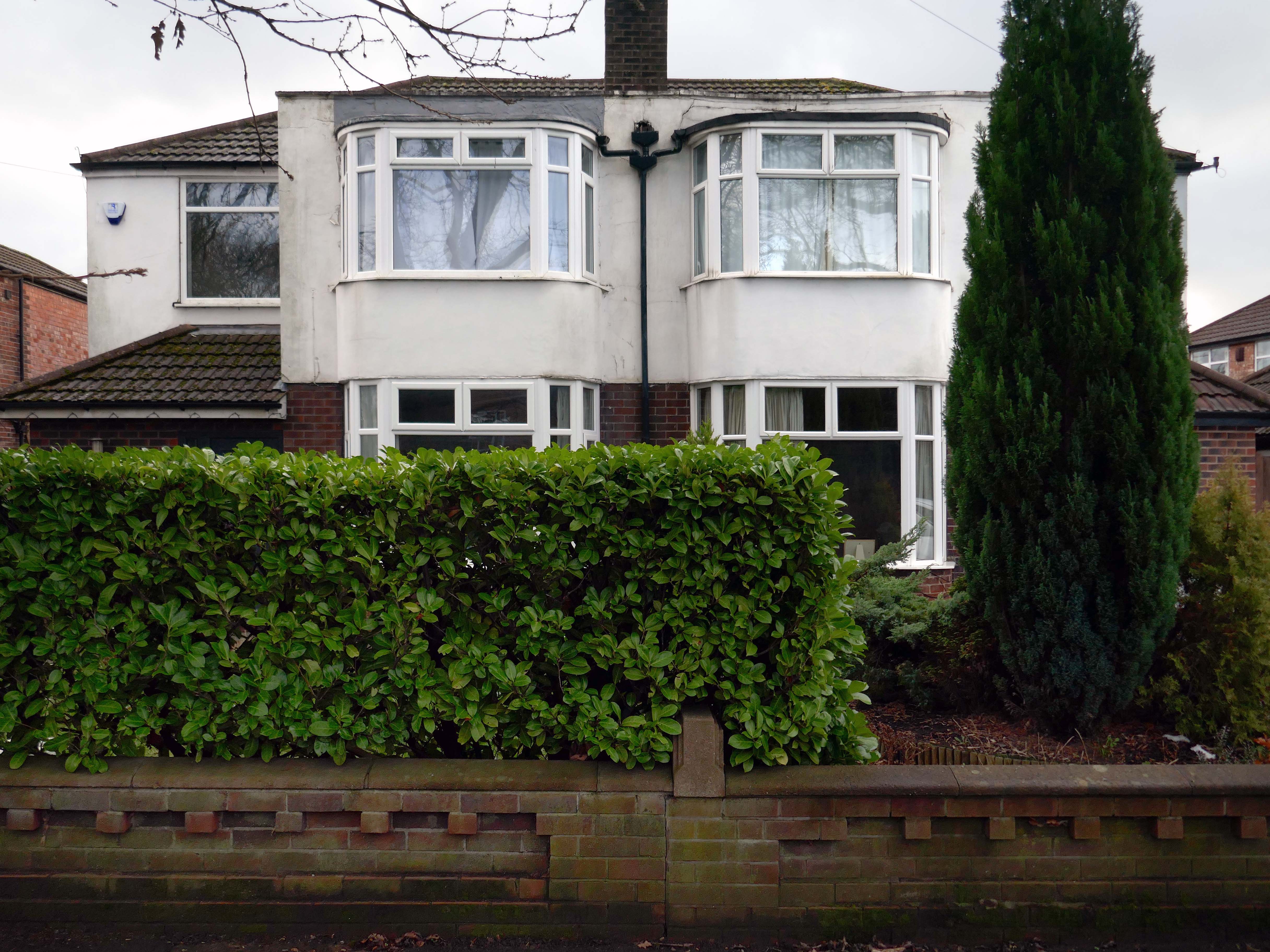
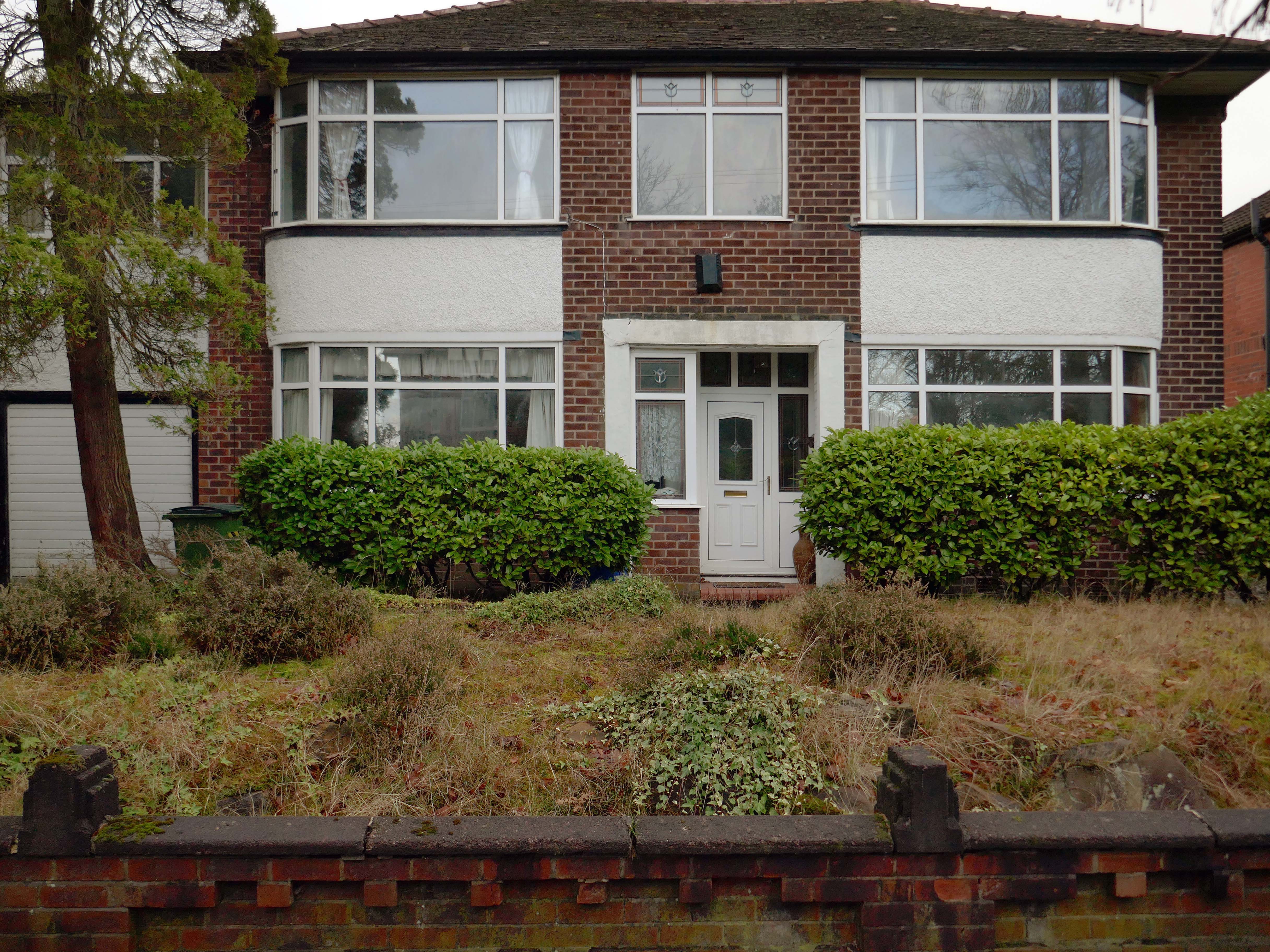
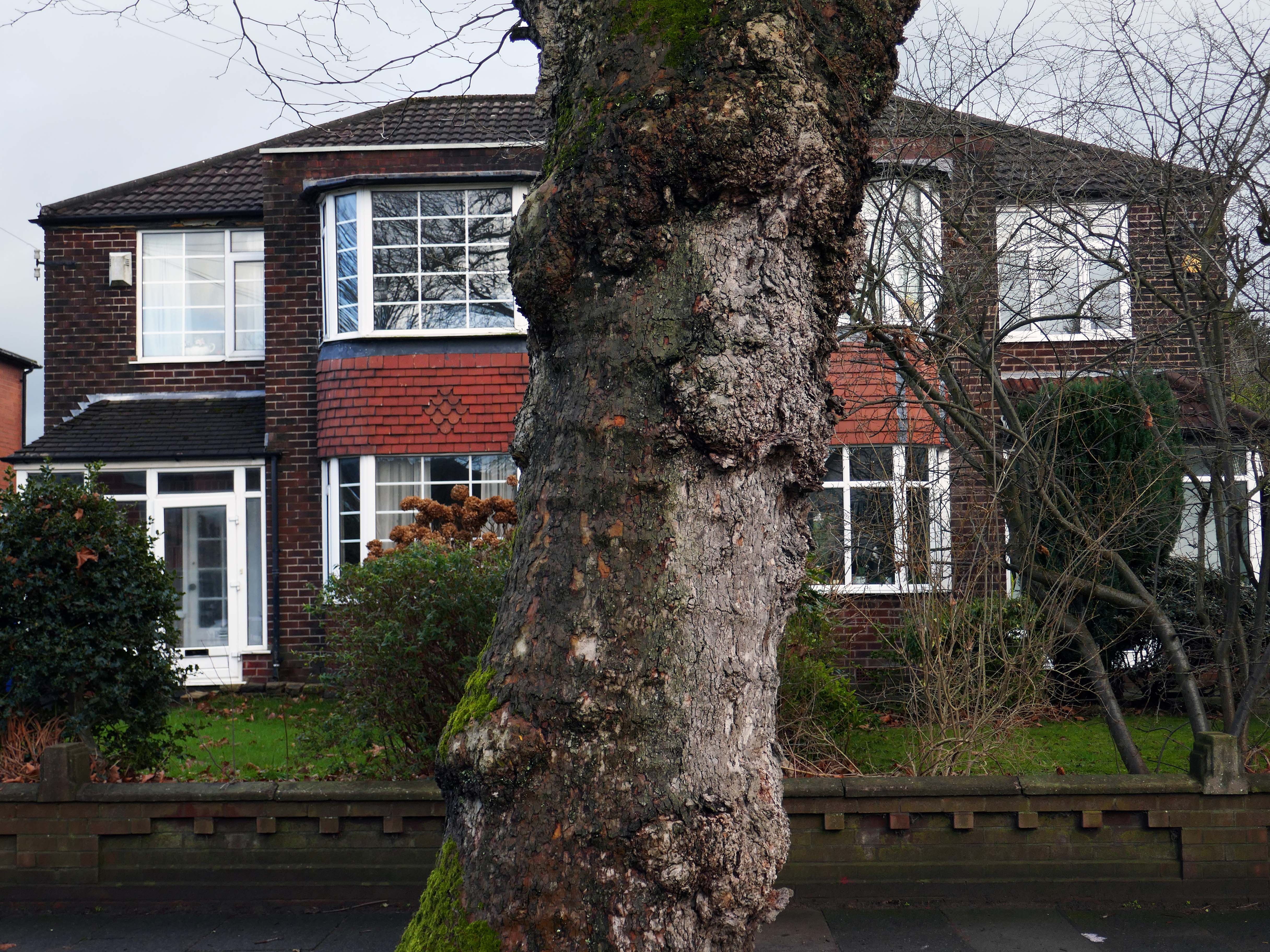
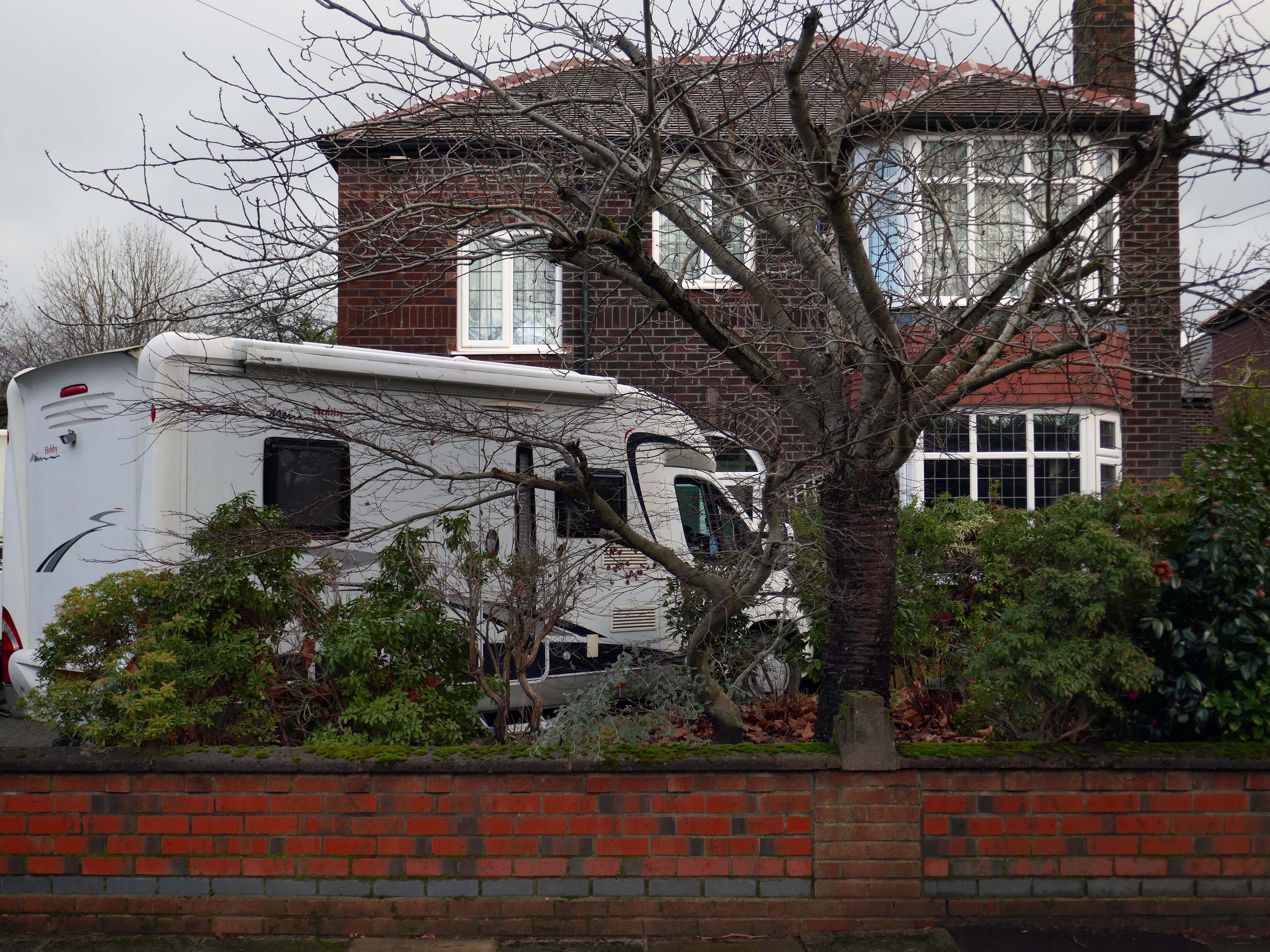
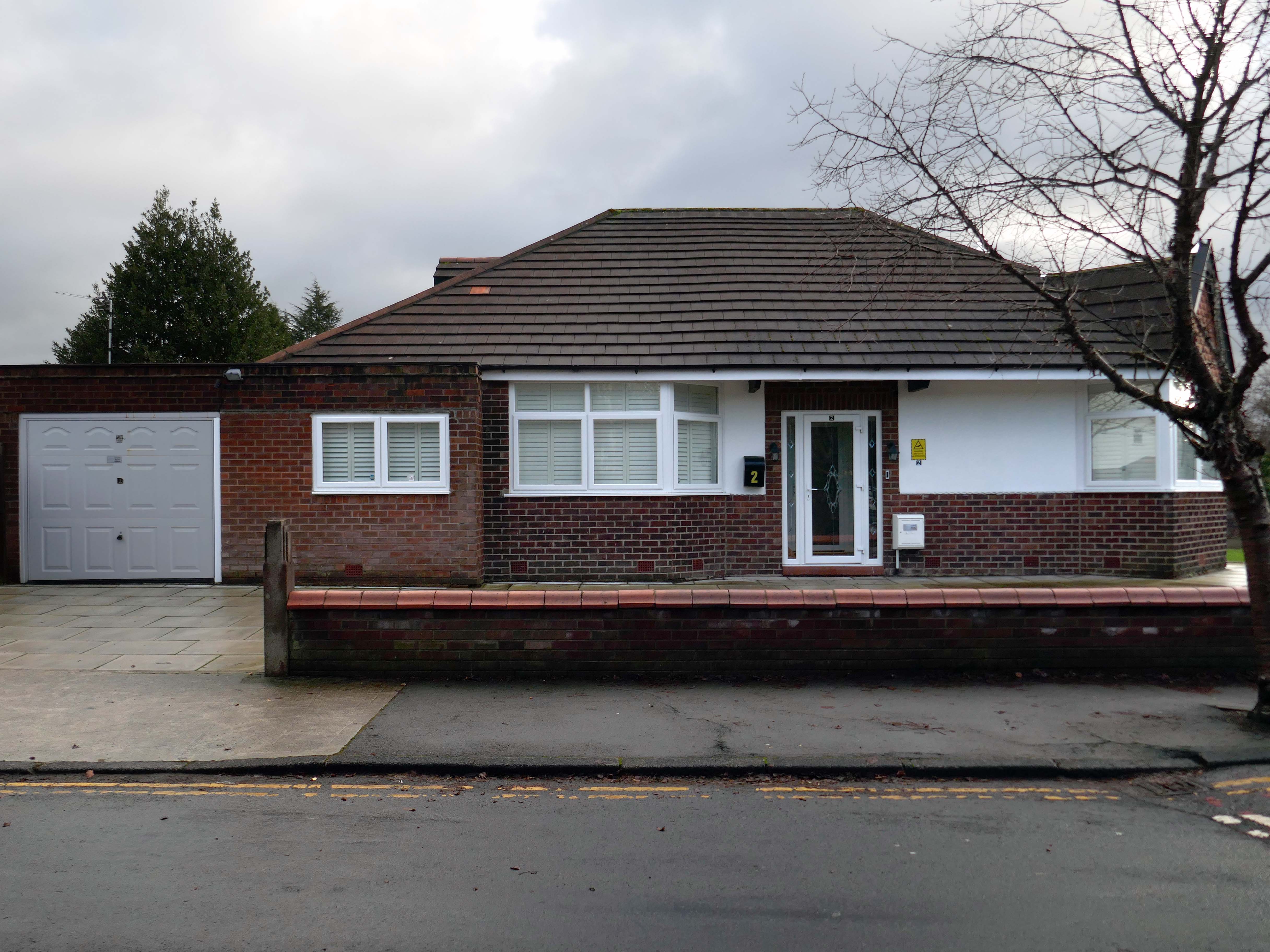
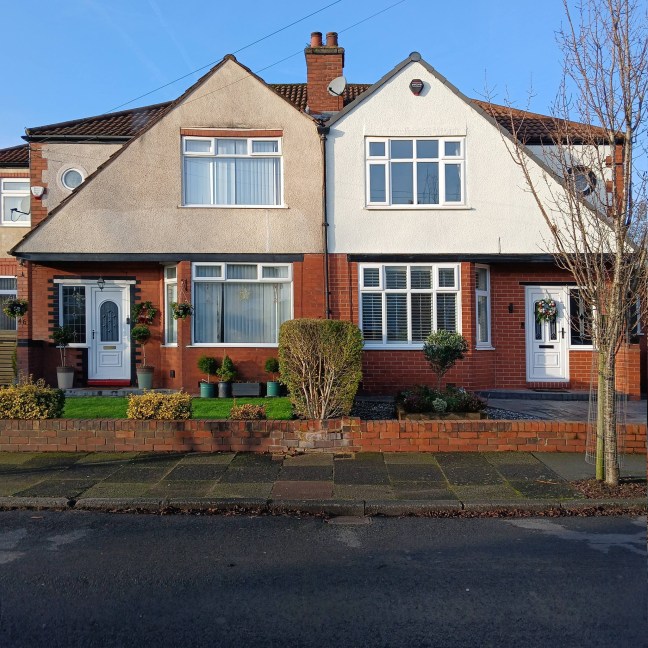
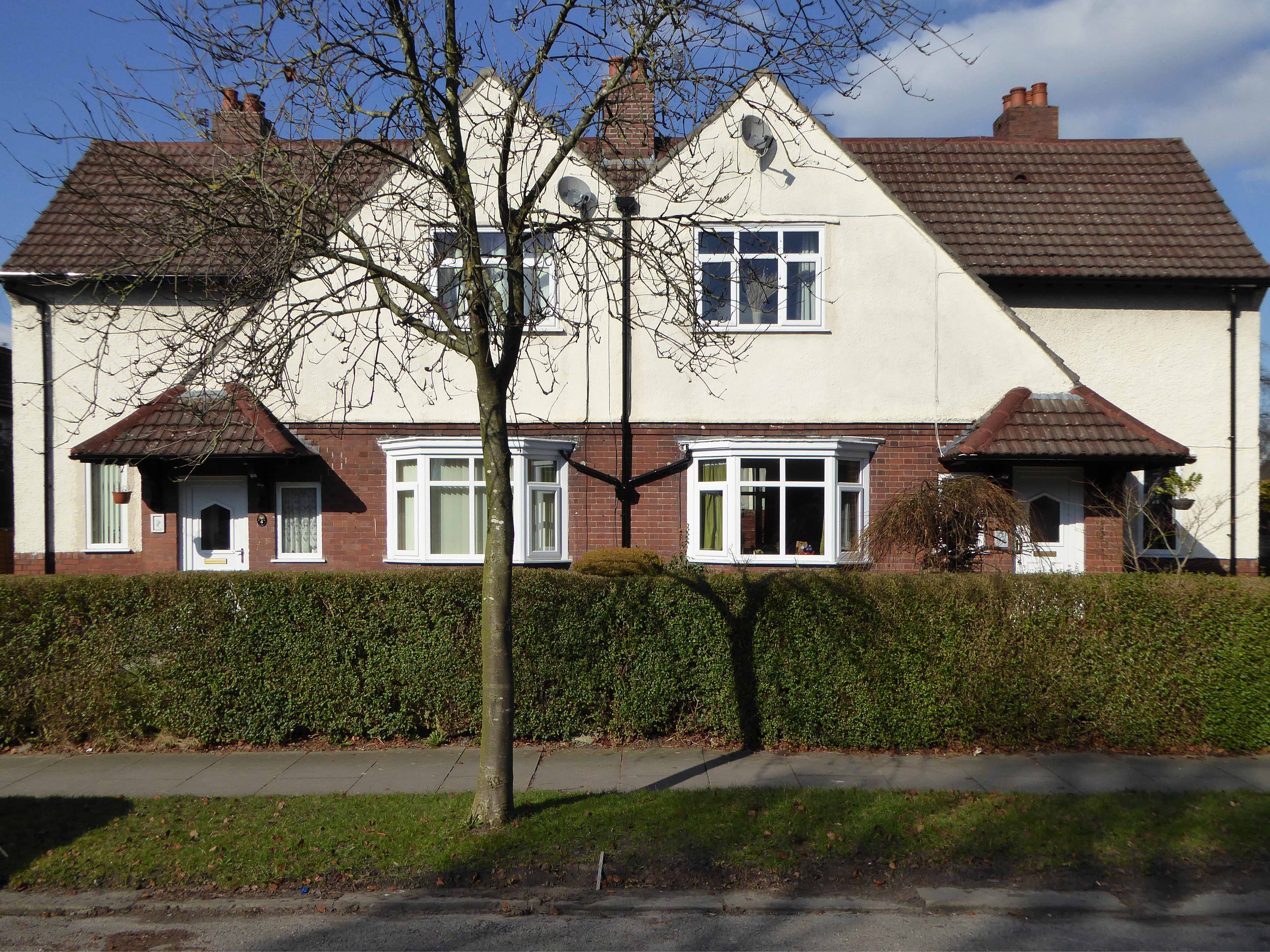
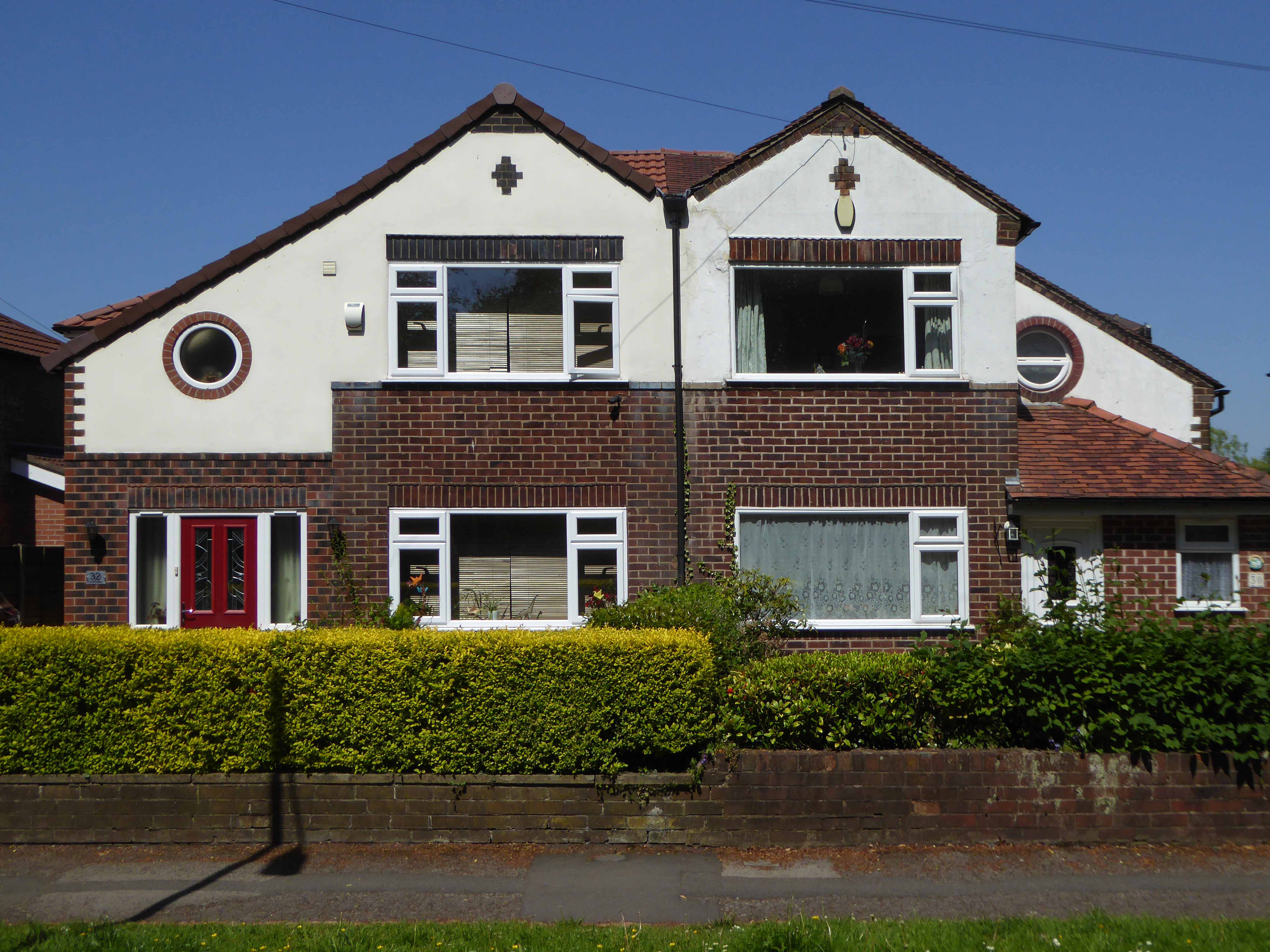
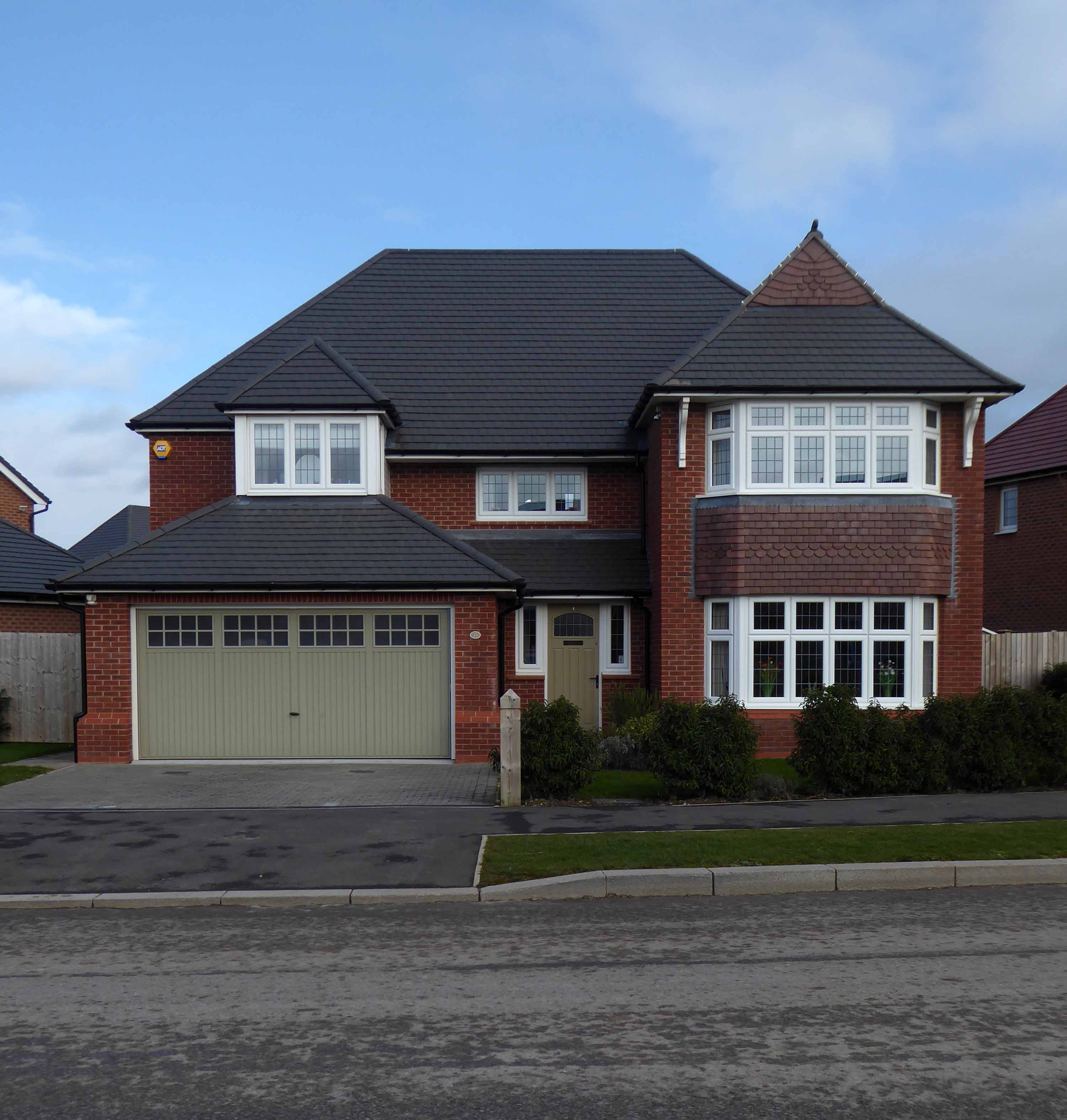
The homeowners quest for the individual within a typology, no two doors the same, render re-rendered, period details largely erased, occasionally preserved, windows awash with white uPVC, along with the more recent incursion of one shade of grey, front gardens replaced by unimpressive pressed concrete car parking, cars and more cars, bay windows held at bay by red brick walls and well-trimmed beech hedges.
My pink half of the drainpipe Separates next door from me My pink half of the drainpipe Oh, Mama – belongs to me
My baby takes the morning train He works from nine till five and then He takes another home again To find me waitin’ for him
Sheena Easton
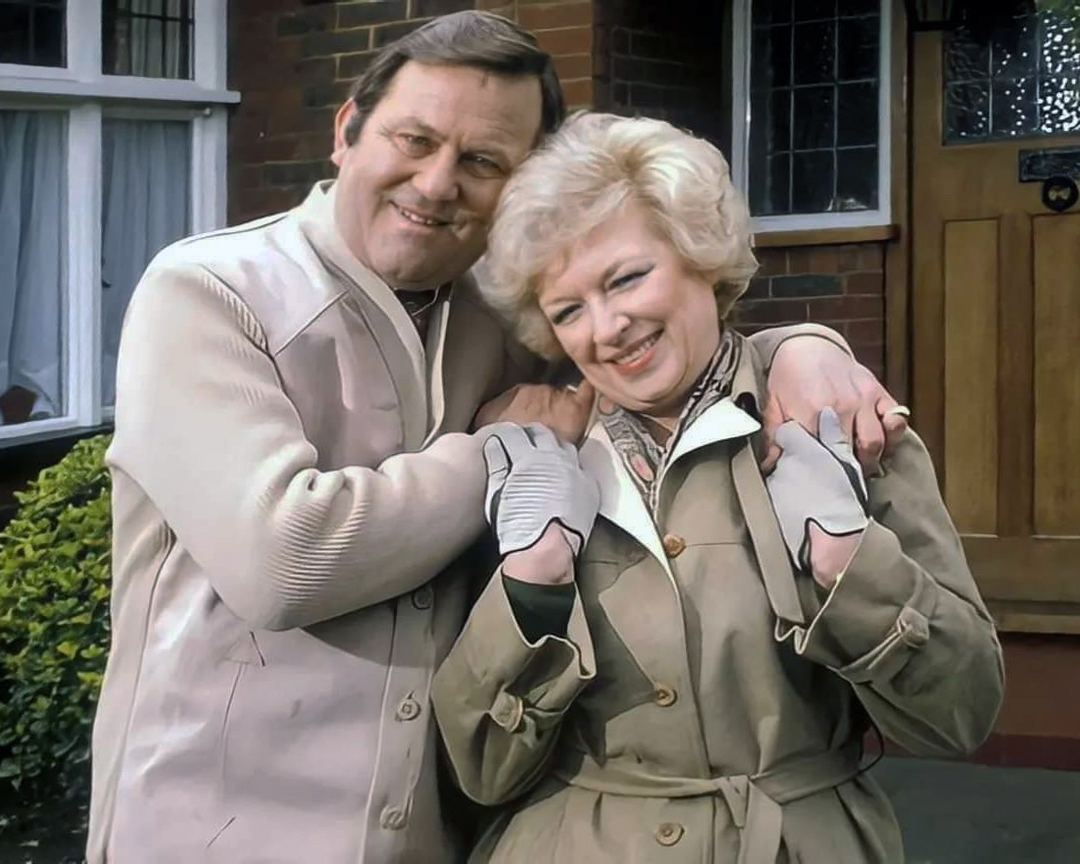
Welcome to the land of Terry and June – the seemingly complacent home to the newly aspirational classes, anathema to those thrill seeking Modernists, embracing the dynamism of the city, or those Ruralists protecting the integrity of the countryside.
Tradition has broken down. Taste is utterly debased, the town, long since degraded, is now being annihilated by a flabby, shoddy, romantic nature worship. That romantic nature worship is destroying also the object of its adoration, the countryside.
The growth of British towns and cities, from the onset of the Industrial Revolution, created a demand for new homes, the earliest developments were close to the centres of production and administration. Followed by the creation of outlying estates for the fleeing middle classes, as the smoke began to billow and the trains and buses began to run.
Originally the work of speculative private enterprise, followed by homes built by the local authority along with charitable institutions.
My own experience has taught me that Suburbia is architecturally diverse, socially less so, as various areas are segregated by class, and perhaps less so by ethnicity and/or culture.
The majority of the population live in Suburbia it seems, there now follows a selection of the suburban sites which I have visited in the last ten years or so.
In search of Suburbia.
There are areas of Victorian terraced housing Manchester which survived clearance – such as Jetson Street in Abbey Hey.
By 1931 1.1 million council houses were built and 2.8 million privately owned homes.
Post WW2 the emphasis was on an expansion of social housing, along with a growth in privately owned property – detailed information and analysis of social housing can be found here at Municipal Dreams.
These homes were at times both temporary and of non-standard construction.
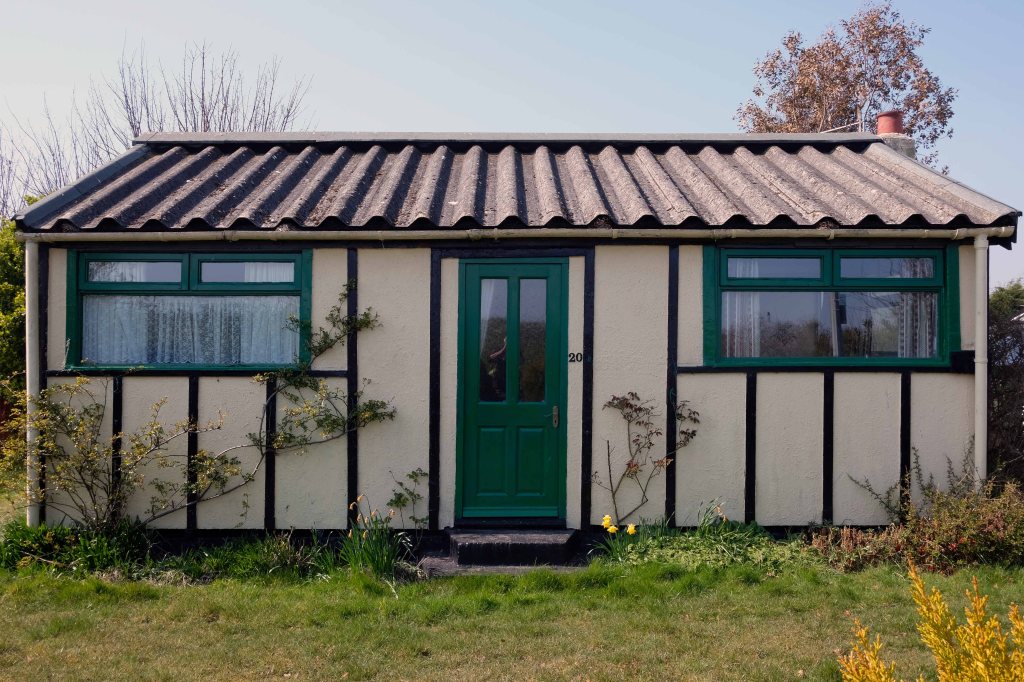
This prefabricated house was originally built for the good folk of Doncaster, later finding itself in Humberston Fitties
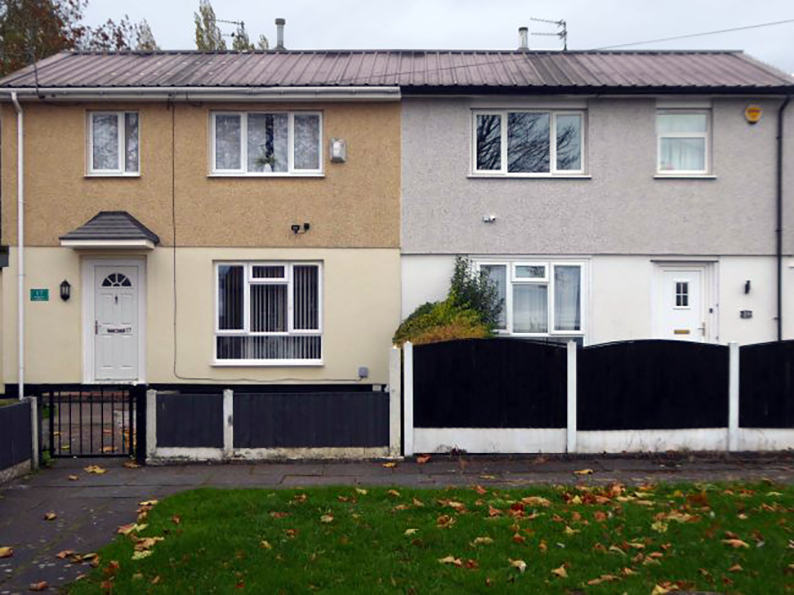
These Wythenshawe BISFHomes designed by Frederick Gibberd, the so-called Tin Town are still very much habitable homes.
Post war development was inextricably linked to the New Towns.
The new towns in the United Kingdom were planned under the powers of the New Towns Act 1946 and later acts to relocate people from poor or bombed-out housing following World War II. Designated new towns were placed under the supervision of a development corporation, and were developed in three waves. Later developments included the “expanded towns”: existing towns which were substantially expanded to accommodate what was called the “overspill” population from densely populated areas of deprivation.
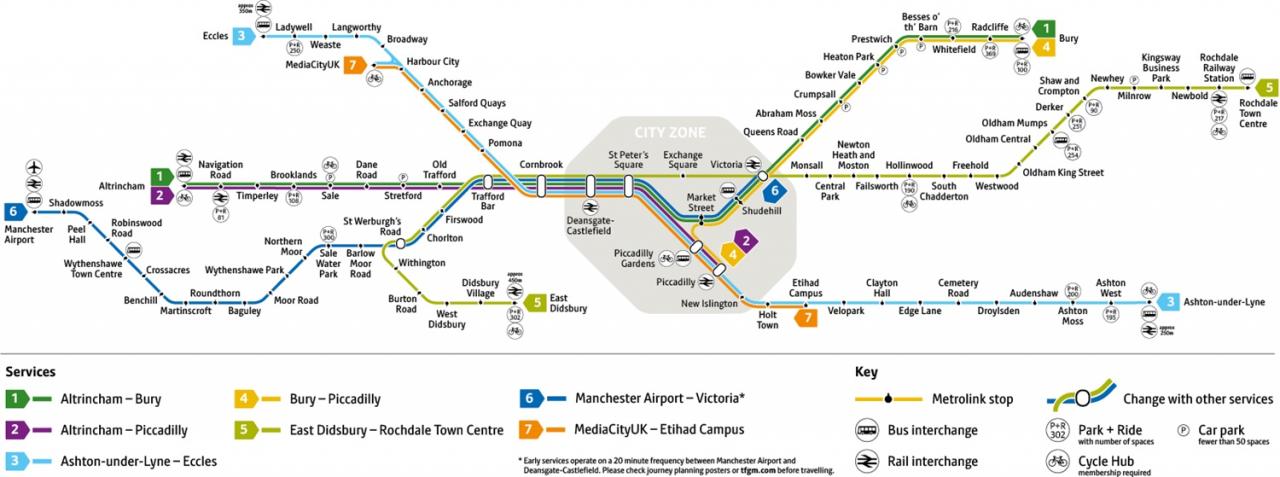
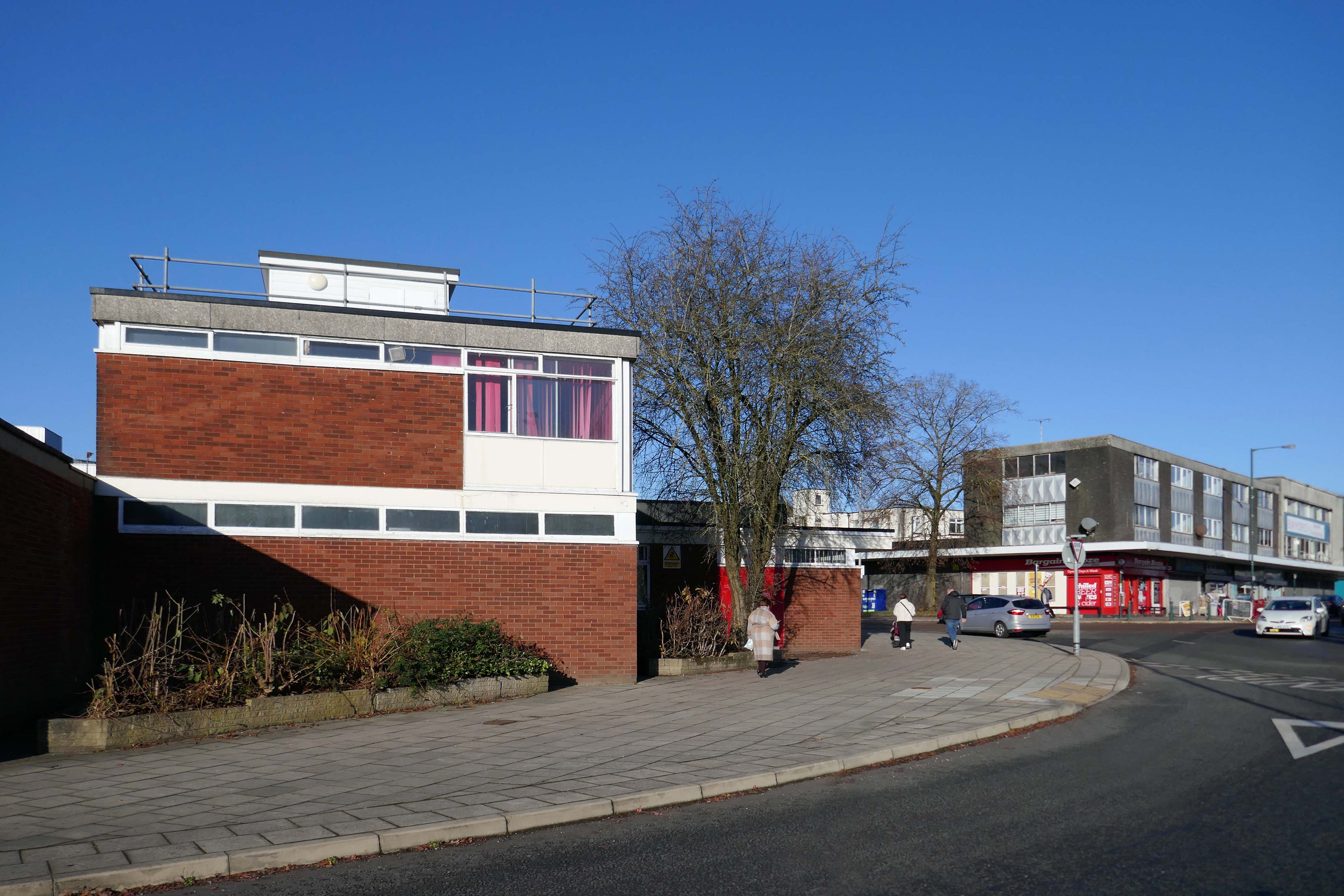
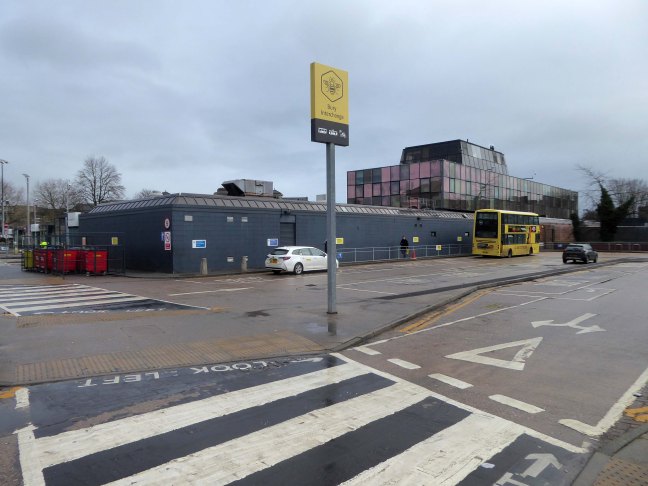
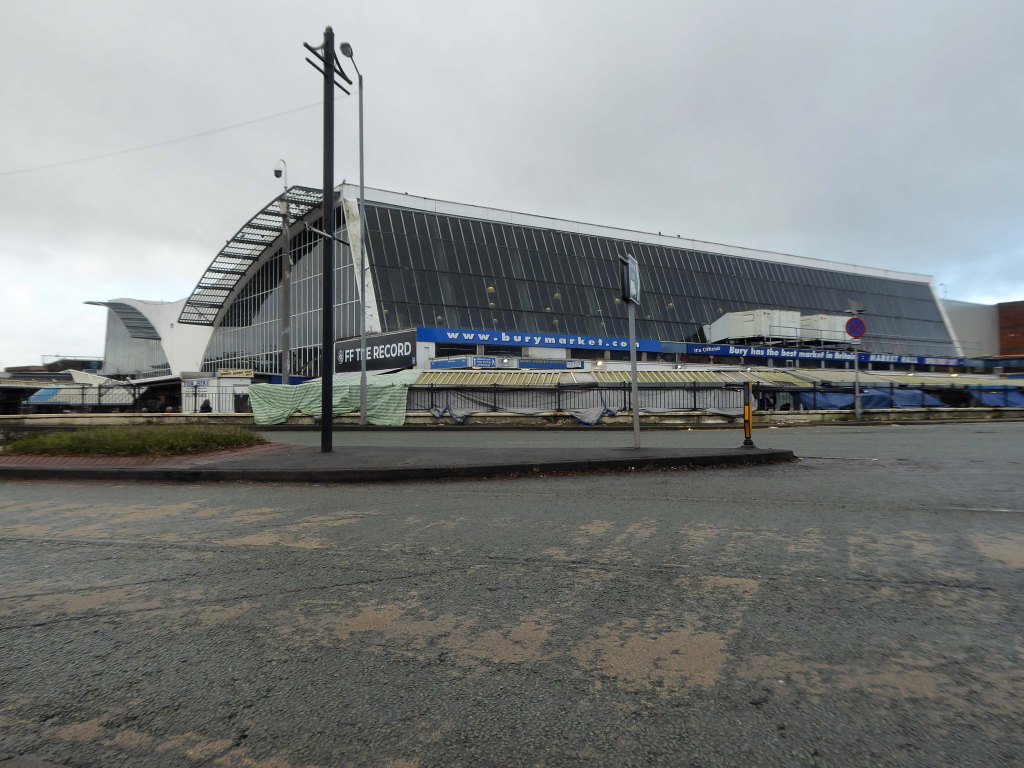
I was cordially requested to produce tram based walk, by the good folk at the modernist – travelling from Victoria Station to Bury. Alighting at each stop and seeing what could be seen, by way of modern buildings along the byways.
By the way, I do have previous experience, having undertaken a similar task travelling to Ashton.
So I set off as instructed, clutching my GMPTE senior concessionary travel pass.
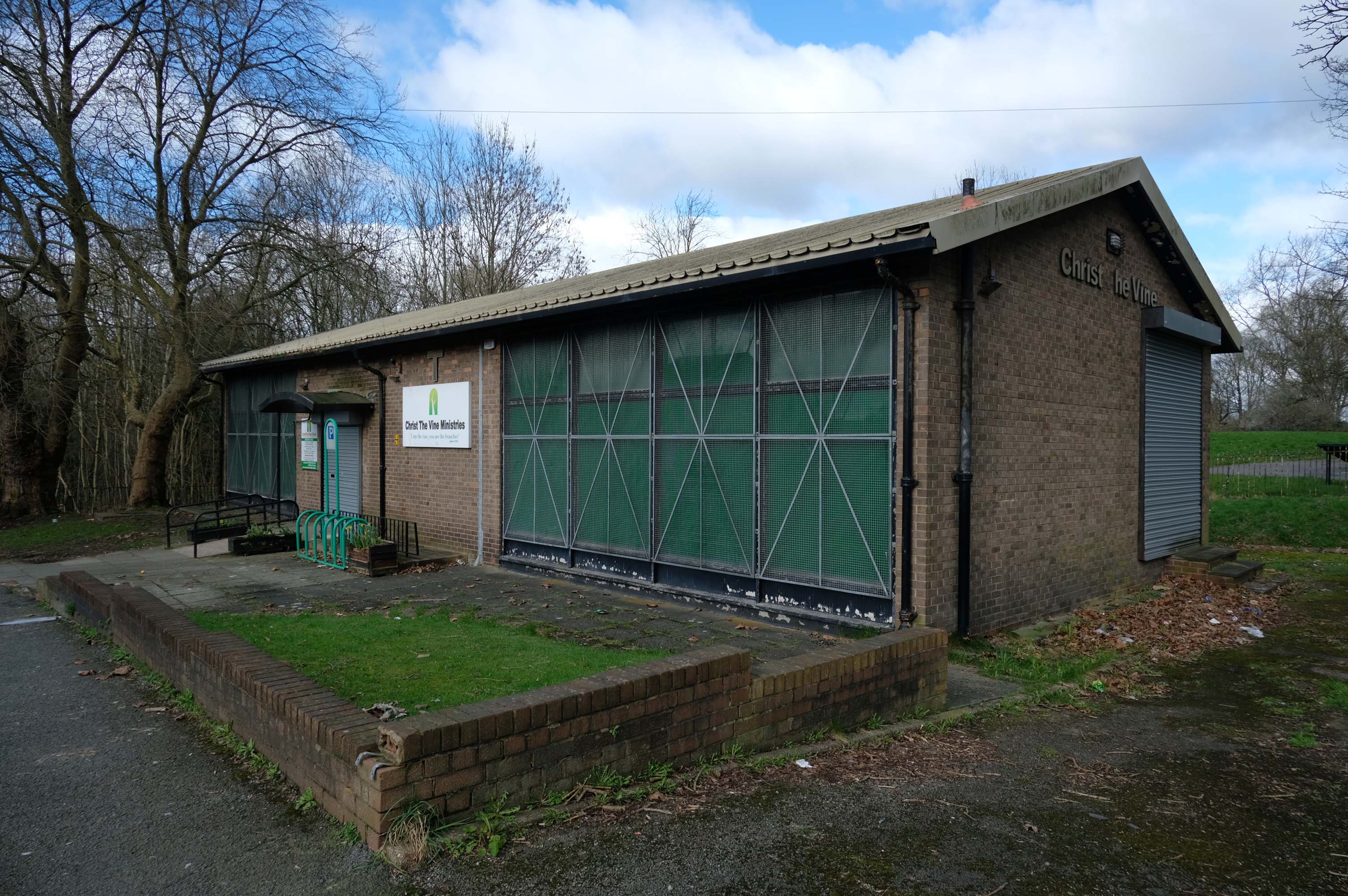
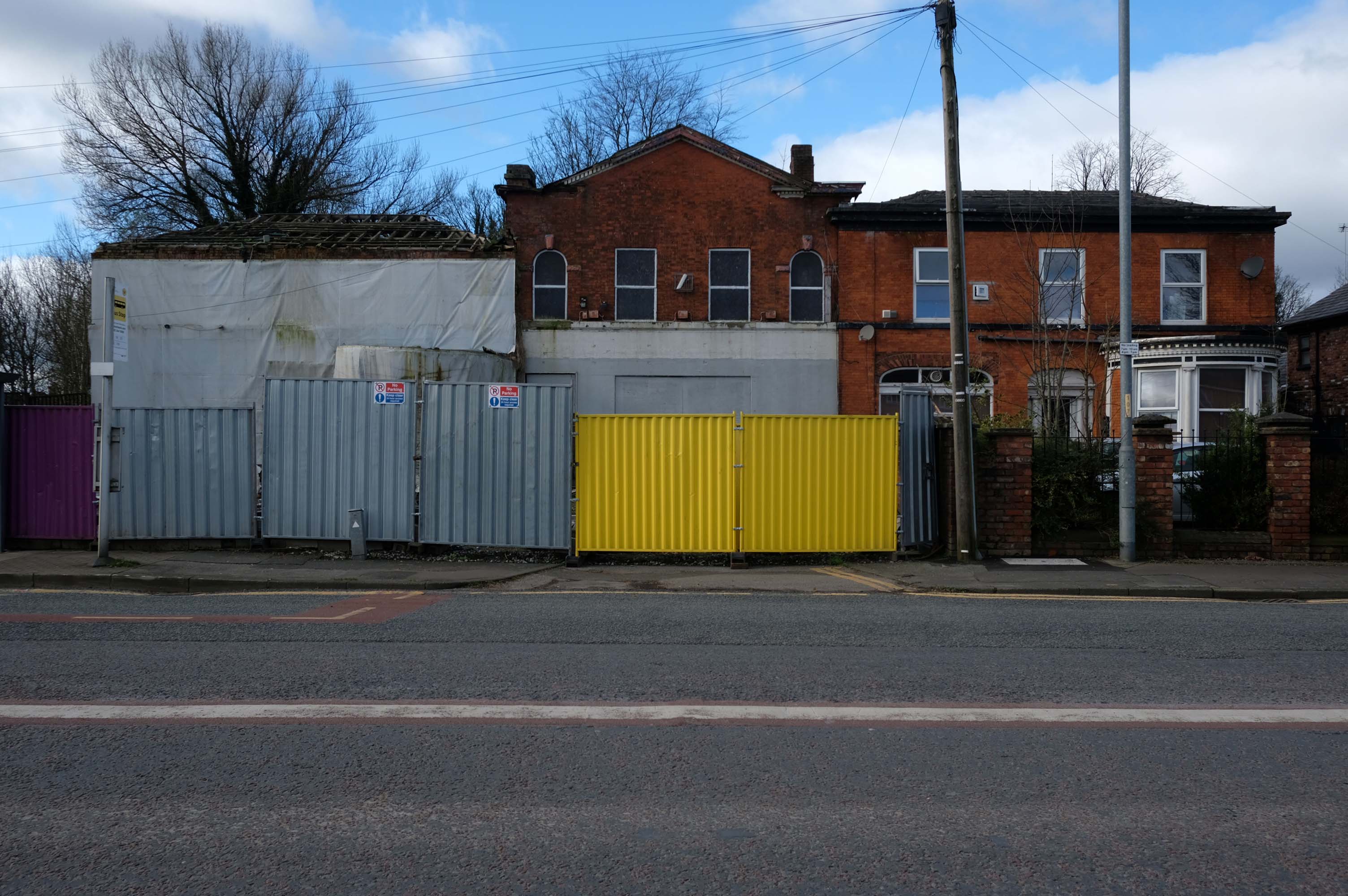
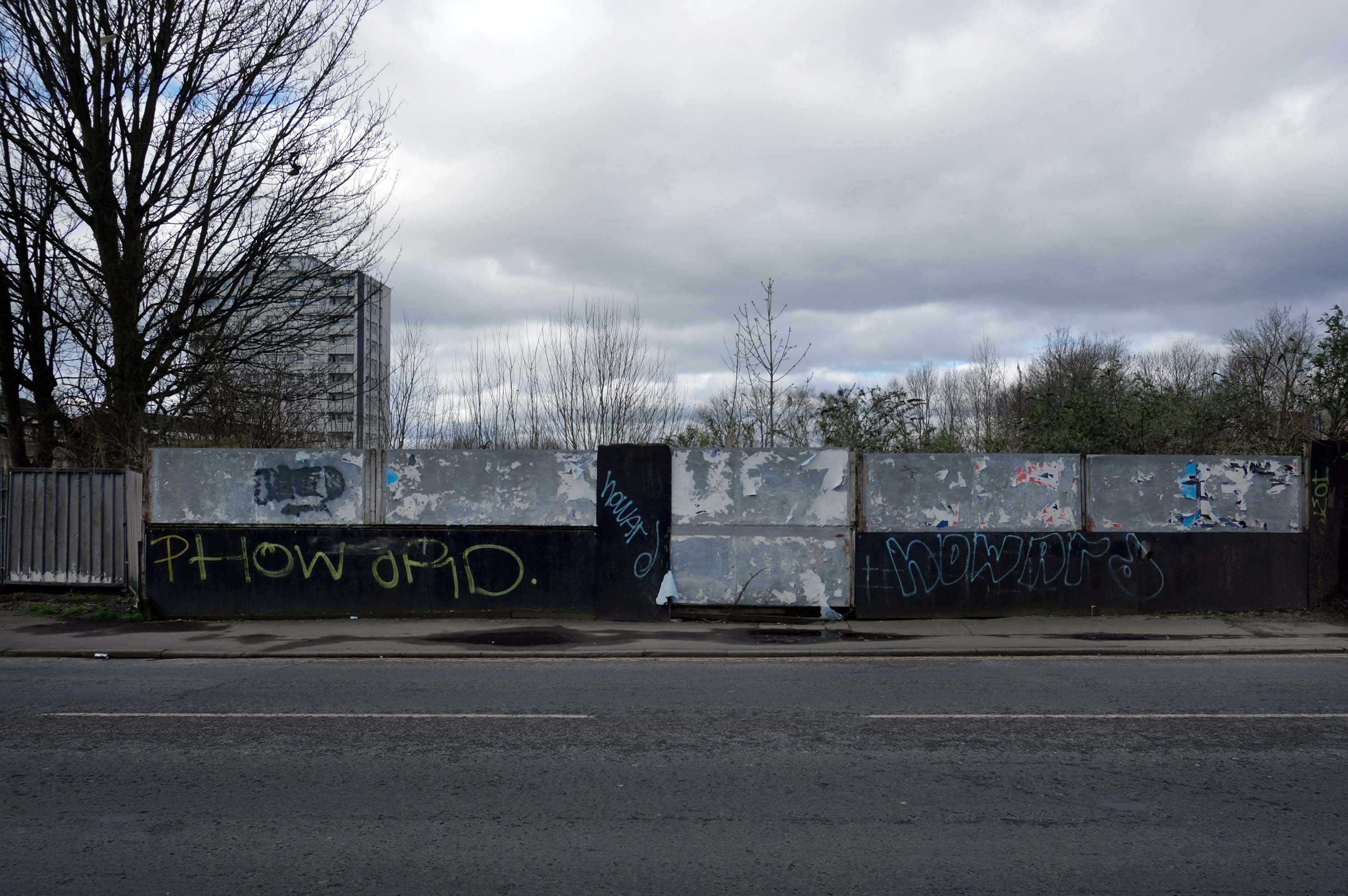
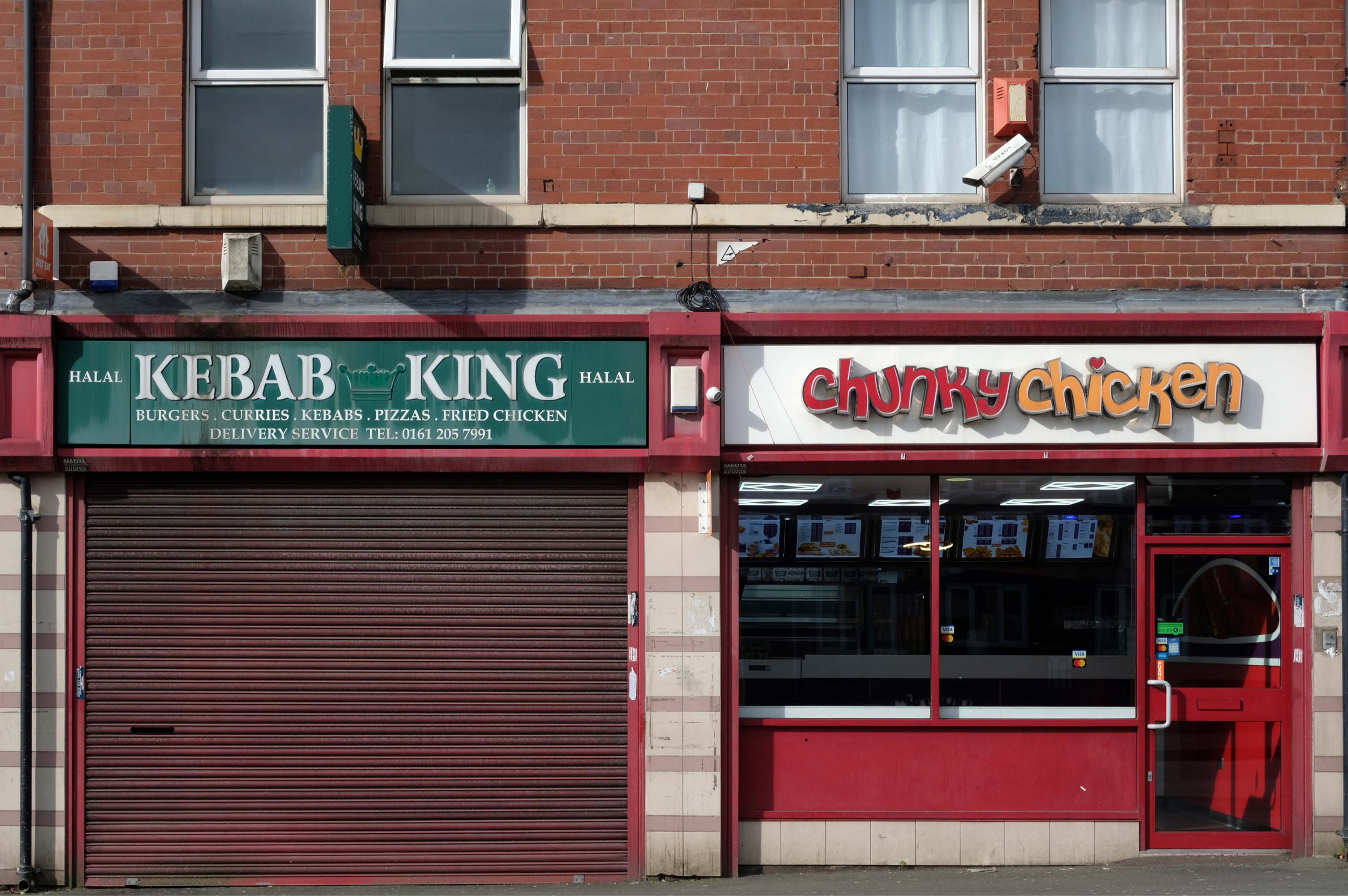
Queens Road
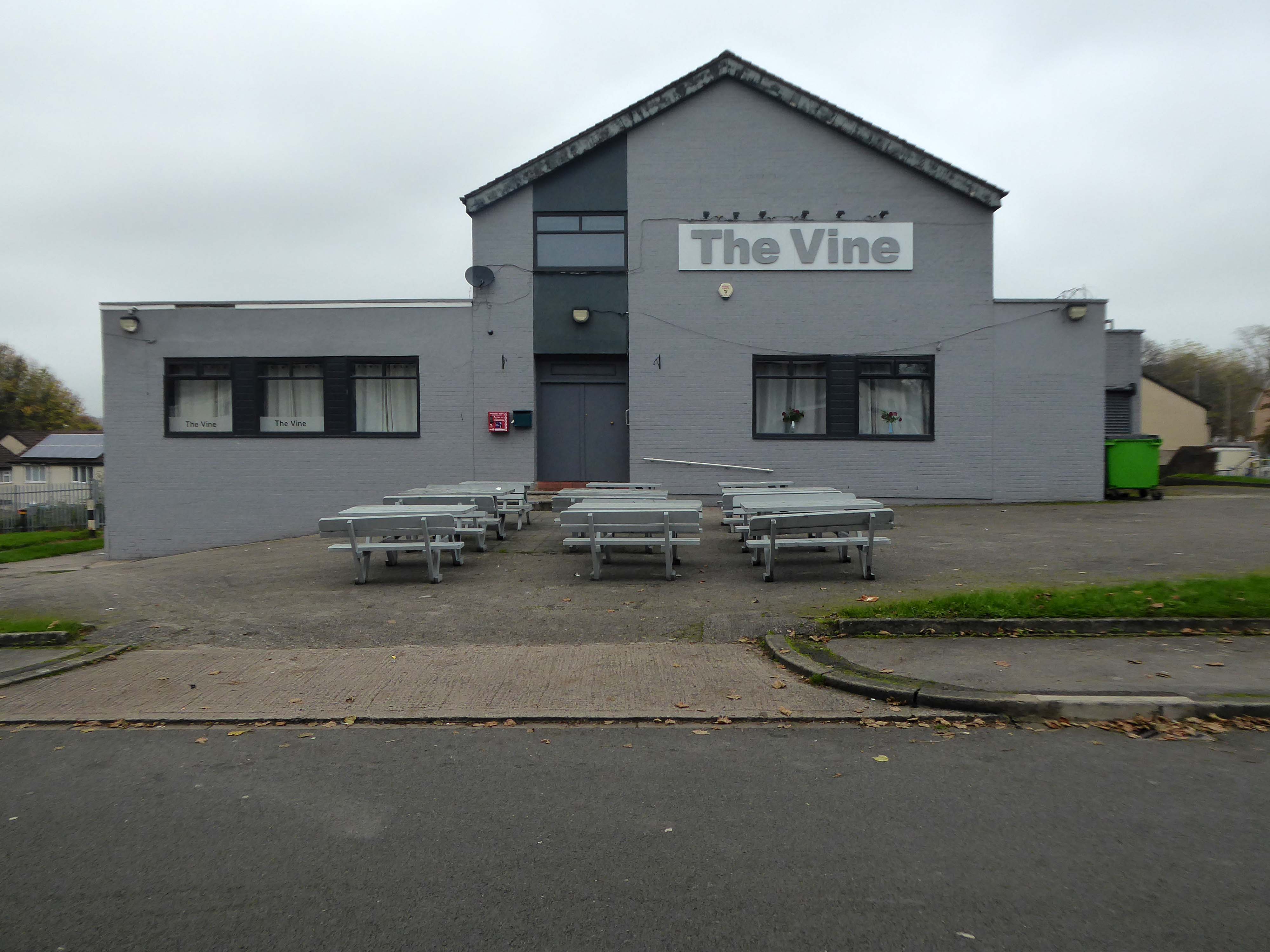
Turn right on leaving the station, right then left – you have reached The Vine.
Glendower Dr, Manchester, Greater Manchester M40 7TD.
Head for Rochdale Road and turn right back toward the city centre, you have reached Eastford Square.
Turn left from the station along Bury Old Road until you reach Heywood Road on your right.
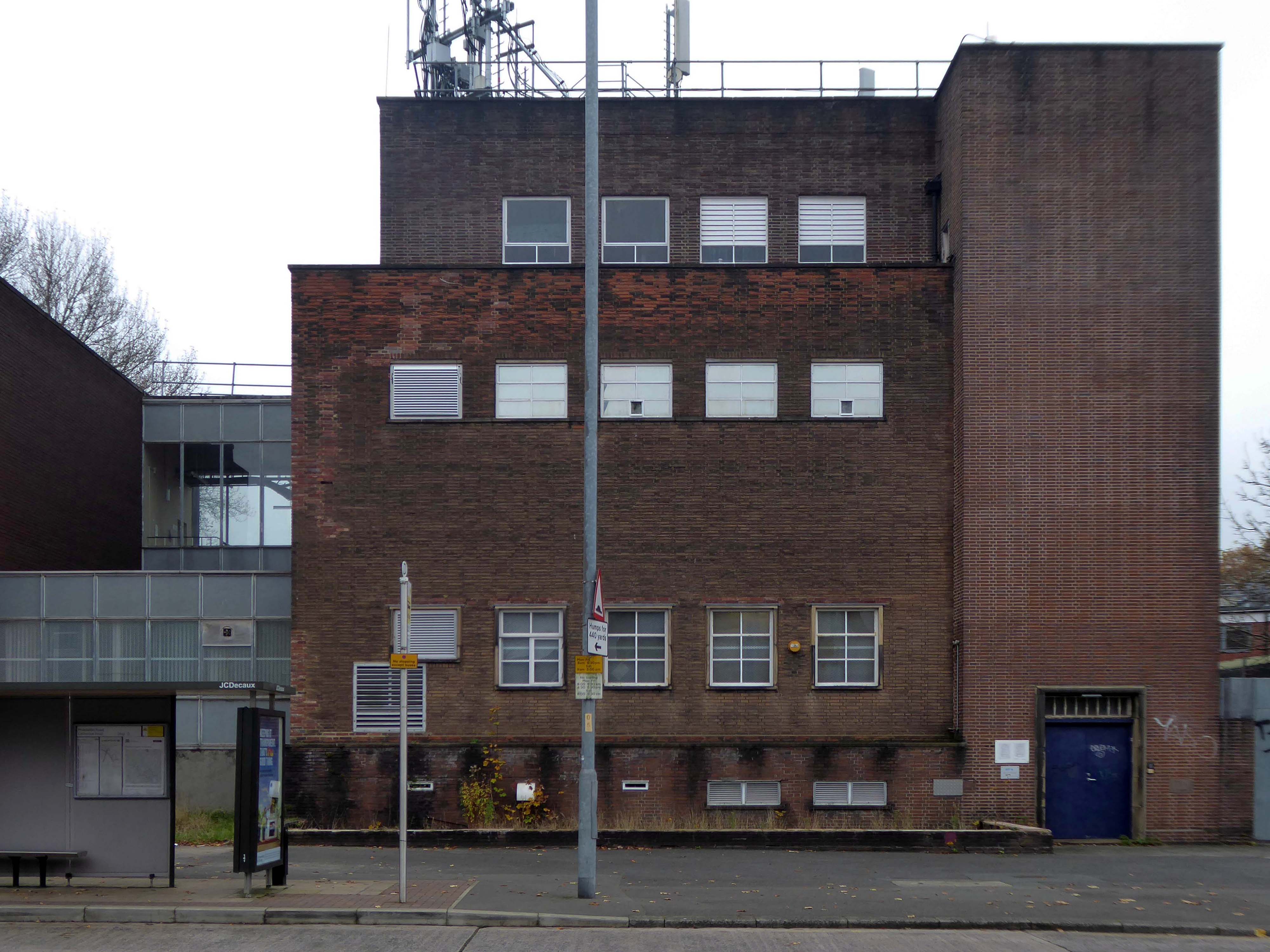
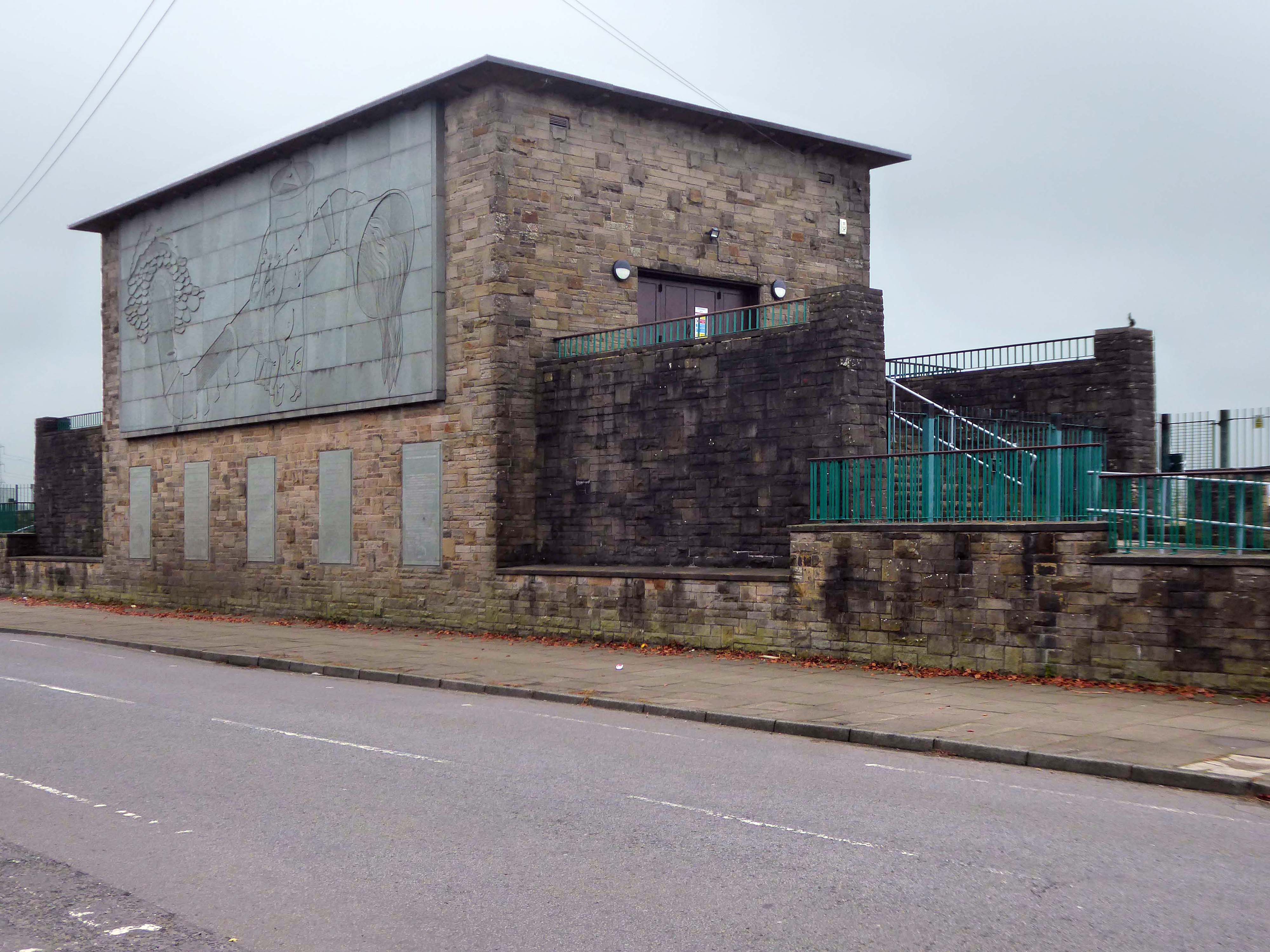
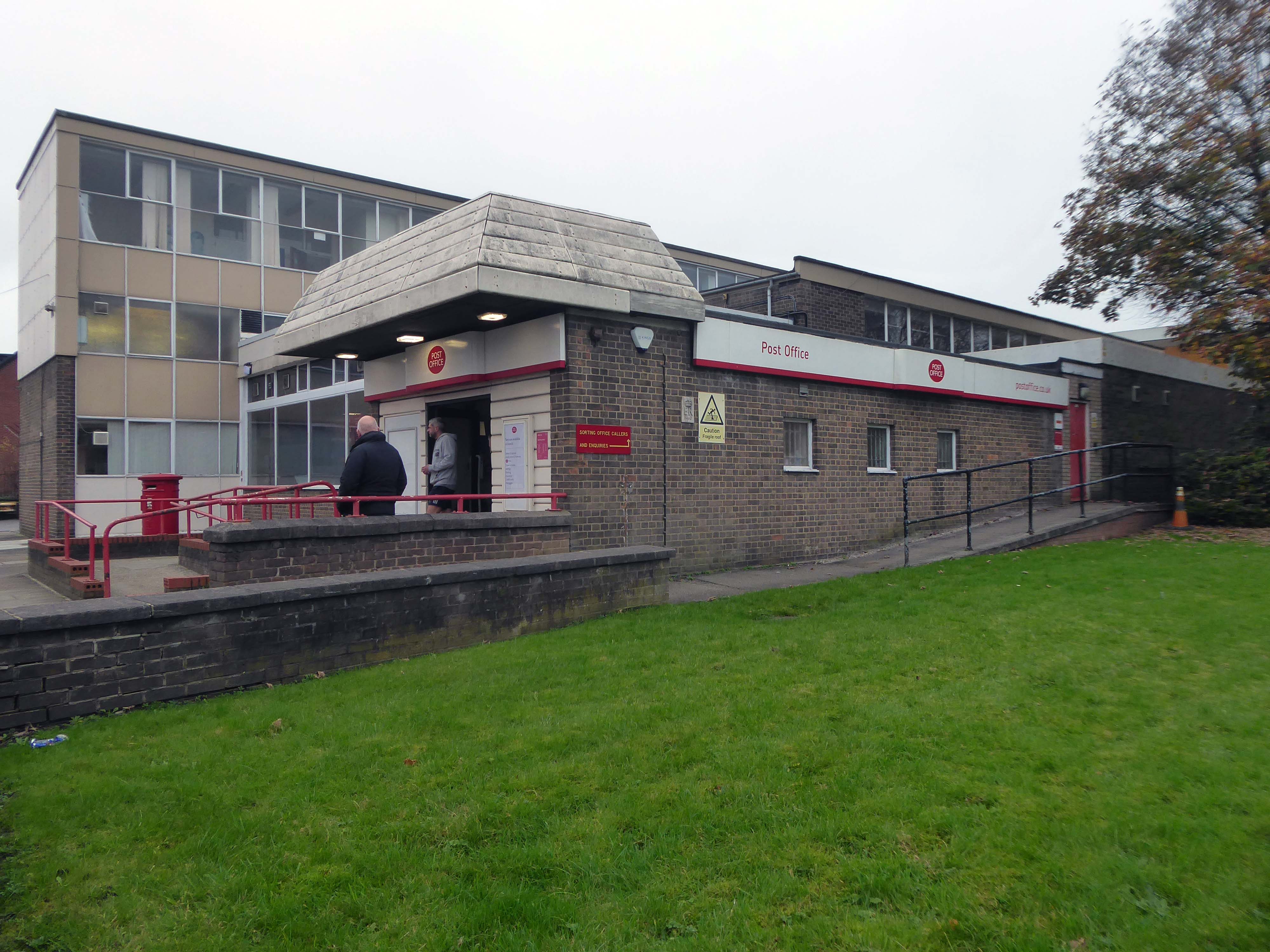
Heywood Road, Prestwich, Manchester M25 2GT
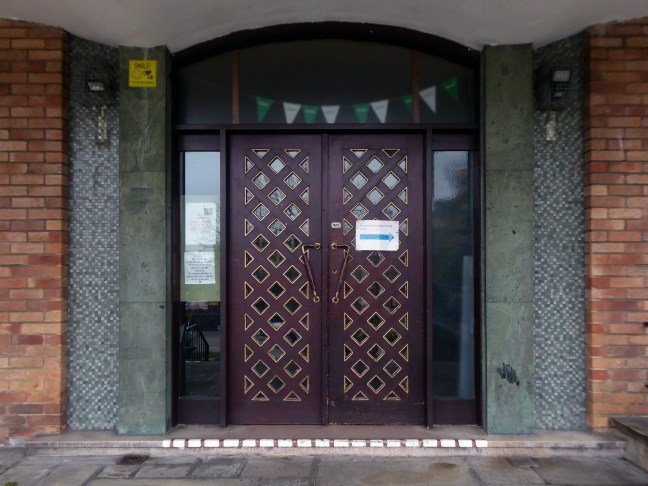
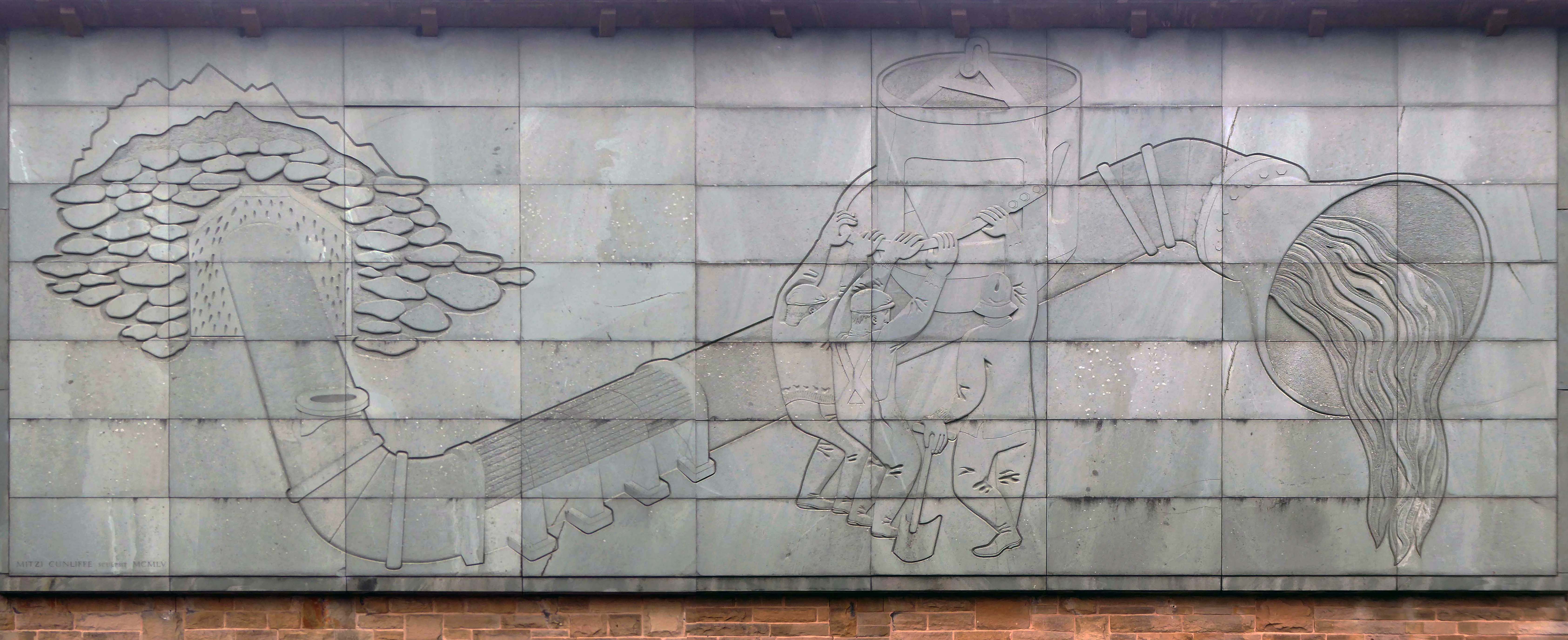
1954-5 by the Manchester City Architect’s Department, Chief Architect Leonard C Howitt, for the Manchester Corporation Waterworks. Alan Atkinson, engineer. Incorporates large relief by Mitzi Cunliffe, signed and dated 1955.
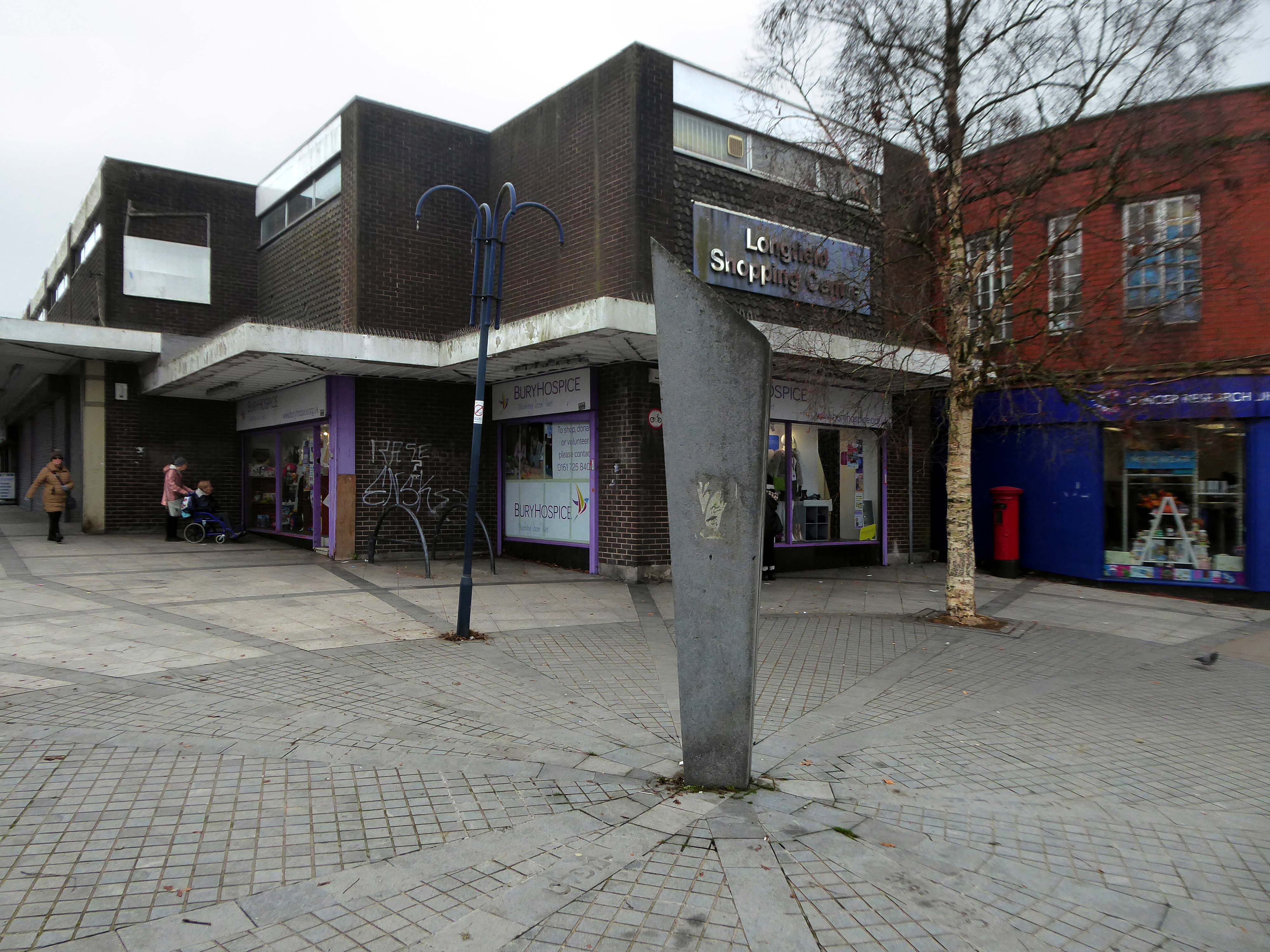
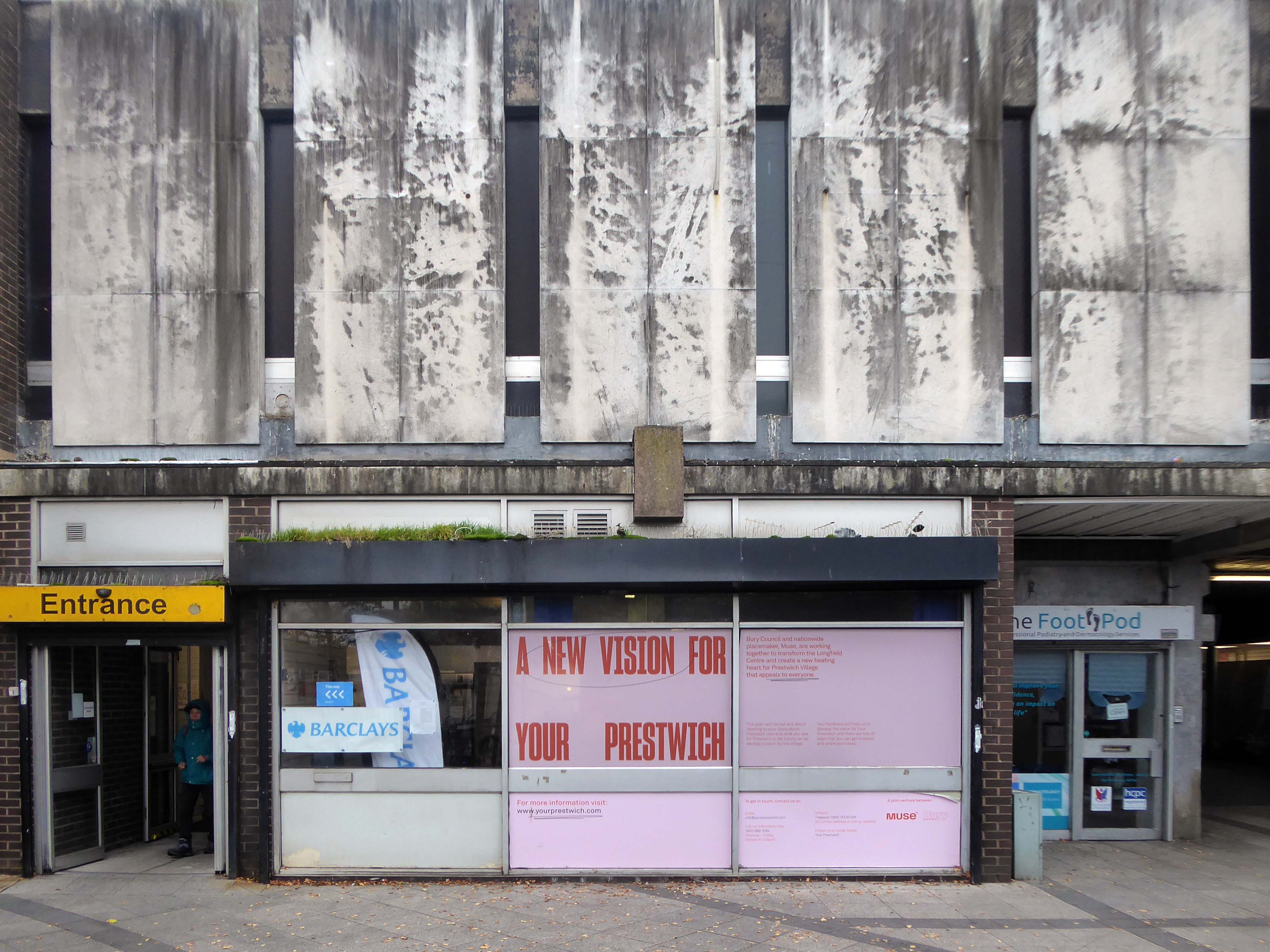
After months of public consultation, the joint venture has firmed up its proposals for the redevelopment of the Longfield Centre and is aiming to be on site before the end of the year.
Muse and Bury Council have submitted a hybrid application to transform six acres of Prestwich town centre.
The Strategic Regeneration Framework is the guide that is shaping the direction of Radcliffe’s growth over the next 15 years with a series of realistic short, medium, and longer-term actions. It is also shaping the direction of future council investment, supporting bids for central governmental funding and providing certainty for third parties wanting to invest in town.
Work has begun on Strategic Regeneration Framework’s priority projects, these include:
A new civic hub in central Radcliffe, which will bring together a mix of functions at the heart of the town
Refurbishment of the market basement and the revamping of market chambers
New leisure facilities
A secondary school on the Coney Green site
A “whole town approach” to housing, bringing forward a comprehensive approach to residential development in Radcliffe
A transportation strategy, which will consider matters such as active travel and car parking
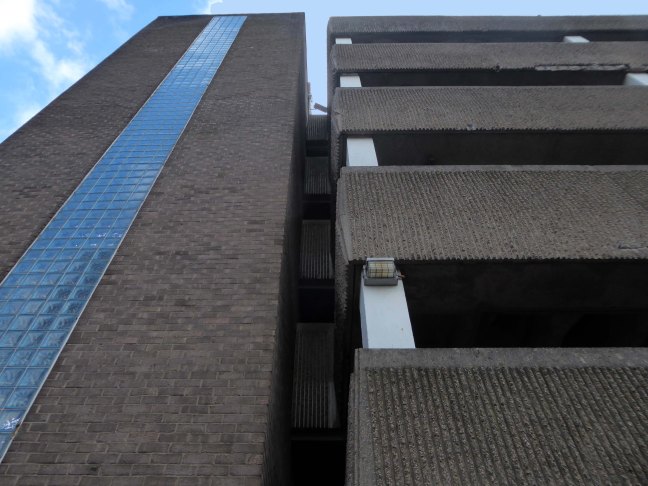
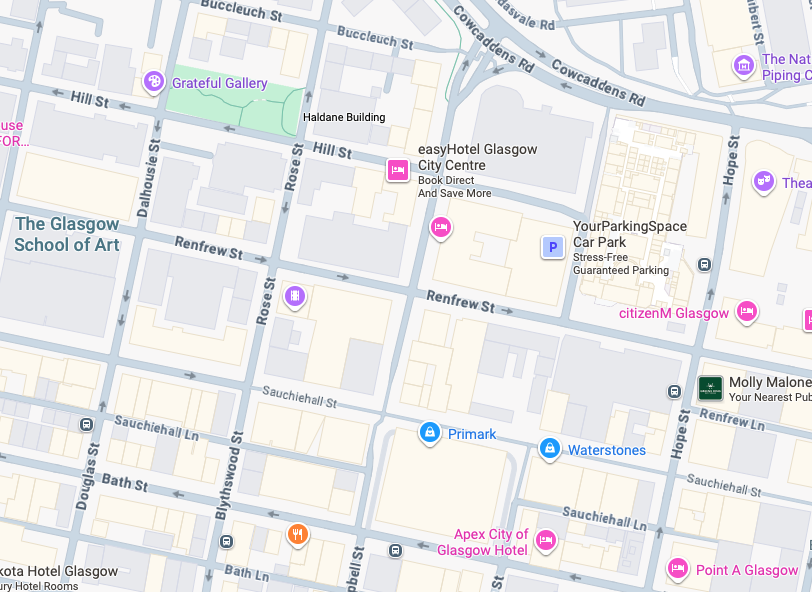
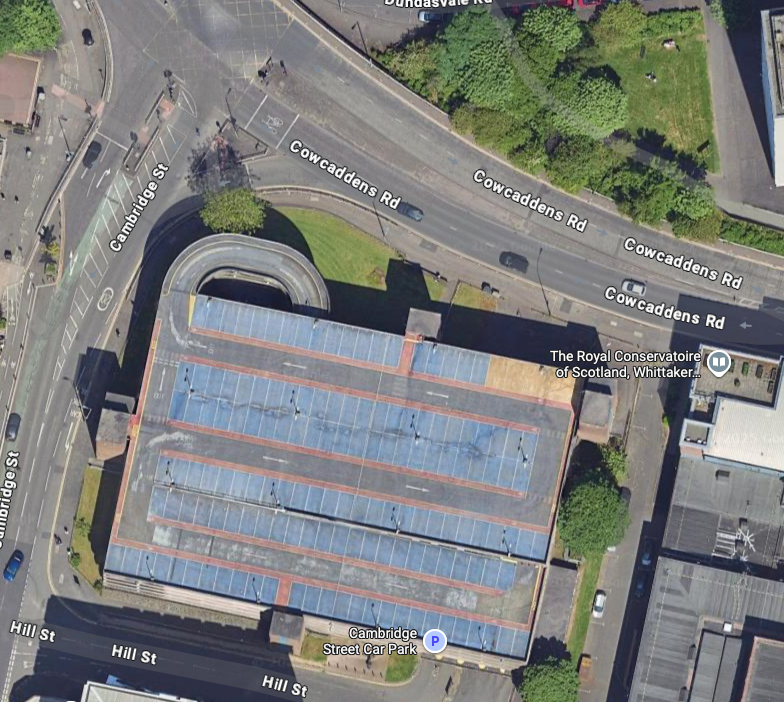
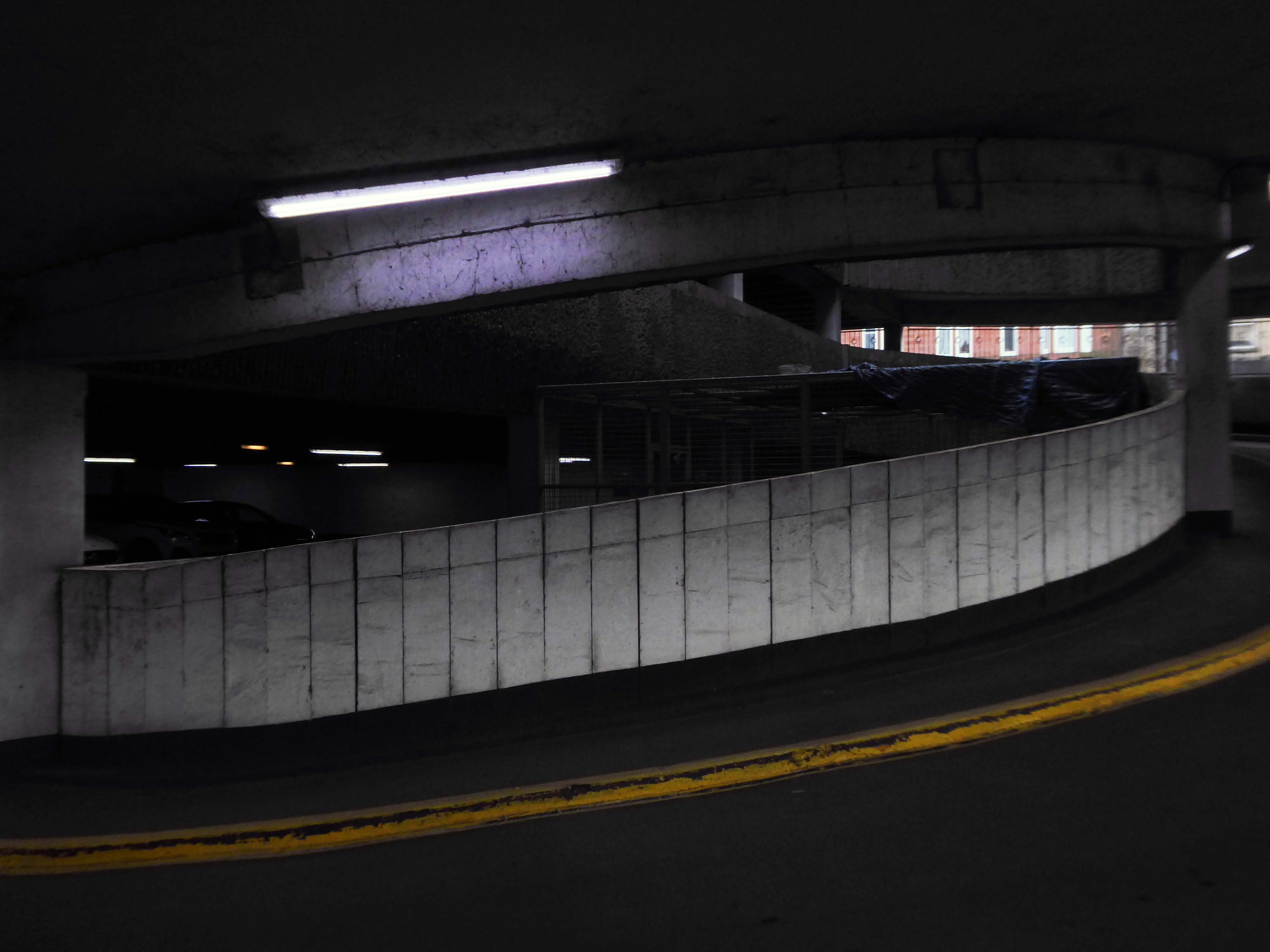
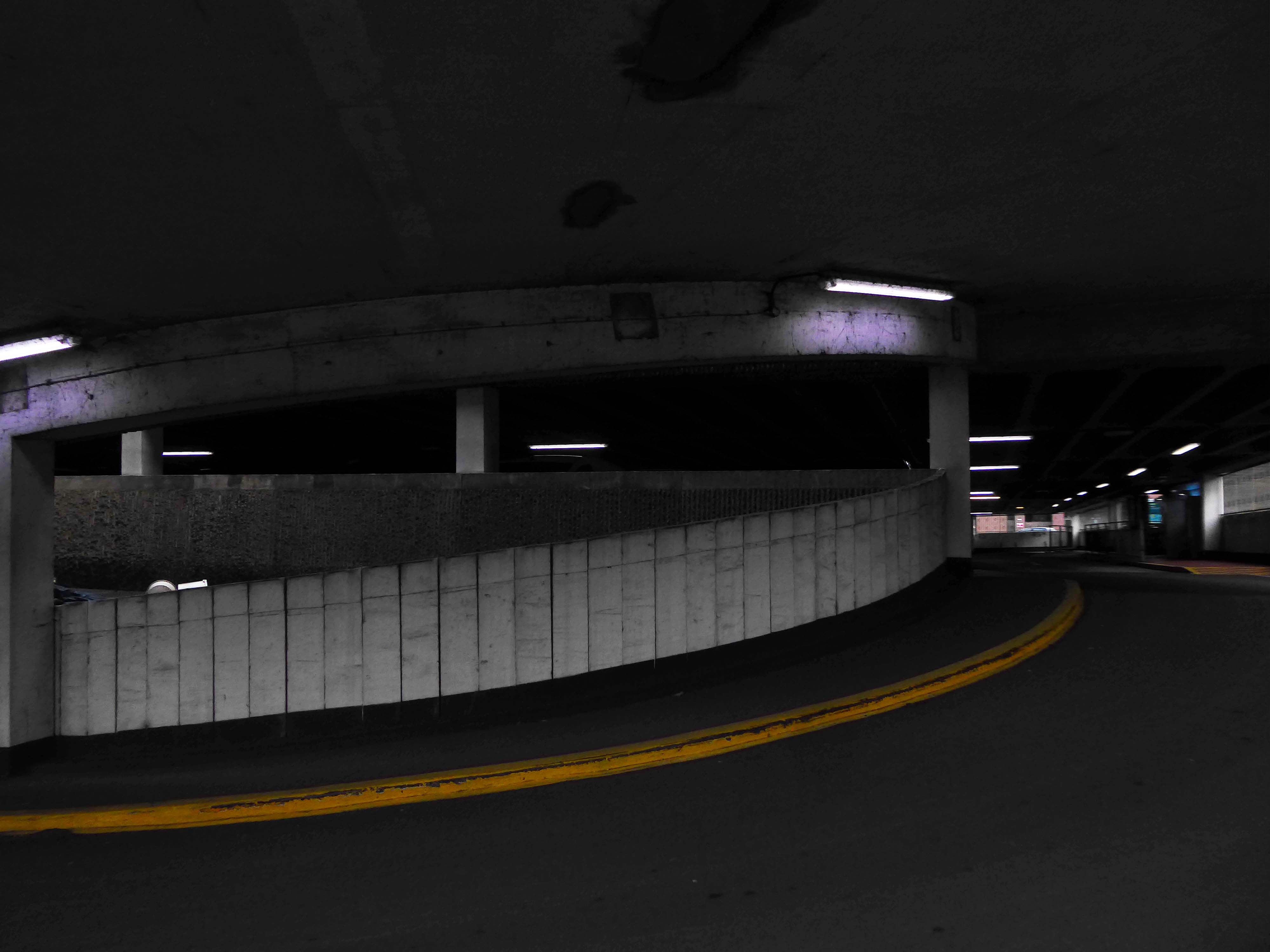
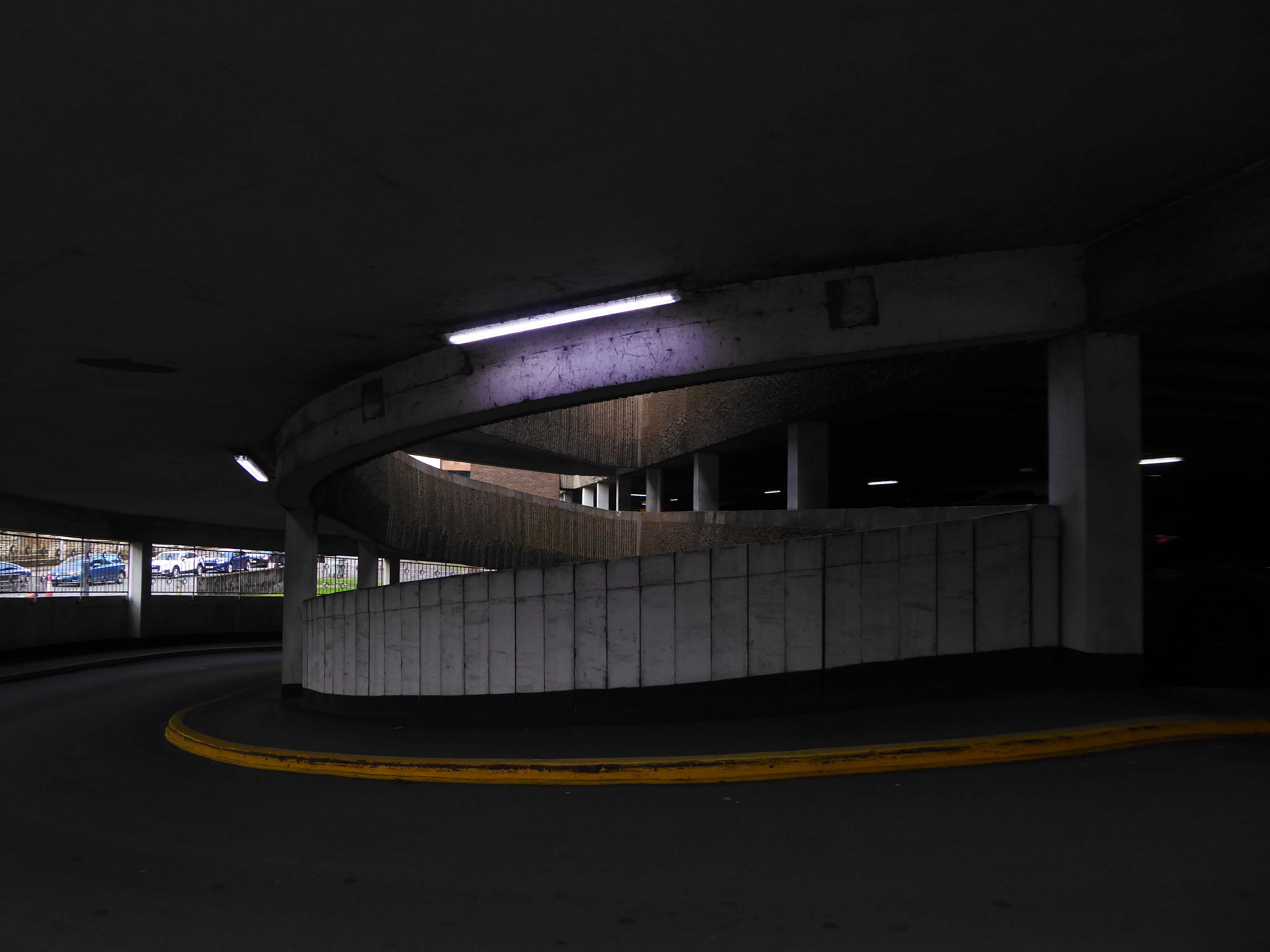
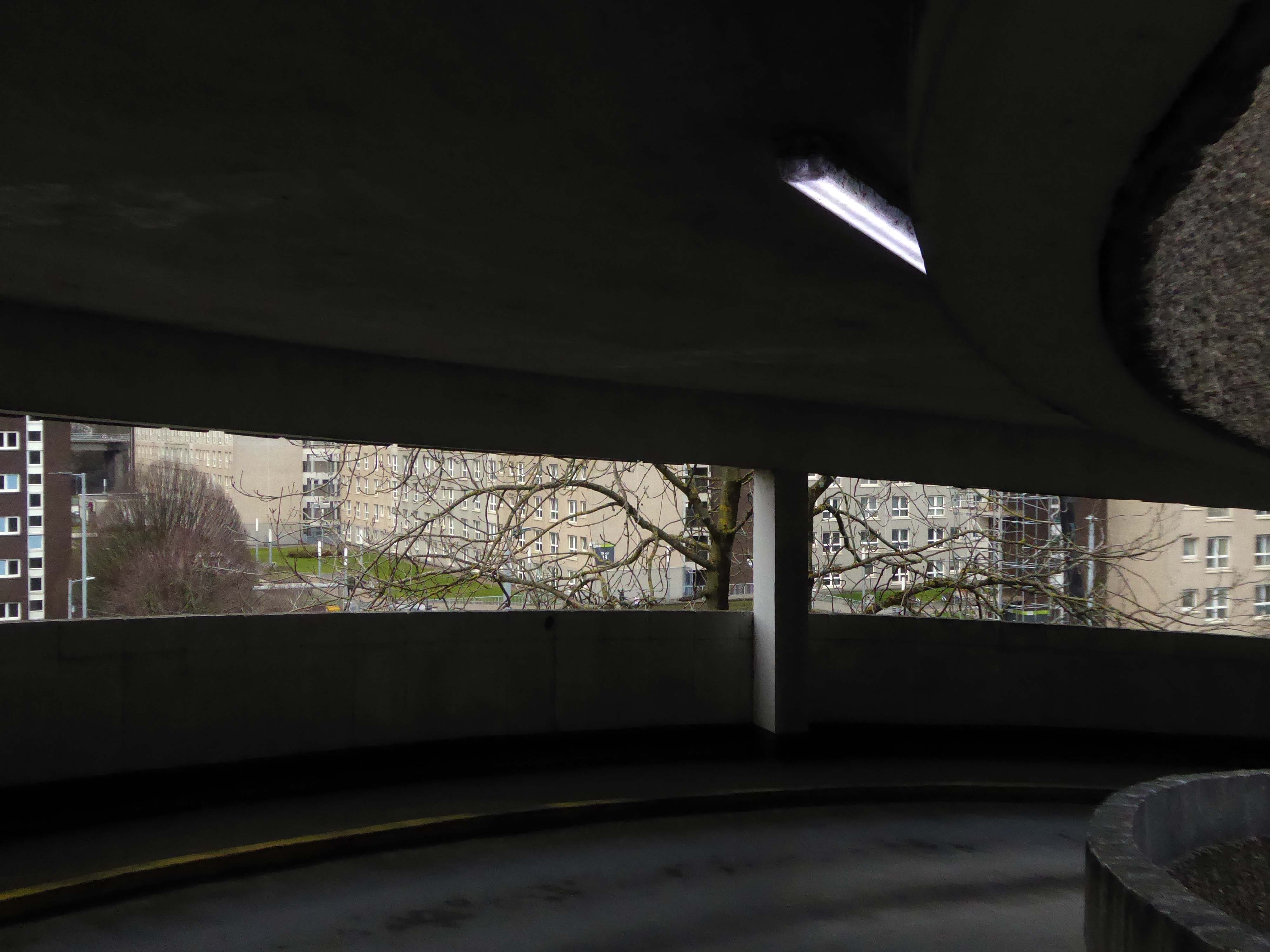
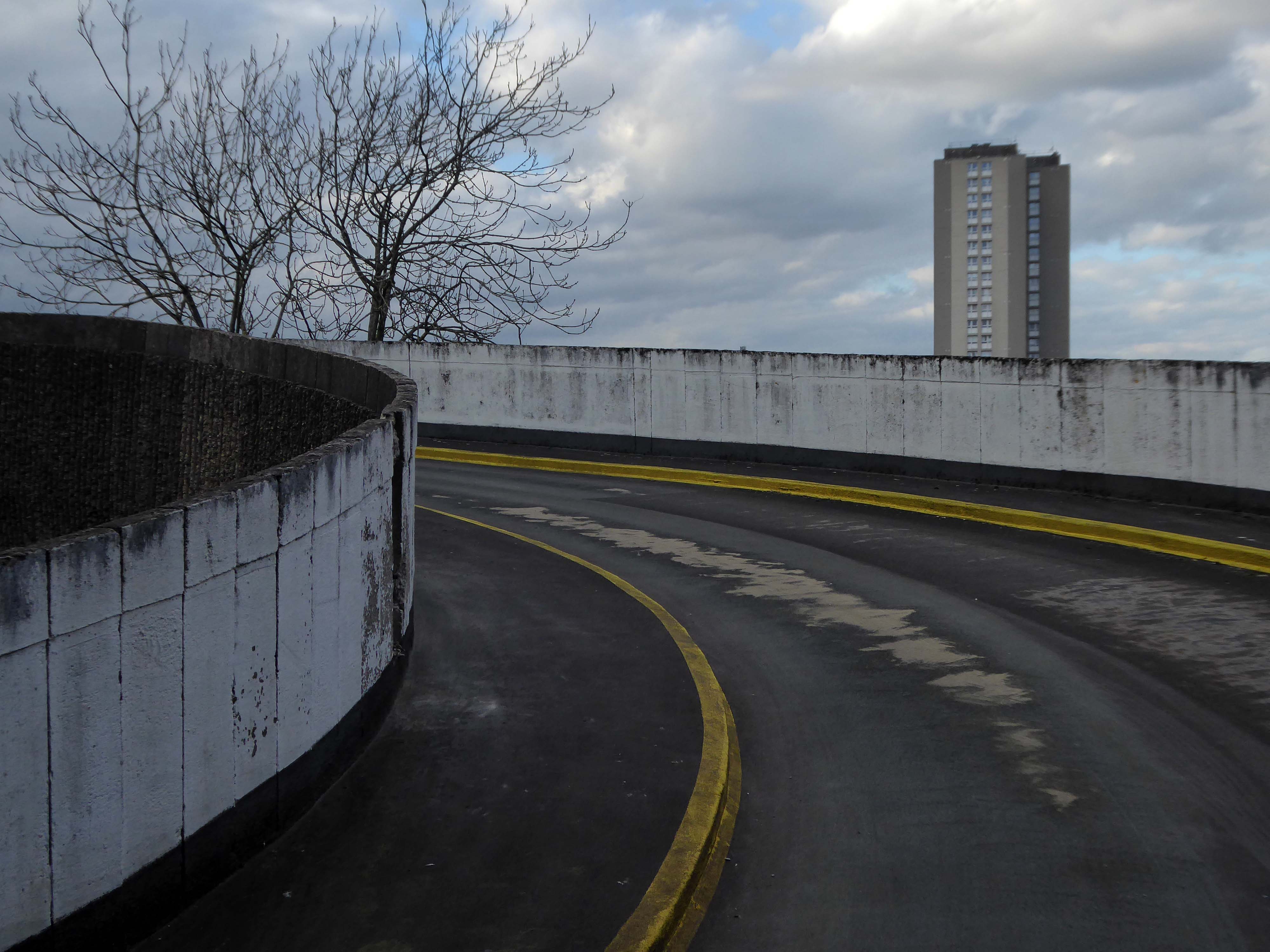
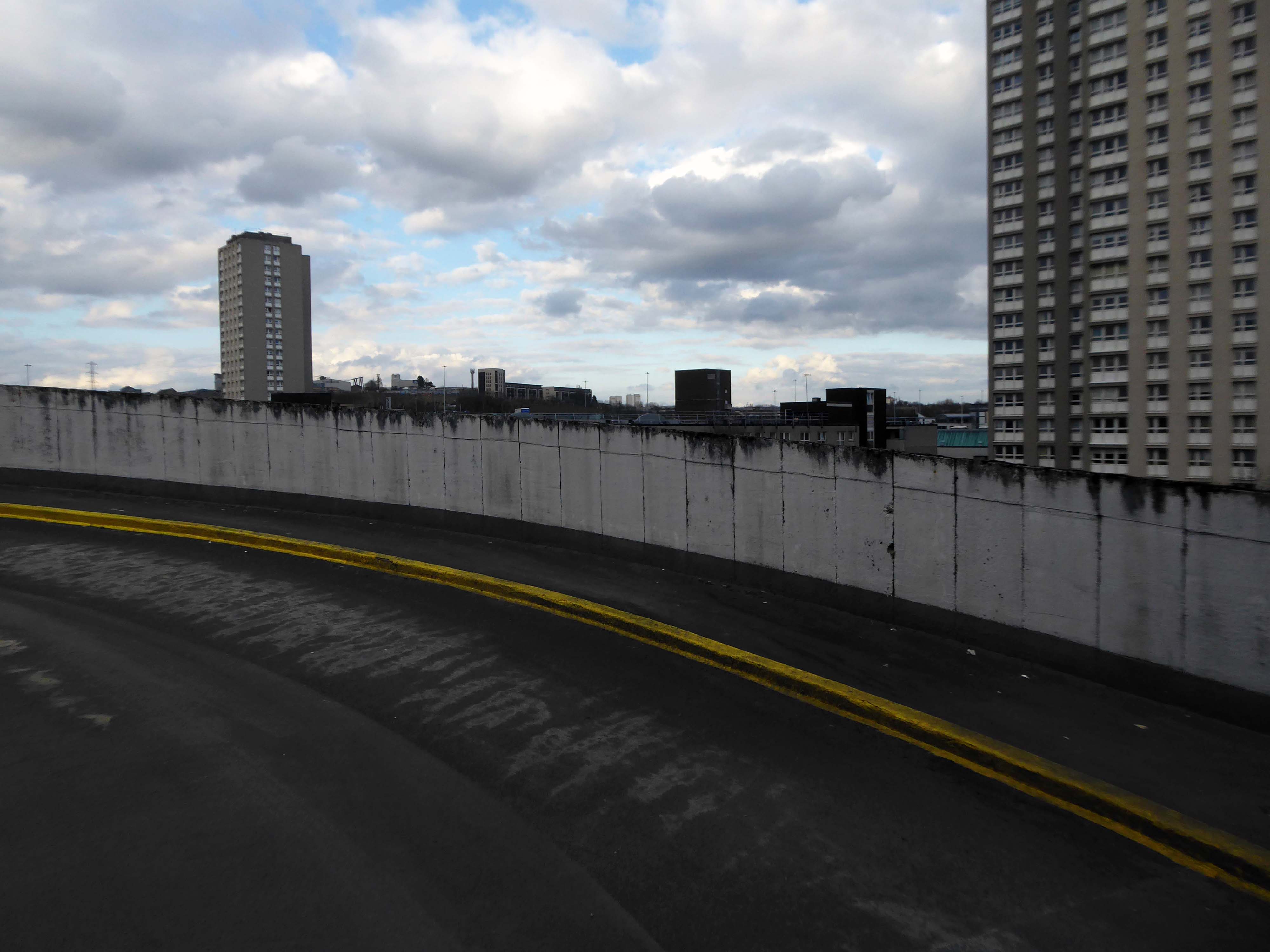
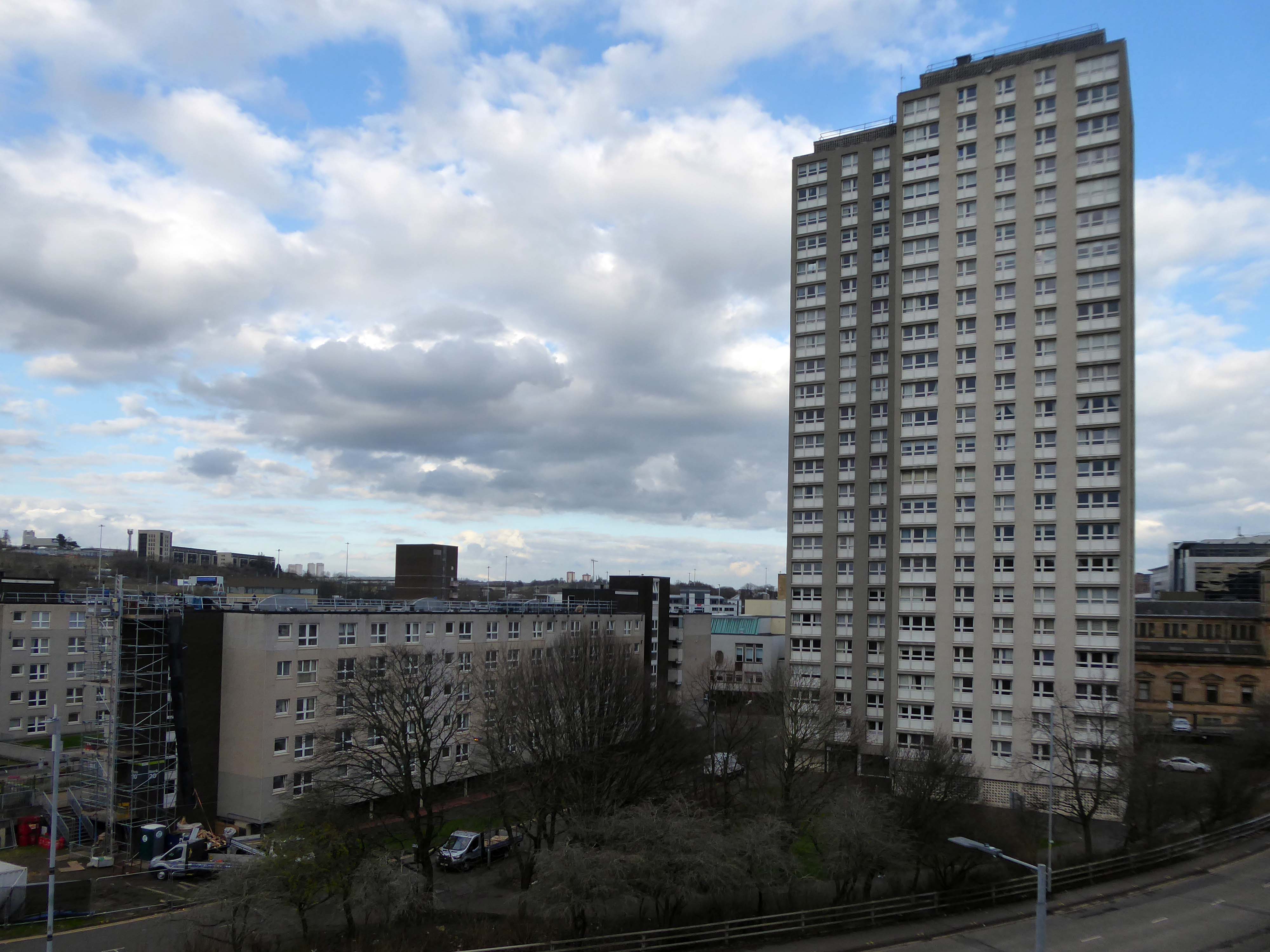
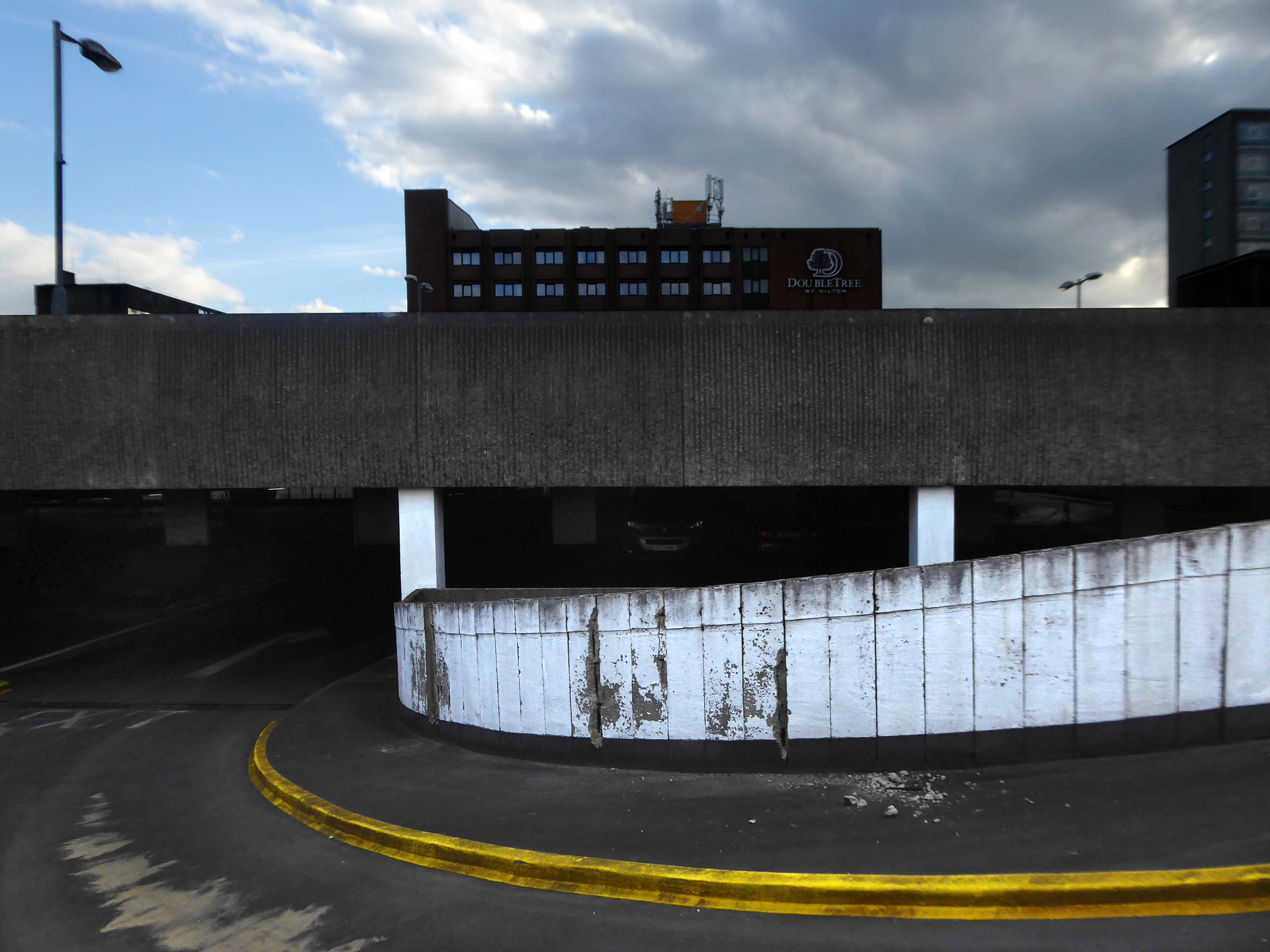
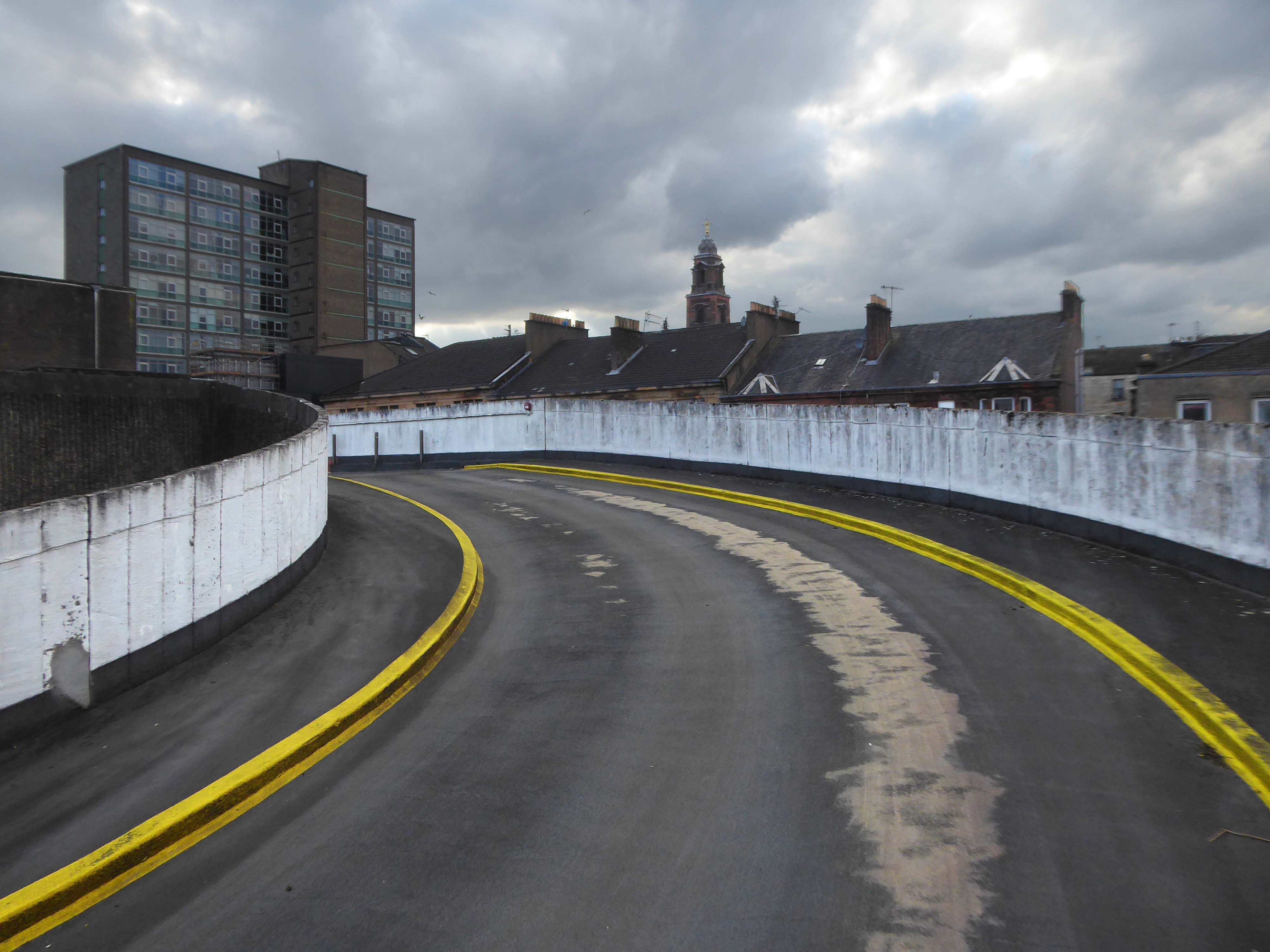
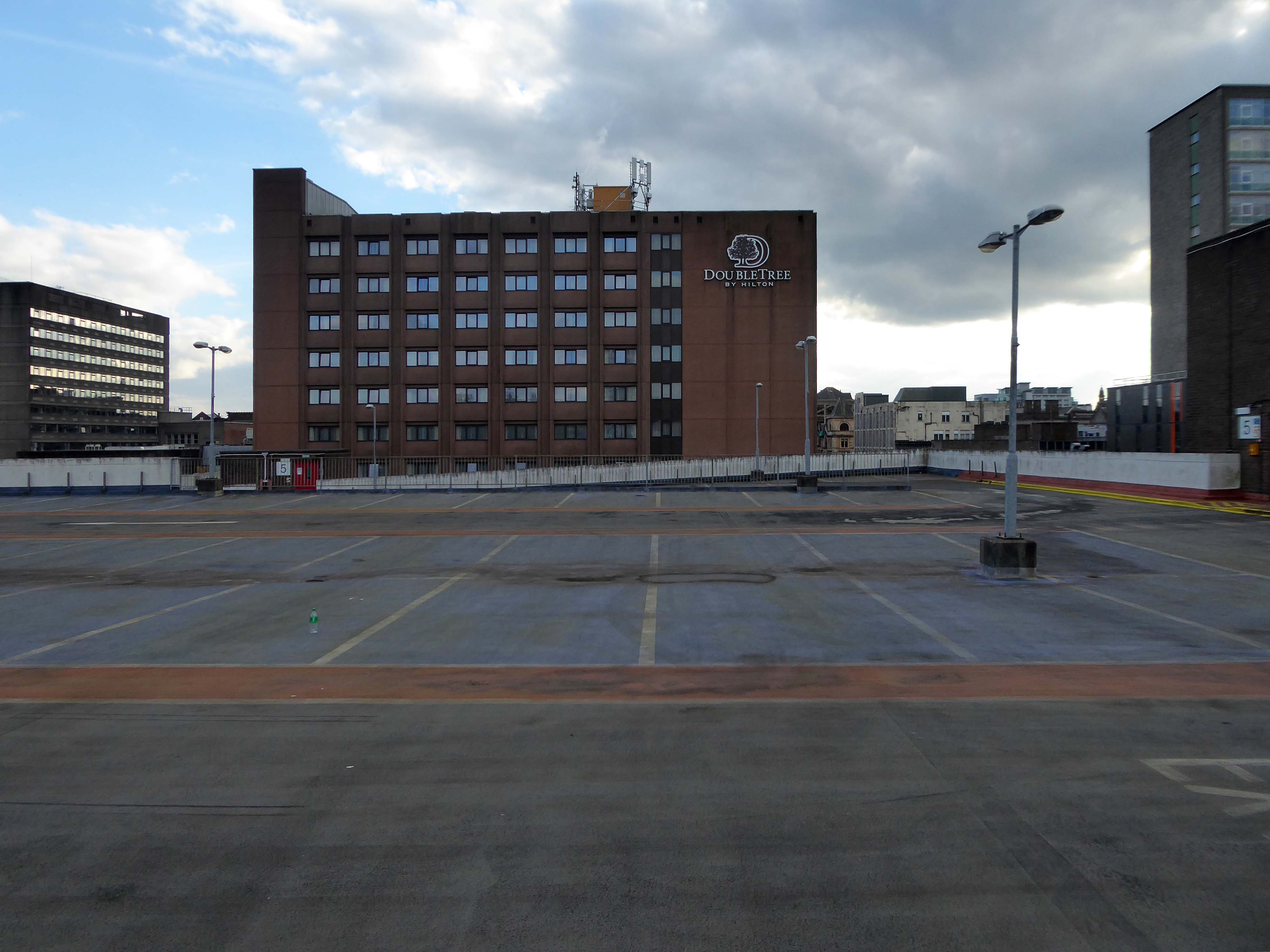
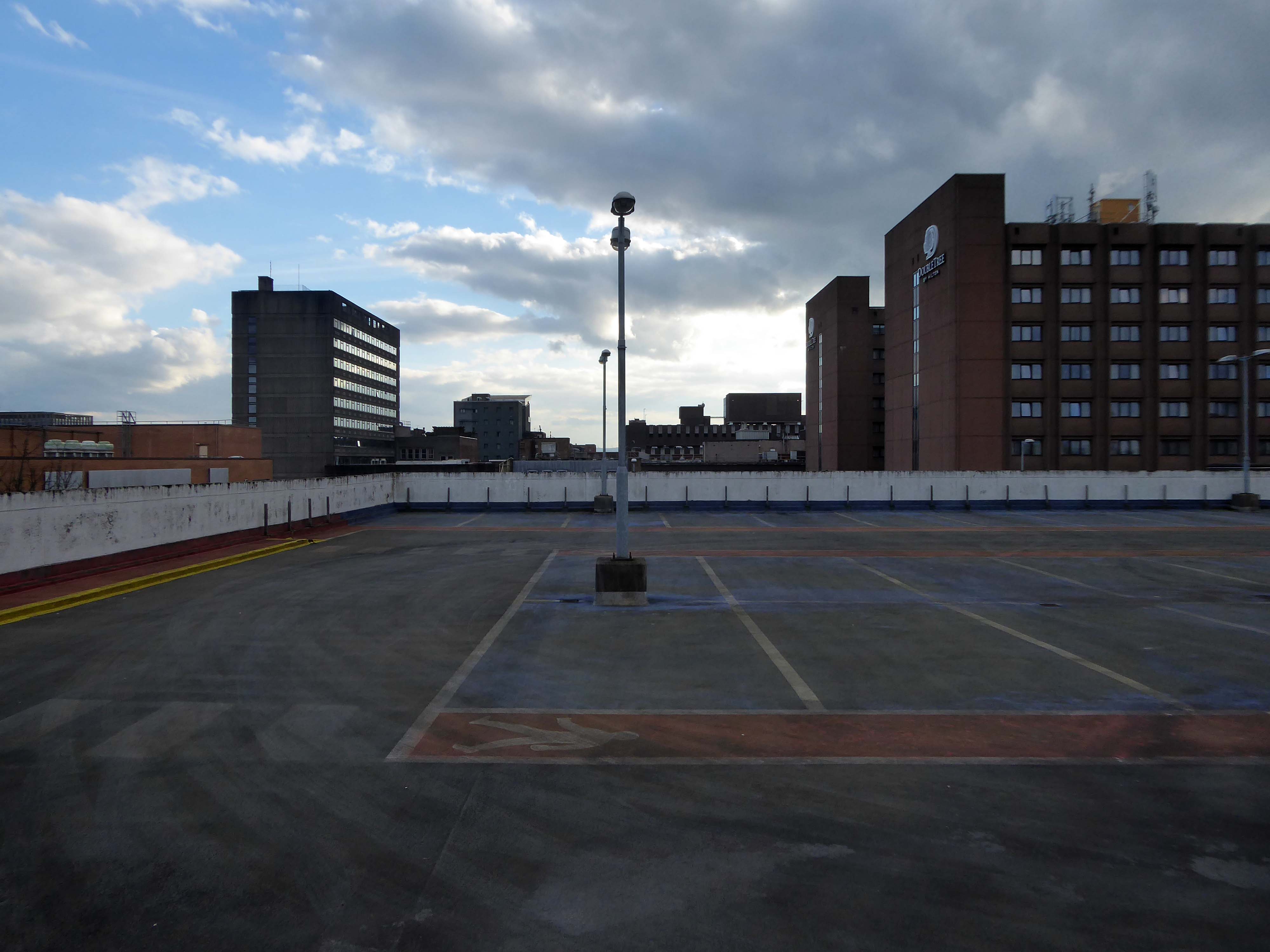
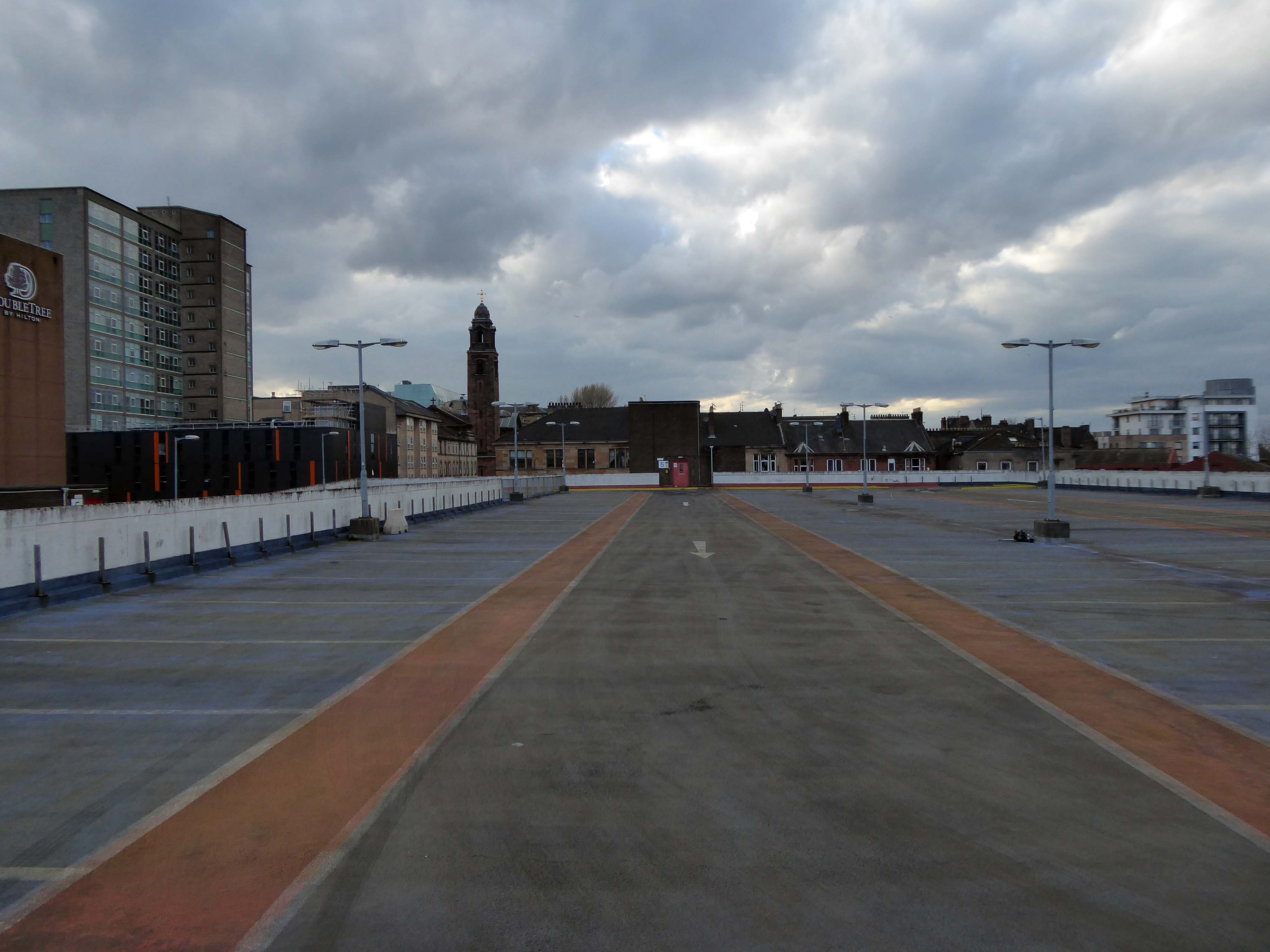
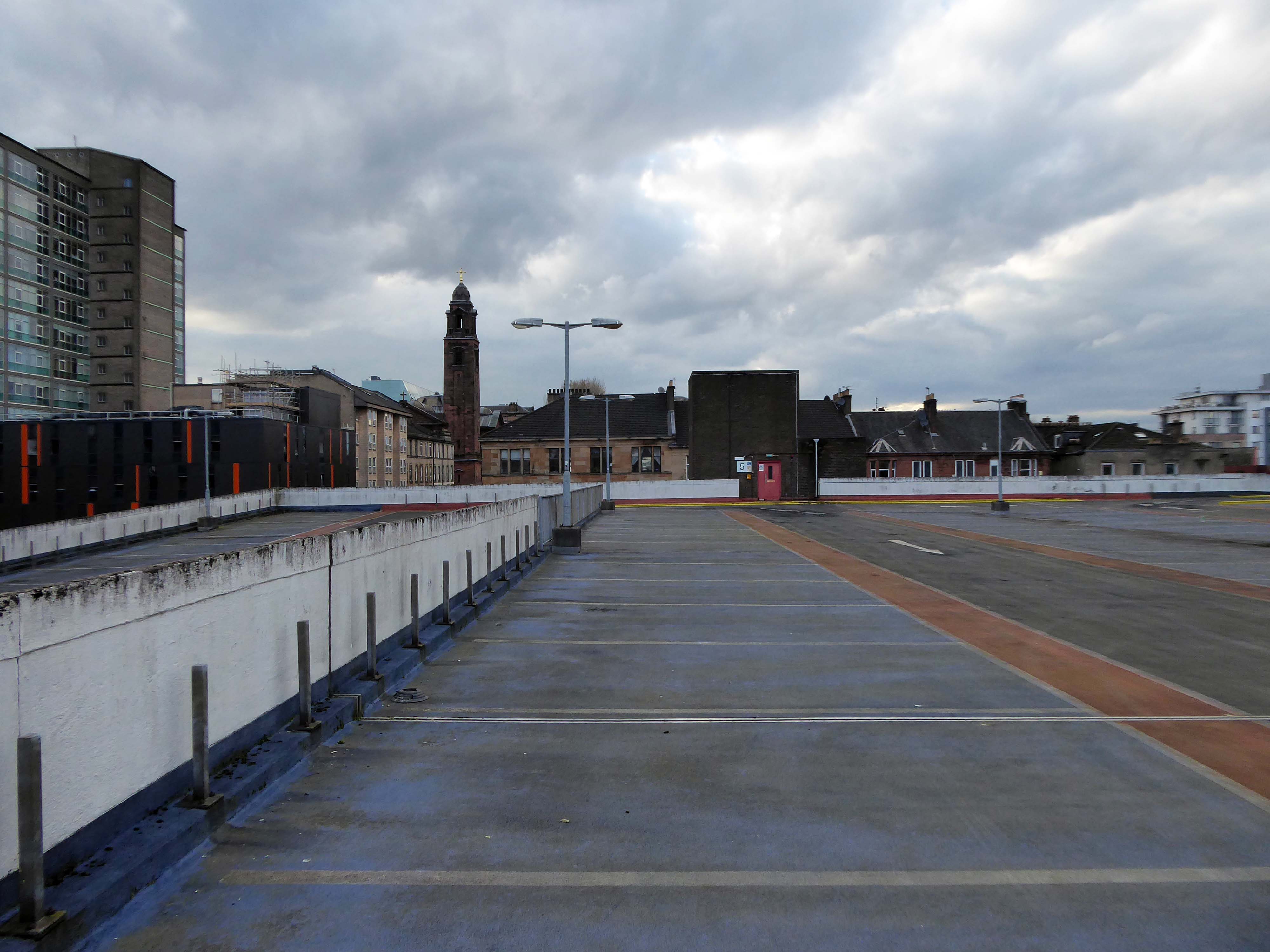
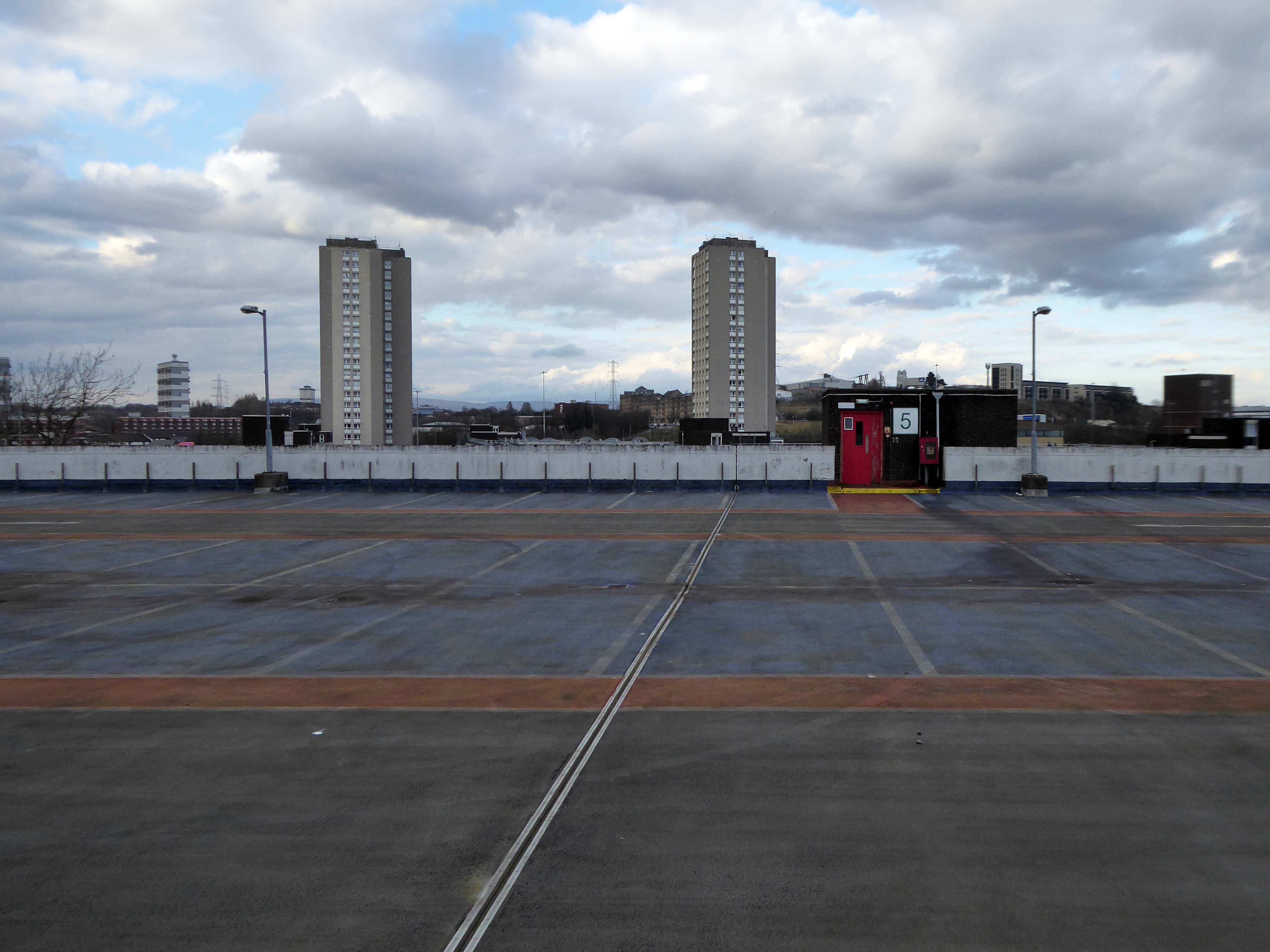
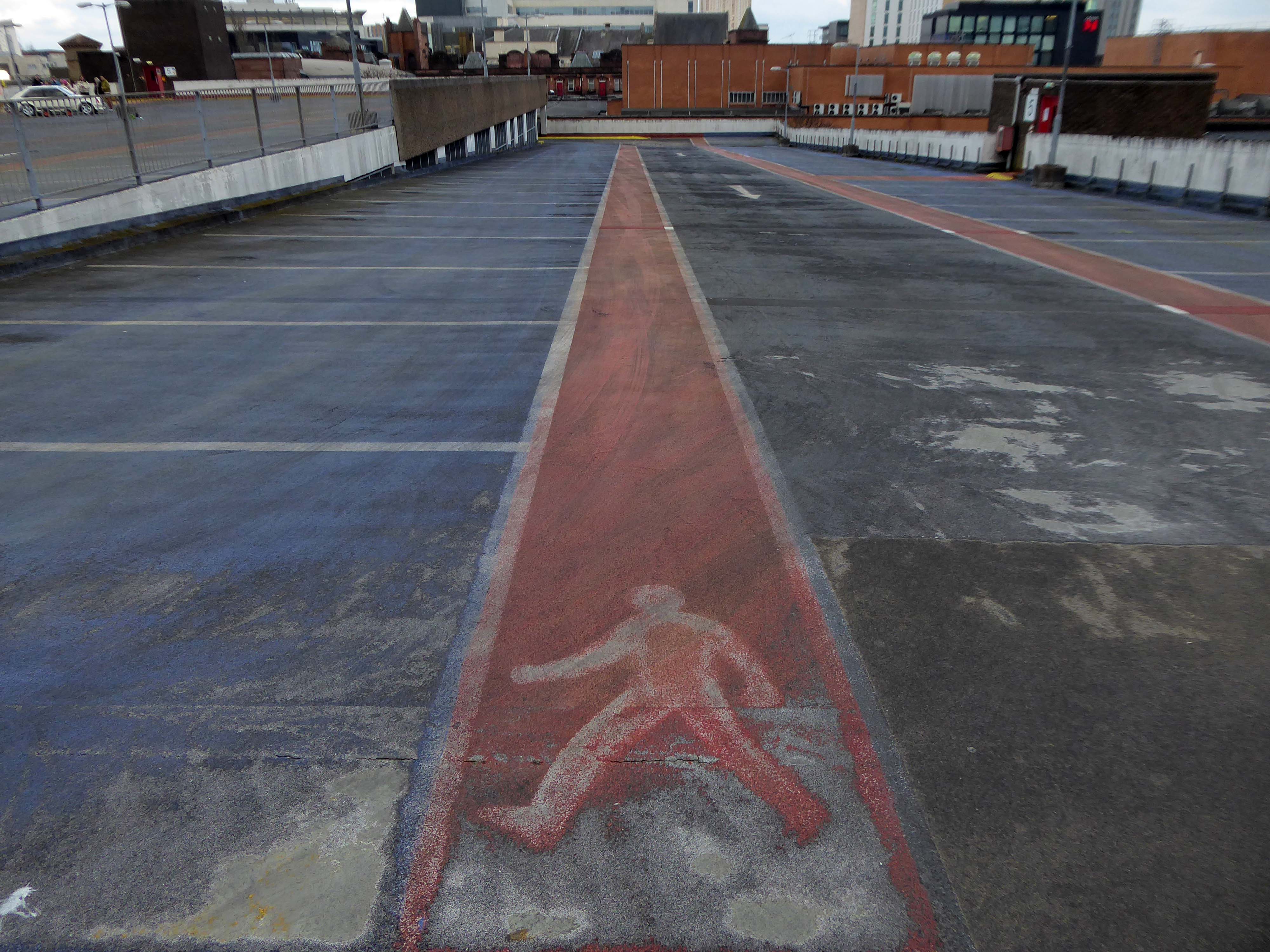
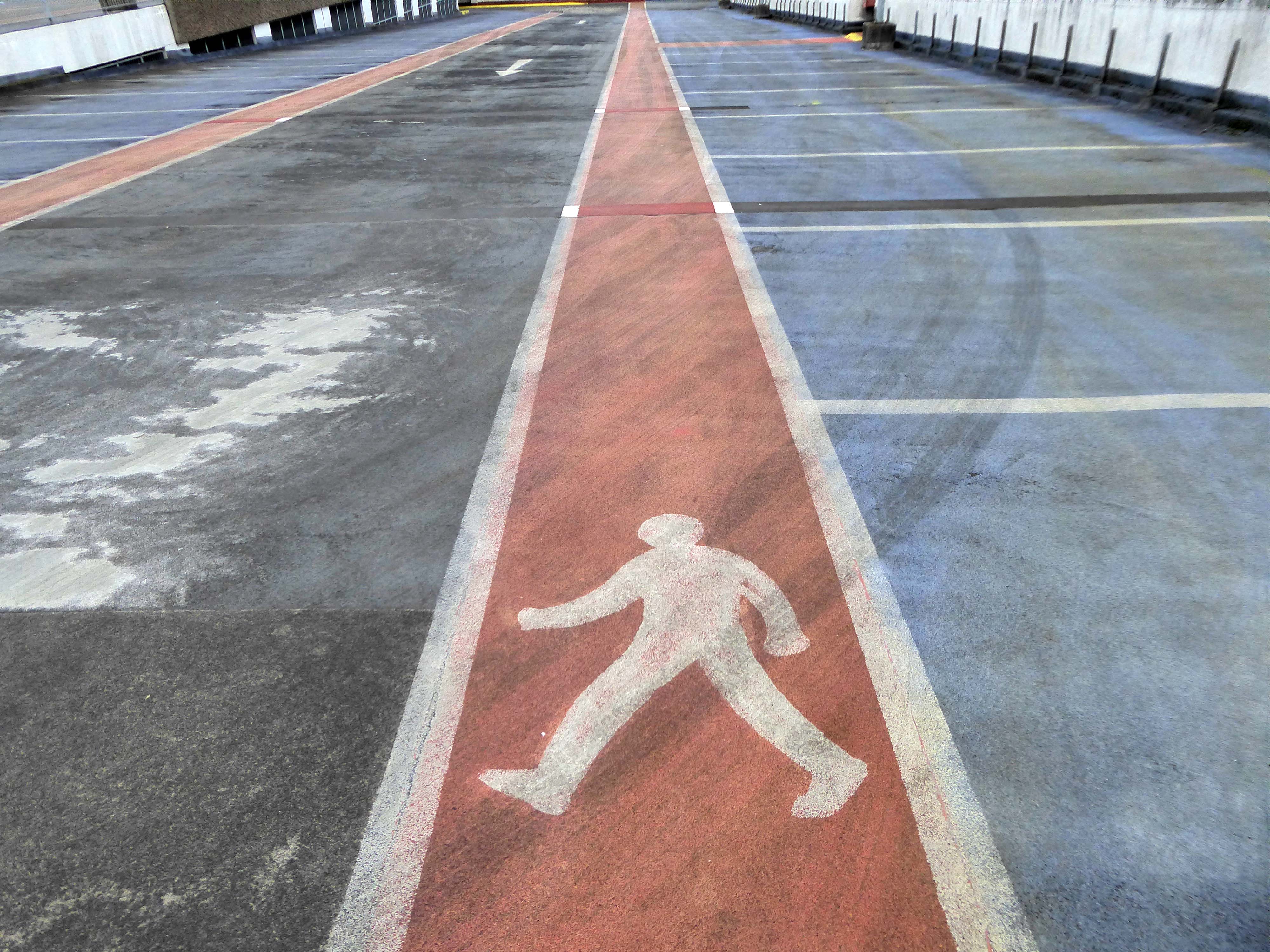
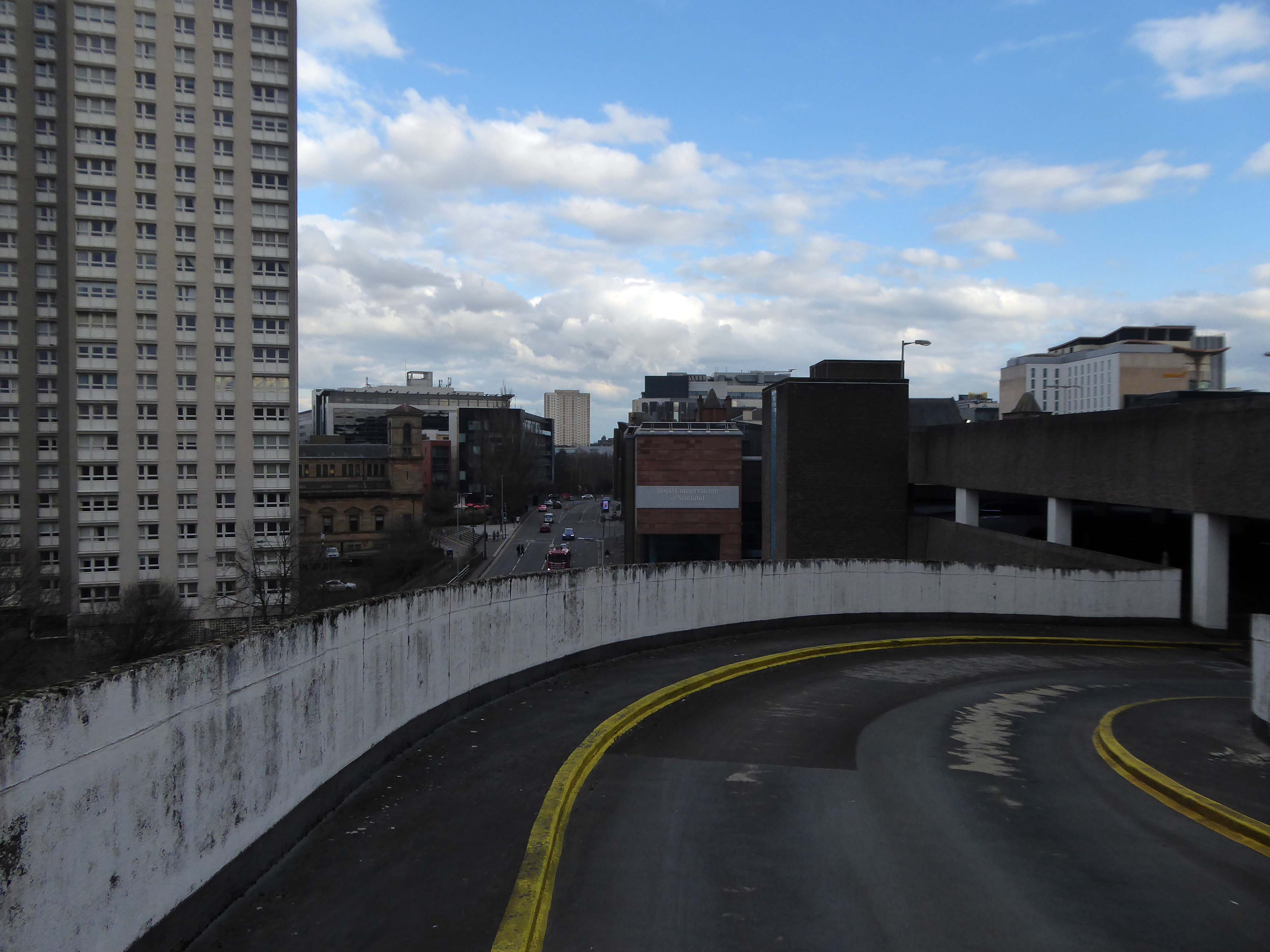
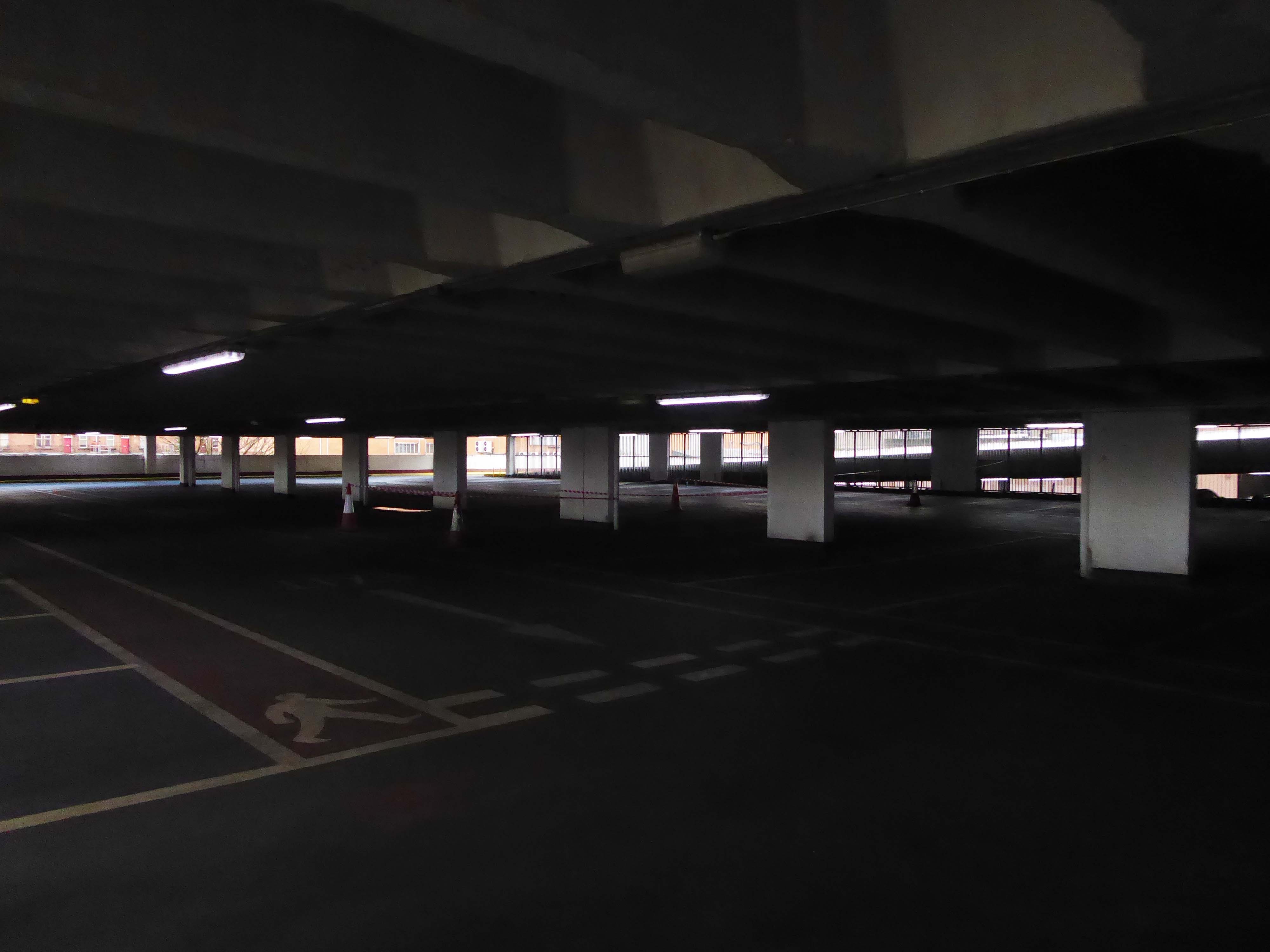
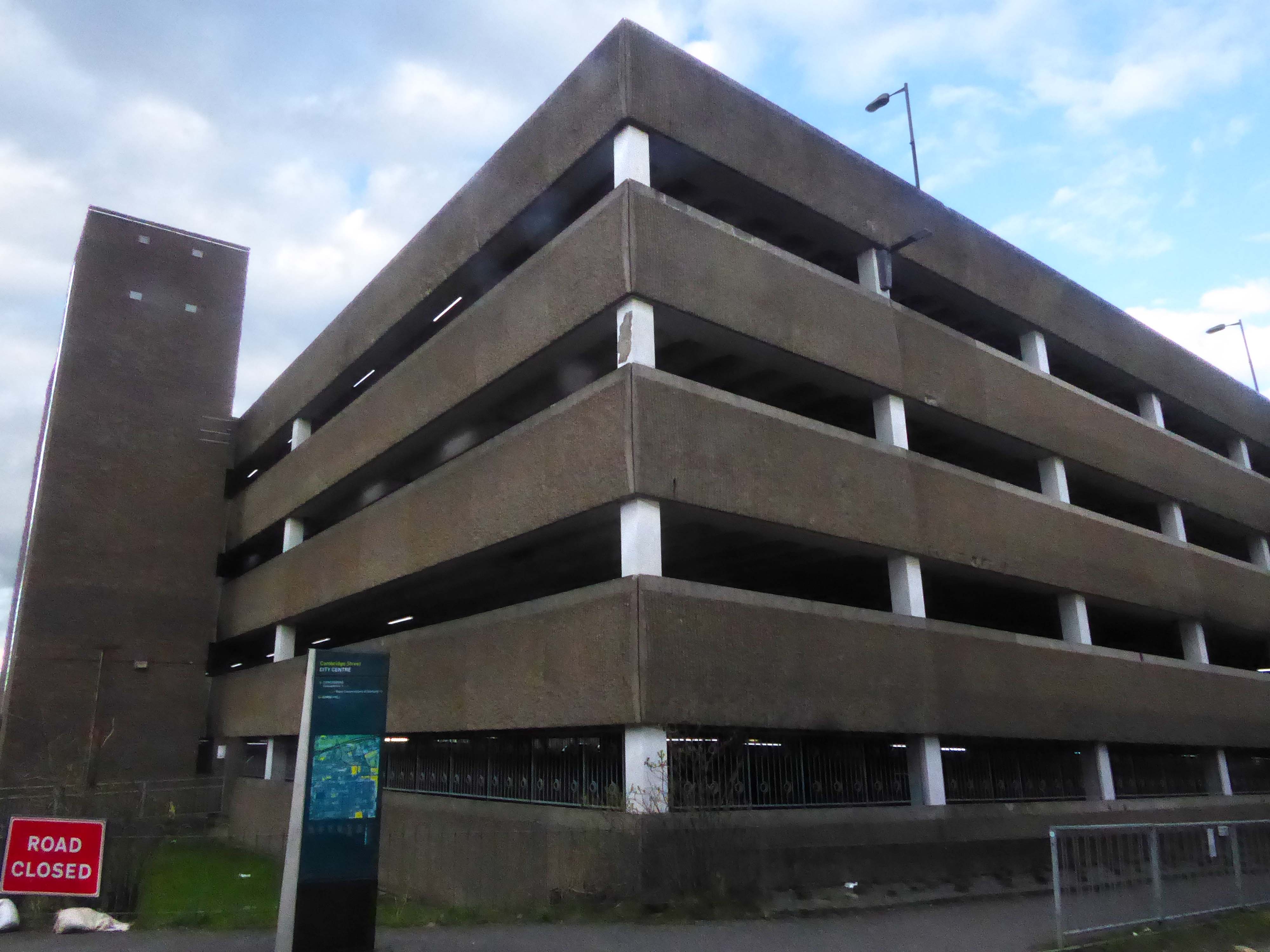
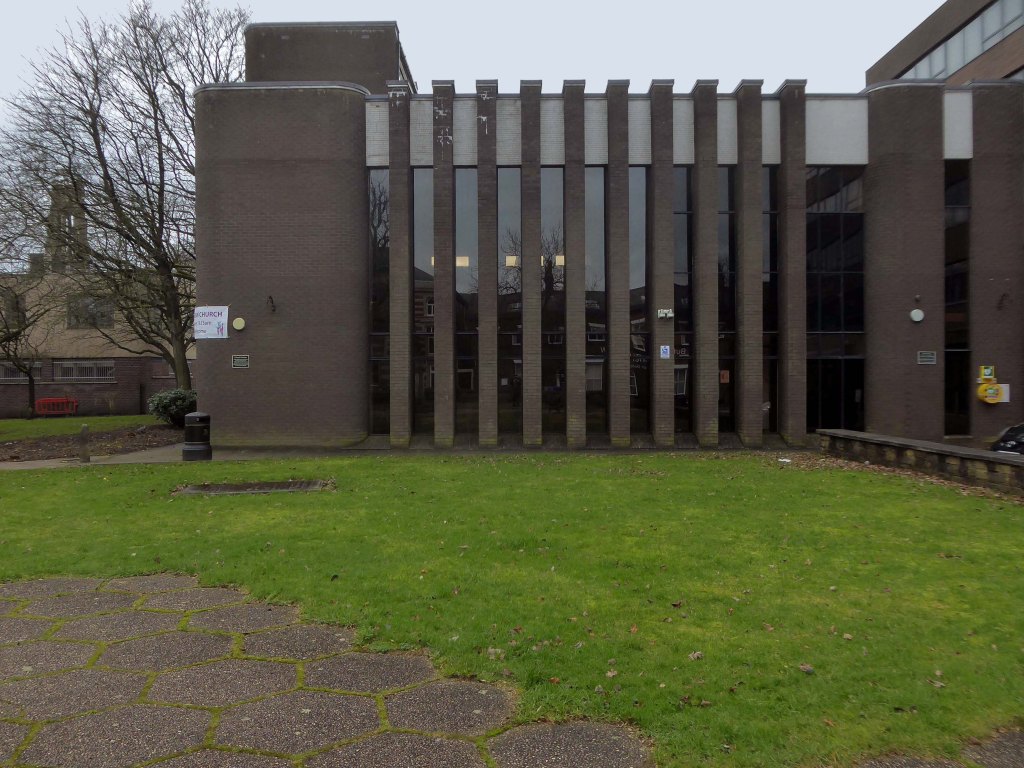
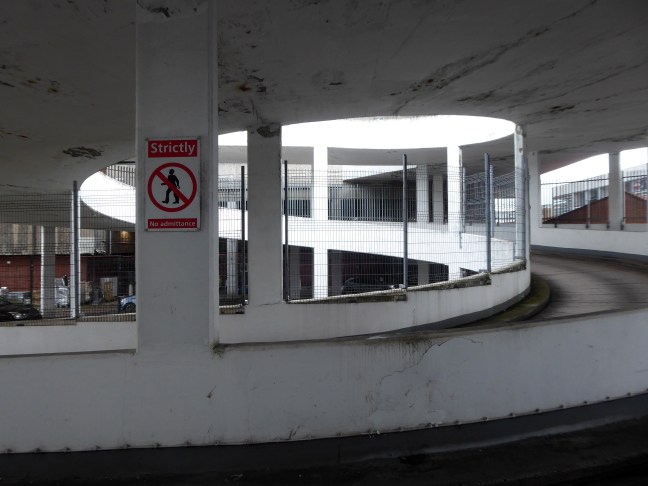
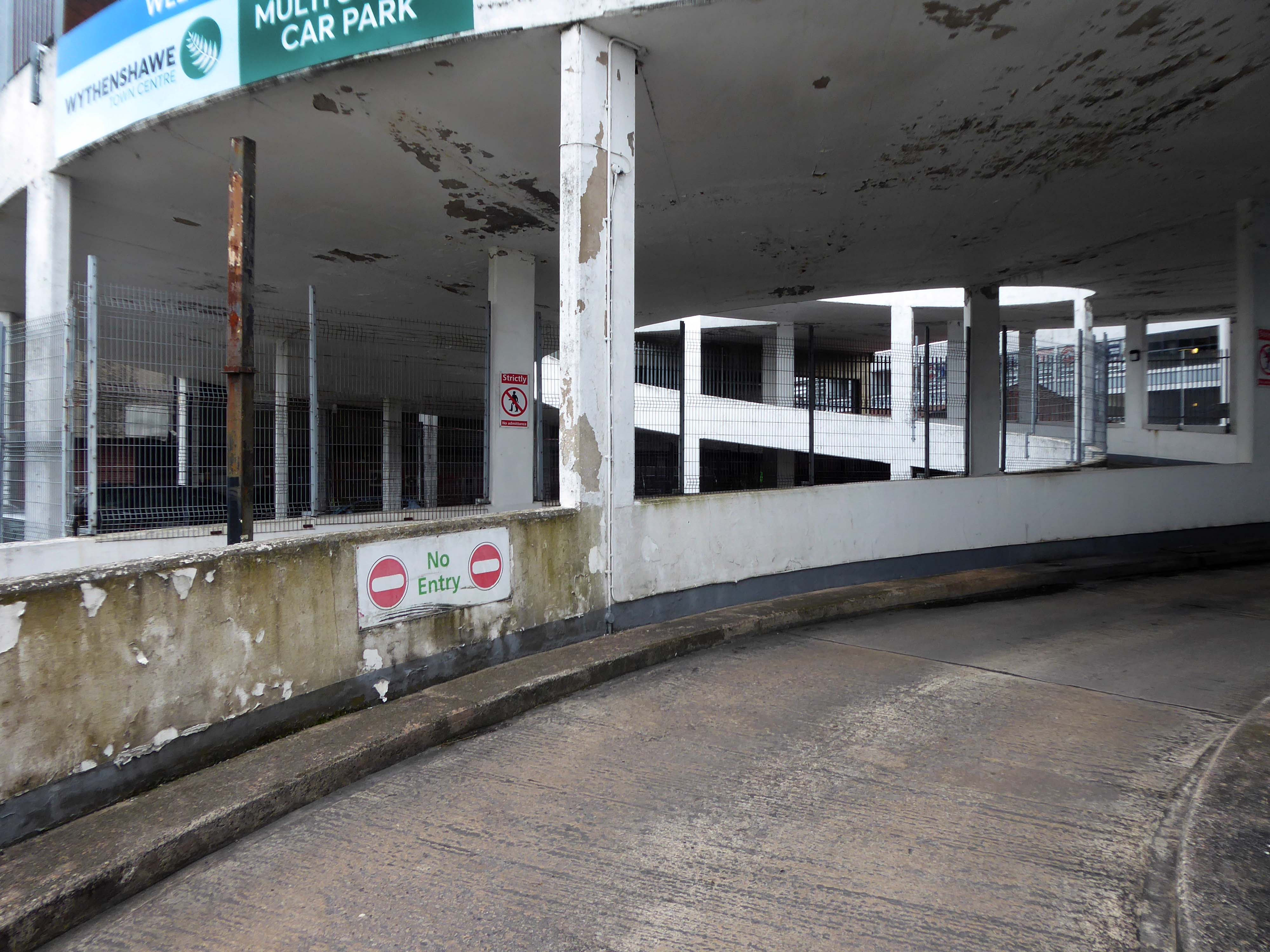
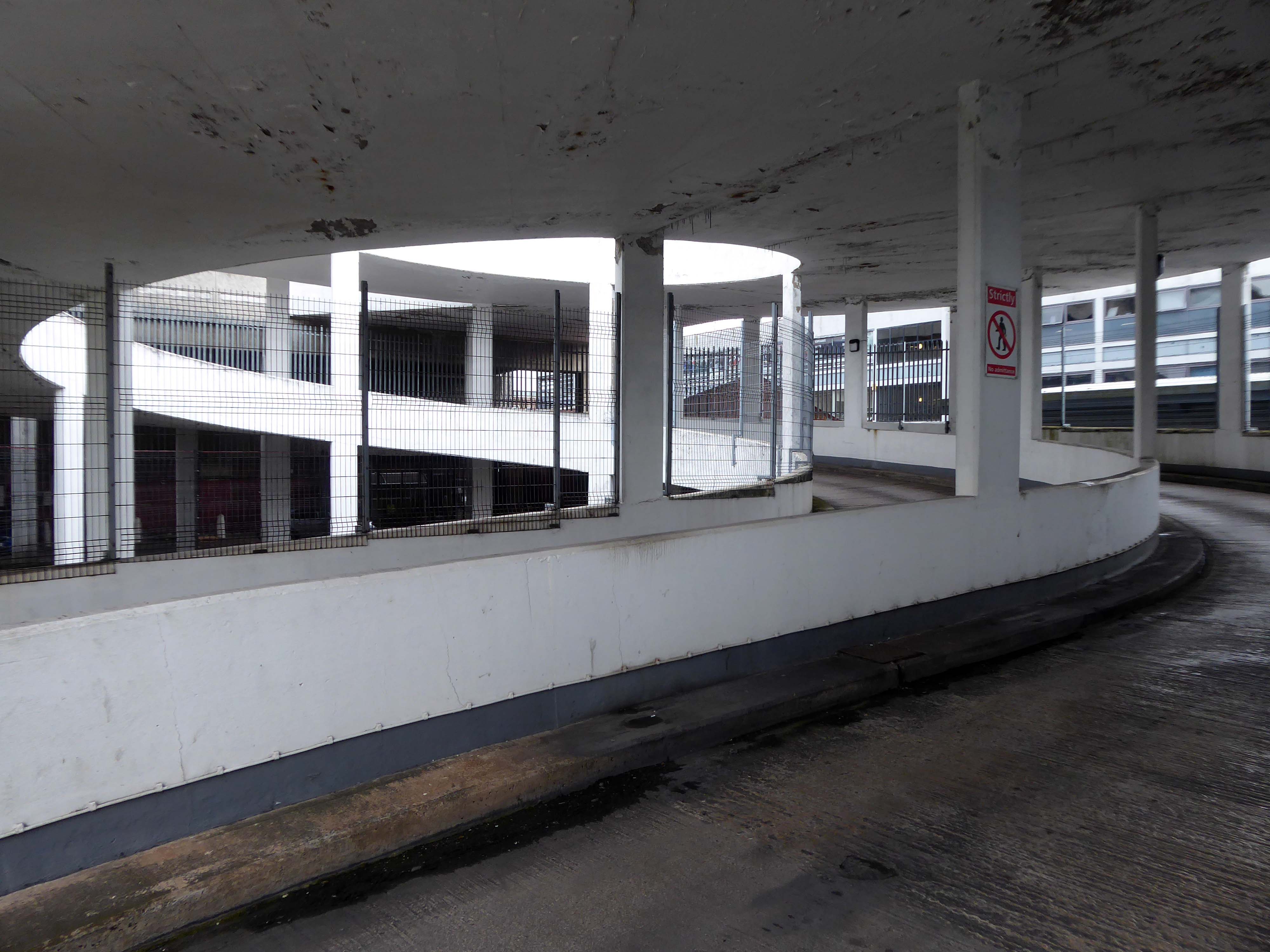
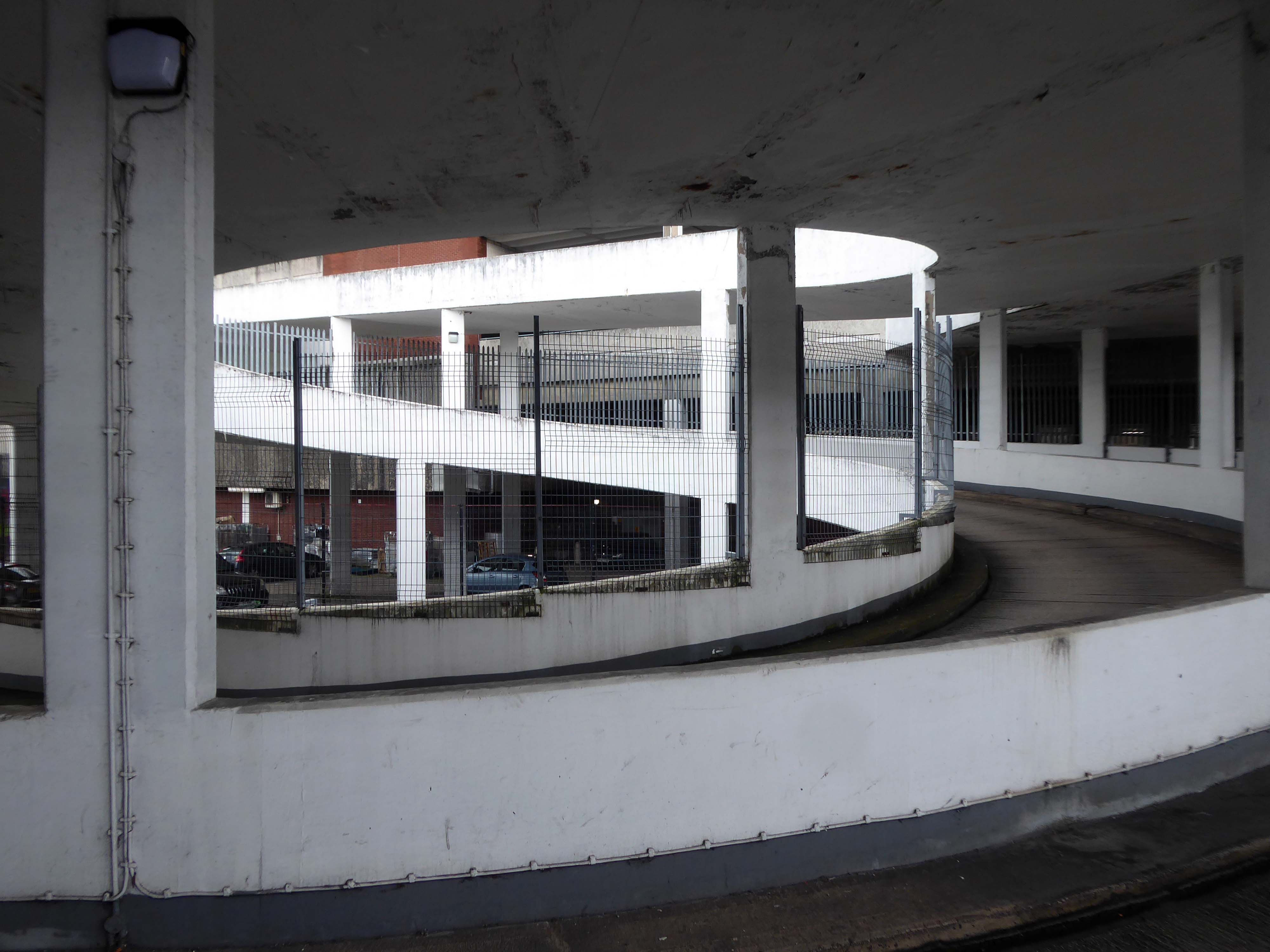
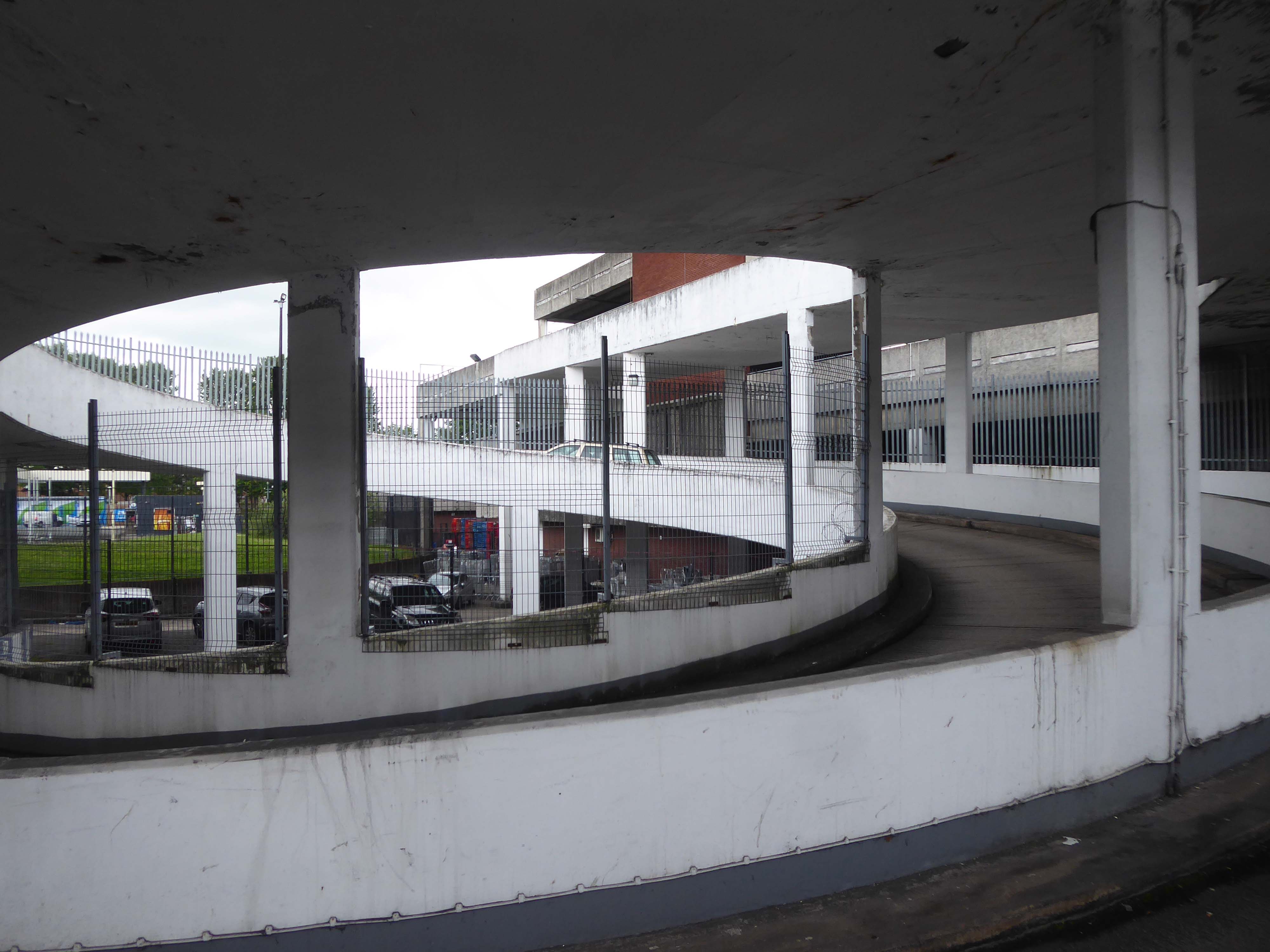
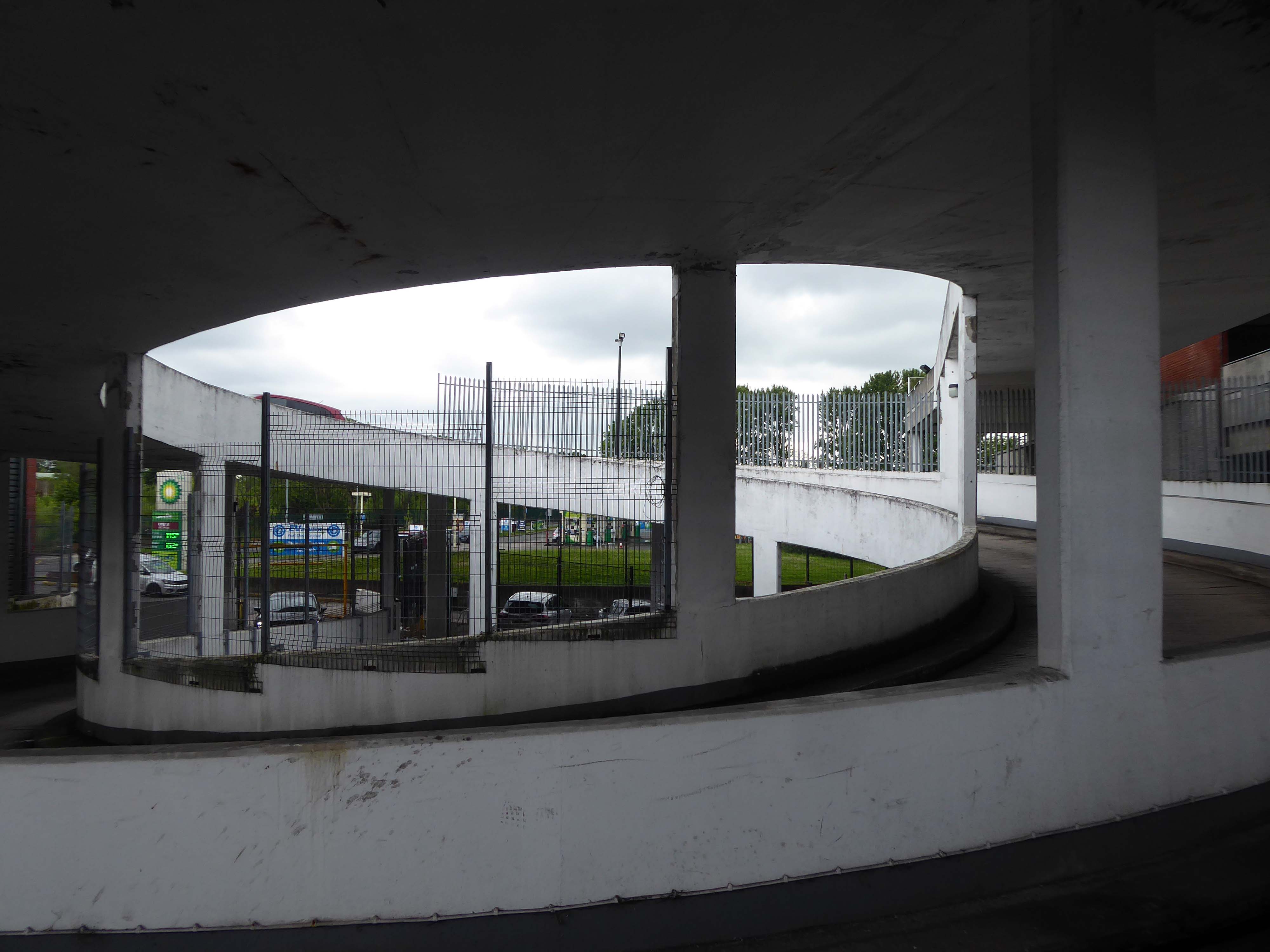
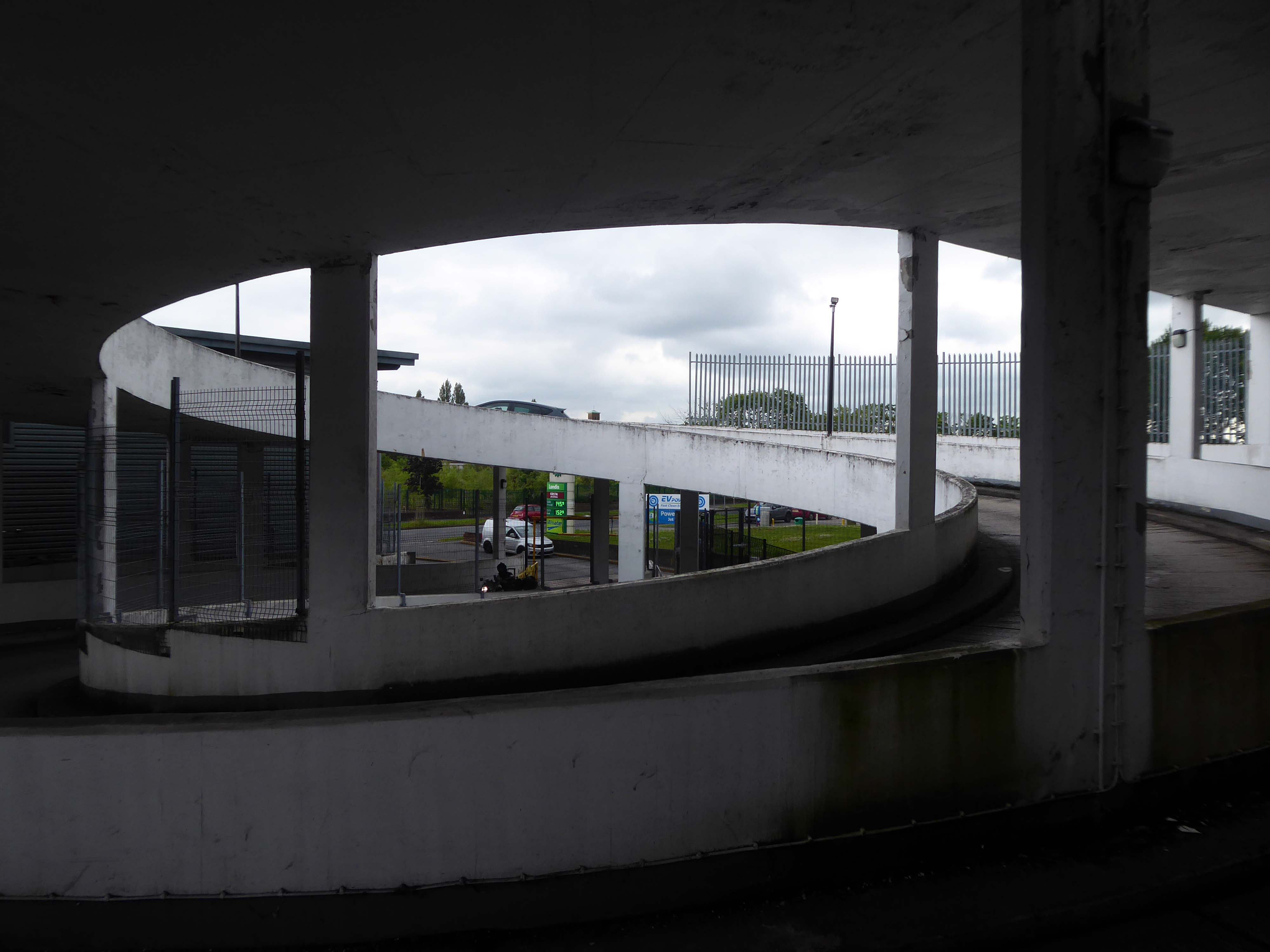
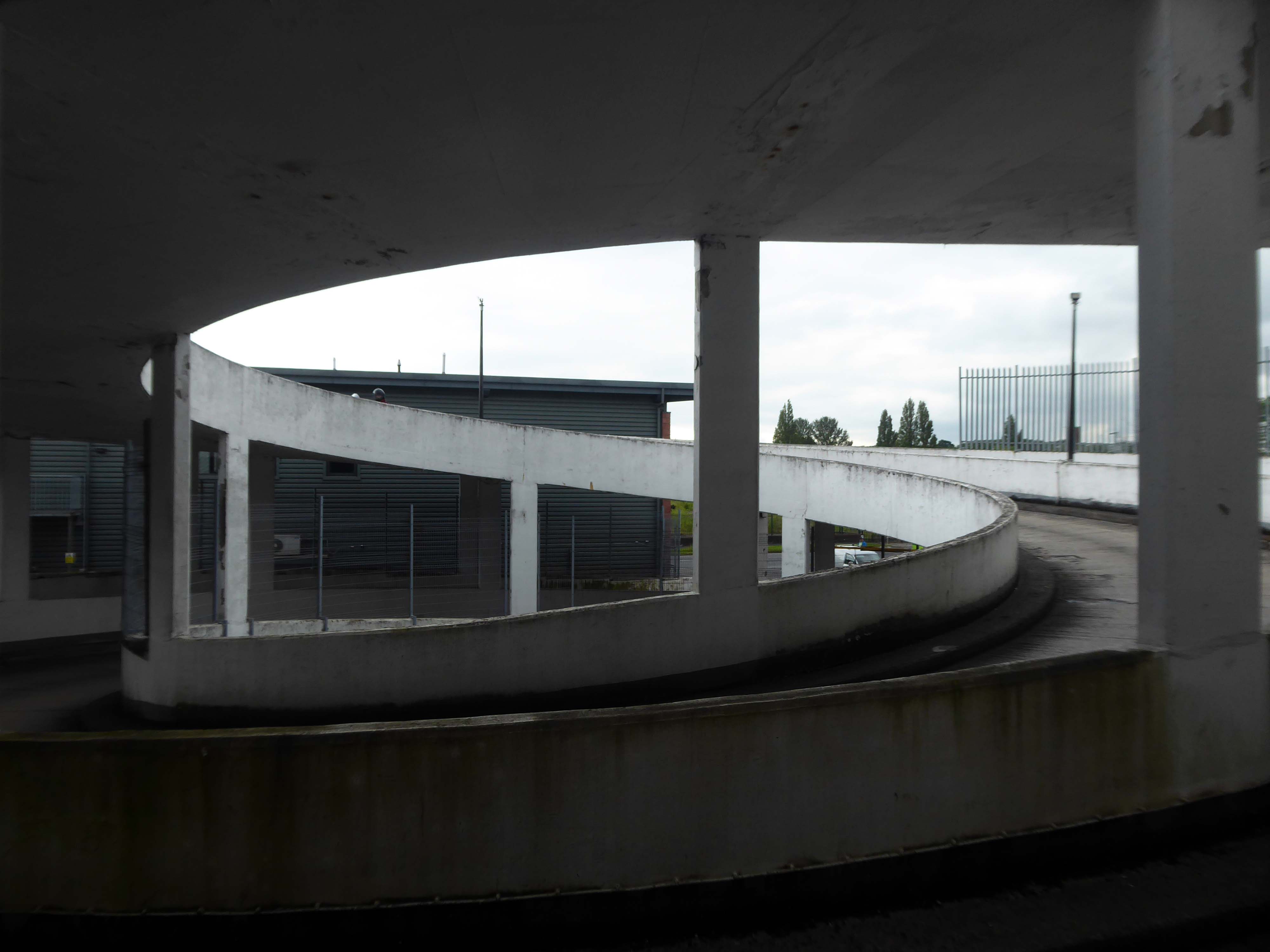
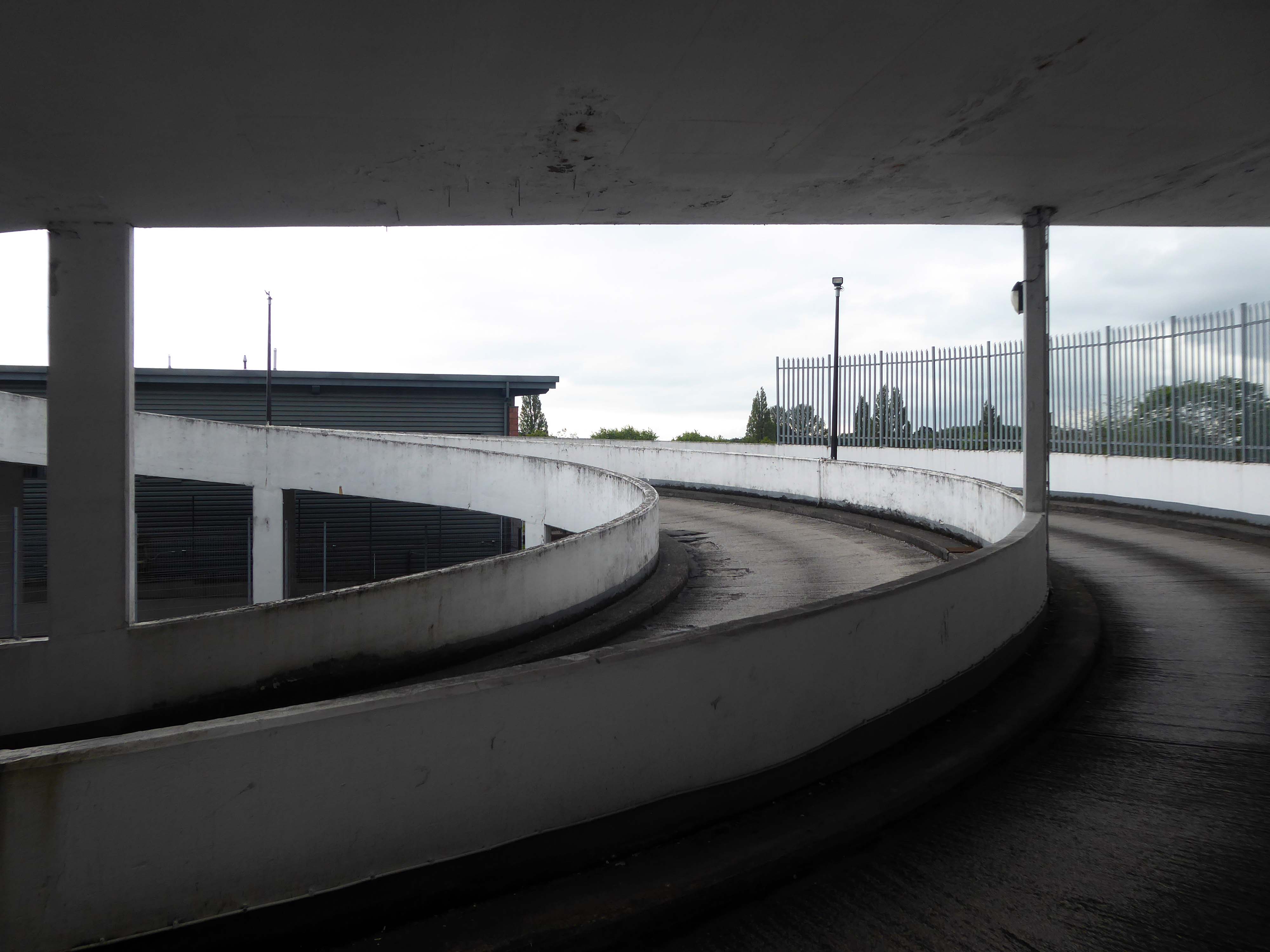
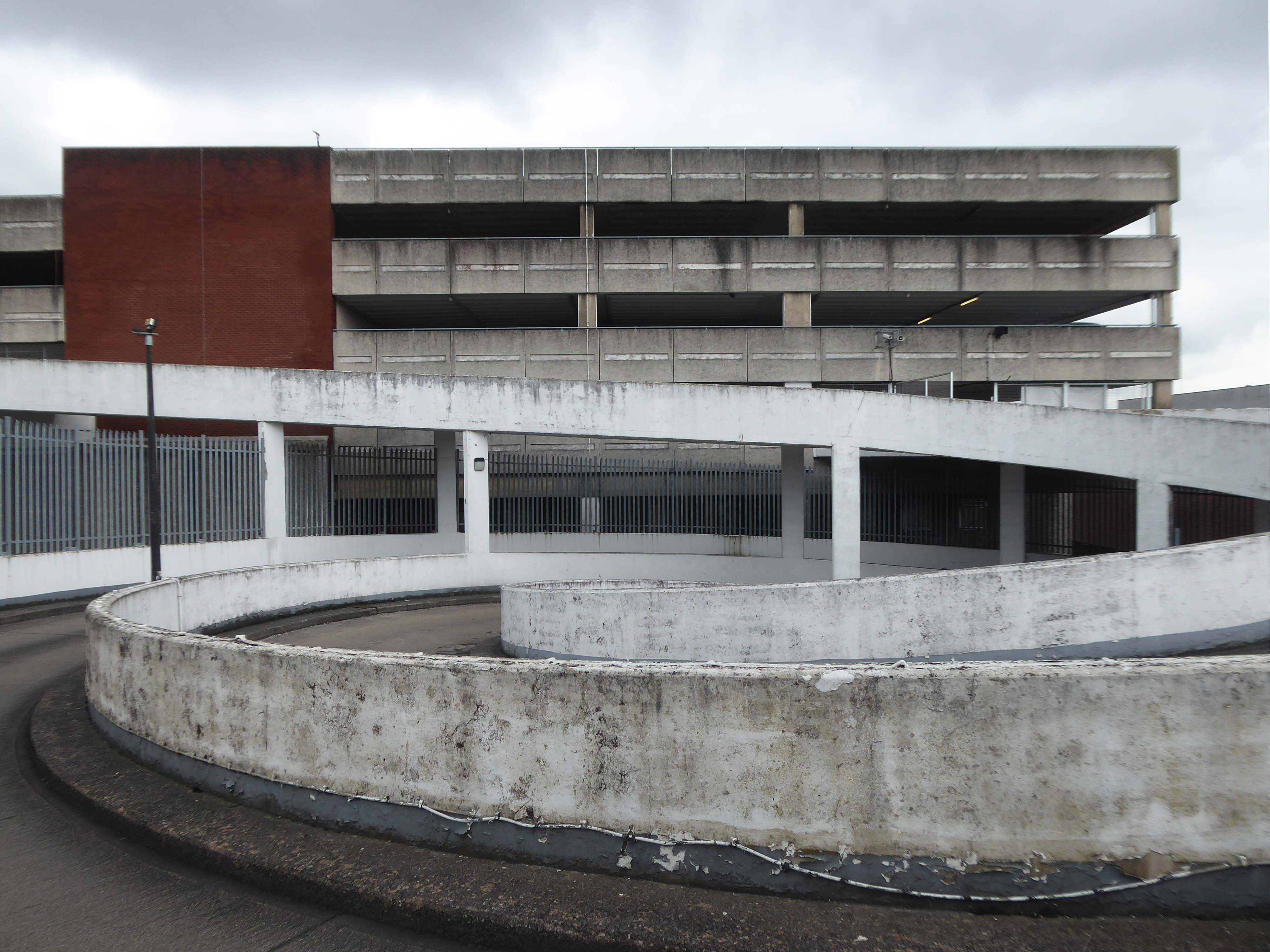
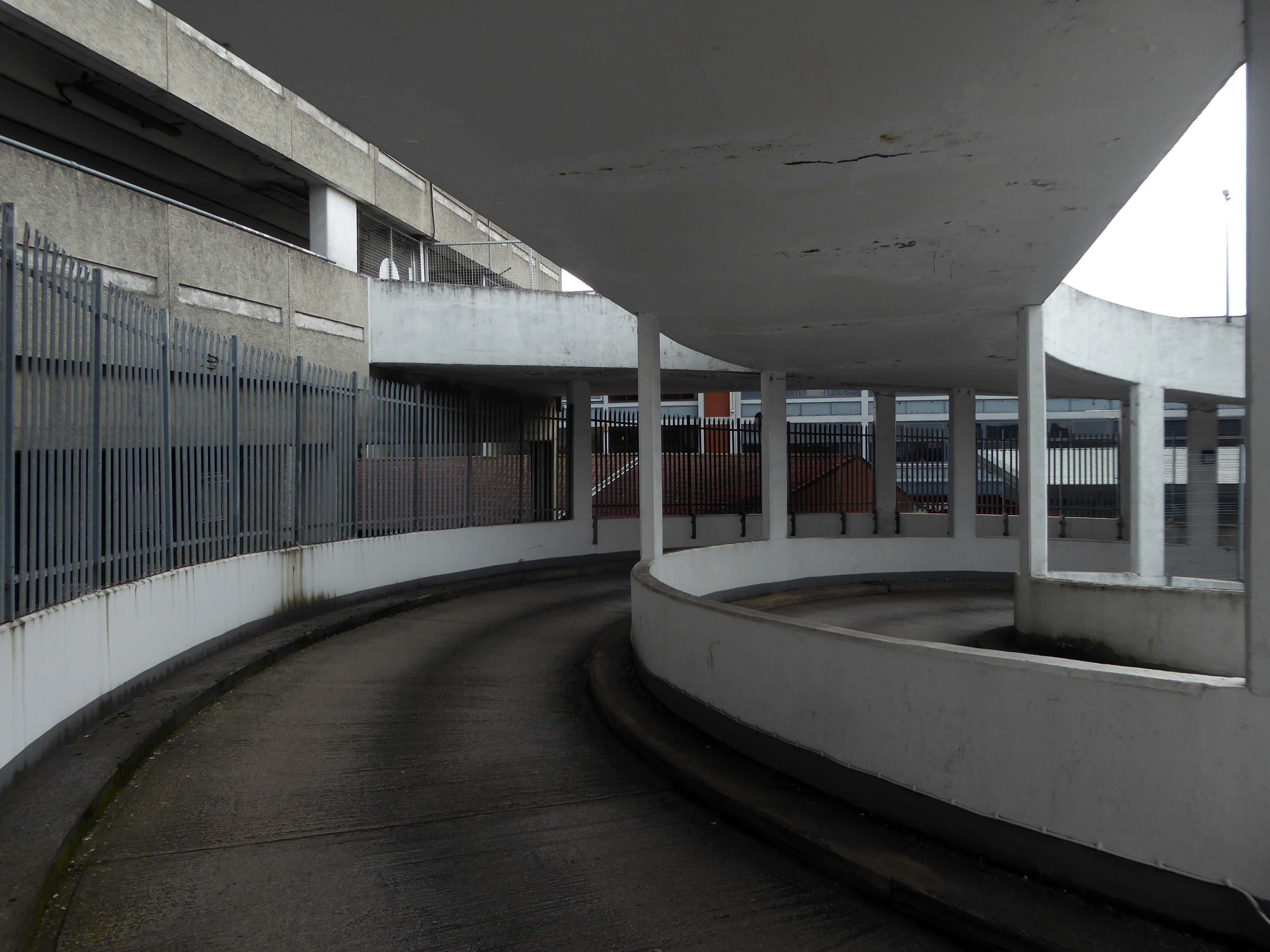
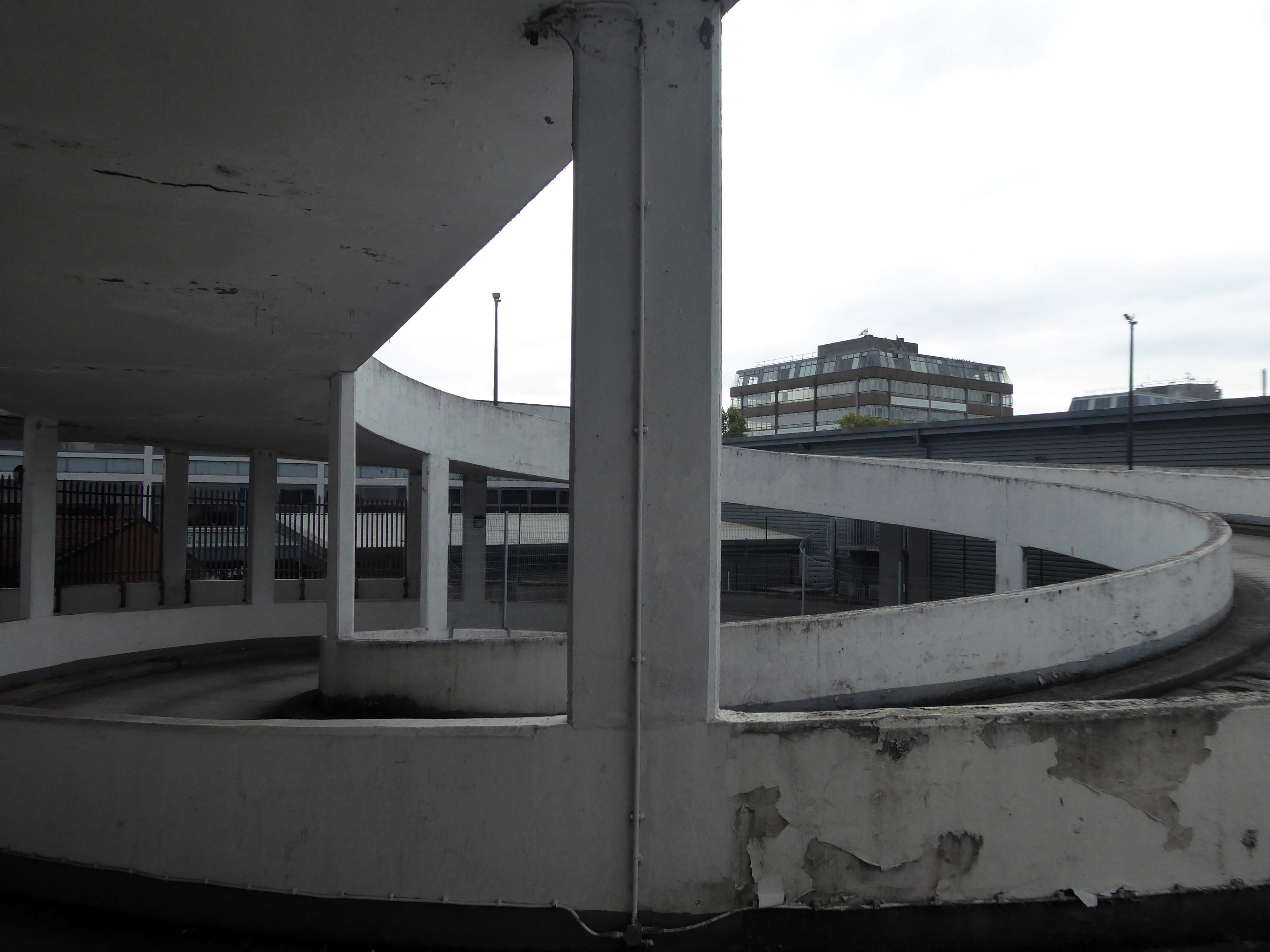
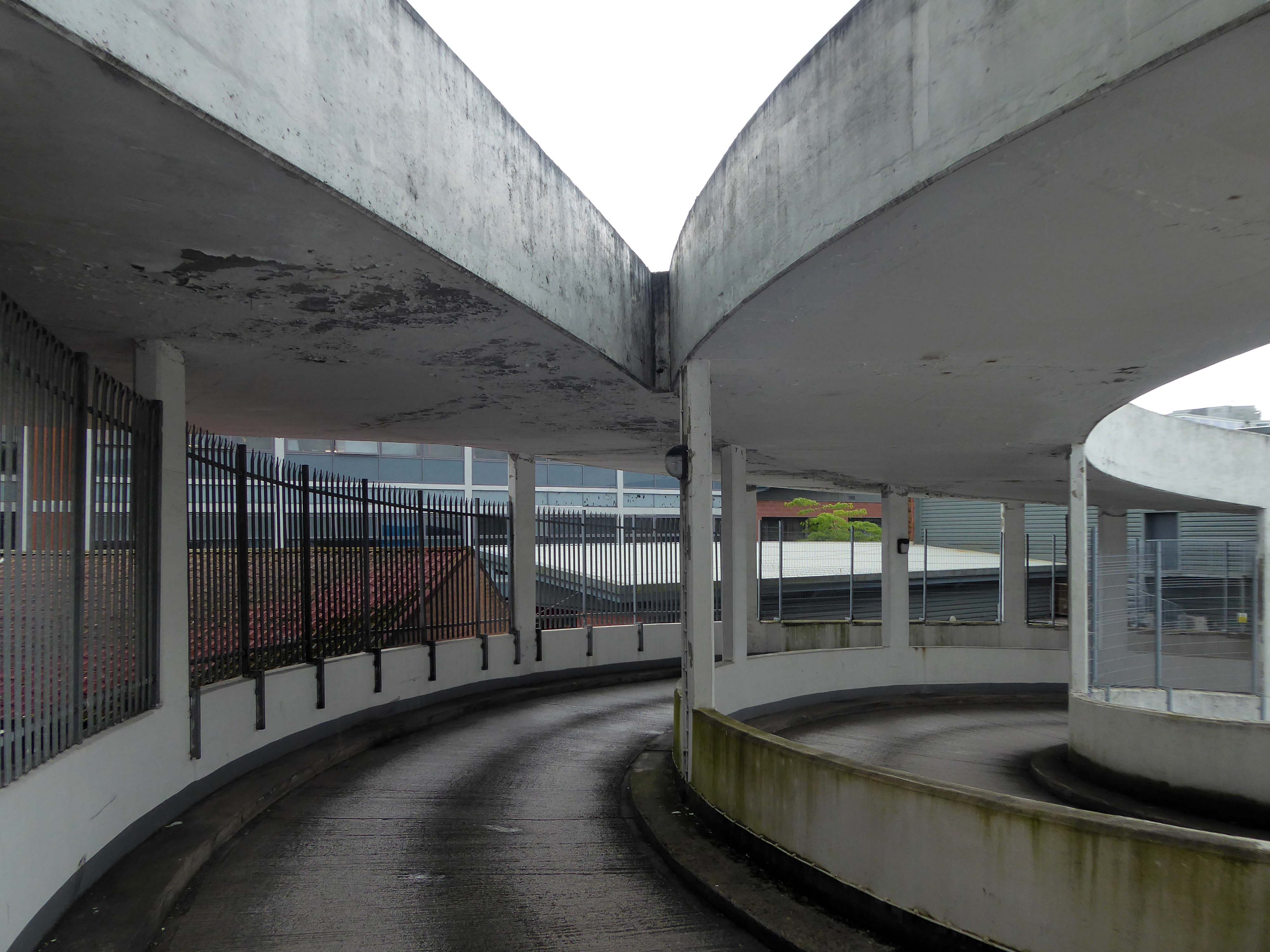
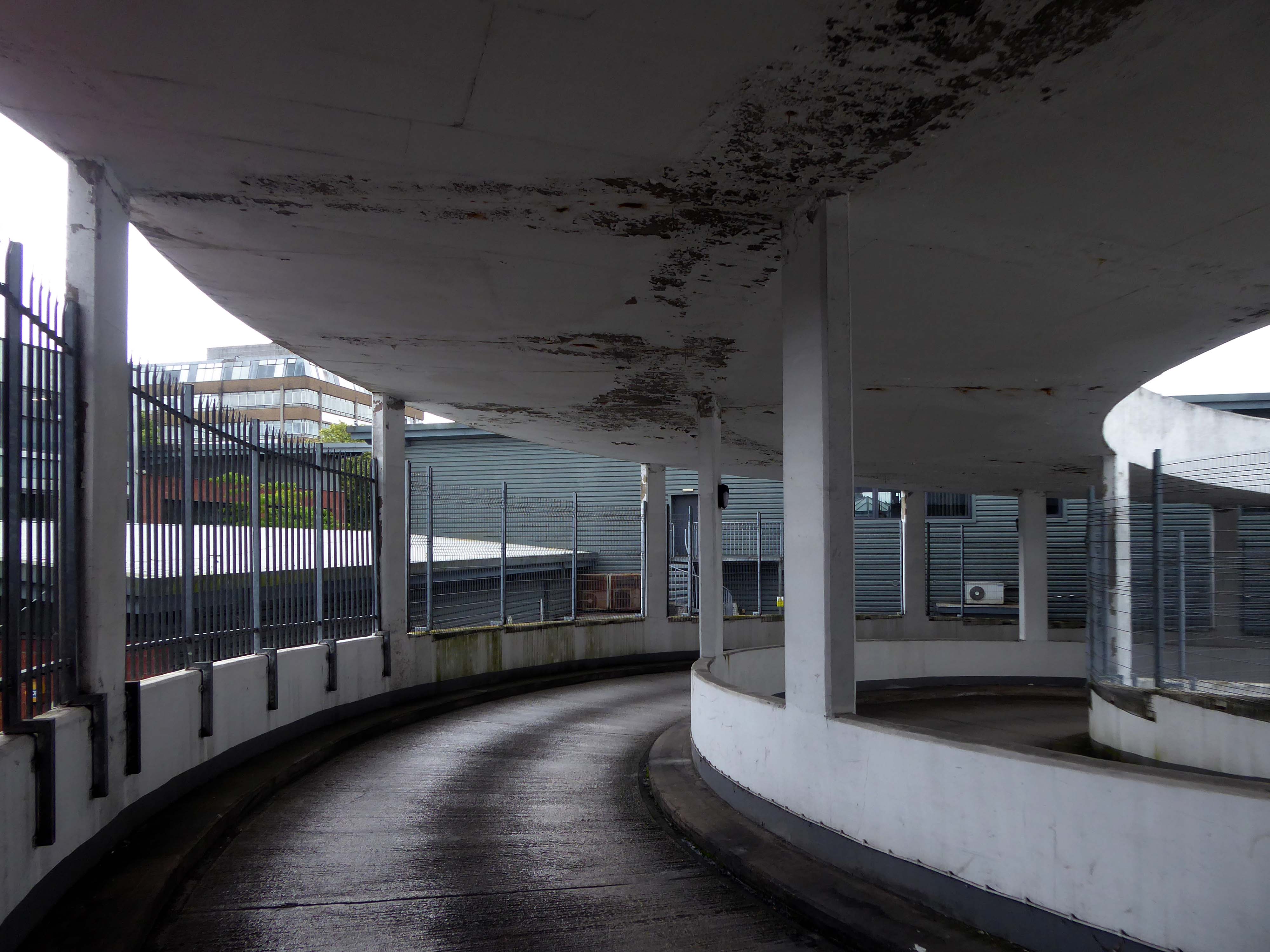
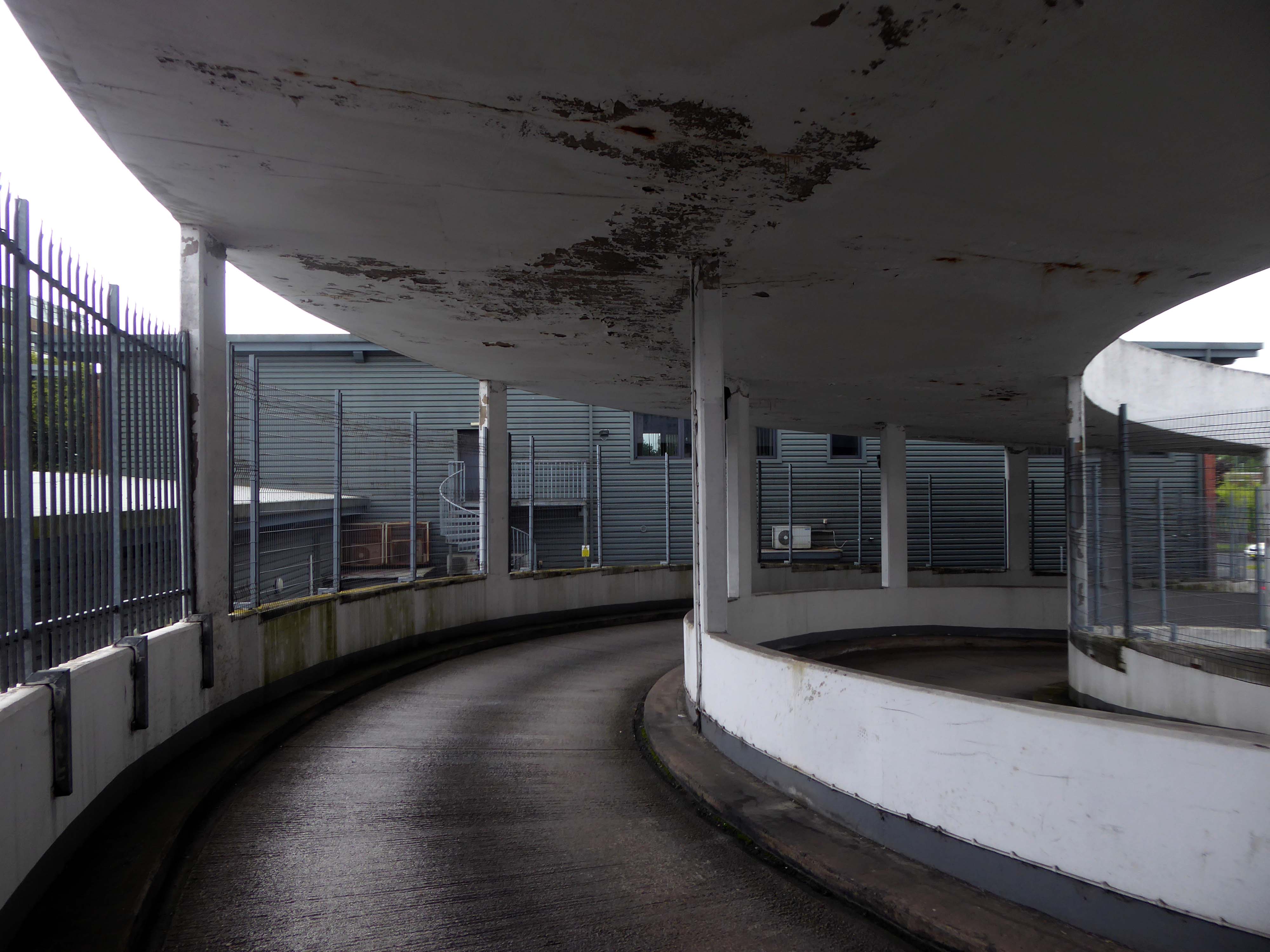
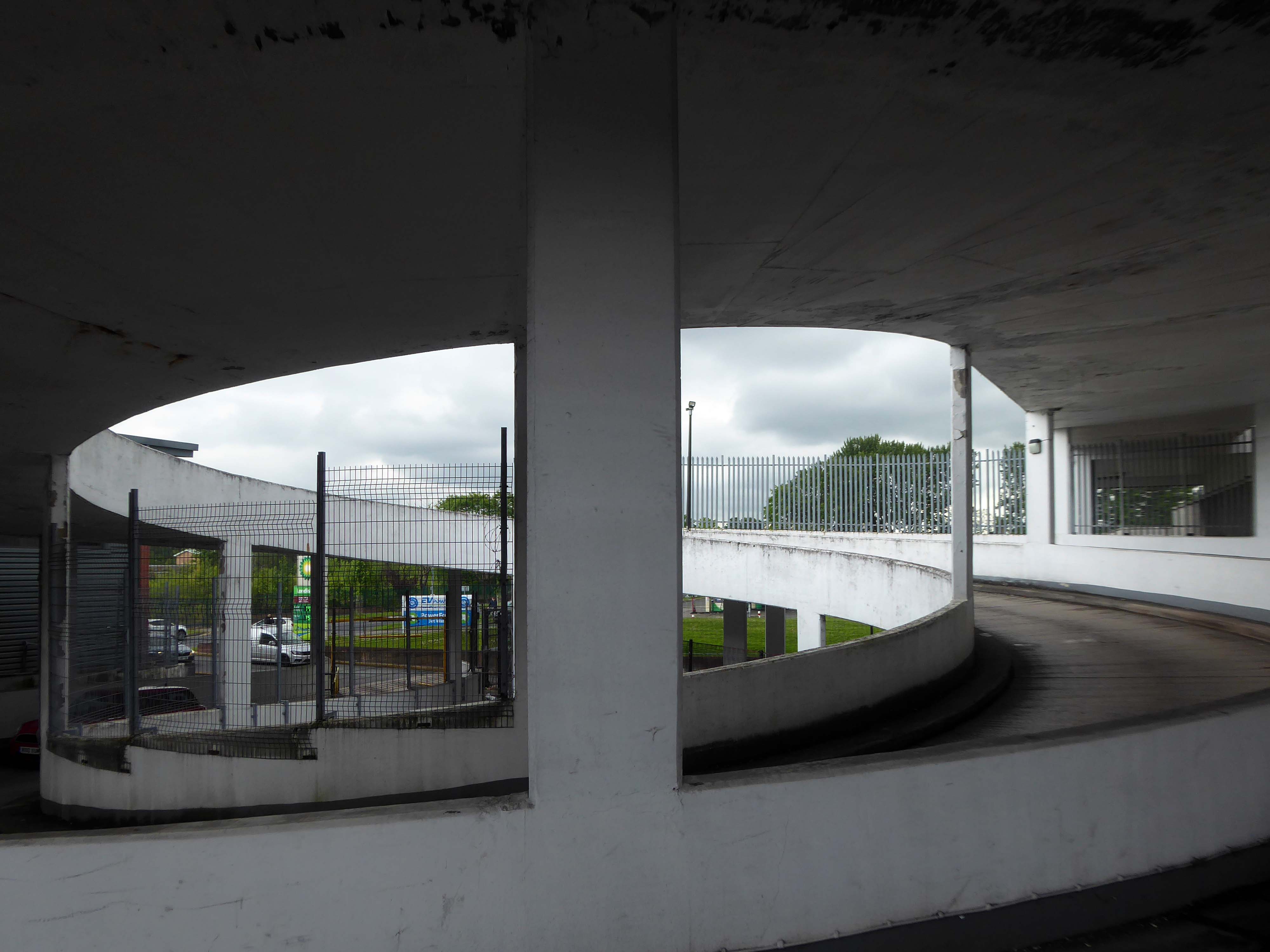
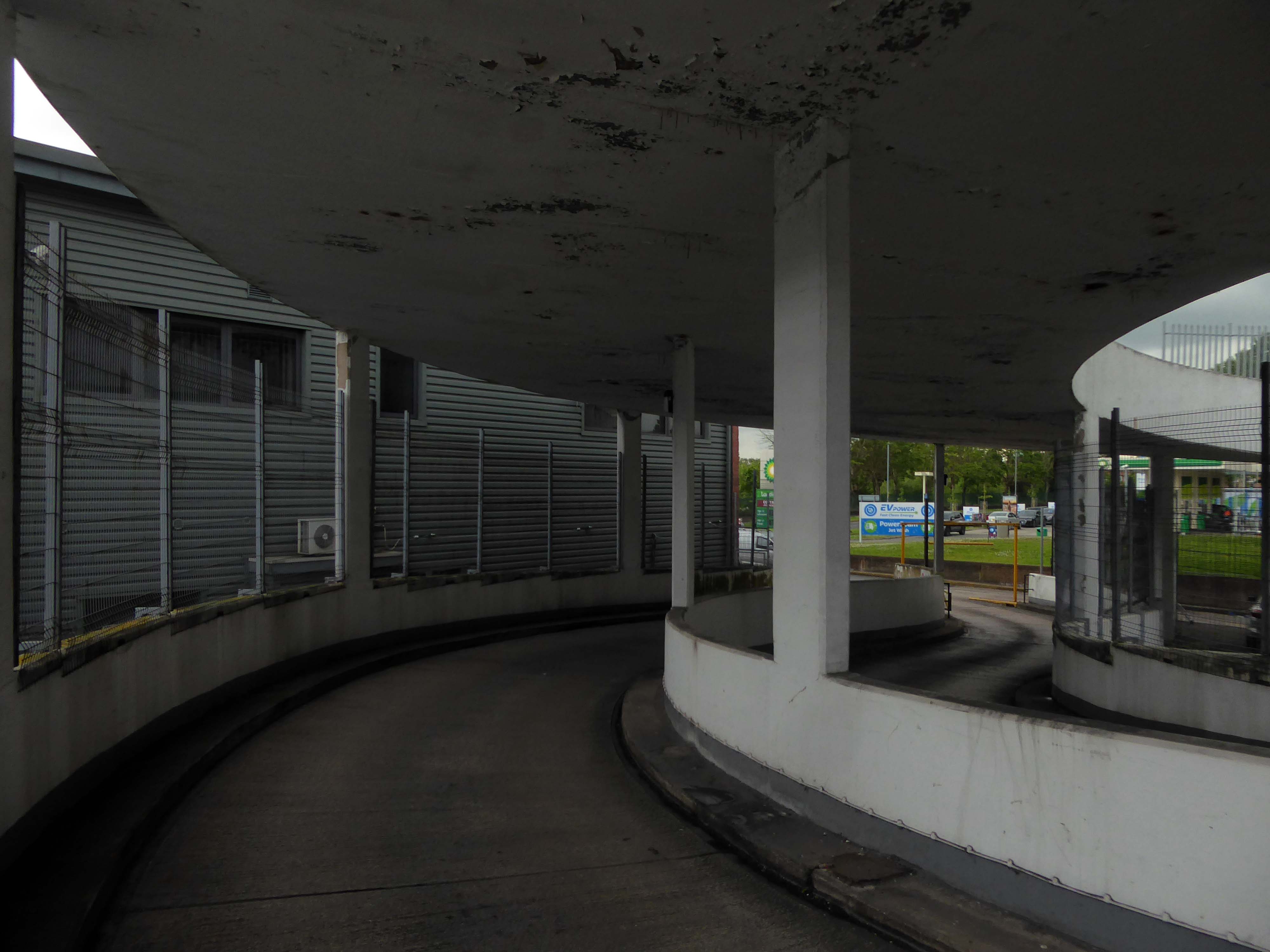
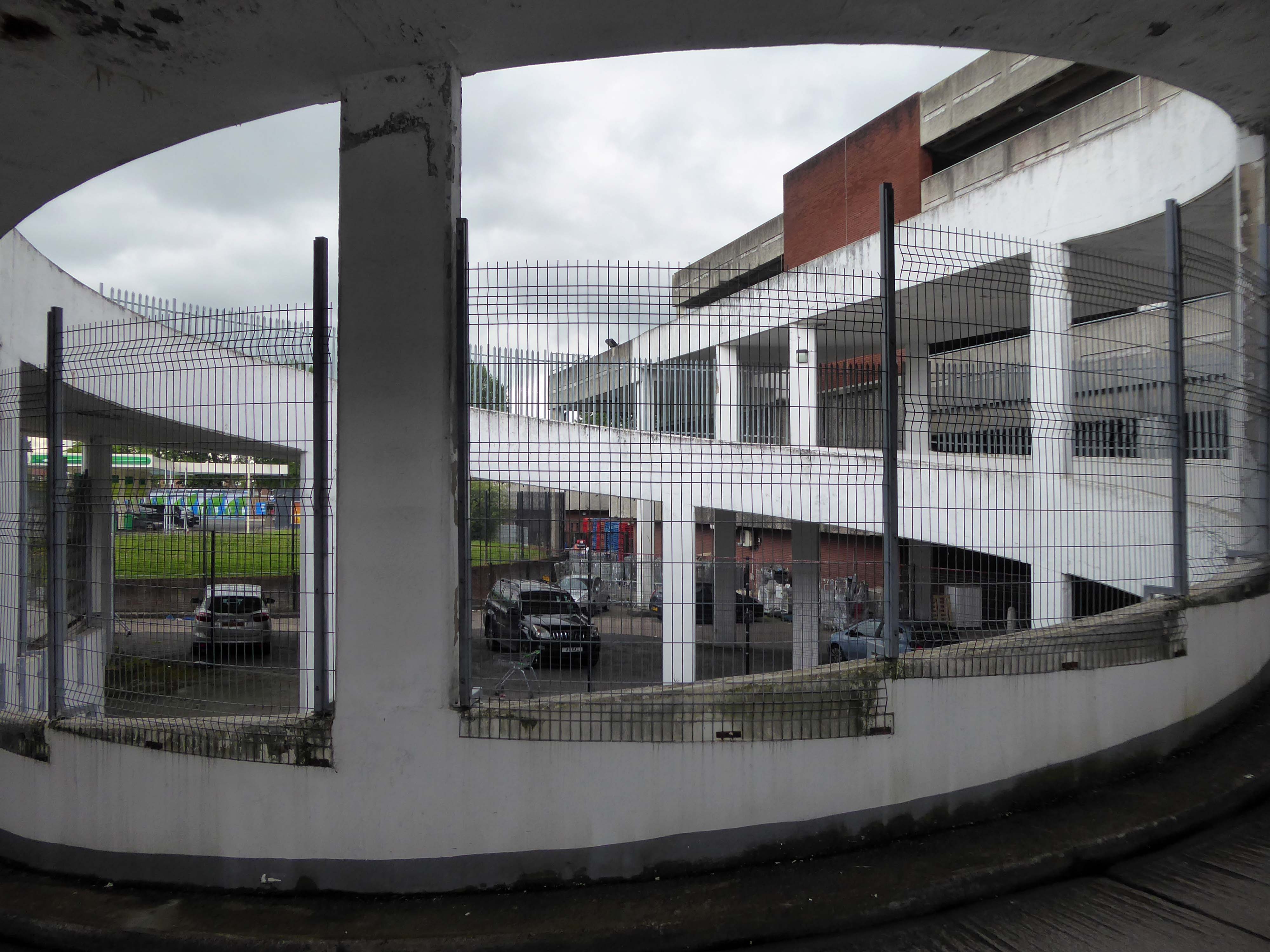
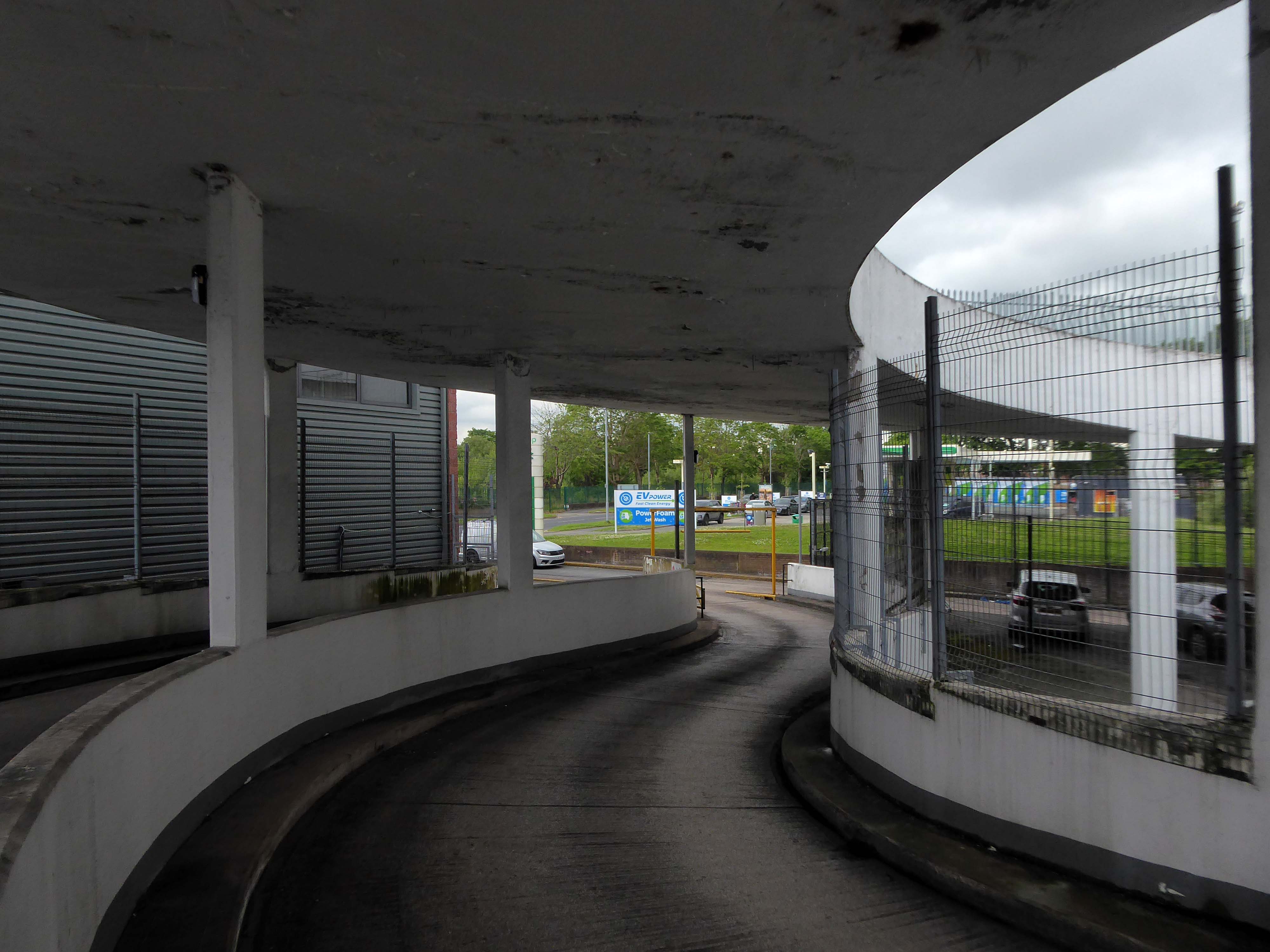
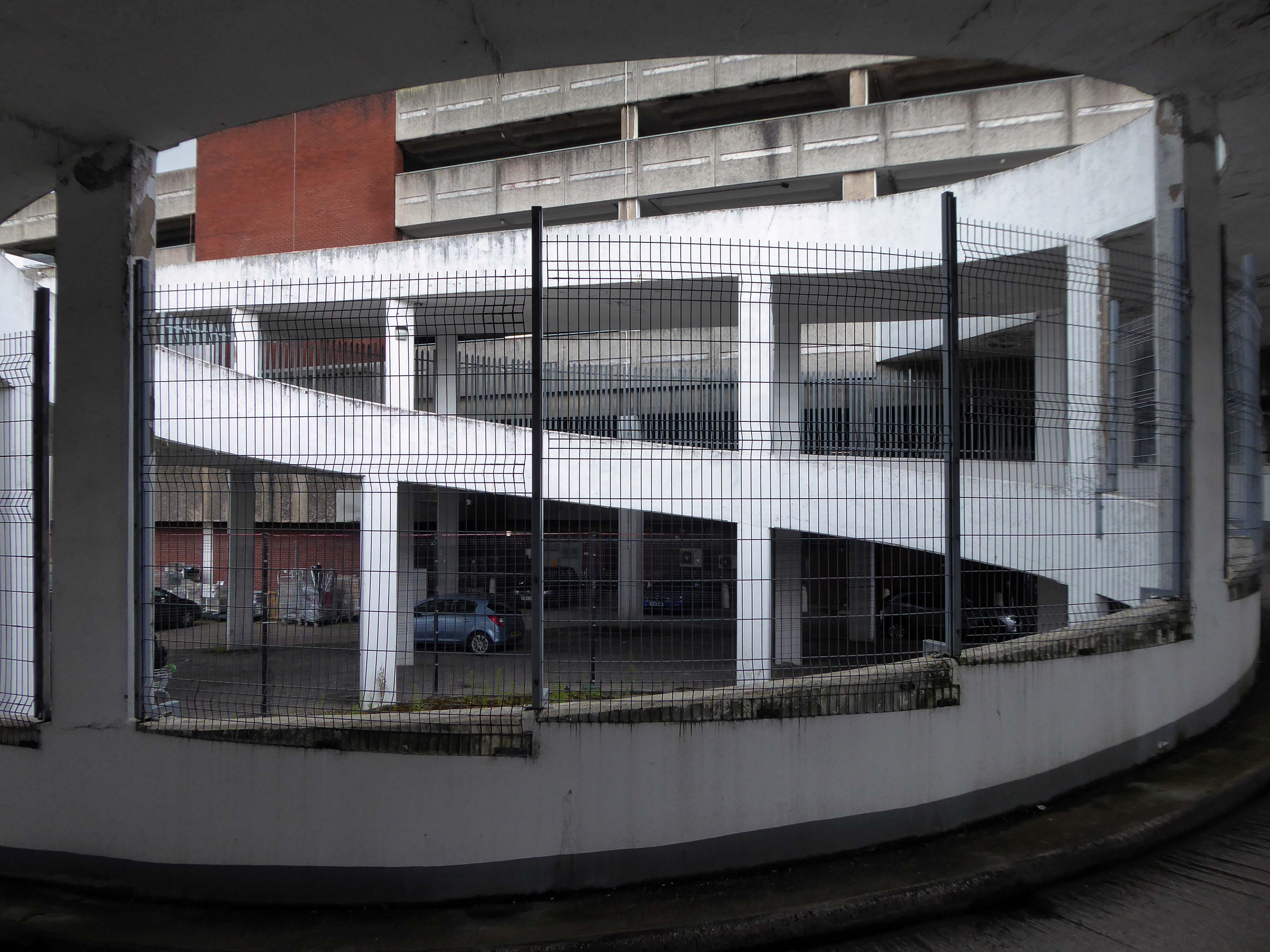
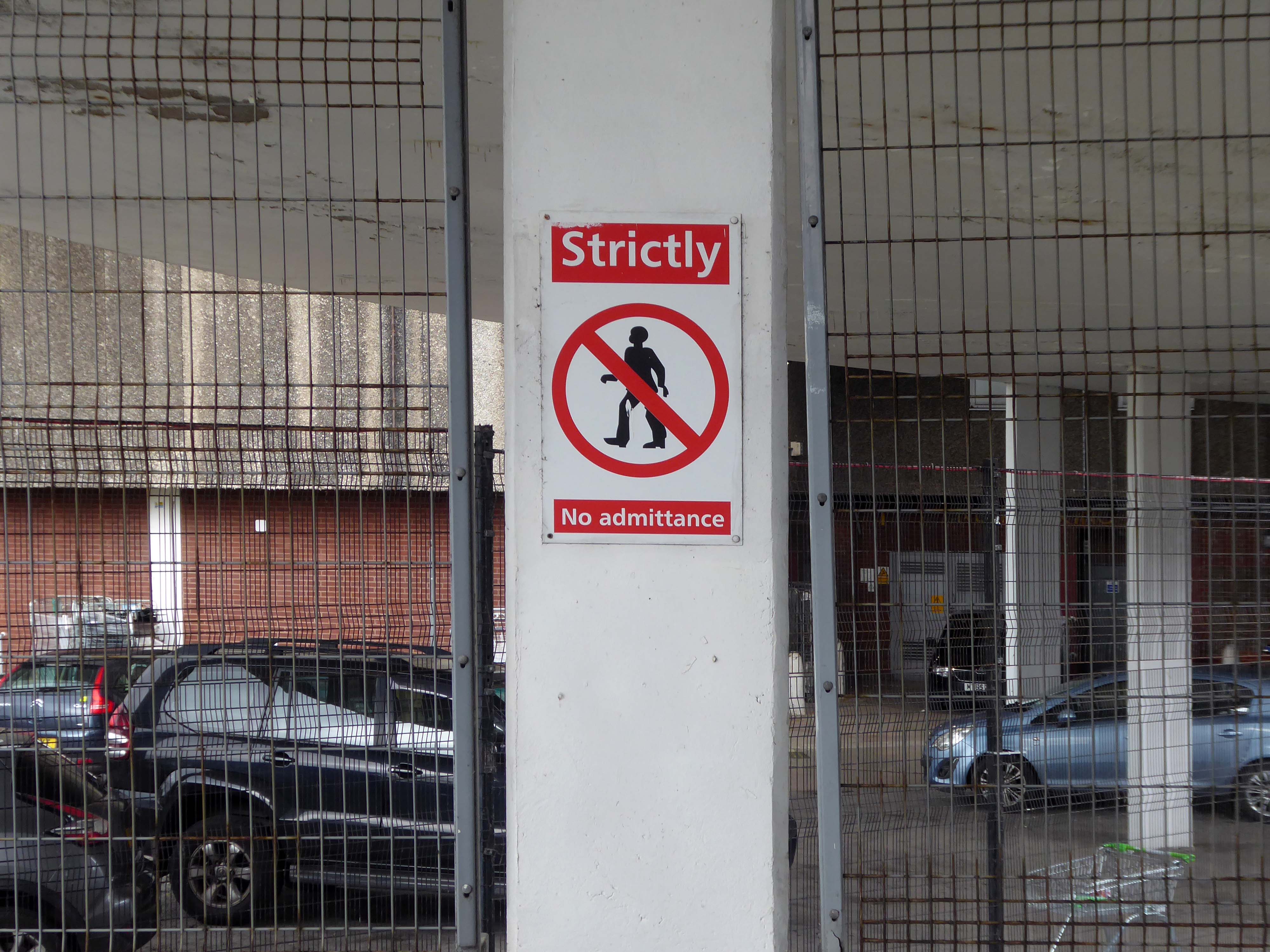
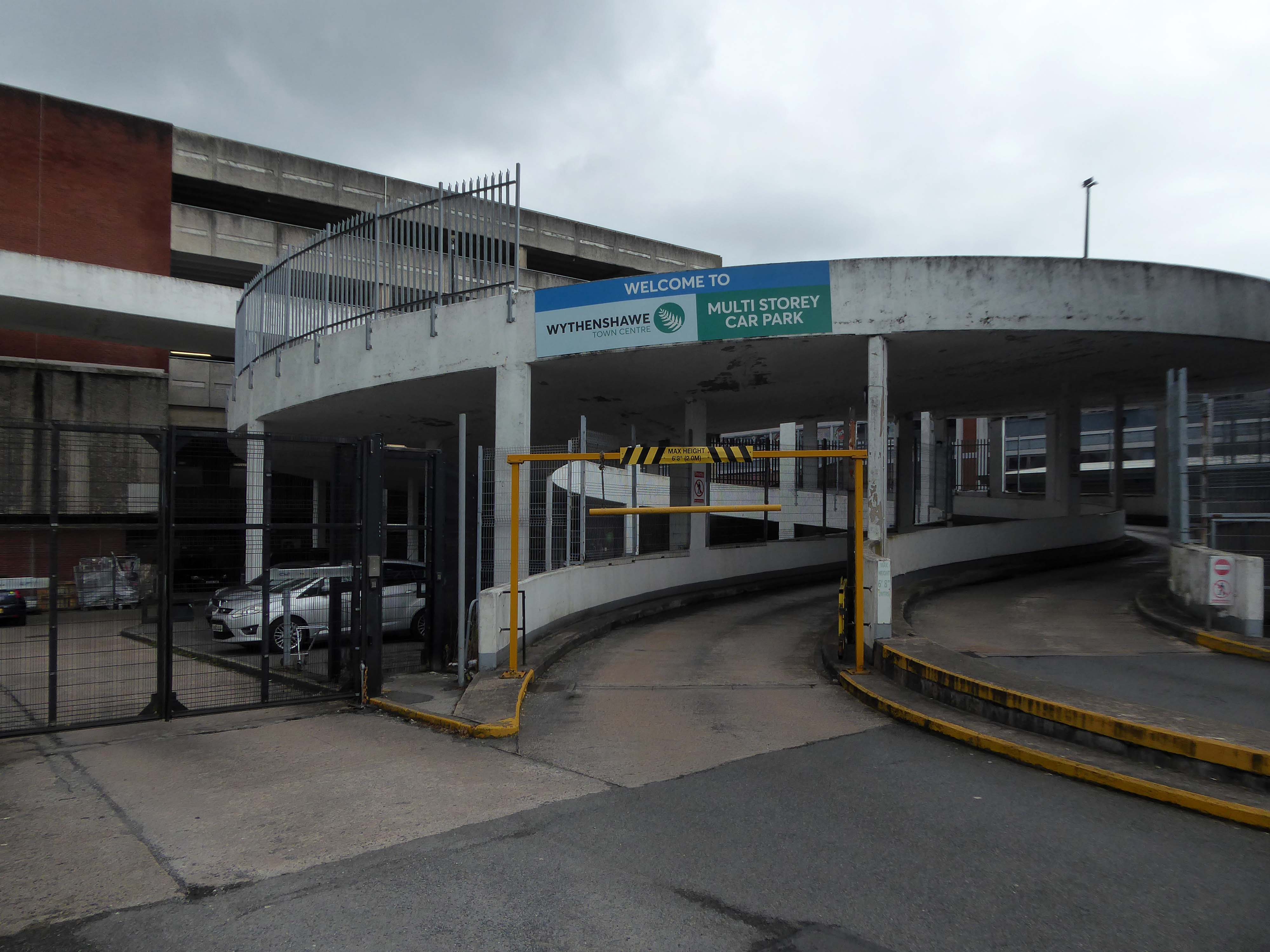
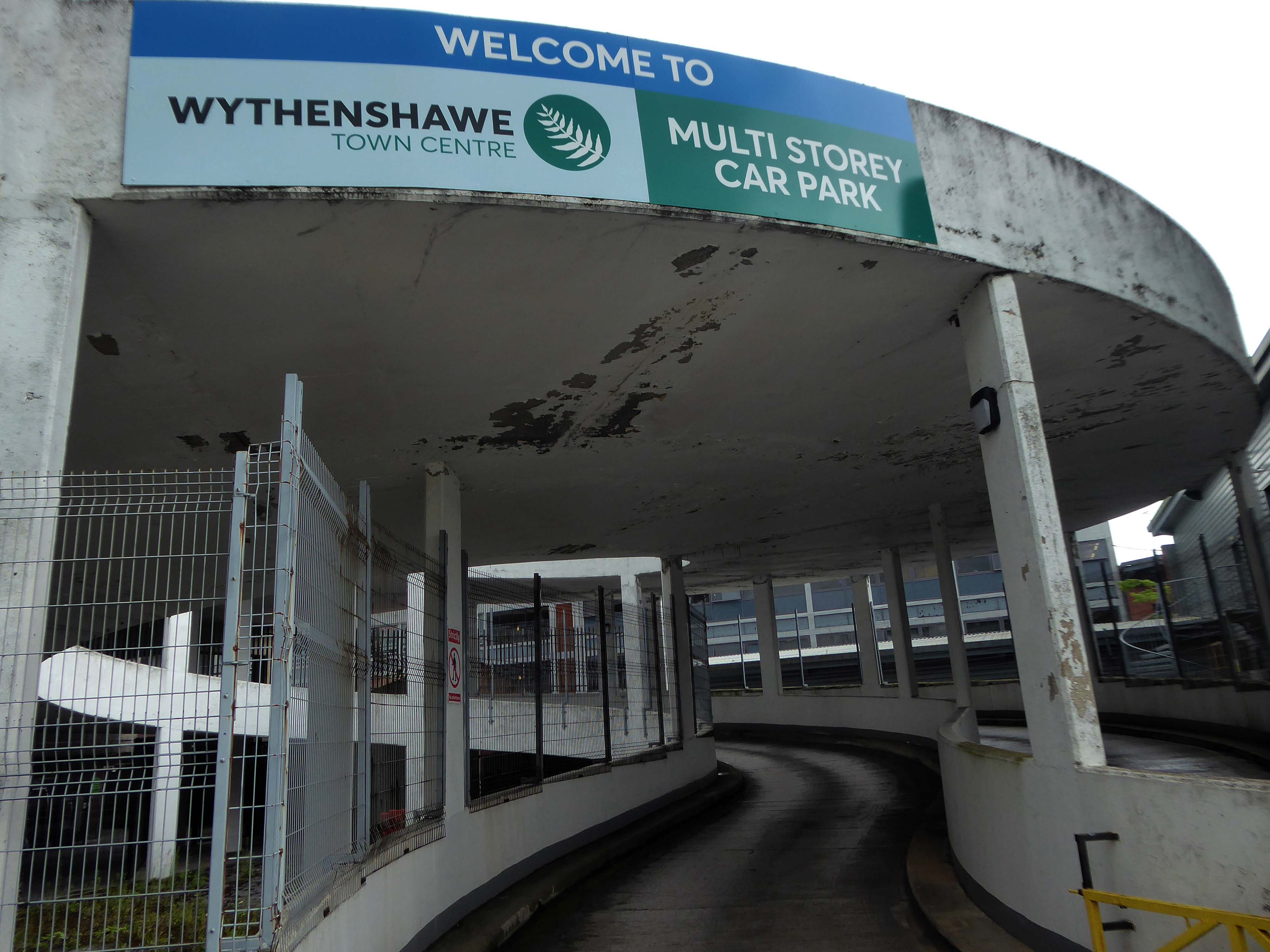
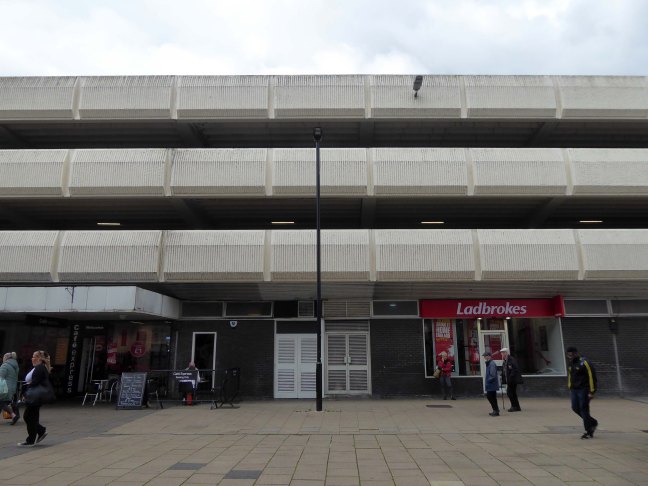
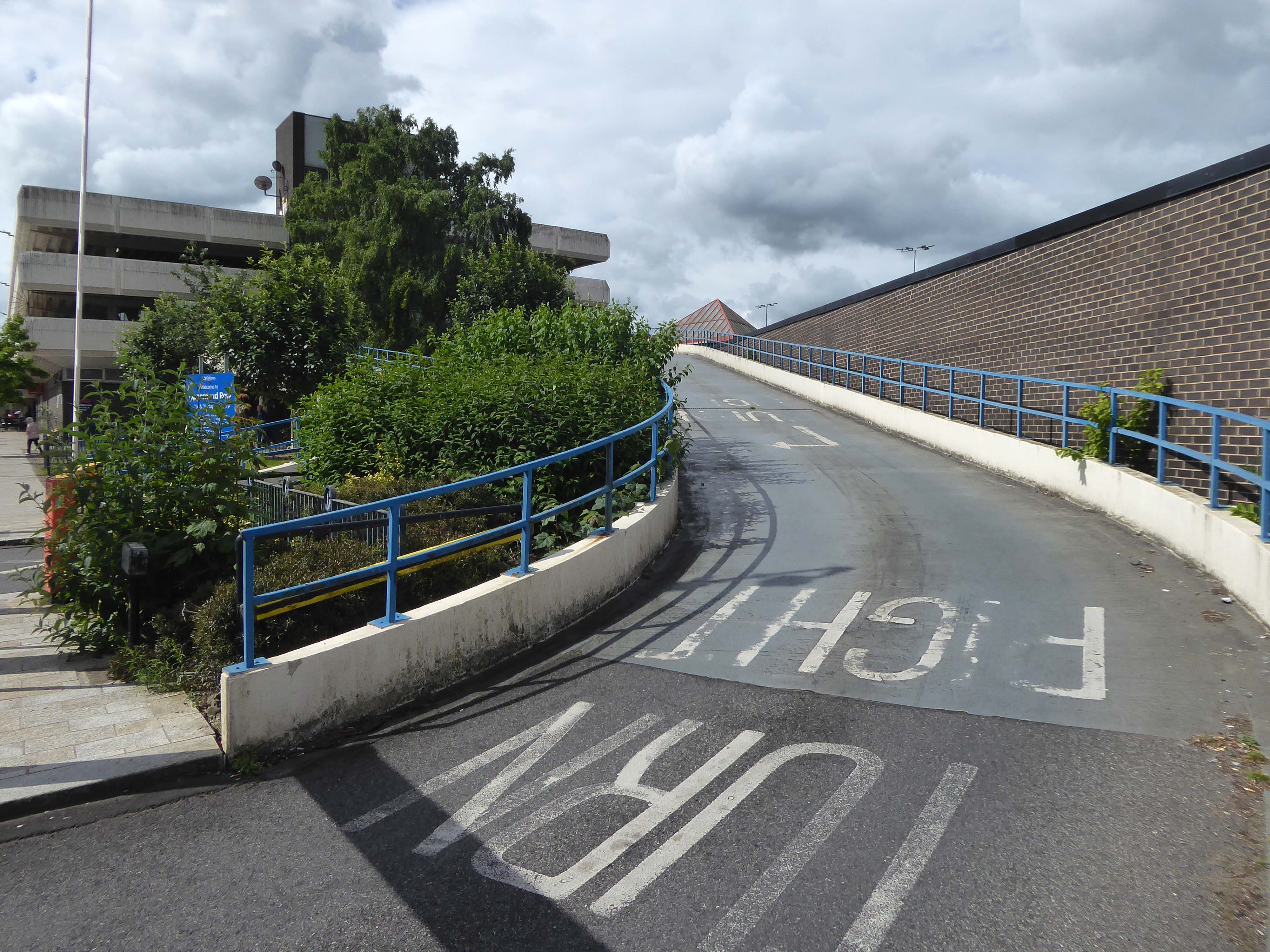
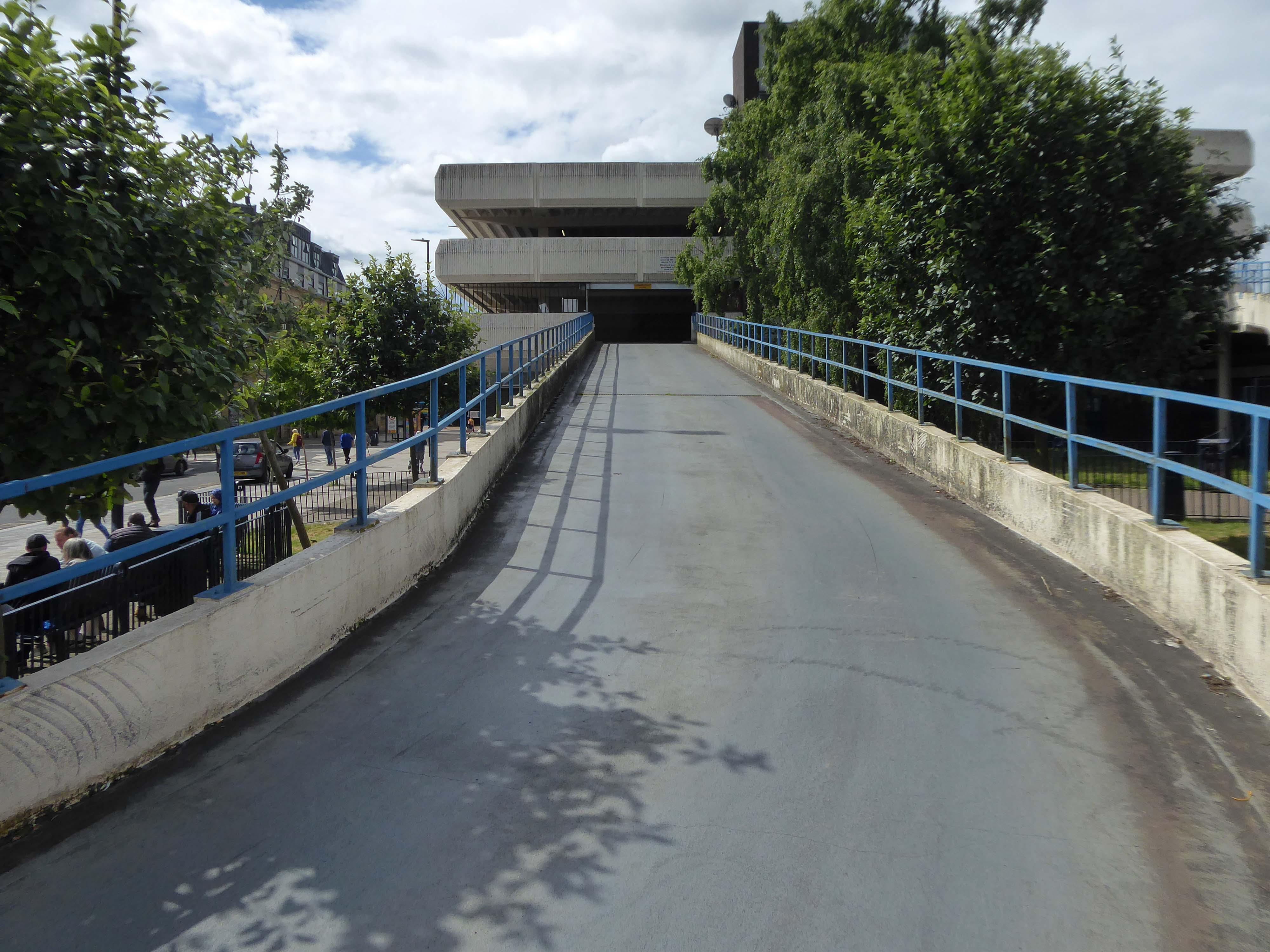
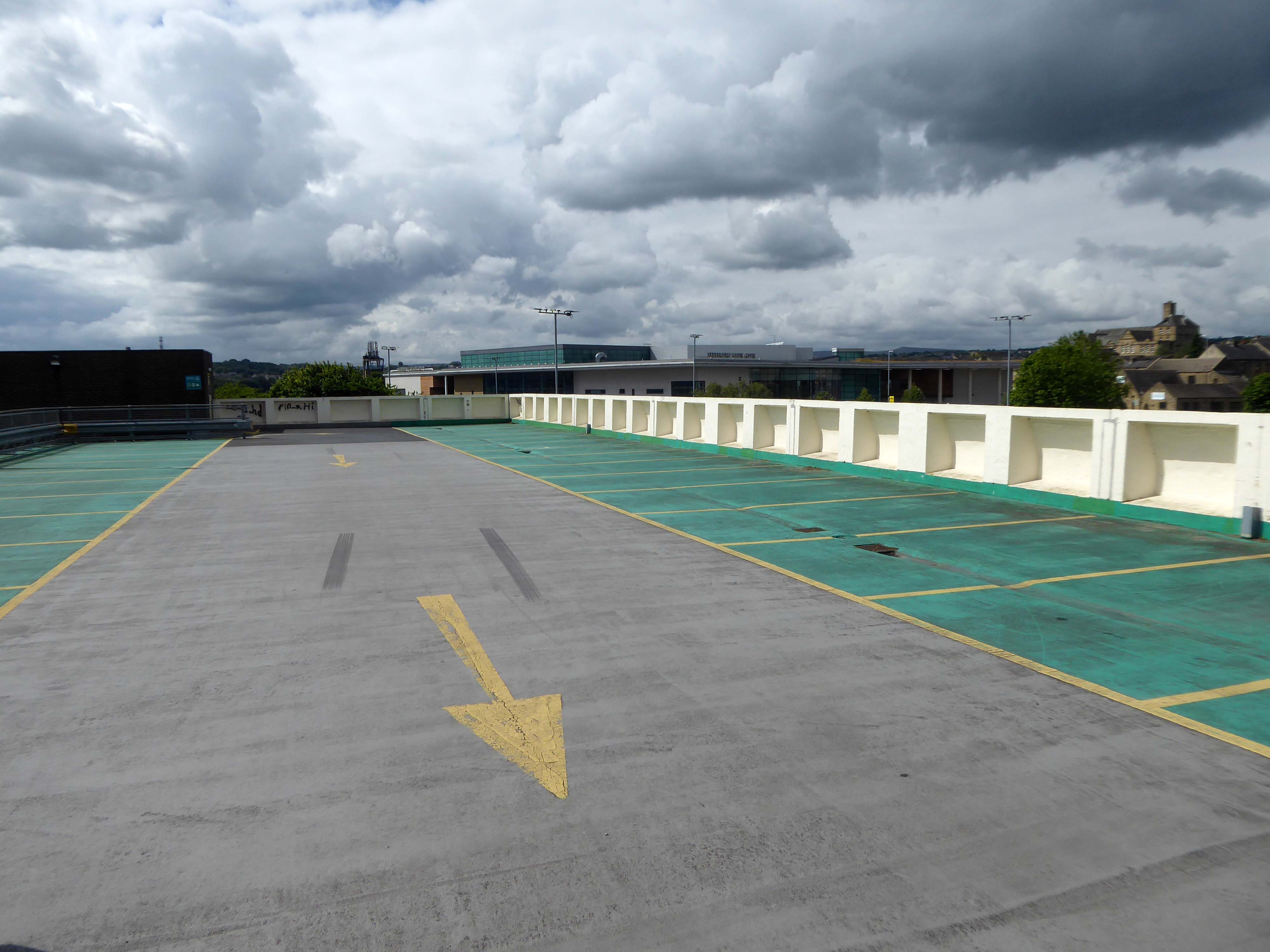
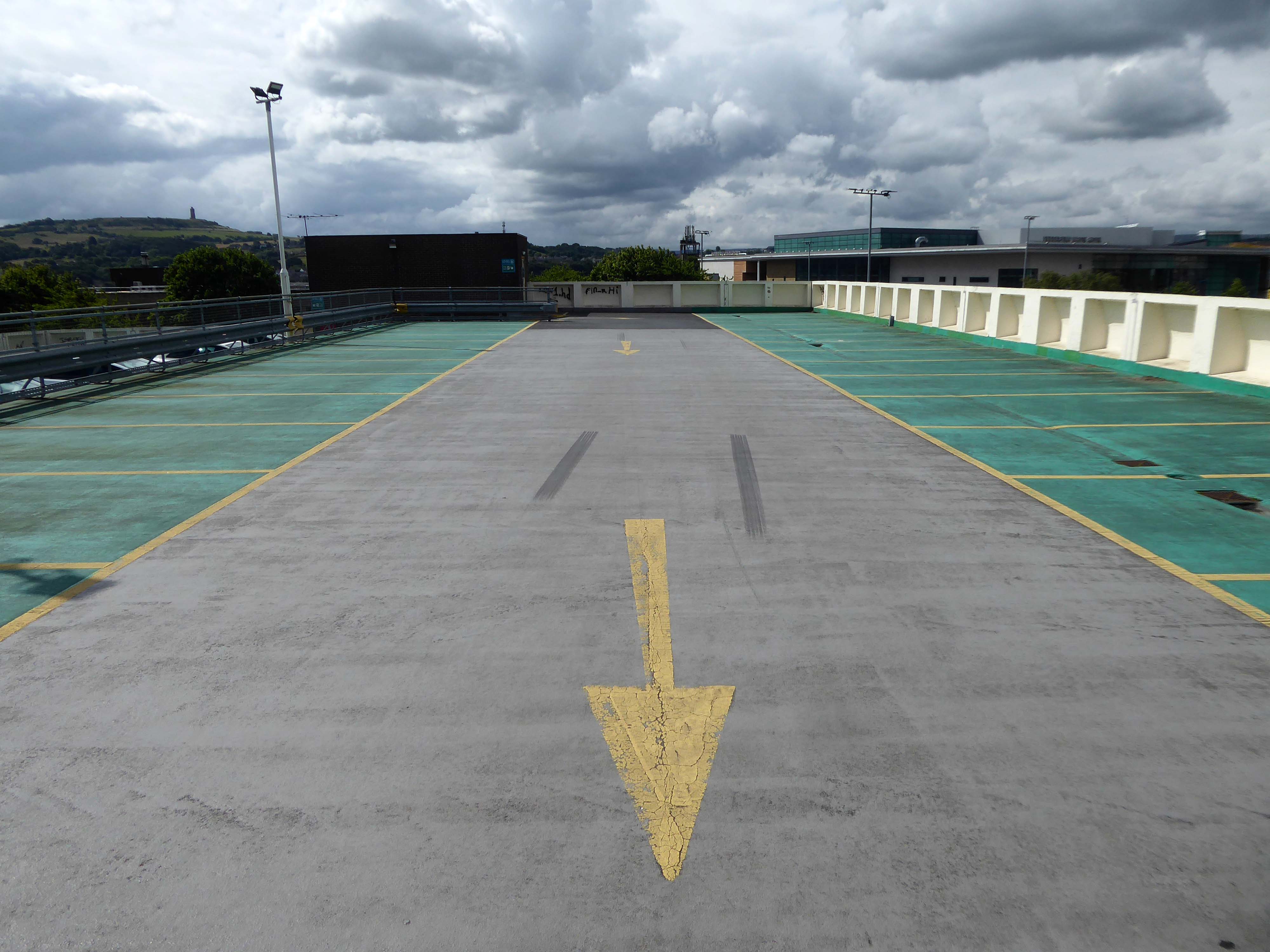
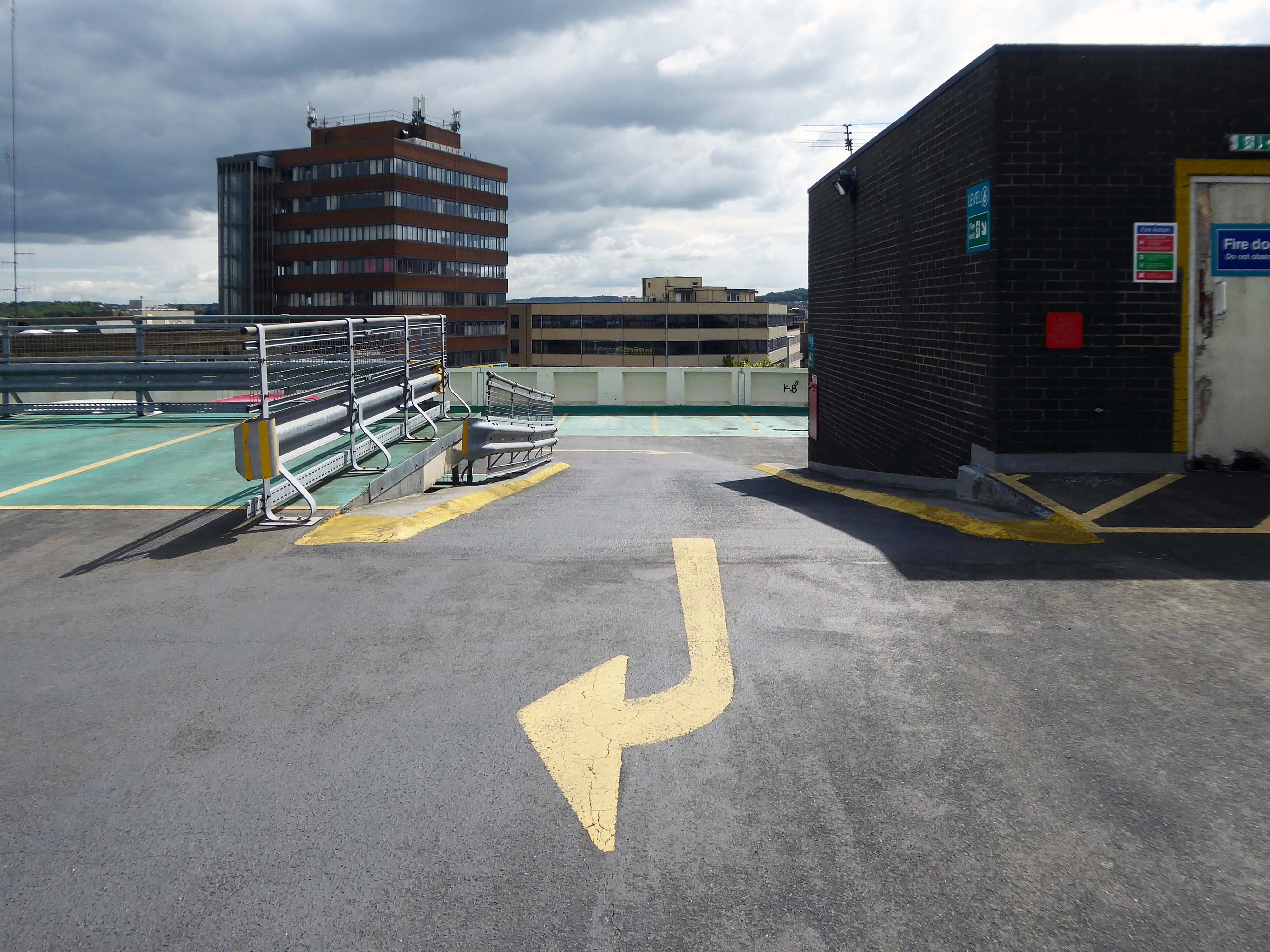
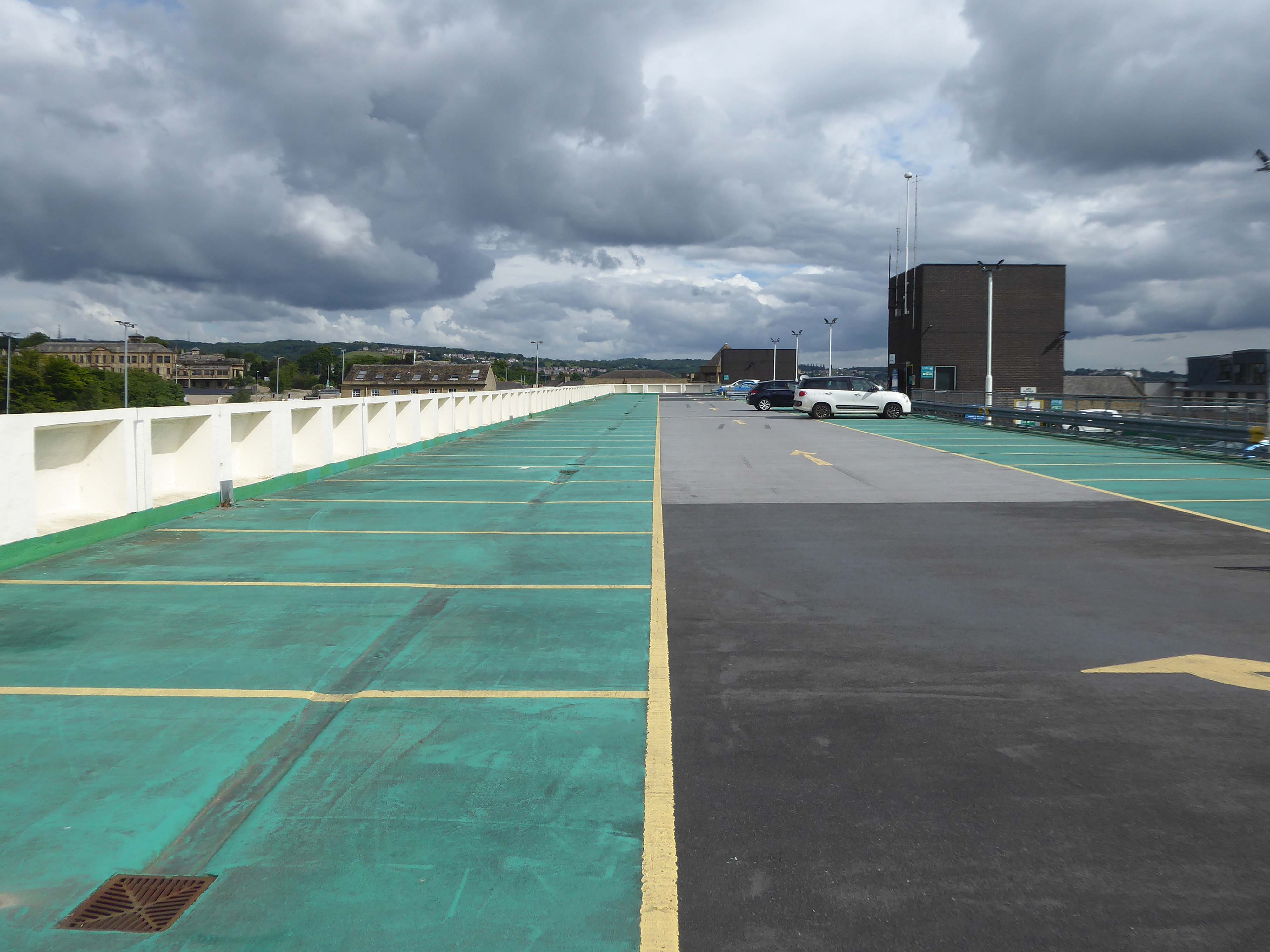
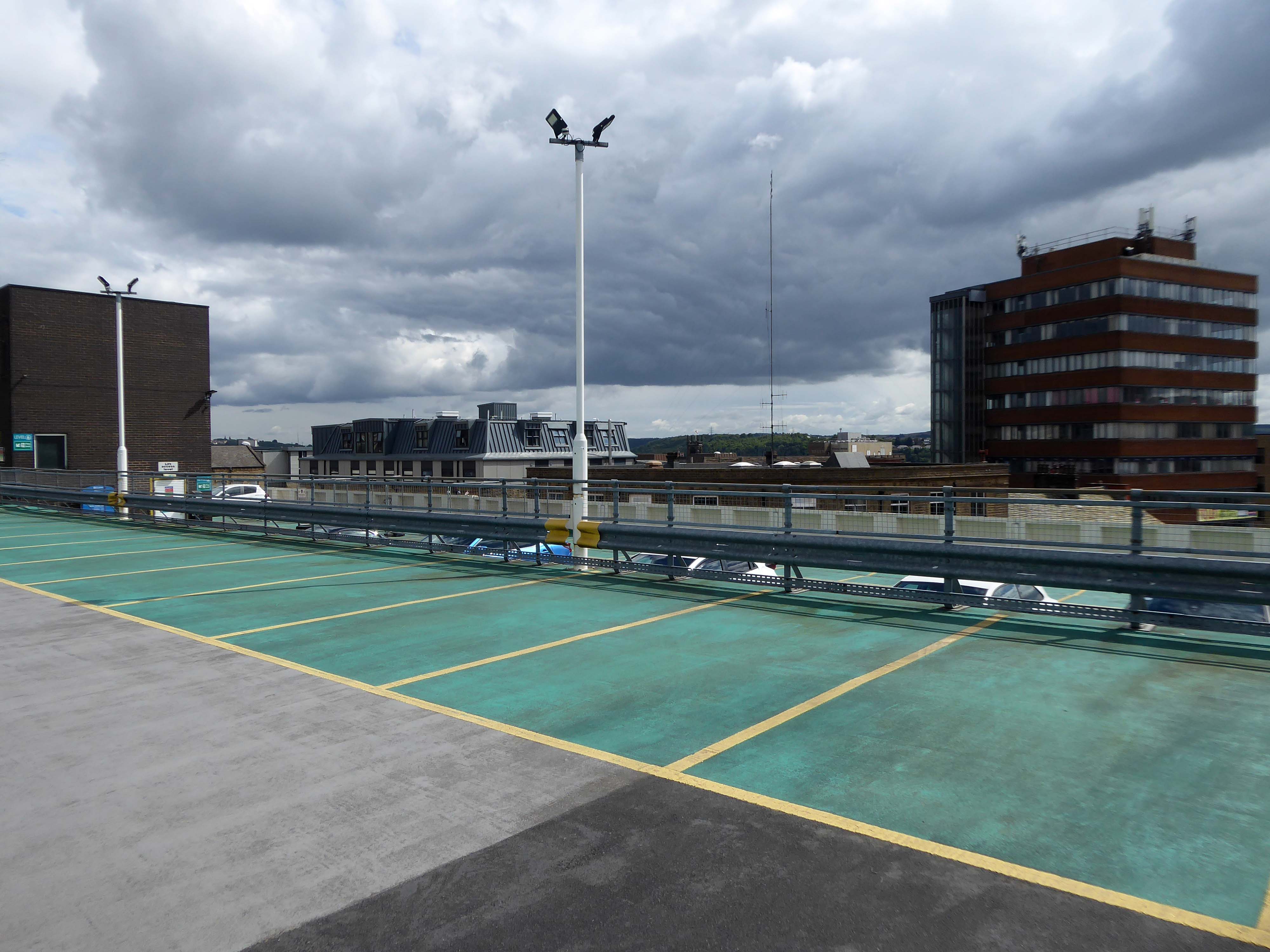
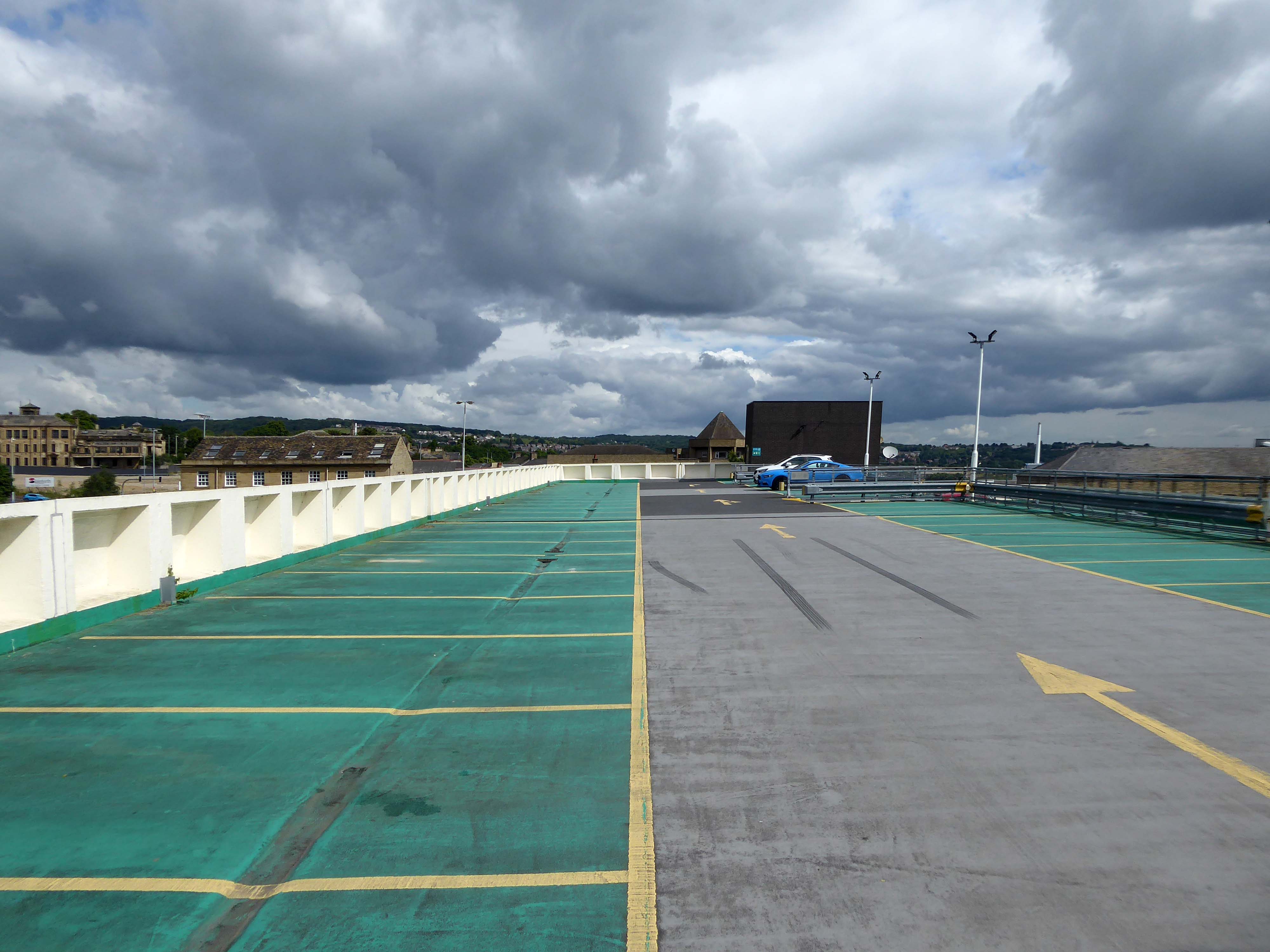
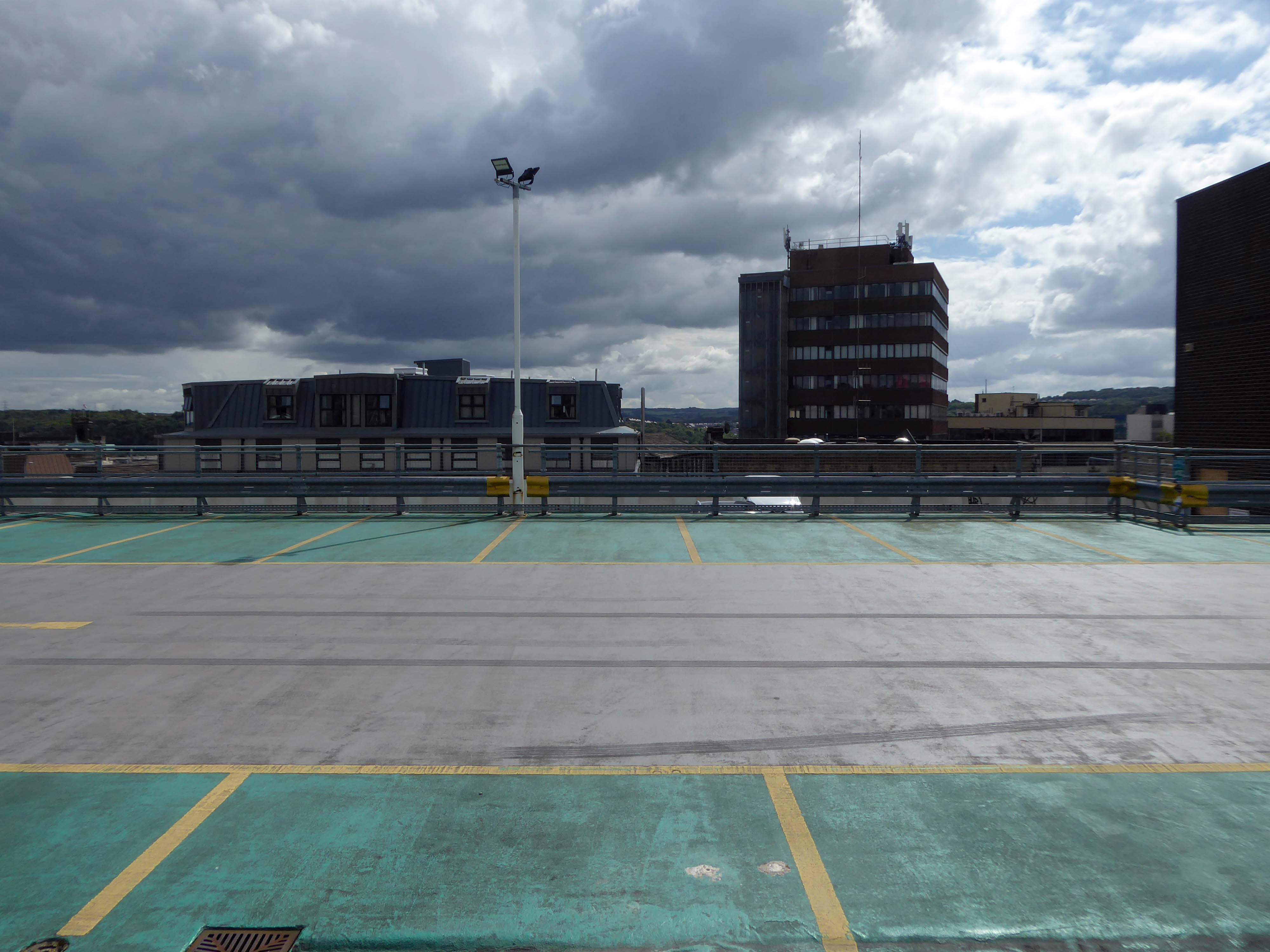
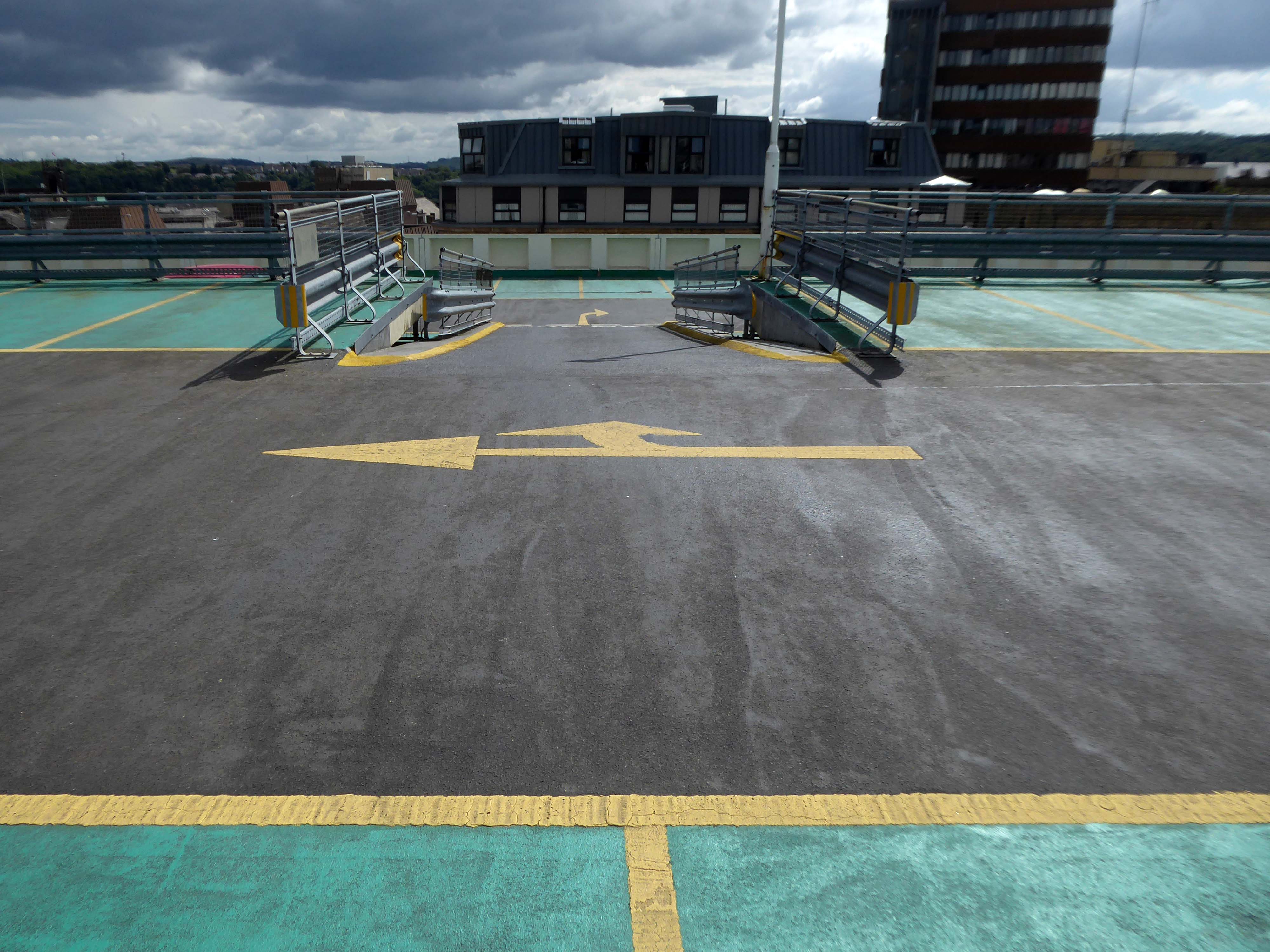
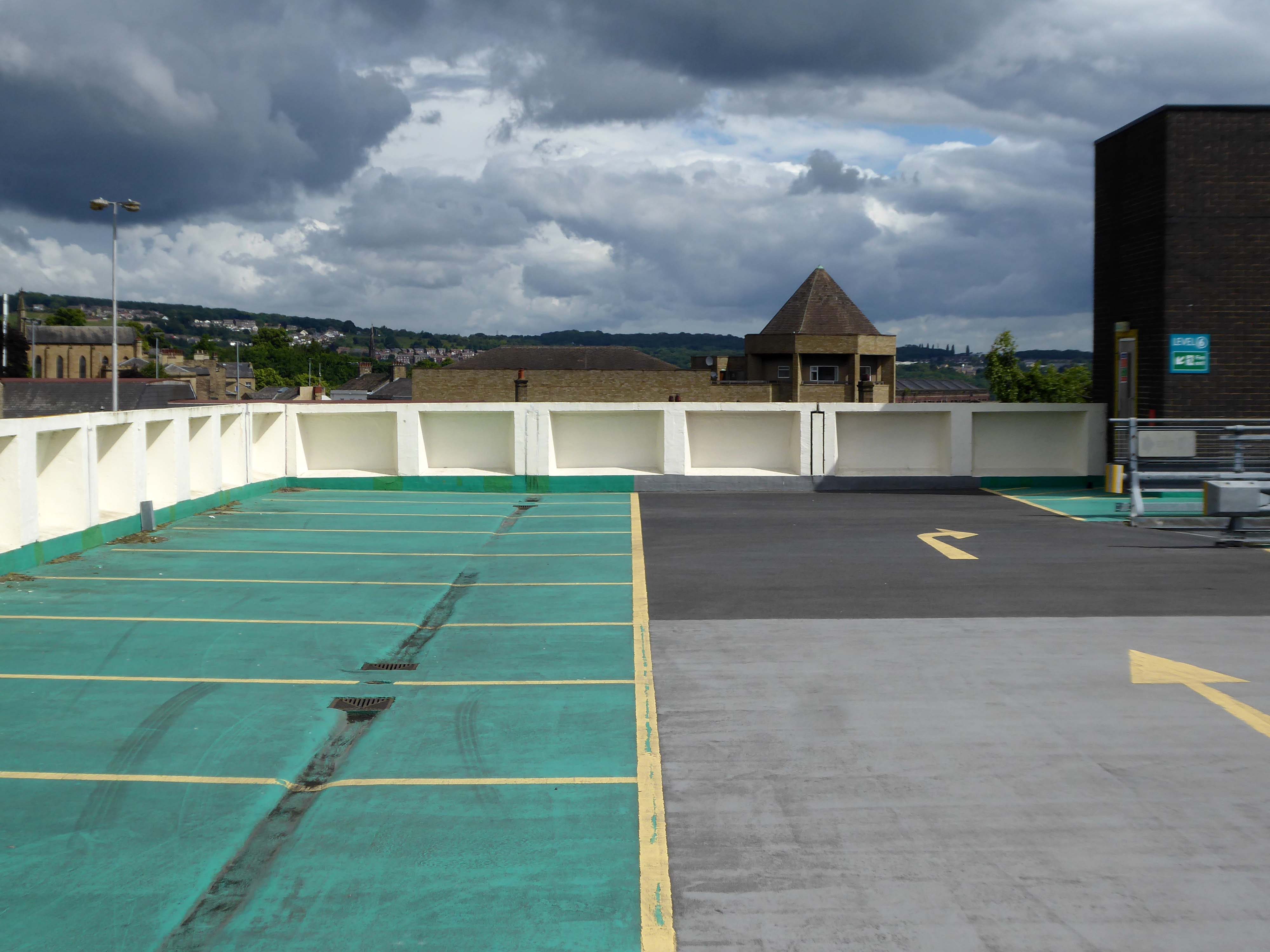
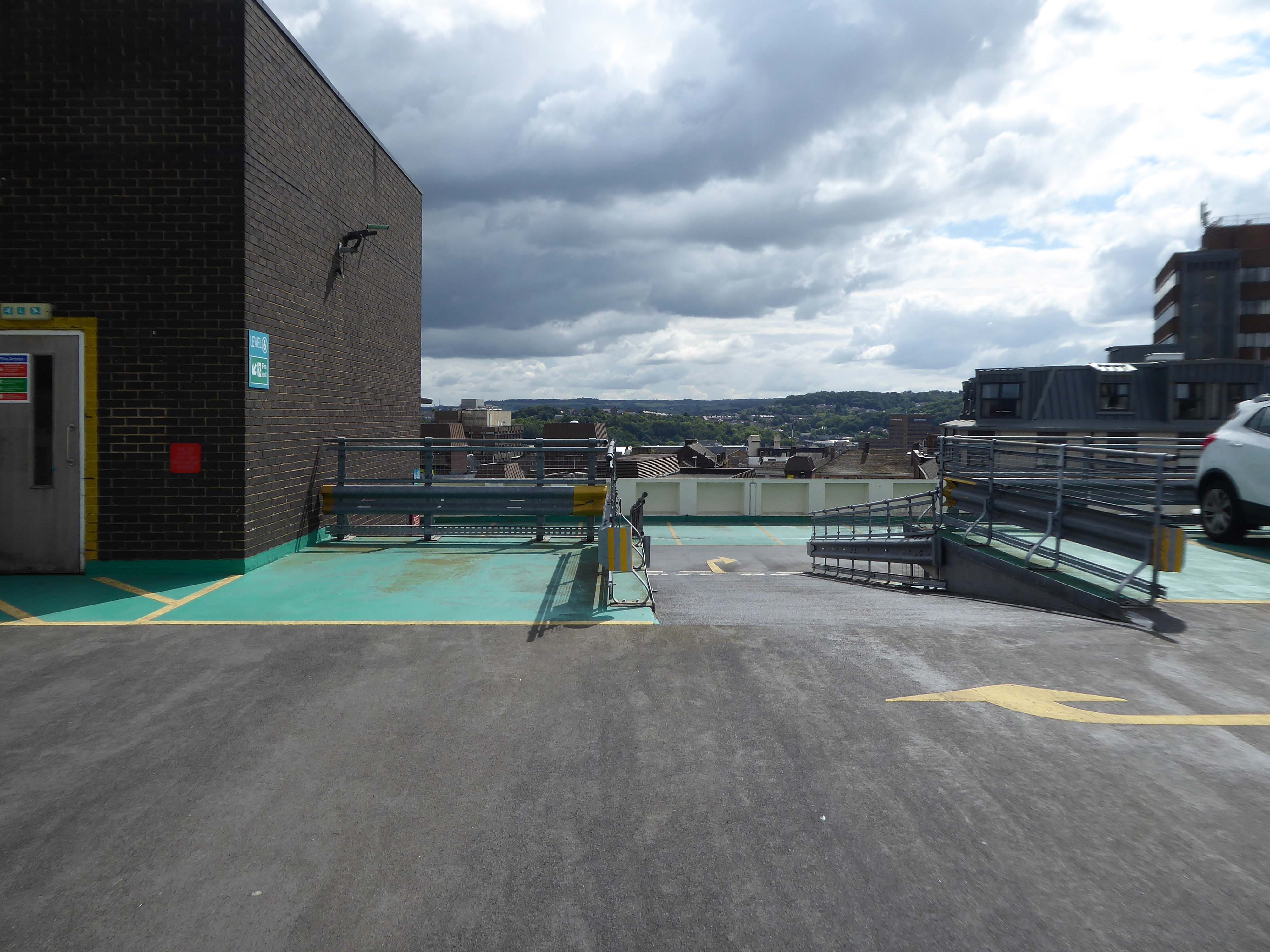
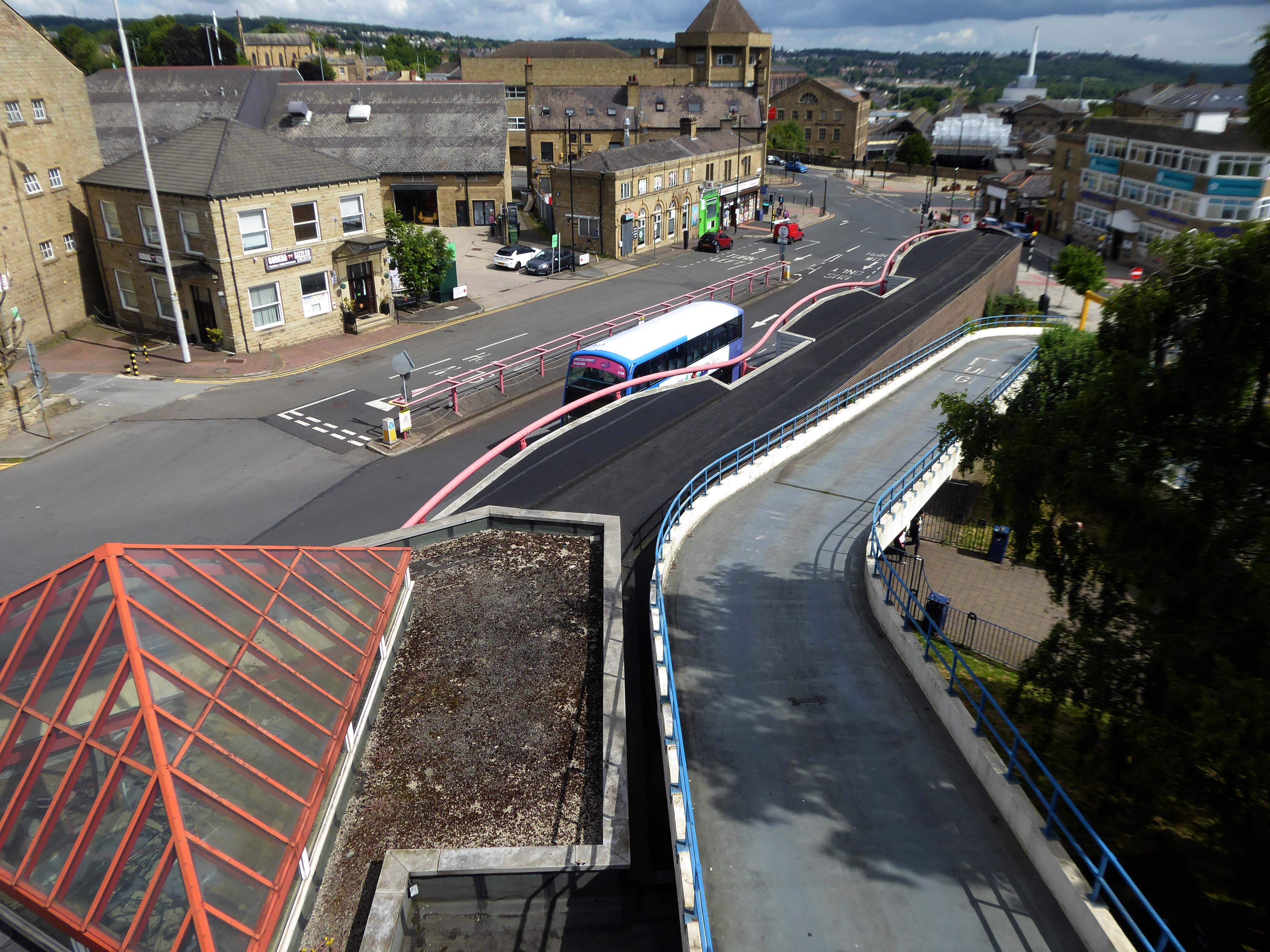
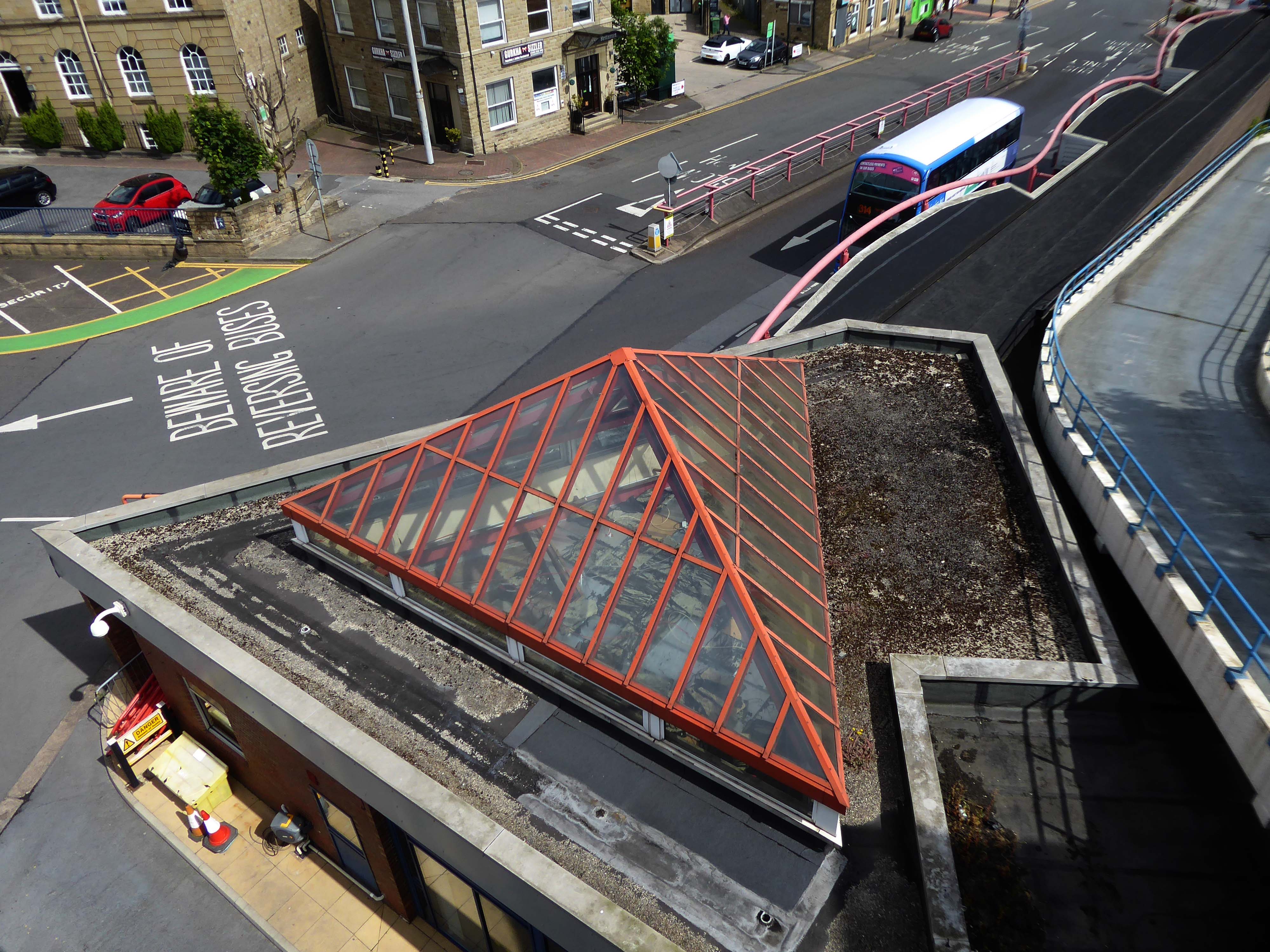
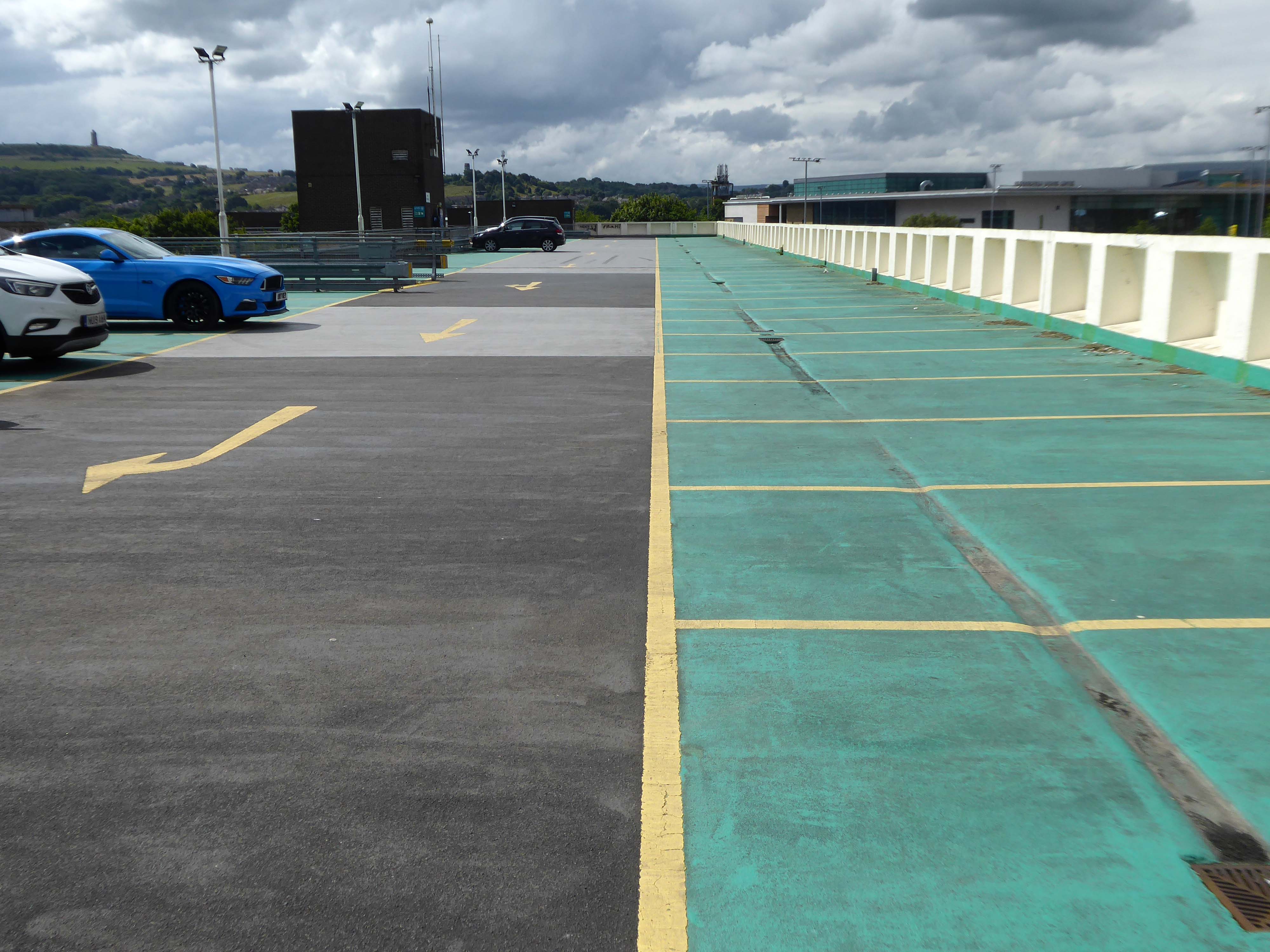
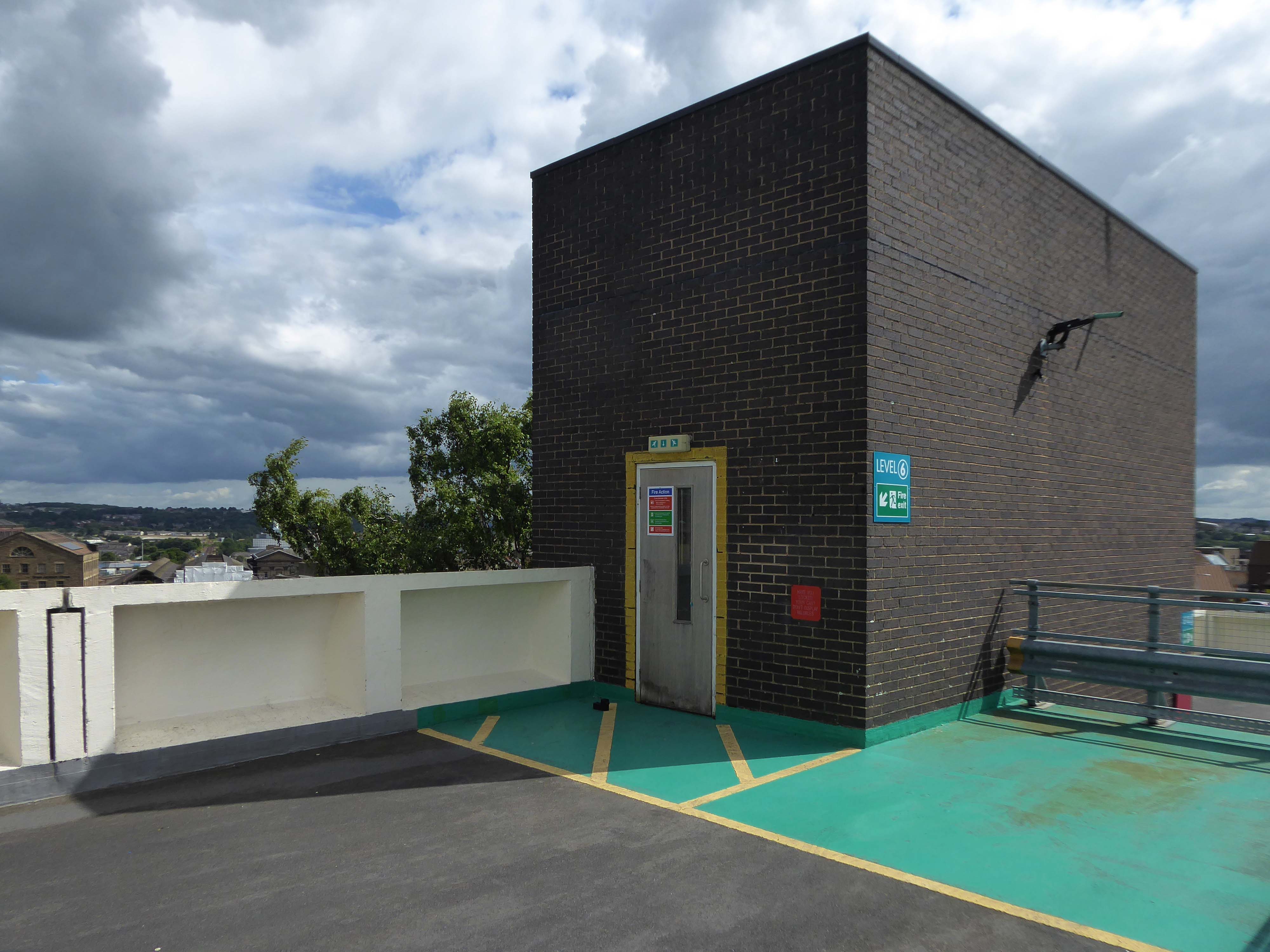
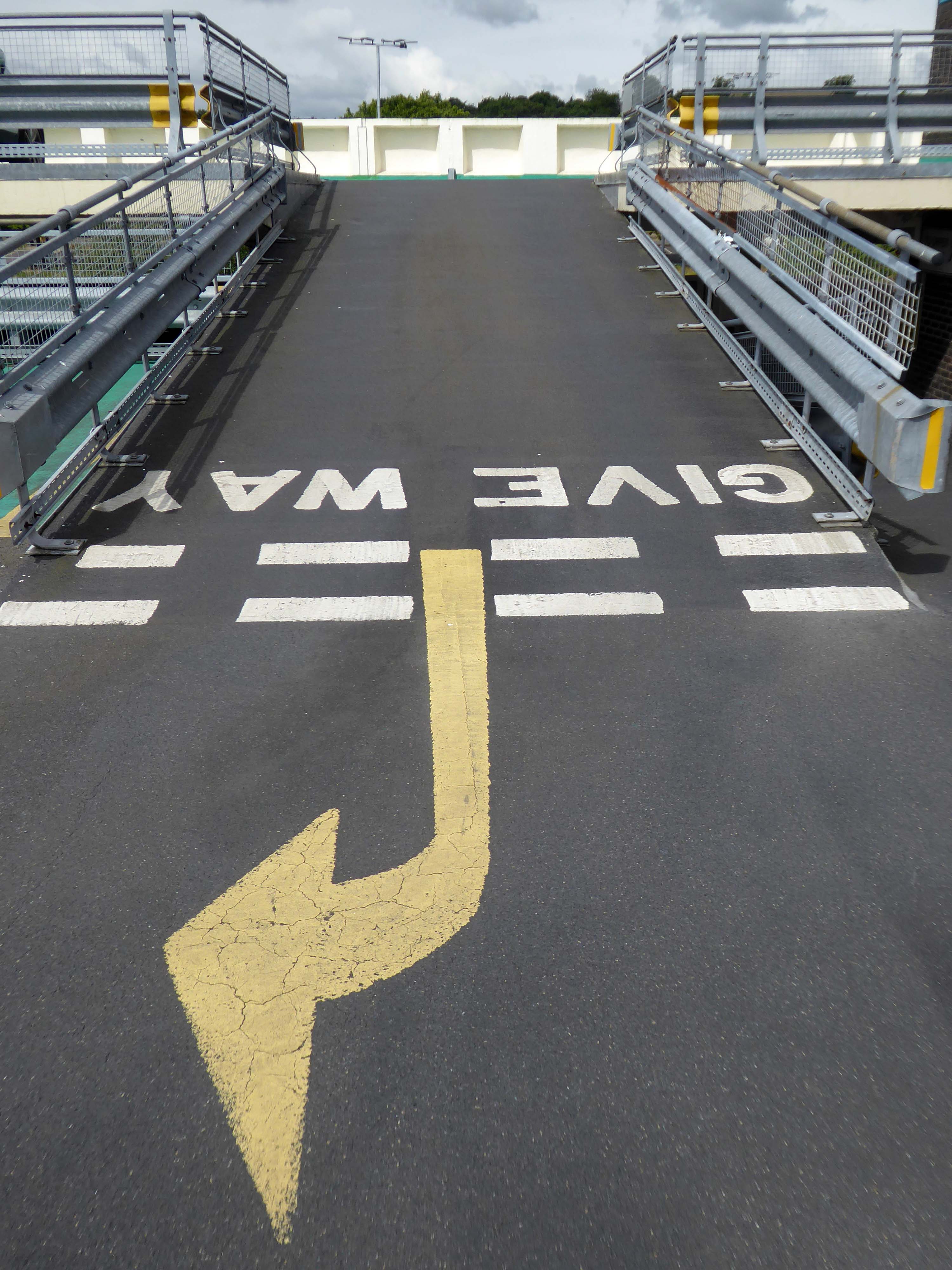
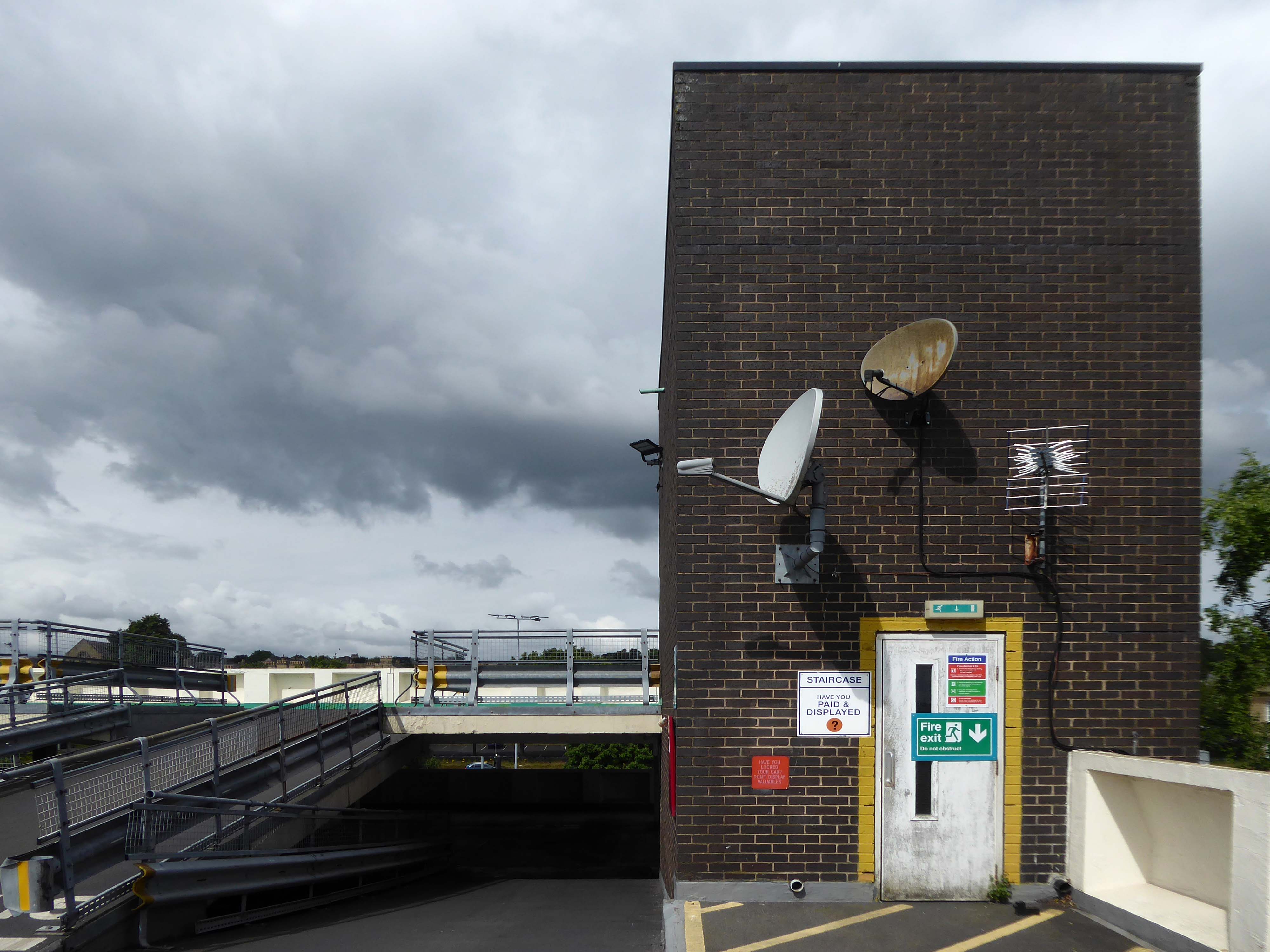
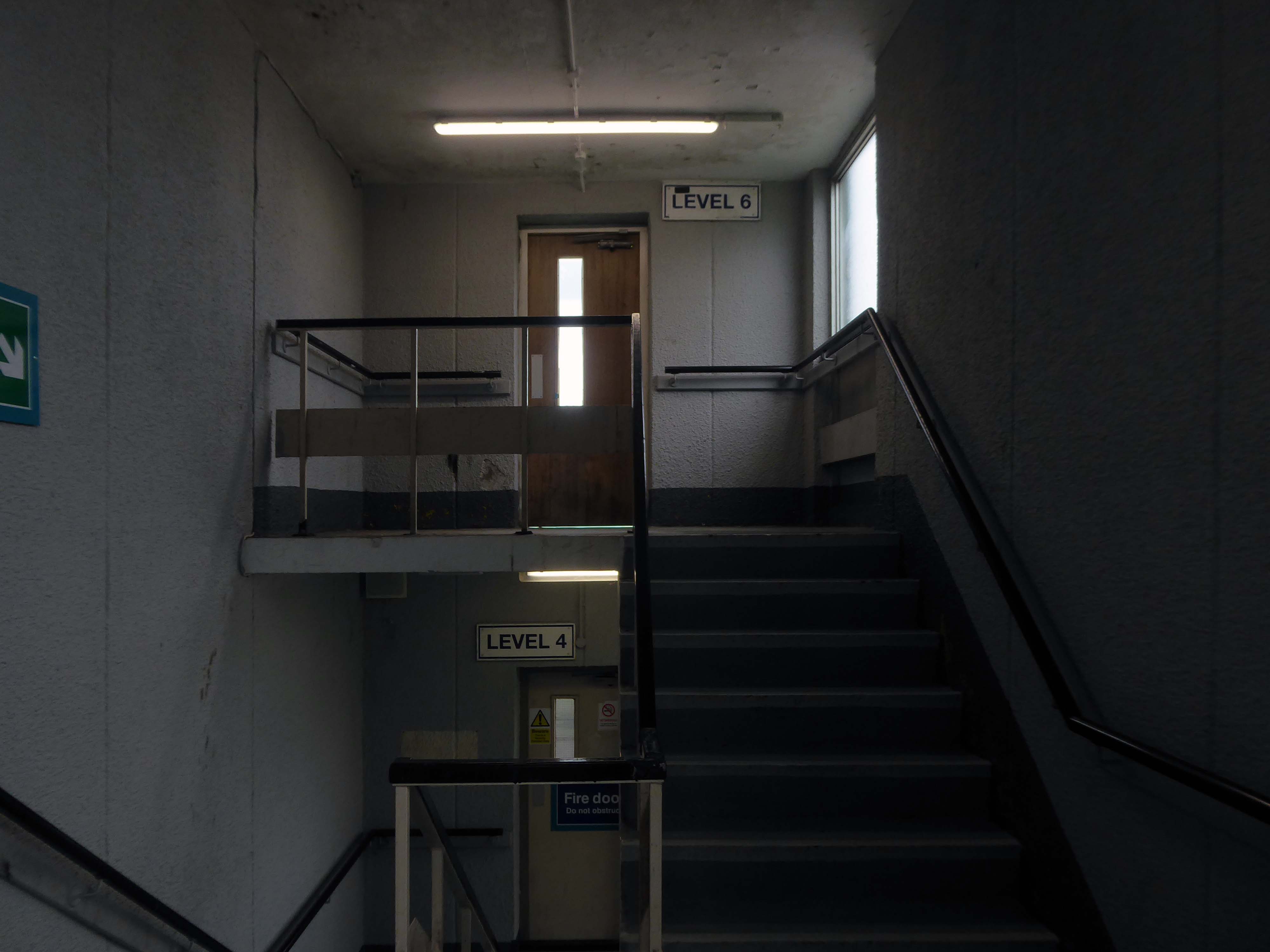
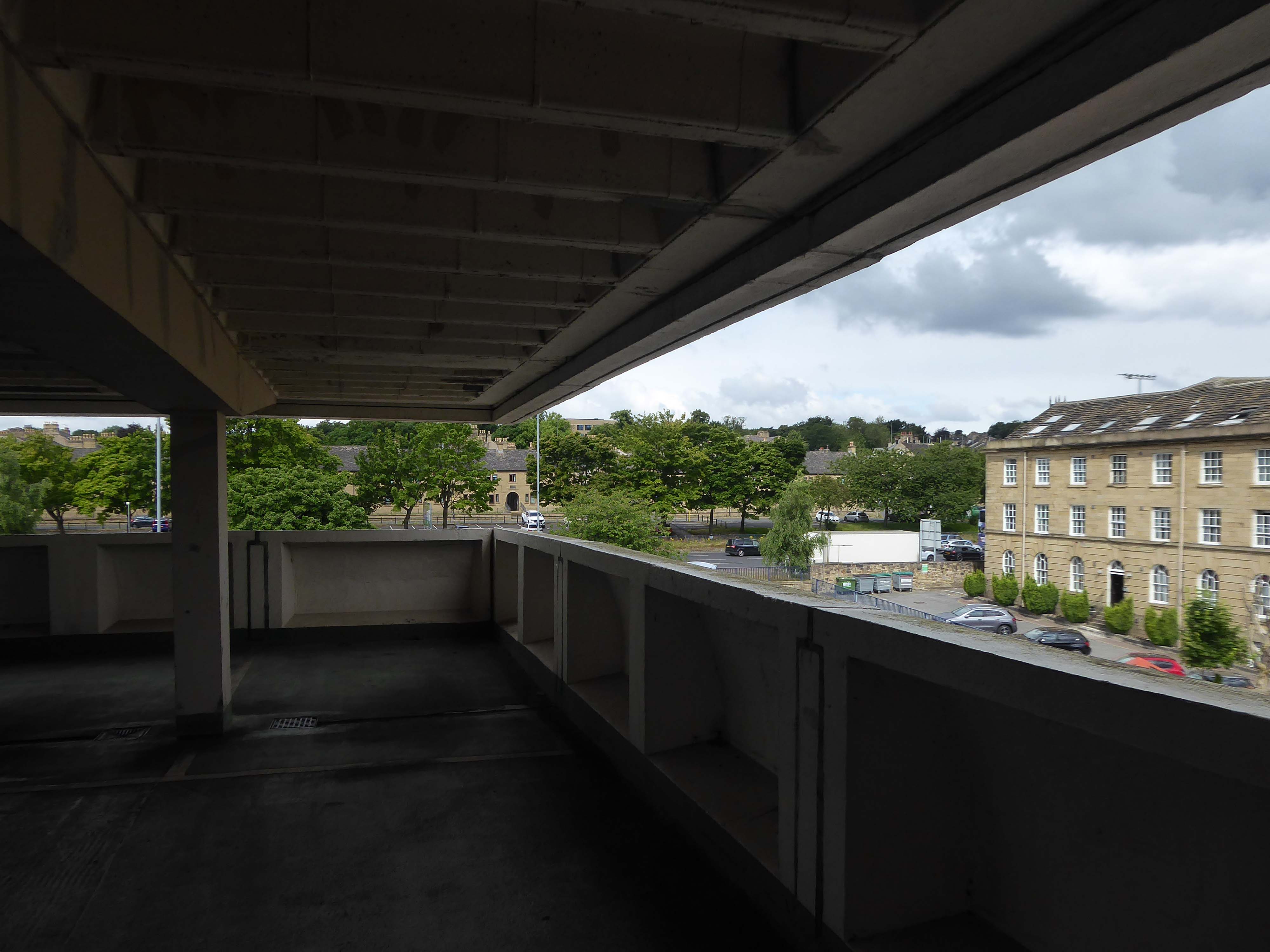
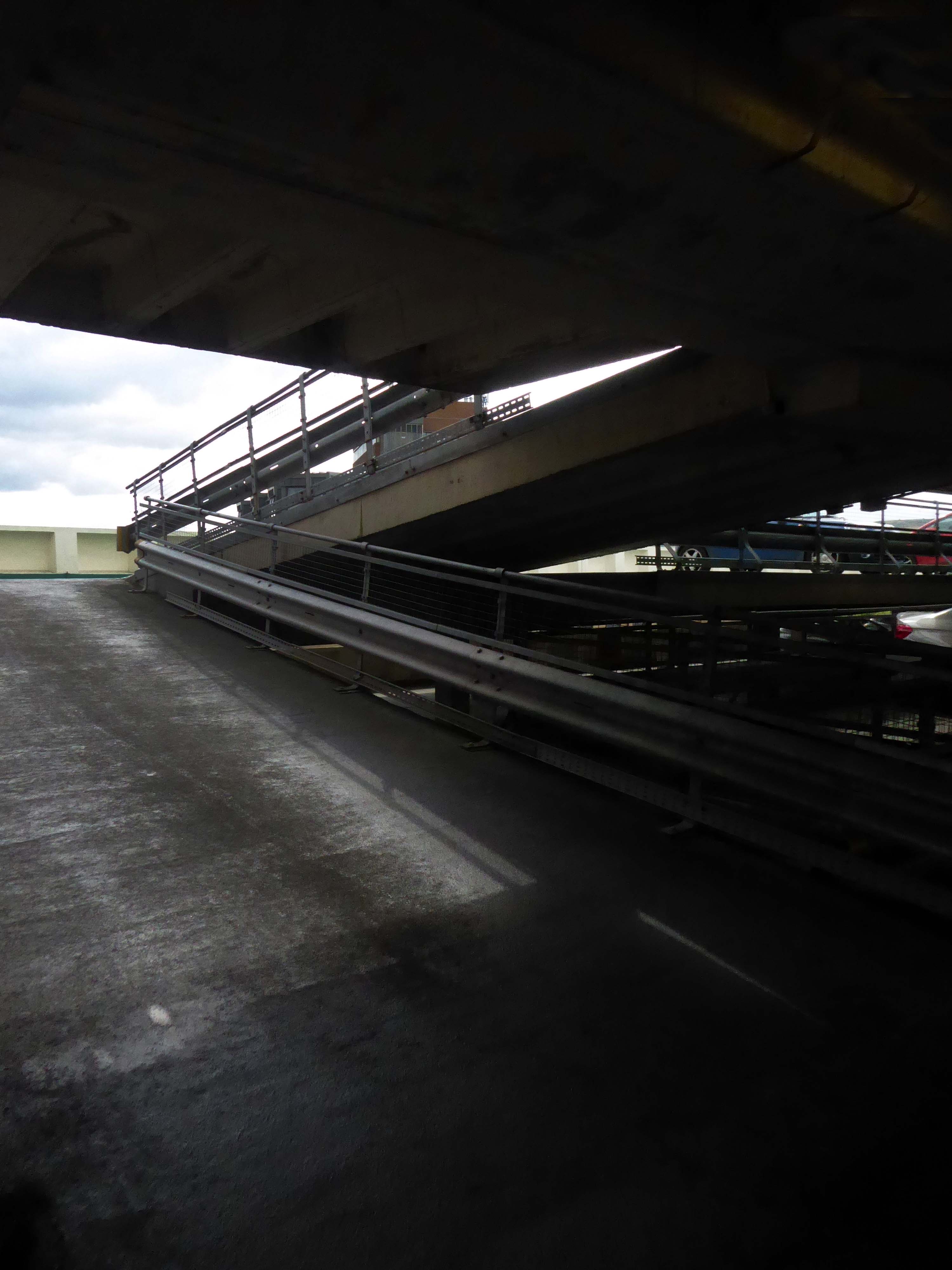
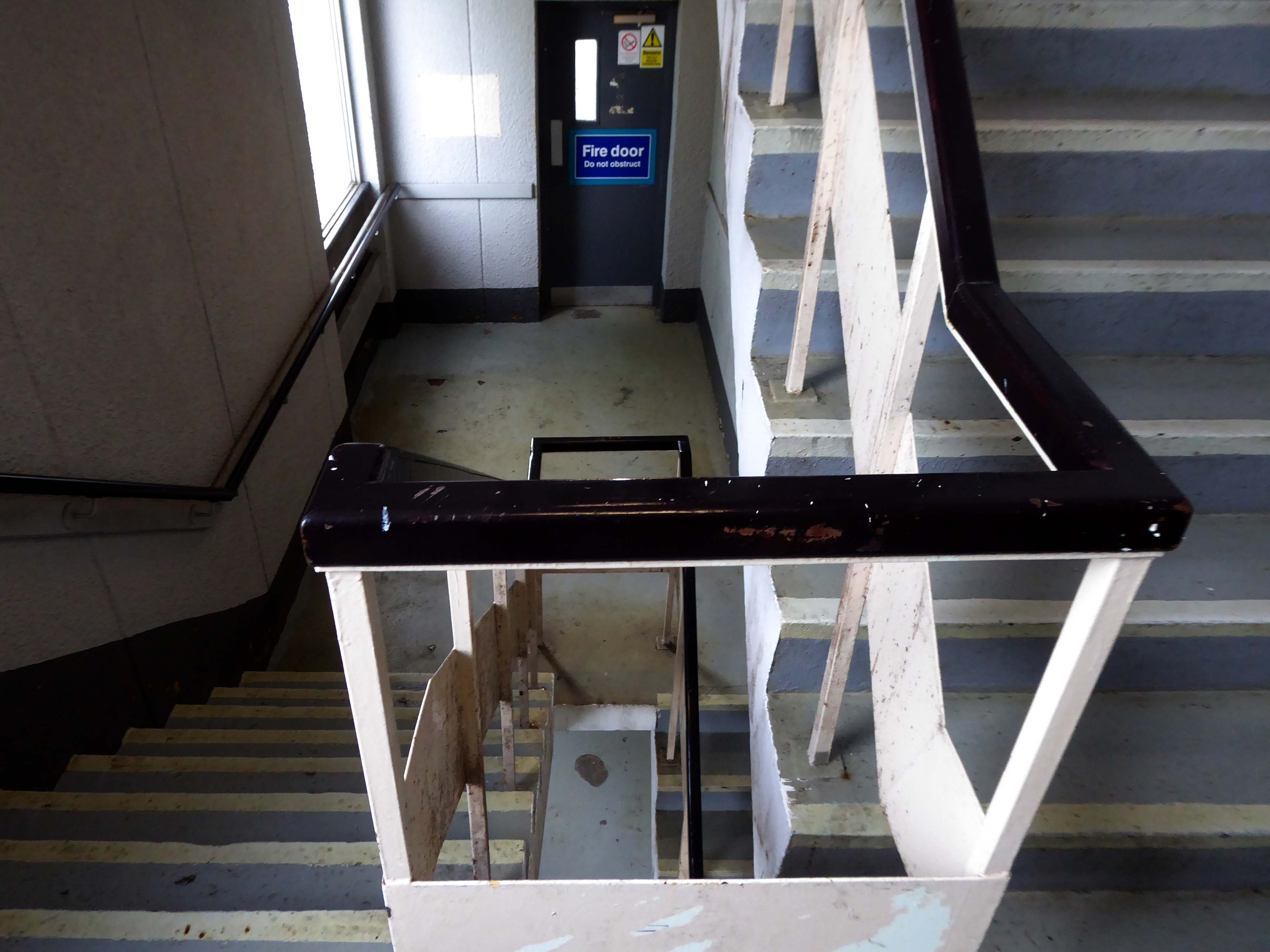
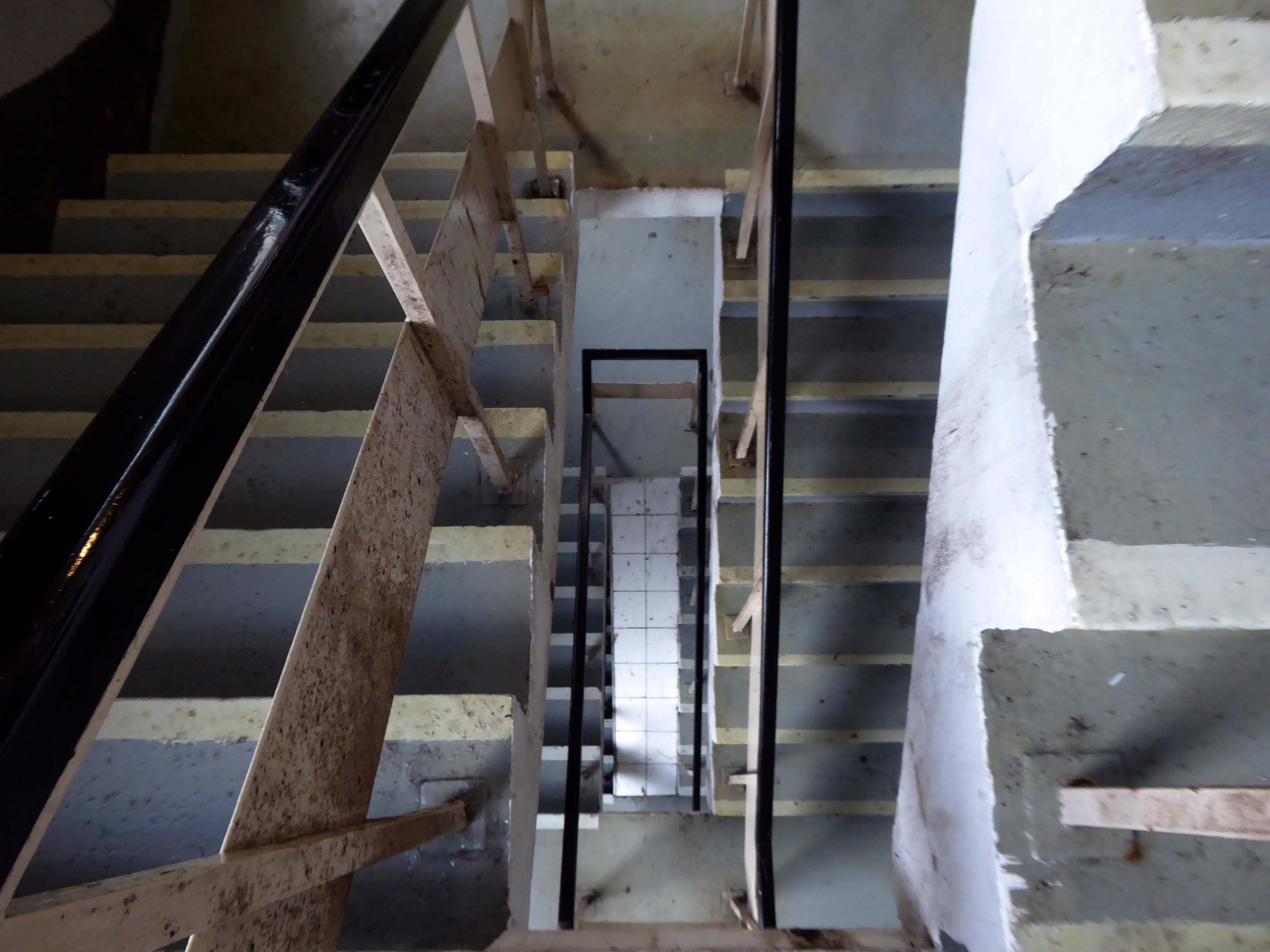
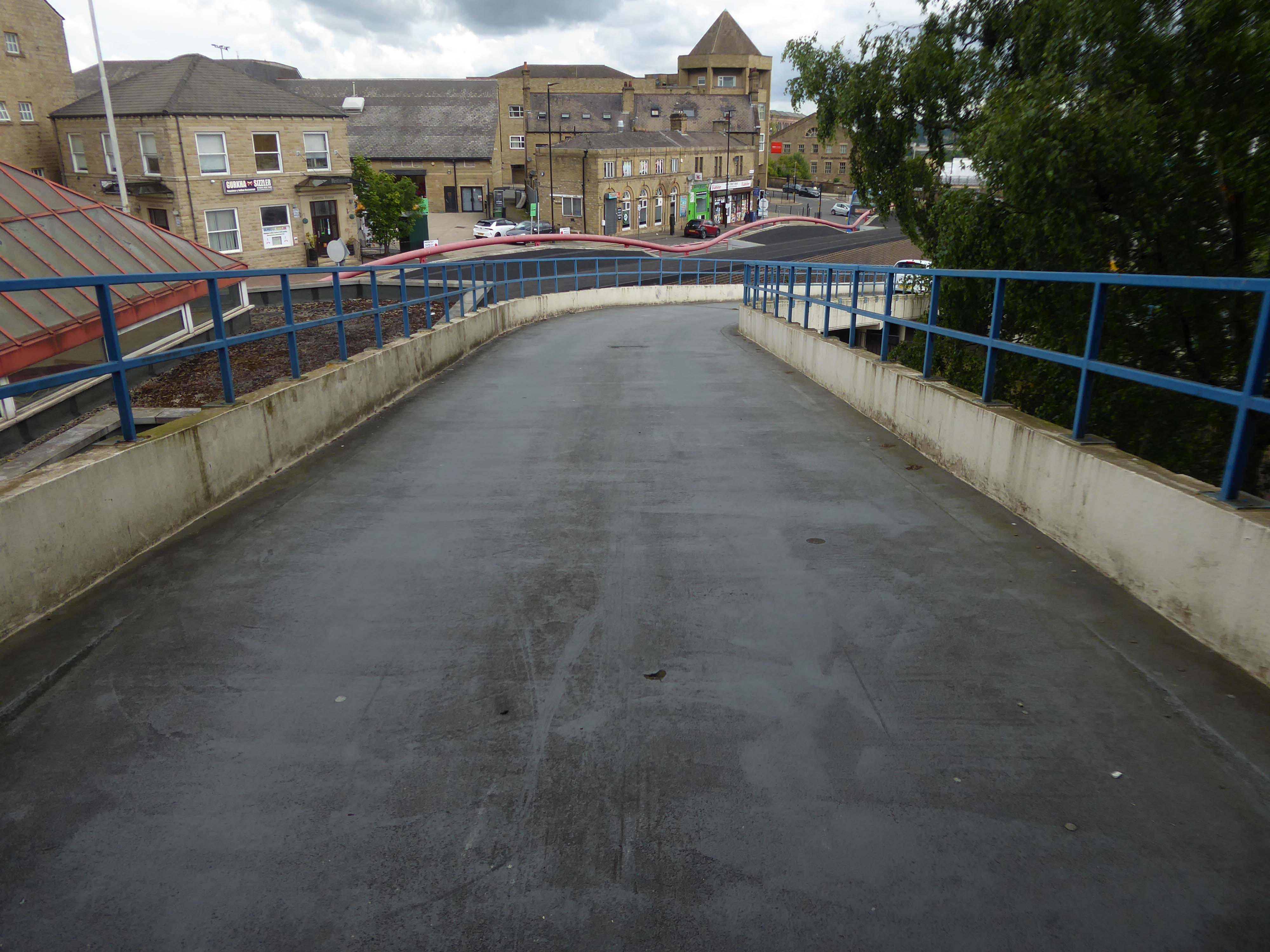
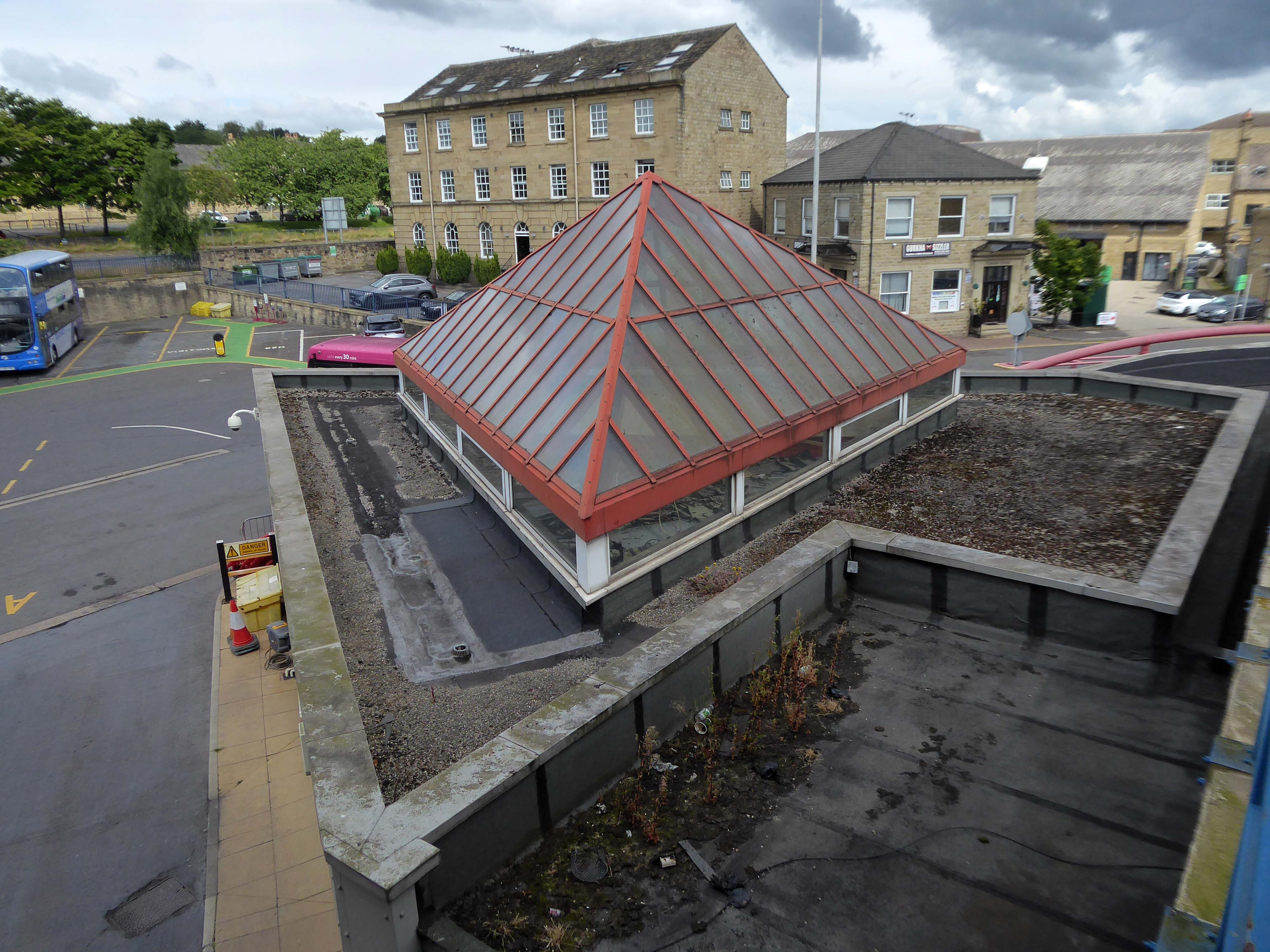
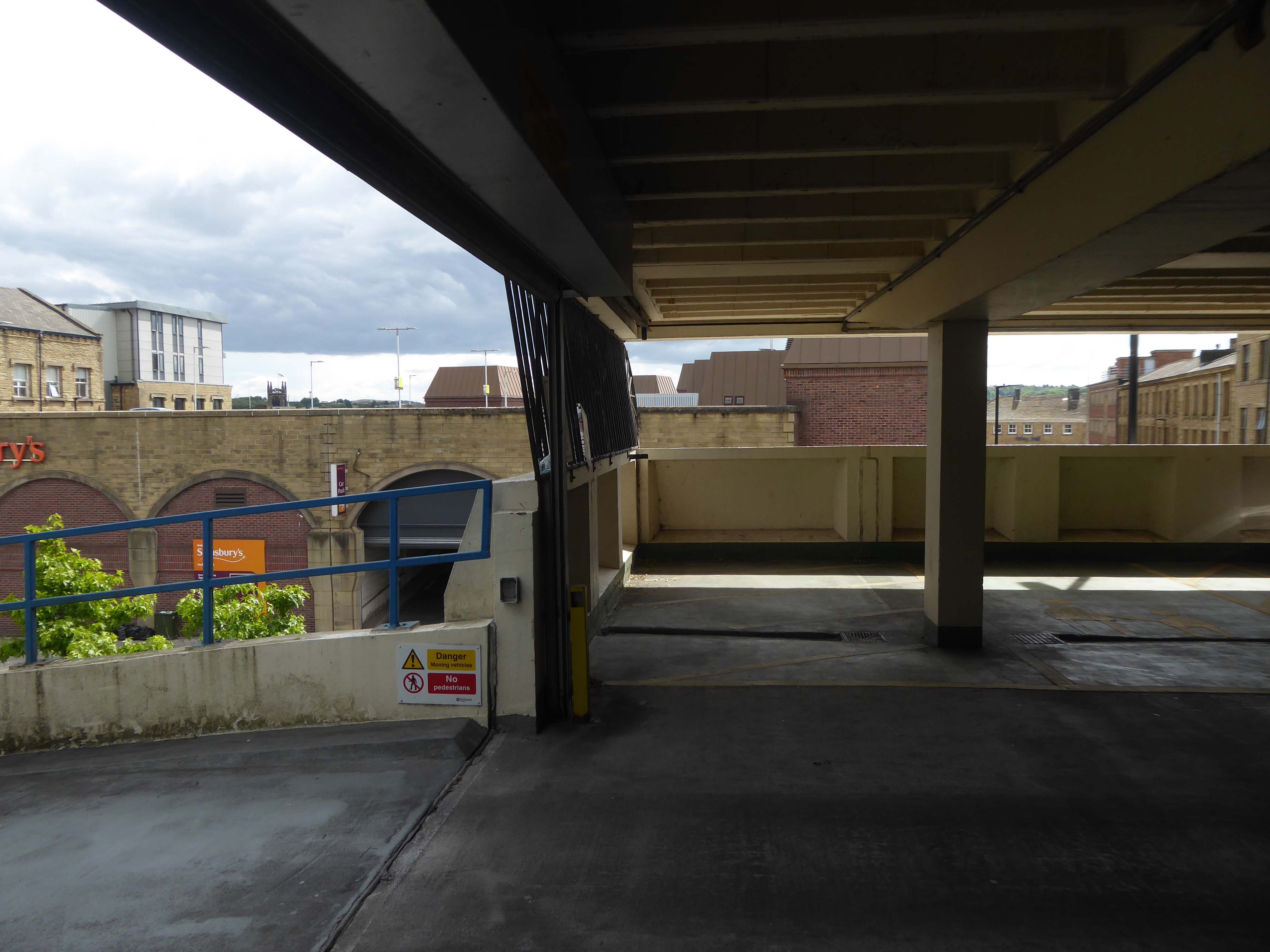
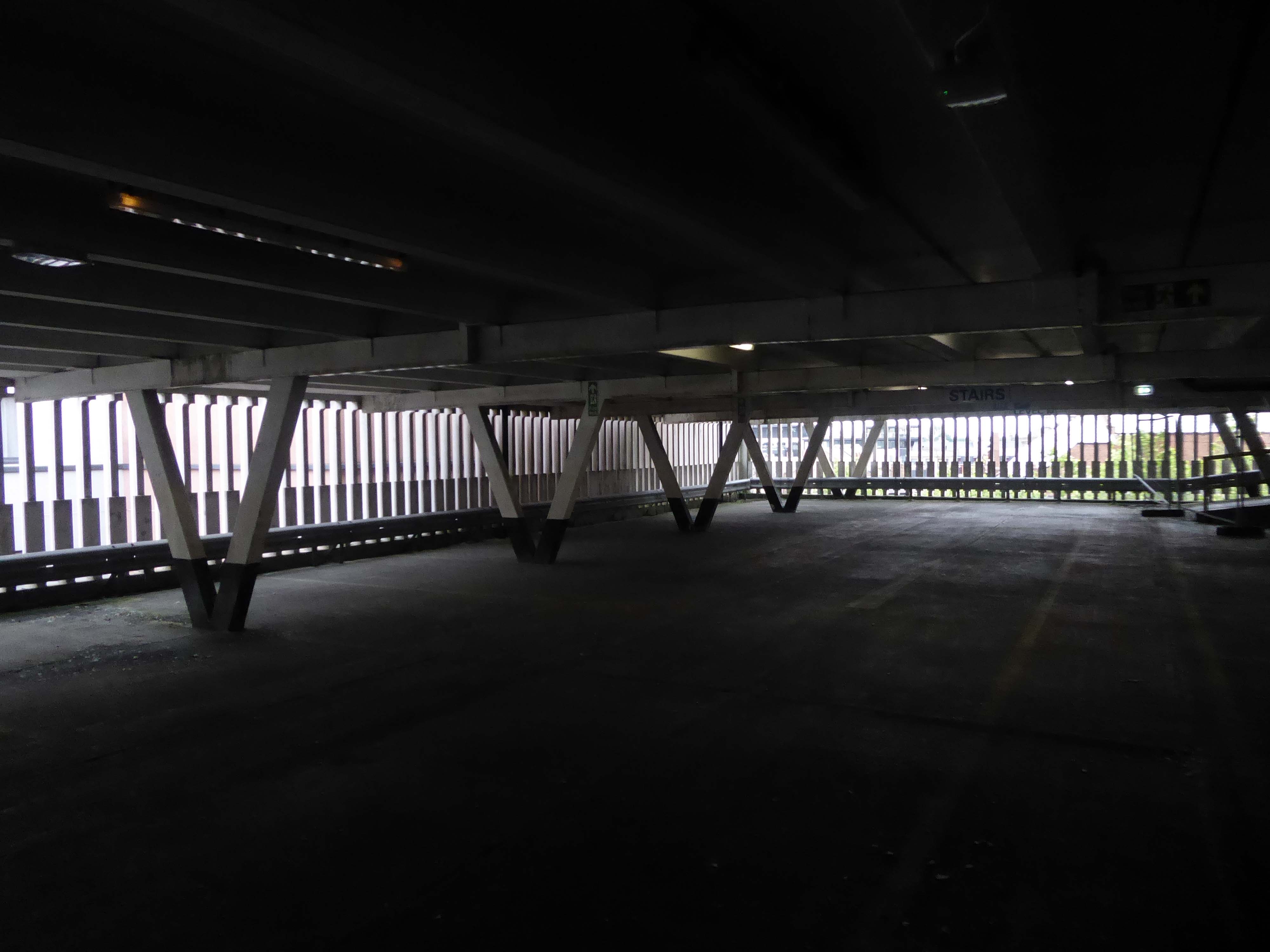
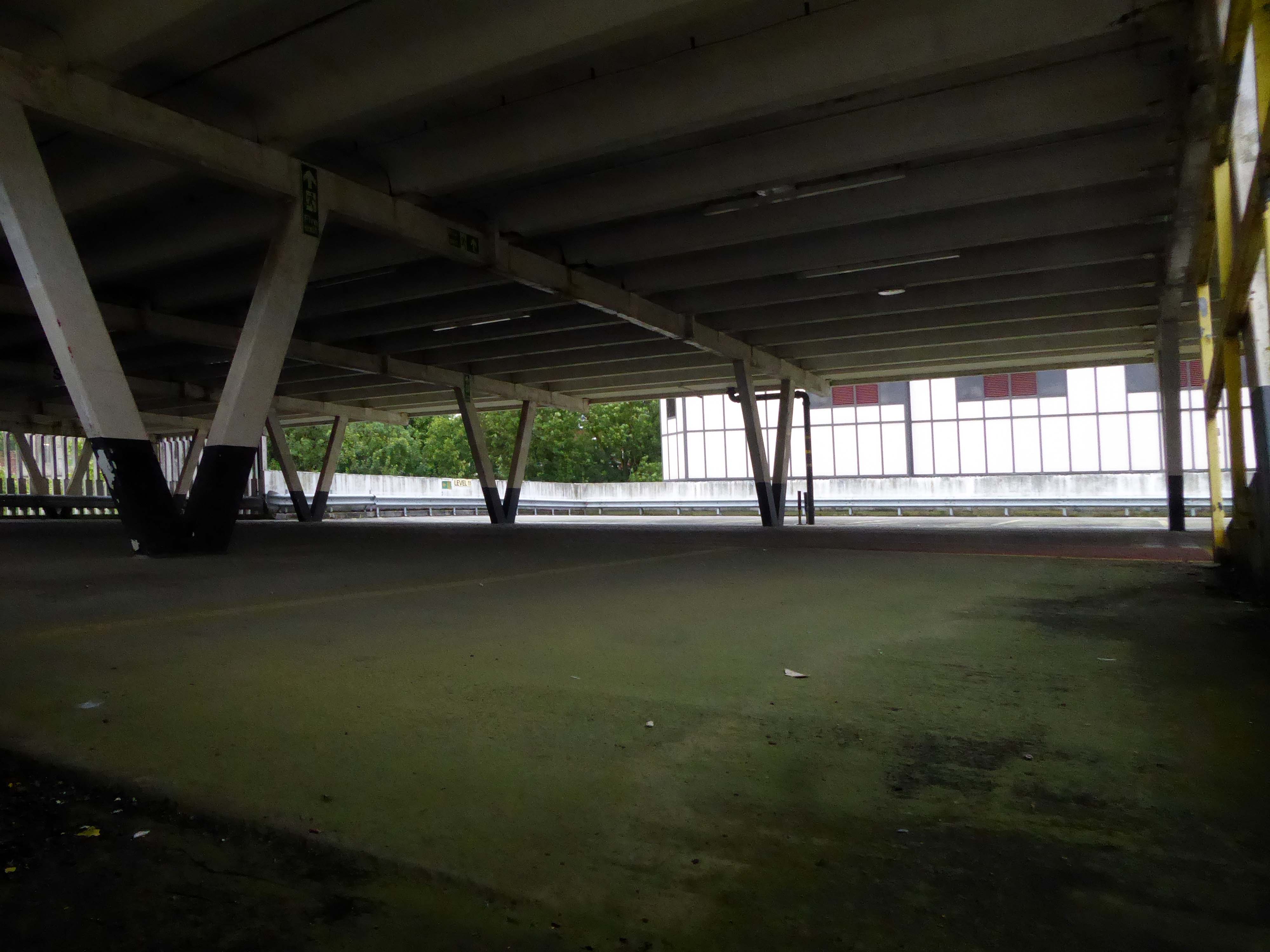
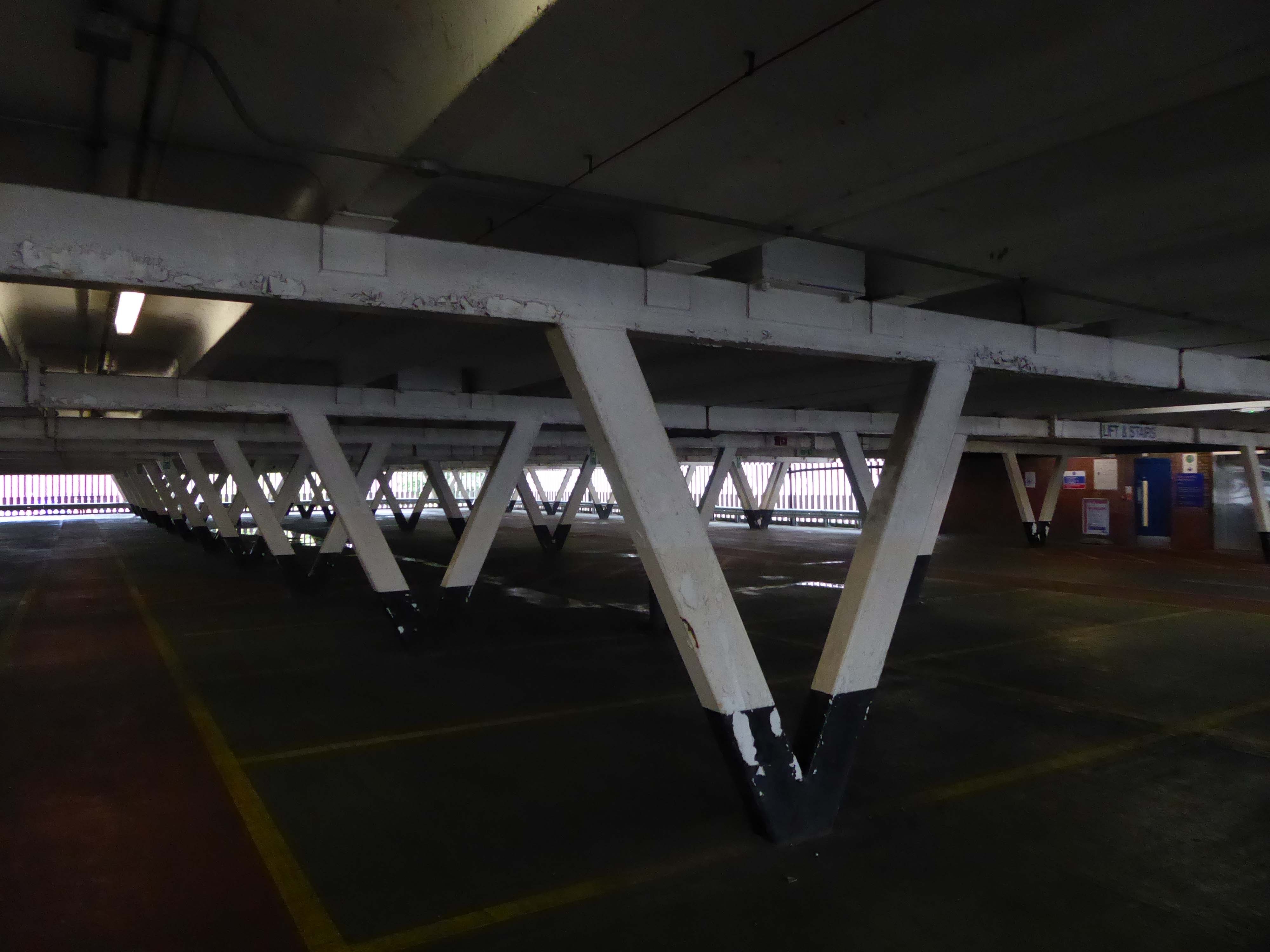
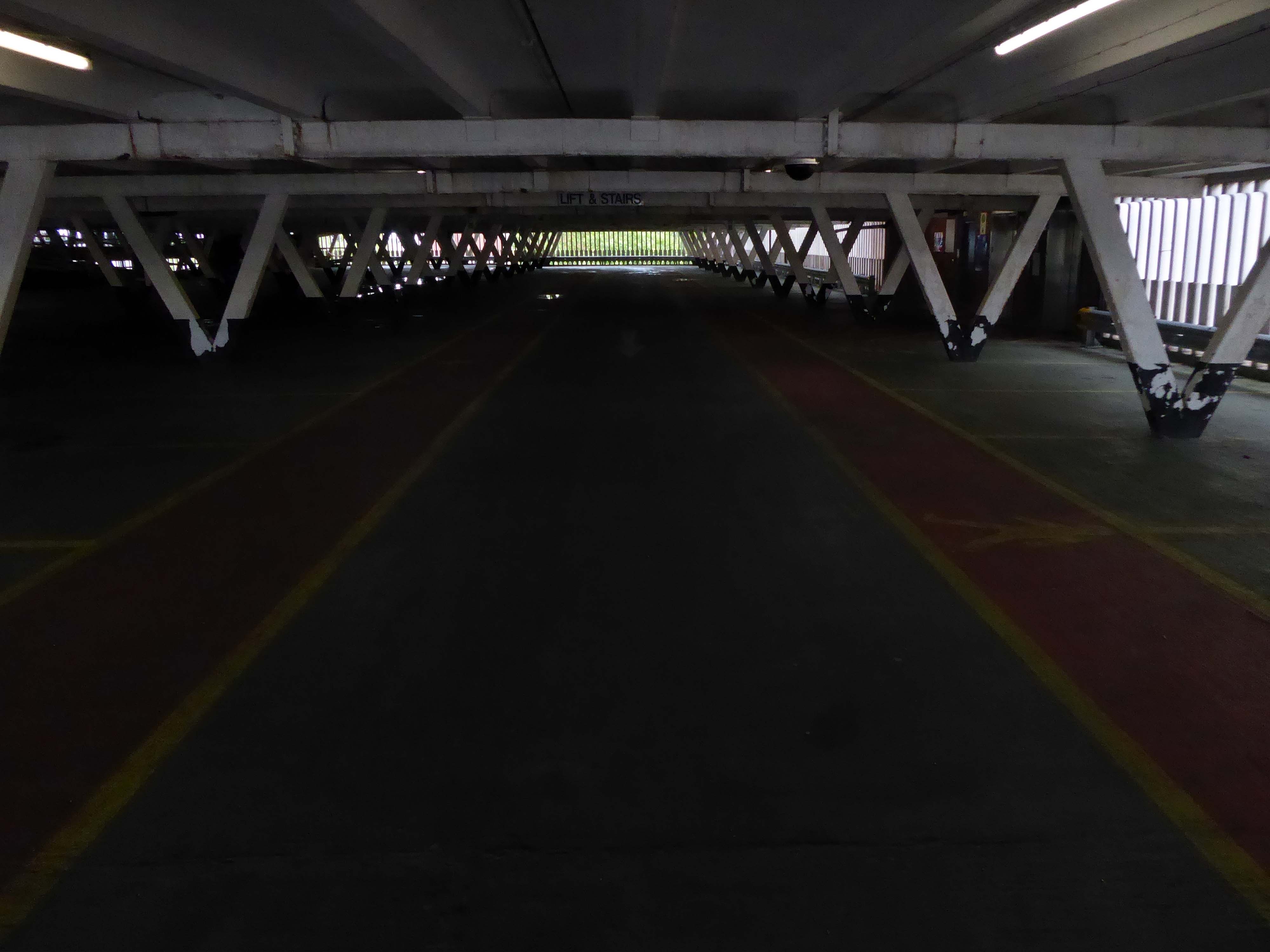
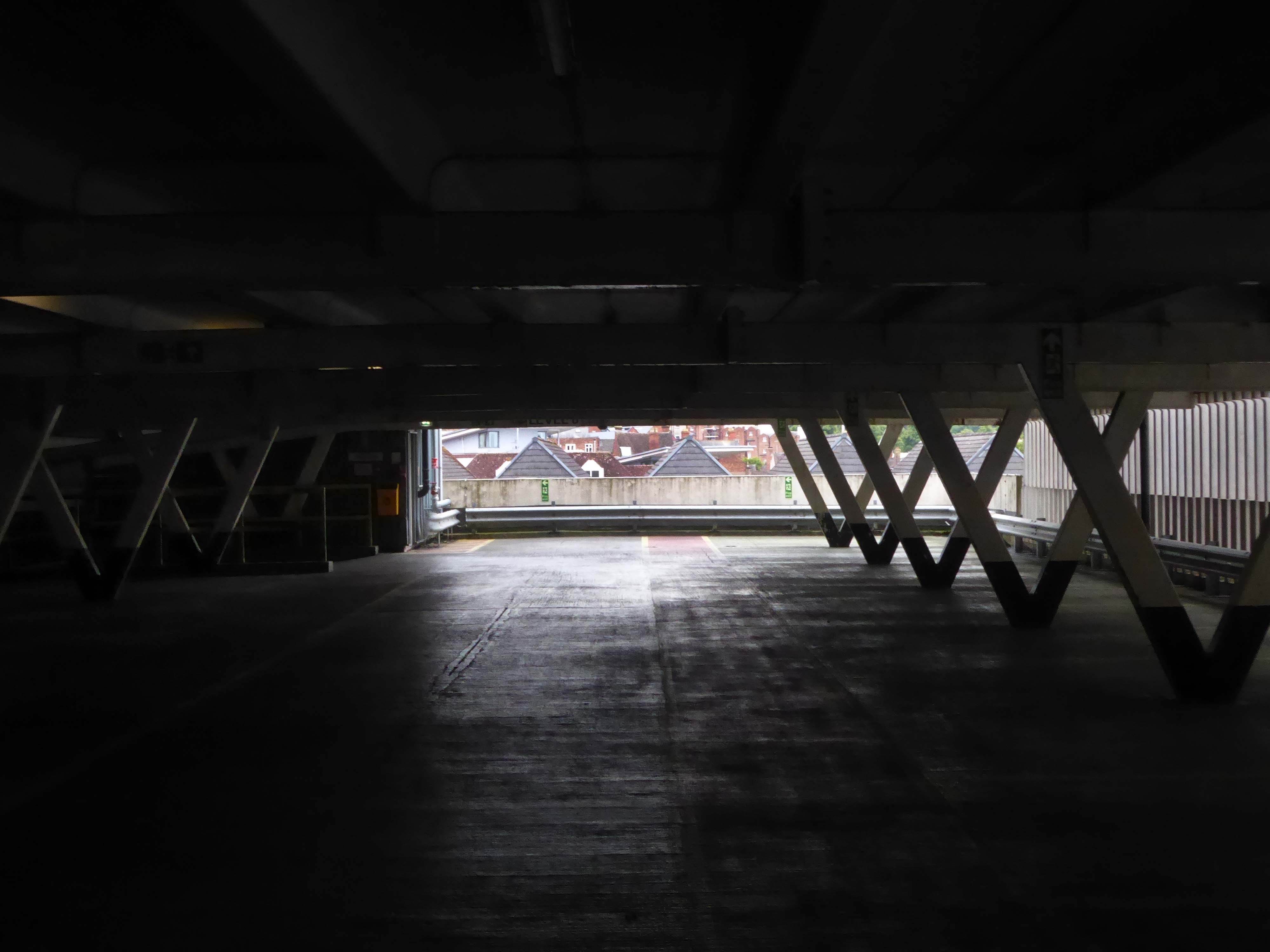
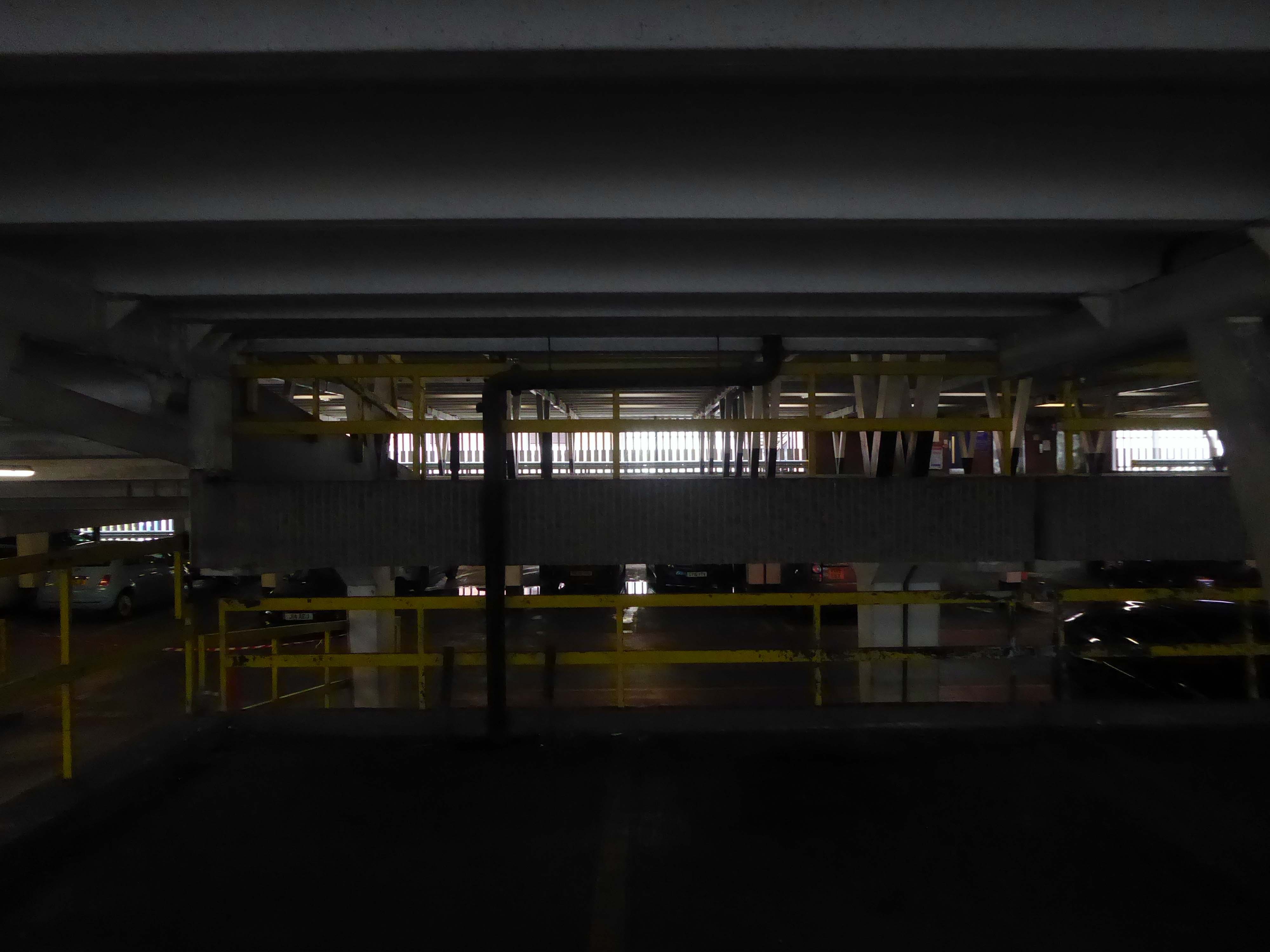
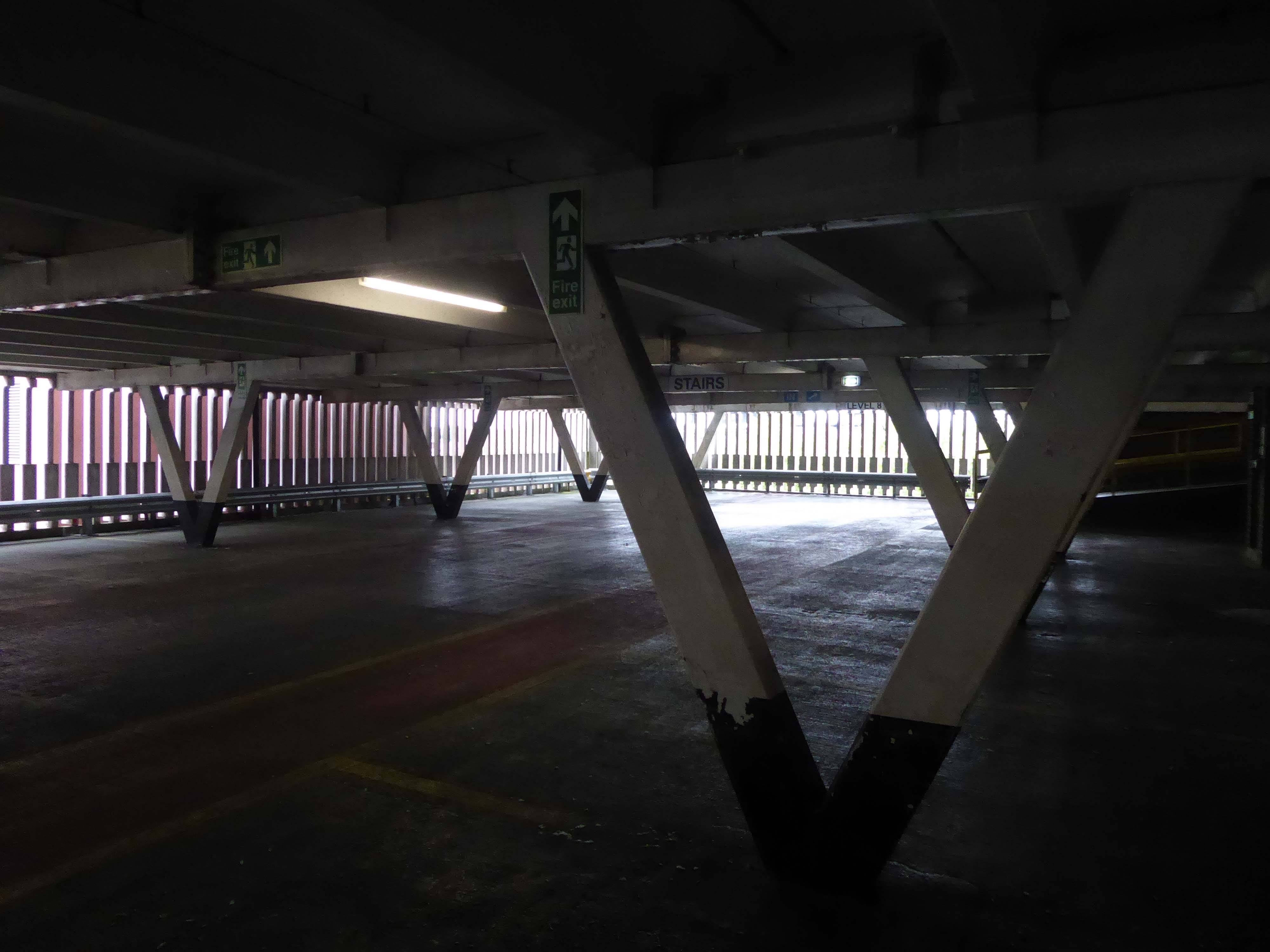
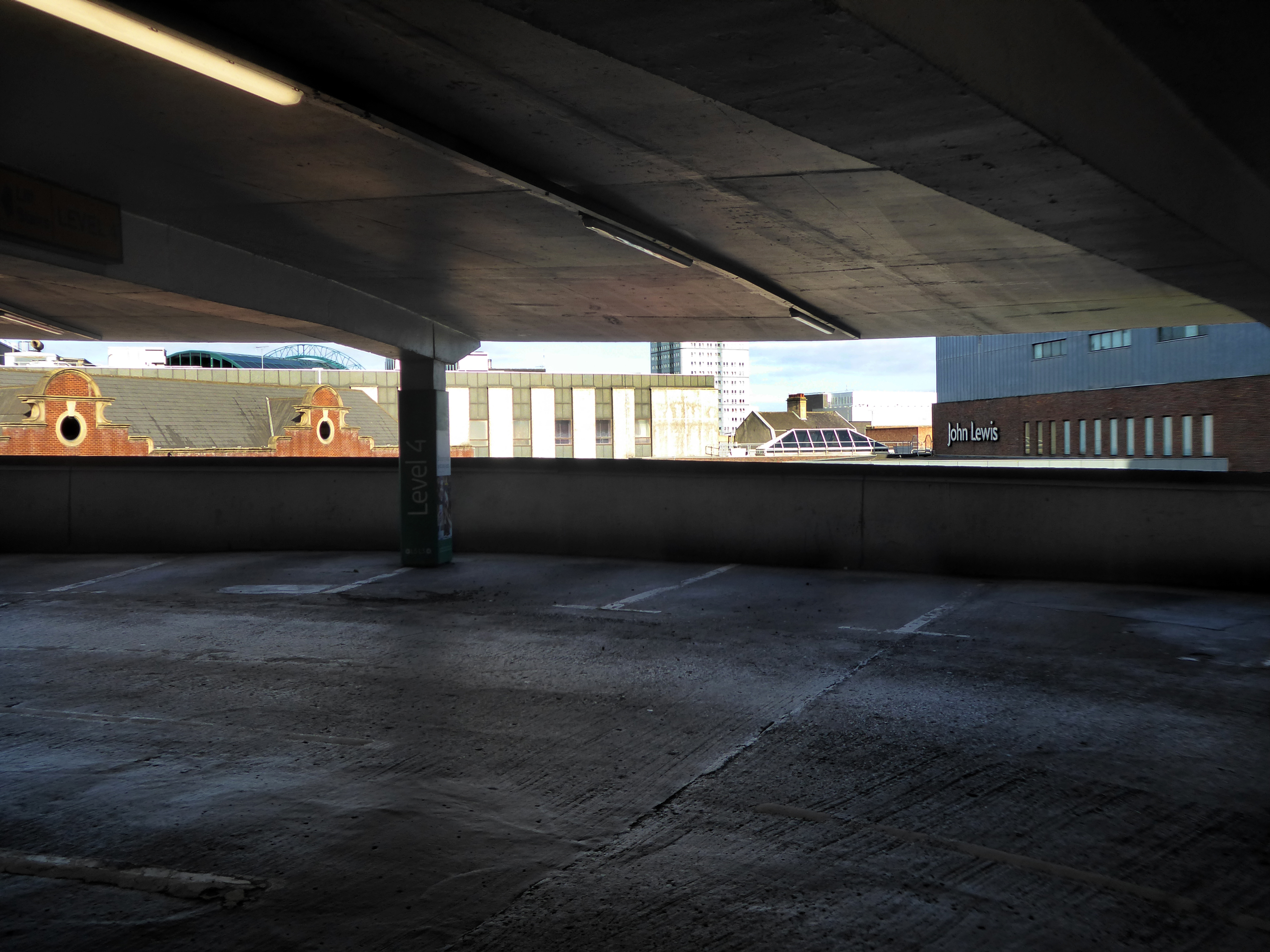
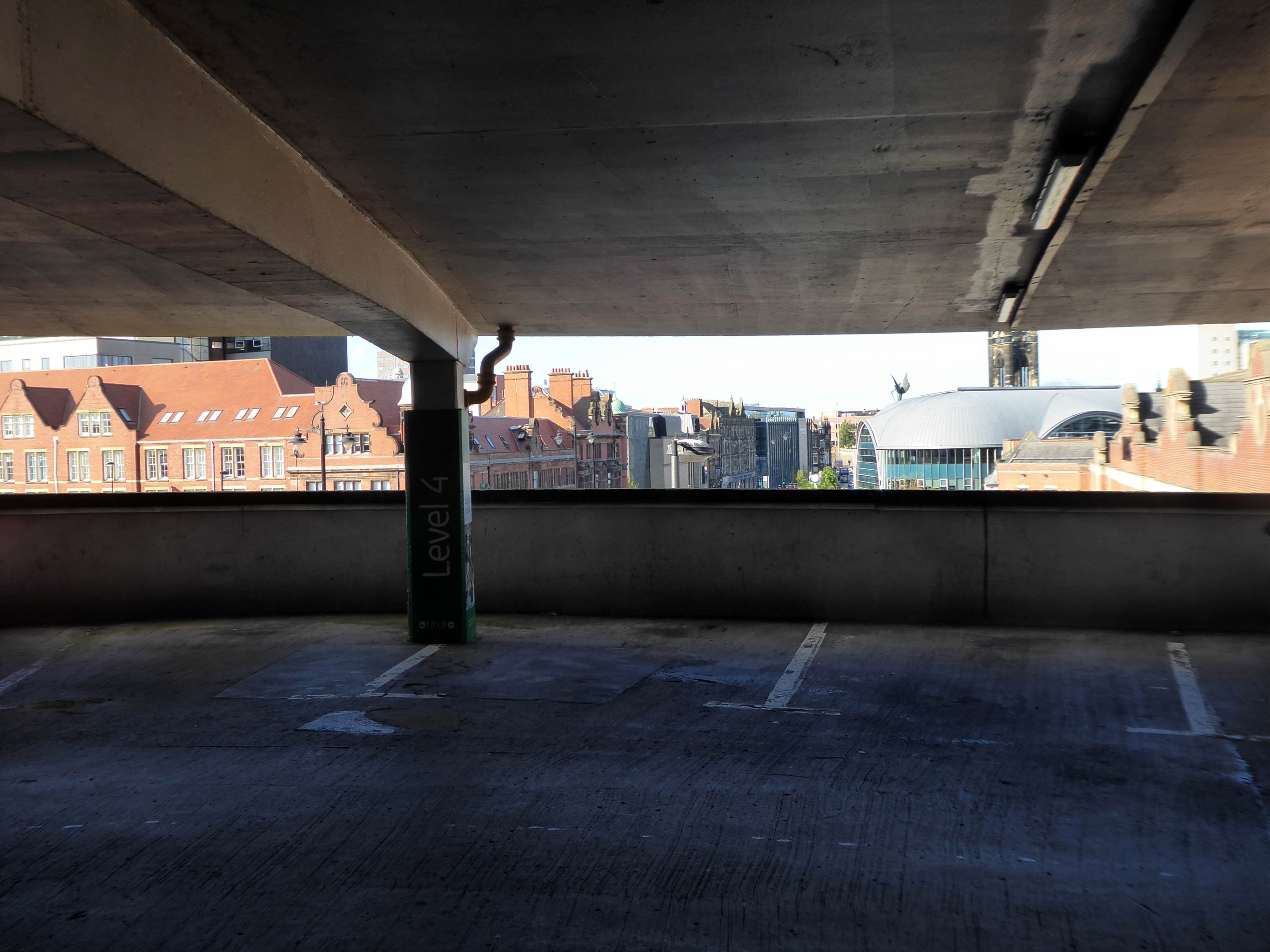
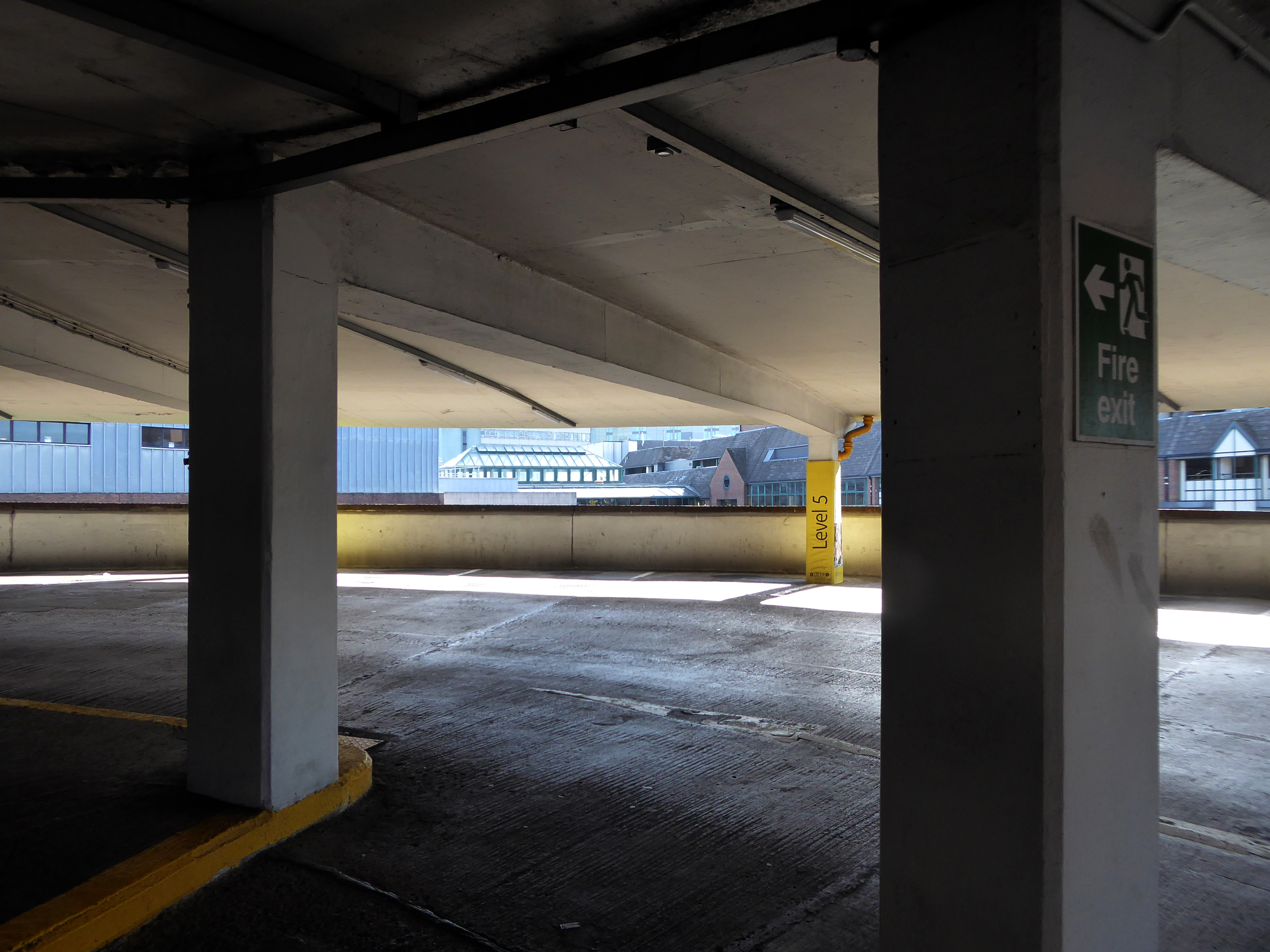
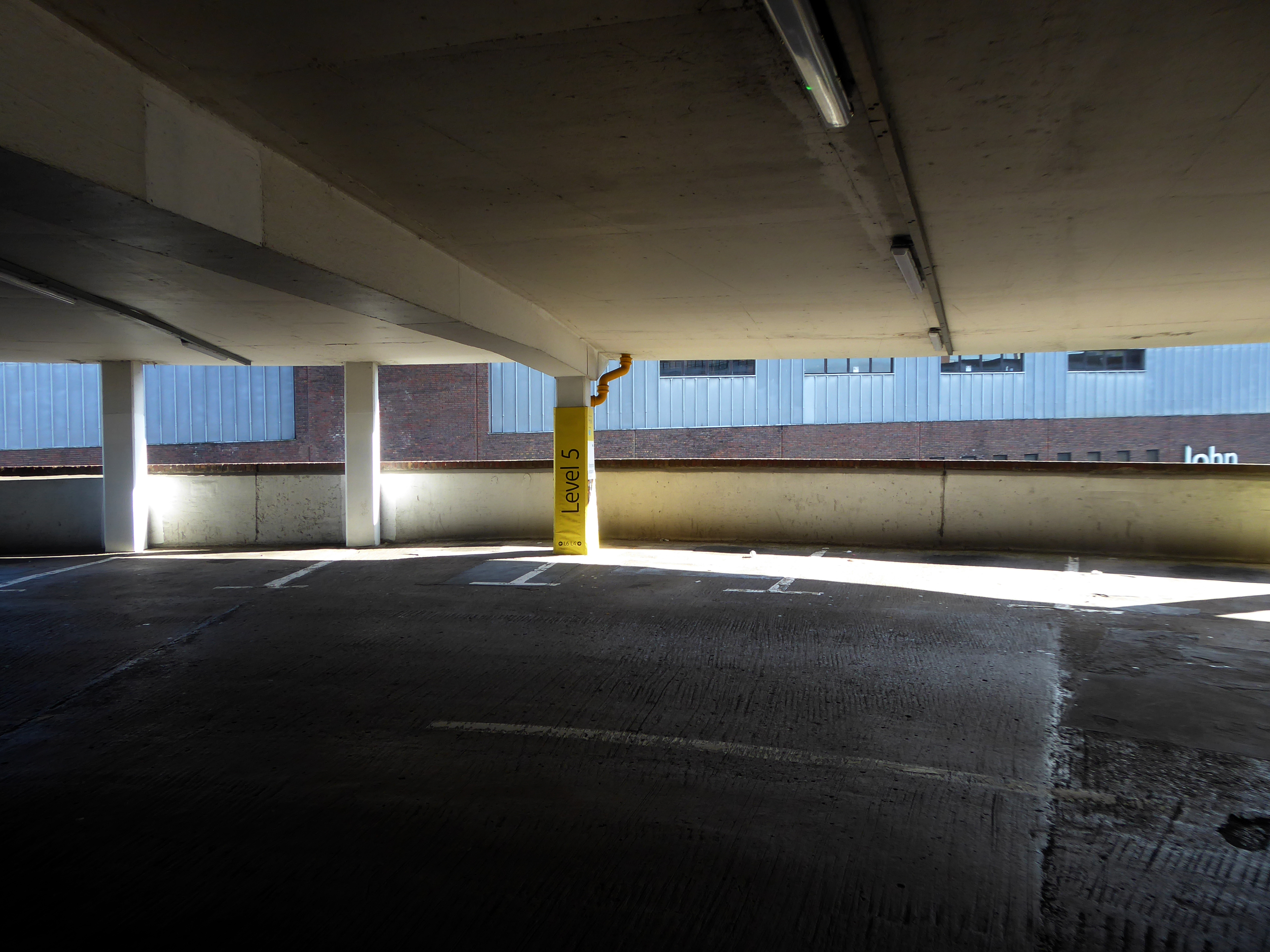
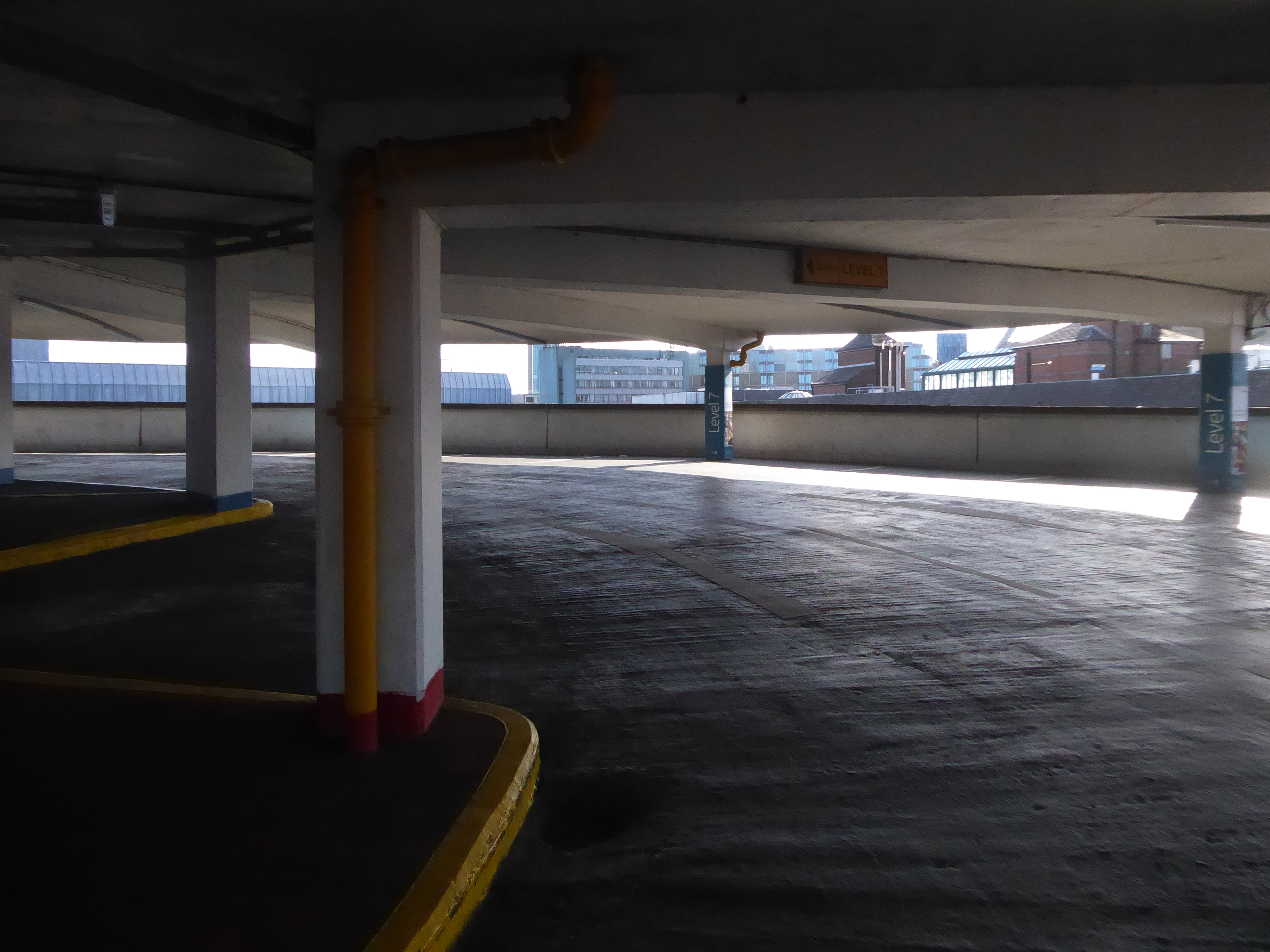
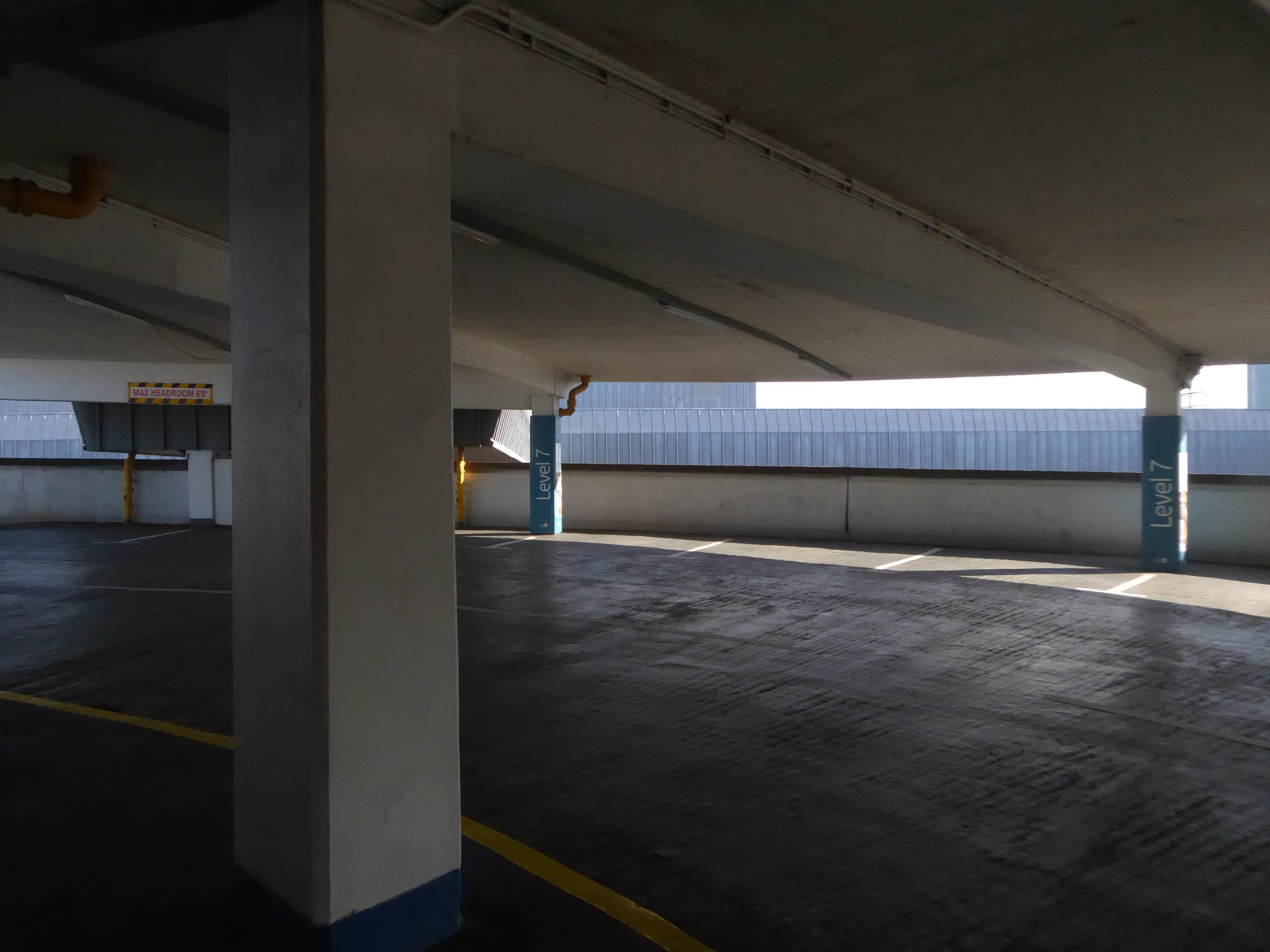
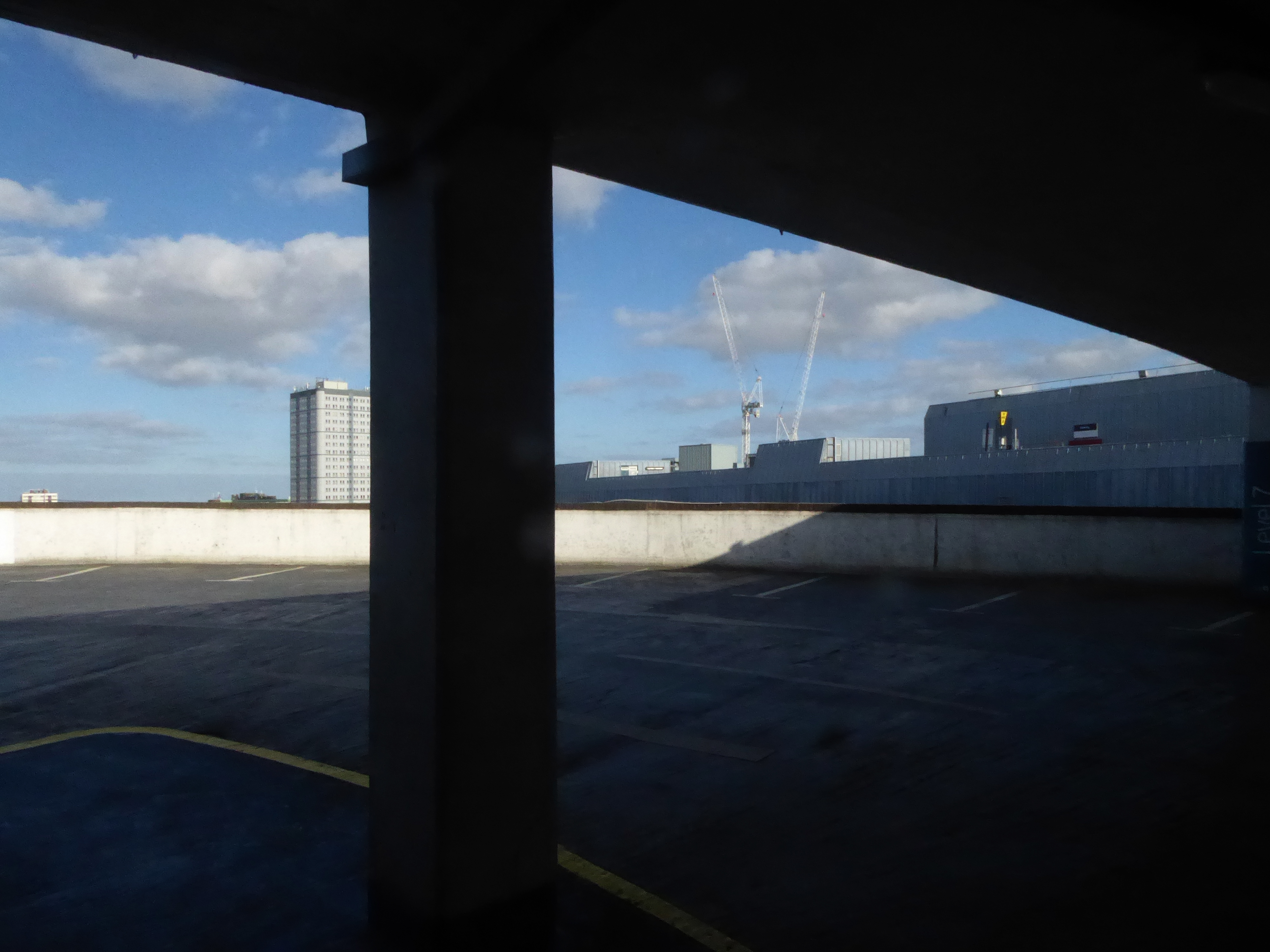
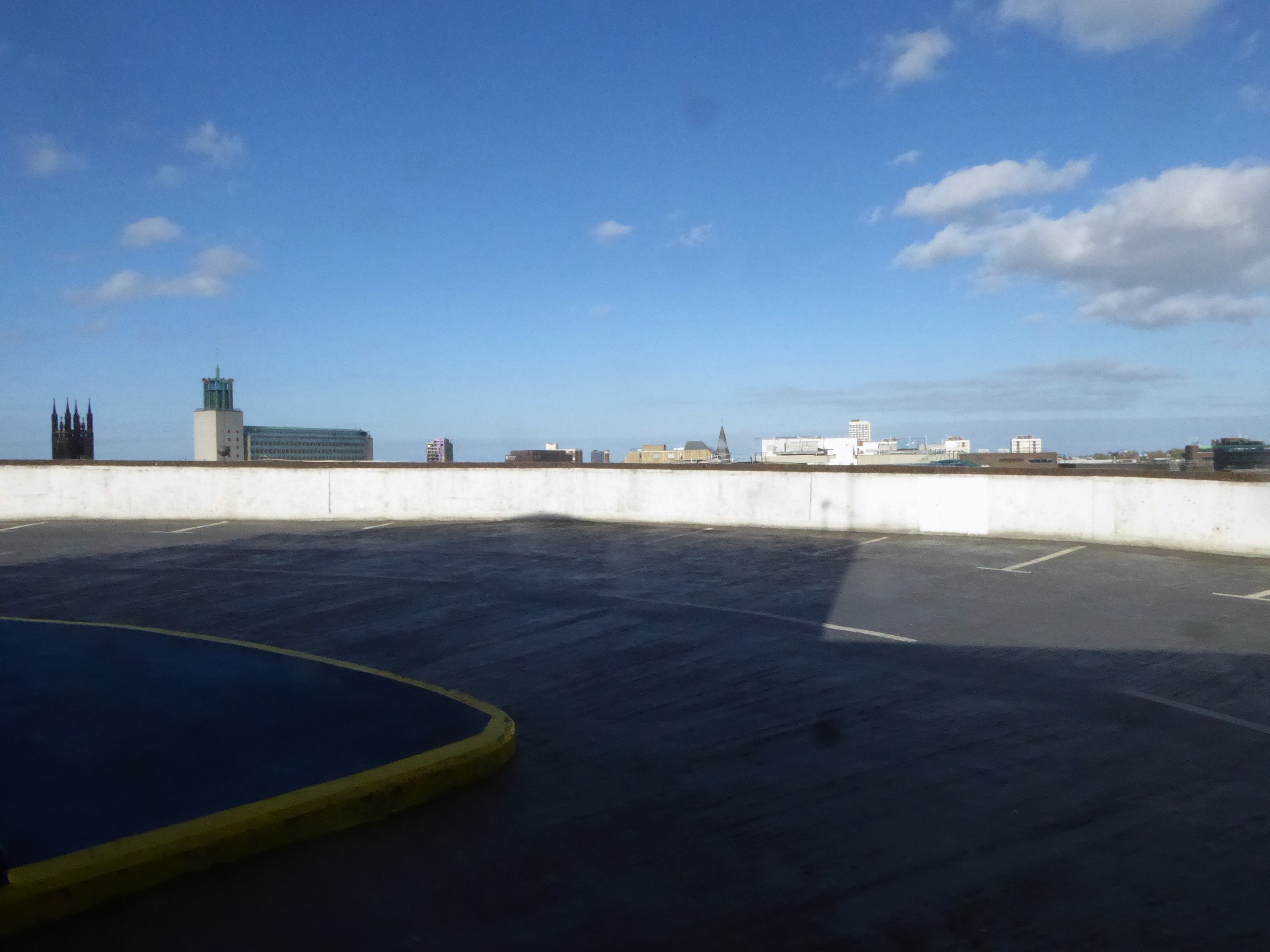
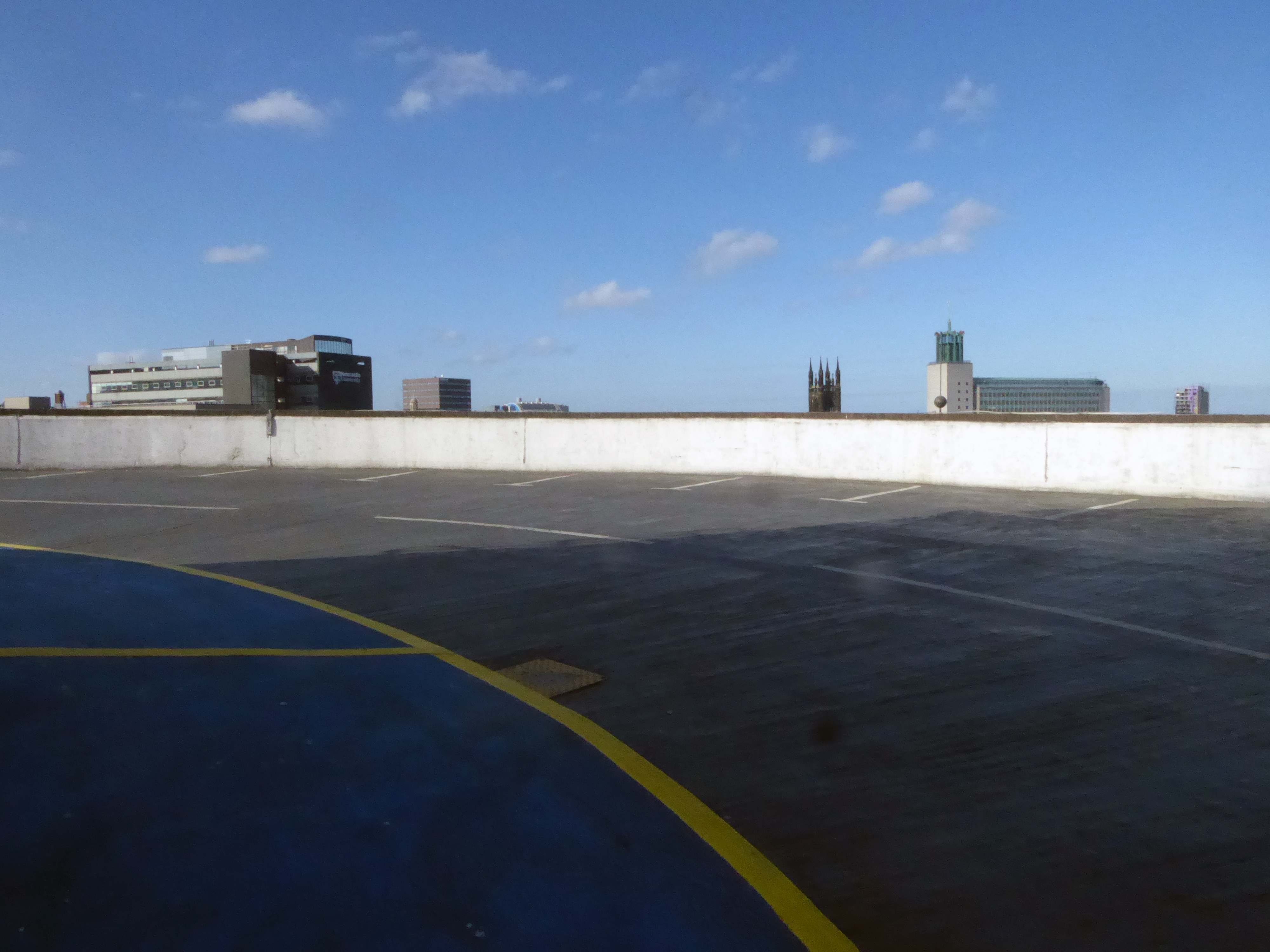
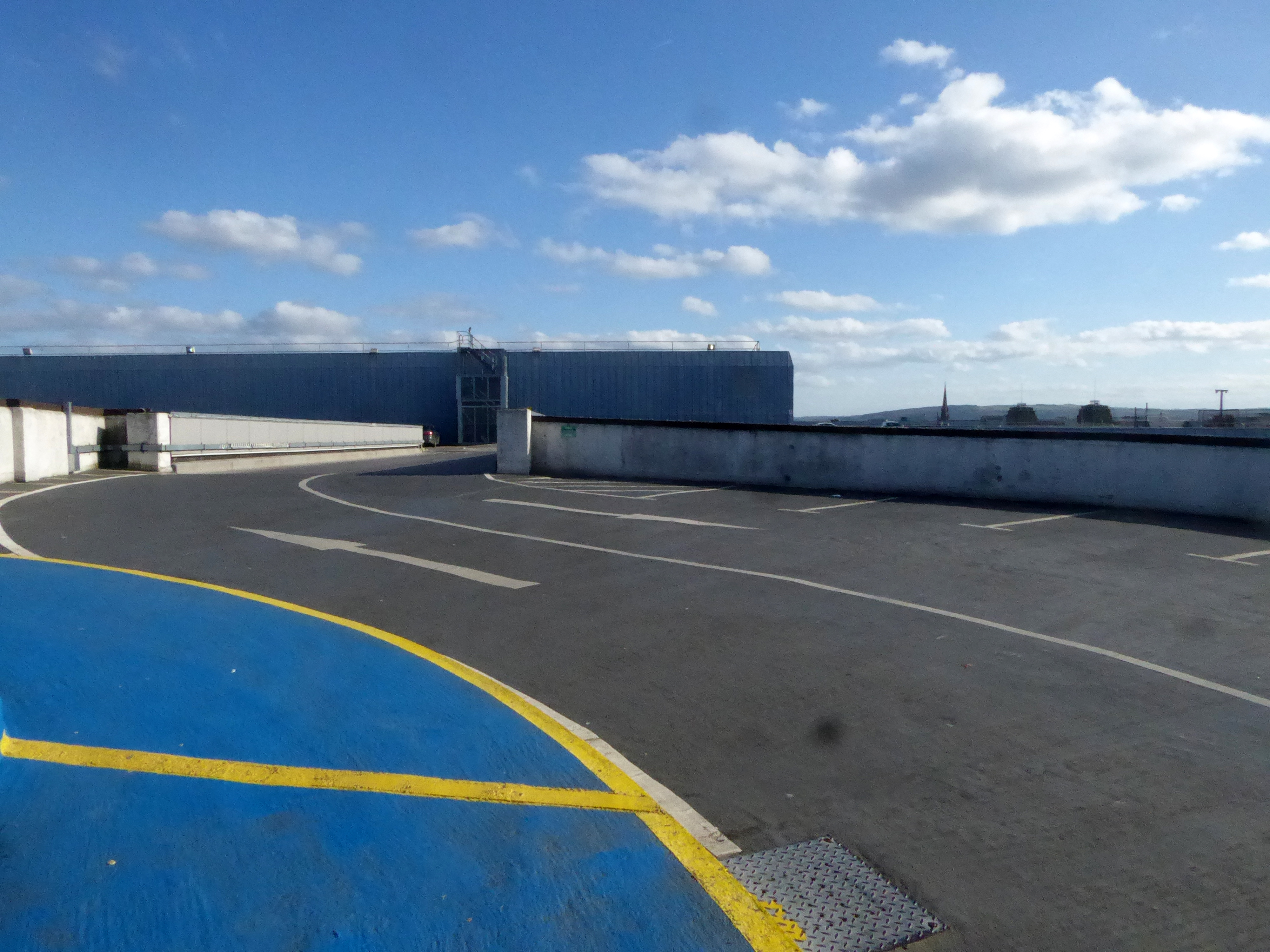
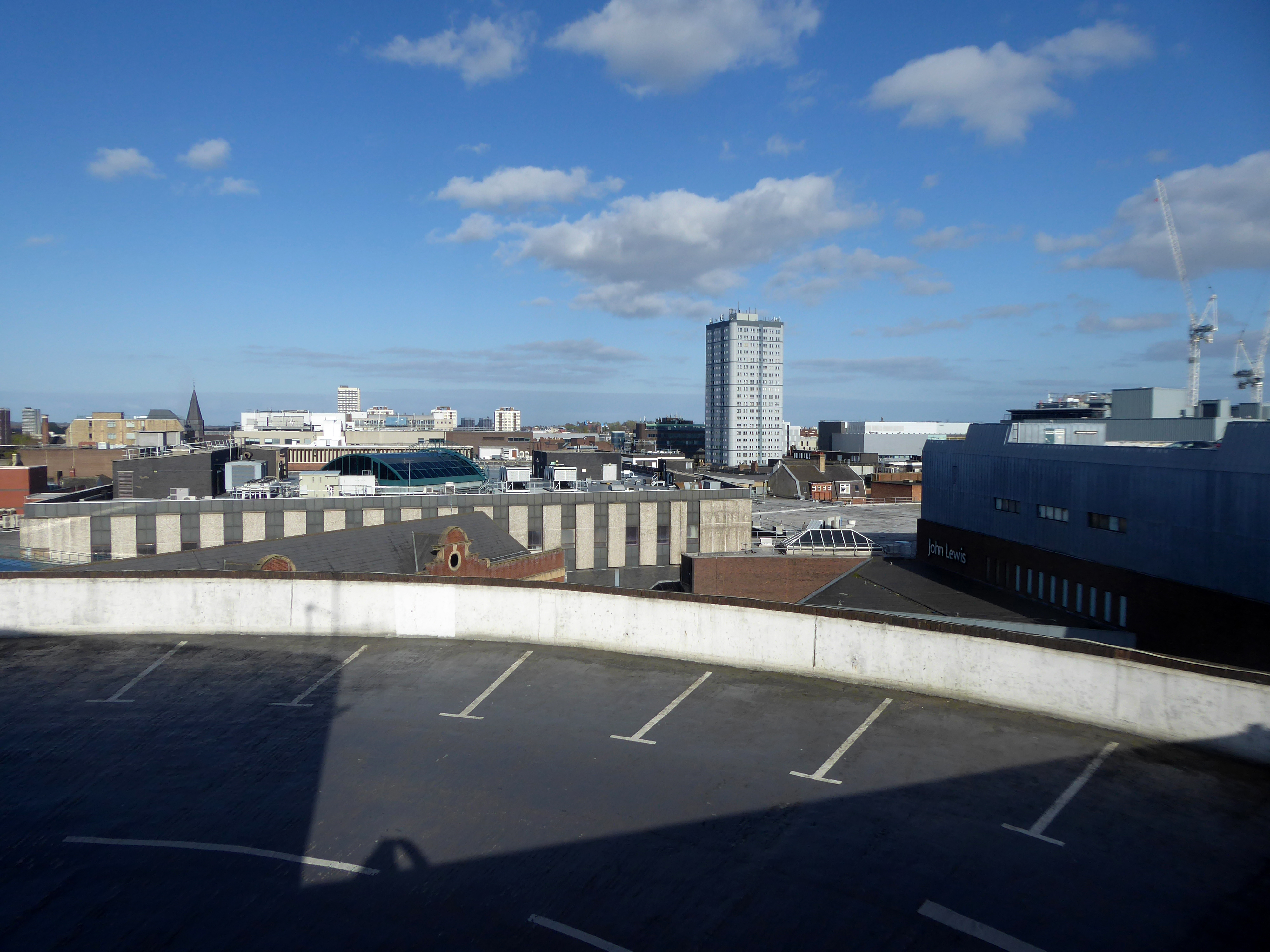
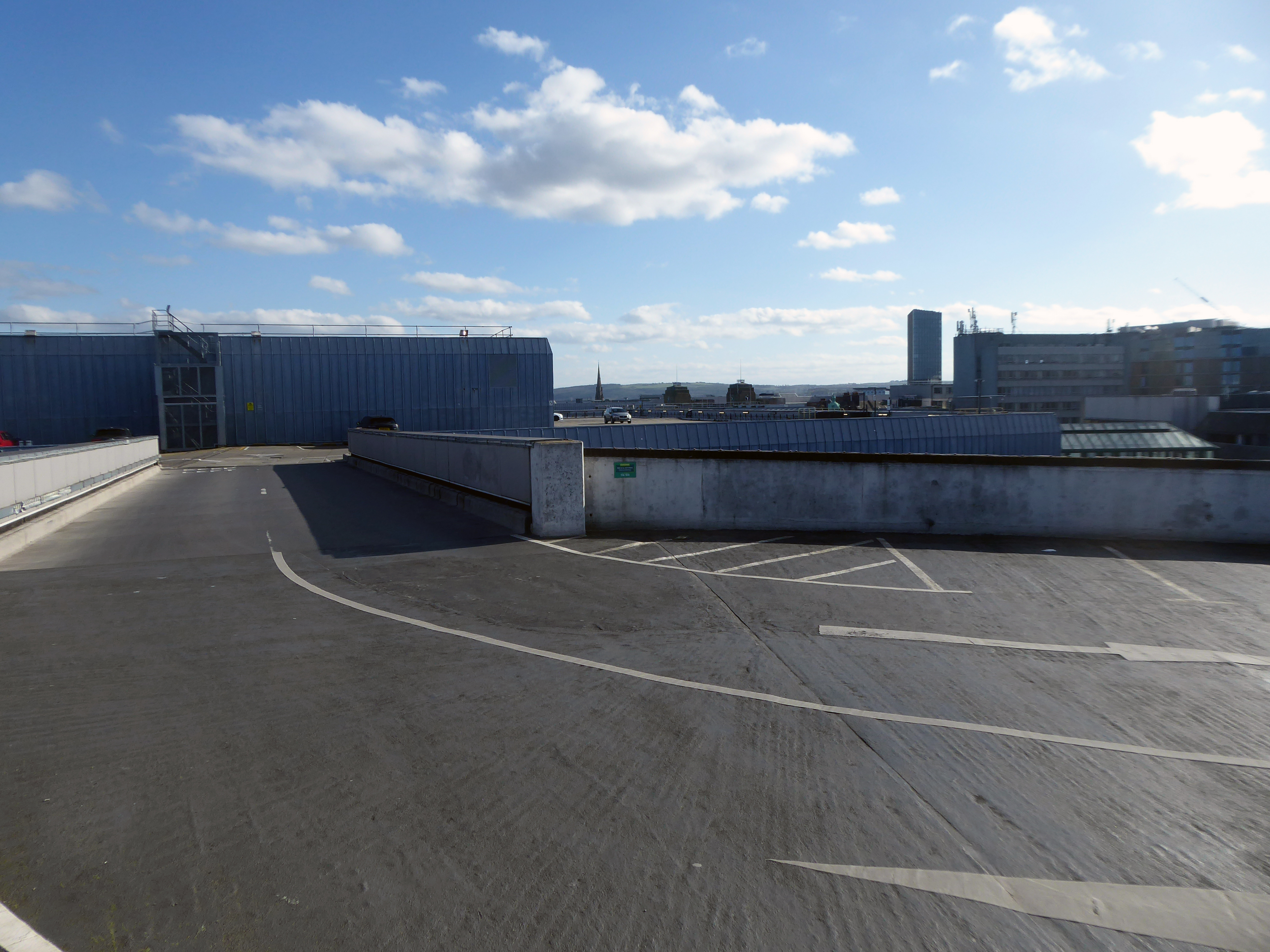
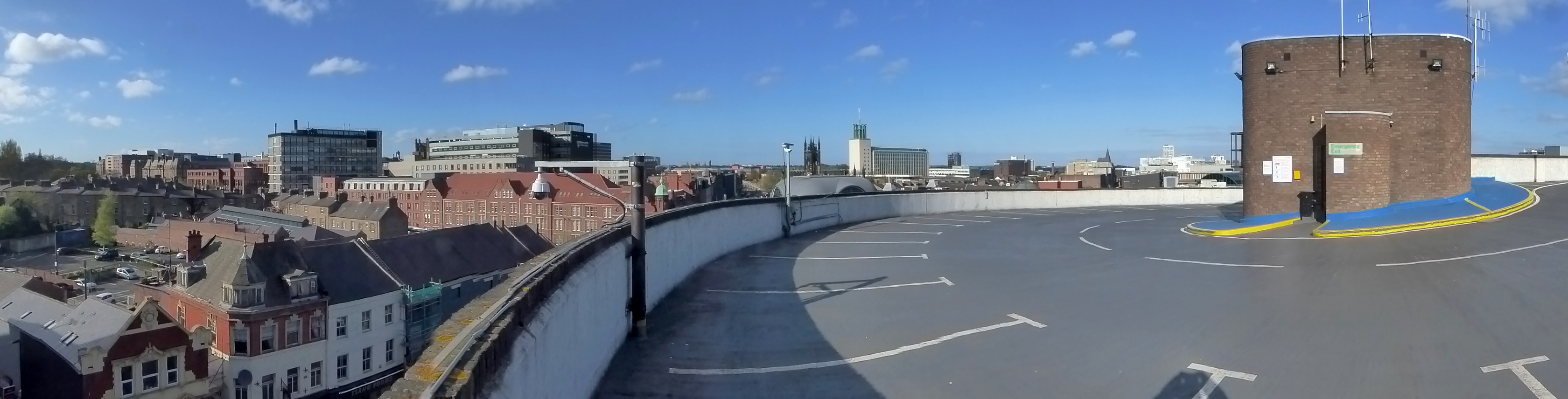
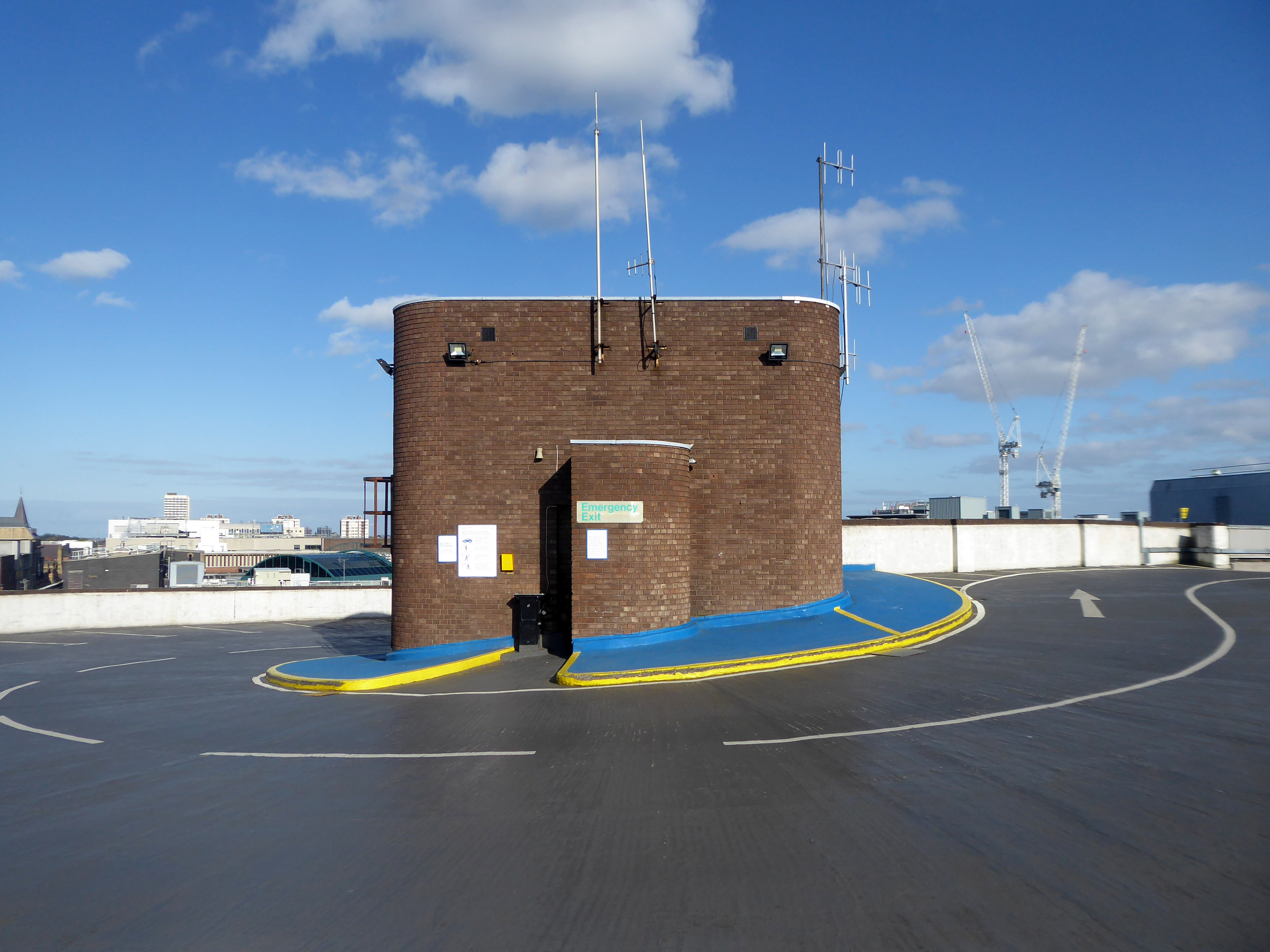
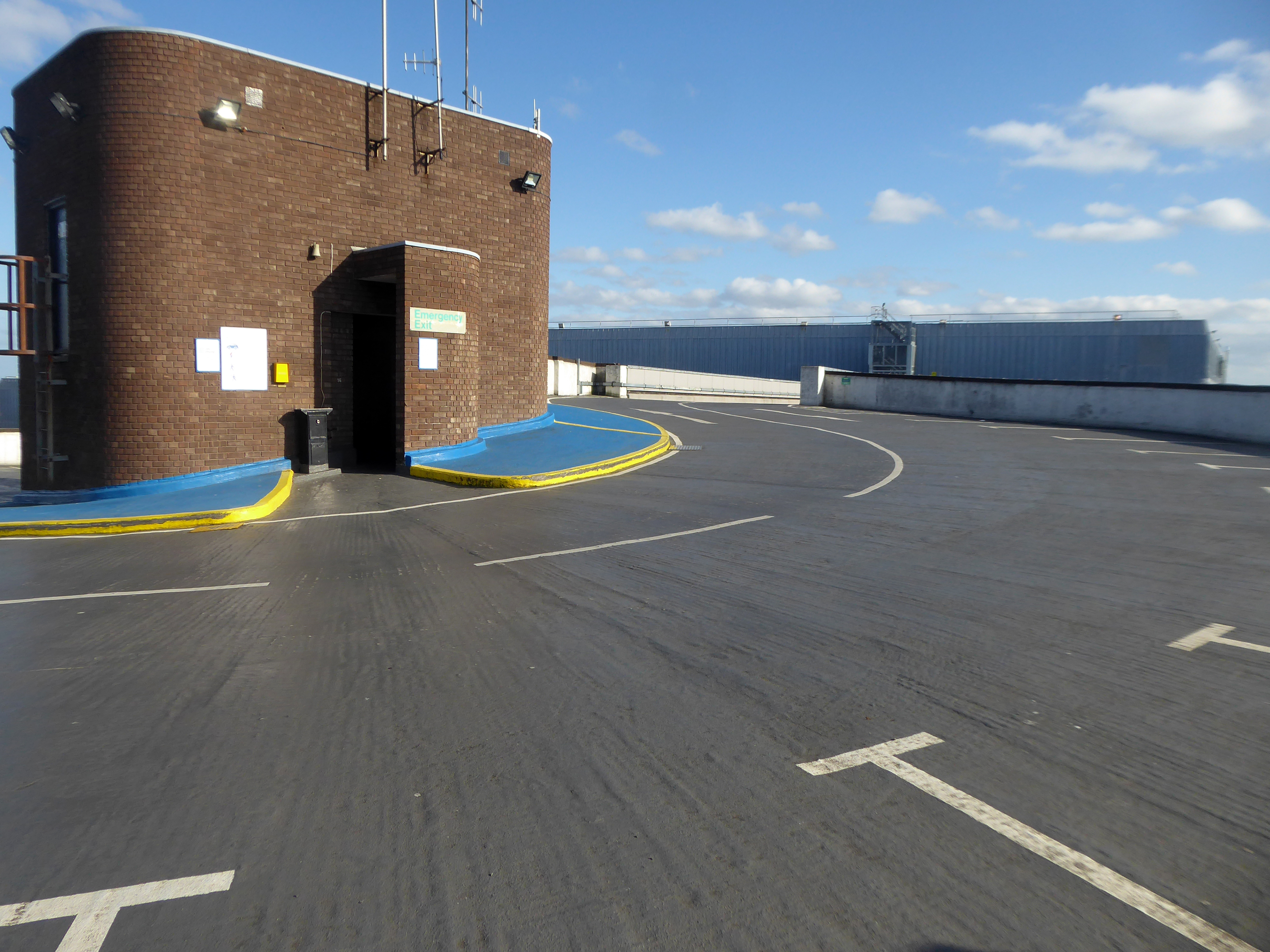
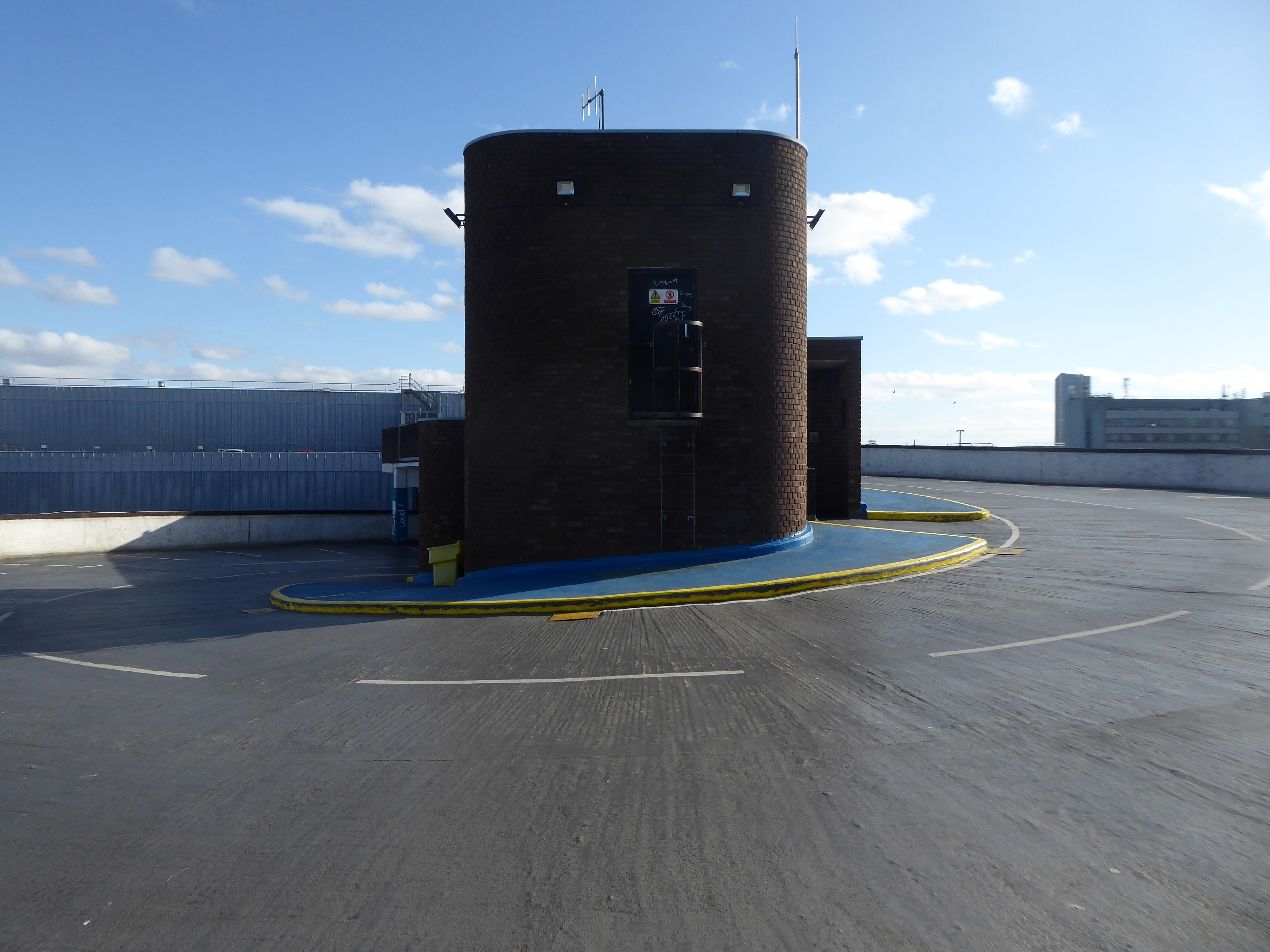
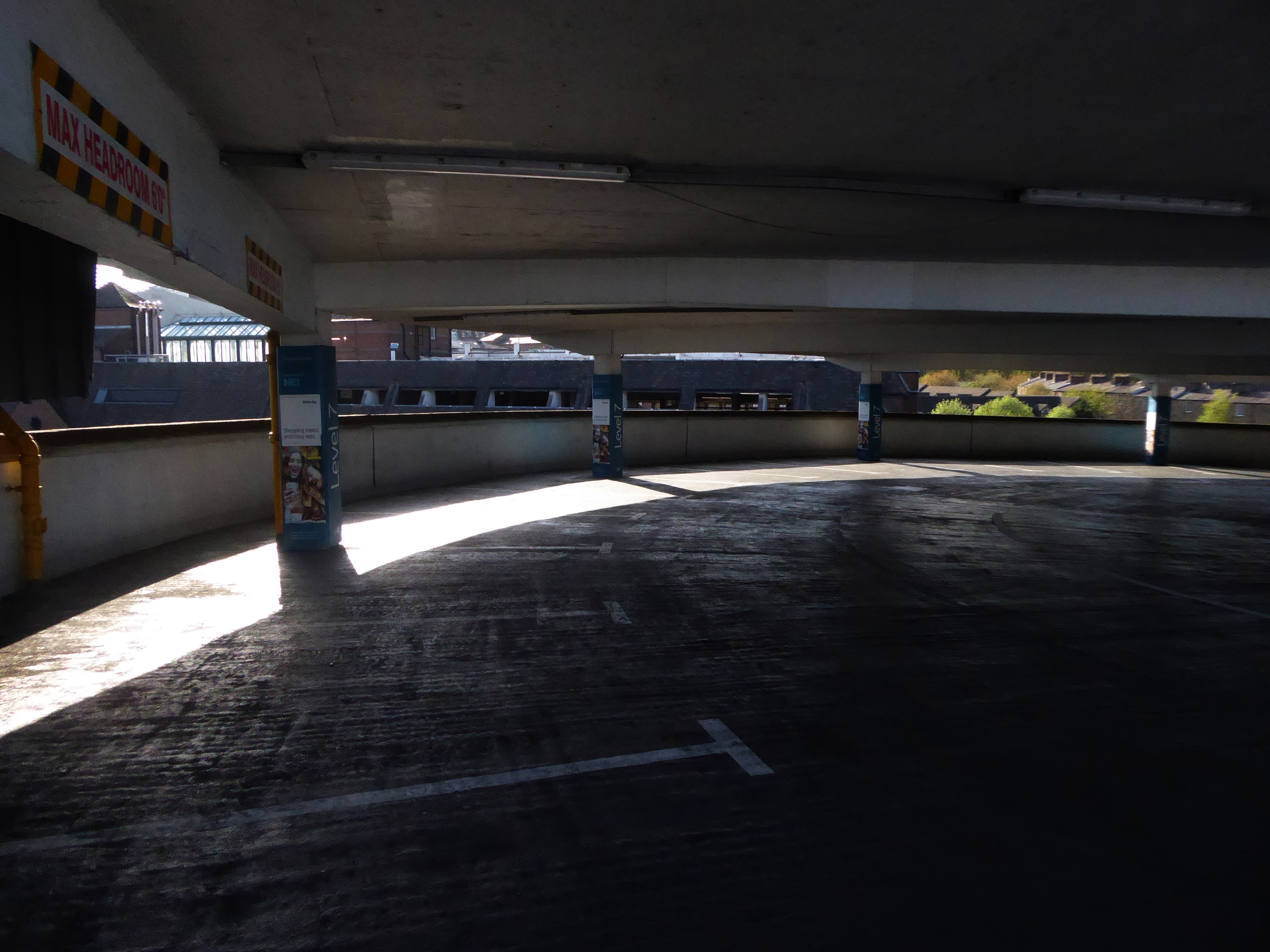
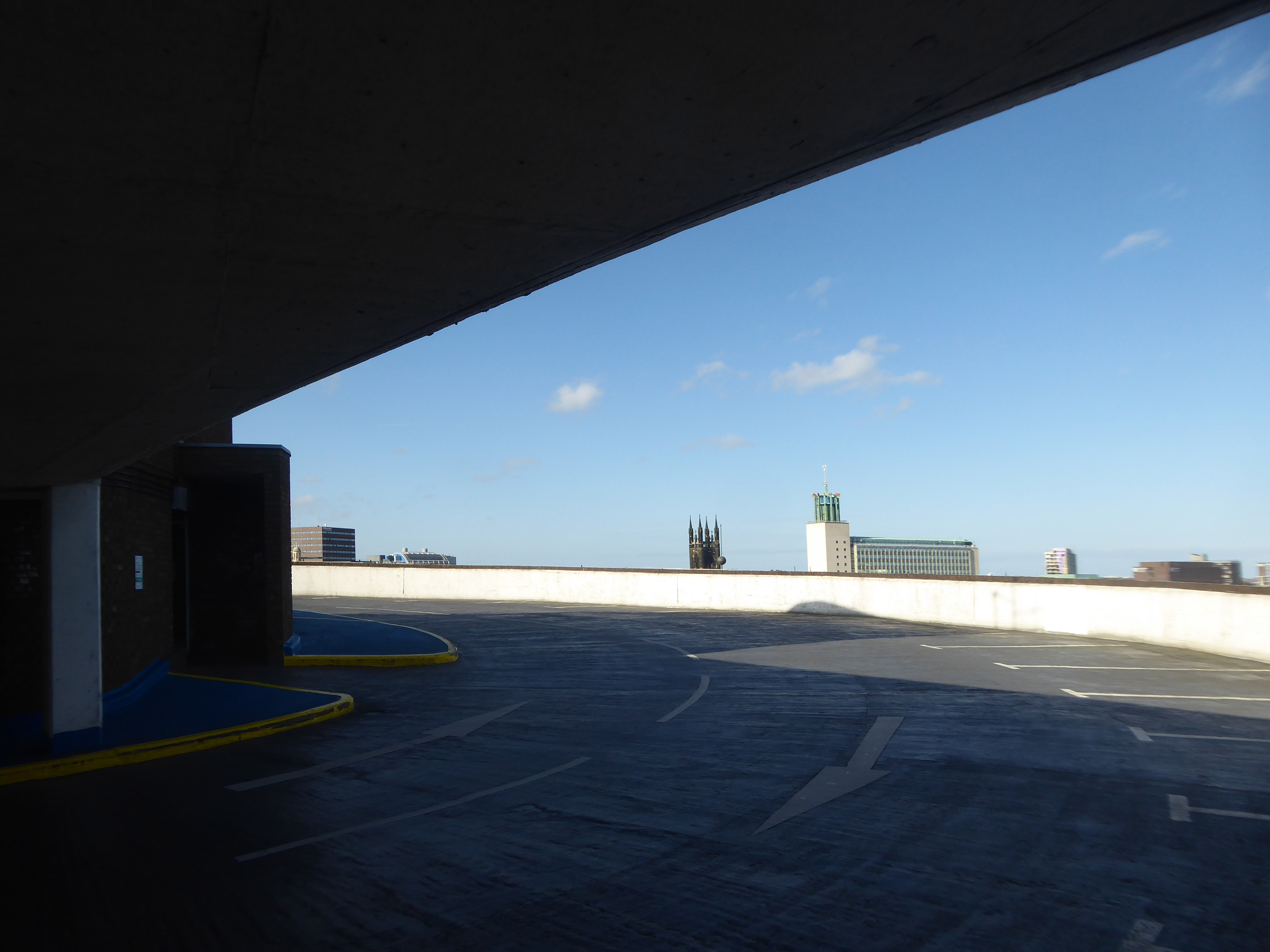
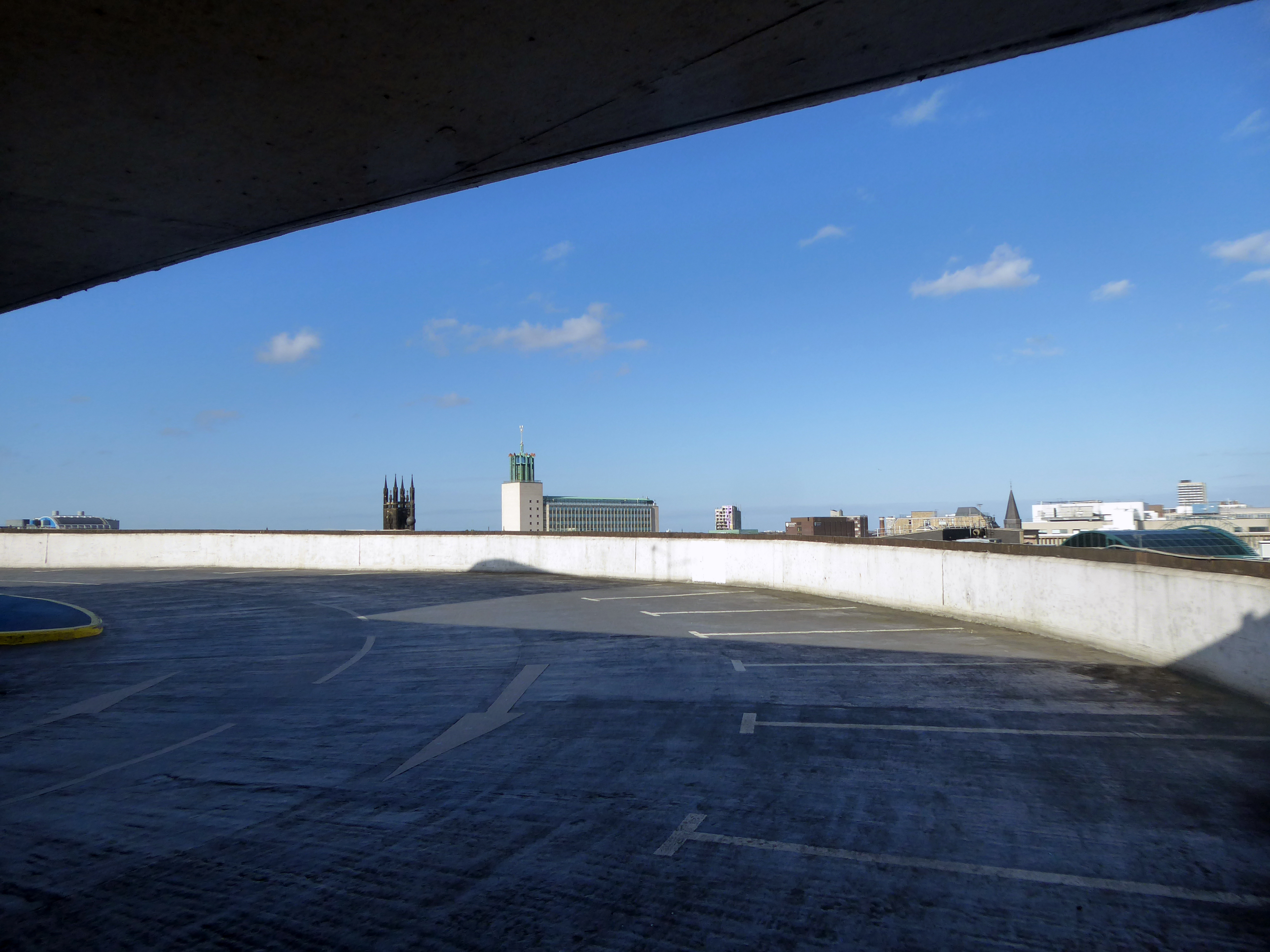
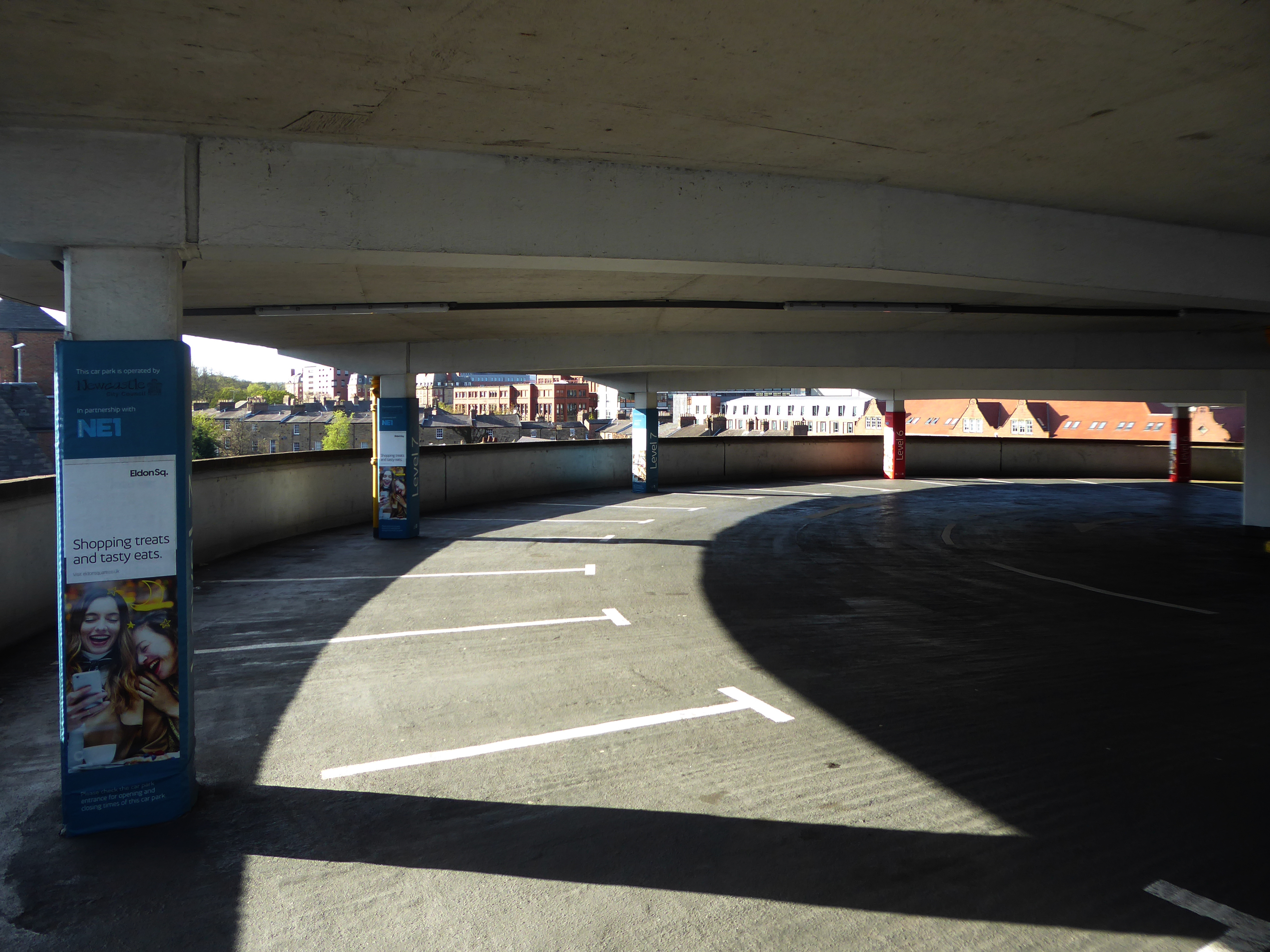
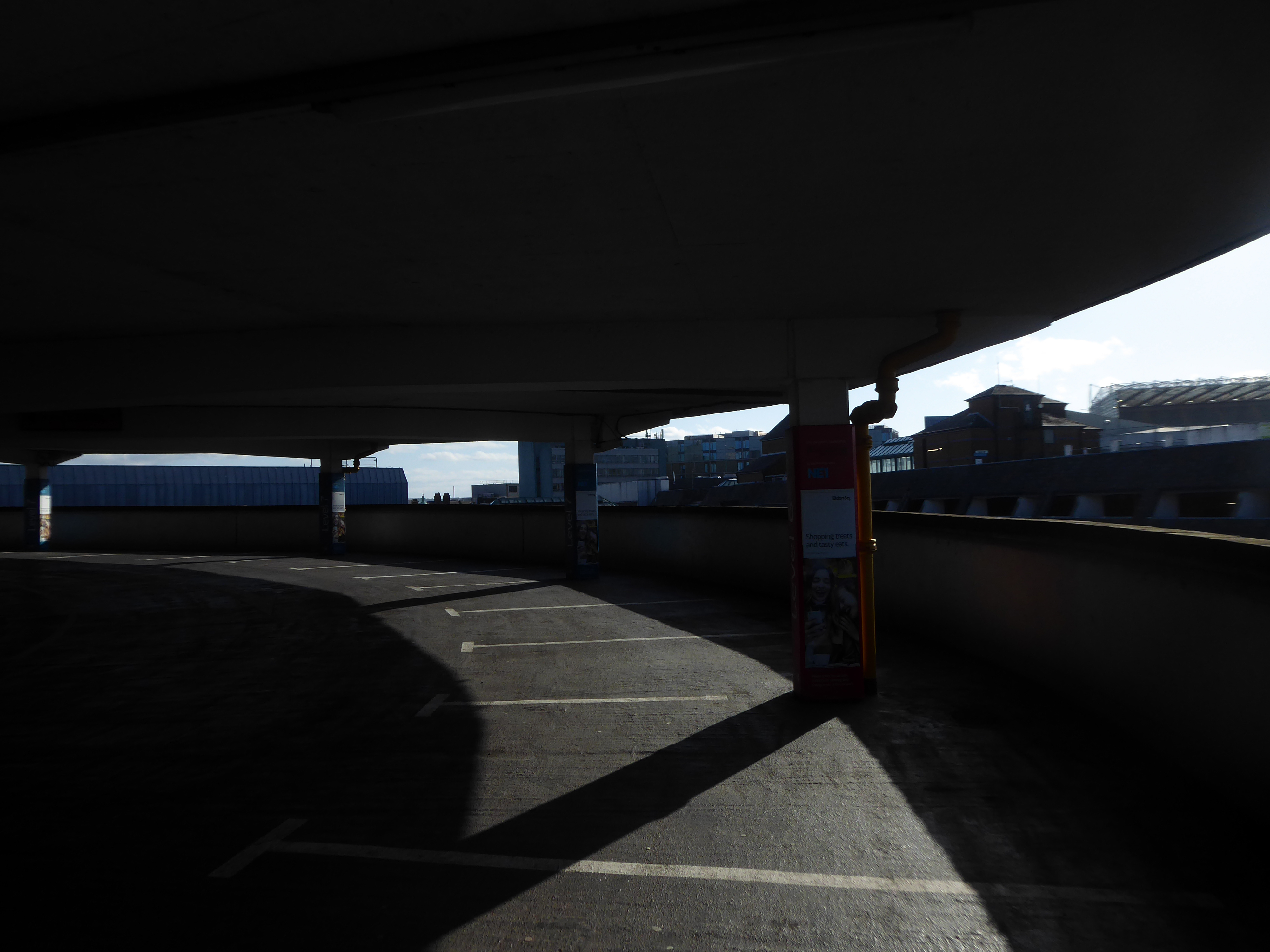
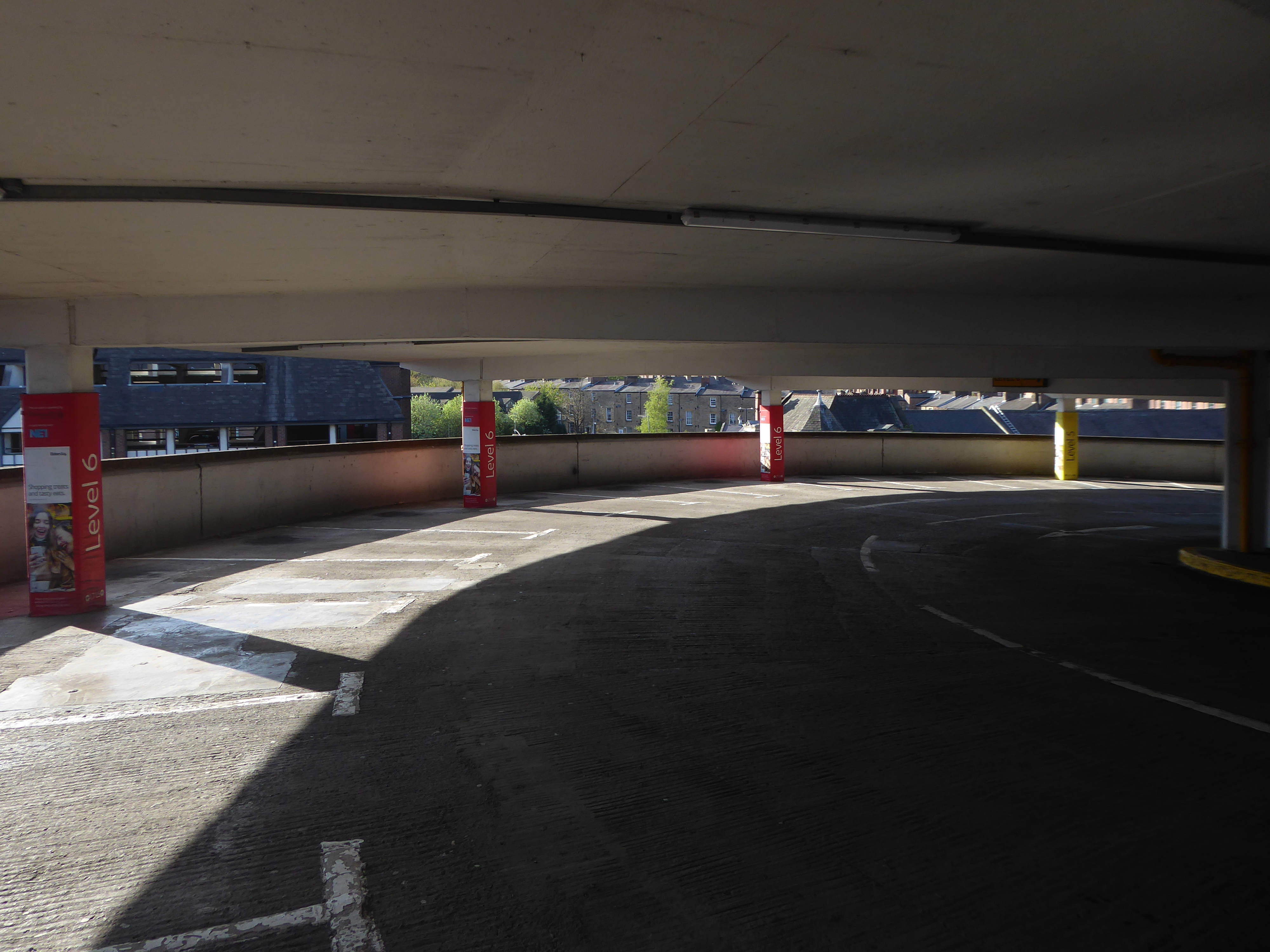
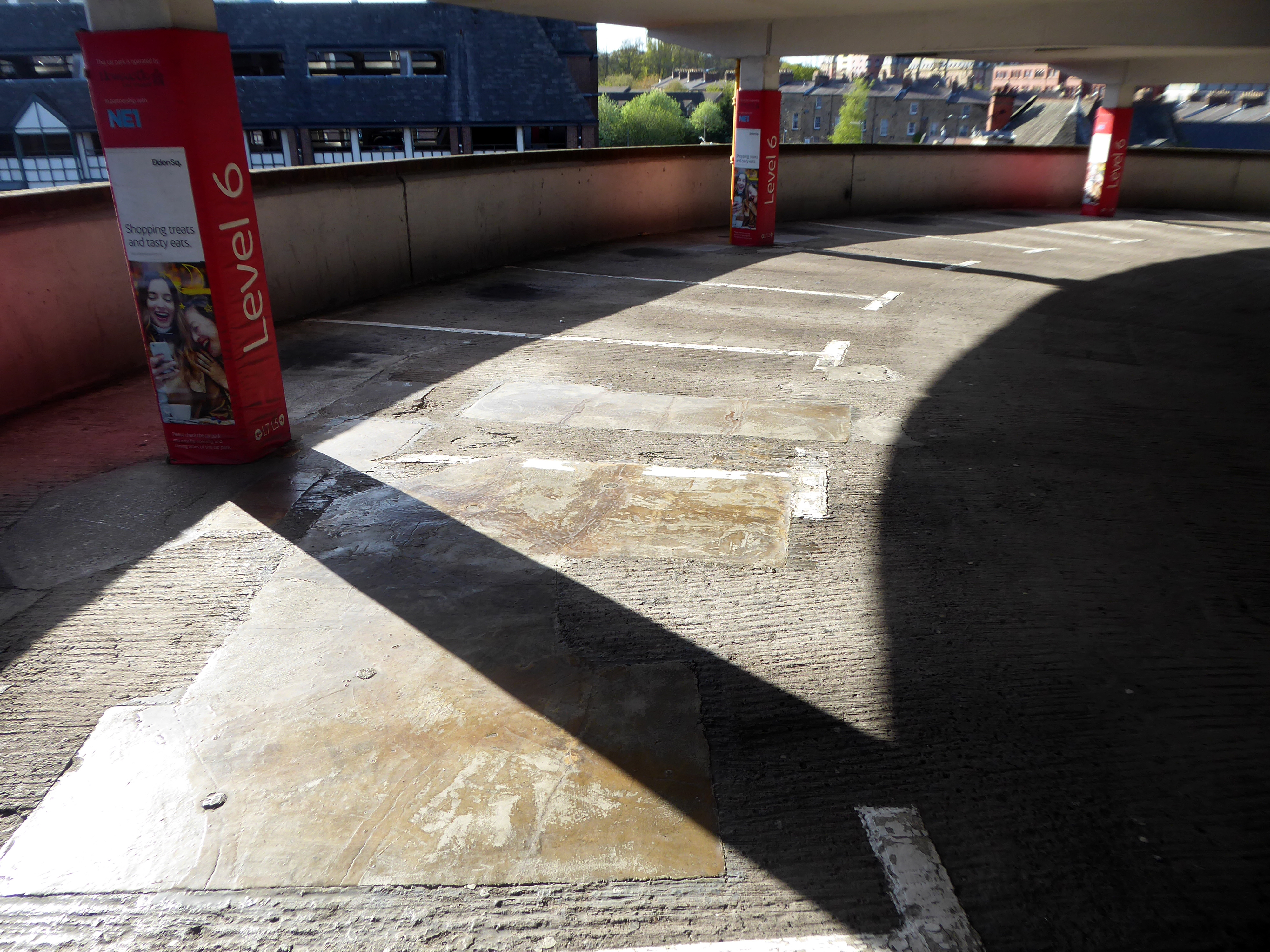
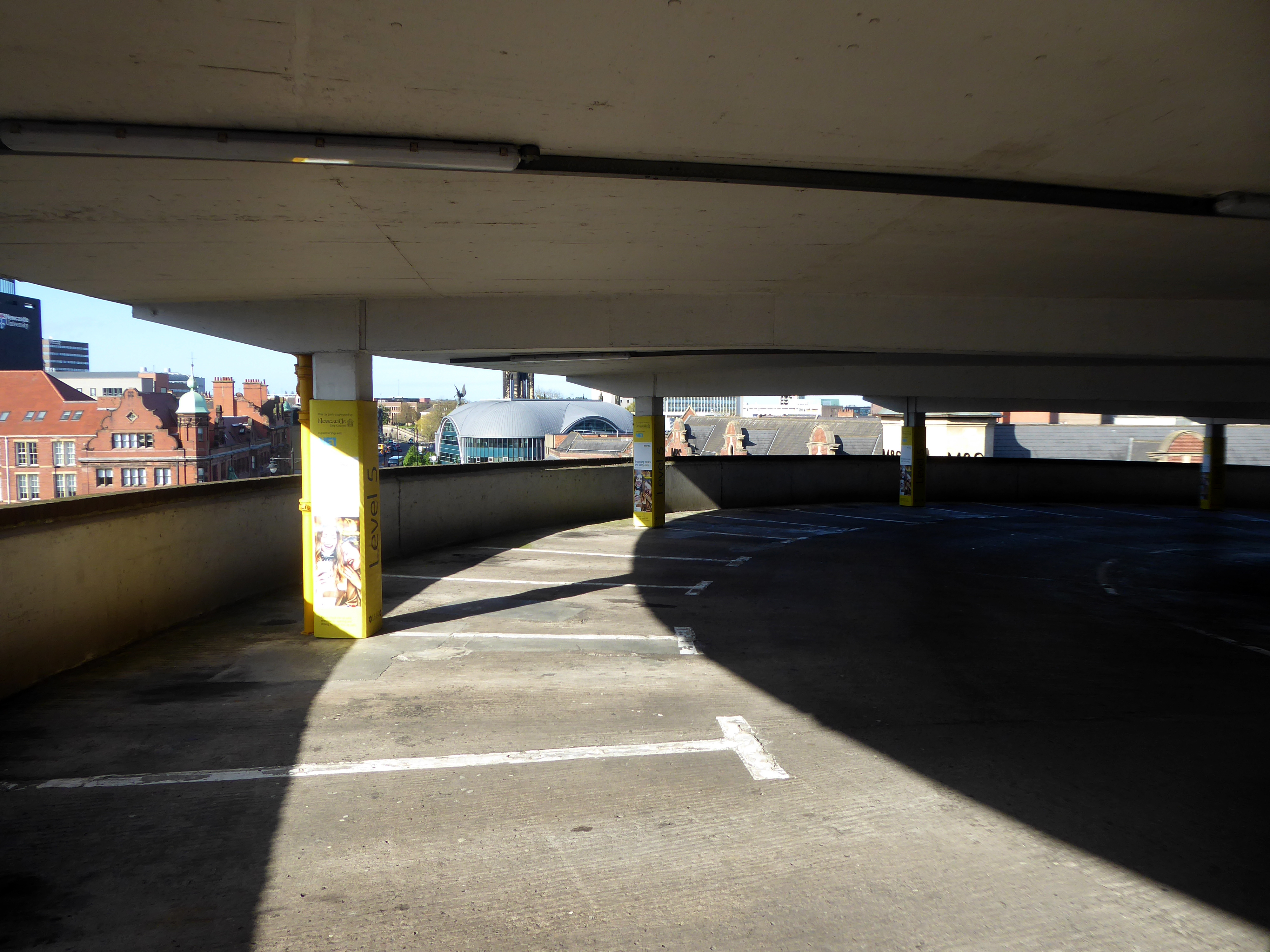
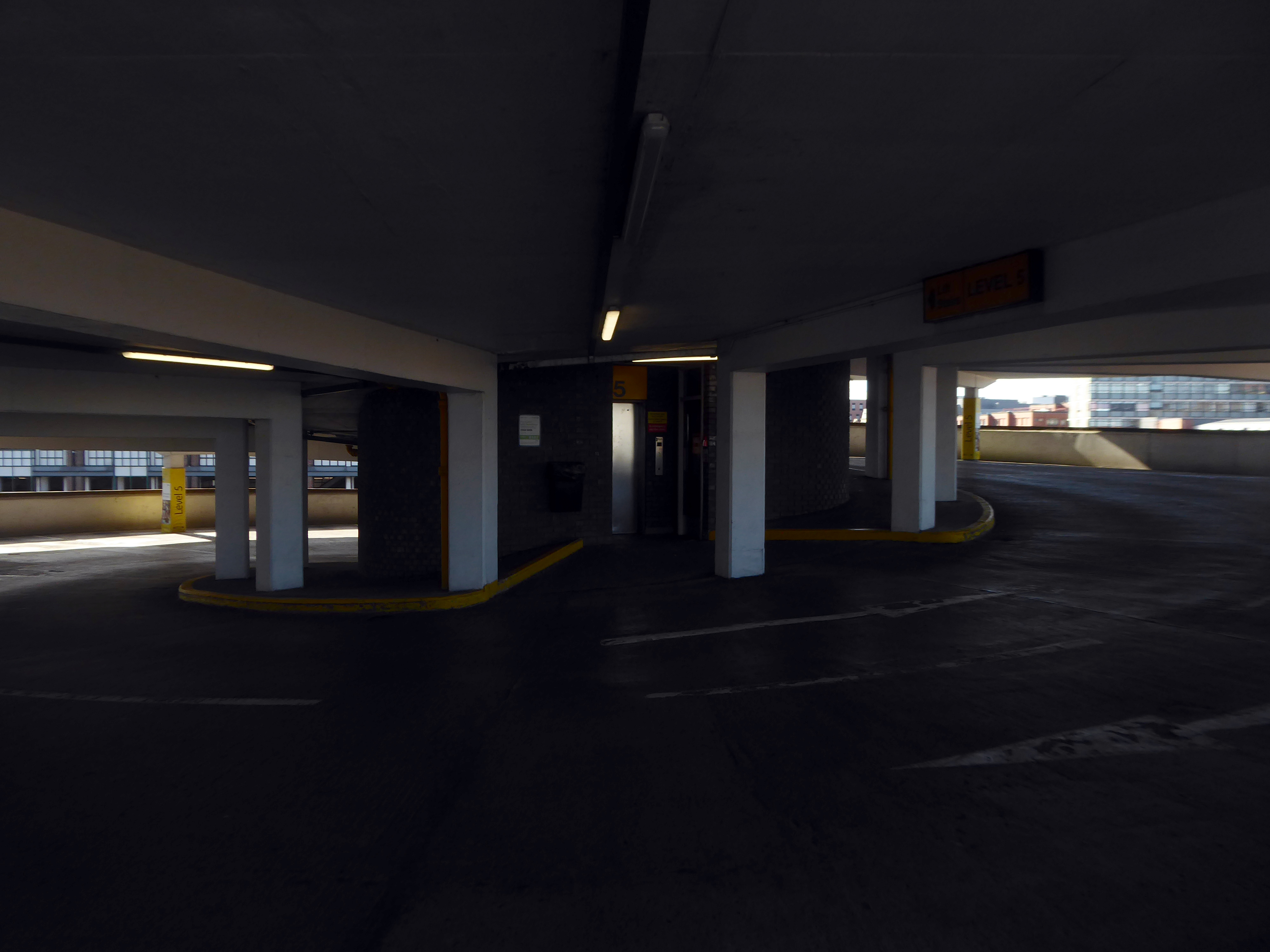
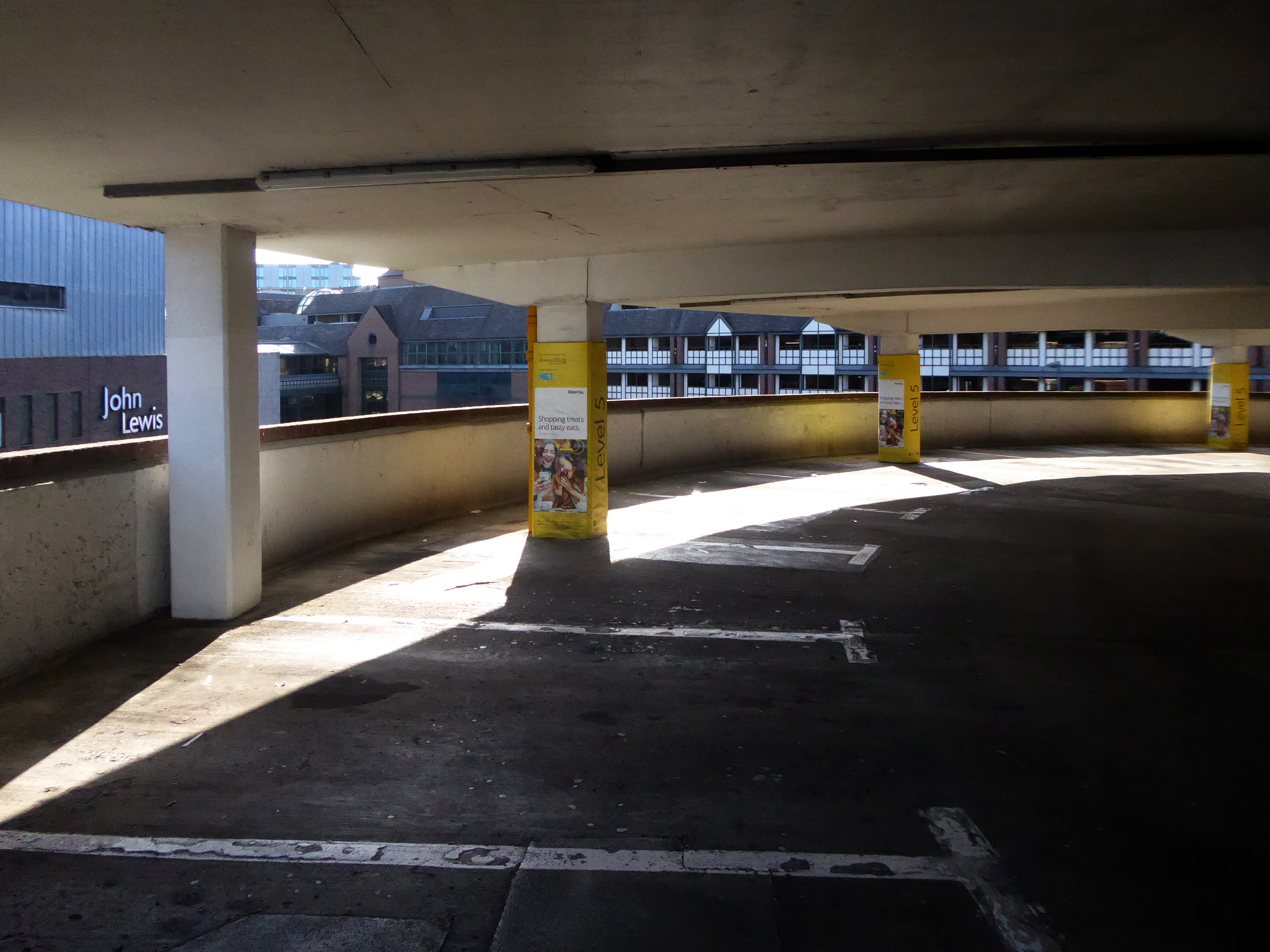
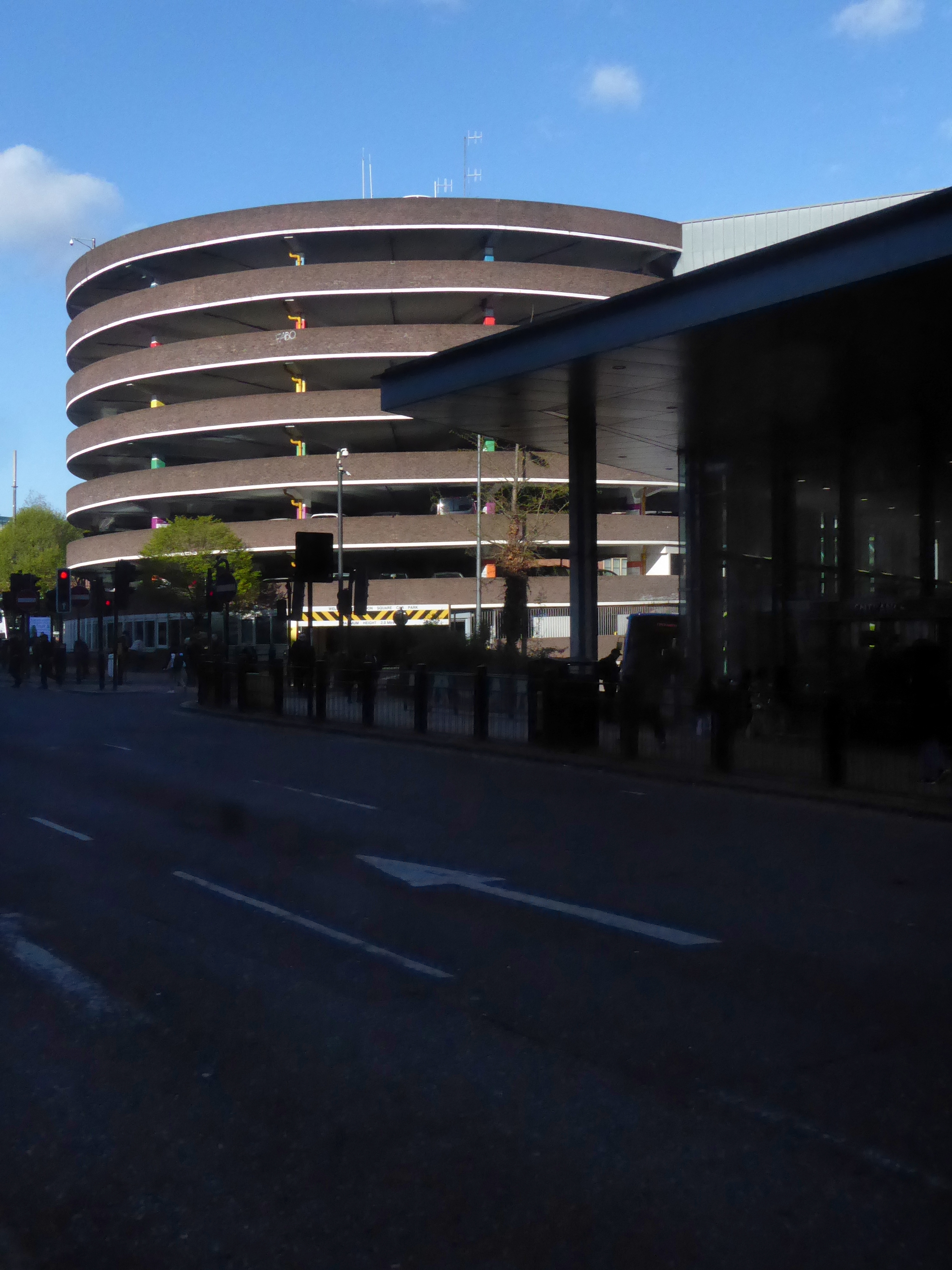
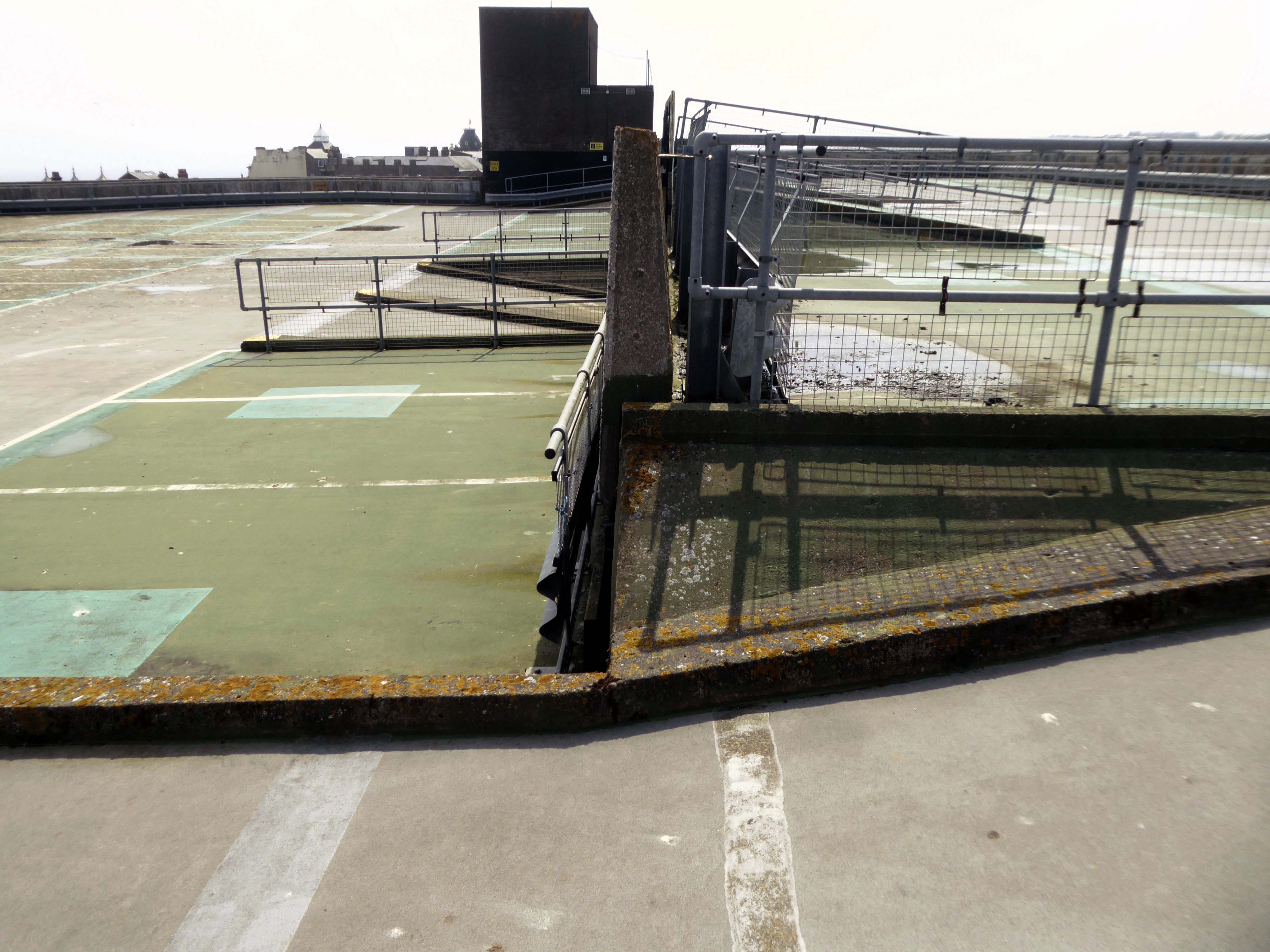
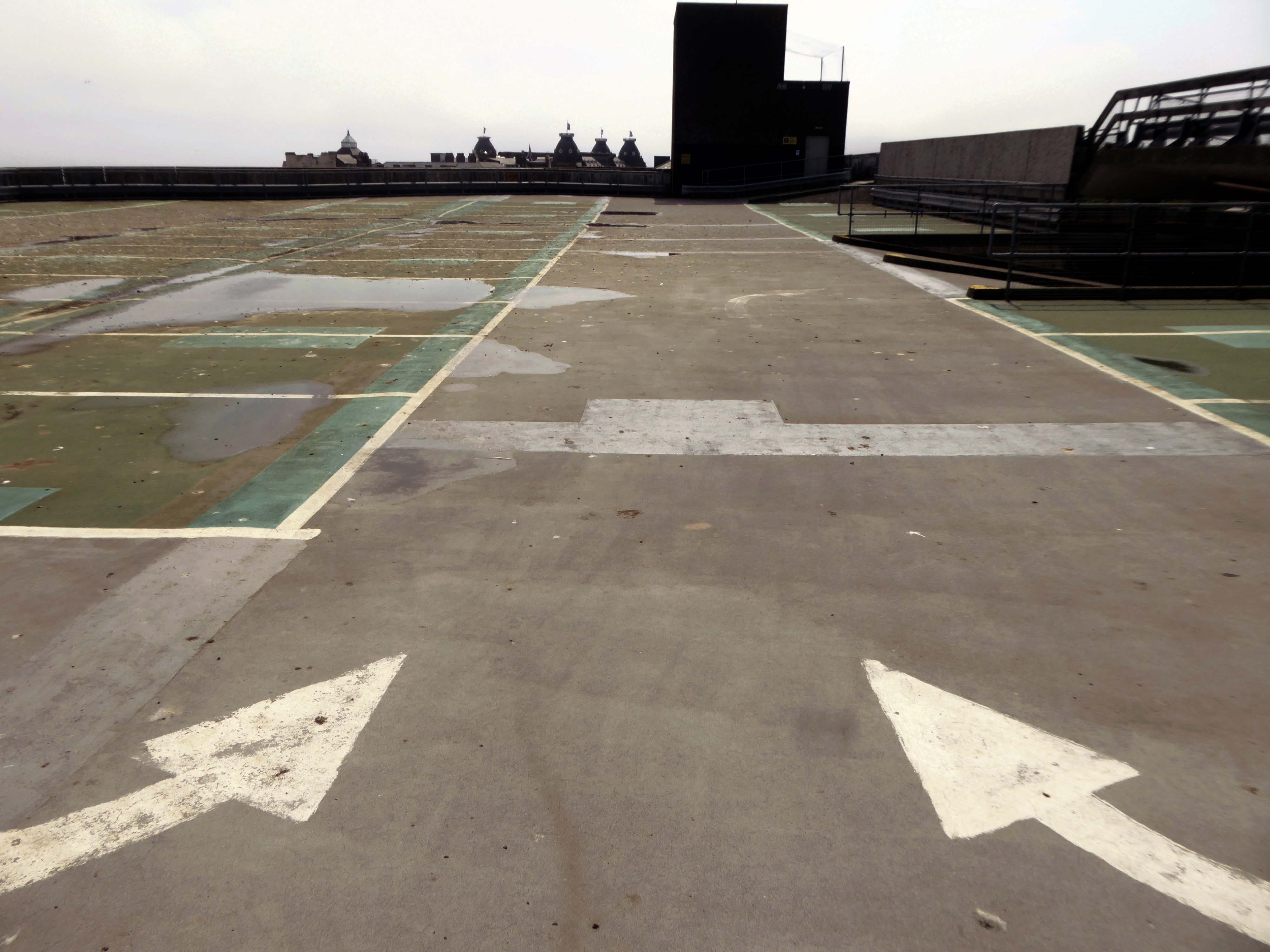
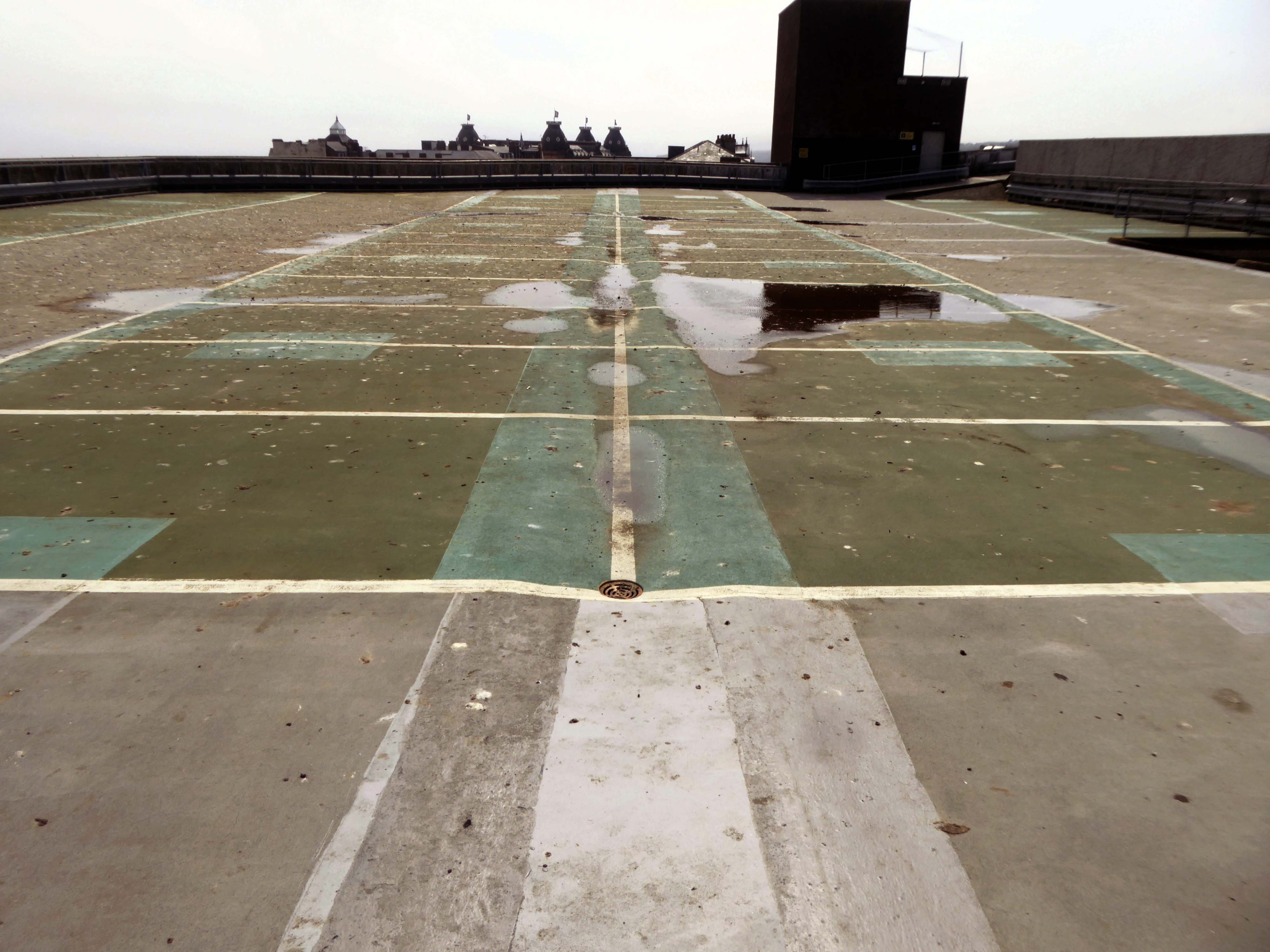
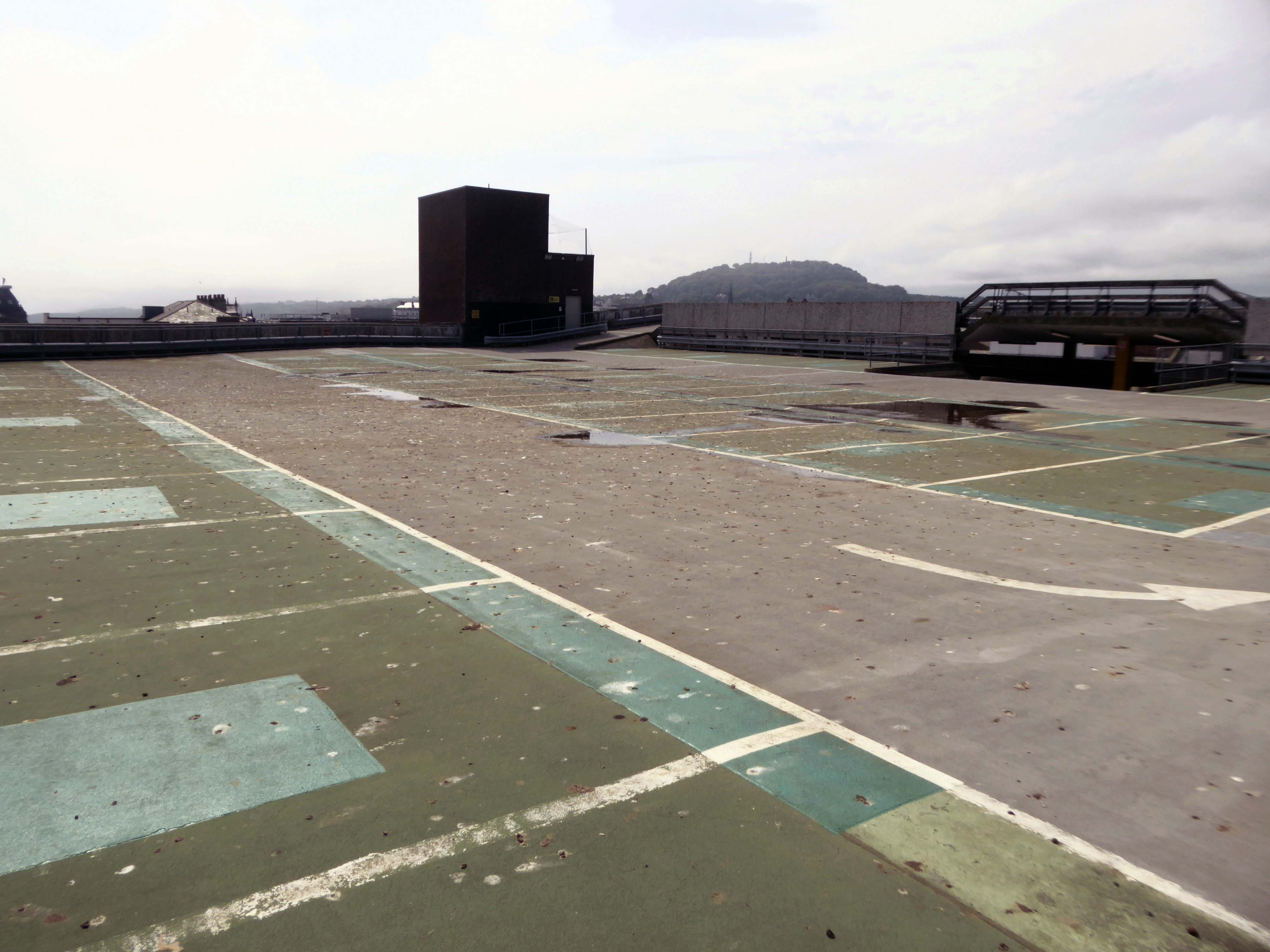
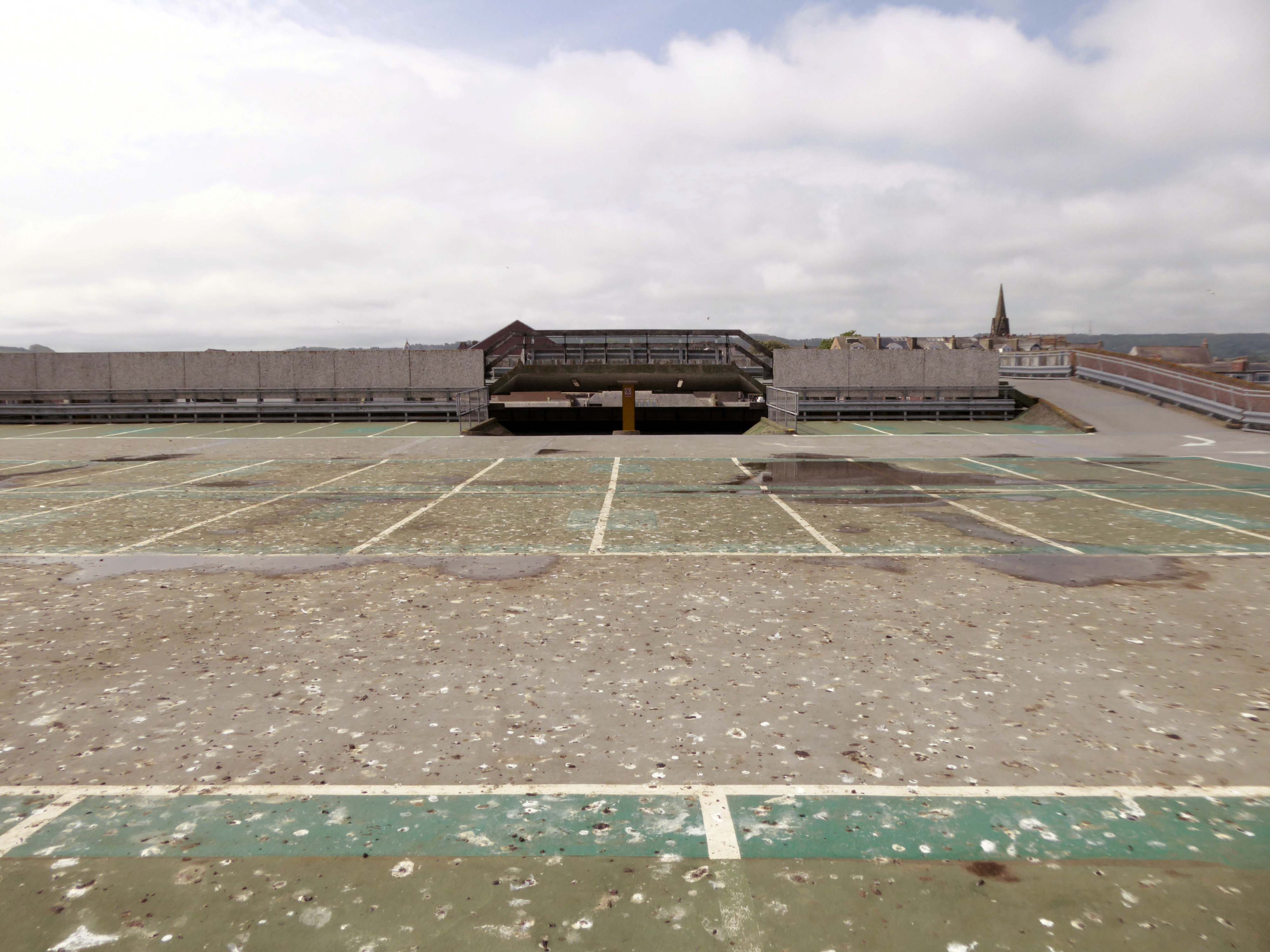
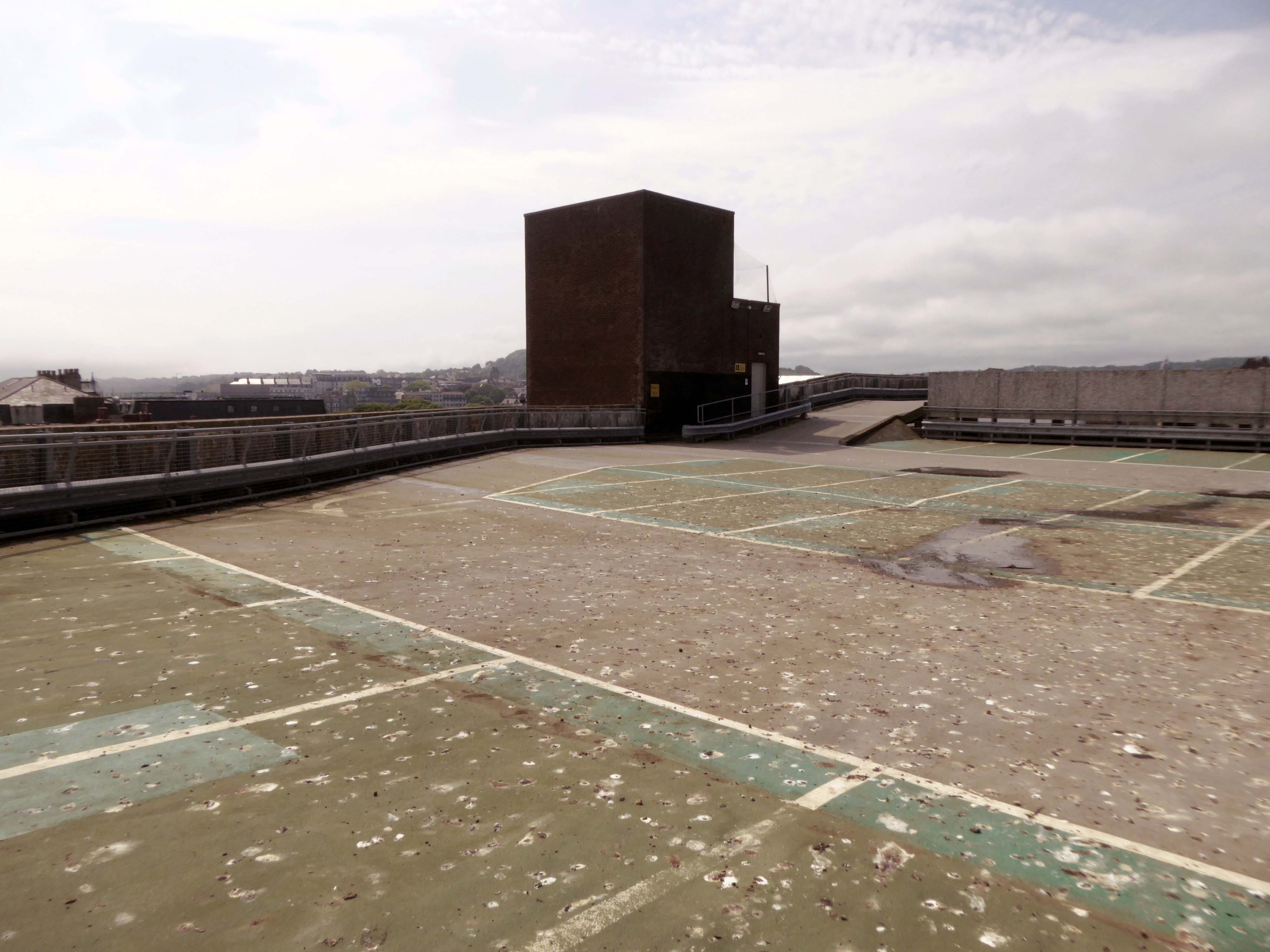
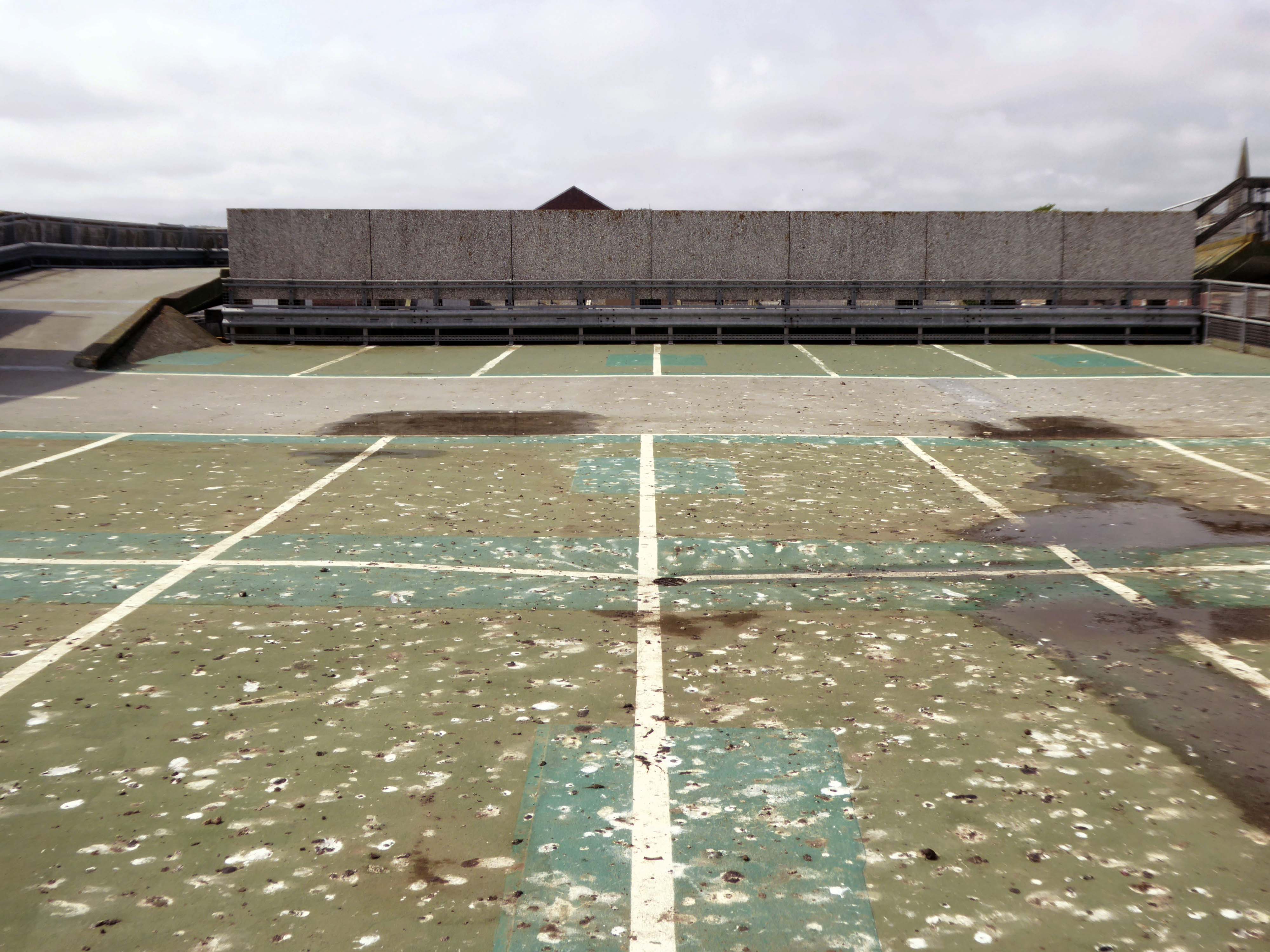
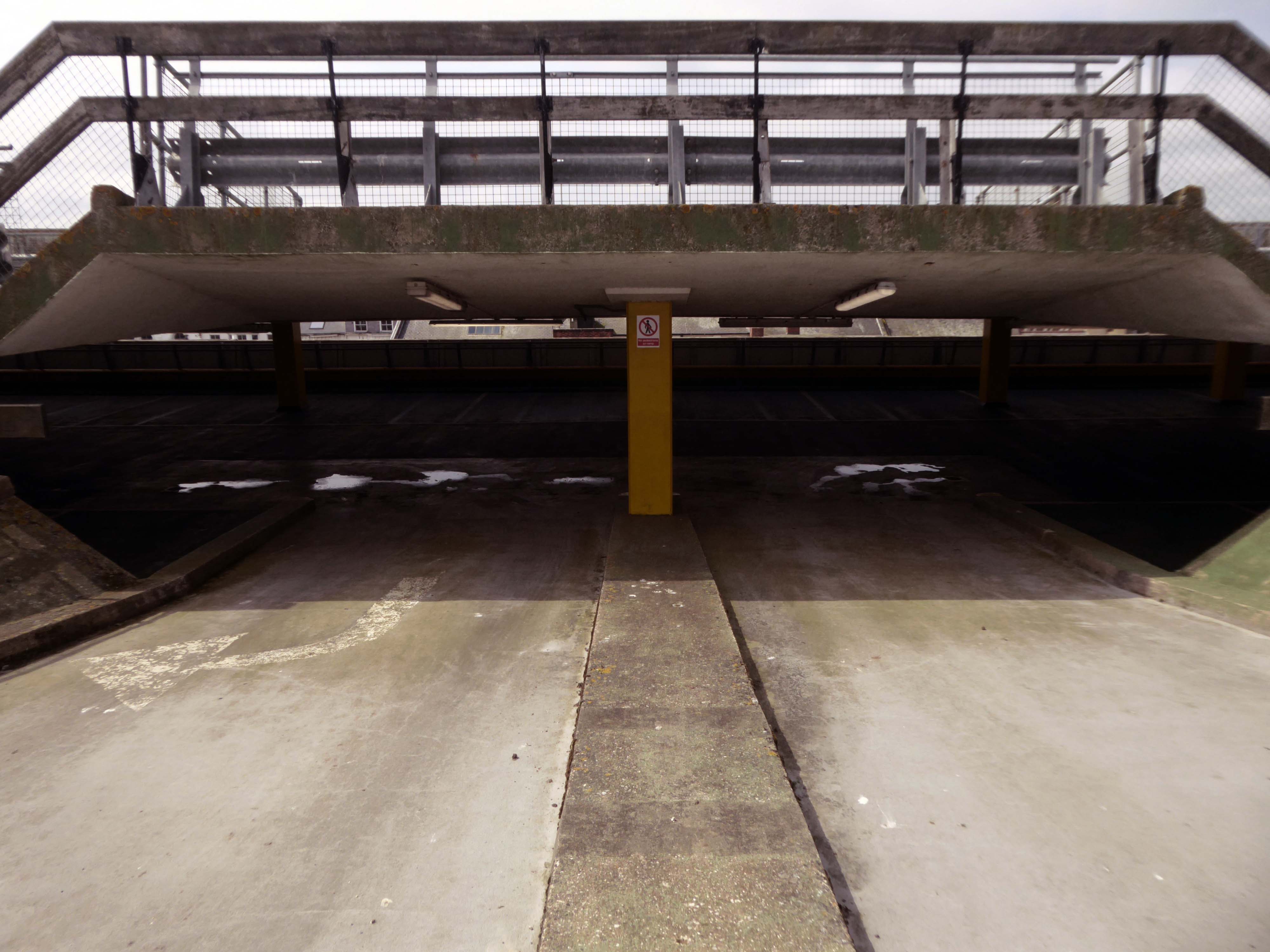
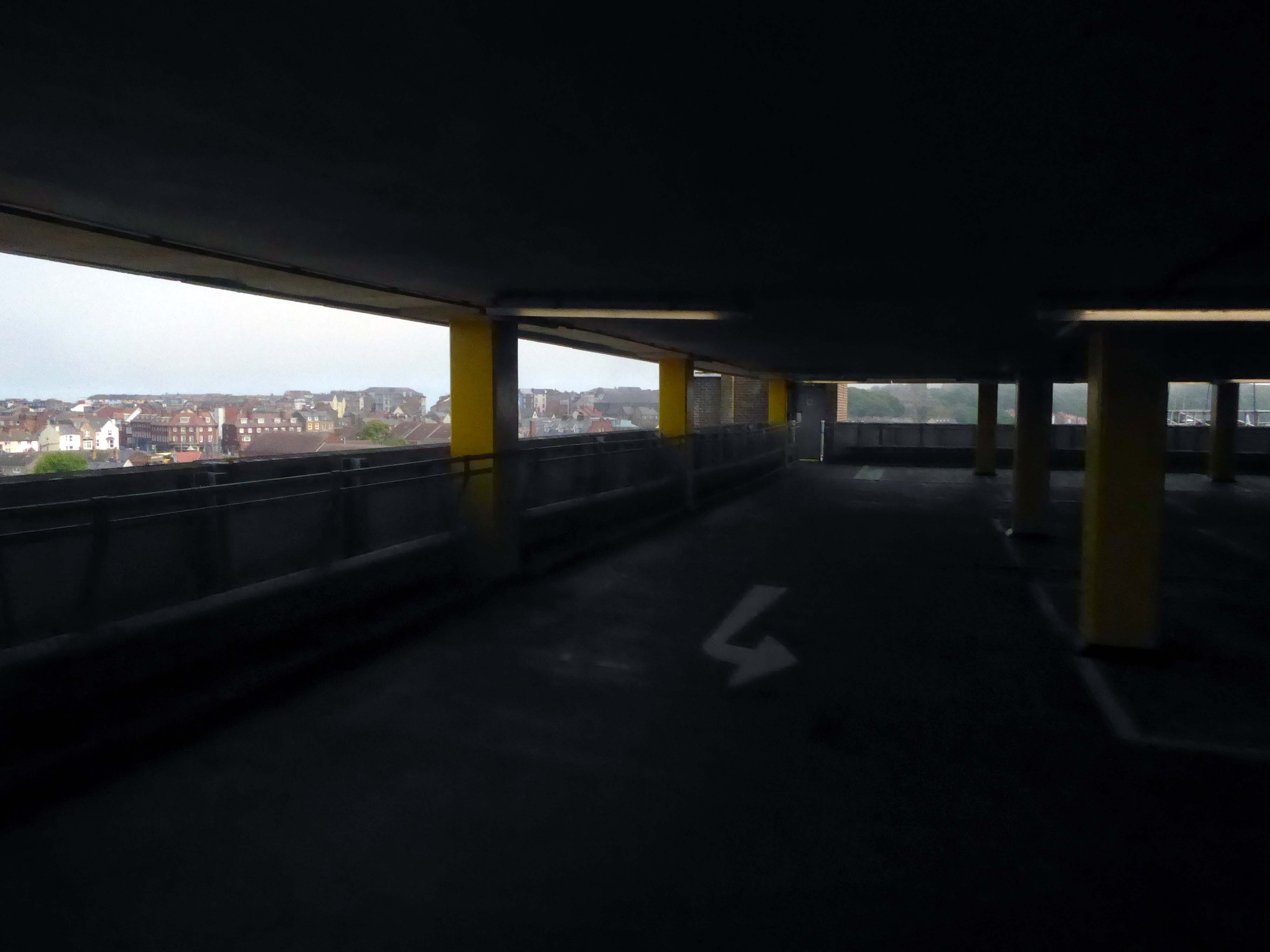
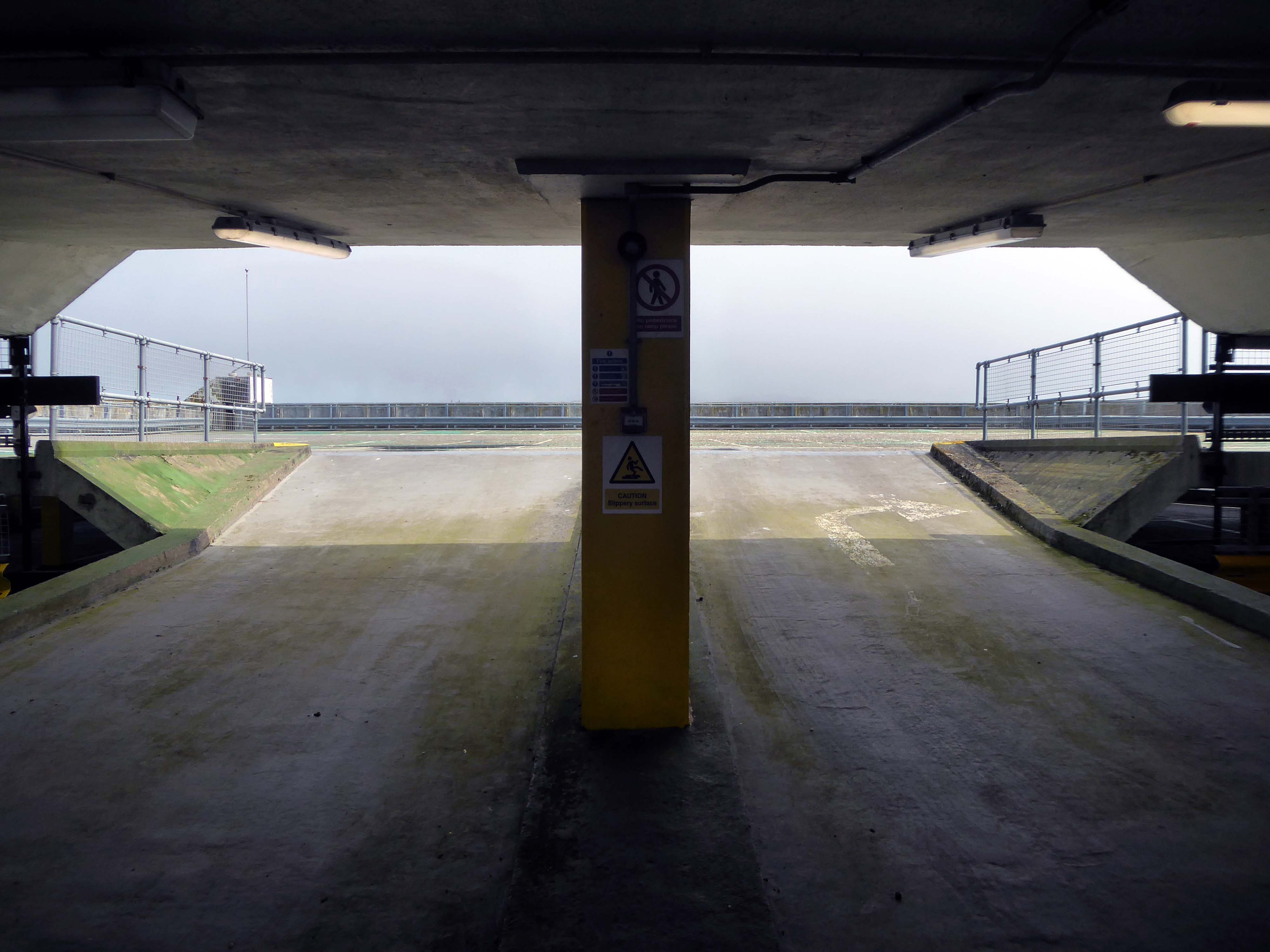
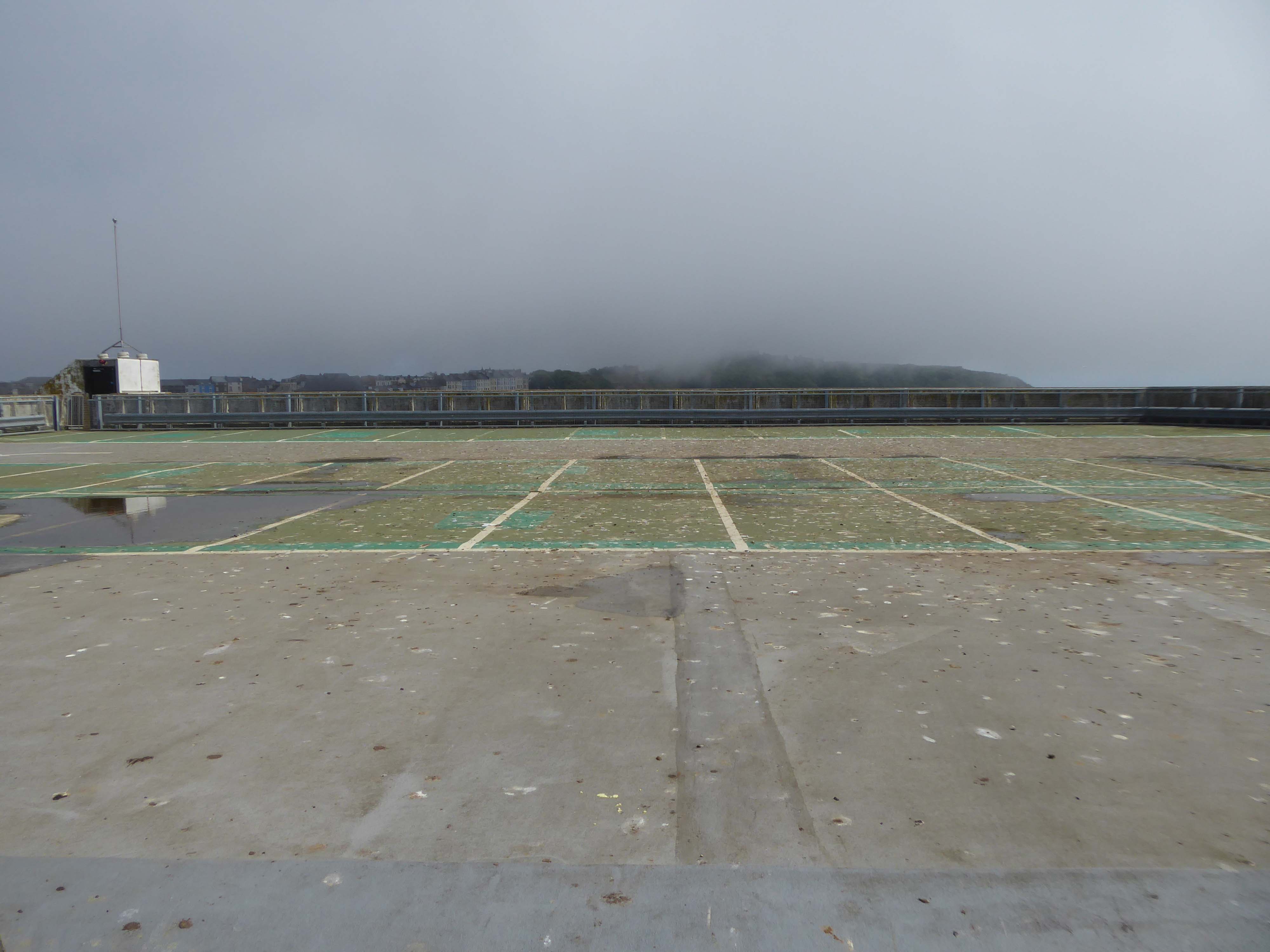
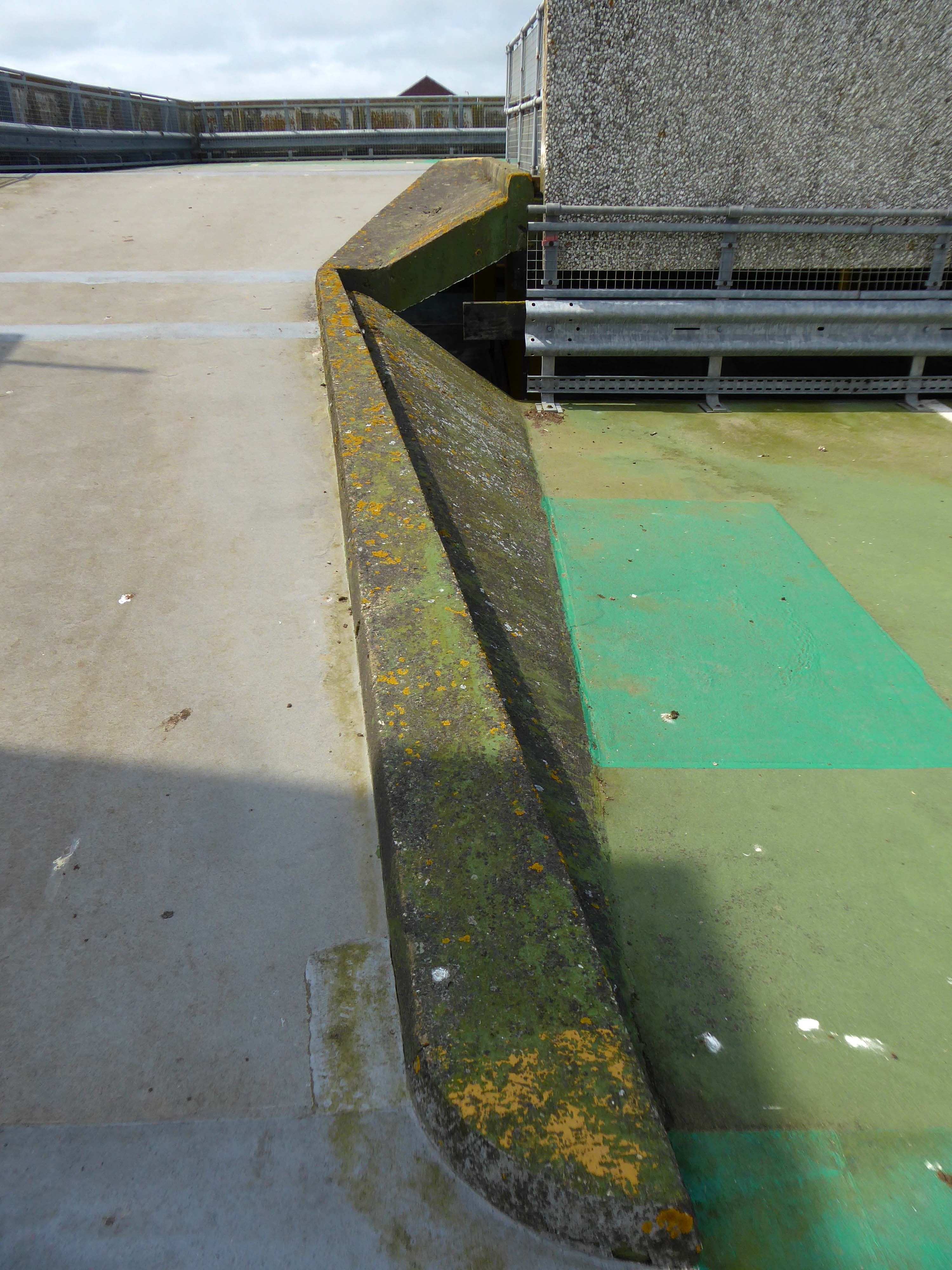
Multi Storey Car Park Rowlandsway Manchester M22 5RG
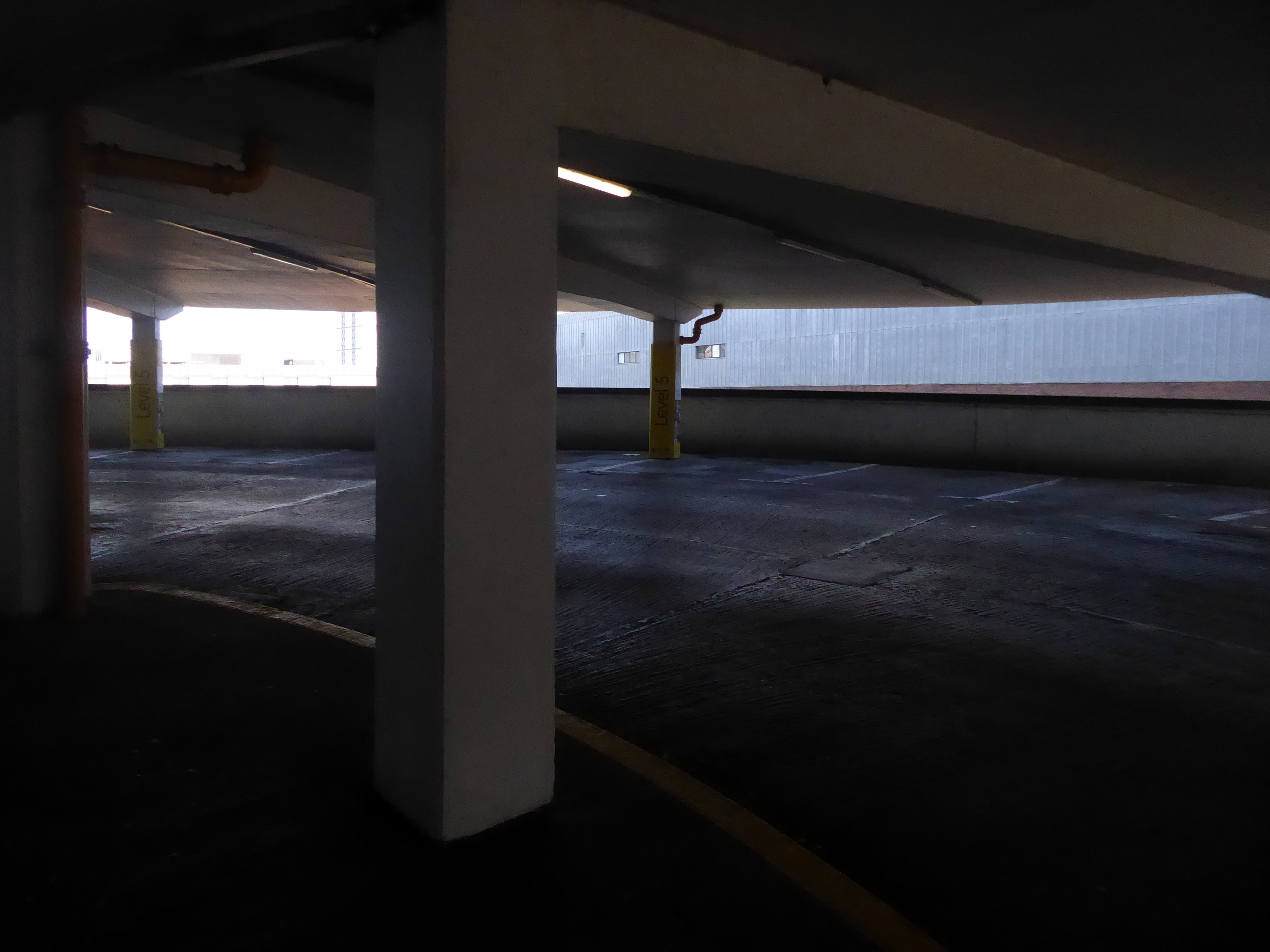
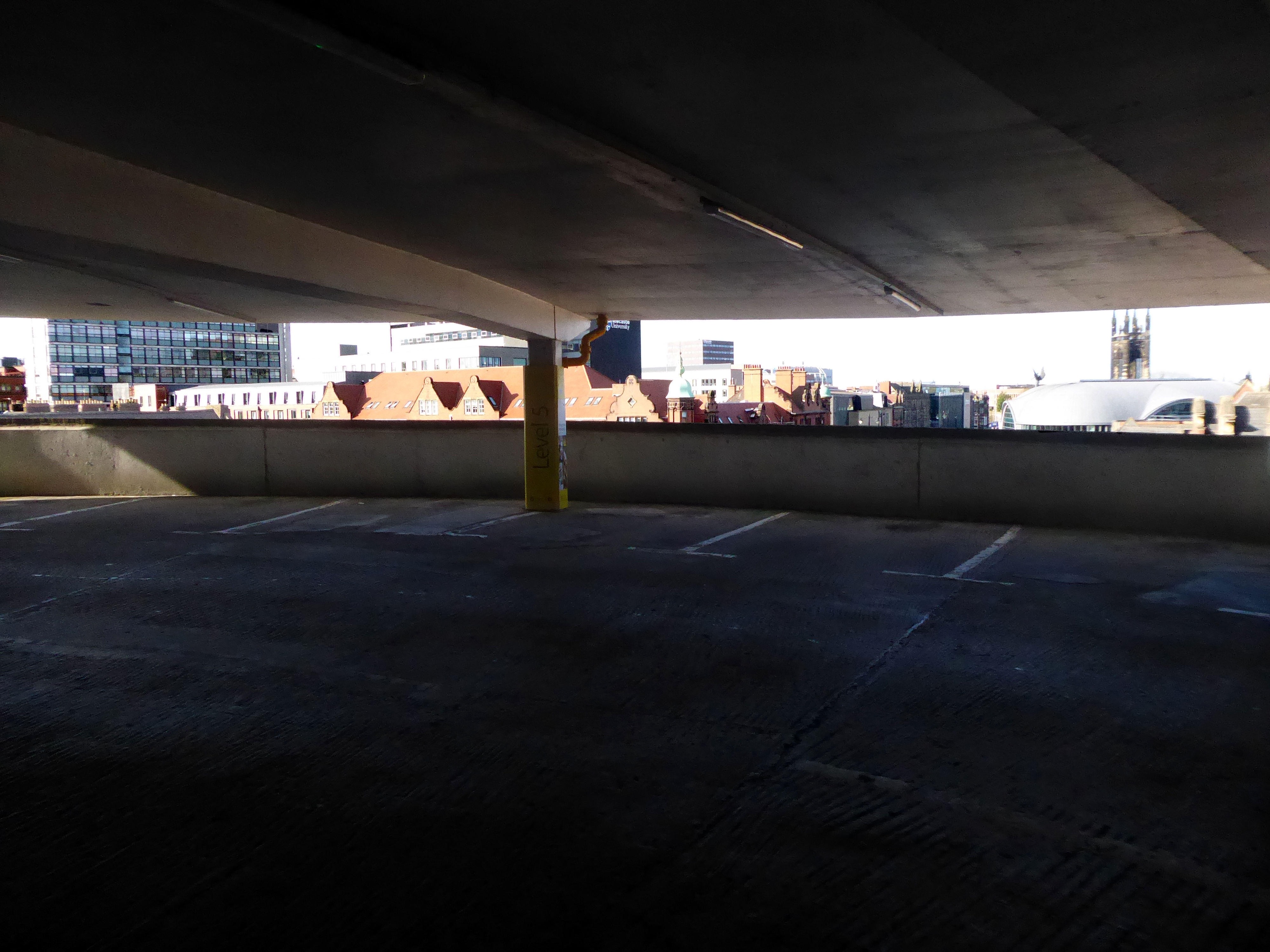
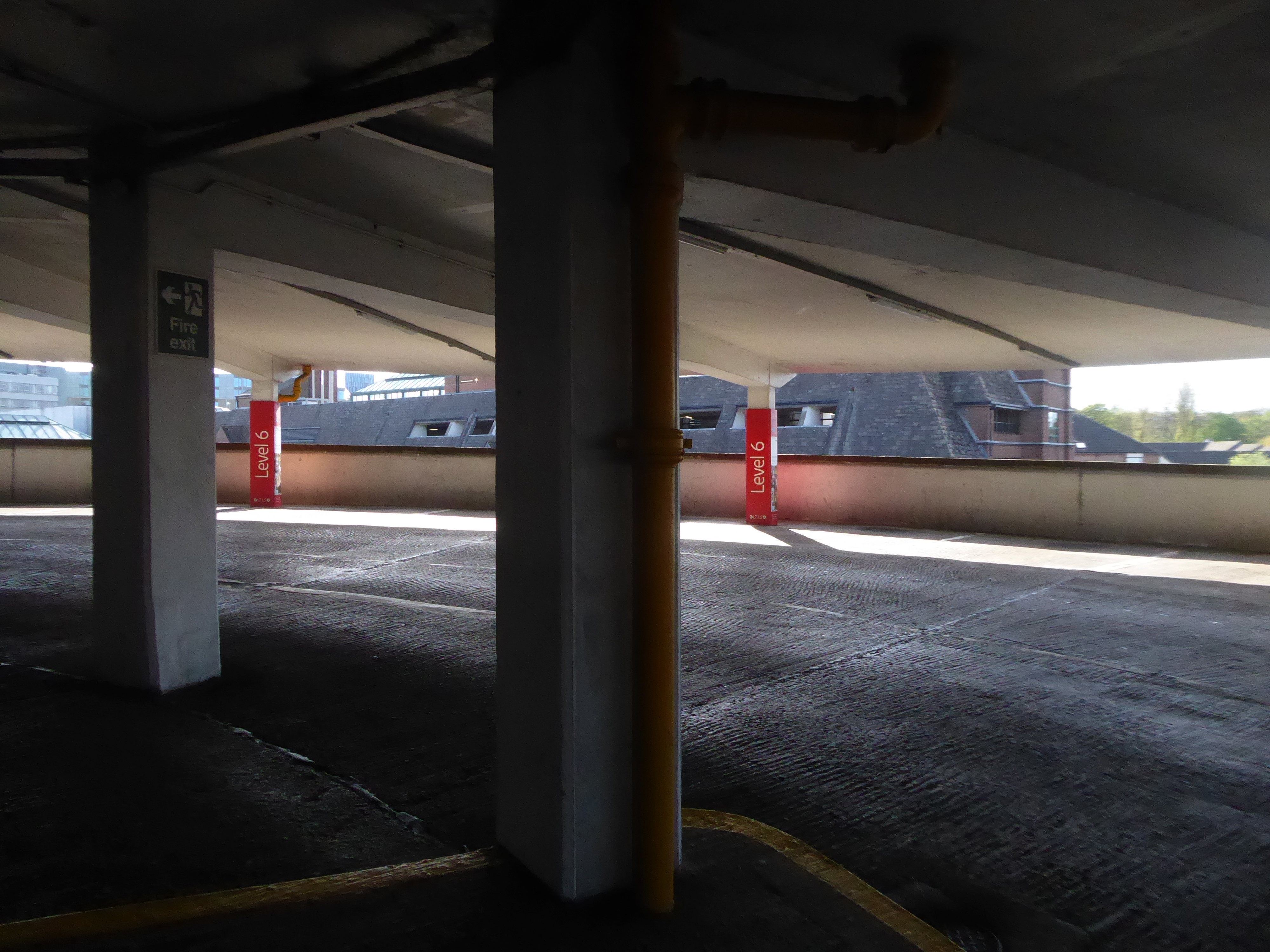
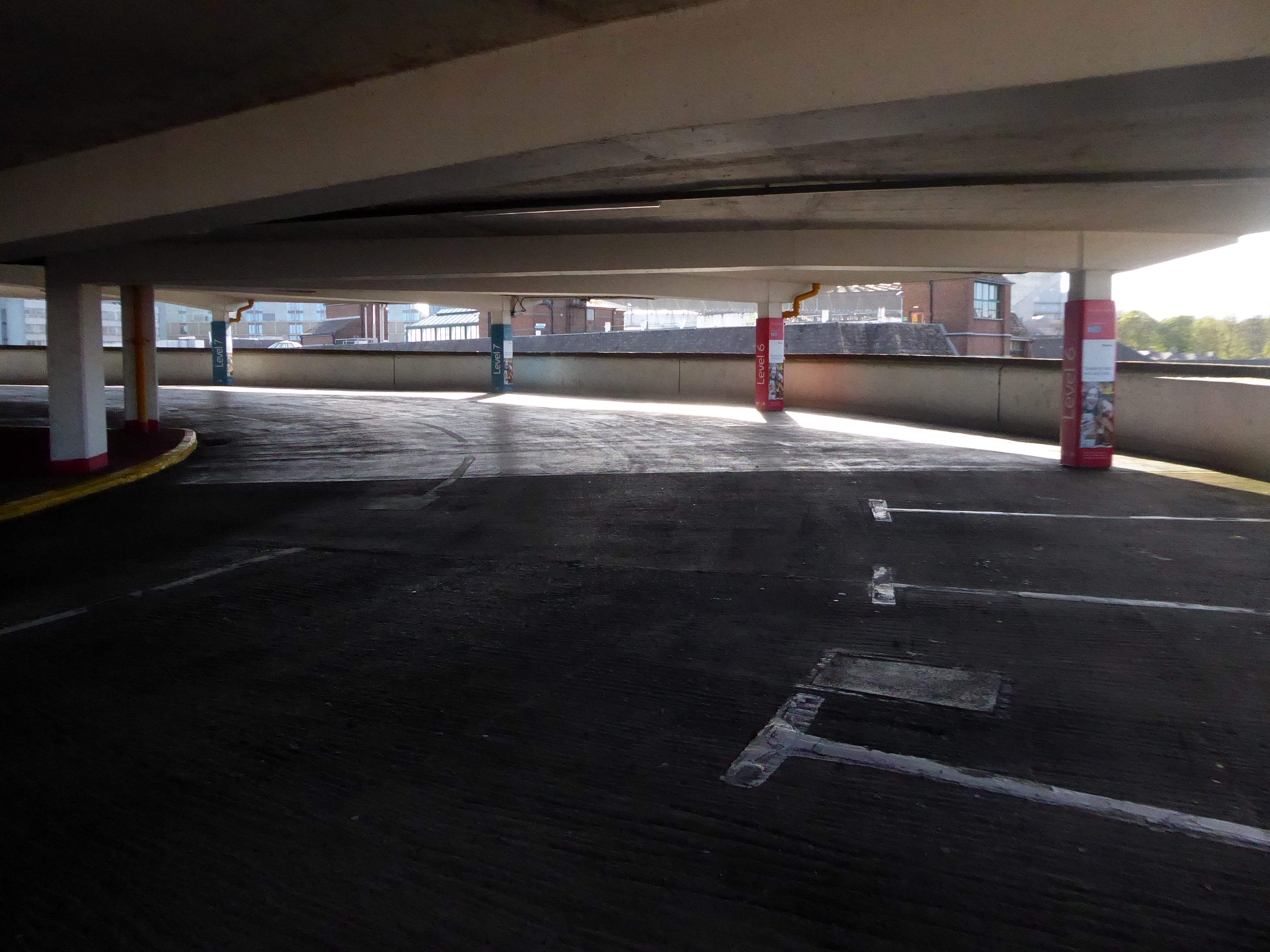
I’ve lost count of the countless times I have visited countless car parks.
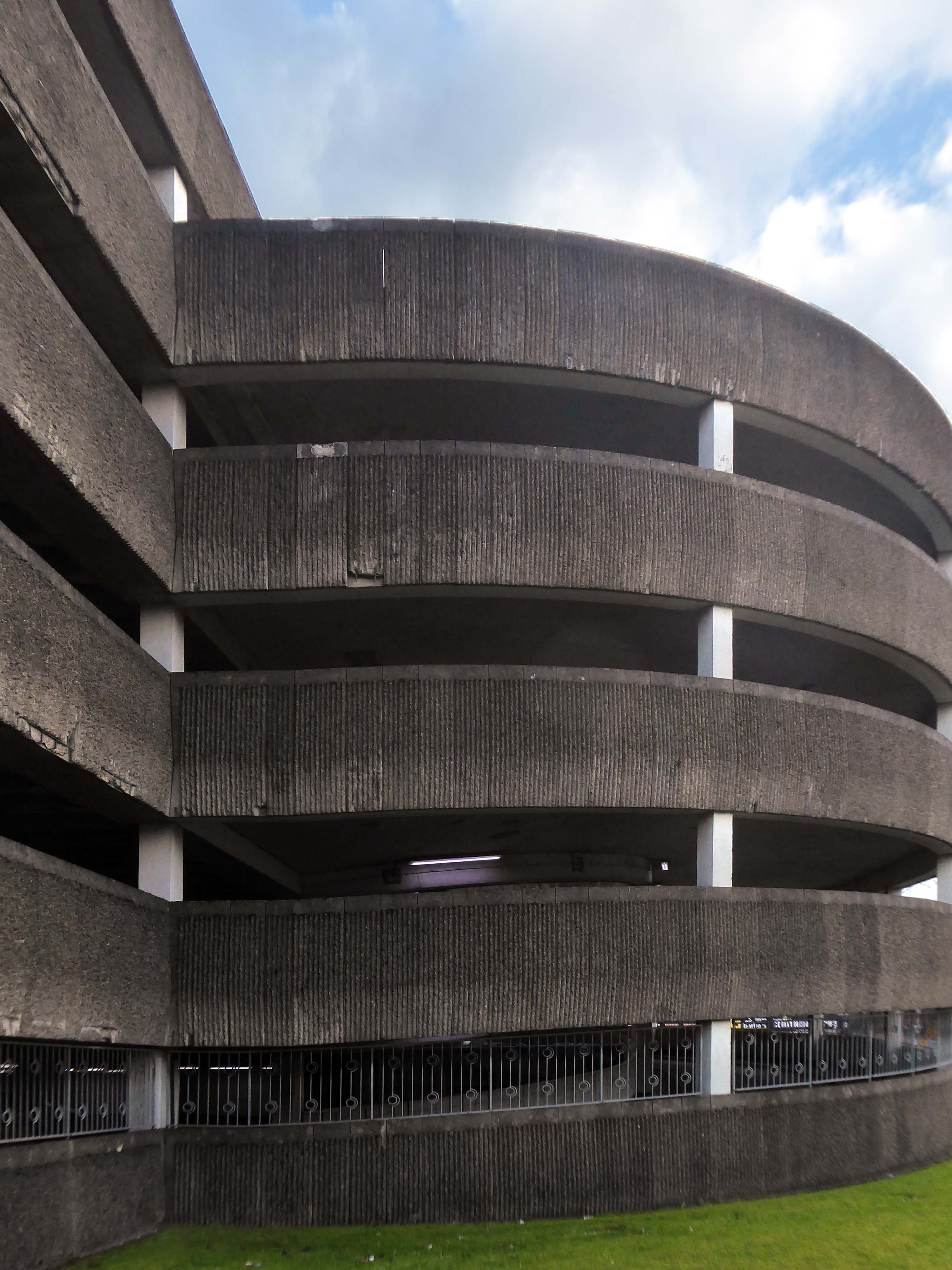
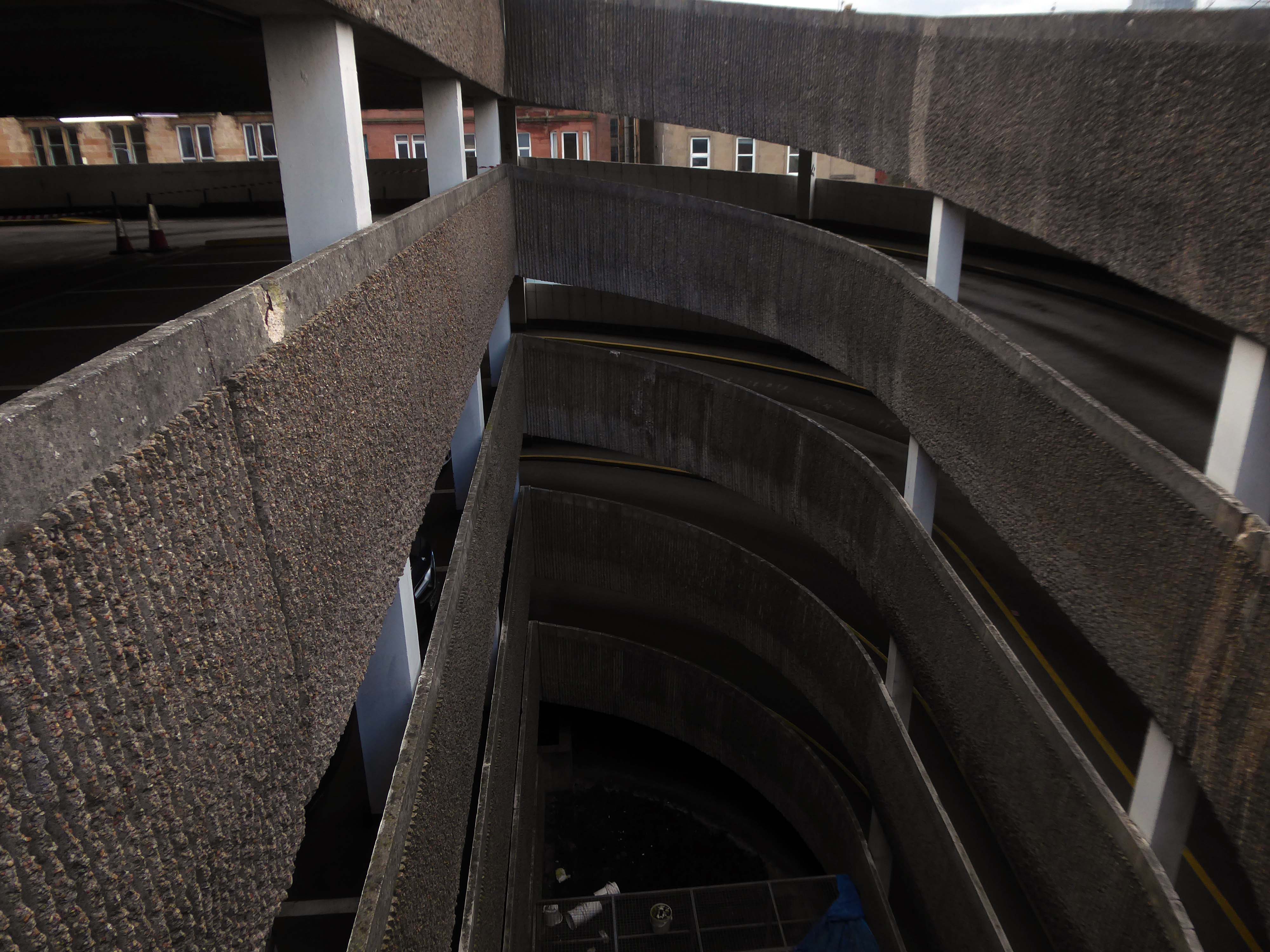
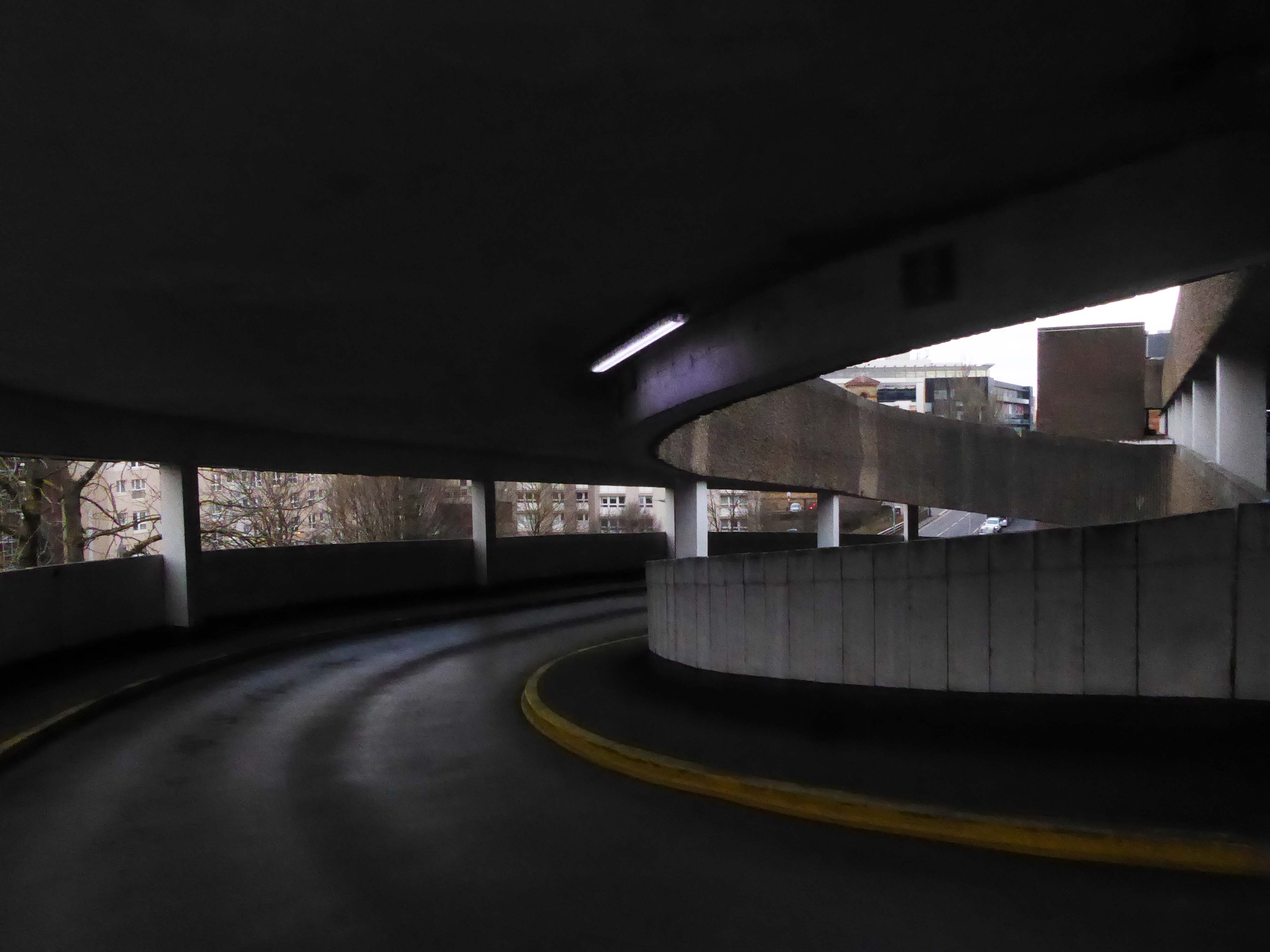
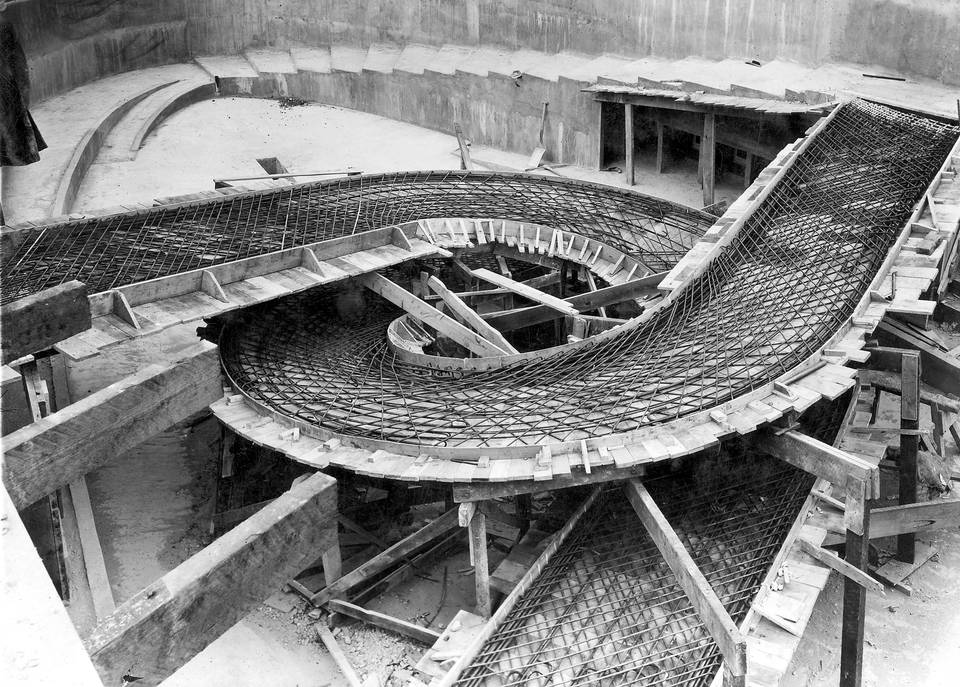
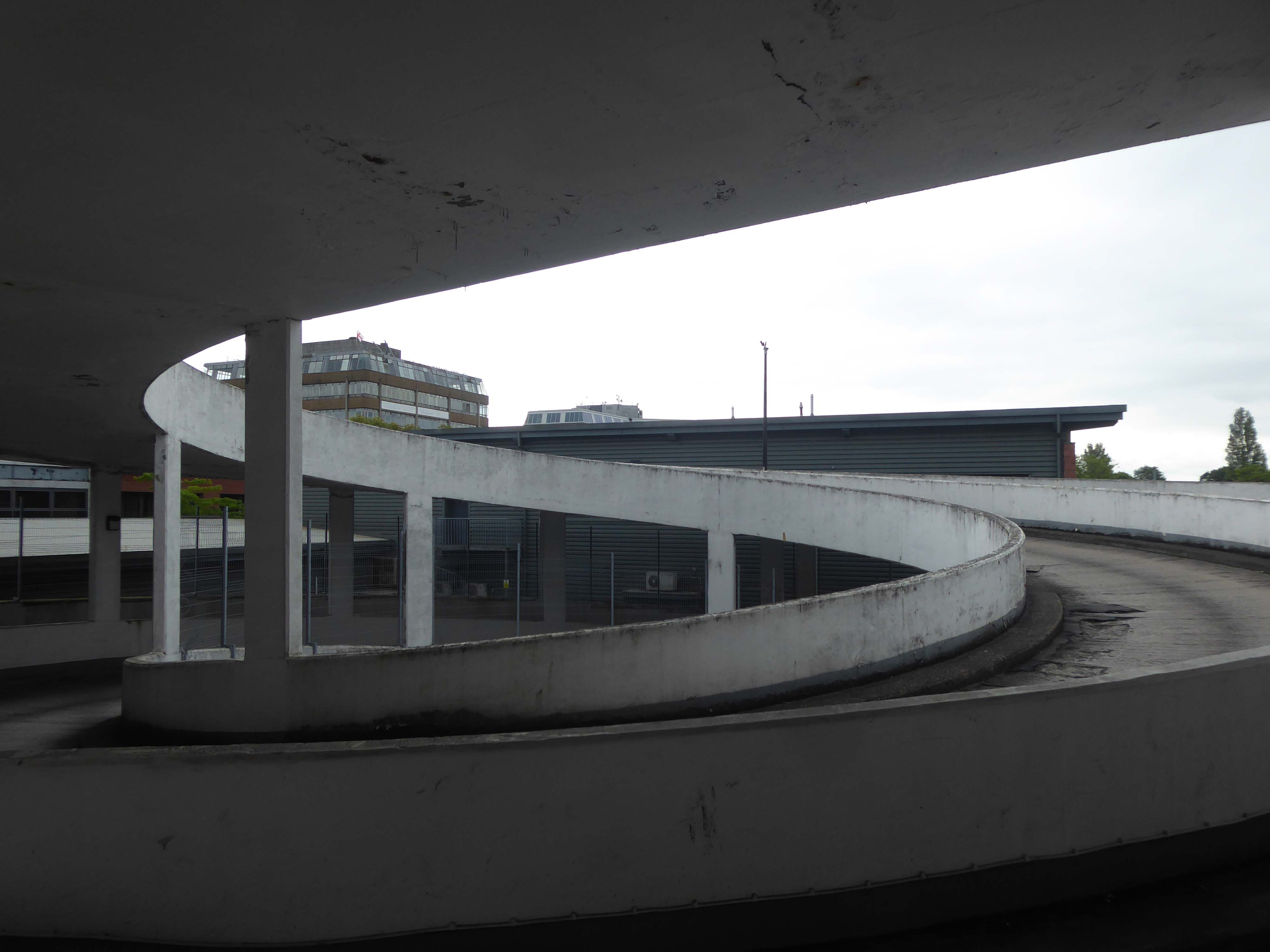
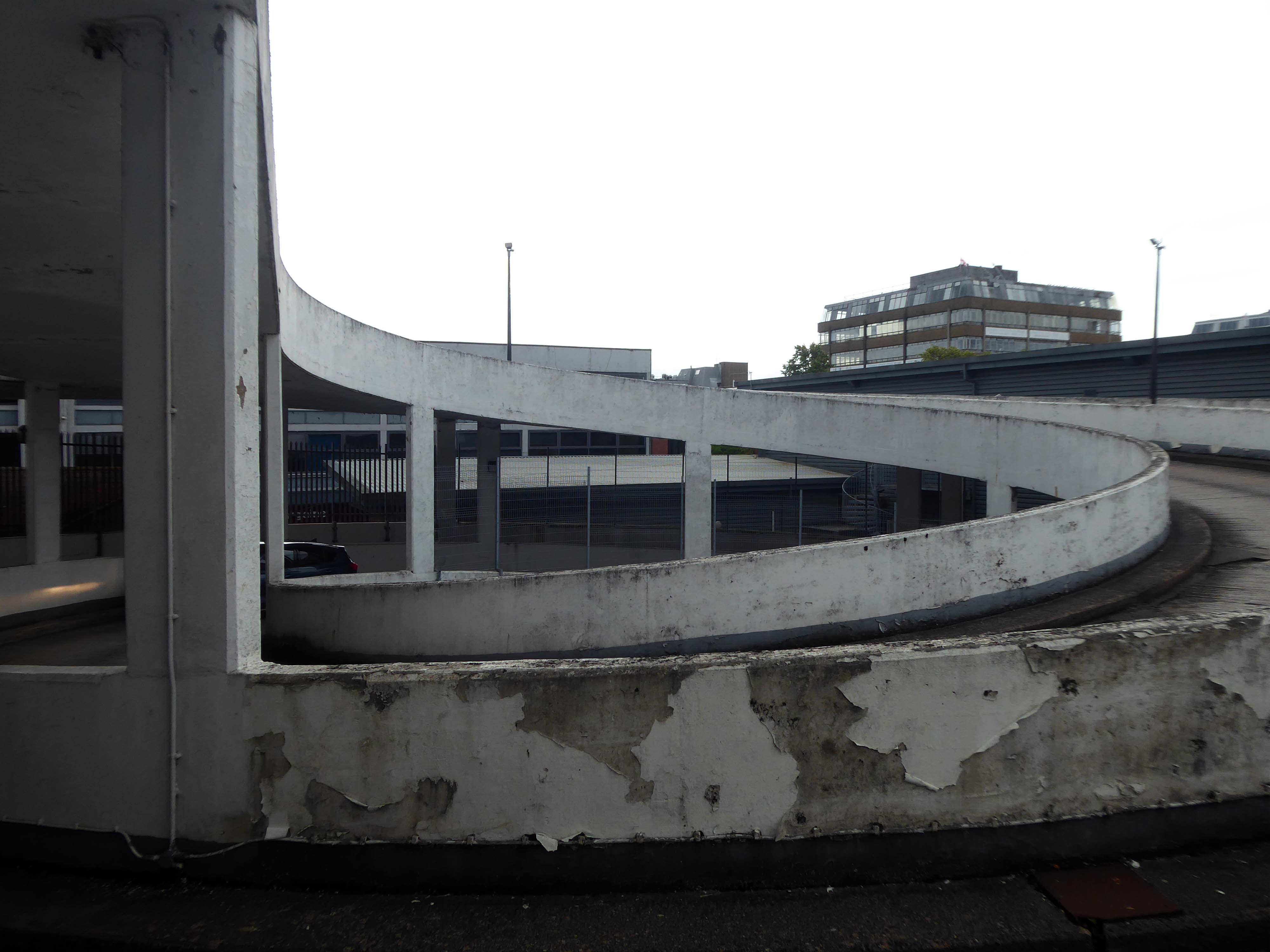
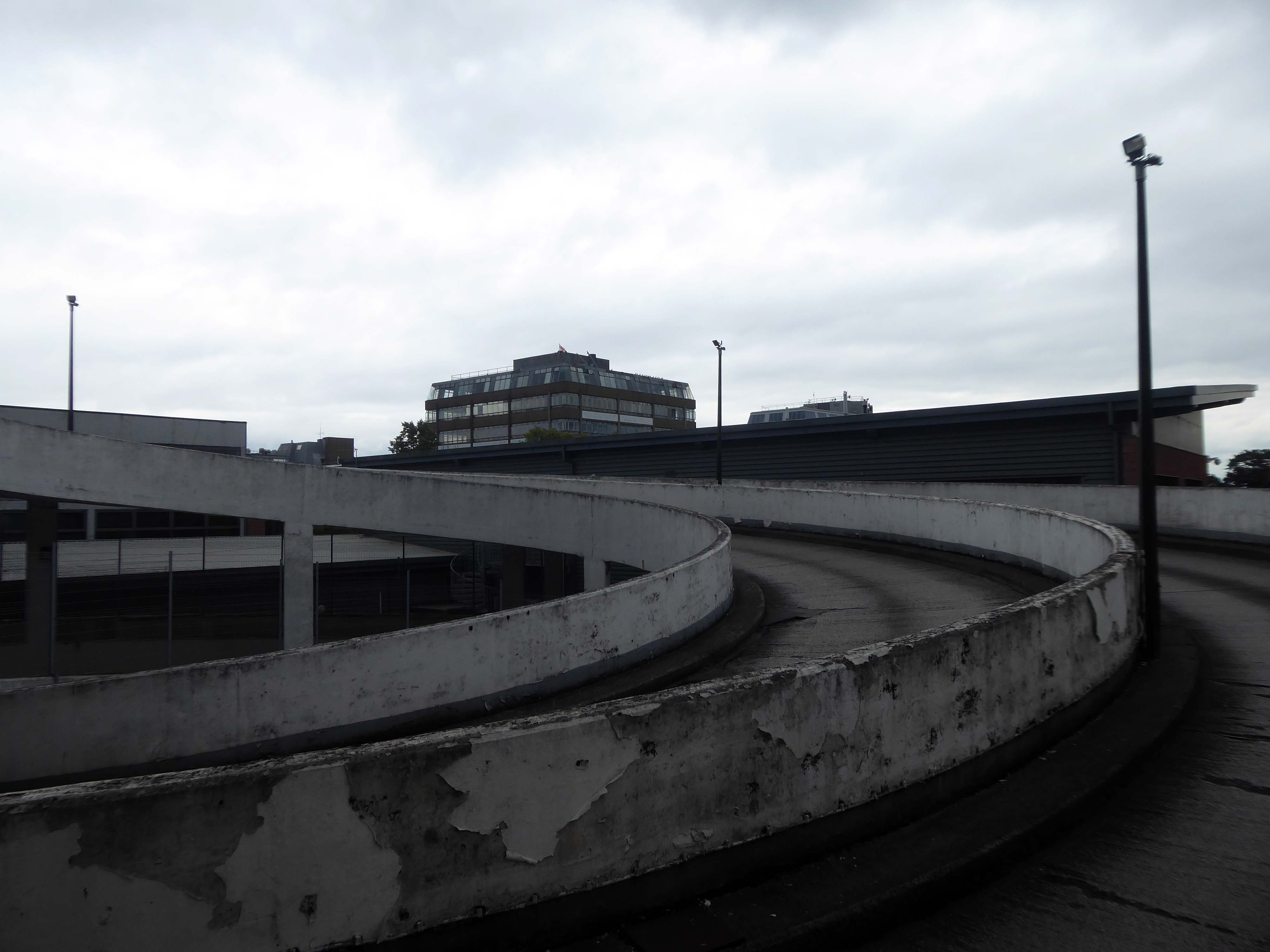
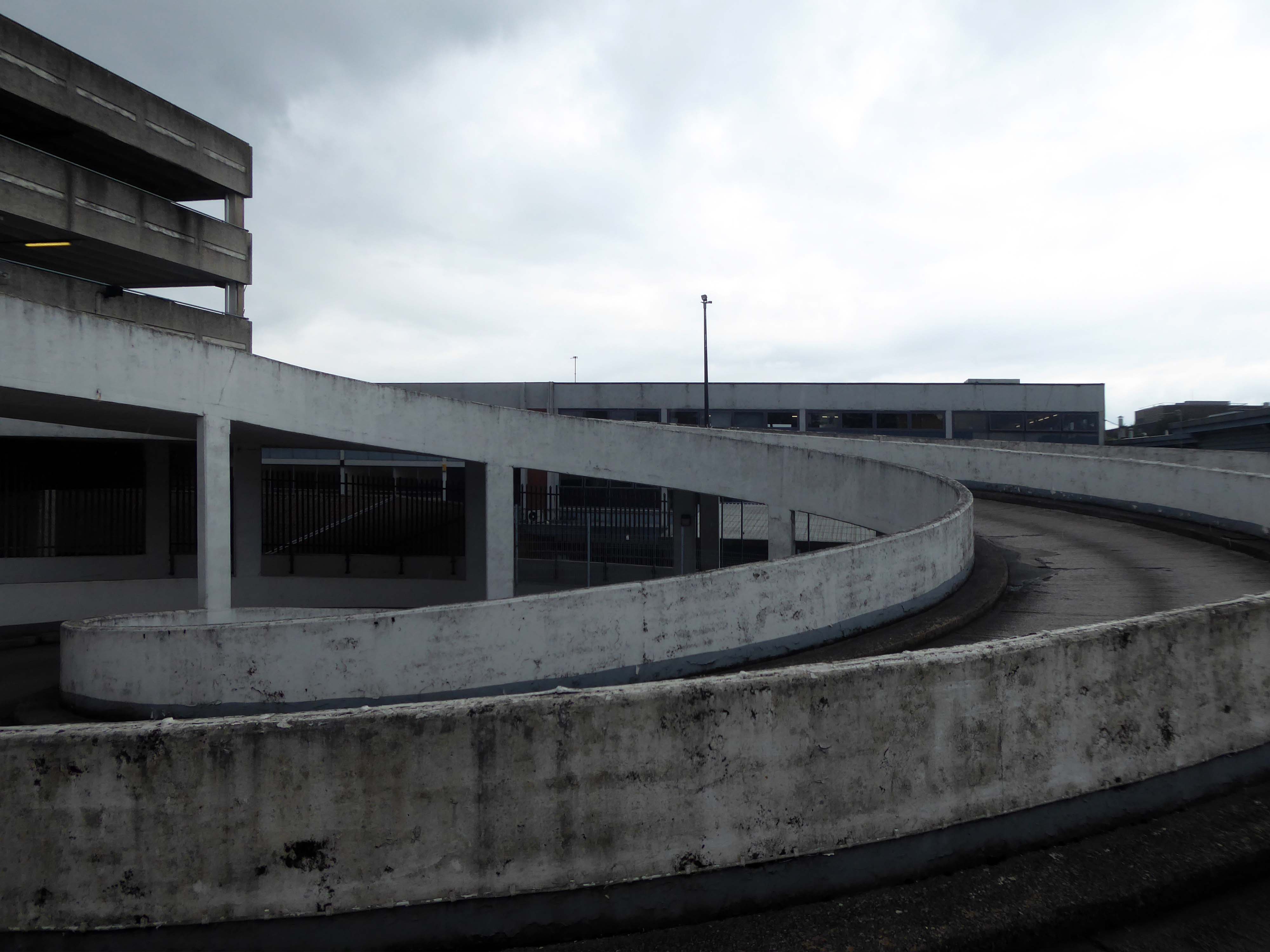
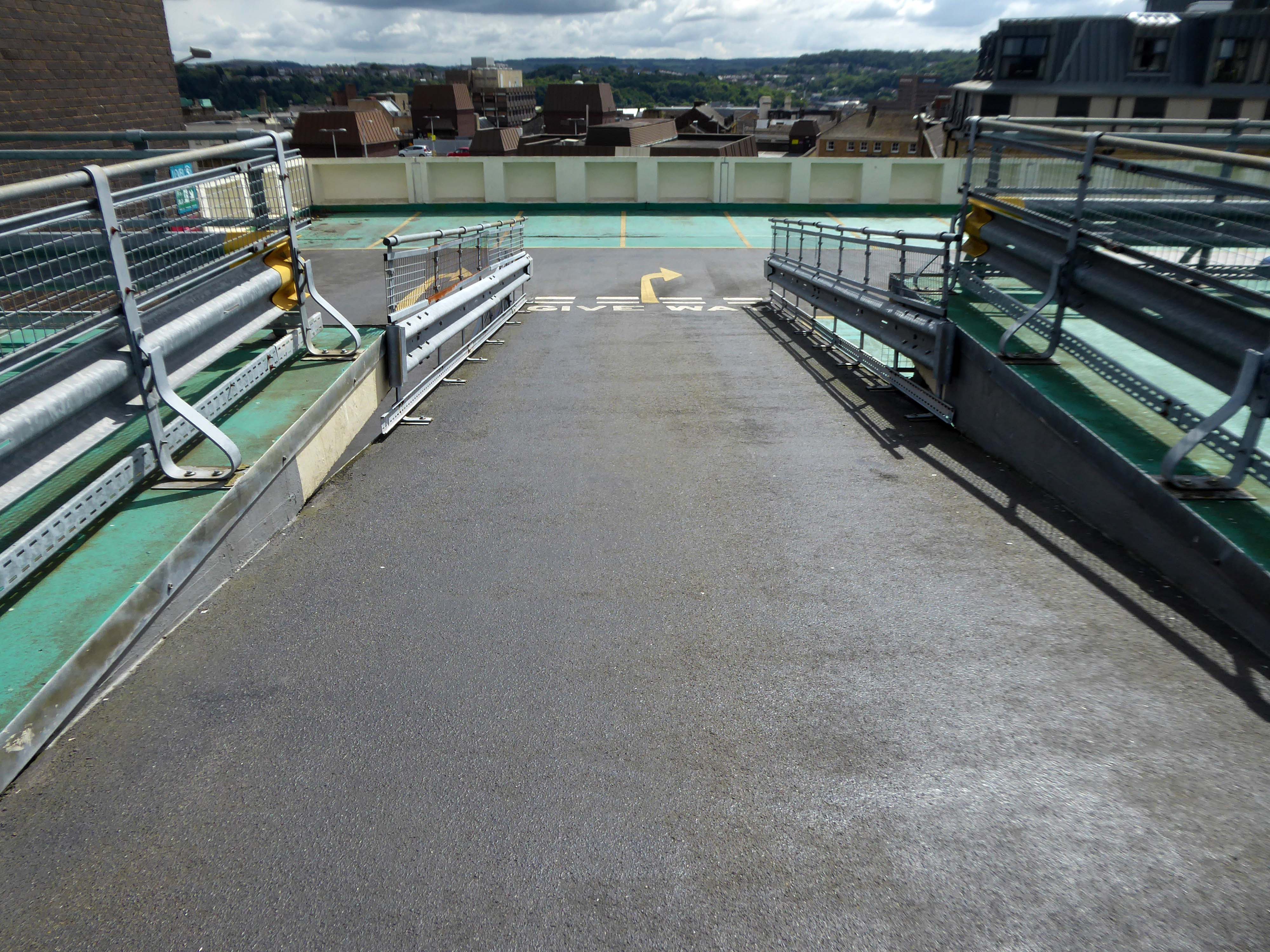
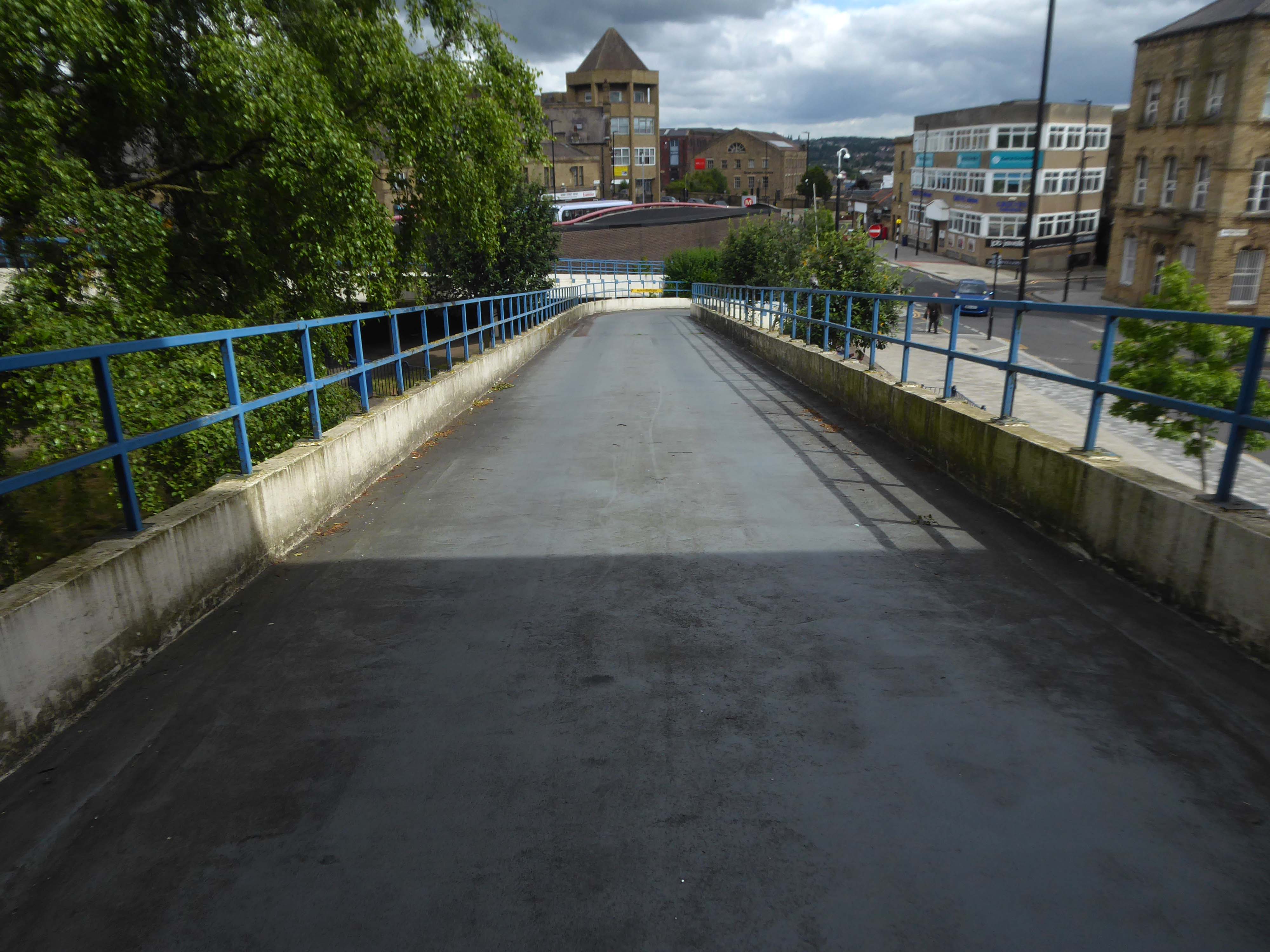
I do have a fondness for ramps – particularly helical ramps, one of my most memorable early modernist encounters, was with Lubetkin’s penguin pool.
The cast concrete taking on a truly sculptural dimension.
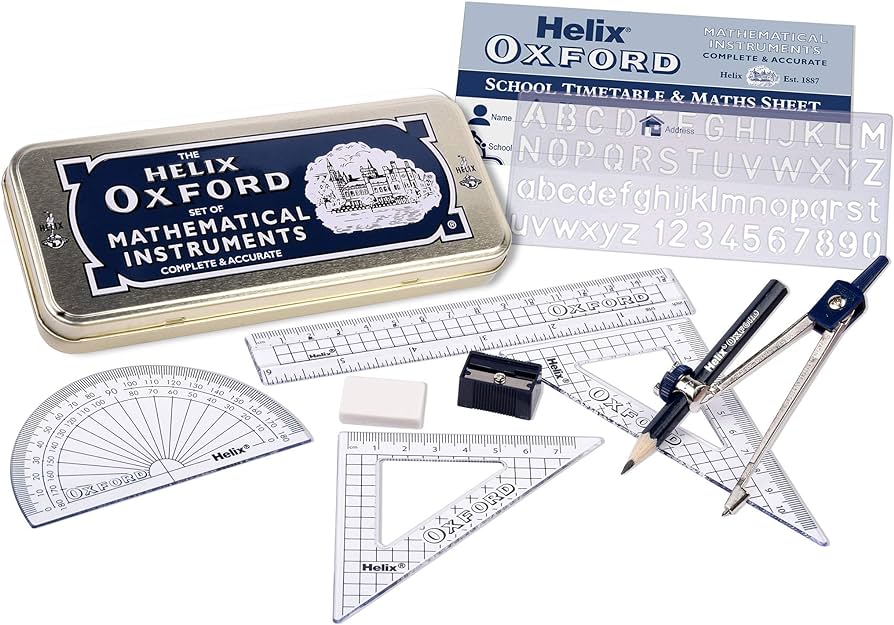
There is also the Proustian recollection of a collection of geometry lessons and Helix instruments.
It has all left a lasting impression and I have subsequently taken every opportunity to waddle penguin like up and down several concrete car park ramps.
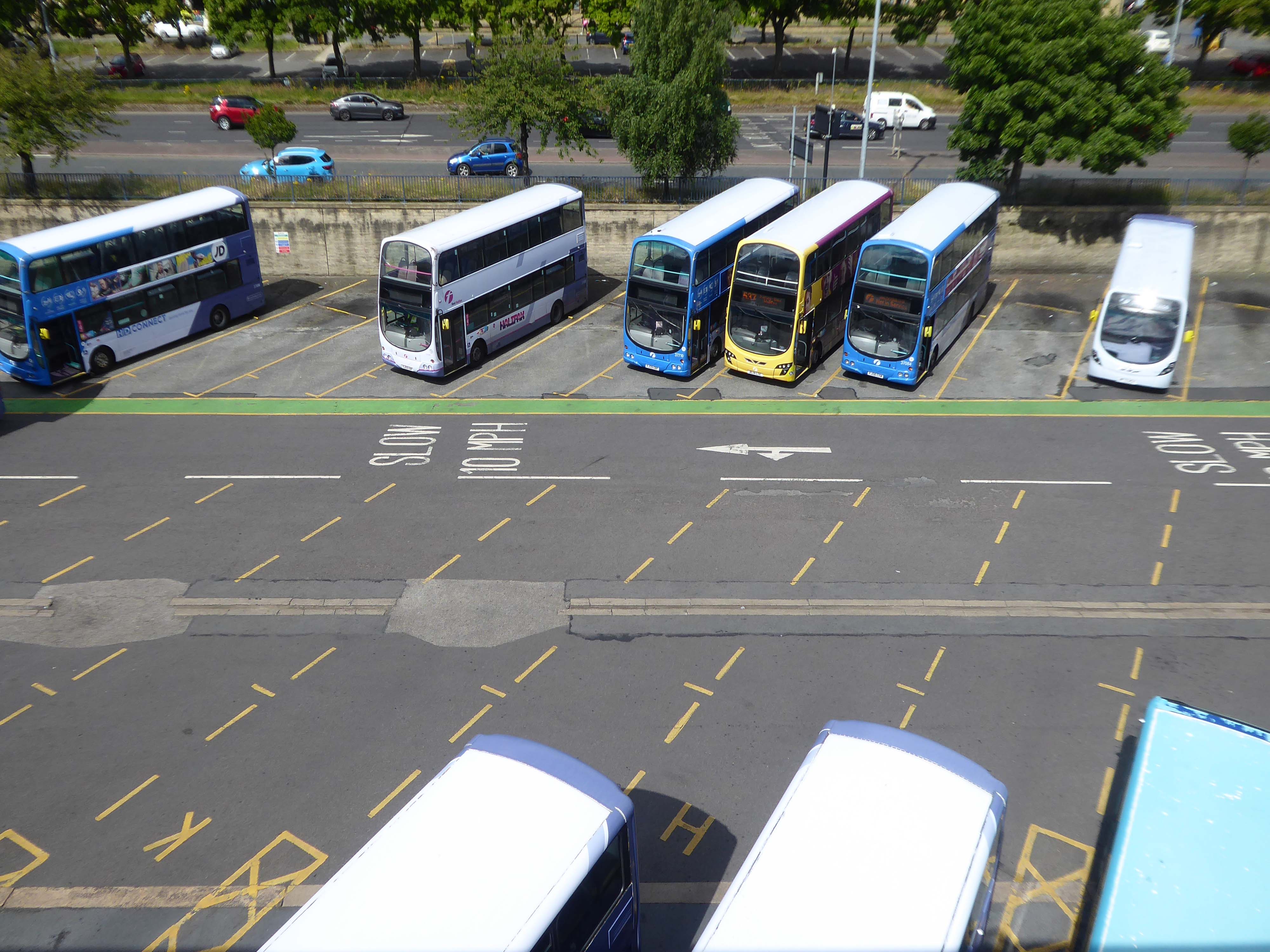
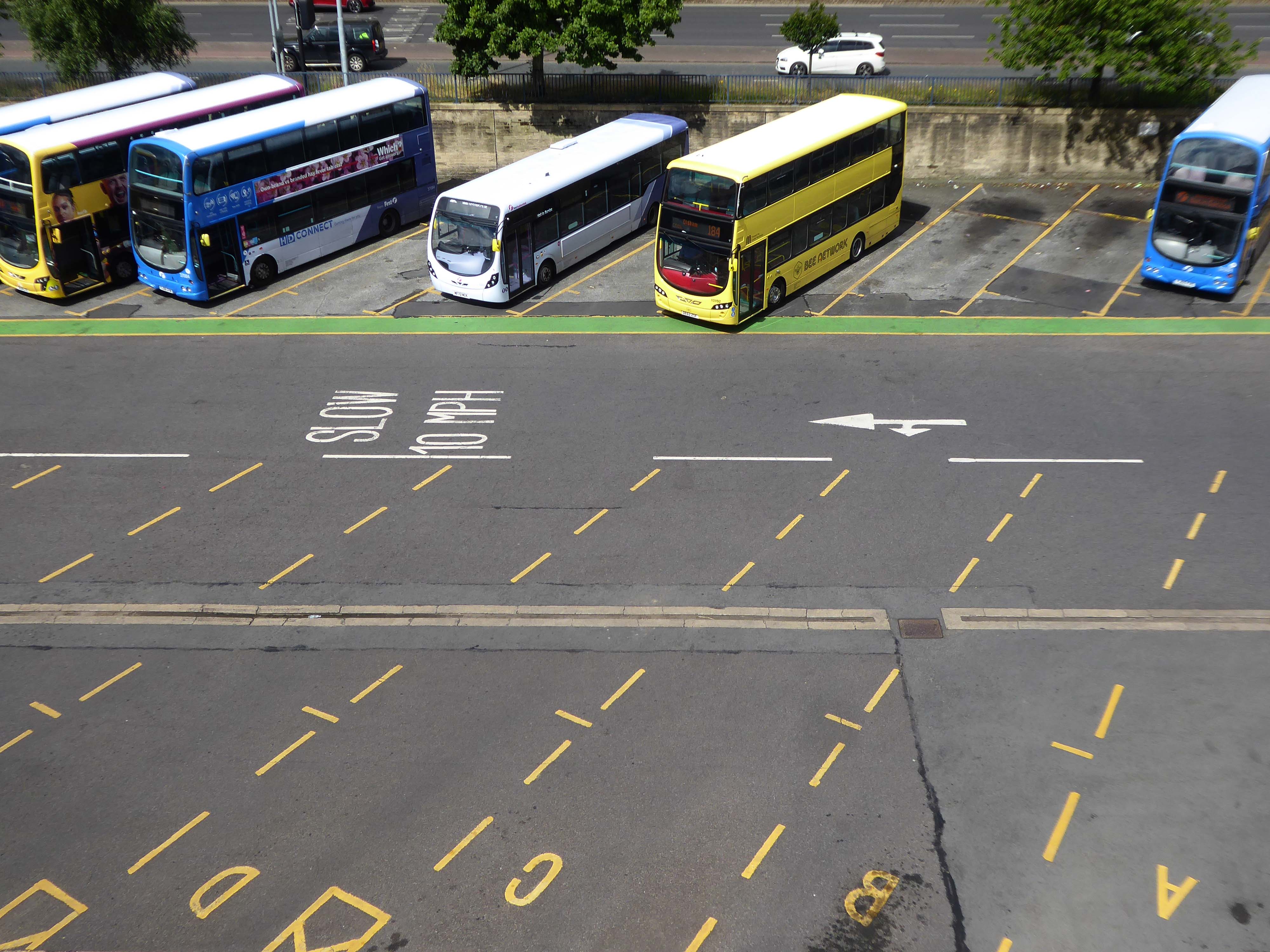
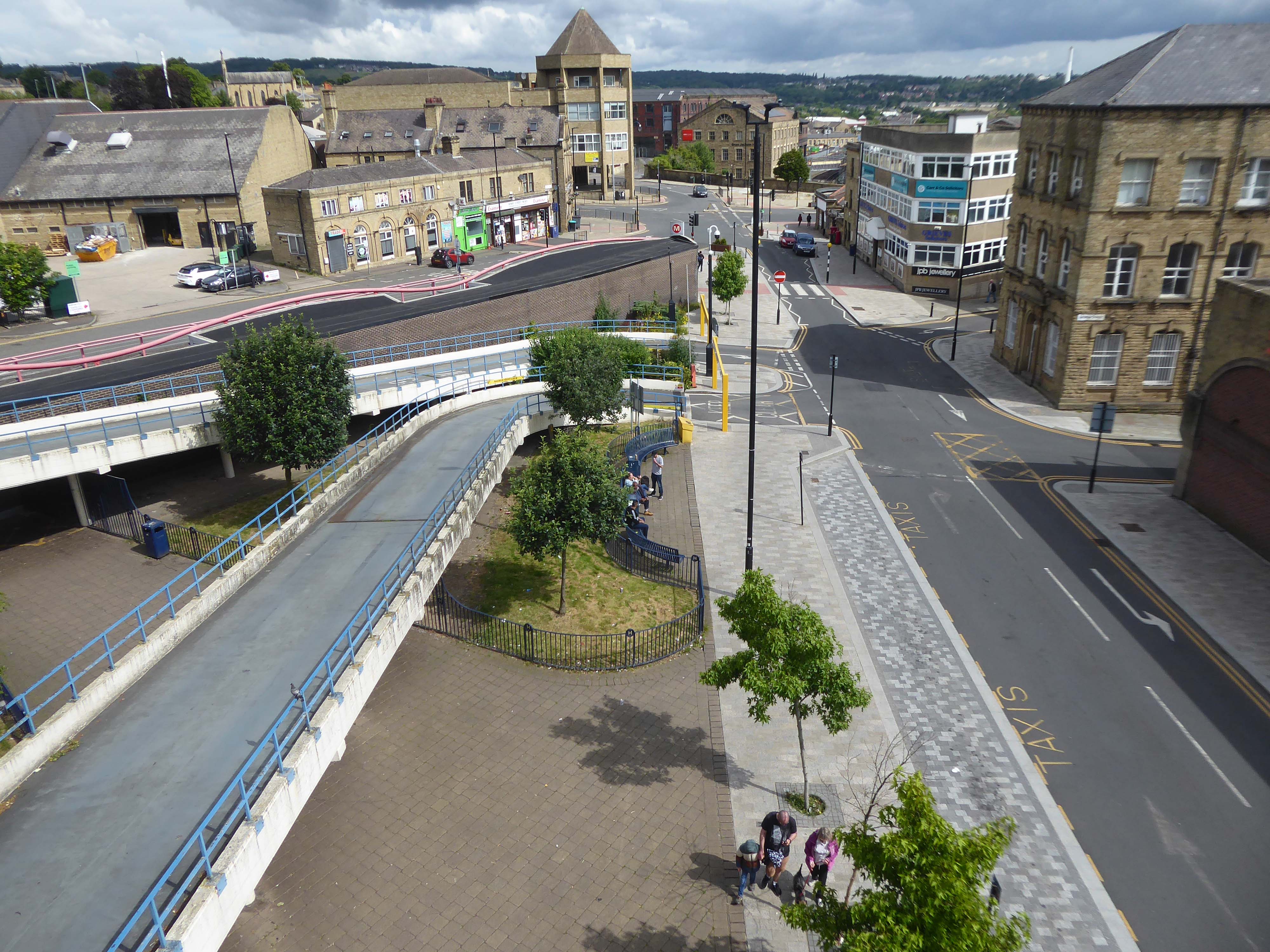
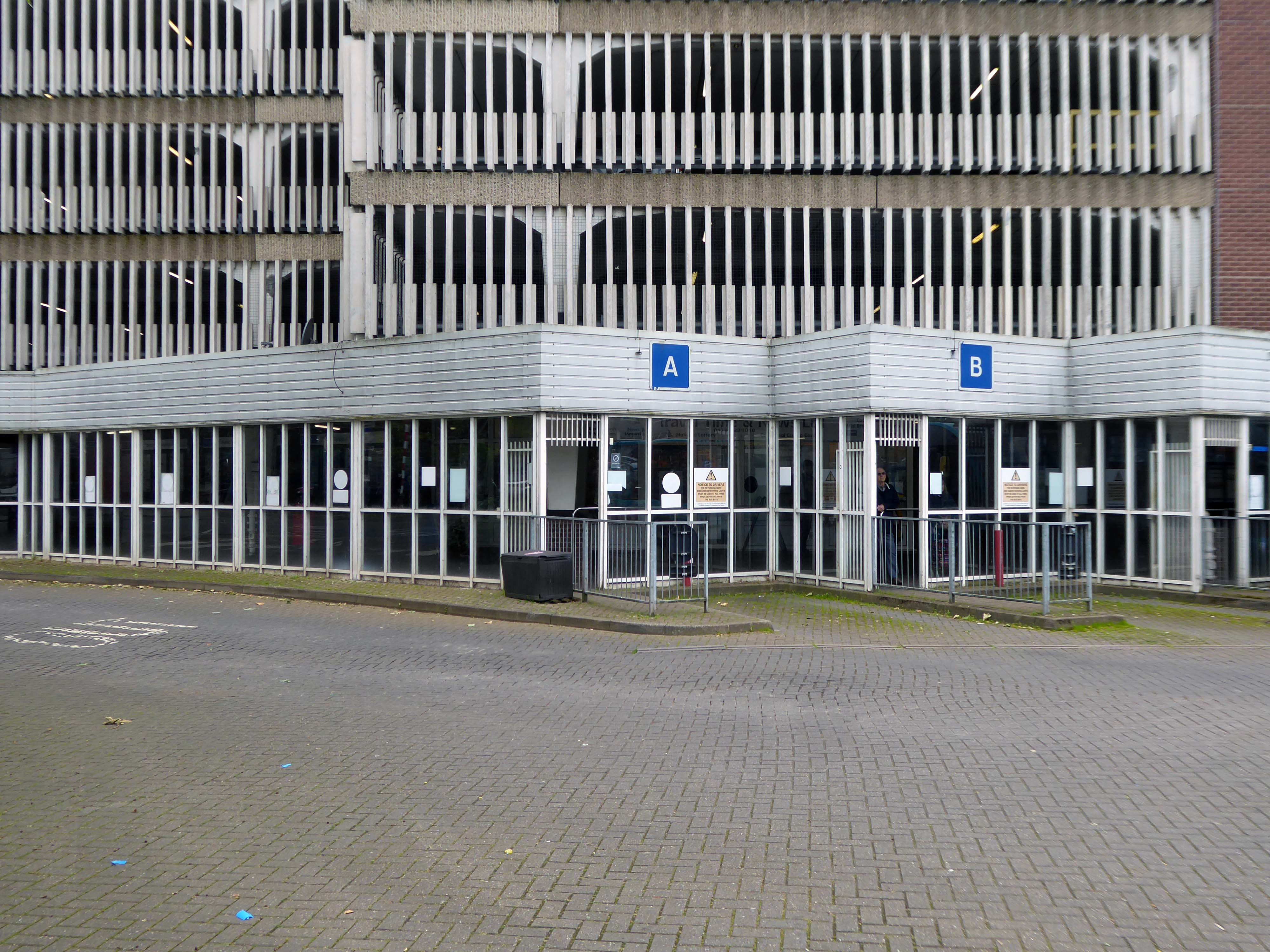
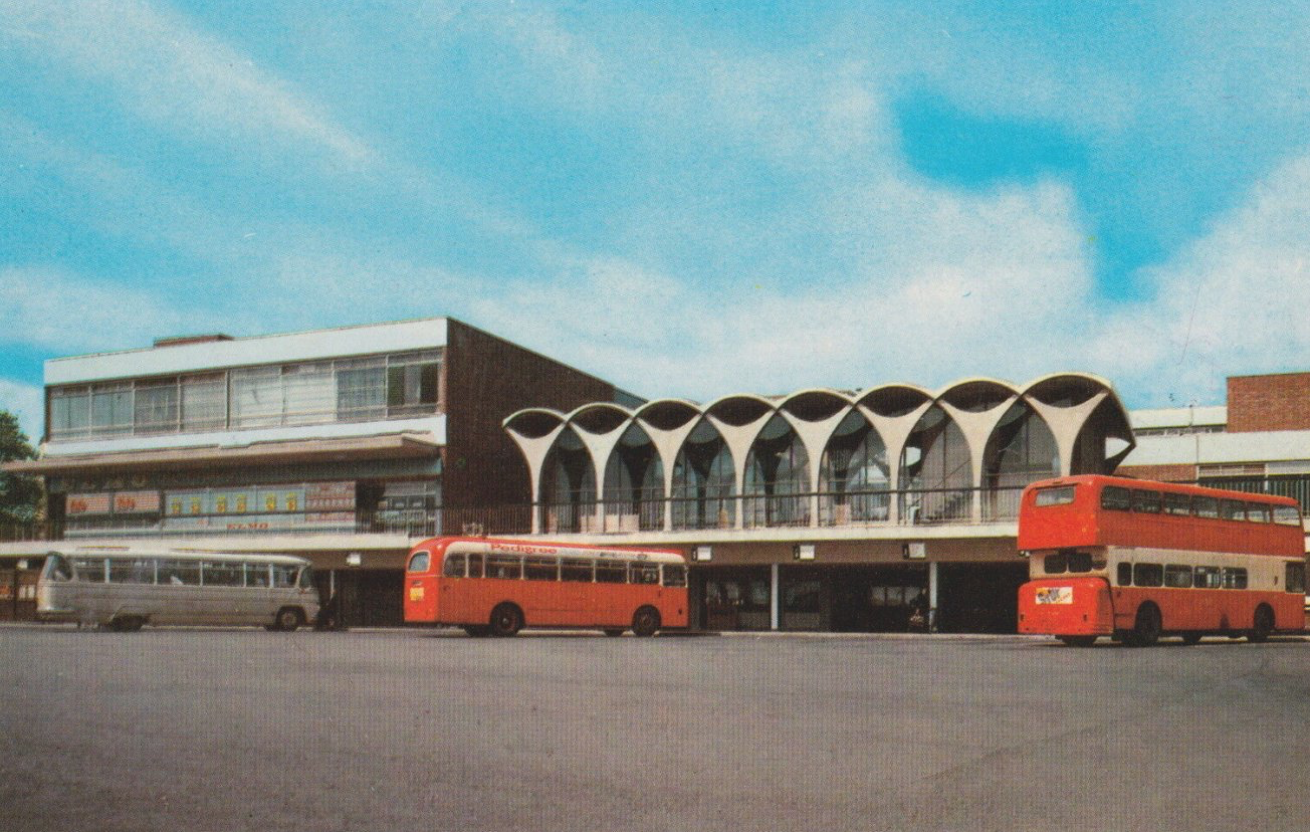
I was informed by the seriously erudite Christopher Marsden that the bus station and car park were the work of Derek C W Vane: Borough Architect 1972-1974.
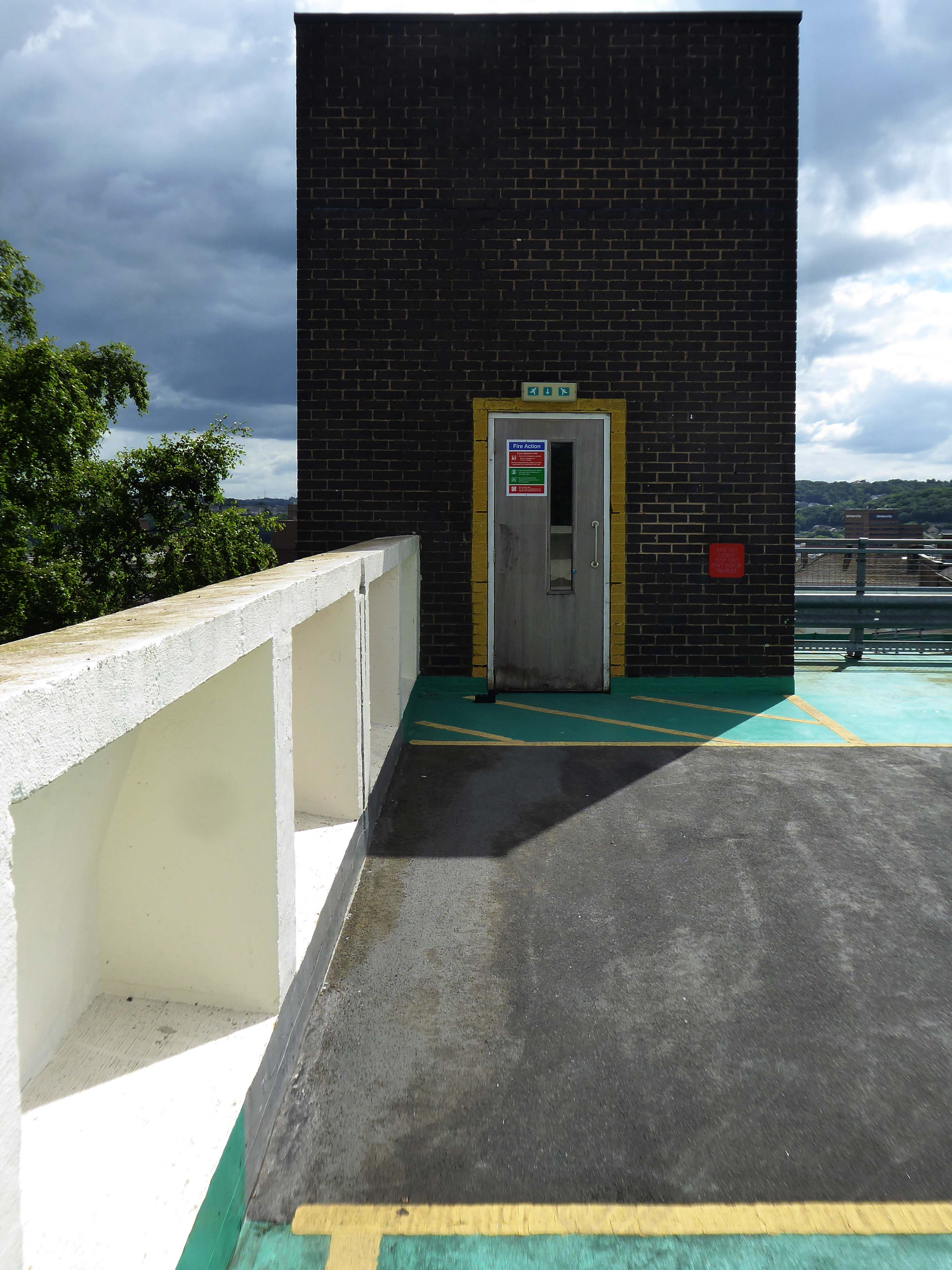
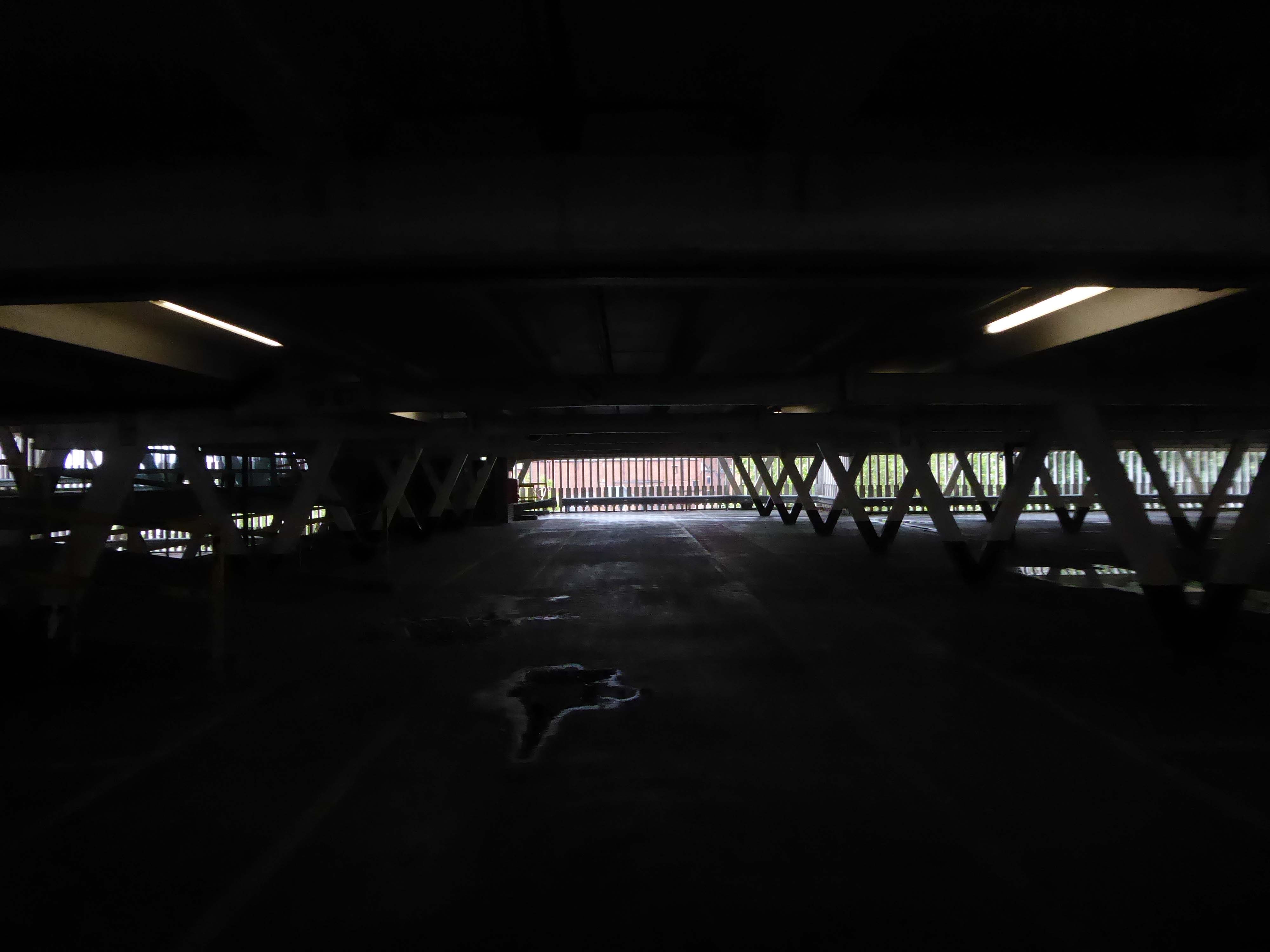
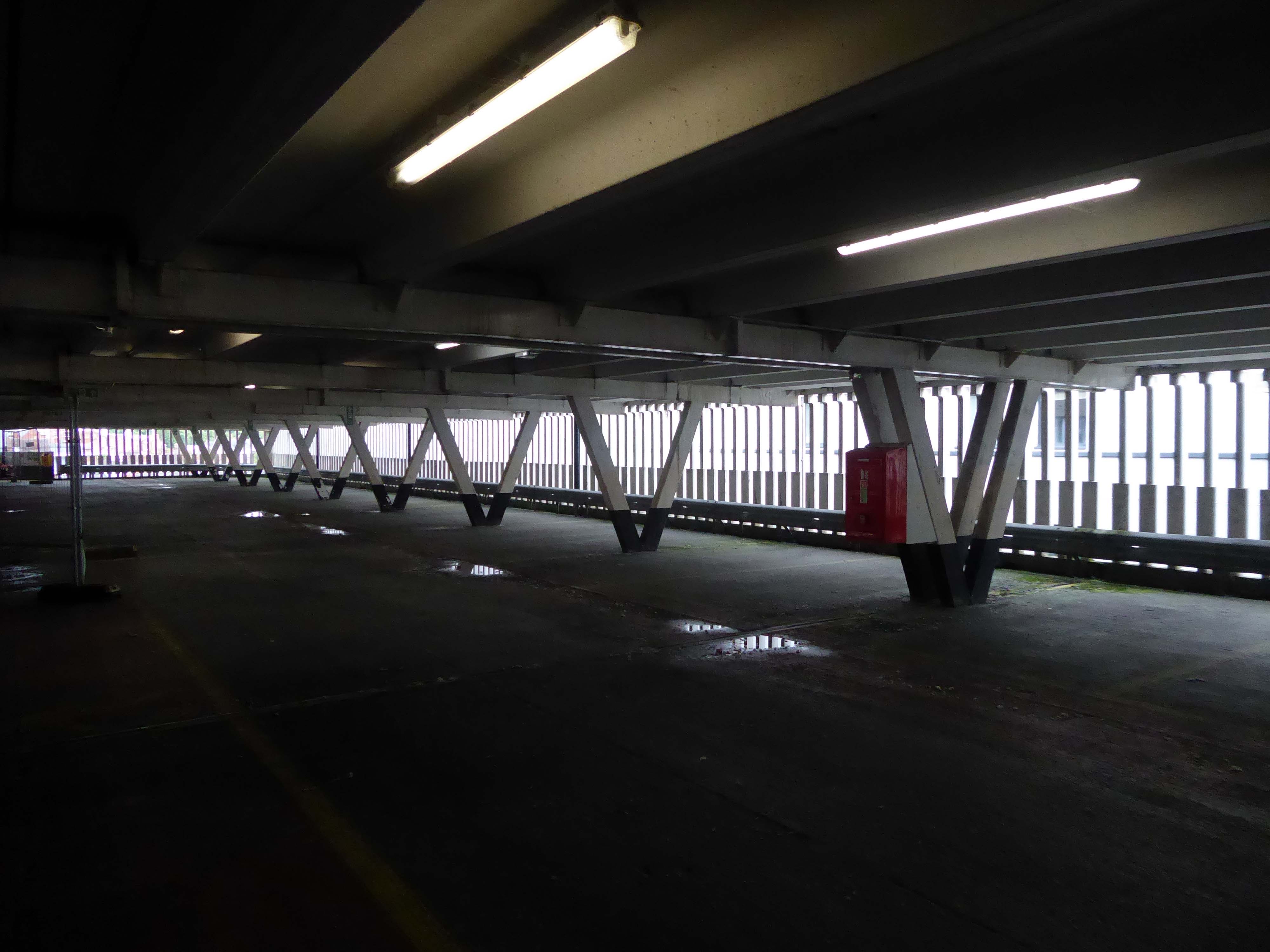
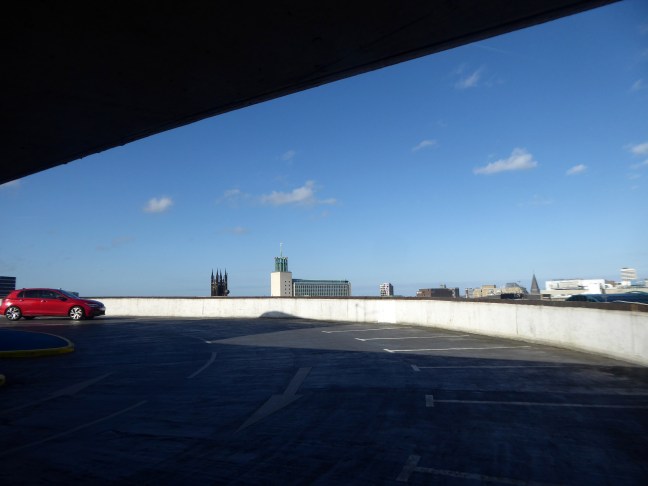
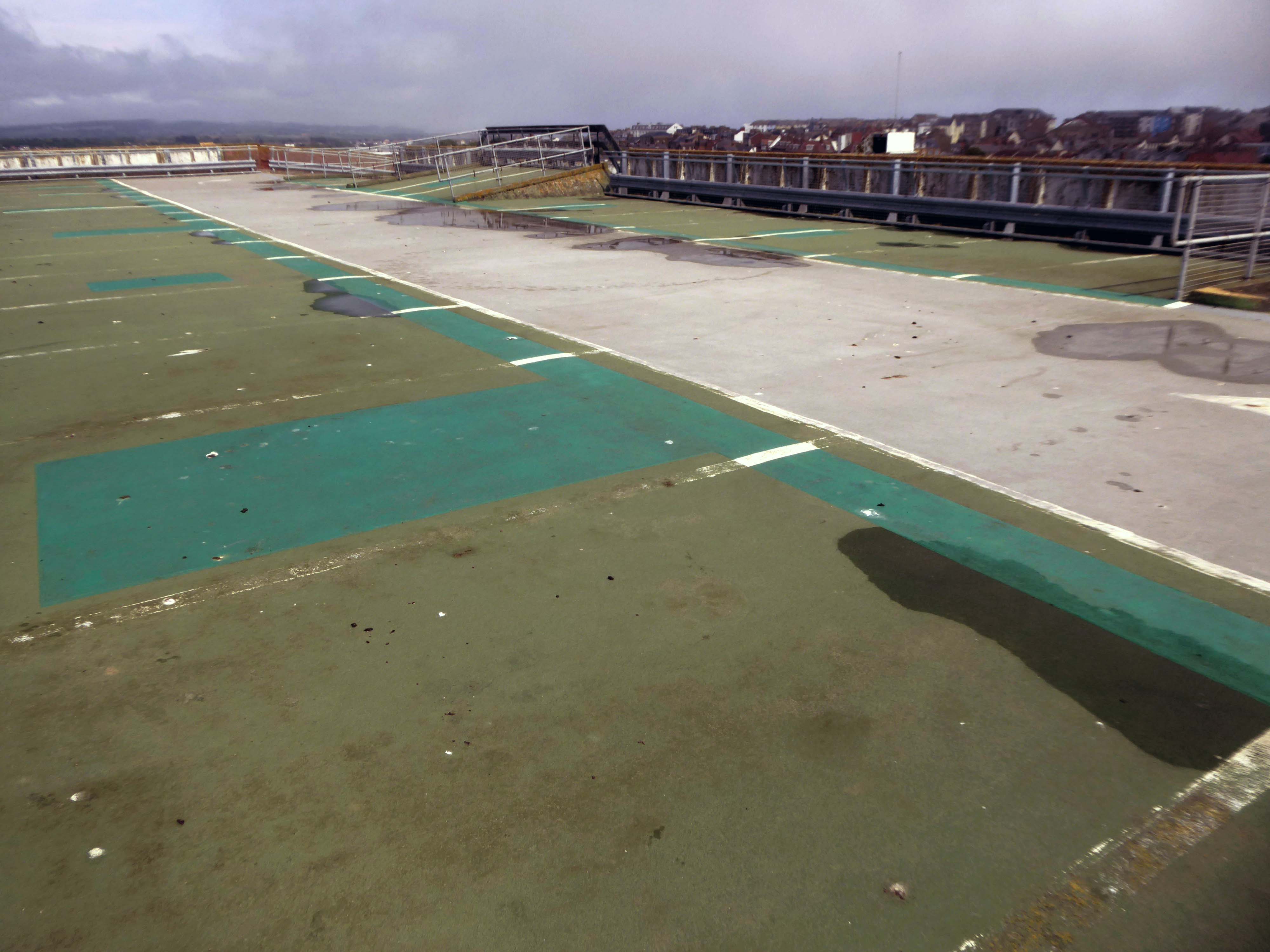
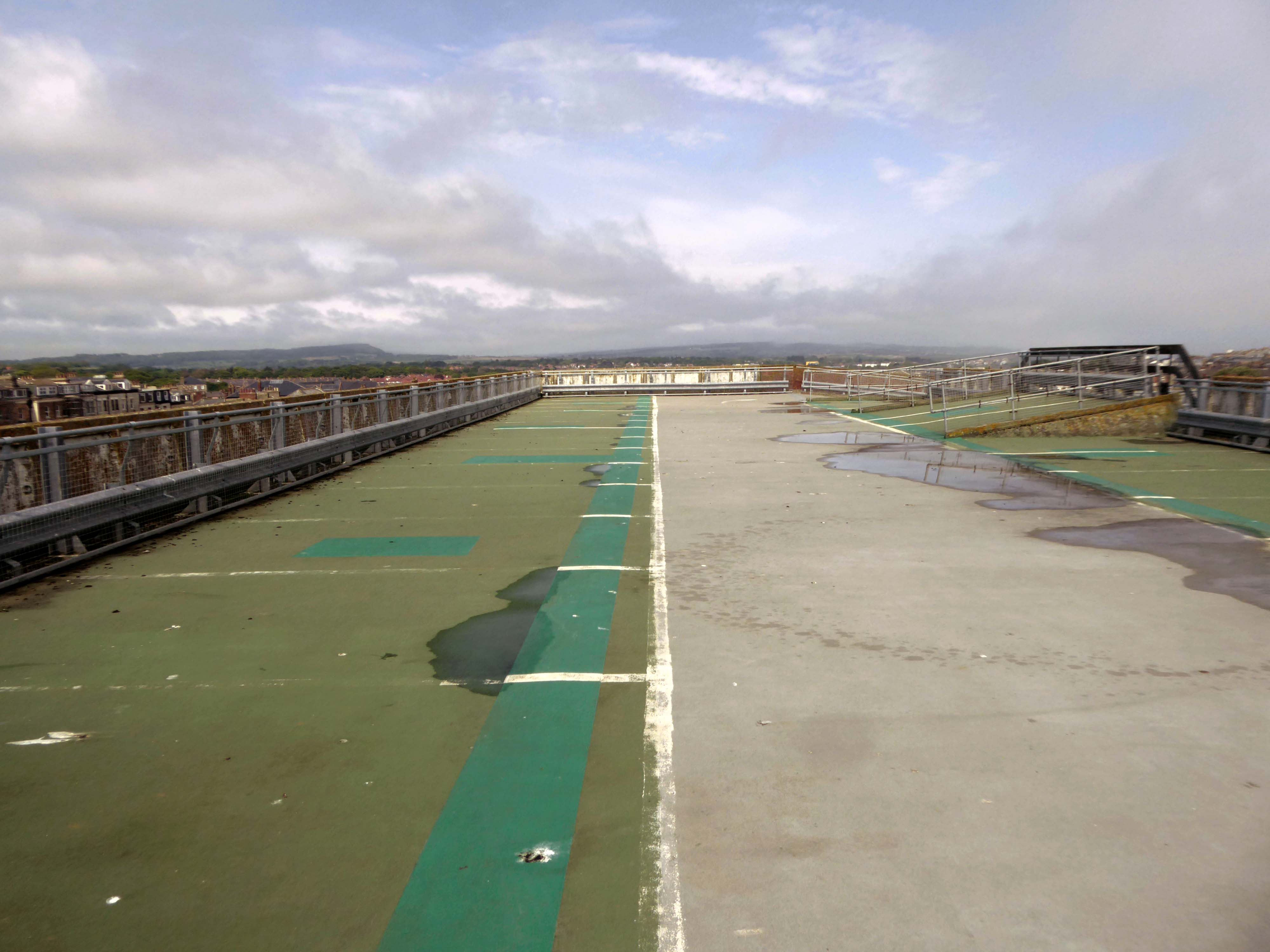
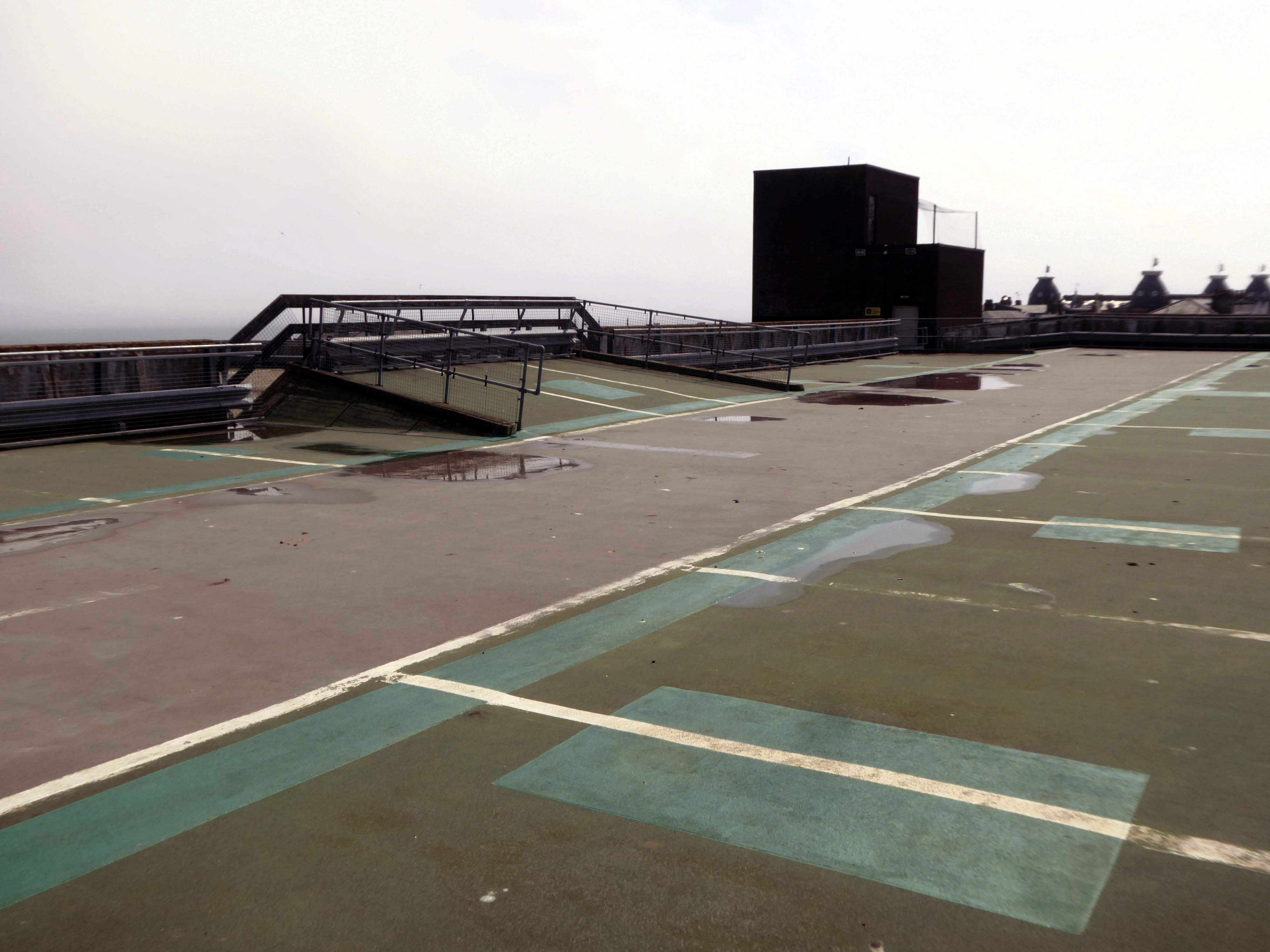
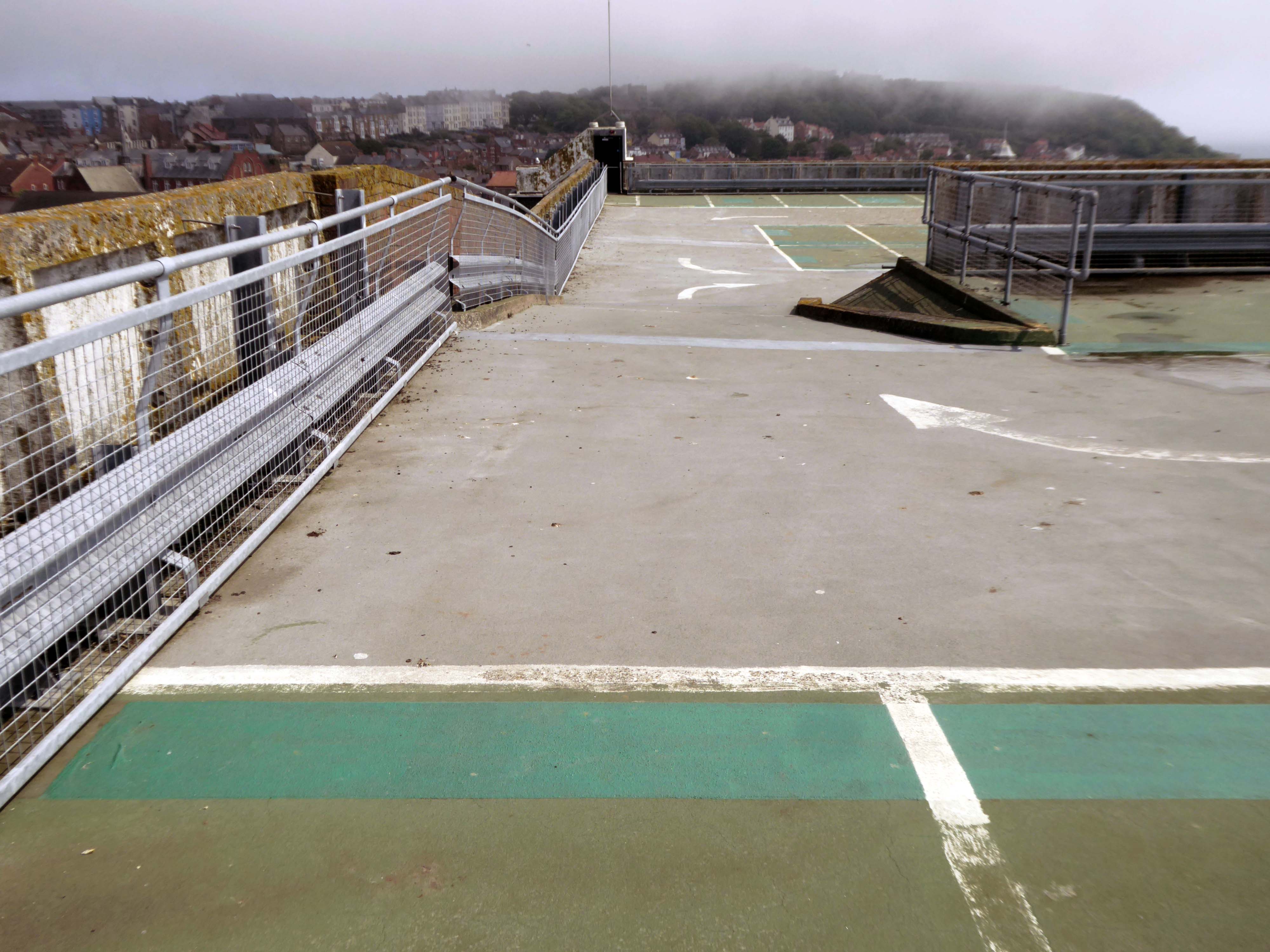
Having visited and photographed the bus station in 2016 I thought that it was about time I went up in the world, to the top level of the car park.
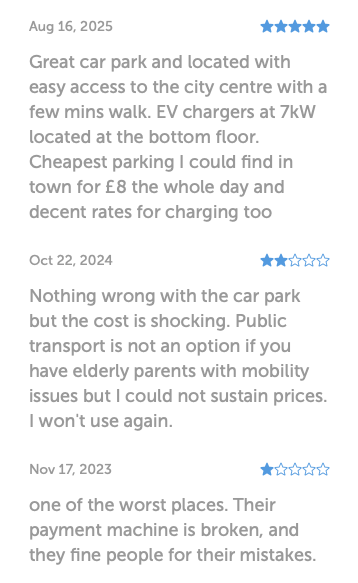
Mixed opinions from Parkopedia reviewers – let’s take a look around.
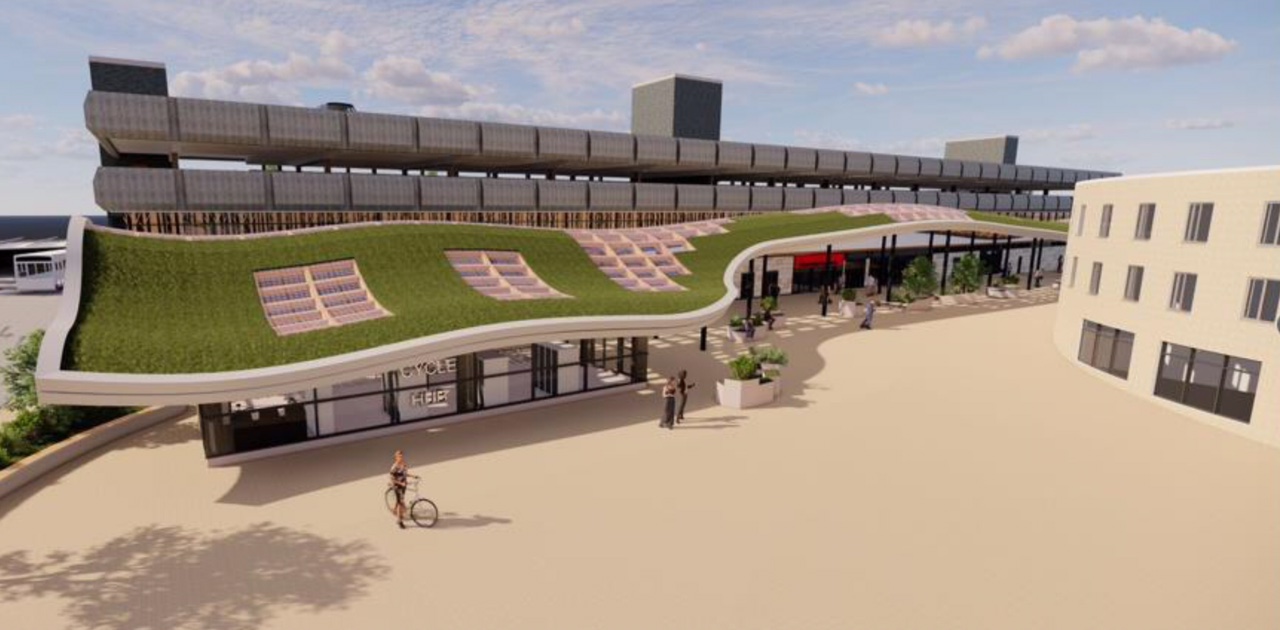
There are plans for refurbishment outlined in 2022 in the Huddersfield Hub.
The bus station will undergo a major revamp both inside and out and the most striking feature will be a sweeping canopy with a living grass roof which will run right across the main frontage from Macaulay Square to Upperhead Row.
Also of note a project by Kate Matthews to seriously rethink the role and design of the space.
The starting point for this project was the Welcoming Water group scenario, involving the controlled flooding of areas of the town.
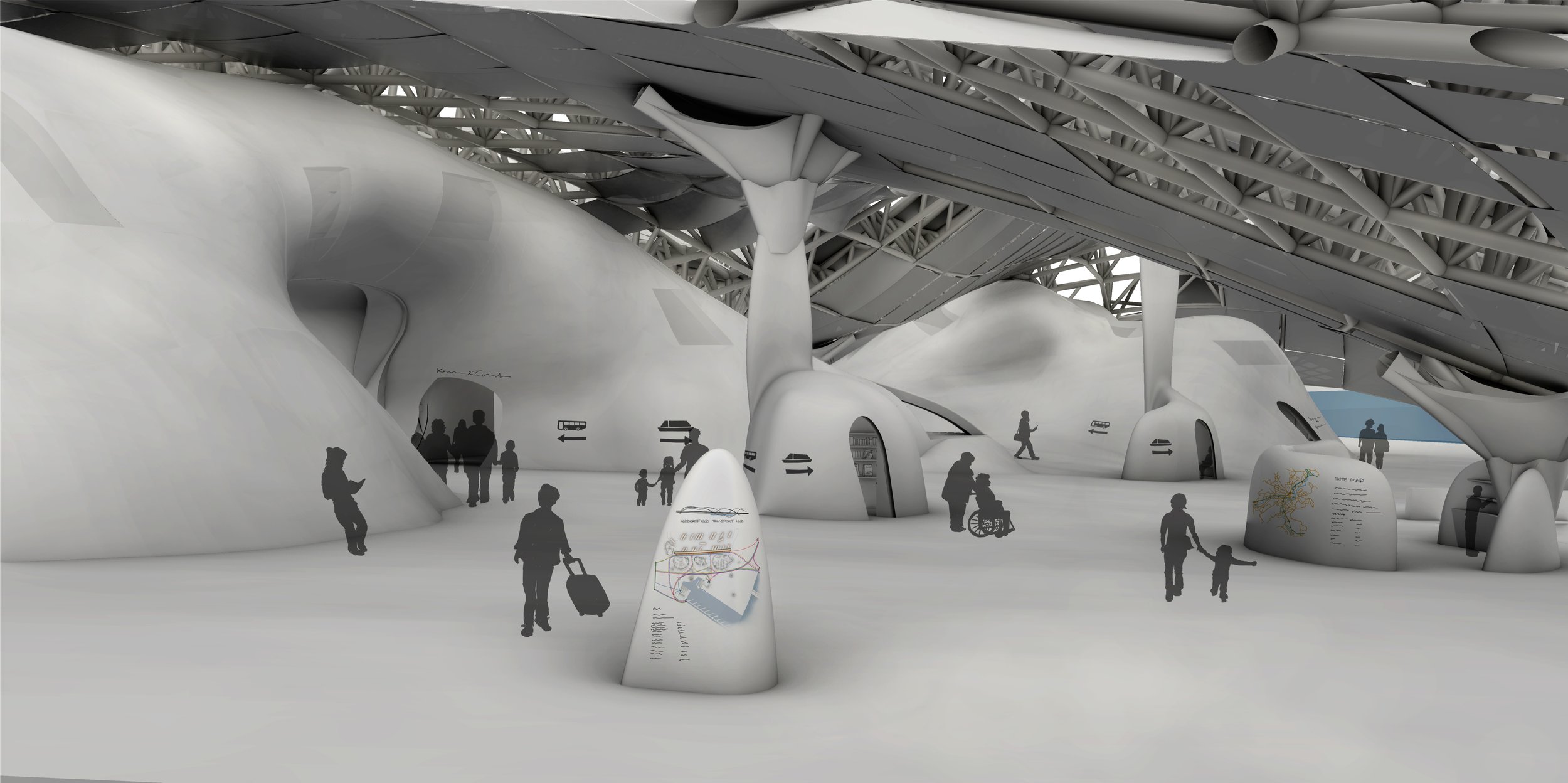
The new interchange includes facilities for cycling, walking, and public transit. The basin and marina on the new lake allow for an increased focus on water-based transport, including a new bus-boat. The main Transport Hub sits below an undulating roof and contains not only the bus bays and ticketing facilities, but also co-working and relaxation spaces. The curves of the roof, trying to confuse the binary of floor and ceiling, are just one example of the ambiguity throughout the scheme.
This project was nominated for the Architects for Health Student Design Award in 2021.
Shropshire Council Raven Meadows Shrewsbury SY1 1PL
Built by Truscon Ltd. – 1969
I am a disabled driver and found a lot of the direction signs worn away. When I came to leave I wanted to use the machine on the ground floor. This was out of order, as a lot of other people found. The office was empty as the staff were outside smoking. I then had to negotiate stars back to the 7th floor where the next machine was located. There was no sign on the ground floor machine telling it was out of use and where the next machine was located.
If staff want to have a smoke they should at least leave someone in the office.
Most of the parking spaces are very tight and I would not recommend the use of this car park unless you have a small car and a crystal ball to find the disabled parking and the payment meters.
The rudest man at the kiosk, that I have ever had an encounter with, over a ticket that was blurred. He had a go at me for not going to him straight away – I went when I went to leave and it wouldn’t work. He also had a go at me because I pressed the buzzer on the intercom. Very strange unhelpful man. Made an issue for no reason! Awful to deal with I never write reviews, but I hope this gets back to him and with hope he will gain some manners.
Being a pedestrian, I entered through the bus station on foot.
The station is considered to be dated due to its 1980s architecture partially under a 1960s multi-storey car park. There have been plans for the station to be modernised and rebuilt, or even demolished completely, as part of the town’s Big Town Plan. The demolition of the station would mean the town would not have a central bus terminus and would instead use smaller sites on the town’s Park and Ride routes.
Shrewsbury Bus Station is a disgrace. I am embarrassed to use it. I don’t feel comfortable with using it. Yet, it is the bus hub for our county. It is one of the main gateways into Shrewsbury and Shropshire for those travelling by public transport.
New bus hubs and interchanges have been developed around the country. Shropshire Council meanwhile ignores Shrewsbury Bus Station. It promises a new bus interchange, but that is in Phase 4 of its plans to redevelop Shrewsbury town centre between Pride Hill and the riverfront. In the current financial climate and with the council stretched to the limit on existing funding, Phase 4 is probably more than a decade away.
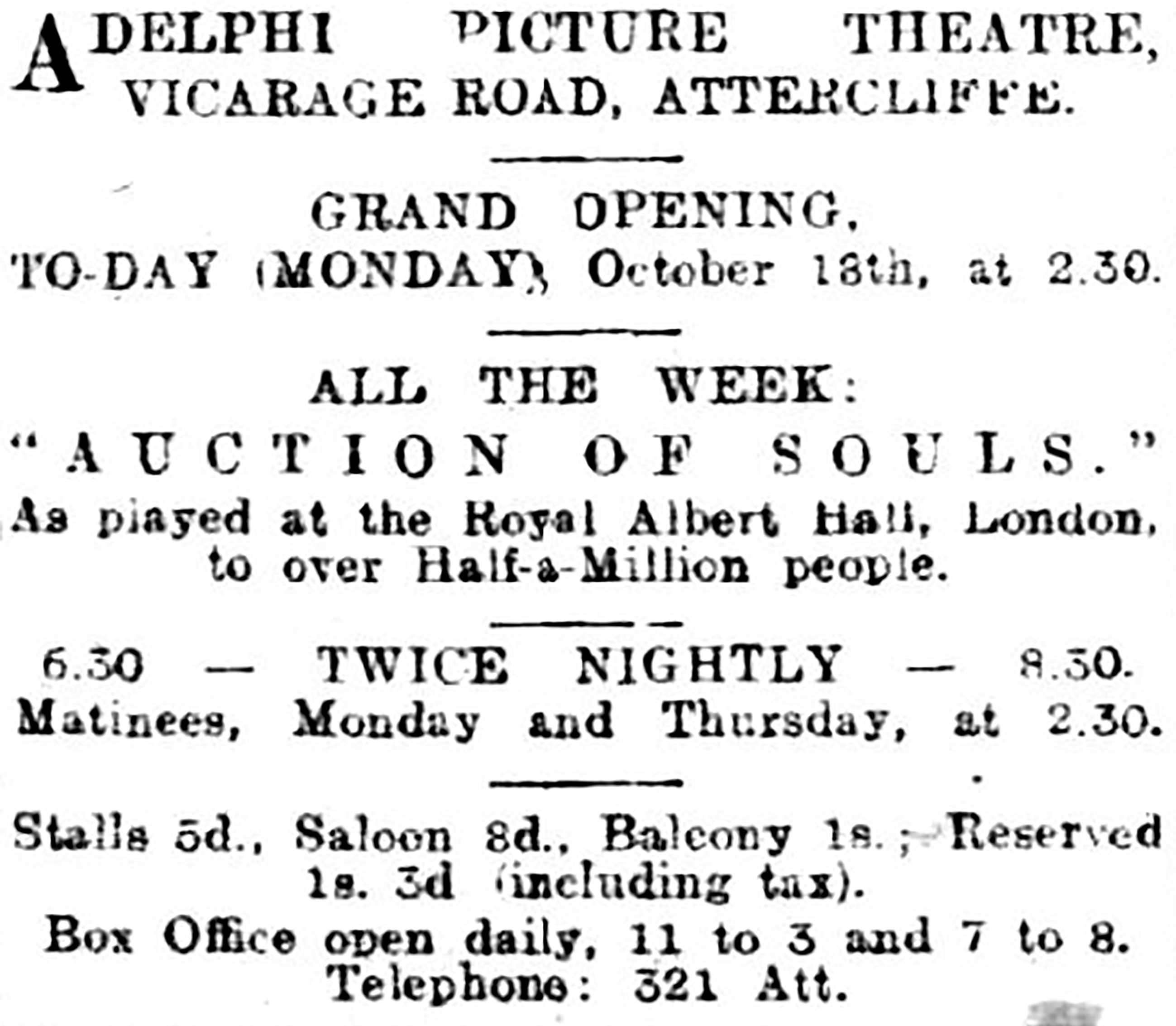
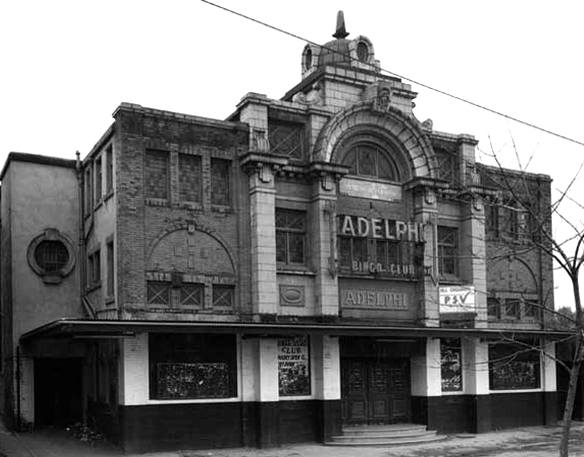
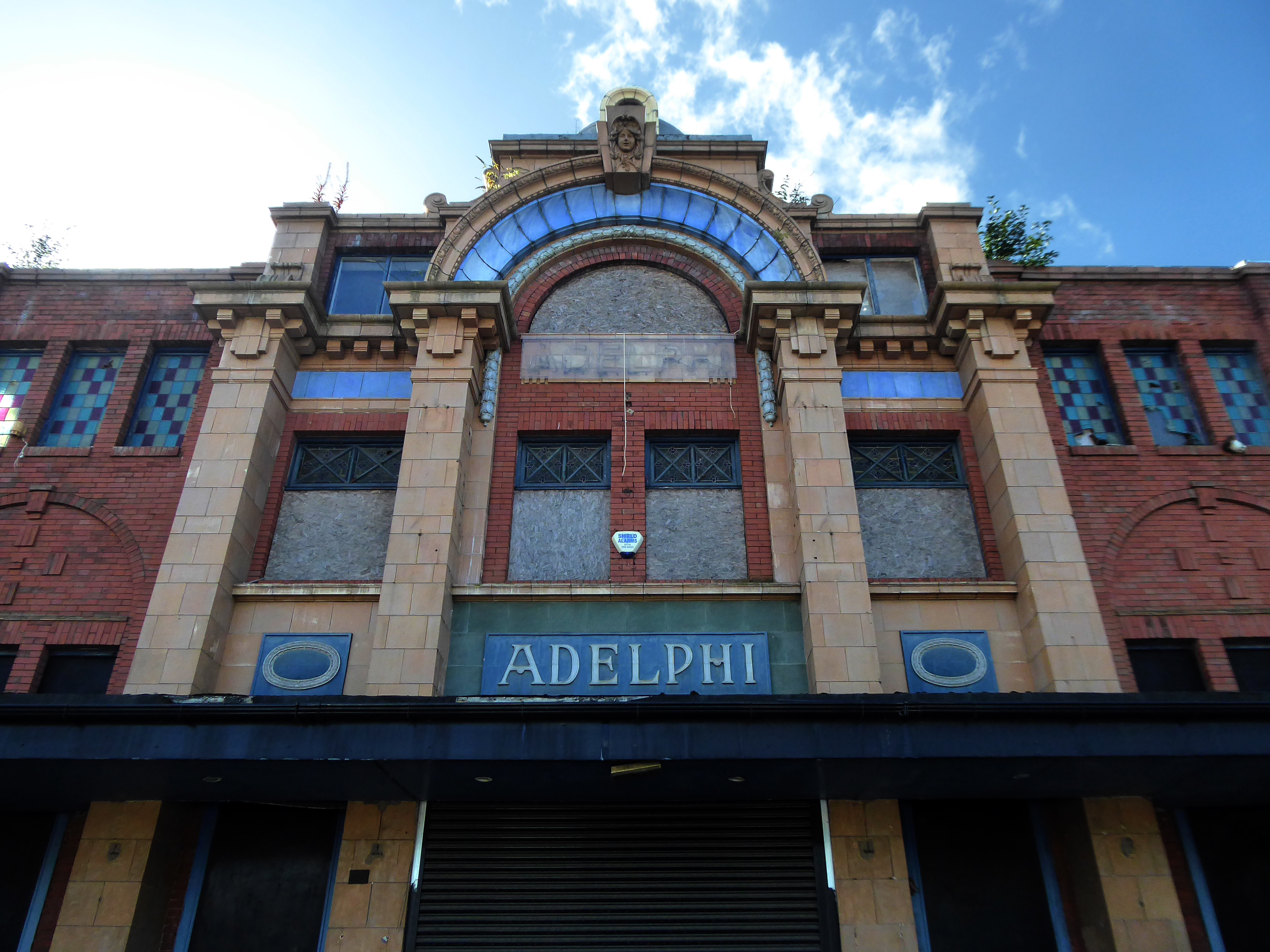
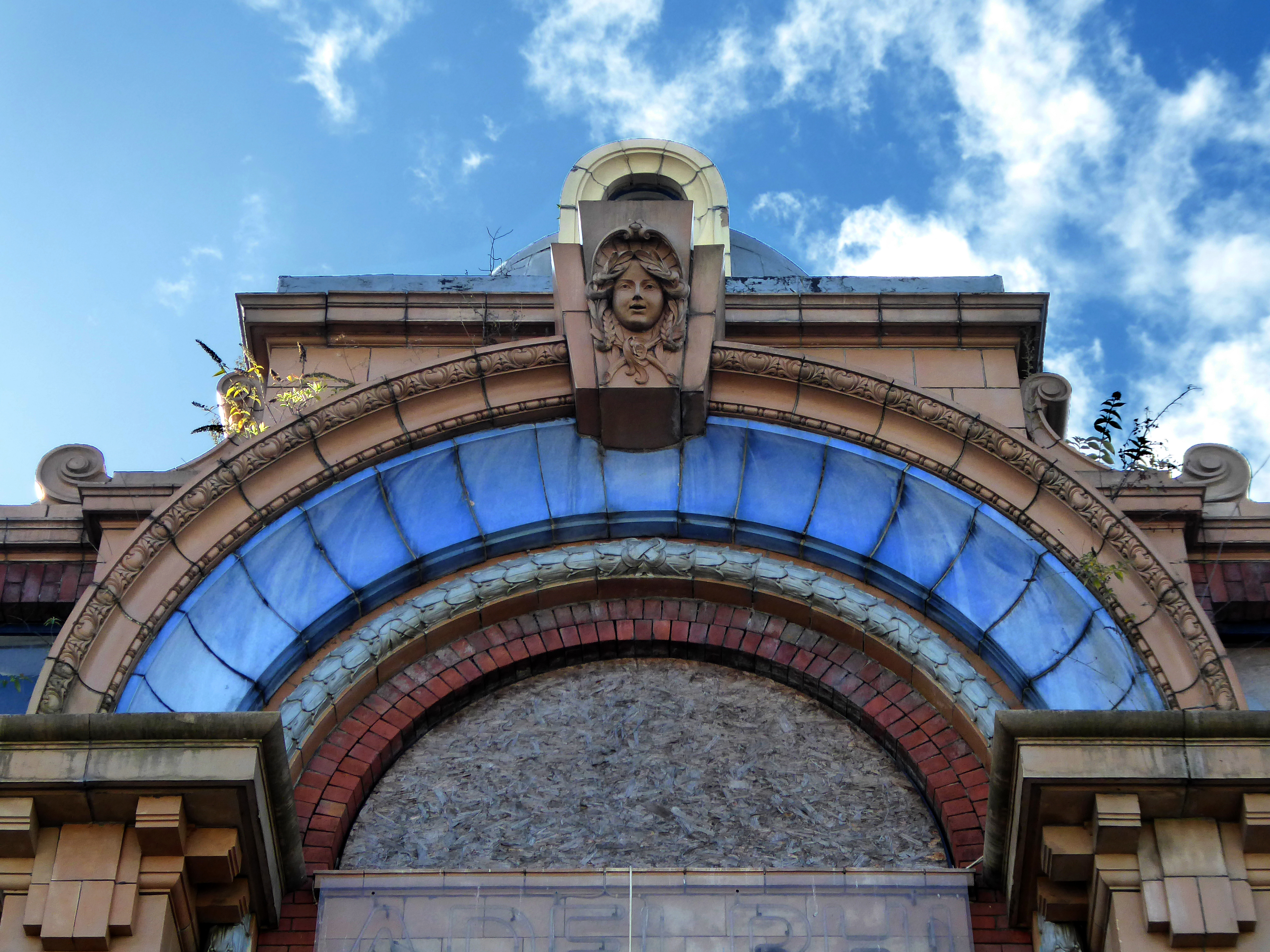
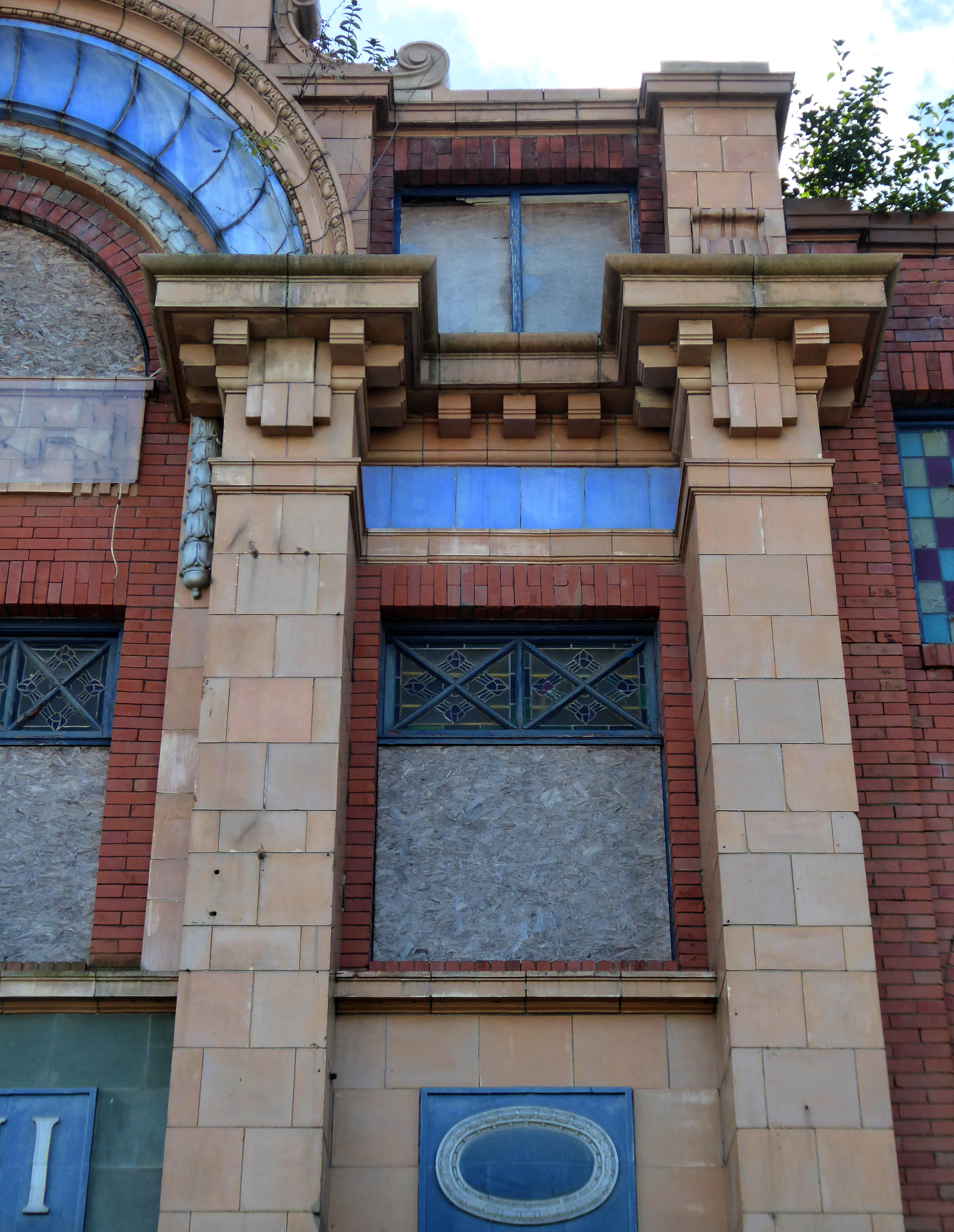
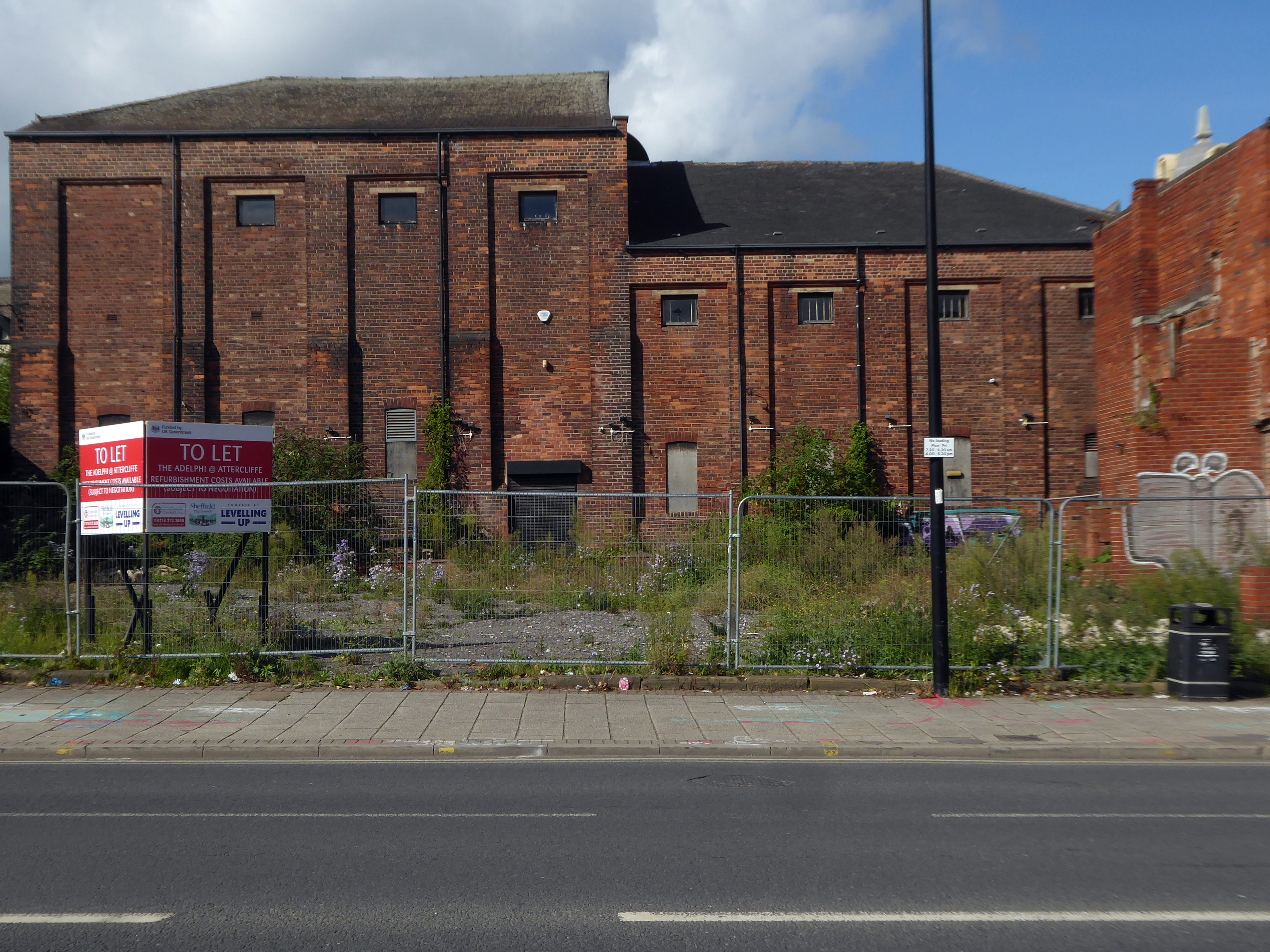
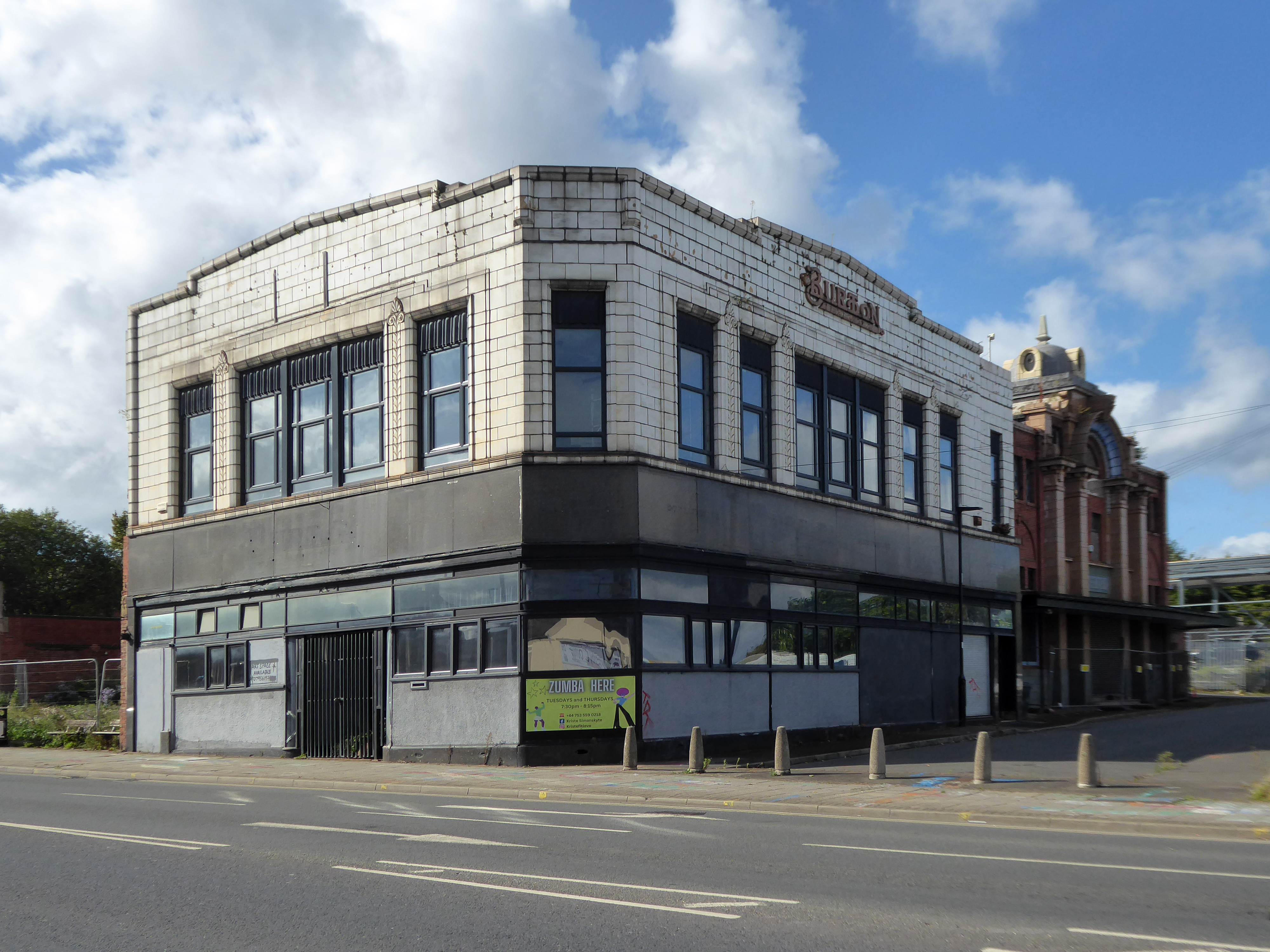
The Adelphi Picture Theatre is located in the Attercliffe district in the east of Sheffield. It opened on 18th October 1920 with Irving Cummings in Auction of Souls. The red brick building has buff and blue coloured terracotta enrichments on the façade, especially on the small turret dome over the entrance, which also has stained glass windows.
Seating in the auditorium was provided in stalls and circle, and the projection box was located in the rear stalls, underneath the circle. The cinema was in reverse, and patrons entered the auditorium from behind the screen. The decoration includes pilasters, a segment-arched panelled ceiling and a moulded proscenium arch with a central crest which is flanked by torches. The circle has a lattice-work plaster front.
Single photo enhanced with easyHDR 3.15.2: Adelphi 1920 10 18.jpg
It underwent some restoration in 1936 and a re-decoration in August 1939. It received some bomb damage during the second week of the blitz and was closed for around a month. It received further renovation in August 1946. It remained an independently operated cinema throughout its cinematic life and was usually tied in with the Coliseum Cinema on Spital Hill.
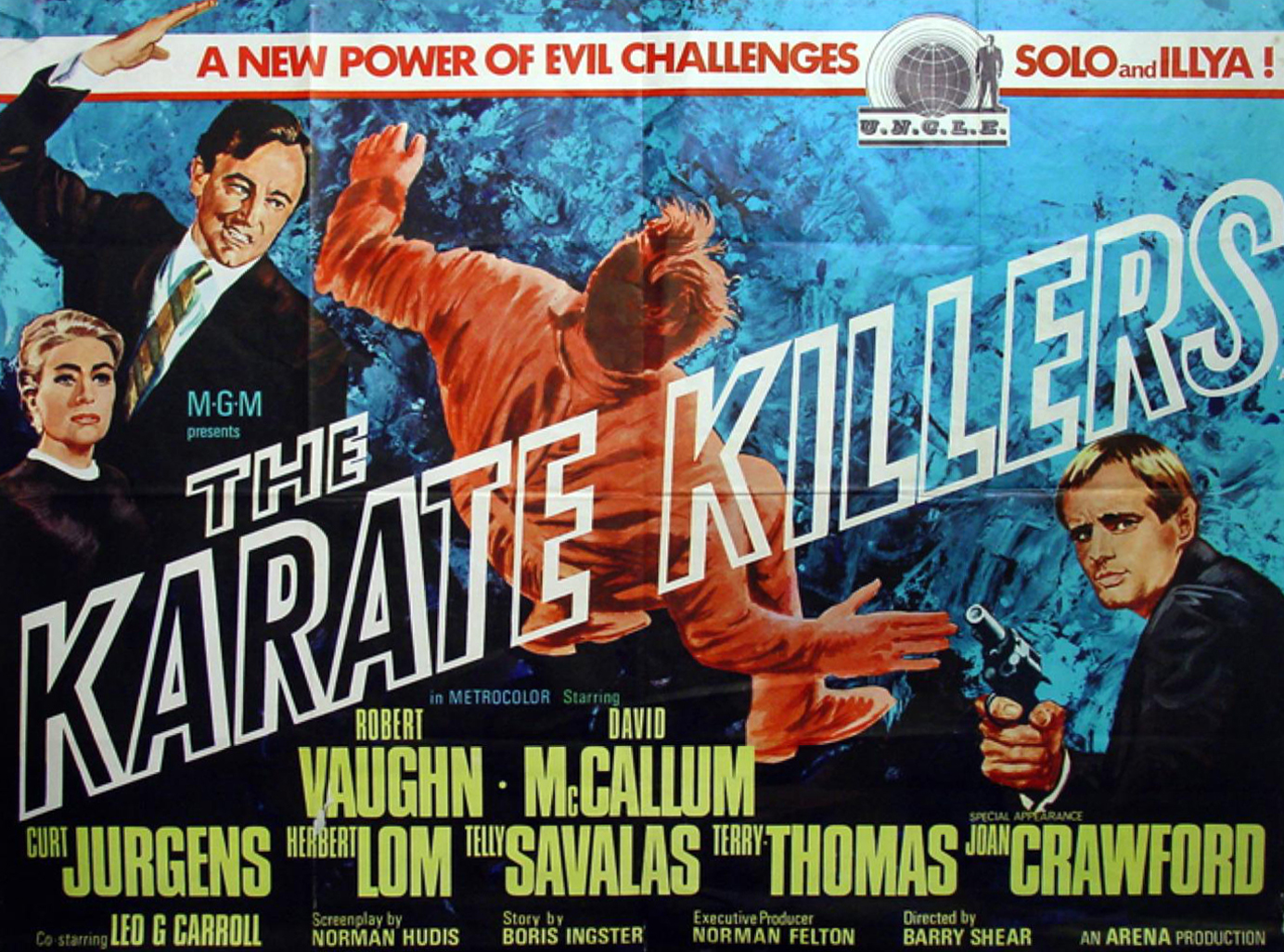
The Adelphi Picture Theatre closed on 28th October 1967 with Robert Vaughn in The Karate Killers and Glenn Ford in The Rounders. It became a bingo club, last operated by the independent Walkers Bingo. After this closed in around 1995 it became a nightclub and since March 2000 was converted into a music teaching centre. This closed in 2006, and the building stood unused, and by 2013, it was in use as a storage facility. It was announced in November 2022 that the city council were seeking to purchase the building to renovate and convert it into a community centre.
Since early 1996, the Adelphi Picture Theatre was designated a Grade II Listed building by Historic England.
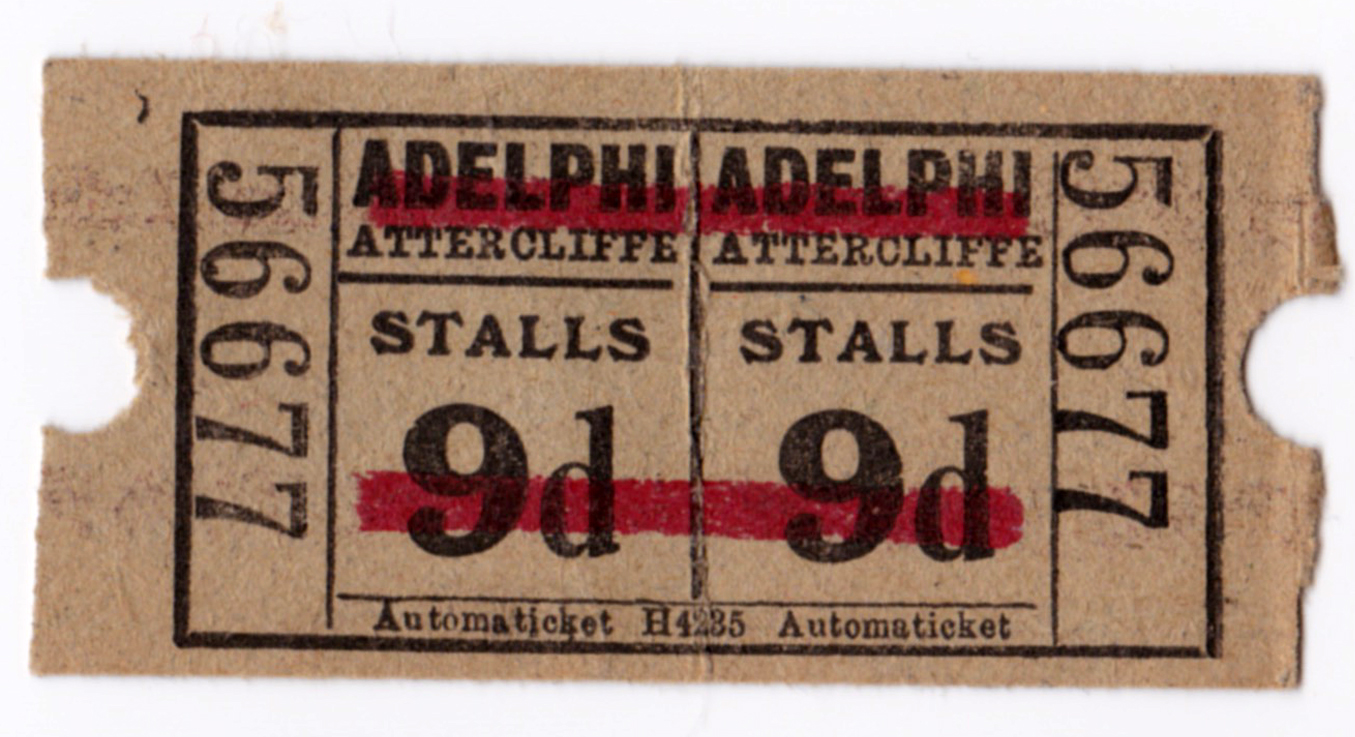
Just the other day I came across an old ticket stub issued by The Savoy in Heaton Moor.
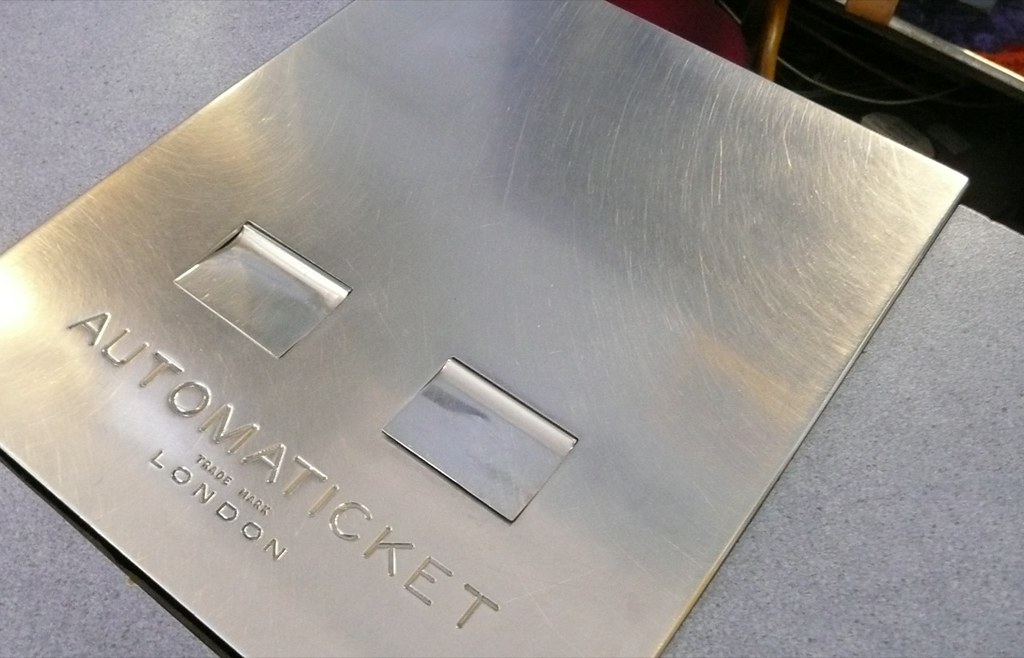
They used a Automaticket machine, but with dead stock tickets.
Evolving from being gear and lever driven, to powered by electric motors, these ticketing machines served as somewhat of an industry standard for over eighty years.
While there are still a few of these machines in use, the theatre industry generally abandoned such ticketing systems, in favor of computerized ticketing, by the late 1980’s.
The striking art deco – sic. building later hosted Sheffield’s famous Gatecrasher club nights, among other events, and was also used as a music teaching centre.
It sat empty from 2006 until 2013 and has since been used only for storage.
My dad was a regular at The Adelphi during the war years. He remembers that the showings were always like a theatre with two matinees during the week and two evening showings everyday unlike the continuous showing at other cinemas and a children’s matinees on a Saturday.
He and his friends had six seats booked on Q row for every Monday and Saturday night as more often than not the films ran for three nights Mon, Tues and Wed, then a new picture Thurs, Fri, and Sat – no show on a Sunday. Occasionally a good film, now known as a blockbuster, would run for longer; if this was the case they just put up with seeing it twice.
The cost of the film was 4d or 6d upstairs, the cinemas in town were dearer.
Called up in February 1944 he did not return to Attercliffe until his first leave from the army a week before VE day in 1945. He returned from Germany, said hello to his Mum and Dad, dropped off his kit bag then caught the tram the three stops to the Adelphi where he knew his friends would be. The smartly dressed commisioner, in blue with plenty of gold braid, standing outside immediately recognised him even in army uniform. He showed him in telling him the lads were all there. He crouched in the aisle next to his friends and caused quite a commotion once he was spotted – he has no memory of the film showing but great memories of the reunion to this day.
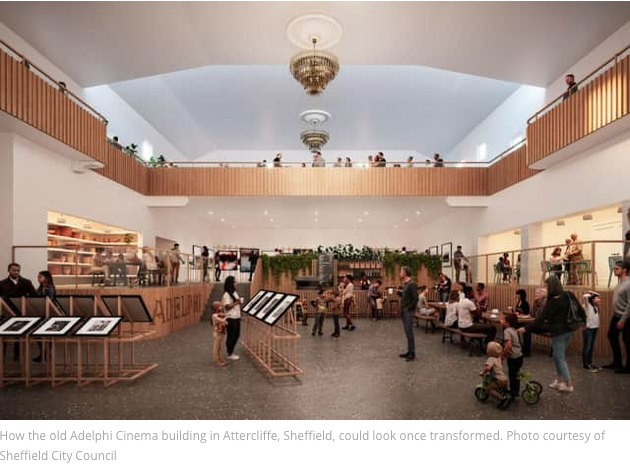
It was bought by Sheffield City Council earlier this year, as part of the Attercliffe Levelling Up project, and has now gone on the market as the council seeks someone to revive the Grade II-listed building as a vibrant cultural hub.
Councillor Ben Miskell, chair of the council’s Transport, Regeneration and Climate Policy Committee, said:
We’re thrilled to announce the Adelphi Cinema building in Attercliffe is now on the market and we’re eager to hear from interested parties. The building forms one part of our ambitious plans for the area which will all come together to breathe new life into the community.
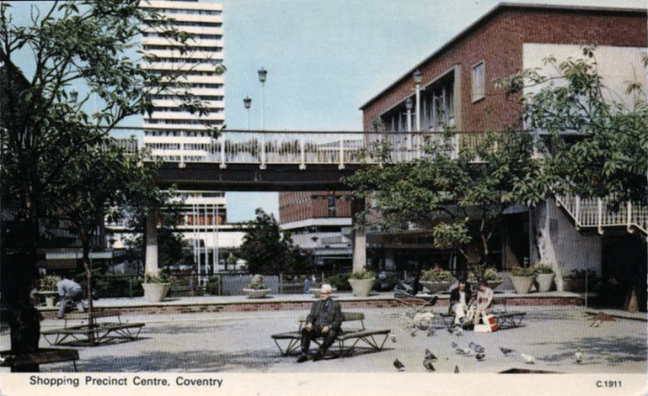
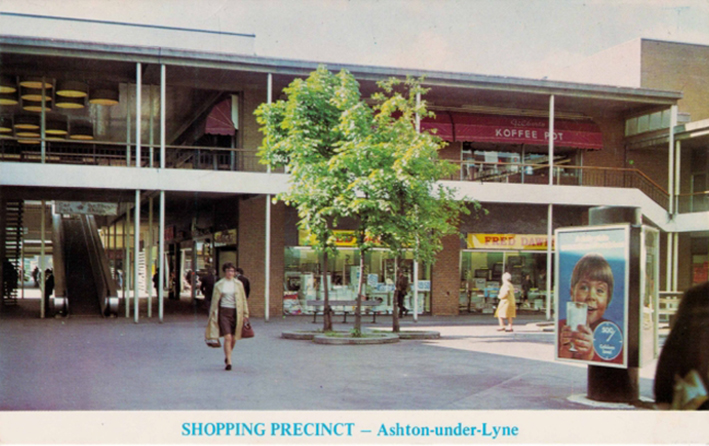
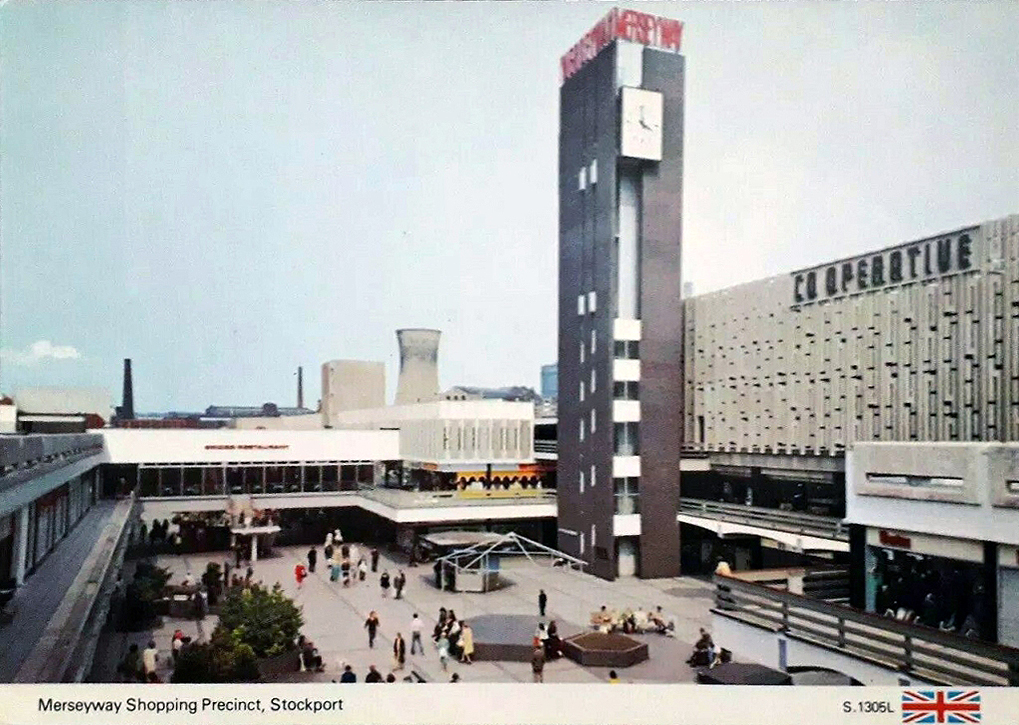
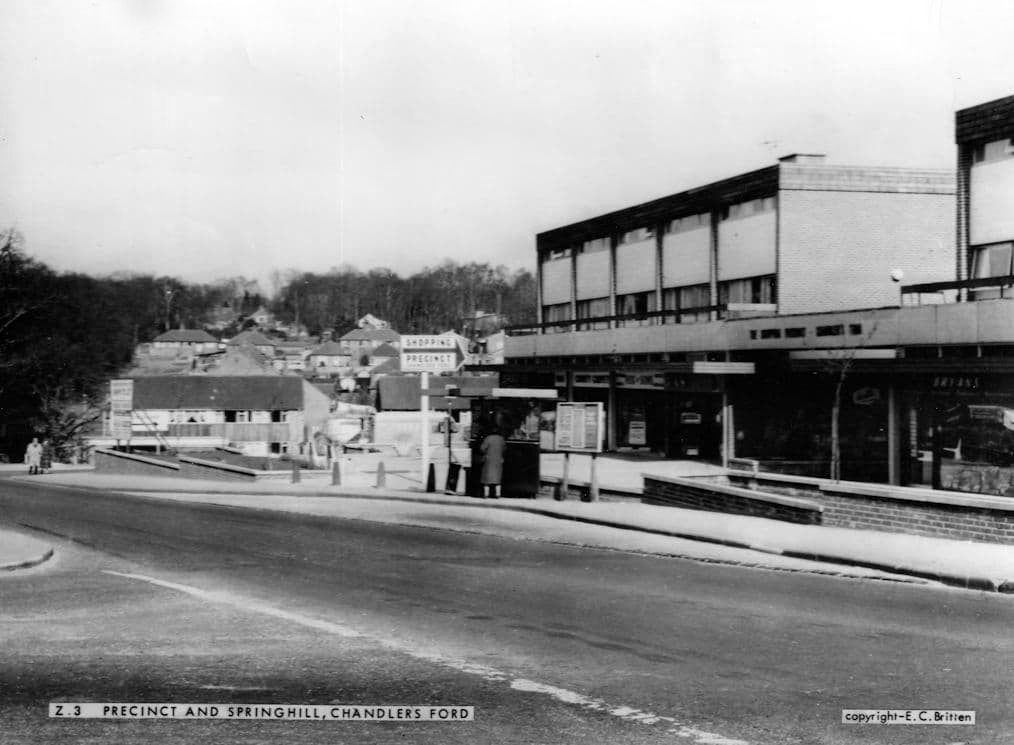
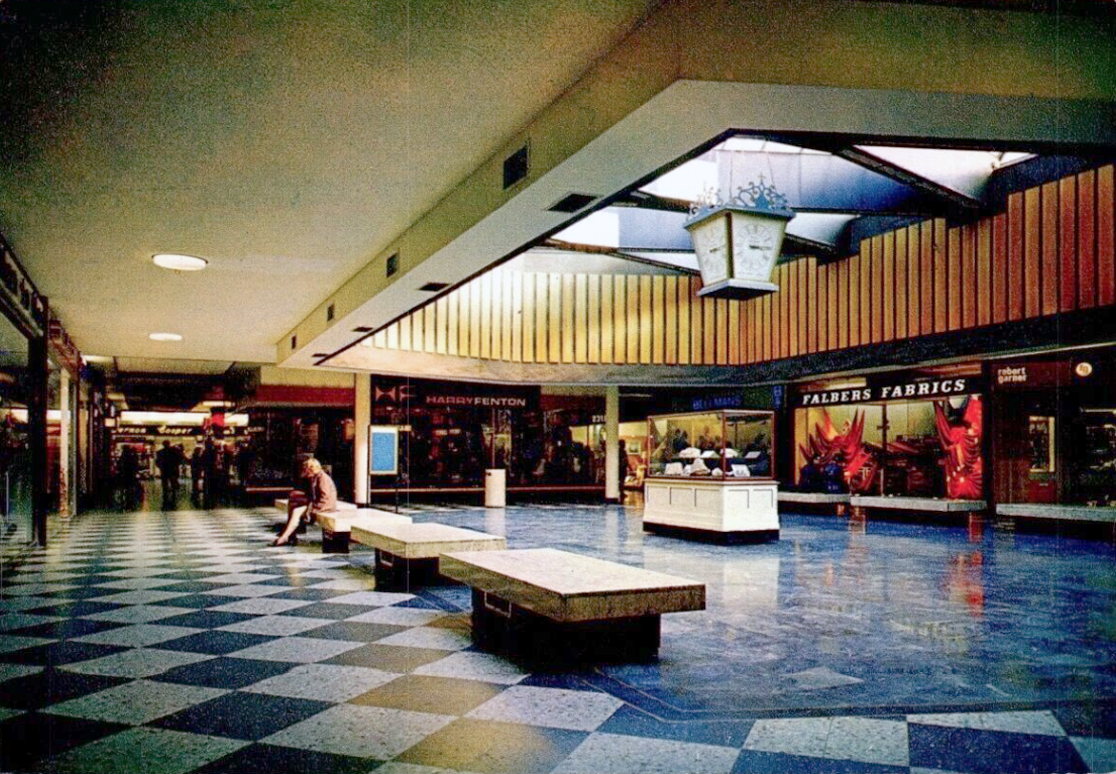
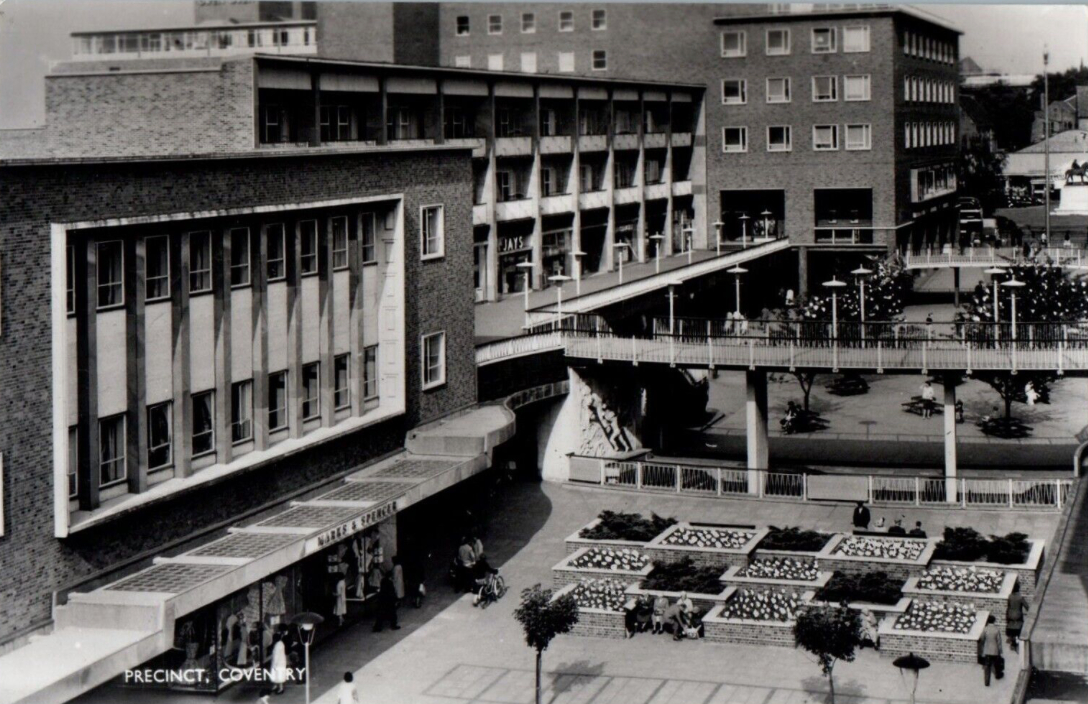
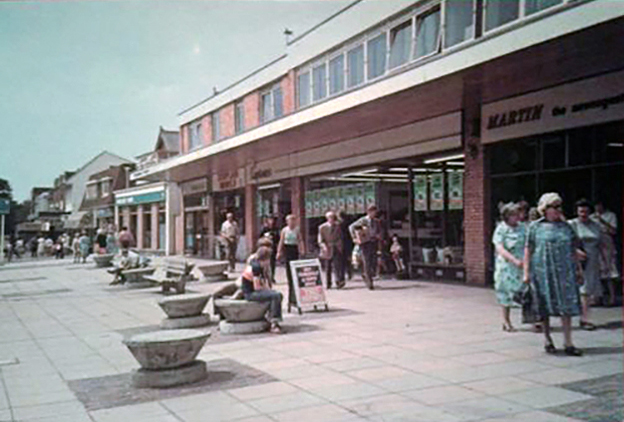
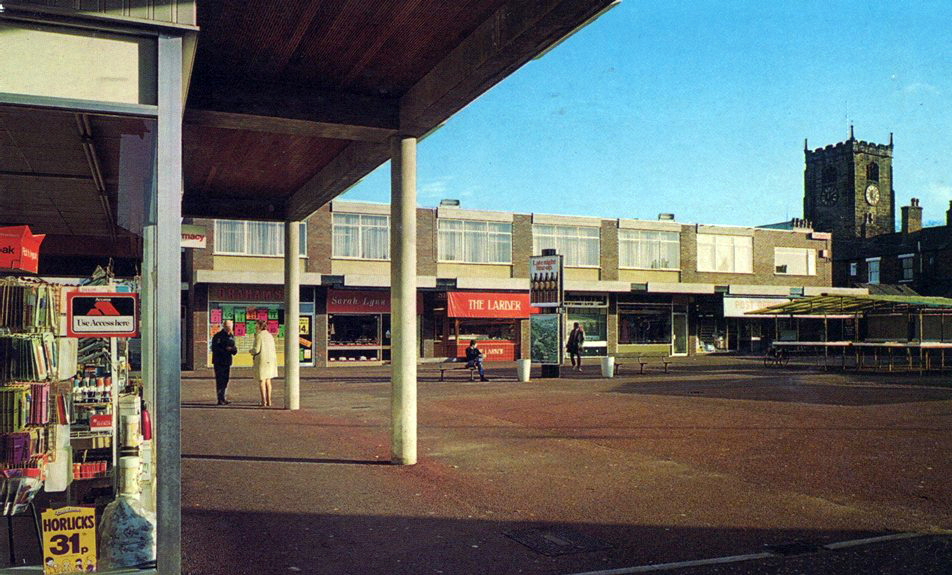
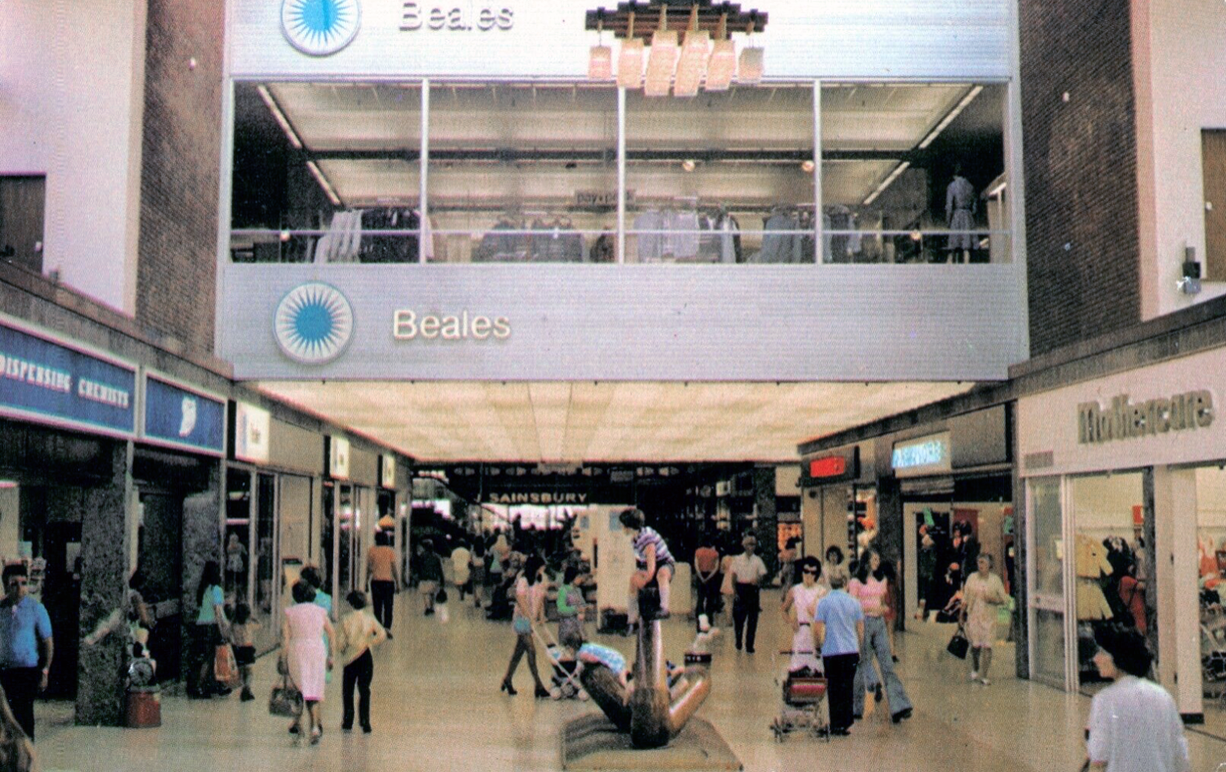
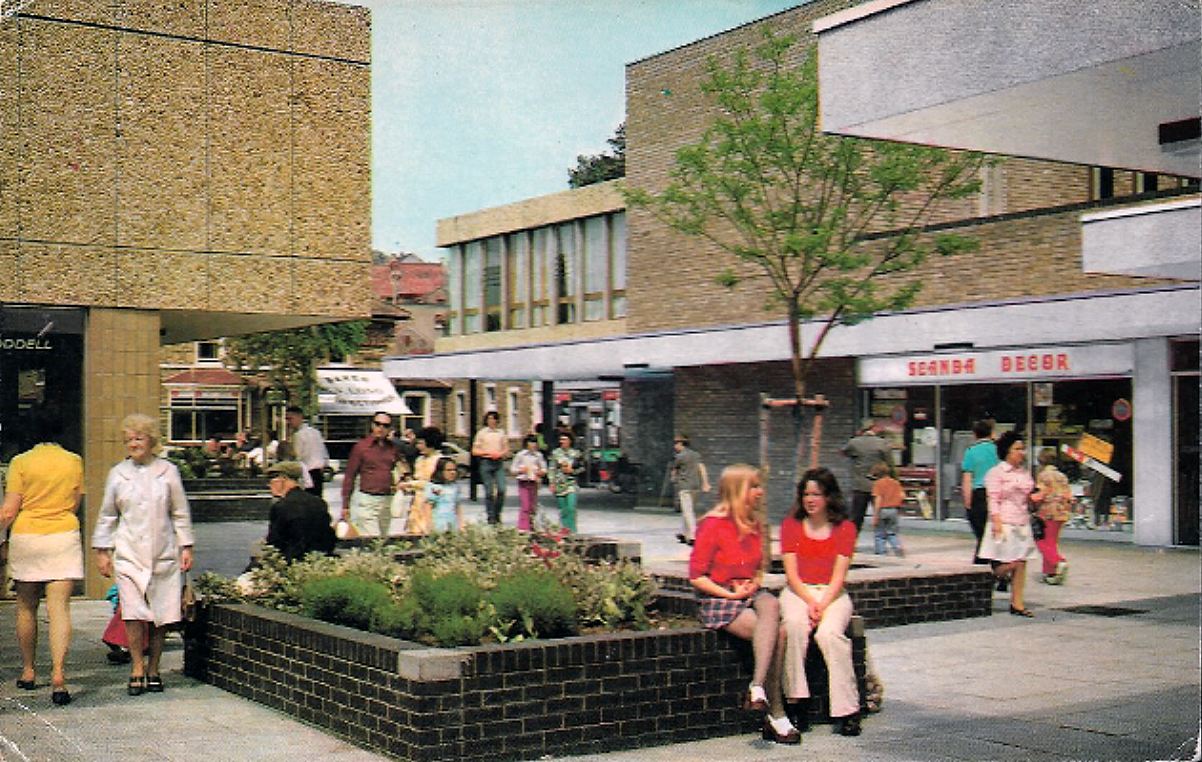
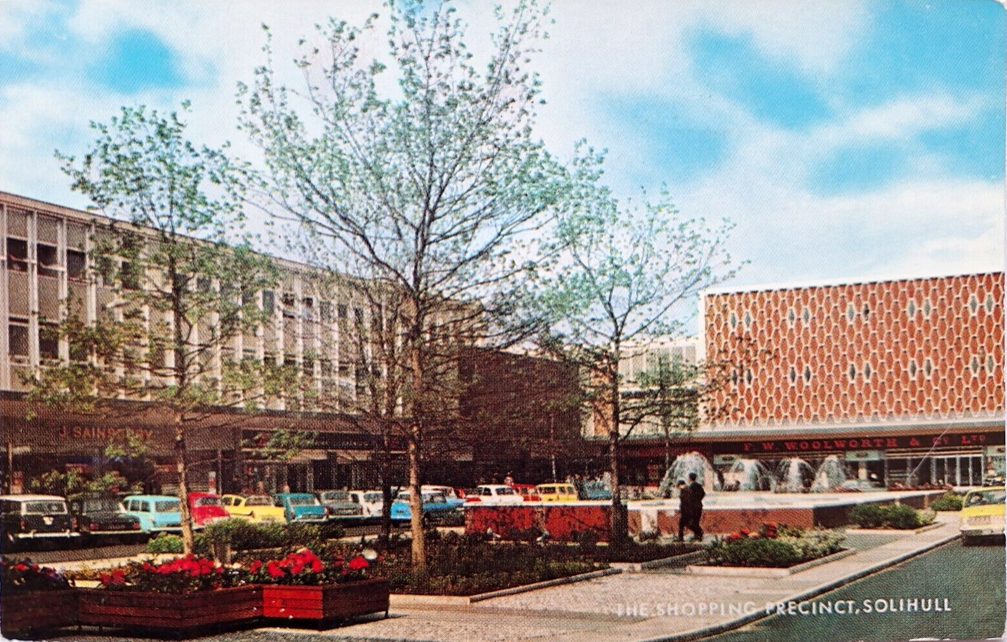
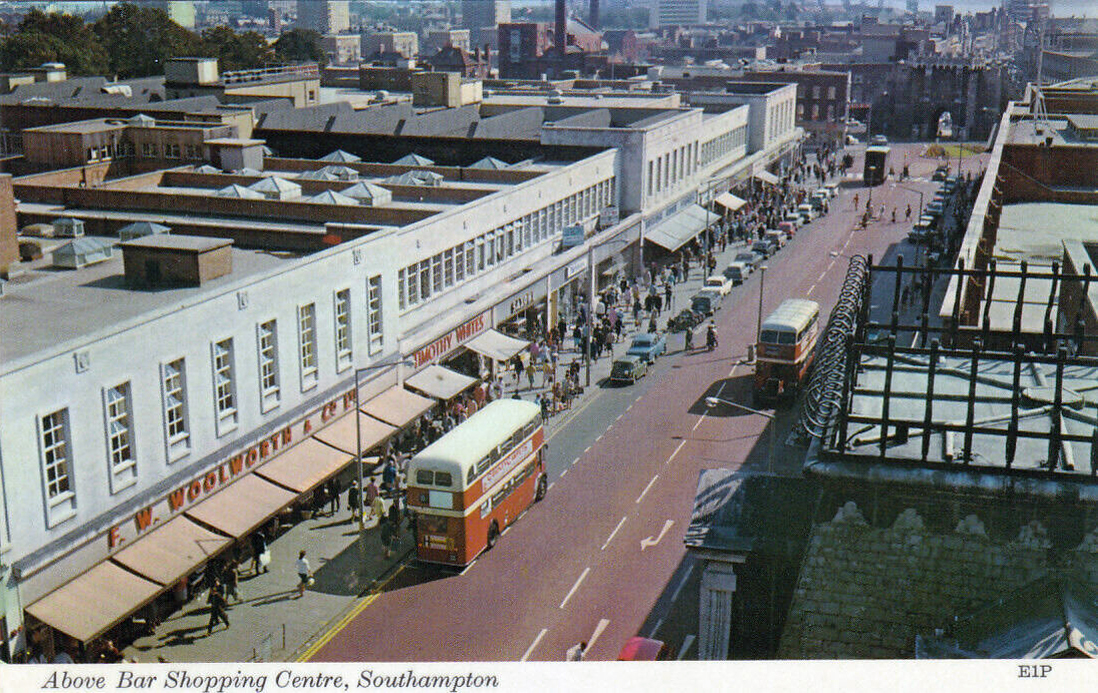
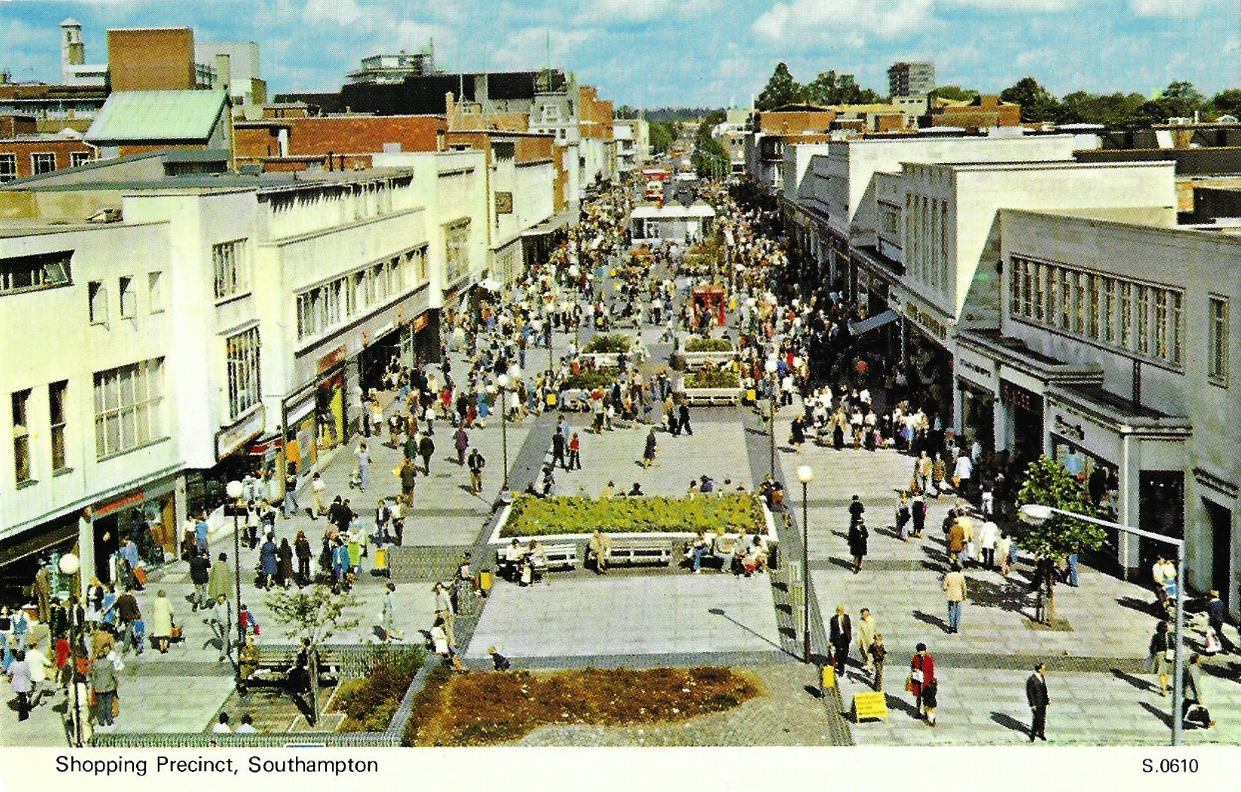
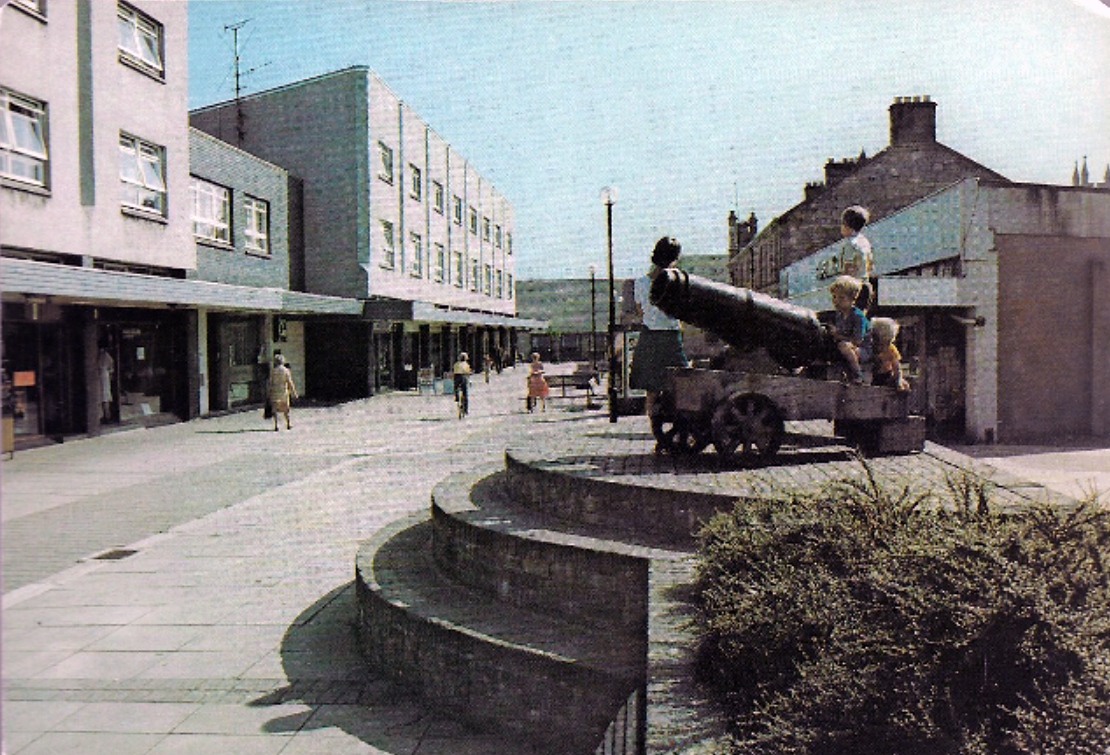
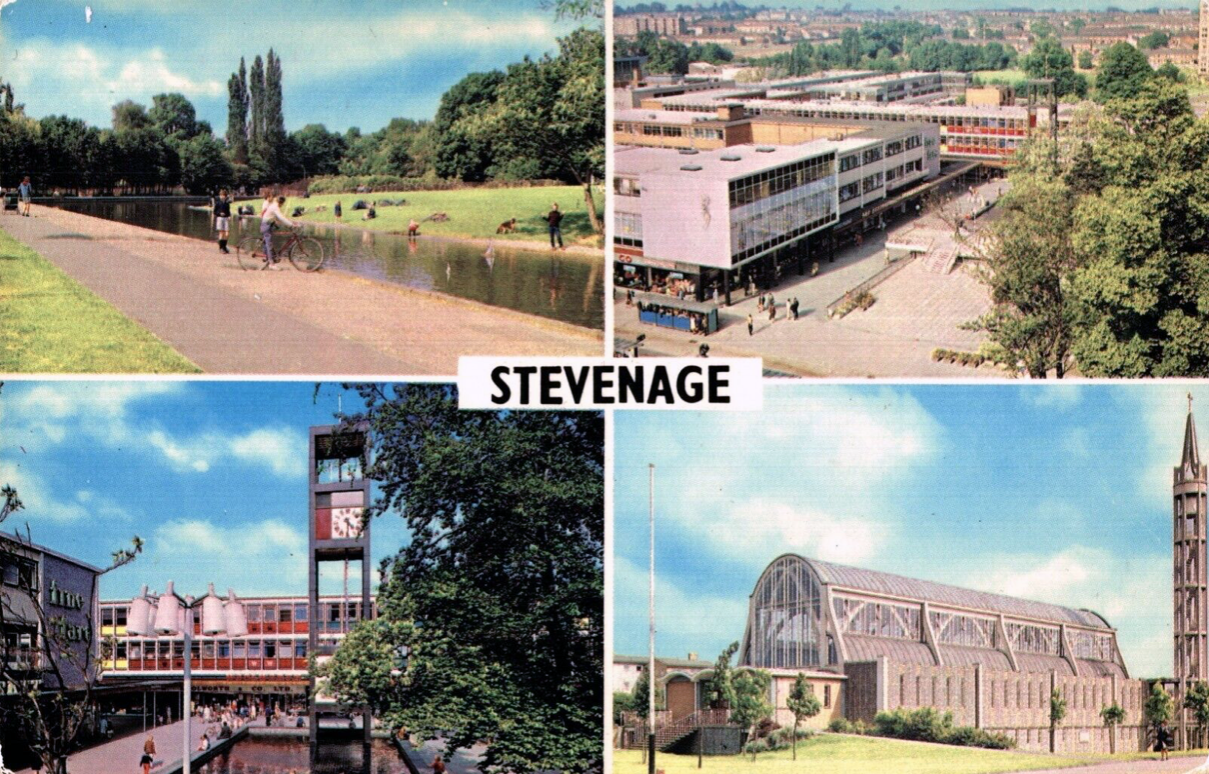
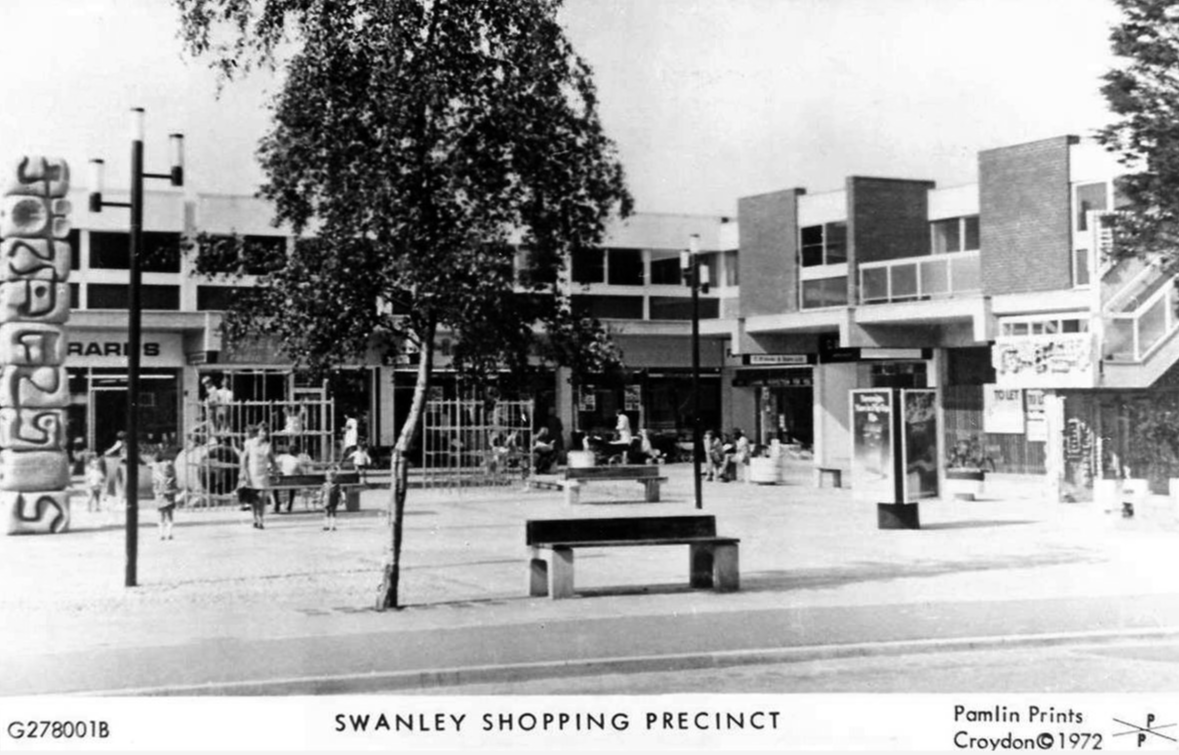
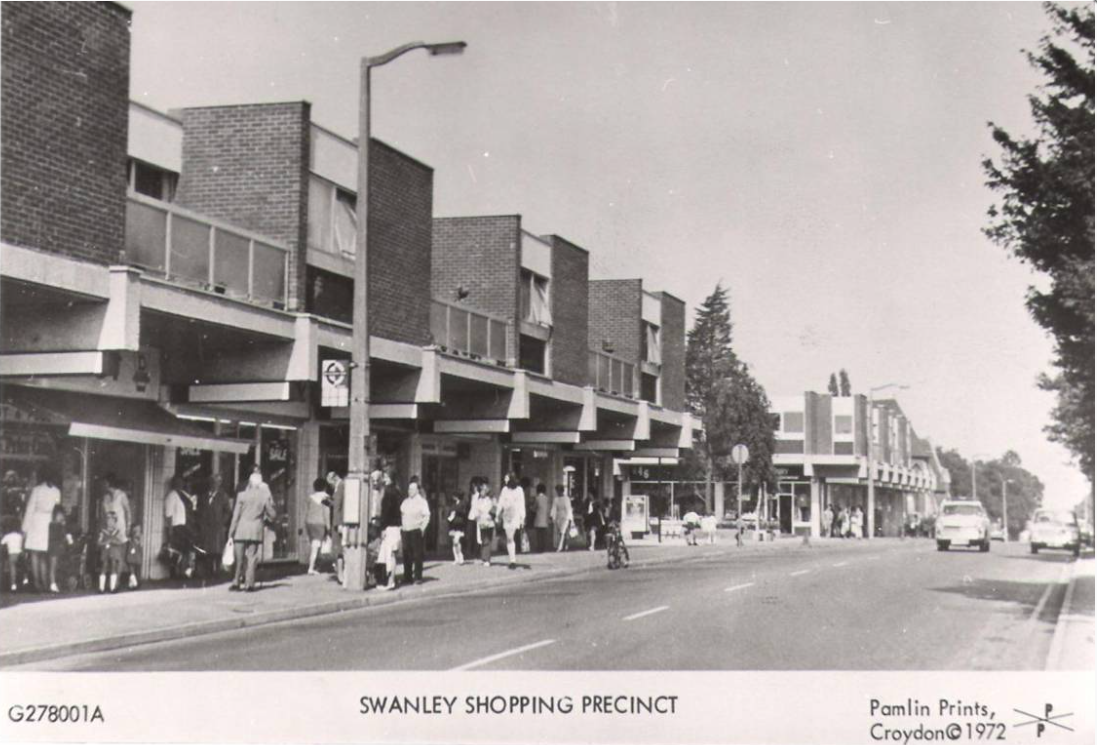
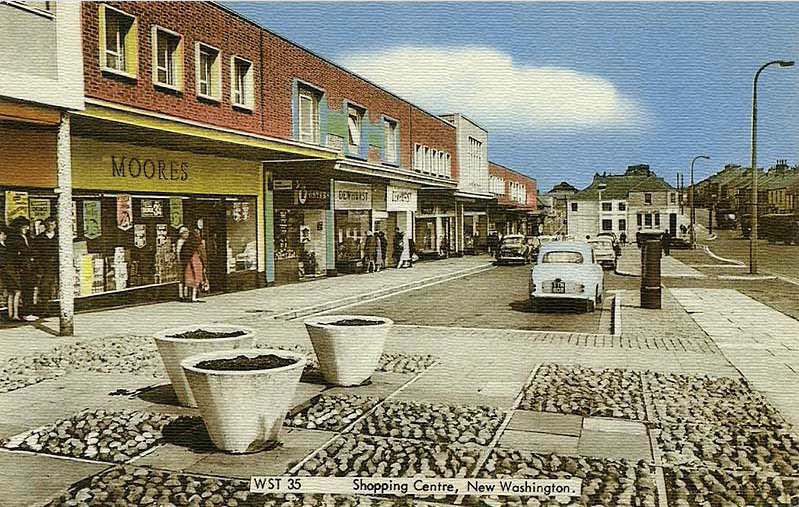
It all began way back when I was a raw youth living in Ashton under Lyne – the precinct was our playground, cycling and running, often against the grain, up and down the travelator.
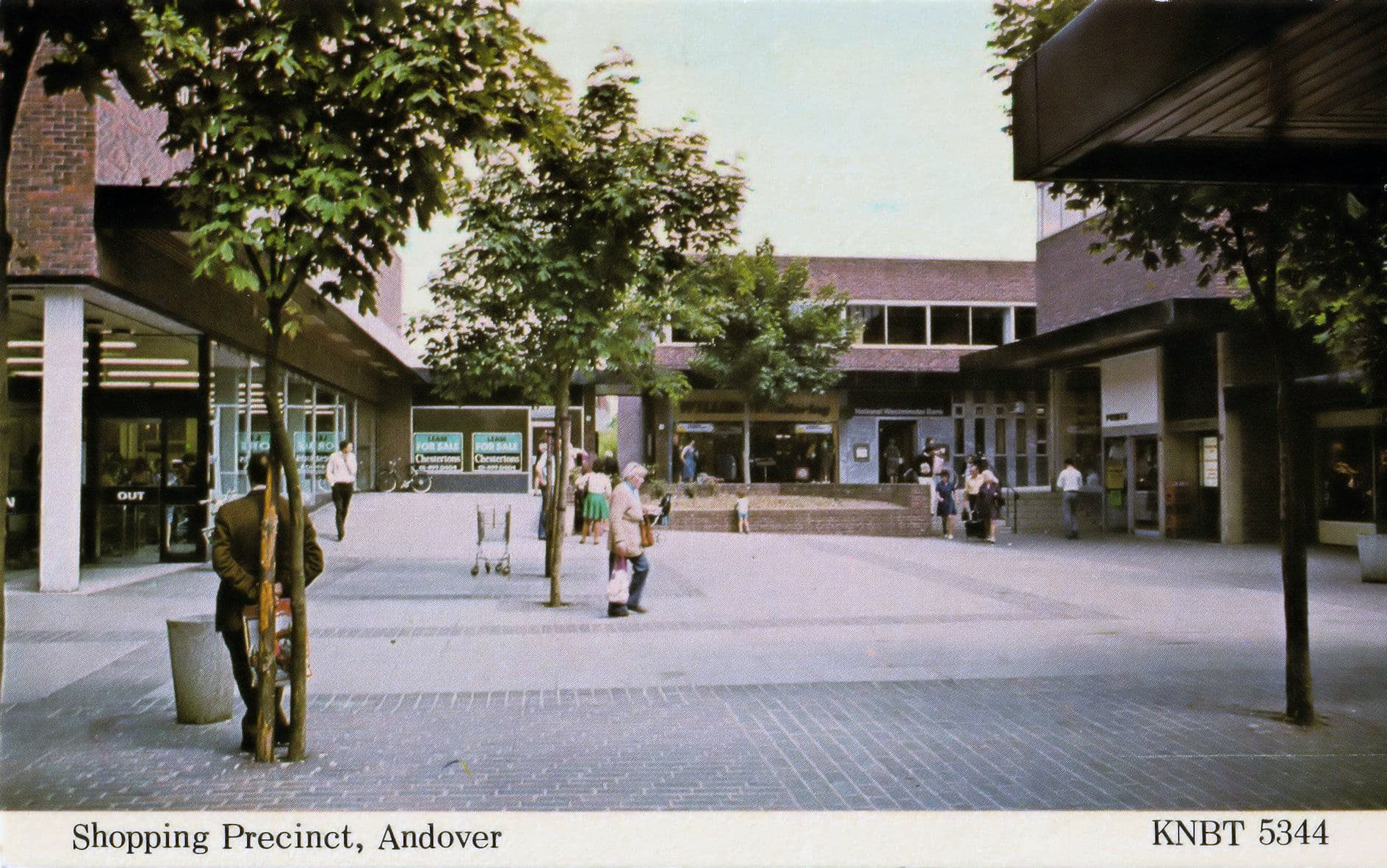
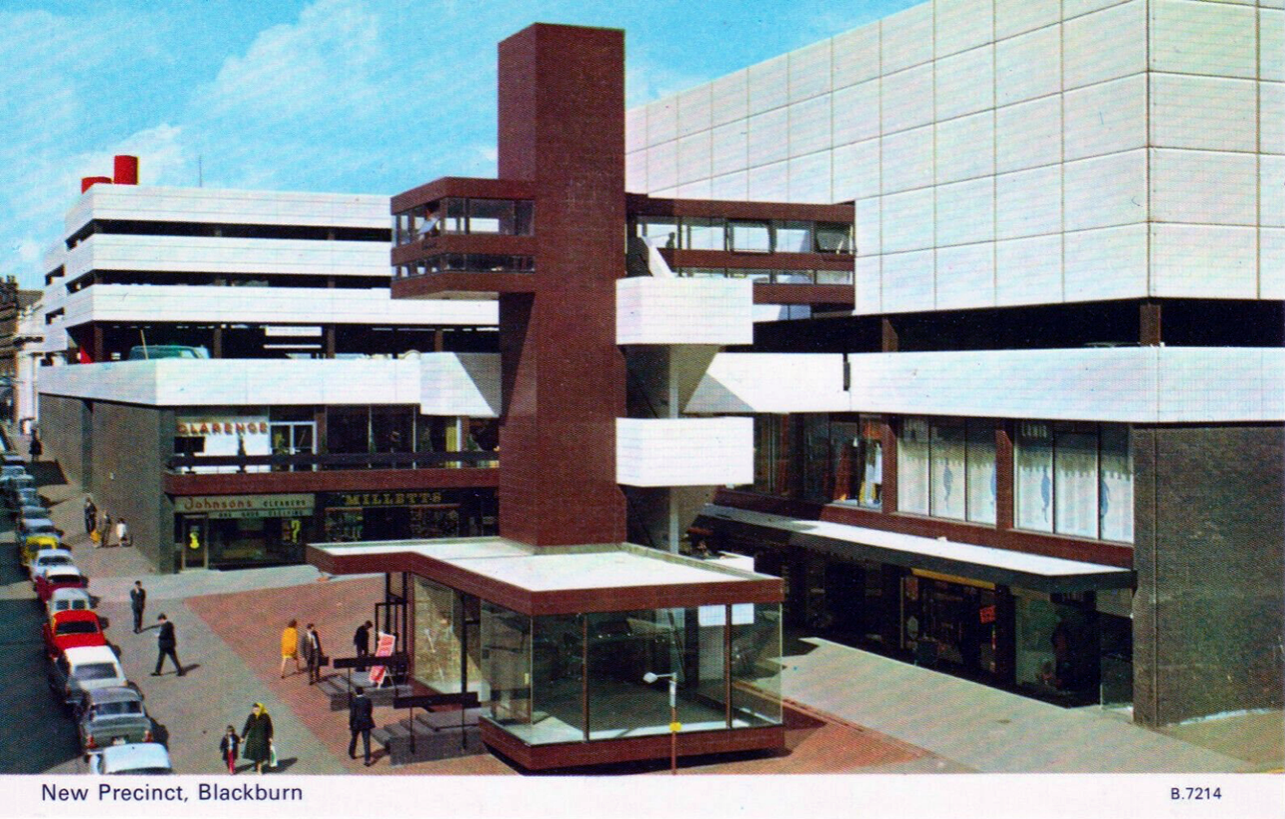
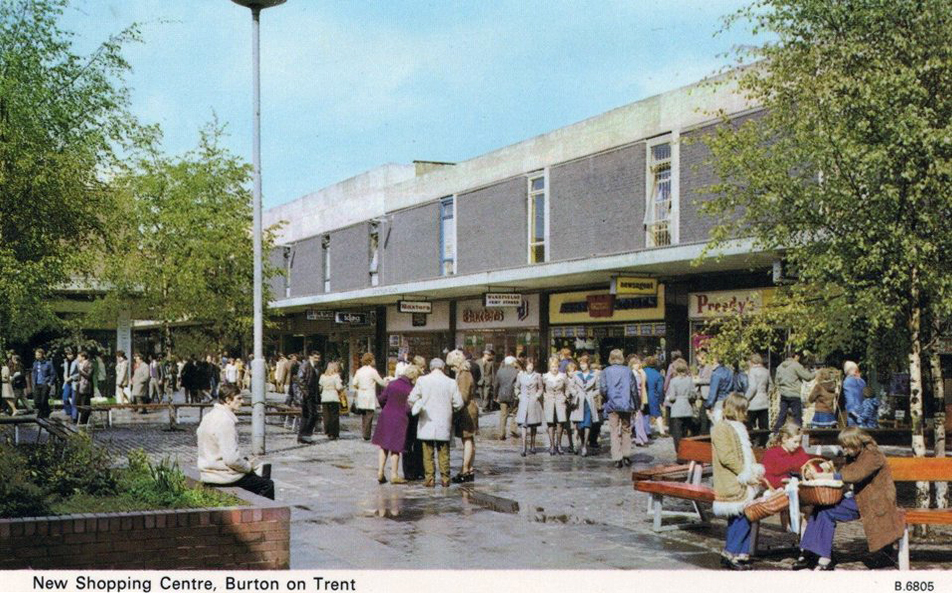
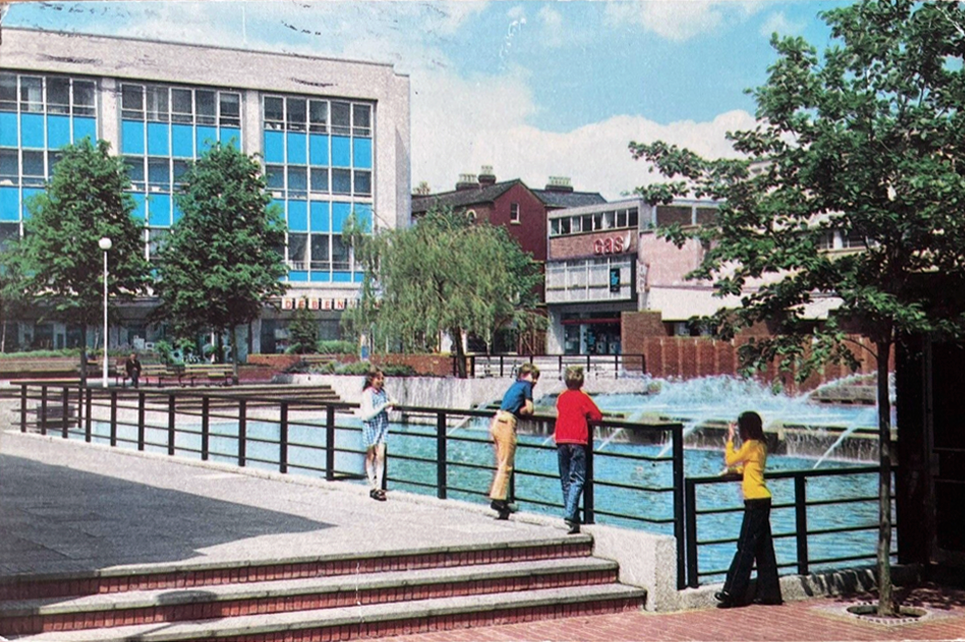
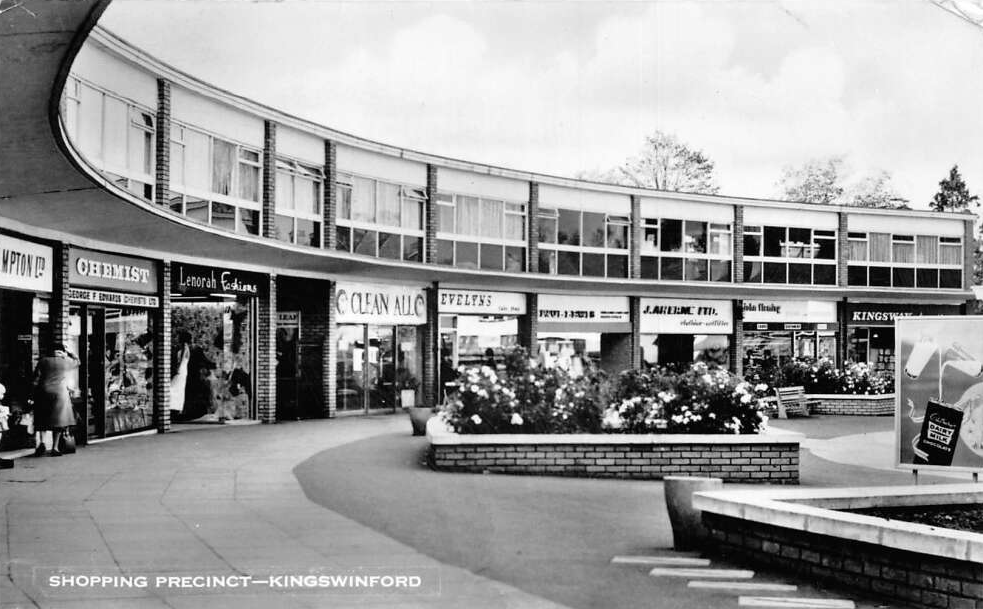
Some sixty years later I am still enthralled by the nation’s shopping precincts – including the very local Merseyway.
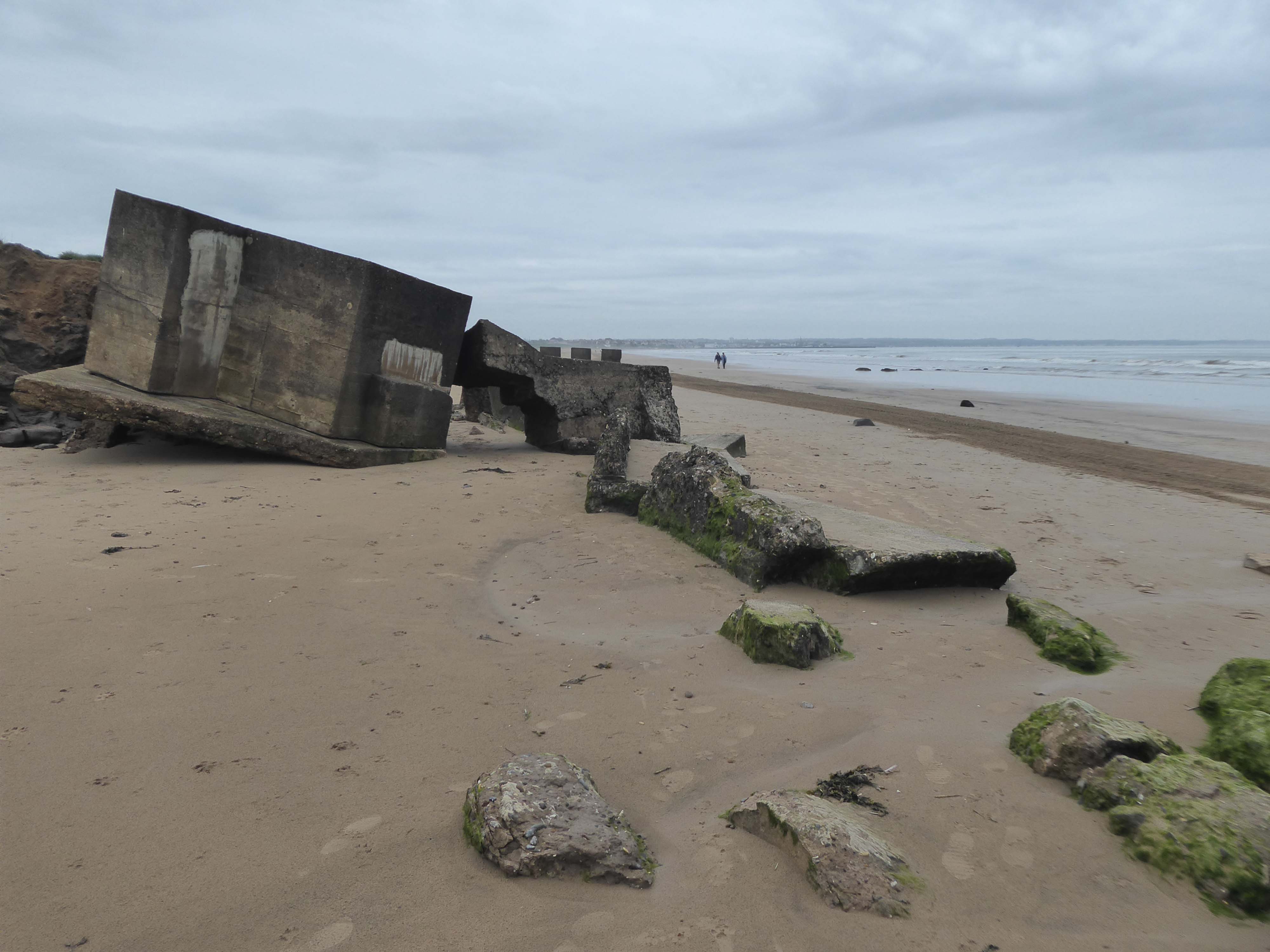
The last post on the concrete coast was from Filey
Now we’re heading south to Bridlington and beyond.
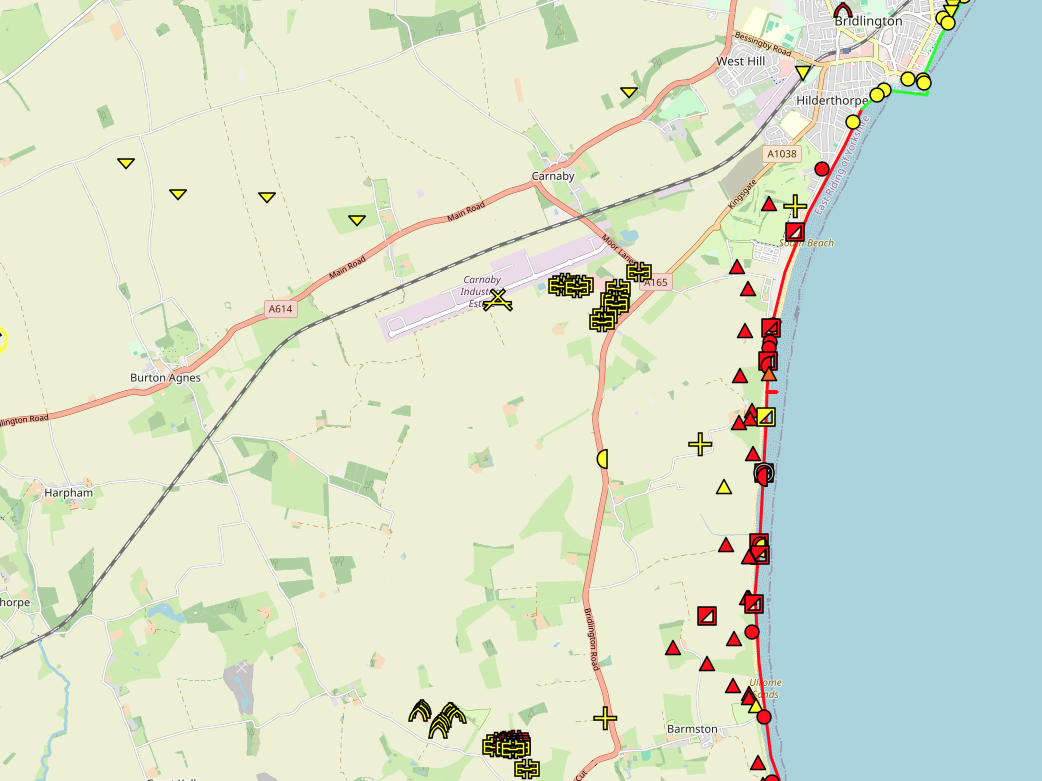
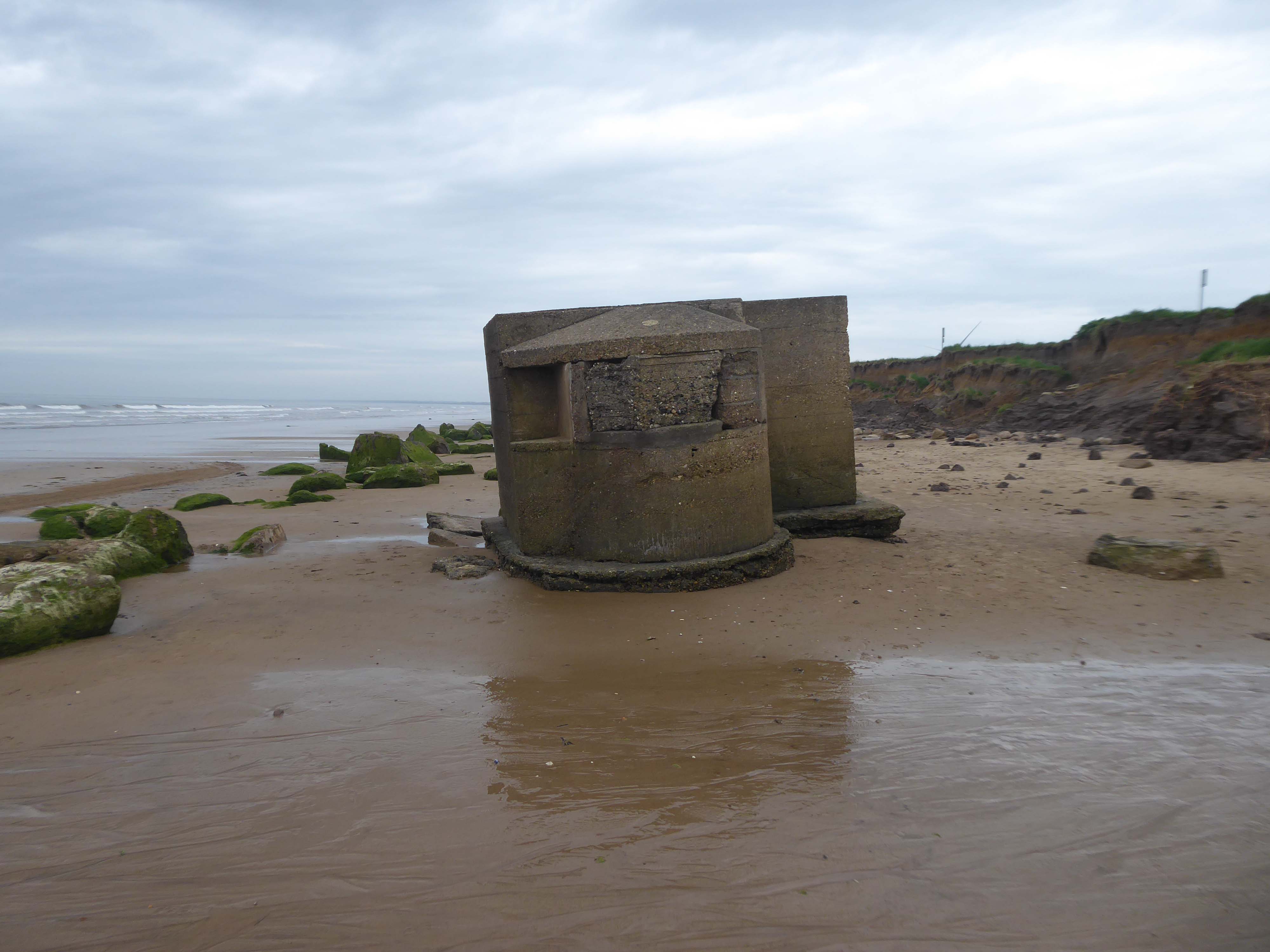
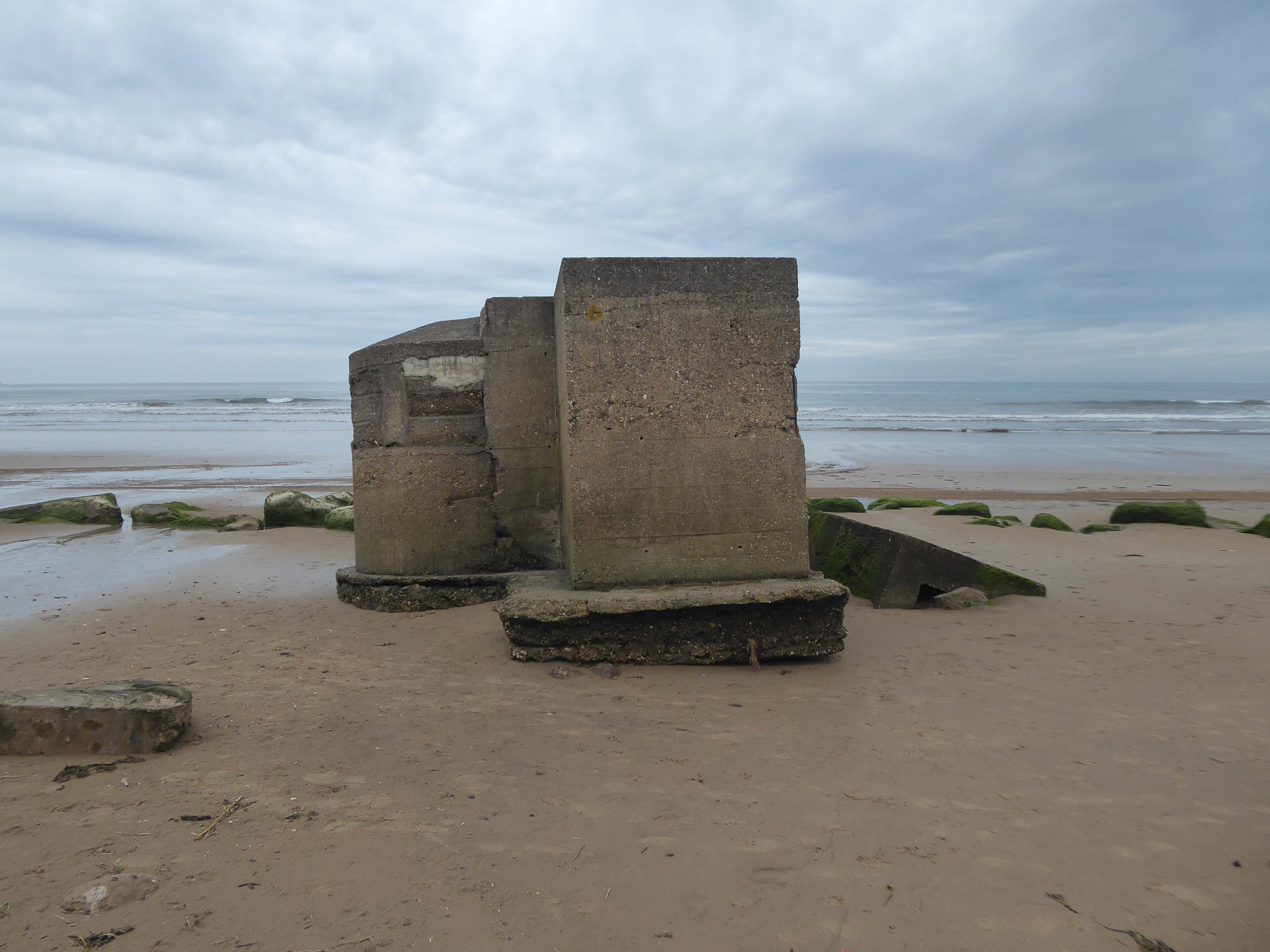
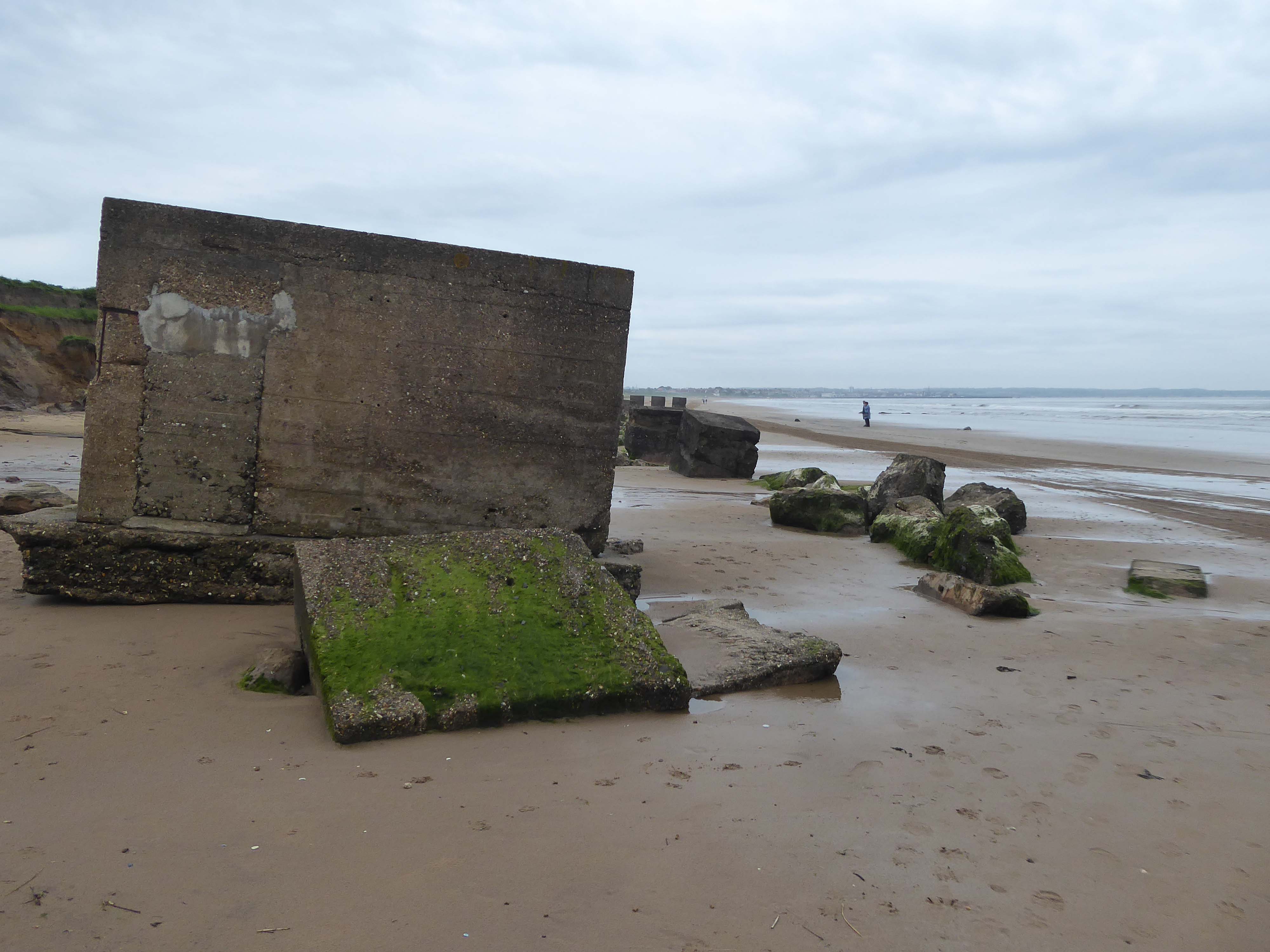
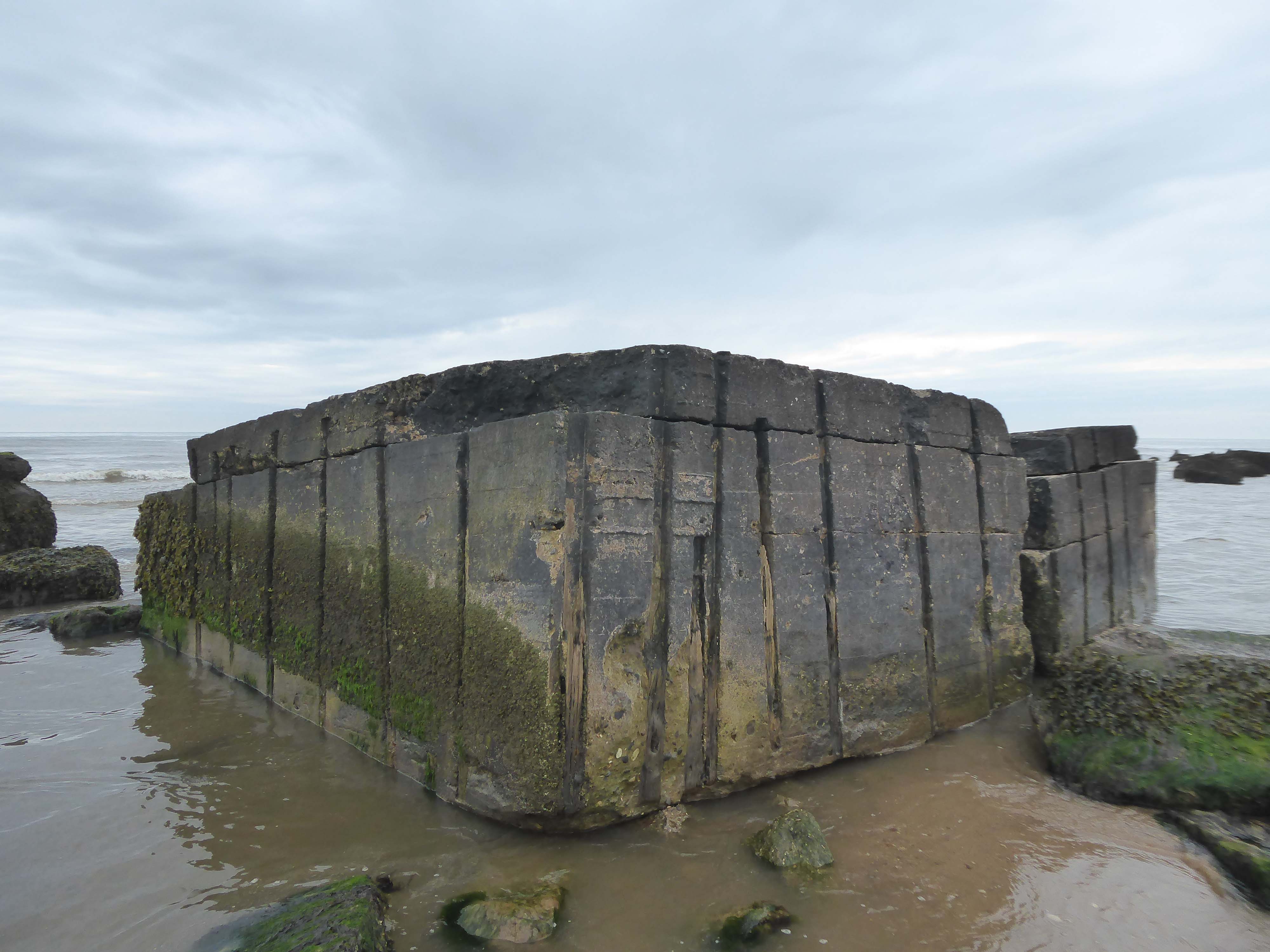
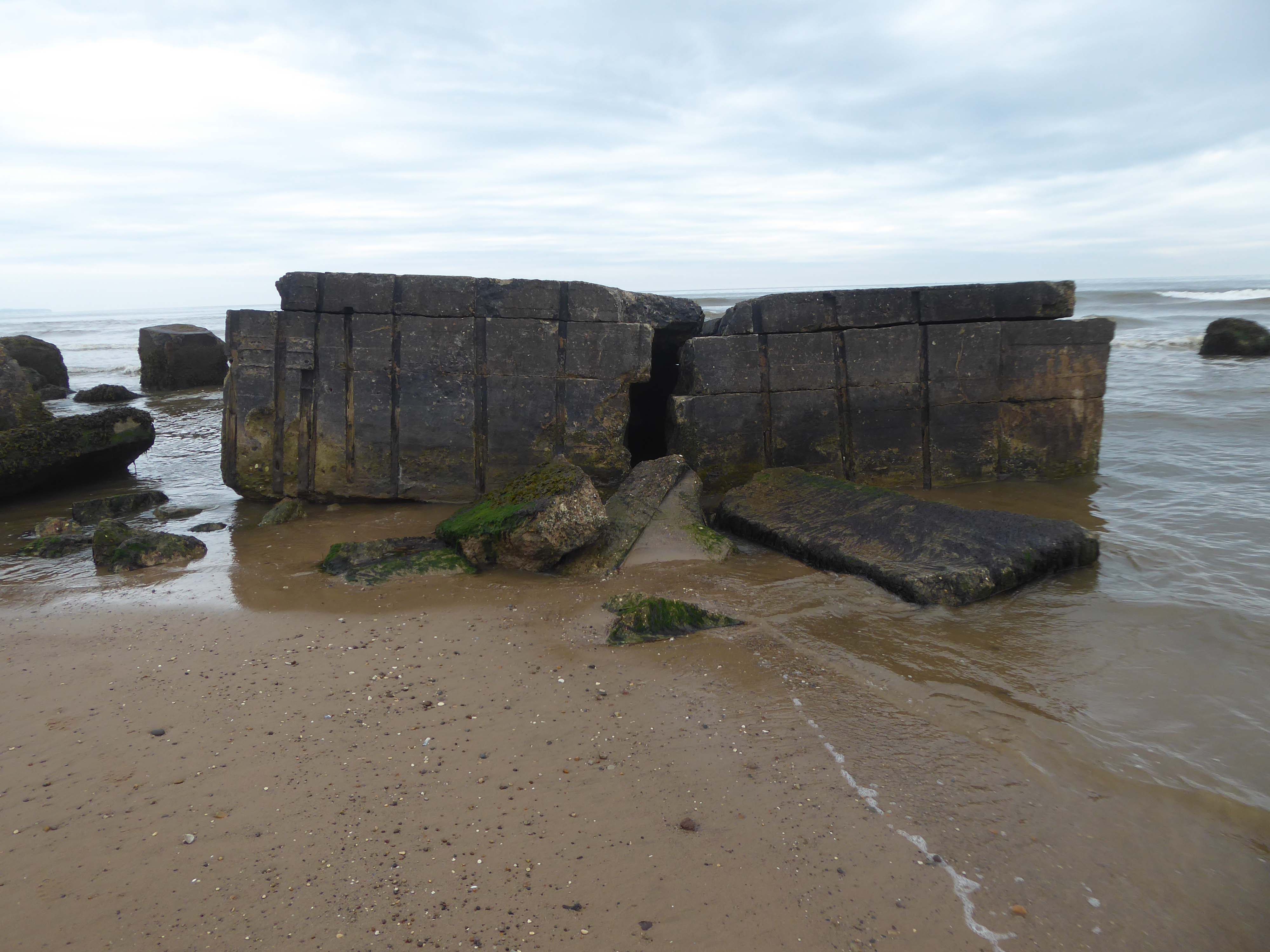
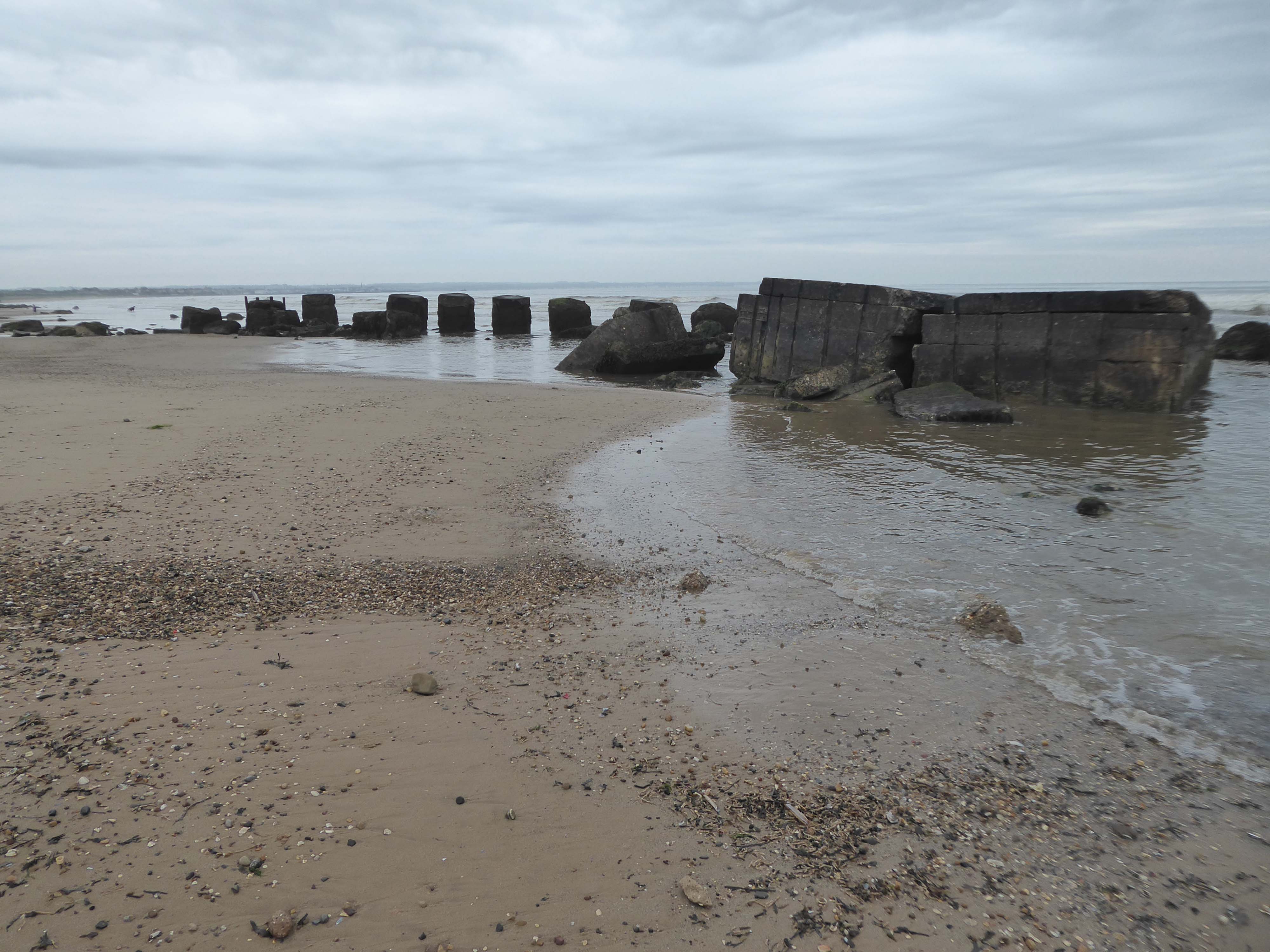
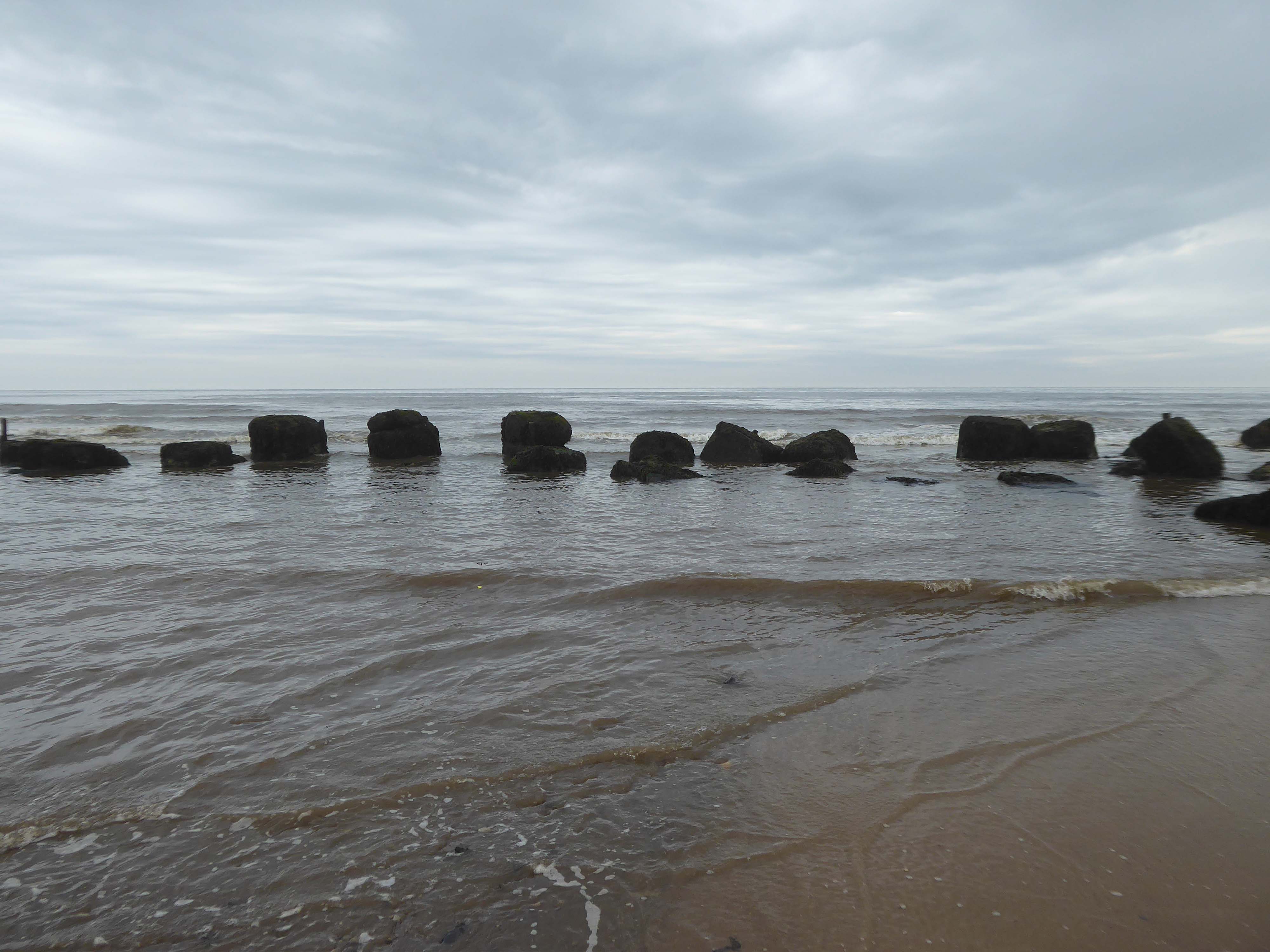
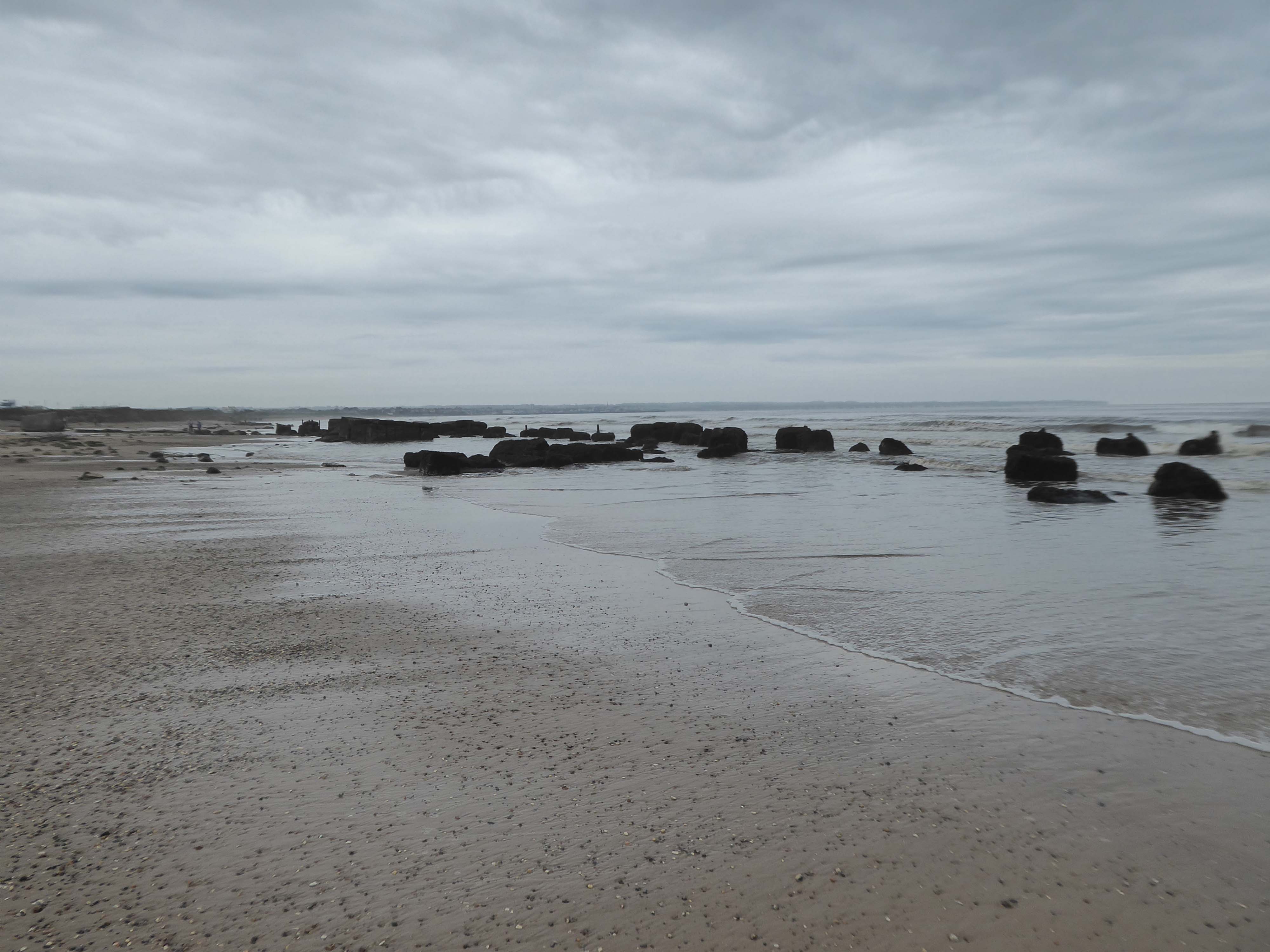
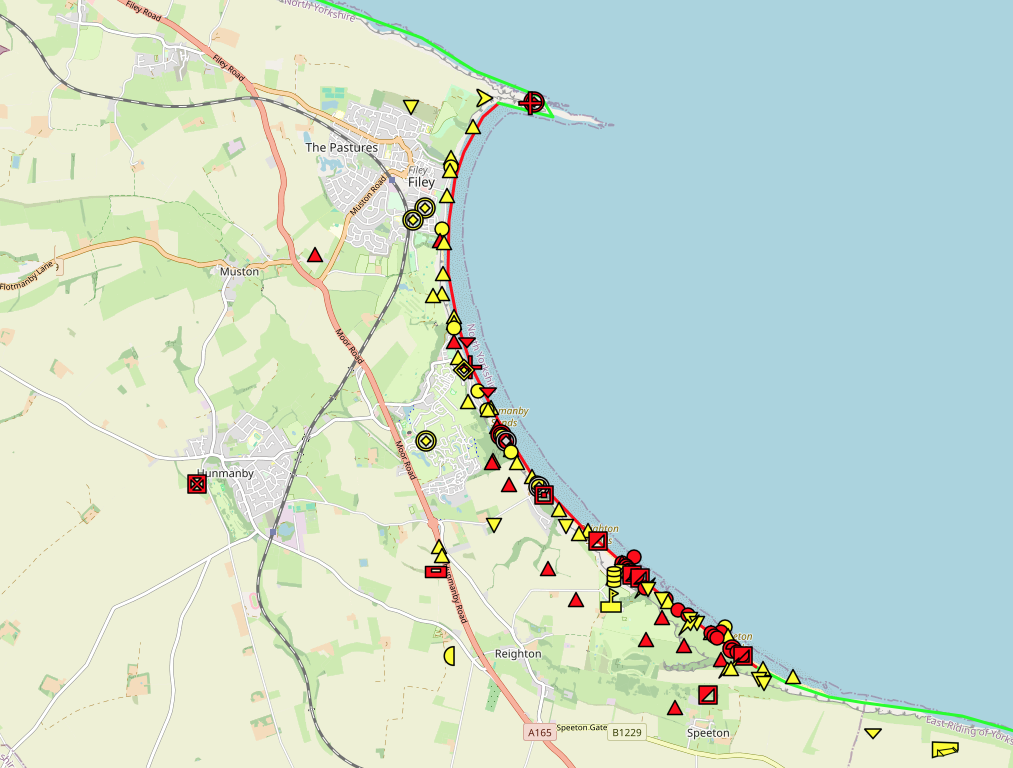
Where we find another dense cluster of sea defences, some but not all extant.
After the south coast, both East Anglia and the Yorkshire Coastline were identified as vulnerable to invasion. Bridlington Bay, was and ideal location for an invasion; flat sandy beaches for amphibious landing crafts, above the foreshore flat landscapes perfect for tanks and gliders to land, an isolated small population with only the residence of Bridlington close by and finally the control of an established port at Bridlington, once it was under German control. According to the Defence of Britain Survey undertaken in the Late 90’s, Northern Command had some of the best defend beaches in the country, this includes Bridlington.
Here there are forces, past and present, at work shaping the landscape and the manmade addenda.
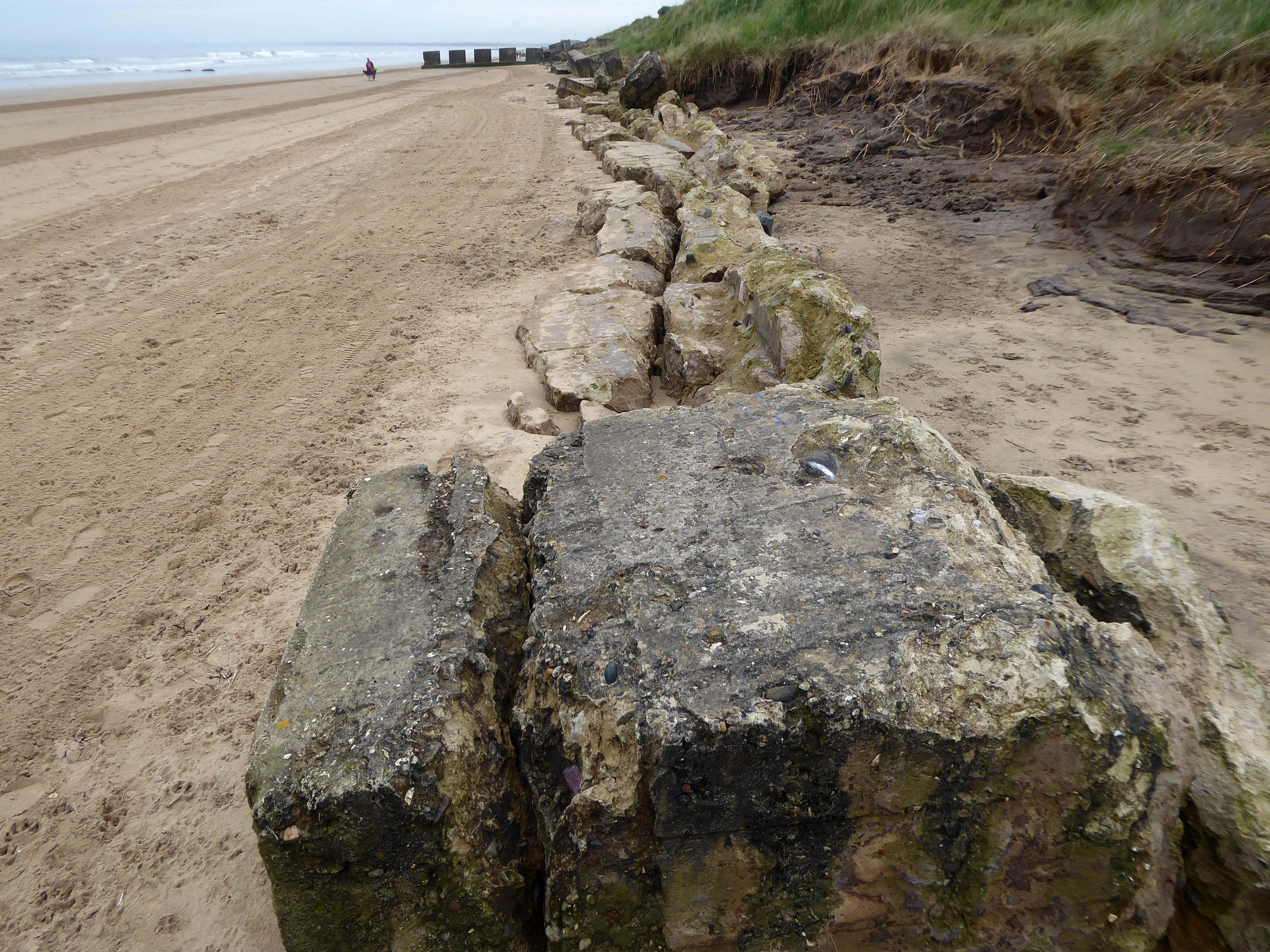
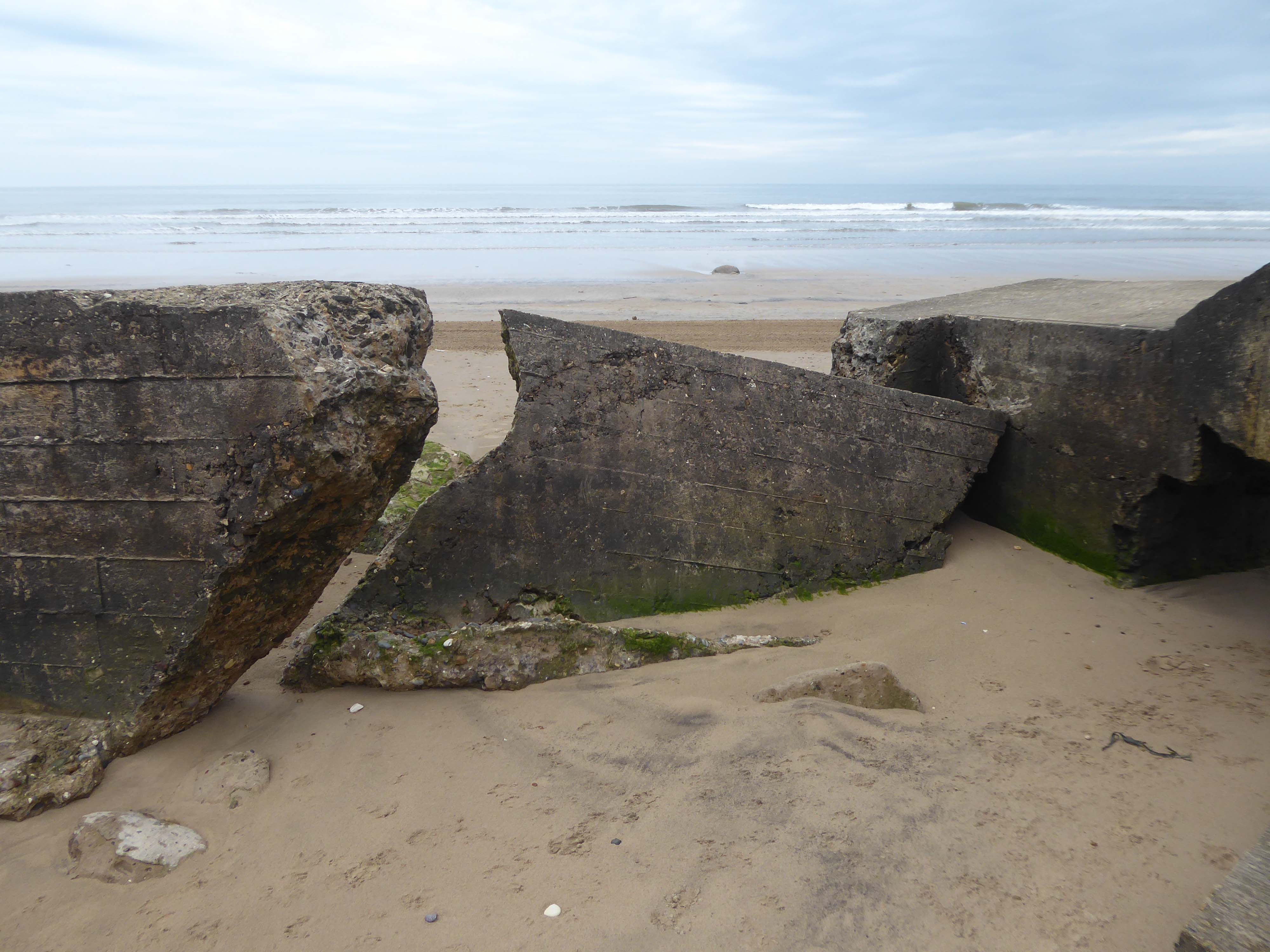
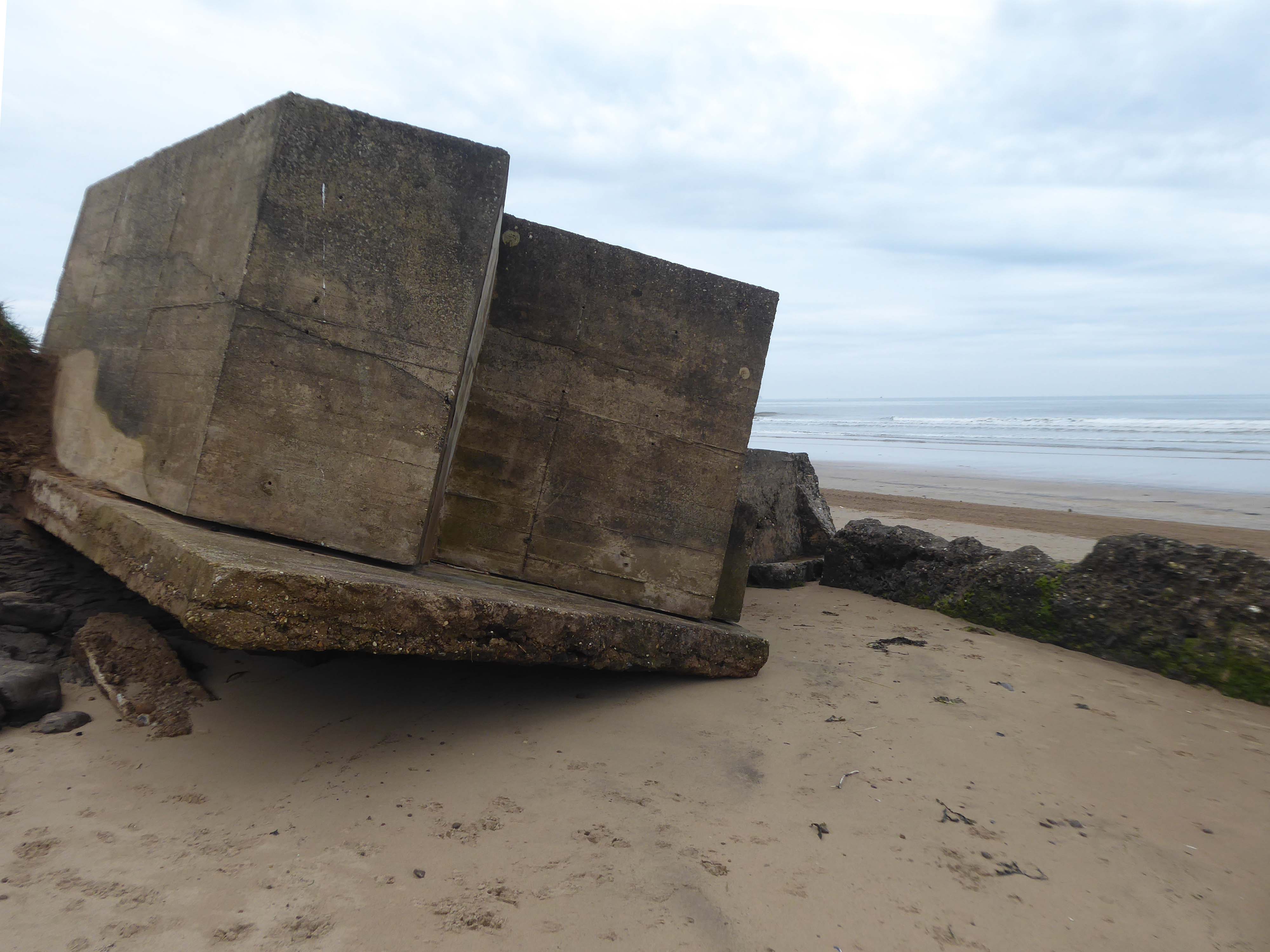
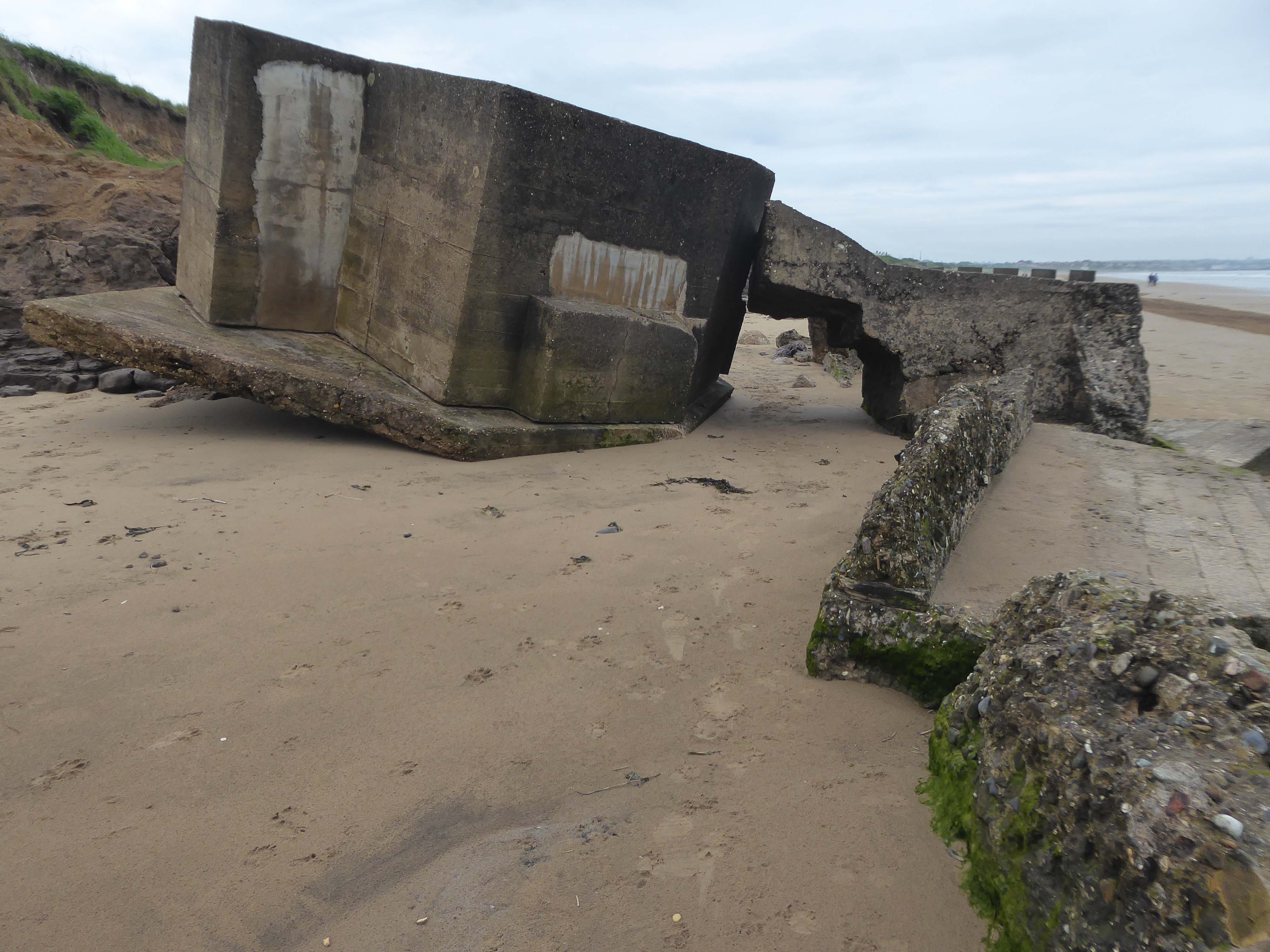
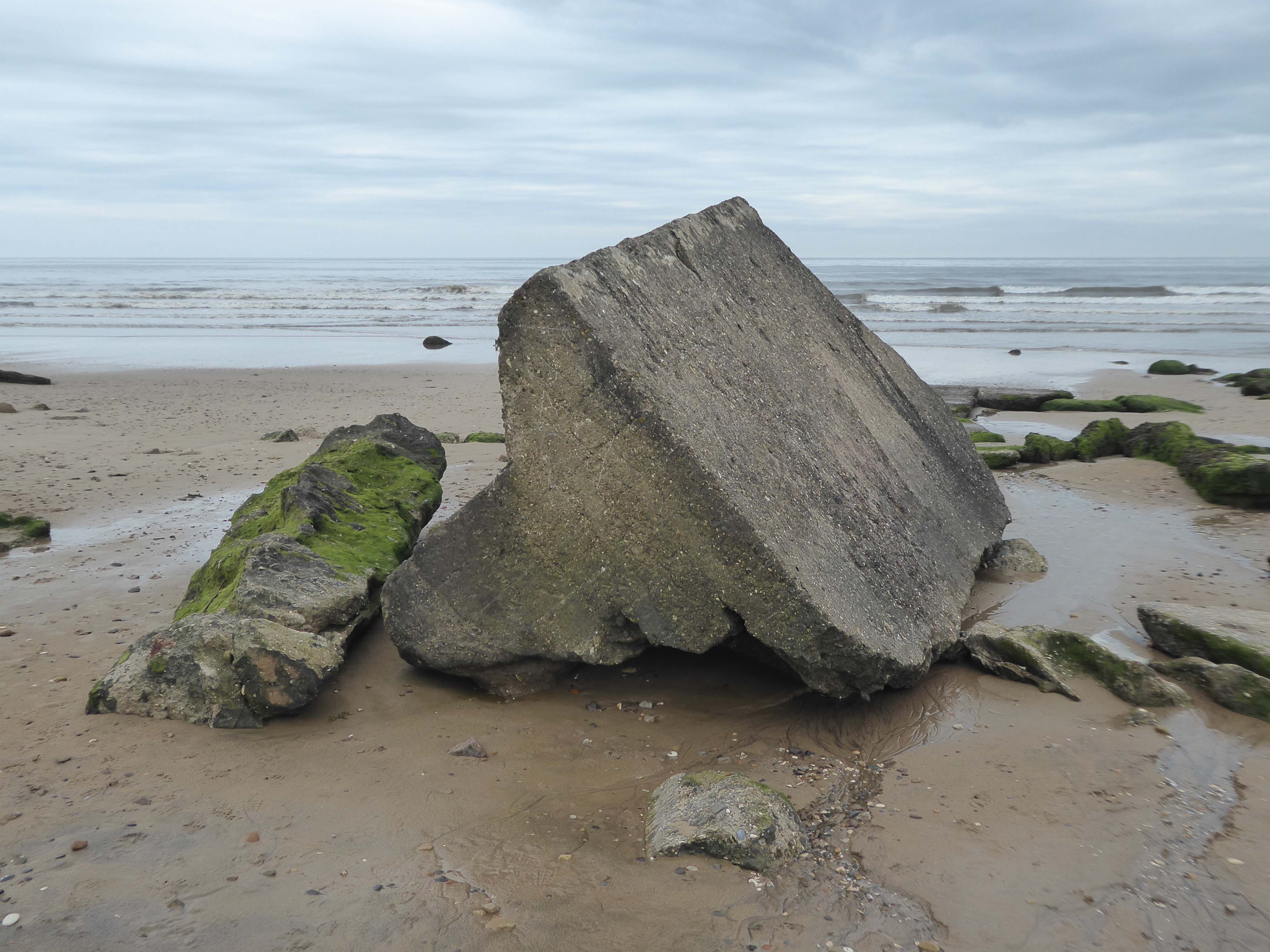
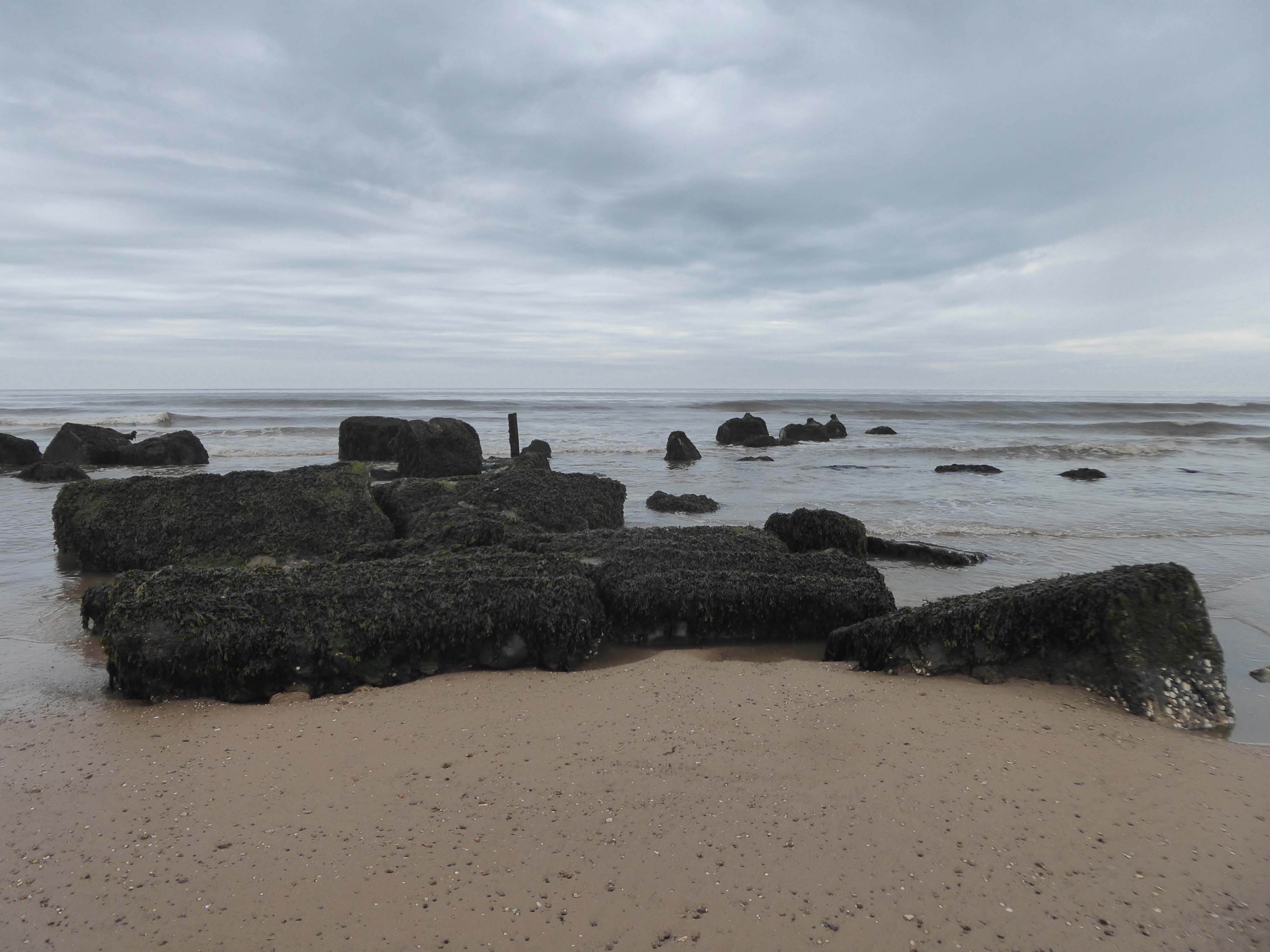
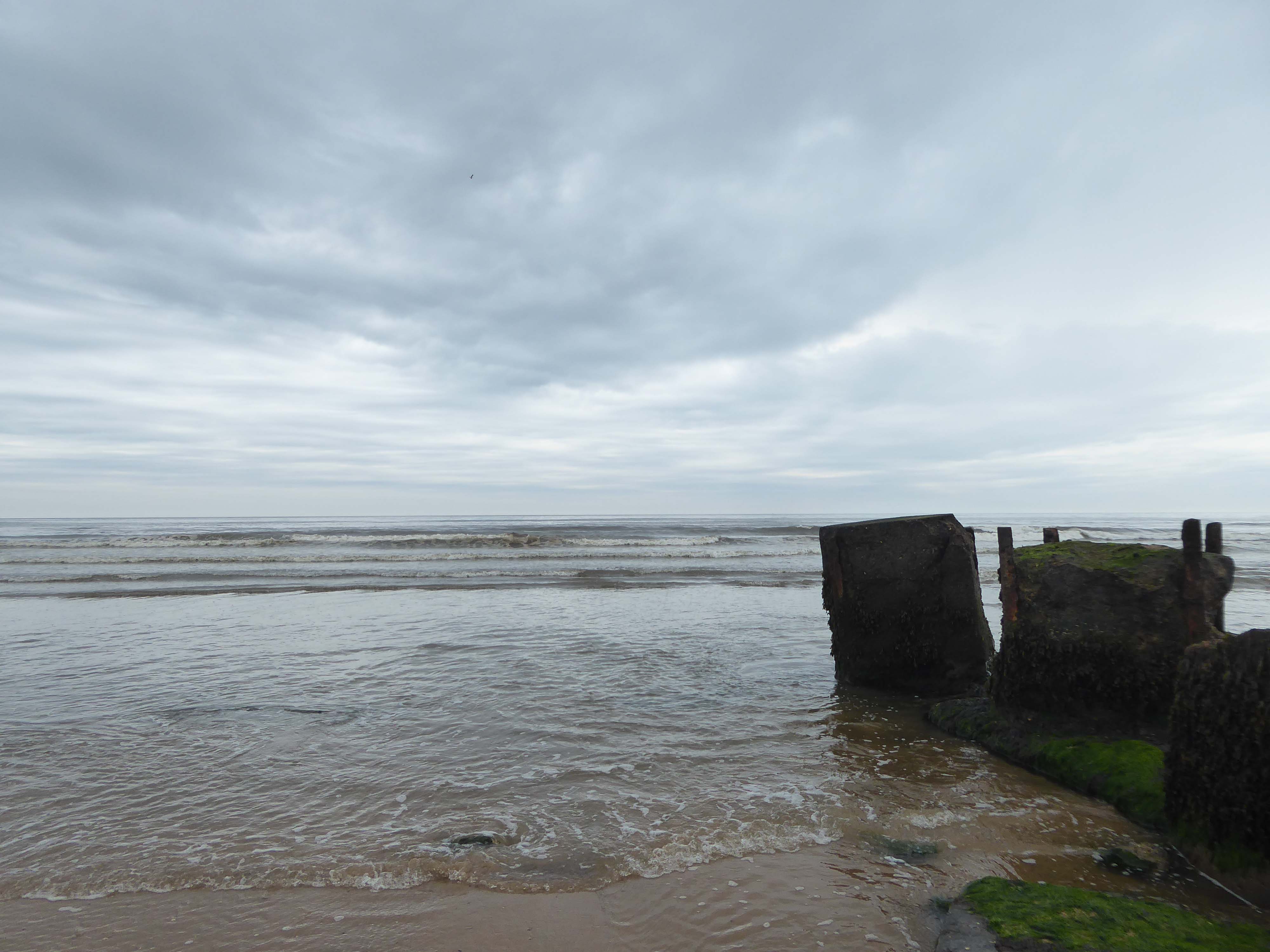
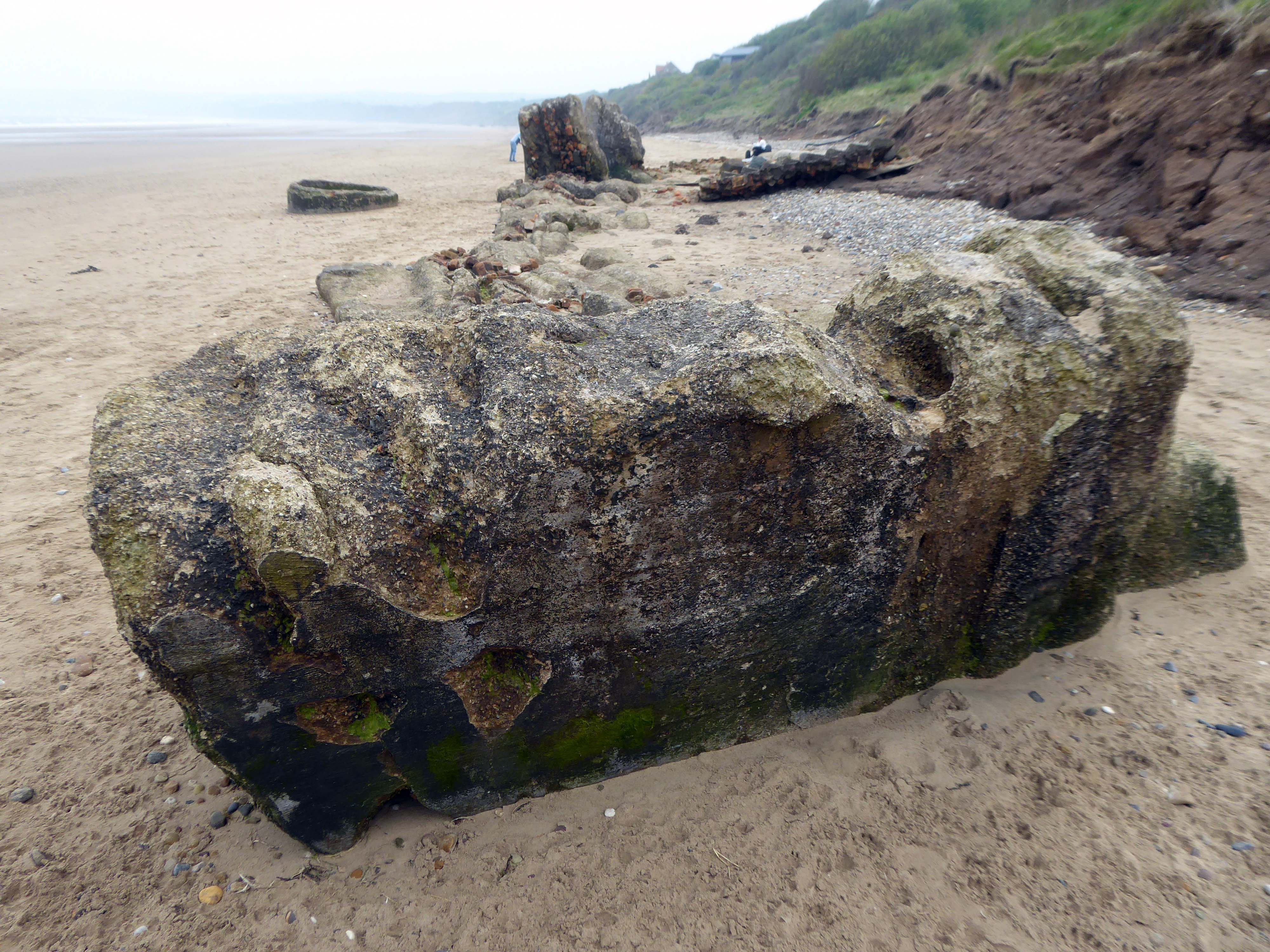
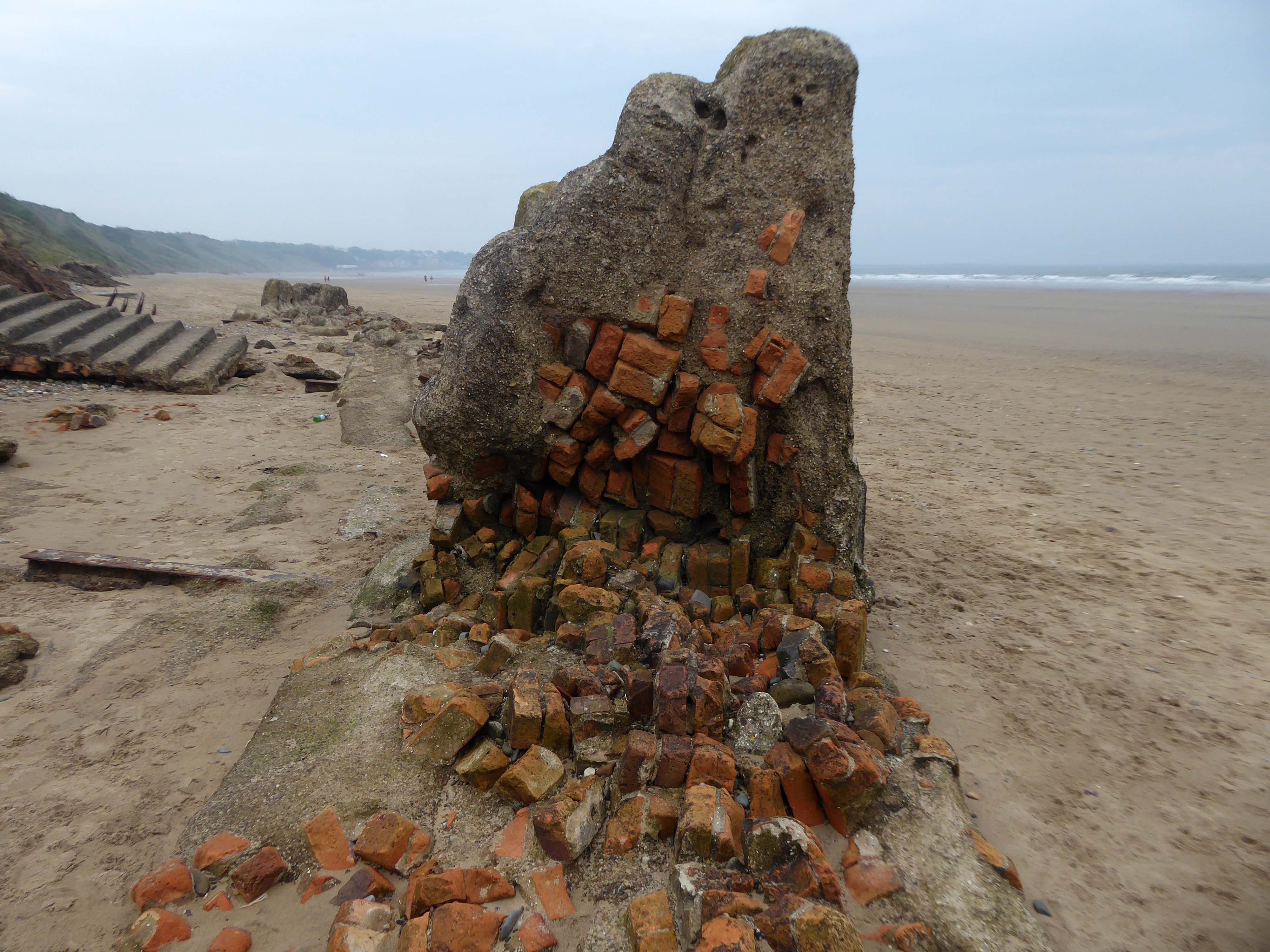
The remorseless waves, wind and rain eroding the coastal clay and contorted concrete.
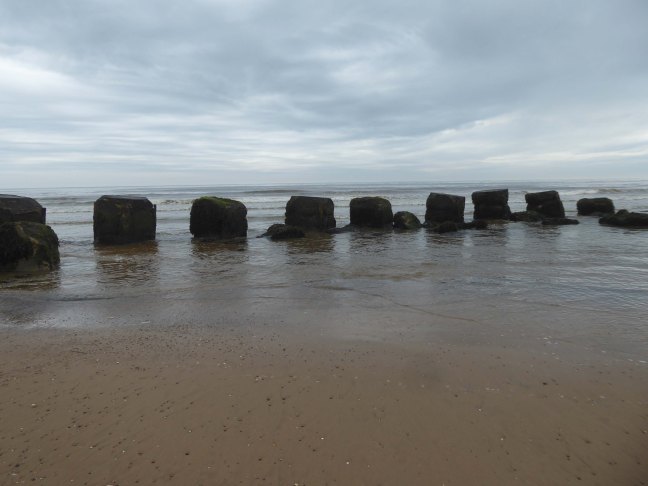
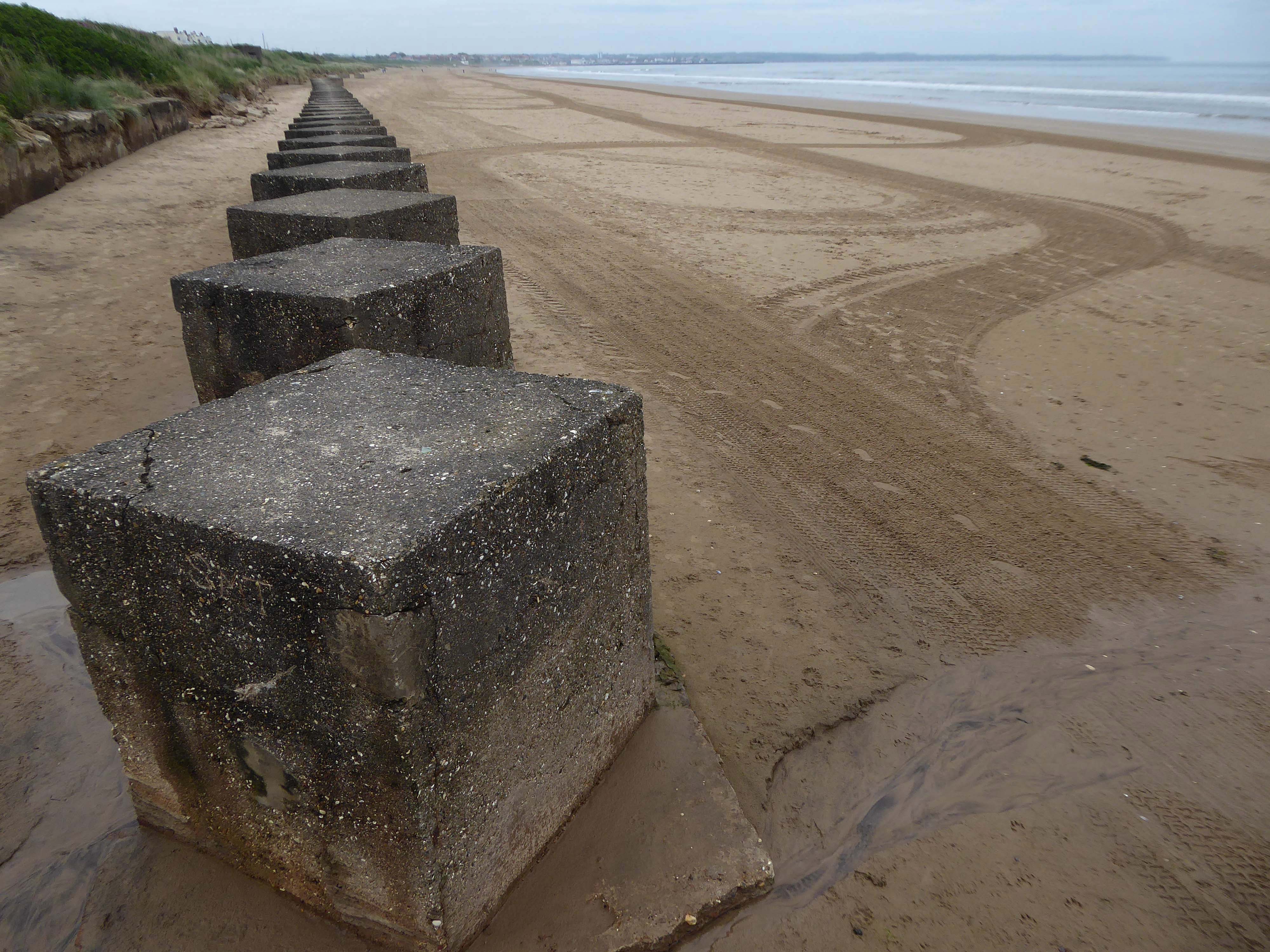
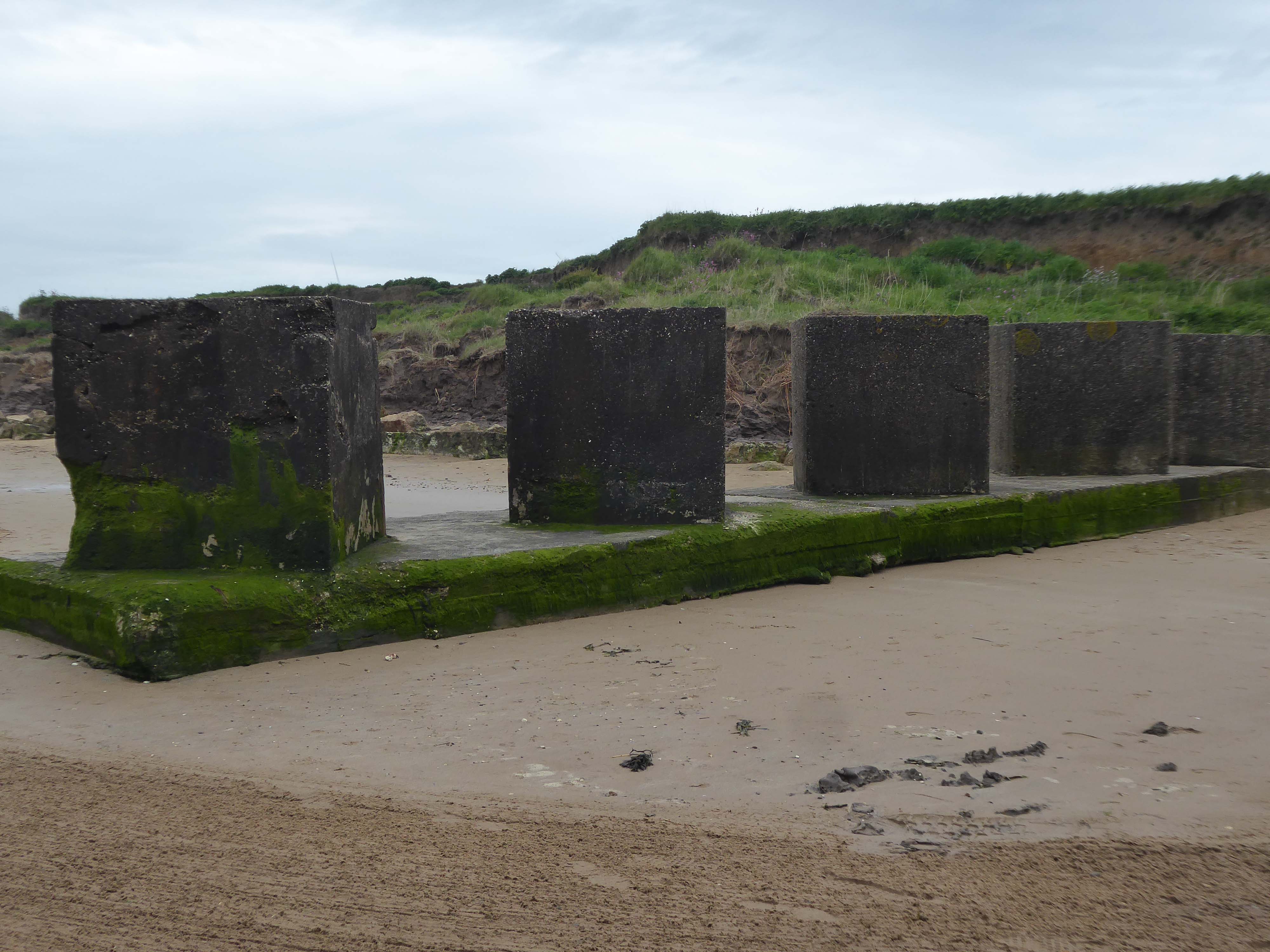
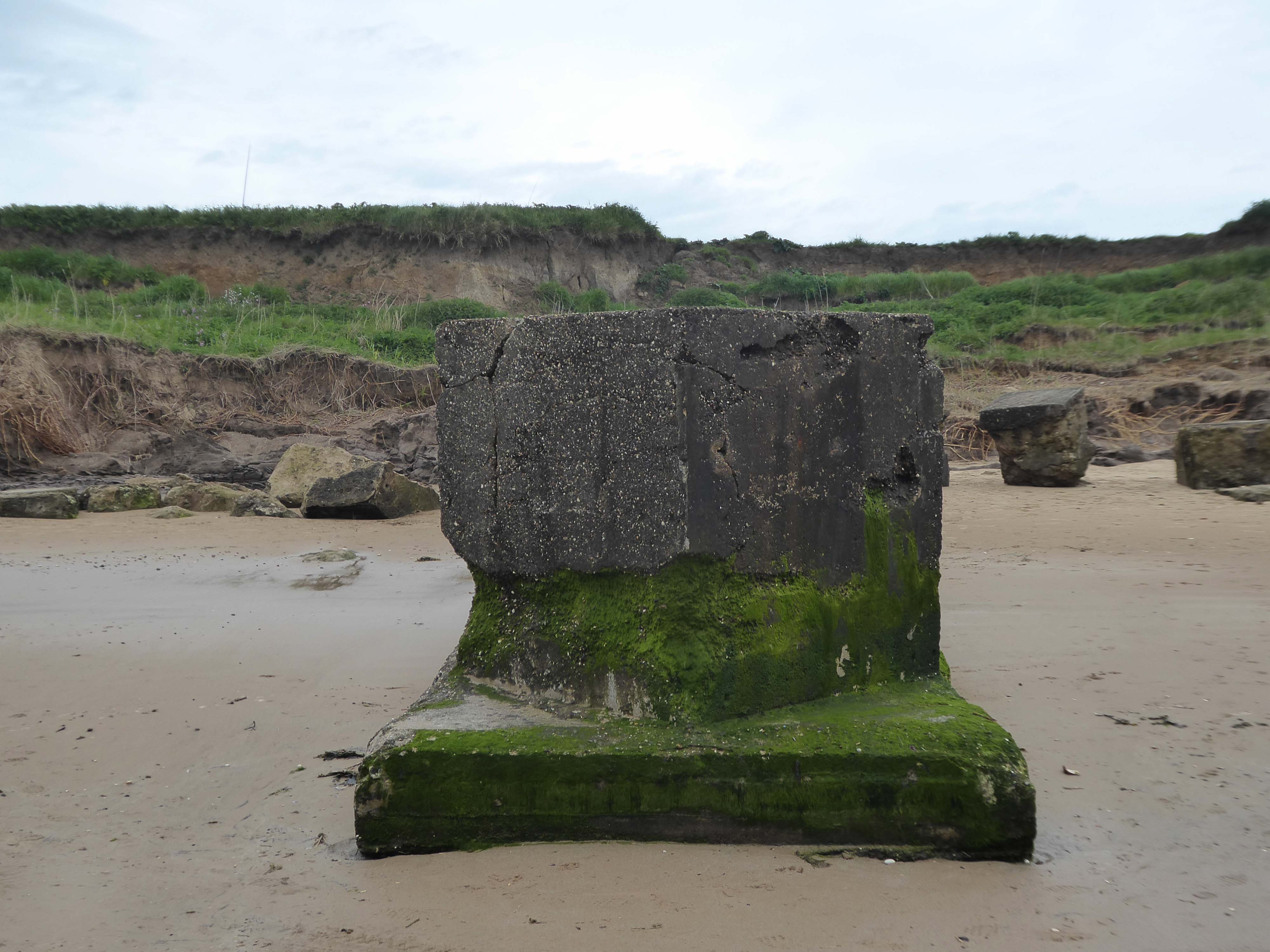
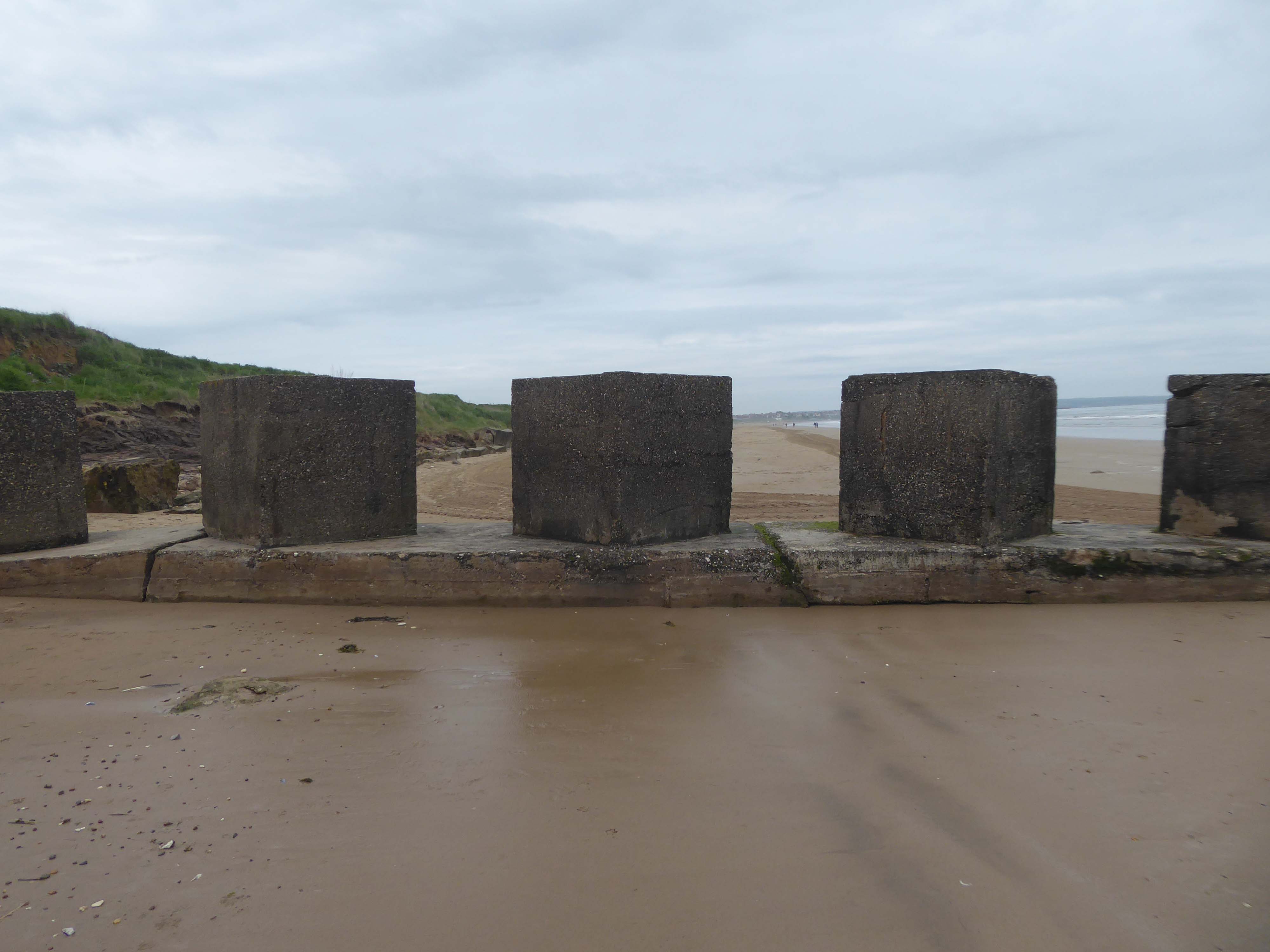
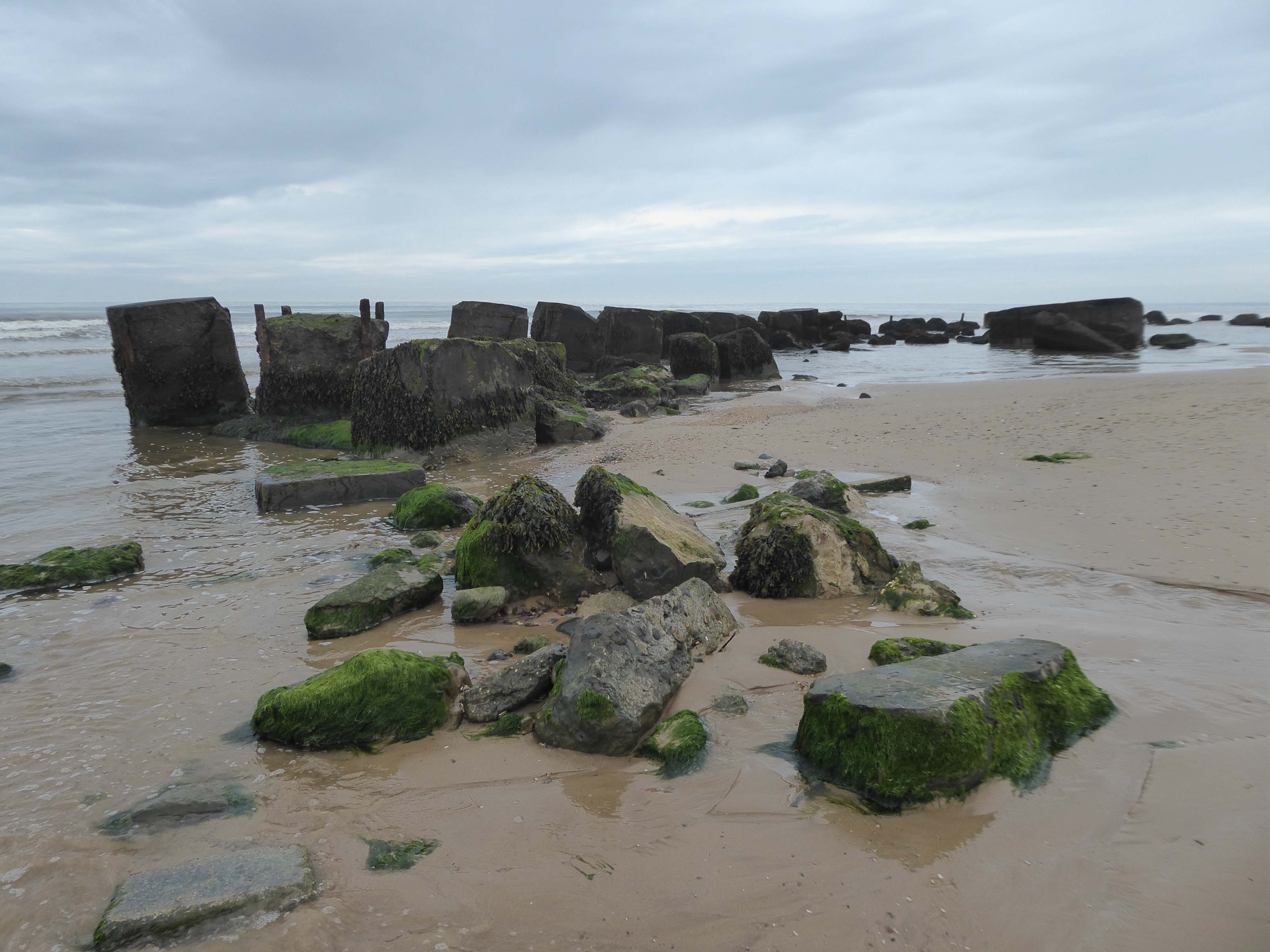
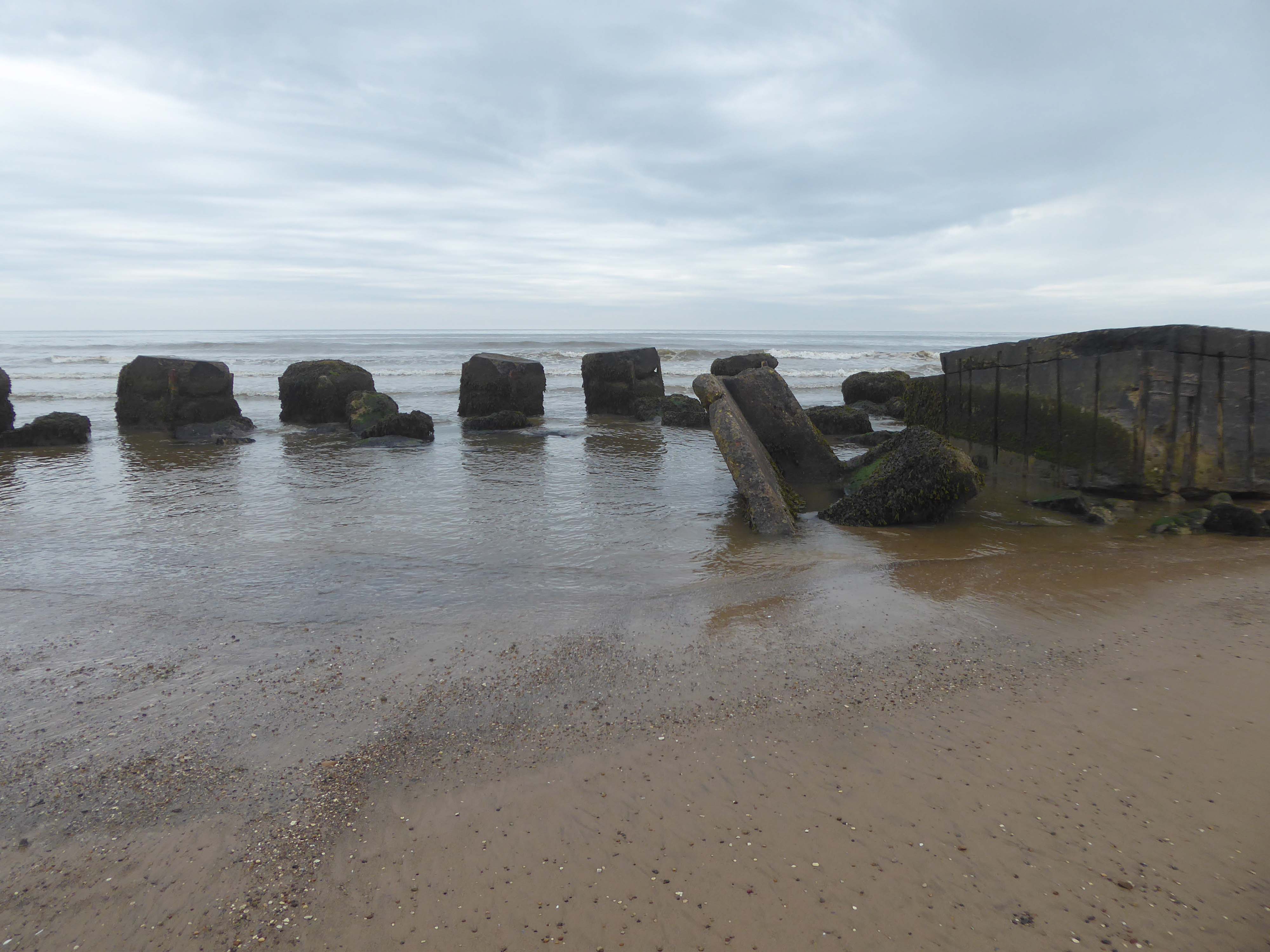
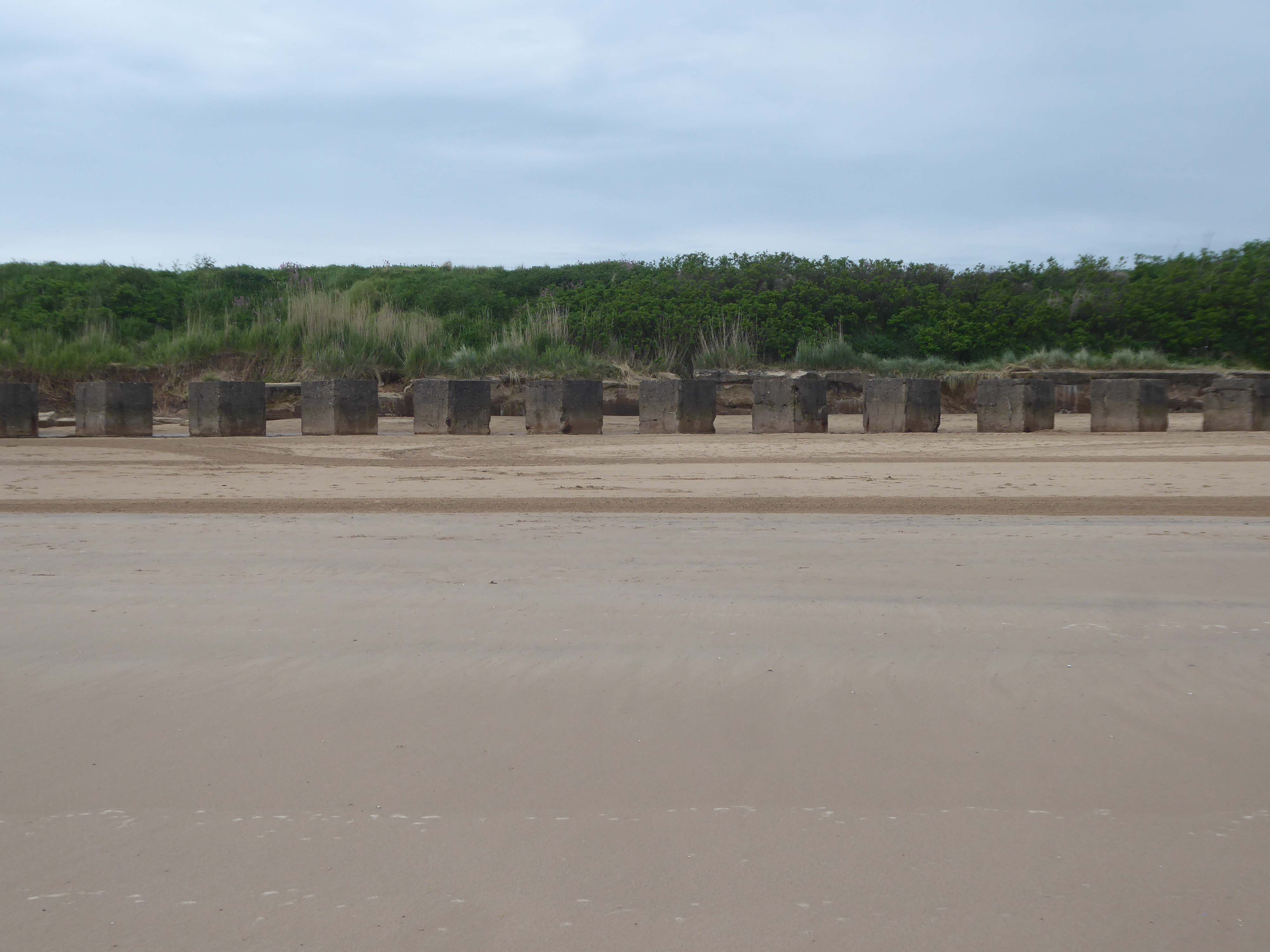
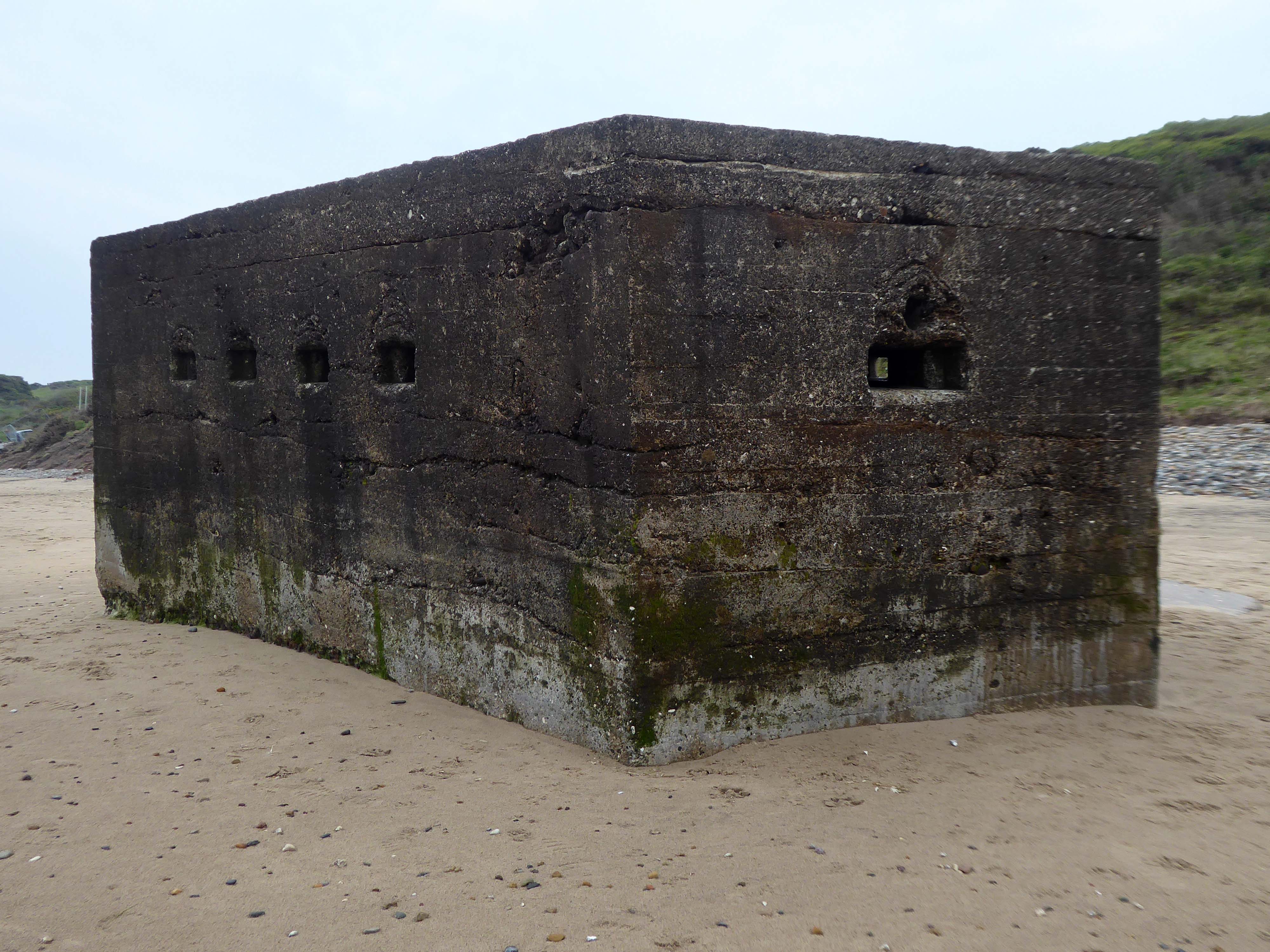
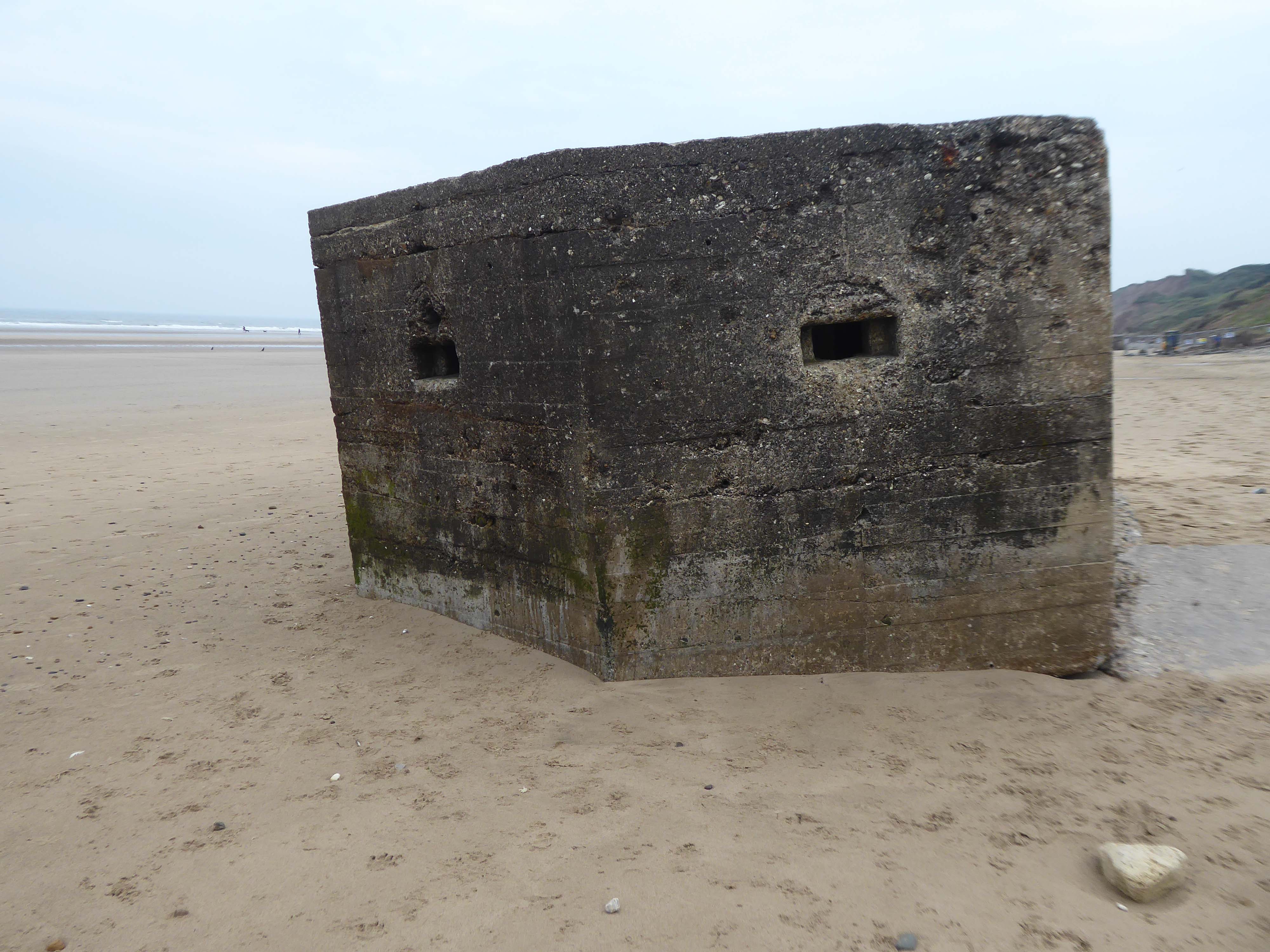
Anti-tank blocks line the foreshore here; with deep foundation they are meant to be so immovable that tanks cannot go through them and rather have to go over them, exposing the weakly armour undersides of the tanks, which can then be fired at. The anti-tank blocks are arranged in batches of both parallel and perpendicular to the sea, which helps to divide up the beach and channel enemies towards the pillboxes and into fire.
Once more unto the beach, dear friends, once more, or close the wall up with our English dead.
Having visited Cayton Bay last year I ventured forth last week, to Filey and beyond.
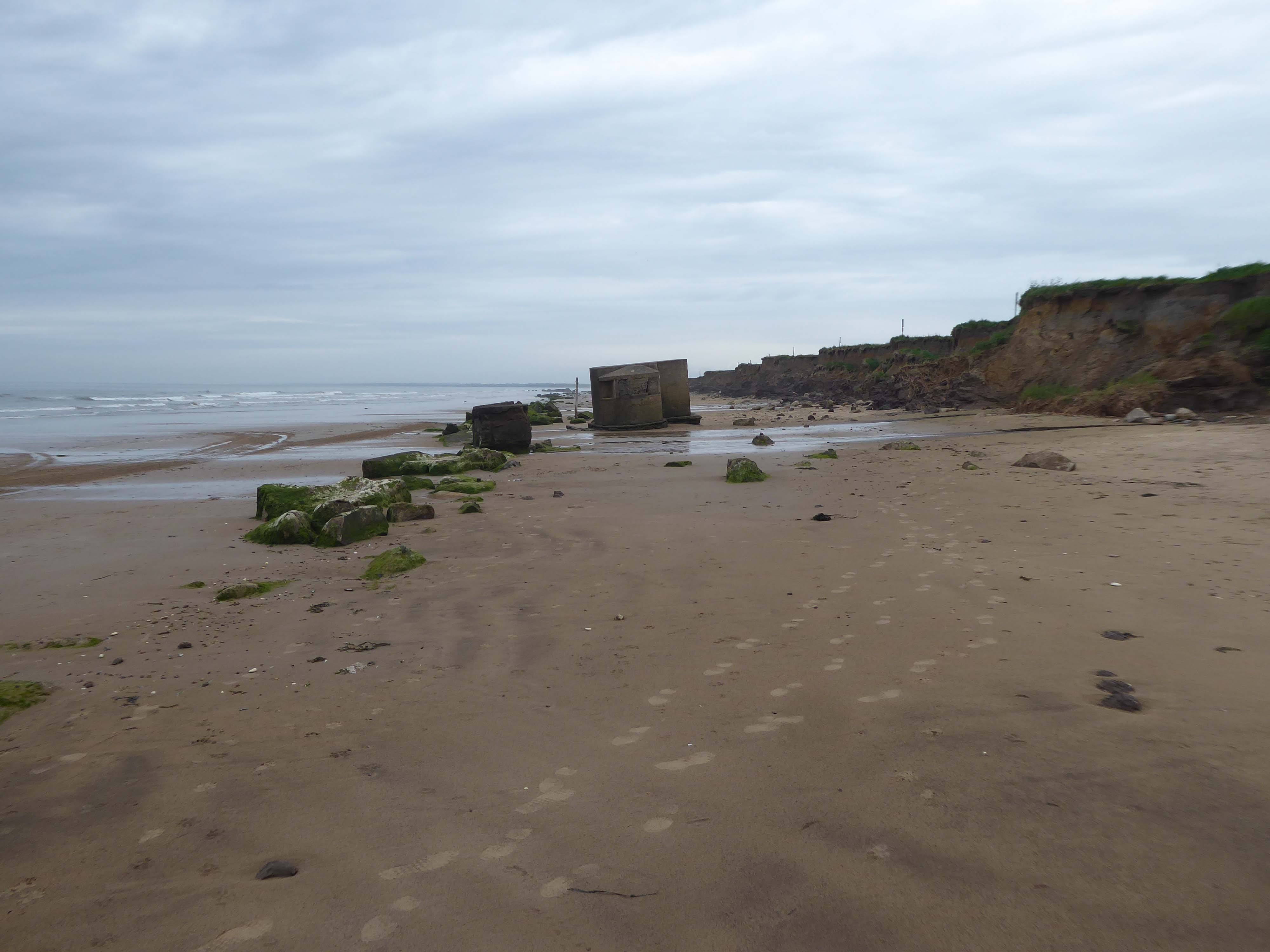
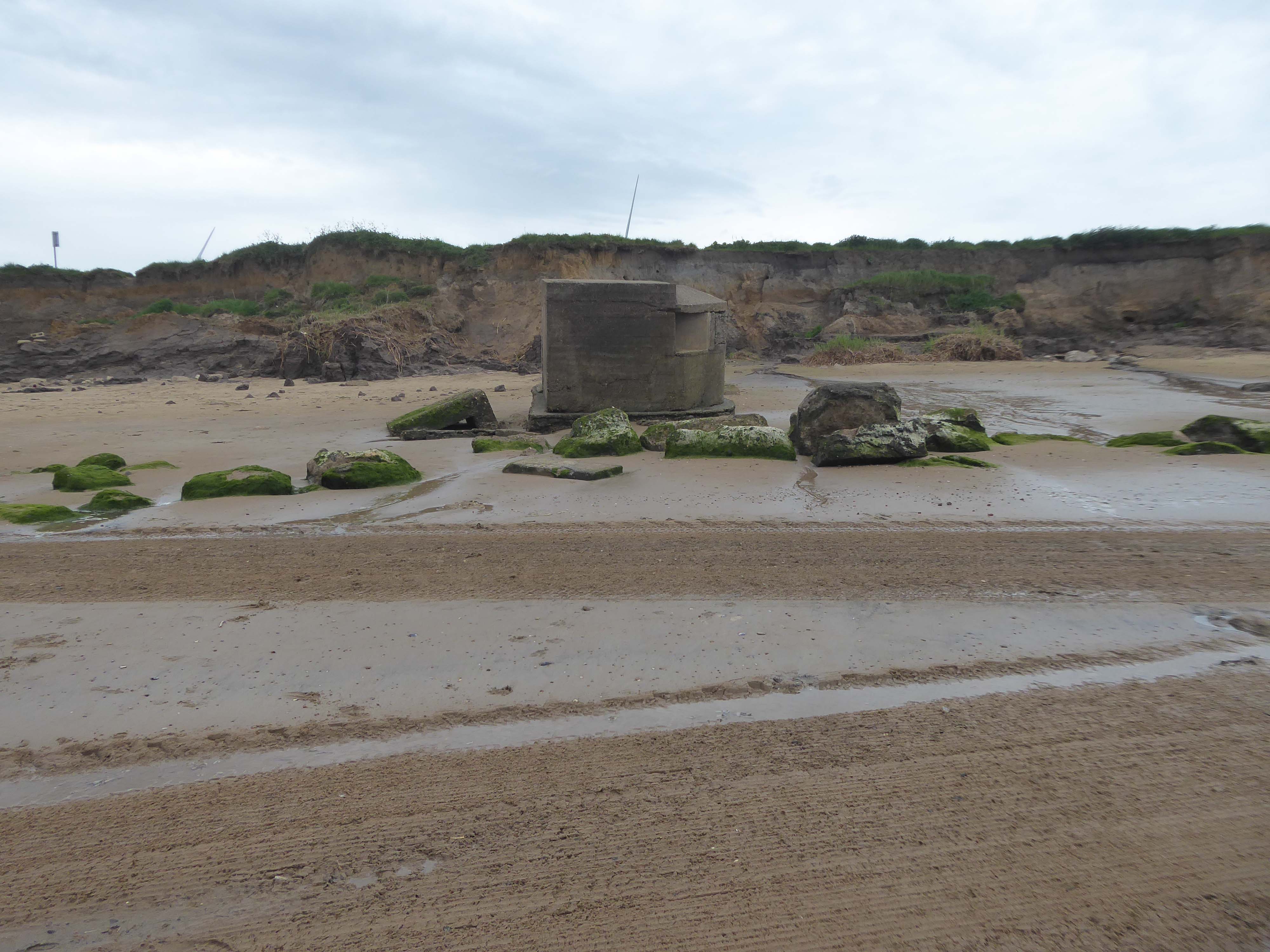
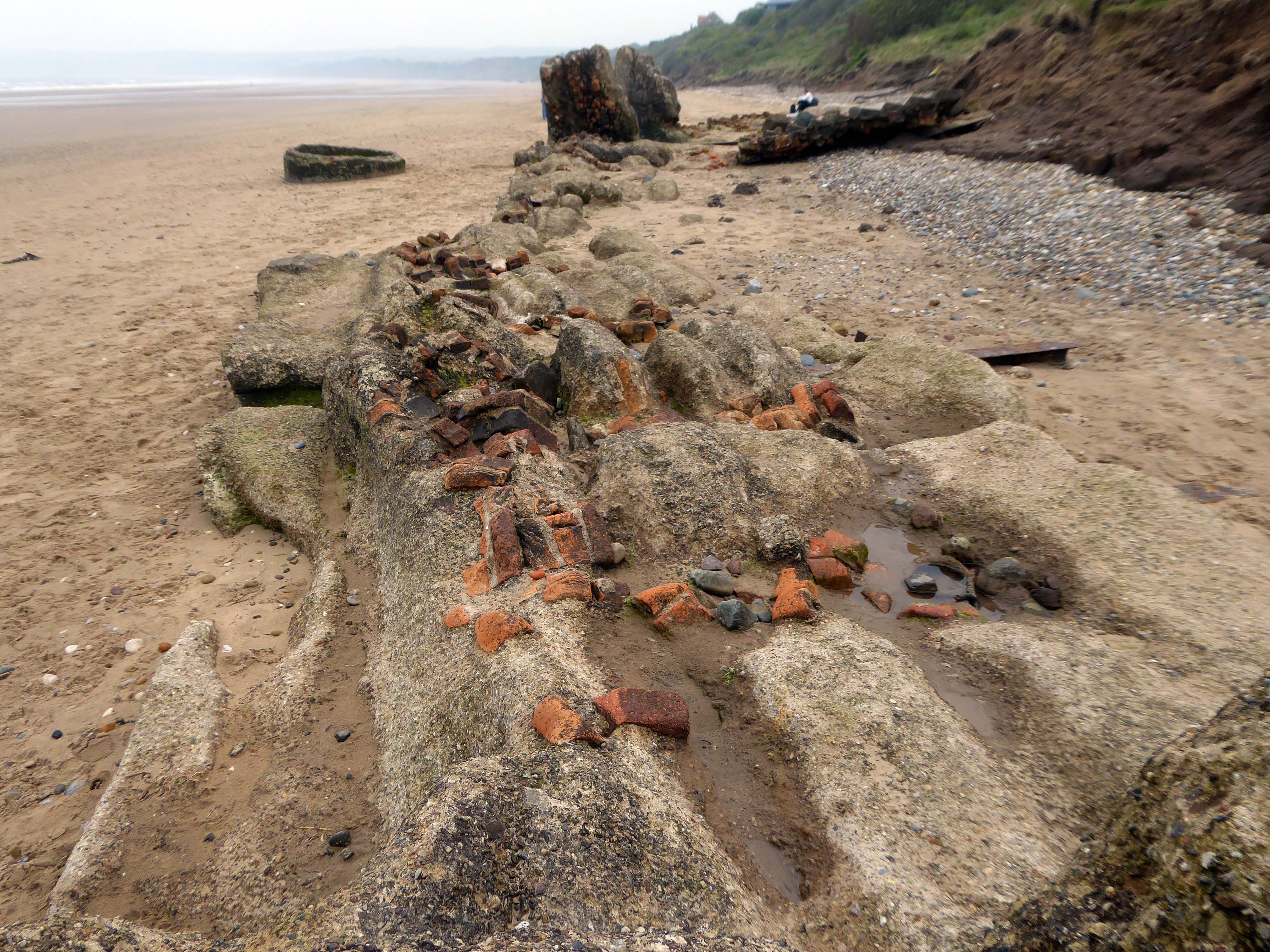
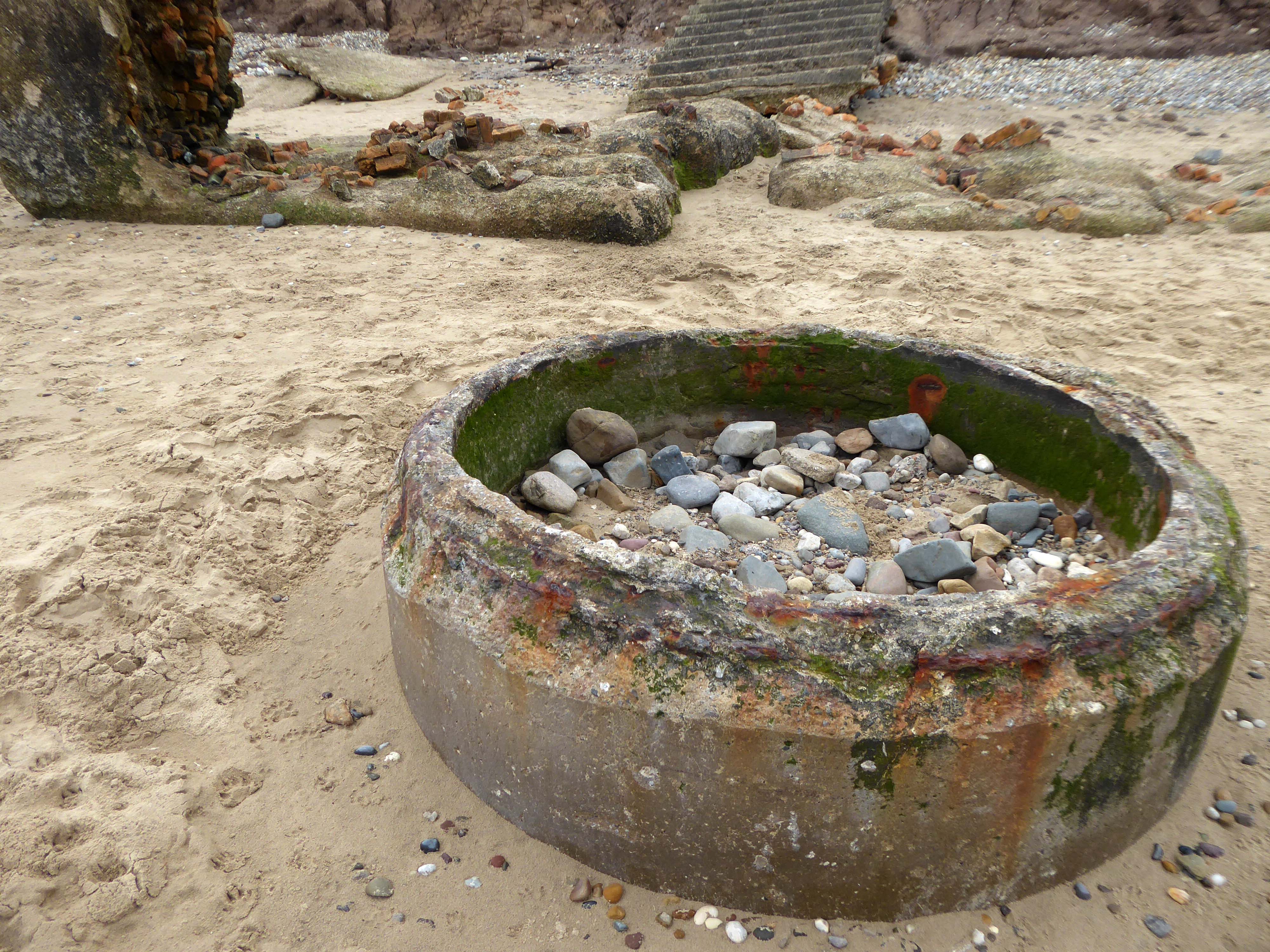
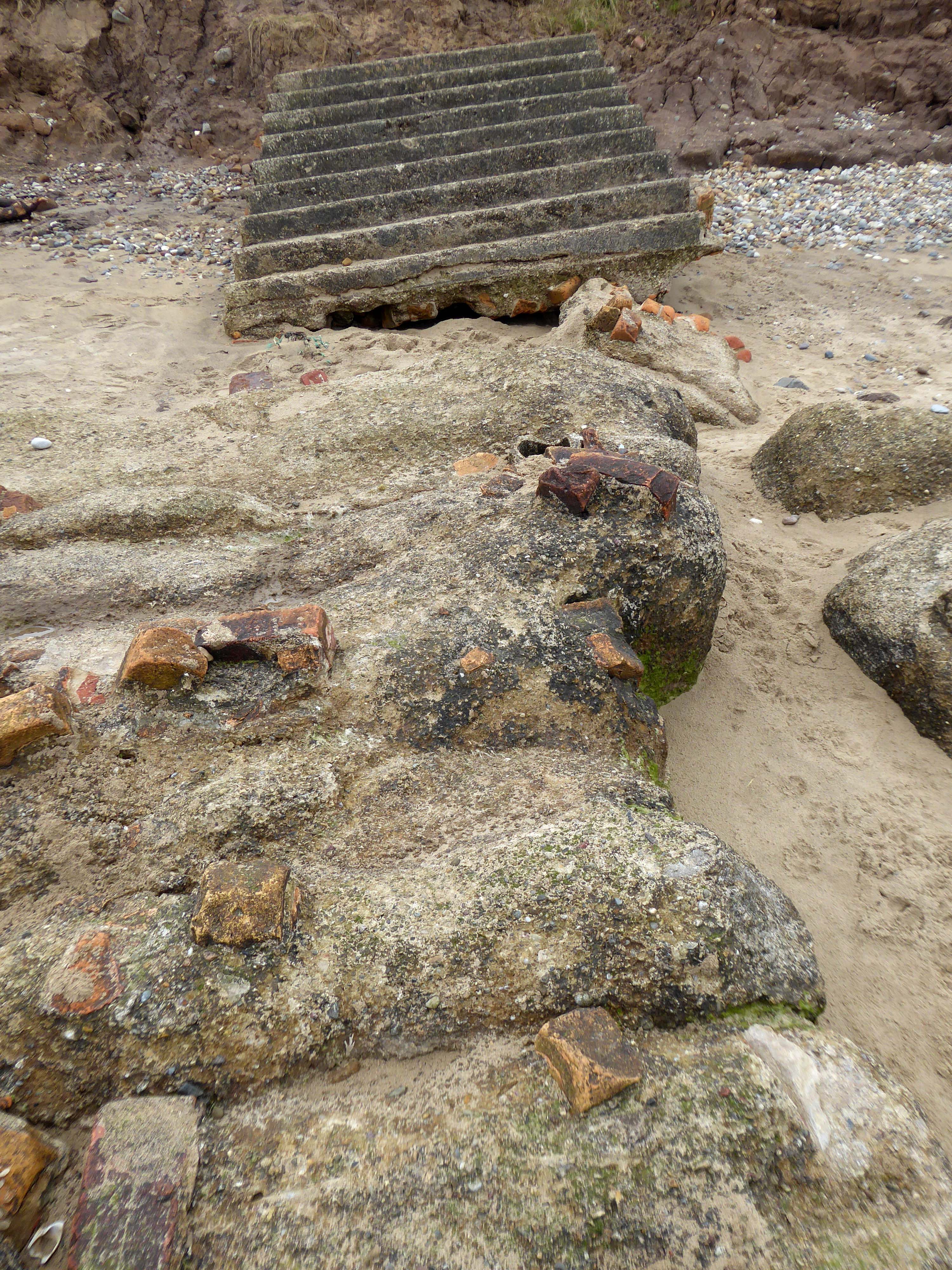
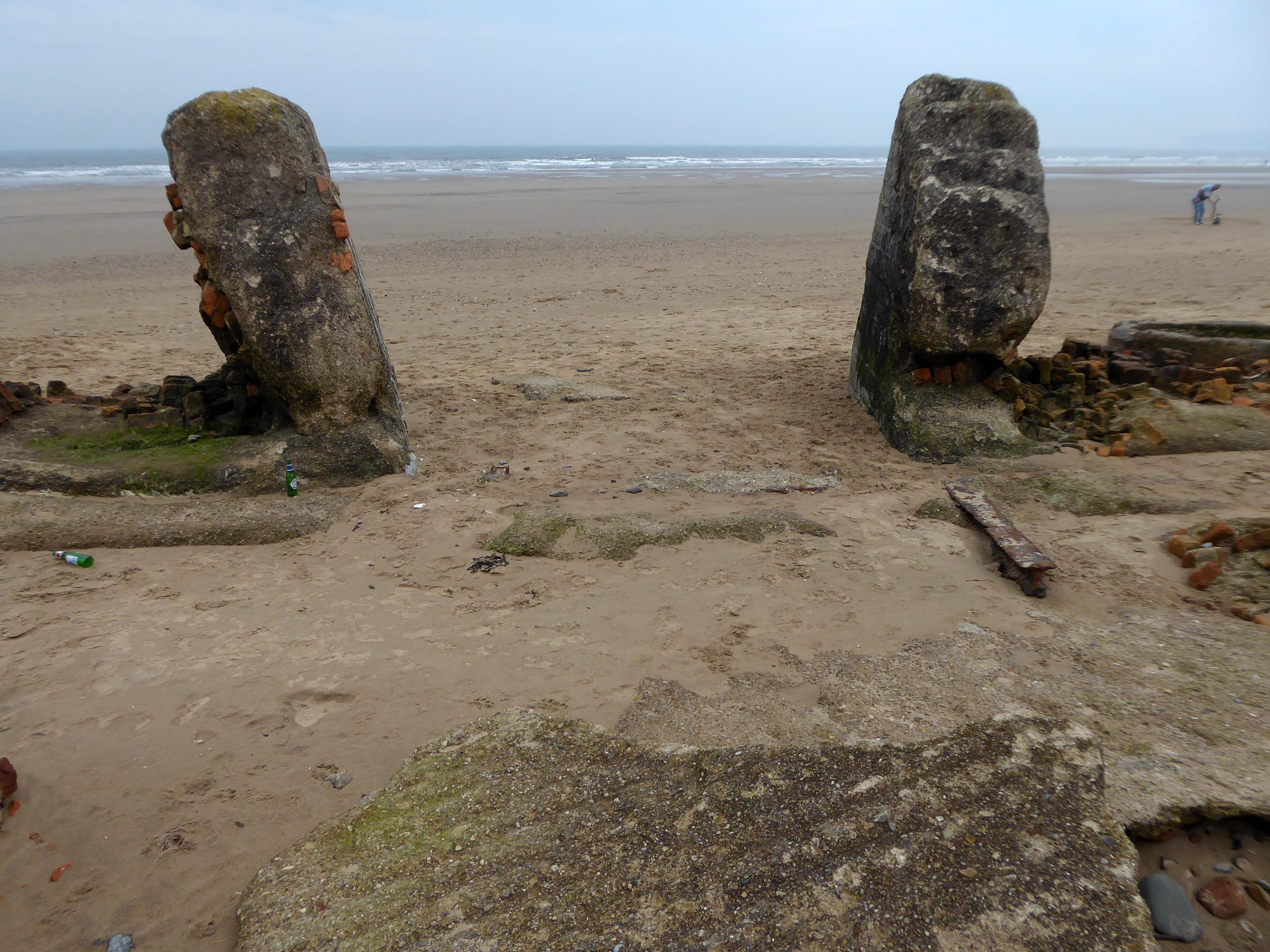
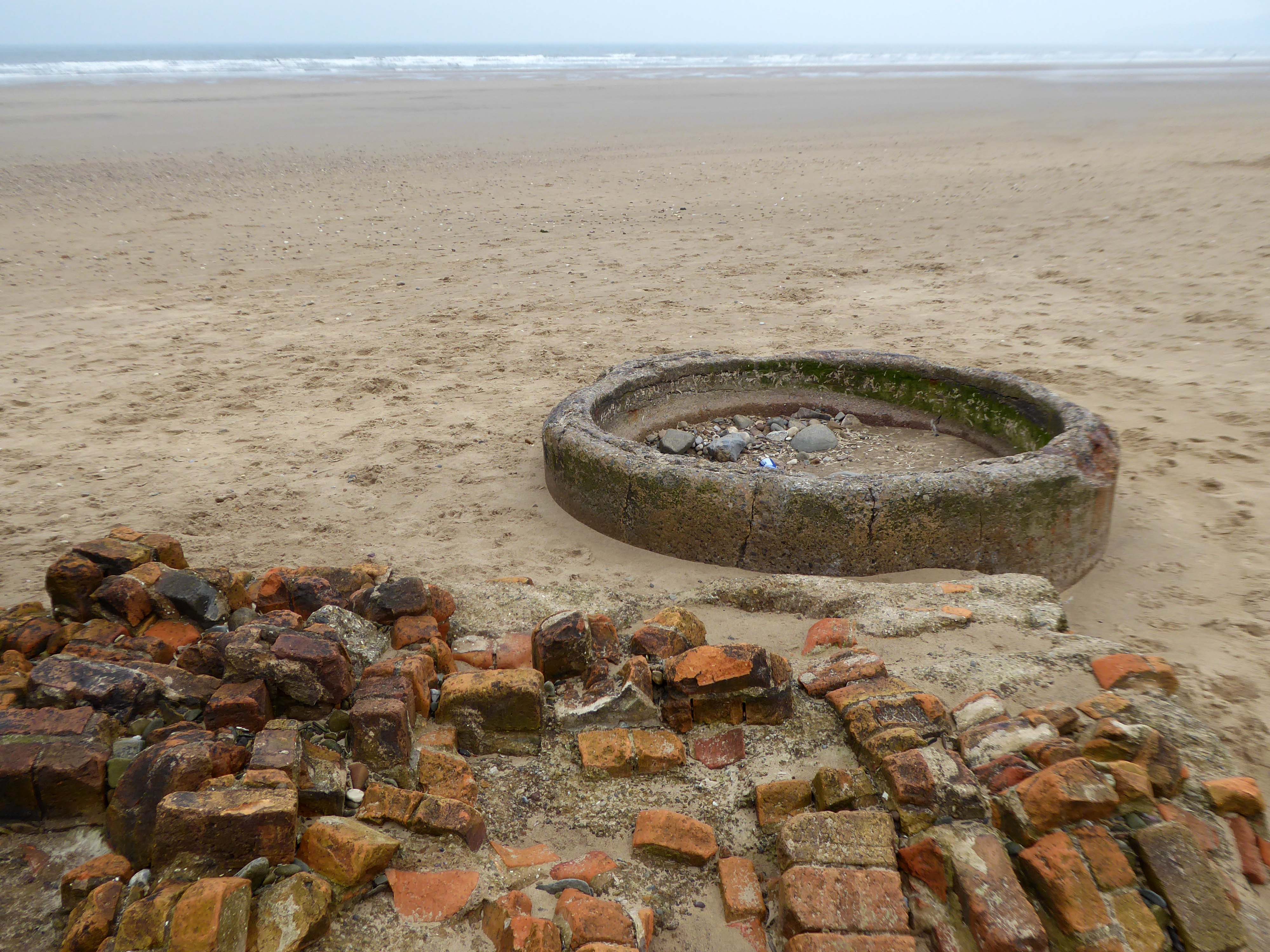
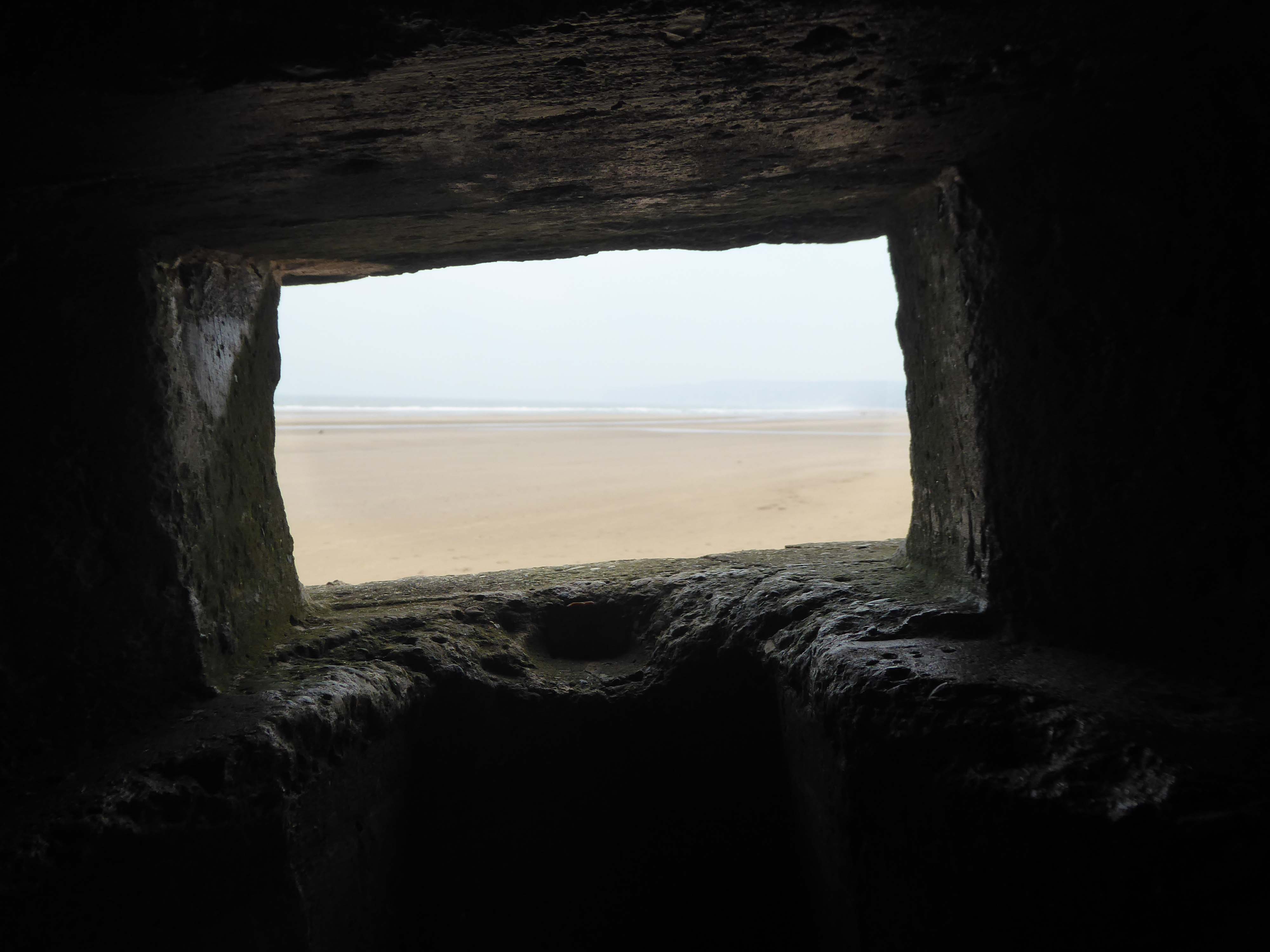
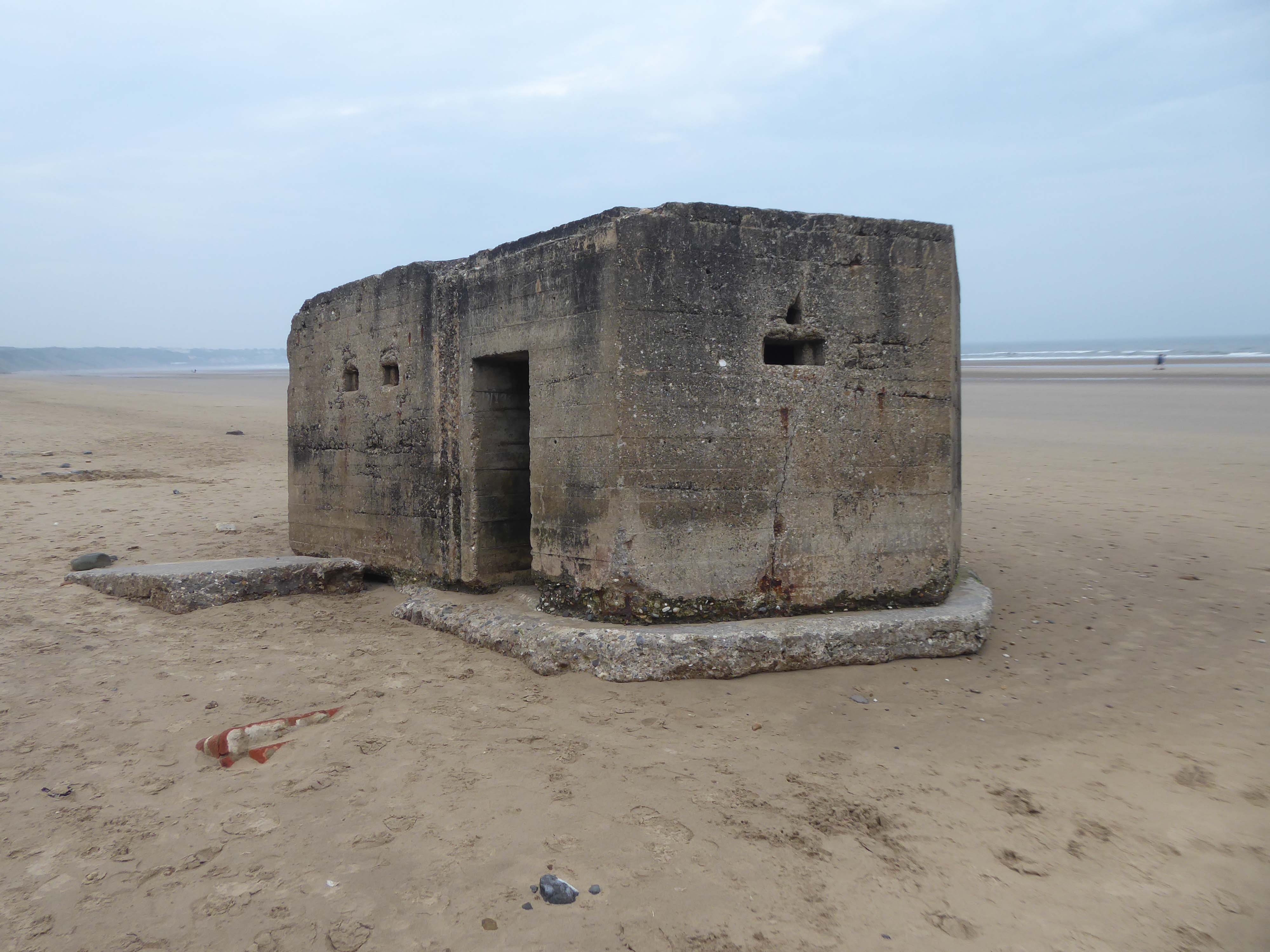
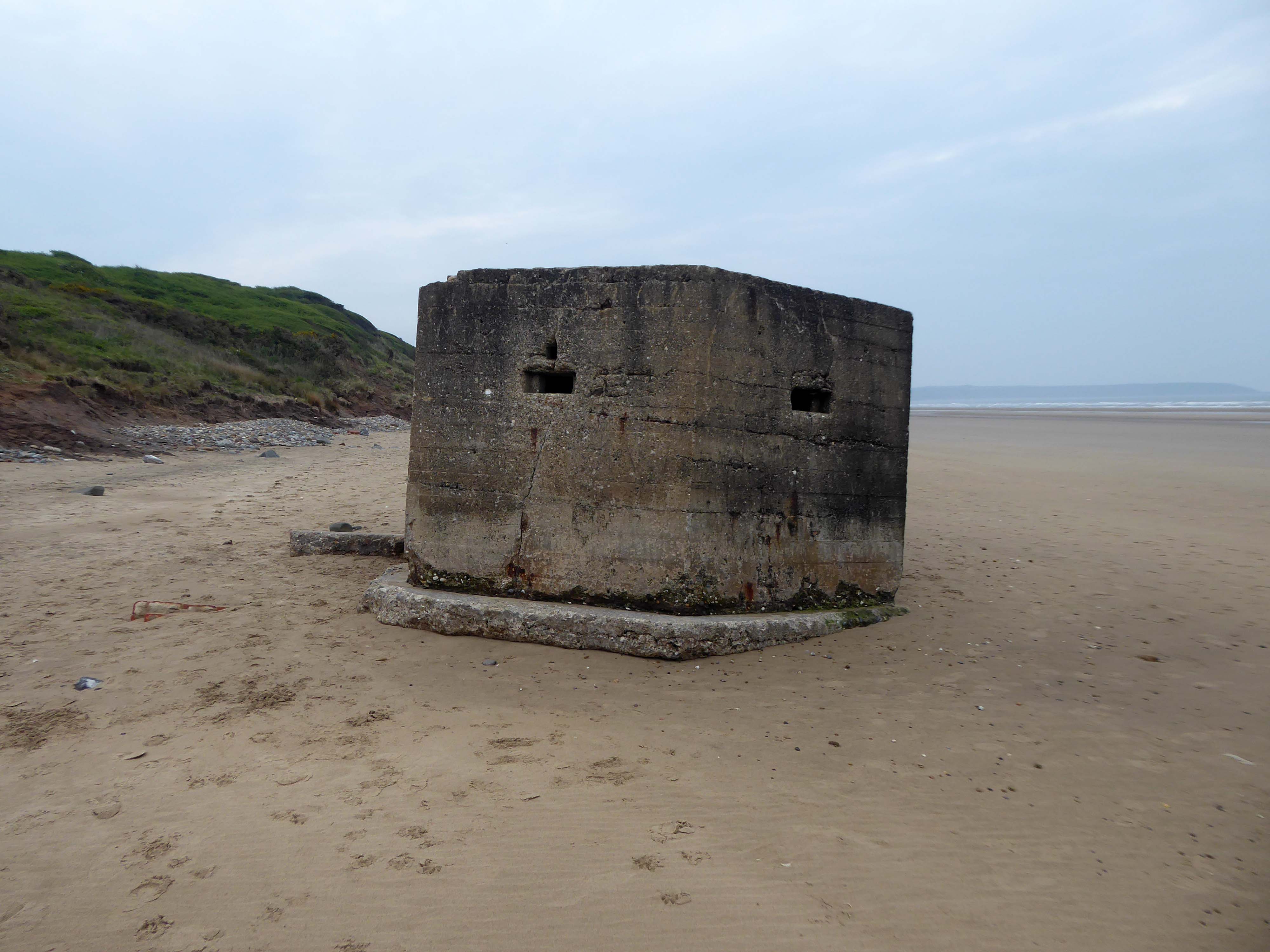
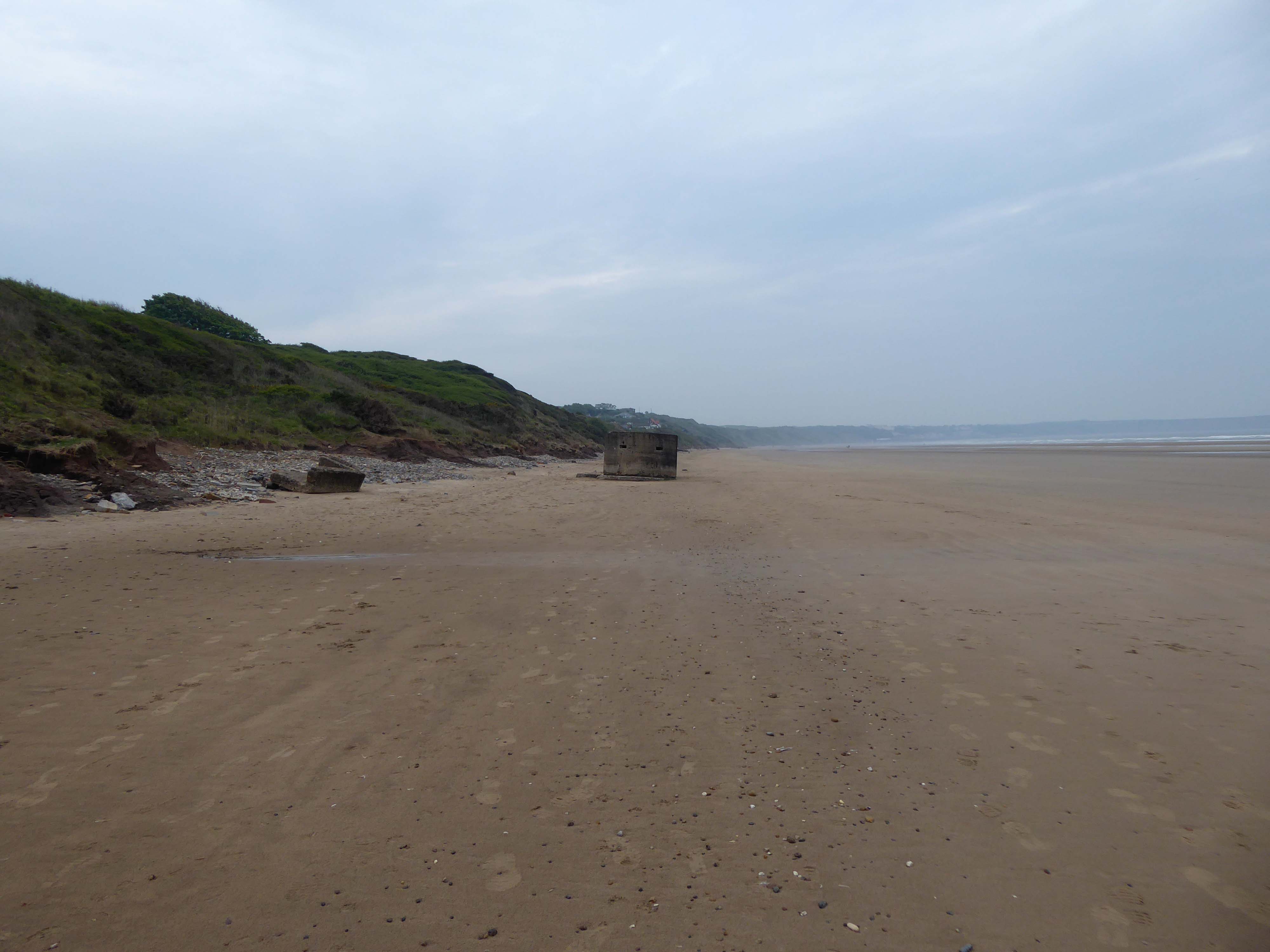
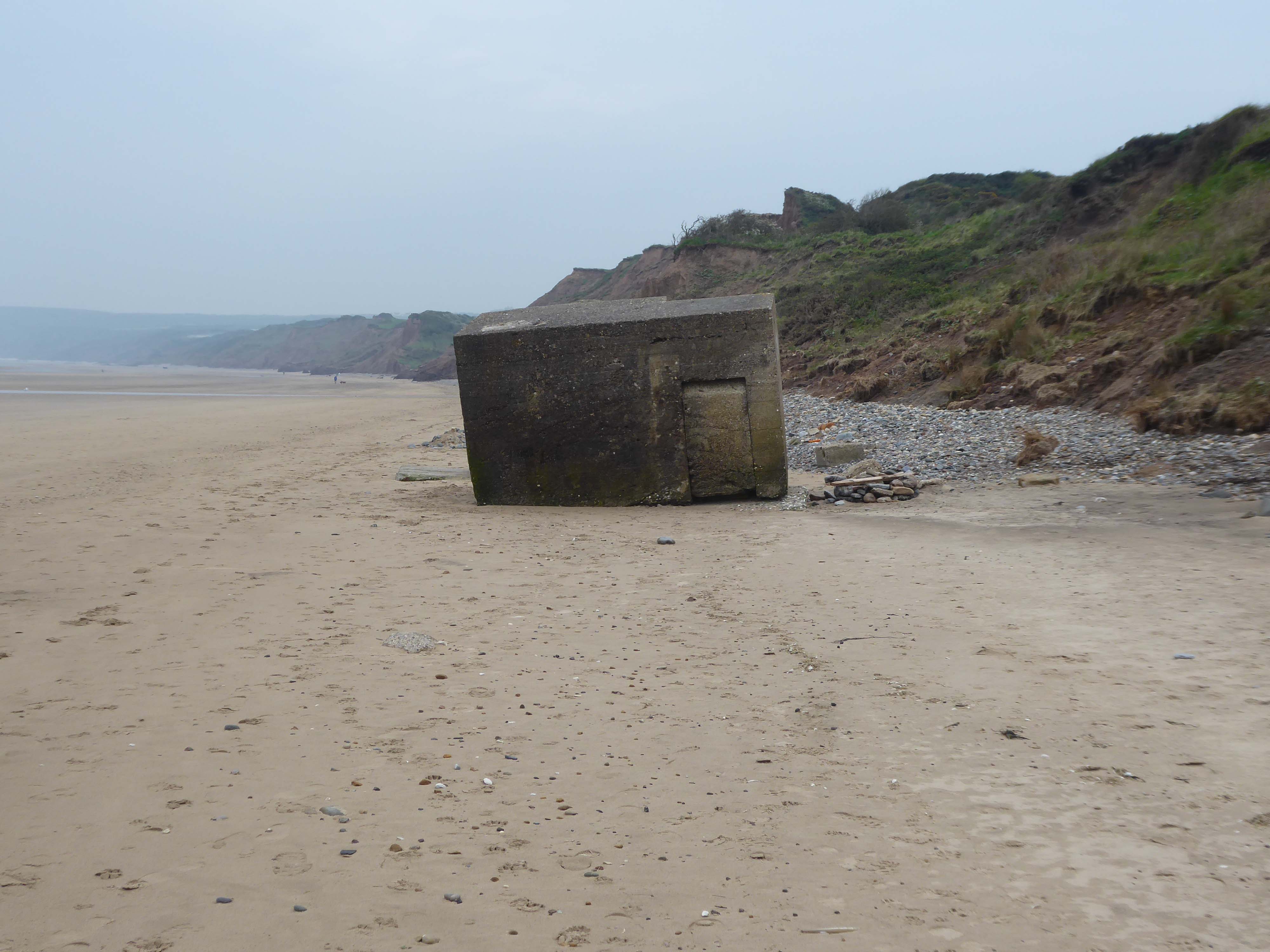
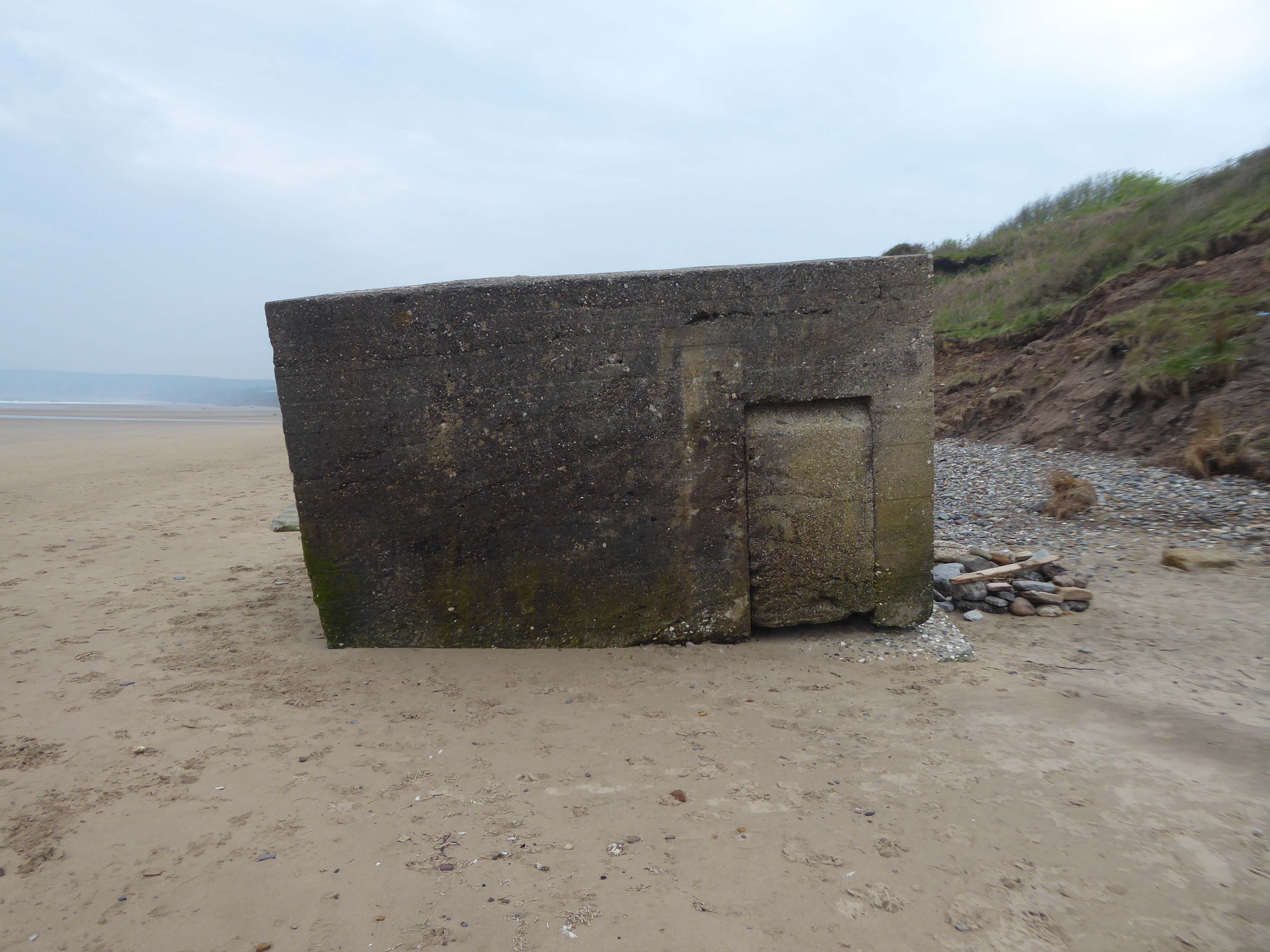
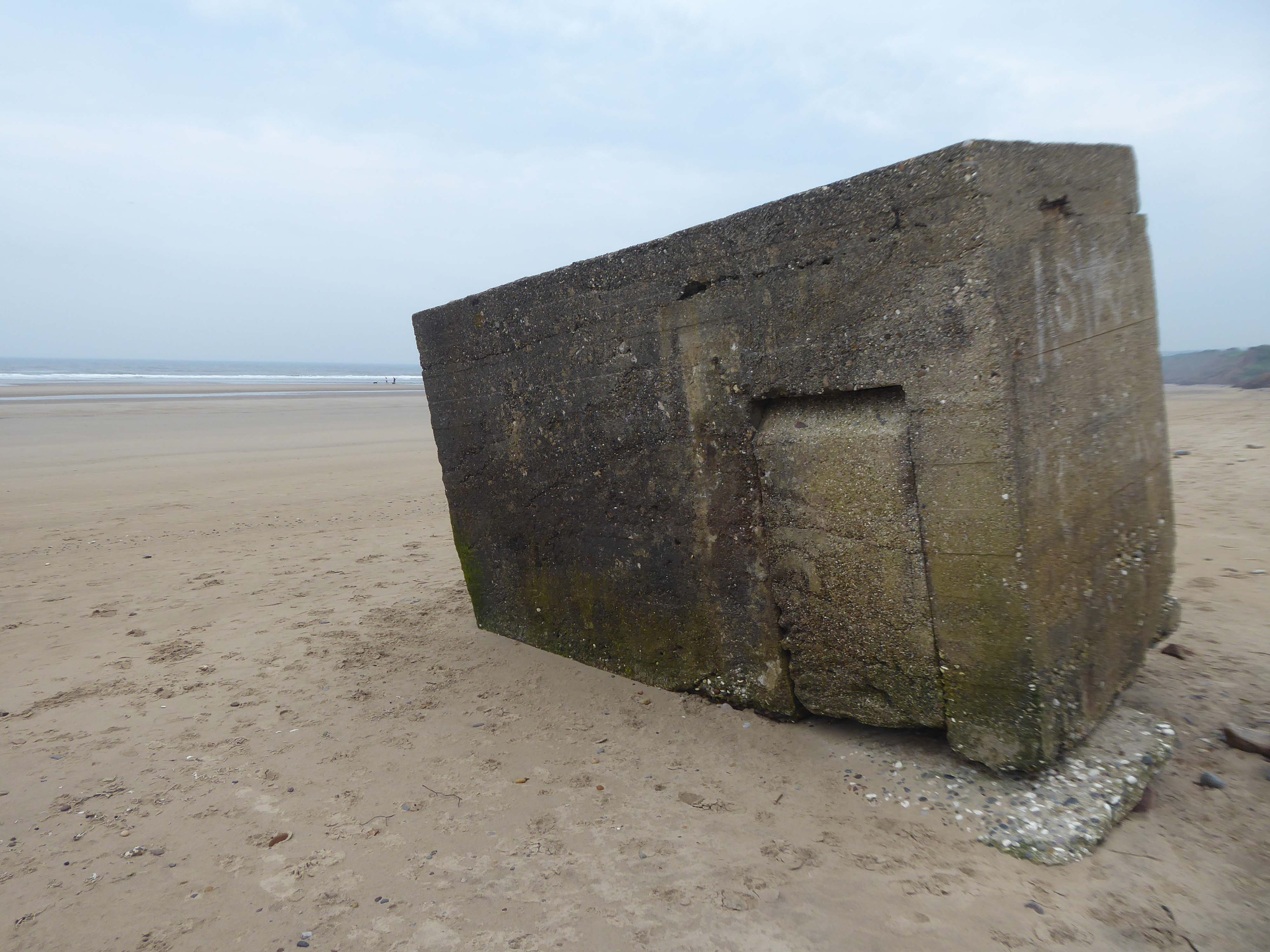
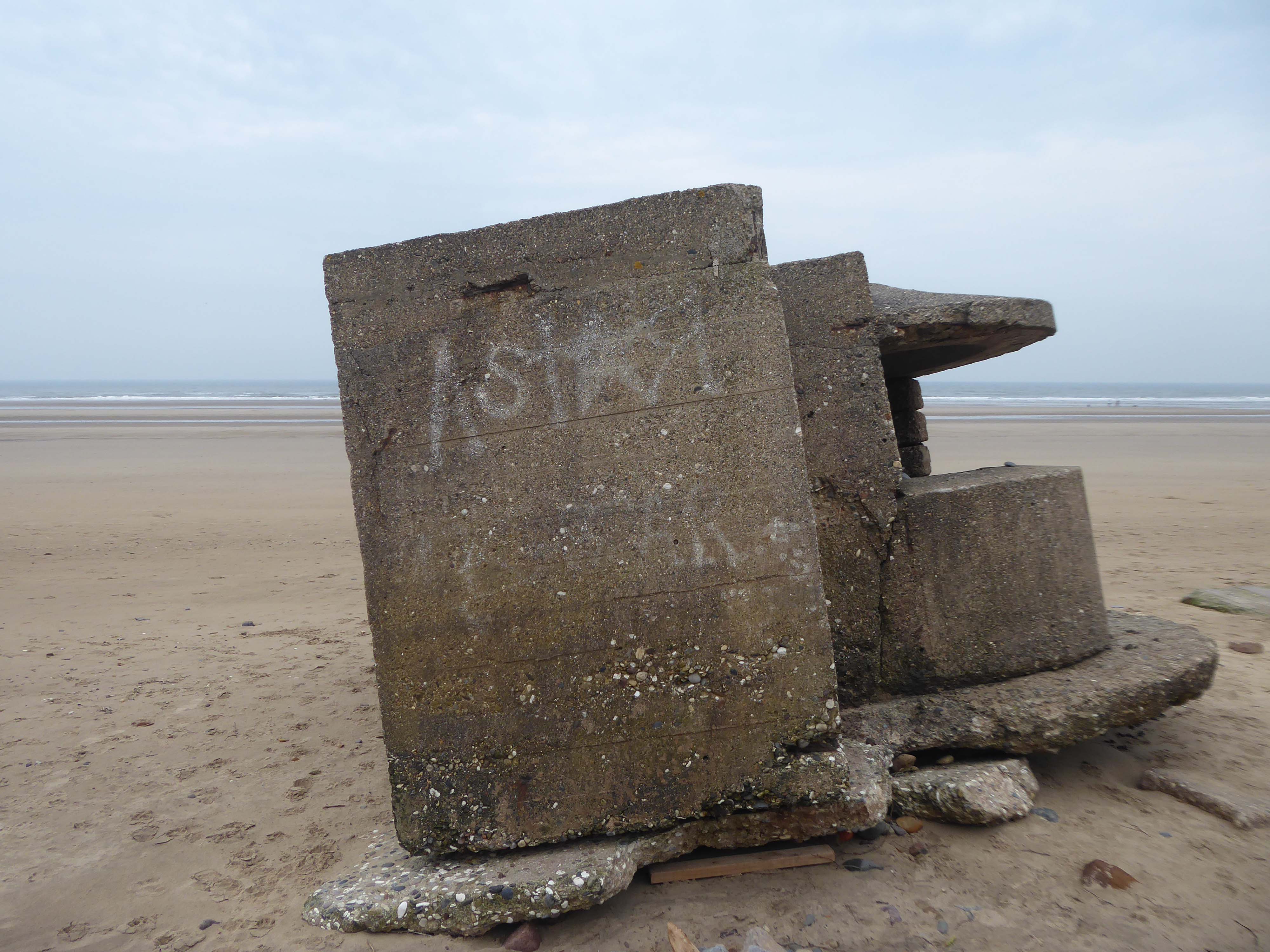
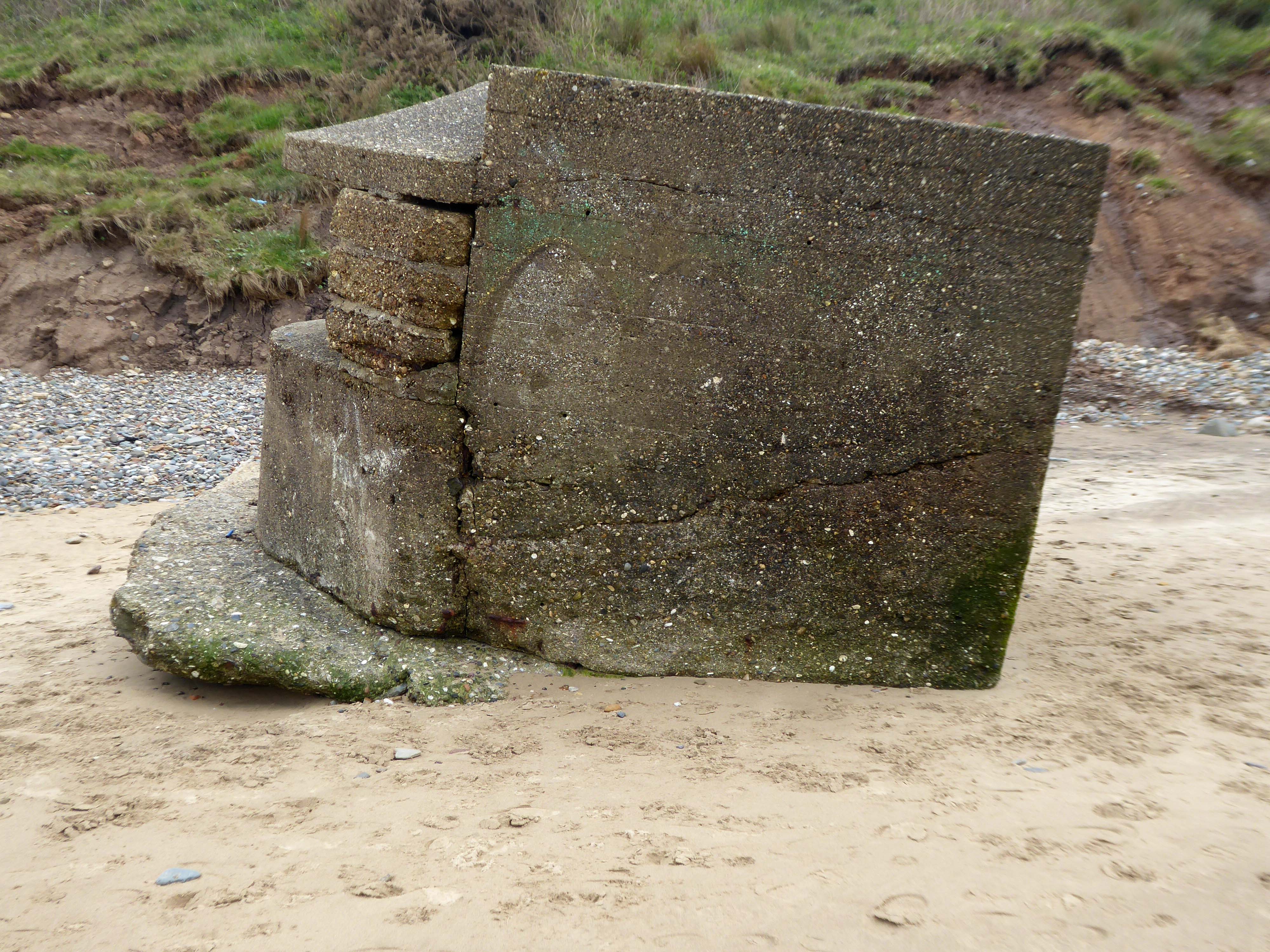
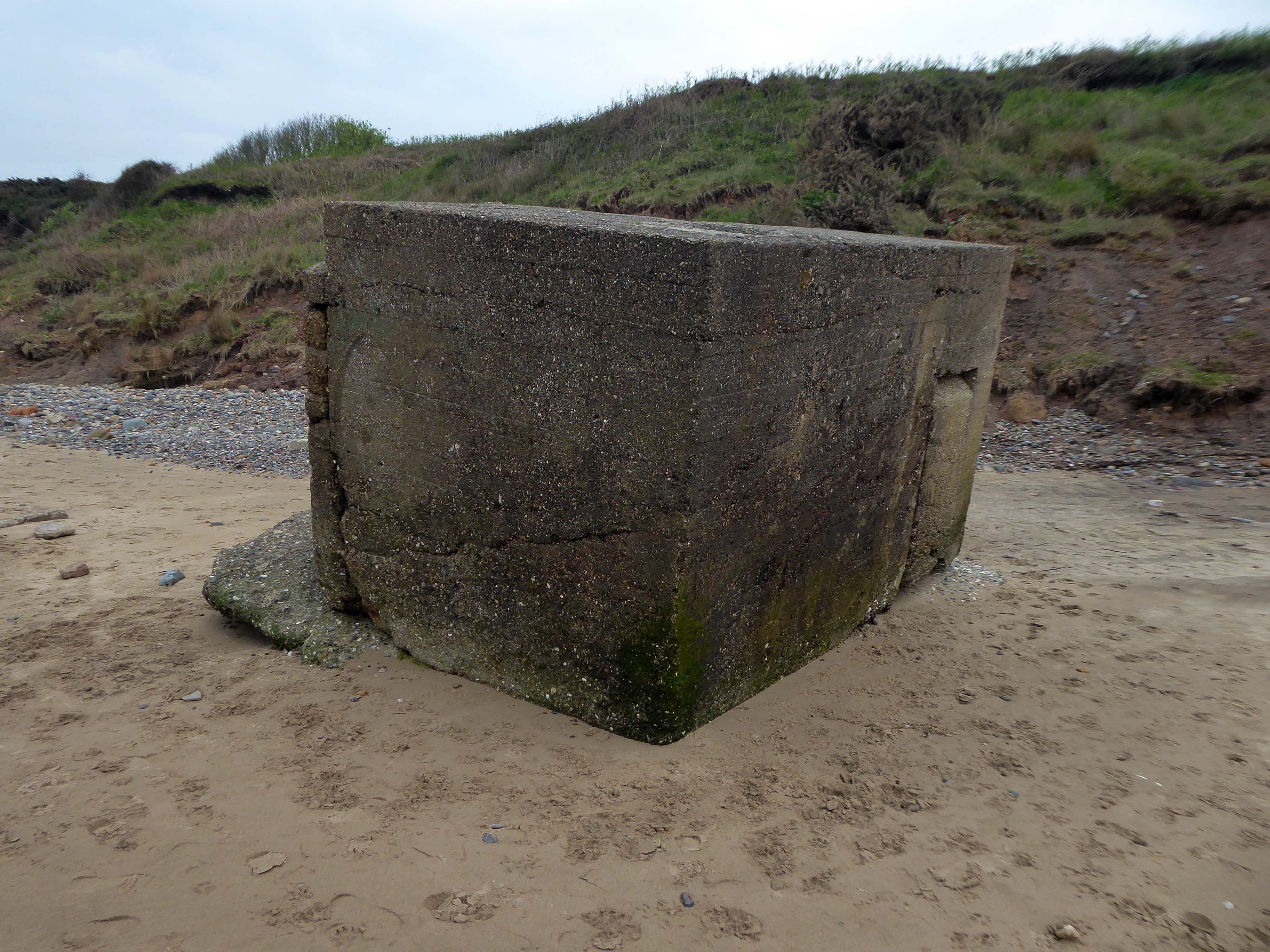
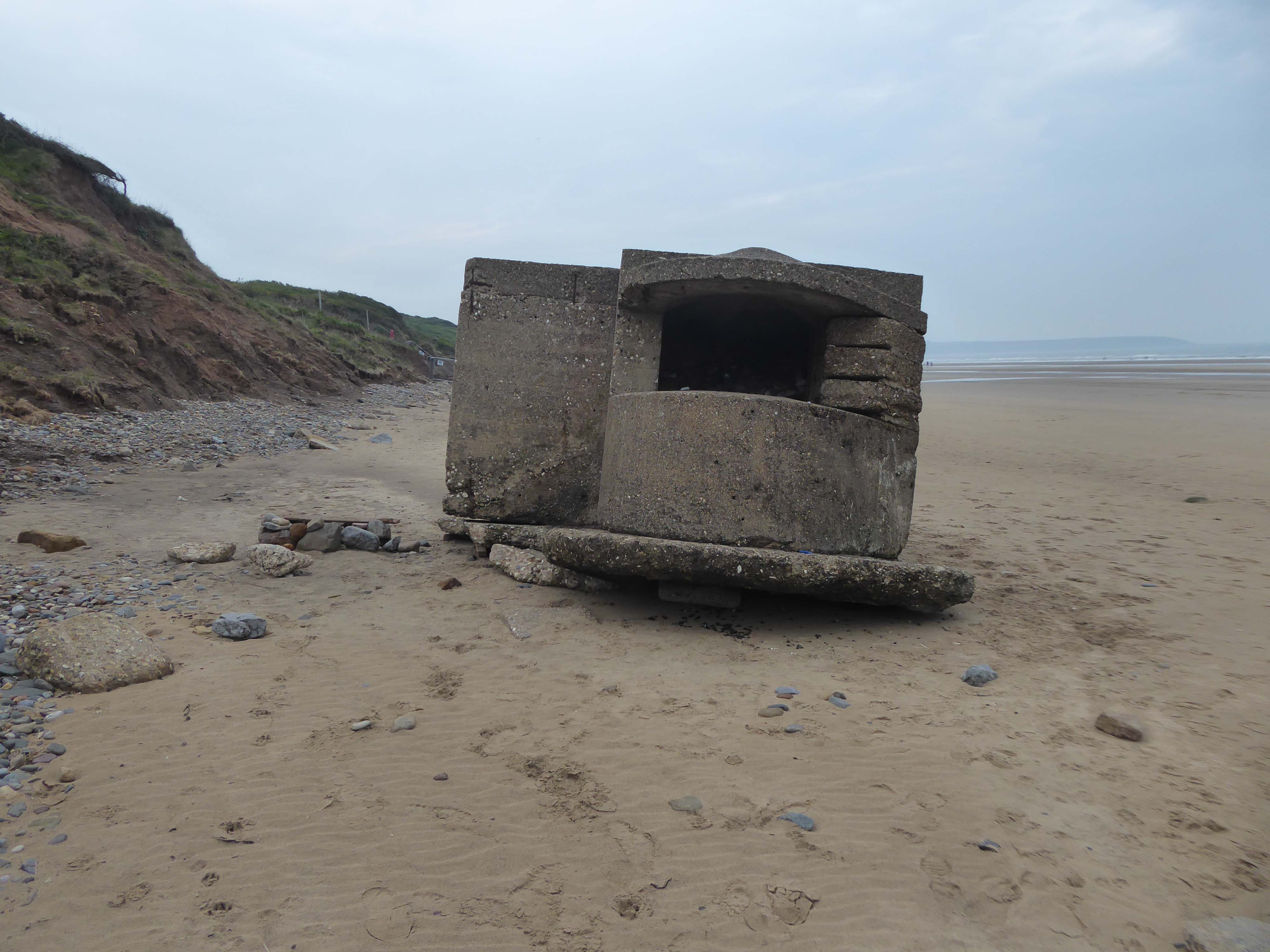
The shore toward Hunmanby Gap when faced with the threat of invasion, was home to a plethora of coastal defences, formed from raw concrete between the years 1941 and 1942, along with attendant armed forces.
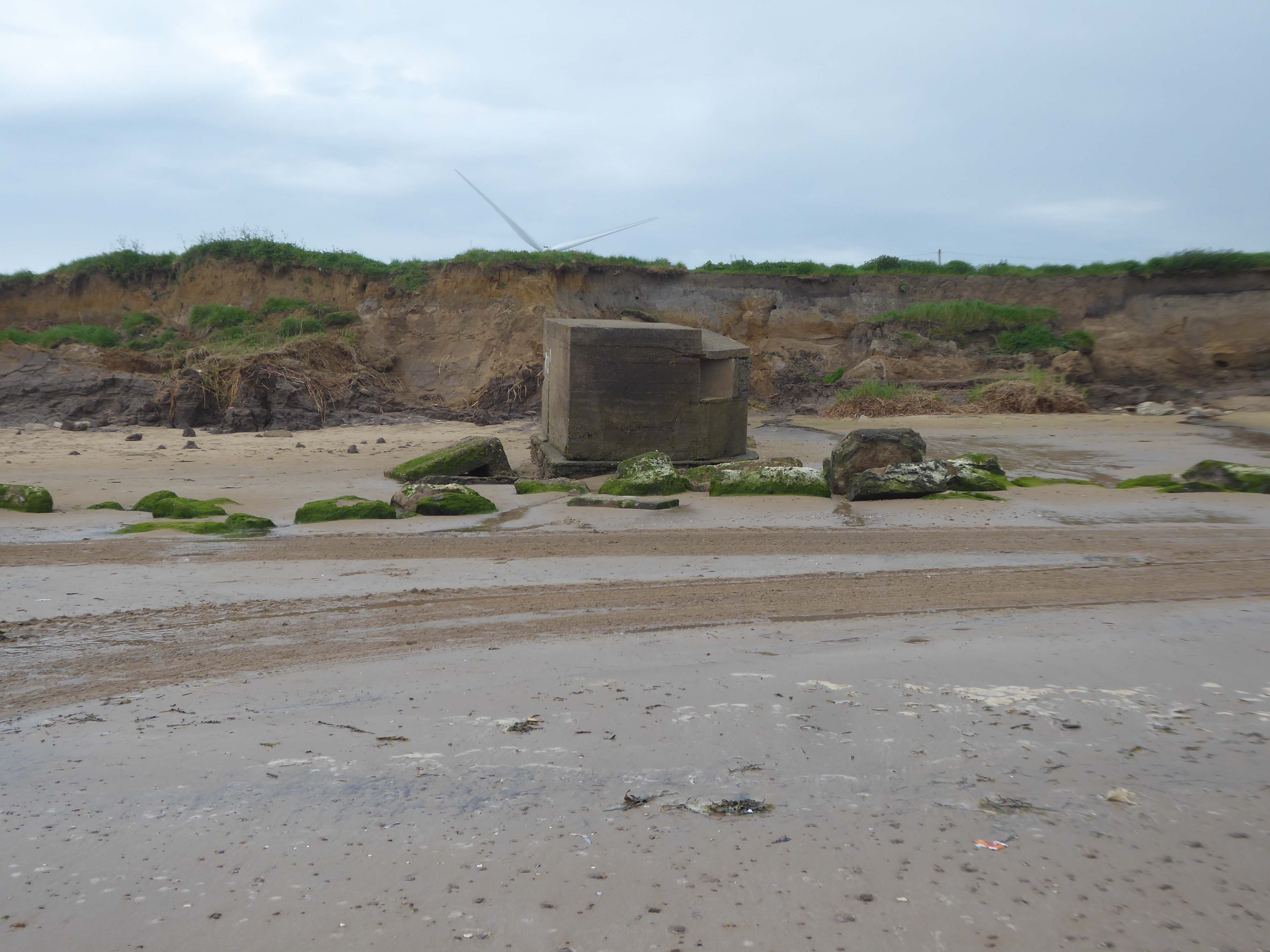
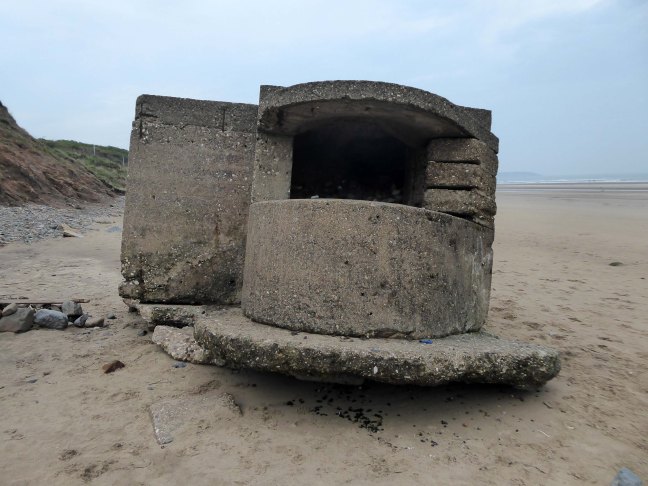
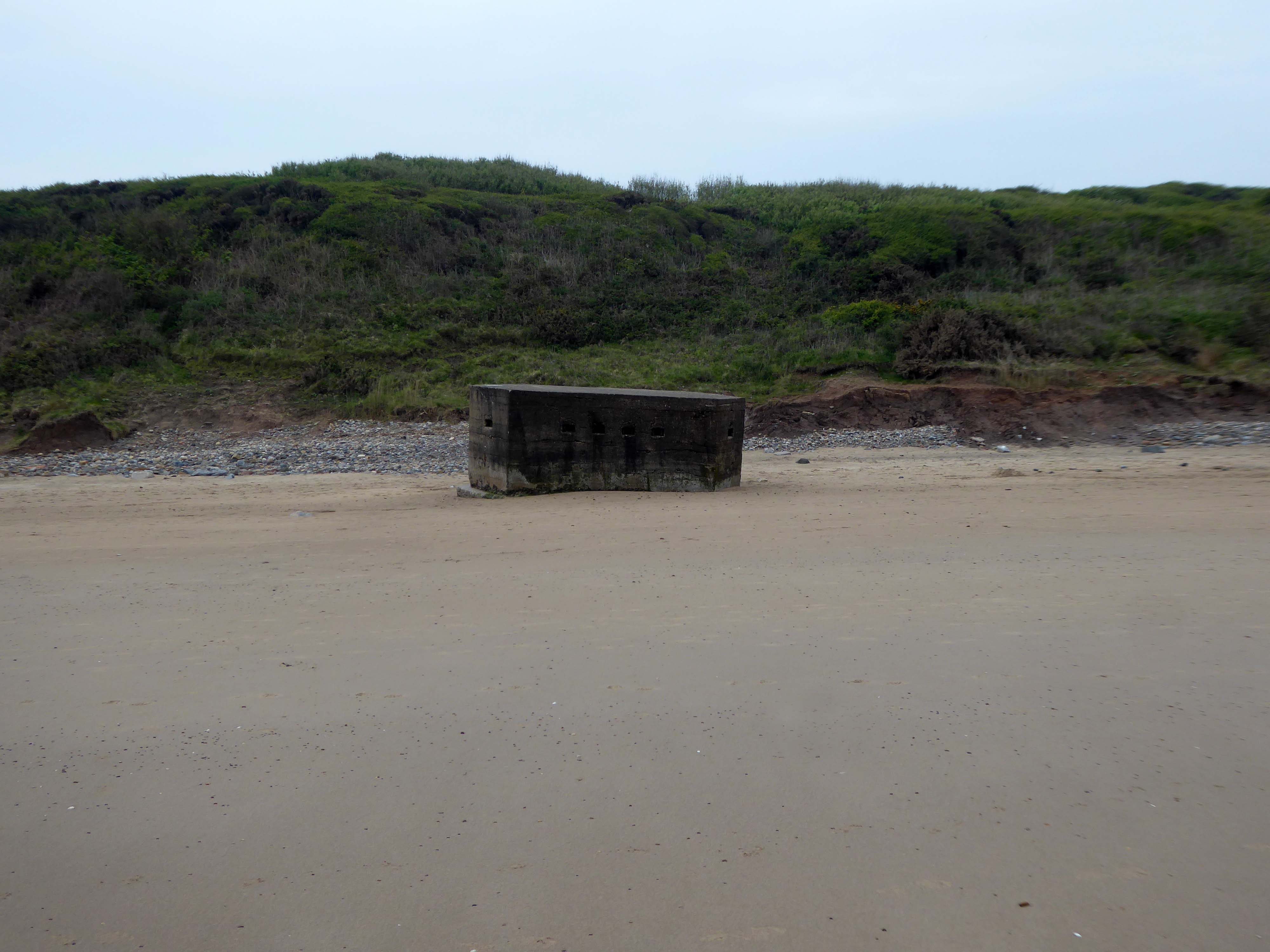
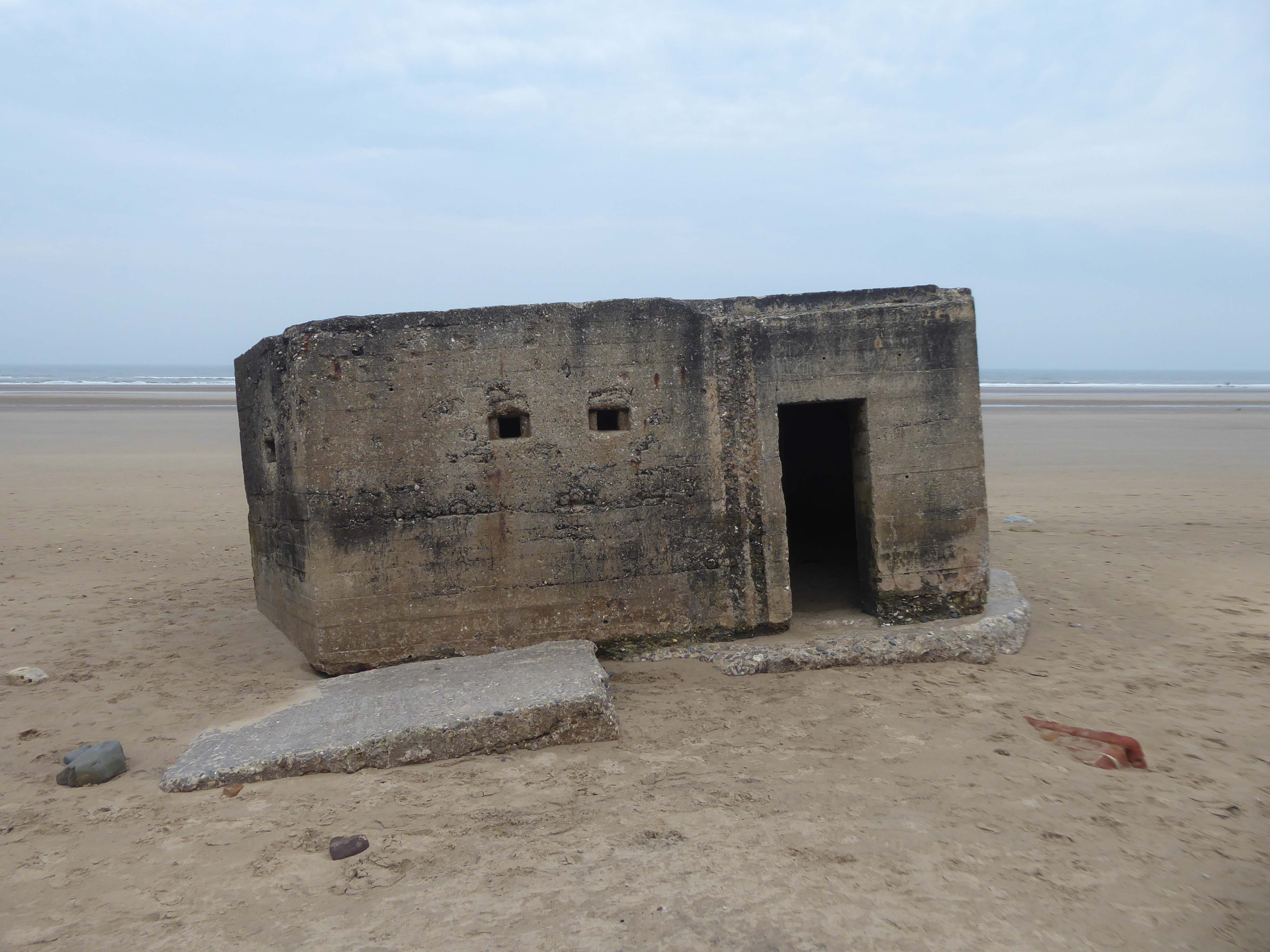
Pill boxes, anti-landing trenches, anti-tank obstacles, beach lights, coastal batteries, flame fourgasses, gun emplacements and machine gun posts were clustered along the coast.
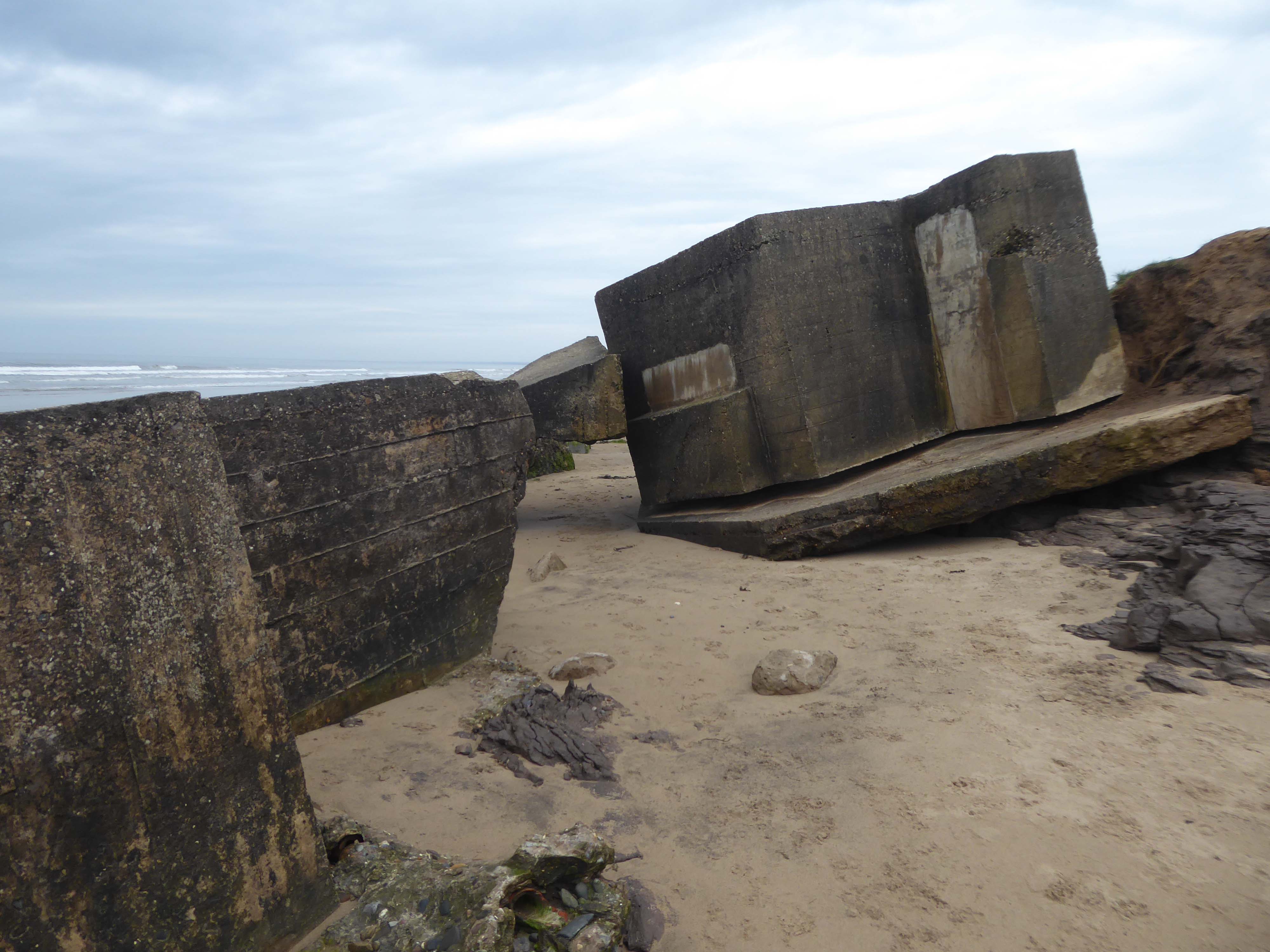
The majority have subsequently been removed, a few are extant – slipping from their cliff-top positions, as the soft clays have been eroded.
Their remains are now skewed and diminished by the weather and the North Sea’s formidable waves, taking on striking sculptural forms, embedded in the shifting sands.
During May 1940 the branch of the Directorate of Fortifications and Works – FW3, at the War Office was set up under the Directorship of Major-General G.B.O. Taylor. Its purpose was to provide specific pillbox designs to be constructed throughout the countryside at defensive locations.
During June and July 1940 saw the FW3 branch issue seven basic designs. However, often, once in the field, the local construction companies modified these under the direction of the area commands.
The FW3 pillbox design concept was to provide a simple fieldwork standard that could be constructed very quickly. Most designs consisted of or incorporated some of the following features:
Minimum of Bullet/Splinter Proof protection No attempt was made to provide living accommodation Some designs were enhanced to Shell Proof standard Simple Blast Walls to protect open entrances External flat side walls with rectangular or polygonal shape
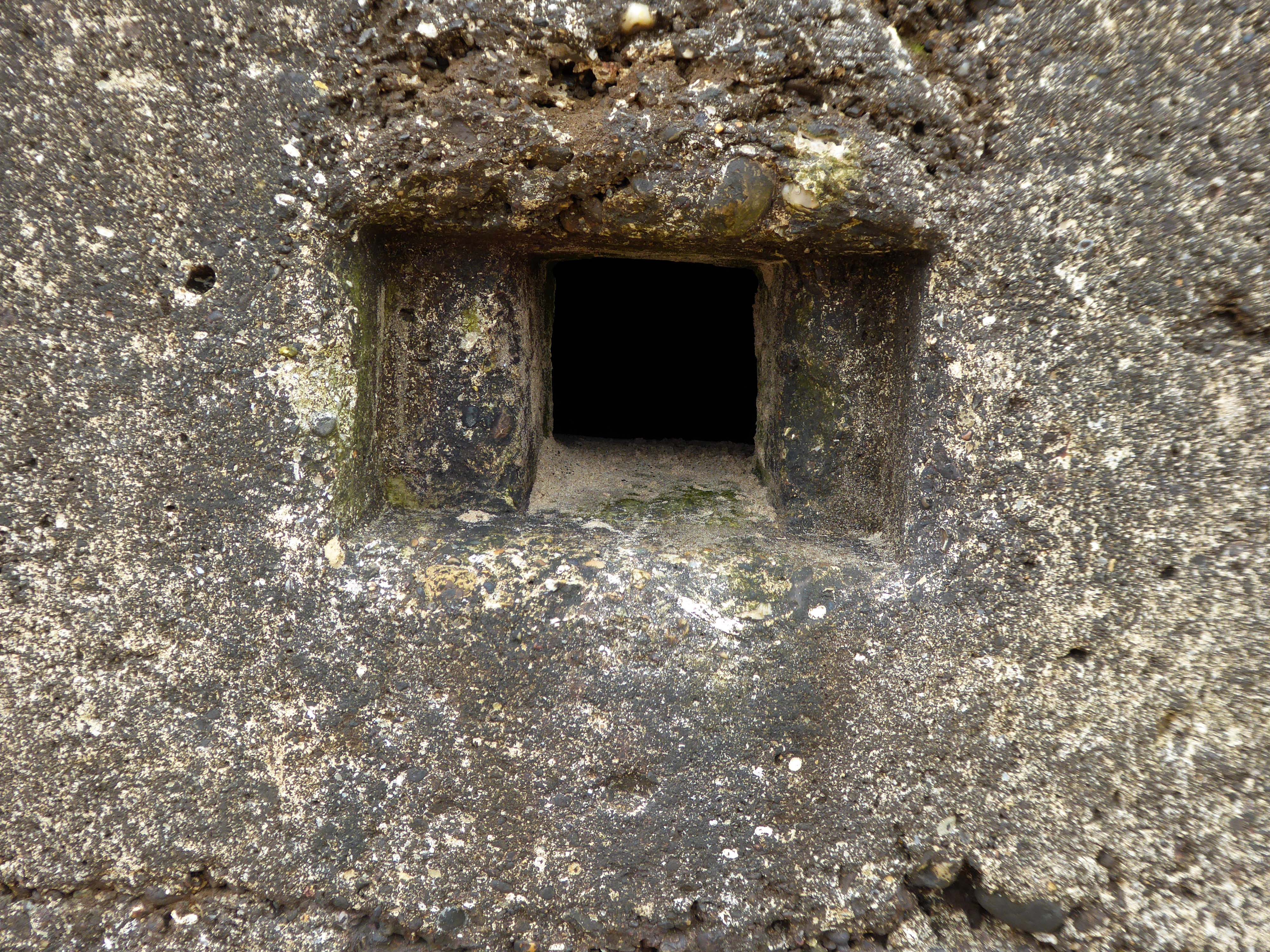
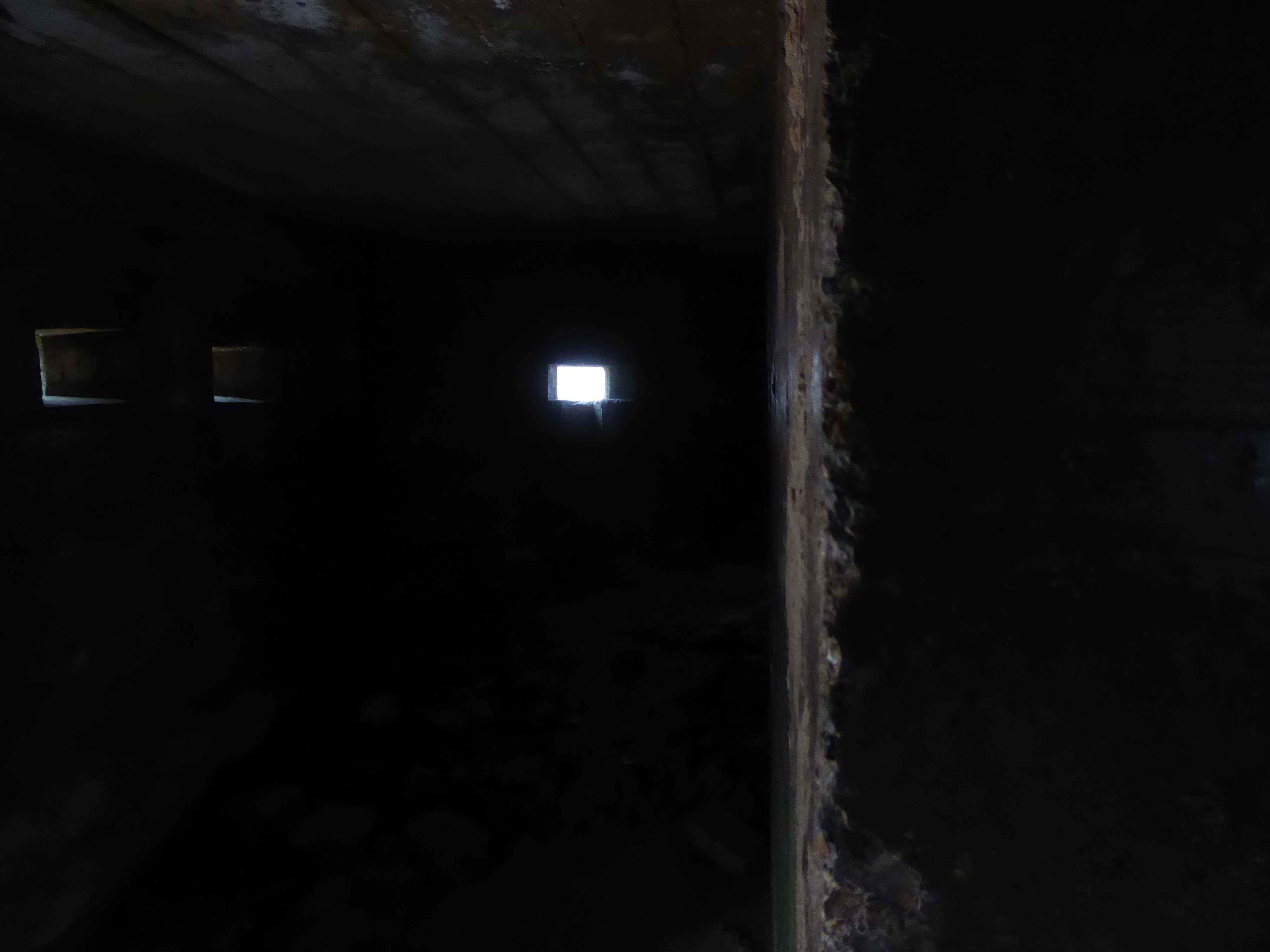
The use of common designs with standard sizes for doors, loopholes and flat sides made it easier to mass produce items for concrete shuttering and hence the speed of construction. However, with the general countrywide lack of material it was often necessary to use bricks as the shuttering. This often fools the casual observer into believing that the whole structure is constructed of brick. Closer examination often reveals the integral reinforced concrete back-bone.
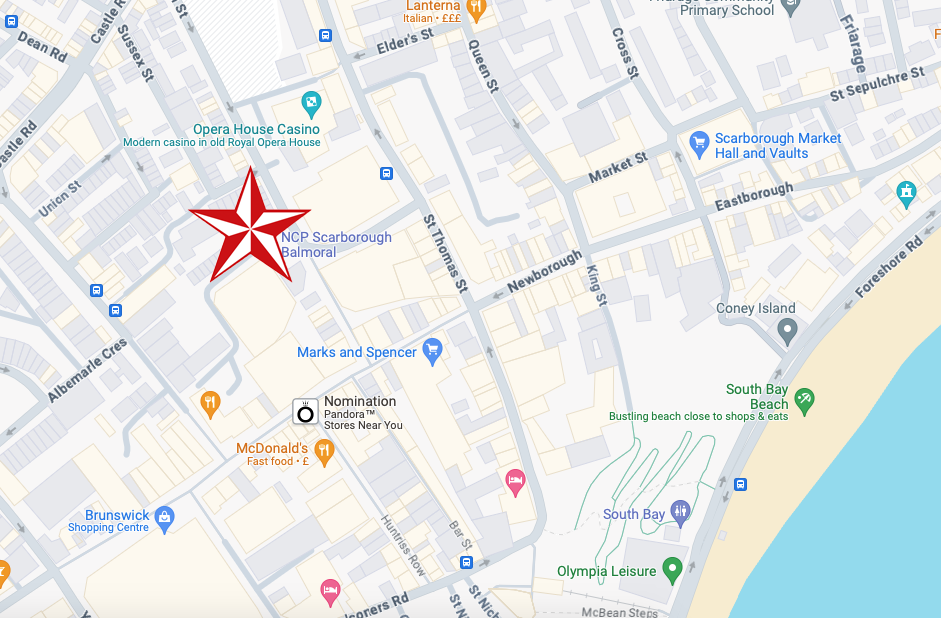
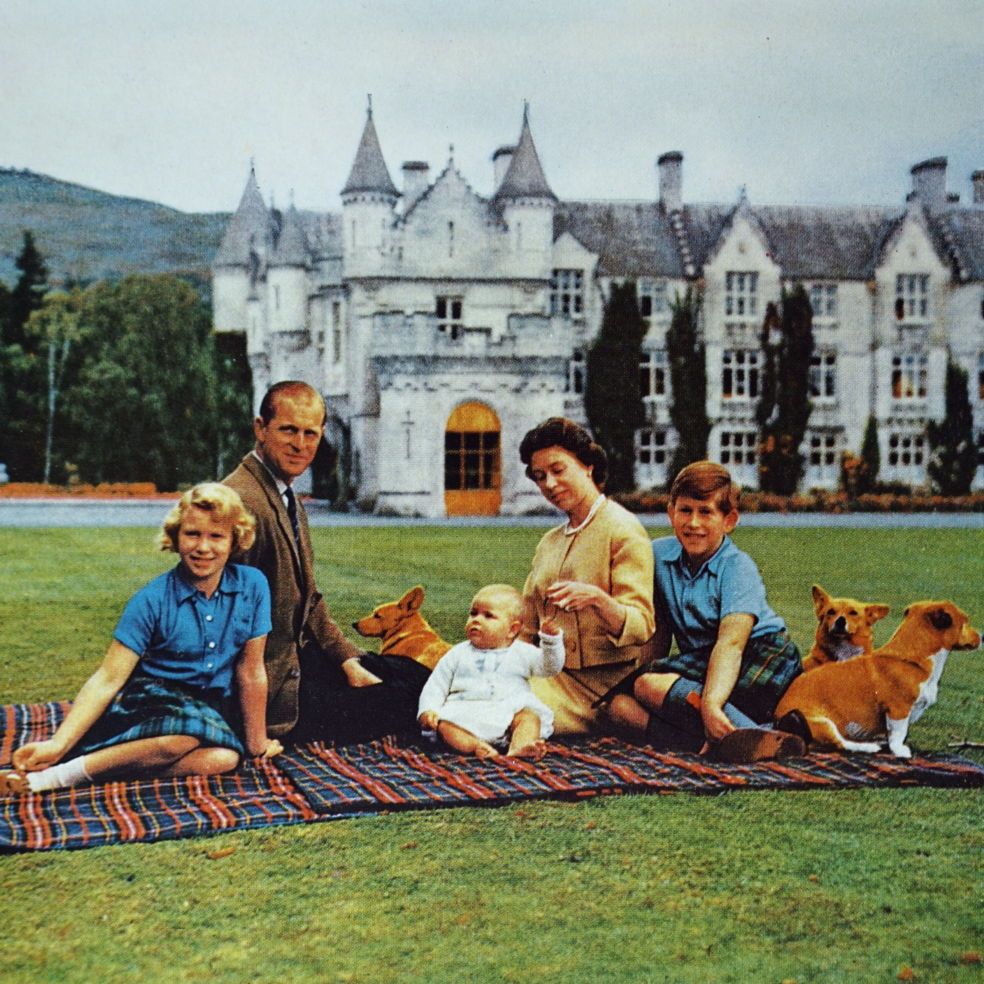
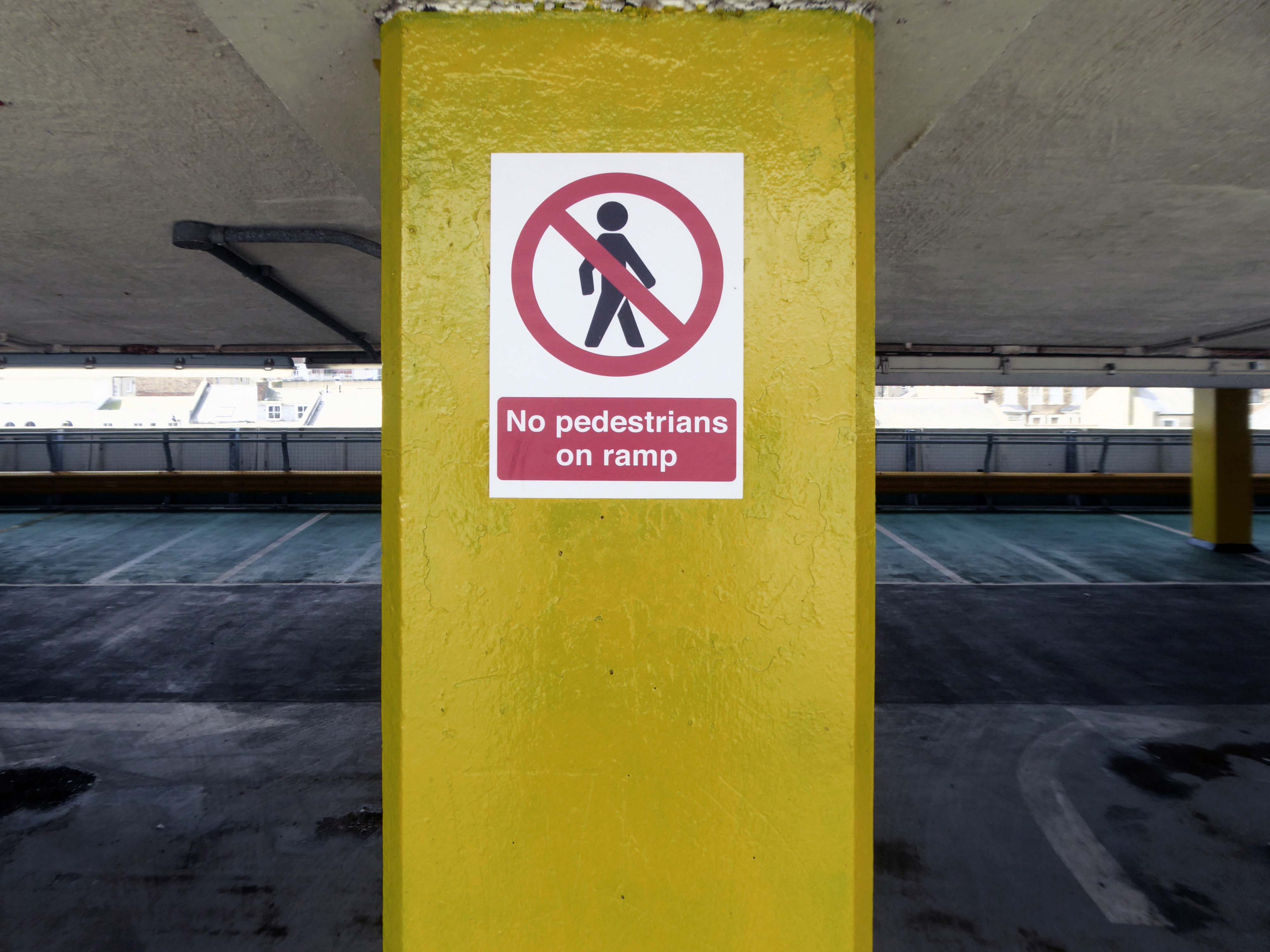
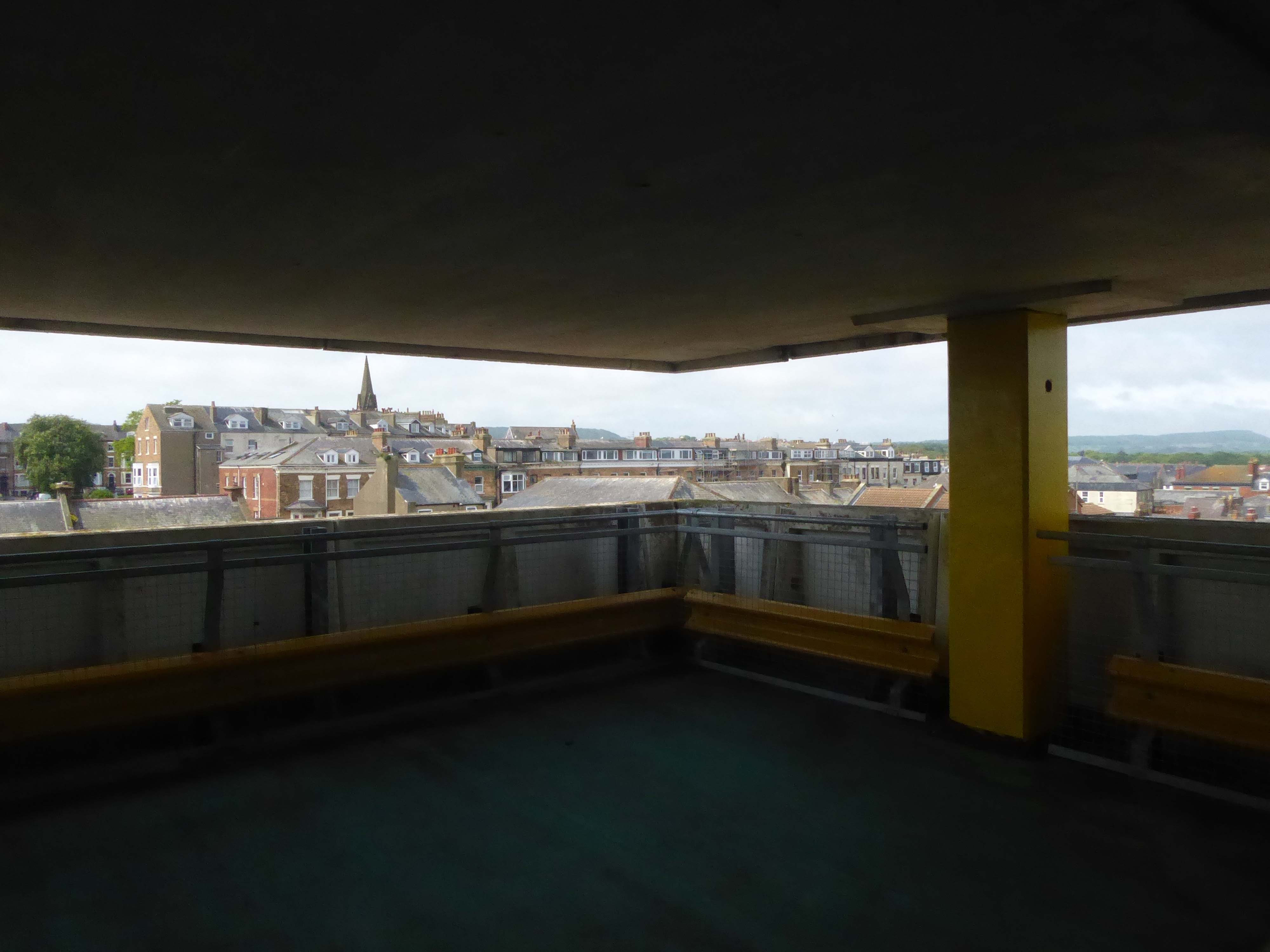
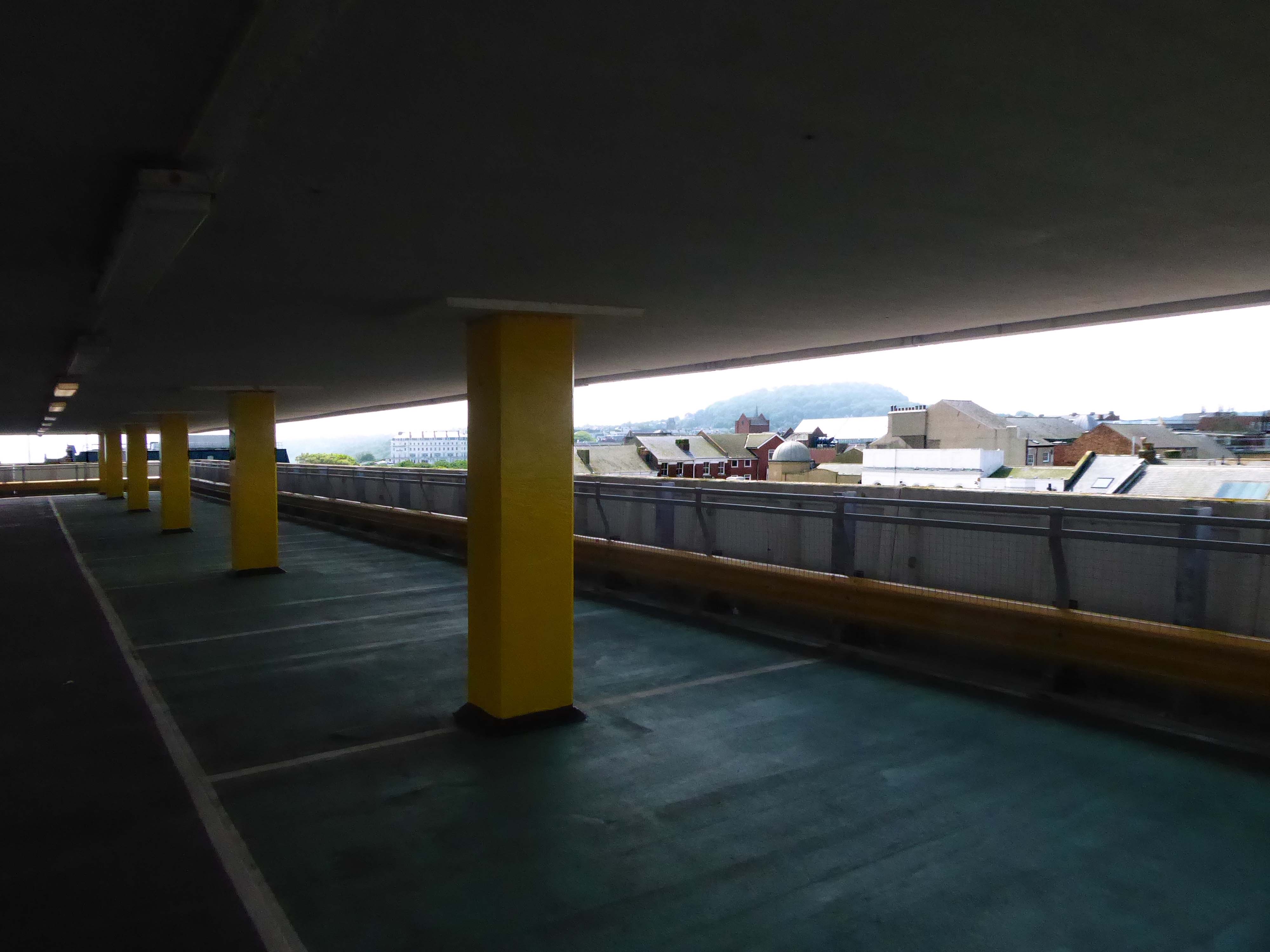
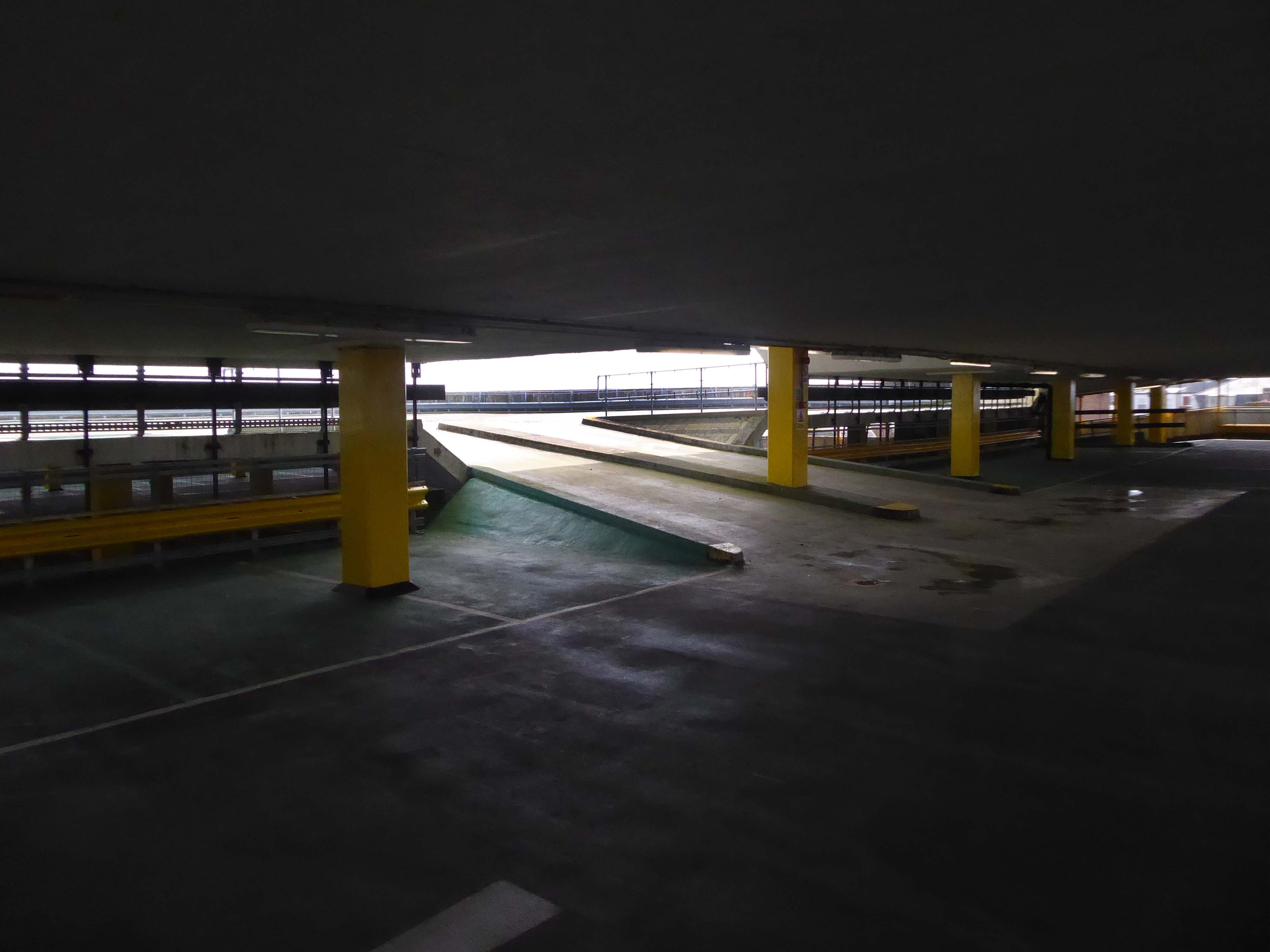
Last day of the holidays and we’re off to Balmoral!
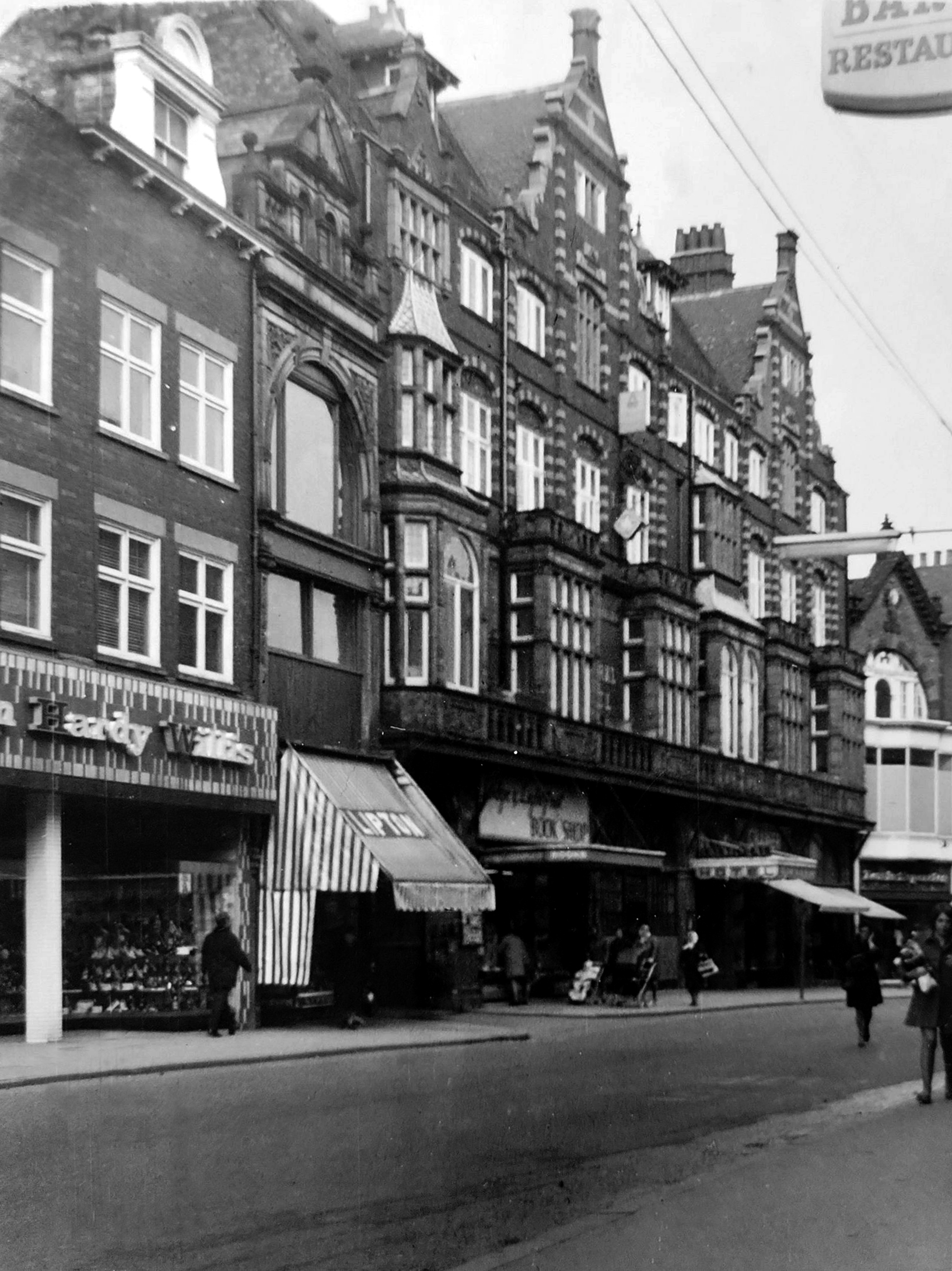
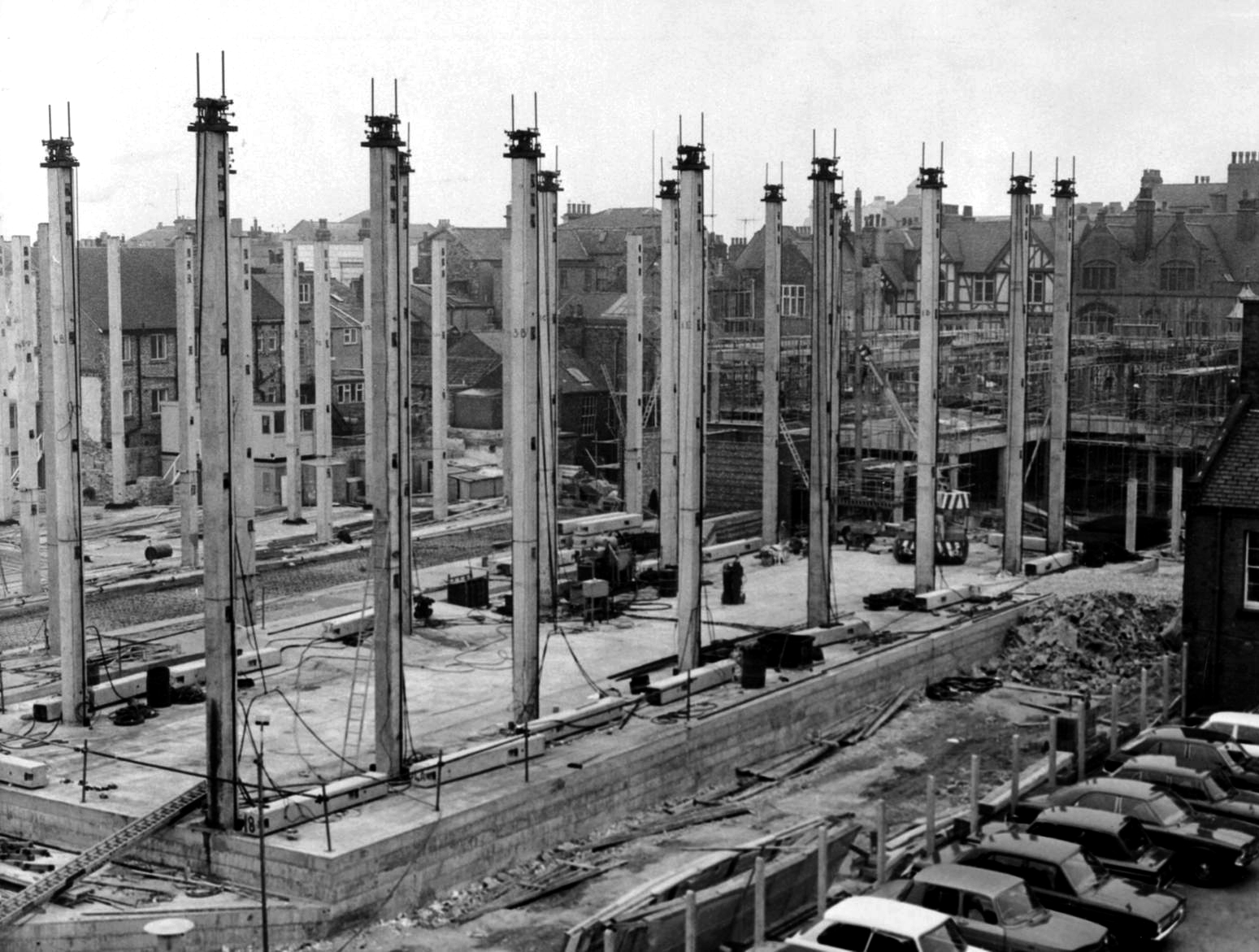
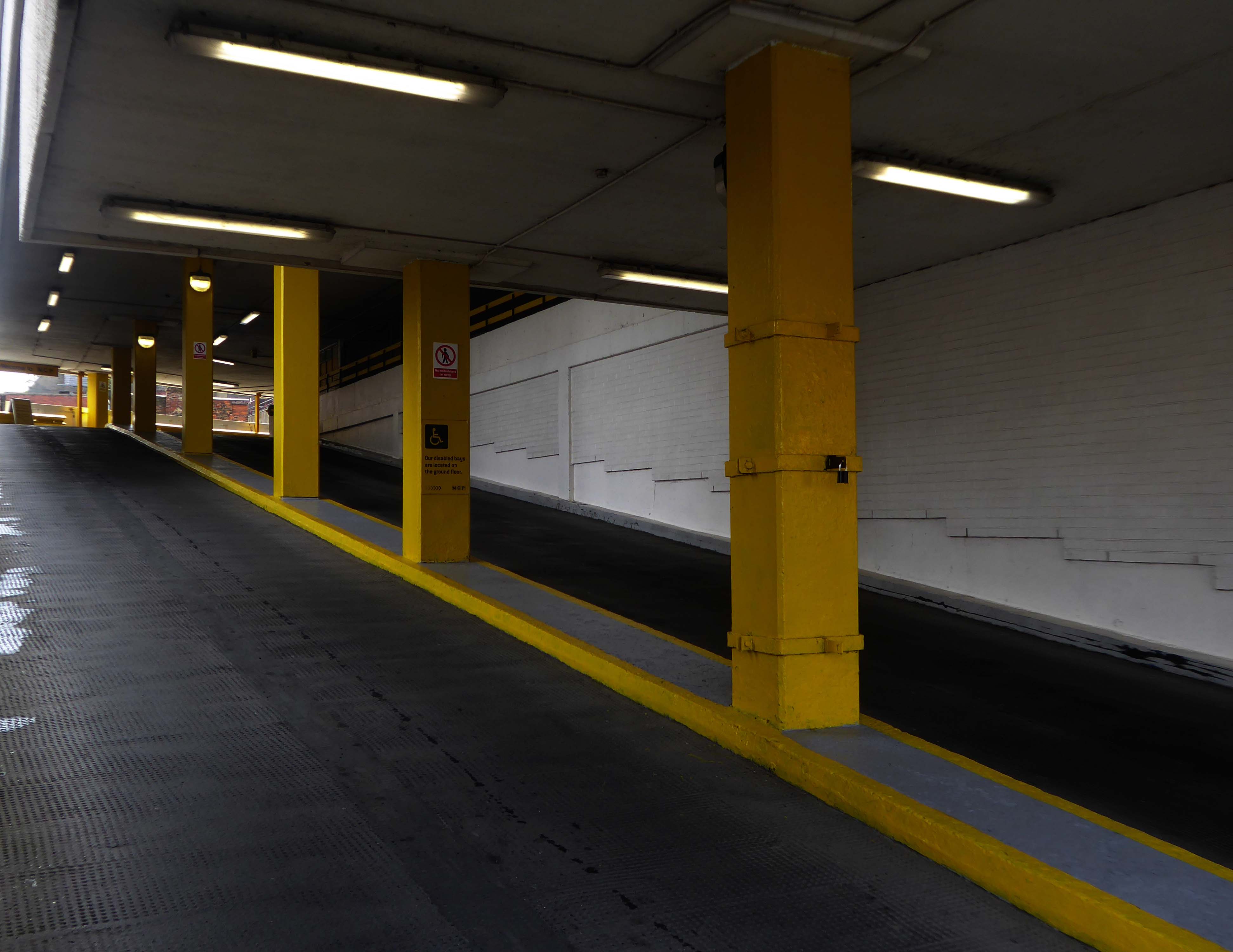
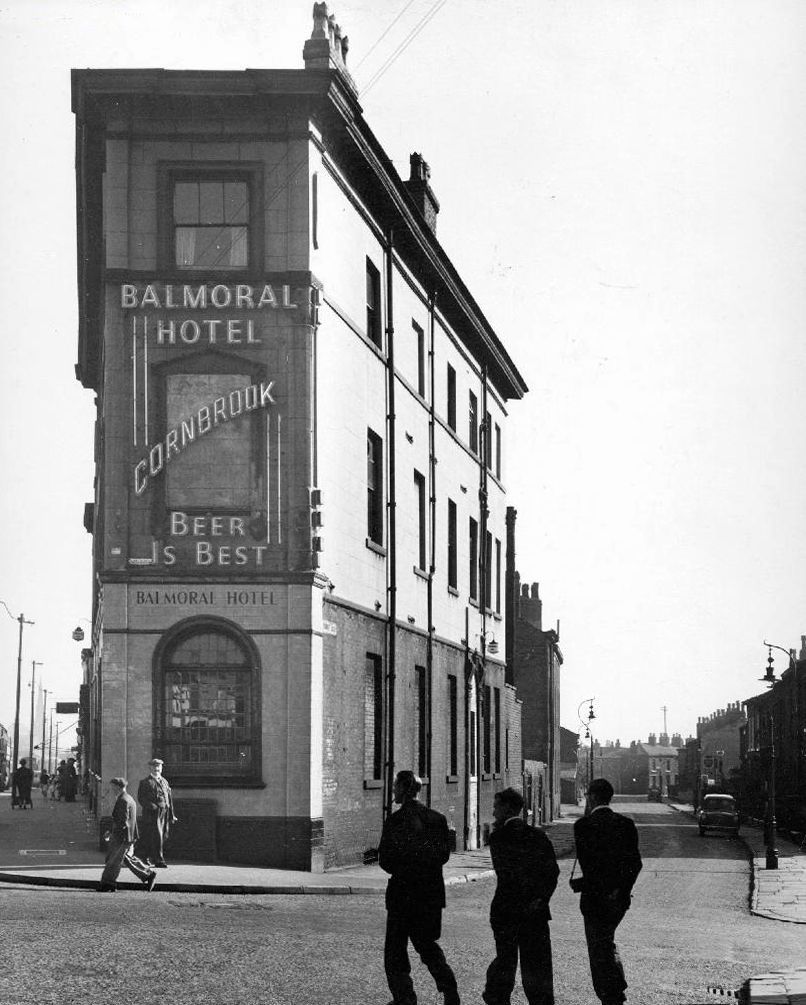
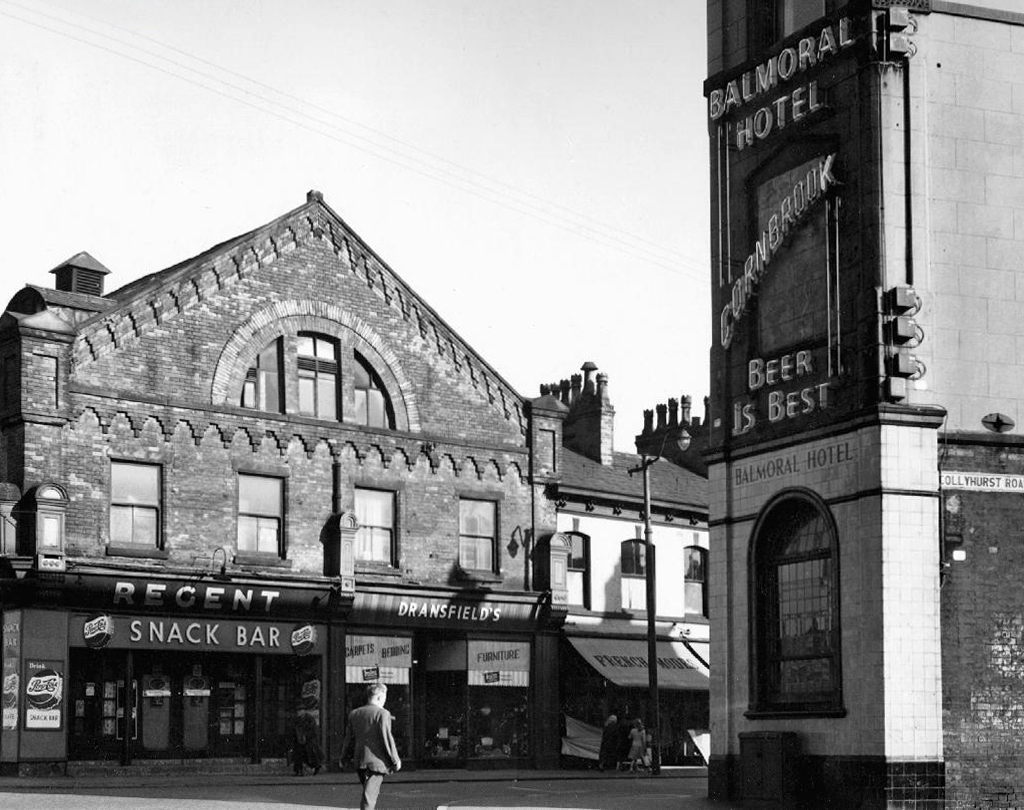
No not that Balmoral the other Balmoral, the car park attached to the Balmoral Centre, built in 1974 – with little or no reference to the Highland baronial.
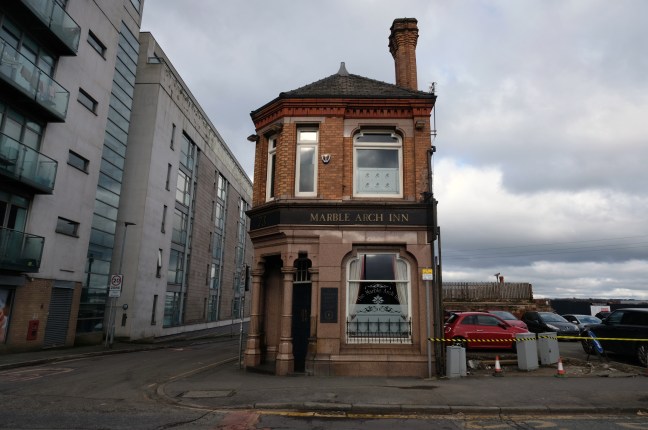
Though the old Balmoral Hotel had to be removed in 1973.
Scarborough is a beloved seaside resort and we’re pleased to have secured these well-known, popular parades, bringing them into our in-house portfolio.
We are committed to focusing our efforts on regional retail centres and neighbourhood parades where we can see there is incredible potential. The Balmoral Centre and Bar House provide us with significant opportunities to add significant value and we are already looking to identify how we can revitalise these centres further. We hope to make announcements on how we can achieve this over the next few months.
The staff at this car park are always friendly and really helpful.
You can tell they take pride in their car park.
We stay in this car park every time we come to Scarborough and stay in Britannia hotels, we find it safe and secure to park your car, the staff are very helpful and polite and keep the car park in tip top condition.
We will always park here great opening and closing times also five minute walk to Royal and Grand Hotel and shops.
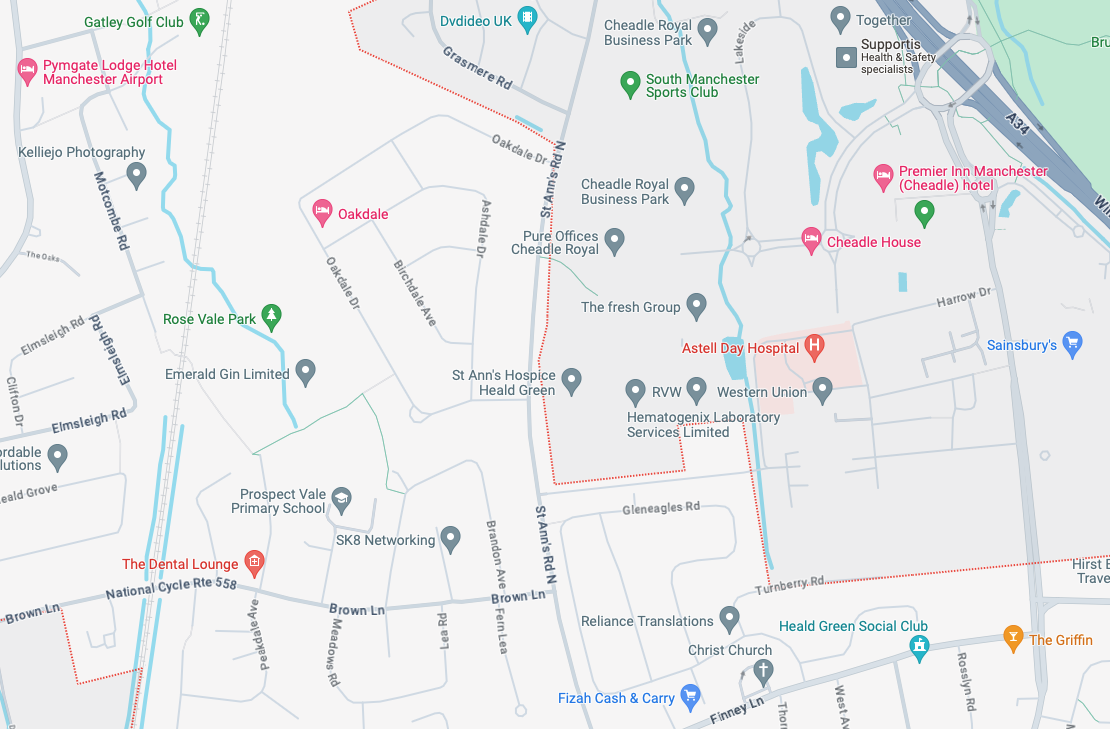
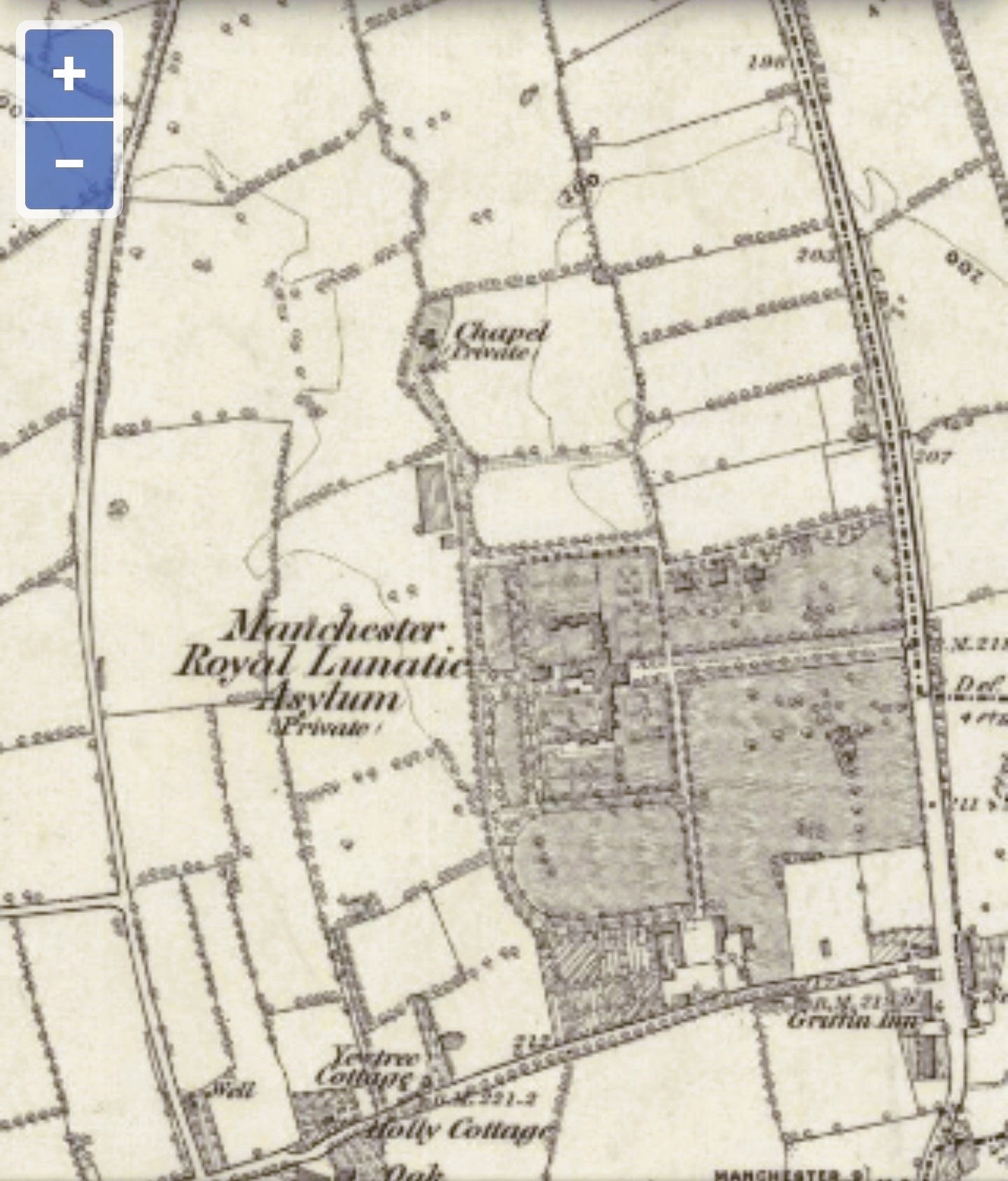
St. Anns Road North in Heald Green is in the North West region of England. The postcode is within the Heald Green ward/electoral division, which is in the constituency of Cheadle.
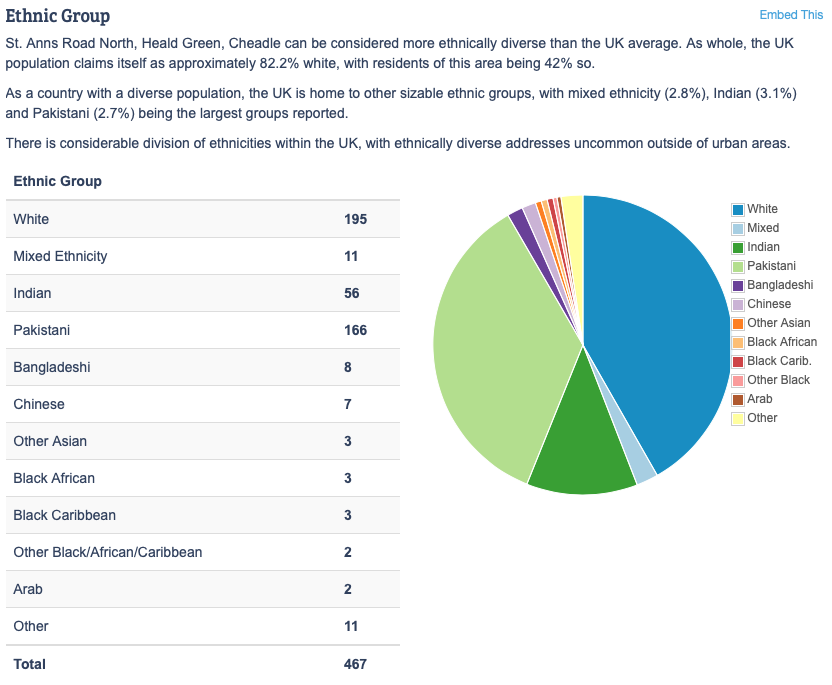
This area was once described to me as built by Cowboys for Indians – though statistically there are more Pakistani residents.
This is a dormitory suburb of Manchester and nearby Stockport and is oh so close to the airport, polite and professional well presented and aspirational.
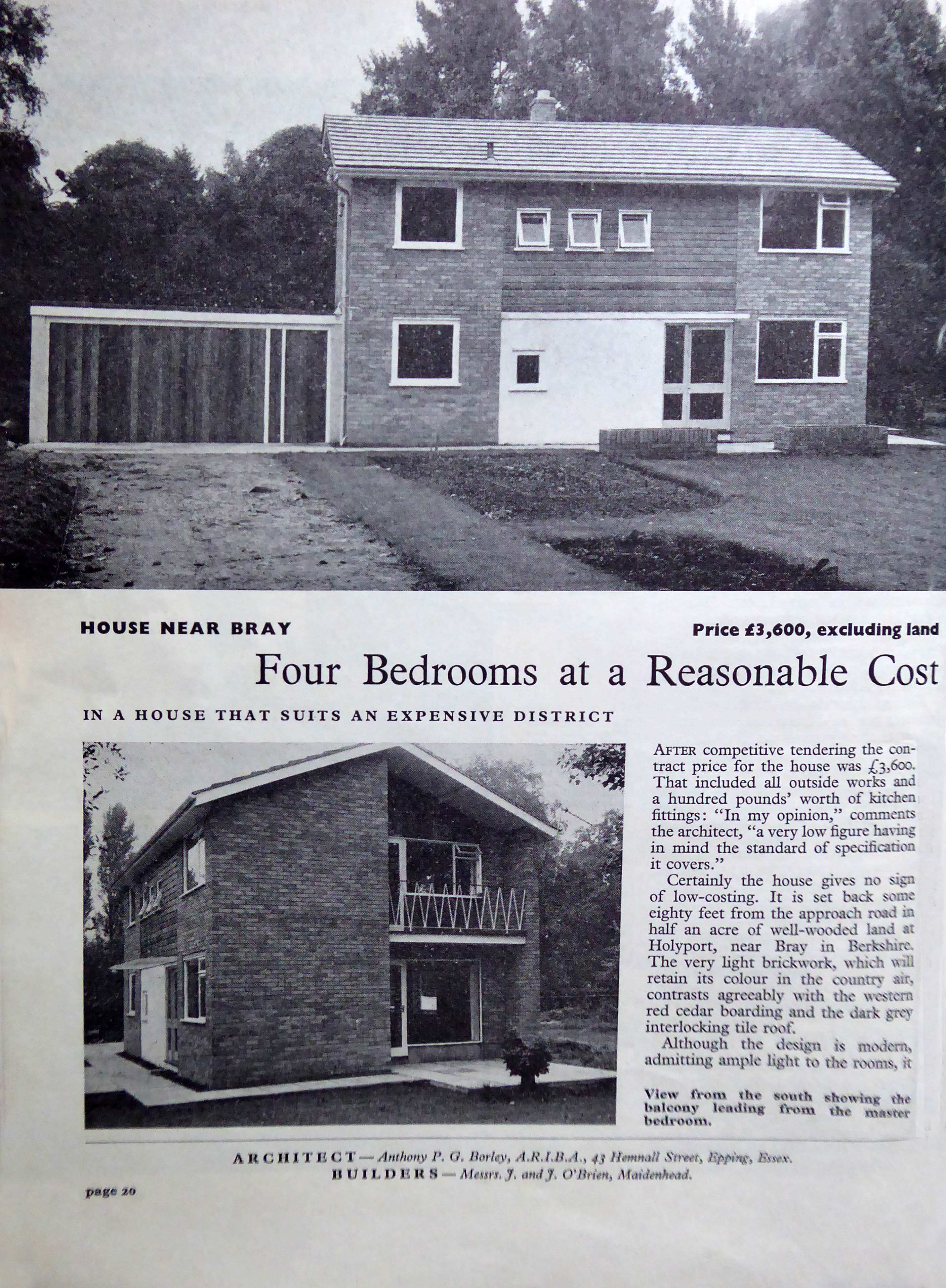
Once this was a Modern paradigm.
Subsequently the plaything of the upwardly mobile – extending in all directions, adding period details way out of period, or embracing the current vogue for the refined and smoothly rendered grey-ification of their homes.
Welcome to the land of the performance vehicle, impressive impressed drive, carriage lamp and bay window, overlooking a well clipped lawn.
Yesterday, Saturday 6th April I was leading a Modernist Mooch around Stoke and Hanley – I arrived five hours before the 1.00 start time and went off to explore nowhere in particular.
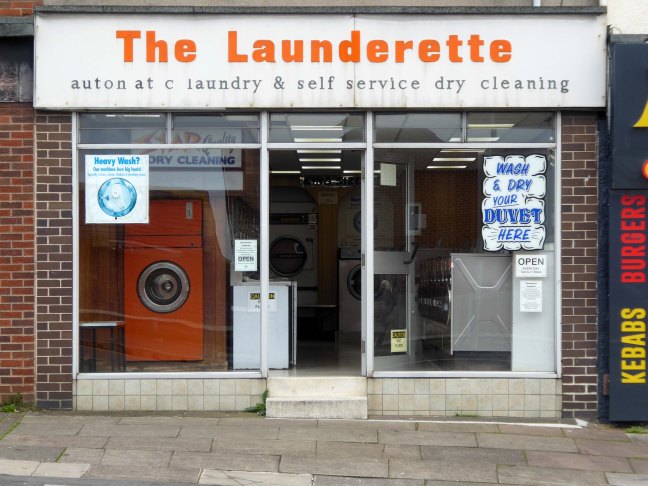
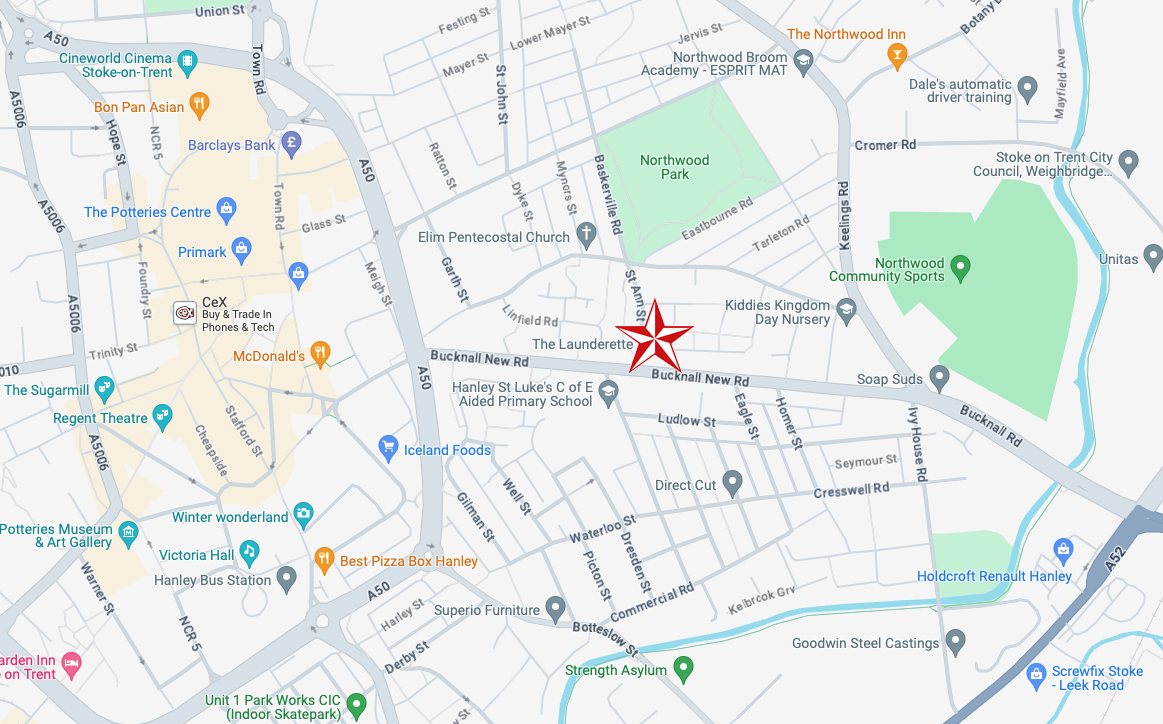
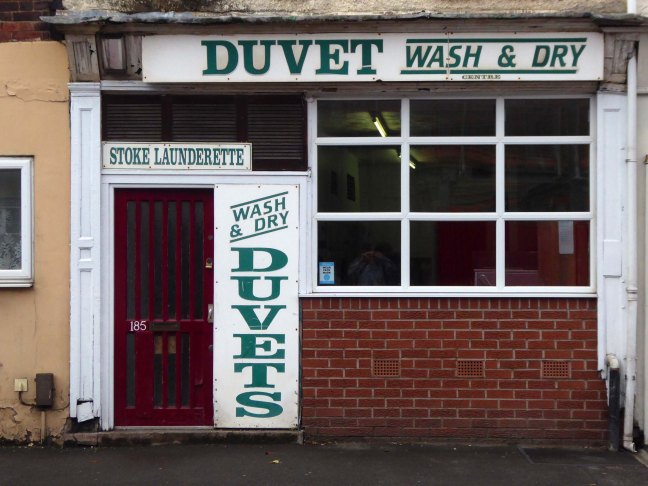
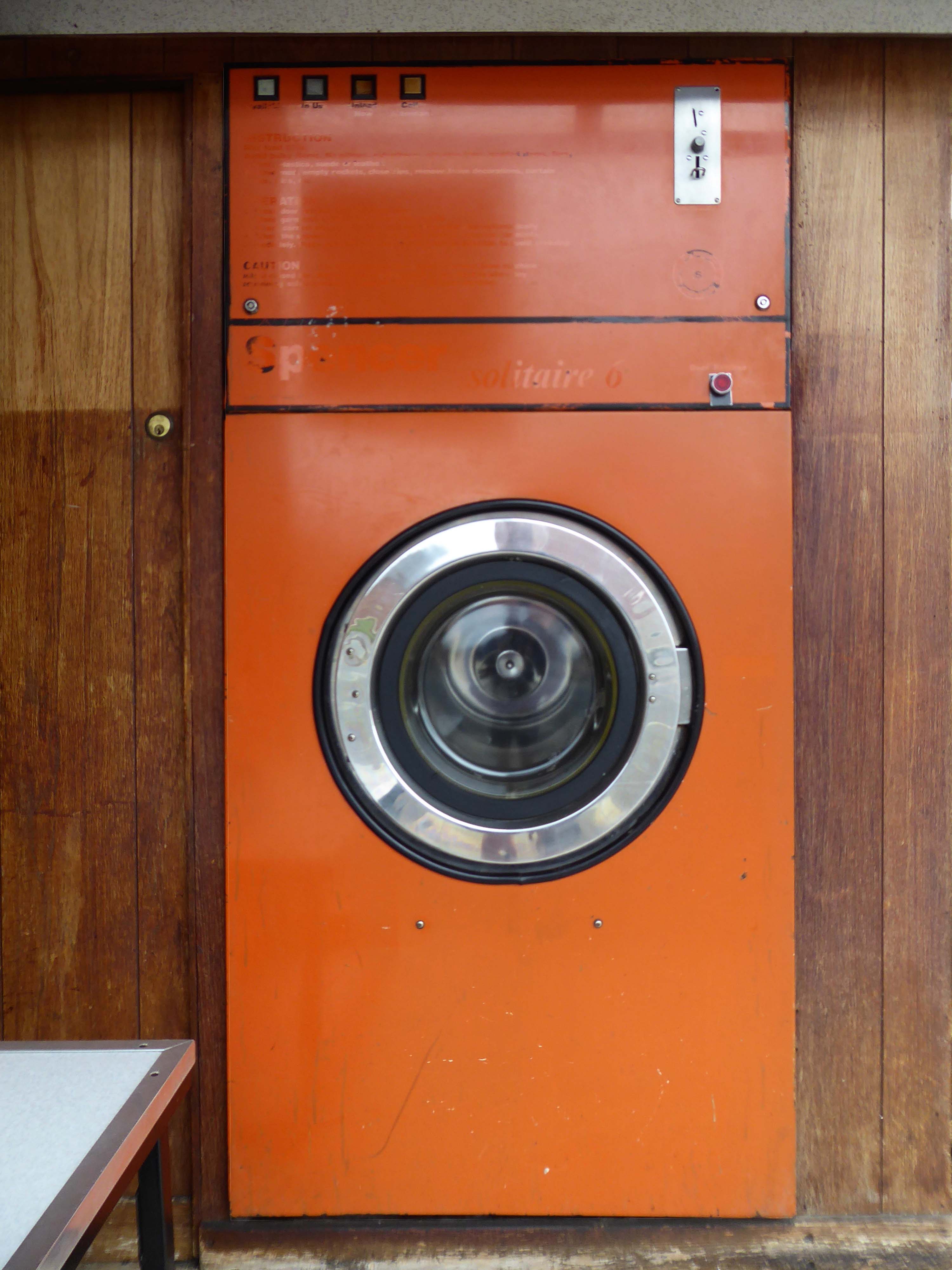
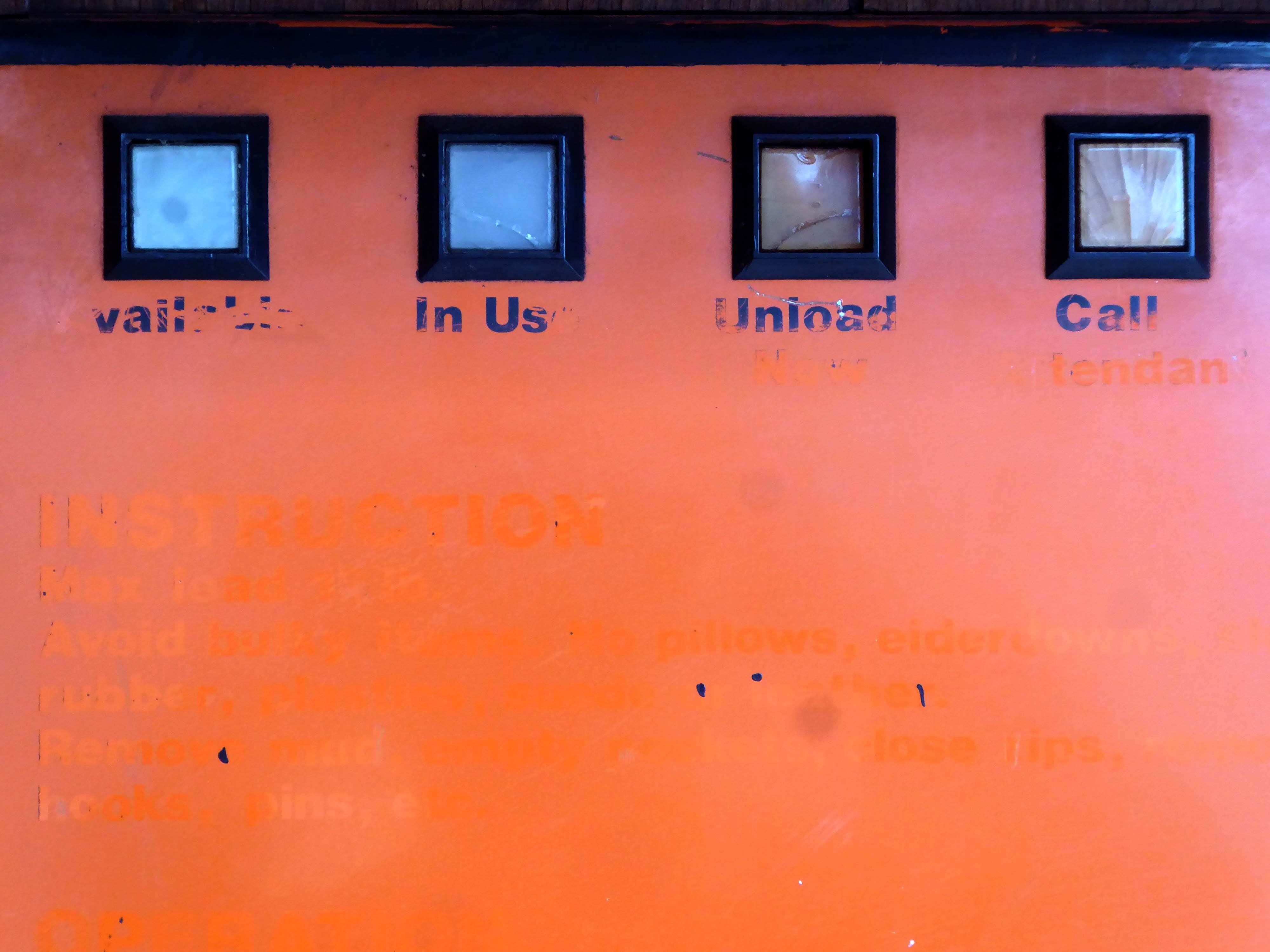
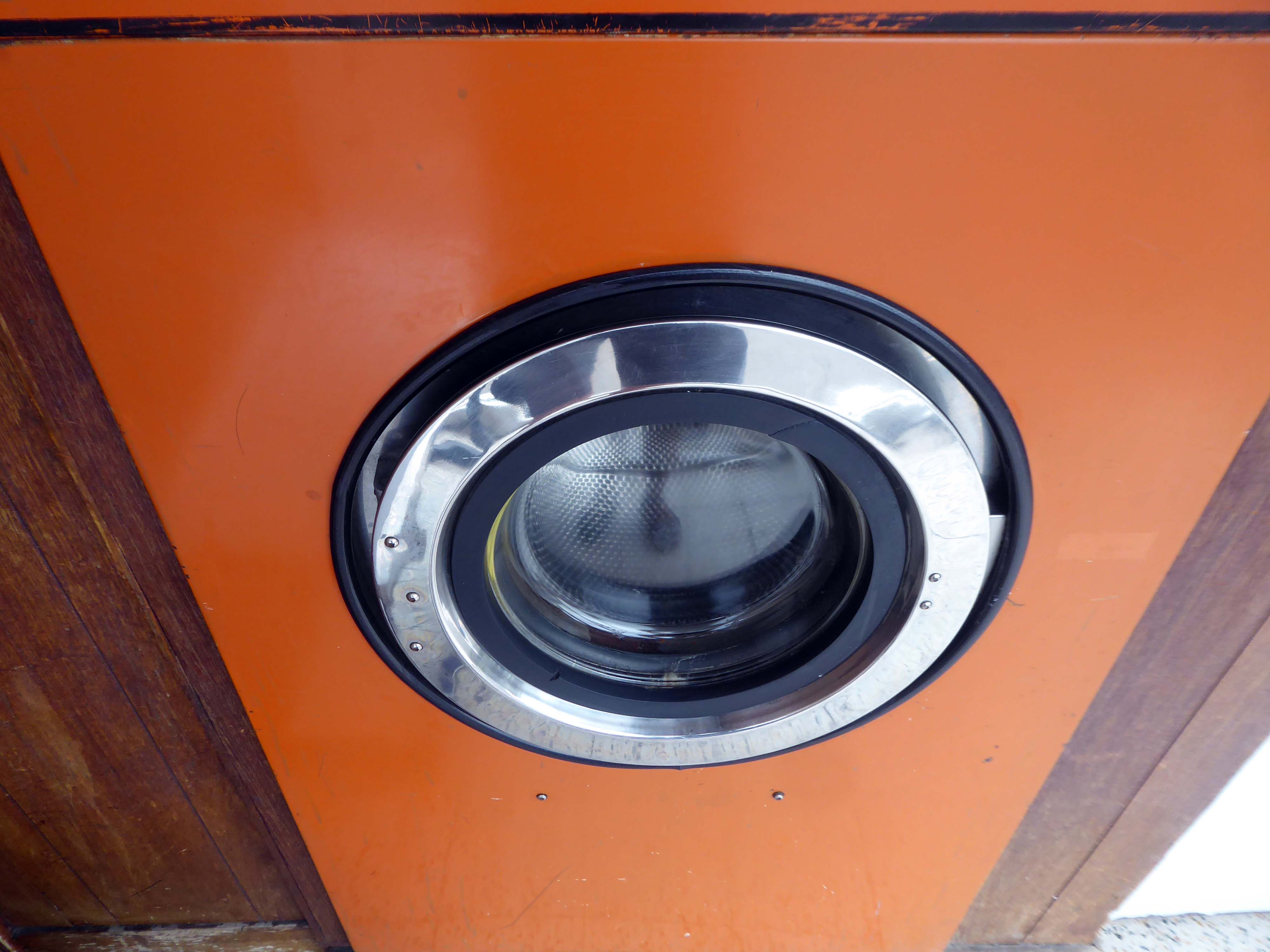
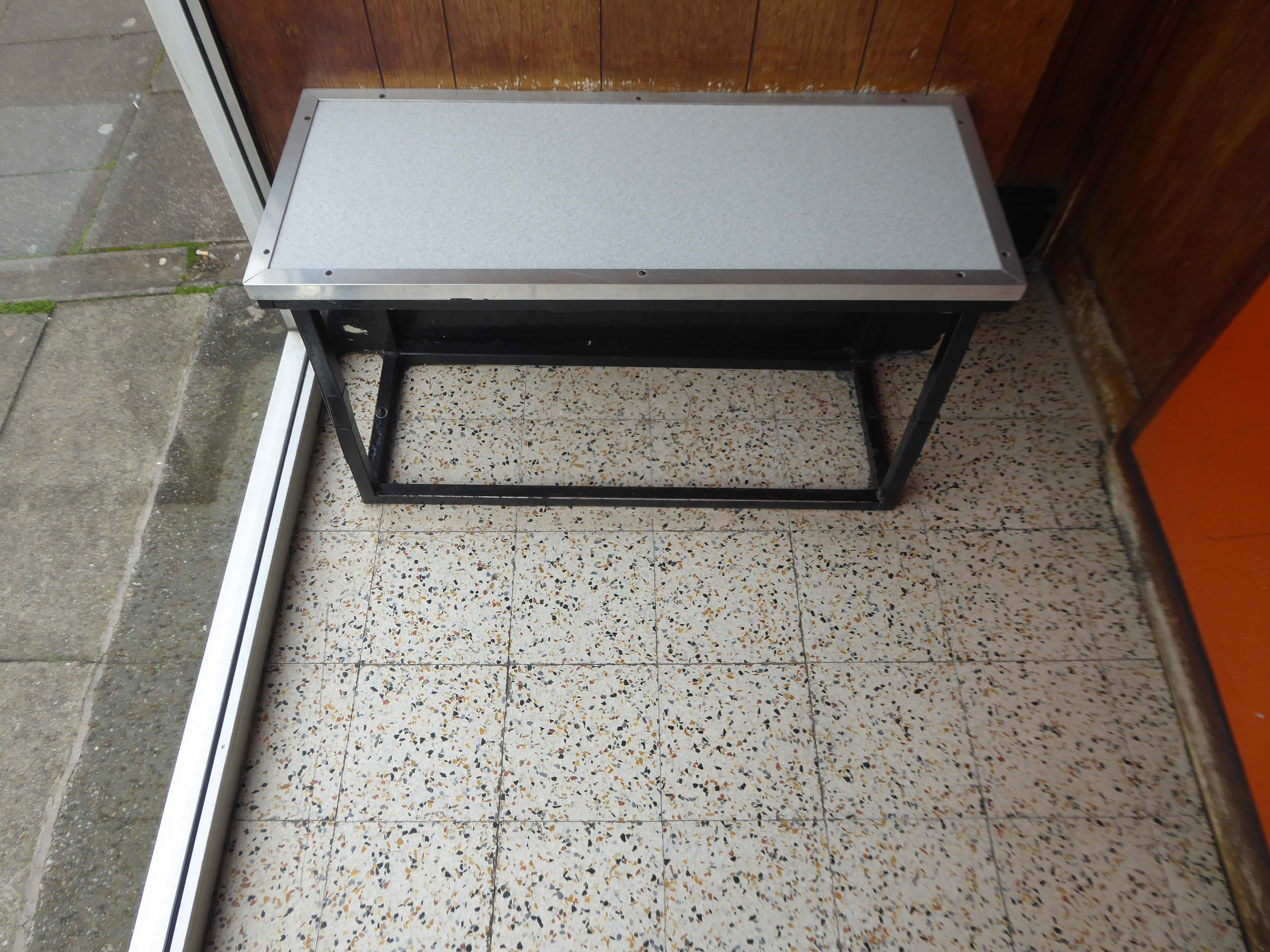
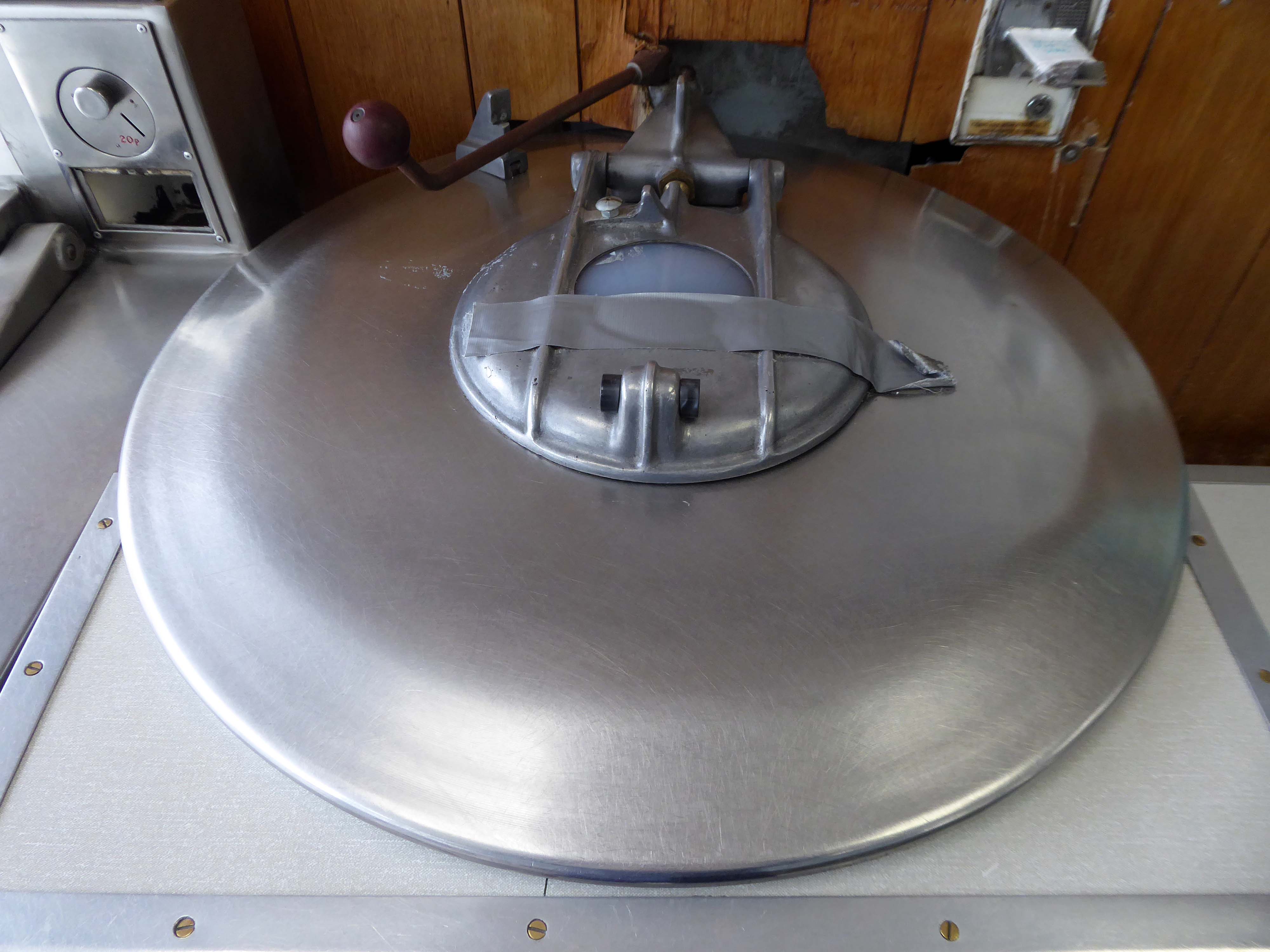
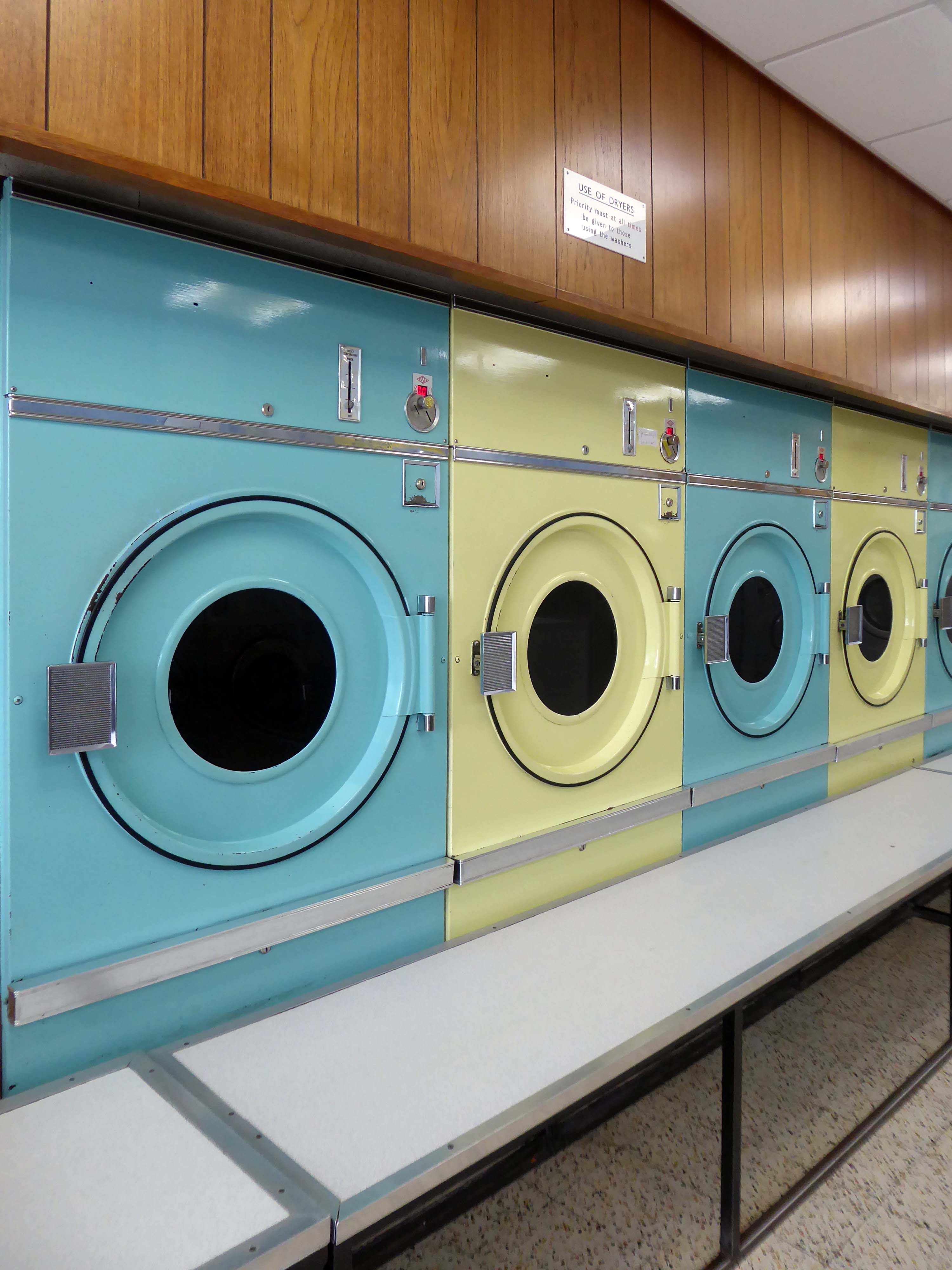
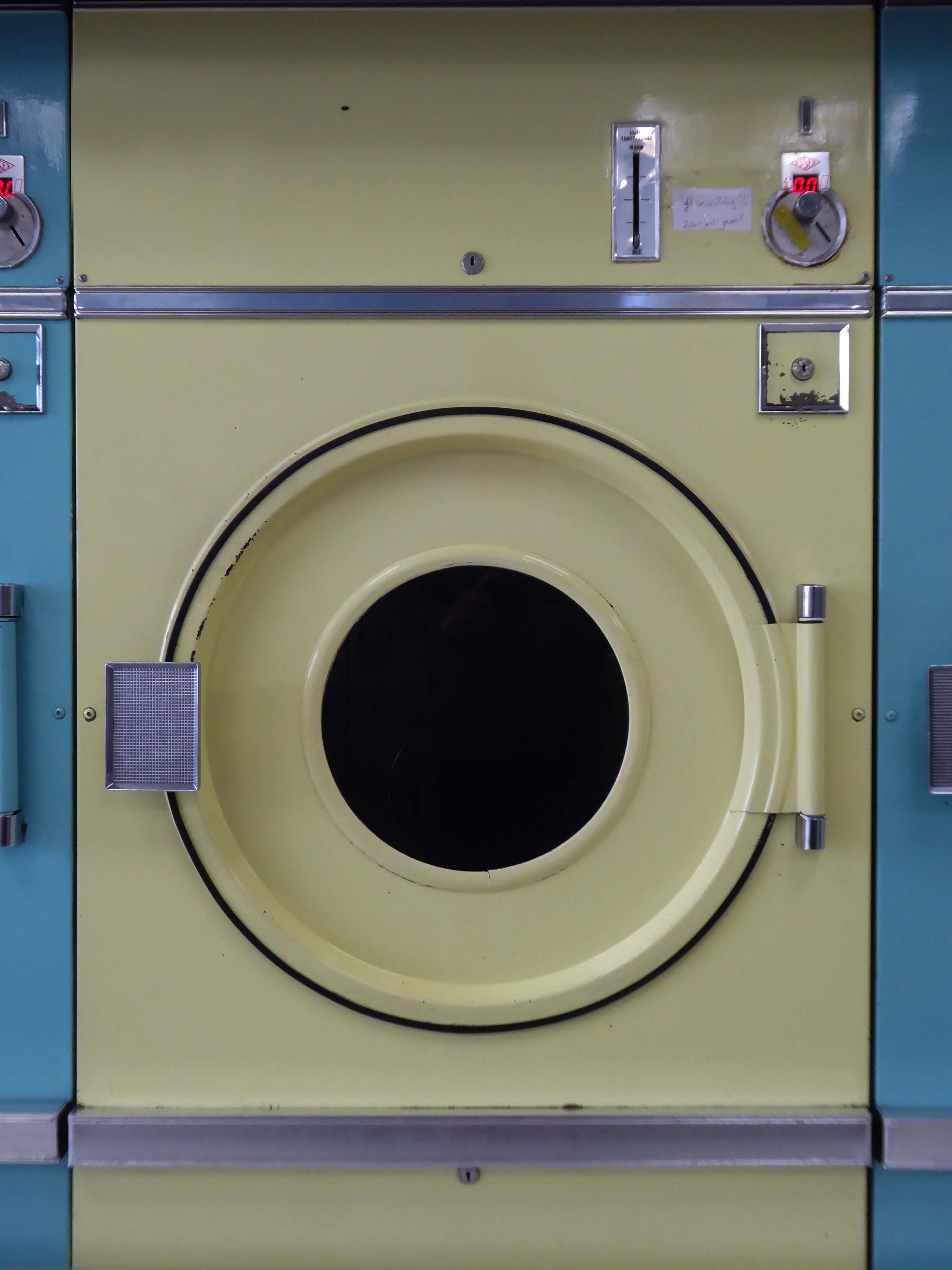
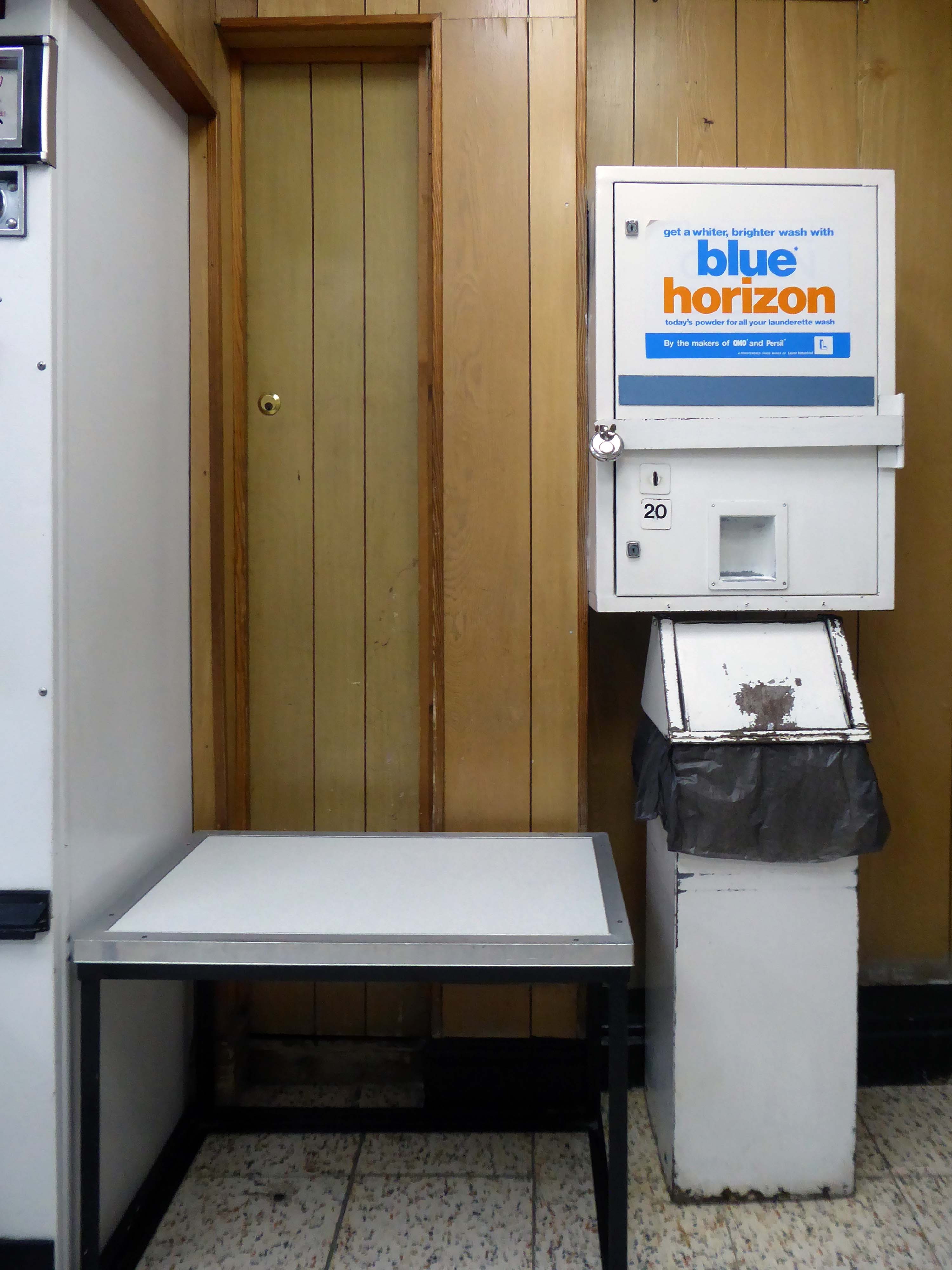
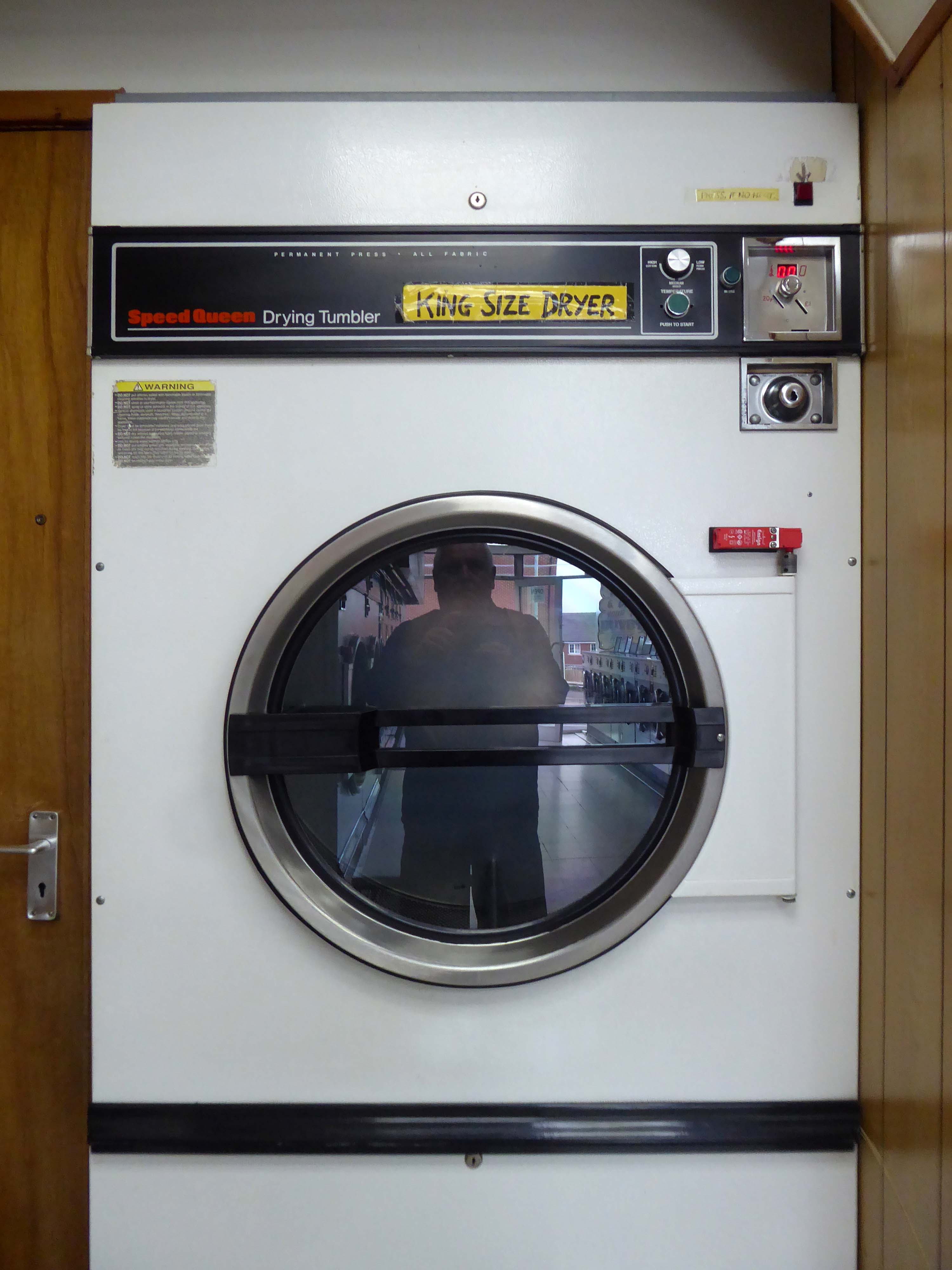
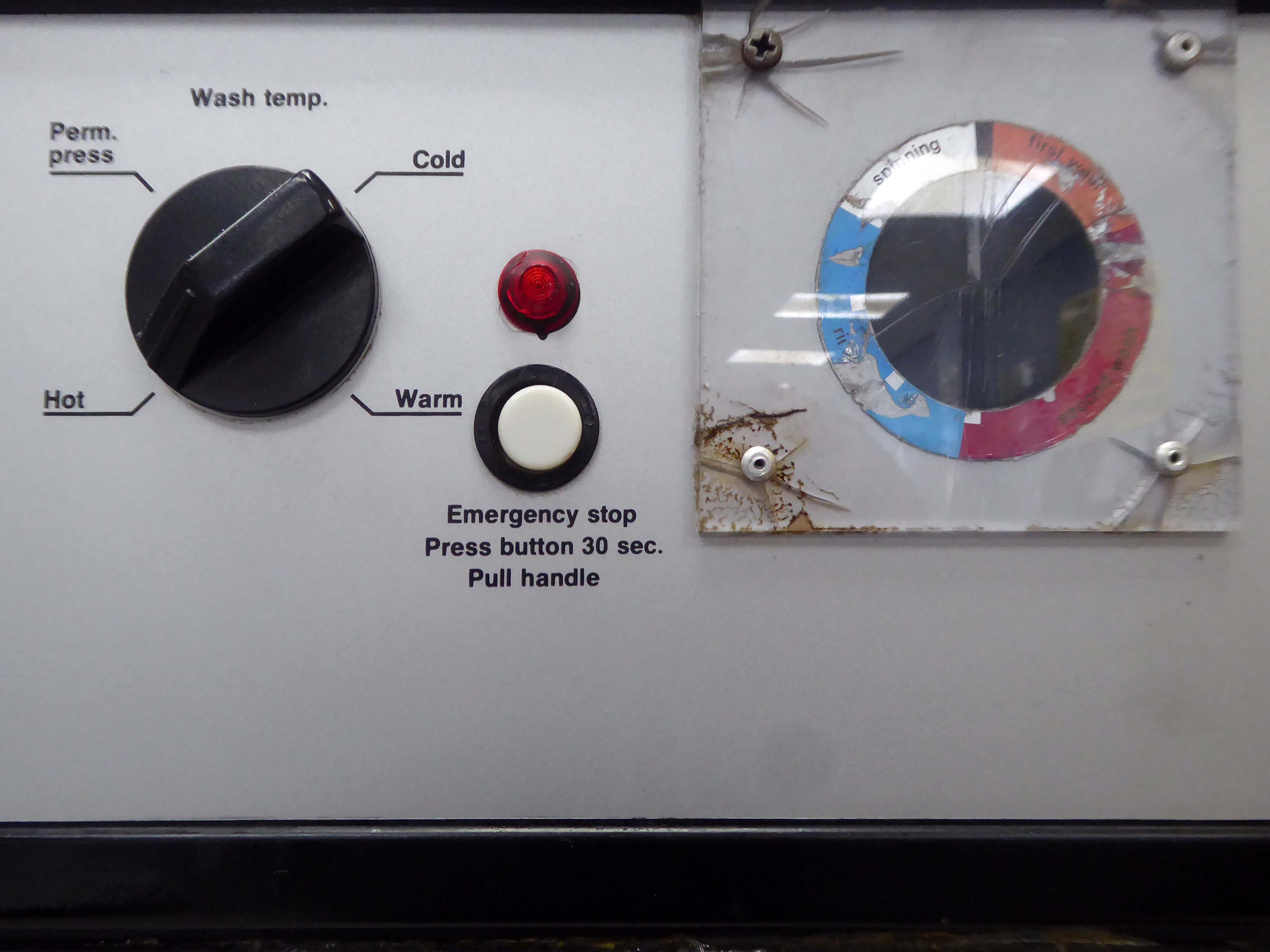
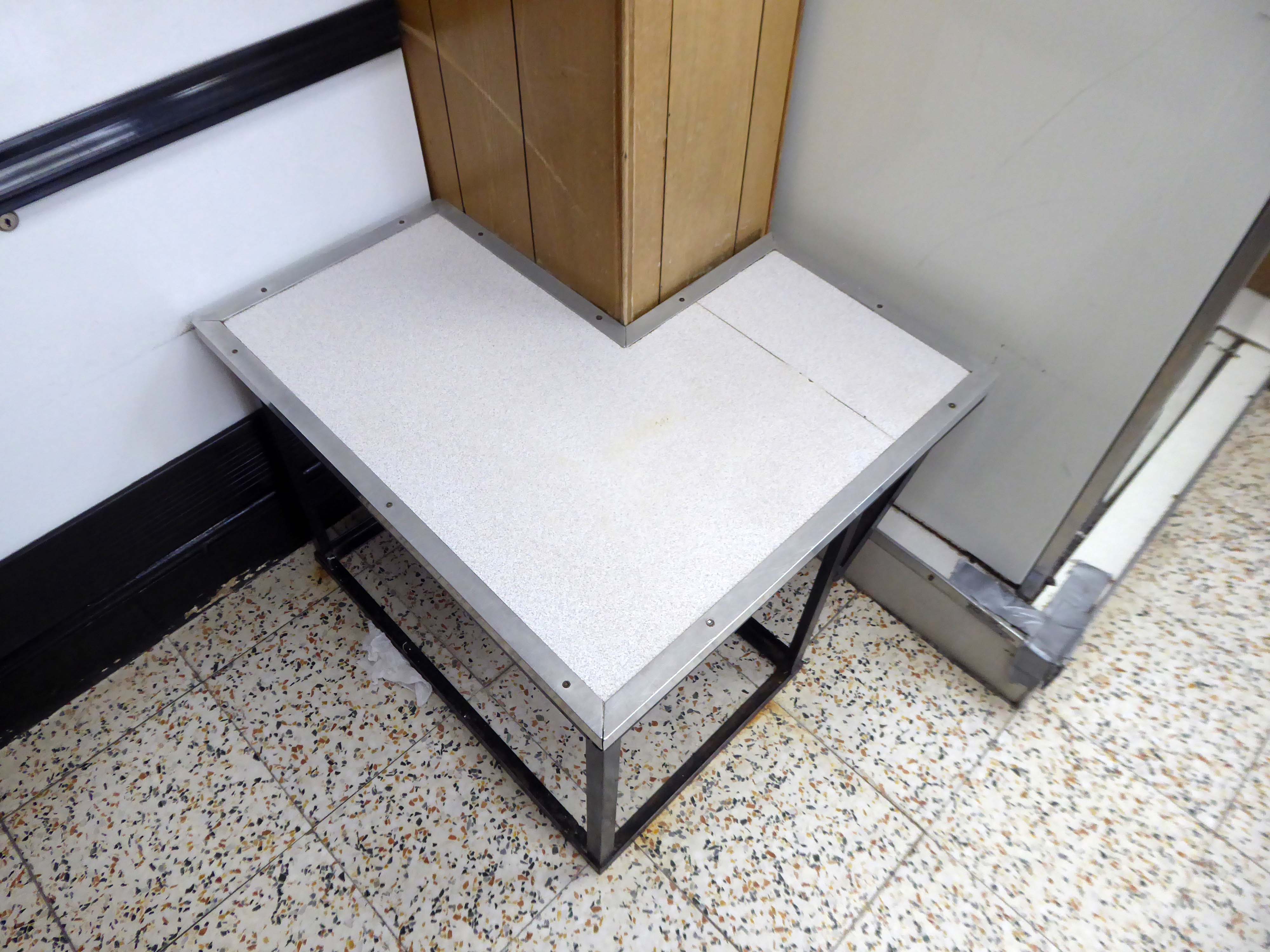
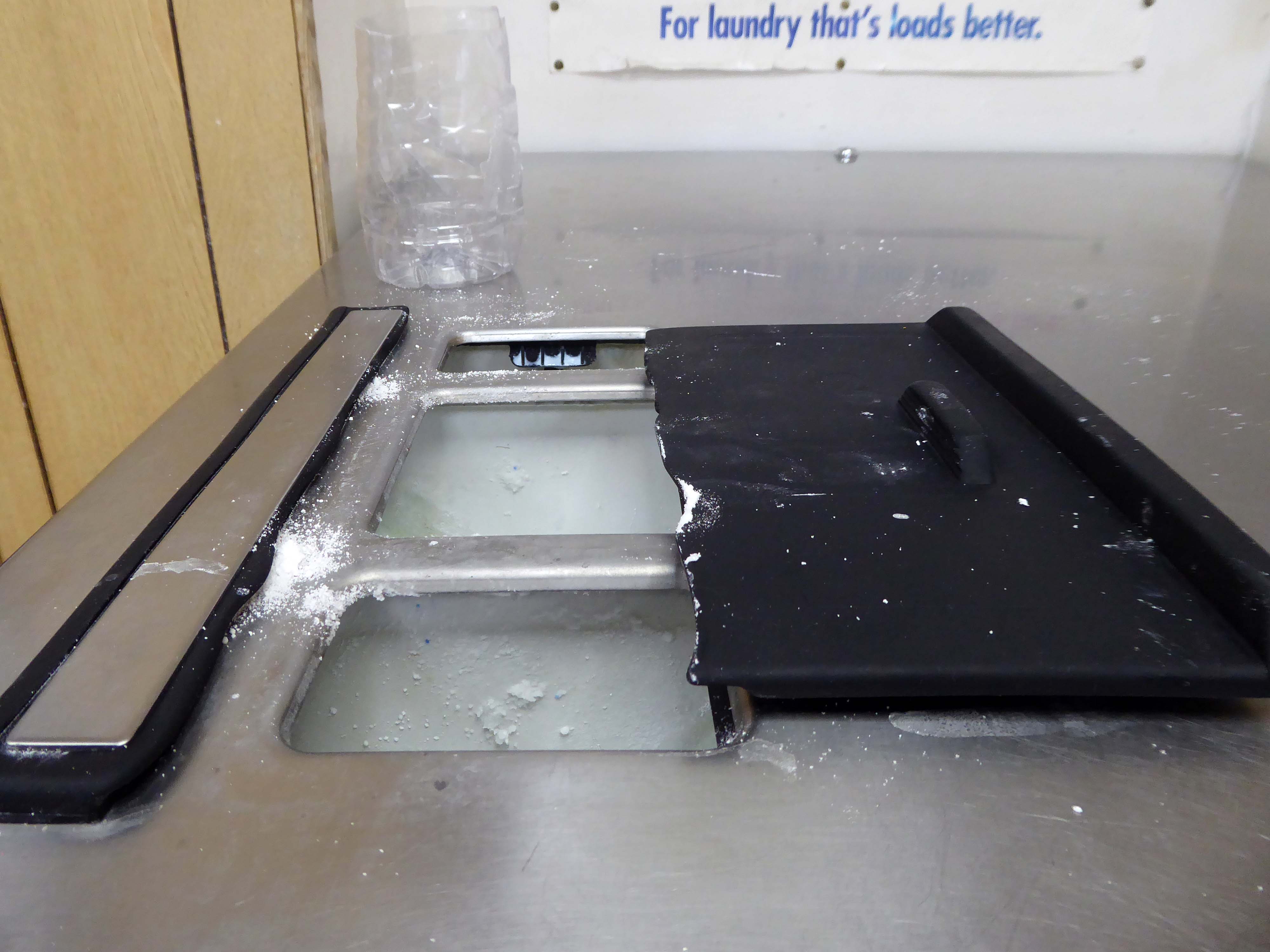
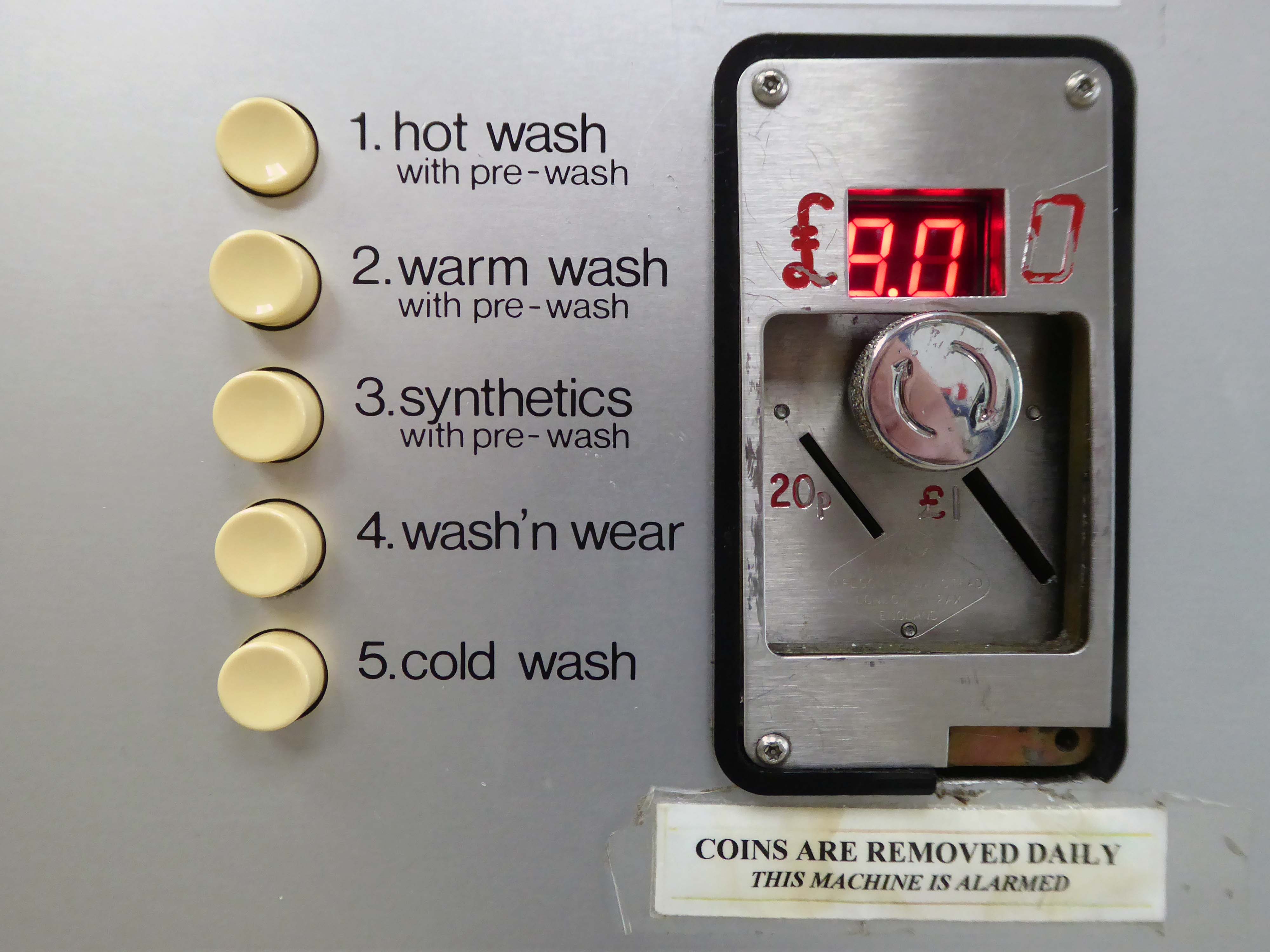
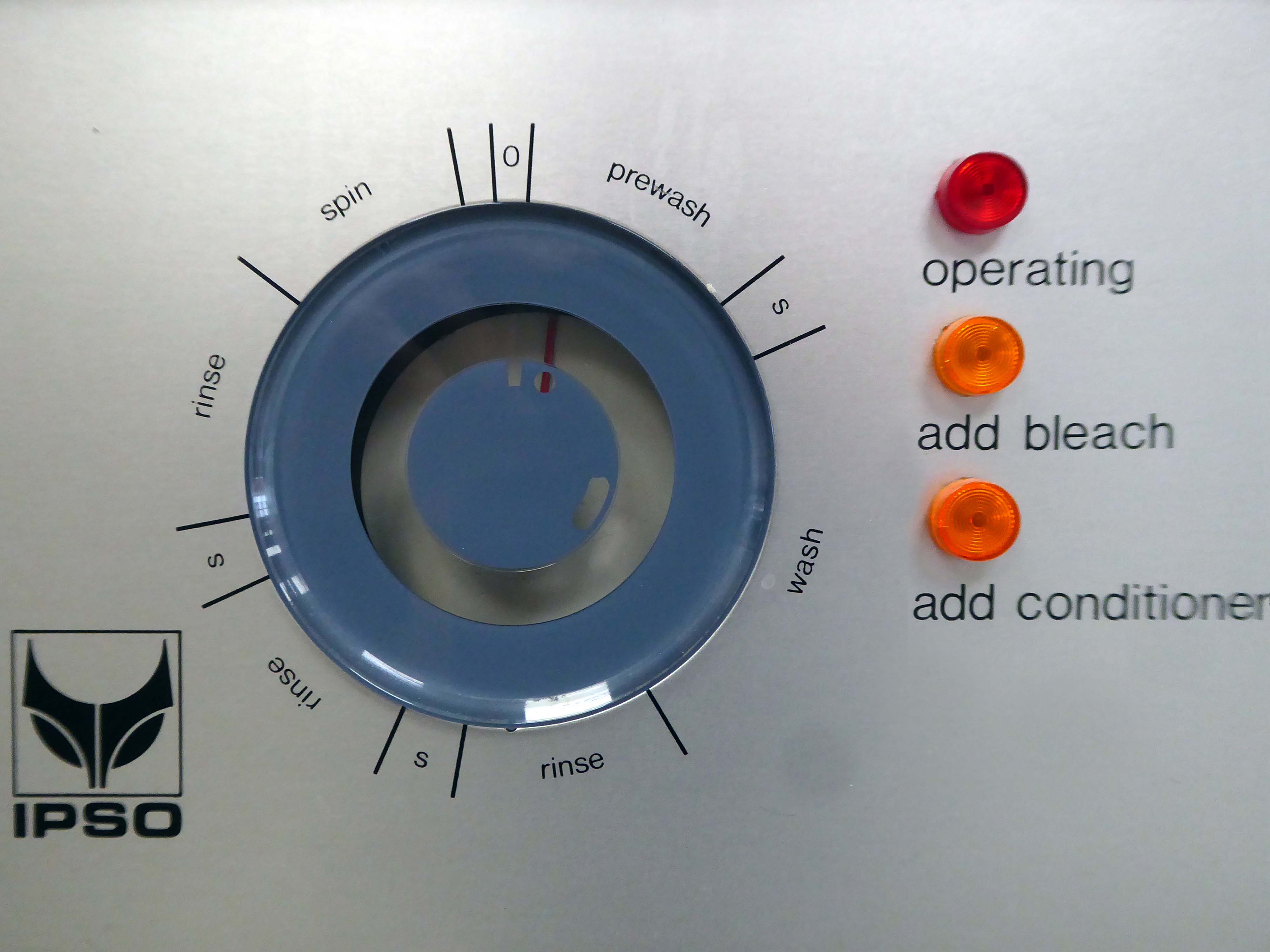
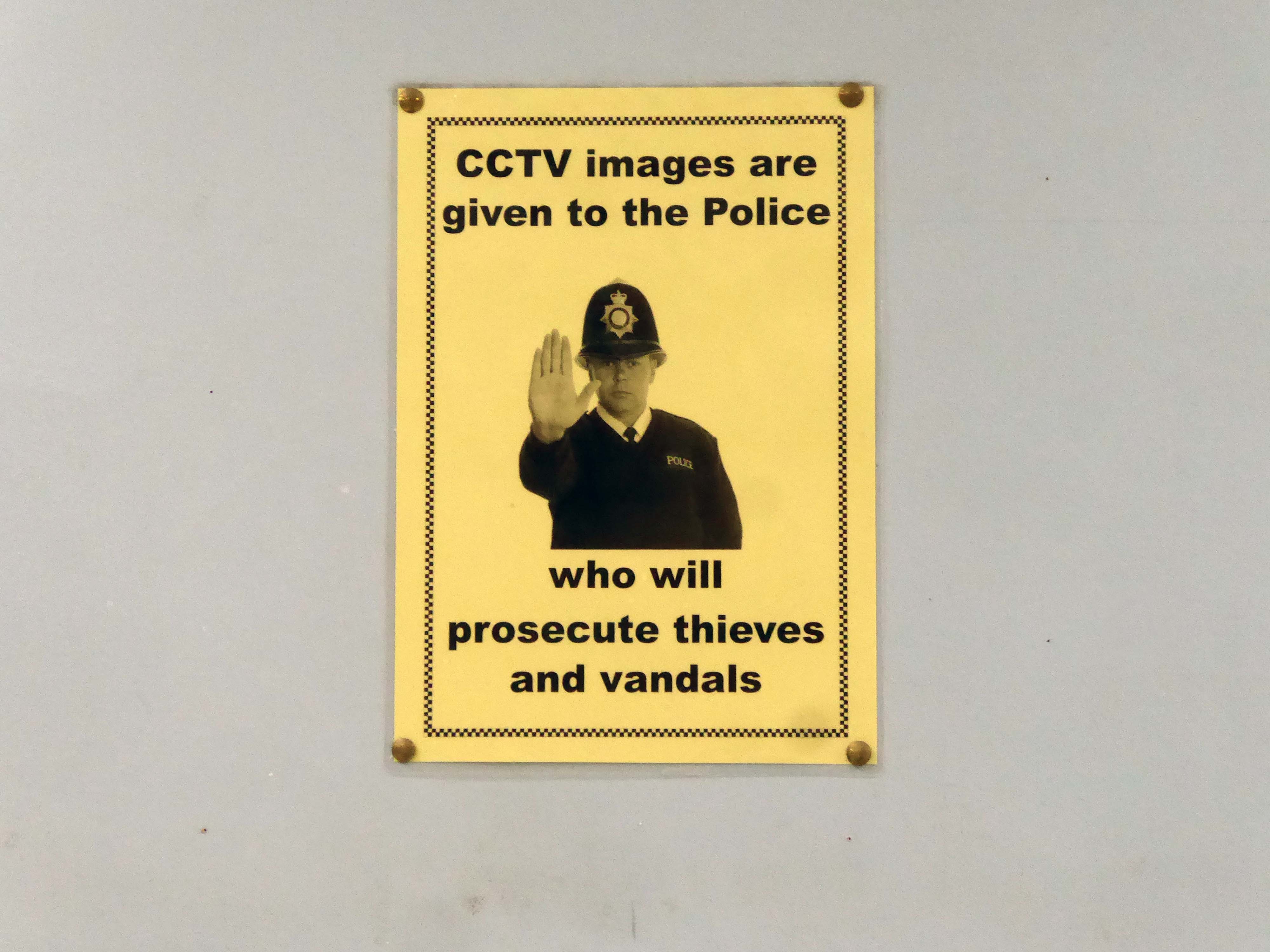
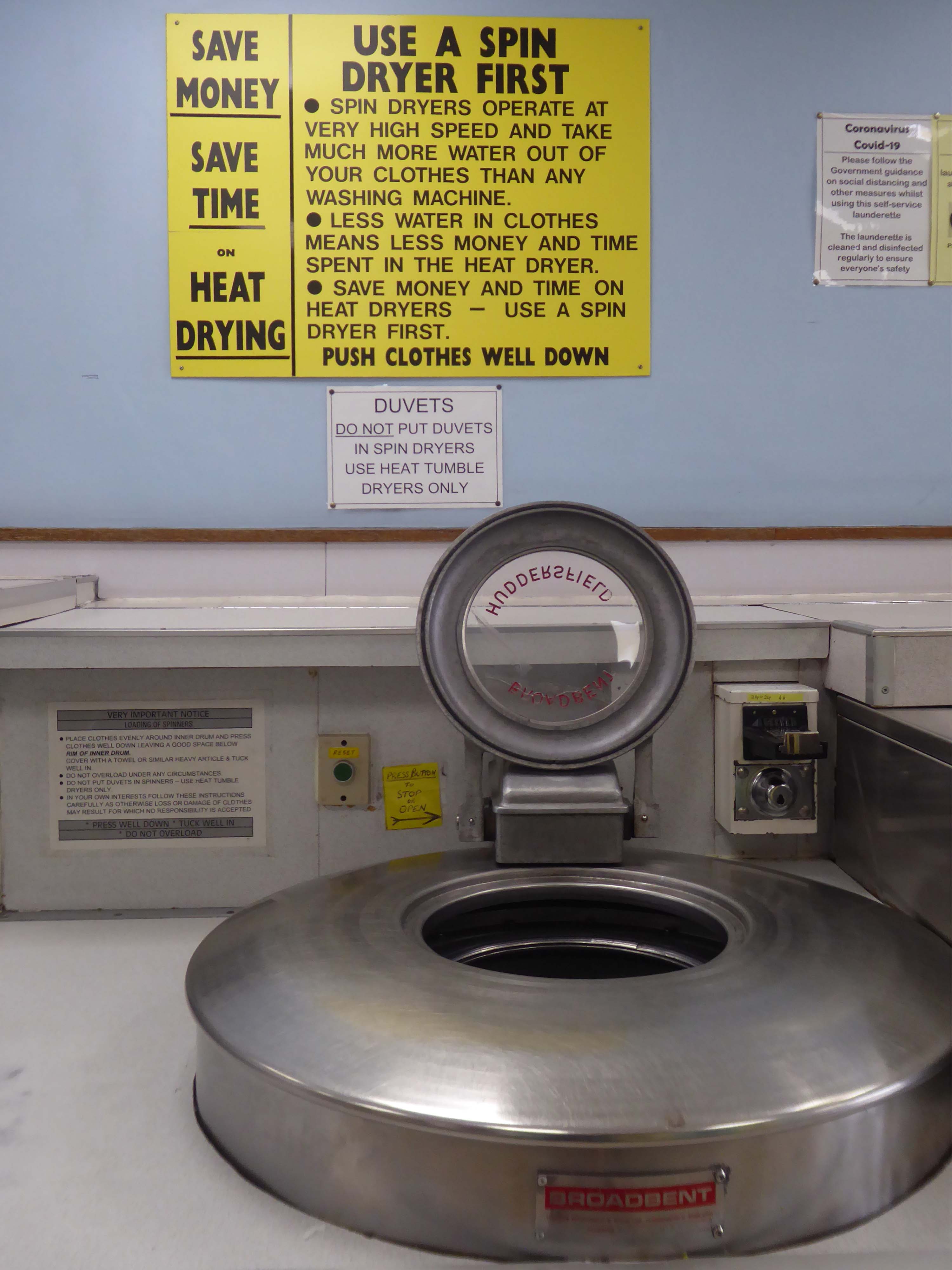
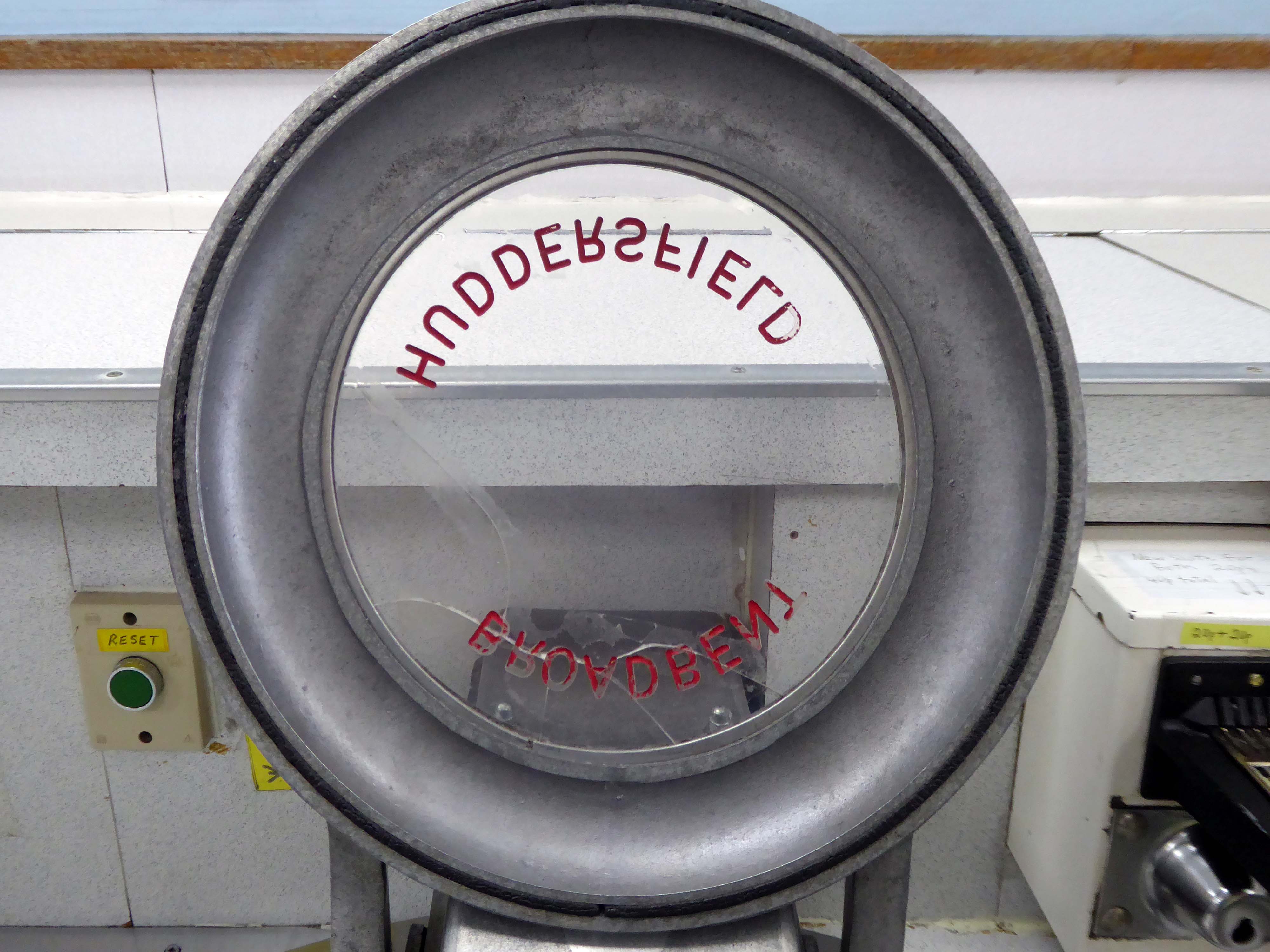
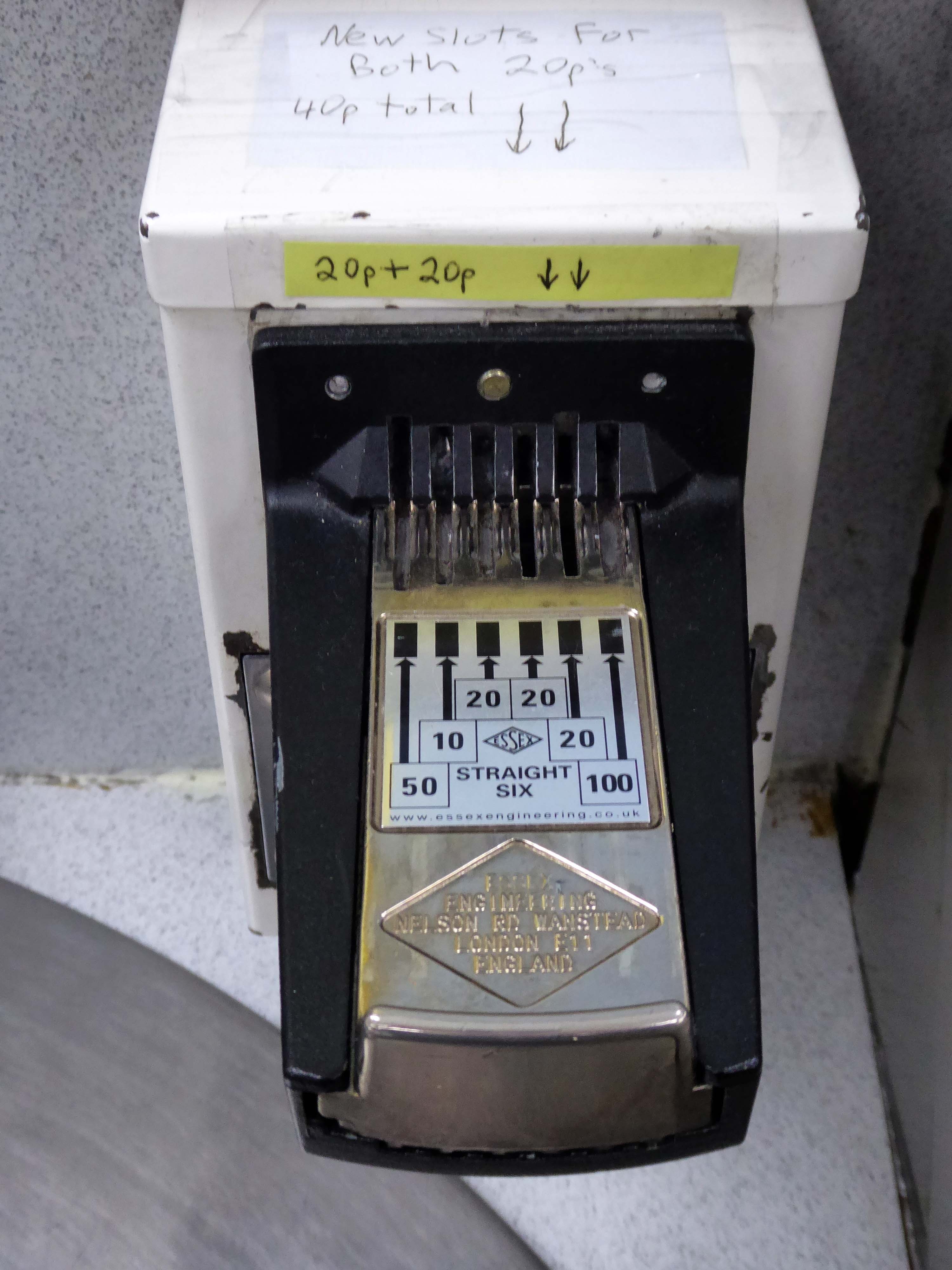
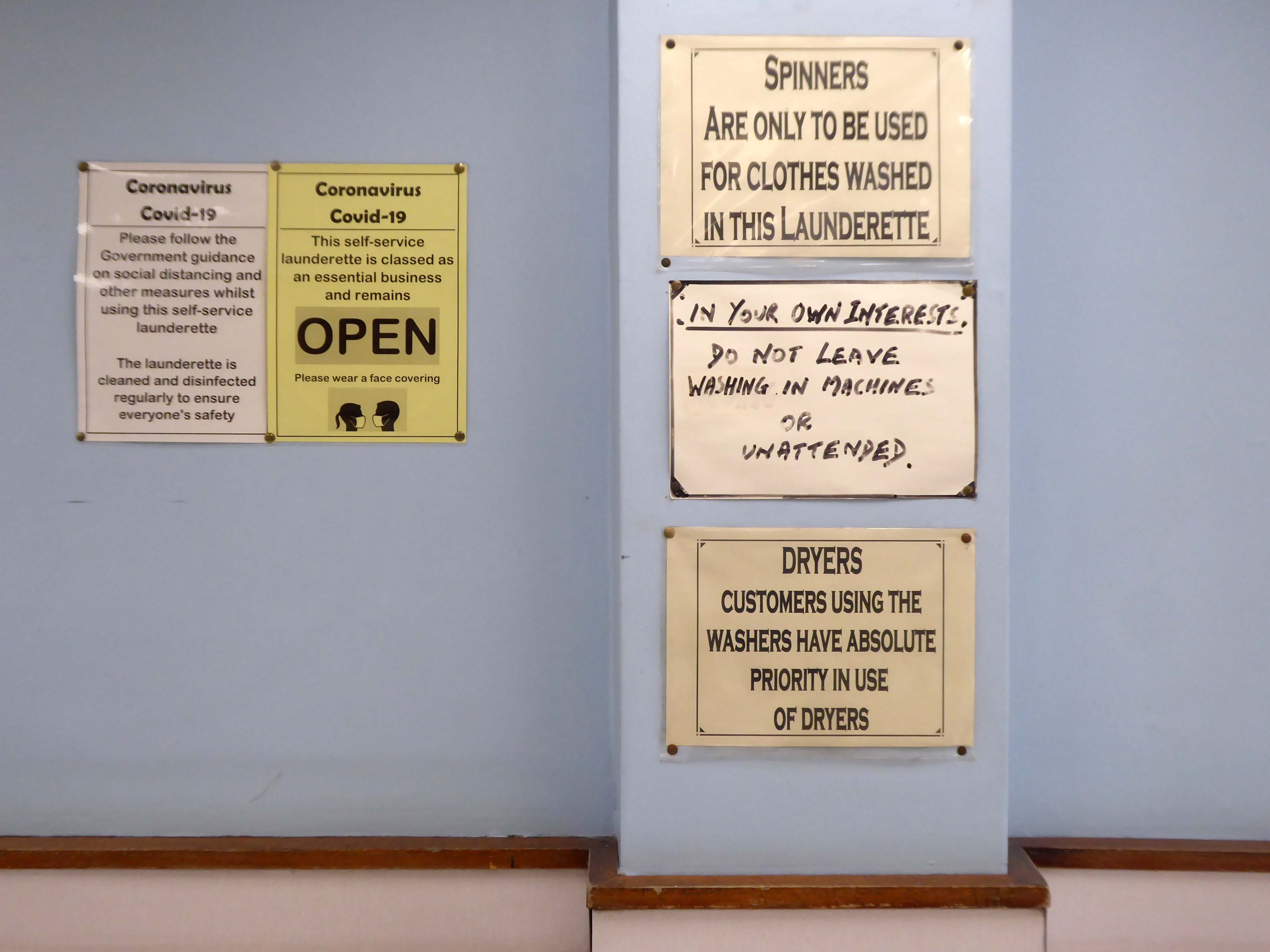
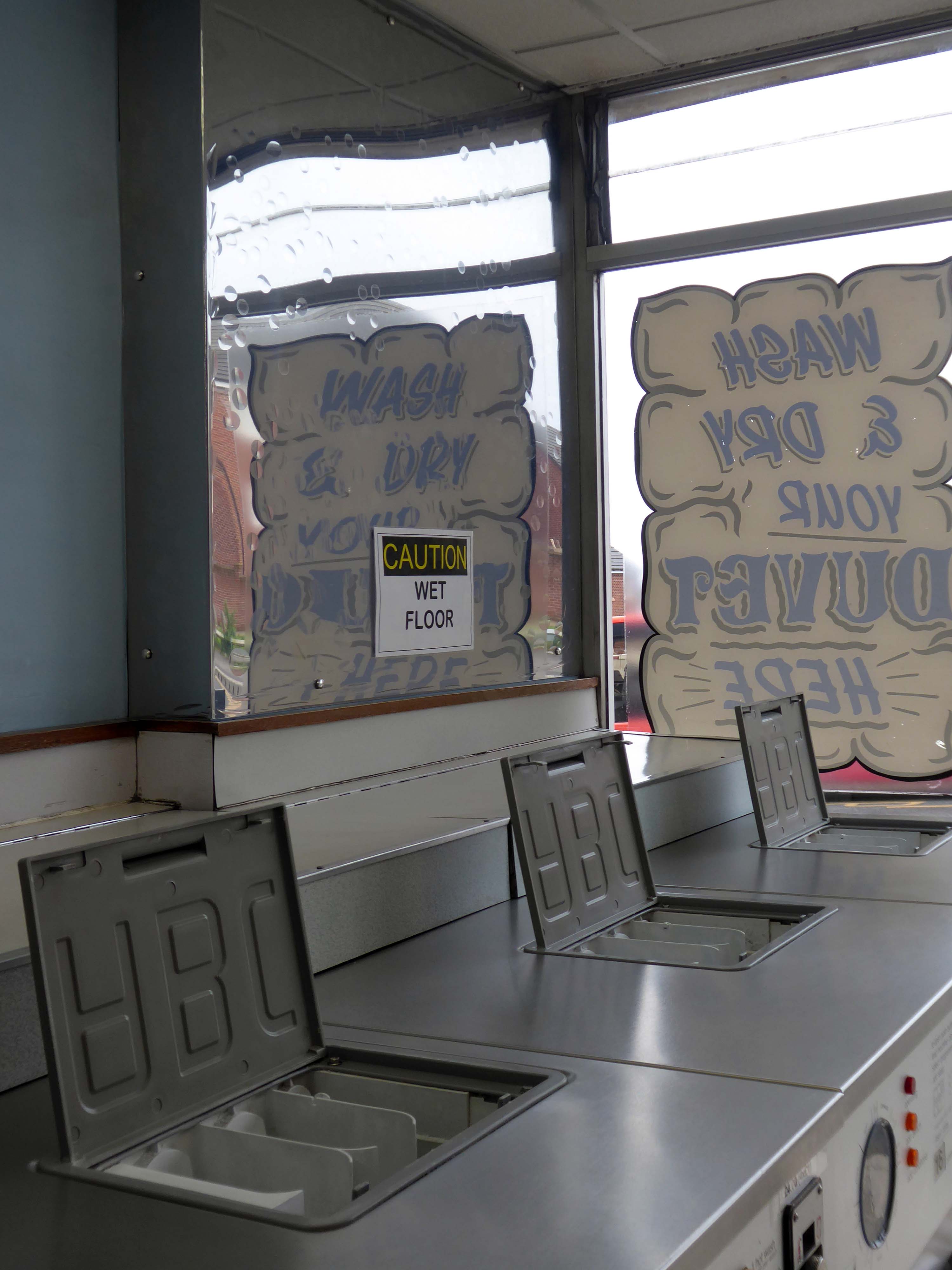
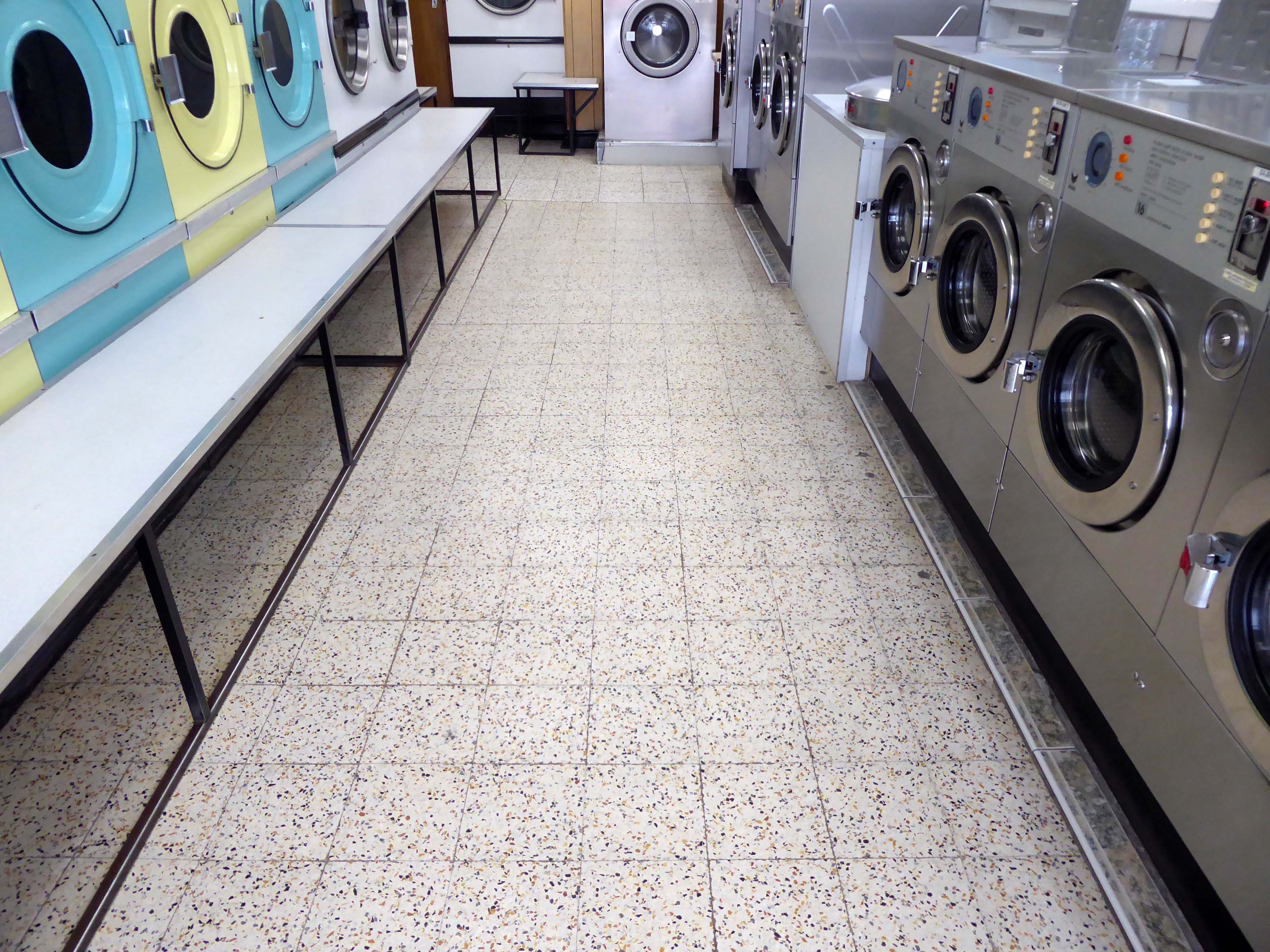
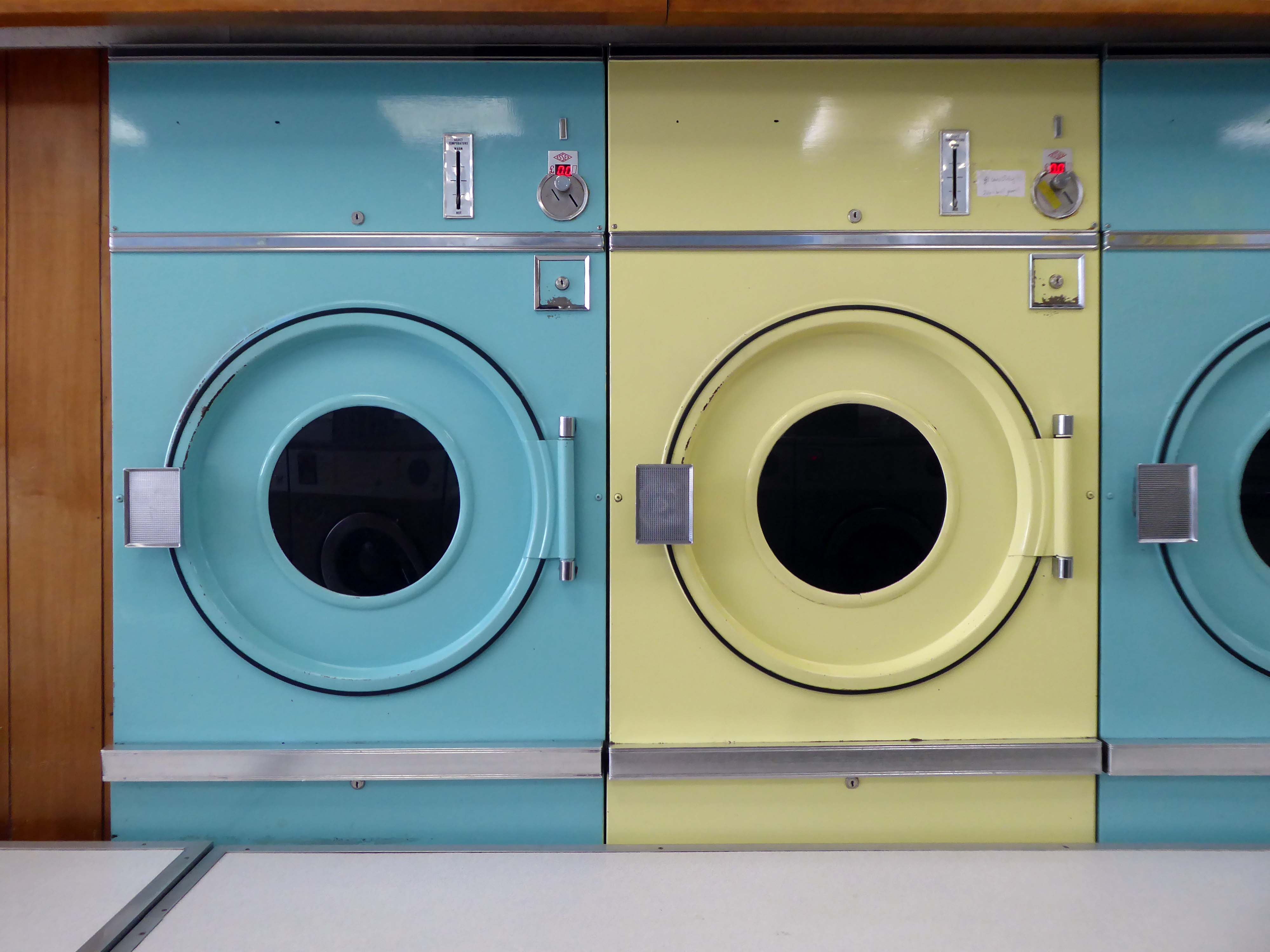
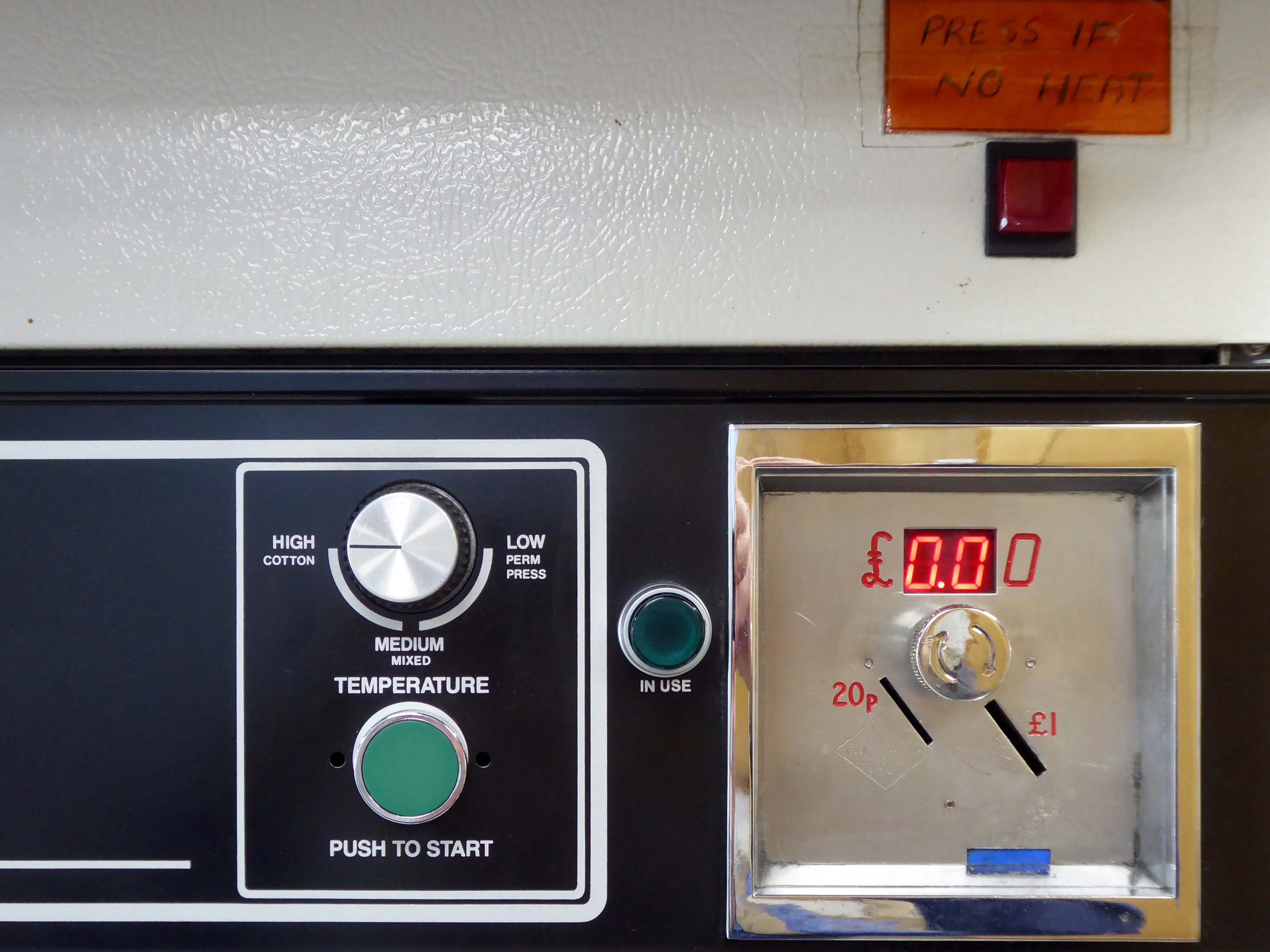
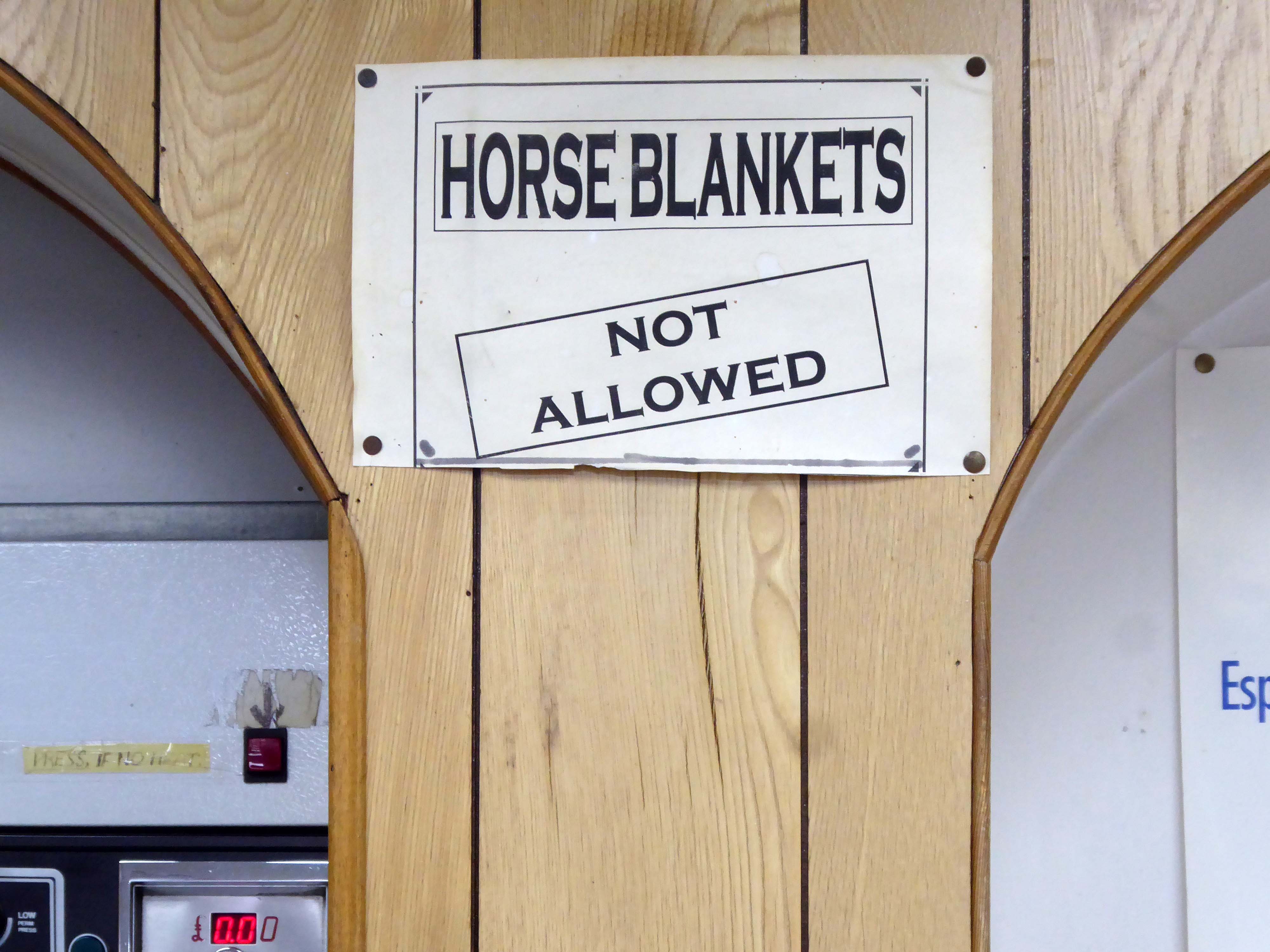
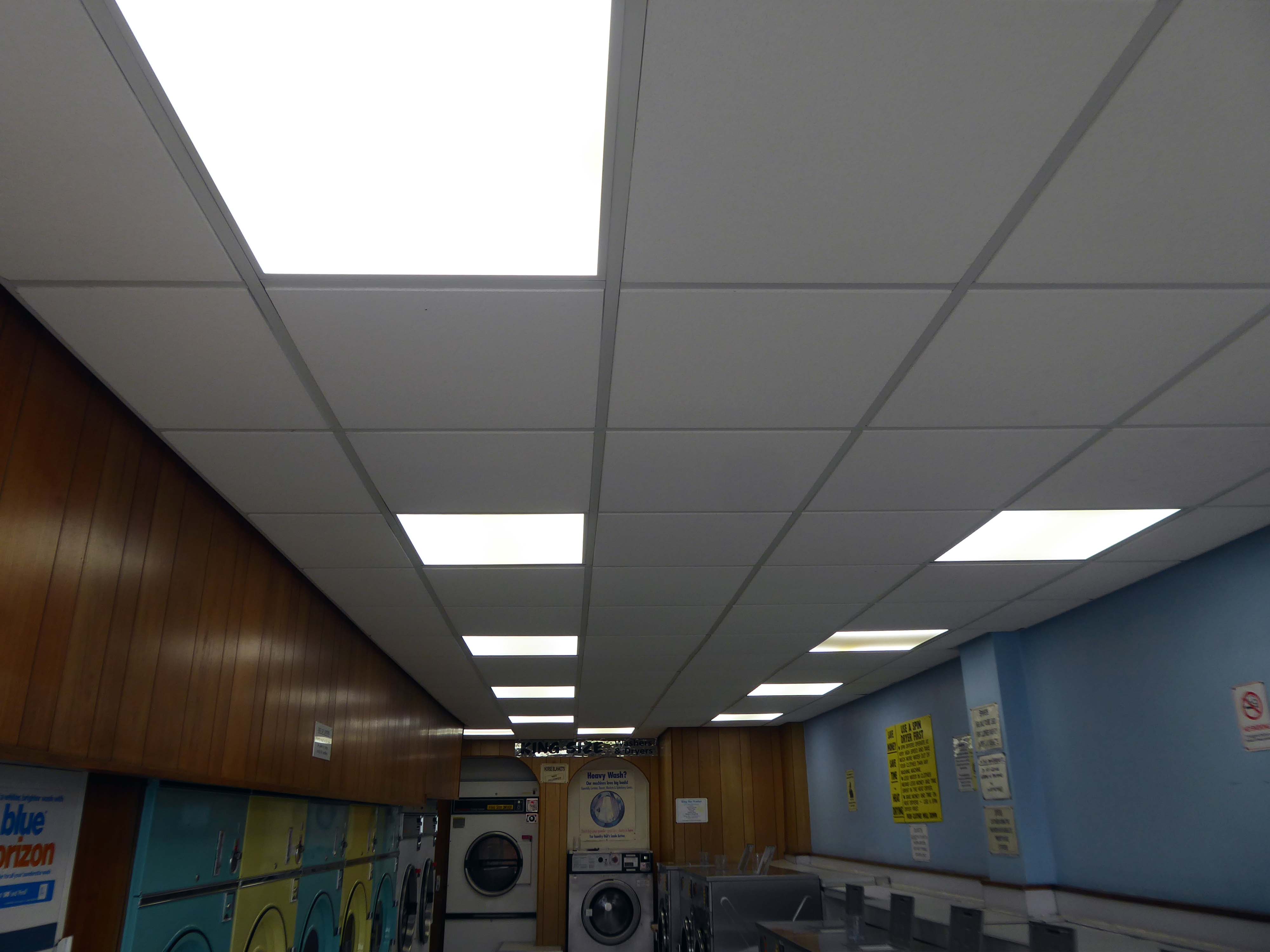
I found myself in the Northwood area of Hanley – ascending the long drag of Bucknall New Road, where I espied a launderette, imaginatively named The Launderette.
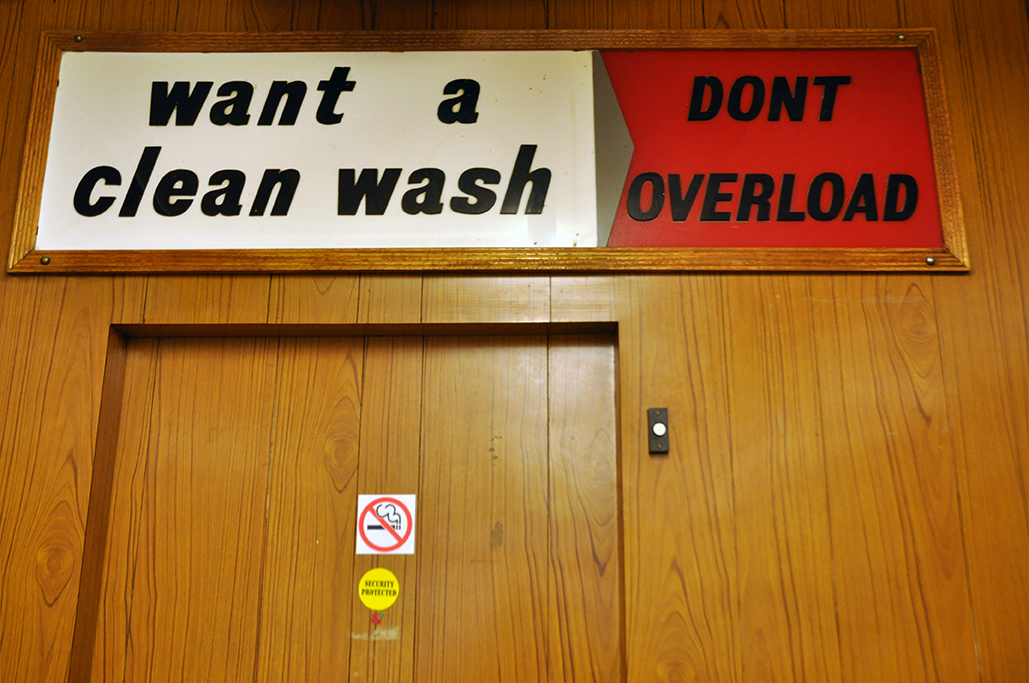
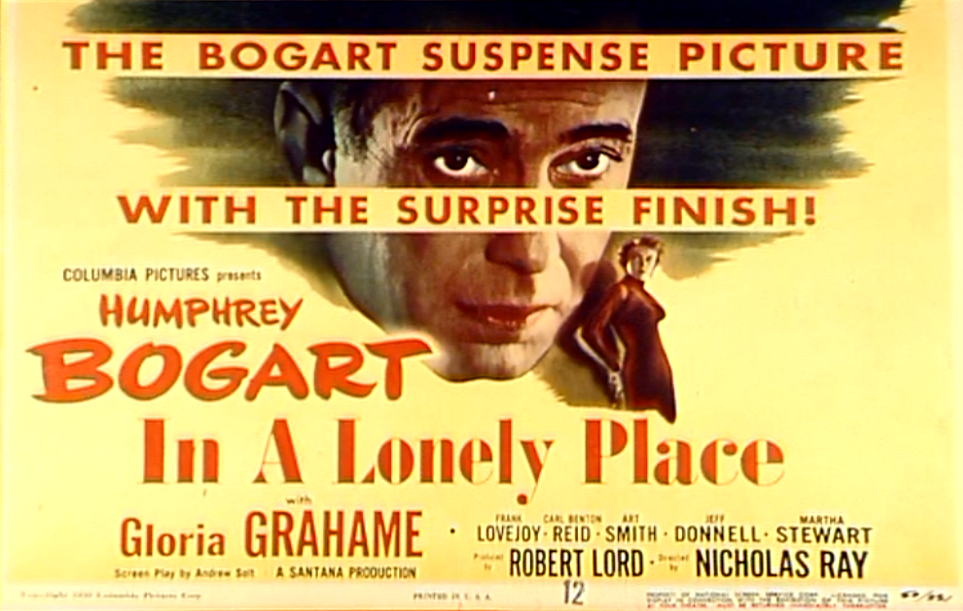
Early morning and short of the odd customer or two, I seized that moment in time to record this lonely public place – seeking that suspense picture with a surprise finish.










































































































 Modern Mooch