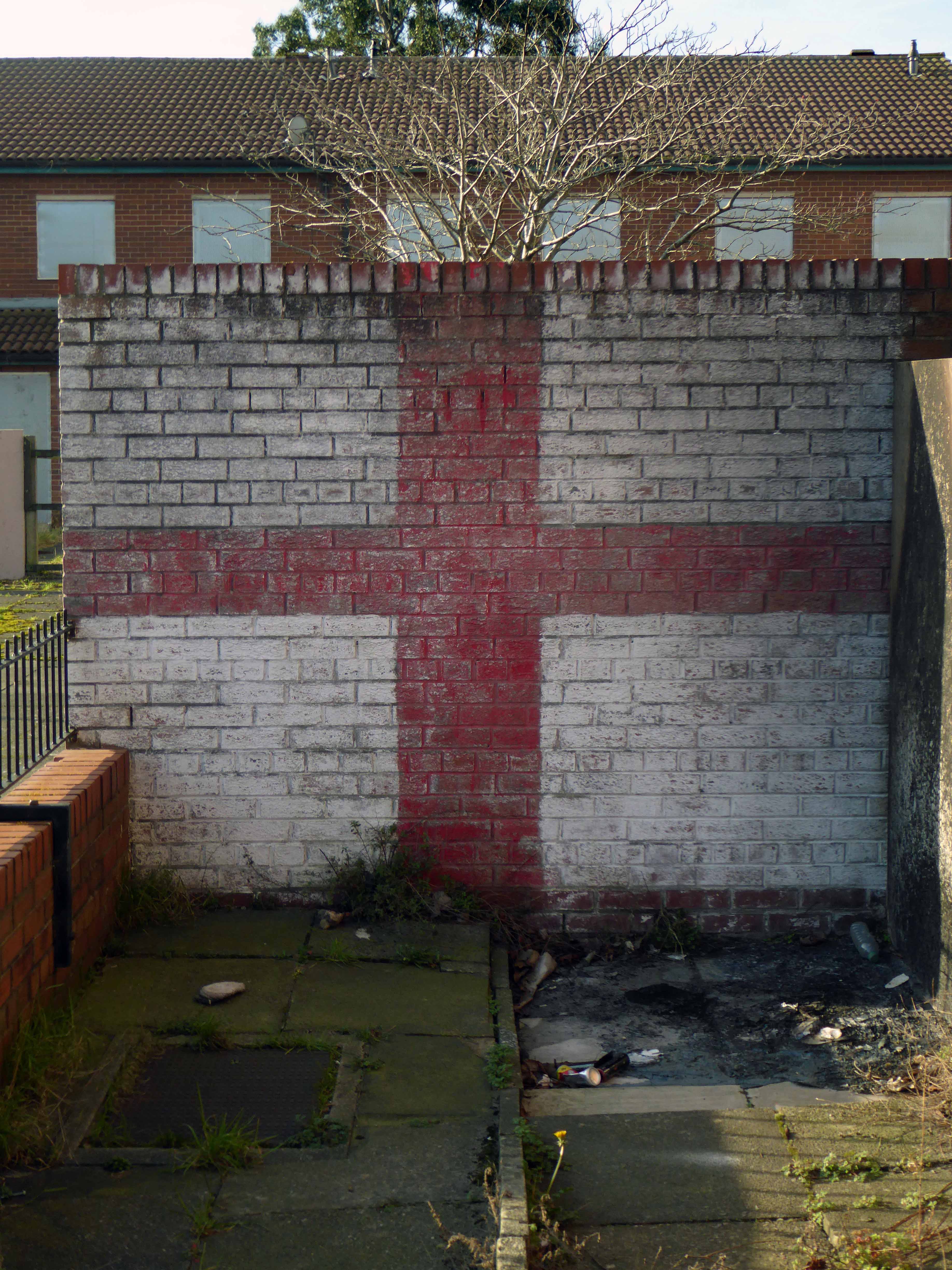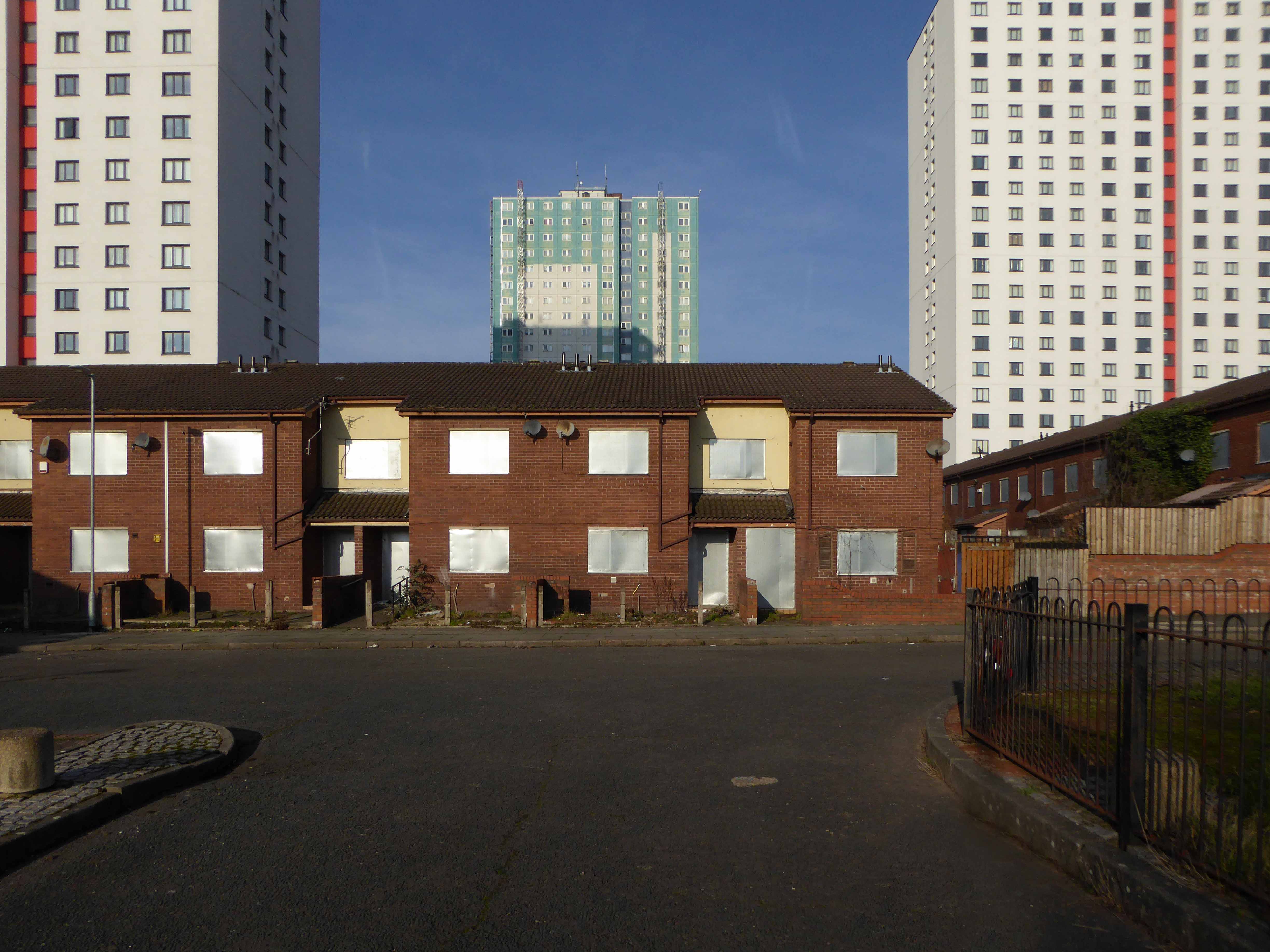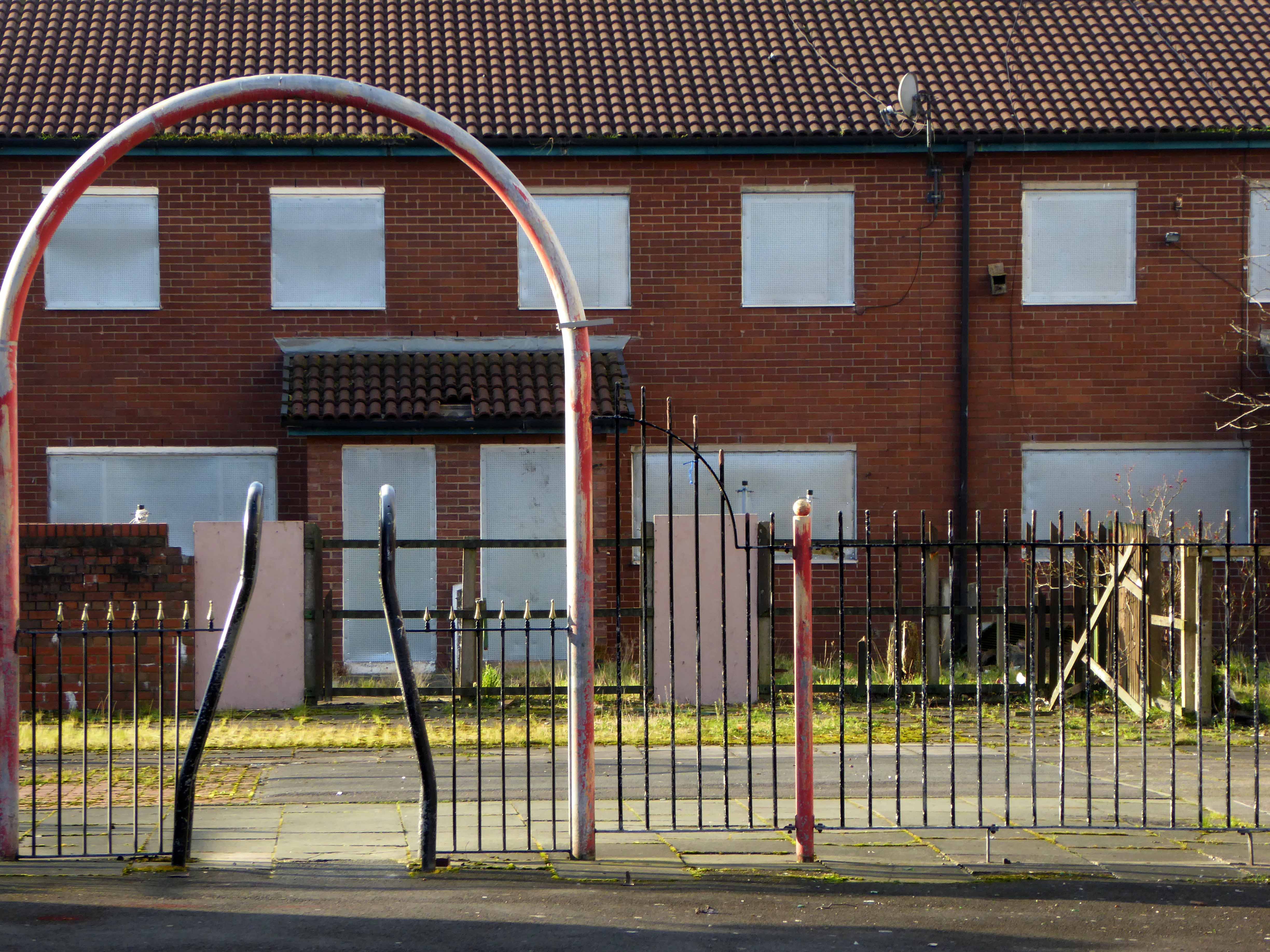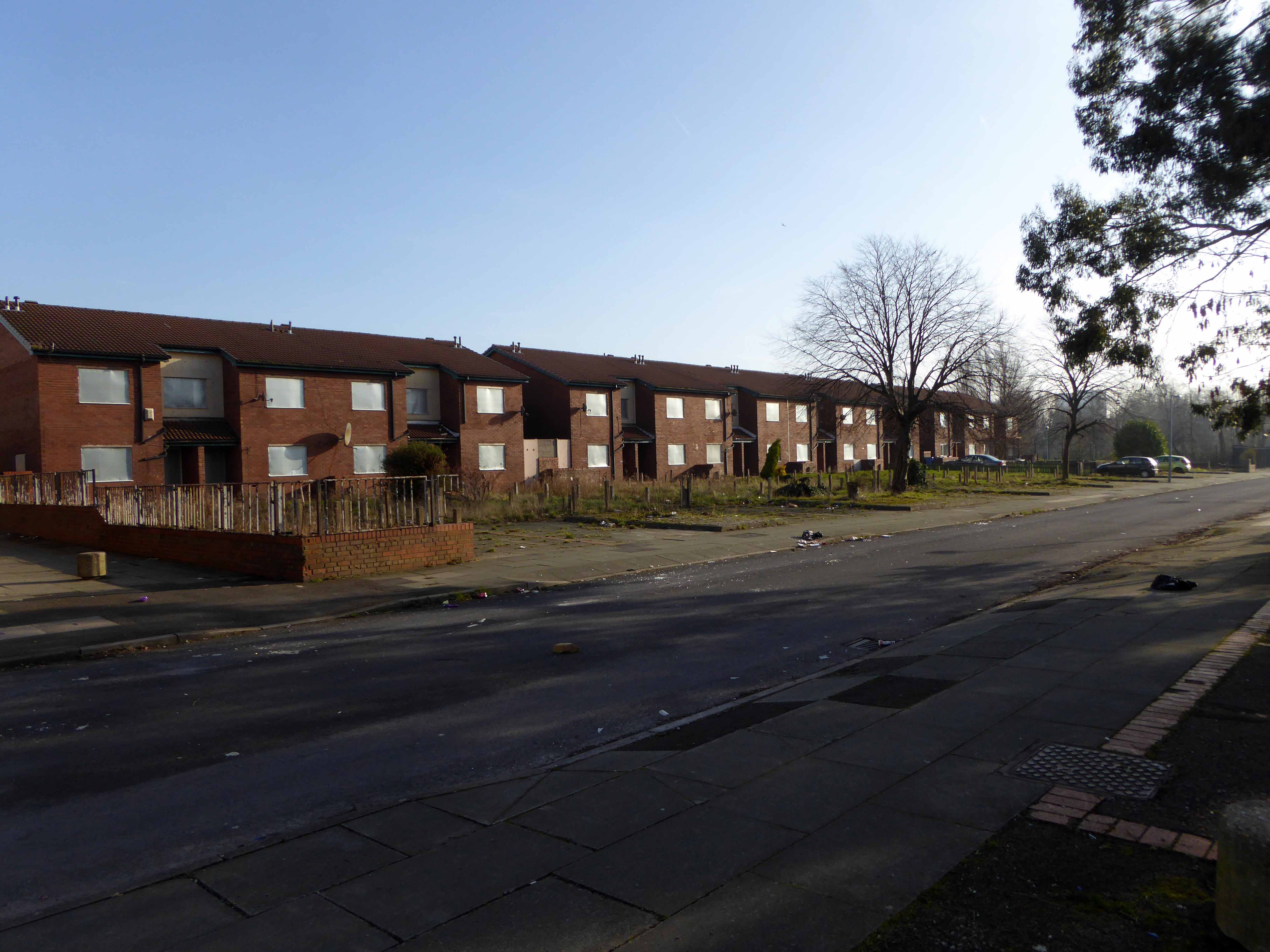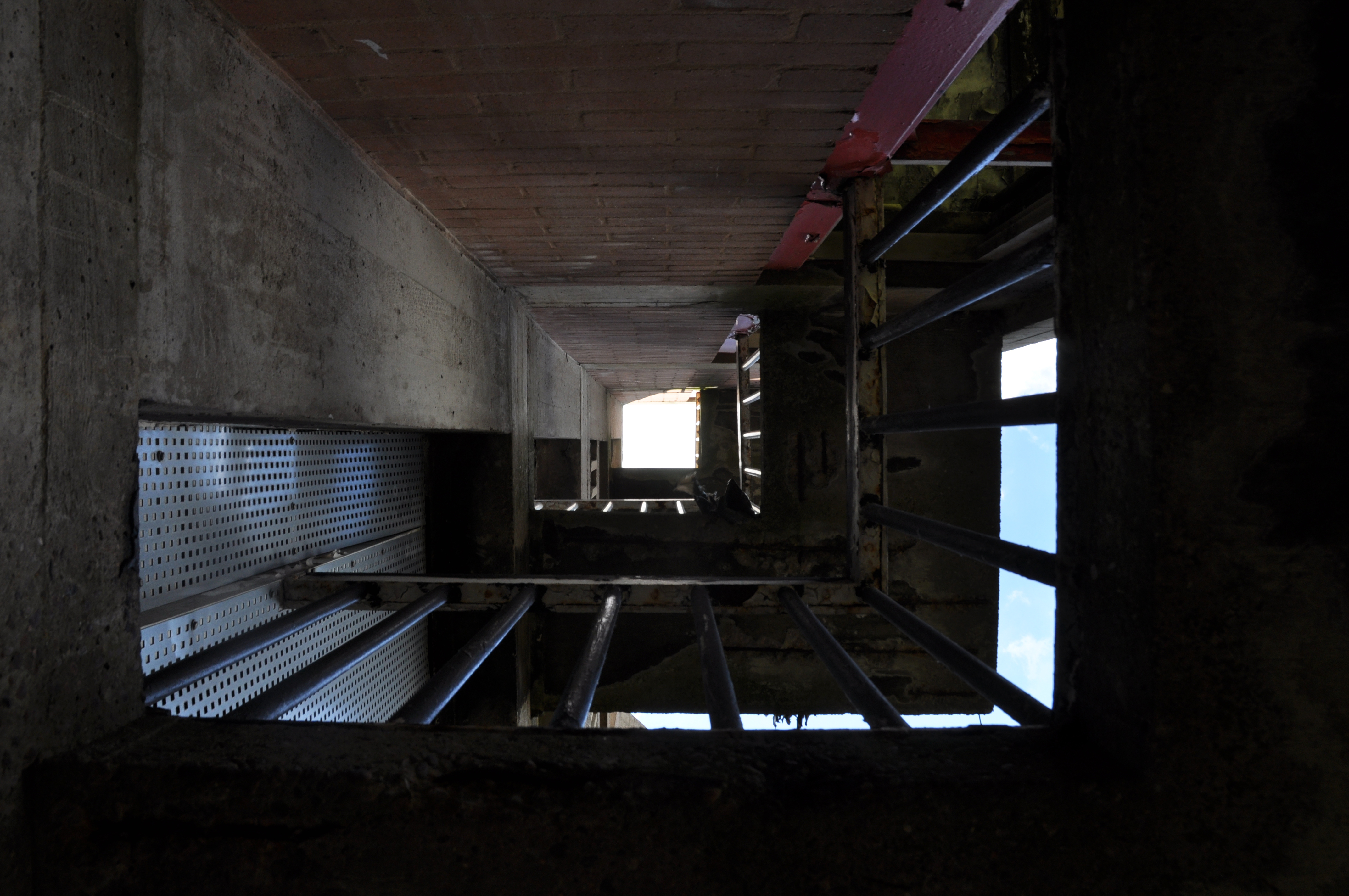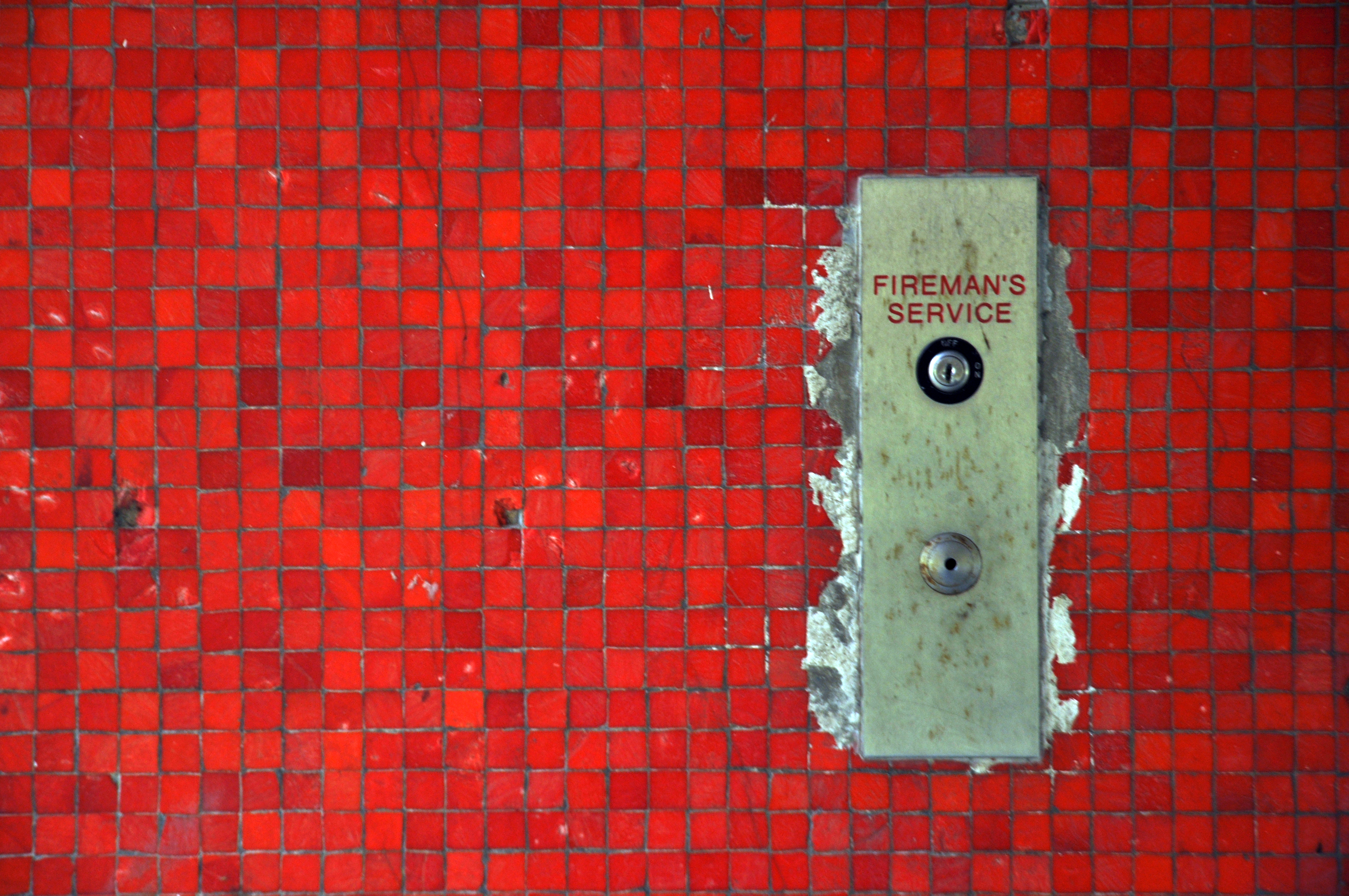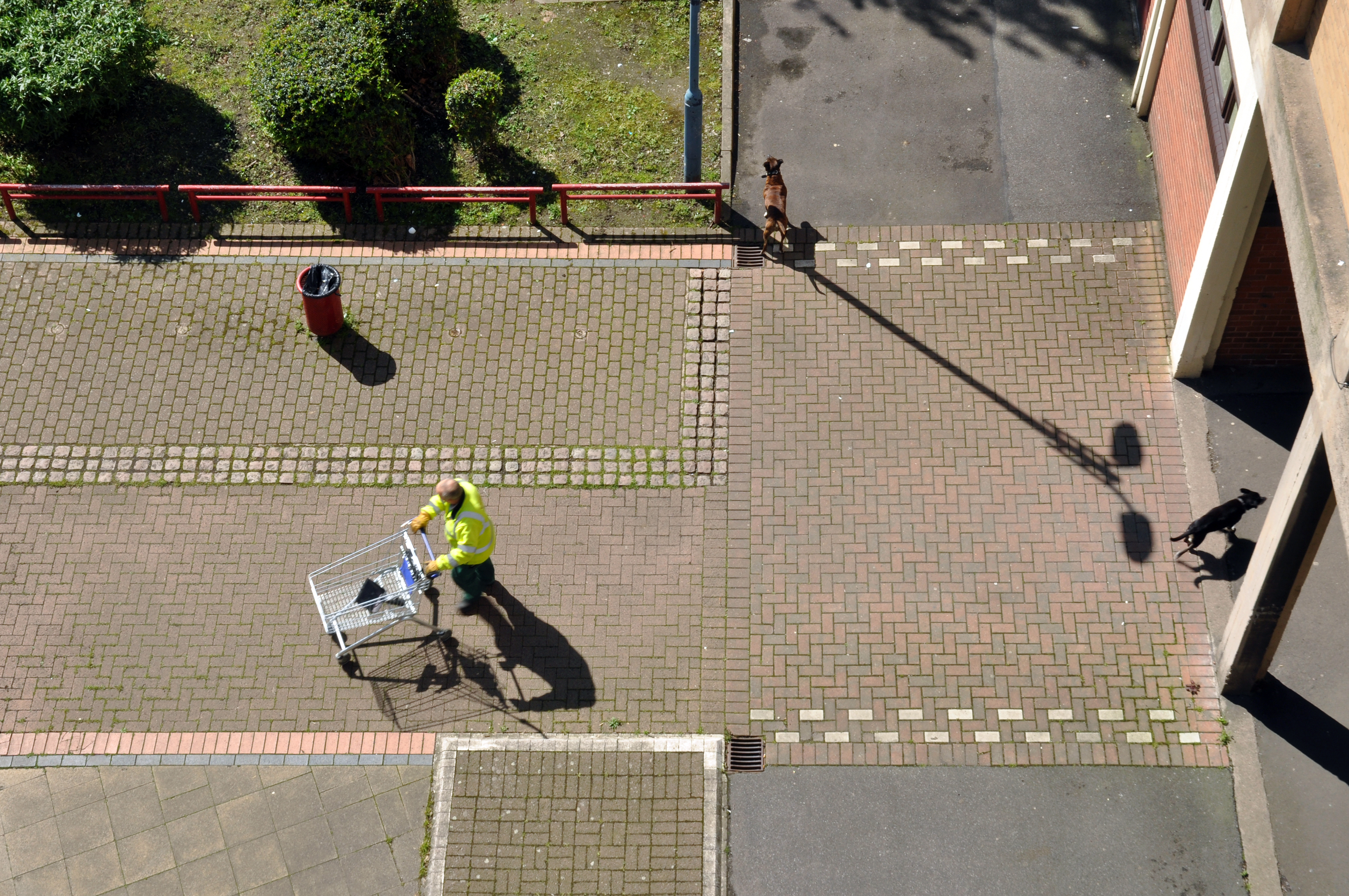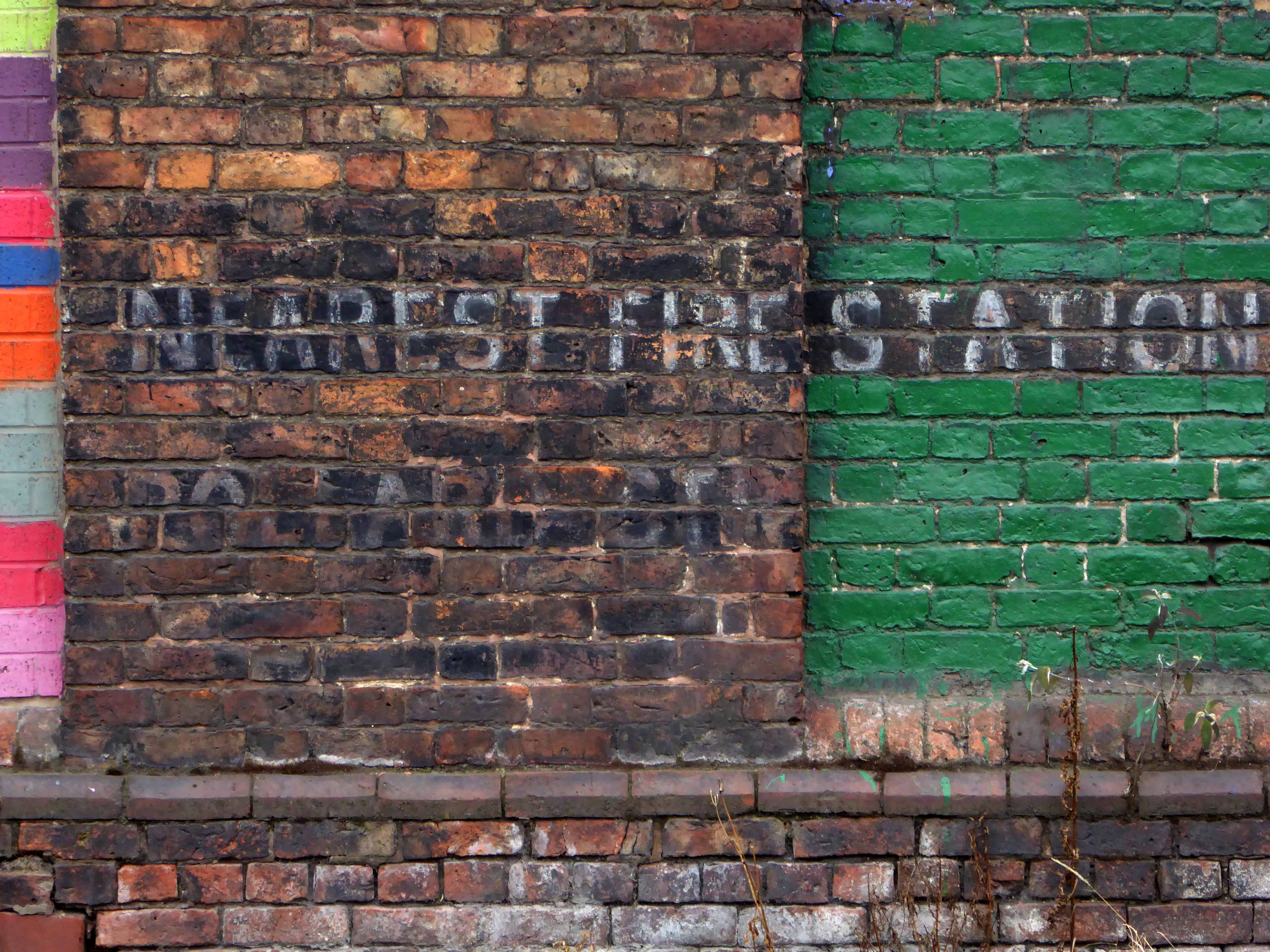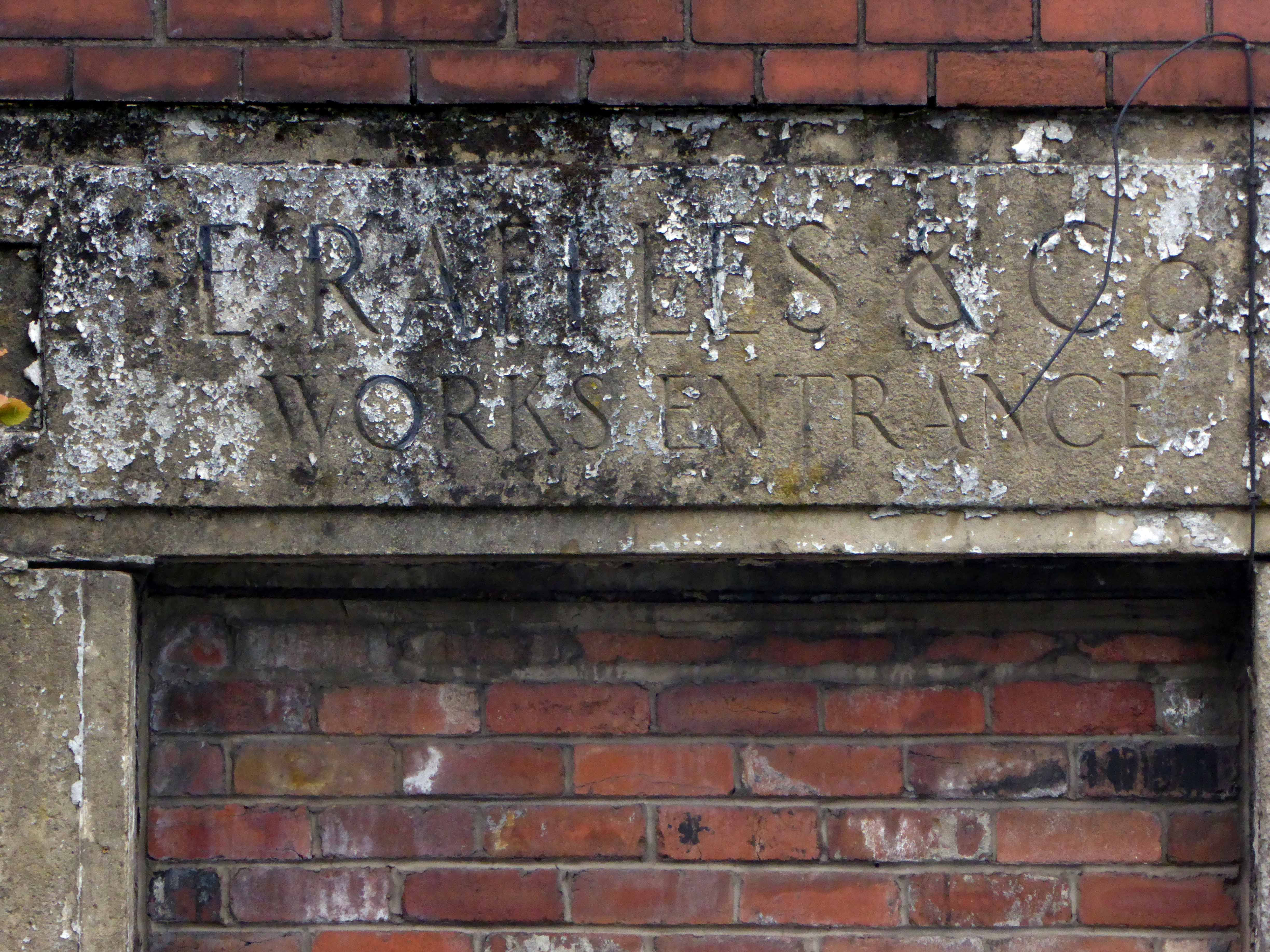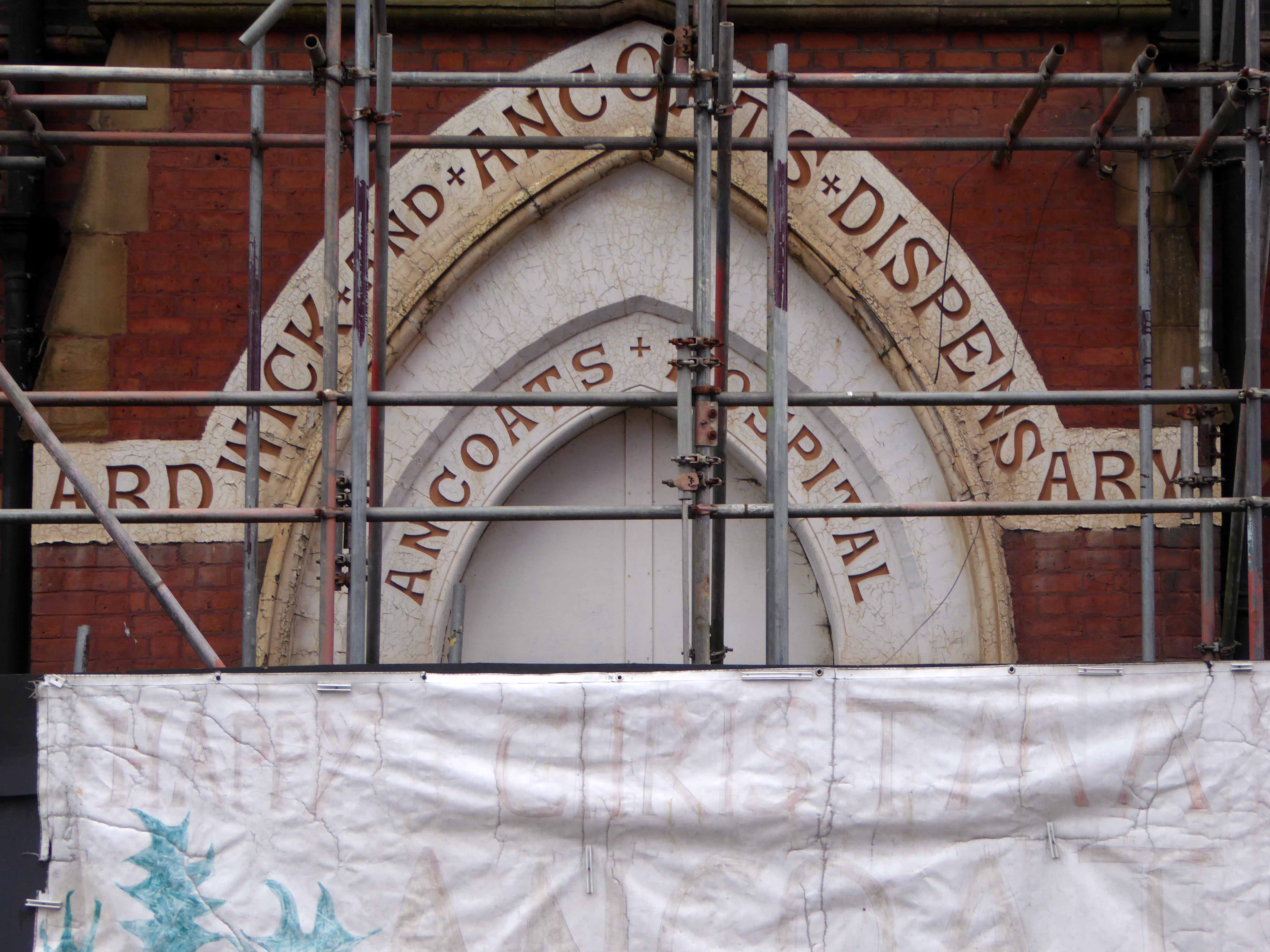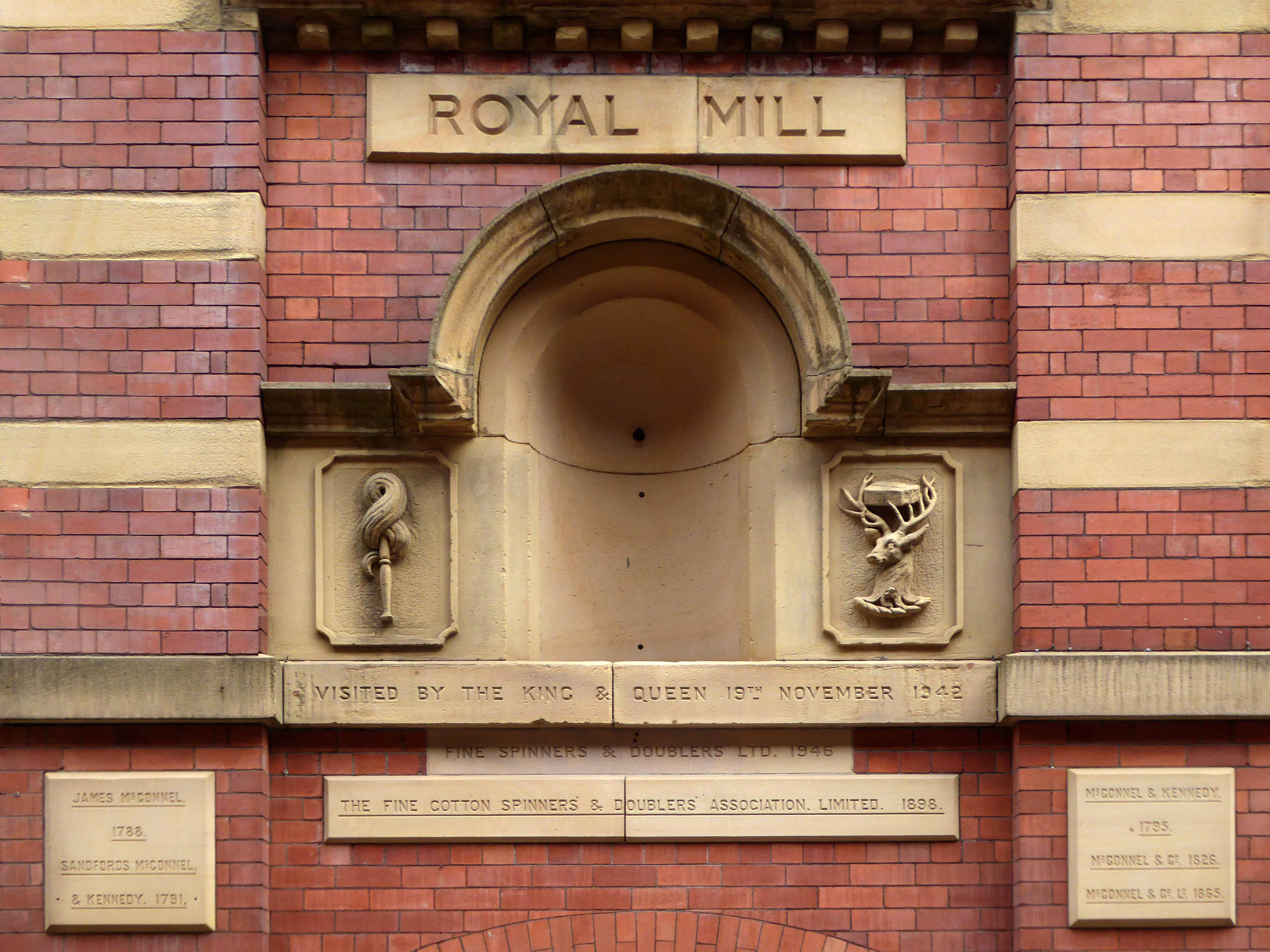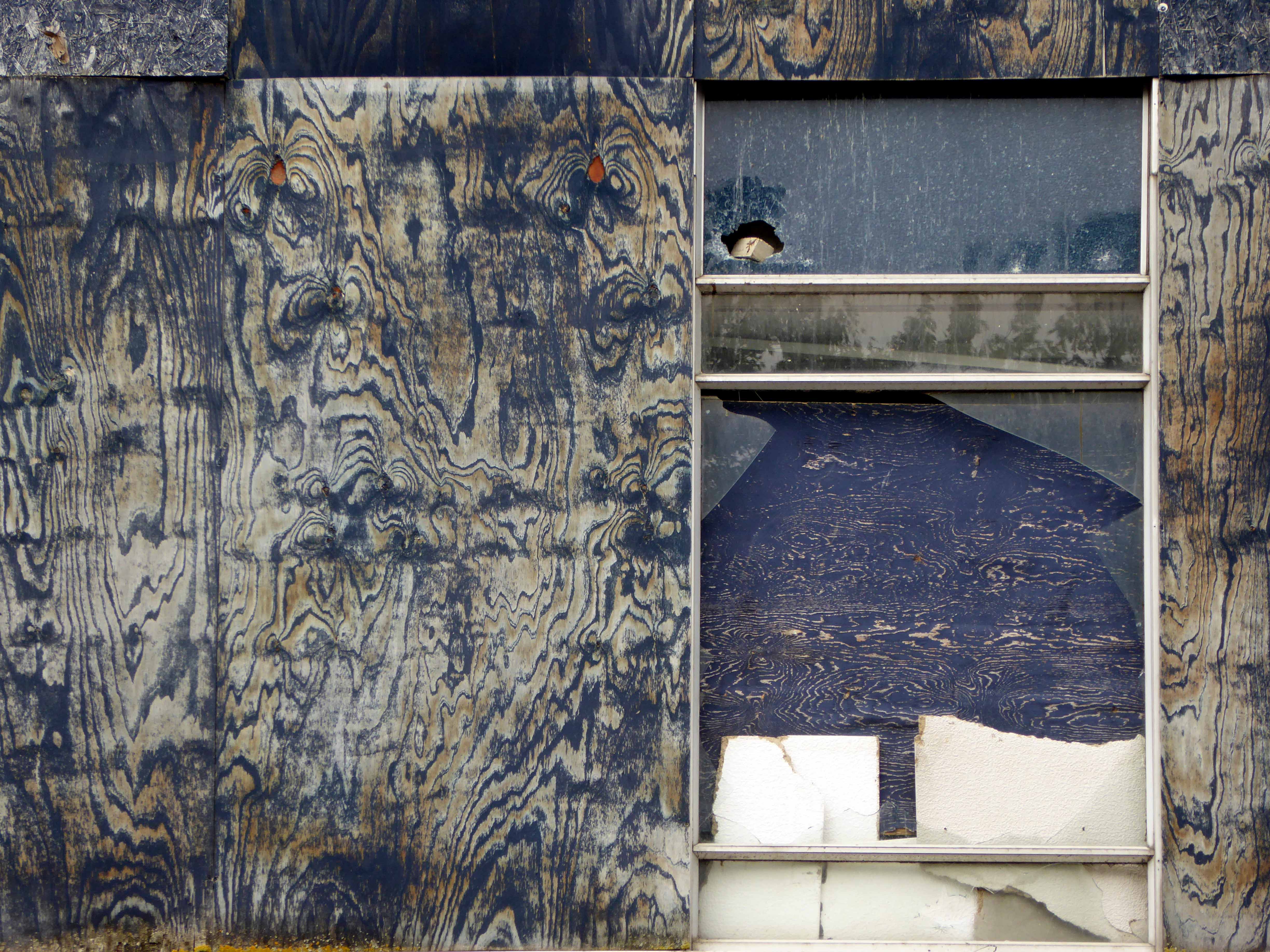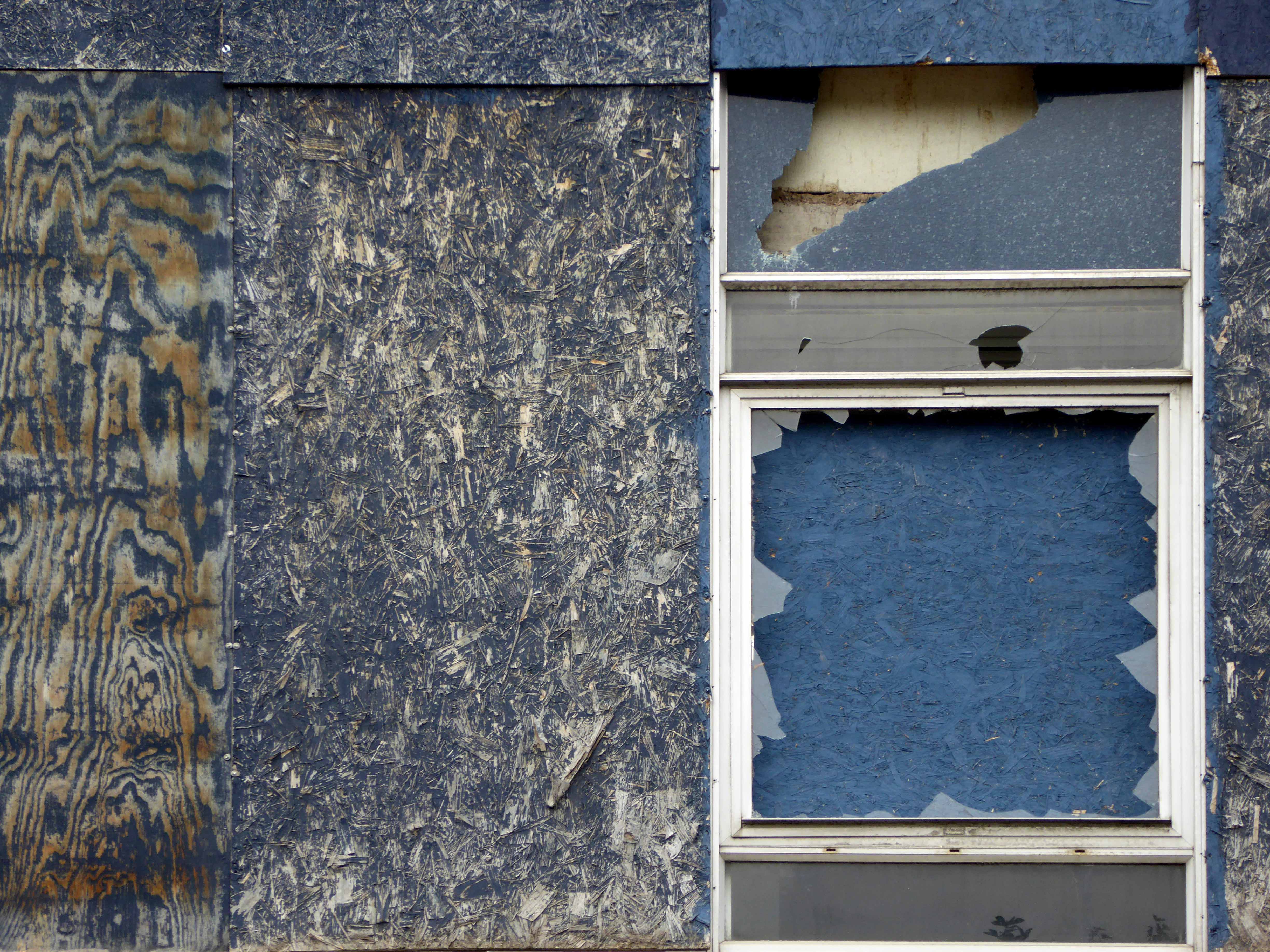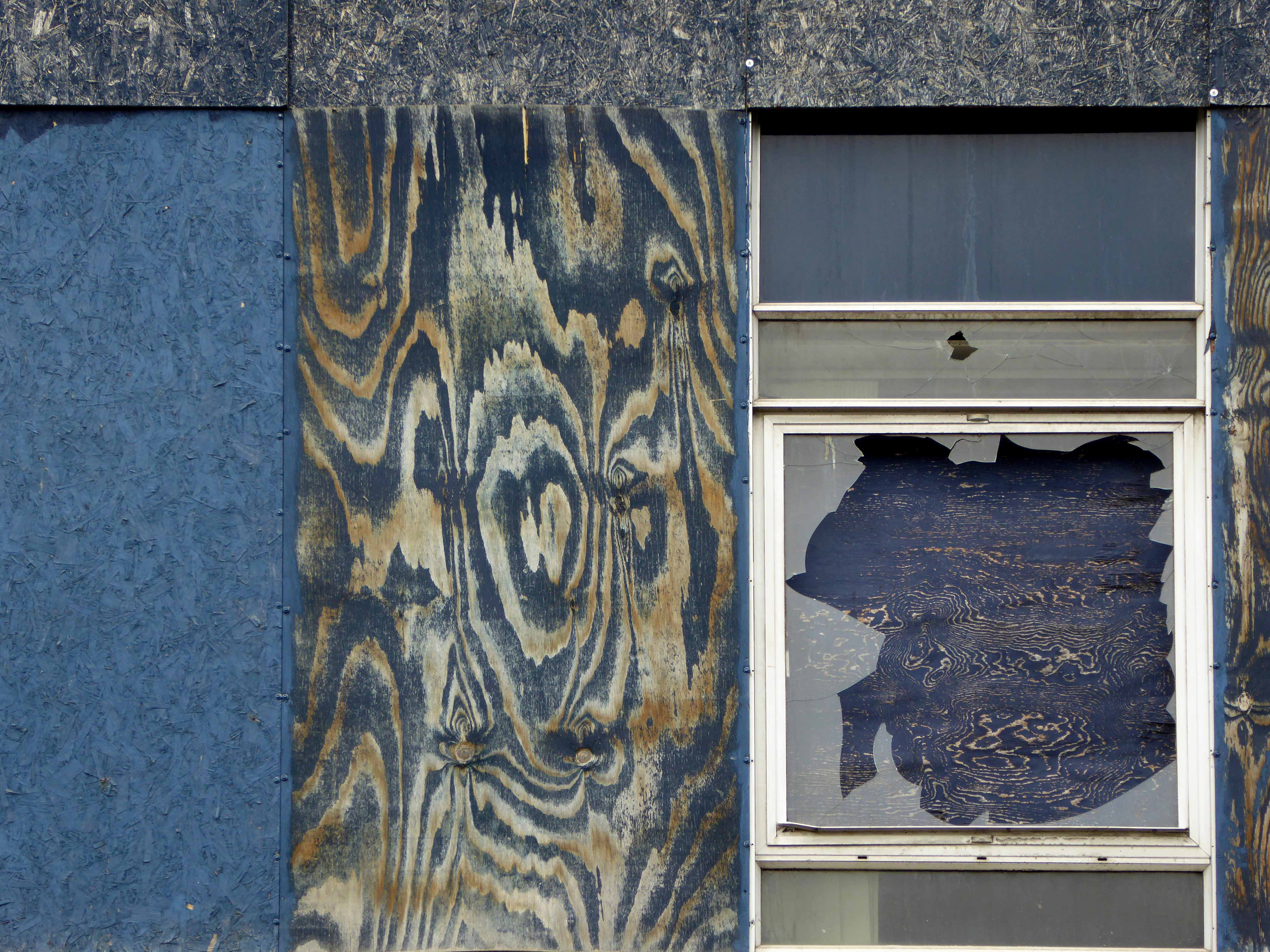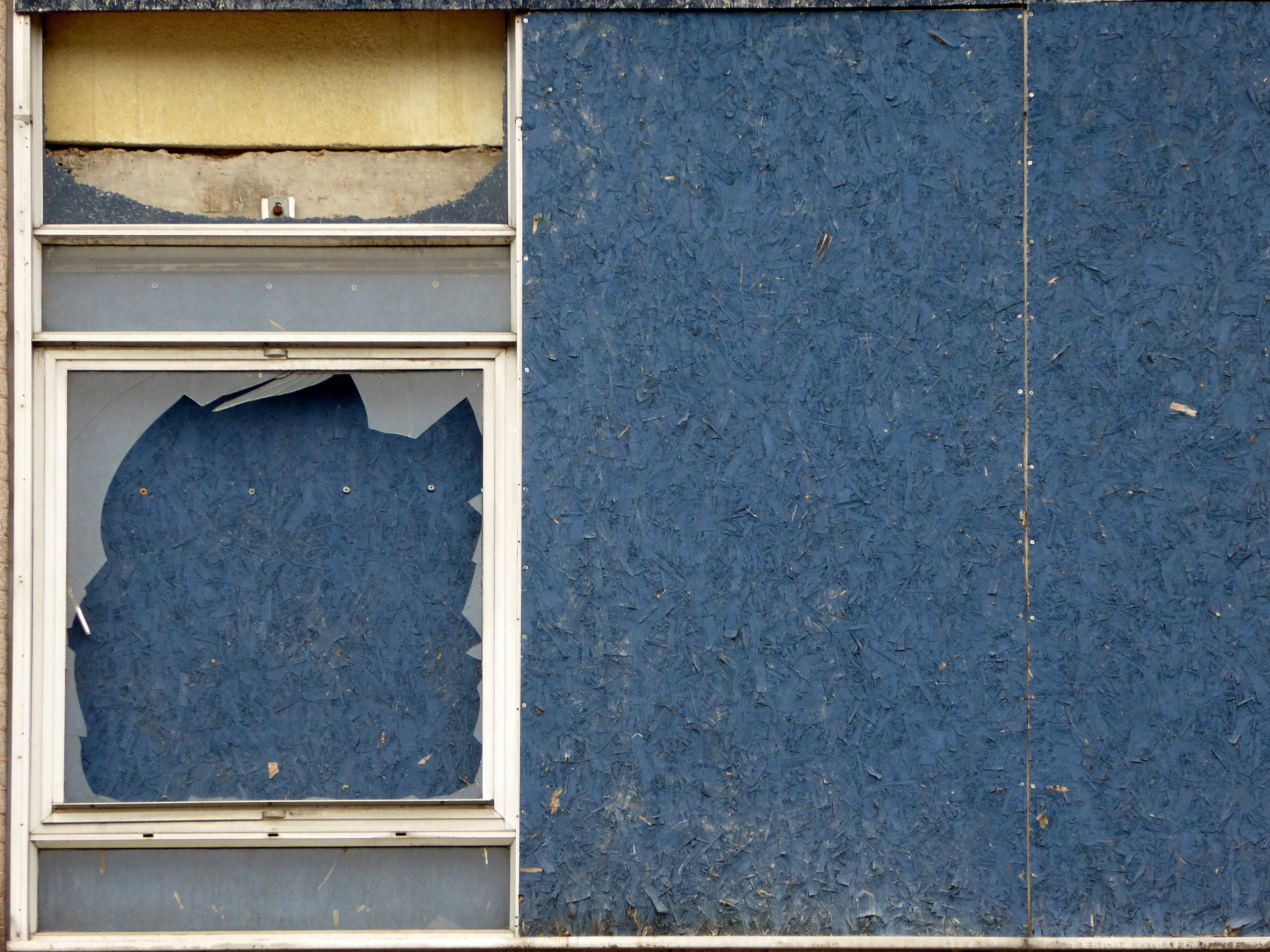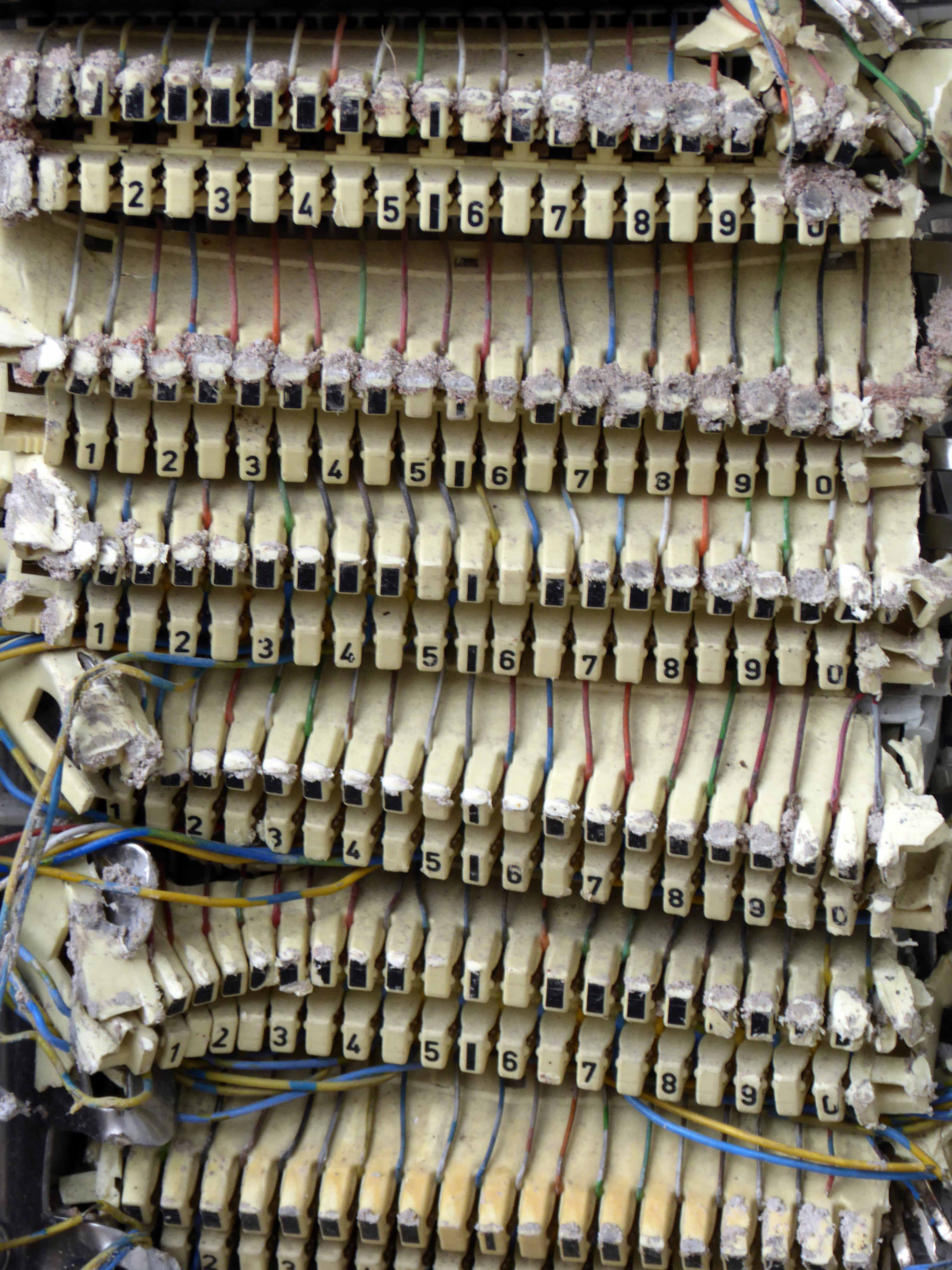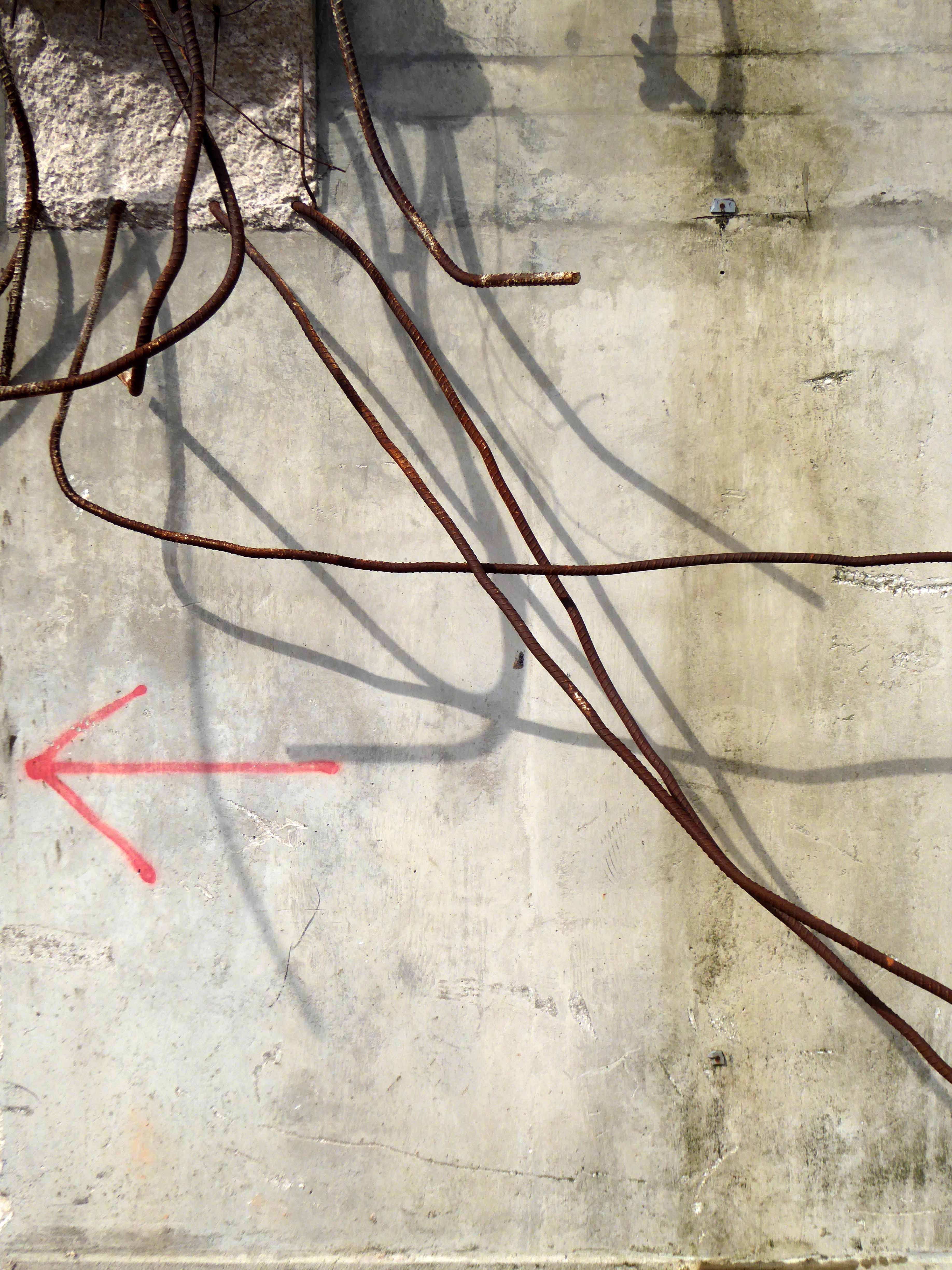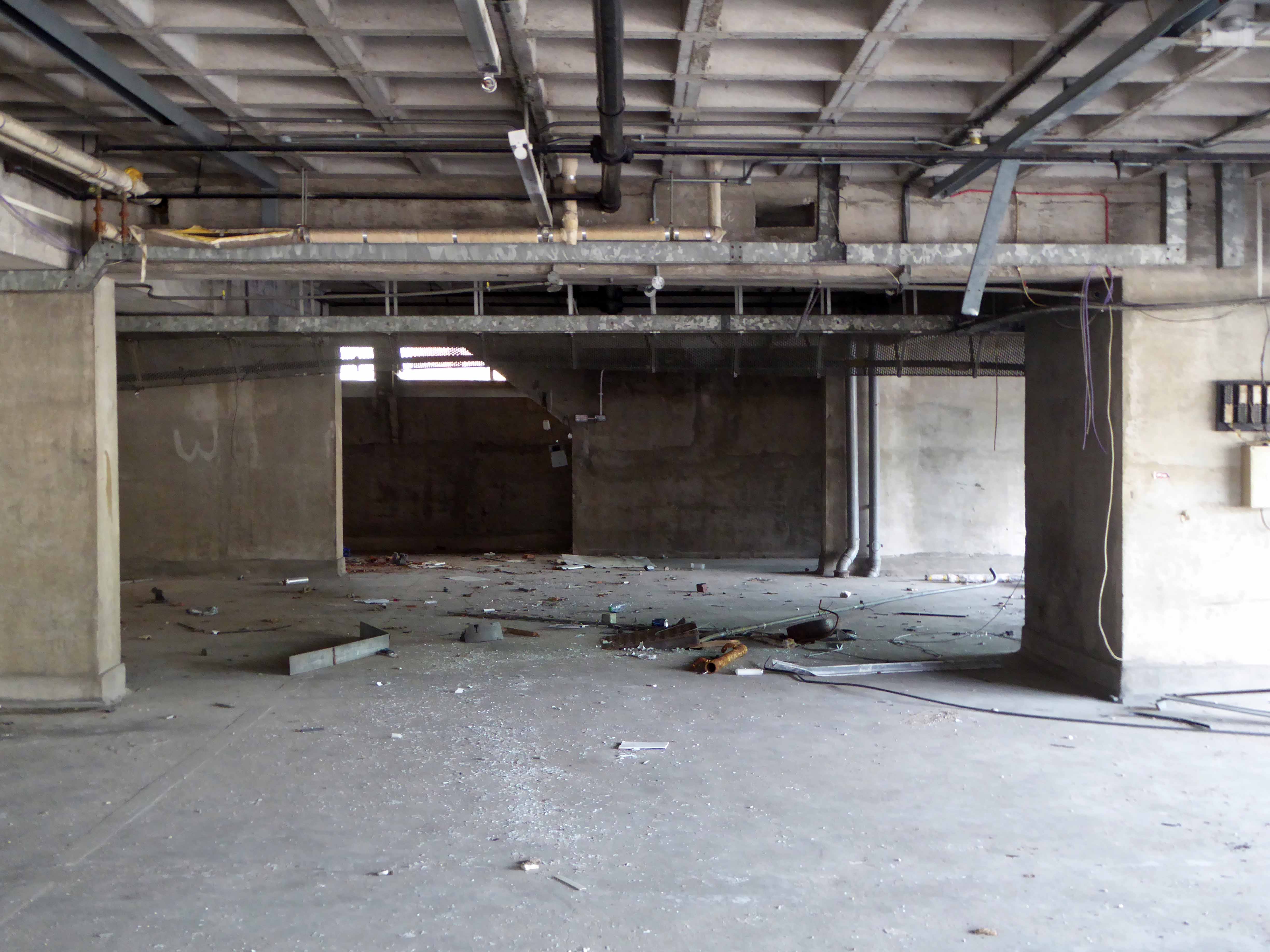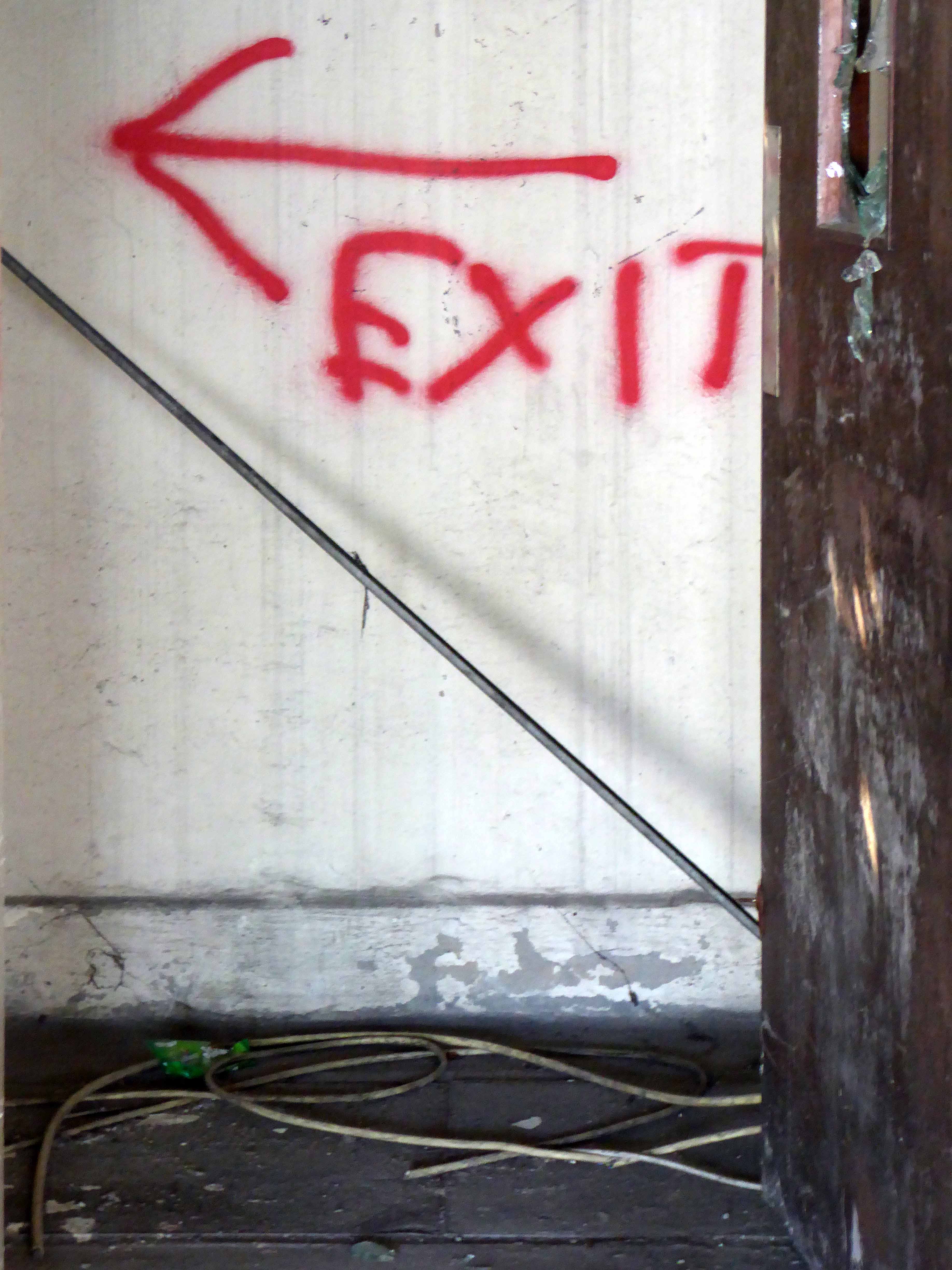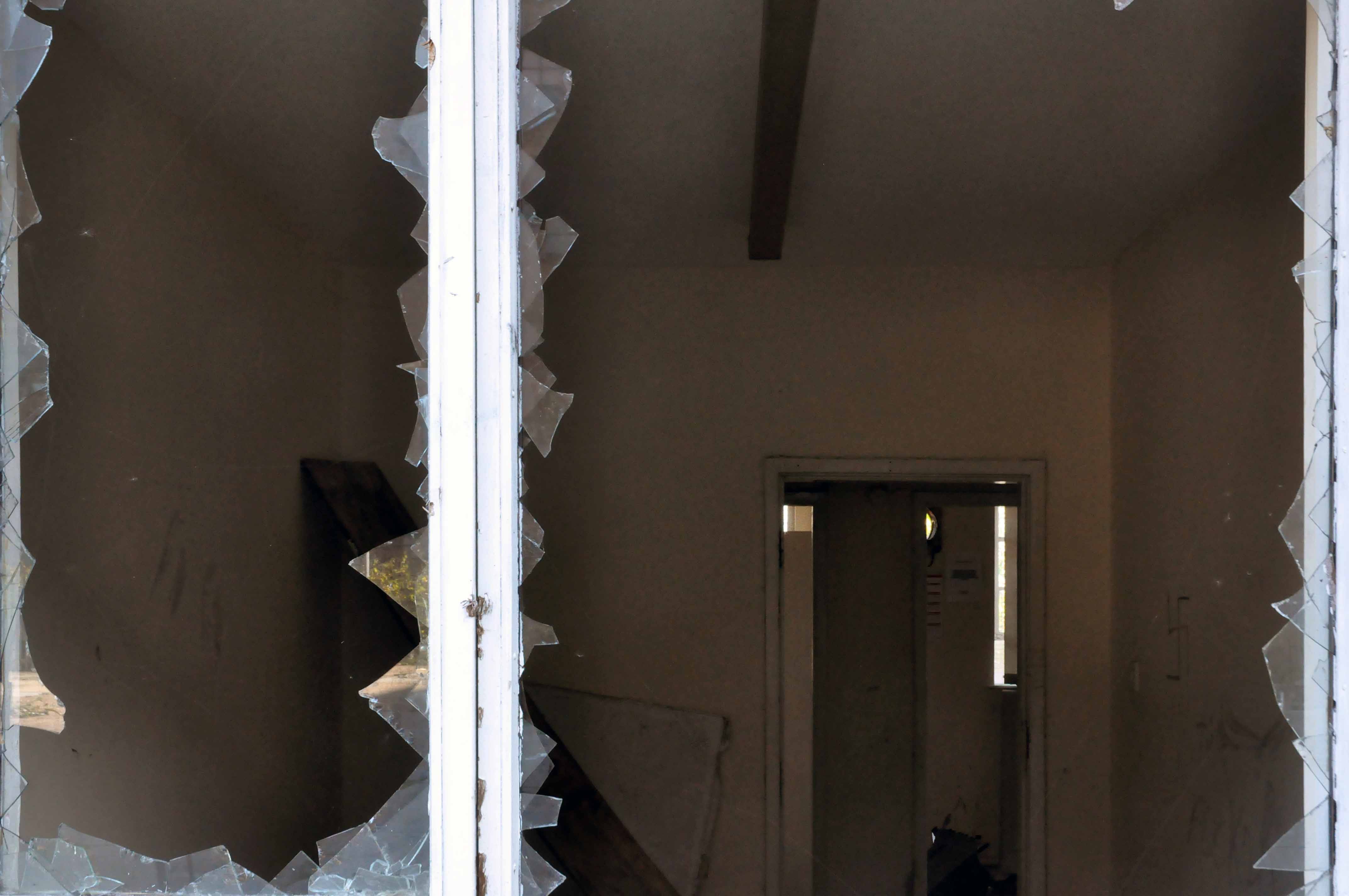
Sheffield Walk

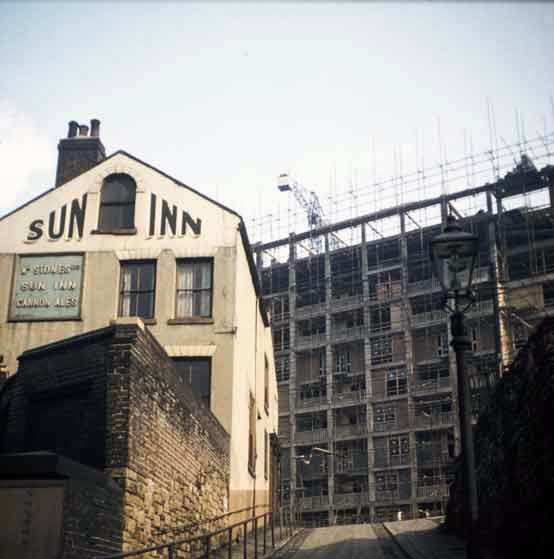
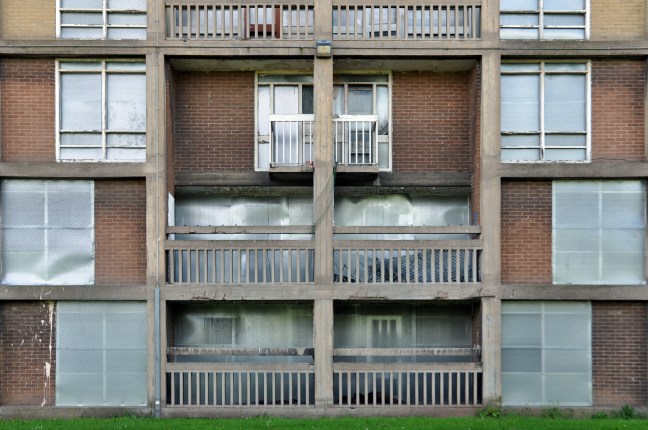
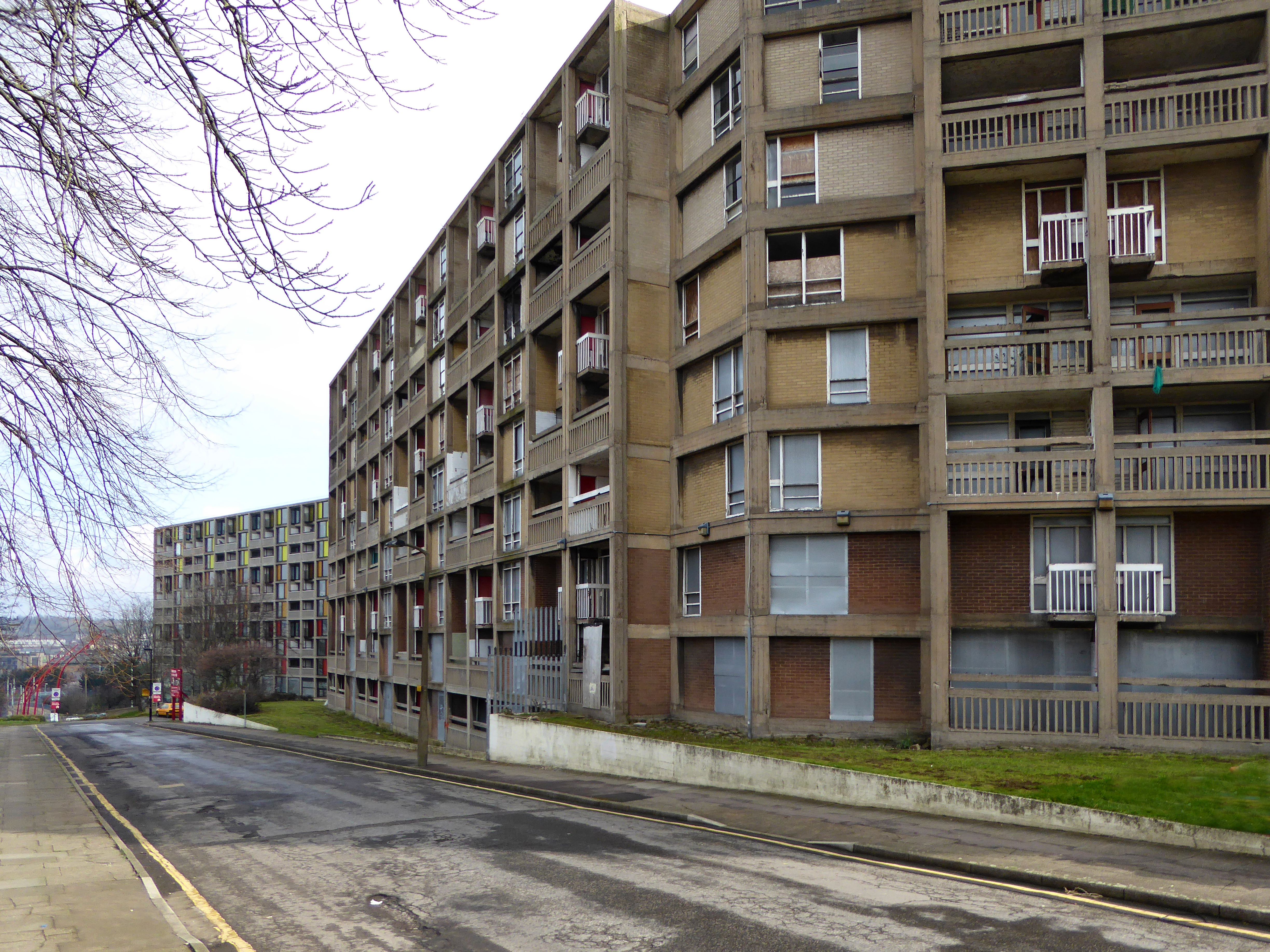
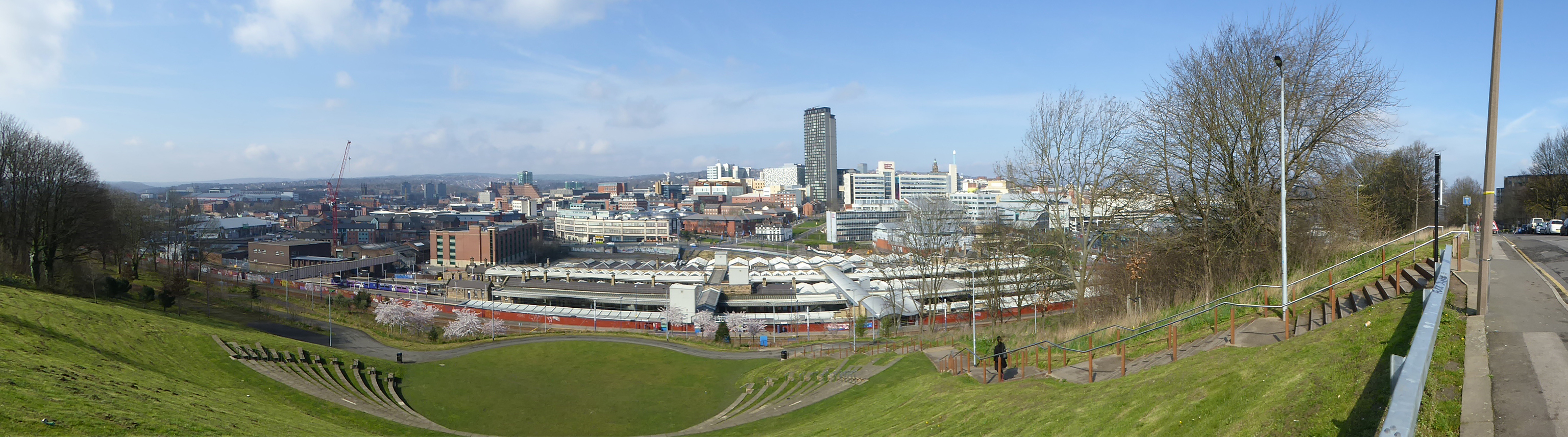
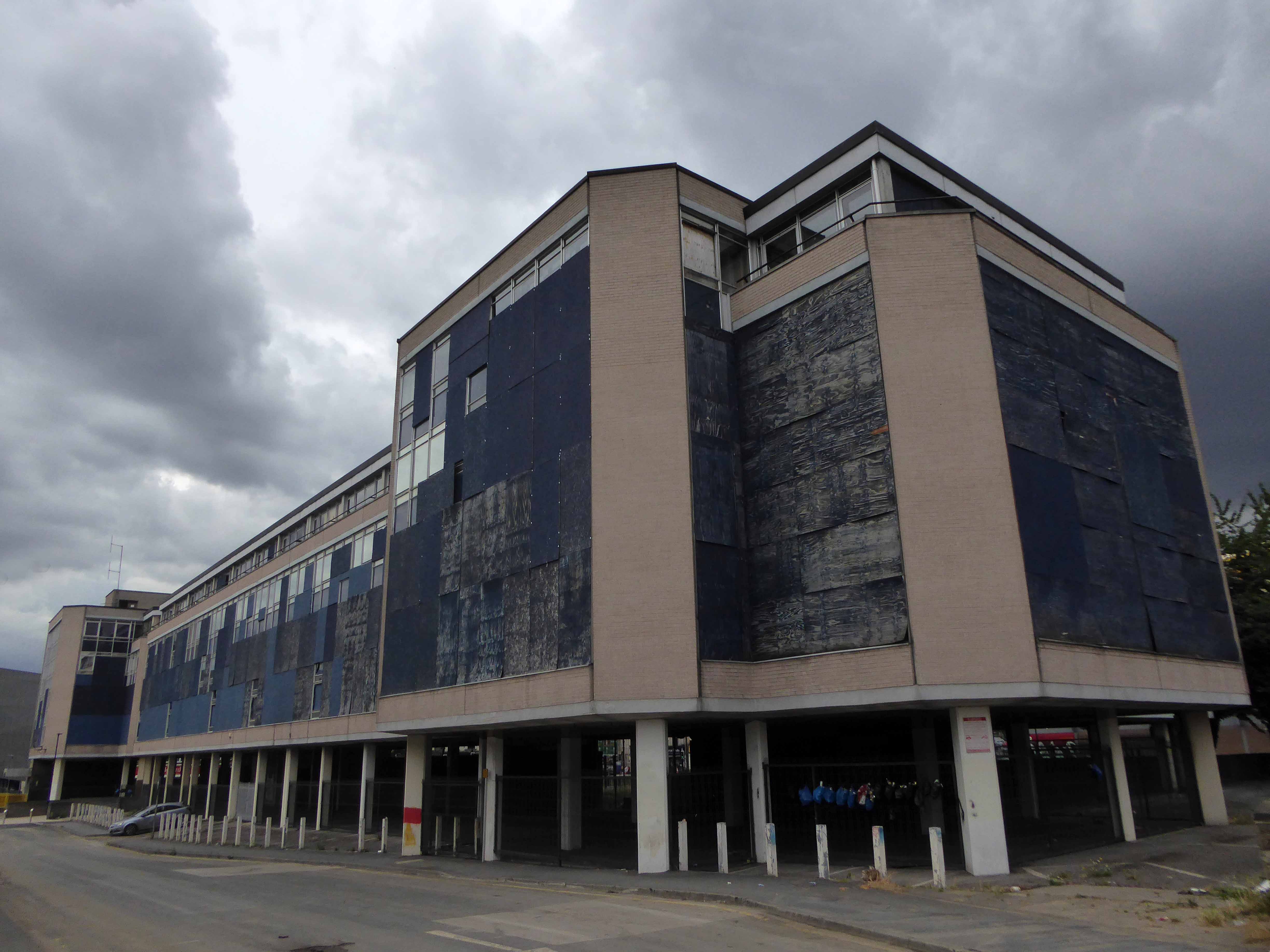
To begin at the beginning high on a hill overlooking the city – Park Hill.

Park Hill was previously the site of back-to-back housing, a mixture of two and three storey tenement buildings, waste ground, quarries and steep alleyways. Clearance of the area began during the 1930s.

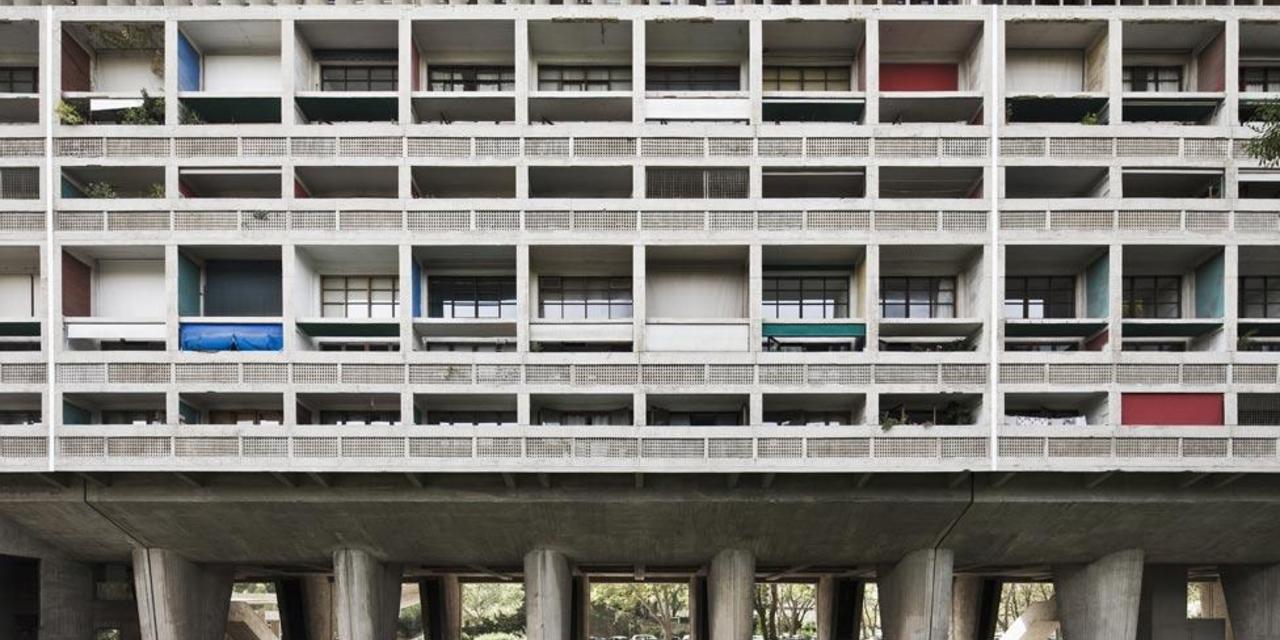
Following the war it was decided that a radical scheme needed to be introduced to deal with rehousing the Park Hill community. Inspired by Le Corbusier’s Unité d’Habitation architects Jack Lynn and Ivor Smith under the supervision of J. L. Womersley, Sheffield Council’s City Architect, began work in 1953 designing the Park Hill Flats.

Construction began in 1957 – officially opened on 16 June 1961.

The complex remained structurally sound, unlike many system-built blocks of the era, and controversially was Grade II* listed in 1998 making it the largest listed building in Europe.

A part-privatisation scheme by the developer Urban Splash in partnership with English Heritage to turn the flats into upmarket apartments, business units and social housing is now underway.

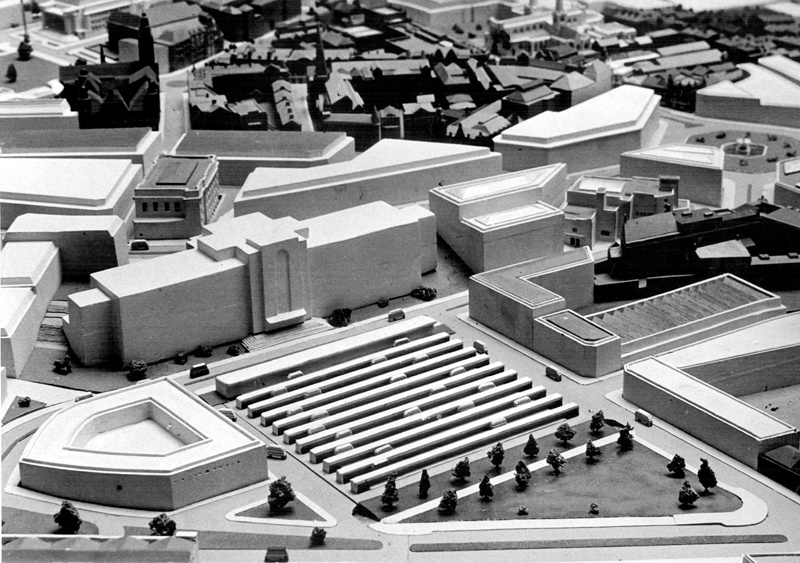
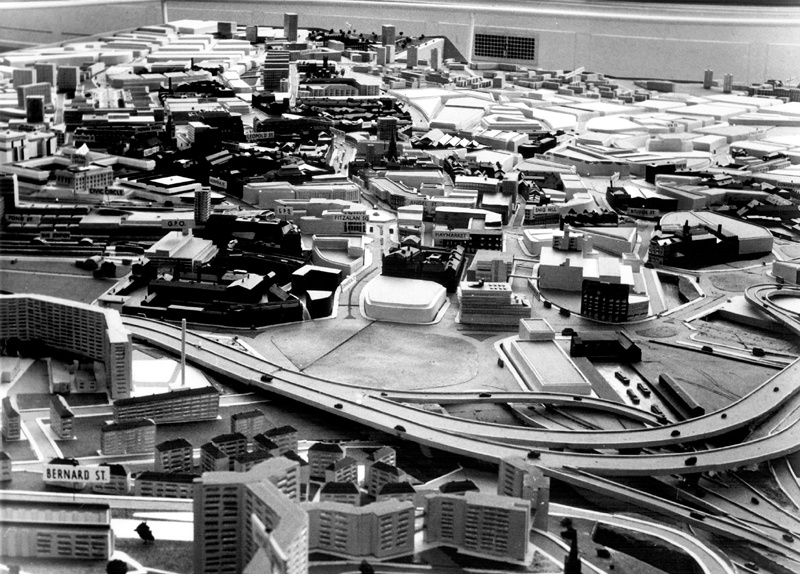
Plan for Sheffield 1963
I’ve been here before and again, visited pubs that don’t exist – The Parkway, Scottish Queen, Link or Earl George are all long gone.

Let’s go down town.

Take a look at Elements Fire Steel Brian Asquith’s work unveiled on May 10th 1965 at the former Westminster Bank – subsequently sited here on the Sheffield Hallam campus. He was also responsible for the sculptural work in the Peace Gardens.

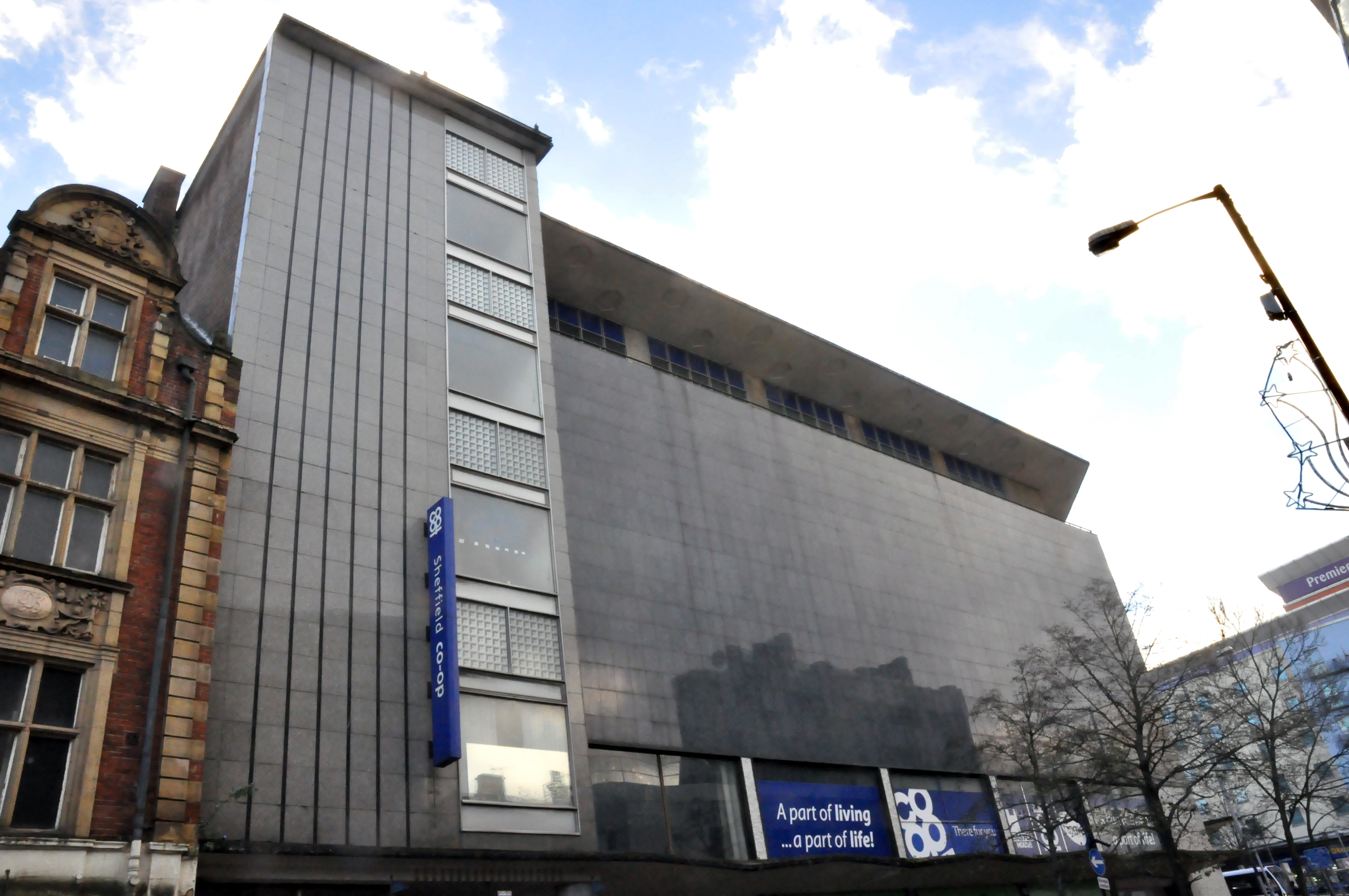
Onwards to the Co-op’s former Castle House Store.

Grade II Iisted  Co-operative department store described by Historic England as  ‘1964 by George S Hay, Chief Architect for CWS, with interior design by Stanley Layland, interior designer for CWS. Reinforced concrete with Blue Pearl granite tiles and veneers, grey granite tiles and veneers, buff granite blocks, glass, and brick.’

The original branch was destroyed in the Blitz, to be replaced by a temporary prefabricated shop.
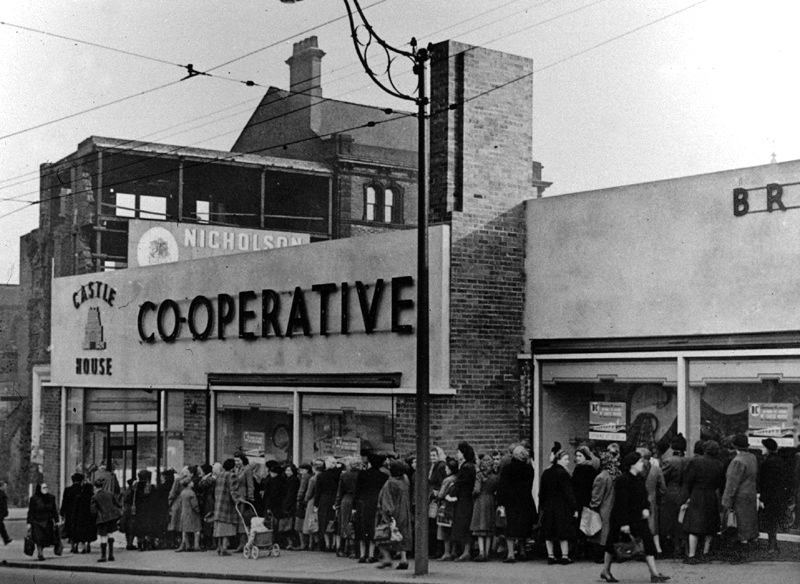
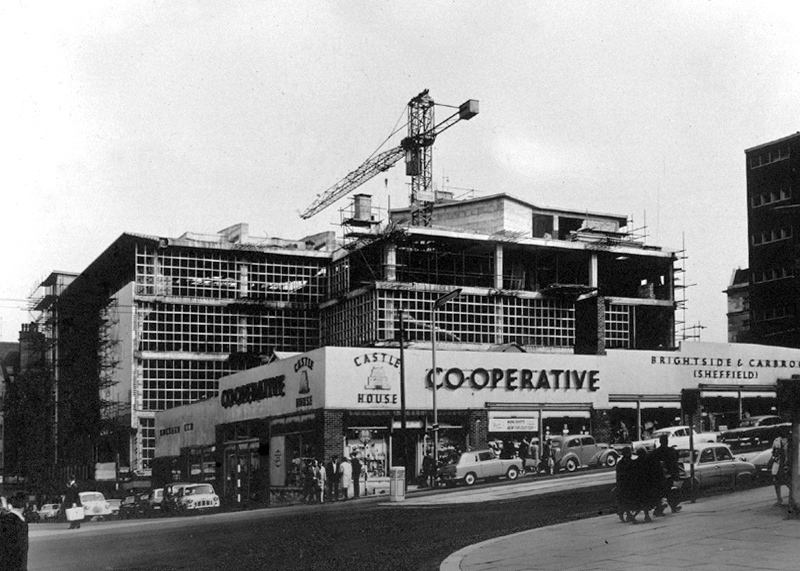
Seen here in Sean Madner’s wonderful photographs.
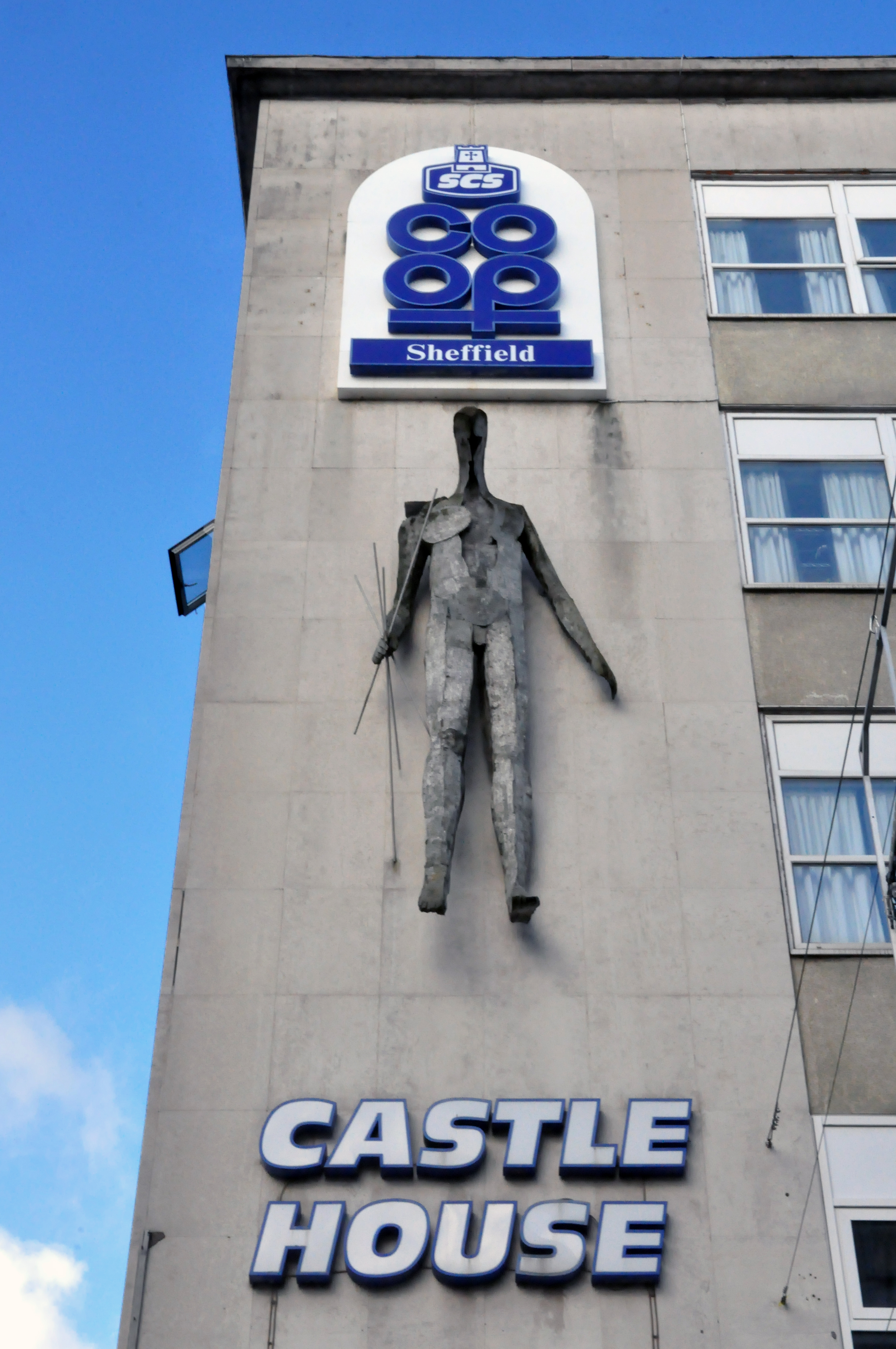
Vulcan by Boris Tietze commisioned by Horne Brothers 1961 for their head office building No. 1 King Street. Glass fibre on a metal armature the 8 foot high figure holding a bundle of metal rods.
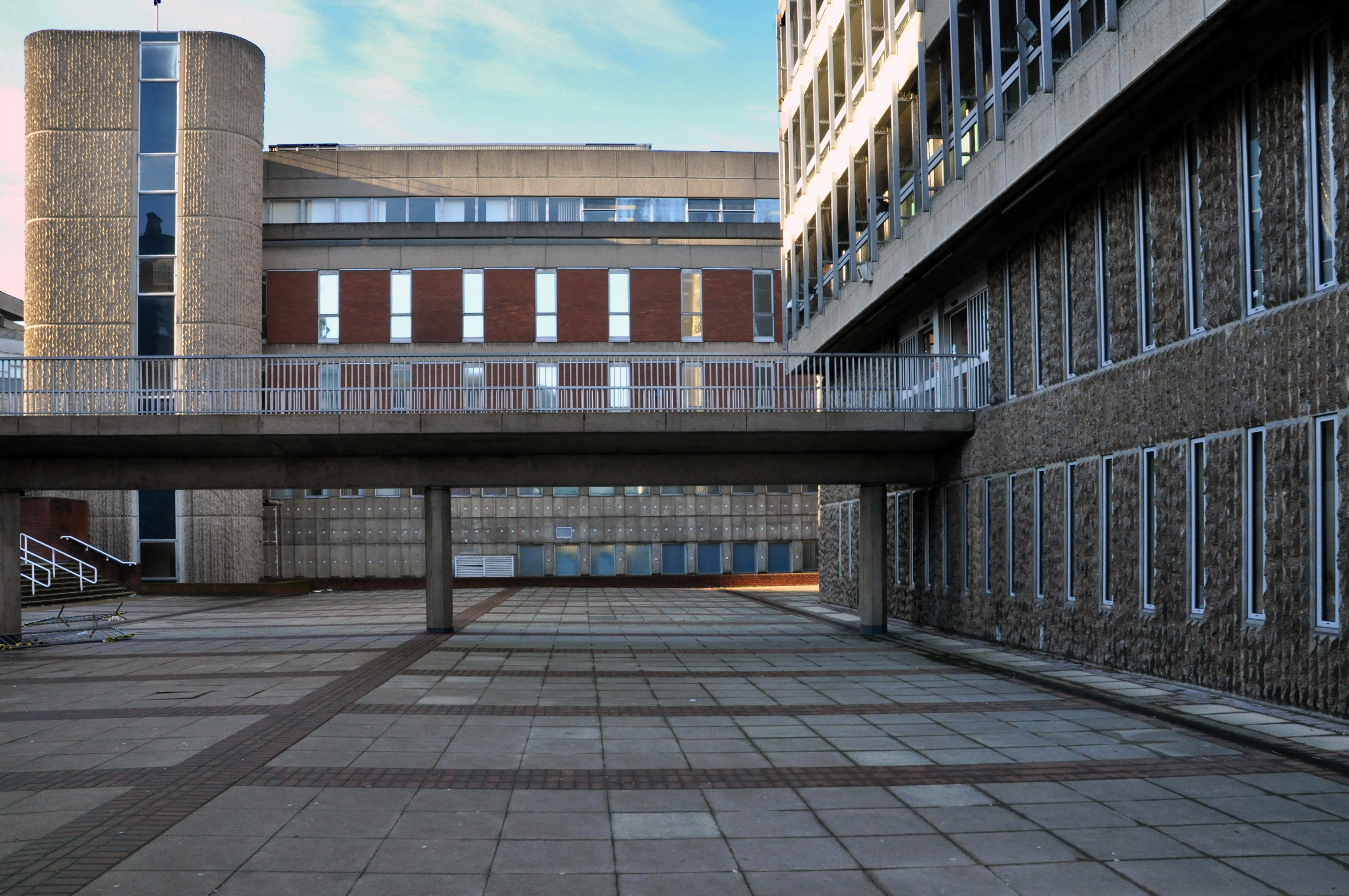
Off to court – Sheffield Magistrates Courts of 1978 designed by B Warren City Planning Officer and Architect, along with the adjacent Police Headquarters of 1970. Described by the Pevsner guide as – coherent in design if not particularly loveable.

Under construction 1977
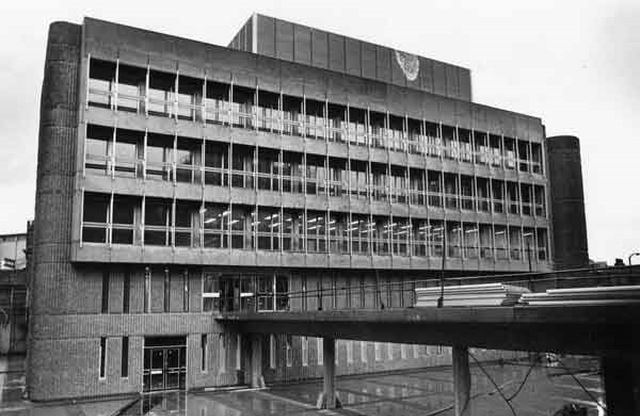
1989

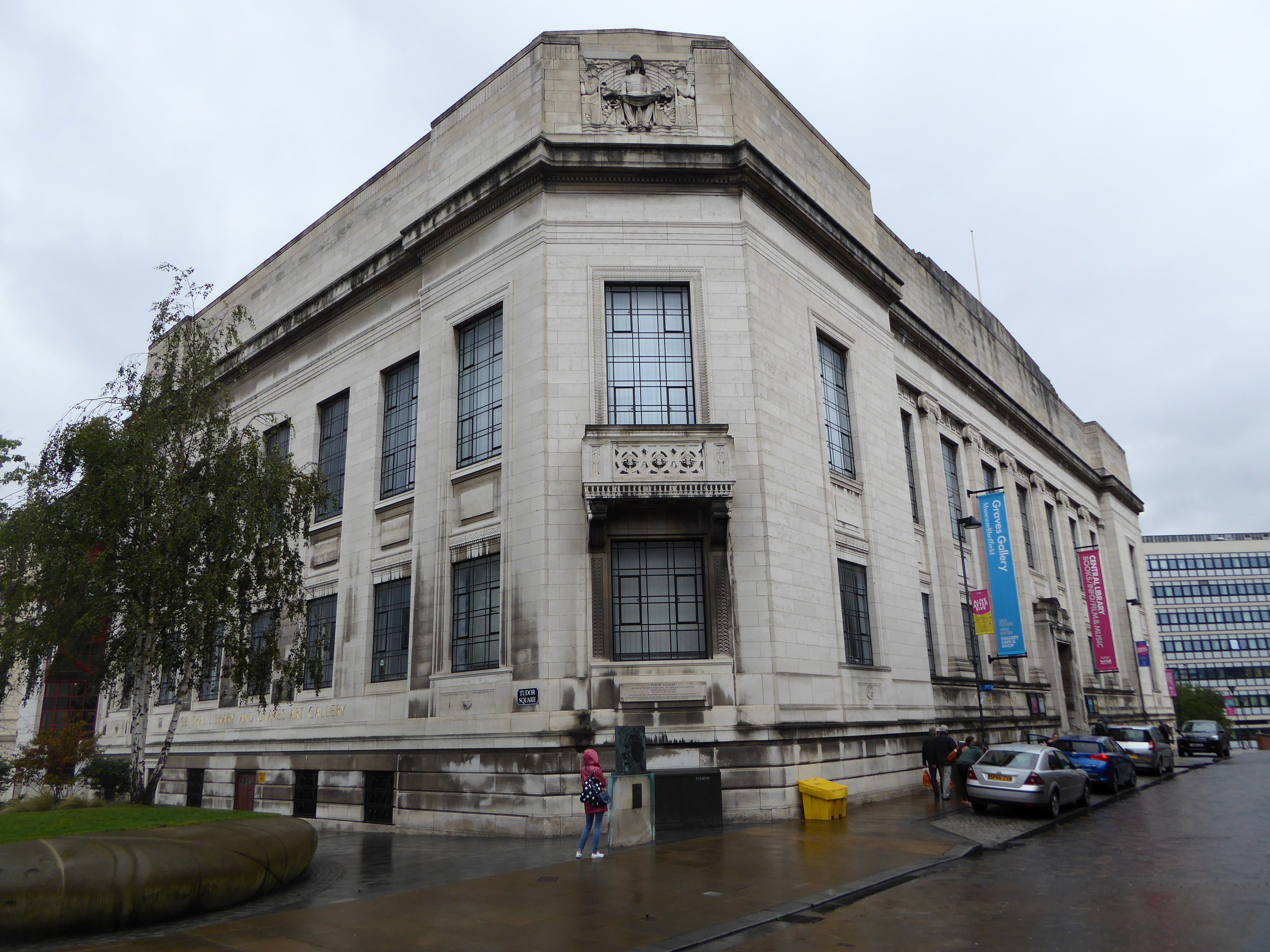
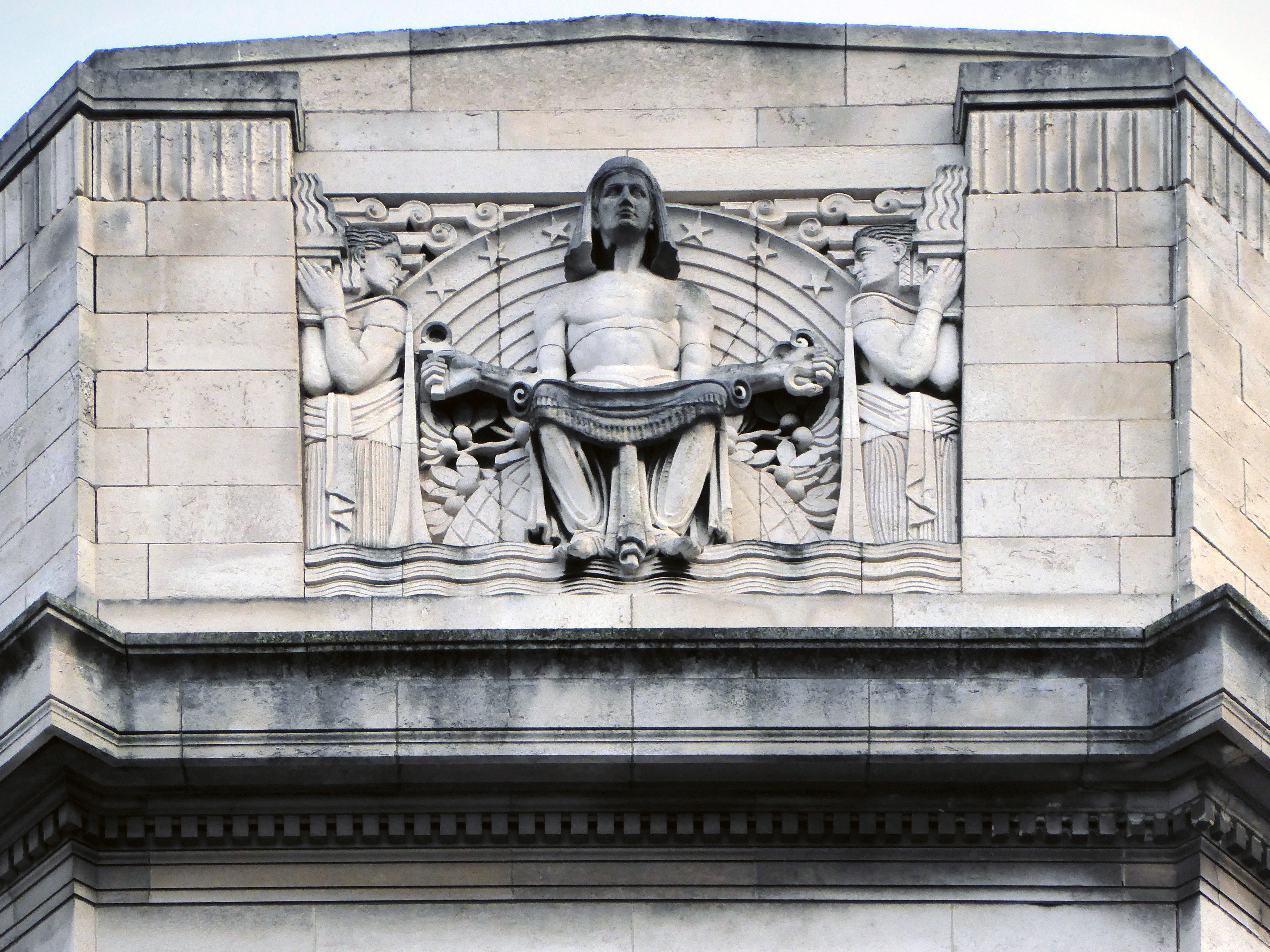
Passing the Graves by City Architect WG Davies 1929-34, with a friendly nod to inter-war Modernity. Intended to form one side of an unrealised civic square proposed by Patrick Abercrombie in 1924. The exterior carved work is by Alfred and William Tory.

Visualisation by Geo Daniels

There were major exhibitions in both 1945 and 1963 illustrating the plans down up for the redevelopment of the city.

1945

1963
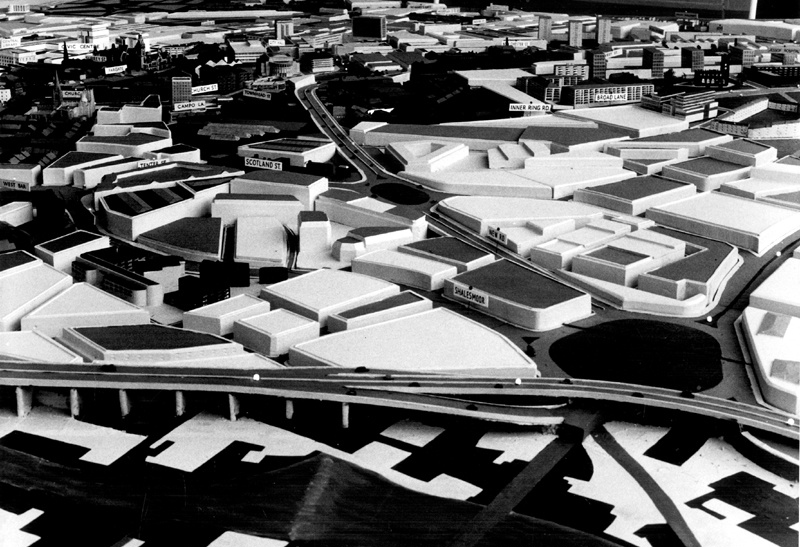
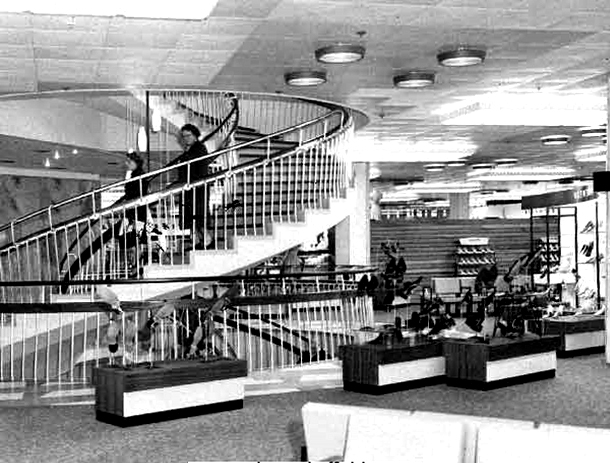
Off to the shops and the former Cole Brothers Stores by York, Rosenberg and Mardall, clad in their trademark white tiles opened in September 1963 – currently trading as John Lewis.

1969

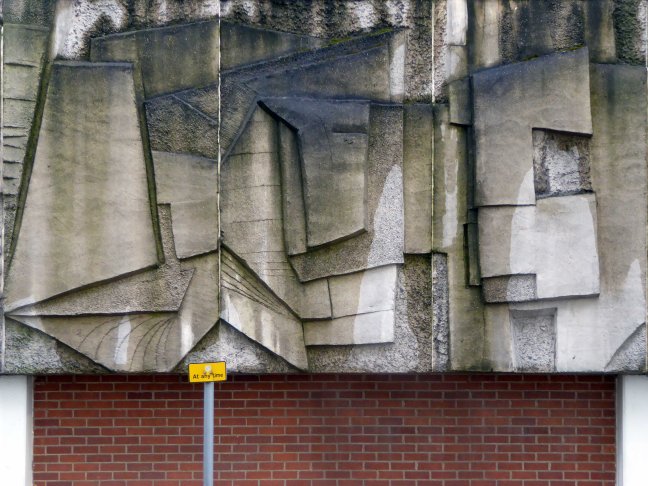
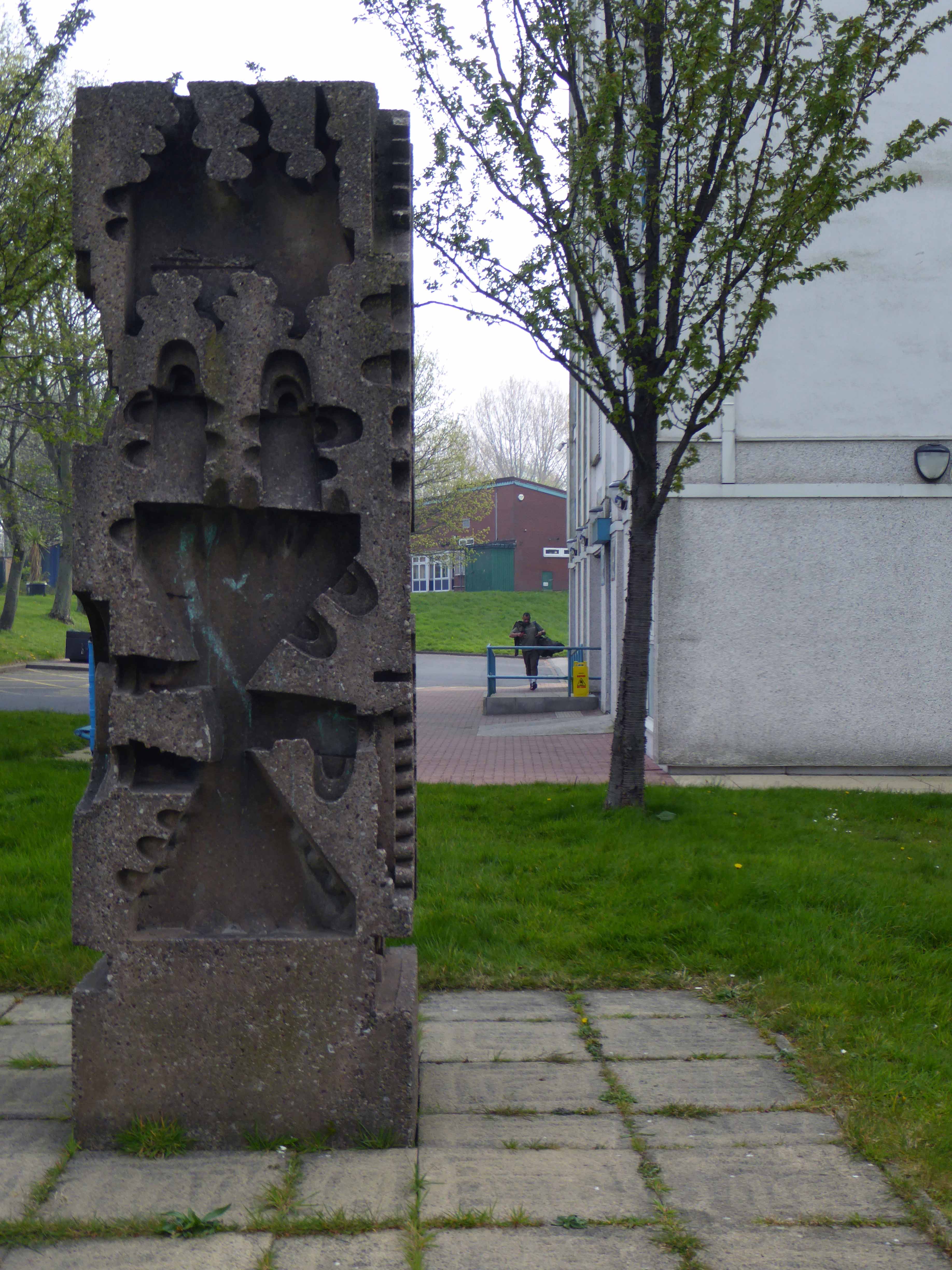
Tucked around the corner my go to guy for up to the minute cast concrete public art William Mitchell.

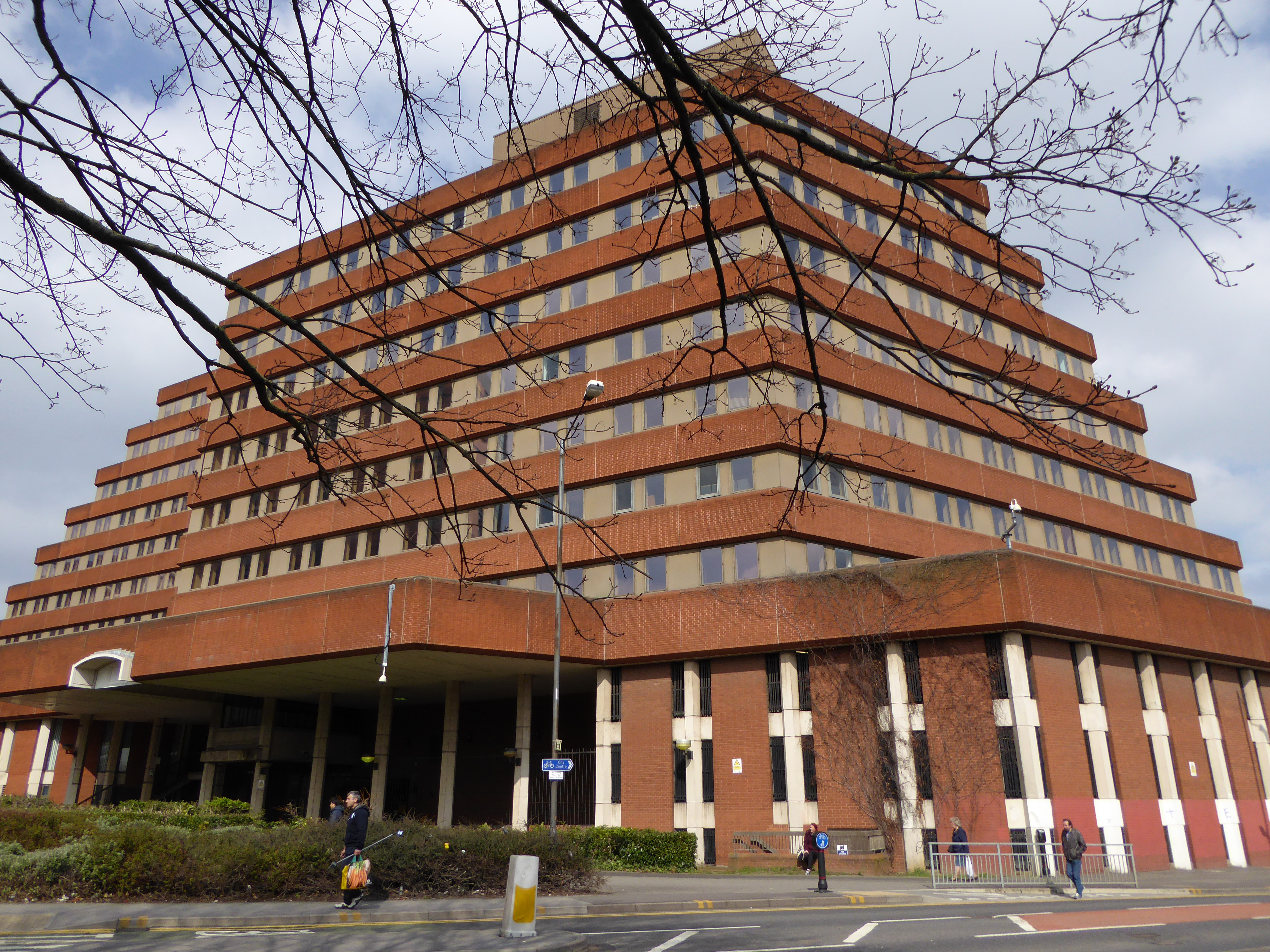
Along The Moor to the Moorfoot Building of 1978 by the Property Services Agency, former Manpower Services Commission HQ – now home to council offices.

Under construction 1977

Crucible by Judith Bluck located outside the Manpower Service Commission Building, commissioned for the Property Services Agency of the Department of the Environment in 1979. It is a large bronze-coloured plastic fountain sculpture. The artist referred to it as an exploding crucible.
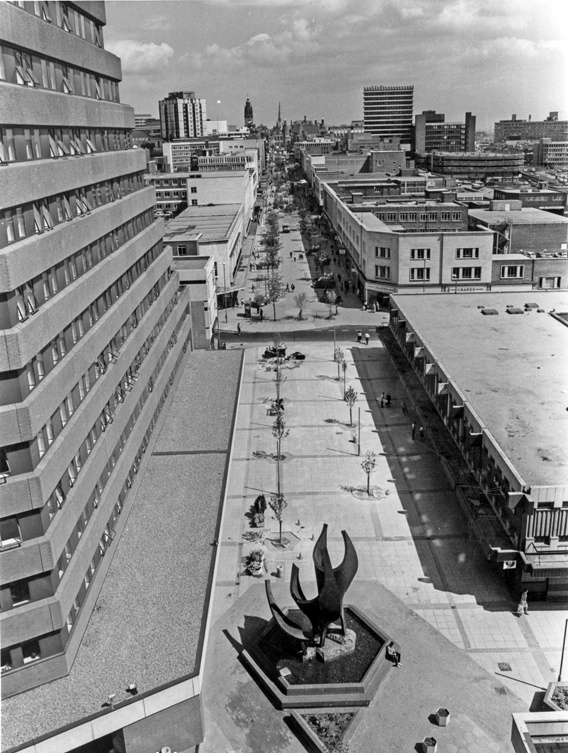
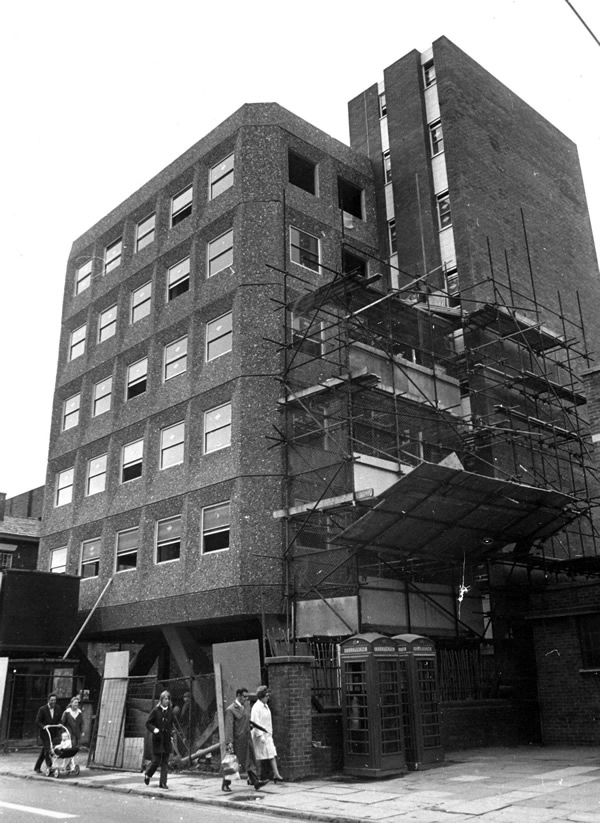
Finishing up at the renowned Moore Street Power Station

Electricity substation. 1968 to designs by consulting architects Jefferson, Sheard and Partners, Sheffield, led by Bryan Jefferson, in association with the Regional Civil Engineers’ Department of the CEGB North East Region. Contractors, Longden & Sons Ltd, Sheffield. Reinforced concrete frame with board-marked finish with formwork bolt marks, construction and daywork joints emphasized, concrete floor slabs, blue engineering facing bricks, cladding panels of Cornish granite aggregate.

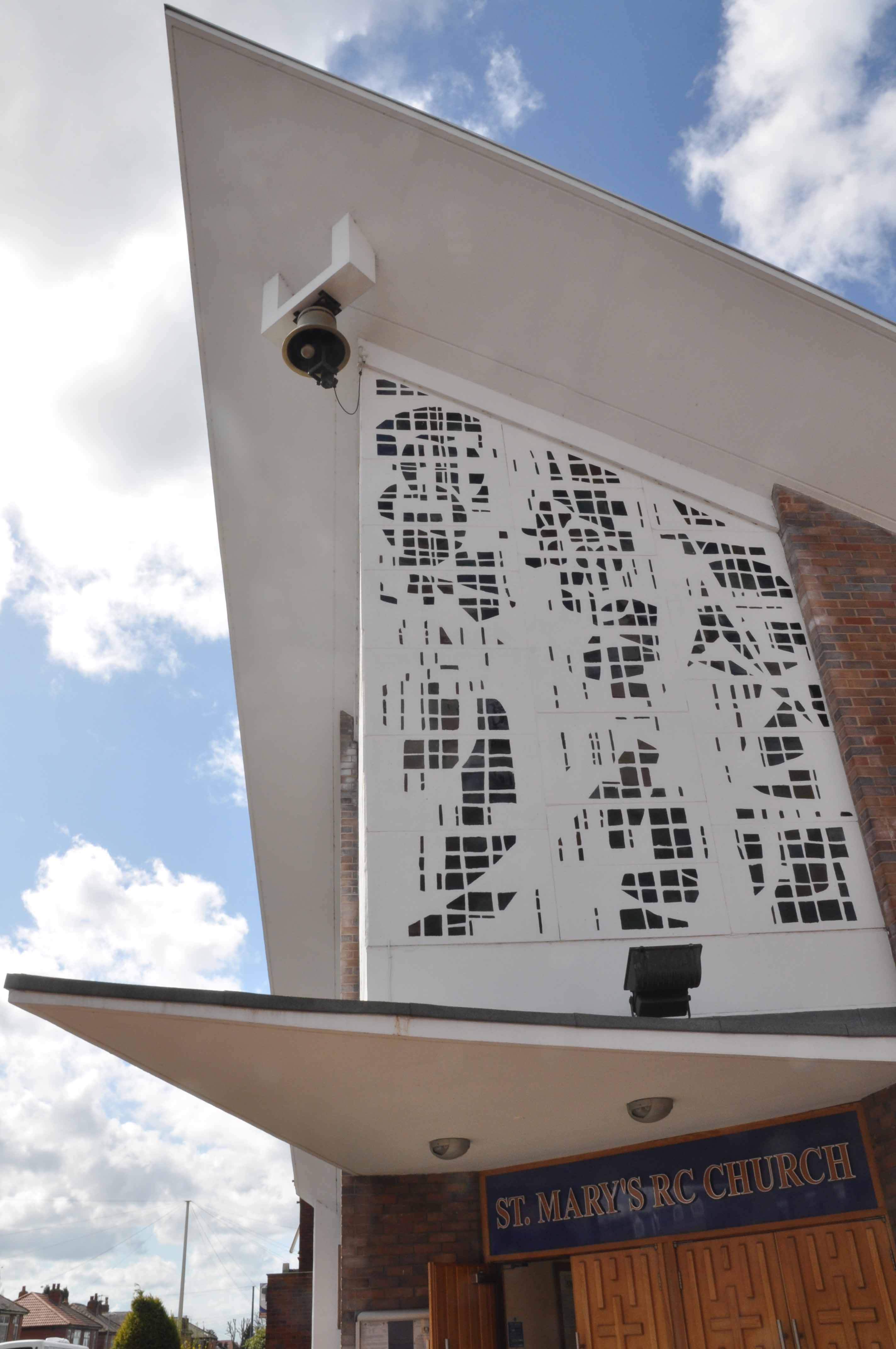
St Mary’s RC Church – Denton

Duke Street Denton Manchester M34 2AN

I remember you being built.

I remember our visit with the Manchester Modernists in 2015 – arranged by Angela Connelly and Matthew Steele of Sacred Suburbs

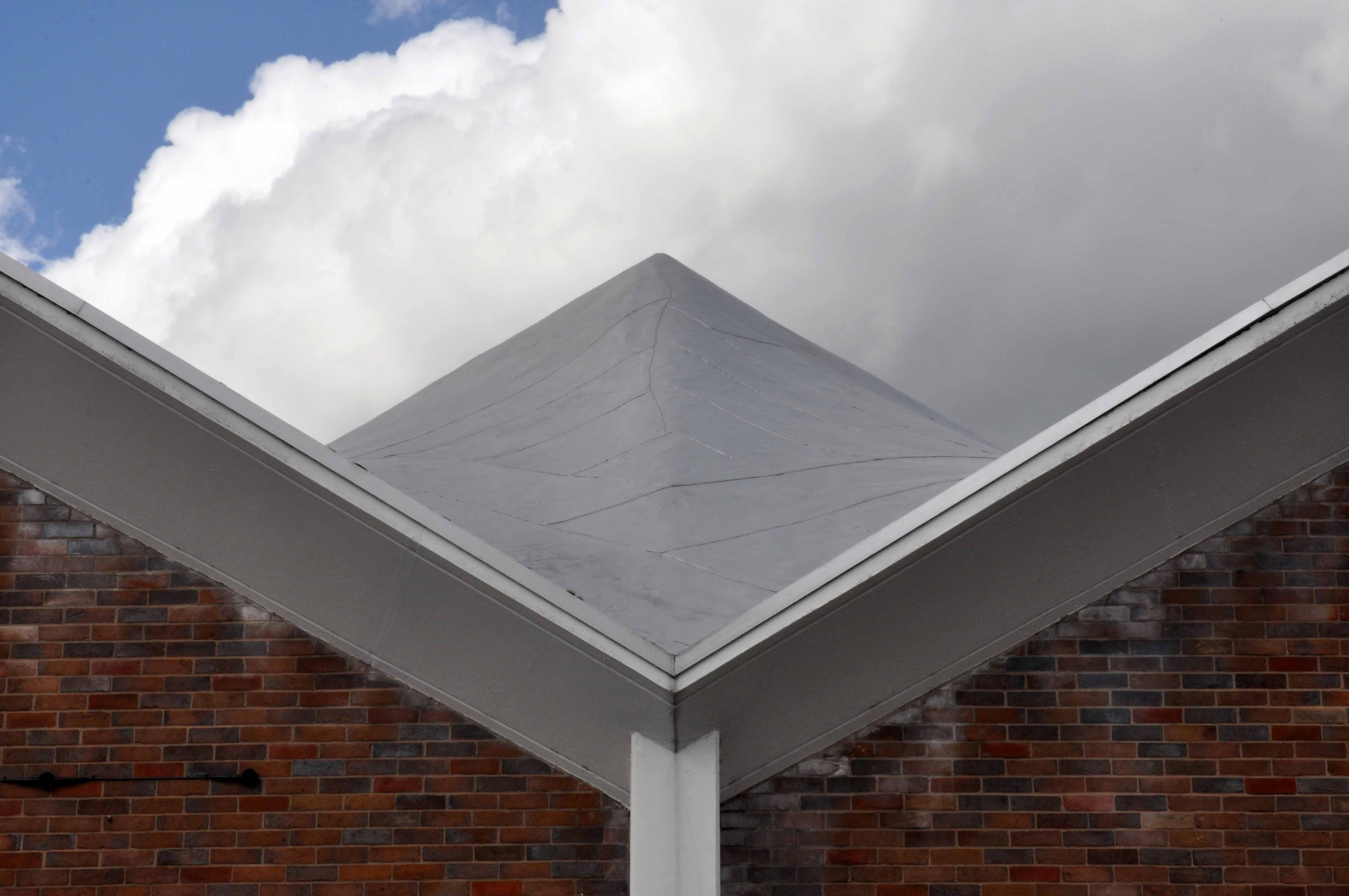
I popped by to see you yesterday – a truly remarkable structure set amongst the terraced housing of an unremarkable street.

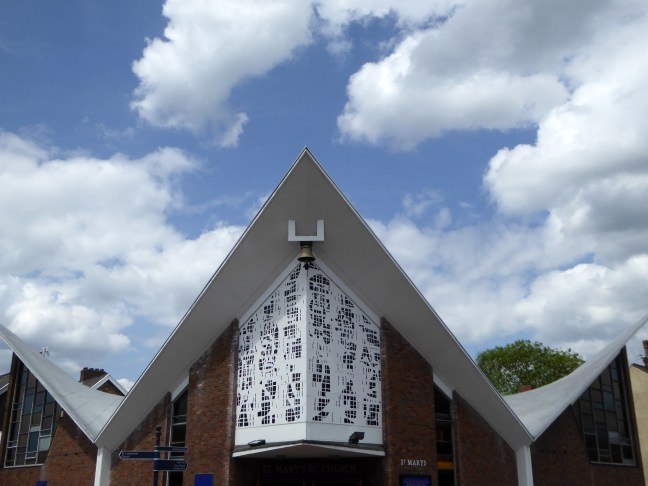
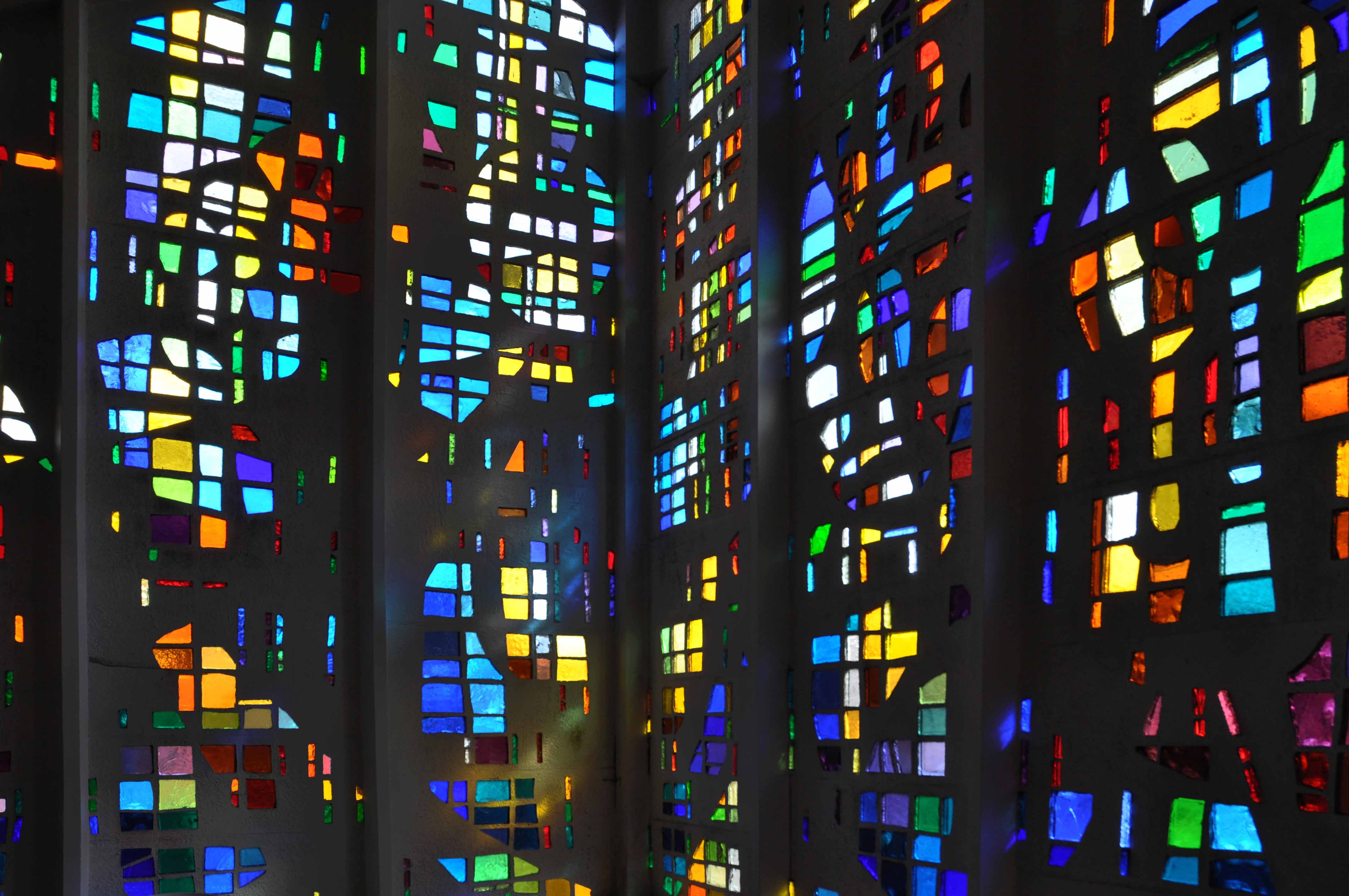
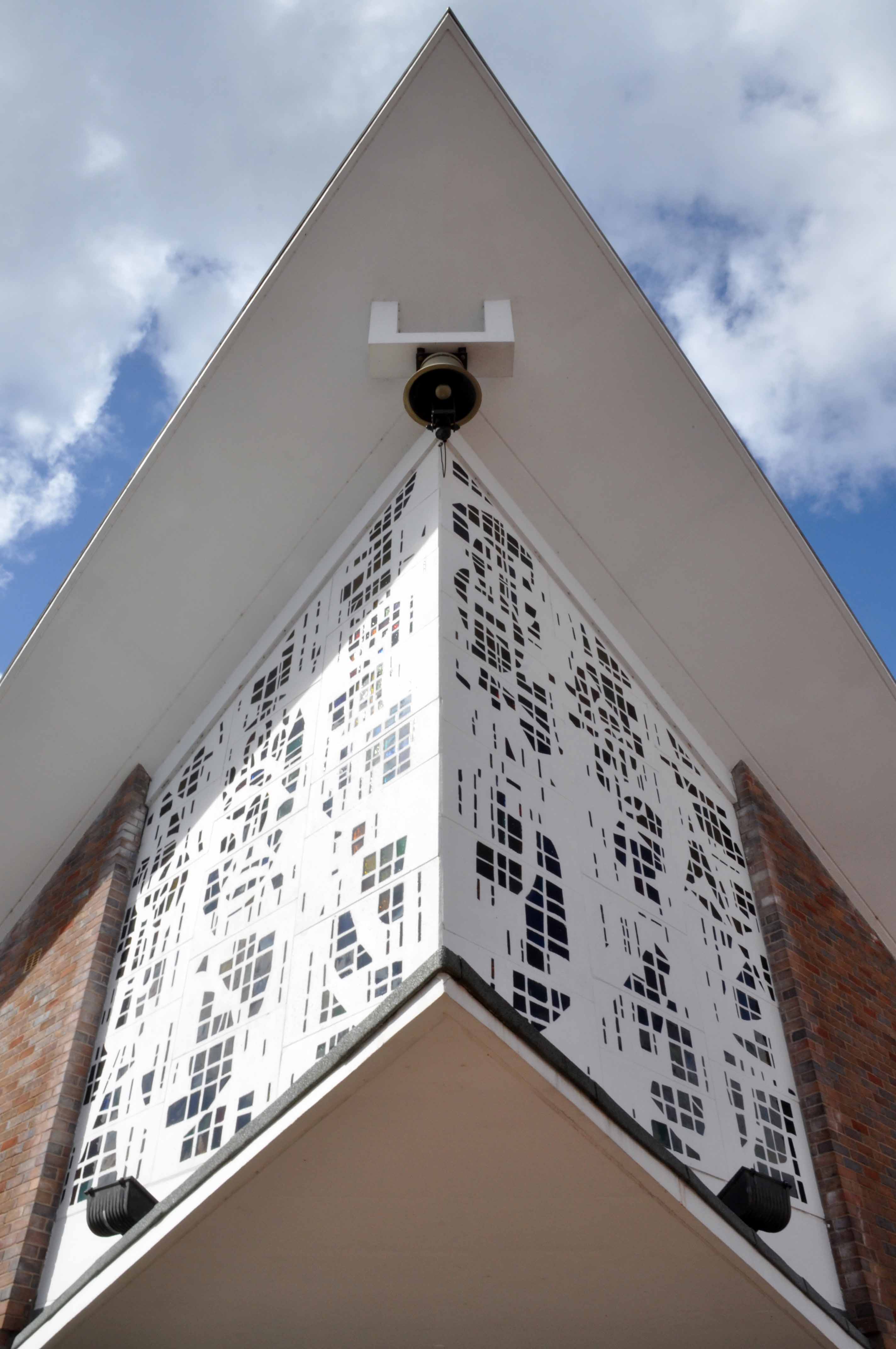
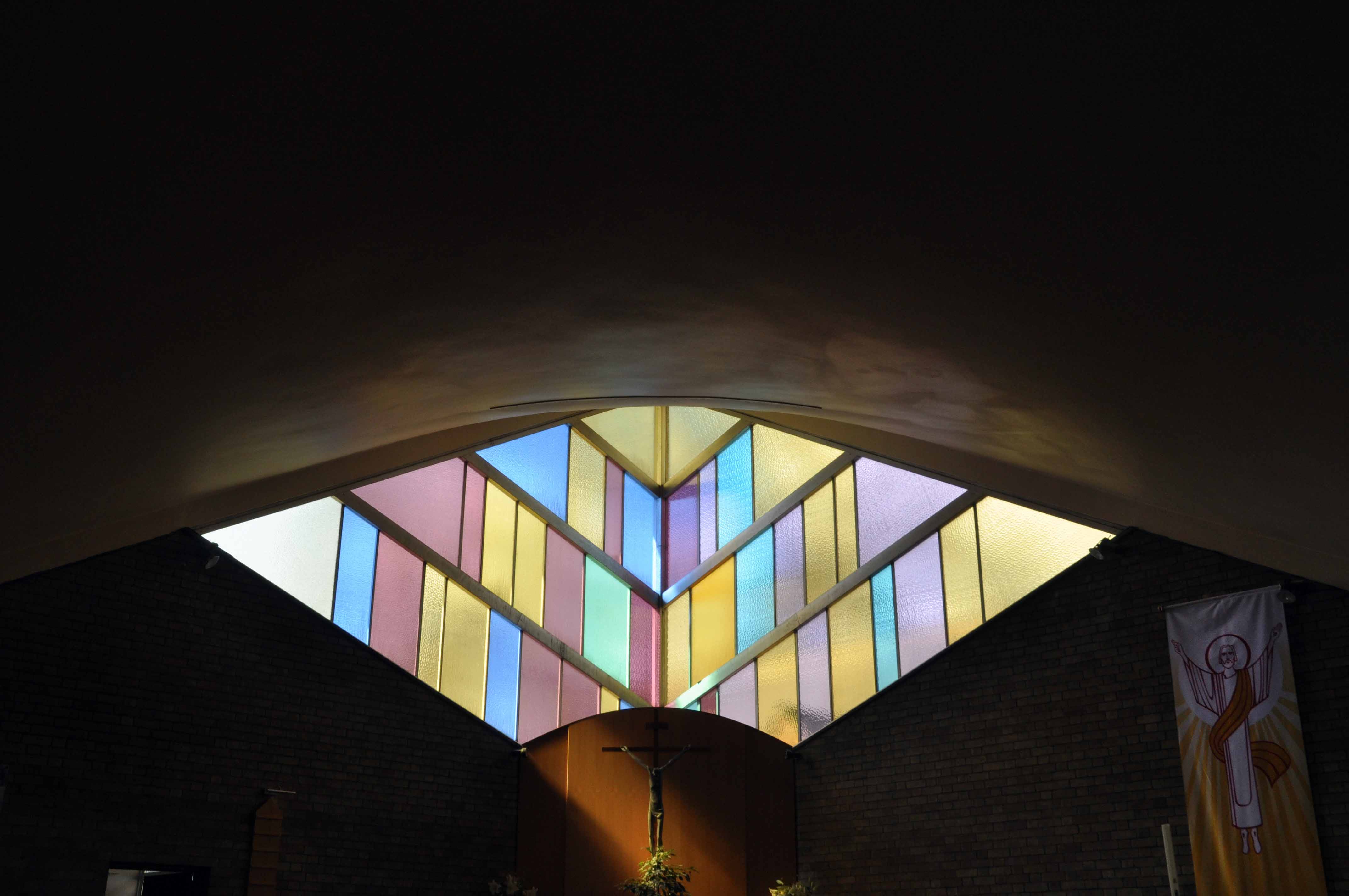
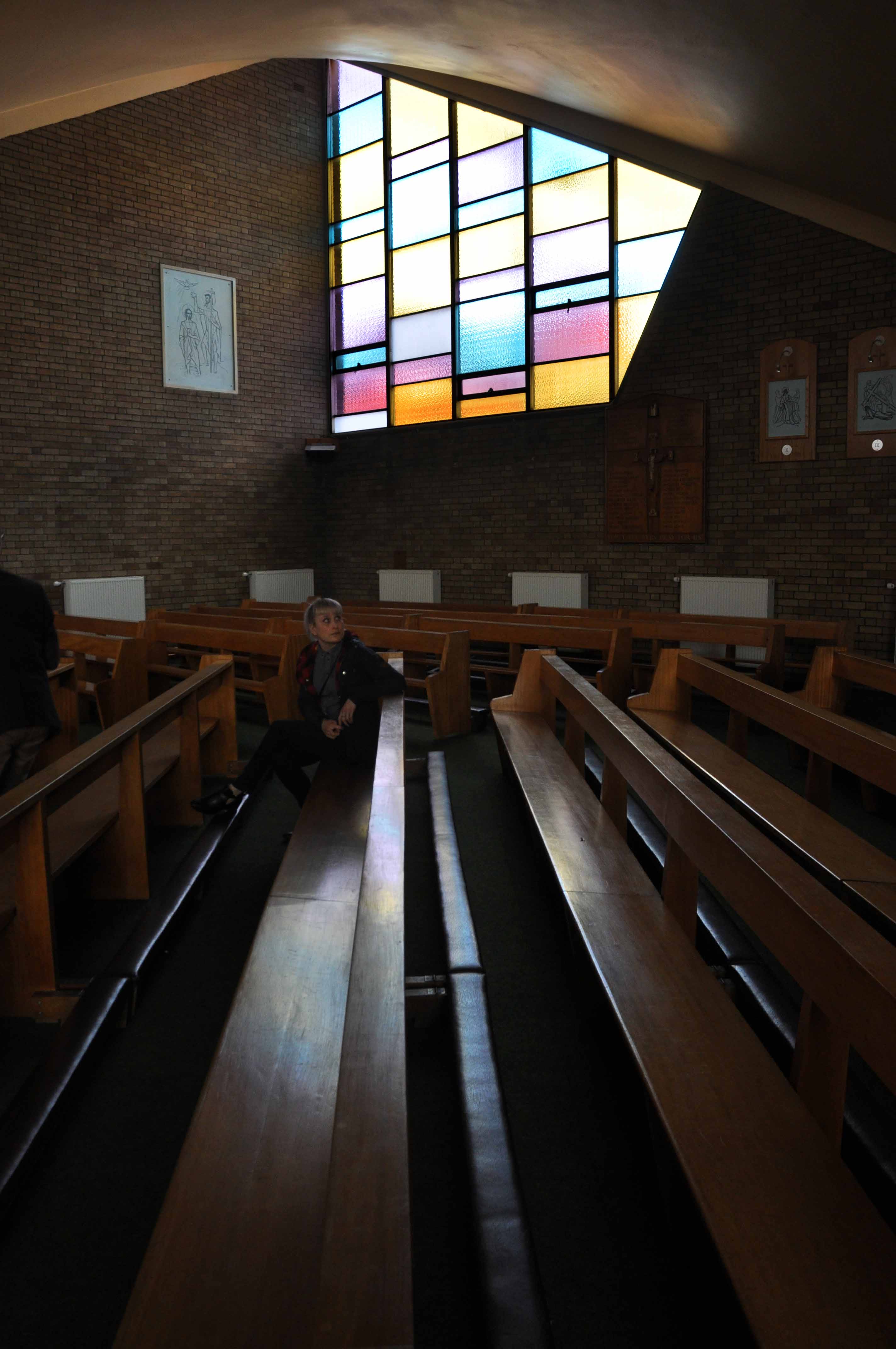
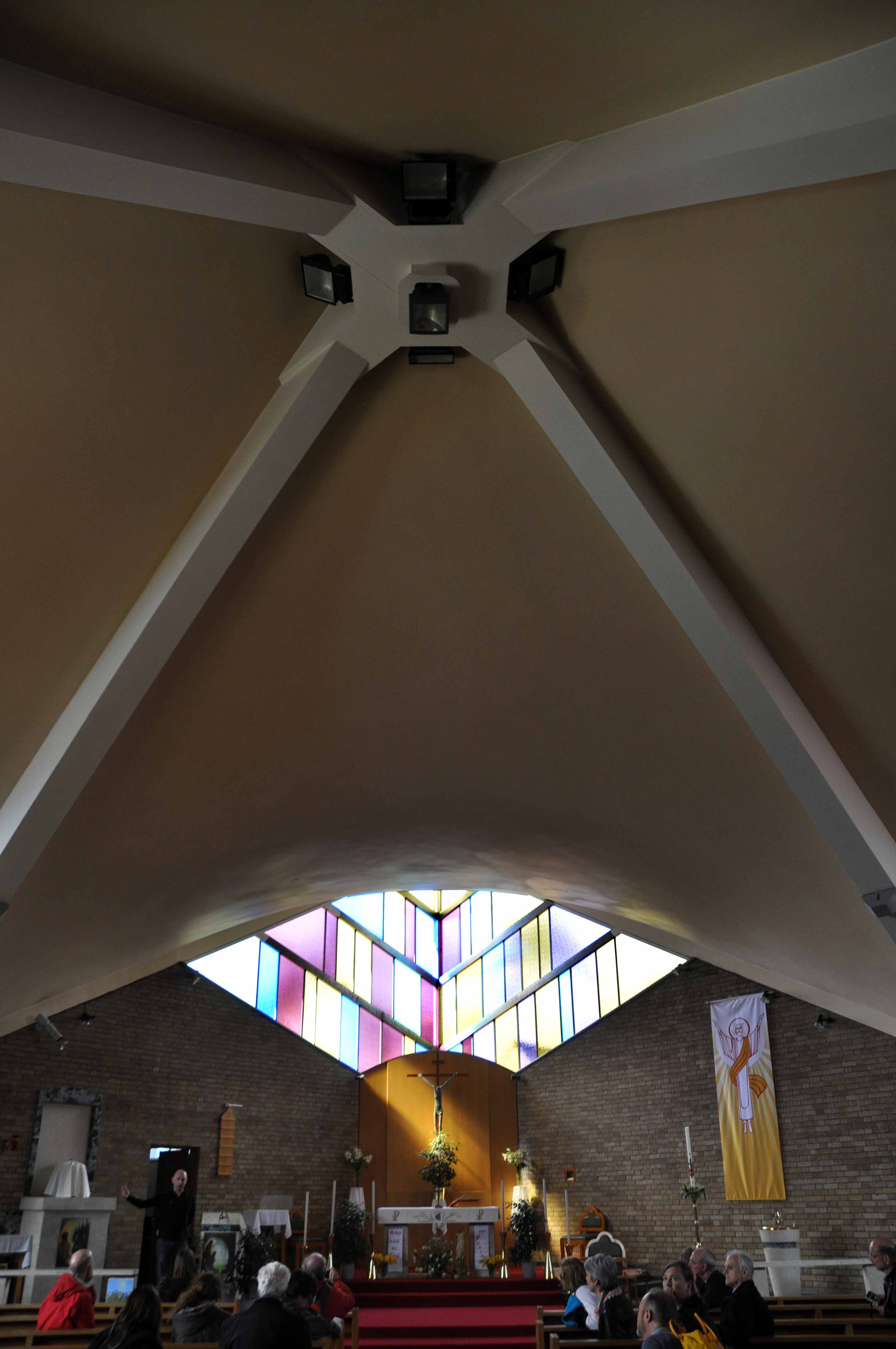
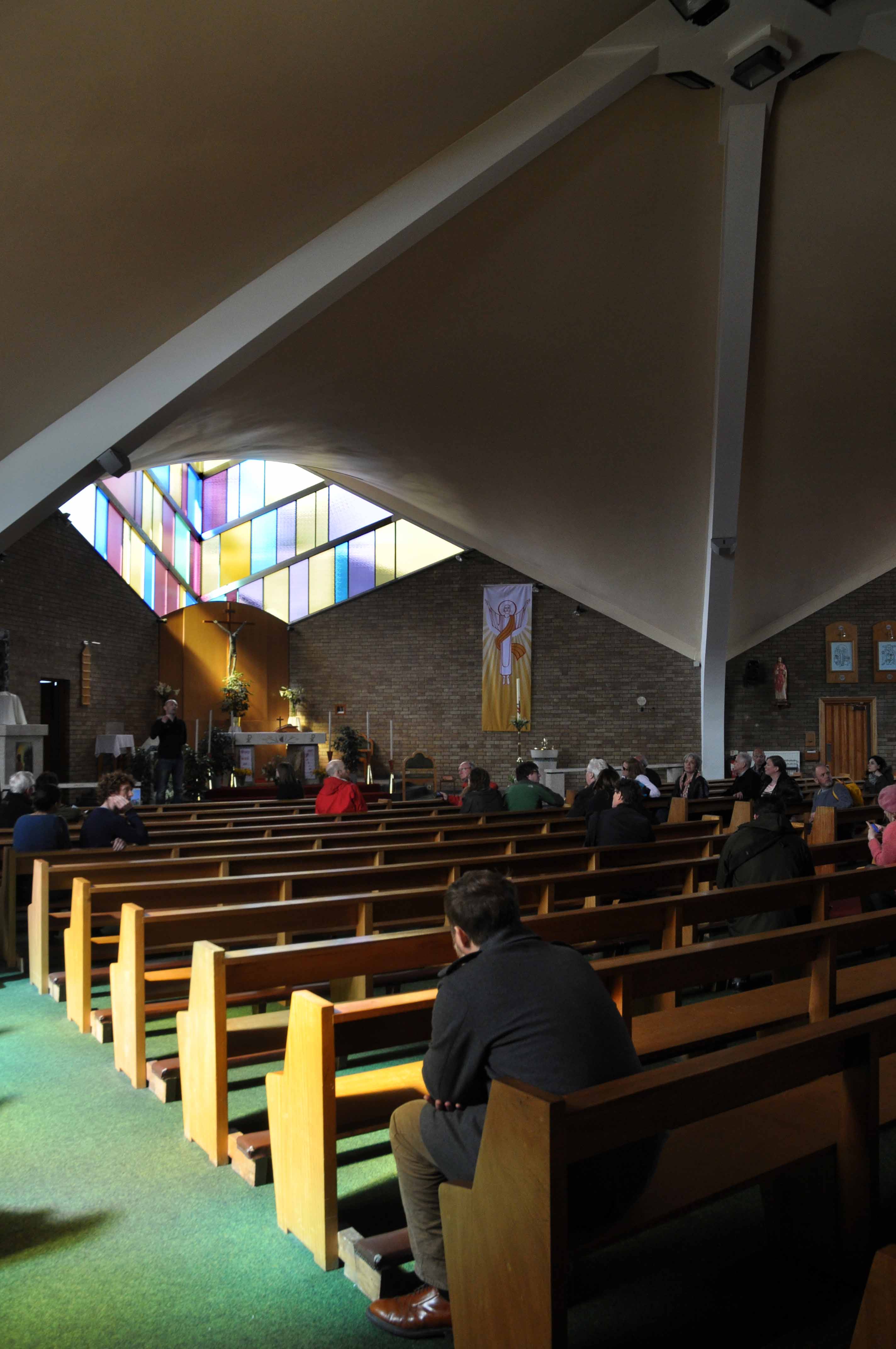
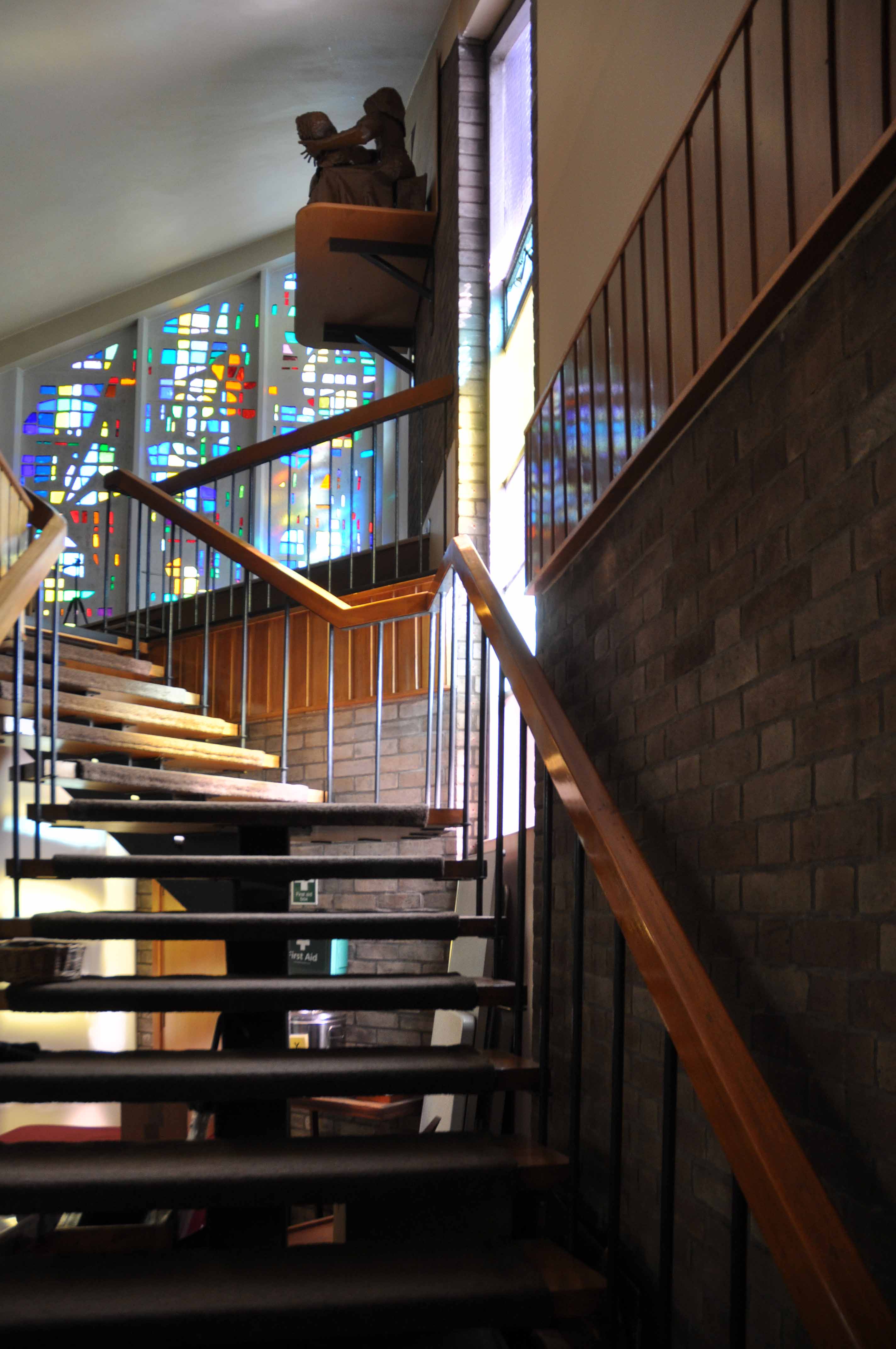
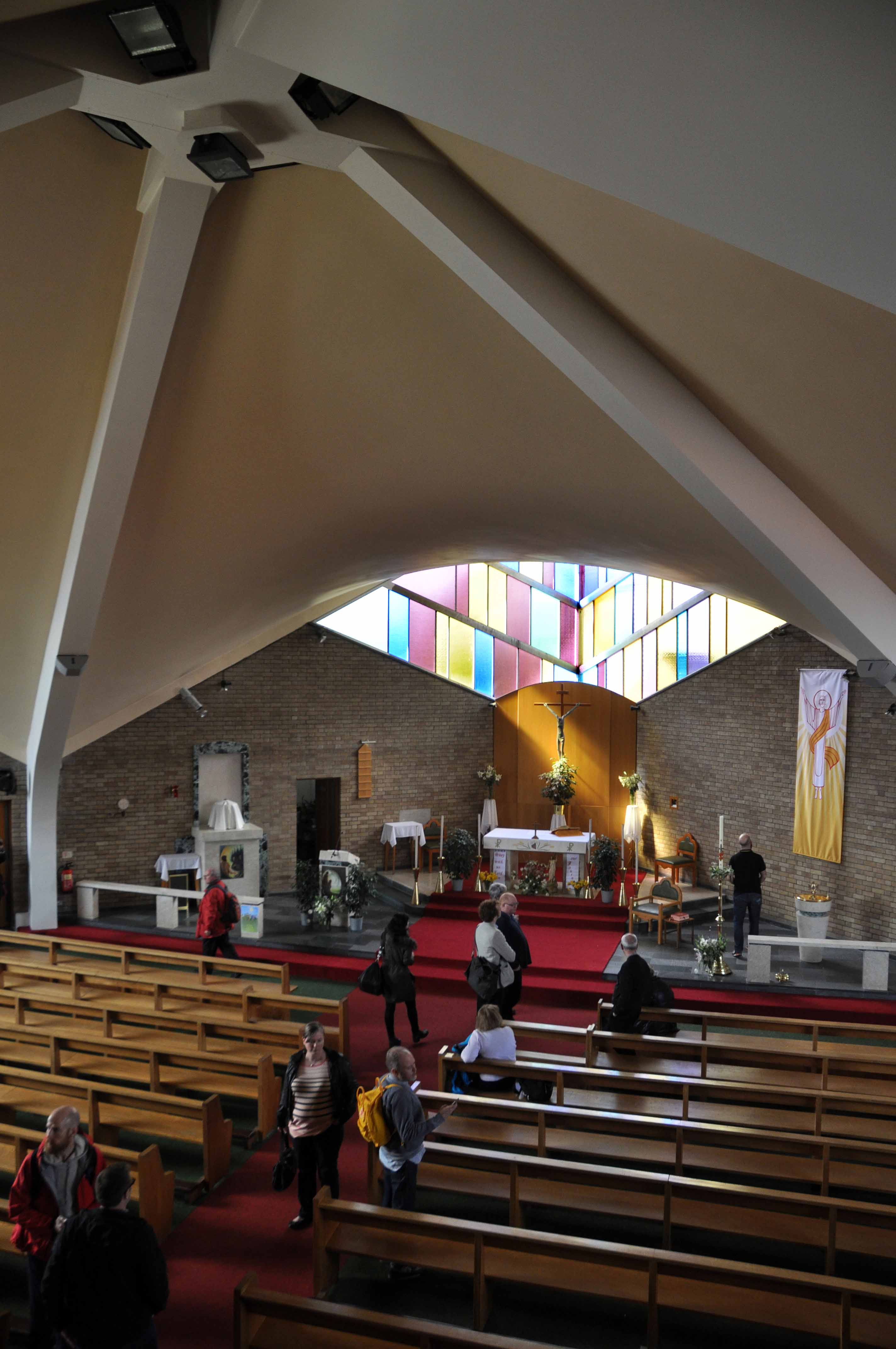
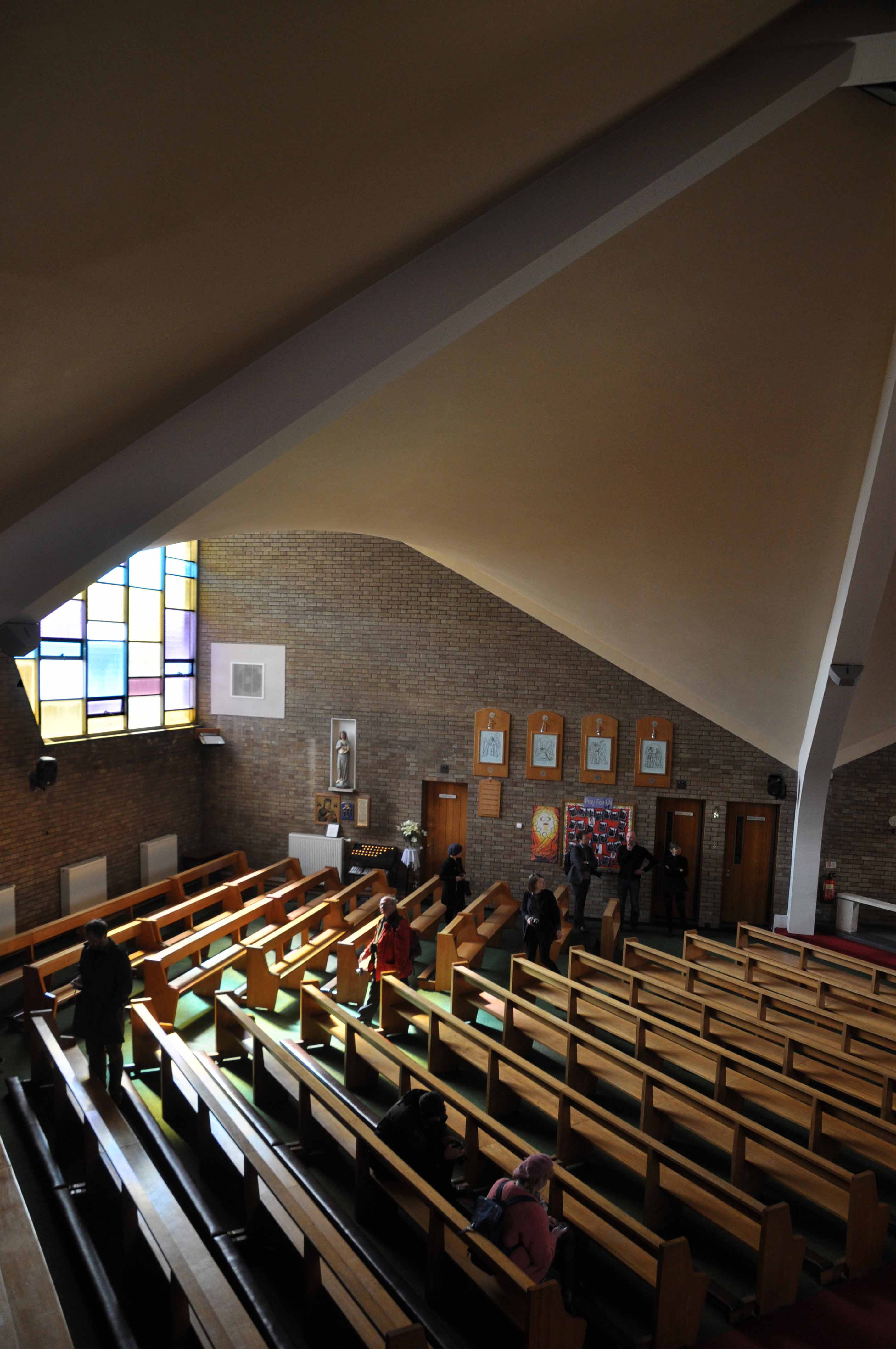
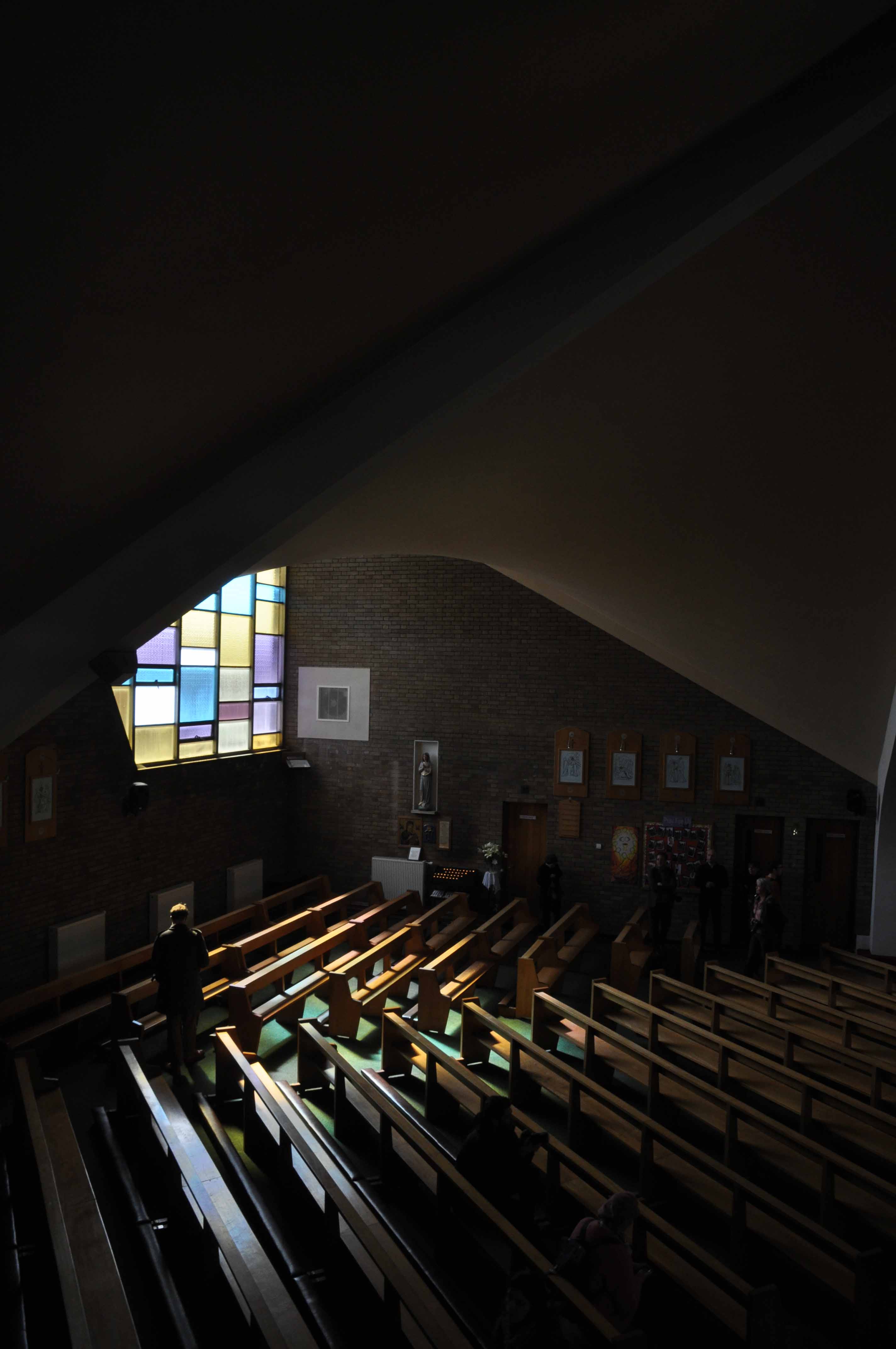
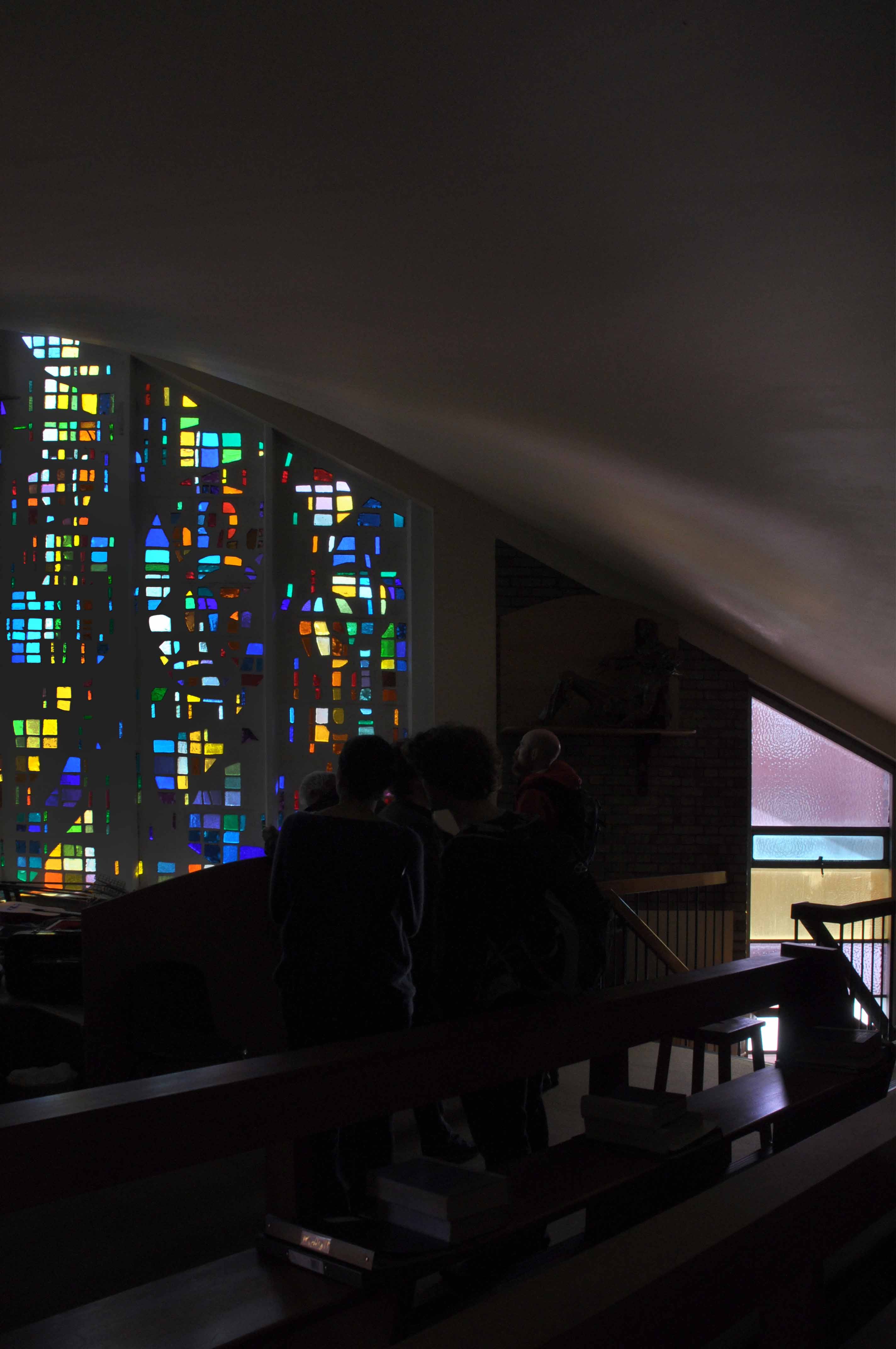
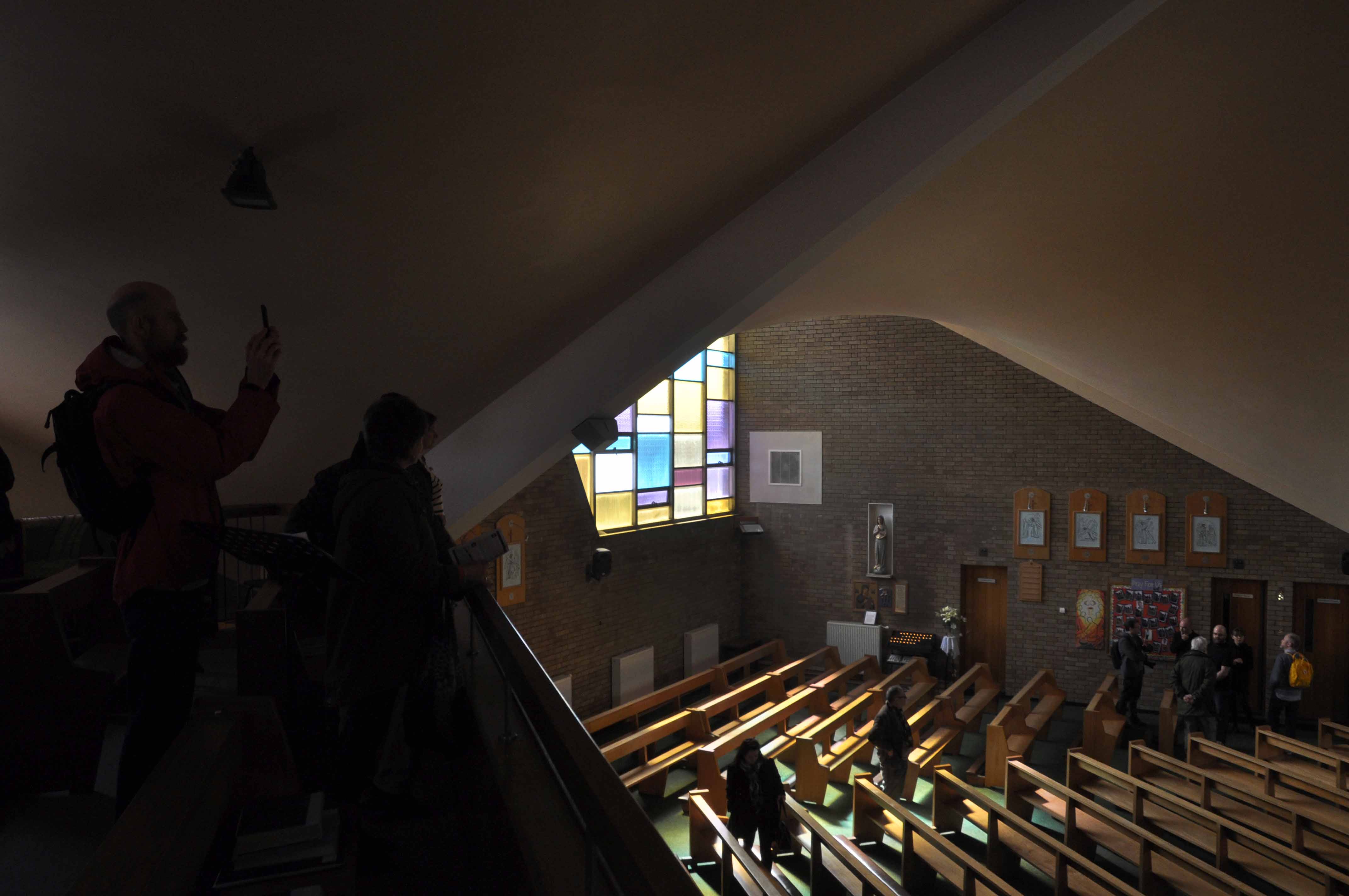
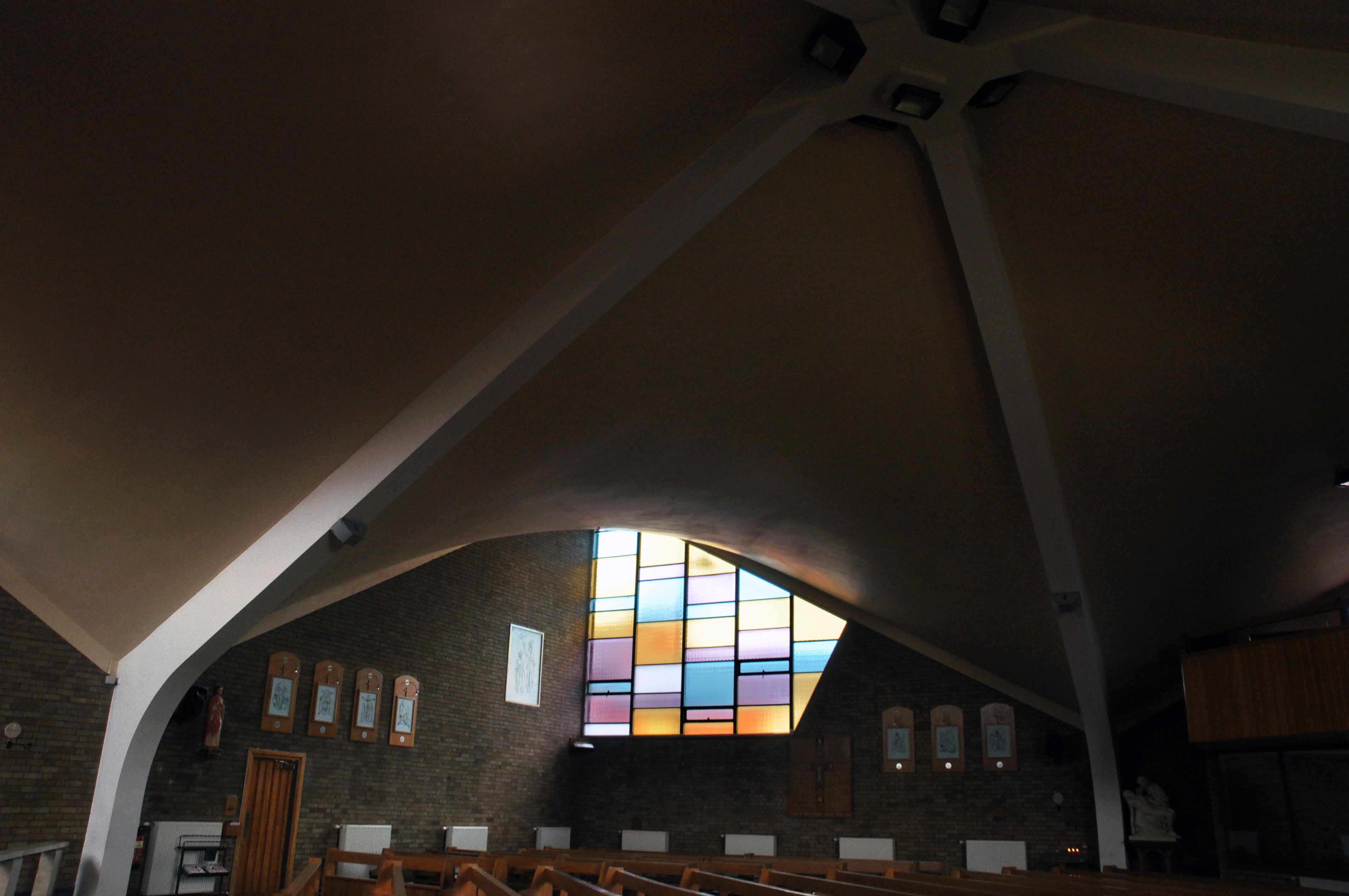
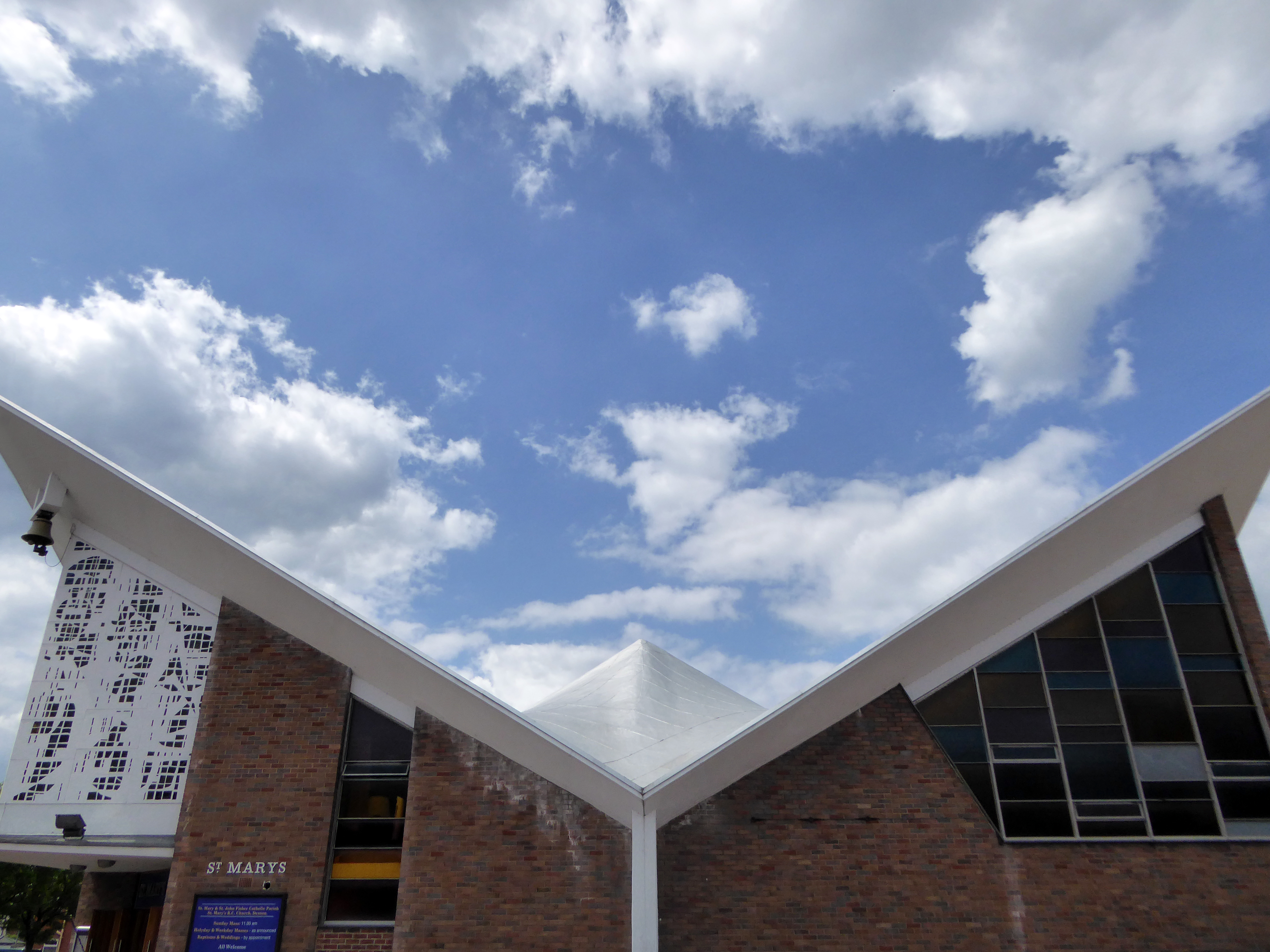
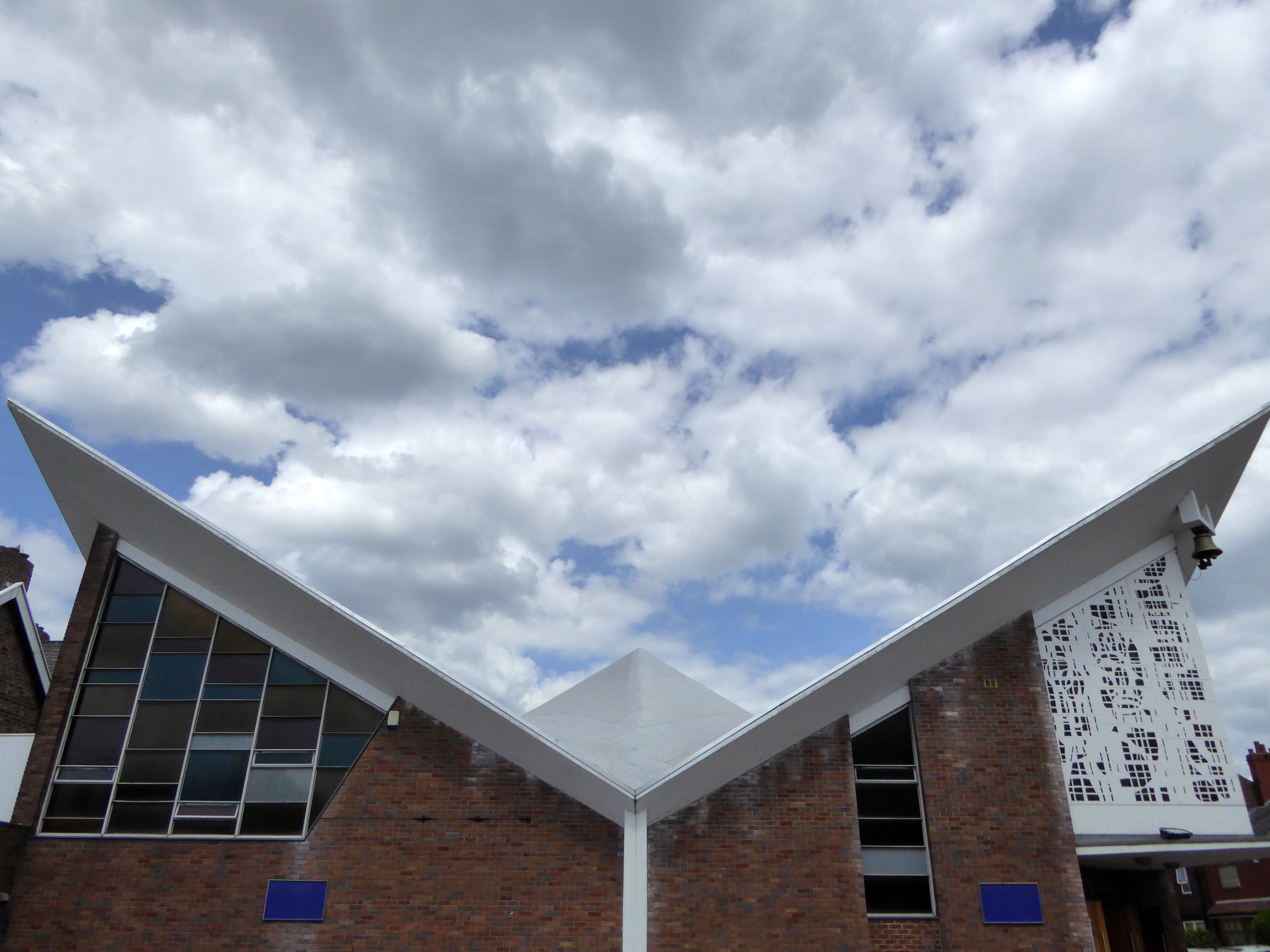
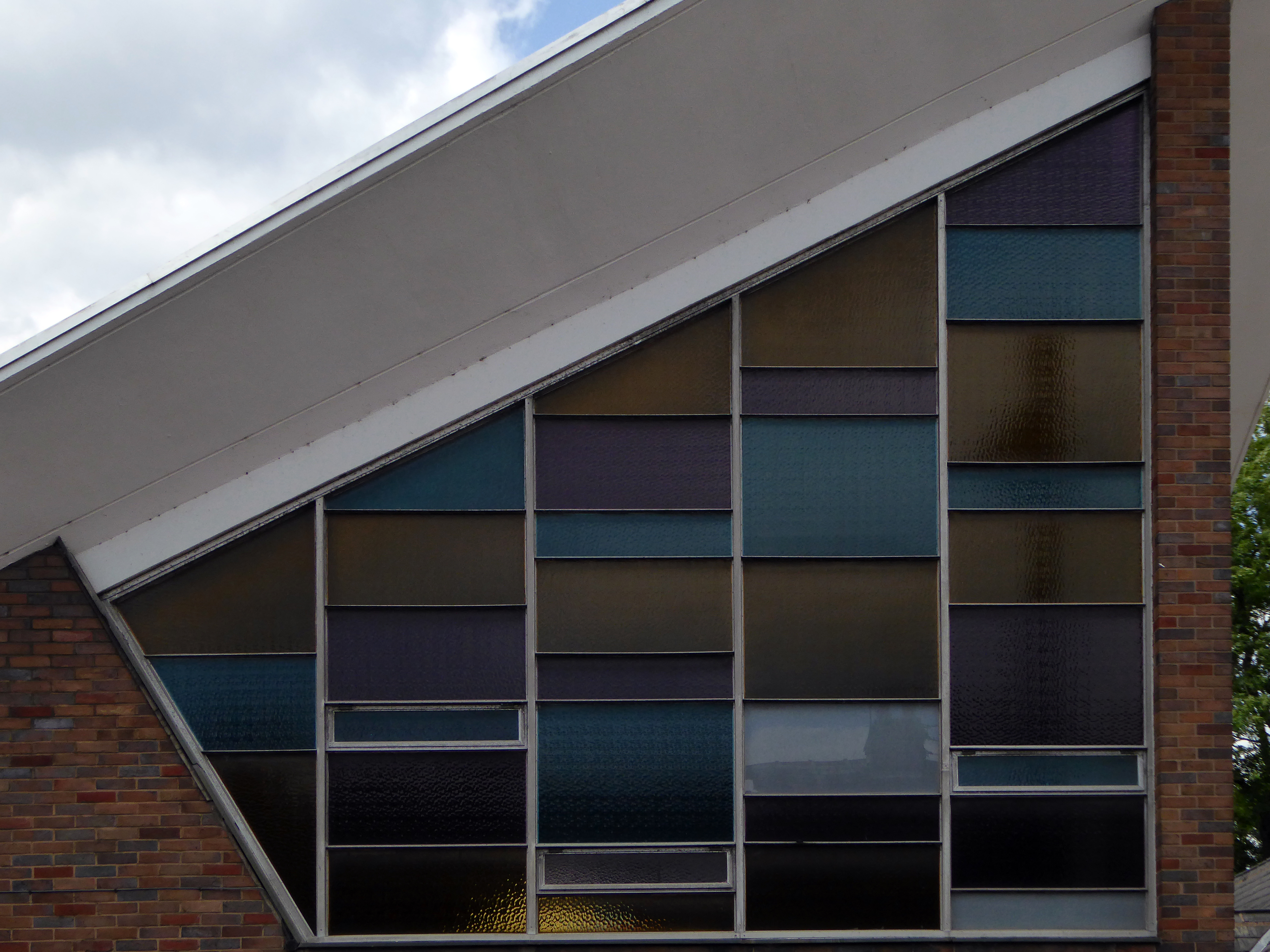
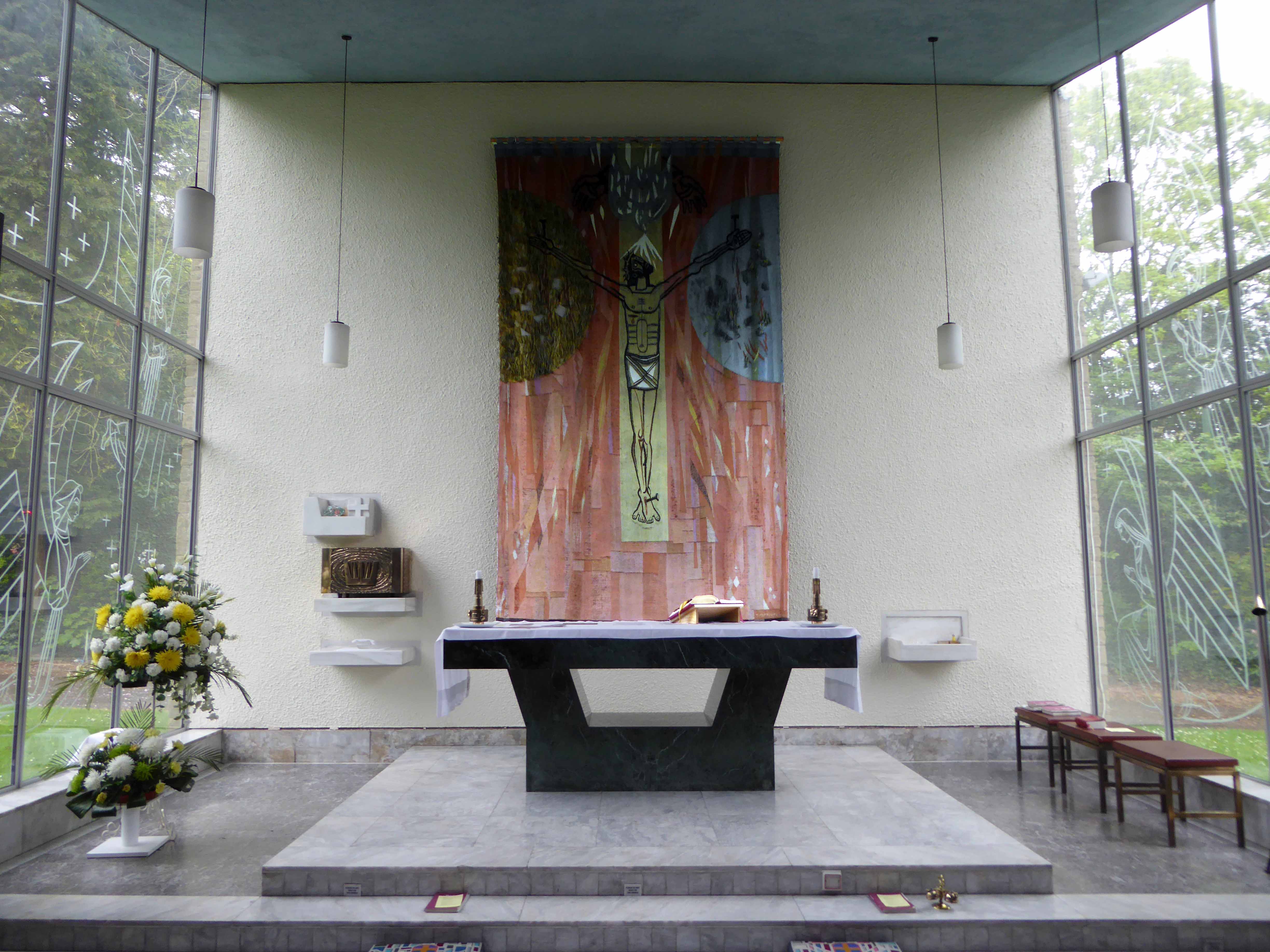
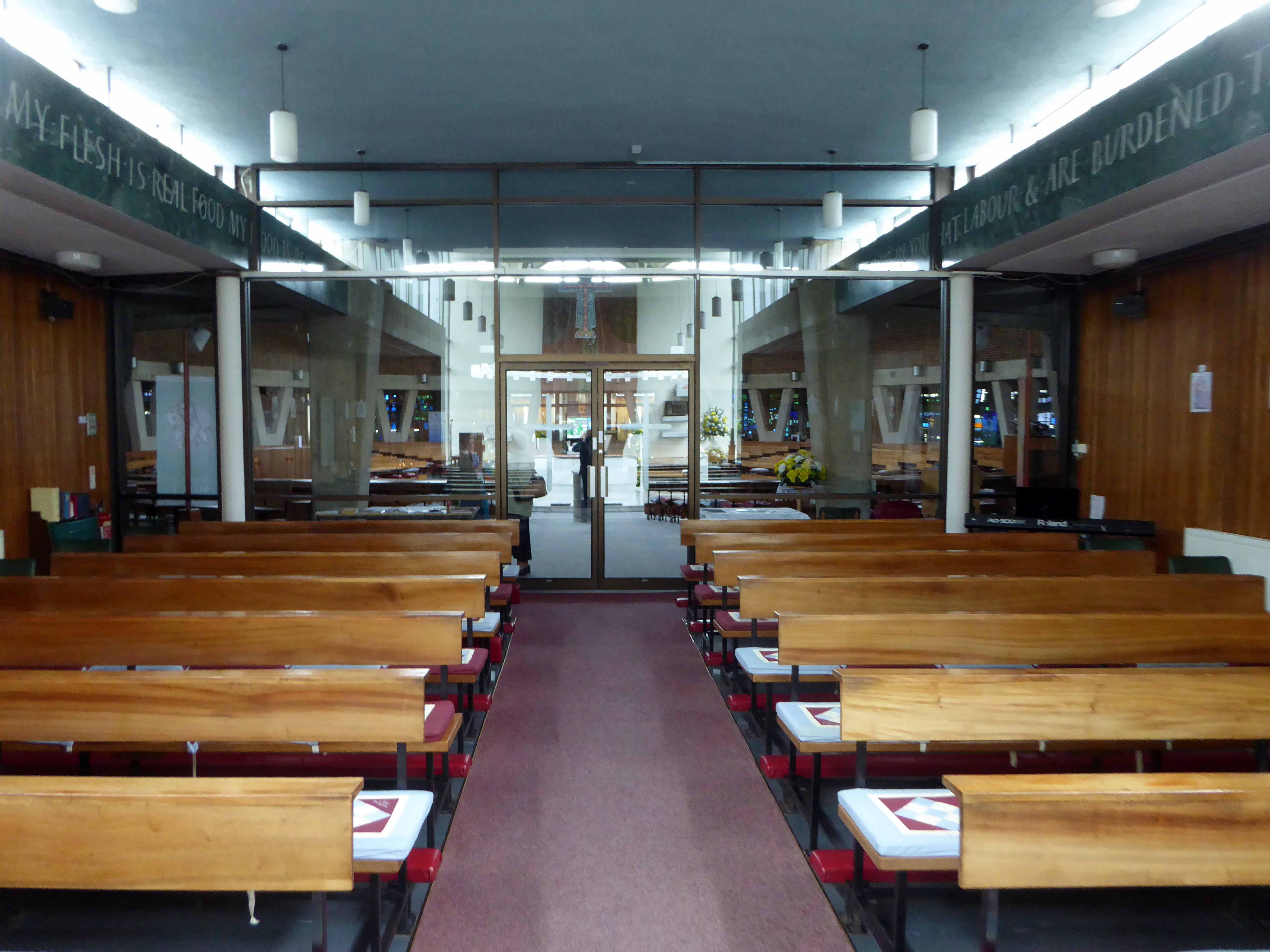
The foundation stone for the present building laid by Bishop Beck in August 1962. He returned to bless and open the church on 25 June 1963. The new church was built from designs by Walter Stirrup & Sons – job architect Kevin Houghton, at a cost of about £60,000. The church is notable for its dalle de verre glass, by Carl Edwards of Whitefriars.

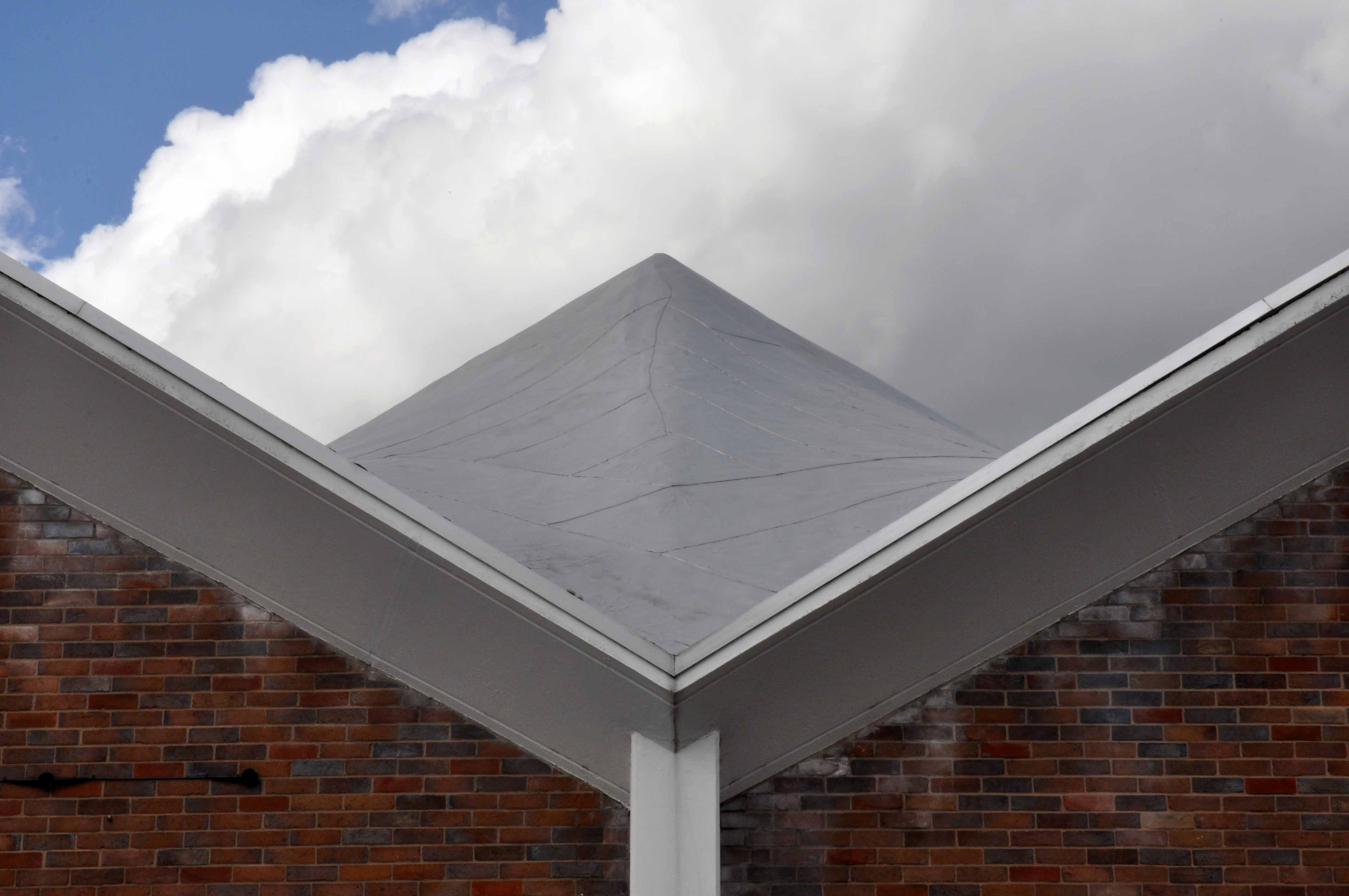
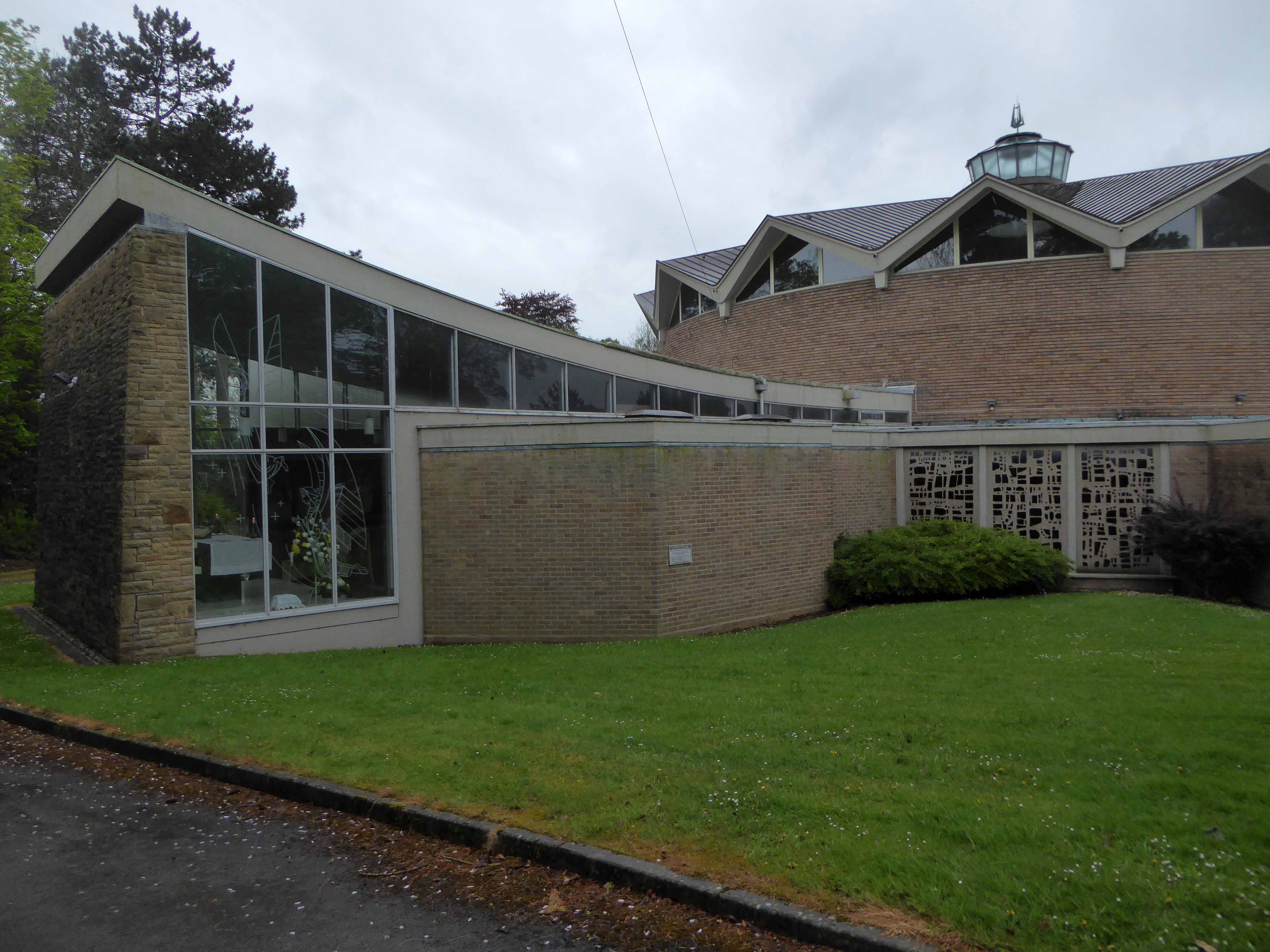
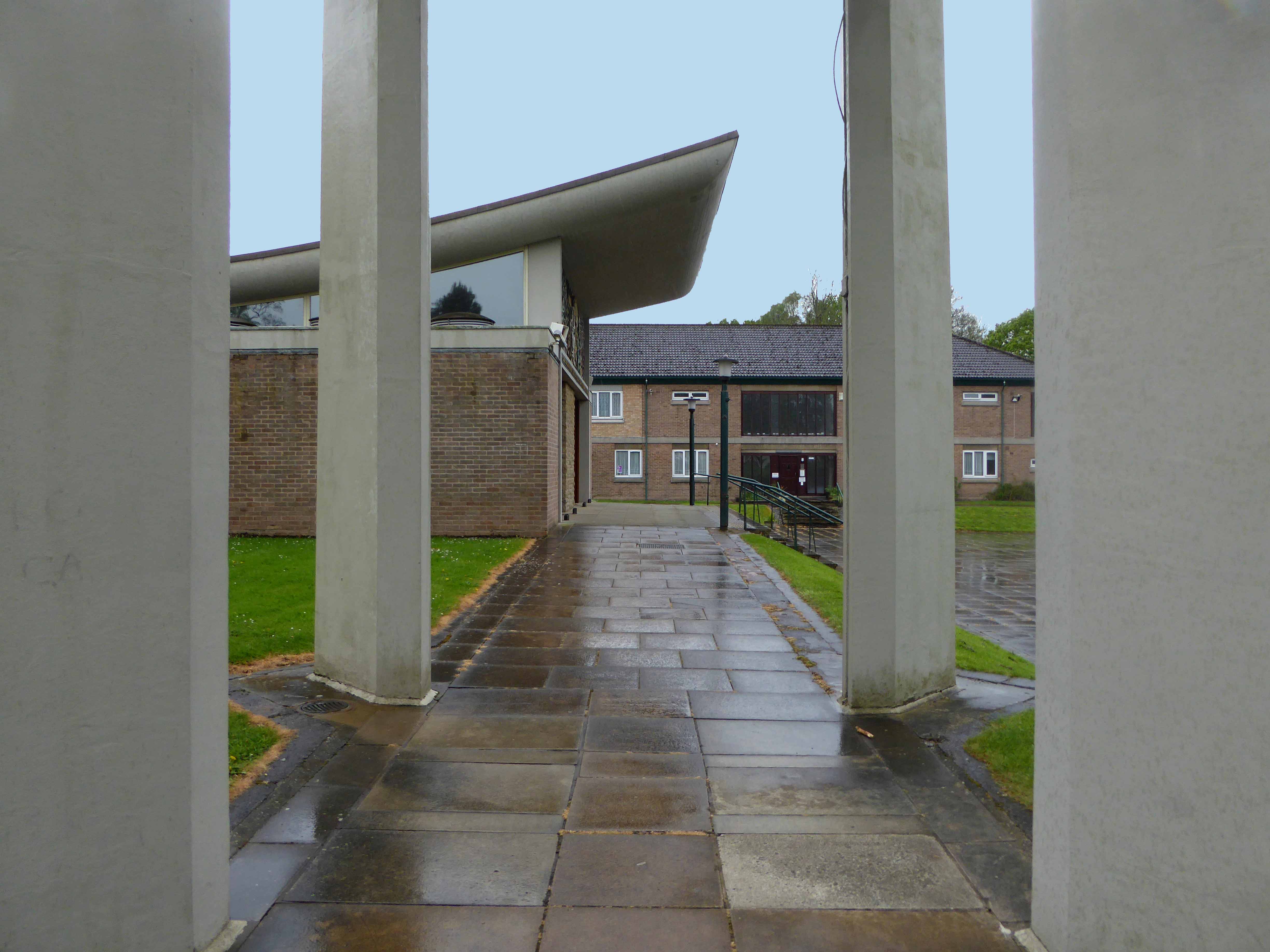
The church is a very striking and characterful building with a hyperbolic paraboloid roof rising in peaks on four sides, with clerestory lighting in the angles, that on the west side jutting out to form a canopy over the entrance. It was described by Nikolaus Pevsner as ‘wildly expressionist’.

Taking Stock

I suggest that you do the same and pop by to see St Mary – Our Lady of Sorrows soon.

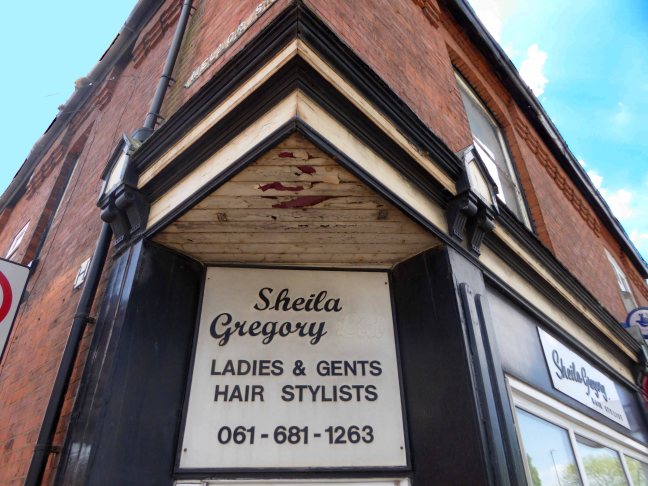
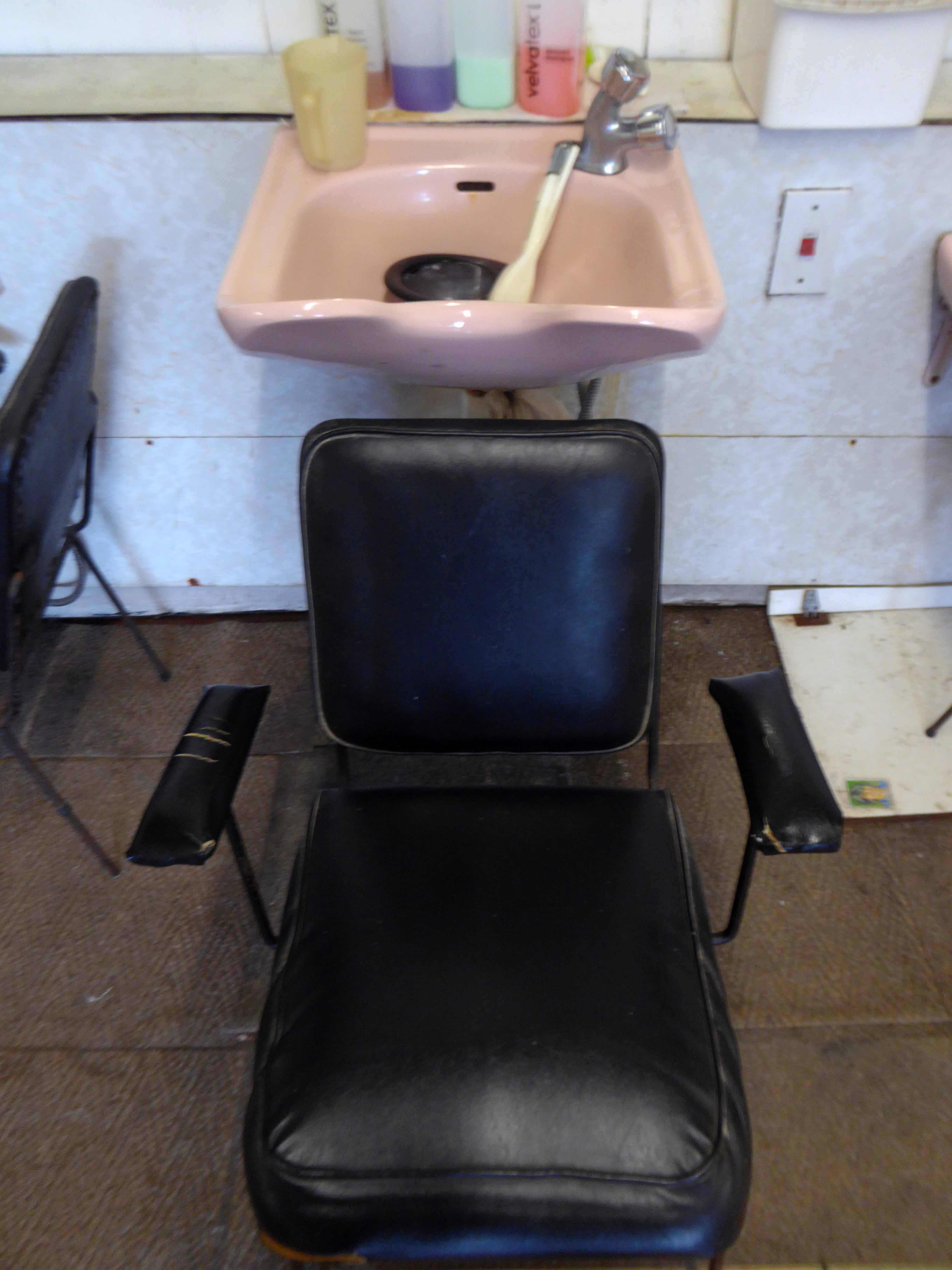
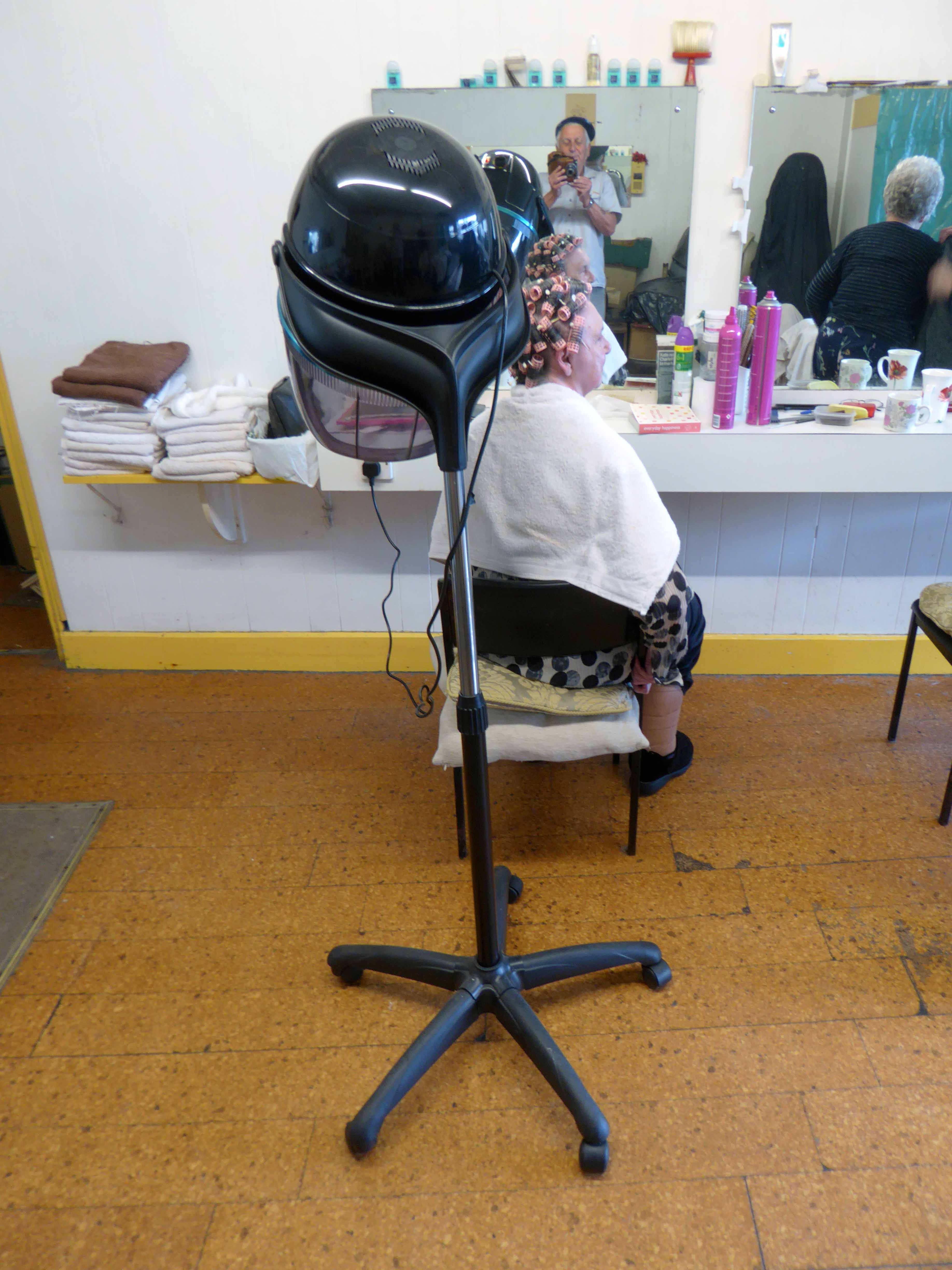
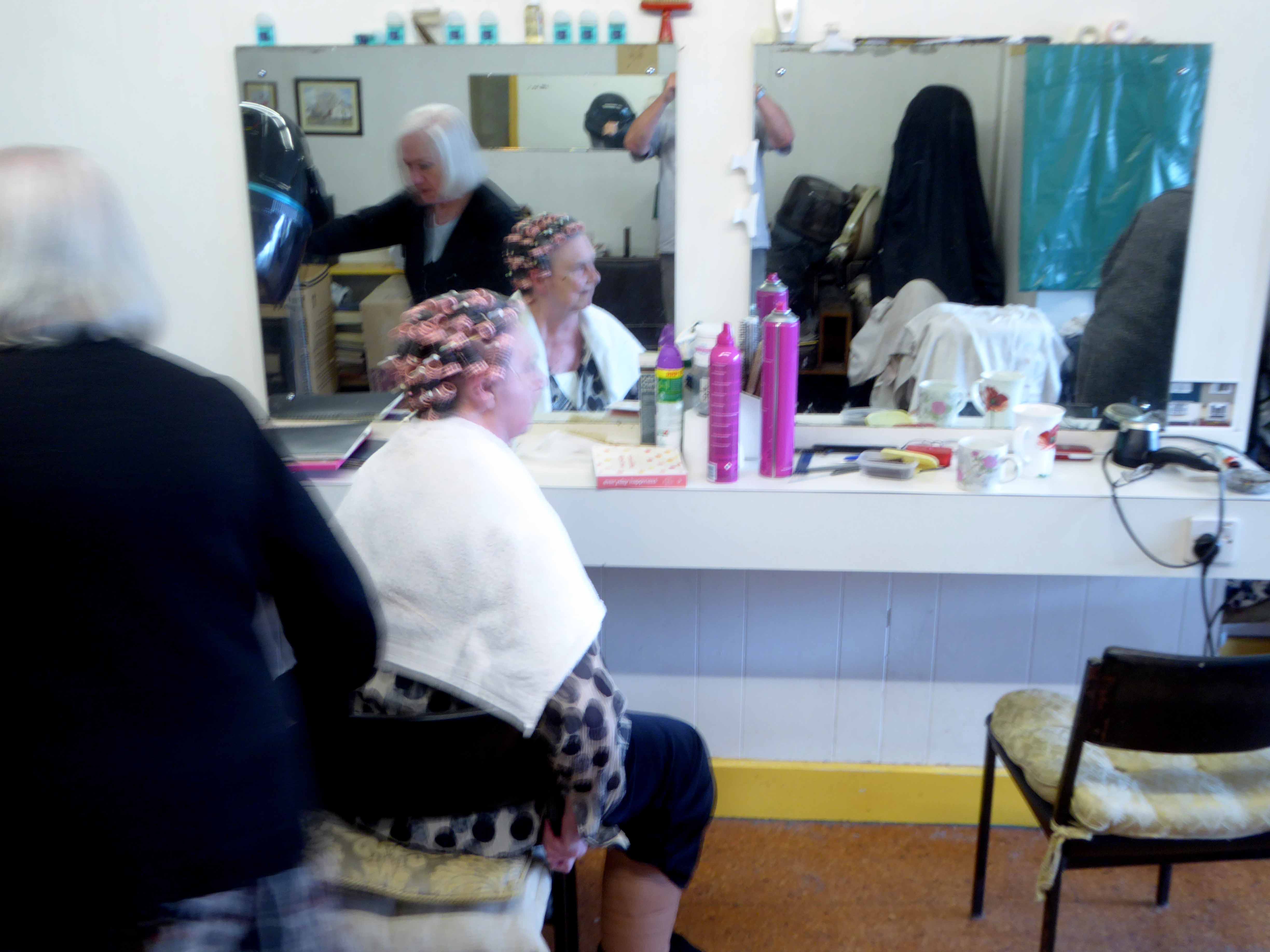
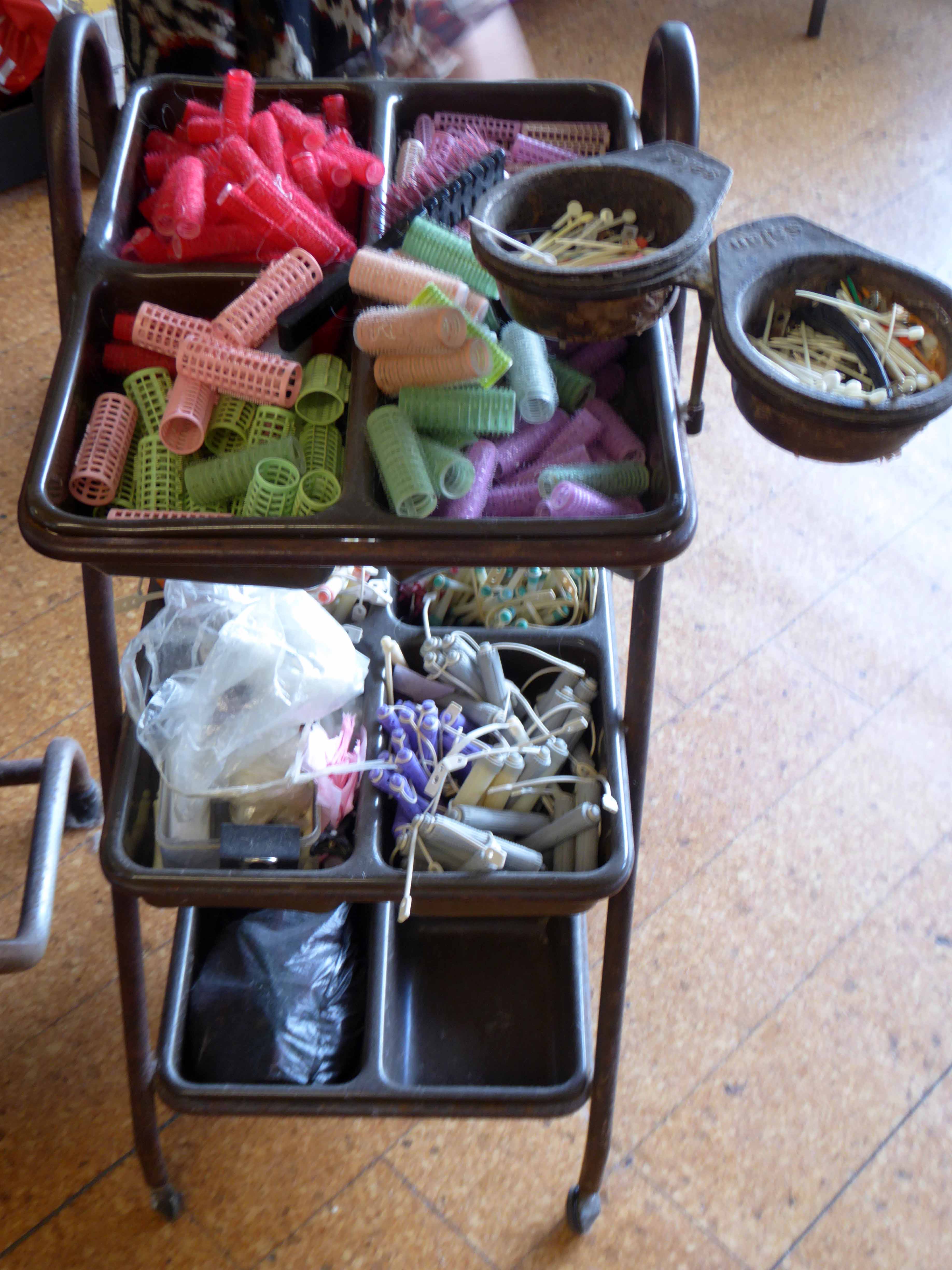
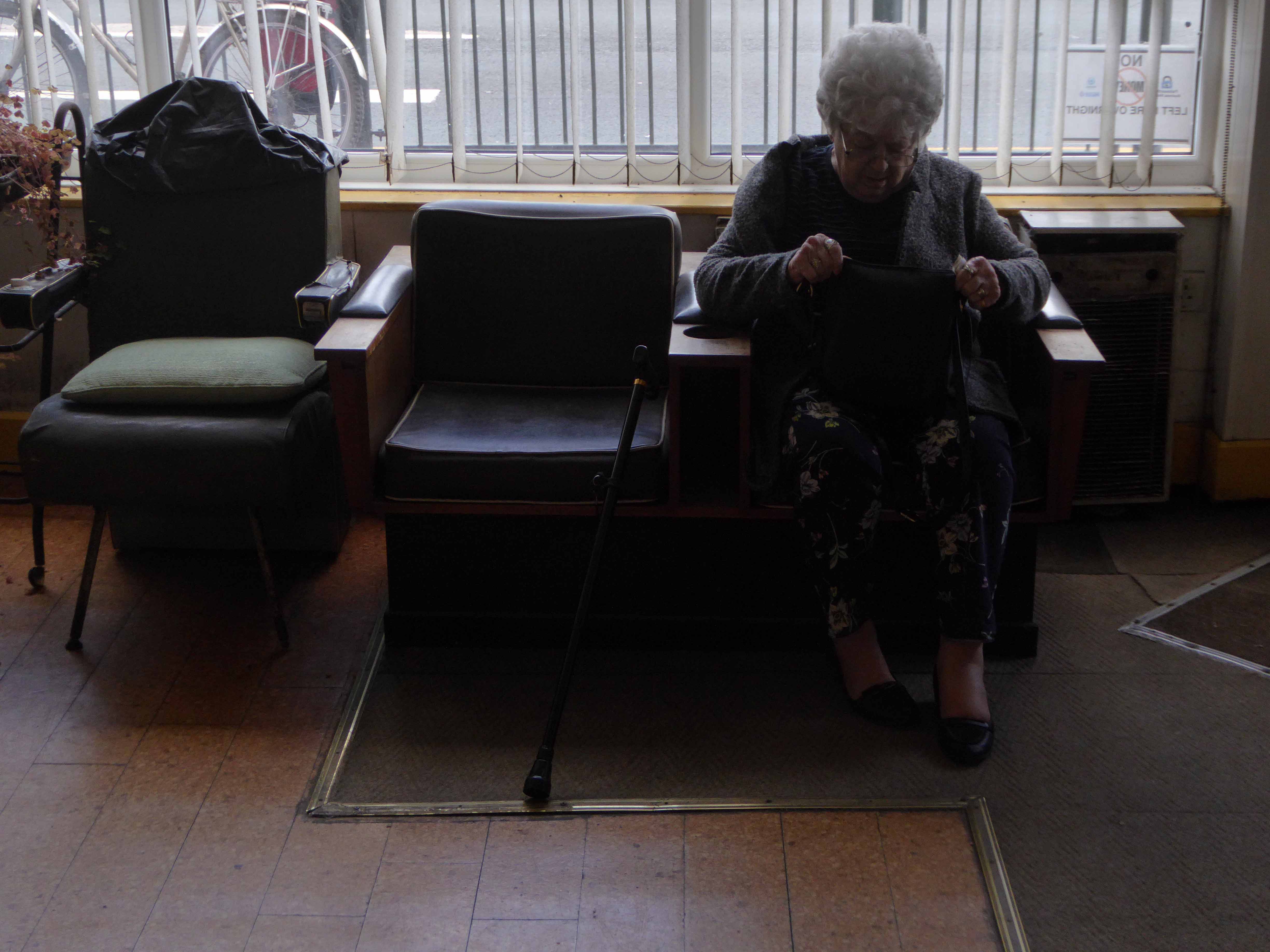
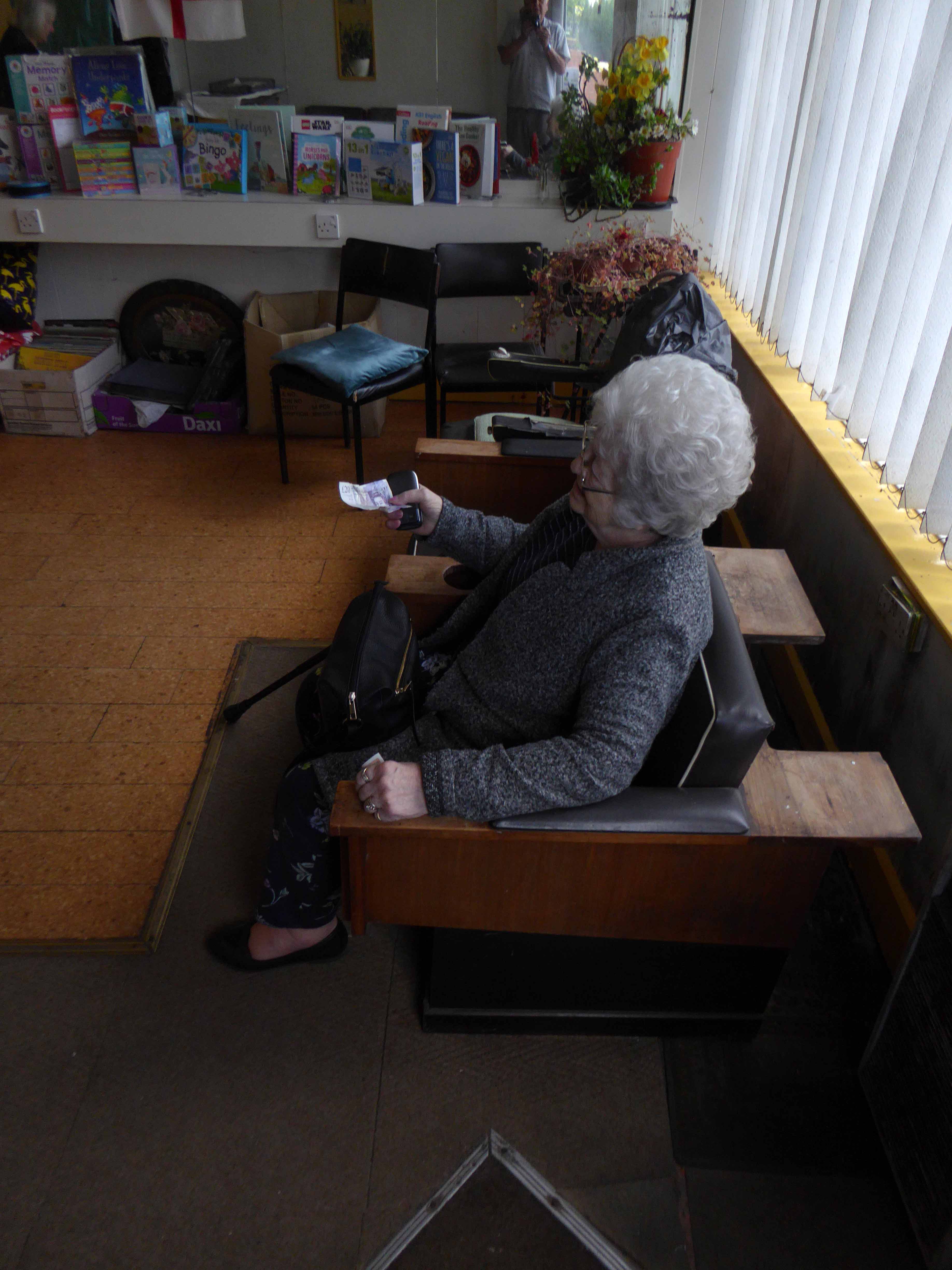
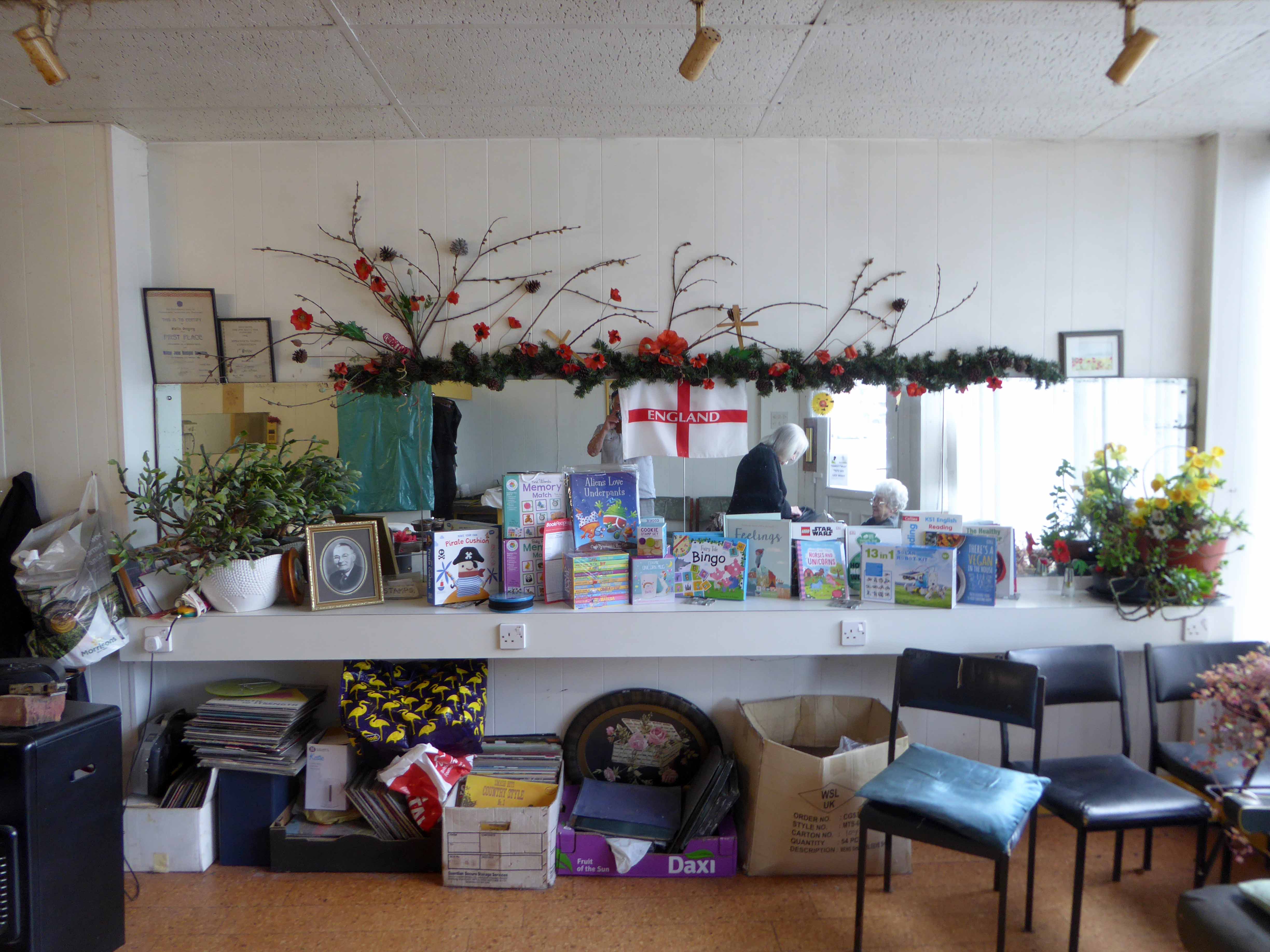
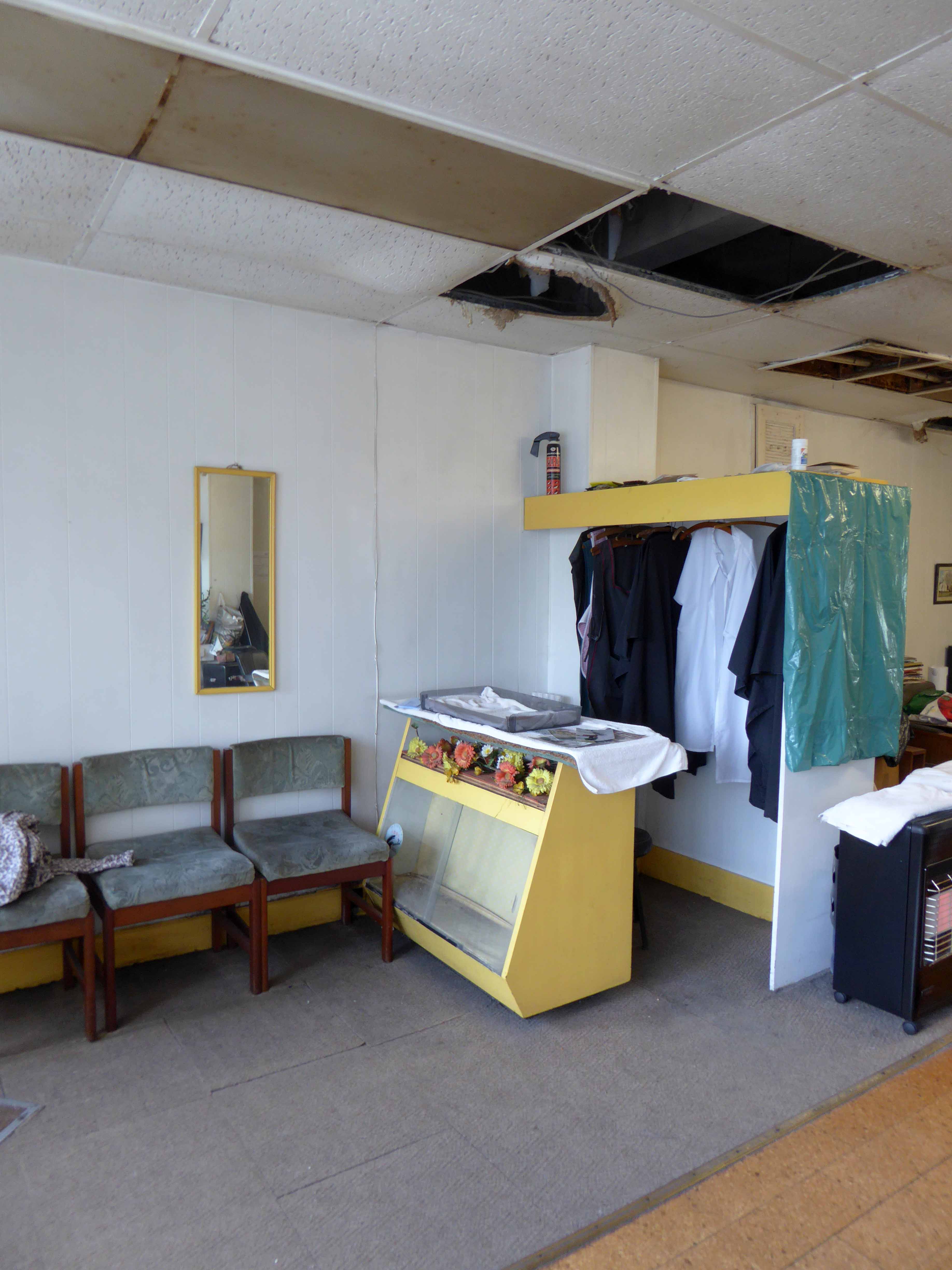
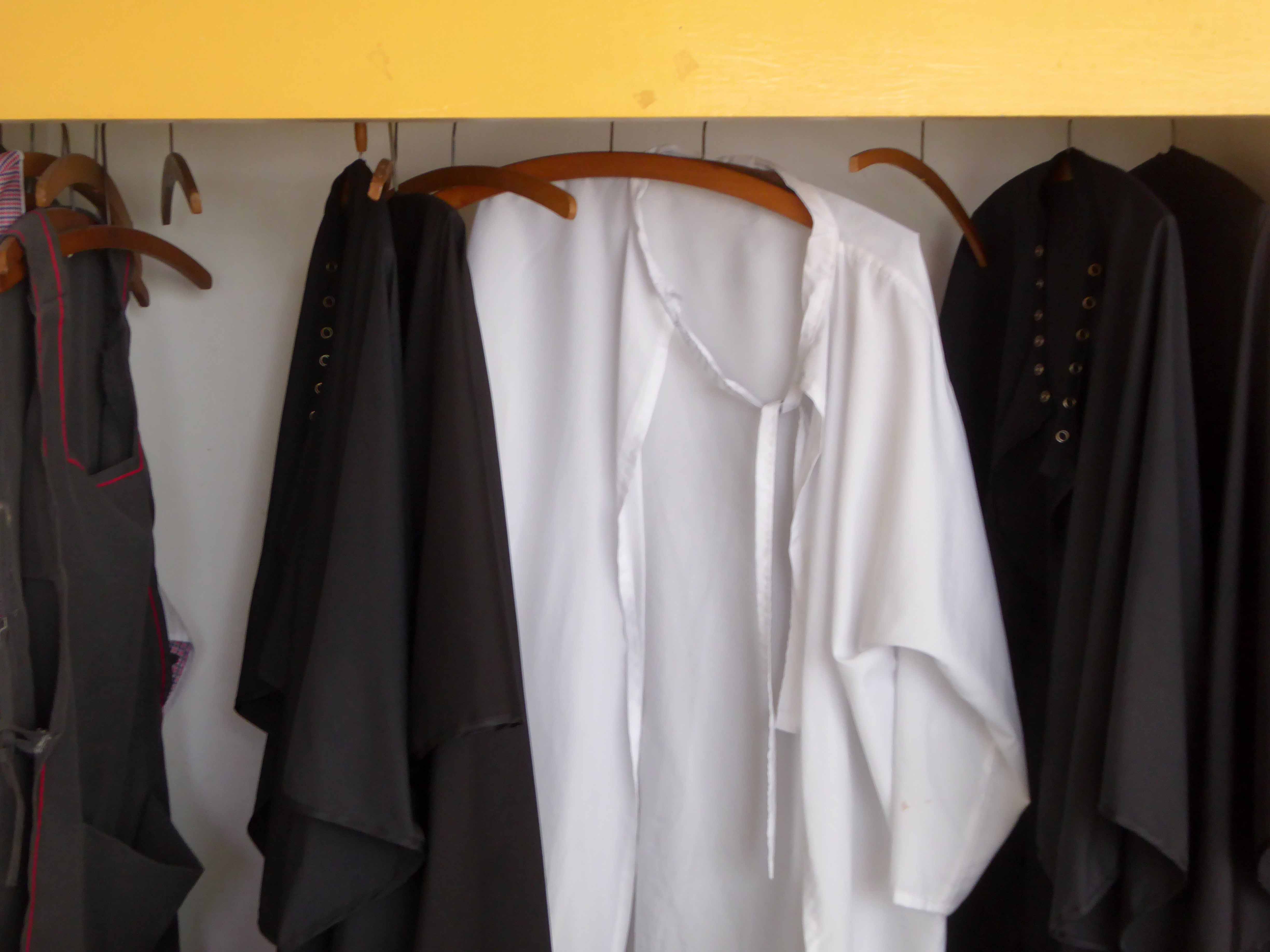
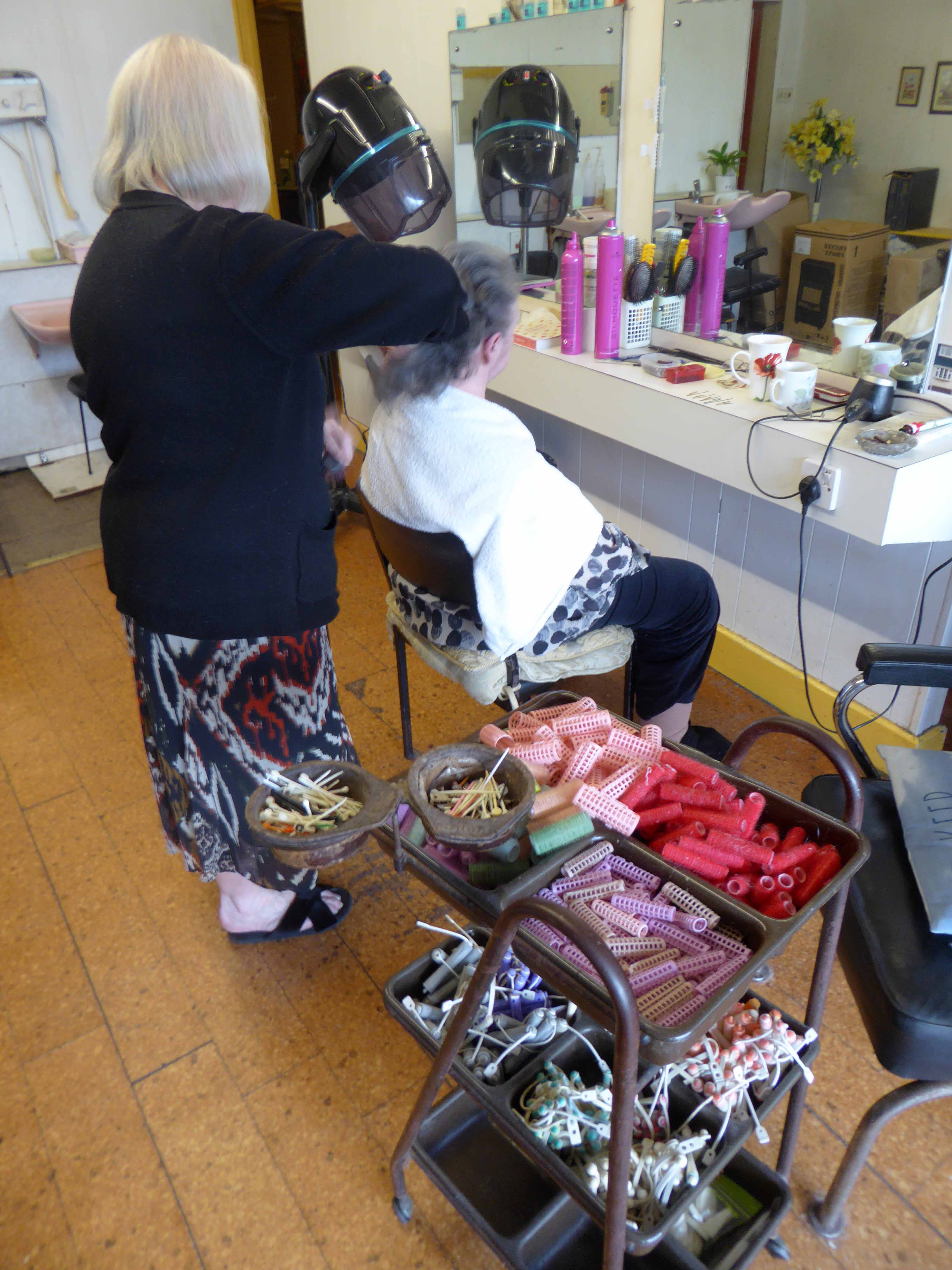
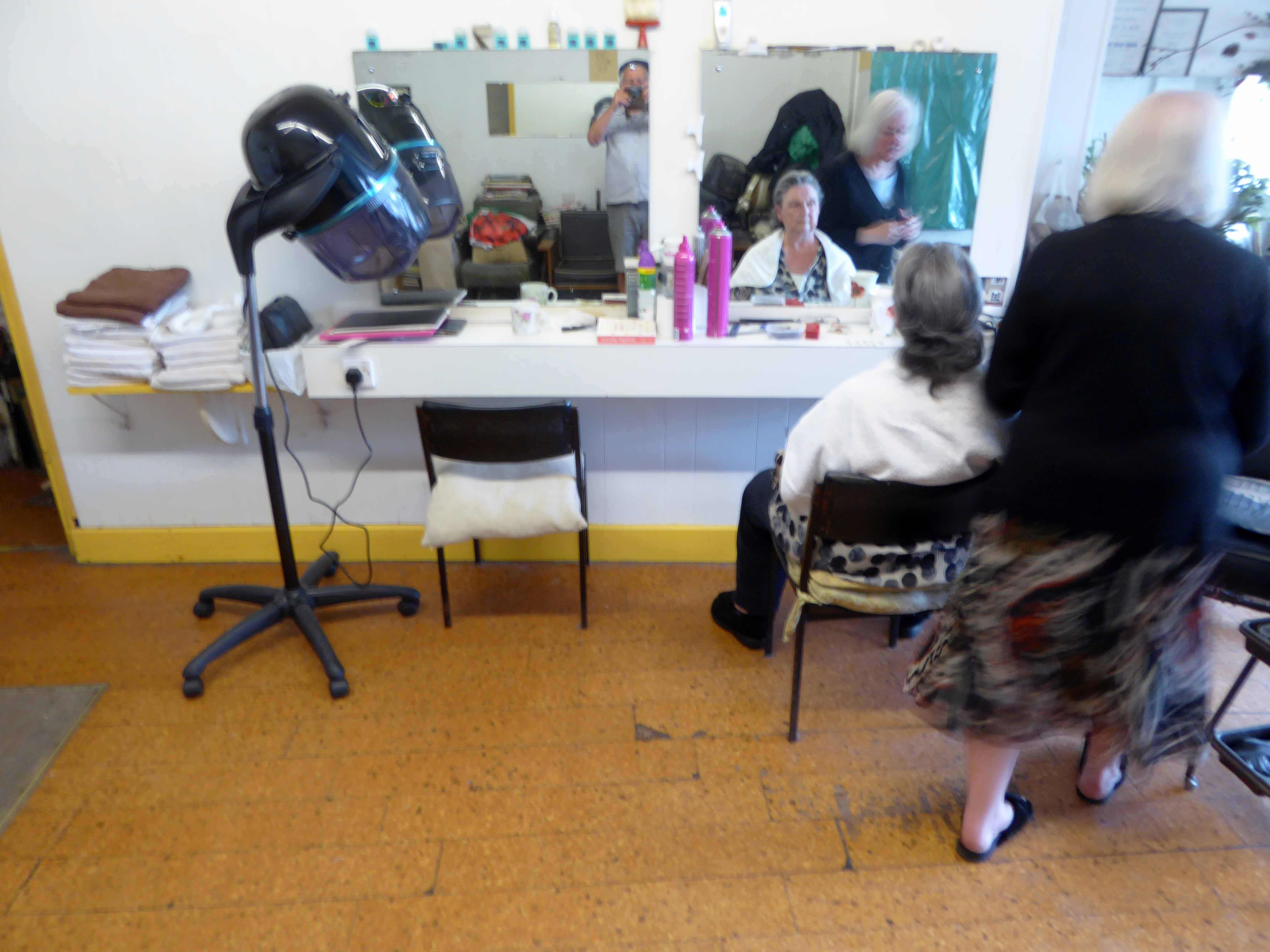
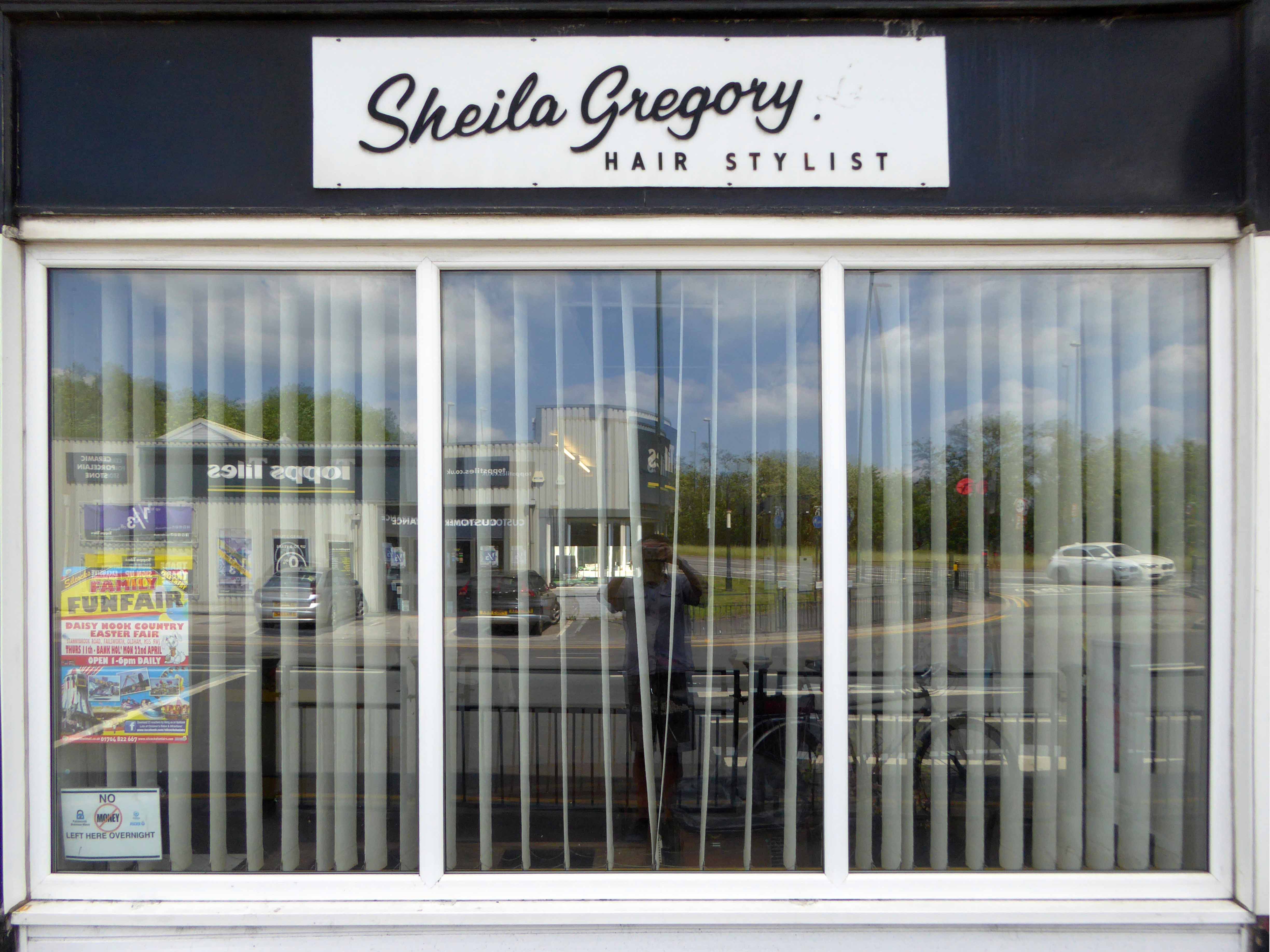
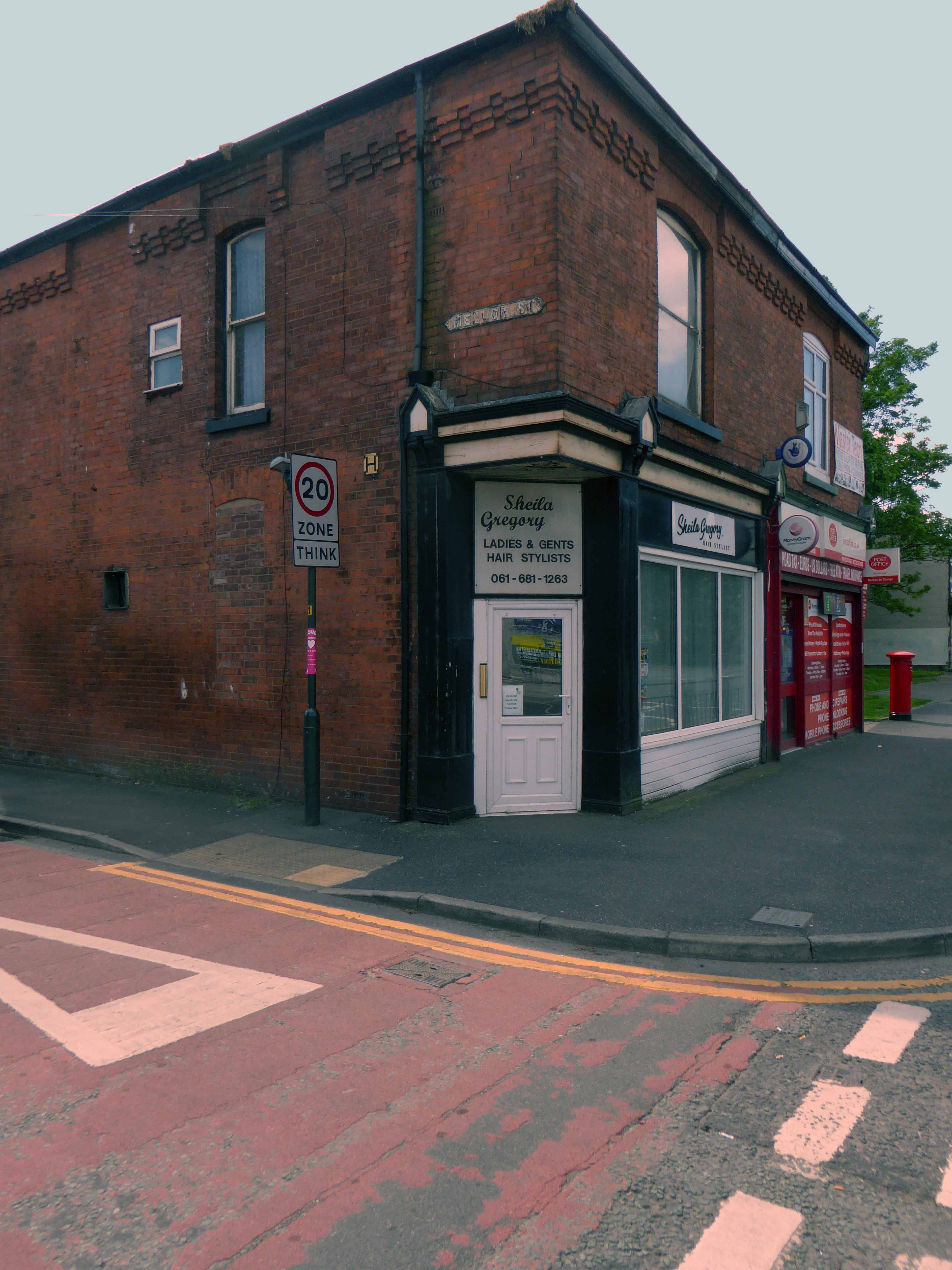
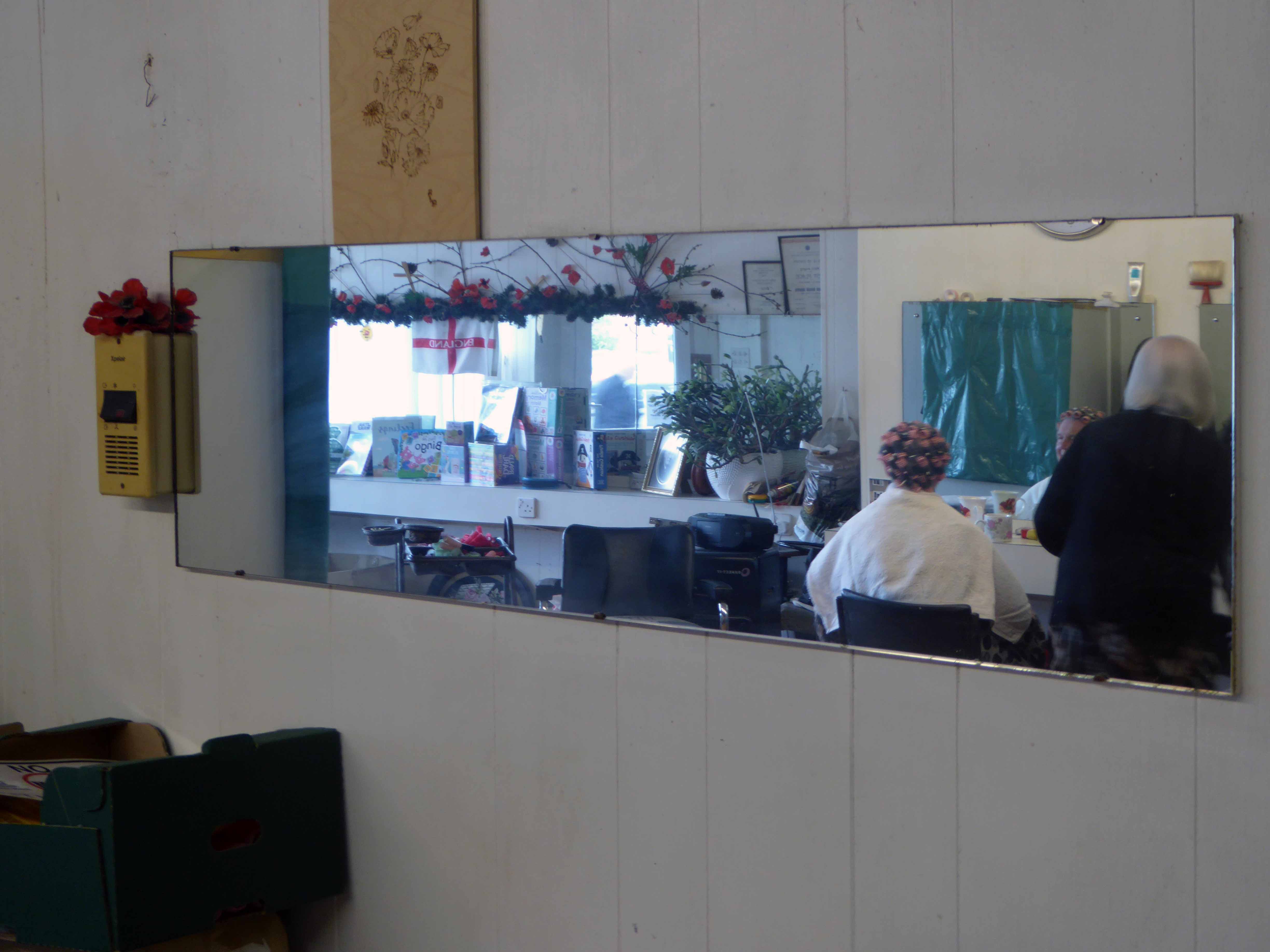
Sheila Gregory Hair Stylist – Manchester

142 Oldham Road Failsworth Manchester M35 0HP

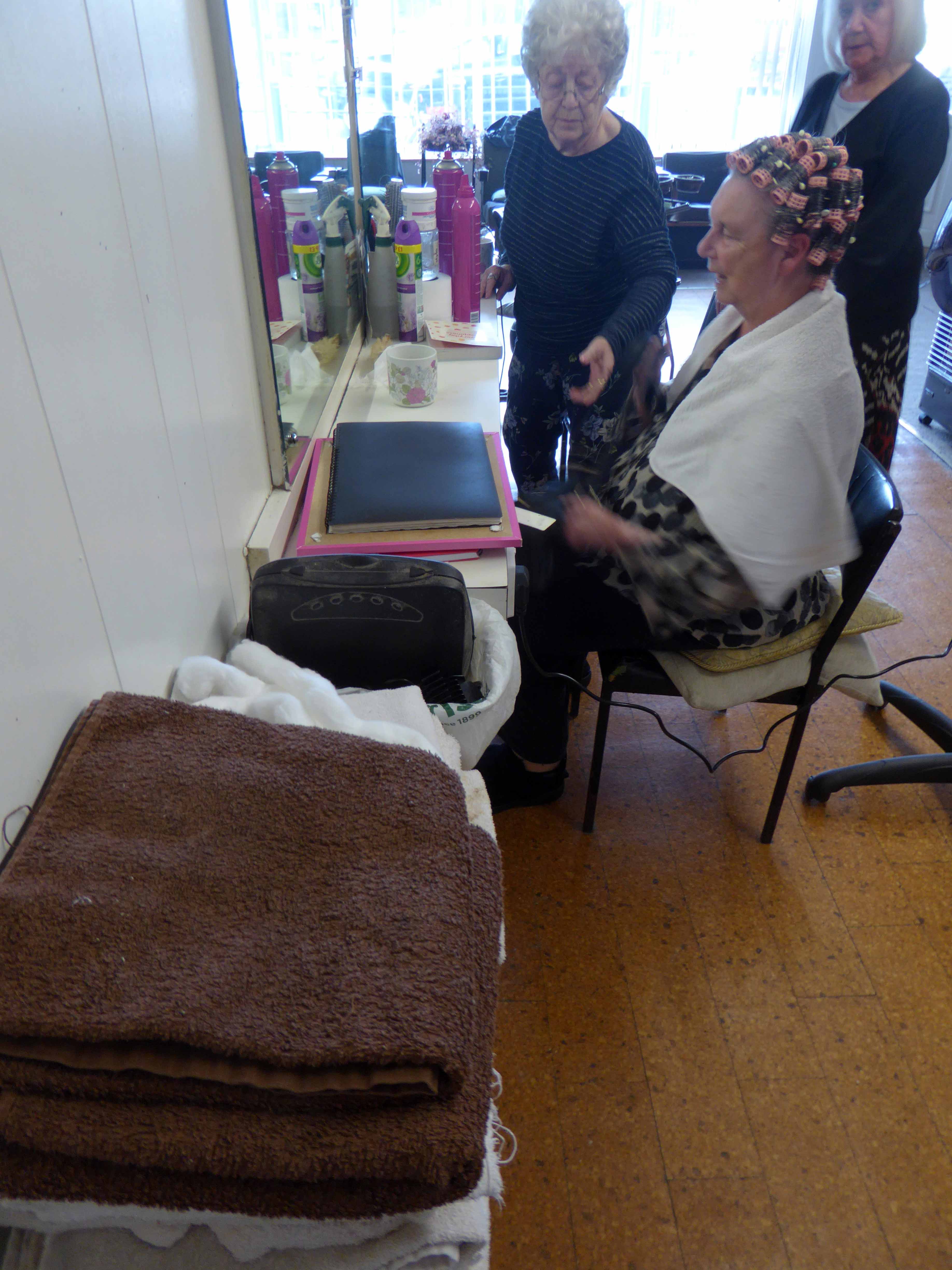
I’m in a different world:

A world I never knew, I’m in a different world.
A world so sweet and true, I’m in a different world
.

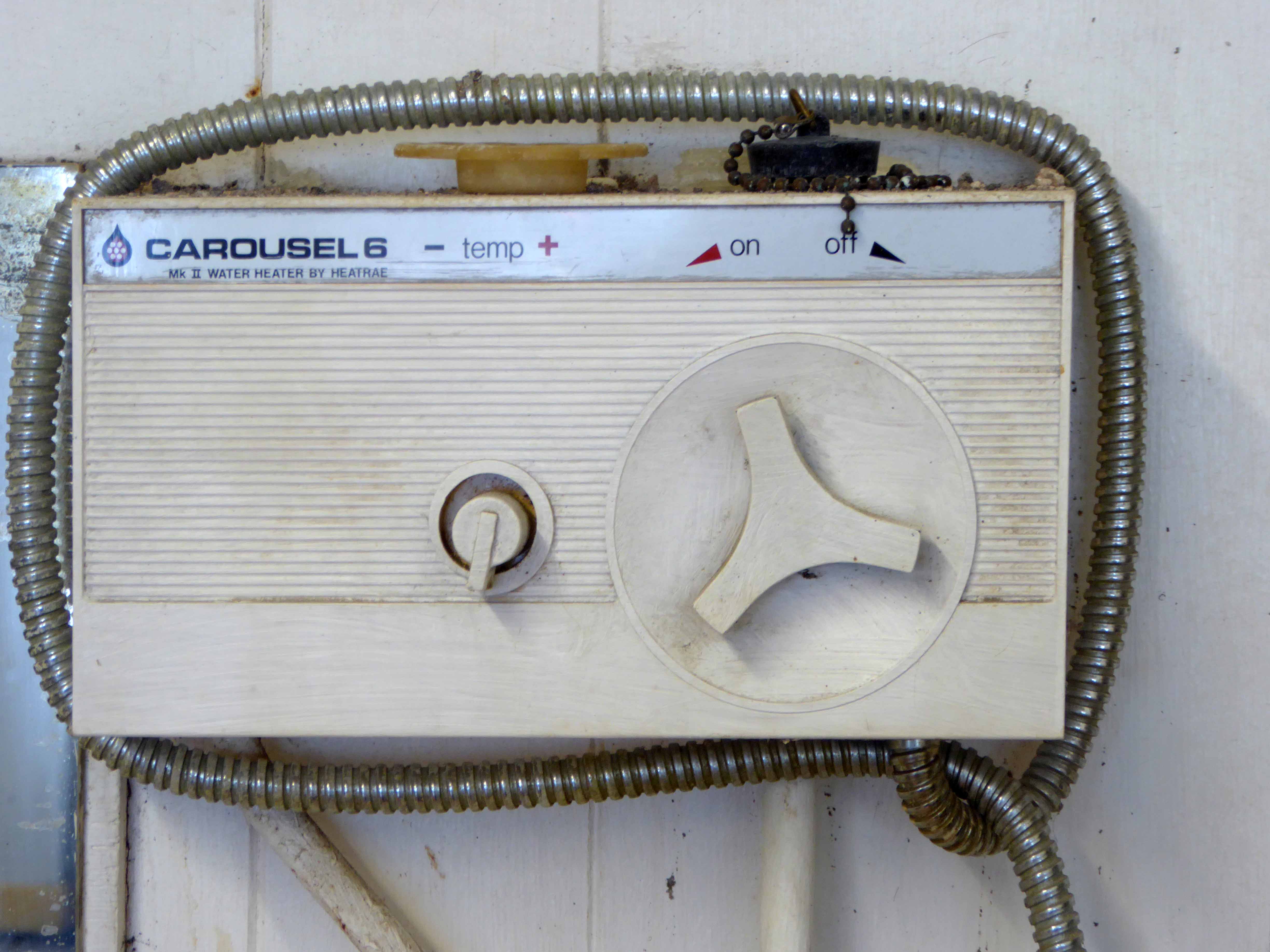
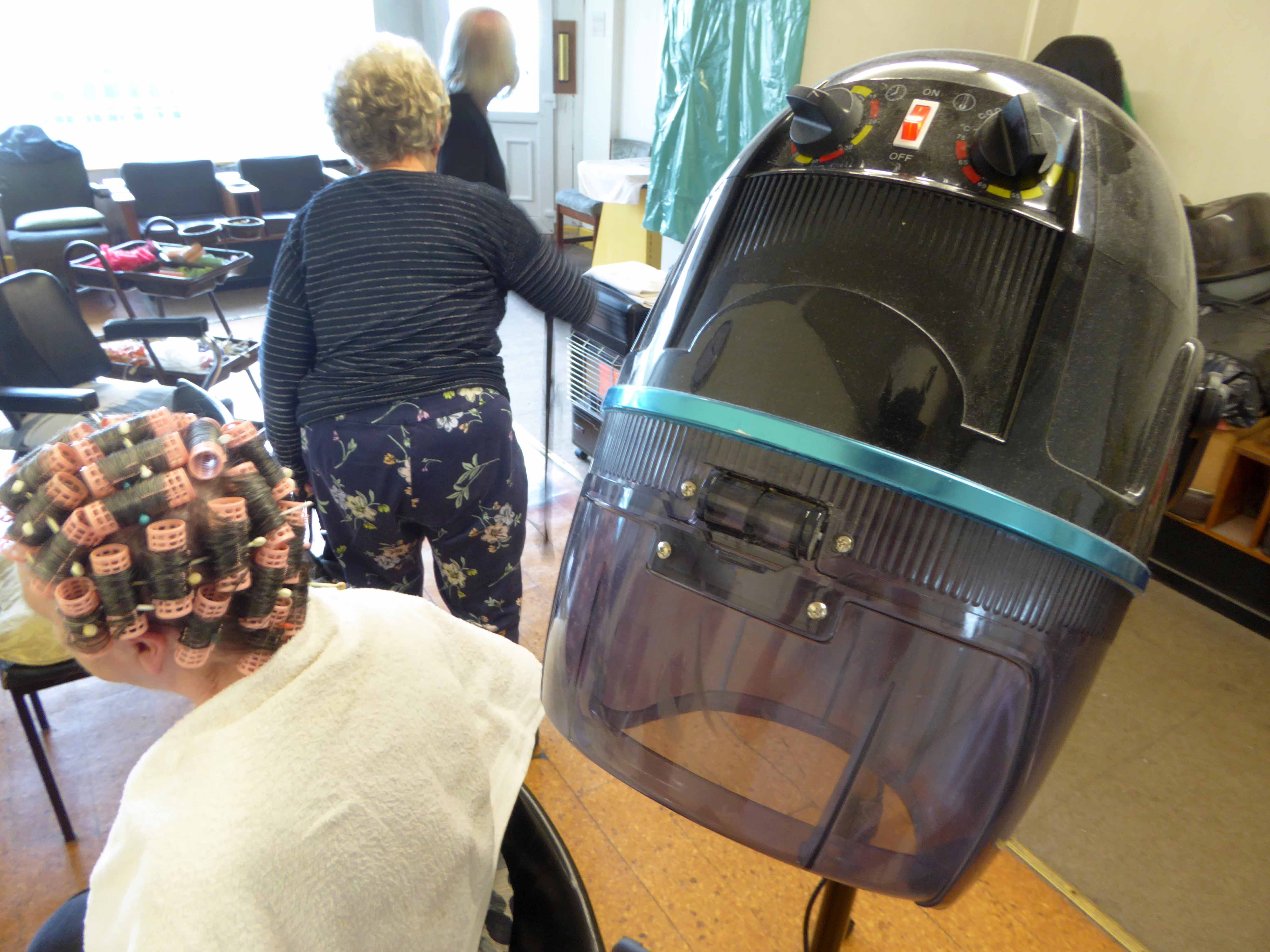
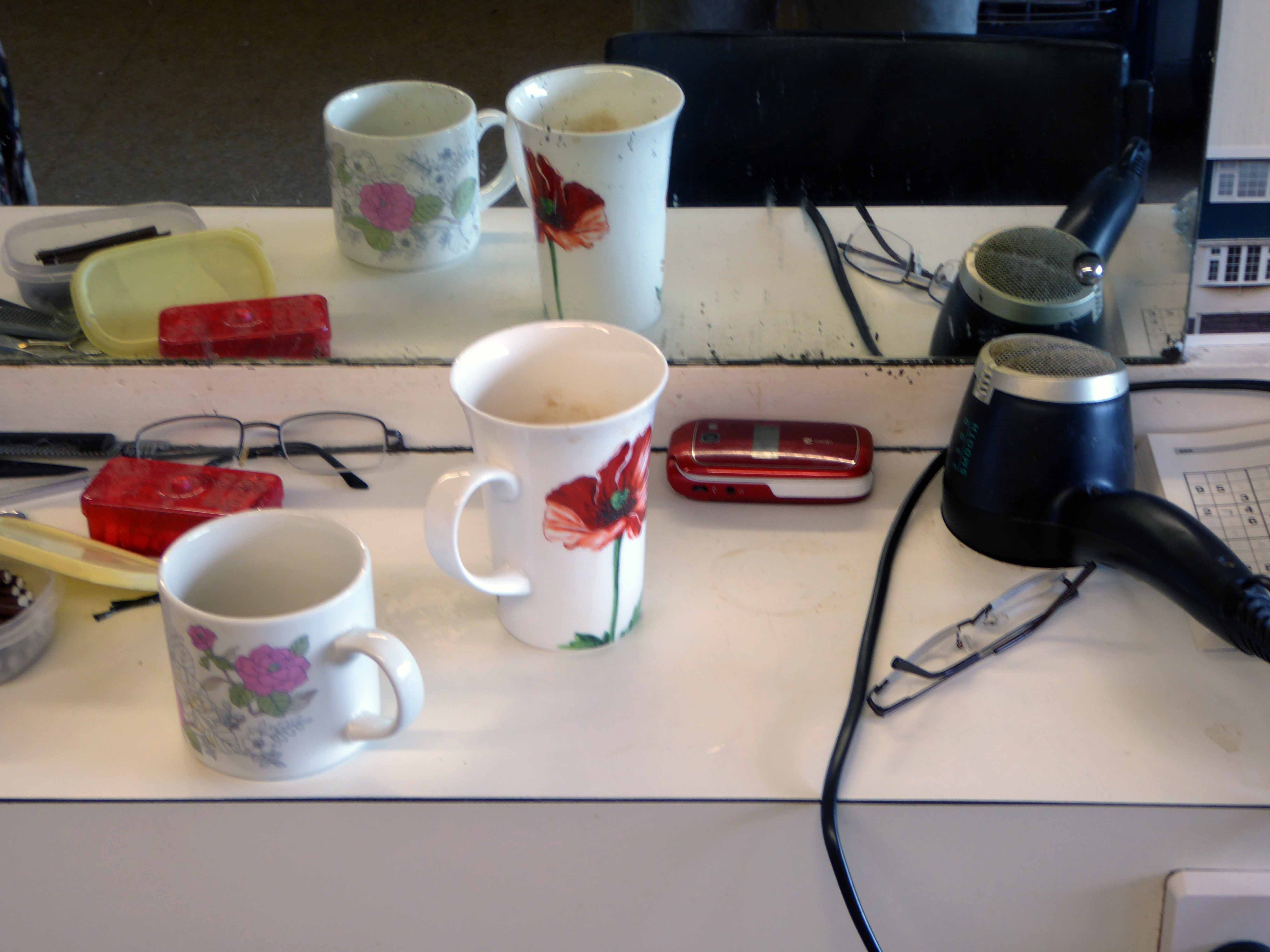
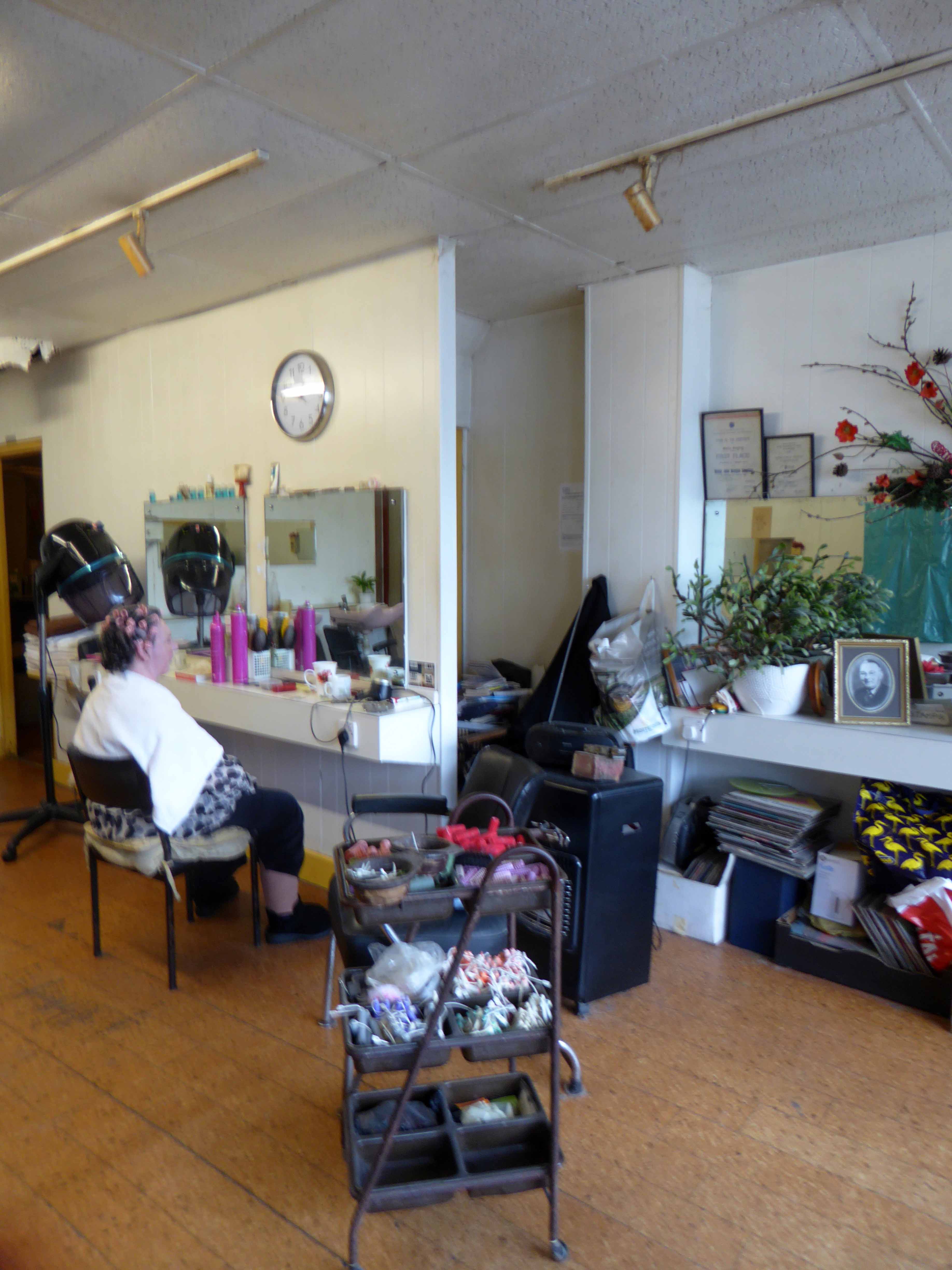
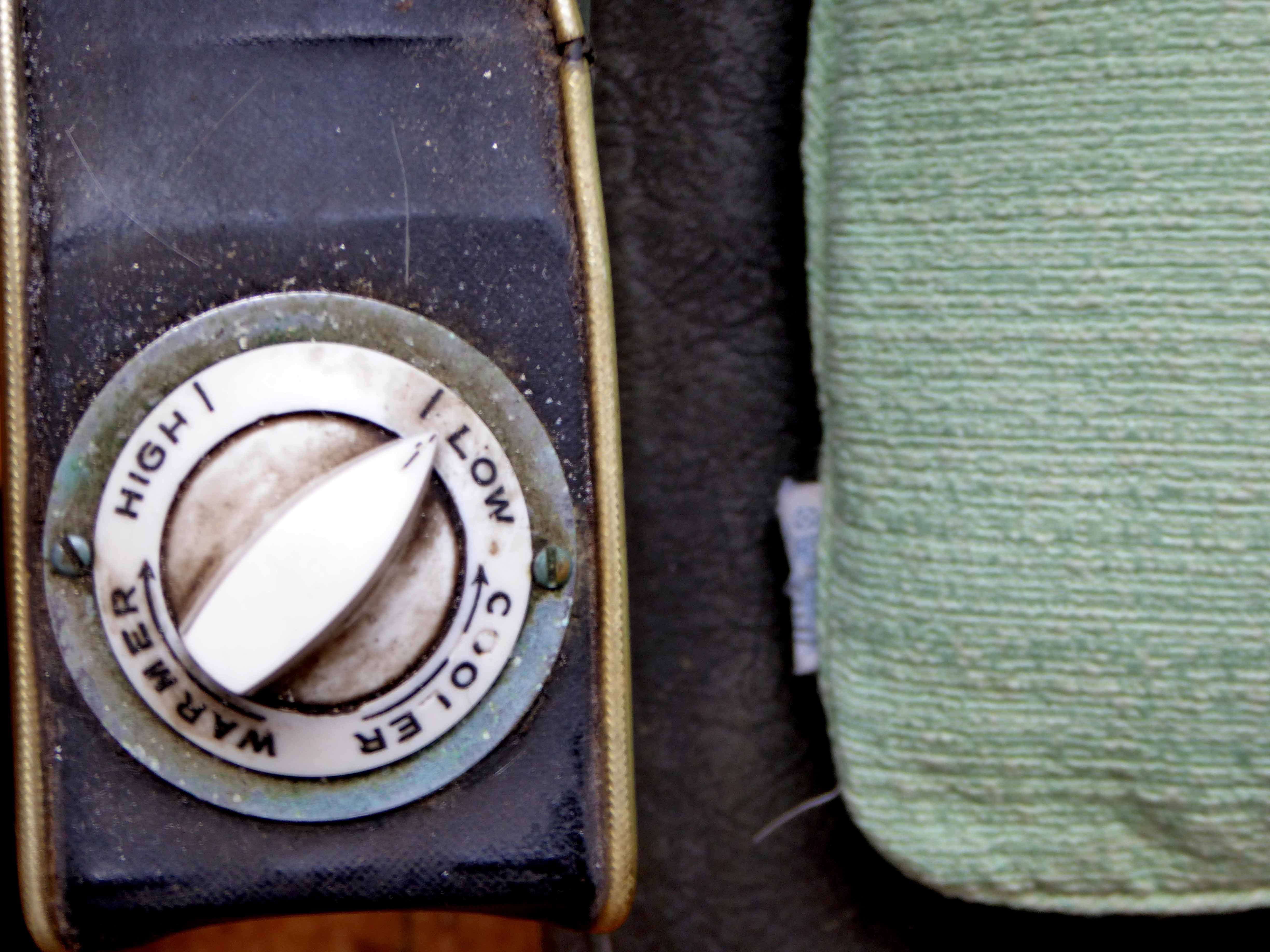
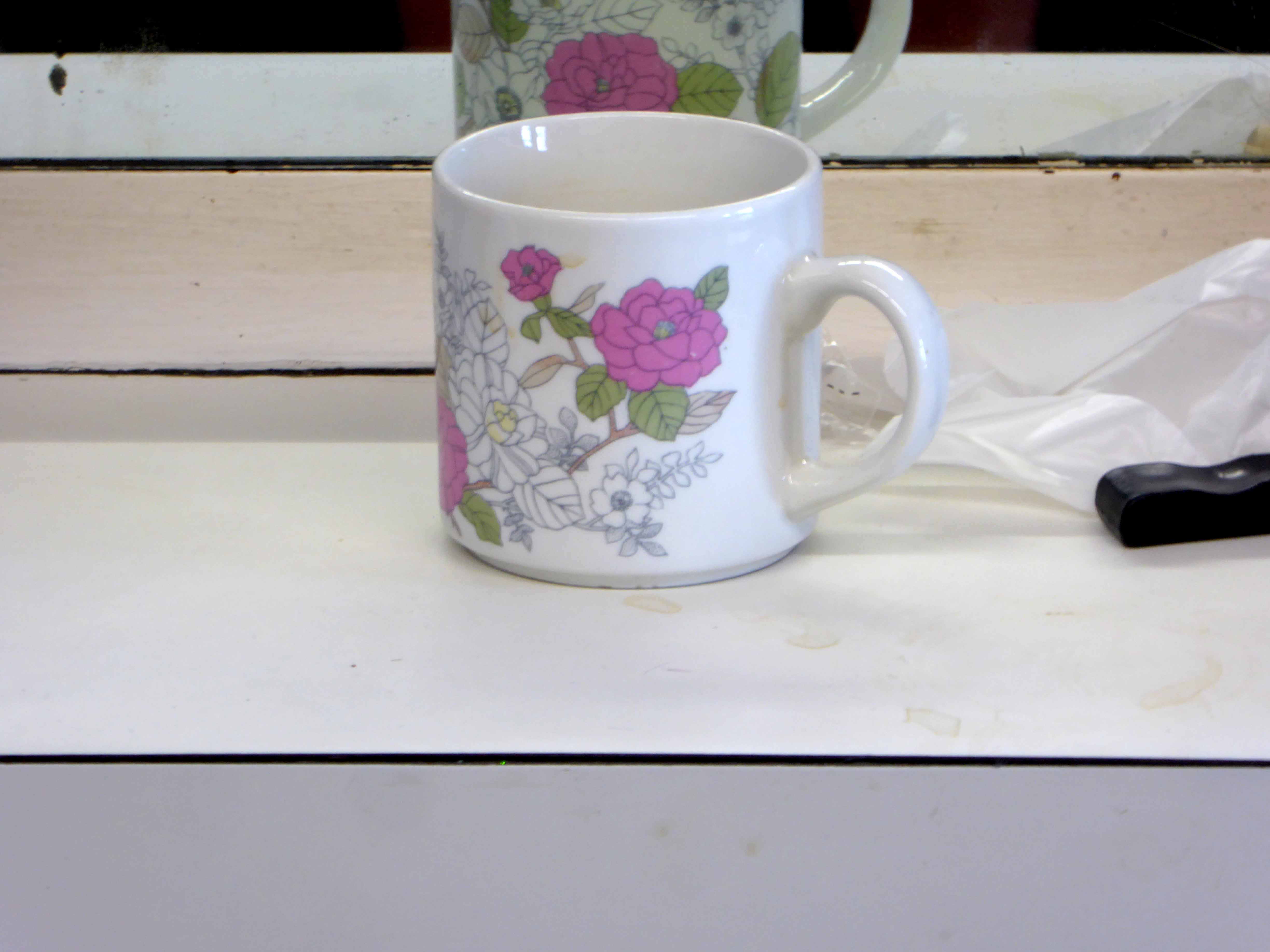
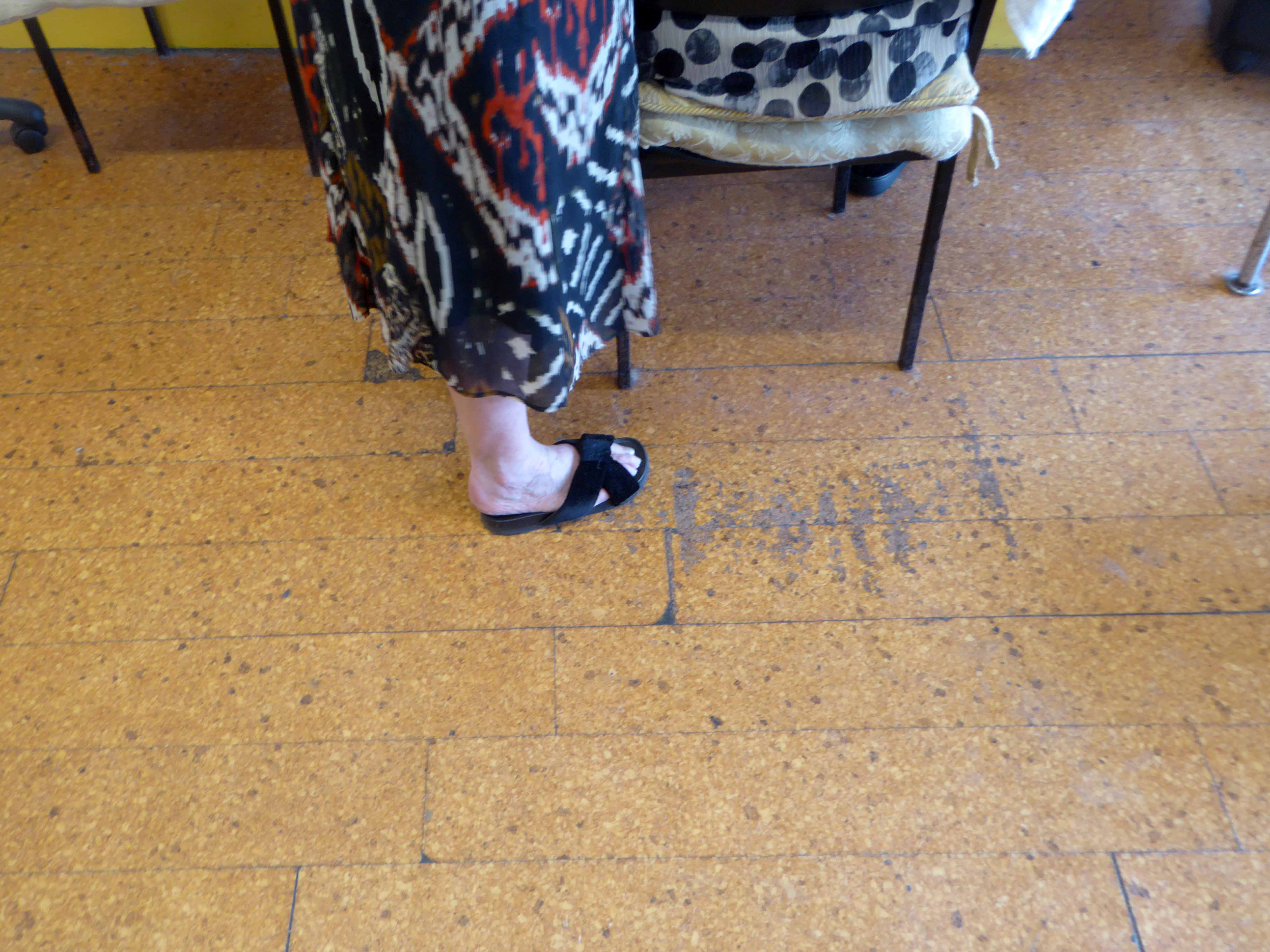
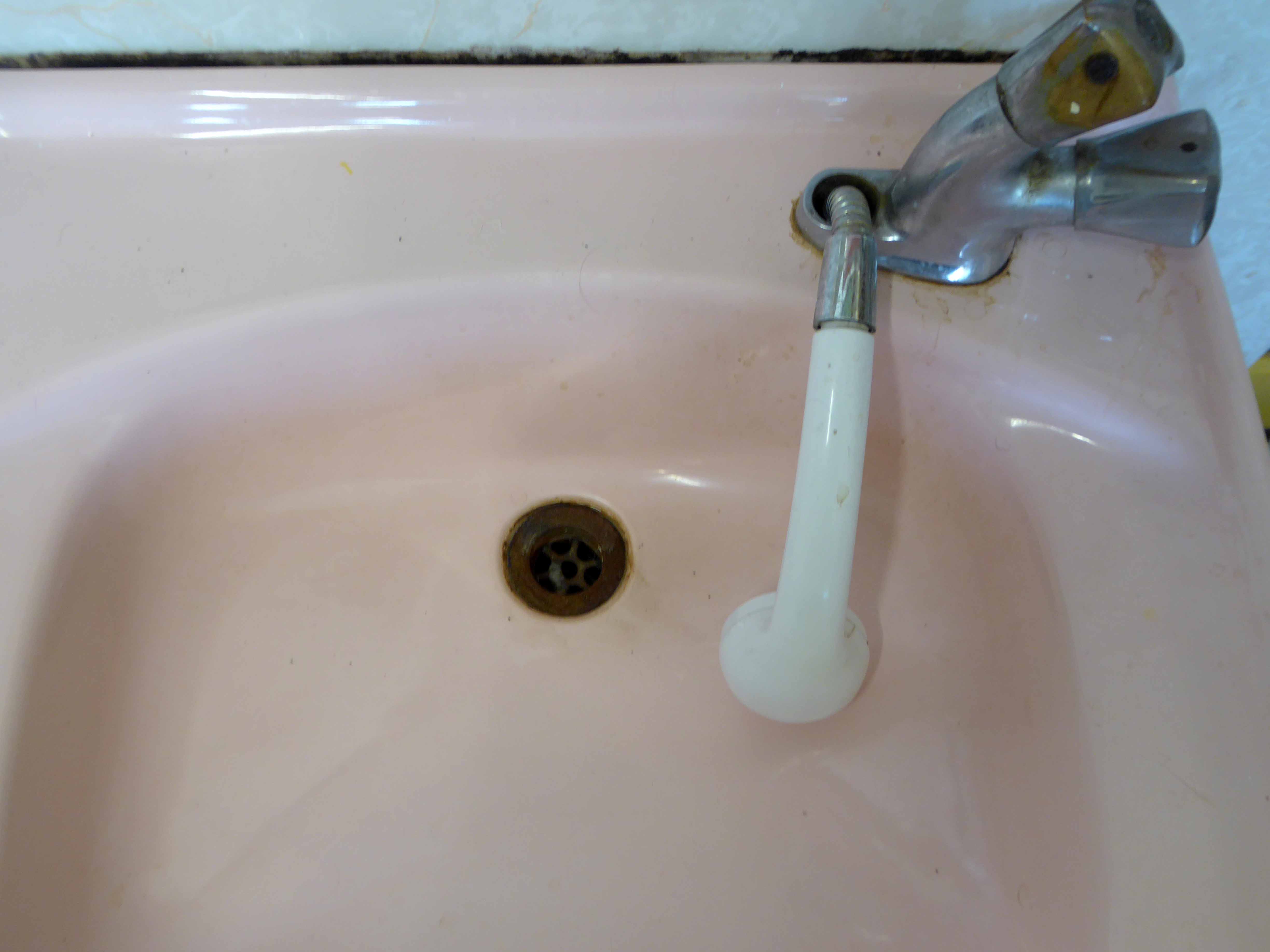
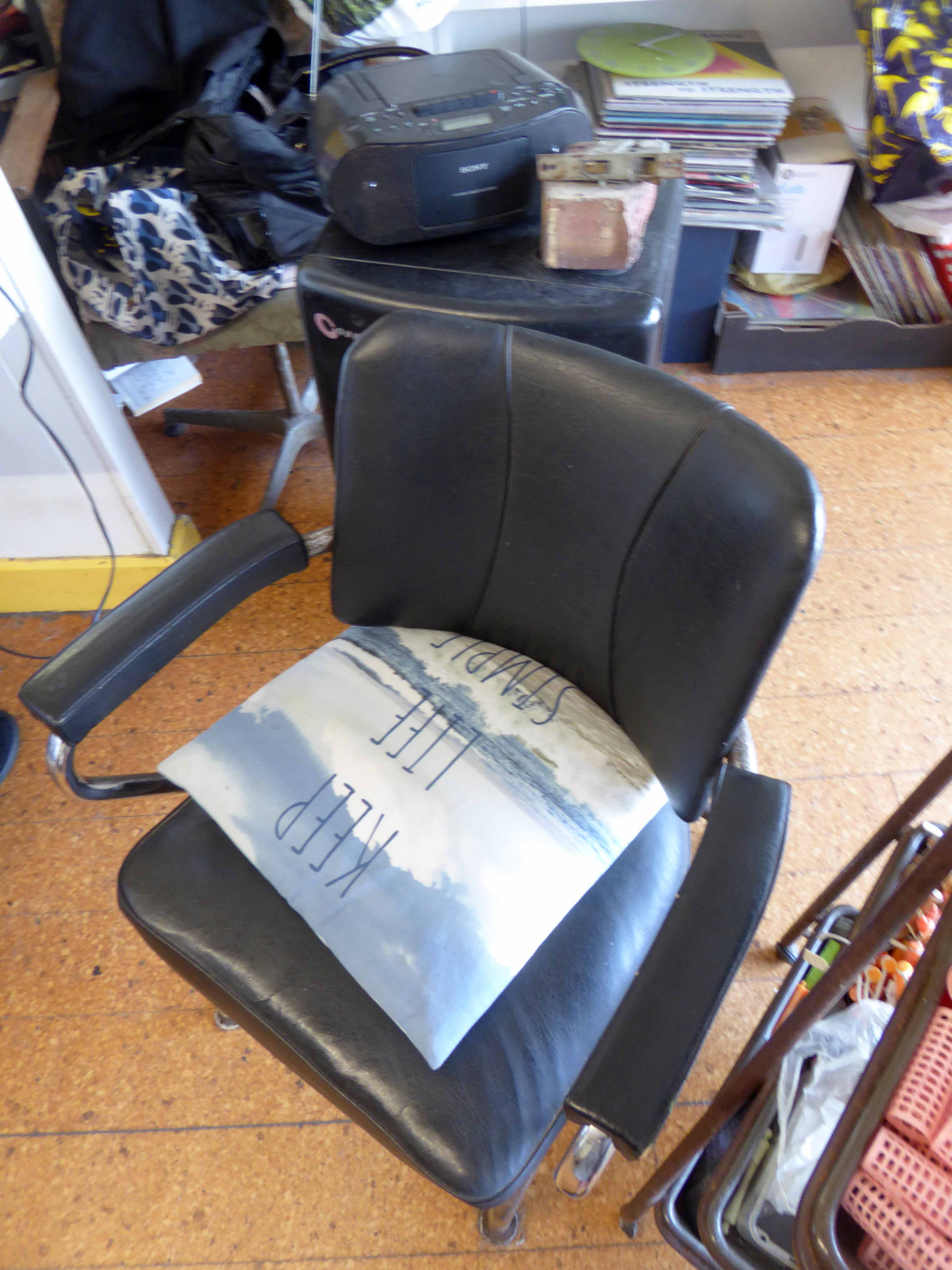
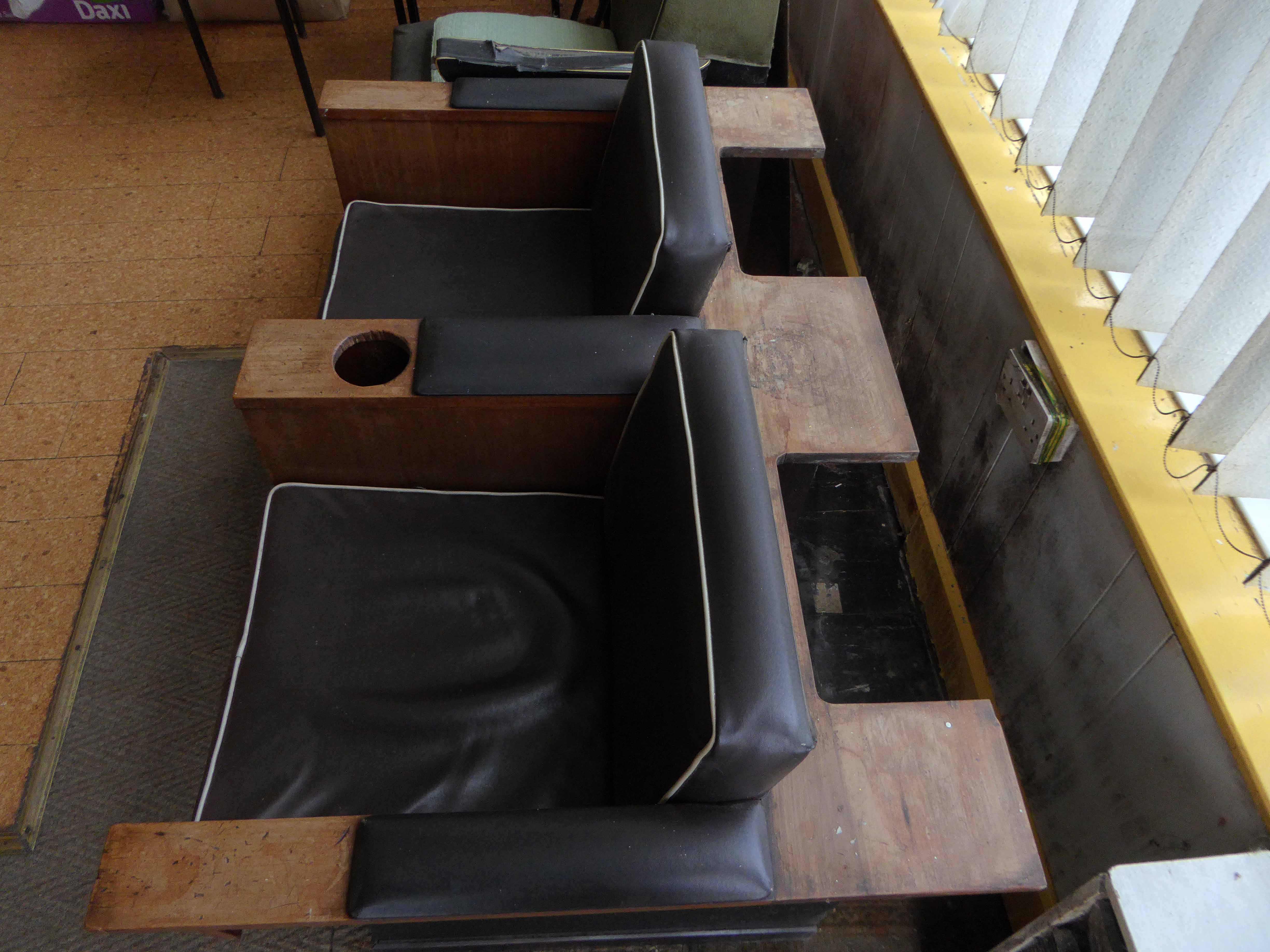
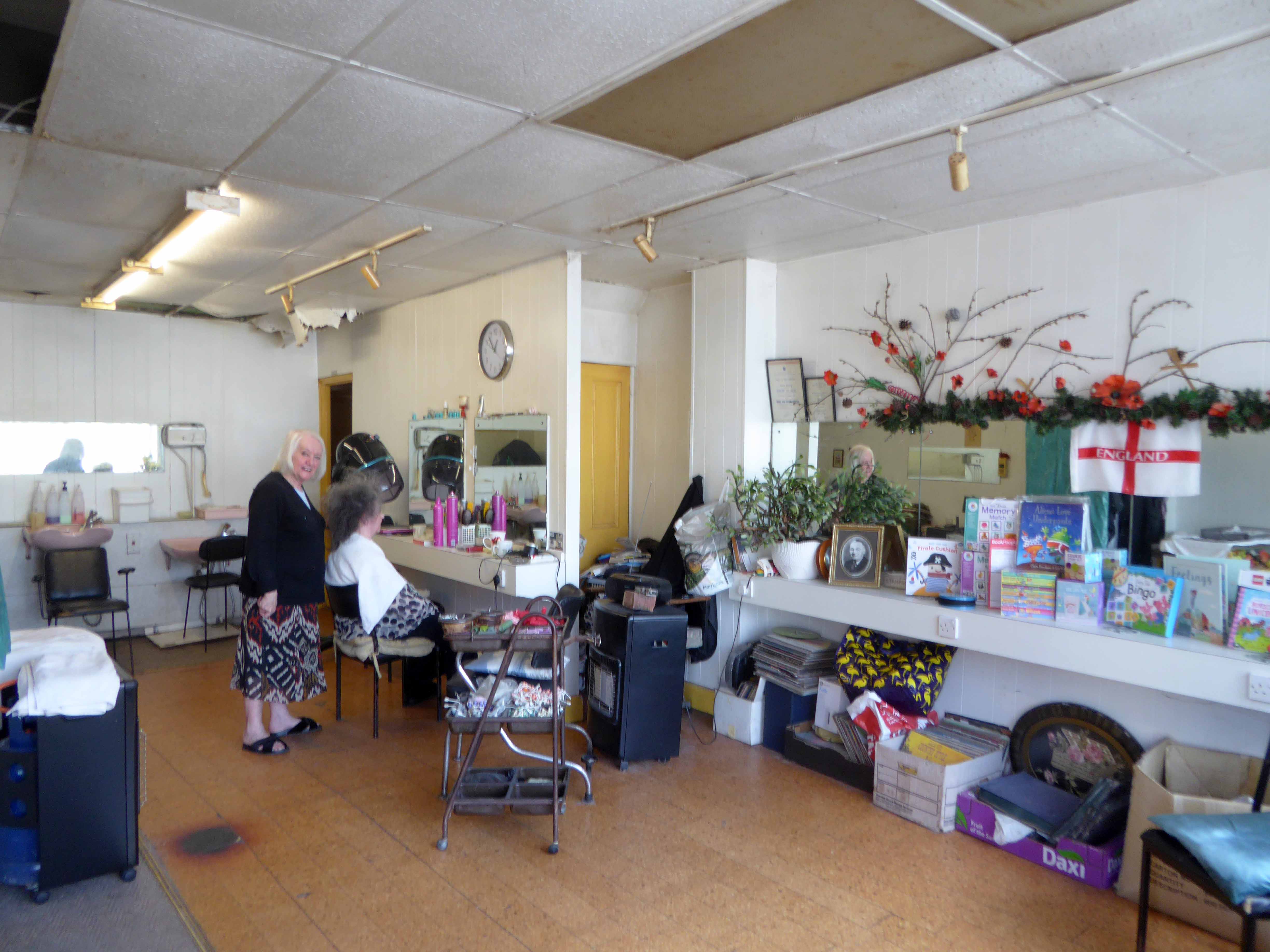
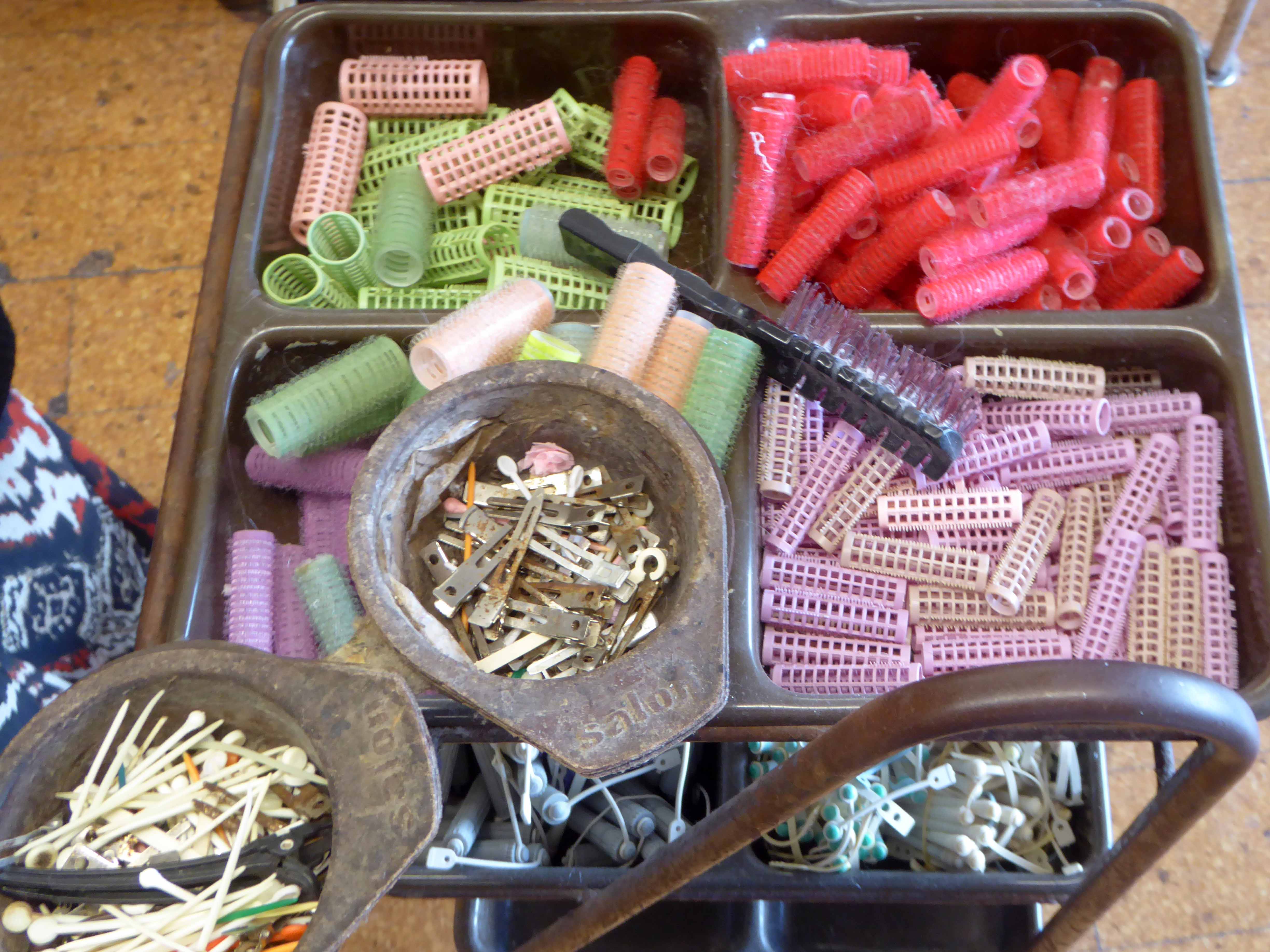
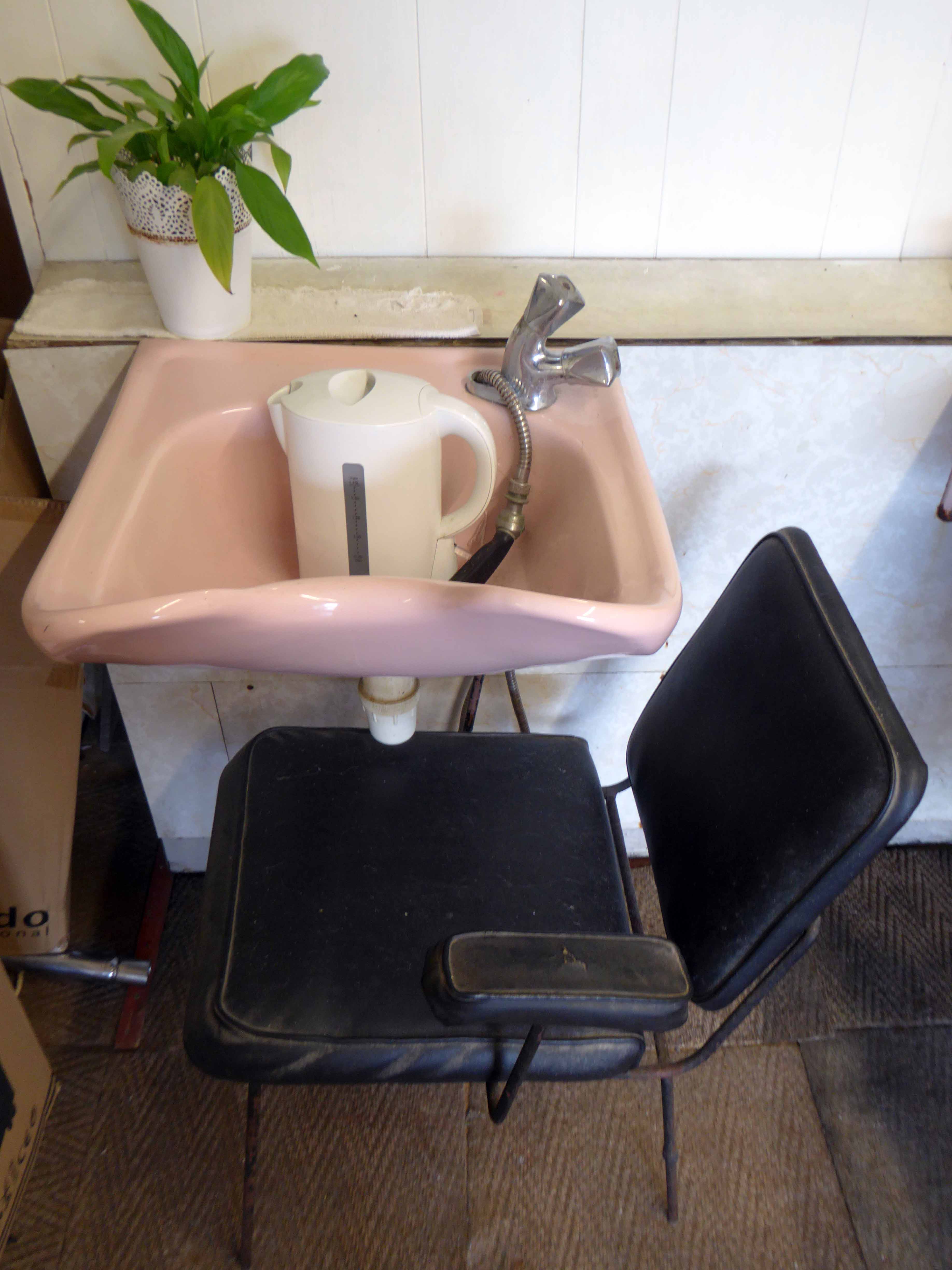
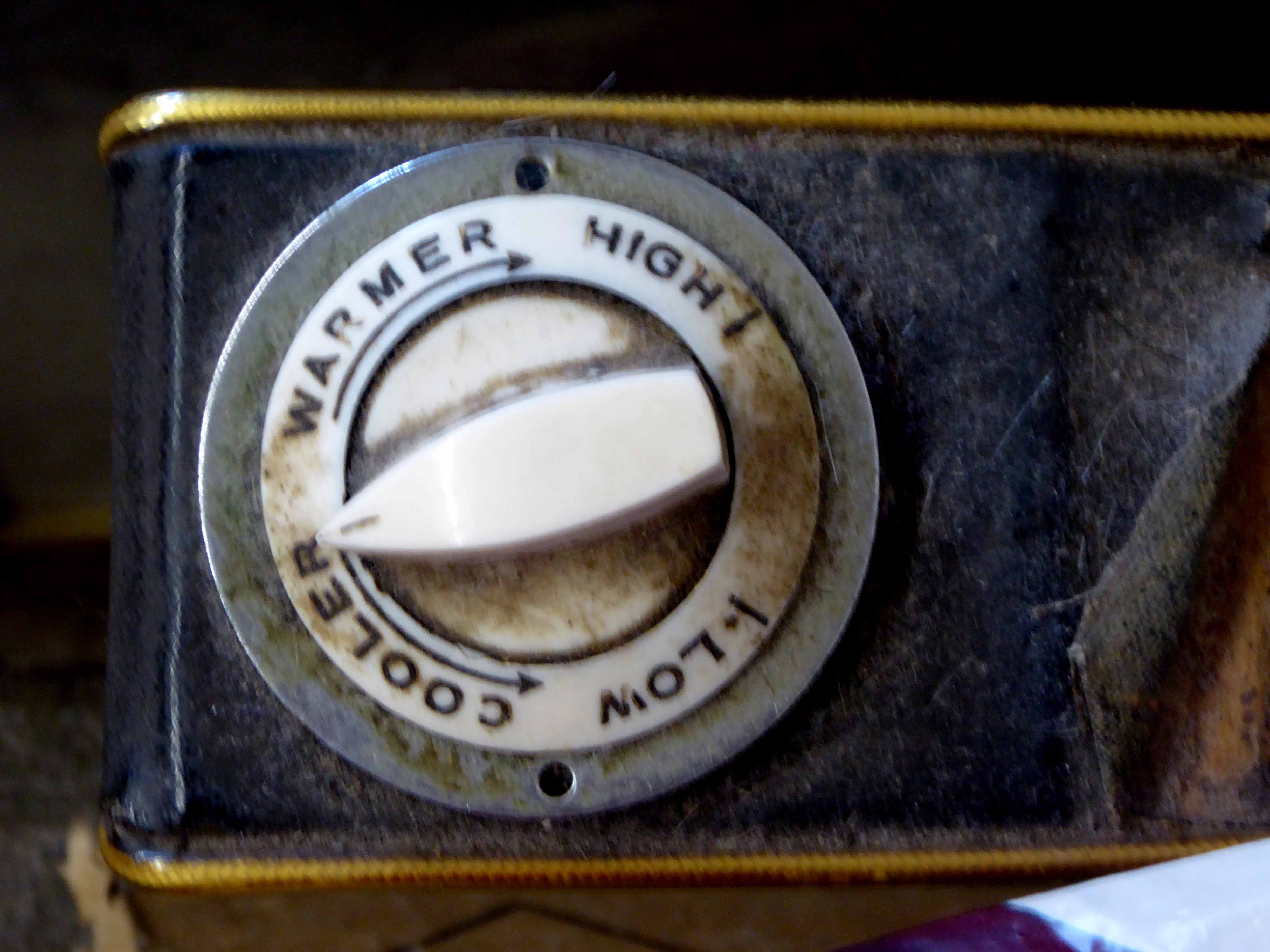
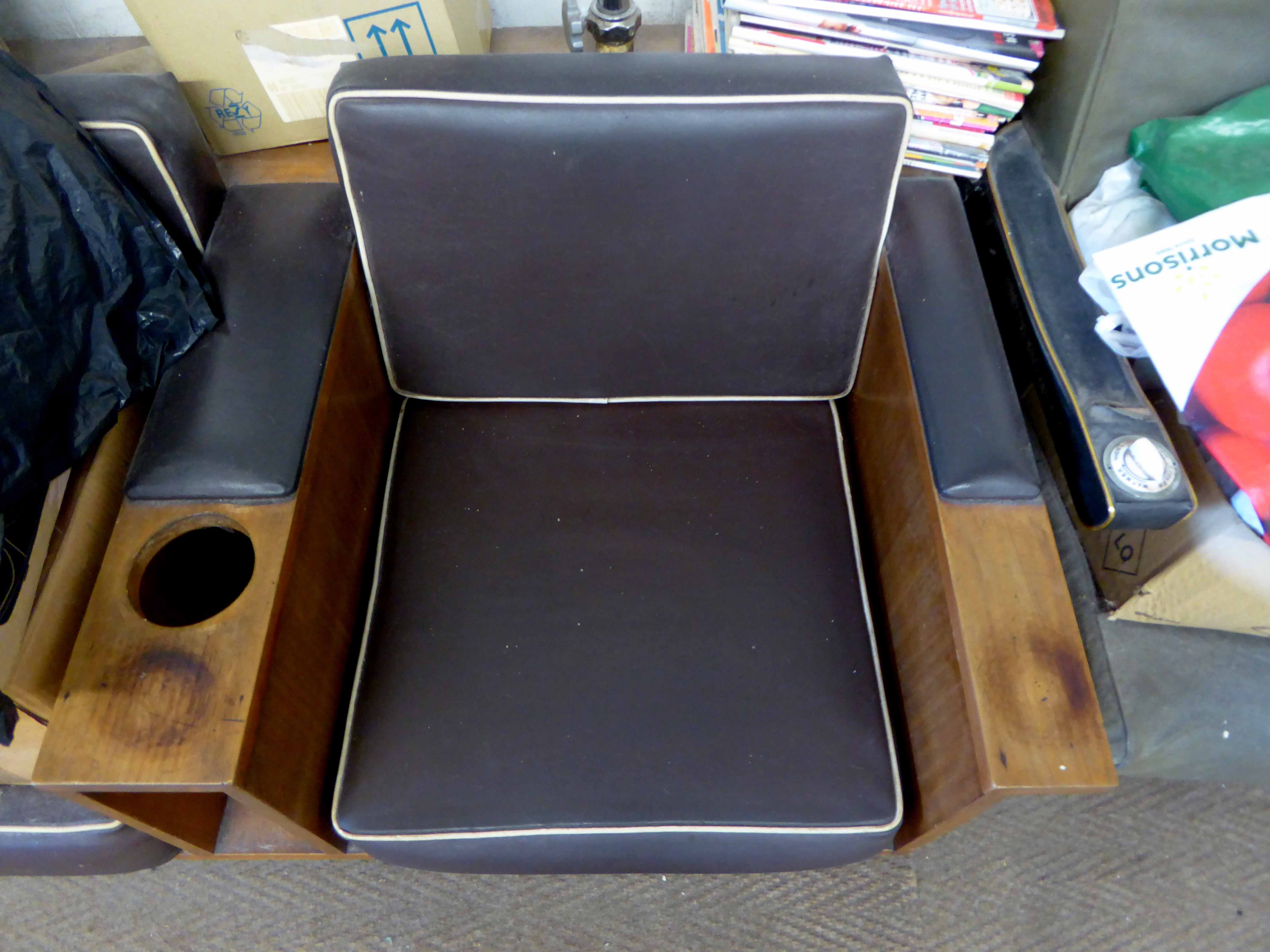
A world of rollers, pins, grips, hair dryers and drying hair.

A world permanently waving at itself.

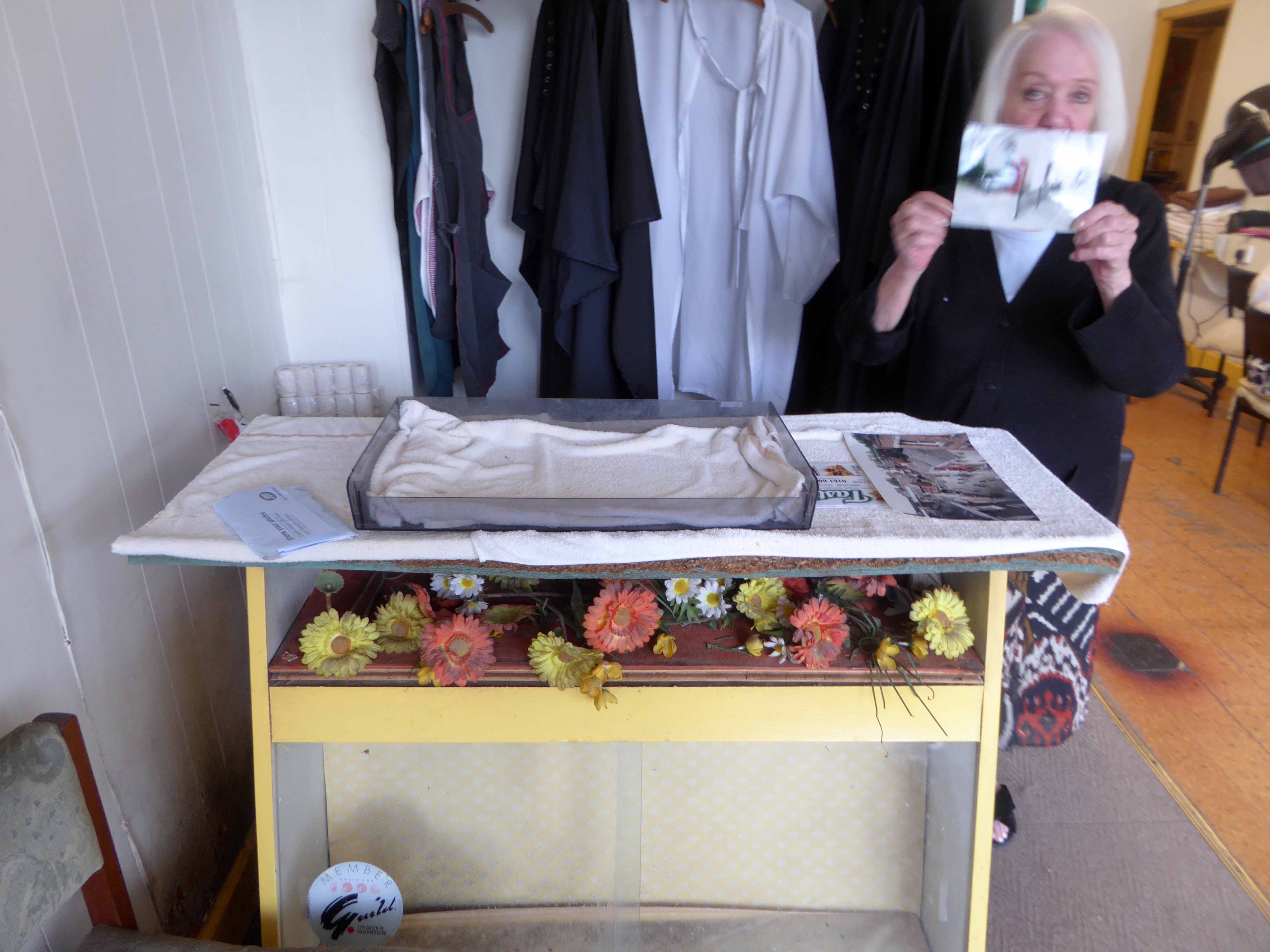
My thanks to Sheila – sixty years a stylist and her customers for allowing me into their world for a short time – a privilege and a pleasure.

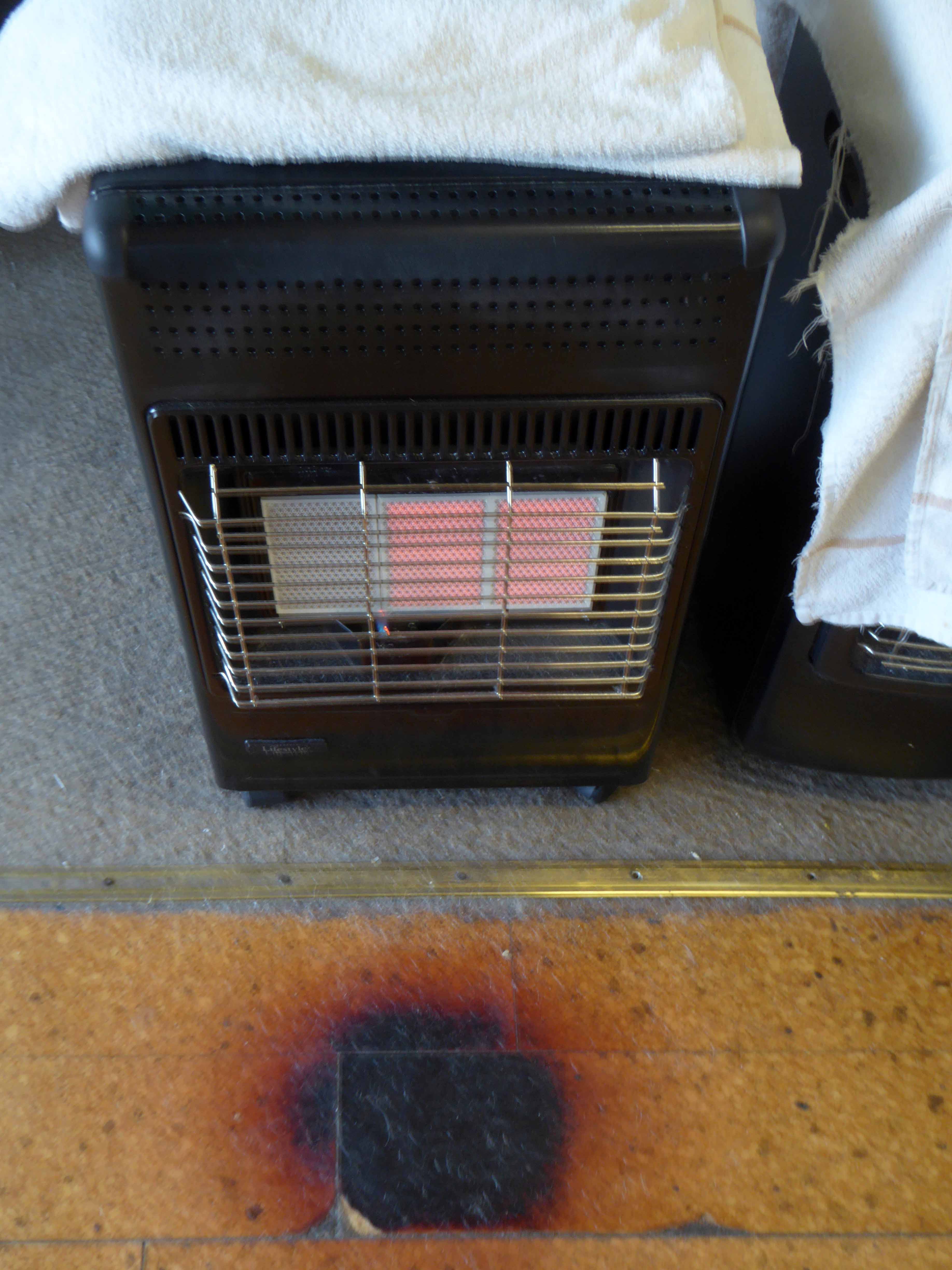
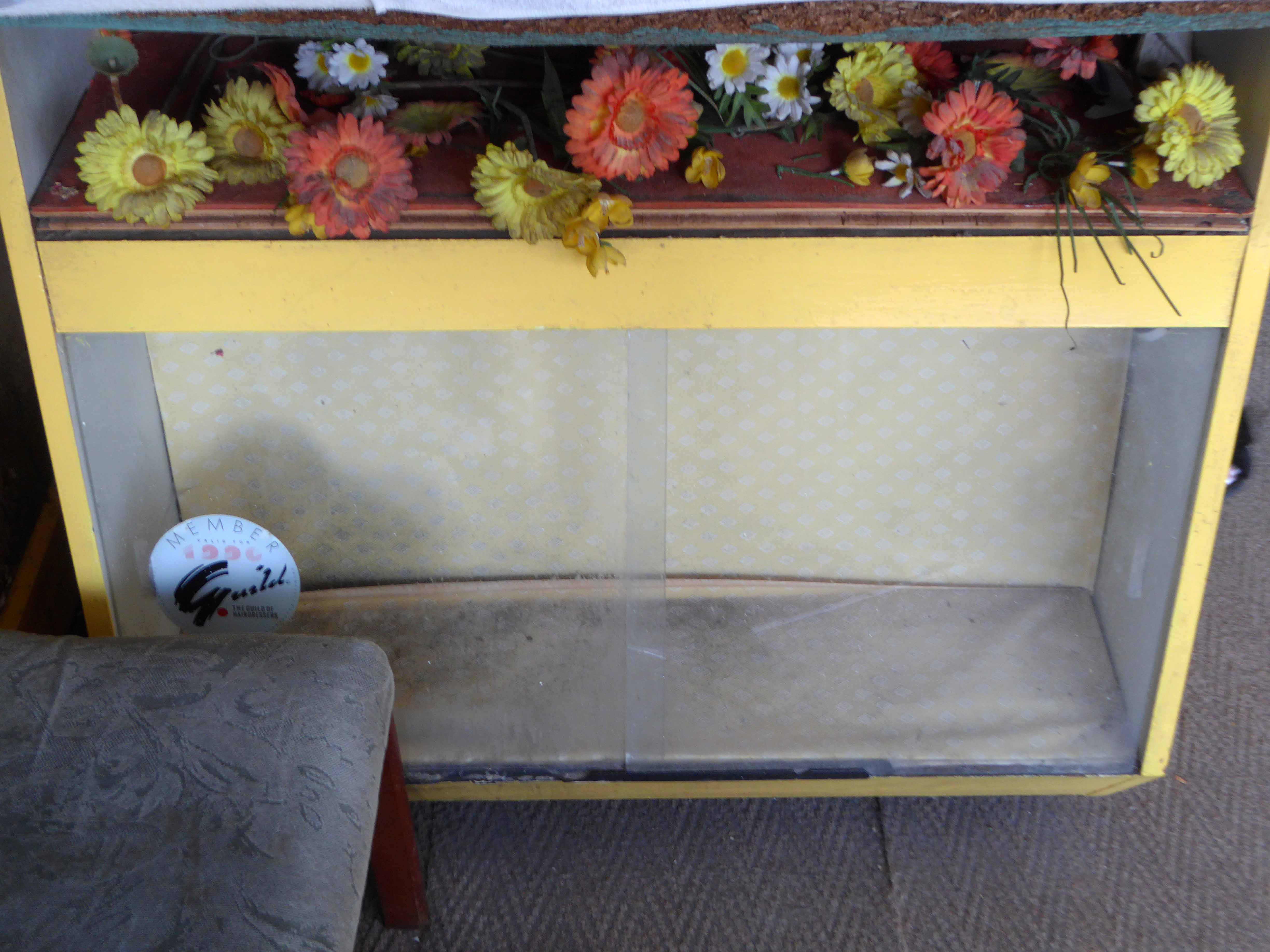
Little seems to have changed here within – on the corner of Oldham Road and Mellor Street.

Let’s take a little look.

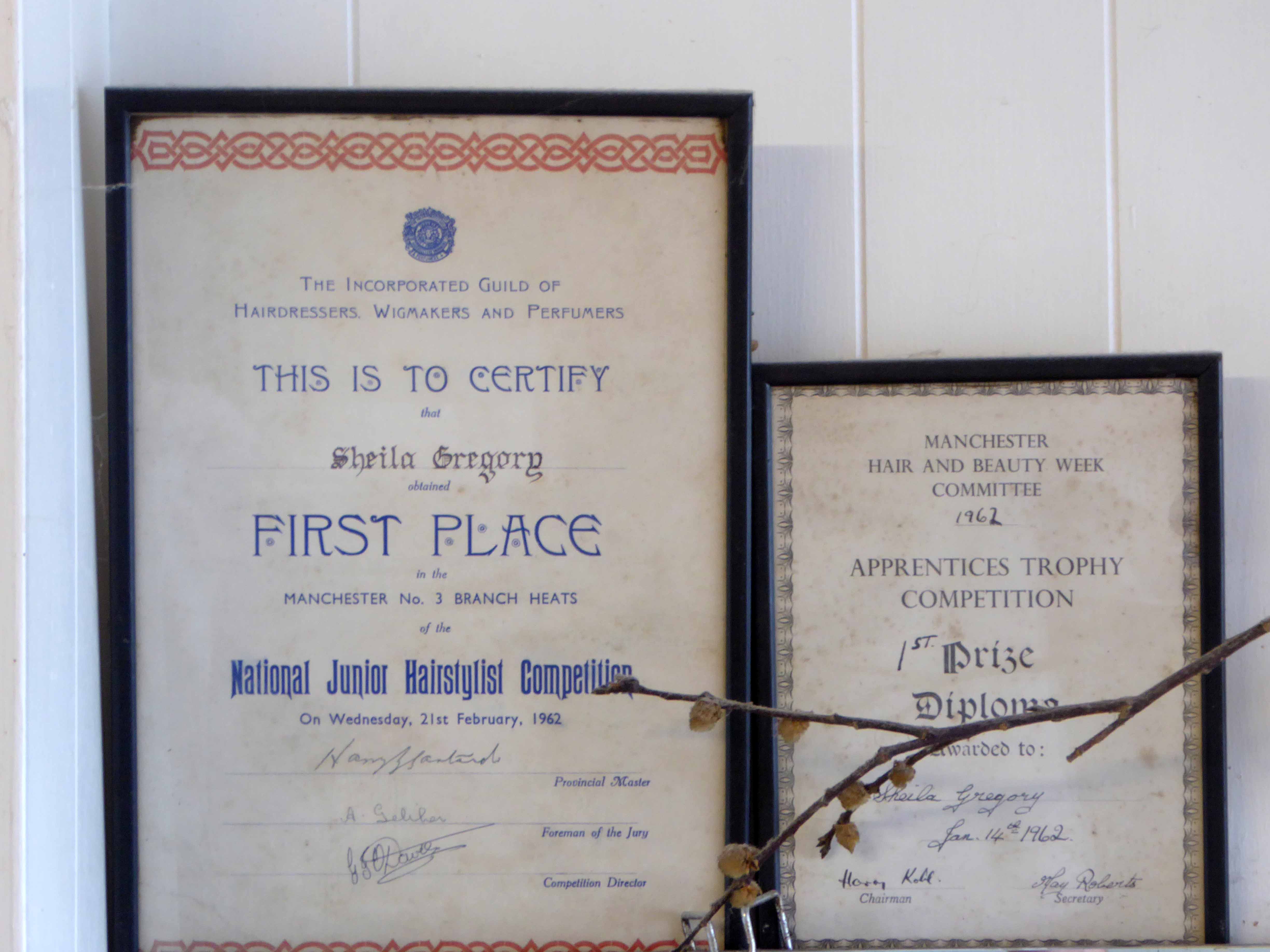
Shelia’s certificates of 1962 – so proudly displayed.

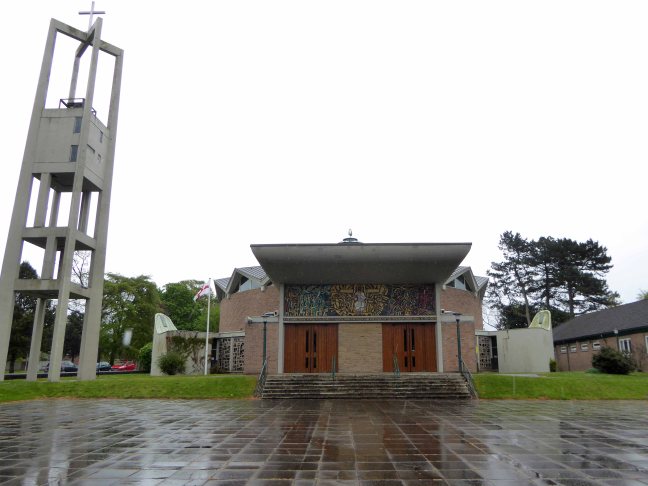
Leyland – St Mary’s Church

It never fails to surprise, turning the corner of a somewhat anonymous suburban street to find:

A building of outstanding importance for its architectural design, advanced liturgical planning and artistic quality of the fixtures and fittings.

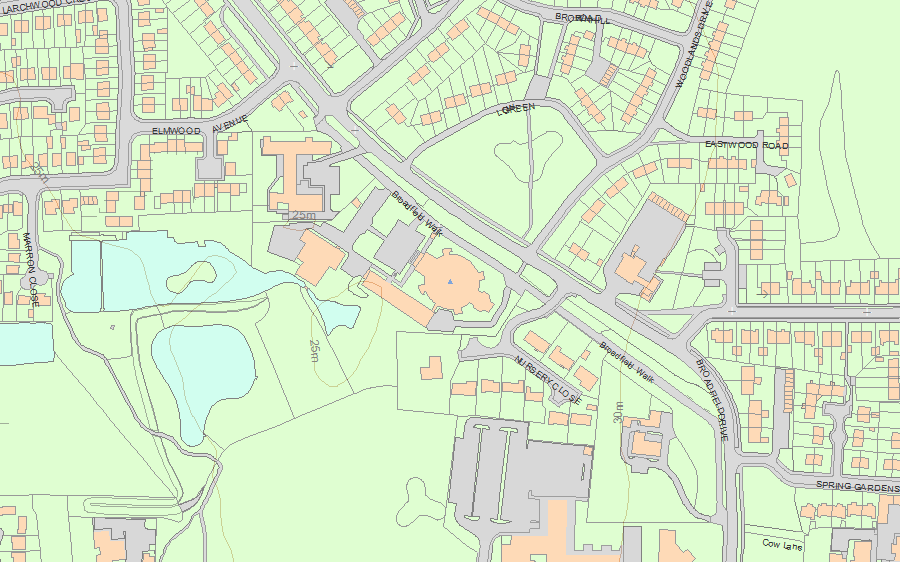
Broadfield Drive Leyland Lancashire PR25 1PD

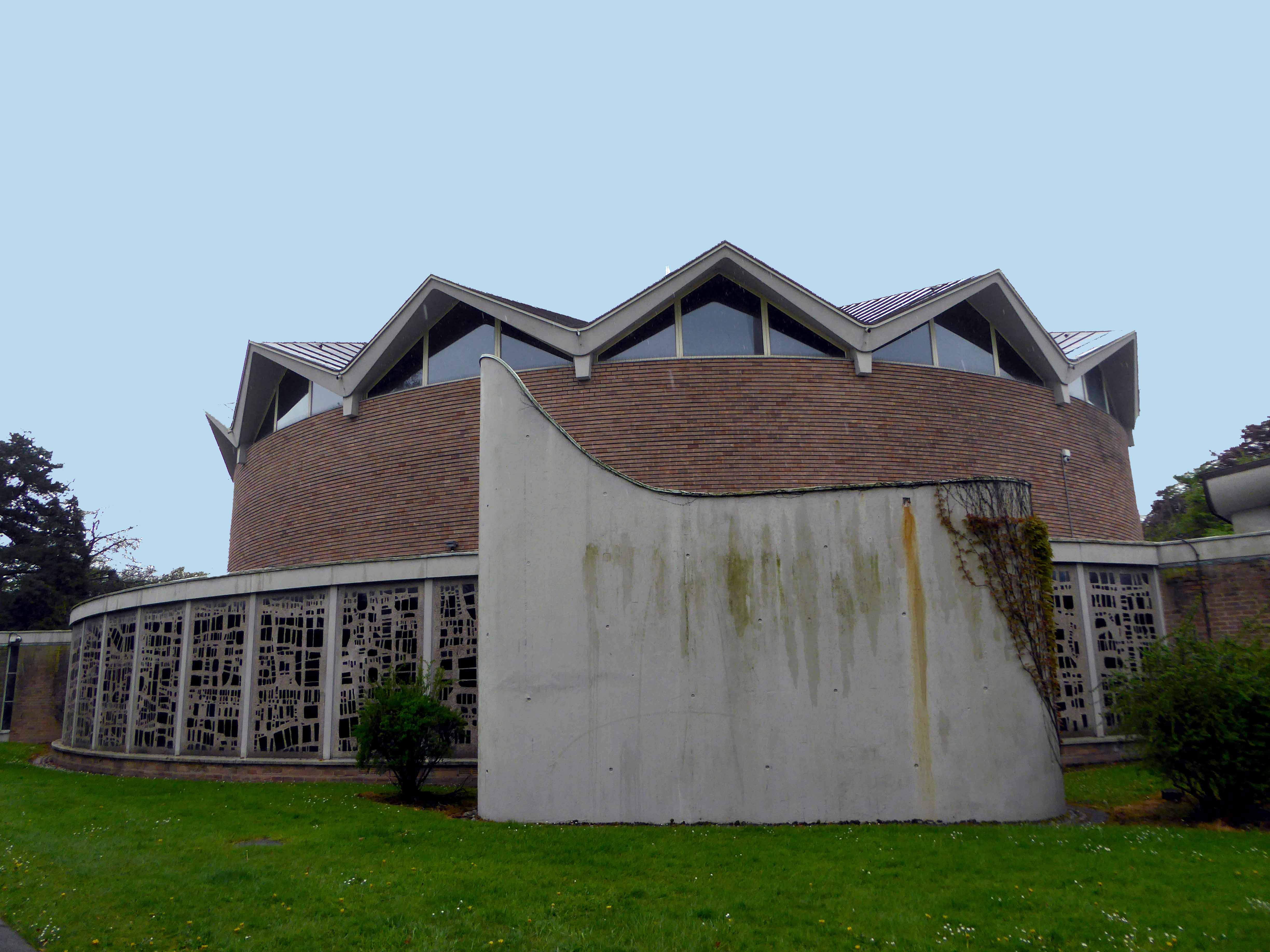
The Benedictines came to Leyland in 1845 and the first Church of St. Mary’s was built on Worden Lane in 1854. The Catholic population was small at this time, but had grown to around 500 by 1900. Growth was assisted by the industrial development of Leyland and after the Second World War the town was earmarked as the centre of a new town planned in central Lancashire. By the early 1960’s, the Catholic population was 5,000. Fr Edmund Fitzsimmons, parish priest from 1952, was a guiding force in the decision to build a large new church of advanced liturgical design, inspired by progressive continental church architecture of the mid 20th century.  The church was designed by Jerzy Faczynski of Weightman and Bullen. Cardinal Heenan blessed the foundation  stone  in  1962  and  the  new  church  was  completed  ready  for  its consecration and dedication by Archbishop Beck in April 1964.

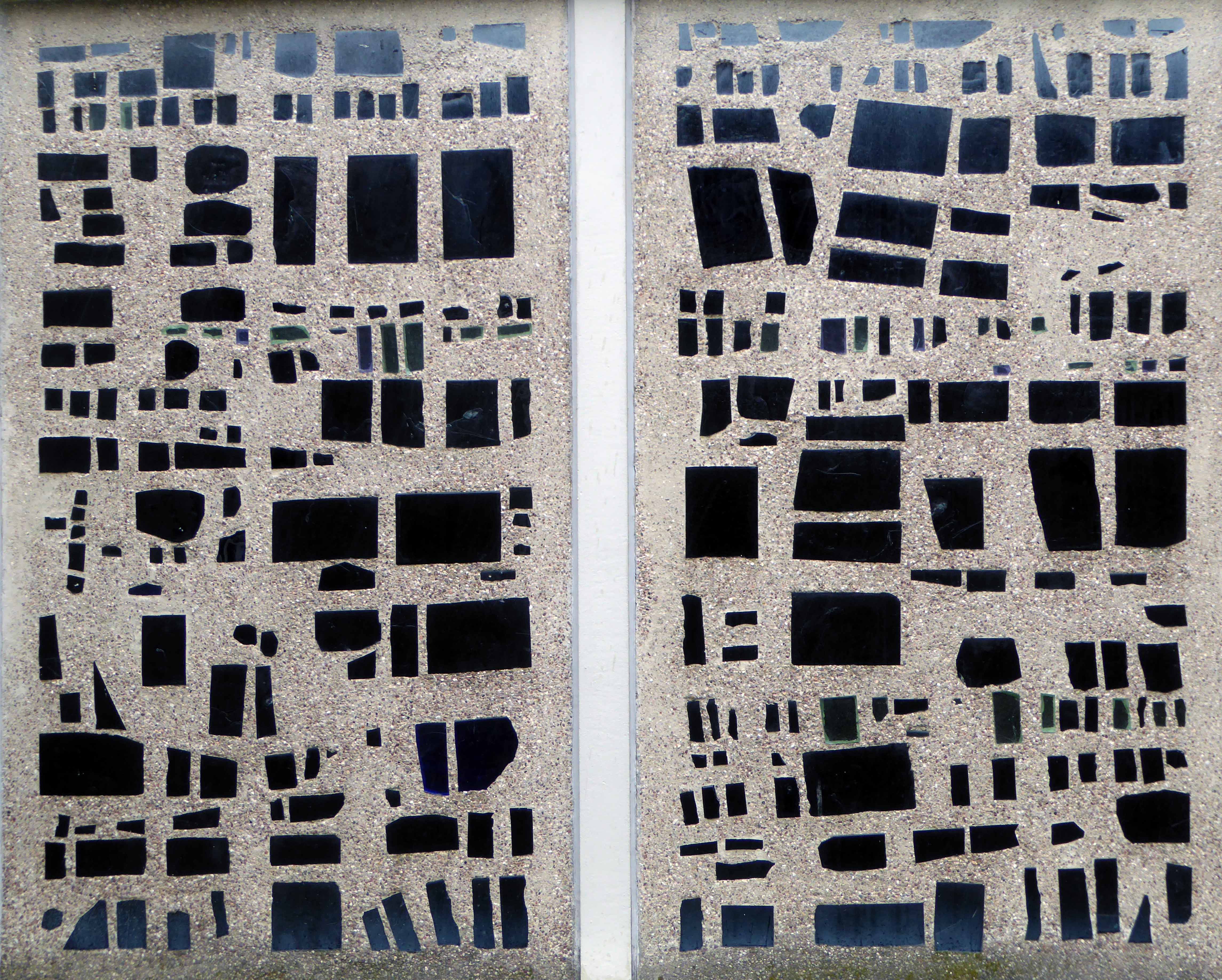
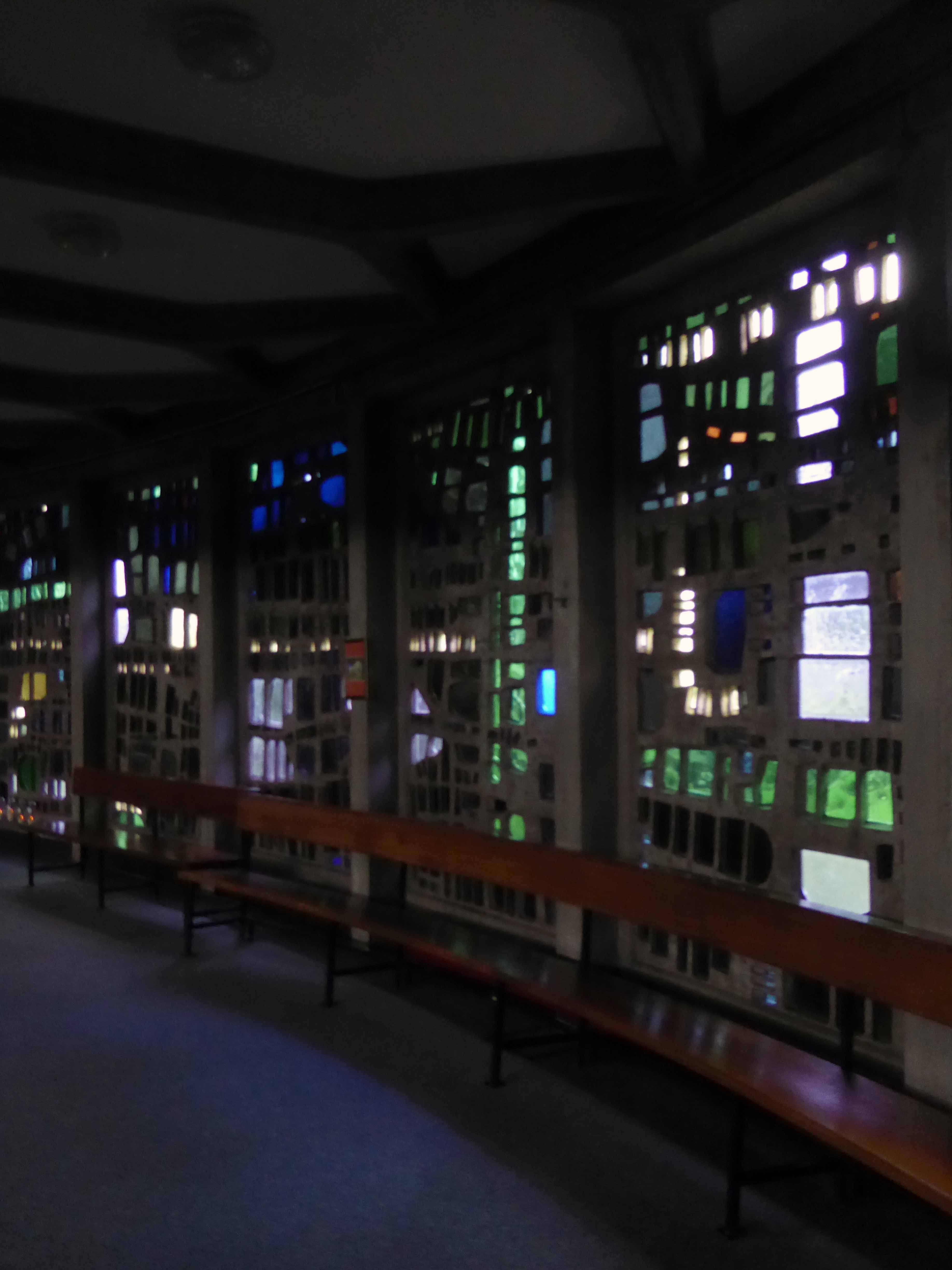
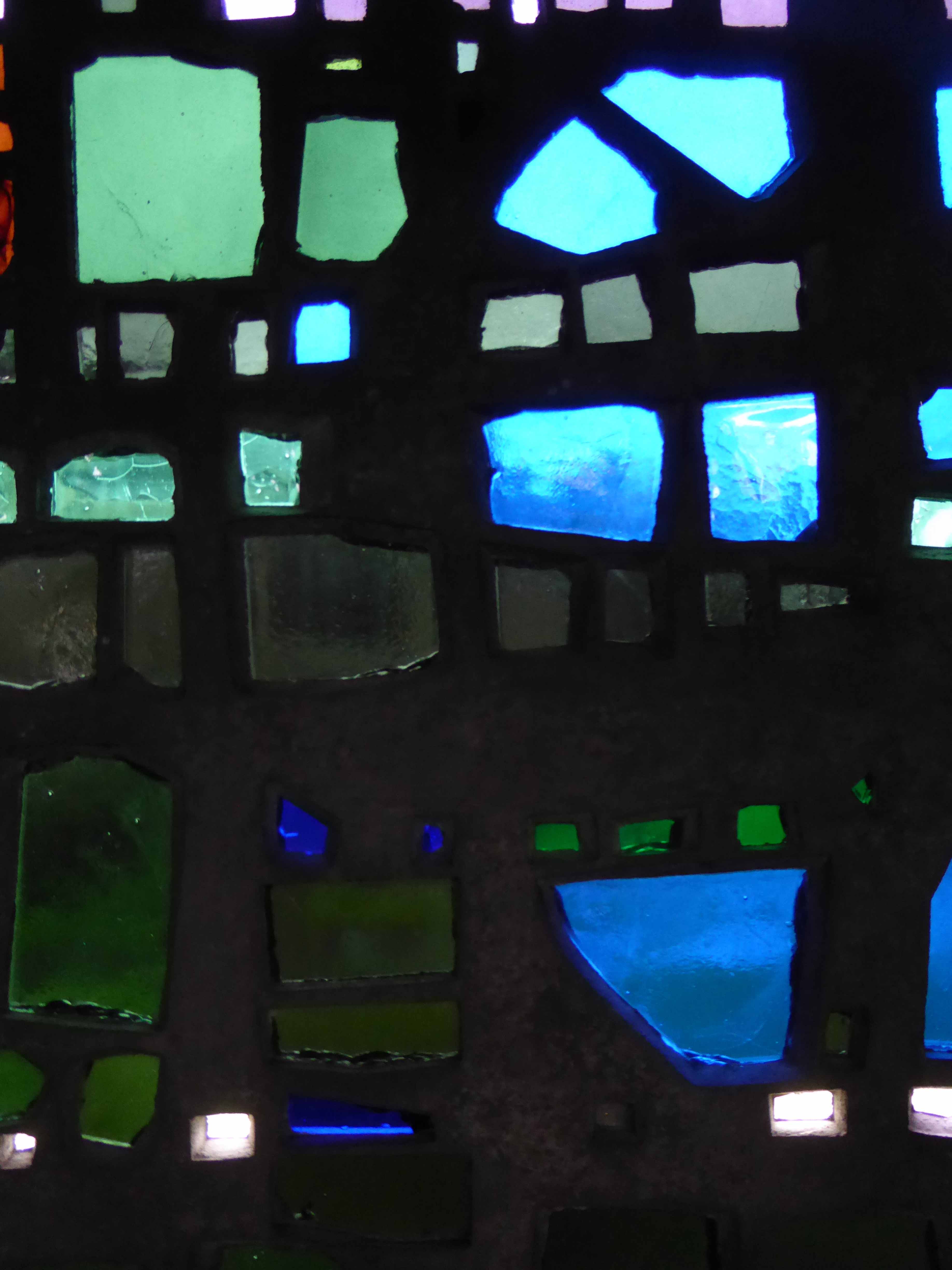
Stained glass by Patrick Reyntiens.

Pink brick, reinforced concrete, copper covered roofs, zig-zag to main space and flat to aisle. Circular, aisled plan with projecting entrance and five projecting chapels.

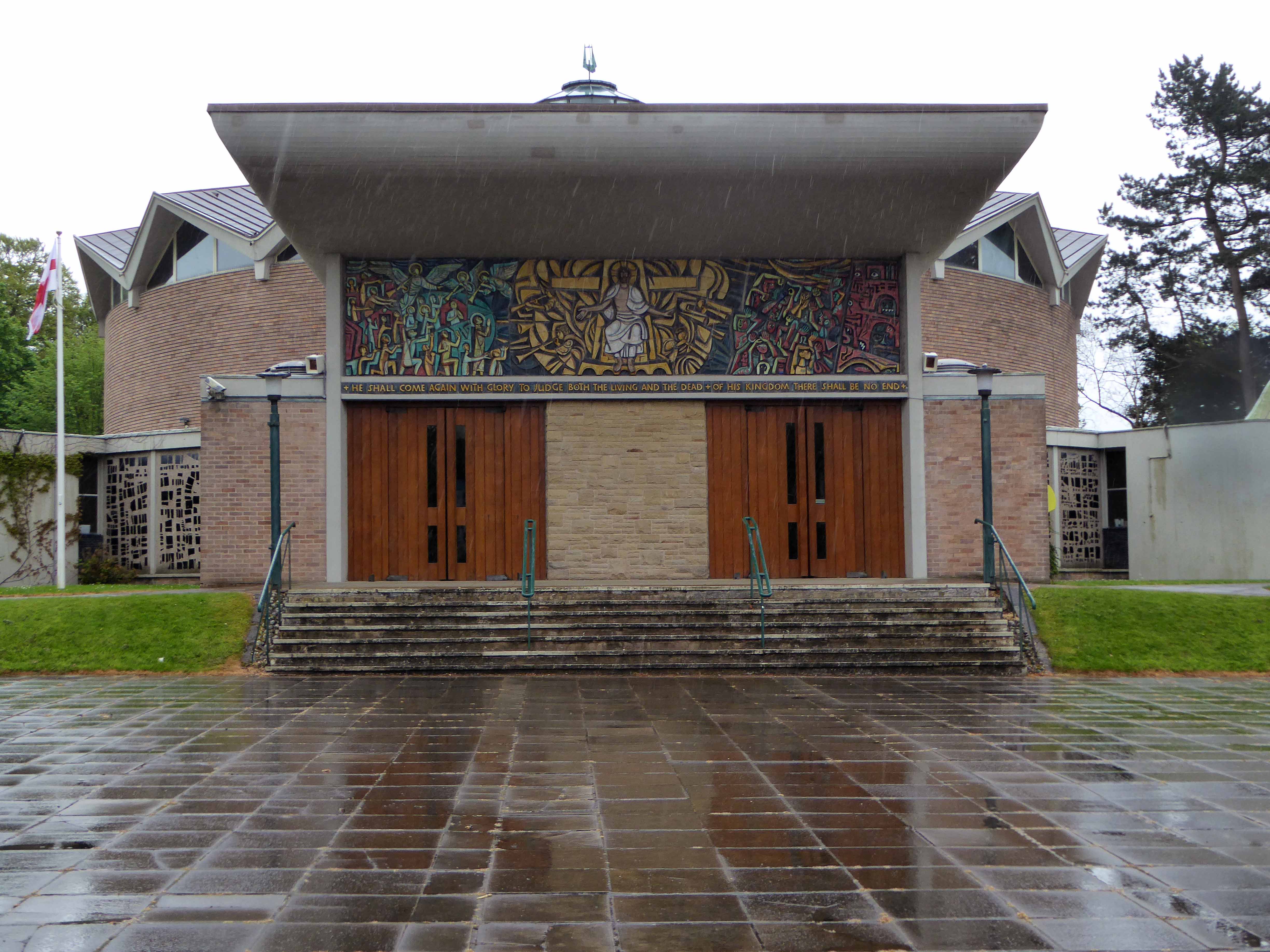
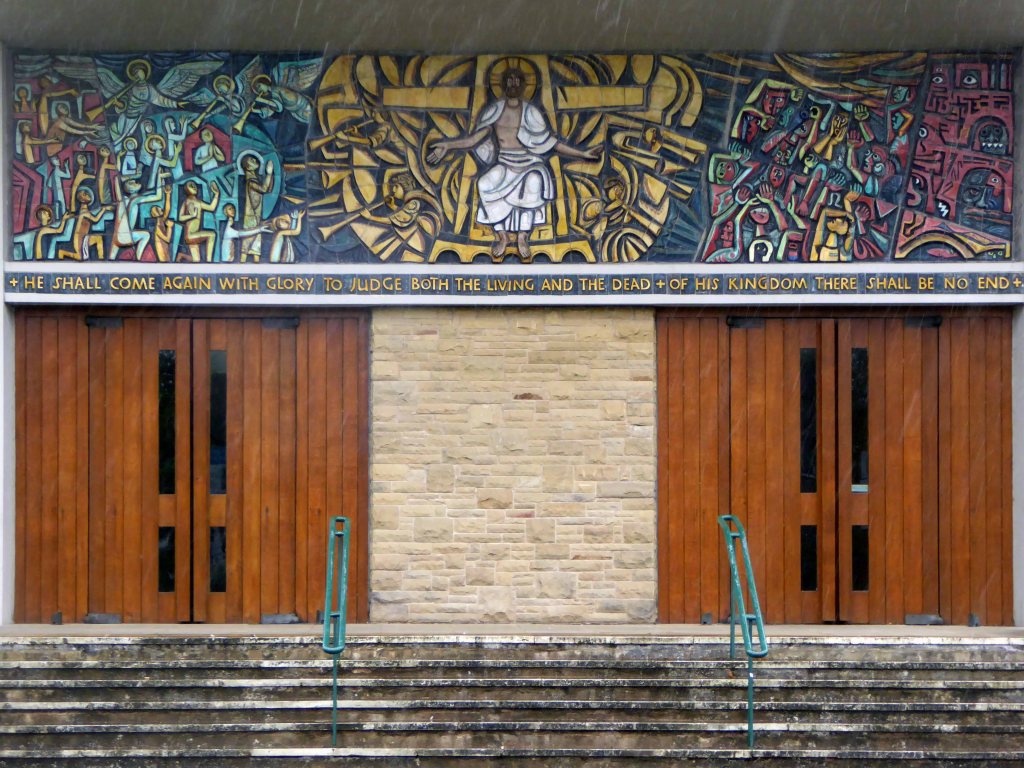
Central altar. Entrance in large projecting porch with roof rising outwards and the roof slab cantilevered above the doors, its underside curving upward.

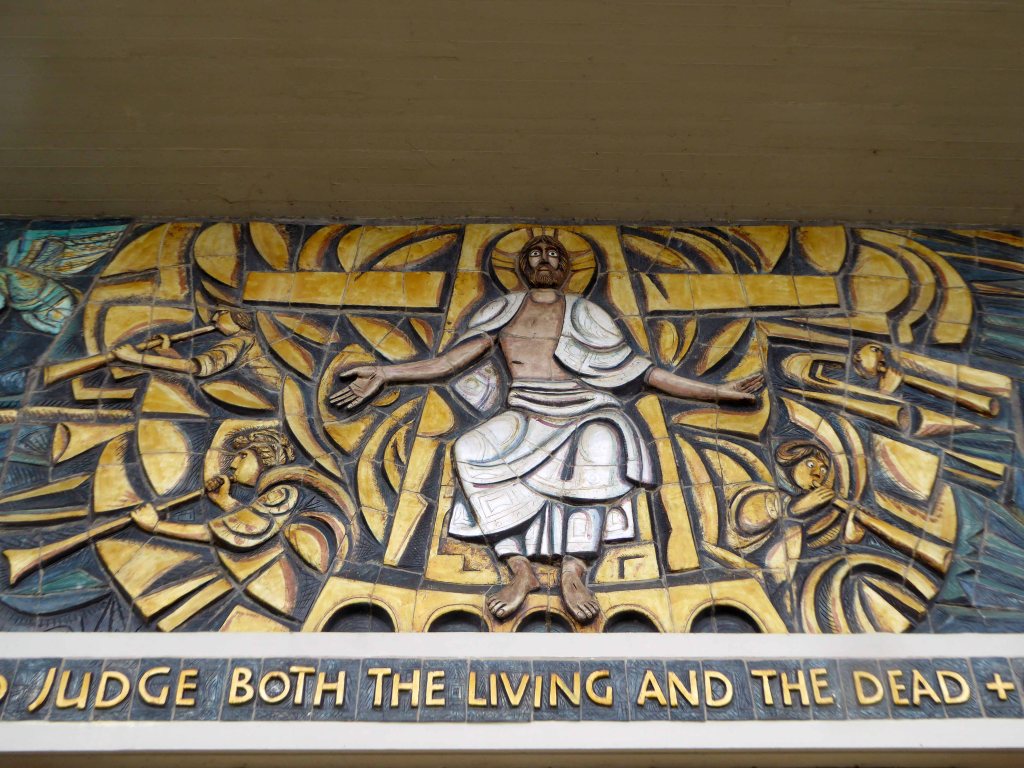
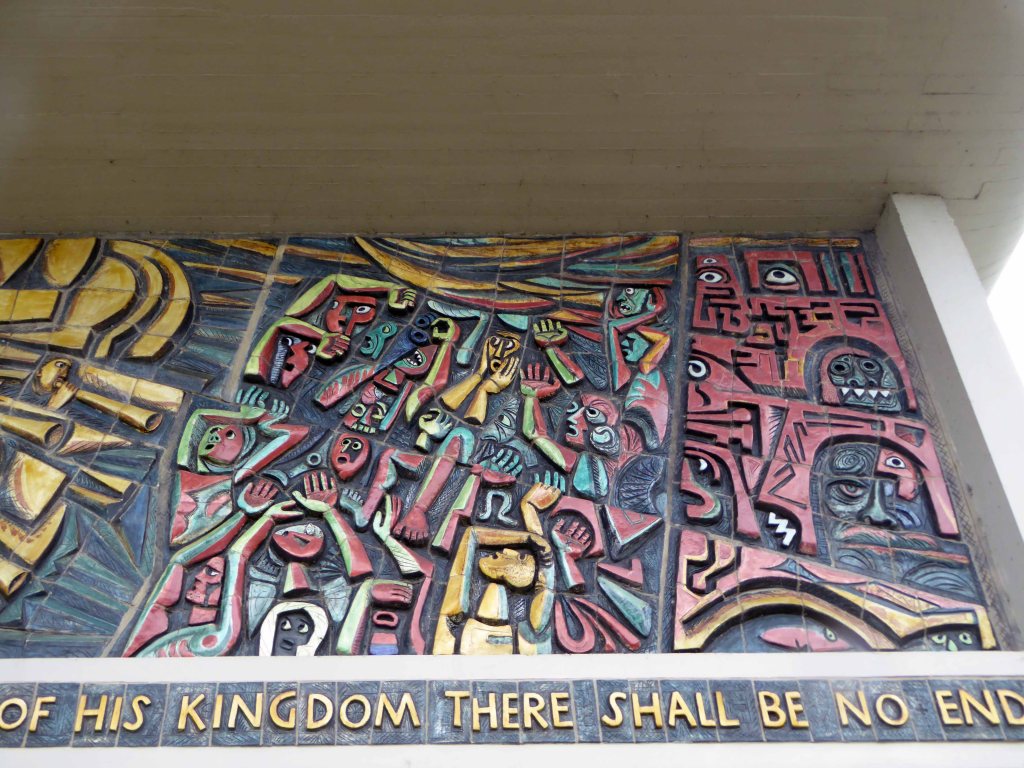
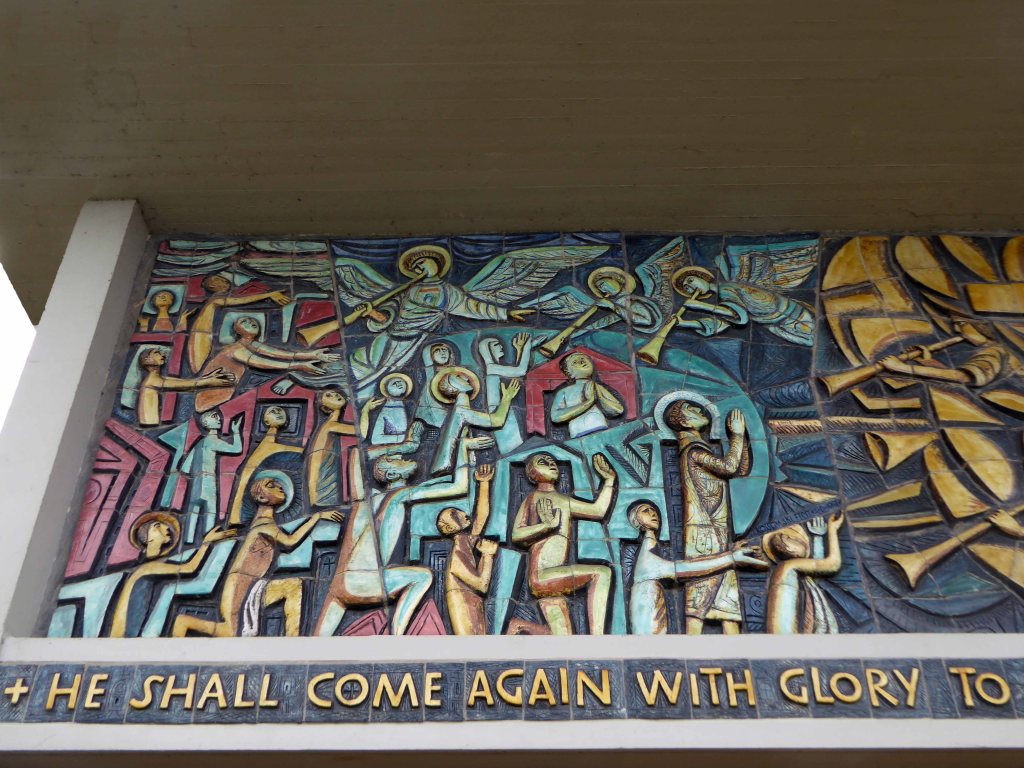
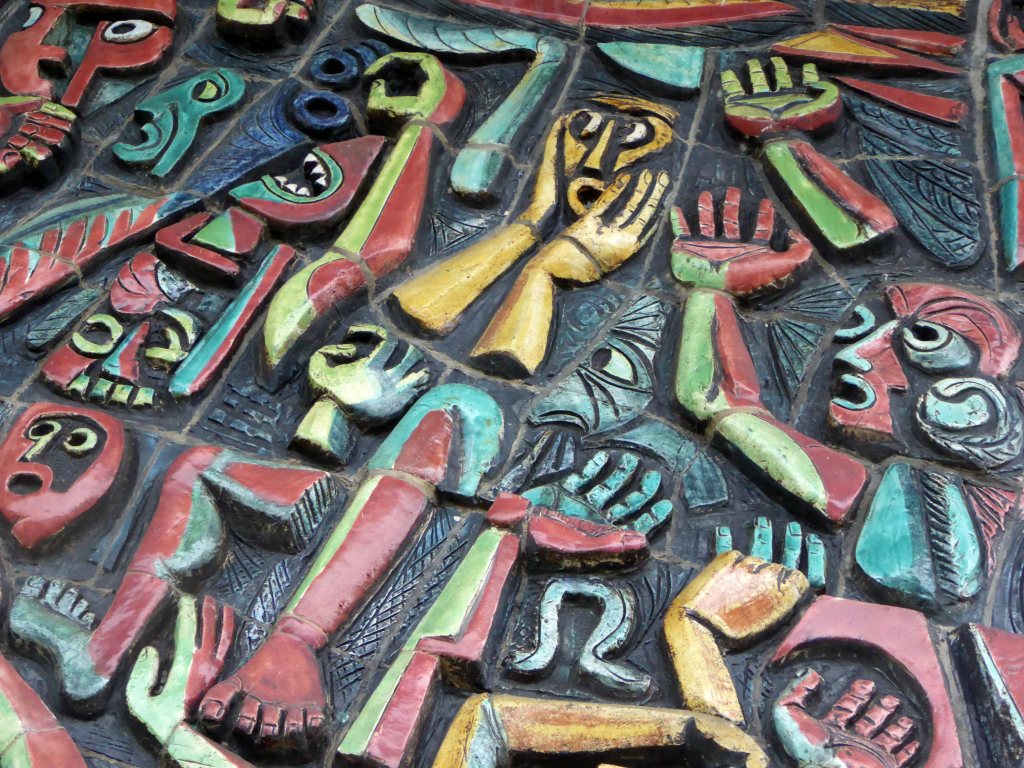
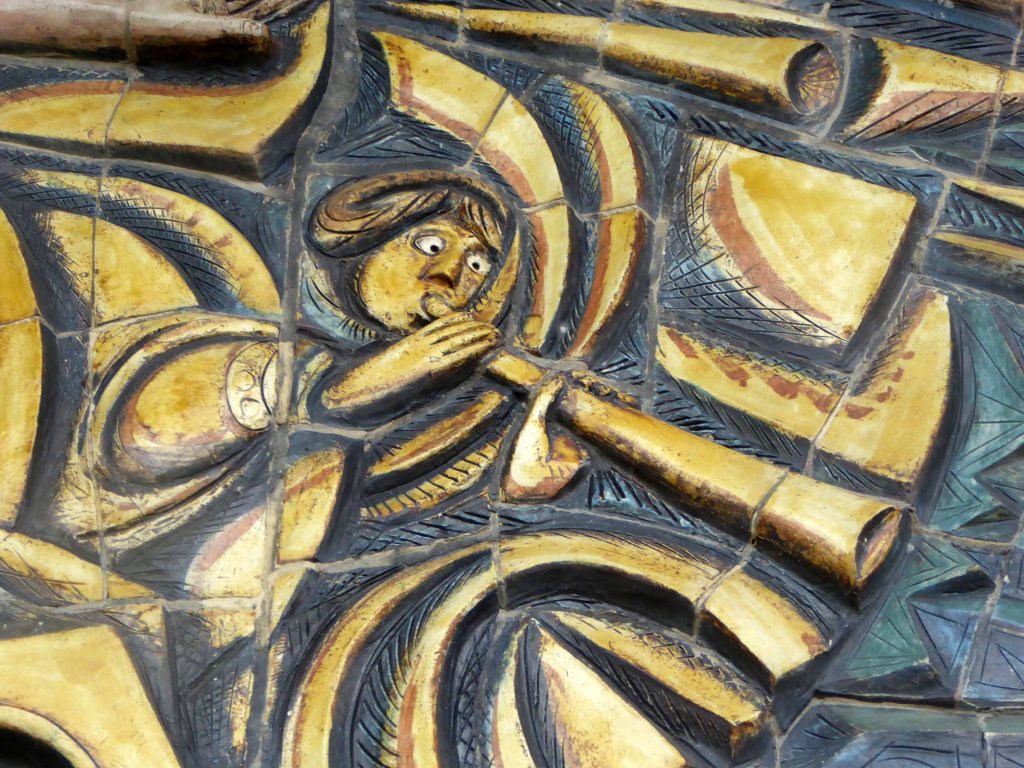
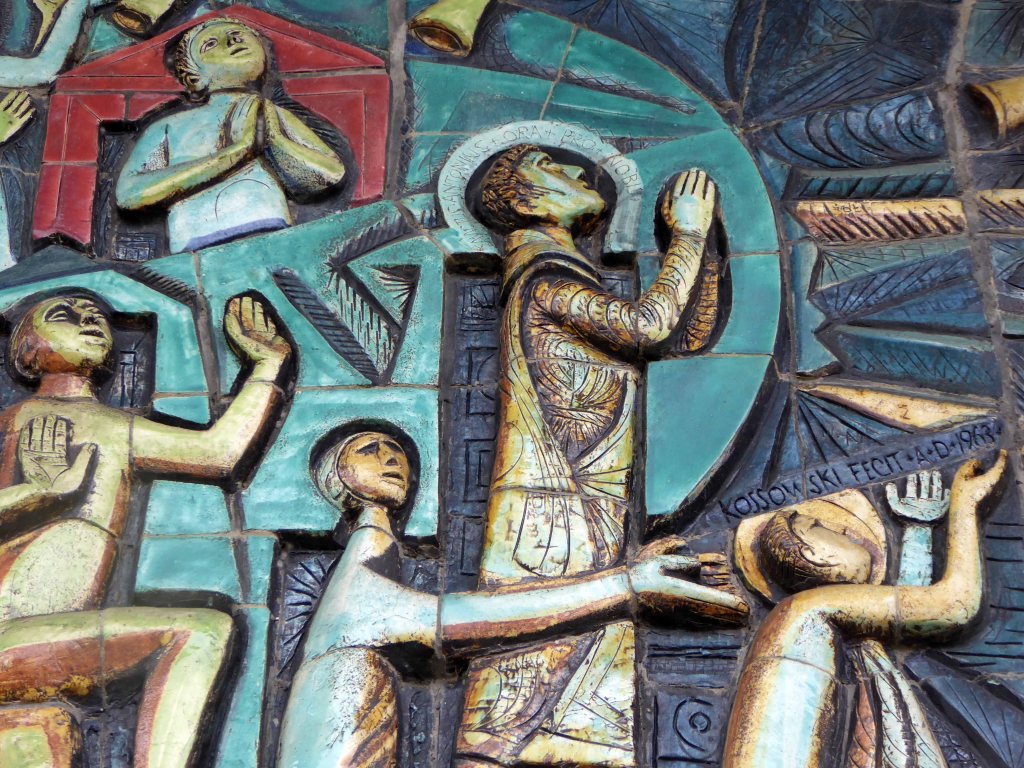
Large polychrome ceramic mural representing the Last Judgment by Adam Kossowski occupies the width of the porch above the two double- doored entrances.

Brick rotunda with projecting painted reinforced concrete chapels to left and right, of organic round-cornered form.

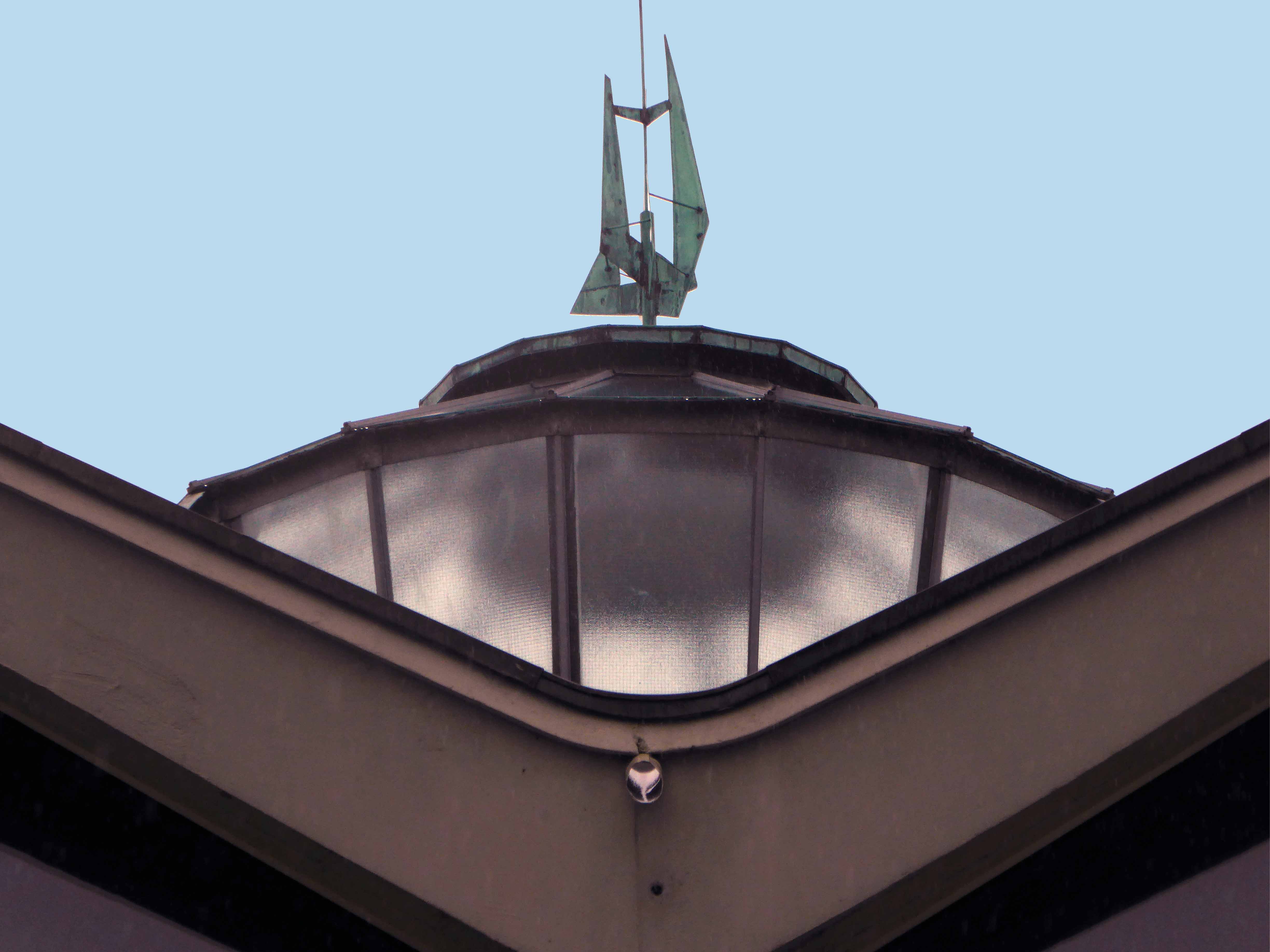
Folded radial roof above main space, leaning outwards to shelter triangular clerestory windows. Circular glazed light to centre of roof, its sides leaning outwards, culminating in a sculpted finial of copper or bronze.

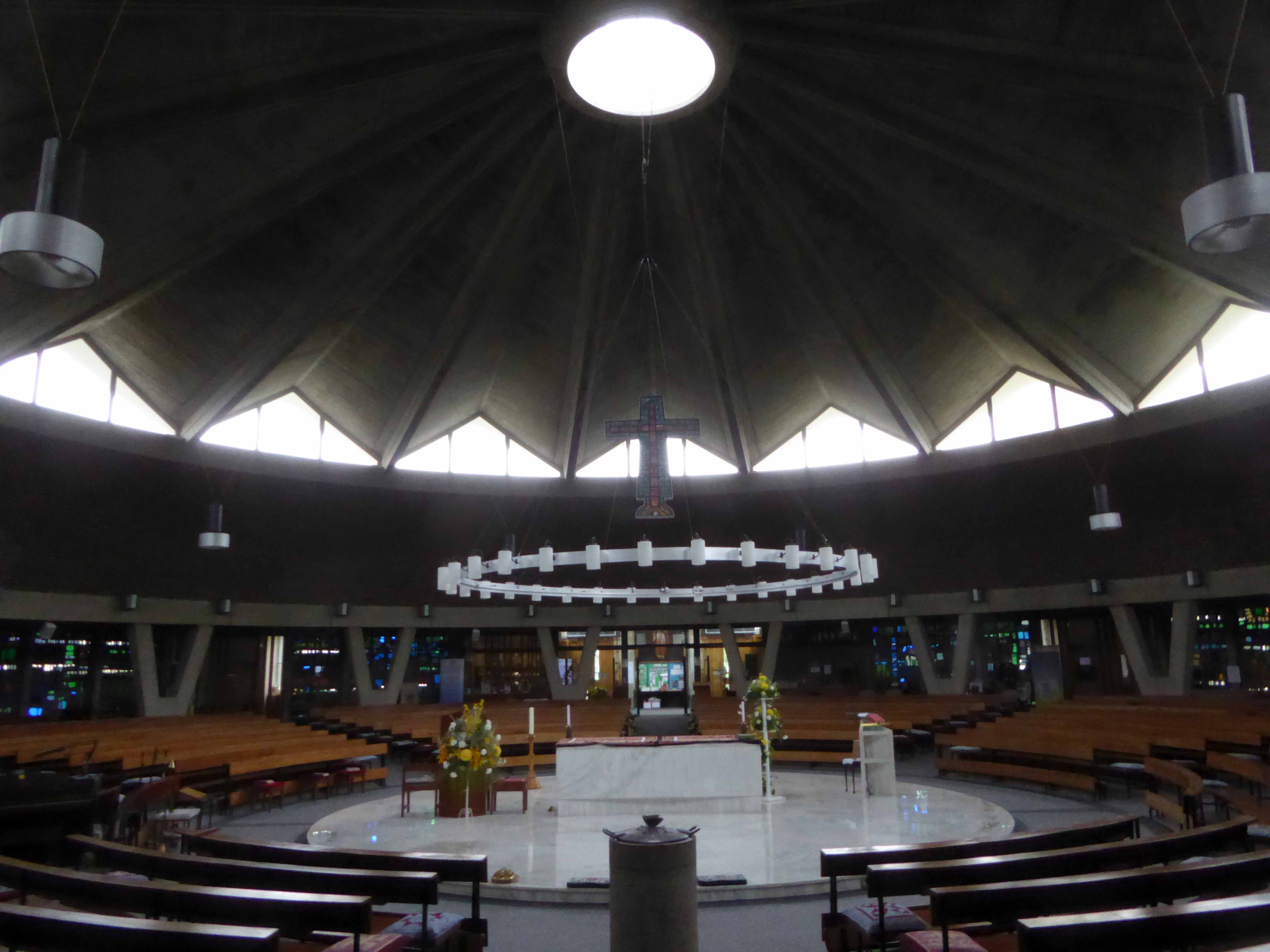
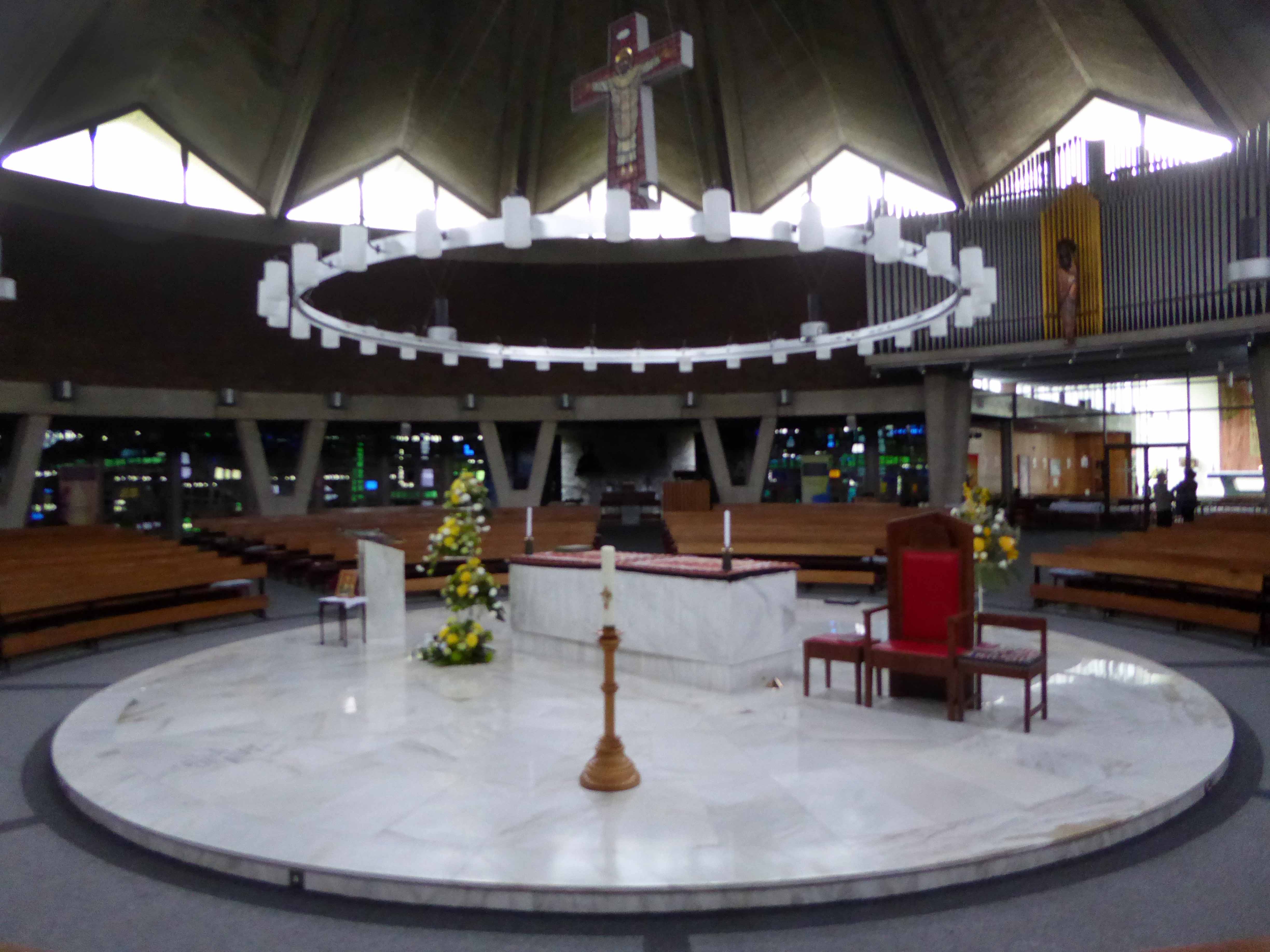
Internally, sanctuary is floored in white marble, raised by a step, and the white marble altar is raised by three further steps.

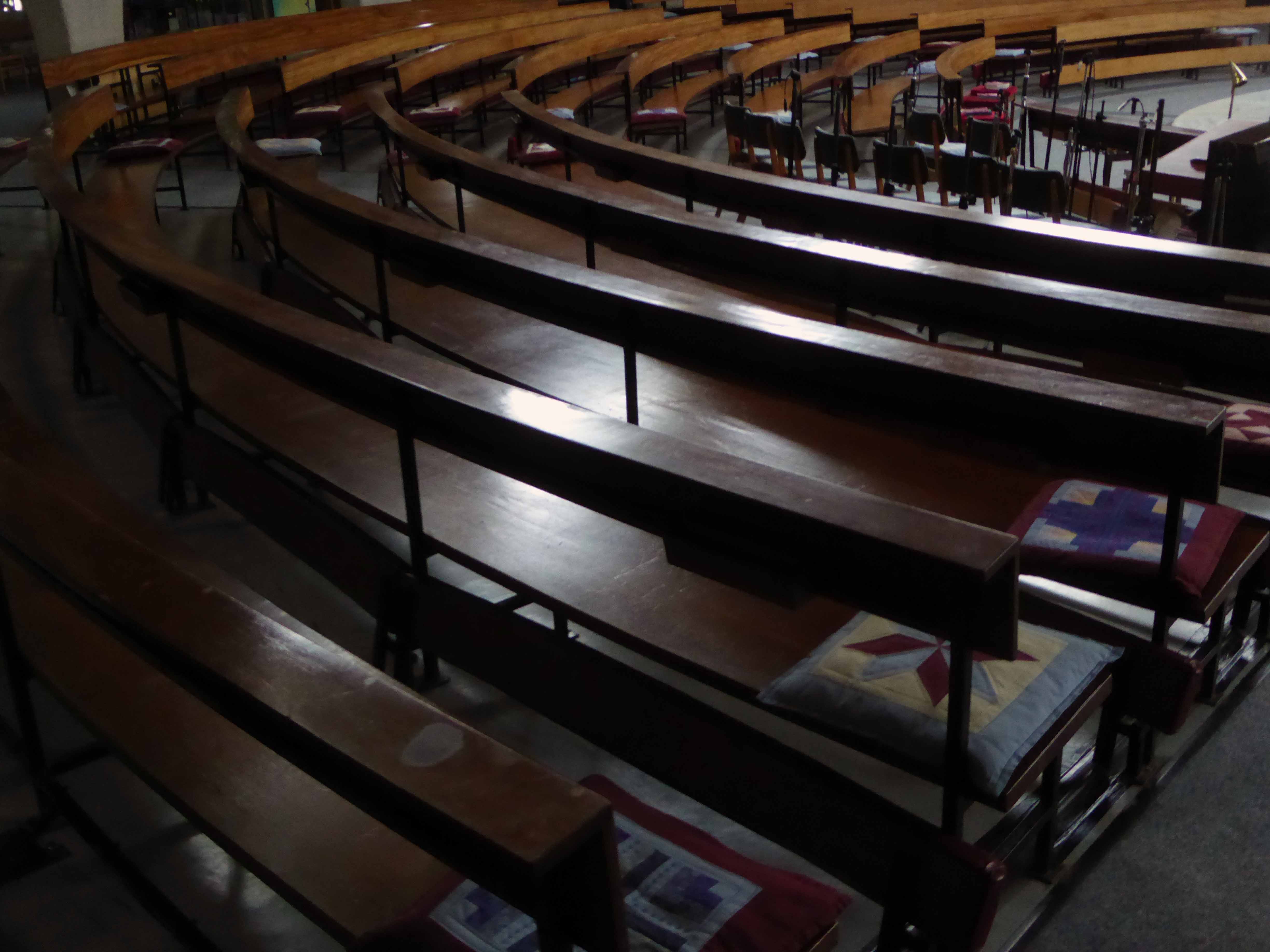
Fixed curved timber benches are placed on slightly raked floor.

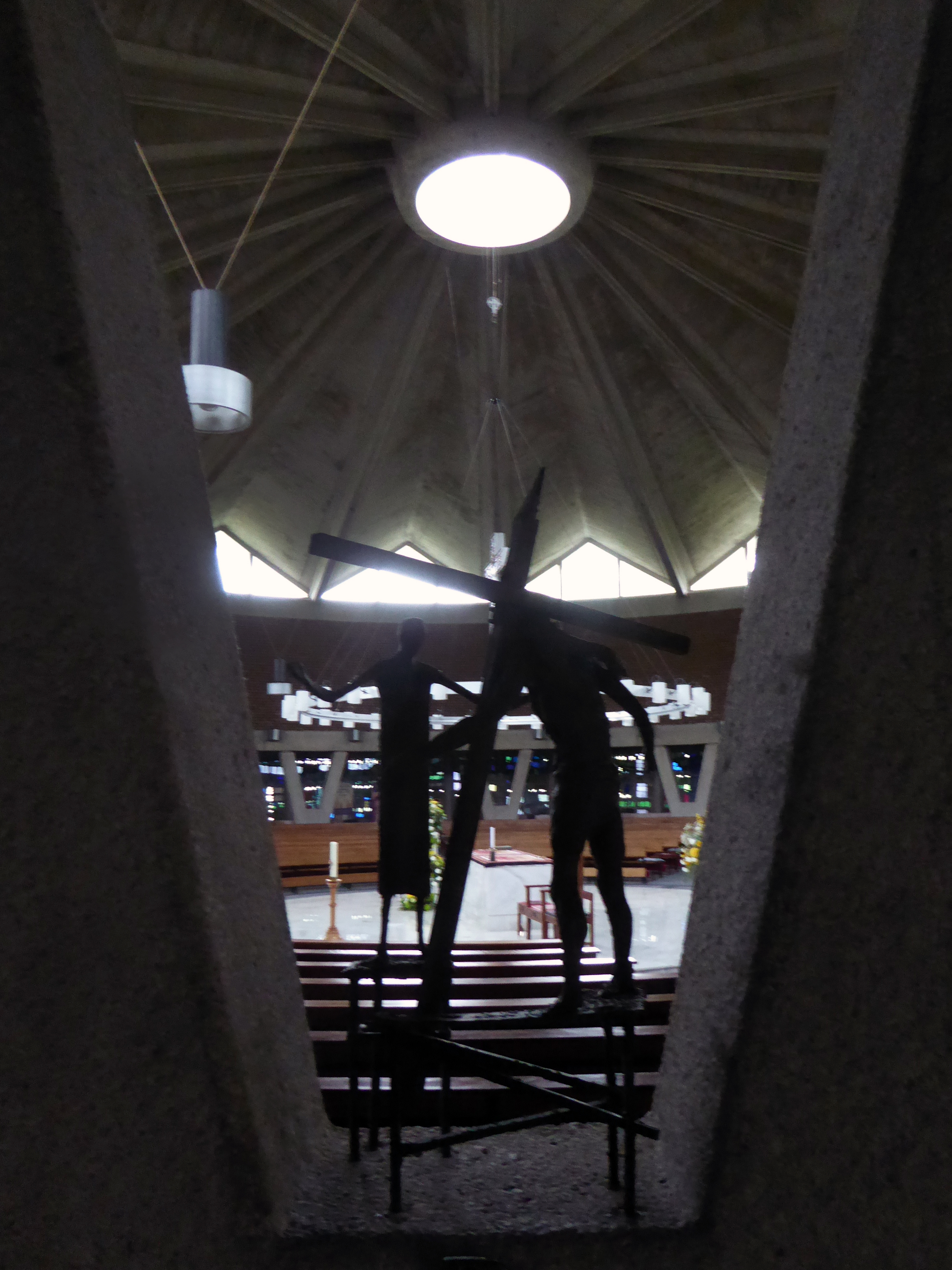
`Y’ shaped concrete aisle posts, designed to incorporate the Stations of the Cross, sculpted by Arthur Dooley.

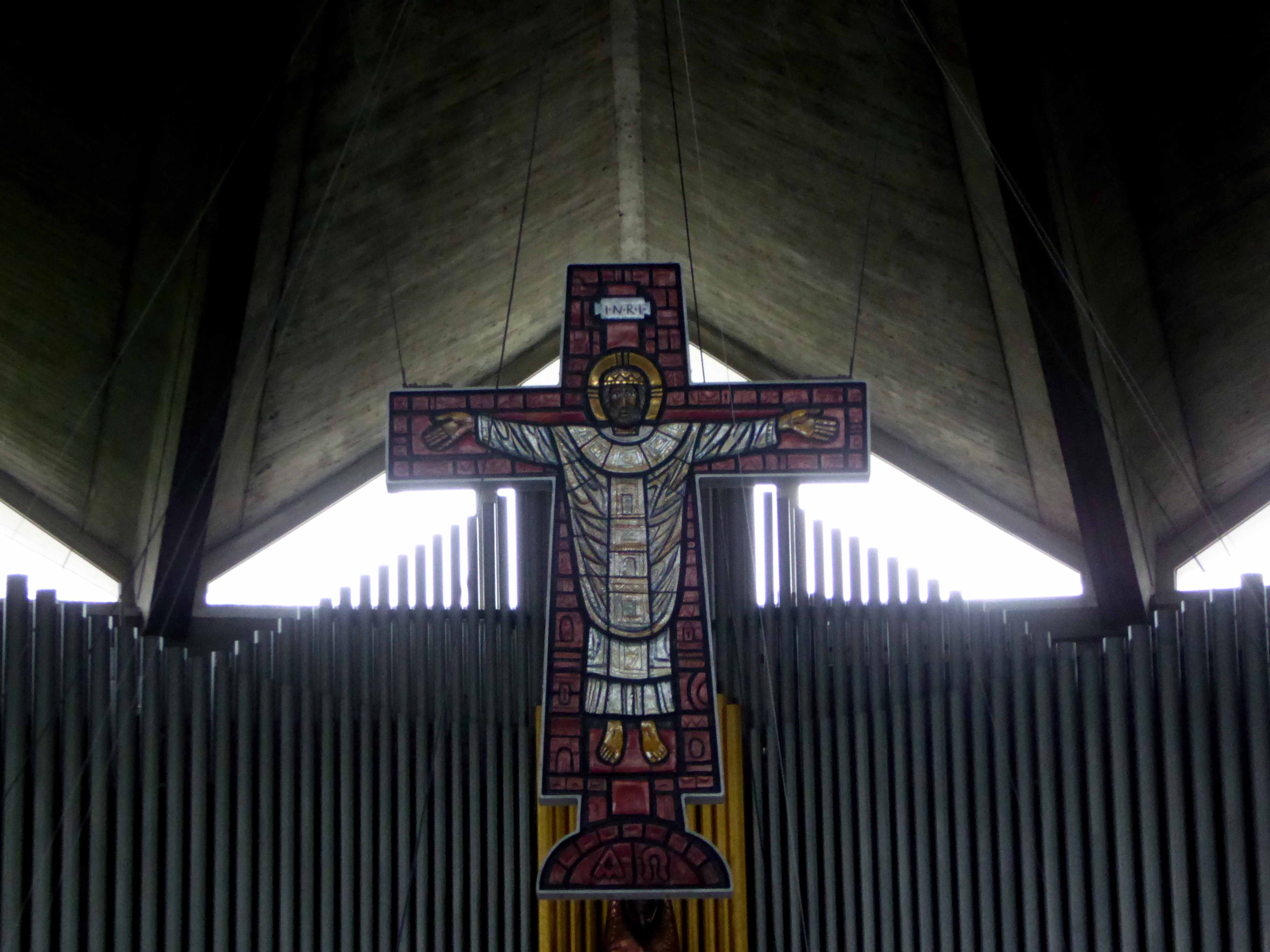
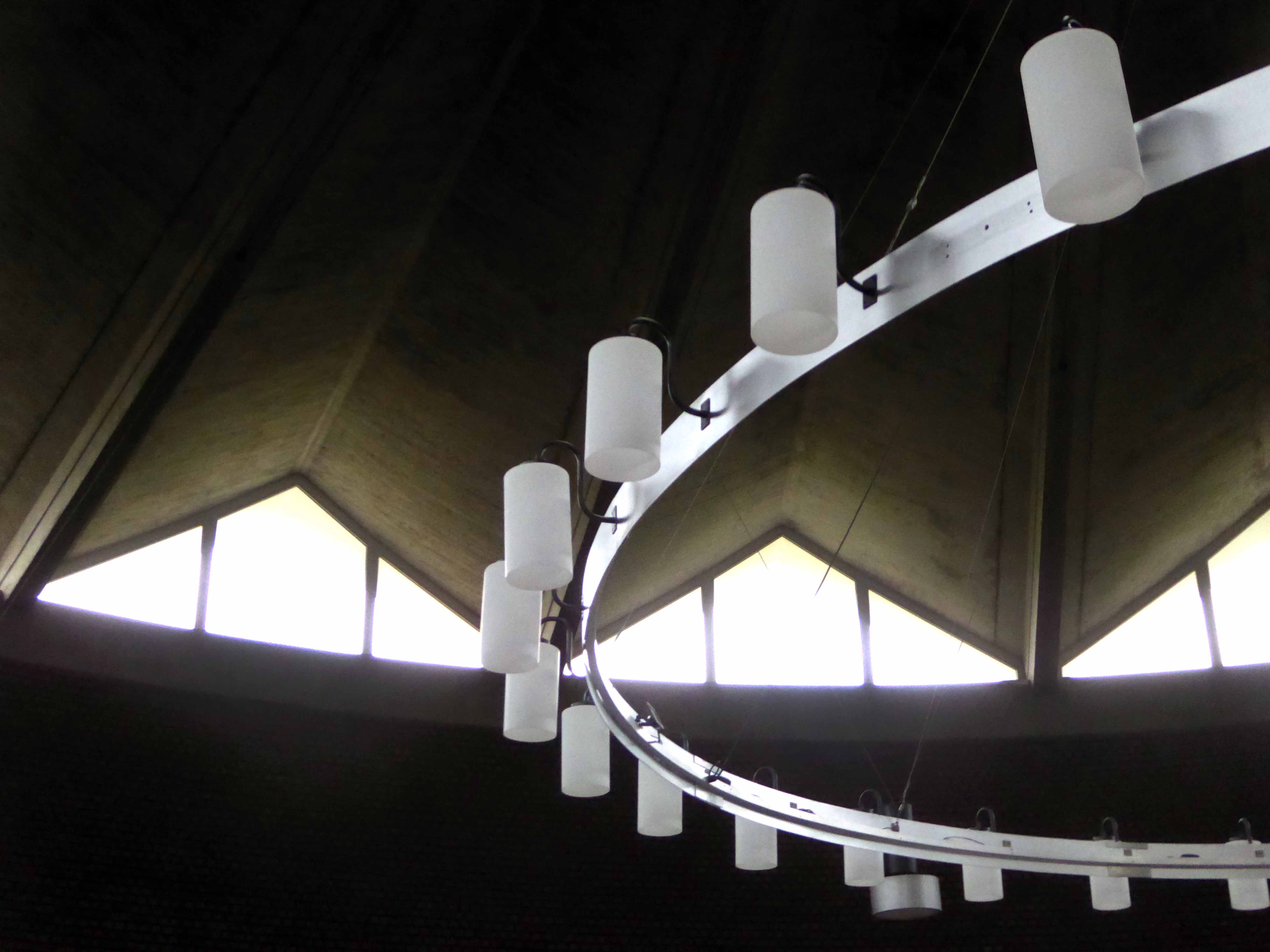
Above these the exposed brick drum rises to the exposed, board-marked concrete folded roof. The aisle walls comprise thirty-six panels of abstract dalle-de-verre stained glass, totalling 233 feet in length, by Patrick Reyntiens, mostly in blues and greens. The theme is the first day of Creation. Suspended above the altar is the original ring-shaped light fixture, and also Adam Kossowski’s ceramic of Christ the King.

Further original light fittings are suspended above the congregation.

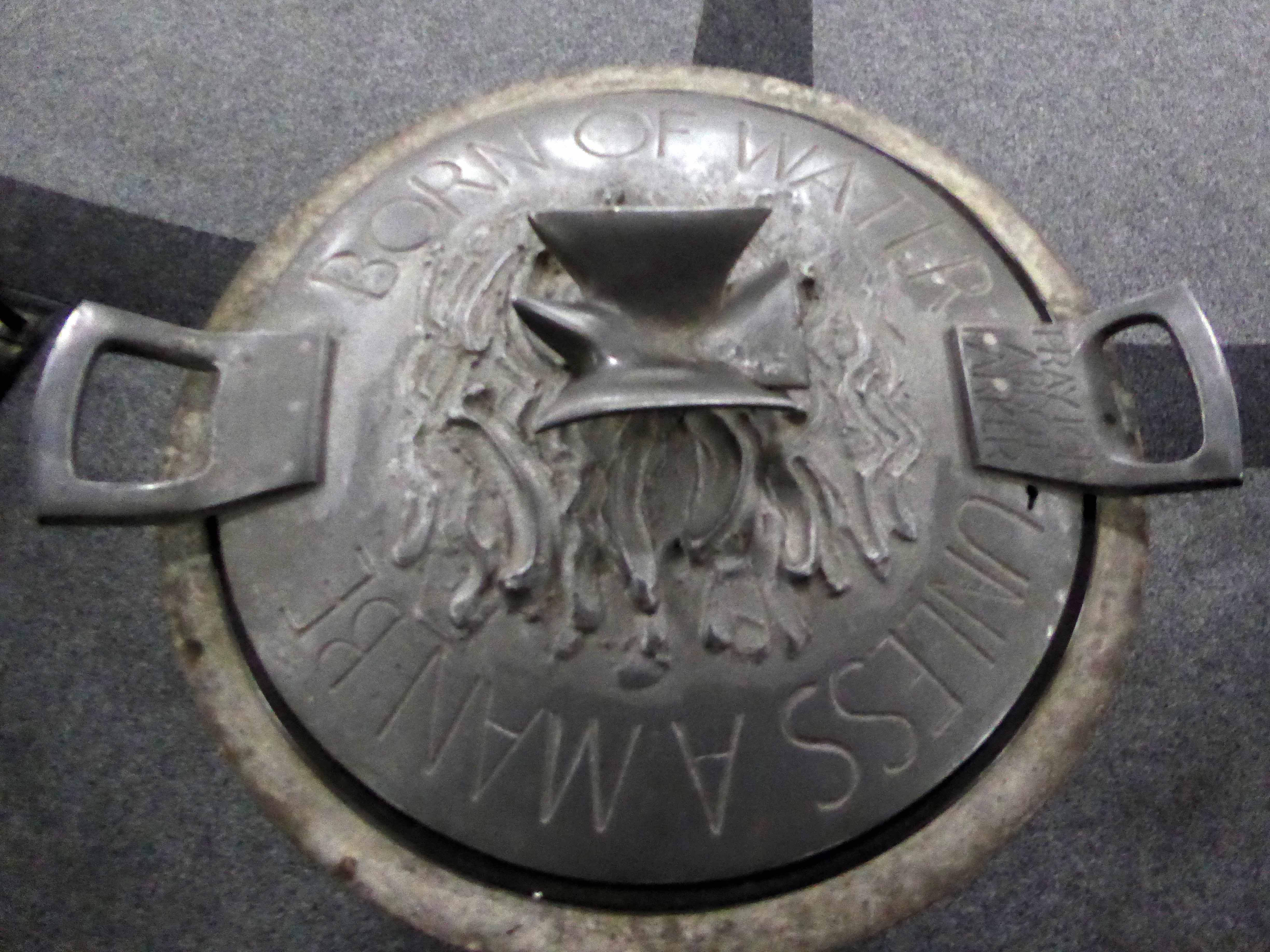
The font is placed in the narthex, in a shallow, marble-lined depression in the floor. It comprises a concrete cylinder with an inscribed bronze lid.

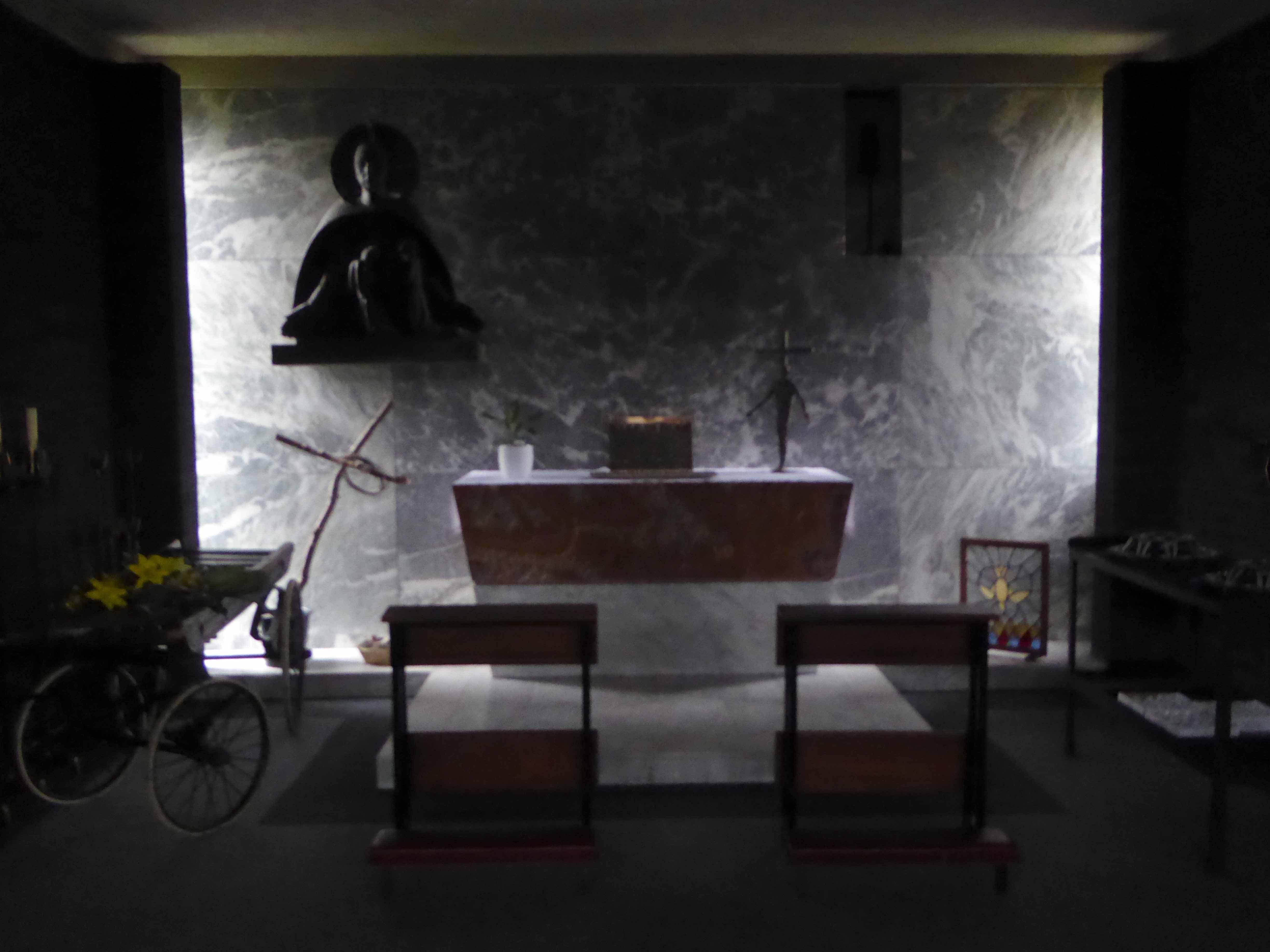
The Blessed Sacrament Chapel, with its rising roof slab, contains a green marble altar with in-built raking supports.

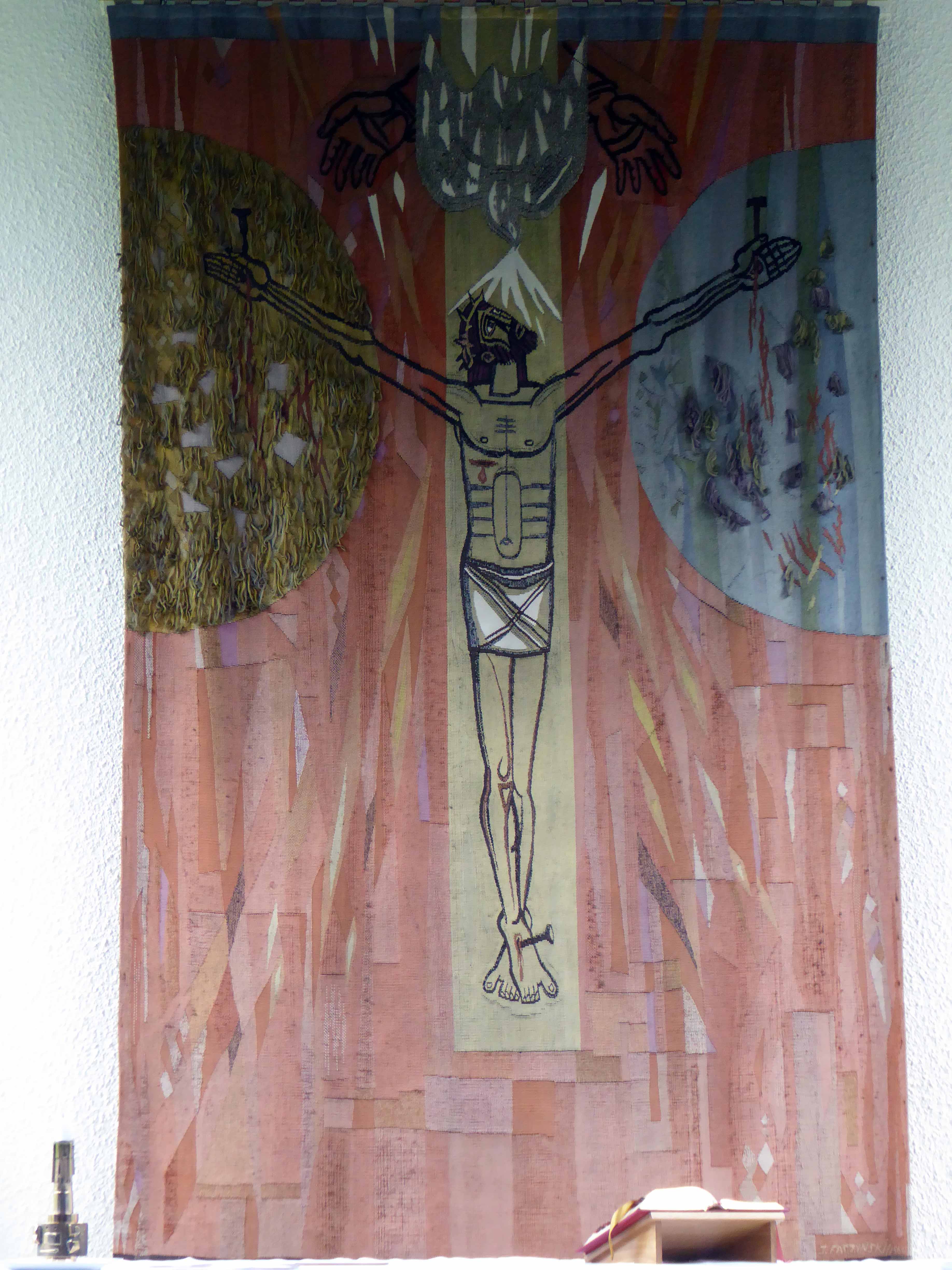
Behind it is a tapestry representing the Trinity, designed by the architect J. Faczynski.

Text from Taking Stock

Many thanks to Father John and the members of the congregation for the warm welcome that they extended to us on the day of our visit to their exceptional Grade II Listed church.

William Mitchell – Newton Heath

On meeting an old friend in Manchester – following previous encounters in Coventry, Salford and Liverpool

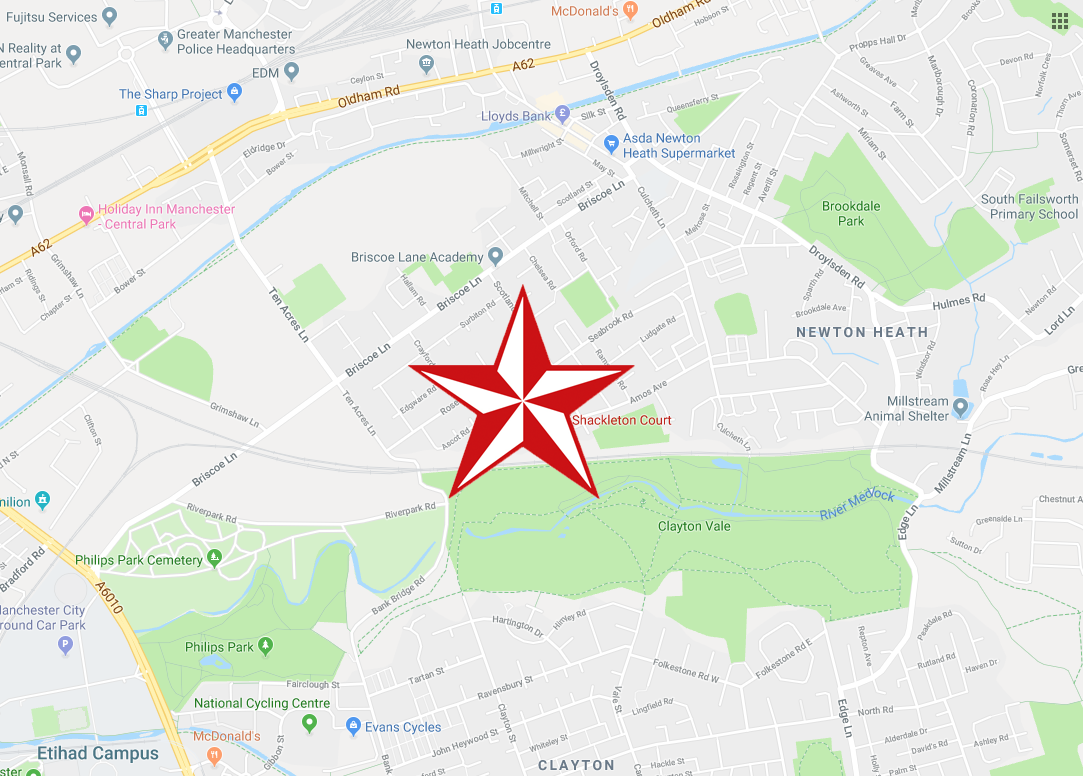
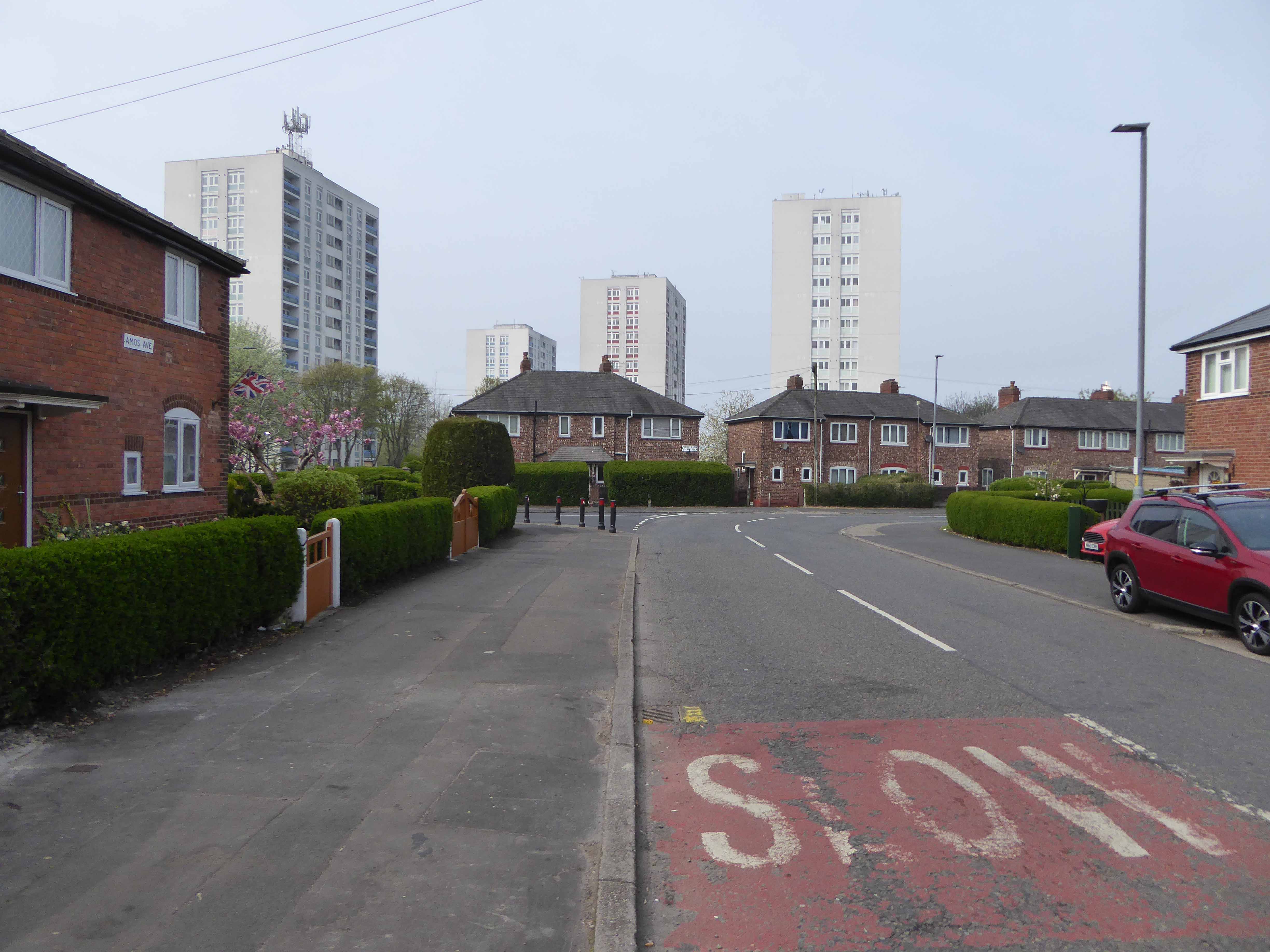
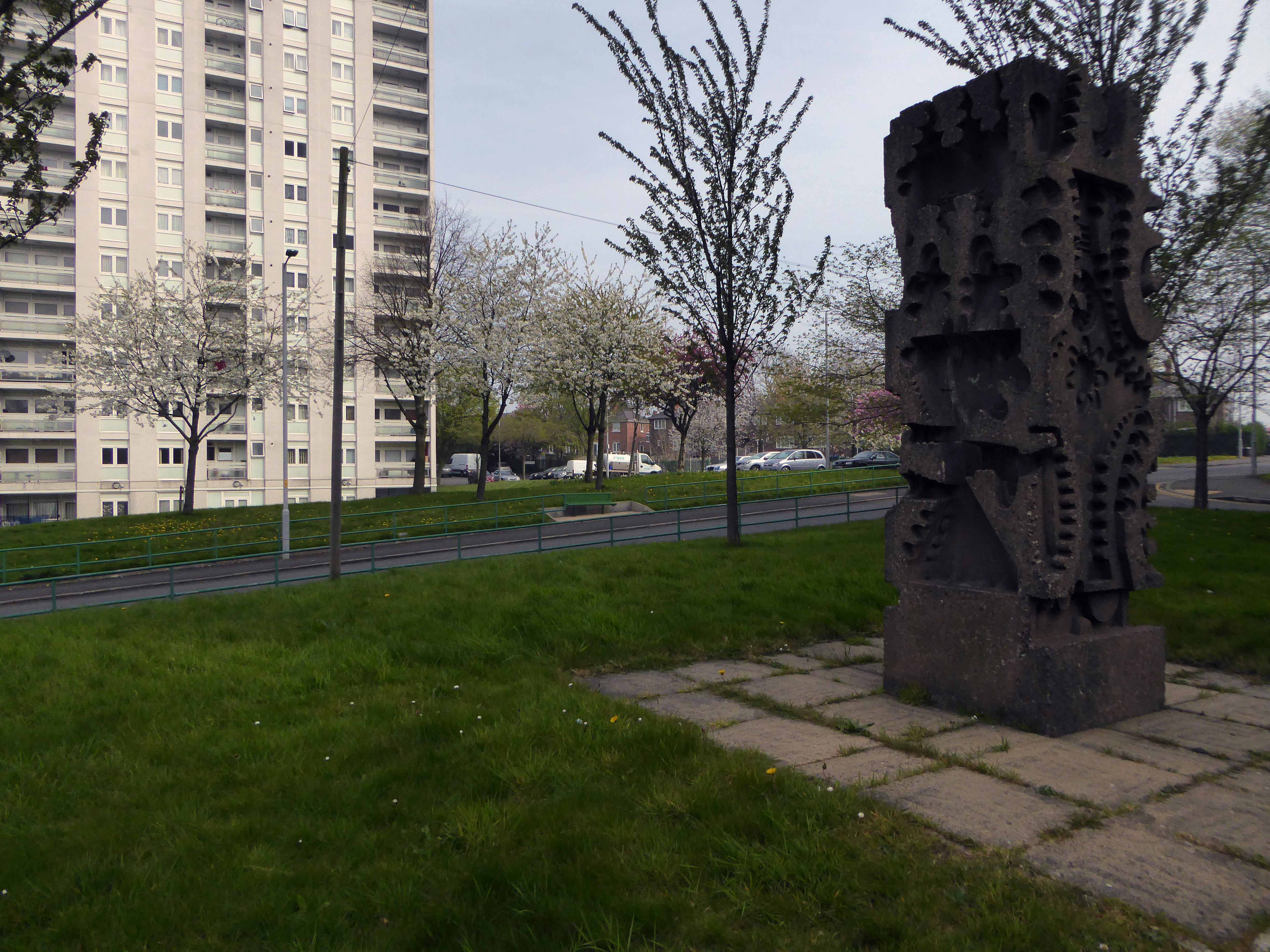
Following a lead from Neil Simpson I cycled along Clayton Vale and emerged on Amos Avenue where the flats came into view.

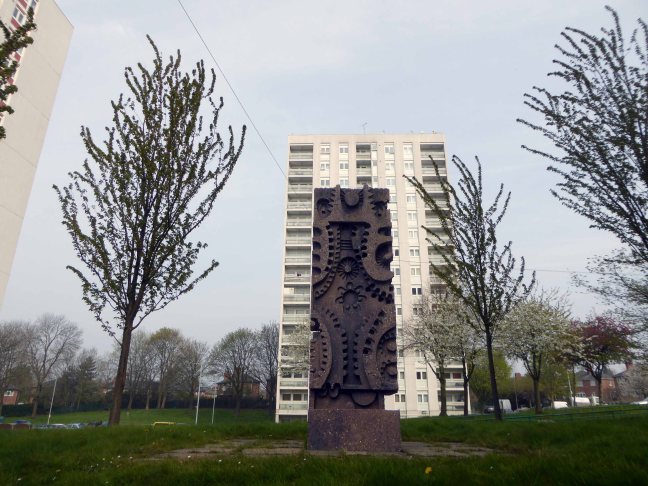
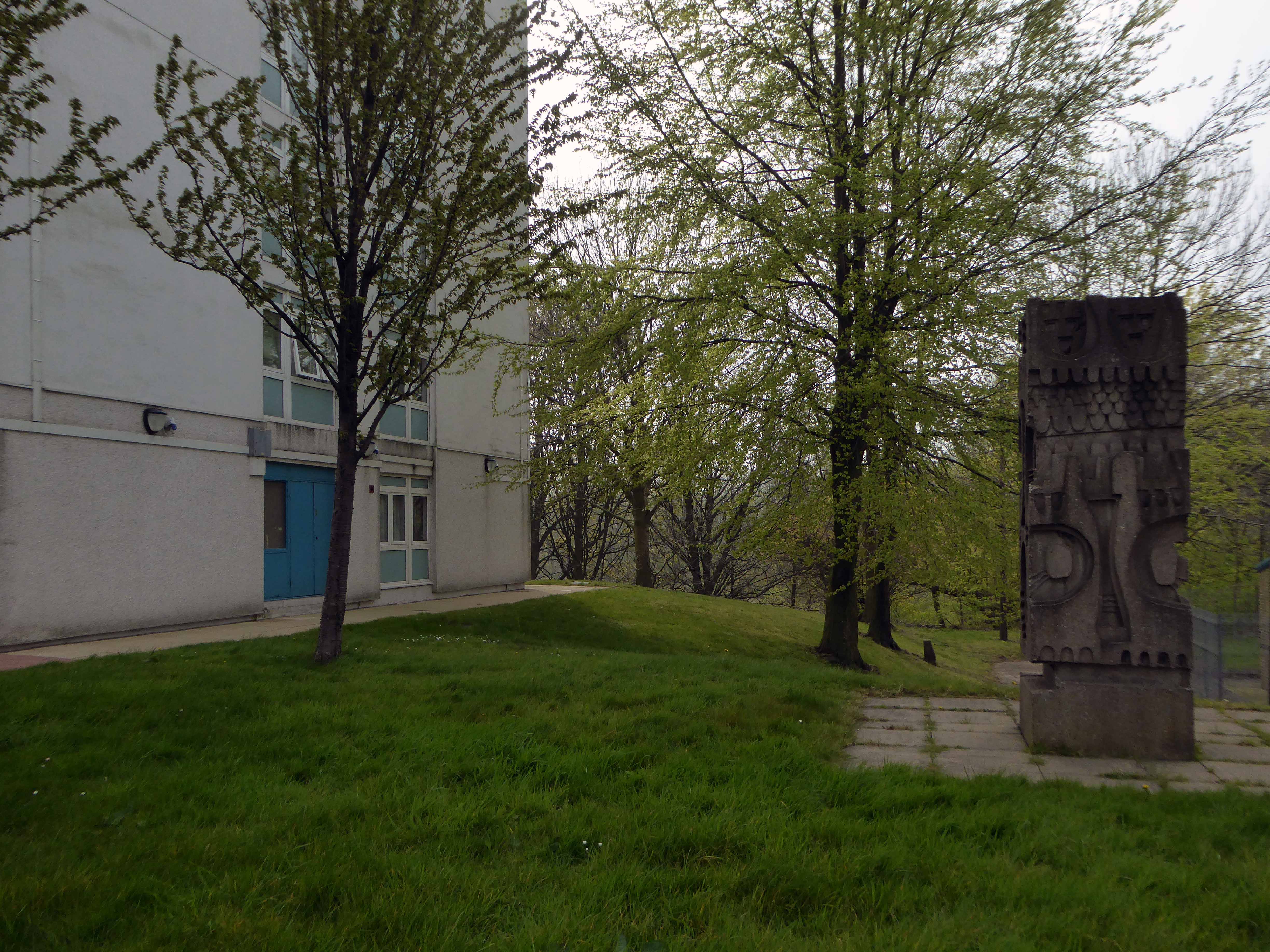
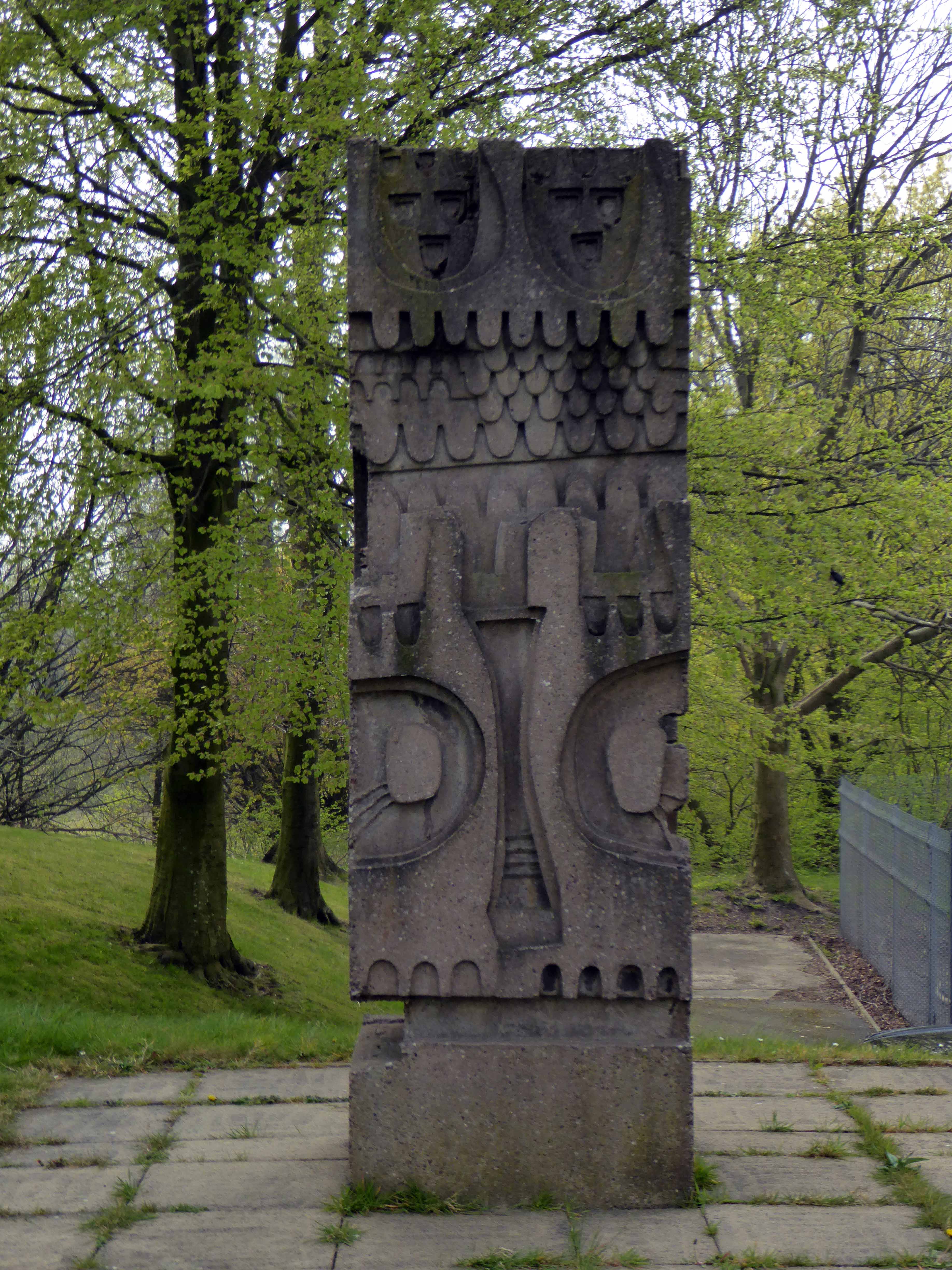
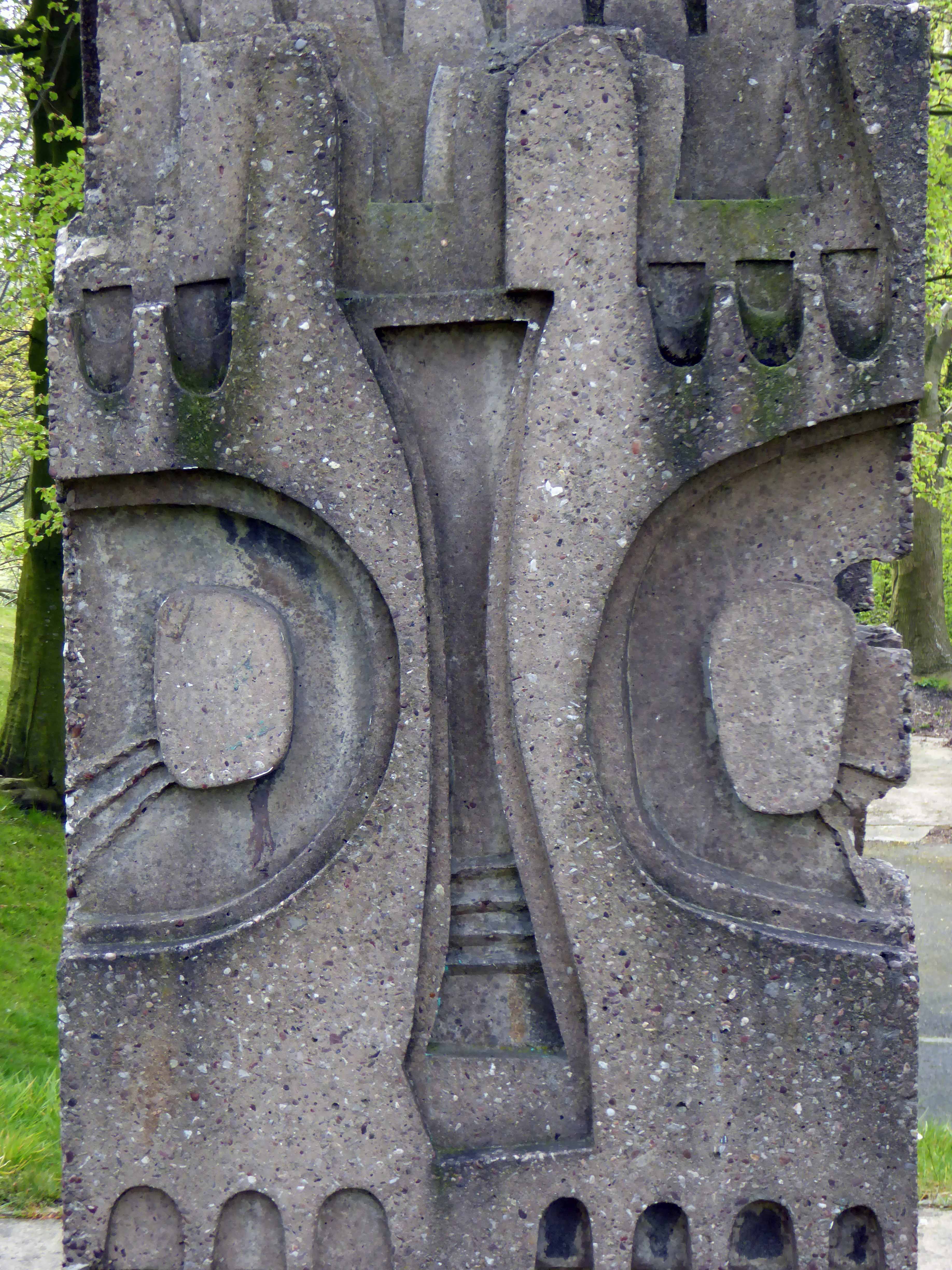
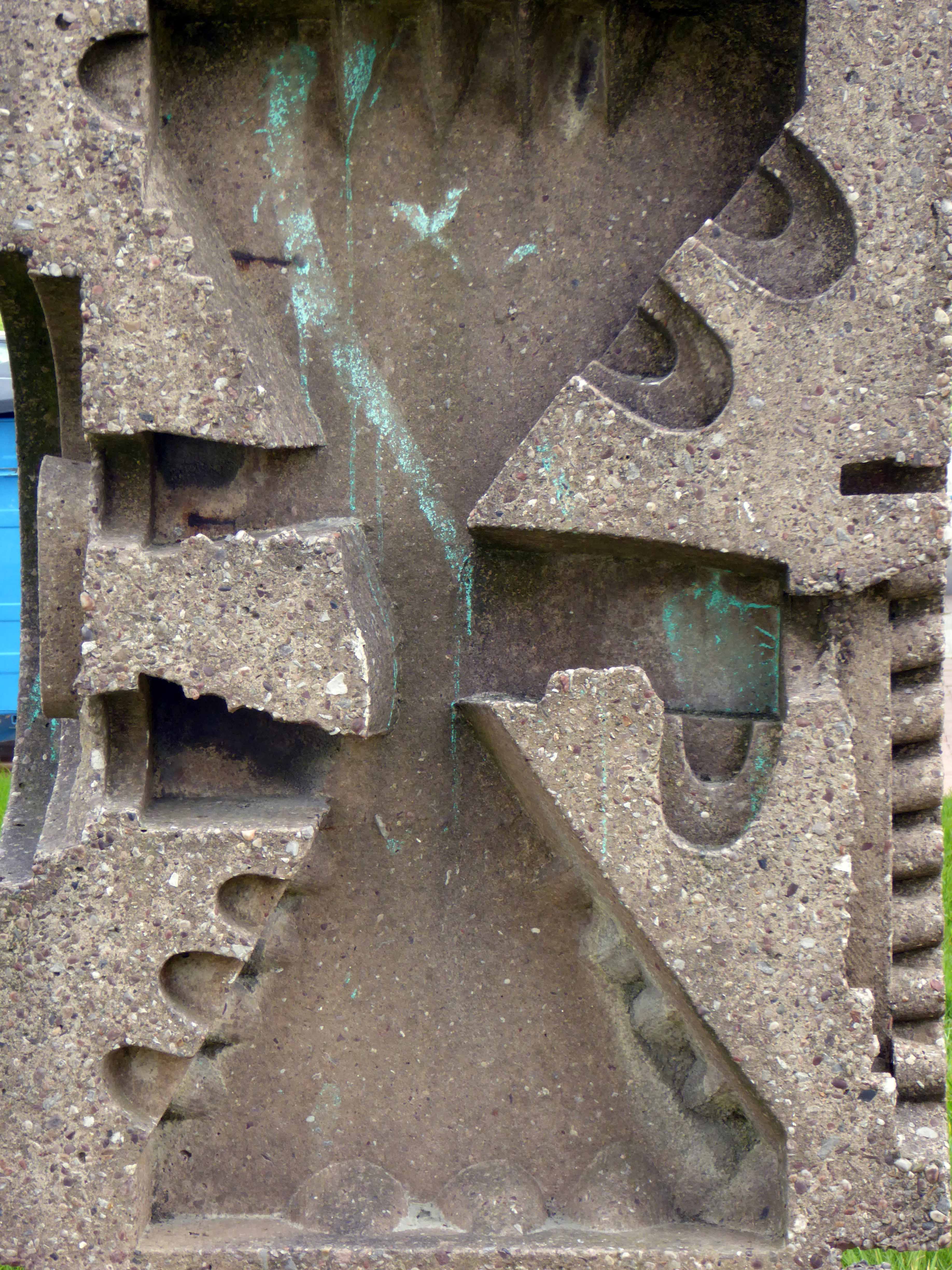
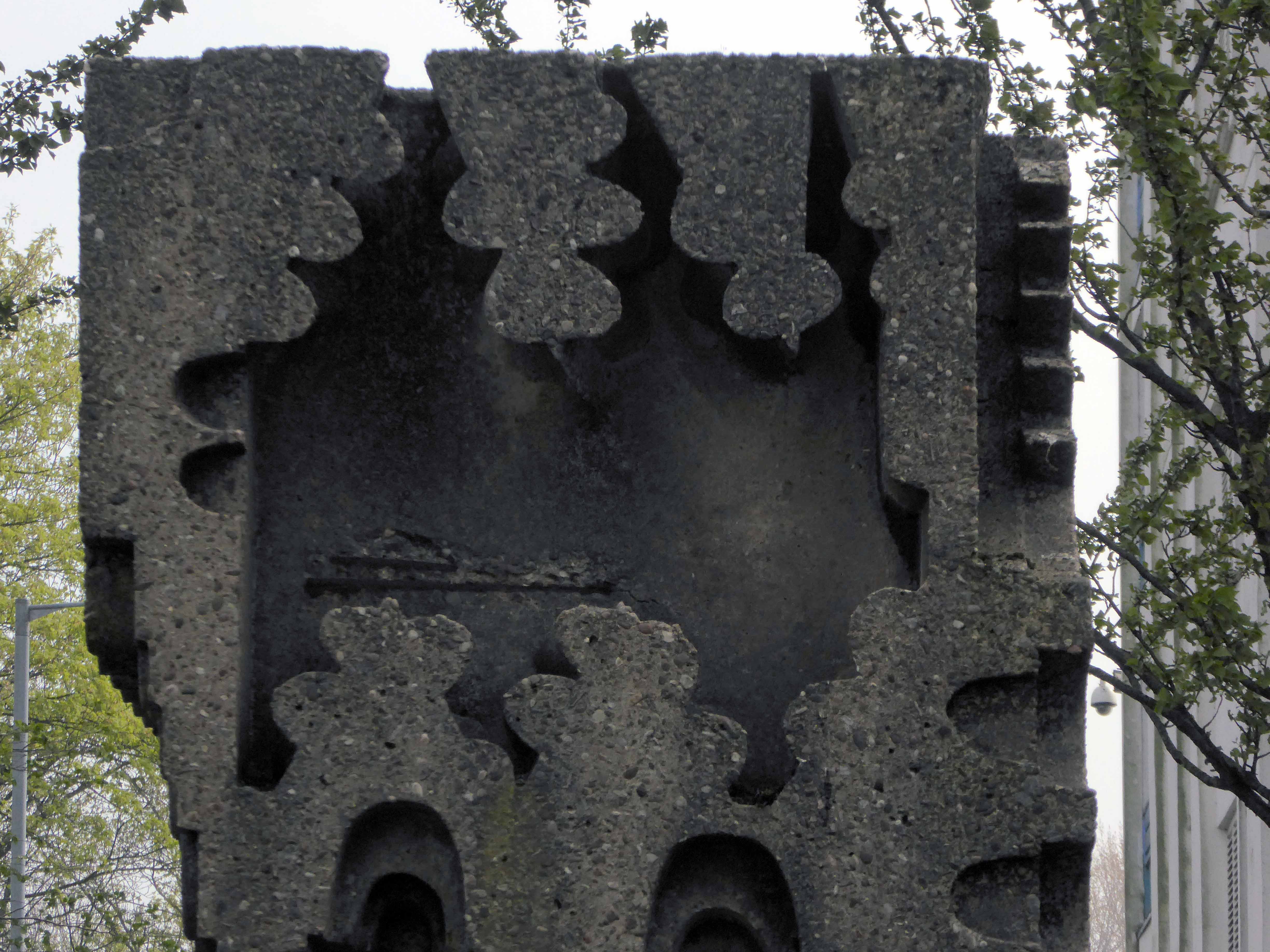
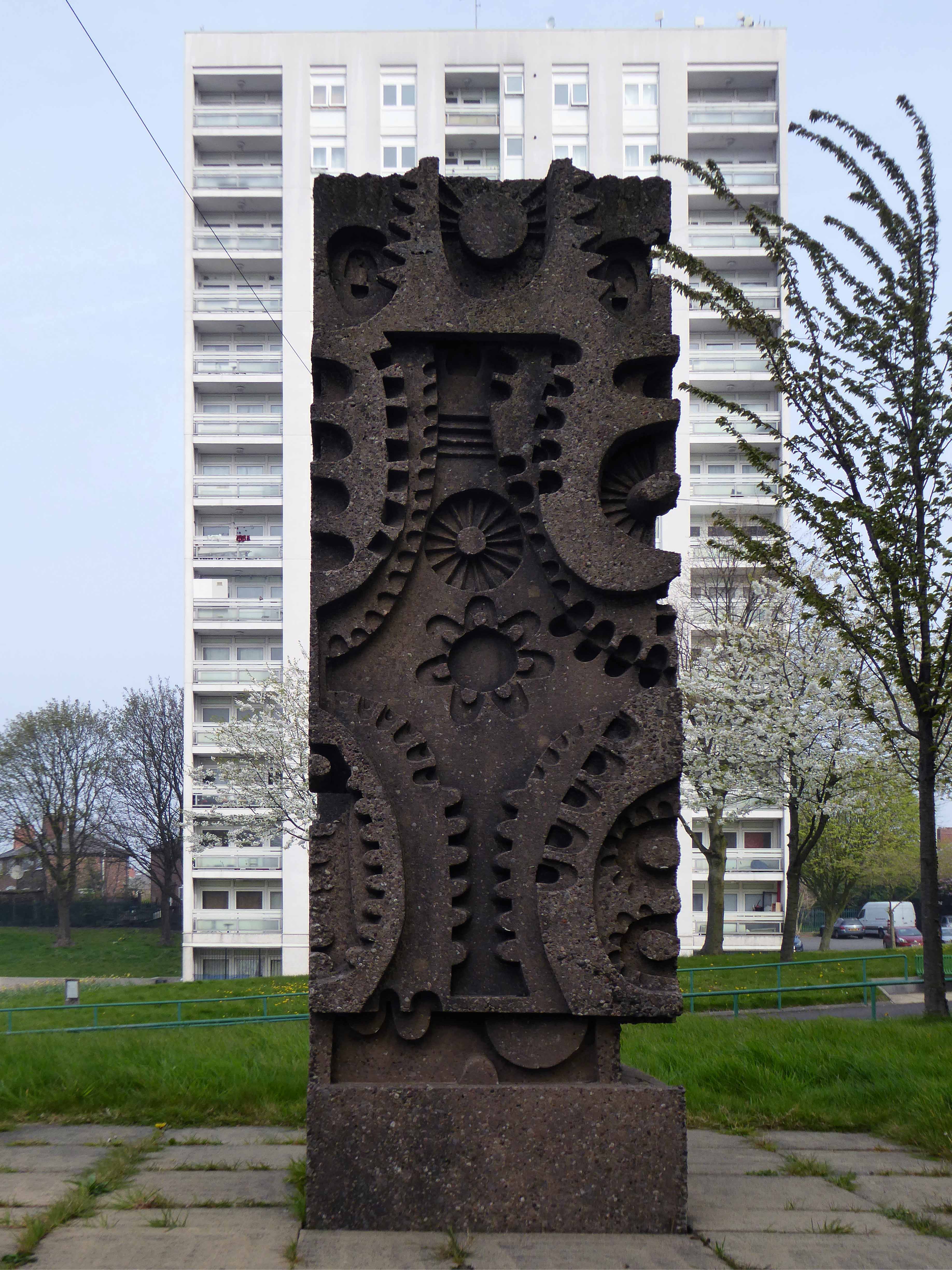
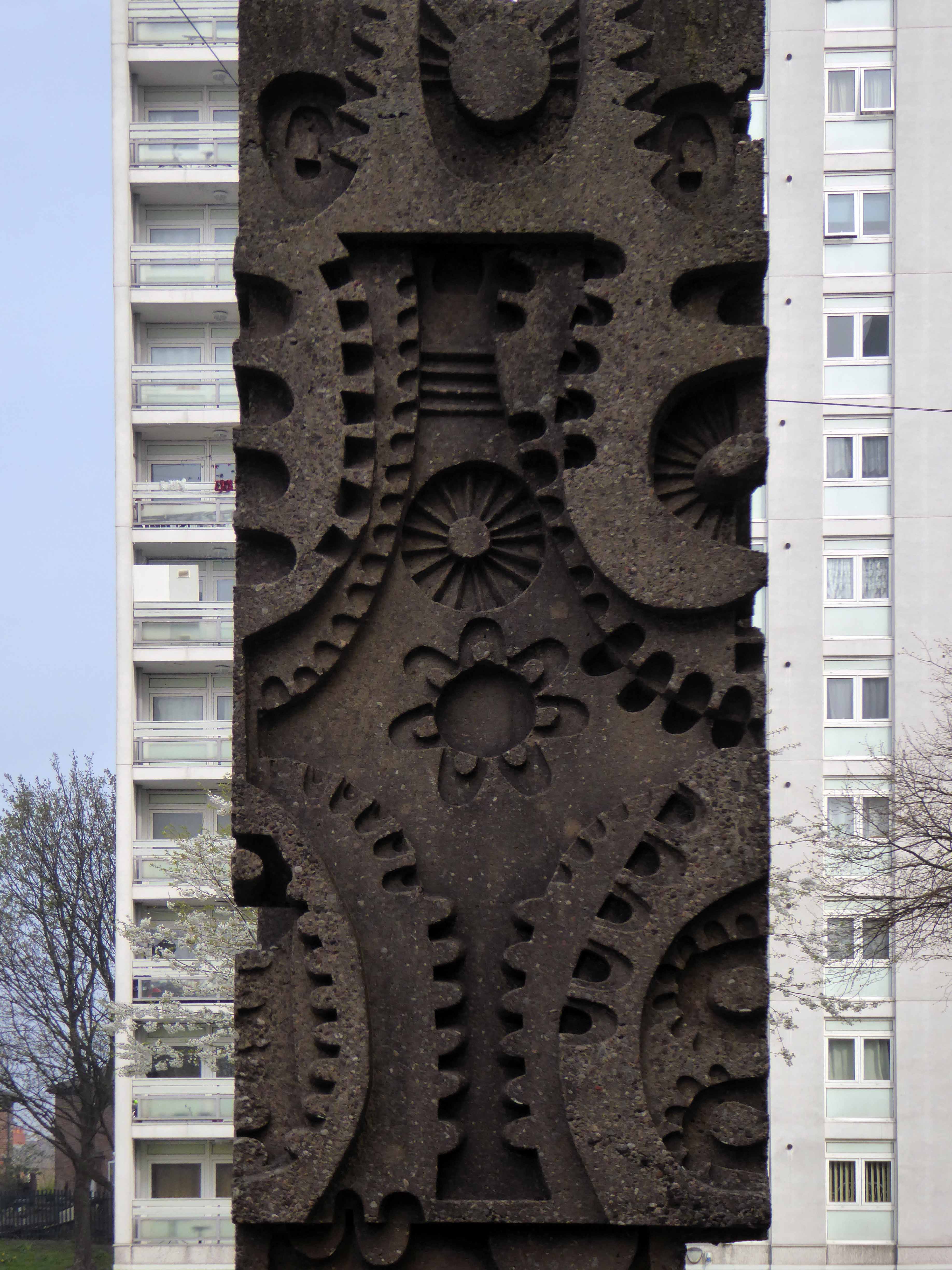
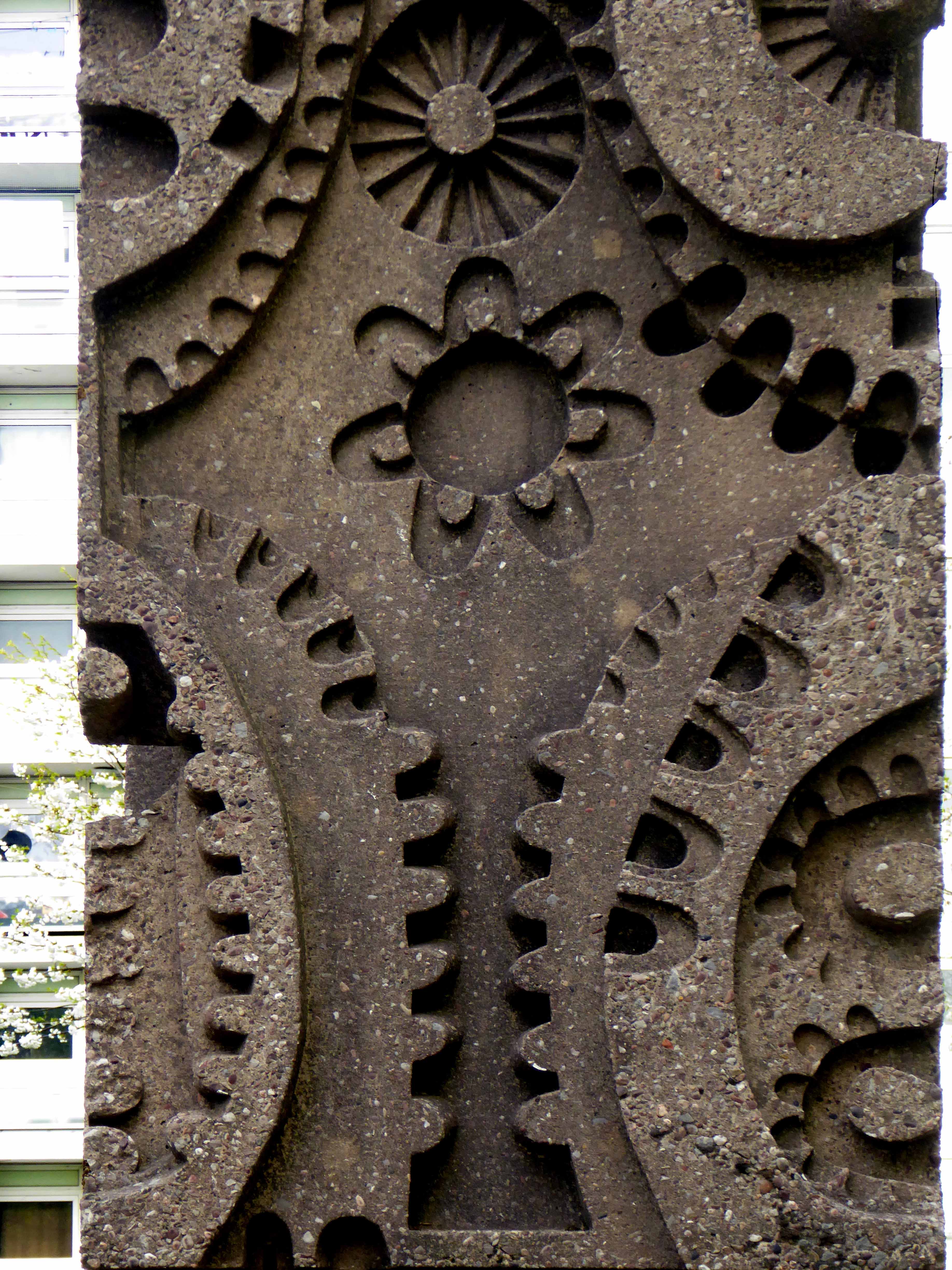
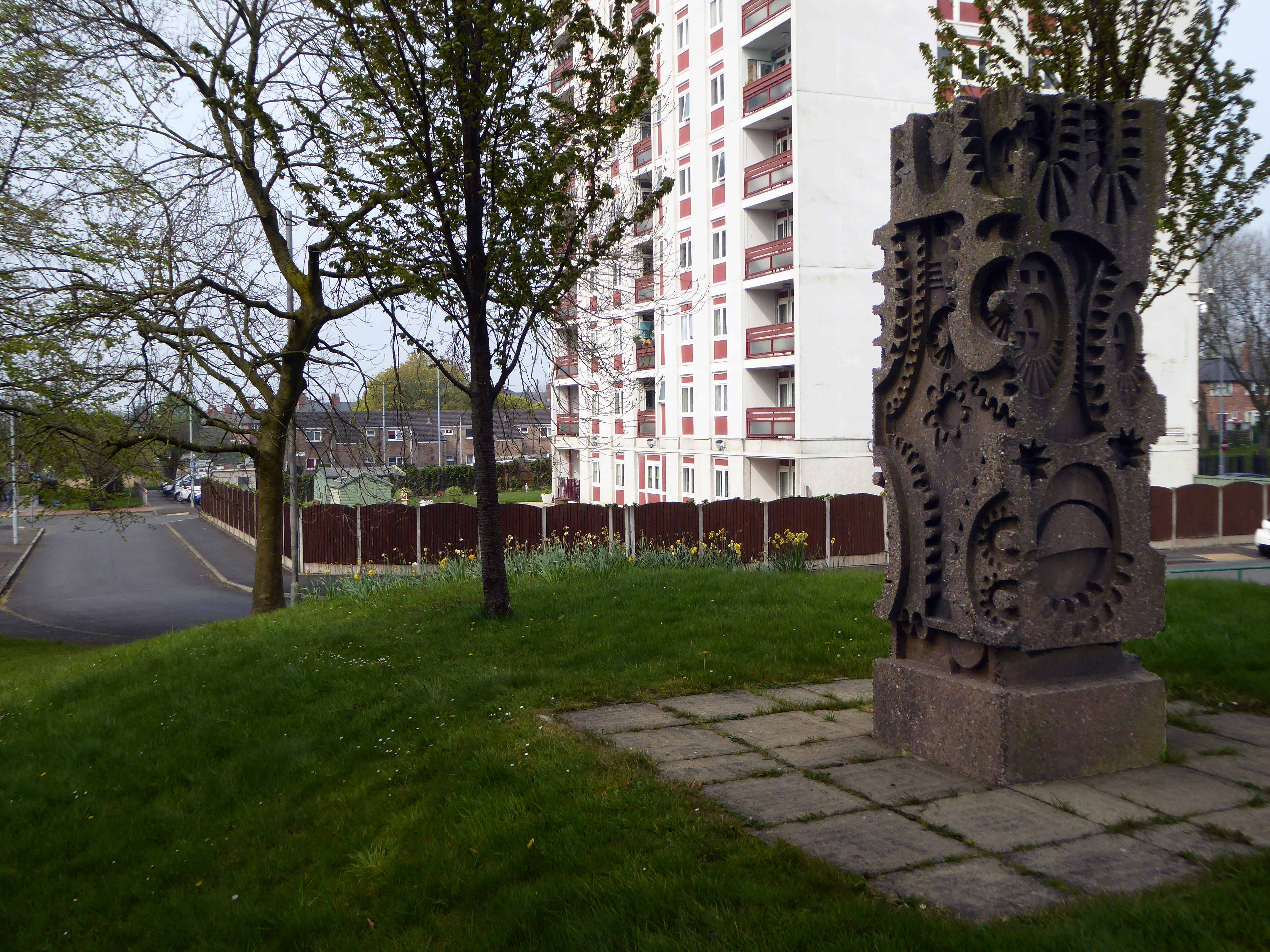
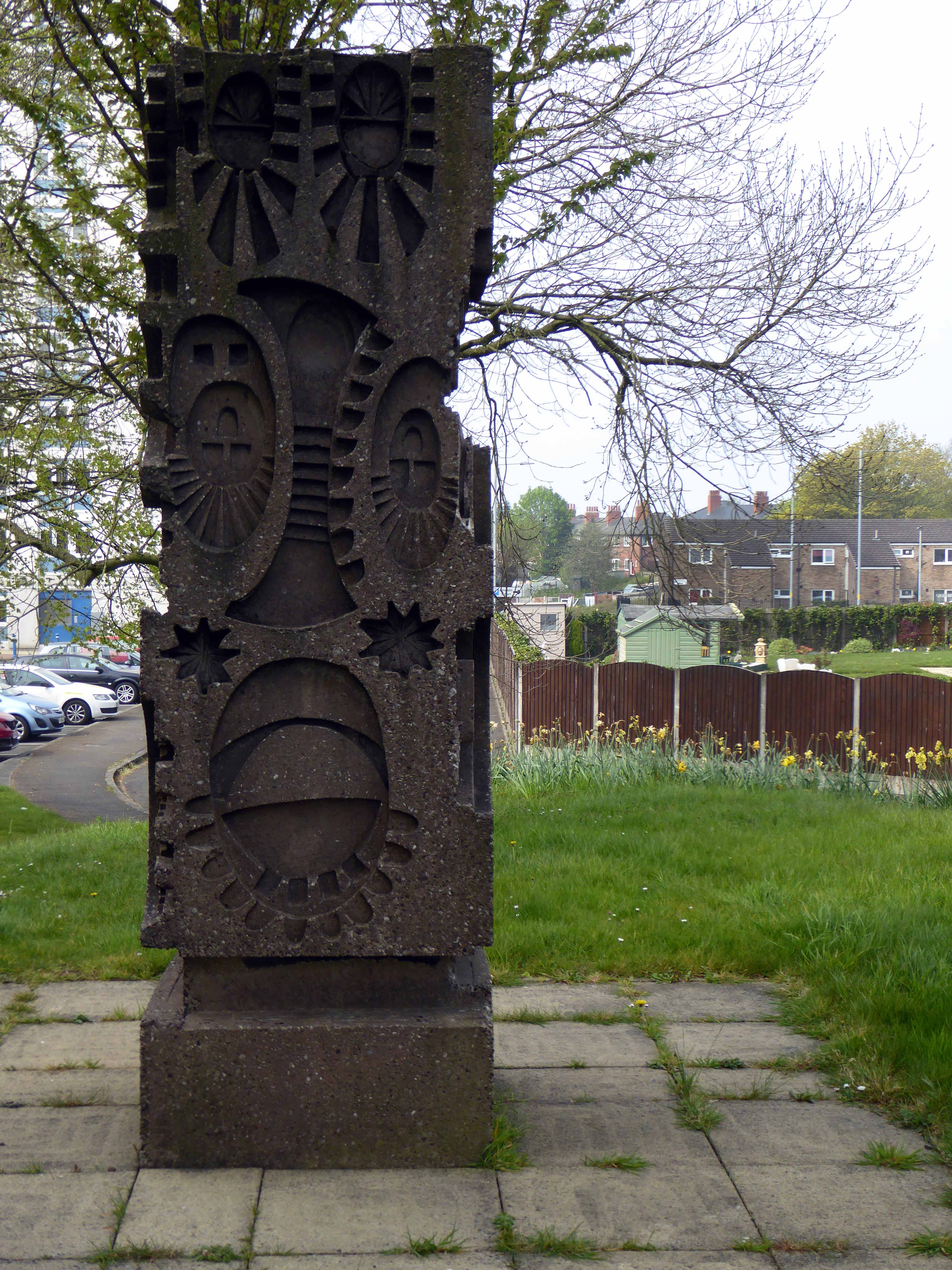
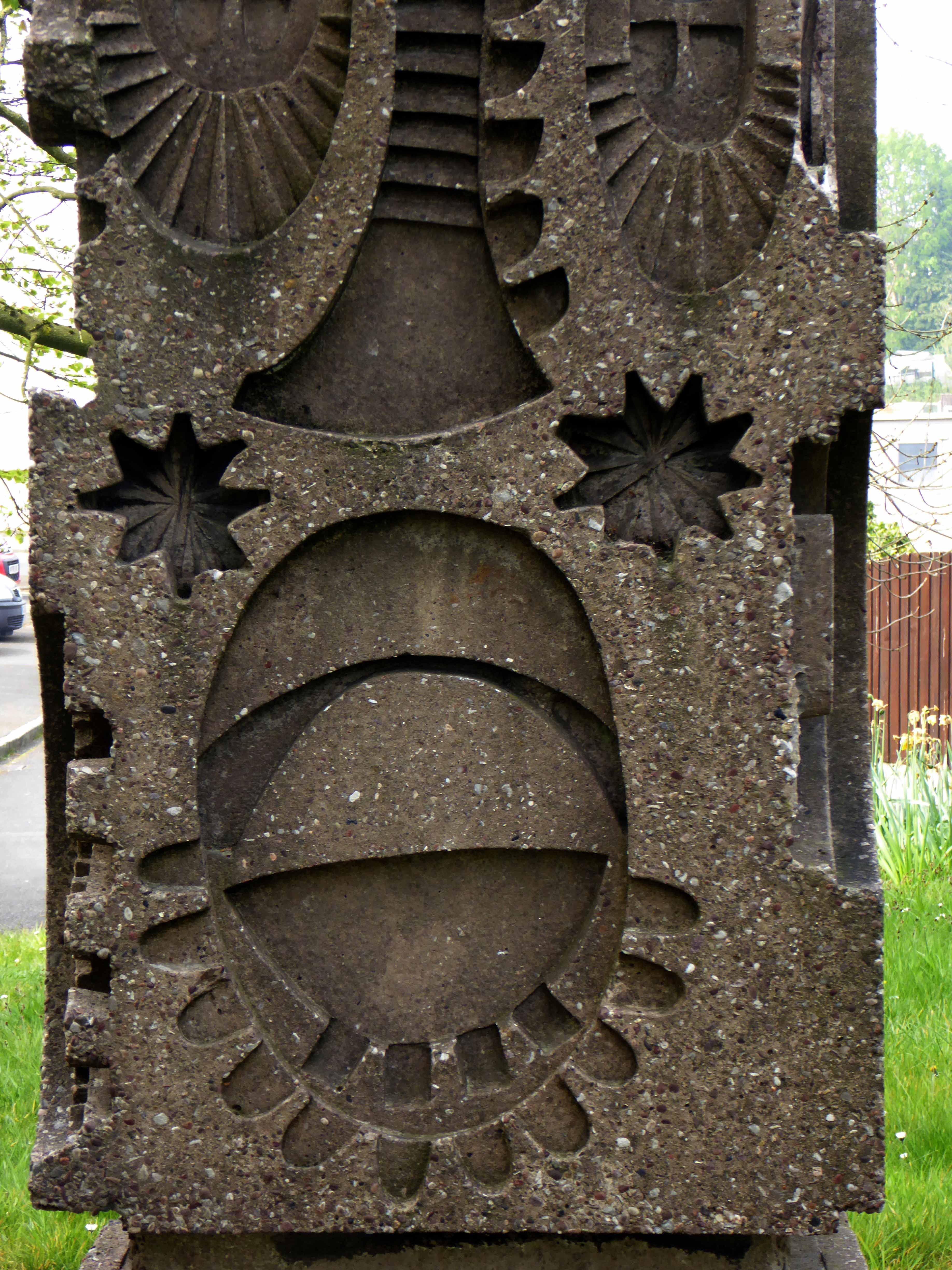
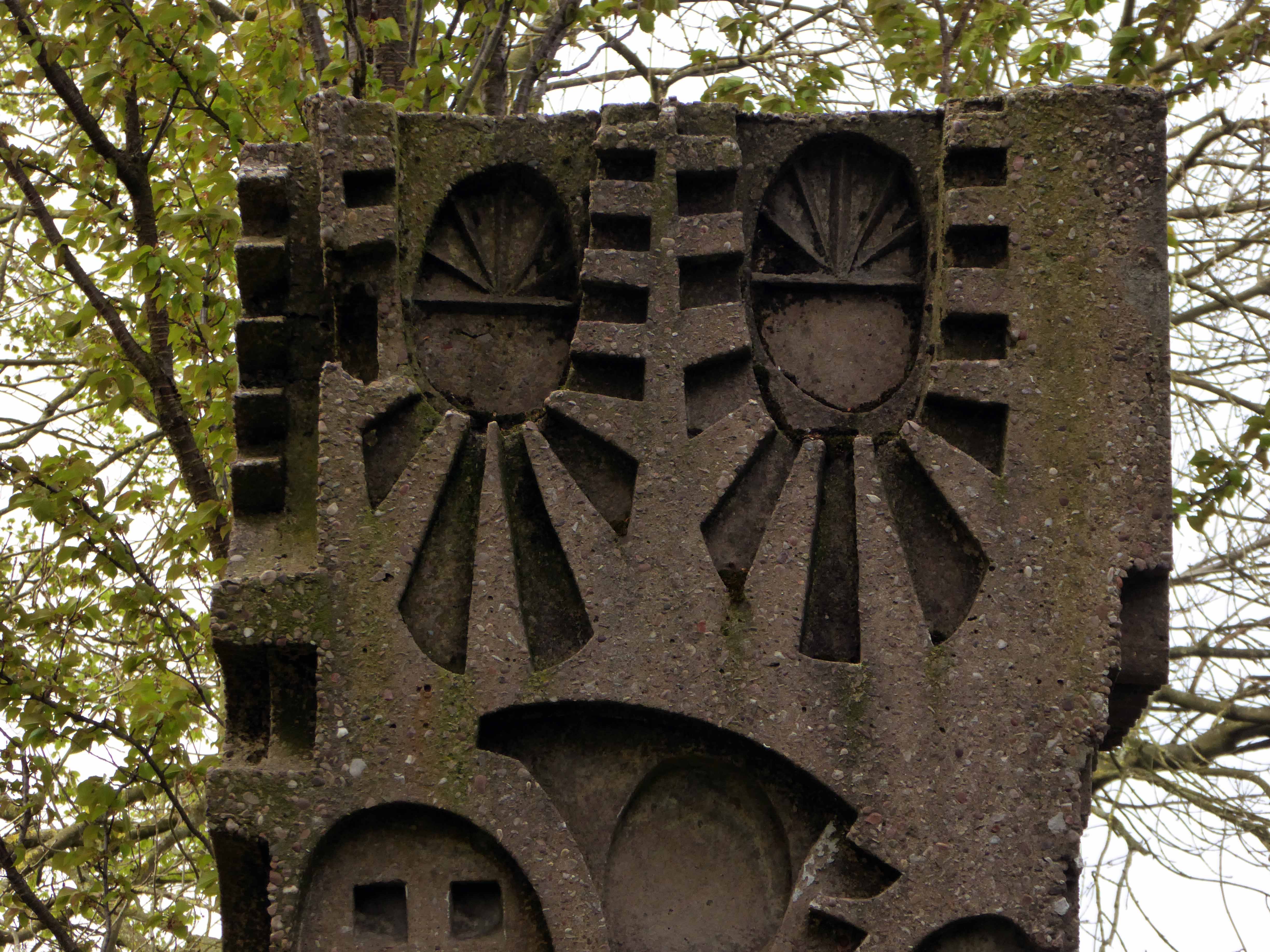
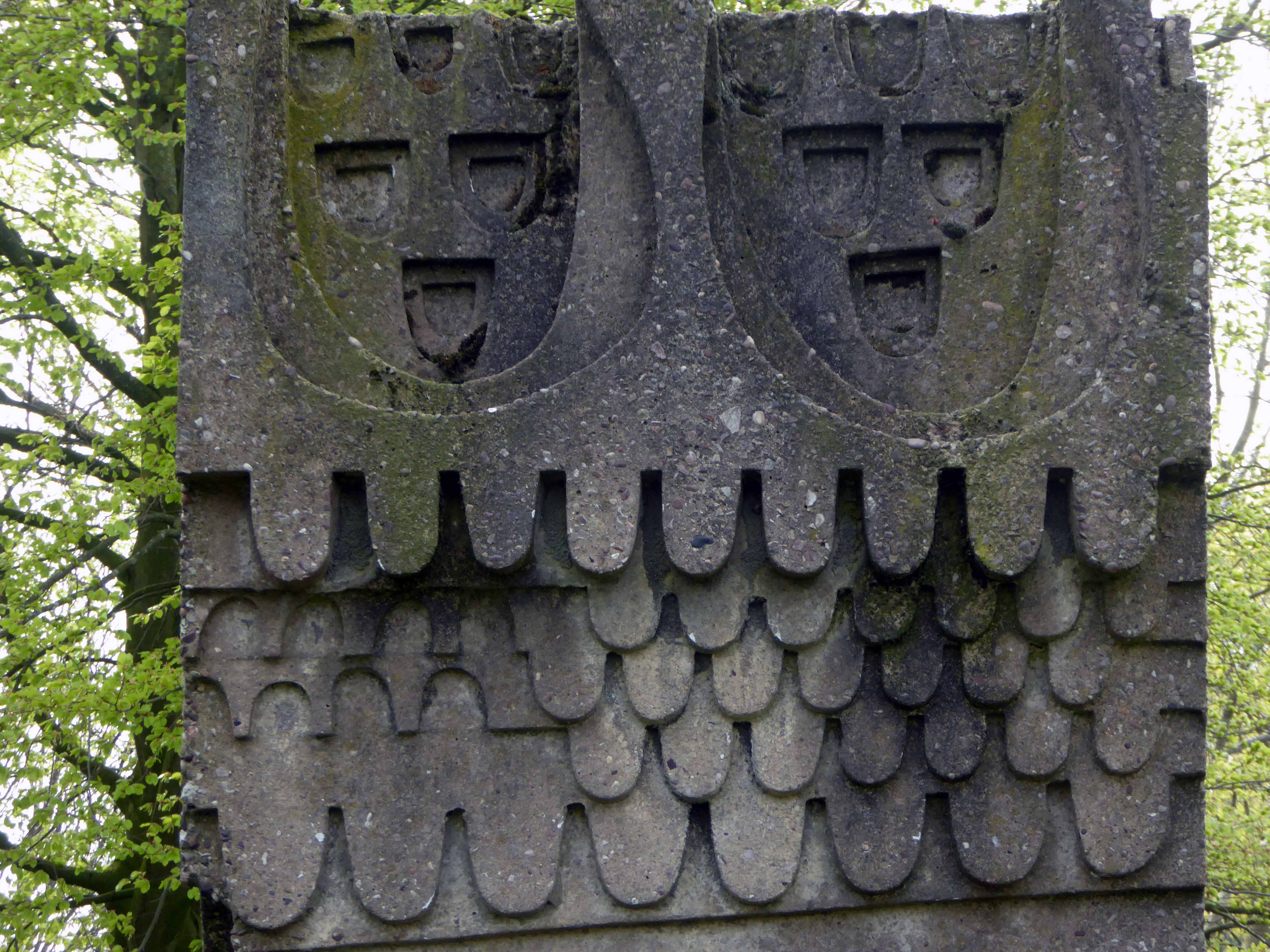
I was in search of an an averaged sized totemic concrete municipal public art pillar – similar to the example to be found in Eastford Square.

It belongs to a time when Municipal Modernism was very much in vogue – the provision of social housing along with the commissioning of murals, sculptures, mosaics and tiled reliefs.

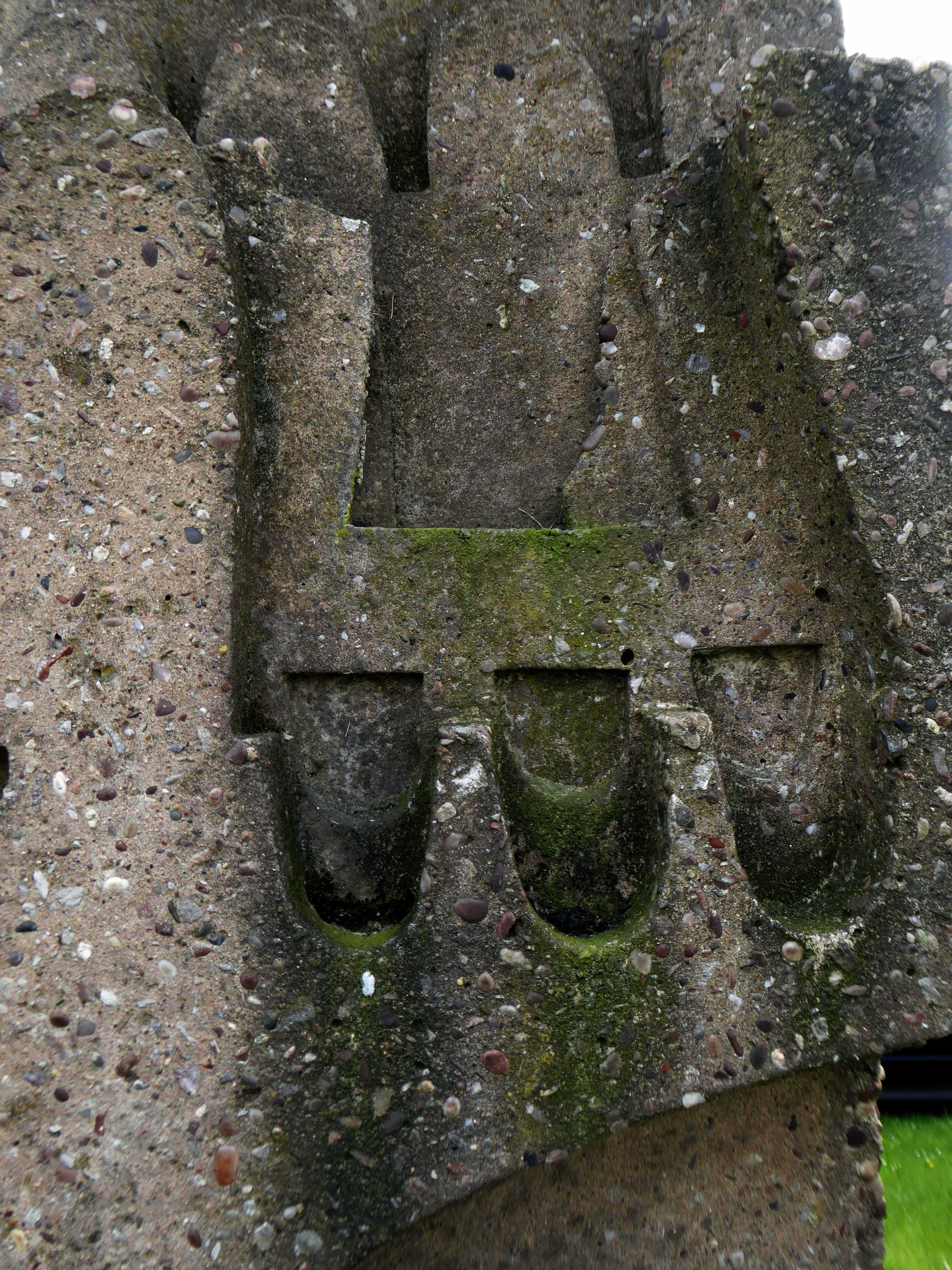
There has been some discussion regarding its authorship – it may or may not be the work of William Mitchell – both Skyliner and The Shrieking Violets have tried to find an answer.

Inevitably my only concern is art over authenticity – does it move you?

Let’s just take a little look.


High Street Estate – Pendleton

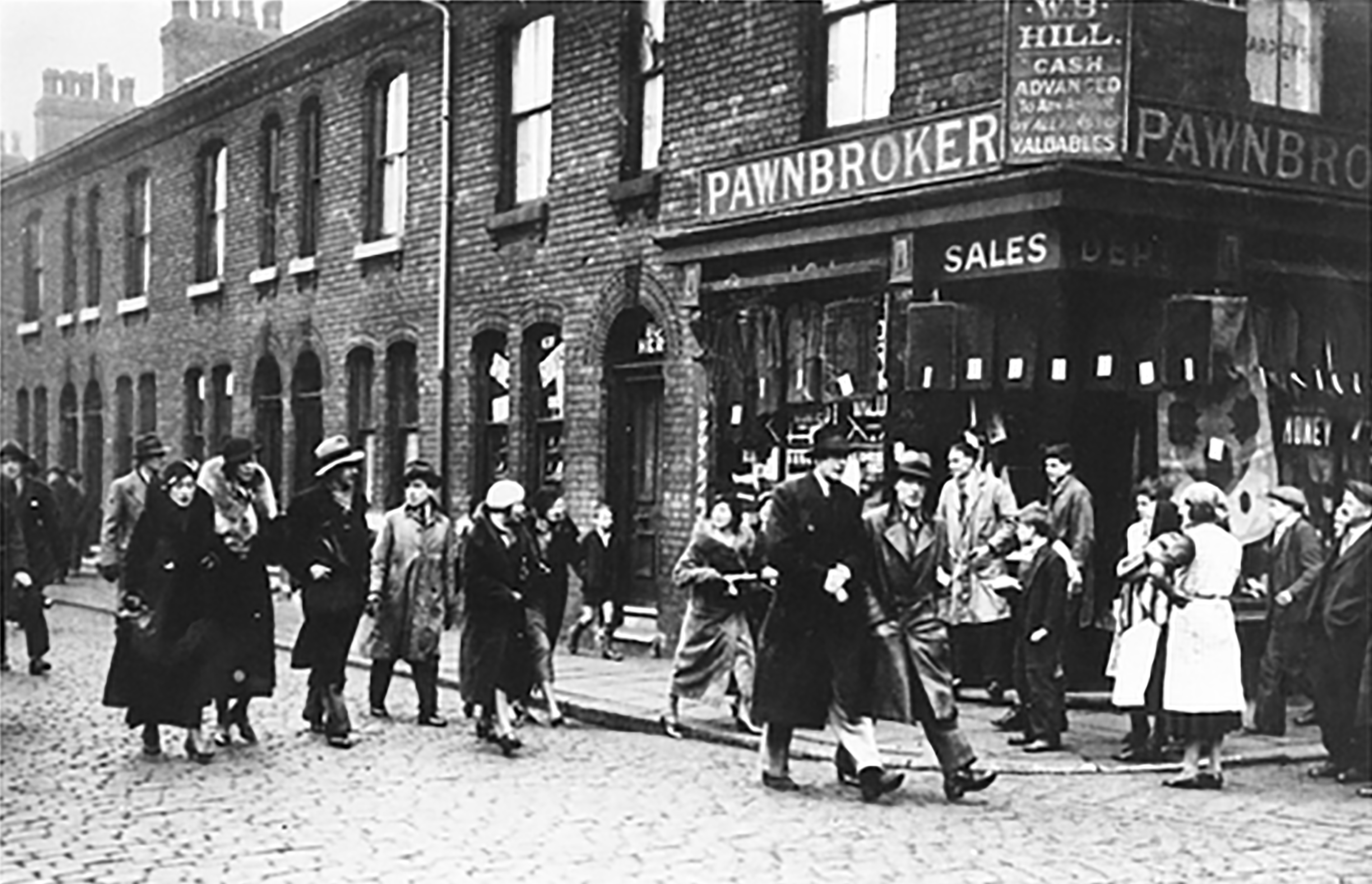
High Street Pendleton 1930s – the cast of Love on the Dole walk down High Street Pendleton, passing Hill’s Pawnbroker, author Walter Greenwood is ninth from the right.

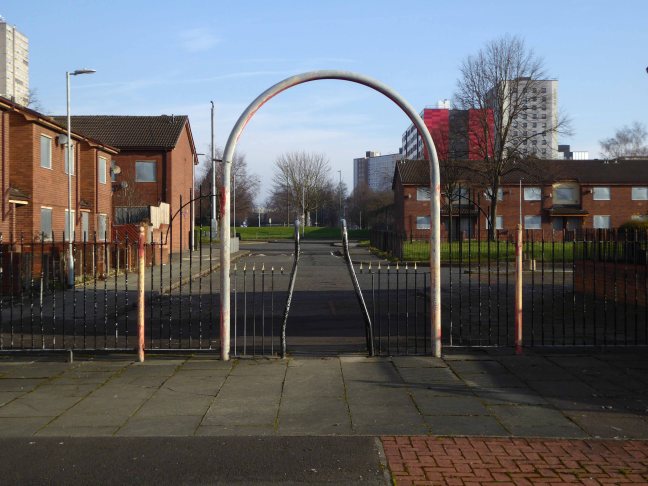
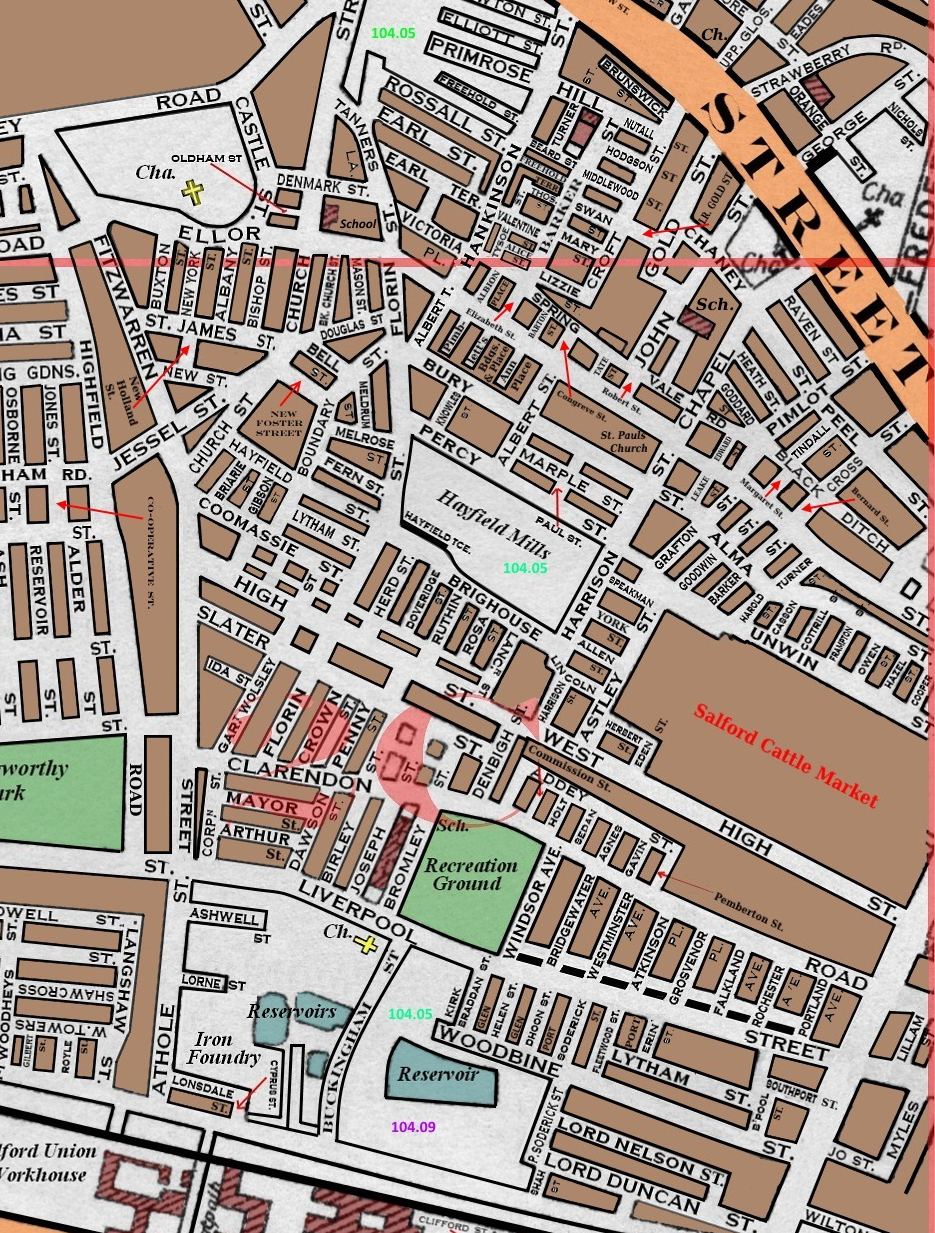
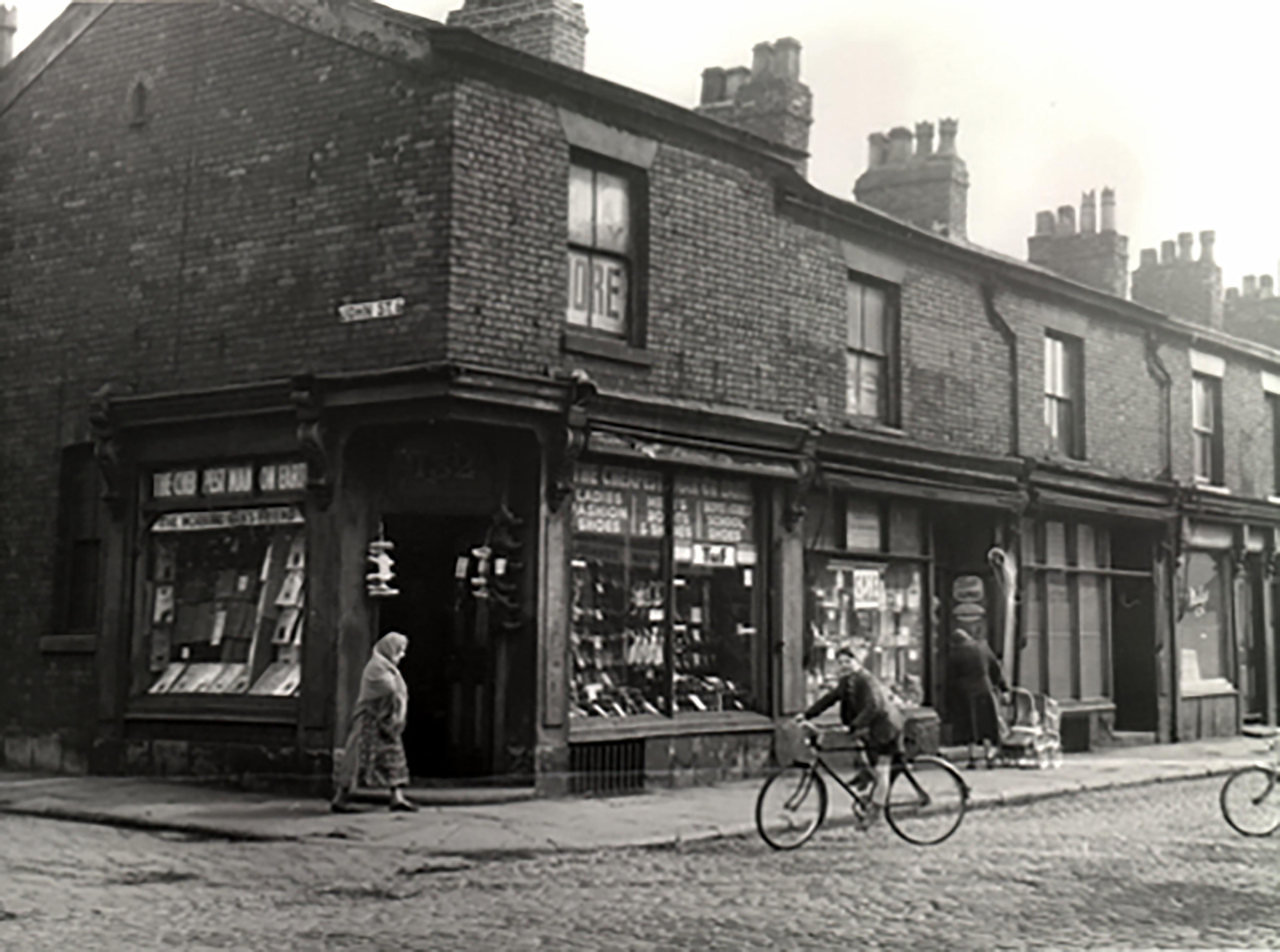
This was a dense area of back to back terraces adjacent to pubs, schools, churches, mills, docks and cattle markets. Communities formed from shared patterns of employment, education, leisure and worship.

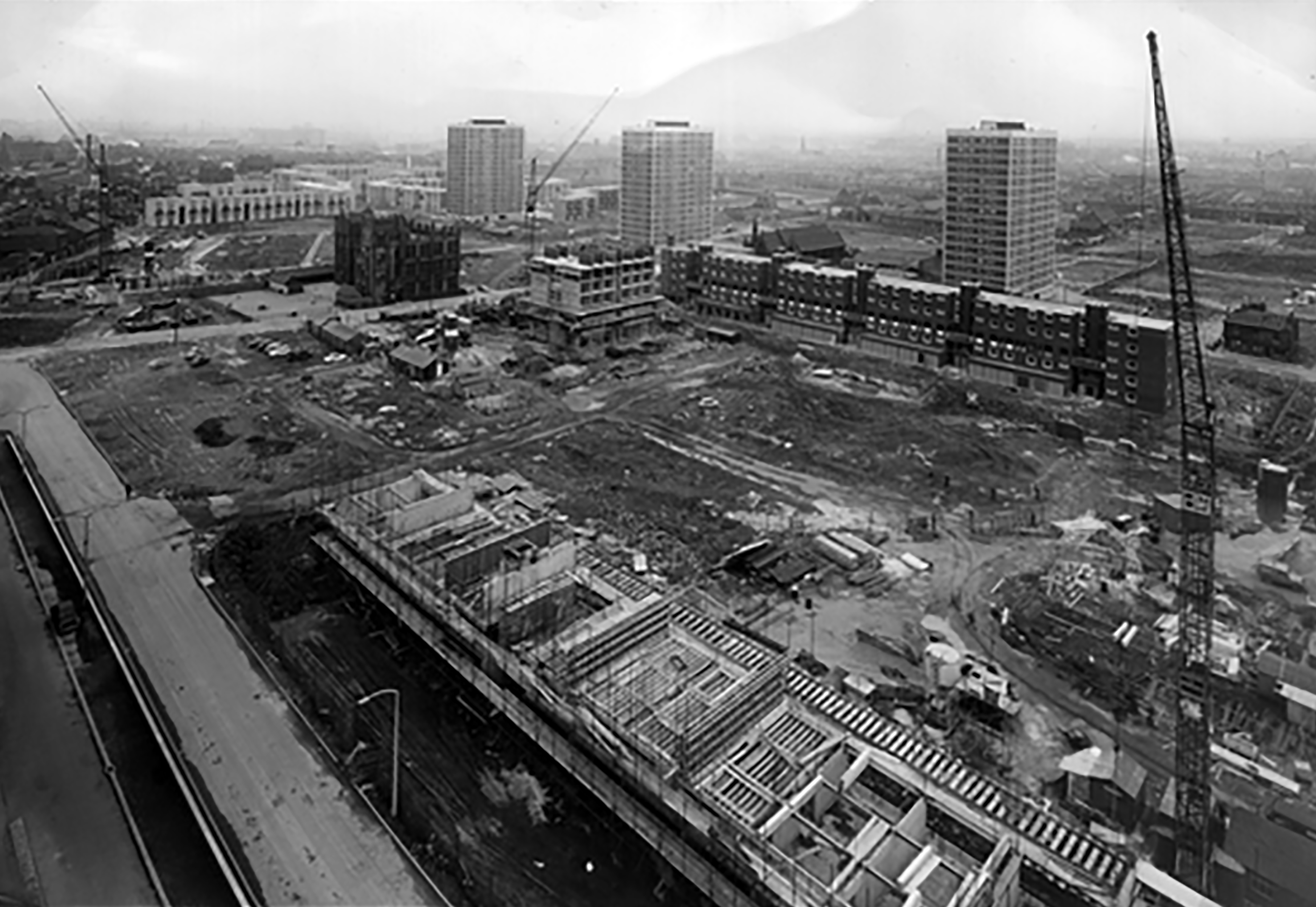
These communities survived into the 1960s and the coming of slum clearance, followed by an intense period of rebuilding in the modern manner.

Archival photographs Digital Salford

Patterns of employment, economic boom and bust, the exponential expansion in higher education, all contribute to the change in character of the area, along with slow and sudden demise in social housing.

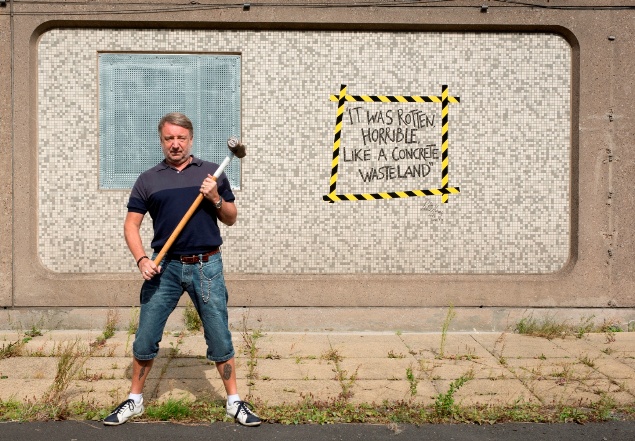
2014 and the area begins to be reshaped yet again – this time by former resident Mr Peter Hook, who grew up in the area, the low slung former New Order bass meister described it in a book as – rotten and horrible, like a concrete wasteland

The Orchards tower block, the first of three, is removed piece by piece, each of the 14-storey blocks took around six weeks to be demolished.

The citizens of High Street Estate await the ‘dozers with apprehension and a sense of grim inevitability.

Clearance begins with the promise of new homes, tenants and homeowners are relocated, houses are tinned up or demolished wholesale. – a few remain in situ dissatisfied and afraid.

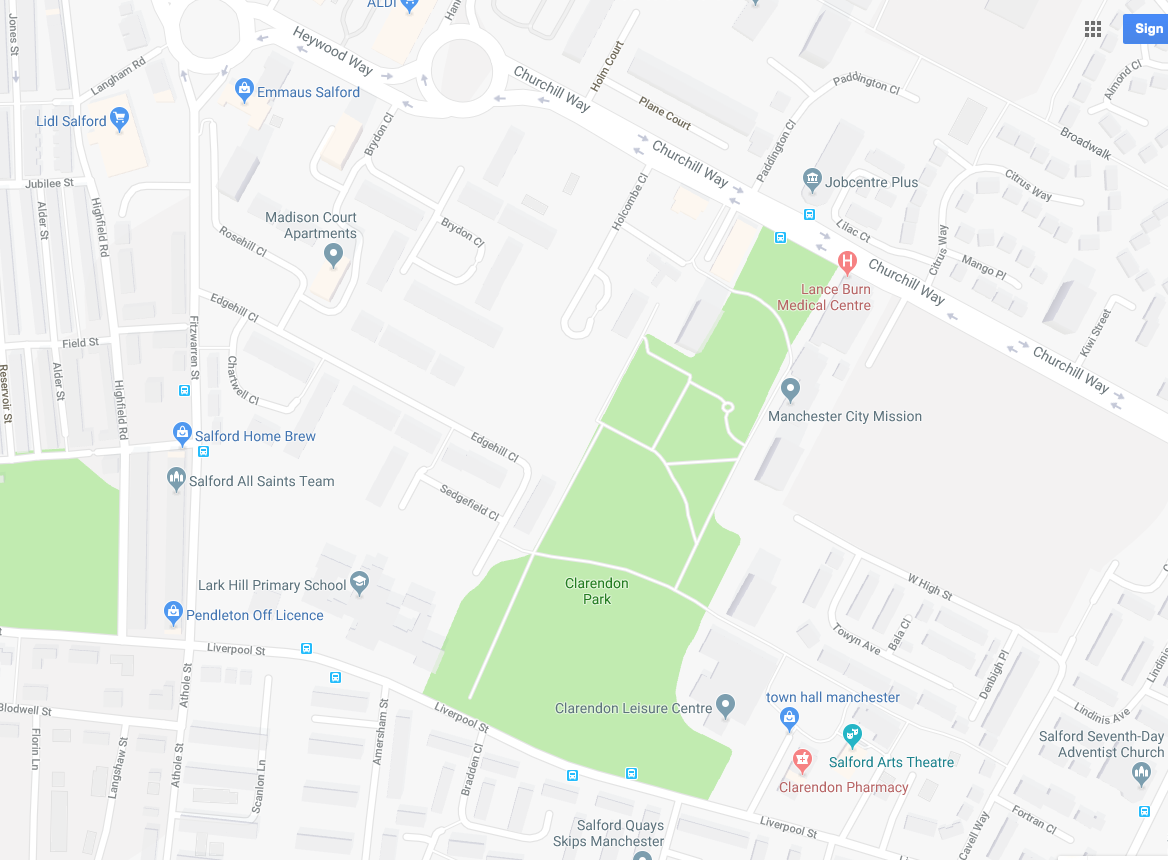
Altogether, 885 houses in Pendleton are being bulldozed and, to date, 584 have already been demolished, including houses on Athole Street and Amersham Street. Over the Pendleton Together project’s £650million thirty year life, only around one third of new houses being built will be affordable.

Meanwhile, after years of anguish and uncertainty, Fitzwarren Court and Rosehill Close, previously down for demolition, are being saved. Salix Homes will now bring flats in Fitzwarren Court and houses in its ownership on Rosehill Close up to the Decent Homes Standard

Salford Star

So welcome to Limboland – as financial arrangements shift, shimmy and evaporate – government policy, local authority pragmatists, private partnerships and funding perform a merry dance of expediency, around an ever diminishing circle of demolition, development, stasis and deceit.

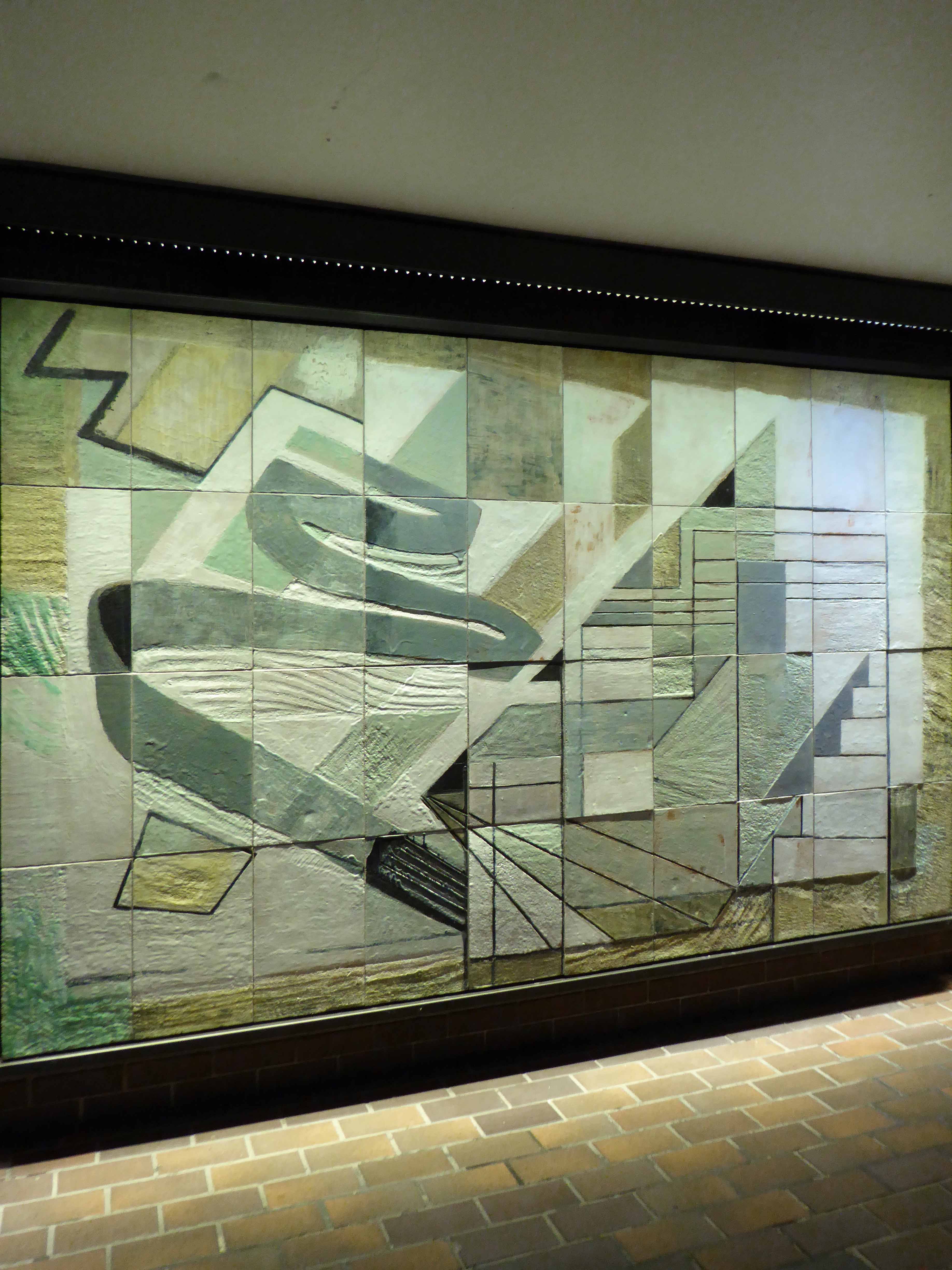
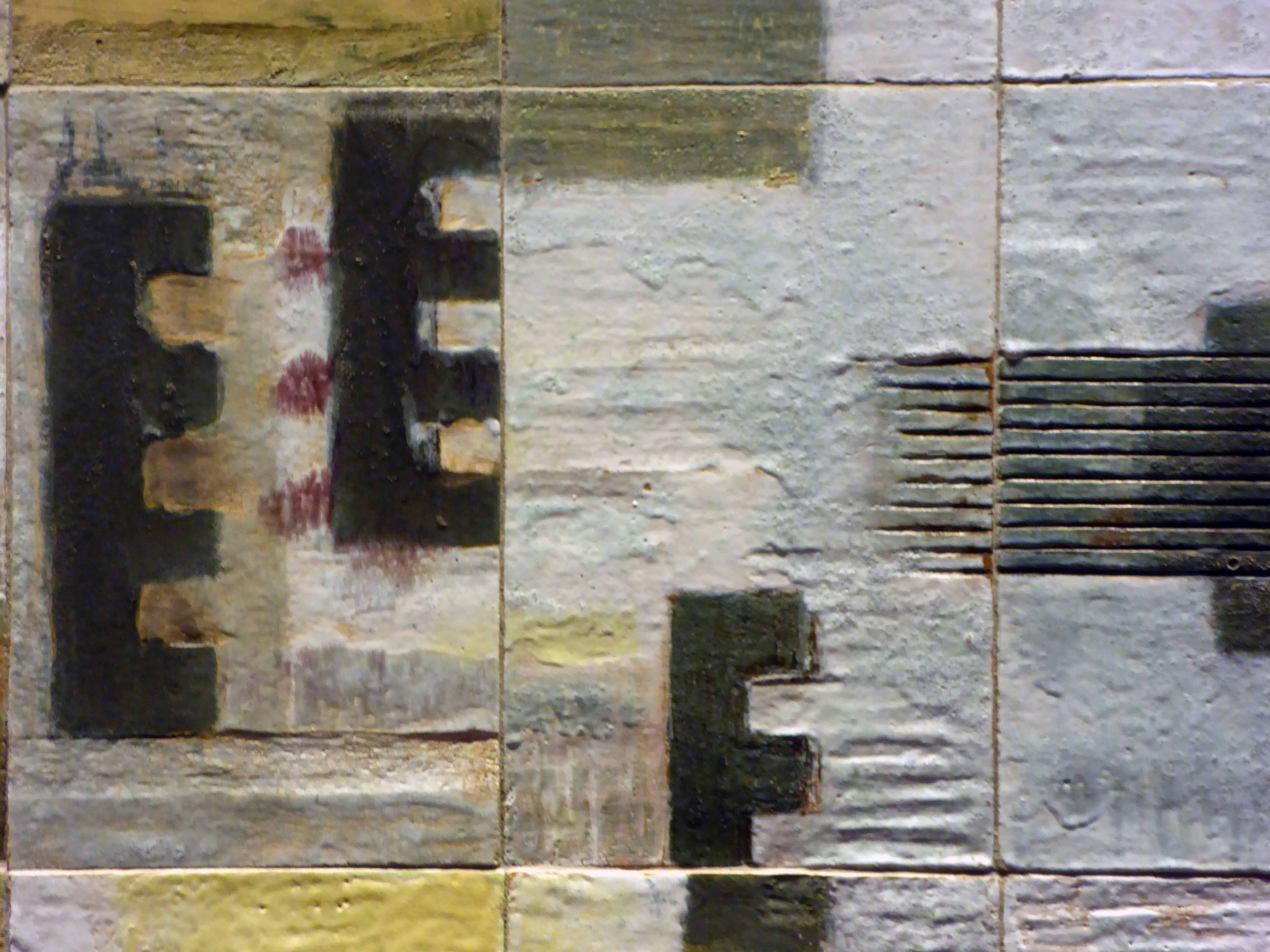
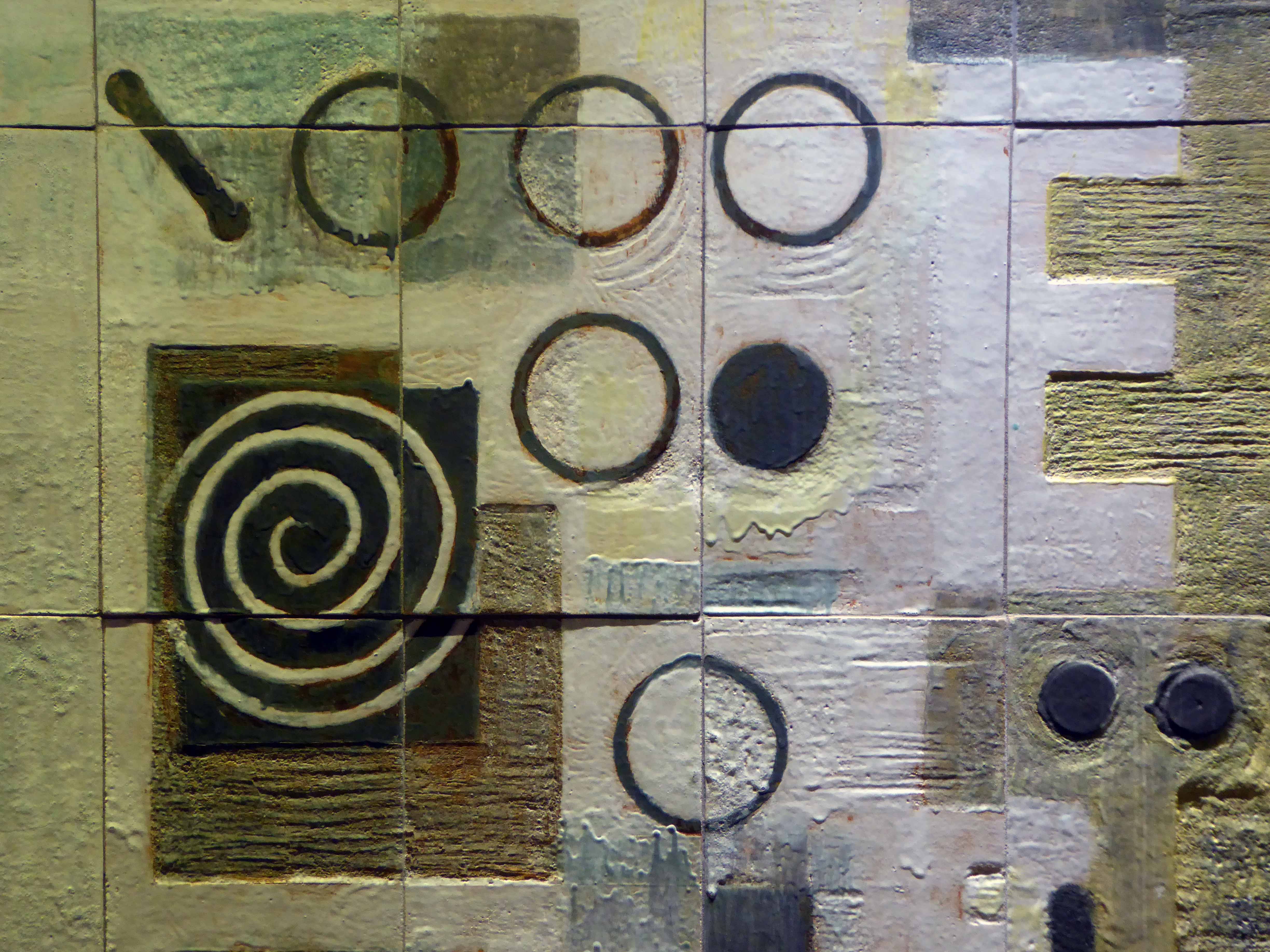
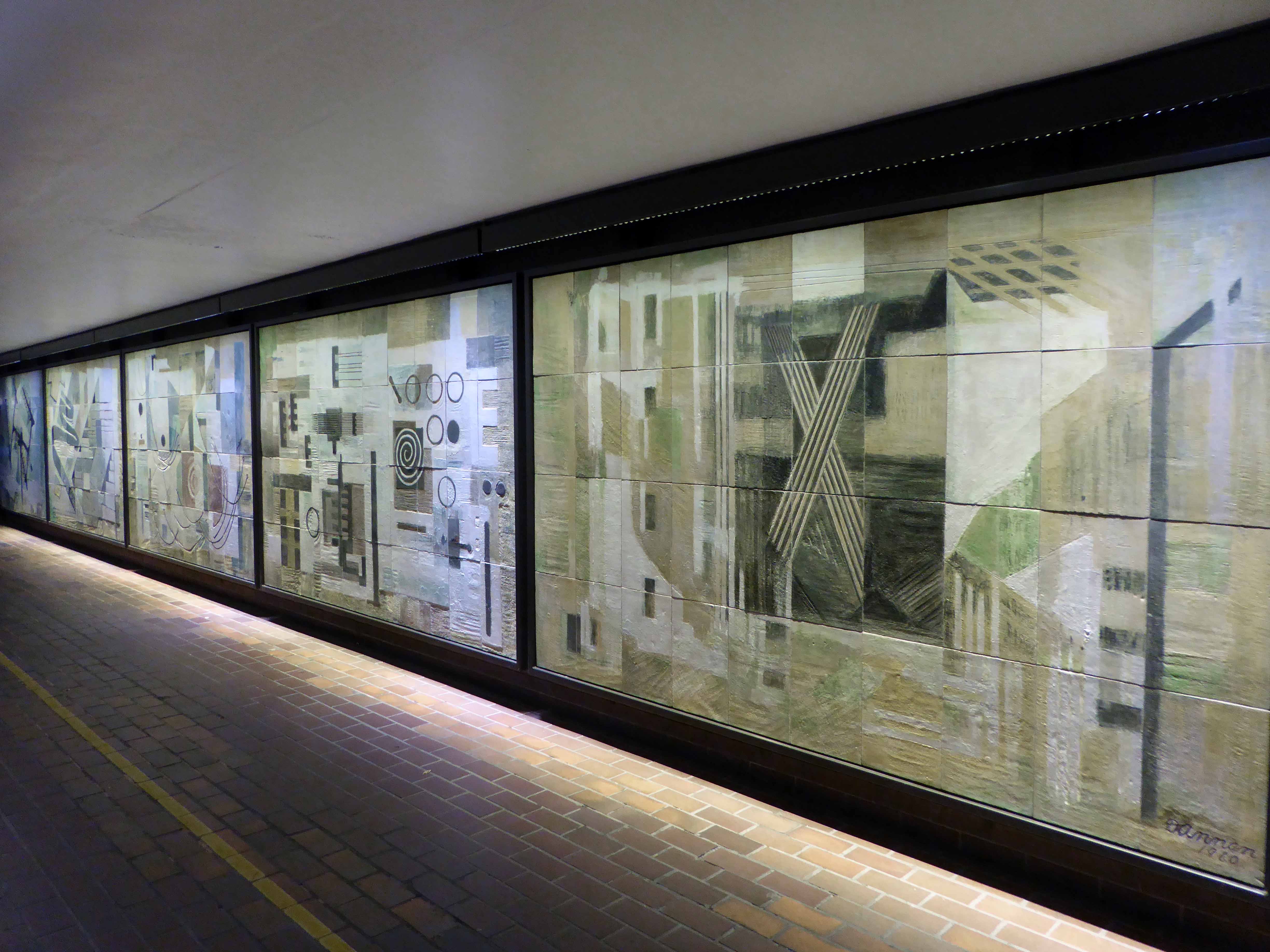
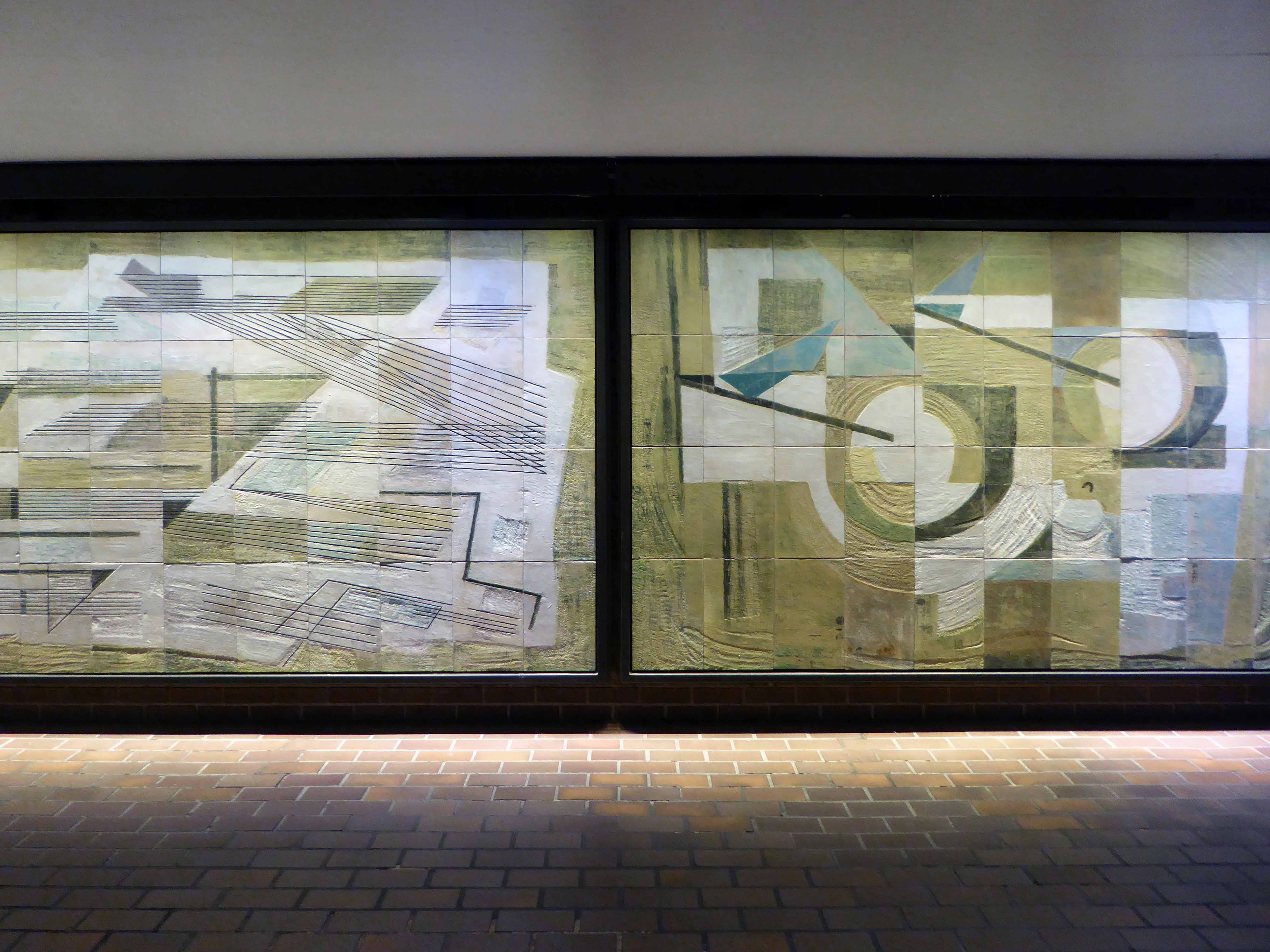
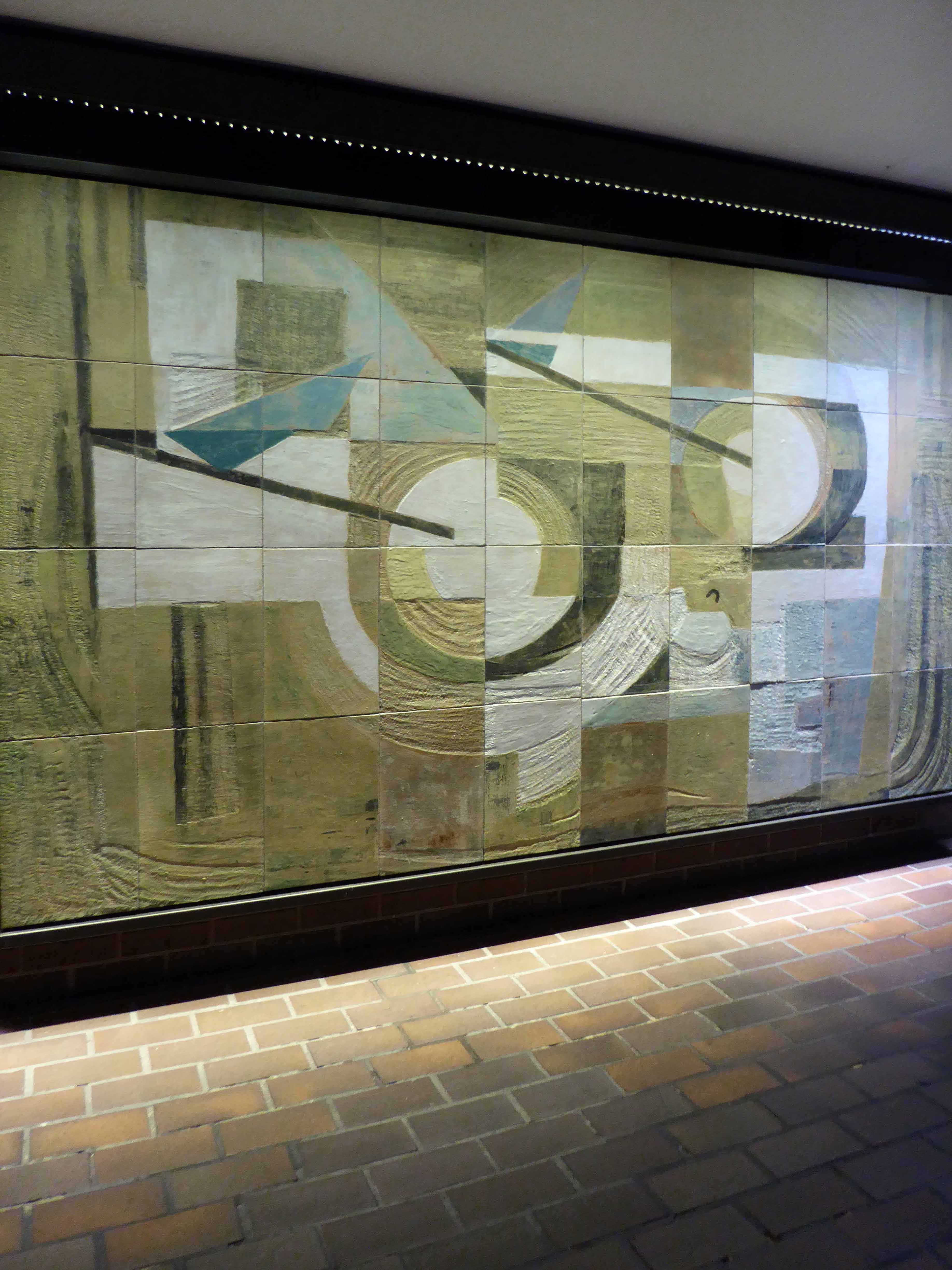
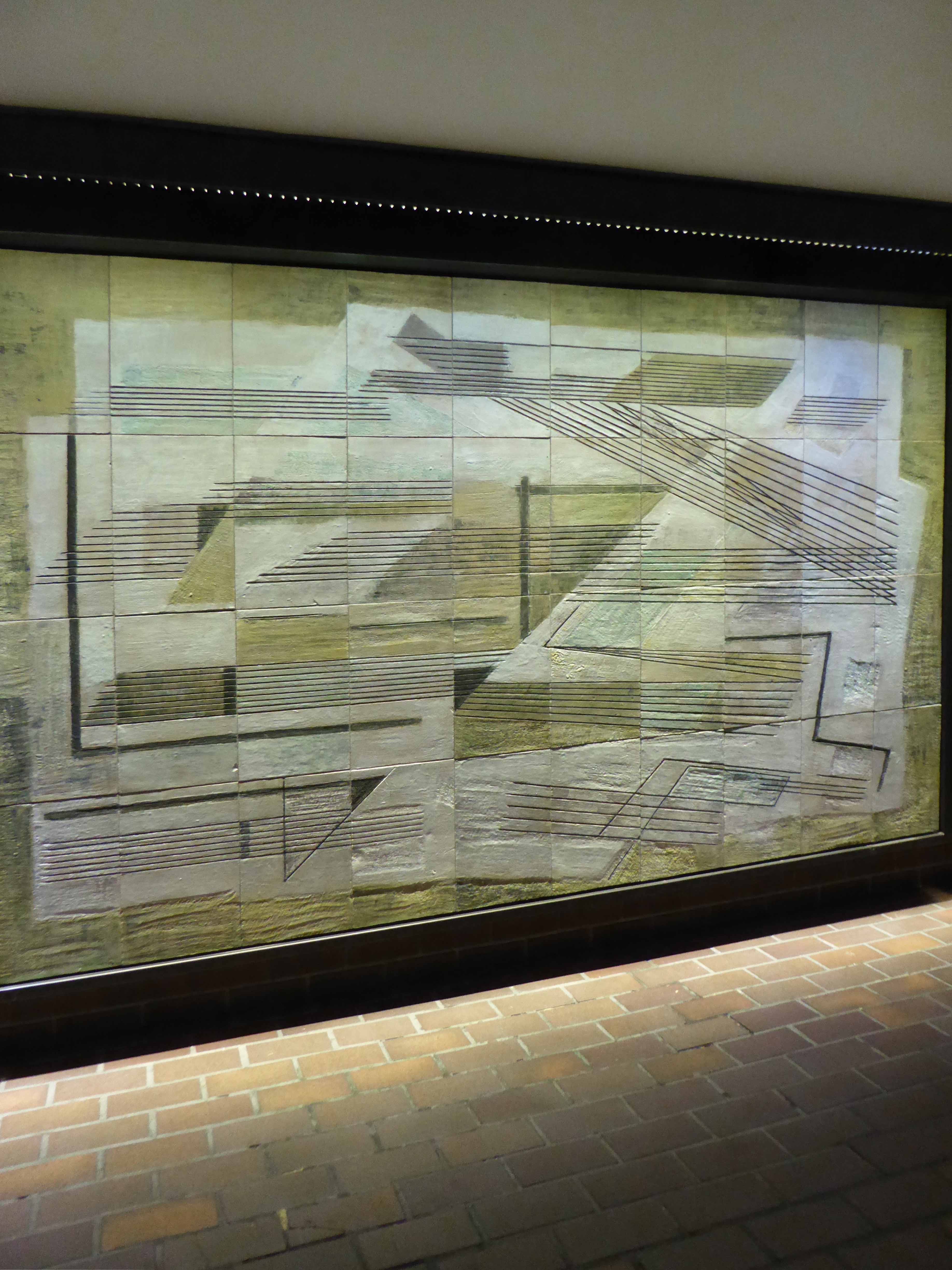
Dorothy Annan Mural – The Barbican

I’ve been to the Barbican before, wandering the walkways without purpose.

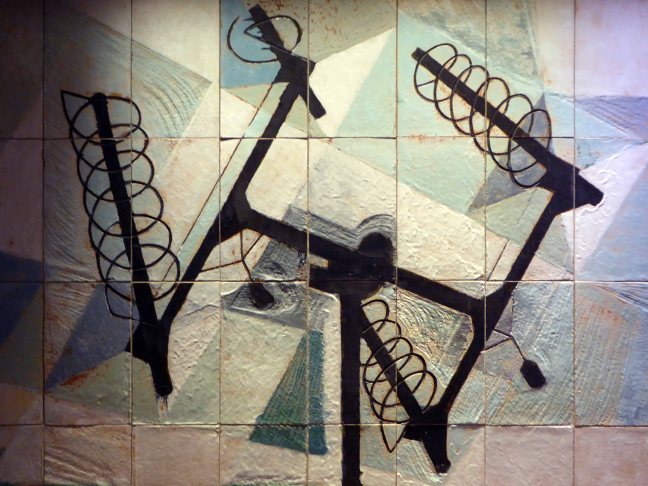
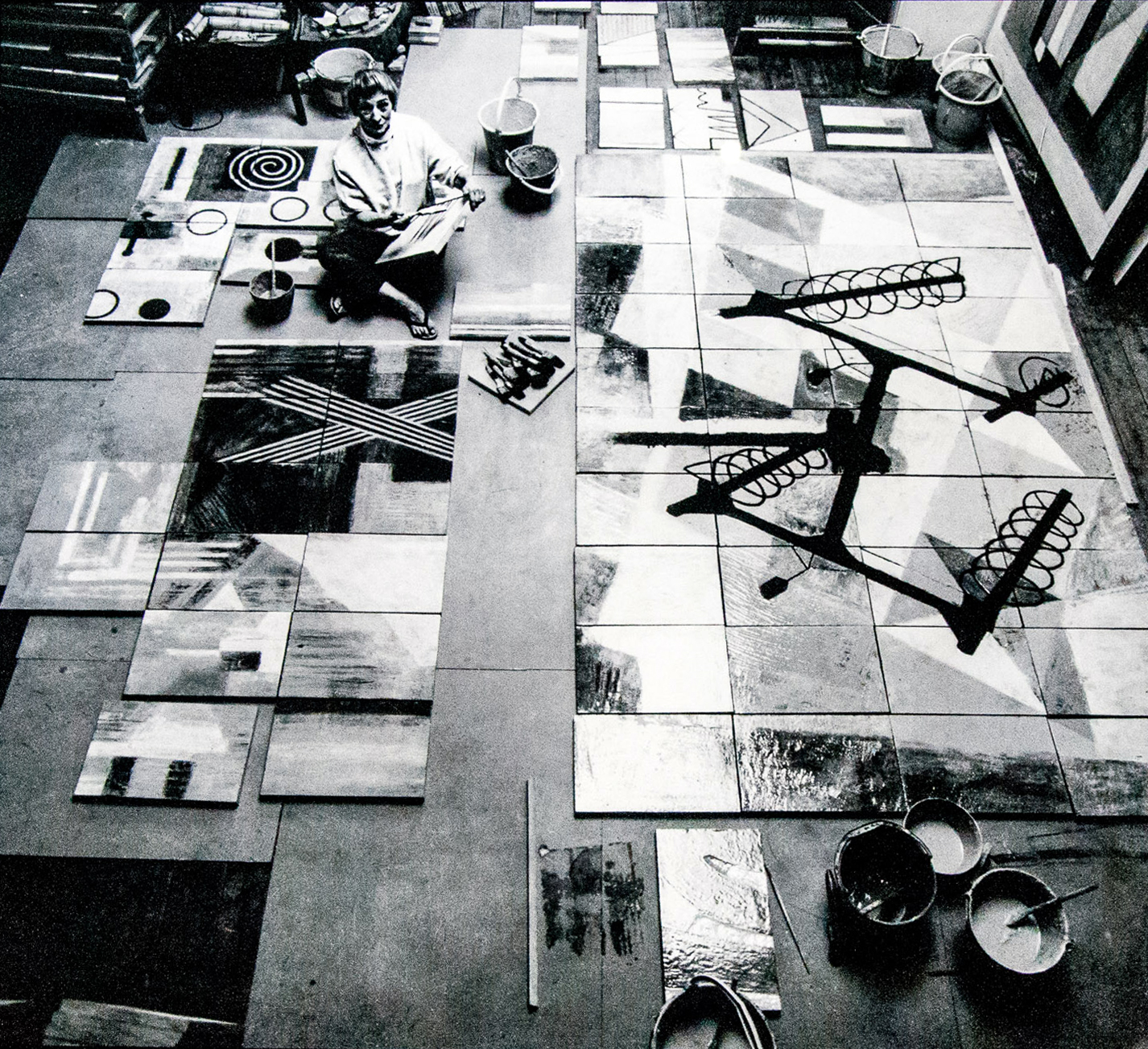
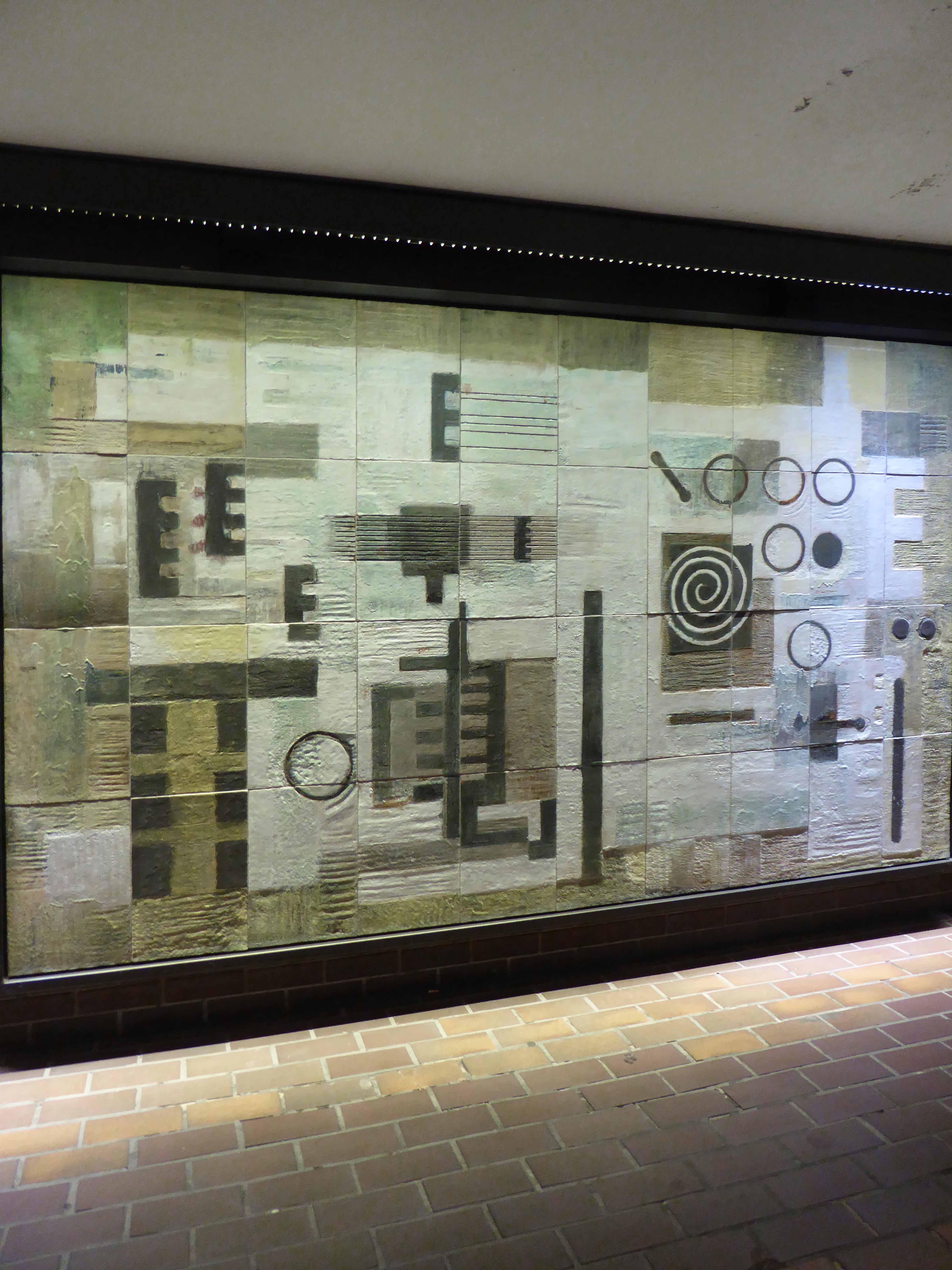
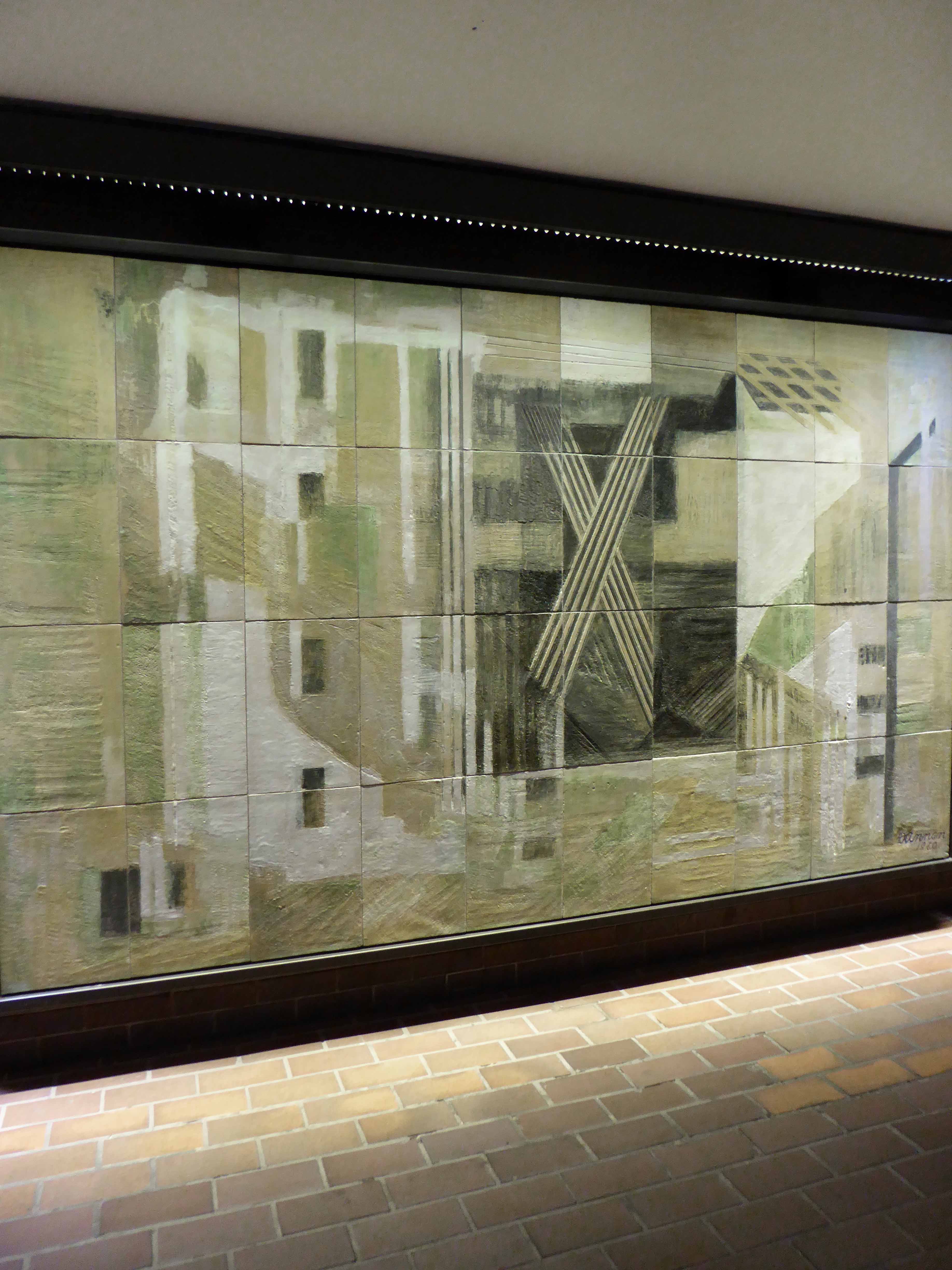
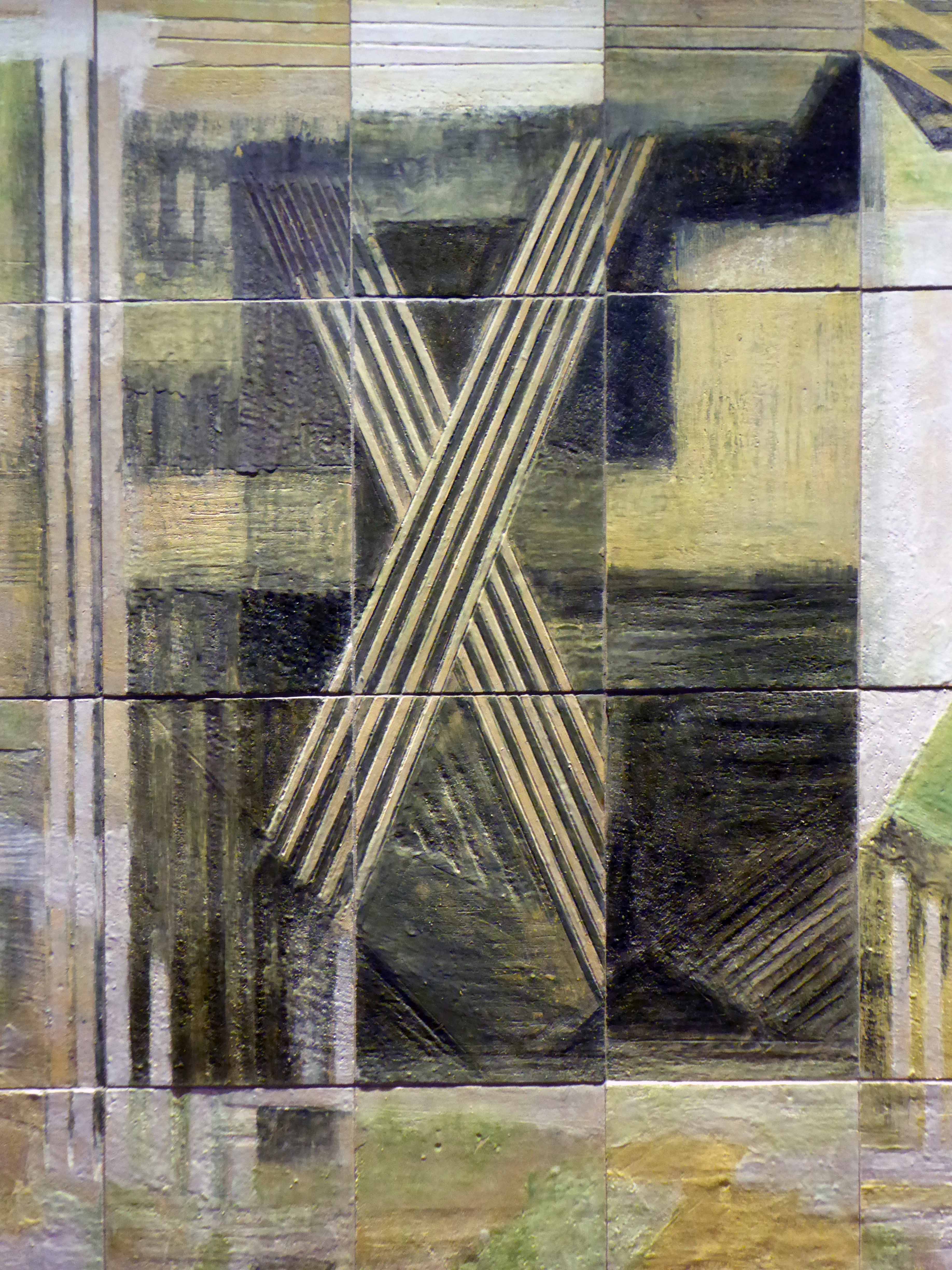
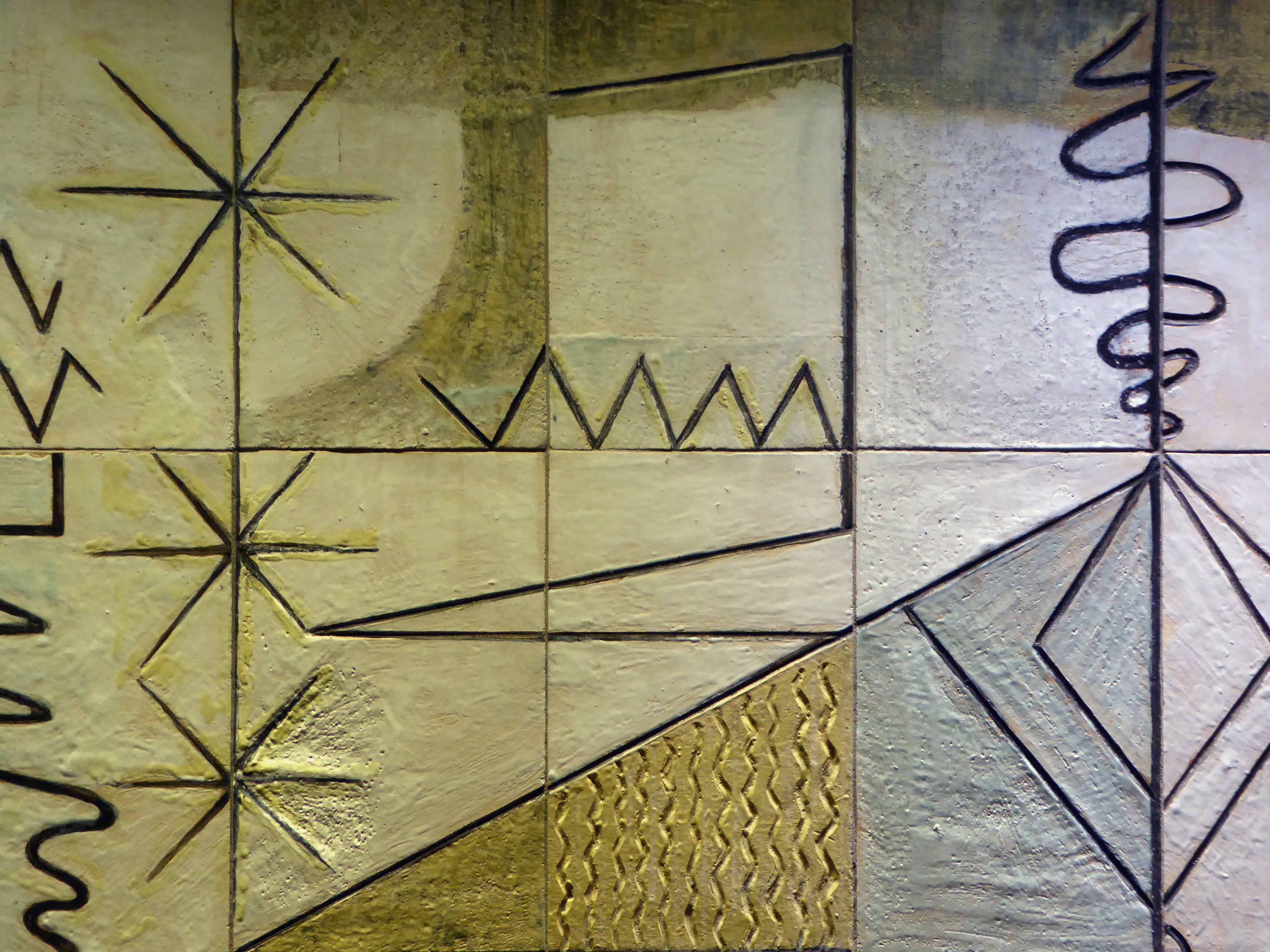
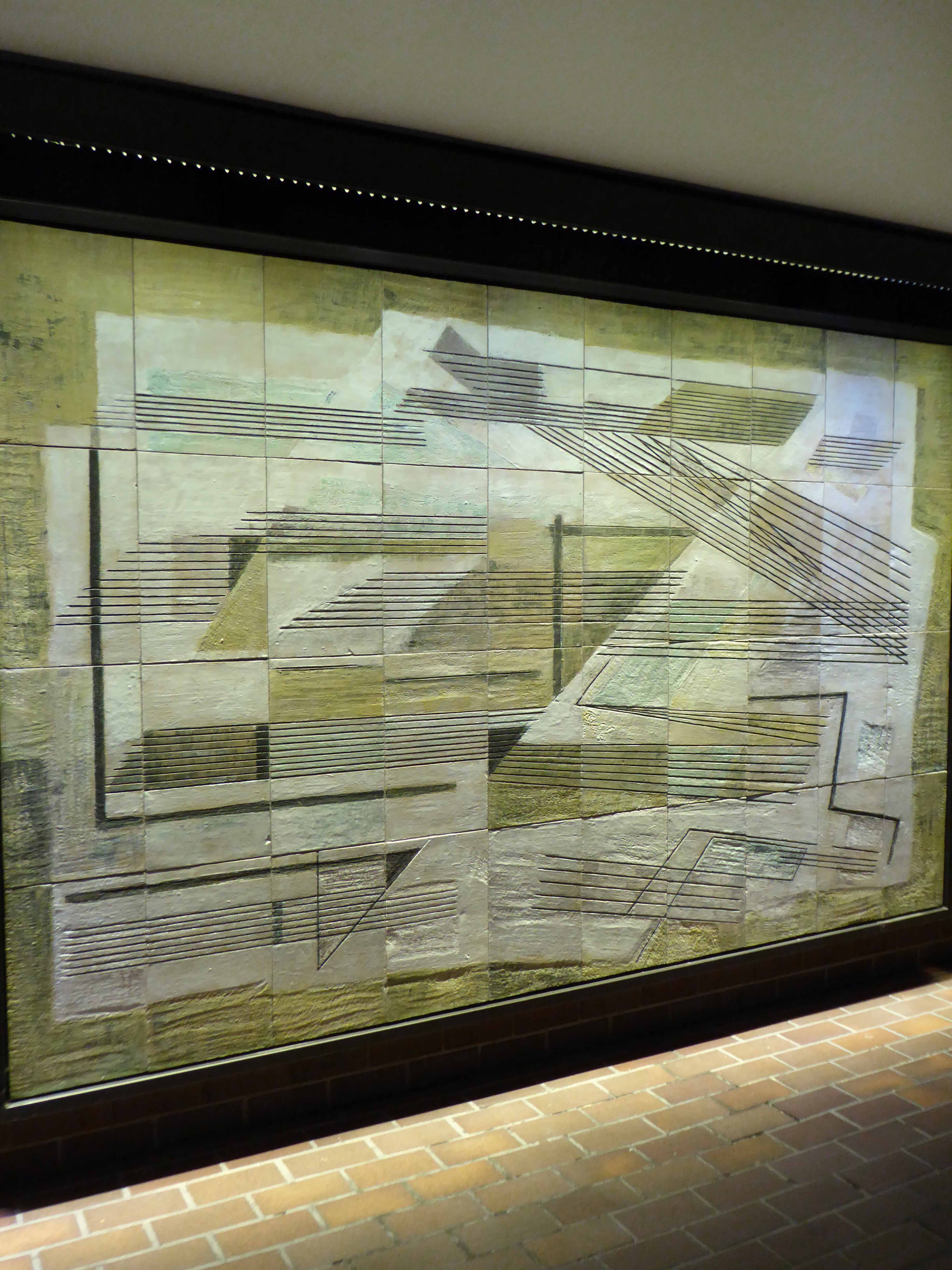
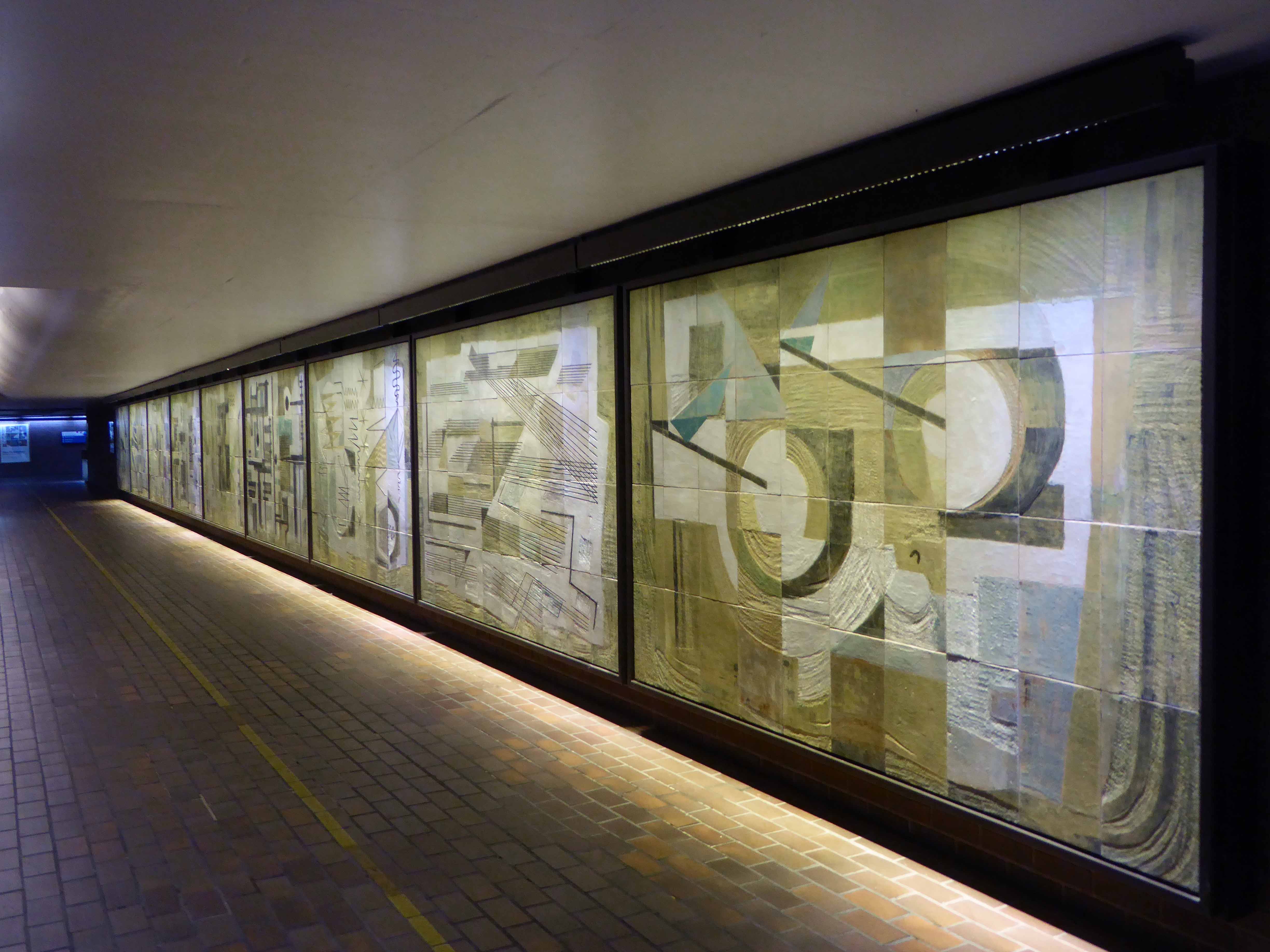
This is a whole new box of tiles, the search for a re-sited mural, a first time meeting with what would seem at once like an old and well-loved friend.

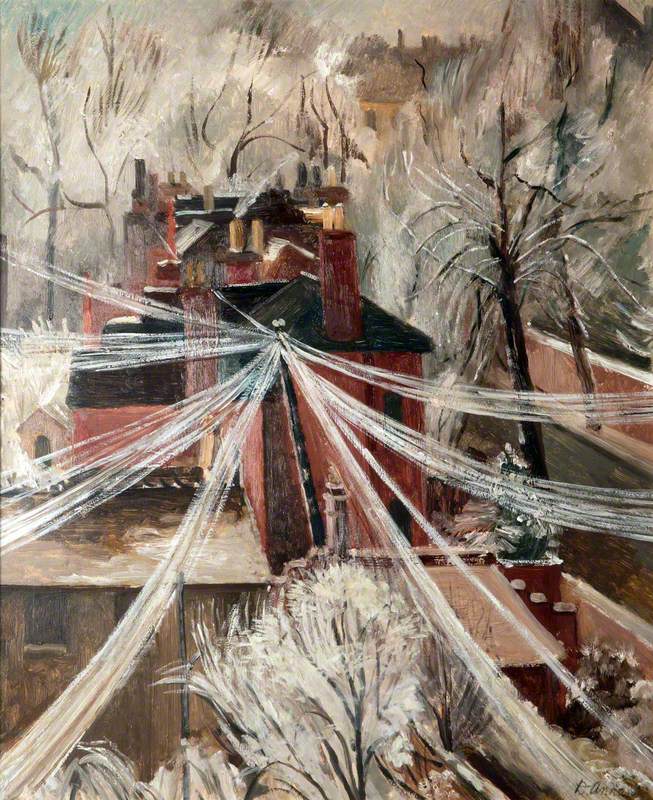
Dorothy Annan 20 January 1900 – 28 June 1983

Was an English painter, potter and muralist, married to the painter and sculptor Trevor Tennant. She was born in Brazil to British parents and was educated in France and Germany.

Christmas 1944 – Manchester Art Gallery

Annan’s paintings are in many national collections, she is also known for her tile murals, many of which have been destroyed in recent decades. Only three of her major public murals are believed to survive, the largest single example, the Expanding Universe at the Bank of England, was destroyed in 1997.

Gouache Sketch

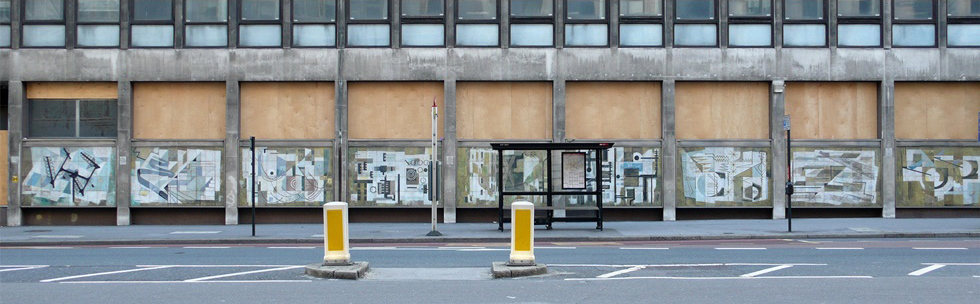
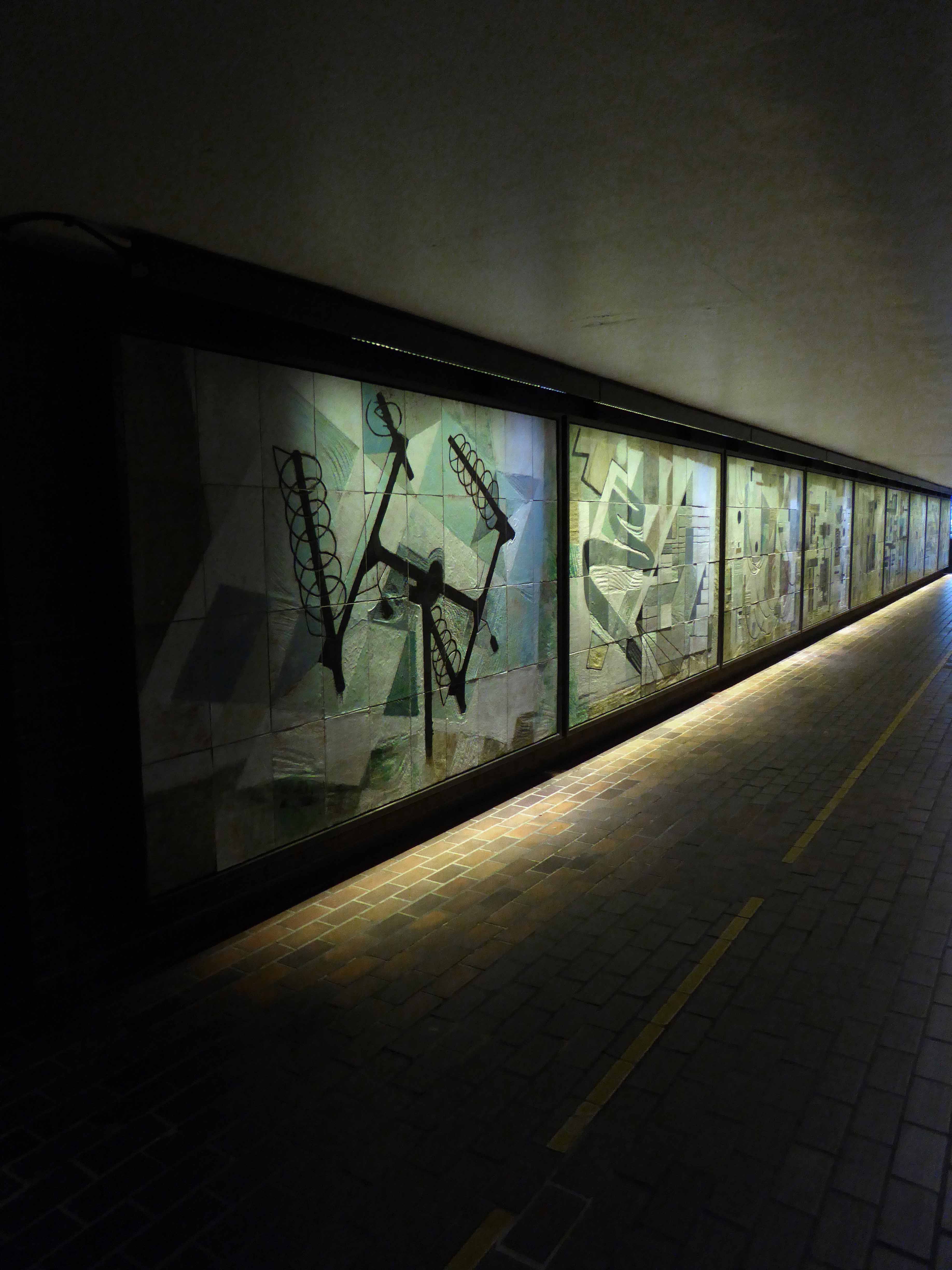
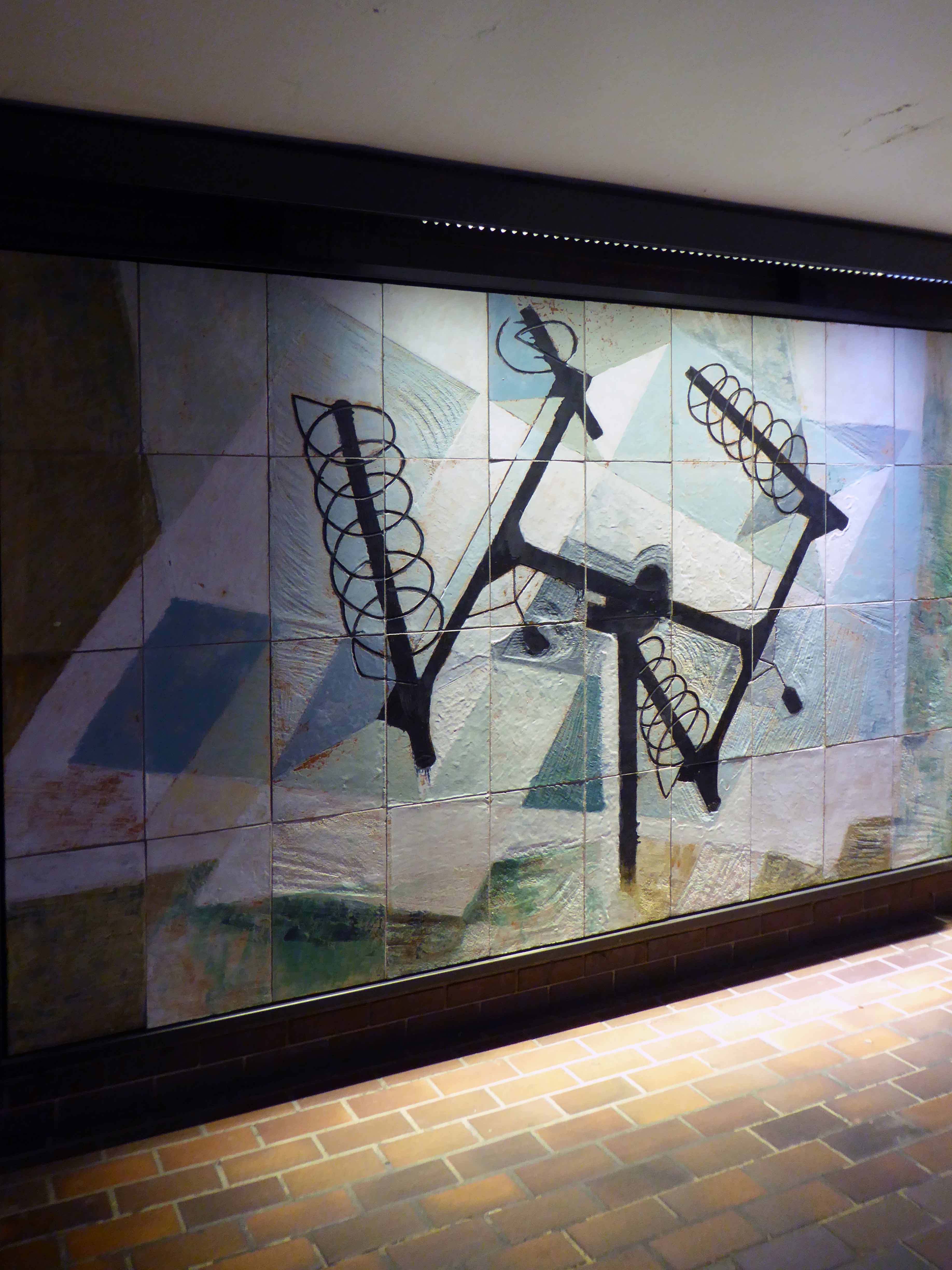
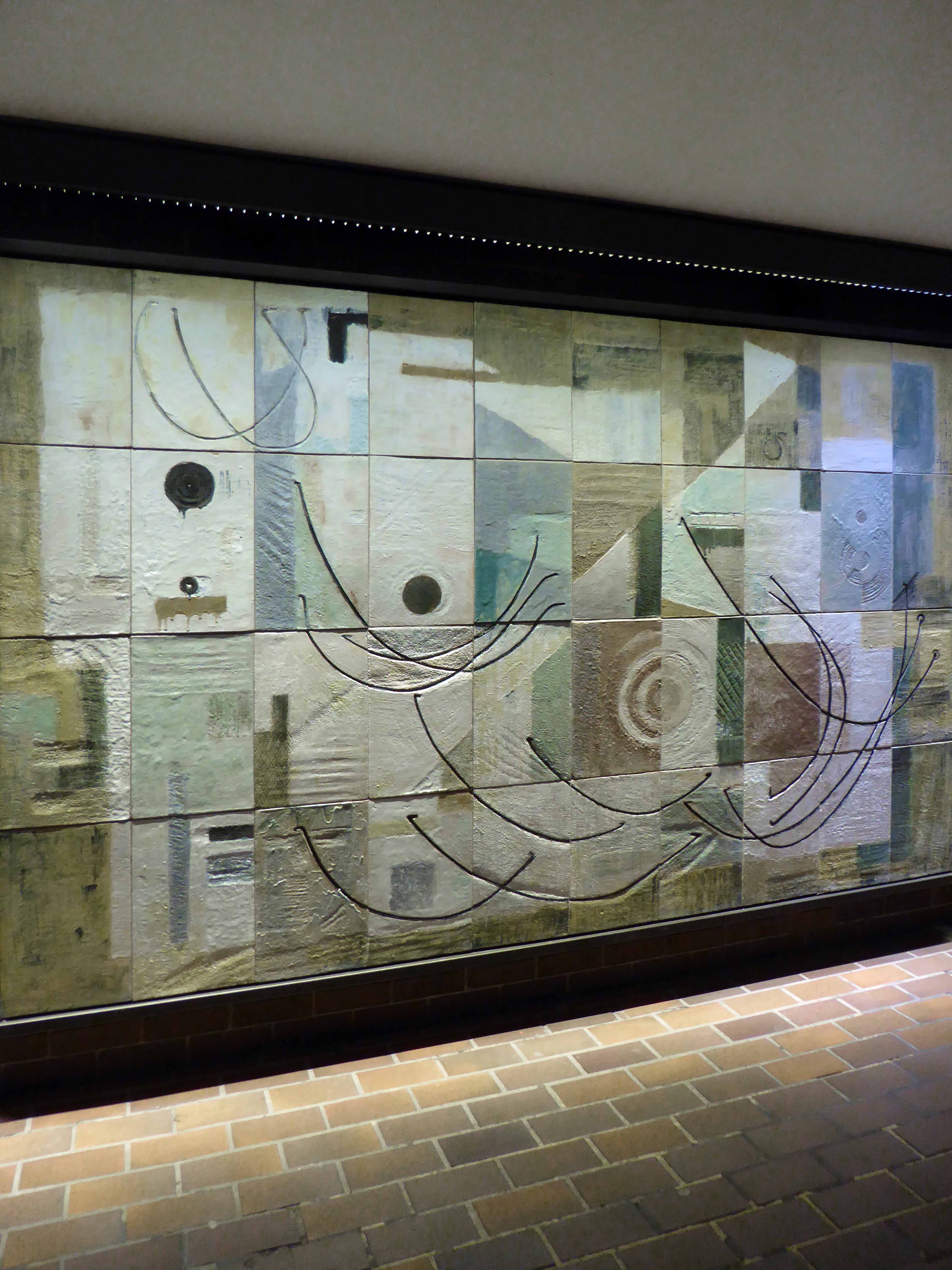
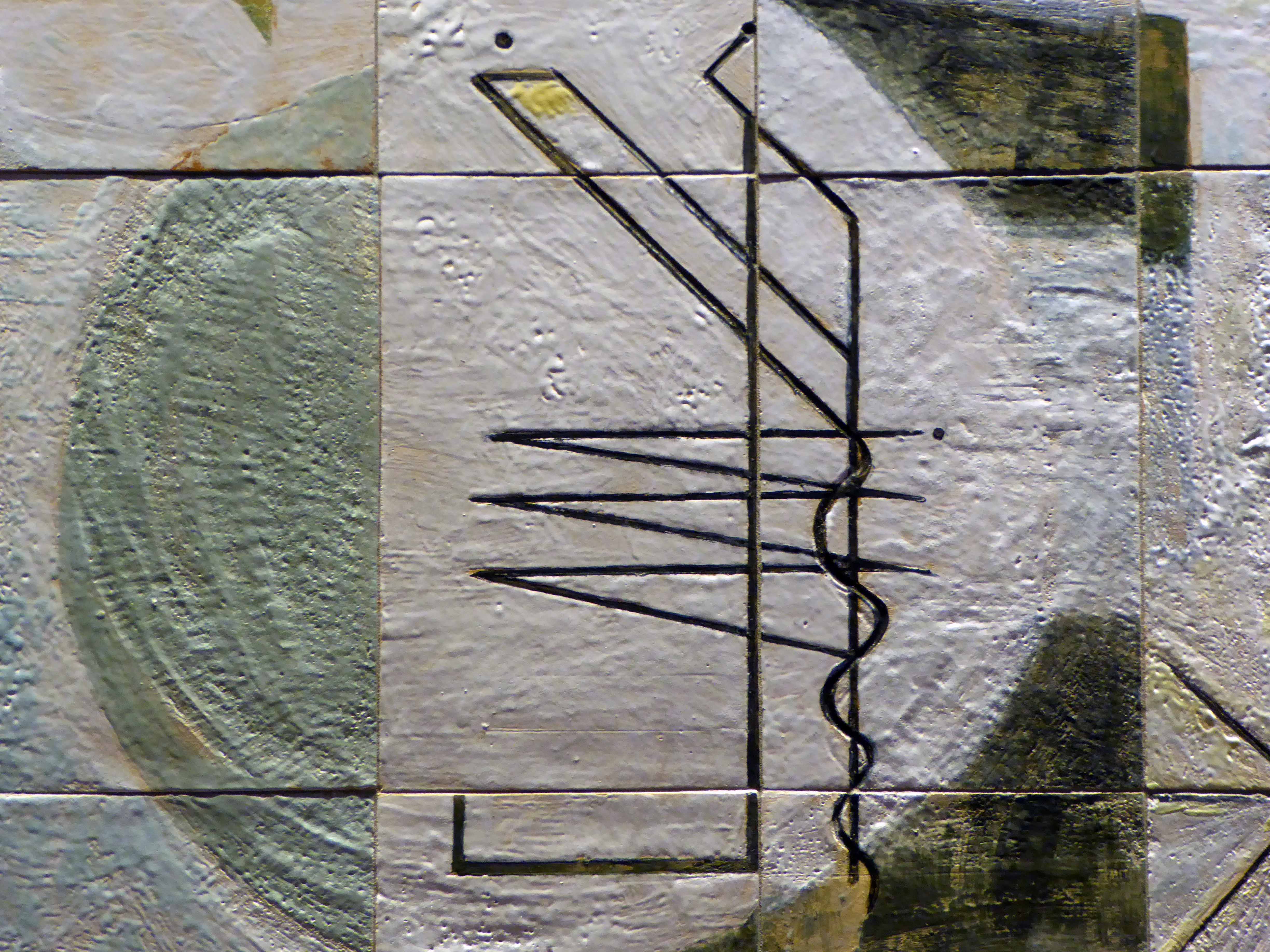
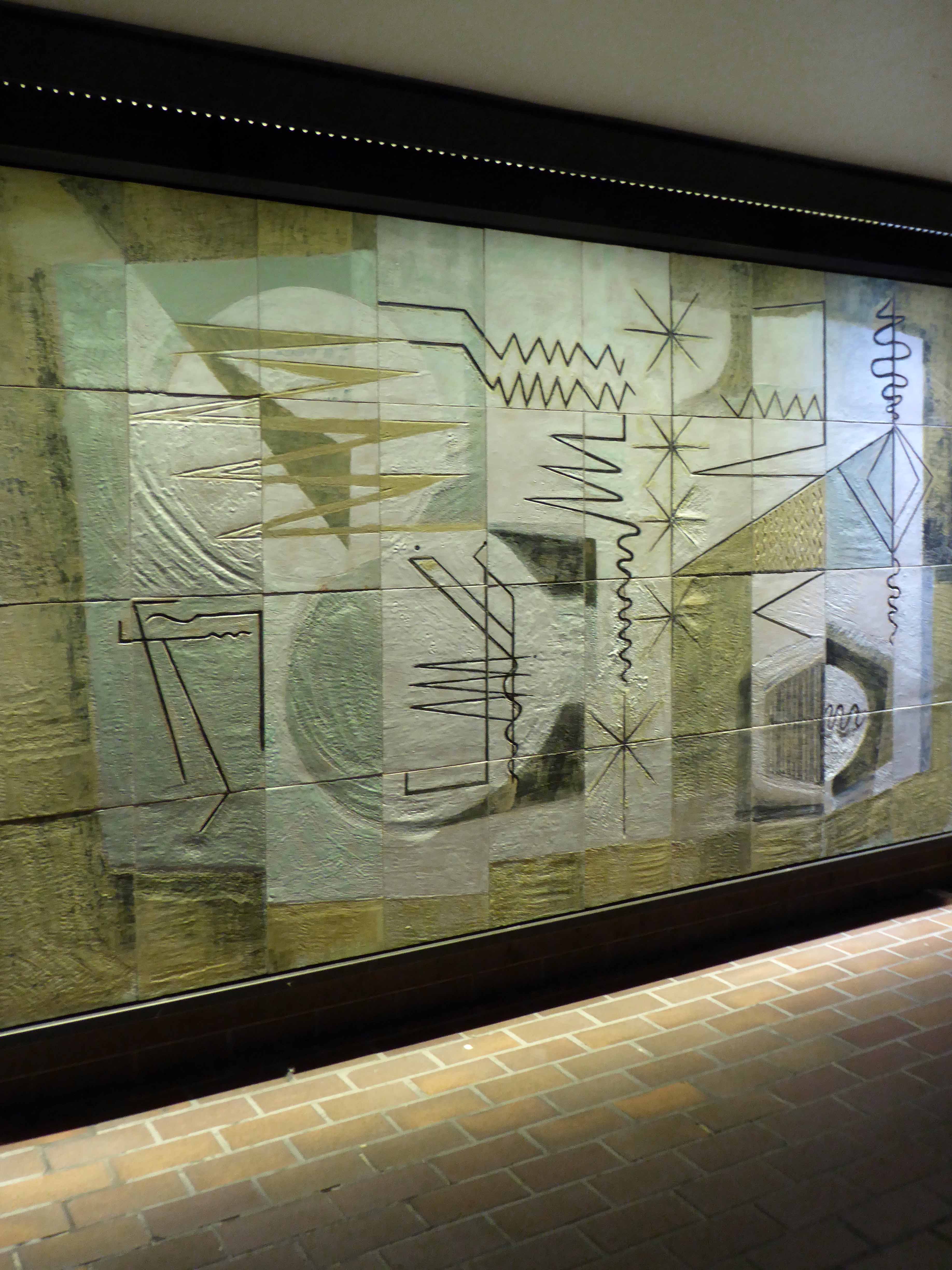
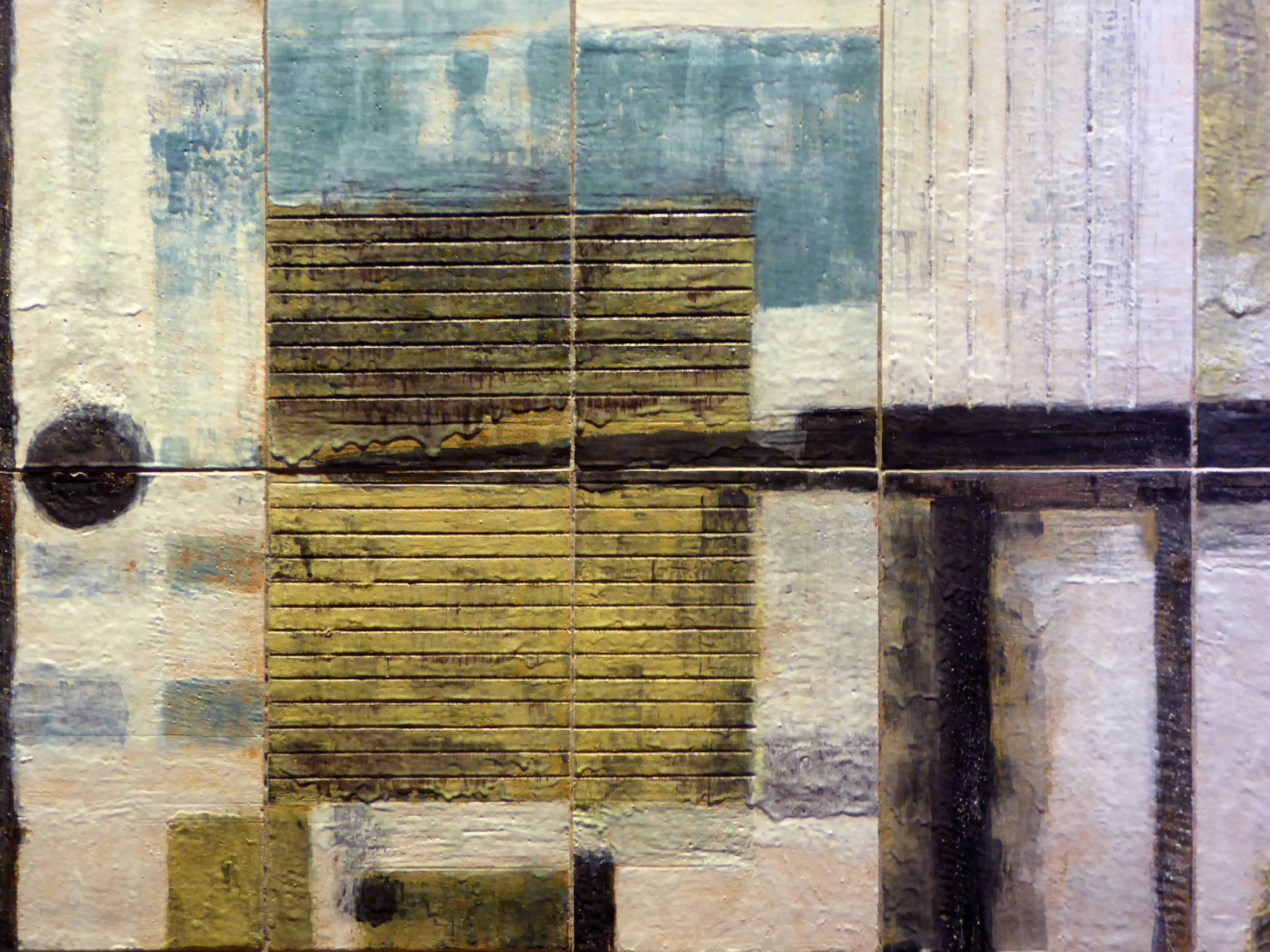
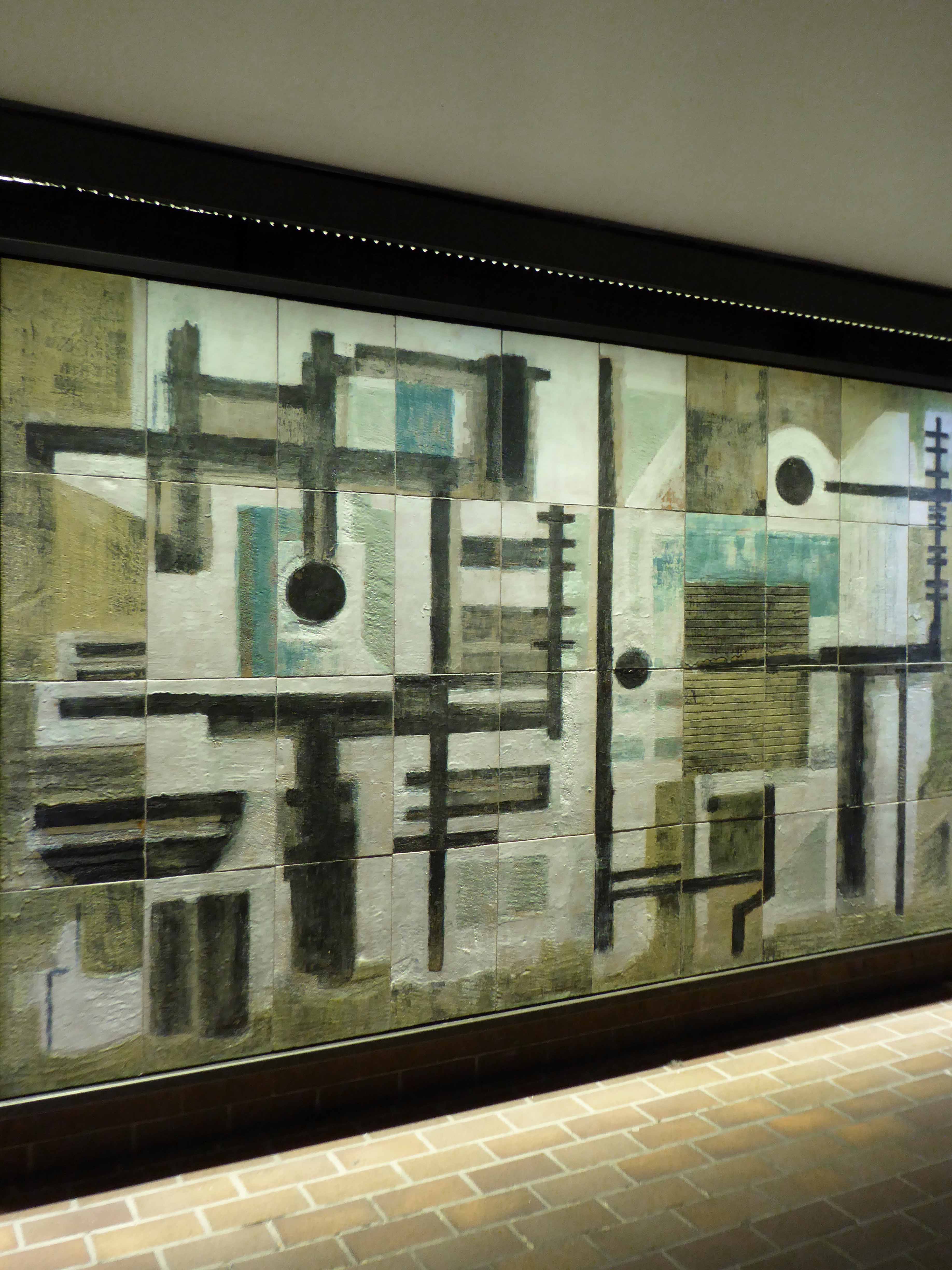
I was looking for her mural which illustrates the telecommunications industry – formerly of the Fleet Building Telephone Exchange Farringdon Road.

Michael Bojkowski

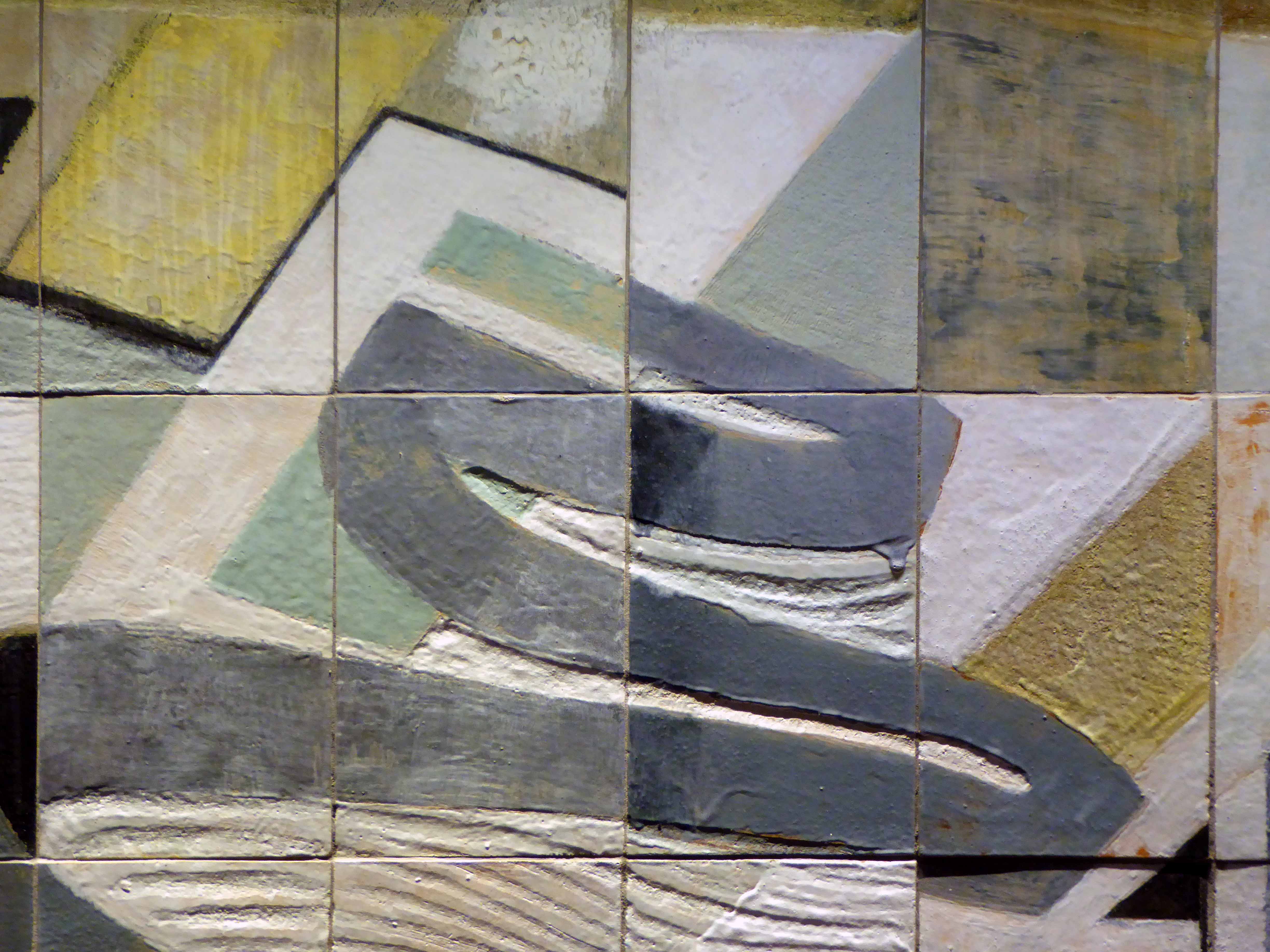
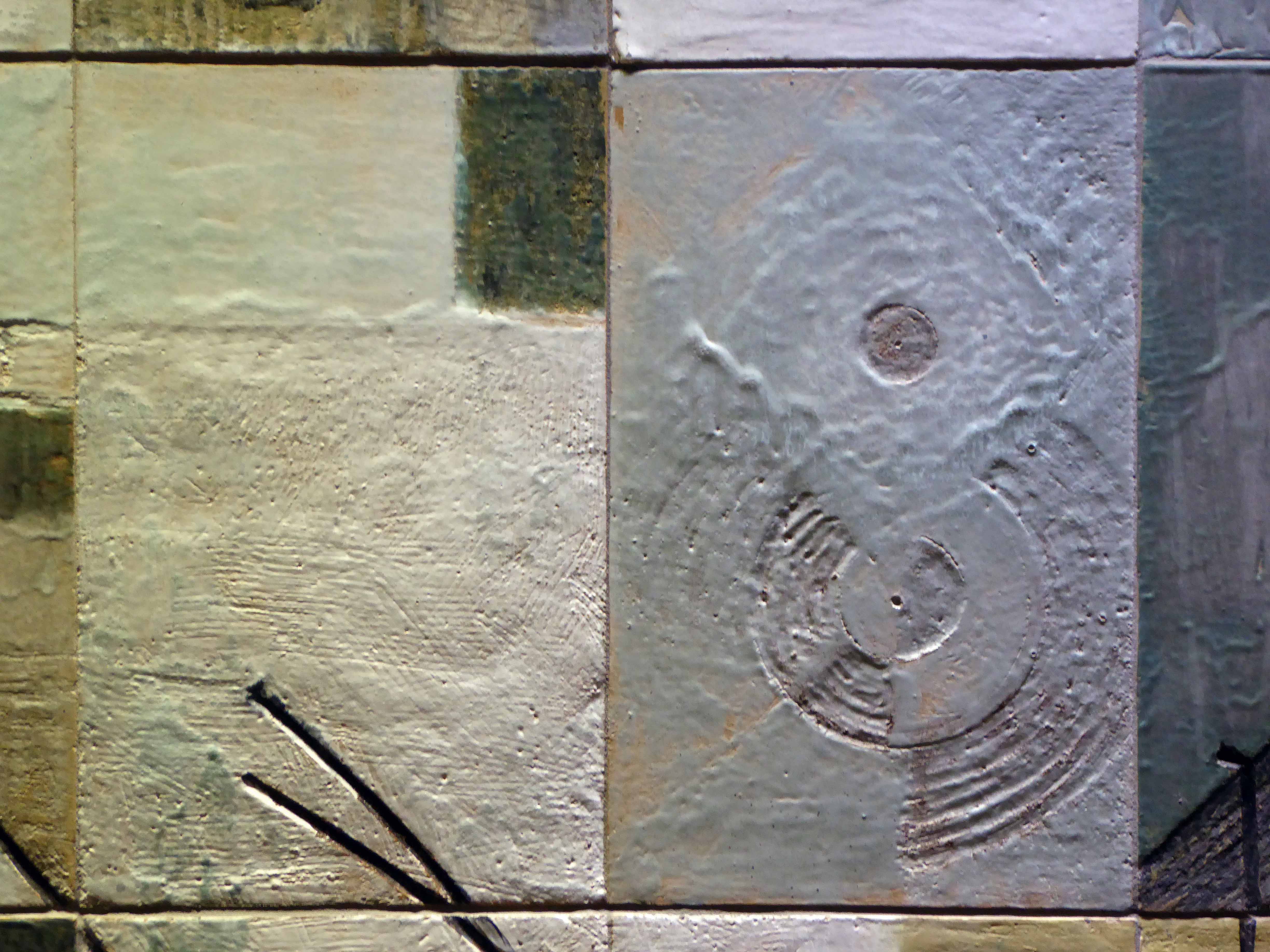
The murals were commissioned at a cost of £300 per panel in 1960. Annan visited the Hathernware Pottery in Loughborough and hand-scored her designs onto each wet clay tile, her brush marks can also be seen in the fired panels.

Charles Trusler

The building was owned by Goldman Sachs, who wished to redevelop the site and opposed the listing of the murals.

In January 2013, the City of London Corporation agreed to take ownership of the murals, and in September 2013 these were moved to a permanent location in publicly accessible part of the Barbican Estate. They are displayed in their original sequence within an enclosed section of the Barbican High Walk between Speed House and the Barbican Centre.

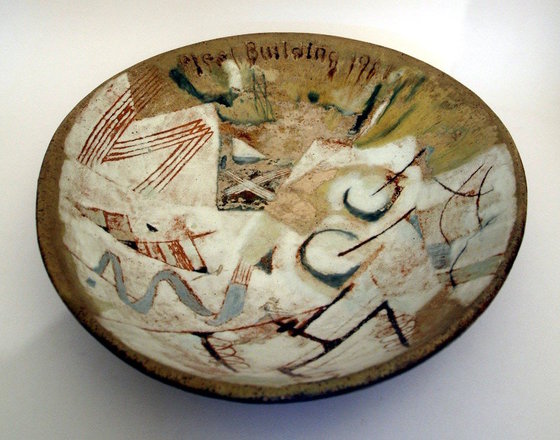
Commemorative Bowl

So following a discursive and somewhat undirected circumnavigation of the Center we were finally united – it only seemed polite to linger a while and take some snaps – here they are.

Stockport Moderne

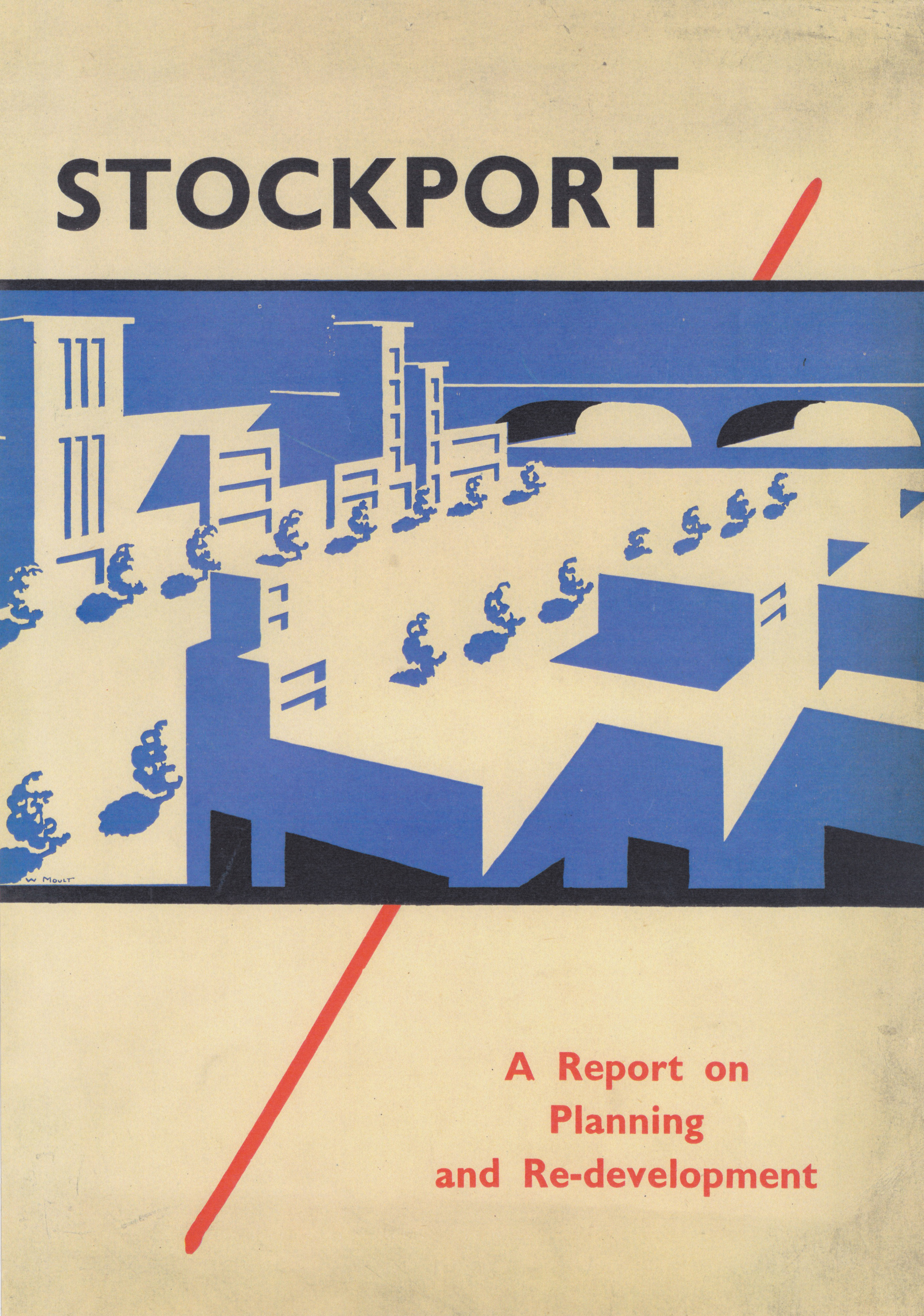
A short circuitous tour around the town’s post war architecture.

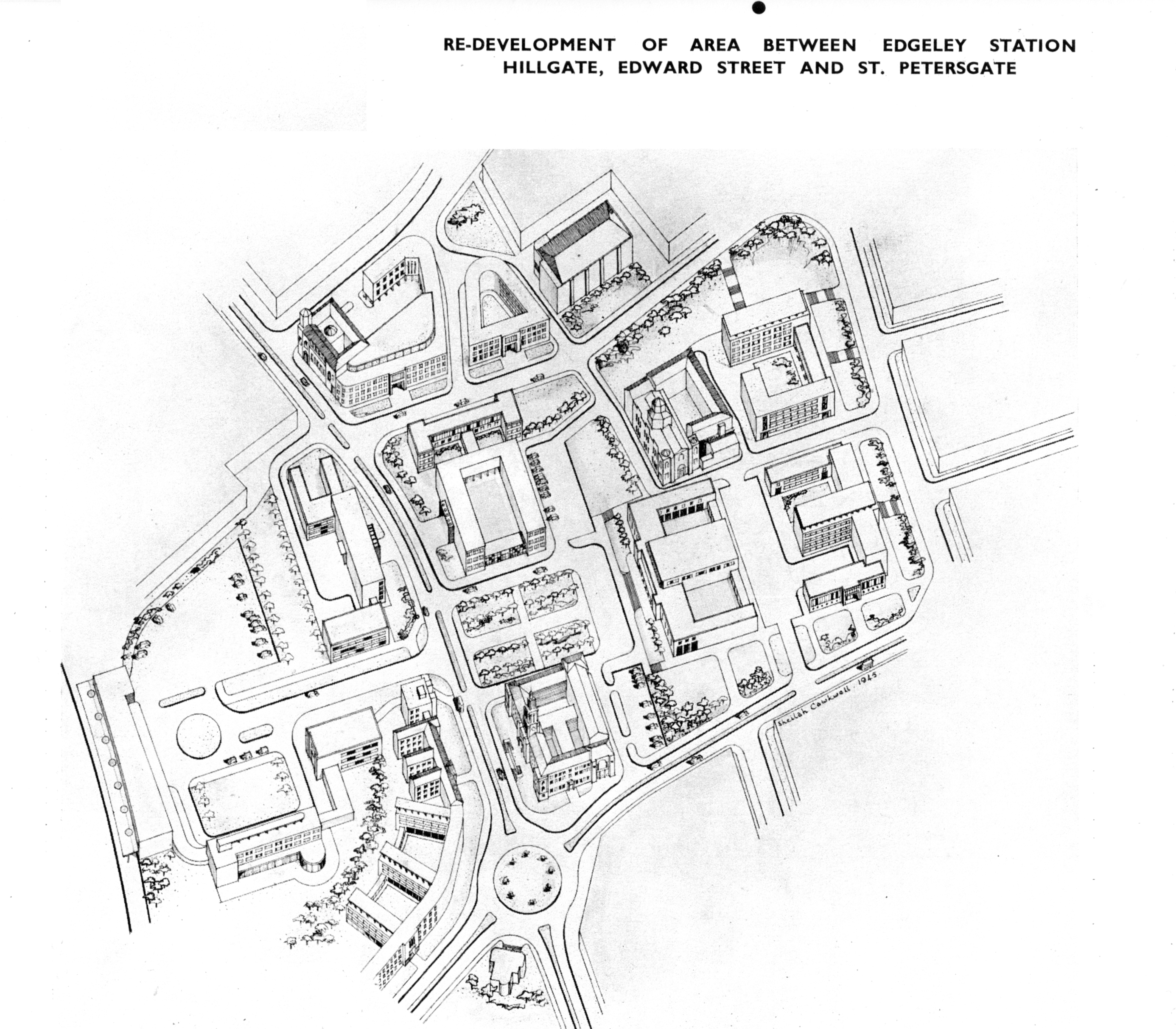
Stockport along with every other town in the country was asked by central government to draw up a plan for reconstruction, to be implemented at the end of WW2. The result was invariably a wholesale rebuilding of bomb damaged and aged industrial, civic and domestic architecture.

Post 1945 such plans were seldom realised, Coventry and Plymouth being the exceptions. Changes in government, shortages of materials, labour and finance all played their part. We are left with a piecemeal implementation taking place over a much longer time scale than was originally envisaged.

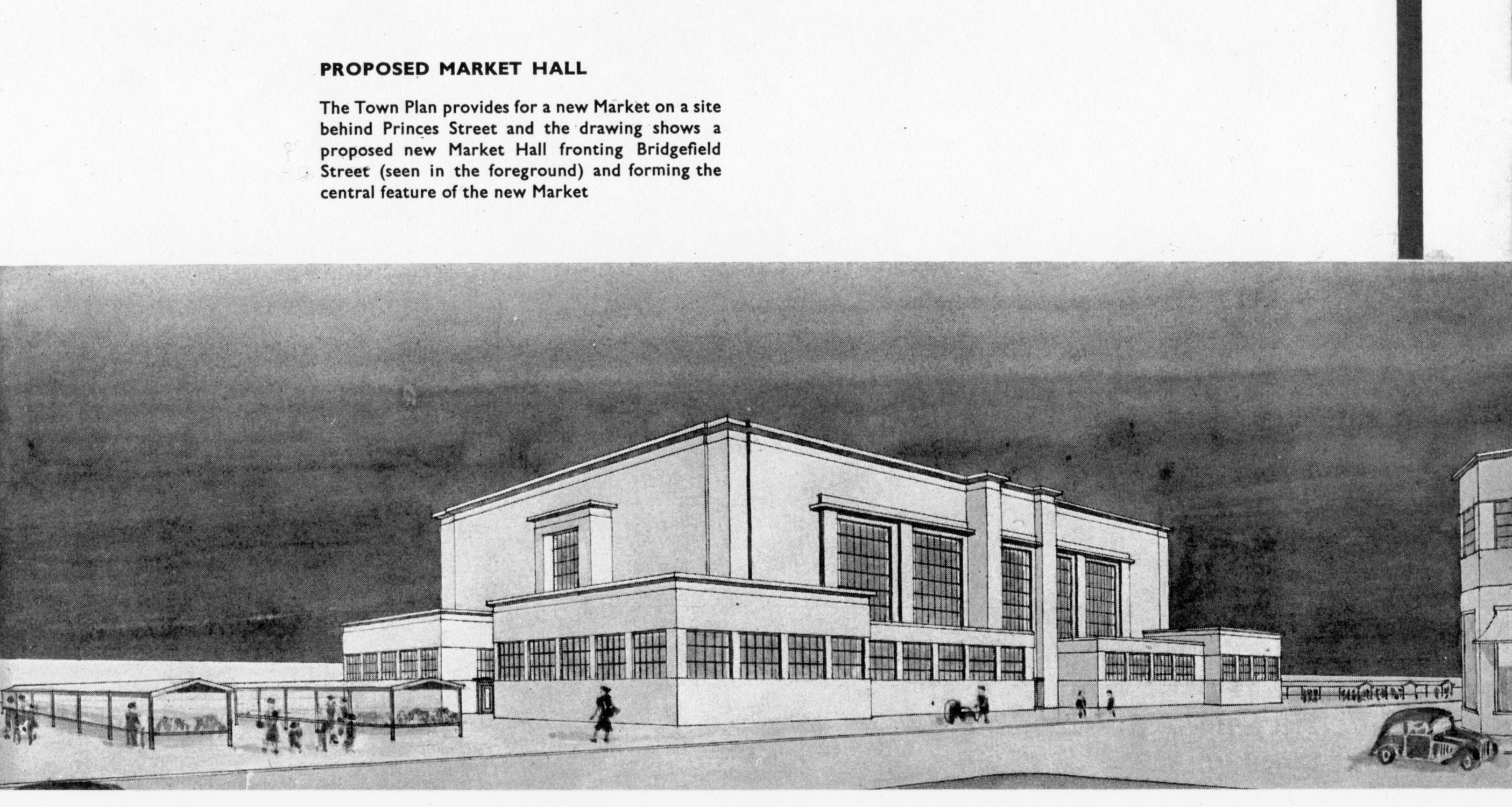
The proposed Market Hall remains a fantasy in line and wash.

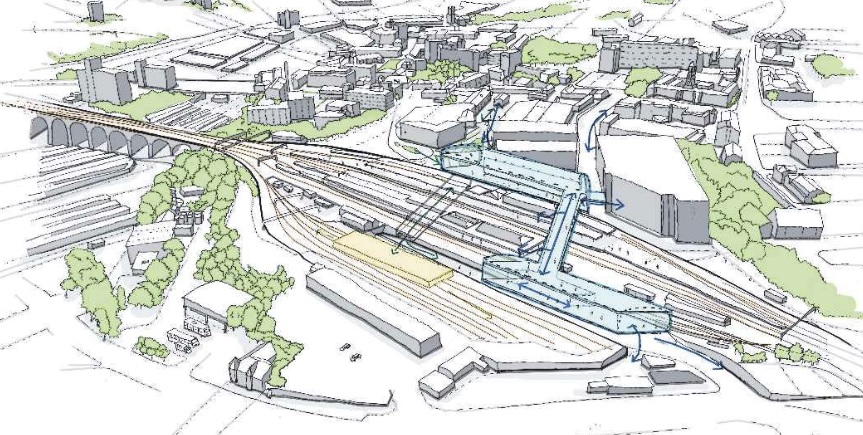
The Town Hall was spared and the planned civic sector took shape over some sixty years, the station approach area is now in its second phase of rebirth and rebuilding – the original 80s development of Grand Central now largely rubble – a new new plan is now in play.

A whole new transport interchange is to be built, replacing the existing 80s Bus Station.

Some 60s structures have been and gone, others are to be demolished or transformed into apartments, as towns strive to repopulate the centres following decades of abandonment to the moribund absence of a thriving night time economy.

So as of January 2019 we find ourselves at the centre of a town with change at its very centre, some of that which we see will be transformed, some will disappear.

All That Is Solid Melts into Air.

Petersgate House

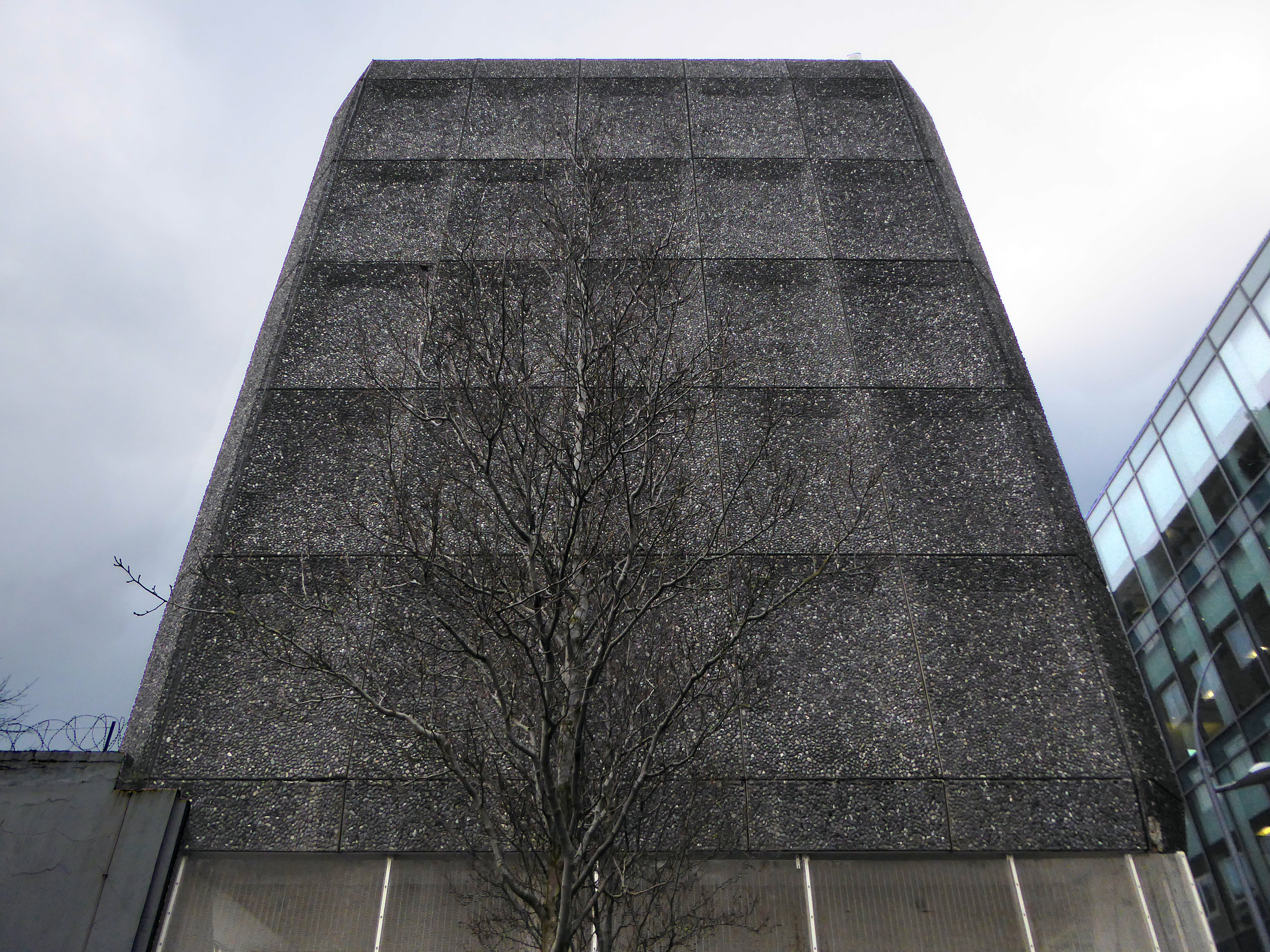
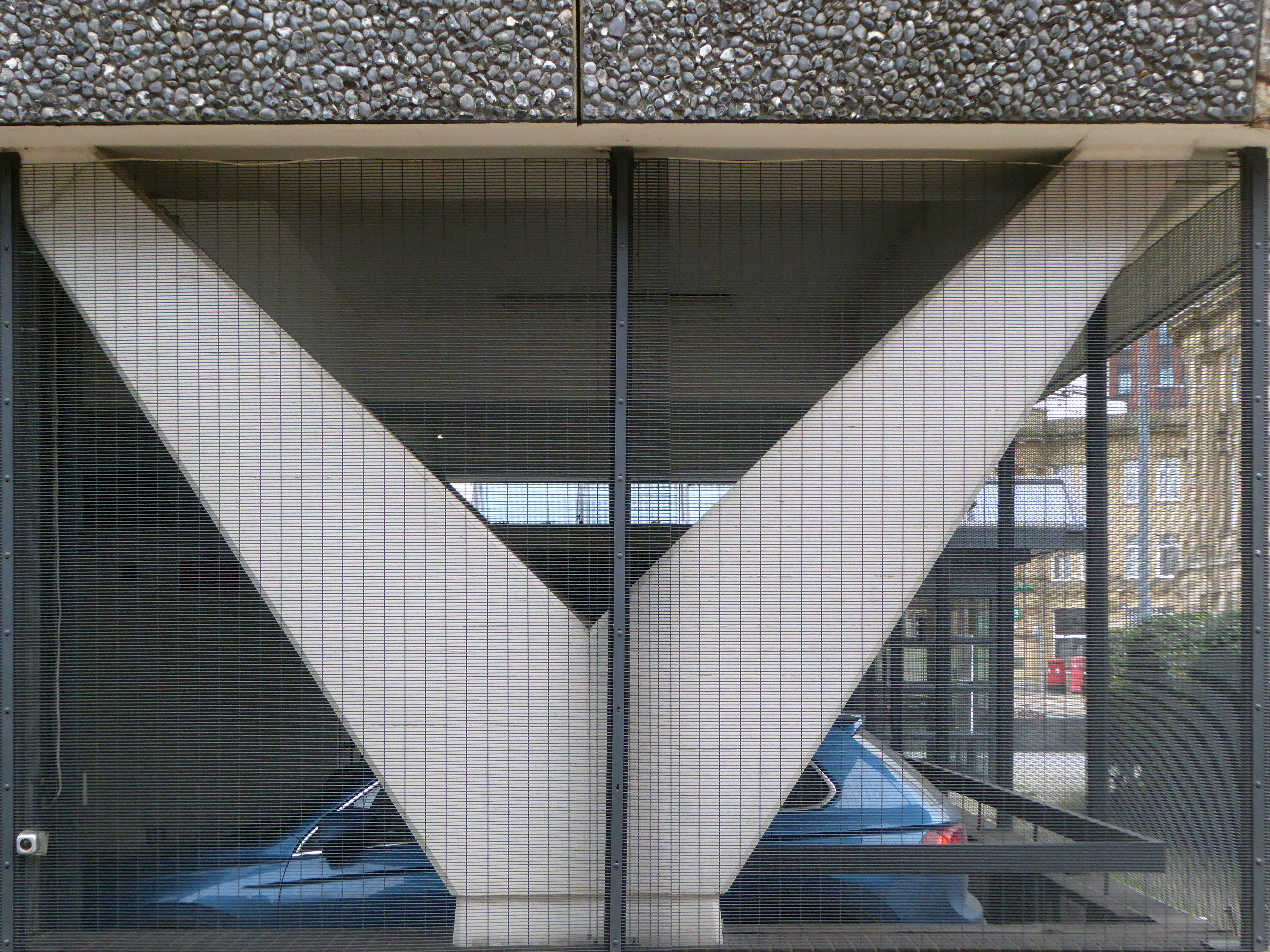
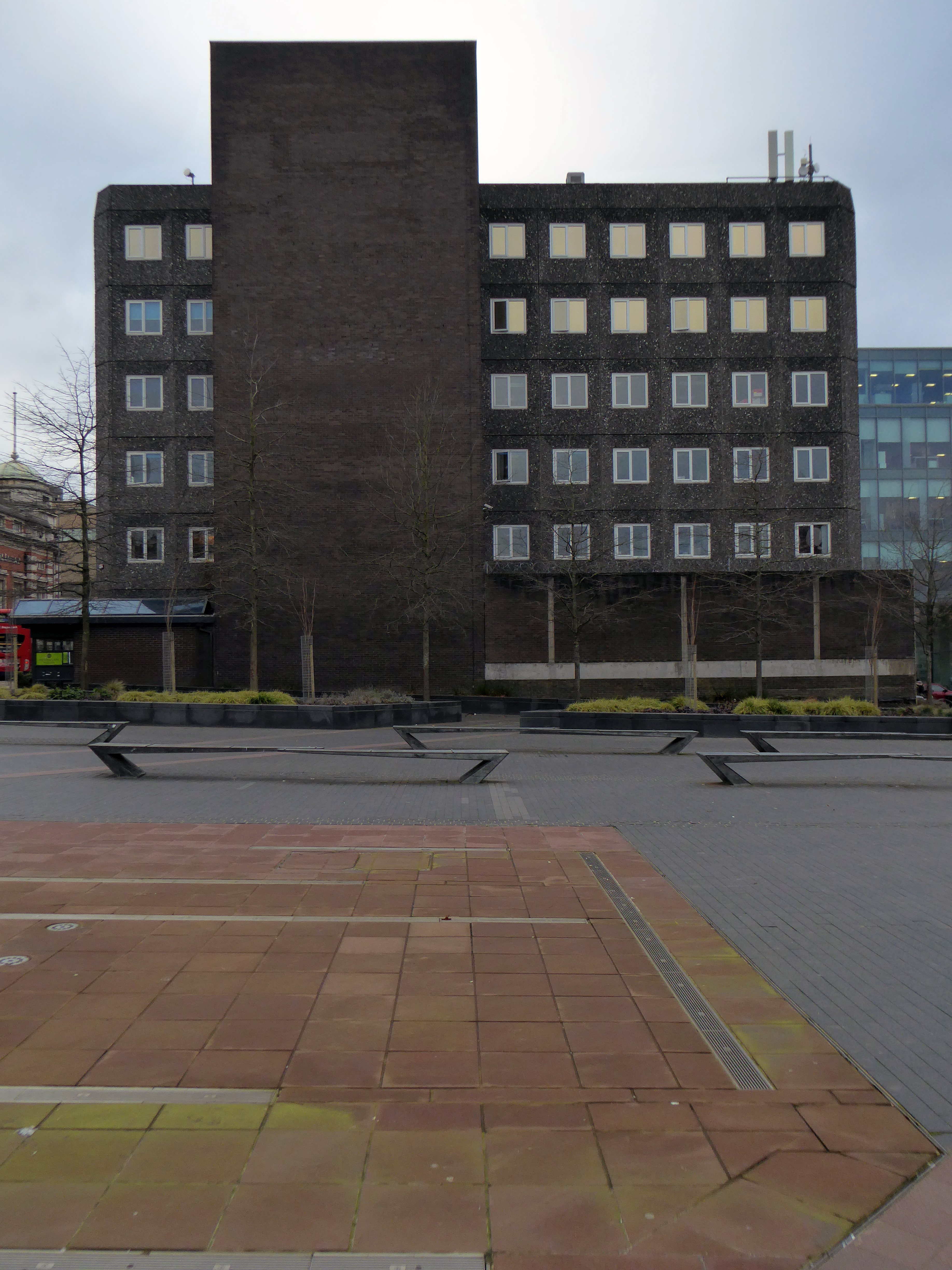
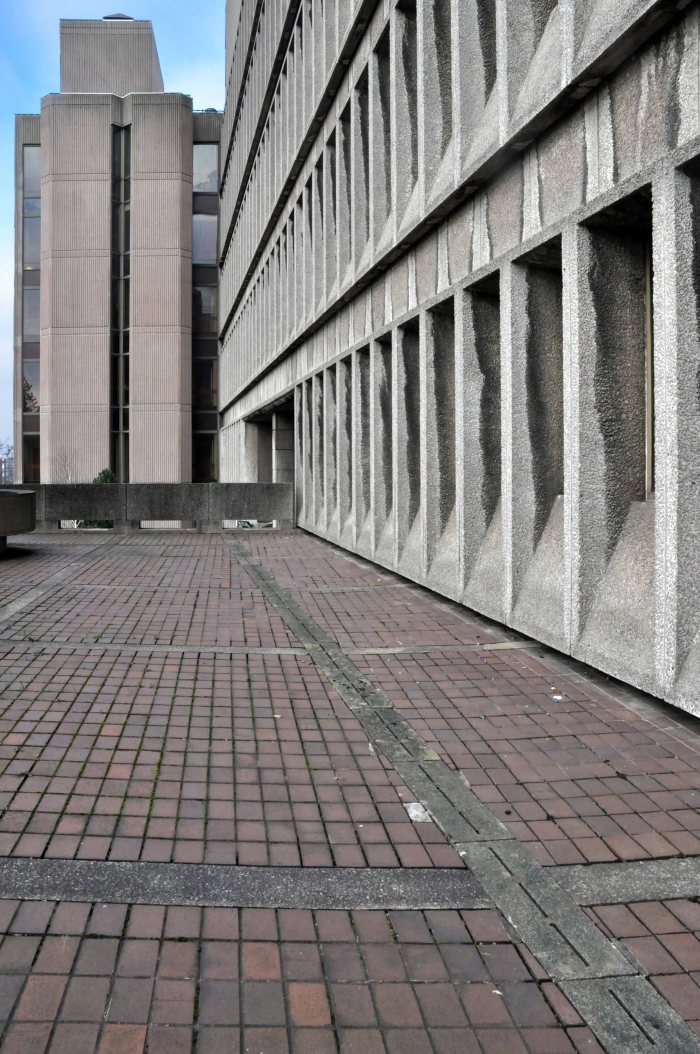
A compact 70s block, that combines the roughest of precast panels, with the smoothest of *V* shaped supports, housing the car park below. The north face is a solid block of rough mid-toned aggregated recessed concrete, the remaining elevations pierced with windows and to the east a brick service tower.

Stockport Image Archive

I miss the Water Board offices, formerly adjoining the site.

Hilton House

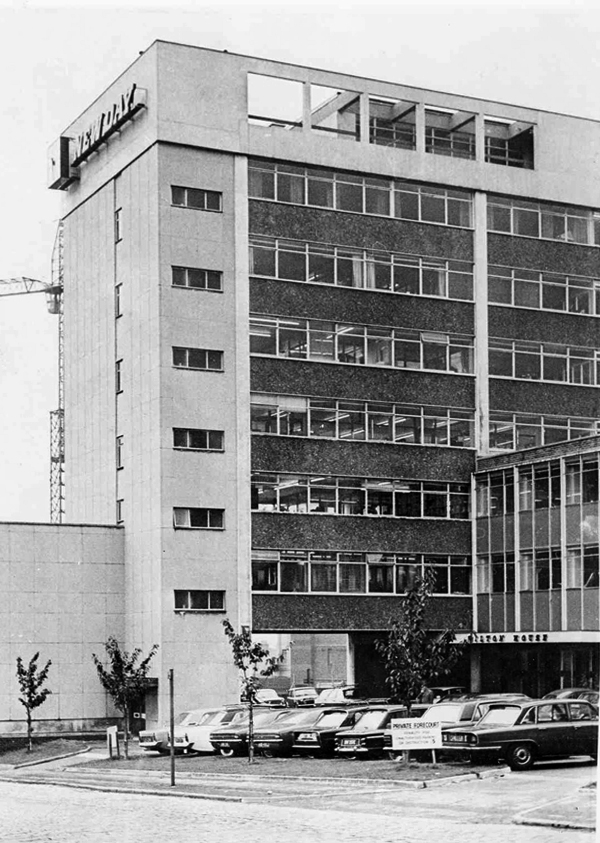
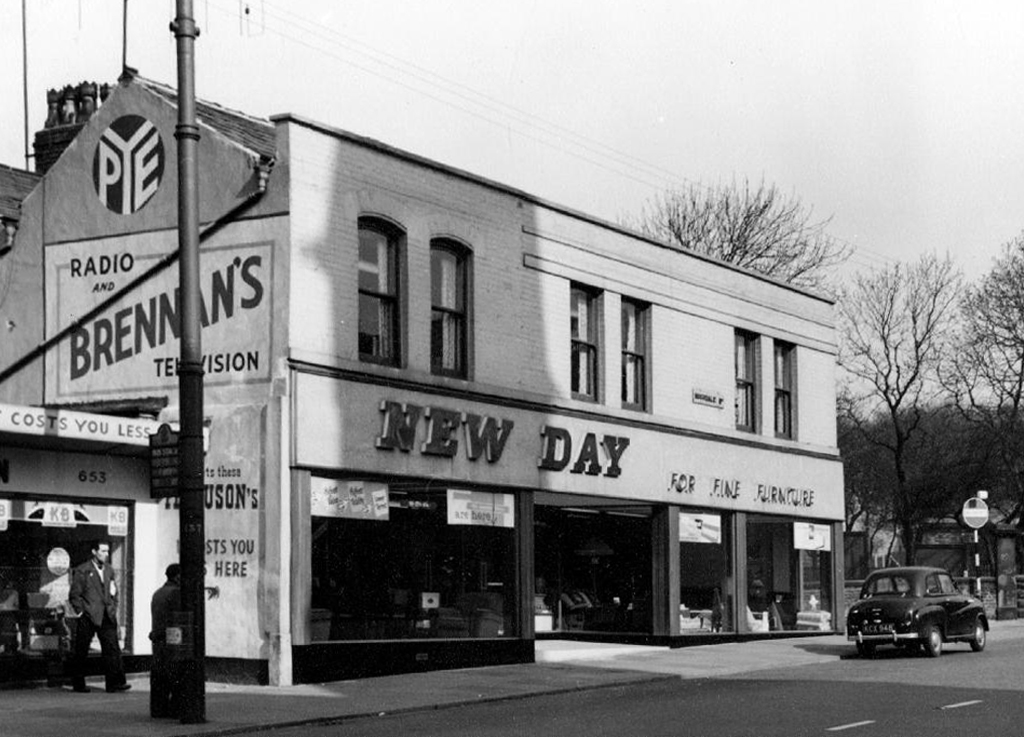
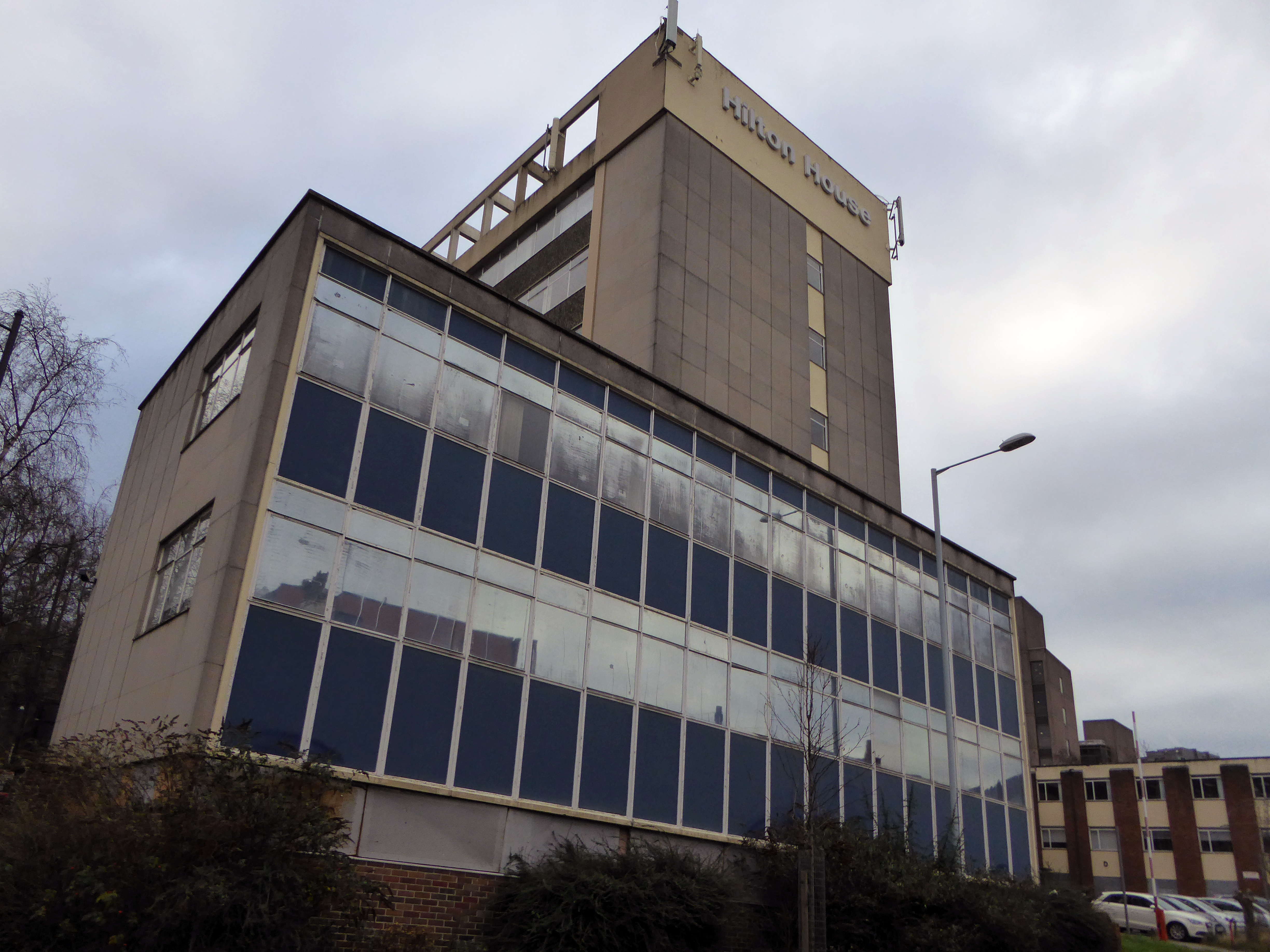
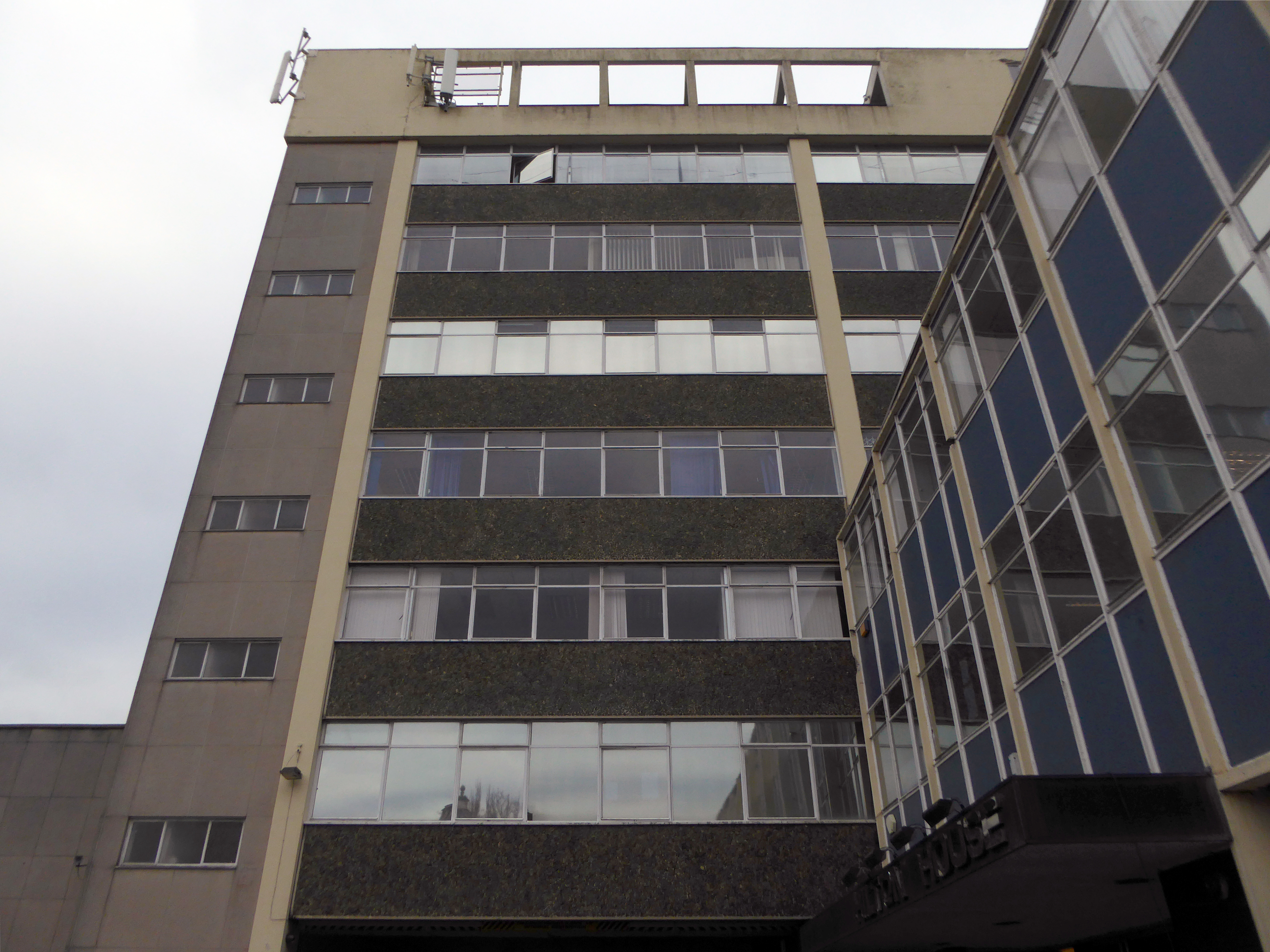
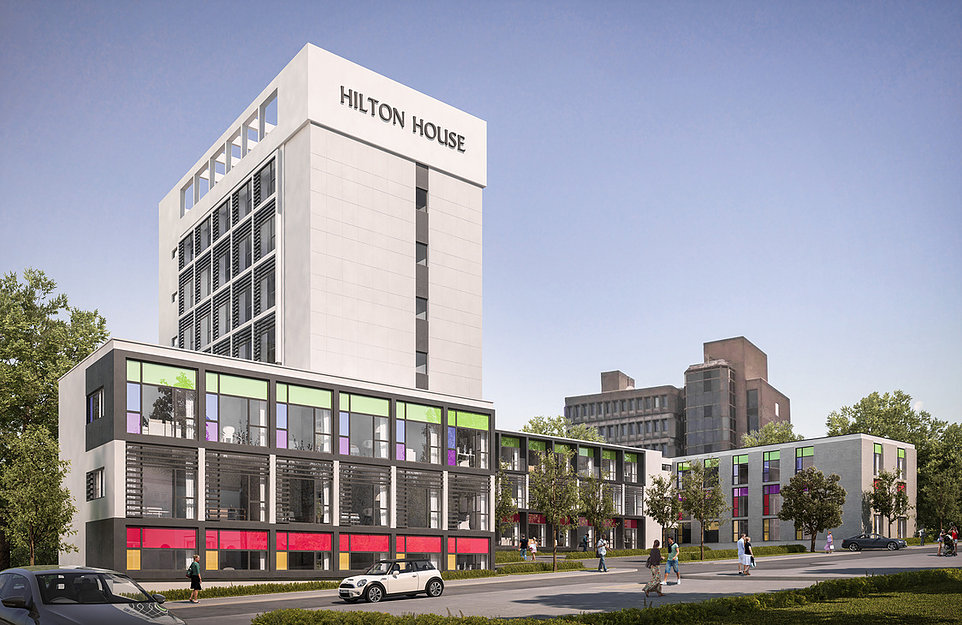
Sixties built Hilton House is the former home of local furniture manufacturers New Day. It continues to impress, more or less unaltered, with its dramatic interlocking volumes confidently occupying the topography of the site. A commanding block of some ten storeys, with well proportioned bands of windows and mixed stone and concrete cladding. Linked to two further horizontal blocks, which are finished in contrasting styles. 

The building is currently in occupation as office space but there are imminent plans to convert the development into apartments following a Studio KMA concept design.

Stopford House

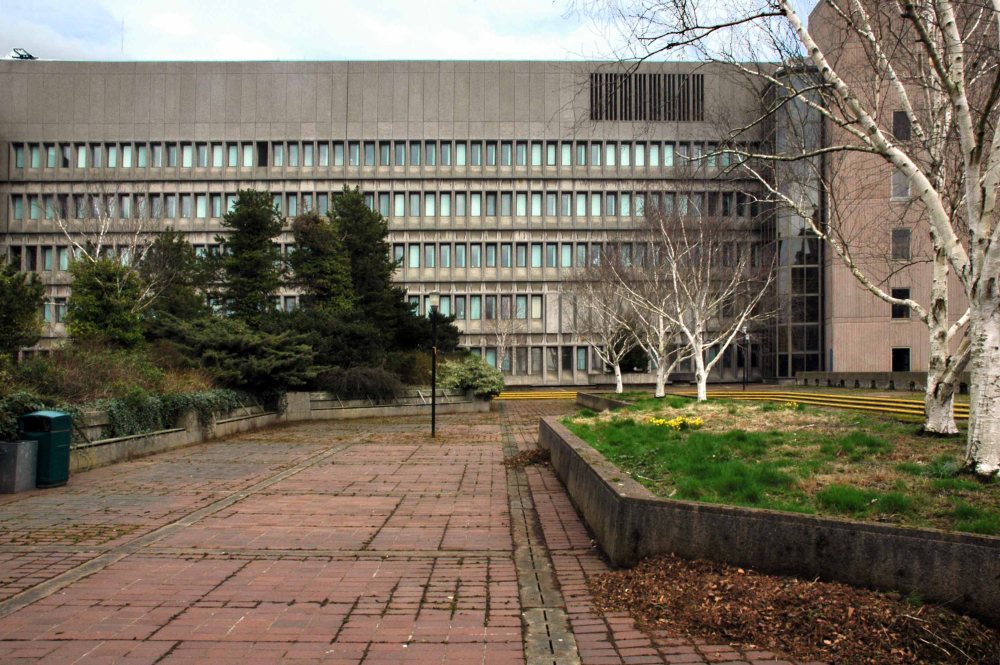
There had been proposals to extend the Town Hall provision since 1945, which were finally realised in 1975. Designed by JS Rank OBE and built at a cost of £1,500,000 – to provide additional office provision for the Local Authority. A further two blocks were planned but never built.

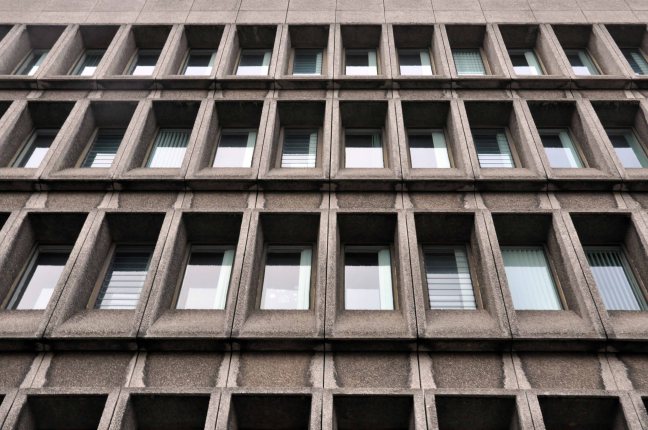
The main block is clad in 1400 exposed aggregate precast panels and the link blocks have ribbed walls constructed with in situ concrete, bush hammered to expose the limestone aggregate. The precast panels were carefully matched in order to harmonise with the existing Town Hall, the mix contained coarse aggregate from the Scottish Granite Company of Creetown, a fine Leemoor sand from the Fordamin Company, together with white cement.
There are tow levels of underground parking beneath the whole of the development. The piazza between the blocks was to have had a water cascade falling into a pond running the whole length of the area.

Though exciting and expansive in the modern manner the piazza area, sadly, seems little used.

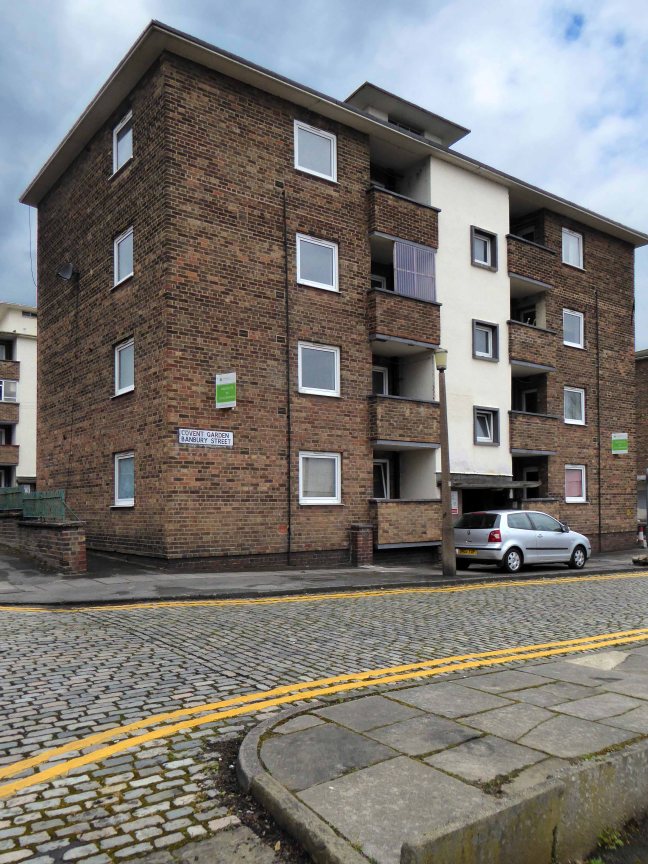
Missing in action Covent Garden Flats once a little inter-war Berlin style low rise development now a Barratt Home urban paradise.

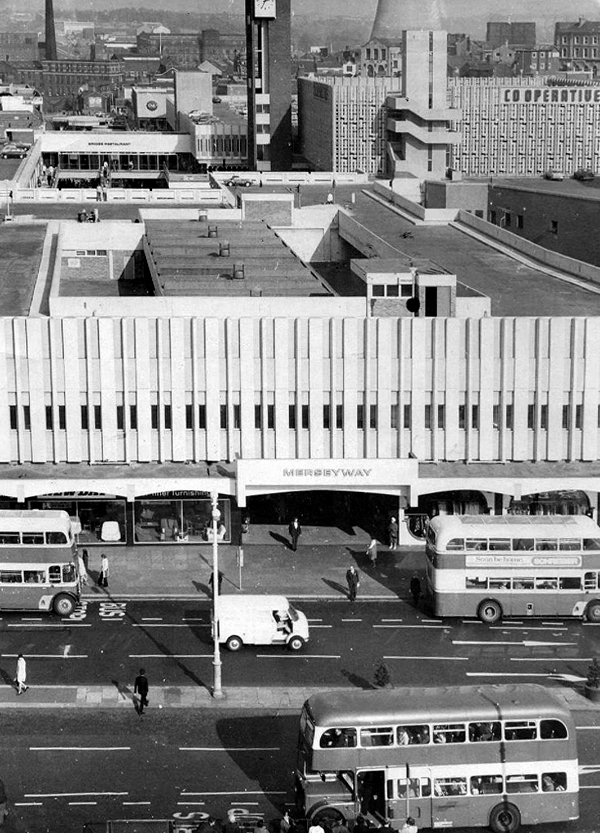
Merseyway

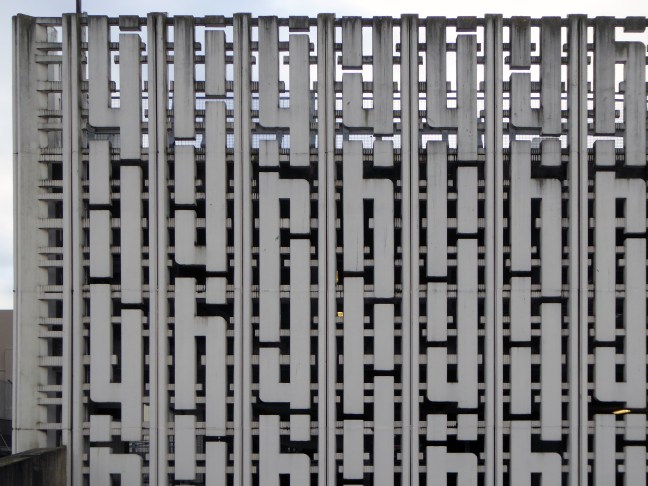
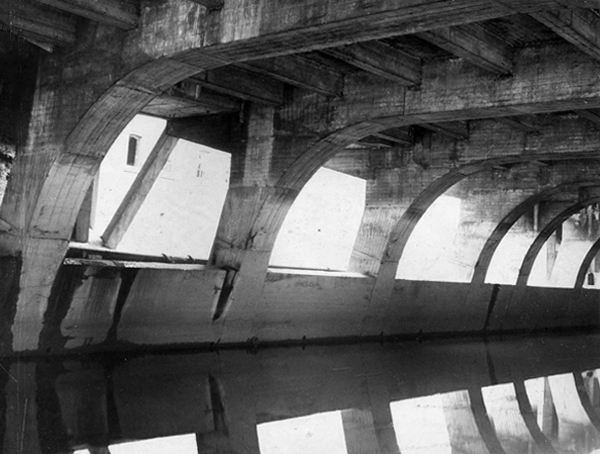
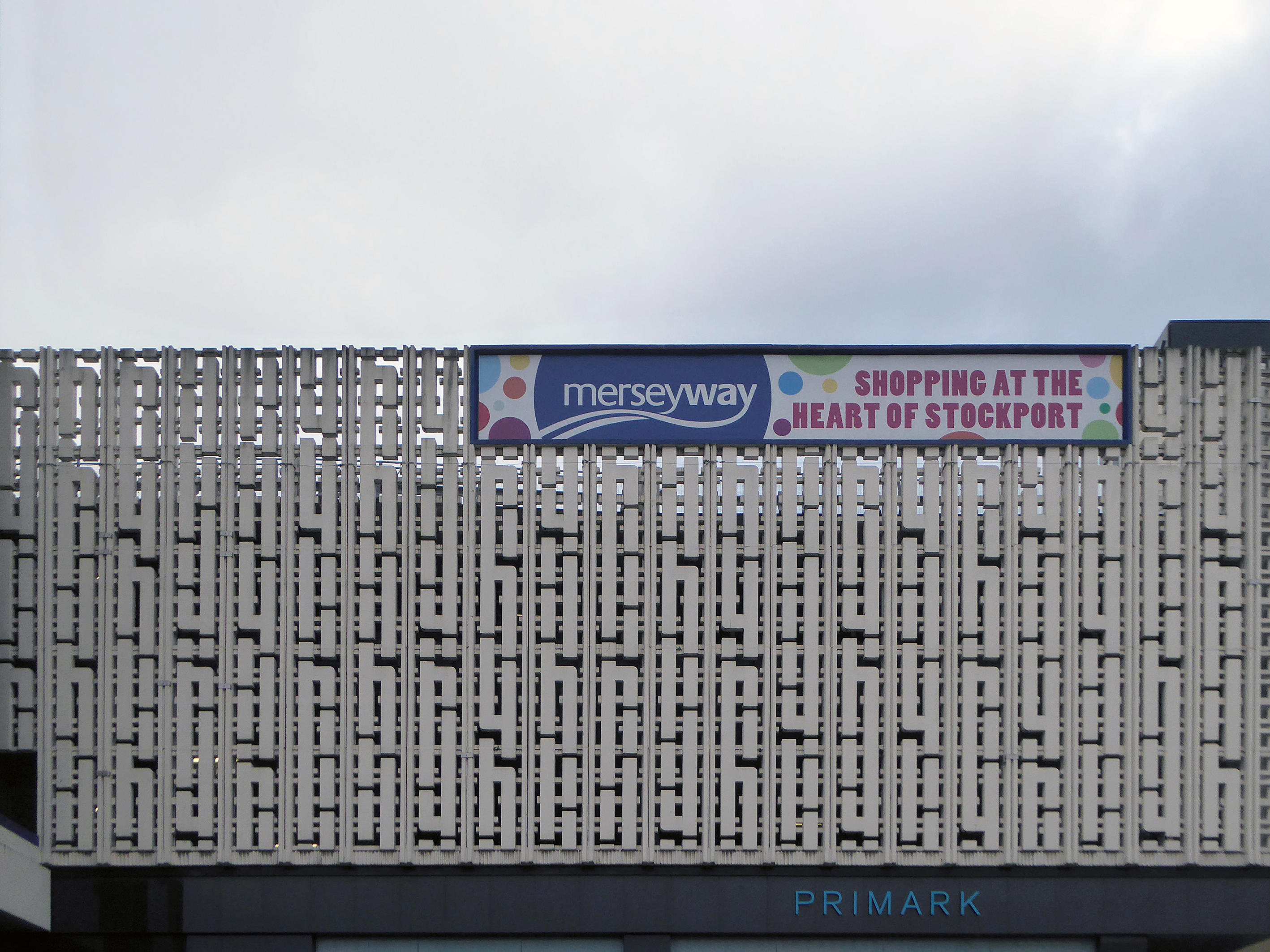
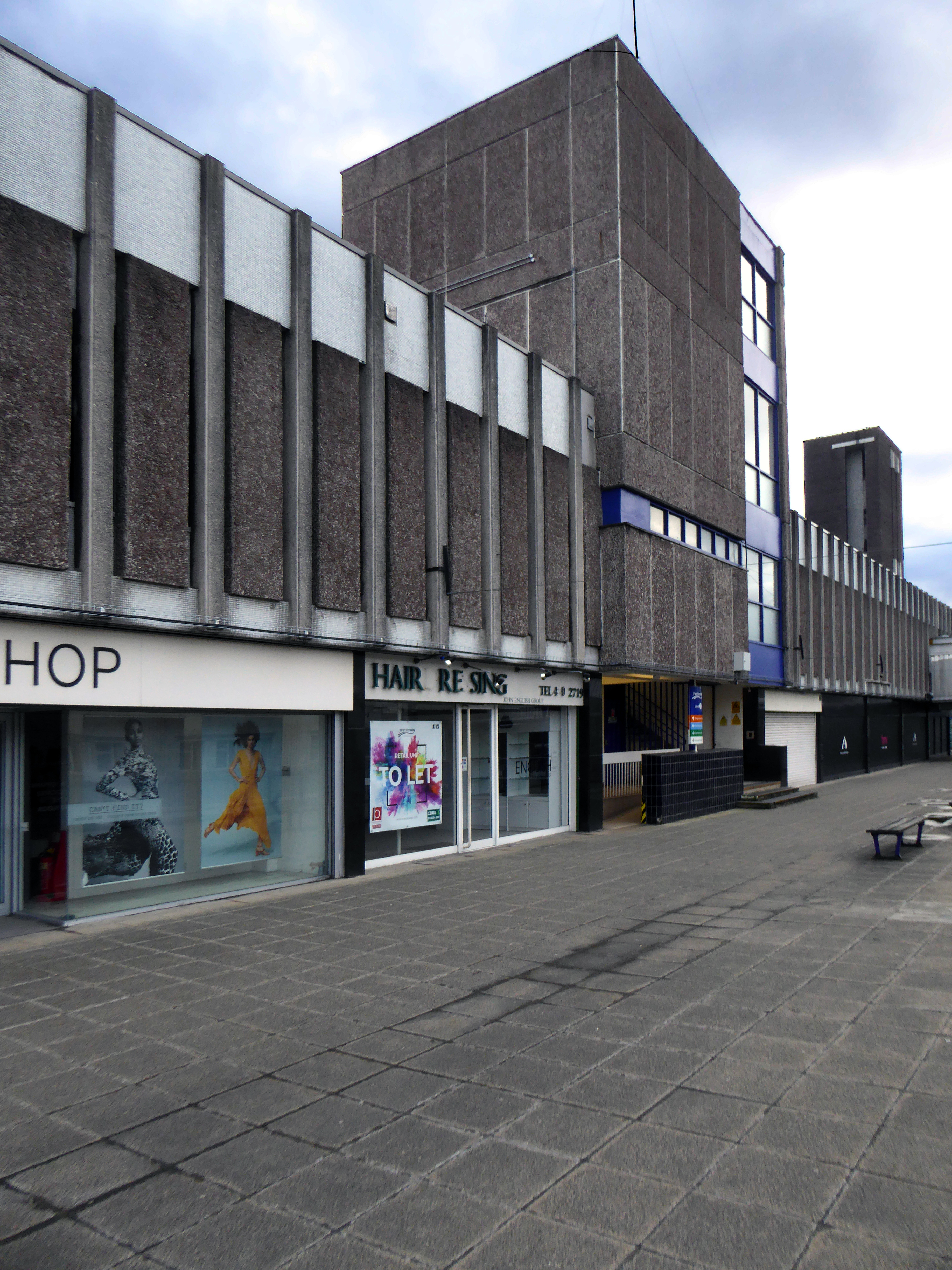
The story of Merseyway begins in 1936 with the quarter mile bridging of the river. It continues with a series of post-war integrateddevelopment proposals, finally completed in 1965. It has accommodated much earlier buildings, notably the Co-operative Store, now Primark, and the properties on the adjoining Prince’s Street. The multi storey car park with its pierced cast concrete screen and tower dominates the site. Many original features are missing, sympathetic paving, sculpture, exterior travelators, signage and kiosks. The use of the upper tier is negligible and piecemeal additions have left a rather cluttered feel, replacing a former well structured integrity. Just recently a small portion of the river has been exposed, following the repairs to the bridge of 1891. There have been discussions regarding the opening up of the whole extent of the river, revealing it through reinforced glazing.

Shopping Precinct

Opened in 1965, and extensively refurbished in the 1990s, it is a large pedestrianised area built on stilts over the River Mersey with two levels of walkways giving access to the retail units.

The scheme was developed by a consortium of interested parties who formed as Stockport Improvements Limited. In partnership with the Stockport Co-operative Society. The architects were Bernard Engle and Partners in conjunction with officers of Stockport Corporation. The separation of pedestrians and cars, the service areas, the multi level street, the city block that negotiates difficult topography to its advantage, are all planning moves that are of the new, ordered and systemised, second wave modernism in the UK.

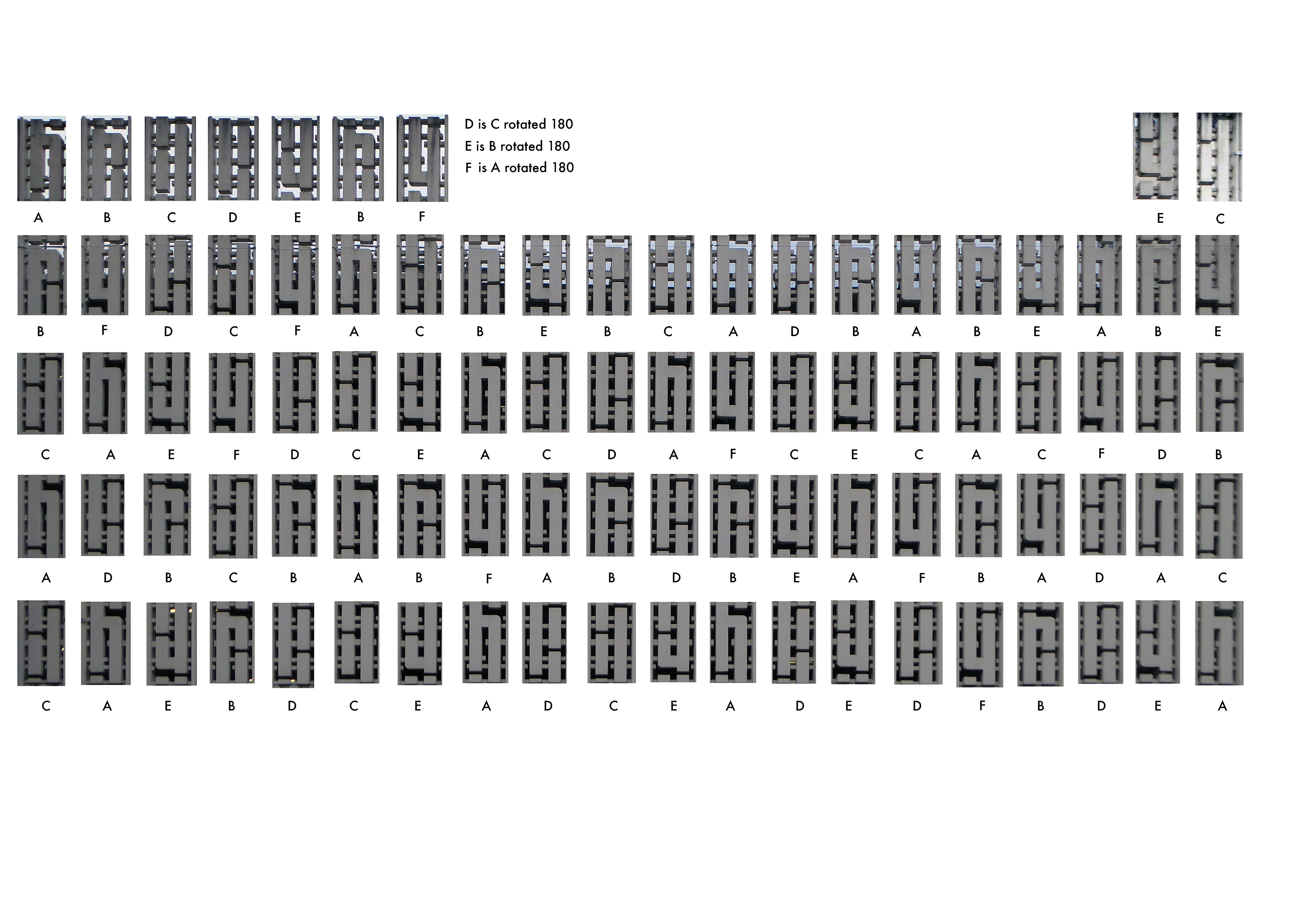
Notable is the pierced concrete car park screen by Alan Boyson.

Constructed from three basic modules, each one being rotated to form six options in a seemingly random order.

BHS Murals

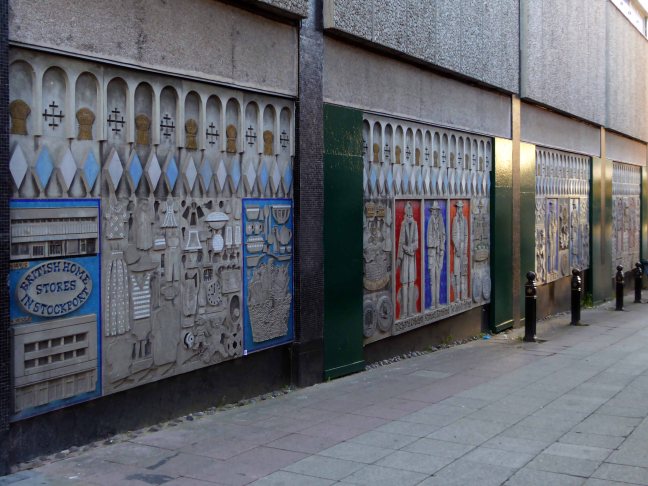
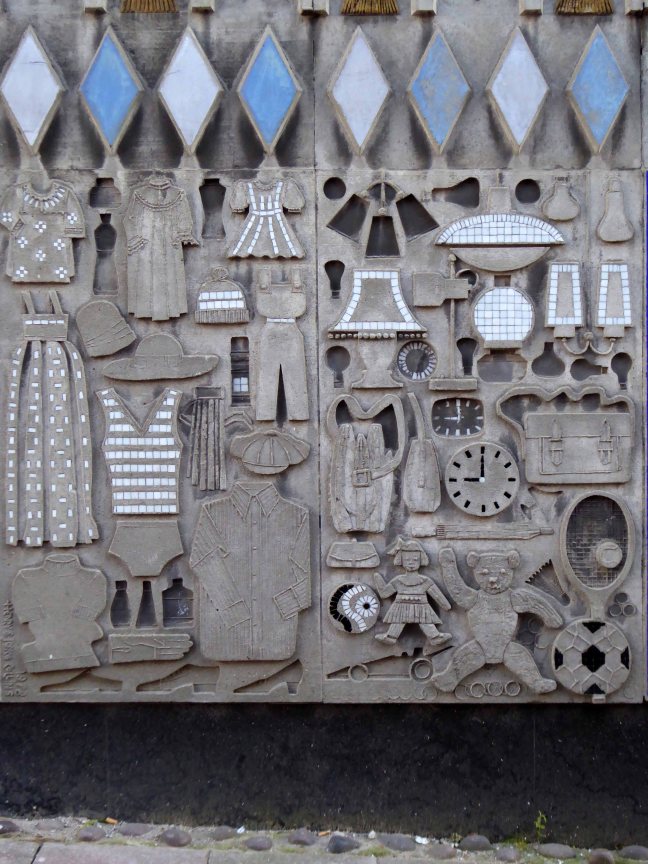
At the side of the BHS store in Merseyway are five concrete panels depicting local people, events and symbols. Commissioned by BHS in 1978 – To fill space on the blank wall at the side of the shop. They are the work of Joyce Pallot 1912-2004 and Henry Collins, 1910-1994 – two artist/designers, who along with John Nash, establishedthe Colchester Arts Group, during the 1930s. Their work was featured in the Festival of Britain, GPO Tower and Expo 70, along with other retail outlets in Bexhill, Cwmbran, Southhampton, Newcastle and Colchester.

M60

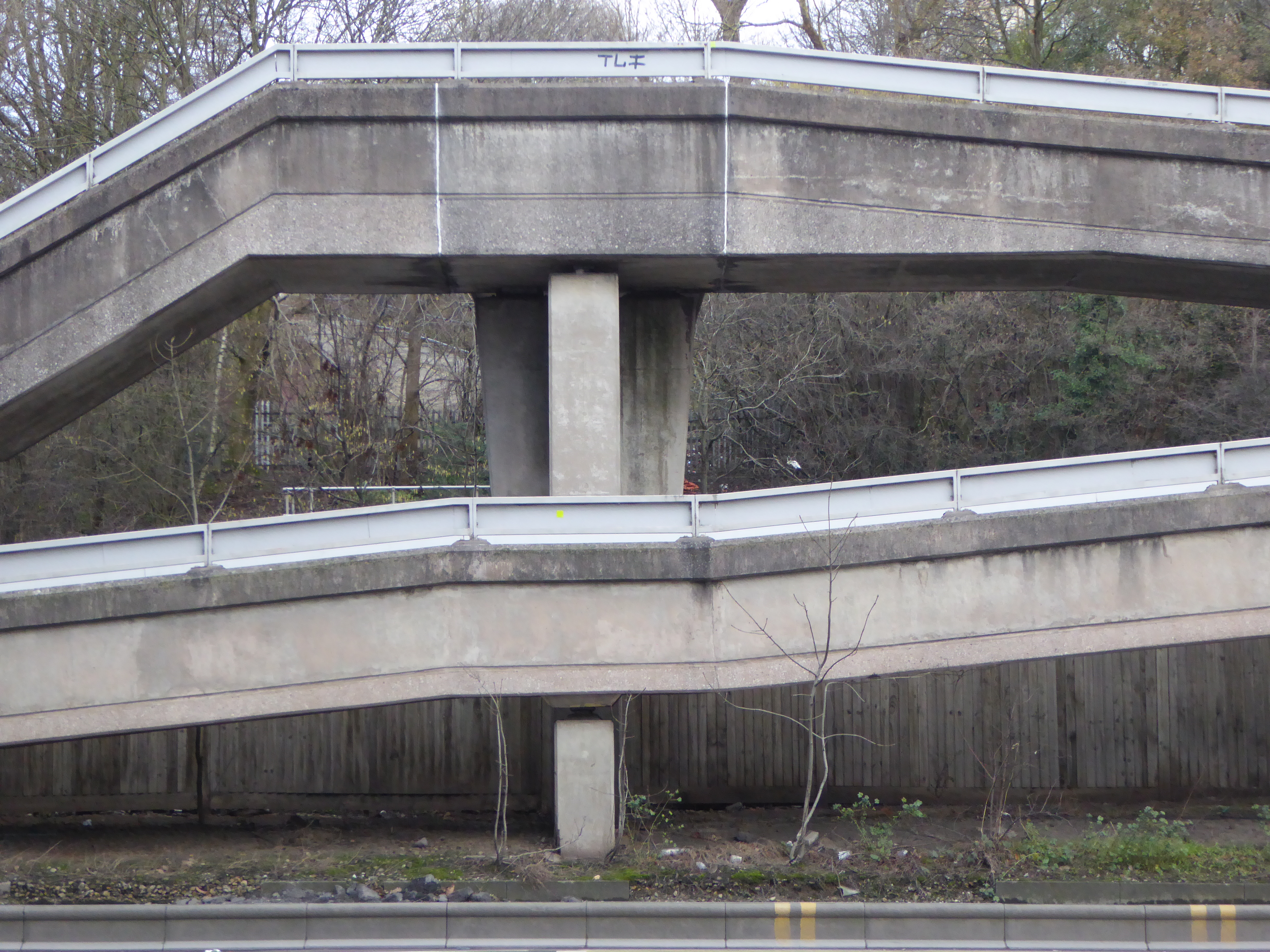
The Hatton Street footbridge has two spans of in-situ u-section deck, is at ground level on the north side, but is reached by steps or ramp from Great Egerton Street on the south.

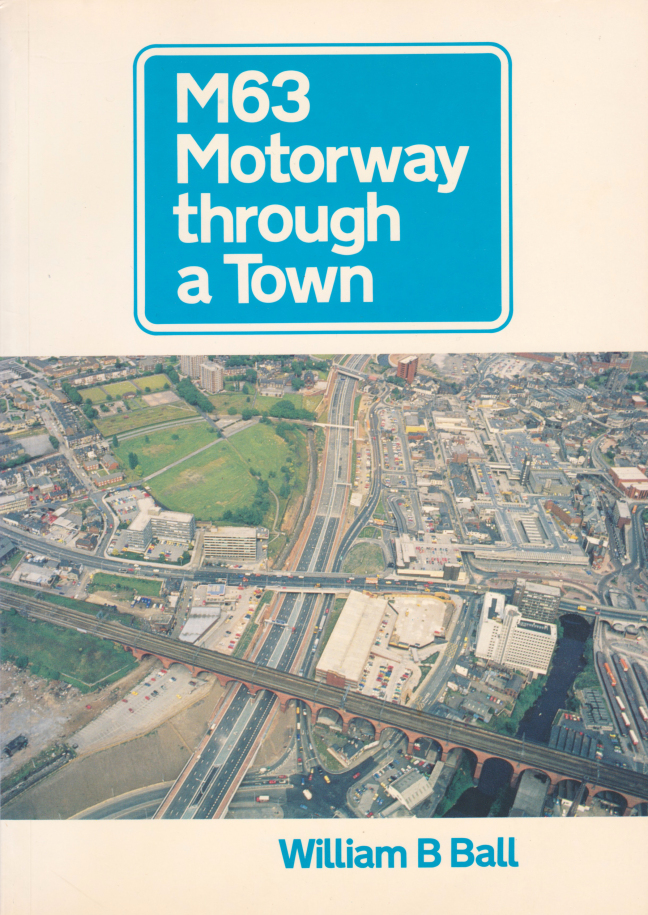
By 1974, the motorway had reached the outskirts of Stockport , running onto the congested A560. The 2.5-mileStockport East-West bypass opened to traffic in July 1982 as far as the Portwood Roundabout, then junction 13 of the M63, now junction 27 of the M60. A significant feature of the bypass is where the motorway passes through two of the arches of the large railway viaduct  in the centre of Stockport – one of the largest brick-built structures in Europe. In much of the cutting on the eastern side of the viaduct, red sandstone, on which much of the town is built, can be seen very close to the motorway. The section of motorway was widened from two to three lane carriageways in 1999 and 2000, around the time when the M63 was renumbered to M60.


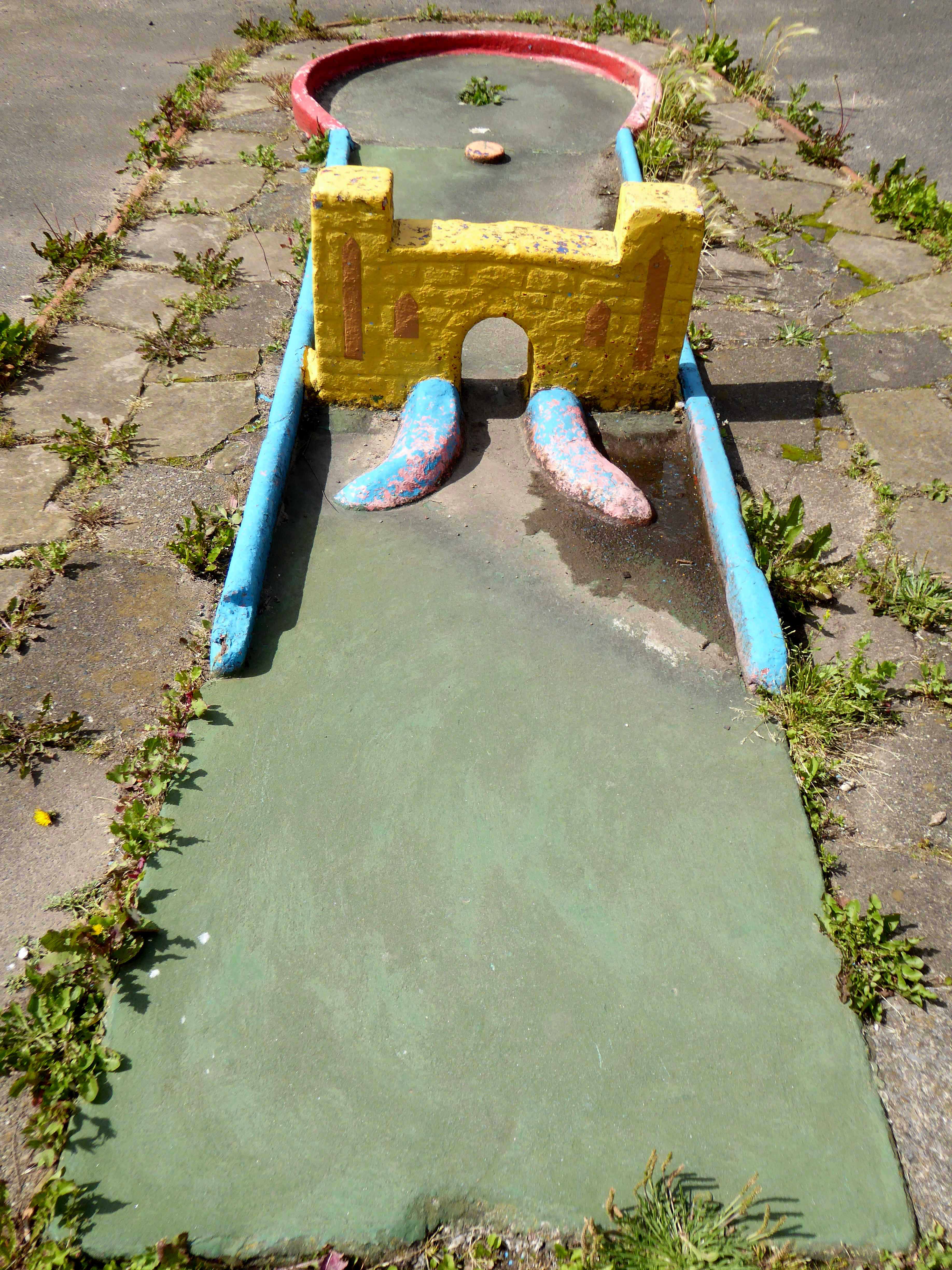
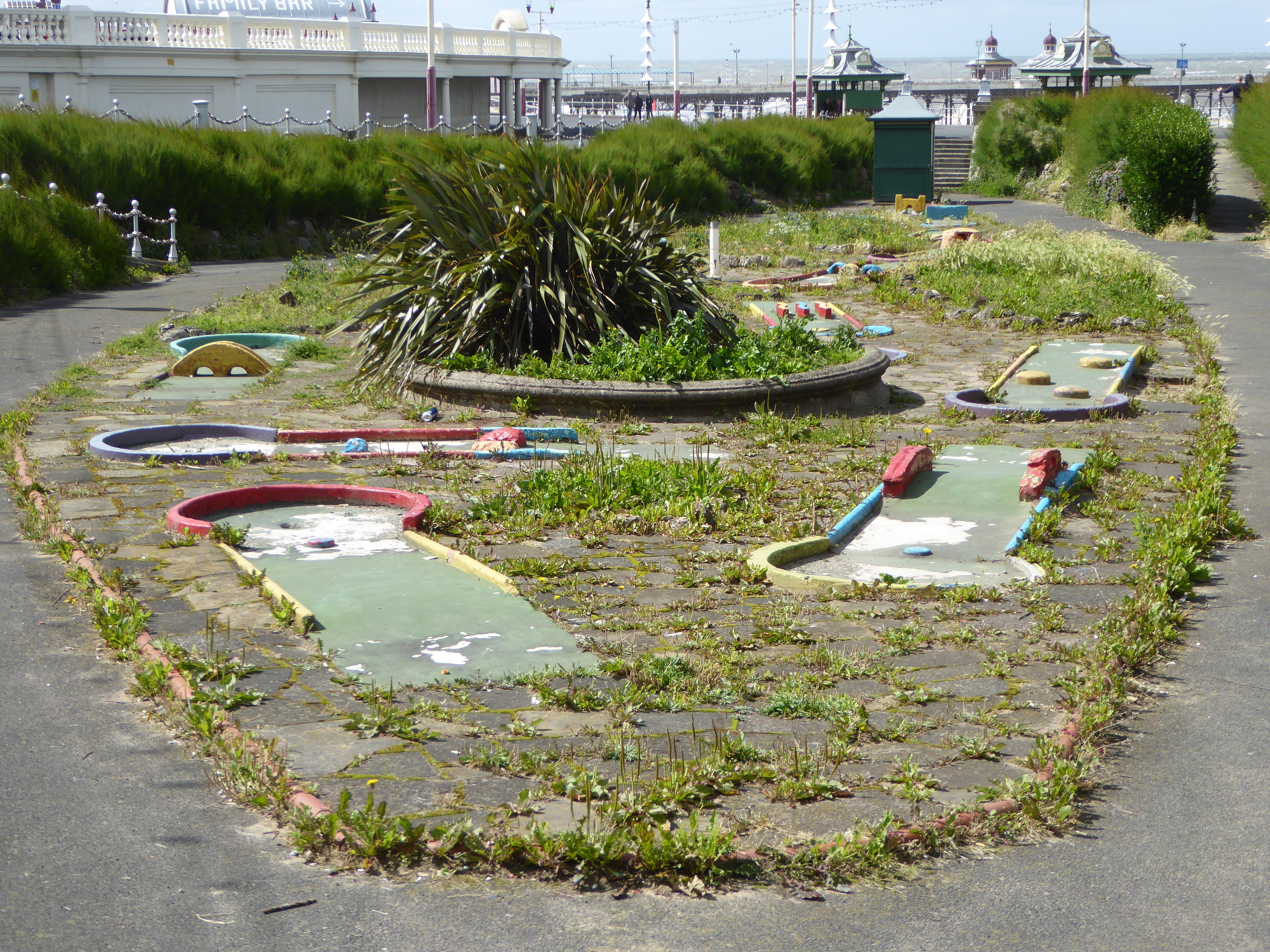
Crazy Golf – Postcards From Blackpool

This in so many senses is where it all began – my first encounter with the visual arts was through my Aunty Alice’s postcard album. Predating visits to Manchester City Art Gallery in my mid-teens, I was lost in a world of post WW1 printed ephemera, rendered less ephemeral by careful collection and collation. Sitting entranced for hours and hours absorbing the photography, text and illustration of hundreds of unseen hands.

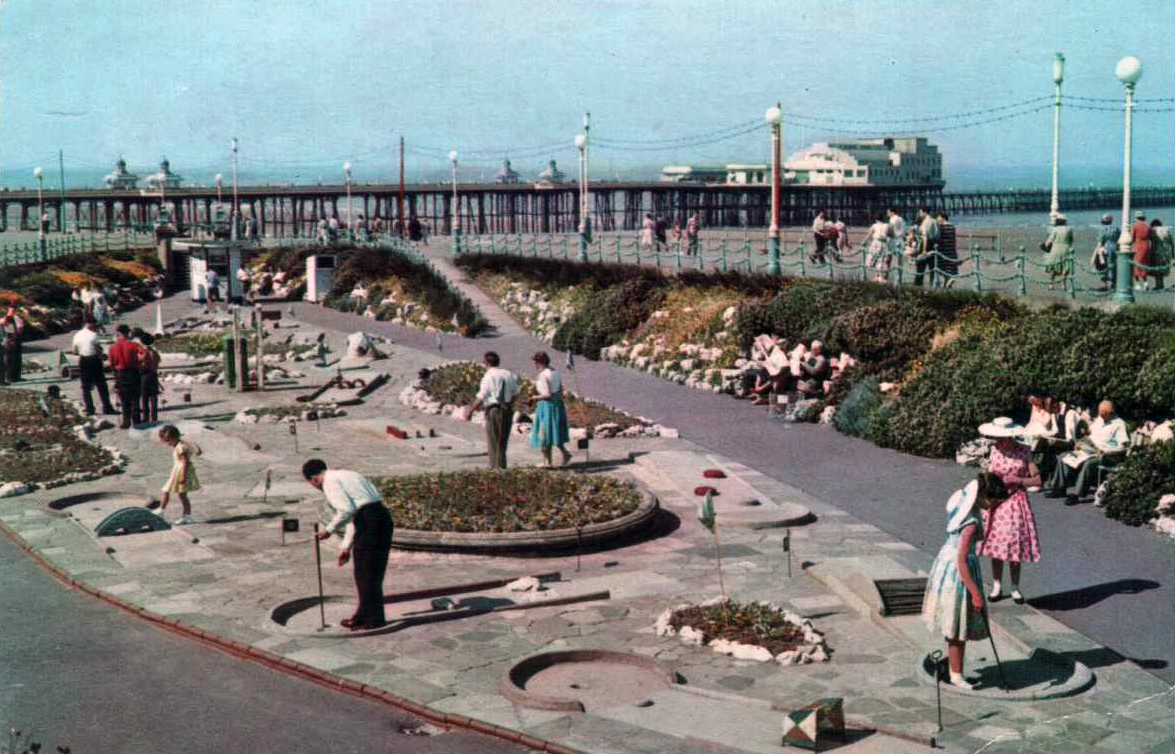
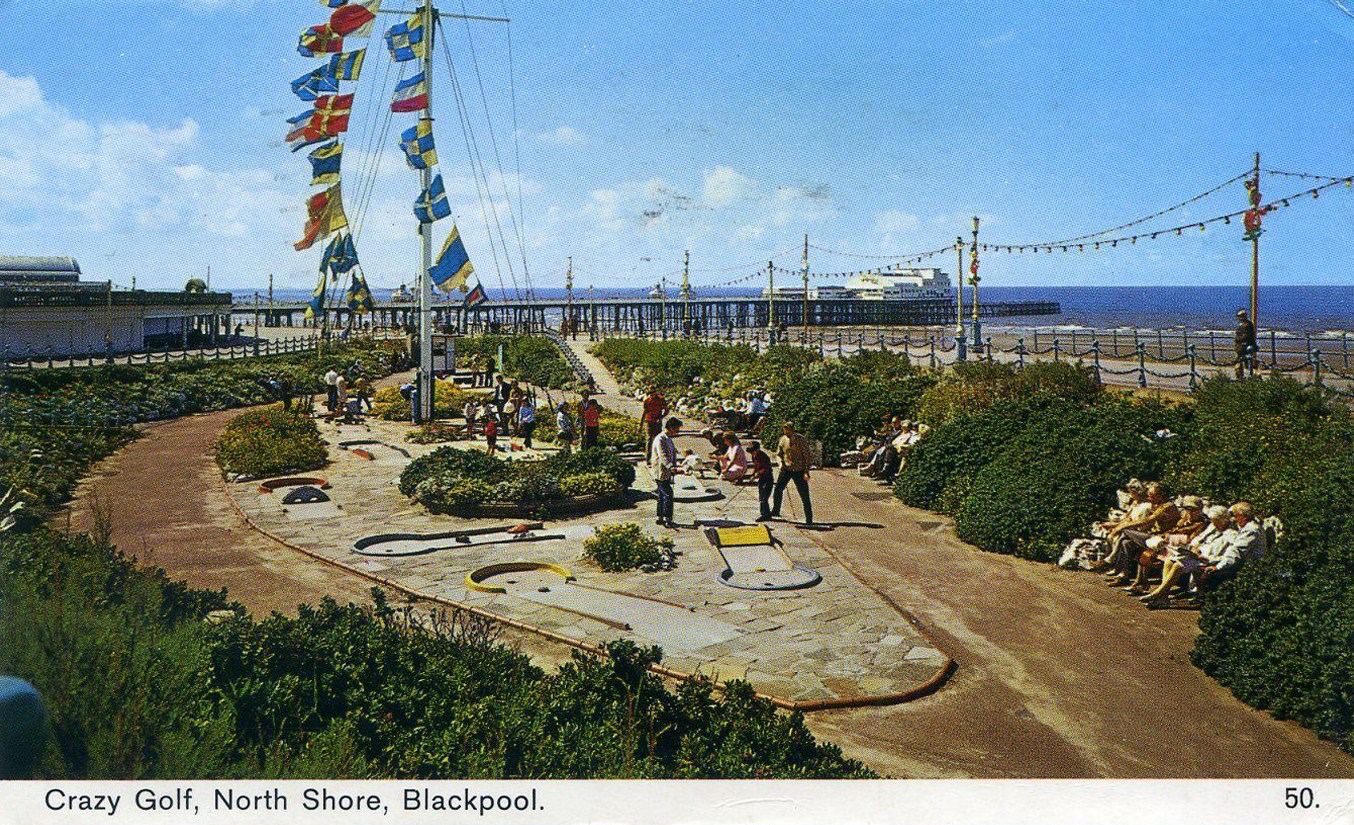
This is North Shore Blackpool – behind the Metropole in the early 60s.

The colour is muted by the then state of the art colour reproduction, the holiday dress is constrained by the codes of the day. Light cotton frocks and wide brimmed sun hats, shirts tucked in belted slacks, sandals and shorts – purely for the pre-teens.

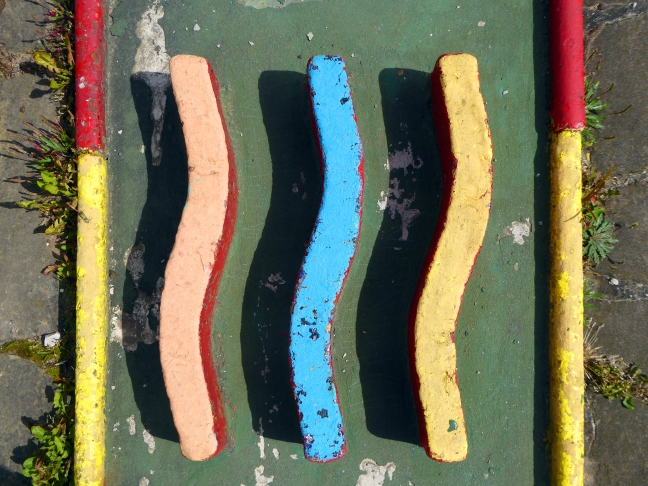
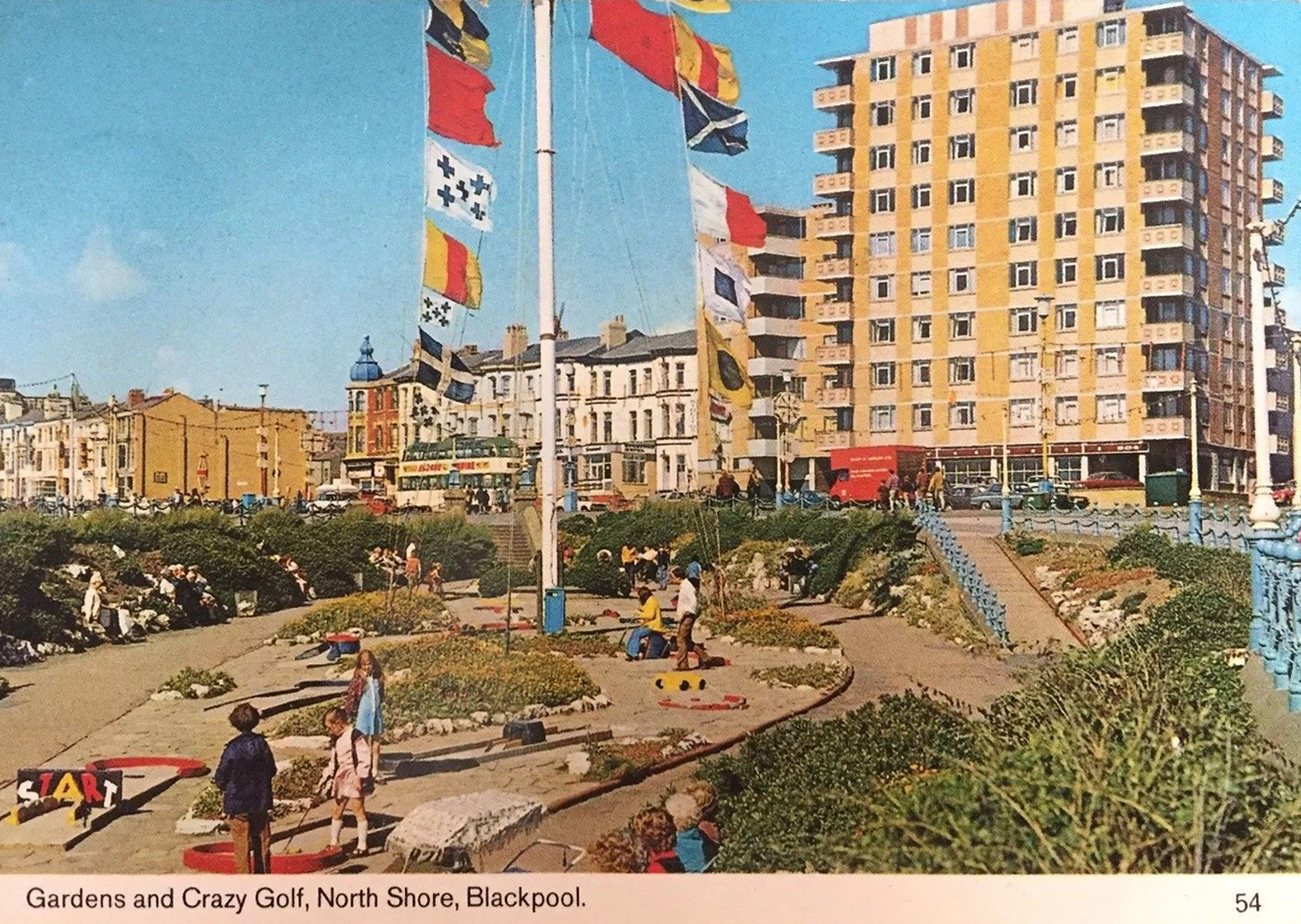
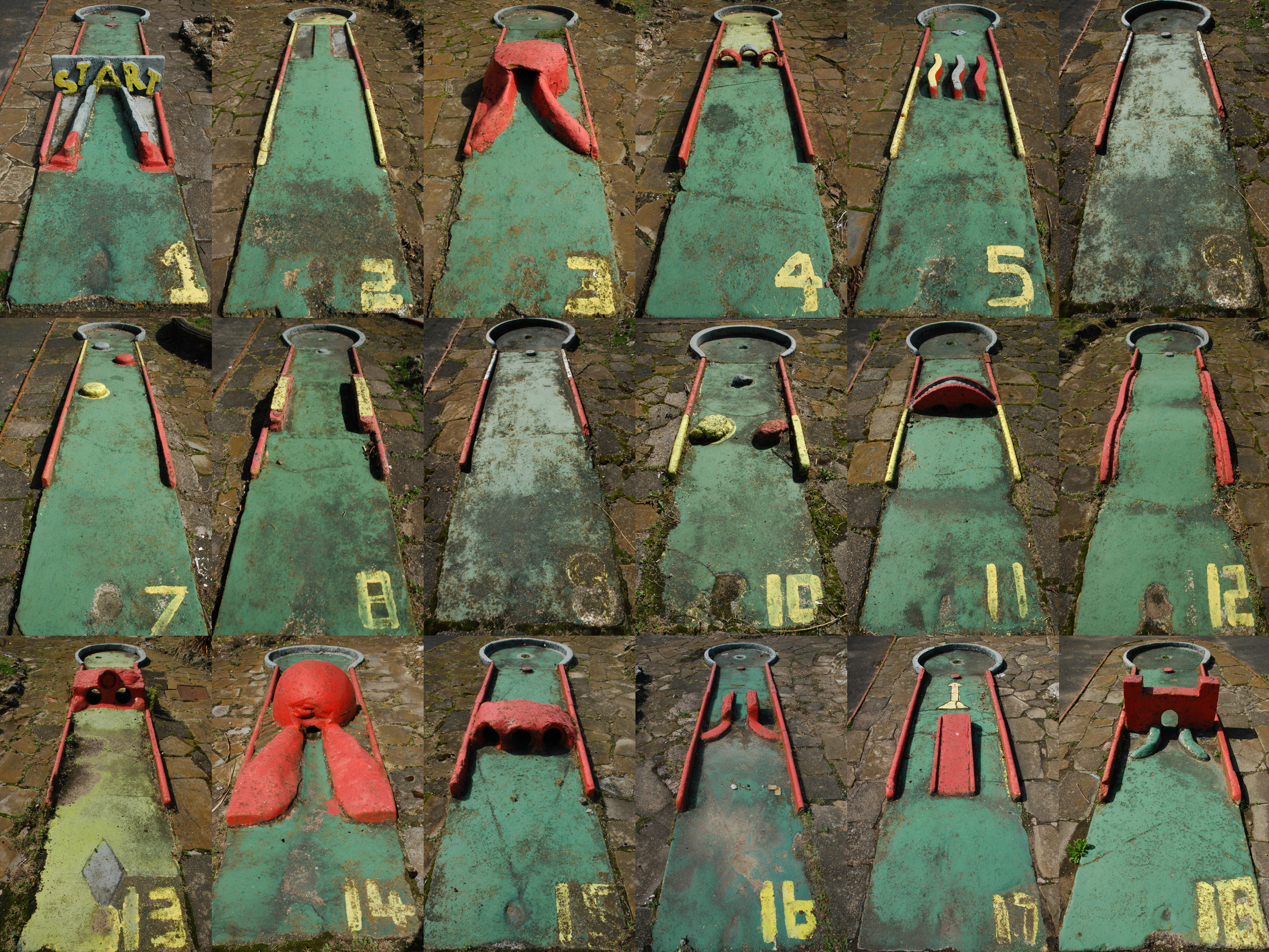
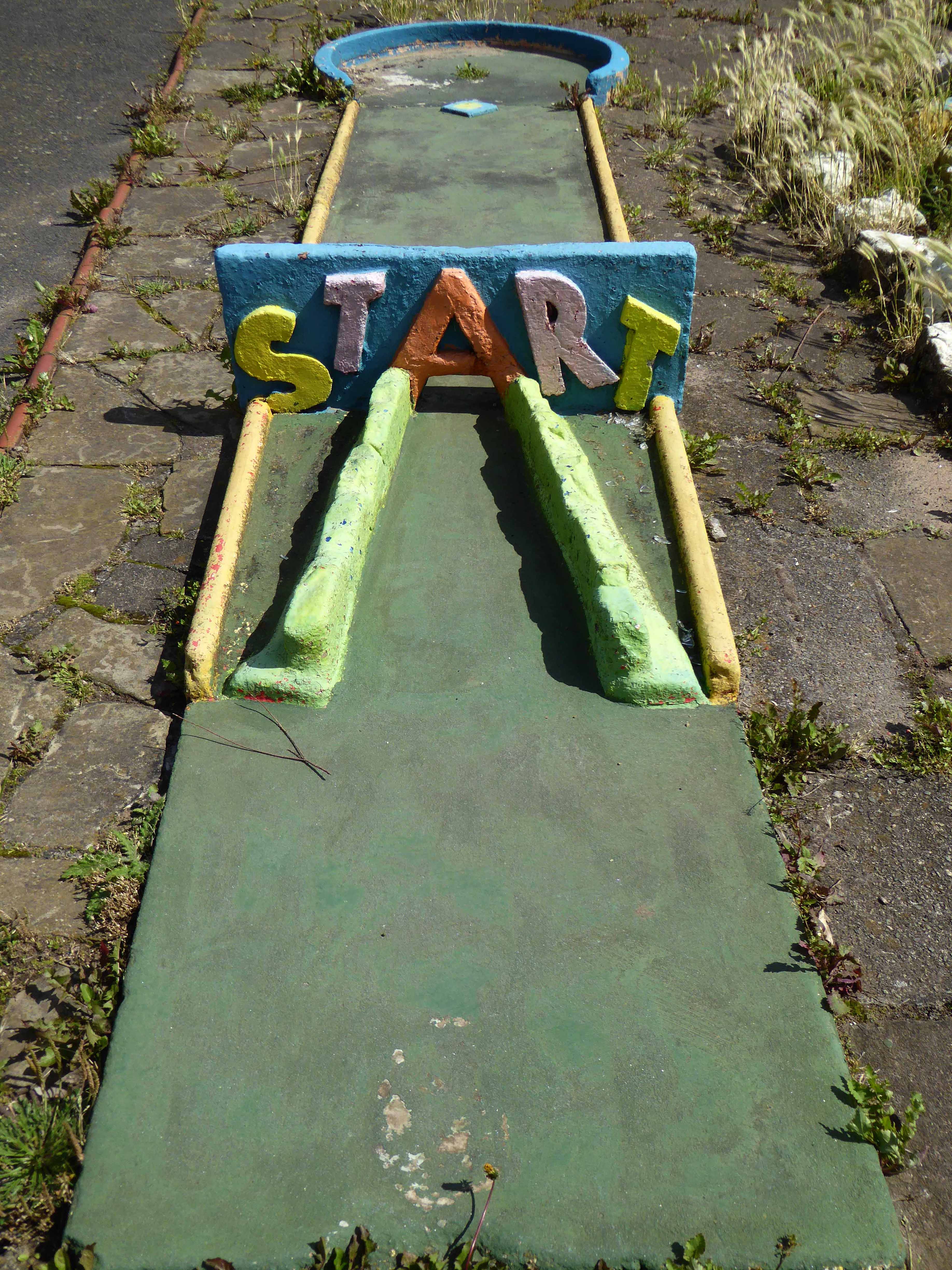
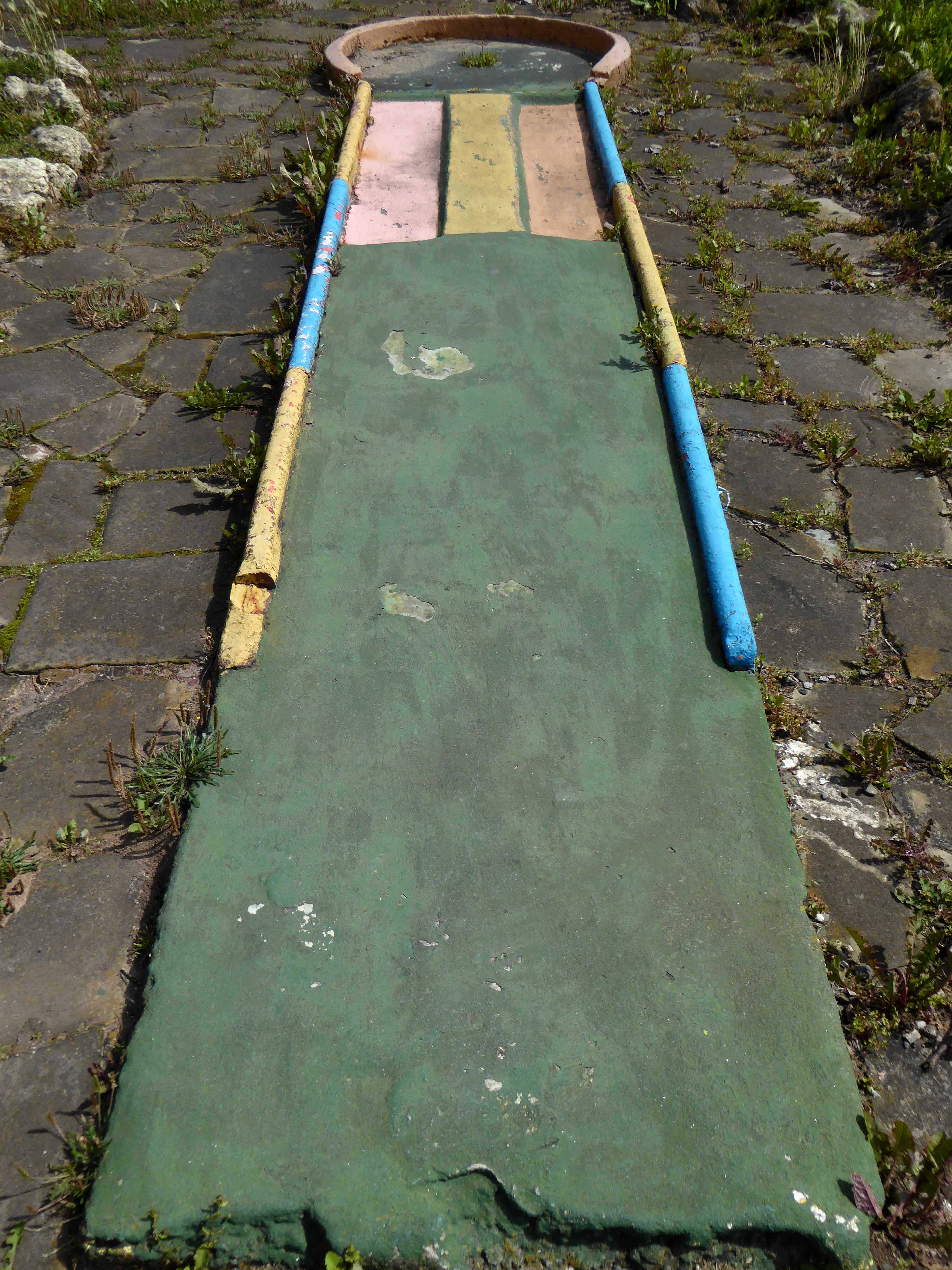
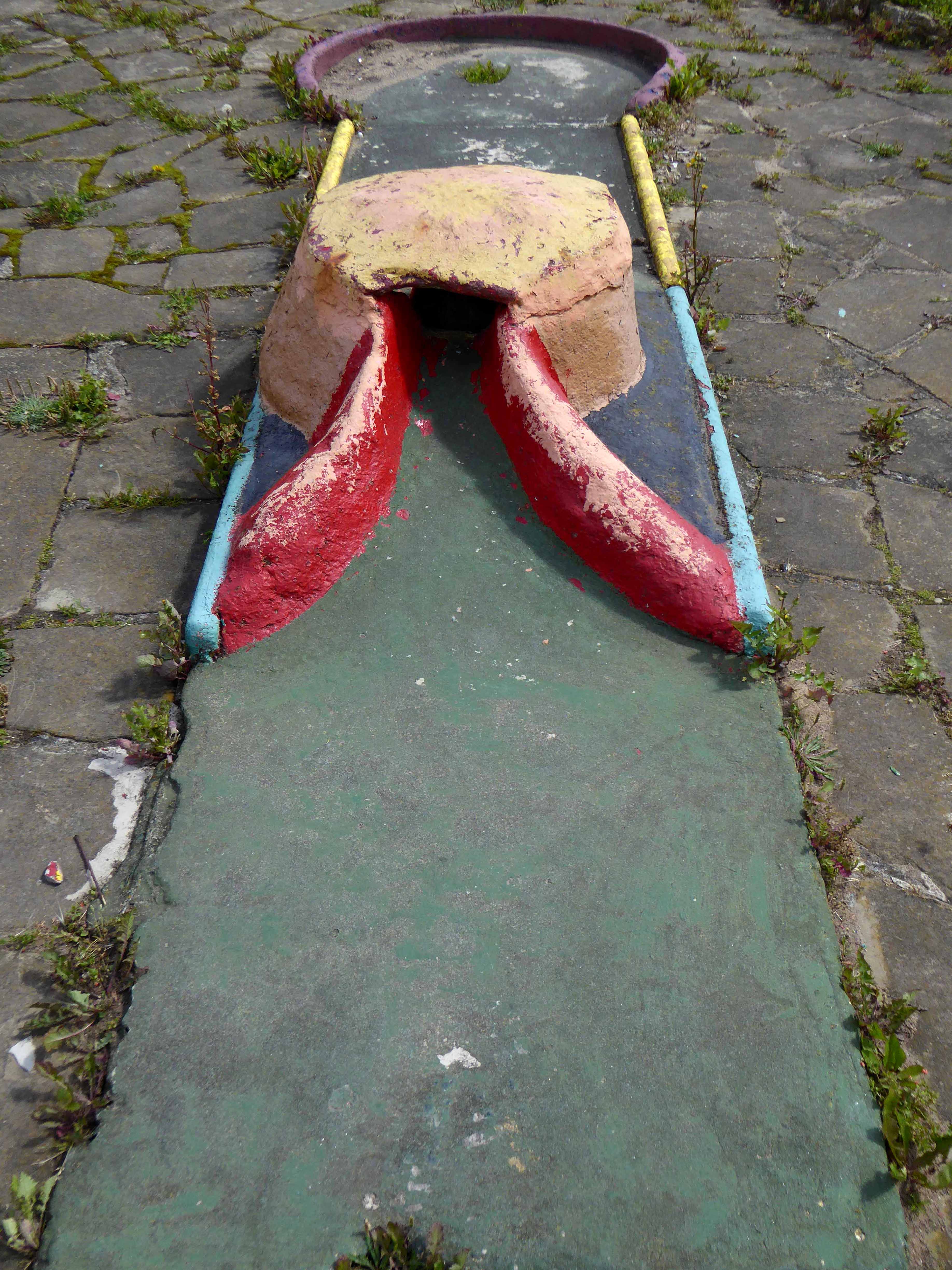
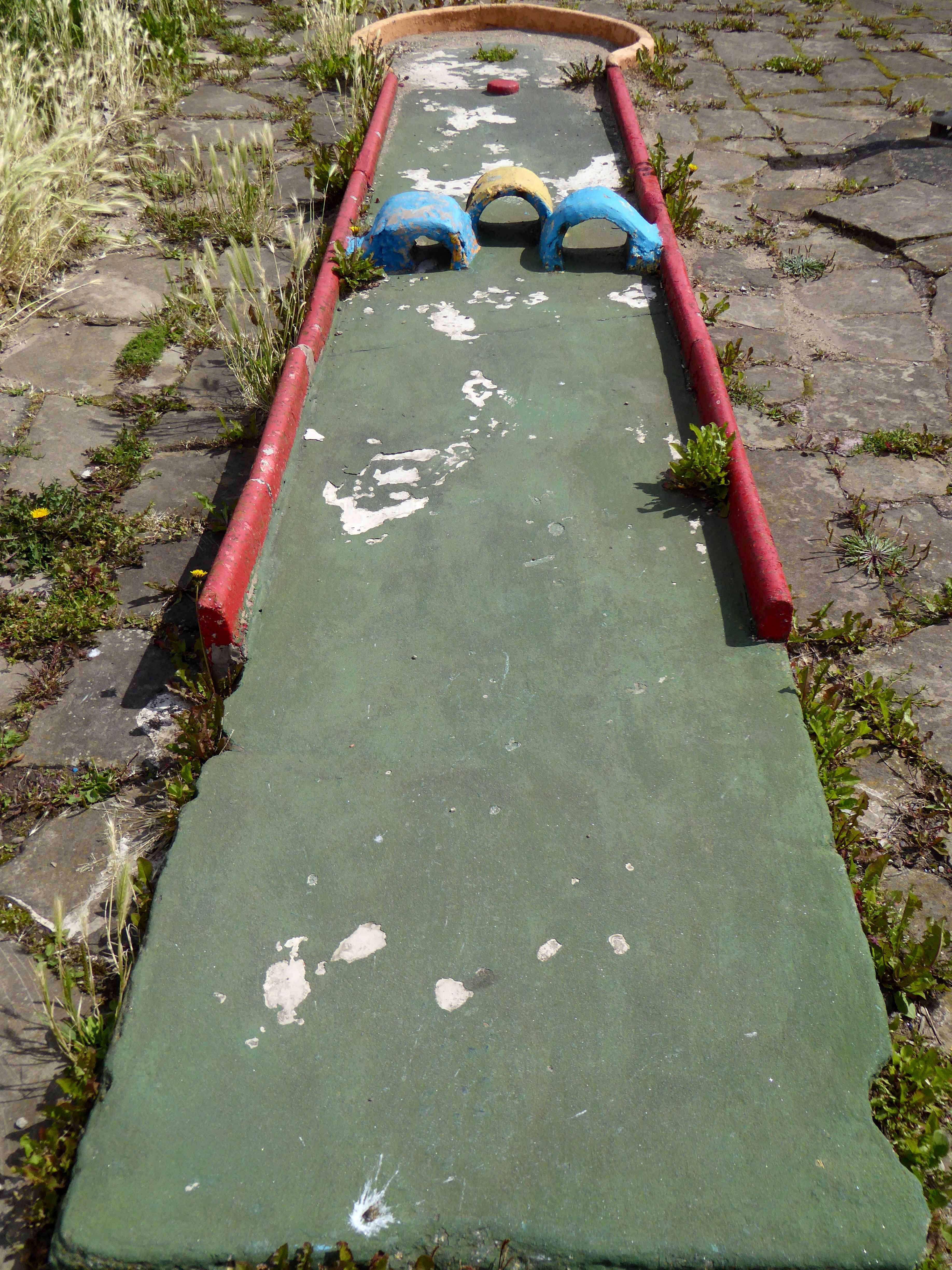
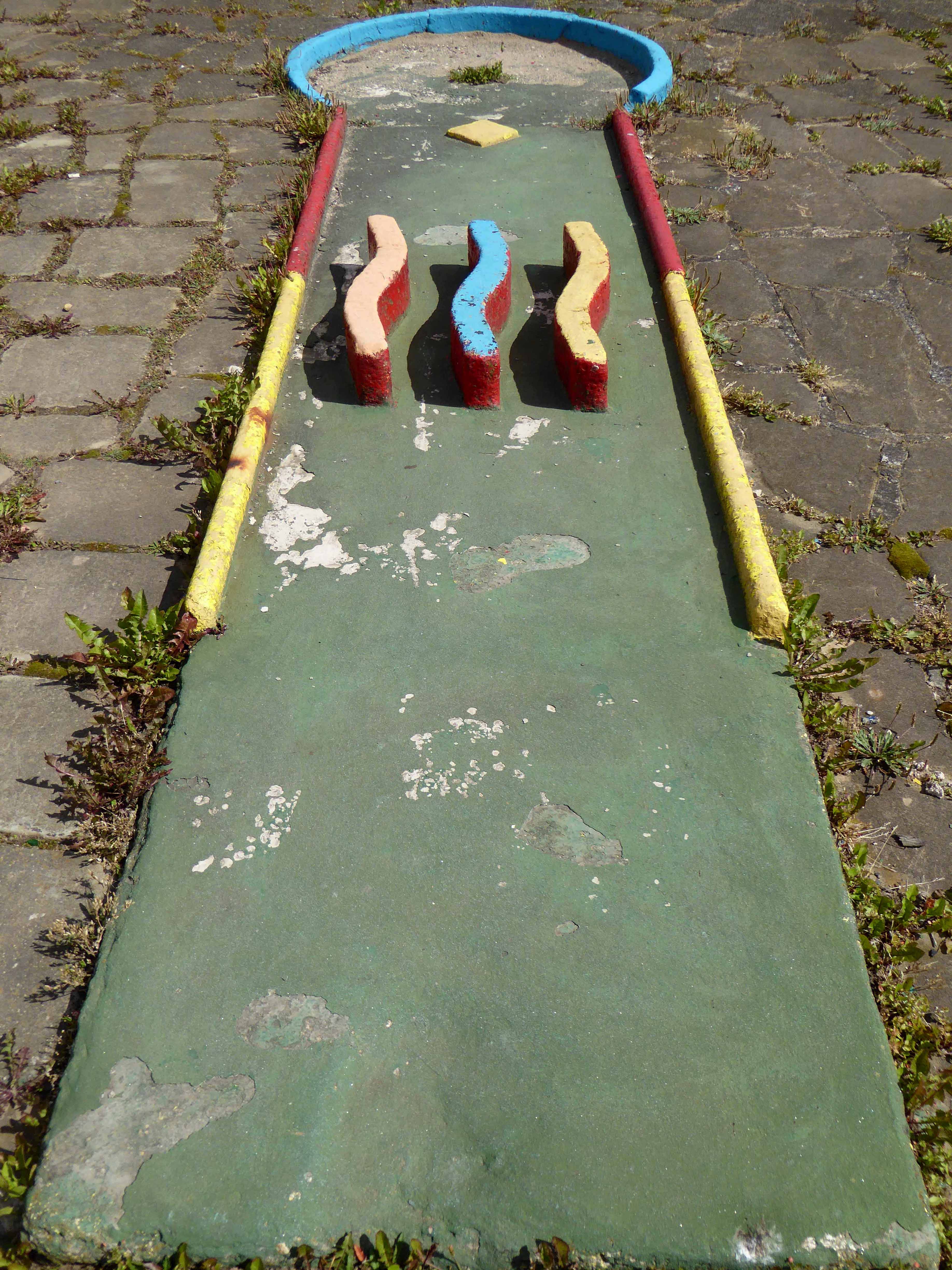
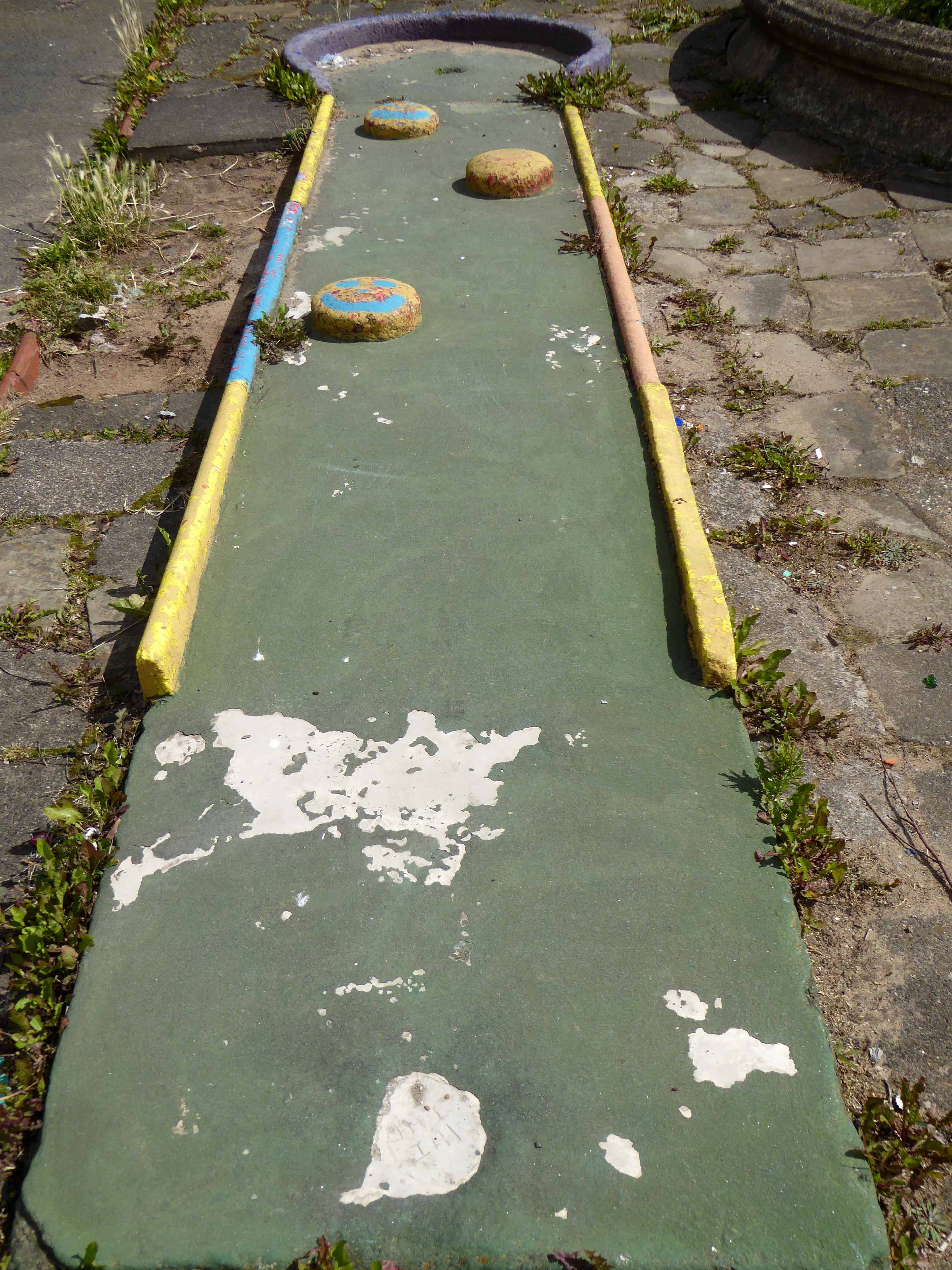
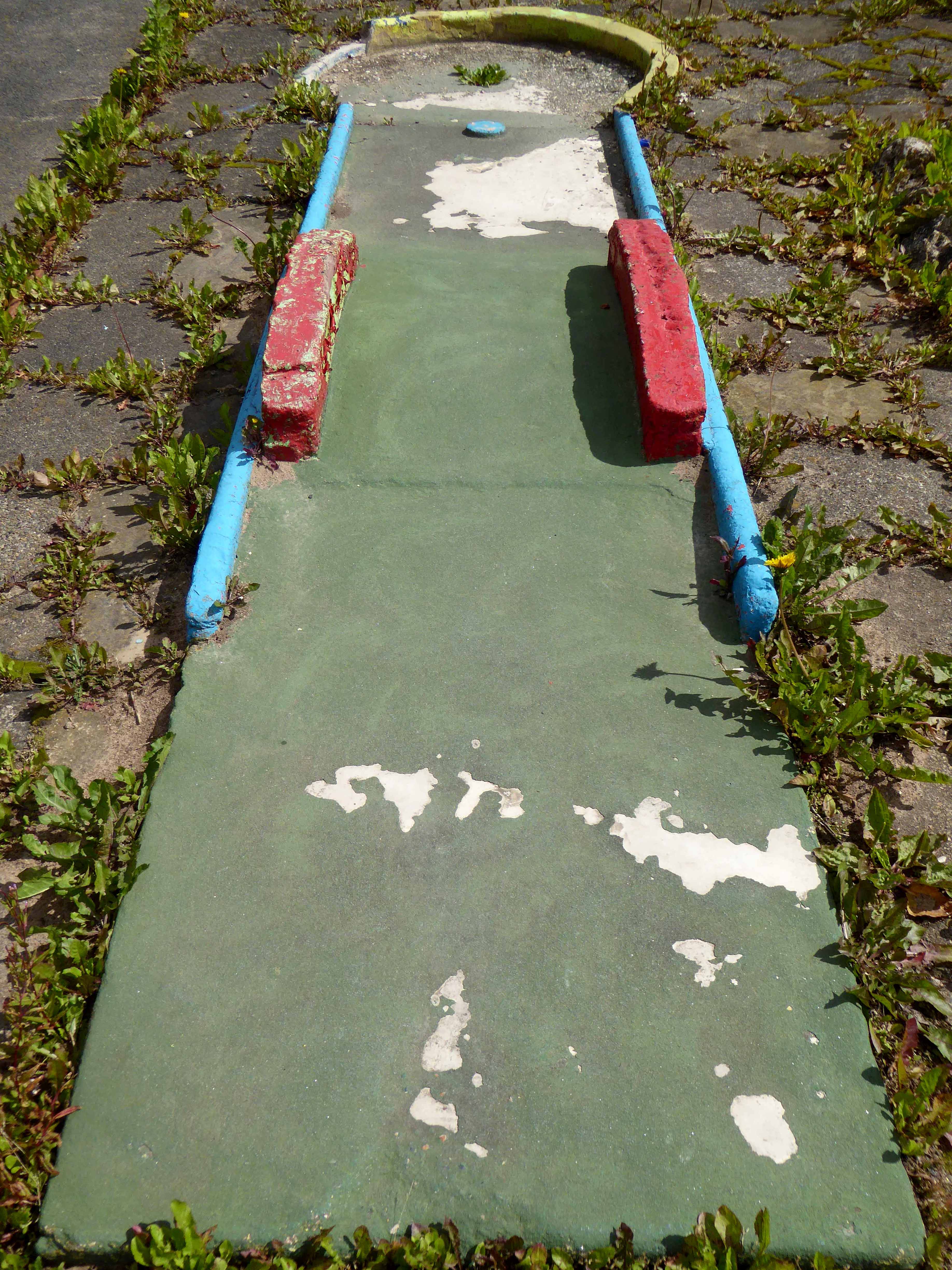
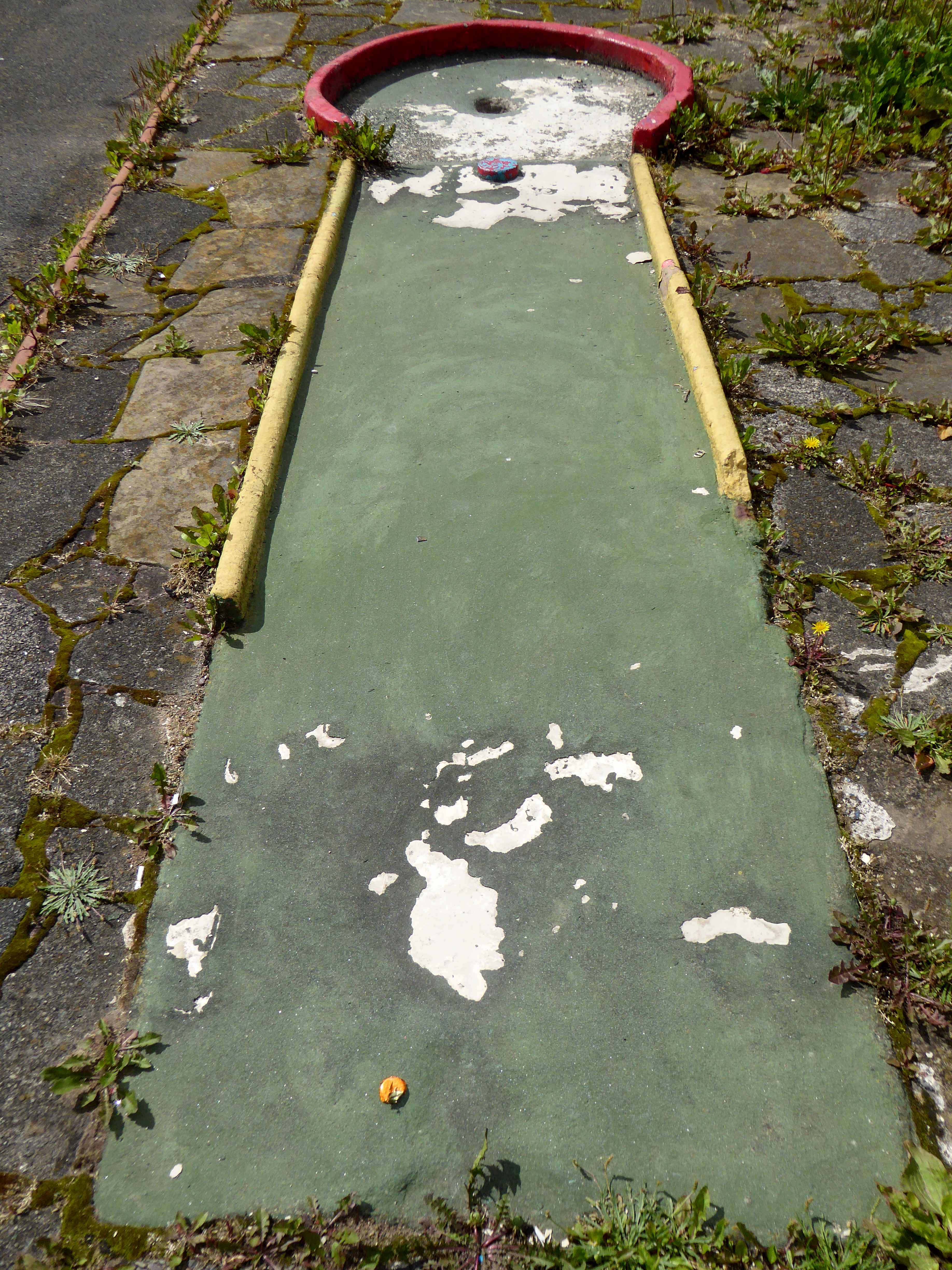
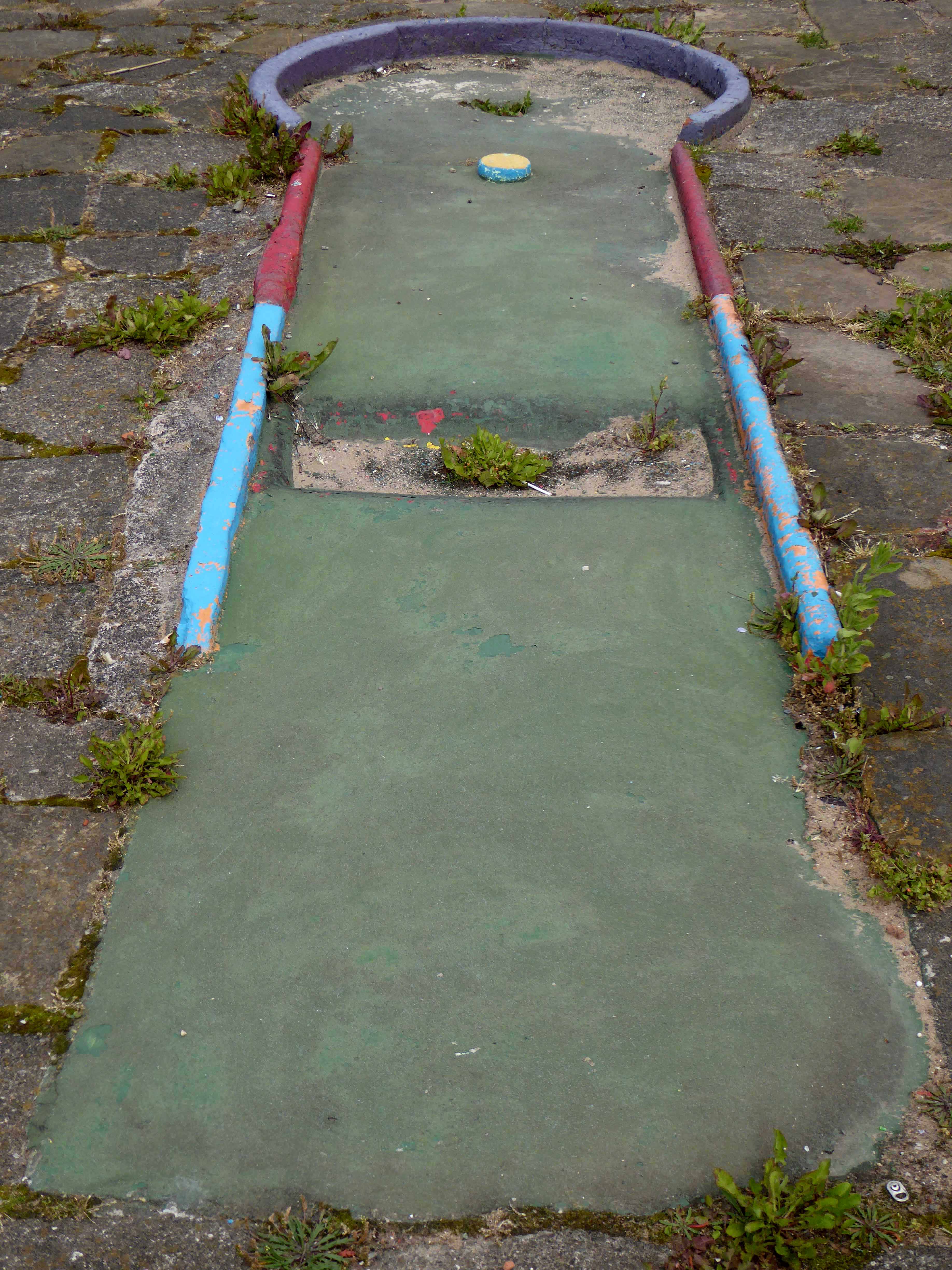
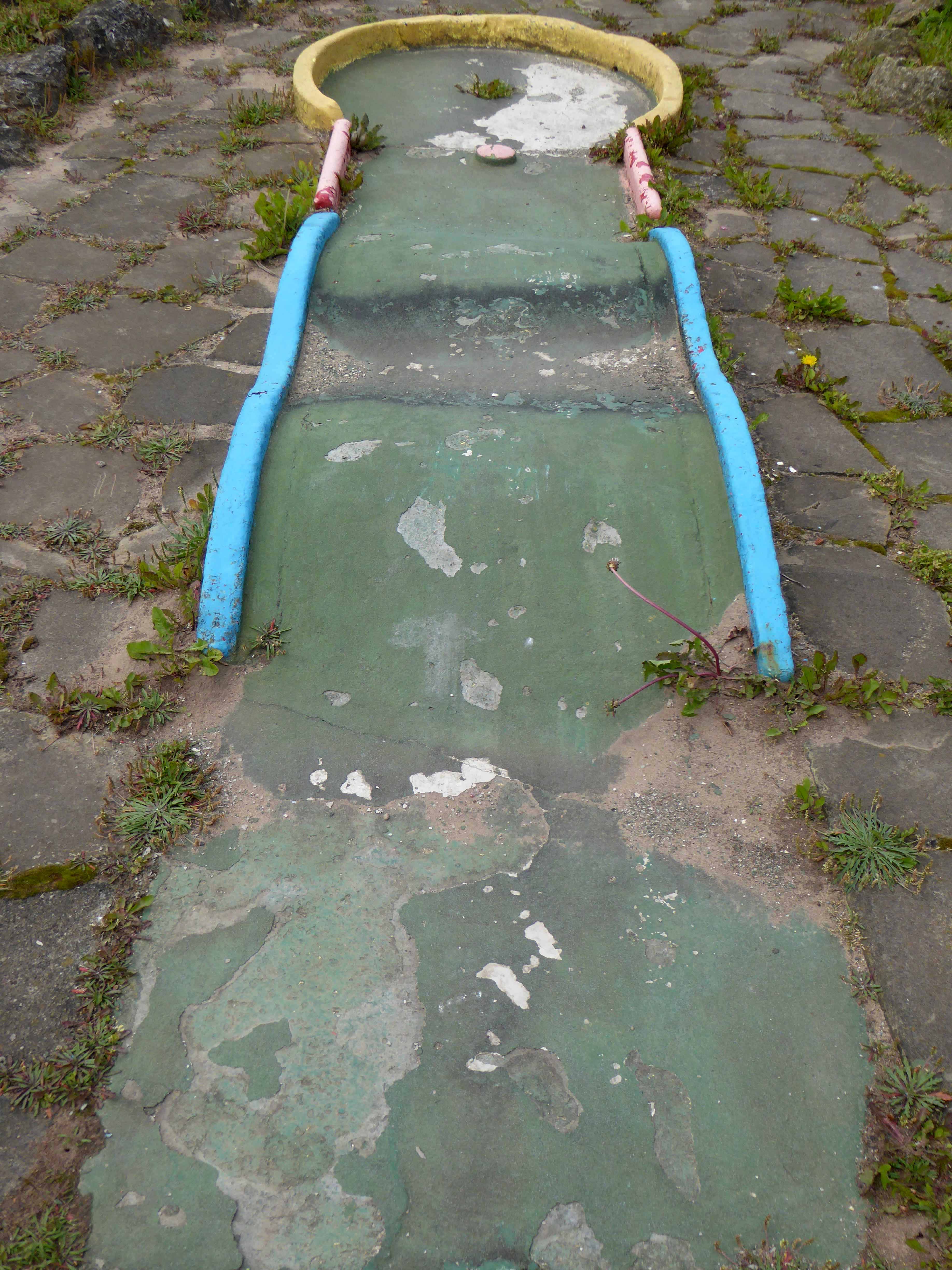
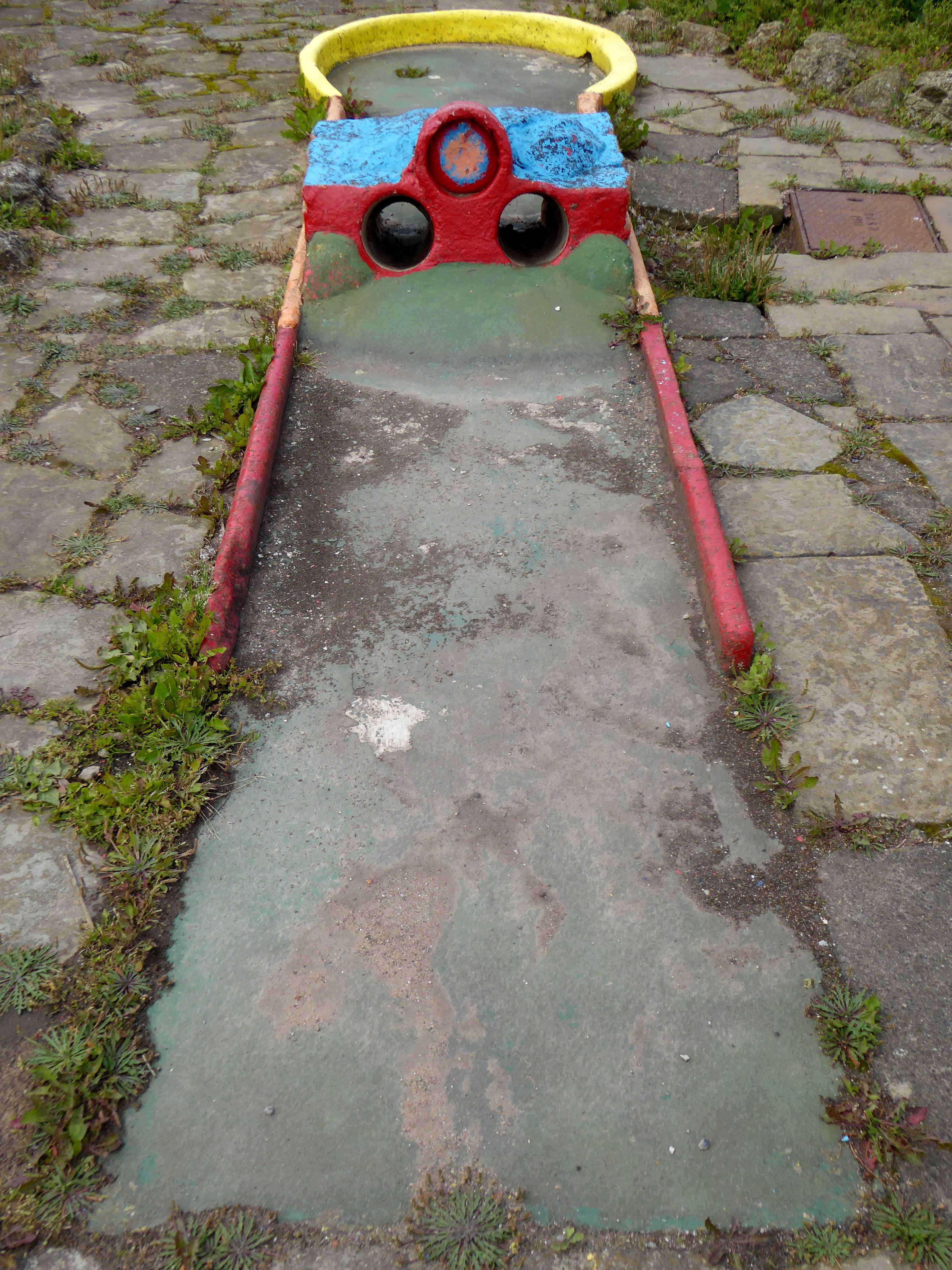
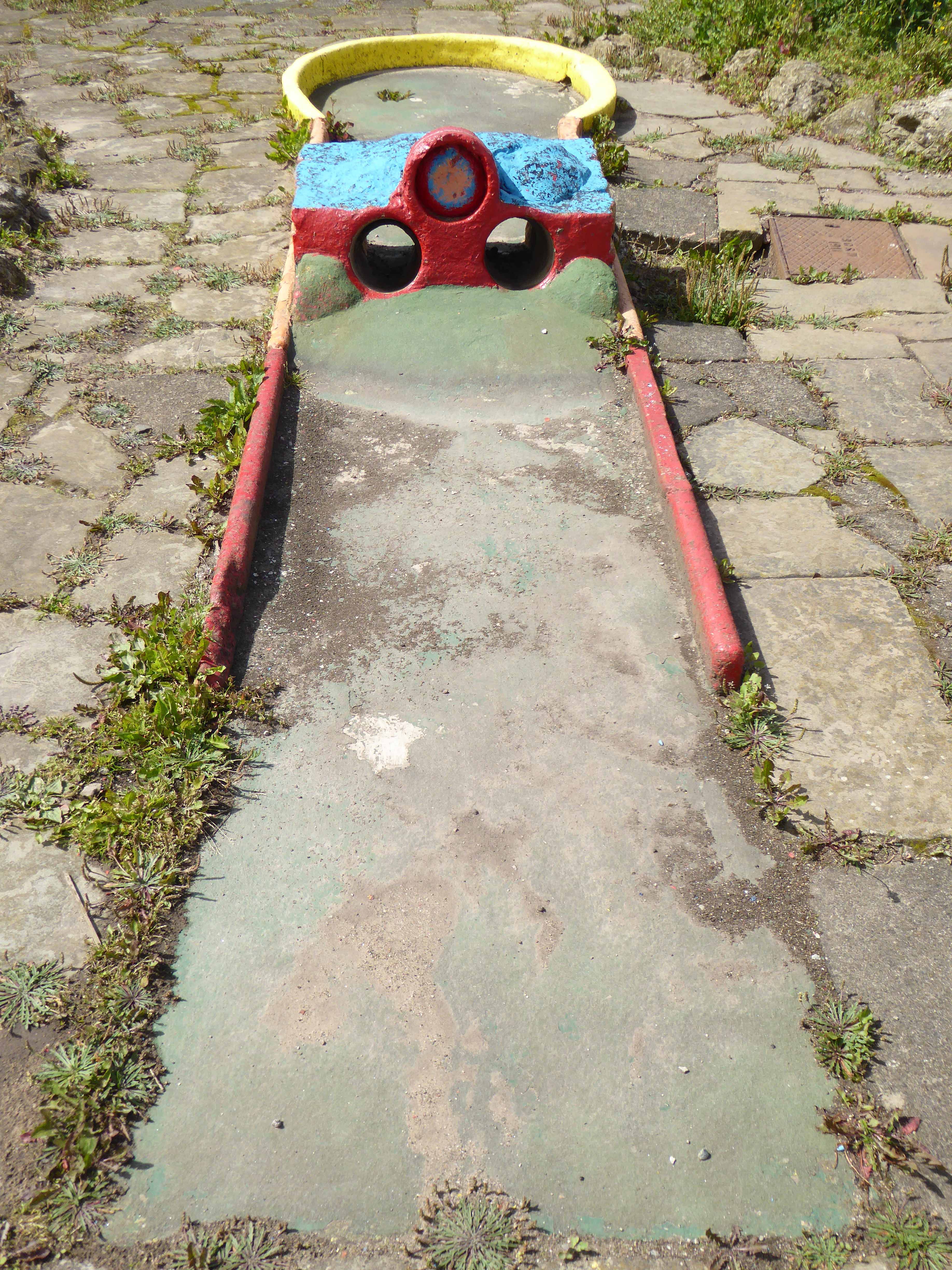
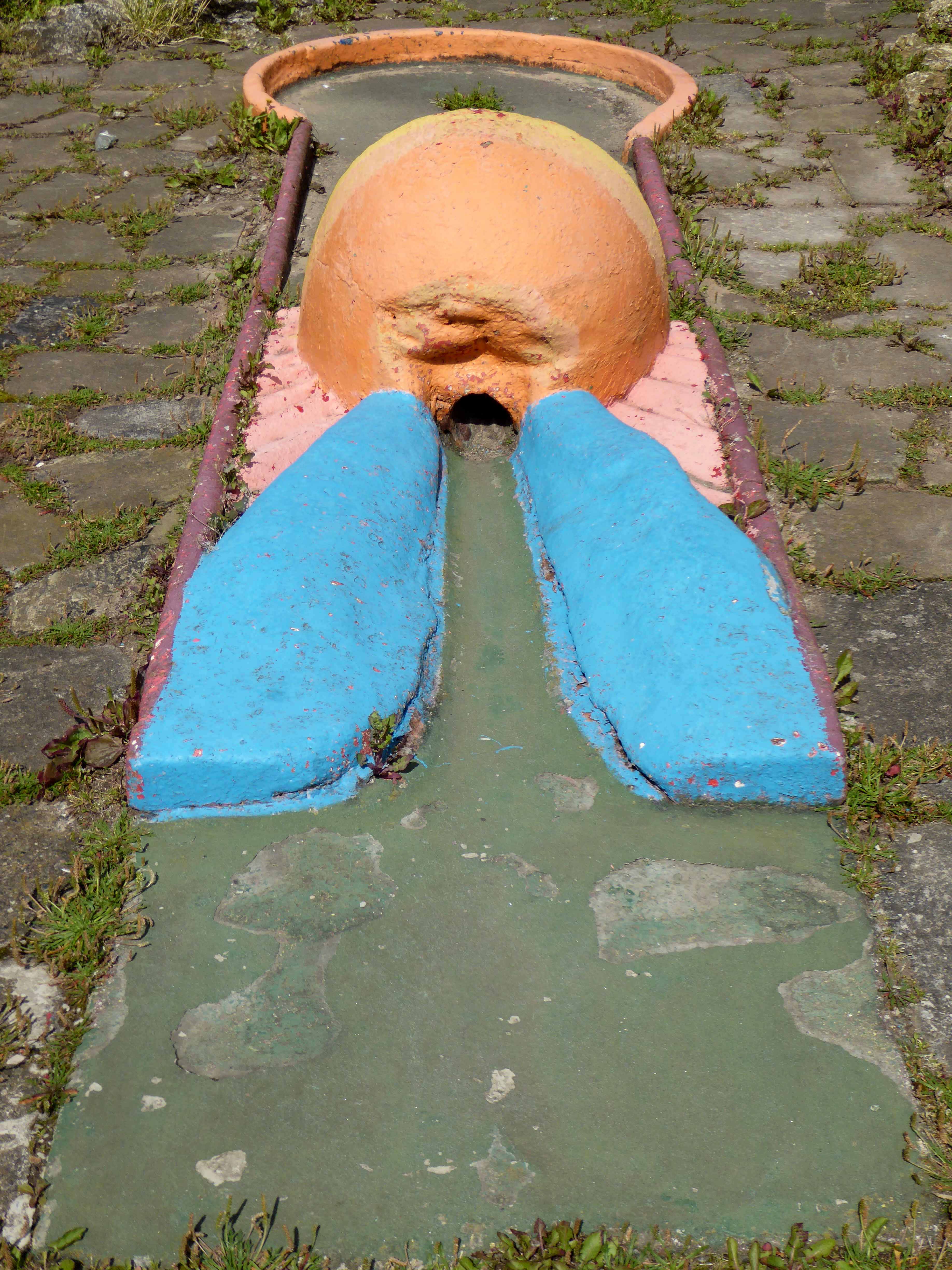
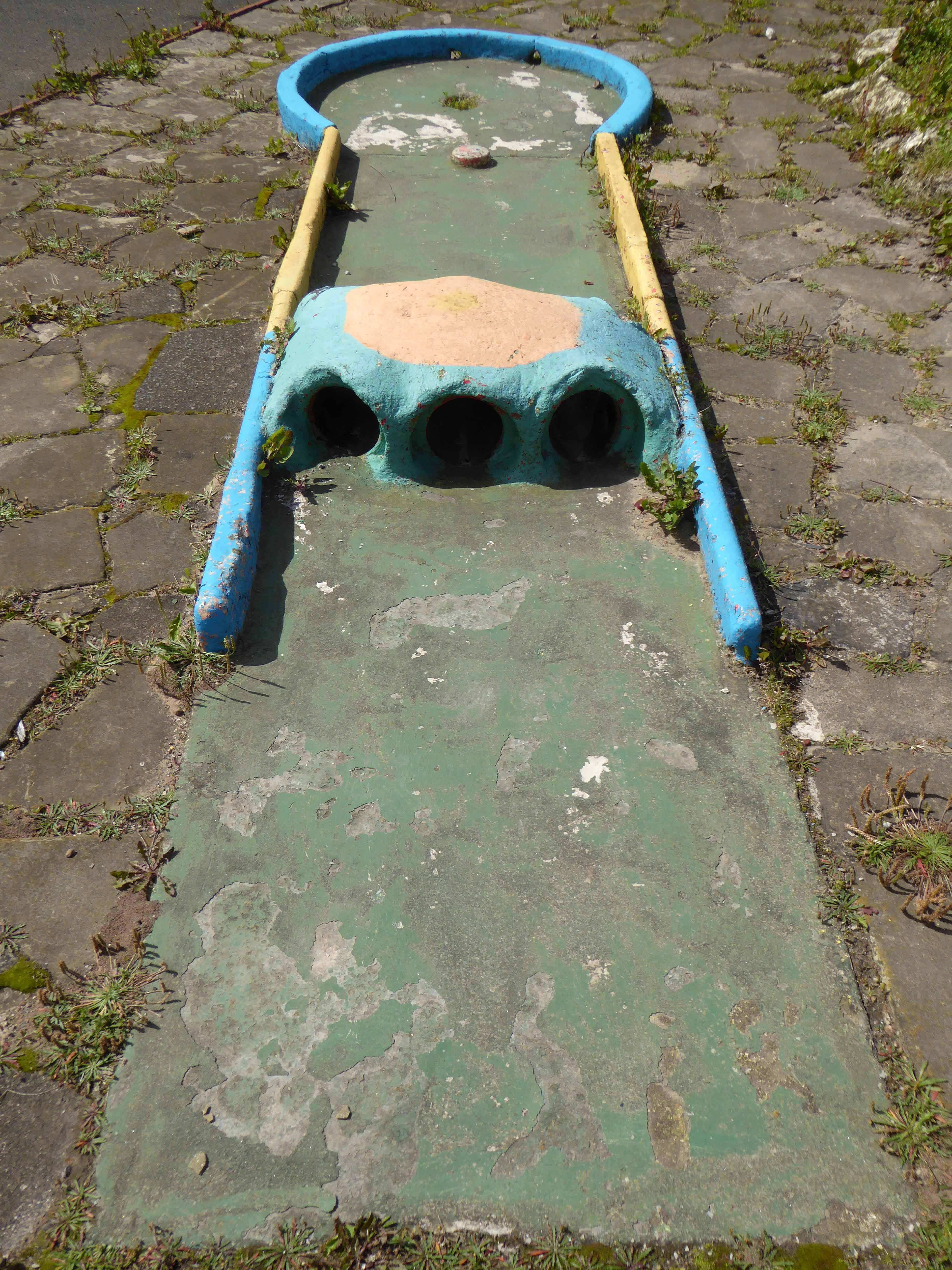
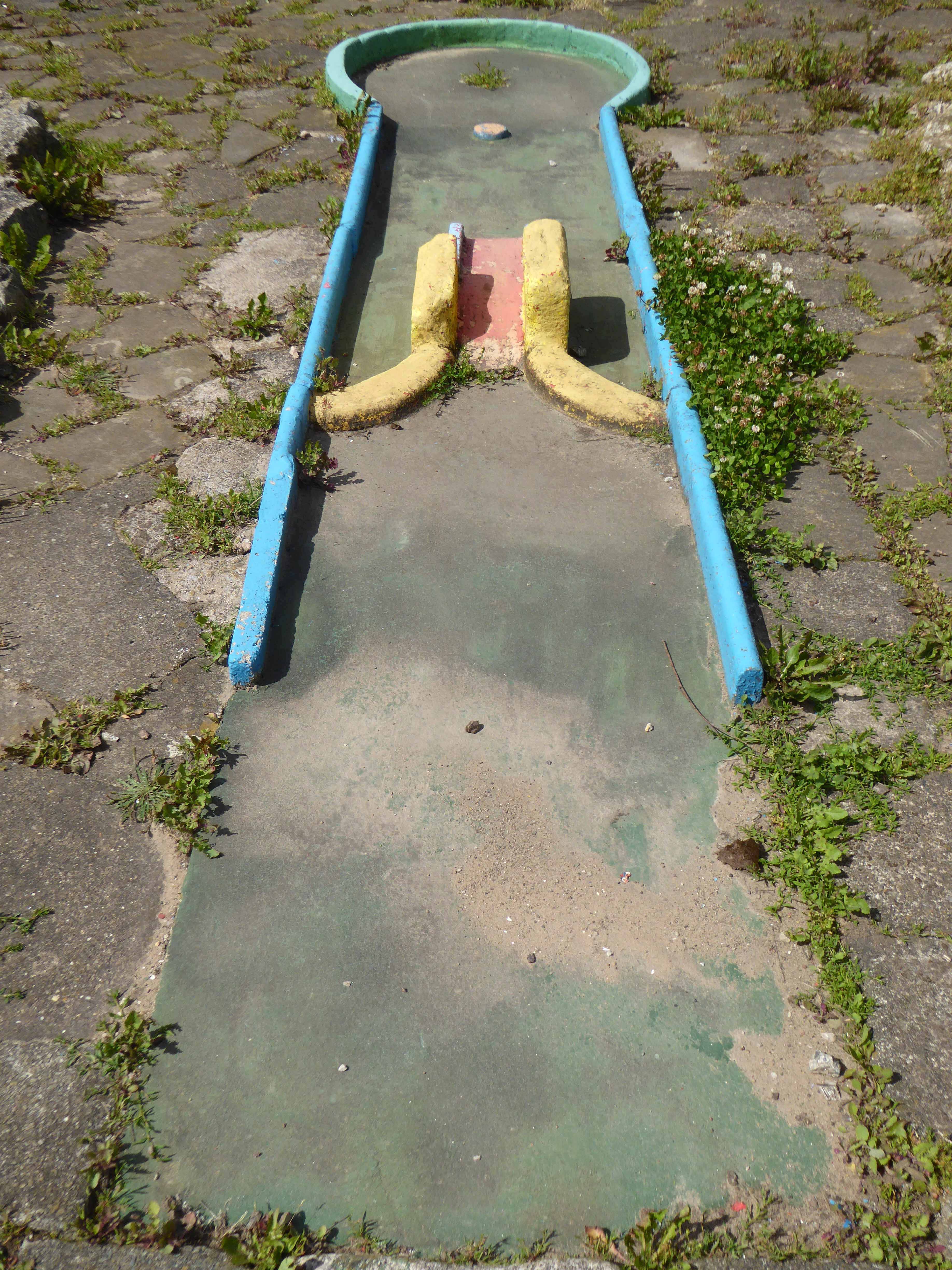
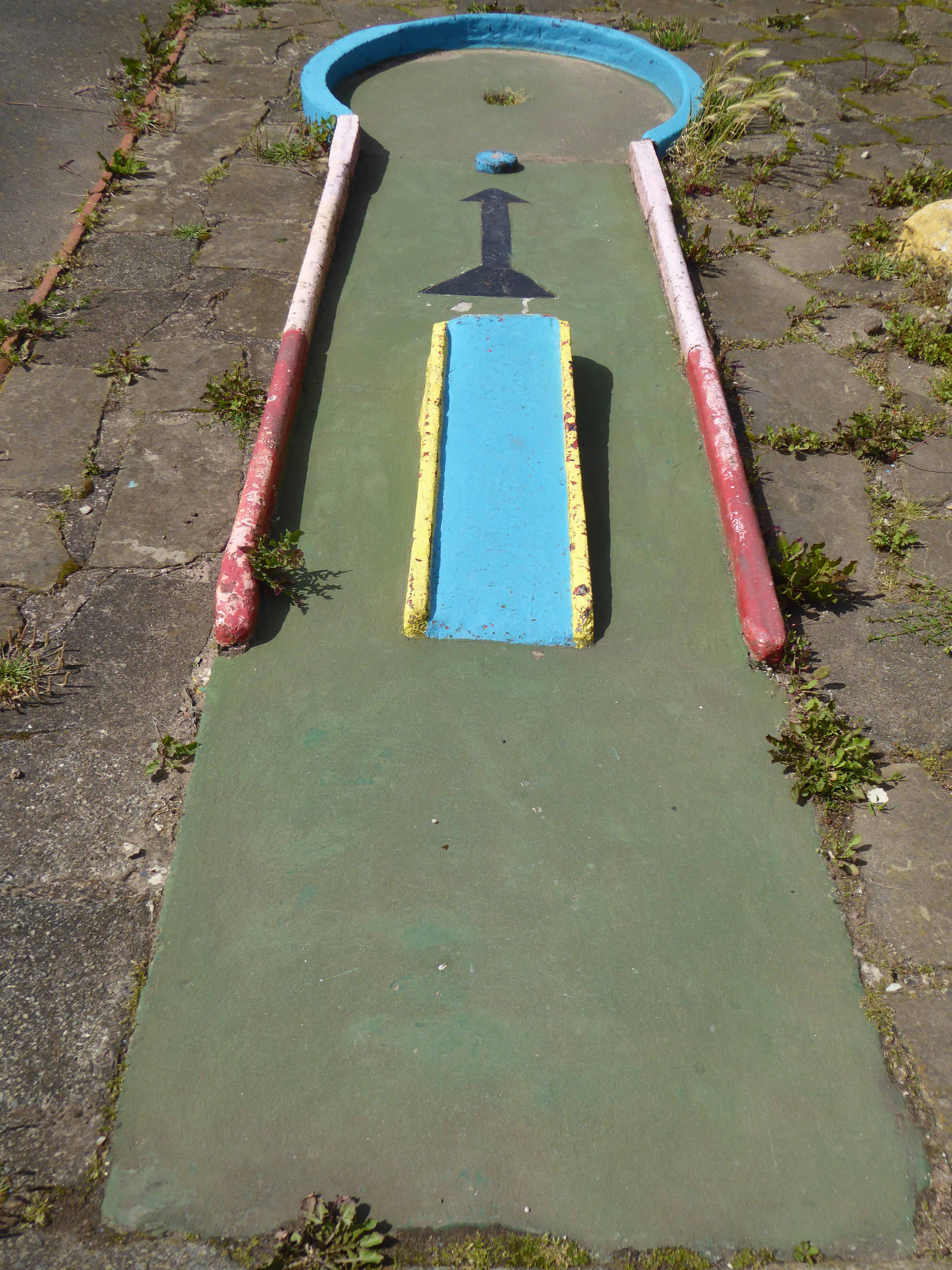
The focus and locus of fun is located on the prom and what better way to squander a moment or eighteen, than with a pleasurable round of crazy golf. Municipal Modernist frivolity rendered corporeal in corporation concrete, repainted annually ahead of the coming vacationers.

Domesticated Brutalism to soften the soul.

And there can be no better away to inform the awaiting world of your capricious coastal antics than a picture postcard, so playfully displayed on the corner shop carousel – 10p a pop.

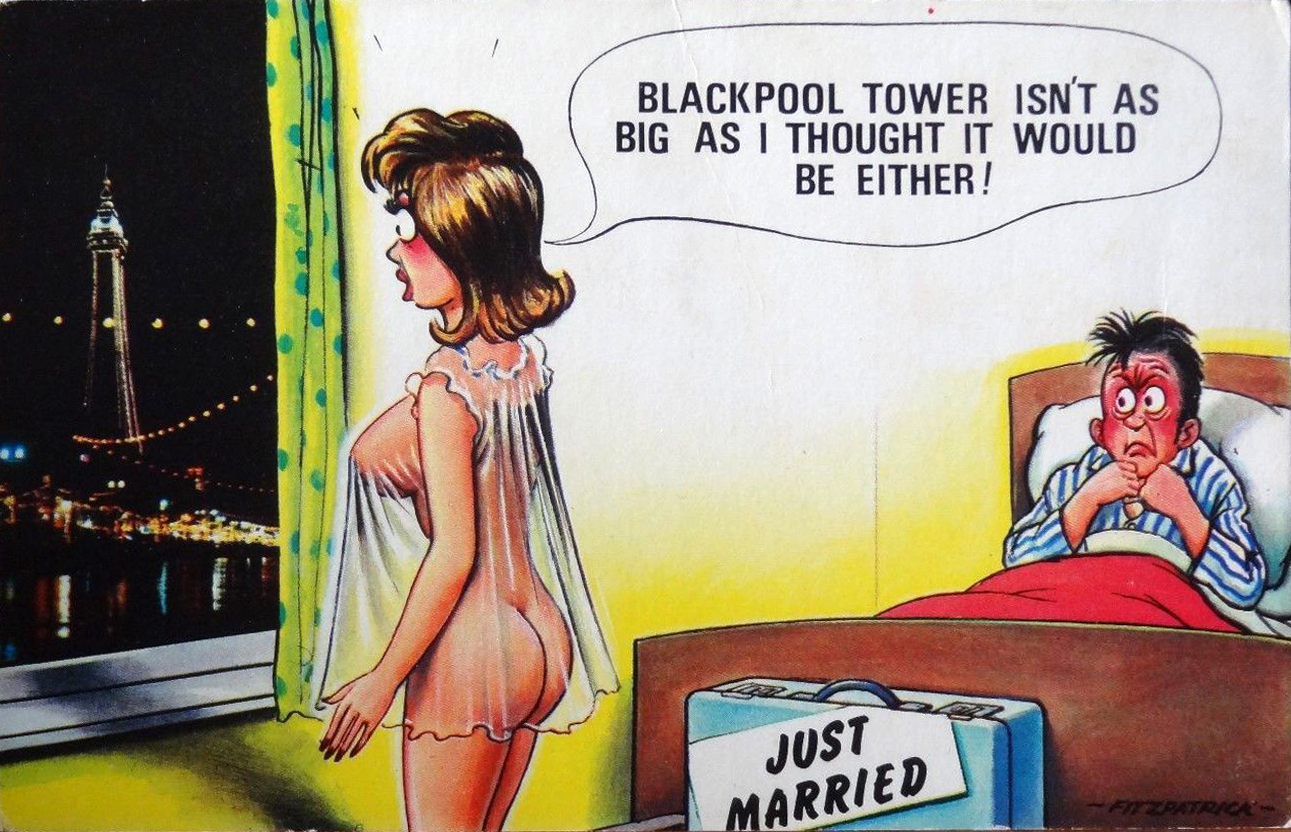
Stopping to chuckle at the Bamforth’s mild mannered filth, yet finally purer of heart, opting for the purely pictorial.

Man and boy and beyond I have visited Blackpool – a day, week or fortnight here and there, the worker’s working week temporarily suspended with a week away.

Times have now changed and the new nexus is cash, all too incautiously squandered – Pleasure Beach and pub replacing the beach as the giddy stags and hens collide in an intoxicating miasma of flaming Sambuca, Carling, Carlsberg and cheap cocktails – for those too cash strapped for Ibiza.

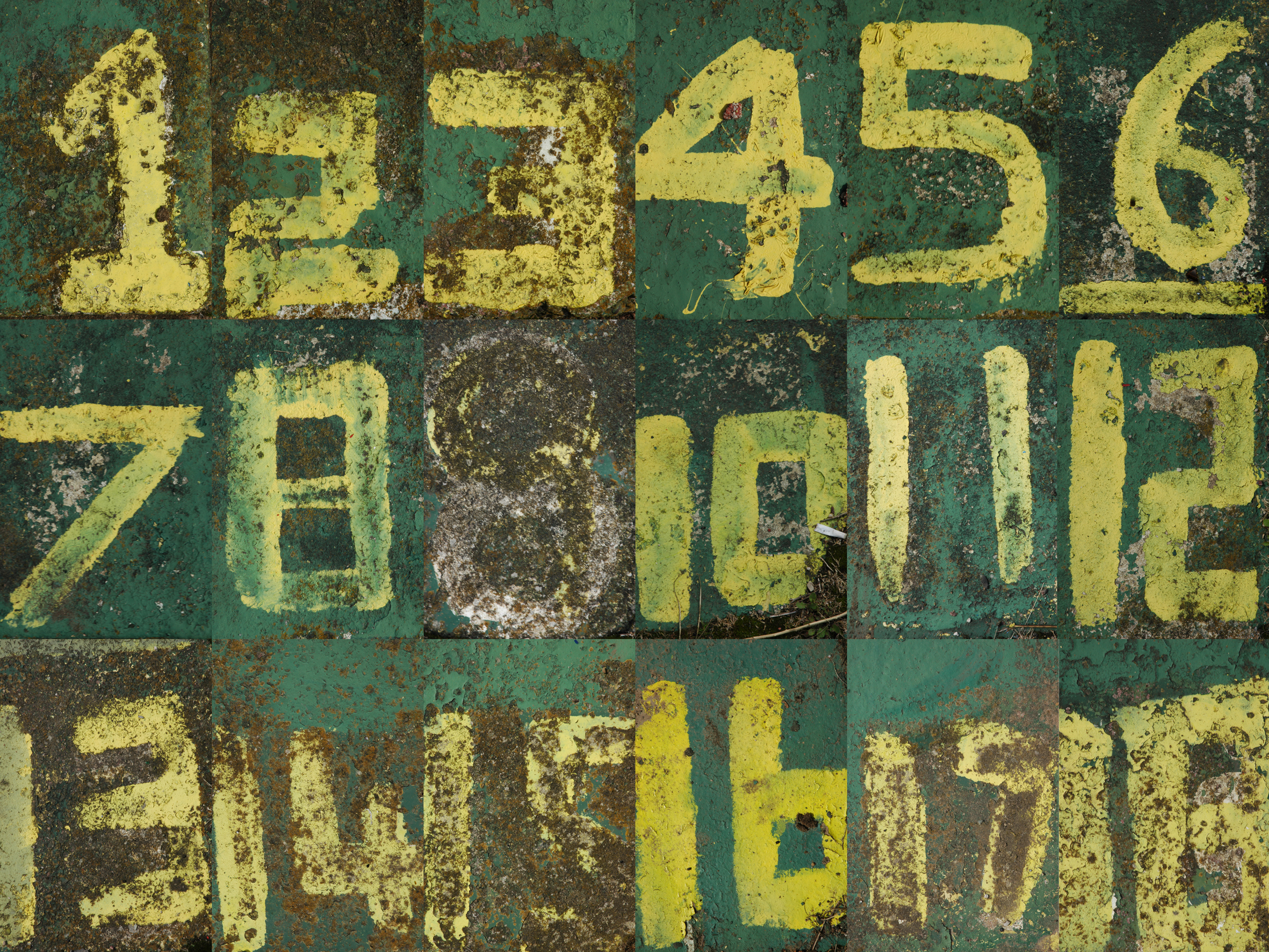
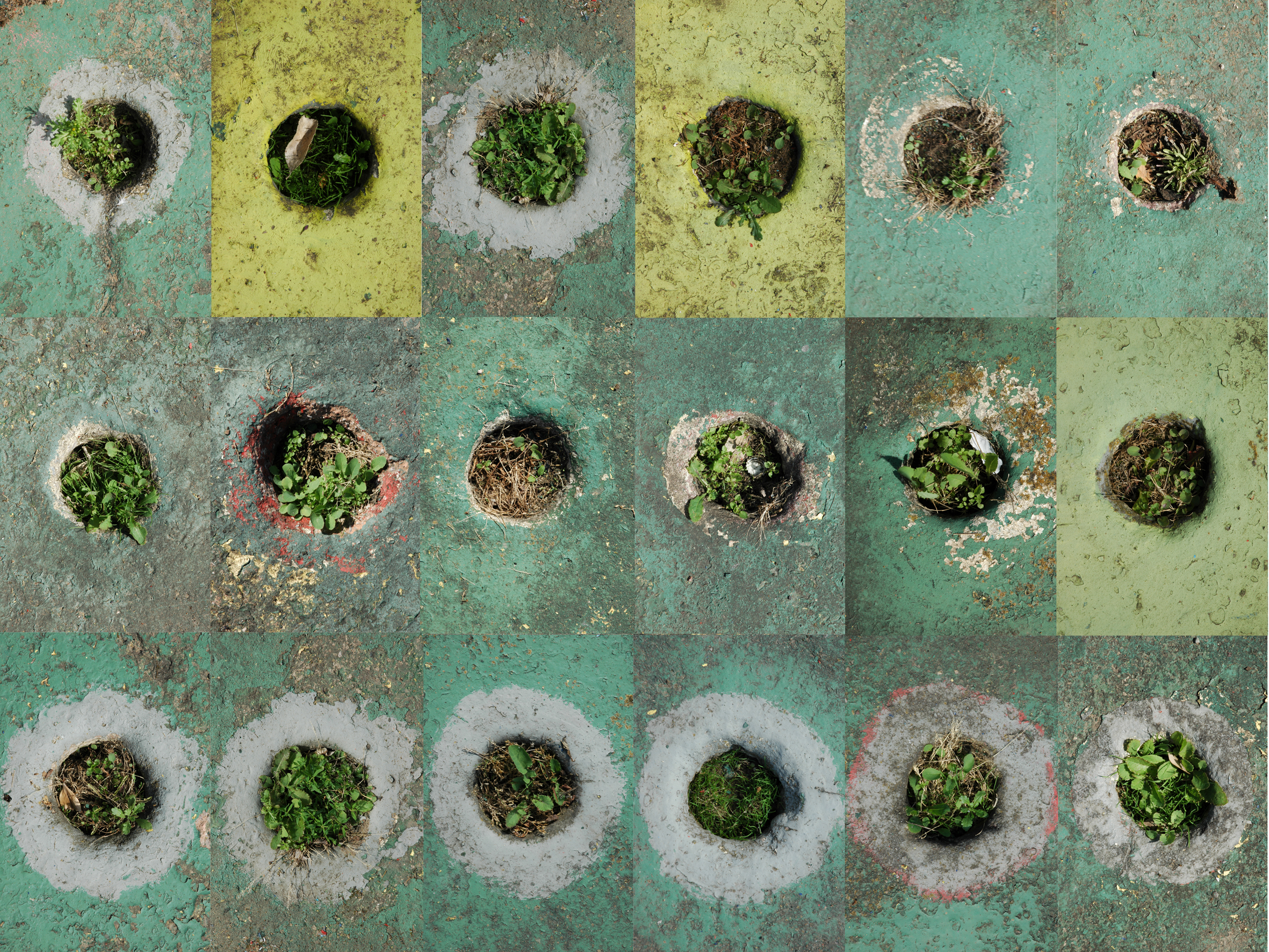
The numbers are up – 18 times nothing is nothing – each year as I revisit, the primarily primary colour paint wears a little thinner in the thin salt air and the whining westerly wind, of the all too adjacent Irish Sea.

Overgrown and underused awaiting the kids and grown ups that forever fail to show. On one visit the sunken course had become the home of the daytime hard drinkers, they suggested we refurbish and run the course as a going concern. I declined lacking the time, will and capital for such a crazy enterprise.

The starting has finally stopped.

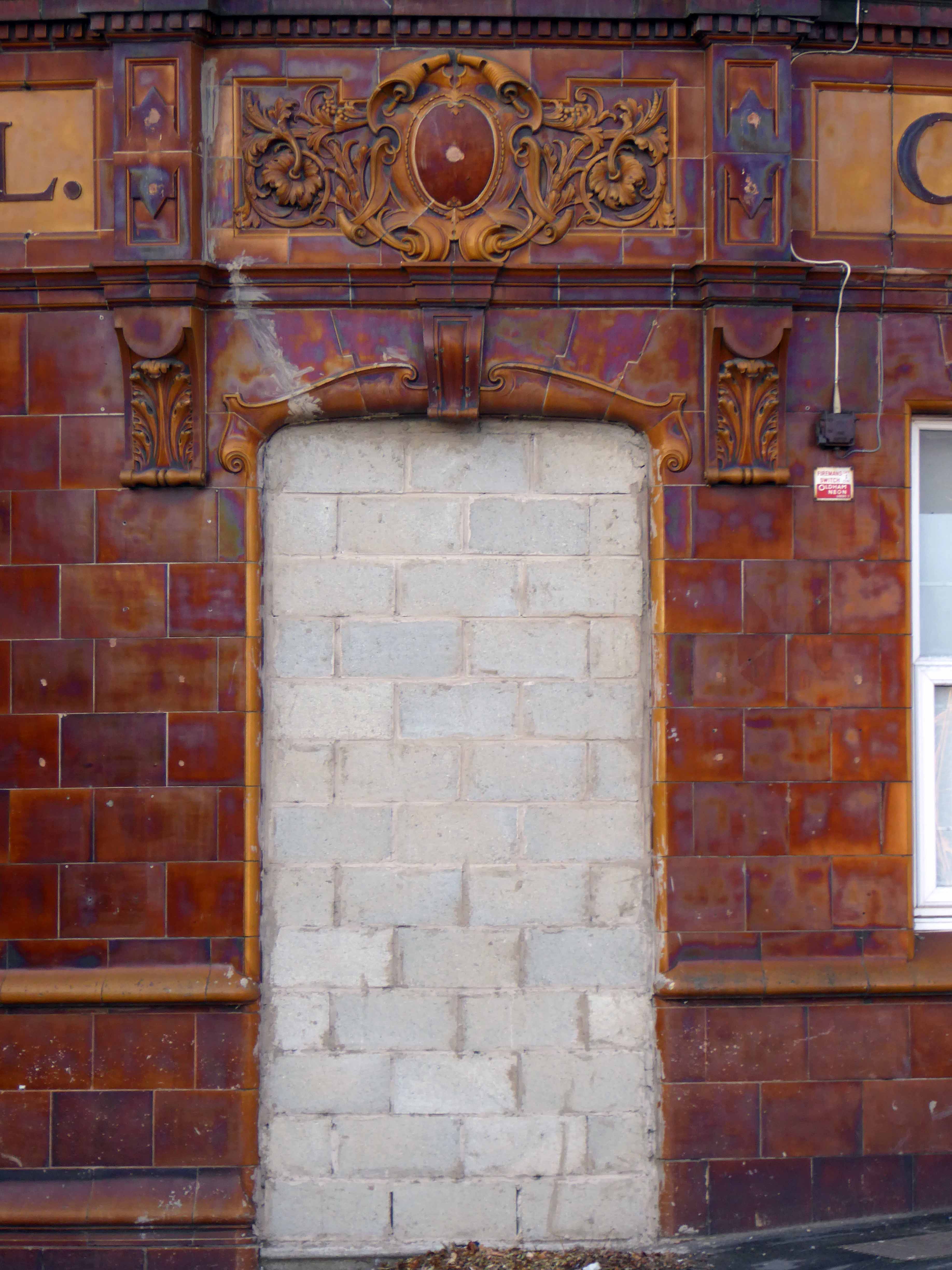
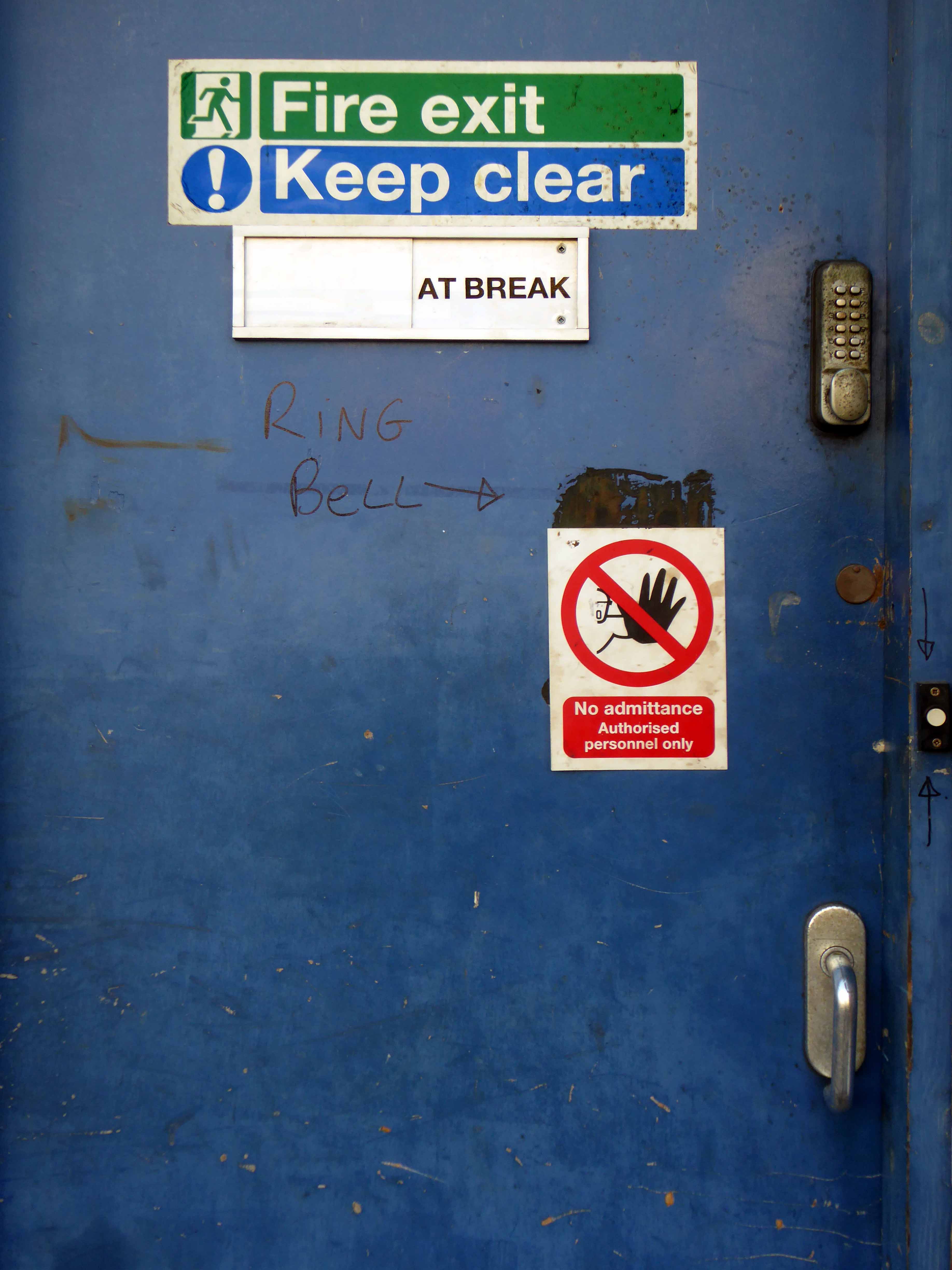
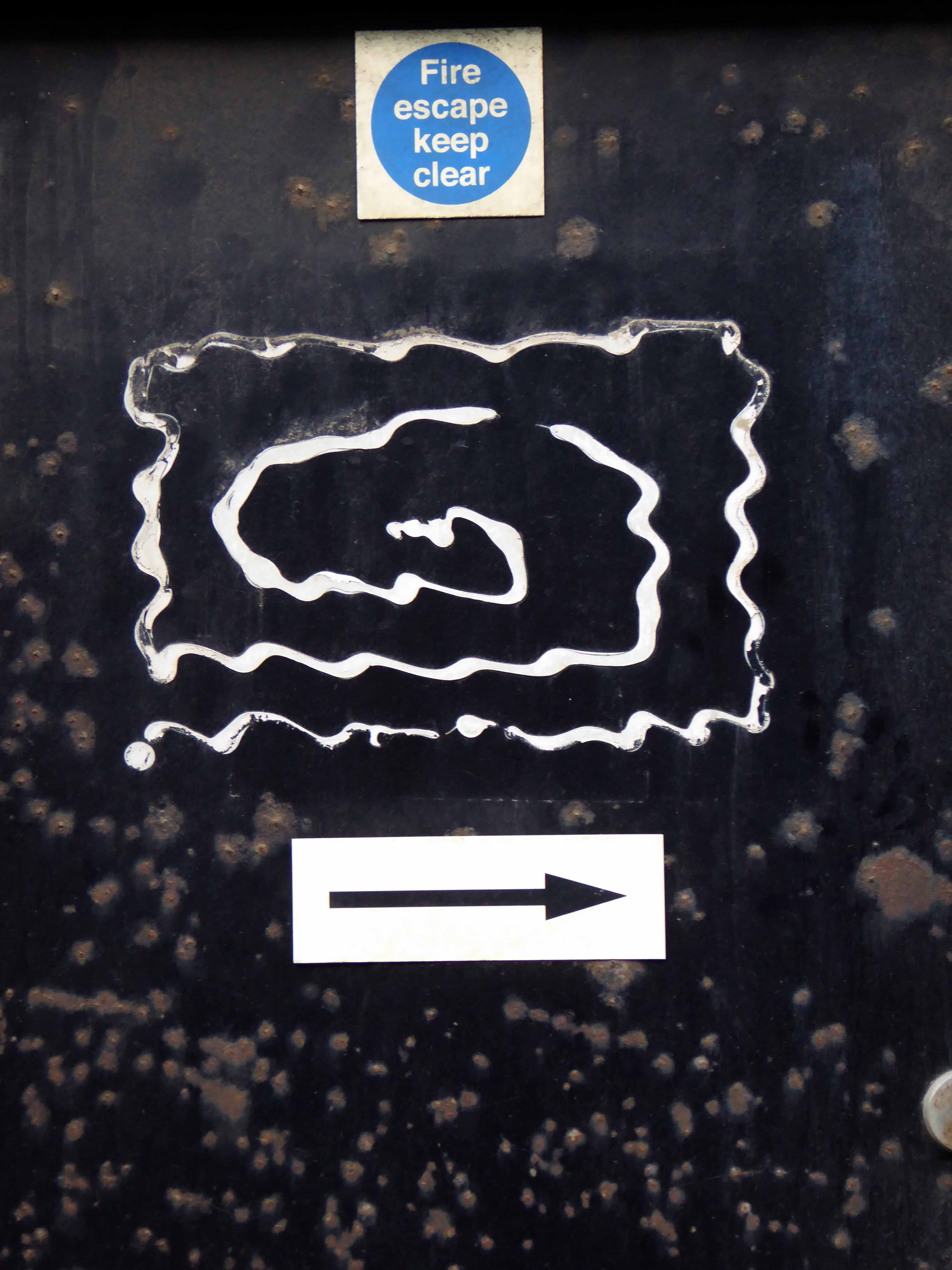
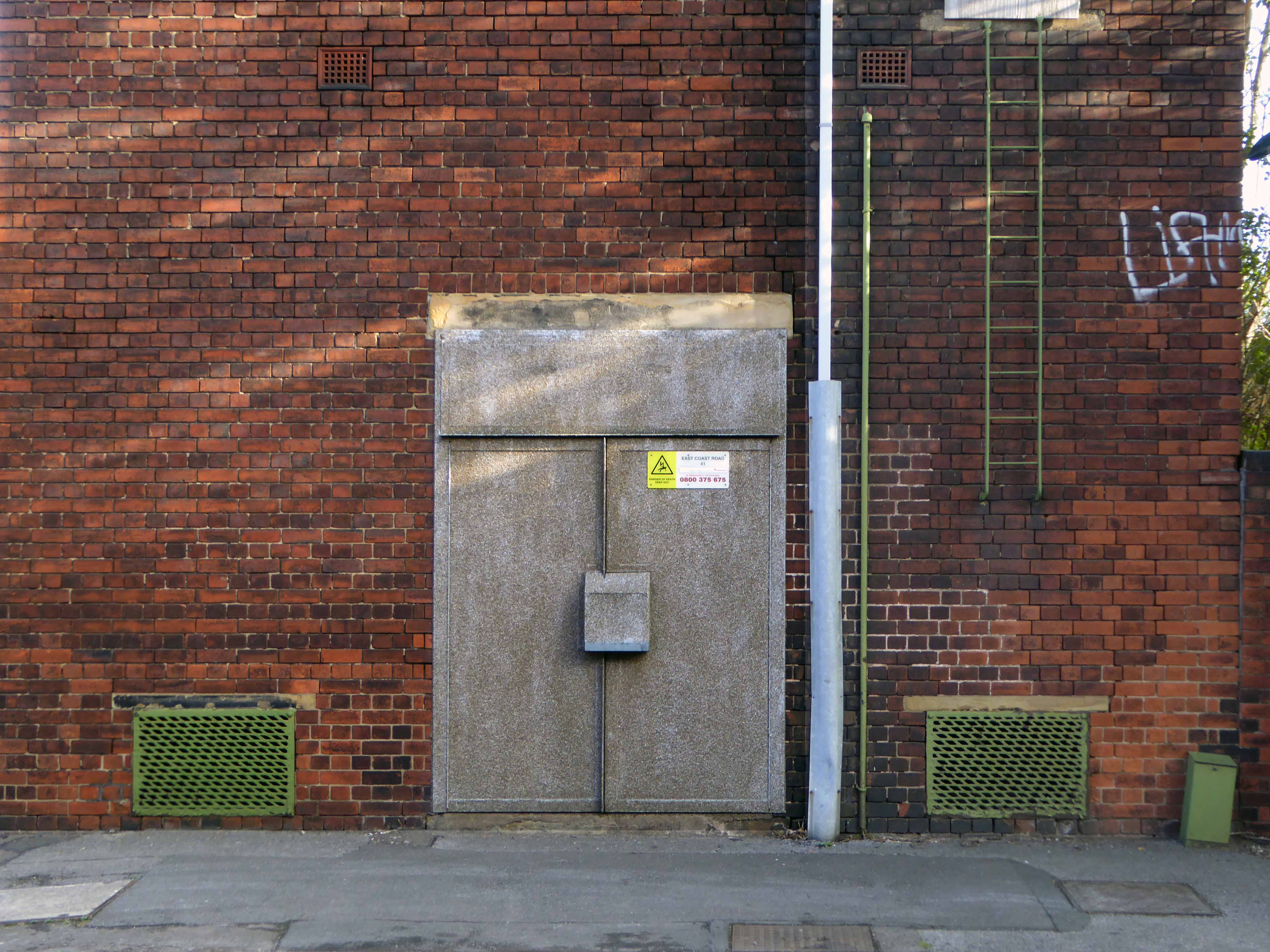
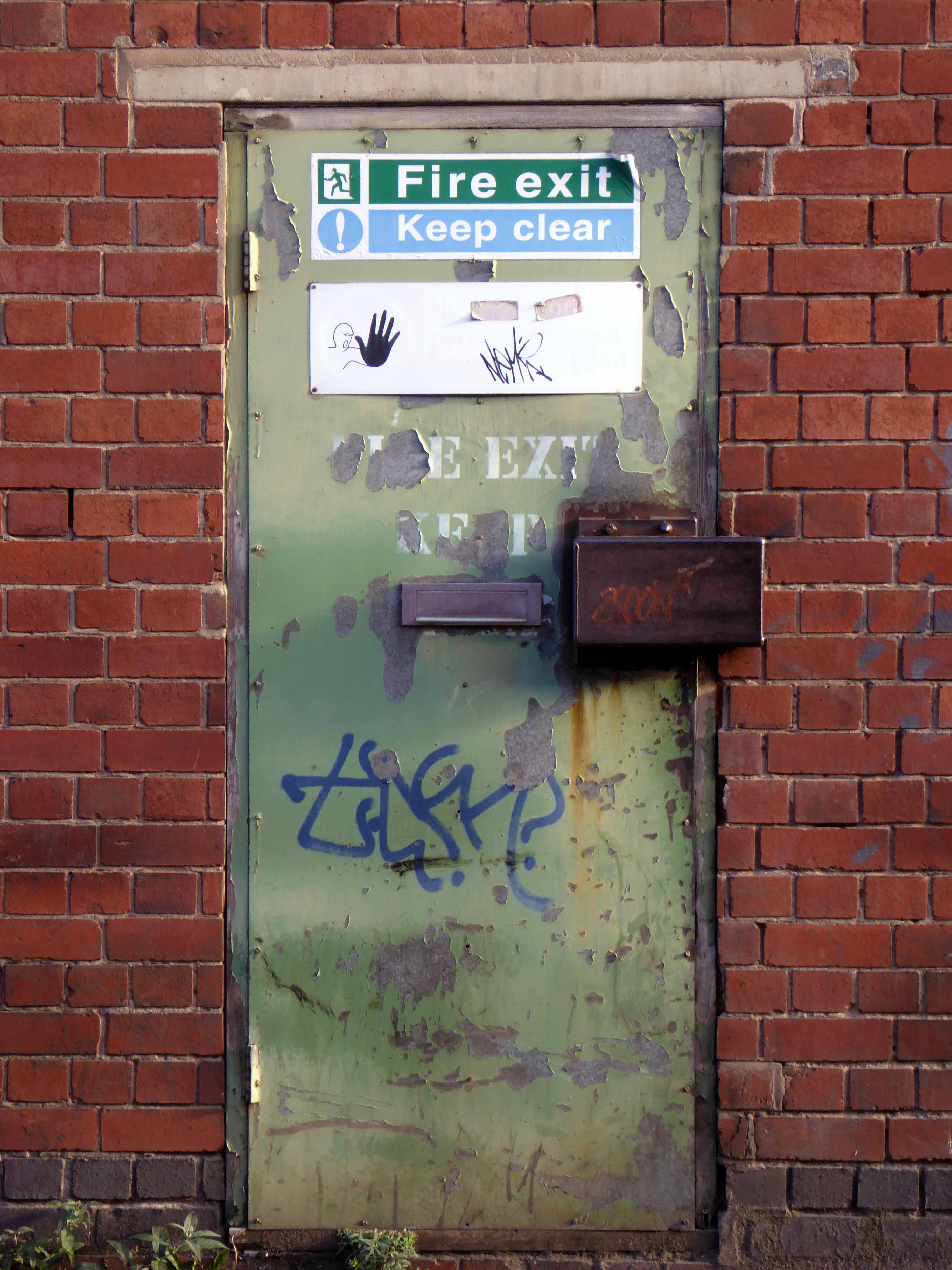
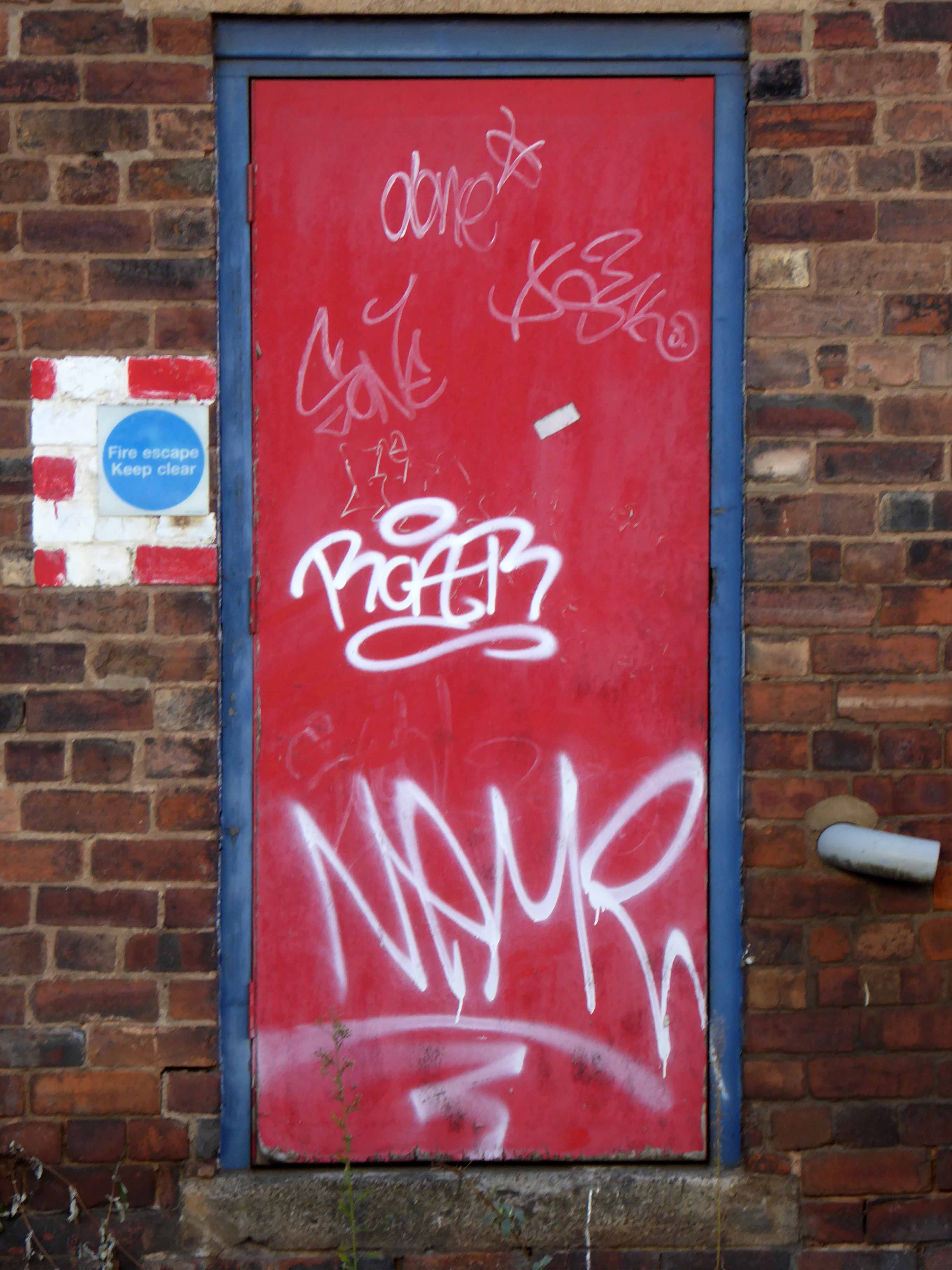
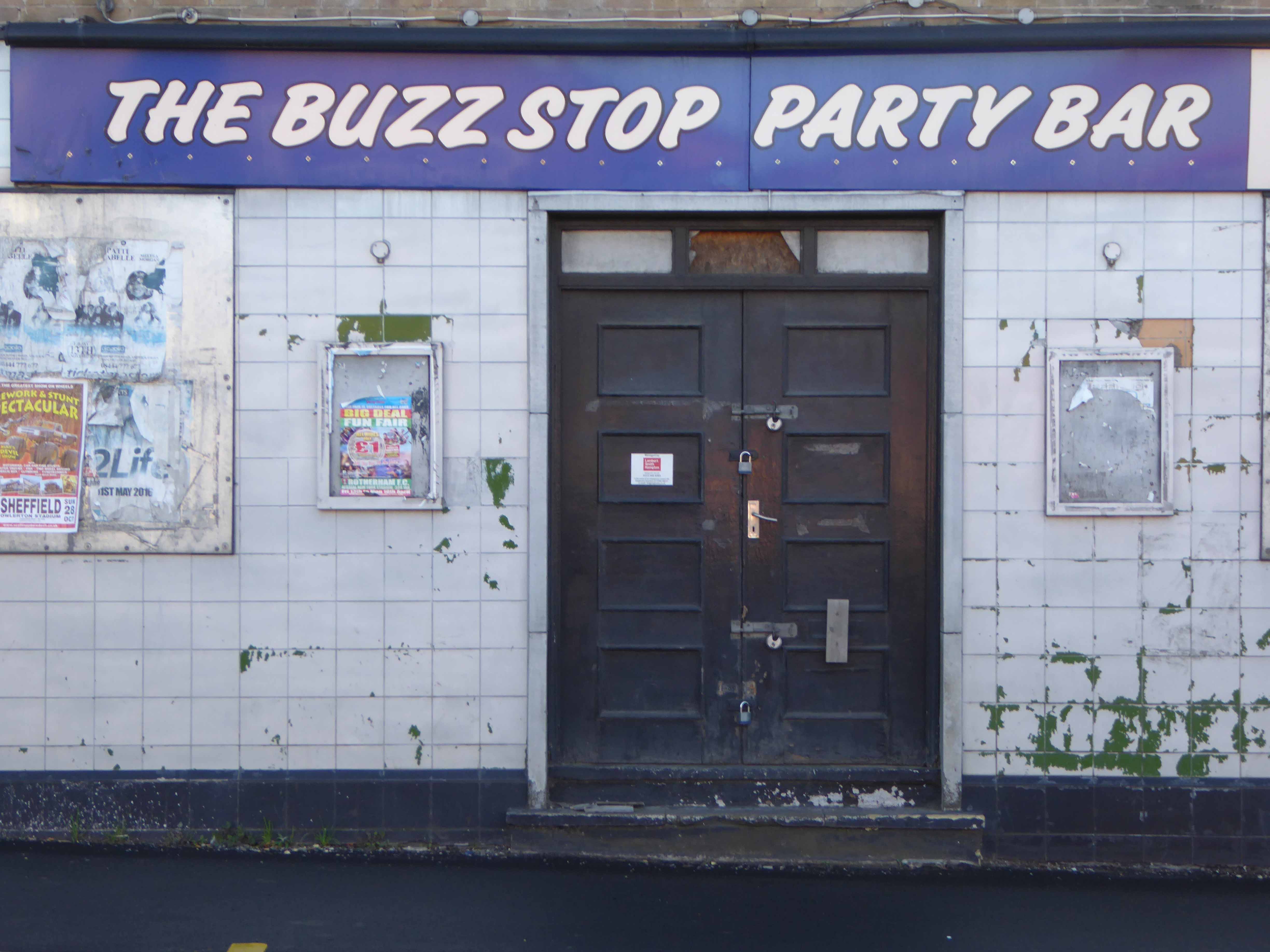
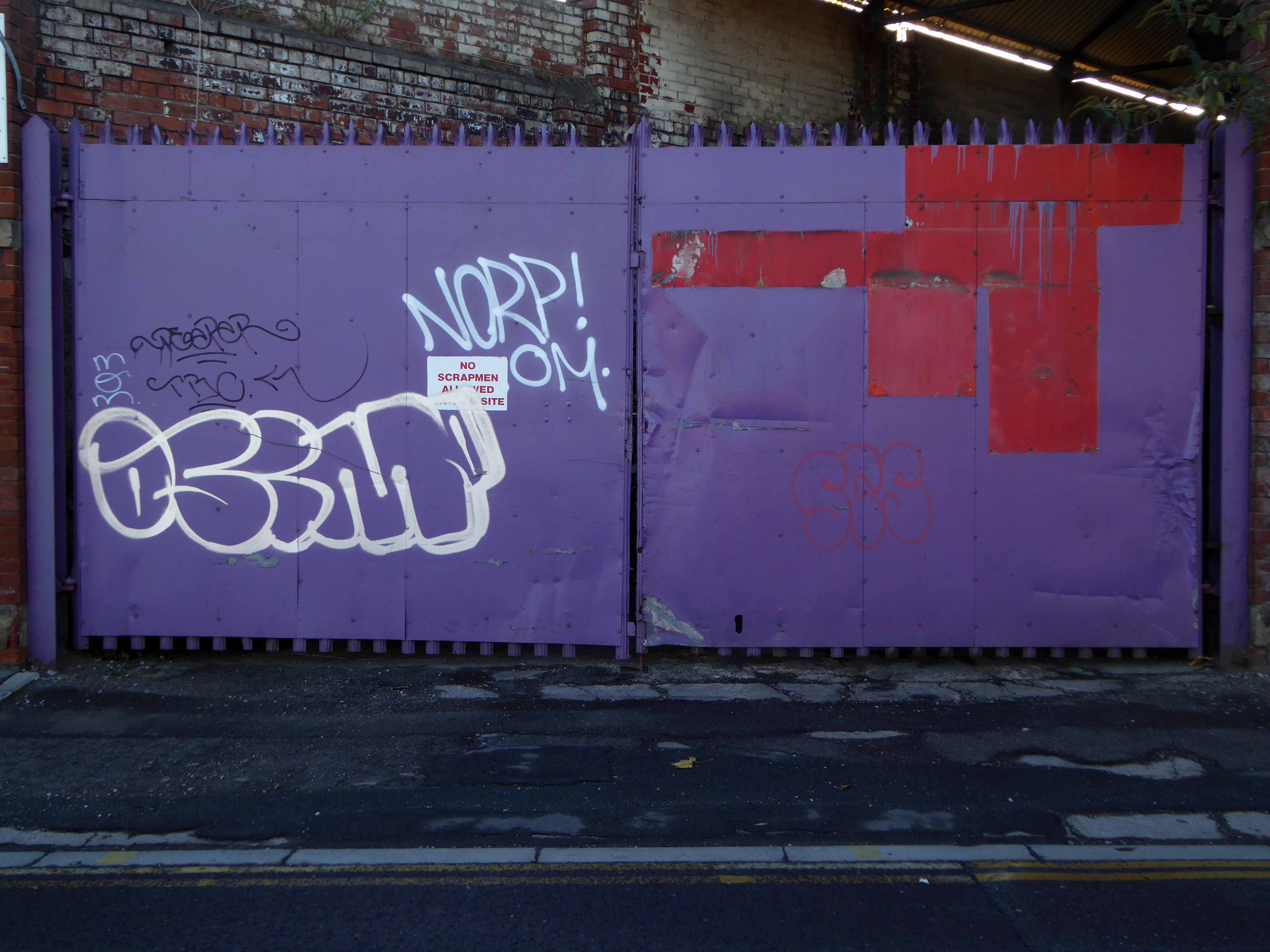
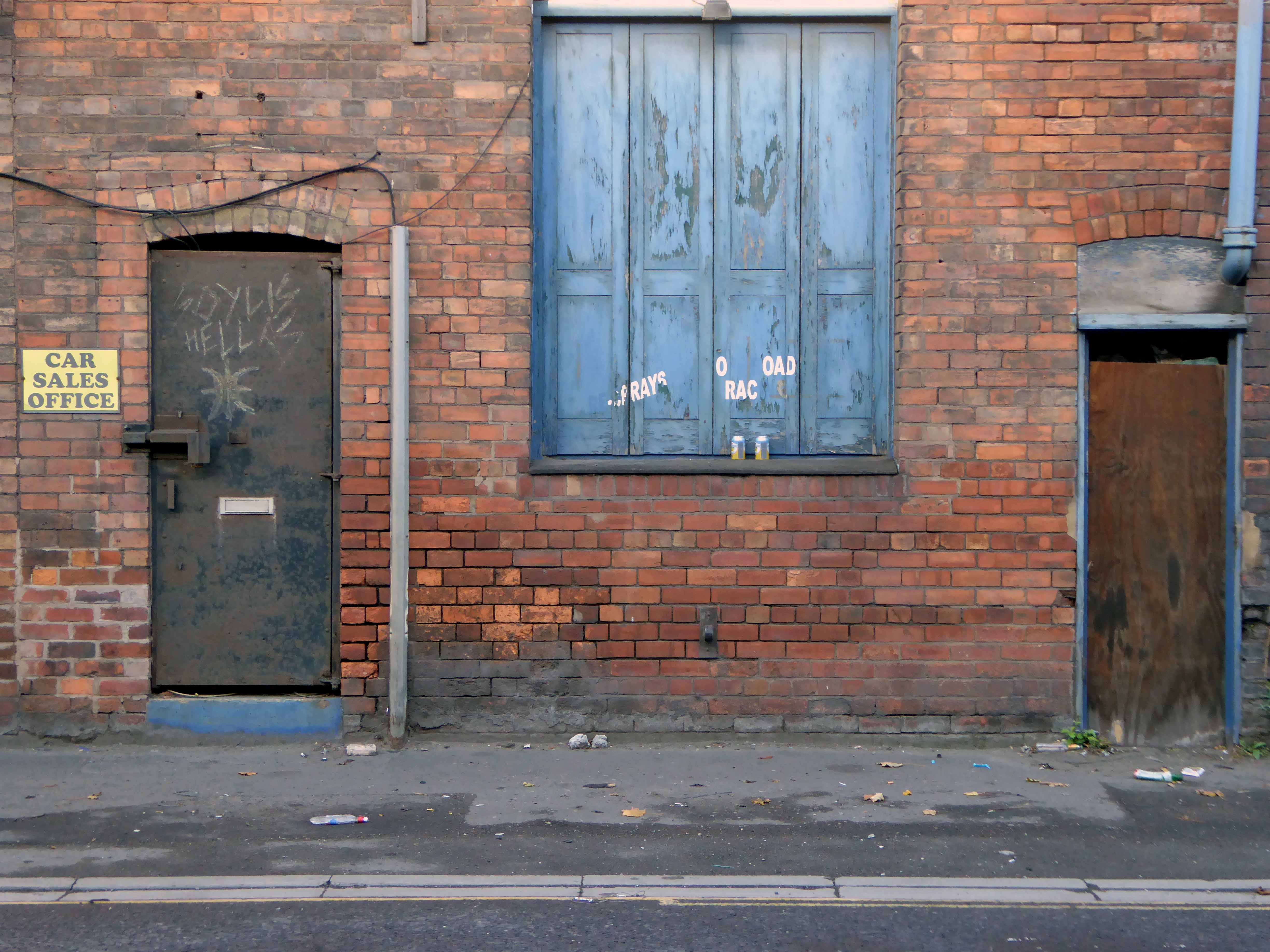
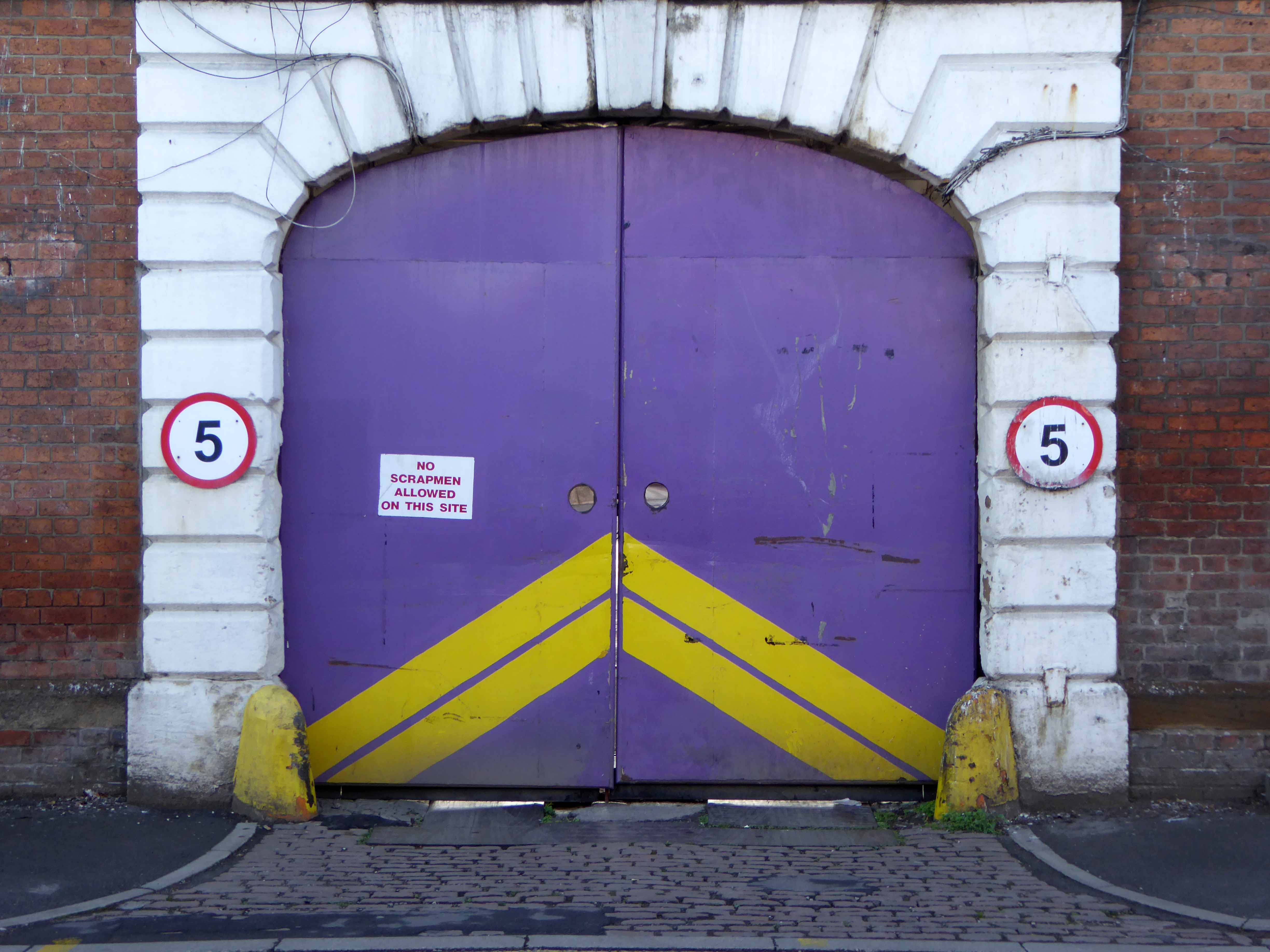
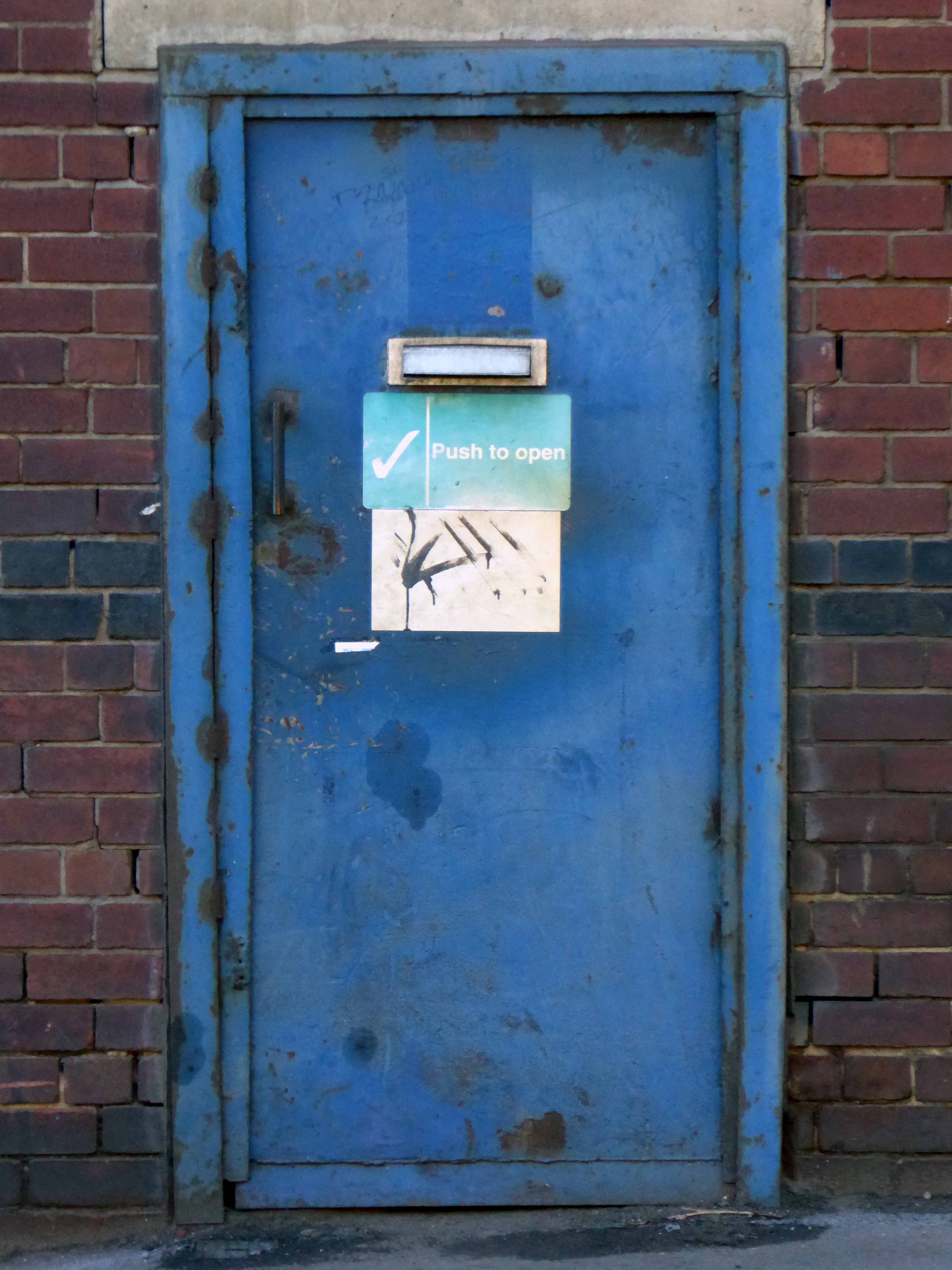
Gates and Doors – Sheffield

Early one morning – just as the sun was rising.

I took to the sunny Sunday October streets of Sheffield, bound I knew not where.

In search of something and nothing, which I possibly never ever found.

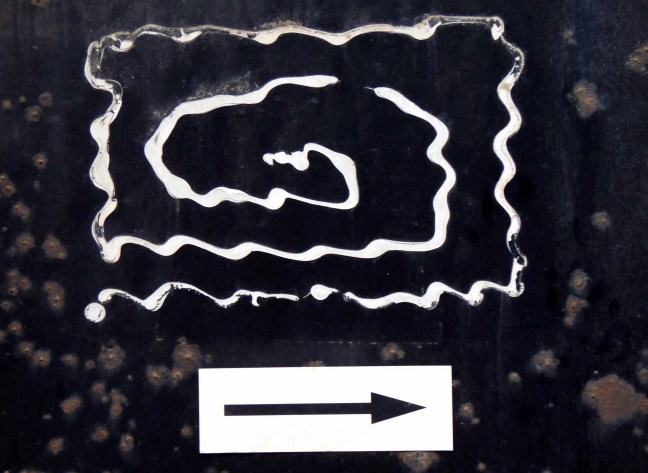
Following secret signs, symbols and words, doors and gates shut in my face.

Before I knew it I was back where I started.

Screenshot 2018-11-02 at 15.43.45


P1300852

P1300867

P1300878

P1300881

P1300893

P1300898

P1300902

P1300914

P1300930

P1300938

P1300941

P1300942

P1300946

P1300959

P1300960

P1300966

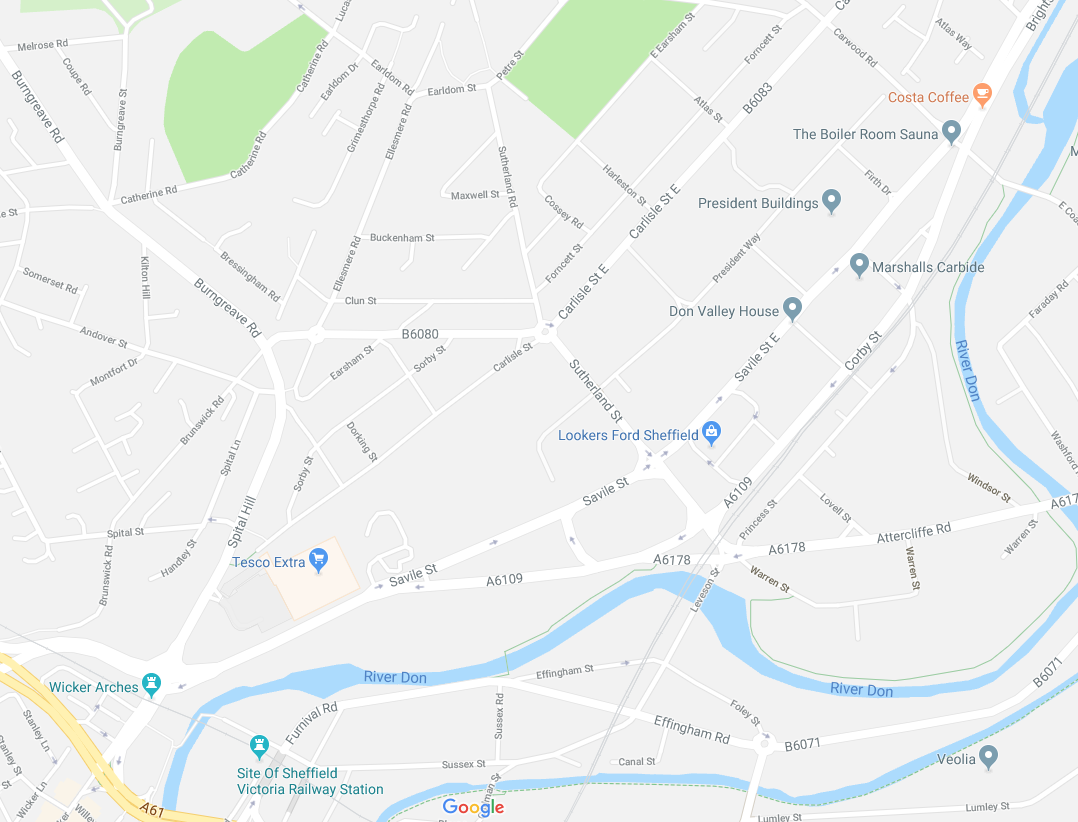
Sheffield Photographic Walk

Thanks for coming along, it was a pleasure to meet you.

But how and why did we all get here?

Much is made of Park Hill’s relationship with Le Corbusier’s Unité d’habitation and there are clear links both visually and conceptually.

p0182fj7

The open rectilinear concrete structure and integrated services and surrounding space – replacing a grid-iron of back to backs considered unfit for purpose.

Architects Jack Lynn and Ivor Smith under the supervision of John Lewis Womersley, Sheffield Council’s City Architect, began work in 1953 designing the Park Hill Flats. Construction began in 1957. Park Hill Part One was officially opened by Hugh Gaitskell, MP and then Leader of the Opposition, on 16 June 1961.

Screen Shot 2018-10-06 at 06.19.34

The initial success of the development was followed by a period of slow decline, mirroring the fate of post-industrial Britain. Unemployment, lack of investment and the public and central government perception of social housing all contributing to Park Hill’s eventual closure.

Despite the problems, the complex remained structurally sound, and was Grade II* listed in 1998. A part-privatisation scheme by the developer Urban Splash in partnership with English Heritage to turn the flats into apartments, business units and social housing is now underway. The renovation was due to start in around 2007 but was put on hold due to the recession with work starting in 2009 with the first phase open to residents in 2010/11.

So today we see a site in transition, partially resuscitated, half tinned up and stripped out.

How then do we photograph present-day Park Hill?

My answer it to walk and look, take time to explore the site and consider your response.

You can approach the project as an entirely formal process, considering:

Viewpoint – where you physically stand and look.

Light – naturally occurring, from the ever changing sun or artificially from flash, its source and your relative position to it and the subject, are of primary importance.

Composition – framing the subject carefully on screen or through the viewfinder, taking care to include only the elements you feel are of consequence.

Are those elements organised in a grid, symmetrical or diagonal?

By changing the camera angle the composition can be radically modified.

DSC_0051 copy 2

All the visual arts rely on a common vocabulary:

Shape – the physical form both geometric and organic.

Line – the implied or actual path between points that lead and direct the eye.

DSC_0042 copy 2

Tone – the range from dark to light.

DSC_0112 copy 2

Colour – the chromatic value from bright primary to dull non-colour.

DSC_0106 copy 2

Texture – taking the rough with the smooth.

DSC_0081 copy 2

Pattern – the repetition of shape

DSC_0041 copy 2

These elements can be composed to form contrast and/or harmony, as straight meets bent, whilst red and grey collide.

Historically record photography has taken such a dispassionate view of a site or subject, and this objective approach was taken up by the New Topographers.

Many of the photographers associated with new topographics including Robert Adams, Lewis Baltz, Nicholas Nixon and Bernd and Hiller Becher, were inspired by the man-made, selecting subject matter that was matter-of-fact. Parking lots, suburban housing and warehouses were all depicted with a beautiful stark austerity, almost in the way early photographers documented the natural landscape.

Alternate to this formal approach is a more subjective narrative style of photography.

What do you think and feel?

Fashioning a personal response, through that which you choose to include or exclude, in the pictures that you produce.

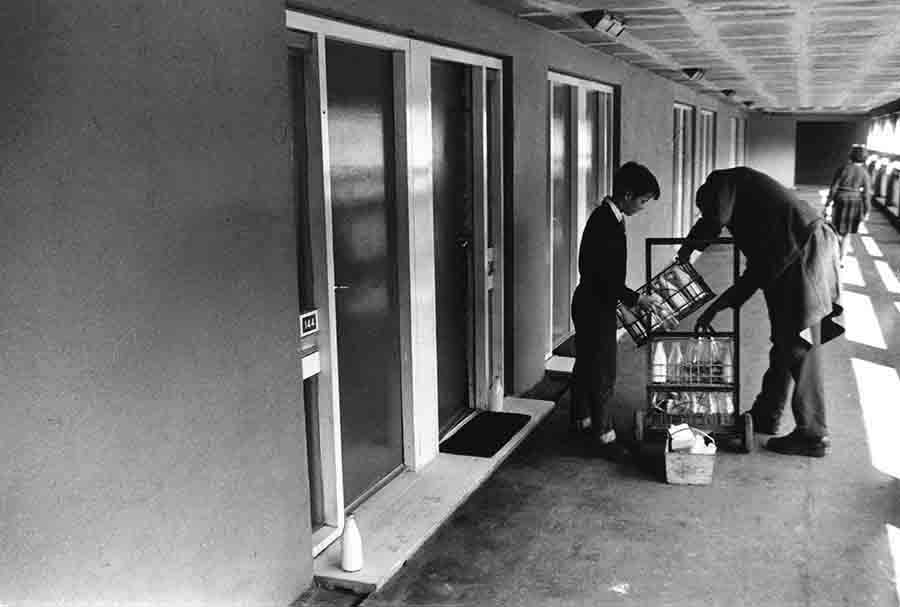
Roger Mayne in 1961 framing the optimism of the newly opened estate.
Milk delivery, Park Hill Estate, Sheffield

Bill Stephenson in 1988 capturing the later days Park Hill set against a backdrop of decline.

bill_stephenson_tony_the_ton_and_martin_age_8_outside_the_pop_in_centre._hyde_park_flats_sheffield_1988_c_bill_stephenson

As seen in the recent S1 Artspace exhibition Love Among The Ruins.

Both photographers have chosen to consider the relationship of the residents to the estate, rather than simply make a formal record, theirs is generally considered to be a Humanist documentary position.

This does not preclude the consideration of the formal elements listed above – it is a question of emphasis.

Working with people can be a longer term project – where access and privacy are negotiable – to be handled with care.

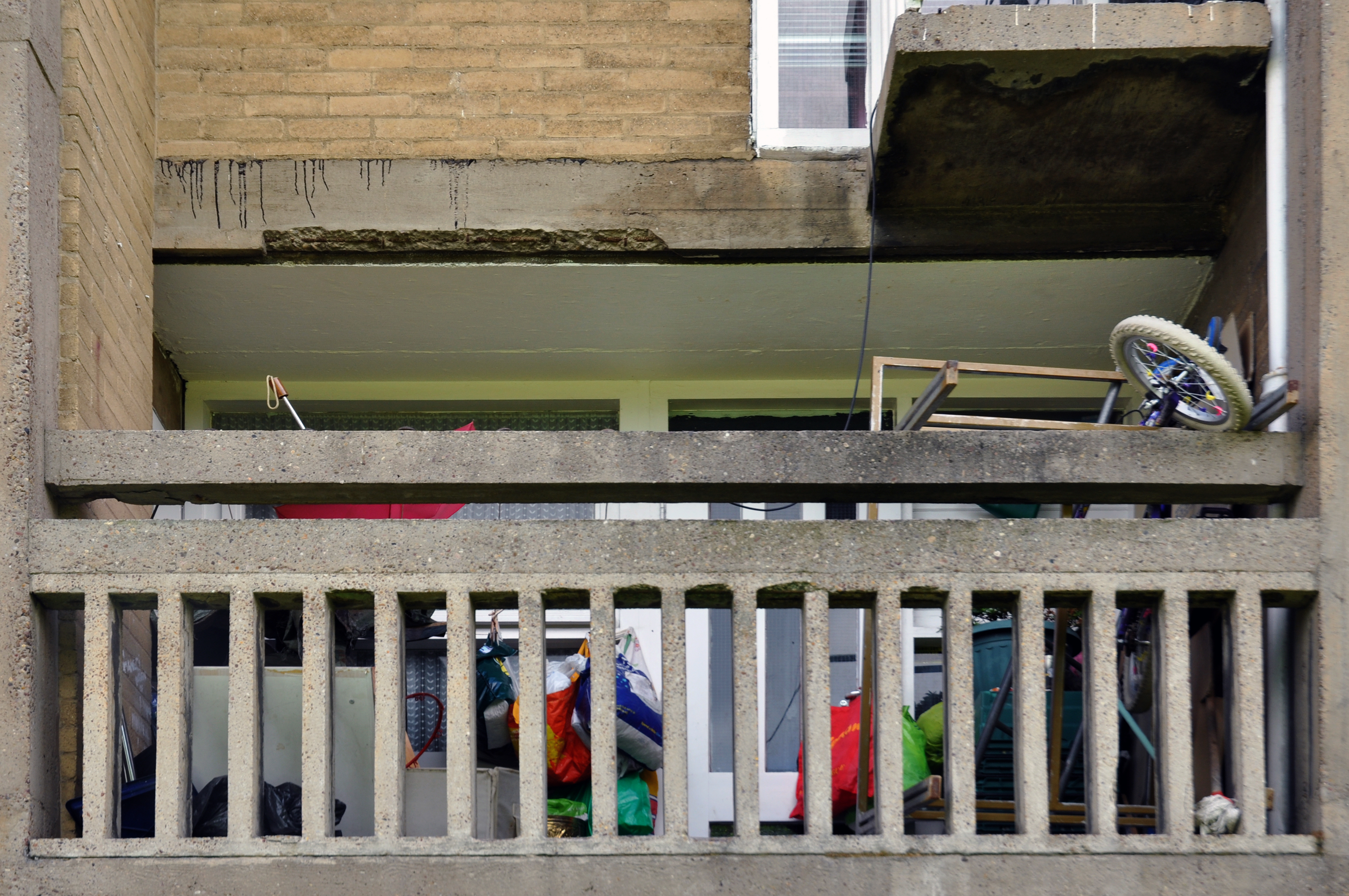
We can however record the evidence of where people have been – it just requires a patient and curious eye.

DSC_0157 copy 2

In building up a personal response consider the use of a wide or establishing shot to set the scene, giving context for that which is to come.

P1020960 copy 2

Moving in ever closer for telling details.

P1030019 copy 2

I’ve been here once or twice before.

Why are all these photographers coming here from Manchester?

Last train to Park Hill 

We’ve all changed.

So ta-ra Sheffield and Park Hill see you again soon.

P1030074 copy 2


Type Travel – Manchester

This is a journey through time and space by bicycle, around the rugged, ragged streets of East Manchester.

Undertaken on Sunday September 2nd 2018.

This is type travel – the search for words and their meanings in an ever changing world.

map

Hyde Road

P1280955
P1280956

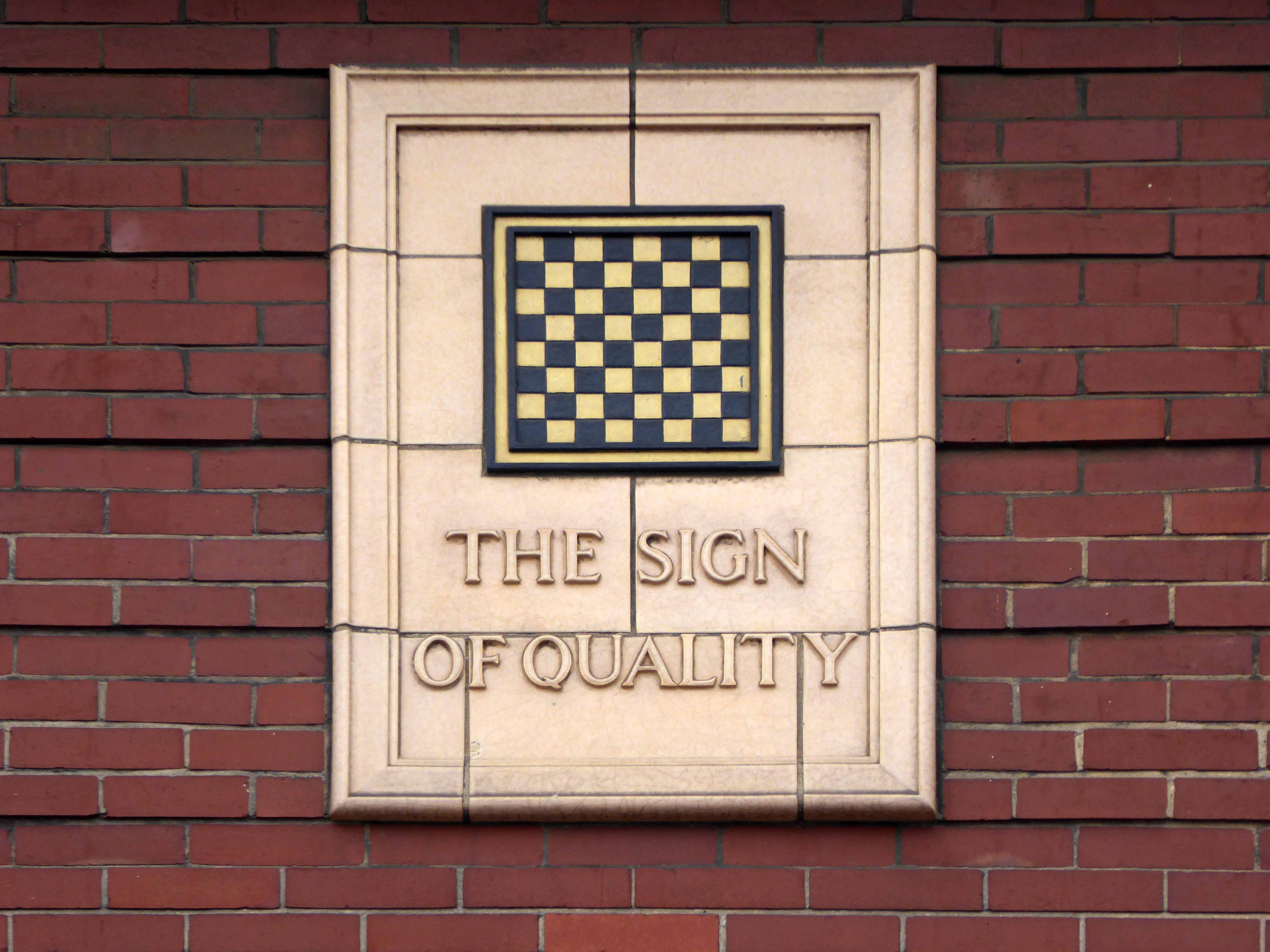
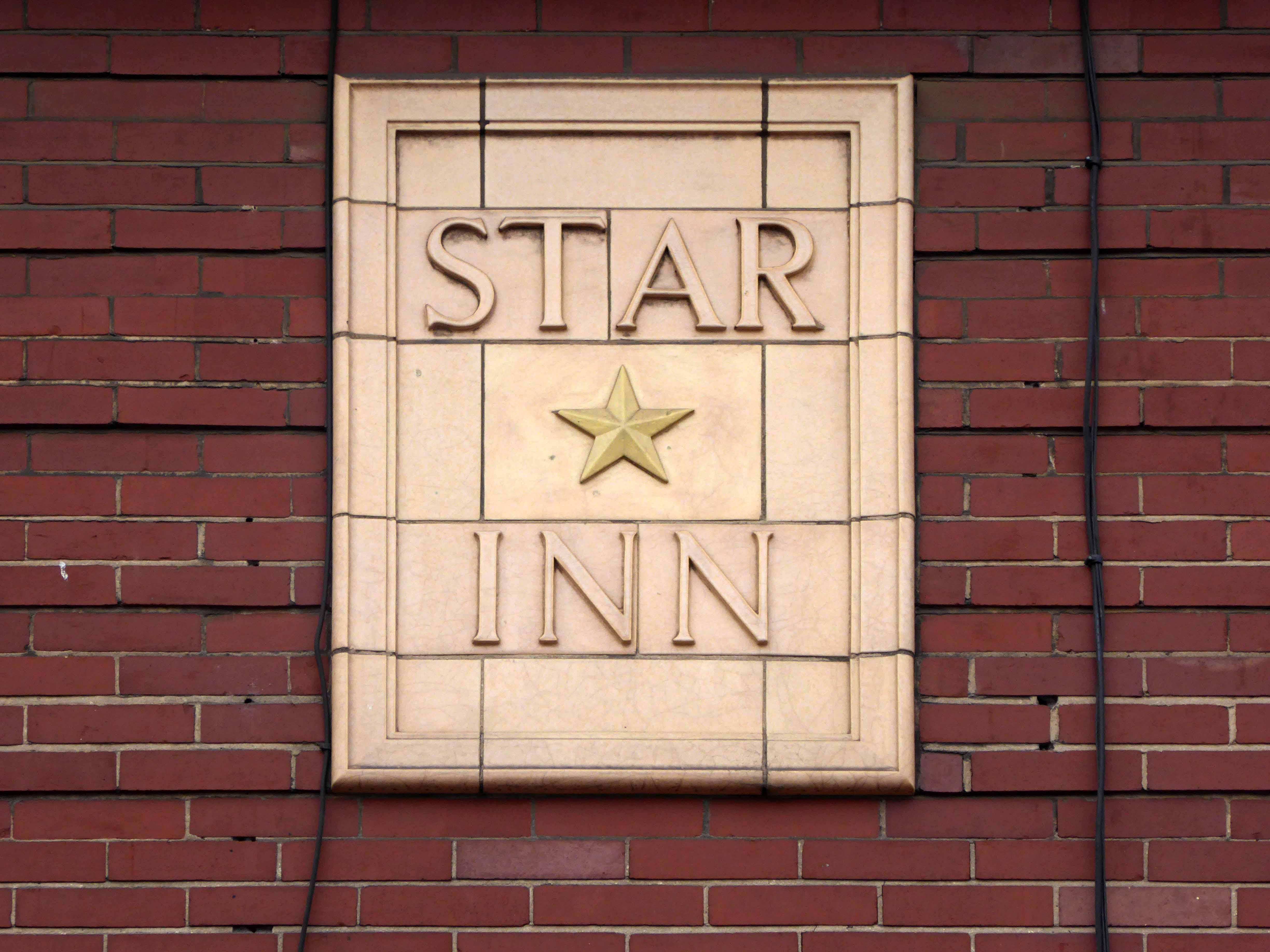
The Star Inn – former Wilsons pub

Devonshire Street North

P1280961

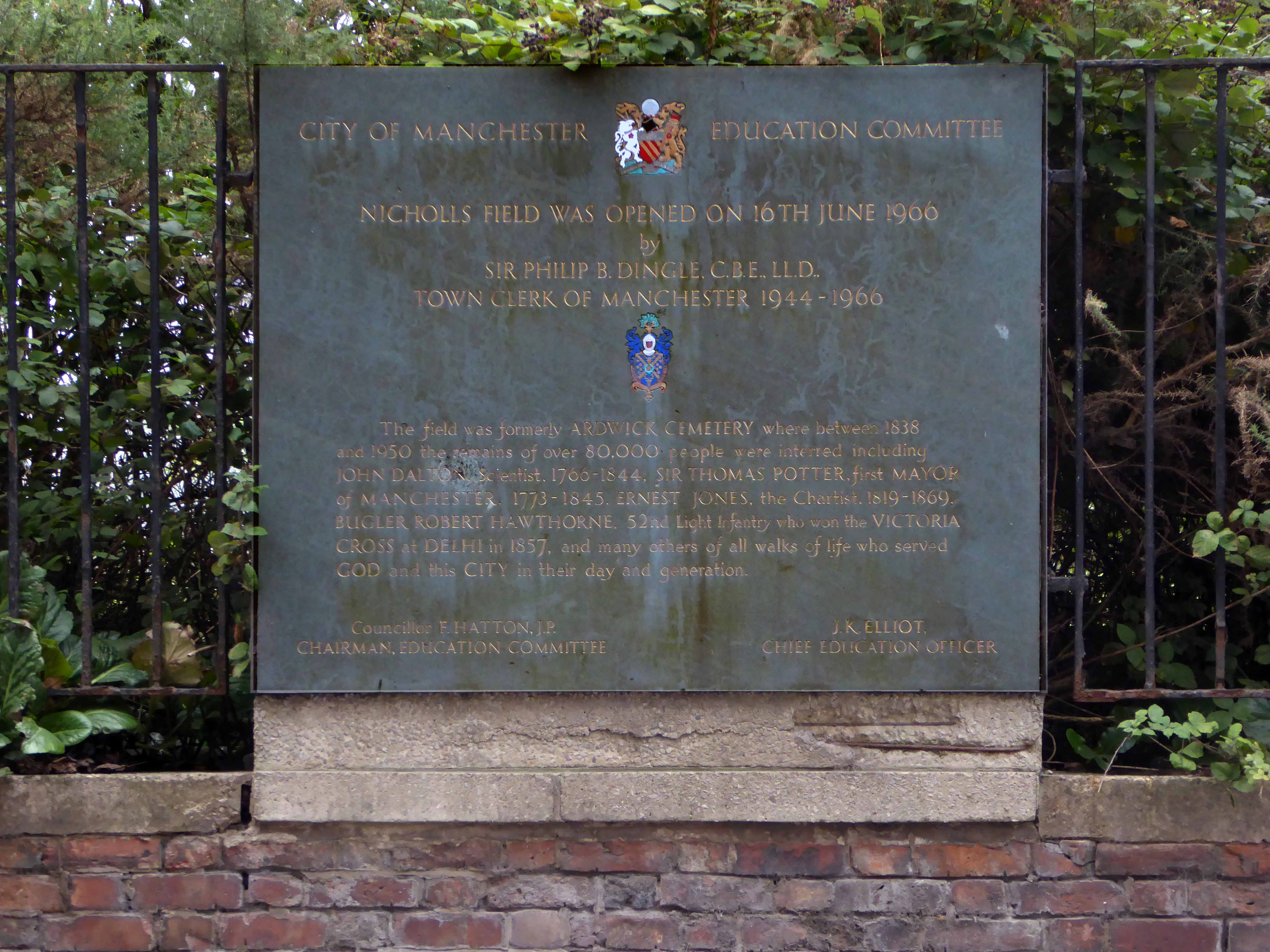
Former Ardwick Cemetery

P1280962

Great Universal Stores former mail order giant

Palmerston Street

P1280979

The River Inn abandoned pub

Every Street

P1290001

All Souls Church – listed yet unloved

Pollard Street East

P1290008.jpg
Screen Shot 2018-09-04 at 08.37.57

The Bank Of England abandoned pub

P1290020

Ancoats Works former engineering company

Cambrian Street

P1290024.jpg

The Lunchbox Café Holt Town

Upper Helena Street

P1290028

The last remnants of industrial activity

Bradford Road

P1290046

Brunswick Mill

P1290048

The little that remains of Raffles Mill

P1290052

Old Mill Street

P1290054

Ancoats Dispensary loved listed and still awaiting resuscitation

P1290056.jpg

New life New Islington

Redhill Street

P1290057

Former industrial powerhouse currently contemporary living space

Henry Street

P1290063

King George VI and Queen Elizabeth passed by in 1942

Jersey Street

P1290064

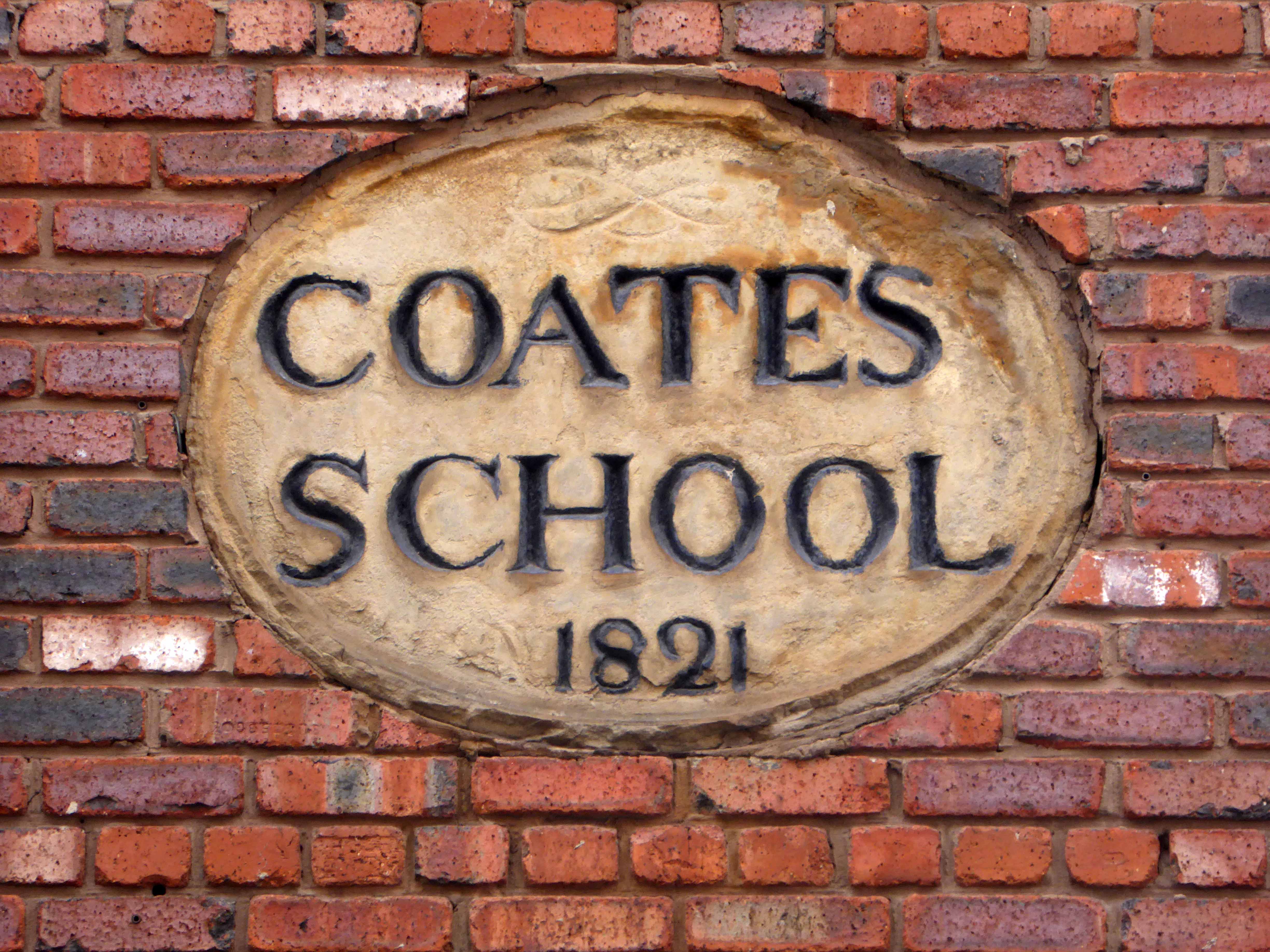
Former School the stone plaque applied to a newer building

Gun Street

P1290065

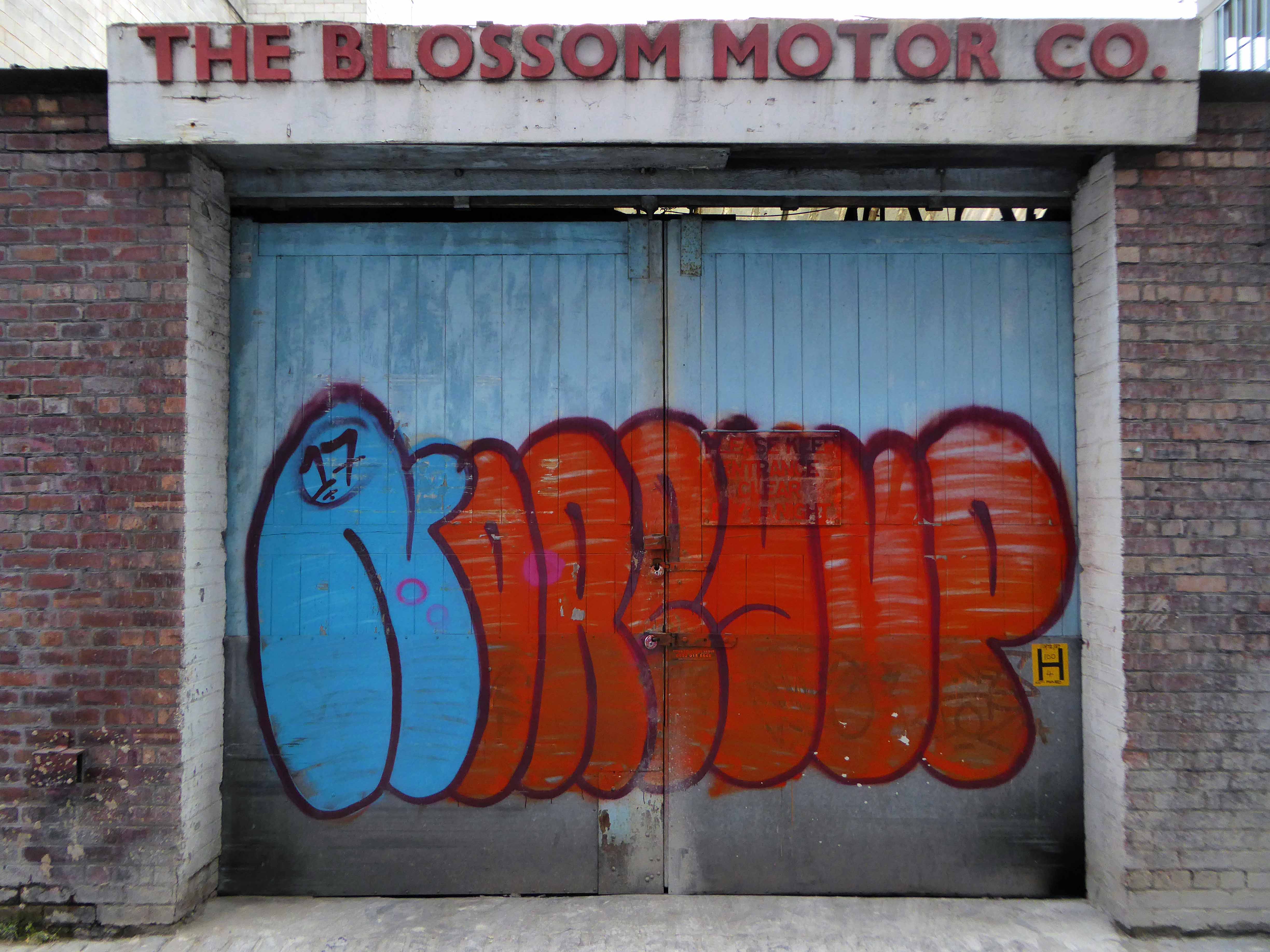
The last of the few Blossom Motors

Addington Street

P1290067
P1290069

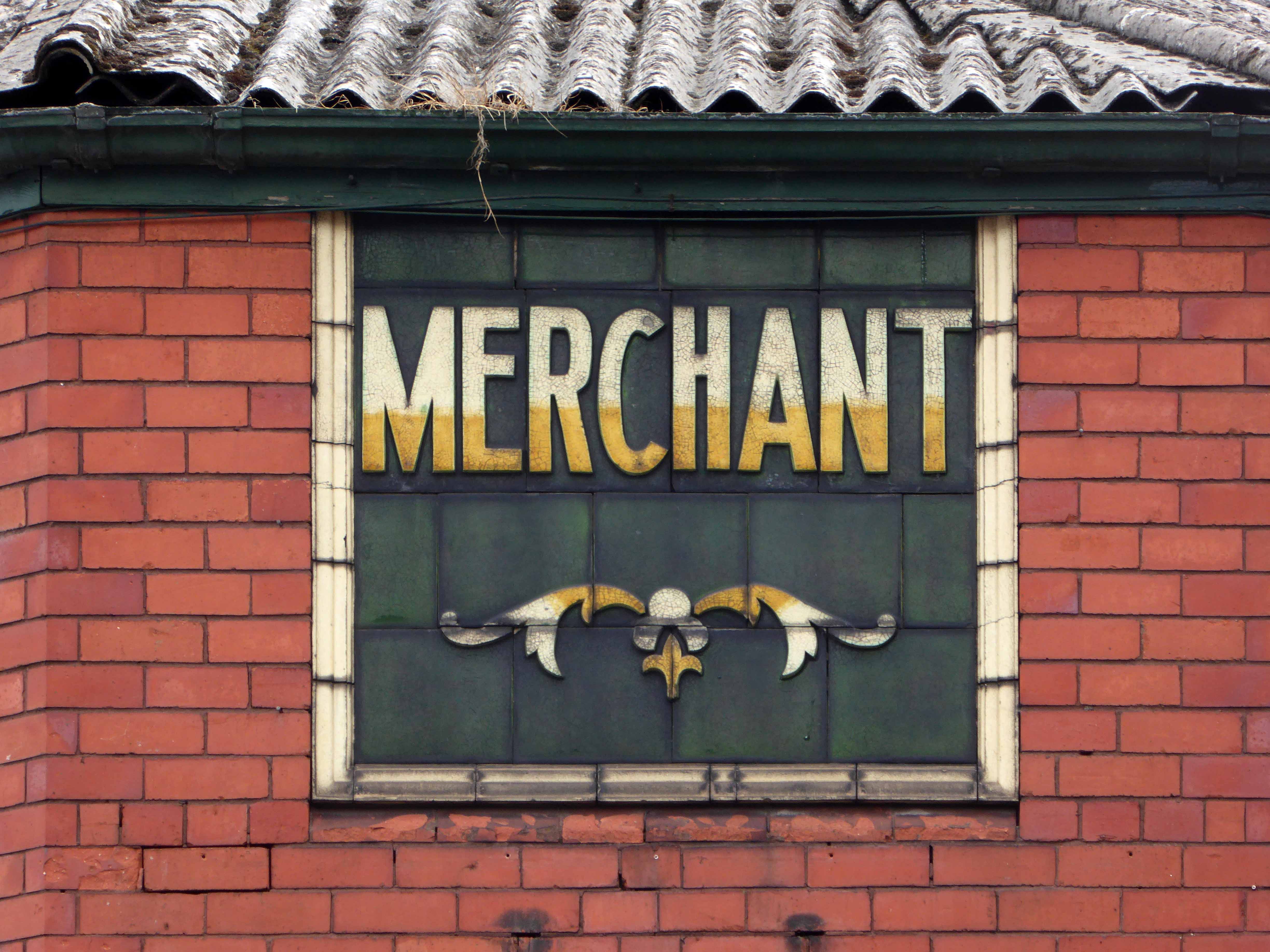
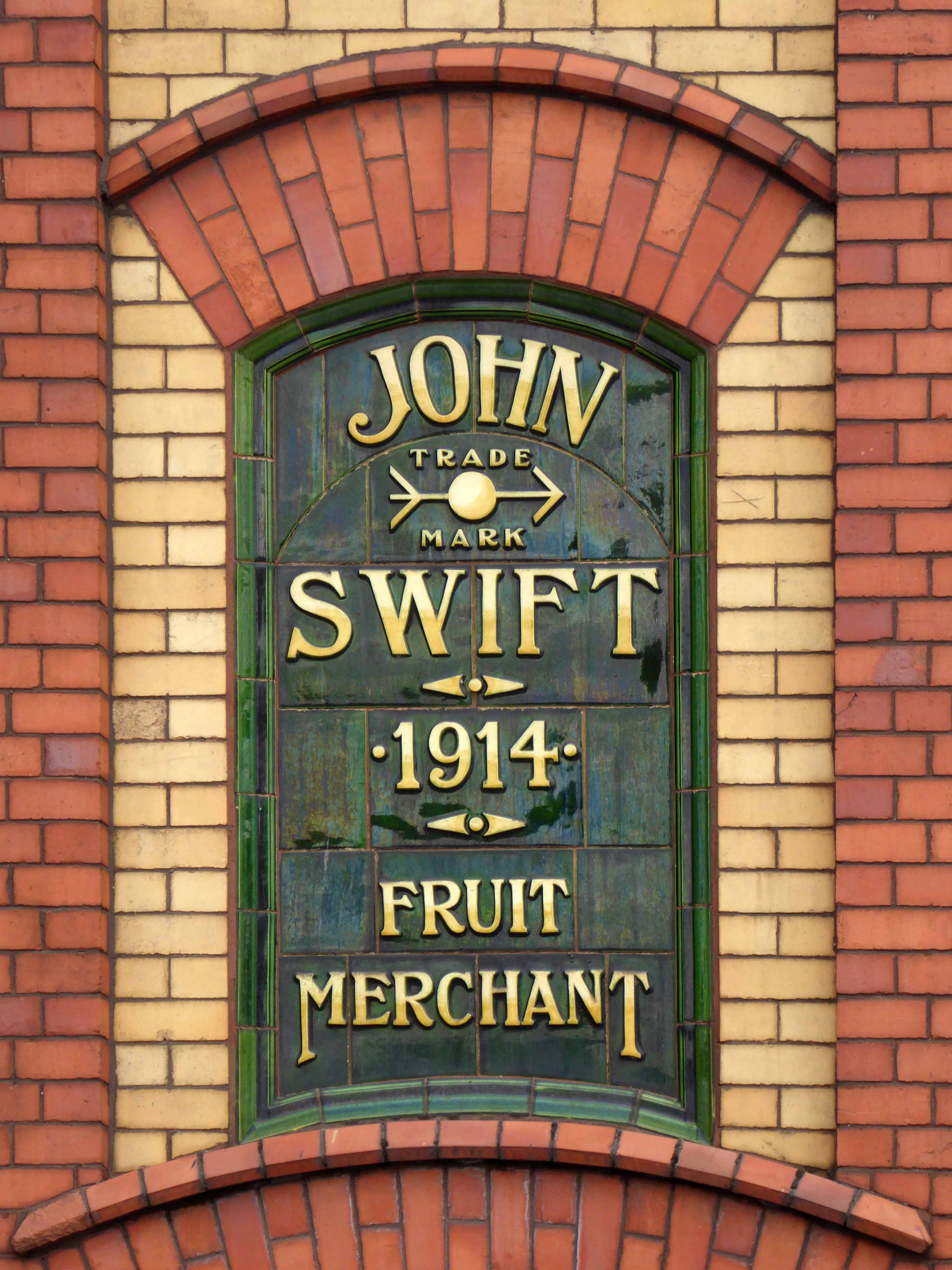
Former fruit merchants – refurbished and home to the SLG creative agency

Marshall Street and Goulden Street area

P1290070
P1290071
P1290073
P1290081
P1290086
P1290087

The last remnants of the rag trade

Former bed spring manufacturer – latterly became the County Archive.

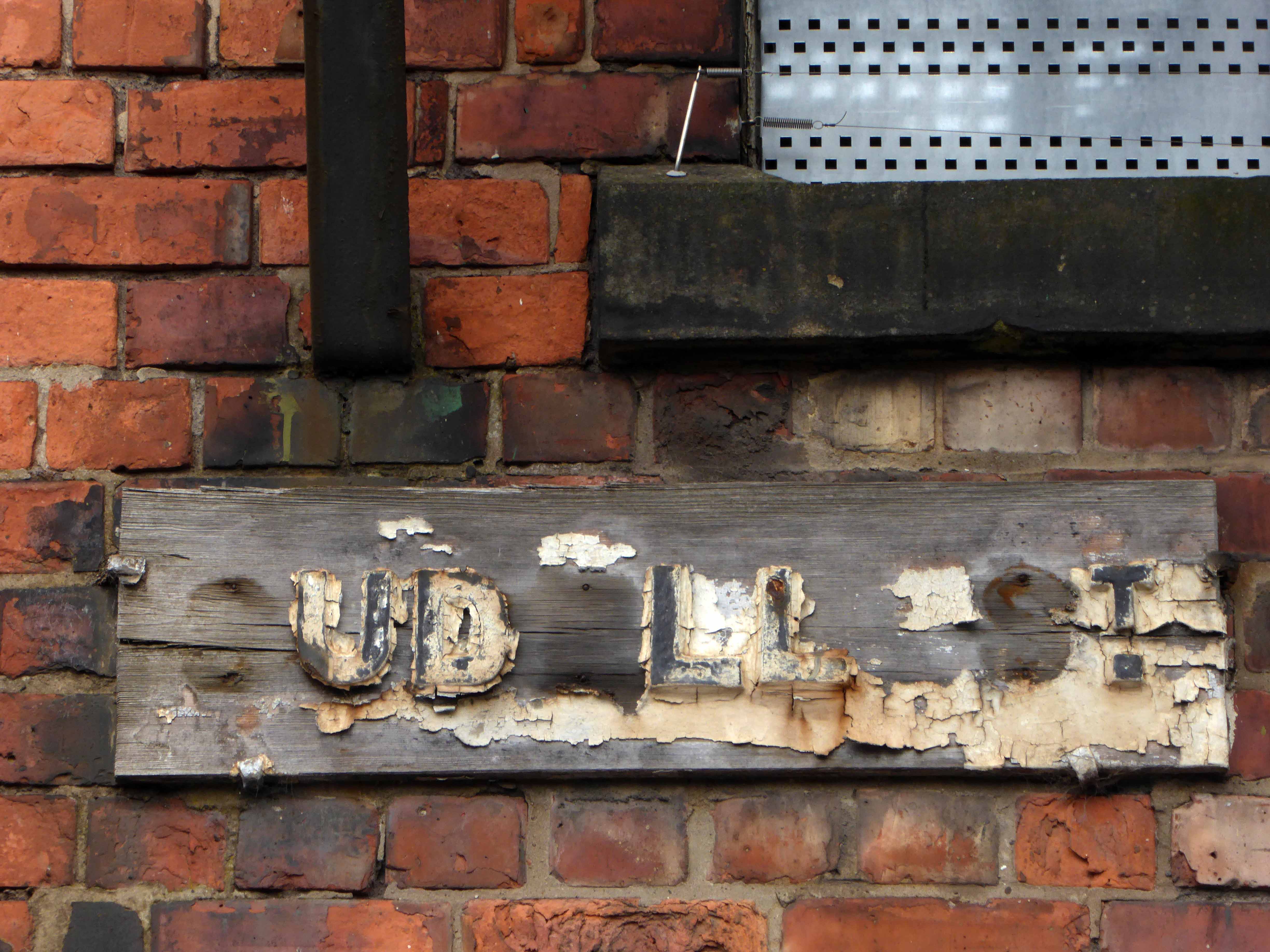
Sudell Street

P1290089
P1290090

All that’s left of Alexandra Place

P1290092

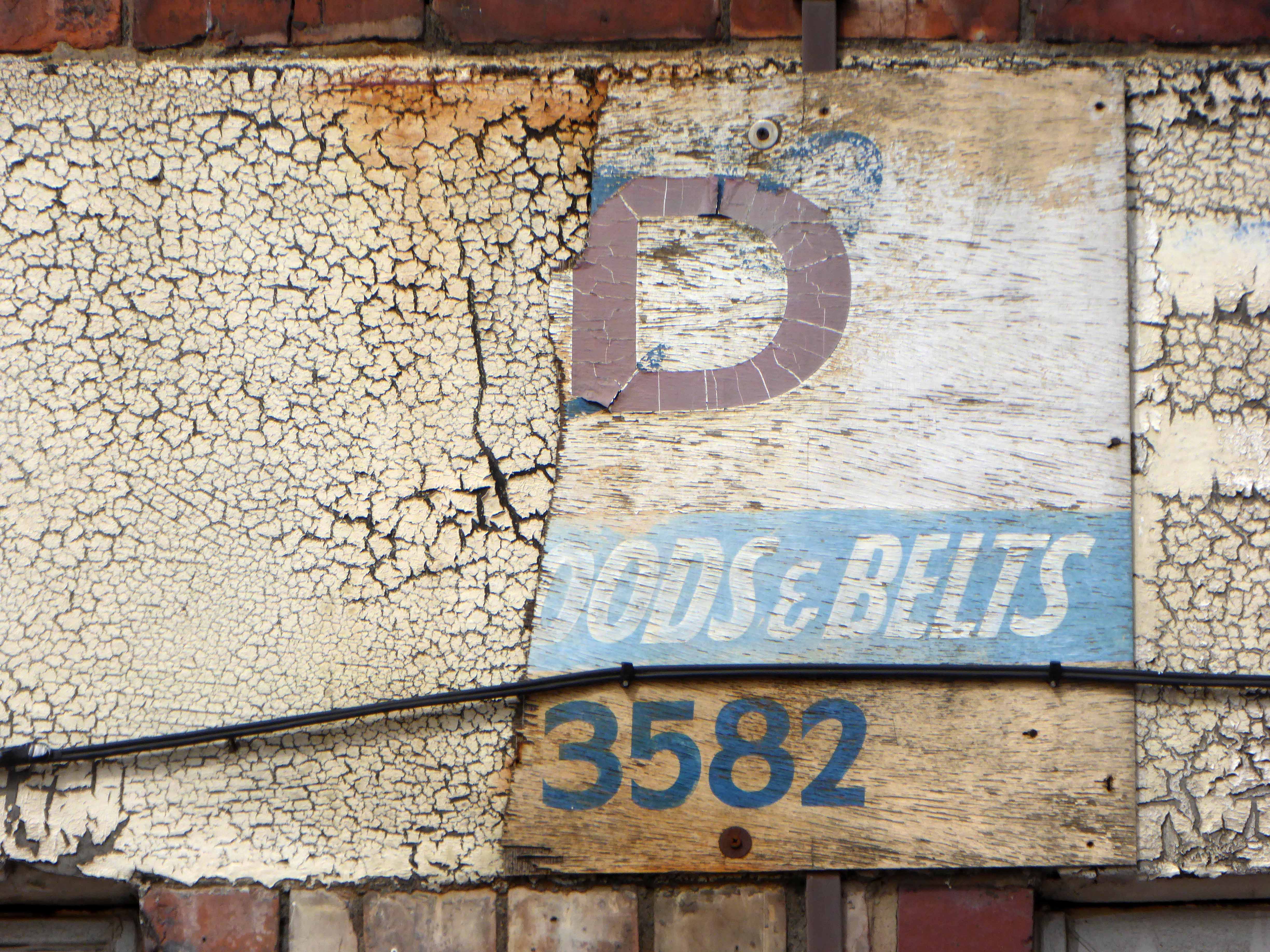
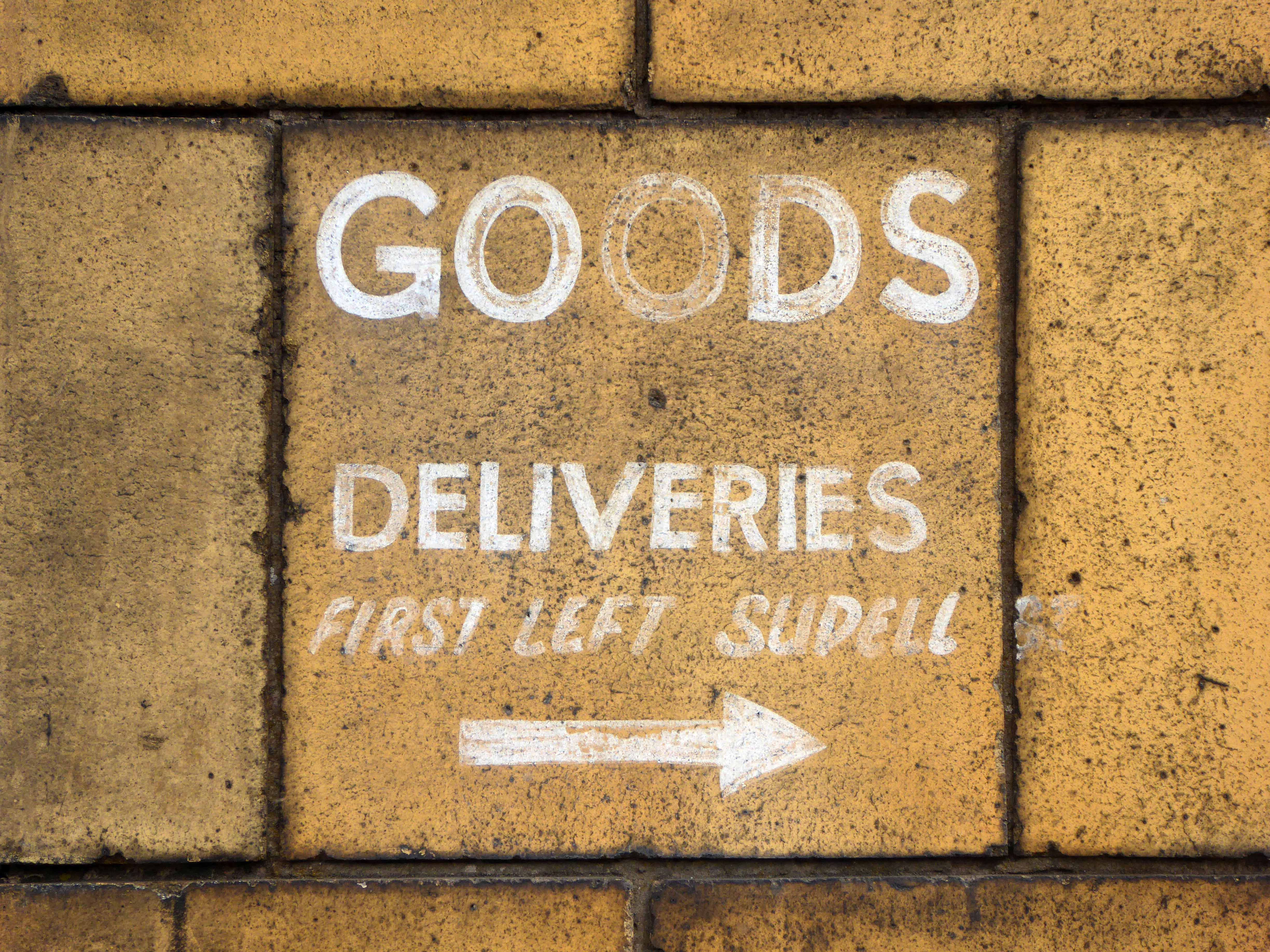
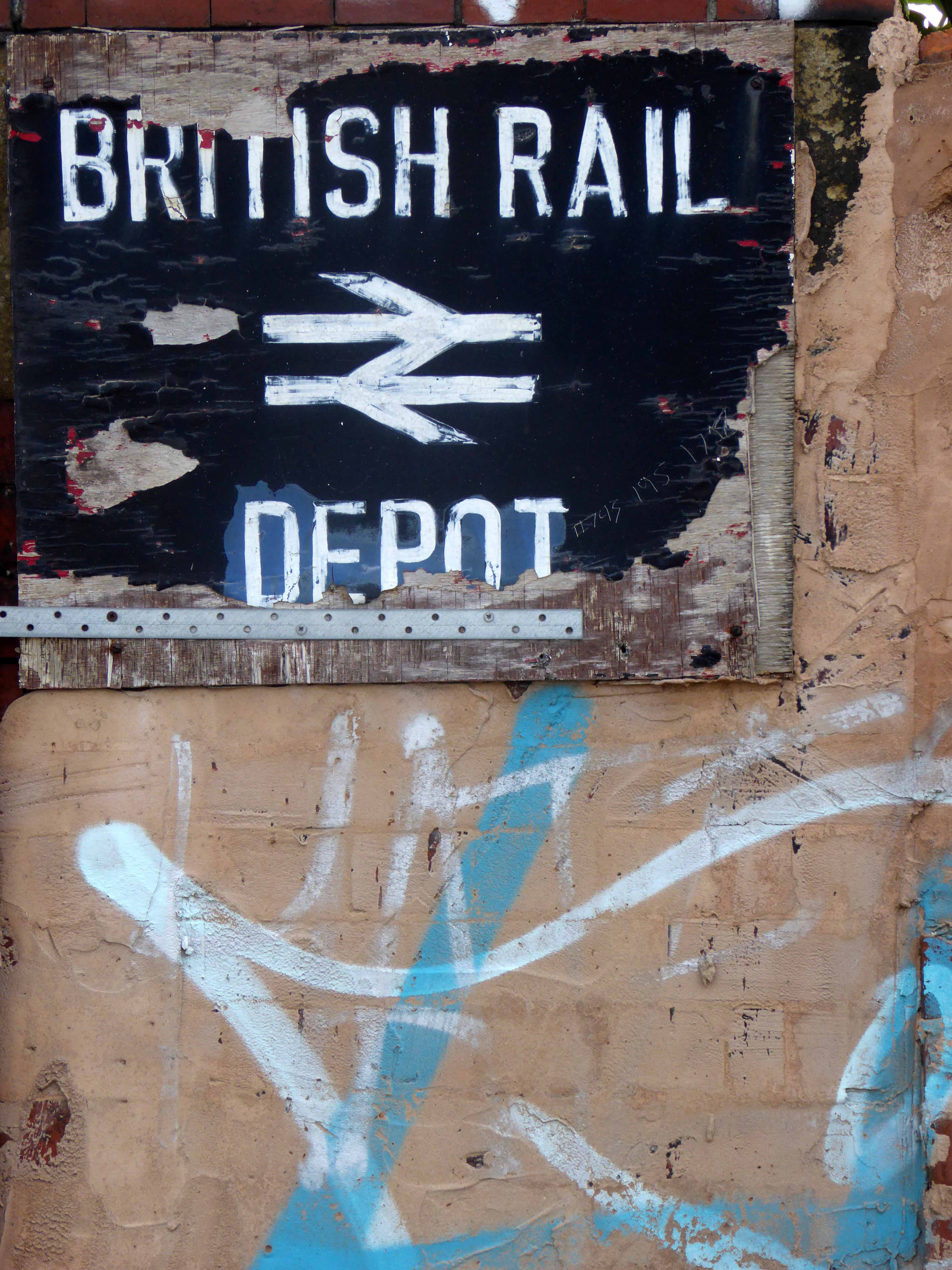
Entrance to the former Goods Yard

Back St Georges Road

P1290096

Sharp Street

P1290099
P1290100

Simpson Street

P1290101

Where once the CWS loomed large

Charter Street

P1290102
P1290107

Ragged but right

Aspin Lane

P1290109
P1290117

Angel Meadow 

Corporation Street

P1290118

Chantry House – Wakefield

Soft wind blowing the smell of sweet roses to each and every one,
Happy to be on an island in the sun.

An island in Wakefield.

An Island in a sea of dual-carriageways.

Sixties built municipal modernism, hovering on slim stilts above the ground level carpark, complete with pierced brick screen.

The future was bright the future was red – for a short while.

Over the horizon came Sir Ian Kinloch MacGregor KBE.

Lady Thatcher said:

He brought a breath of fresh air to British industry.

03bf8c_b009bc98d4c8425e8e66e53d30ac4be8

The fifth horseman of the industrial apocalypse – bringing pit-closure, redundancy the deindustrialisation of a whole area.

Offices and citizens are tinned-up, brassed-off and abandoned.

This is now the architecture of civic optimism eagerly awaiting repurposing.

There is talk of conversion to housing, talk is cheap.

A planning application has been drawn up requesting permission to change the use of Chantry House from offices to one and two bedroom residential units. The application has been submitted by The Freshwater Group, the development arm of Watermark Retirement Communities.

Wakefield Express

Currently home to the determined, hardened daytime drinker, street-artist and curious passerby.

P1280260

P1280240

P1280241


P1280244

P1280245

P1280246

P1280247

P1280252


P1280256

P1280257

P1280264

P1280265

P1280266

P1280267


P1280270

P1280271

P1280274

P1280277

Hill Street to Ashton Brothers

mam map

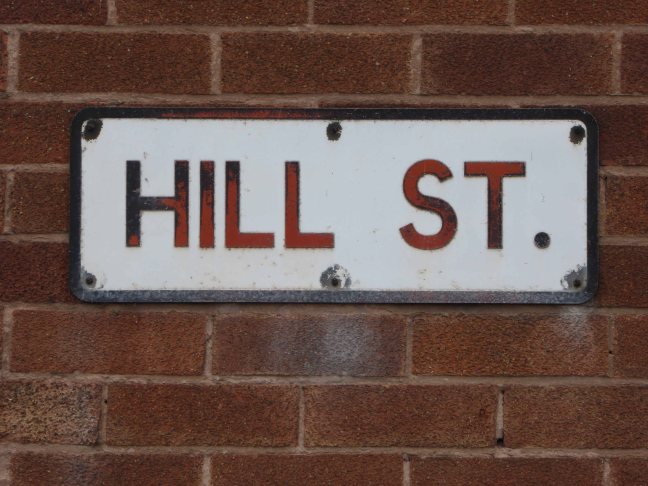
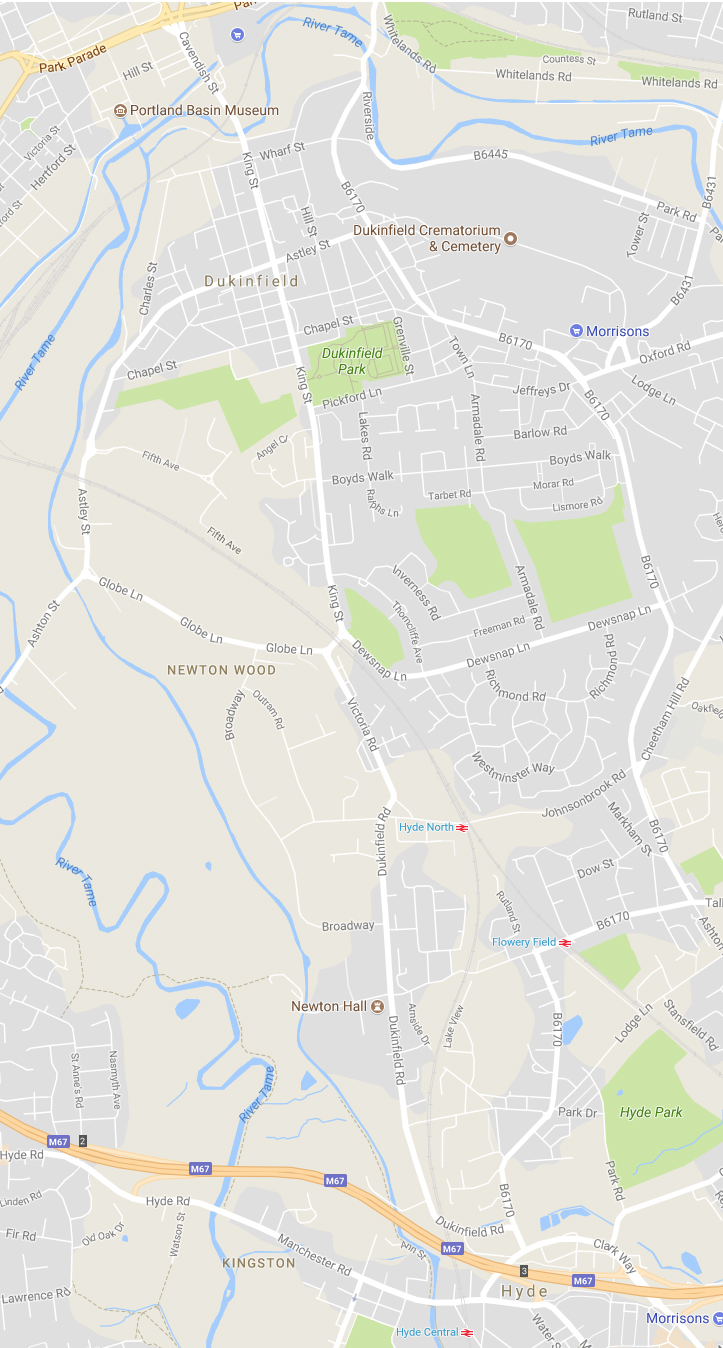
This a journey to work, my mam’s first day at work, cycling from her family home in Hill Street Ashton-under-lyne, to Ashton Brothers Mill Hyde.

Clara Jones was born in 1924, daughter to Nelly and Sam. She grew up in the west end of Ashton, tough and bright – an eldest sister who stood up for her own and looked after herself. On passing her entrance exam to grammar school, she was then denied entry, the family having little or no money for the expenses of uniform and books.

So in 1938 aged fourteen, she found a job and a second hand bike, found herself on the way to work. So in 2017 aged sixty two I followed her, the three miles along the very same roads, the very same roads that had not remained the same.

Hill Street was a mix of poor quality two up two down terraces, industry and pubs. There are no archive photographs to be found, an area thought too unremarkable to record. There remains traces of that industry and newer dwellings.

P1210450

P1210454

P1210455

Above is the site of her former home.

P1210458

P1210461

P1210462

P1210464

P1210470

The view at Hill Street’s junction with Cavendish Street would have taken in the Brougham Inn, where her father drank and I would later play in 1970 with our band, along with Clive Gregson.

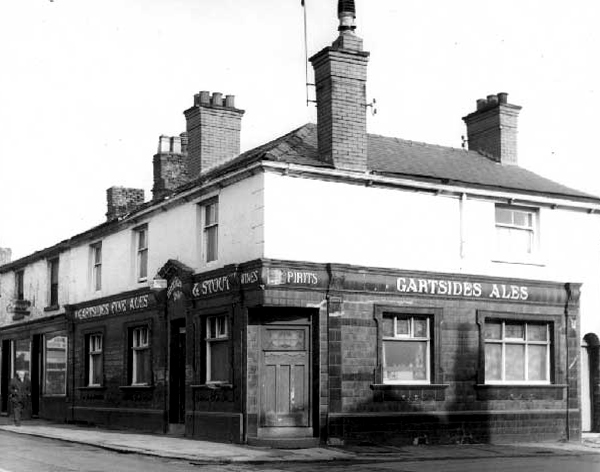
Once a Gartsides Ales pub, my father Eddie Marland had worked at the nearby brewery as a drayman, and told tales of deliveries, where Neddy had much more horse sense, than the drunken drivers.

It closed in 1972 under the auspices of its last landlord Arthur Davies.

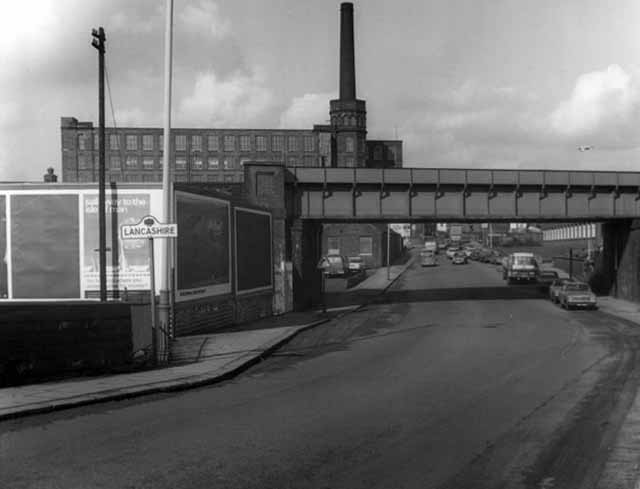
All archival photographs from the Tameside Image Archive

t06553

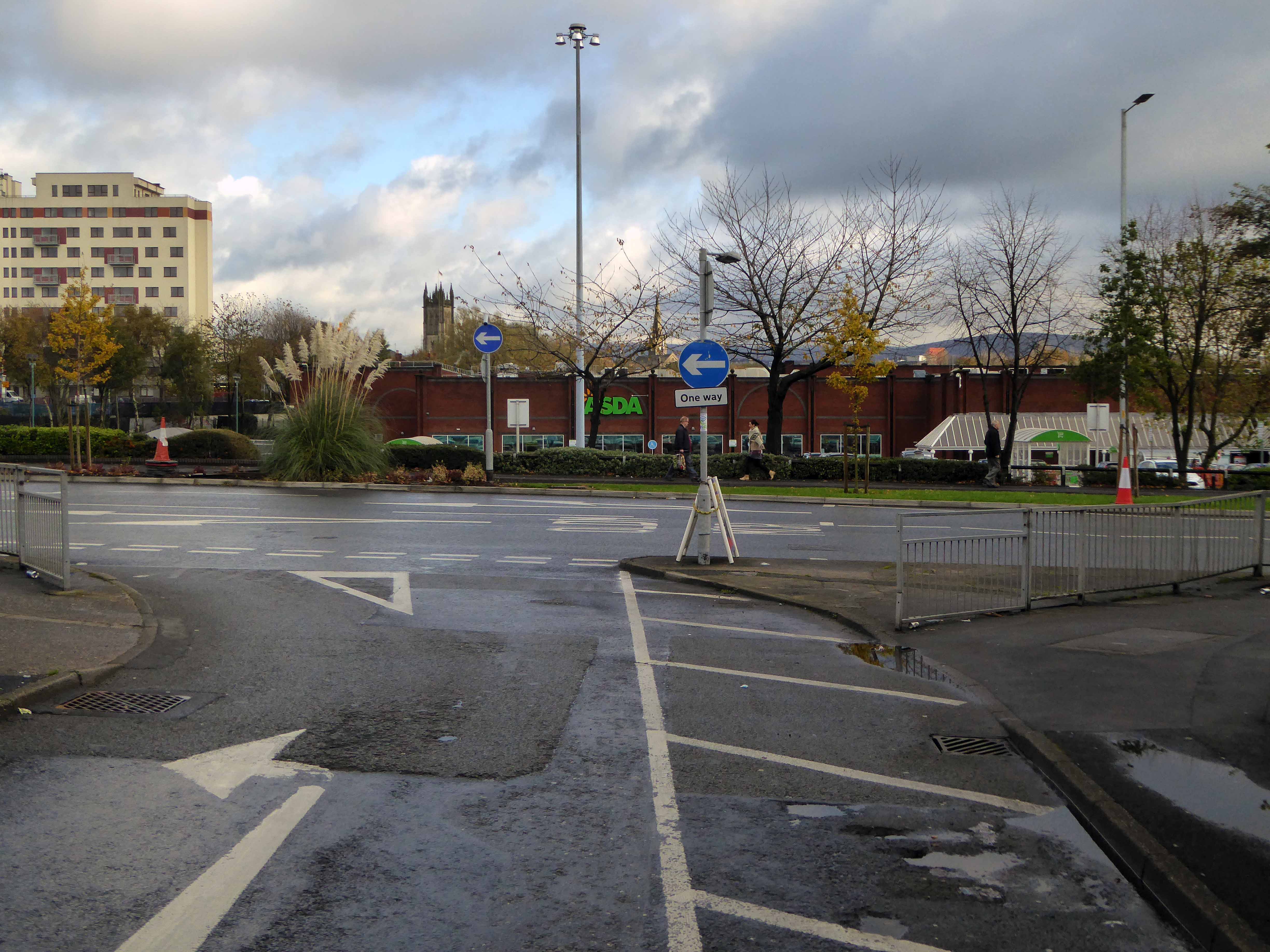
Today all thoughts of horse drawn drays, bands and draught bitter have been washed away by progress, pampas grass, by-passes and ASDA.

P1210472

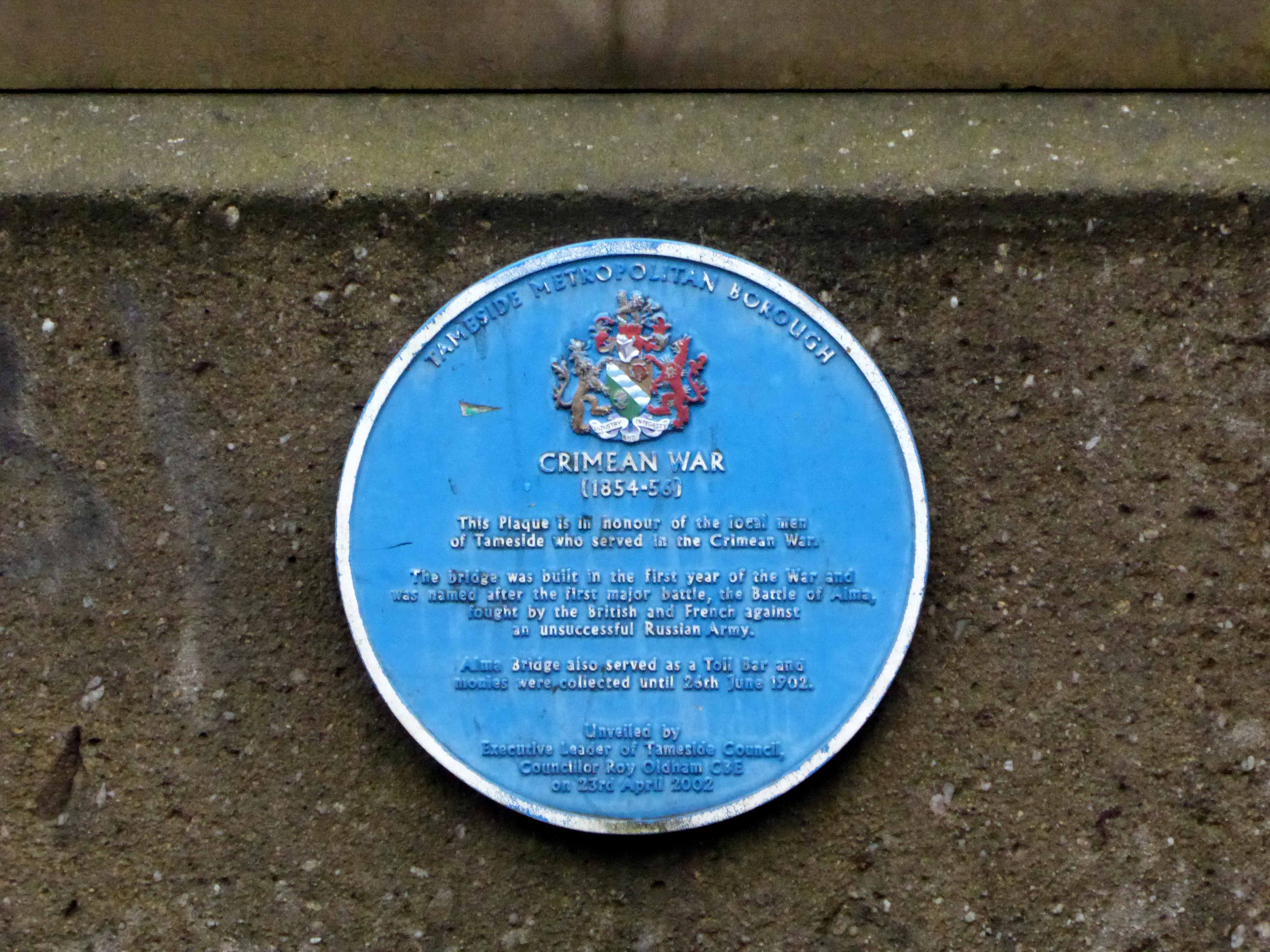
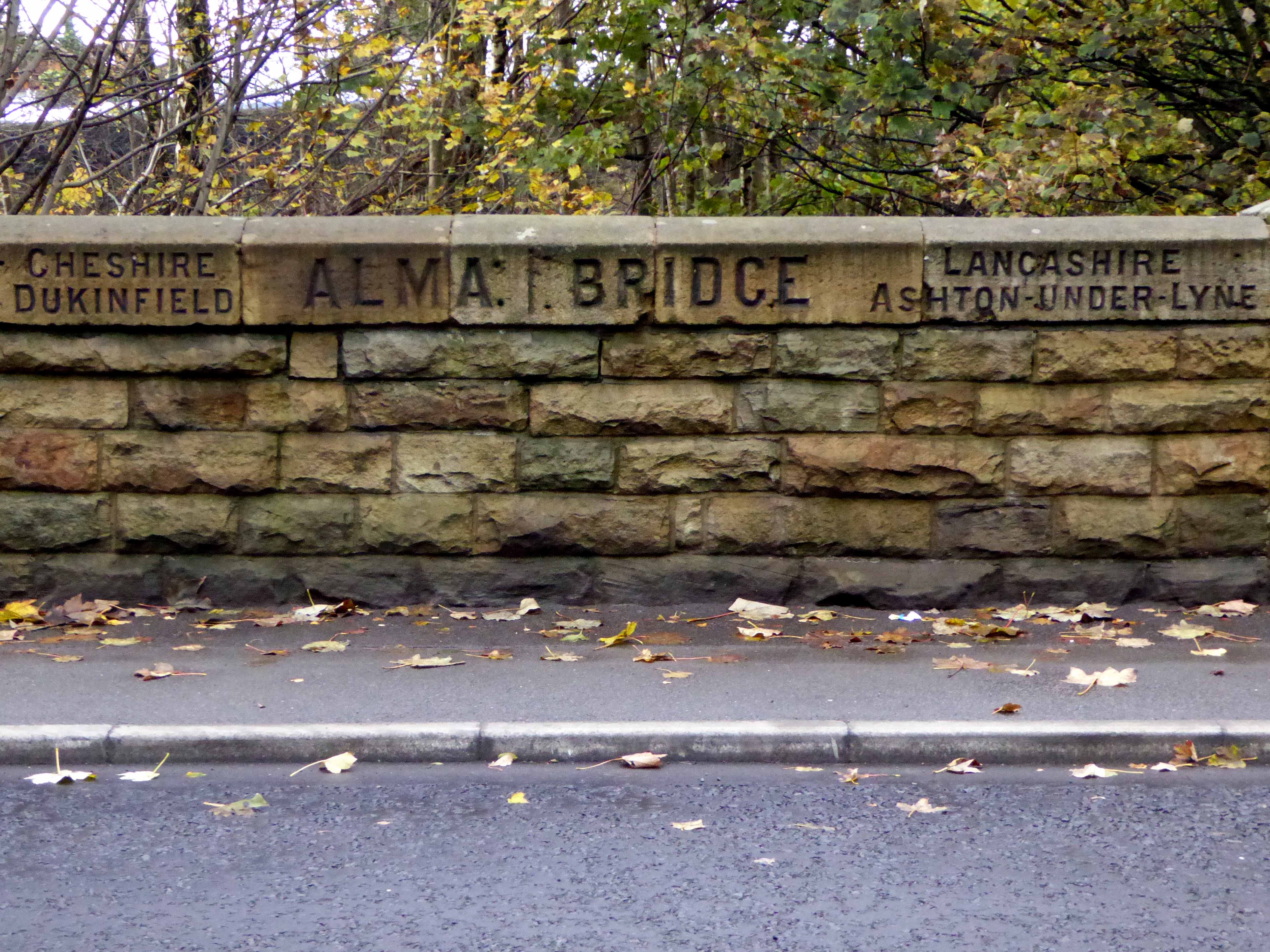
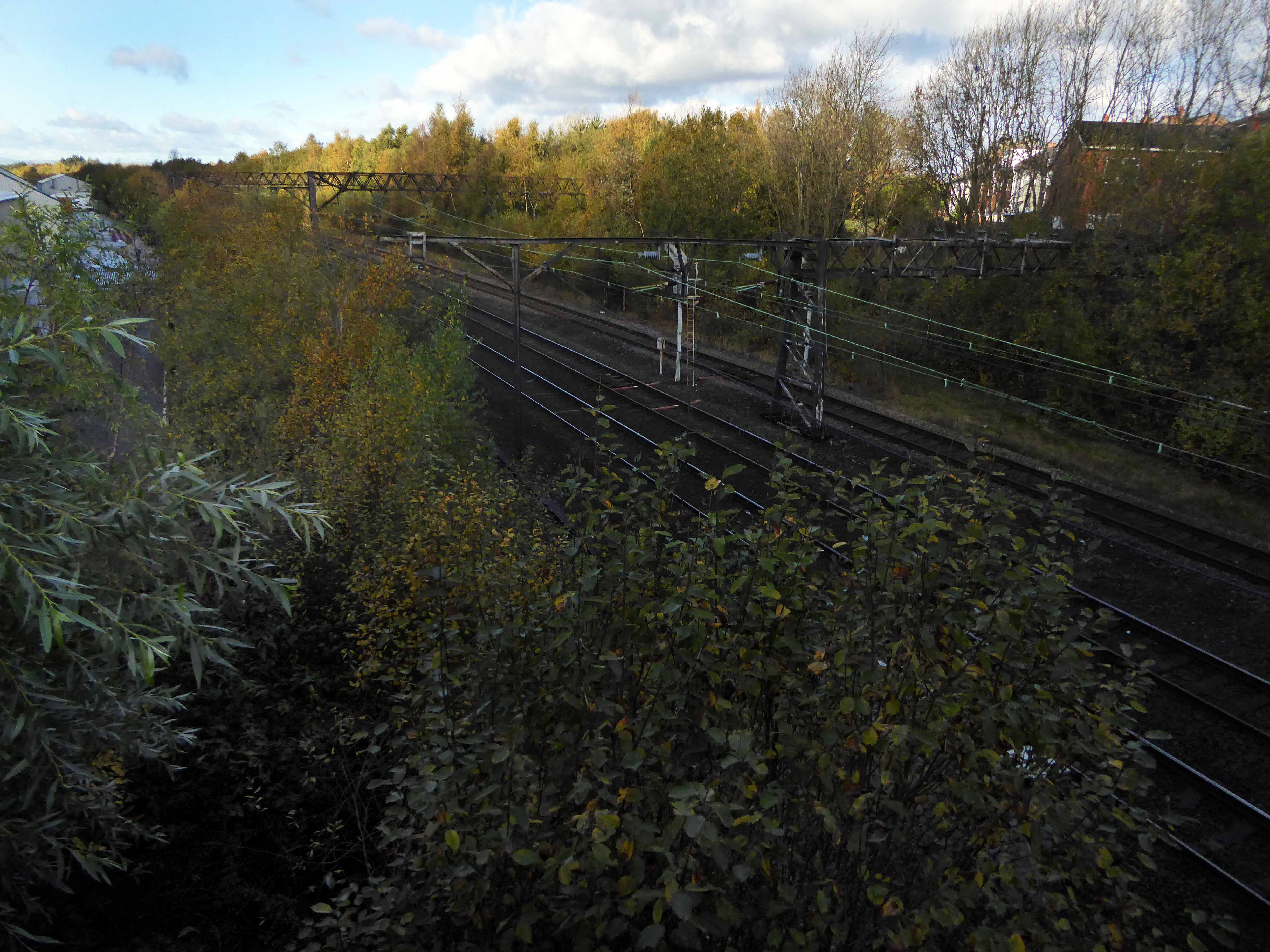
From here we turn right towards Dukinfield, moving from Lancashire into Cheshire, under the railway and over the Alma Bridge – named for the Battle of Alma in Crimea and the local men who served.

t12914

P1210482

P1210484

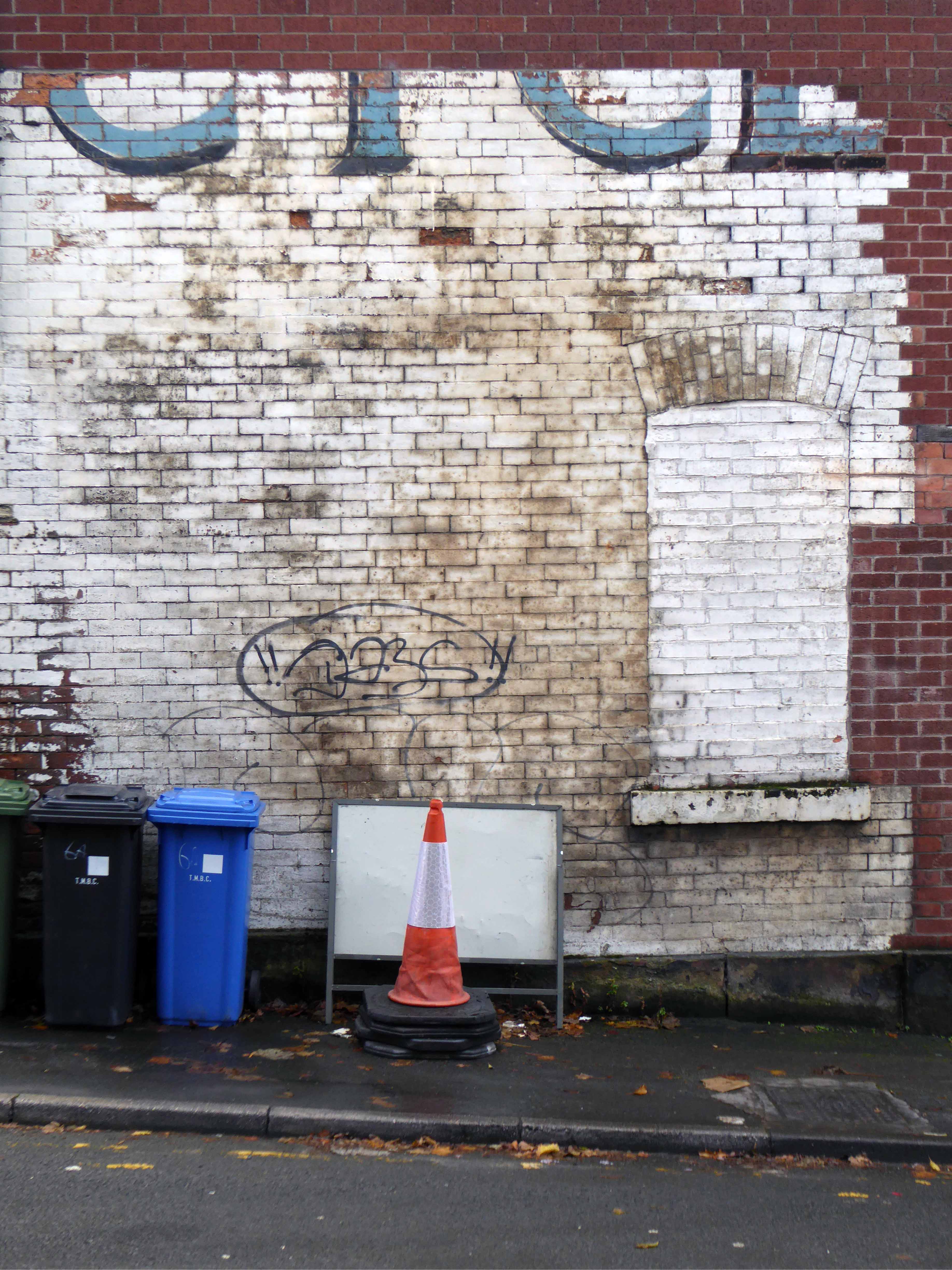
Ahead on the left is the site of Greens Cycle Shop, I bought my first touring bike from Laurie Green, a Dawes Galaxy – he and his partner Eileen were and possibly still are members of one of the oldest cycling clubs in the country, the Dukinfield CC. The shop was once announced by a sign written gable end, now all that remains is this sad fragment.

P1210487

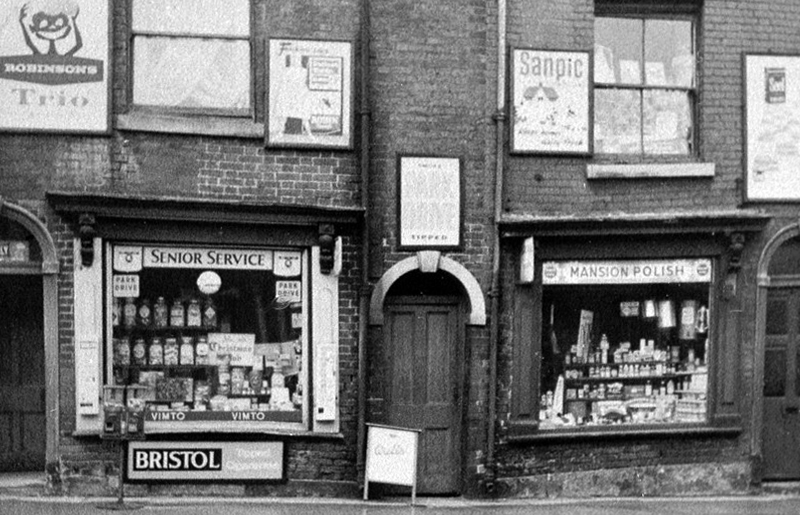
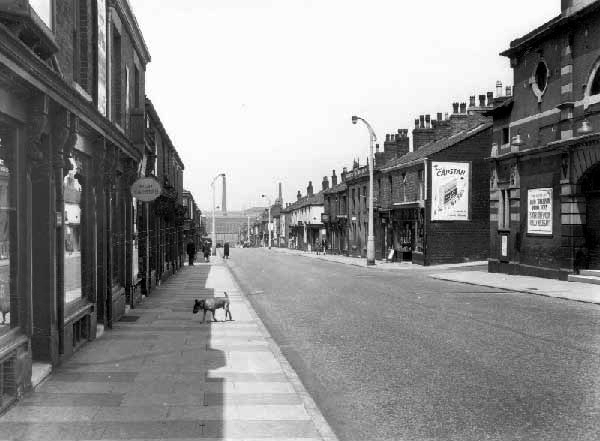
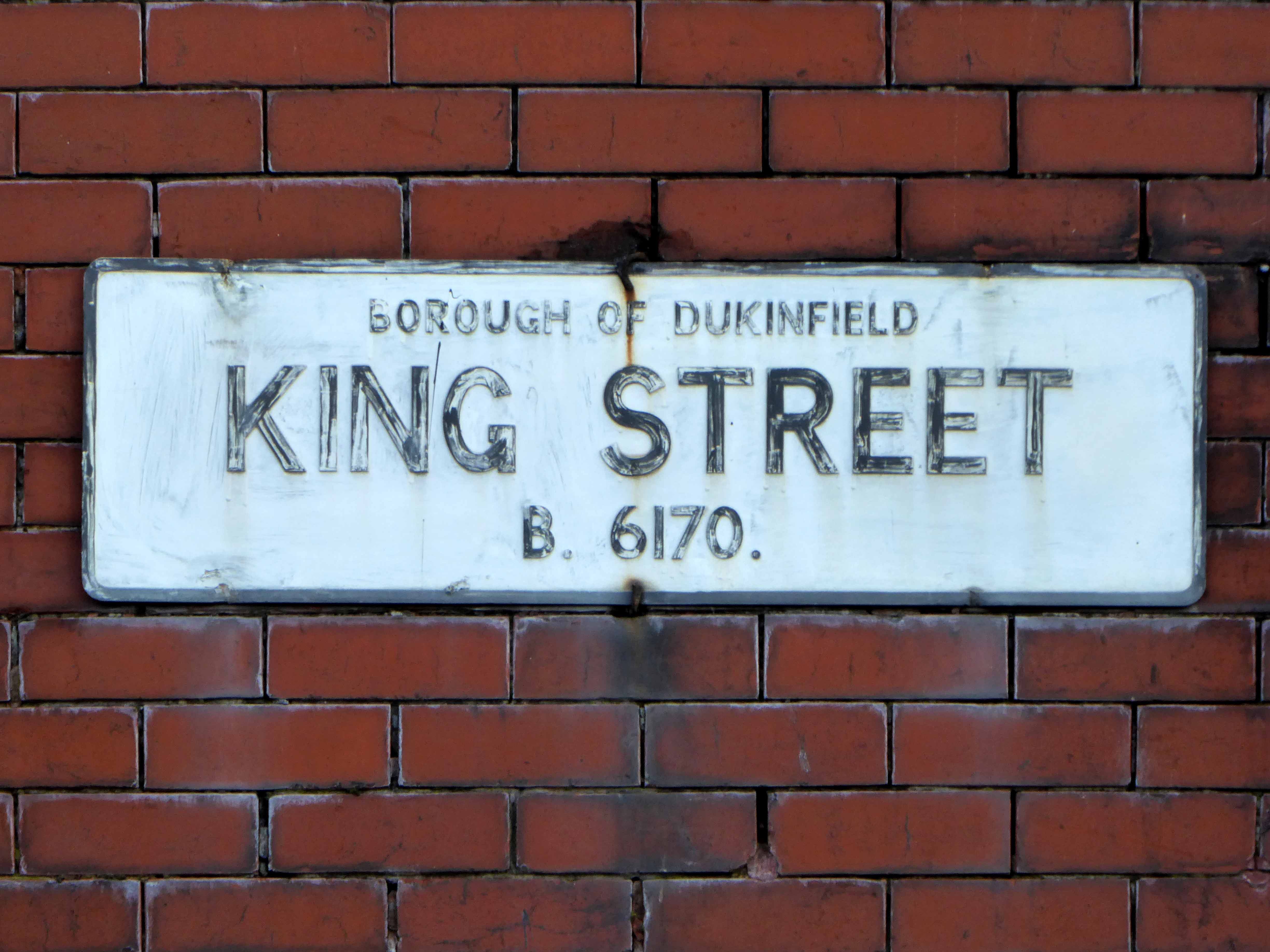
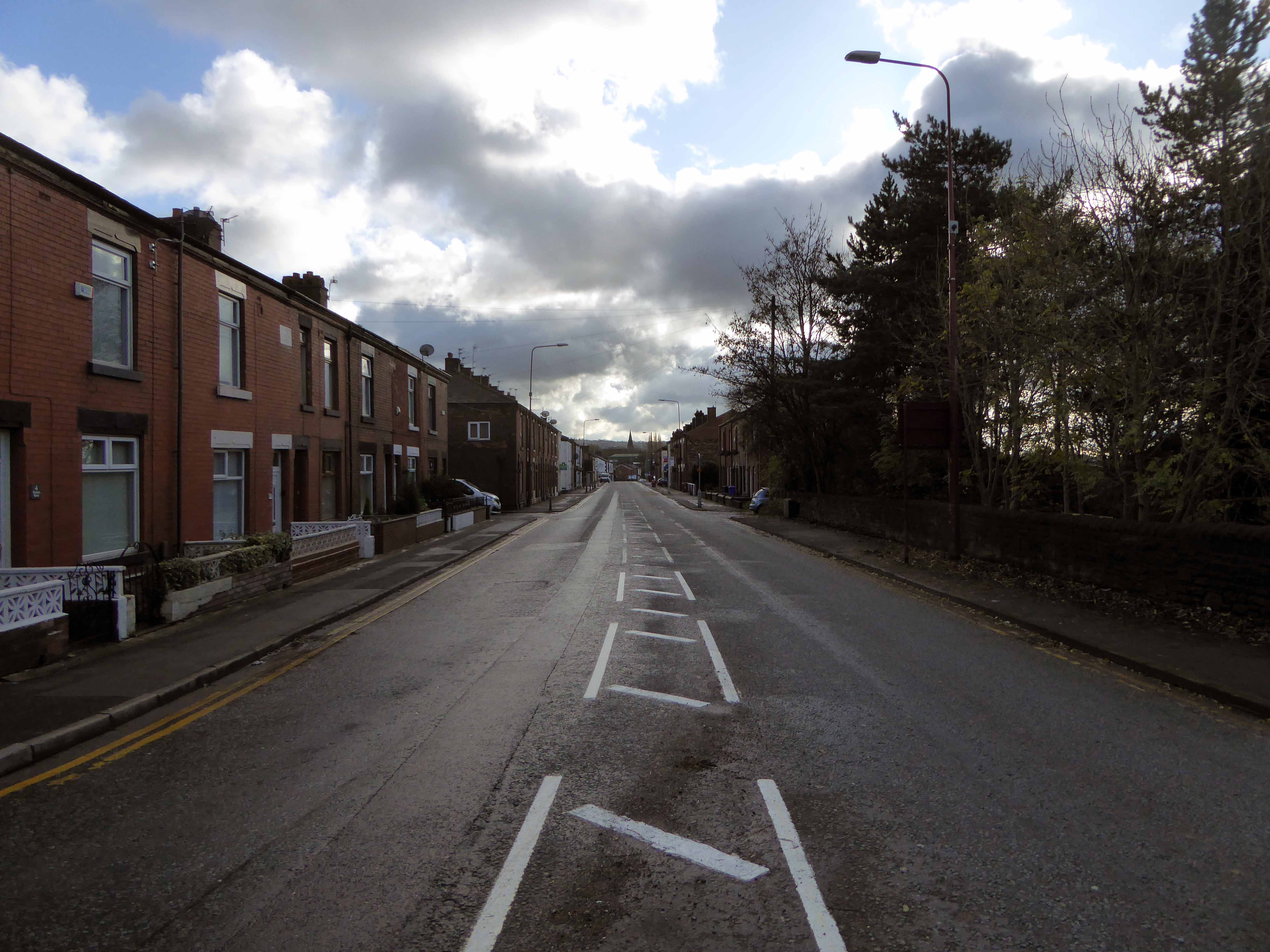
Up the hill along King Street she would have passed shop after shop, long established businesses, serving a local community that neither drove or travelled too far, in order to sustain their everyday needs. Broad open-eyed windows displaying varied wares, unhindered by intrusive steel shutters.

t22339

On her left was the Princess Cinema, which can be seen to the right of the photograph below. Opened as the Princess Picture Theatre with 700 seats, the proprietor was W.B. Holt. Later it was operated by Ashton New Theatre Ltd and became part of the H.D.Moorehouse circuit. Its final years were under the operation of Orr Enterprises Ltd of Coventry. Dukinfield was once home to two other cinemas the Palladium and the Oxford – both long gone, swamped by the unstoppable stampede of bingo and telly.

t00504

It currently trades as the Pyramid Snooker Club, there are small remnants of its former self visible to the right and left of the building, unhidden by the tastefully intrusive red and green cladding.

P1210498

P1210495

Today’s fascias exhibit the final, vital, vinyl abandon that characterises the contemporary visual environment of the high street, along with a kaleidoscopic array of international  fast food outlets.

P1210491

P1210500

The Town Hall still stands tall, its clock chimes, boinging down on the diminutive figure of Sir Robert Dukinfield – conqueror of the Isle of Man, the tiny fellow also defended Stockport Bridge against Prince Rupert and conducted the Siege of Wythenshawe.

The constituent parts of the almost recently created Tameside, were once independent UDCs, all with their individual civic pride and unique identity, before that the fiefdoms’ of local dignitaries, afore that just there.

P1210506

What were once mighty boozers overflowing with customers and kindness, are now dwellings, overflowing with cold comfort and UPVC windows. When cotton was king, her route would have been peppered with pubs, slaking the thirsts of thirsty workers, hot footing it from the surrounding places of industry and commerce.

t06676


P1210501

There were once well appointed post offices their architectural type formed in the kilns from local clay, the wholesome white-hot, fired earth technology of the nineteenth century.

P1210503

The road now crosses rail at the White Bridge, to the right is the site of the former Dewsnap Yard, where my grandfather Sam and I found work as plate layer and freight guard respectively.

8447198675_dde8d8204a_b

P1210515

P1210512

P1210514

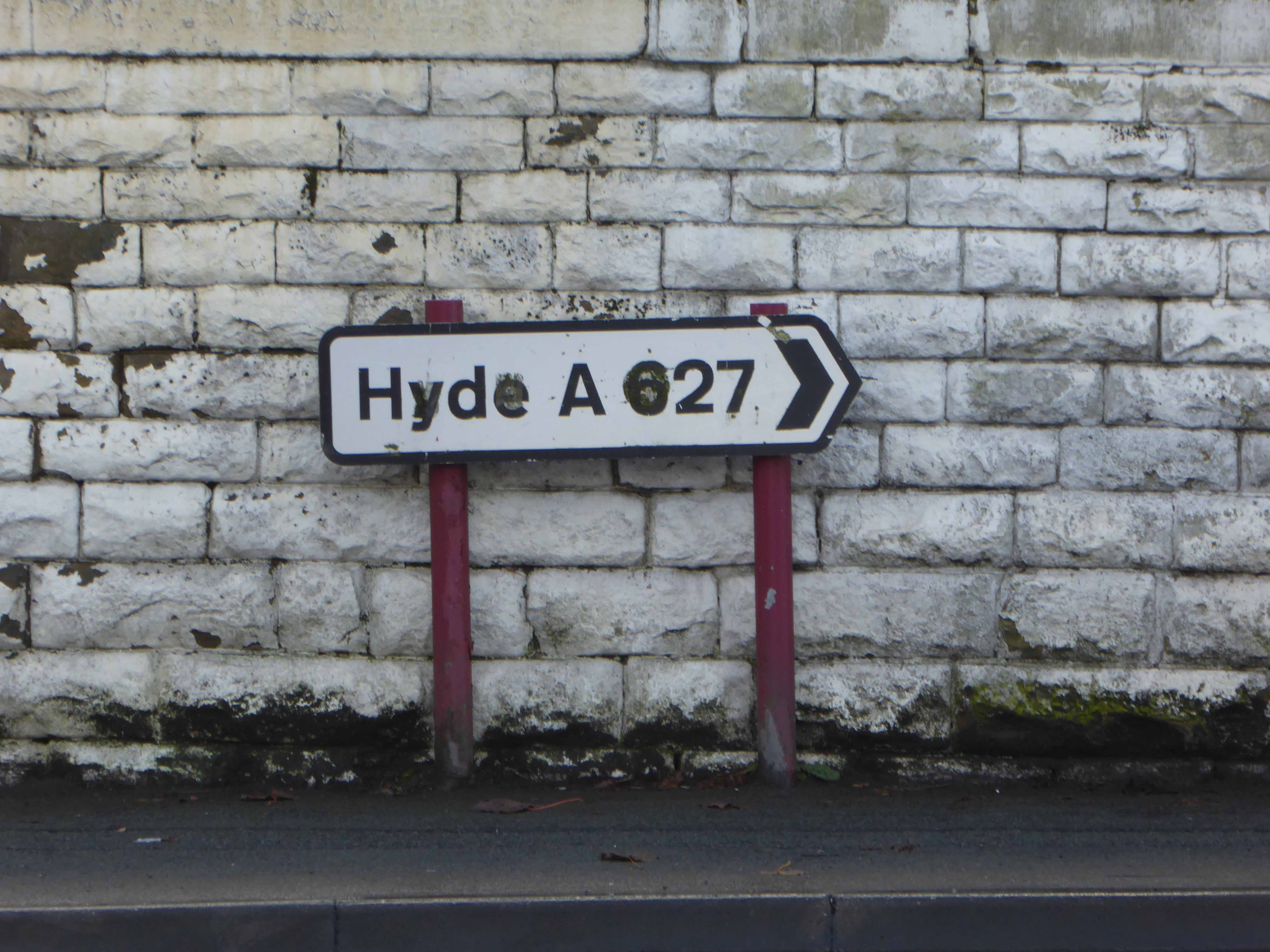
A view down Victoria Street opens up on the way to Hyde, everywhere, in industry, street and pub names we find evidence of queen and empire – an age of empire, industry and deference that did not survive intact.

P1210517

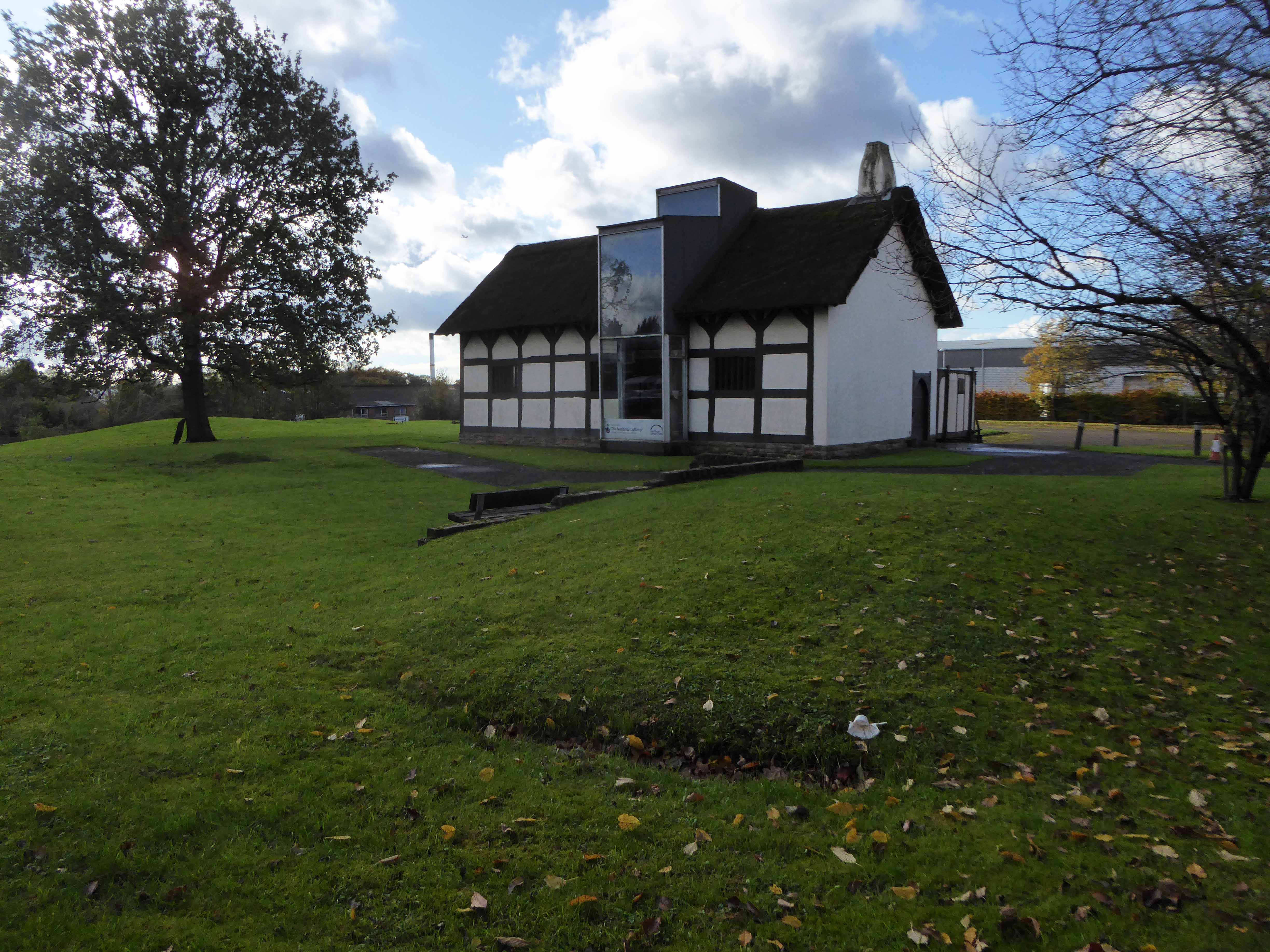
On the right stands the refurbished Newton Hall:

This cruck-framed buildings, stands on the corner of Dukinfield Road and Dunkirk Lane in Hyde, Cheshire. Carbon dating placed the construction of this building to c.1370 and it survived because much later it was encased in a brick building having a blue slate roof. By the 1960s it was in a ruinous condition and in 1968 Sir George Kenyon, the Chairman of William Kenyon & Sons Ltd of Dukinfield, Cheshire, rescued it. Browns of Wilmslow undertook the restoration work and this was completed in 1970.

During the Roman era, a track connecting the Roman garrison town of Mamucium (Manchester) and the fort of Ardotalia (long known as Melandra at Gamesley near Glossop) crossed the river Tame hereabouts and passed close by the site of the future Newton Hall. To cross the Pennines, the Romans then made use of an ancient British ridgeway from Ardotalia. This track was in use until medieval times as a packhorse road.

P1210520

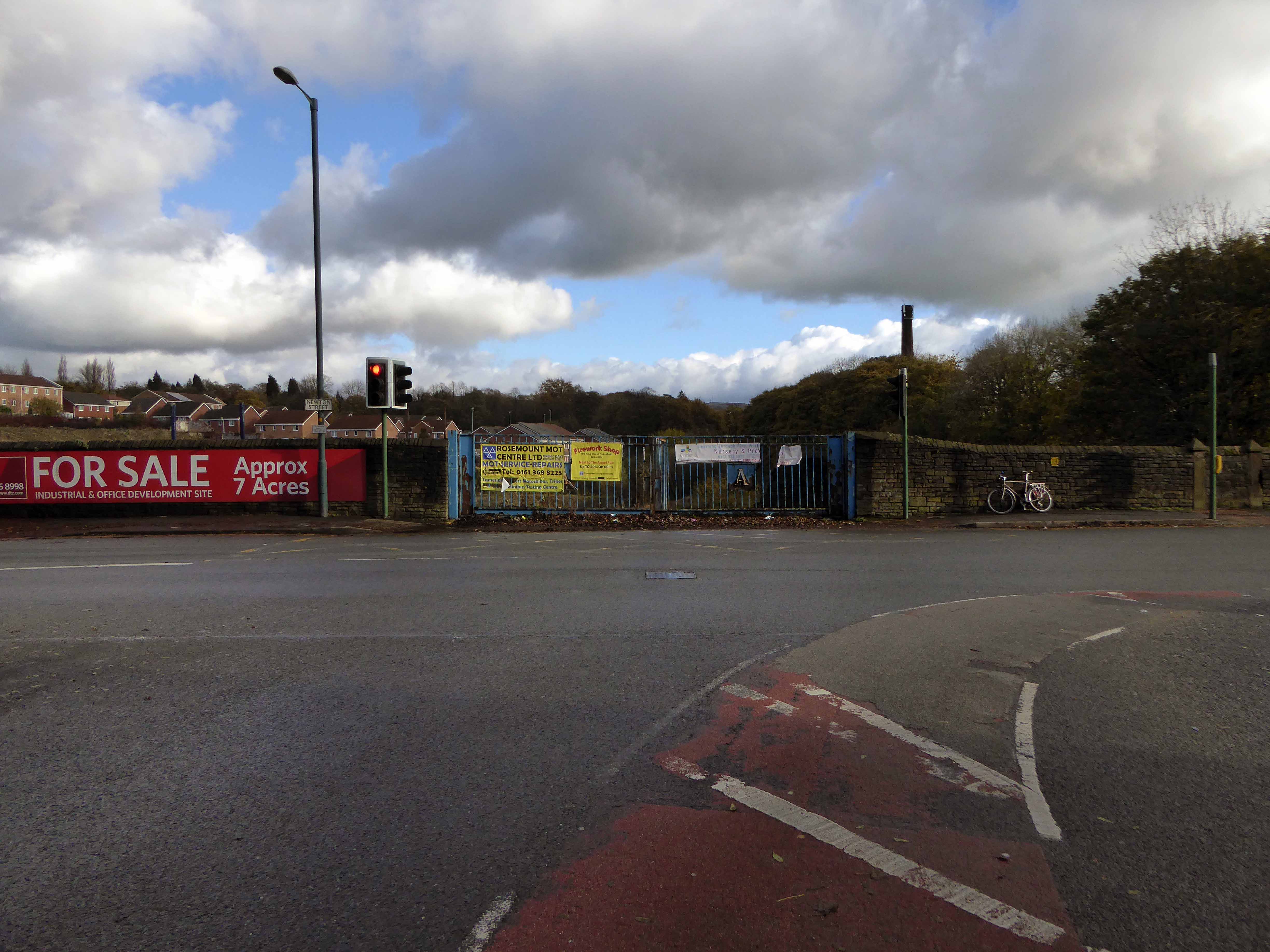
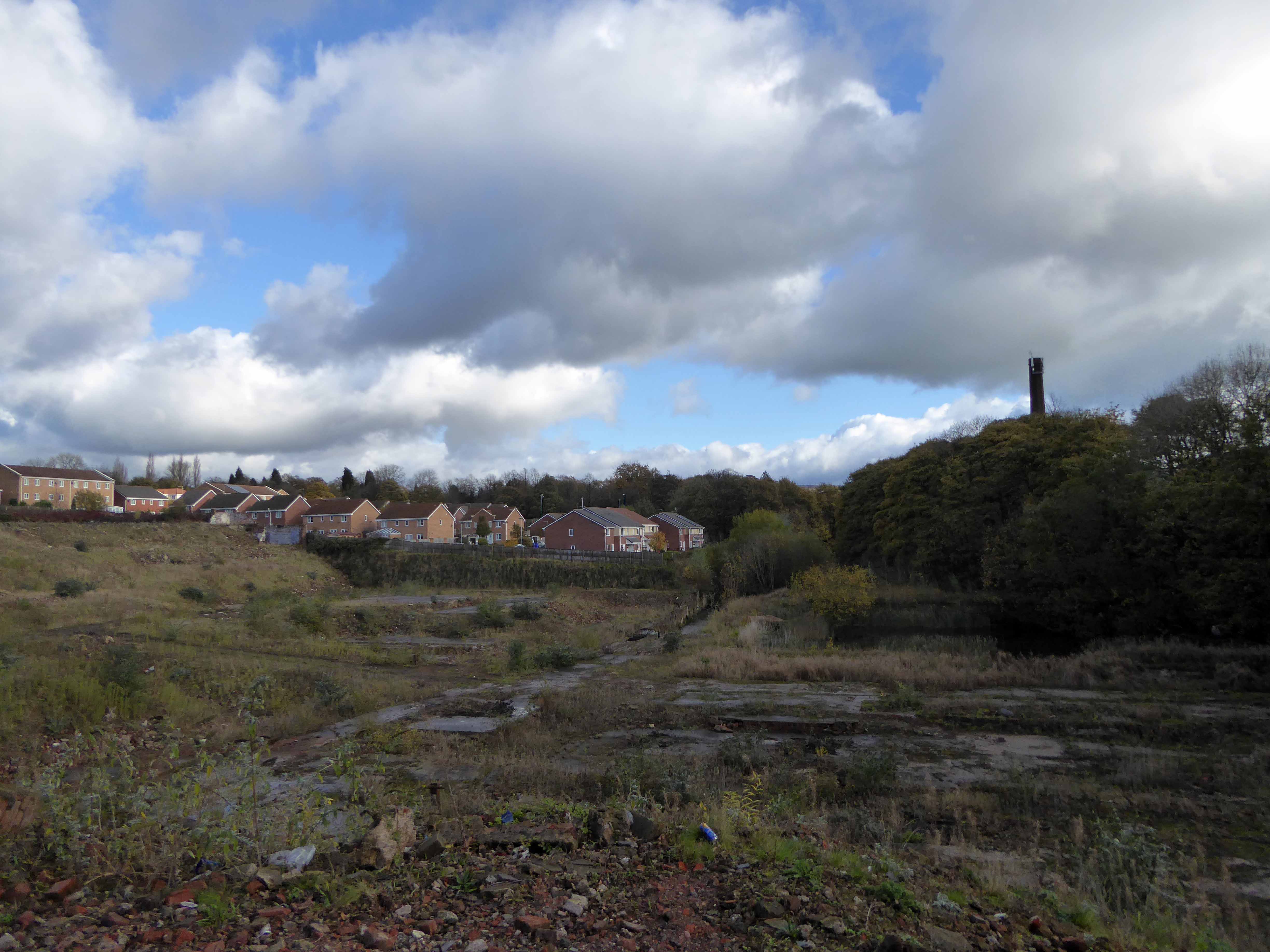
An finally here we are at the Ashton Brothers‘ factory gates mam, you along with hundreds of others, would walk on through. She doubtless, with no small sense of trepidation, entering into the whirring world of cotton spinning.

P1210526

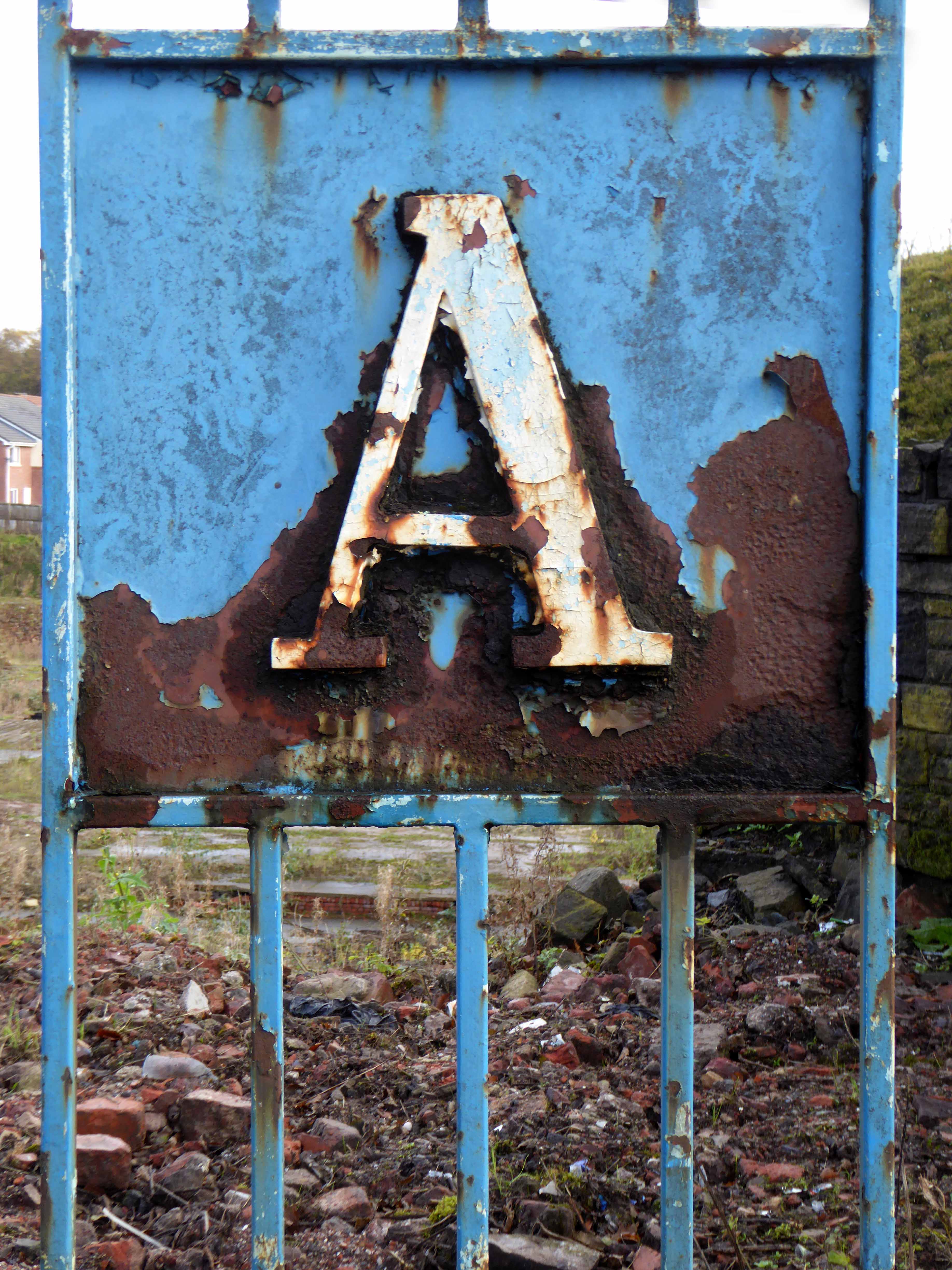
But it’s all gone, long gone – all that remains is a rusty A and the dusty footings.

P1210522

P1210523

But I remember,

I remember you Clara Jones,

Your bike, your journey to work,

Your kind  smile.

mam


Bury – Police Station

Unfortunately, the retail market has changed quickly and dramatically and there is now no demand from the retail sector to meet the original plan, which was for a large supermarket to take over the sites of the former police headquarters and the Castle Leisure Centre, with the proceeds going towards building a new leisure centre on top of the Q Park in Knowsley Street. However, we are still determined to fulfil the potential of the old police headquarters site, where the building is now nearing demolition.

In 2010, Bury police’s headquarters in Irwell Street relocated to a brand new facility at Castlecroft Road, leaving the old site derelict.

Bury Council owns the site and had intended to sell it to a supermarket firm as part of an £8 million project.

That deal fell through in January last year when the supermarket chain suddenly decided to scale back its expansion plans.

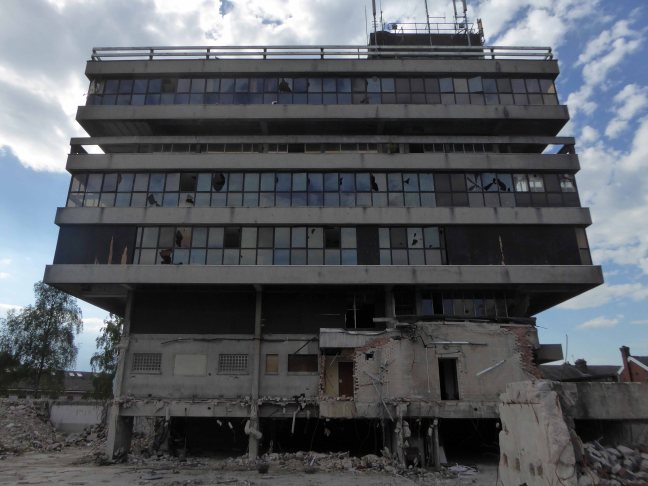
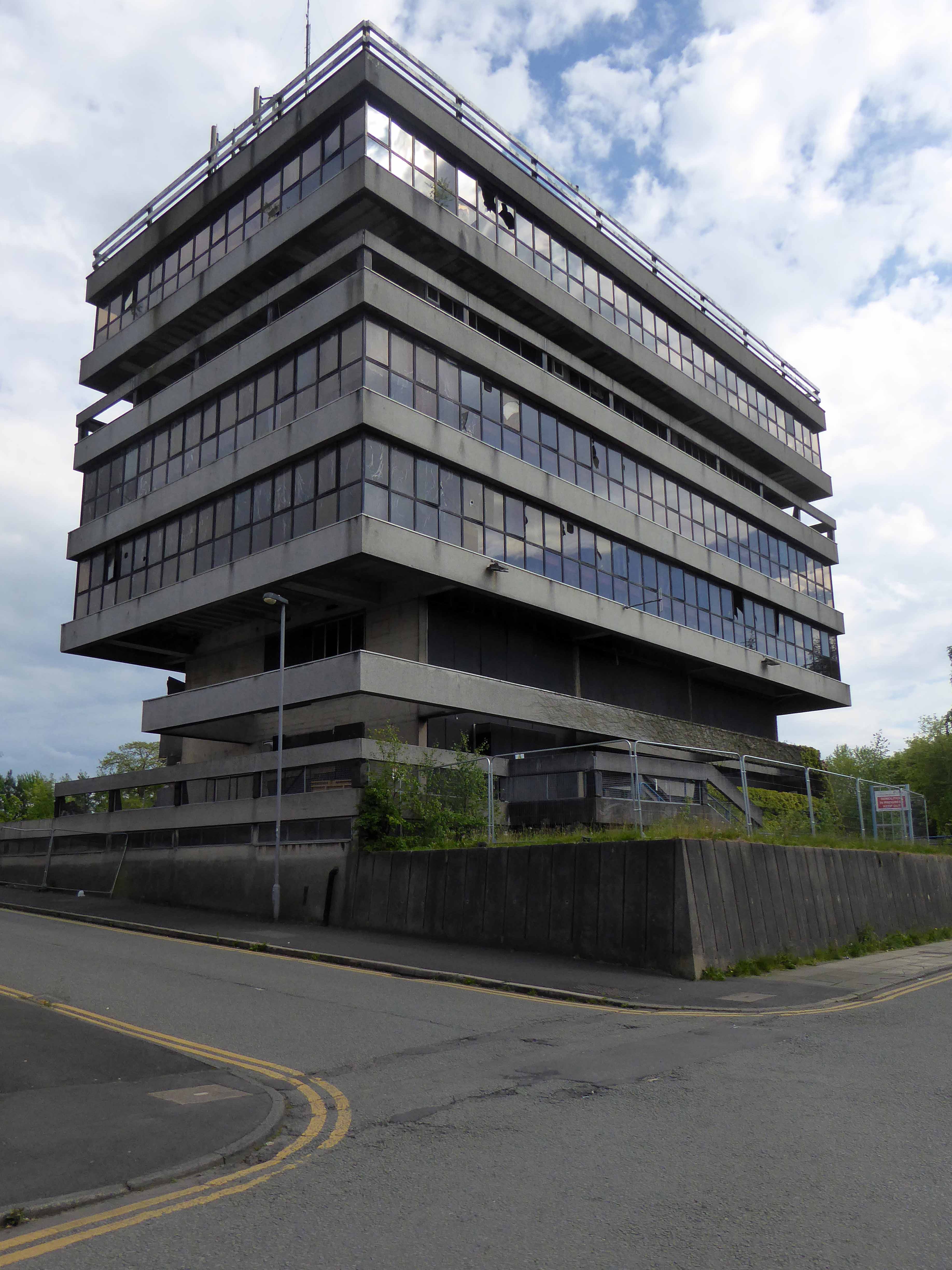
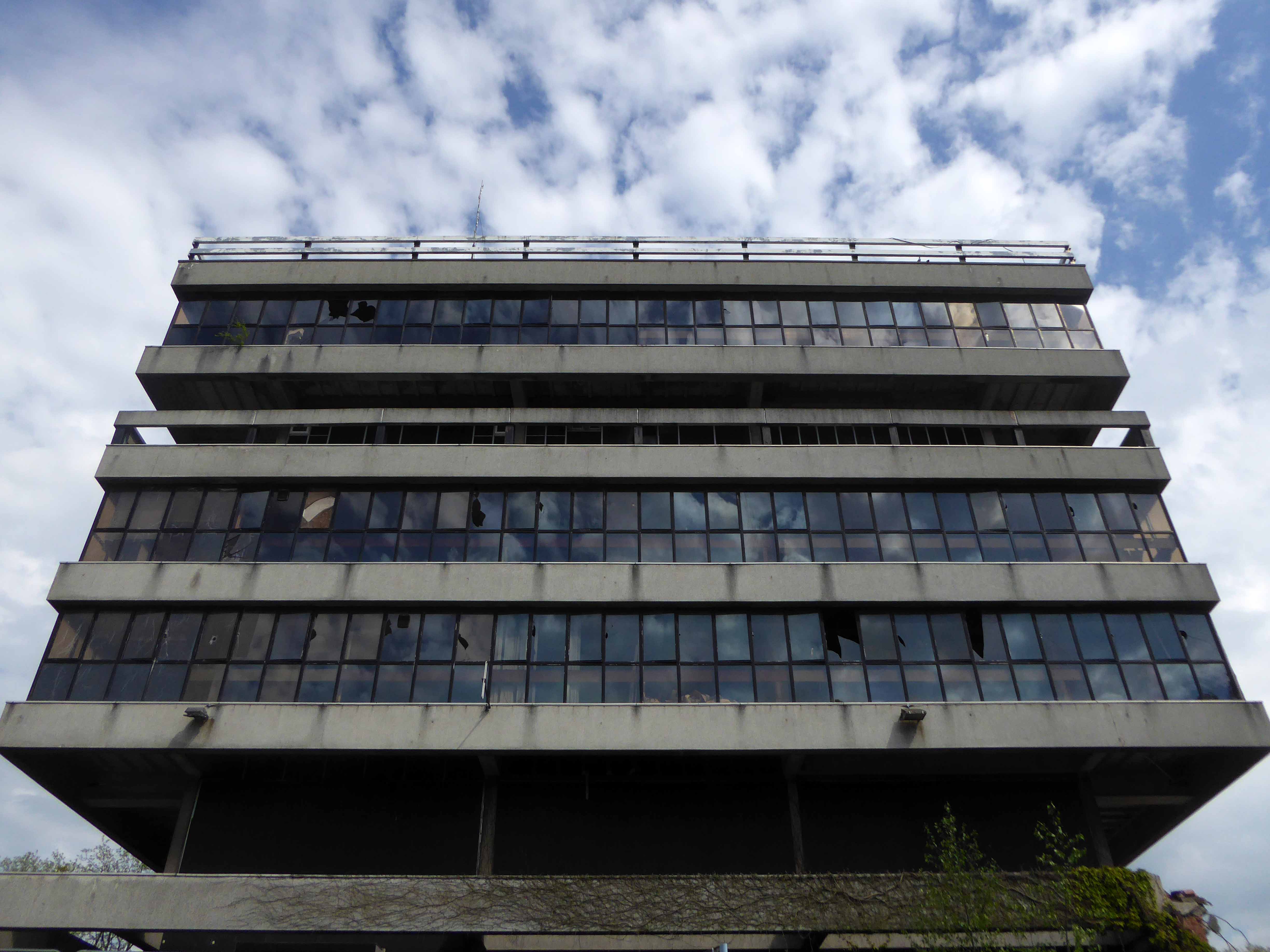
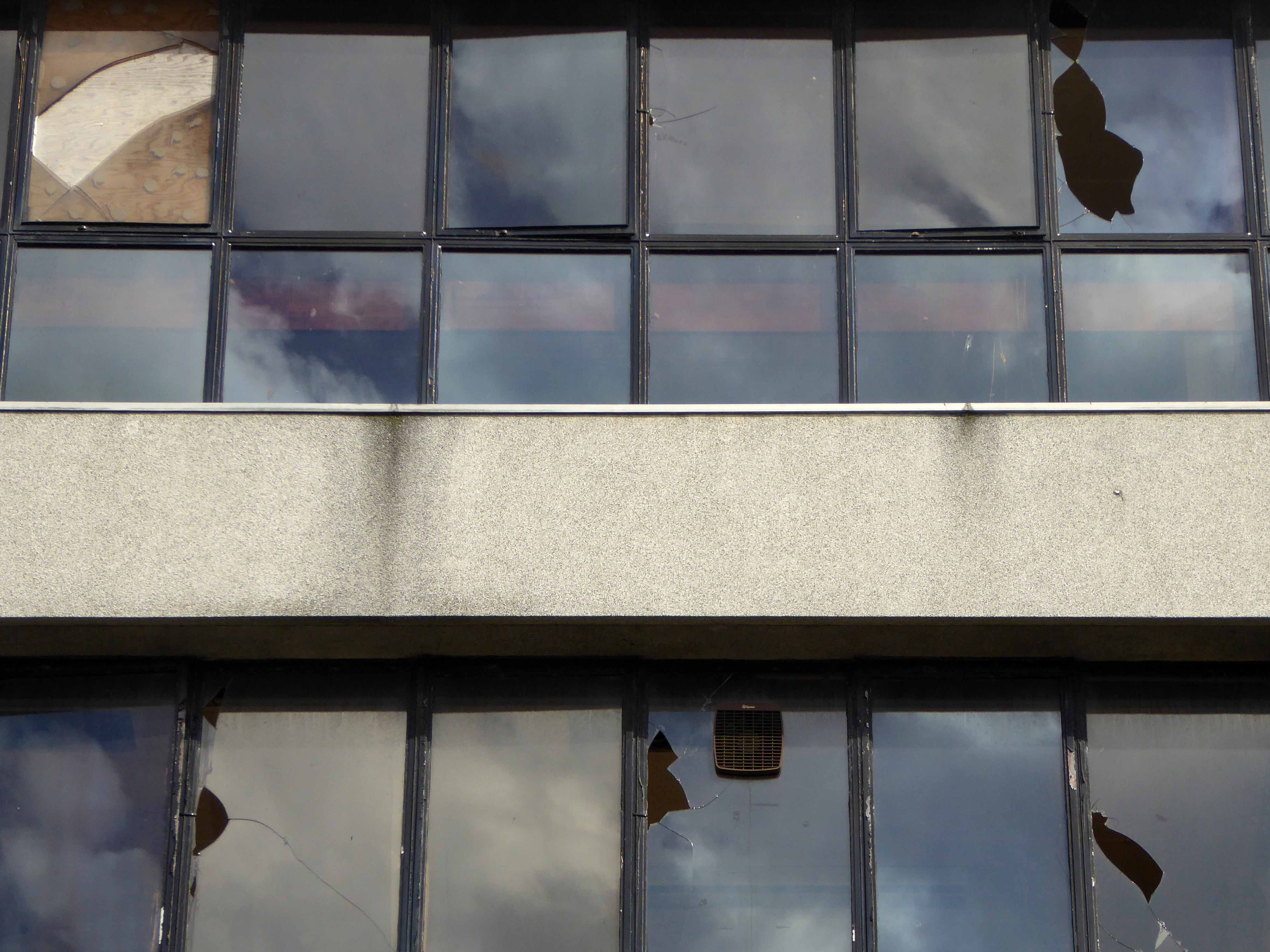
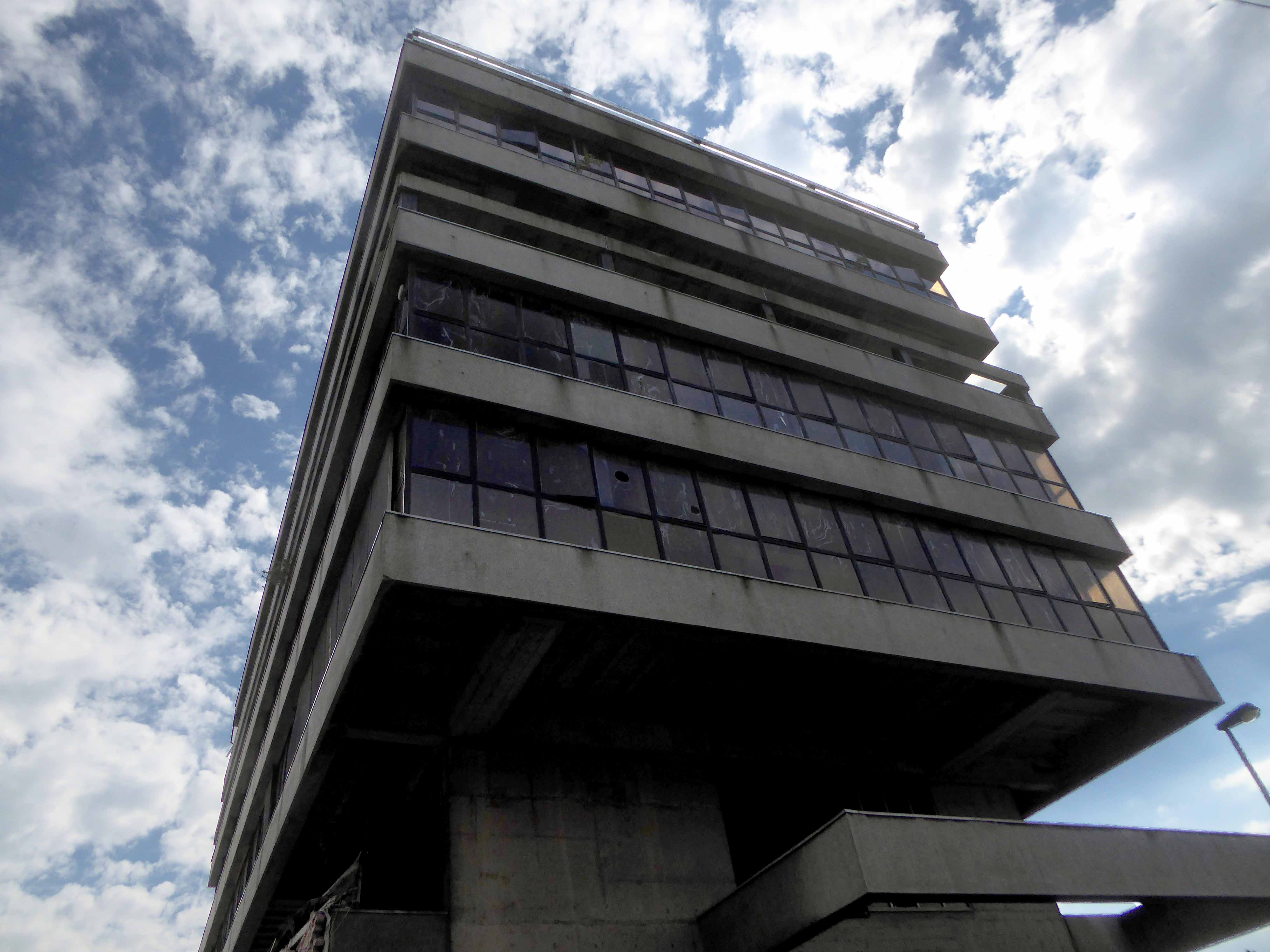
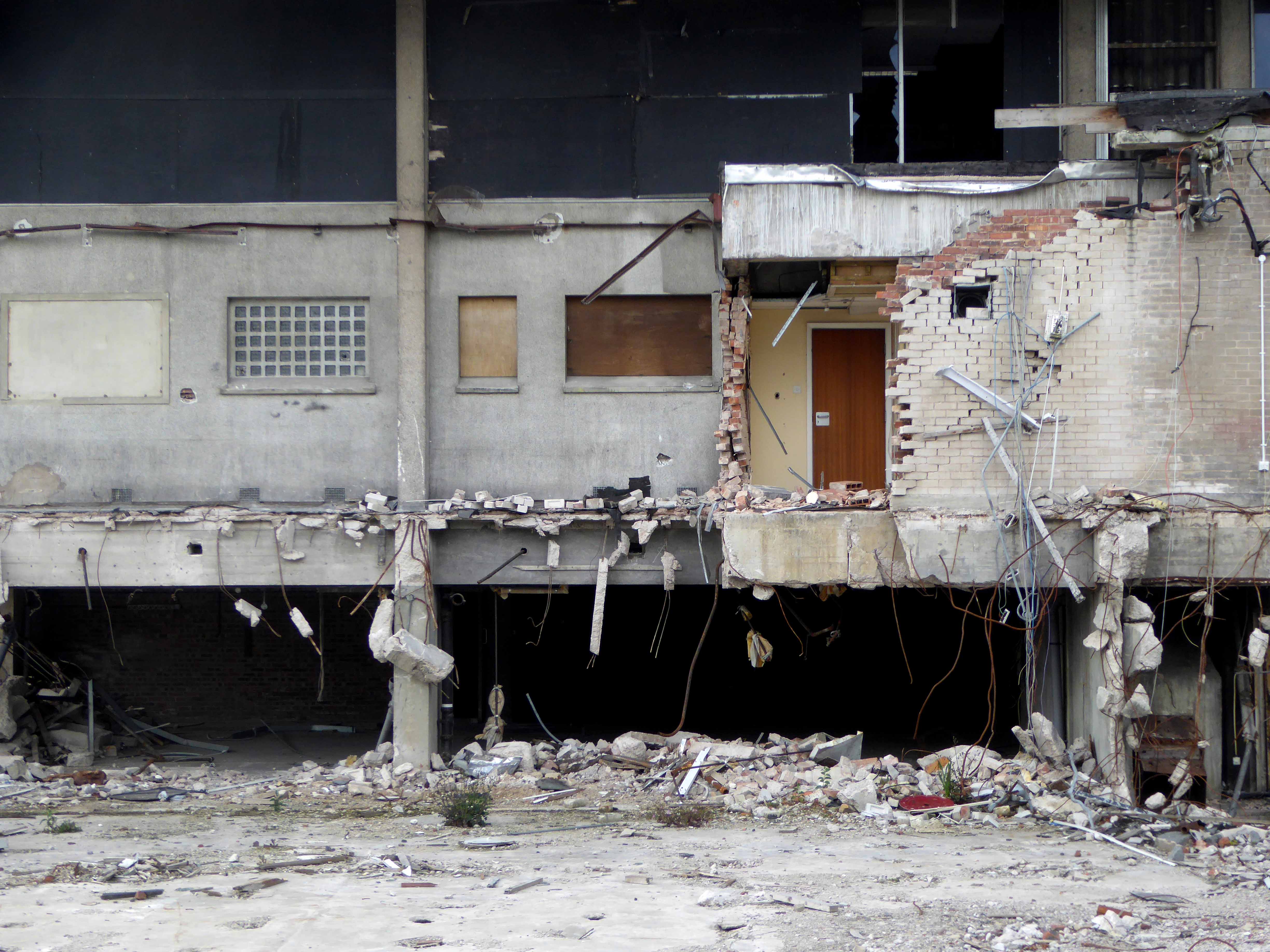
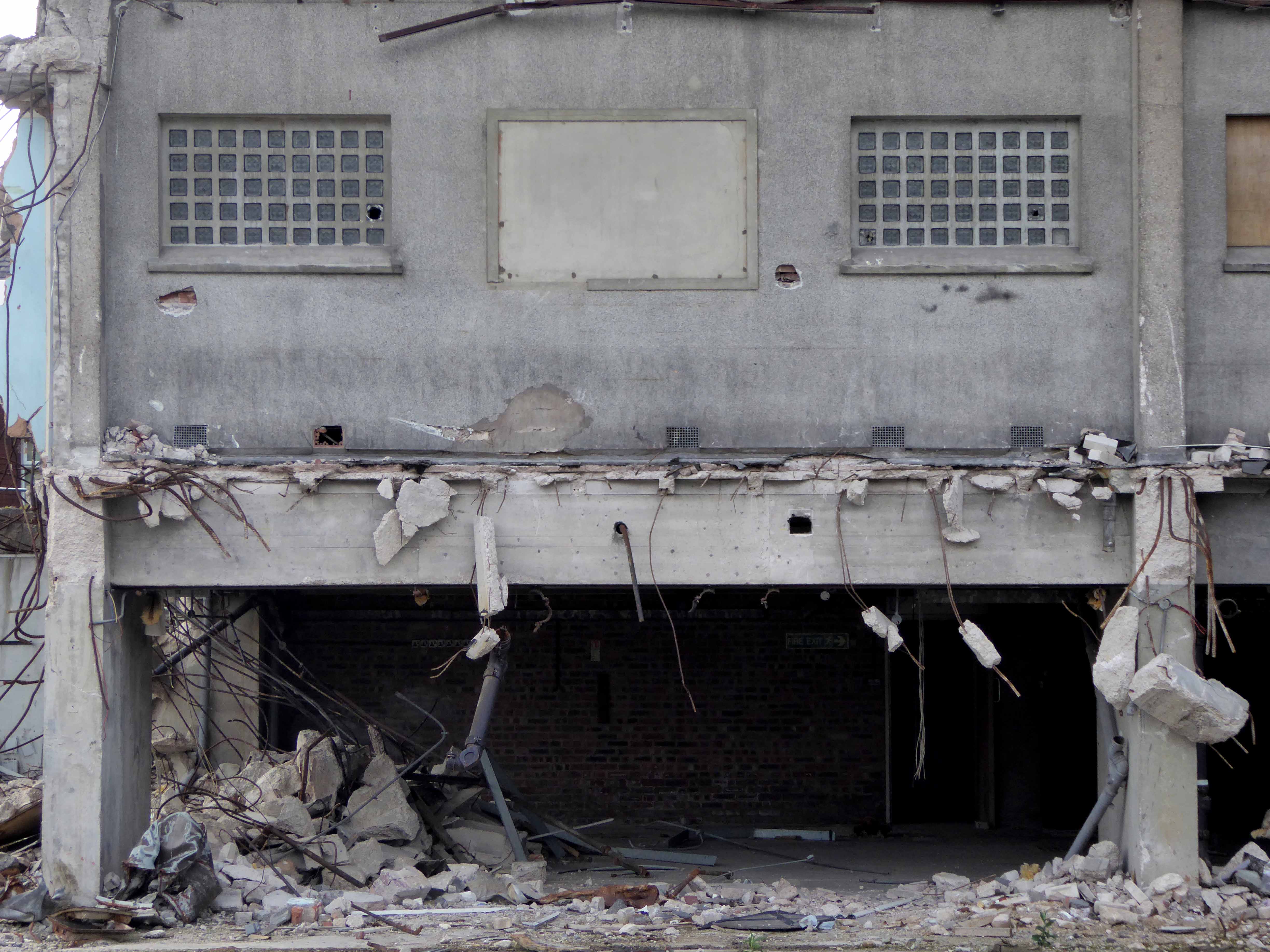
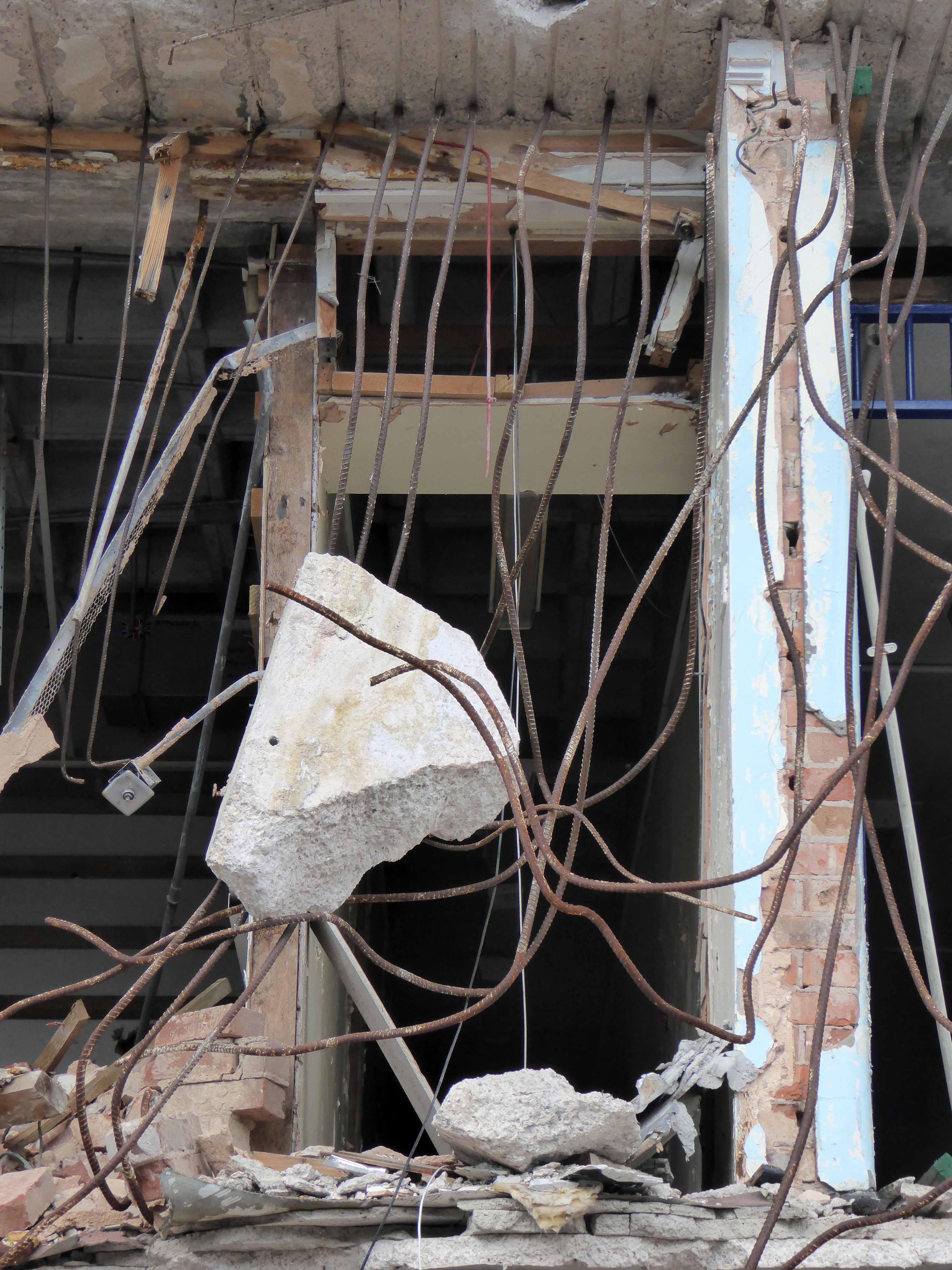
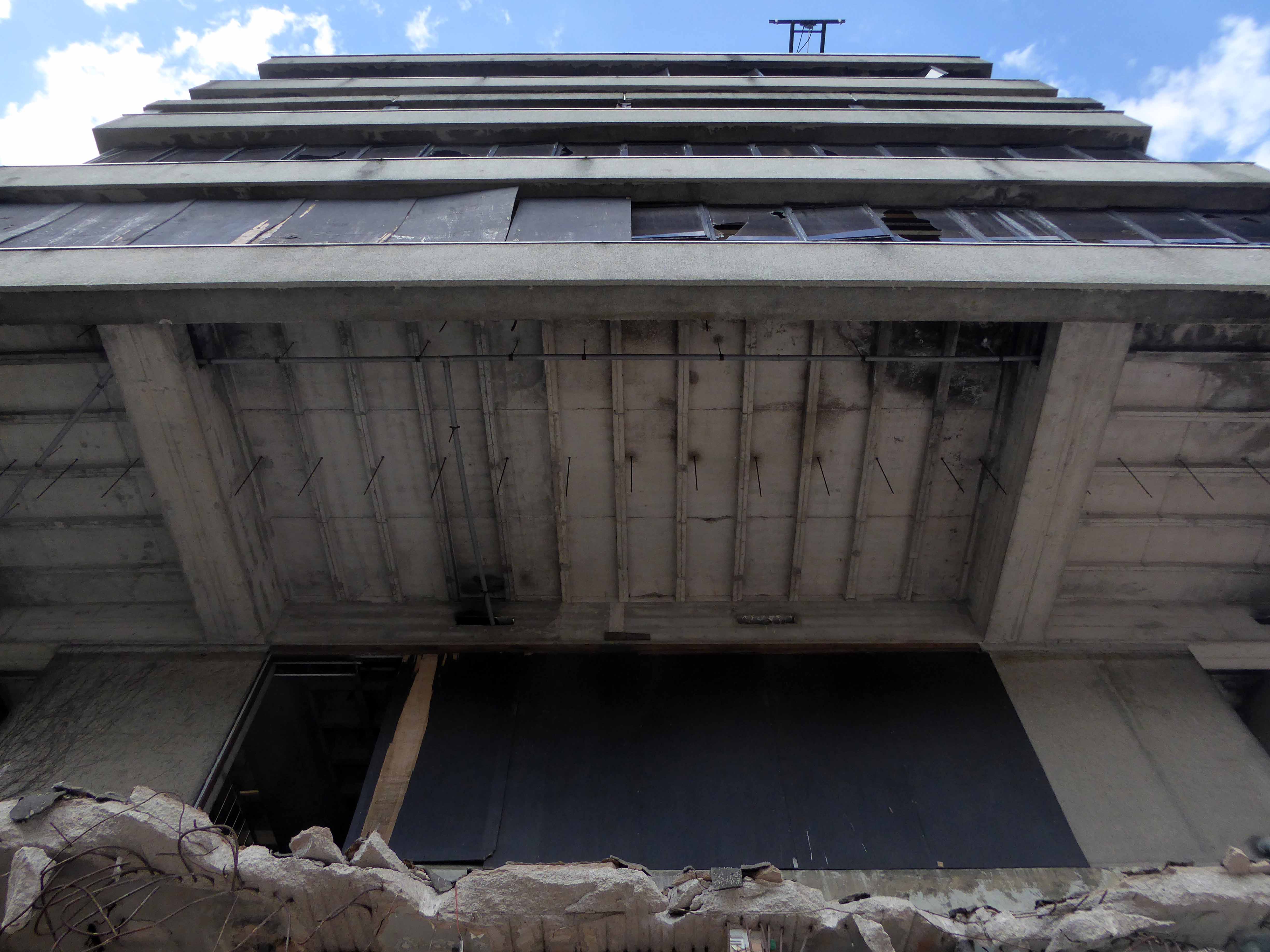
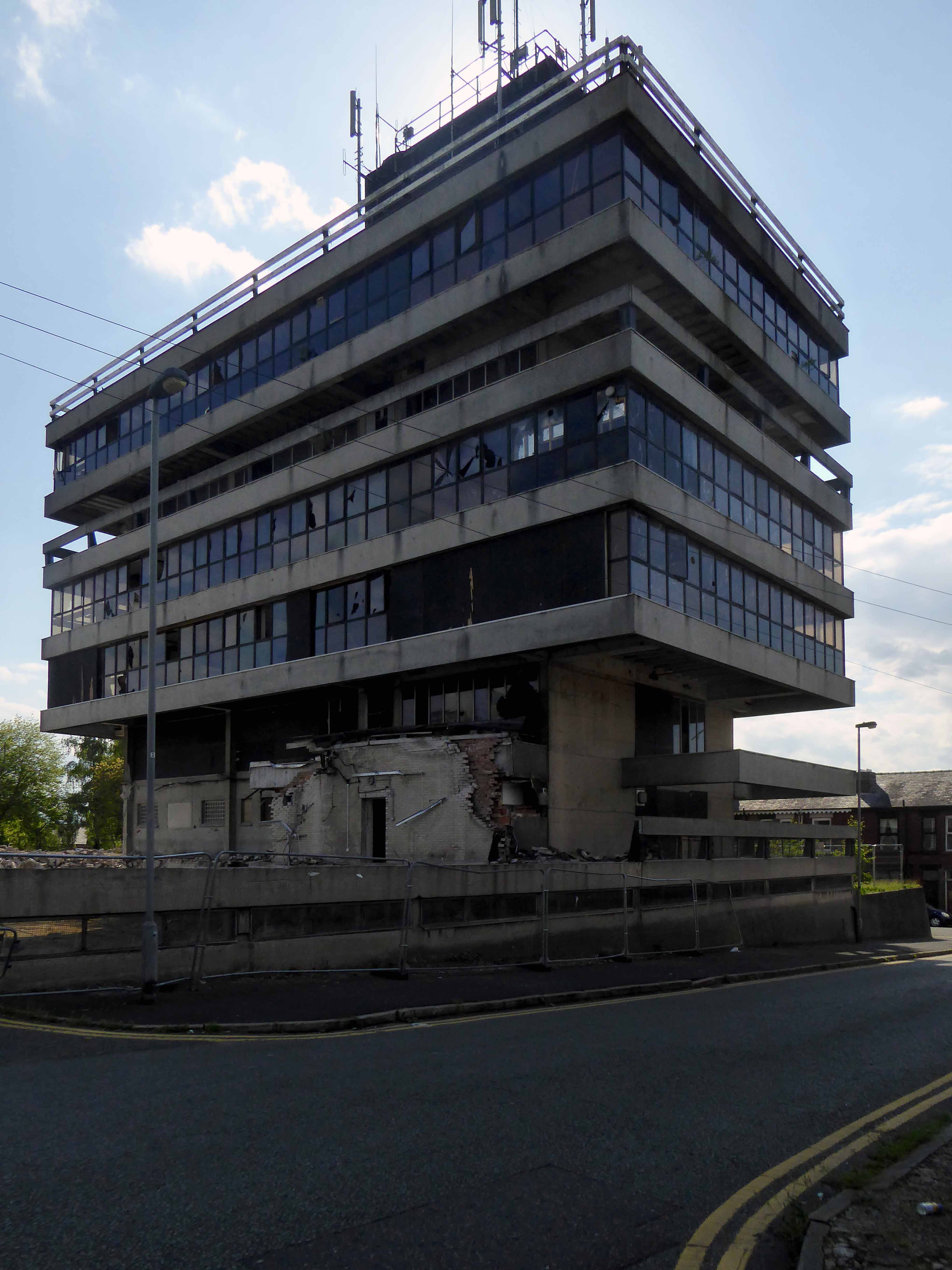
Almost a shadow, a shadow of it’s former self, the police station in Bury – a concrete gem by Lancashire County Architect Roger Booth, is in the slow process of absenting itself from the material world.

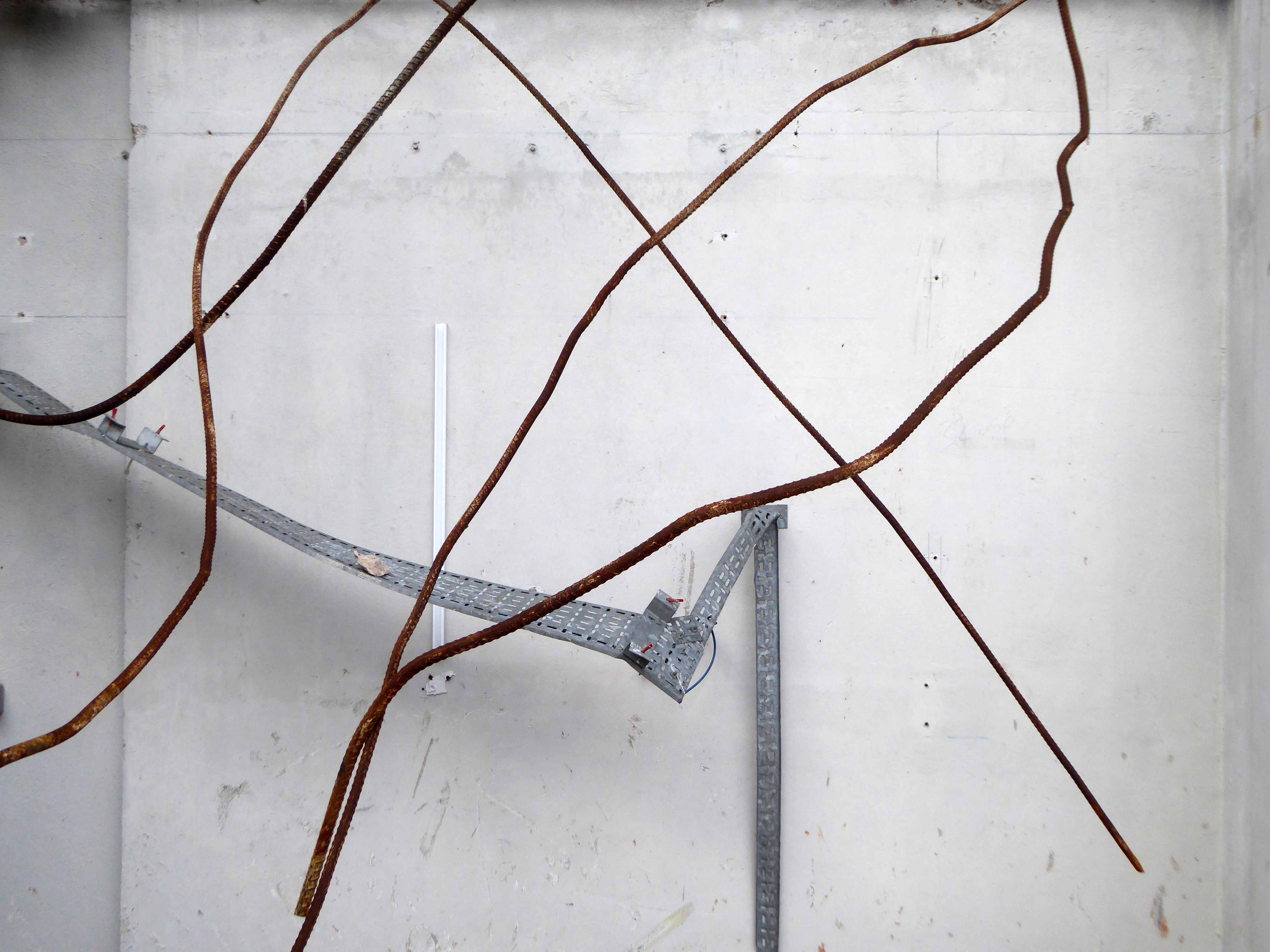
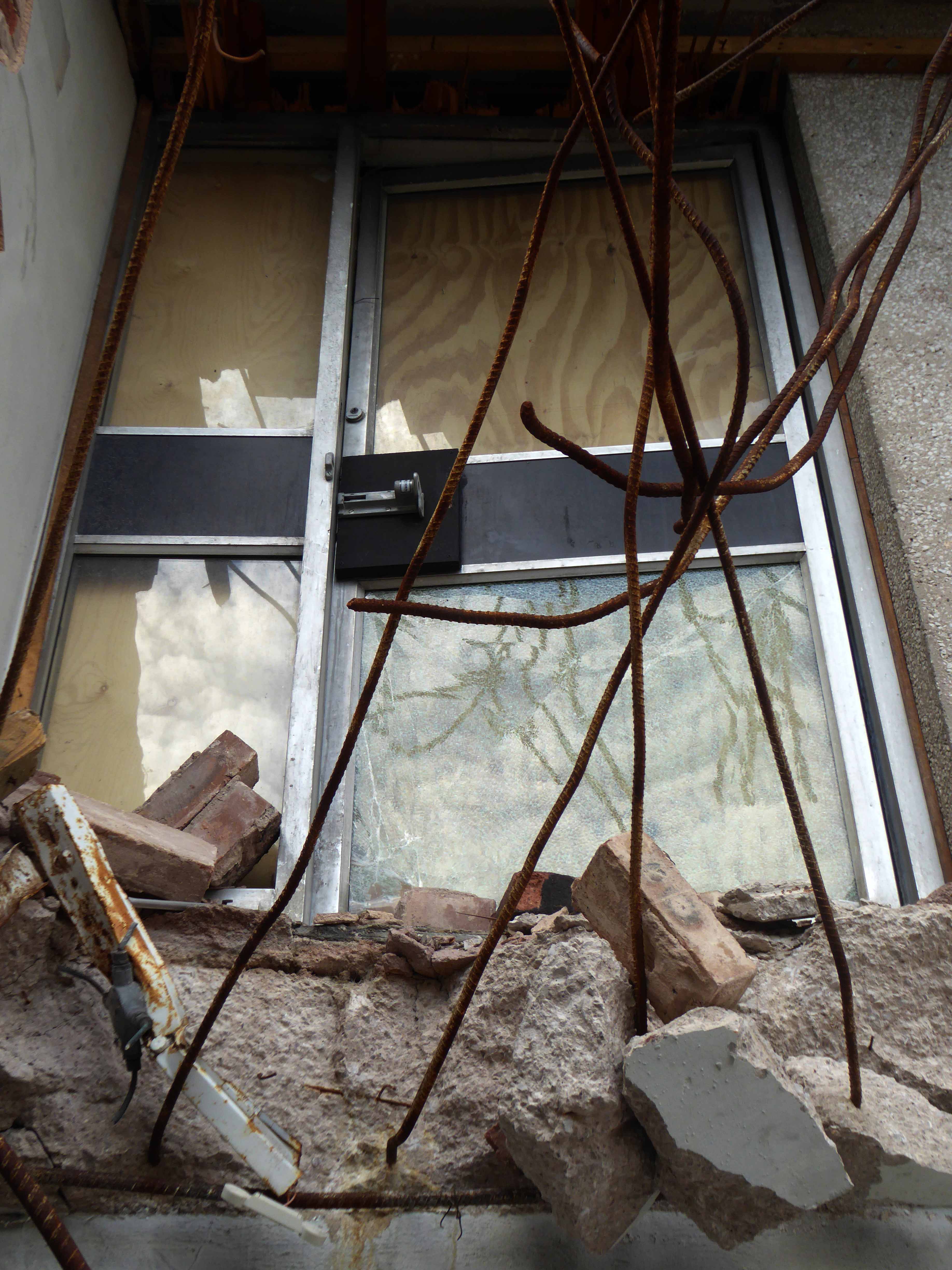
Closed since 2010, on the day of my visit the podium tower, surrounded by rubble, was little more than a playground for the local kids and urbex intruders. A vista of broken windows, distressed prestressed concrete and tortured steel.

Hurry along nothing to see here – soon.

Other Roger Booth cop shops are available – in Morecambe and Blackpool

P1160806 copy

P1160807 copy

P1160810 copy

P1160812 copy

P1160815 copy

P1160816 copy

P1160820 copy

P1160822 copy

P1160823 copy

P1160824 copy

P1160825 copy


P1160827 copy

P1160828 copy

P1160830 copy

P1160831 copy

P1160832 copy

P1160833 copy

P1160834 copy

P1160836 copy

P1160839 copy

P1160840 copy

P1160841 copy

P1160842 copy


P1160845 copy

P1160846 copy

P1160847 copy

P1160850 copy


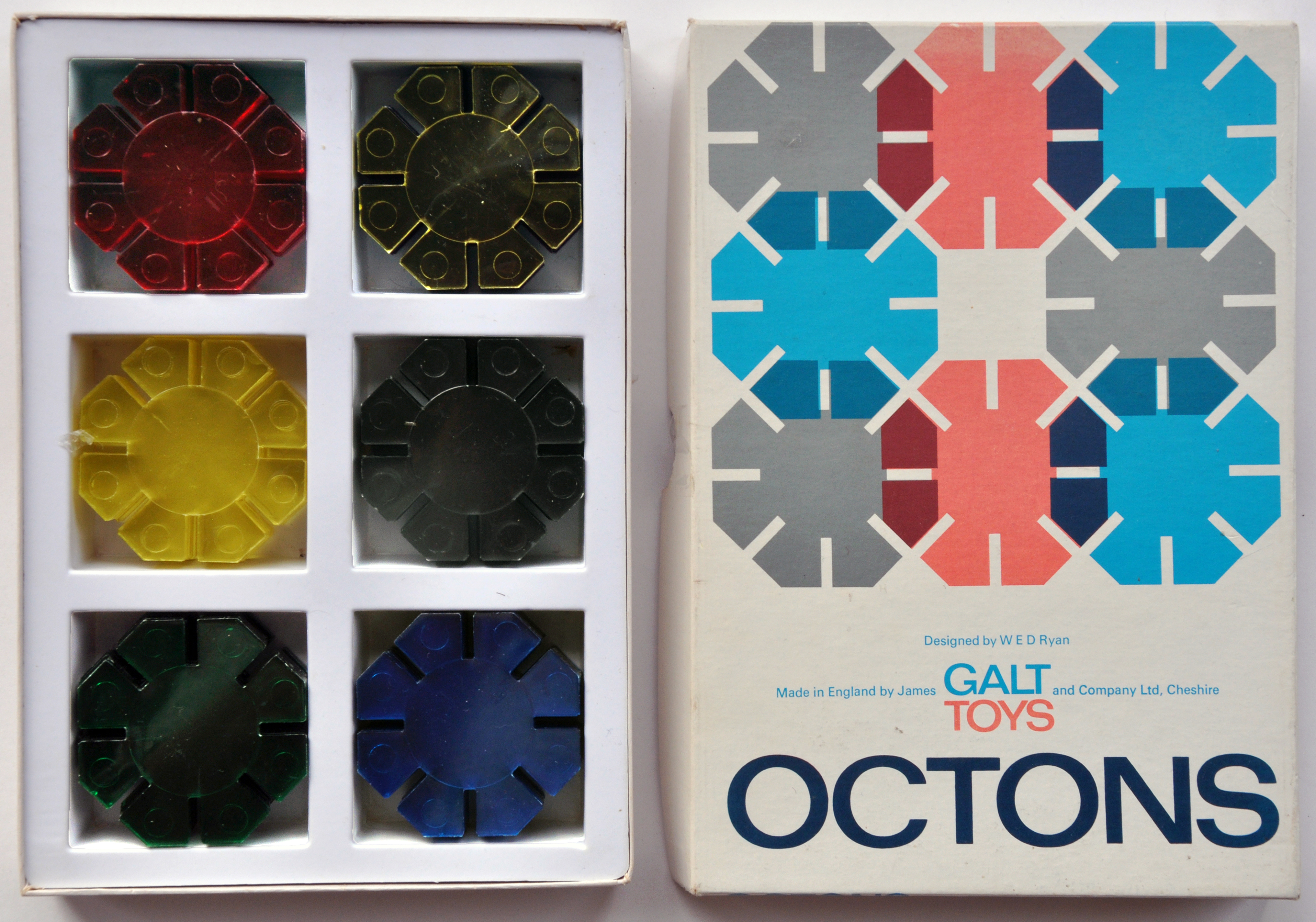
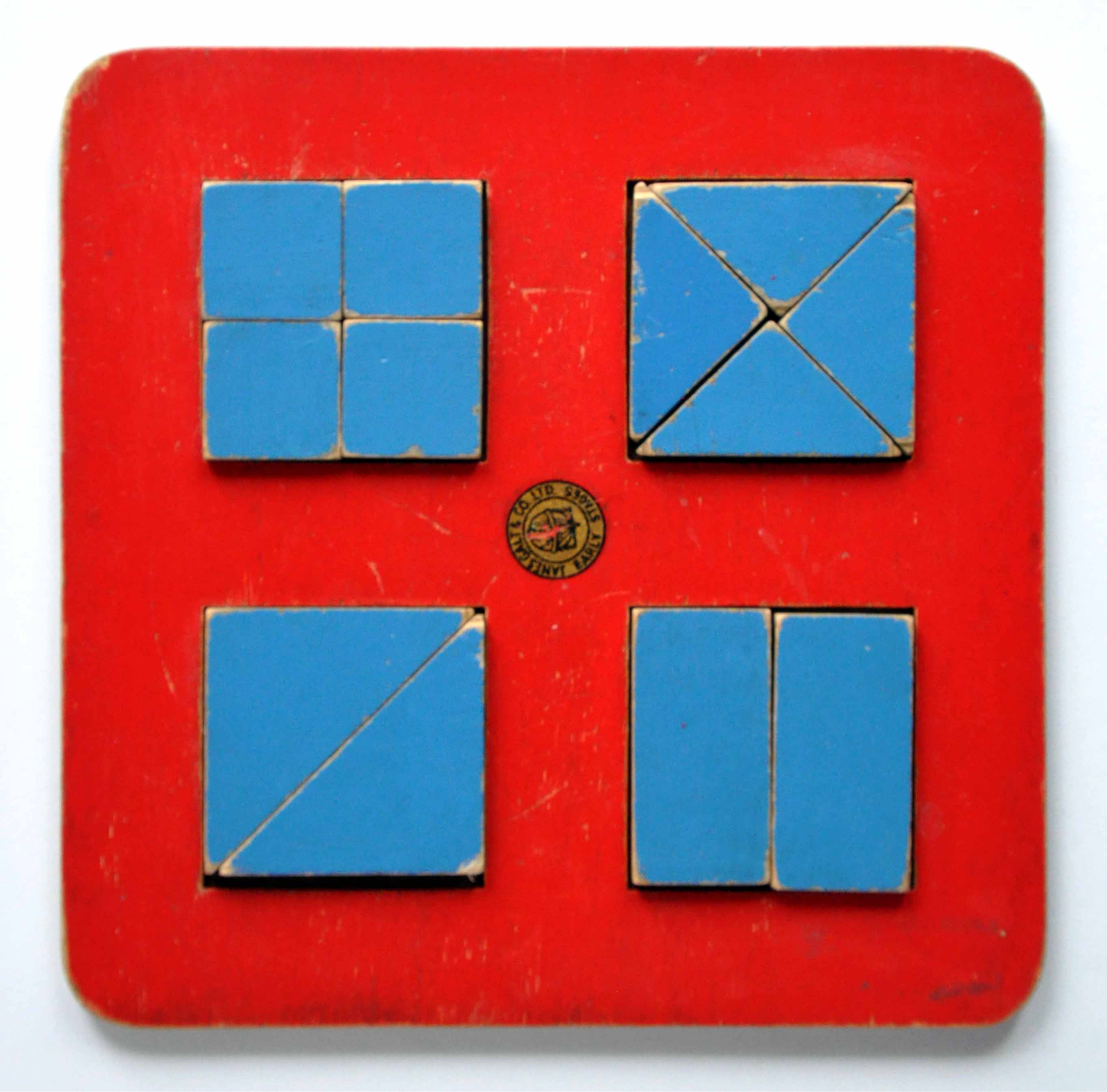
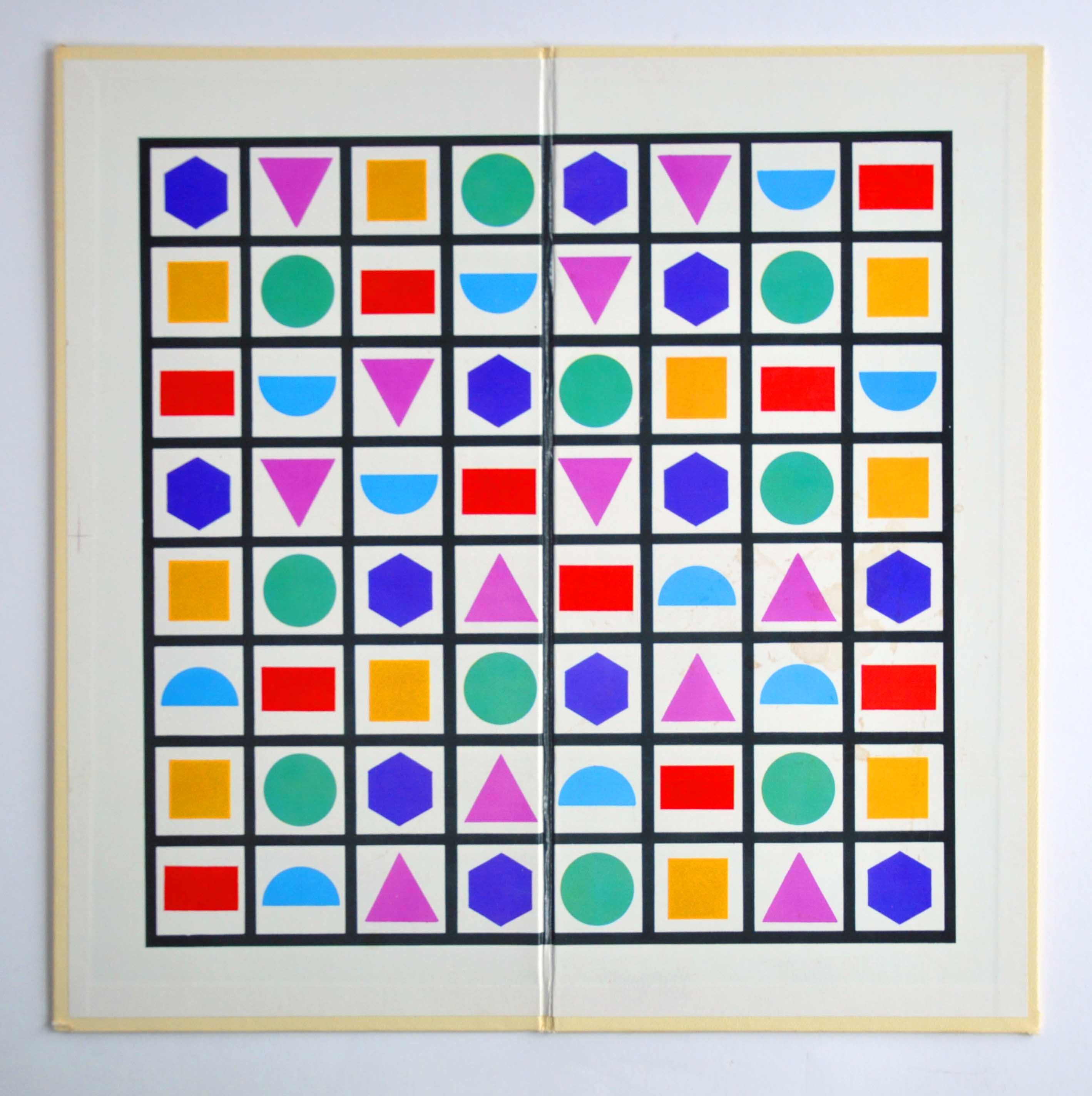
Galt Toys Exhibition

The Manchester Modernist Society are proud to presents an exhibition of Galt toys, games, puzzles, catalogues and books.

At the Manchester Central Library

Commencing Tuesday 4th April running until  Wednesday 31st May 2017

St Peters Square, City Centre, M2 5PD

  • Monday: 9am-8pm
  • Tuesday: 9am-8pm
  • Wednesday: 9am-8pm
  • Thursday: 9am-8pm
  • Friday: 9am-5pm
  • Saturday: 9am-5pm
  • Sunday: closed

Entrance is free.

Launch – Wednesday  12th April  6.00 -8.00.

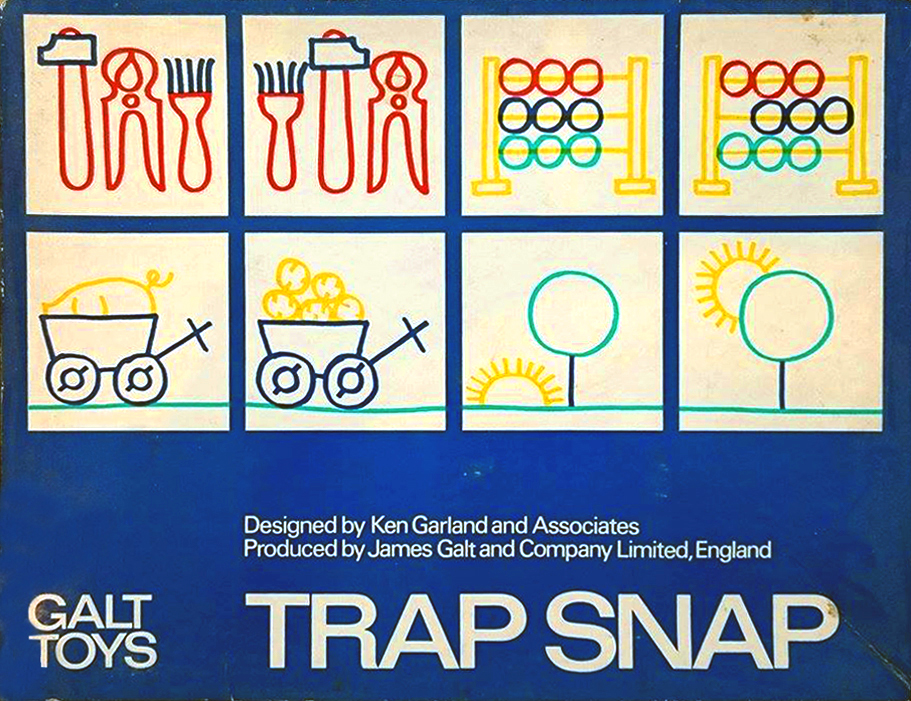
There will be nine cases on the library’s first floor, by the entrance to the reference section, literally filled with fun and games, which were produced by Galt Toys of Greater Manchester in the Sixties and Seventies.

Under the direction of Ken Garland Associates they rebranded, designed and produced an innovative range of modernist educational and entertaining products, using a simplified, graphic, bold and colourful approach to children’s play.

Come along and take a look!

trap snap

octons

14a

36a

Rhyl to Wallasey Hovercoach

After Telstar, Rhyl’s residents and visitors have this week been privileged to see another miracle of scientific progress – the Vickers-Armstrong VA-3, which arrived on Sunday to prepare for the first scheduled passenger carrying hovercoach service in the world. 

Strange but true!

It says so here.

The world’s first commercial passenger hovercraft service ran briefly from Rhyl to Moreton beach in 1962, but ended when a storm hit the passenger hovercraft while it was moored, damaging its lifting engines.

1962_inauguration-of-rhyl-wallasey-hovercraft-service-wallasey_

I’m fascinated by hovercrafts, they were for a while the future that we seemed to have been promised, a future that had consistently failed to arrive.

Until even they failed to arrive, or depart for that matter.

I do have a love of doomed hovercraft services – I’ve been to Pegwell Bay.

Youngest passenger was 21 months old Martin Jones, 128, Marsh Road, who travelled with his mother, Mrs Millie Jones, an usherette at the Odeon Cinema: his grandmother Mrs Jean Morris, and Mrs Morris’s 14 year old son, Tony, a pupil of Glyndwr County Secondary School, the first schoolboy to travel on the hovercraft.  Mr Tony Ward of 13, Aquarium street, a popular figure as accordionist on one of the local pleasure boats a few seasons ago, and his 20 year old daughter Rosemary, cashier at the Odeon, who were among the first to book seats at the North Wales Travel Agency, were also among the passengers.

screen-shot-2017-02-15-at-14-59-45

Mrs Handley was the manageress of the Sports Cafe and got to know all the crew as they had all their meals there, even a farewell party with a cake in the form of a hovercraft.

The Queen and Prince Philip had received an invitation to undertake the trip, but declined perhaps just as well, for on what proved to be the final journey the hovercraft left Wallasey at 1.15 p.m. on September 14th and both engines failed en route.
There has been talk of reviving the service, a service that sadly seems so far to have defied revival.

“It really will be a feather in our cap for Rhyl.”

_45948242_hovercraft_on_r_antony_moss

hover4

hover6

hover12

6848430198_2ee174a7e7

hover1

4033836

scan0001a

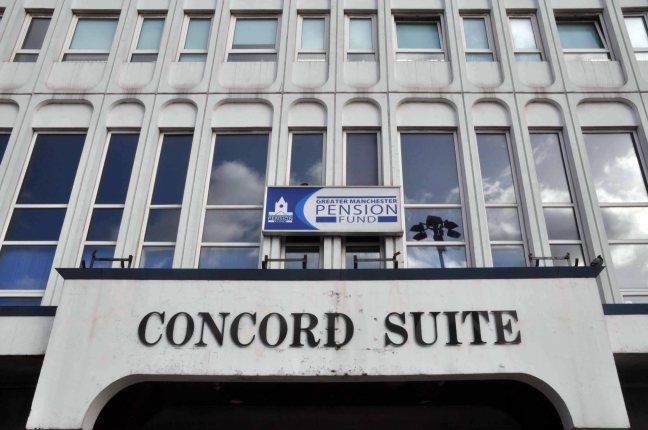
Concord Suite – Droylsden

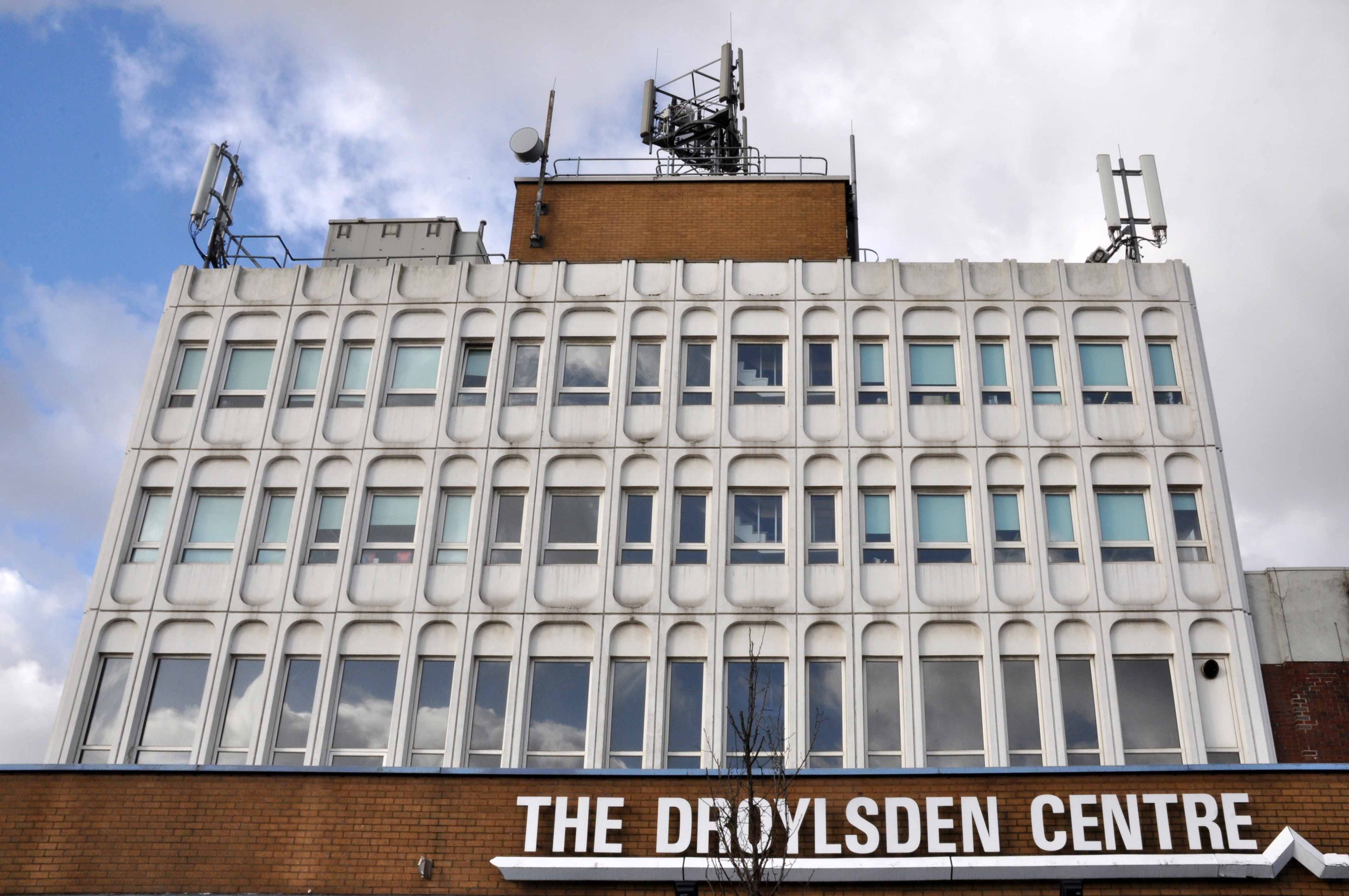
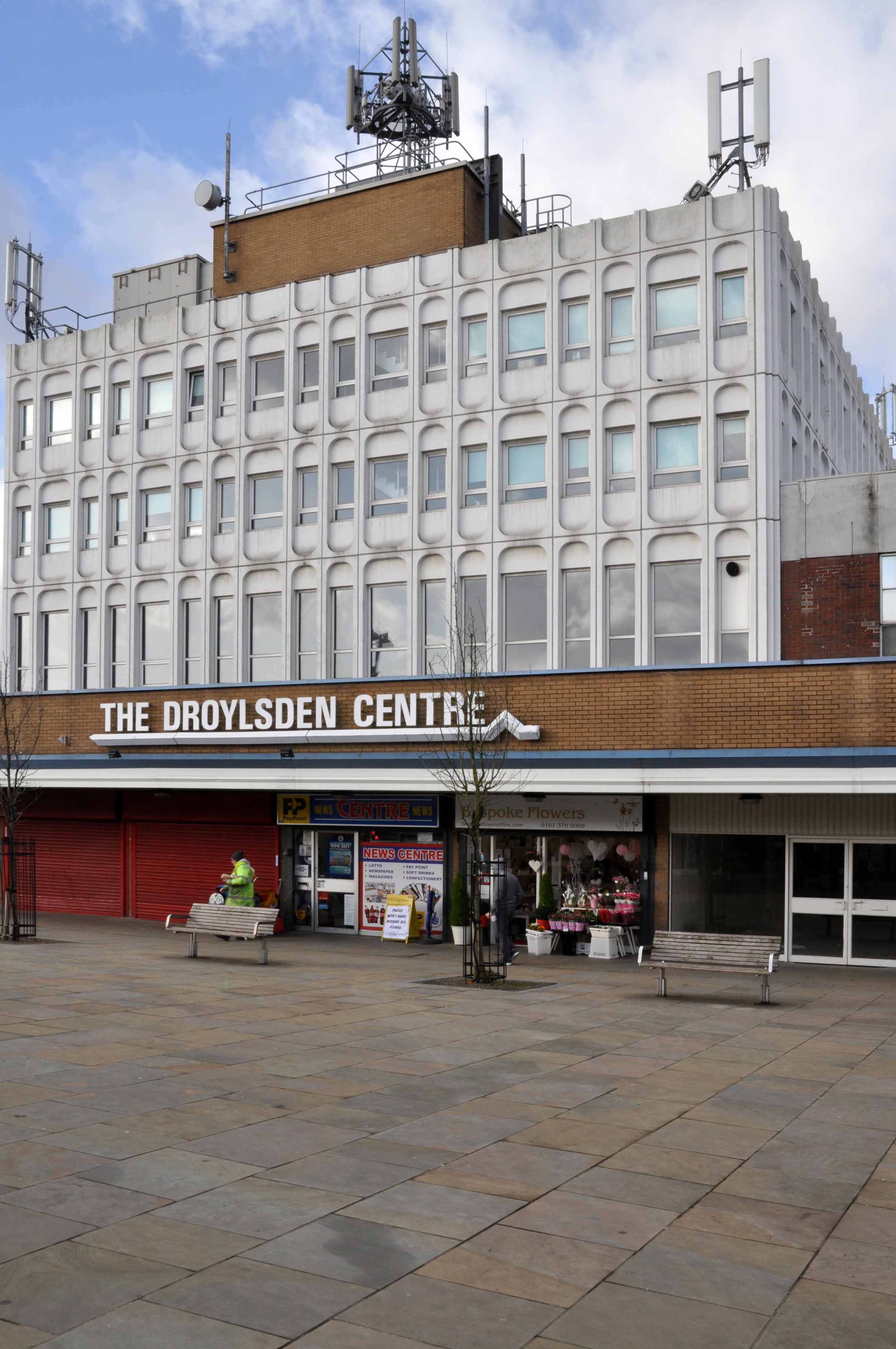
There is little or no reference to this fine building on the whole world wide web – the wise people of Wikipedia tell us –

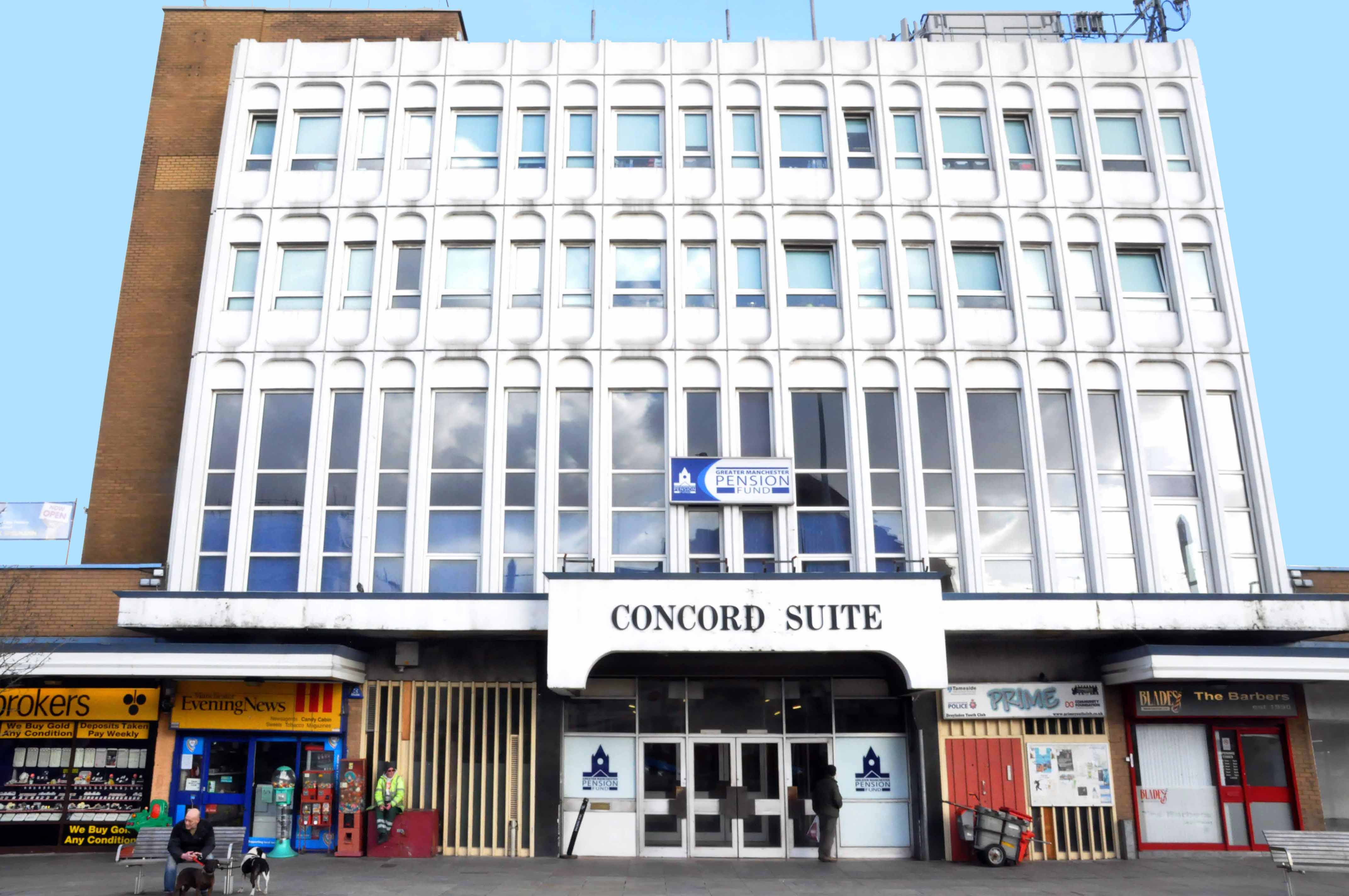
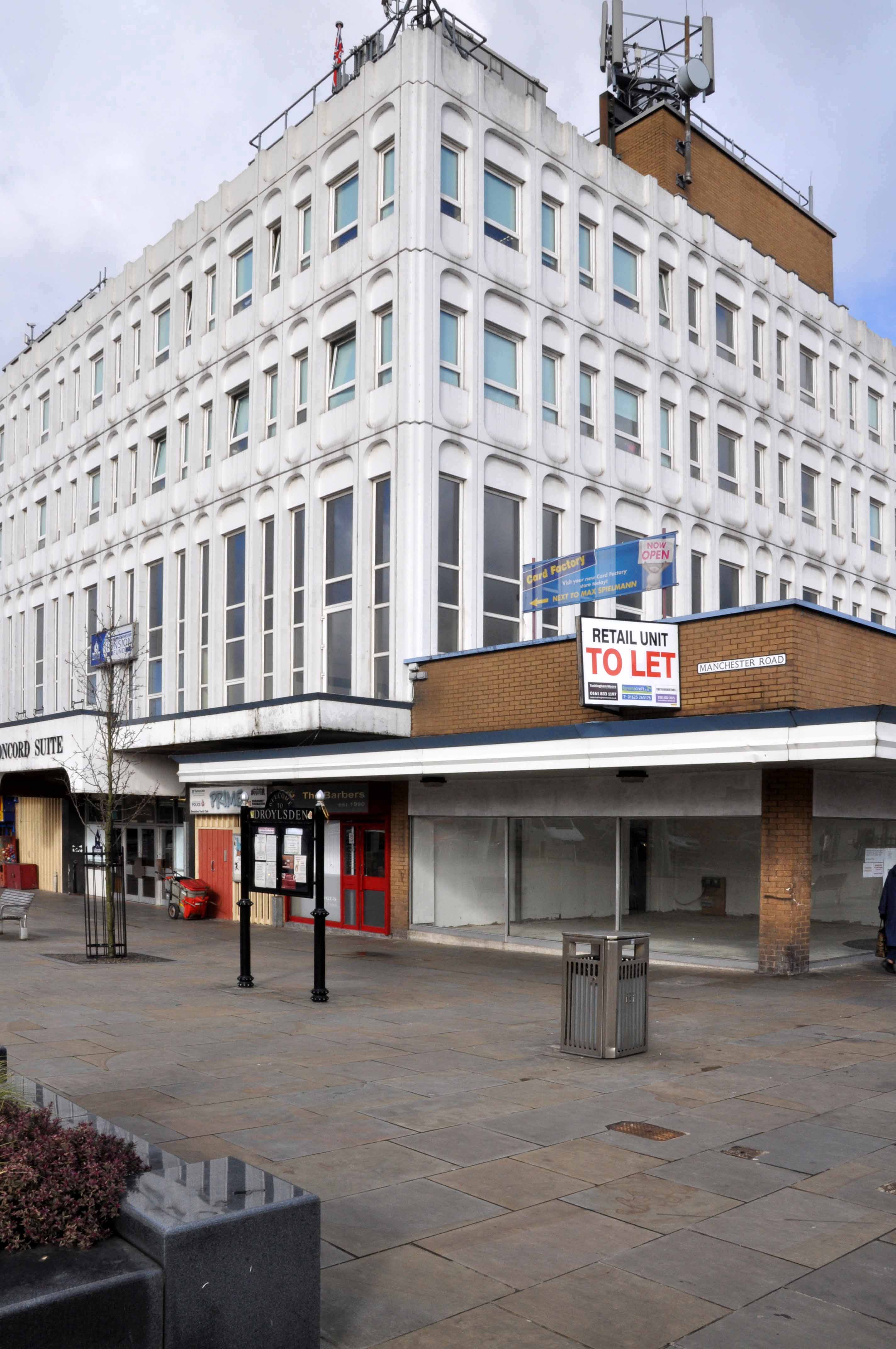
The Concord Suite was built in the early 1970’s to house Droylsden Council. The word Concord comes from the town’s motto Concordia, meaning harmony.

Today’s visit reveals the hard facts!

Architects: Bernard Engle & Partners – who are also responsible for Merseyway in Stockport.

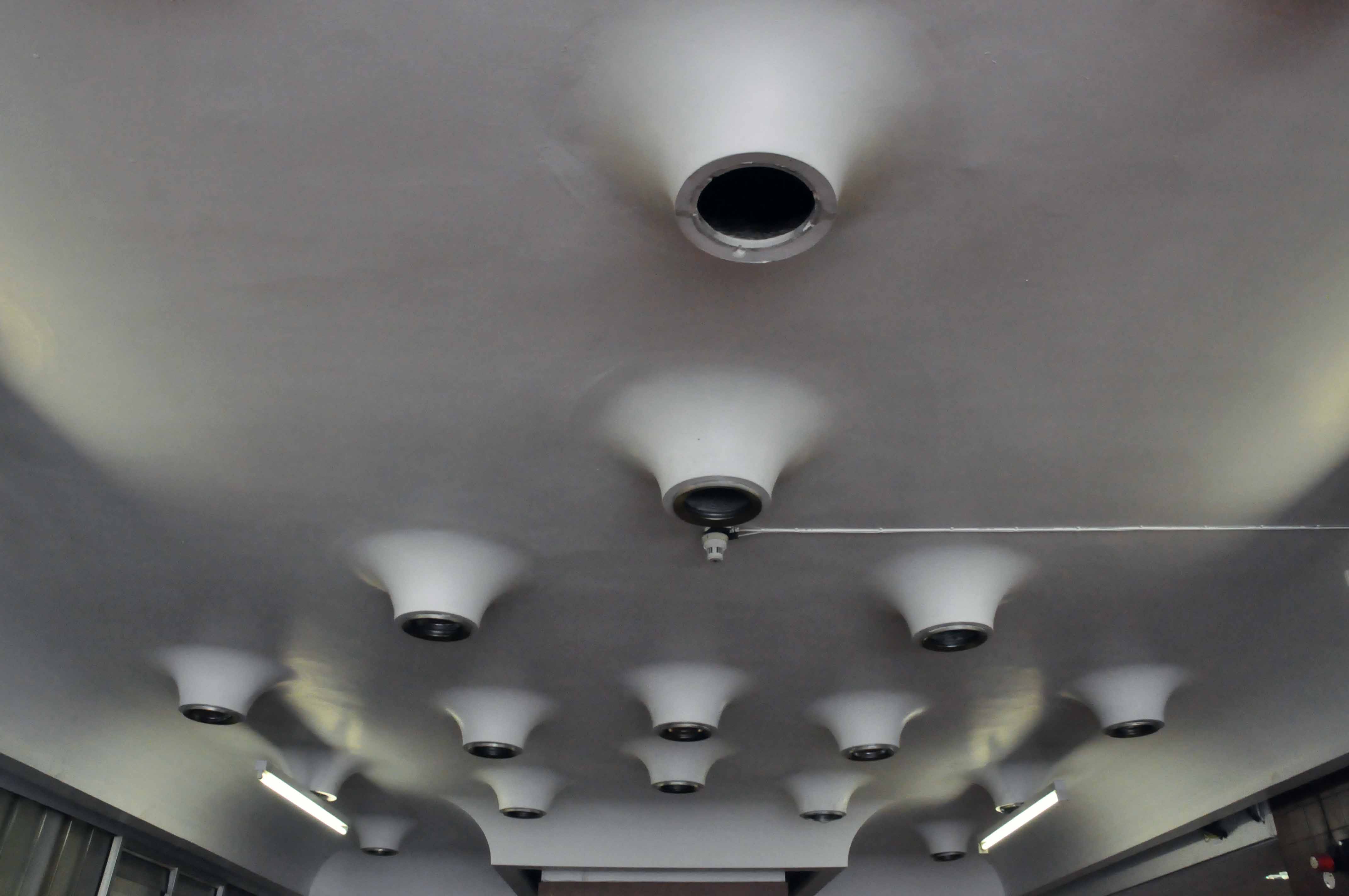
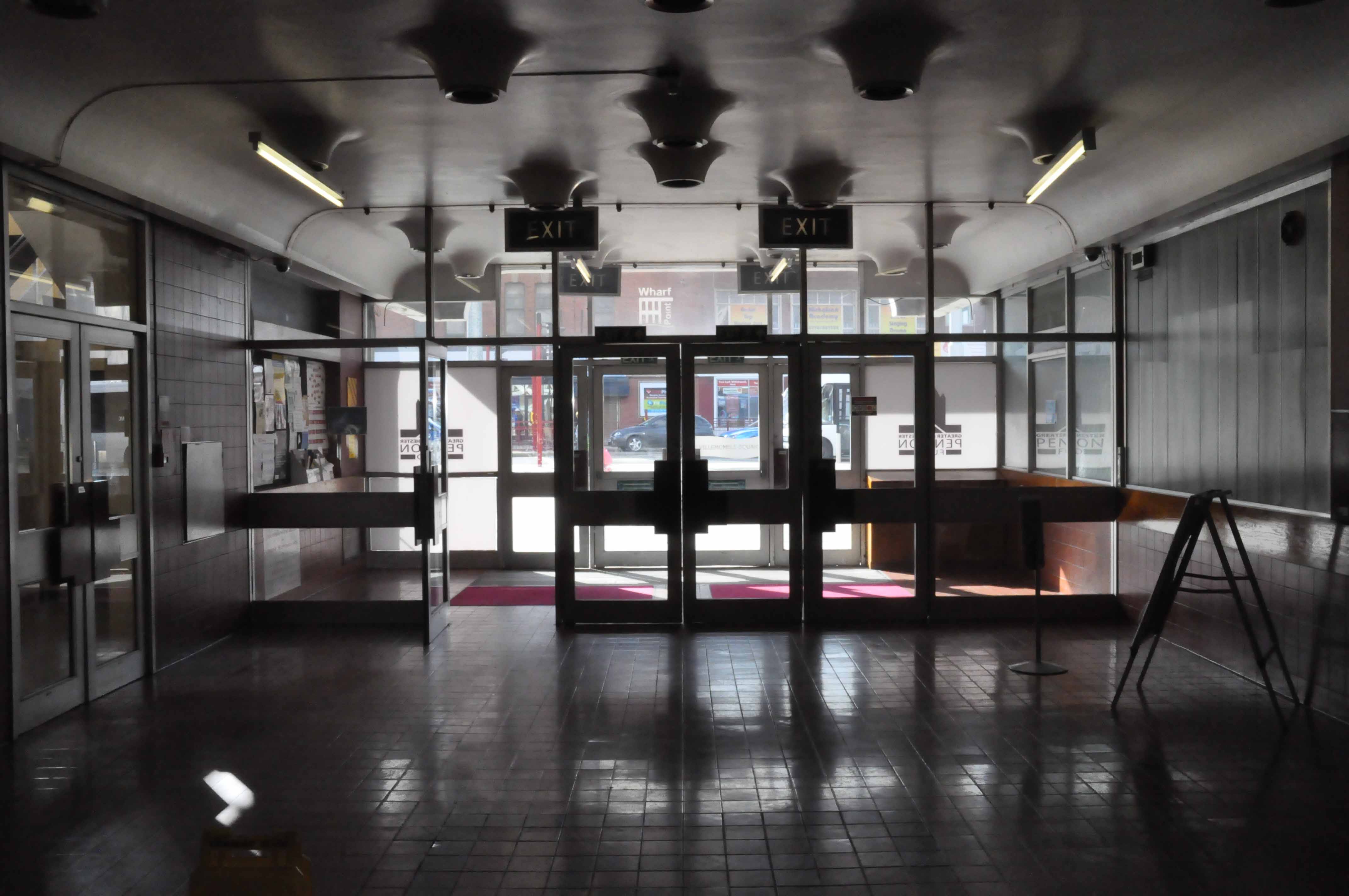
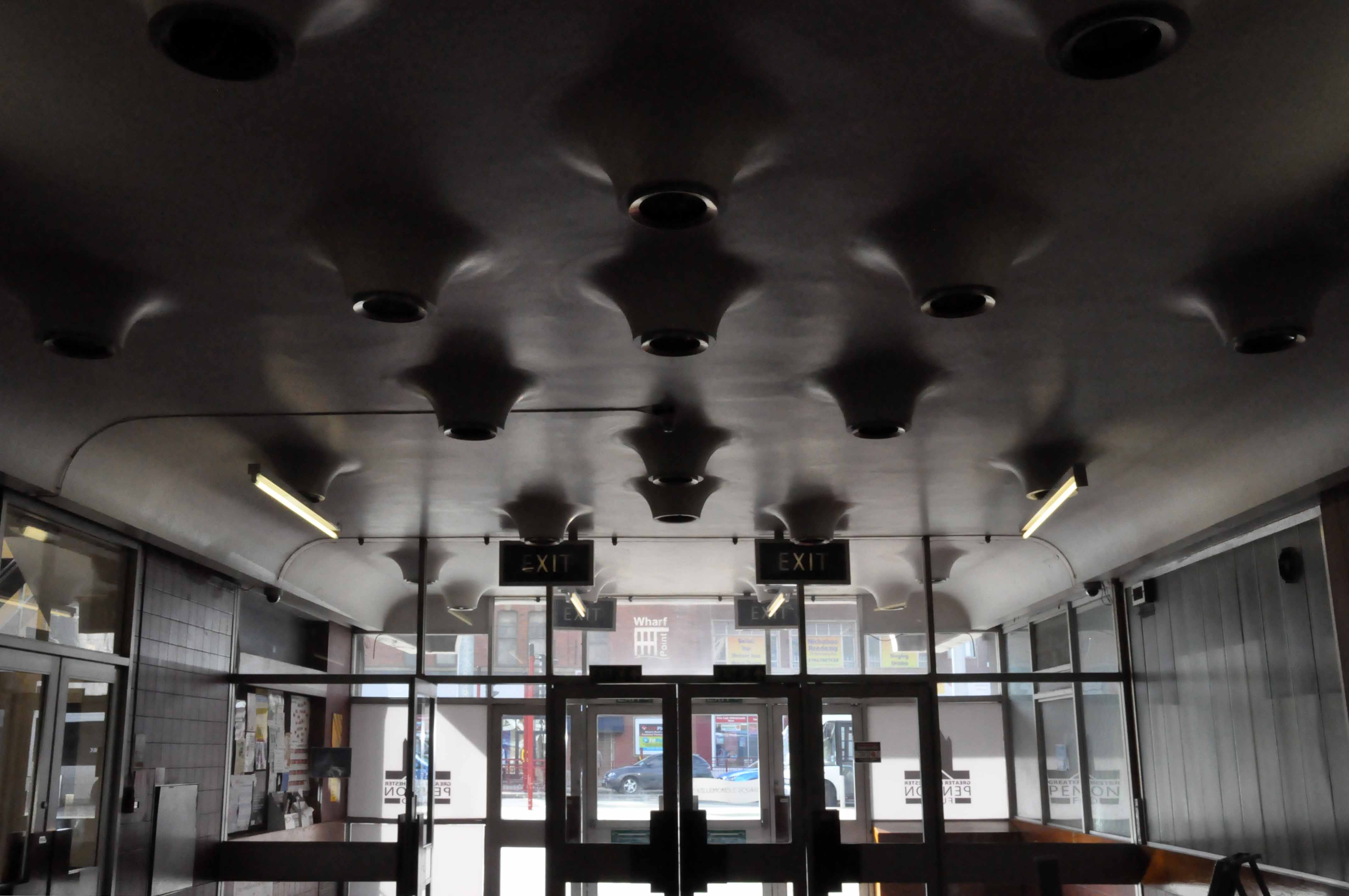
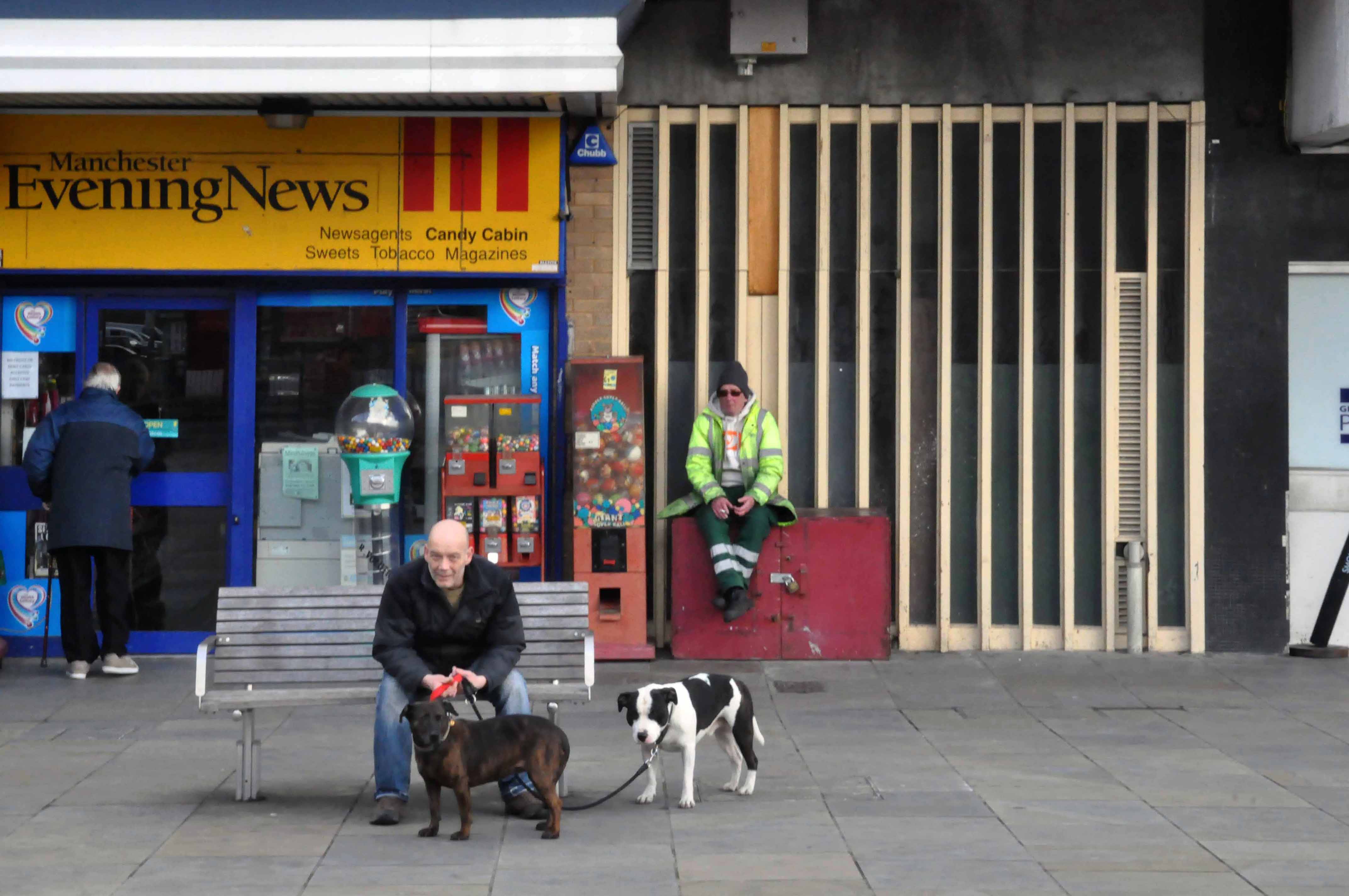
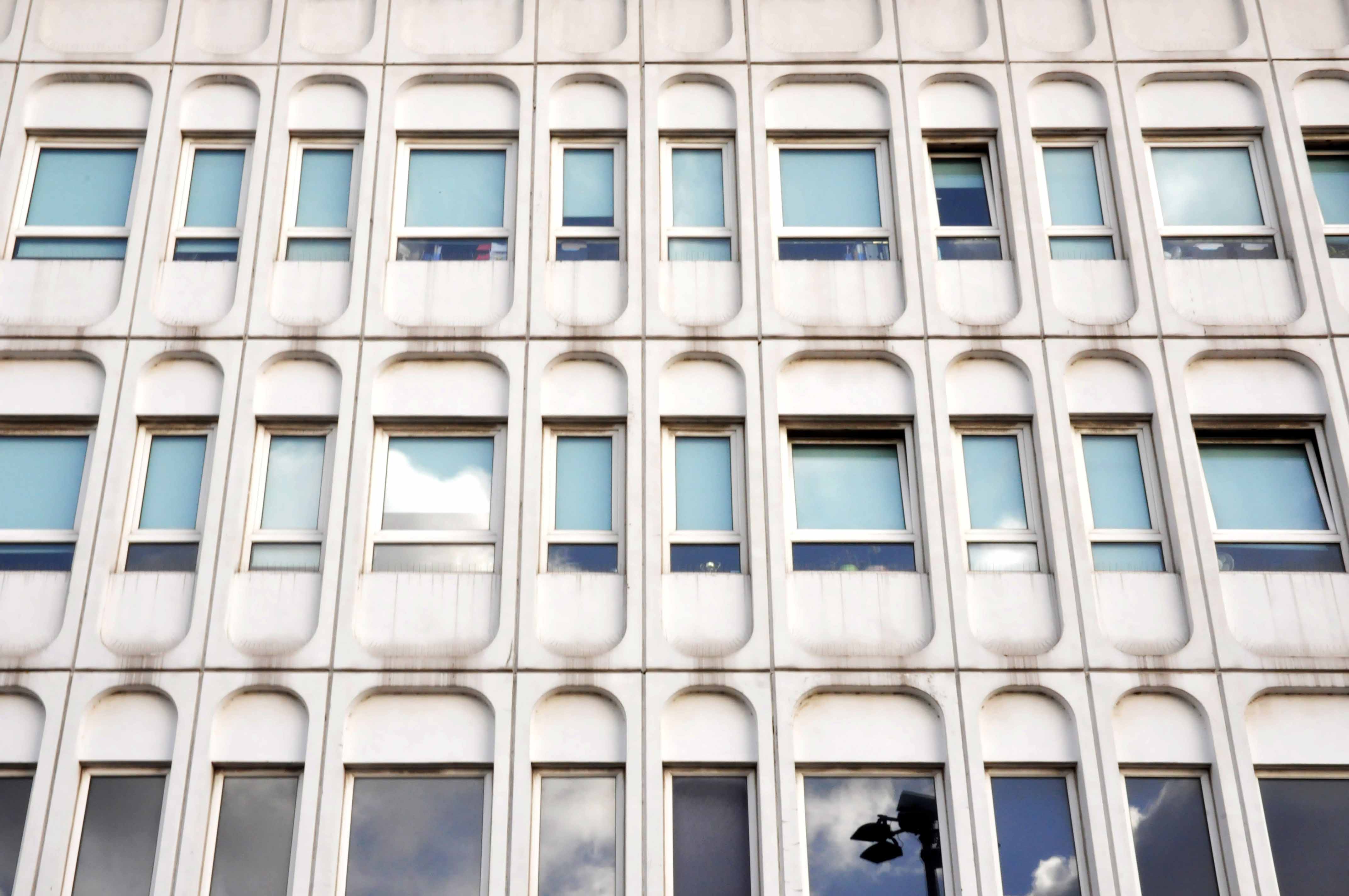
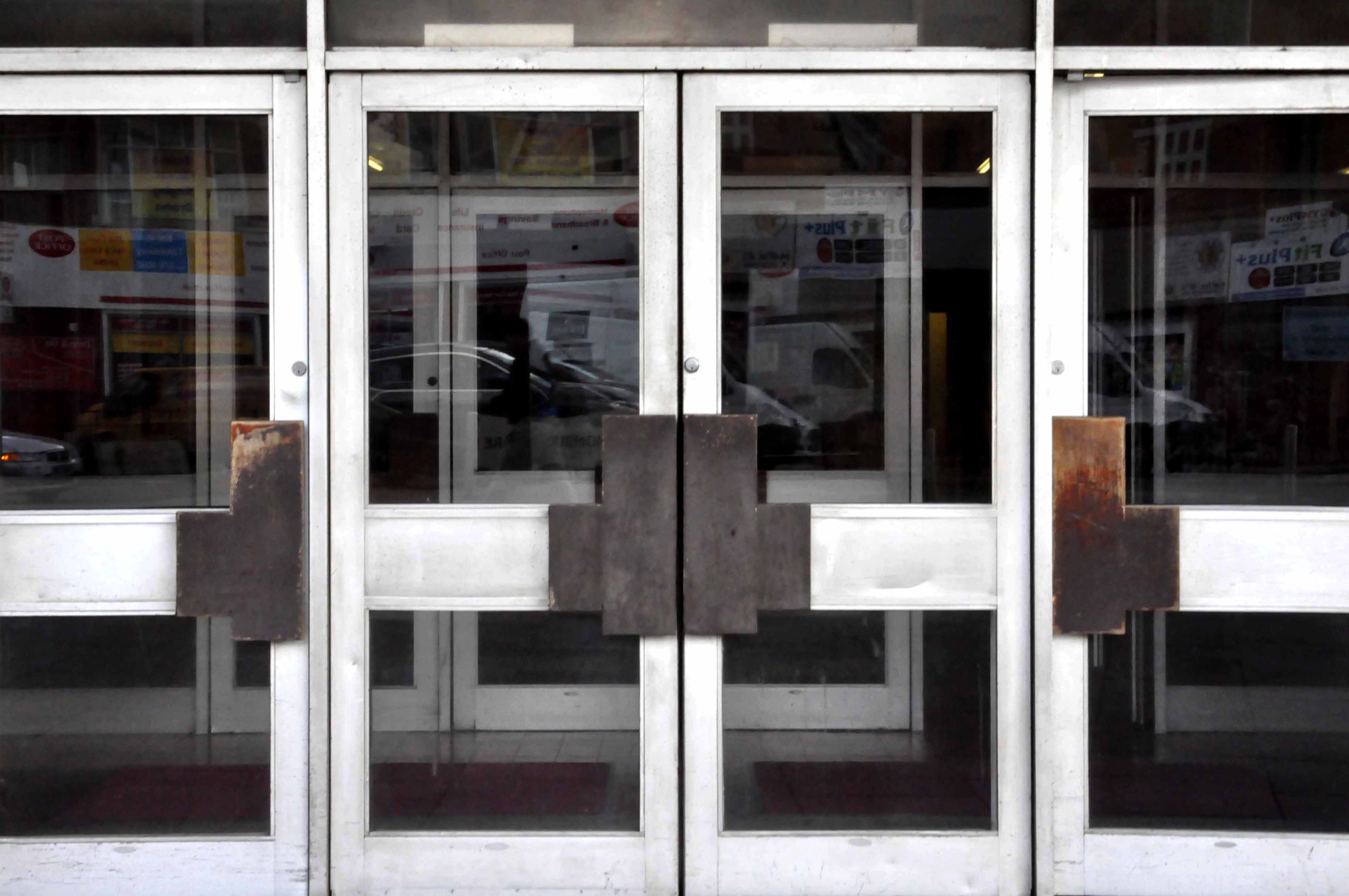
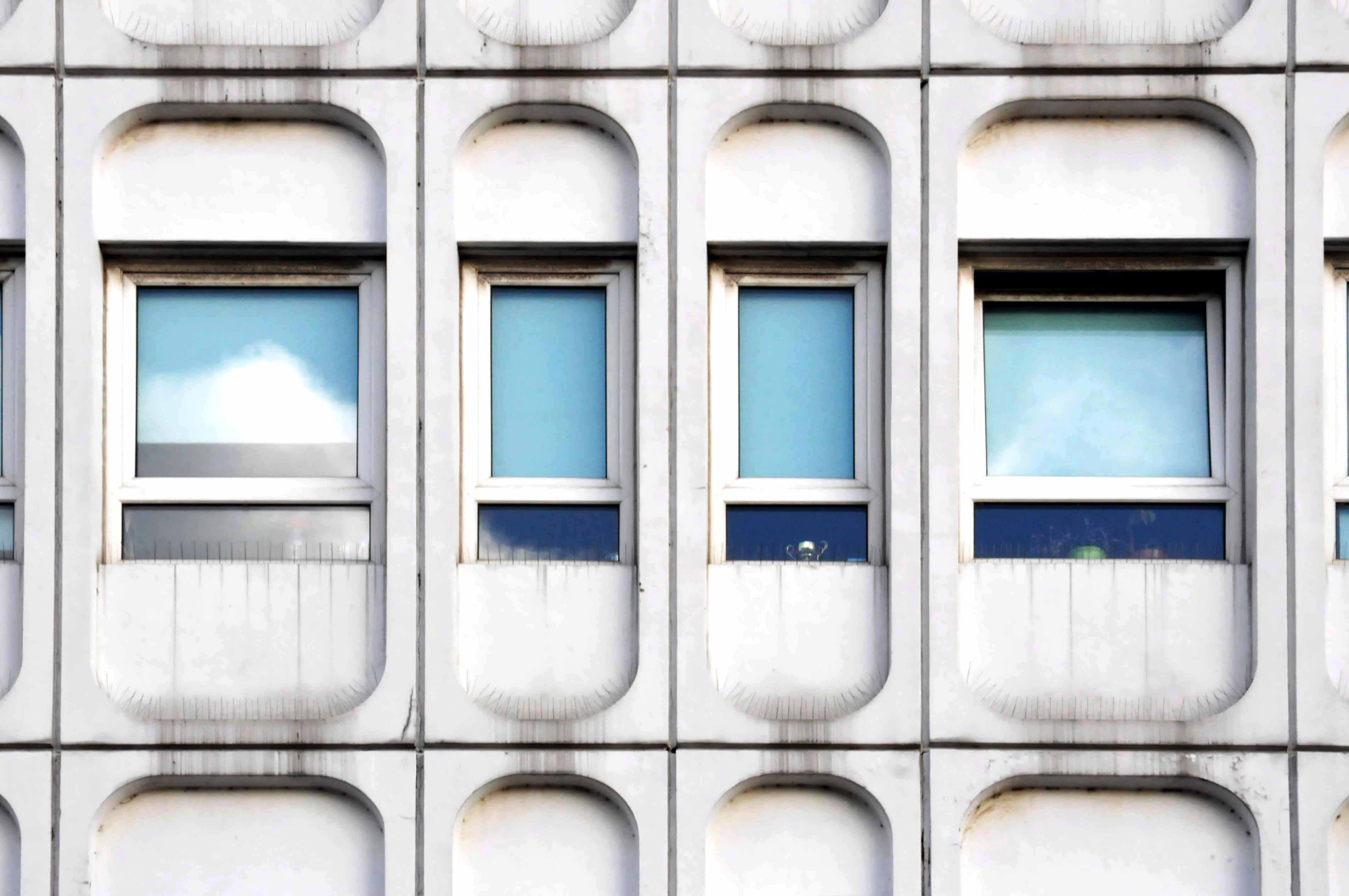
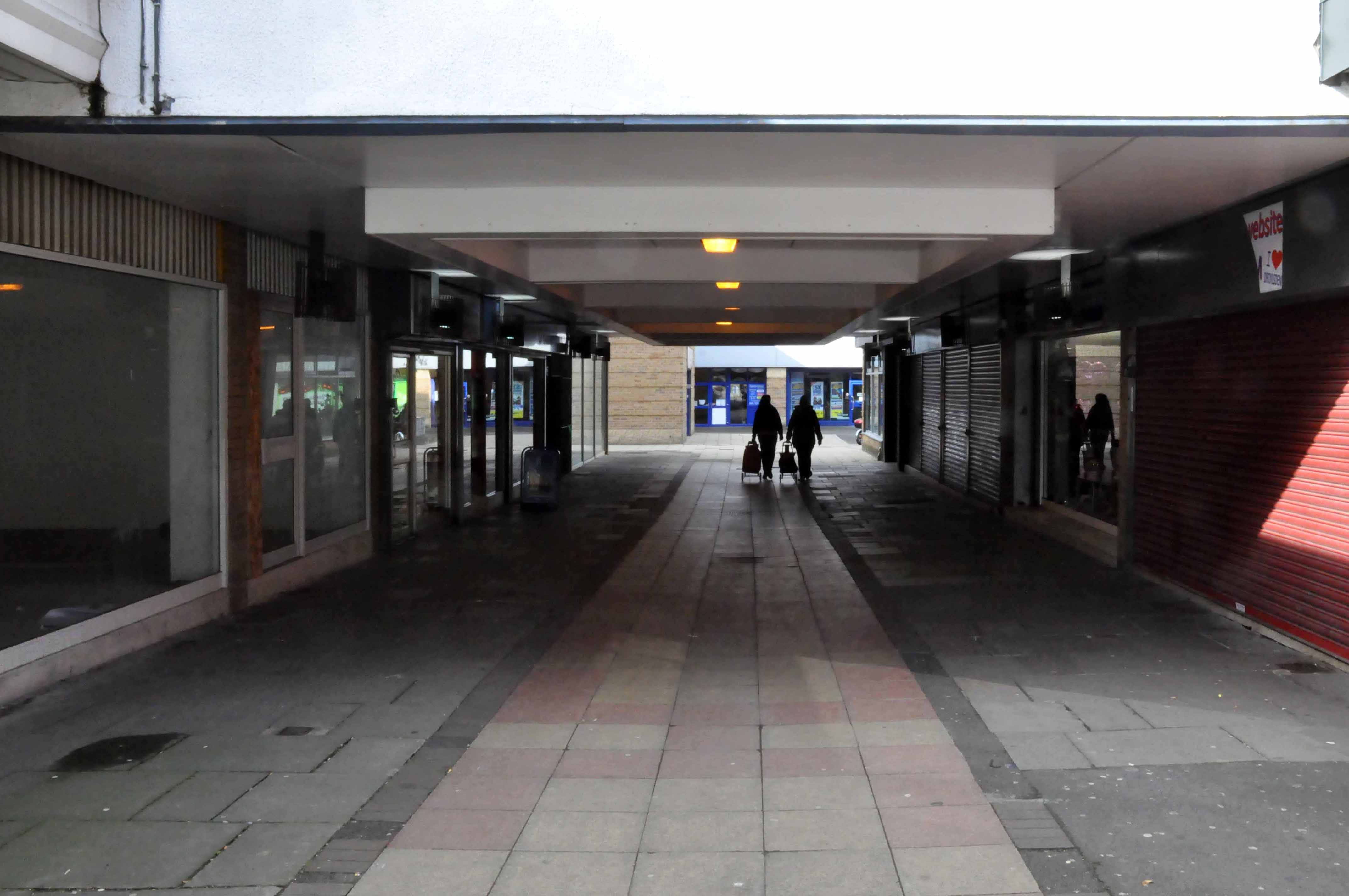
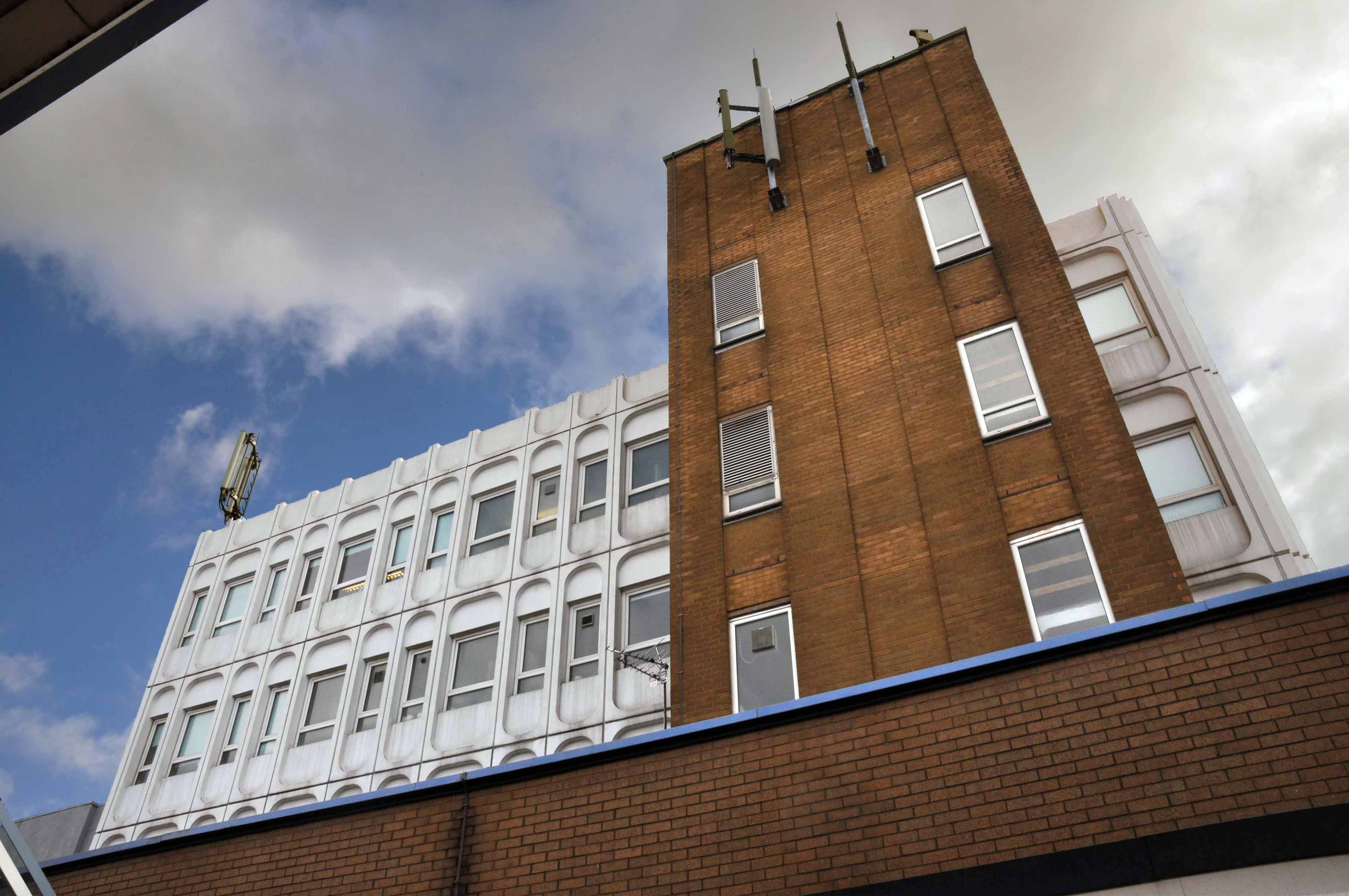
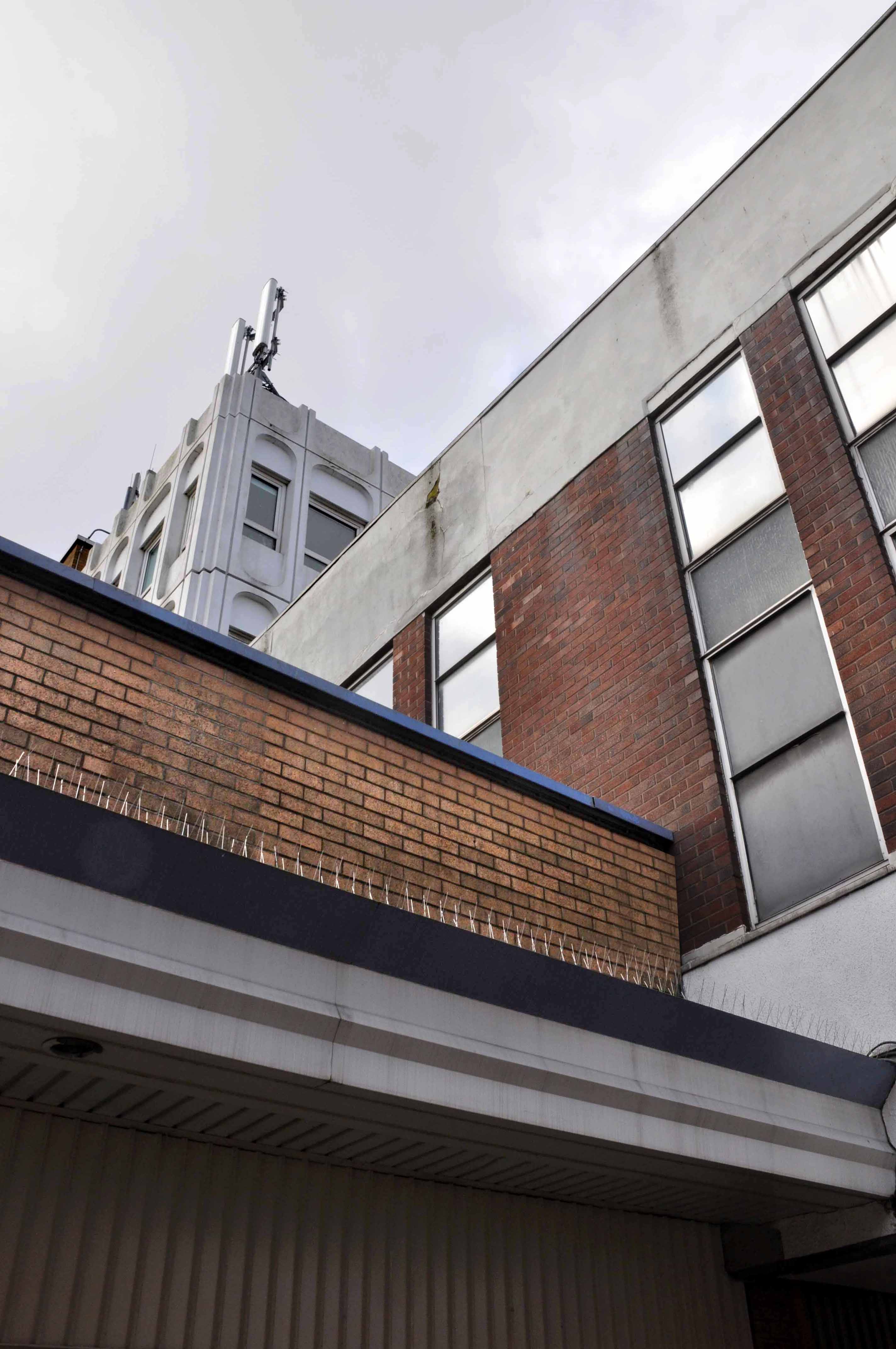
I’ve passed by for almost all of its life, marvelling at its white modular space age panels. The wide paved piazza frontage affords the lucky viewer a full appreciation of its futuristic whole, a giddy mix of brick, glass and concrete optimism. Civic architecture has never seemed so sunny.

The interior lighting is straight out of 2001, white organic and fully functioning – the upstairs function room is available for functions at the junction of Market Street and Ashton New Road.

dsc_0415-copy
dsc_0417
dsc_0418-copy

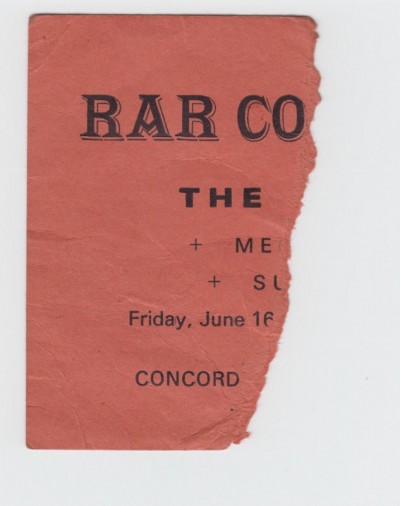
I saw The Fall there for the first time in 1978, suitably shambolic and suitably feisty.

1978-06-16_ticket-concordsuitedroylsden

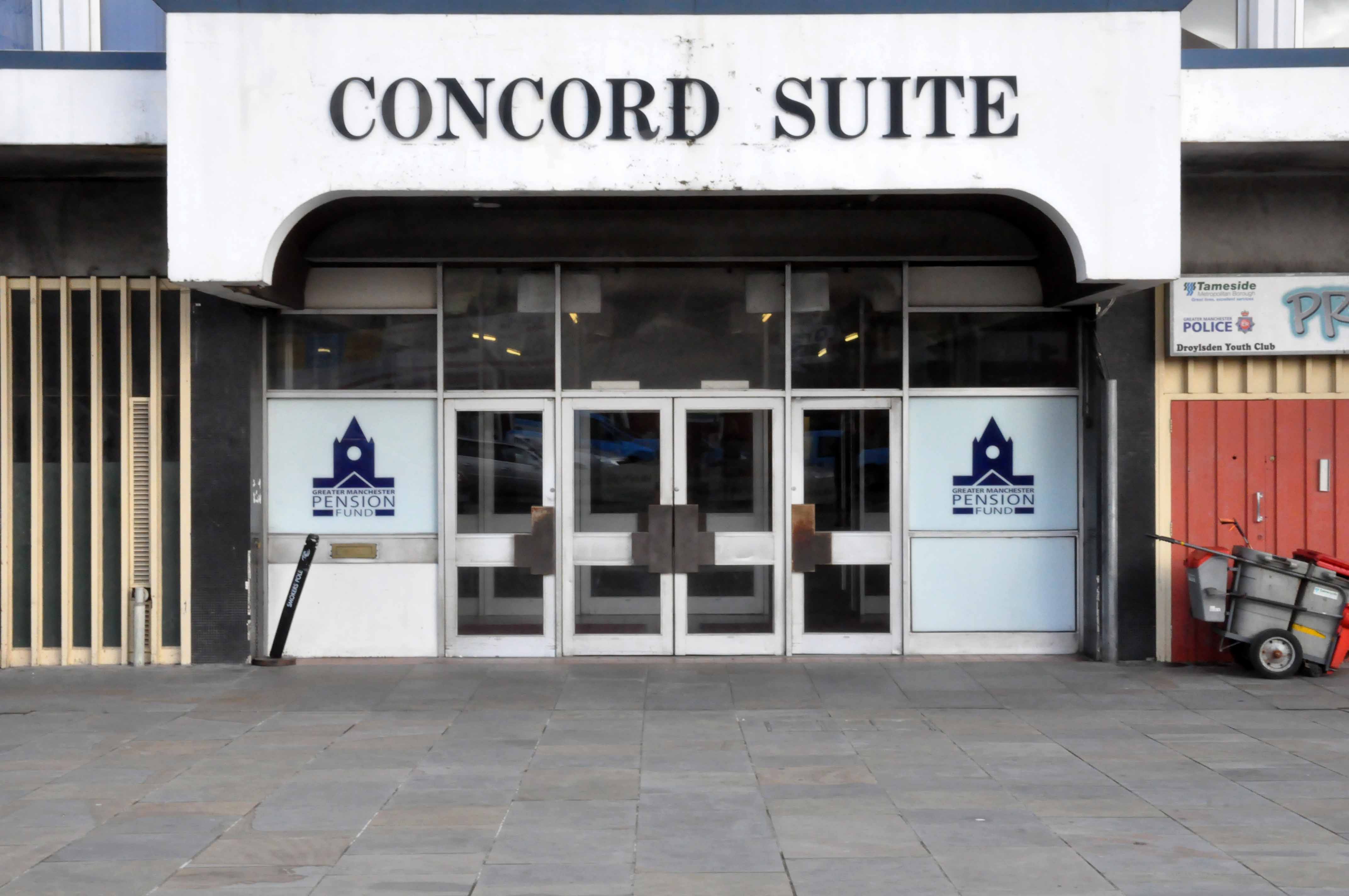
Renamed the Droylsden Centre on one side, it houses the regulation issue of charity shops and empty units. The main building is home to the Greater Manchester Pension Fund, soon to relocate to a new build across the road. The Concord will then provide a home for the workers leaving the now demolished Tameside Council Offices in Ashton.

The tram stops here.
dsc_0381
dsc_0375-copy
dsc_0377-copy
dsc_0379-copy
dsc_0383-copy
dsc_0380-copy
dsc_0389
dsc_0397-copy
dsc_0399
dsc_0400-copy
dsc_0401
dsc_0413-copy
dsc_0403
dsc_0409
dsc_0404
dsc_0407
dsc_0412-copy

Barmouth Street – Bradford Manchester

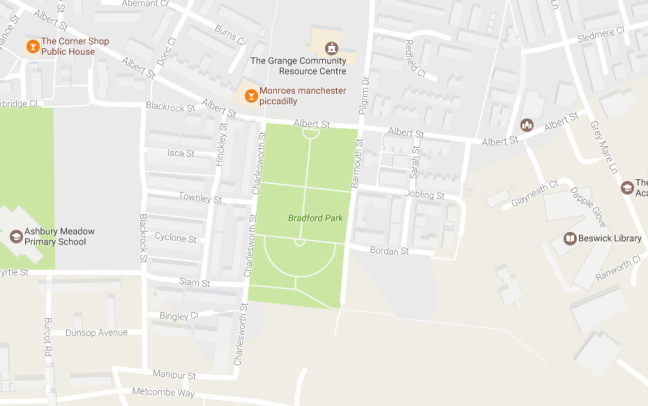
Once again I am following in the footsteps of Rita Tushinghan and the Taste of Honey film crew, this time my research has lead me to Barmouth Street, Manchester.
screen-shot-2017-02-11-at-14-42-03

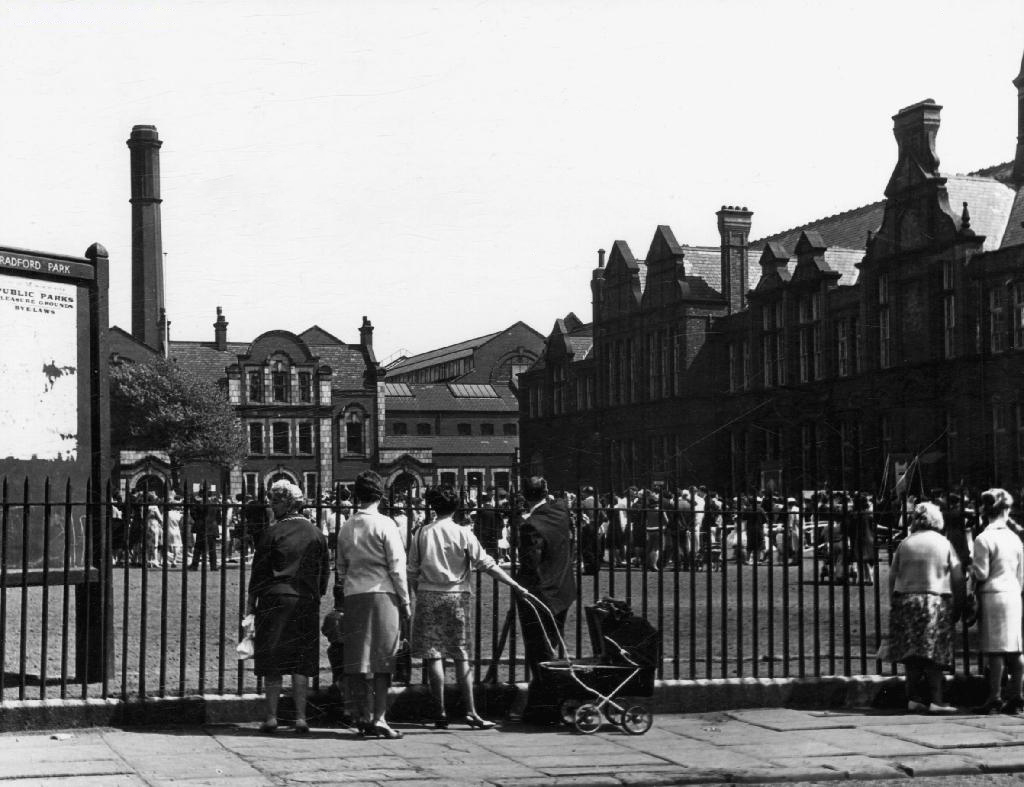
To the east of the city centre, Bradford Park School was the scene of the opening scene, Jo’s netball match. The school is now long gone, now the site of a much enlarged public park, as can be seen from the map above.
Shelagh Delaney, author of the original play on which the film was based, can be seen fleetingly in this opening scene, appearing momentarily over the games teacher’s shoulder.
screen-shot-2017-02-11-at-14-43-12

I have found one archive image of the school, as the scholars prepare for the annual Whit Walks, this along with many other community traditions and conventions, have all but disappeared from the streets of the city.

webmedia-php

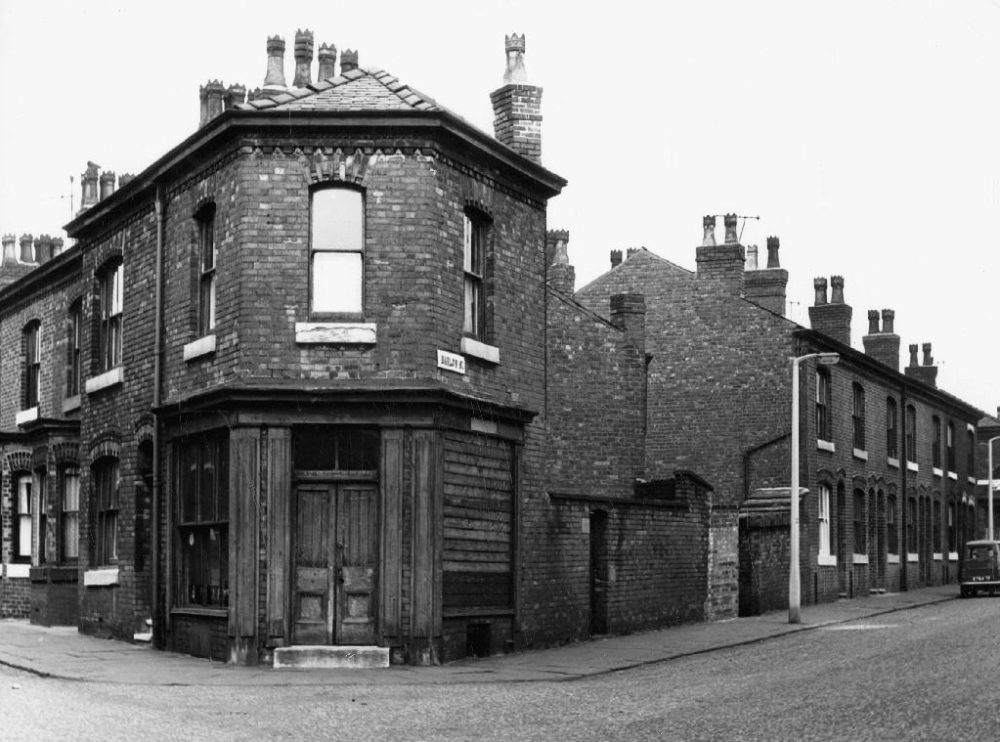
This was once a tight knit community, surrounded by industry, full employment and a short lived period of post-war growth and optimism.

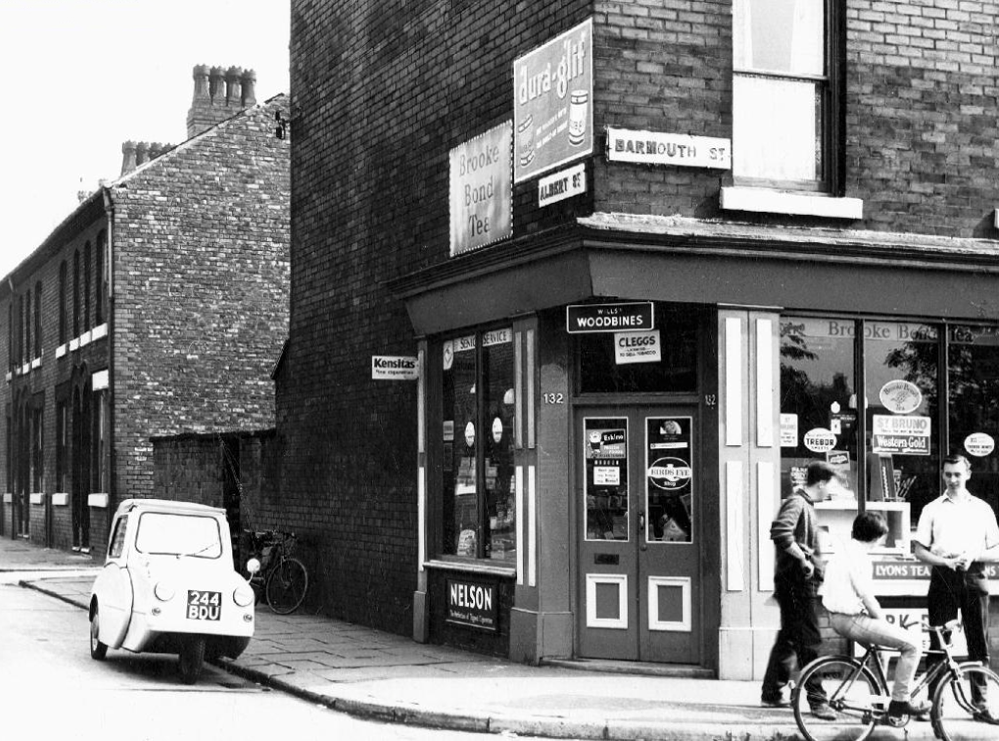
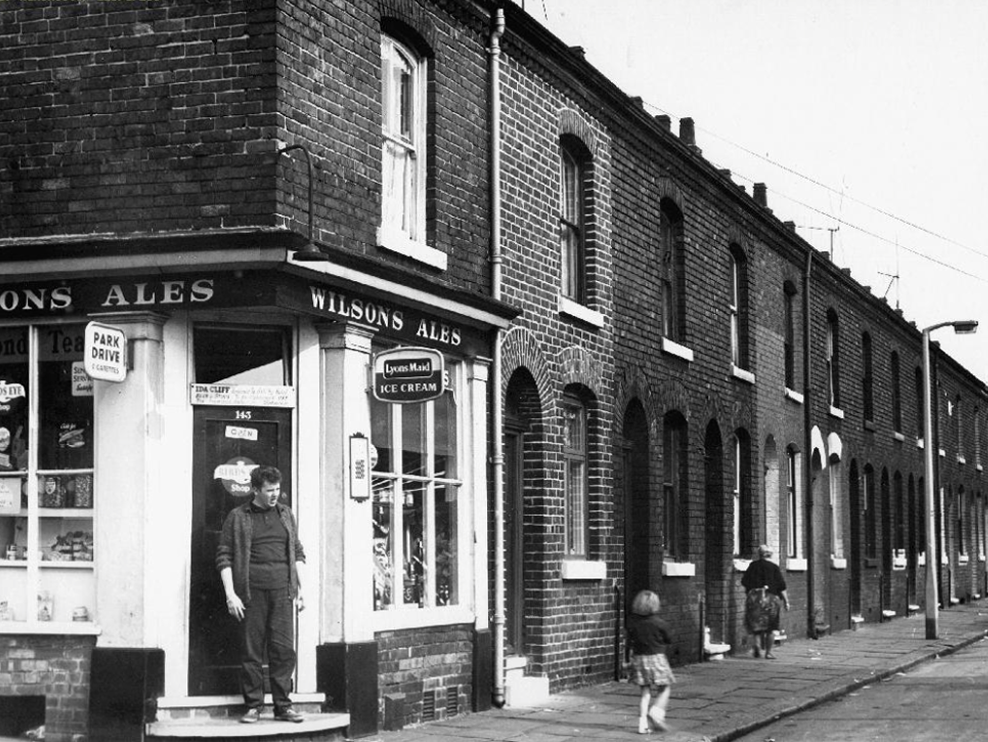
A corner shop on very corner, though by the time I worked as a Mothers Pride van lad in the late sixties, many were already on their last legs. A lethal cocktail of closing factories, incipient supermarkets, and an urban renewal programme, which lead to slum clearance, would change the character of the area forever.

screen-shot-2017-02-08-at-11-59-09

screen-shot-2017-02-08-at-11-59-38

screen-shot-2017-02-08-at-12-02-21

screen-shot-2017-02-08-at-12-03-37

screen-shot-2017-02-08-at-12-04-58

screen-shot-2017-02-08-at-12-05-23

screen-shot-2017-02-08-at-12-06-37

screen-shot-2017-02-08-at-12-00-28

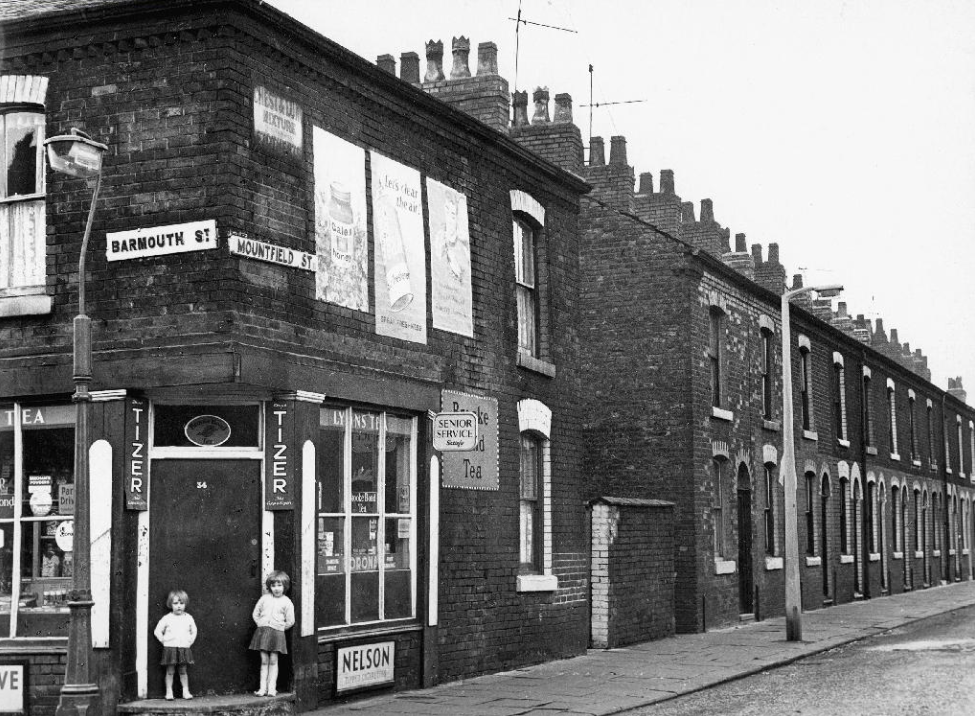
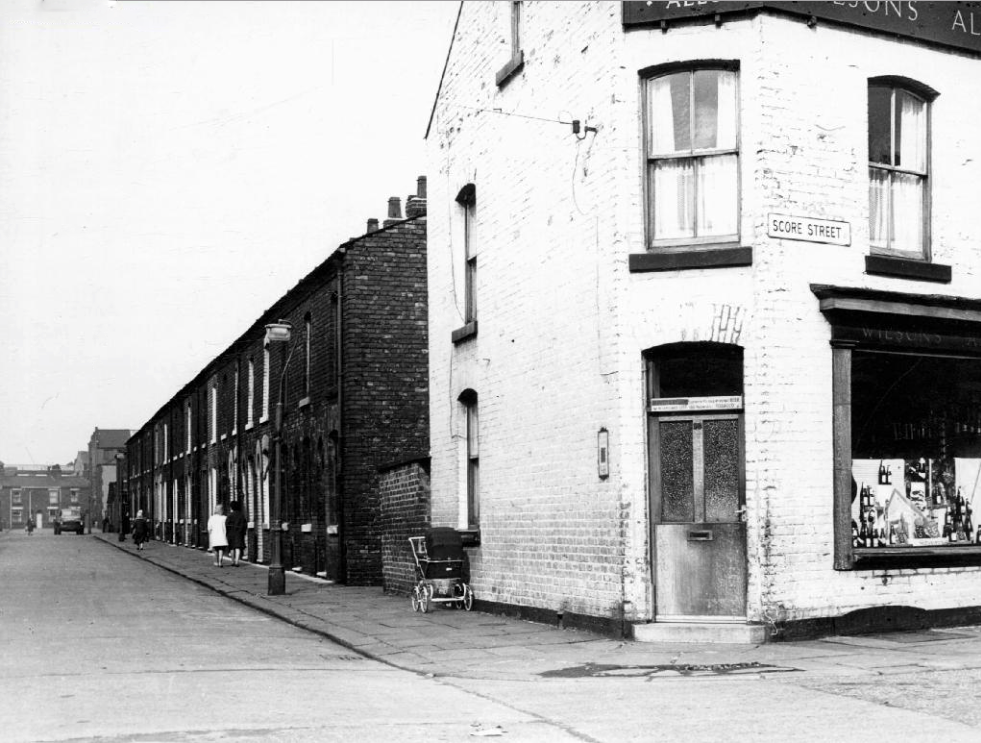
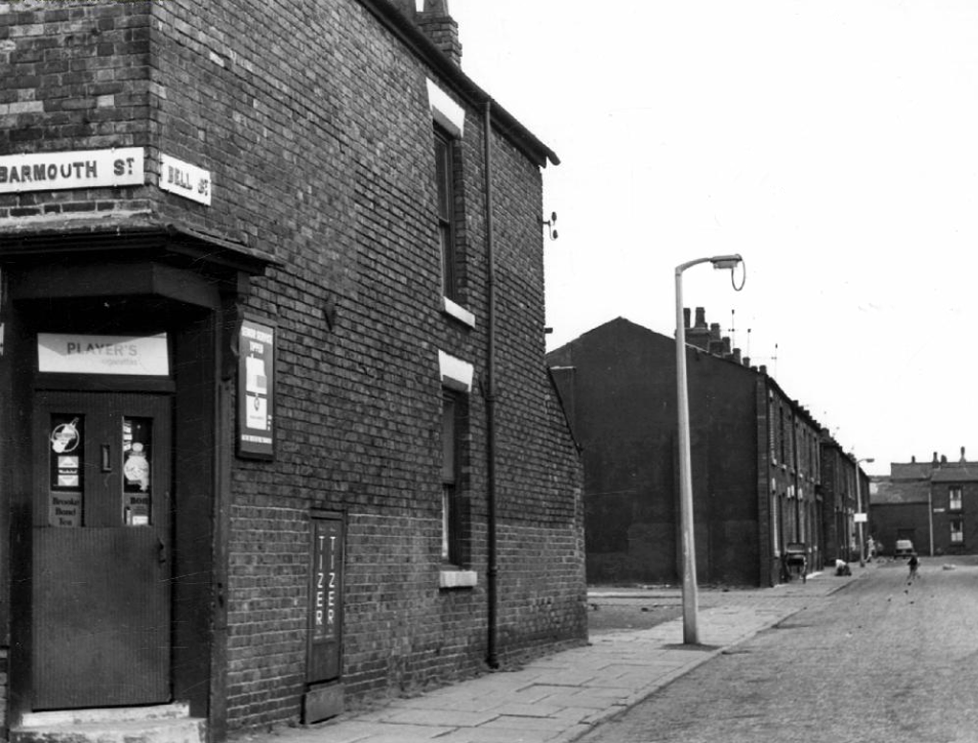
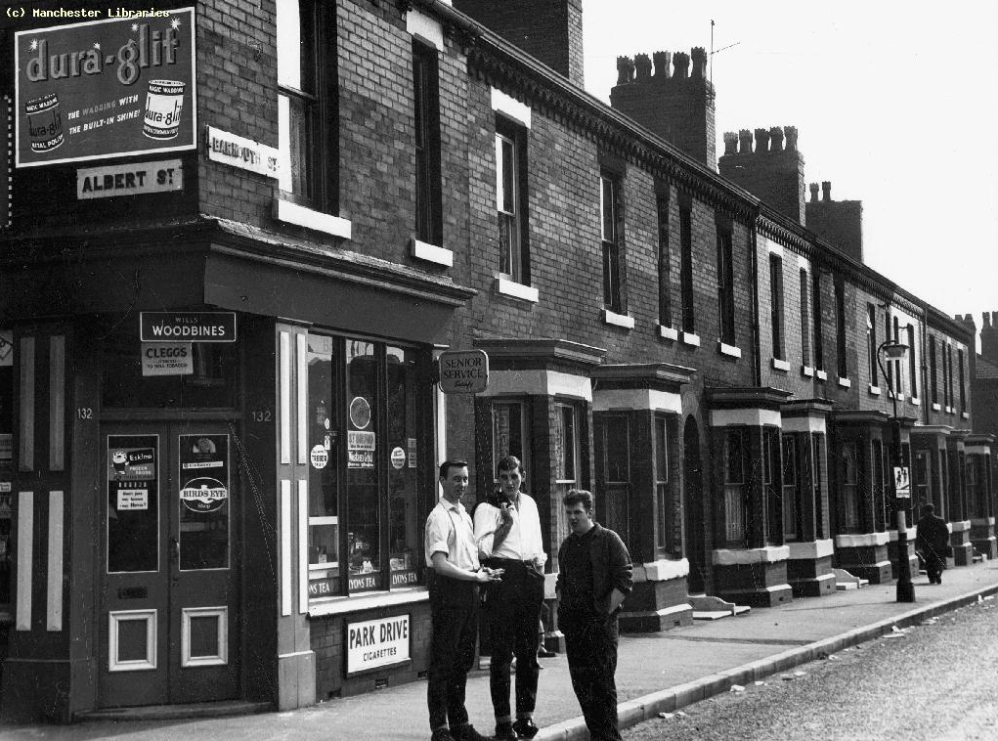
I am indebted to the photographic work of T Brooks who seems to have spent much of the mid Sixties documenting the streets, his pictures are now kept here in the Manchester Image Archives. Sadly I have found no further reference to him or his images, but have nothing but admiration for all those who pass unnoticed amongst us, camera forever poised.

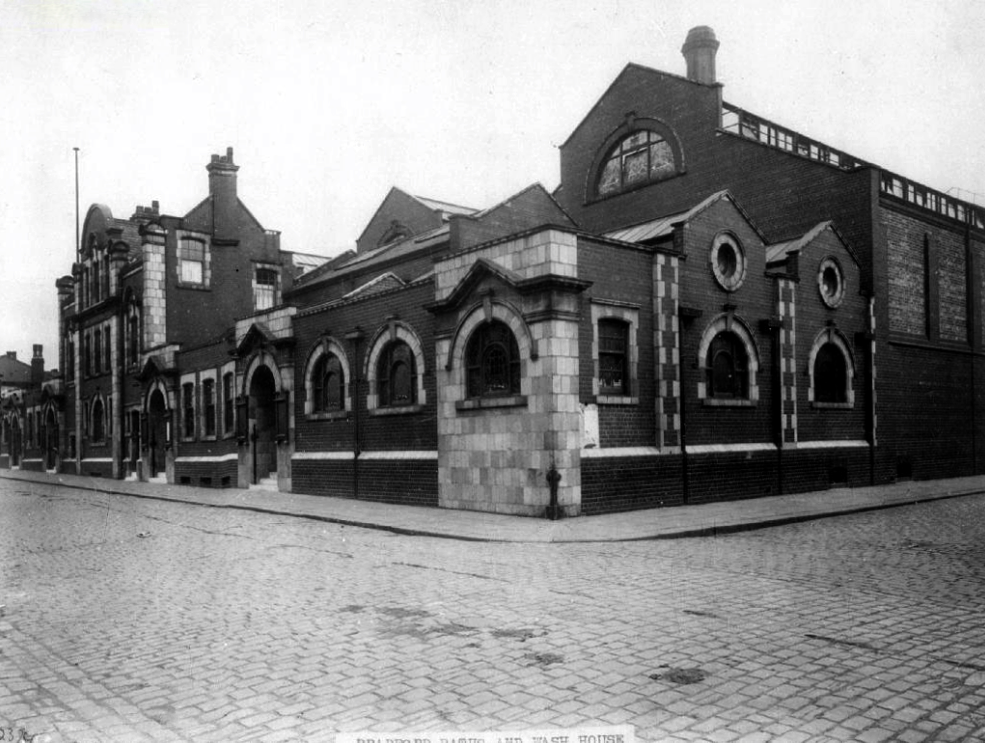
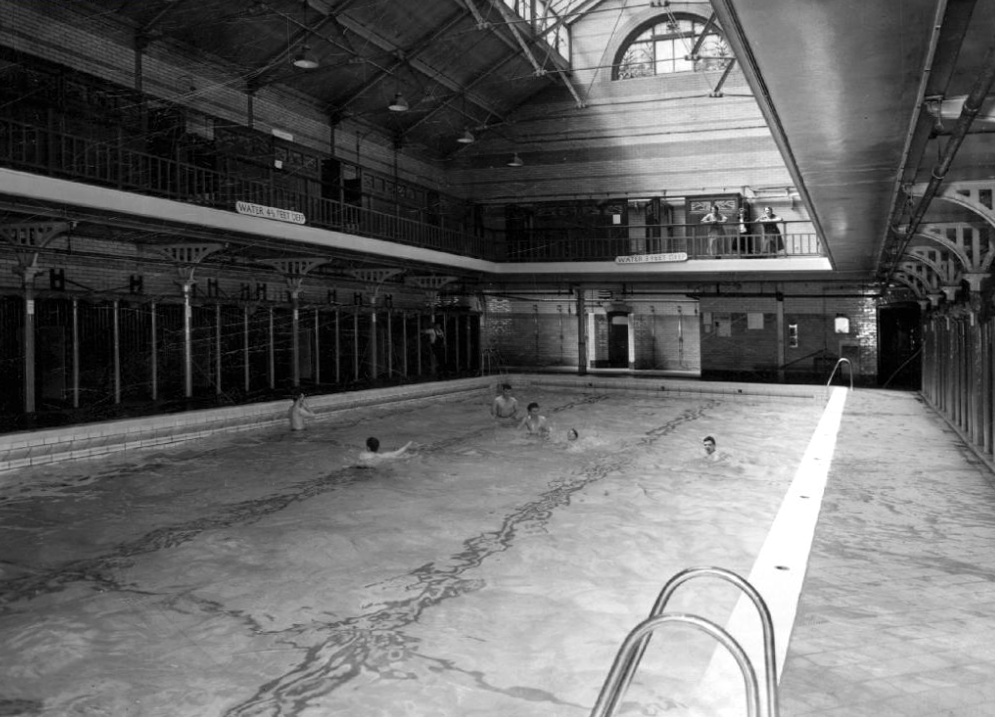
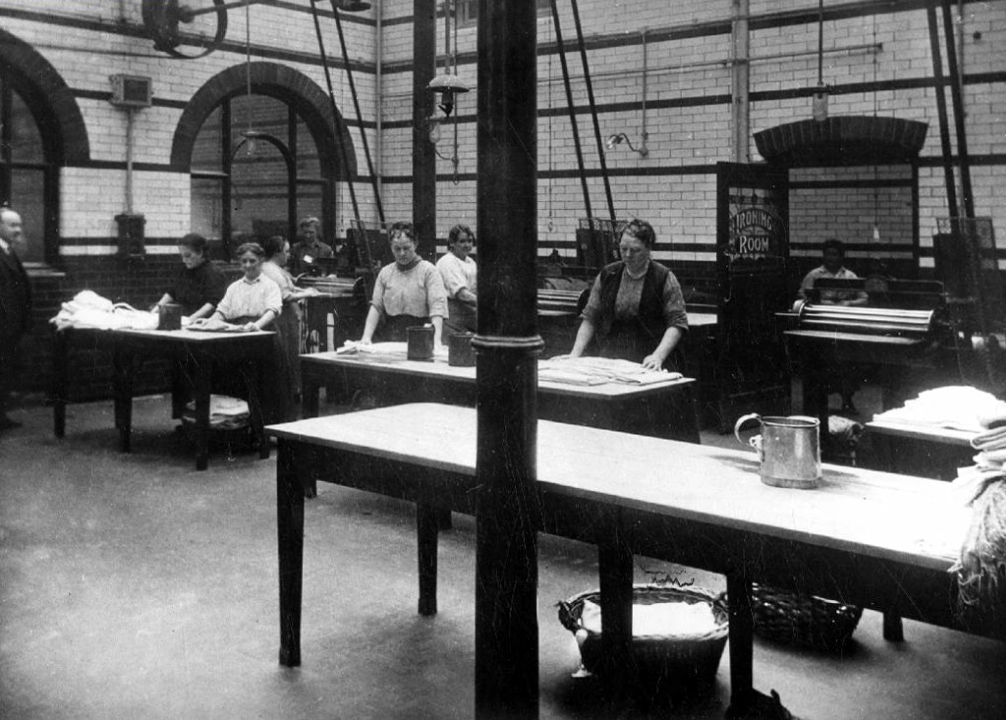
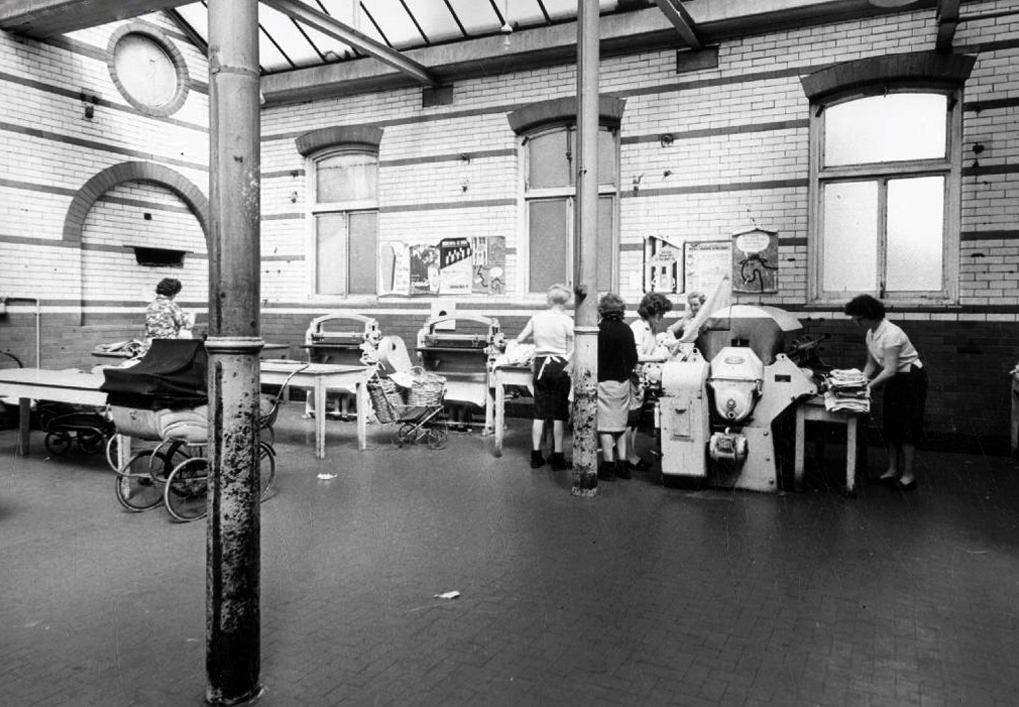
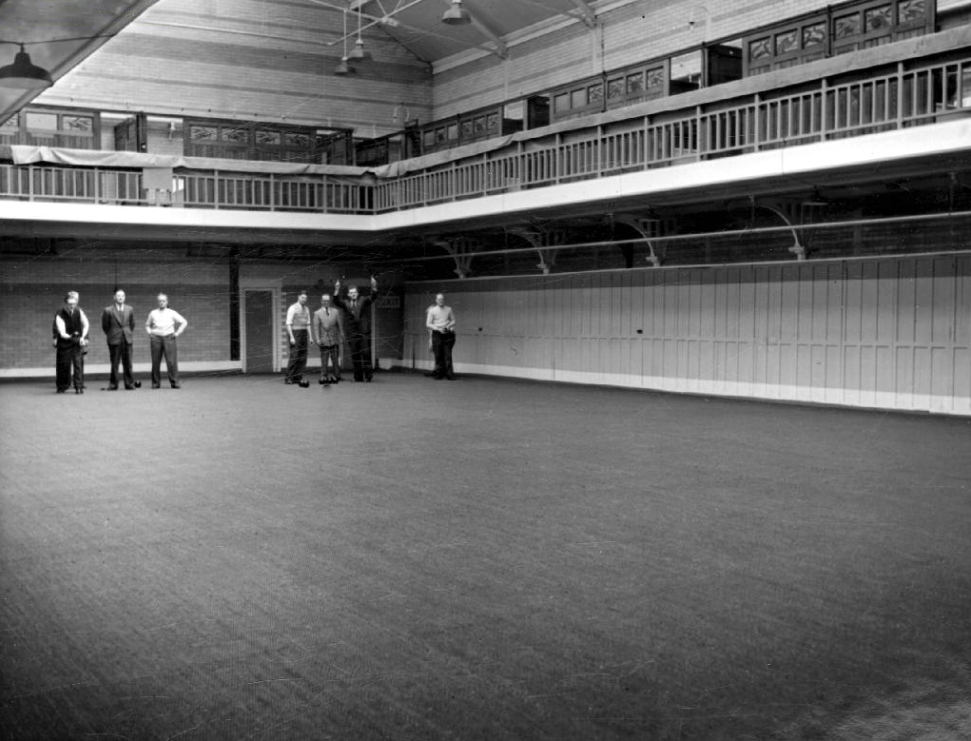
Central to the social and sanitary life of that that community were the Barmouth Street Baths and Washhouse, where citizens would swim, wash, dry, iron, chat convivially, and surprisingly – play bowls.

screen-shot-2017-02-08-at-12-08-14

screen-shot-2017-02-08-at-12-14-20

screen-shot-2017-02-08-at-12-17-35

screen-shot-2017-02-08-at-12-16-24

screen-shot-2017-02-08-at-12-15-54

Now long gone, along with the provision of local authority nursery care. There were similar low level pre-fabricated buildings dotted all over the city. Built quickly and cheaply, to provide for a growing population, of largely working-class families, with no shortage of work opportunities.

screen-shot-2017-02-08-at-12-07-54

screen-shot-2017-02-08-at-12-08-53

This was a time of great social change, a time which the film attempts to anticipate -a more diverse, and hopefully more tolerant time, a time of possibilities and opportunities for all.

Holt Town Manchester – Part One

1785 Established by David Holt, and described as the only known example of a factory colony in Manchester, that is, an isolated mill complex with housing for the workers.

1794 Mills advertised for sale following the bankruptcy of David Holt and Company.

Things, as we know, have a tendency to come and go – ’twas ever thus.

A whole history of the area can be found here.

screen-shot-2017-02-08-at-12-40-07

River Medlock Holt Town

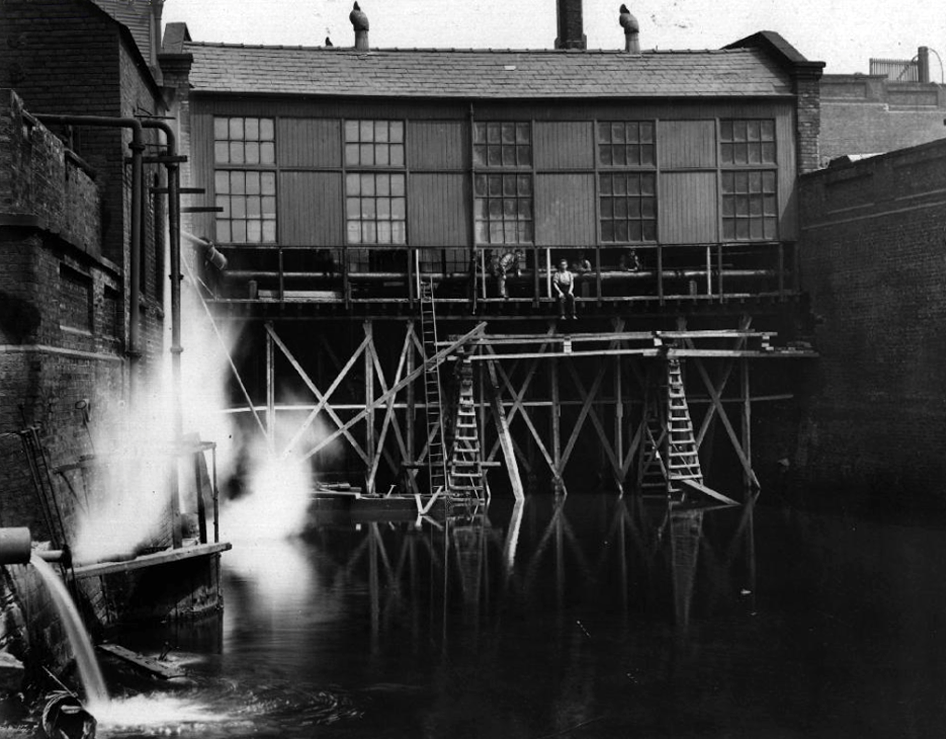
The area has seen a transition, in some two hundred year or more, from a leafy rural idyll, to smoke choked industrial hell and back again.

pollard-st

Pollard Street

dcs

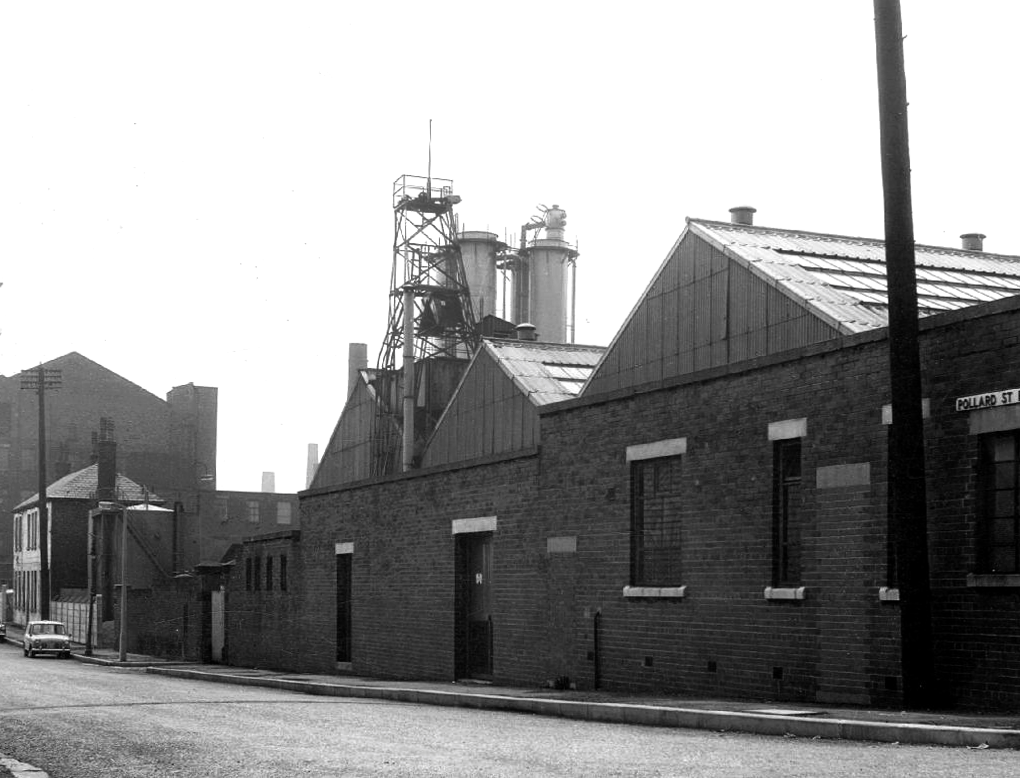
Photographs from the Manchester Image Archive.

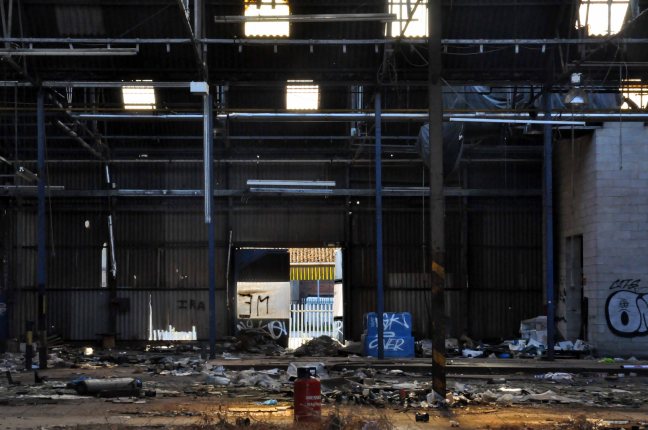
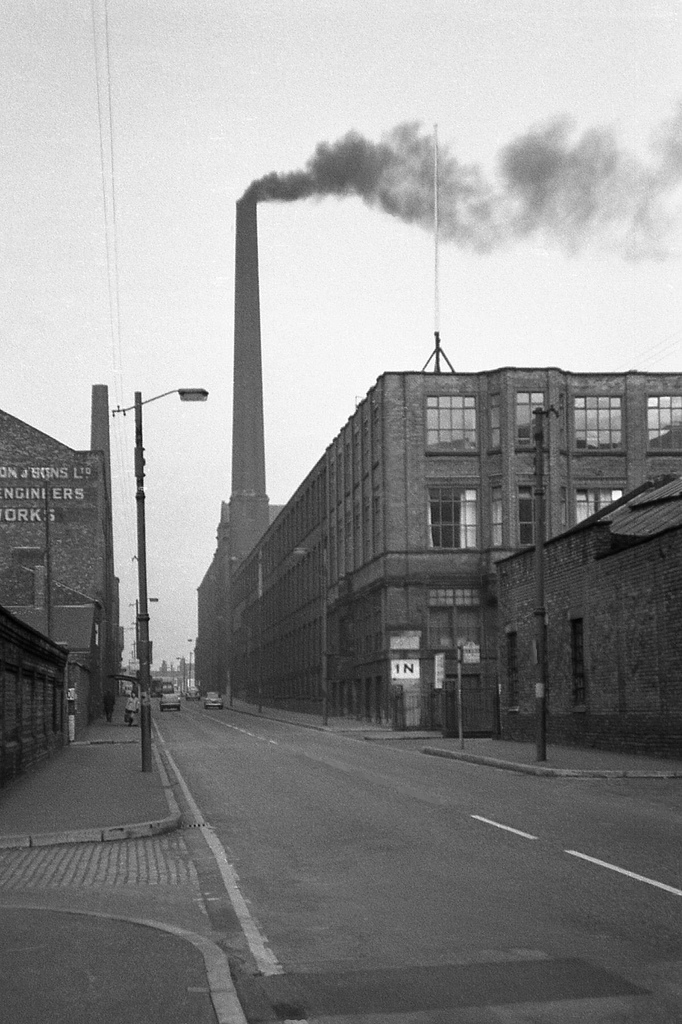
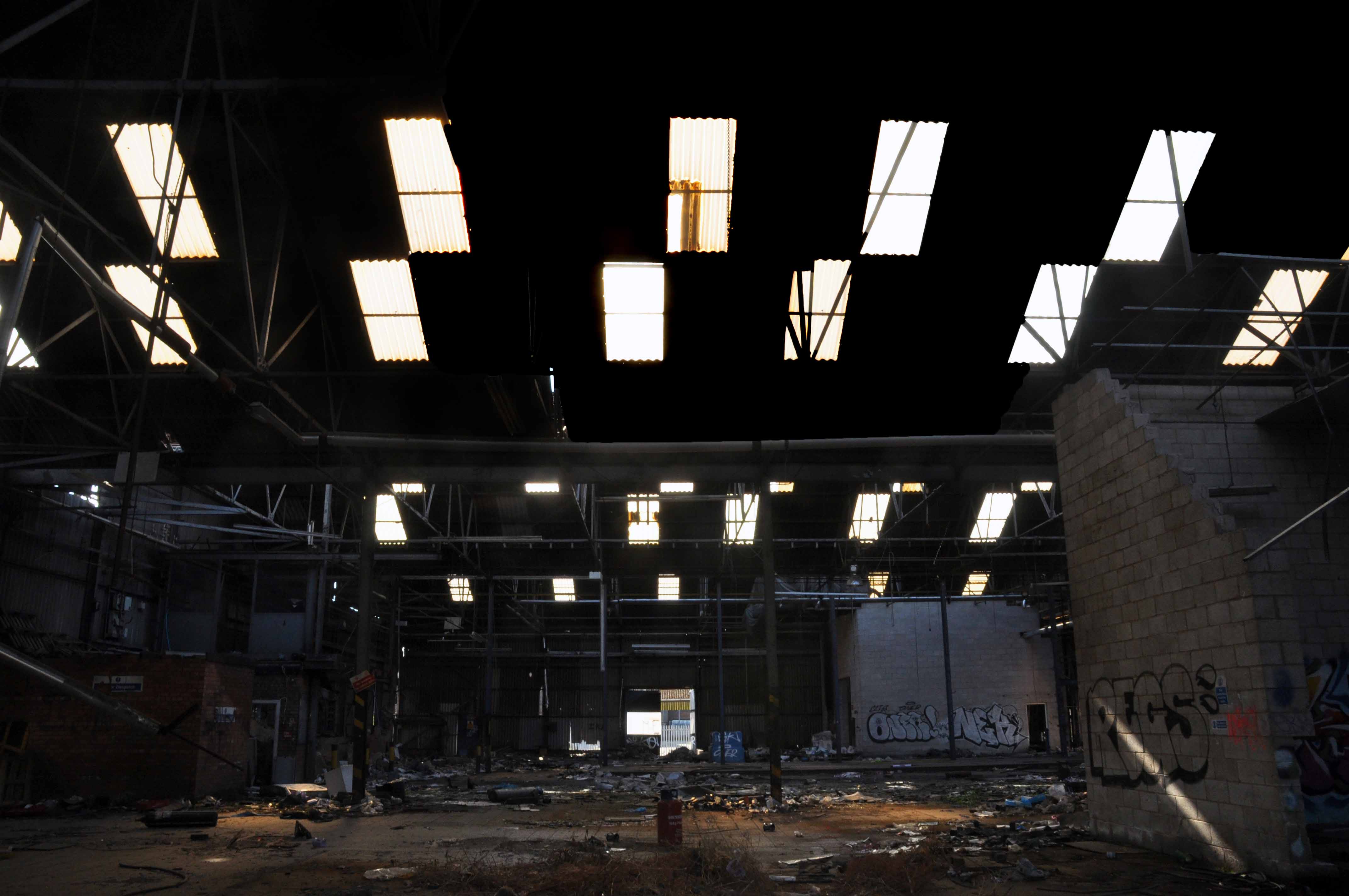
In 2014 I visited the site of the former Distillers Company, later Air Liquide UK, production had ceased. The factory was just about standing, litter and detritus strewn, unloved and unwanted, temporary home to the homeless.

The Industrial Revolution has been and gone – bye bye.

screen-shot-2017-02-08-at-20-51-31

There are plans for redevelopment, couched in the terms of the professional new-speak of the new urban renewalists.

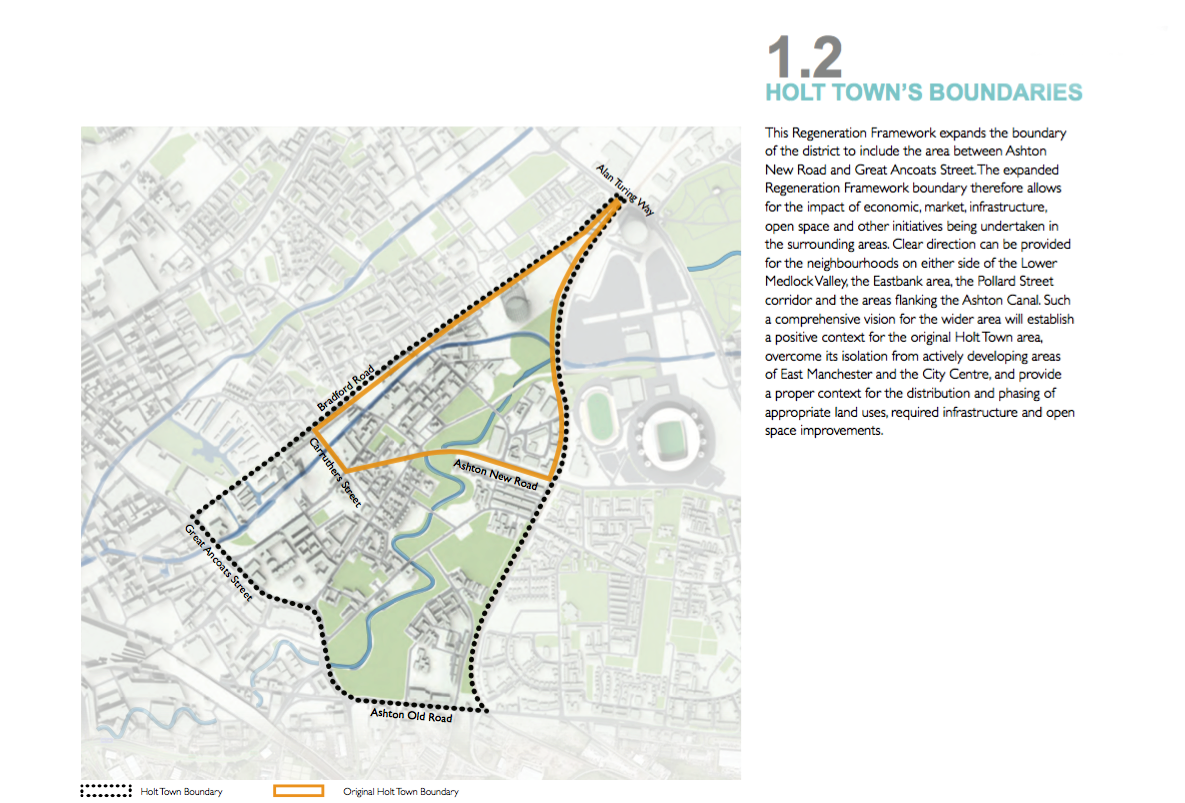
The international design competition for Holt Town looked for a solution to the dilemma of providing a sustainable, distinctive, high density family-led residential community in close proximity of the Manchester regional centre.

Promising open green spaces and housing based on the traditional European perimeter block model, not a mention of a mill.

Possibly lasting a little longer than David Holt’s dream, and subsequent manifestations.

dsc_0139

dsc_0153

dsc_0137

dsc_0141

dsc_0142

dsc_0144

dsc_0147

dsc_0150

dsc_0157

dsc_0184

dsc_0160

dsc_0168

dsc_0171

dsc_0175

dsc_0185

dsc_0189

dsc_0190

dsc_0199