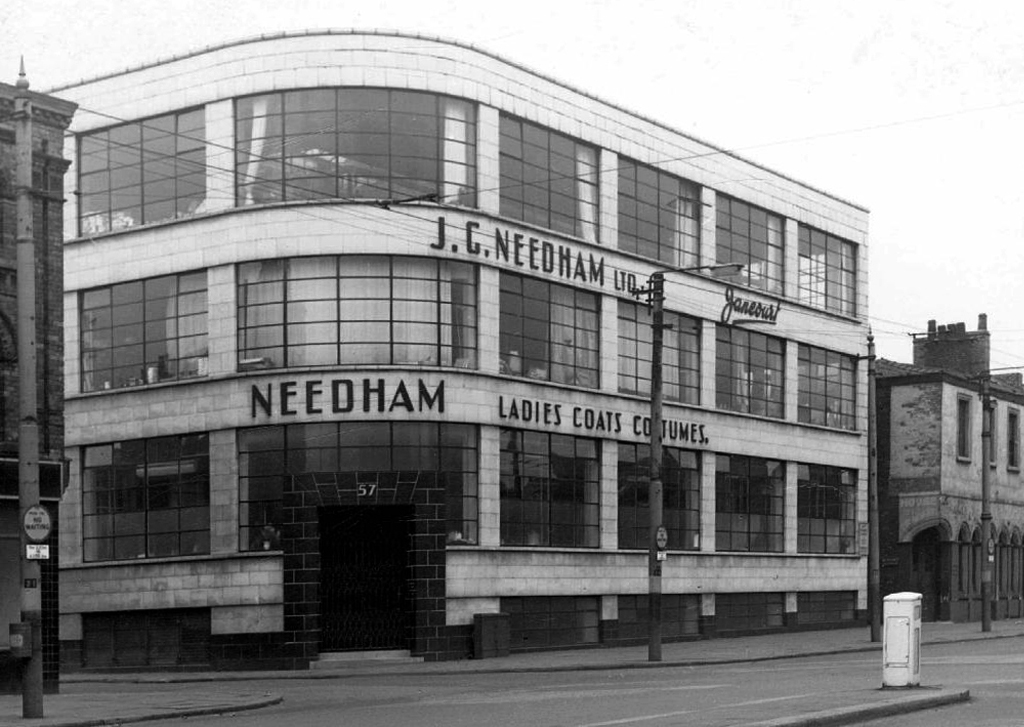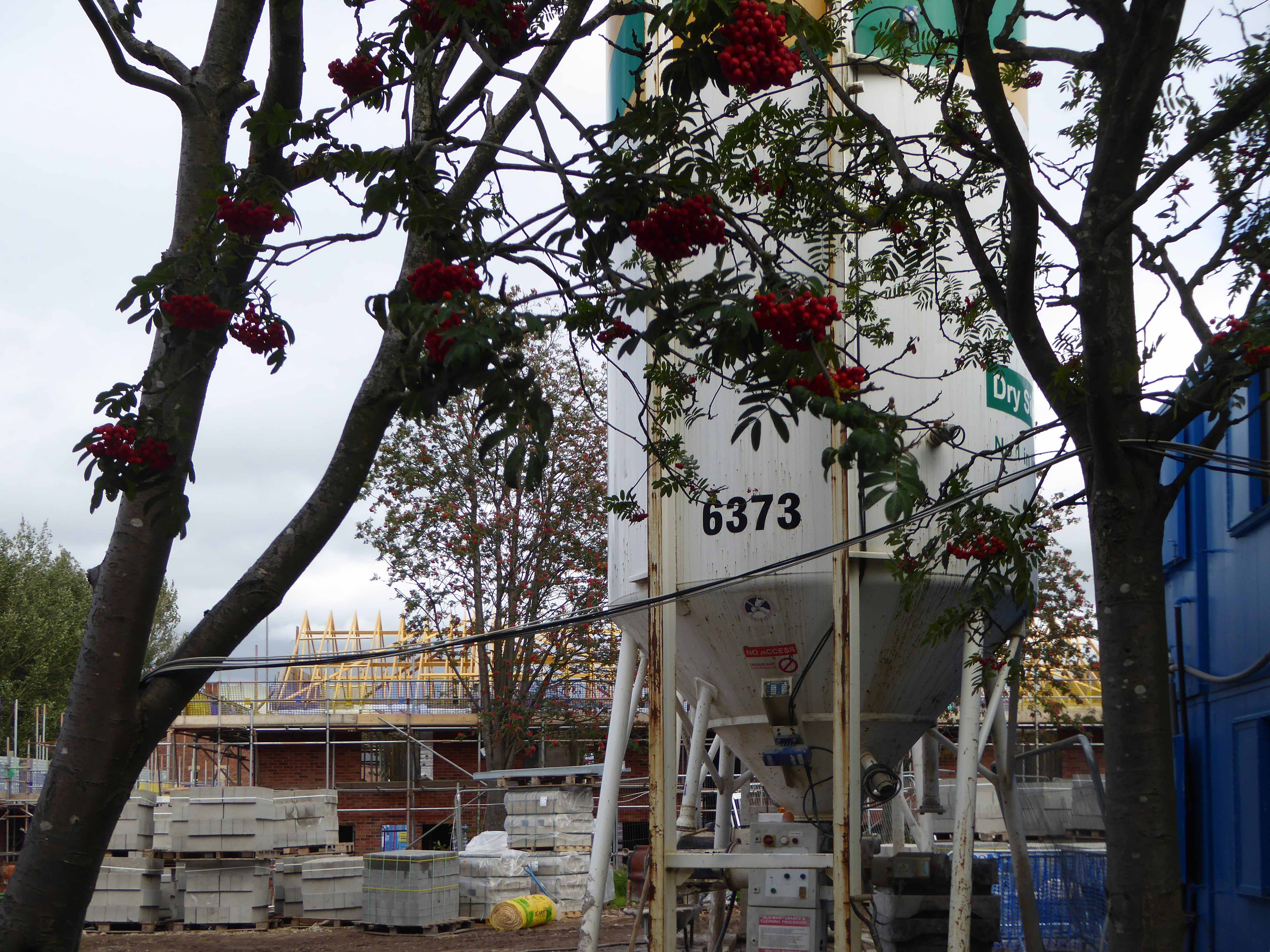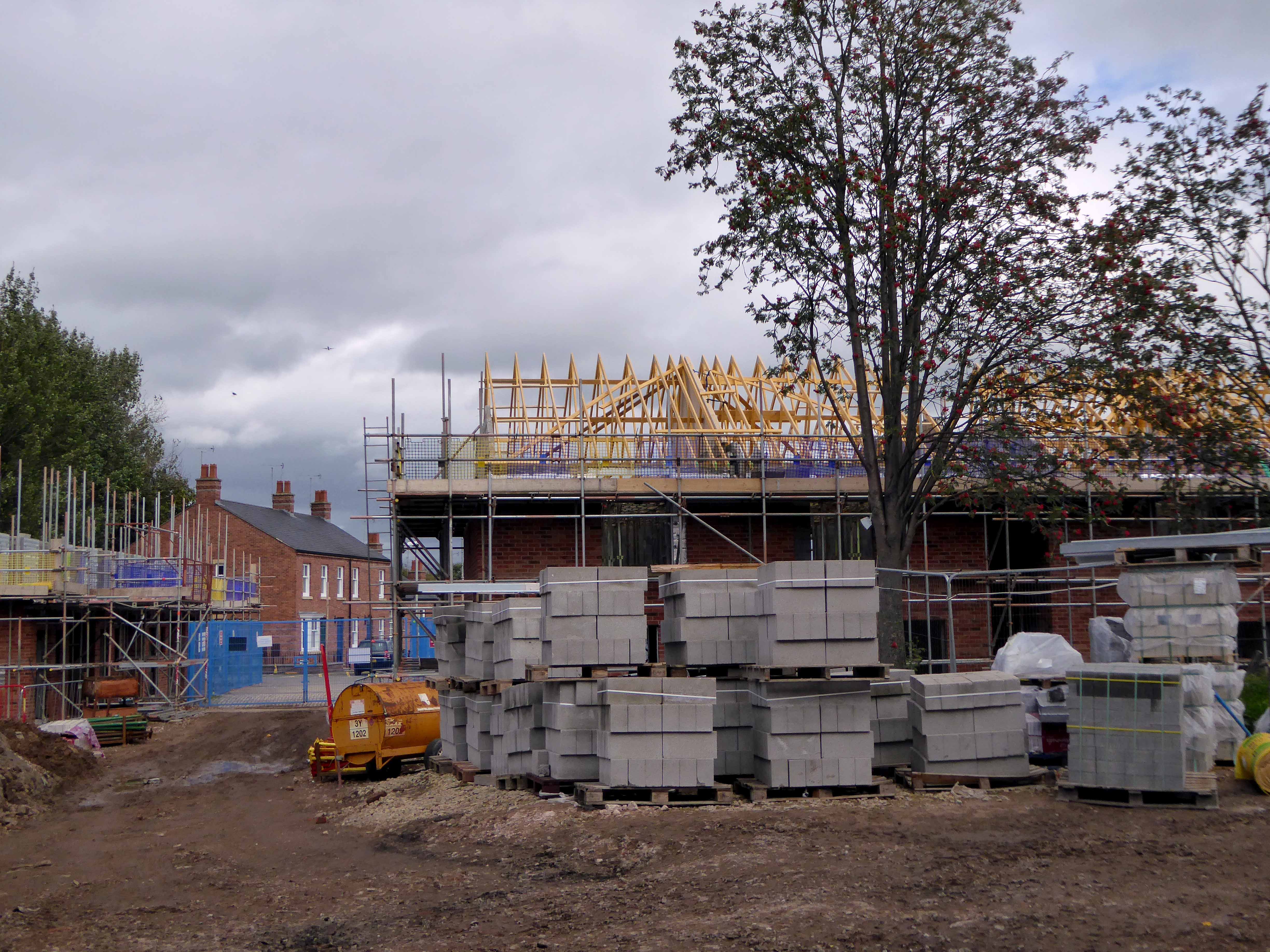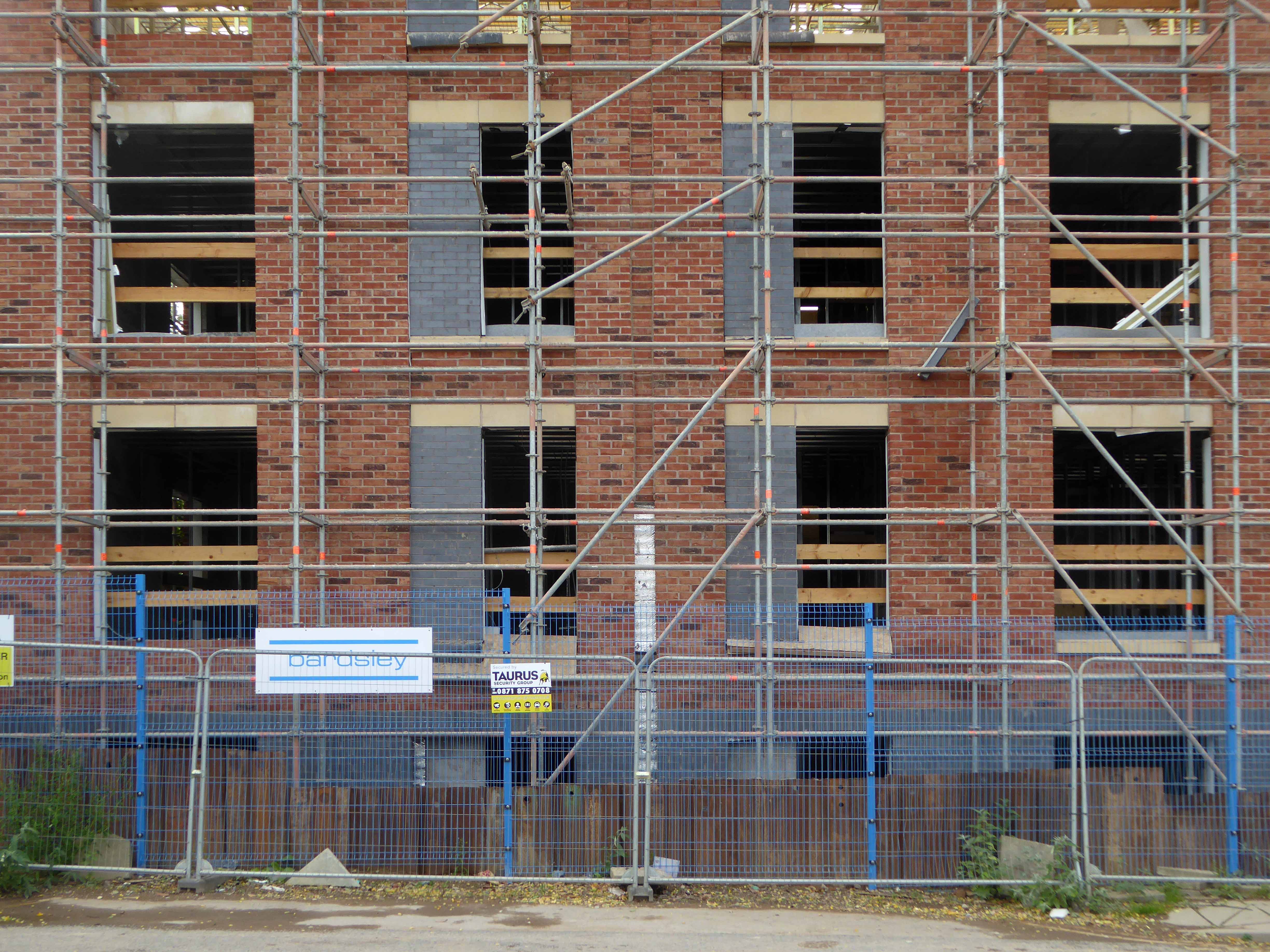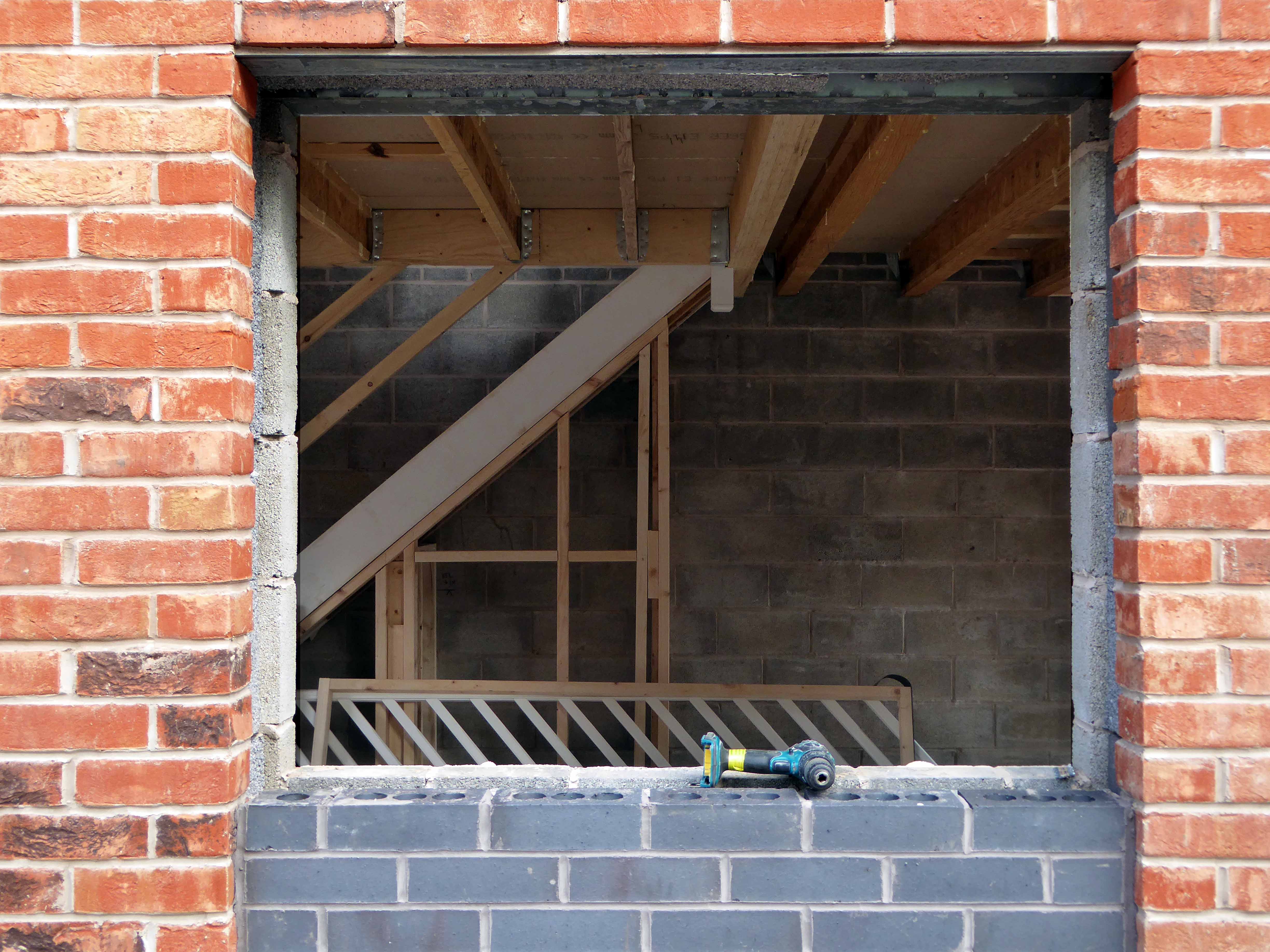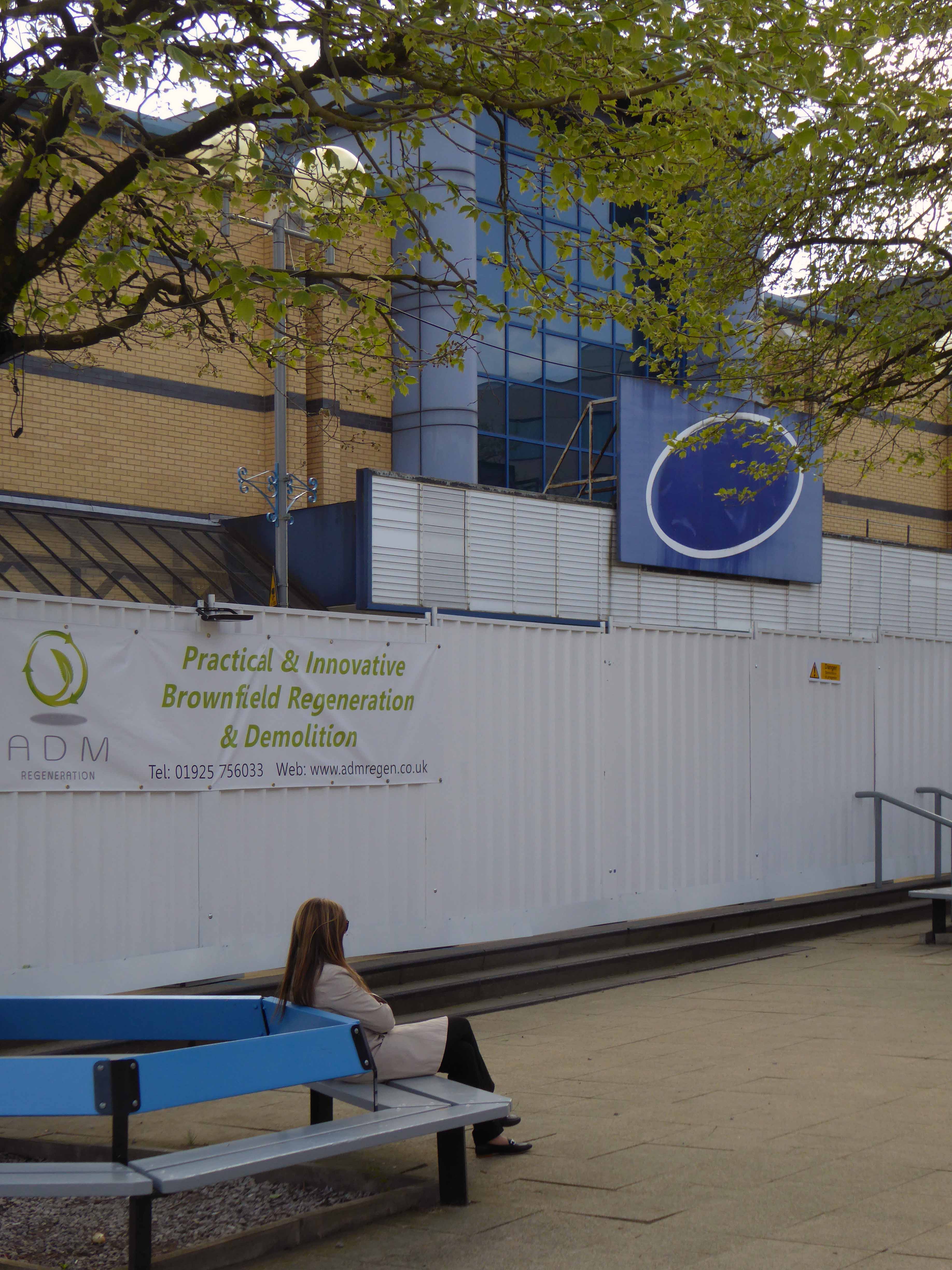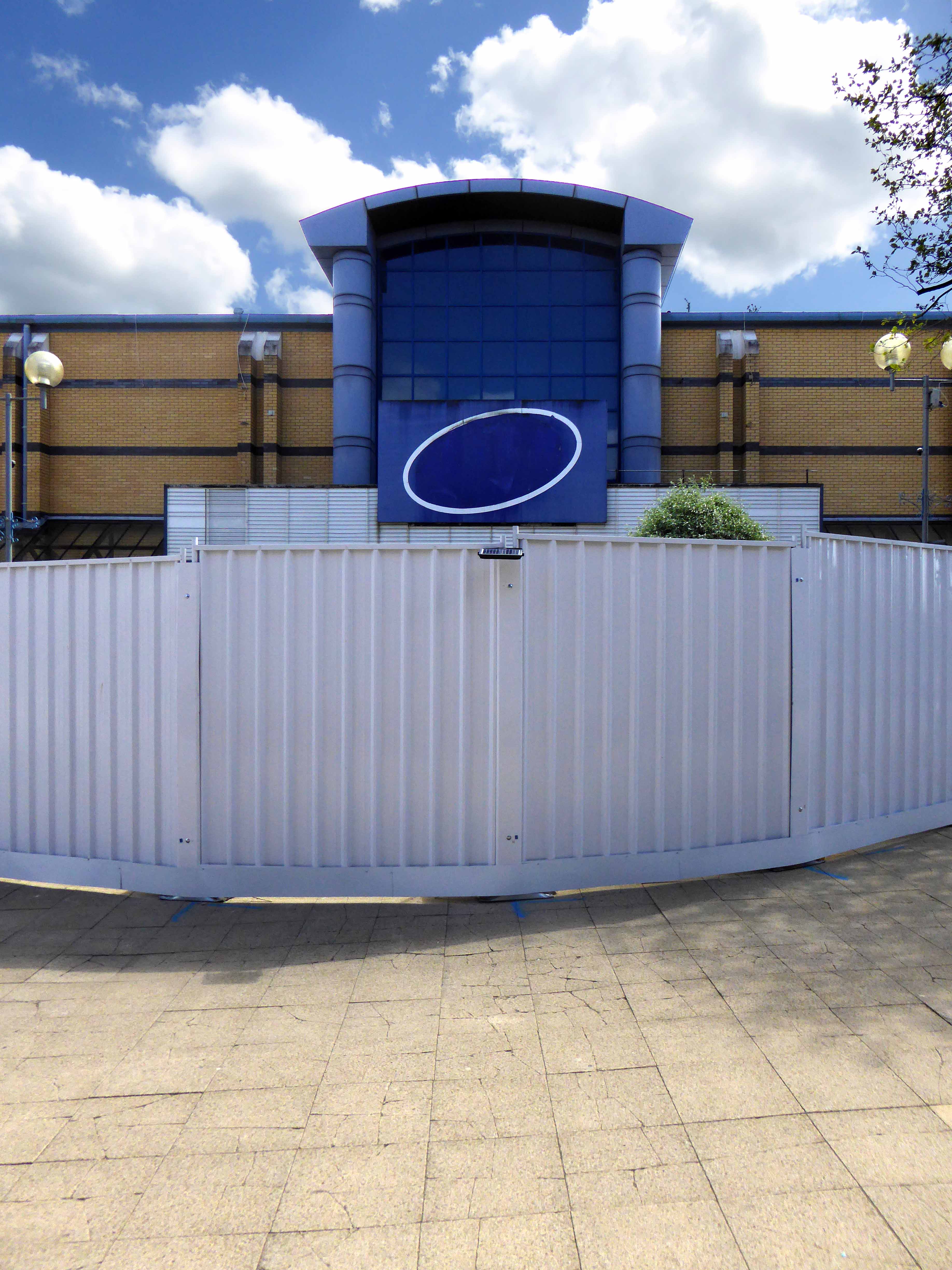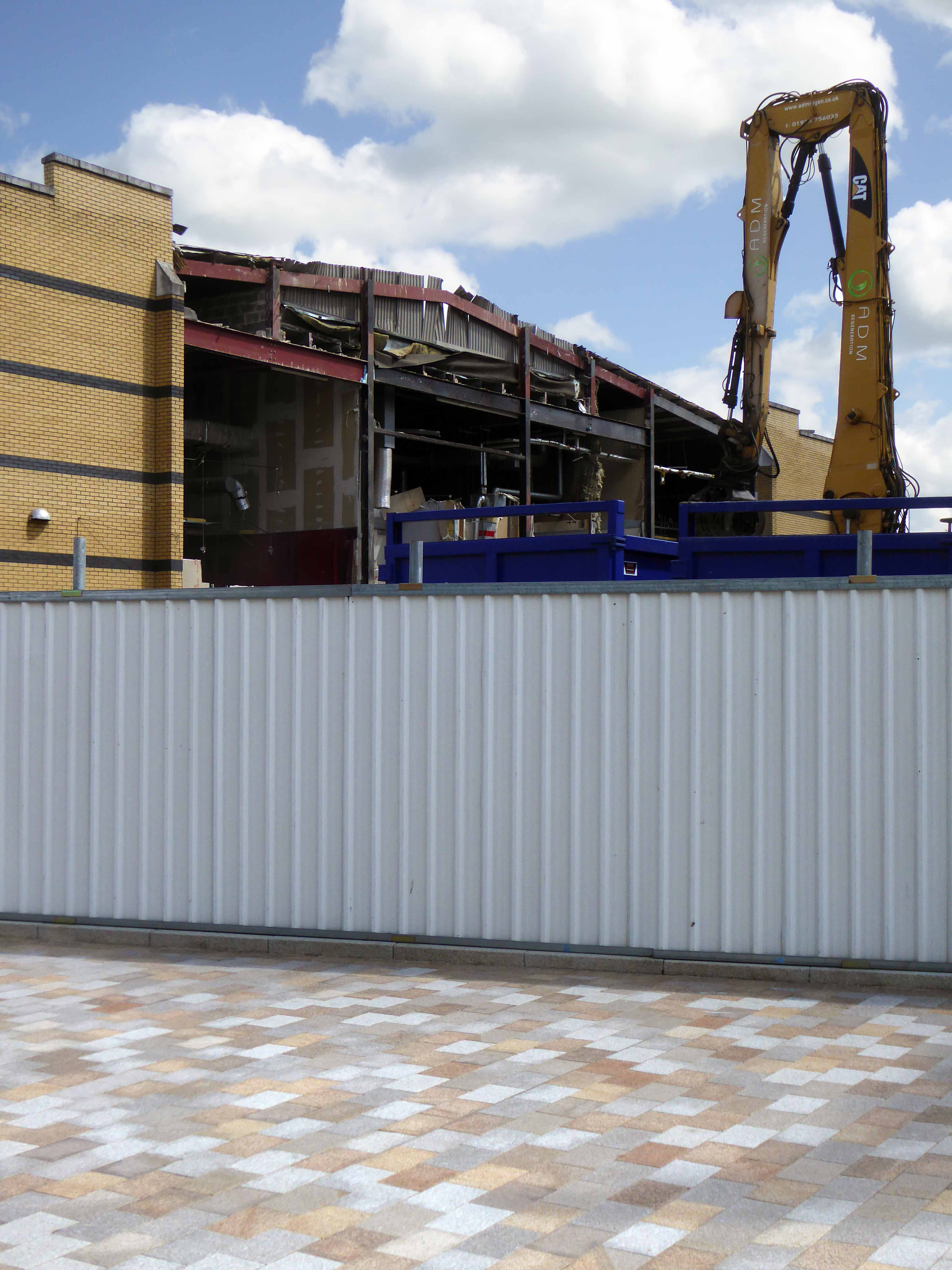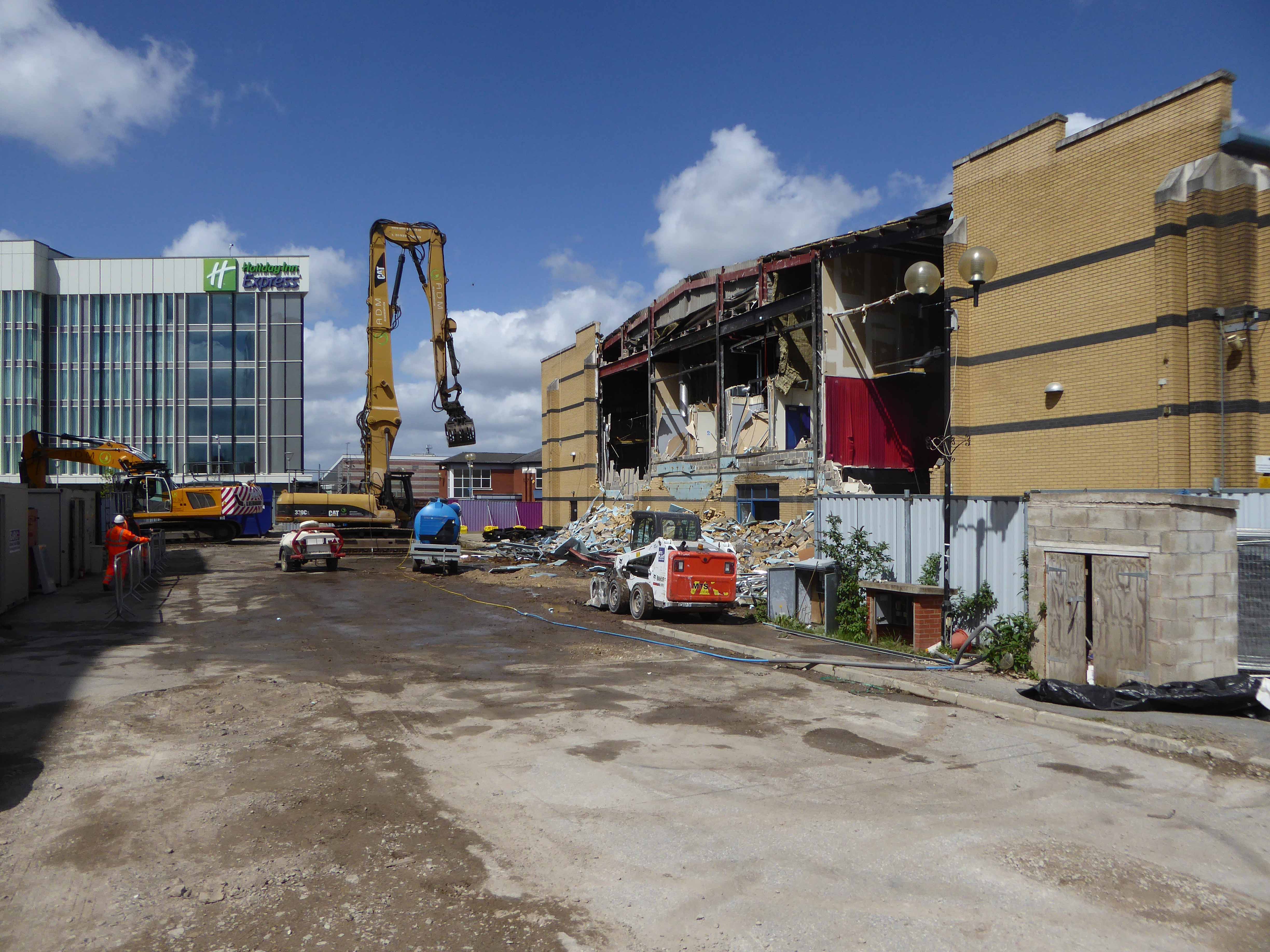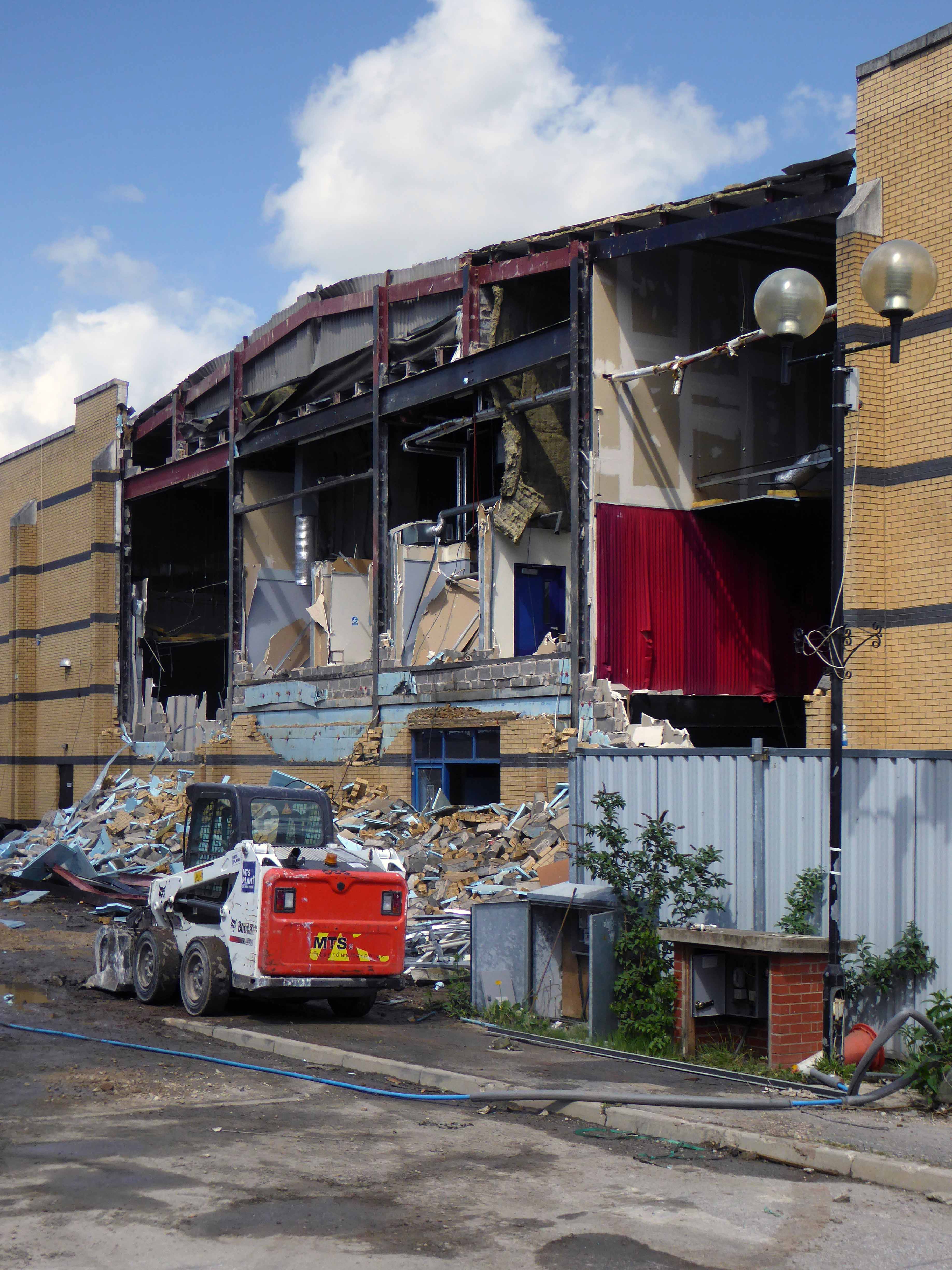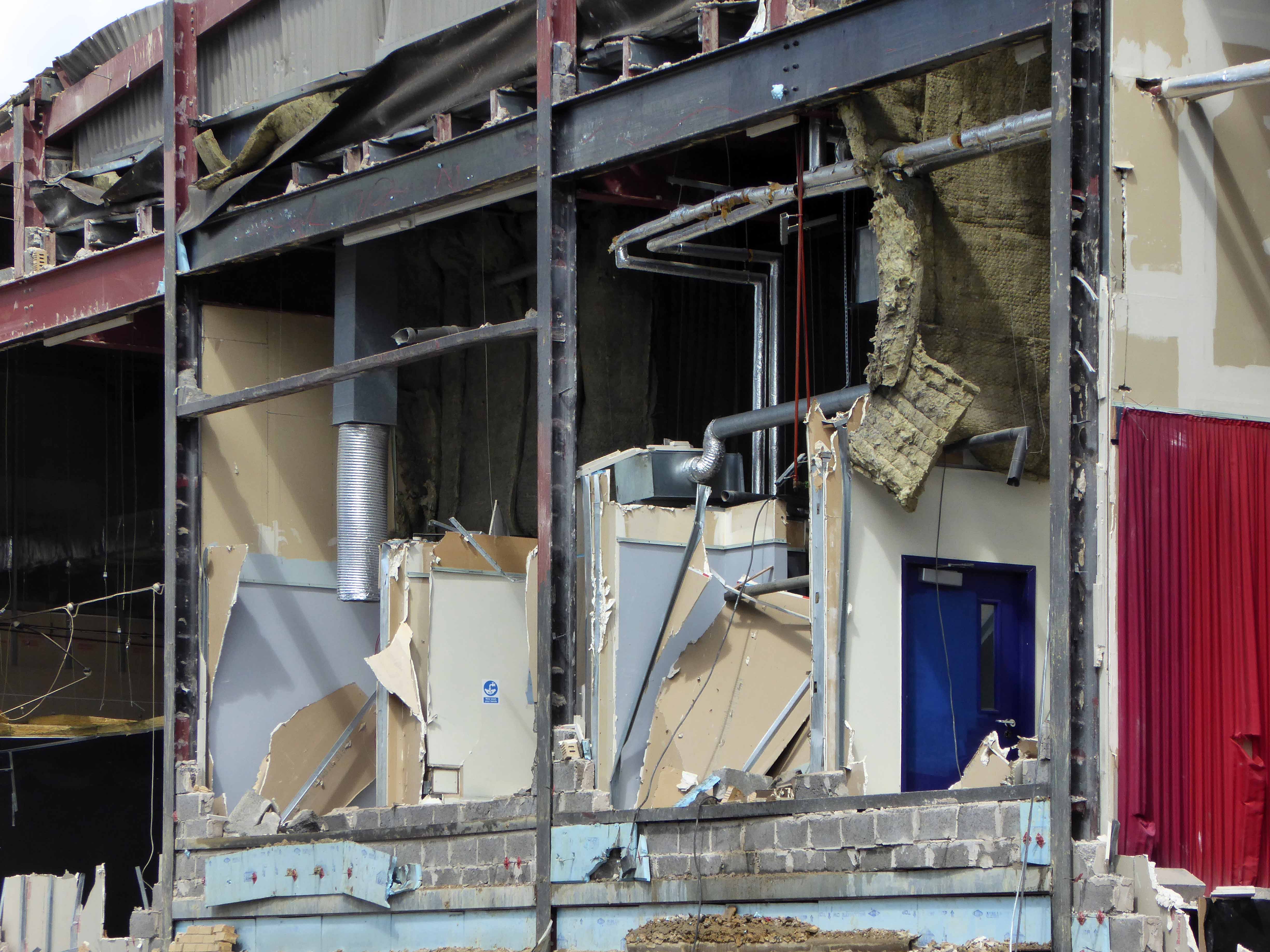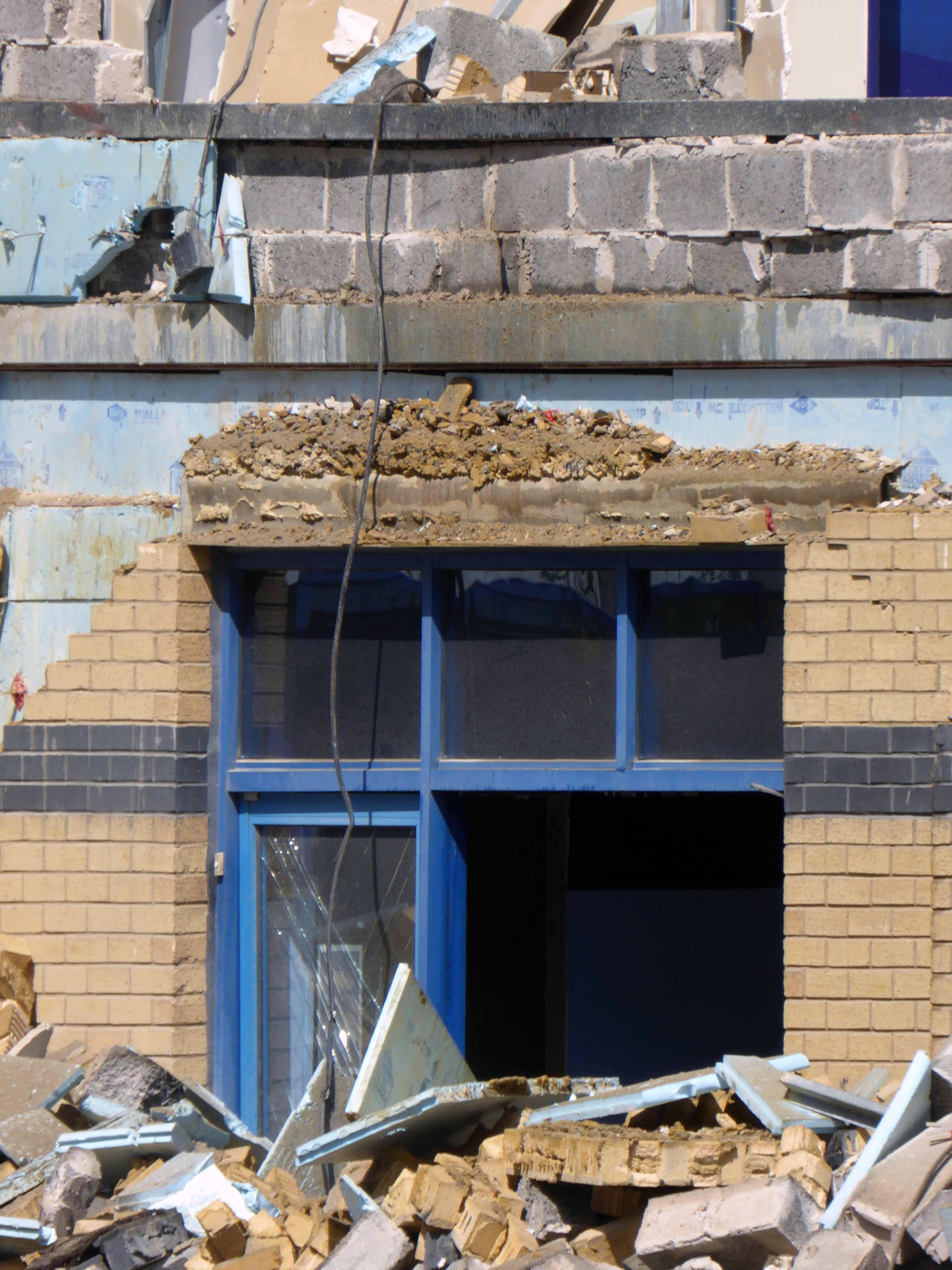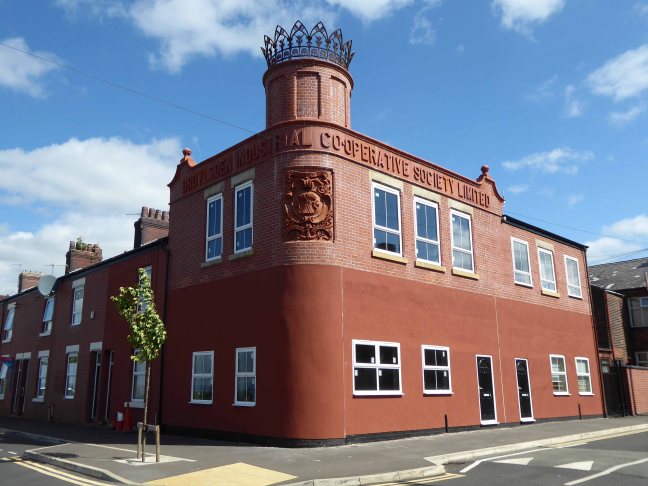
Ravensbury Street – Droylsden Cooperative Society Store

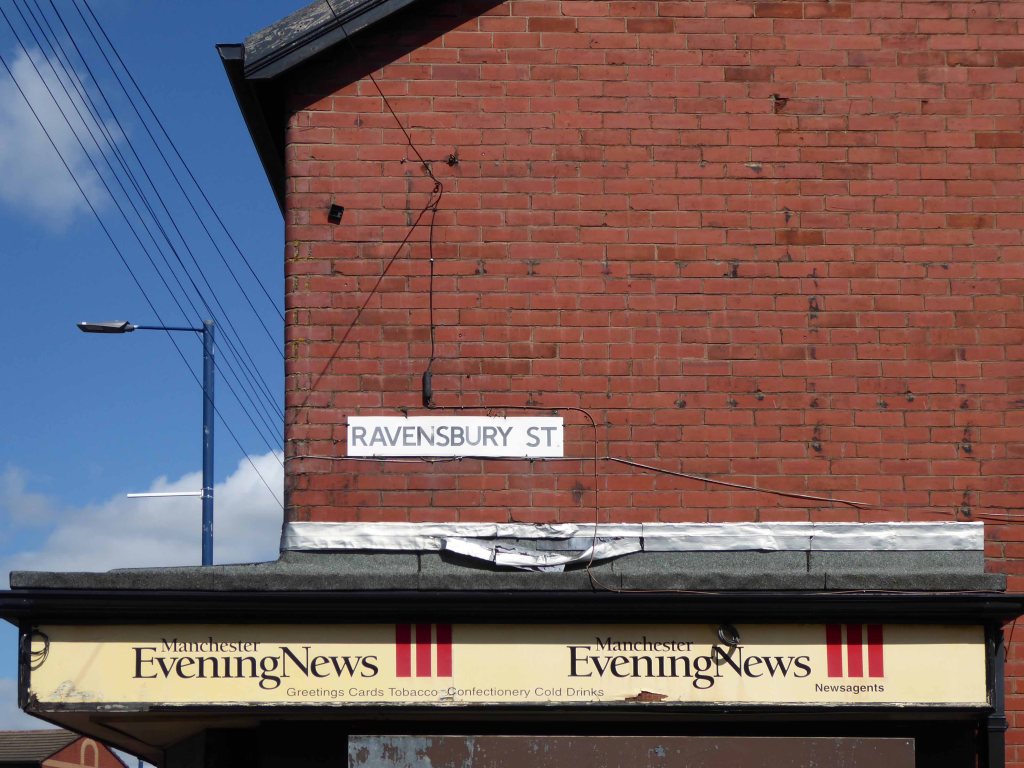
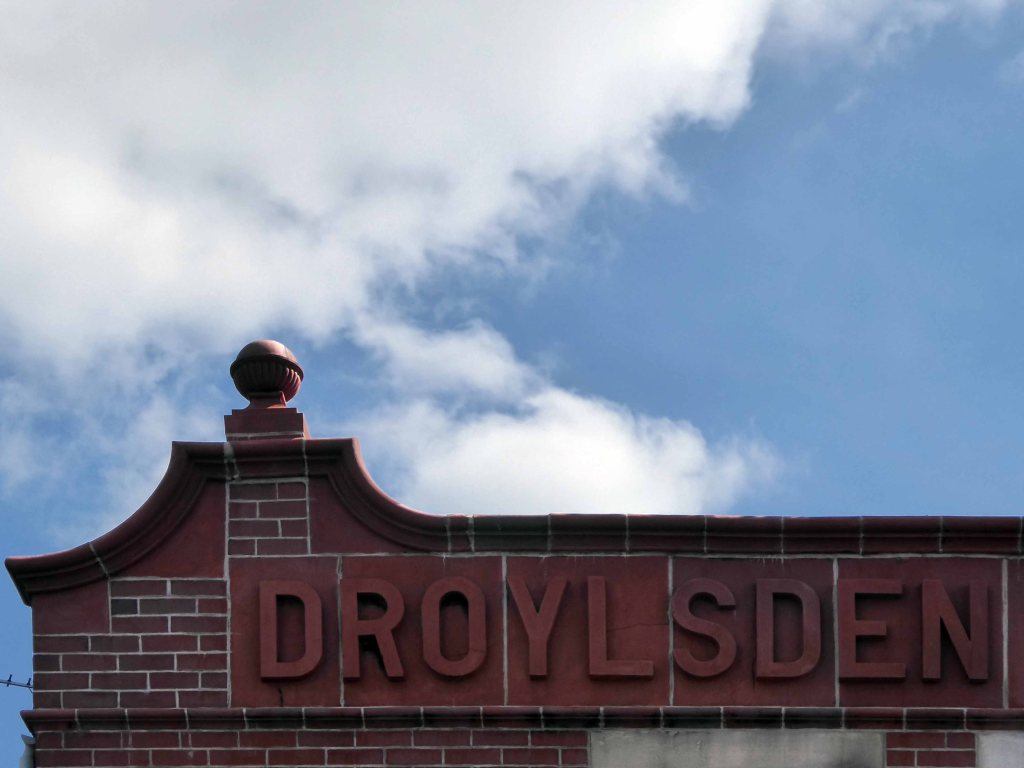
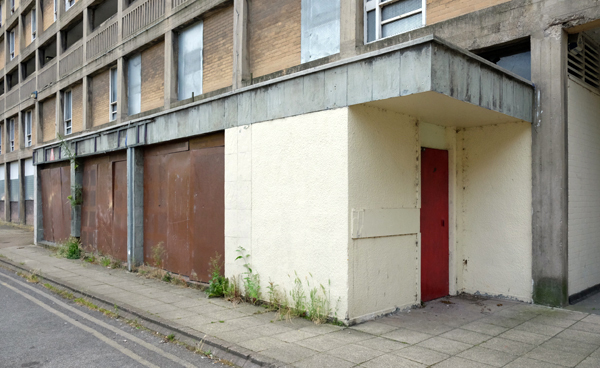
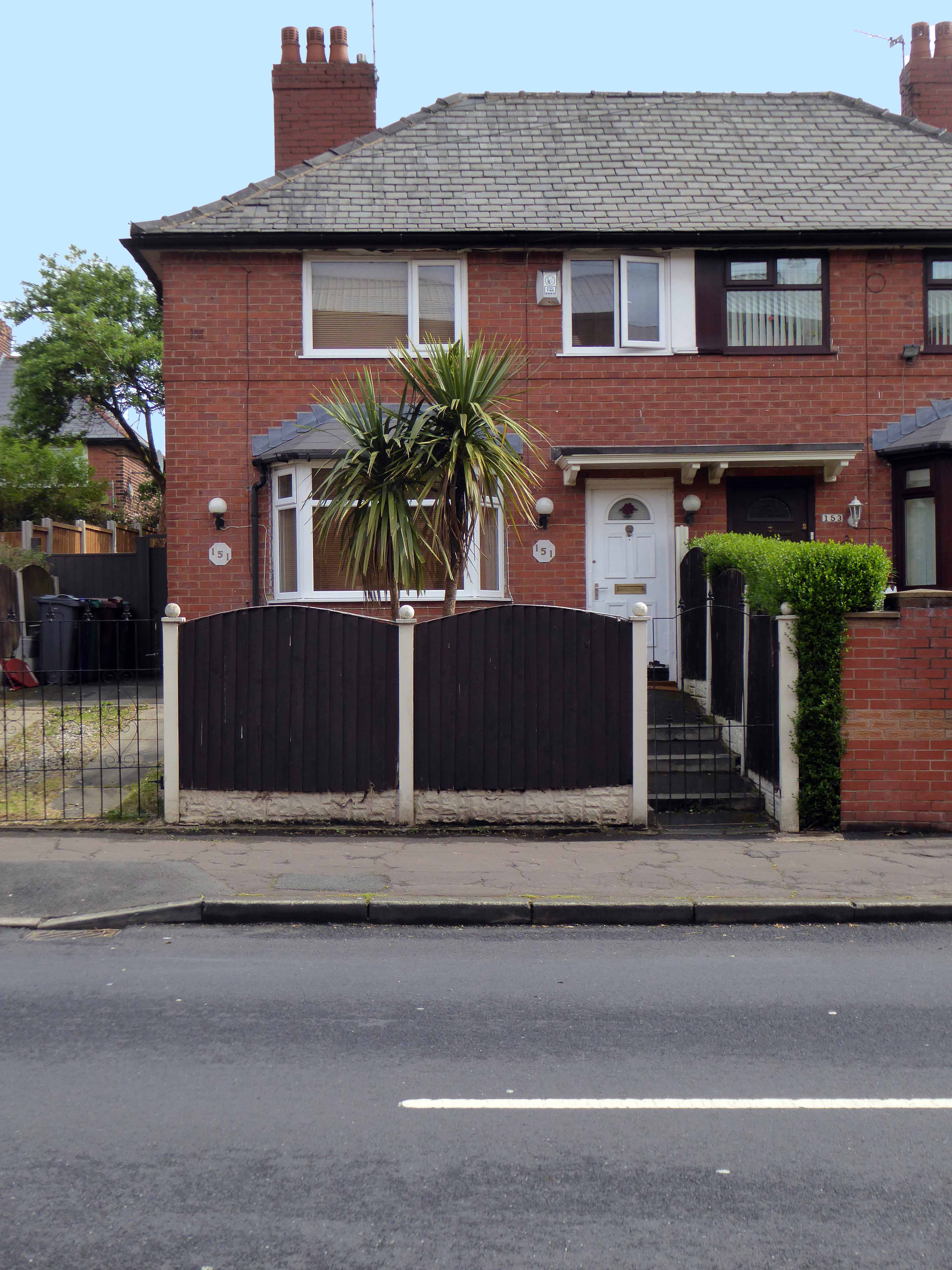
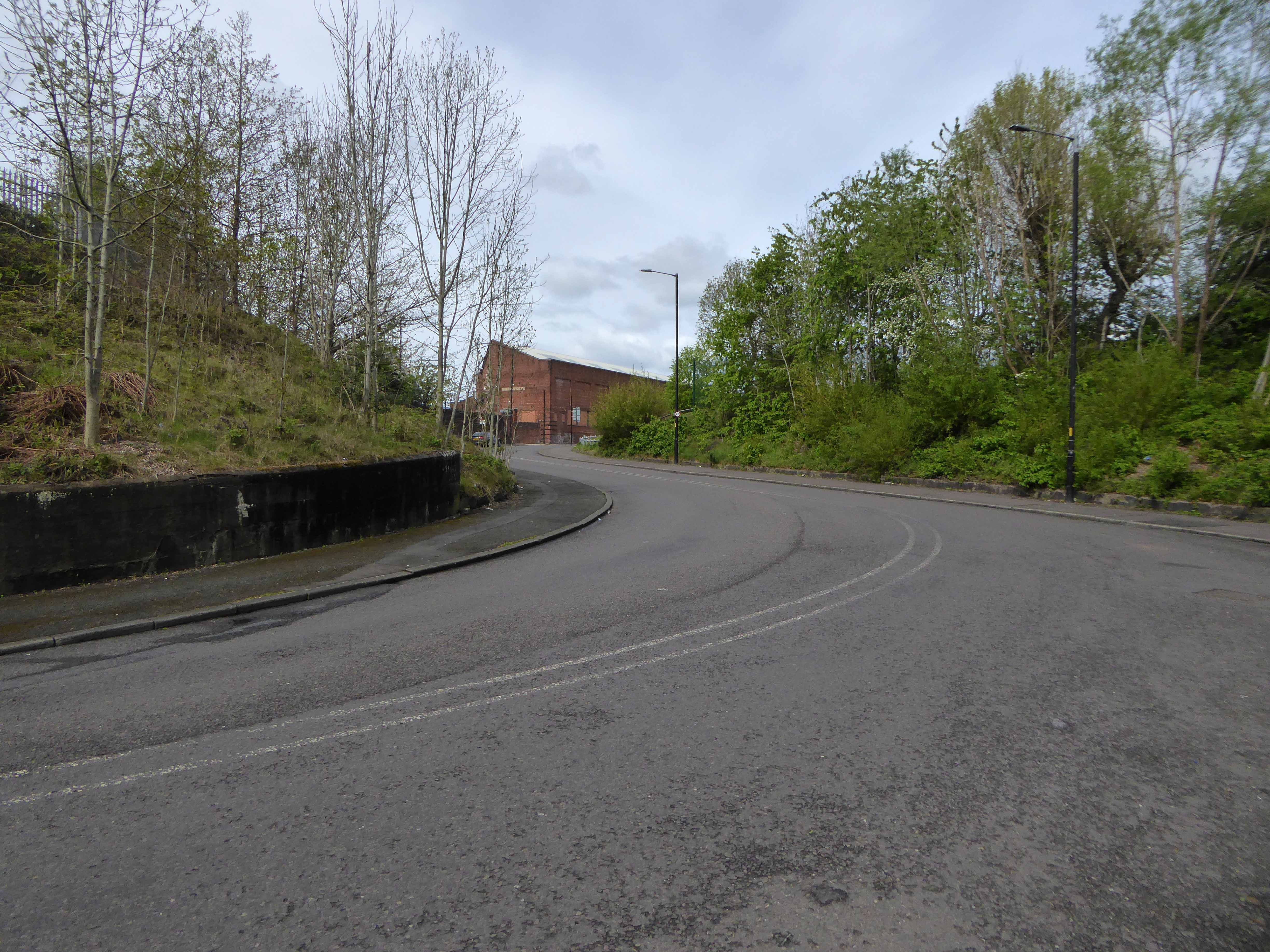
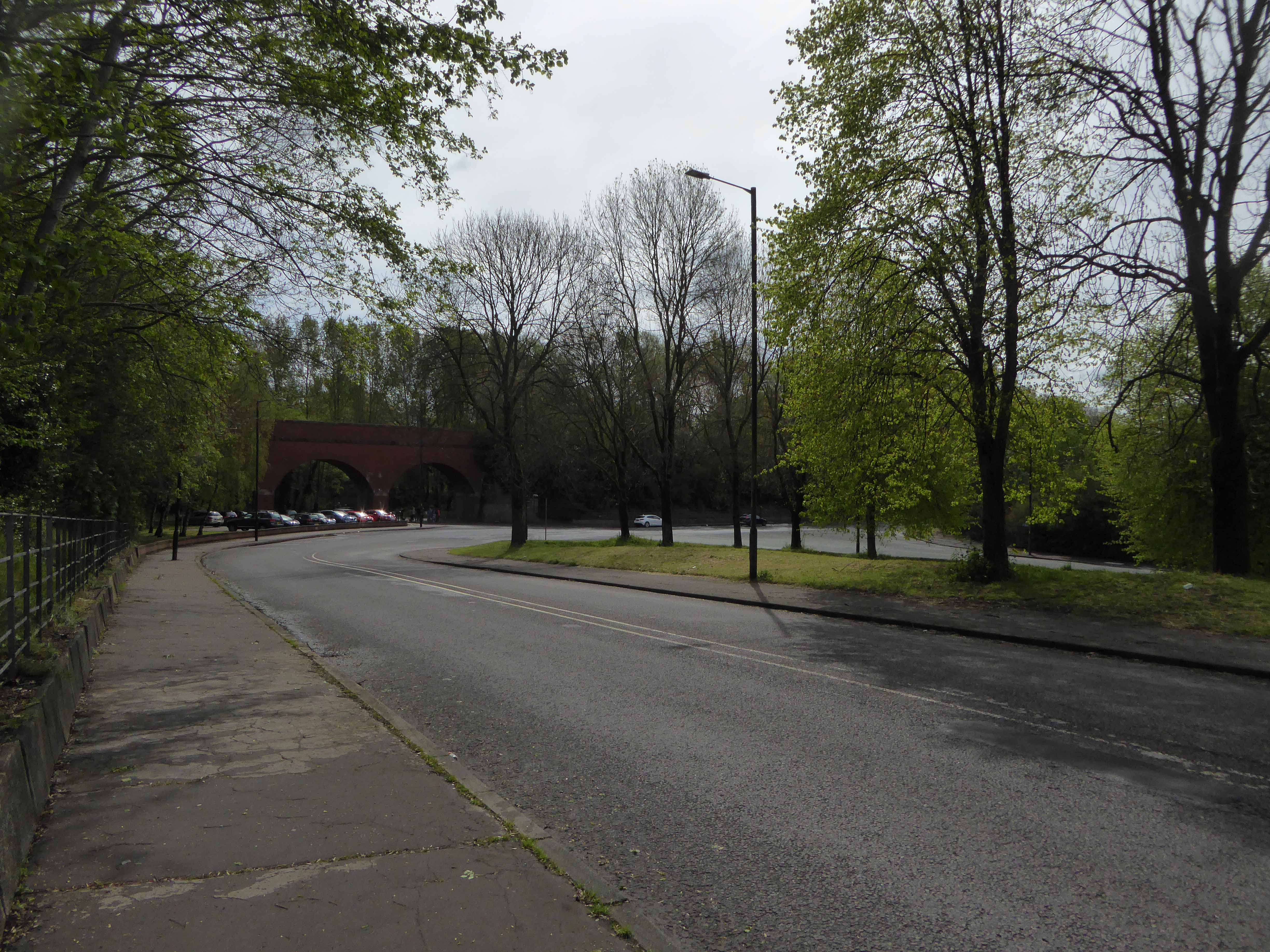
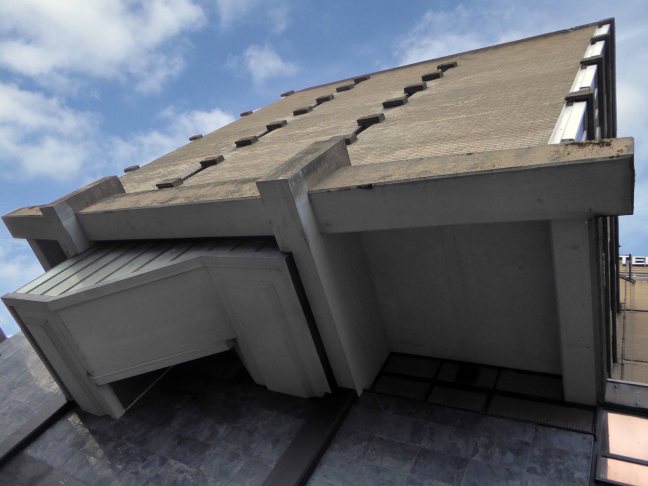
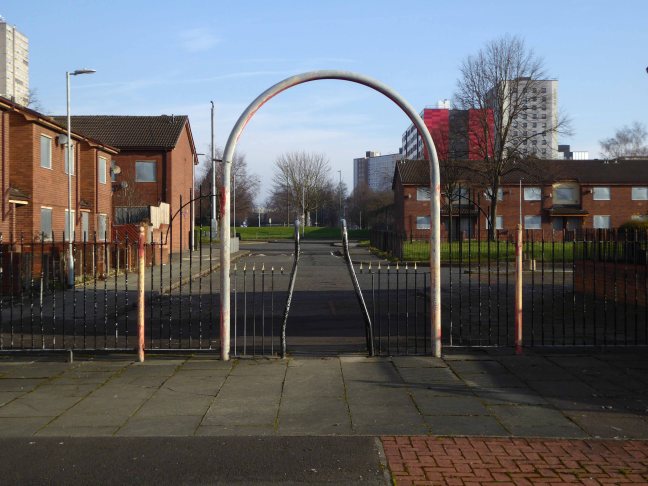
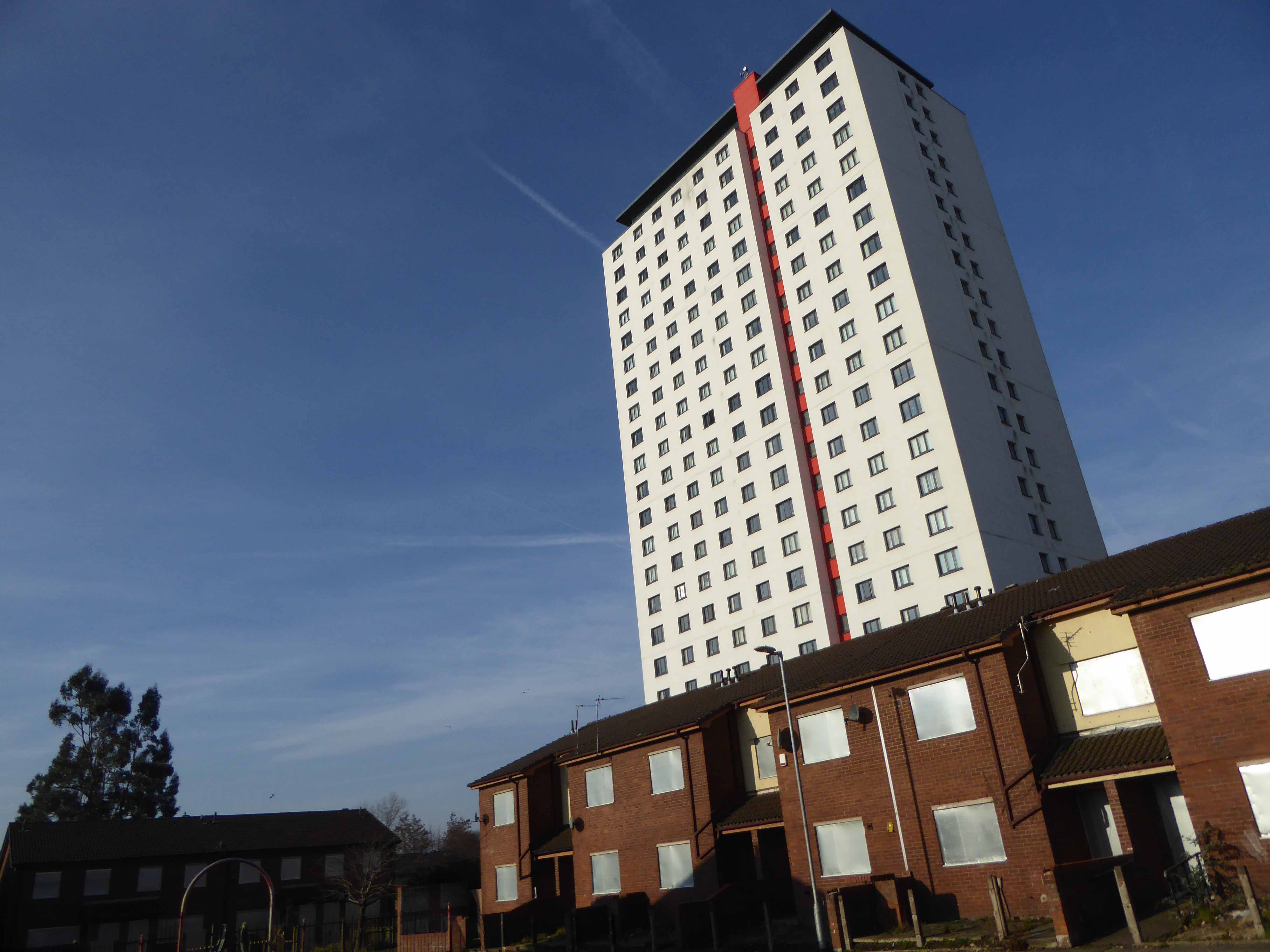
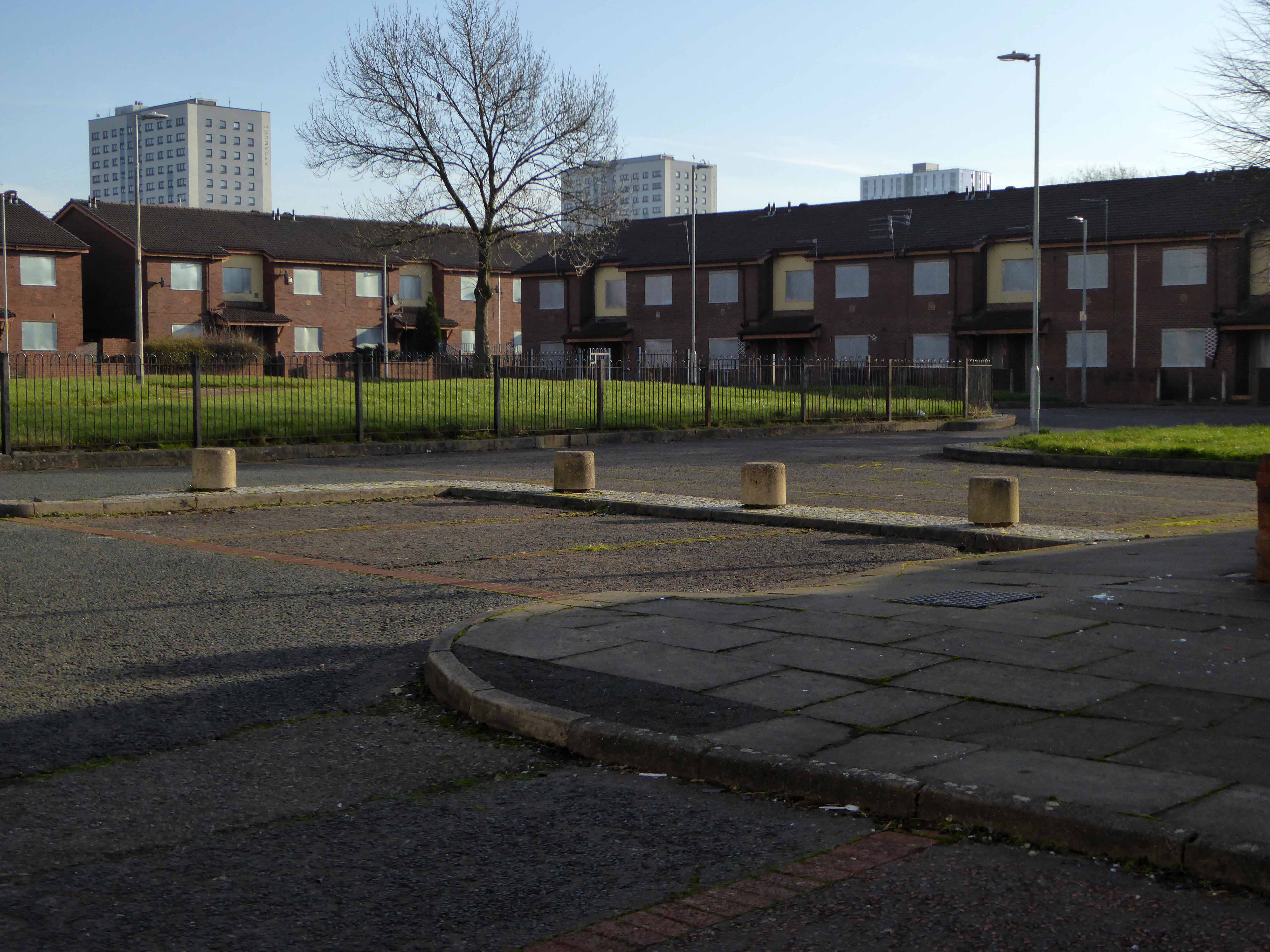
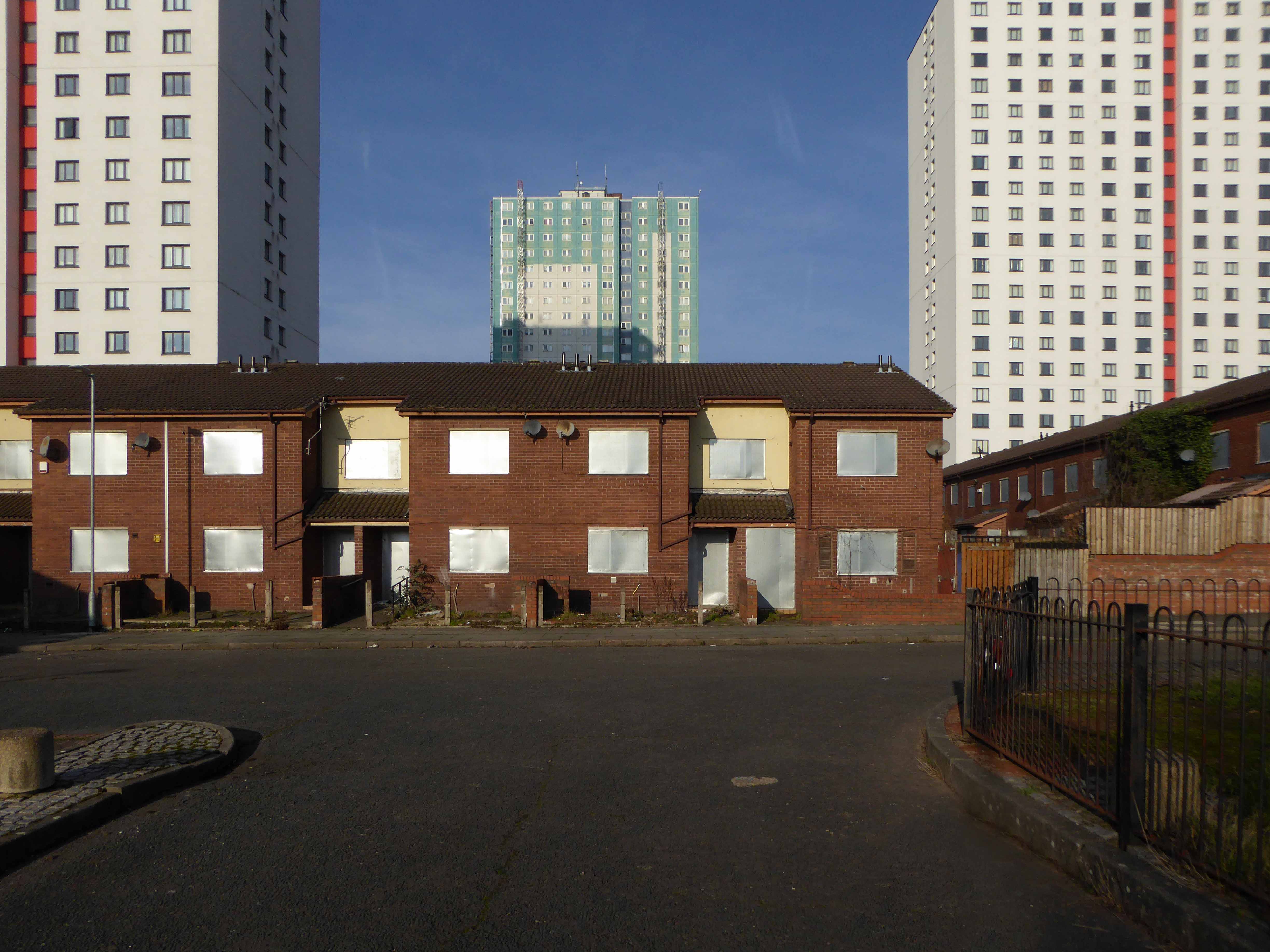
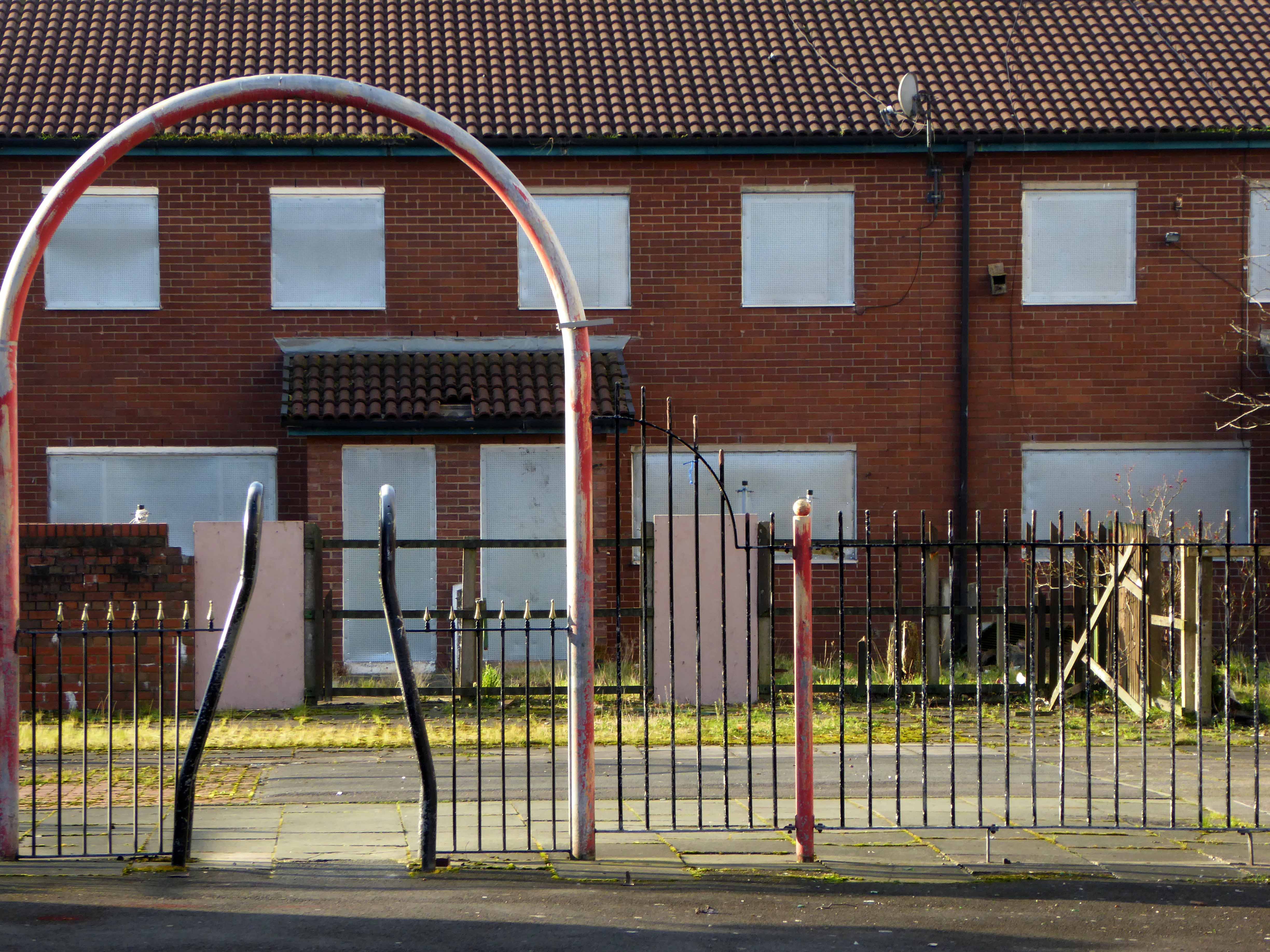
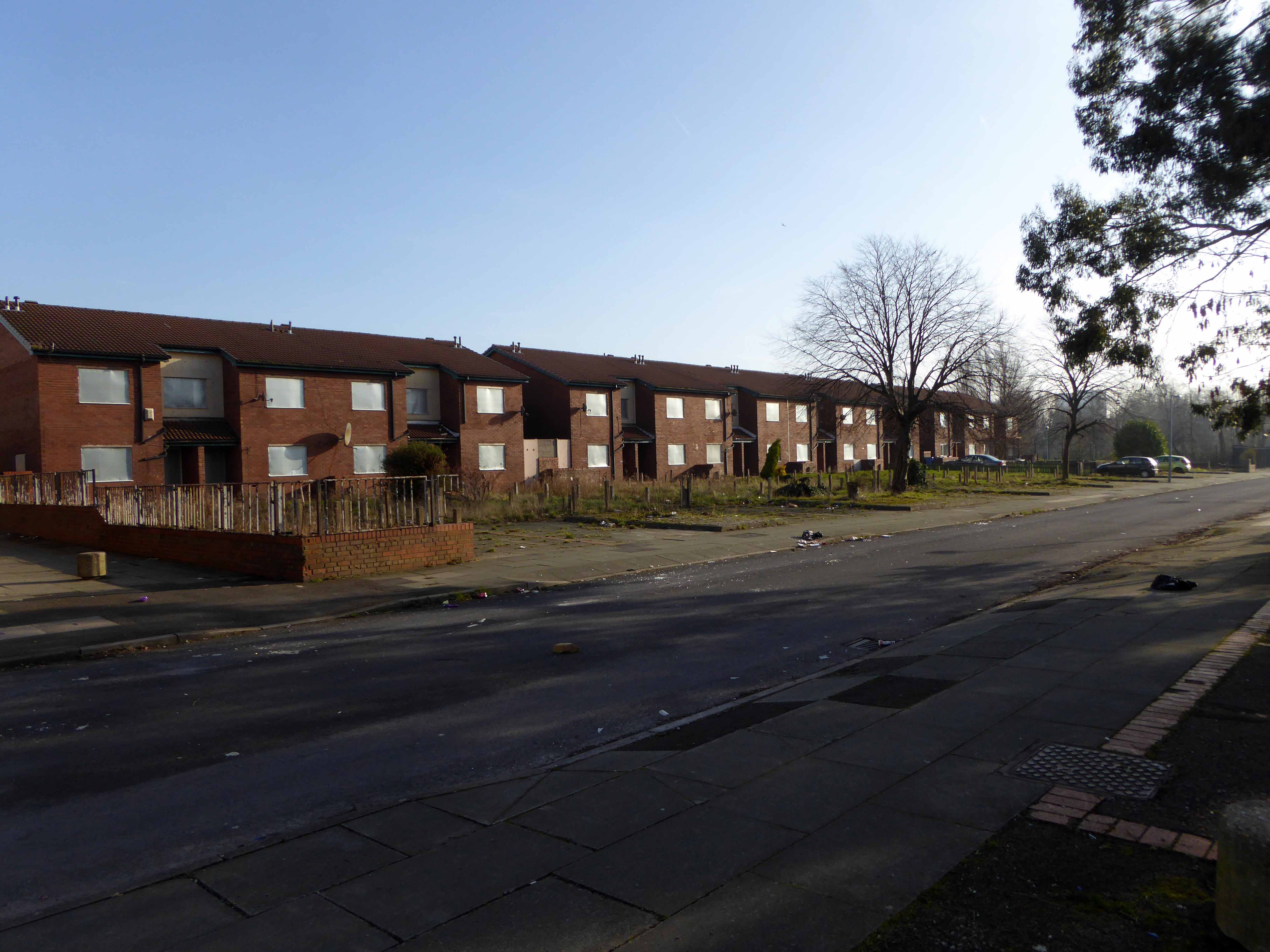
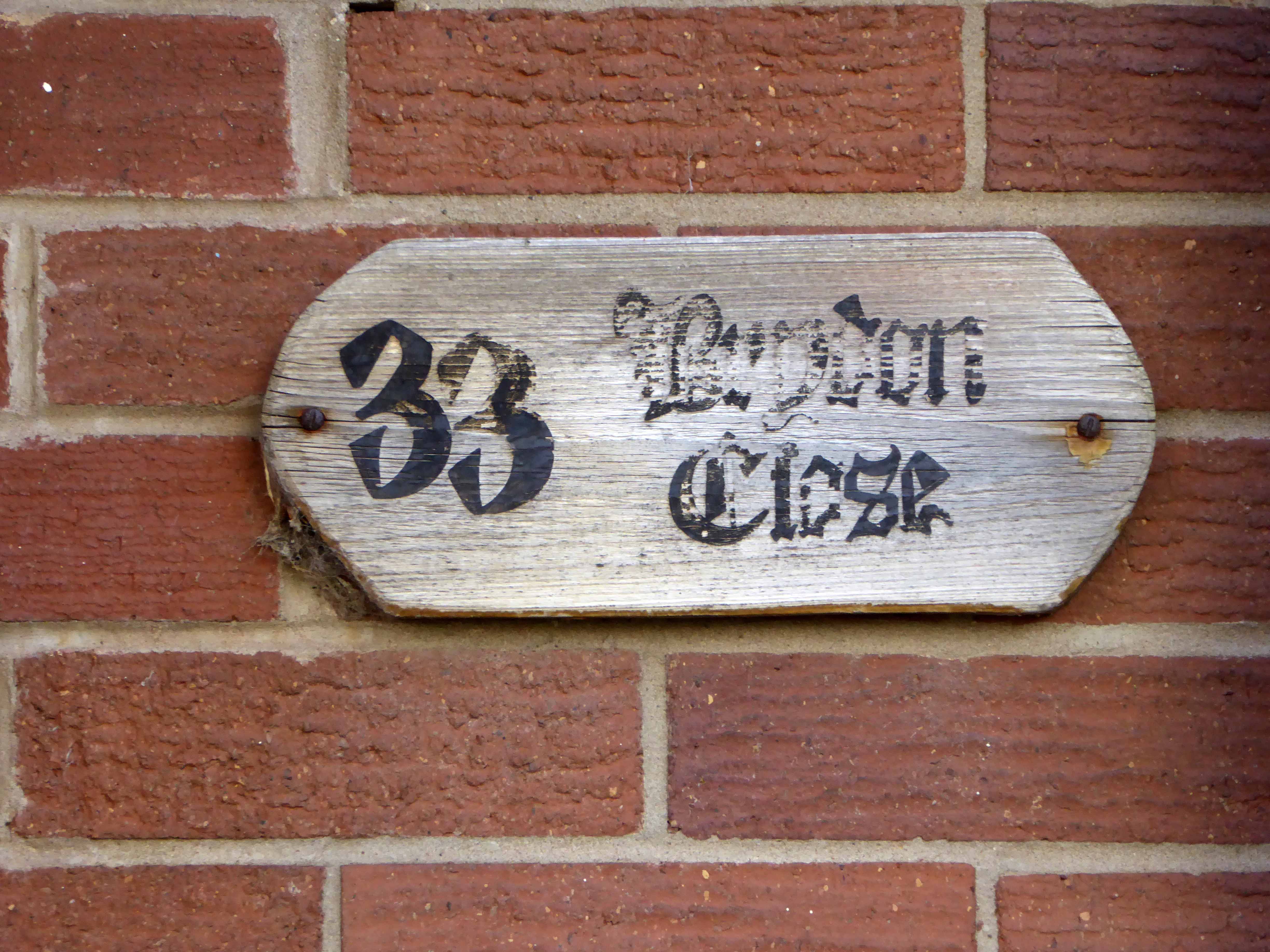
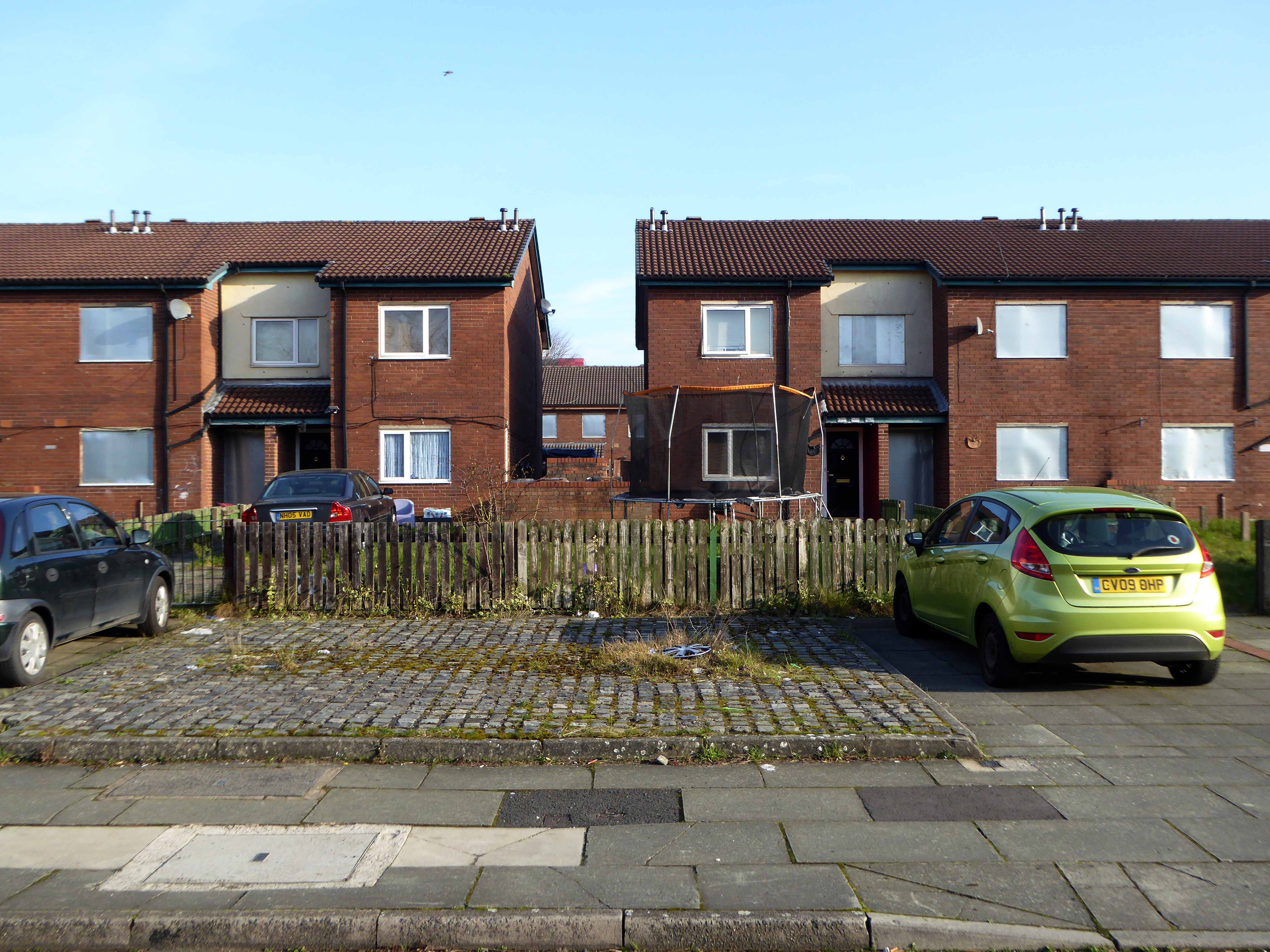
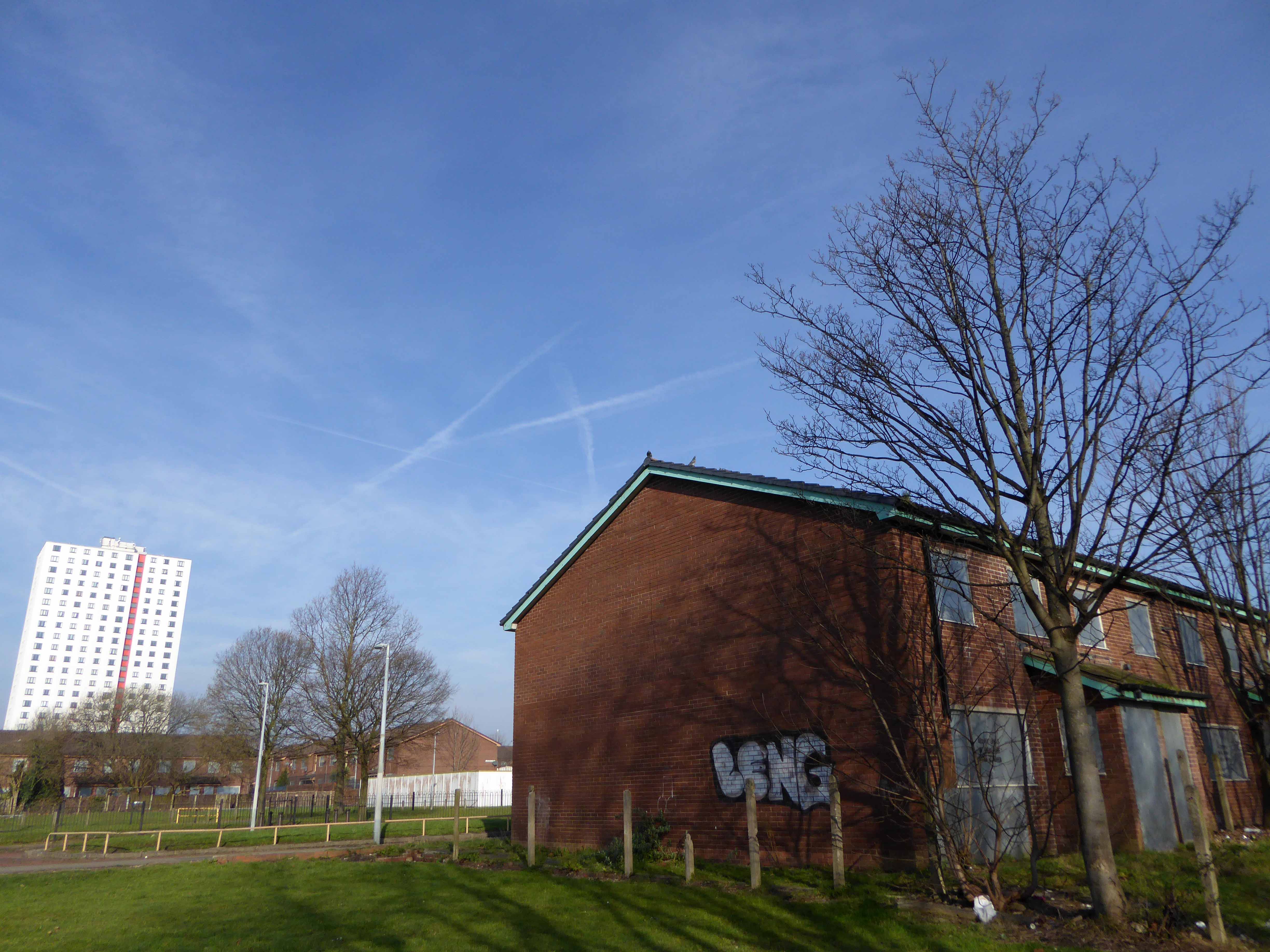
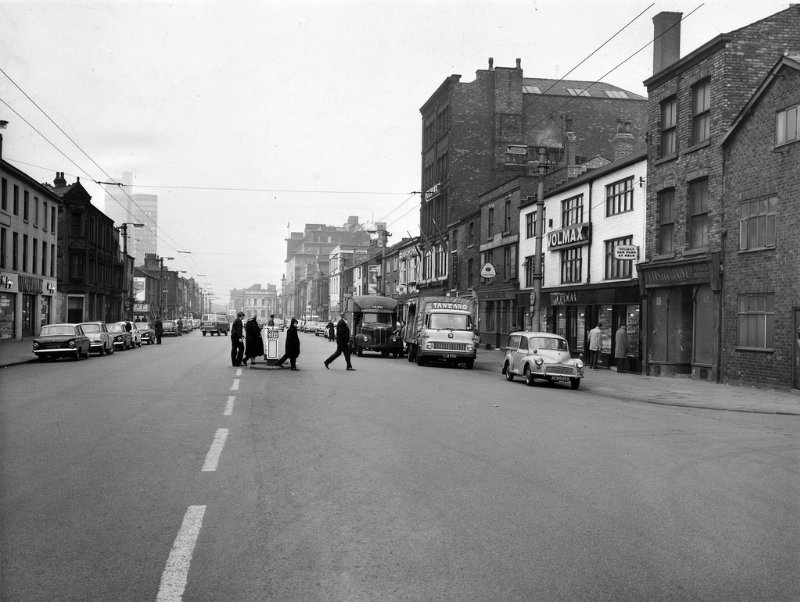
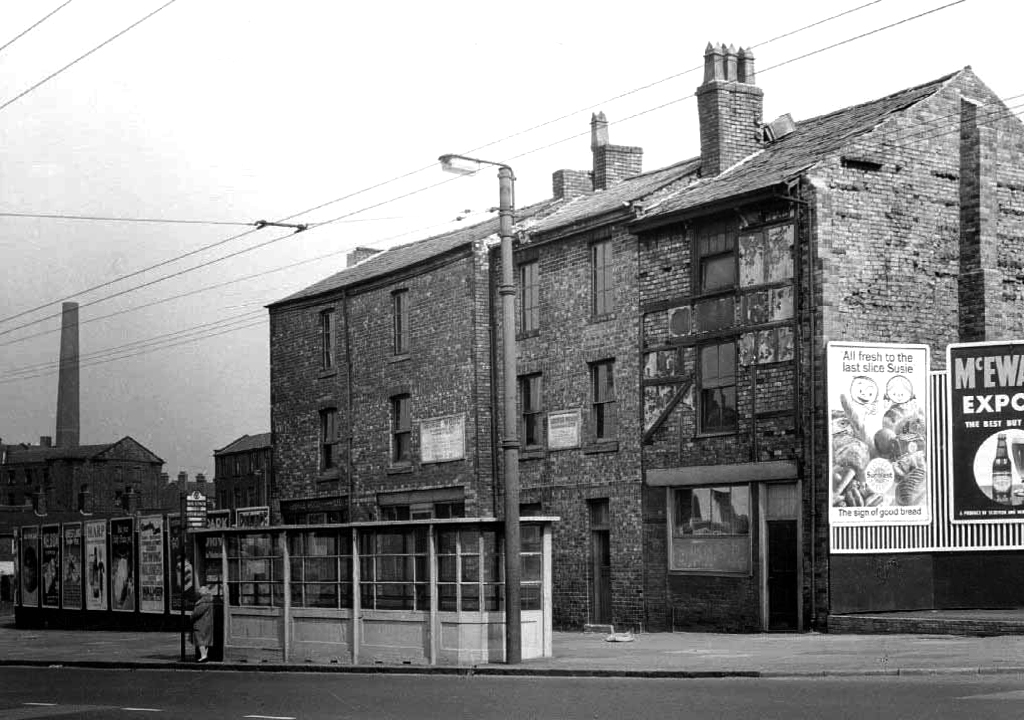
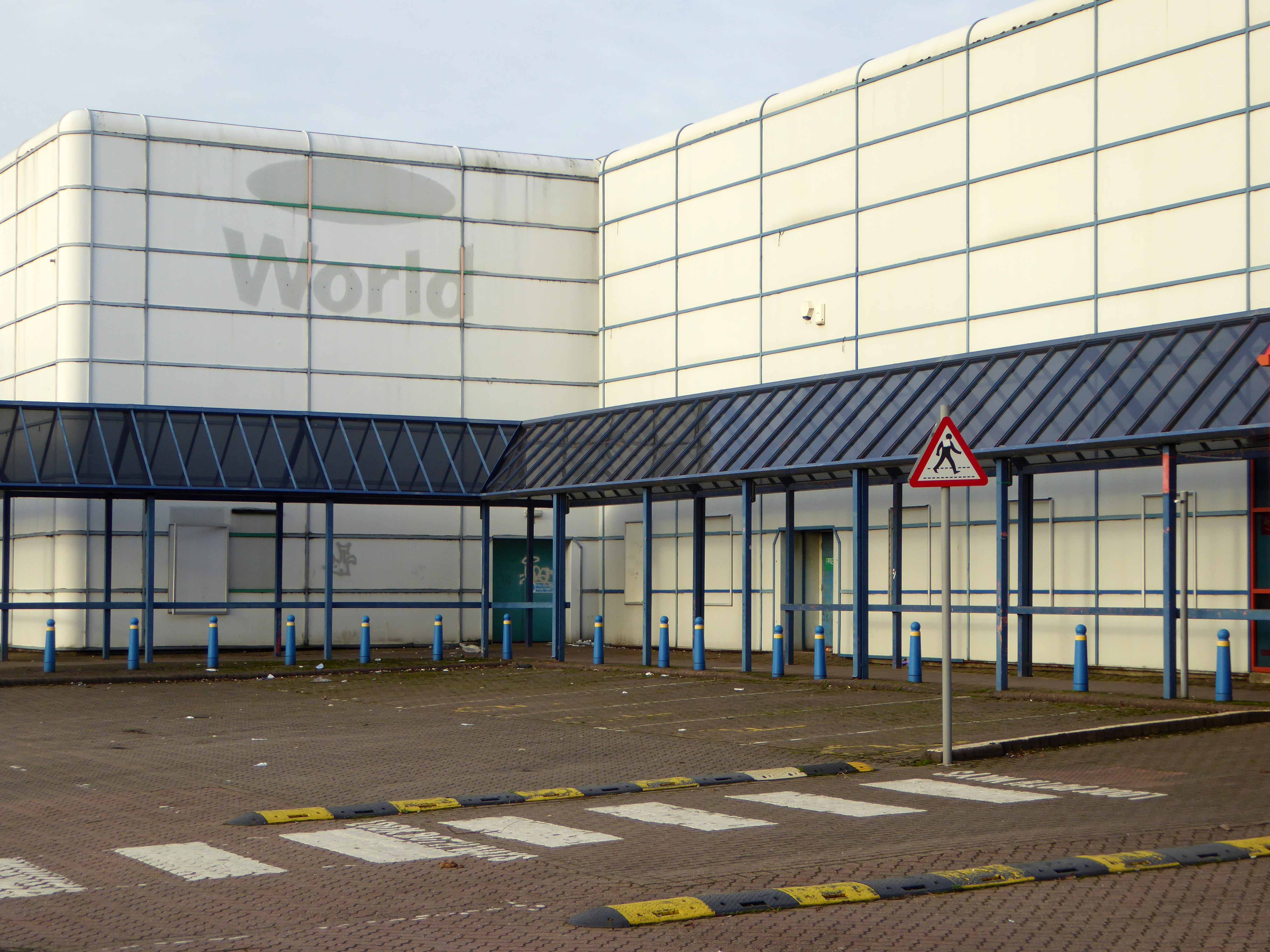
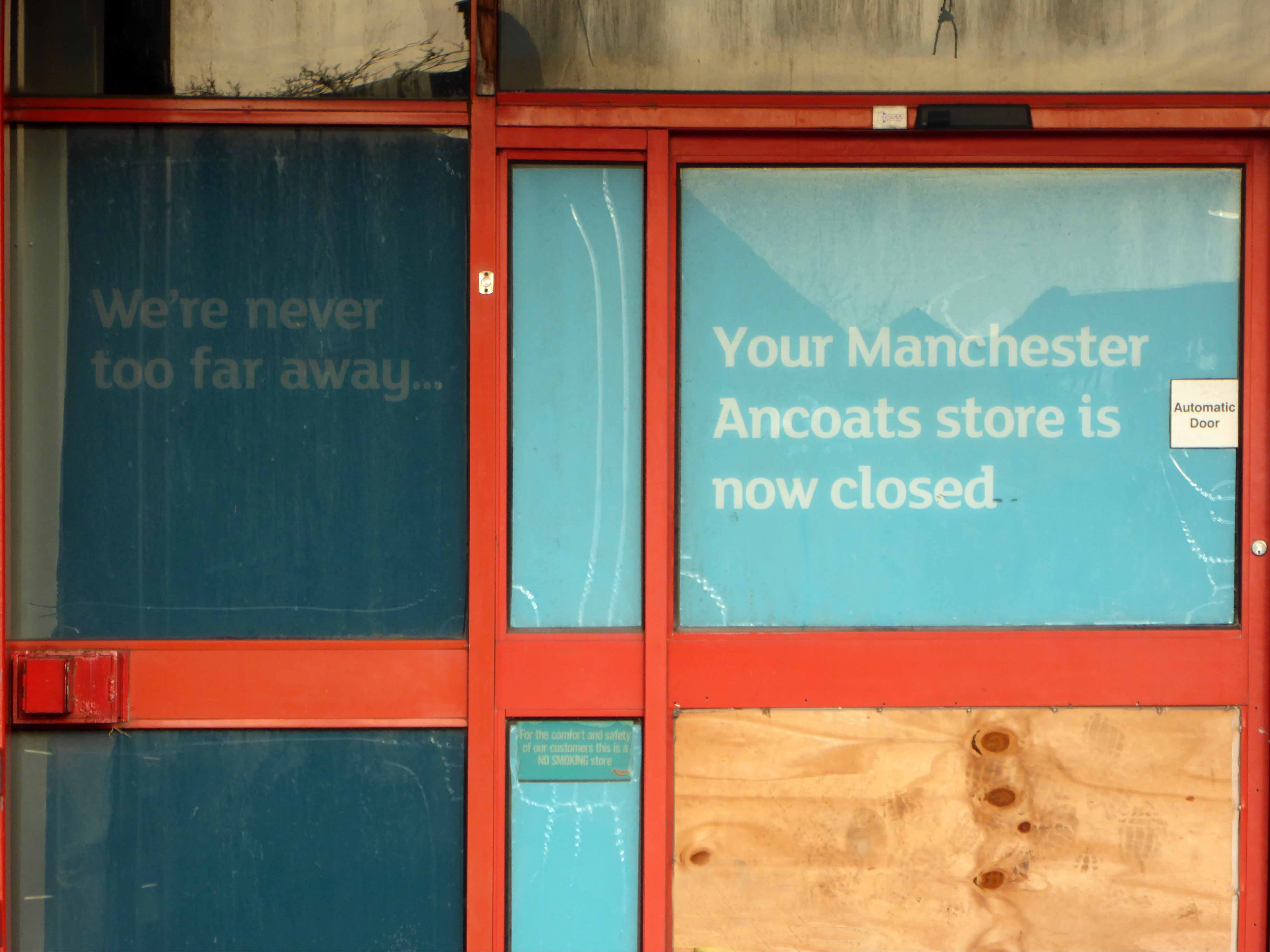
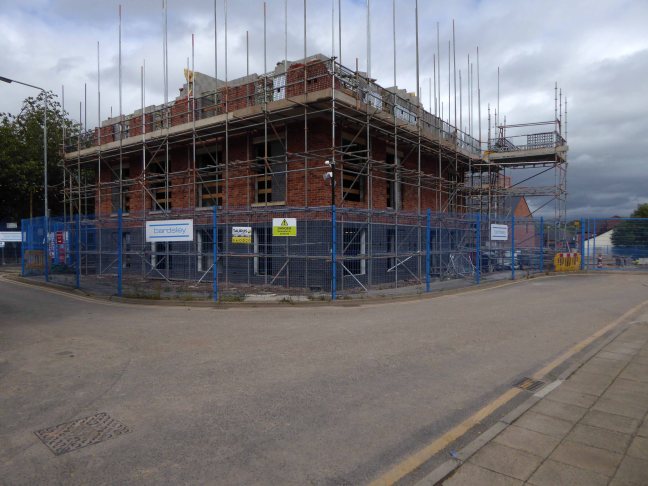
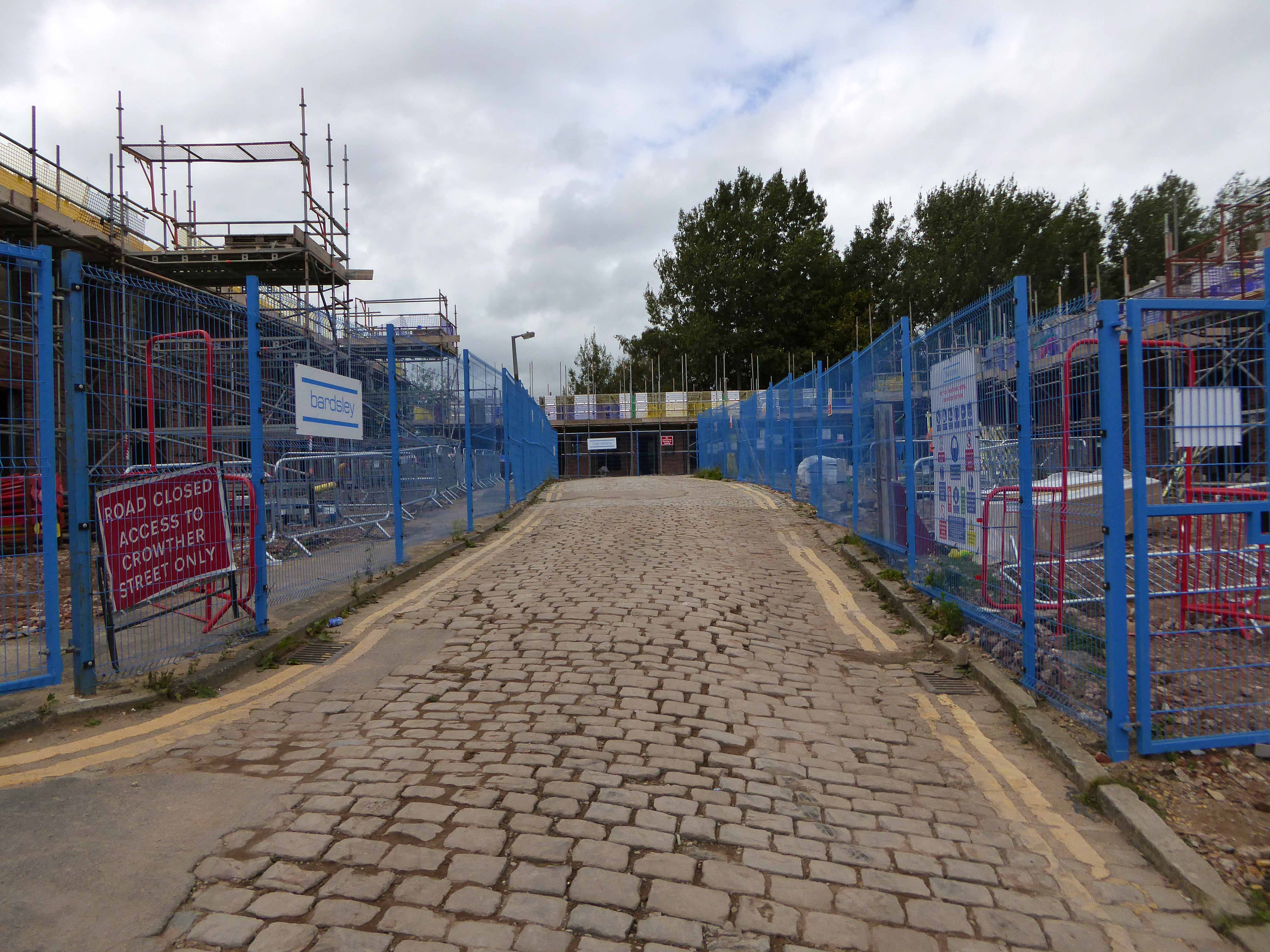
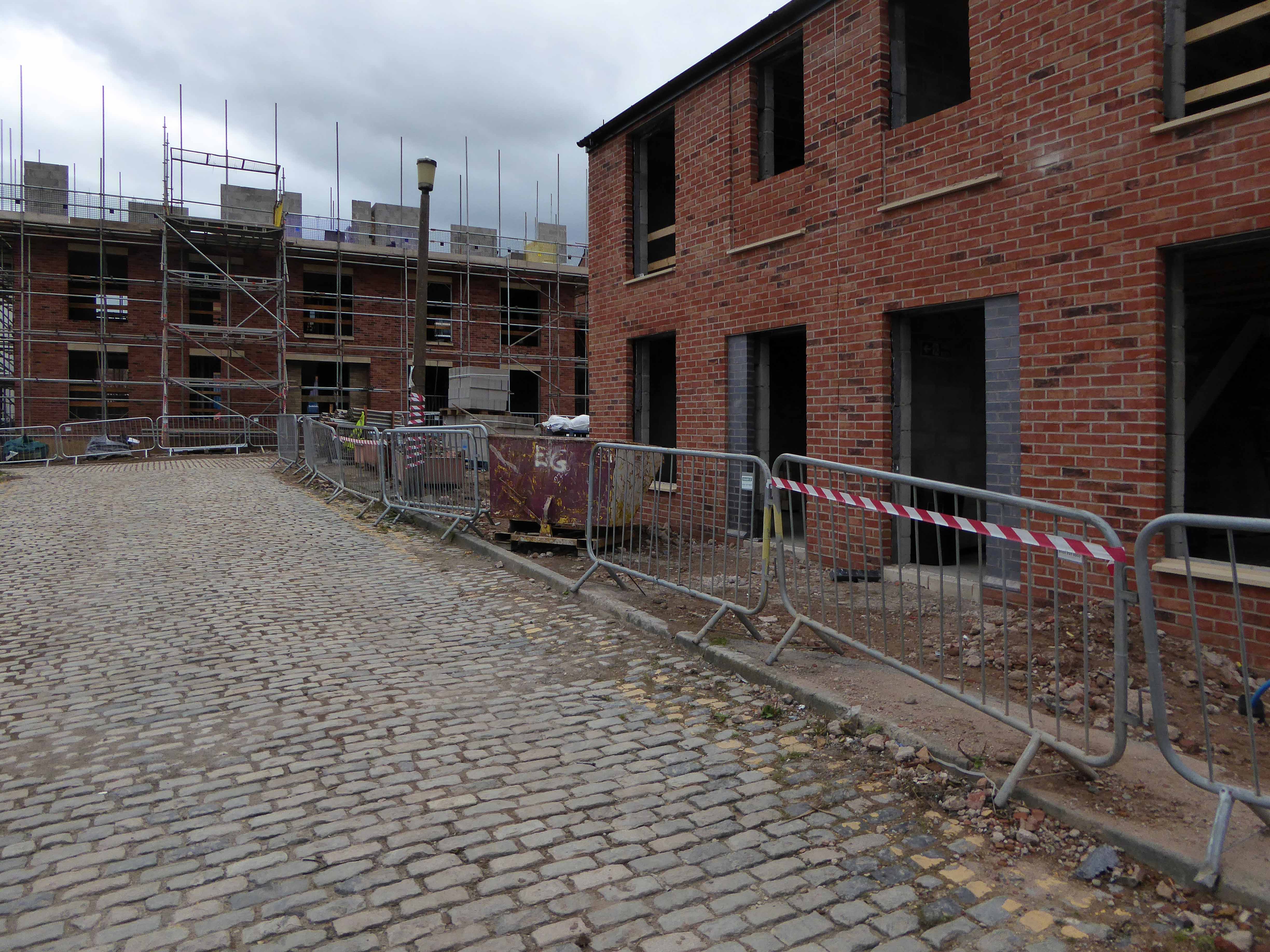
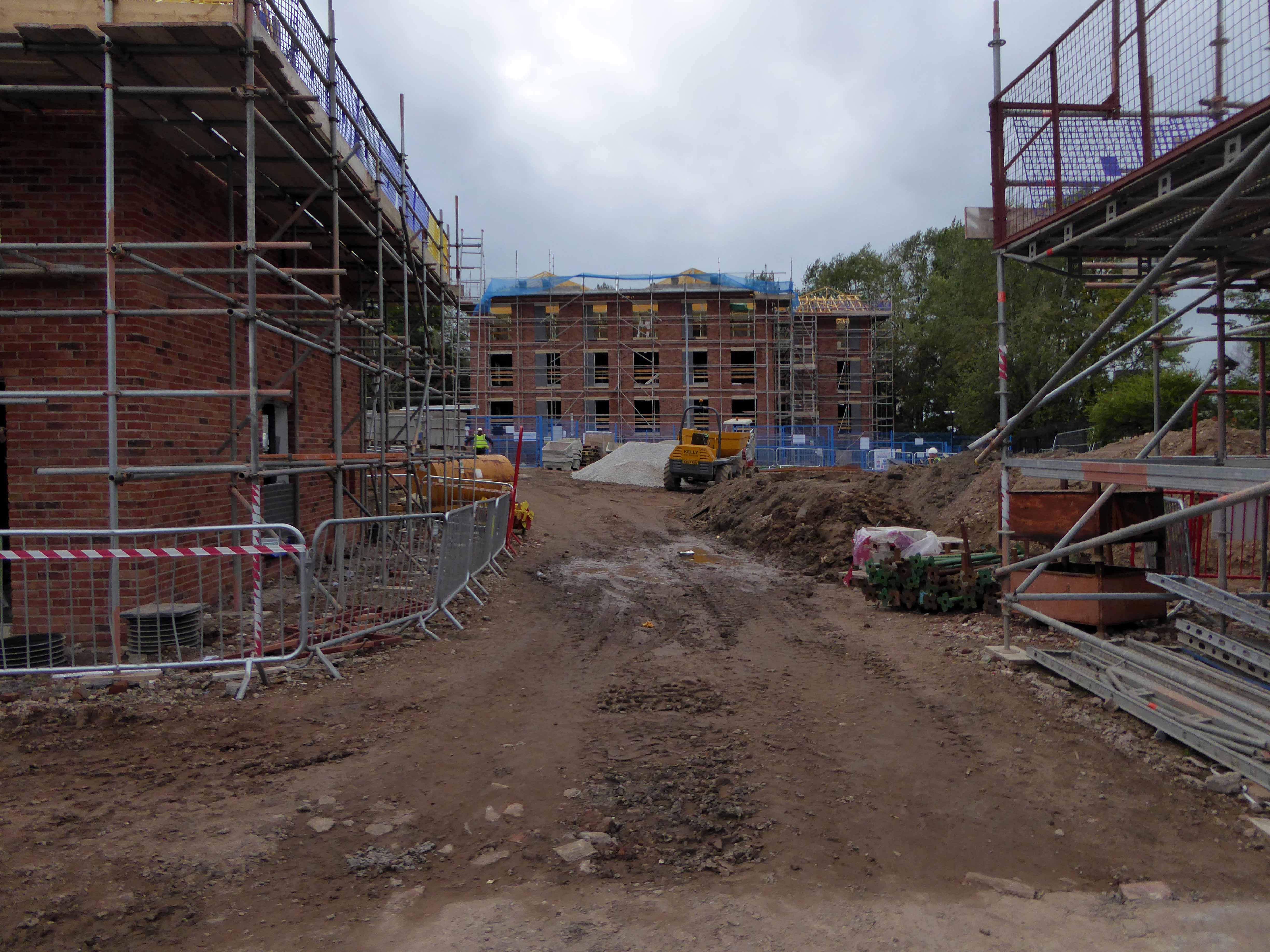
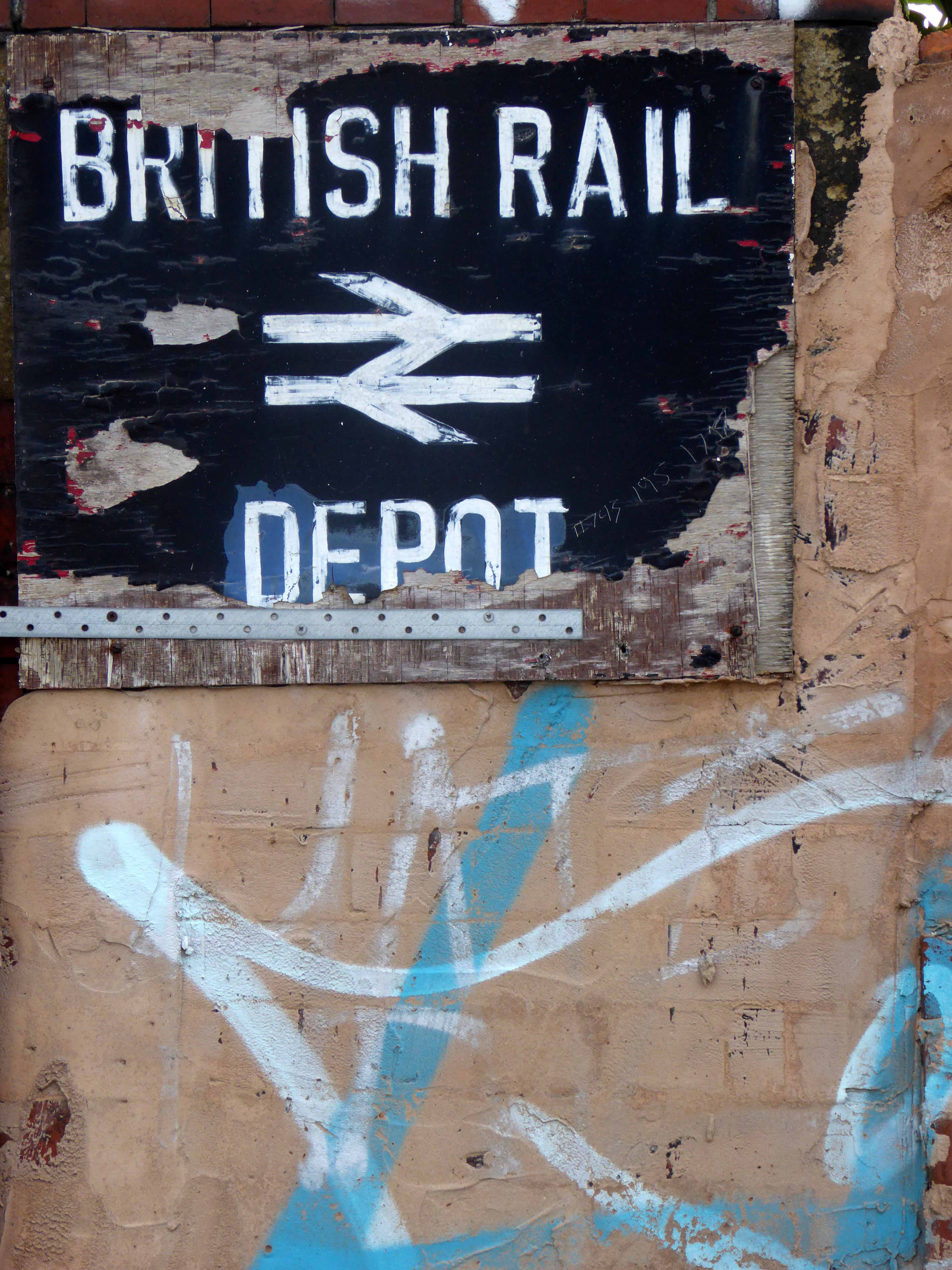
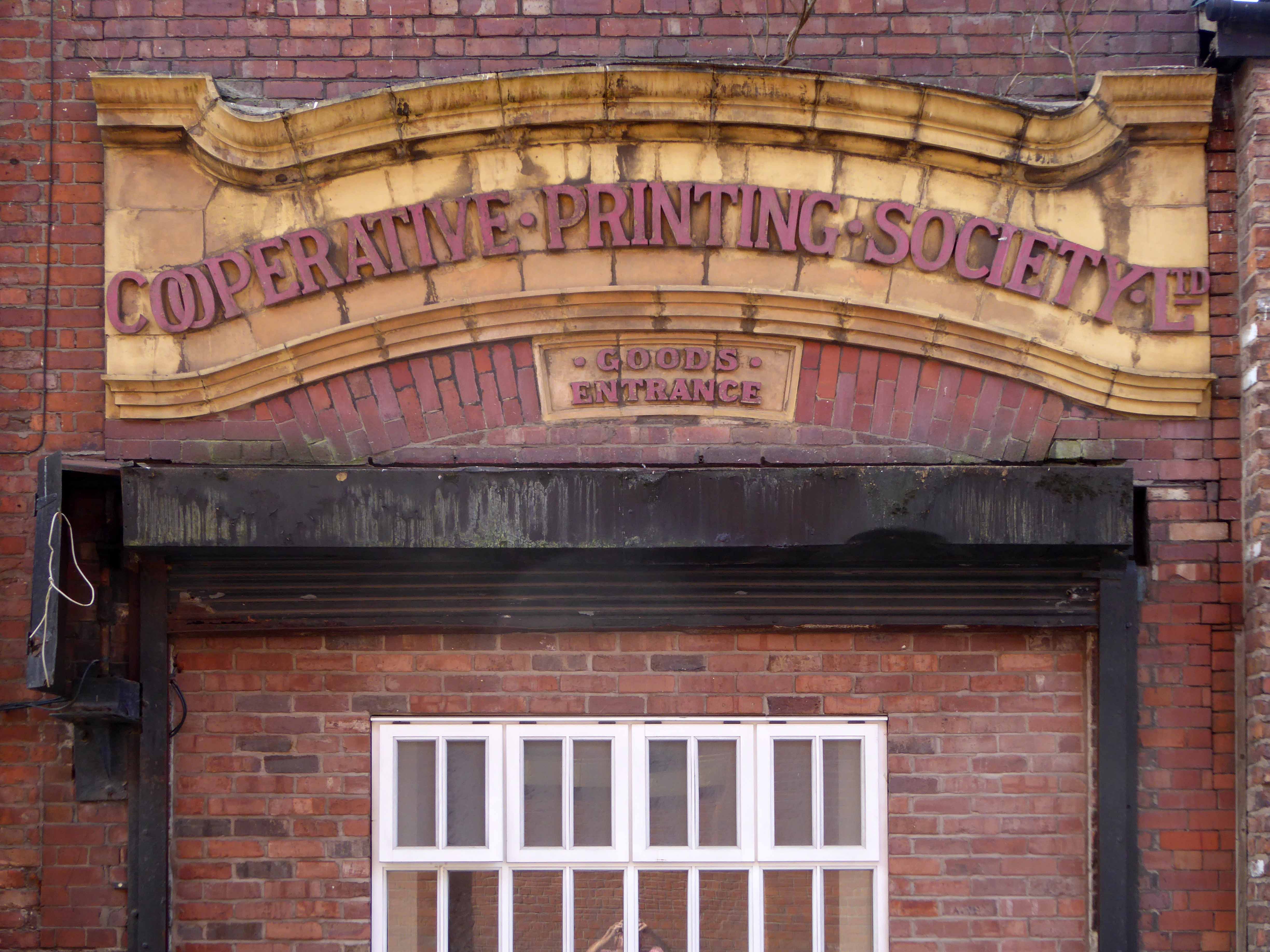
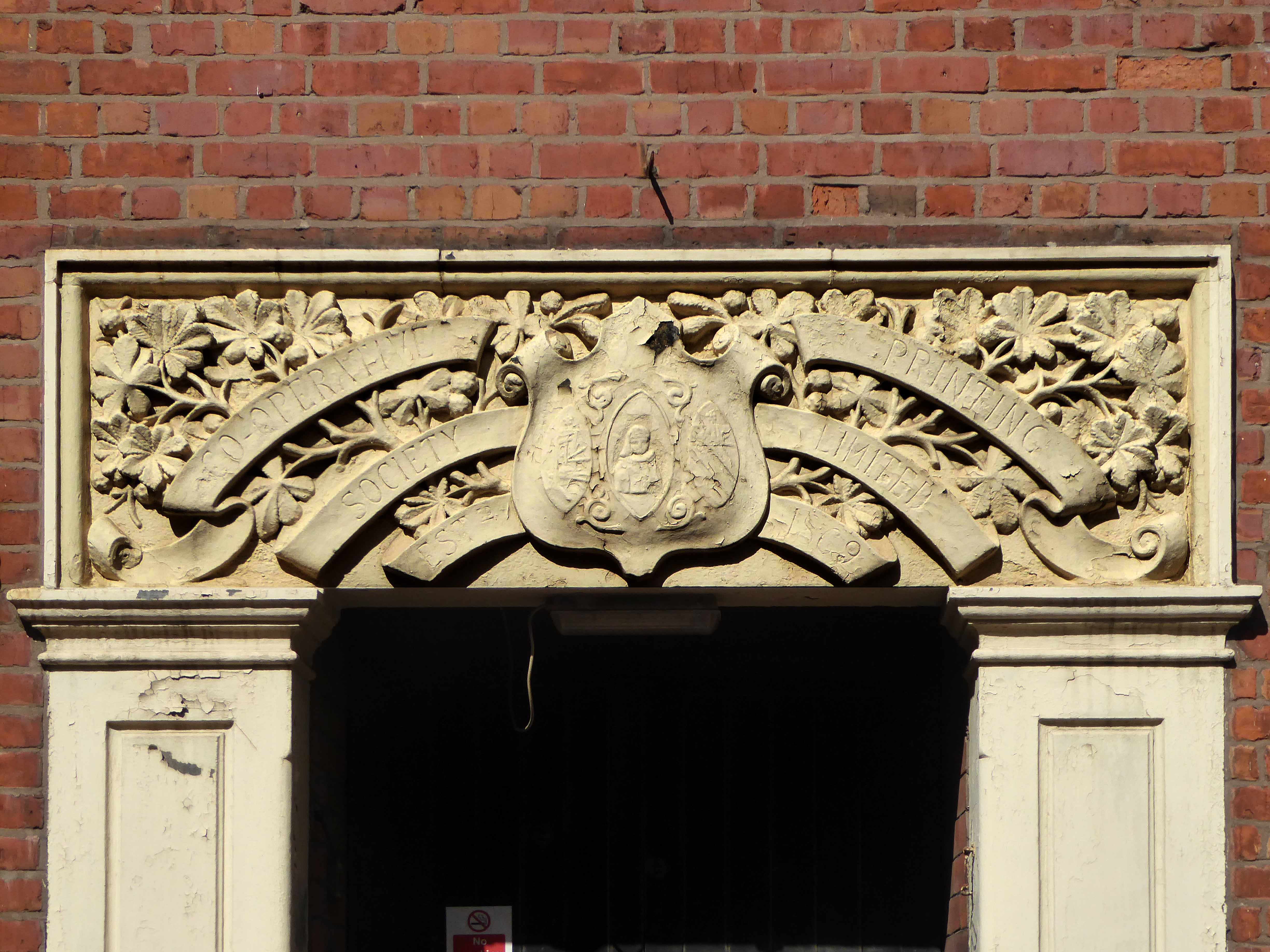
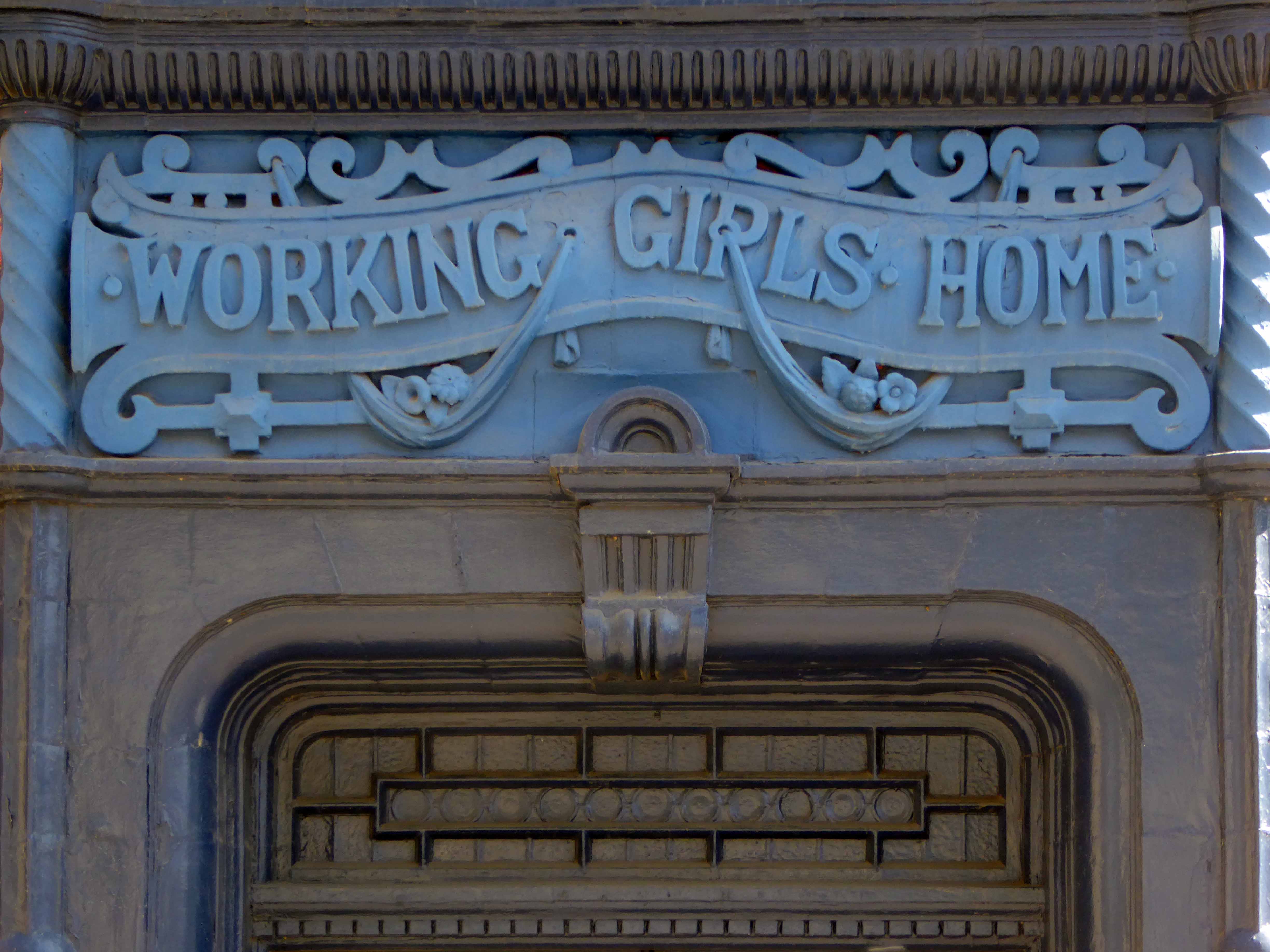
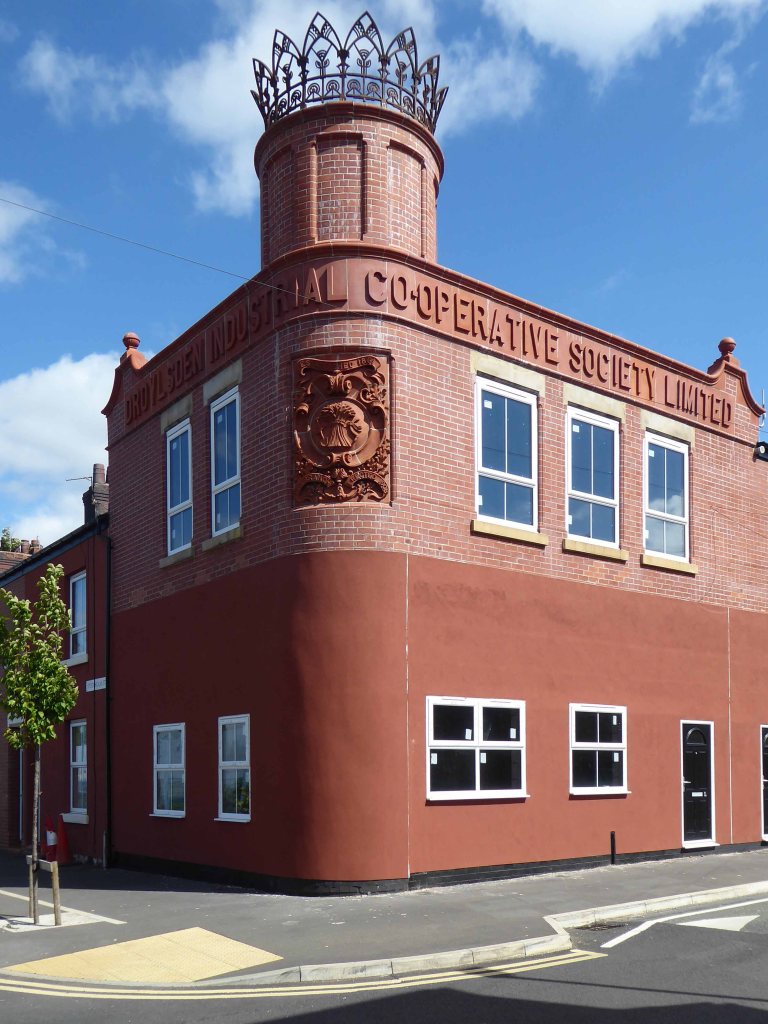
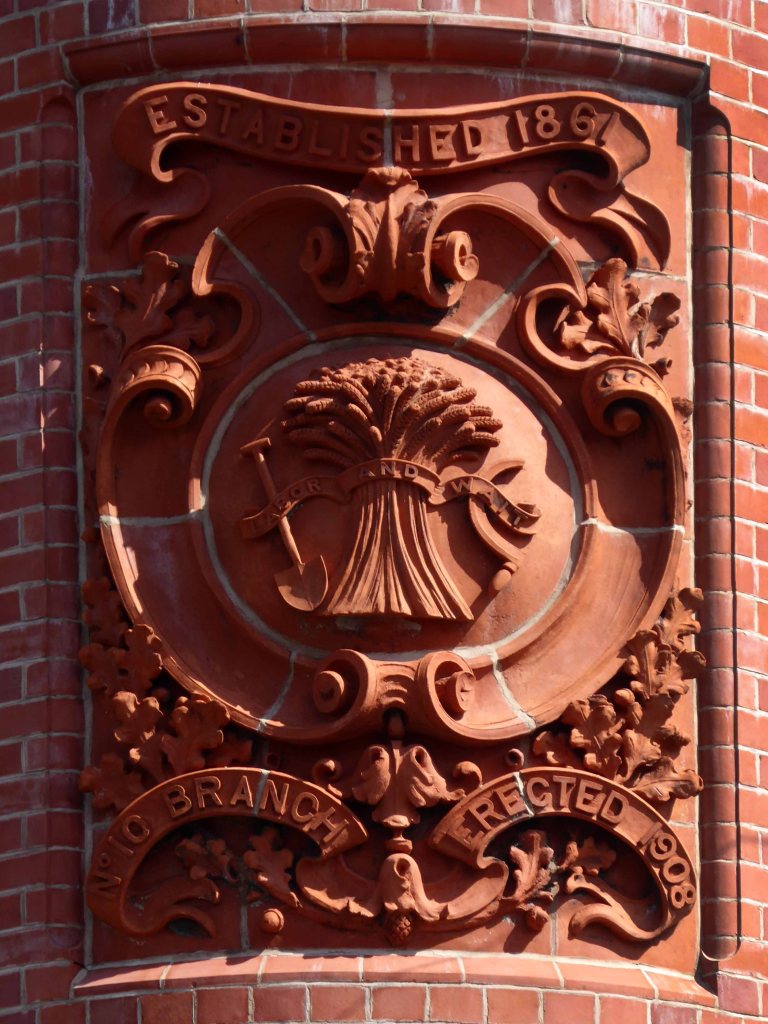
On the corner of Ravensbury and Stockholm Street Clayton Manchester there stands a Cooperative Shop of 1908.

We have previously visited another fine example on Northmoor Road.

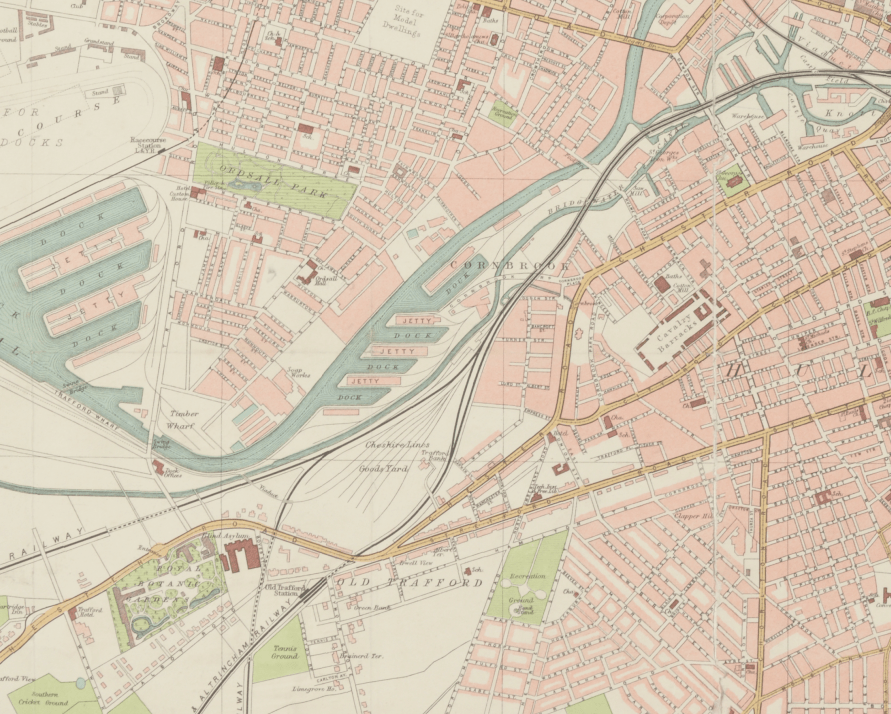
In 1902 the area is still set to open ground.

This Manchester Local Image Collection photograph of 1912 shows new terraced homes emerging to meet the housing needs of the world’s first industrial city.
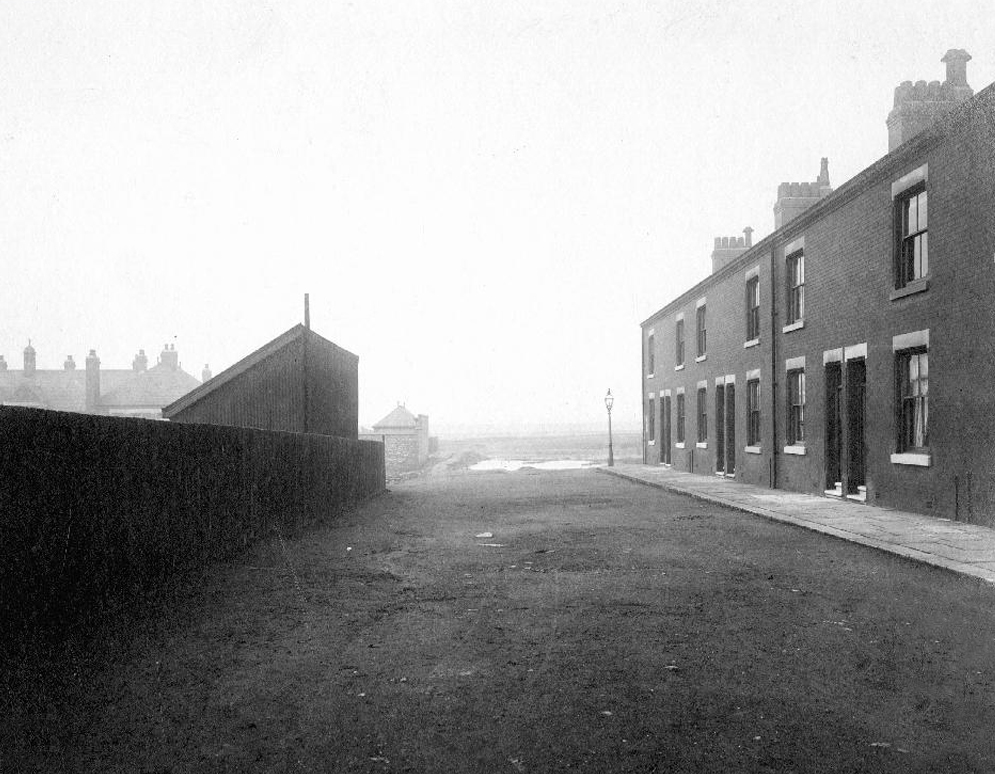
Stockholm Street

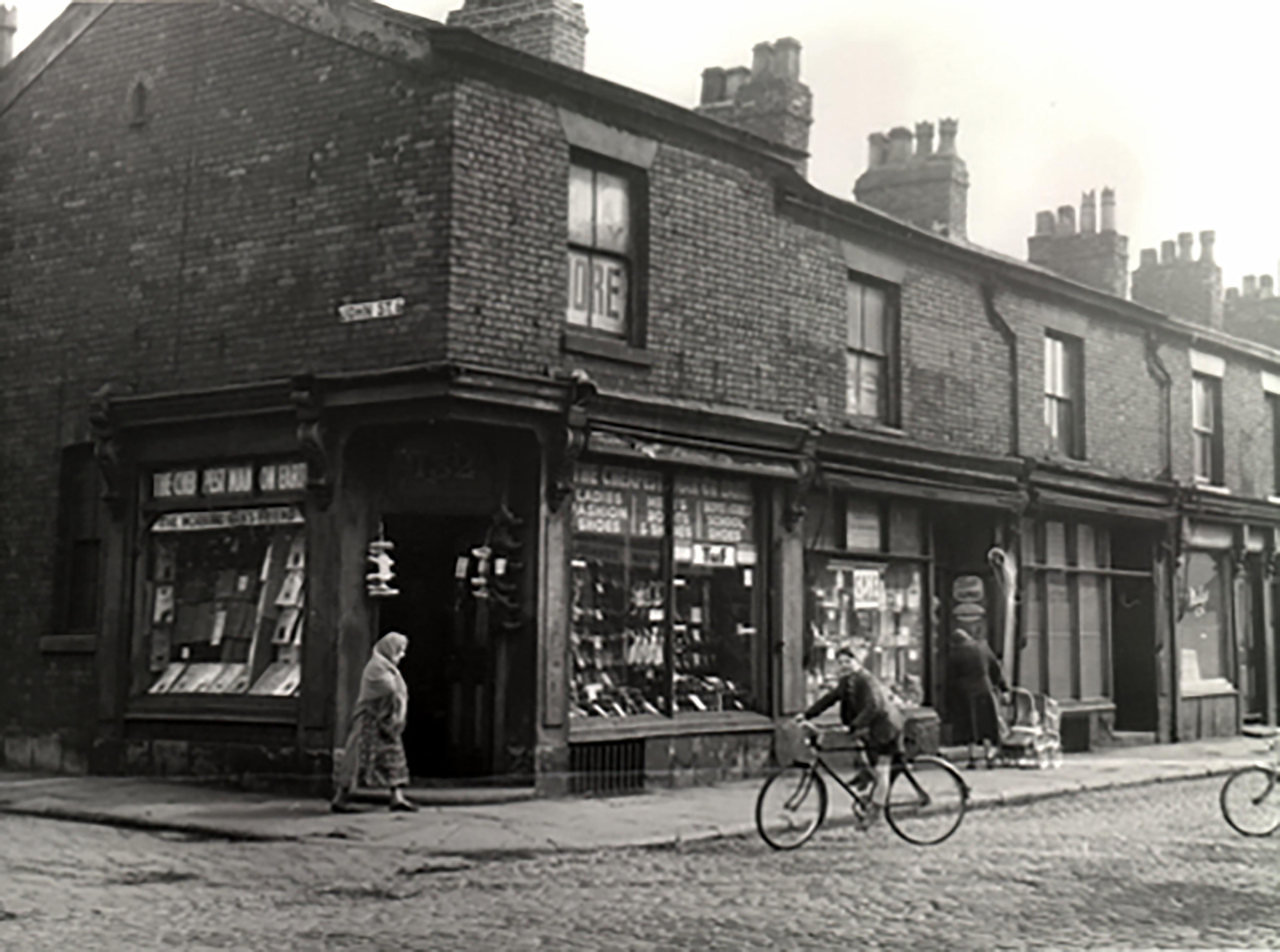
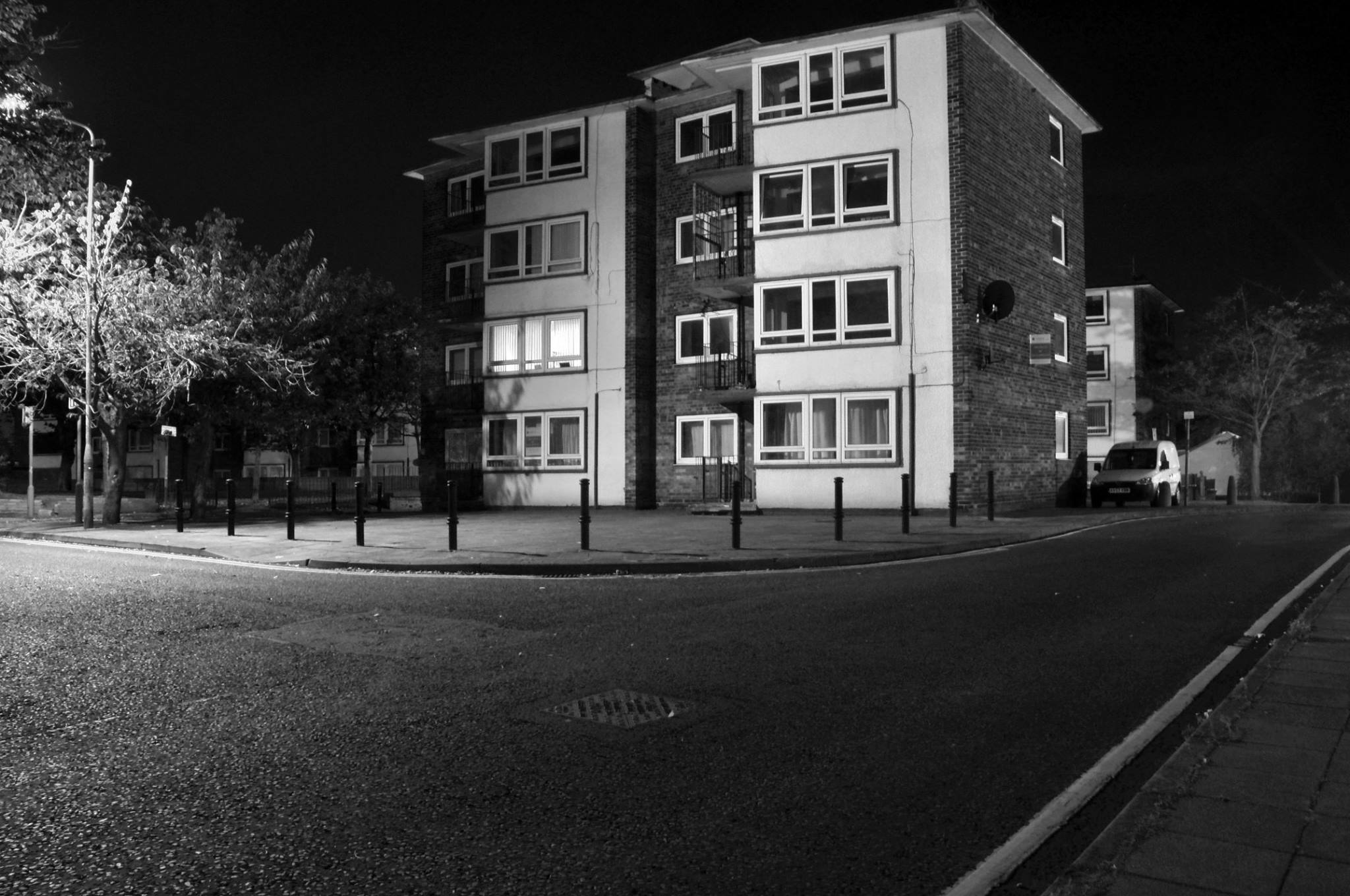
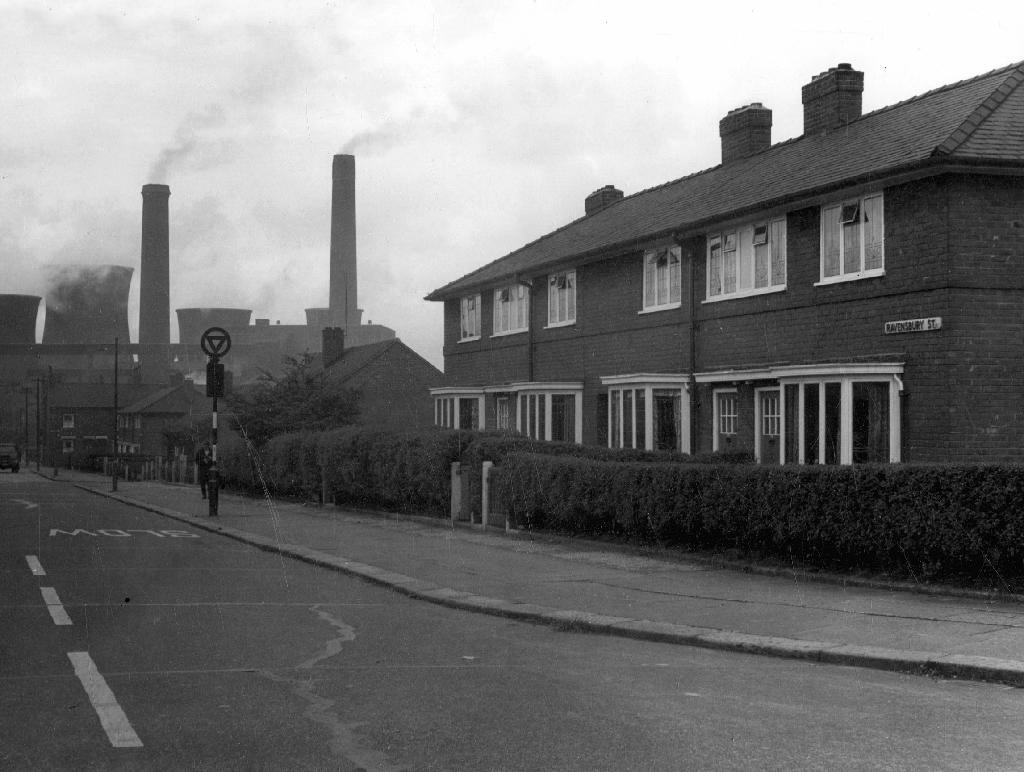
Here is the street in 1965 the shop already shut.
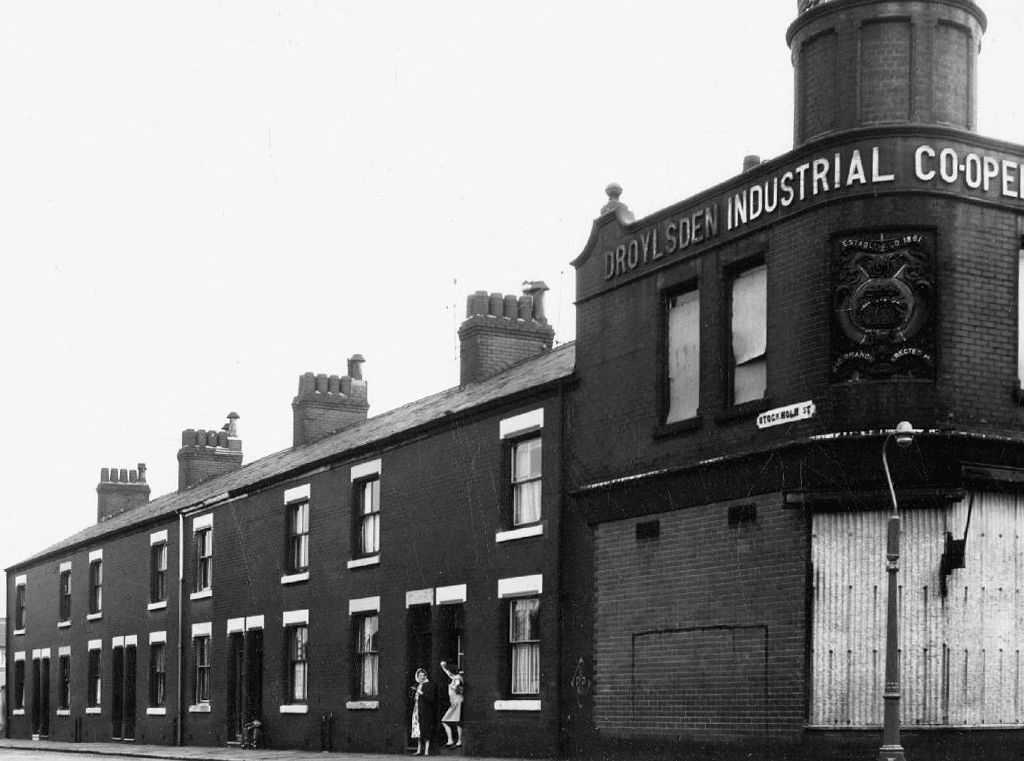
The corner shop on Bank Street still trades.
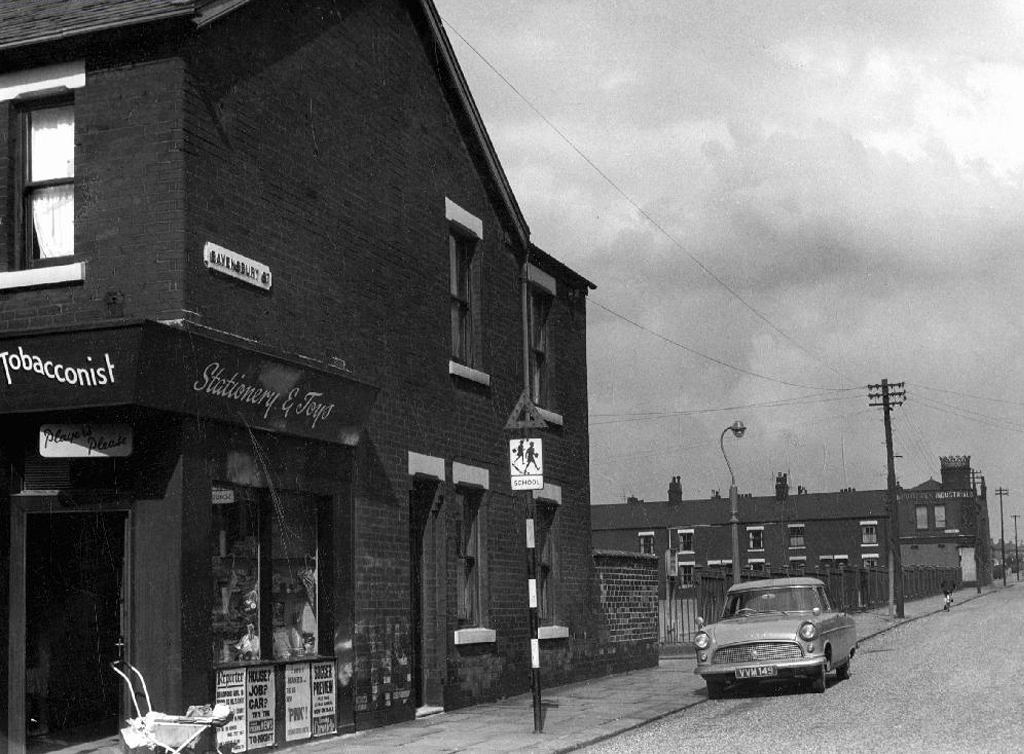
The Stuart Street Power Station does not.
Changing patterns in shoppers habits sealed the fate of many local and corner shops, as larger supermarkets opened, increased mobility and car ownership became more common.

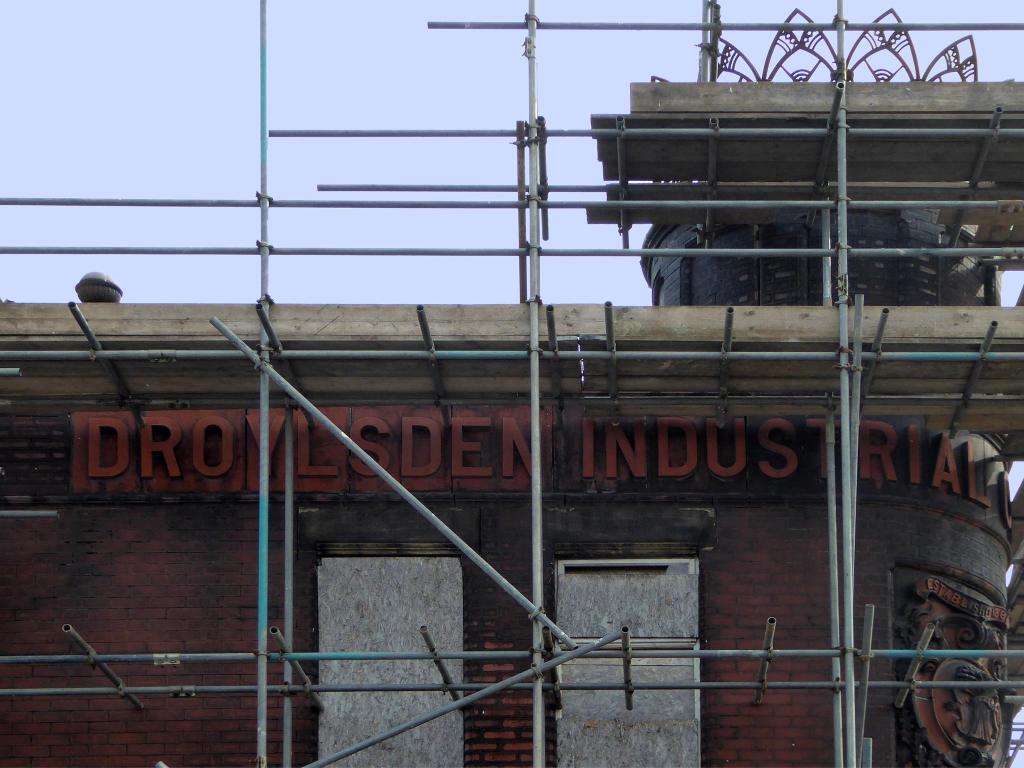
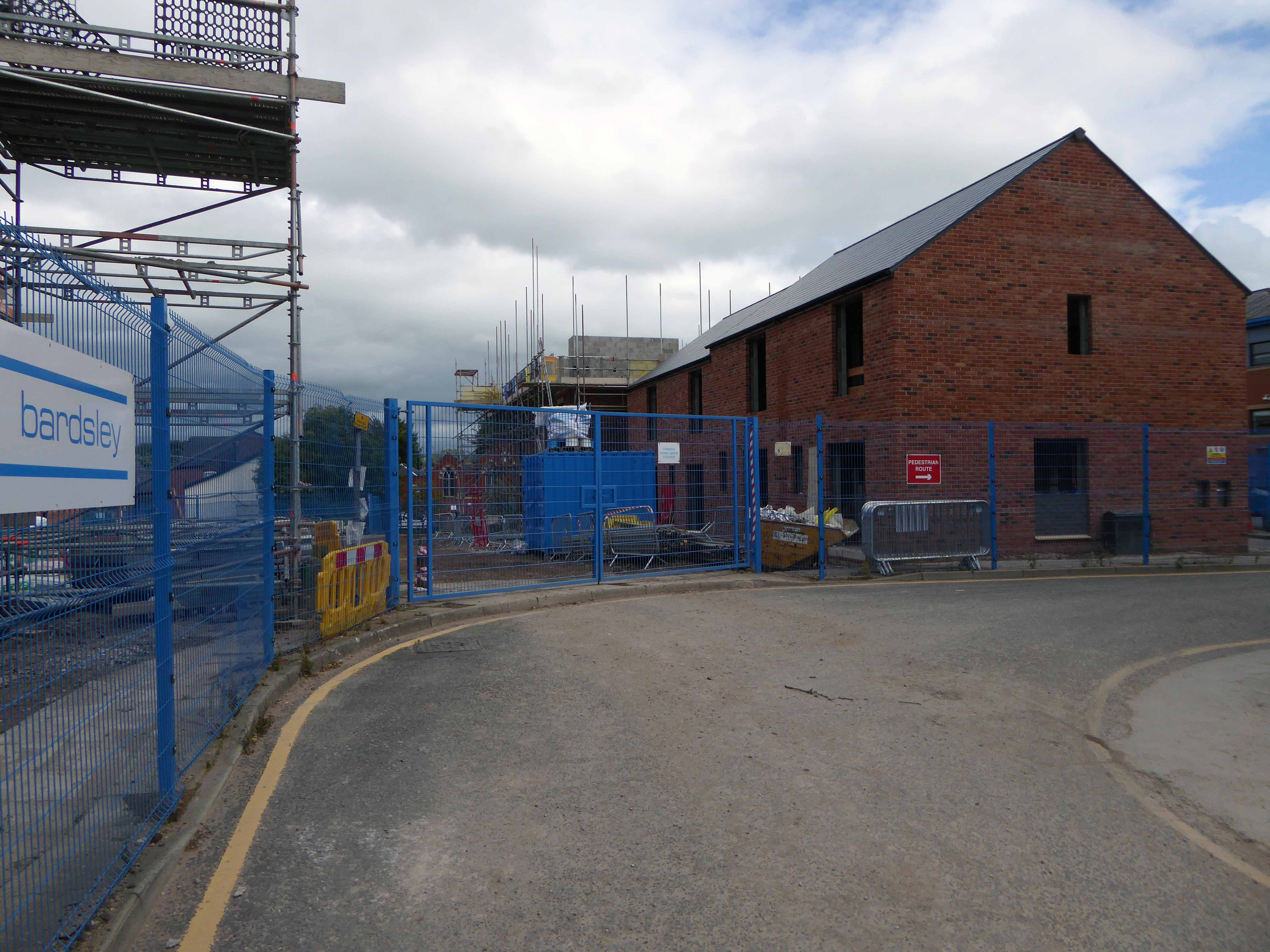
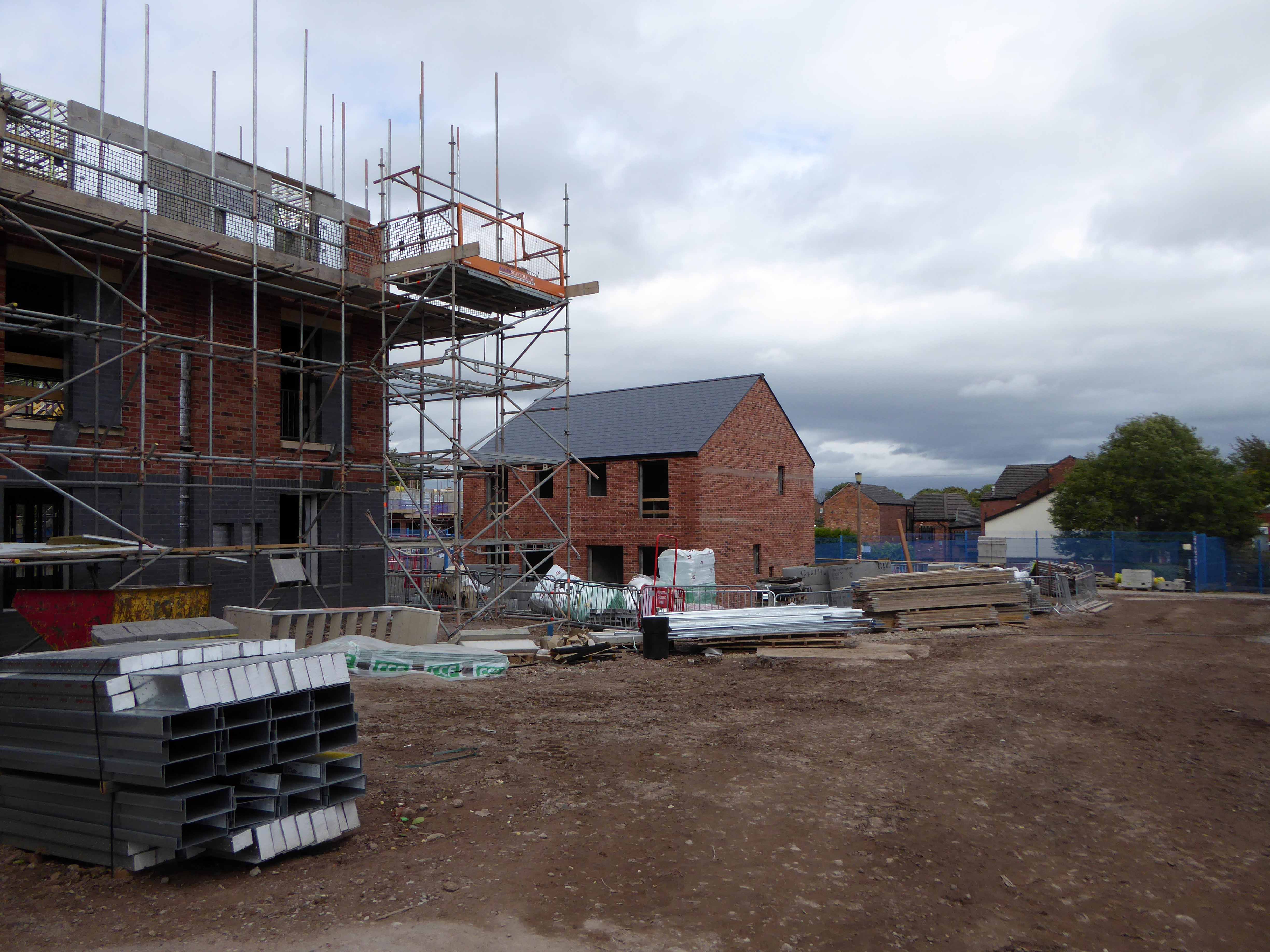
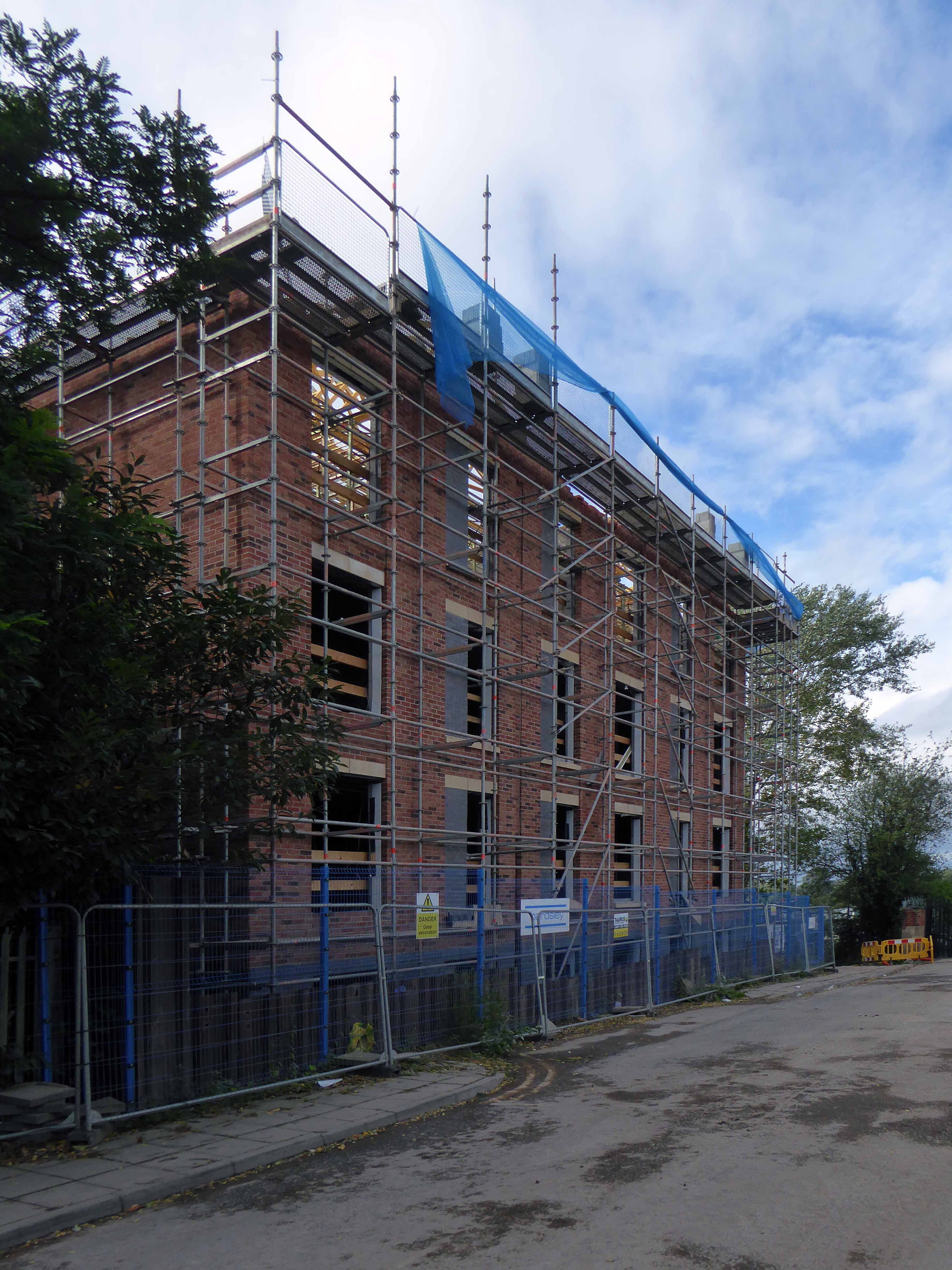
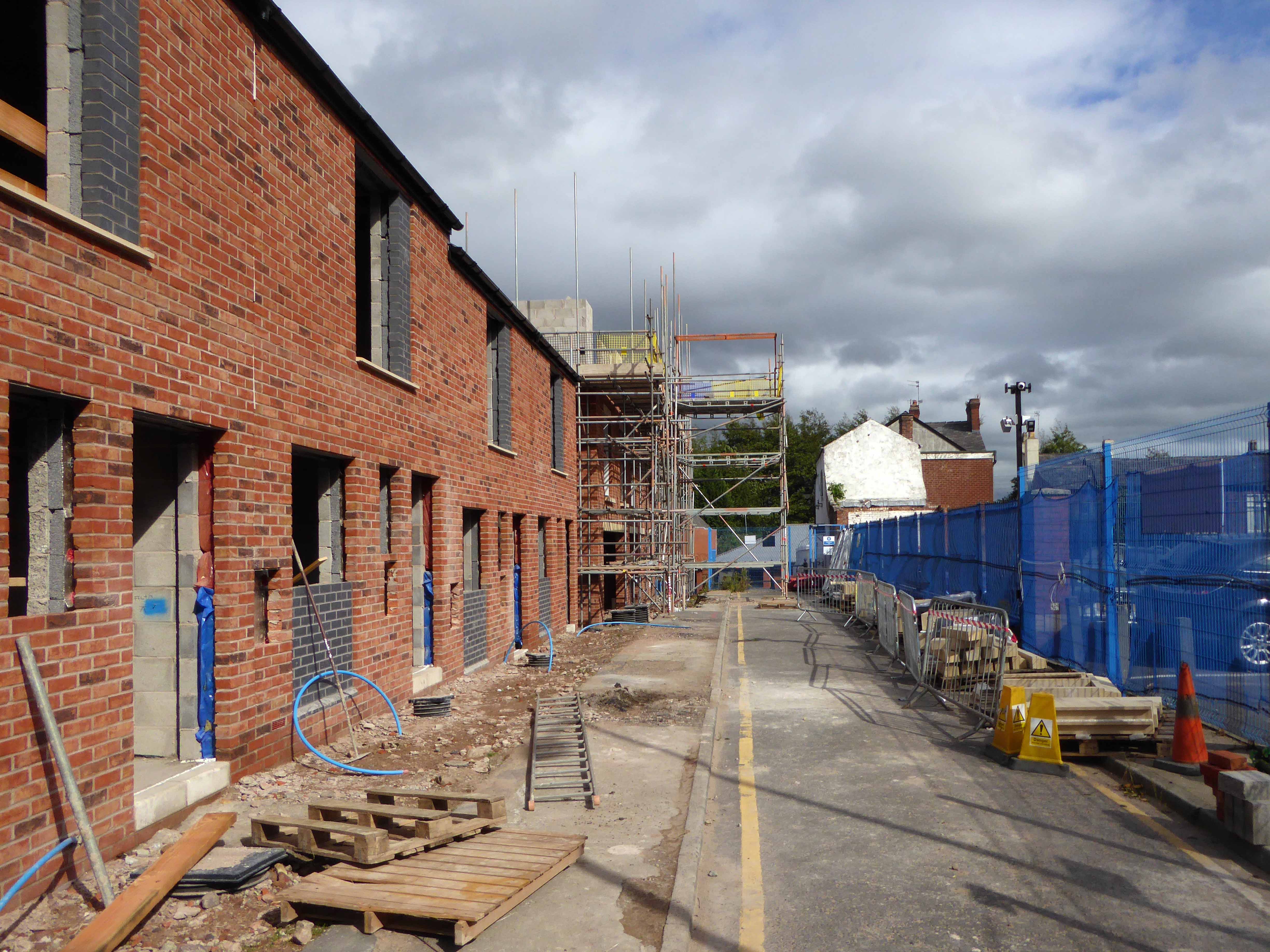
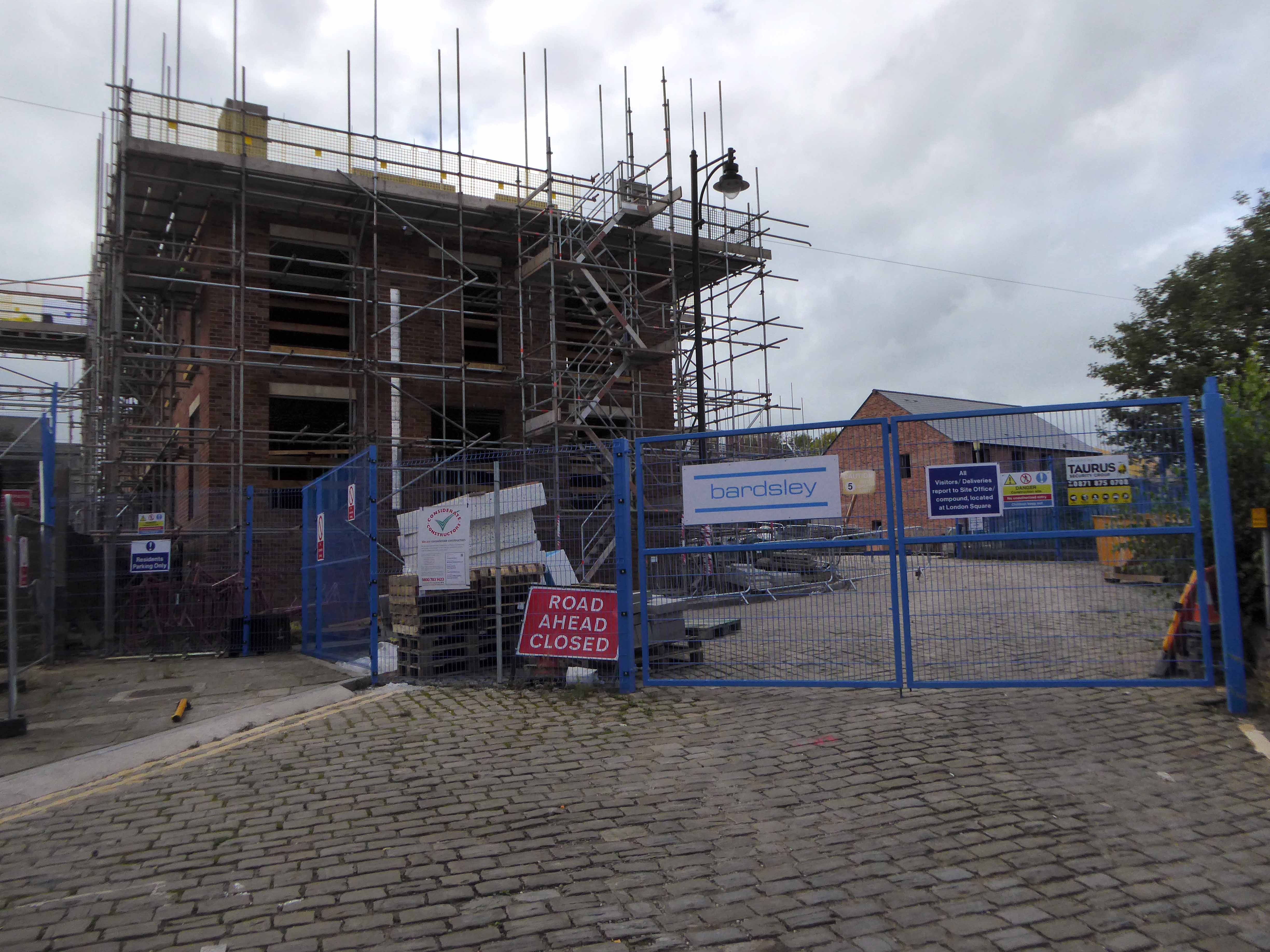
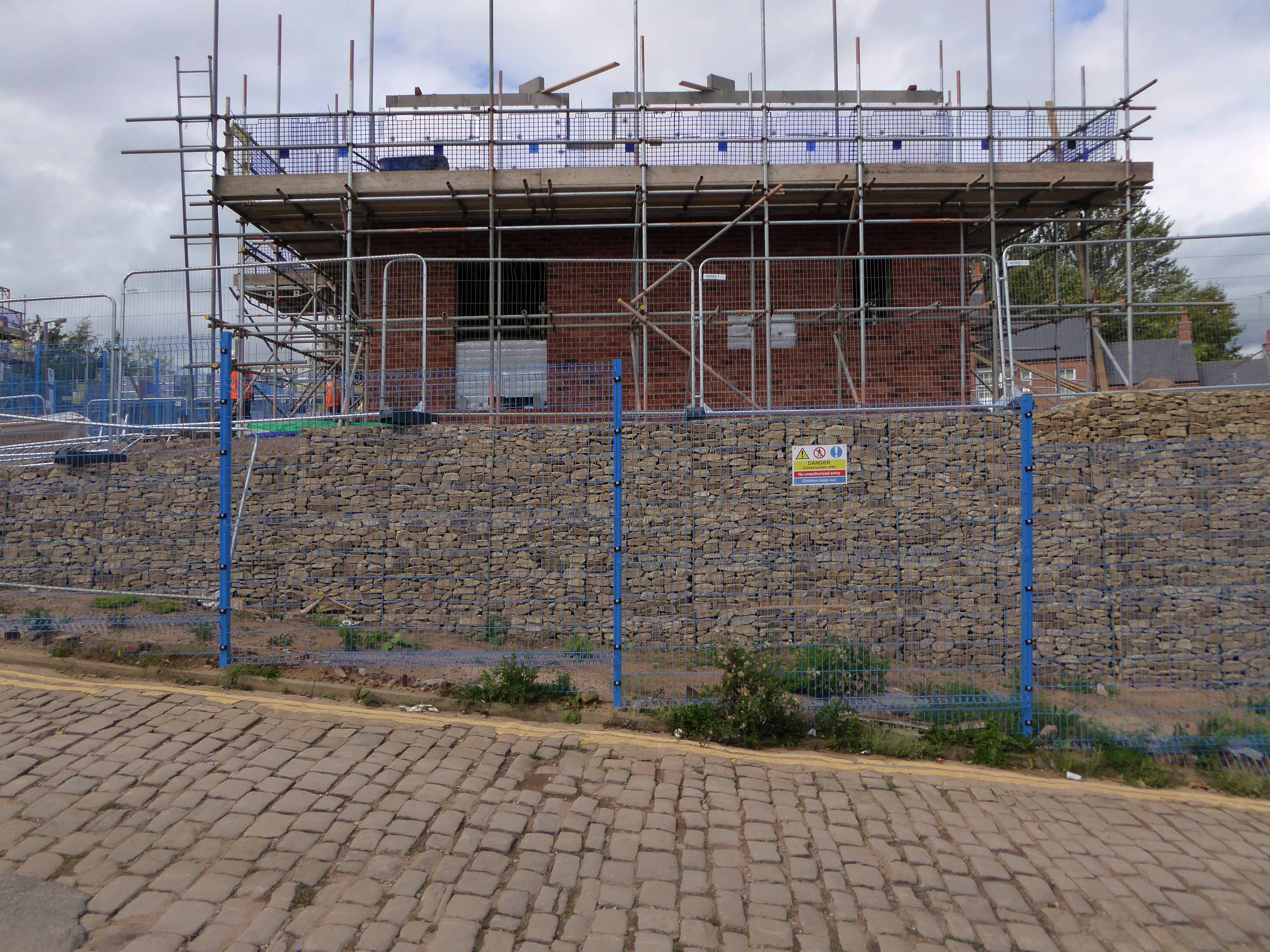
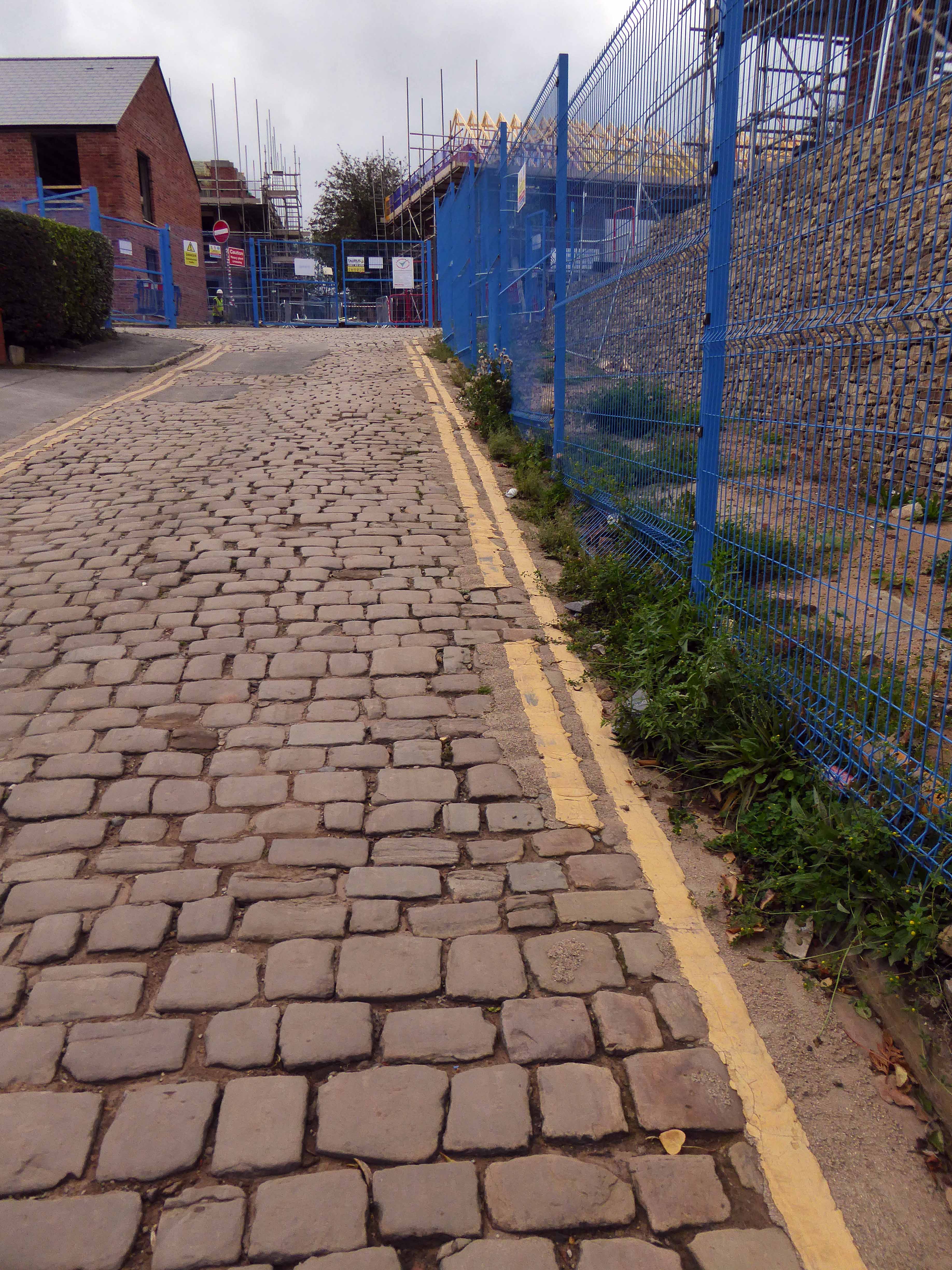
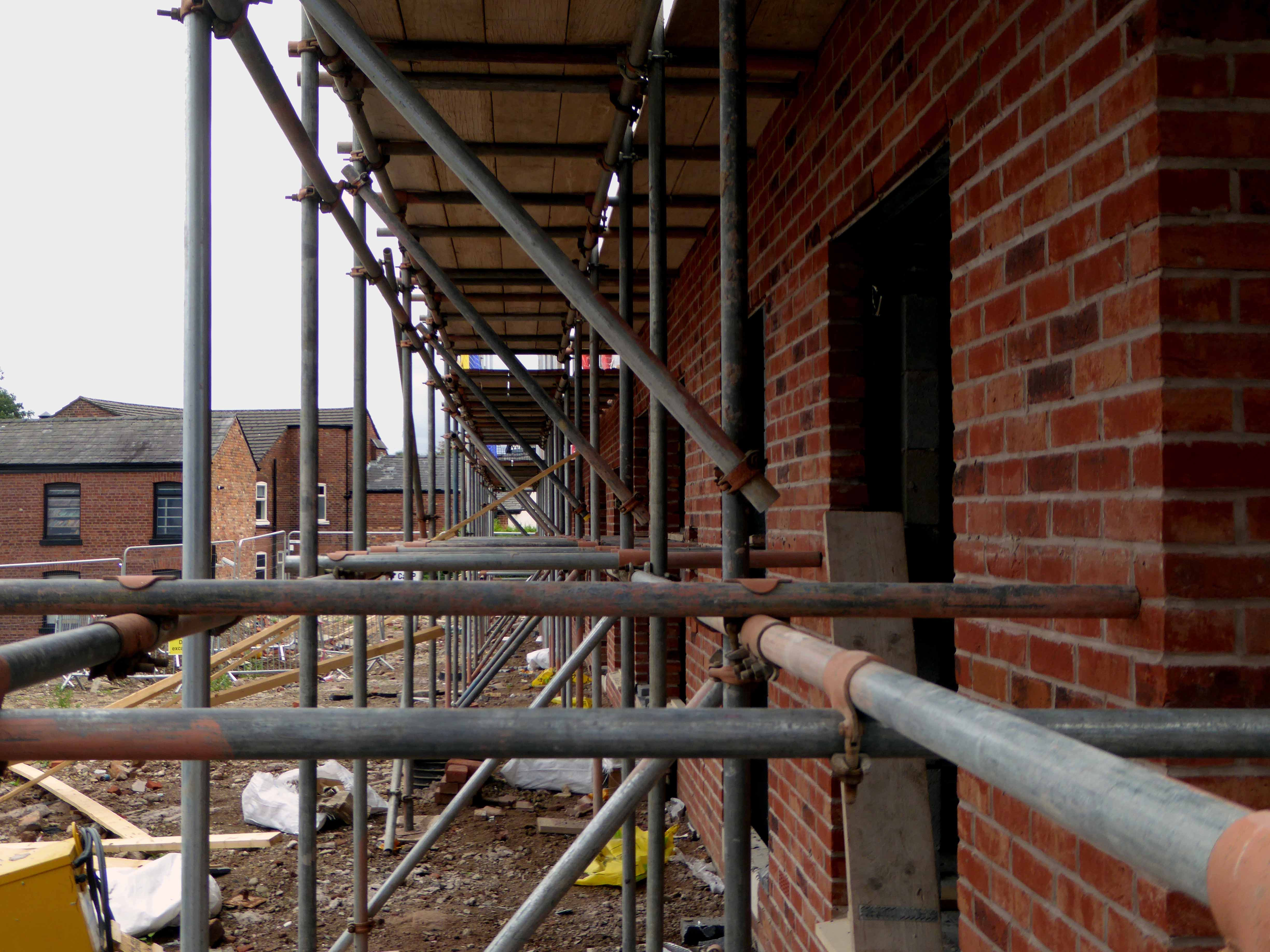
When I first visited the building was undergoing renovation work.

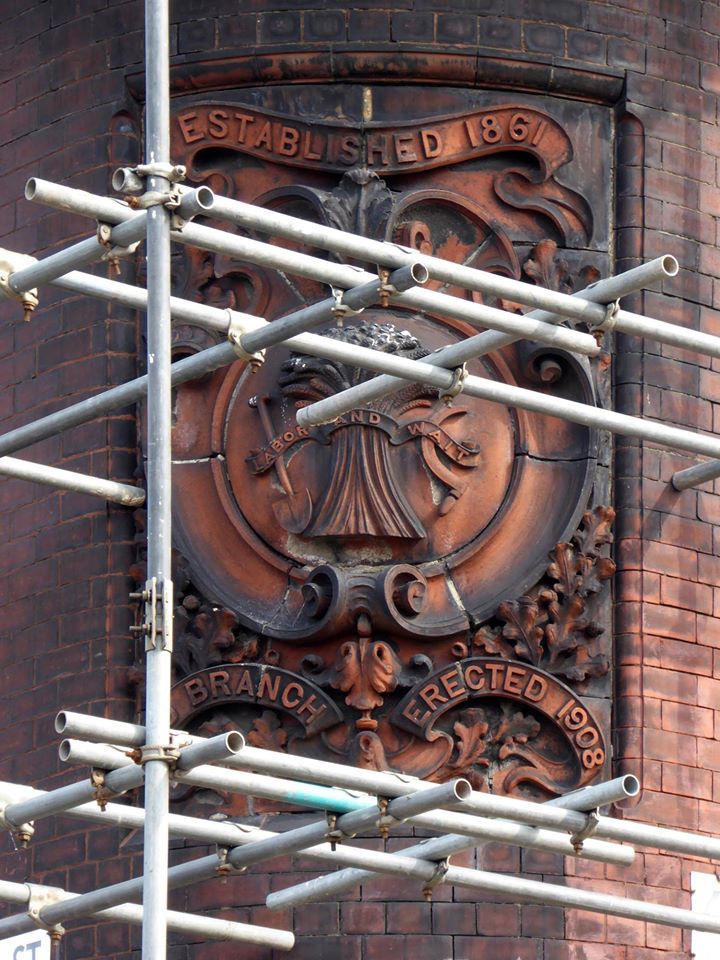
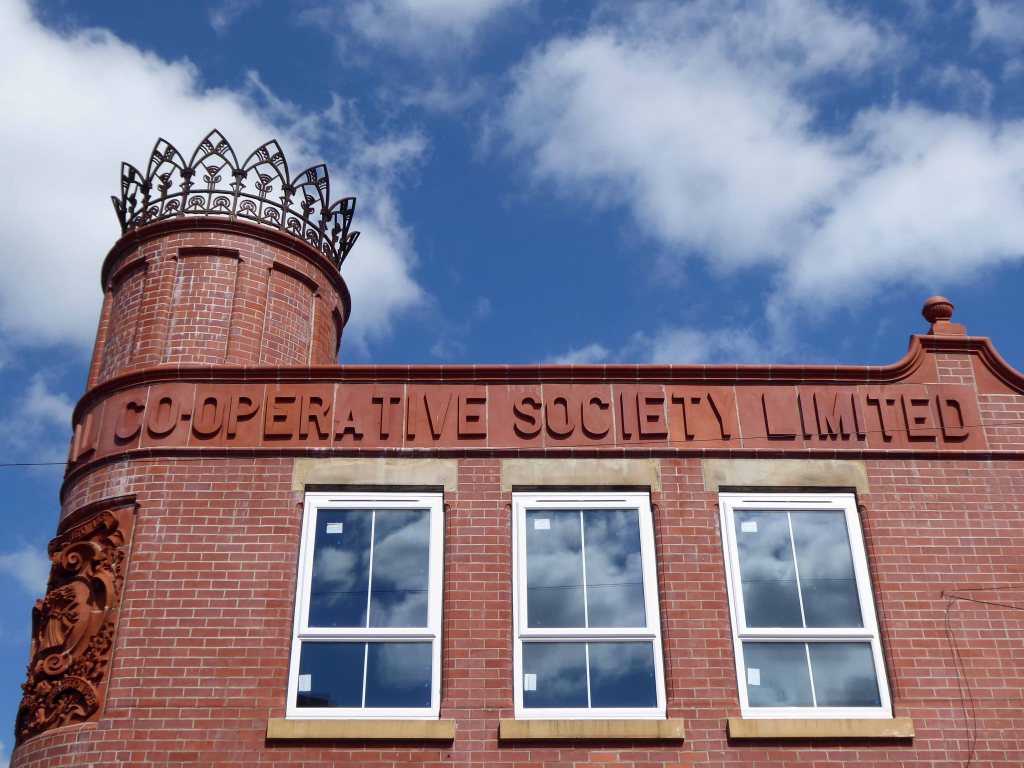
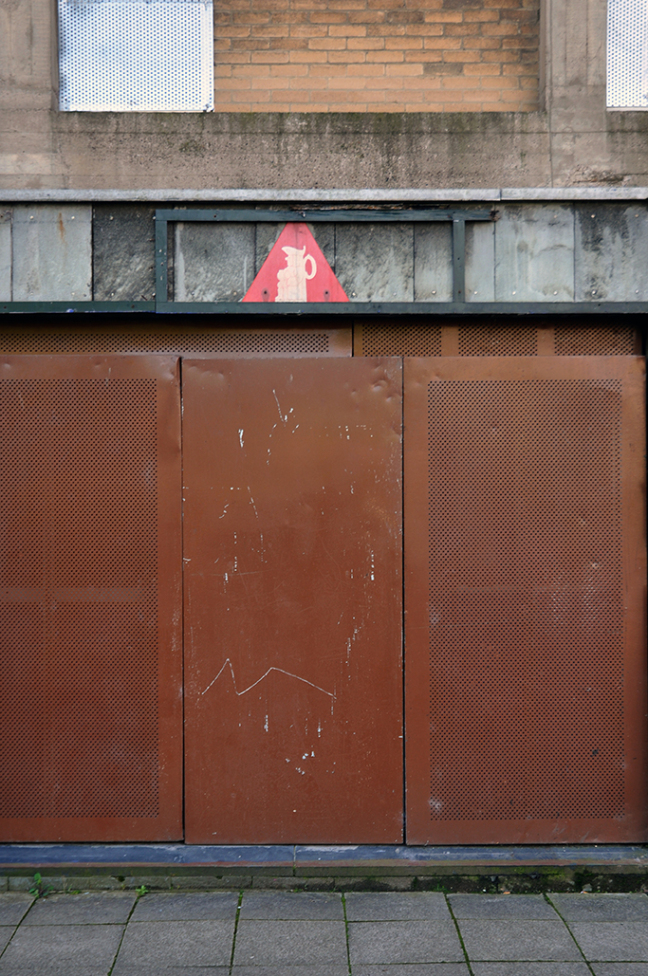
The beautiful terracotta tile work and corona obscured by scaffolding .

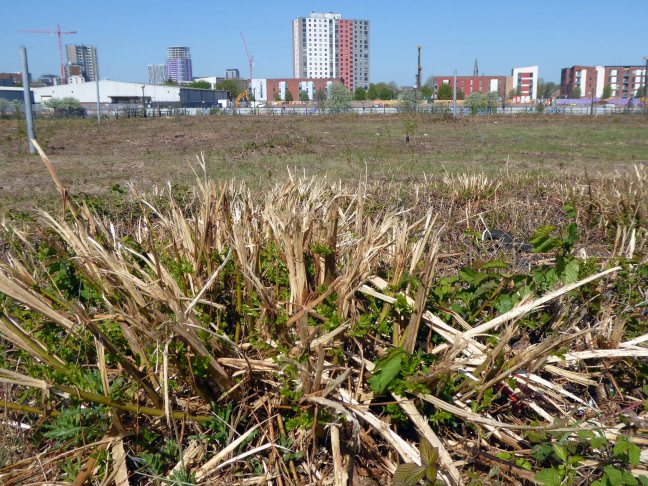
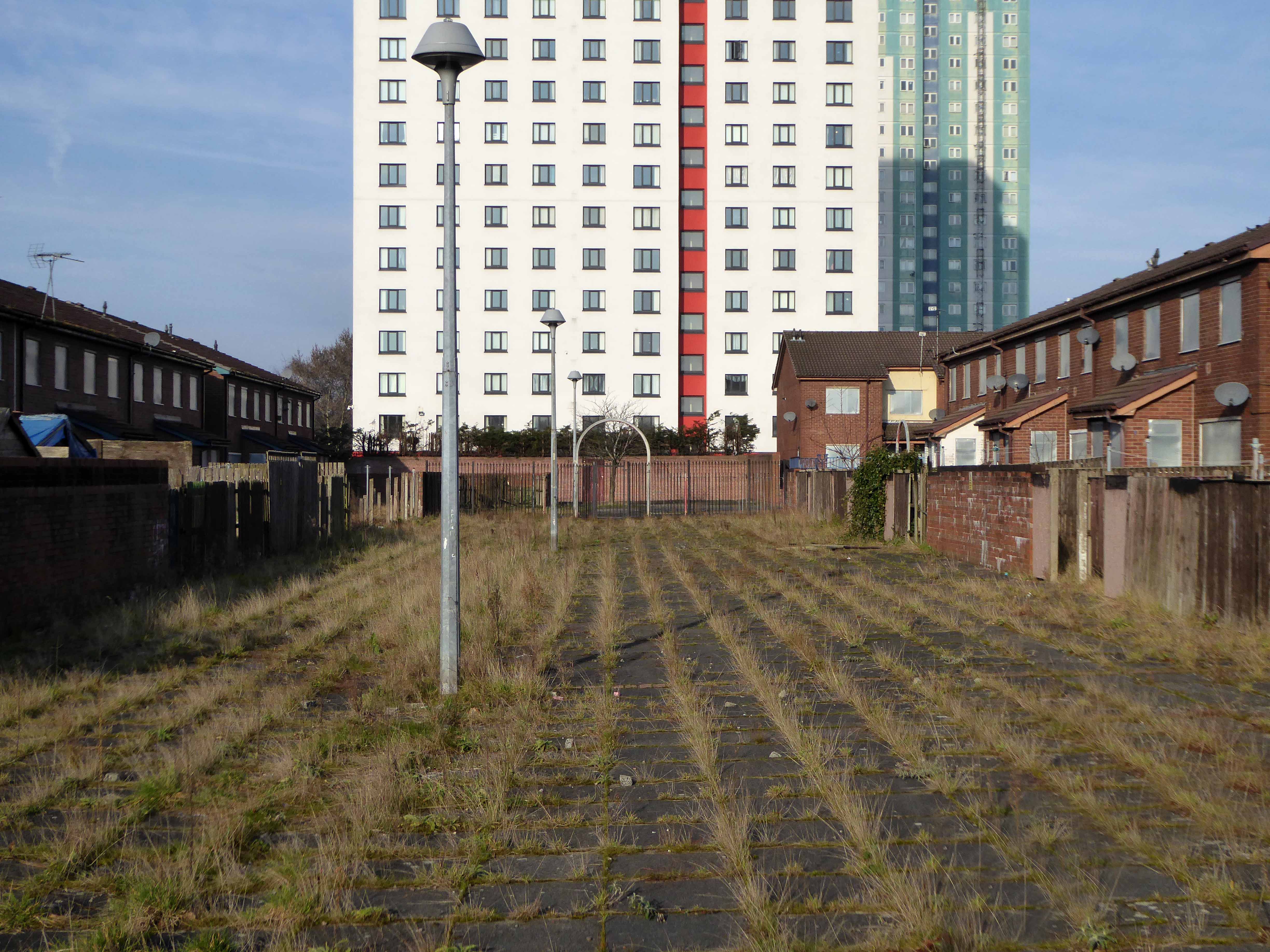
I returned last week to find the job almost done – converted to flats, in an area which has seen a great deal of improvement to the general housing stock, paving and street furniture.

A joy to see a fine building almost returned to its former glory, with a much needed social purpose, reviving the city’s western edge.
Pomona – Manchester

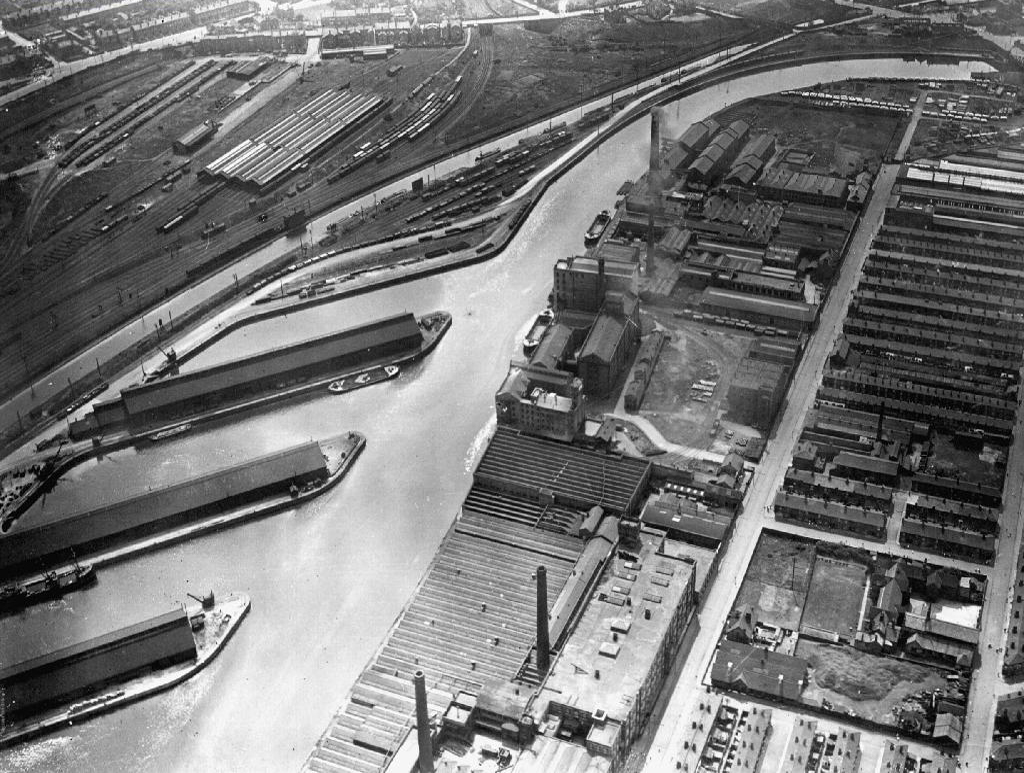
The River Irwell bisects Salford and Manchester, joining the rivers Irk and Medlock, and then turns west toward Irlam, as part of the Manchester Ship Canal. Its course ends just east of Irlam, where it empties into the Mersey.

Urban development is ever so often dependent upon rivers – for sustenance, commerce and amusement. The Irwell and latterly the developments of the canal system has provided all of these in superabundance.
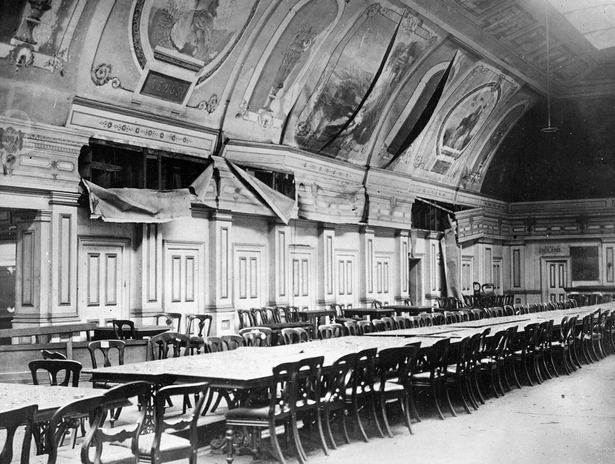
By 1870 the Pomona Gardens is thriving , boasting a concert hall and banqueting suite – further details here from Skyliner.

In the summer of 1887, a nearby chemicals factory exploded, damaging the palace – the area was under threat and destined to rot away to obscurity: the following year the gardens closed forever.

By 1900 the Ship Canal, docks and railways had arrived – Manchester and Salford are at the centre of an unprecedented growth in manufacture and trade.

1891
1923
1950

During the 1970’s the docks began a rapid decline, largely due to containerisation. The increasing size of freight-carrying ships meant they could no longer navigate the ship canal and this, combined with increased trading with Europe and the east, saw use of Manchester Docks decrease. In 1982 the remaining docks closed and the area became derelict. Recognising the need to redevelop the area, Salford City Council purchased the docks in 1984 using a derelict land grant. The Salford Quays Development Plan was adopted in May 1985, proposing complete reclamation and development of the area for commercial, residential and leisure use.
Wikipedia

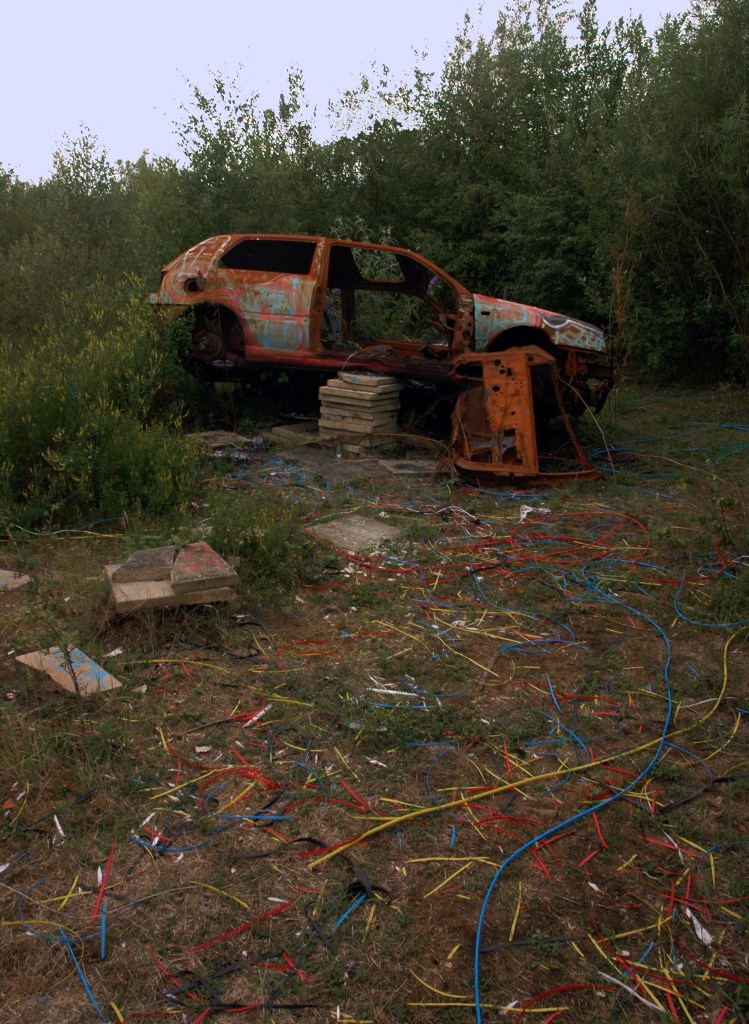
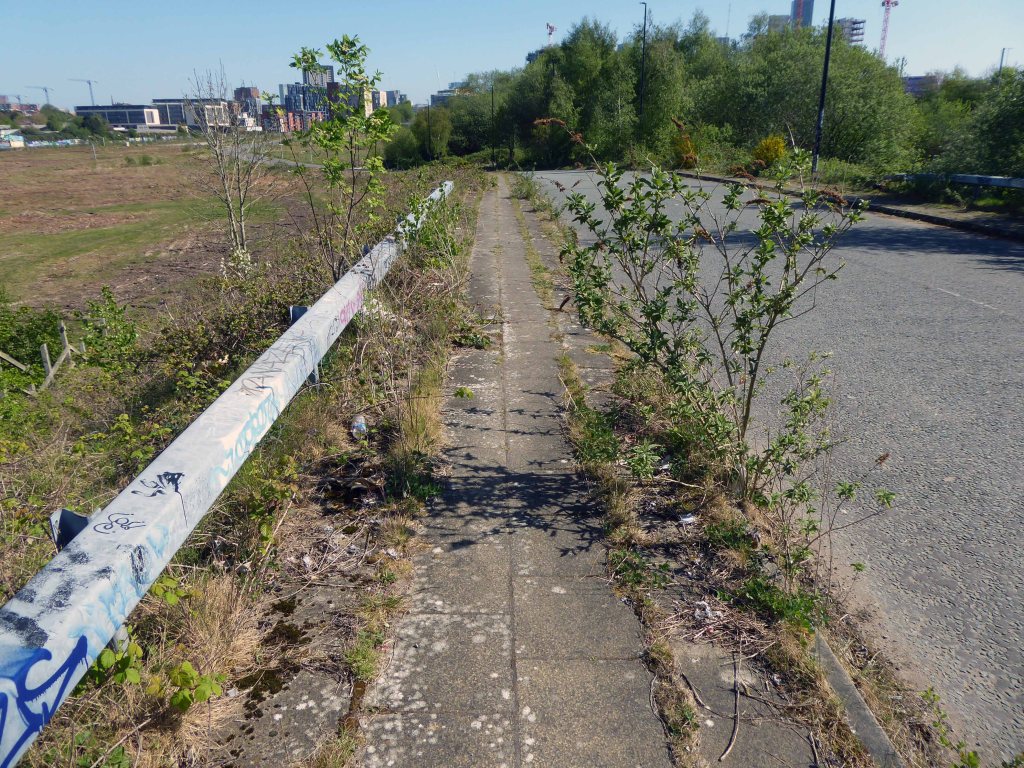
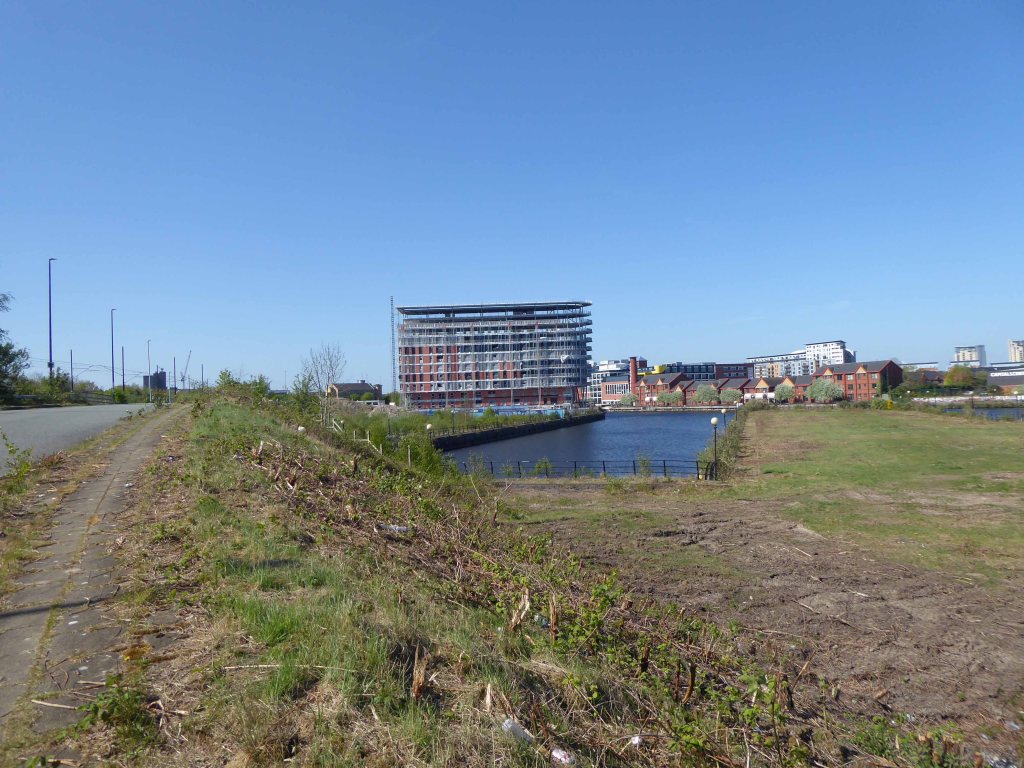
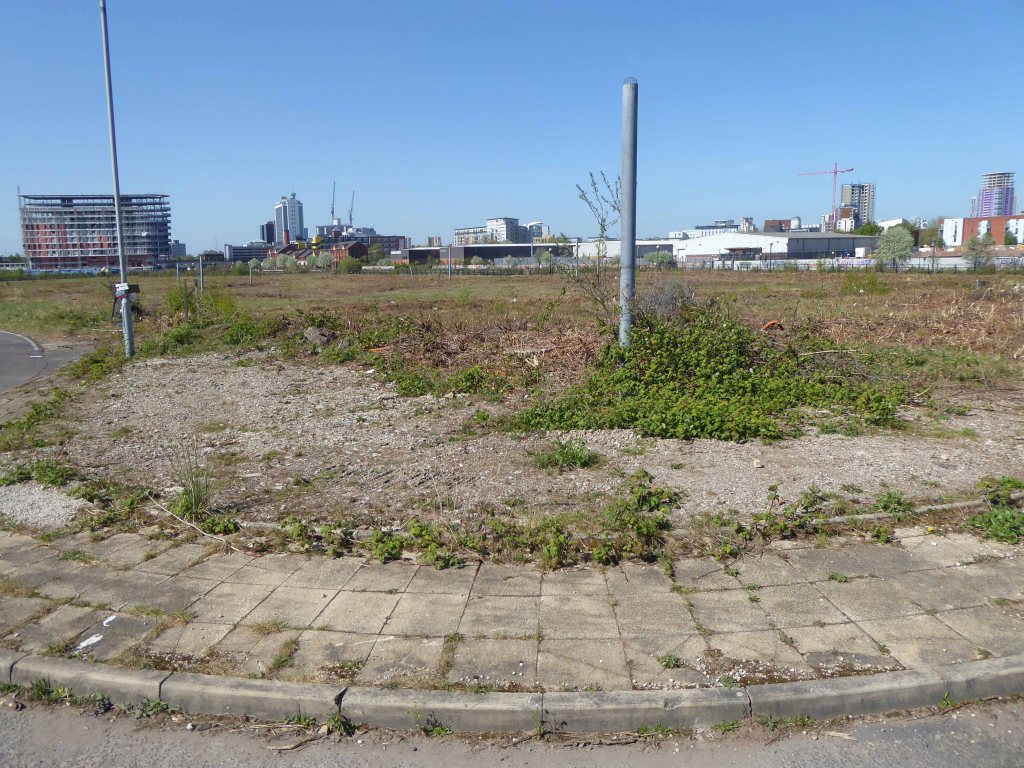
Manchester and Salford begin the long haul from post industrial decline to service centred cities – there were even seeds sewn for the development of a luxury marina. When I first visited Pomona the area was seriously overgrown and the underground wiring stripped out.

2010
2010
2020

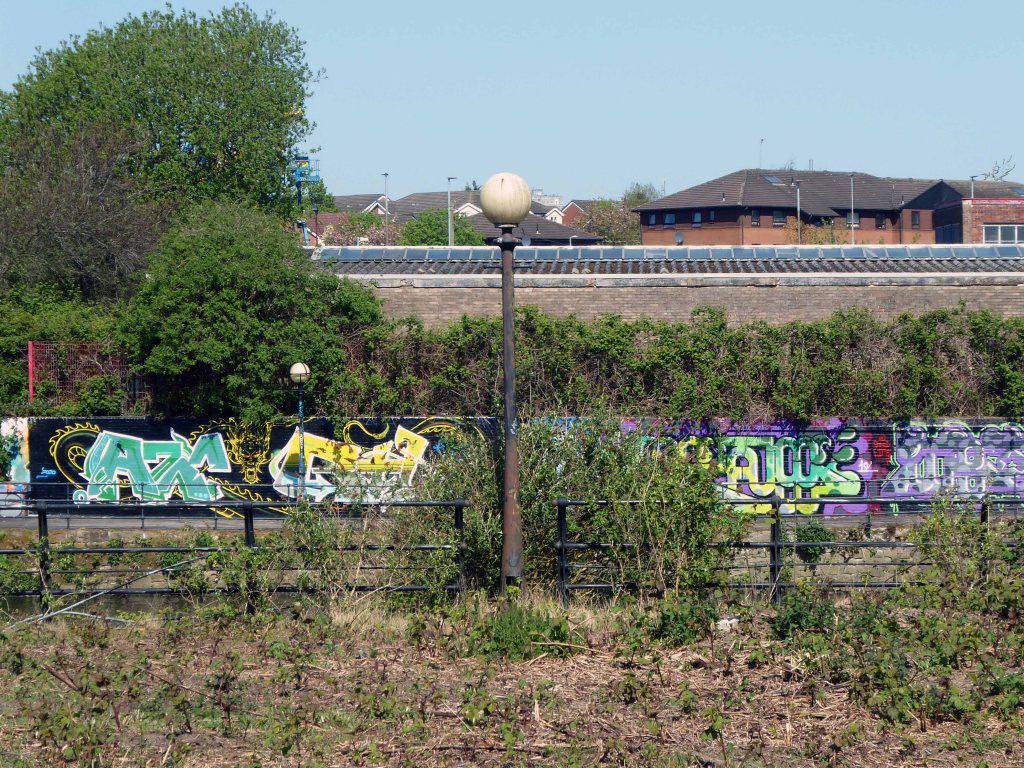
Remnant of the initial scheme – pedestrian access, balustrade and lighting.

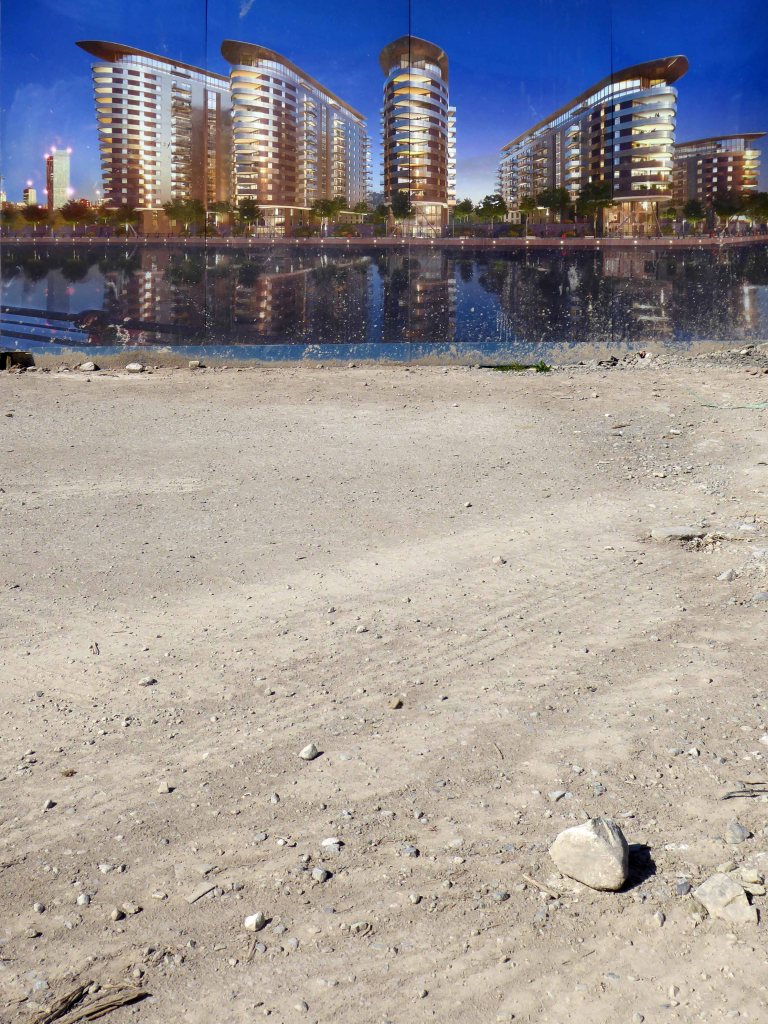
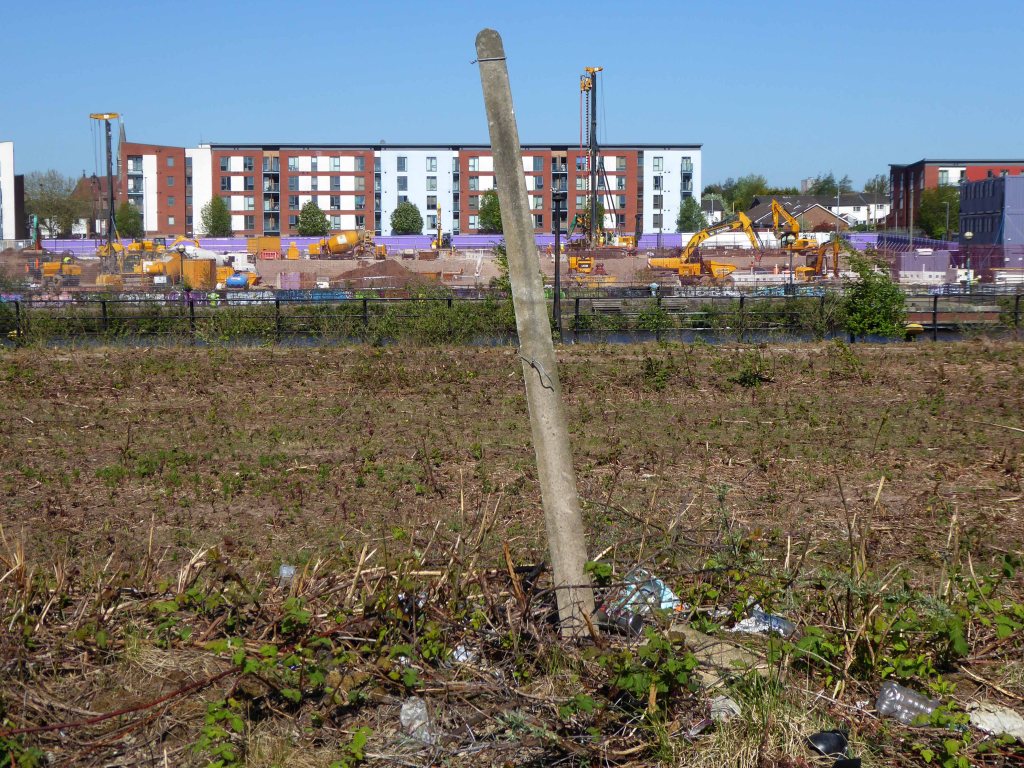
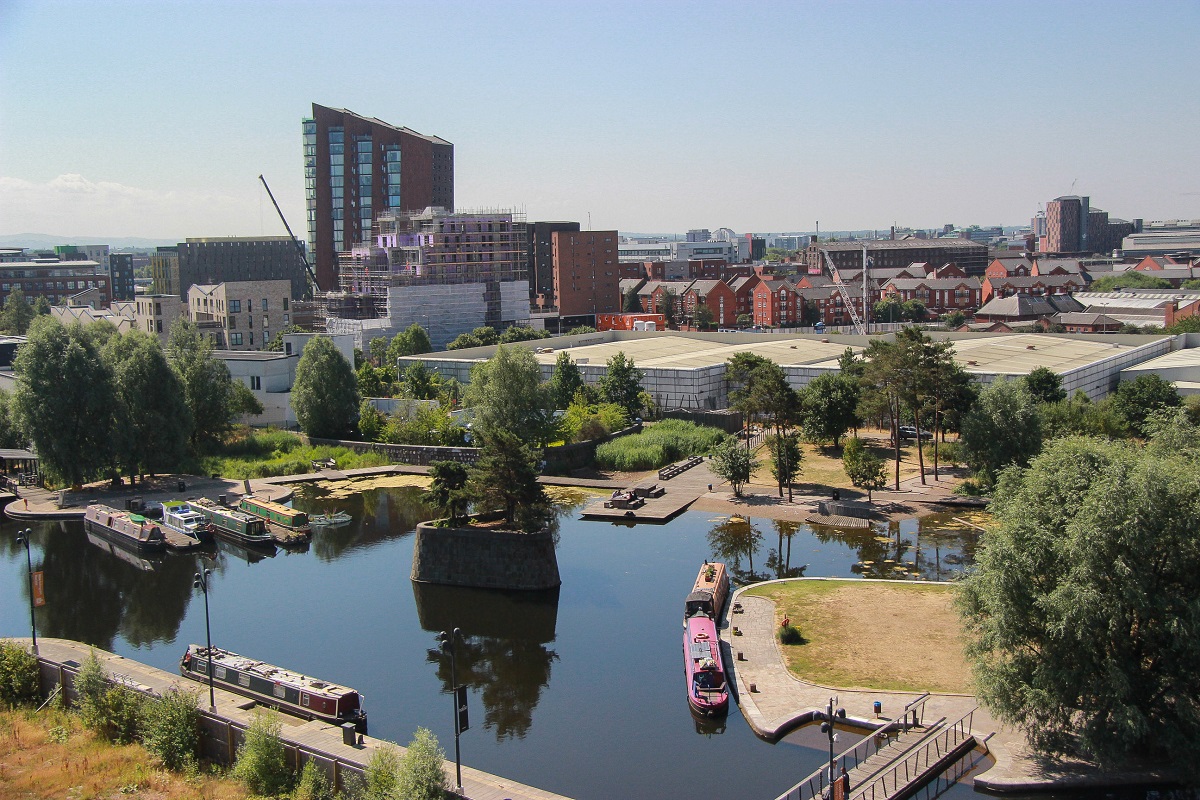
What would poor old Pomona make of all this?

There was a failed attempt to prevent further development and return the area to nature. Peel Holdings prevailed and pressed on relentlessly with their programme of urbanisation.

I have posted concerning Pomona posts previously.

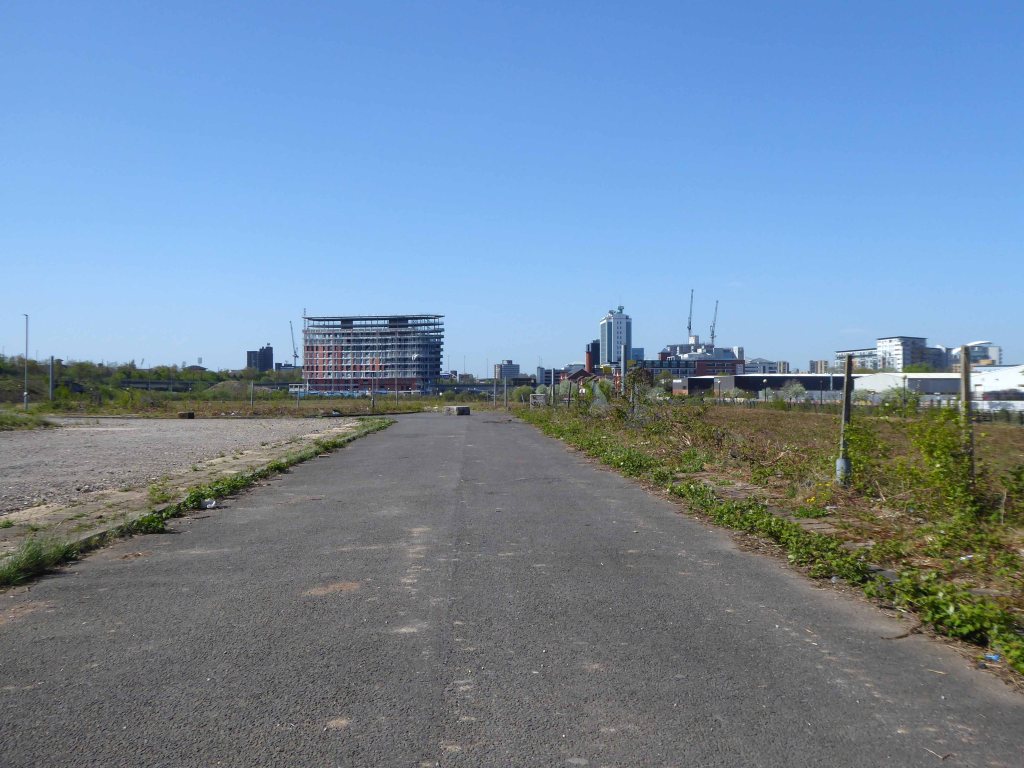
So it’s April 2020 – I’m on my way from somewhere else to somewhere else, I’ll cut across Pomona Island – the building site is in lockdown – ain’t nobody home.

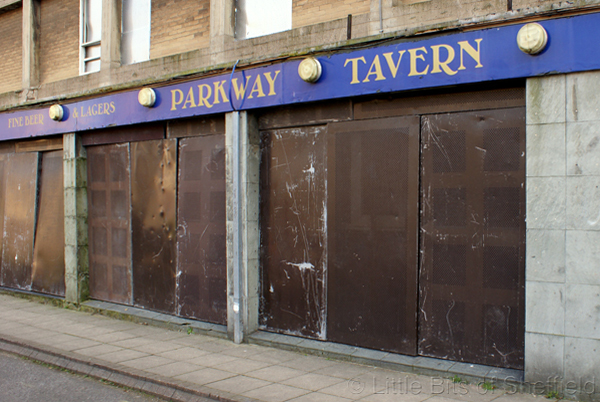
The Parkway Pub – Park Hill Sheffield

I’ve been here before, virtually – in my online guide to Park Hill Pubs.

I’ve been here before, actually – on my visits to Park Hill Estate

But hark, what news of the Parkway pub?

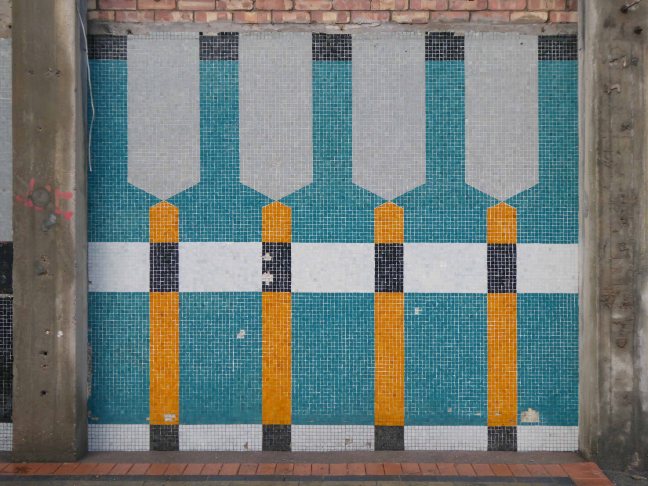
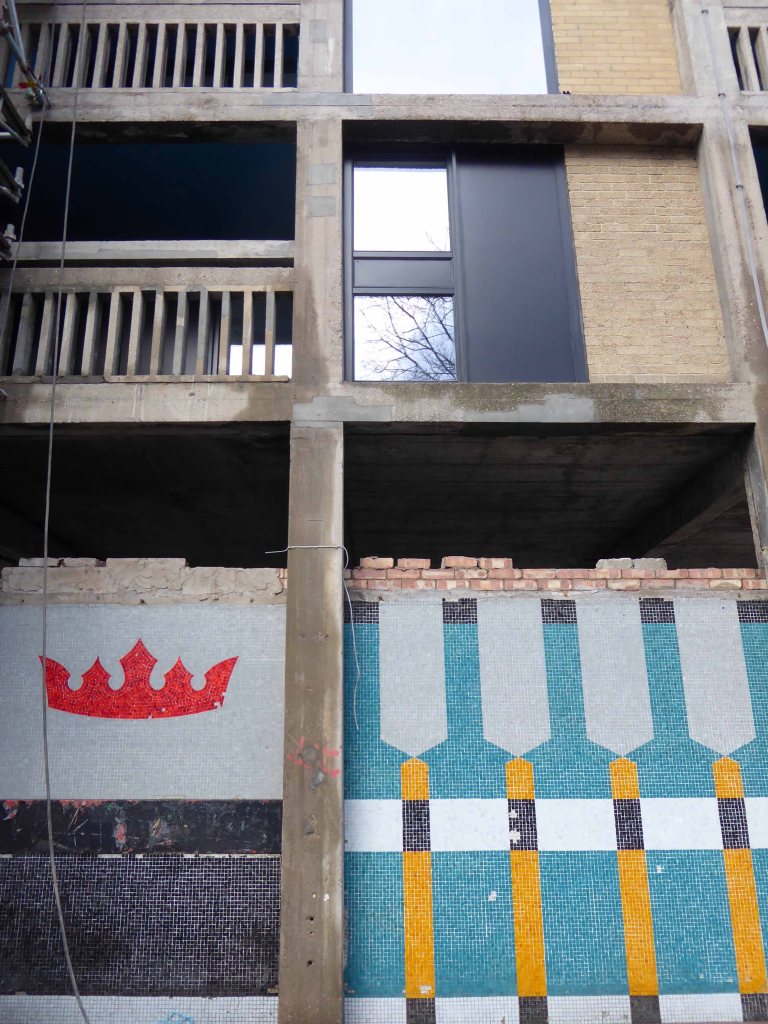
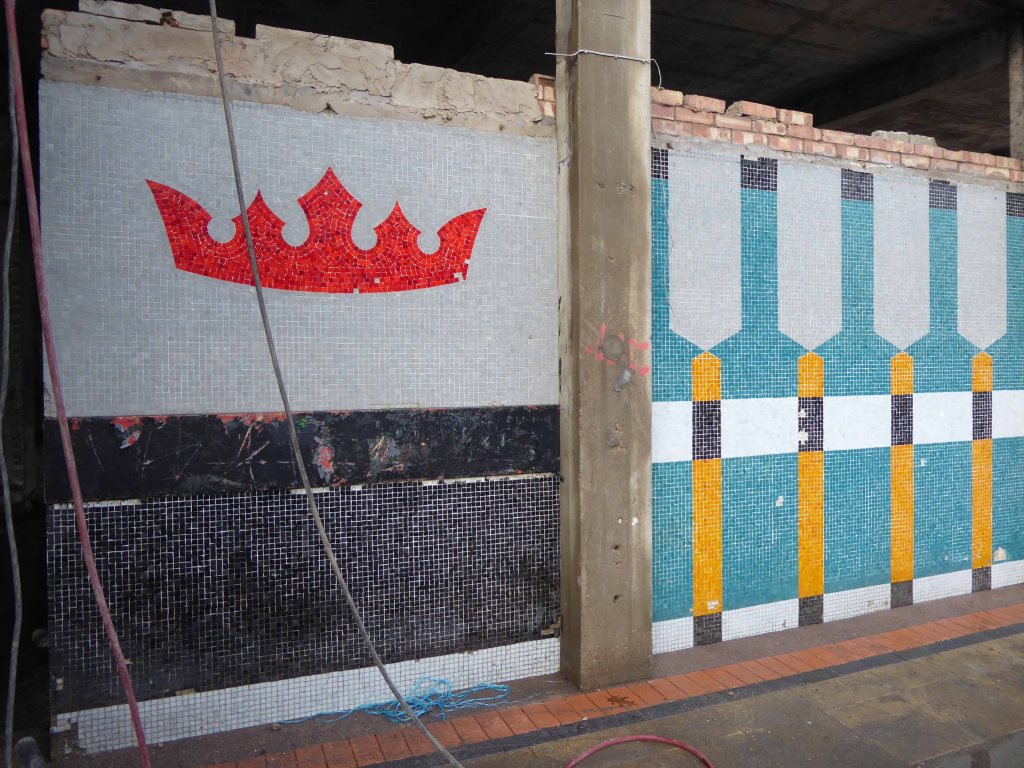
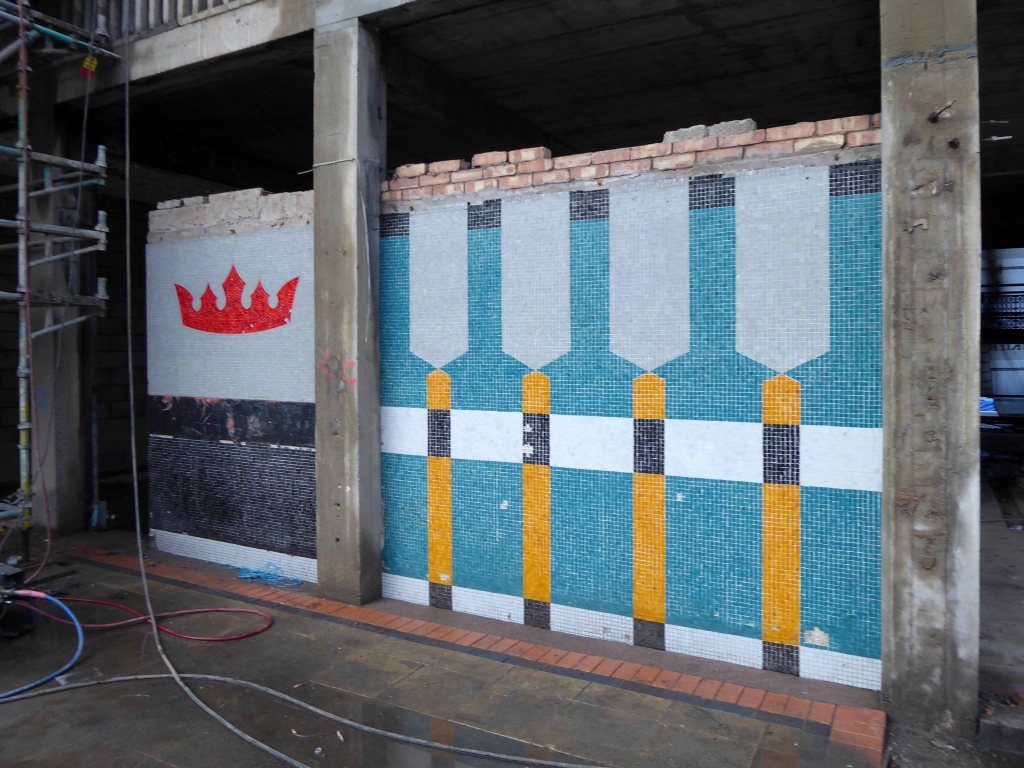
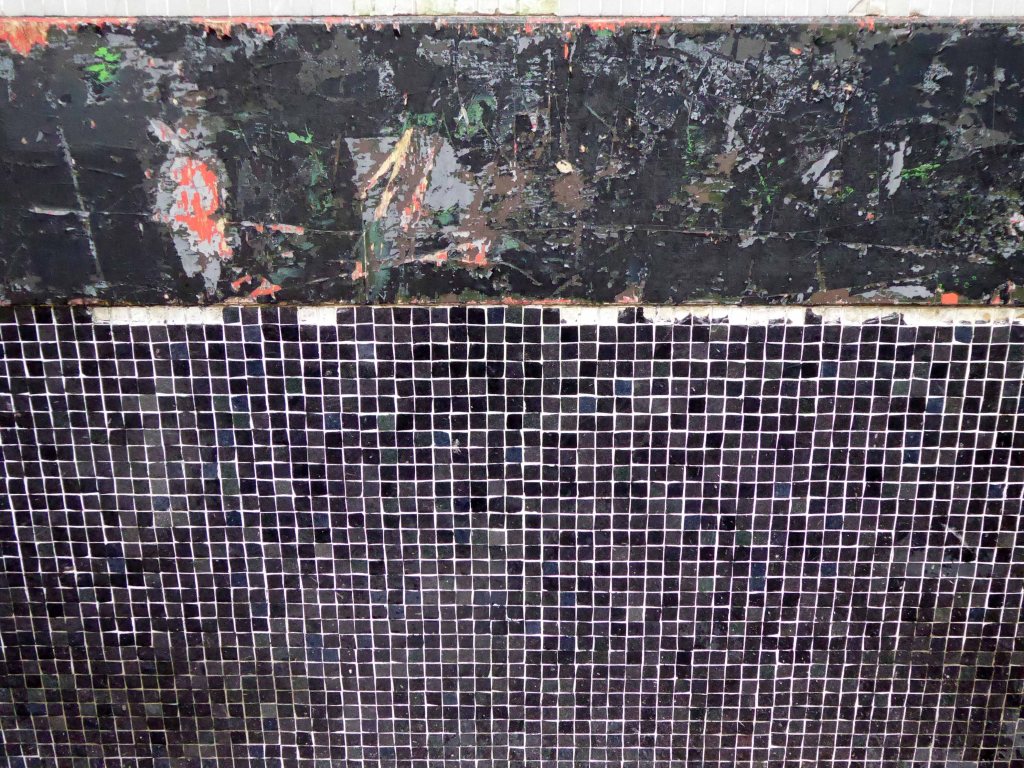
Your bold mosaic whilst once exposed, was sadly disabused, then unthinkingly covered.

Has subsequently been uncovered, steam cleaned and proudly on view, as a central part of the most recent of the estate’s phases of redevelopment.

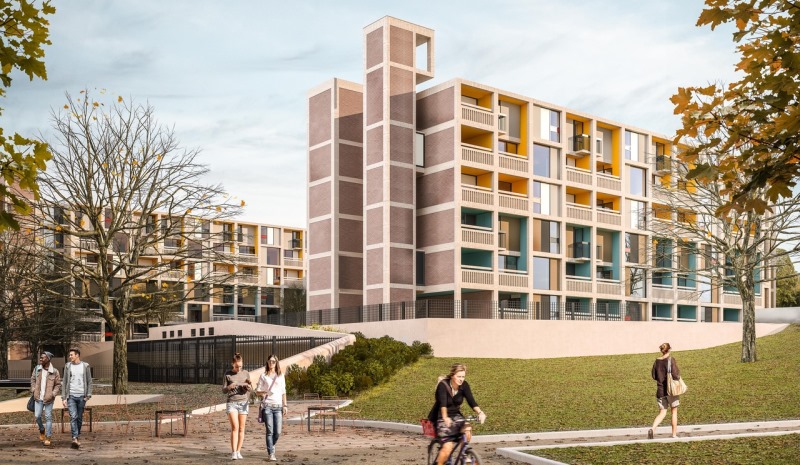
The block is to become student housing, the distinctive tan, turquoise blue and bold red colours of the mosaic, integrated into the banding of the newly refurbished building.

My face was a picture of delight, viewing the multicoloured tesserae – as we were privileged to be guided around the site by Kier Construction, Matthew Borland from Whittam Cox Architects, who are working with Alumno on Béton House and Urban Splash – my thanks to all and particularly PR Surriya Falconer.

So here it is living and breathing the South Yorkshire air once more.

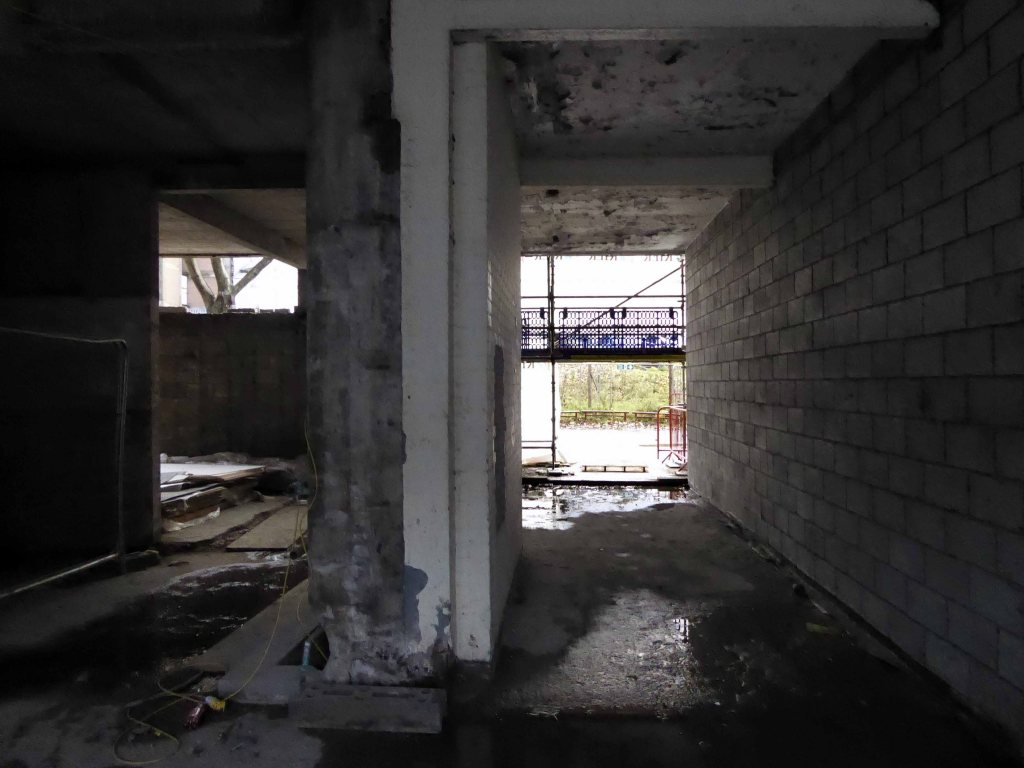
Alas the Parkway is a pub no more – simply an empty shell.

But hush – can you not catch the chink of pint pots and gales of merry laughter, carried gently on the passing breeze?

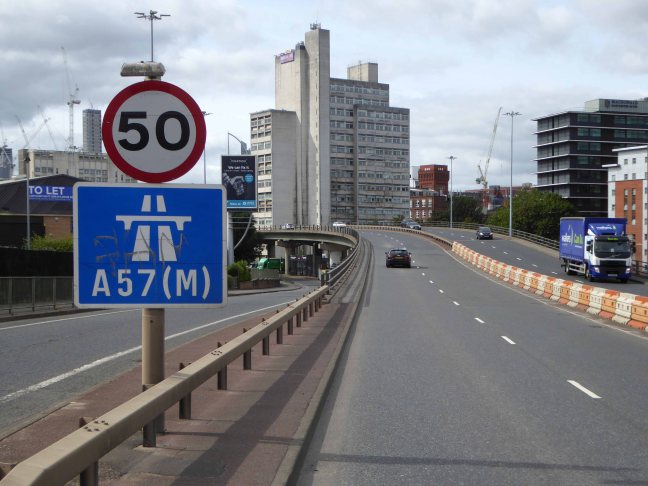
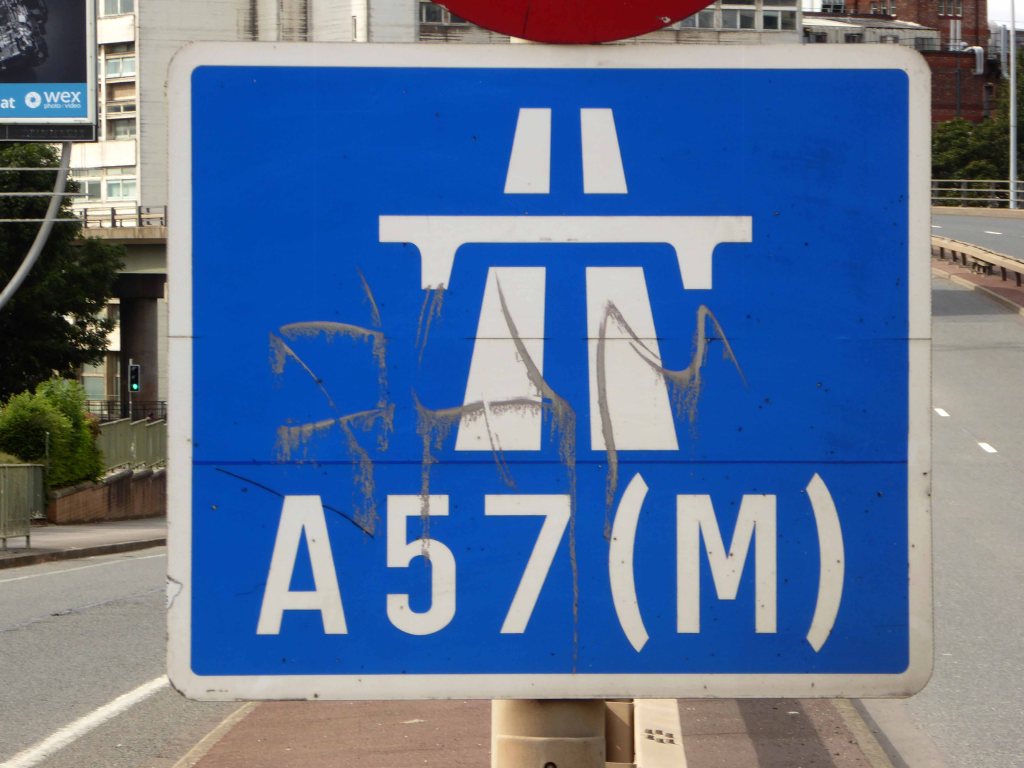
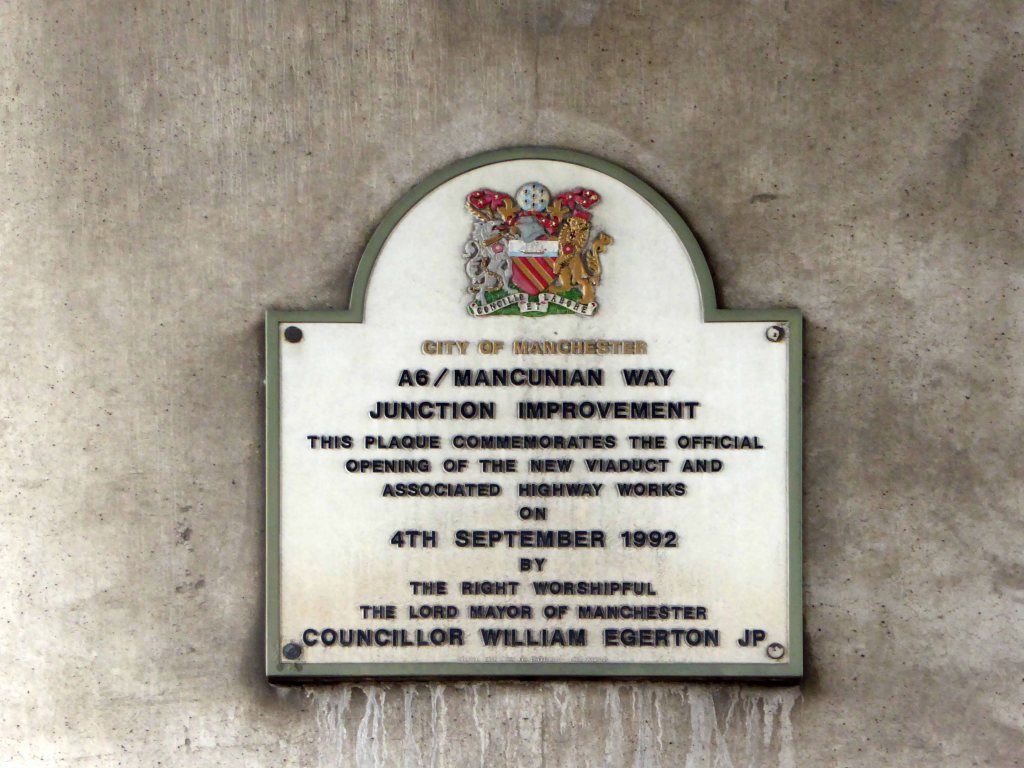
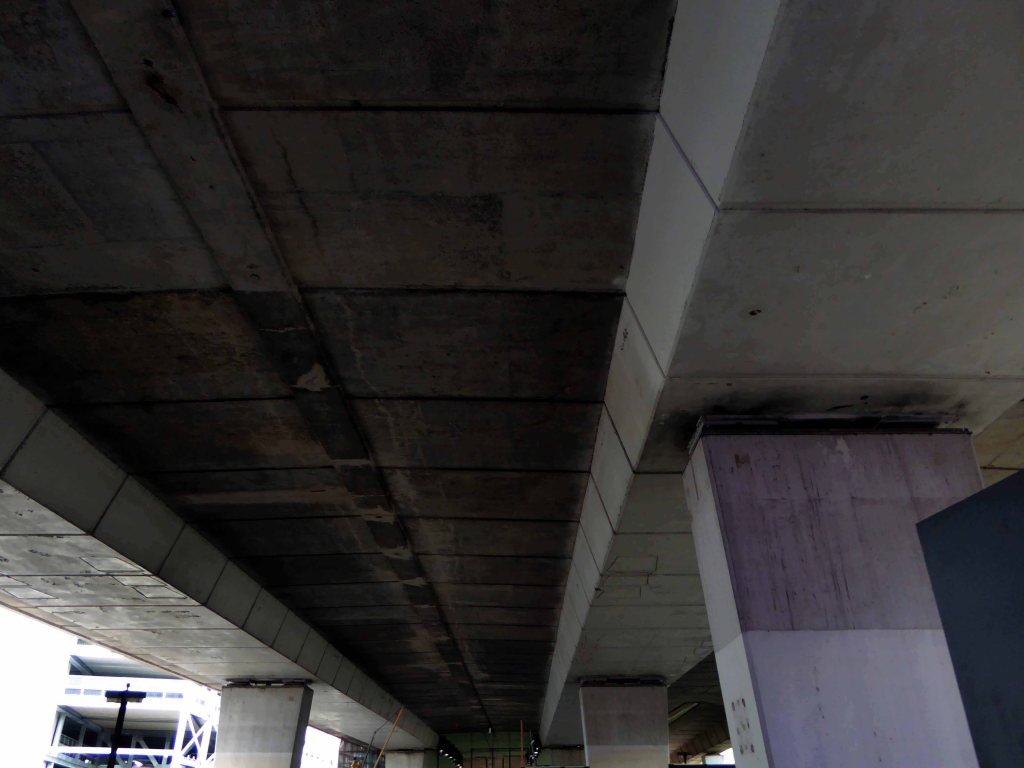
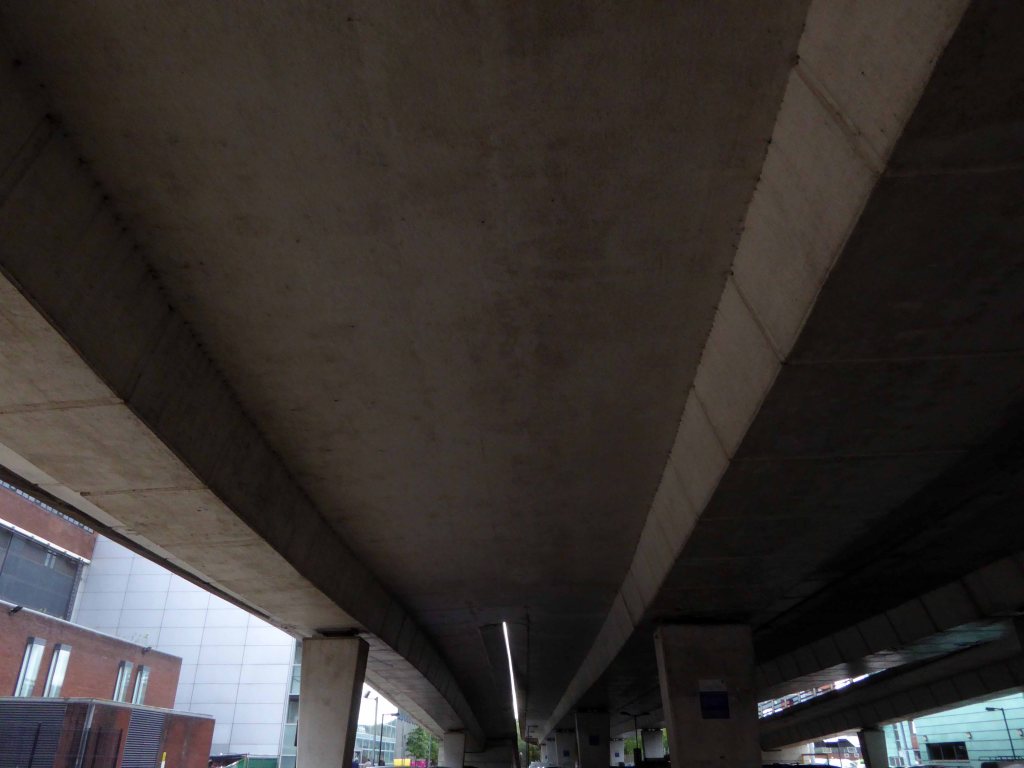
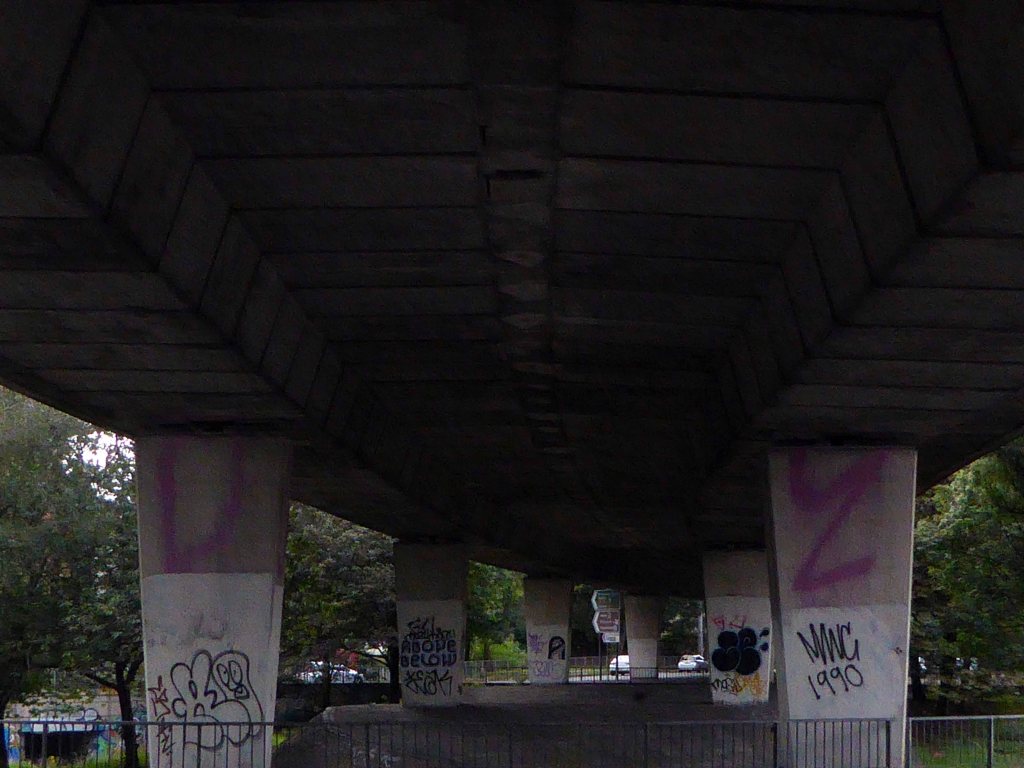
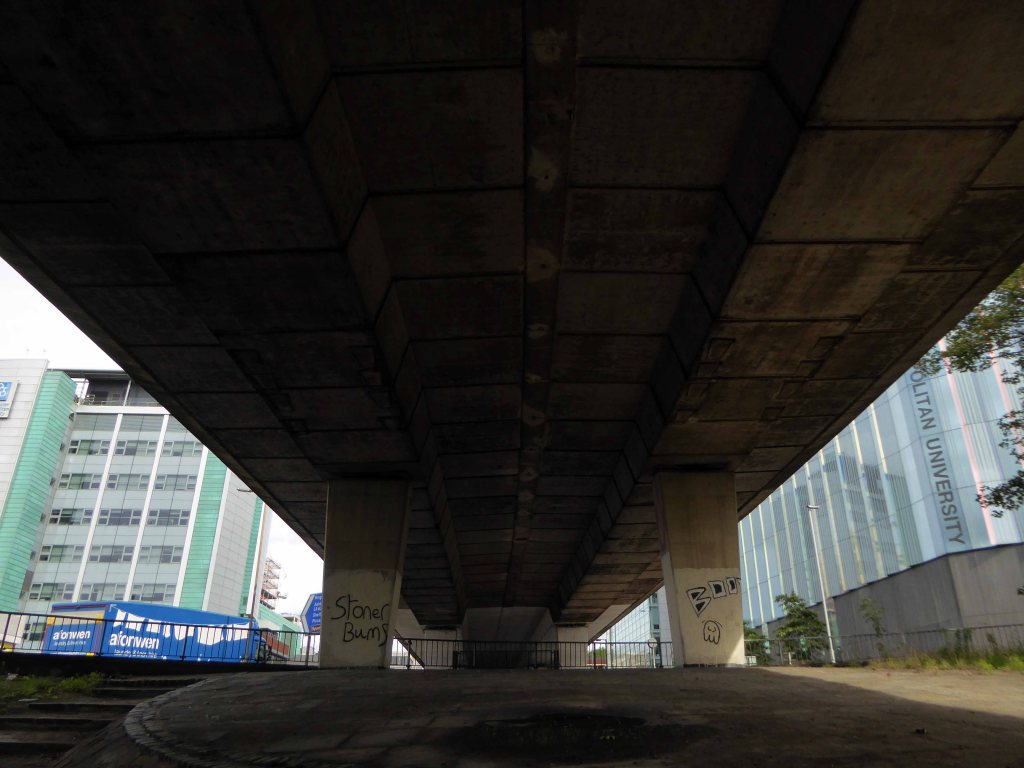
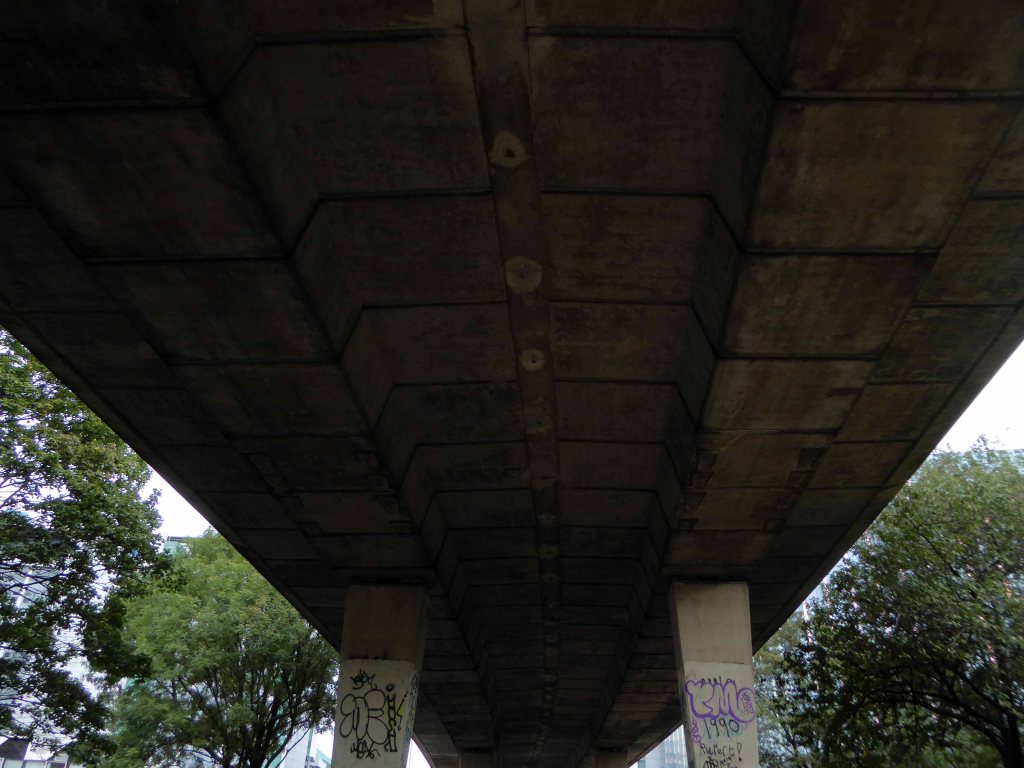
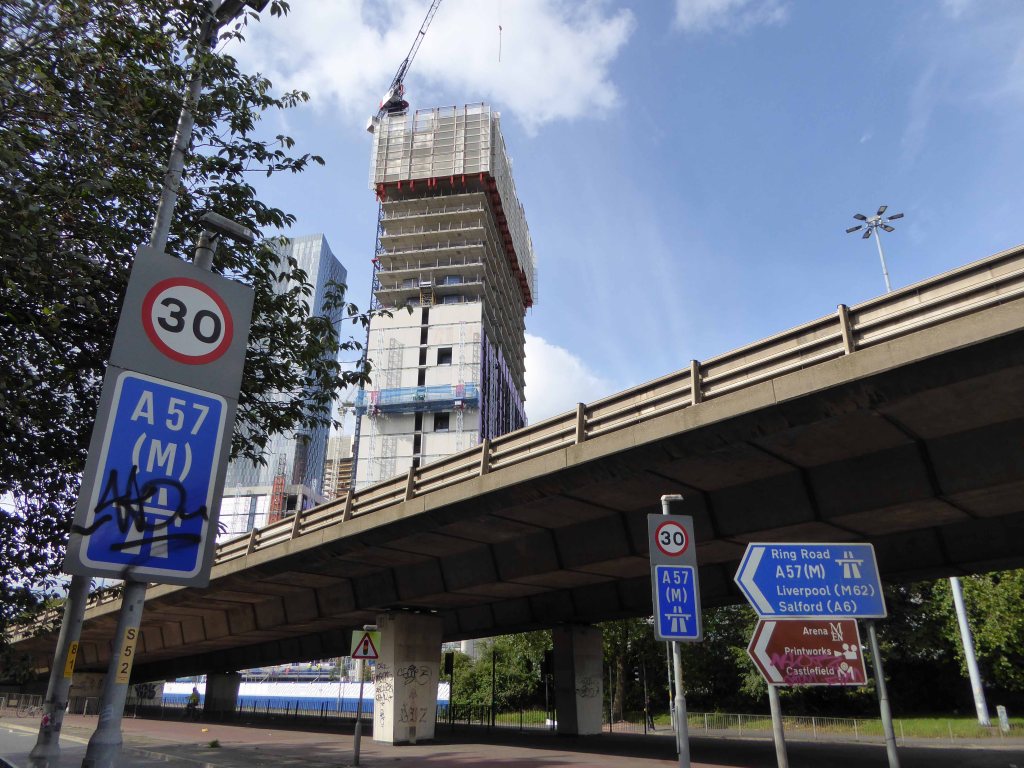
The Mancunian Way – A57(M)

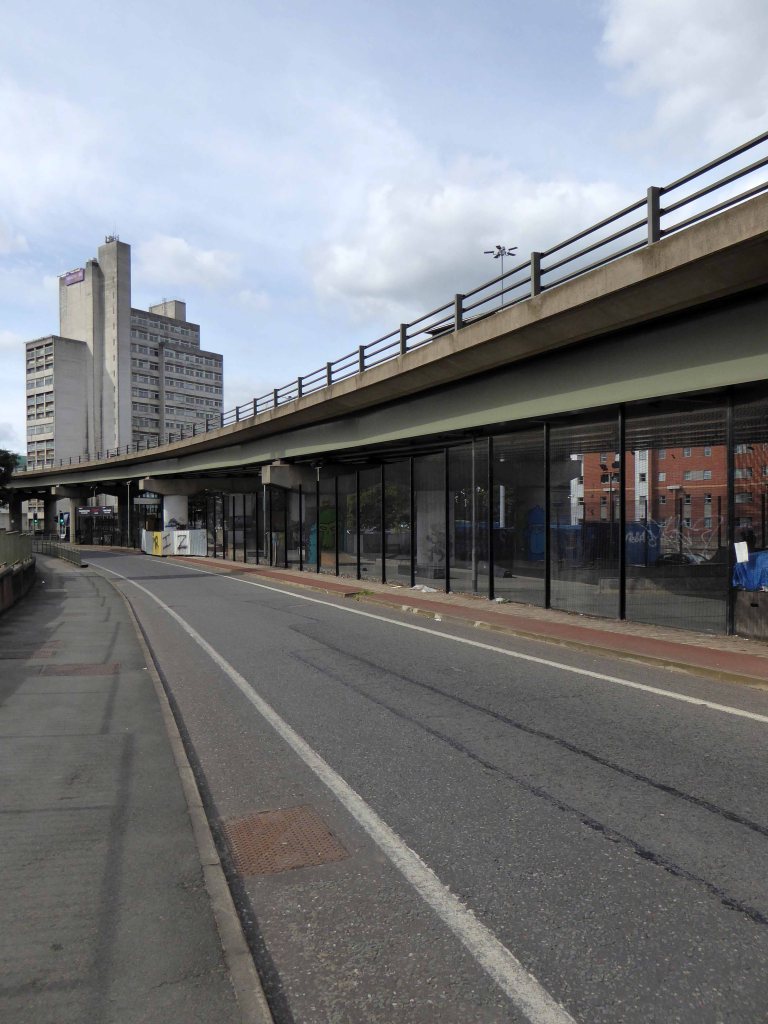
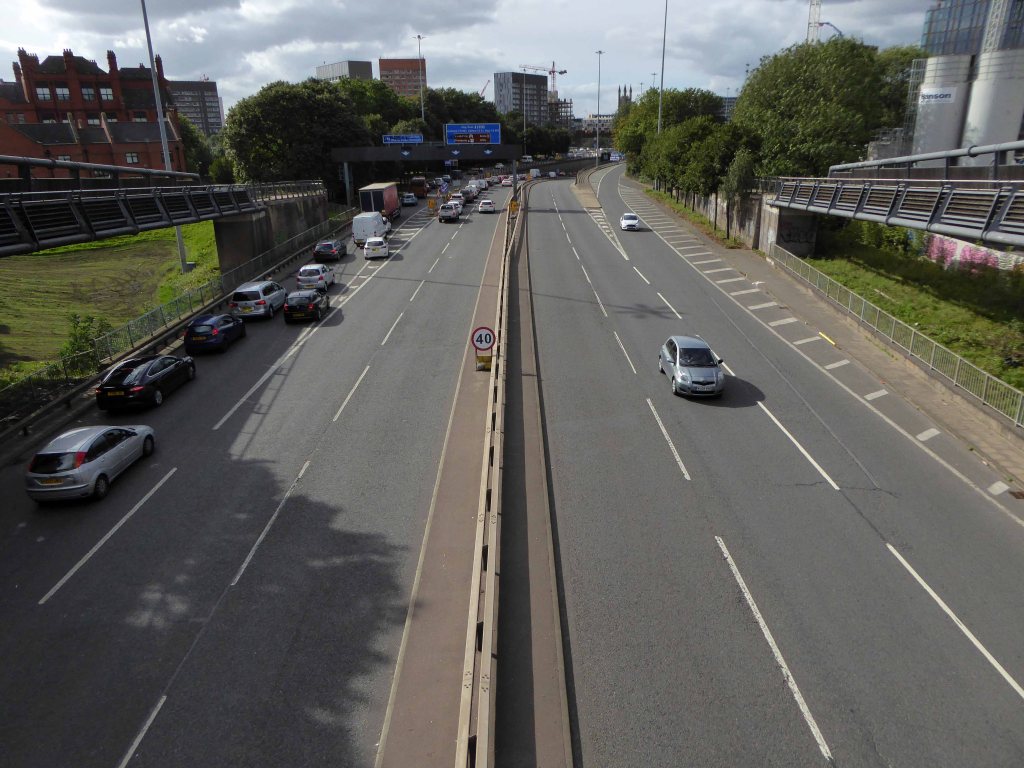
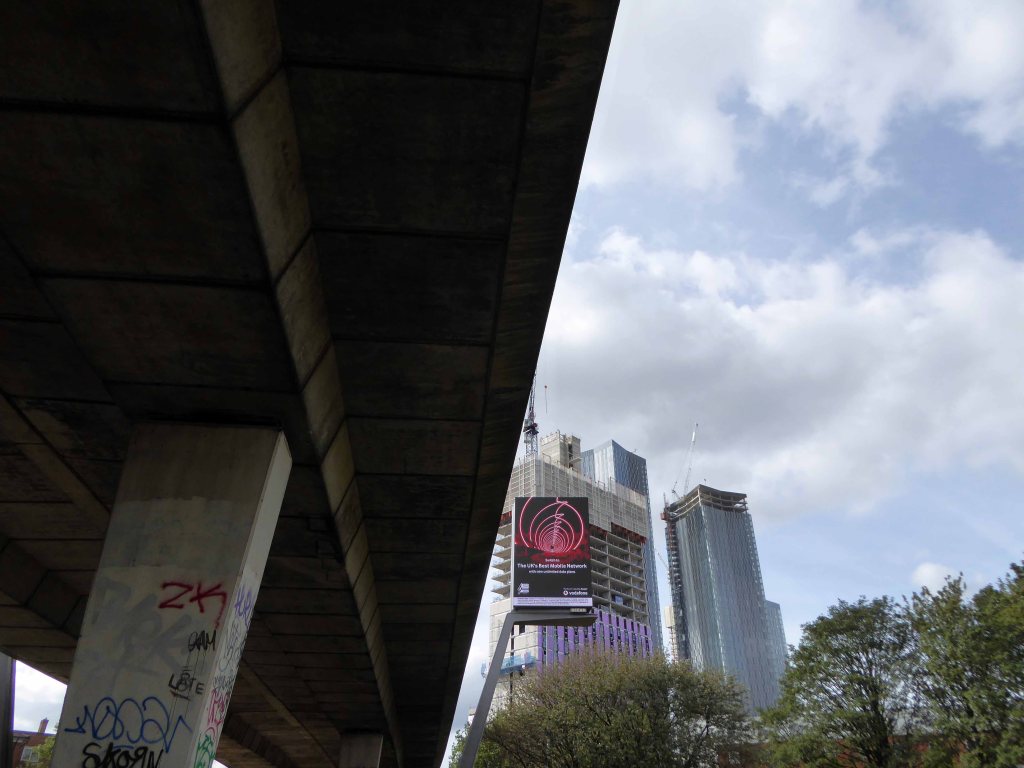
I’m walking, yes indeed I’m walking – I’m walking the Mancunian Way.

Previously posted as historical journey – this, as they say, is the real deal, one foot after another, one sunny afternoon in September.

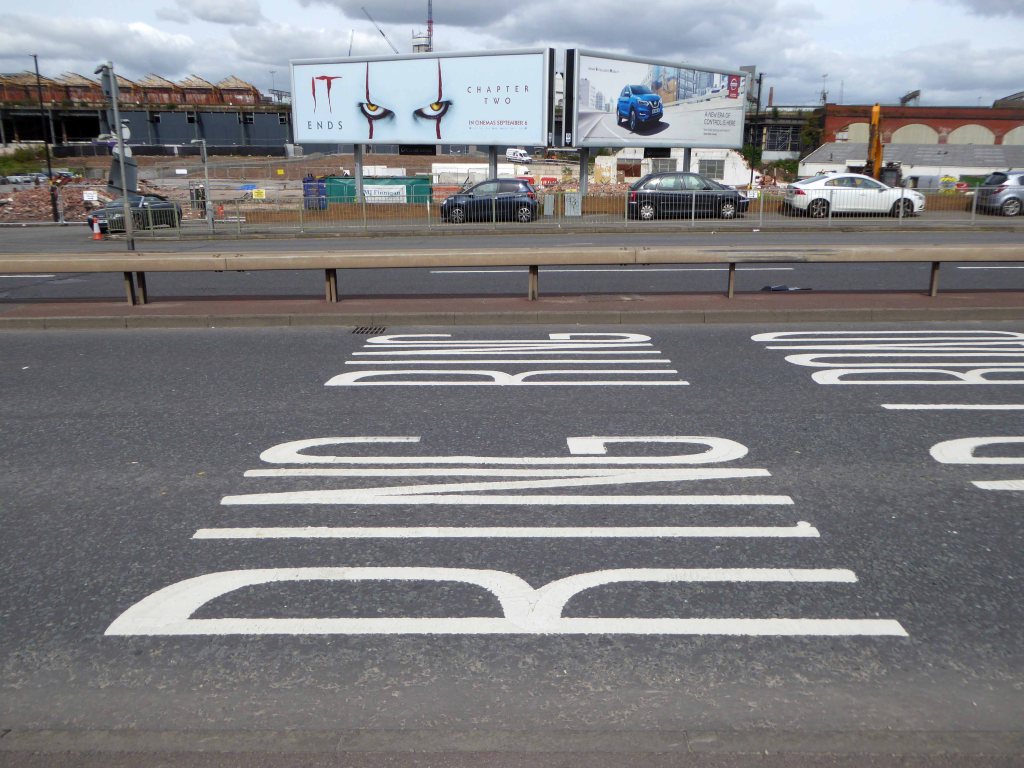
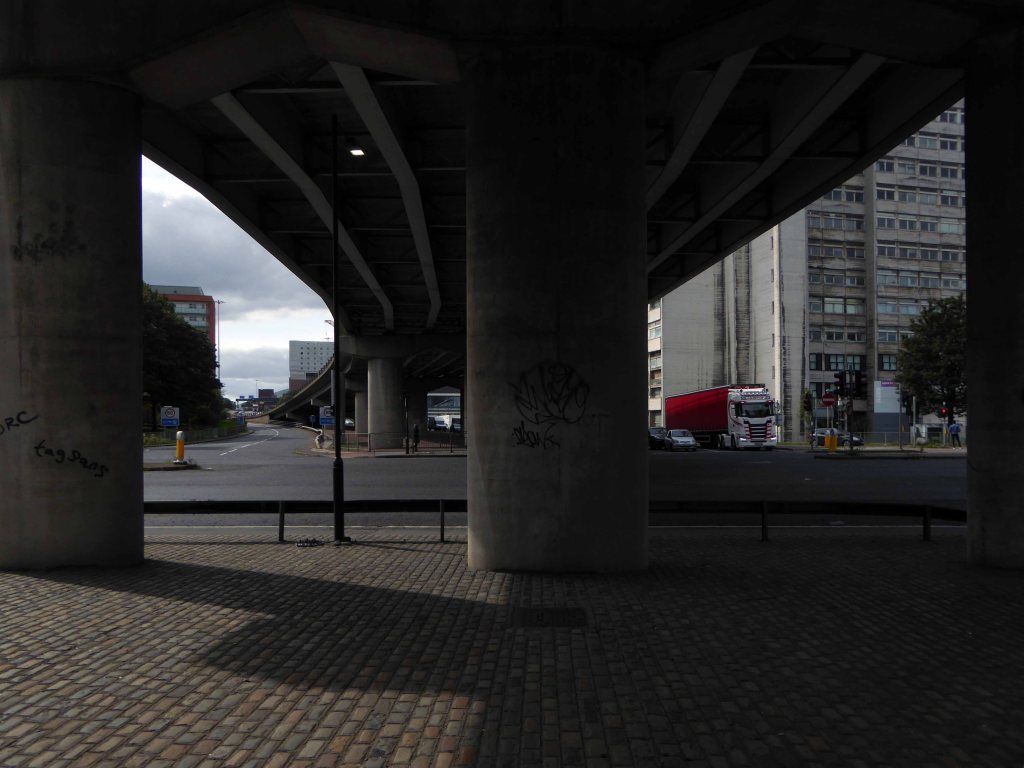
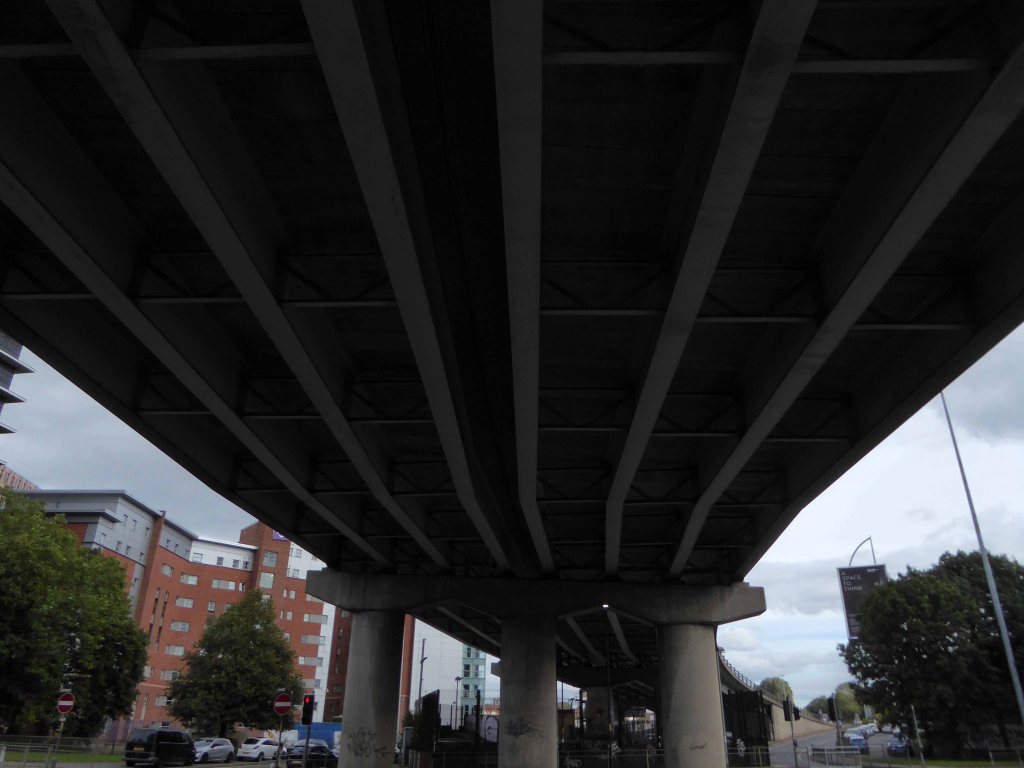
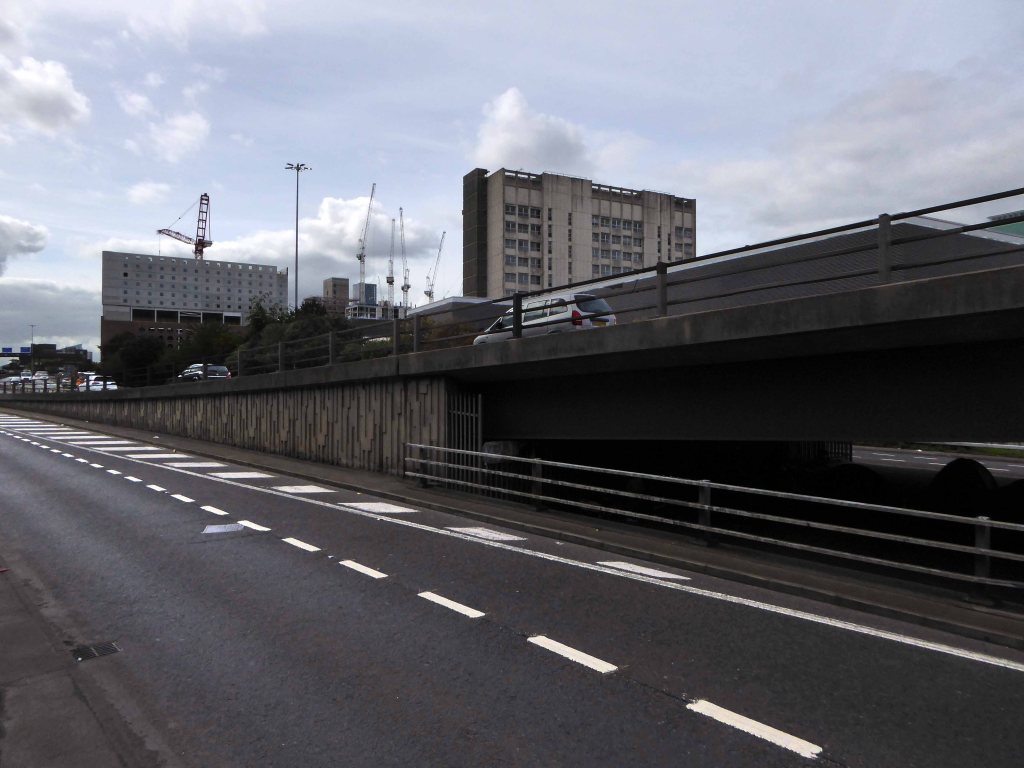
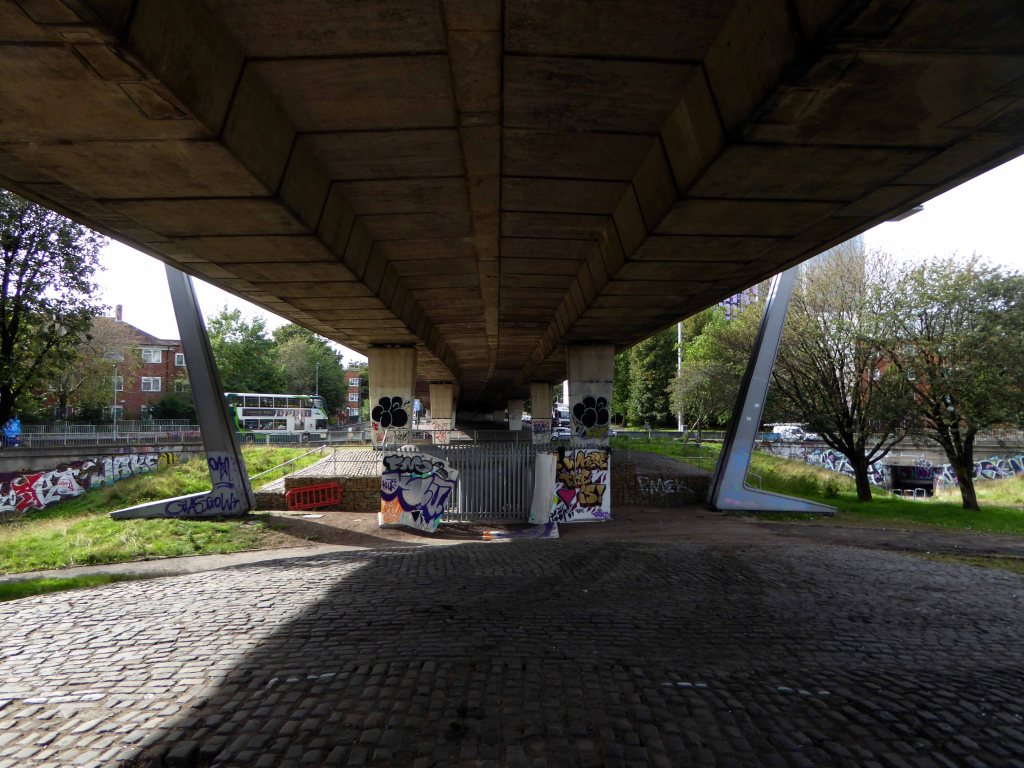
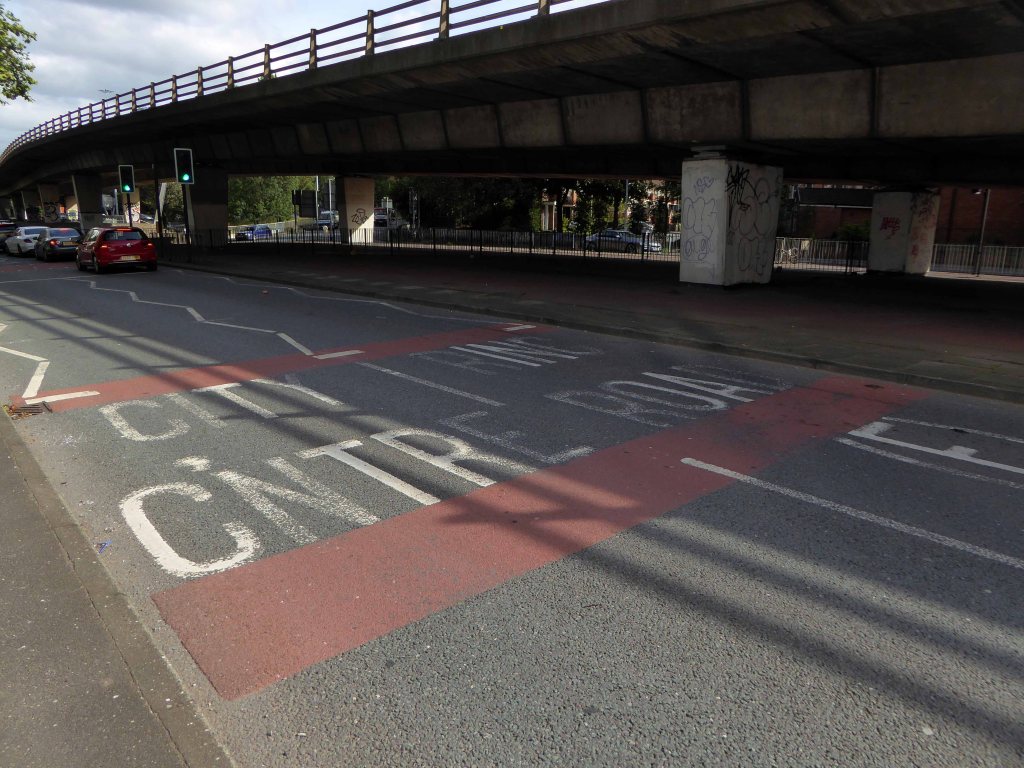
From east to west and back again – in or on, under and around our very own Highway in the Sky.

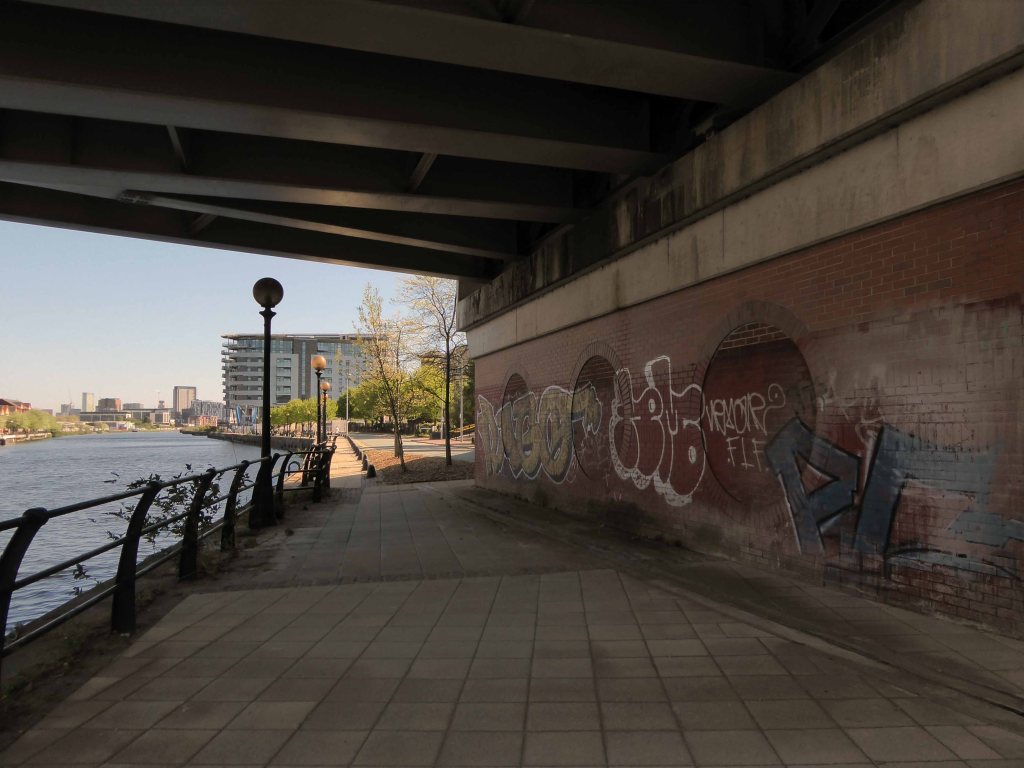
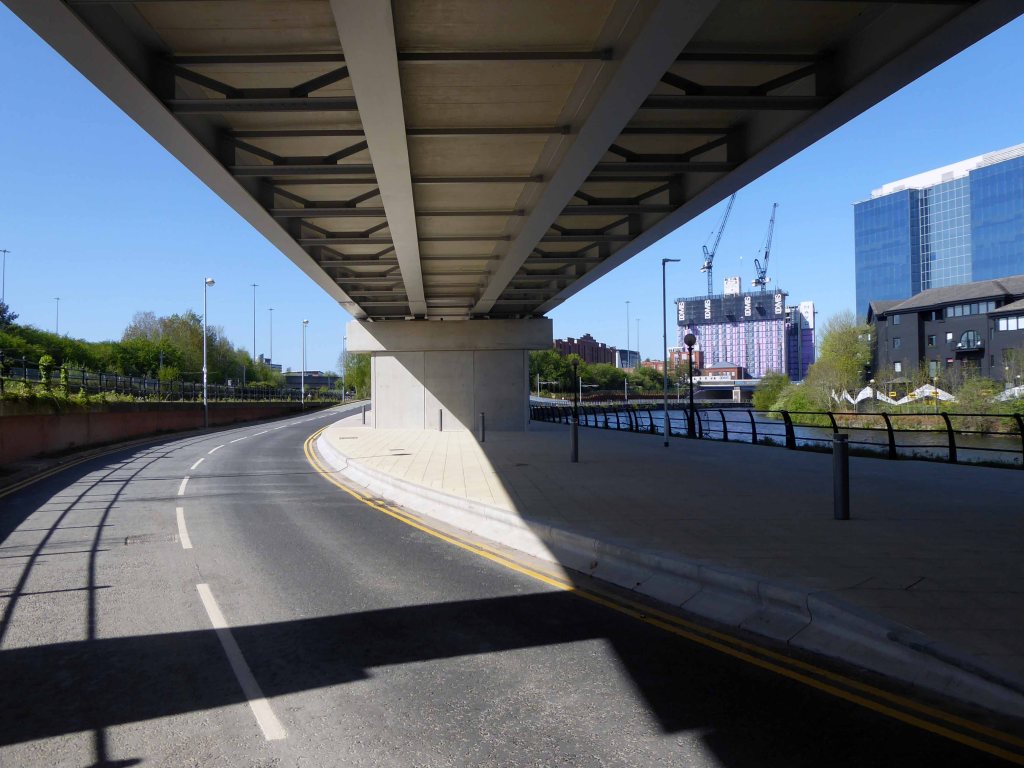
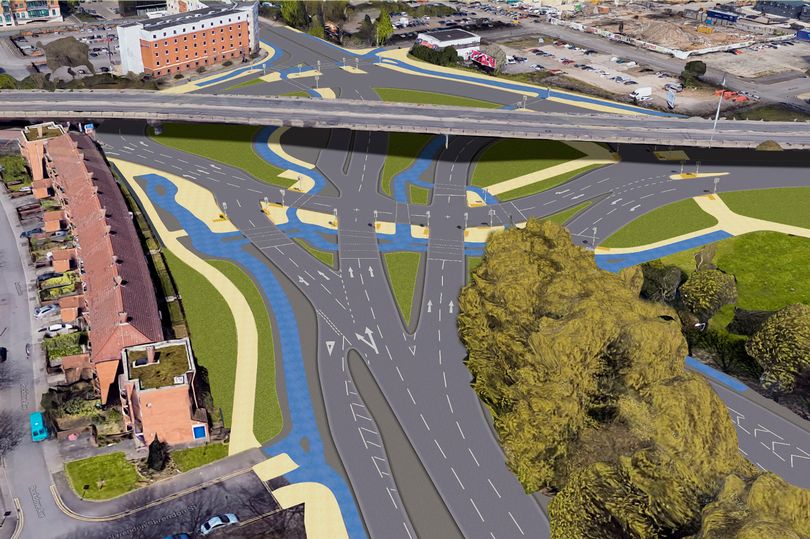
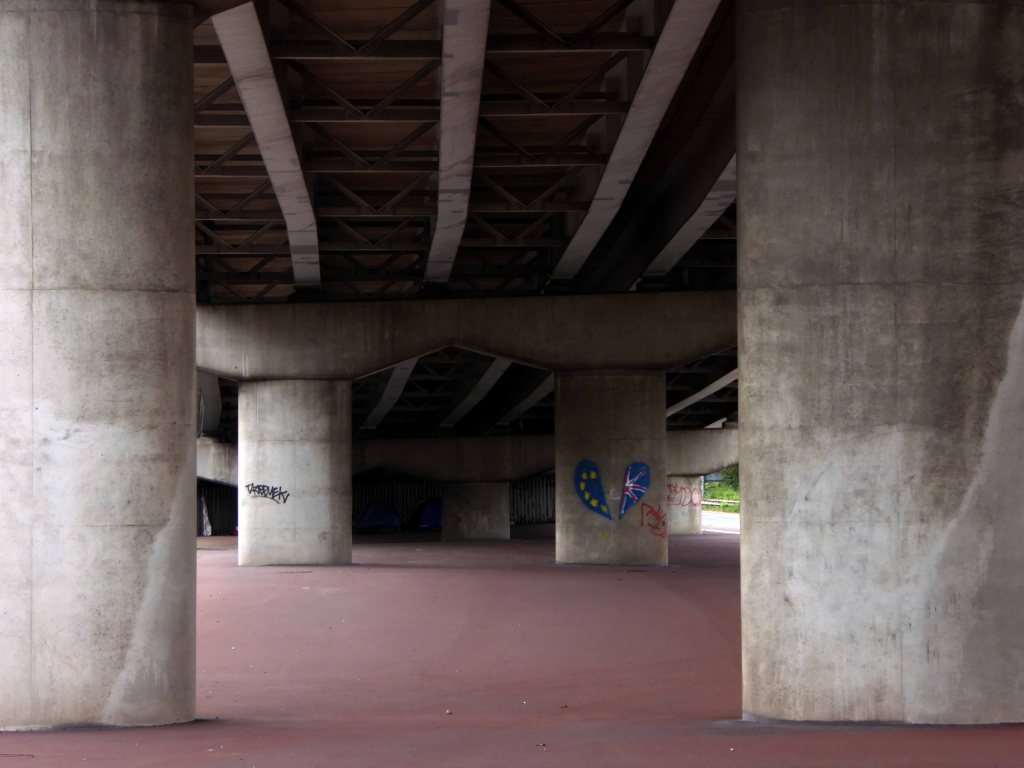
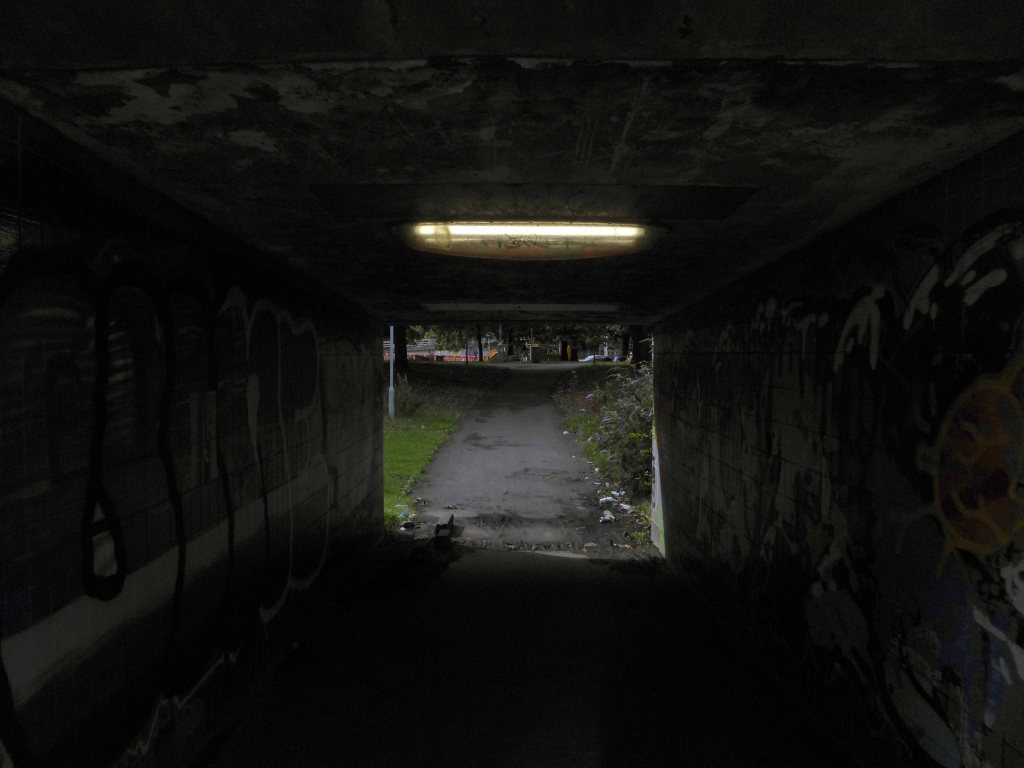
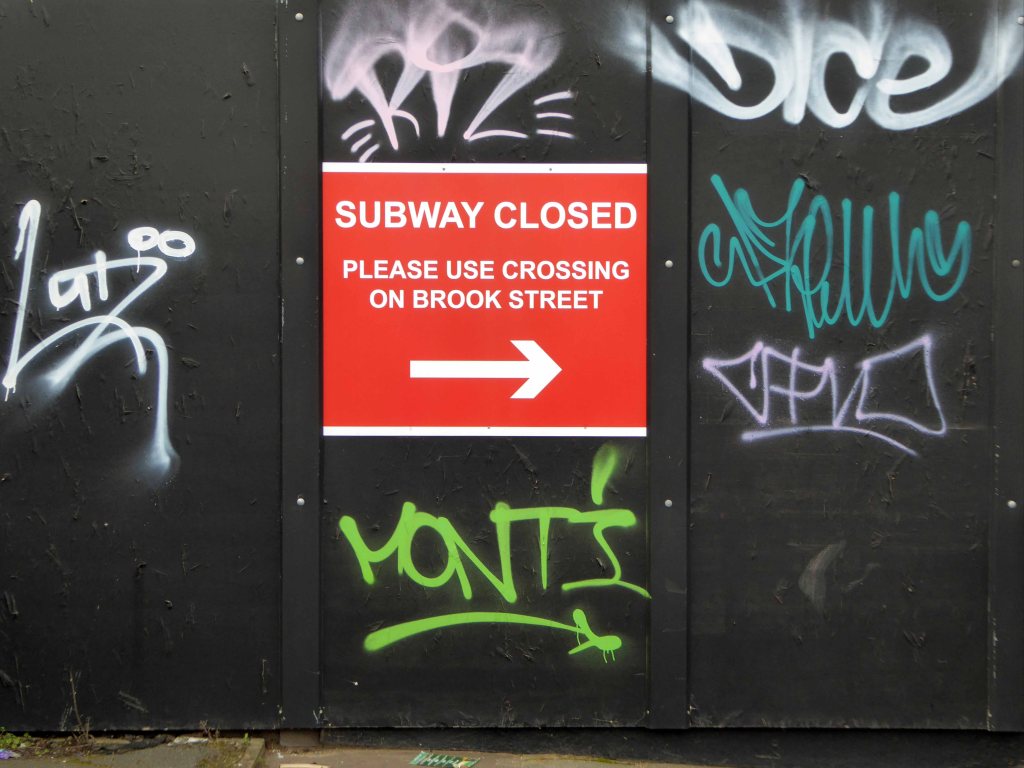
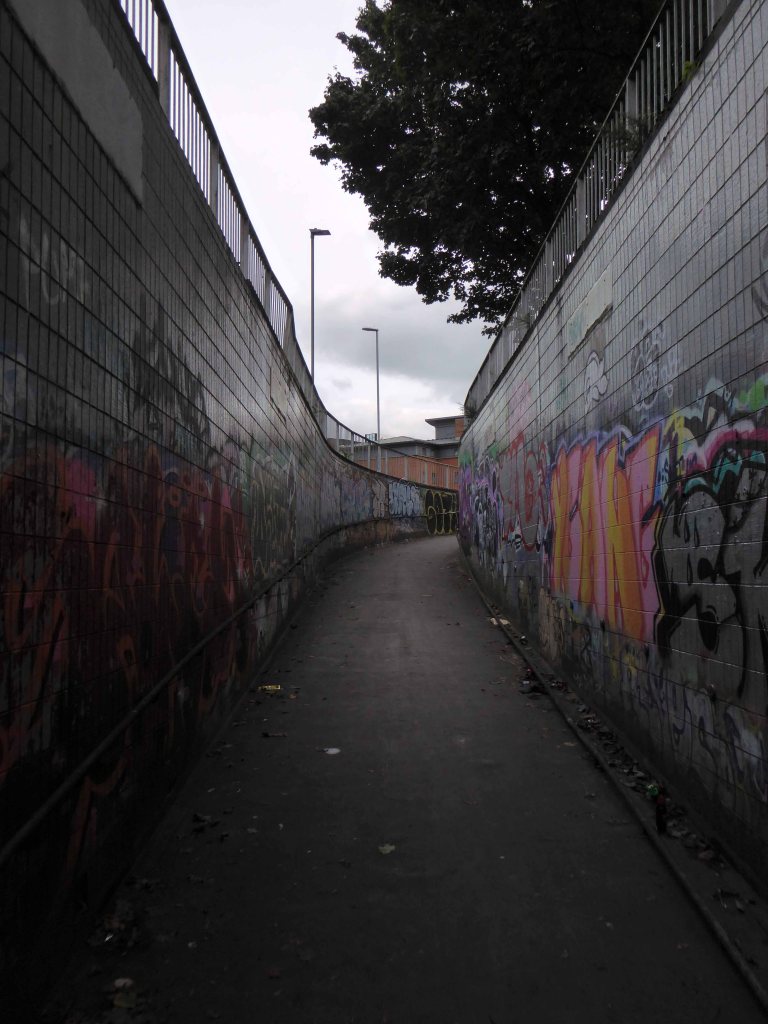
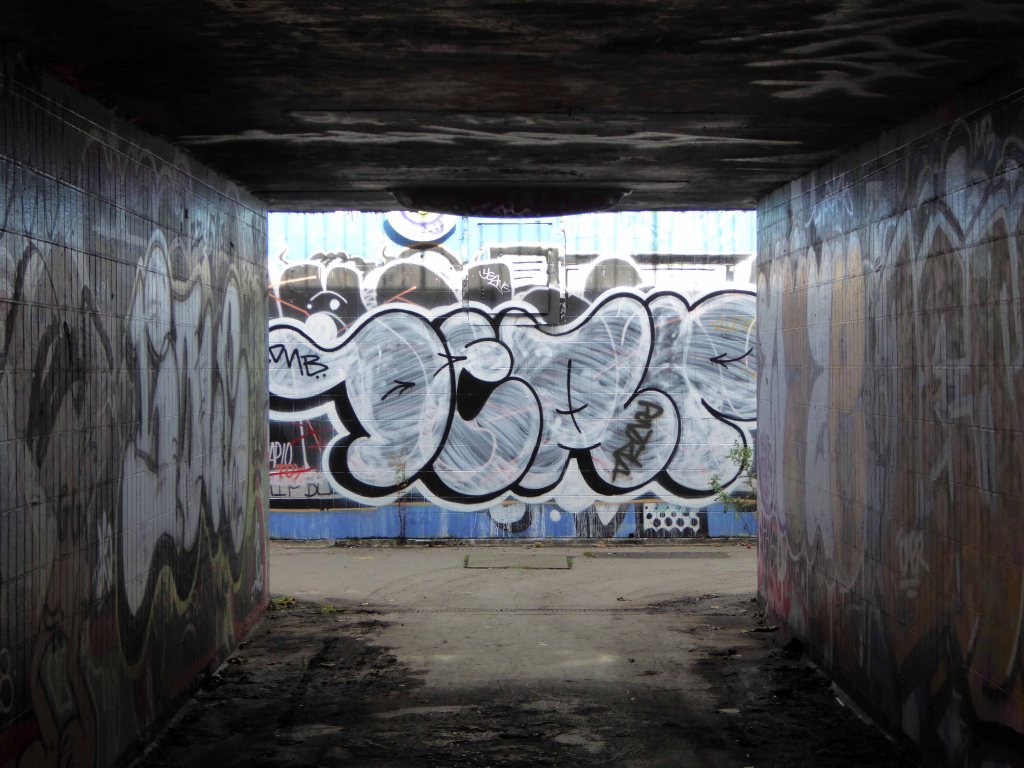
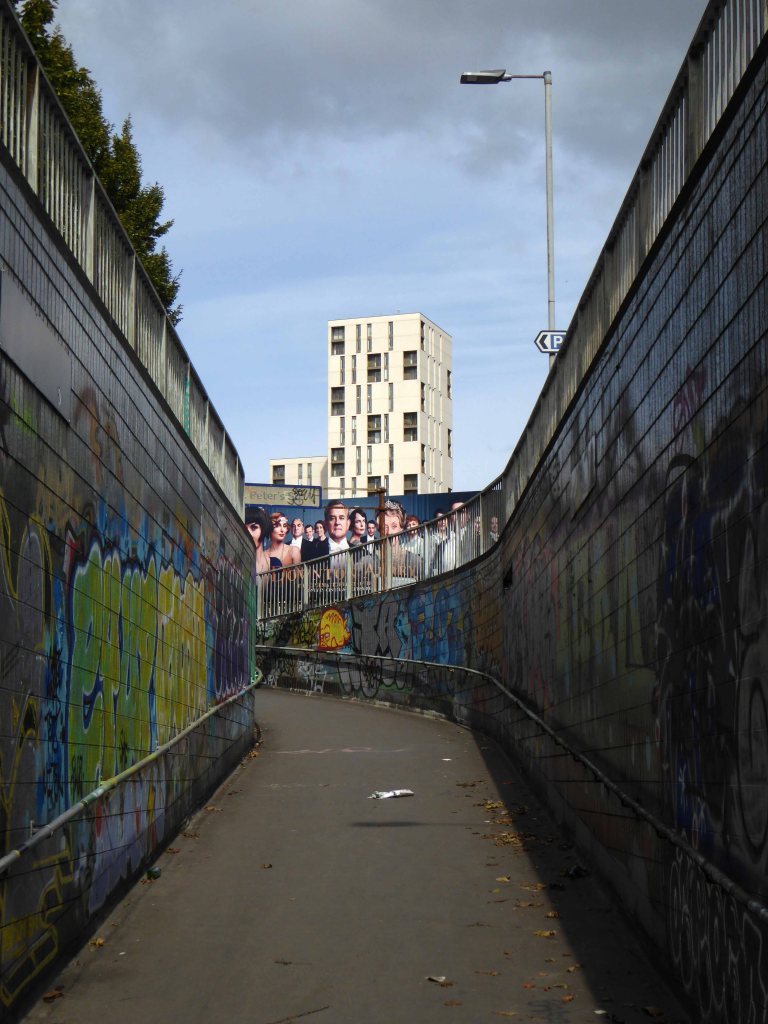
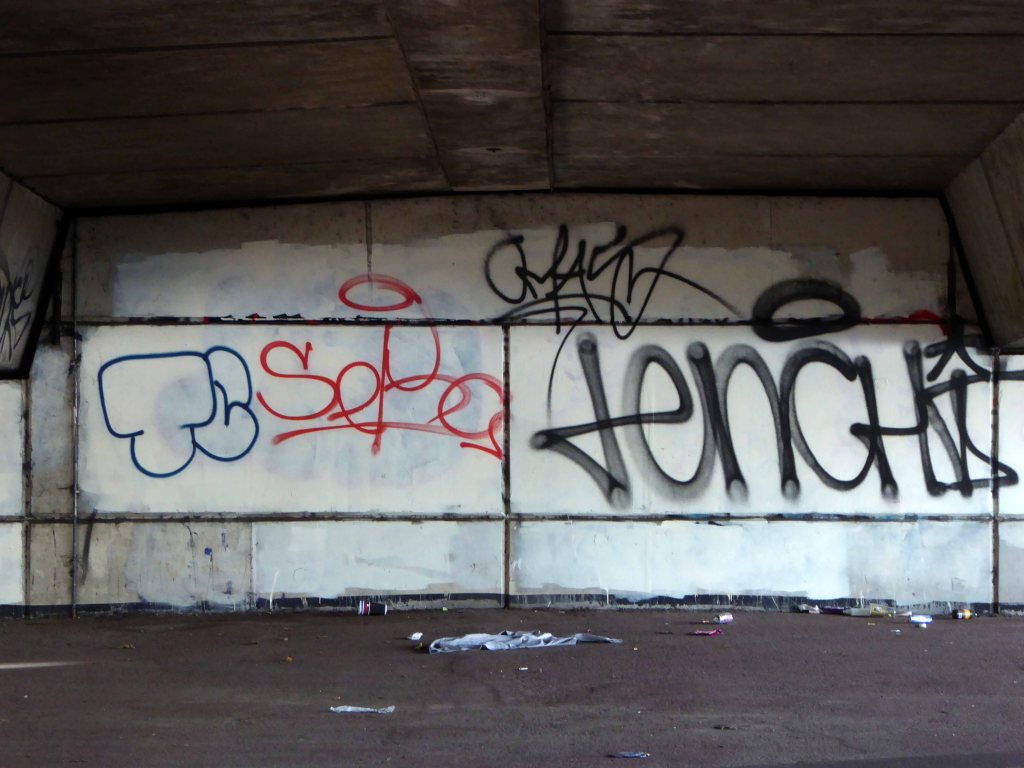
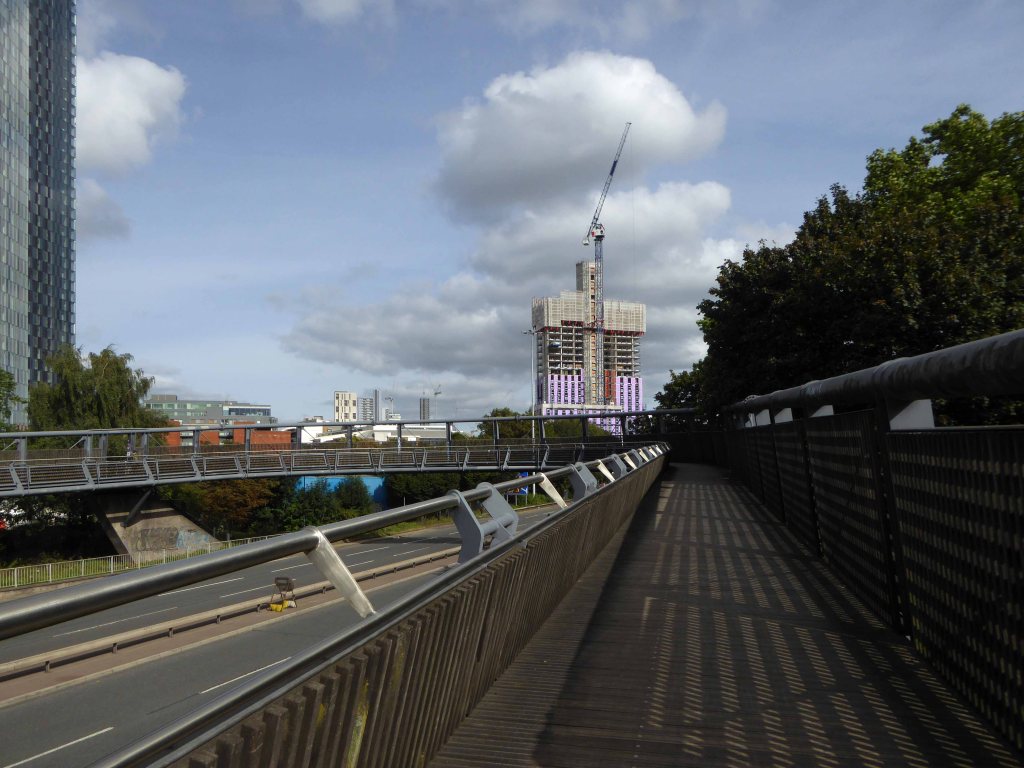
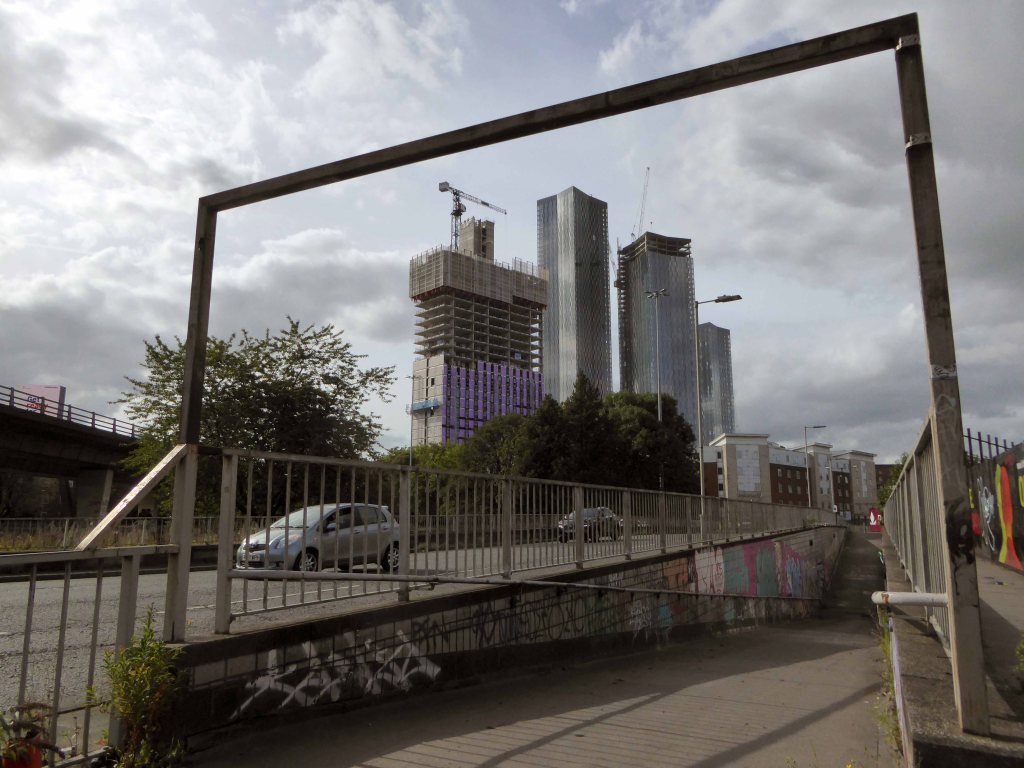
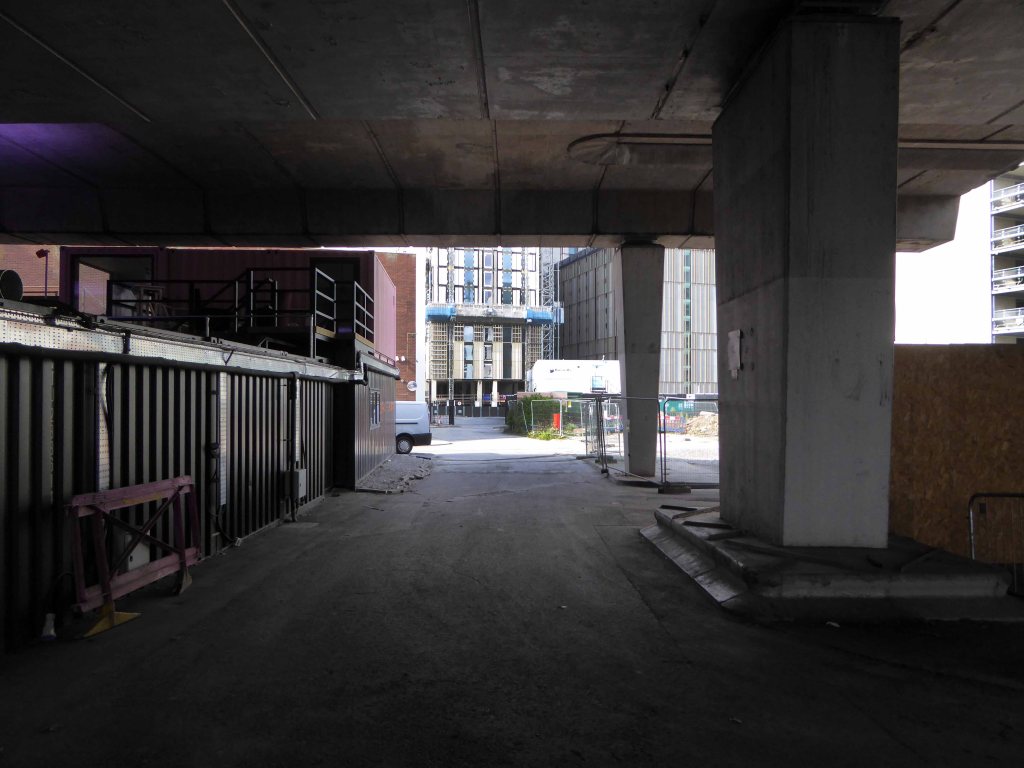
Part of the ever changing patchwork of demolition and development which defines the modern city. The carriageway prevails, whilst the pervasive rise and fall continues apace, its forlorn pedestrian underpasses may soon be superseded by wider walkways.

Manchester City Council is spending around £10million to make major changes to the junction where Princess Road meets the Mancunian Way and Medlock Street.

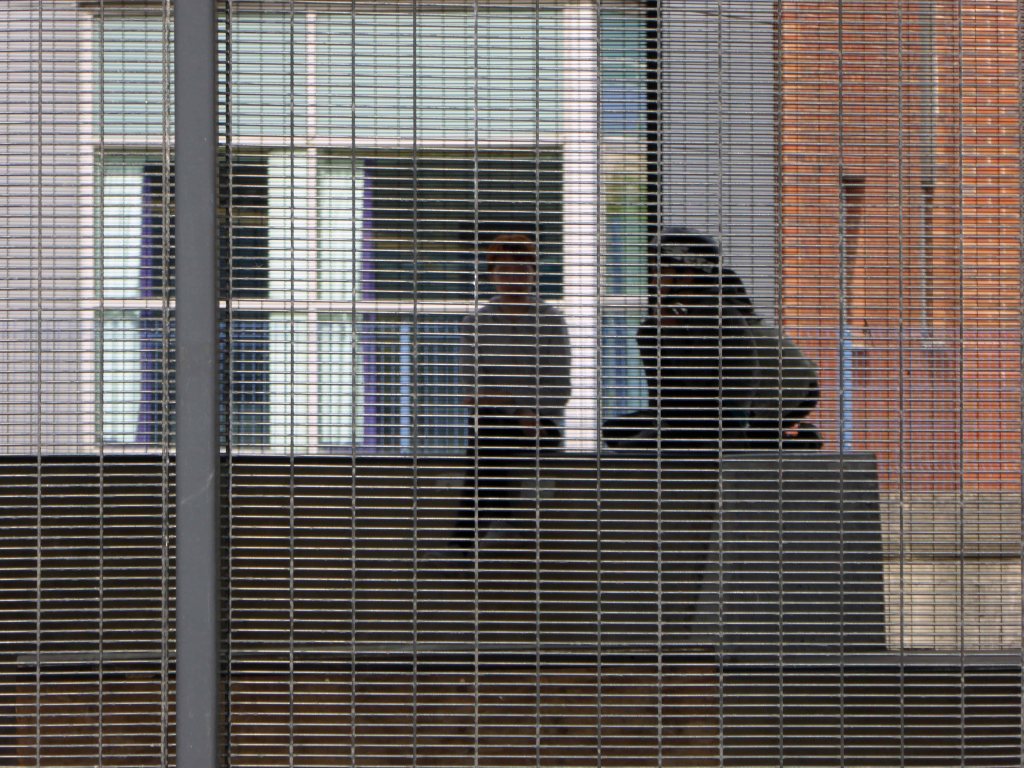
Much to the chagrin of local residents, who value the solace of their sole soulful green space and the frequent users, passing under the constant waves of sooty traffic.

What you see is what you get today, tomorrow is another kettle of concrete, trees, traffic and steel.

Ten Acres Lane Again – Manchester

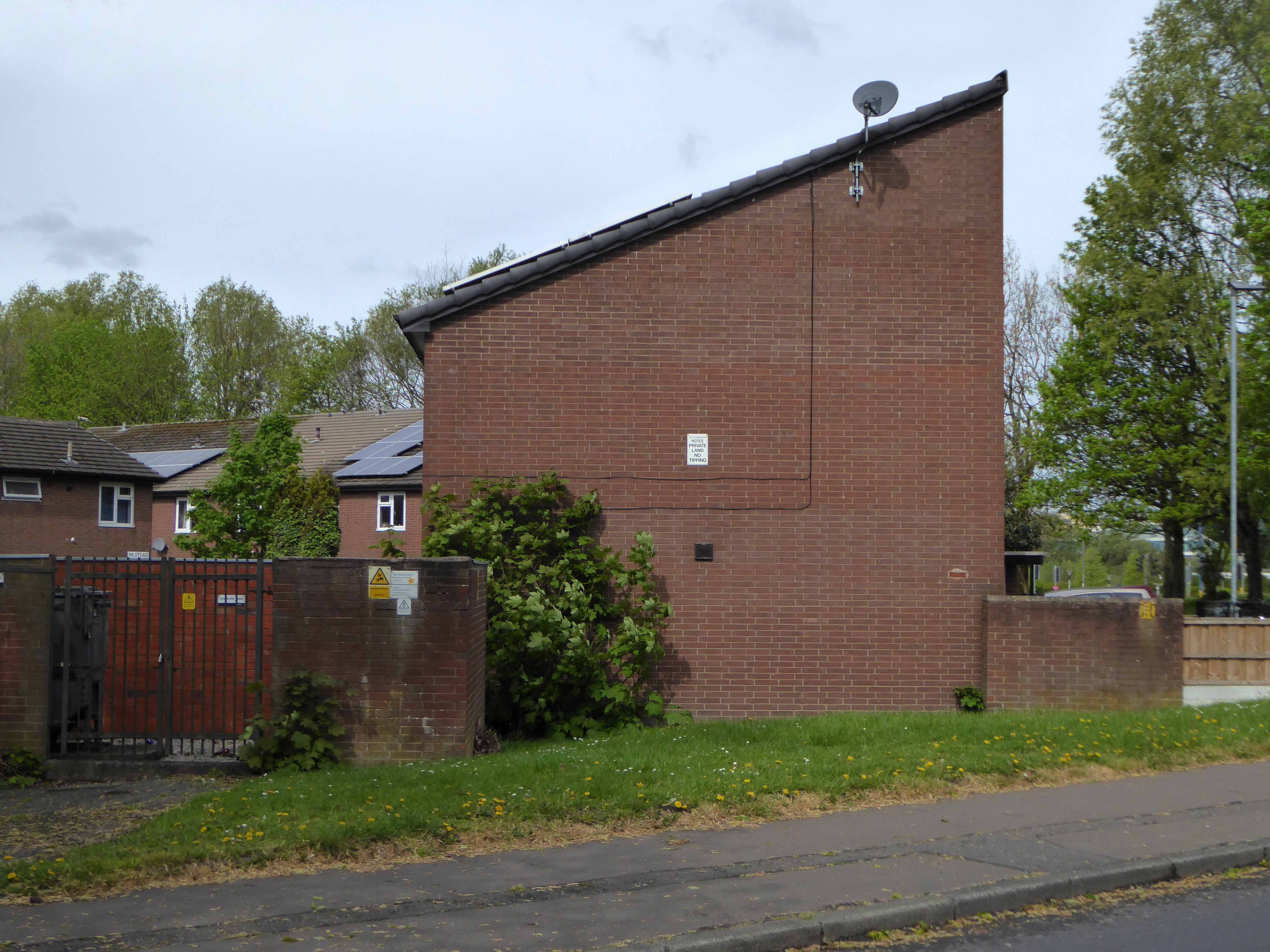
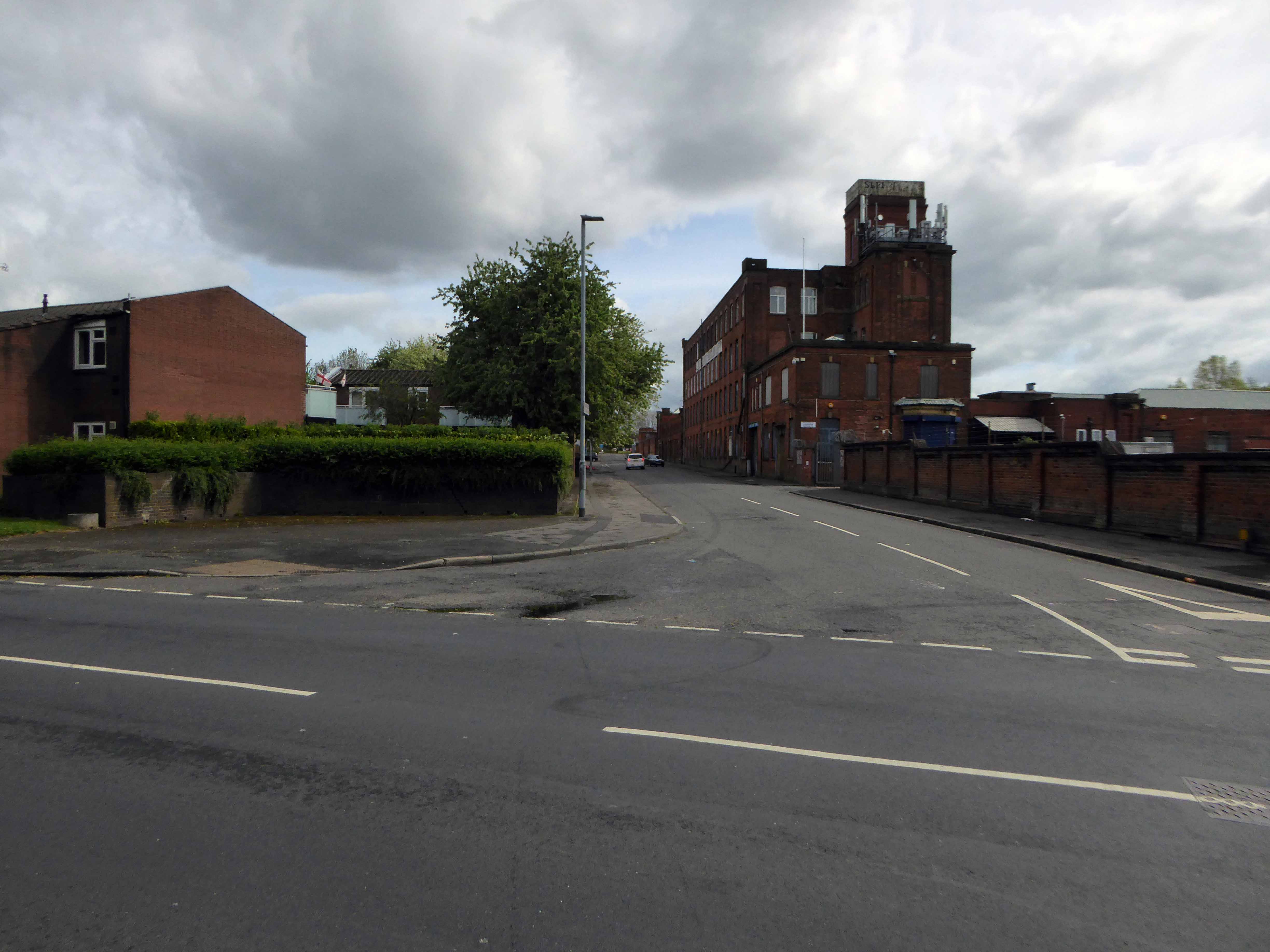
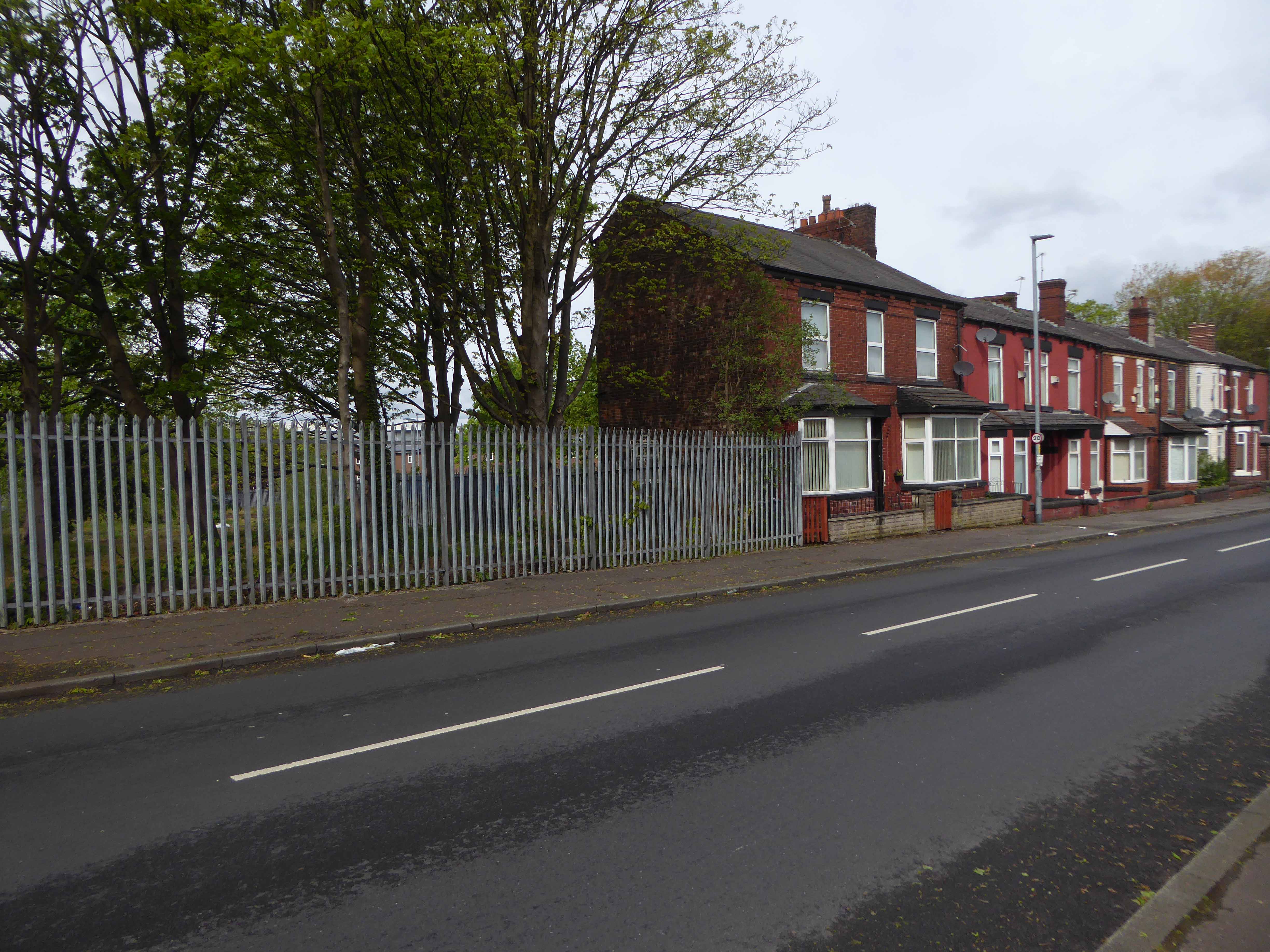
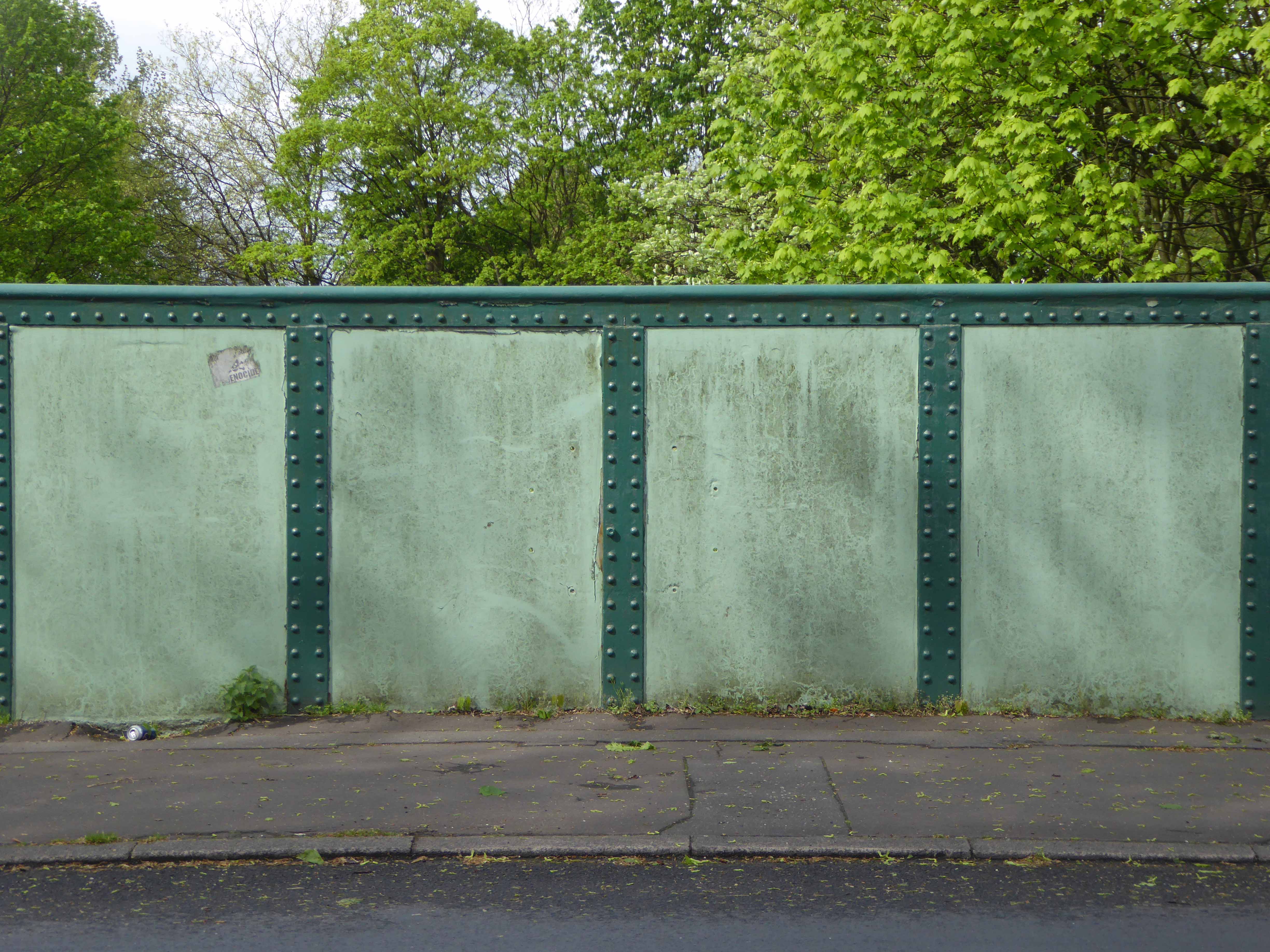
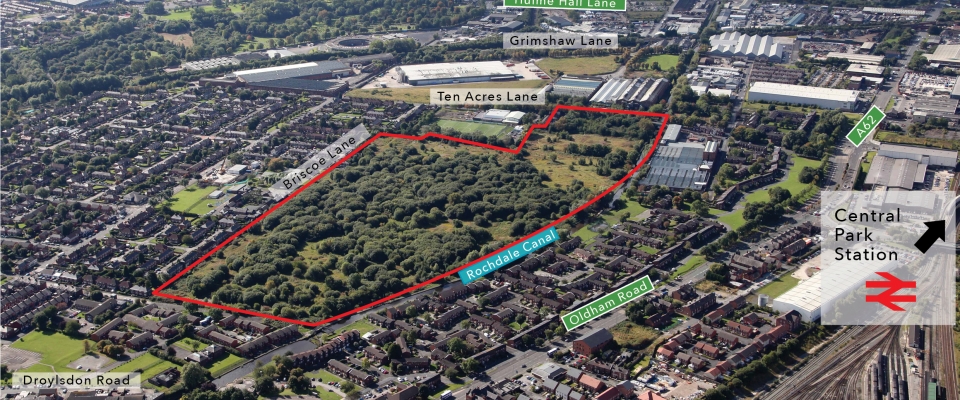
Having travelled back in time along Ten Acres Lane why not come along with me now and see just what’s left – right?

Each Manchester street tells its own tales of homes and people been, gone, rebuilt and buried – whole industries evaporating laid waste by seismic economic forces, land changing use again and again – shop door bells which are a now but a ghostly tintinnabulation on the wind.

Starting from the Oldham Road end the clearance of older terraced homes was followed by the construction of newer 70s social housing.

The former Tootal’s Mill is now owned by Sleepdown Textiles.

Some of the older terraces were spared the wrecker’s ball.

Industrial sites remain fenced and unused slowly returning to some form of urban natural habitat.

The cast-iron Rochdale Canal bridge is still in place – it was itself a replacement for an earlier masonry version.

Mather and Platt’s foundry sheds are just about hanging on – though I am uncertain of their current use and ownership.

The recreation ground is now an extensive community football facility and also home to the National Taekwondo Centre.

This large tract of land once Jackson’s Brickworks is under consideration for a modern private housing development

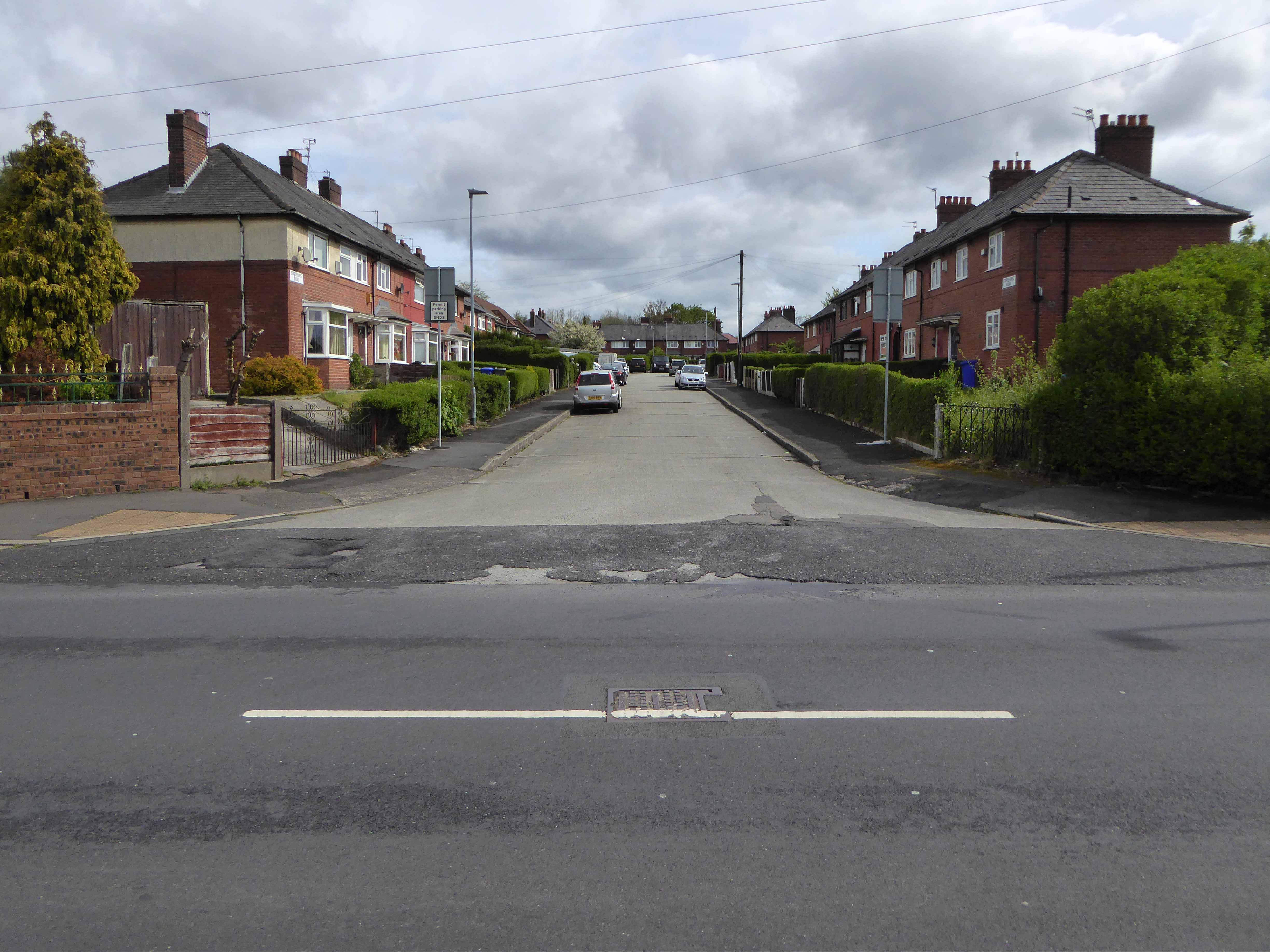
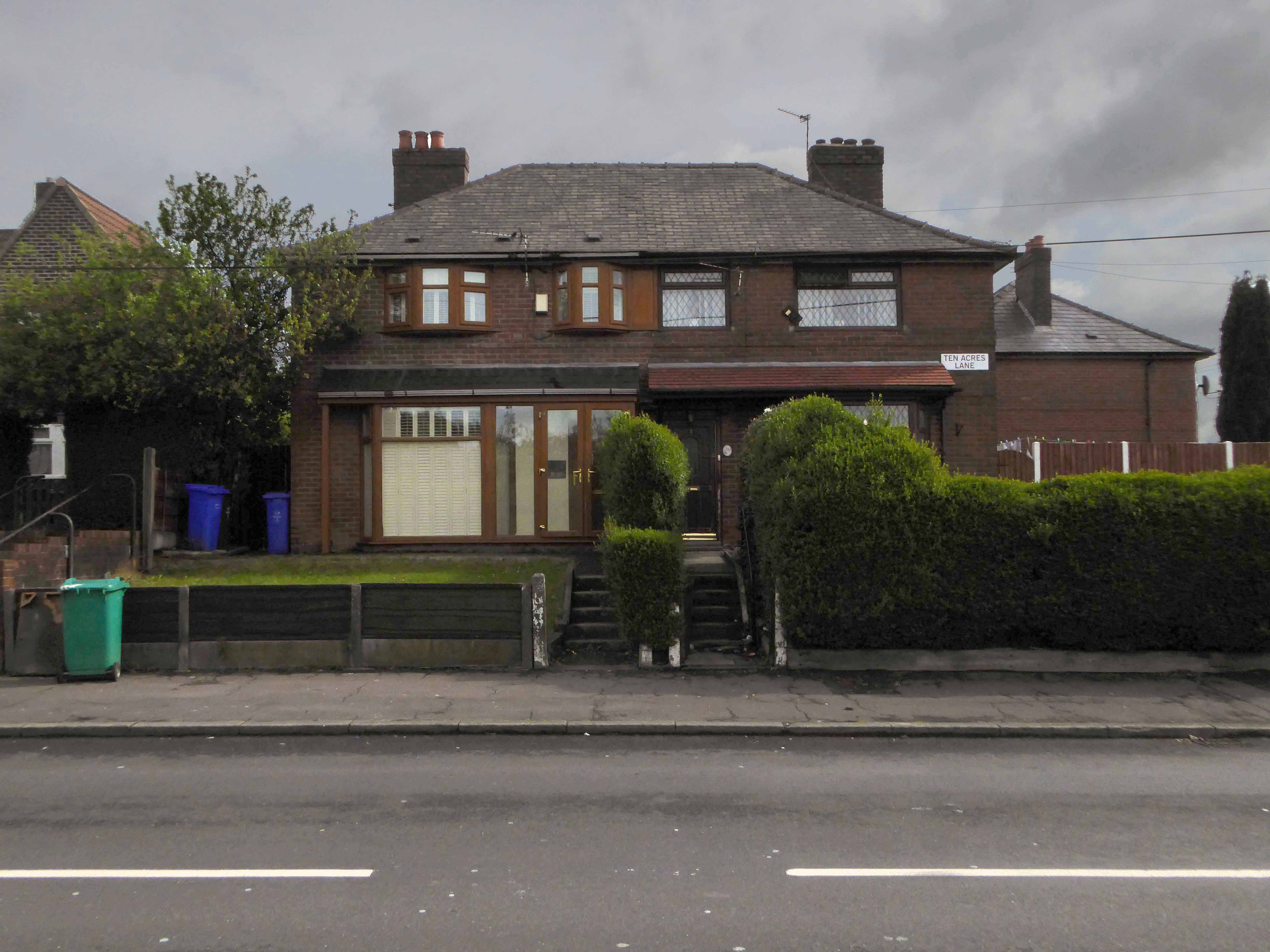
Much of the inter-war housing stock is still extant.

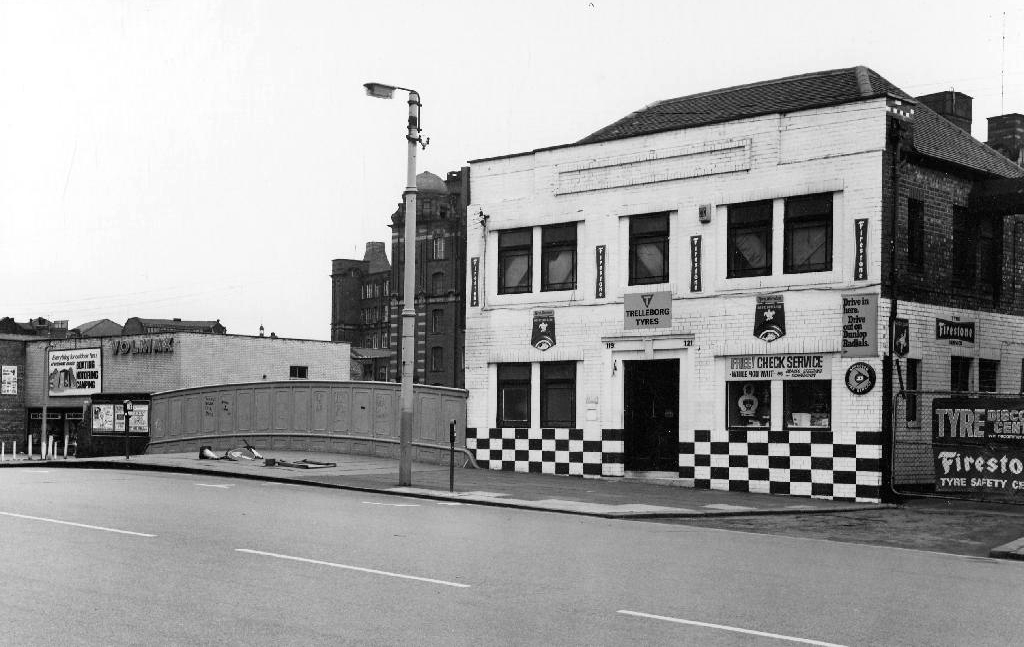
The sad shell of the Co-operative corner shop currently half storefront church half former tyre supplier is a sorry sight.

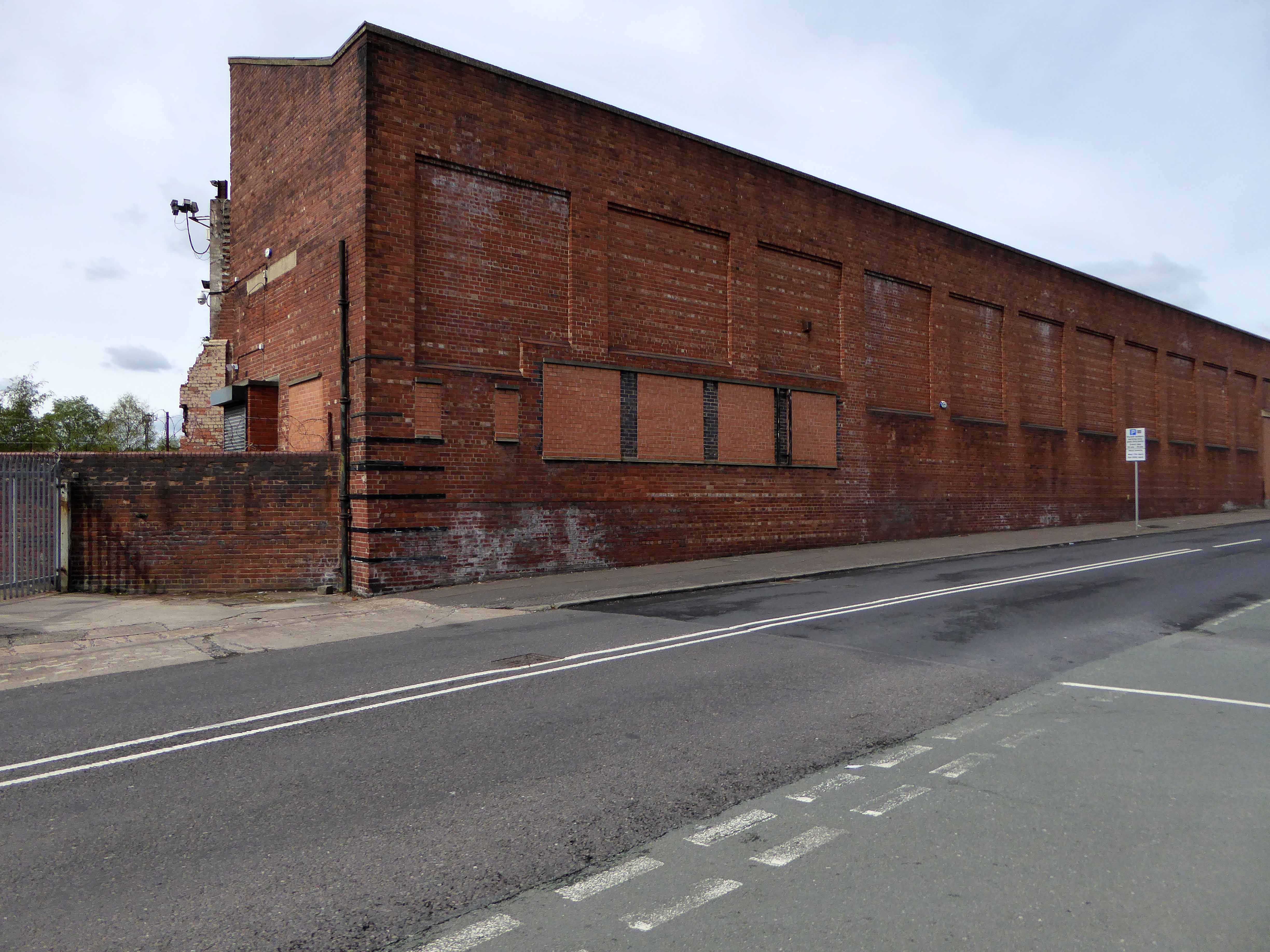
The still-standing CWS Works.

Finally passing under the railway bridge and descending into the Medlock Valley – our journey’s end.

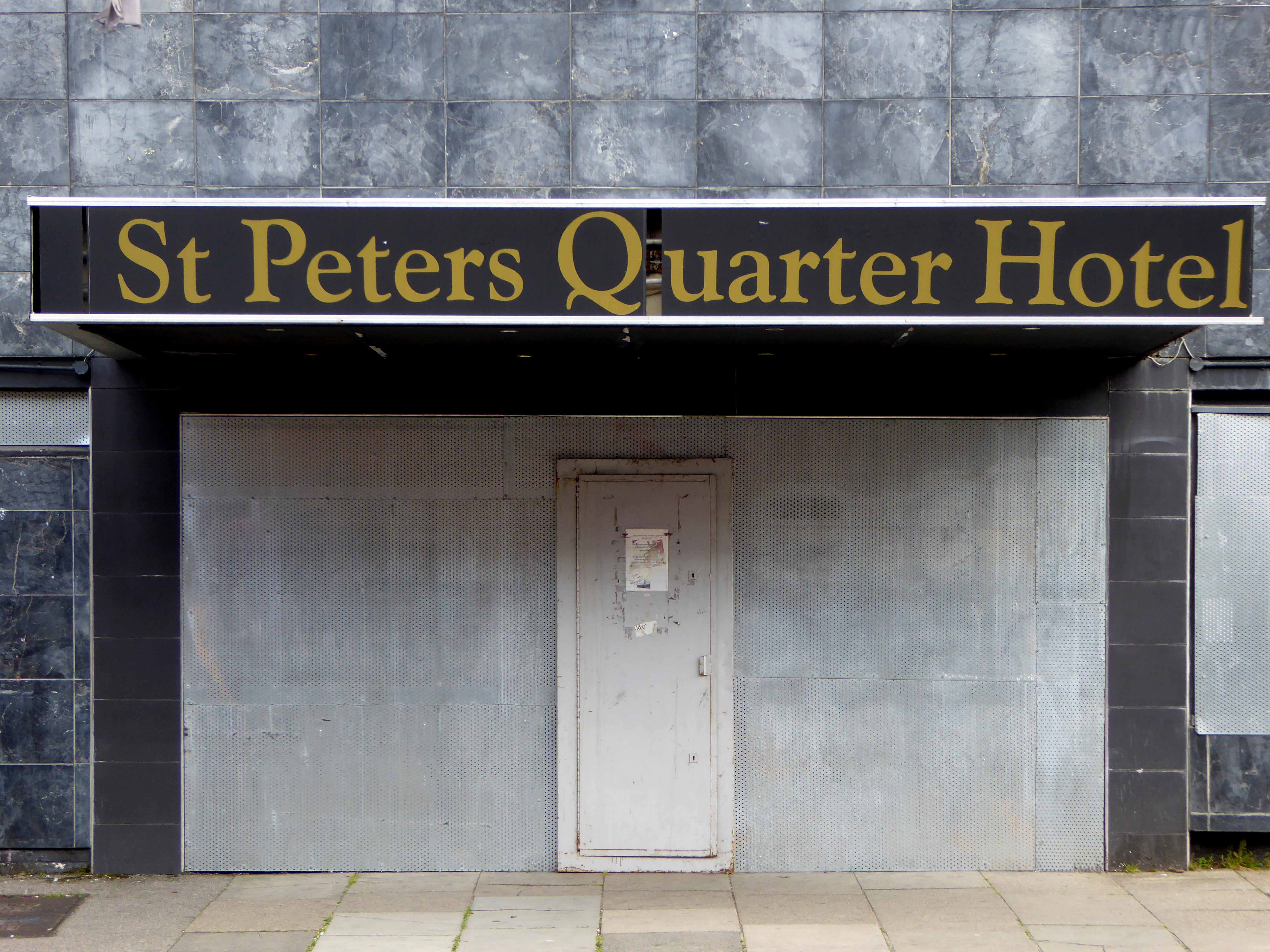
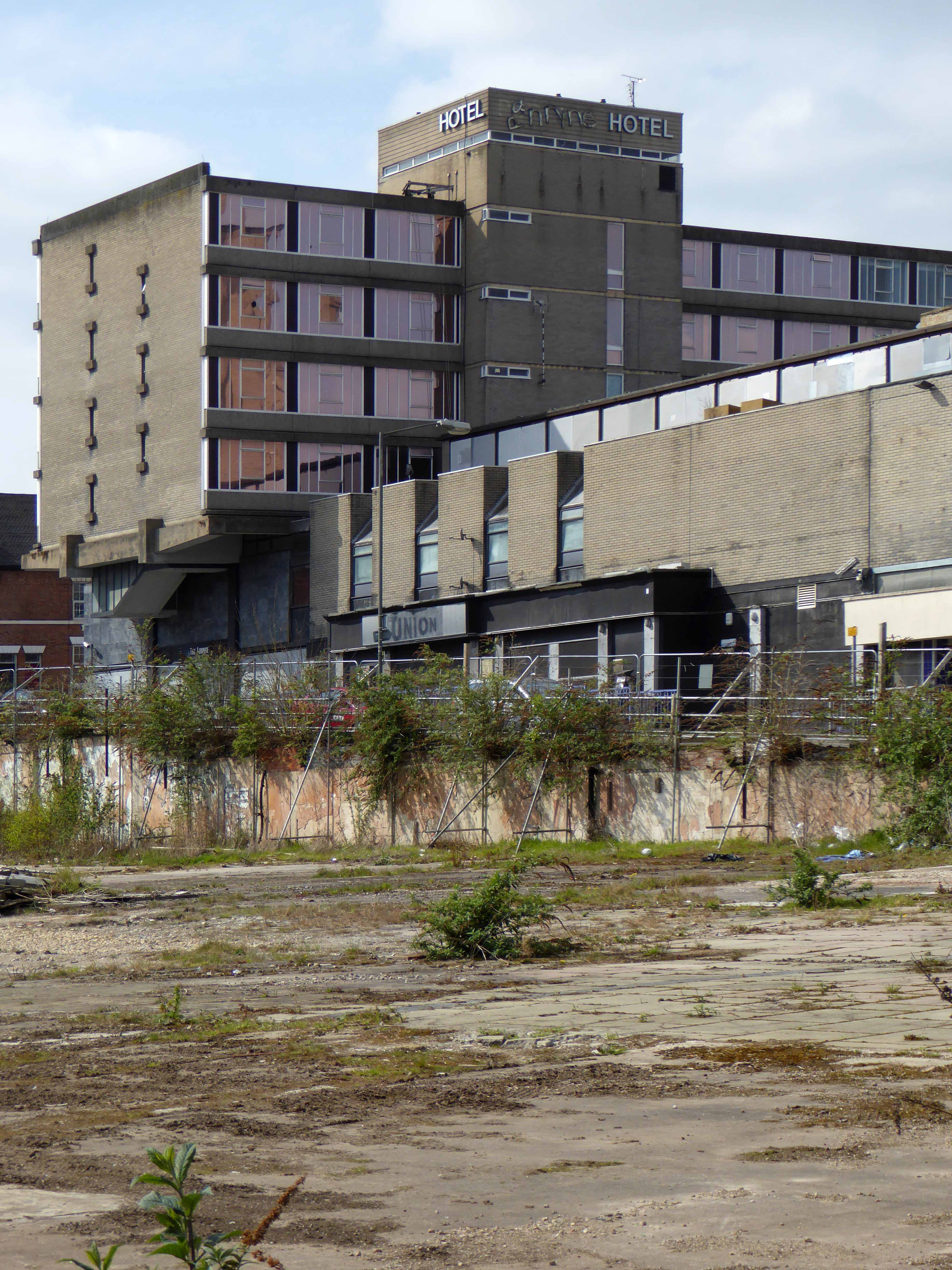
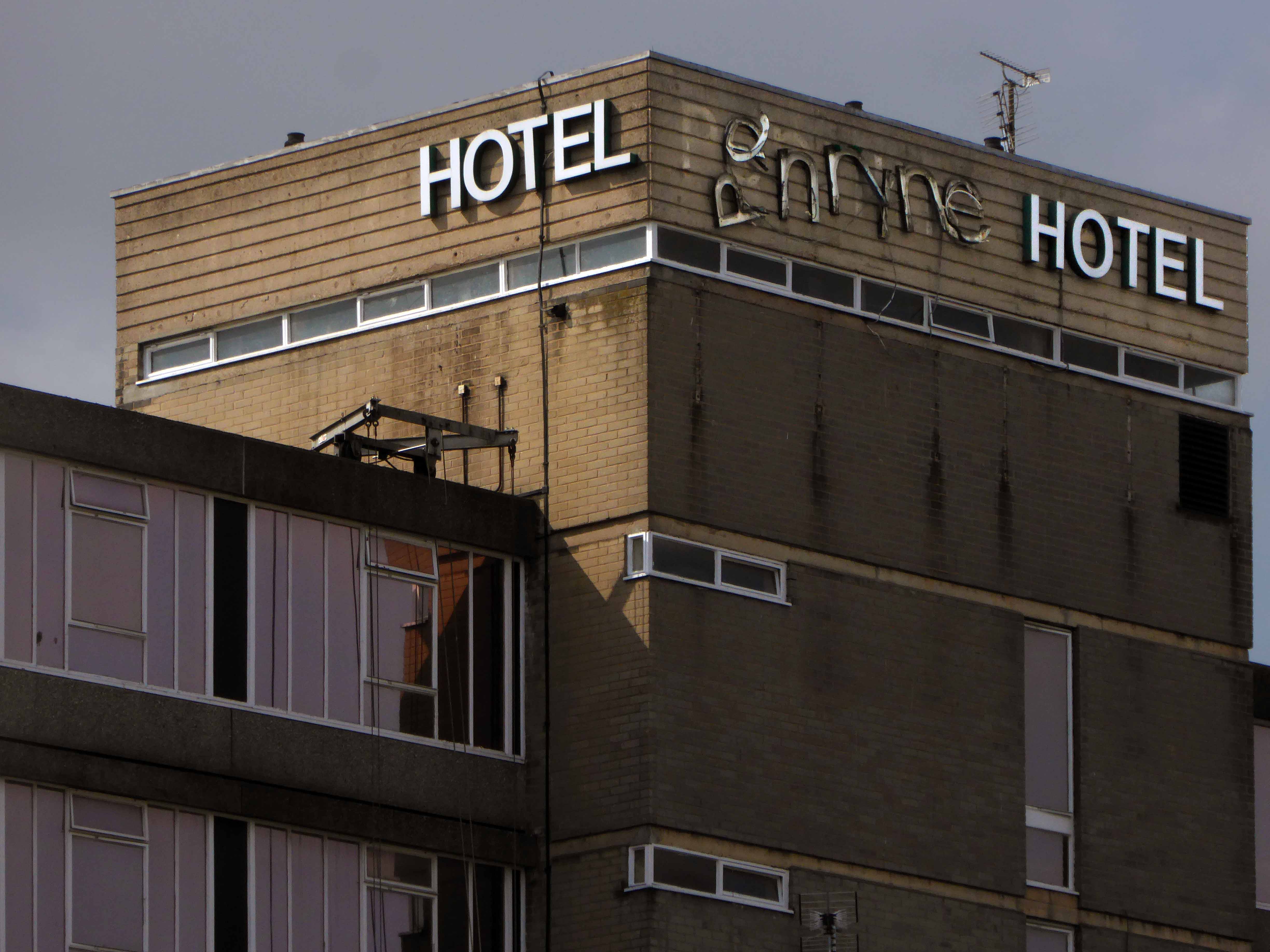
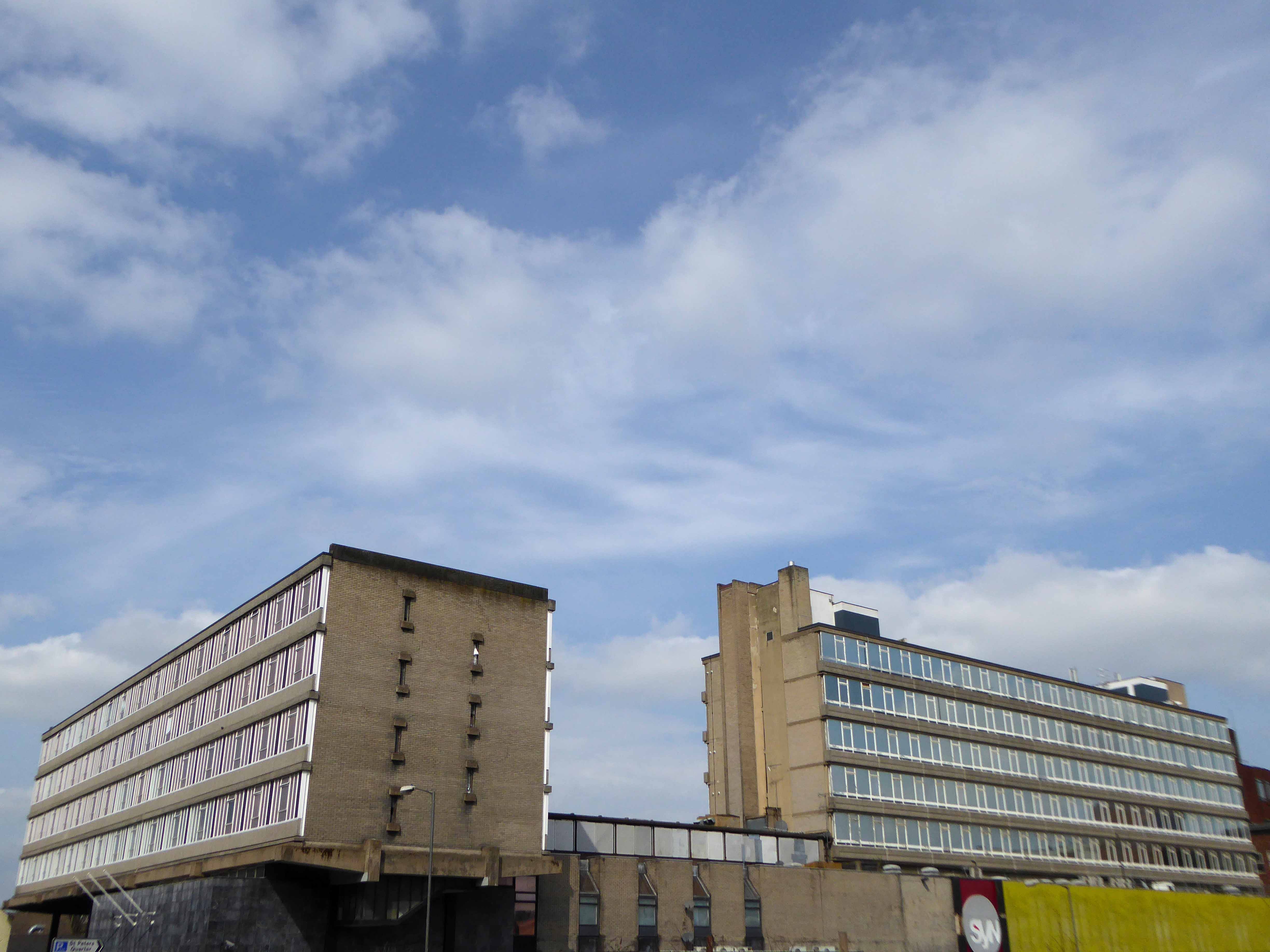
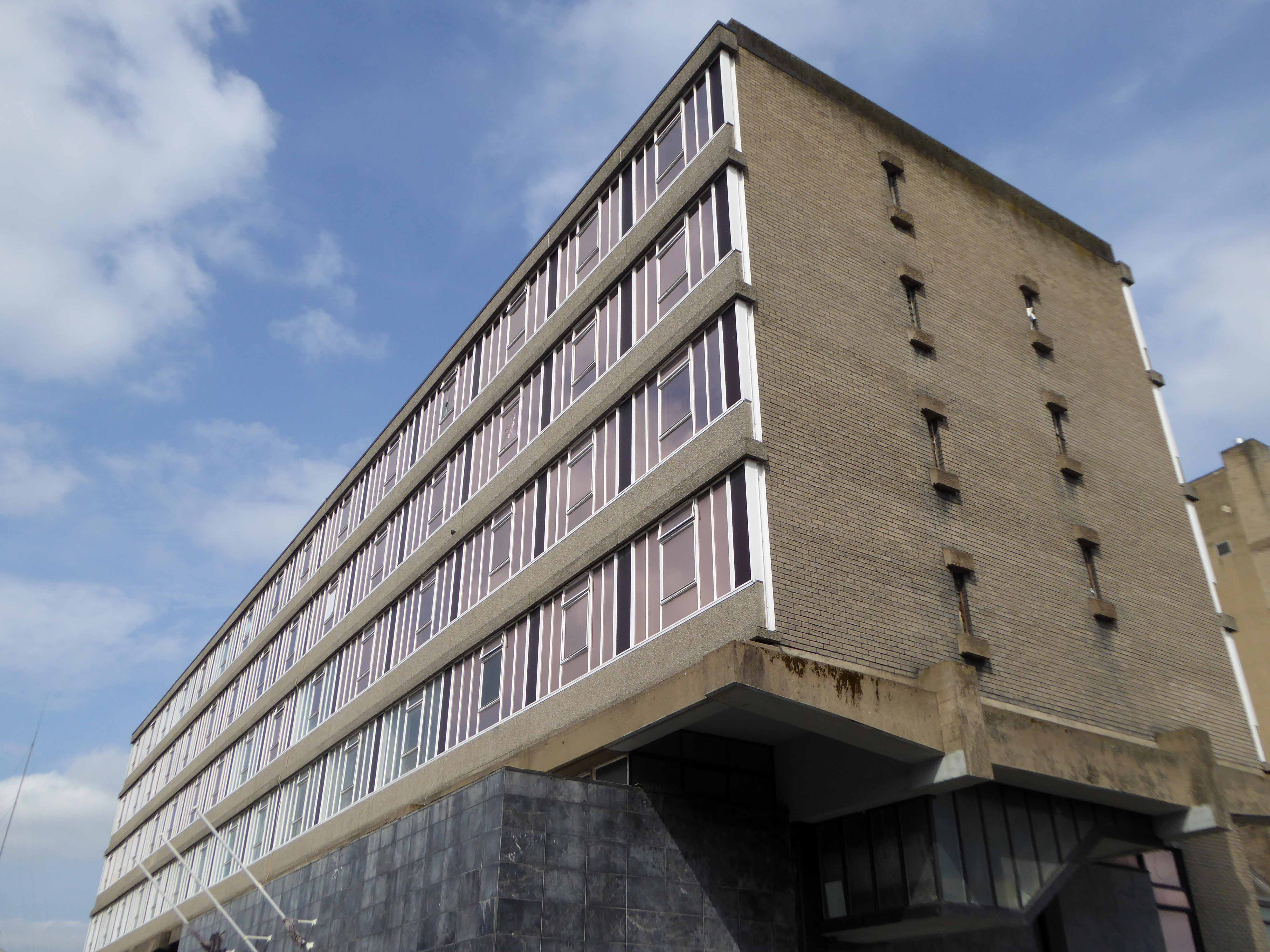
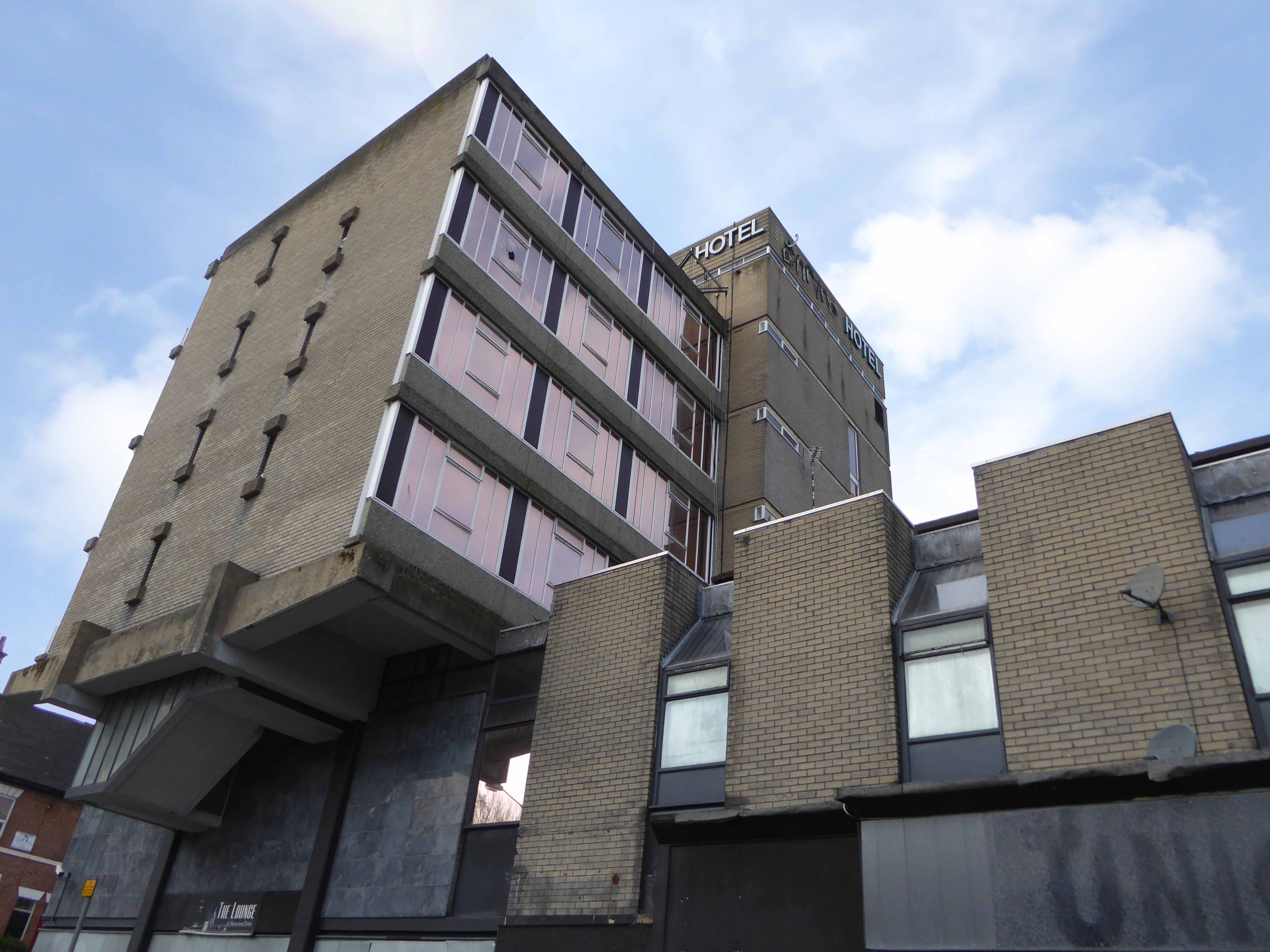
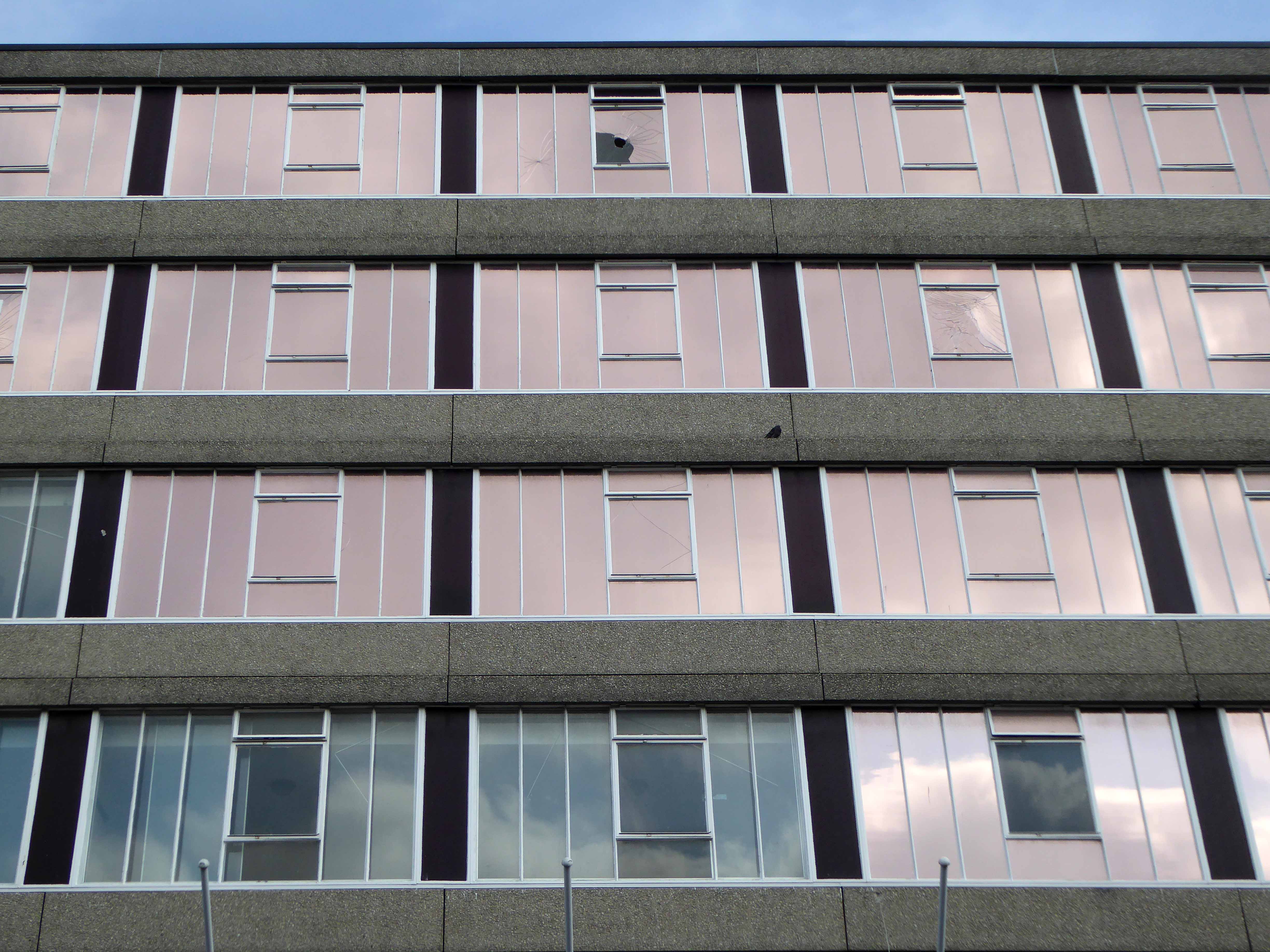
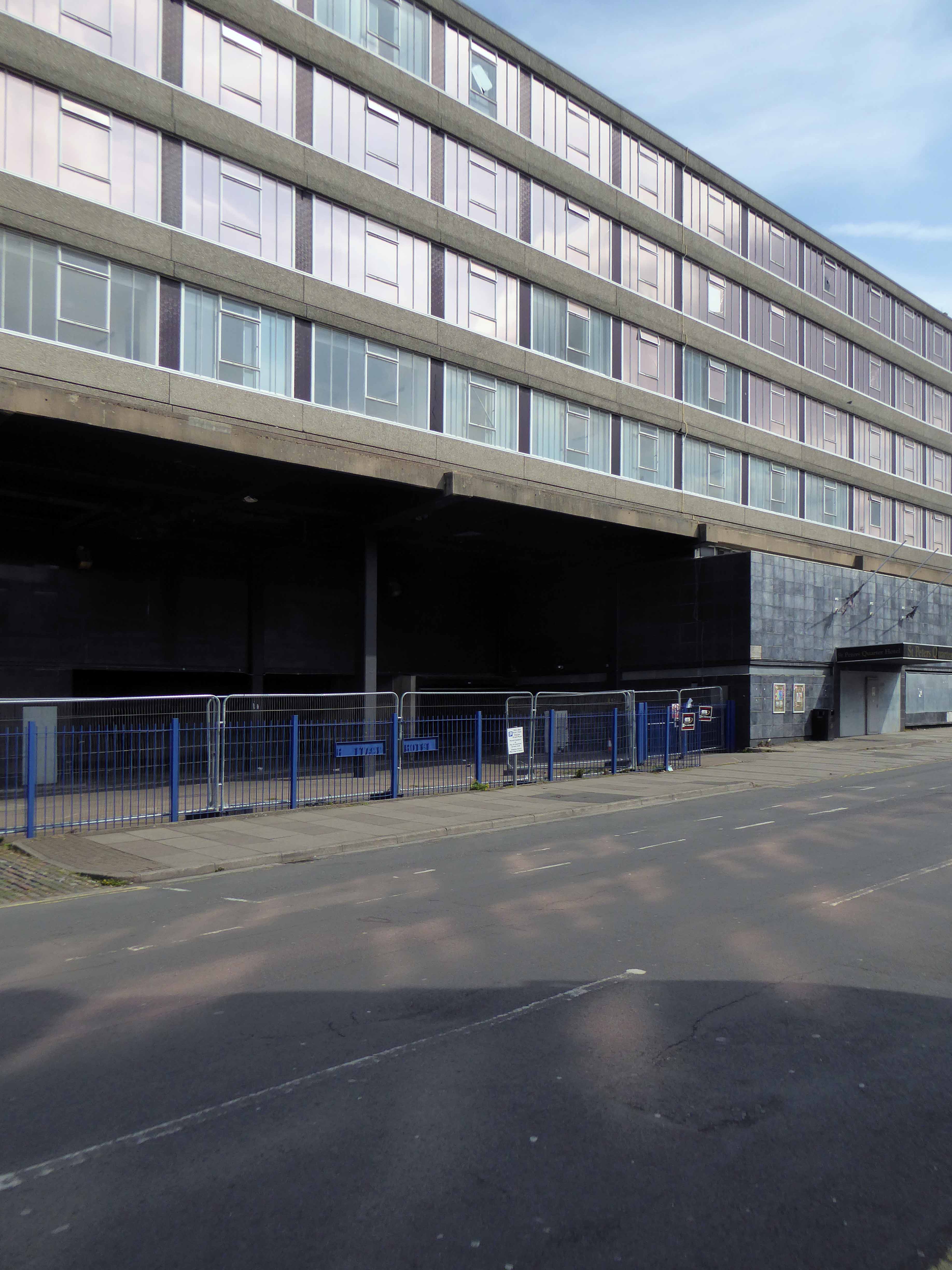
Pennine Hotel – Derby

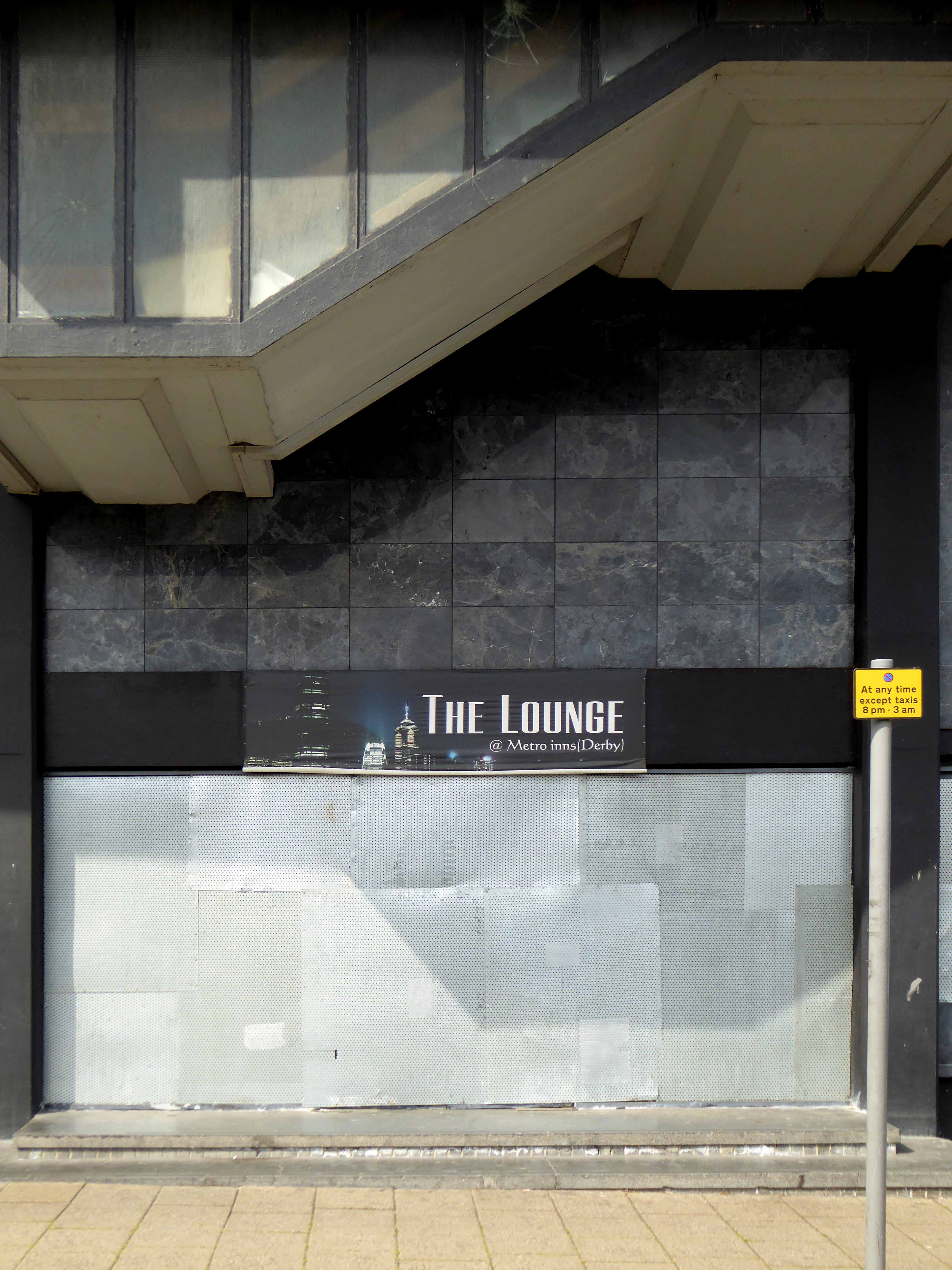
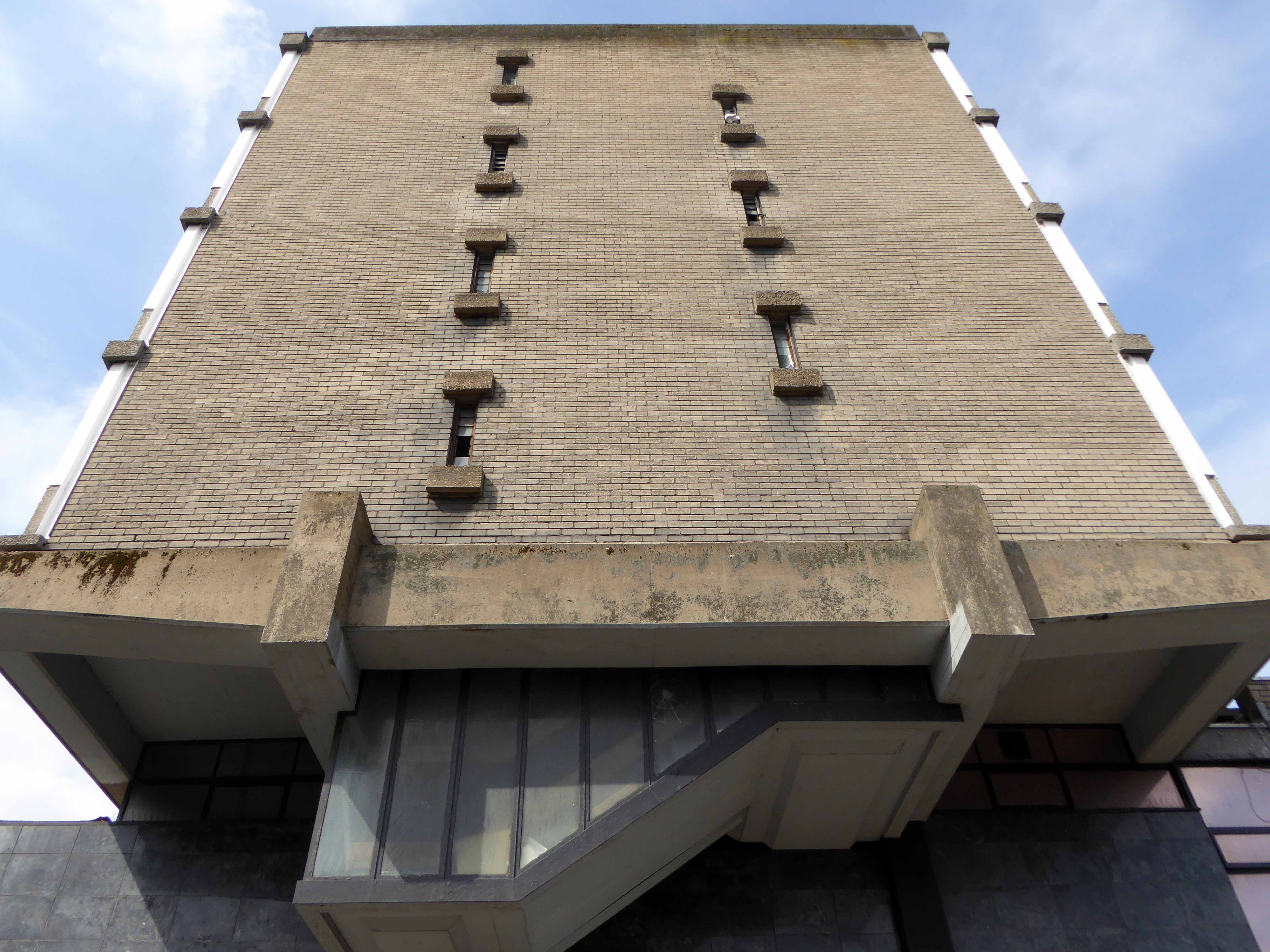
Macklin Street Derby DE1 1LF

You’re a big man but you’re out of shape.

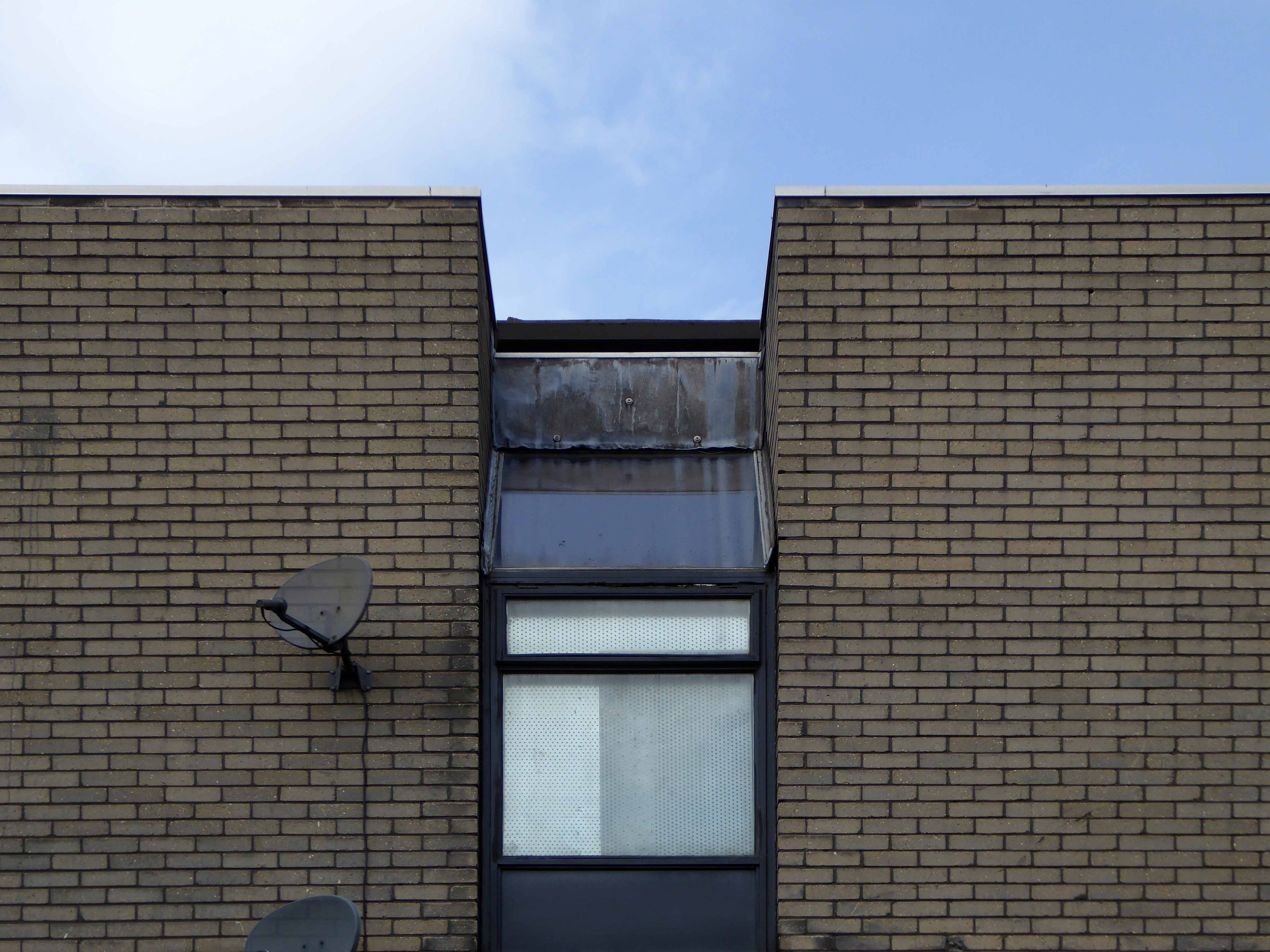
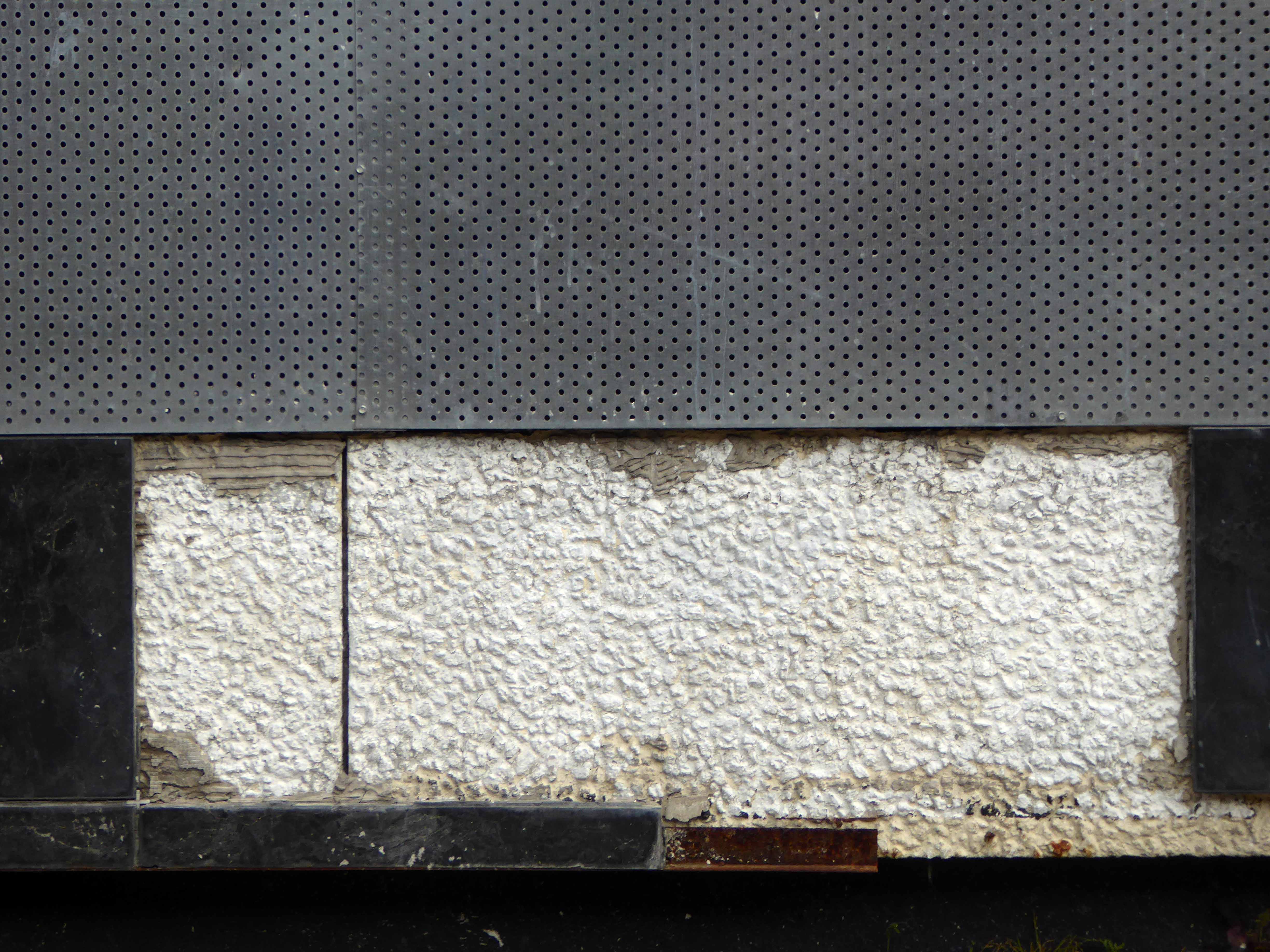
Conceived and wrought from concrete, glass and steel in the Swinging Sixties, the passage of time and Trip Advisor reviews, have been far from kind.

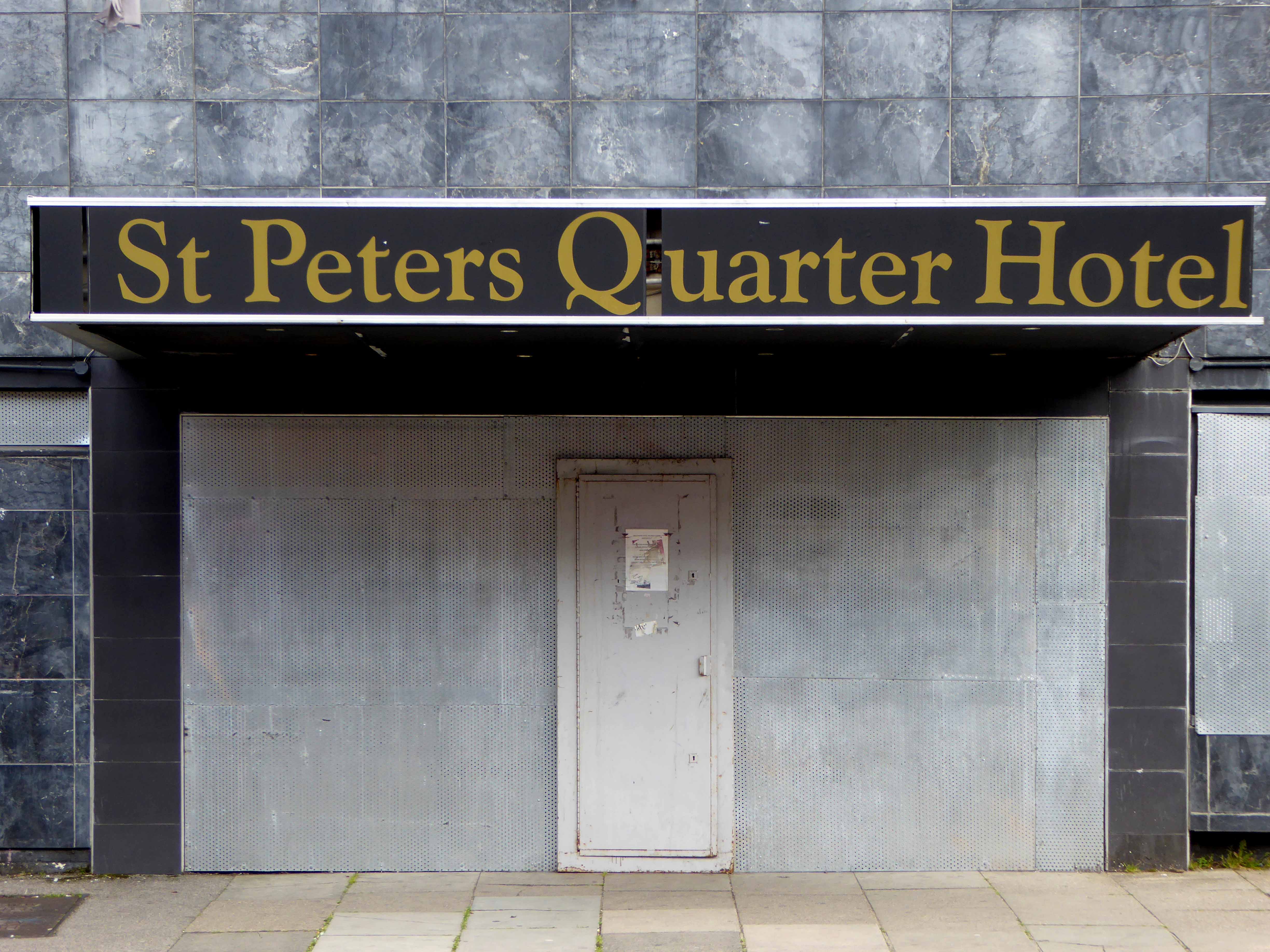
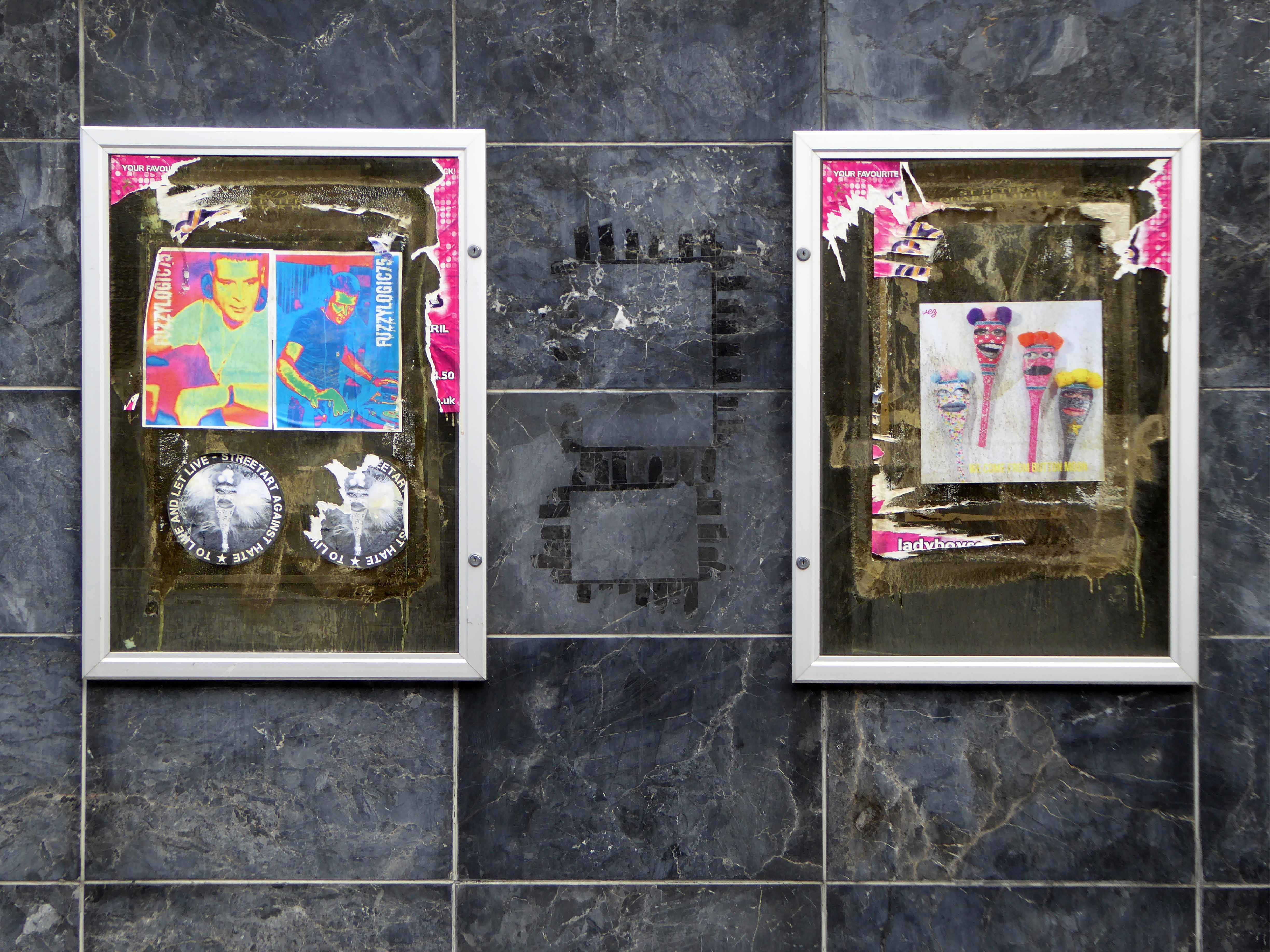
They put you in a Quarter renamed you St Peter’s – but that’s only half the battle.

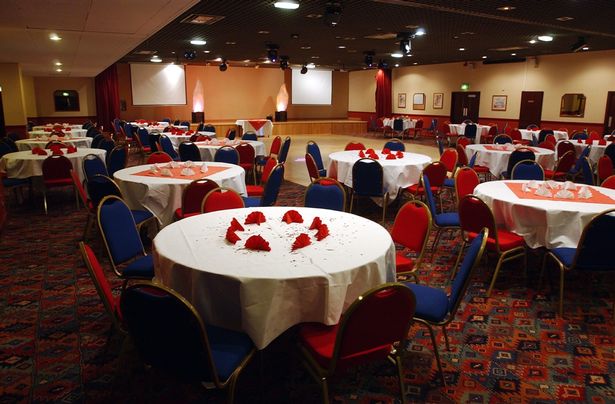
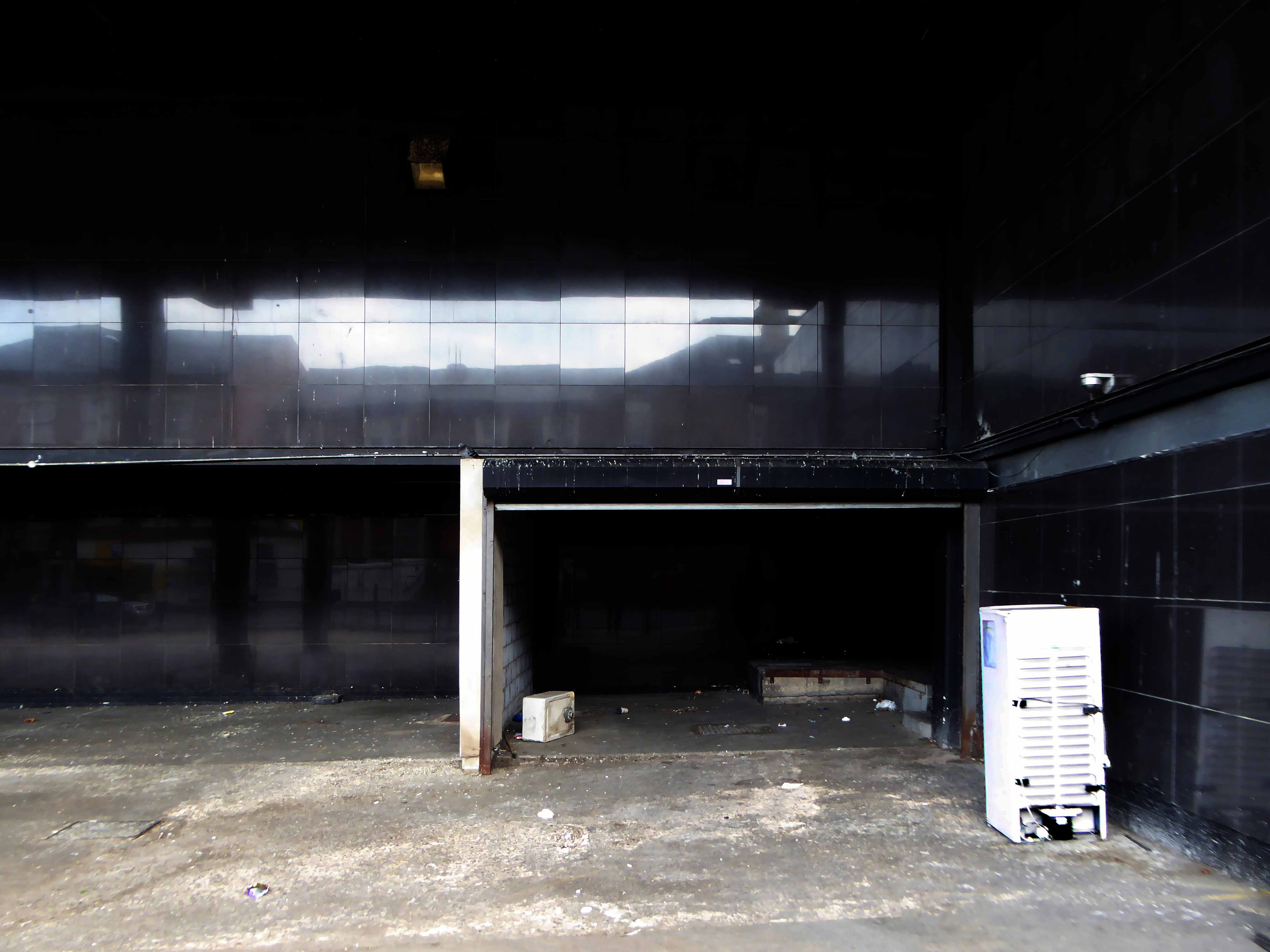
Once busy concourse and conference suites no longer ring to the satisfying clink of glass on glass, cash in till.

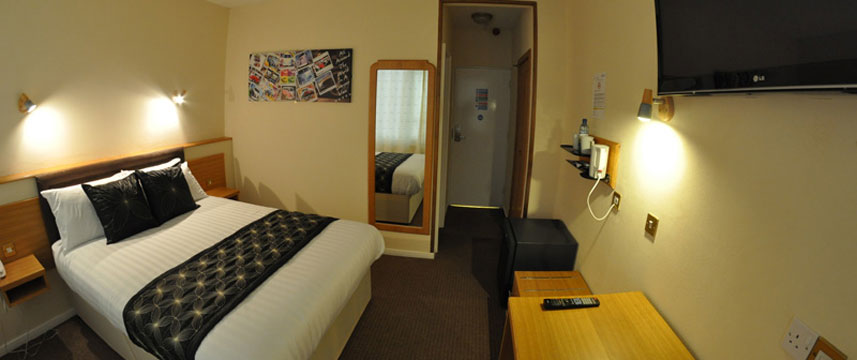
Nobody lays their tired head, to take their well earned rest, in your well made beds.

A hotel branded “utterly terrible” by reviewers on a travel website has been forced to close.

One visitor advised travellers to “run away from this hotel as far as possible” and others said they were “filled with dread” while staying there and spoke of towels smelling “rather odd”.

BBC

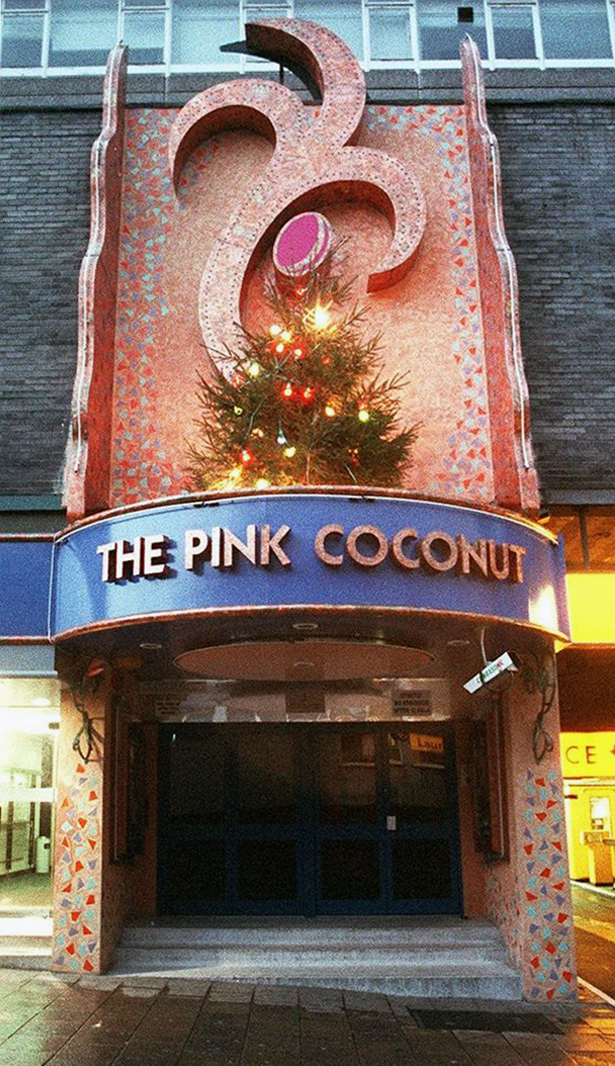
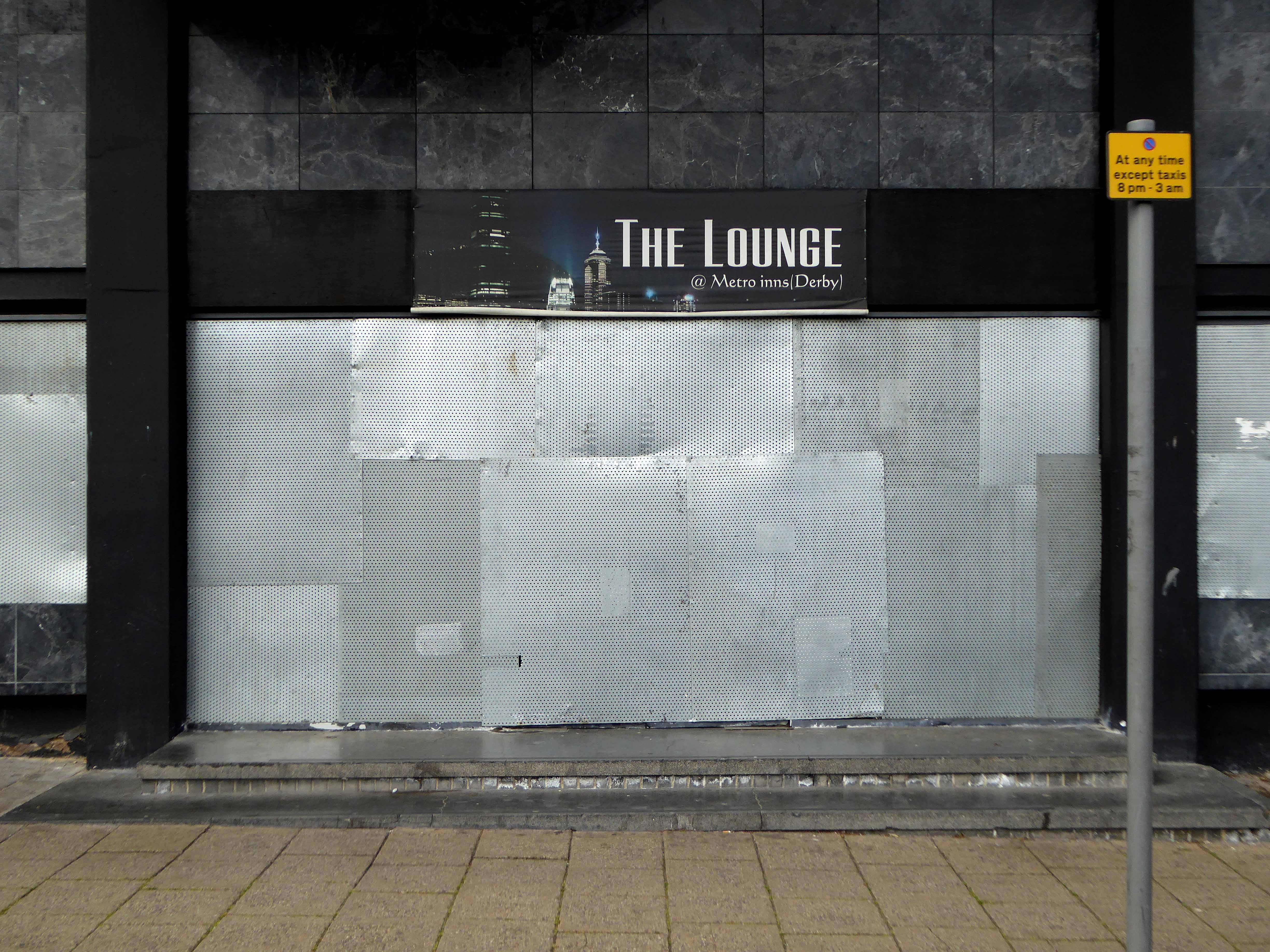
So so long to The Pink Coconut, Syns and the Mint Casino.

Derby Council has bought you all – awaiting redevelopment as part of the Masterplan to regenerate the whole area.

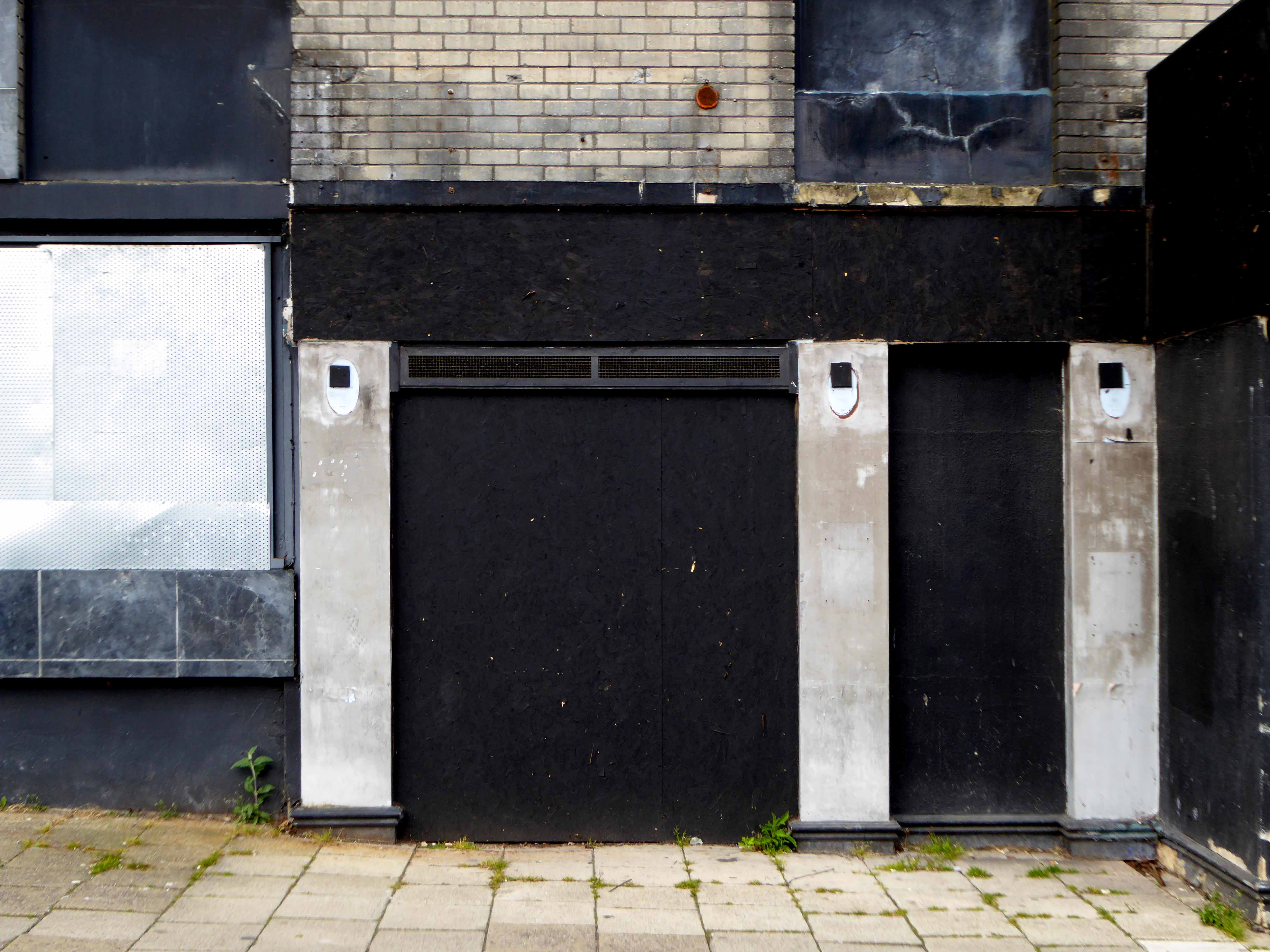
So here we are one more tinned-up inner city site awaits its fate – meet me at the wrecking ball.

High Street Estate – Pendleton

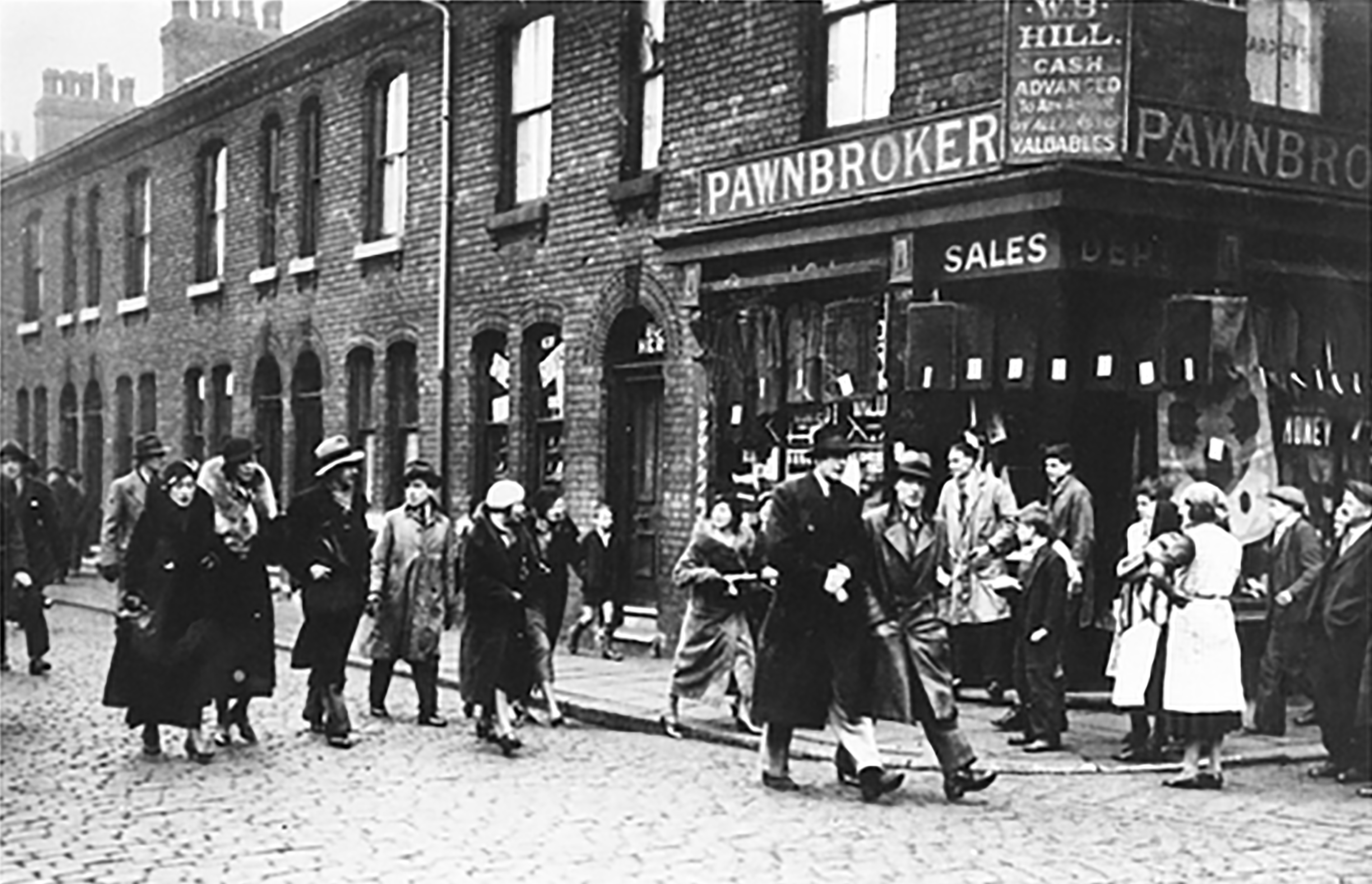
High Street Pendleton 1930s – the cast of Love on the Dole walk down High Street Pendleton, passing Hill’s Pawnbroker, author Walter Greenwood is ninth from the right.

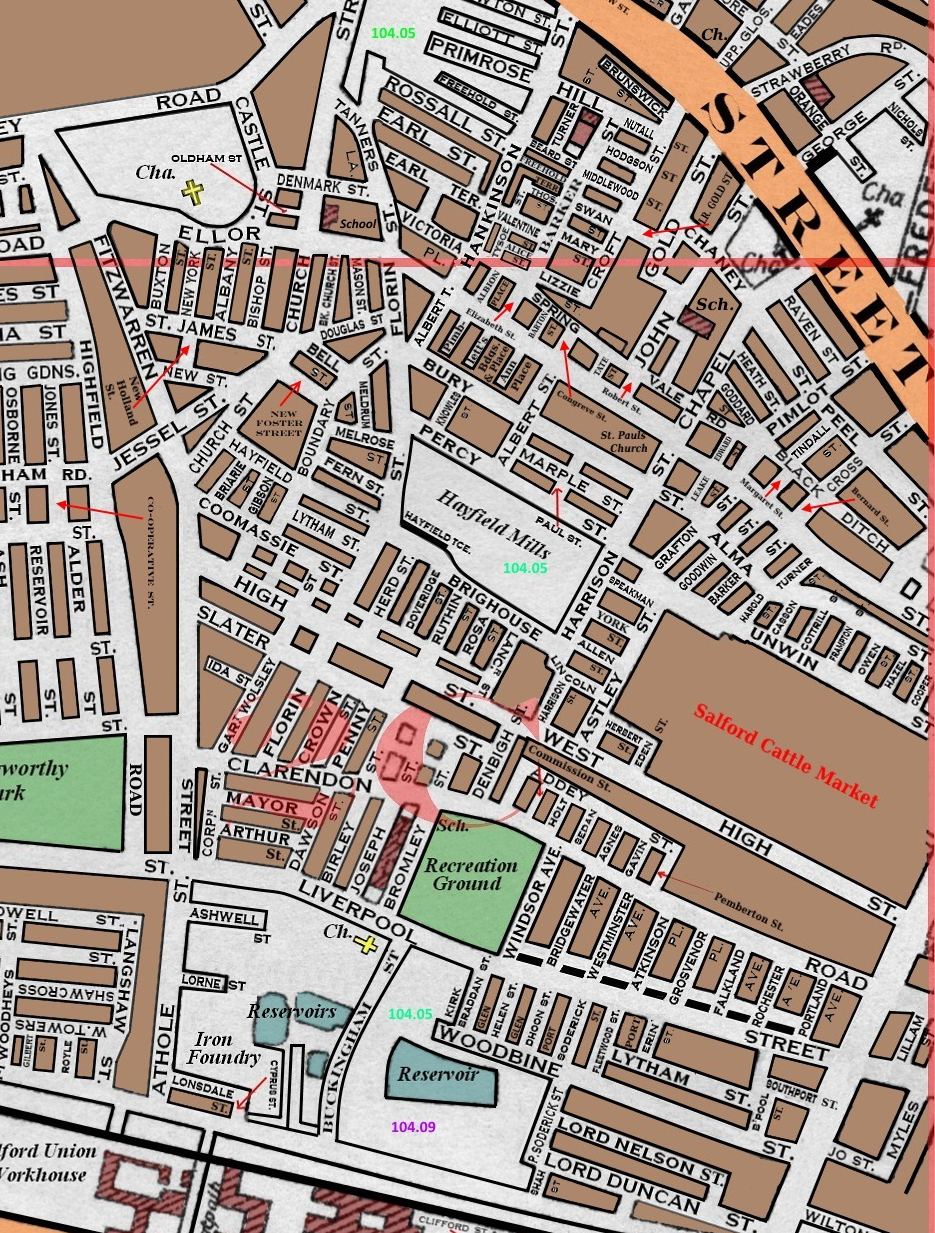
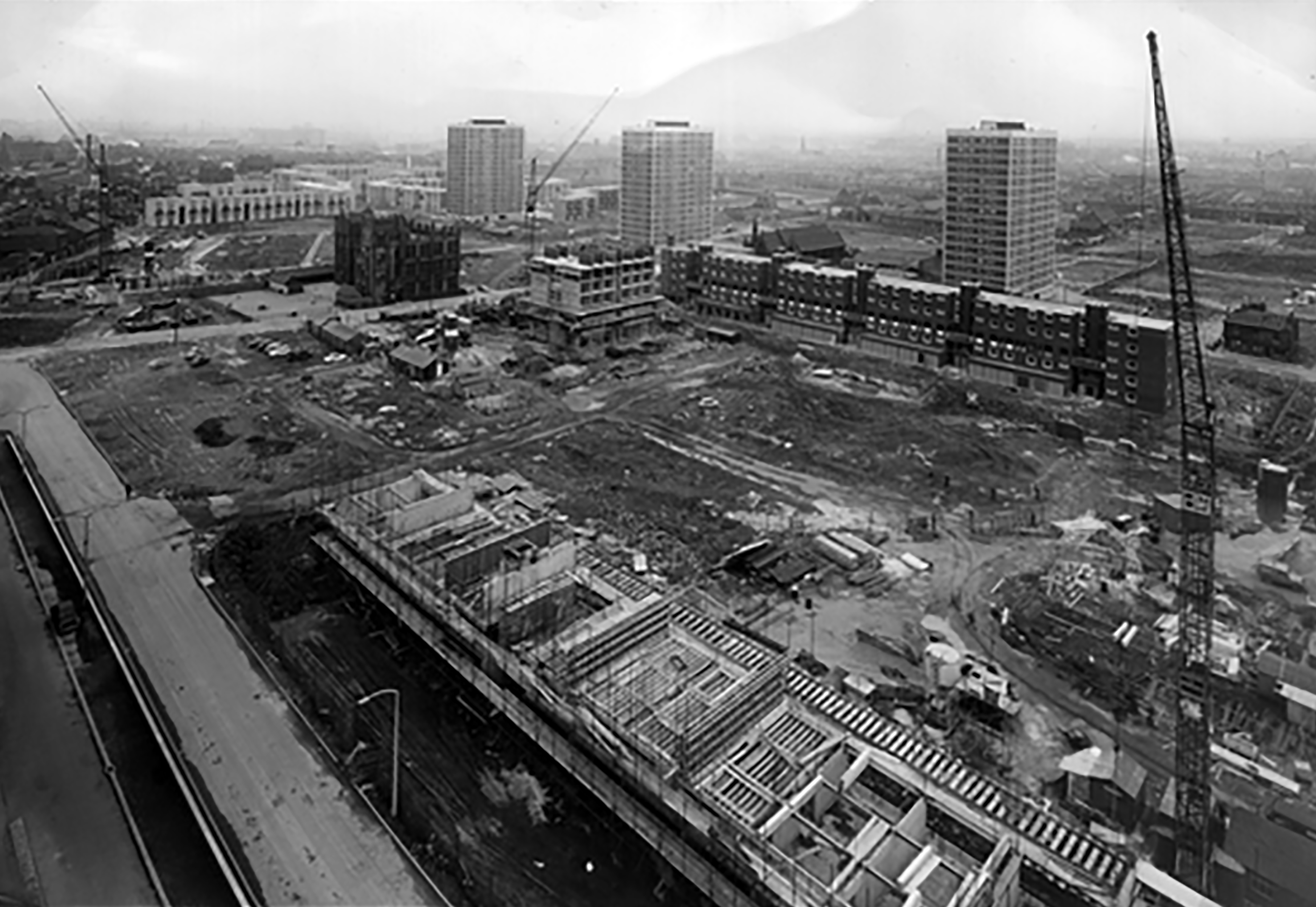
This was a dense area of back to back terraces adjacent to pubs, schools, churches, mills, docks and cattle markets. Communities formed from shared patterns of employment, education, leisure and worship.

These communities survived into the 1960s and the coming of slum clearance, followed by an intense period of rebuilding in the modern manner.

Archival photographs Digital Salford

Patterns of employment, economic boom and bust, the exponential expansion in higher education, all contribute to the change in character of the area, along with slow and sudden demise in social housing.

2014 and the area begins to be reshaped yet again – this time by former resident Mr Peter Hook, who grew up in the area, the low slung former New Order bass meister described it in a book as – rotten and horrible, like a concrete wasteland

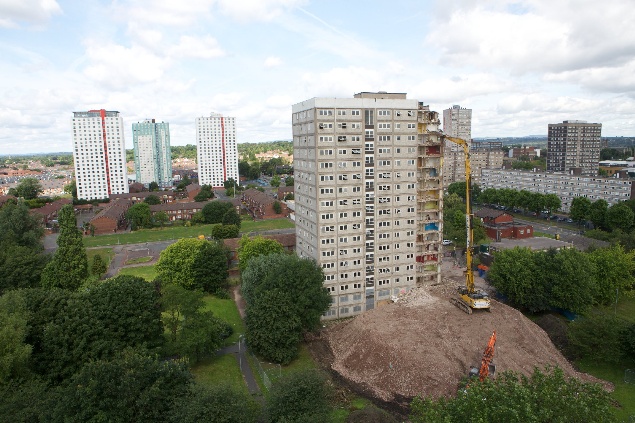
The Orchards tower block, the first of three, is removed piece by piece, each of the 14-storey blocks took around six weeks to be demolished.

The citizens of High Street Estate await the ‘dozers with apprehension and a sense of grim inevitability.

Clearance begins with the promise of new homes, tenants and homeowners are relocated, houses are tinned up or demolished wholesale. – a few remain in situ dissatisfied and afraid.

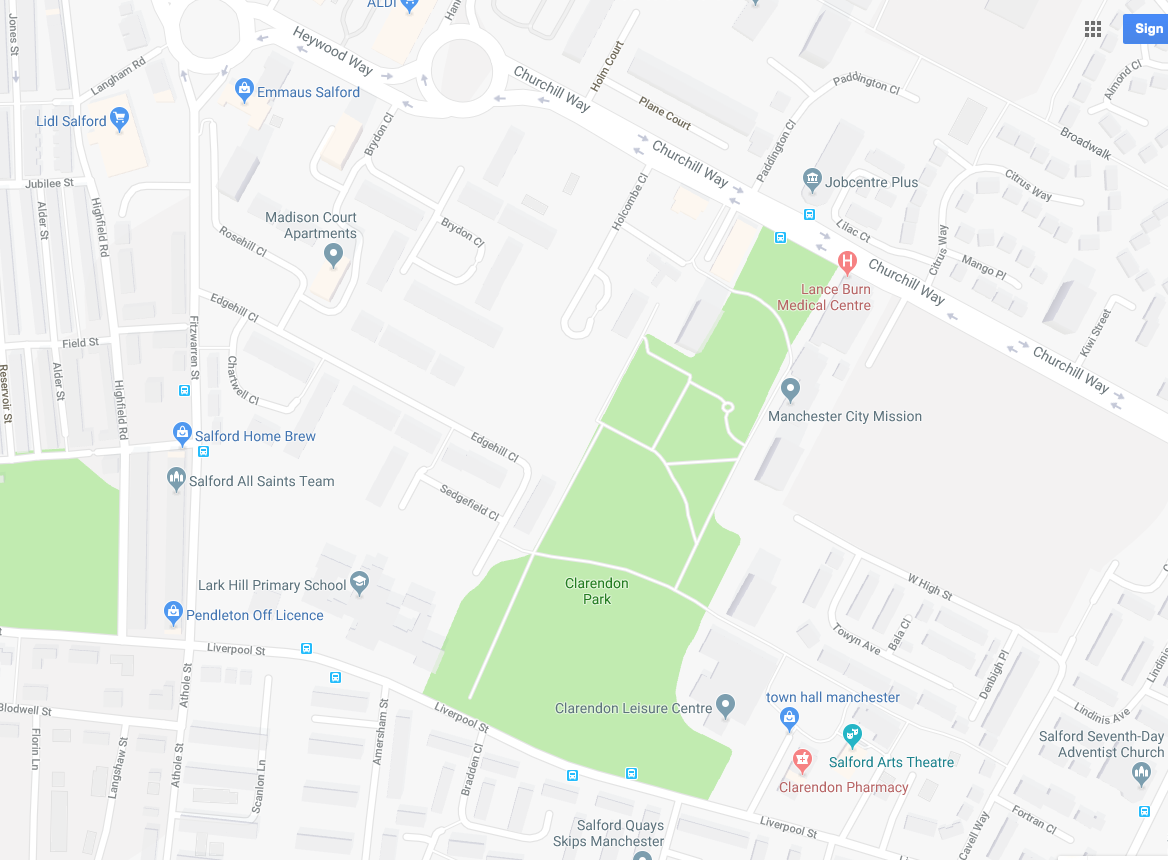
Altogether, 885 houses in Pendleton are being bulldozed and, to date, 584 have already been demolished, including houses on Athole Street and Amersham Street. Over the Pendleton Together project’s £650million thirty year life, only around one third of new houses being built will be affordable.

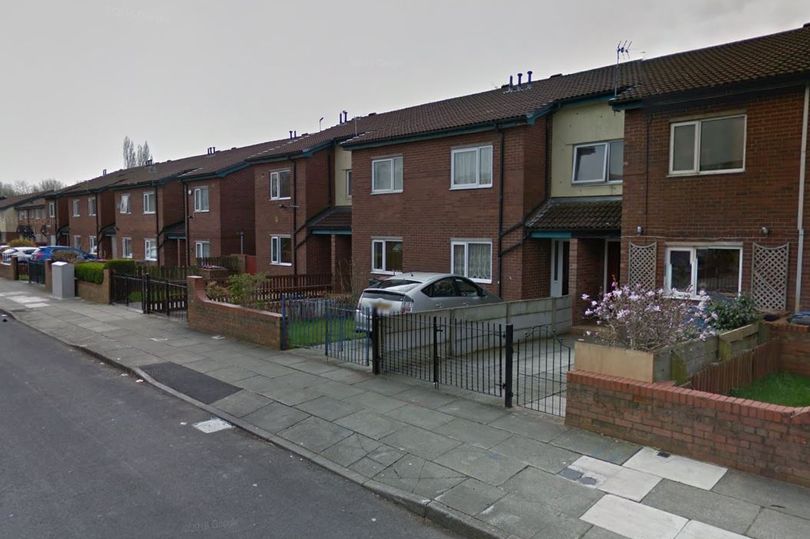
Meanwhile, after years of anguish and uncertainty, Fitzwarren Court and Rosehill Close, previously down for demolition, are being saved. Salix Homes will now bring flats in Fitzwarren Court and houses in its ownership on Rosehill Close up to the Decent Homes Standard

Salford Star

So welcome to Limboland – as financial arrangements shift, shimmy and evaporate – government policy, local authority pragmatists, private partnerships and funding perform a merry dance of expediency, around an ever diminishing circle of demolition, development, stasis and deceit.

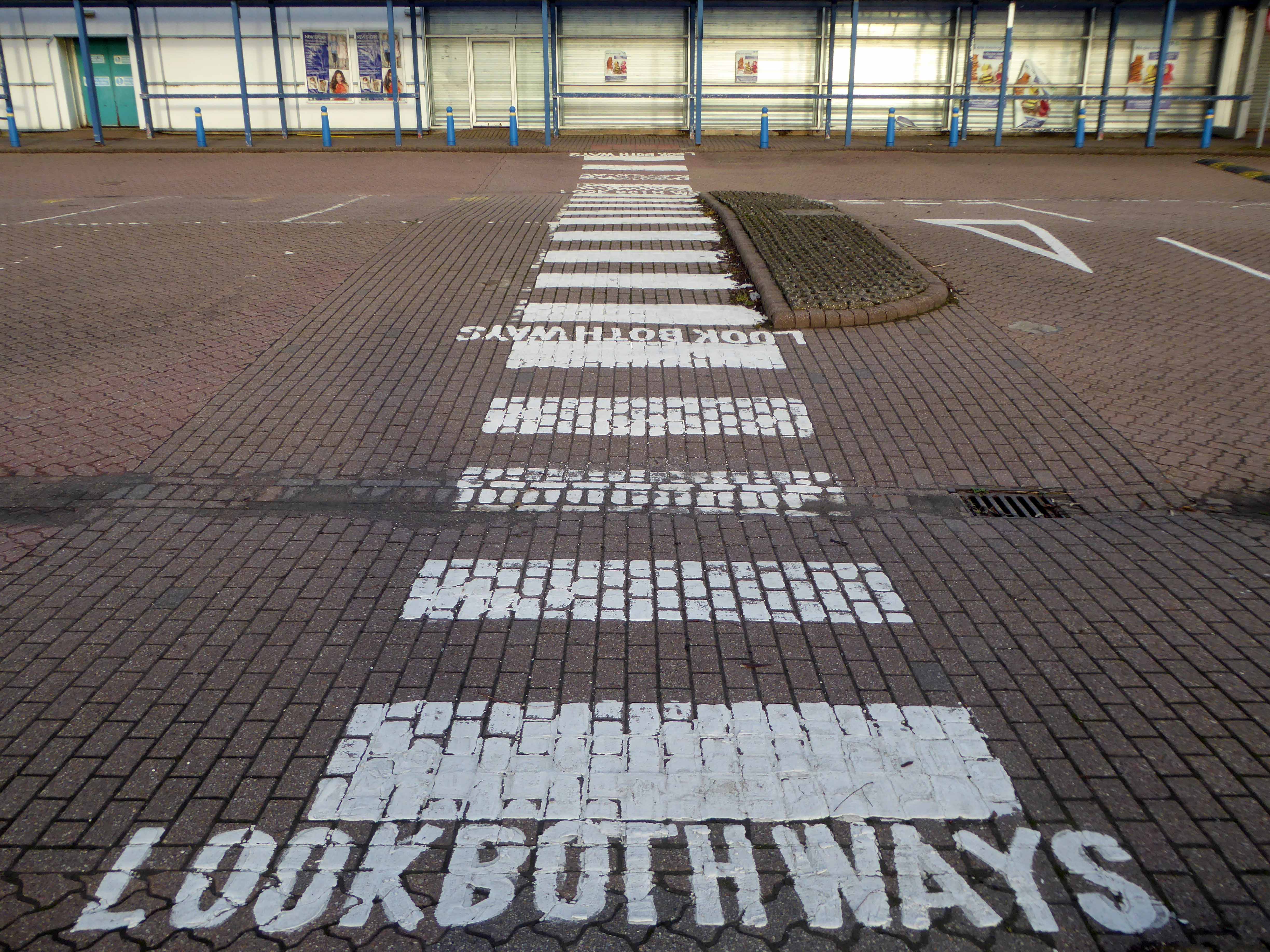
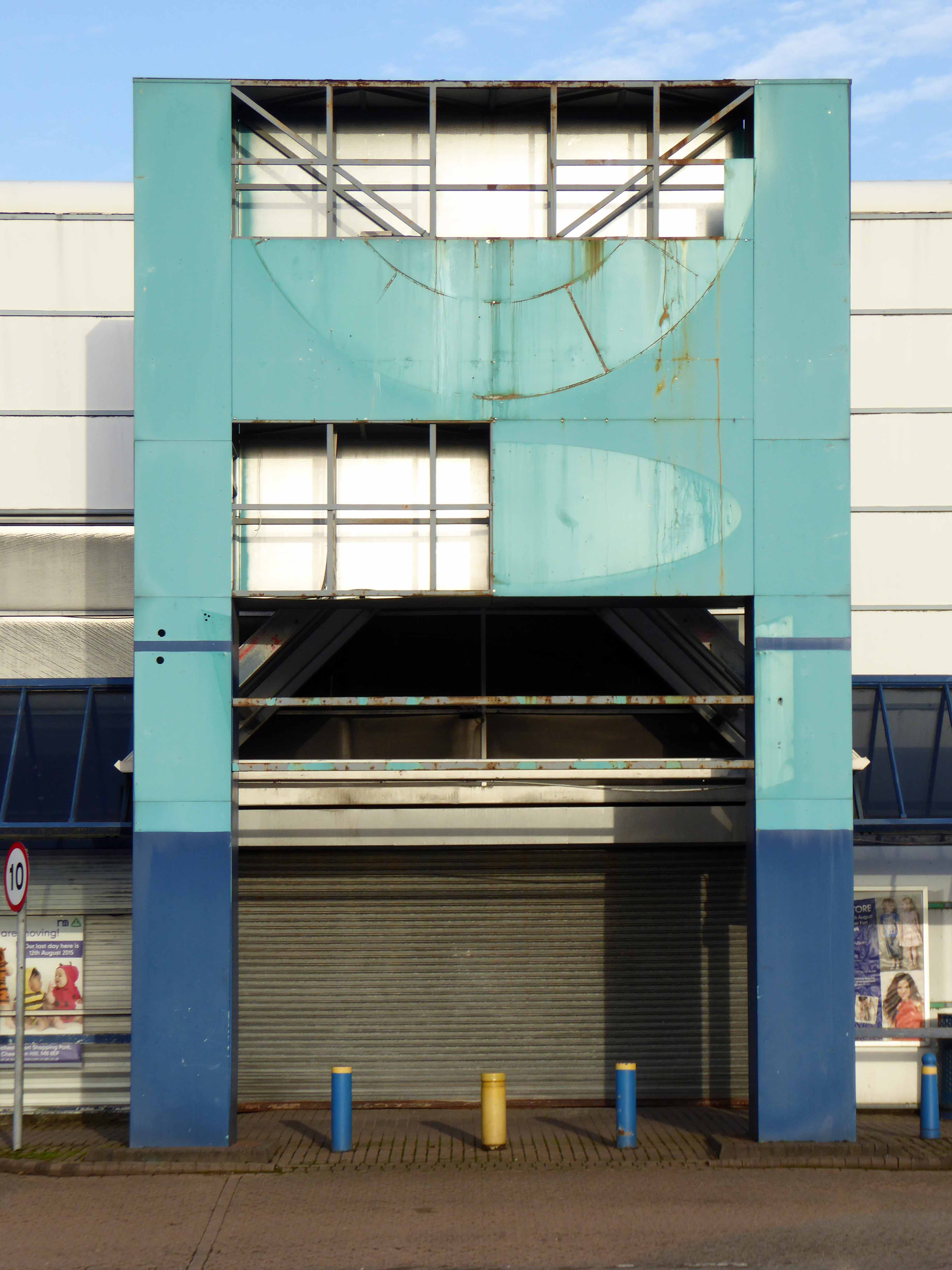
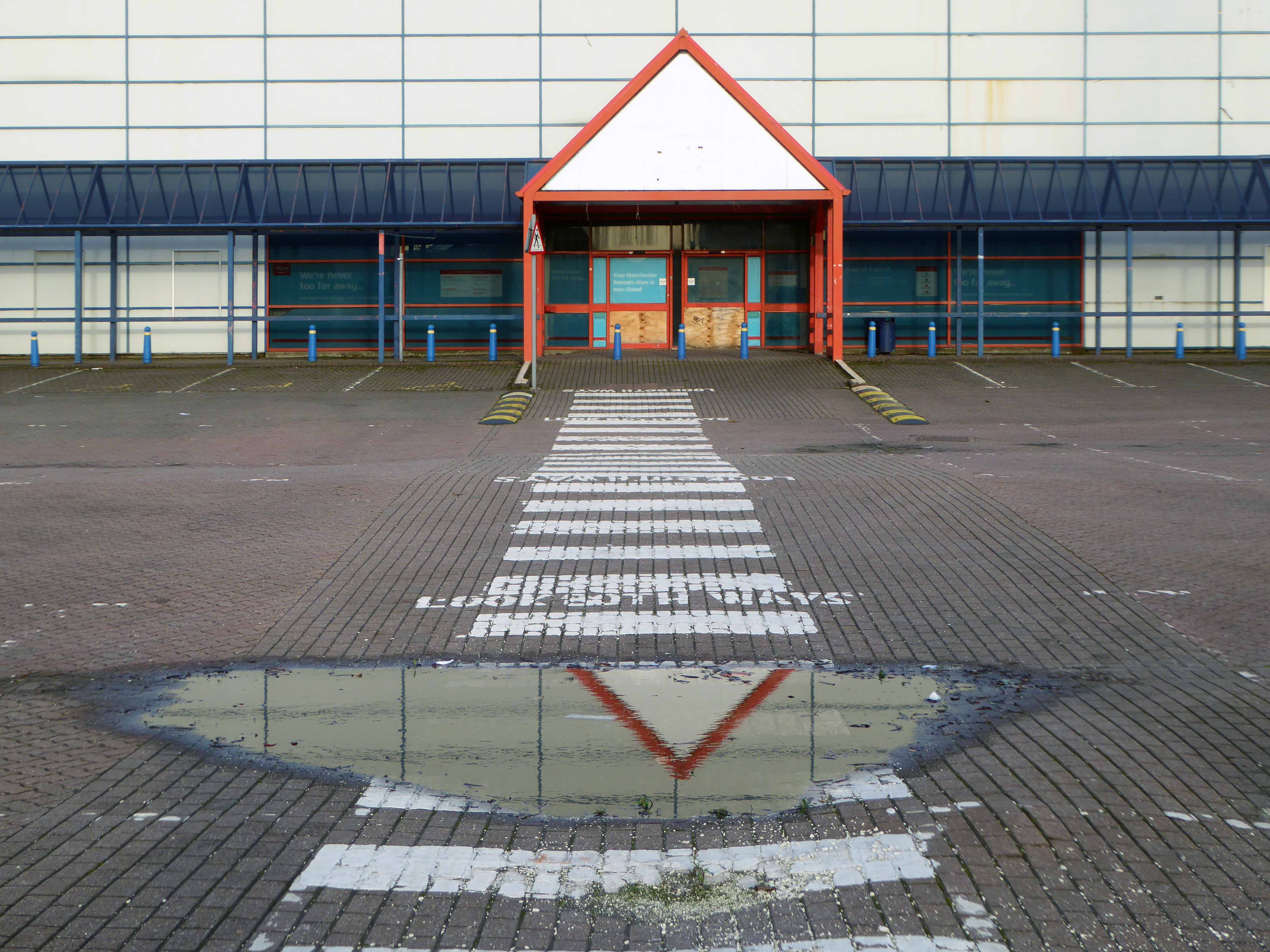
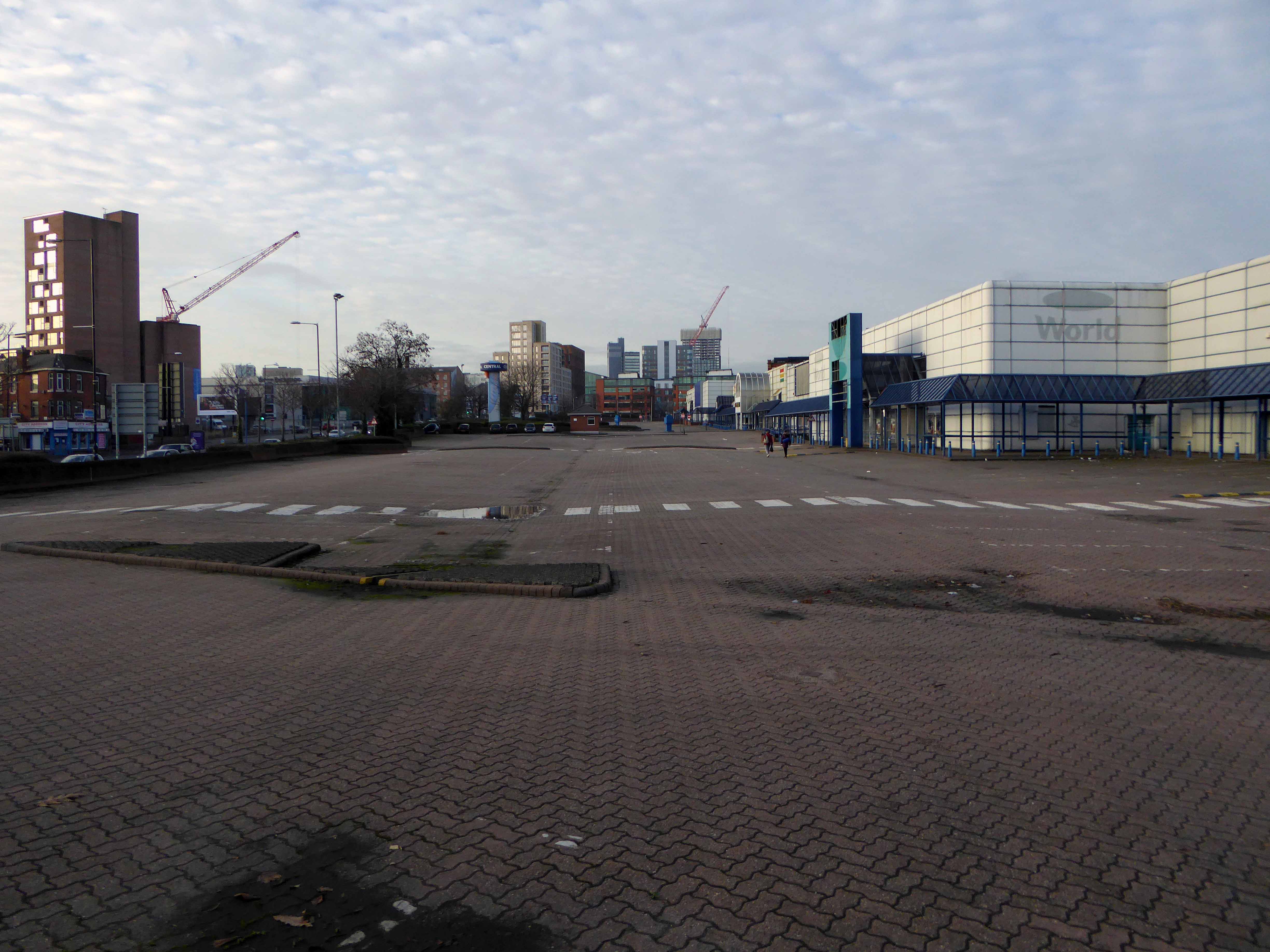
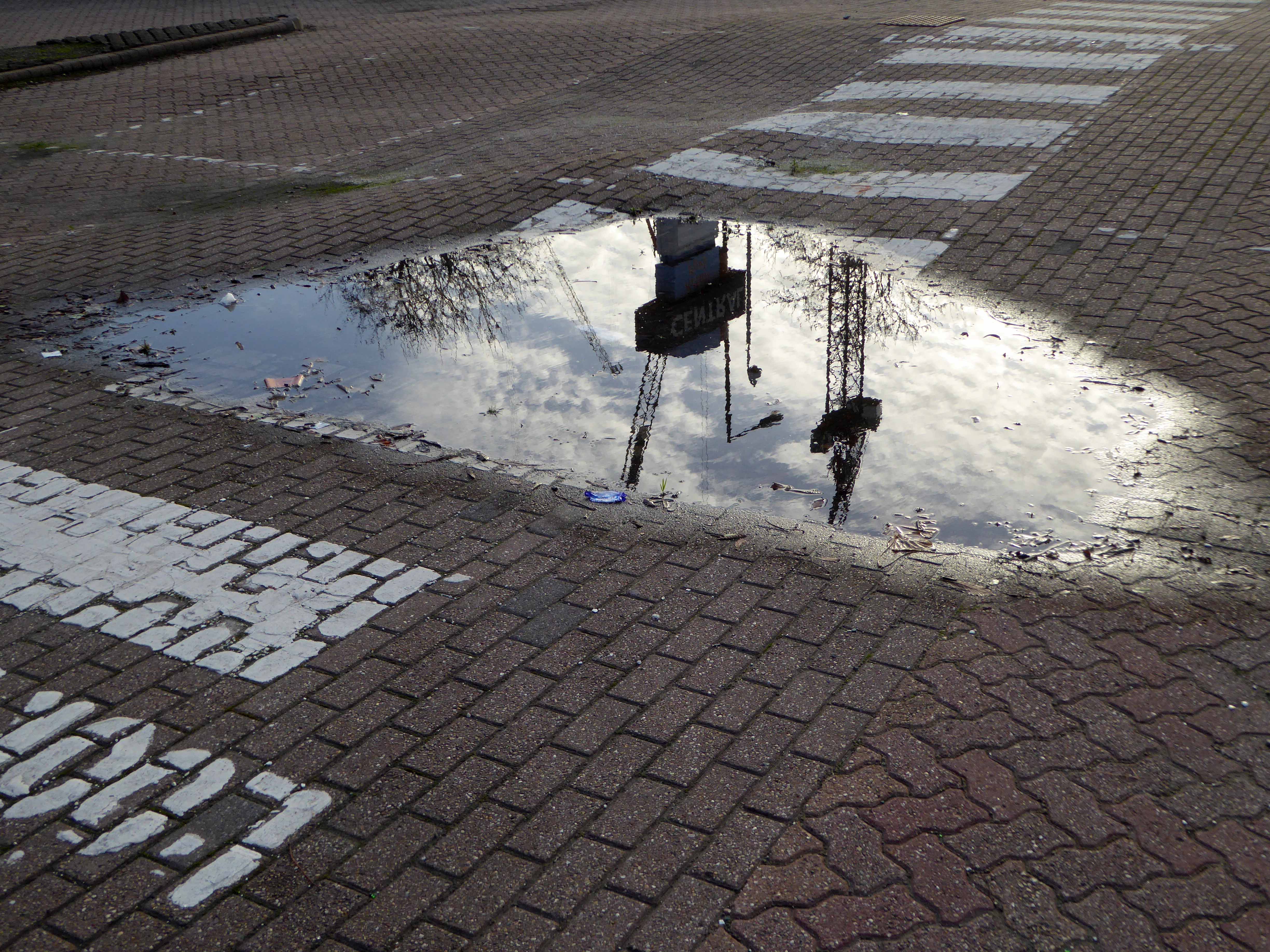
Central Retail Park – Great Ancoats Street Manchester

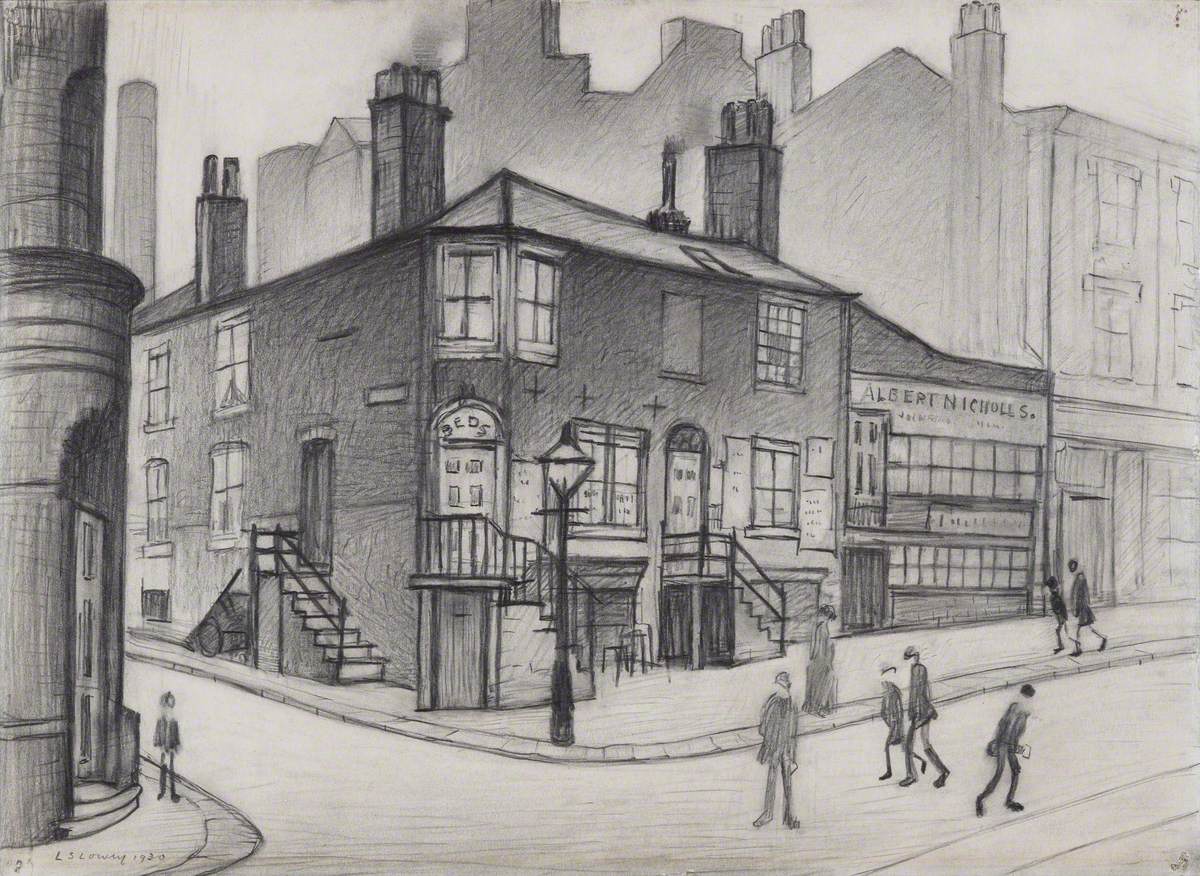
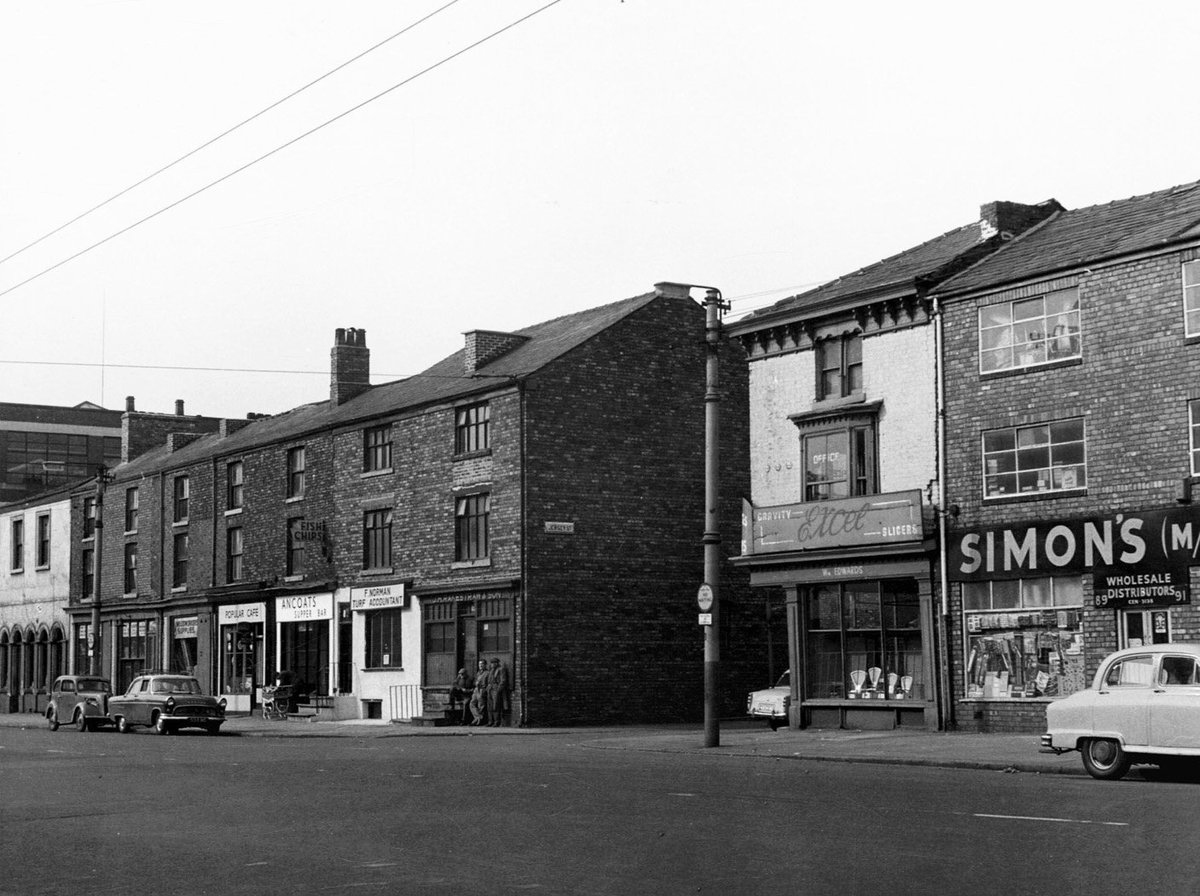
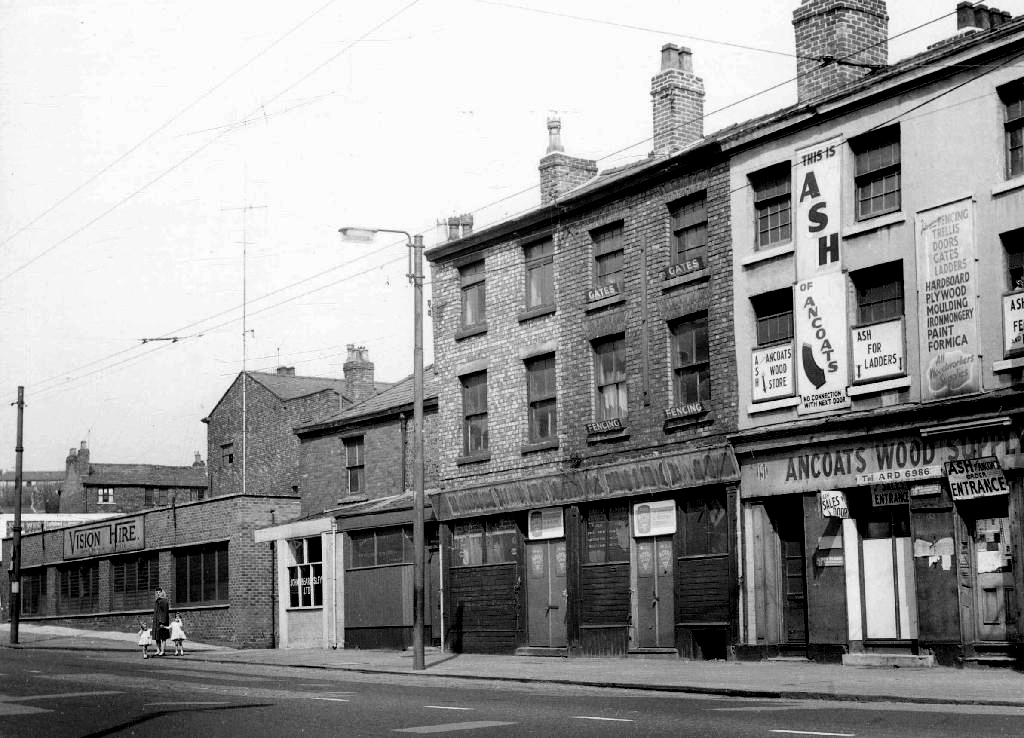
Way back when, when the city was a maverick mixed up maze of citizens, industry, pubs, shops and places of worship the world looked a lot like this.

Local Image Collection

However the process of clearance and redevelopment radically changed and reduced the population and appearance of Great Ancoats Street and its environs.

The back to backs aren’t coming back and their occupants shifted from pillar to post along with the businesses that served them. Following years of decline Manchester takes a long hard look at itself and decides to modernise.

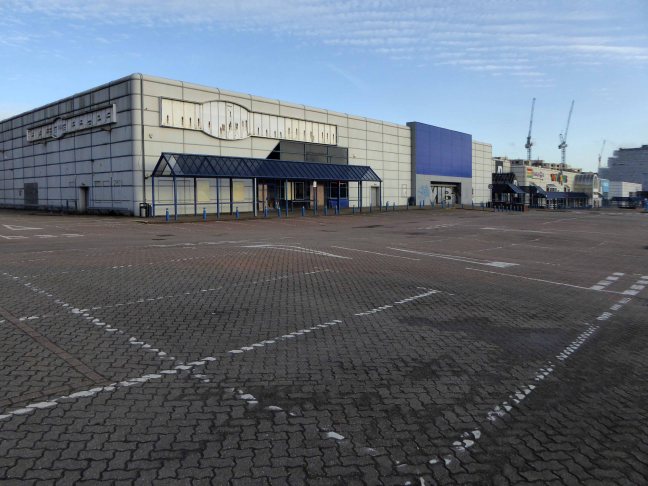
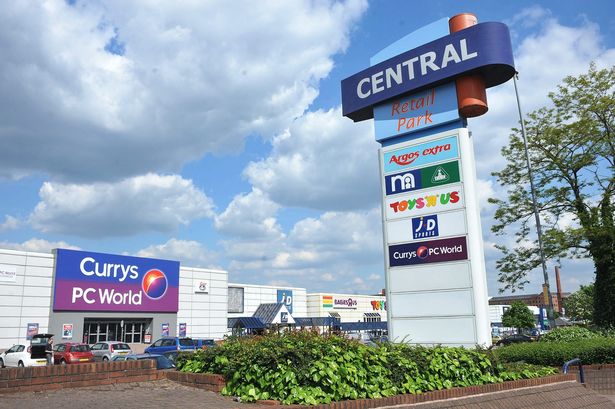
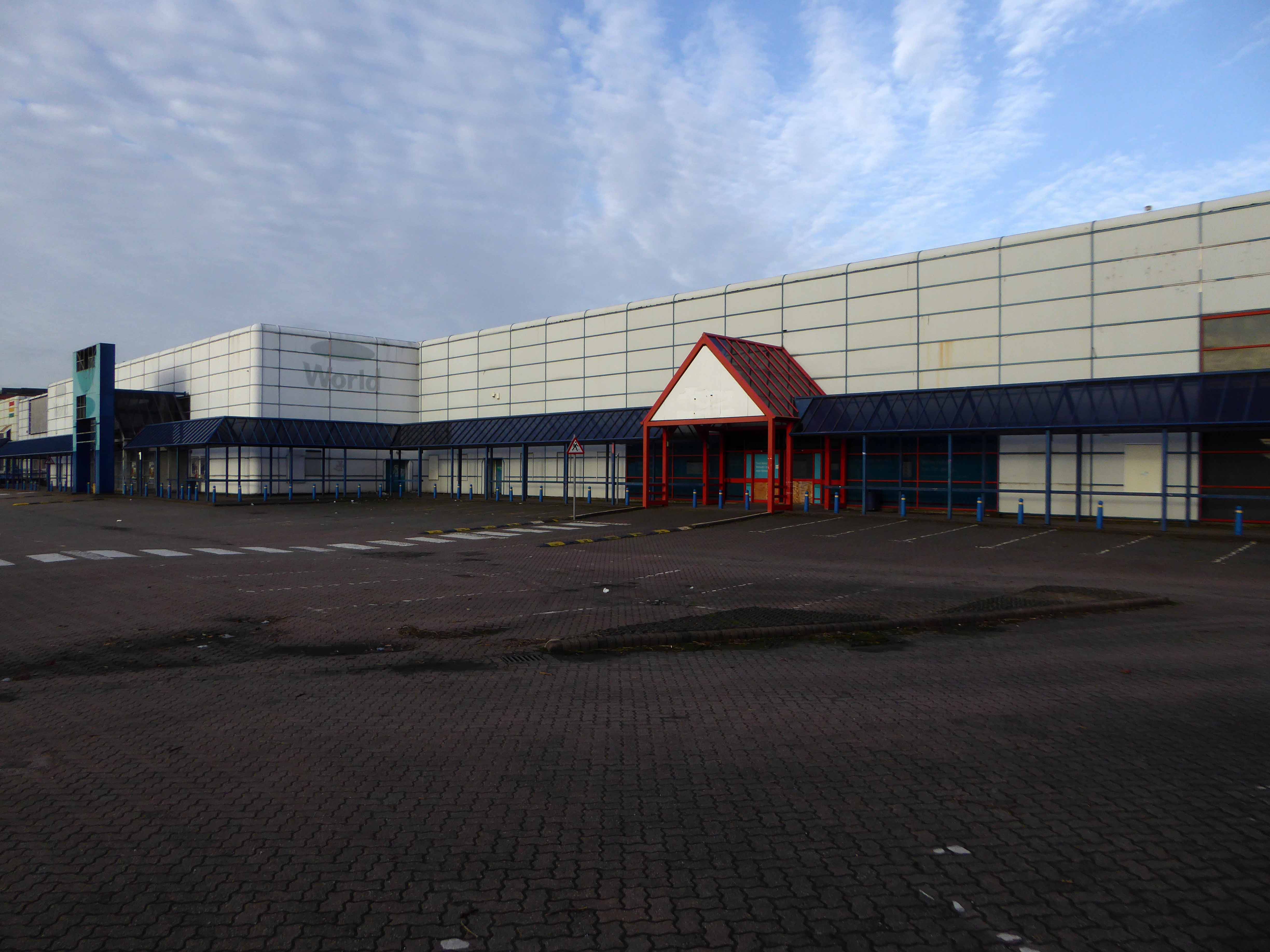
In 1989 an out of town inner ring road shopping centre in the architectural style de jour is built – the anonymous industrial retail hangar appears.

2018 and the nexus of the city has shifted yet again – Ancoats is designated as the hippest place on earth and has no time for an outmoded shopping experience.

All these developers have a certain sensitivity towards this history of the area without neglecting modern tastes. 

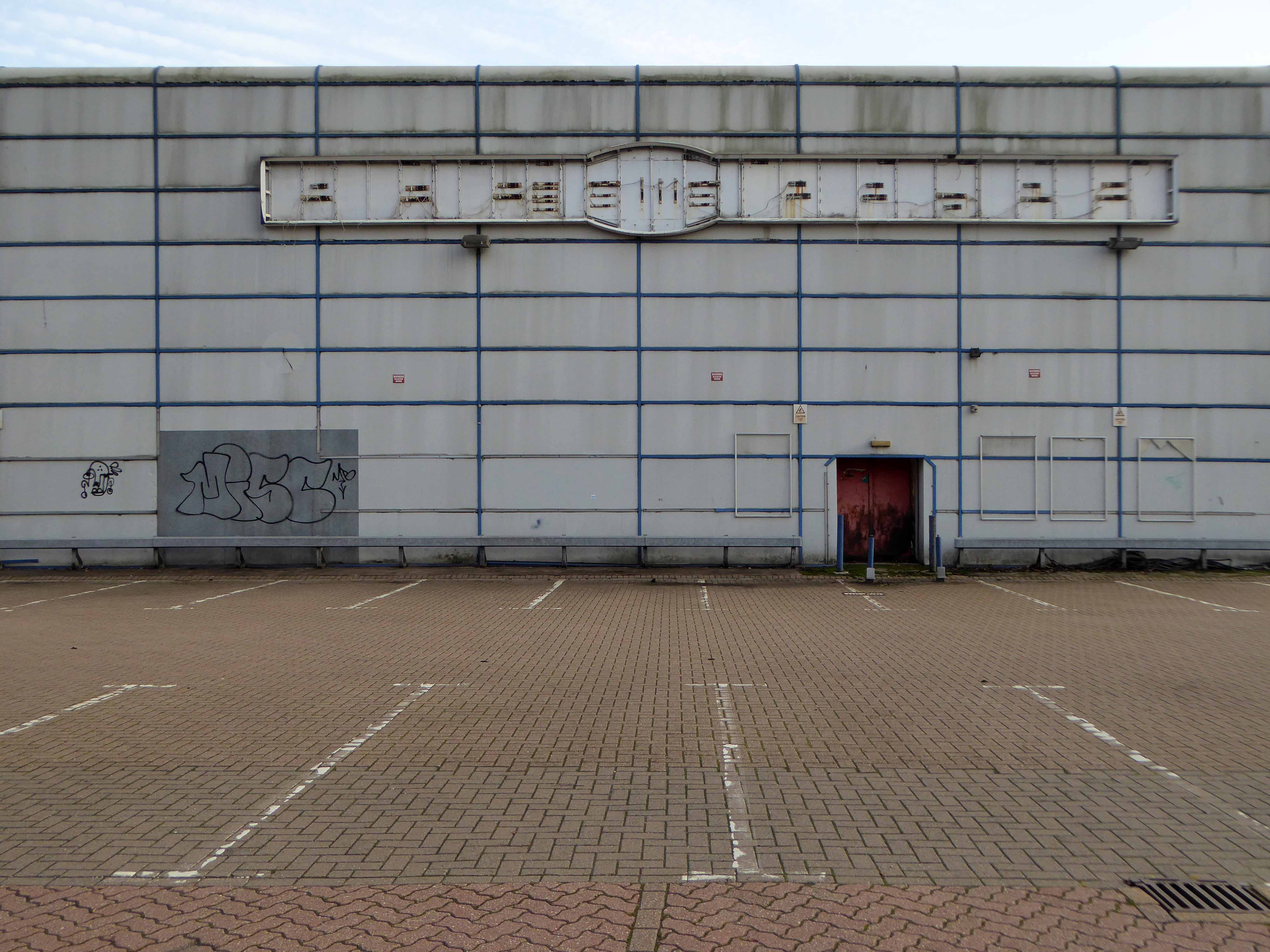
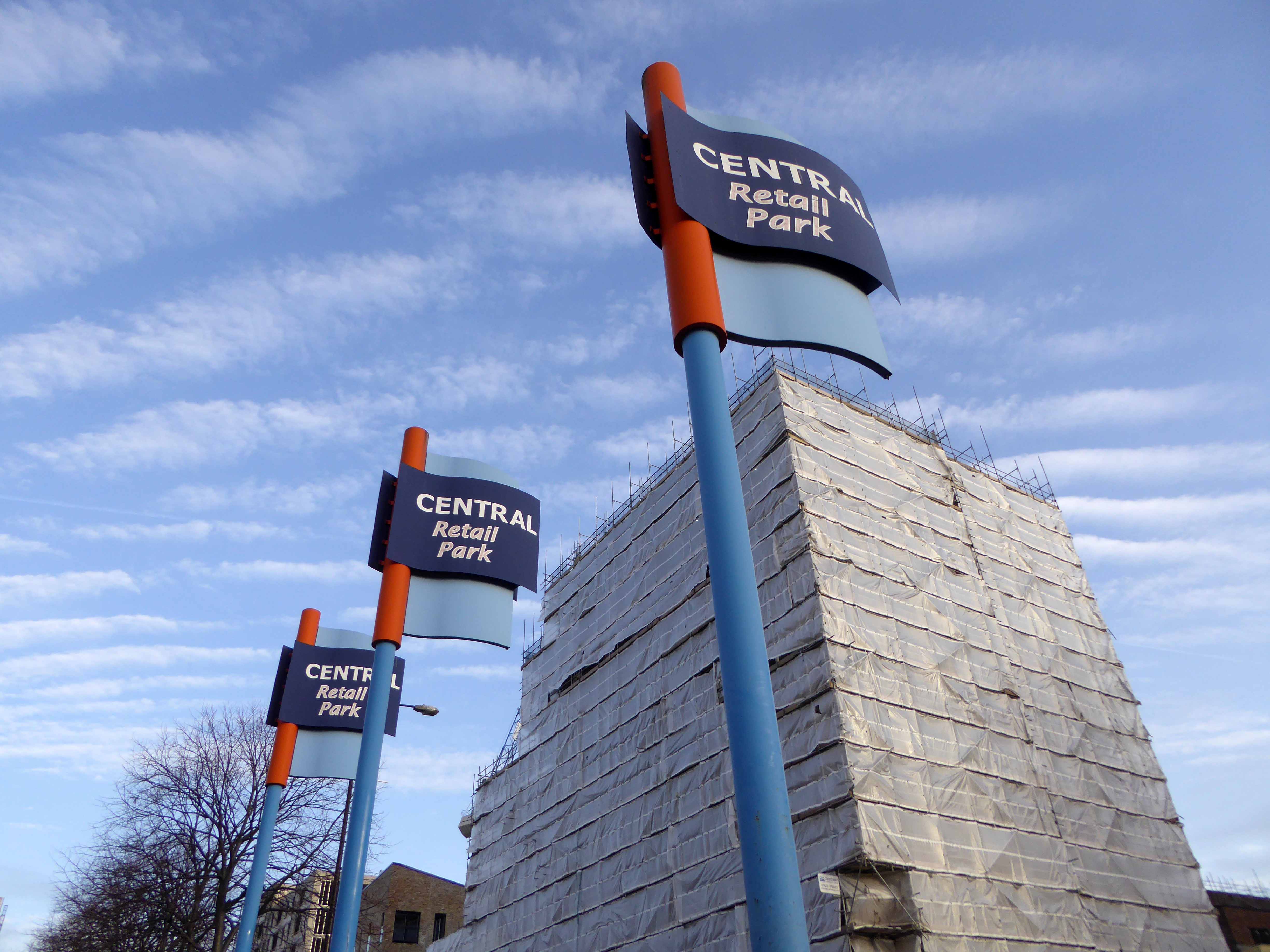
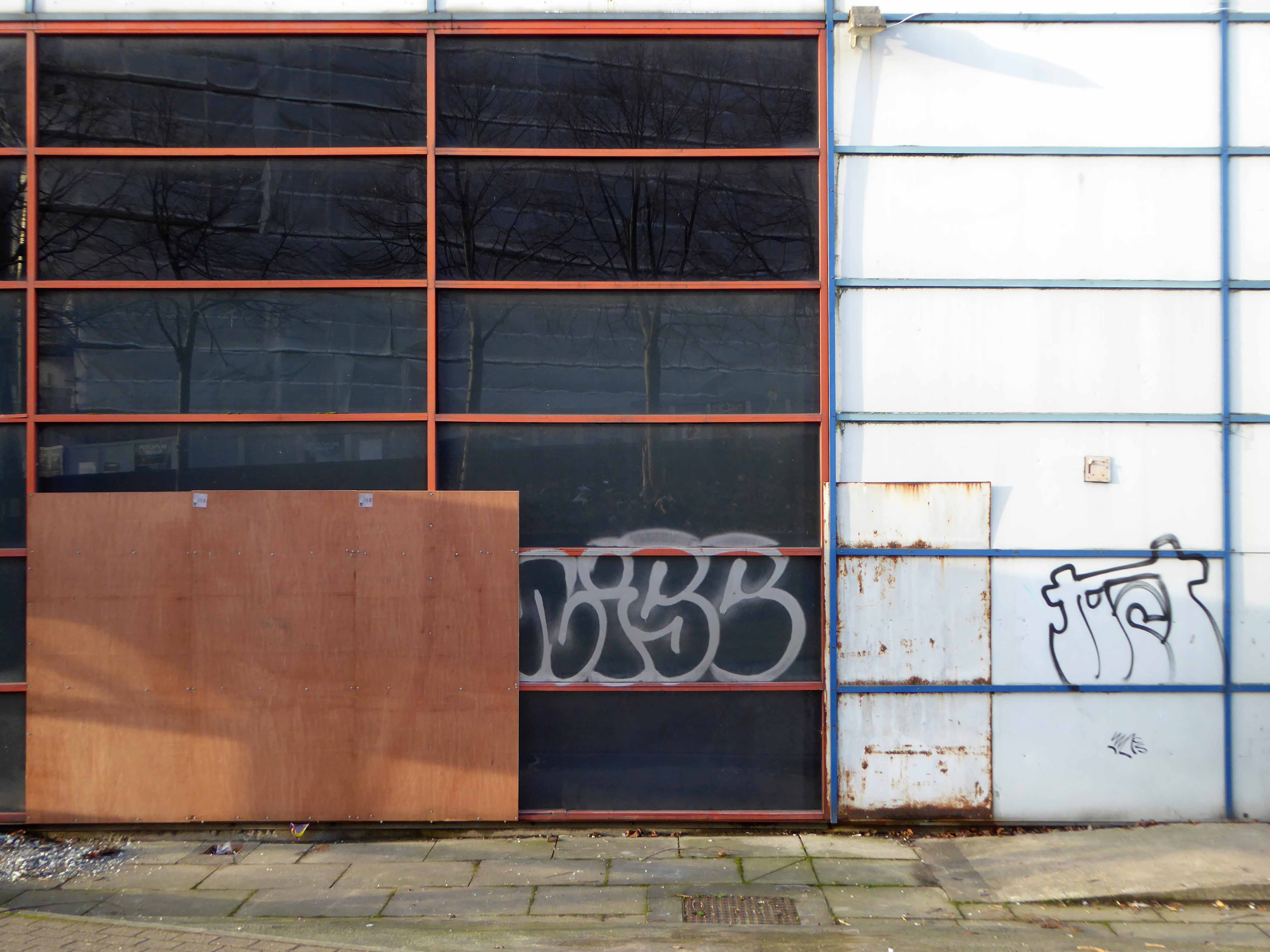
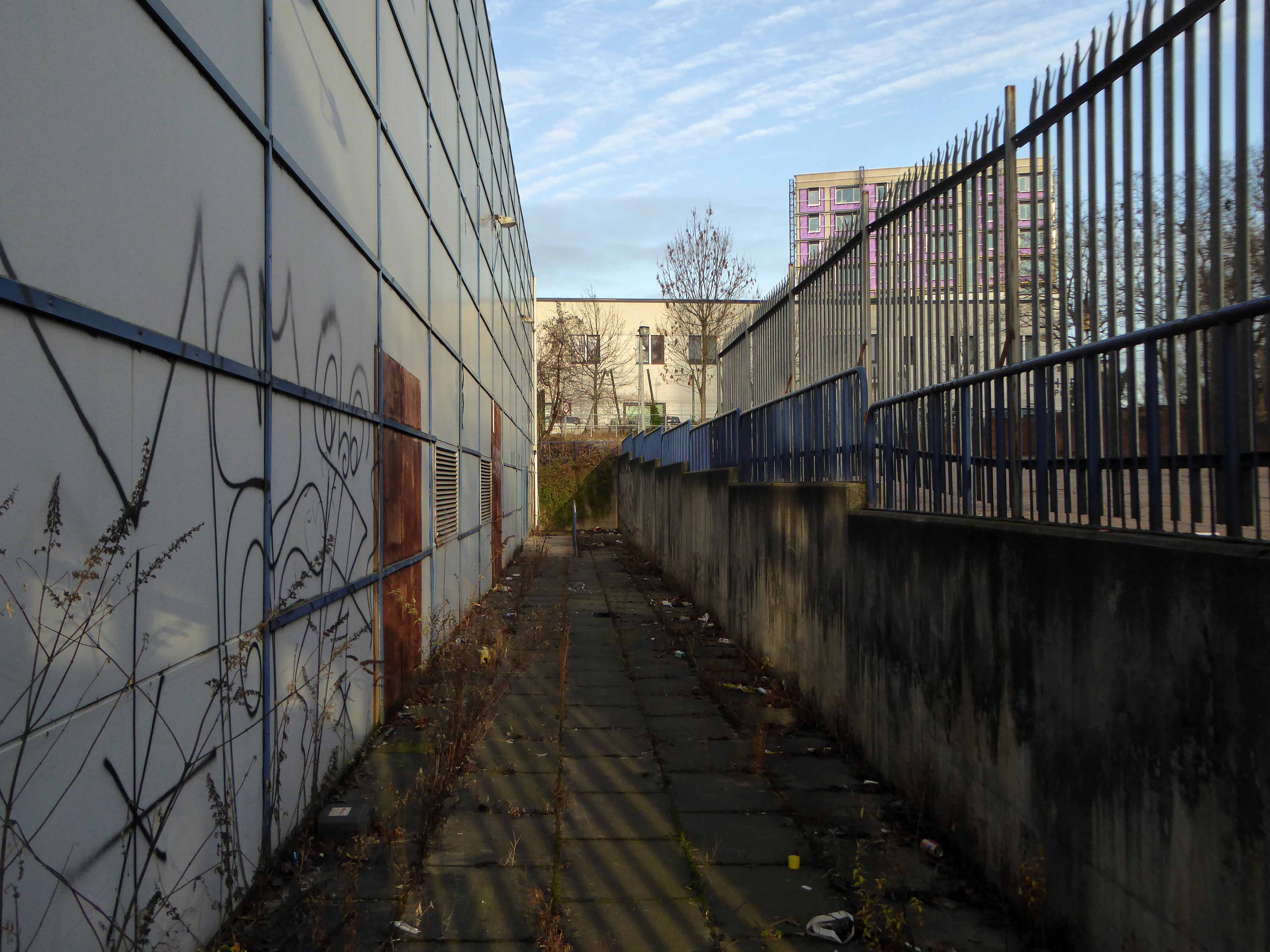
So the Central Retail park awaits its fate.

There was to have been another retail complex.

Henderson Global Investors, on behalf of its flagships £1 billion Retail Warehouse Fund, has received detailed planning permission for a food store led regeneration at Central Retail Park, Manchester, investing £40 million in the scheme.

Though nothing lasts forever and the scheme came to nothing.

The latest proposal according to Place North West is for housing – with the attendant heated debate regarding affordable homes.

Of the 61 big residential developments granted planning permission by Manchester city council’s planning committee in 2016 and 2017, not one of the 14,667 planned flats or housesmet the government’s definition of affordable, being neither for social rent nor offered at 80% of the market rate.

Demolition of the former retail units would enable the development of the site by Manchester Life, the city’s joint venture with Abu Dhabi United Group. Previous site owner TH Real Estate, was unable to deliver the project, finally sold the Central Park site to the city council in November 2017.

The long awaited development of the site on Manchester’s inner ring road has edged closer, with site notices posted declaring that demolition is to start on 20 August.

As of last week the lone security guard at home in his brick cabin informs me that demolition has been delayed by the discovery of asbestos on the site.

Watch this forlorn windswept wet space.

Covent Garden Stockport – Remake Remodel

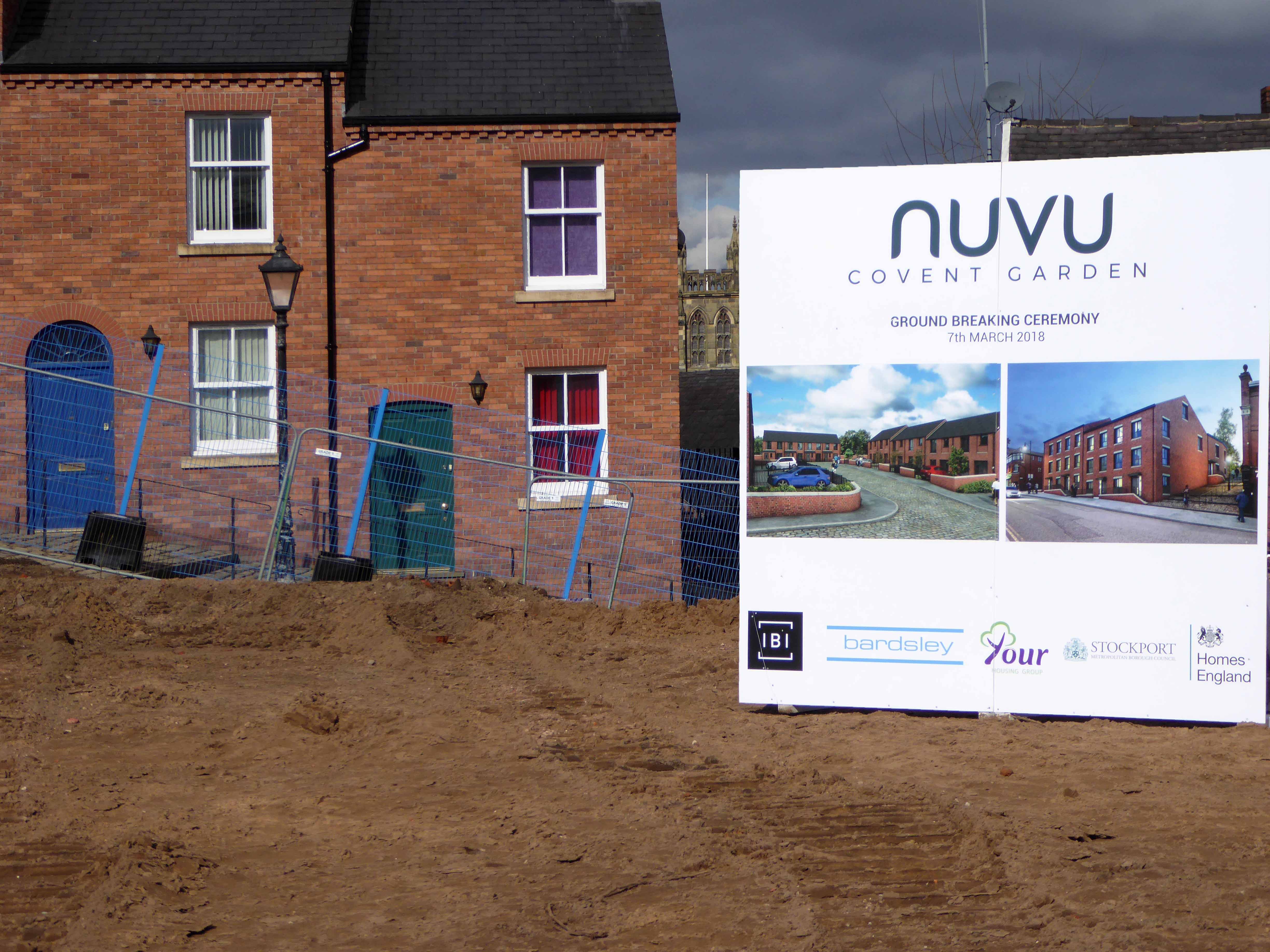
I’ve been here before to record the beginning the middle and the end of Covent Garden flats – now there is a new beginning, beginning.

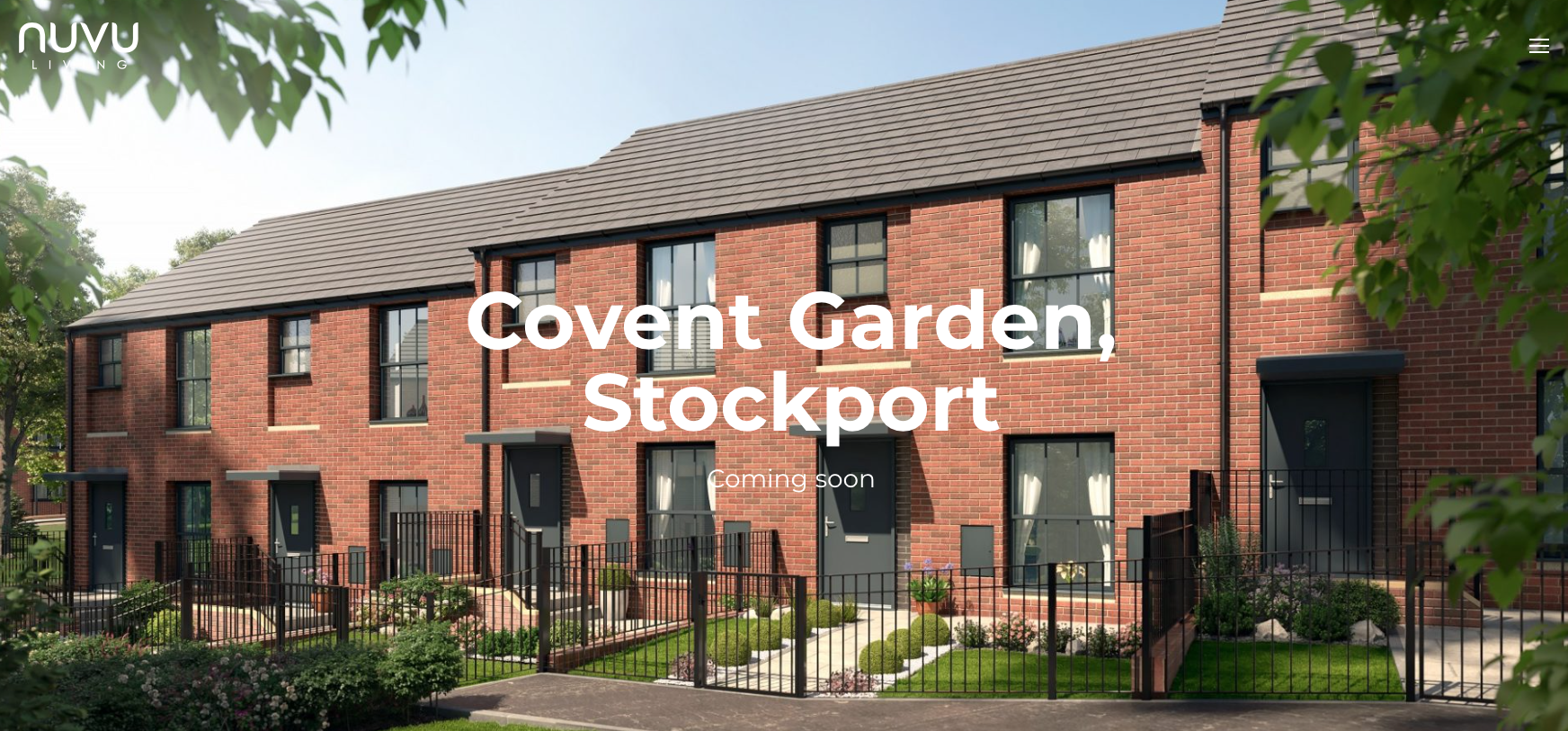
If you’re ready to start the next exciting chapter of your life, come and experience Nuvu Living at Covent Garden, Stockport. You will find our stunning new development that sits perfectly in this modern and vibrant community. Ideal for first time buyers and growing families, Covent Garden offers a fantastic collection of 74 spacious and contemporary 2 and 3 bedroom homes and 1 and 2 bedroom apartments.

Screen Shot 2018-09-25 at 17.44.00

Nuvu Living for the nuvu people in the cheerful anonymity of none-architecture.

Lifestyle_01-1920x1080

Replacing the old with bigger, better shiny homes at a cost yet to be disclosed.

Another history overwritten.

1658494_10152745685231600_6897842633724575569_o

Goodnight sweet flats.

With the bustling heart of Stockport just a few minutes’ walk away, this contemporary development sits perfectly in this modern and vibrant community. An ideal location for singles, couples and families, all the amenities you will ever need, including supermarkets, schools, bars, restaurants and more are all close to home. Plus, the centre of Manchester is just 7.5 miles away and easy to get to by road or rail. So, if you are ready to start the next exciting chapter in your life, come and experience Nuvu Living at Covent Garden, Stockport.

P1290745

P1290746

P1290748

P1290749

P1290750

P1290751

P1290752

P1290753

P1290754


P1290757

P1290759

P1290760

P1290761

P1290762

P1290763

P1290764

P1290765


Type Travel – Manchester

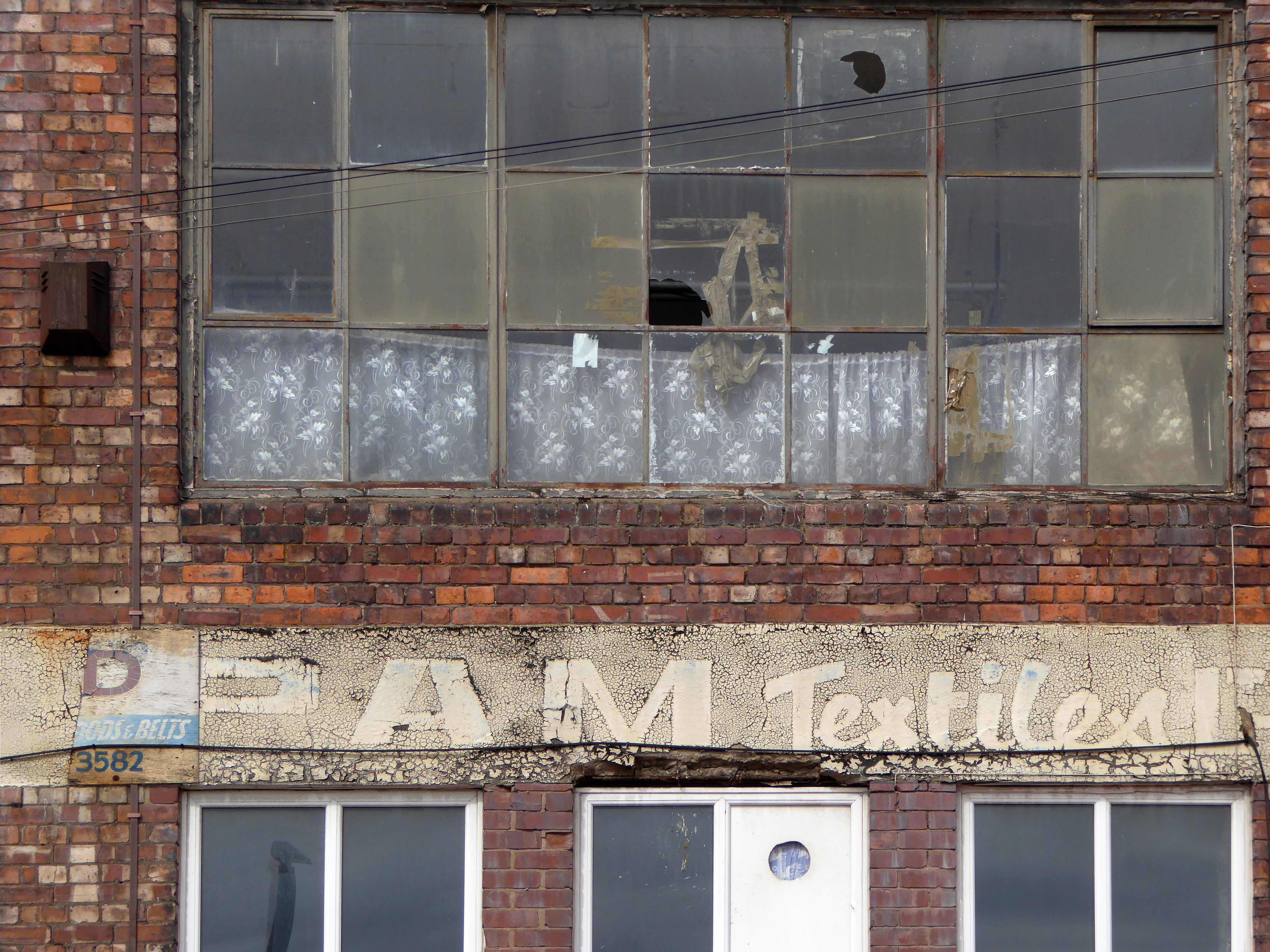
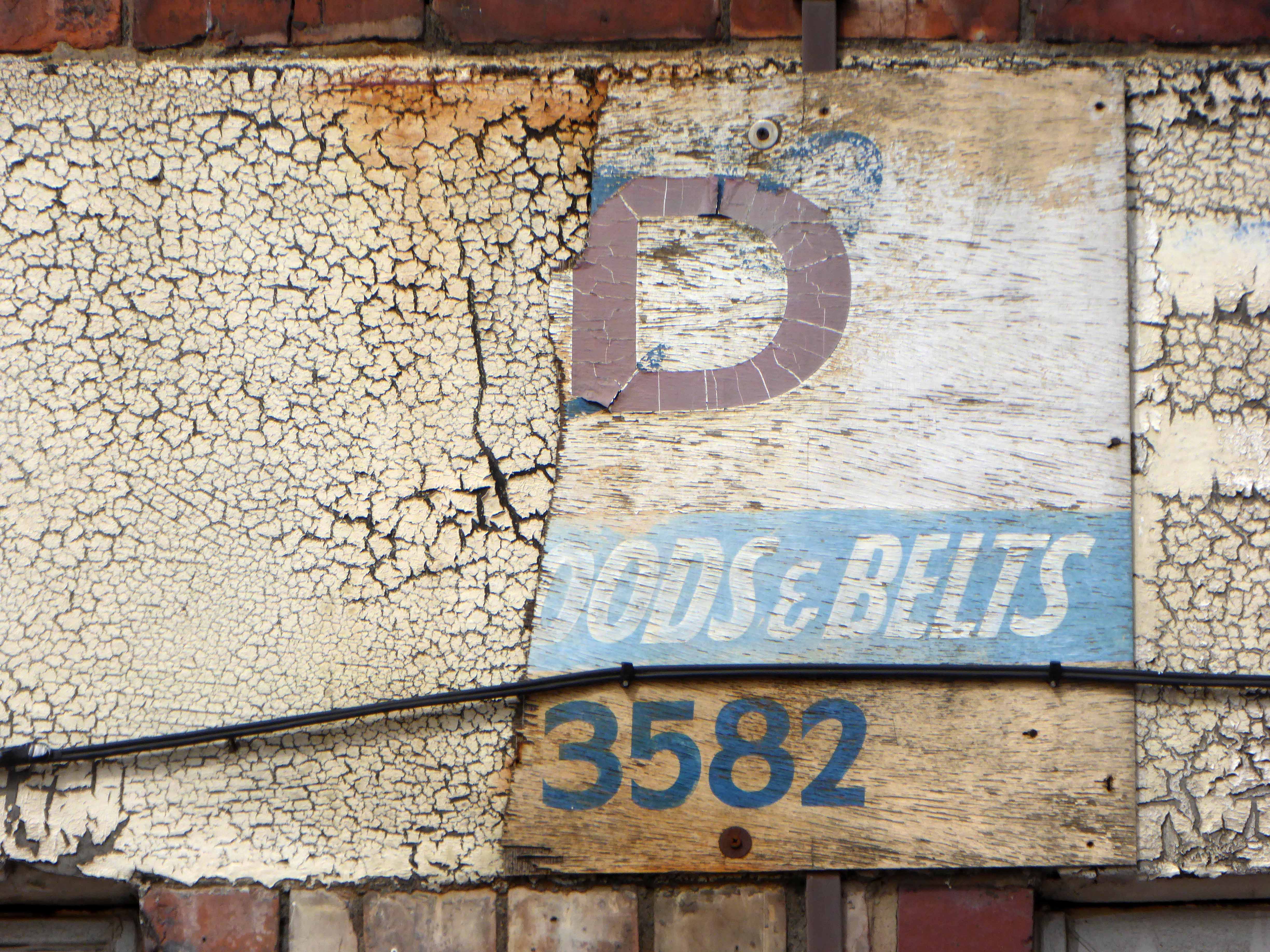
This is a journey through time and space by bicycle, around the rugged, ragged streets of East Manchester.

Undertaken on Sunday September 2nd 2018.

This is type travel – the search for words and their meanings in an ever changing world.

map

Hyde Road

P1280955
P1280956

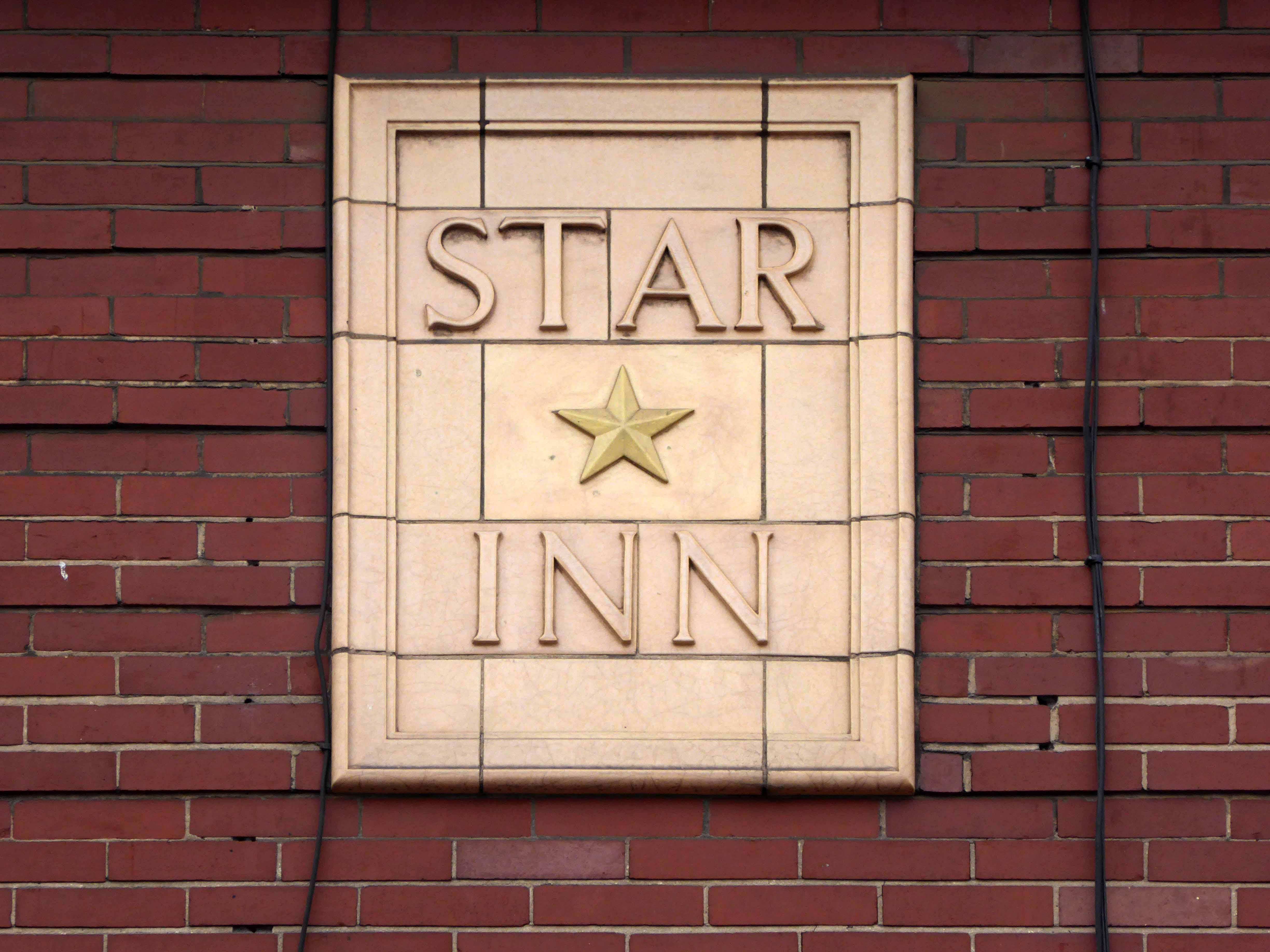
The Star Inn – former Wilsons pub

Devonshire Street North

P1280961

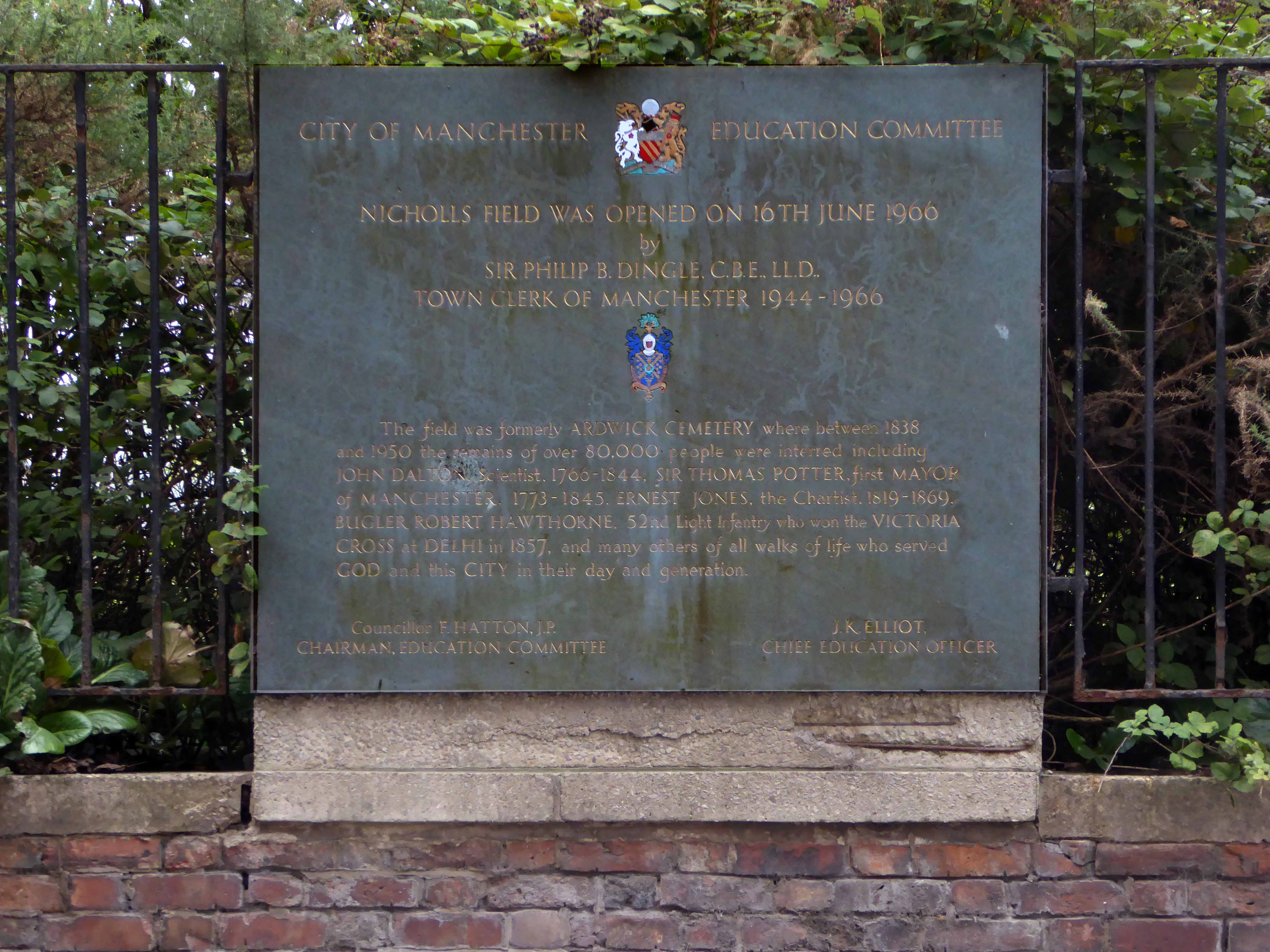
Former Ardwick Cemetery

P1280962

Great Universal Stores former mail order giant

Palmerston Street

P1280979

The River Inn abandoned pub

Every Street

P1290001

All Souls Church – listed yet unloved

Pollard Street East

P1290008.jpg
Screen Shot 2018-09-04 at 08.37.57

The Bank Of England abandoned pub

P1290020

Ancoats Works former engineering company

Cambrian Street

P1290024.jpg

The Lunchbox Café Holt Town

Upper Helena Street

P1290028

The last remnants of industrial activity

Bradford Road

P1290046

Brunswick Mill

P1290048

The little that remains of Raffles Mill

P1290052

Old Mill Street

P1290054

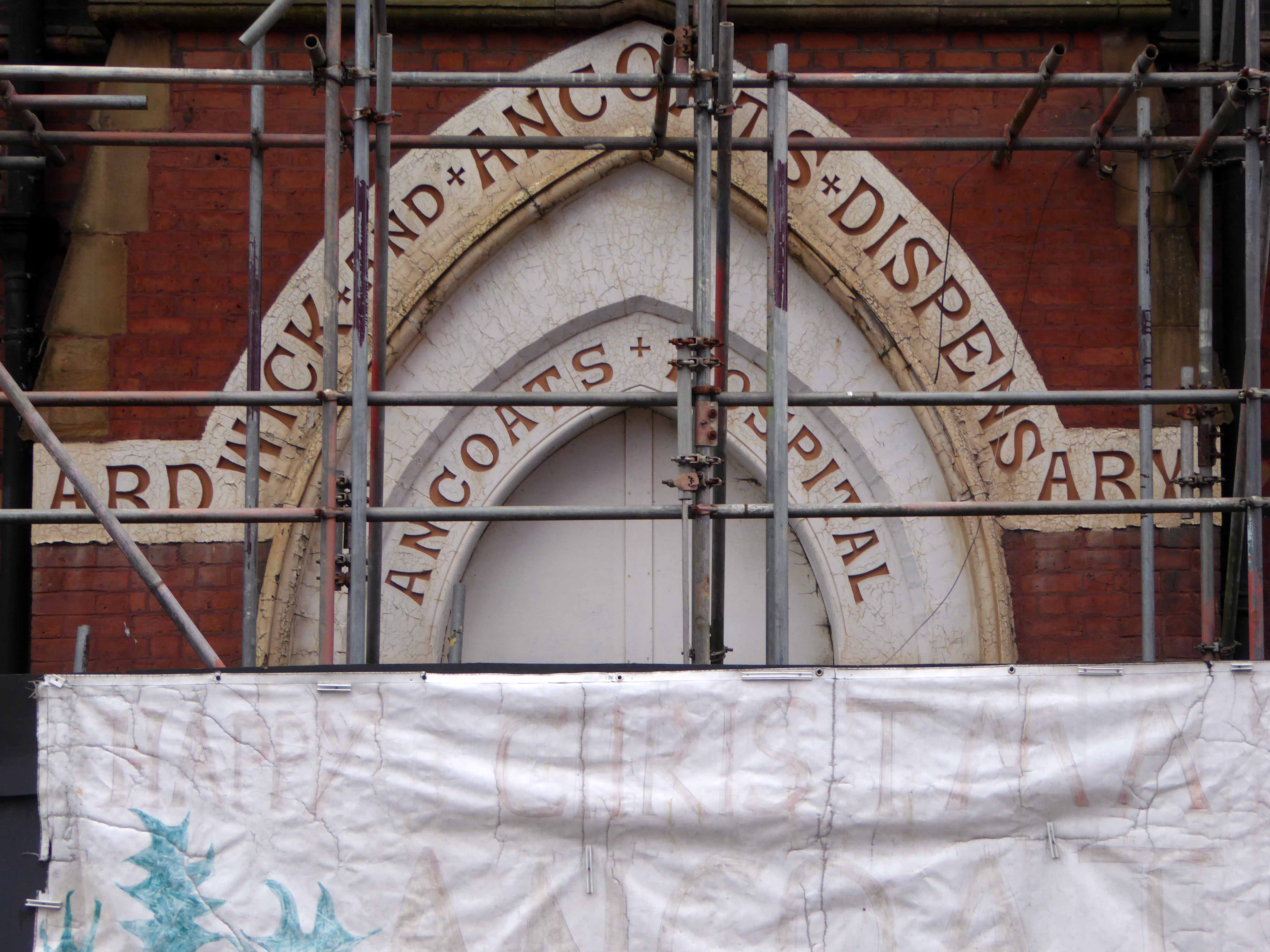
Ancoats Dispensary loved listed and still awaiting resuscitation

P1290056.jpg

New life New Islington

Redhill Street

P1290057

Former industrial powerhouse currently contemporary living space

Henry Street

P1290063

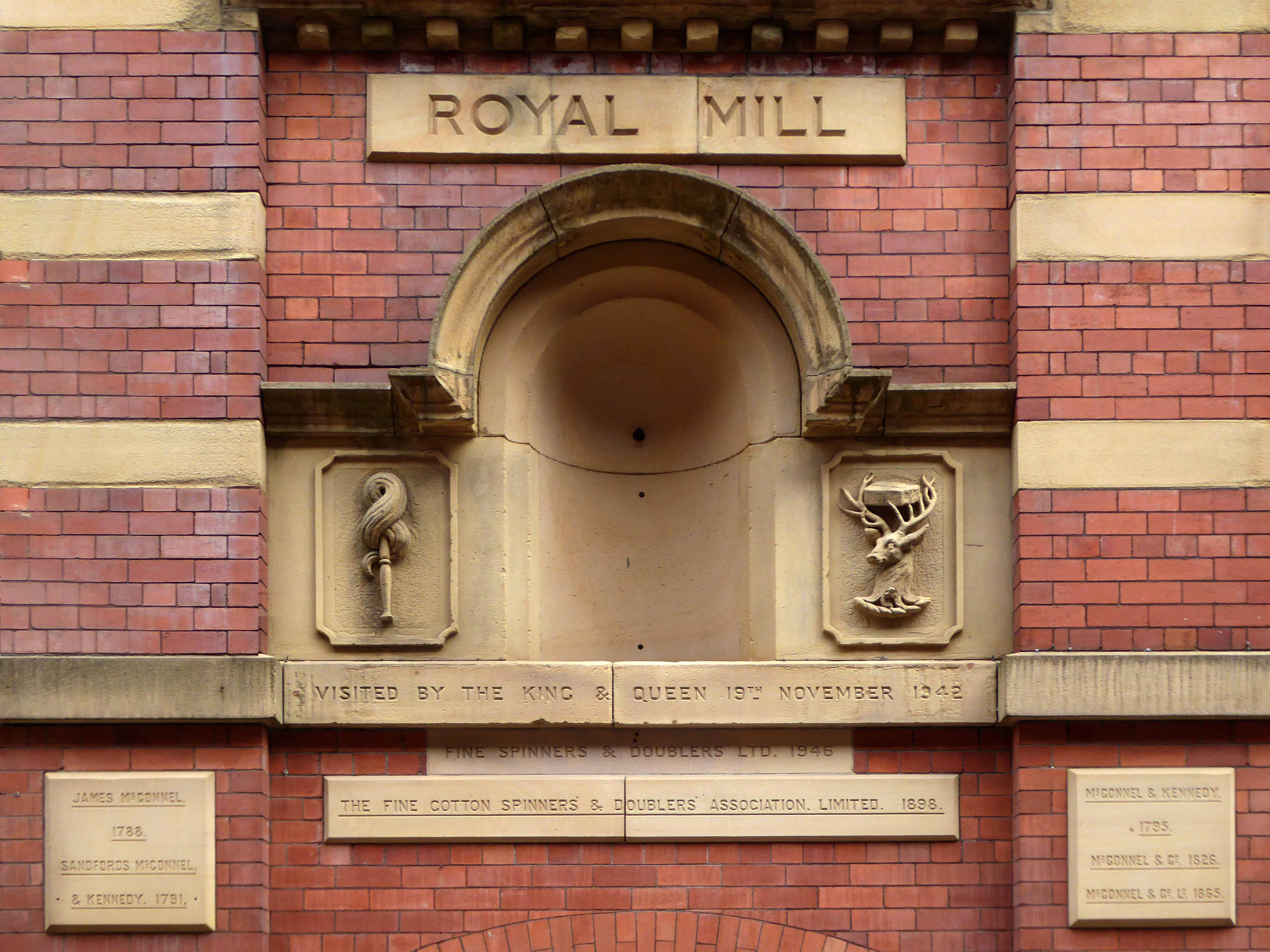
King George VI and Queen Elizabeth passed by in 1942

Jersey Street

P1290064

Former School the stone plaque applied to a newer building

Gun Street

P1290065

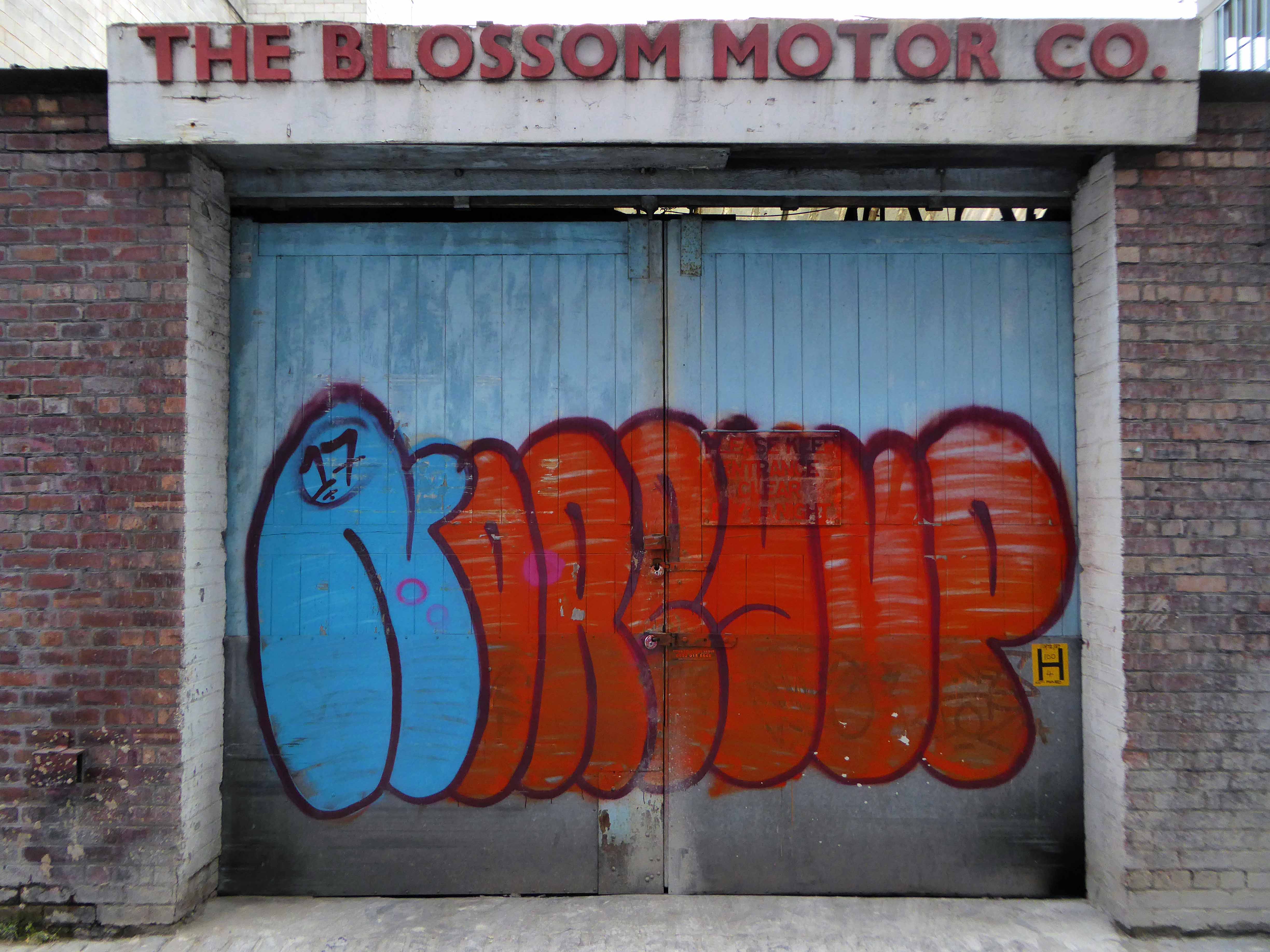
The last of the few Blossom Motors

Addington Street

P1290067
P1290069

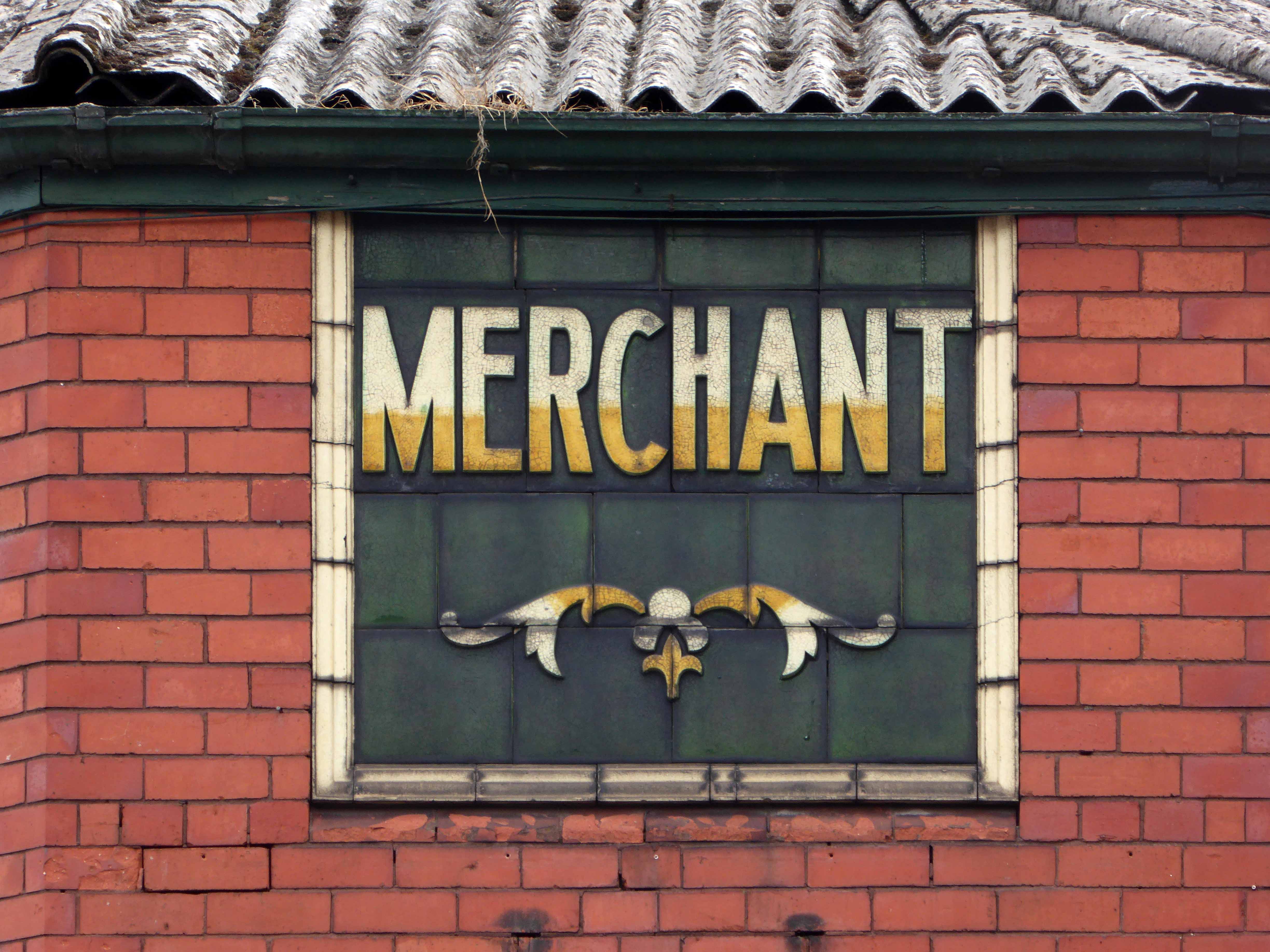
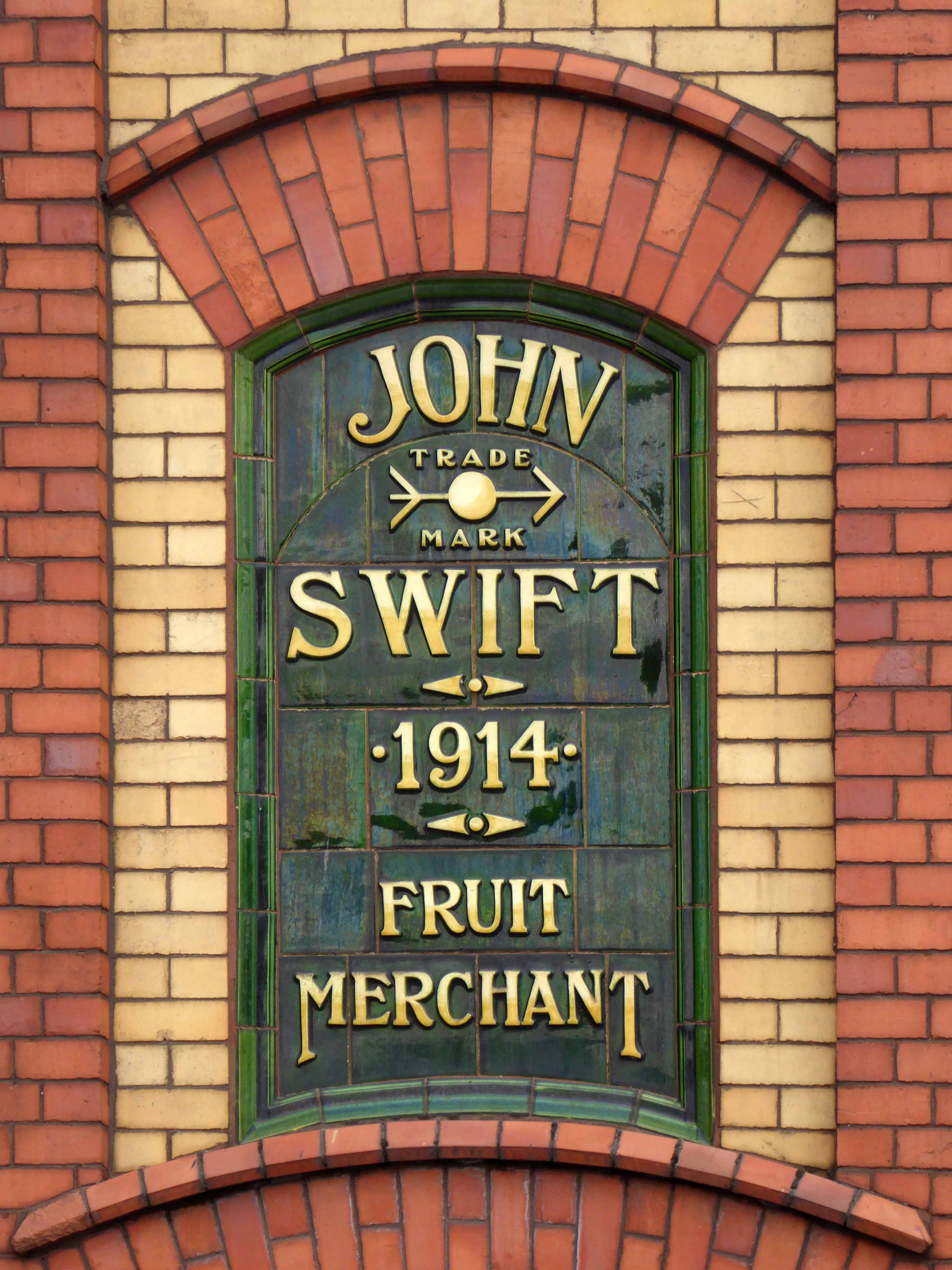
Former fruit merchants – refurbished and home to the SLG creative agency

Marshall Street and Goulden Street area

P1290070
P1290071
P1290073
P1290081
P1290086
P1290087

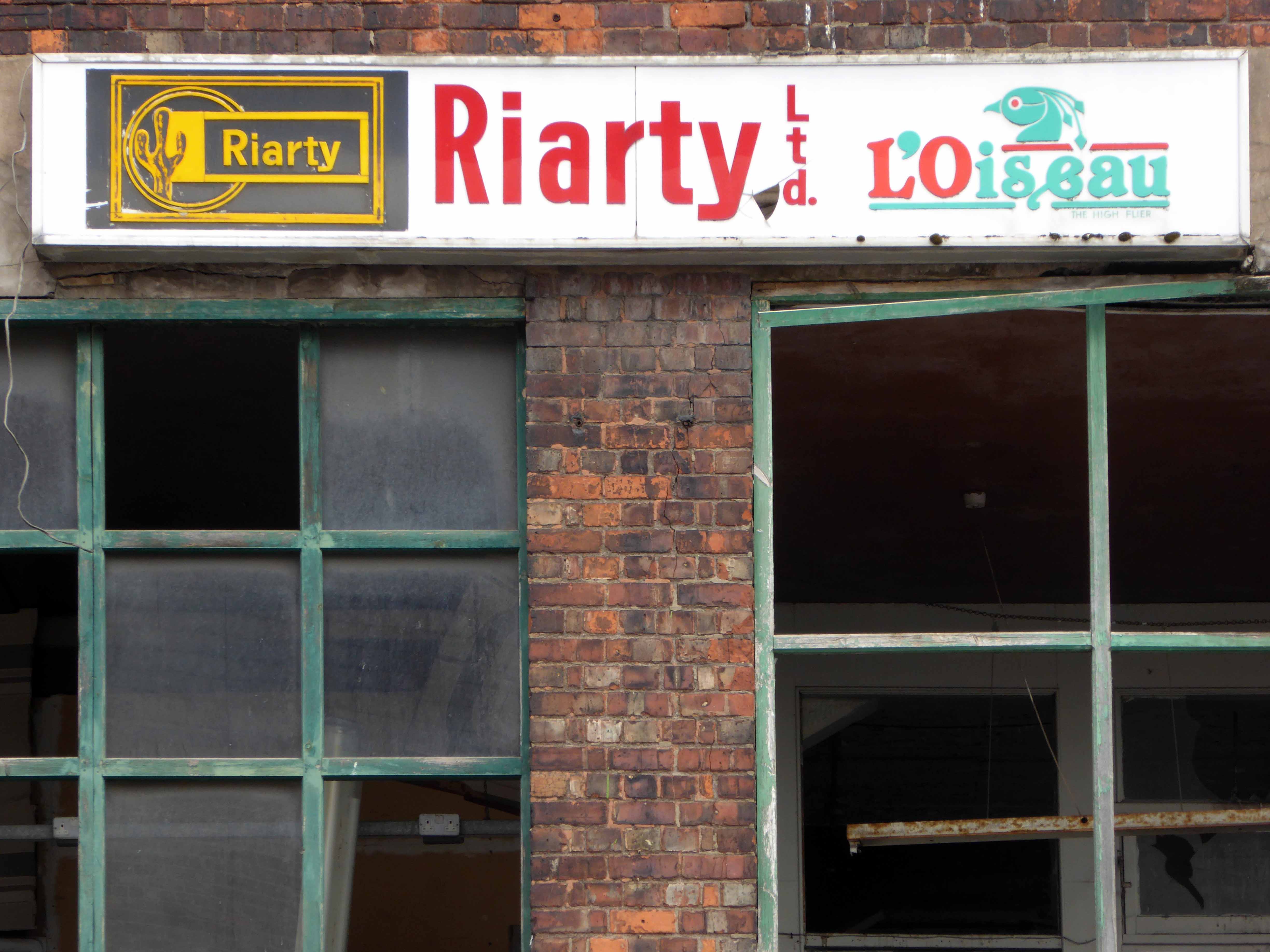
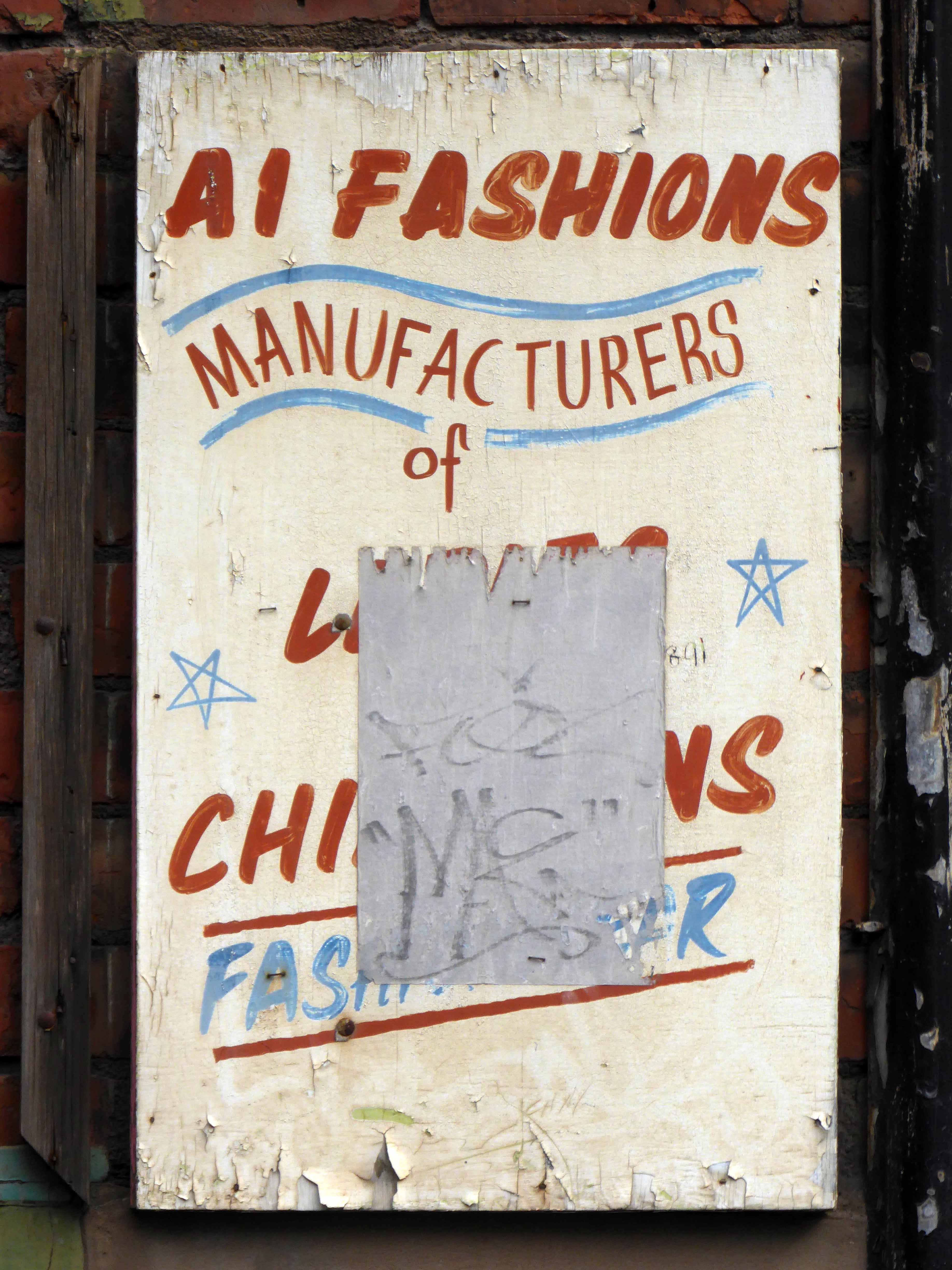
The last remnants of the rag trade

Former bed spring manufacturer – latterly became the County Archive.

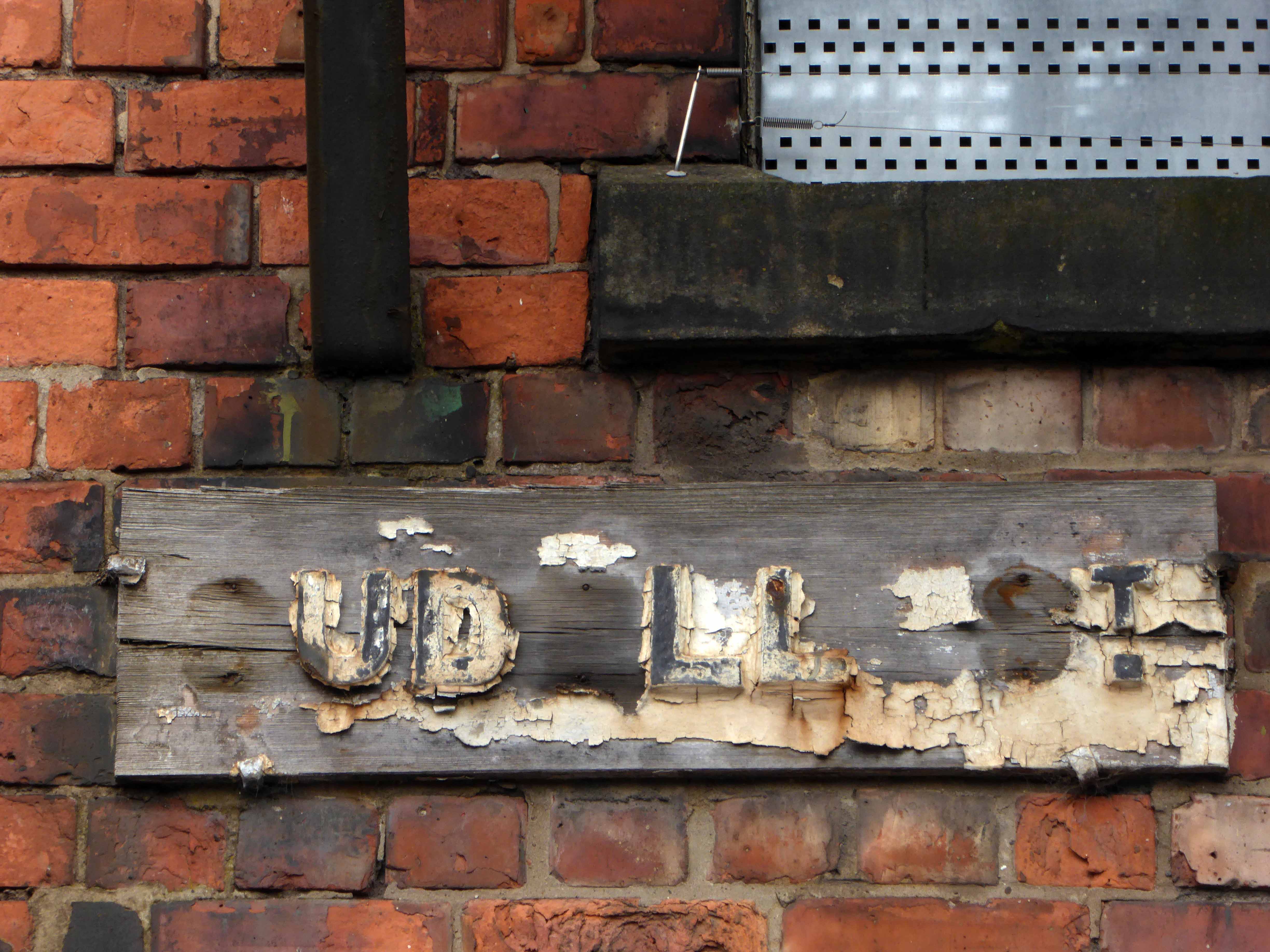
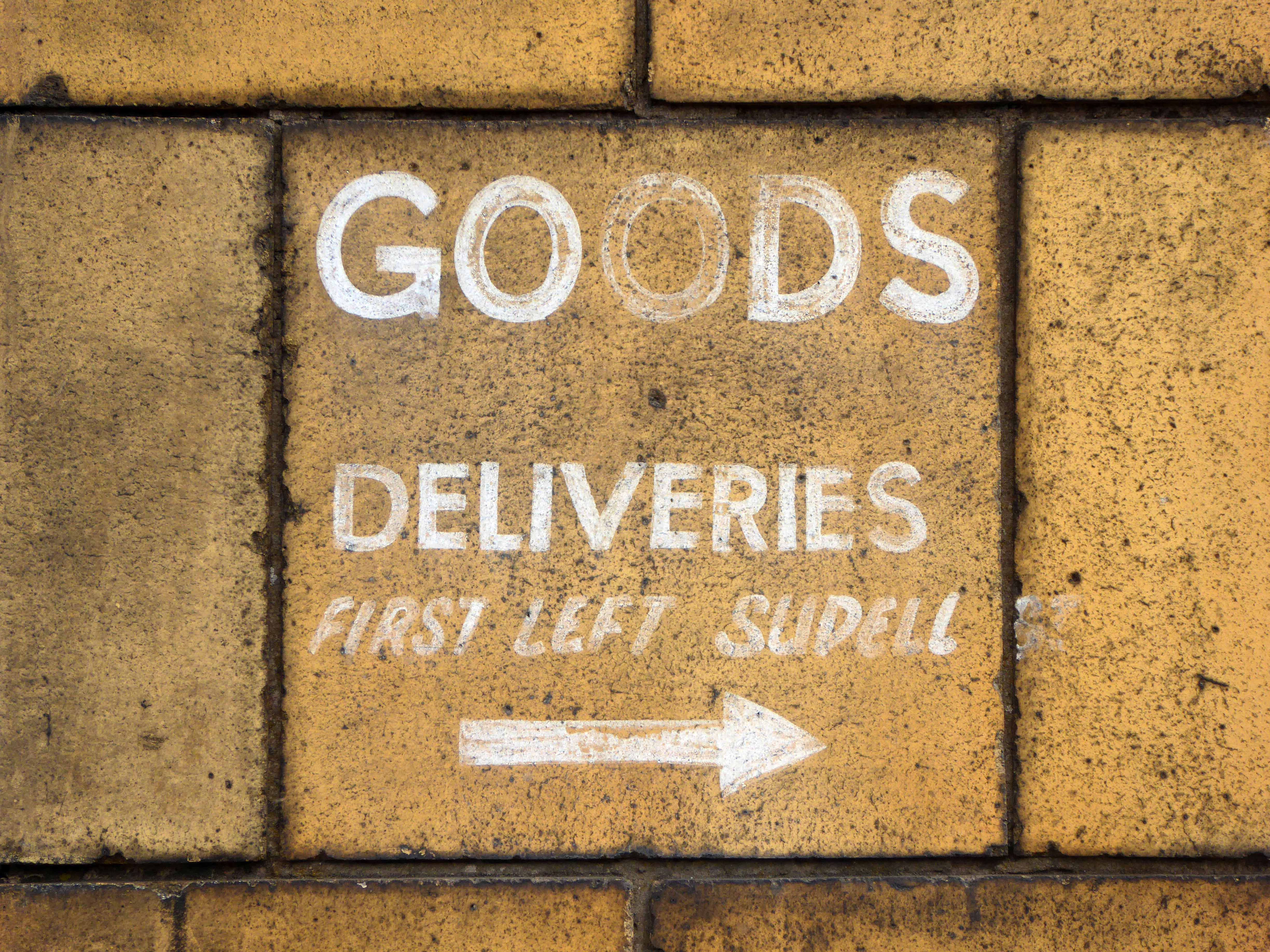
Sudell Street

P1290089
P1290090

All that’s left of Alexandra Place

P1290092

Entrance to the former Goods Yard

Back St Georges Road

P1290096

Sharp Street

P1290099
P1290100

Simpson Street

P1290101

Where once the CWS loomed large

Charter Street

P1290102
P1290107

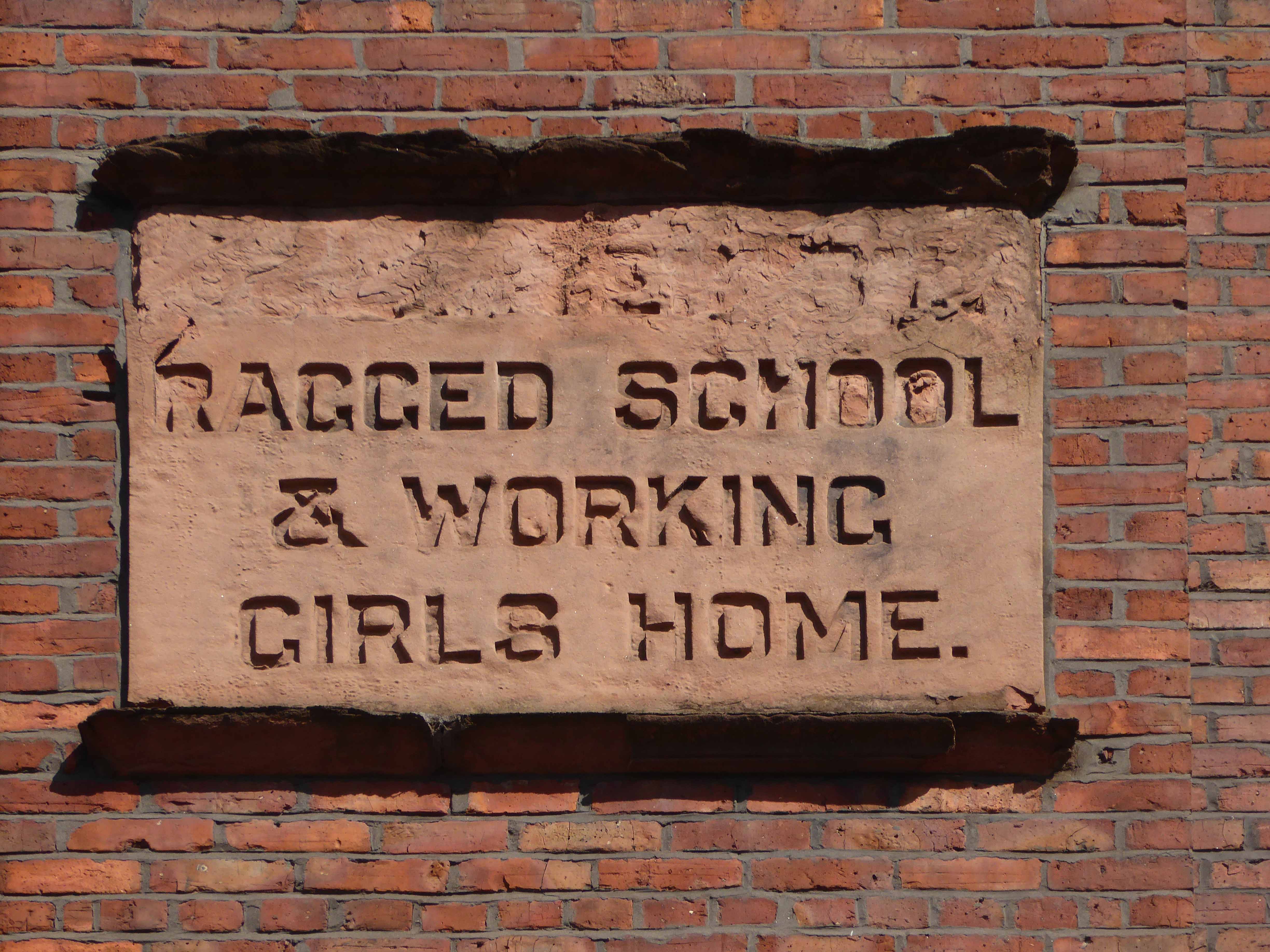
Ragged but right

Aspin Lane

P1290109
P1290117

Angel Meadow 

Corporation Street

P1290118

Farewell Grand Central – Stockport

O day and night, but this is wondrous strange!

And therefore as a stranger give it welcome.
There are more things in heaven and hell, Horatio,
Than are dreamt of in your philosophy.

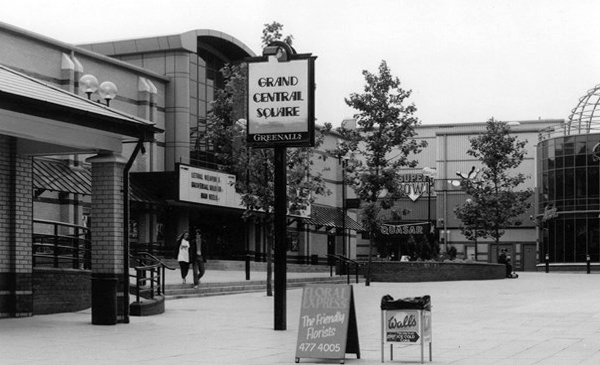
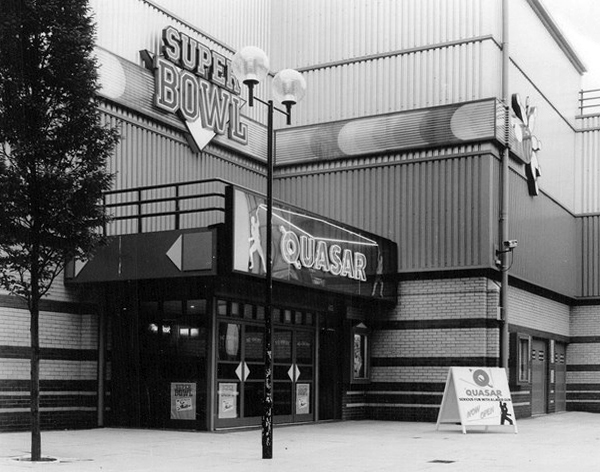
We have seen things come and go in, on and around Stockport Station’s little acre.

From coal drops to tear drops.

1921

Before

32150409_10211361729907095_2053268313387040768_n

During

32151652_10211361731187127_591730808444682240_n

32169802_10211361731267129_7236074038882205696_n

32266781_10211361732587162_1190410895449128960_n

Archive photographs courtesy of John Eaton

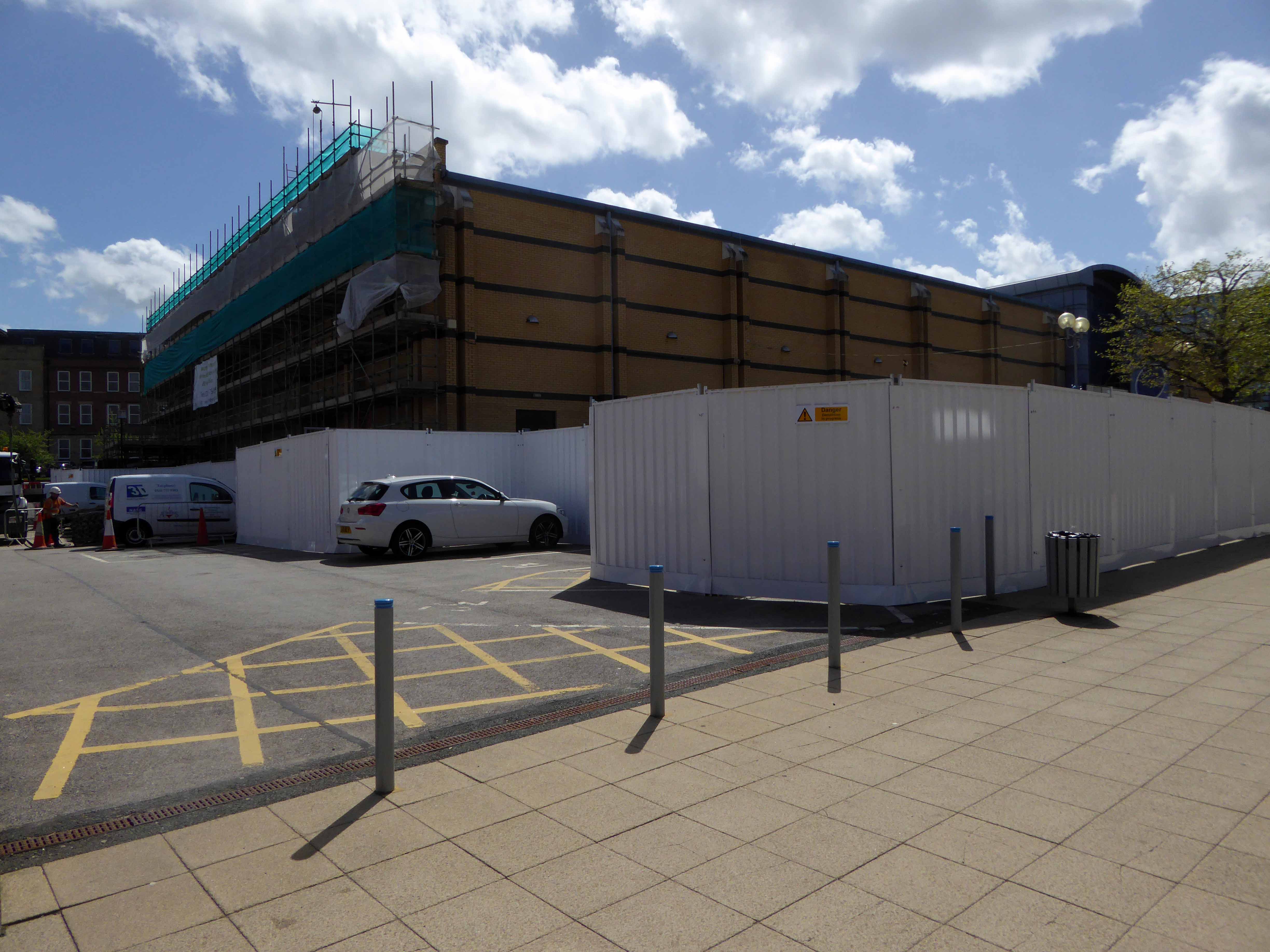
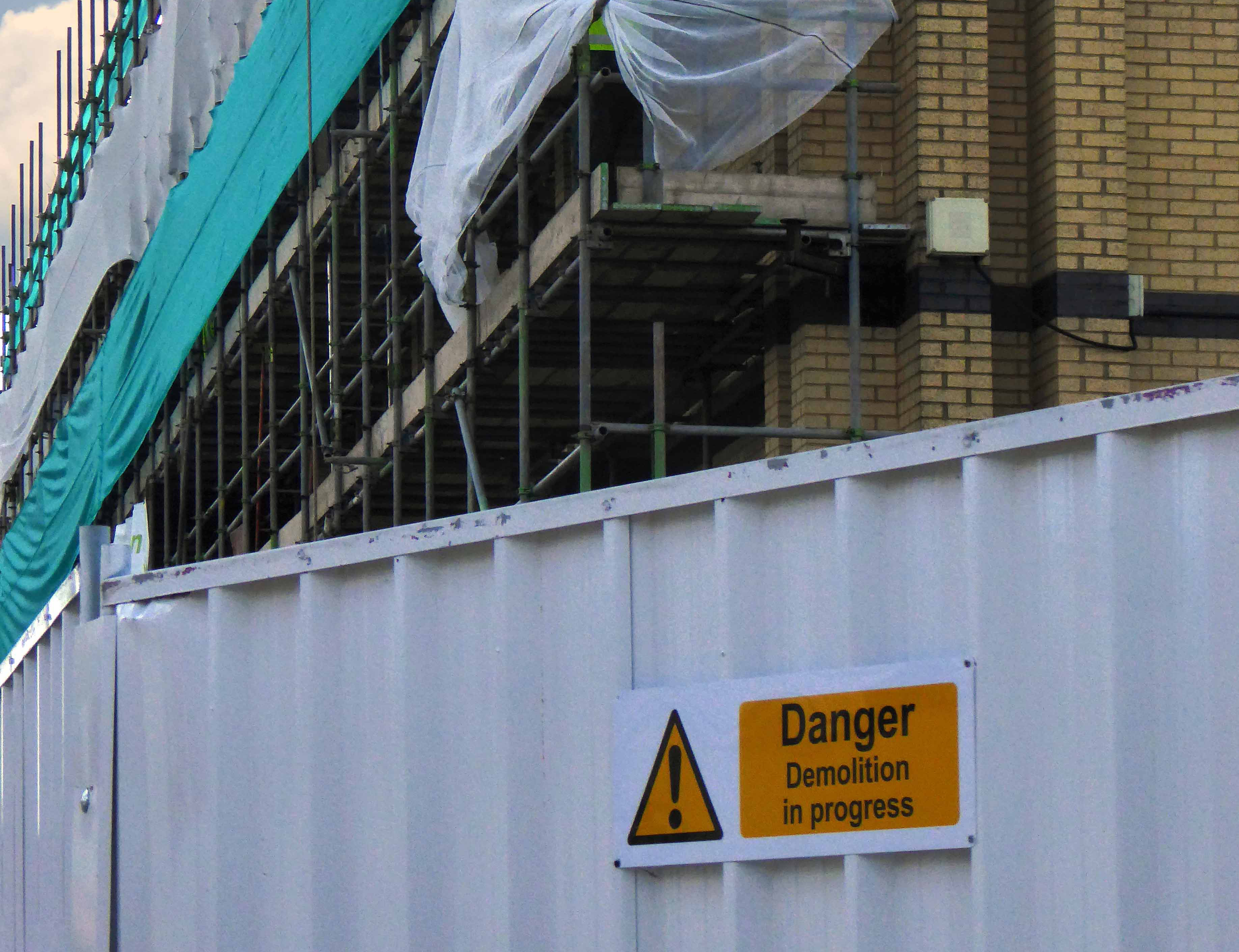
After

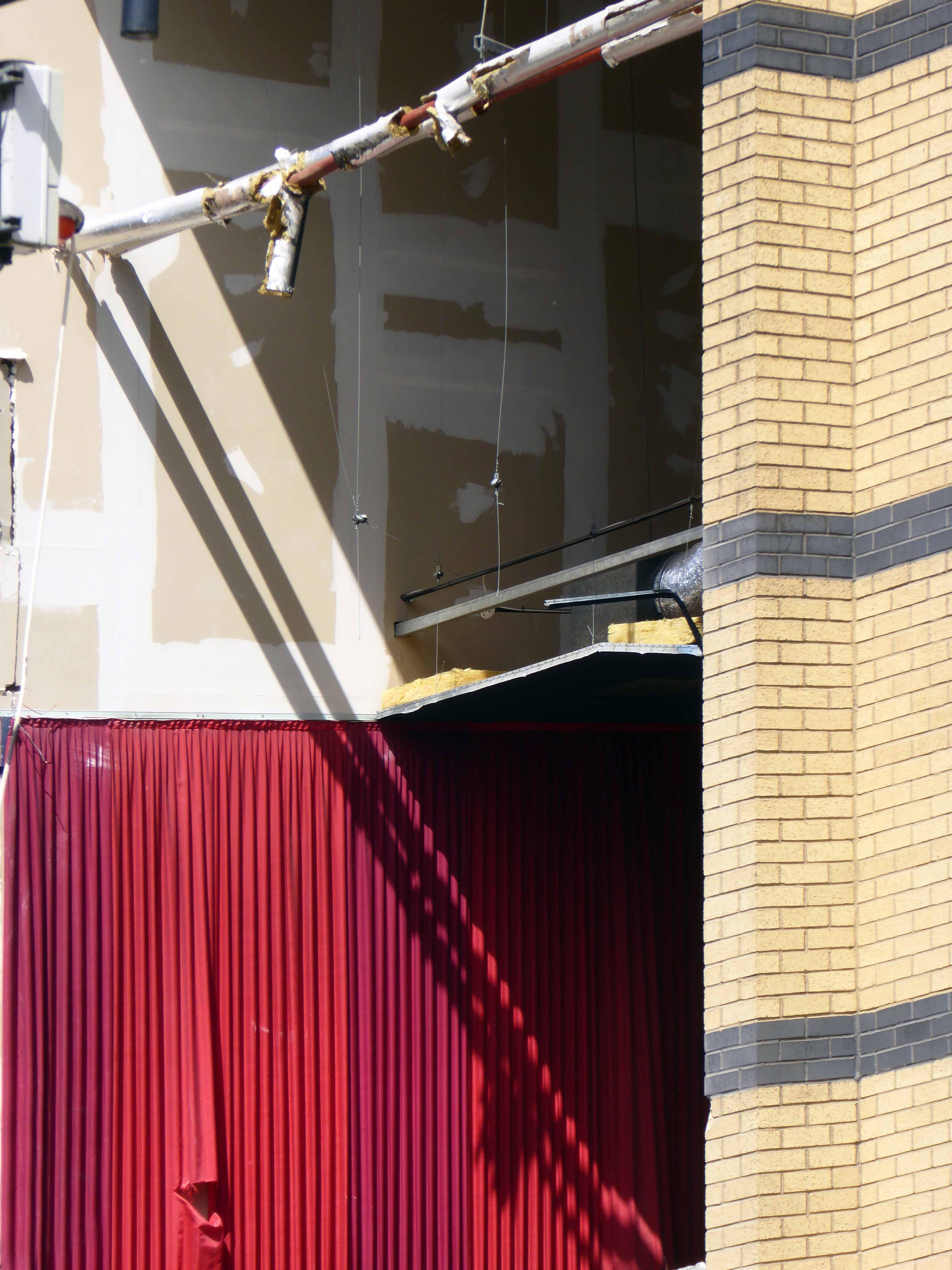
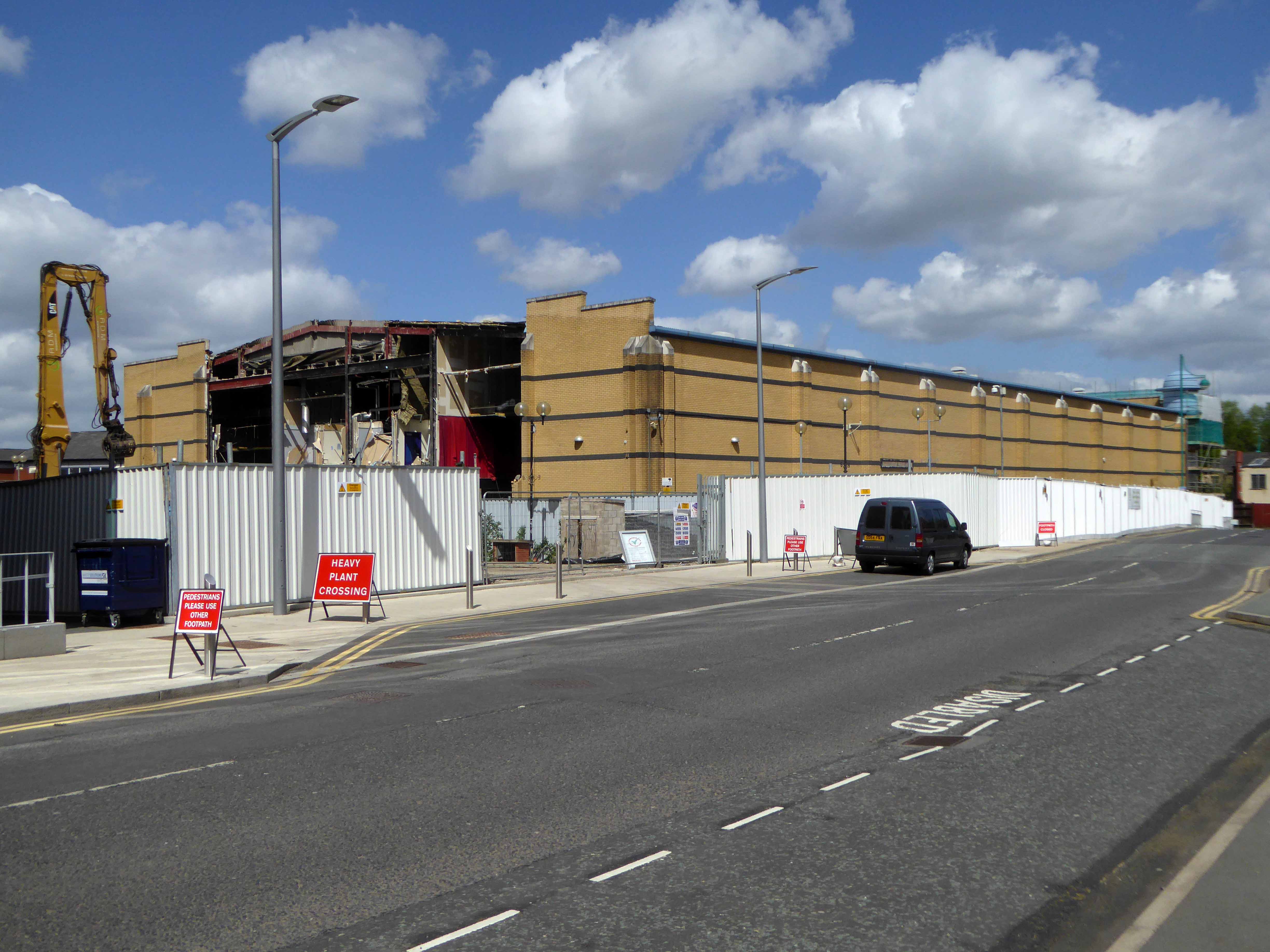
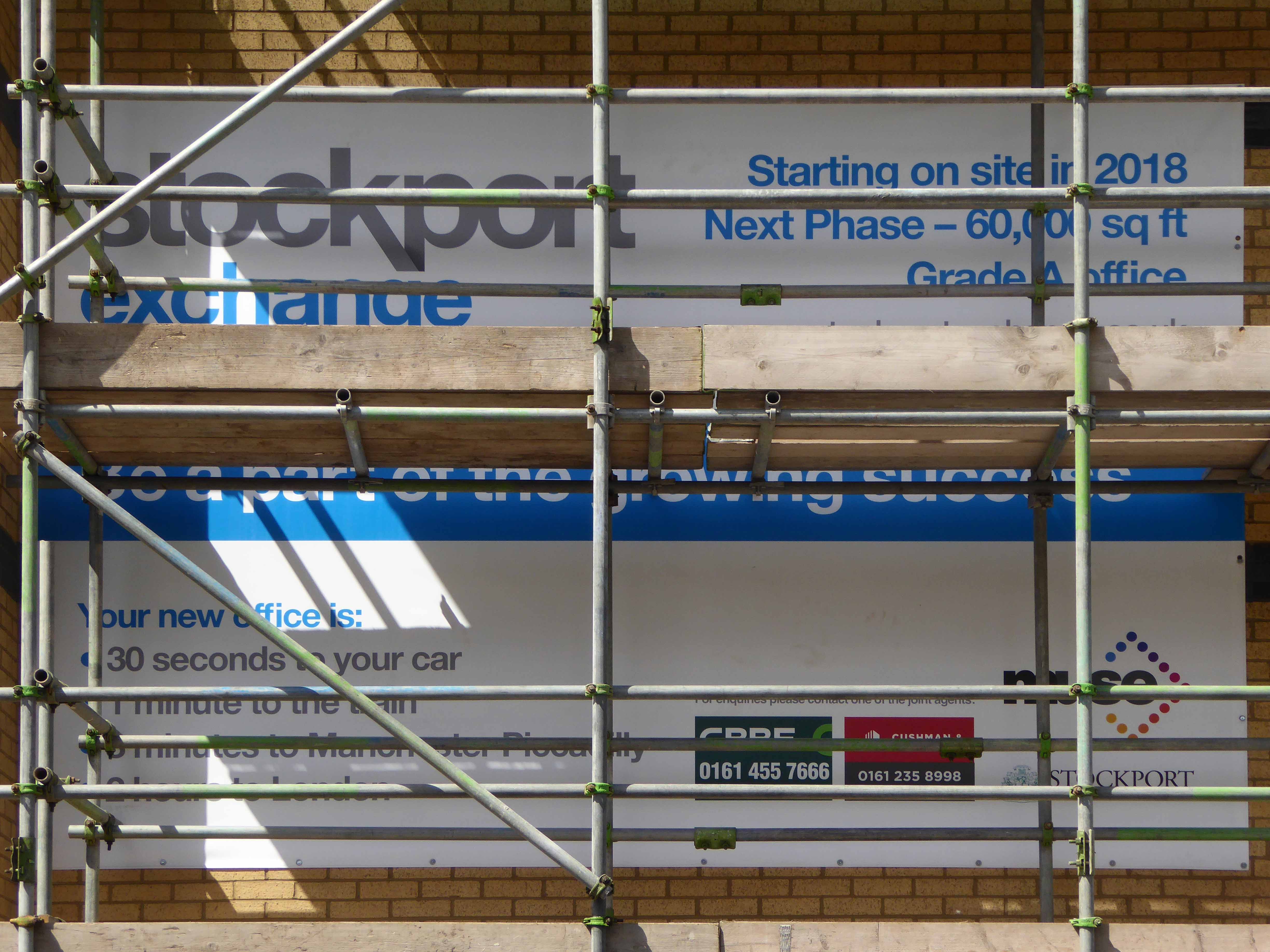
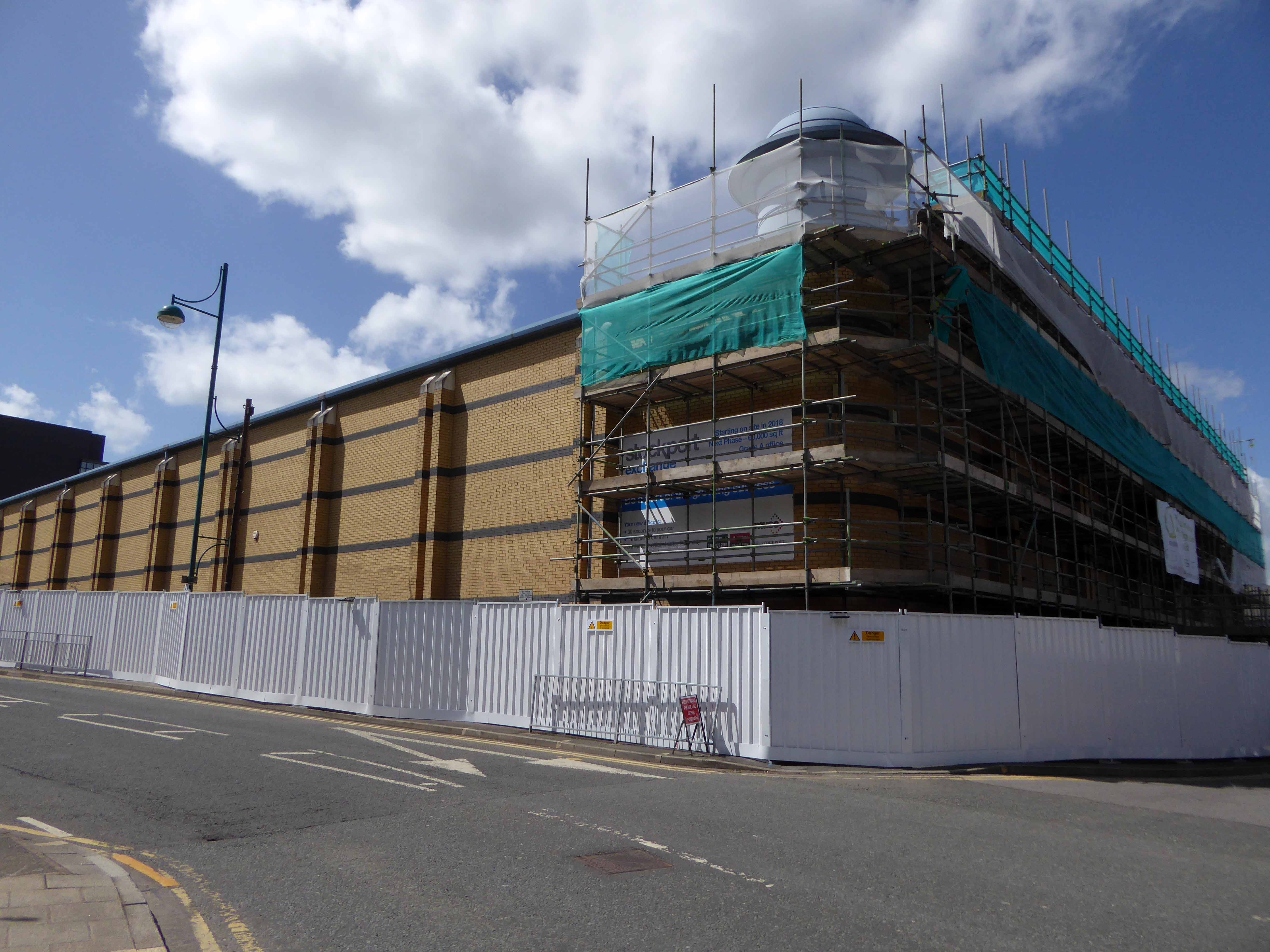
The post-industrial leisure complex has come almost full circle – overwritten by the complex needs of the modern day service-worker –  Holiday Inn, Espresso Bar and Mini-mart complement the hot-desked, twenty-four hour online access all areas open-plan office operative.

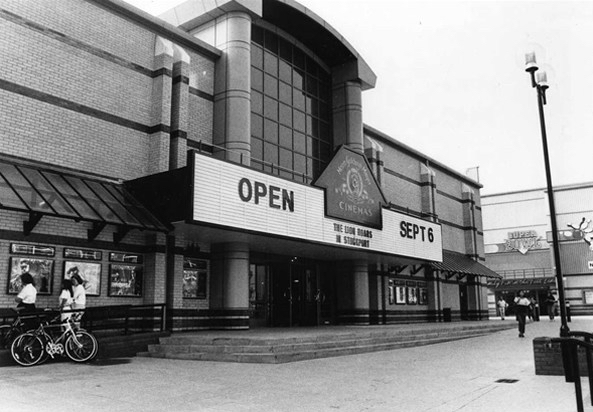
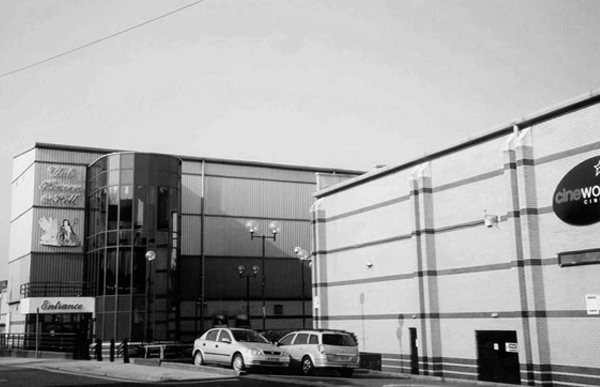
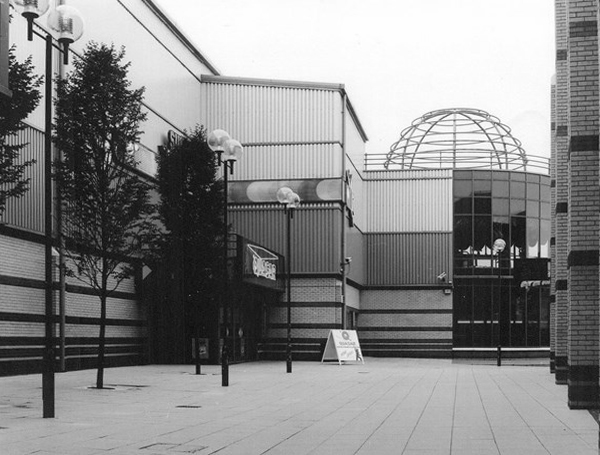
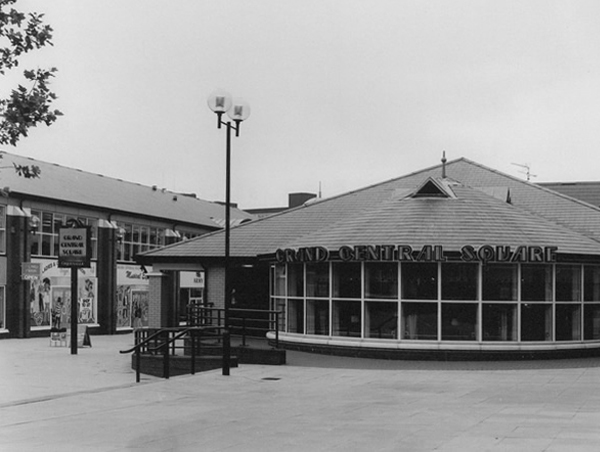
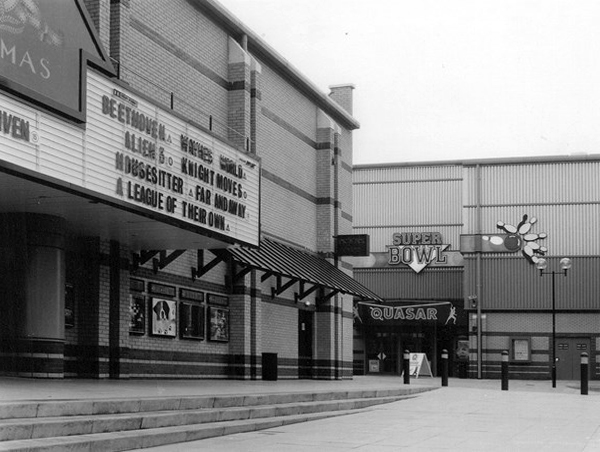
Gone now the Laser Quest, Super Bowl, Multiplex, Theme Pub days of old.


50807

53566

53567

53568

53569

53570

Photographs from Stockport Image Archive

Time has been called on the post-modern film-set, cast and clad in plastic, brick, steel and concrete.

The future is here today and it means business.

P1240988

P1240991

P1240993

P1240995

P1240996

P1240997

P1240998

P1240999

P1250001

P1250002

P1250003

P1250005

P1250006

P1250008

P1250009


Covent Garden – Stockport

Last time I was here it was there:

Covent Garden Flats Middle Hillgate in Stockport.

A small but important group of post-war council houses – very much in an inter-war European manner, homes to a settled community of cheerful, chatty residents.

screen-shot-2016-04-14-at-17-20-211

The local authority tinned them up some year ago, ahead of a series of redevelopment proposals – last week that redevelopment reached its logical conclusion.

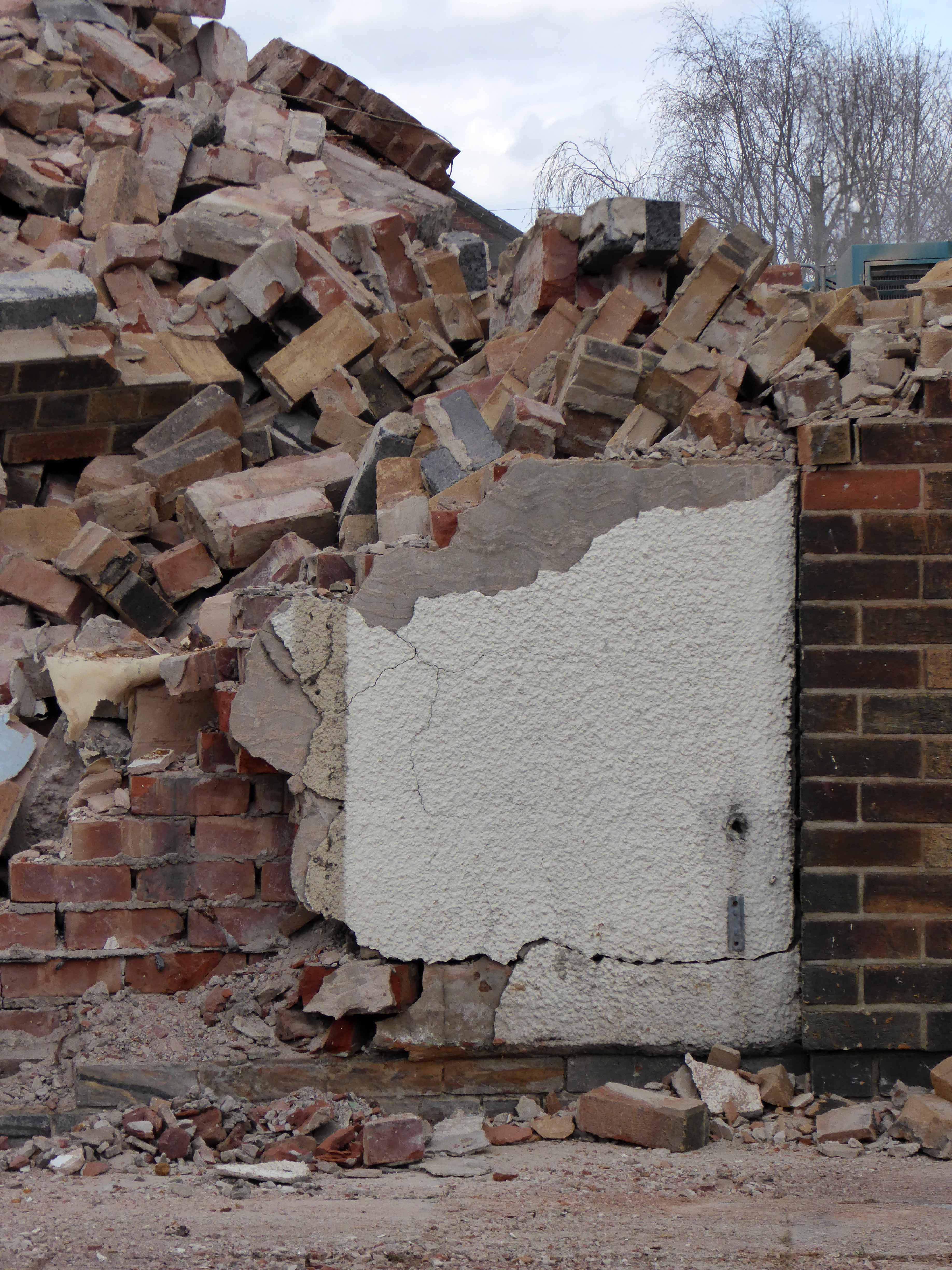
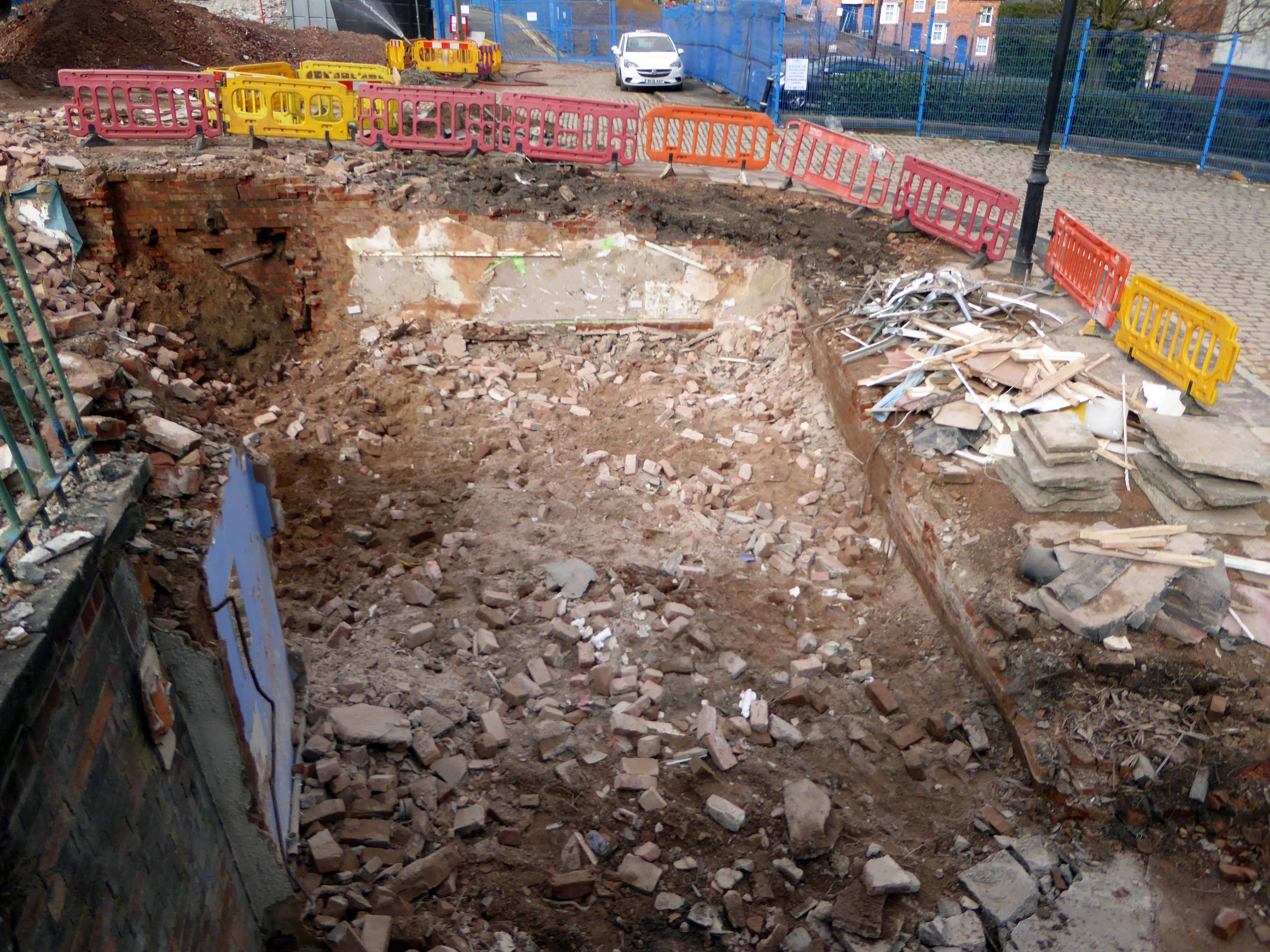
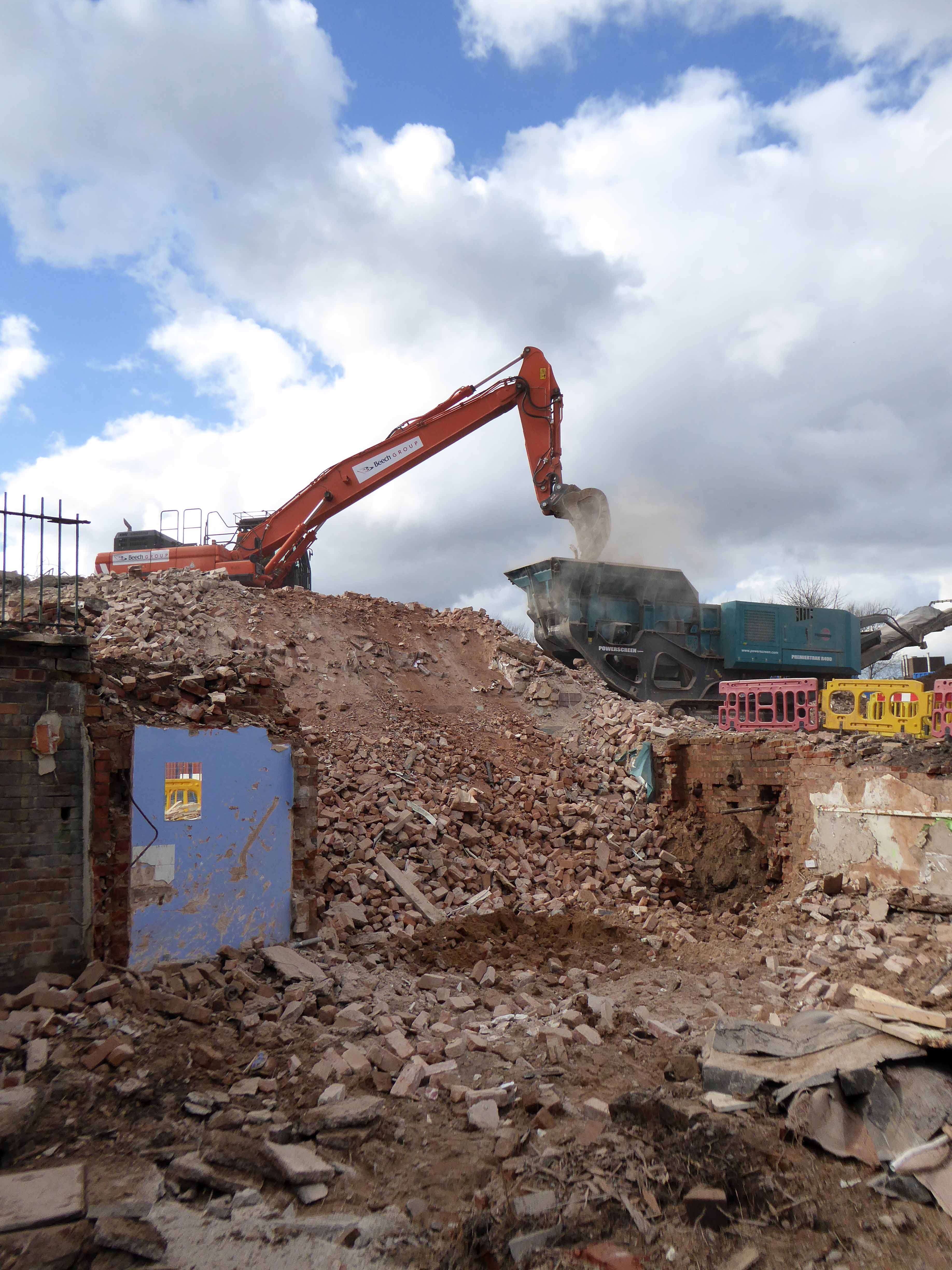
Demolition.

Whilst accepting the necessity for change, I also recognise the need to preserve what is best of the past, rather than replacing it with the present day architecture of cautiously consensual pastiche.

p1030551-copy

P1230650

nuvu living for the nouveau be-tartaned riche:

Screen Shot 2018-03-21 at 13.37.36

So heavyhearted I circumnavigated the perimeter fence, recording forever that which was no longer there – their there replacing our there.

P1230601

P1230611

P1230613

P1230618

P1230624

P1230626

P1230630

P1230636

P1230639

P1230641

P1230633

P1230645

Screen Shot 2018-03-21 at 15.14.01