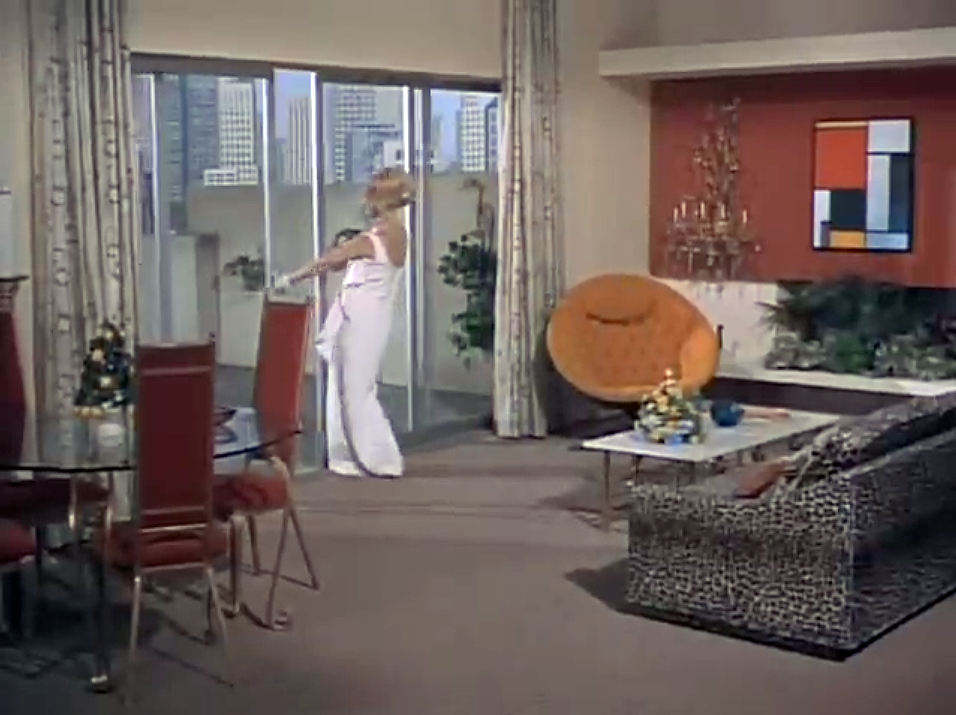
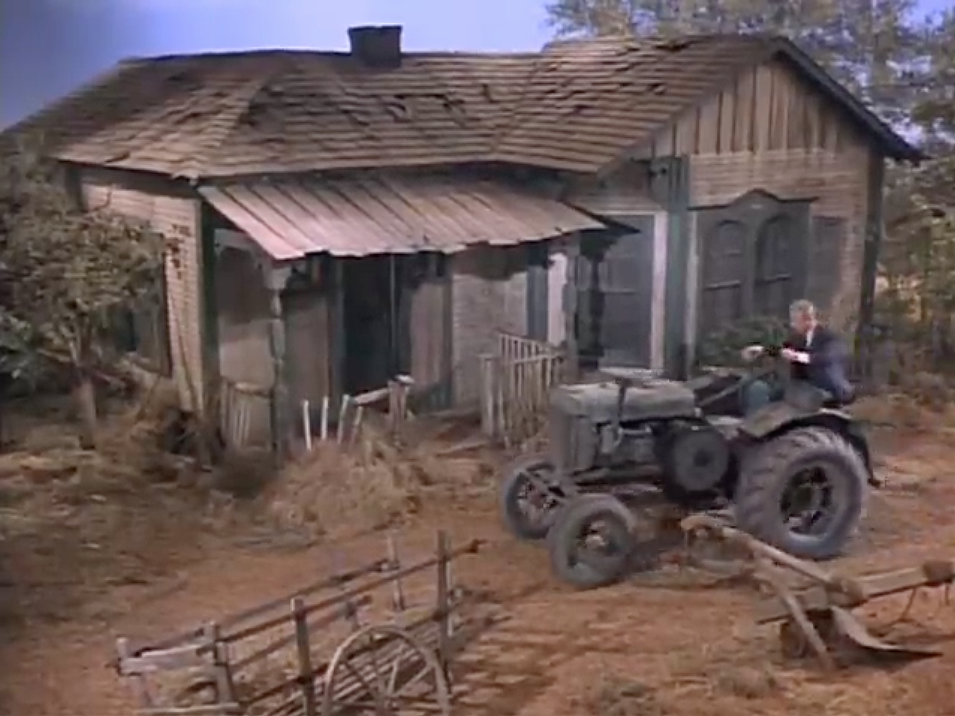
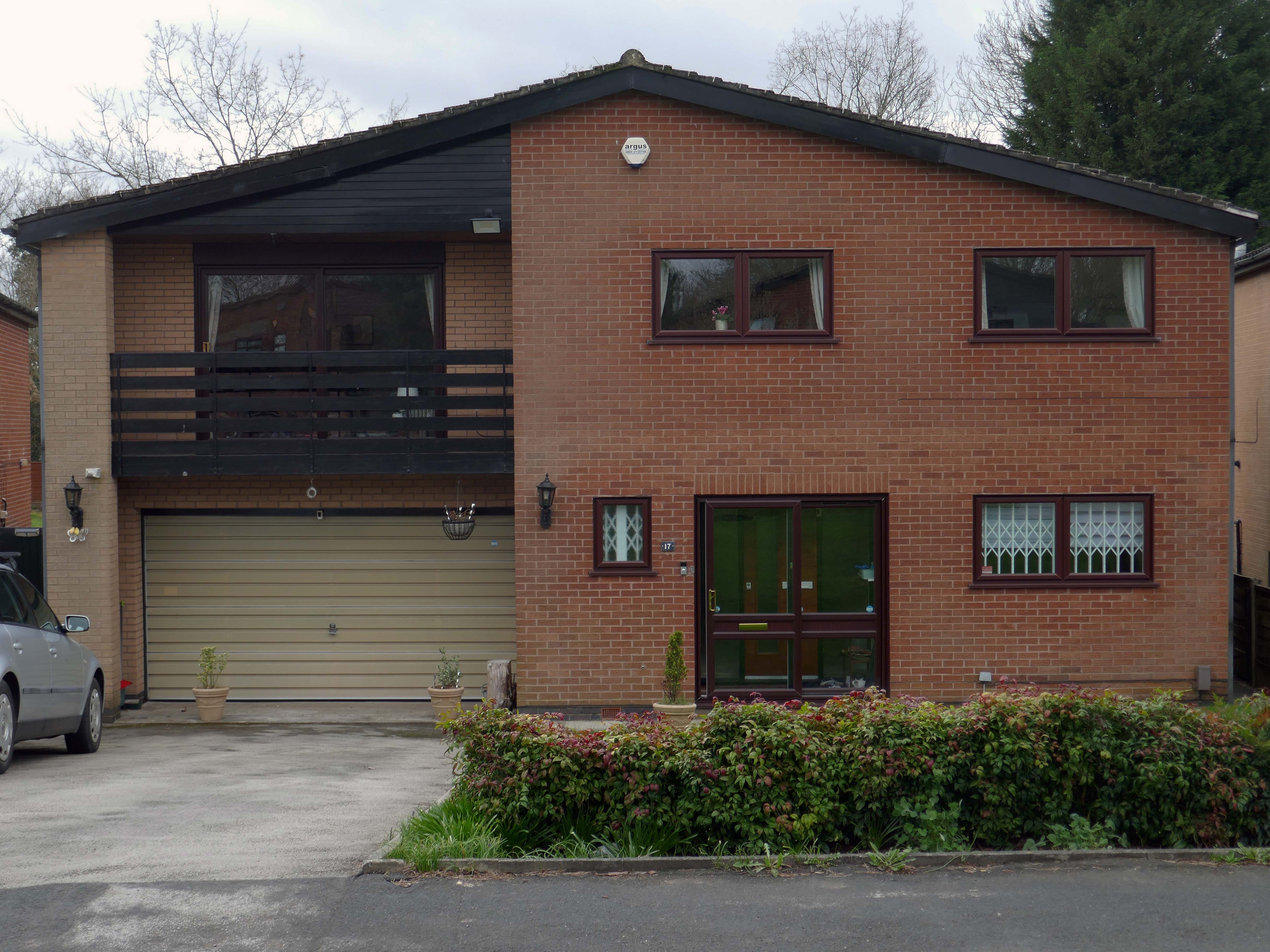
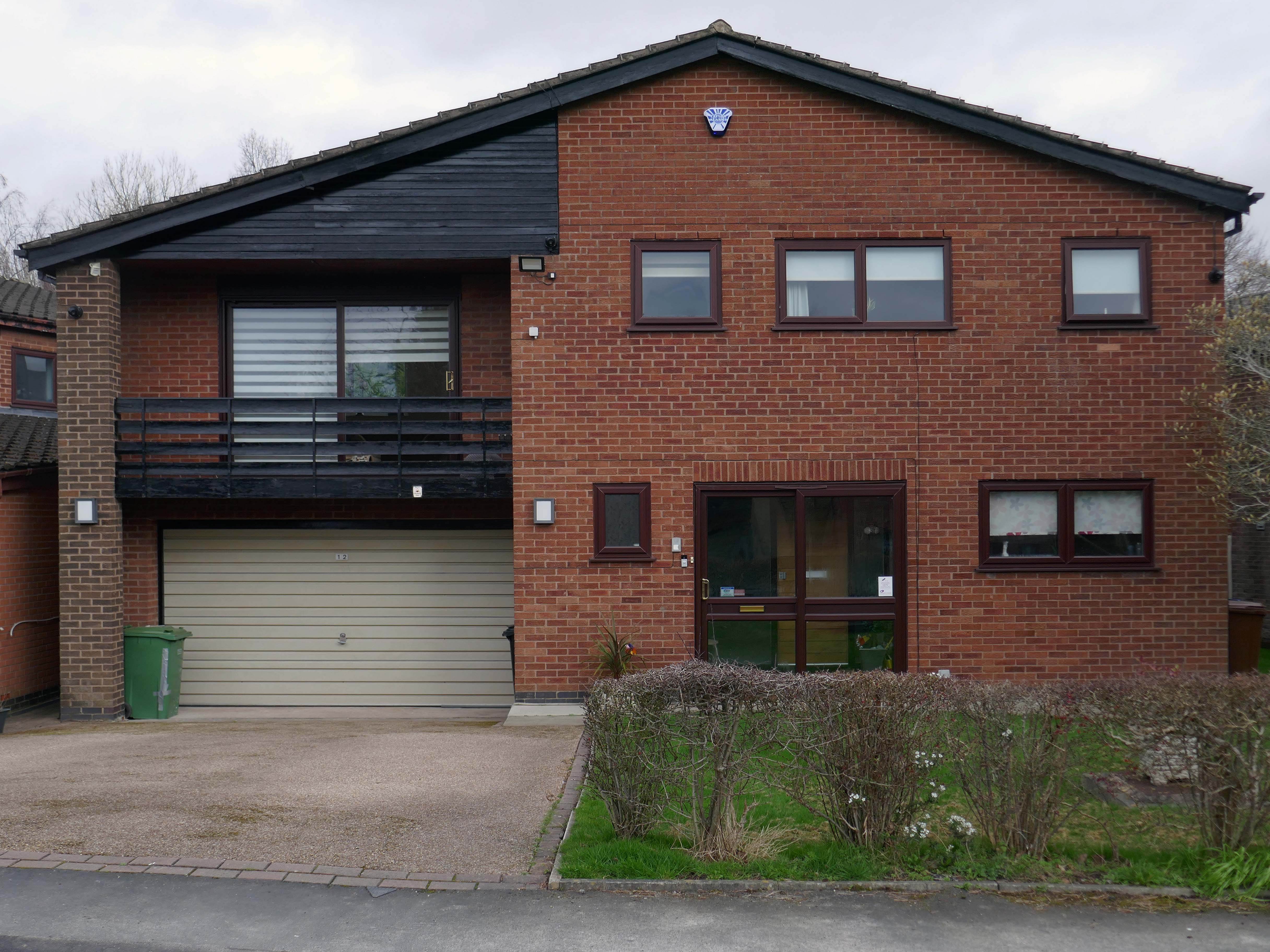
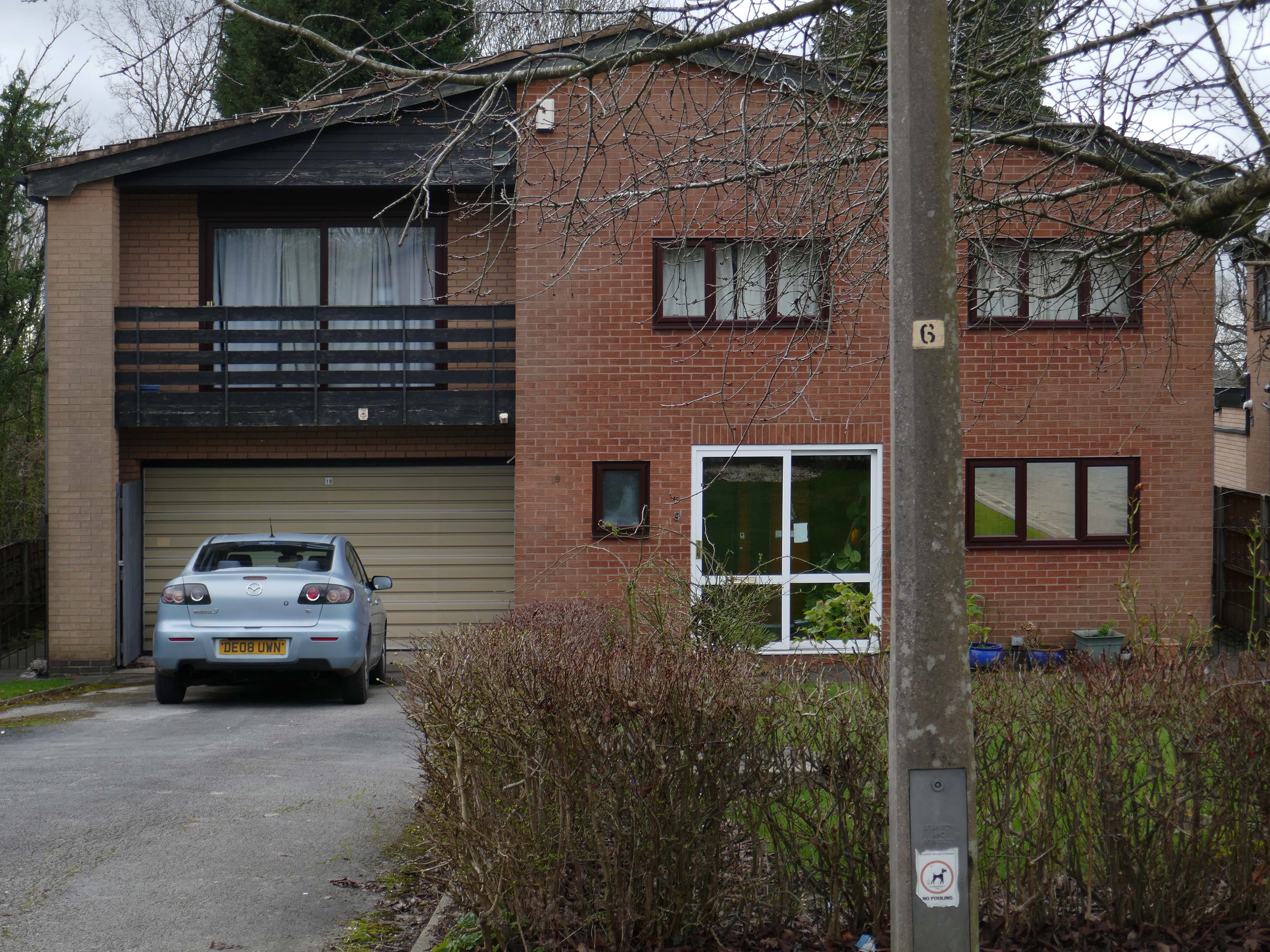
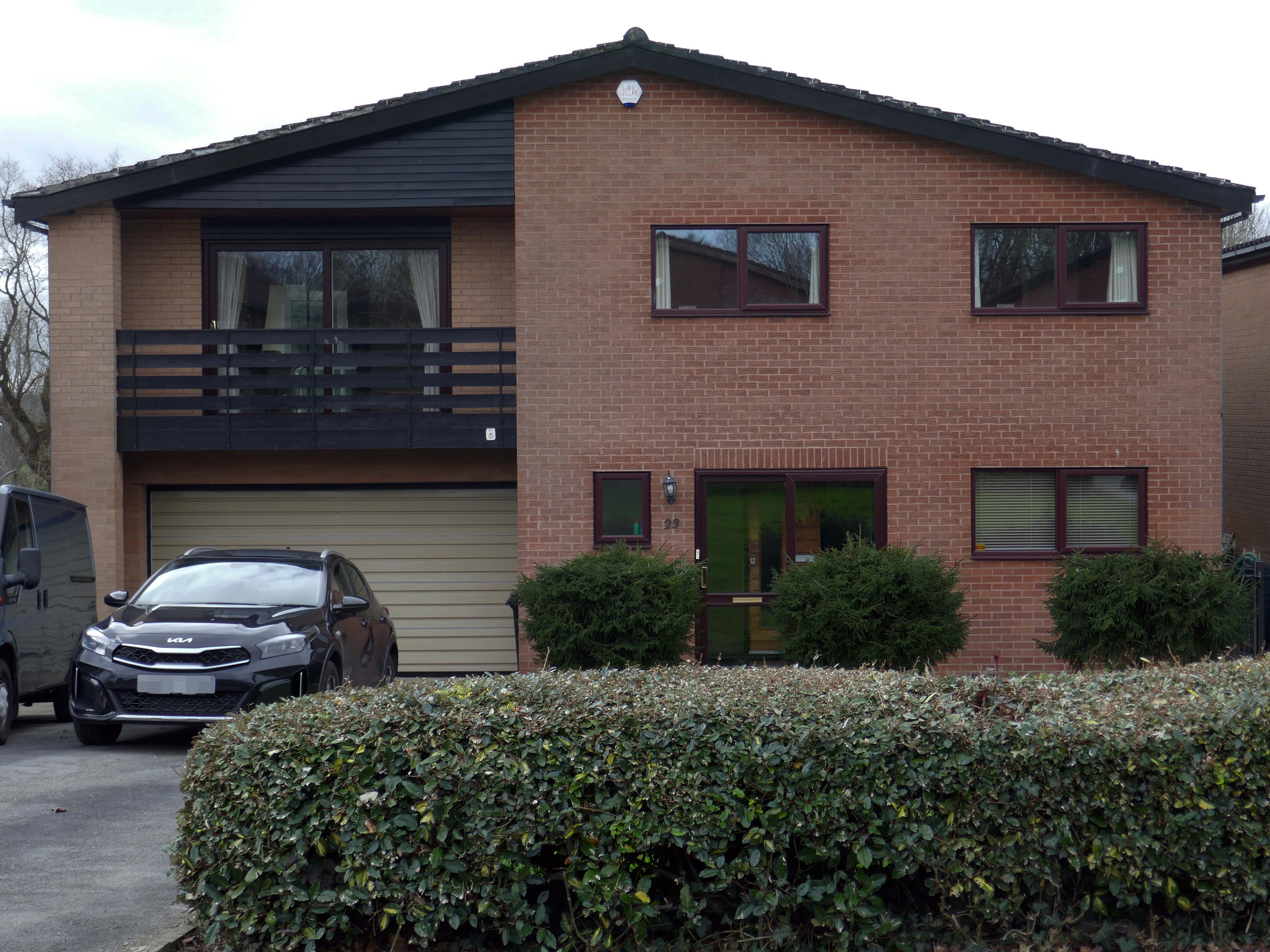
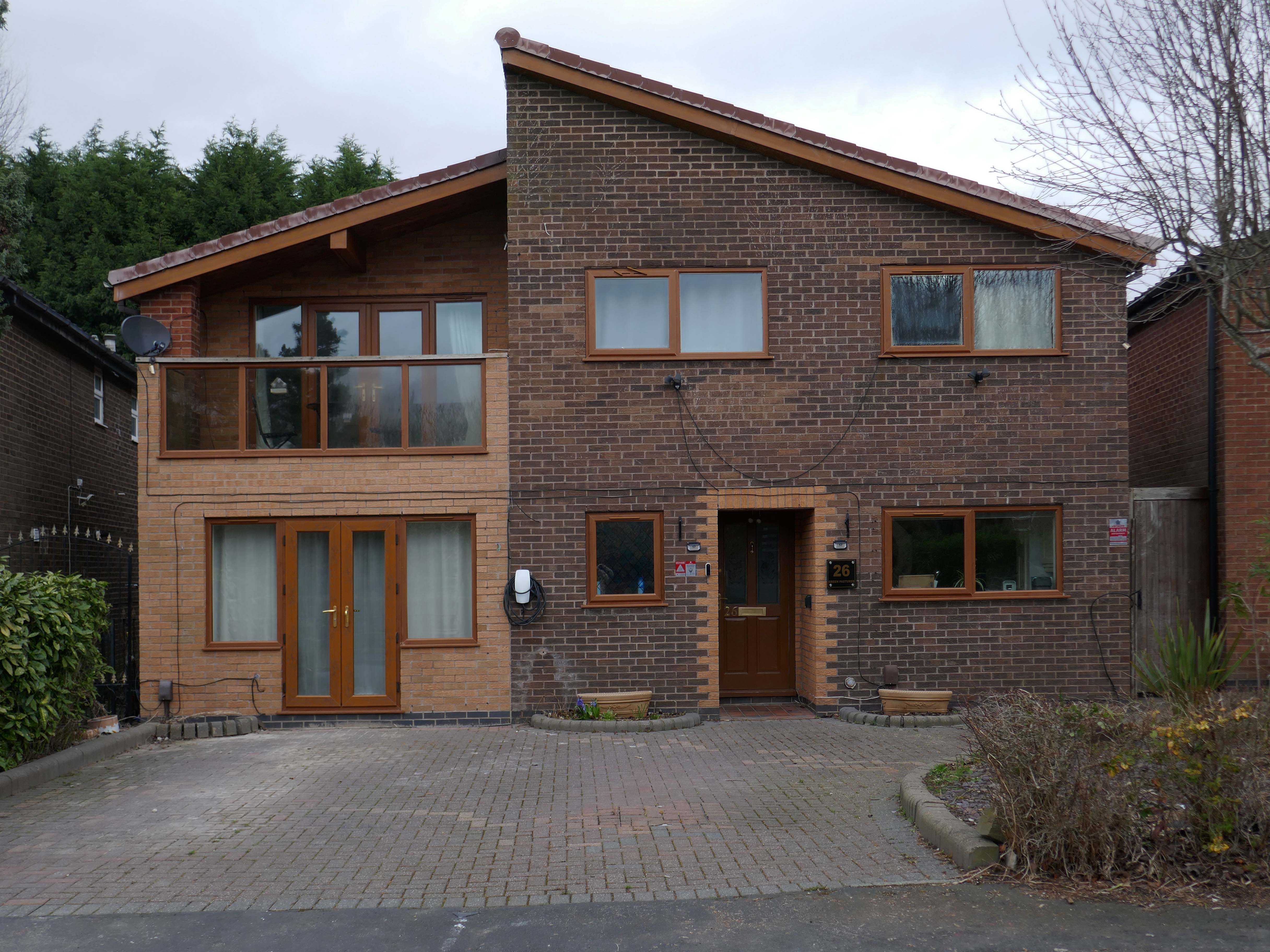
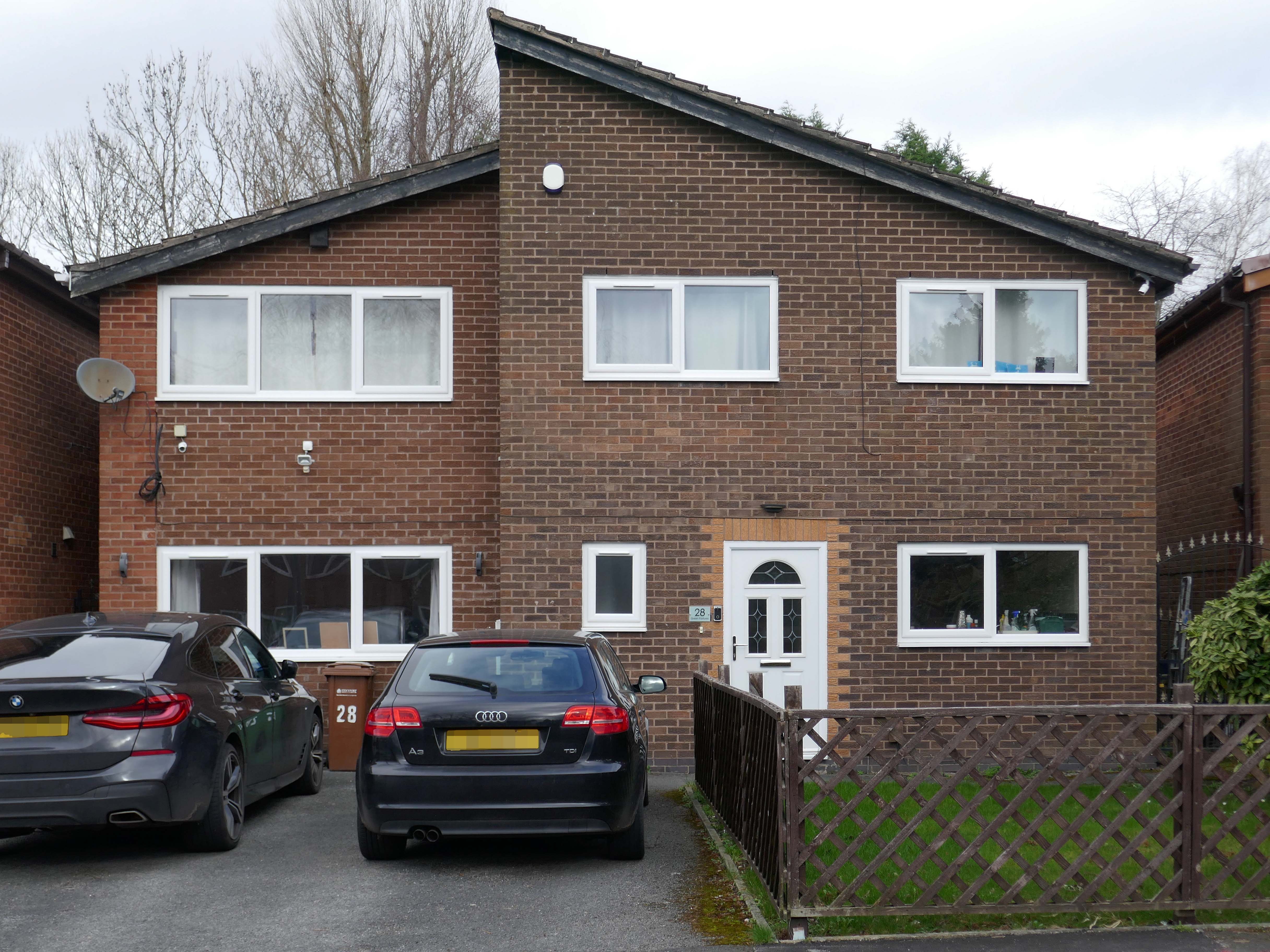
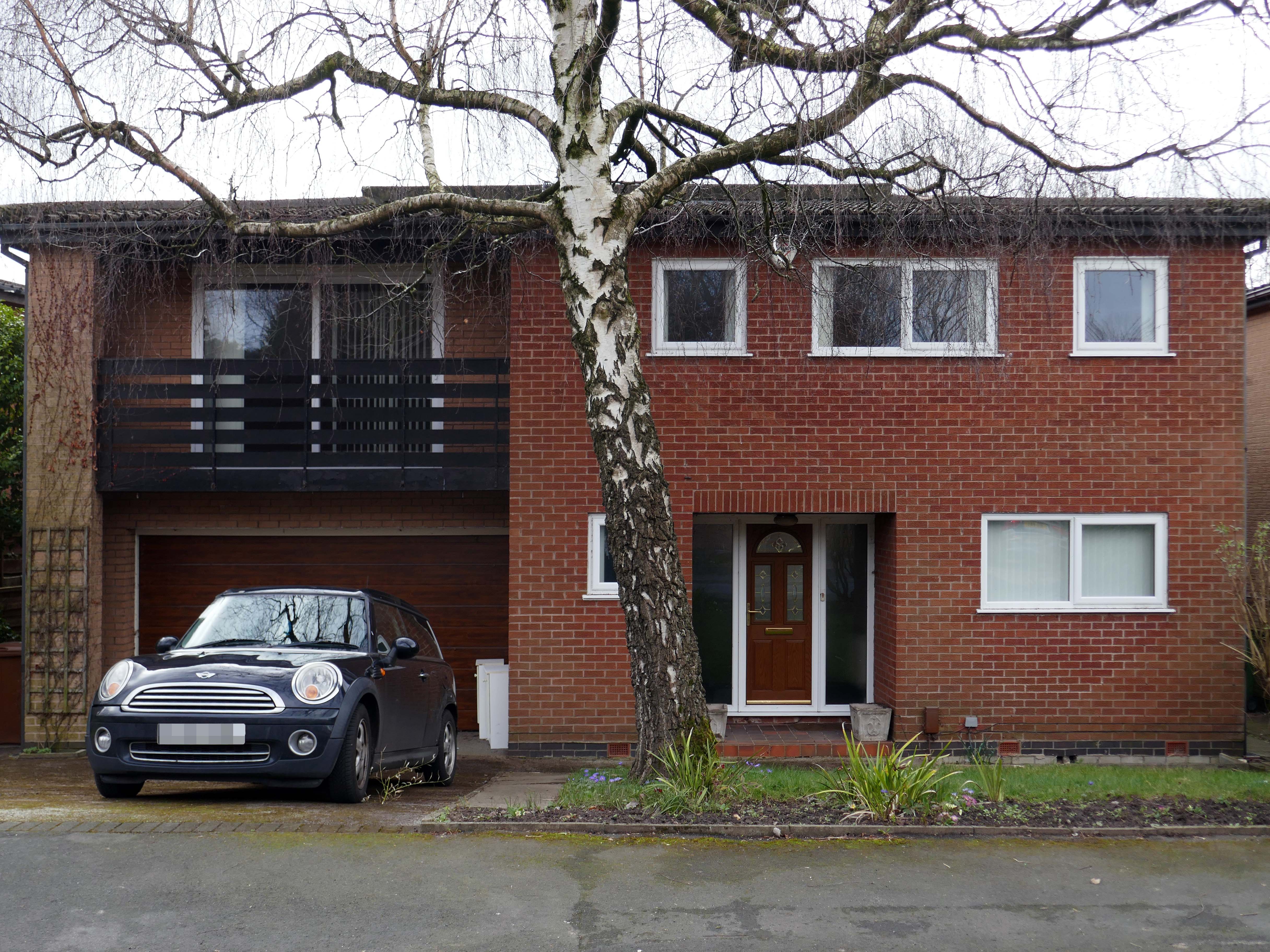
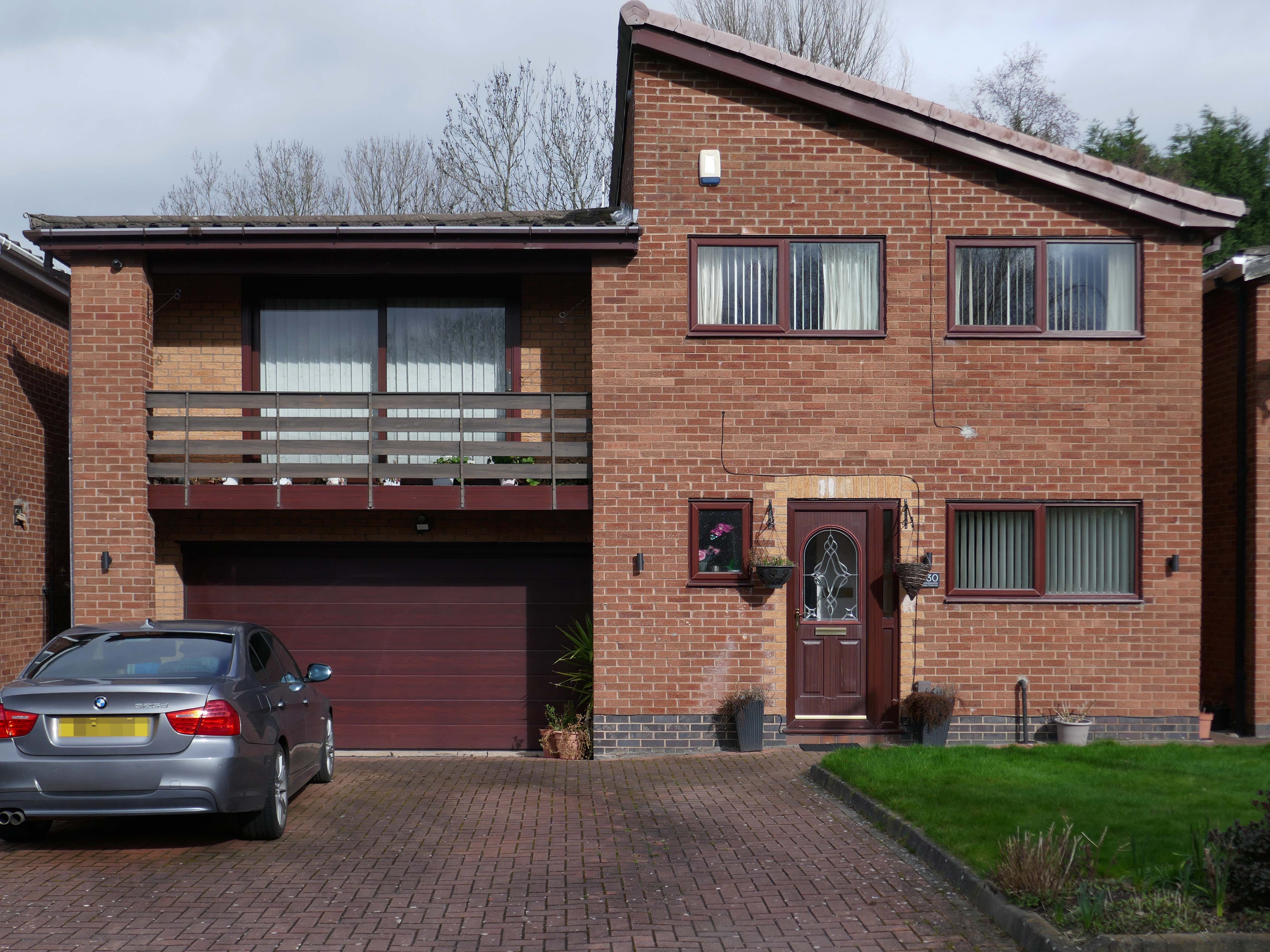
For my part I cannot help bur recall the TV show Green Acres whenever I pass by Green Pastures.
Eva Gabor preferring the glamour of Manhattan.
To the rural life.
Culturally and stylistically, Green Pastures sits somewhere betwixt and between.
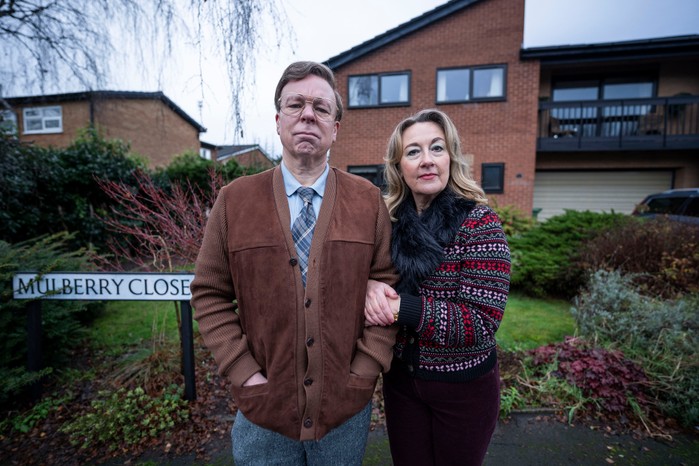
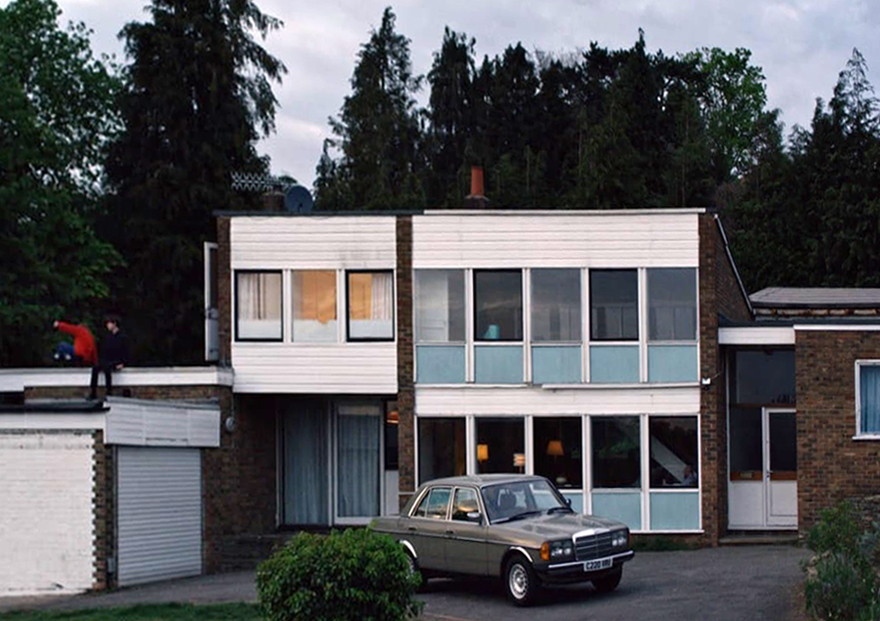
In reality the fictional life of Green Pastures became Mulberry Close, in the hit TV show Inside No. Nine
Vinette Robinson, Reece Shearsmith, Adrian Scarborough, Steve Pemberton and Dorothy Atkinson.
So much for the scriptwriters wild imaginings, what does the road look like?
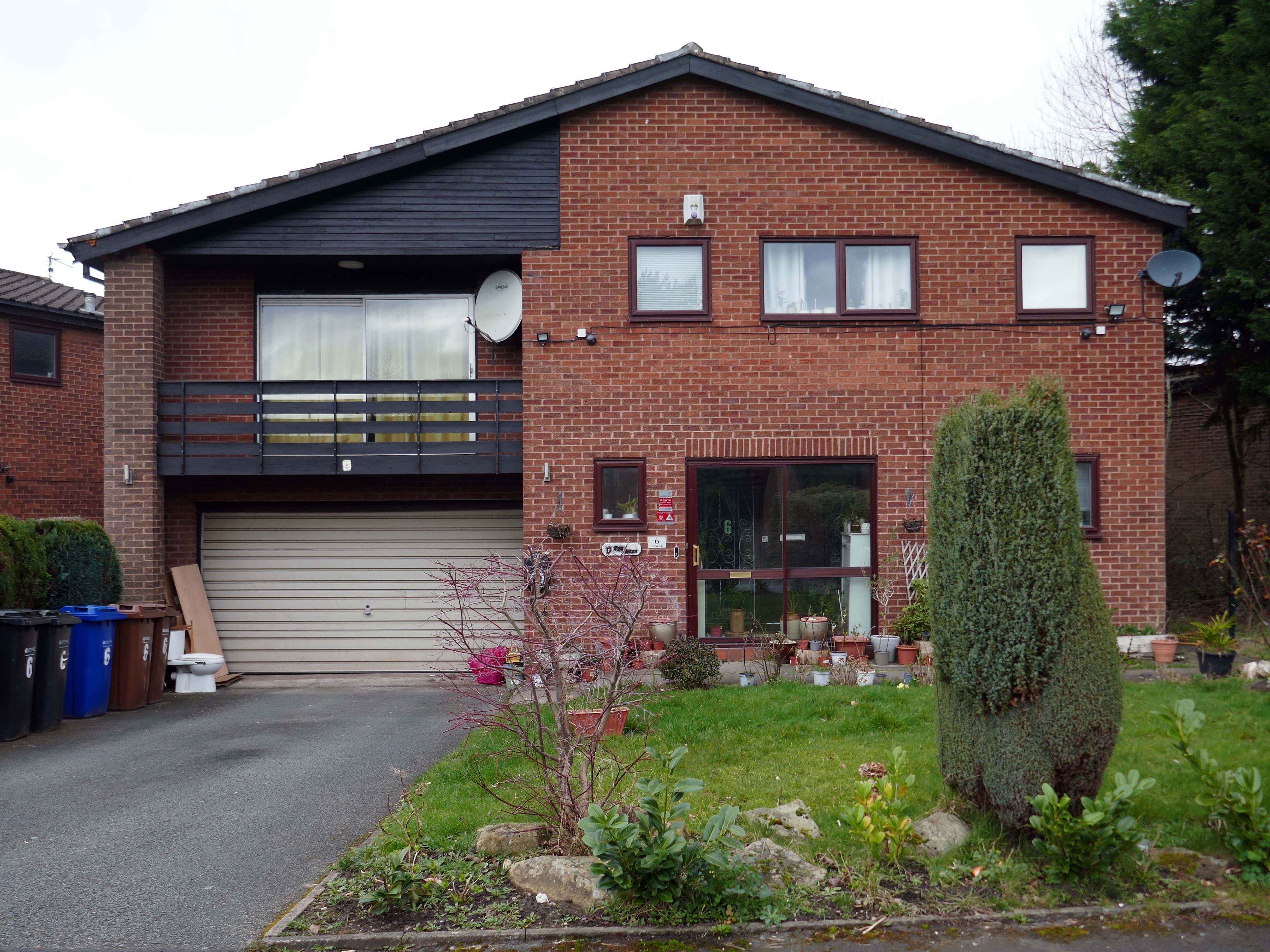
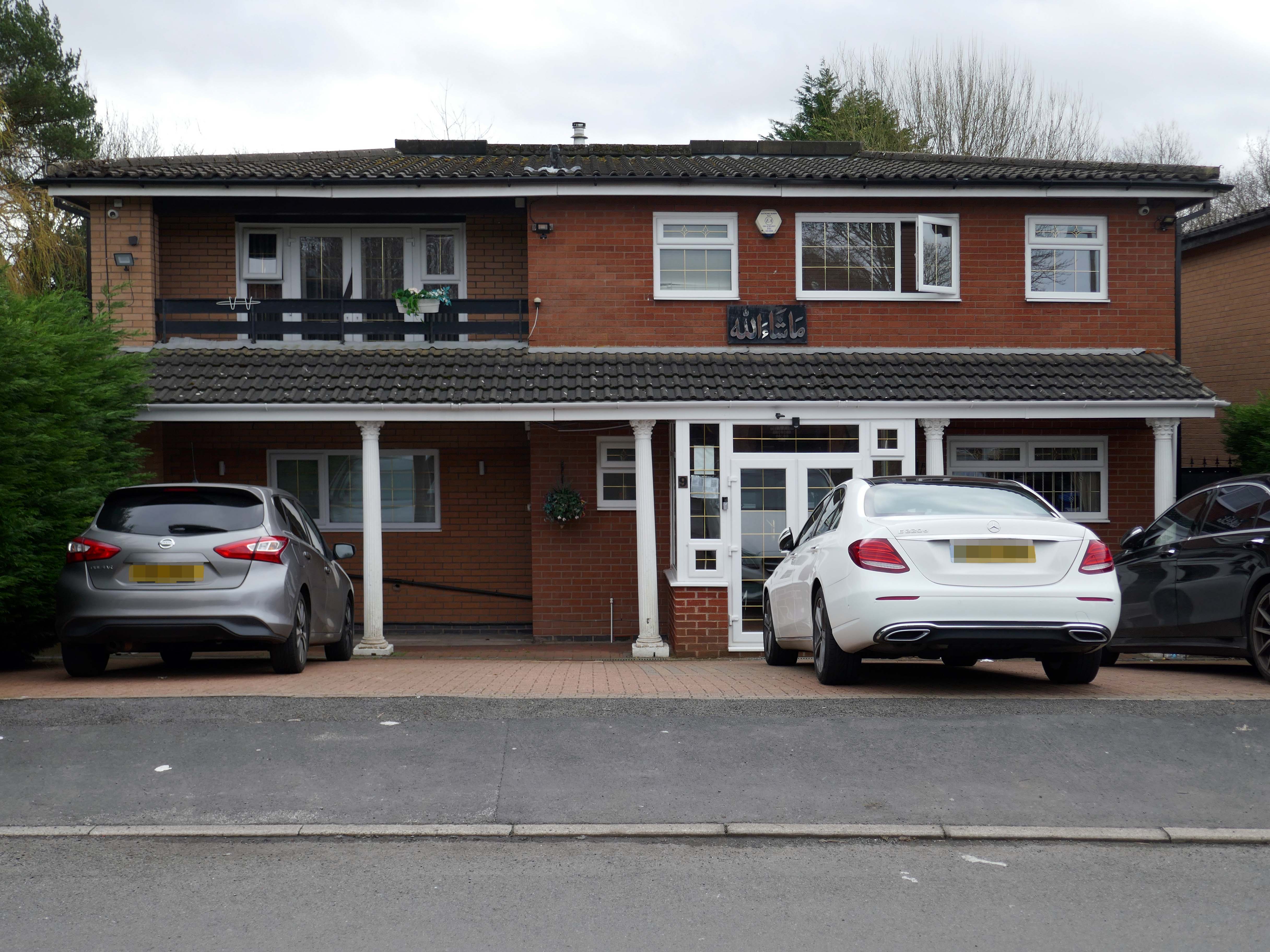
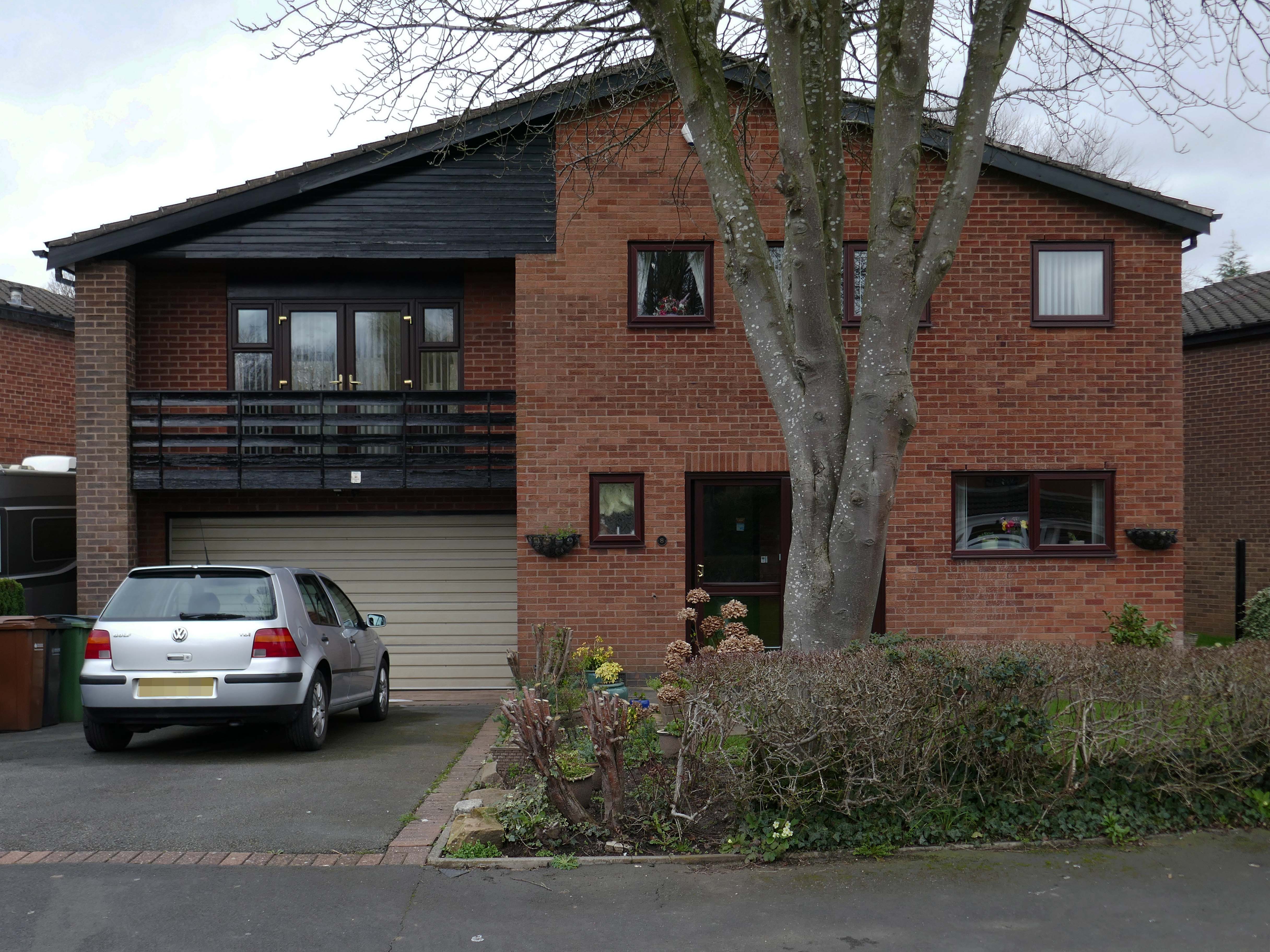
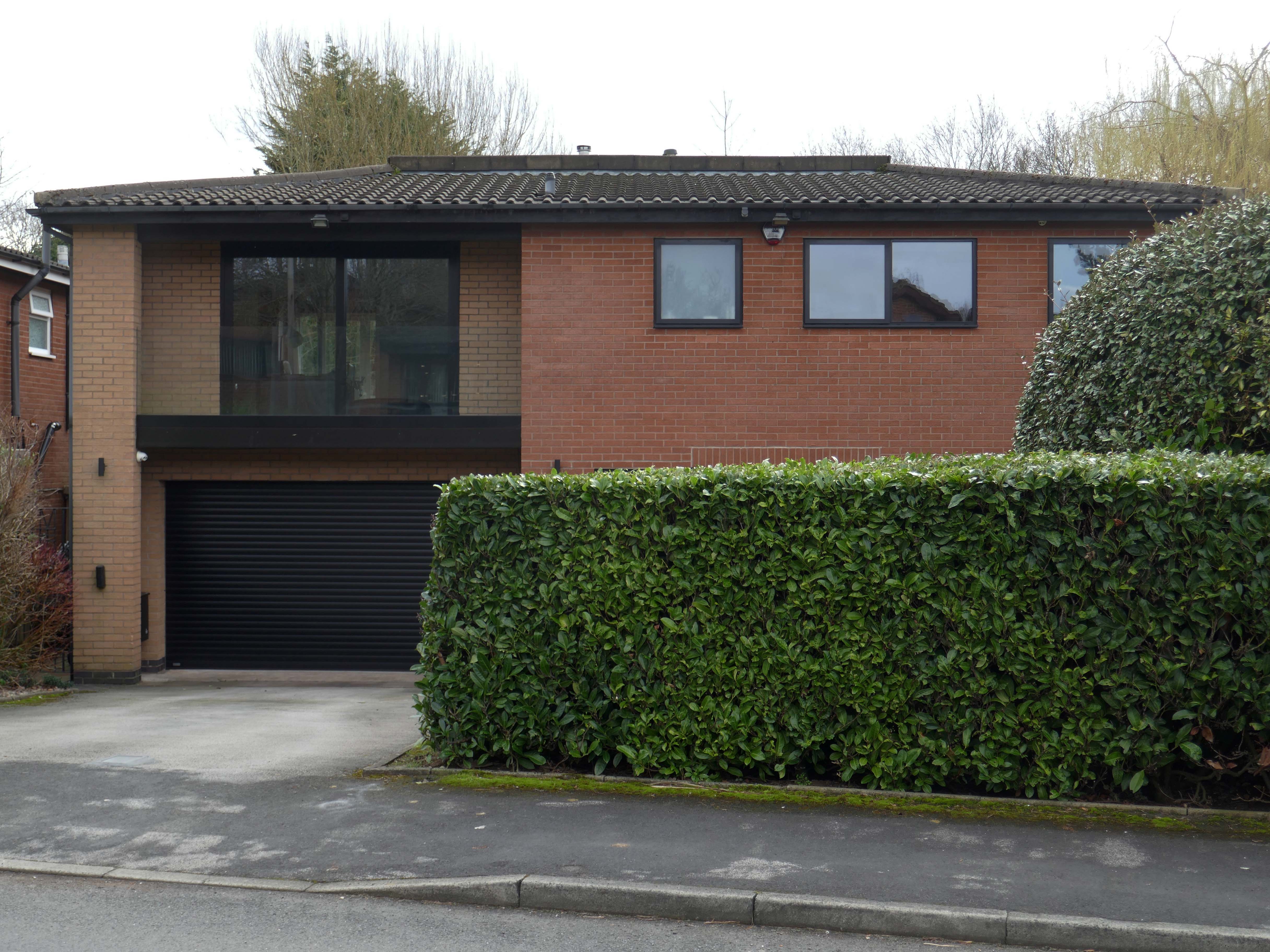
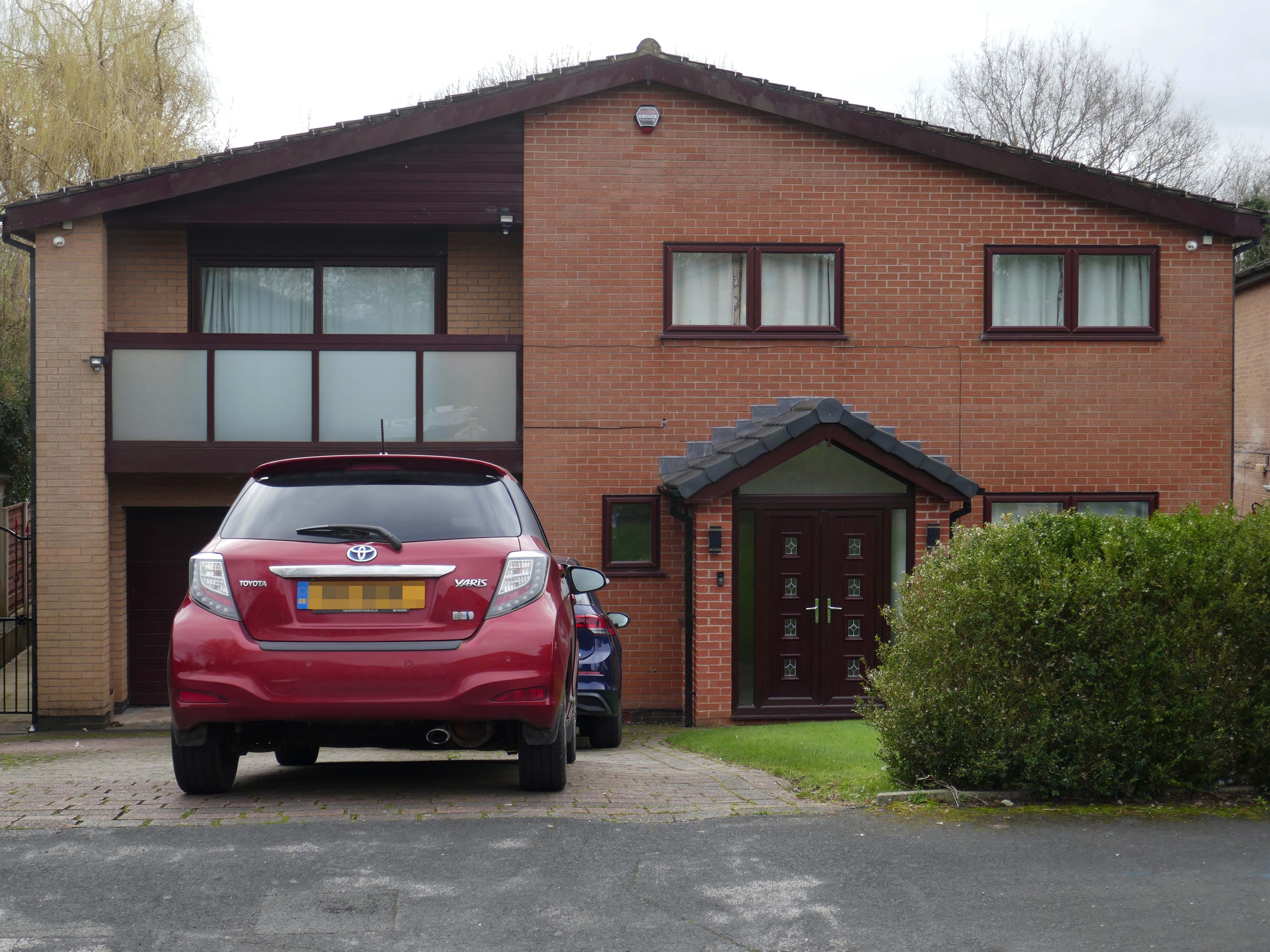
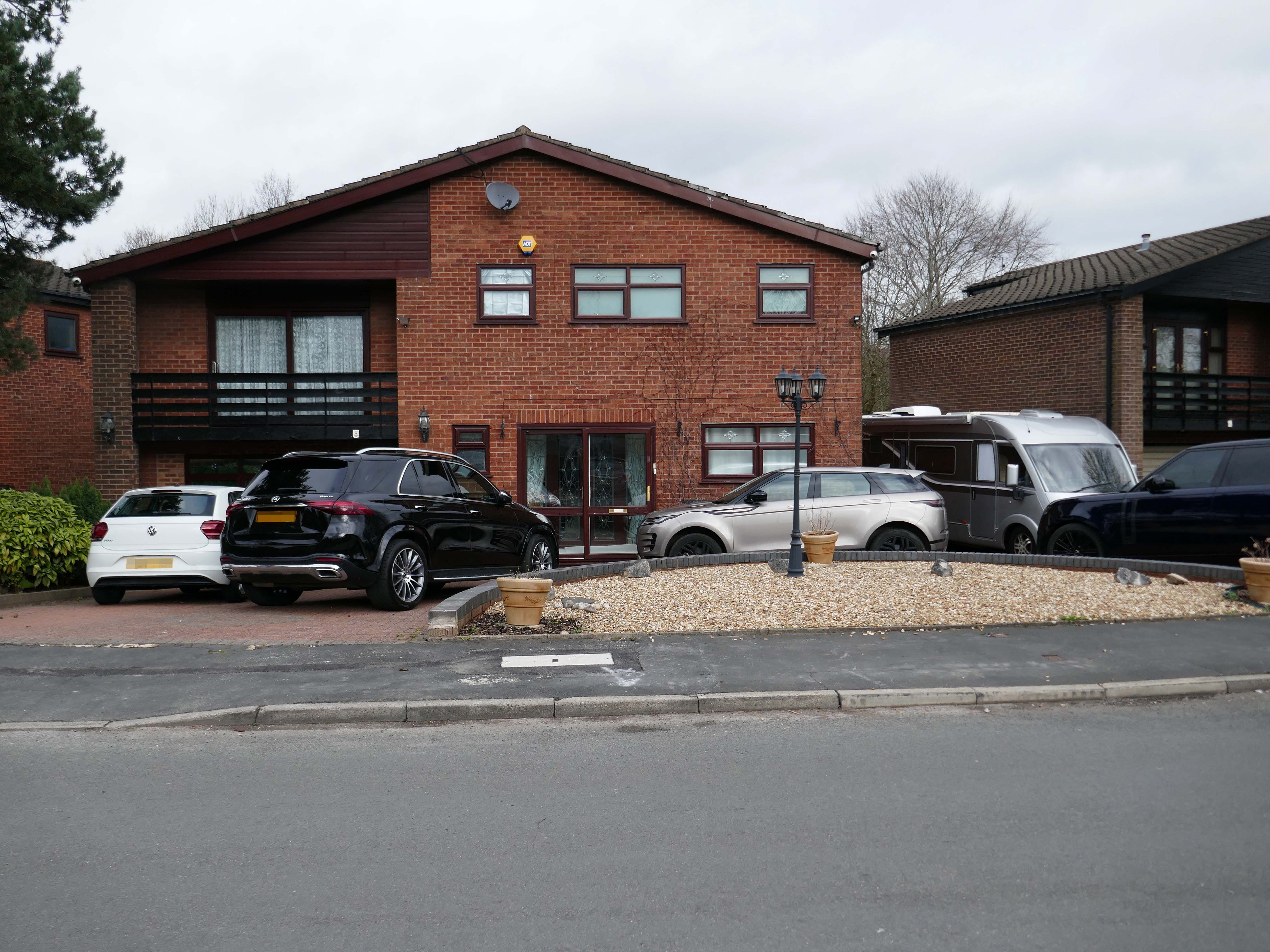
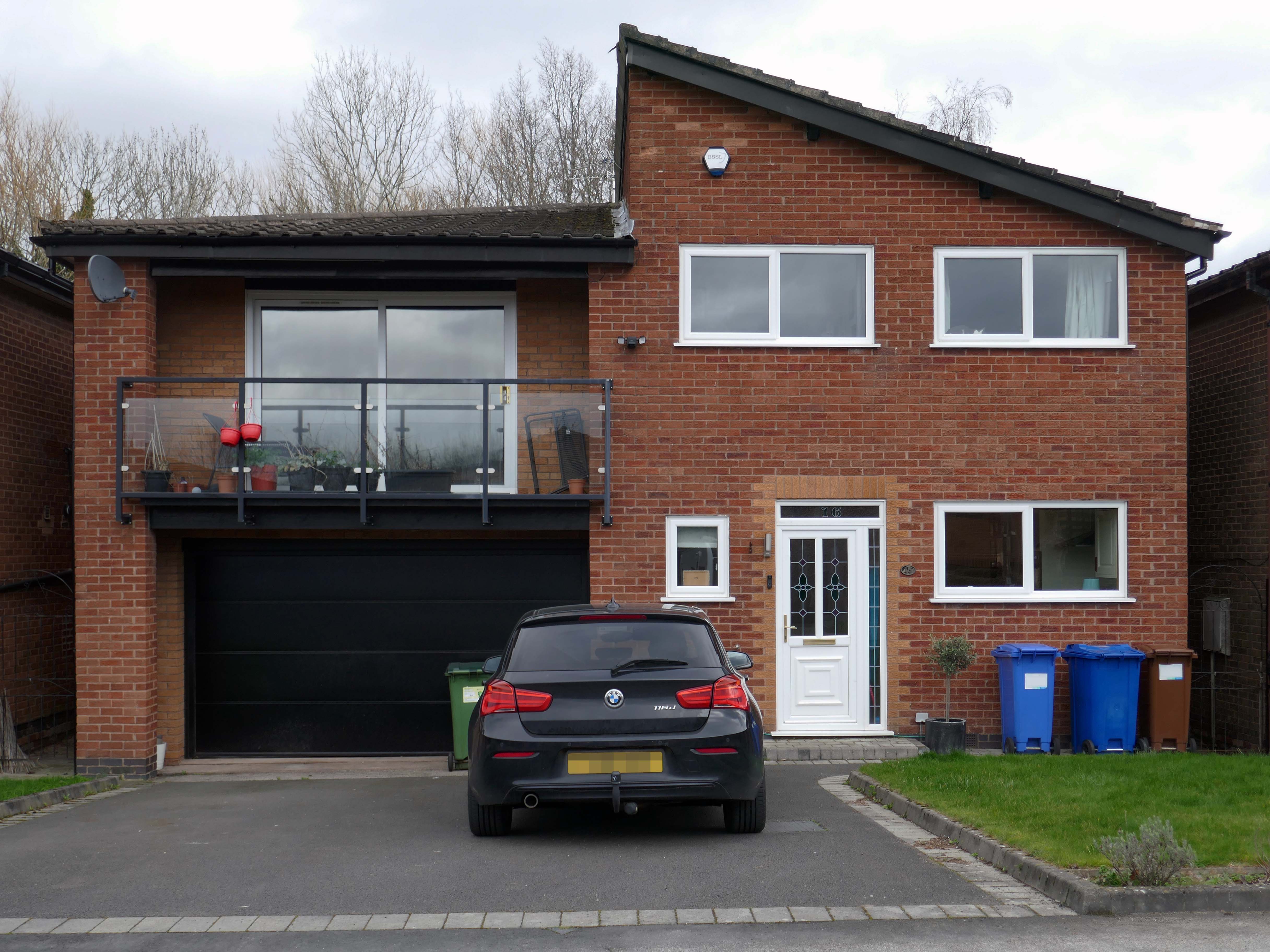
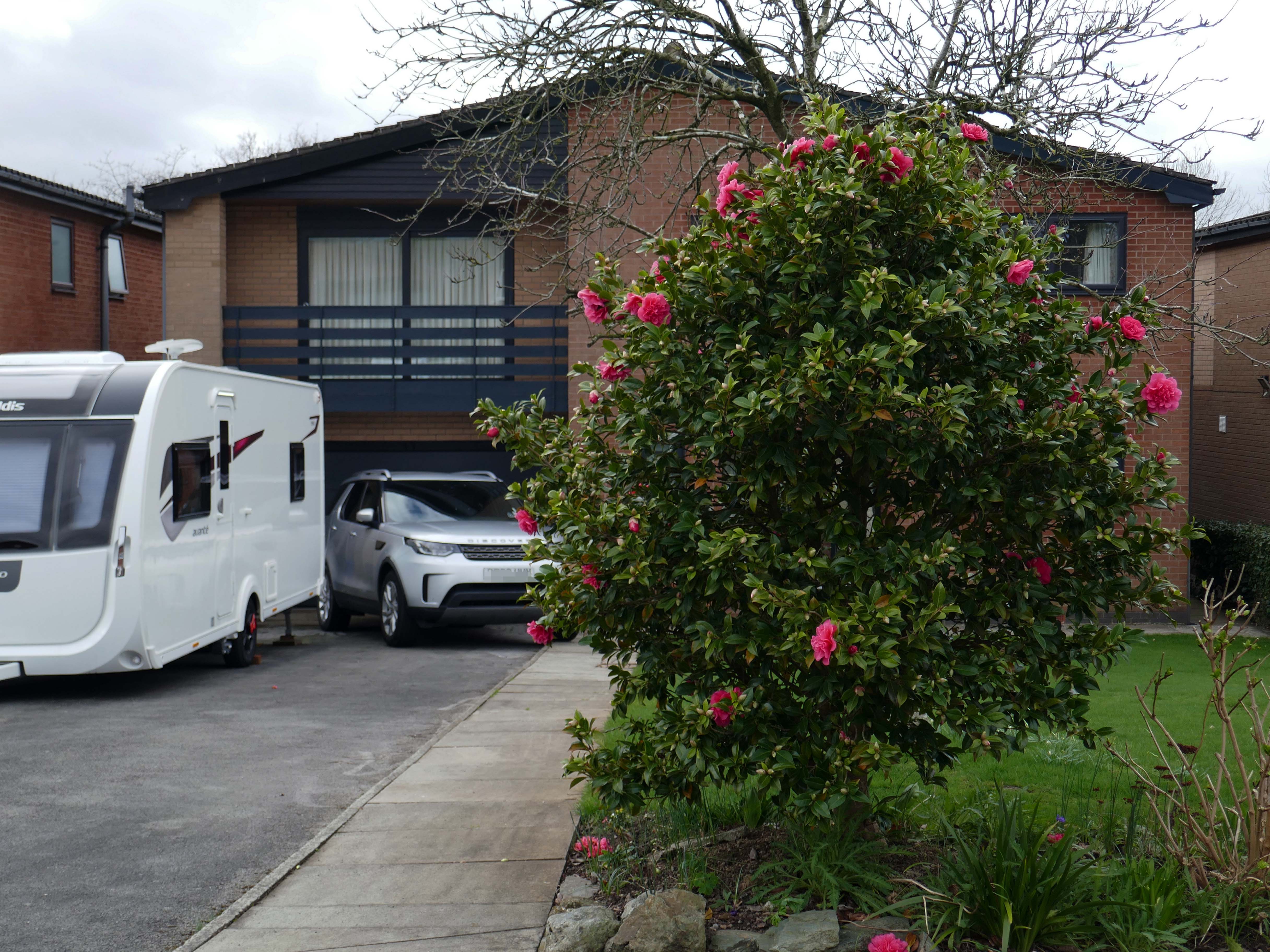
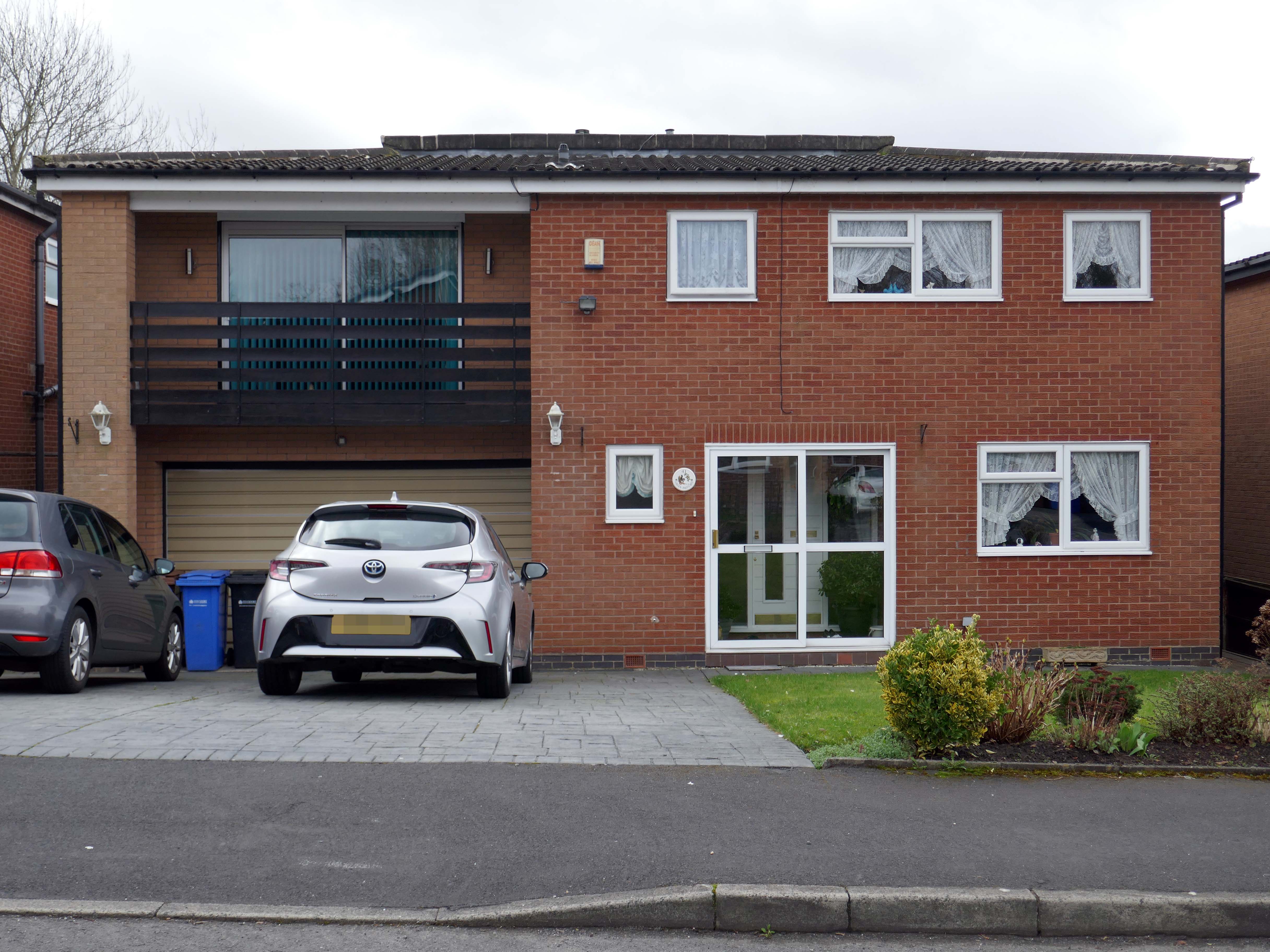
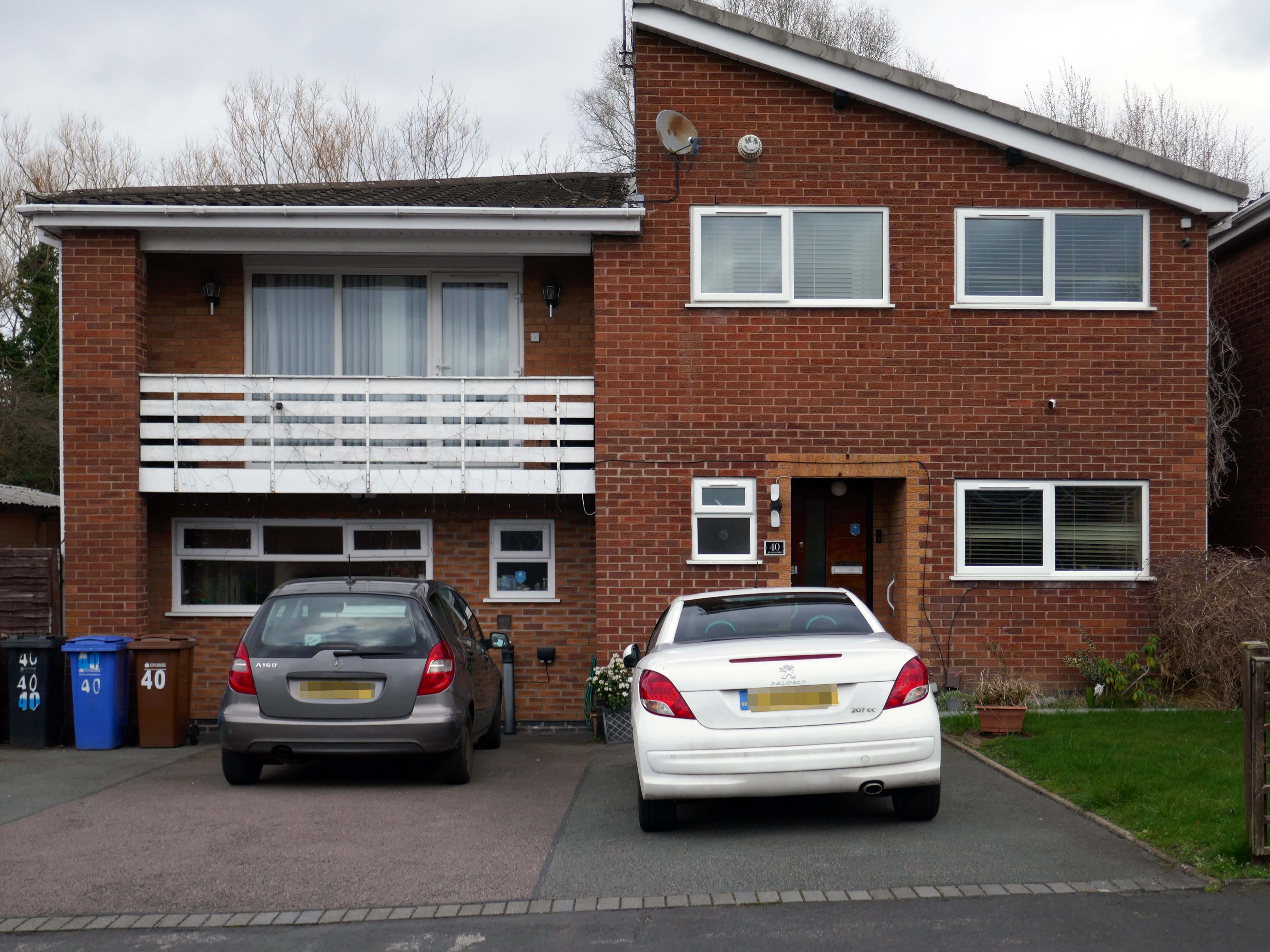
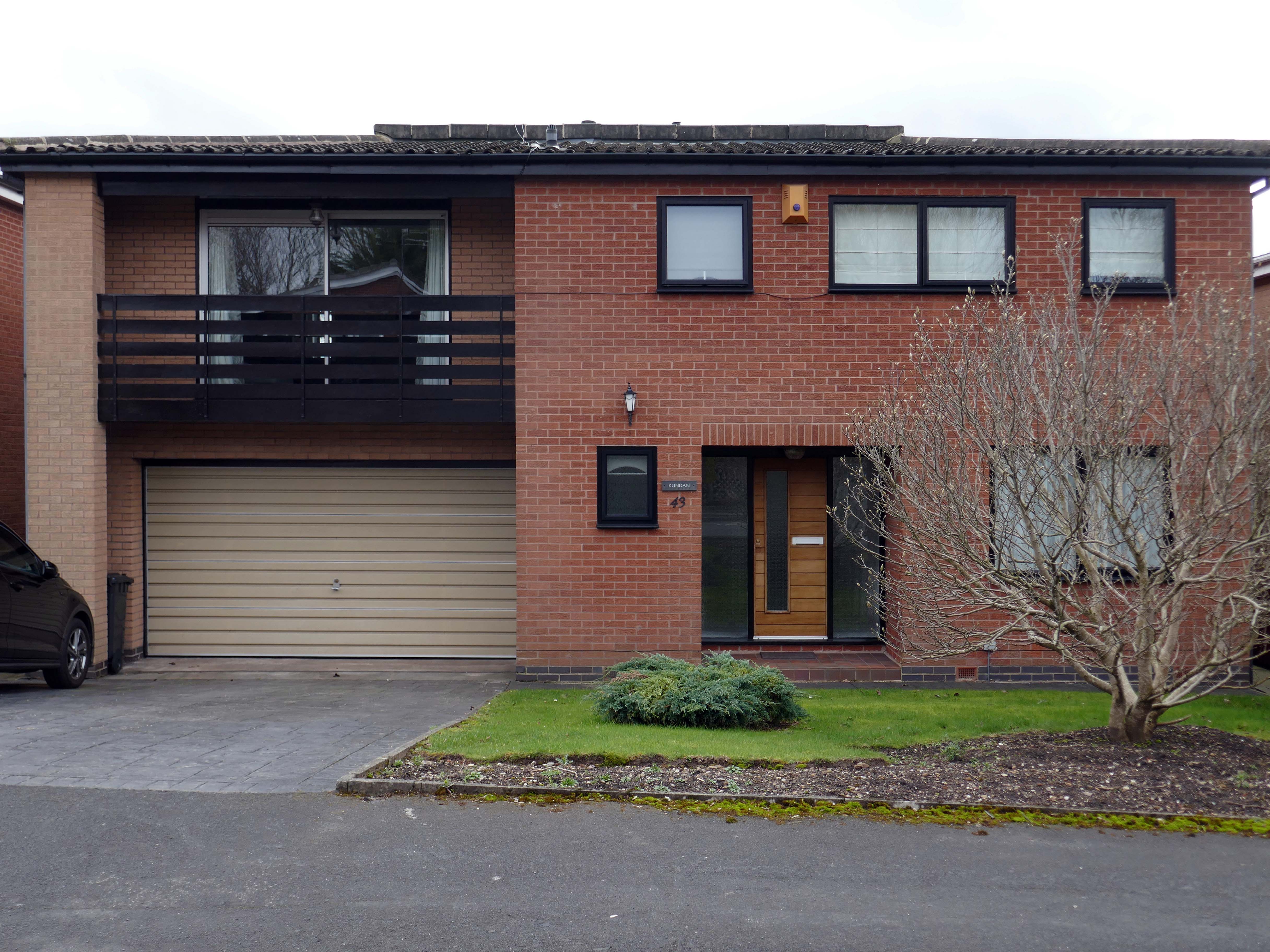
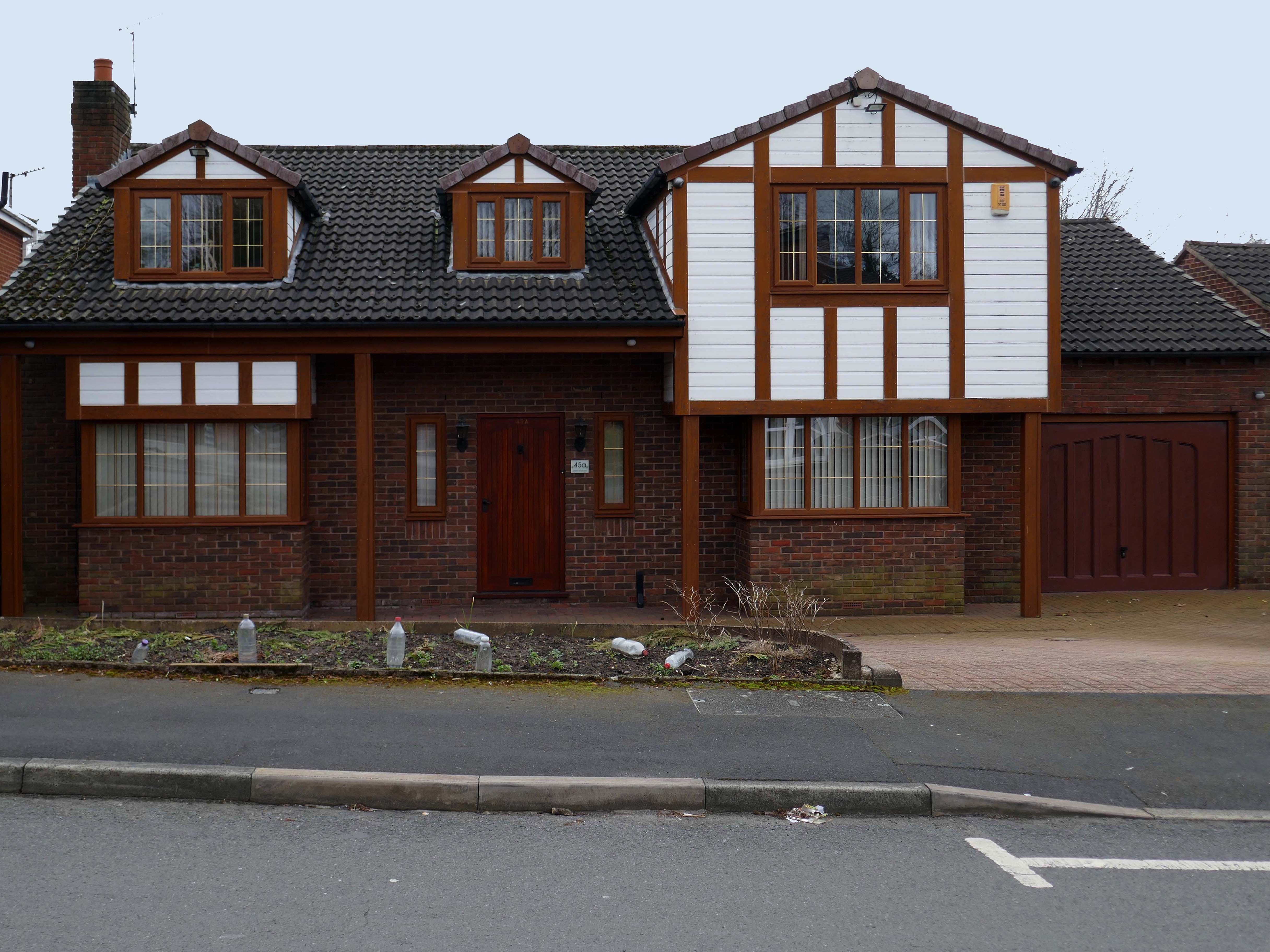
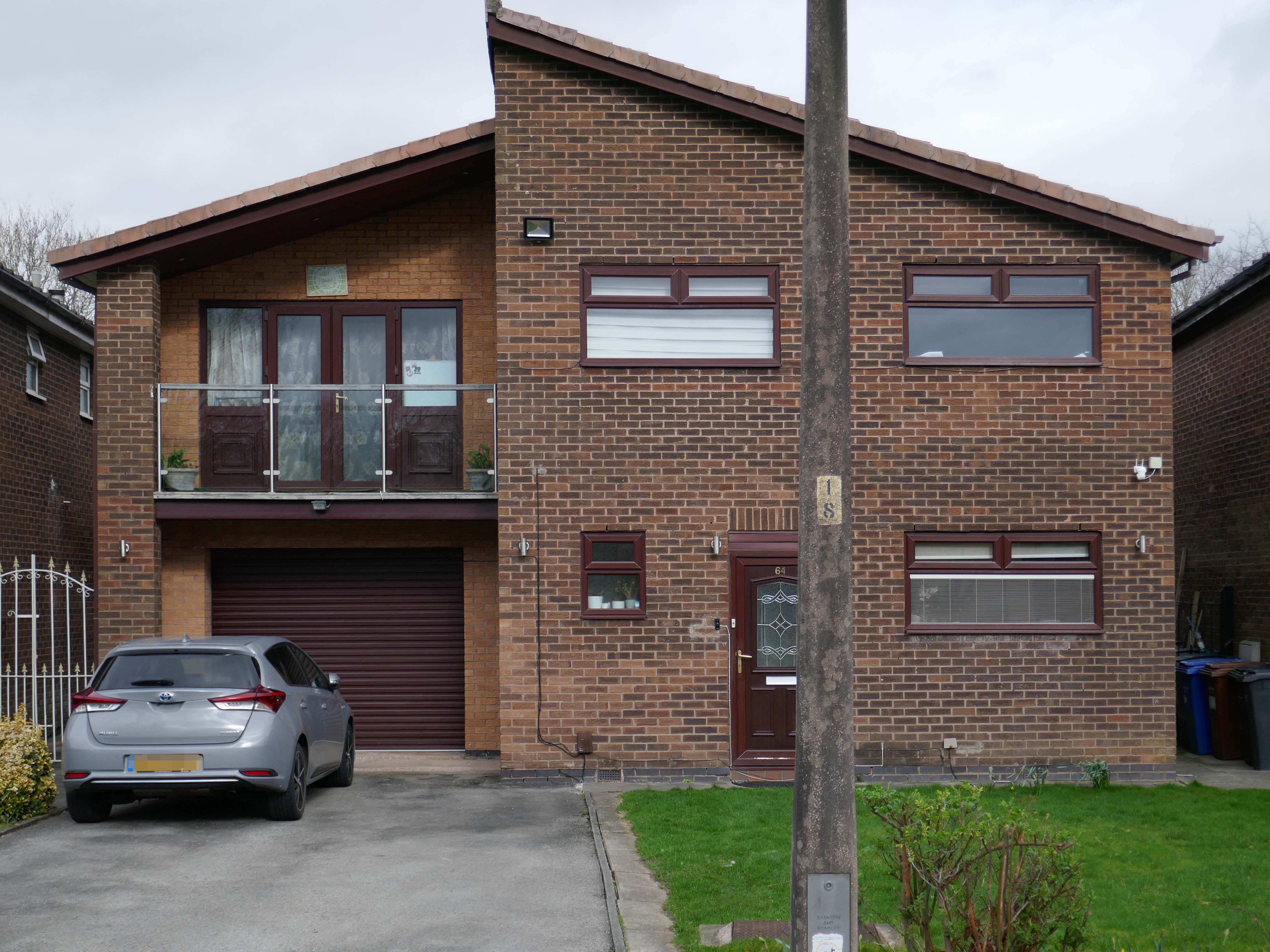
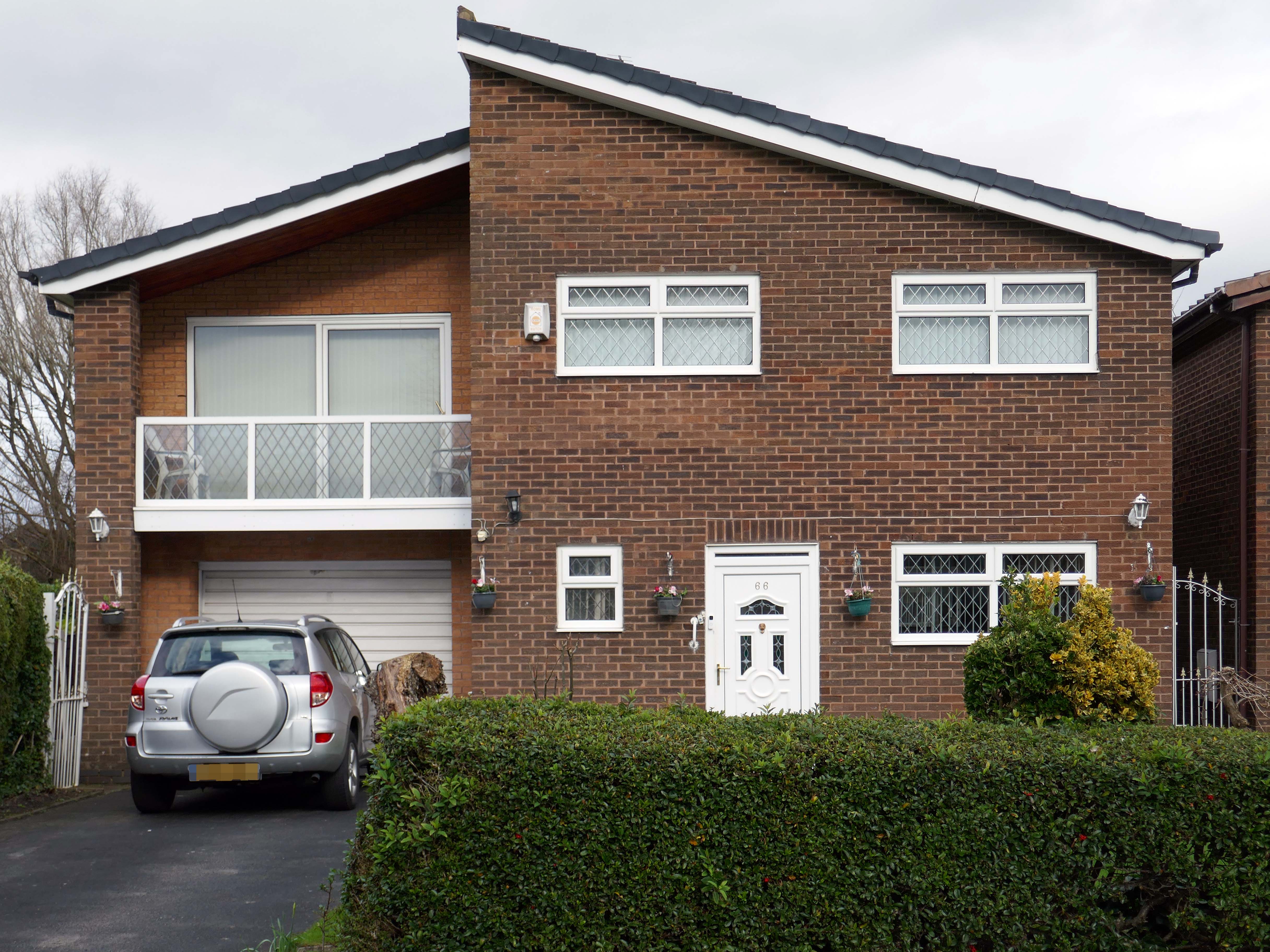
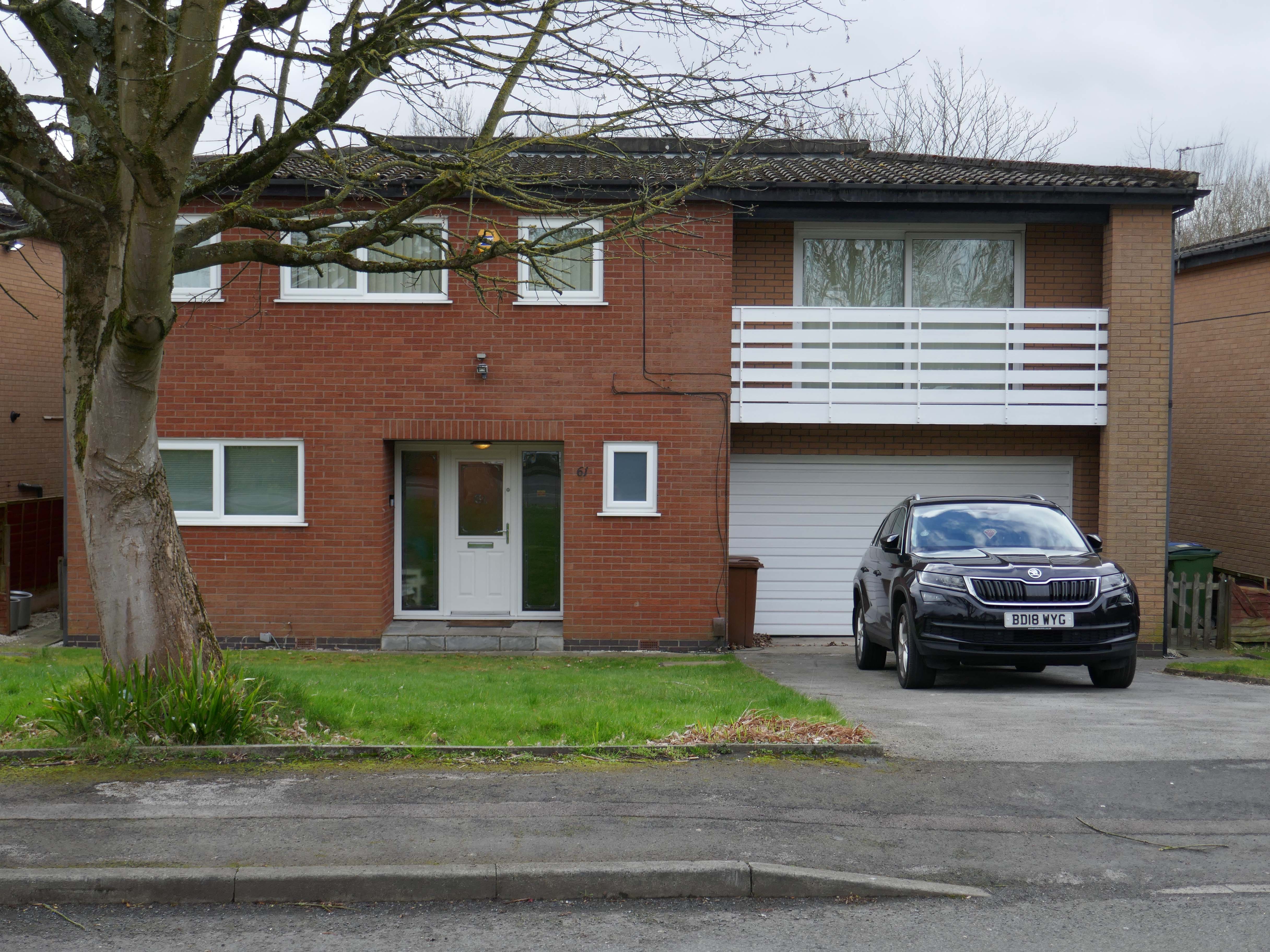
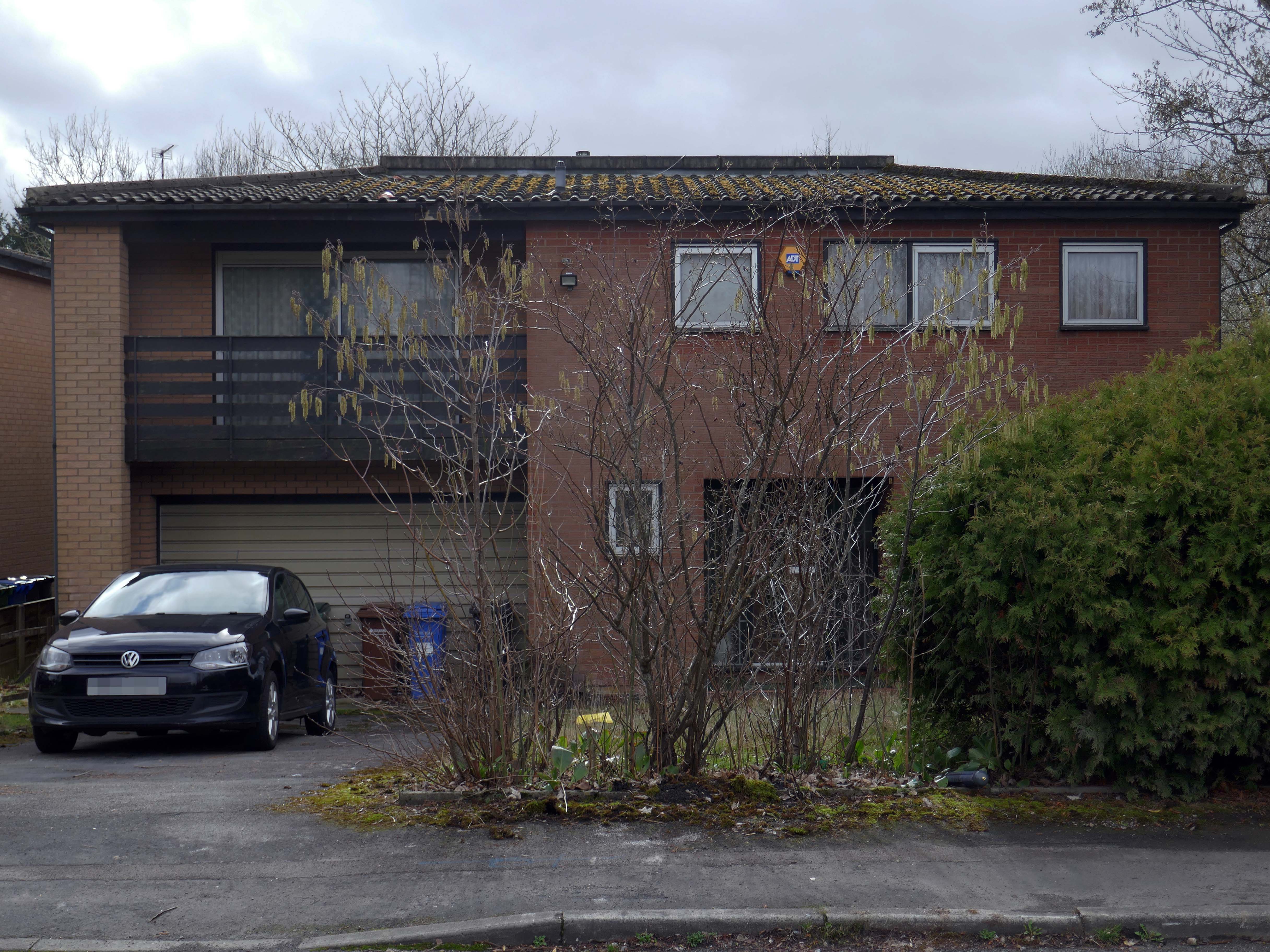
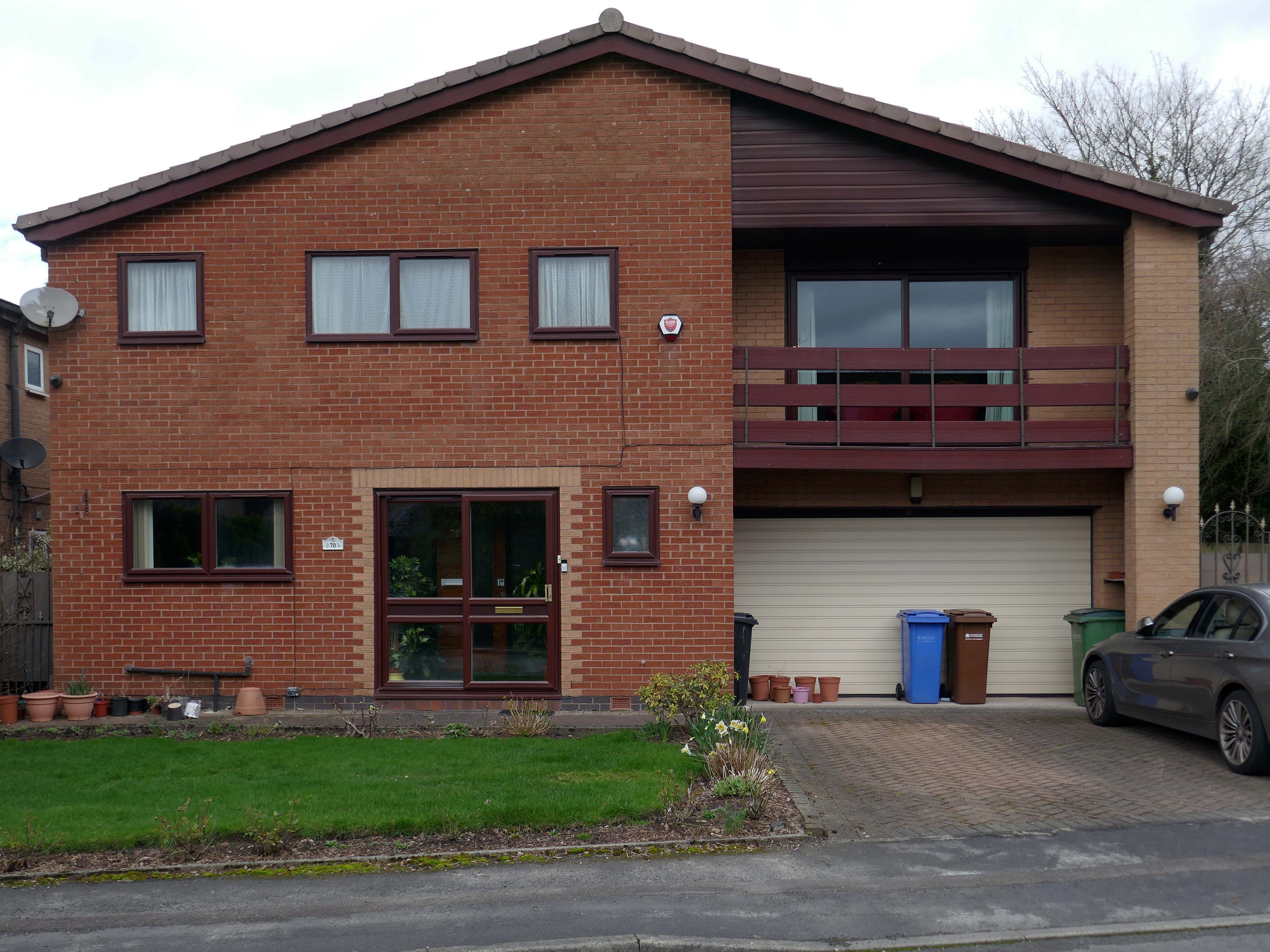
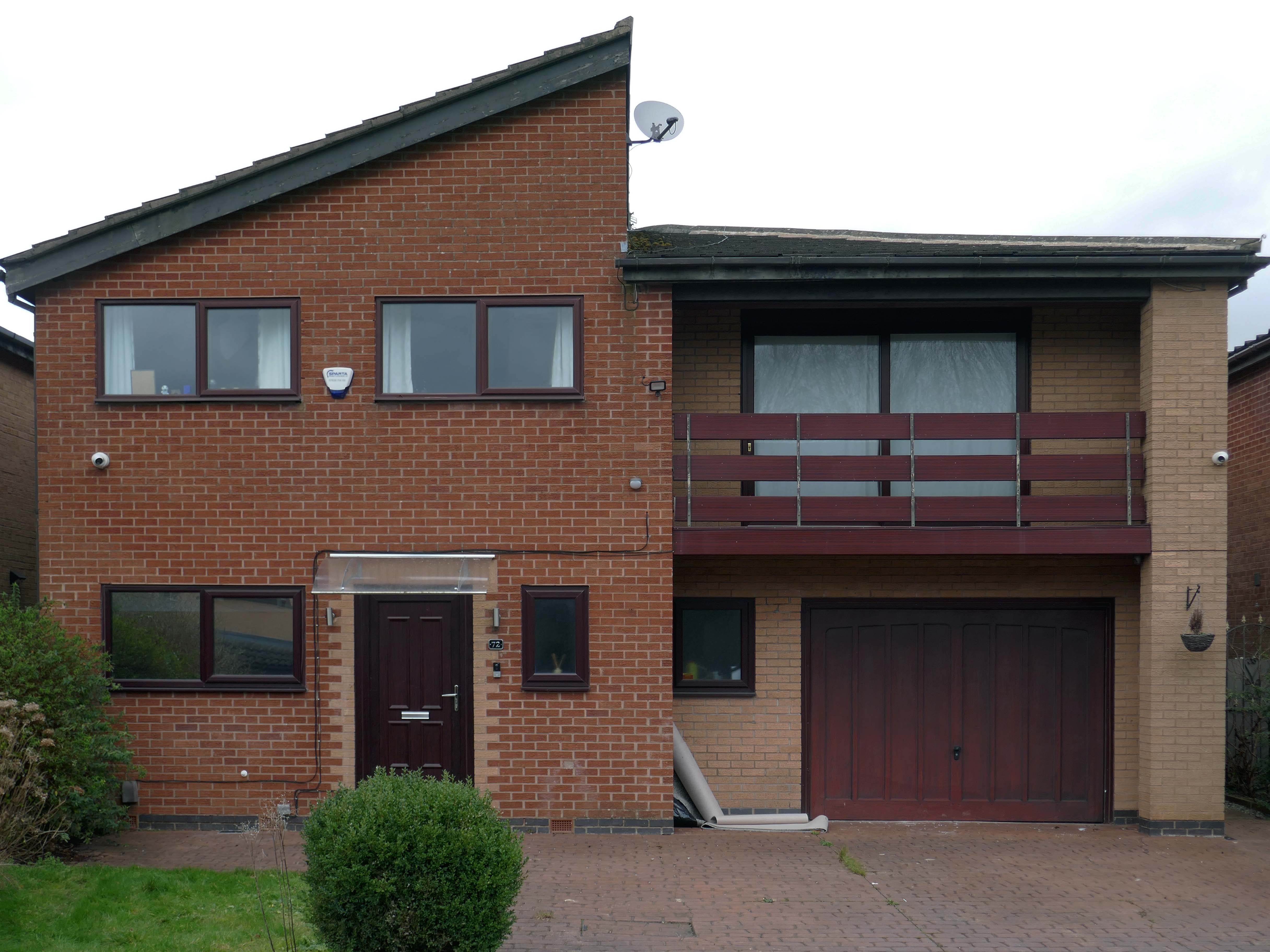
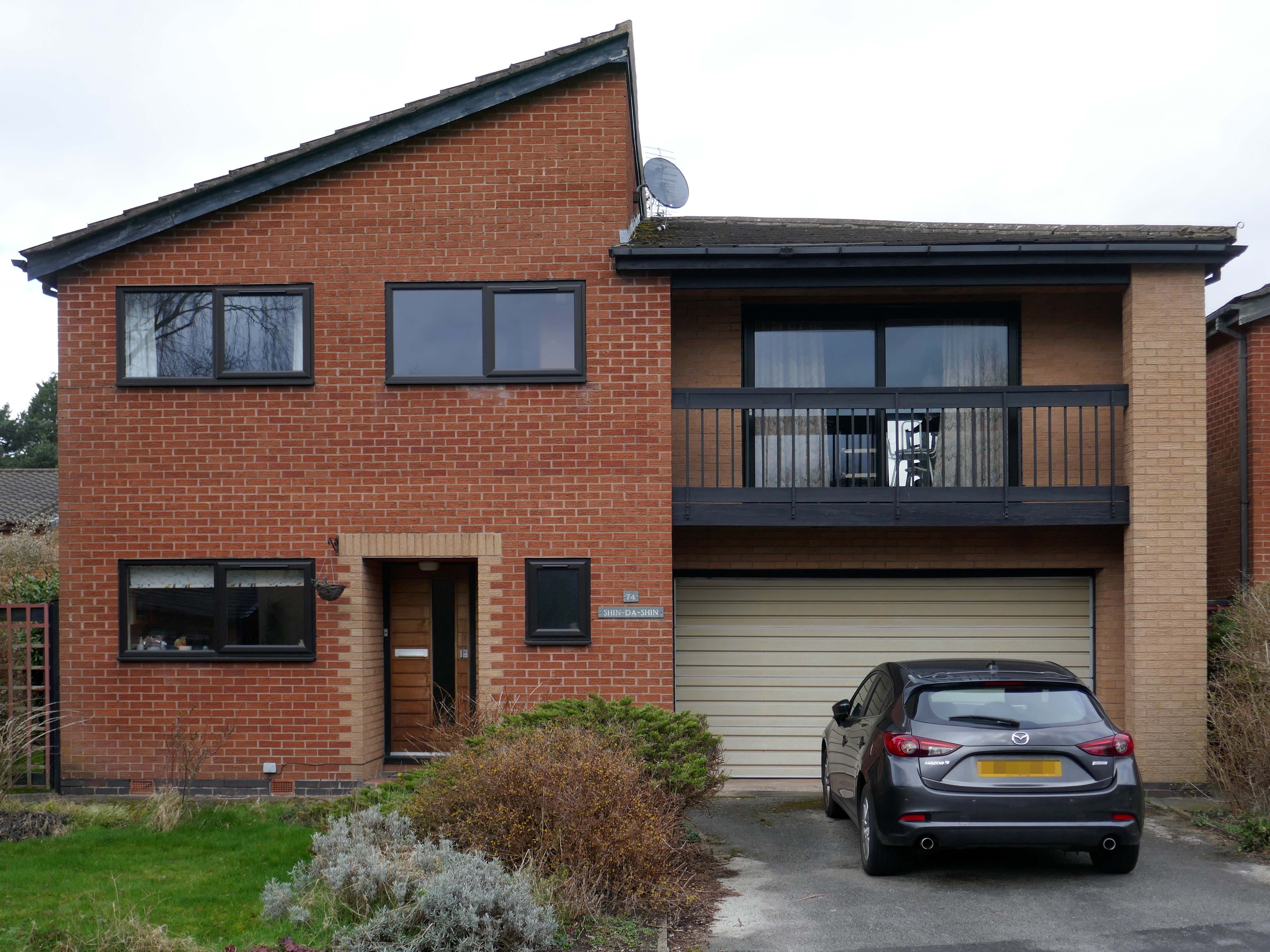
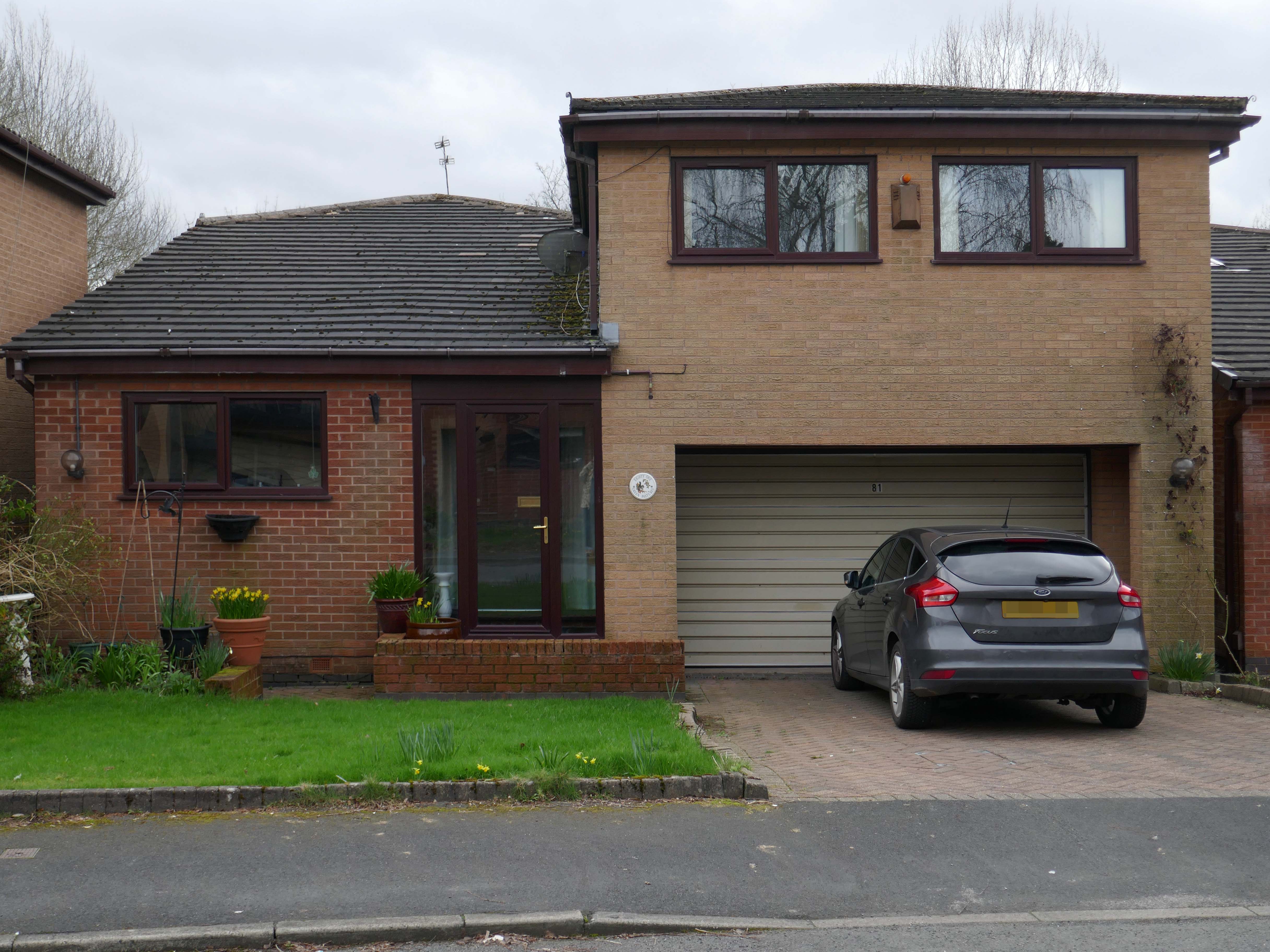
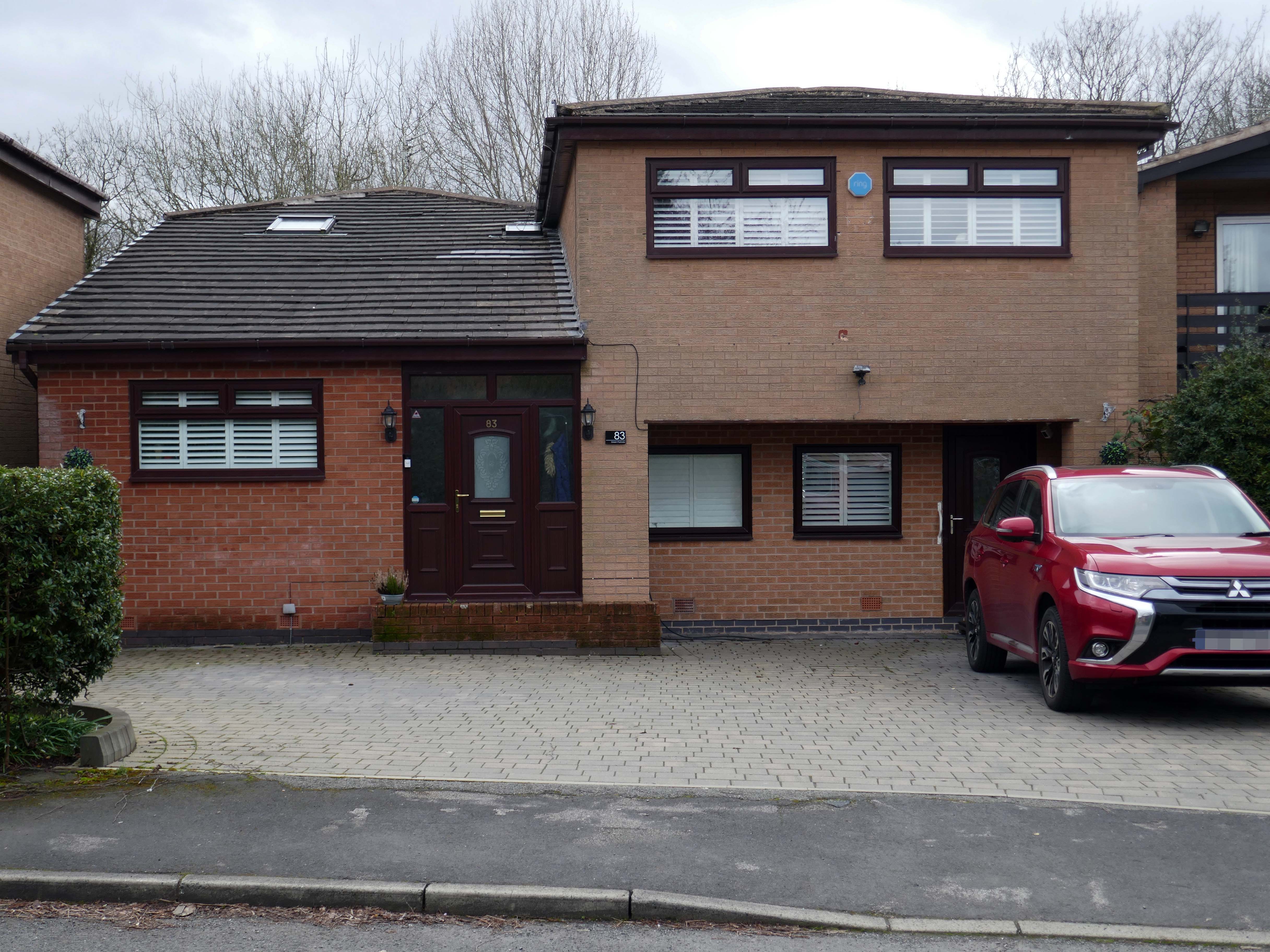
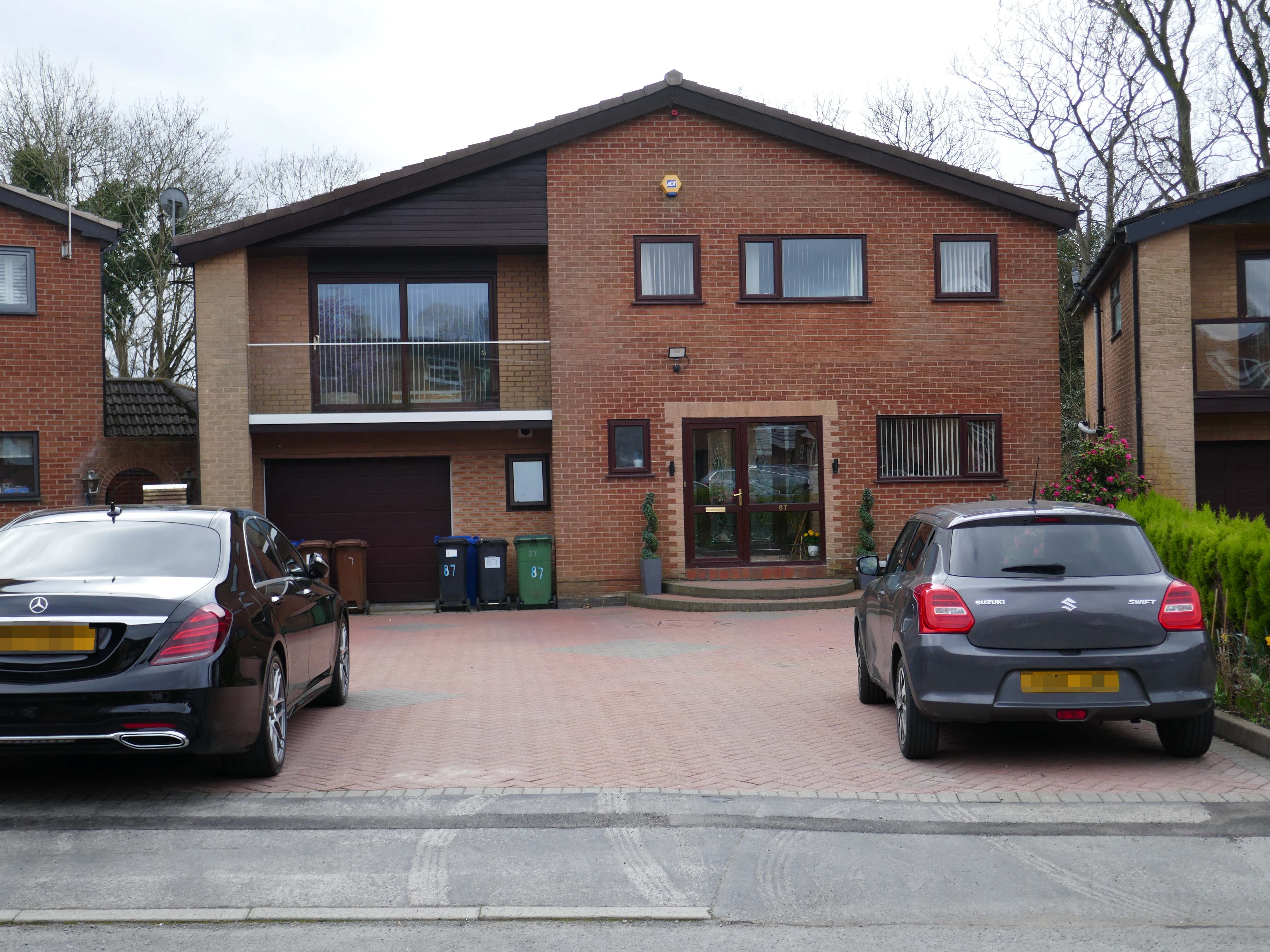
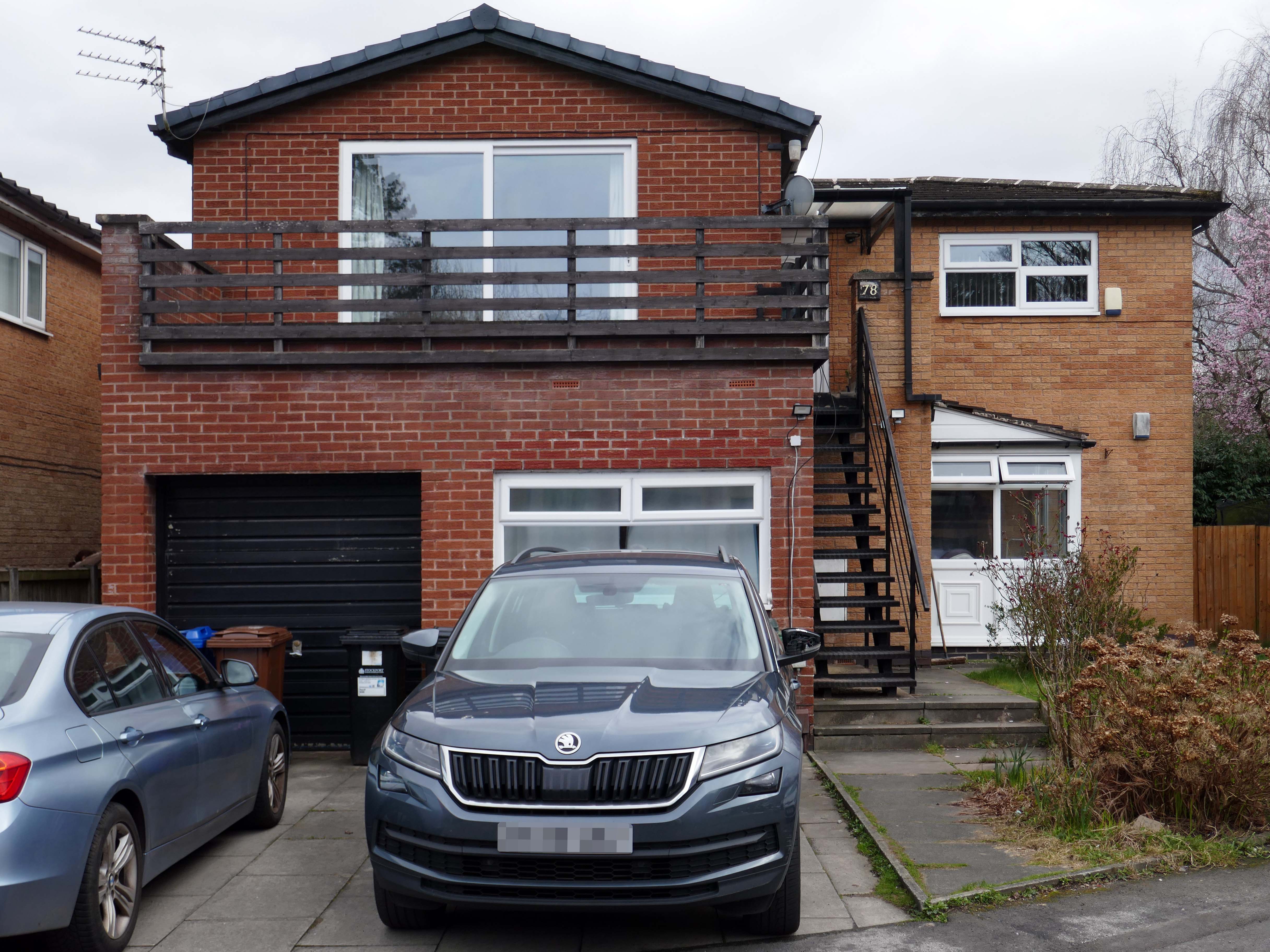
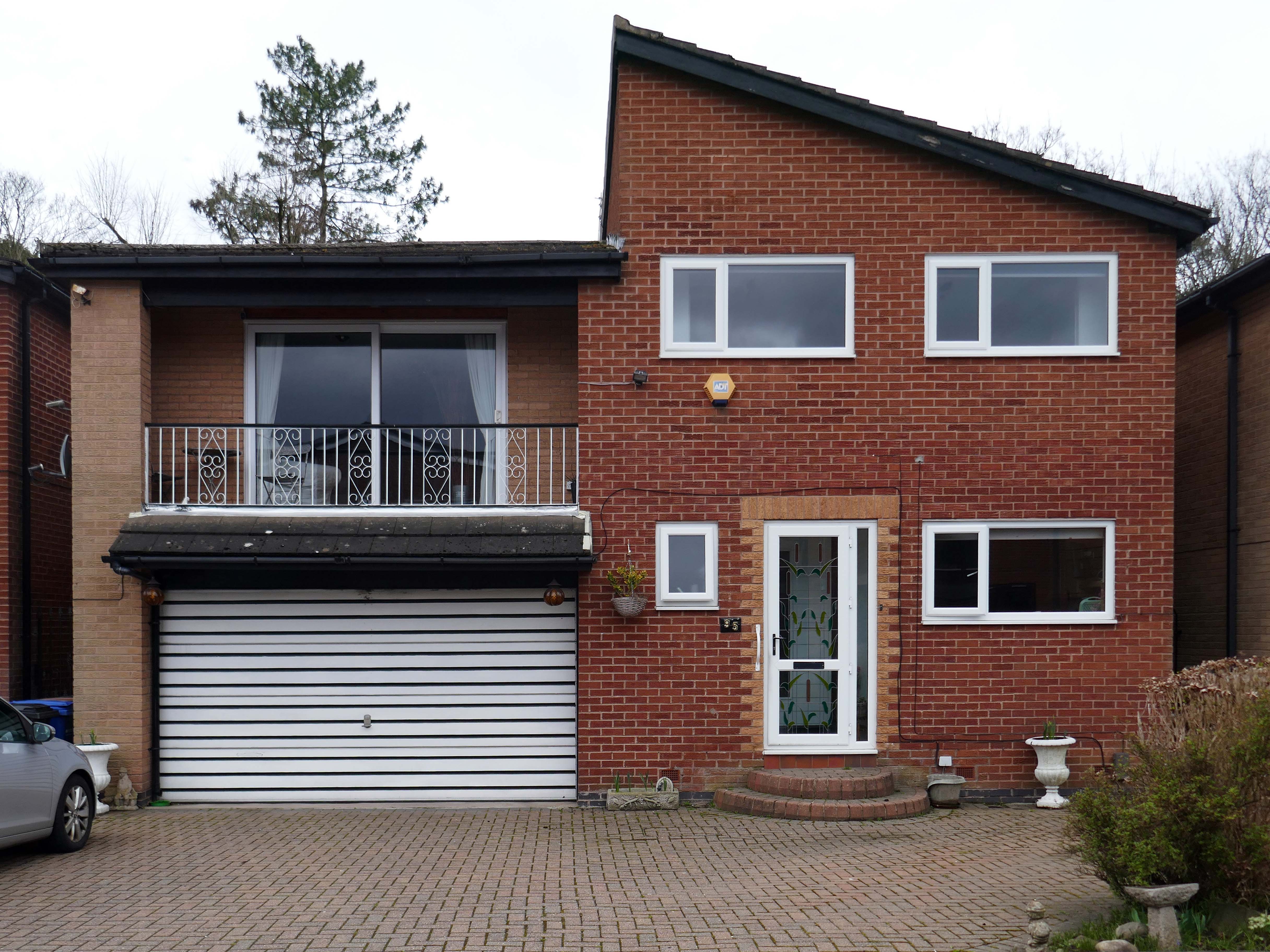
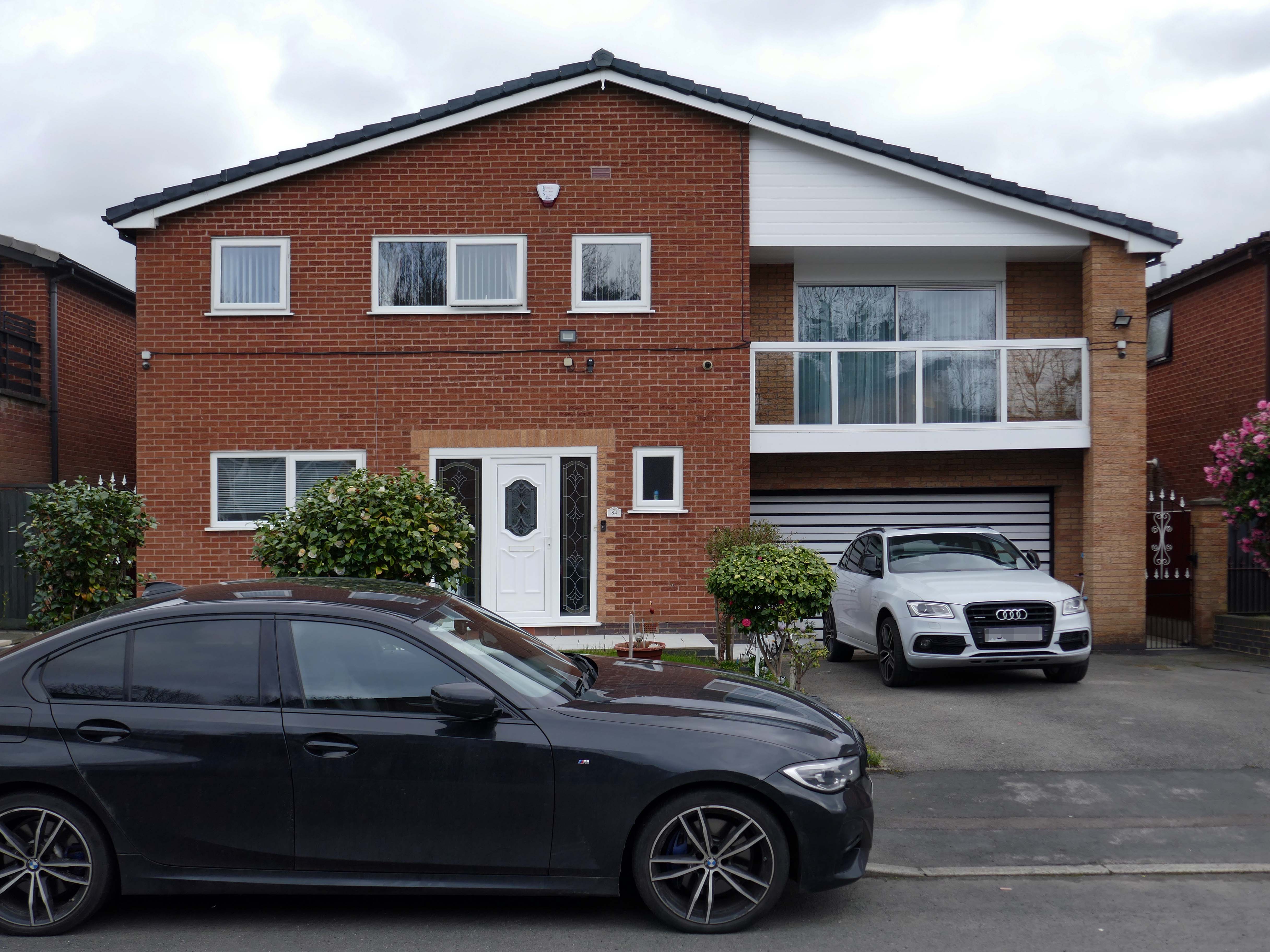
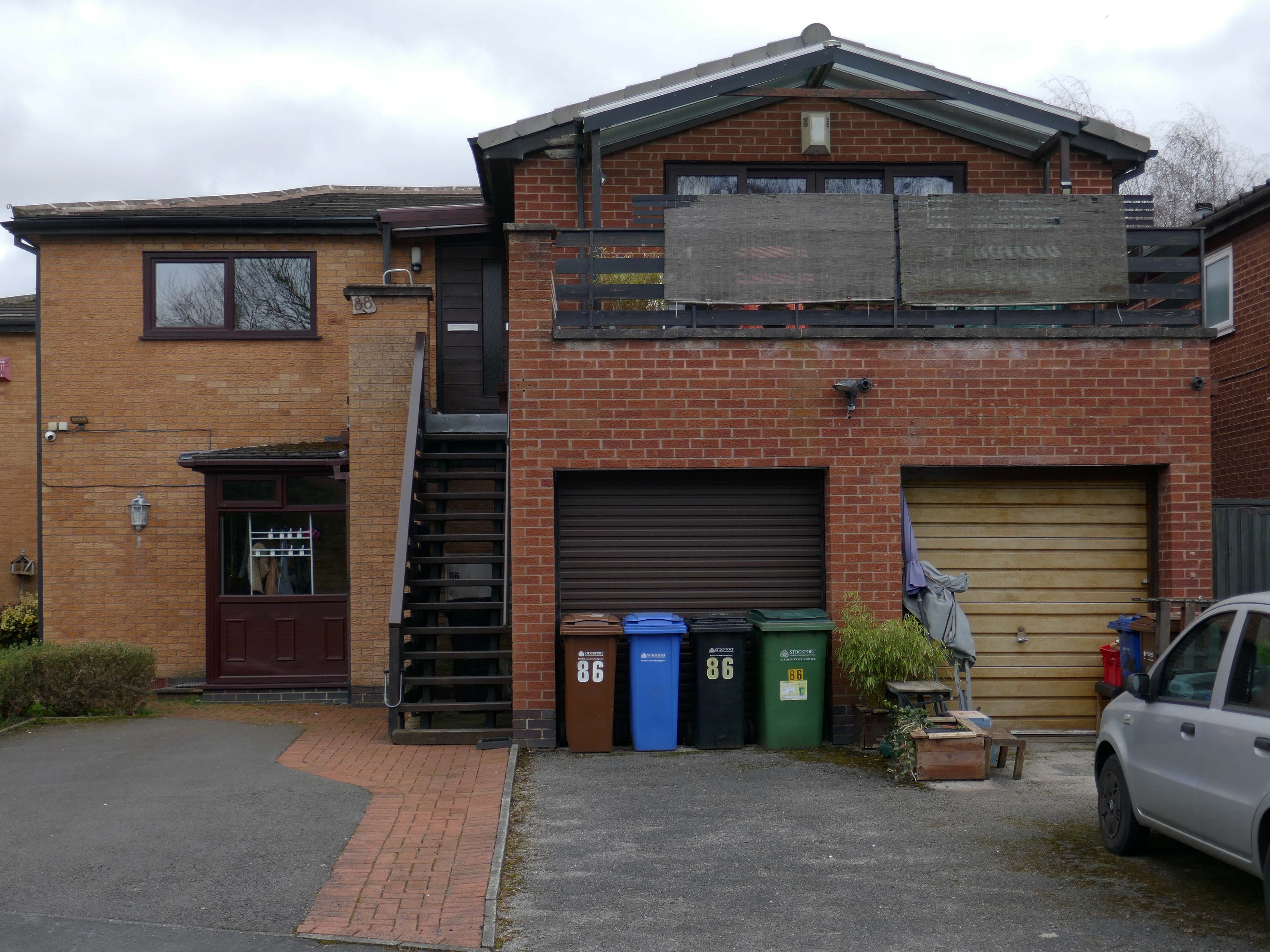
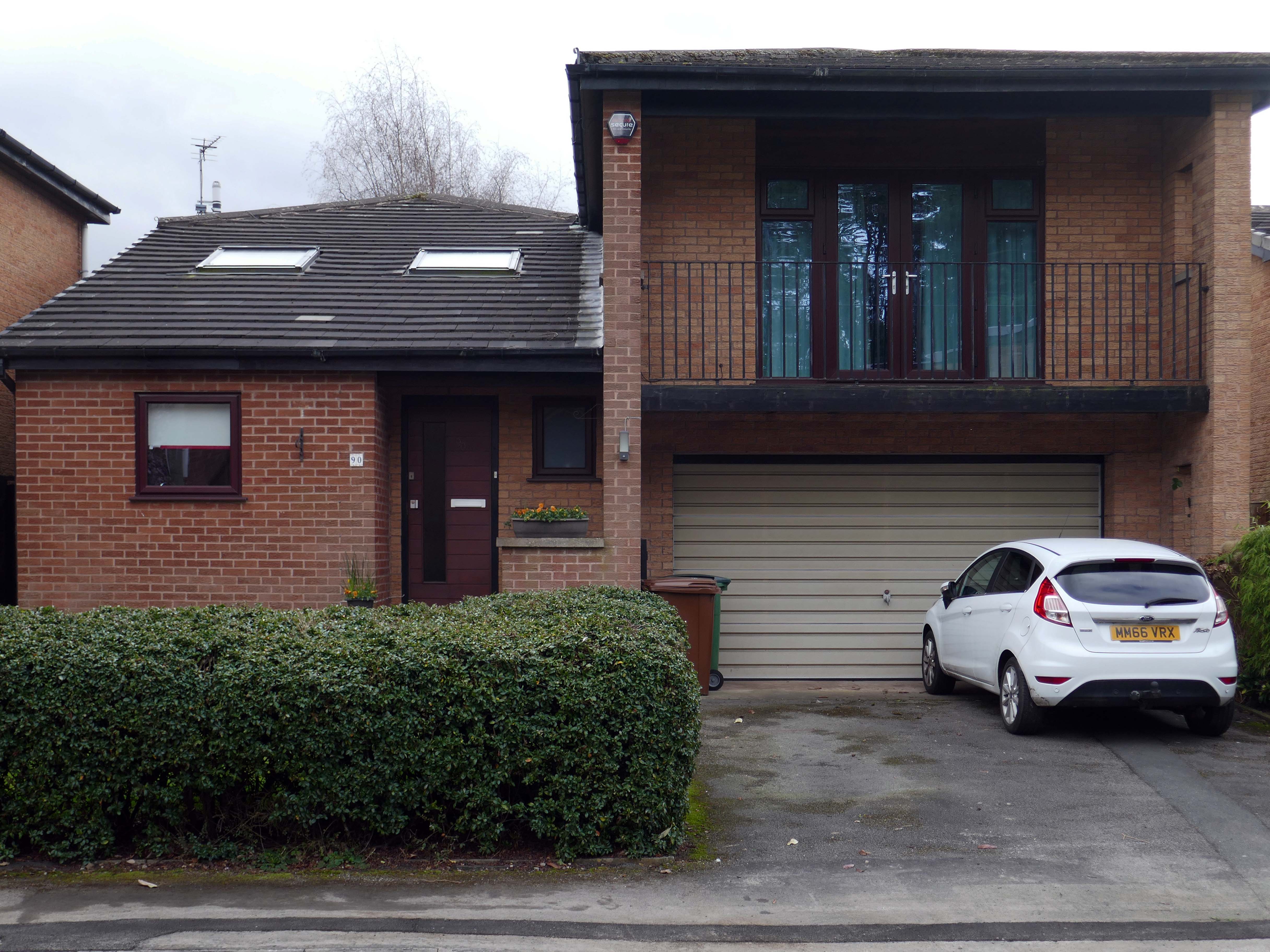
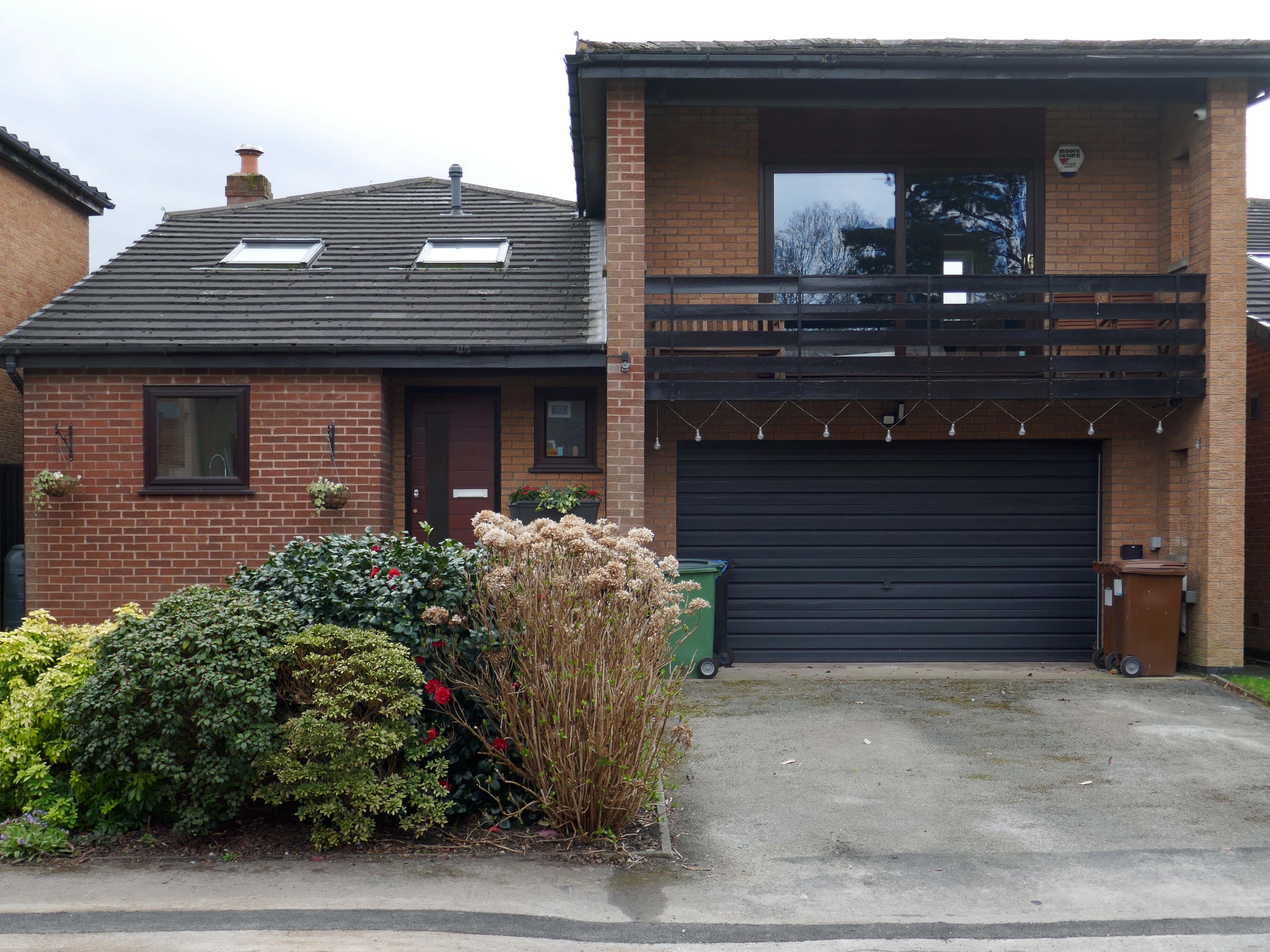
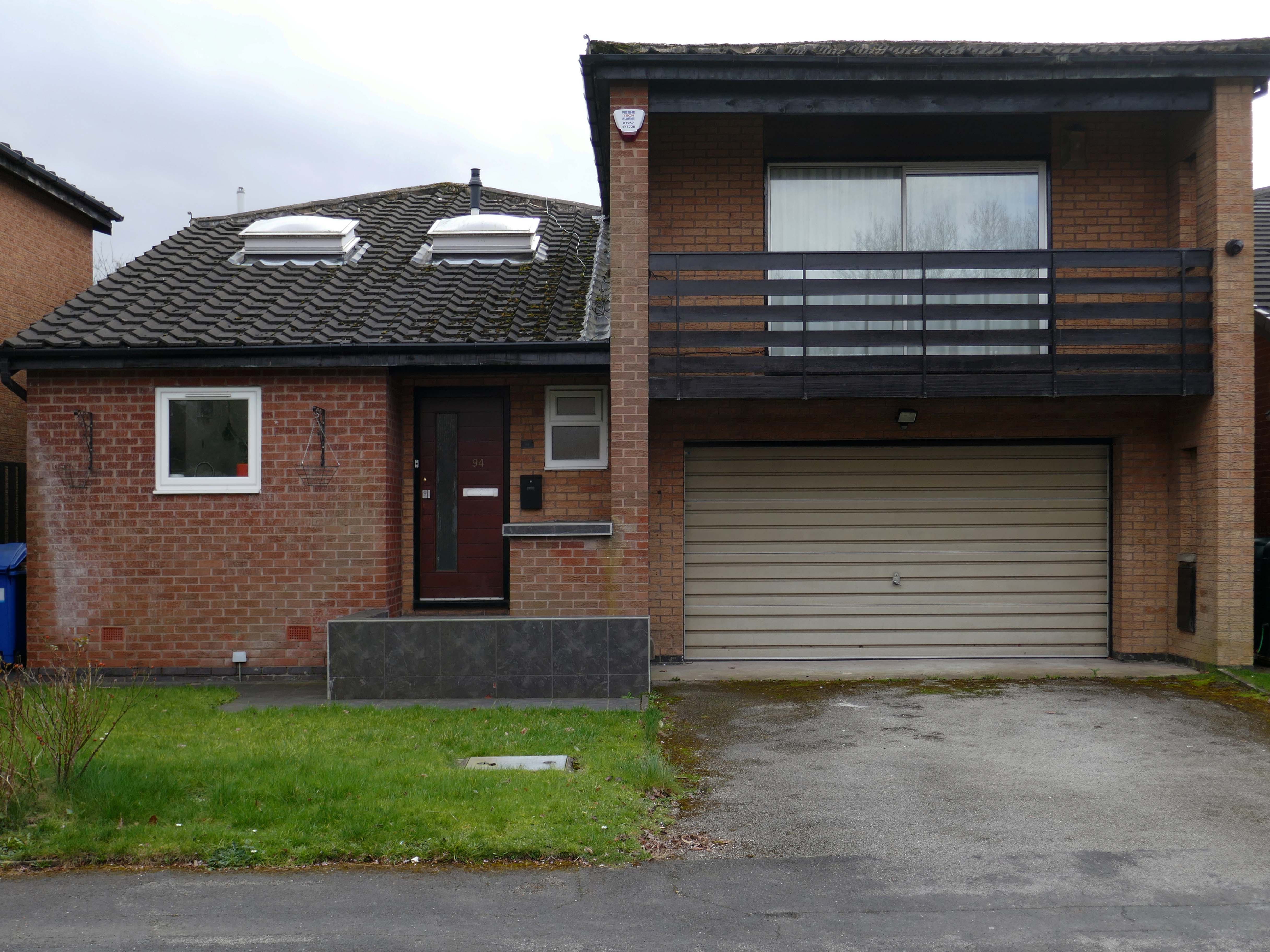
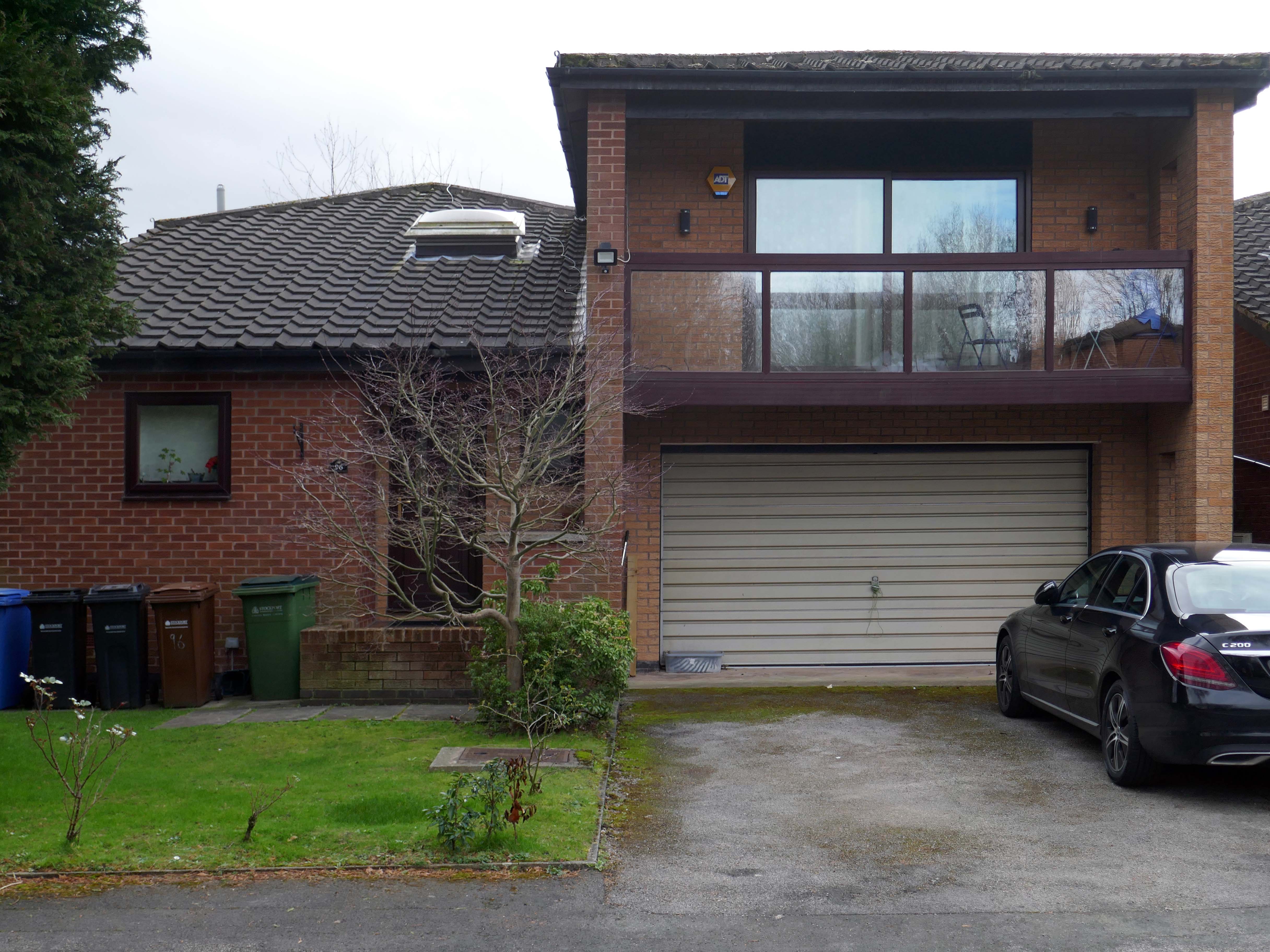
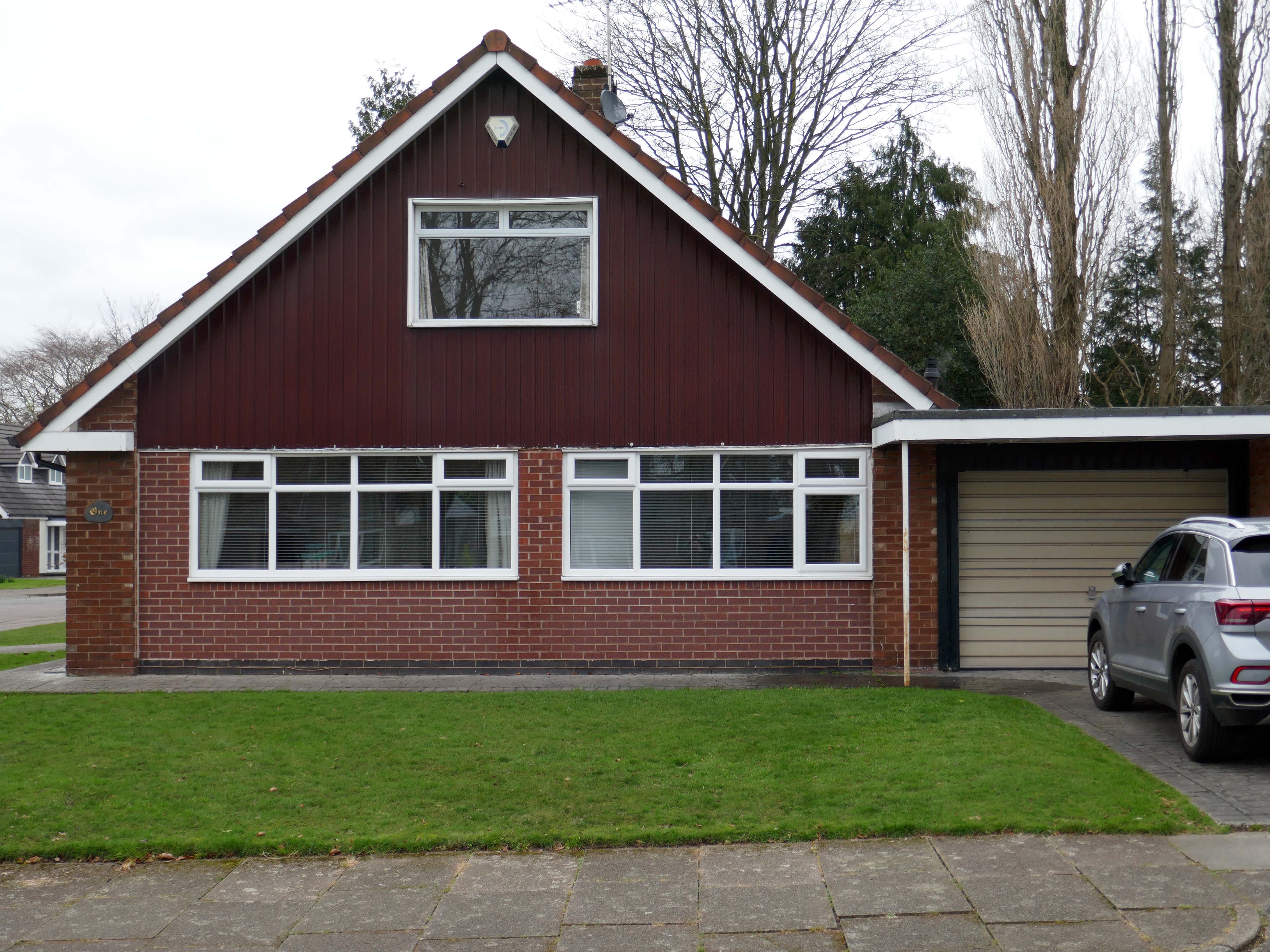
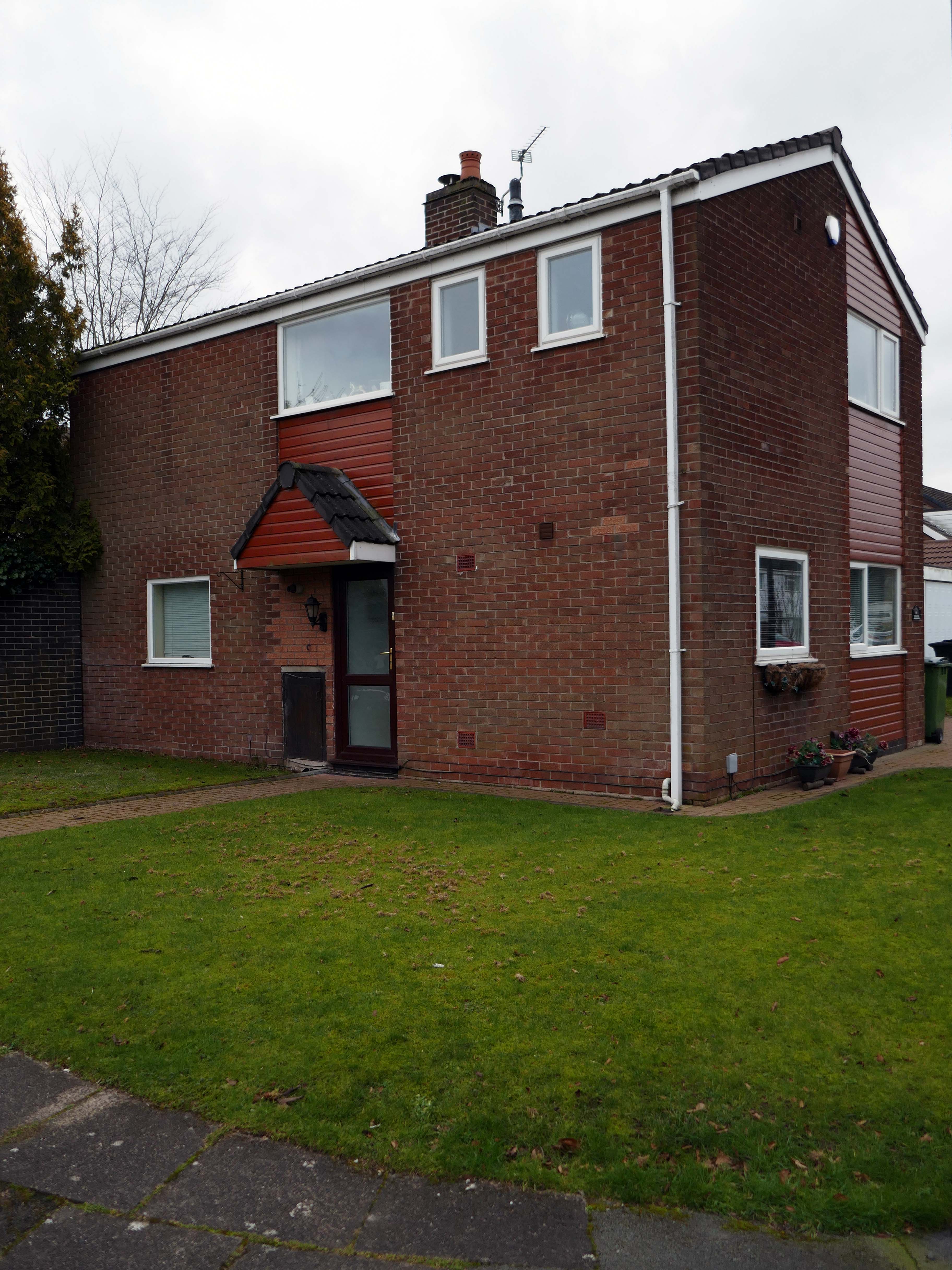
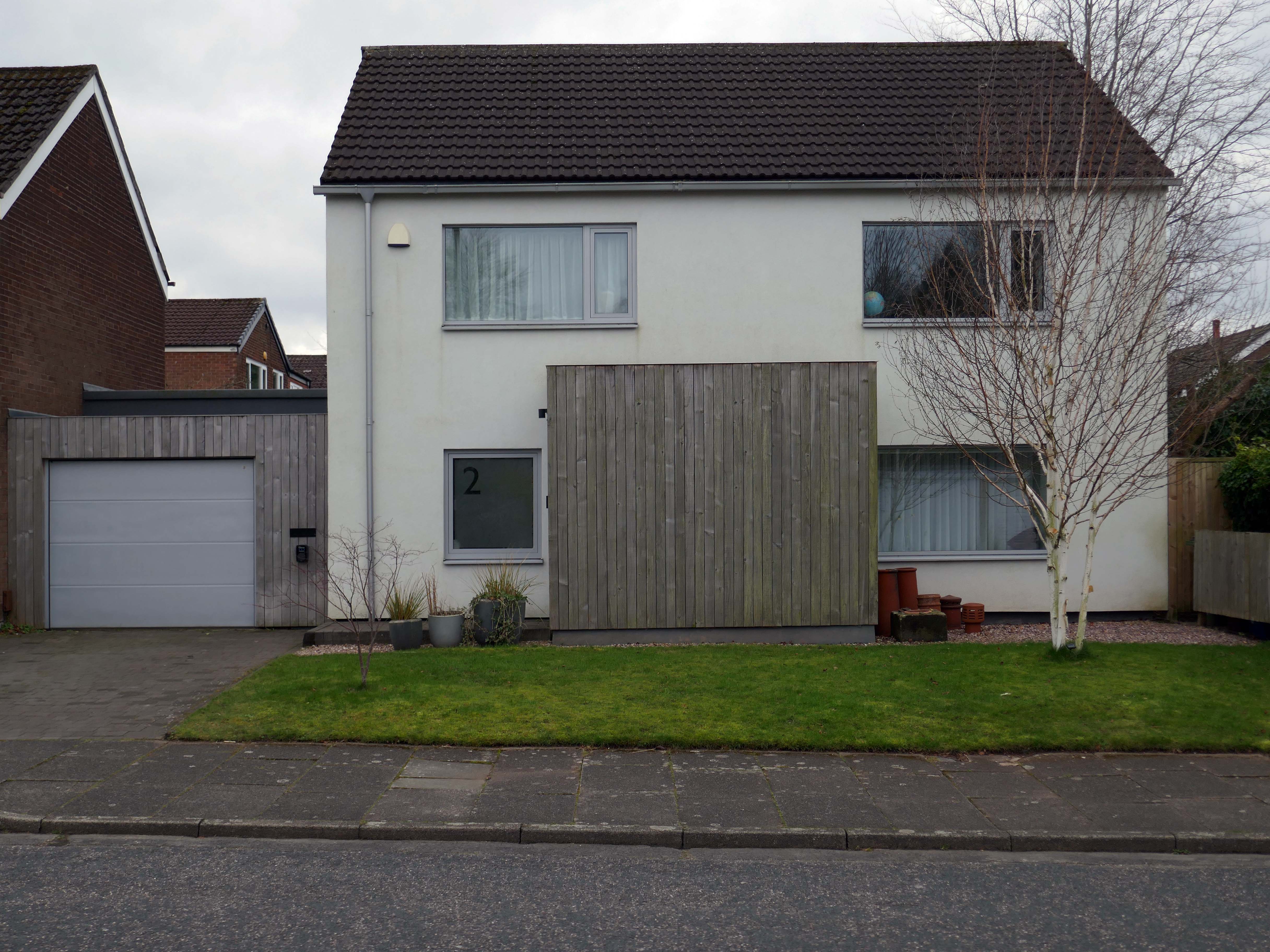
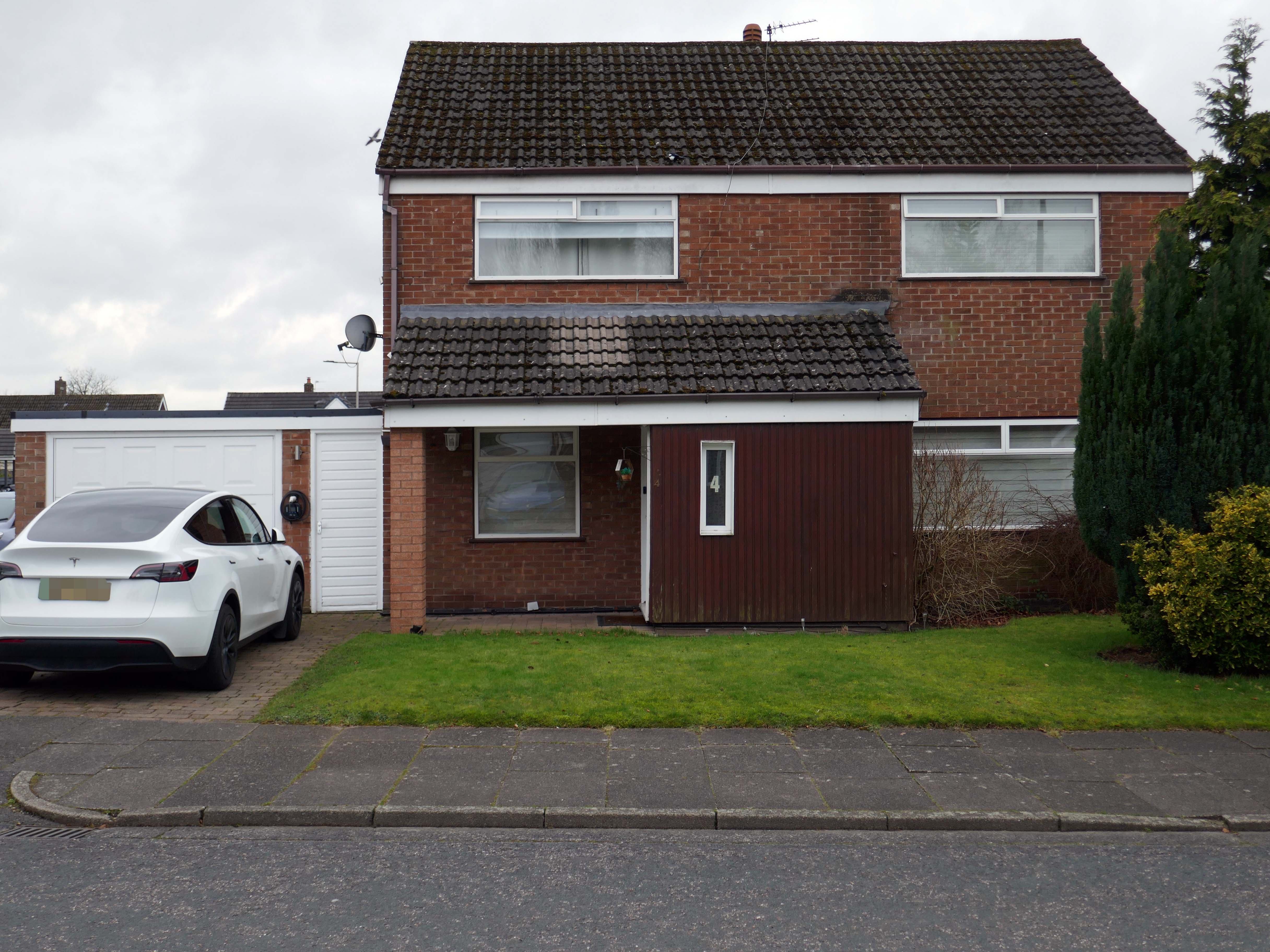
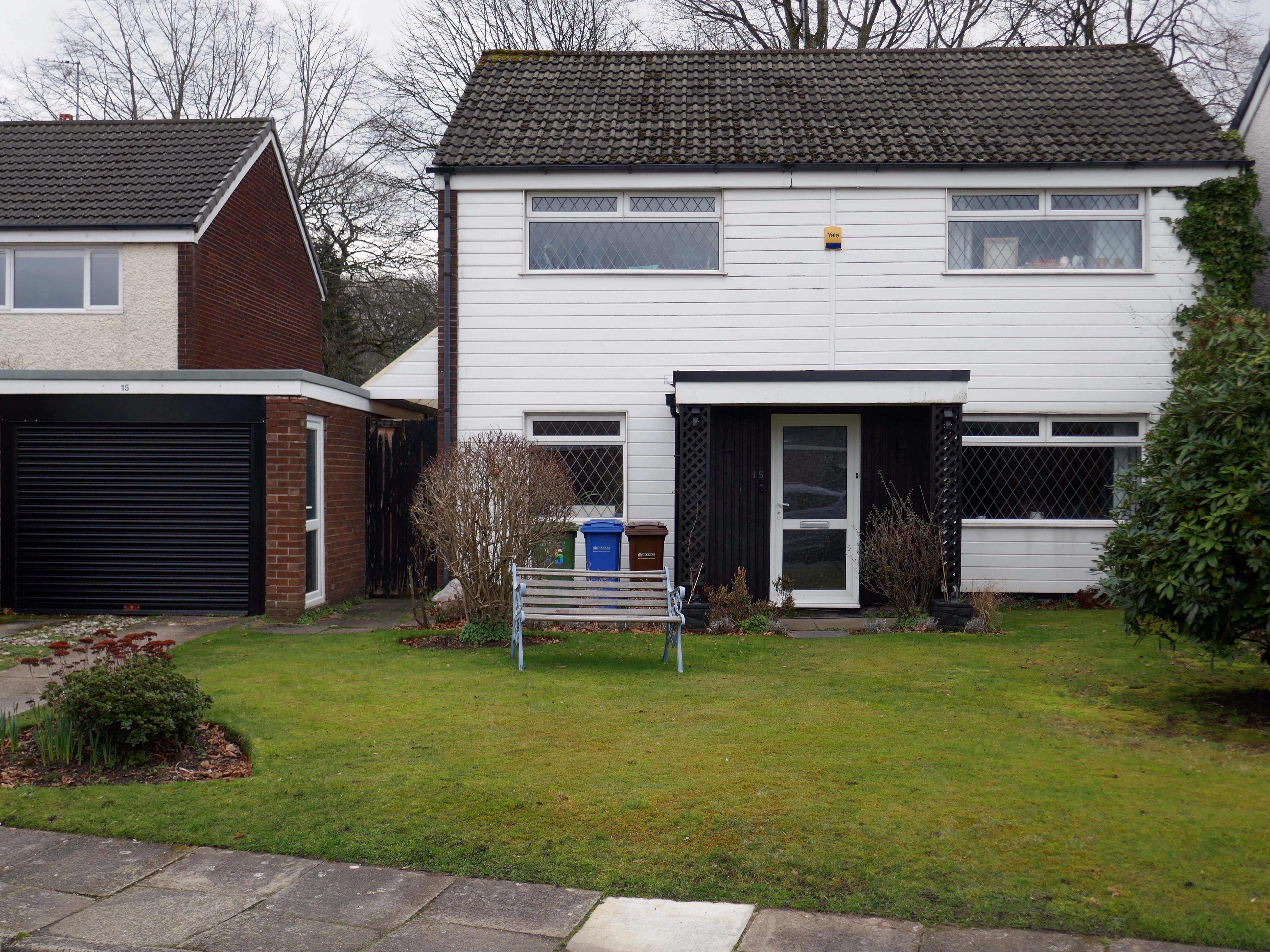
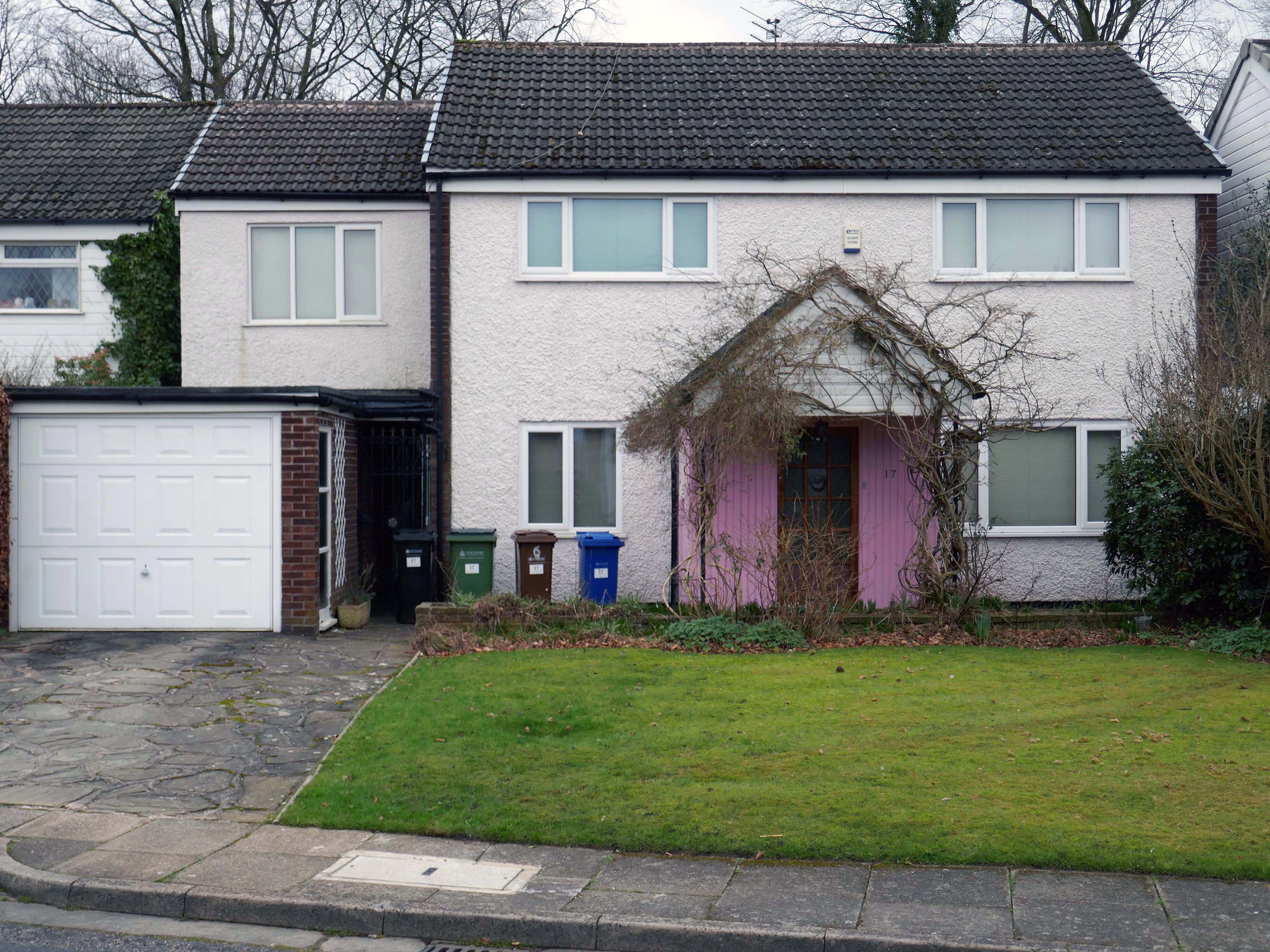
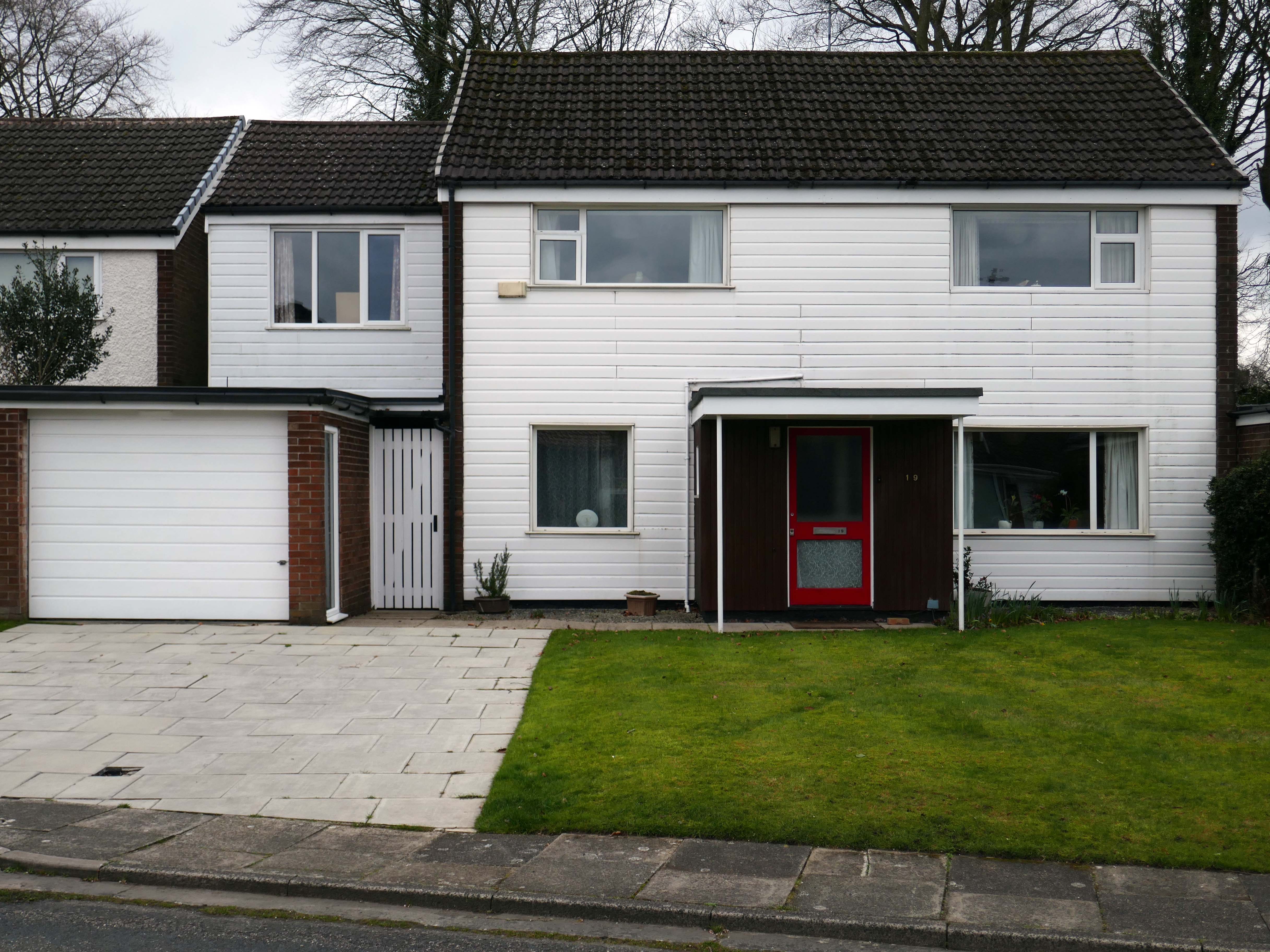
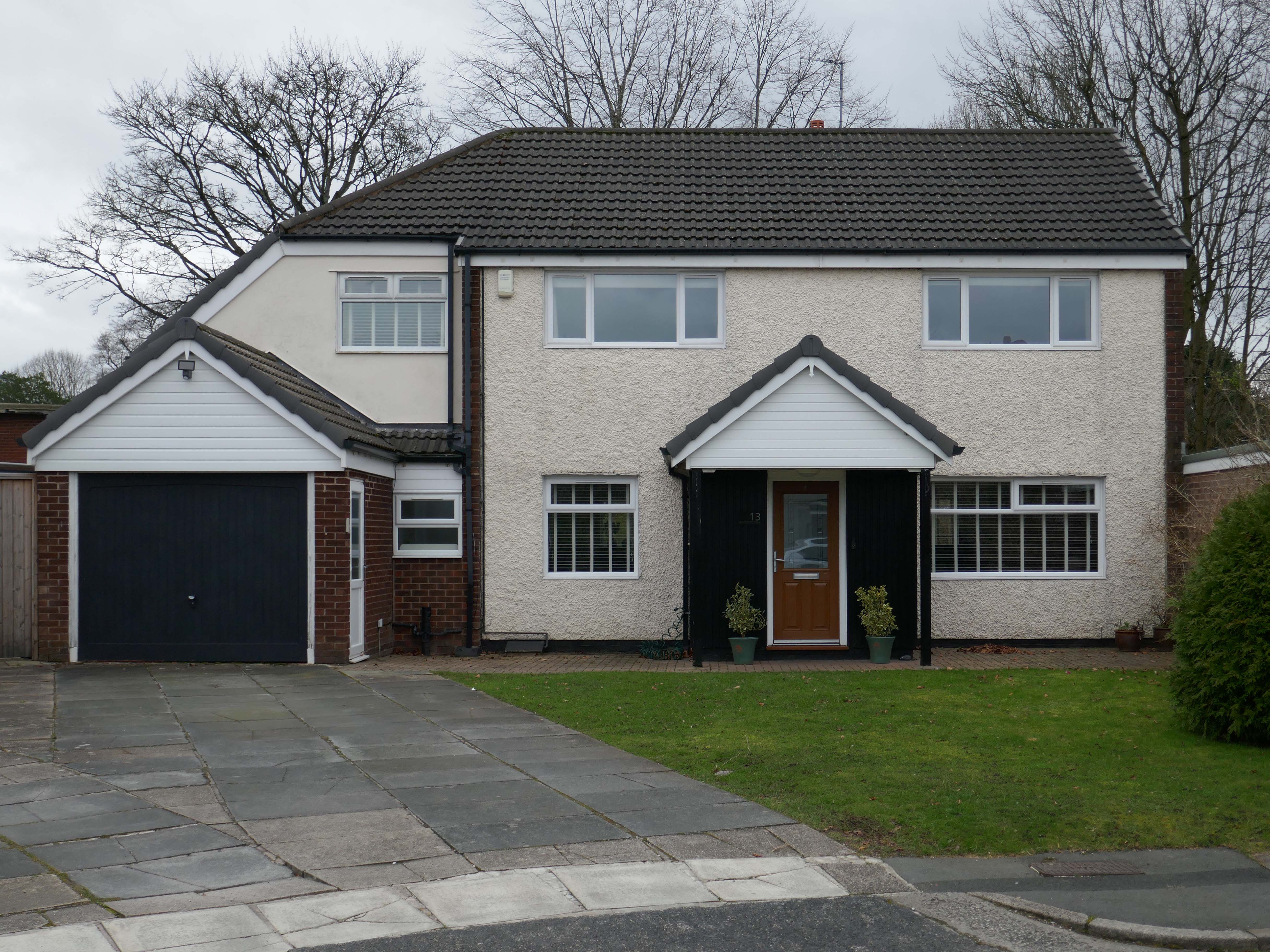
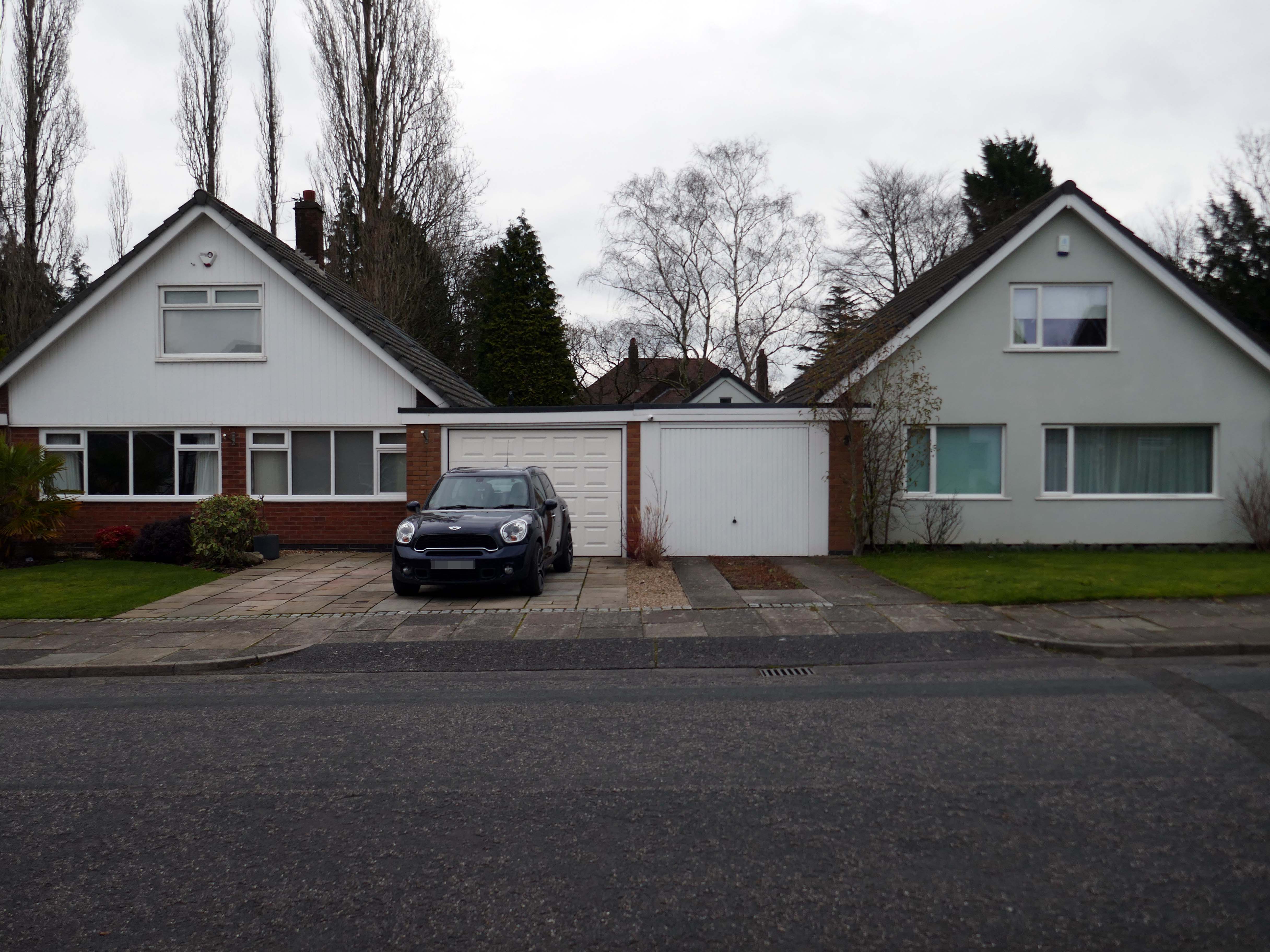
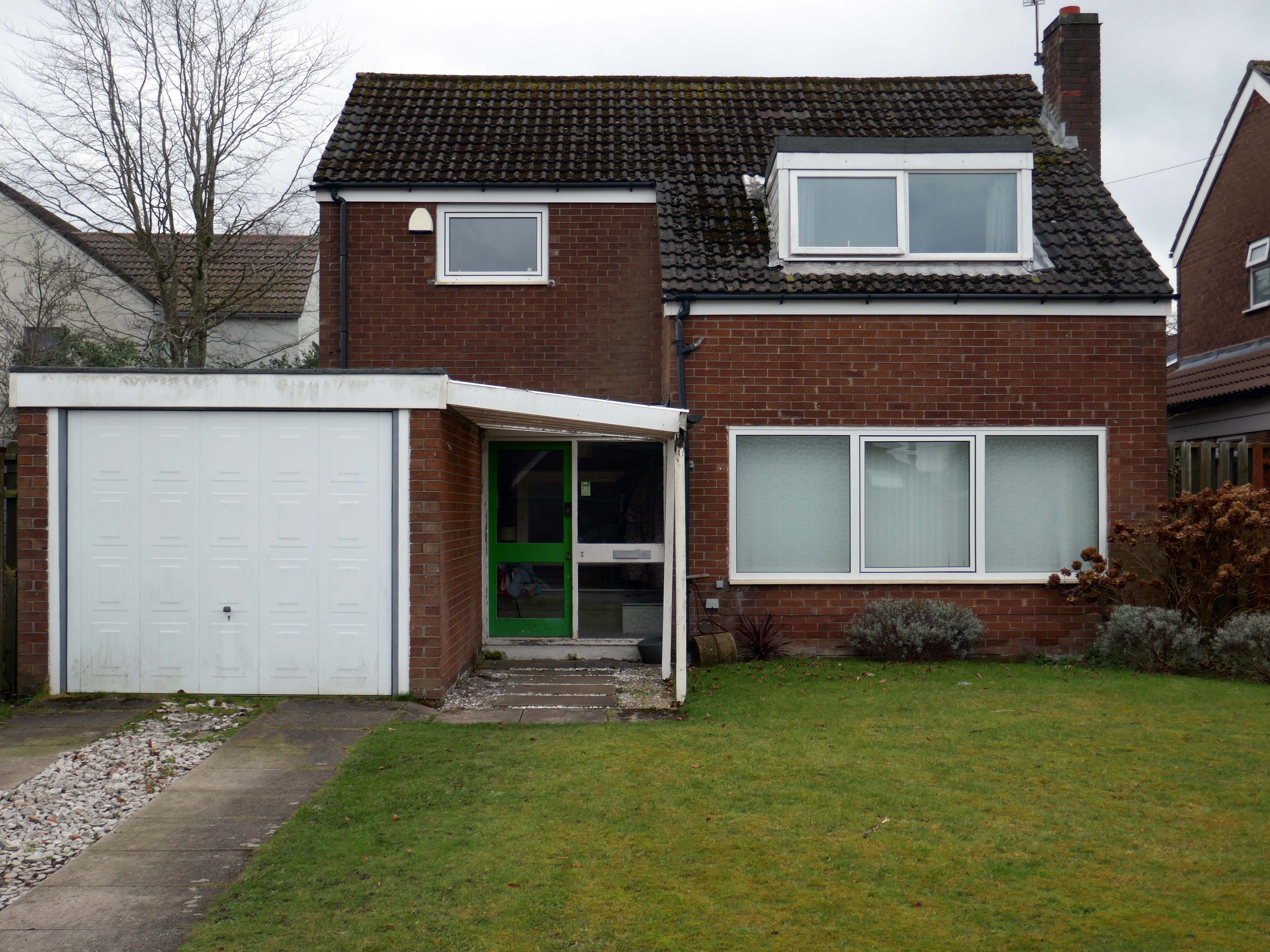
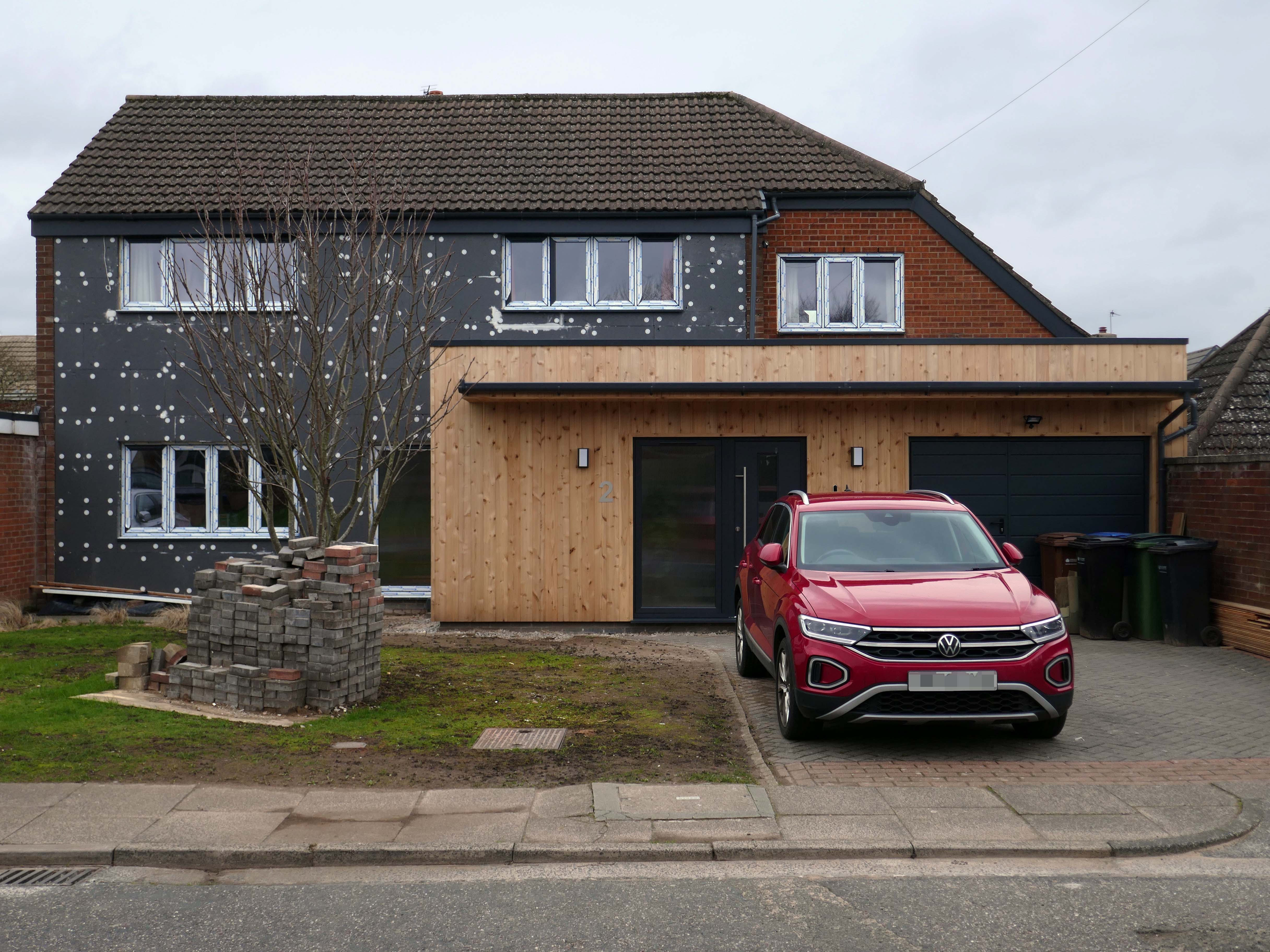
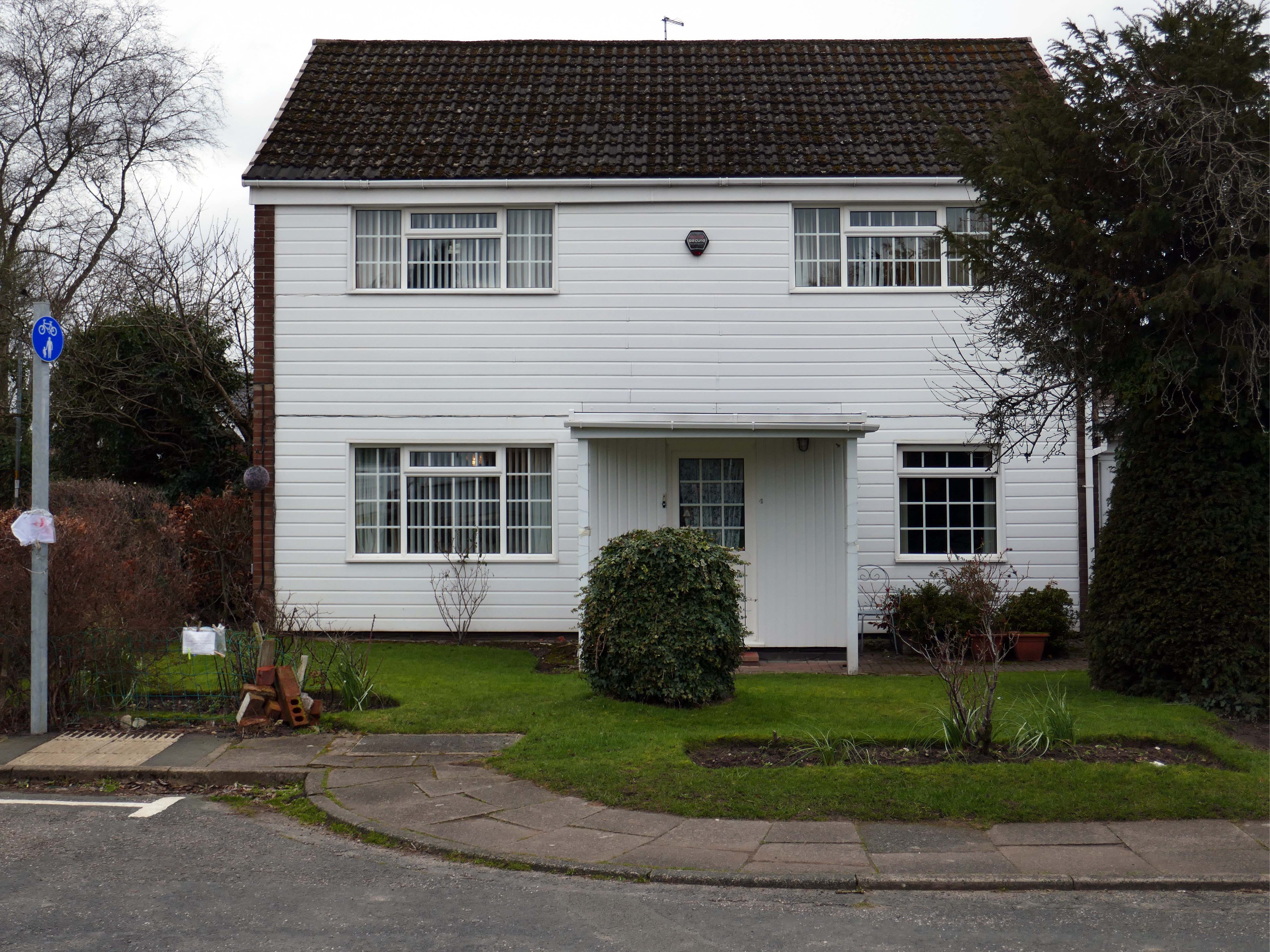
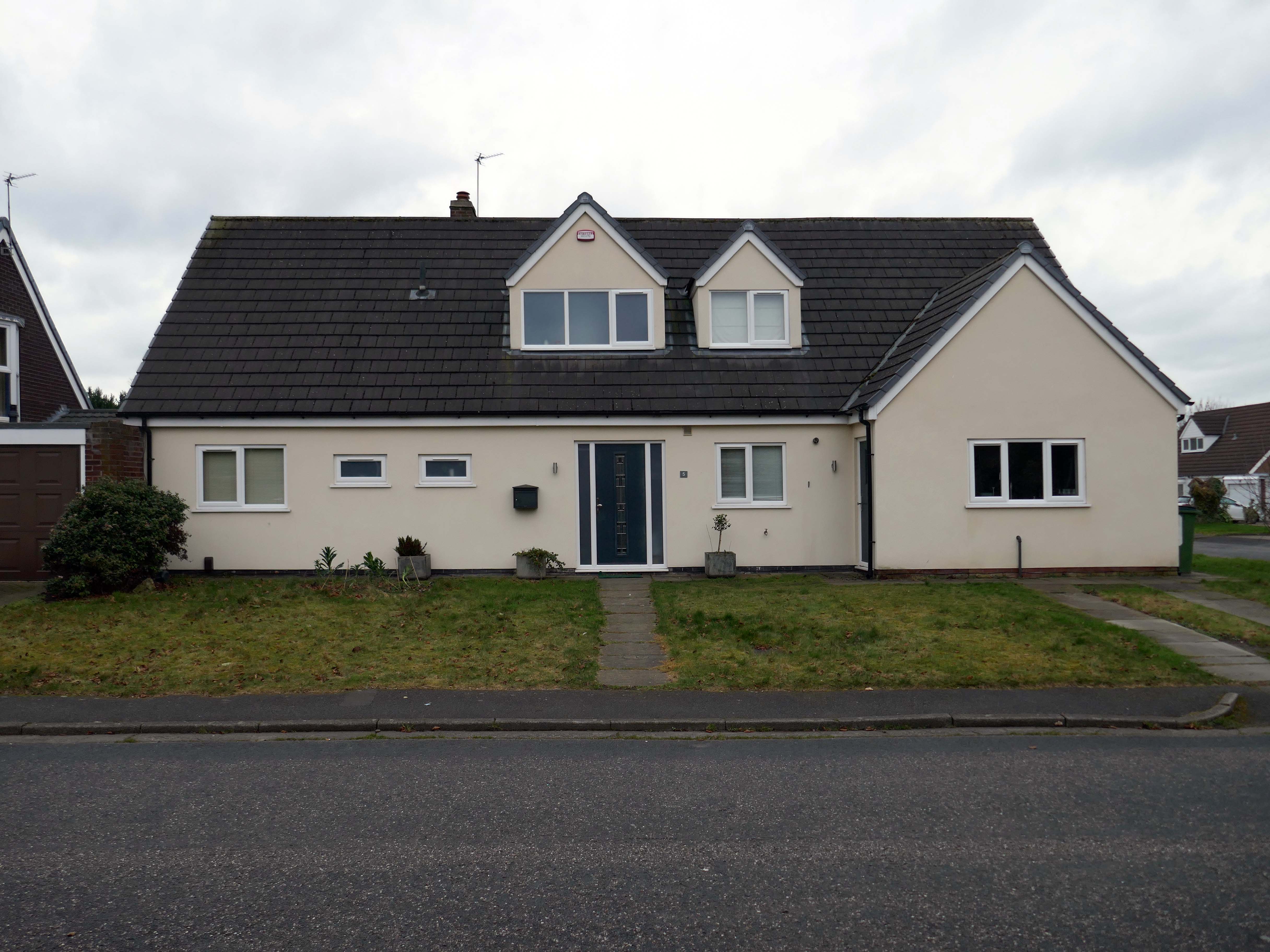
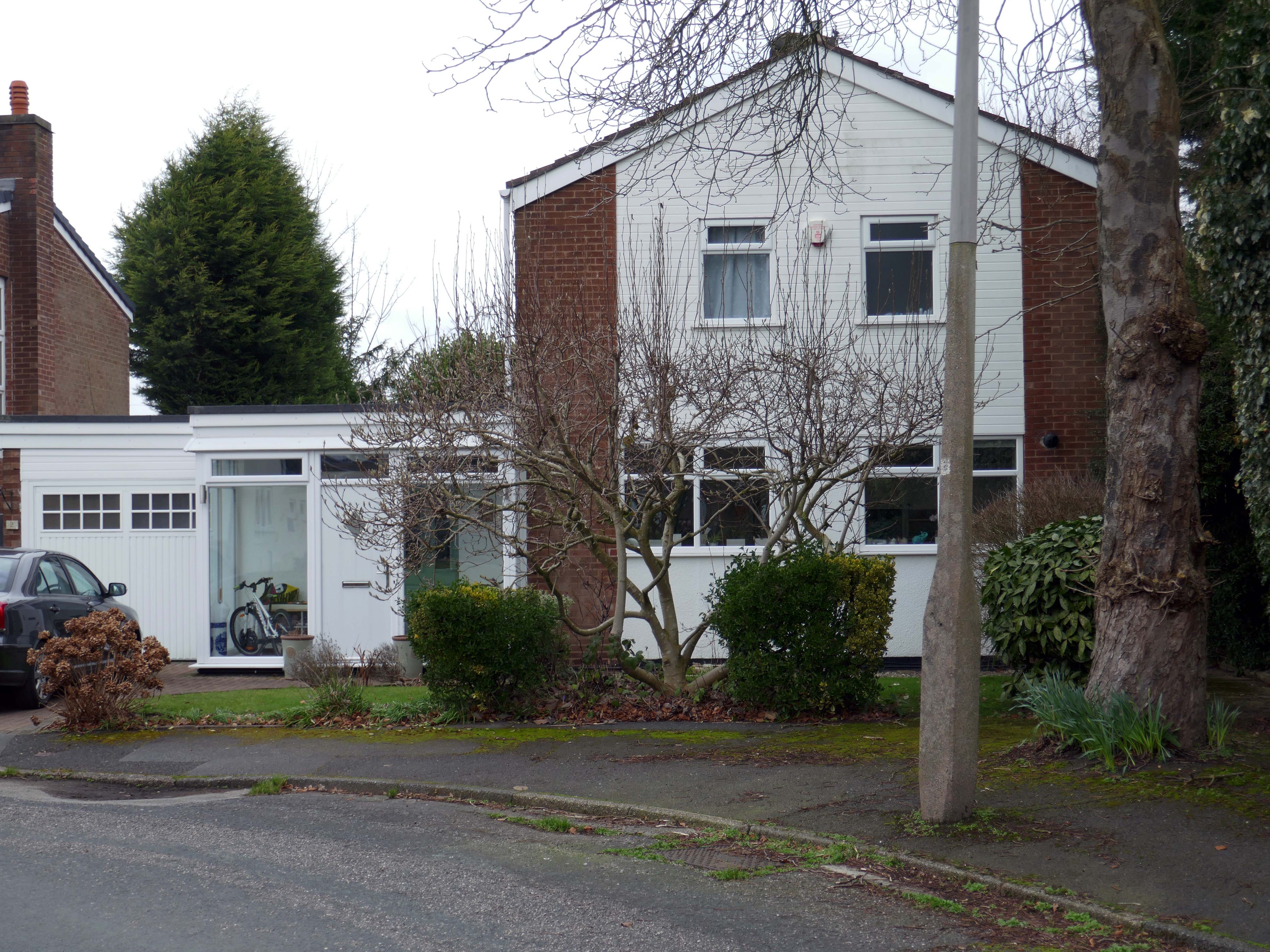
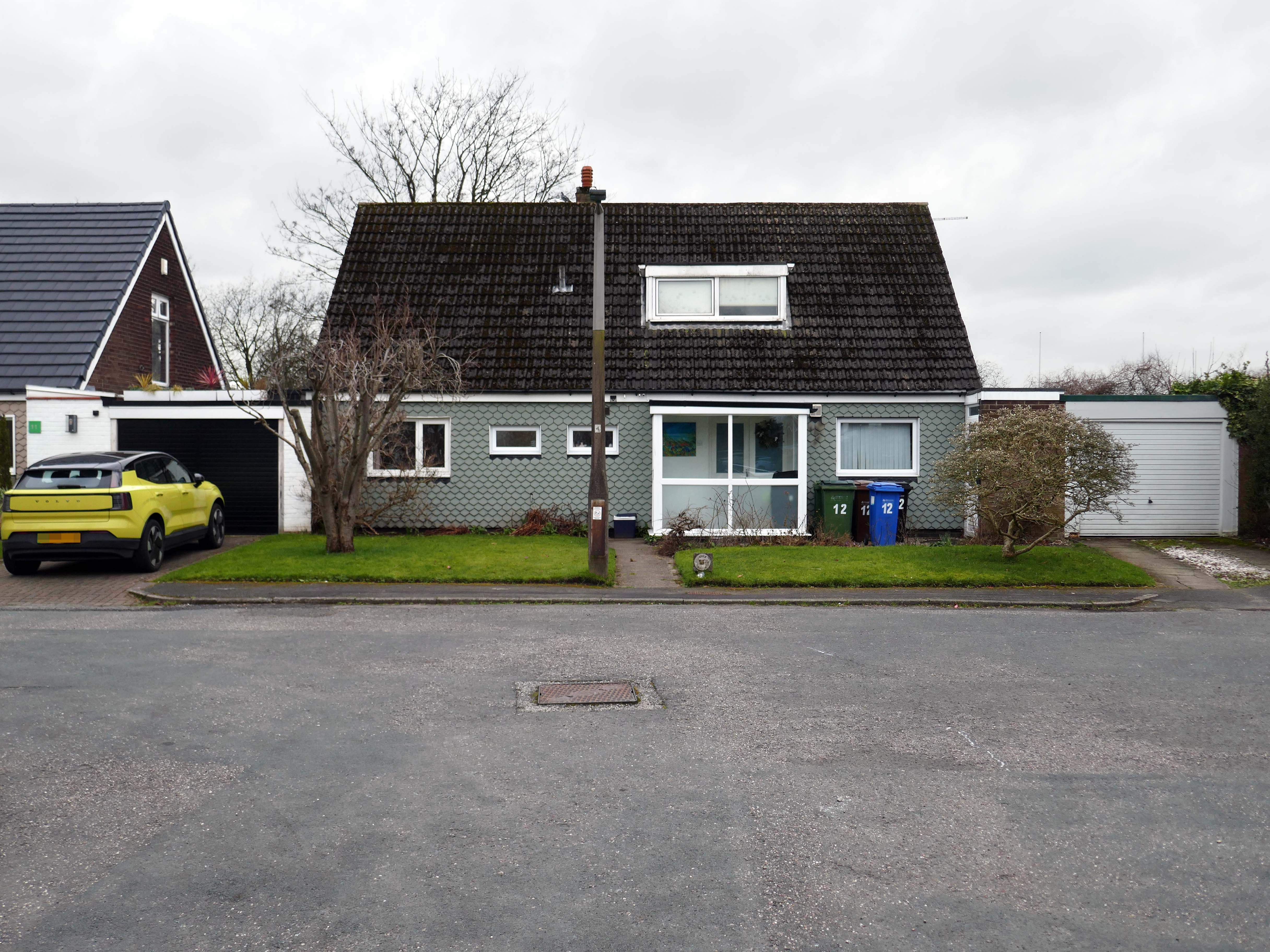
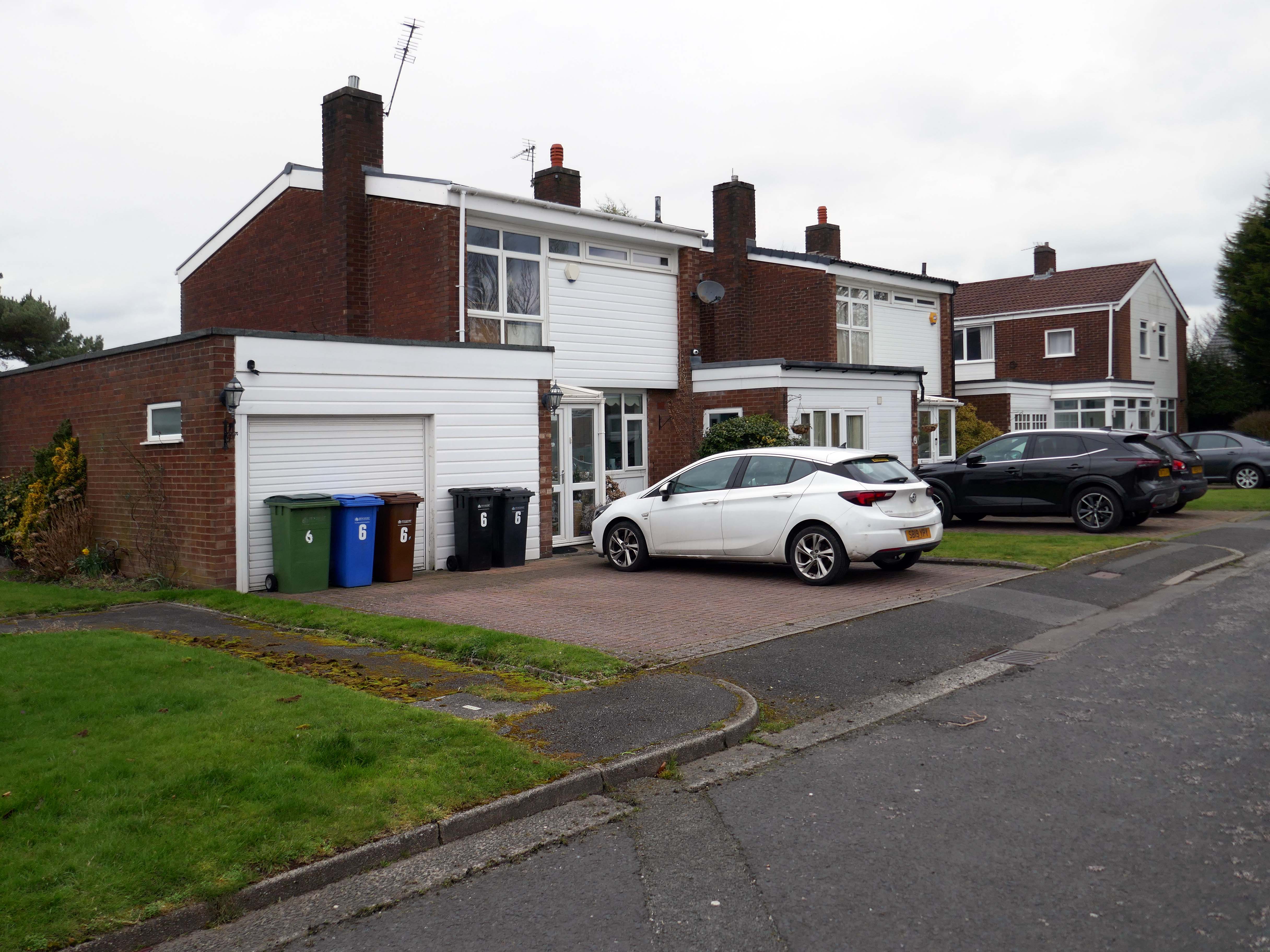
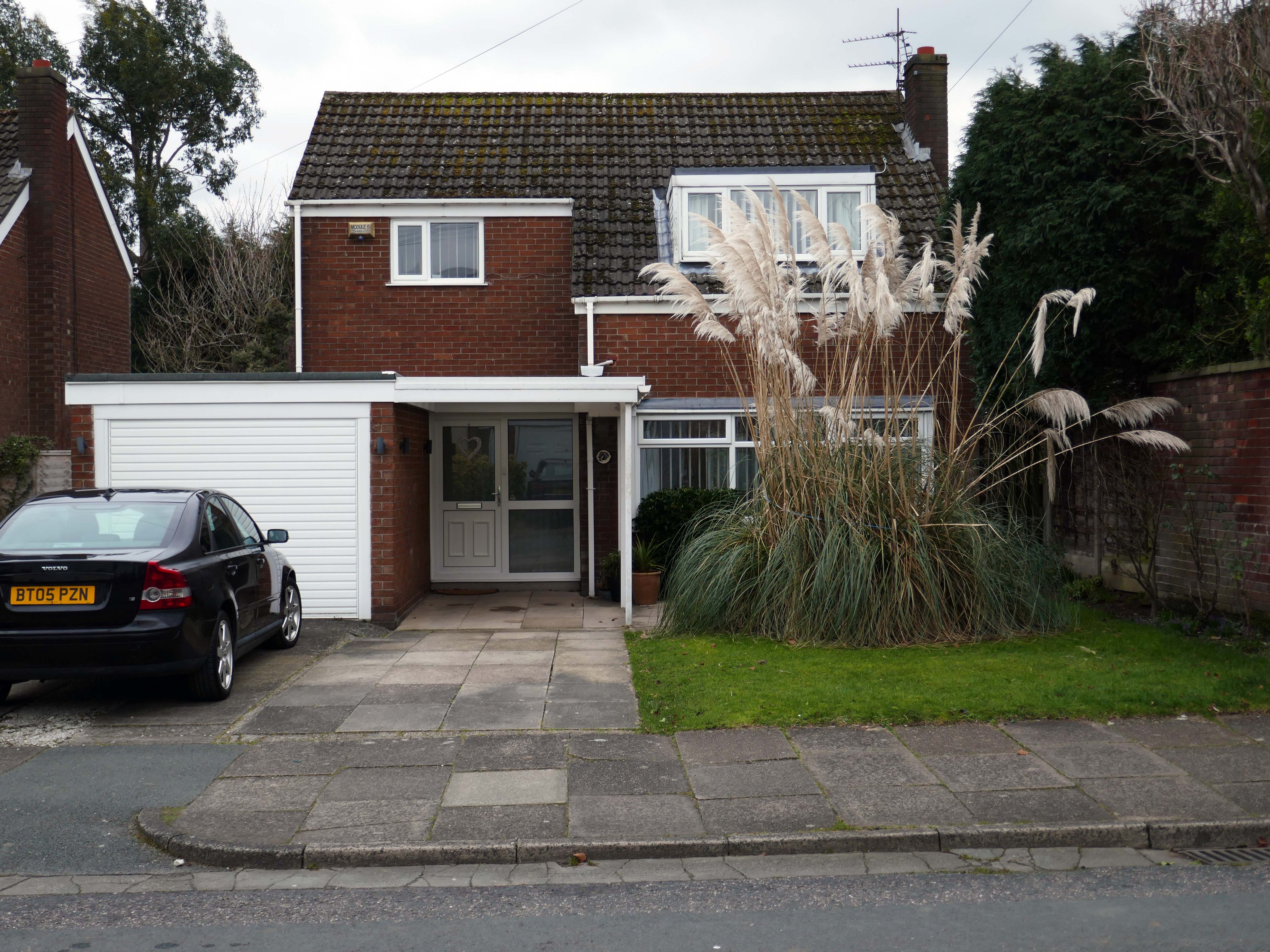
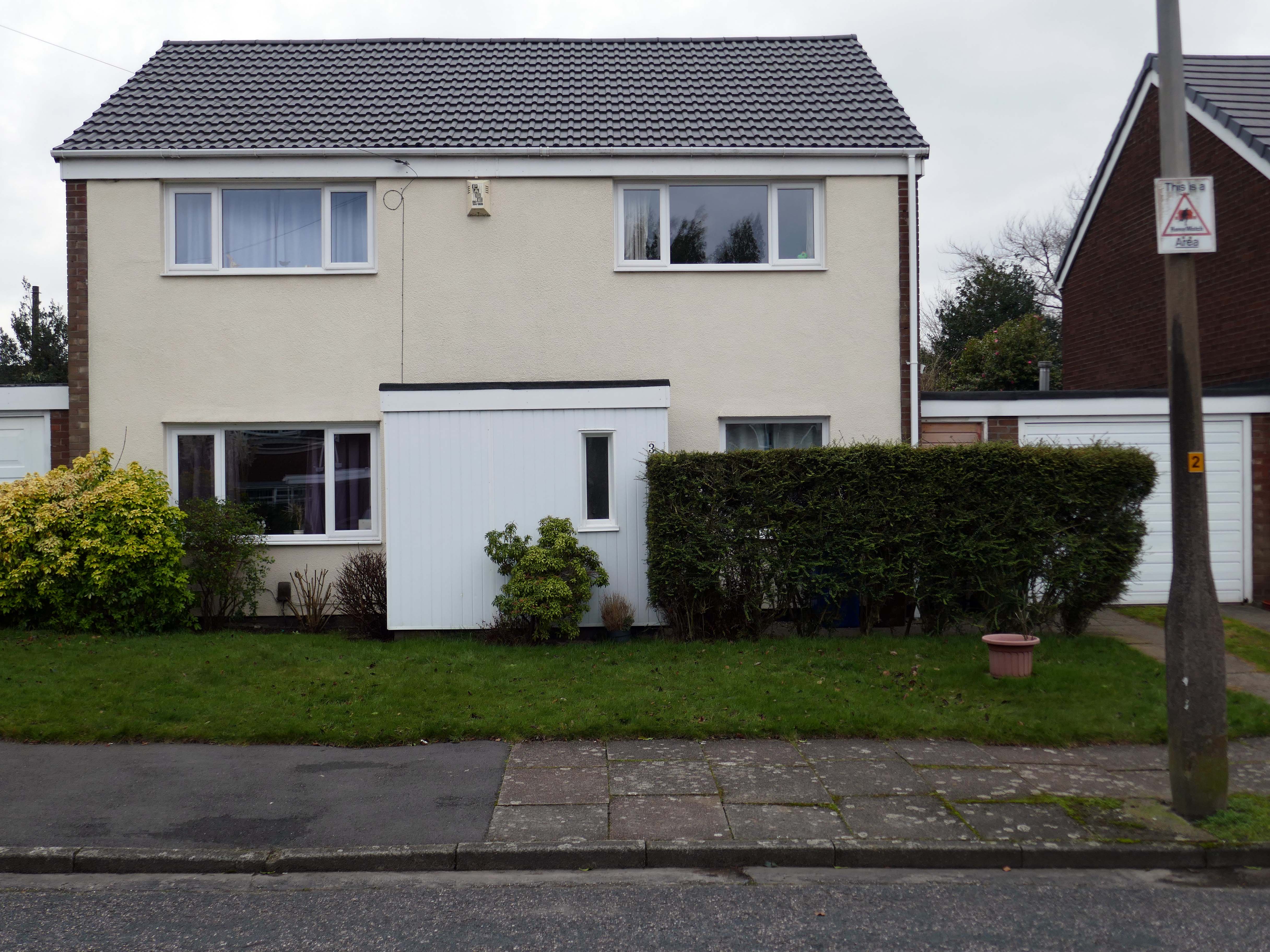
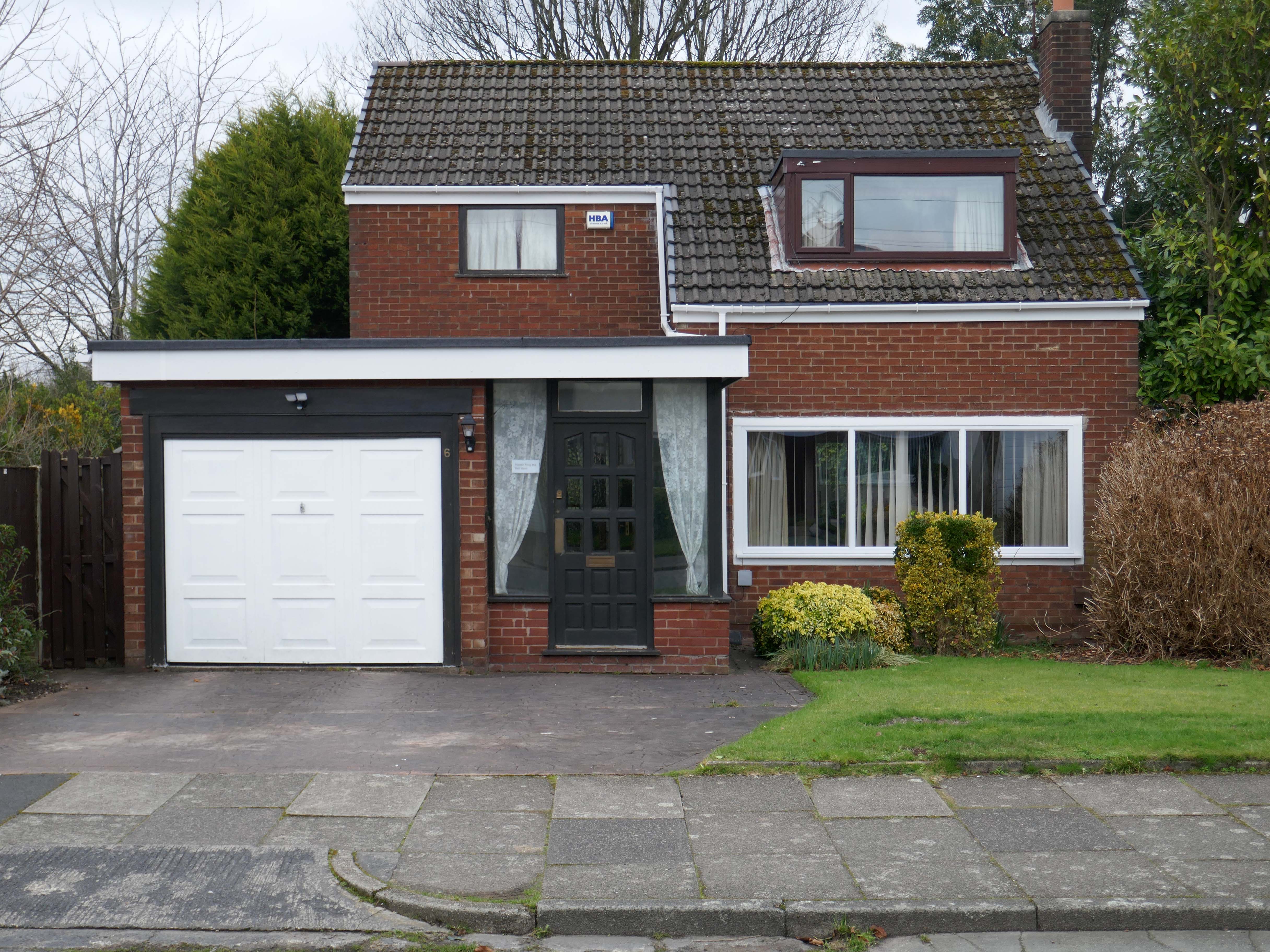
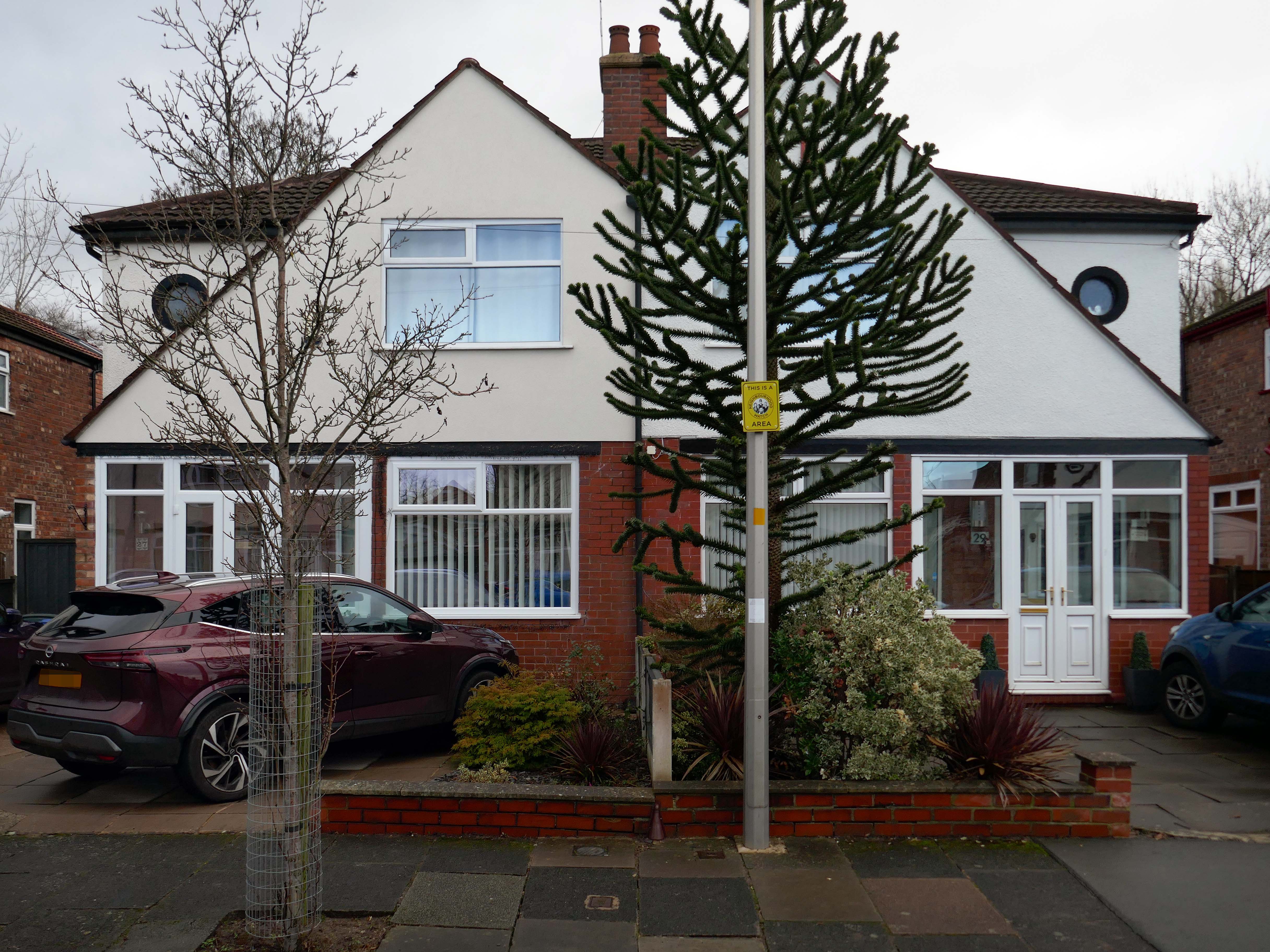
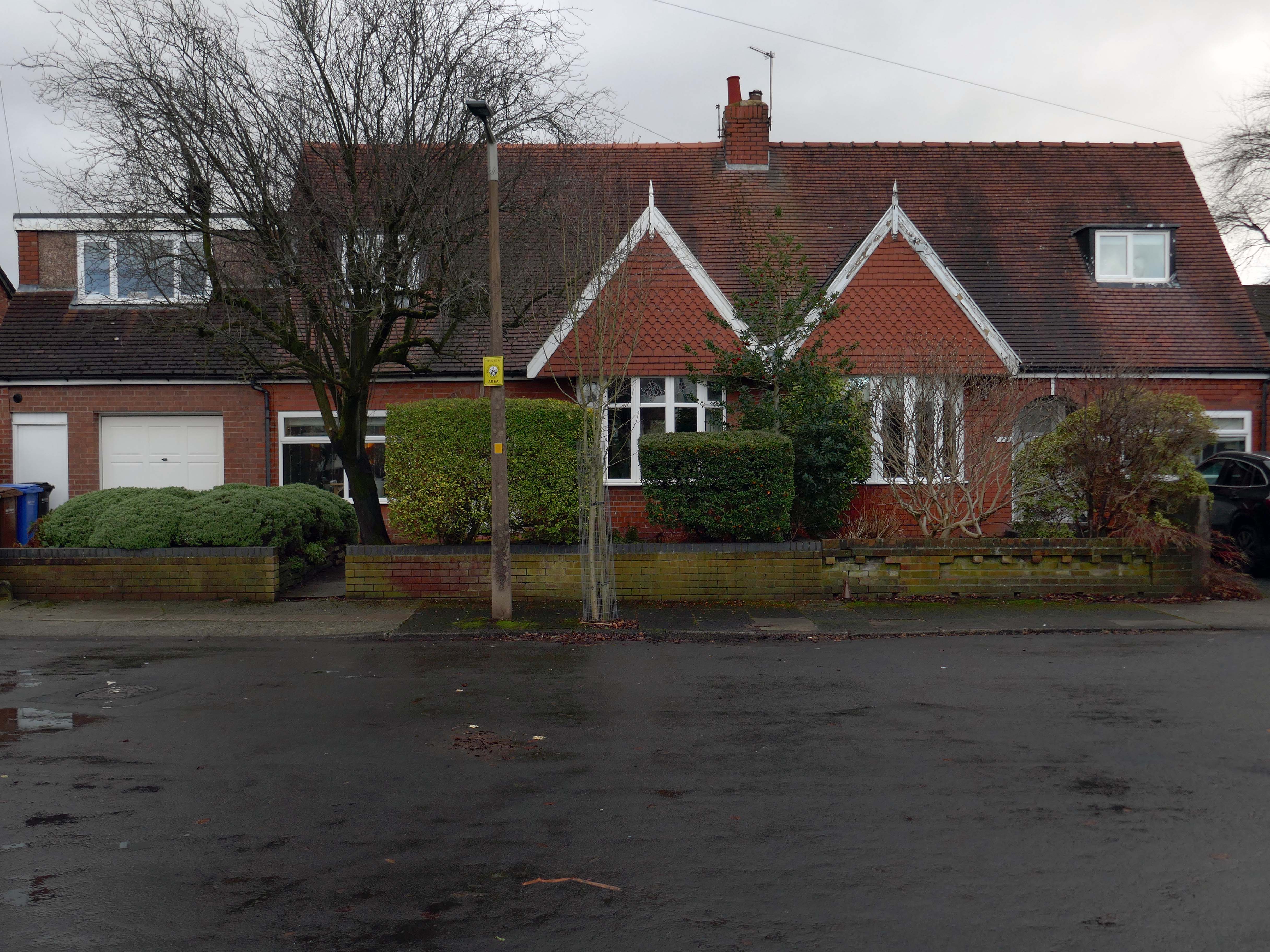
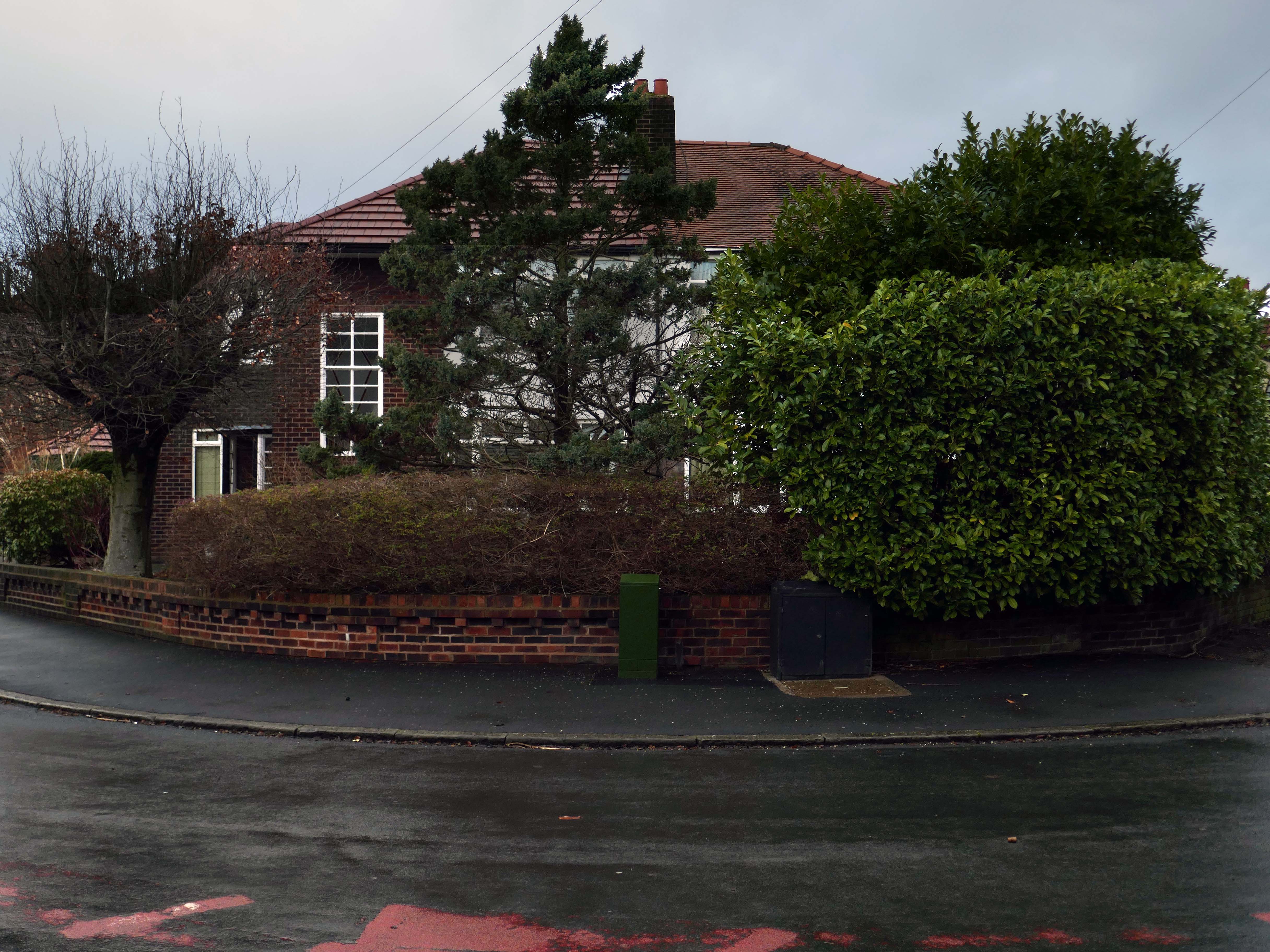
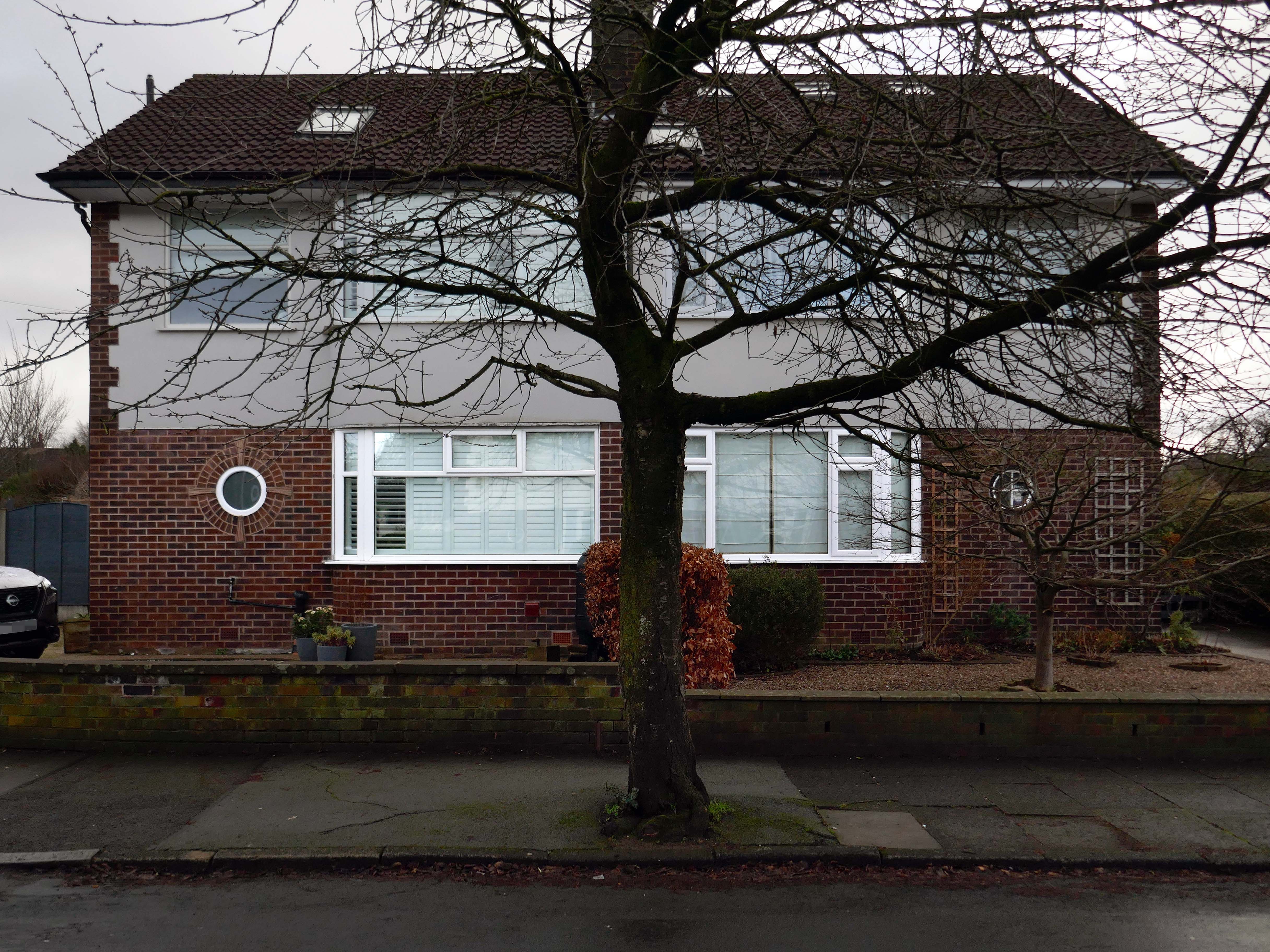
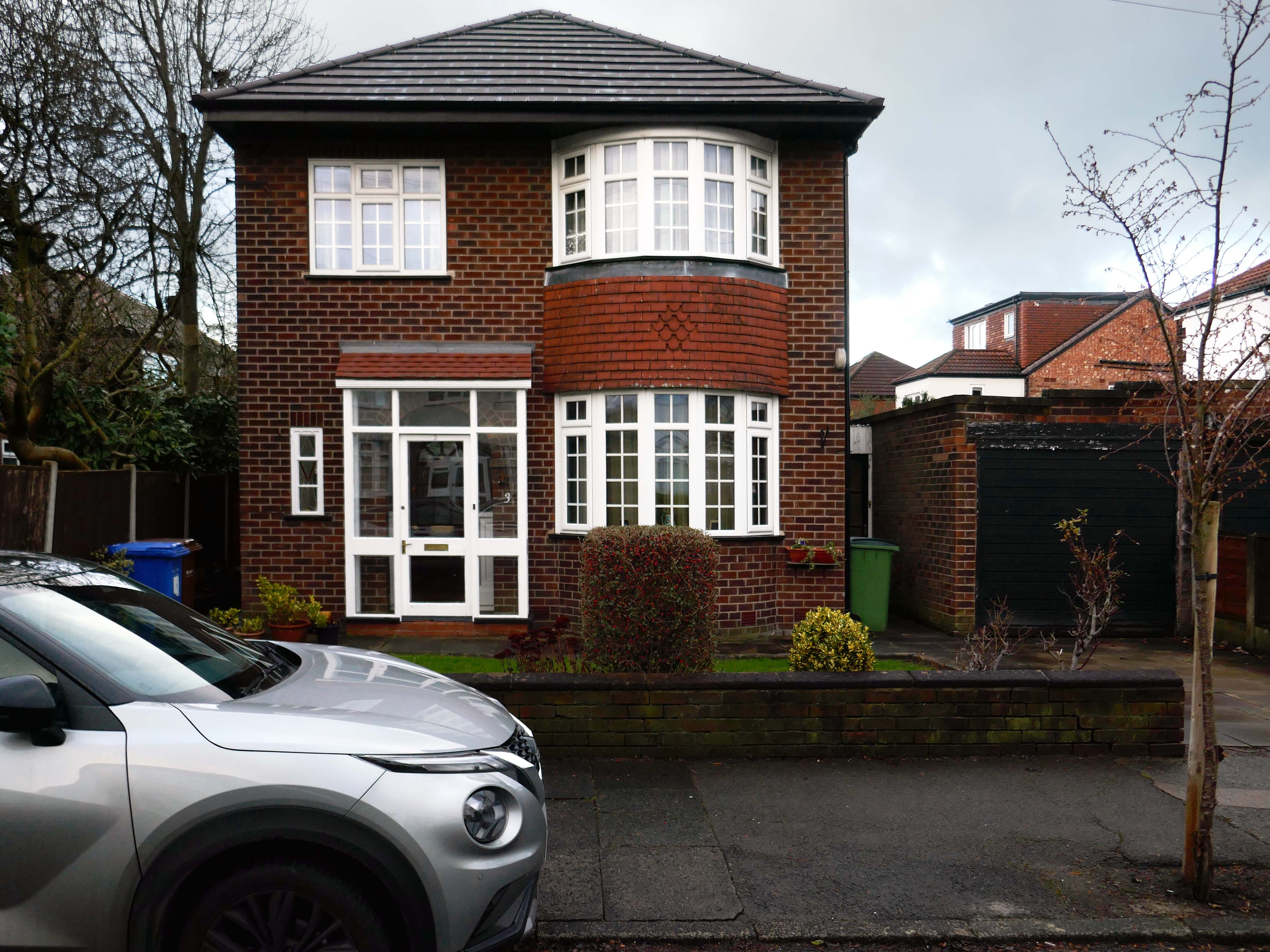
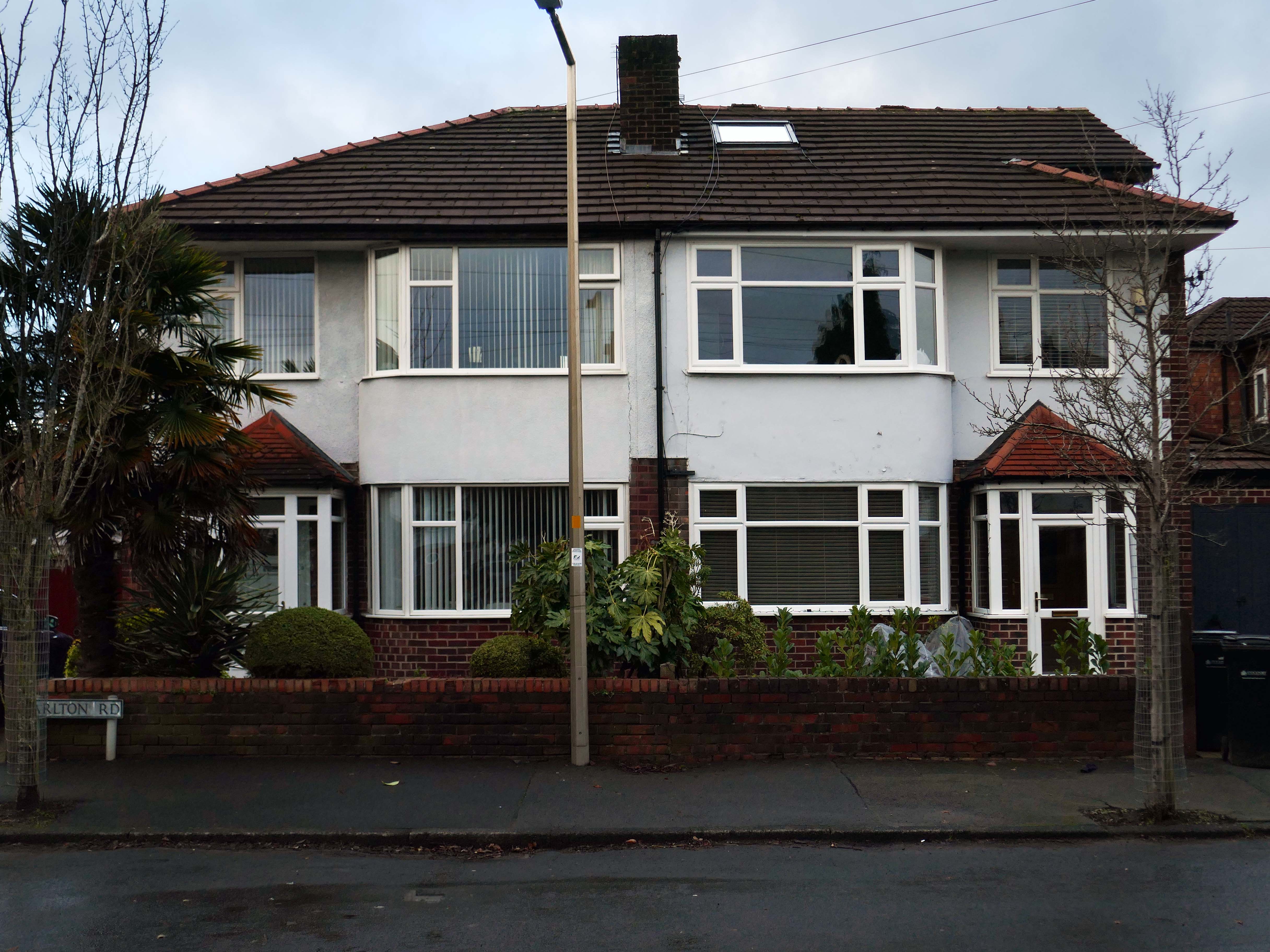
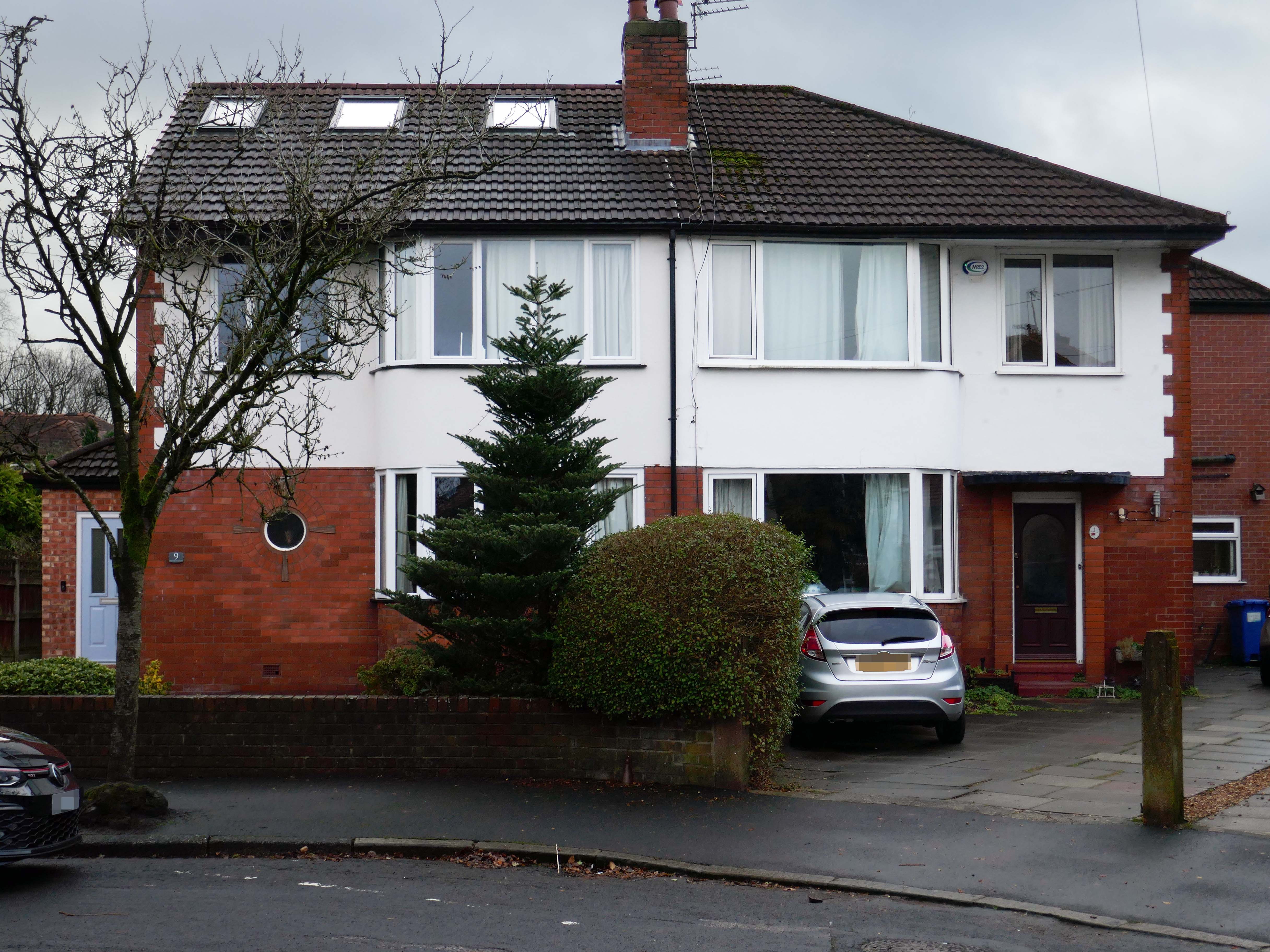
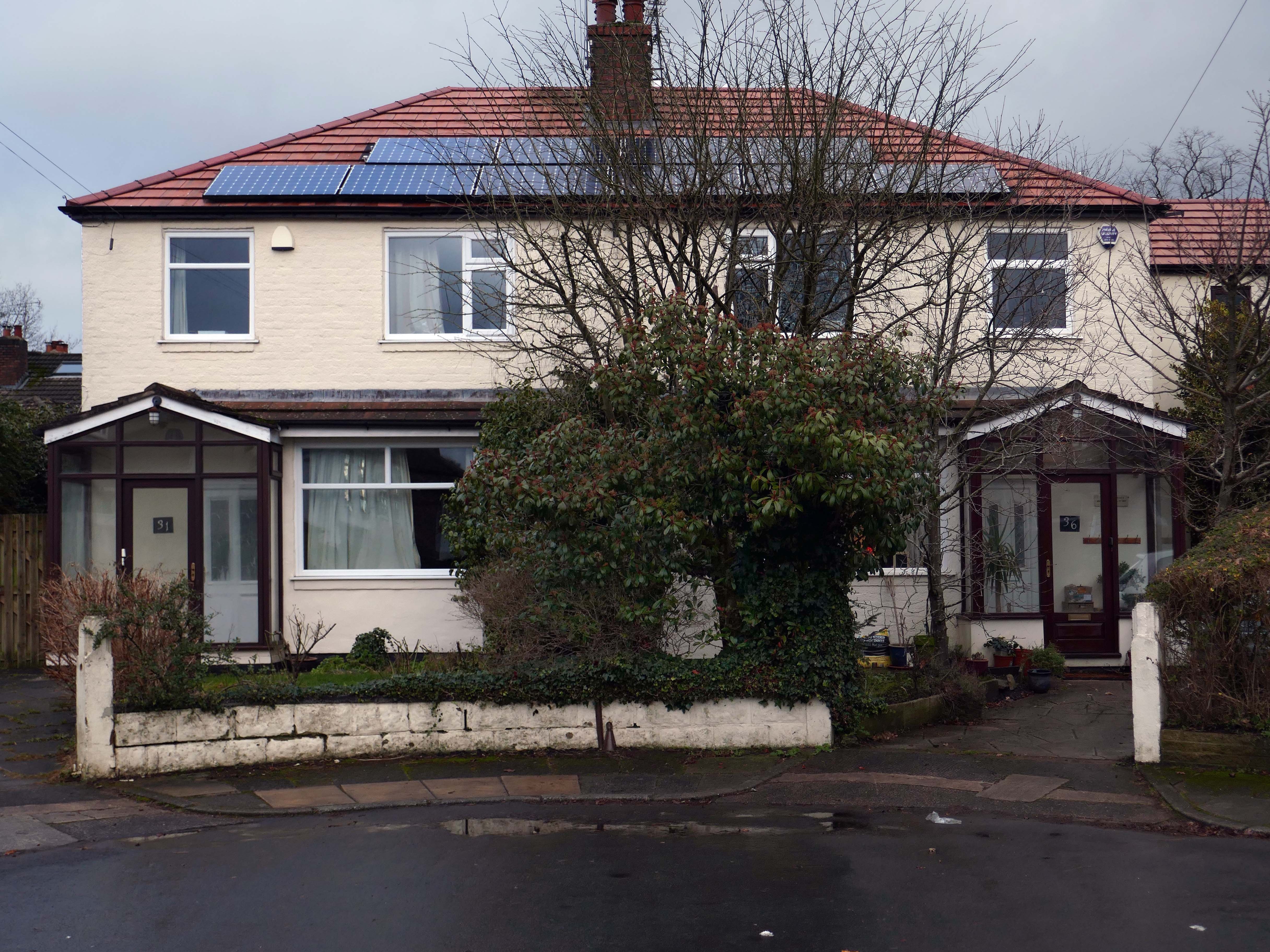
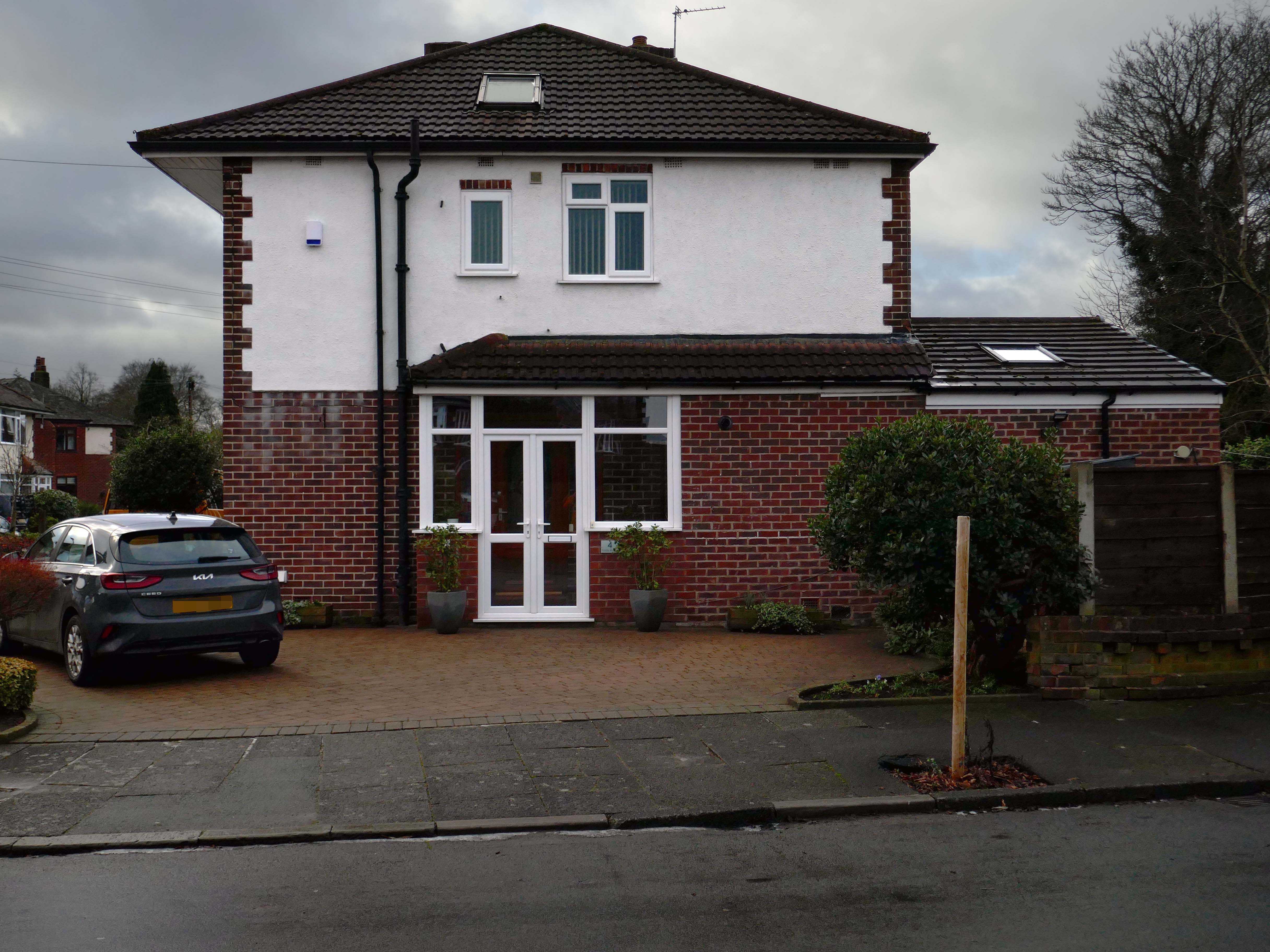
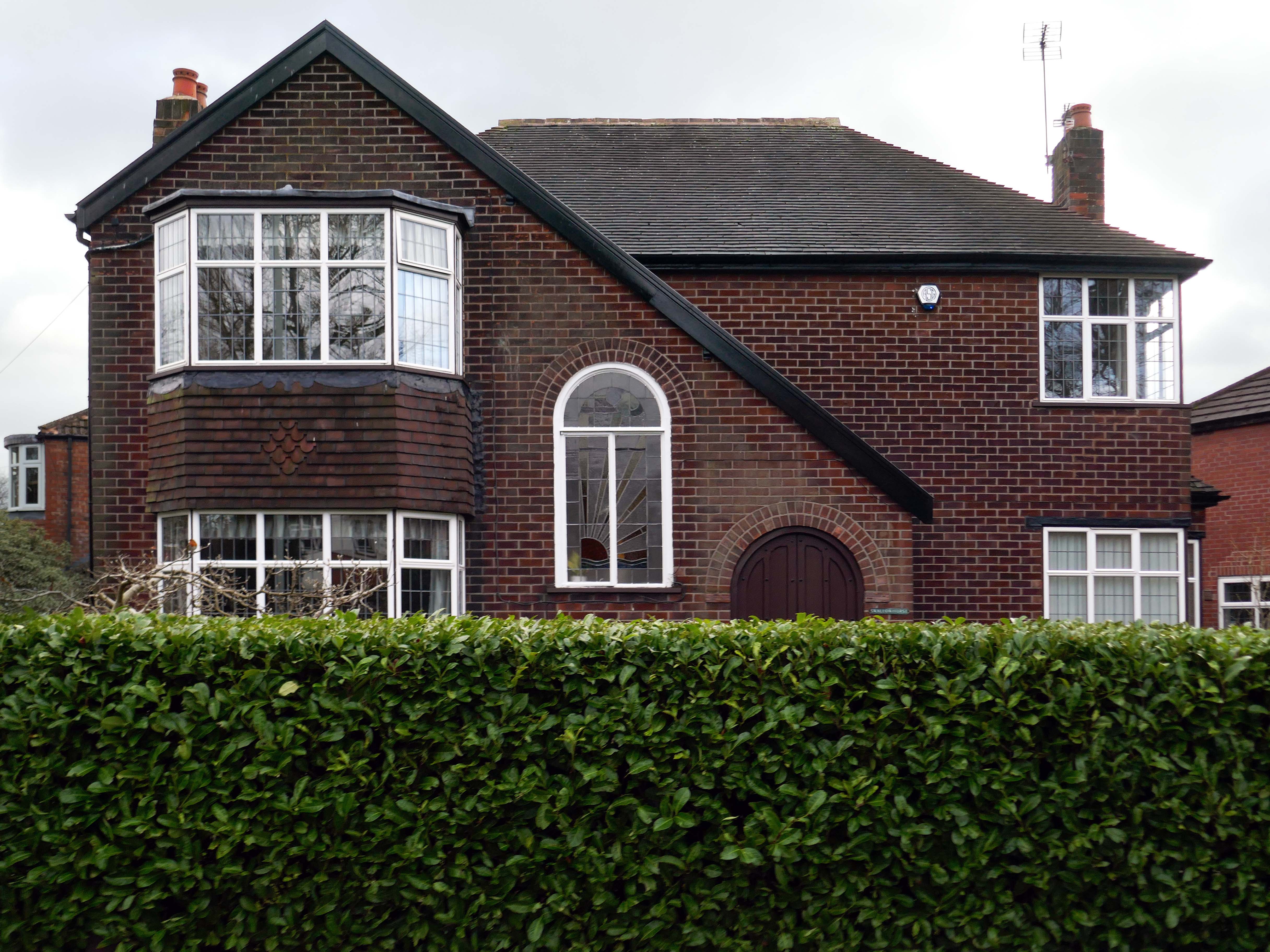
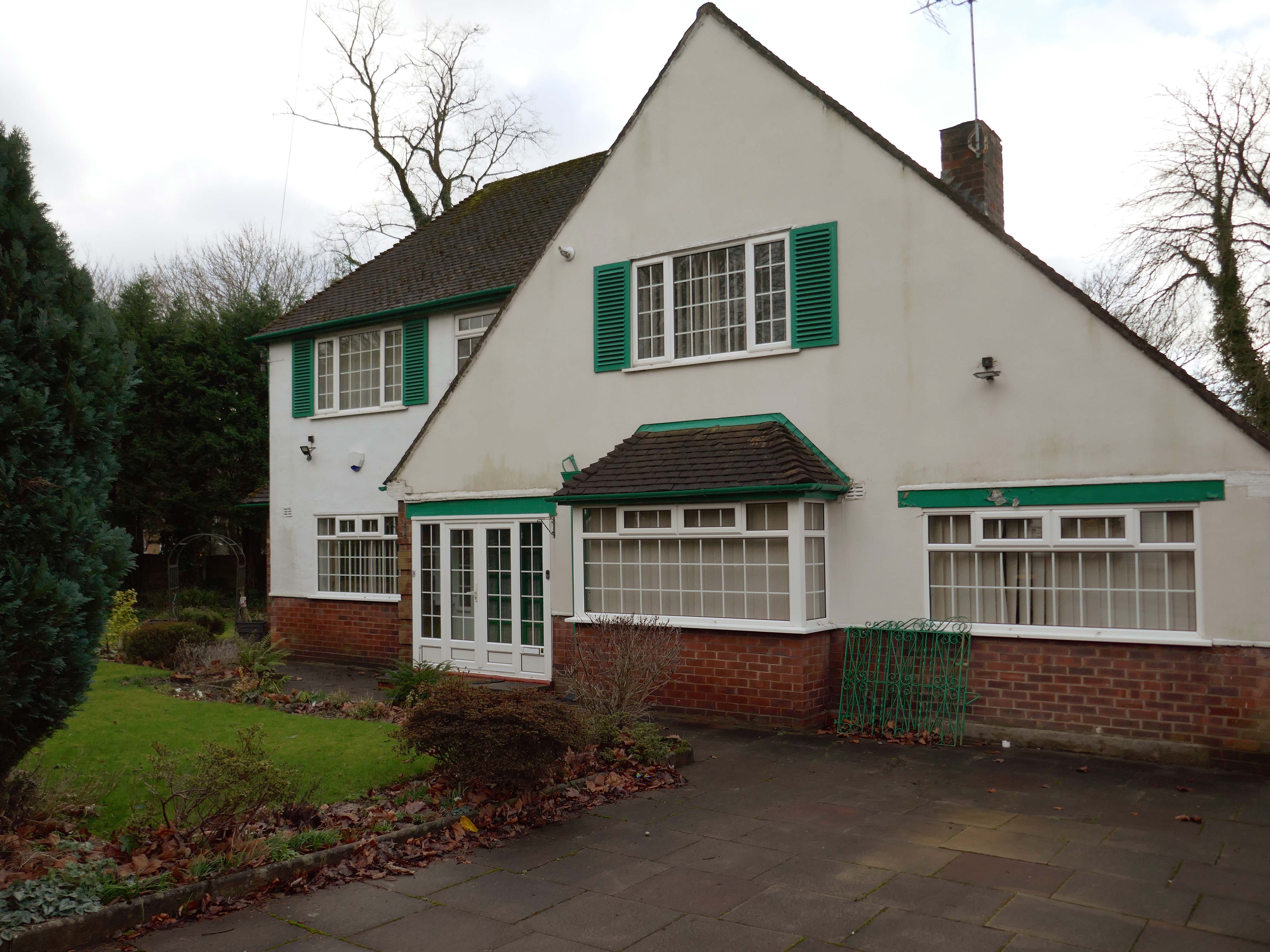
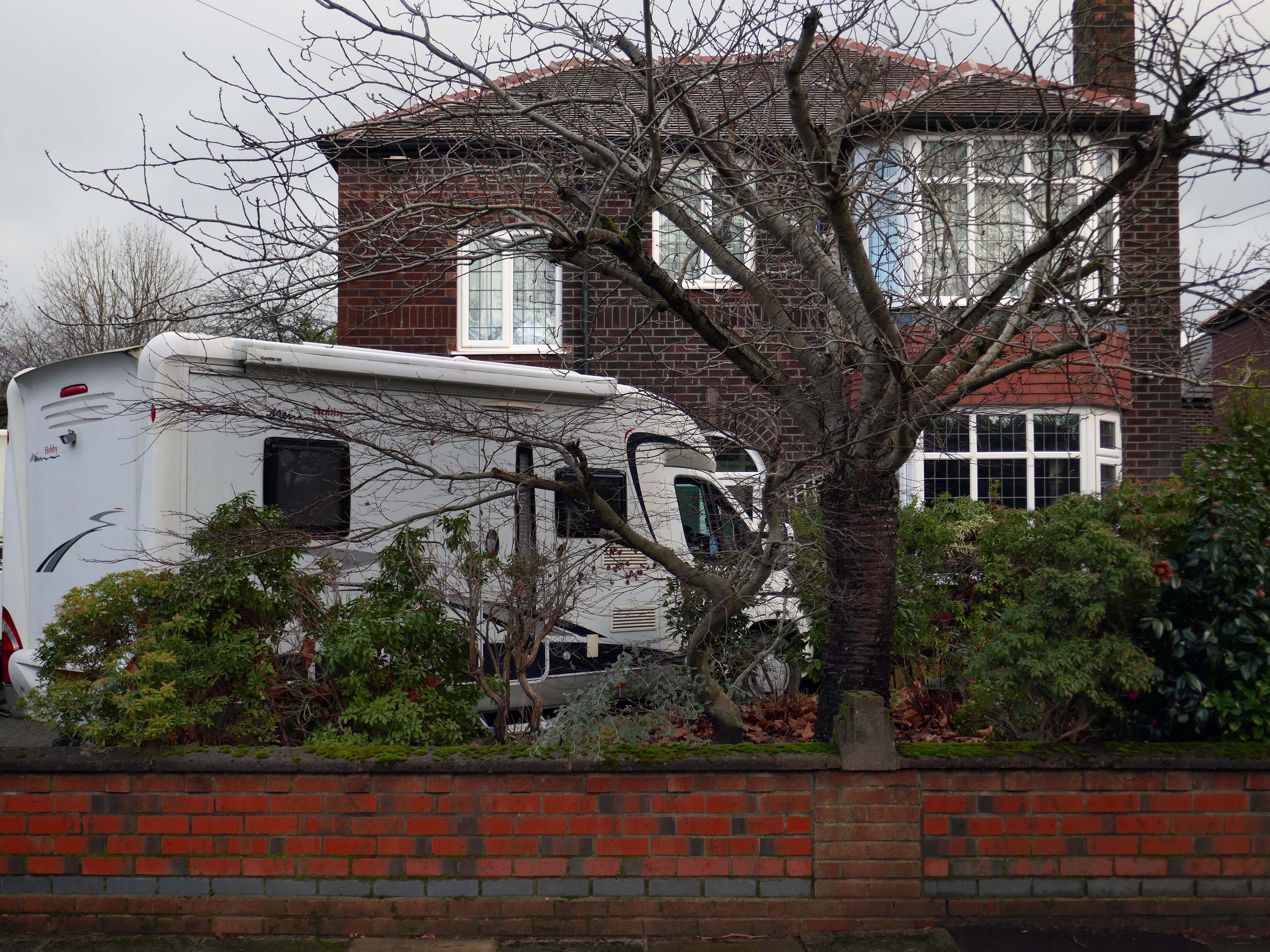
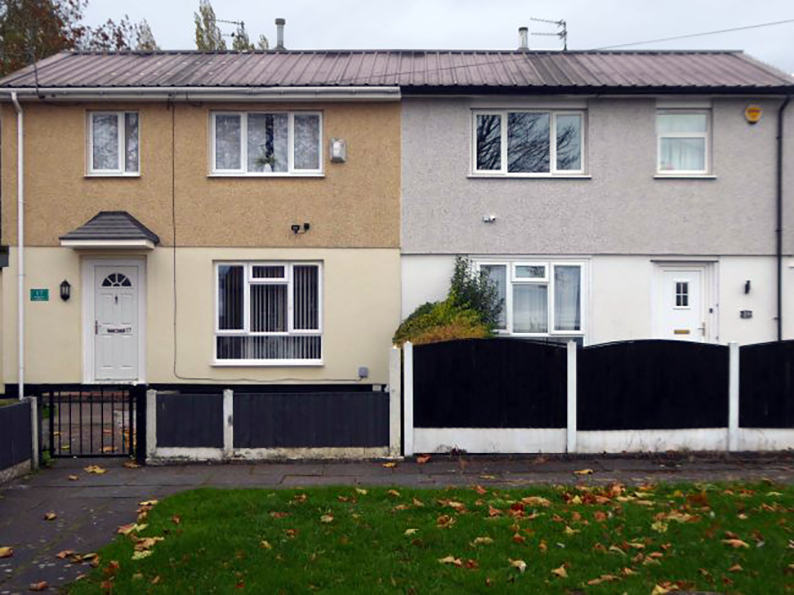
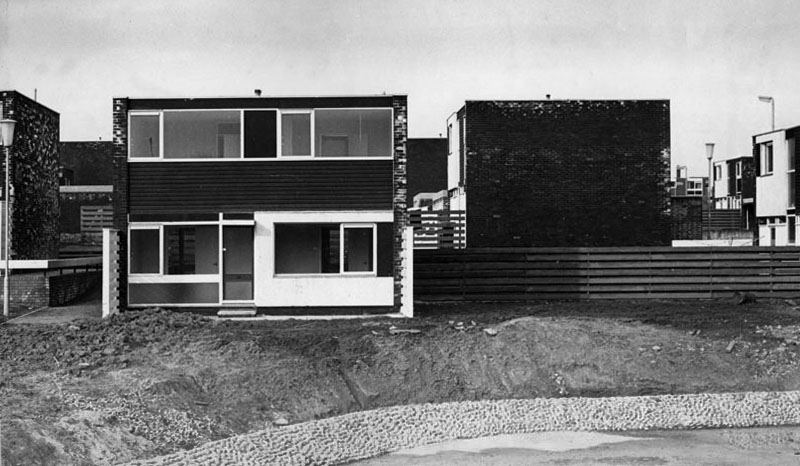
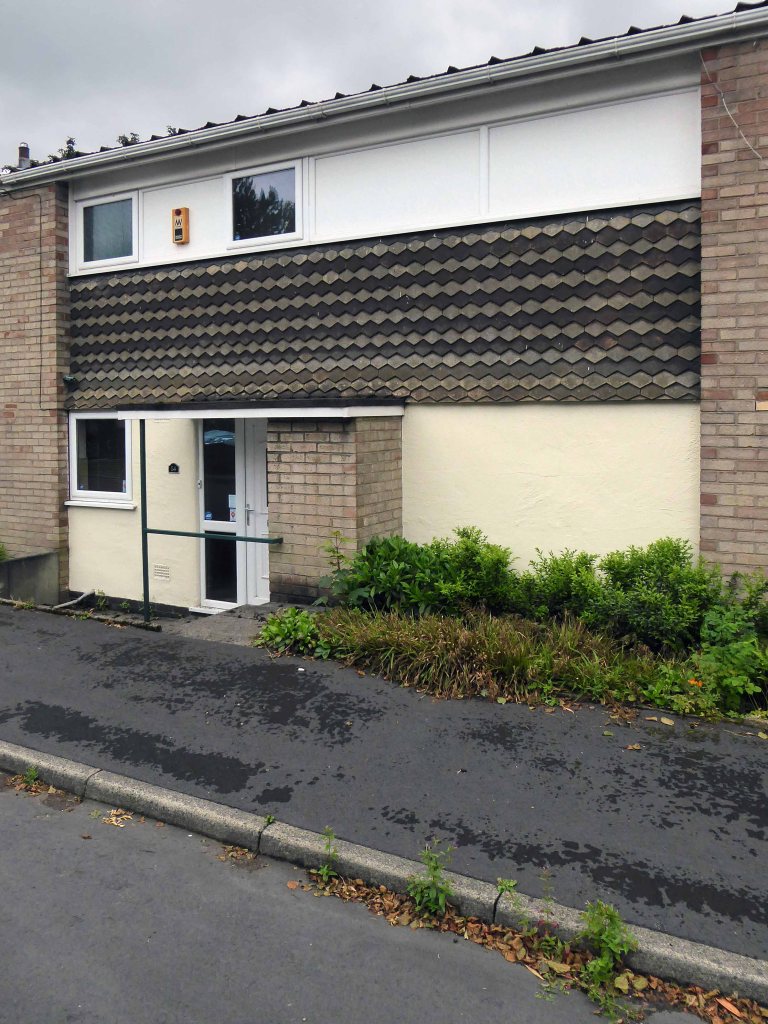
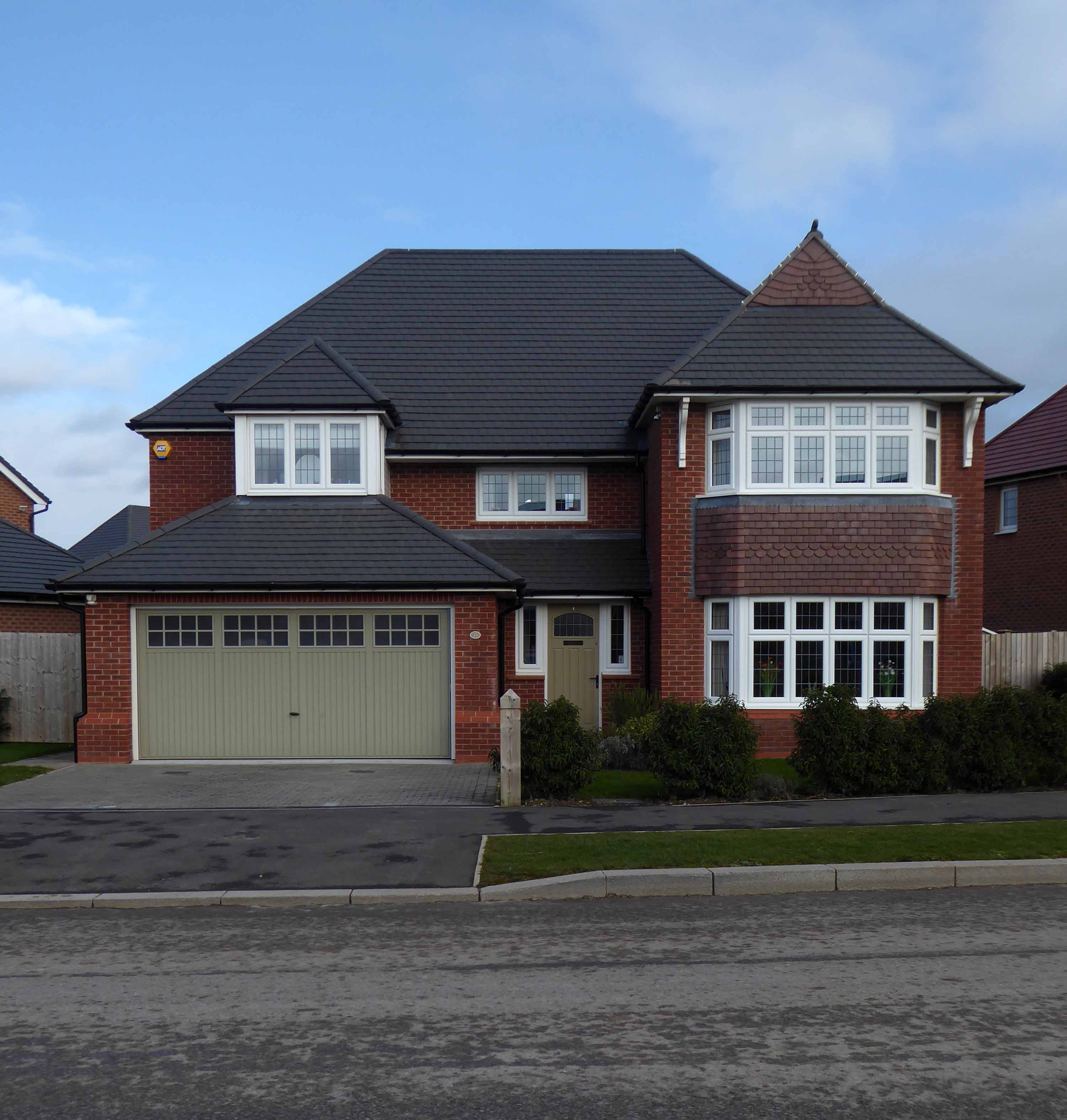
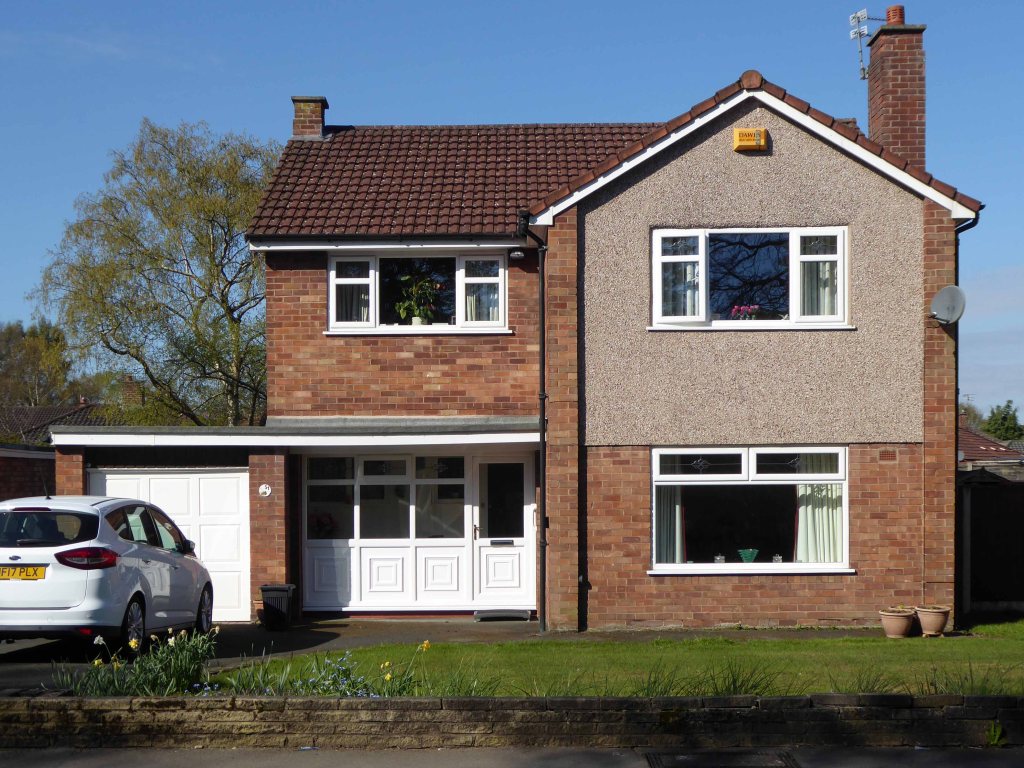
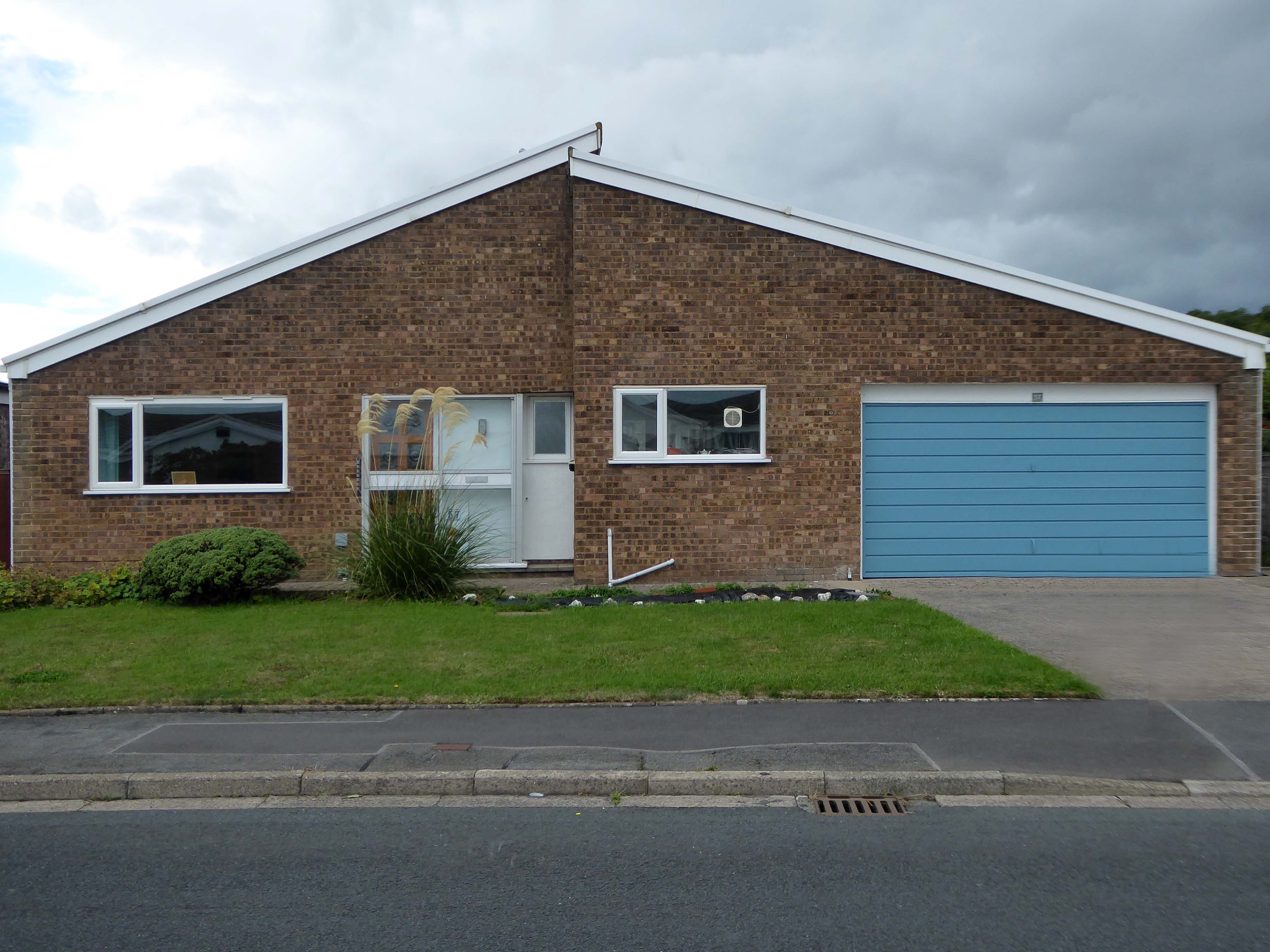
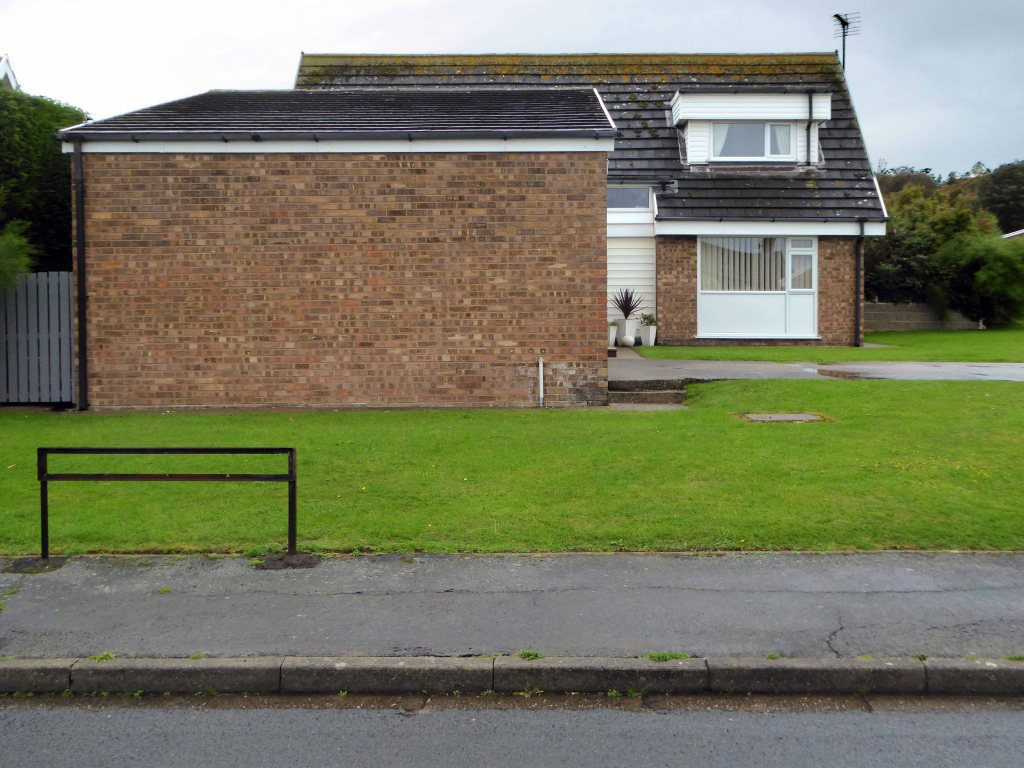
A broad sweeping swathe of tarmac, with a range of 70s housing typologies – wall less gardens, where grass becomes easily impressed concrete, gravel and artfully paved car parks.
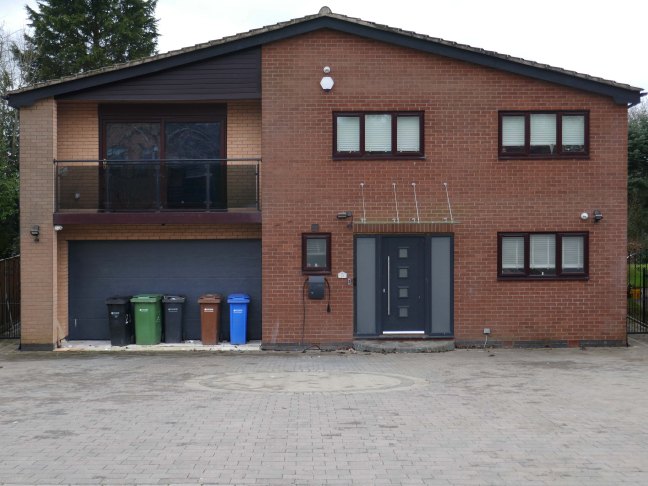
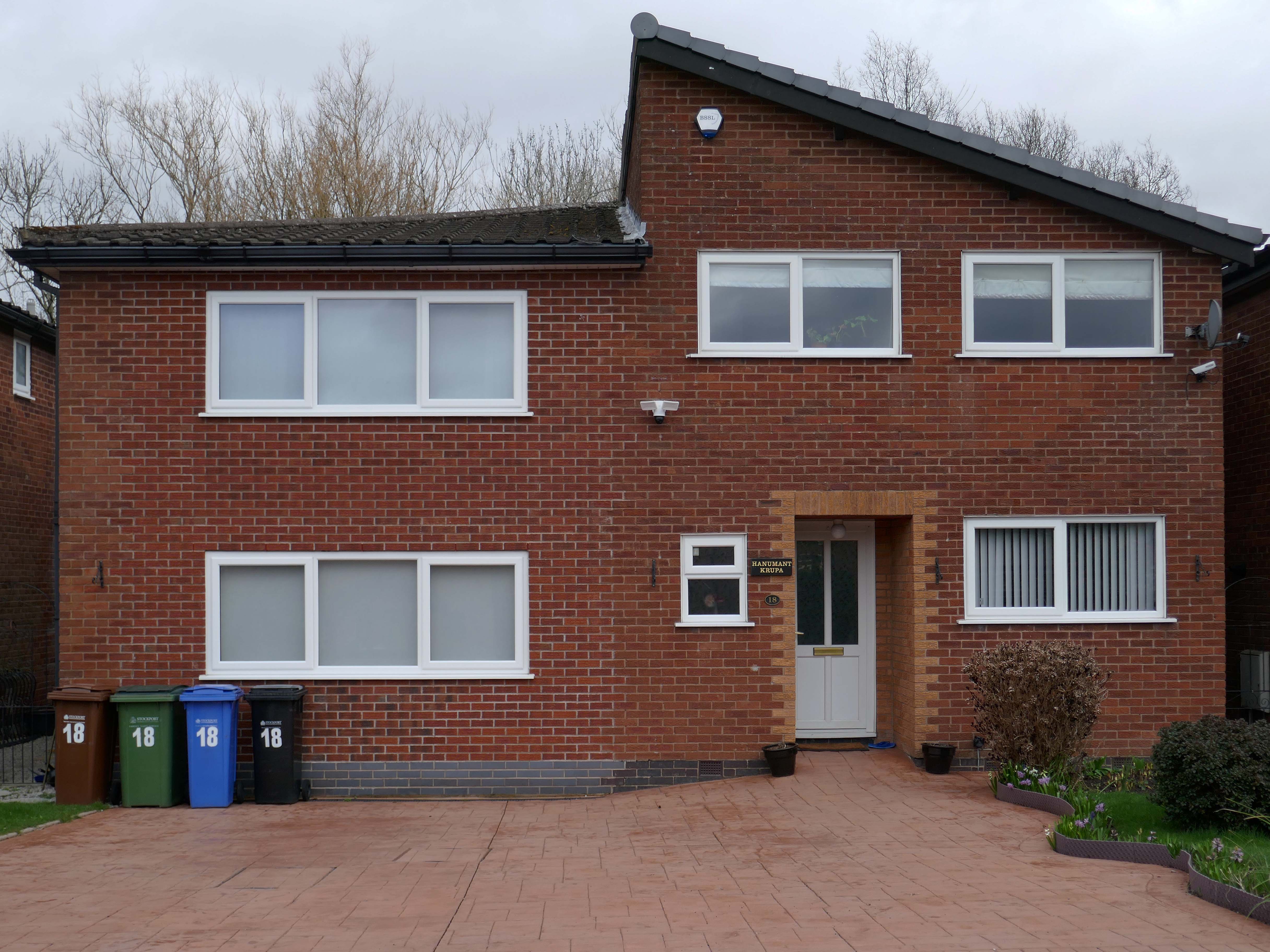
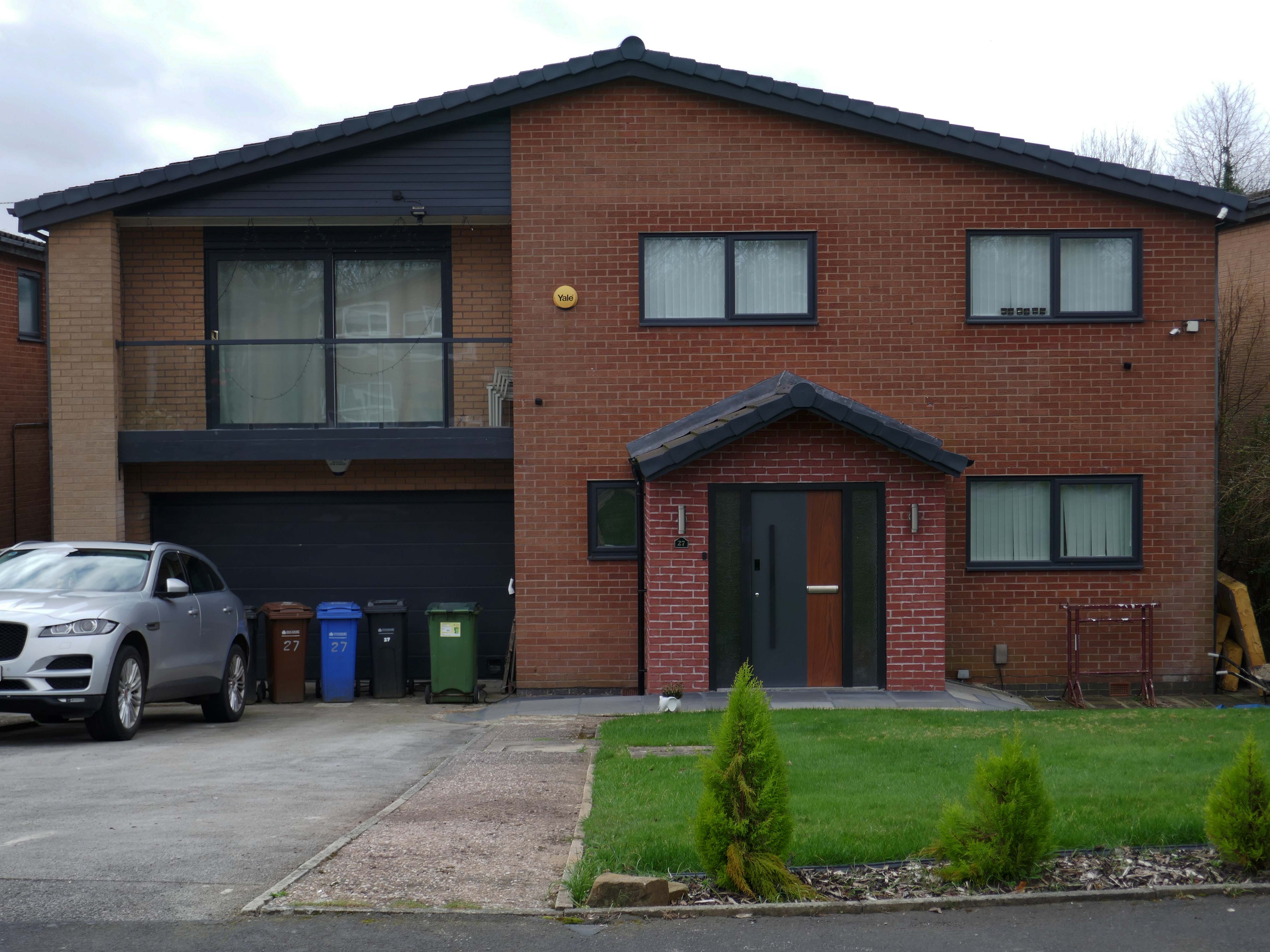
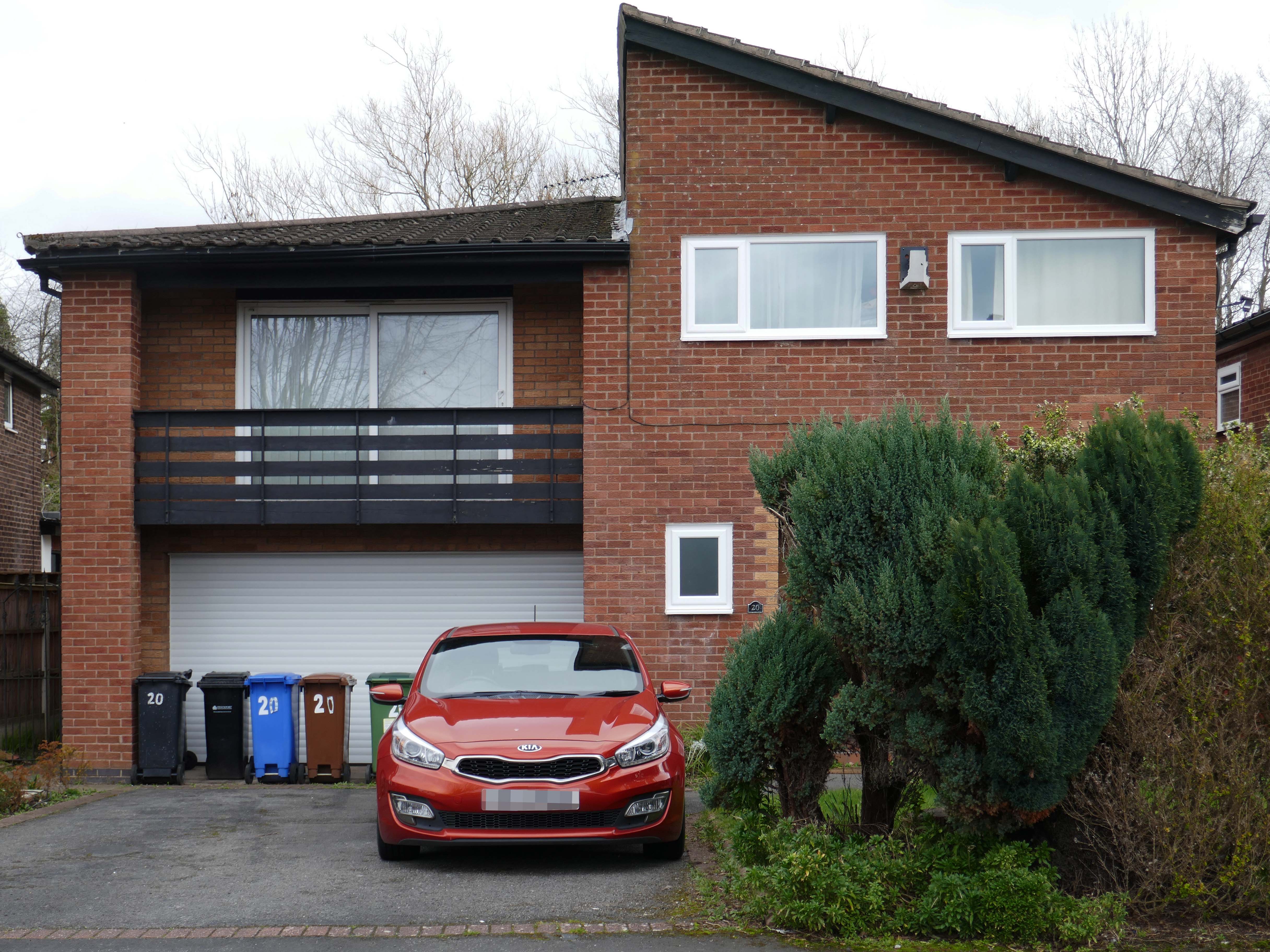
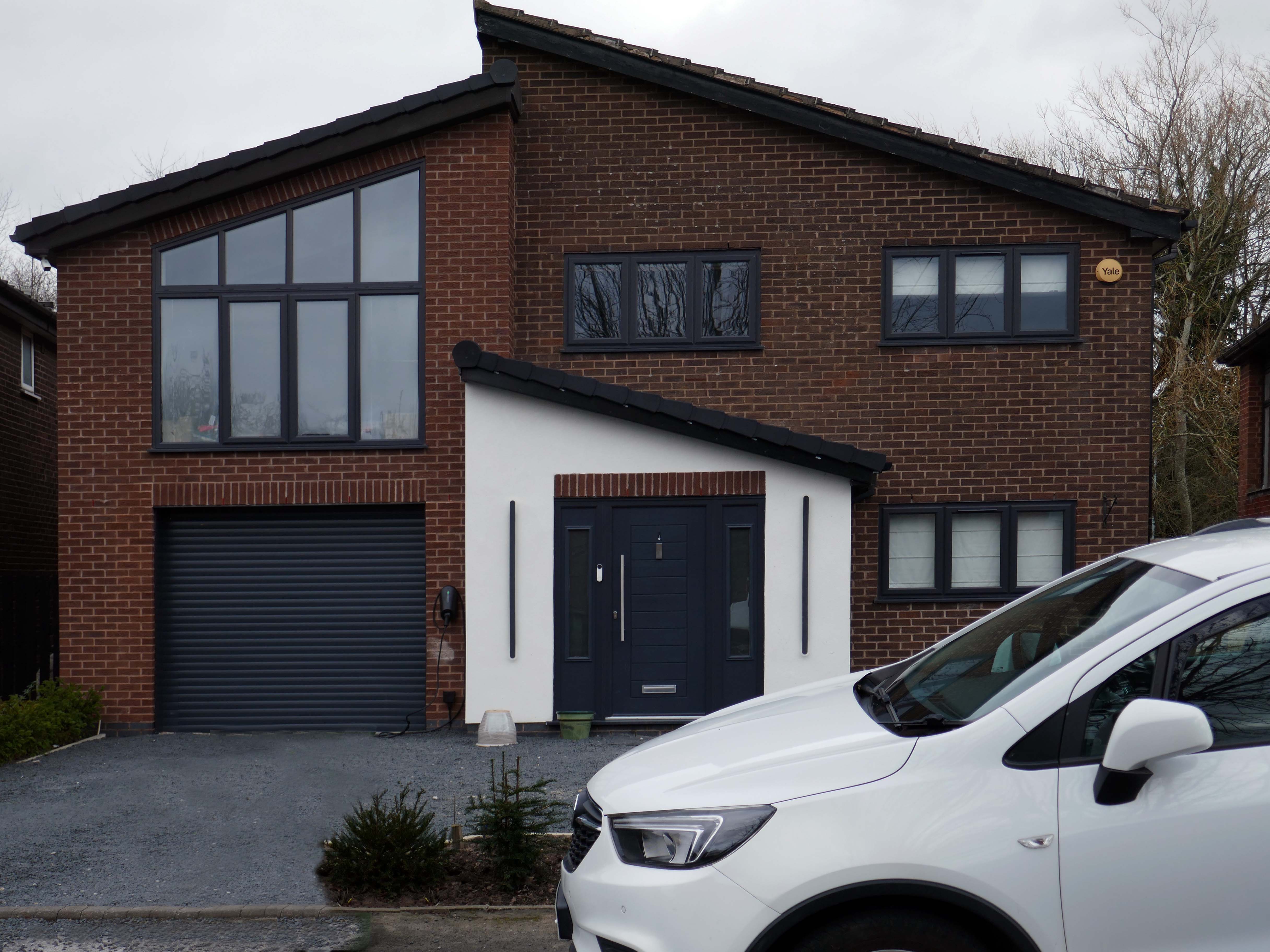
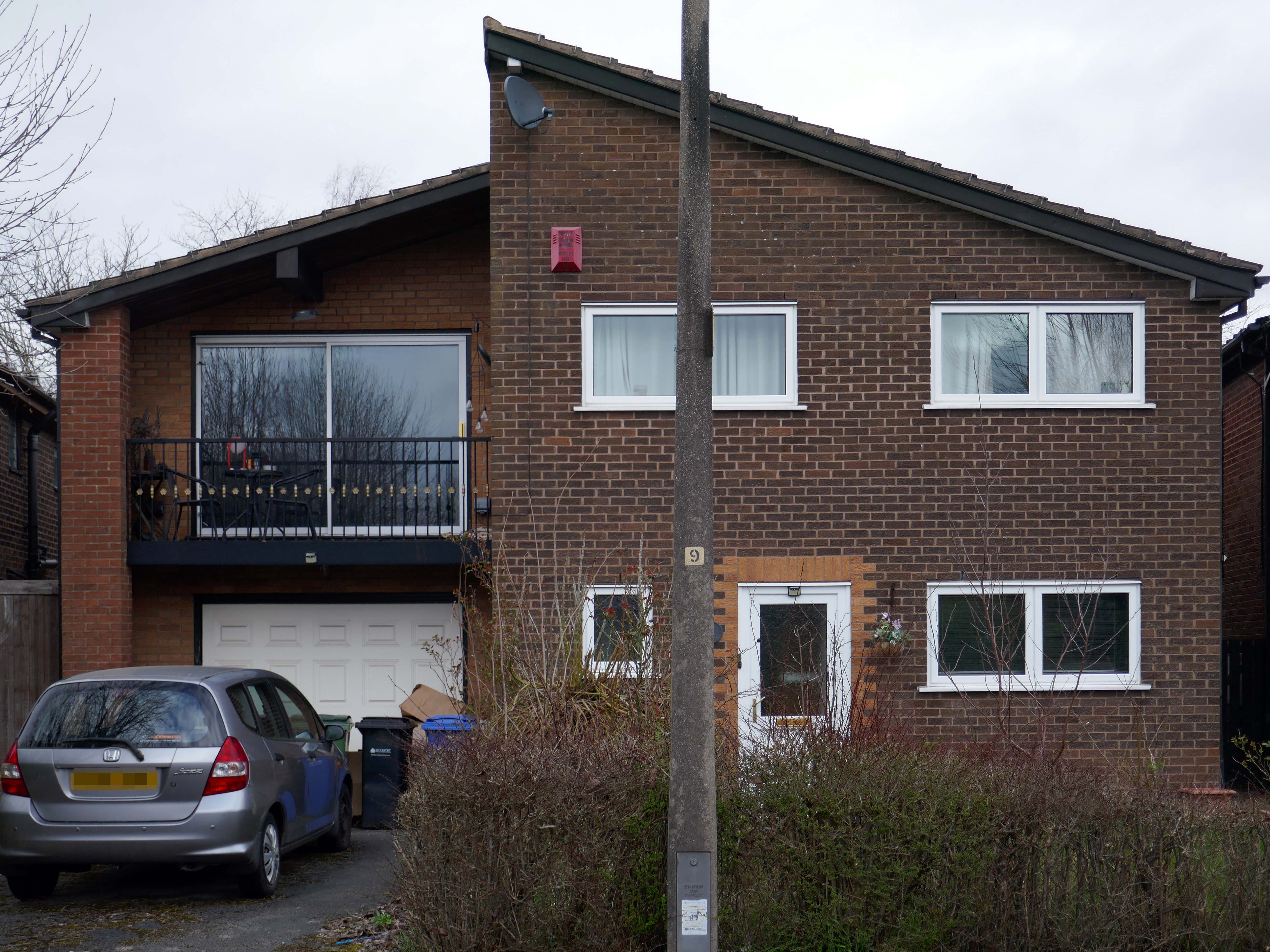
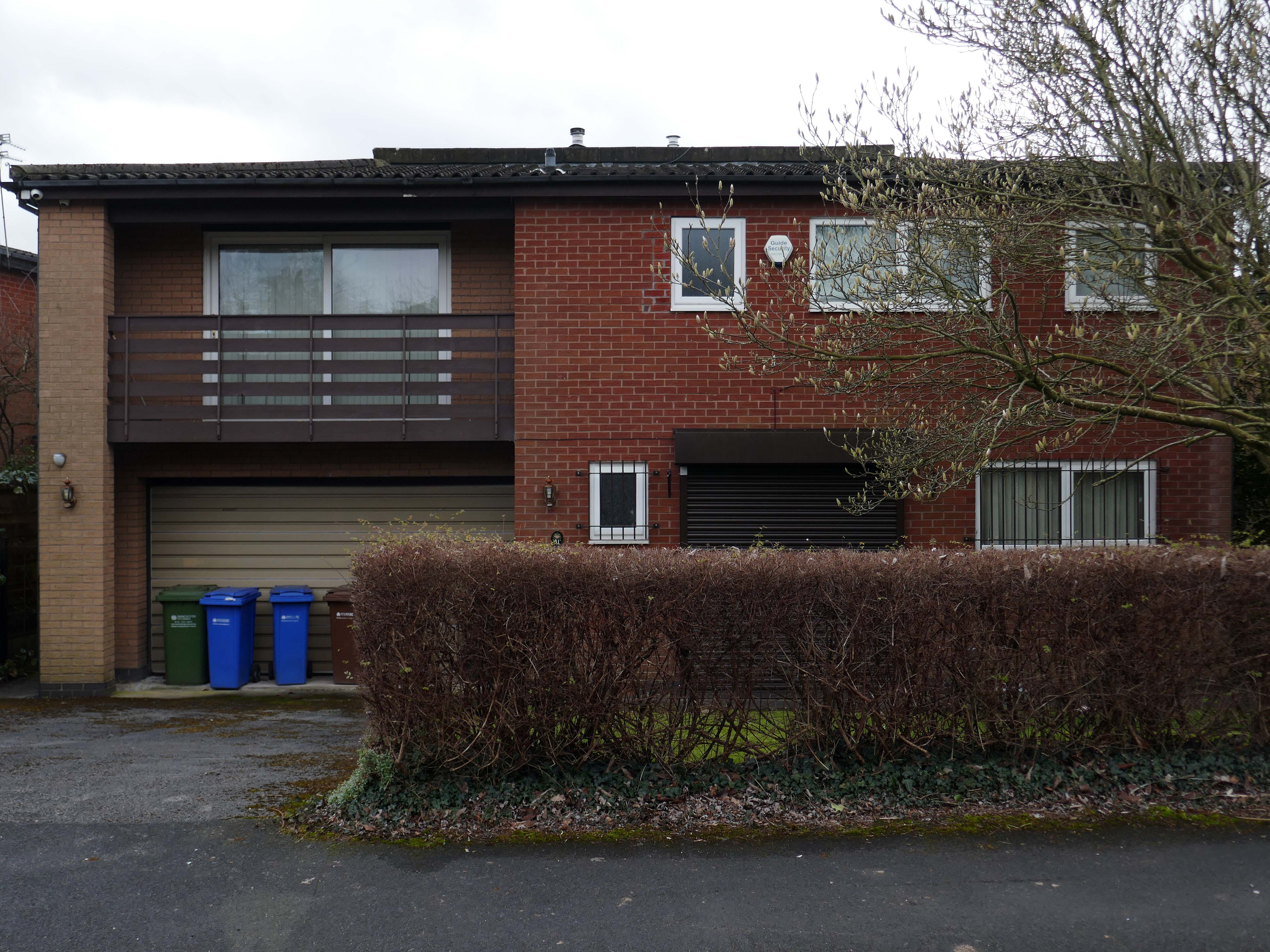
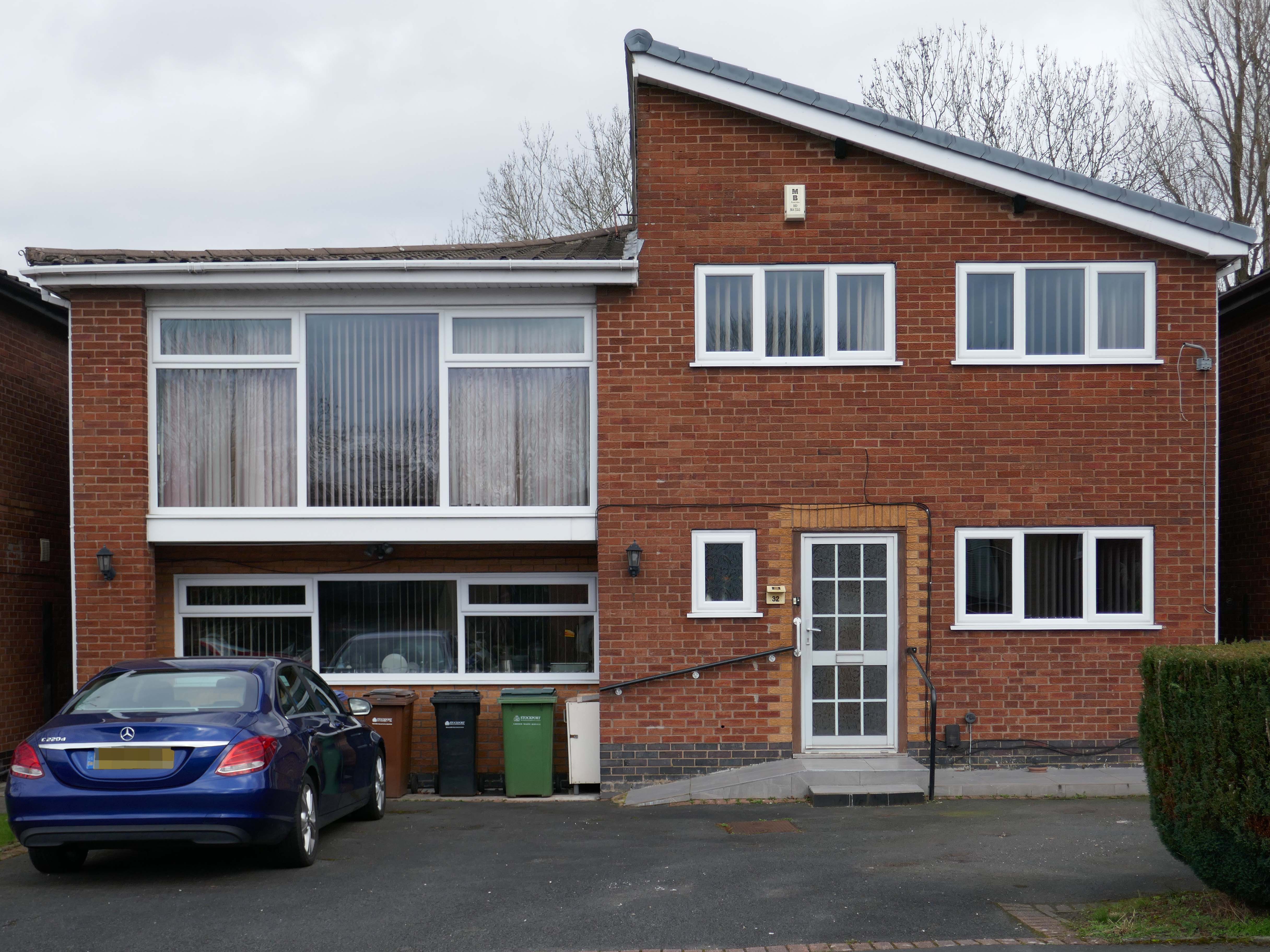
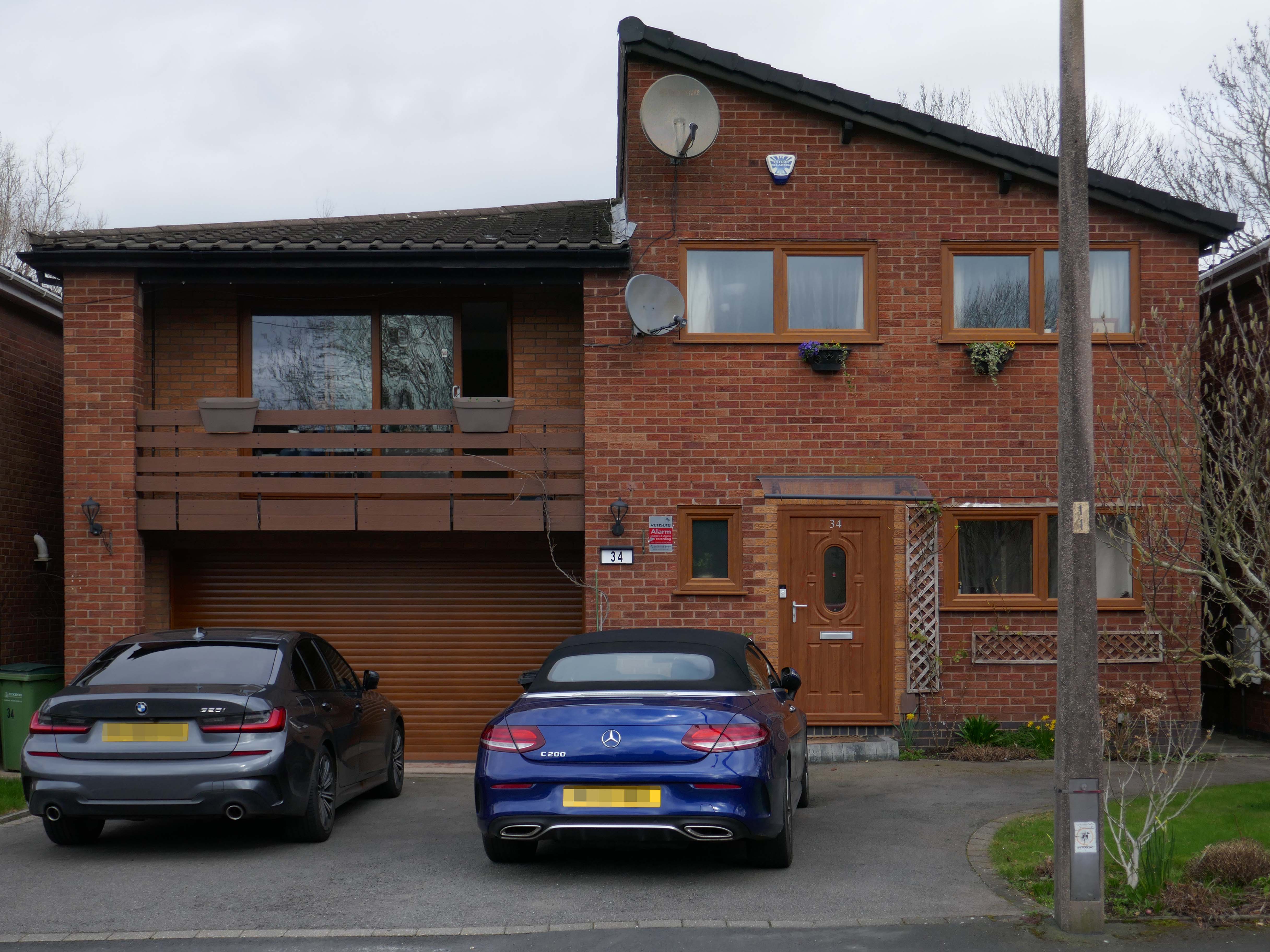
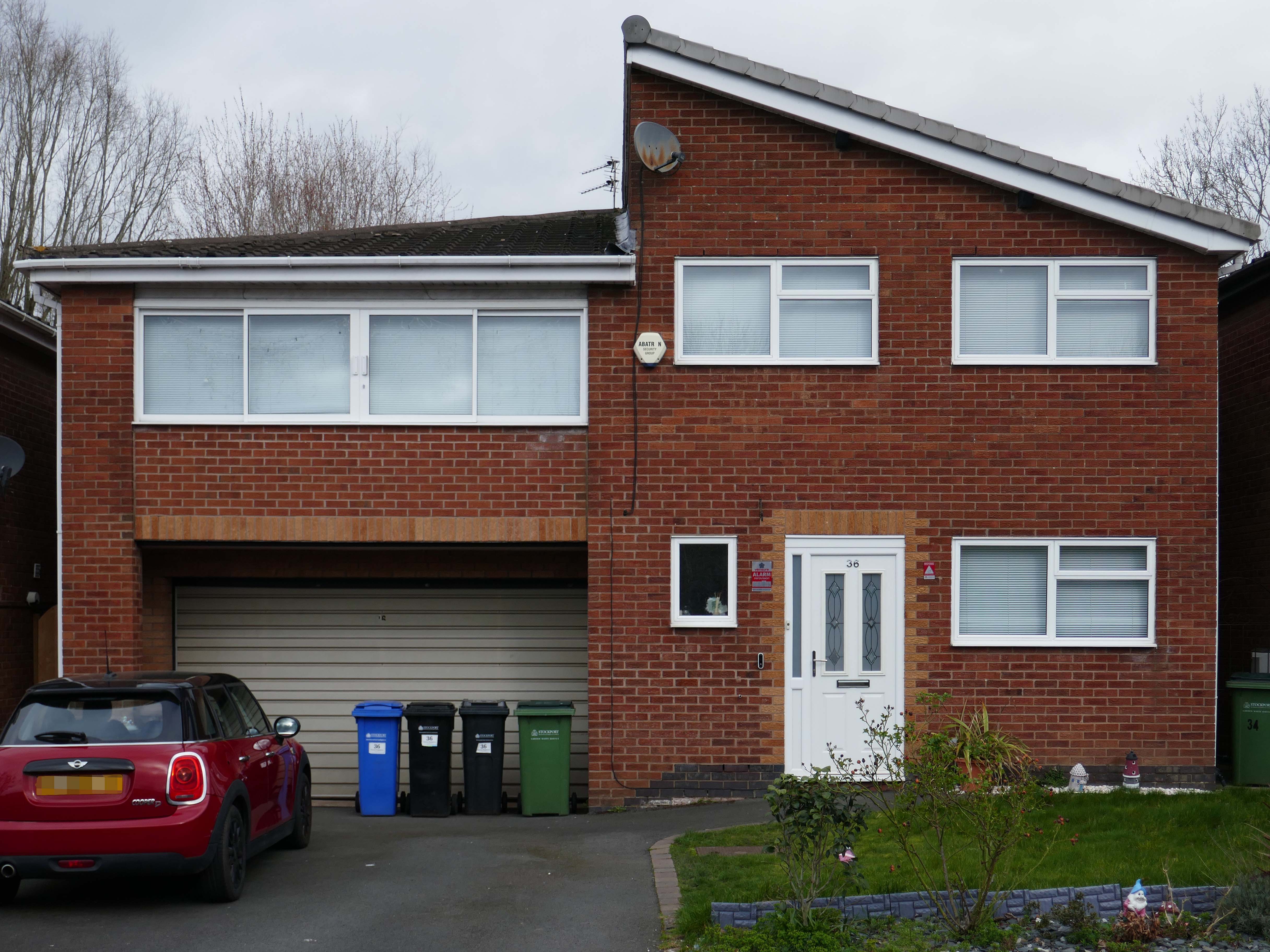
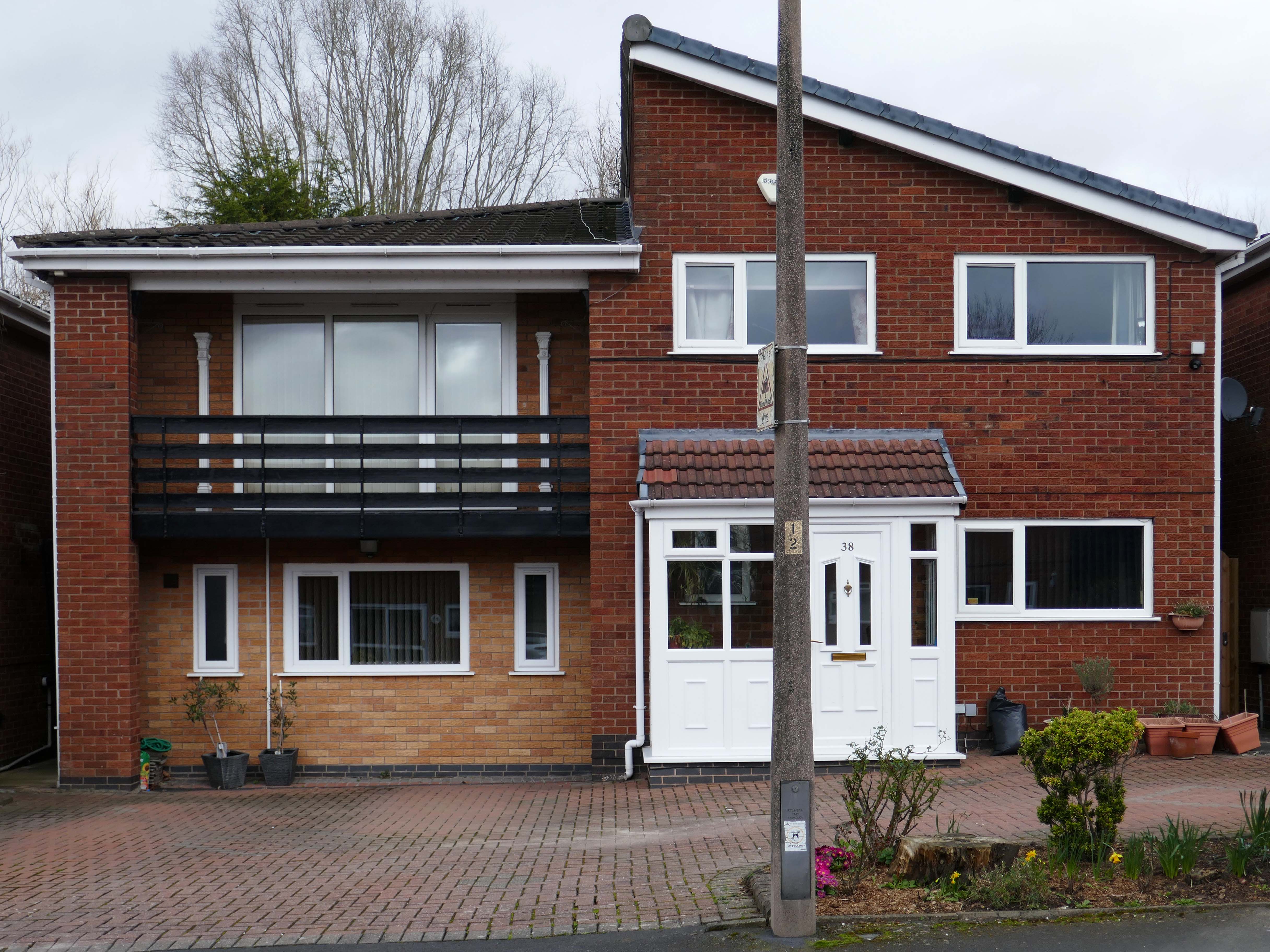
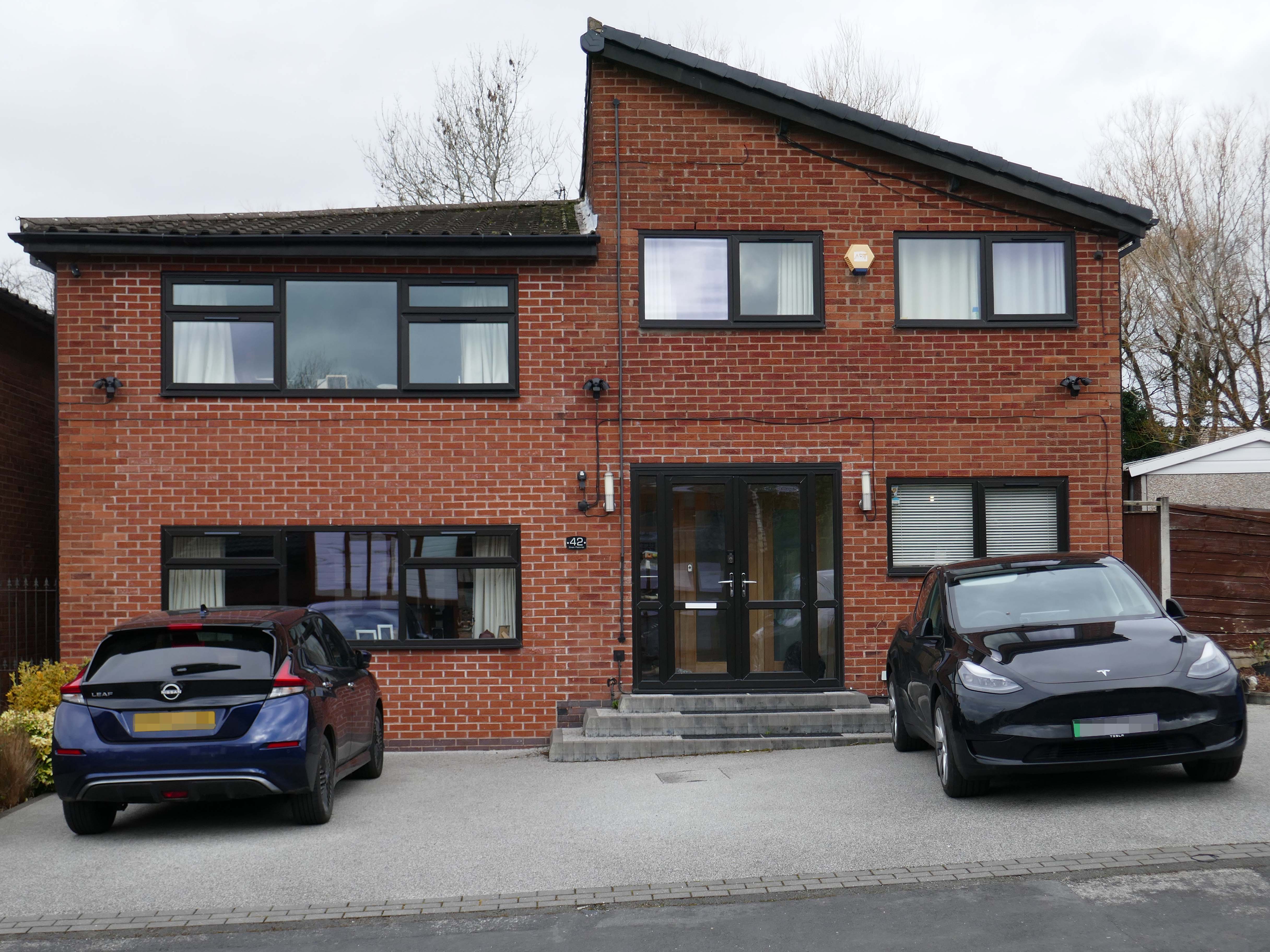
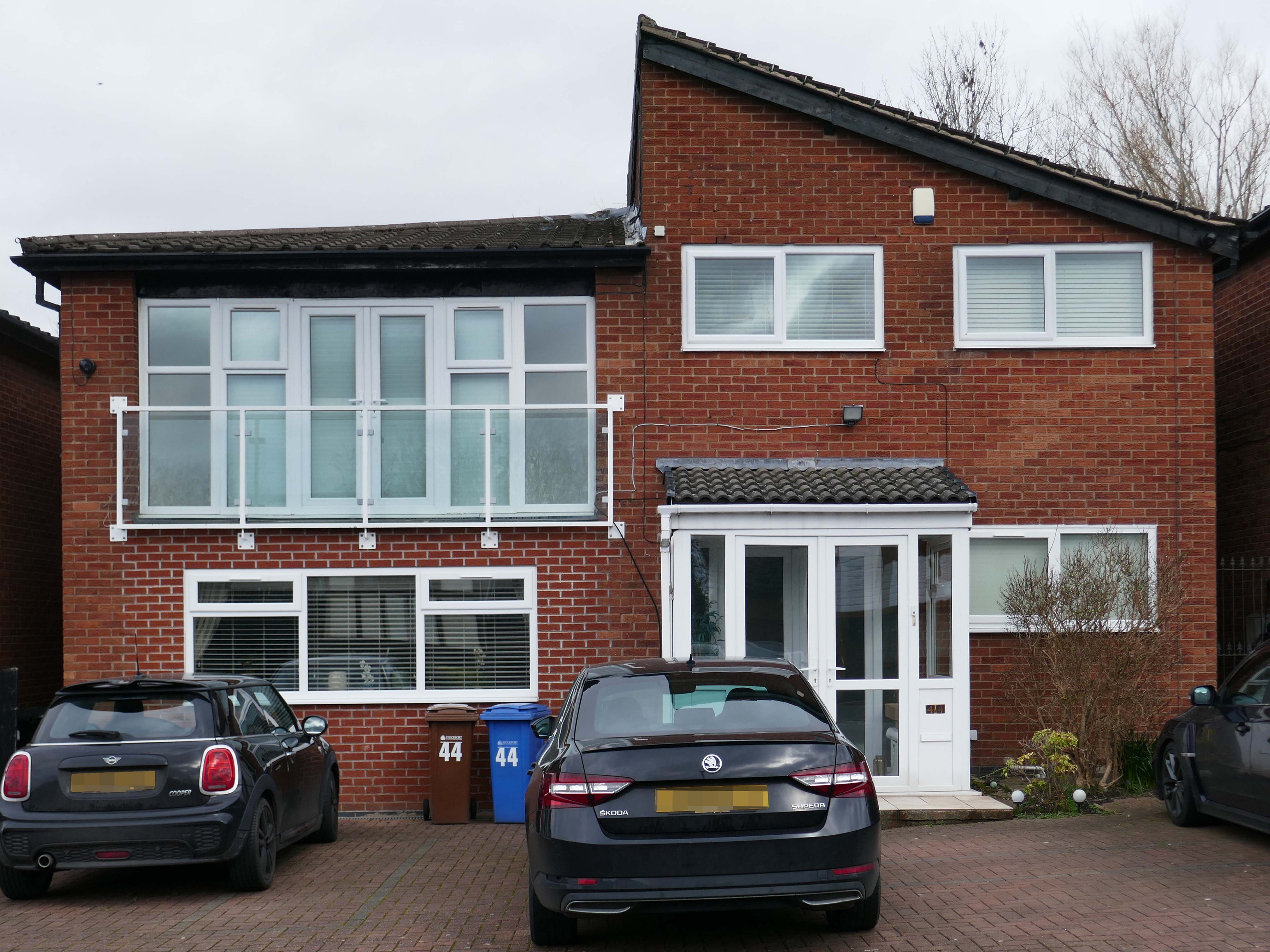
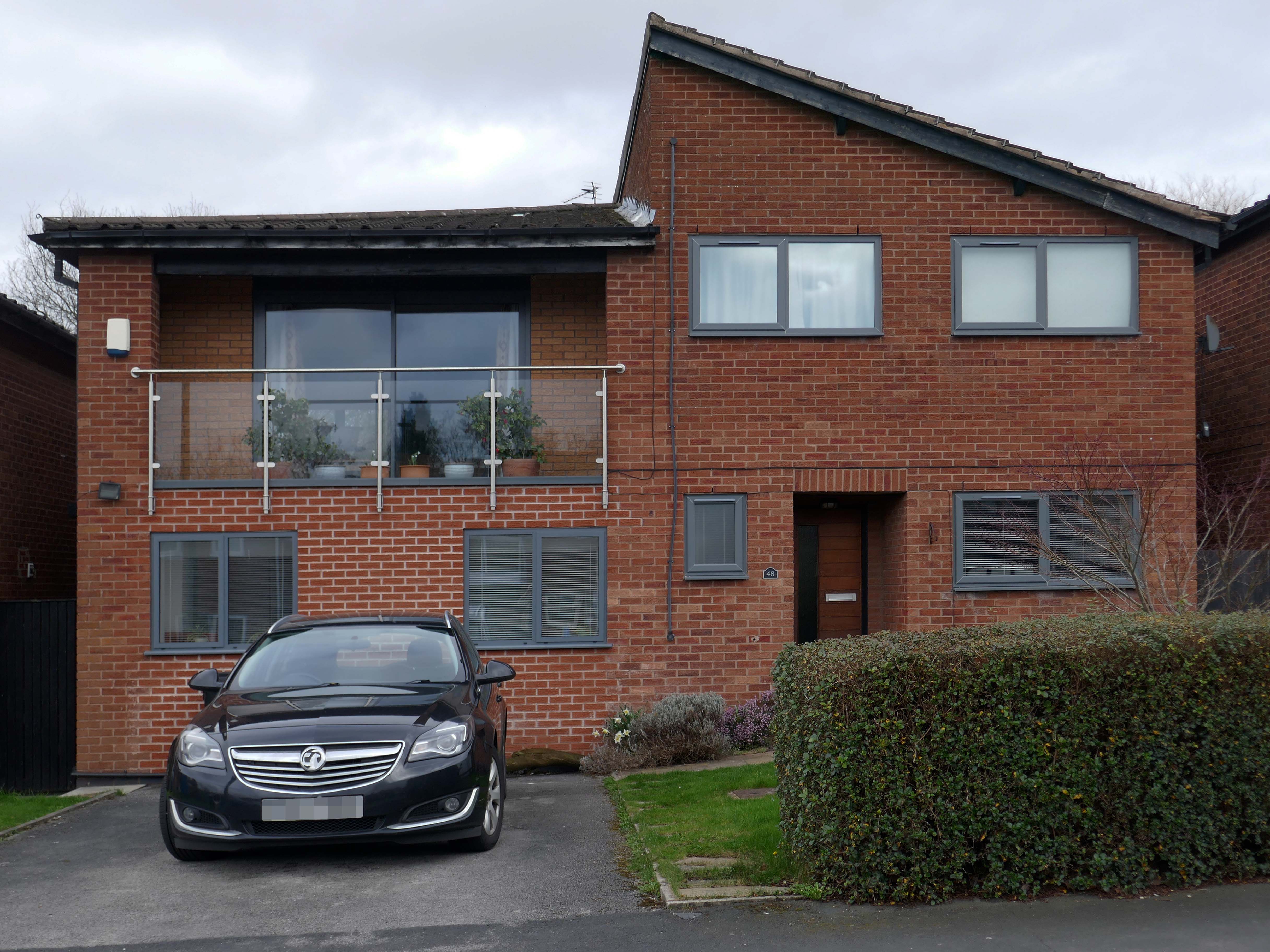
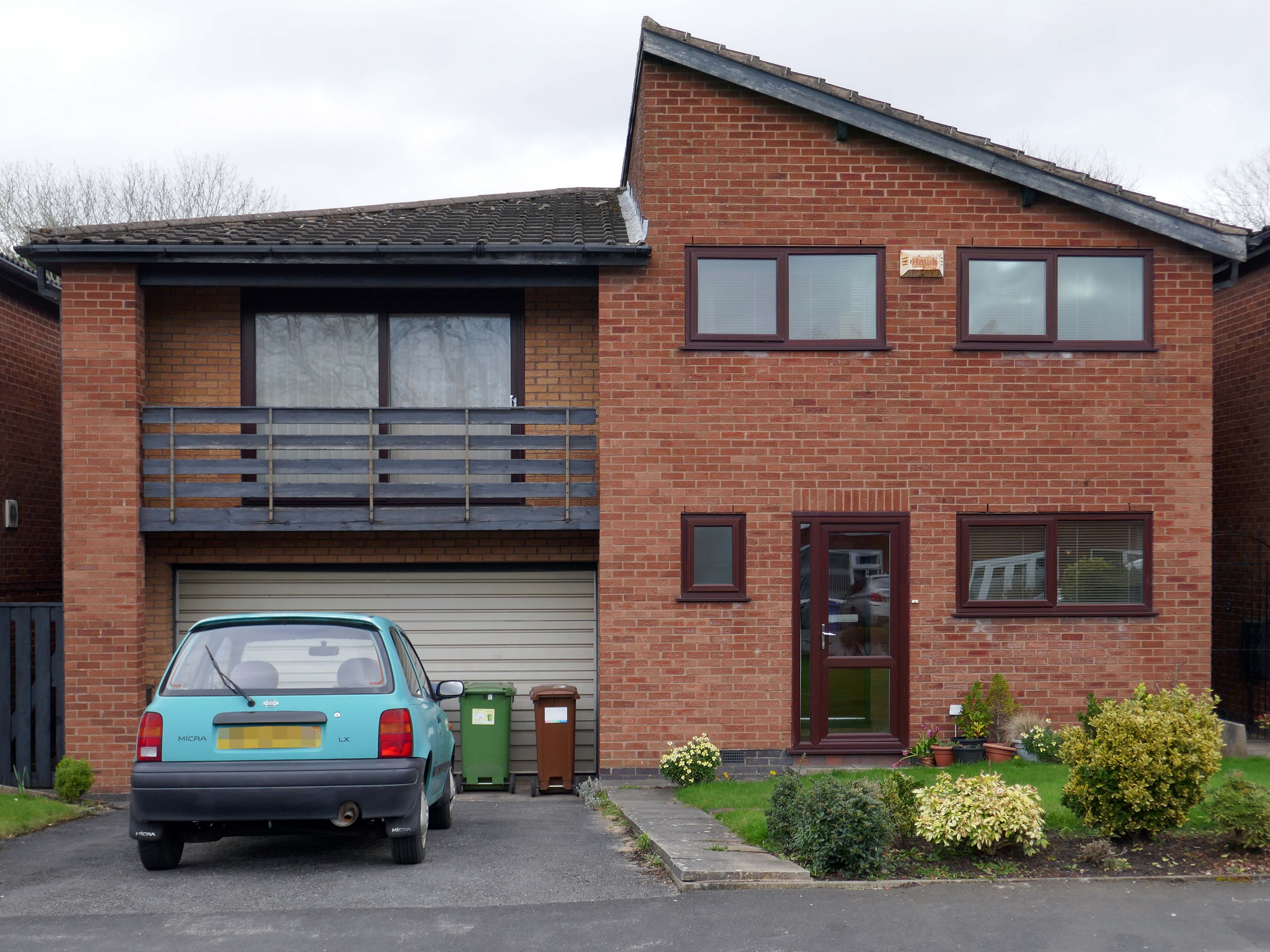
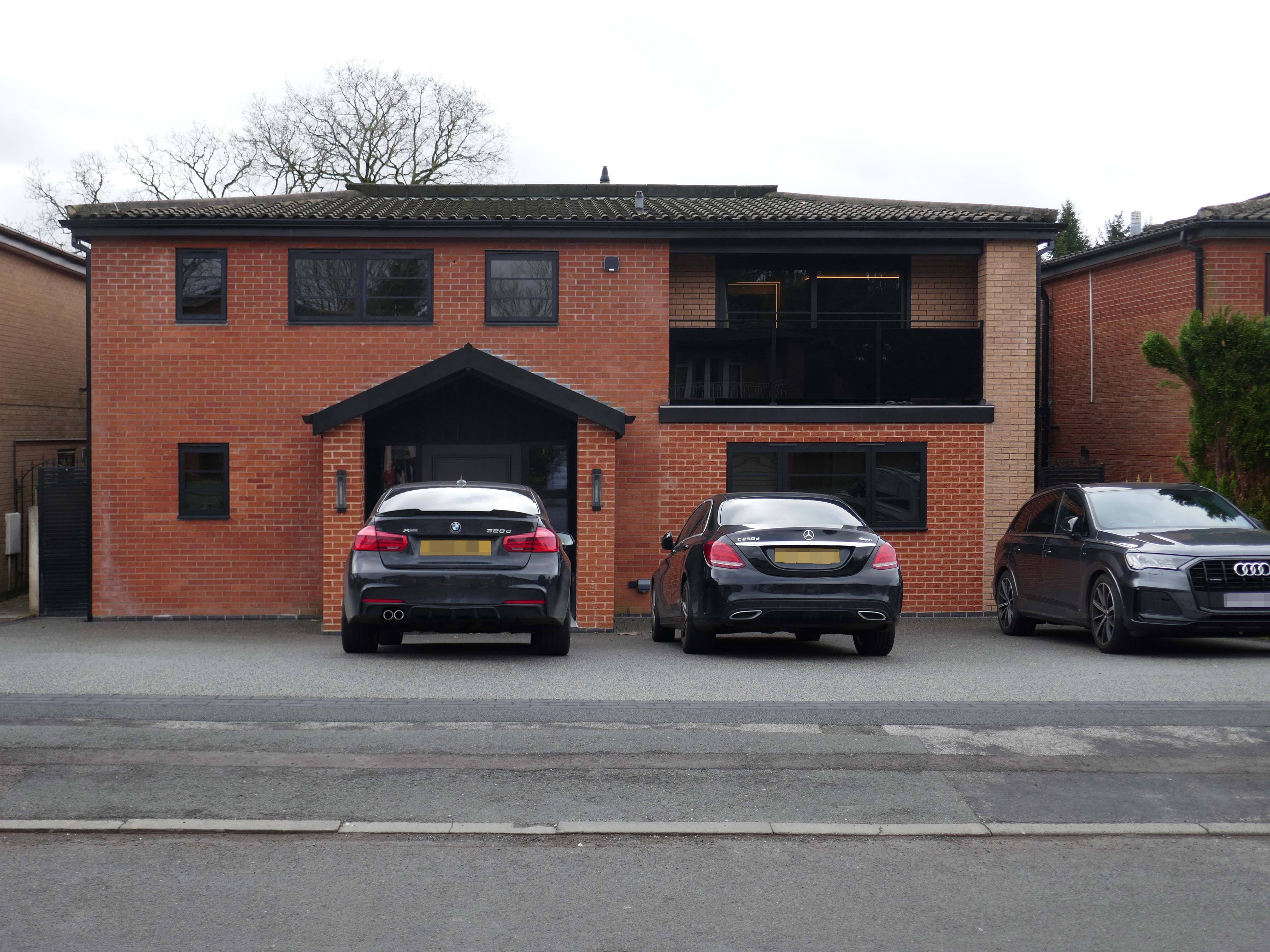
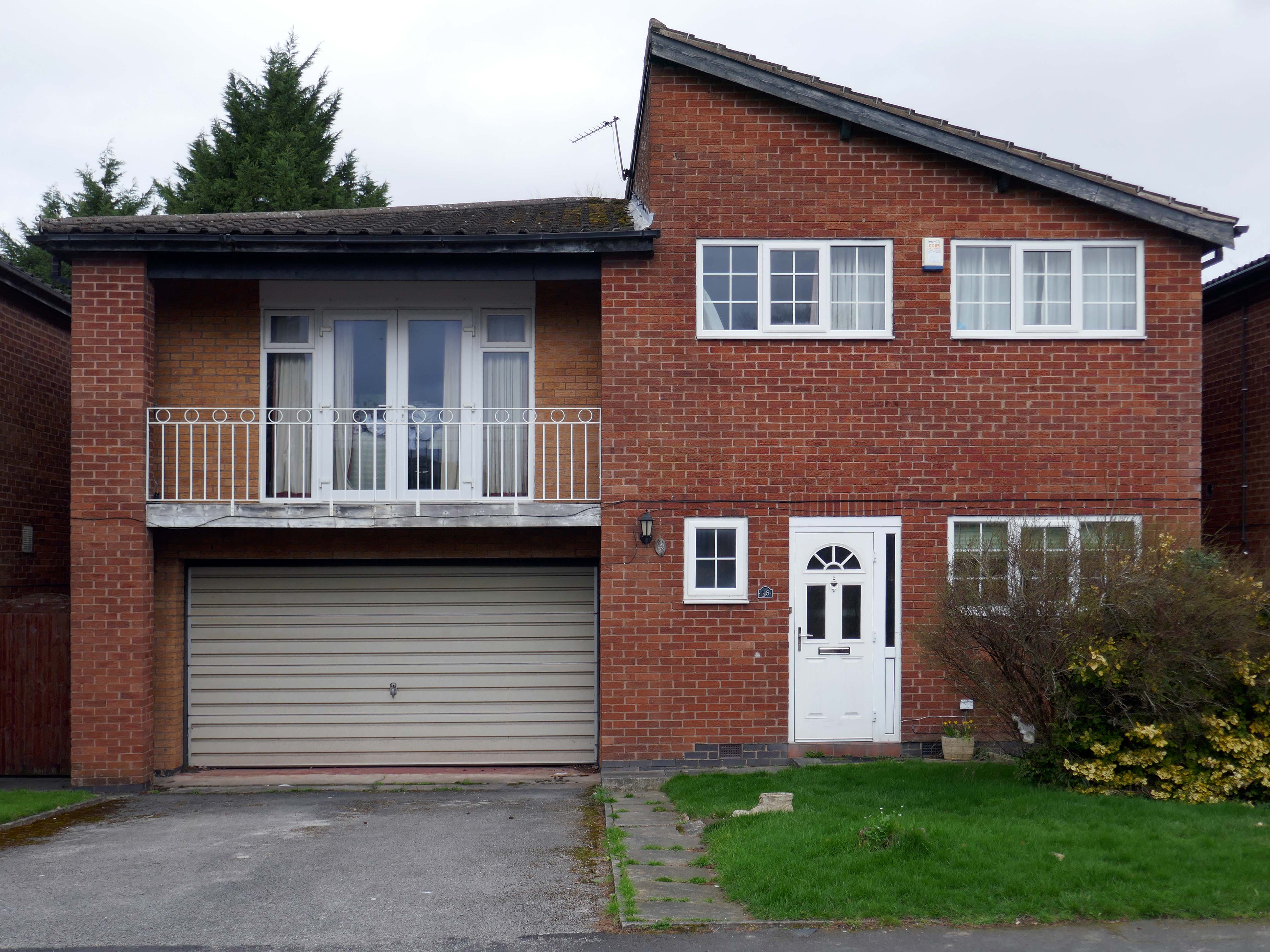
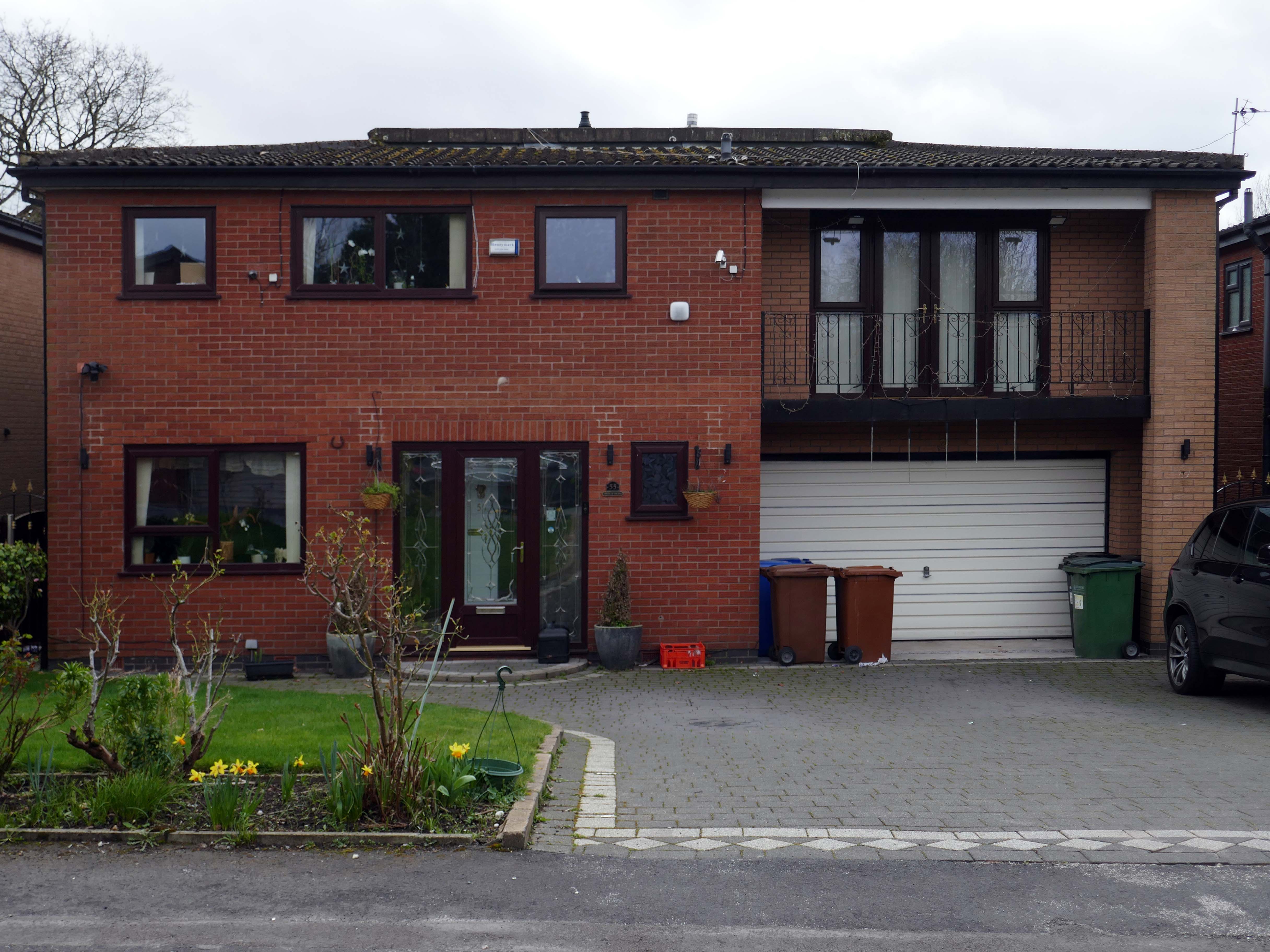
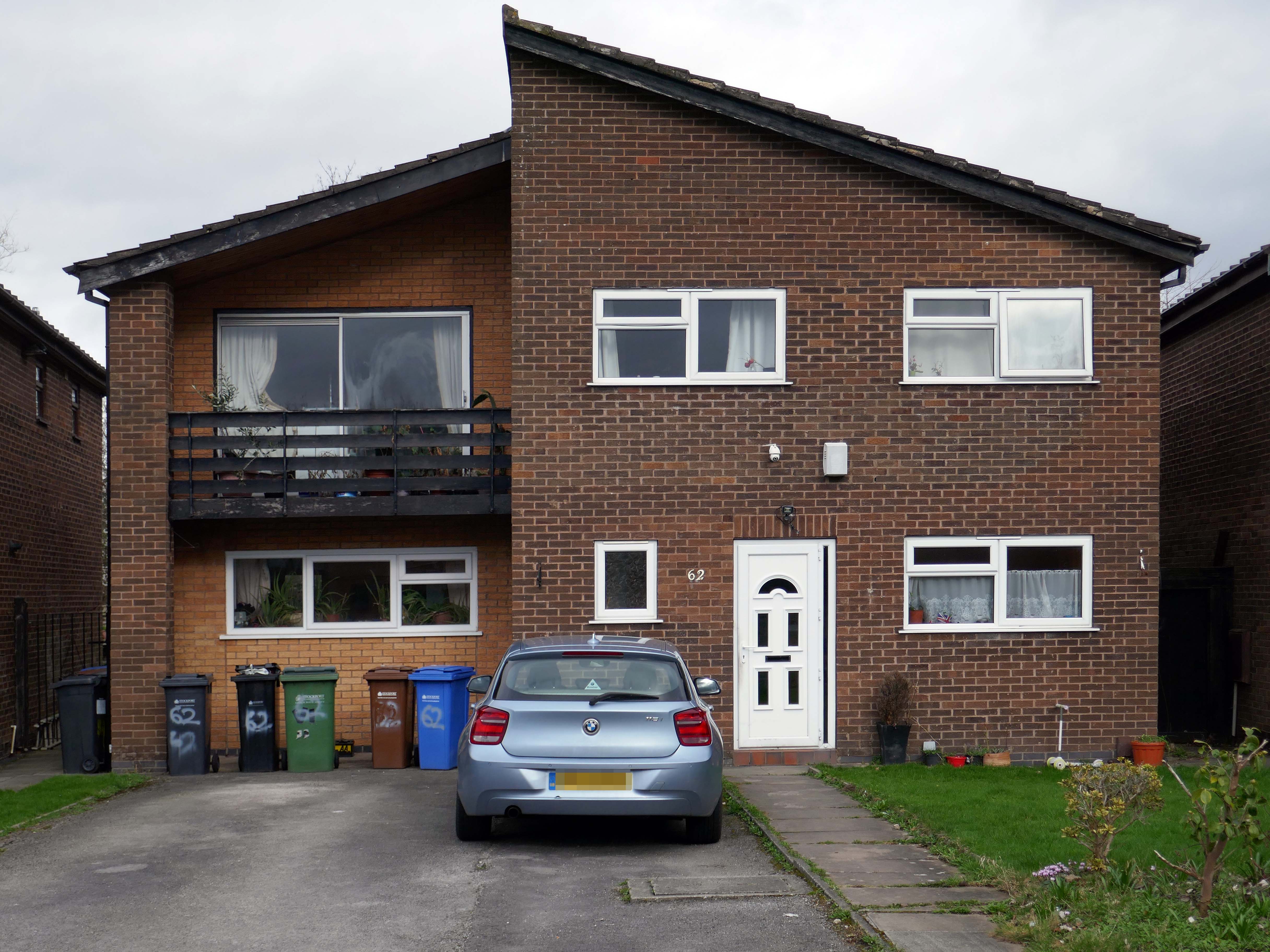
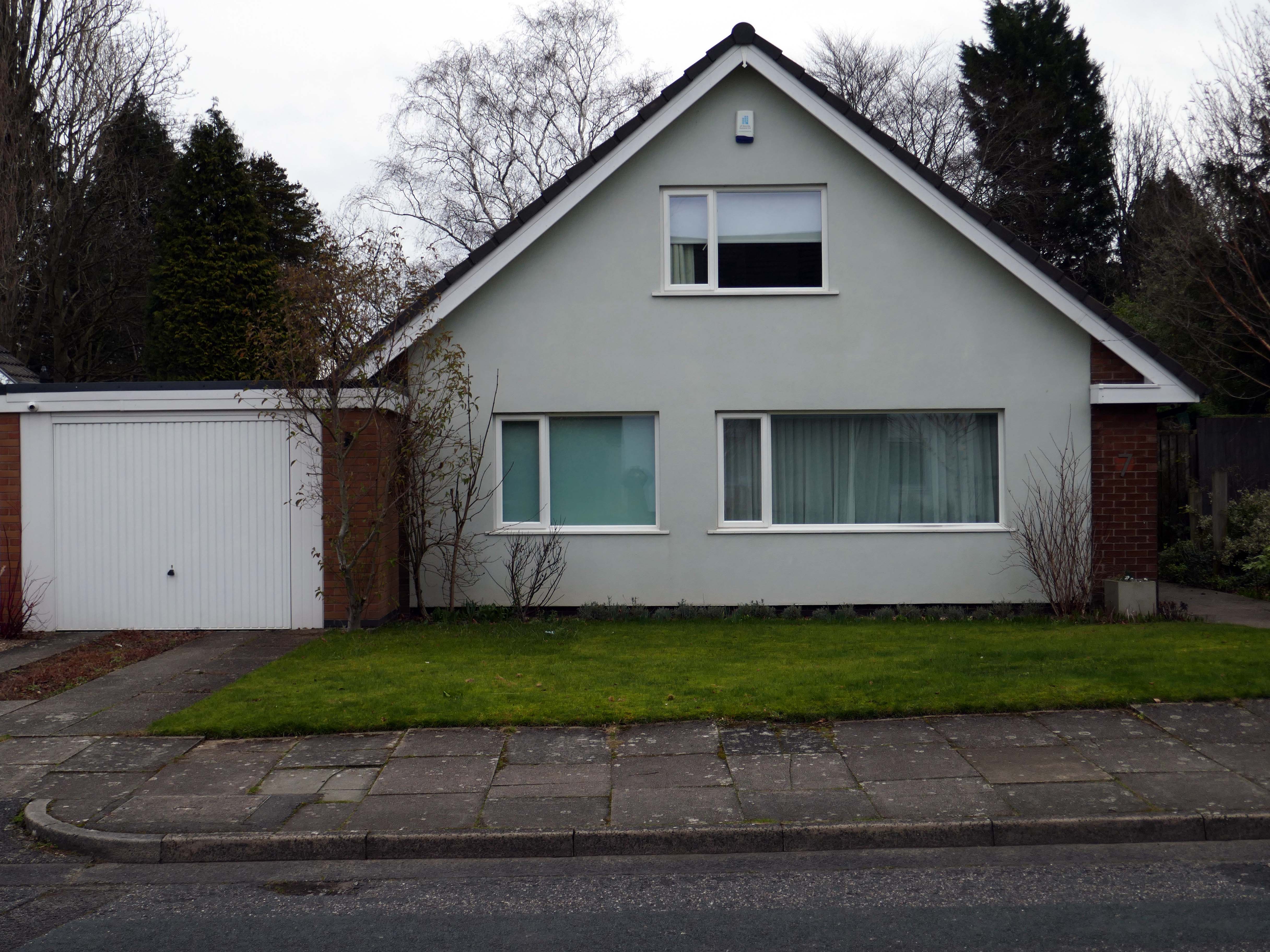
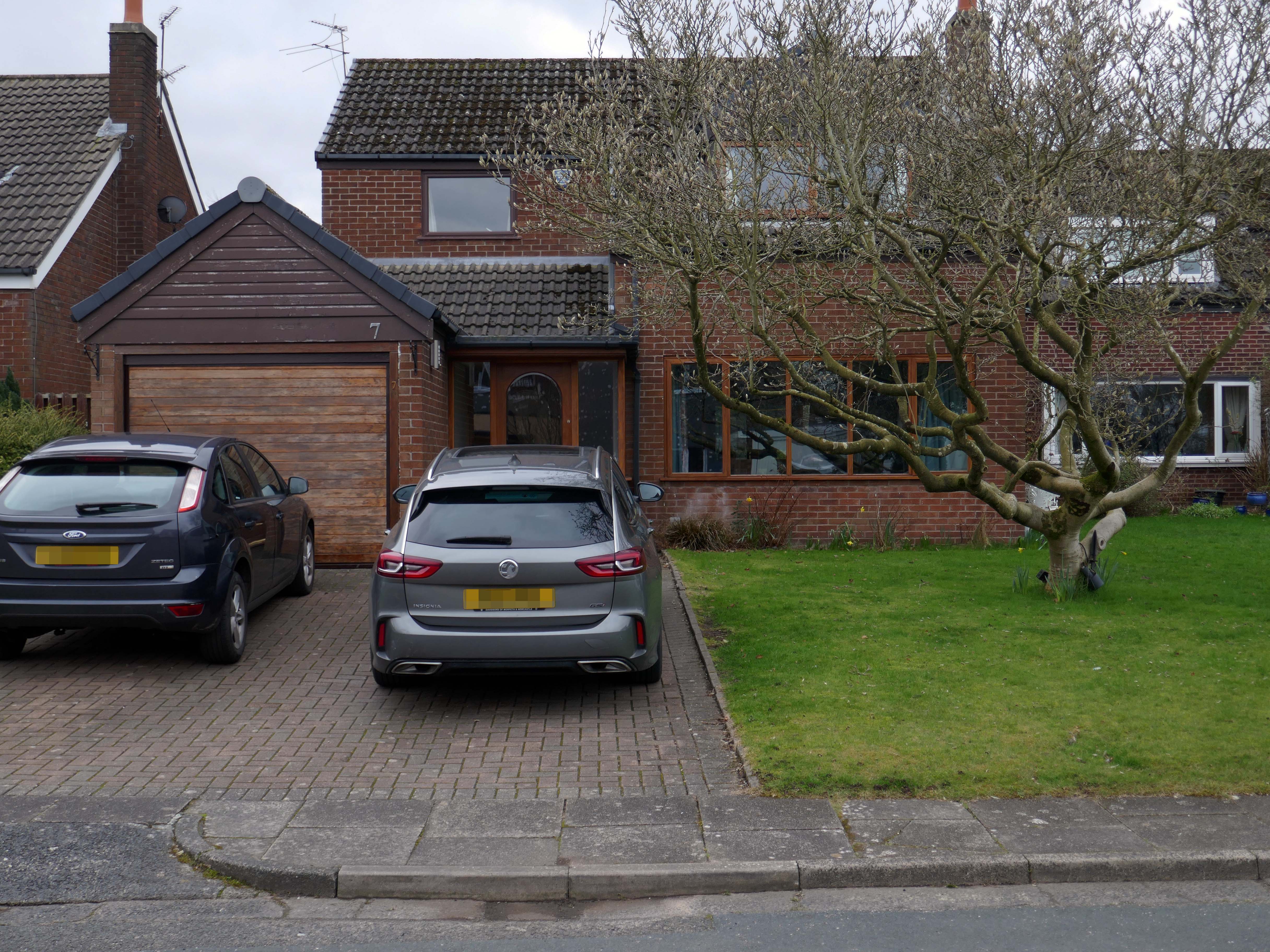
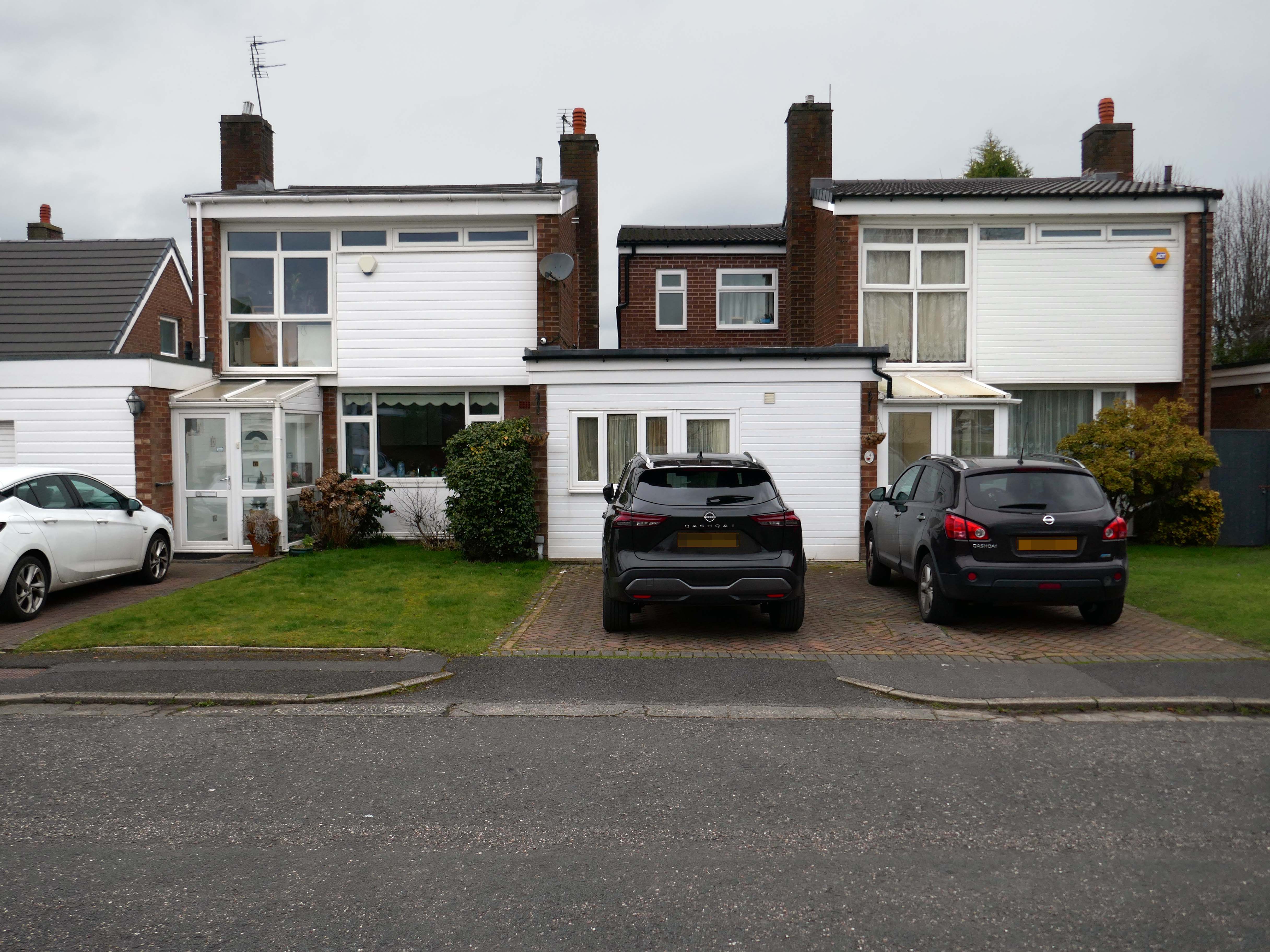
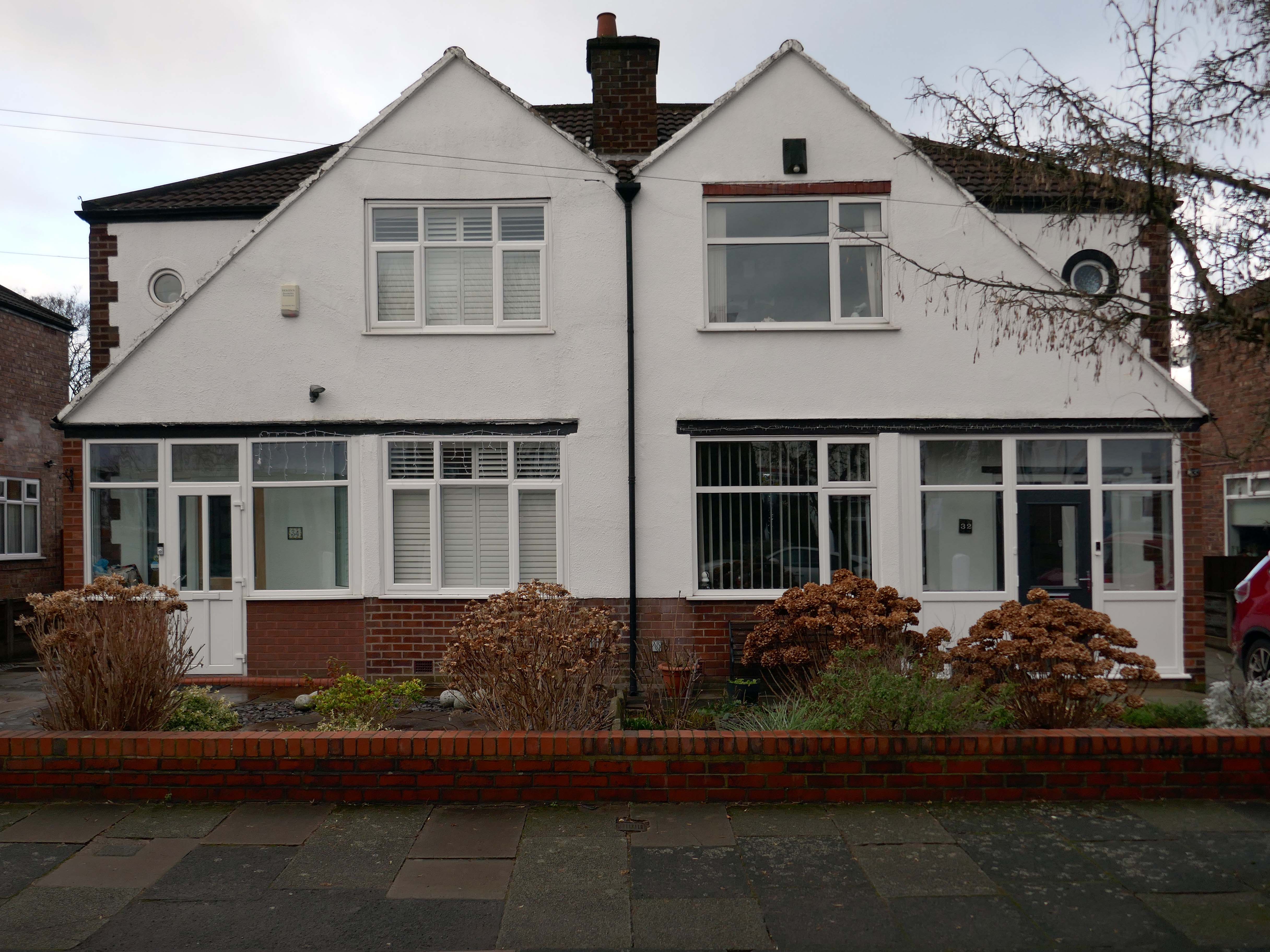
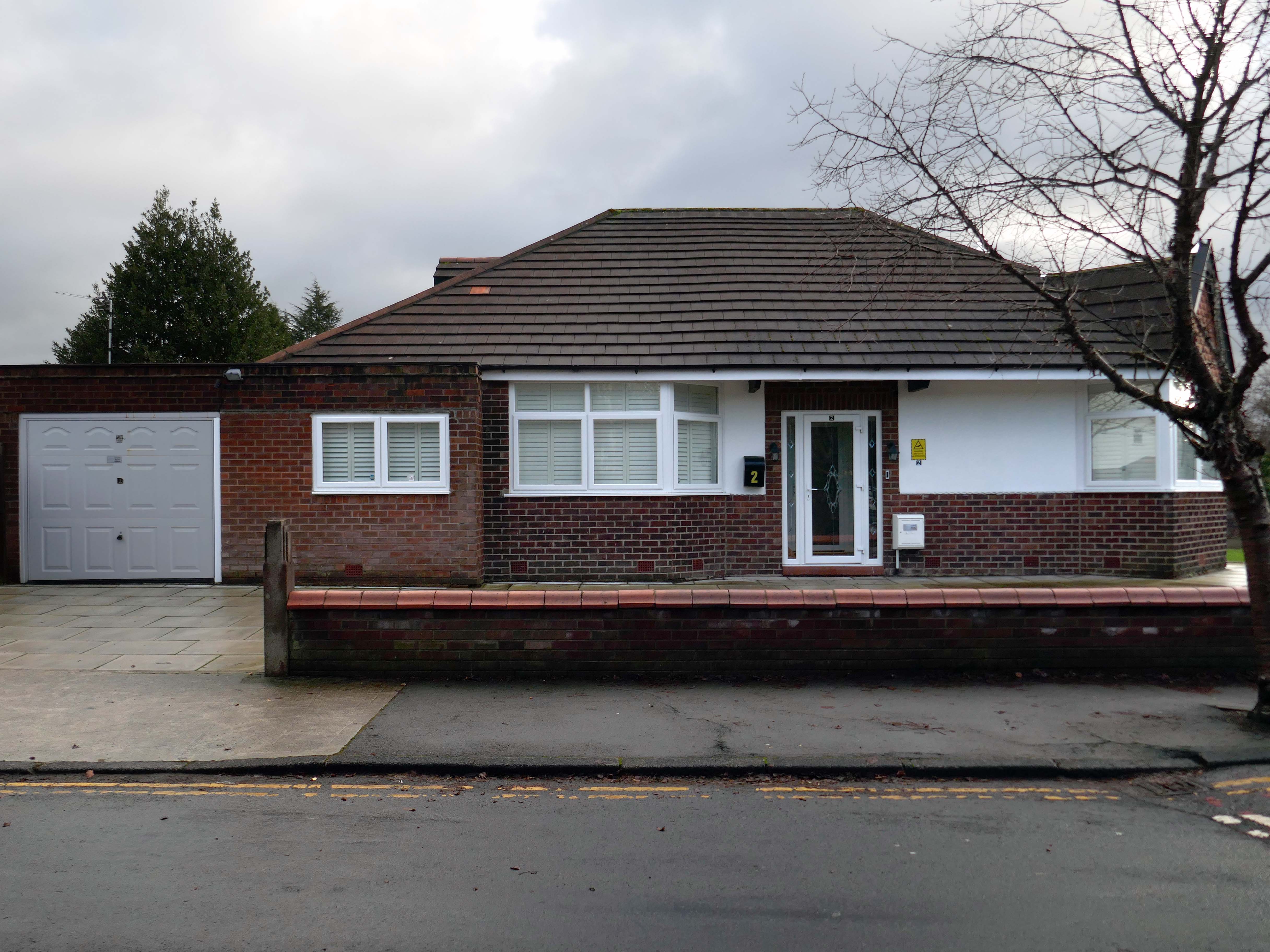
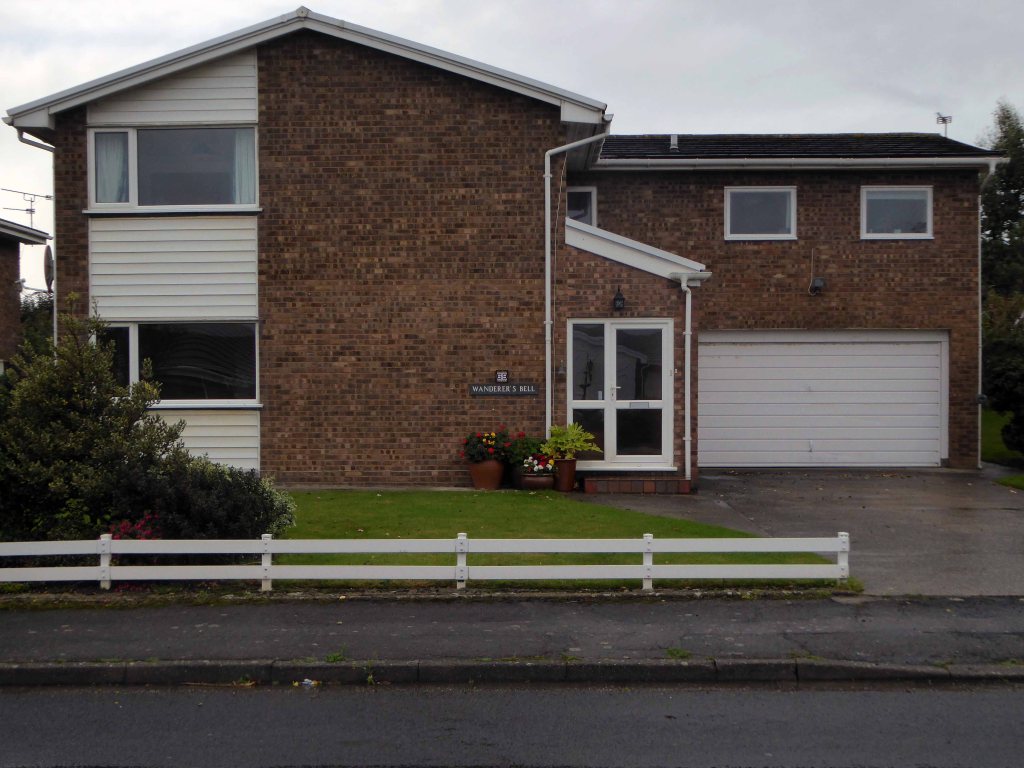
Asymmetric roof, bedroom balcony with optional infill, ever more pointless integrated garage, as the inflated automobile refuses to fit in.
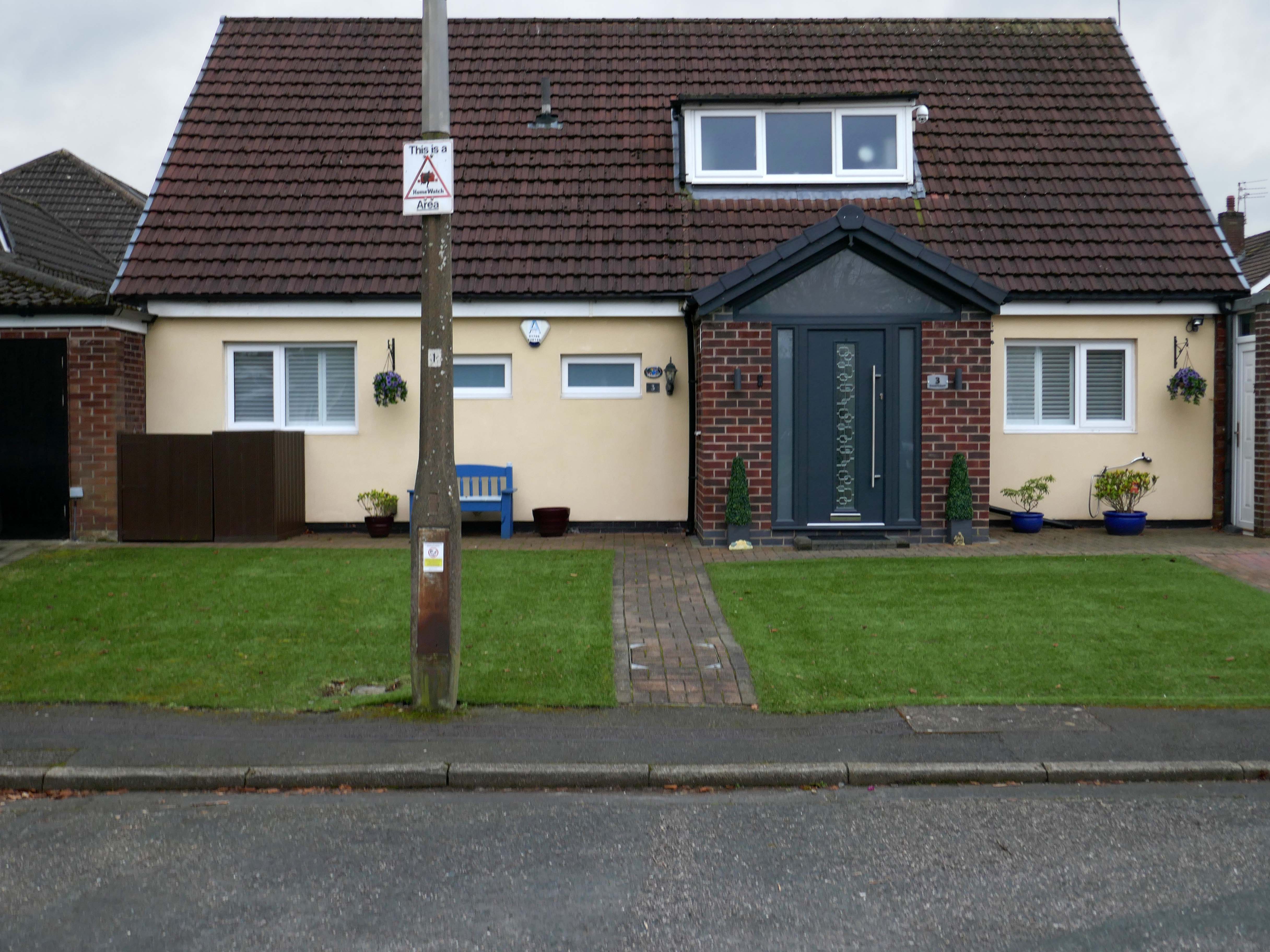
The ubiquitous carriage lamp, B&Q Georgian front door and hanging basket, all head up the relentless quest to defy period integrity, in favour of a free market, free for all of undiluted historicism.
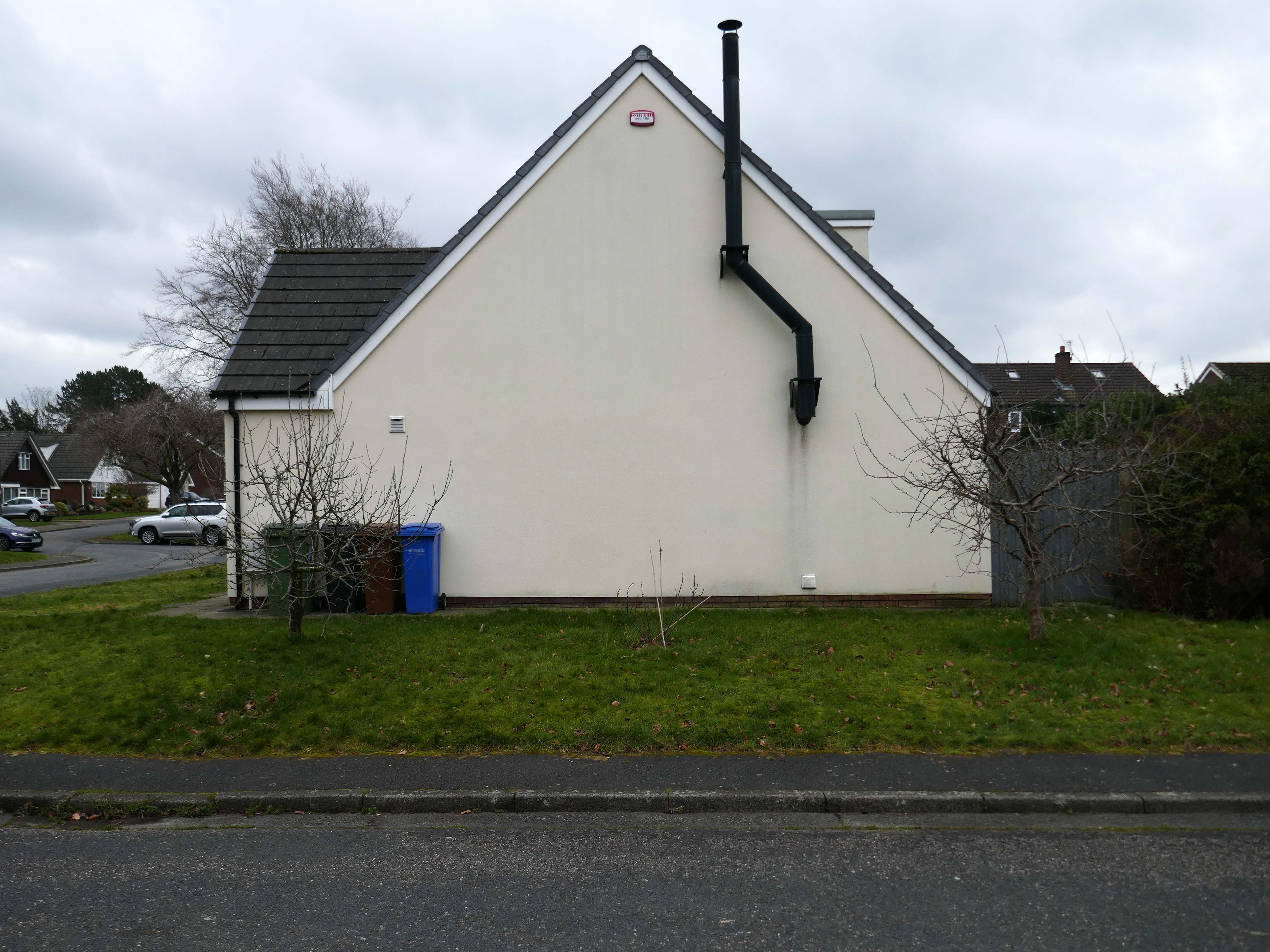
The future and the past and the houses are infinitely all extendable.
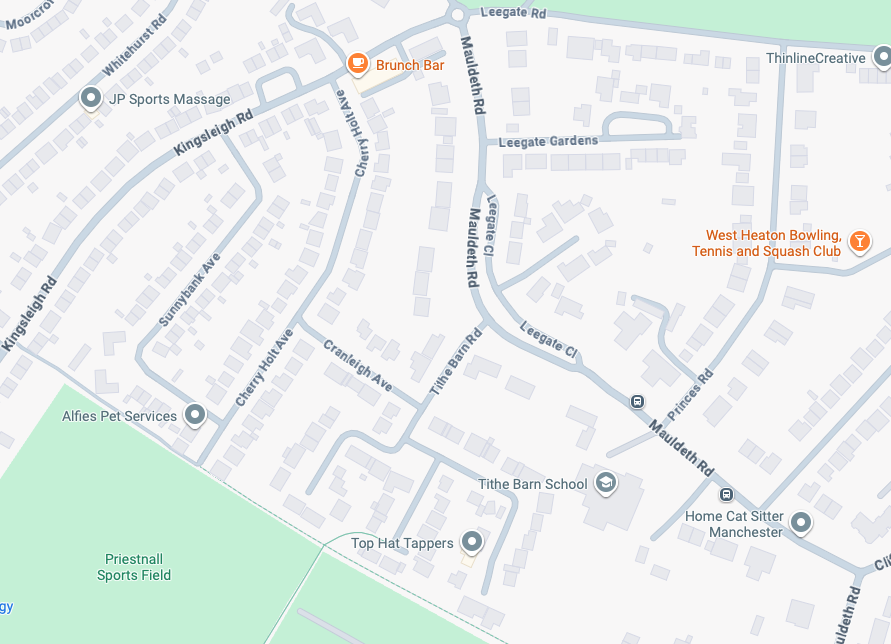
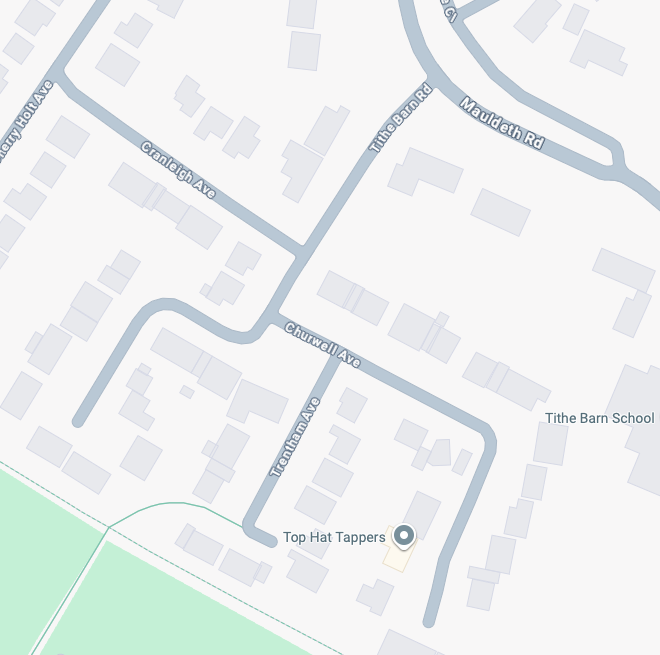
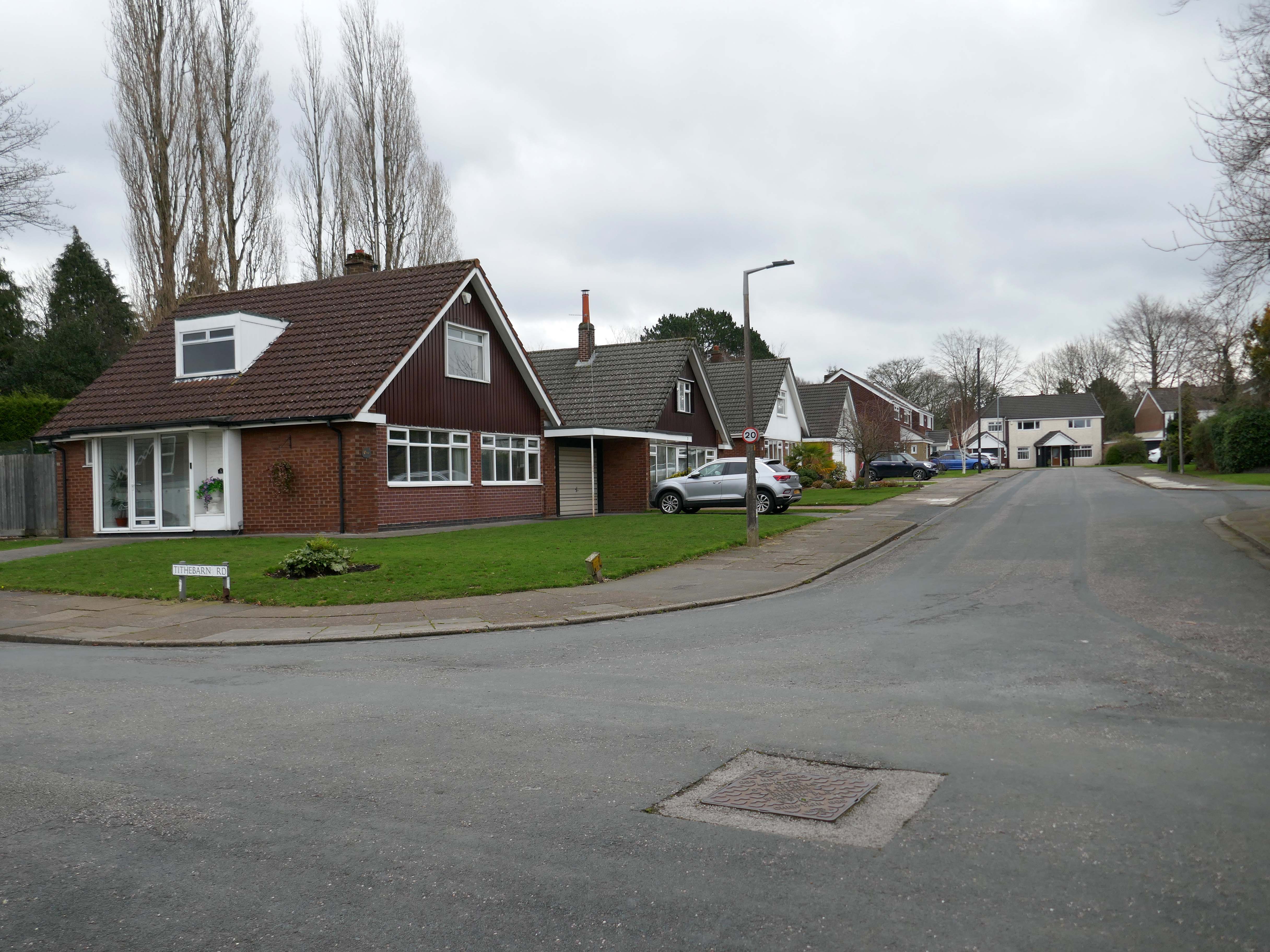
High above the streets of Stockport – zooming in to a cluster of cul de sacs branching out from Tithe Barn Road.
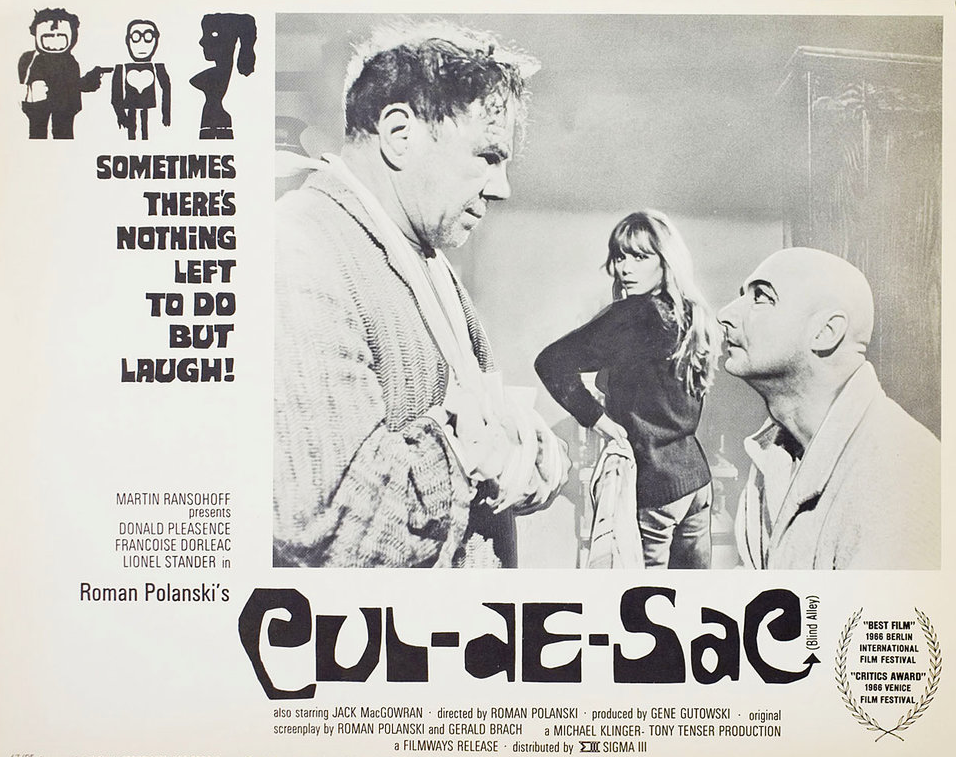
Cul de sac translates as bottom of the bag, the French do not use the term, preferring voie sans issue, literally a dead end.
In the slums of New York City, on the East River just below the Queensboro Bridge, wealthy people live in opulent and luxurious apartments because of the picturesque views of the river, while the destitute and poor live nearby in crowded, cockroach-infested tenements.
I assume that countless civic meetings and Estate Agents’ offices eschew the terminal term – dead end, in favour of the assumed elegance of the cu de sac.
Polanski’s second English-language feature, it follows two injured gangsters who take refuge in the remote island castle of a young British couple in the North of England, spurring a series of mind games and violent altercations.
I was informed by a local resident that the streets and houses had been used by film crews, firstly for ease of access, the location being closed off, and secondly as the period architecture aligns perfectly with the current penchant for mid-century styling.
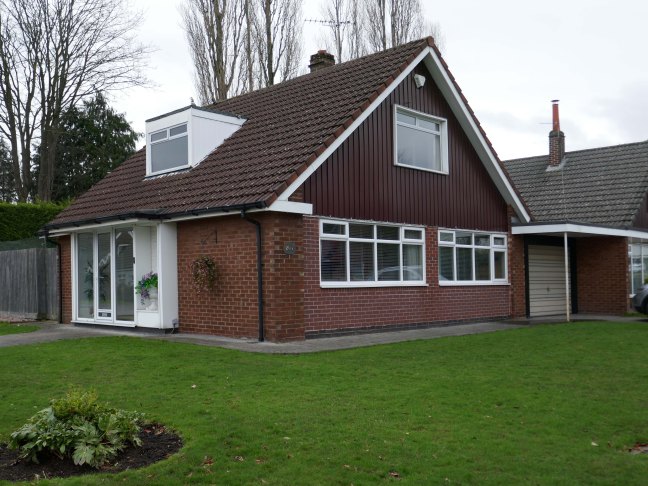
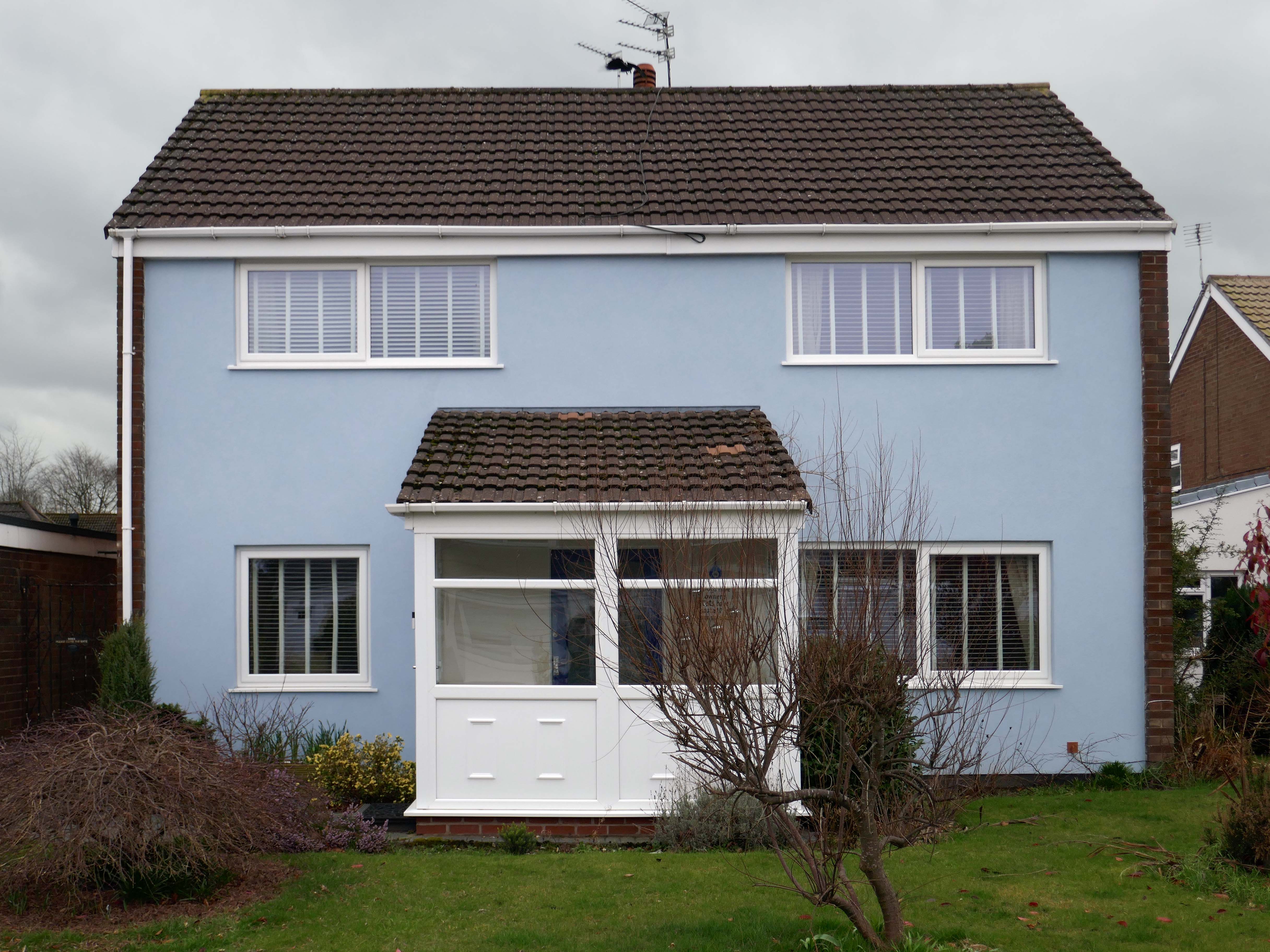
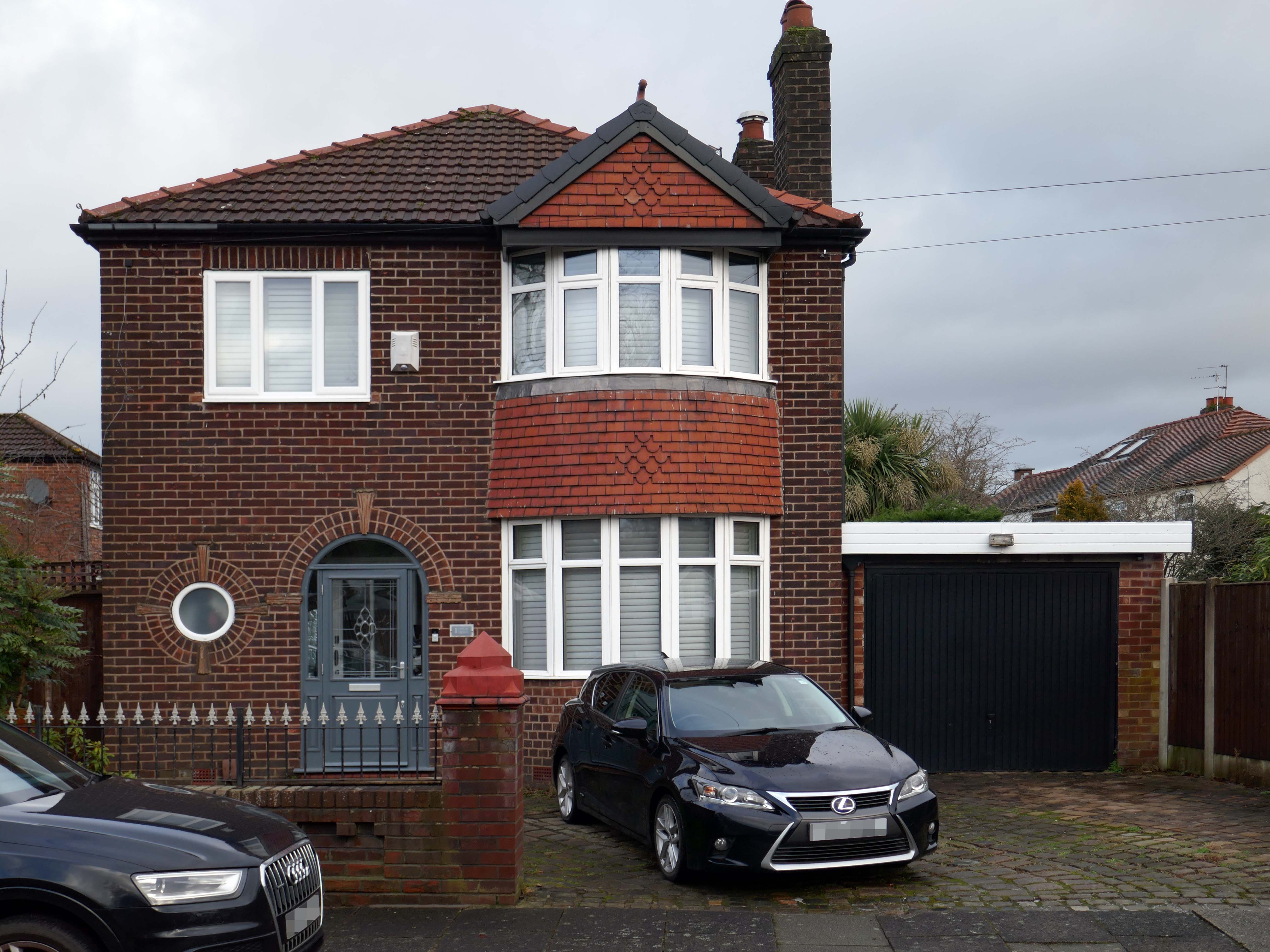
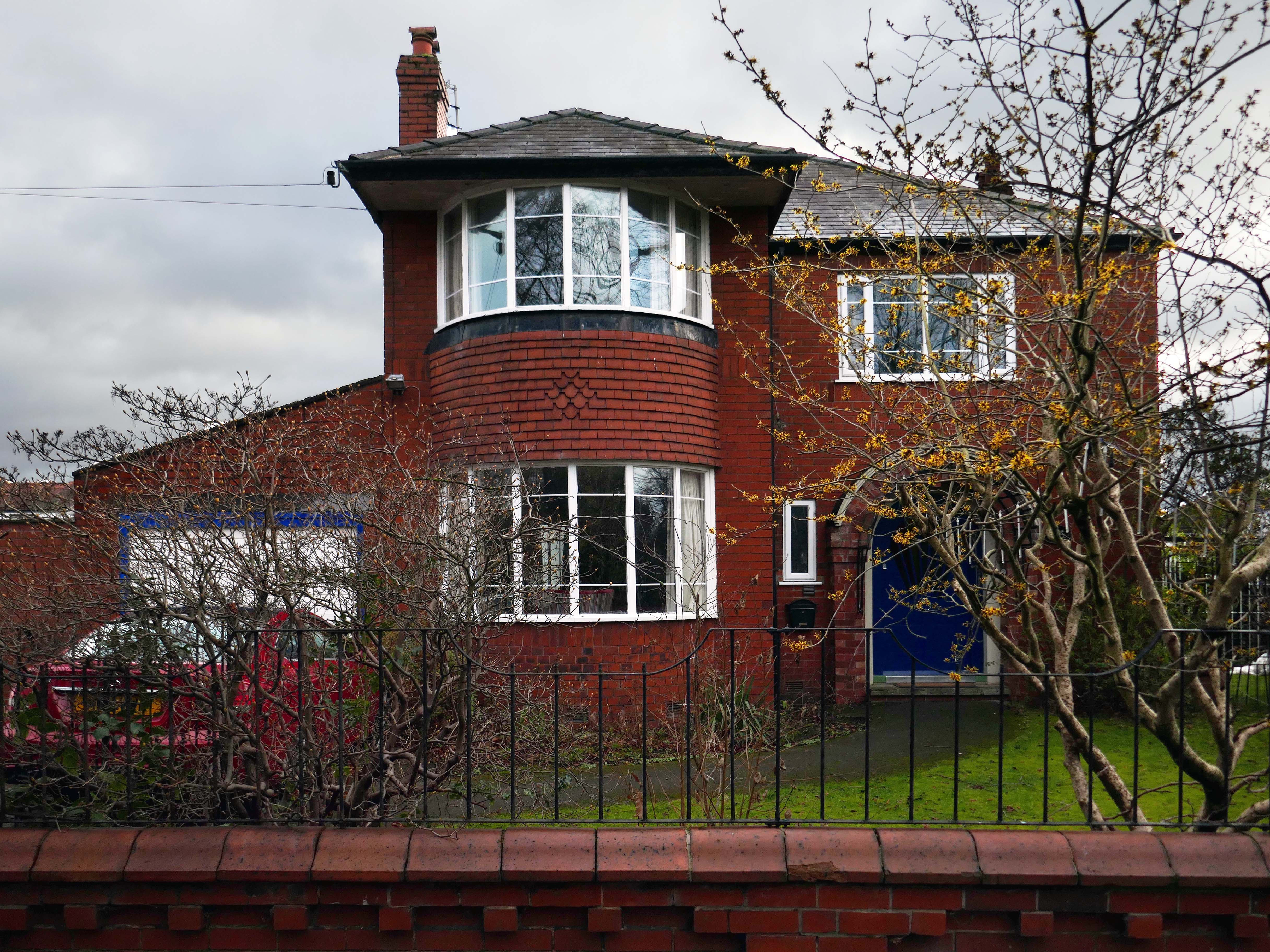
Within the typology there area number of variants, bungalow, dormer bungalow, link detached, semi-detached and detached.
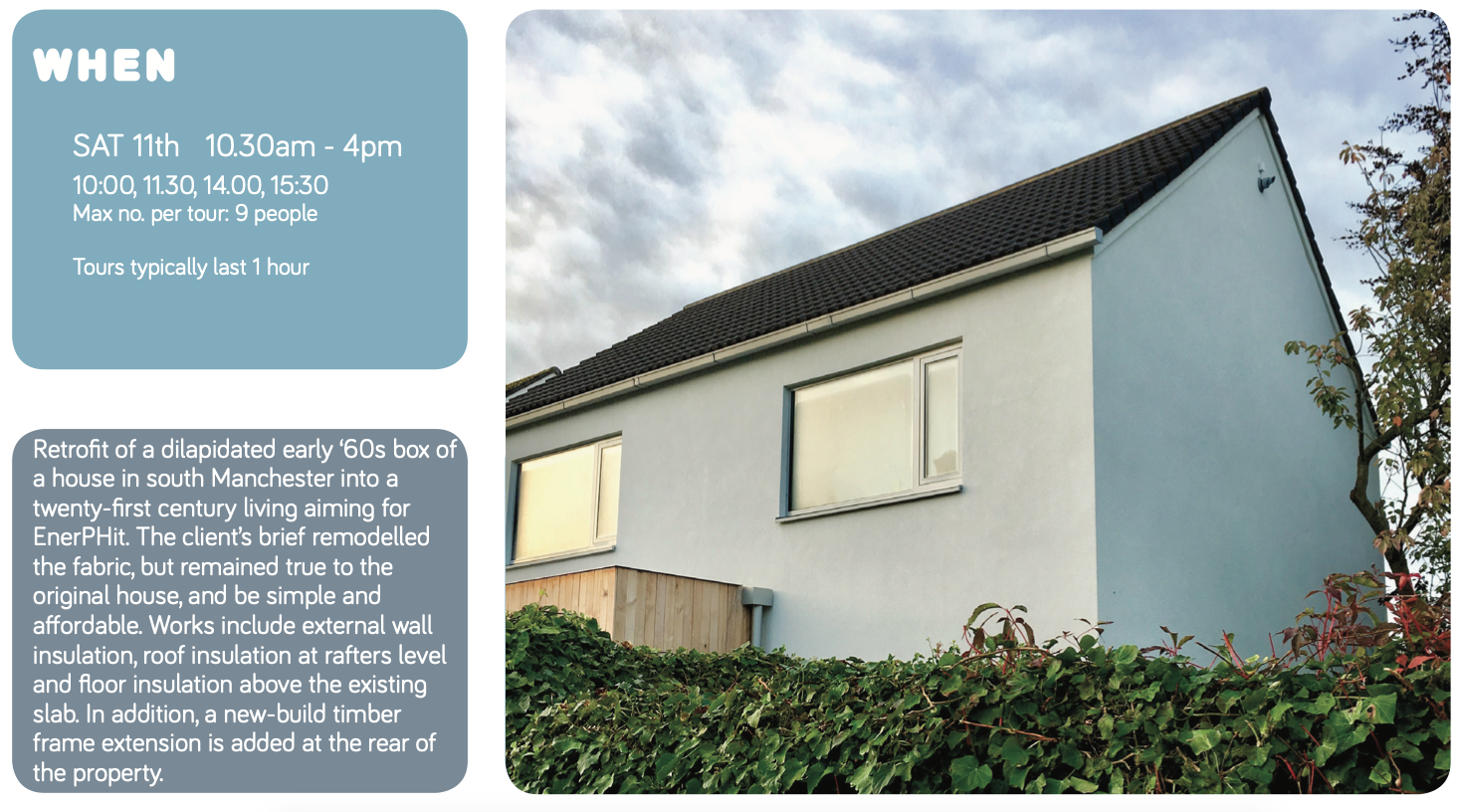
Very very few of the homes have retained their original features, the imperative of our age is to extend and improve.
There is a covenant in the deeds which prevents the building of border fencing – therefore the development retains its small-scale suburban American ambience.
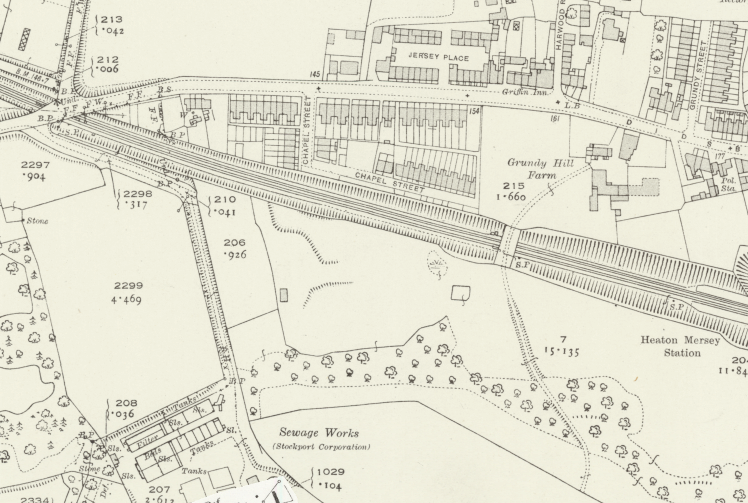
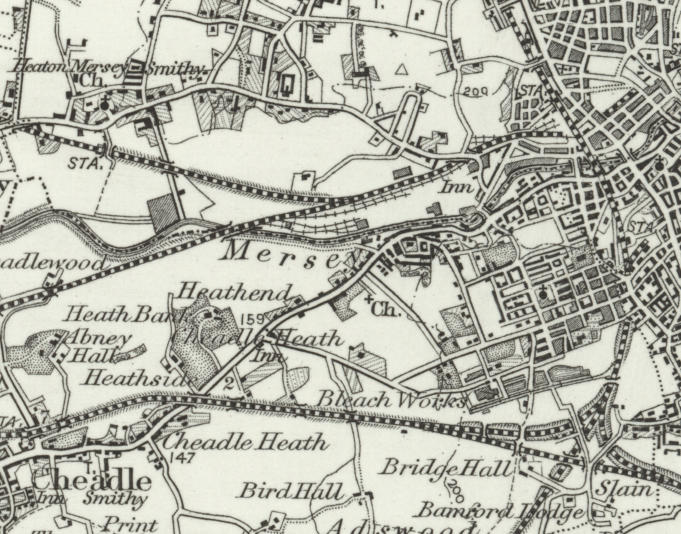
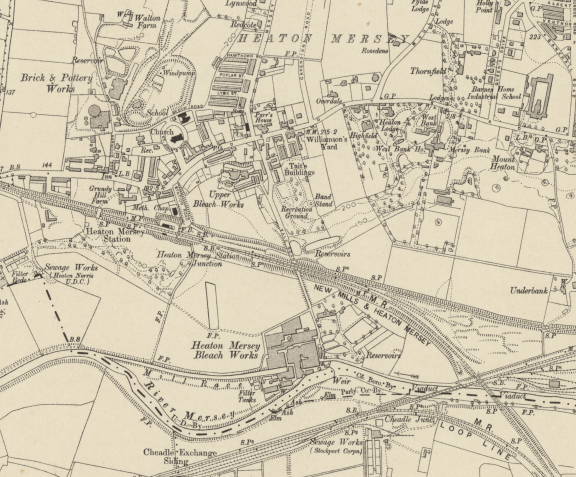
In 1896 the area to the east of central Stockport is a potpourri of emergent industry, railways, a river and agriculture – a product of the second Ice Age, the subsequent formation of the Mersey Valley and the Industrial Revolution.
By 1911 there is an expansion in the housing stock.
A comprehensive history of the area cane be found here.
In 1918, the UK property landscape was dominated by private renters, who made up 75% of all households. At the time, only 25% of the population owned their own homes.Over the next few decades, home ownership gradually increased, reaching about 38% by 1958. This shift was accompanied by a decrease in private renting, which fell to 41% during the same period.
The most significant growth in home ownership occurred between 1958 and 2003. The percentage of owner-occupiers surged from 38% to 70%. This period saw a corresponding decline in both private renting, which fell to just 8% in 2003, and social renting, which peaked at 29% in 1978 before declining to 22% by 2003.
The pattern of home ownership has been determined by a number of factors –
The Property Owning Democracy – Coined by British MP Noel Skelton in 1920, the concept emphasised the terms ‘property-owning’ and ‘democracy’ as a conservative response to left-leaning ideas of liberalism and socialism.
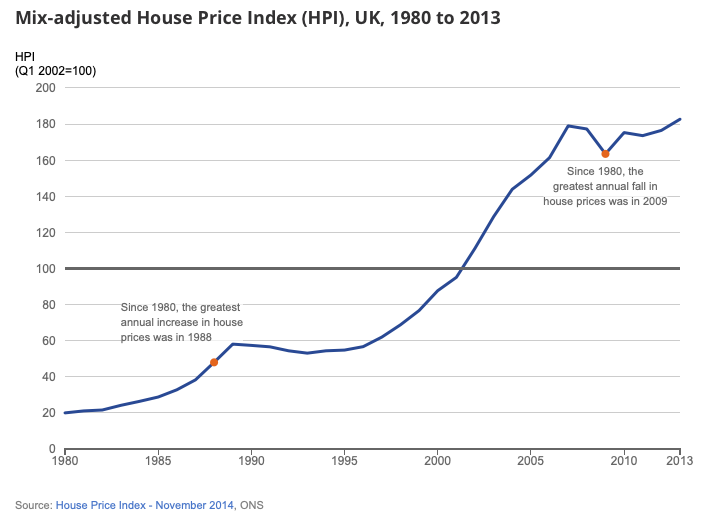
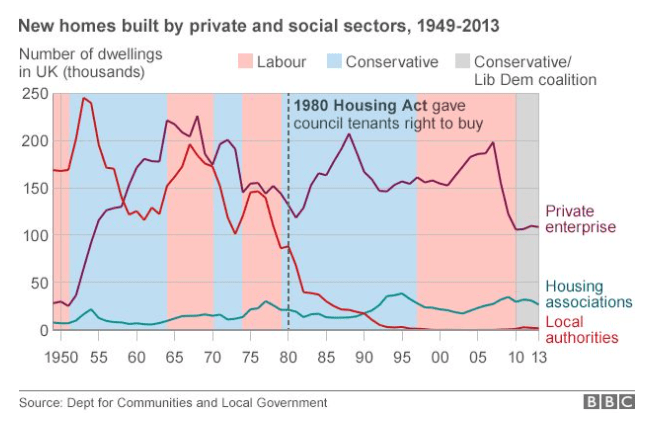
Right to Buy scheme, introduced by Margaret Thatcher’s Housing Act 1980, allowed long-term council social tenants in England and Wales to buy their homes at a significant discount, fostering homeownership but drastically reducing the stock of affordable social housing, leading to ongoing housing shortages and debates over its legacy.
The Property Ladder which commodifies housing. Where once house and home were largely for life, the upwardly mobile homeowner wishes to continually acquire value and status through trading ever onwards and upwards.
Socially the role of the home has also changed over time, once a place to be outside of – working or playing, the home is now possibly a place of both work and play. A larger percentage of weekly earnings is now absorbed by housing costs, and the lure of the multi-channel Smart TV, gaming systems, take away food and supermarket lager, nails the residents’ slippers firmly to the laminate flooring.
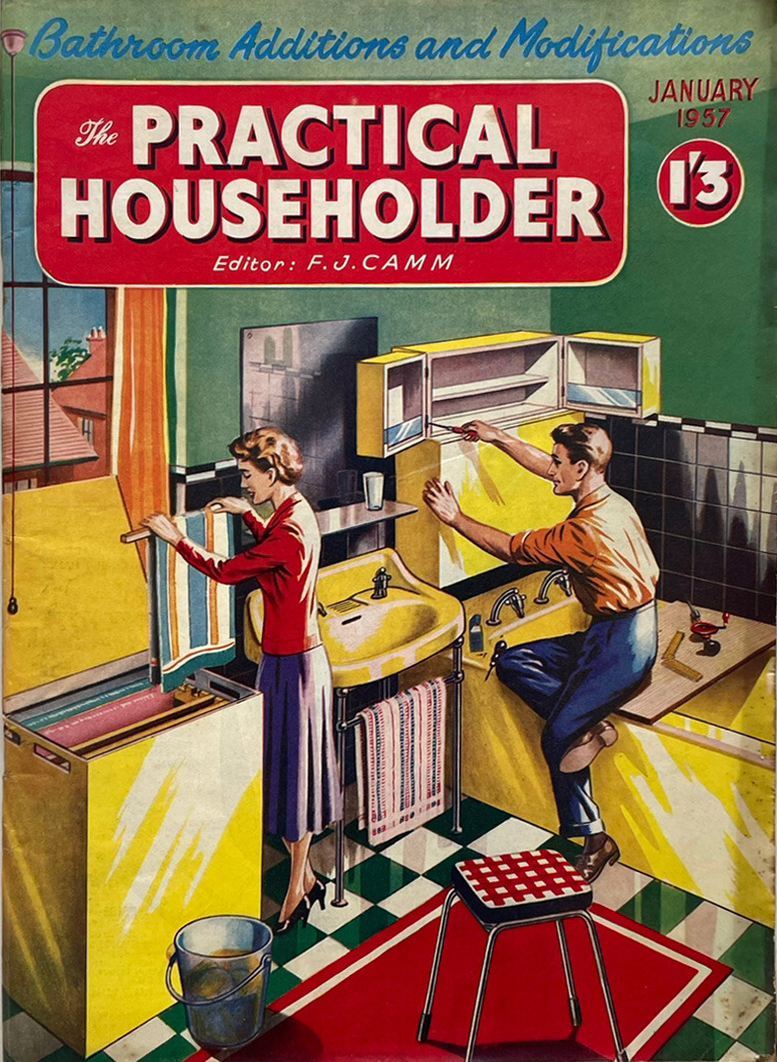
This has gone hand in hand with the trend home improvements and extensions – fed by glossy magazines, design led property TV shows advocating a New England, Shabby Chic, Maxi/Minimalist Vibe.
Welcome to the new England.
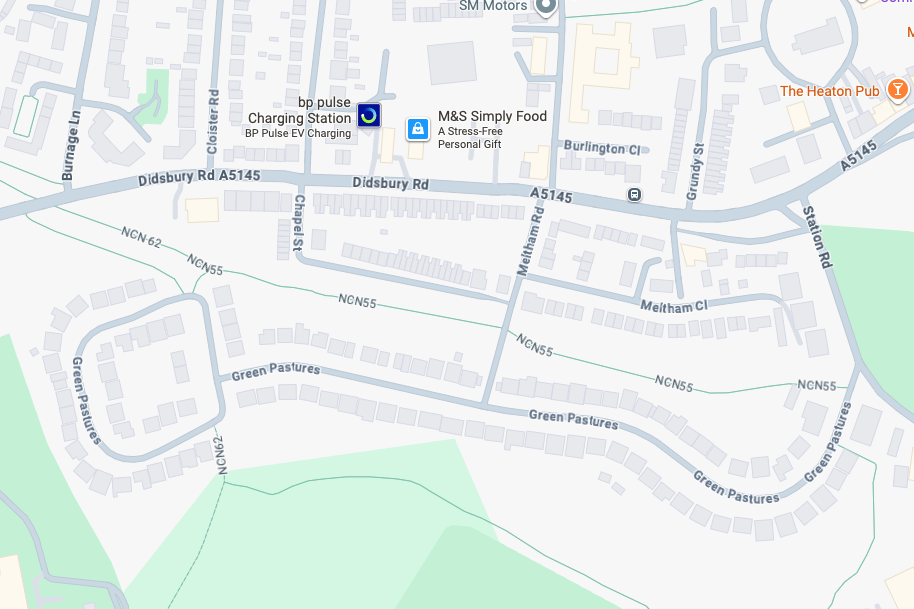
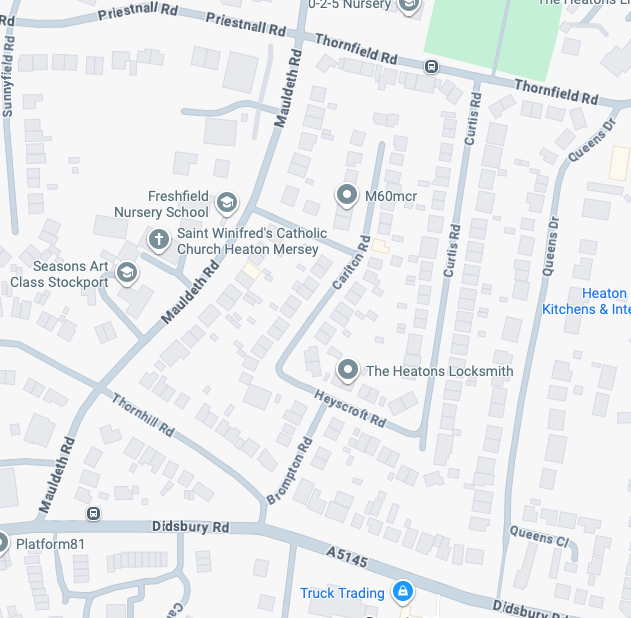
It’s January 2026 and I have taken to the area between Mauldeth Road, Thornfield Road, Queens Drive and Didsbury Road.
What is actually going on in my locale? – The only way to find out is to go and take a good look around.
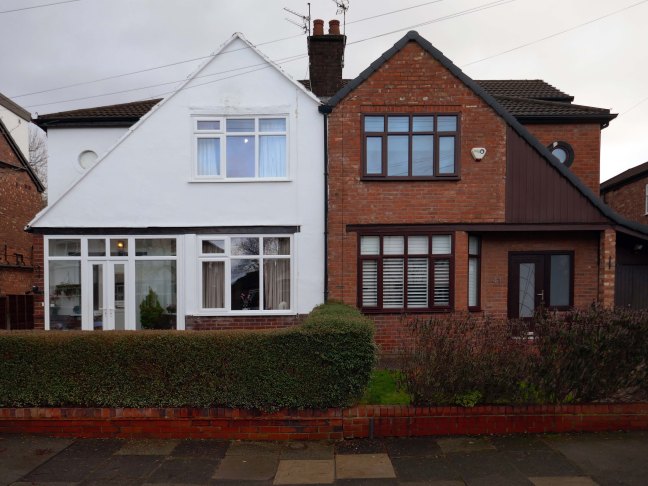
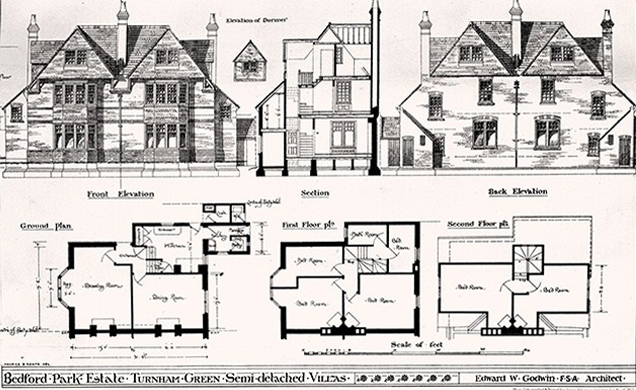
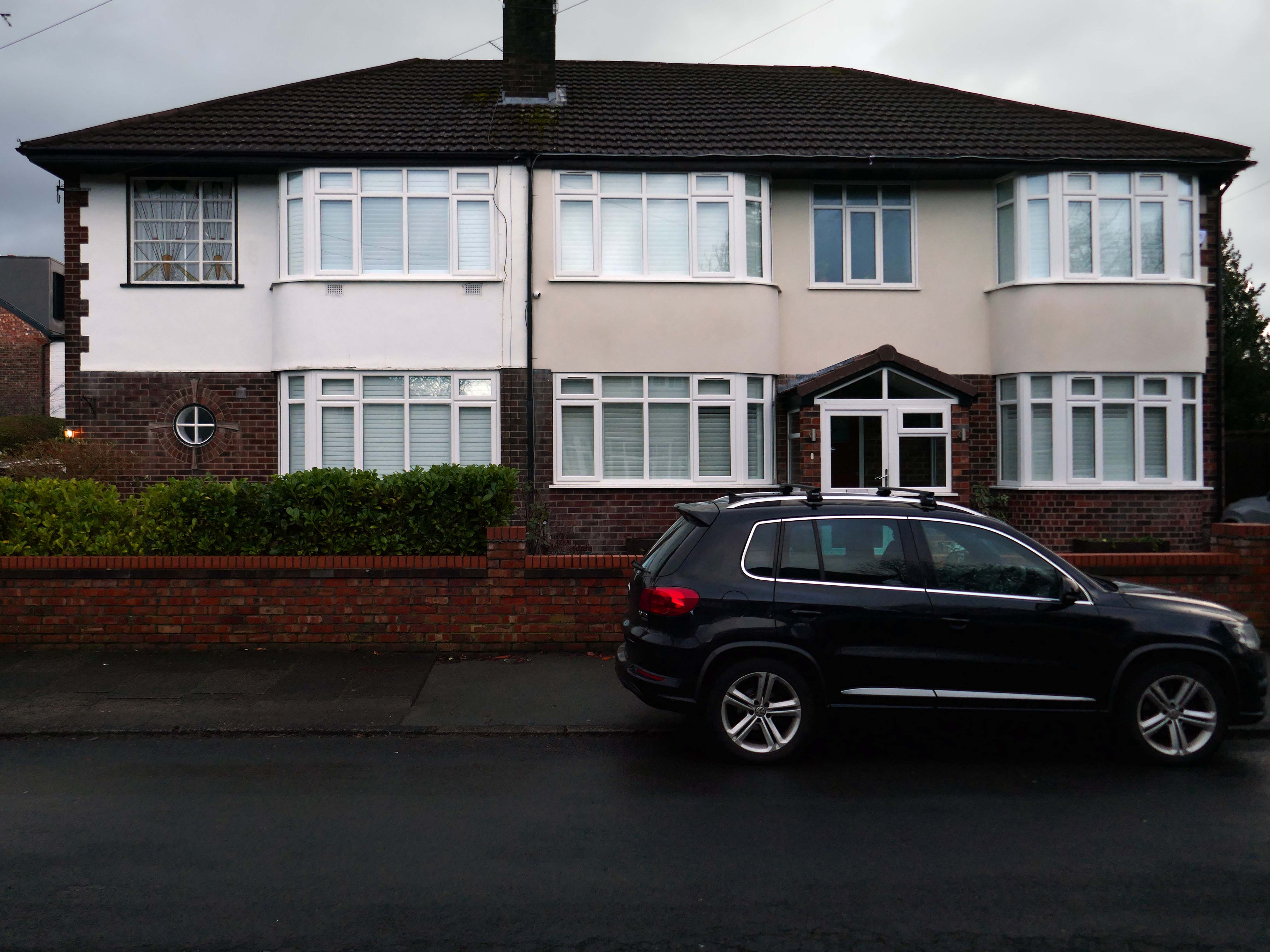
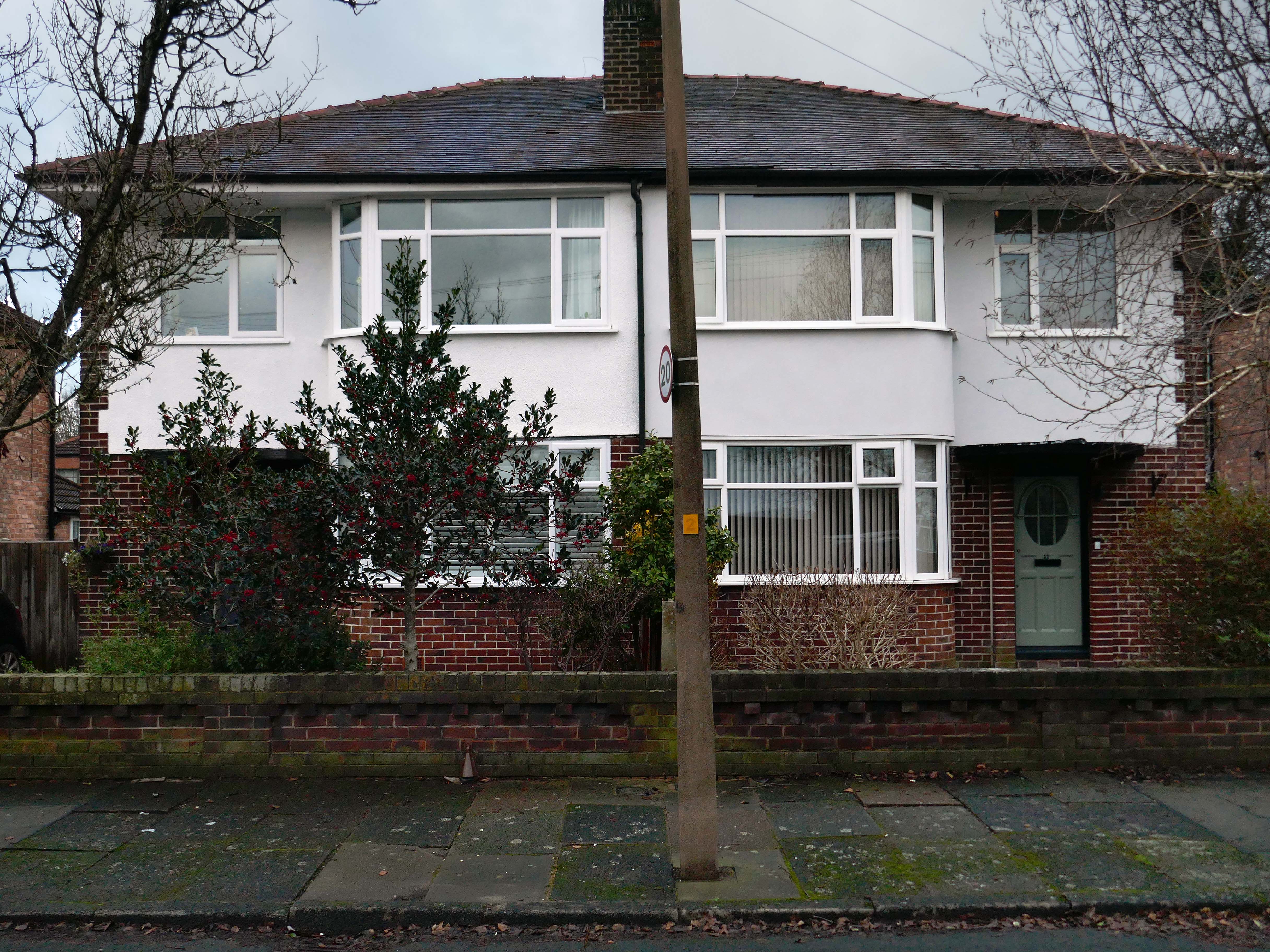
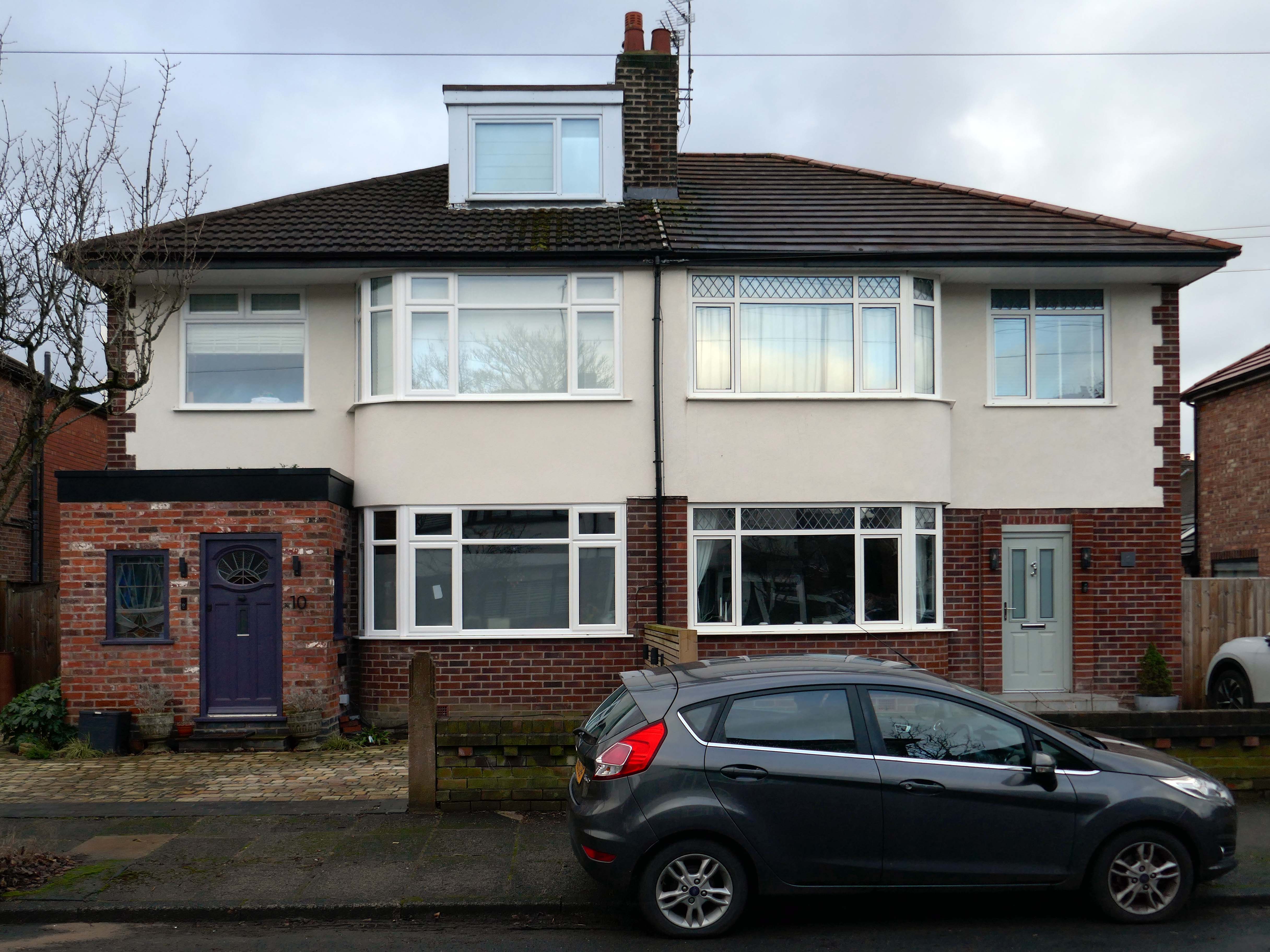
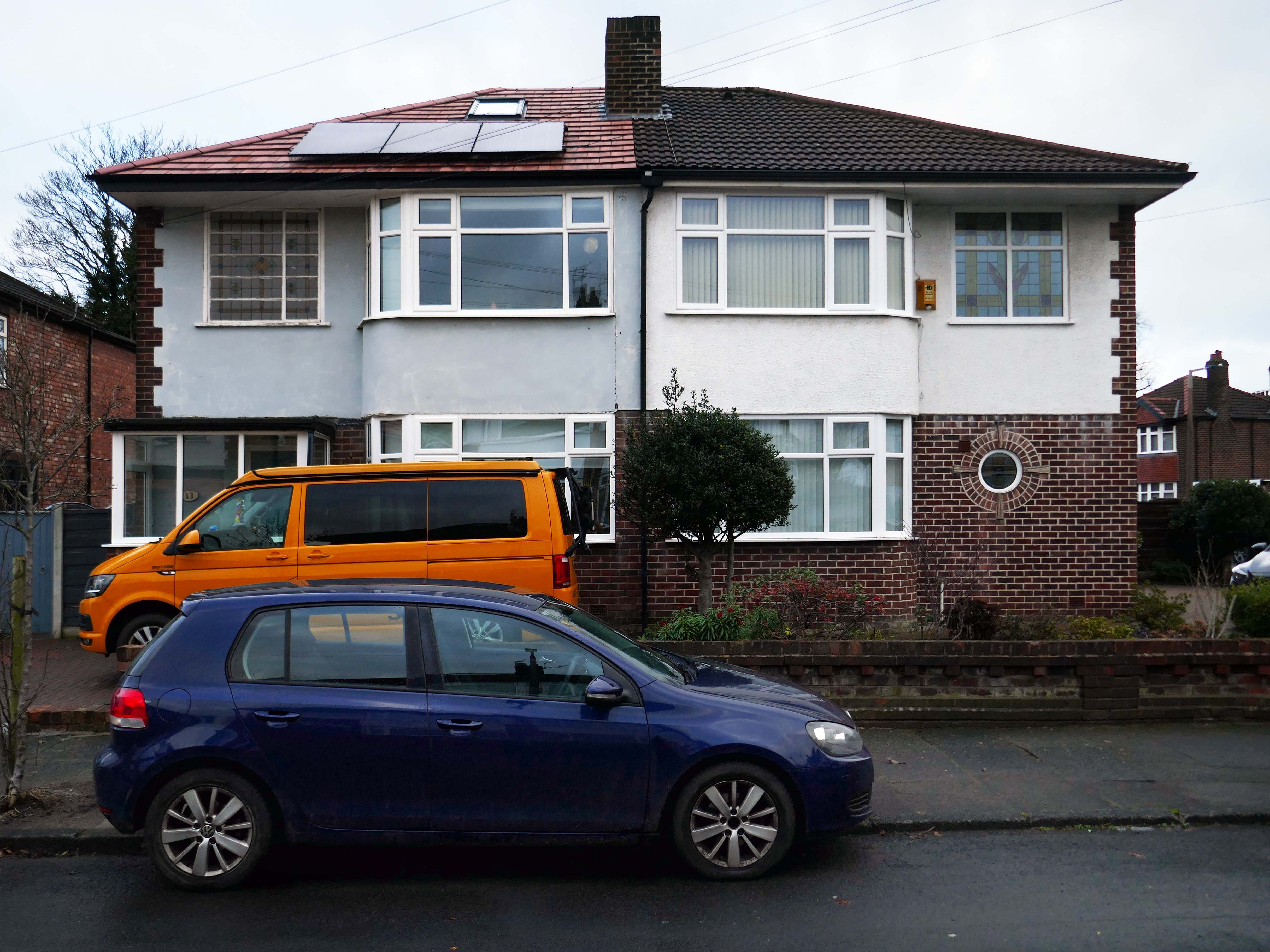
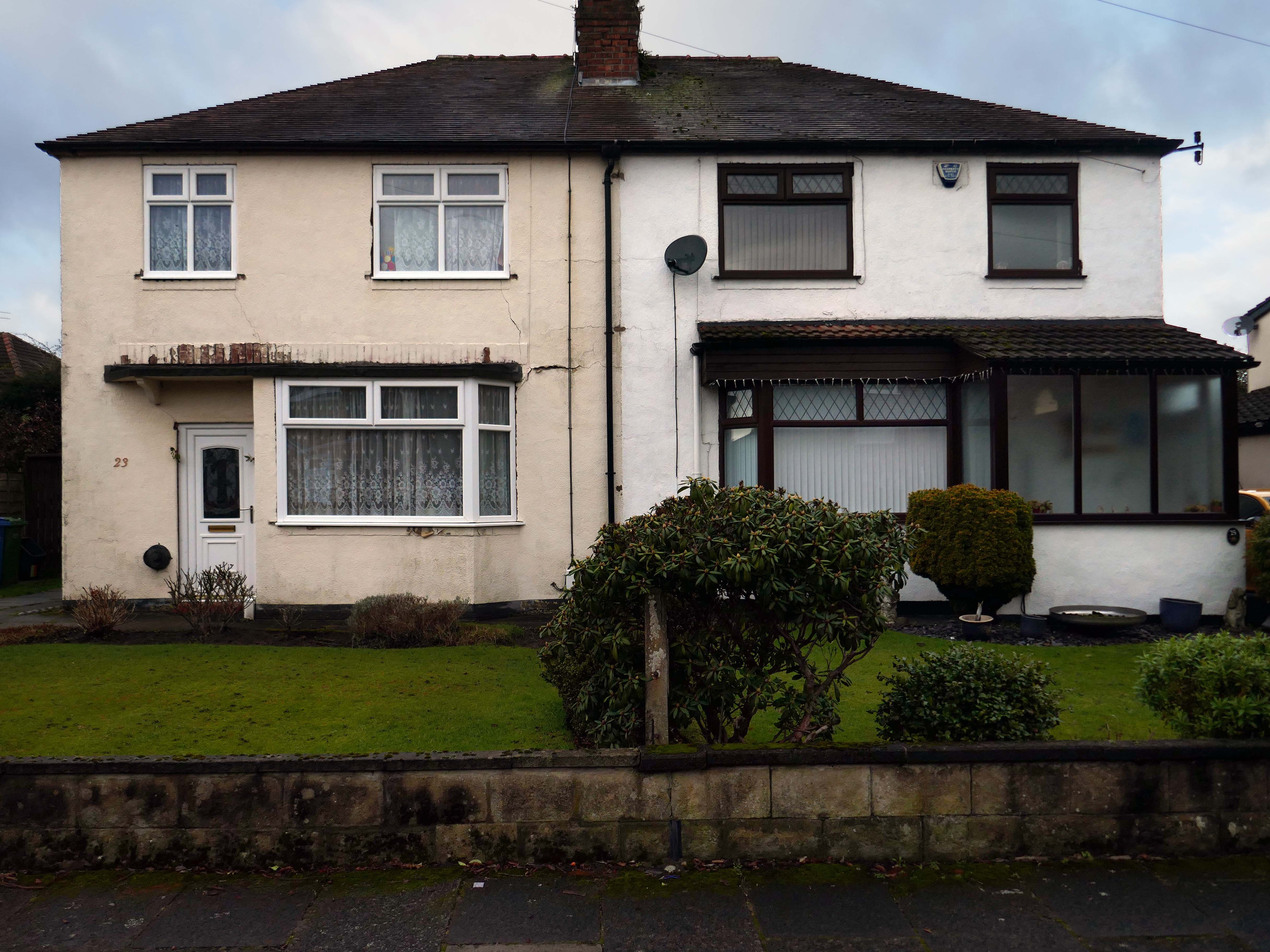
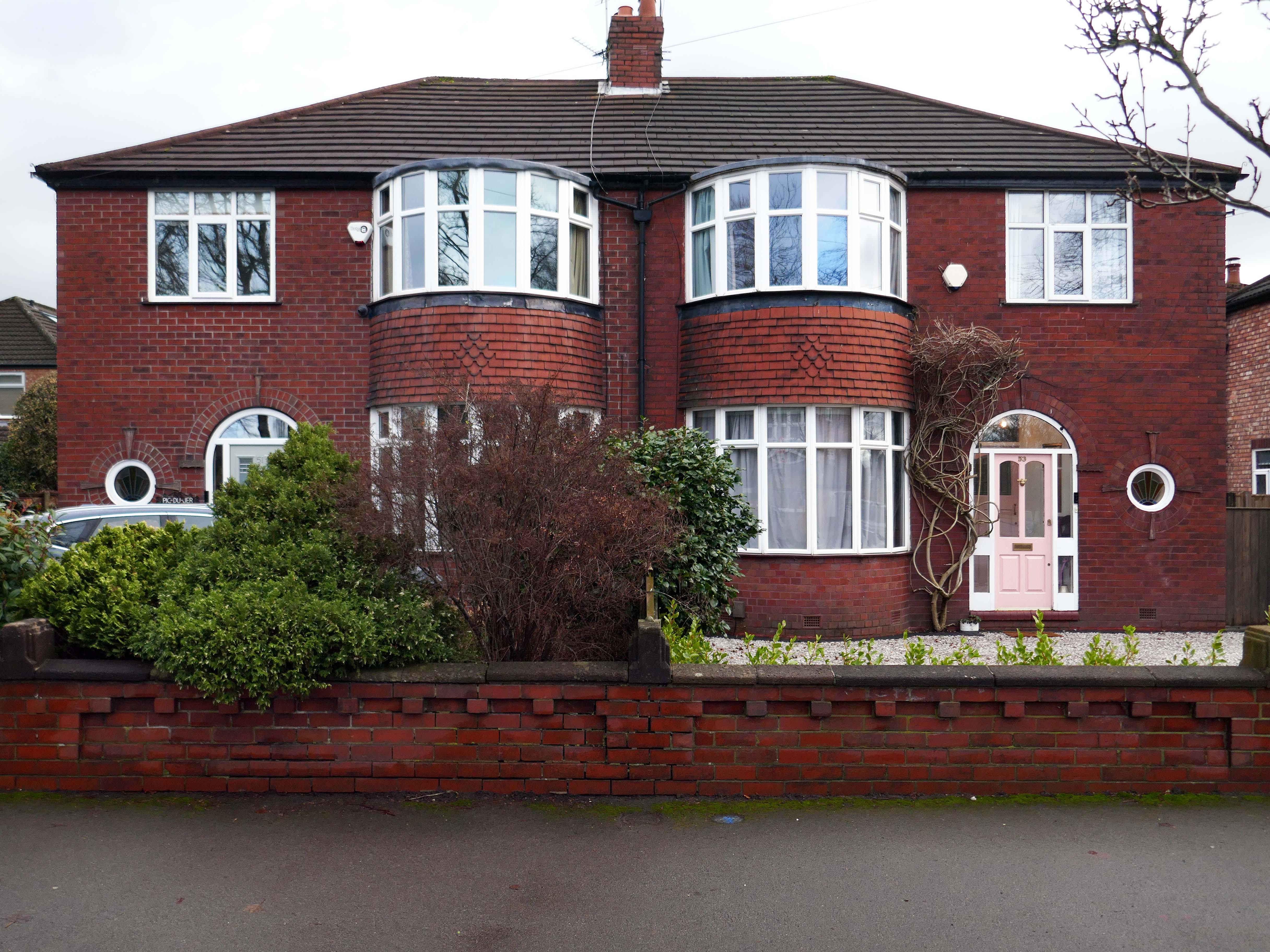
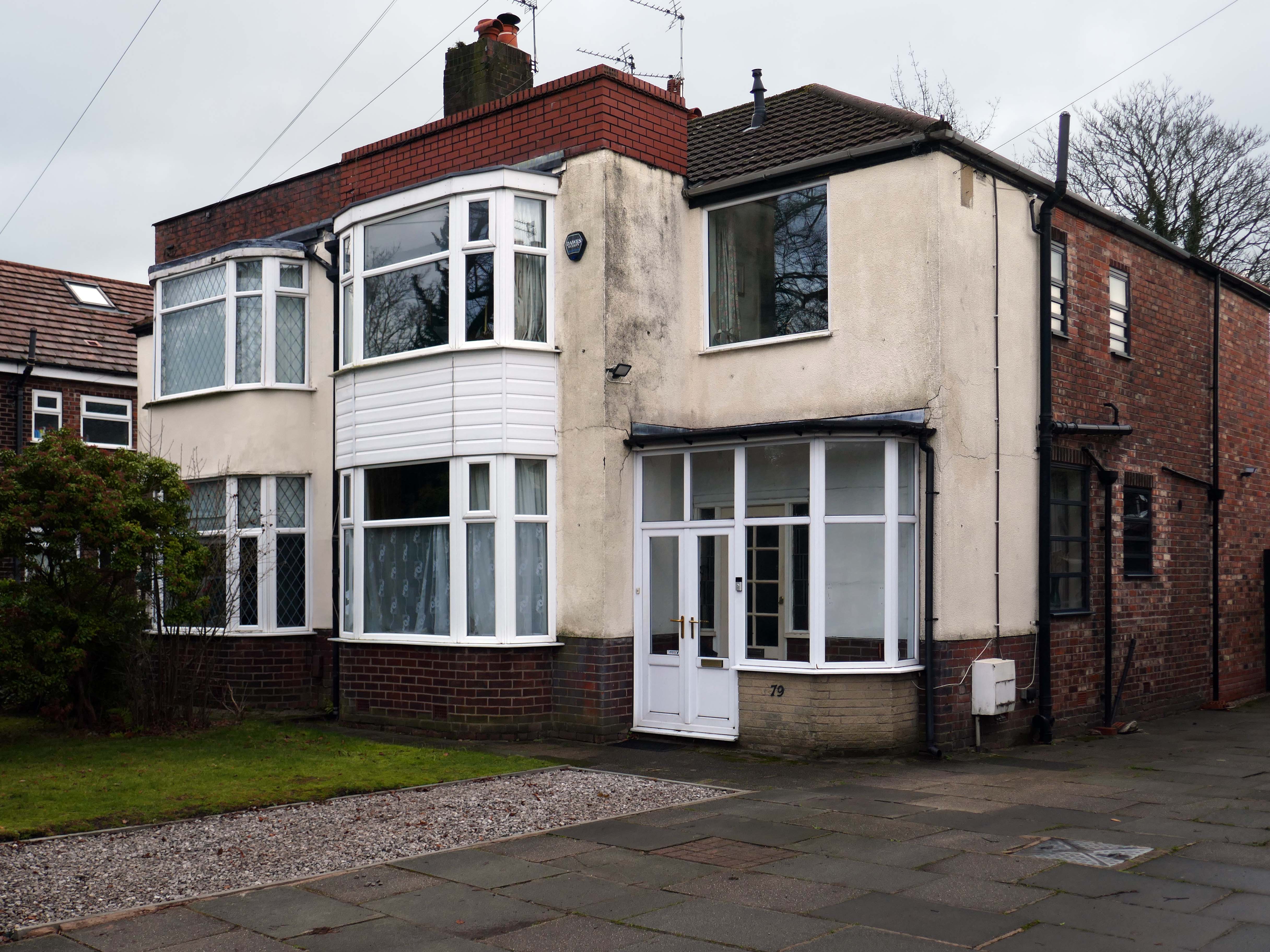
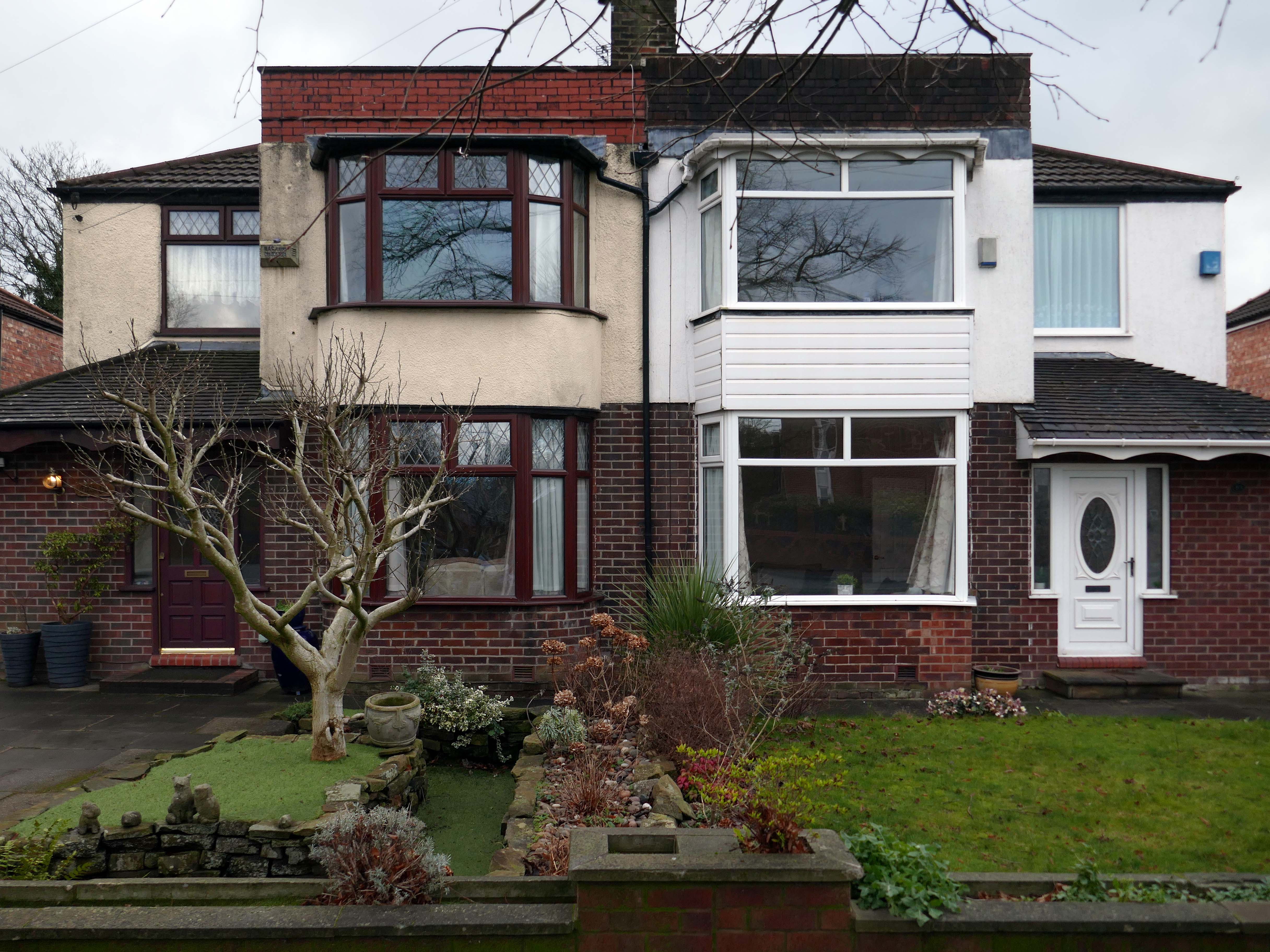
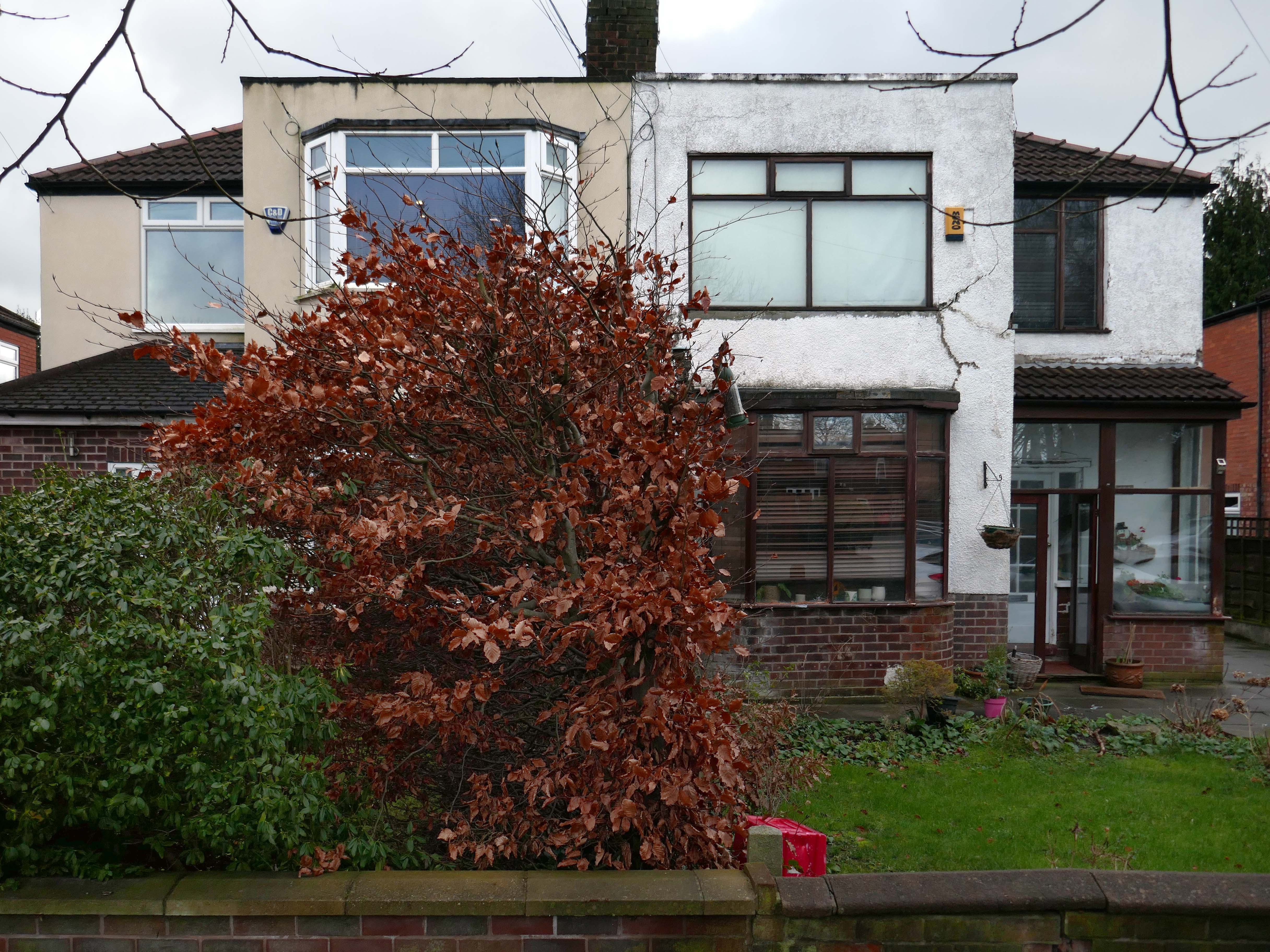
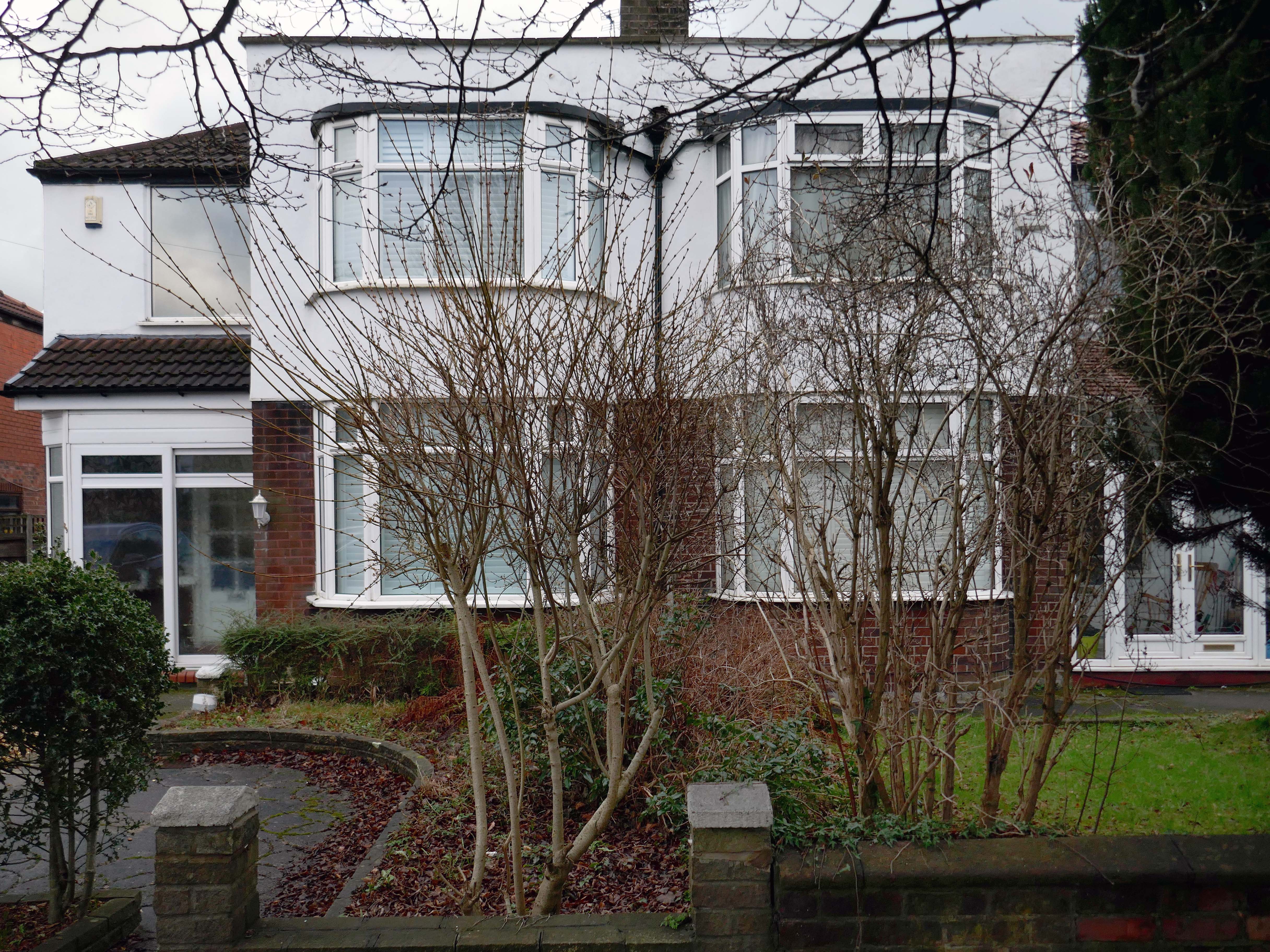
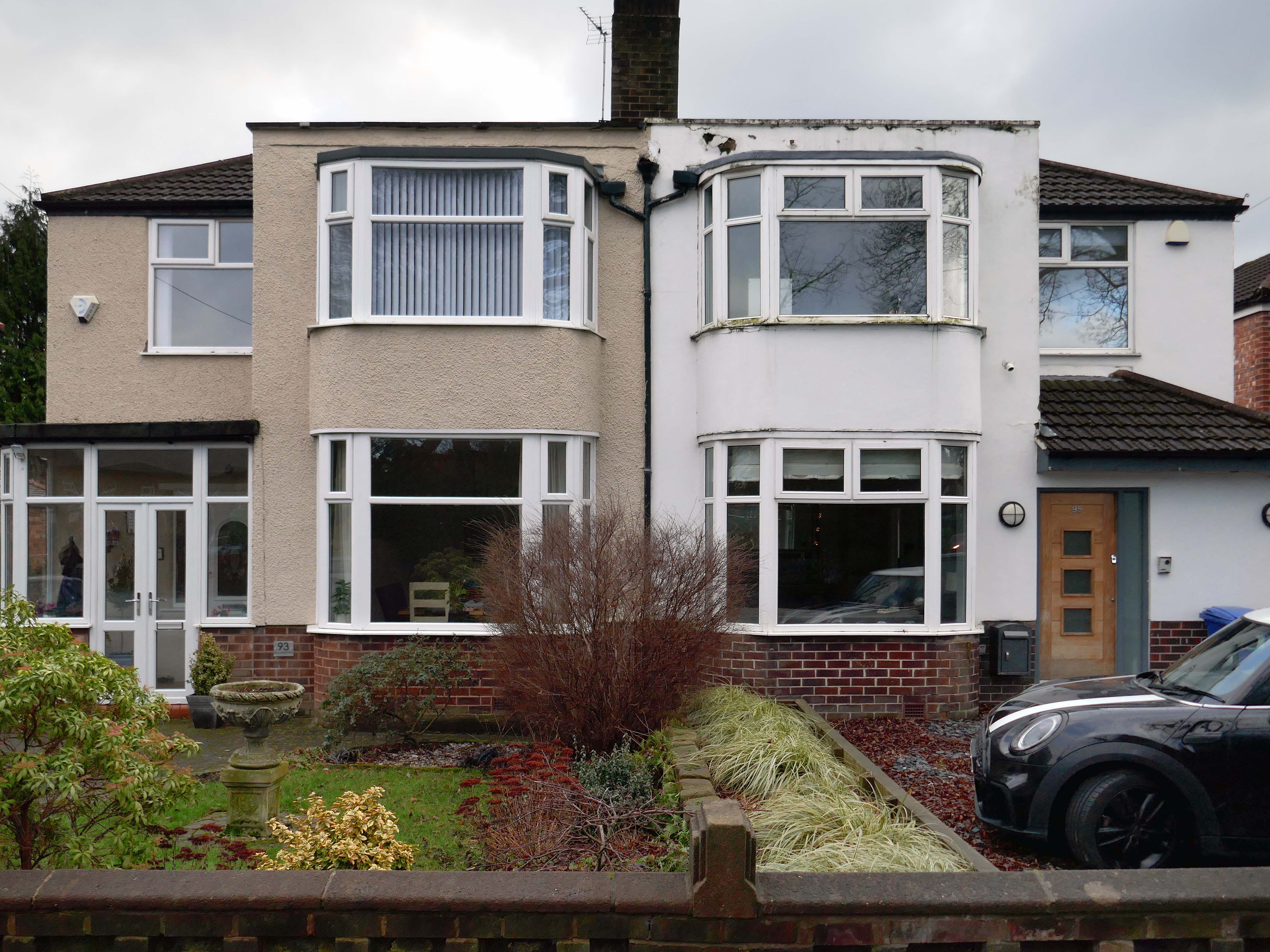
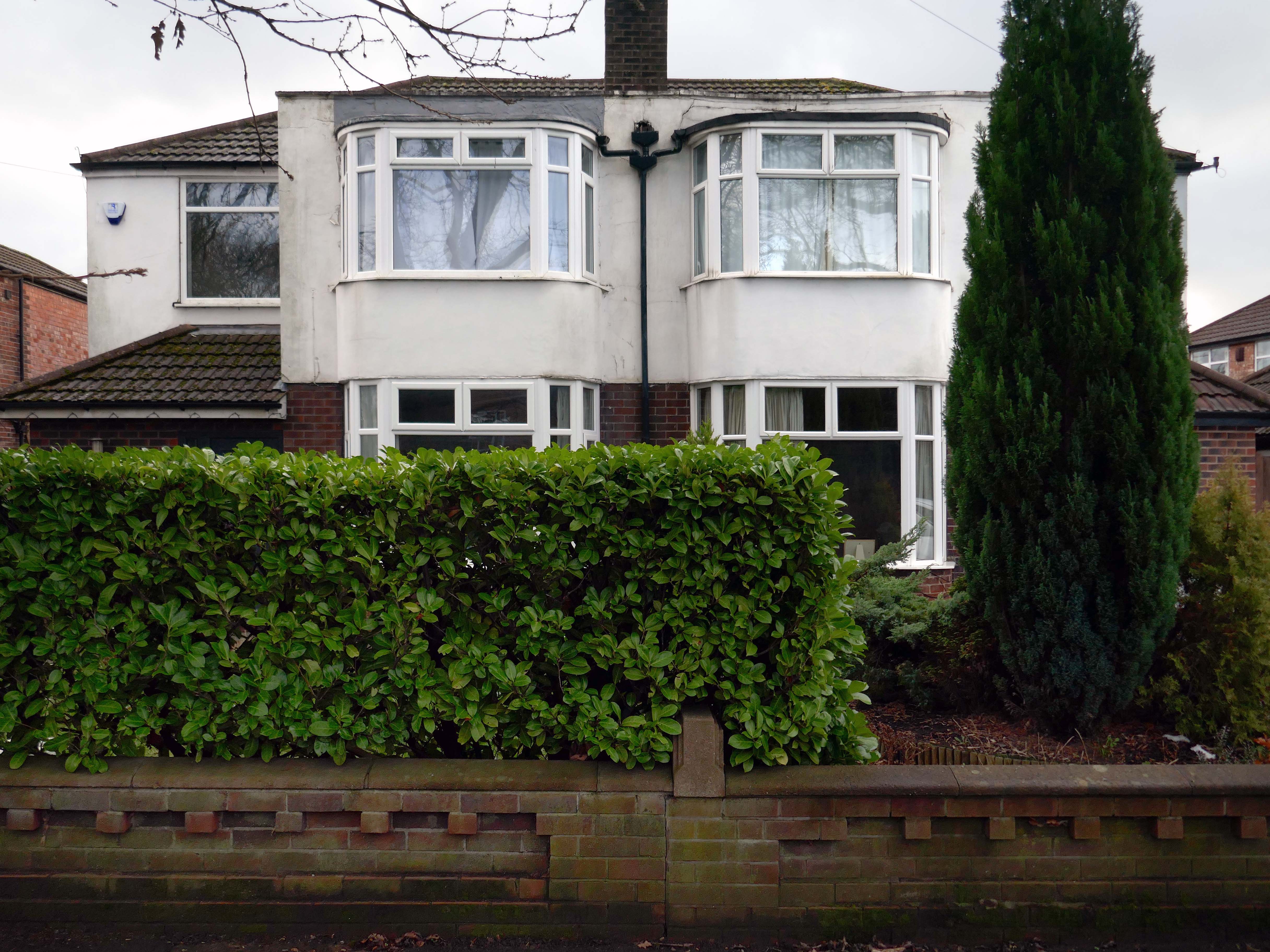
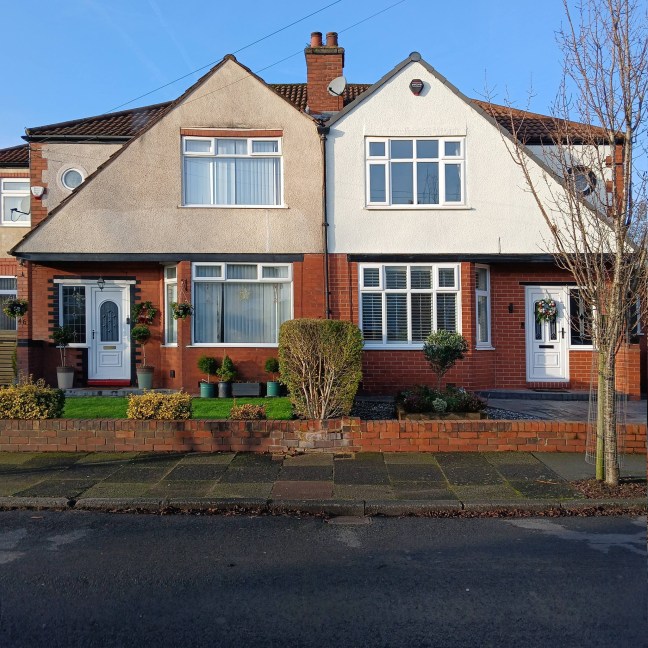
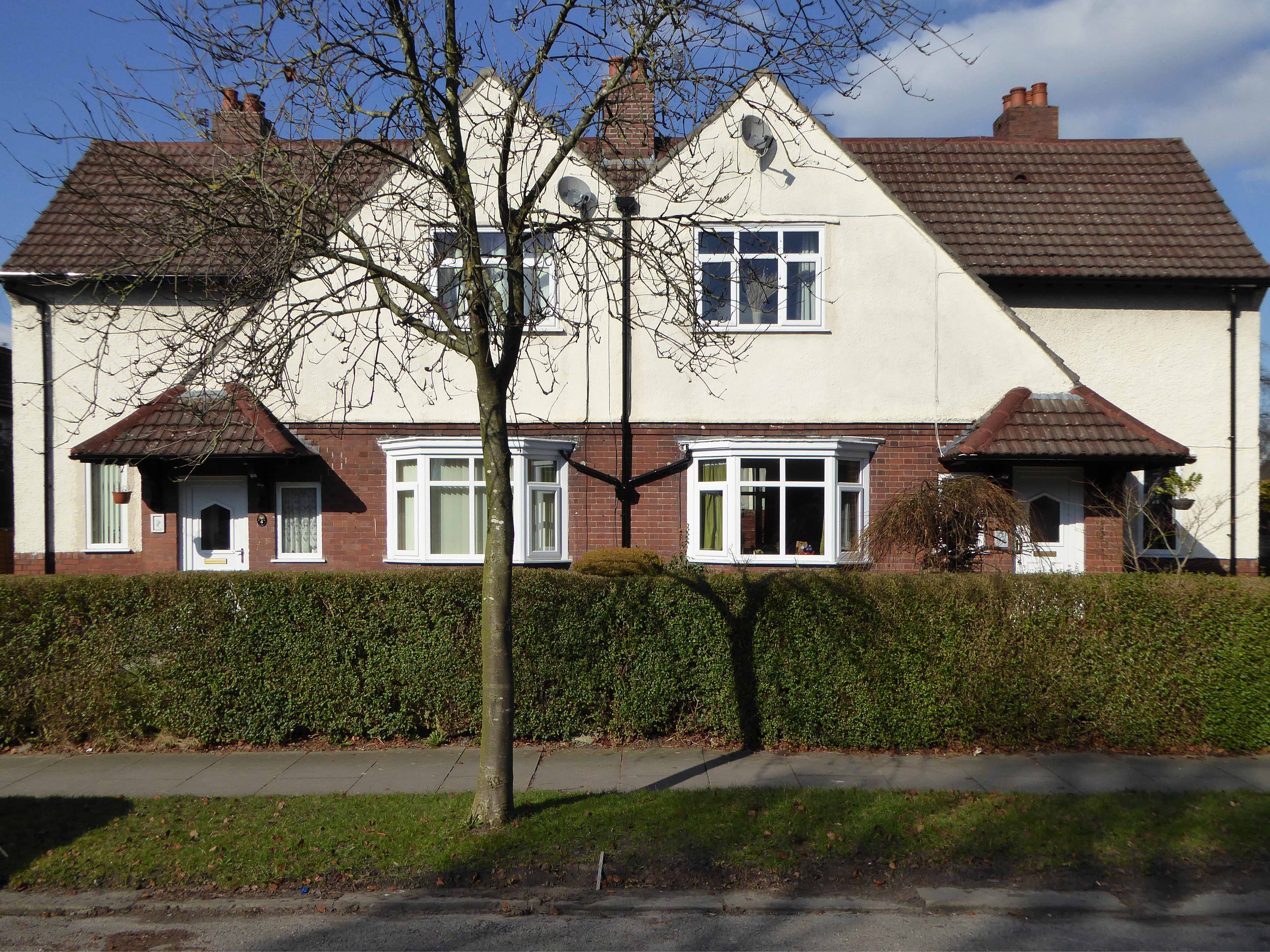
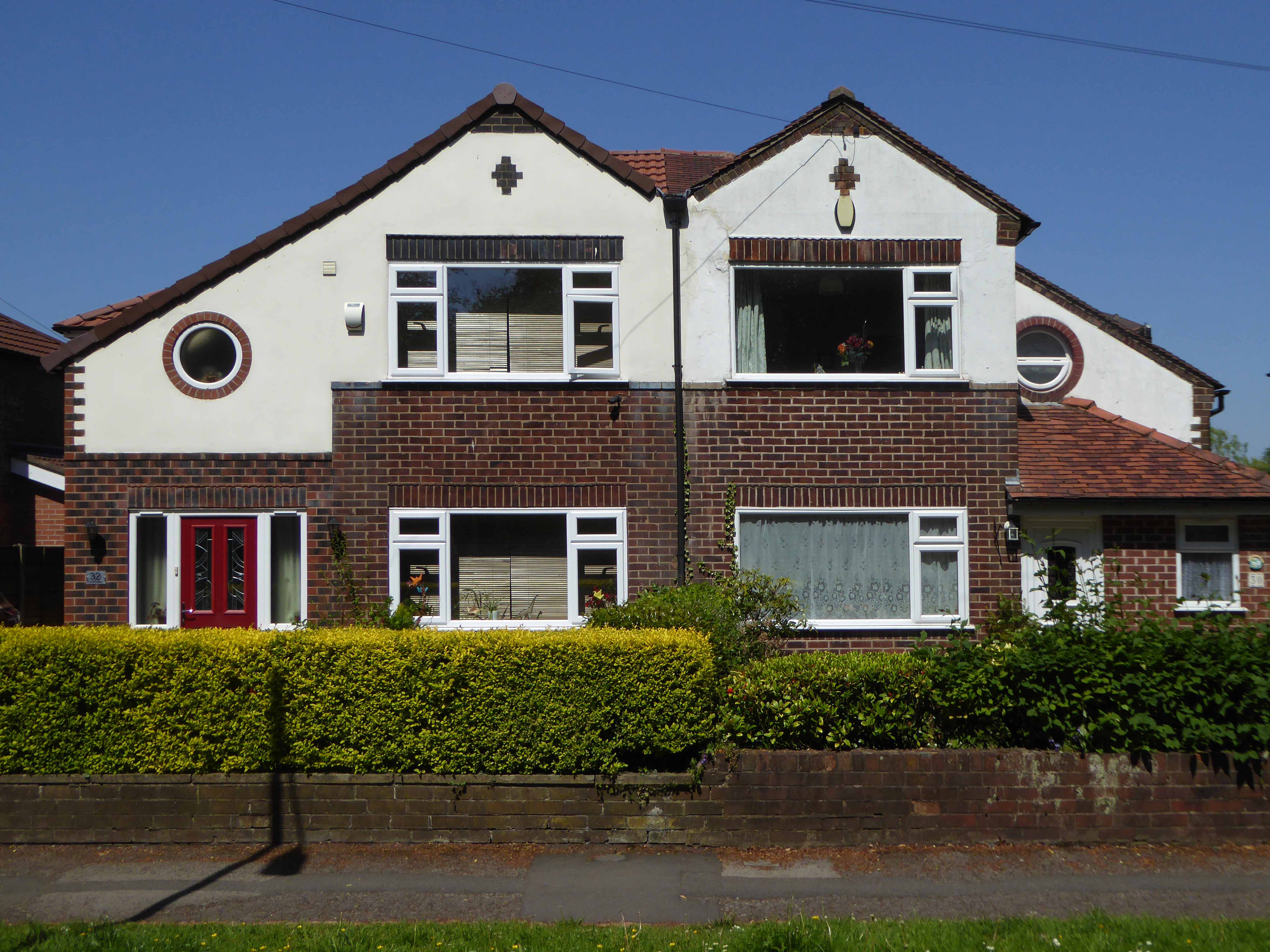
Symbol of middle-class aspiration, conservatism and compromised individualism, the semi-detached house is England’s modern domestic type par excellence.
Semi-detached houses are the most common property type in the United Kingdom. They accounted for 32% of UK housing transactions and 32% of the English housing stock in 2008. Between 1945 and 1964, 41% of all properties built were semis.
Semi-detached houses for the middle class began to be planned systematically in late 18th-century Georgian architecture, as a suburban compromise between the terraced houses close to the city centre, and the detached villas further out, where land was cheaper.
Although semi-detached housing is built throughout the world, it is generally seen as particularly symbolic of the suburbanisation of the United Kingdom and Ireland.
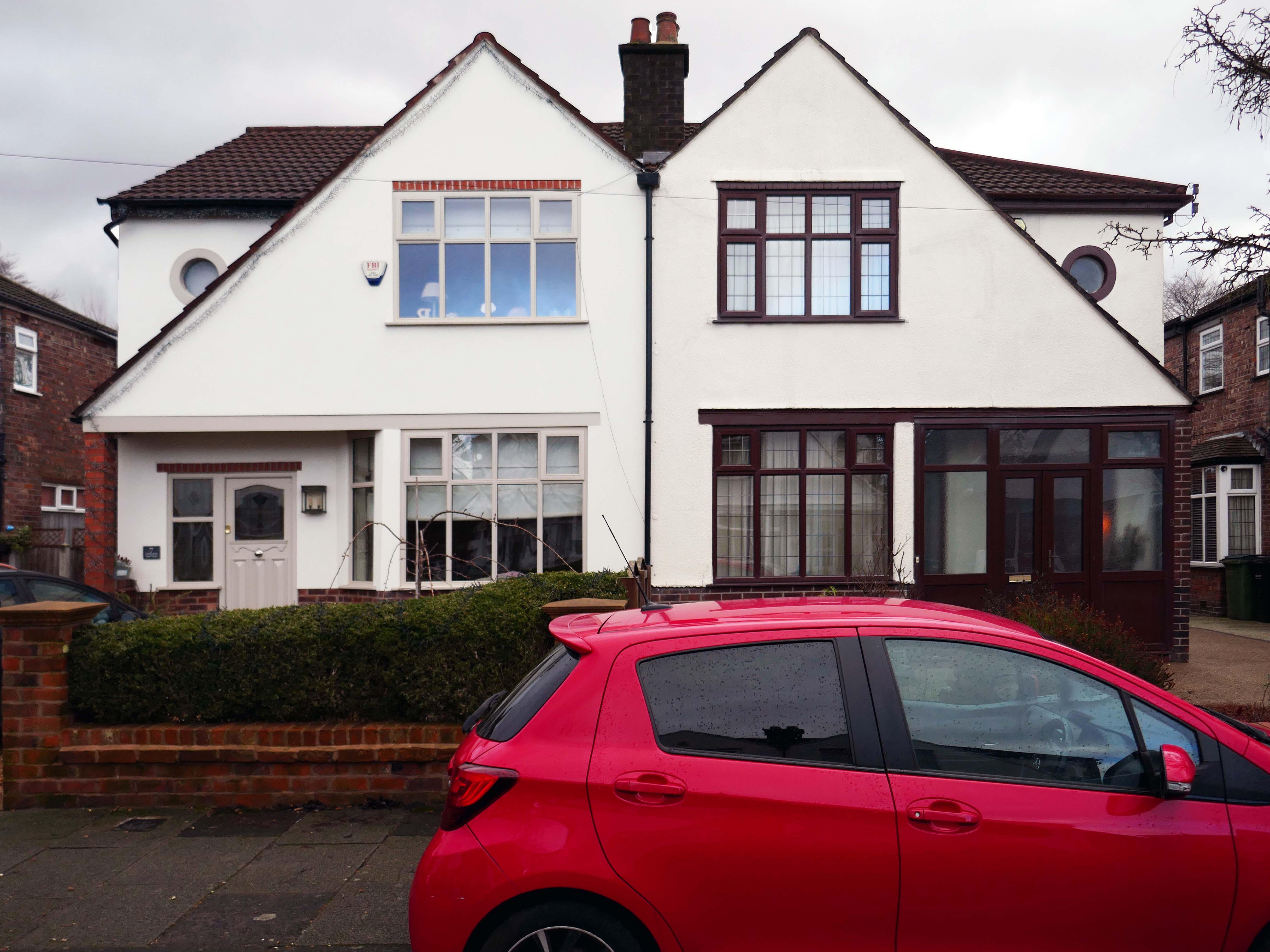
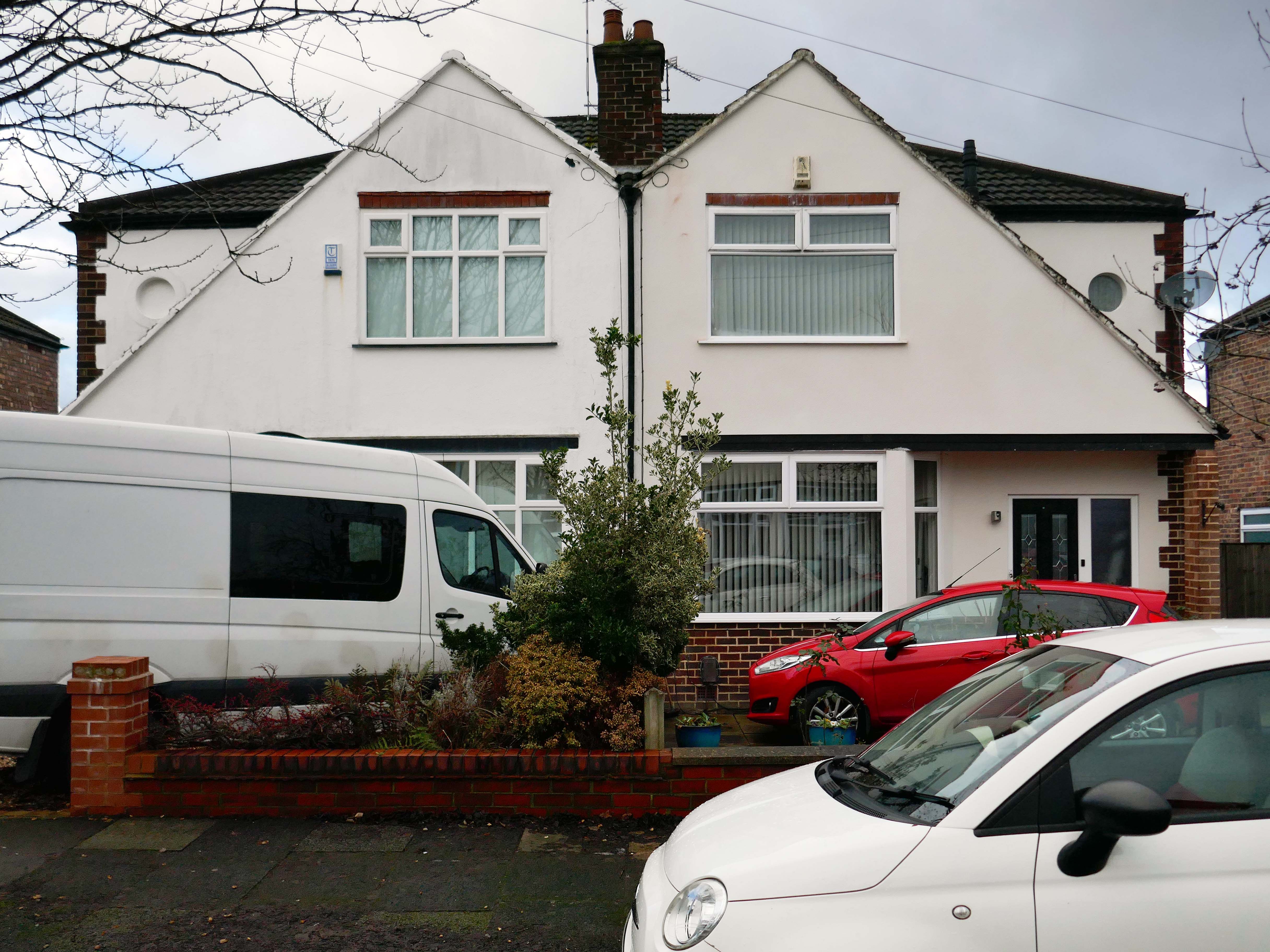
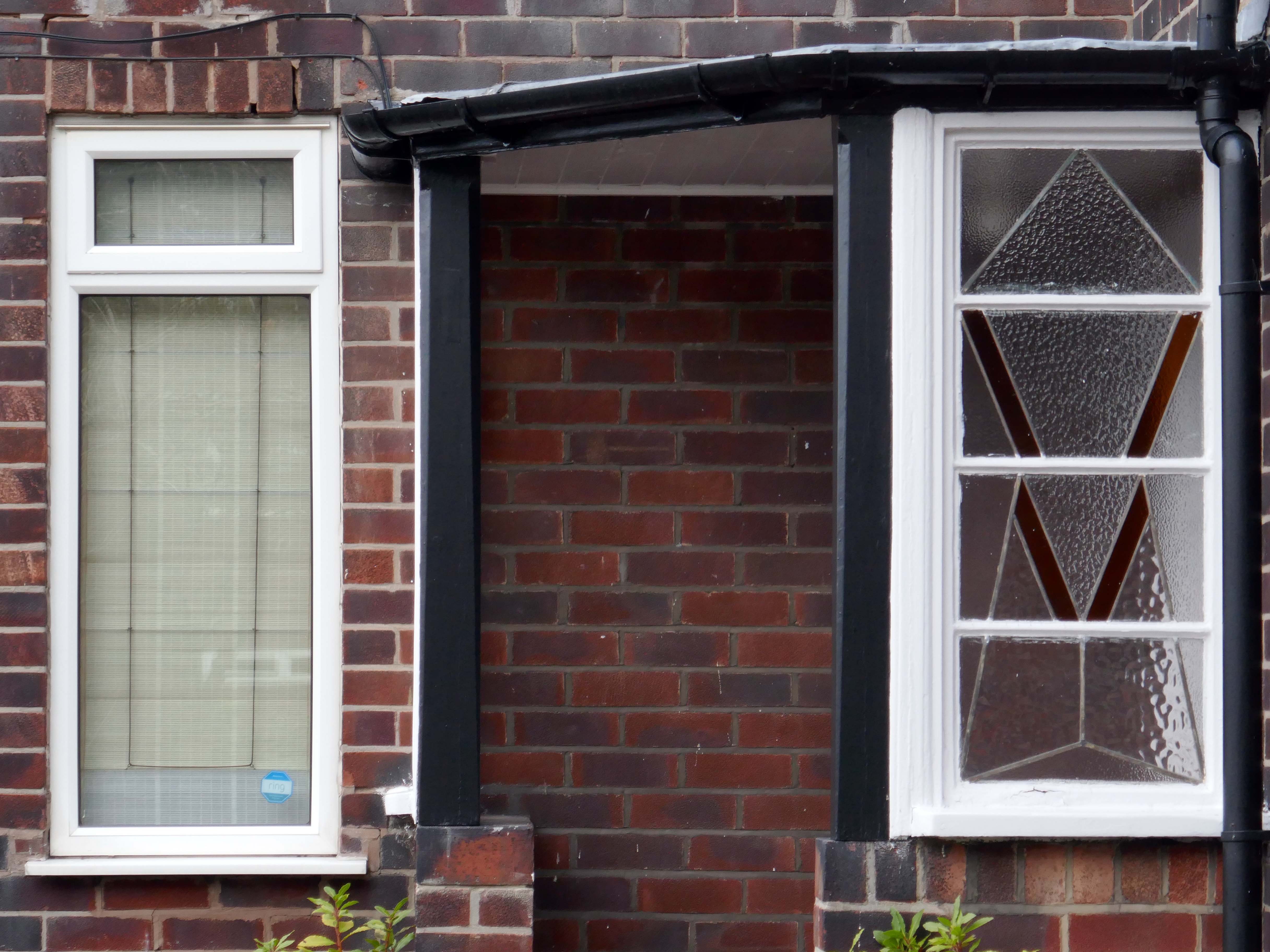
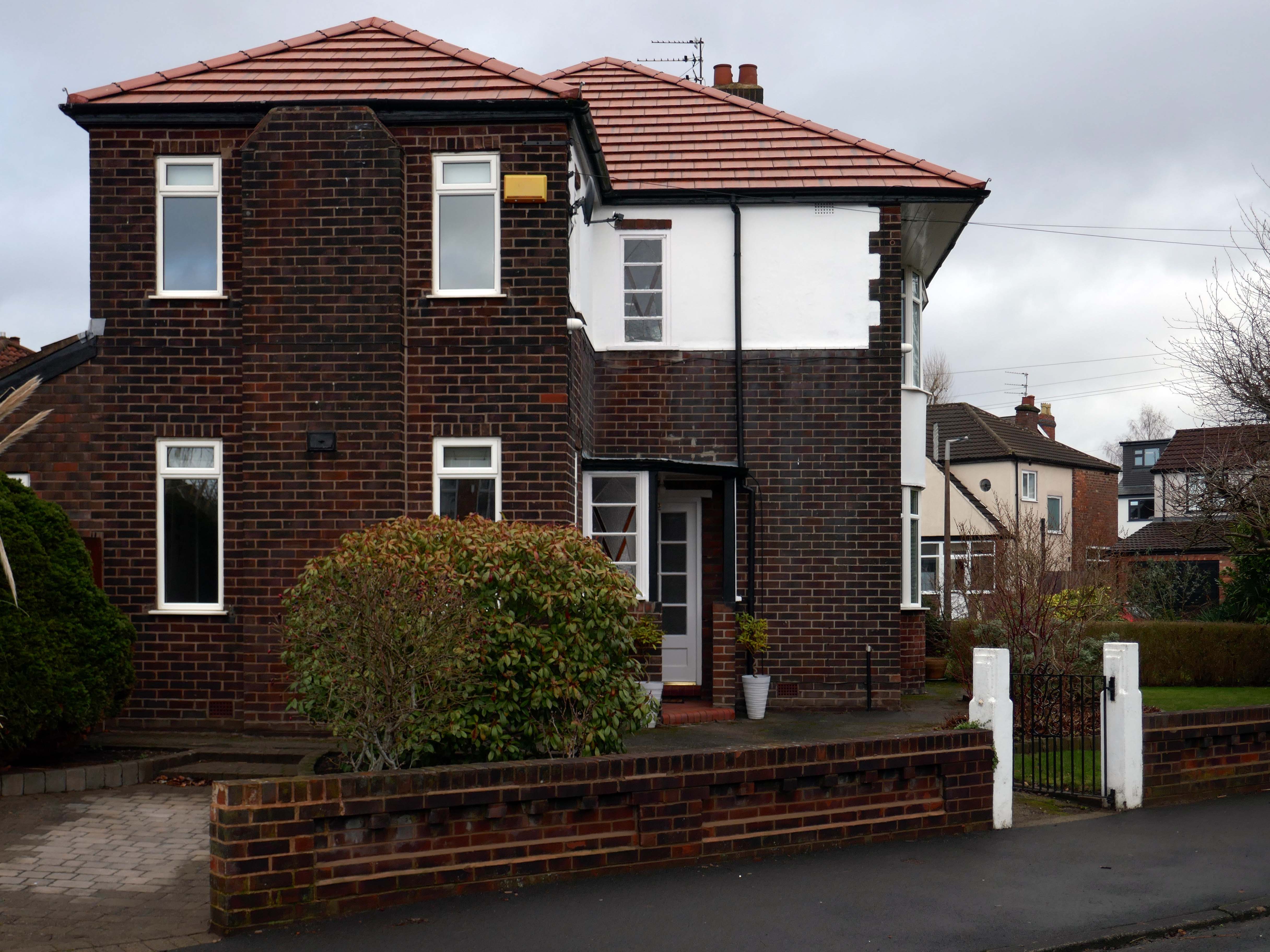
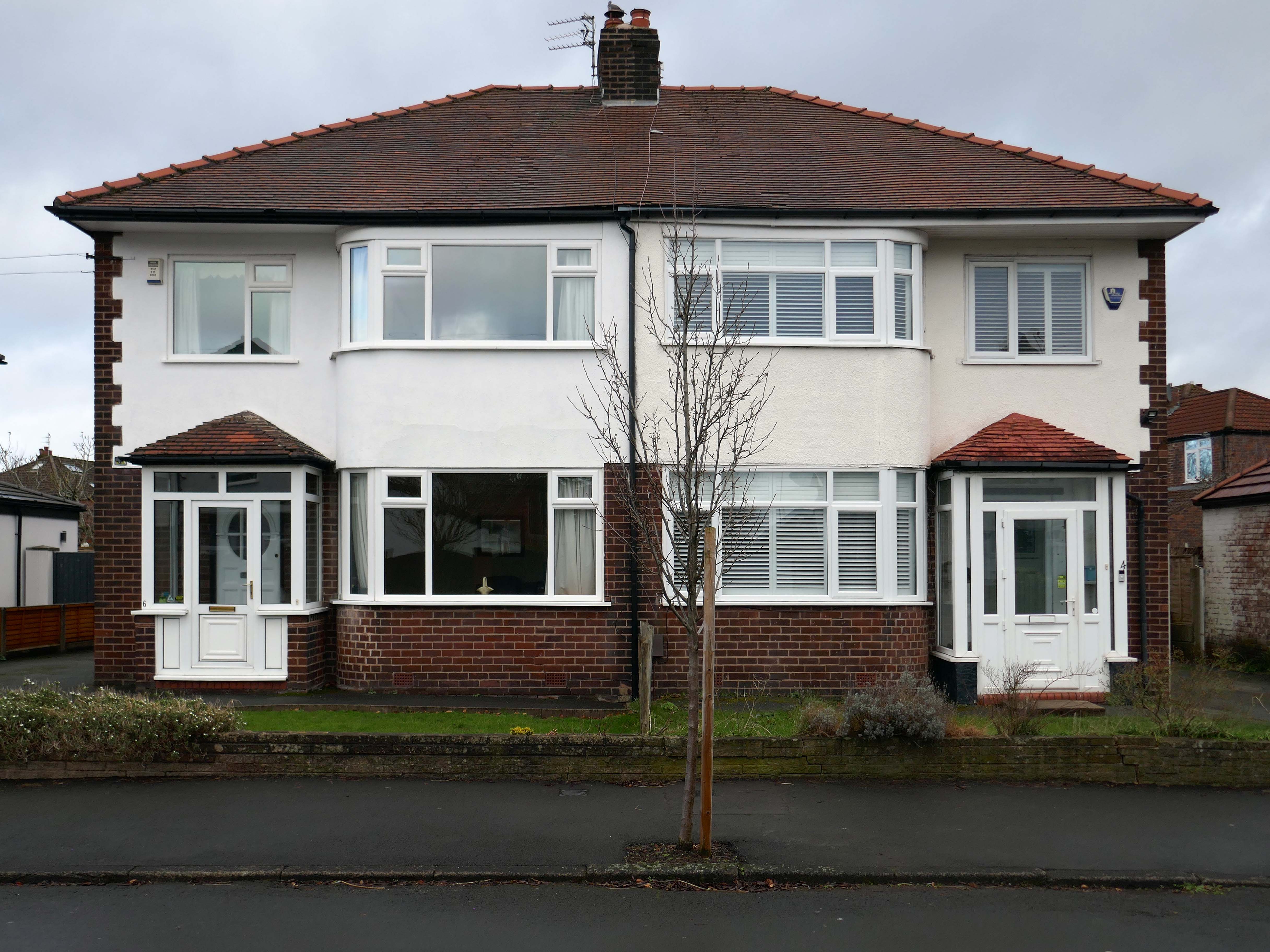
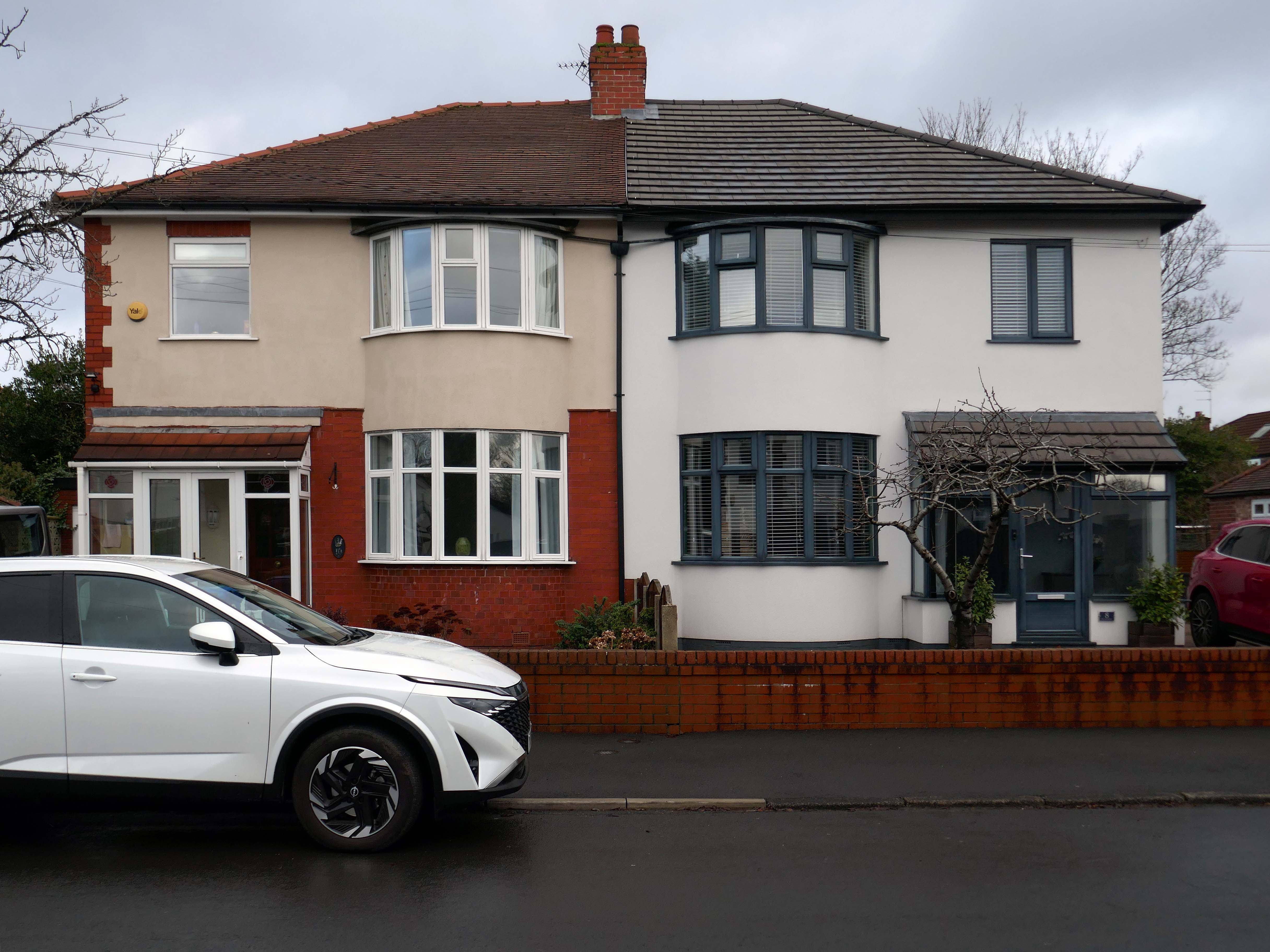
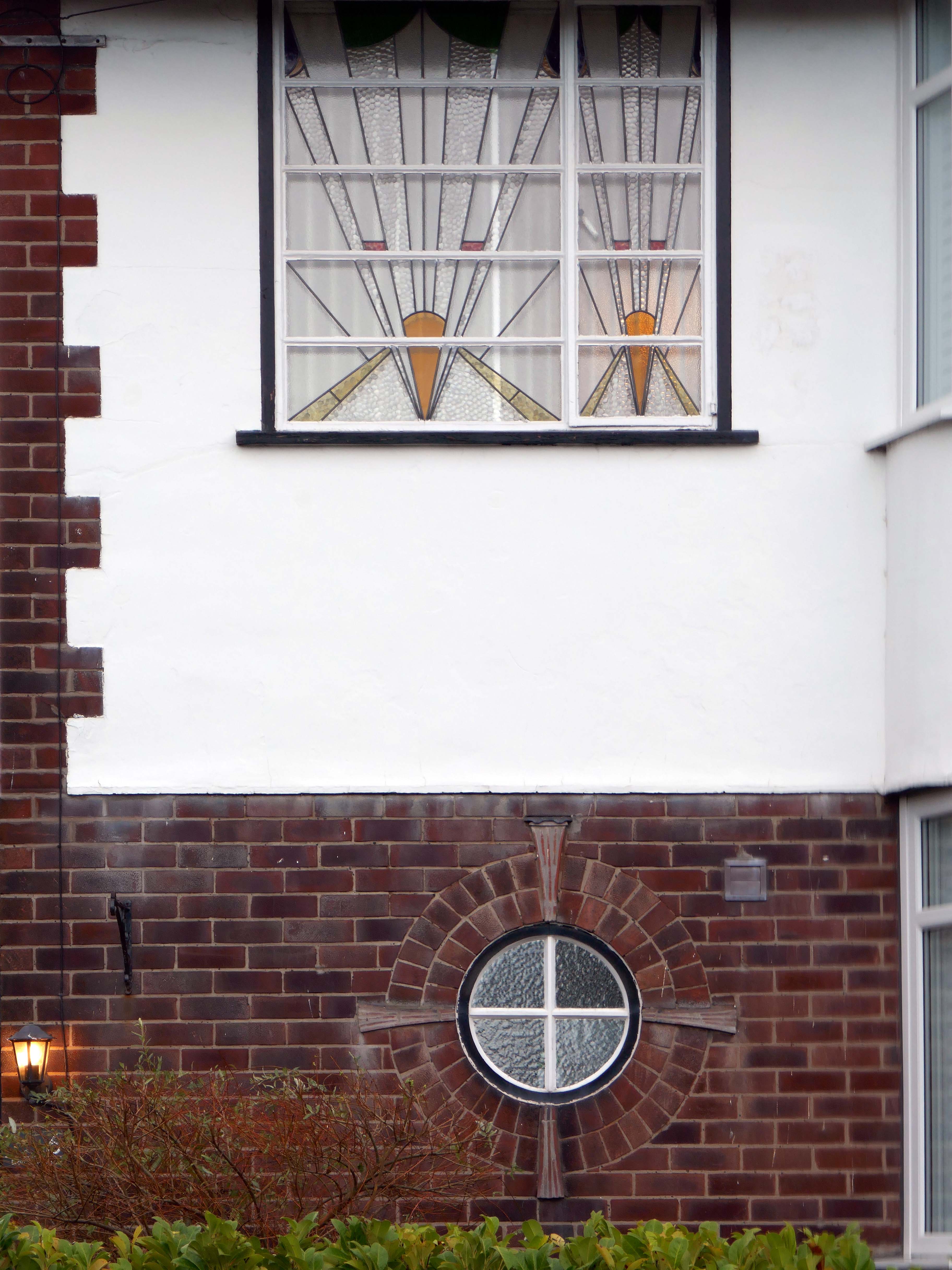
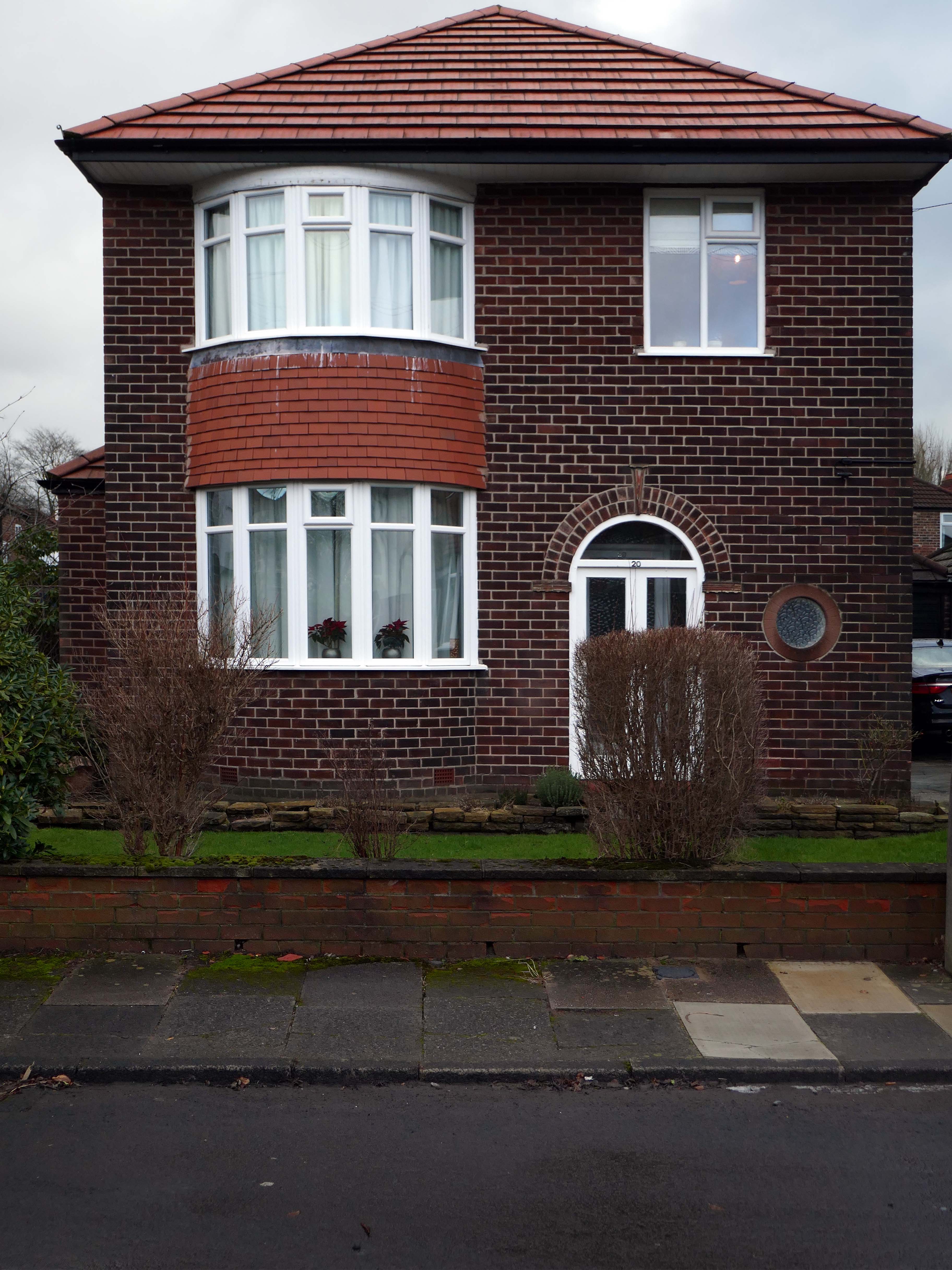
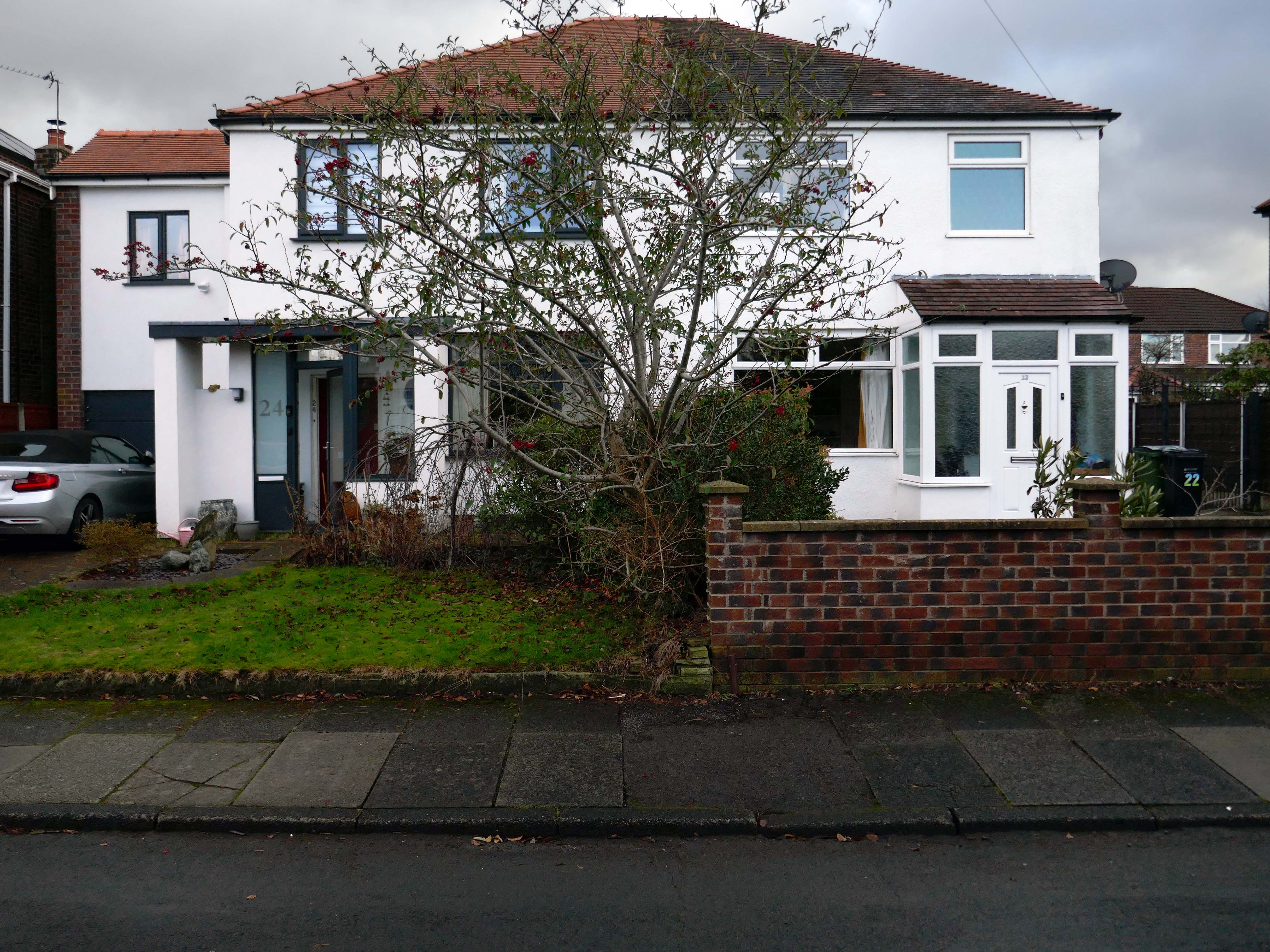
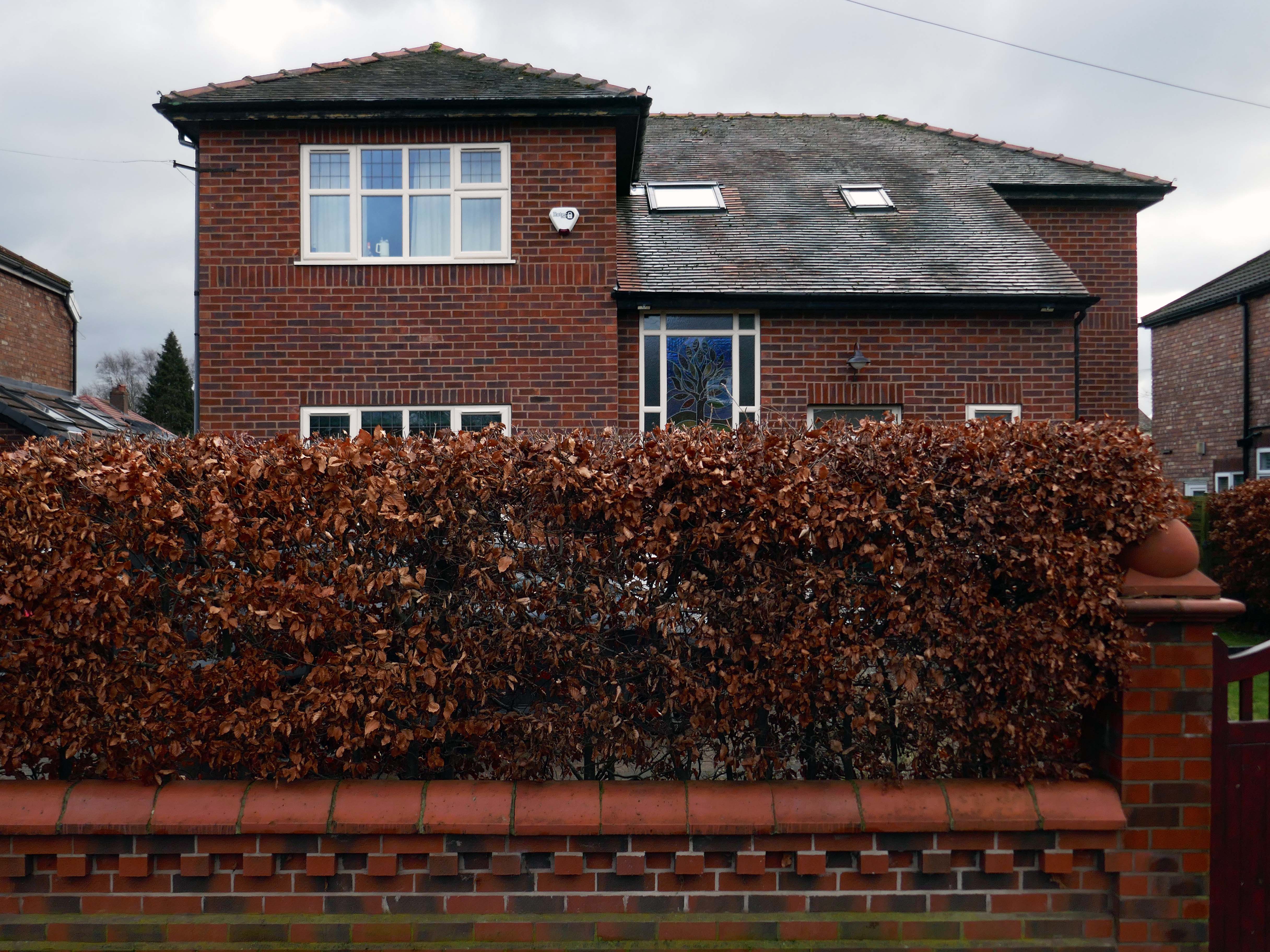
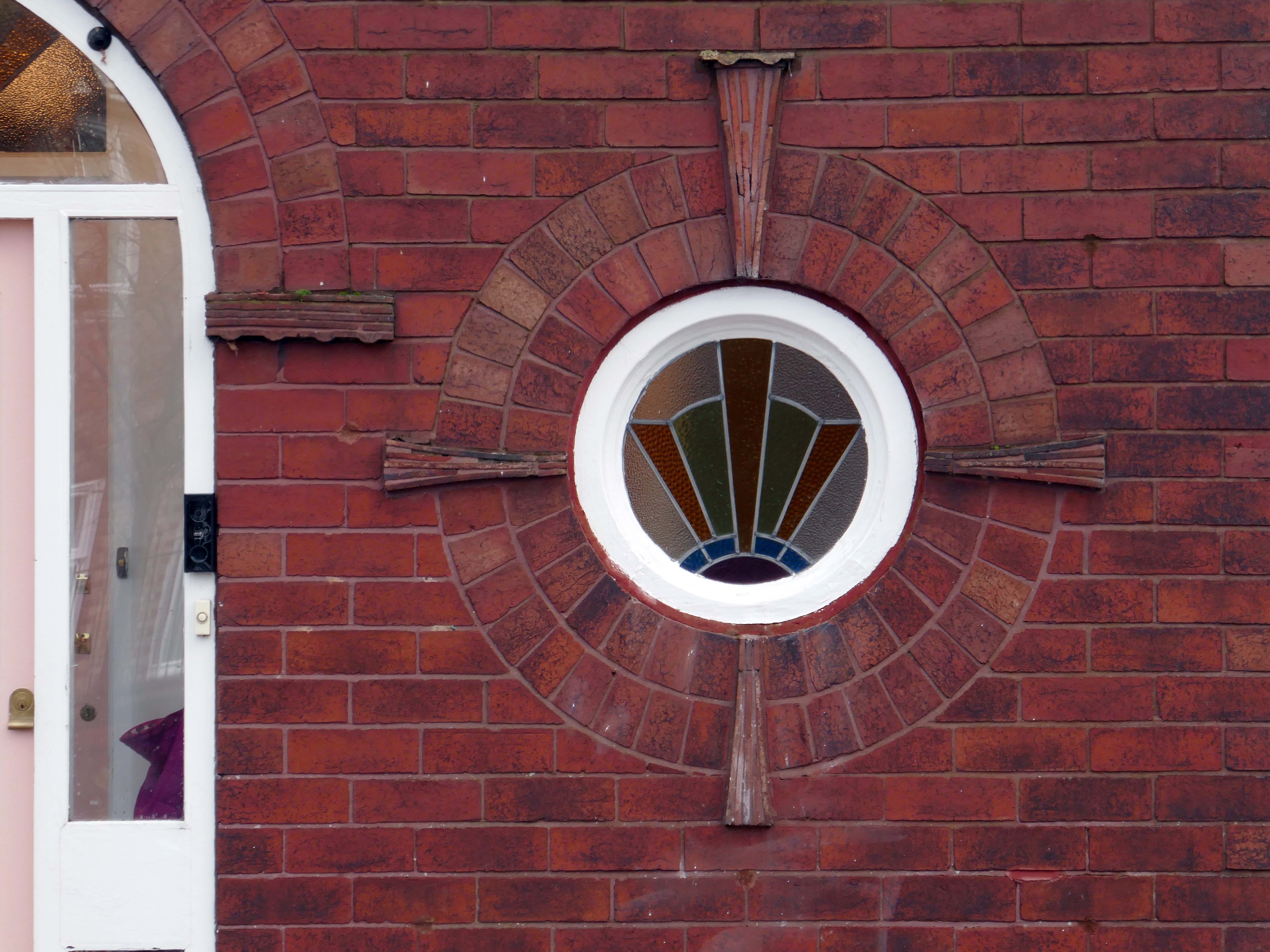
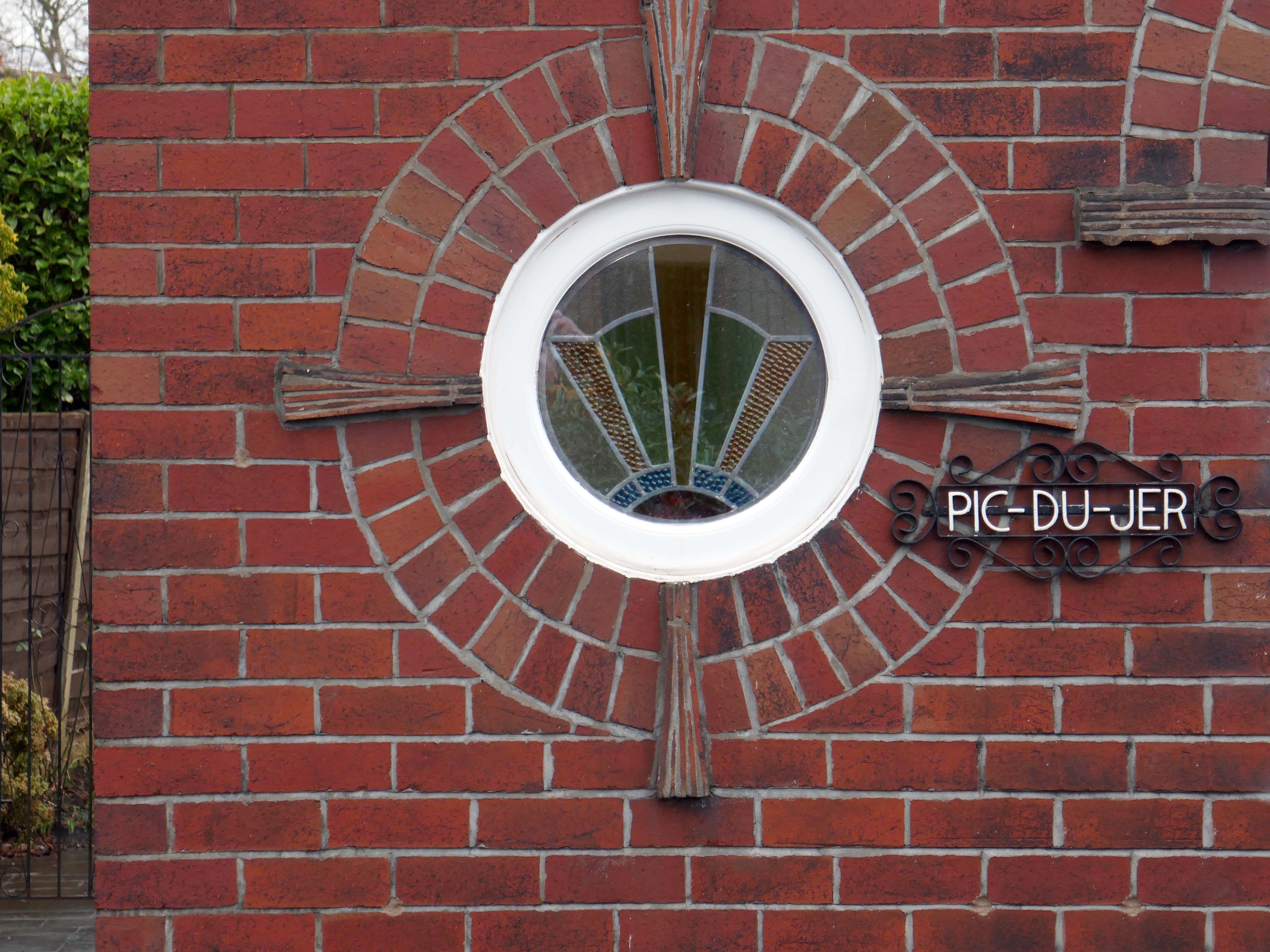
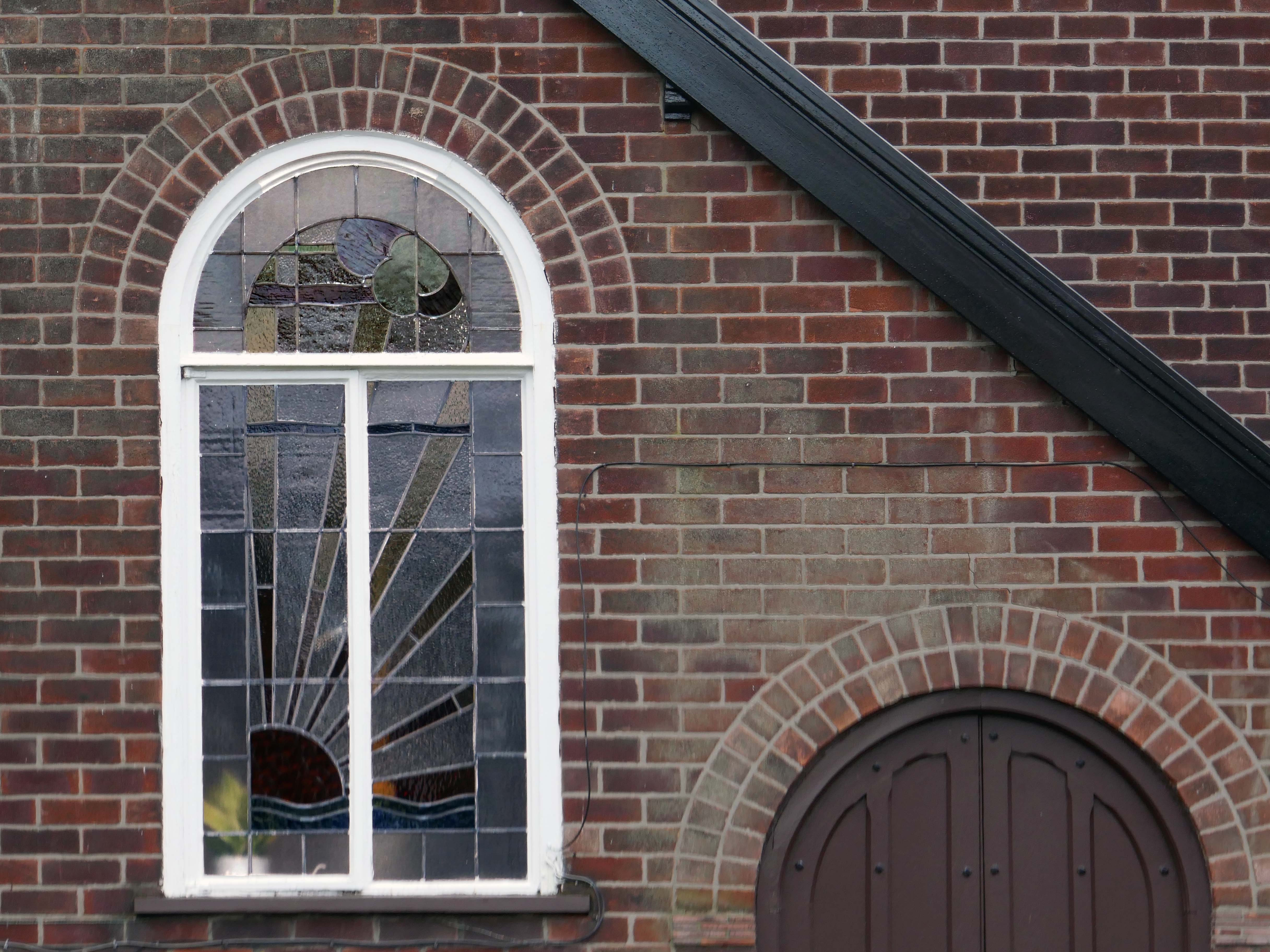
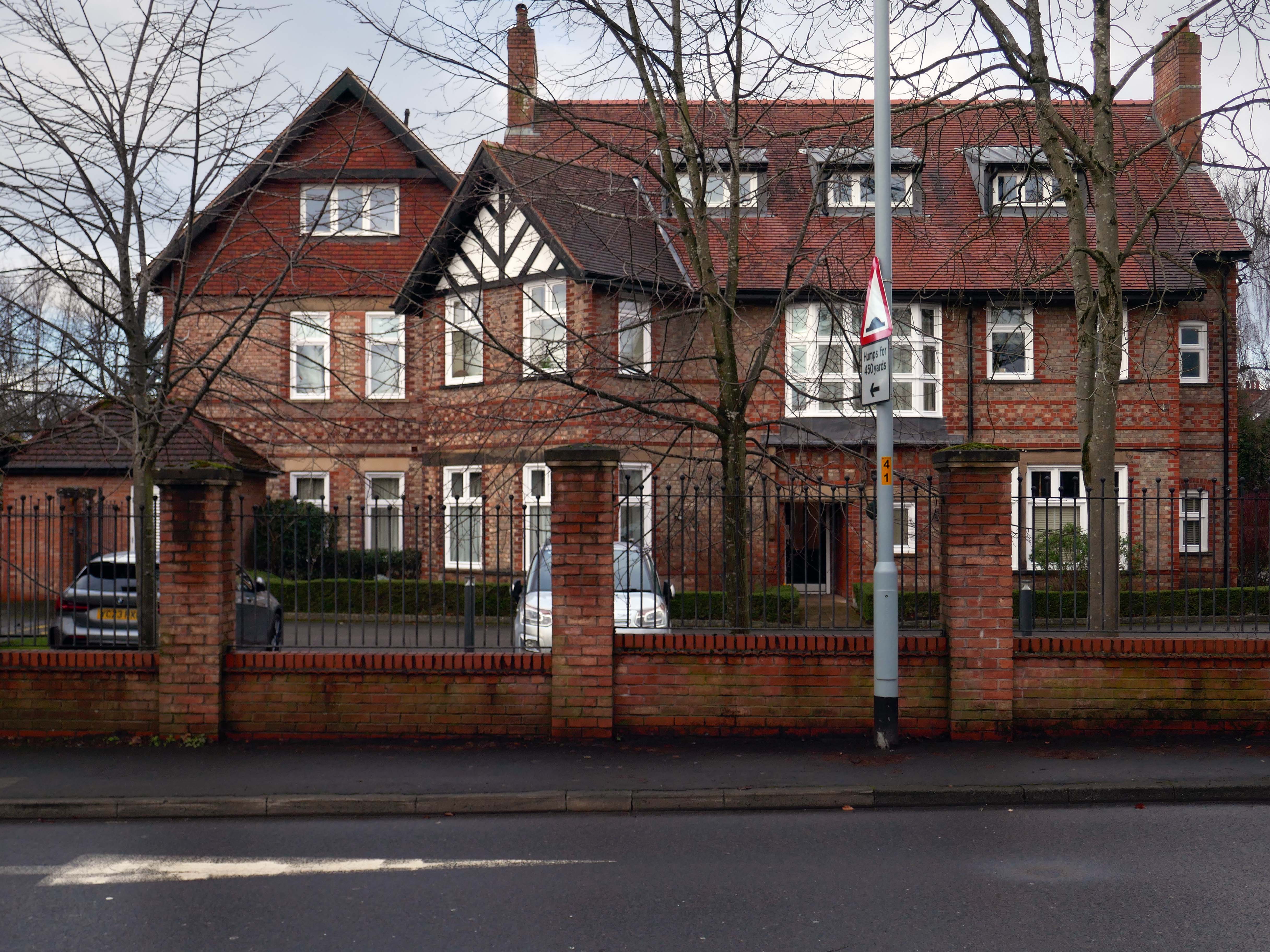
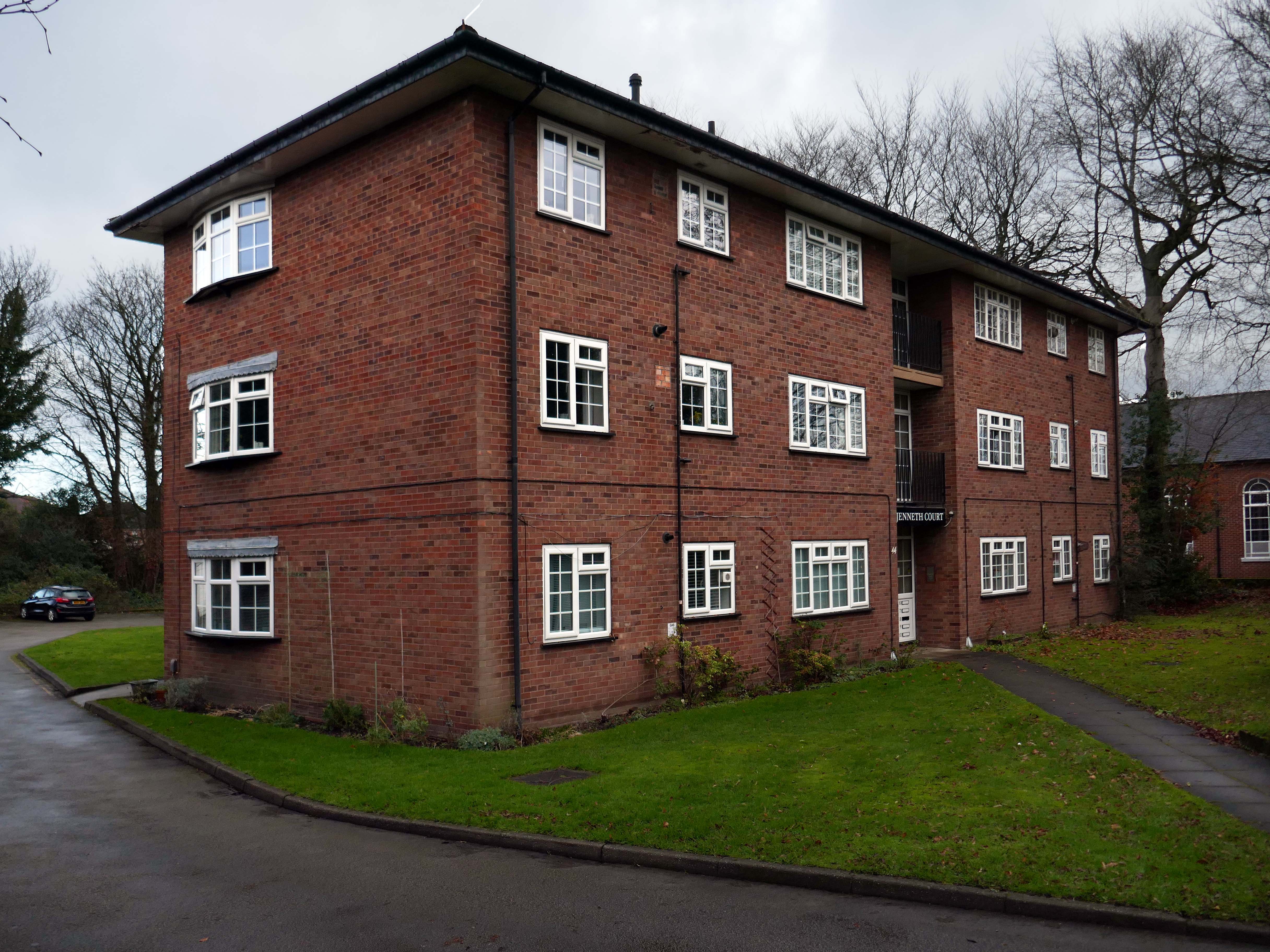
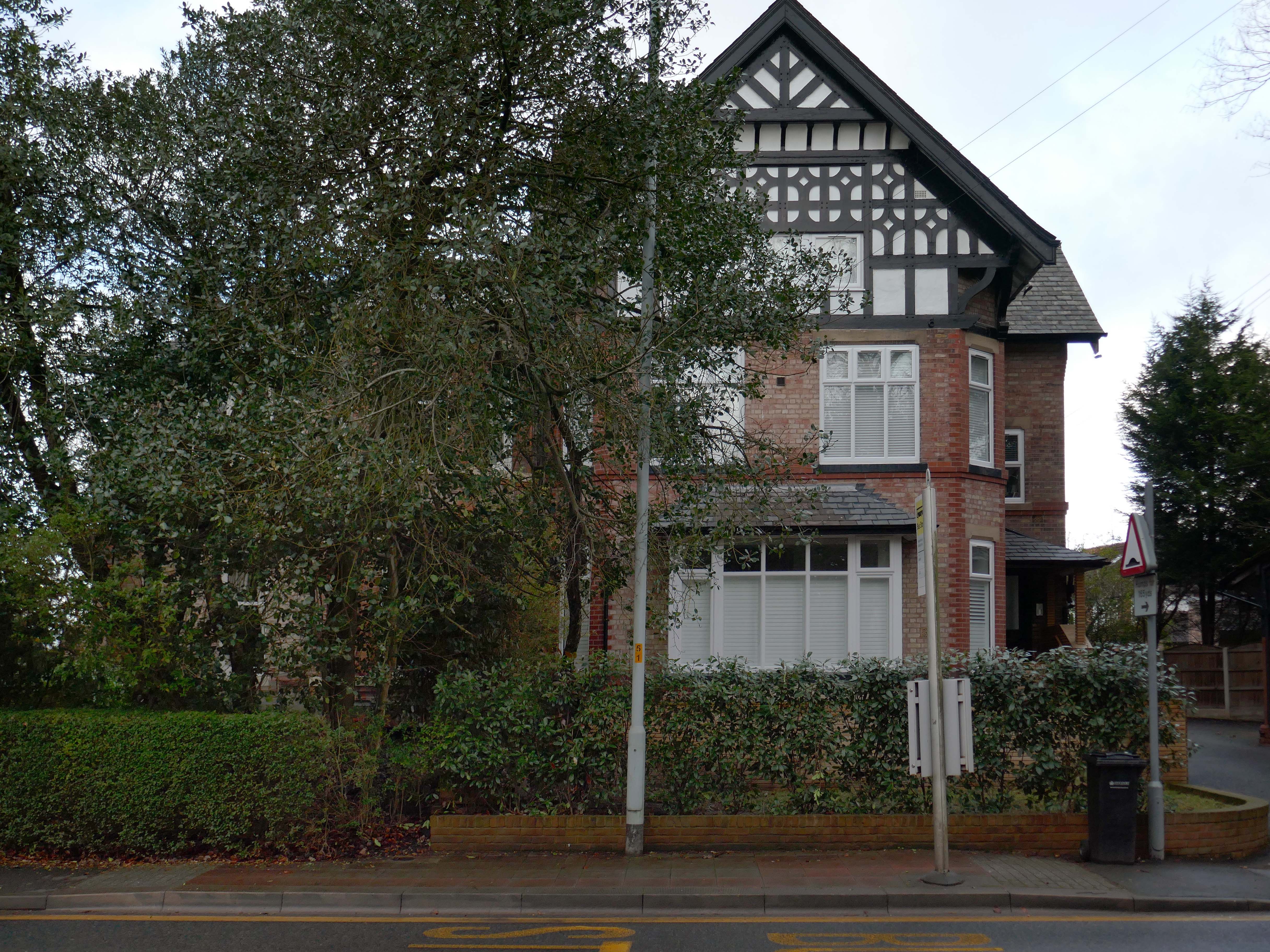
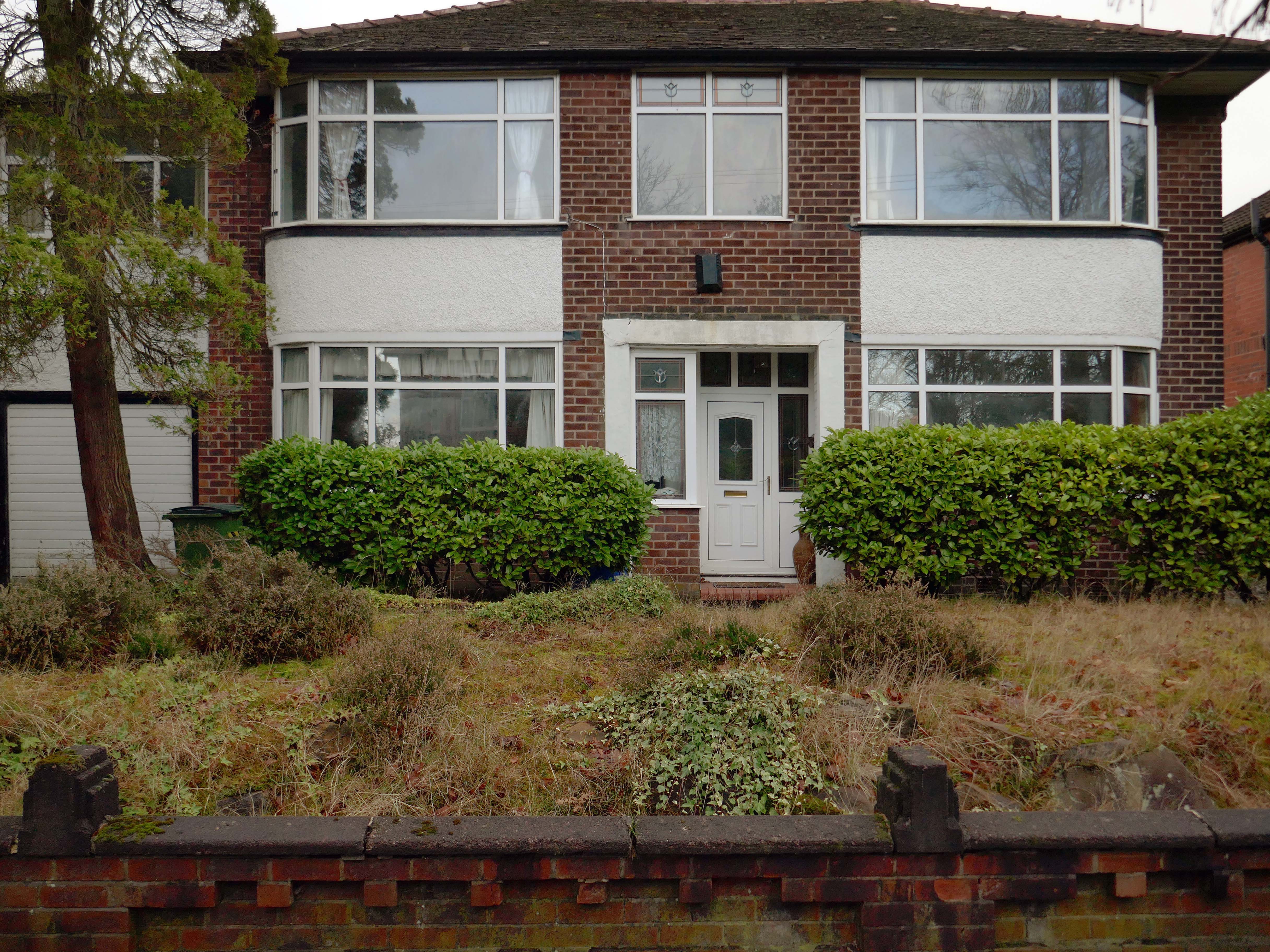
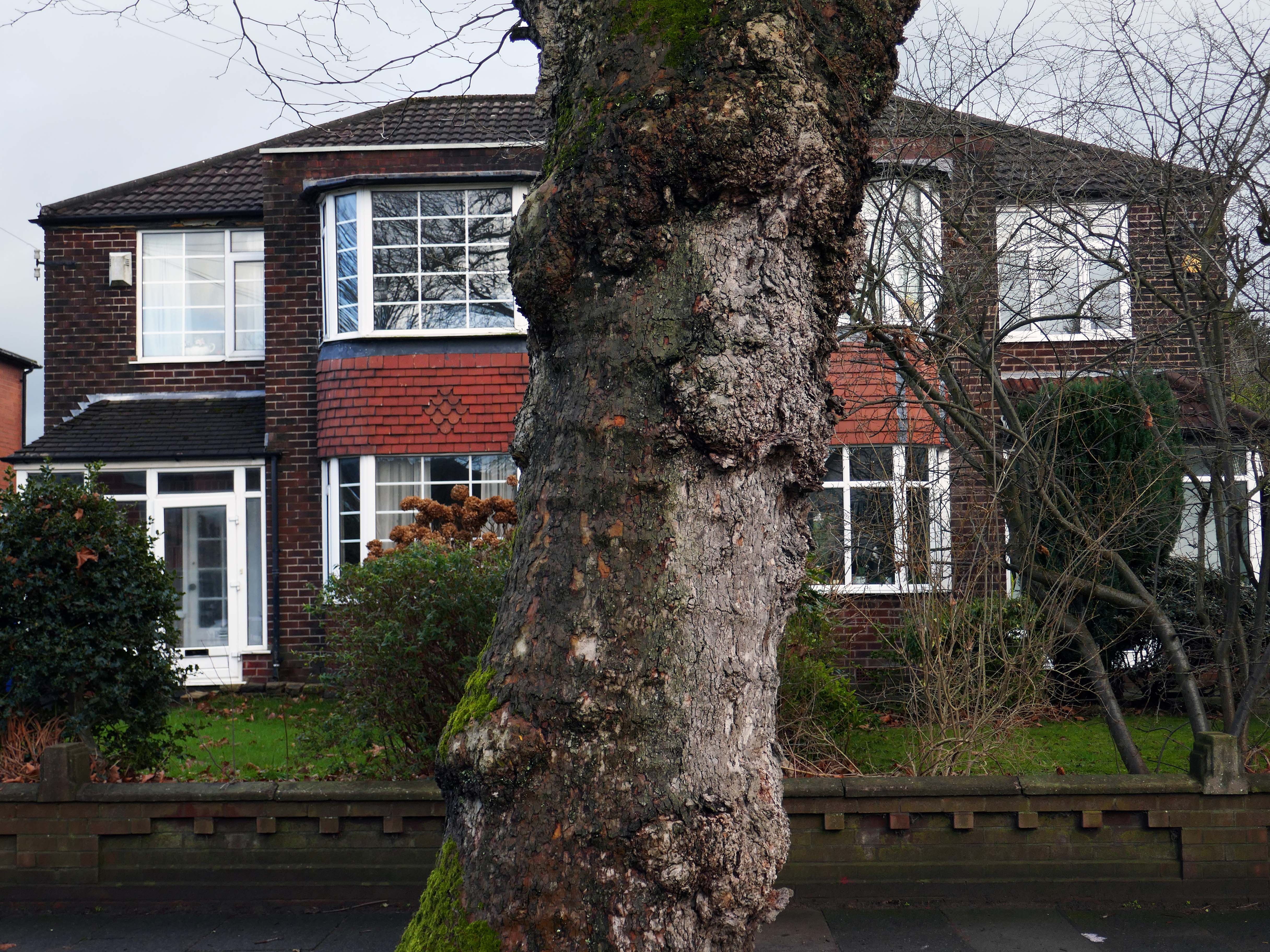
The homeowners quest for the individual within a typology, no two doors the same, render re-rendered, period details largely erased, occasionally preserved, windows awash with white uPVC, along with the more recent incursion of one shade of grey, front gardens replaced by unimpressive pressed concrete car parking, cars and more cars, bay windows held at bay by red brick walls and well-trimmed beech hedges.
My pink half of the drainpipe Separates next door from me My pink half of the drainpipe Oh, Mama – belongs to me
My baby takes the morning train He works from nine till five and then He takes another home again To find me waitin’ for him
Sheena Easton
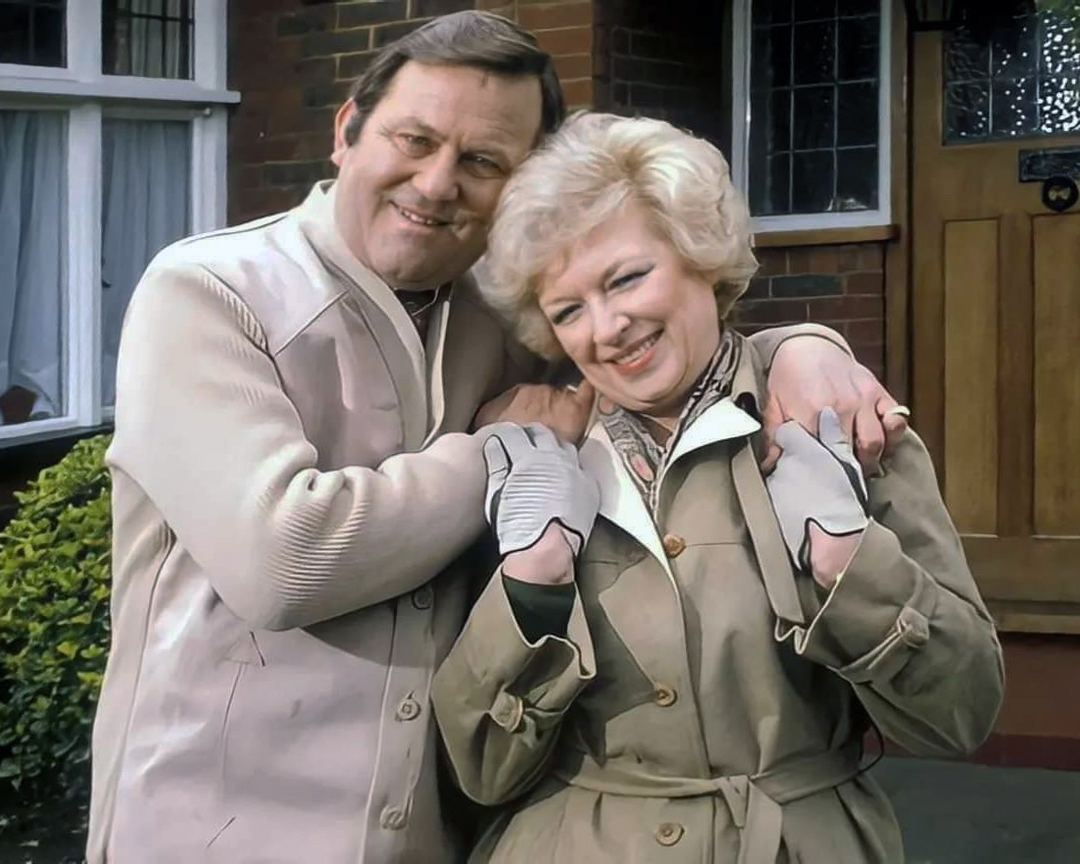
Welcome to the land of Terry and June – the seemingly complacent home to the newly aspirational classes, anathema to those thrill seeking Modernists, embracing the dynamism of the city, or those Ruralists protecting the integrity of the countryside.
Tradition has broken down. Taste is utterly debased, the town, long since degraded, is now being annihilated by a flabby, shoddy, romantic nature worship. That romantic nature worship is destroying also the object of its adoration, the countryside.
The growth of British towns and cities, from the onset of the Industrial Revolution, created a demand for new homes, the earliest developments were close to the centres of production and administration. Followed by the creation of outlying estates for the fleeing middle classes, as the smoke began to billow and the trains and buses began to run.
Originally the work of speculative private enterprise, followed by homes built by the local authority along with charitable institutions.
My own experience has taught me that Suburbia is architecturally diverse, socially less so, as various areas are segregated by class, and perhaps less so by ethnicity and/or culture.
The majority of the population live in Suburbia it seems, there now follows a selection of the suburban sites which I have visited in the last ten years or so.
In search of Suburbia.
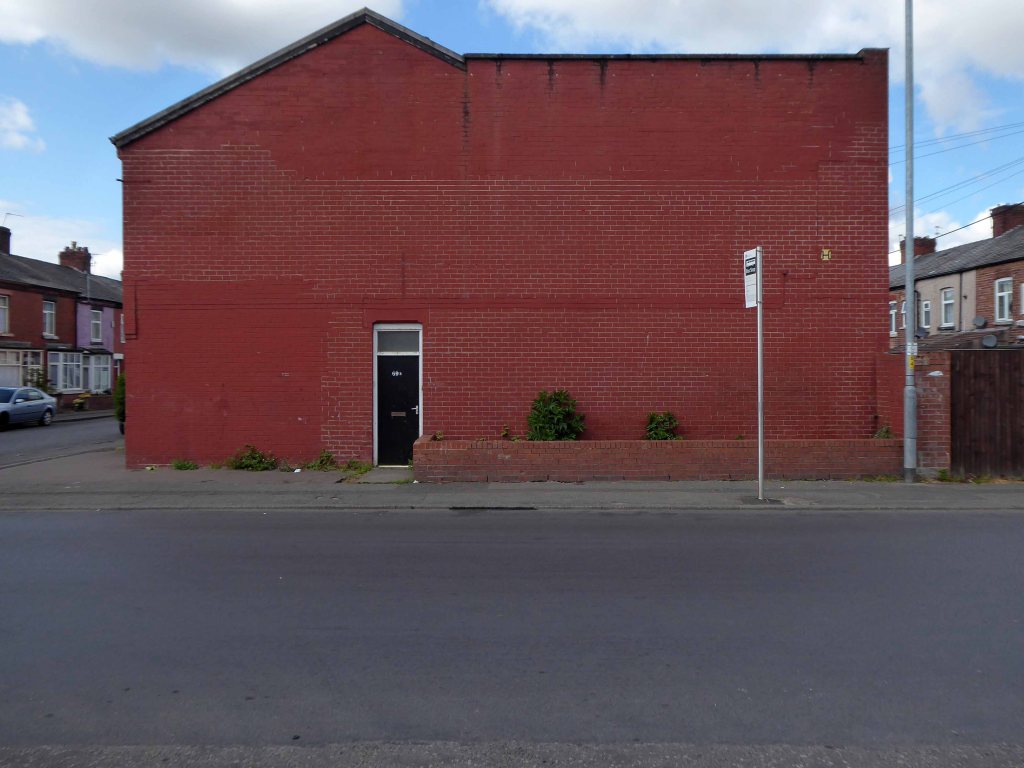
There are areas of Victorian terraced housing Manchester which survived clearance – such as Jetson Street in Abbey Hey.
By 1931 1.1 million council houses were built and 2.8 million privately owned homes.
Post WW2 the emphasis was on an expansion of social housing, along with a growth in privately owned property – detailed information and analysis of social housing can be found here at Municipal Dreams.
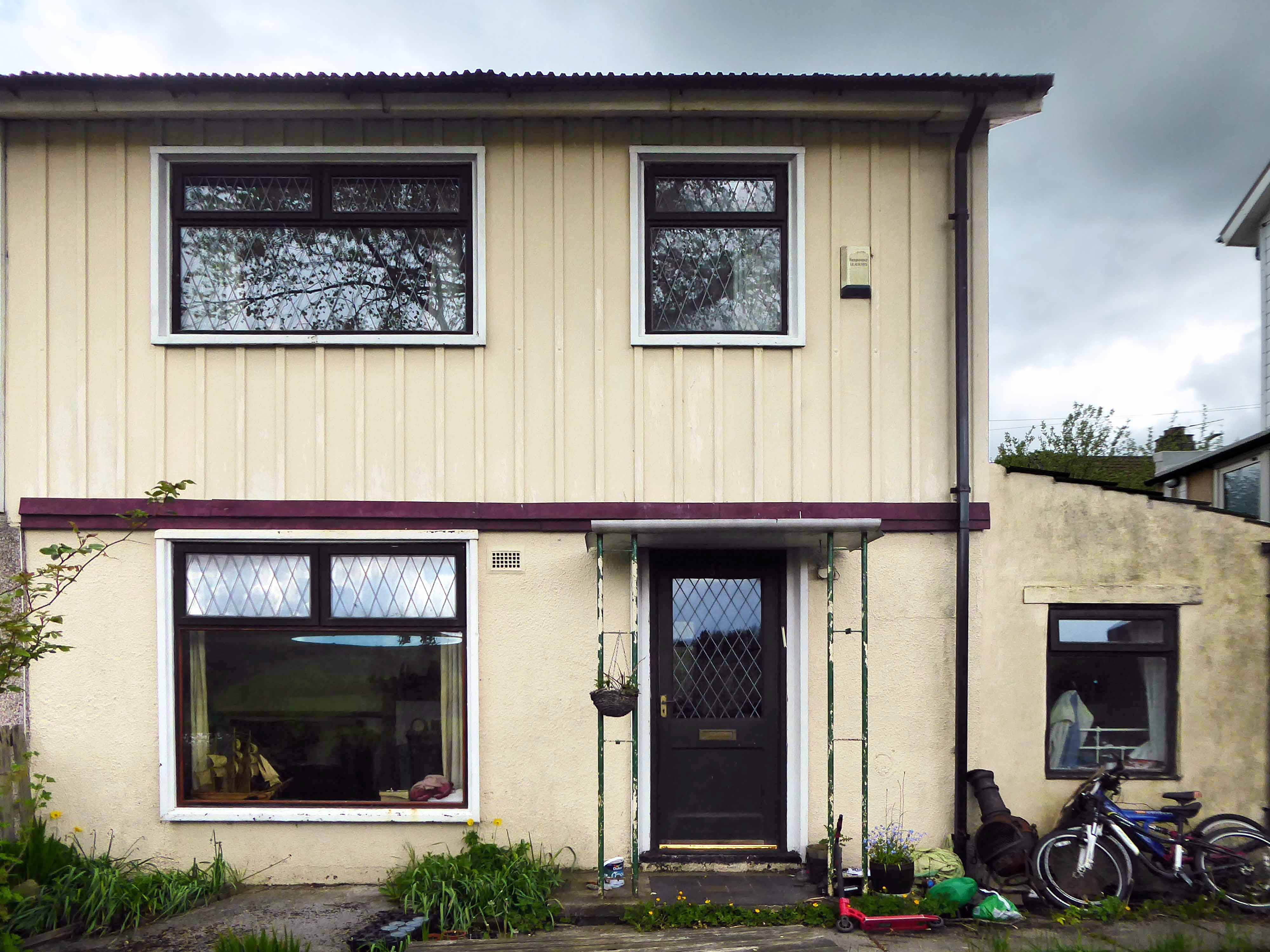
These homes were at times both temporary and of non-standard construction.
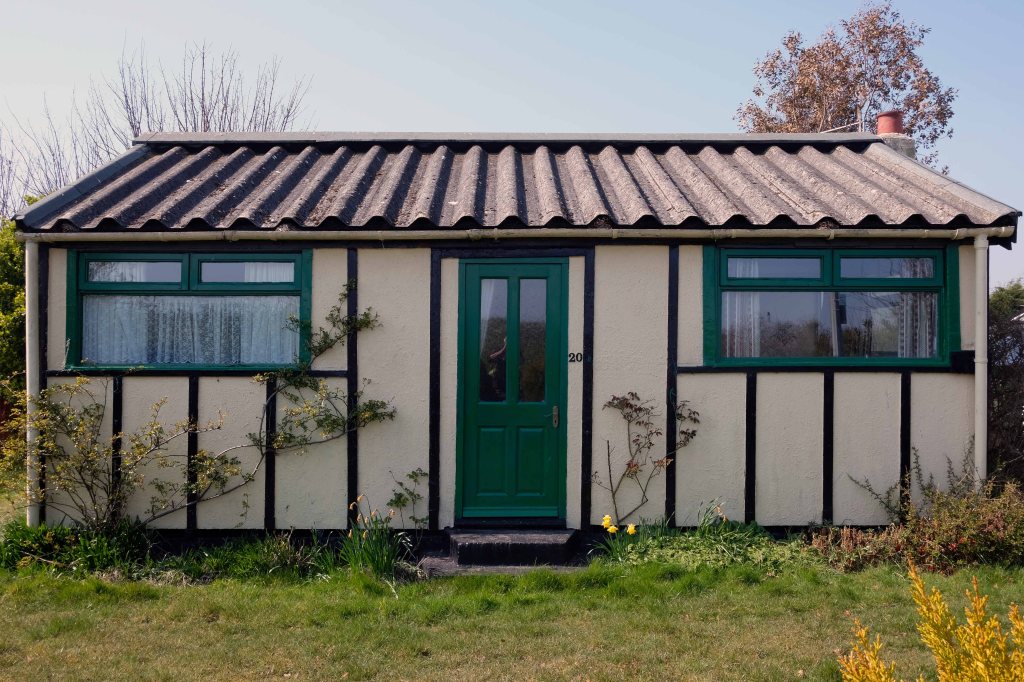
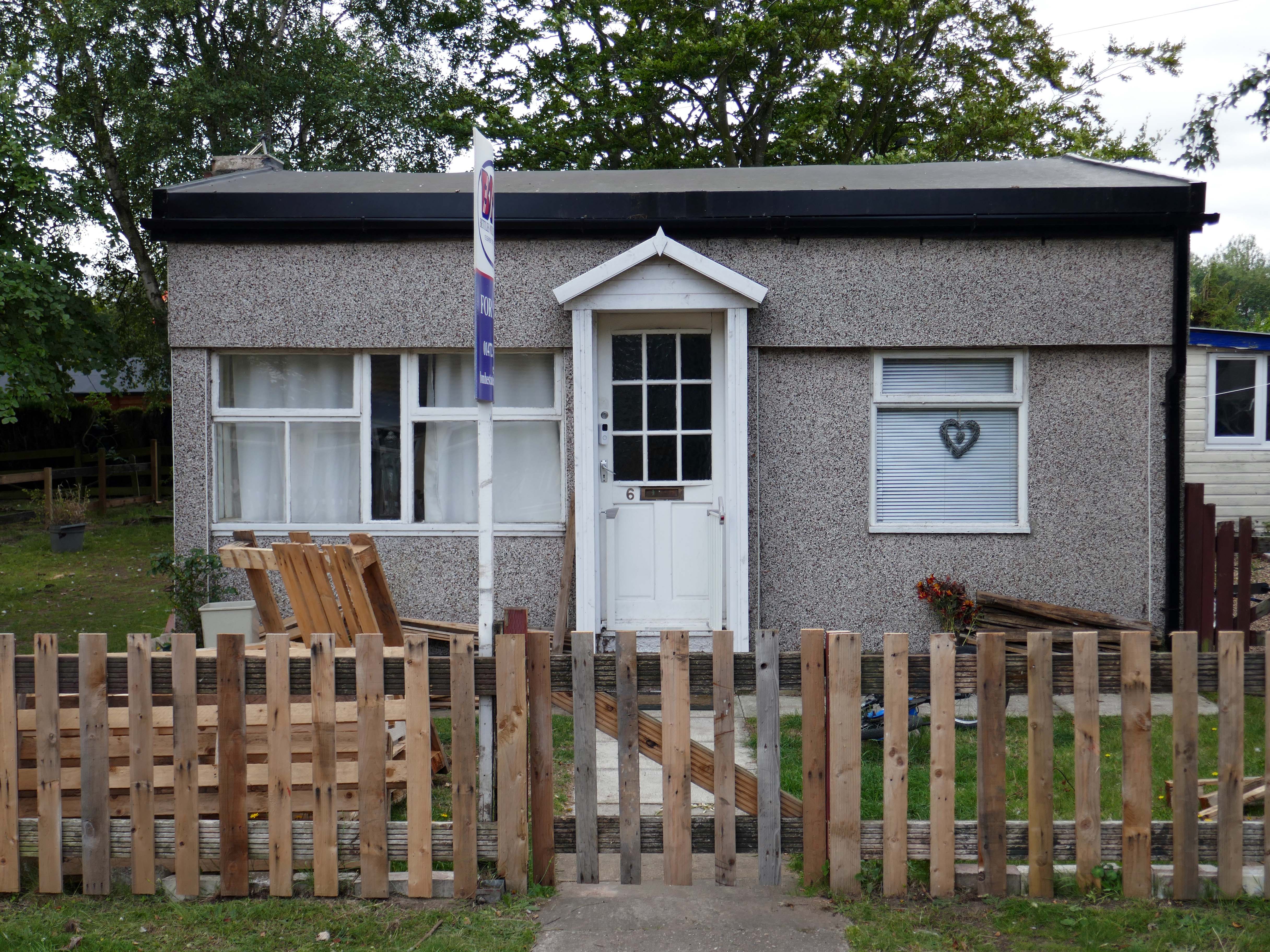
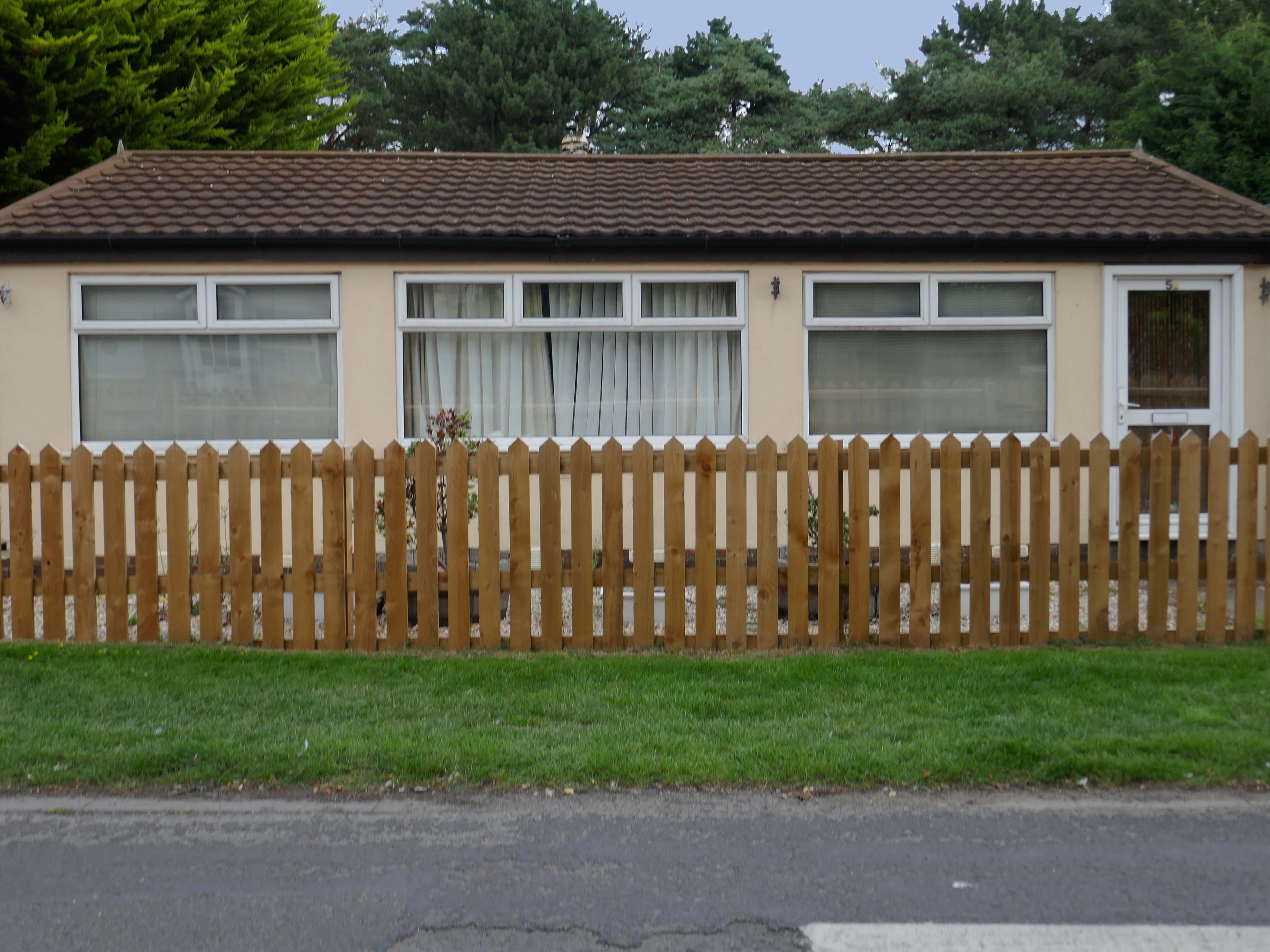
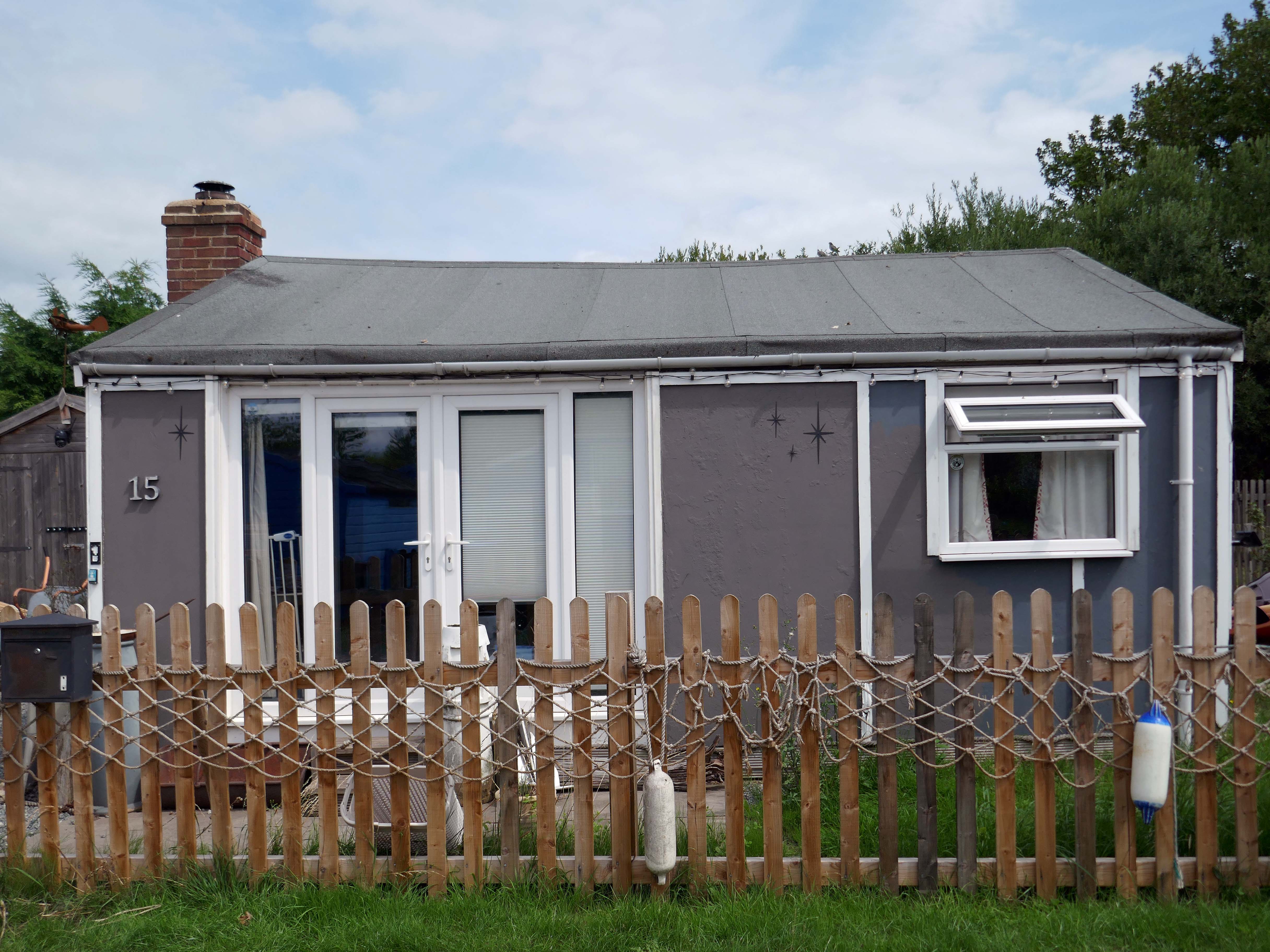
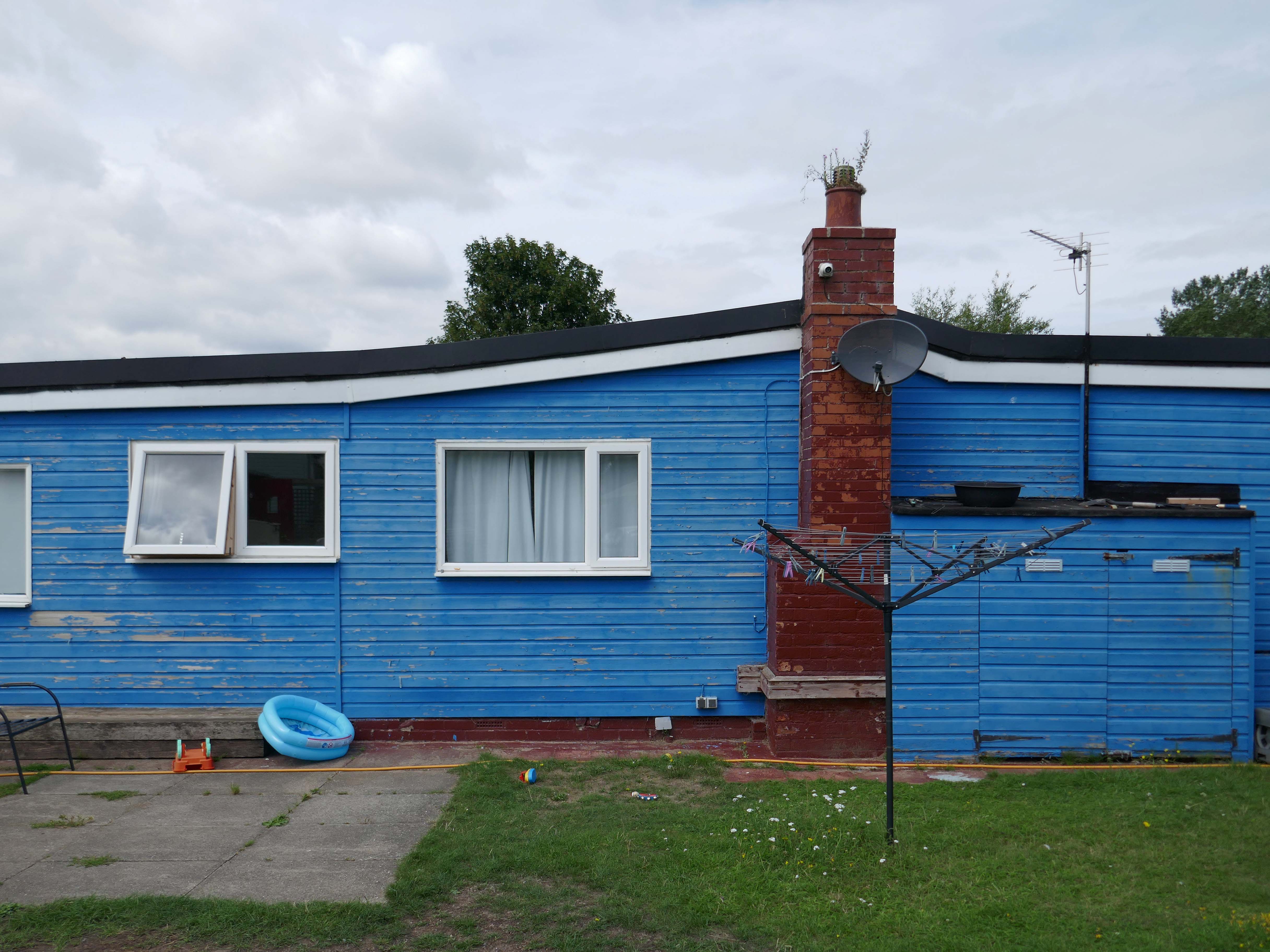
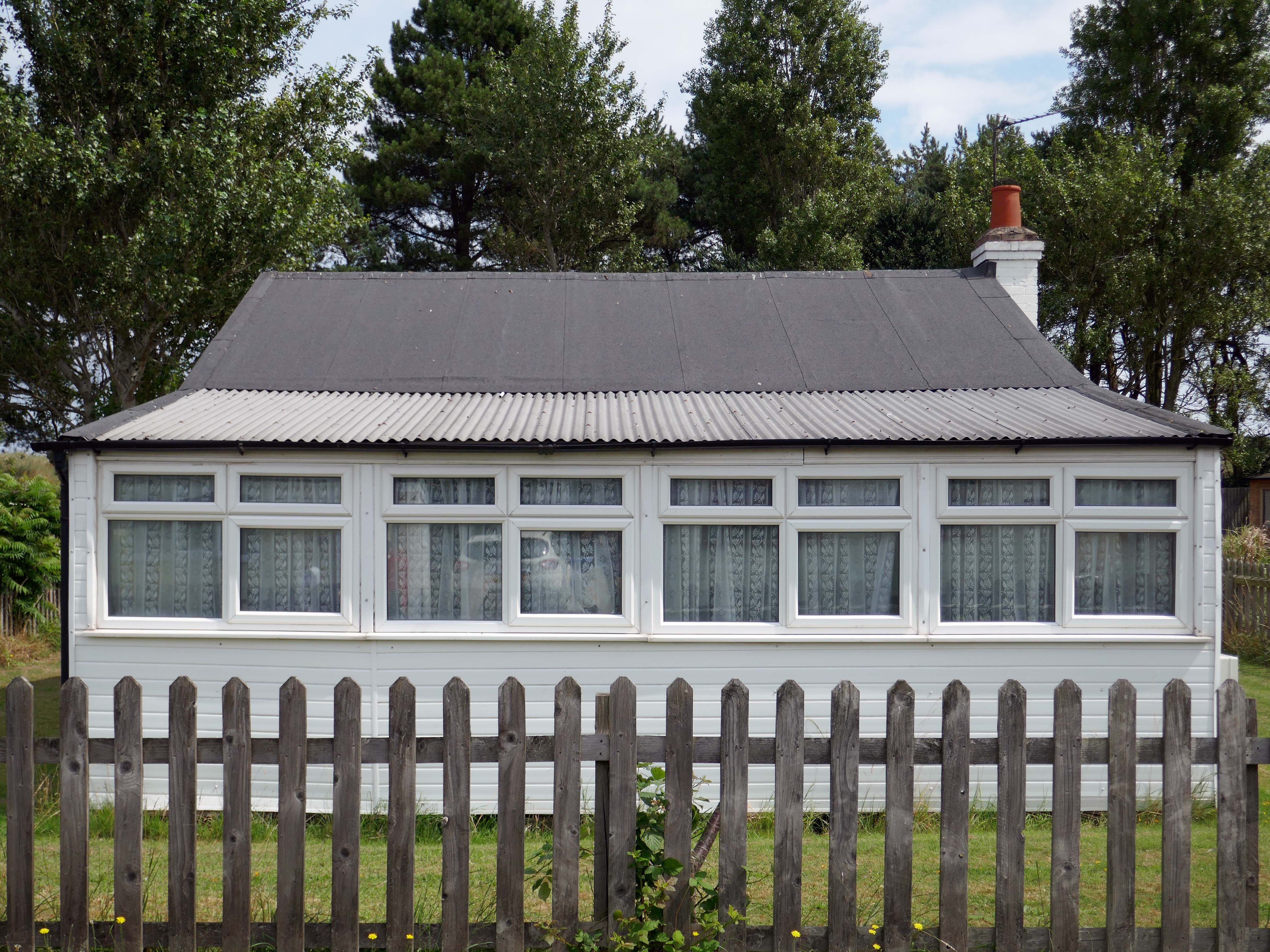
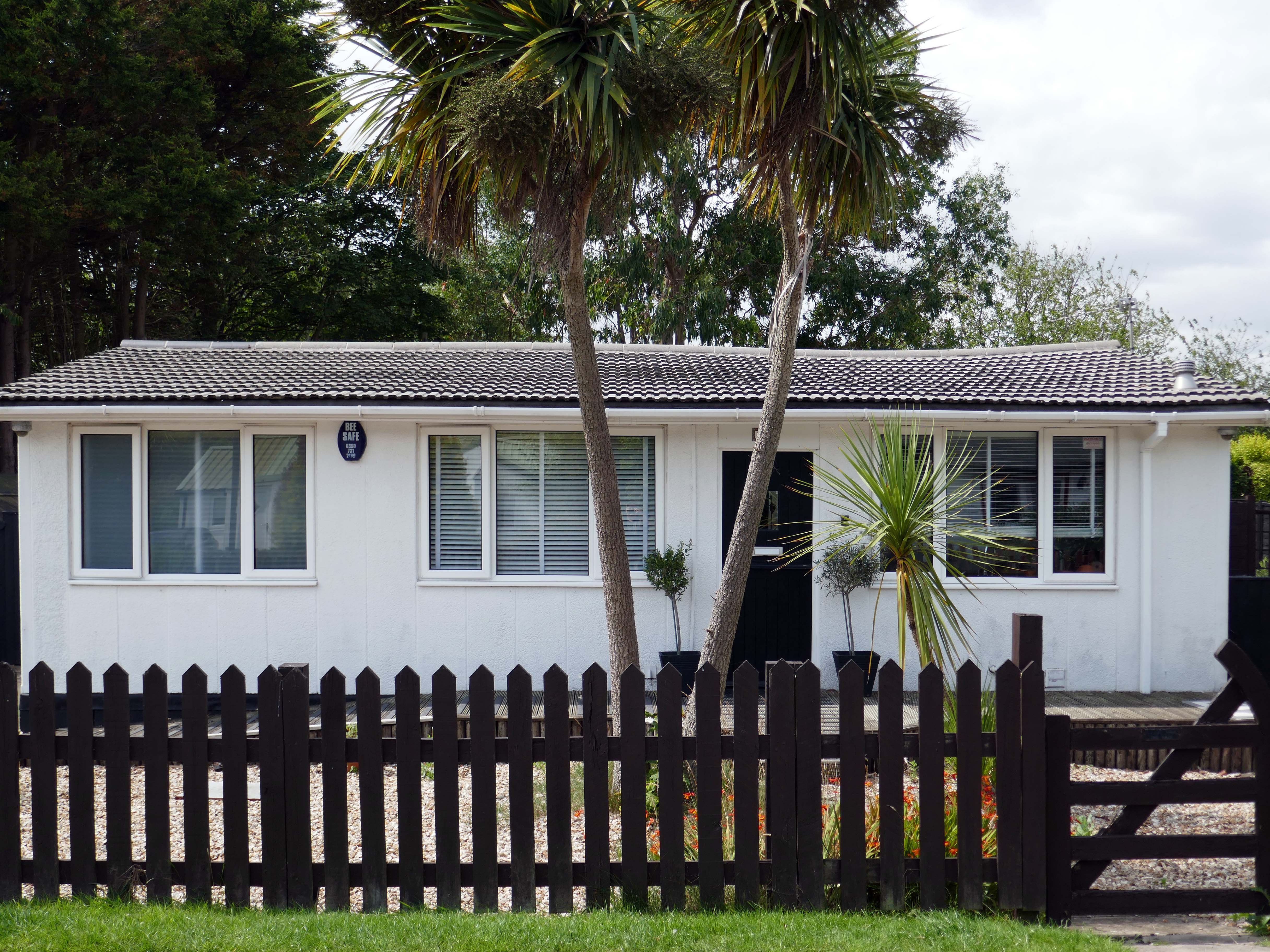
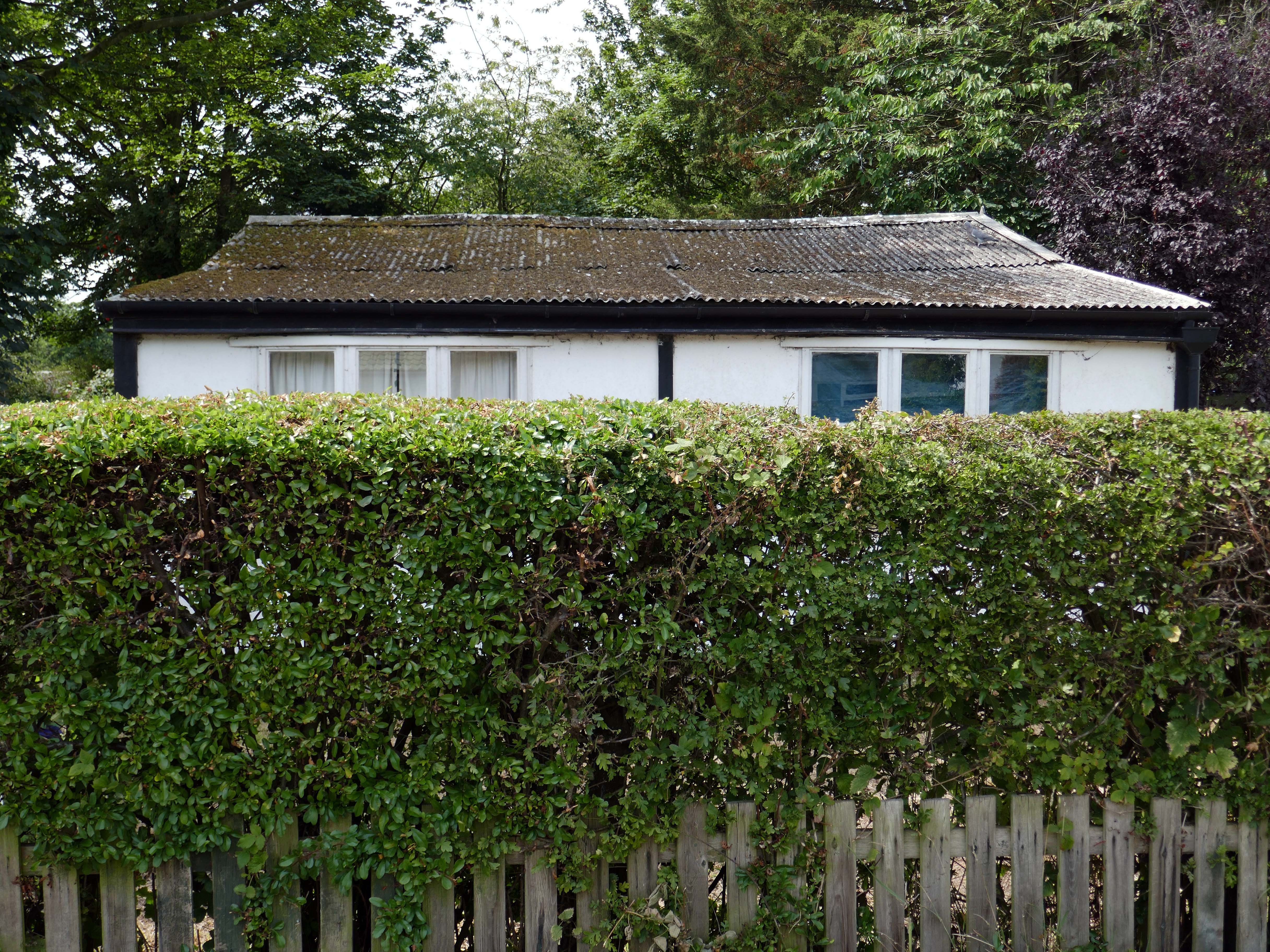
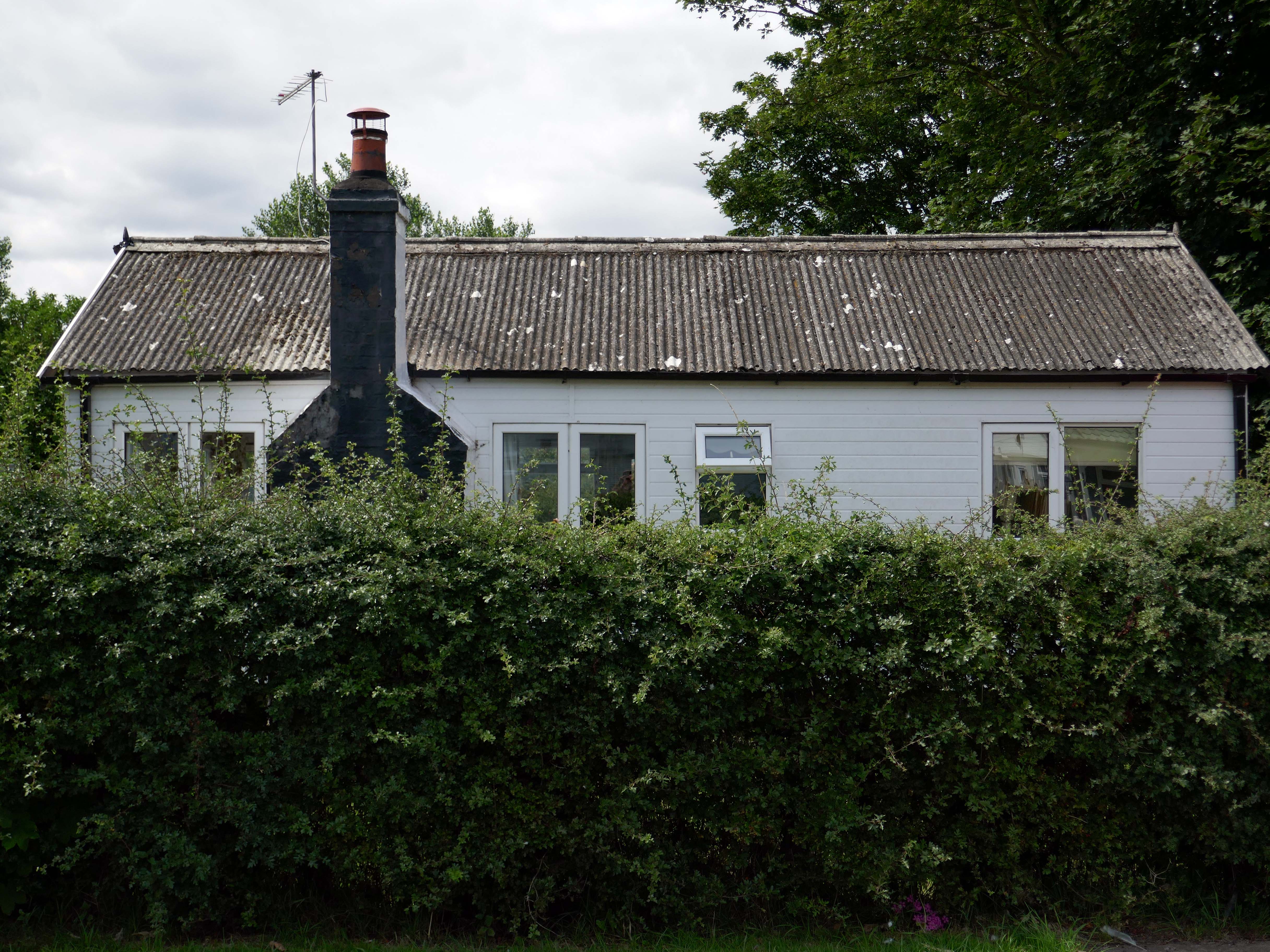
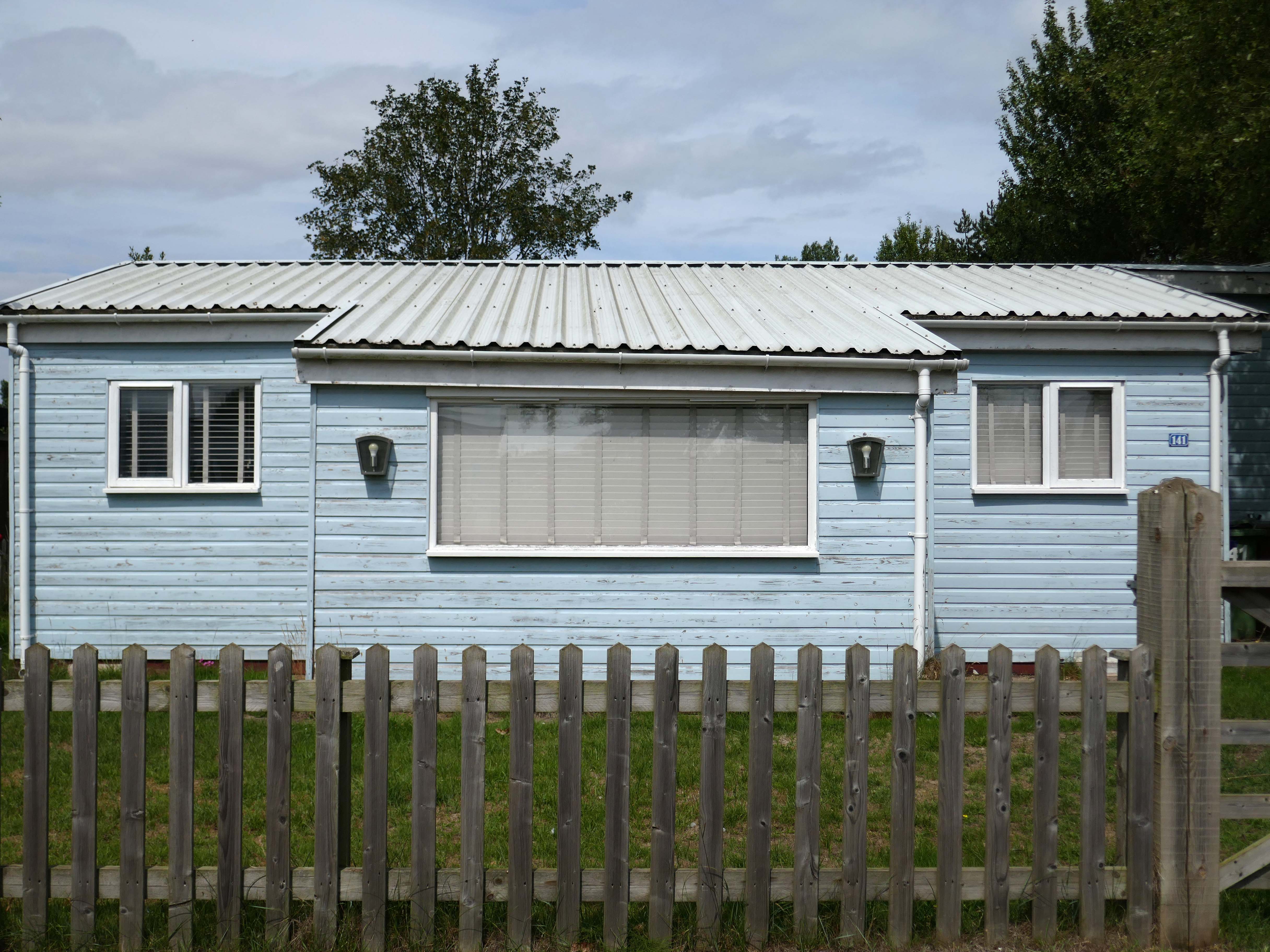
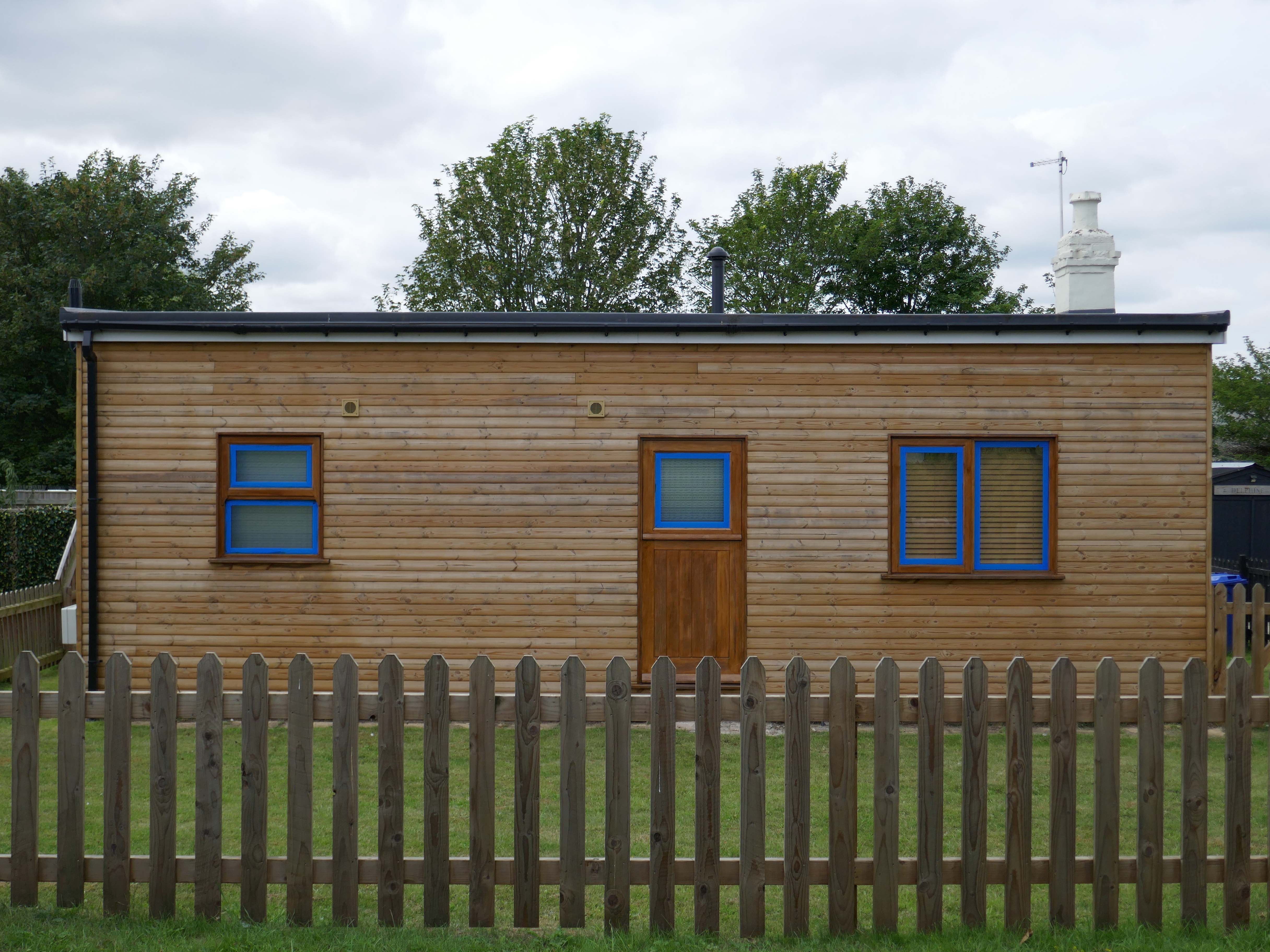
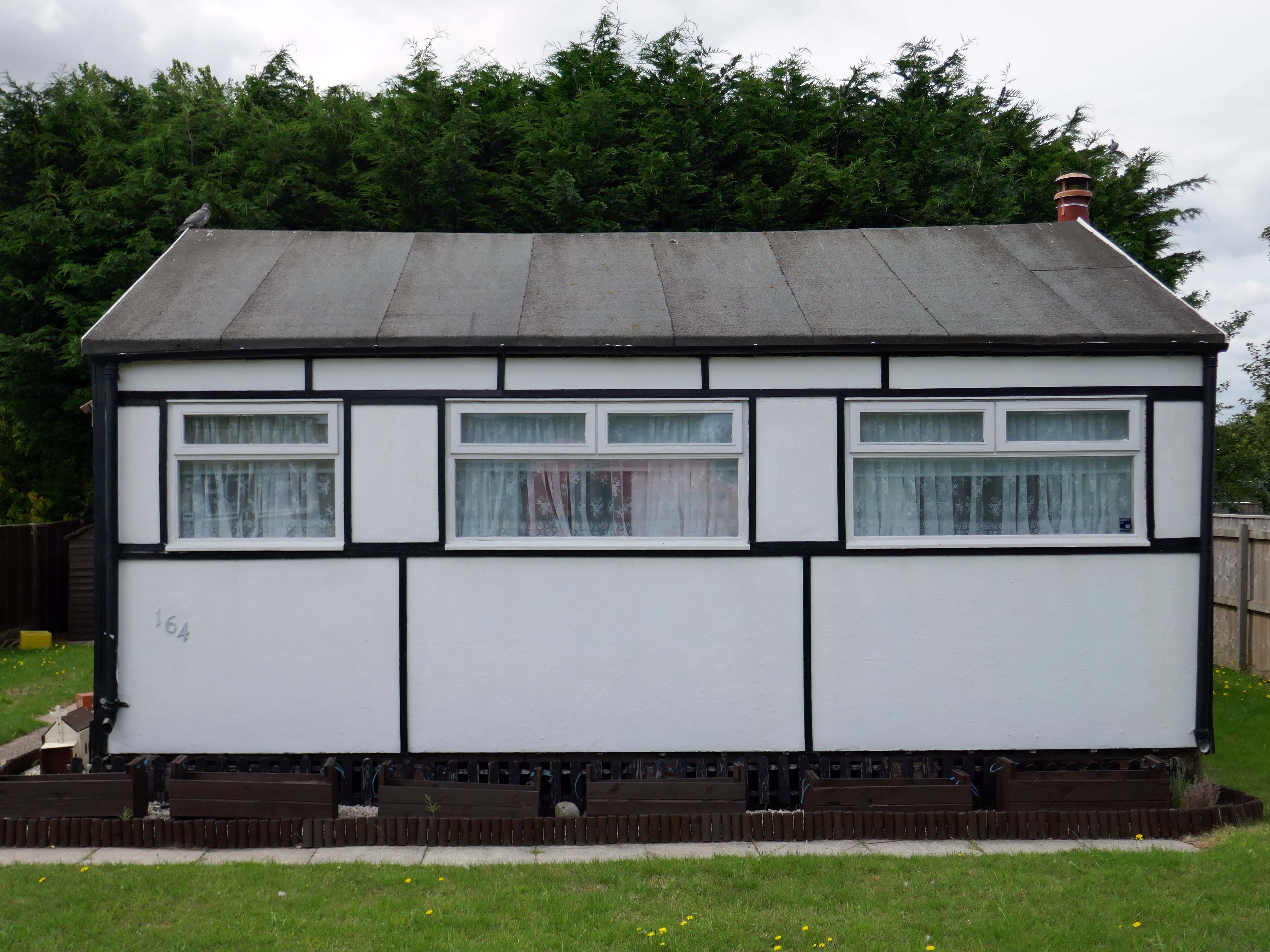
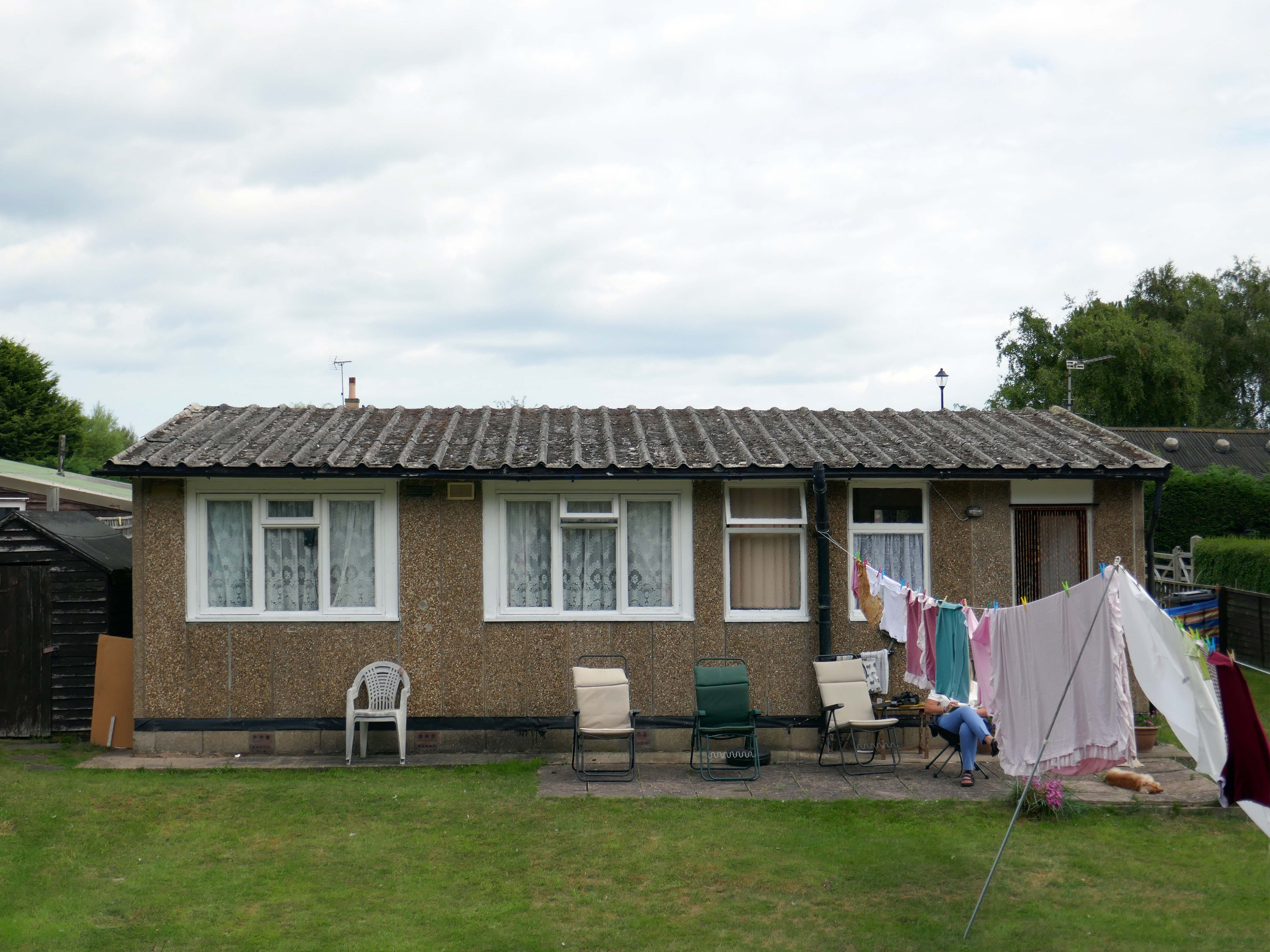
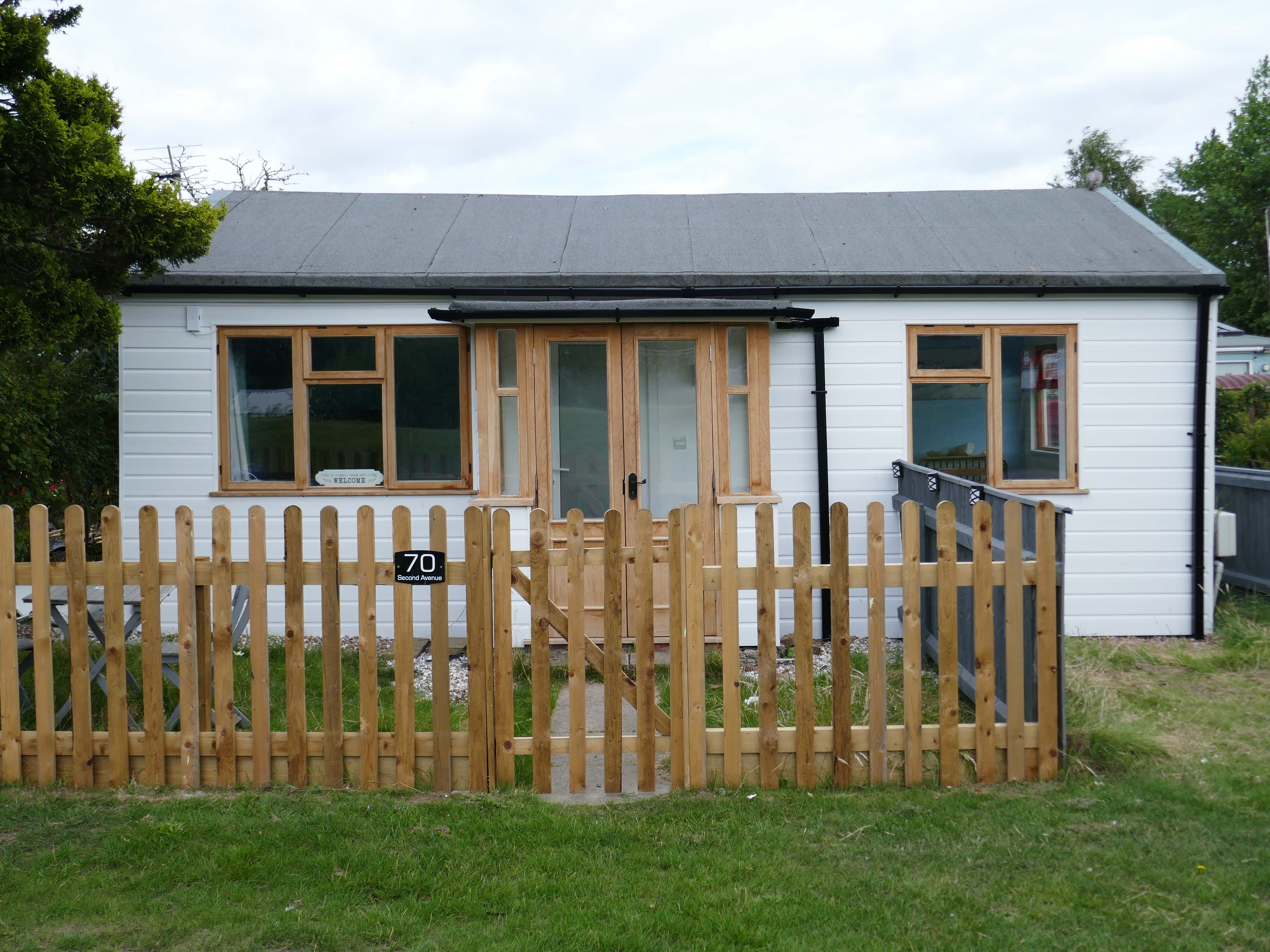
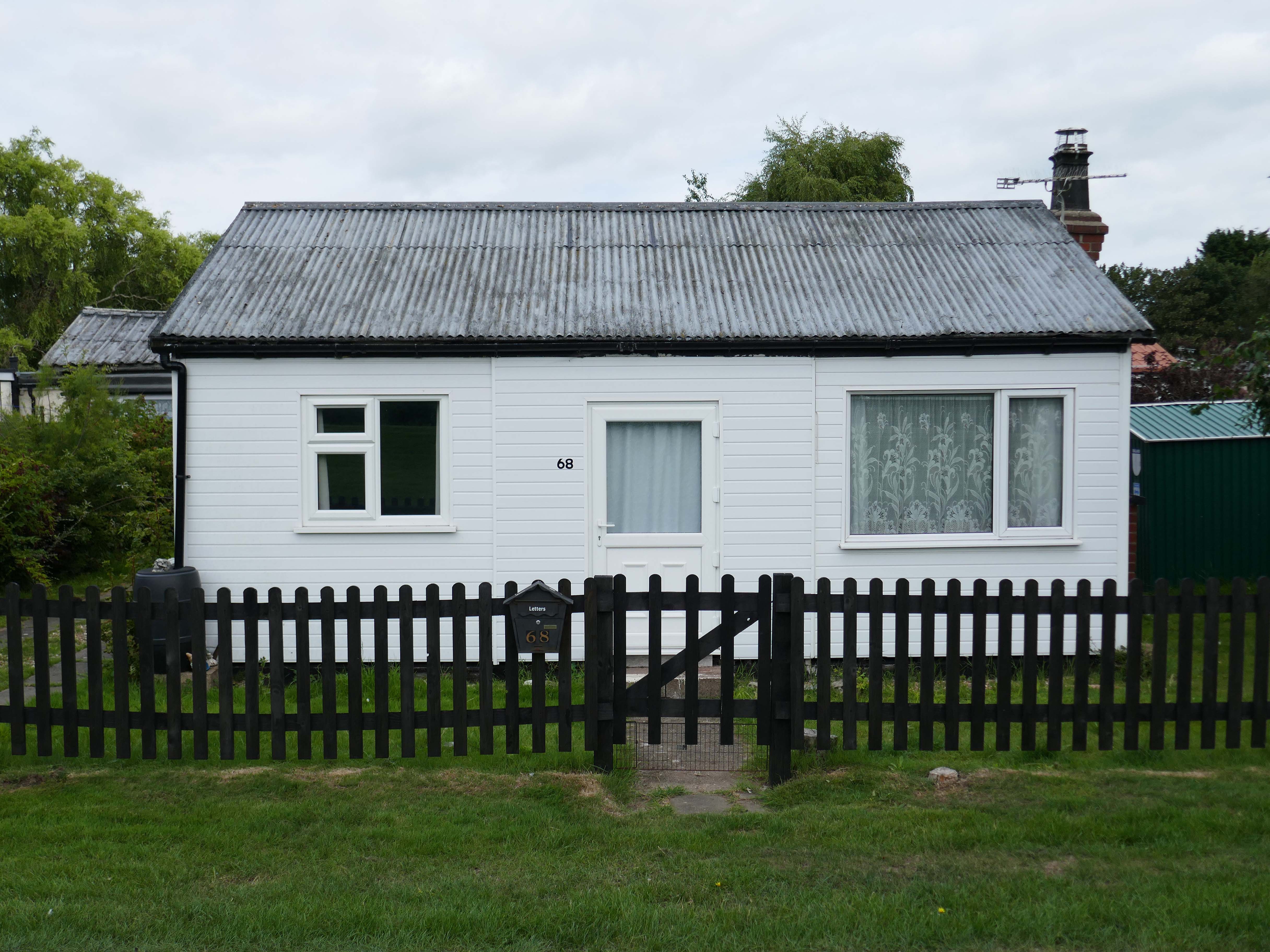
This prefabricated house was originally built for the good folk of Doncaster, later finding itself in Humberston Fitties
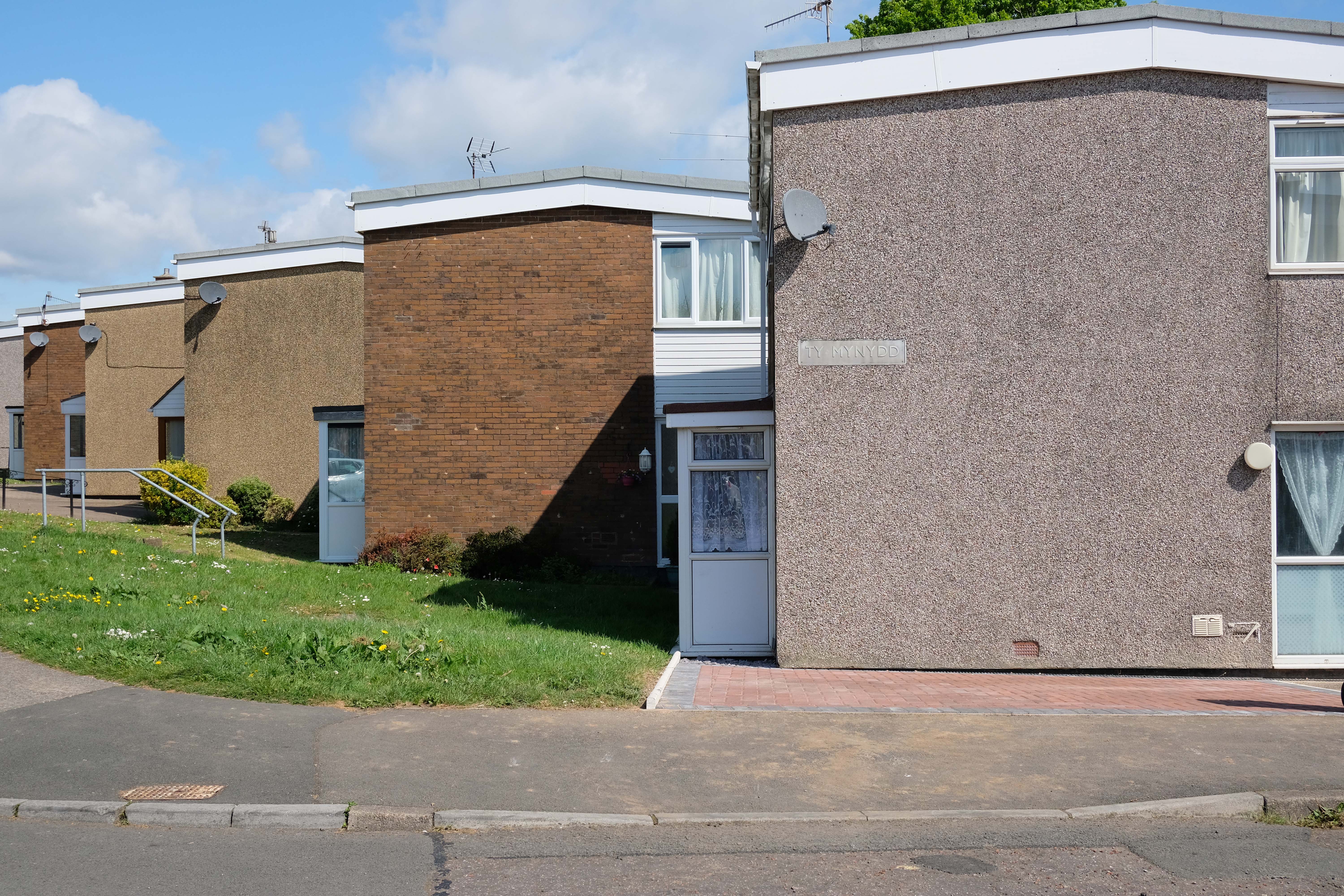
These Wythenshawe BISFHomes designed by Frederick Gibberd, the so-called Tin Town are still very much habitable homes.
Post war development was inextricably linked to the New Towns.
The new towns in the United Kingdom were planned under the powers of the New Towns Act 1946 and later acts to relocate people from poor or bombed-out housing following World War II. Designated new towns were placed under the supervision of a development corporation, and were developed in three waves. Later developments included the “expanded towns”: existing towns which were substantially expanded to accommodate what was called the “overspill” population from densely populated areas of deprivation.
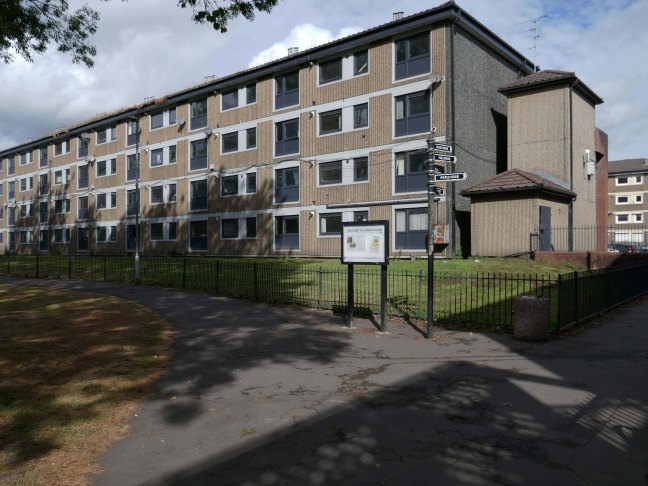
I came along to take a look aroundin 2017 – at this point all of the homes are occupied.
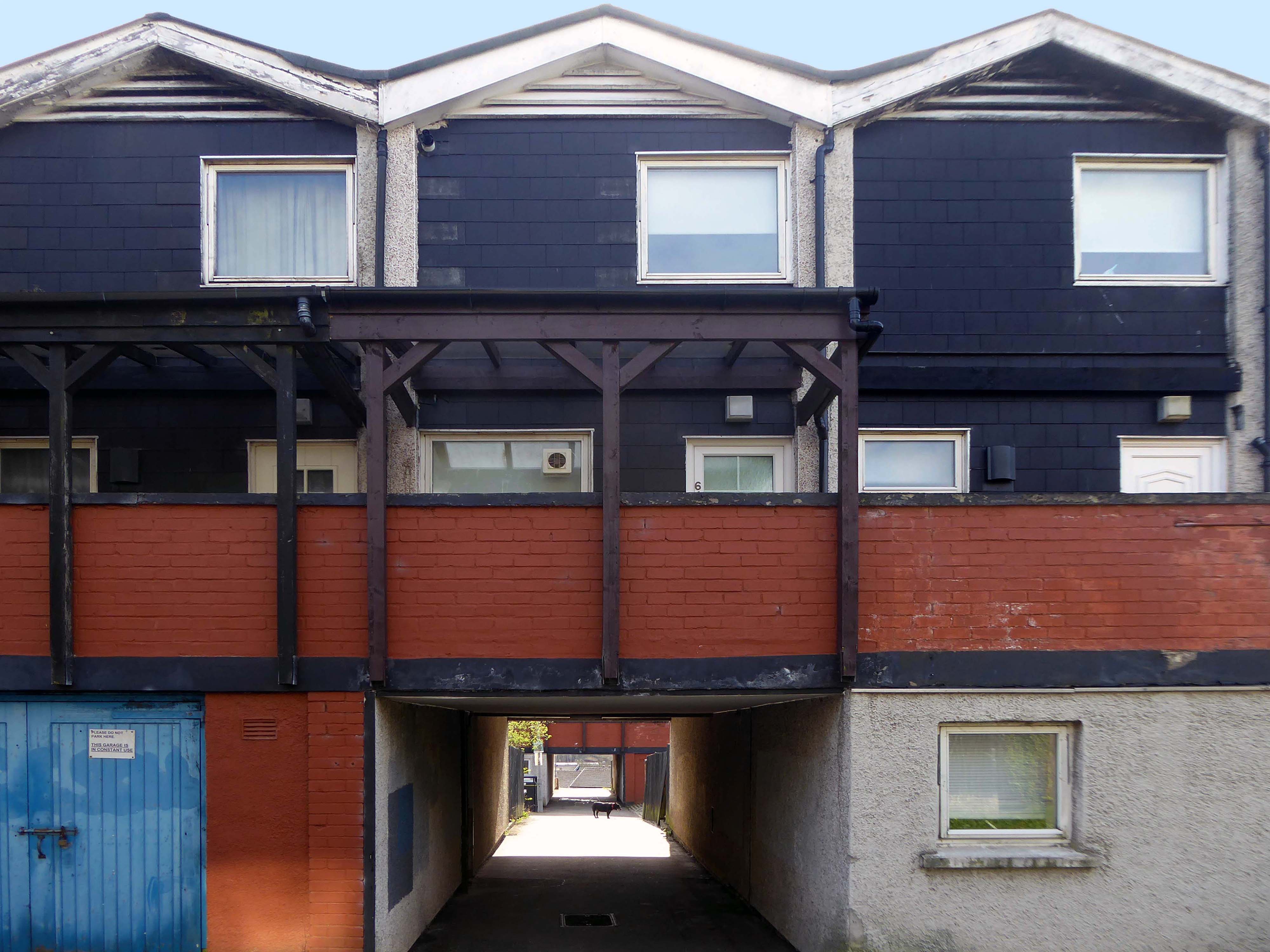
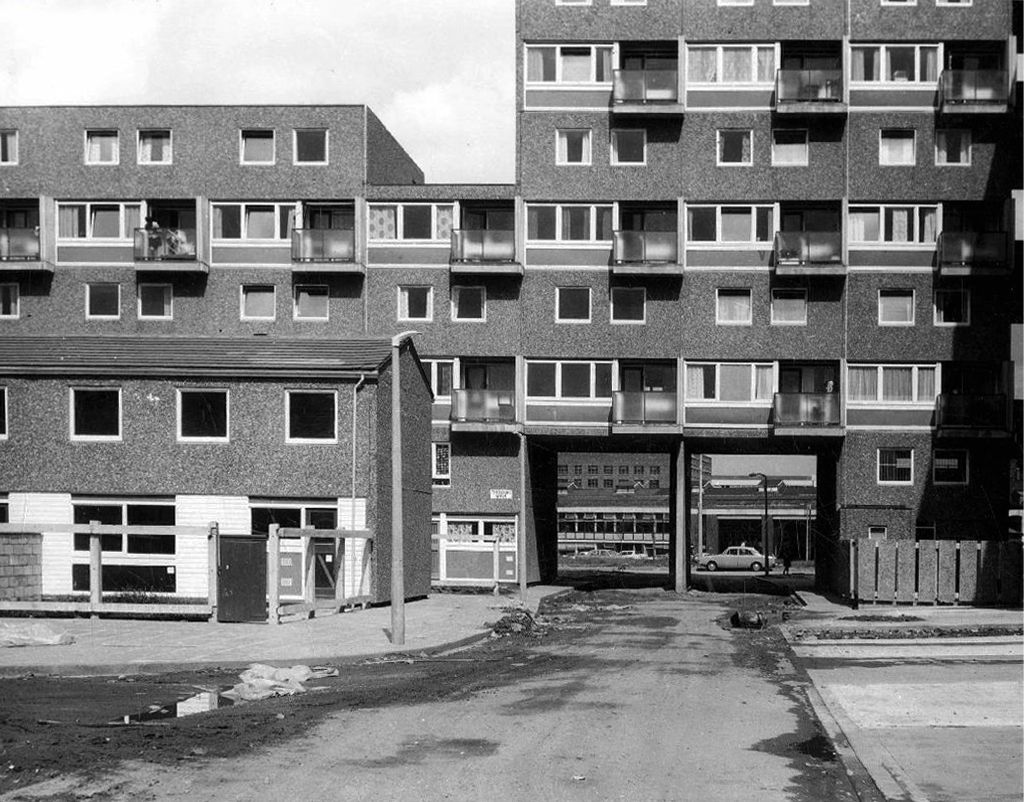
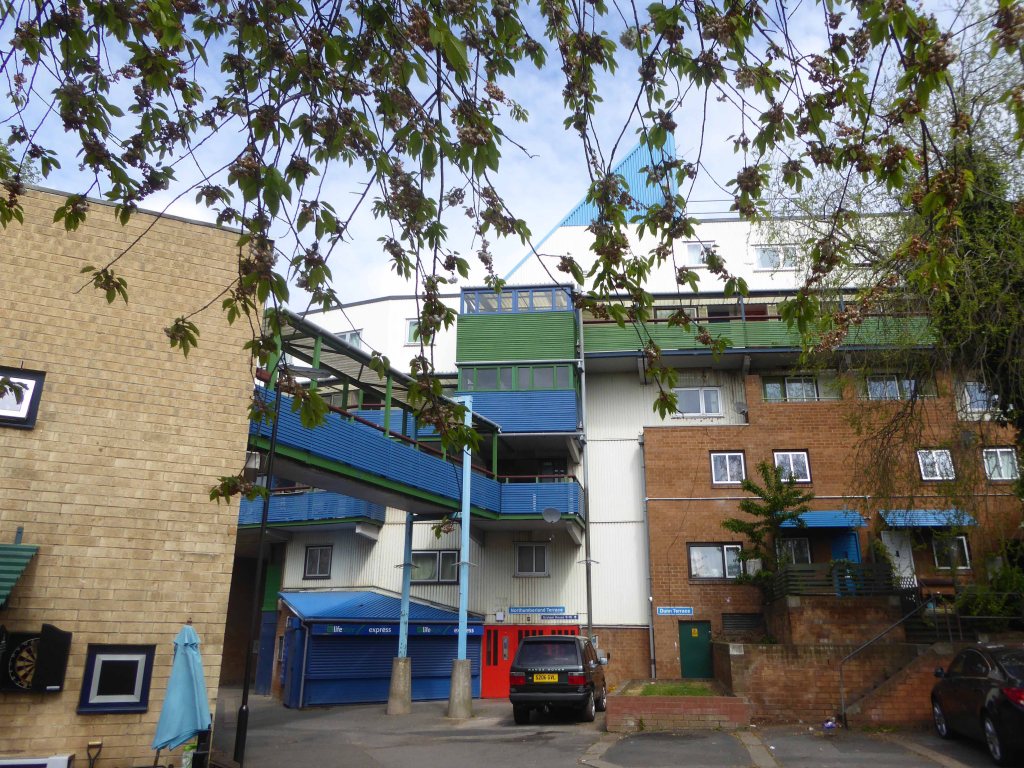
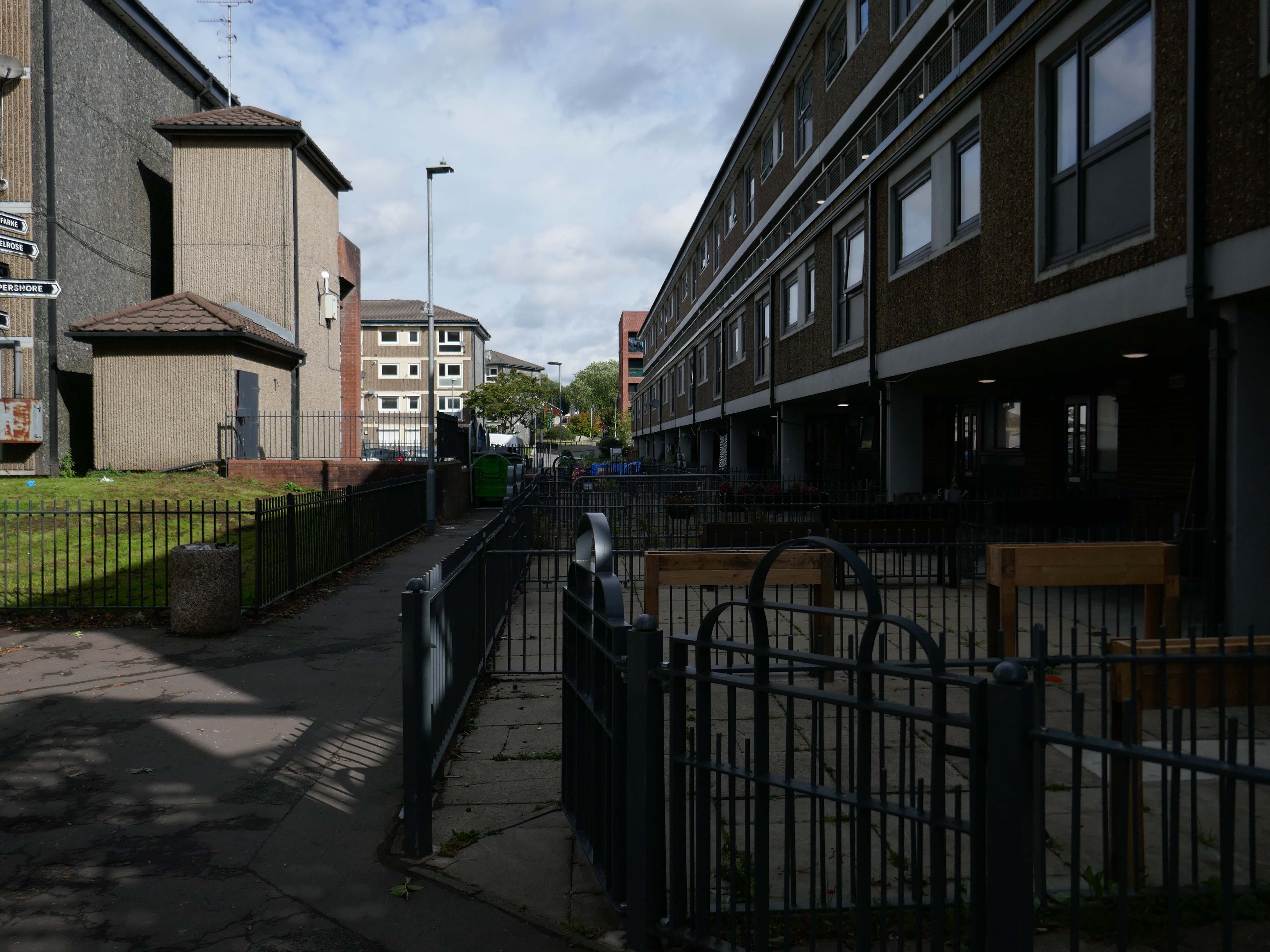
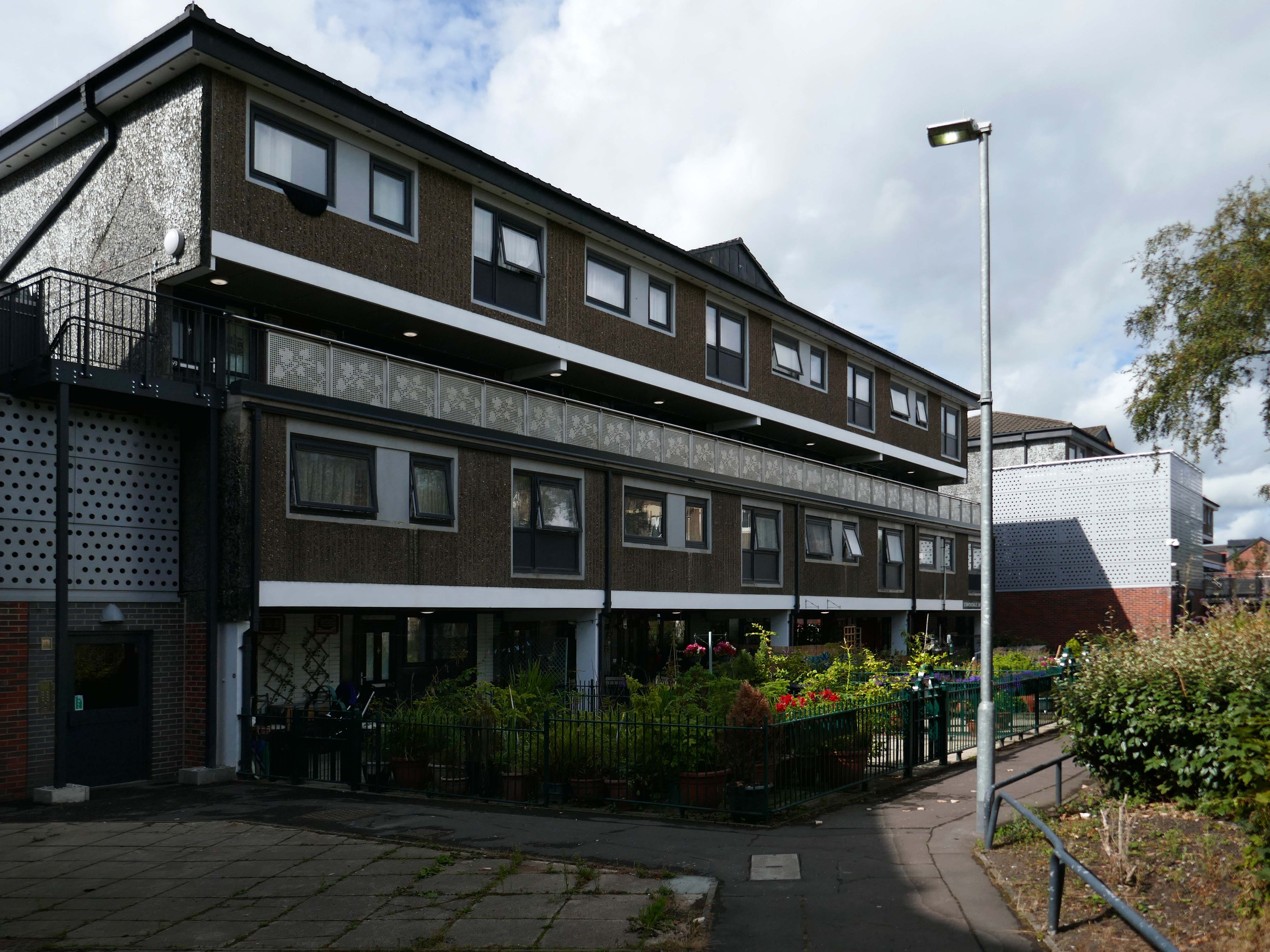
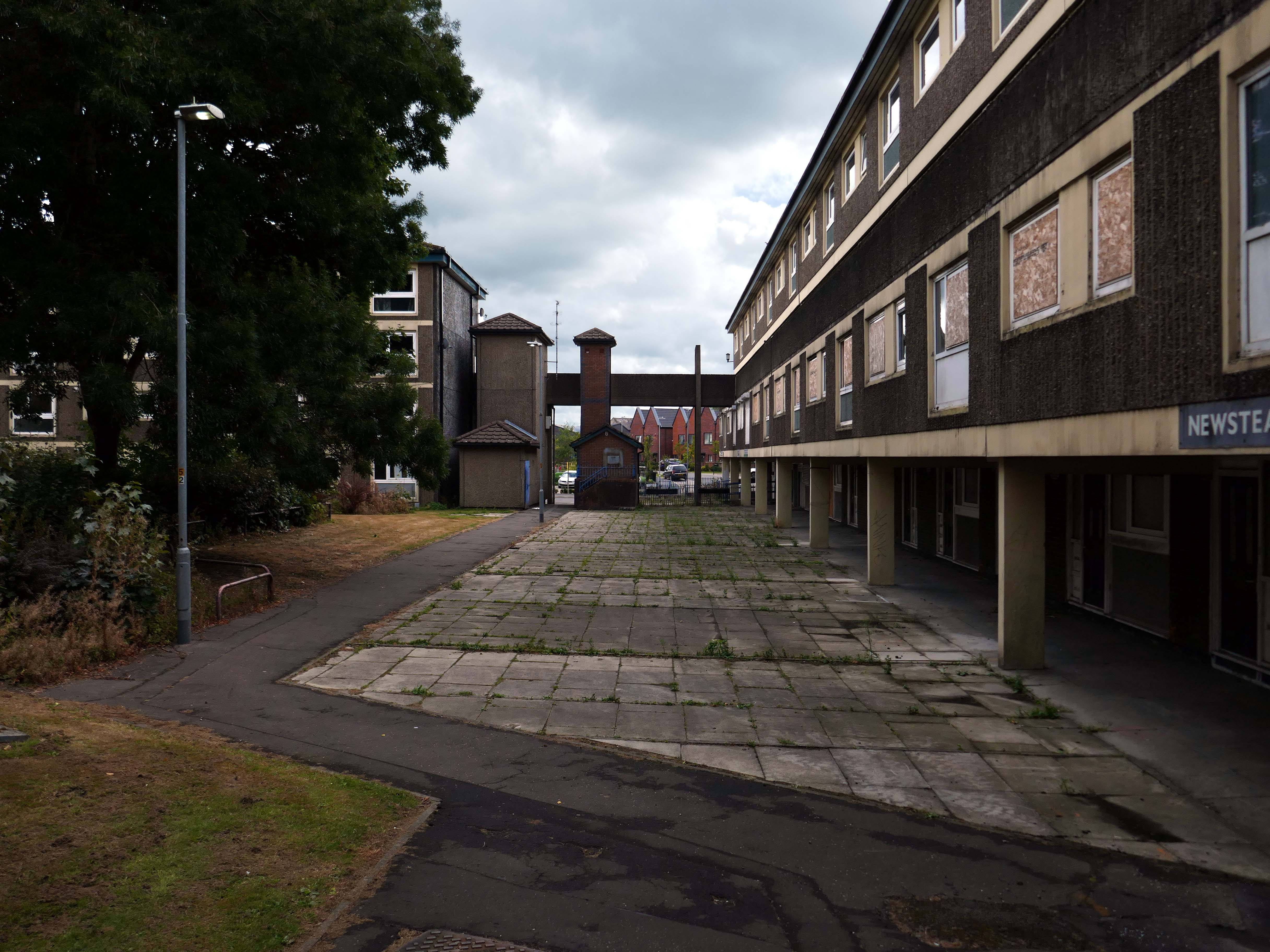
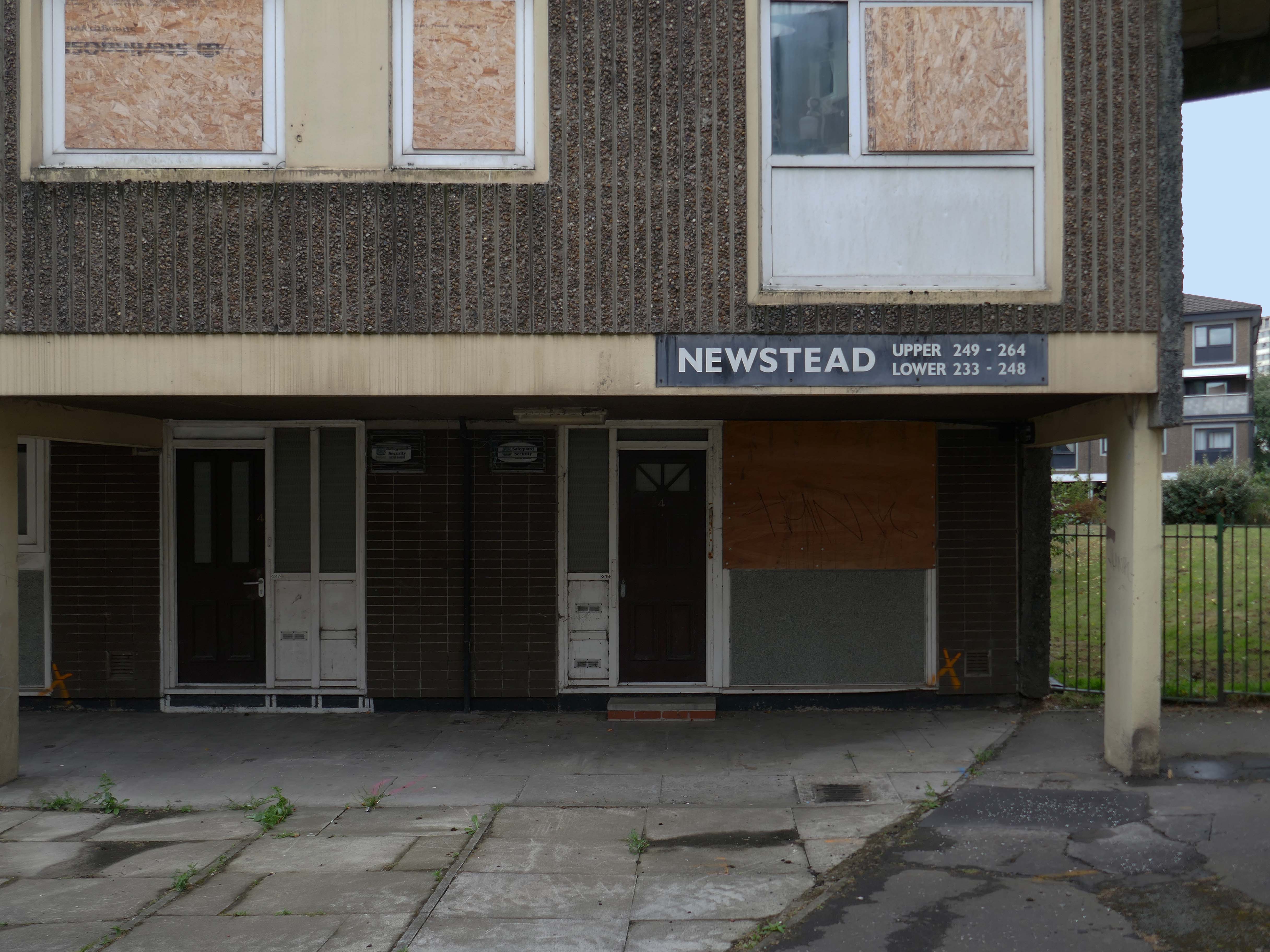
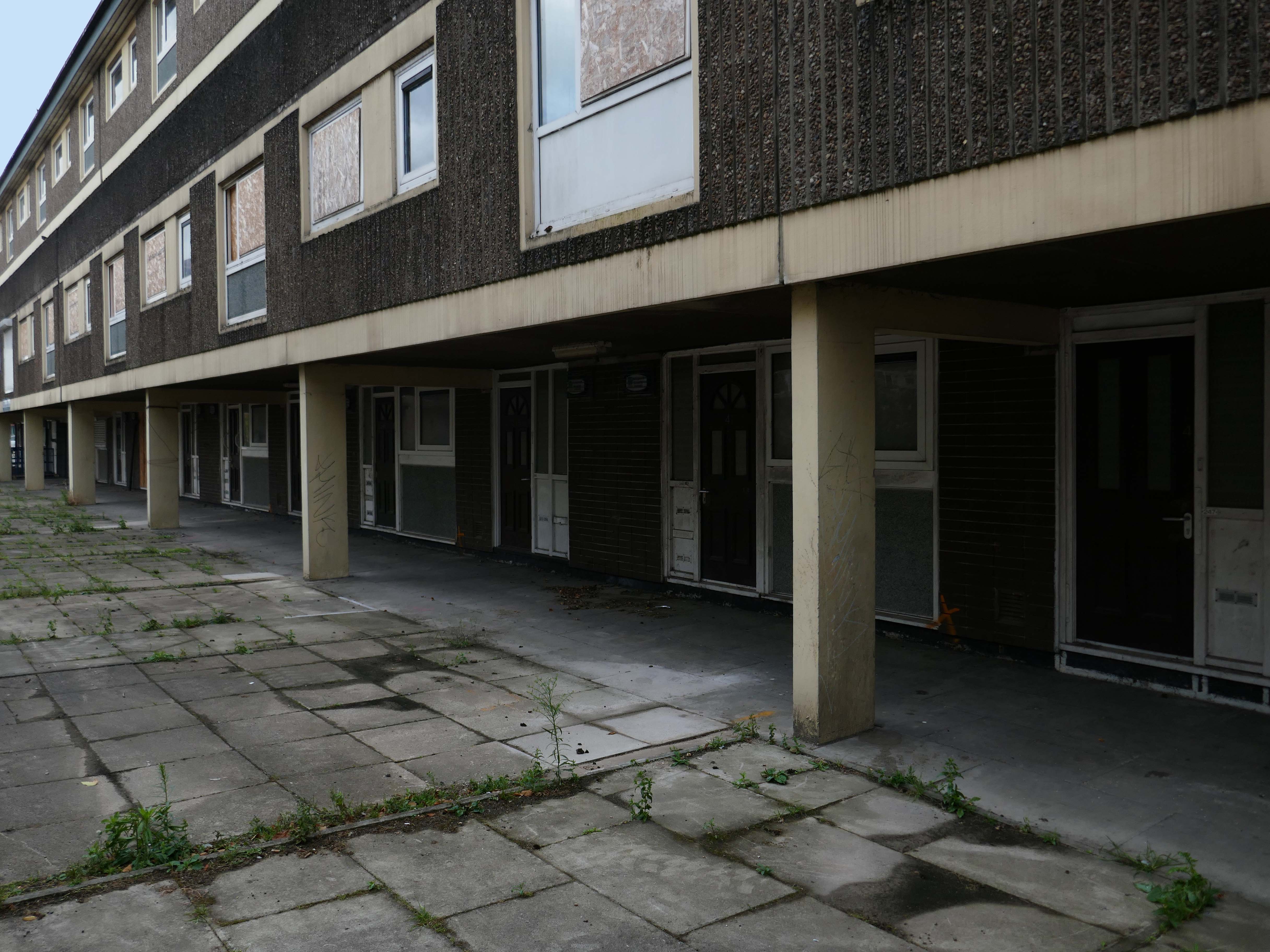
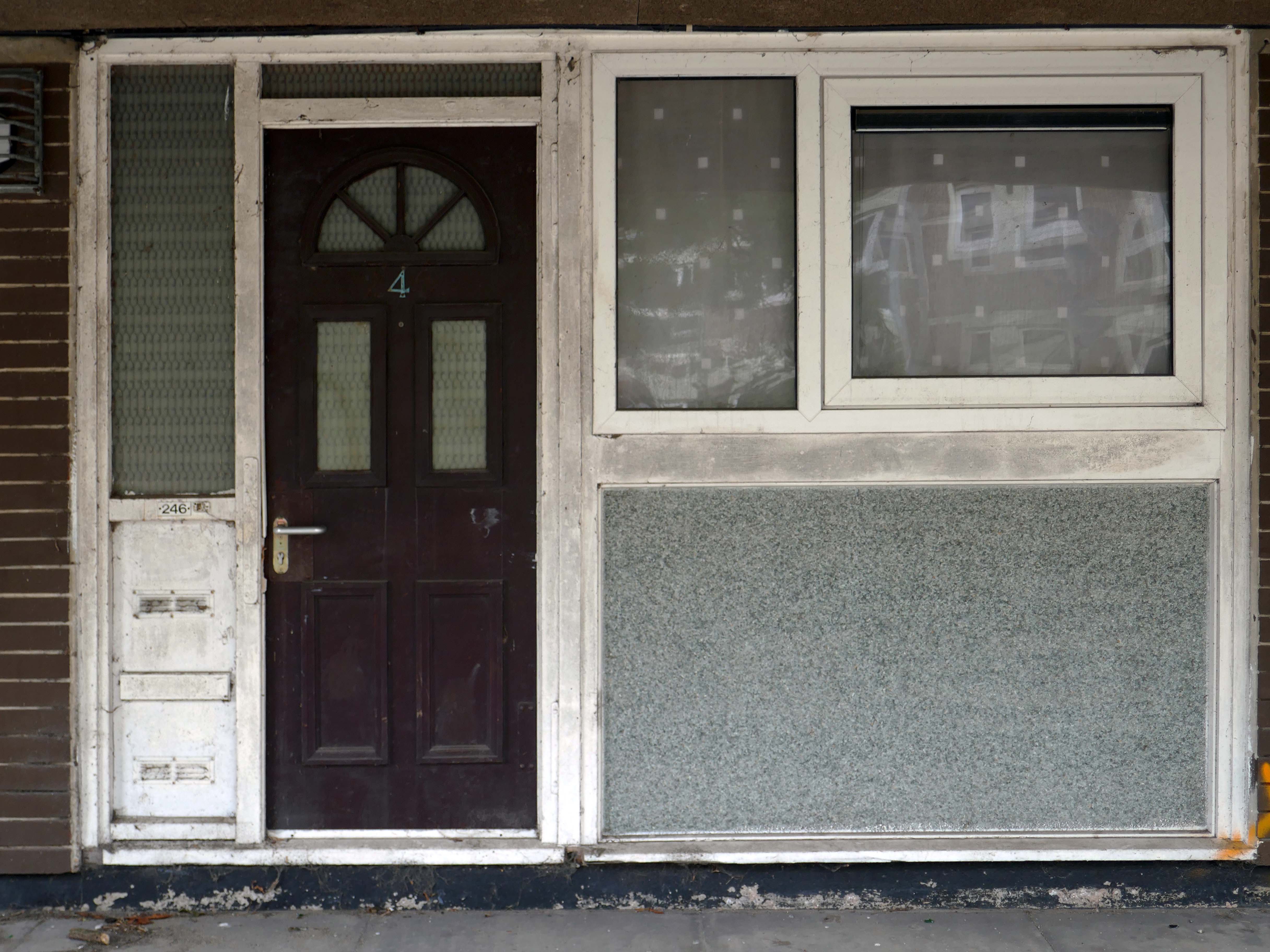
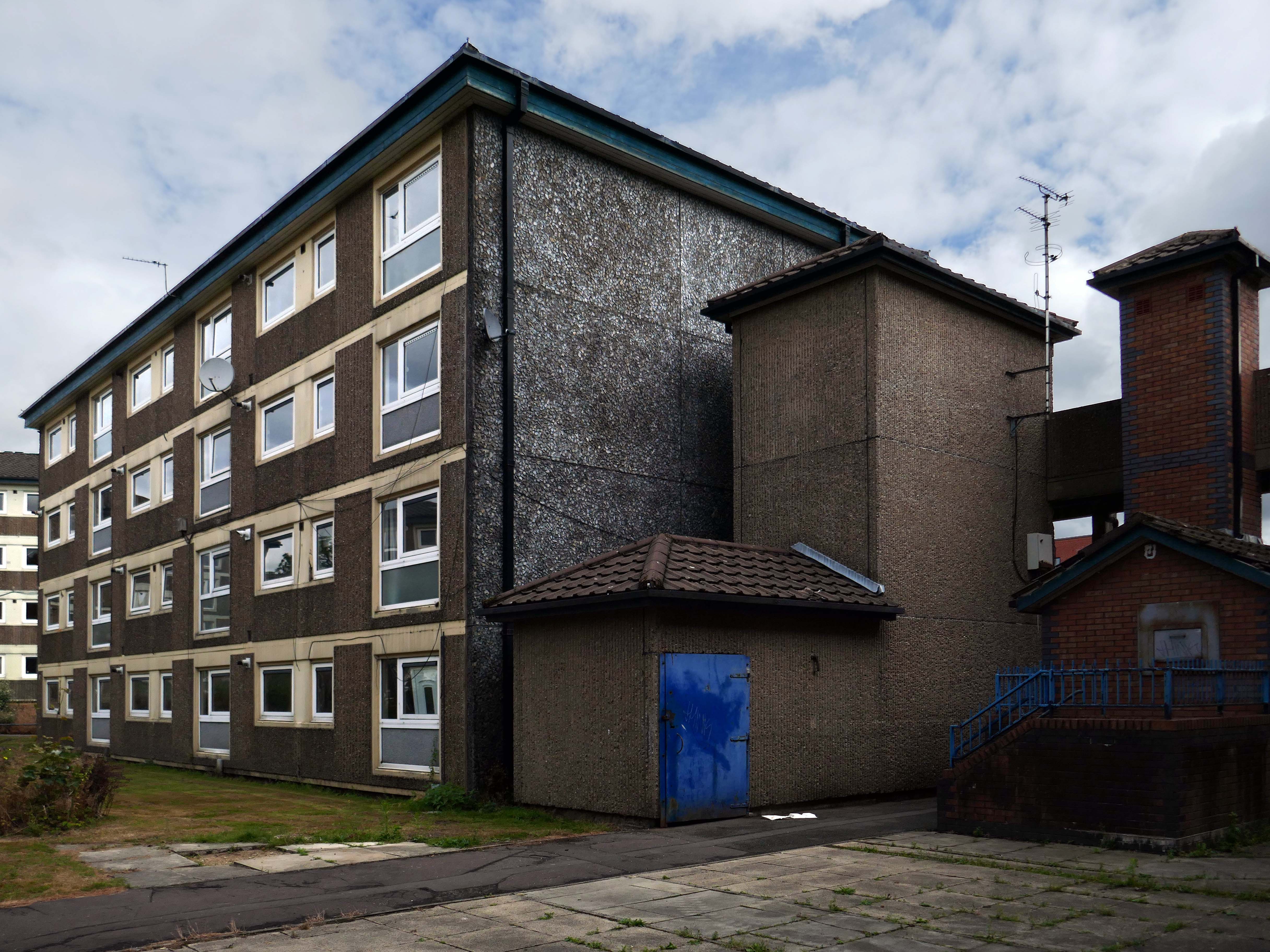
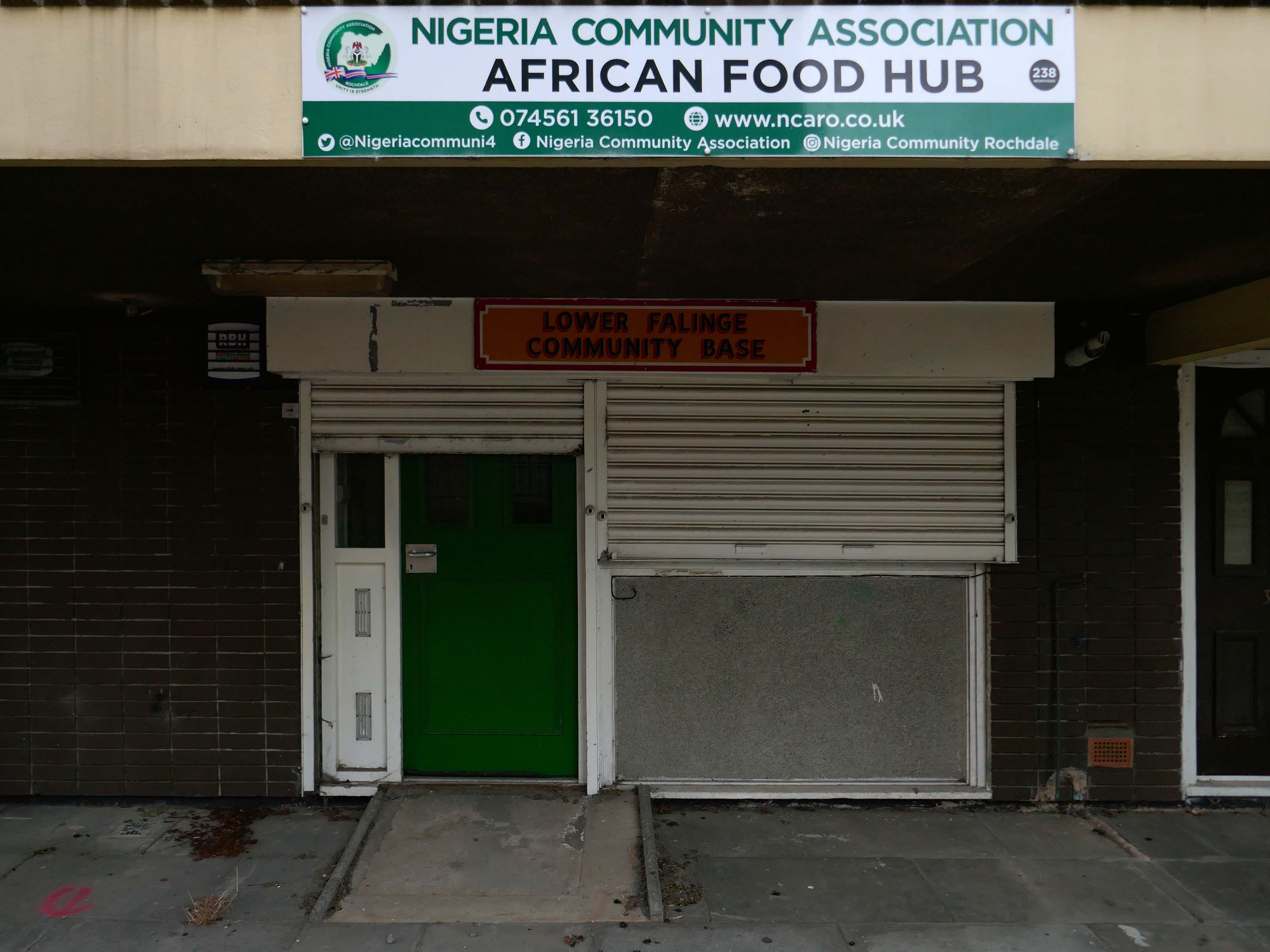
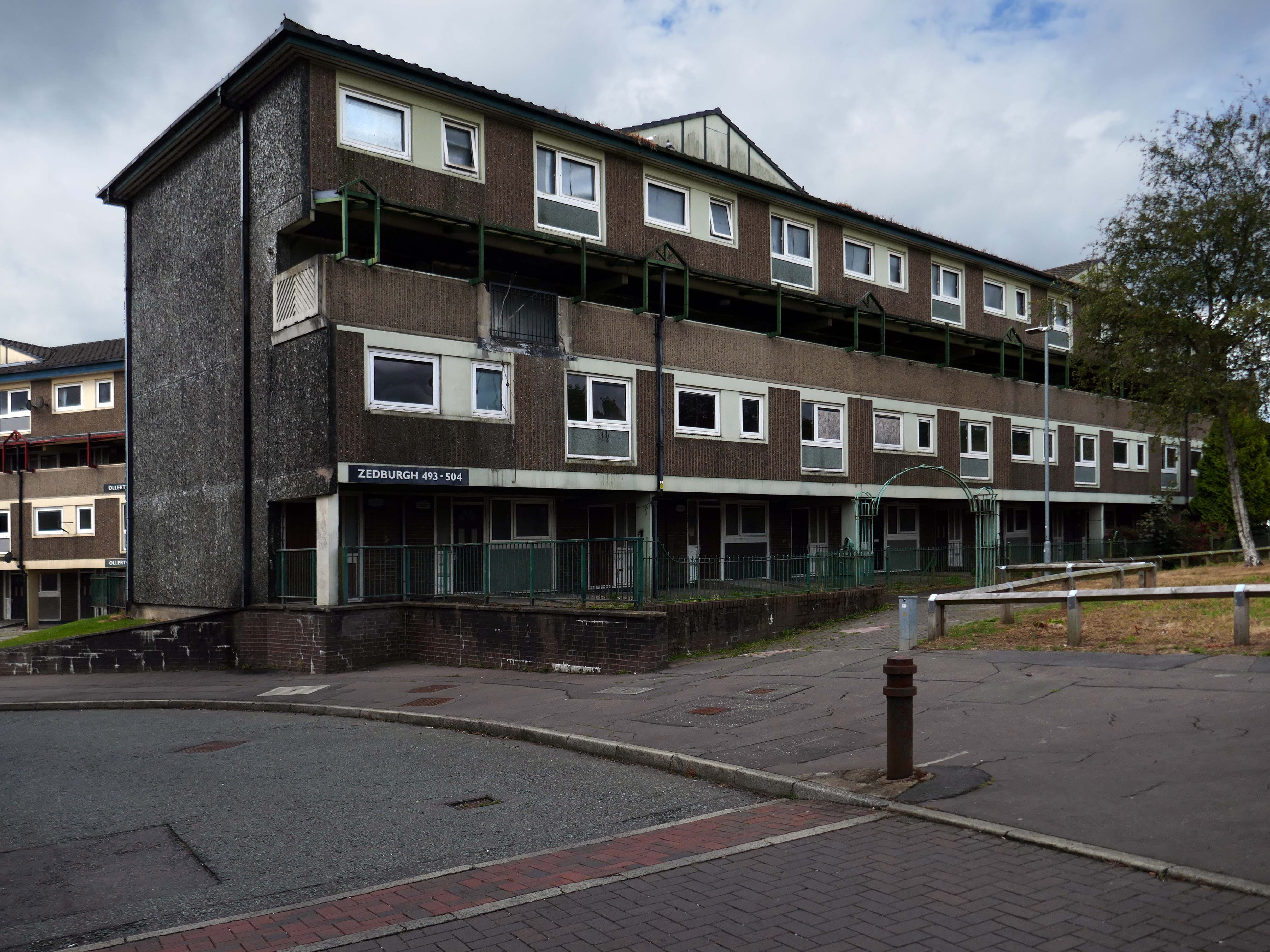
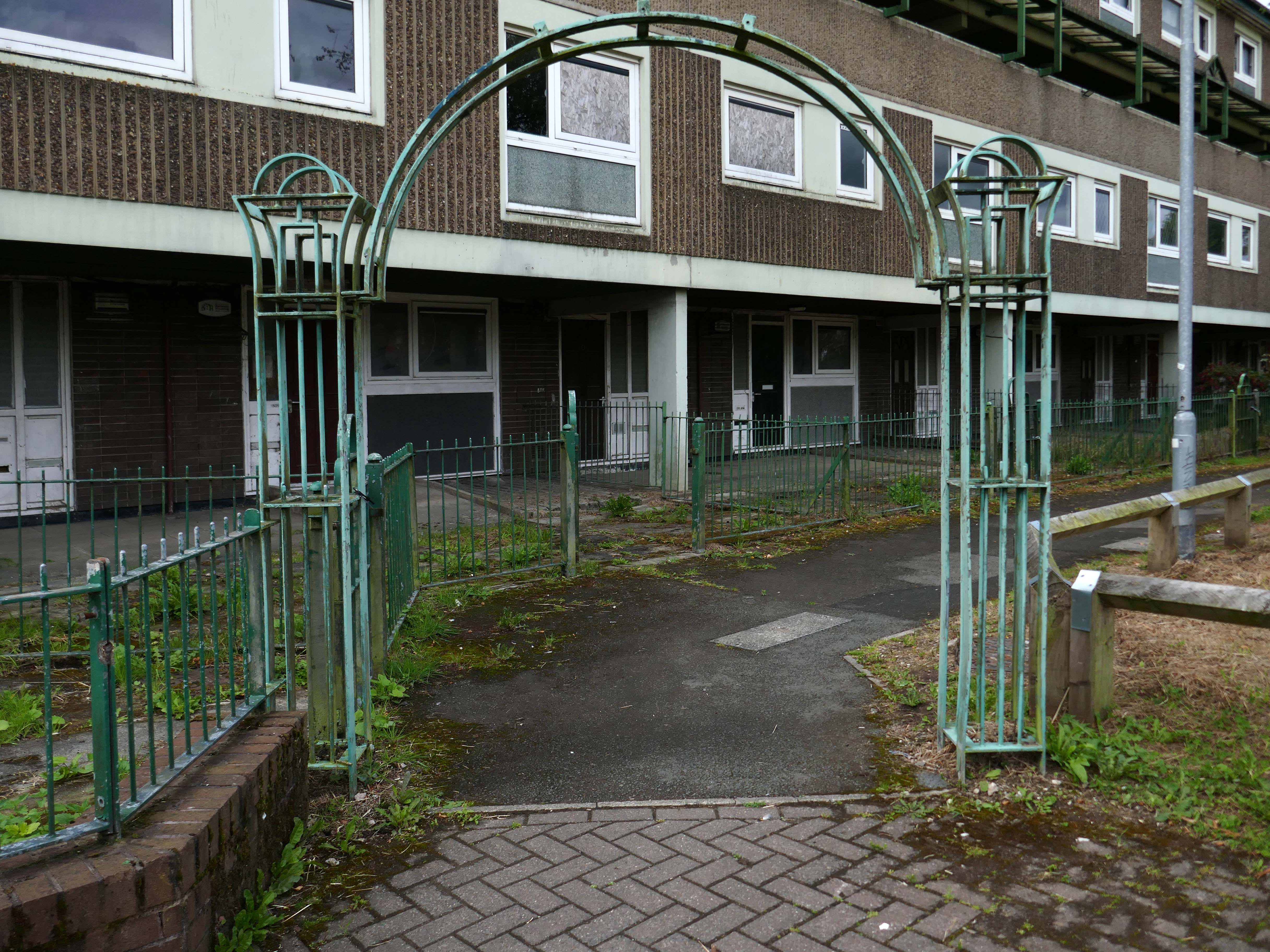
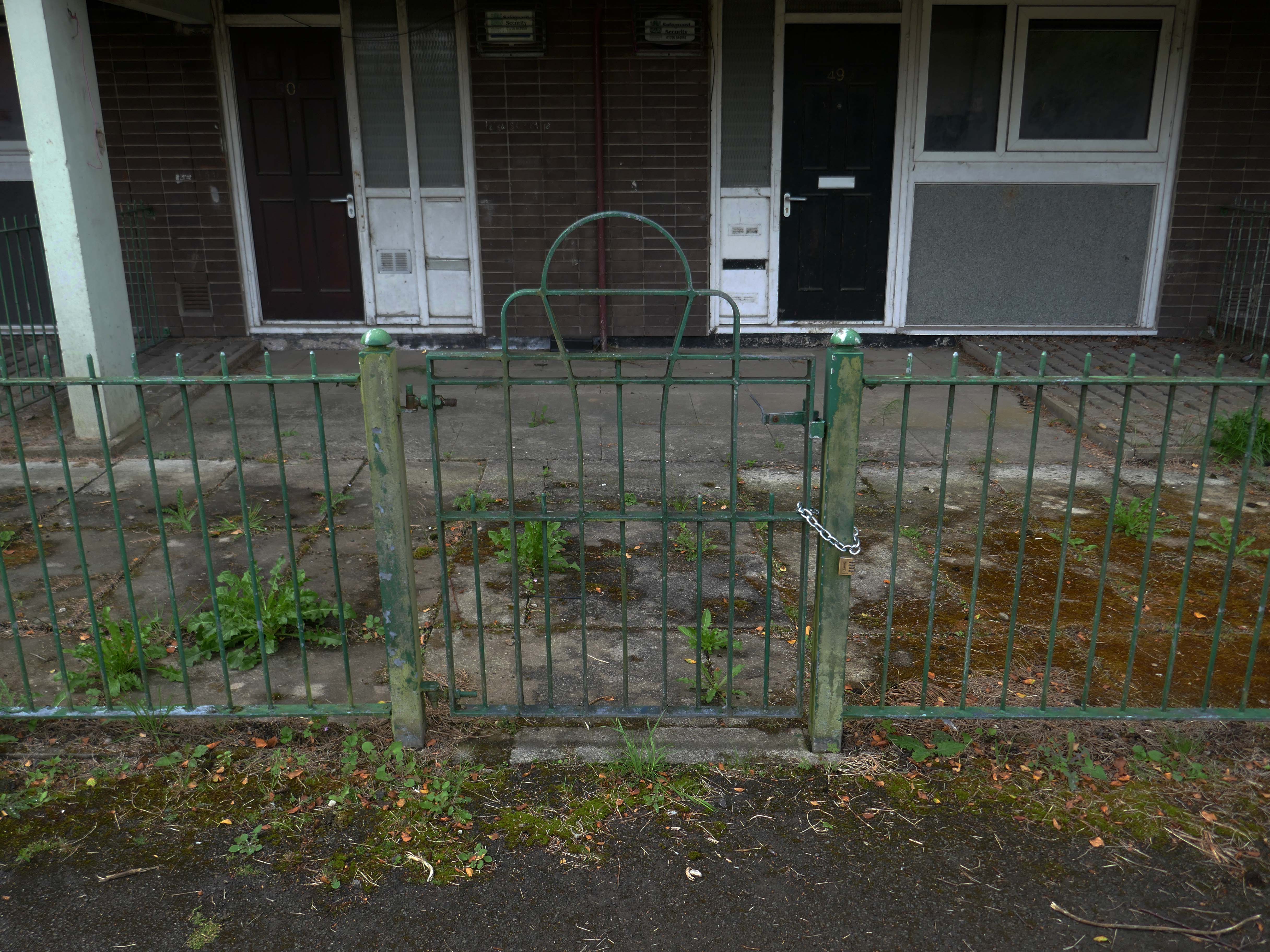
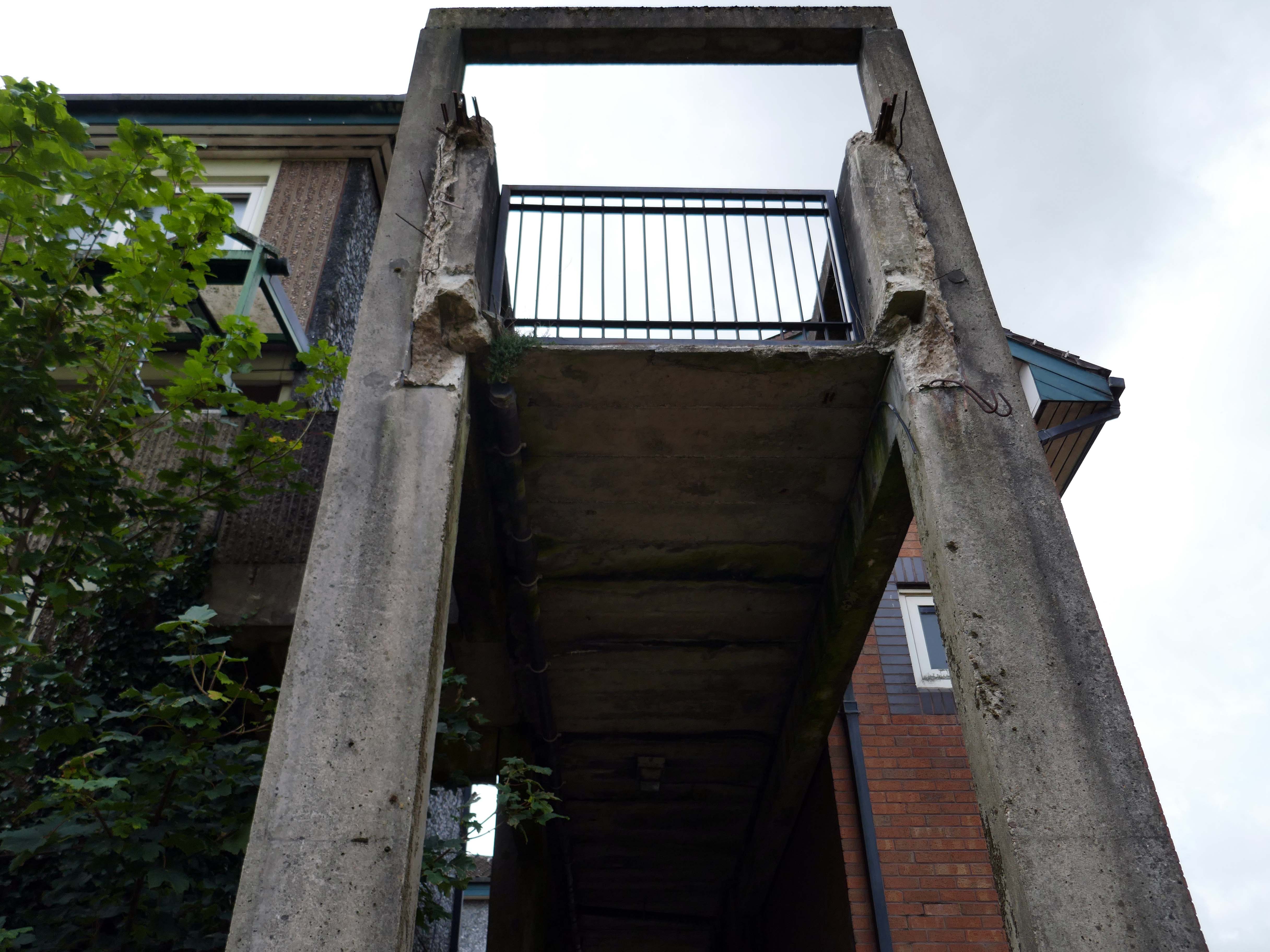
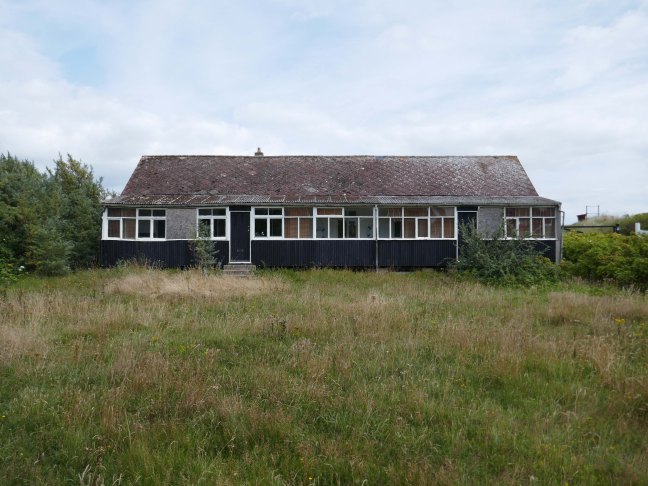
Fast forward to 2025 and the estate looks very different, a minority of the blocks have been refurbished.
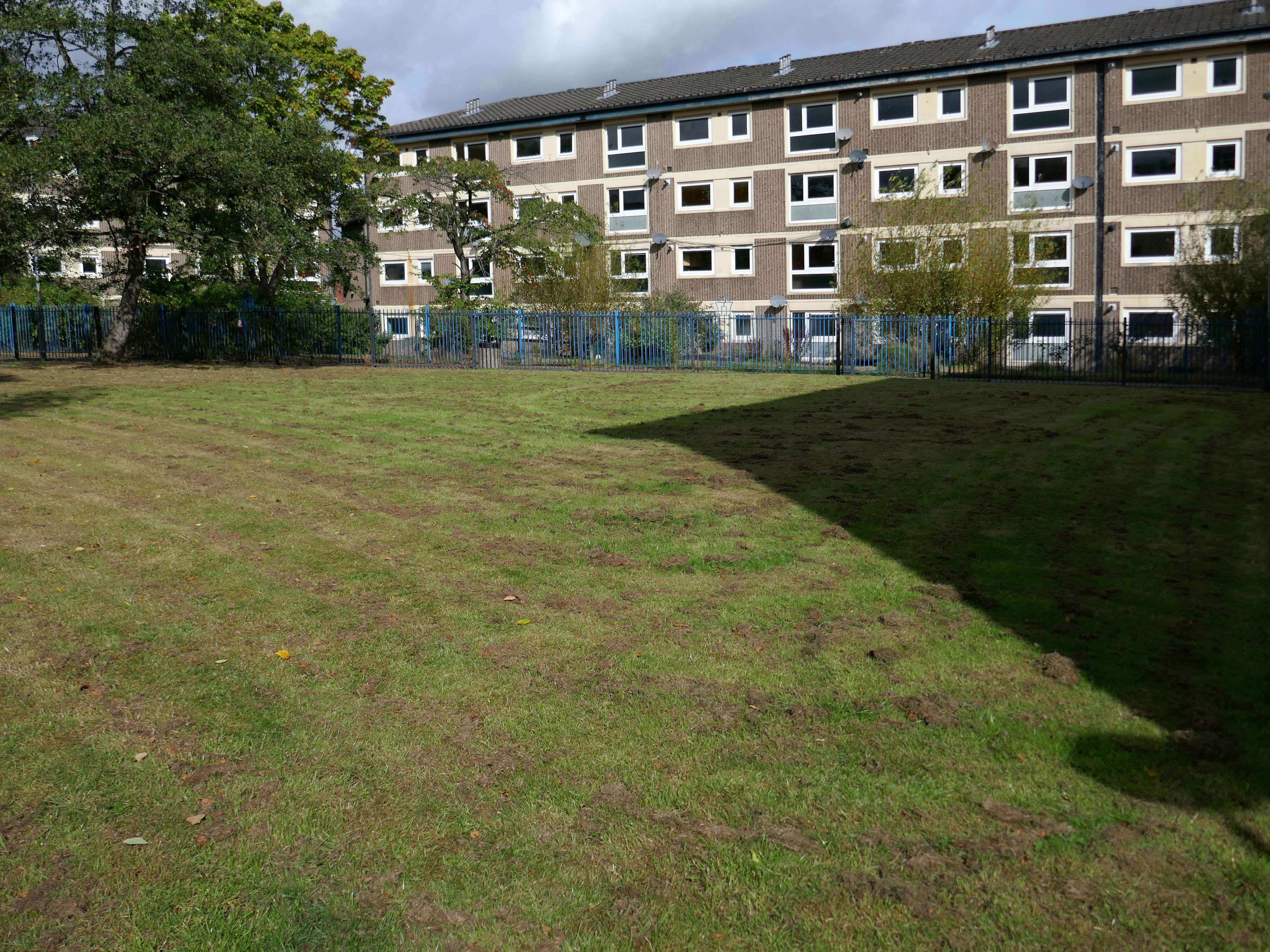
The remainder have been, or are to be demolished.
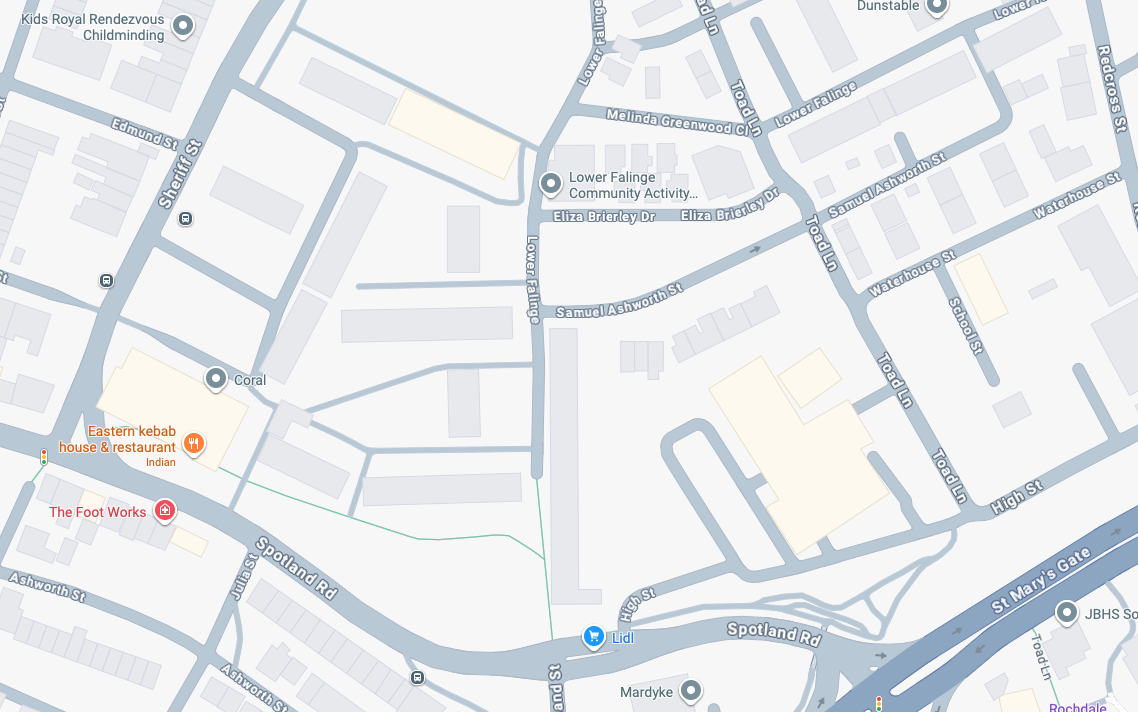
Rochdale’s 2021 planning statement for Lower Falinge is beguiling in its talk of ‘a better quality and mix’ of housing, better public space and better links with surrounding areas. It goes on to say that the ‘the delivery of market housing within this area is required to deliver this diversification and to ensure the sustainability of retained affordable housing in the area’ – a sentence containing the claim that a tenure mix of public and owner-occupied housing is a good in itself, whilst also acknowledging contradictorily that affordable housing (how affordable?) is only possible by cross-subsidy from market sales’
Some 560 new homes were proposed in Lower Falinge. The plans as a whole proposed the loss of 720 primarily social rent homes and their replacement by 560 new homes of indeterminate tenure.
The tenants in the refurbished blocks with whom I chatted were convinced that demolition was not the answer, further renewal could take place, Rochdale Boroughwide Housing, despite a well prepared save our homes campaign thought not.
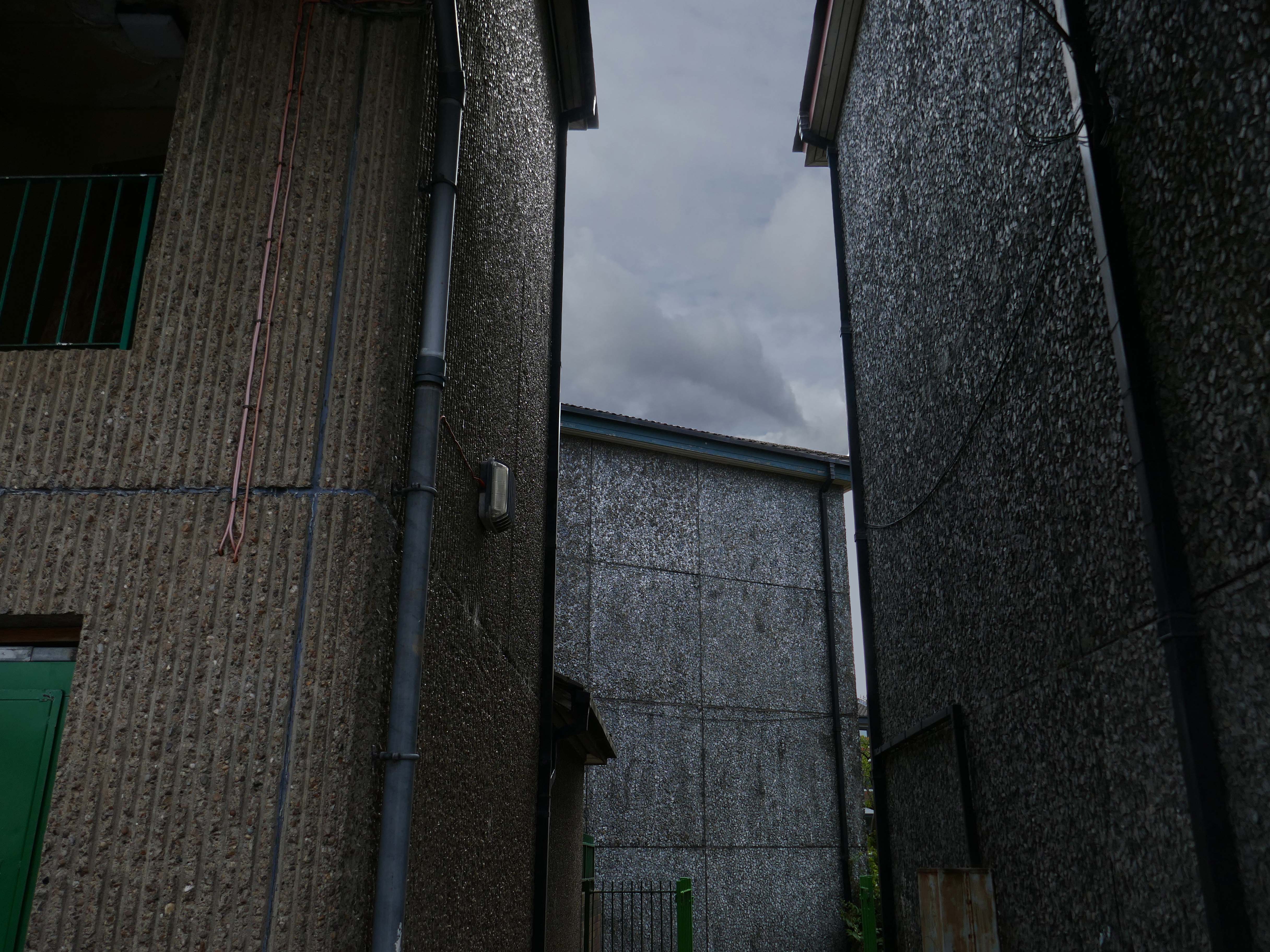
In March, we told you that we planned to demolish the six empty maisonette blocks – Ollerton, Newstead, Romsey, Quinton, Ullesthorpe, and Vaynor, in Lower Falinge, as well as the former RSPCA buildings and the former car wash on High Street, within the next 12 months. This will make way for the development of new family homes across a larger site that we will work with the community on designing.
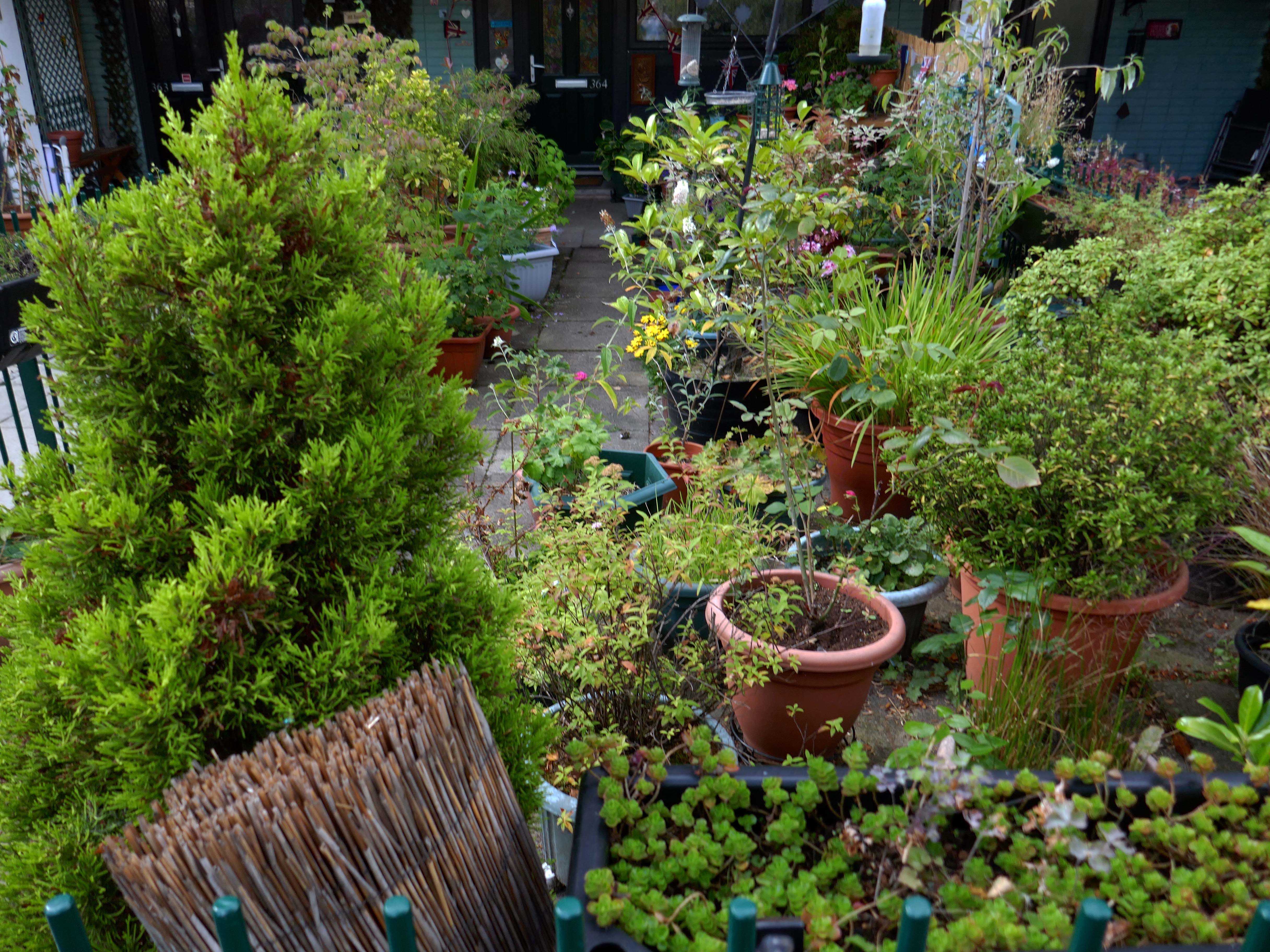
Our beautiful mature greenery here on Lower Falinge is showcased in this wonderful video. We are proud of living here surrounded by all this nature – it really is like living in a park.
Unfortunately our urban oasis of calm is at risk of being destroyed if RBH demolish 128 homes and eventually build on the land.
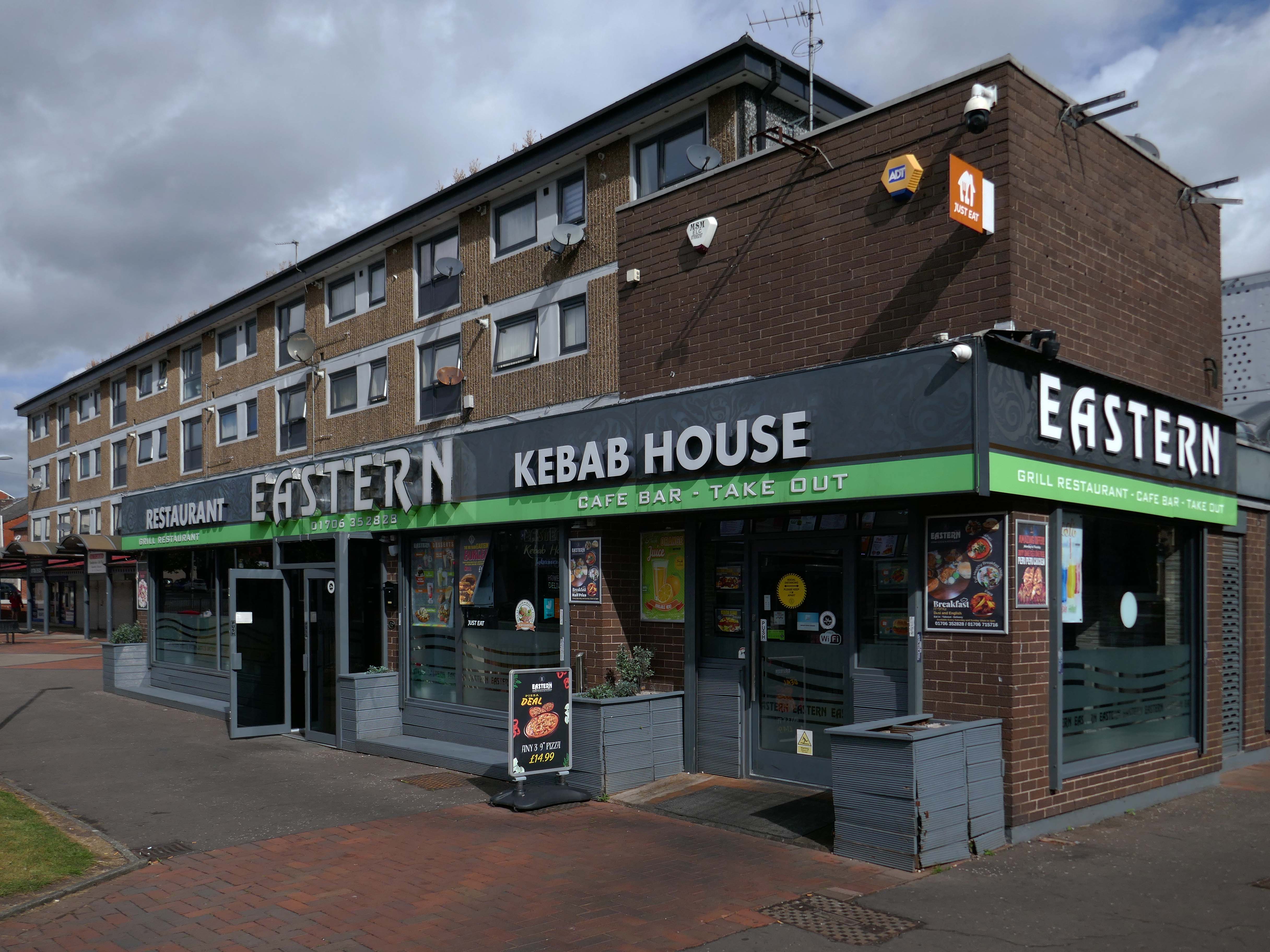
Once home to the Highland Laddie pub which closed in 2010.
The remainder of the estate remains in limbo.
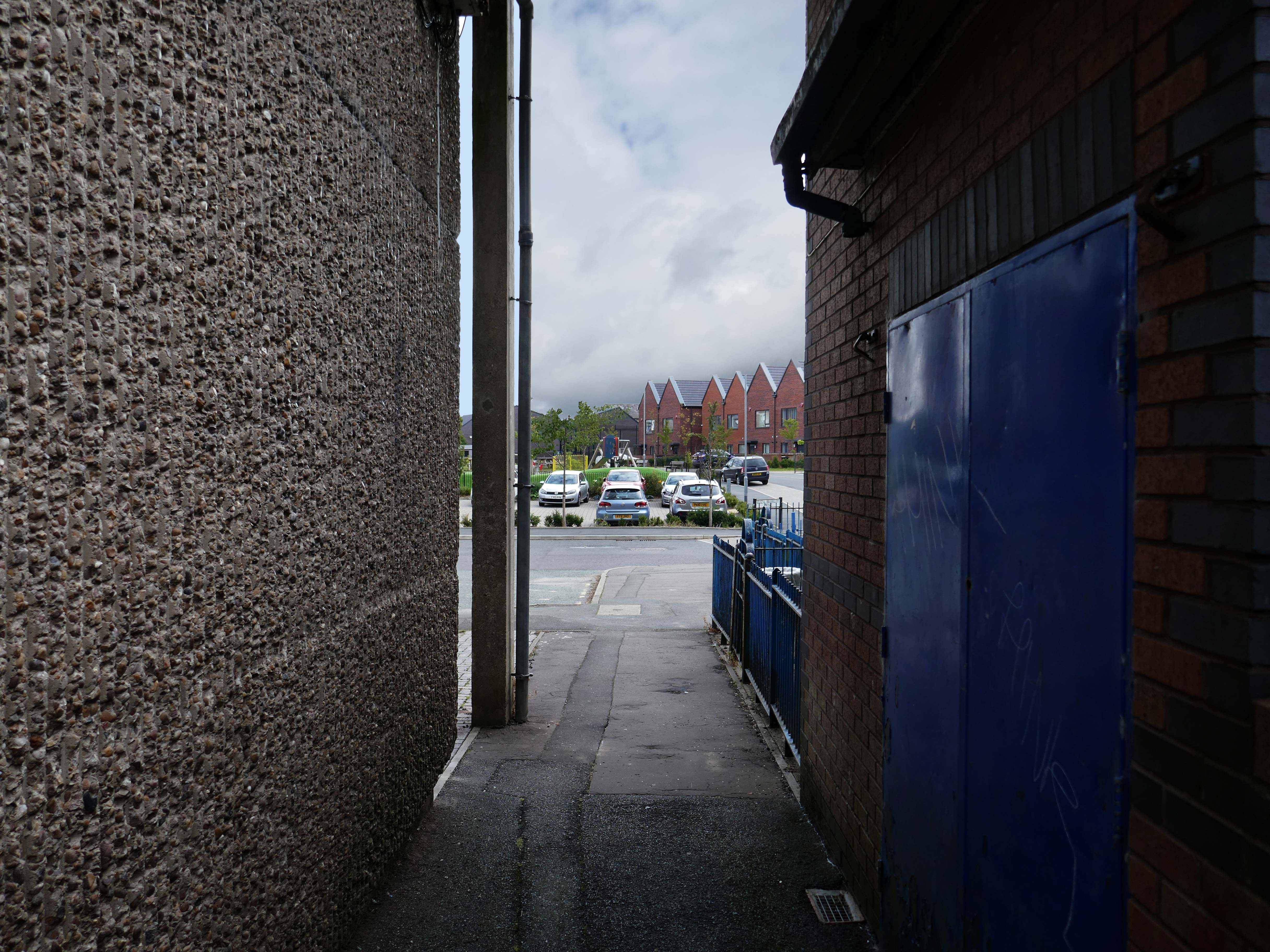
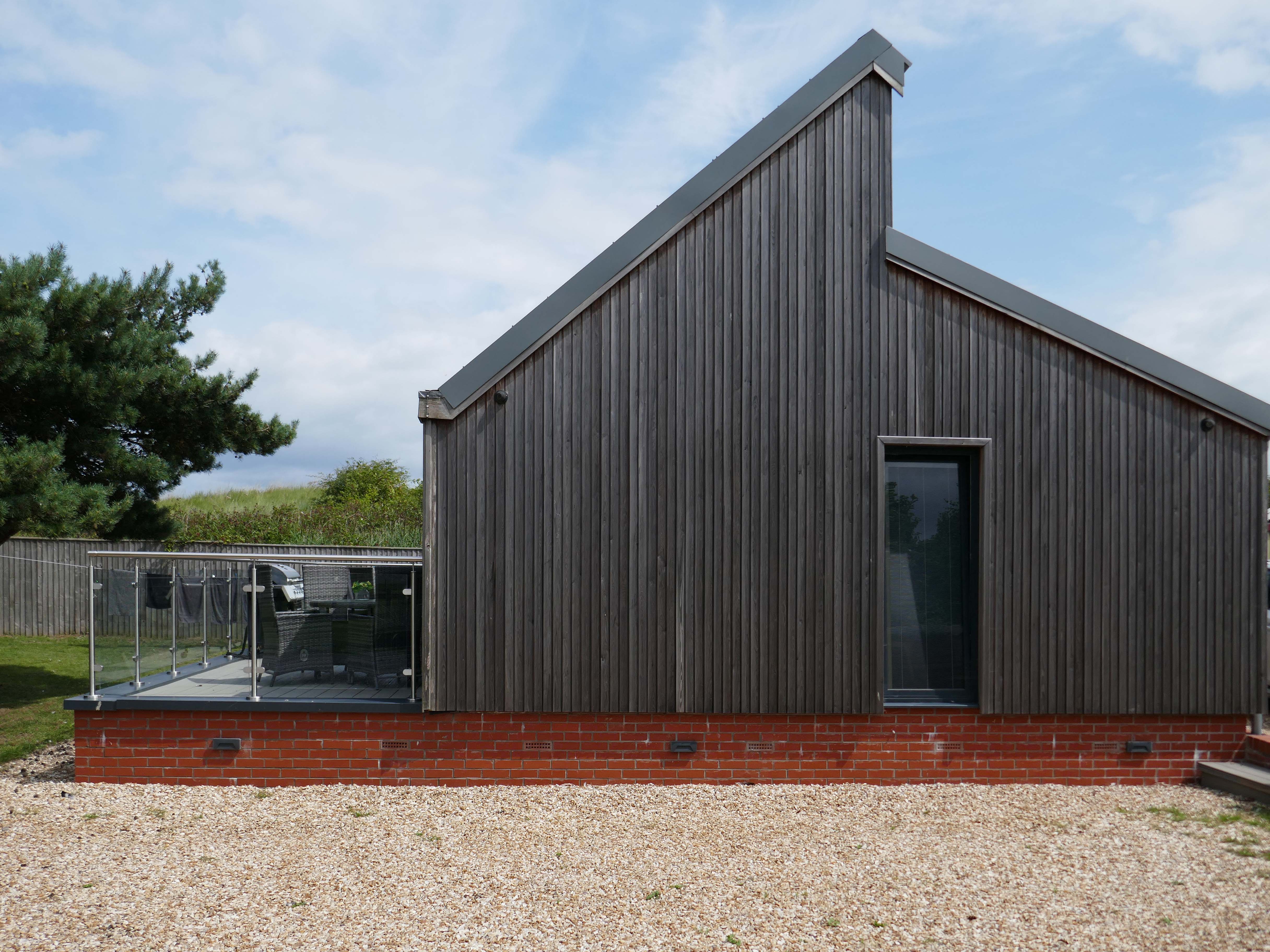
Next door the new homes have been built.
A major housing regeneration scheme which includes the construction of 30 energy efficient, affordable homes is breathing new life into the Lower Falinge neighbourhood in Rochdale.
The project is being carried out for Rochdale Boroughwide Housing by Rochdale-based main contractor The Casey Group with OMI Architects. This is the largest of 3 schemes that Casey has carried out for RBH.
Well well here we are again, third time around following a visit in 2018 and later in 2021.
Almost inevitably, changes have taken place.
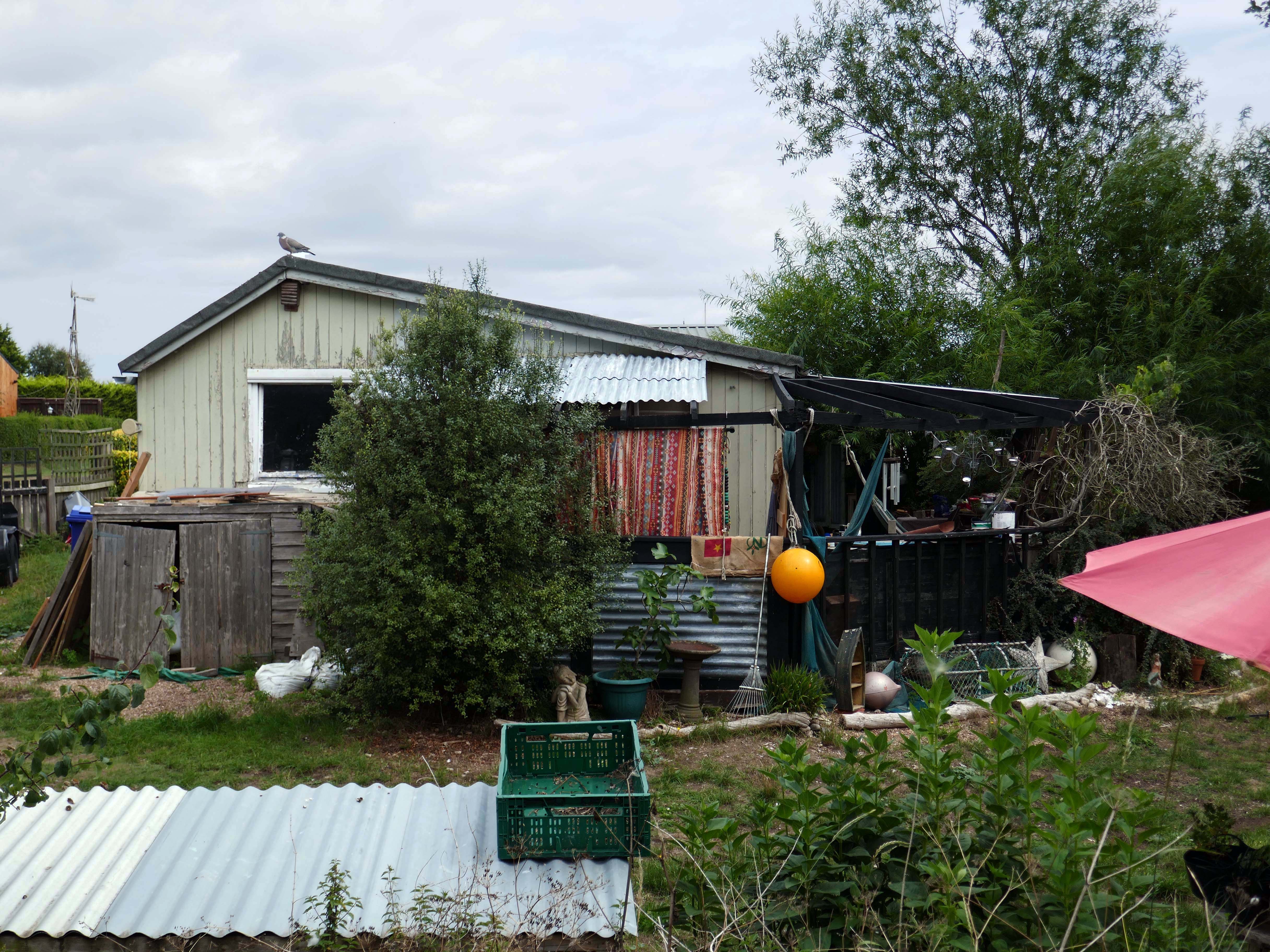
There is an almost constant tension between order and/or disorder.
Between those who prefer the shambolic aesthetic of the shotgun shack, and those whose hearts and minds are in the double spread of Homes and Gardens.
It’s also a question of economics, there are those with capital who may wish to make investments in property. Buy to let, second homes that yield a return above the current savings’ rates. Thus raising the cost of housing, both ordered and disordered.
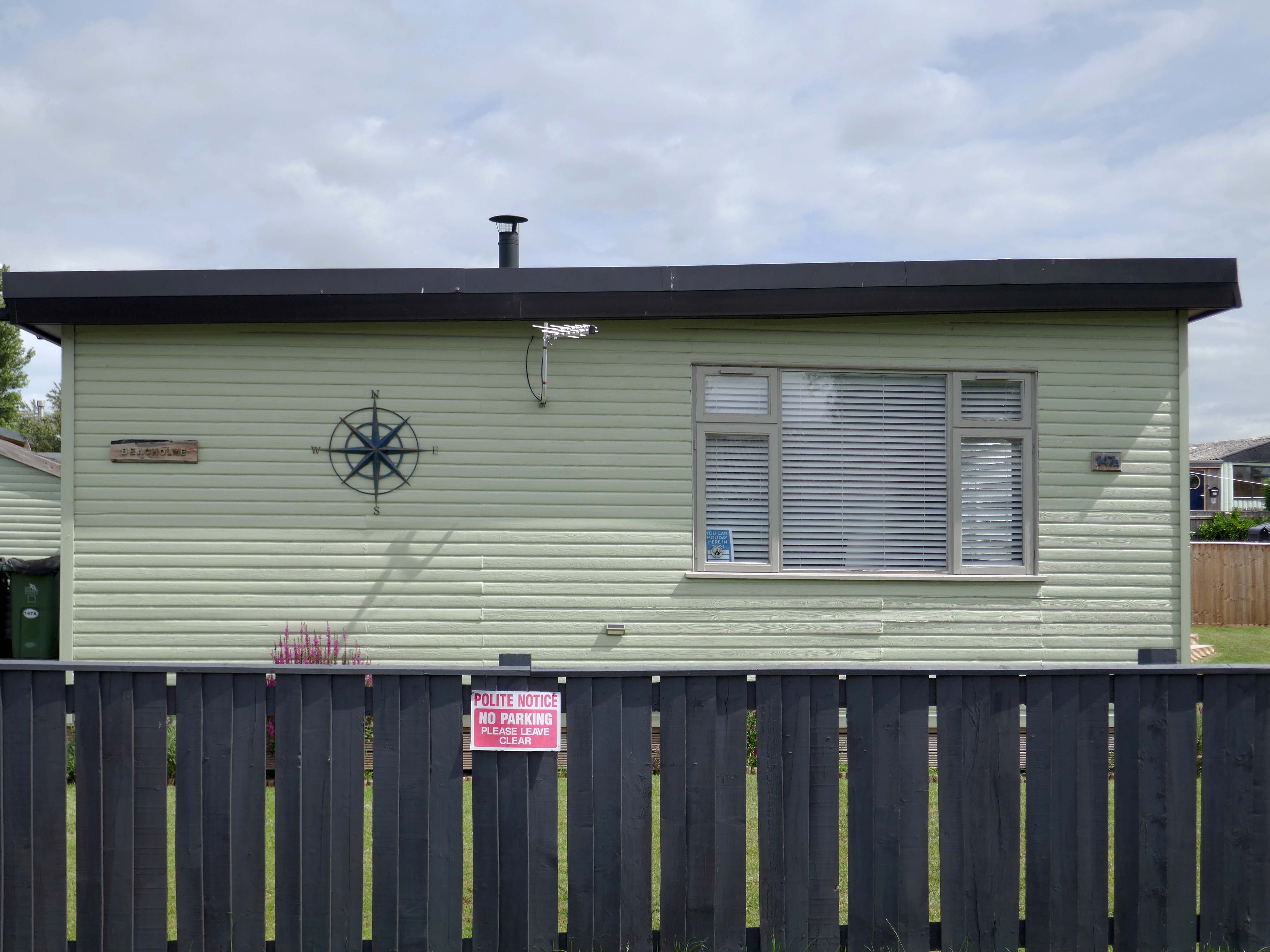
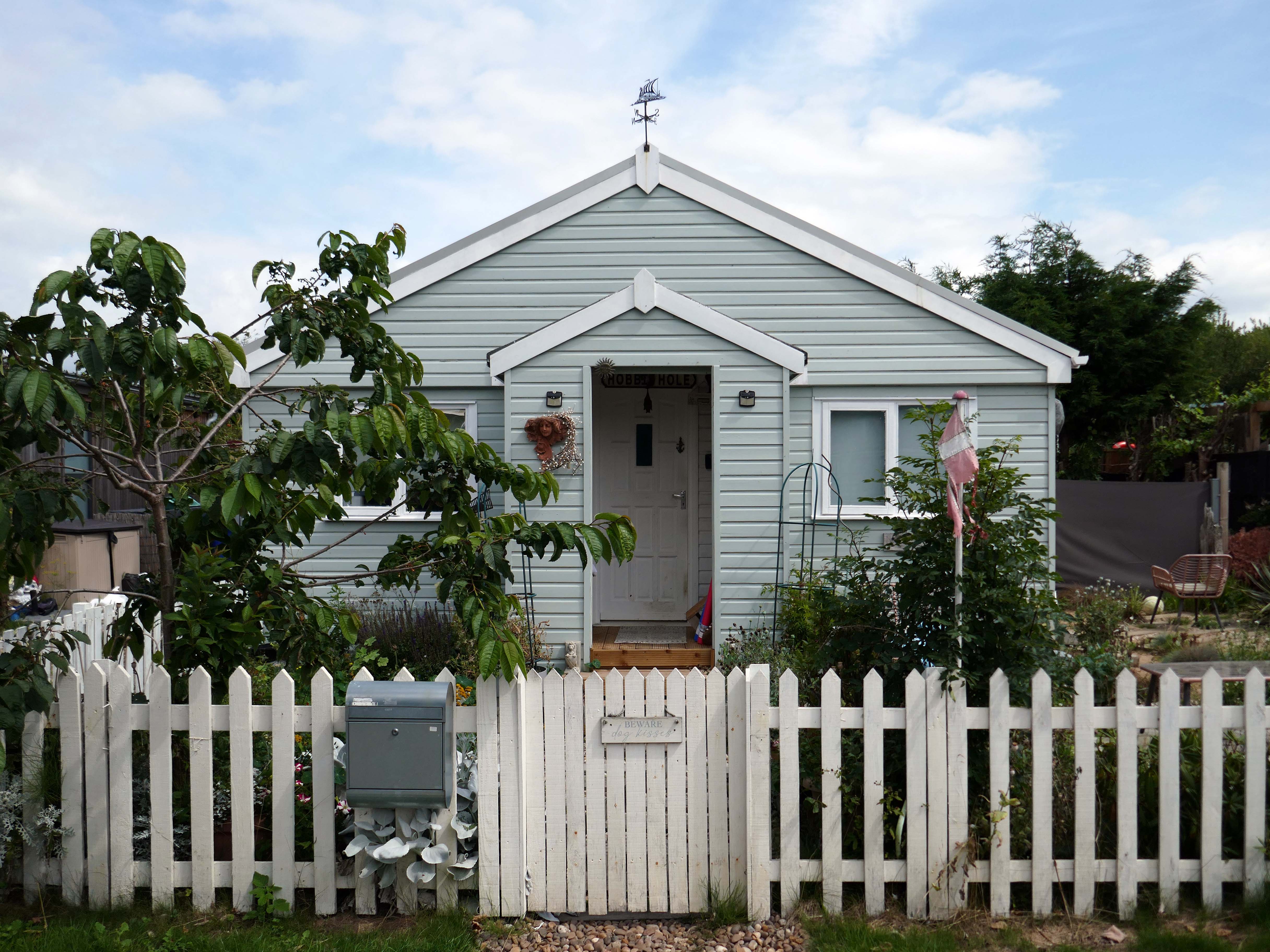
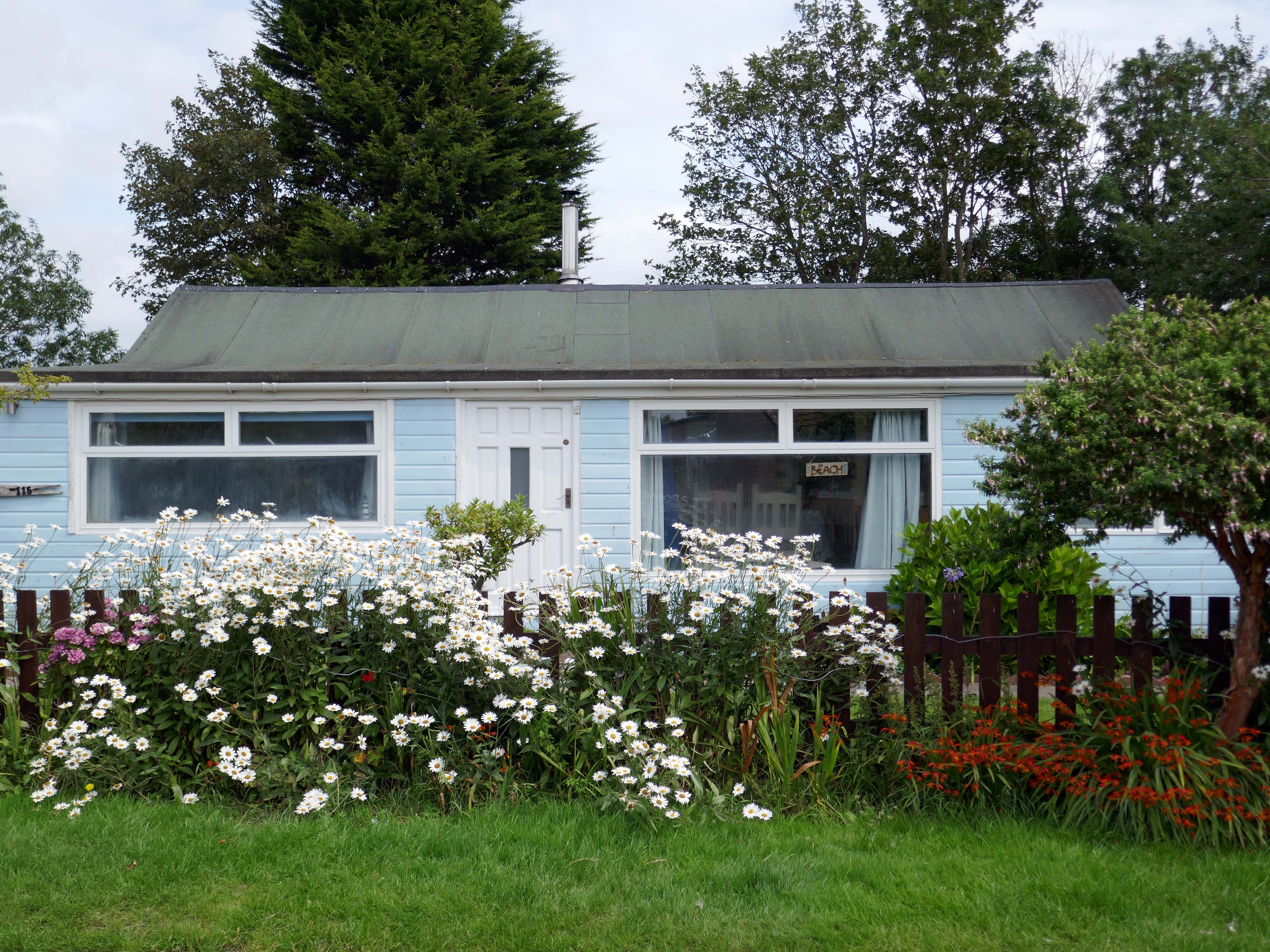
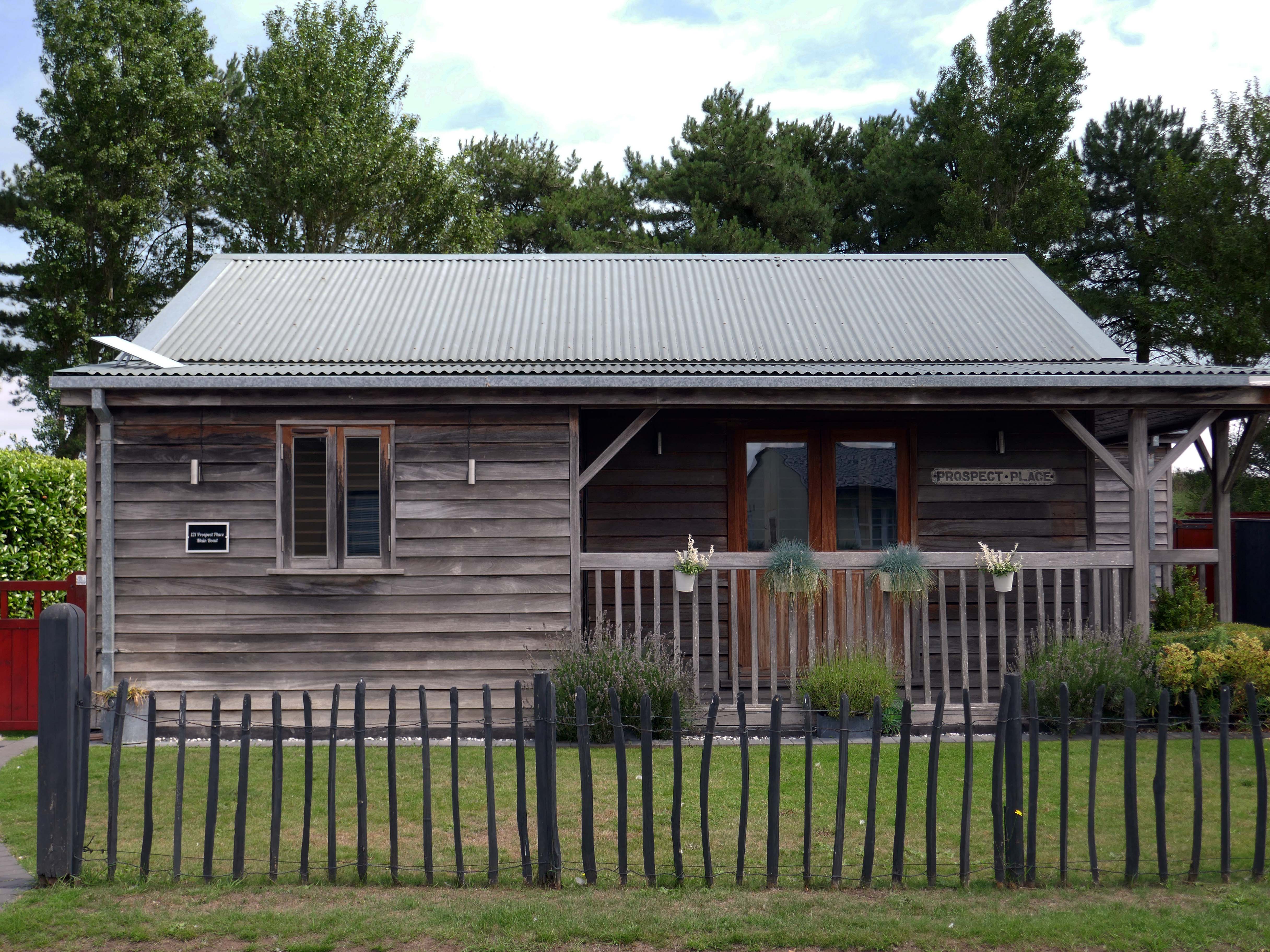
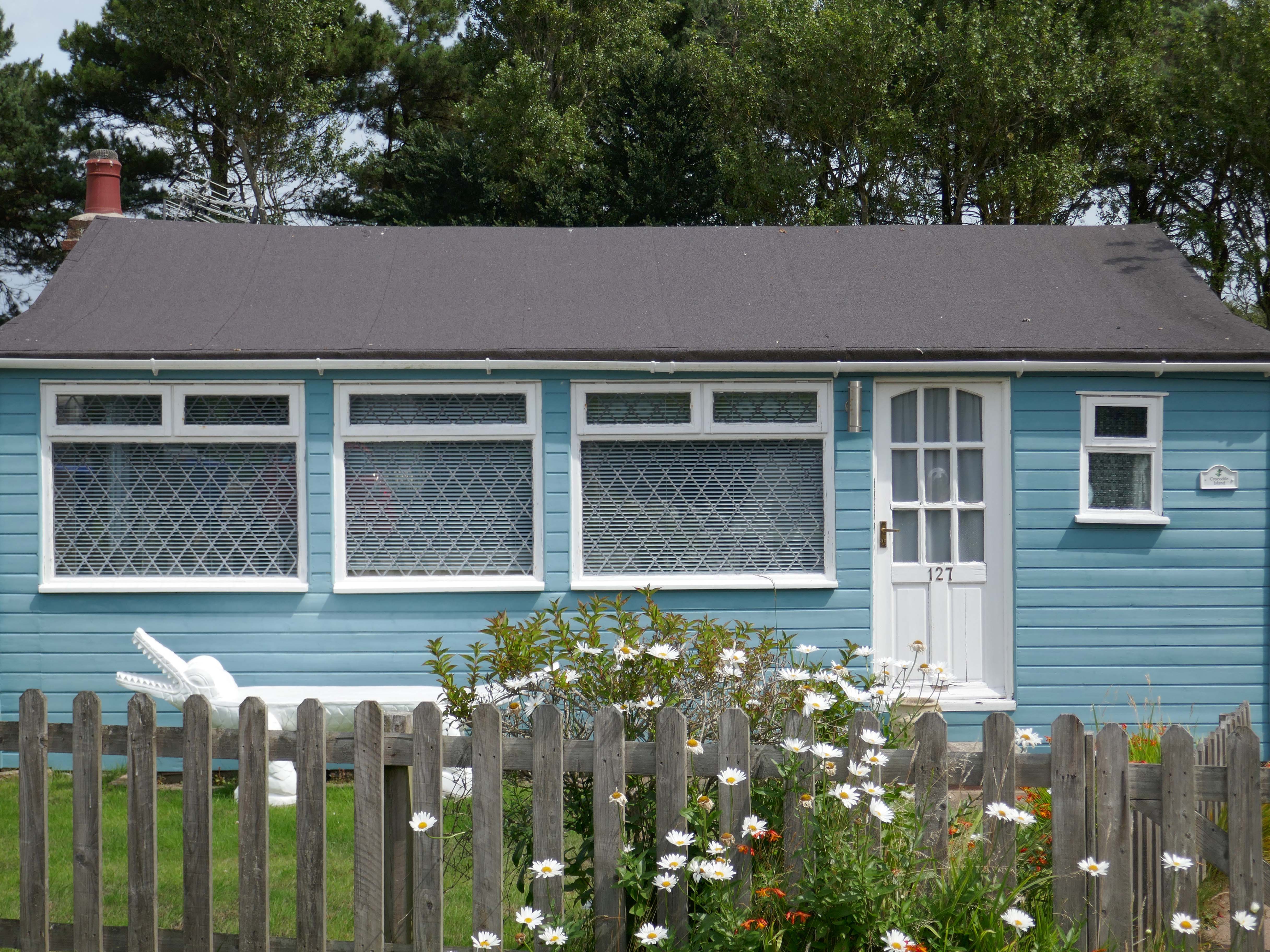
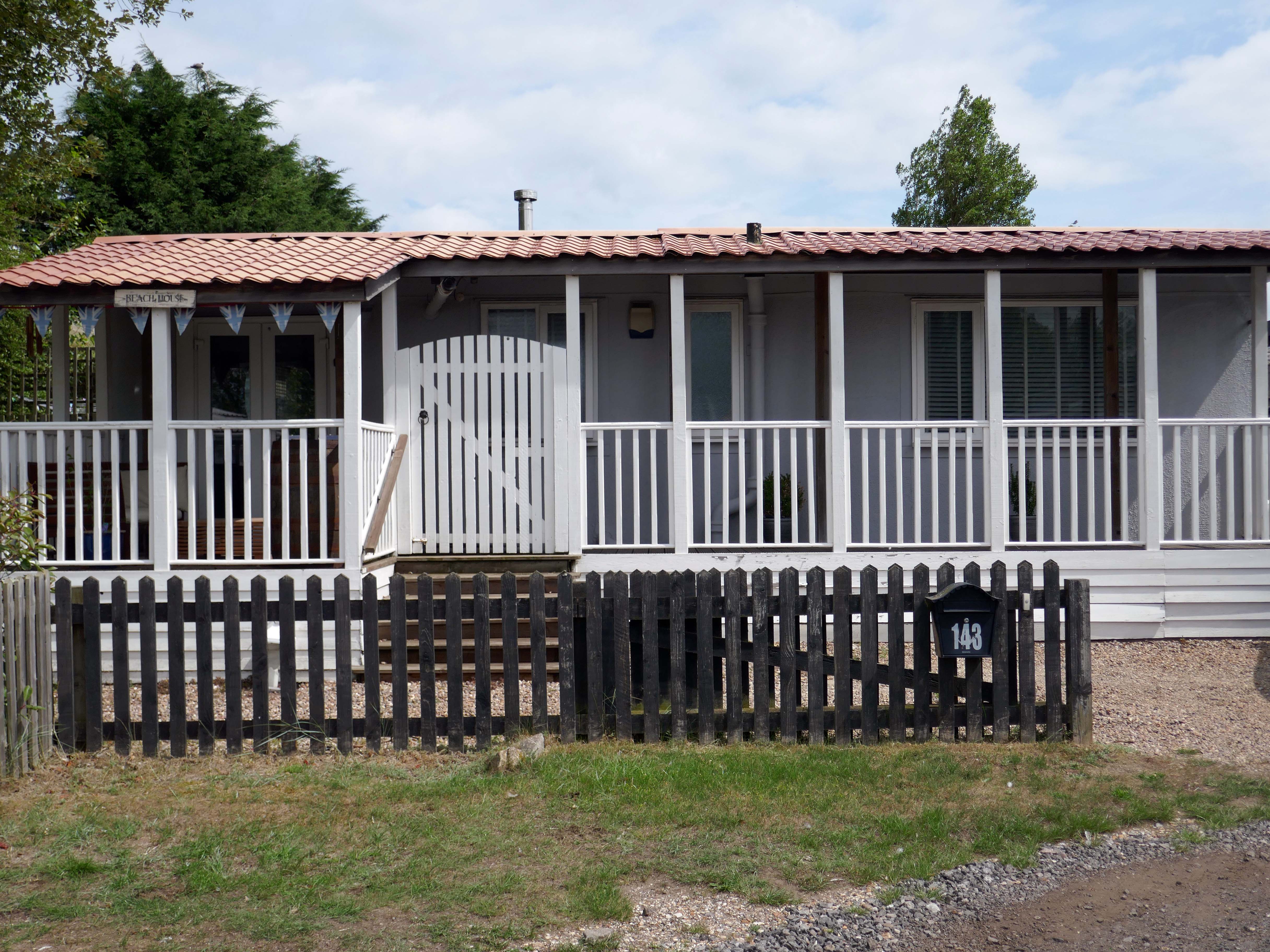
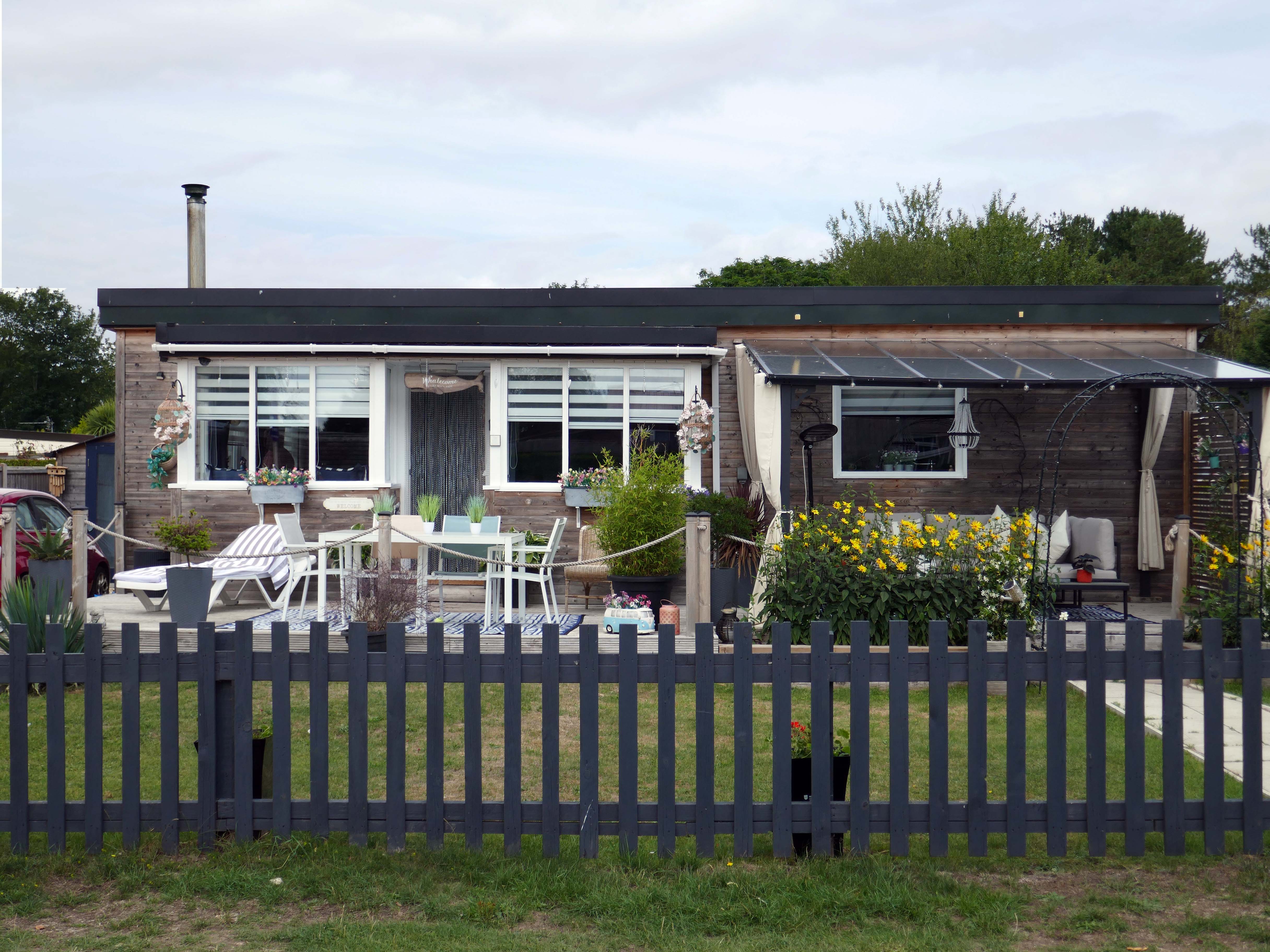
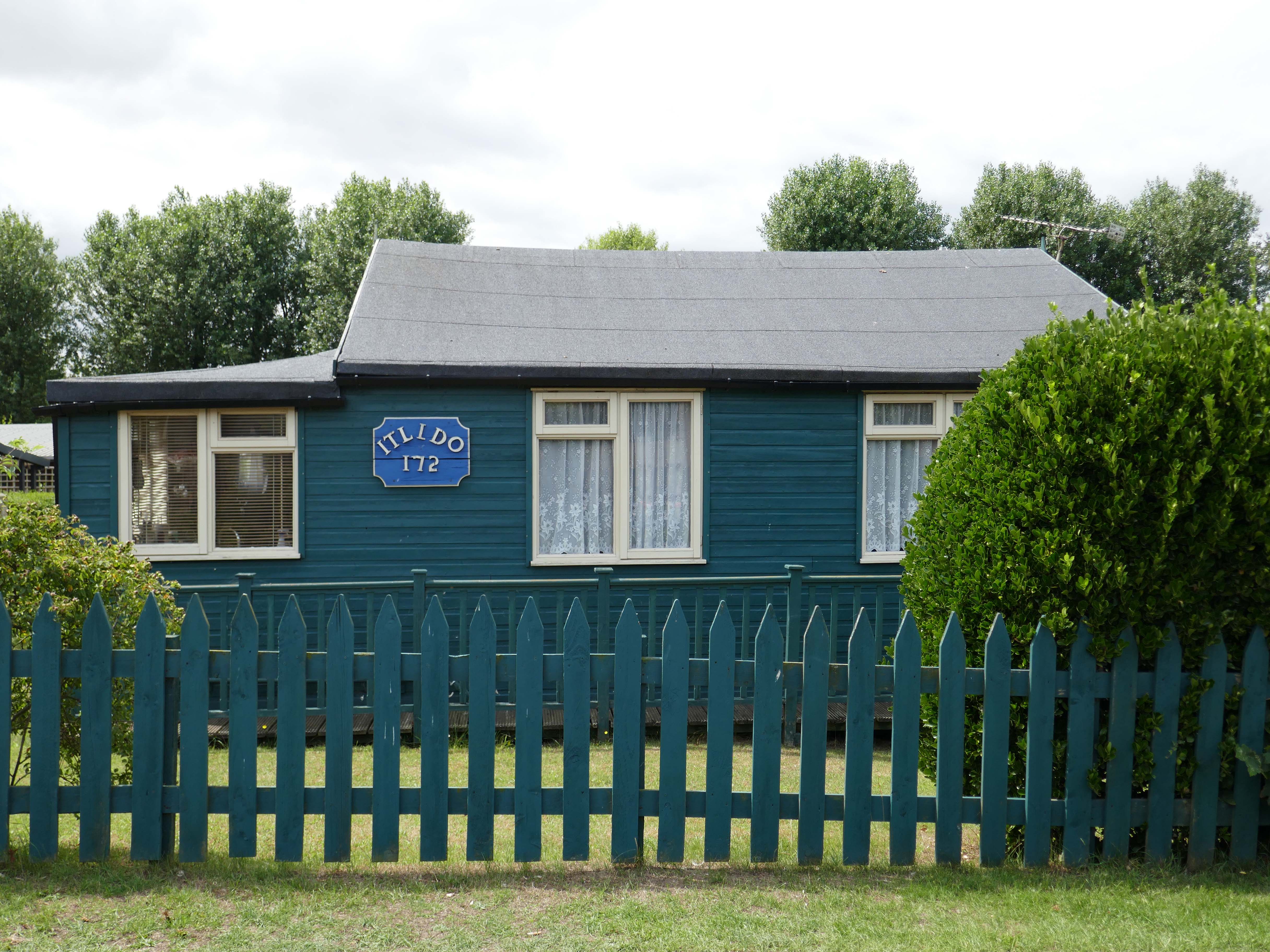
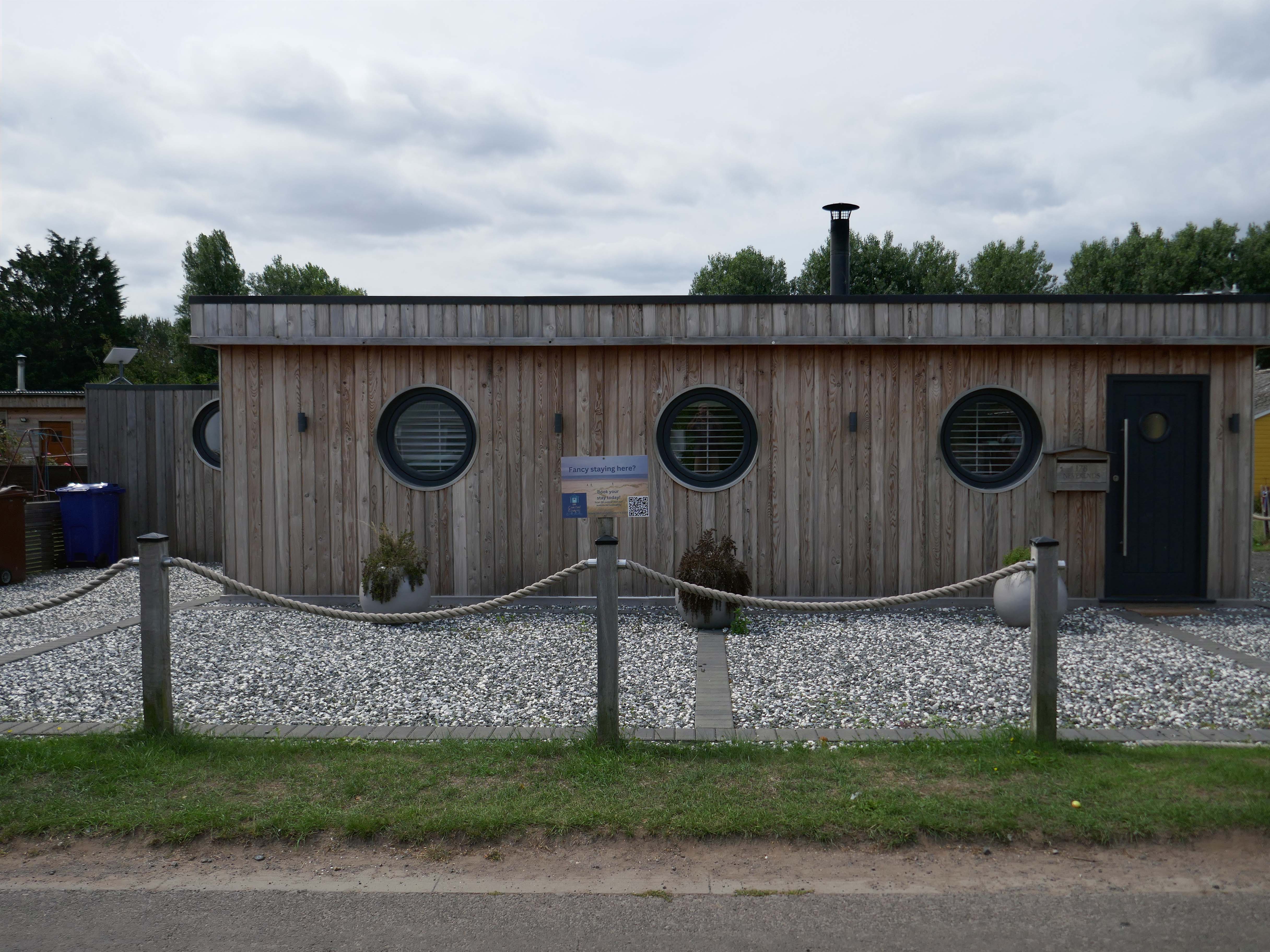
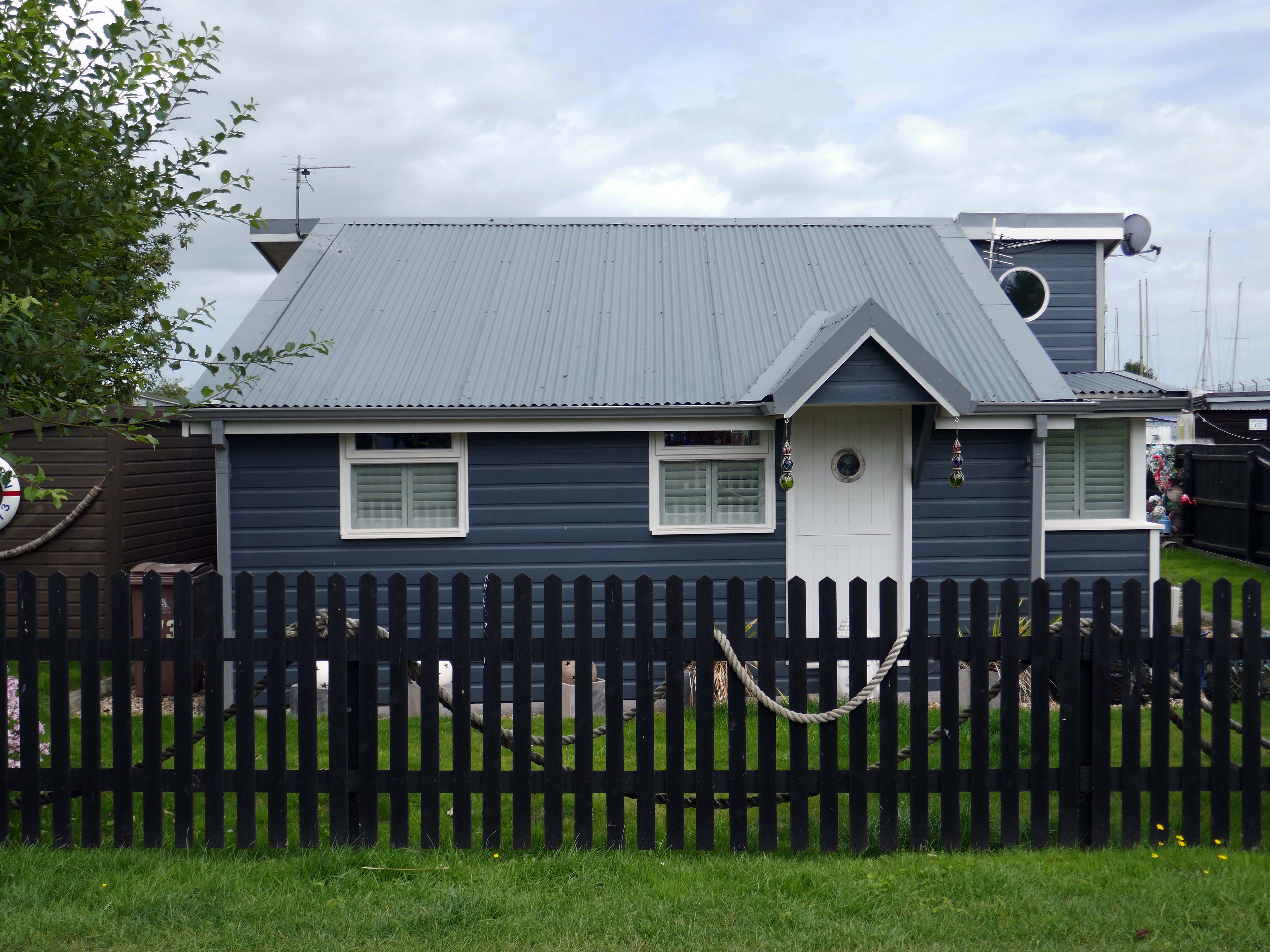
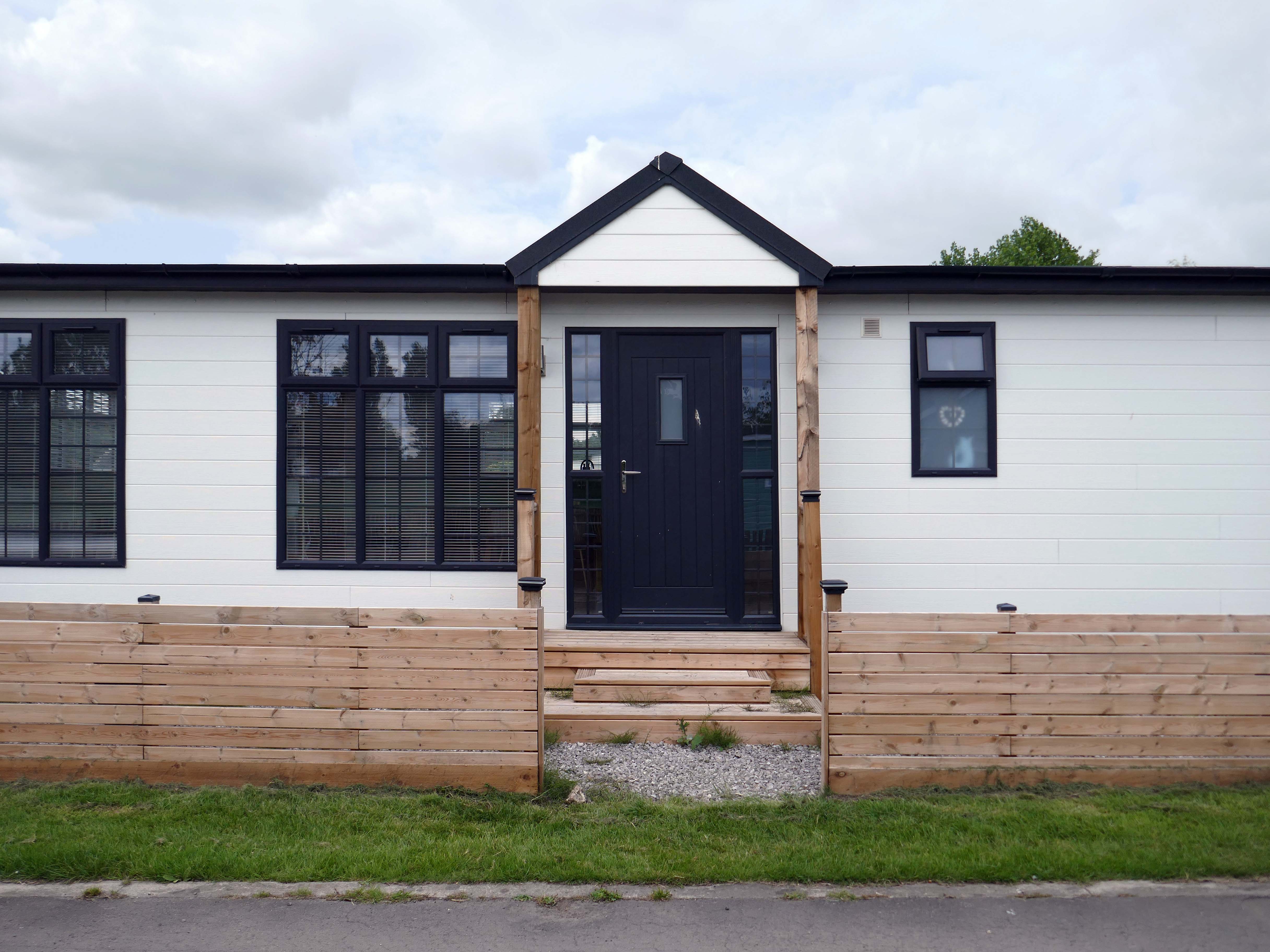
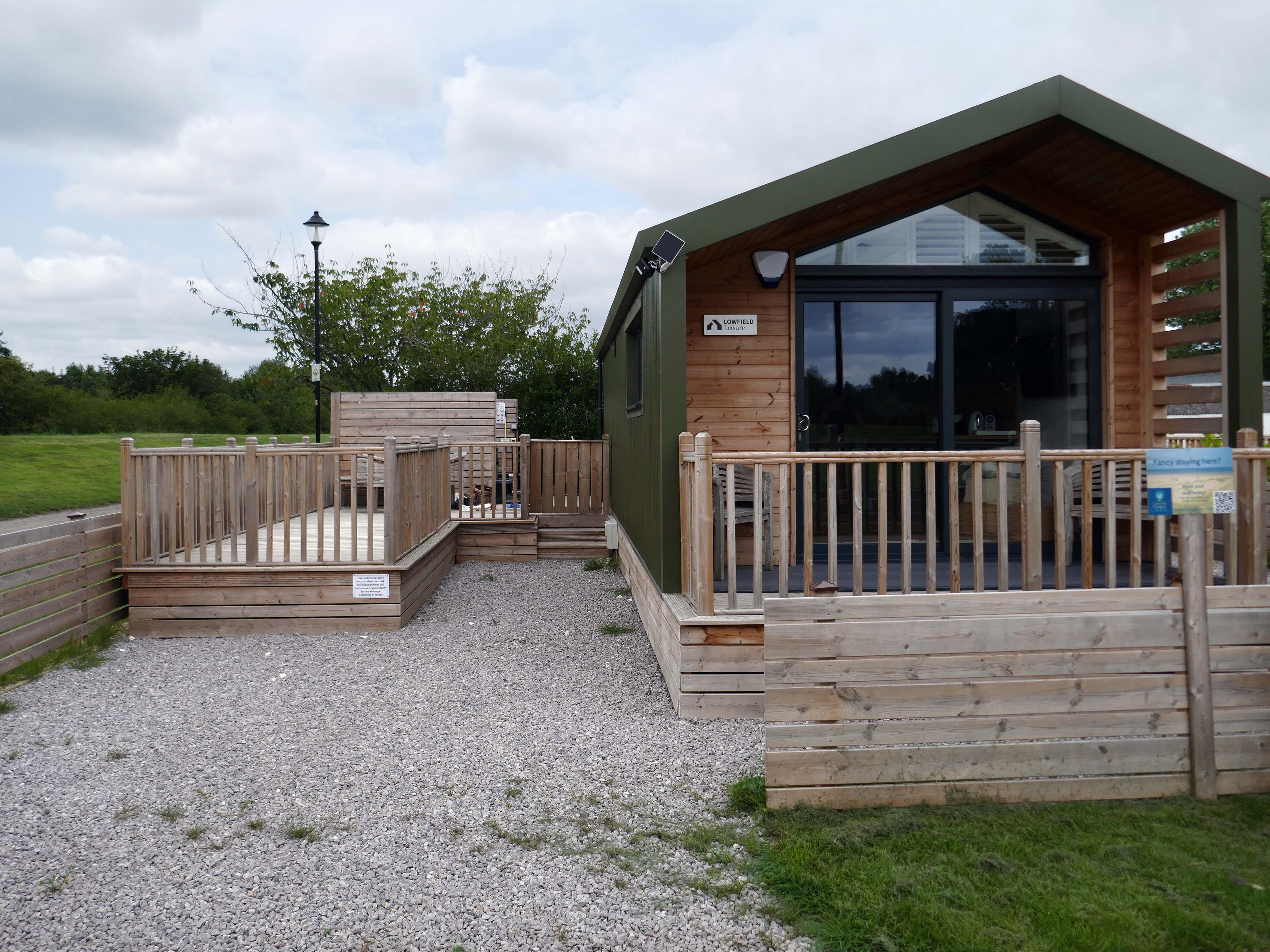
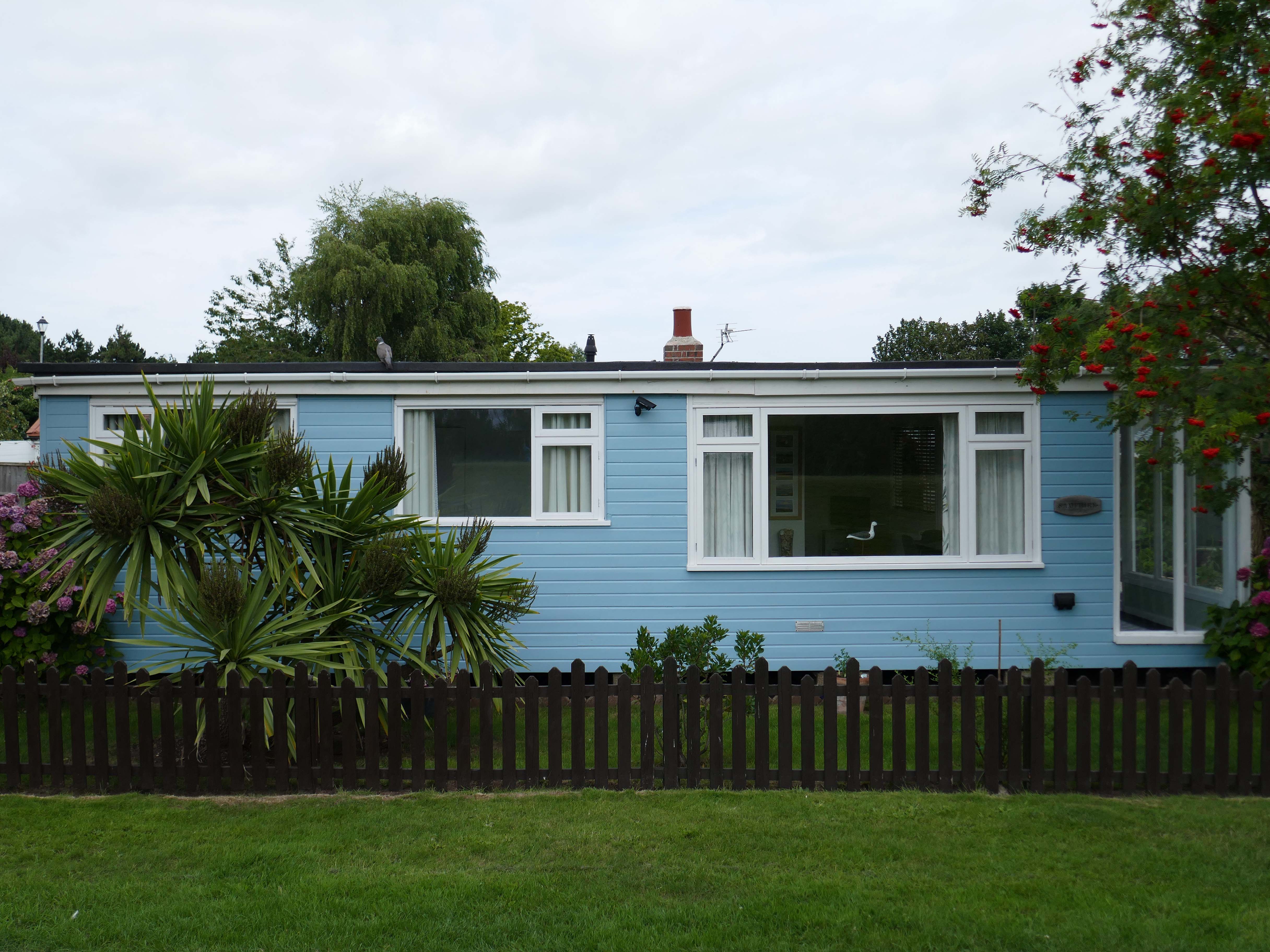
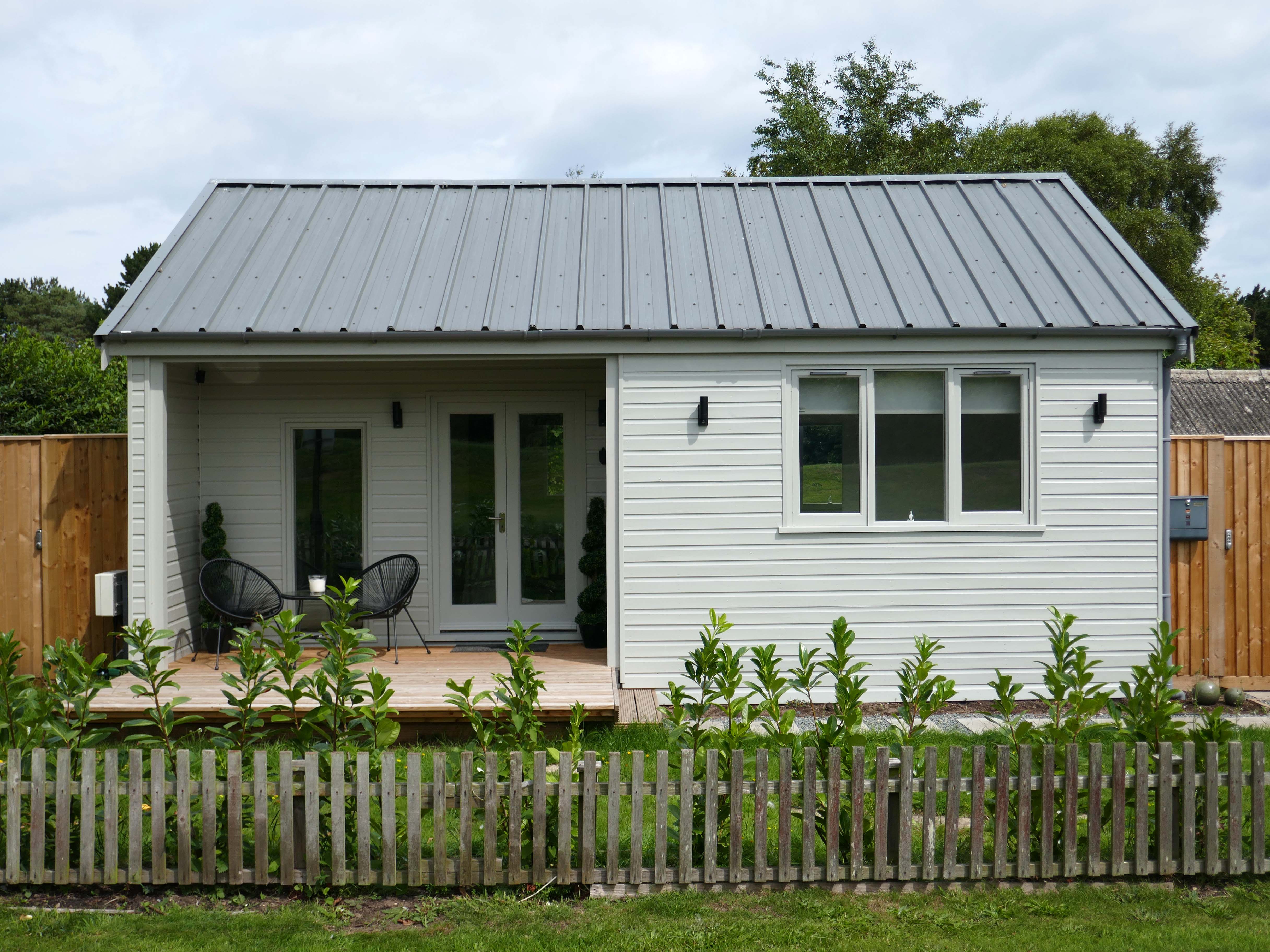
The chalet is a unique wooden clad cabin painted in lovely complimentary colours of Cream and Seaspray Green. A porthole window peers into a generous open plan living room and adjoined kitchen with subtle seaside touches of stripes, driftwood, shells, all quality wooden furniture and large comfy corner sofa plus two relaxing reading chairs with plenty of blankets to snuggle up in.
So the march of big money heralds the arrival of complementary after dinner mints, uPVC cladding, tasteful nautical bric a brac, prohibitive signs, off road parking and a Hampton’s aesthetic – a little bit of New England inna little bit of England.
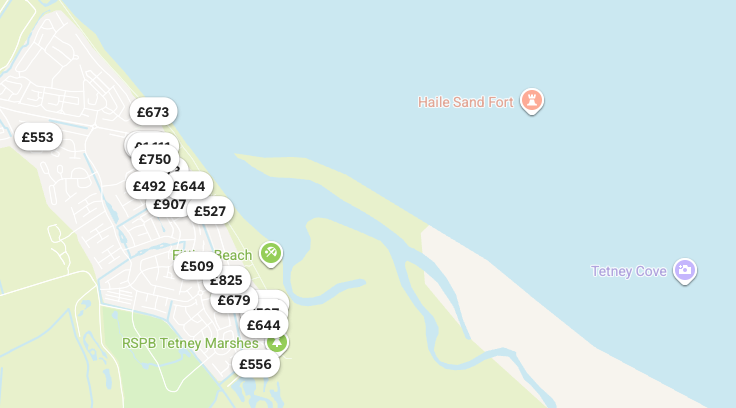
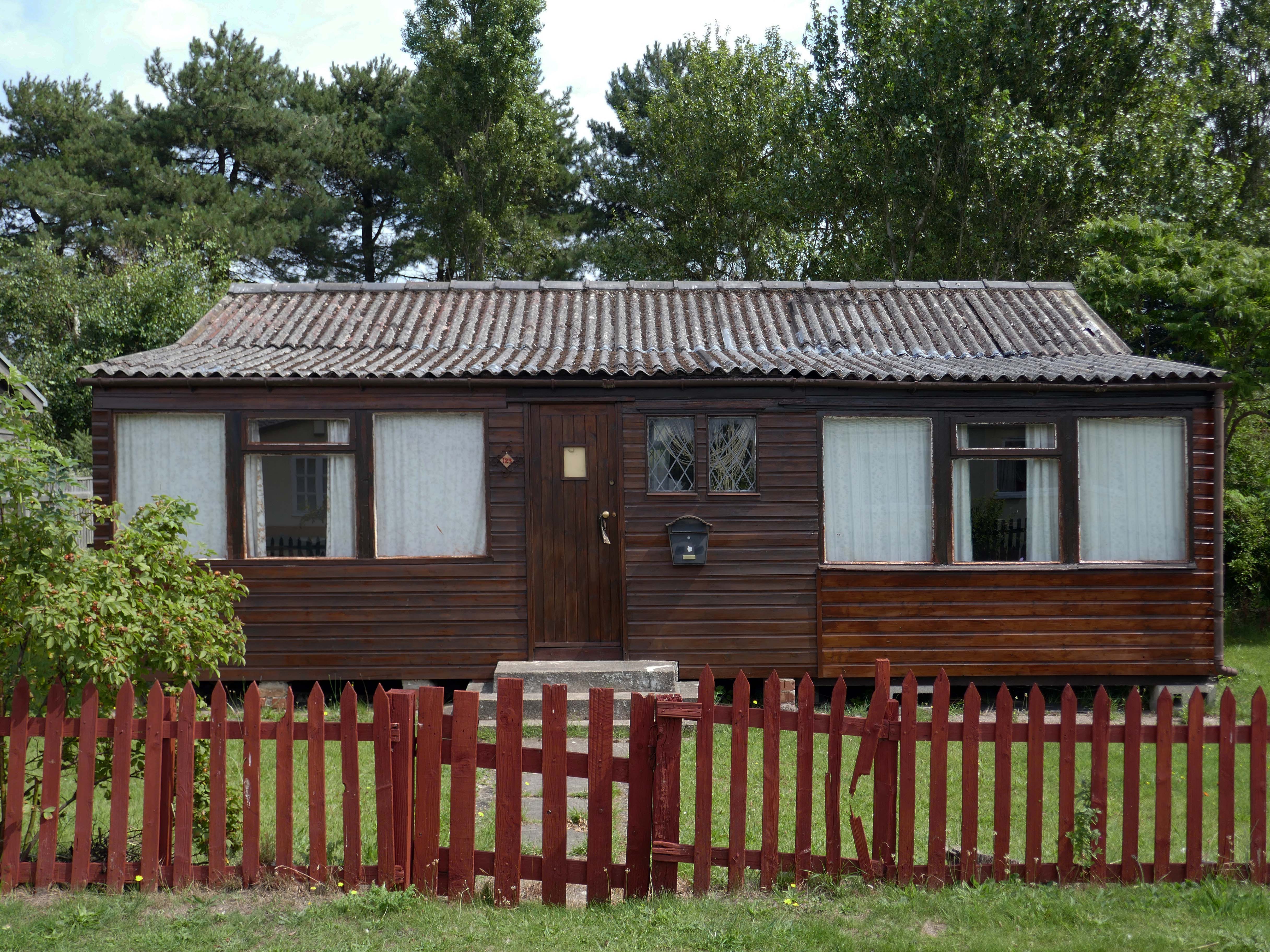
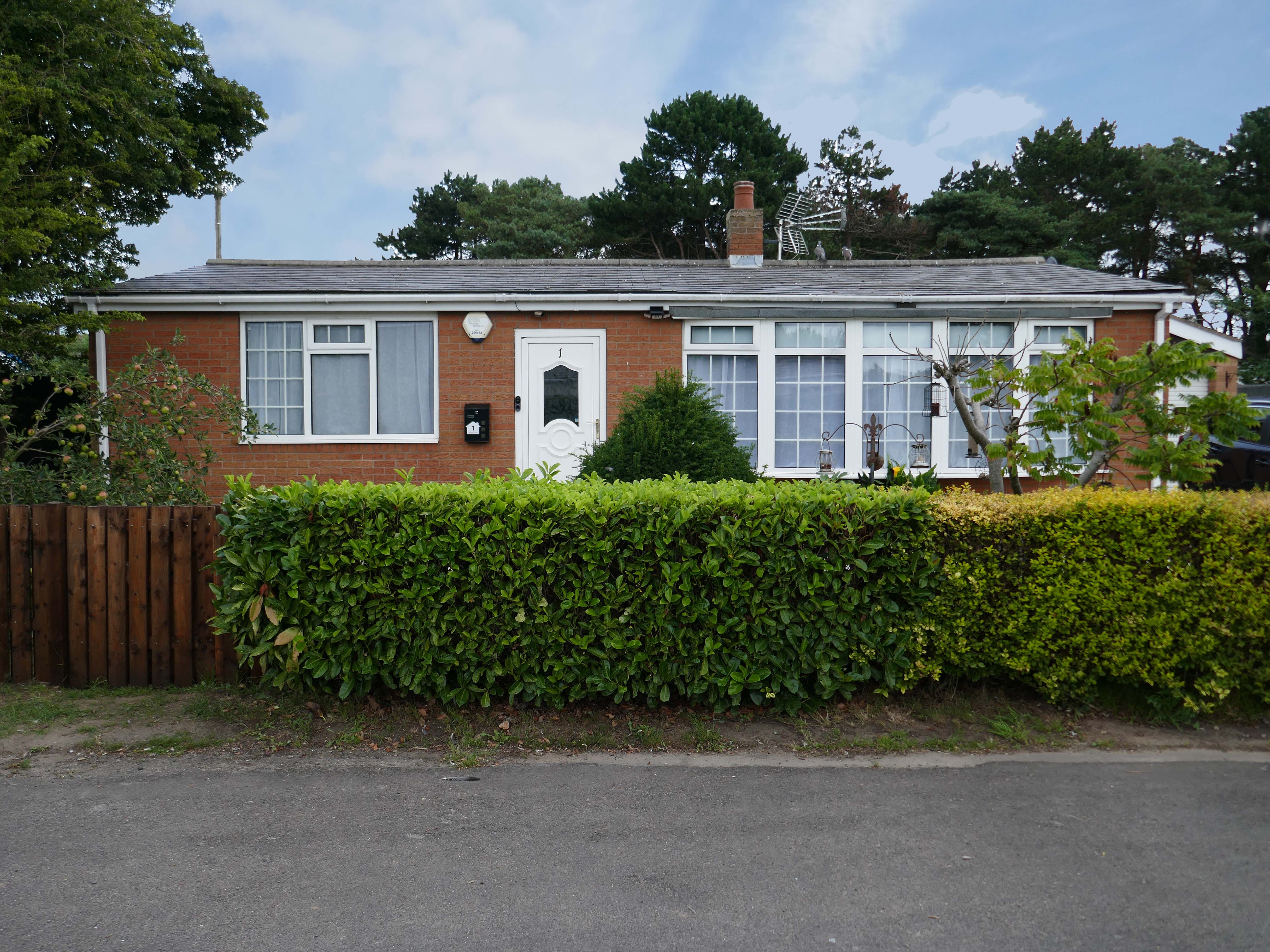
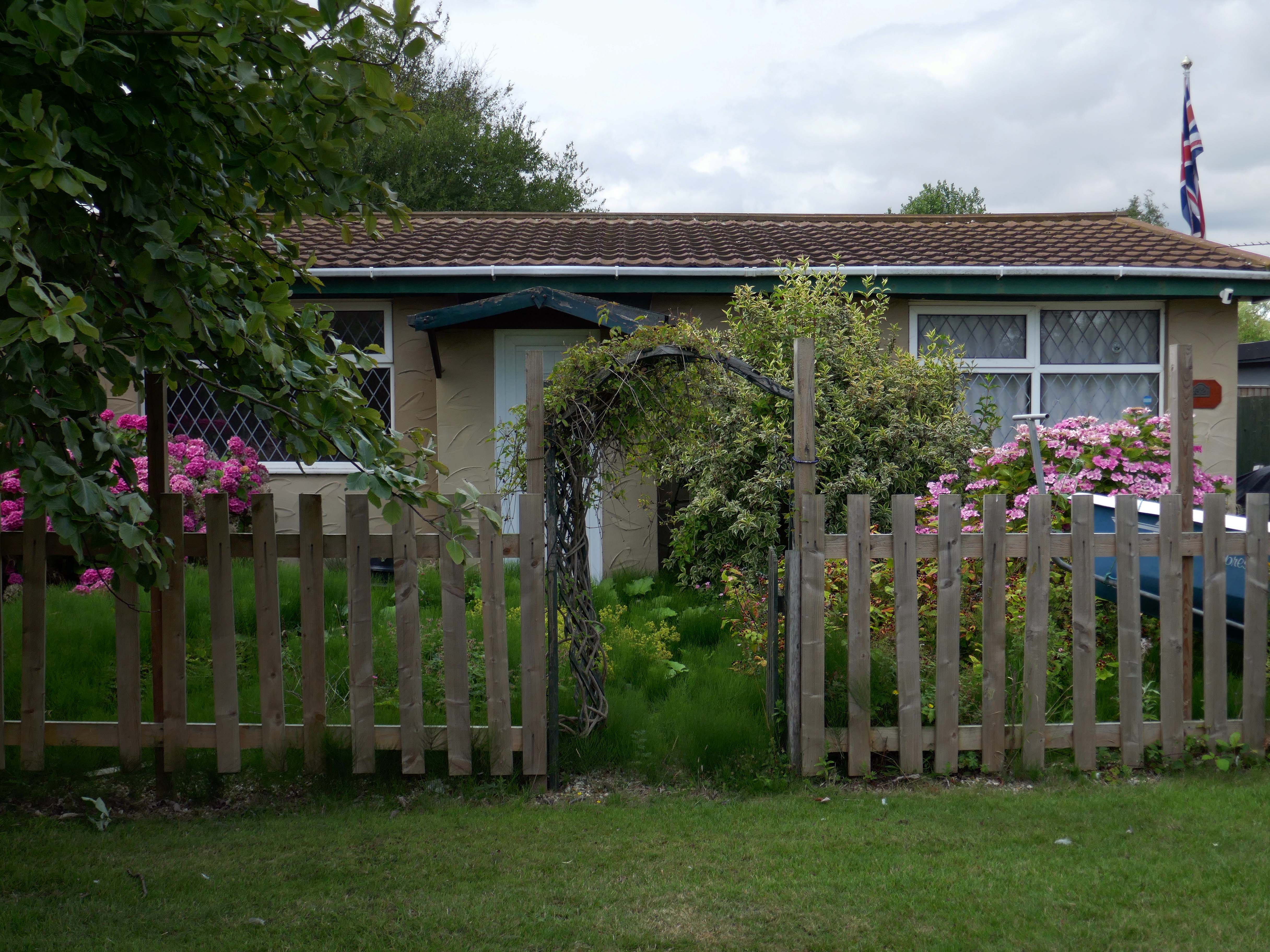
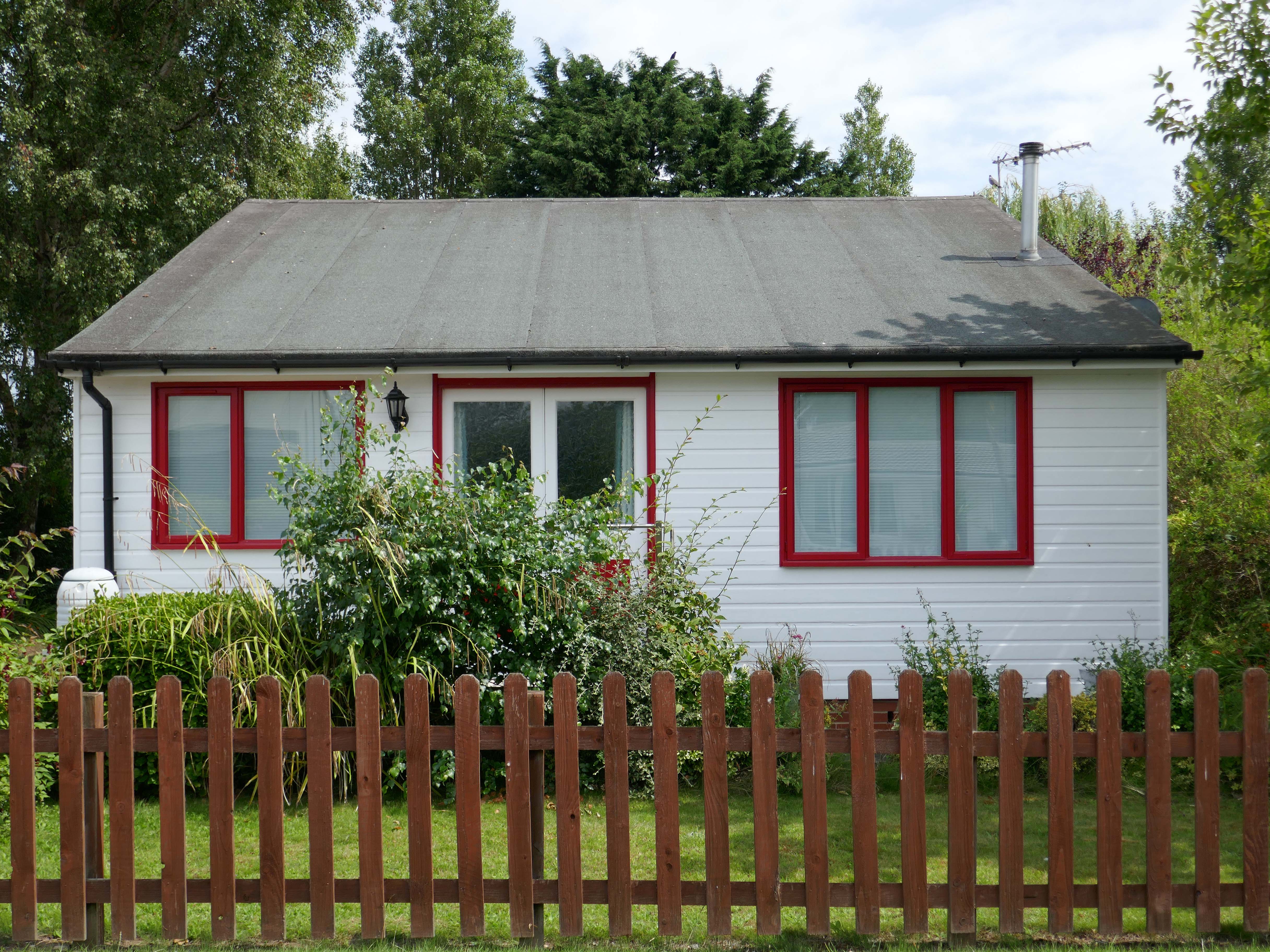
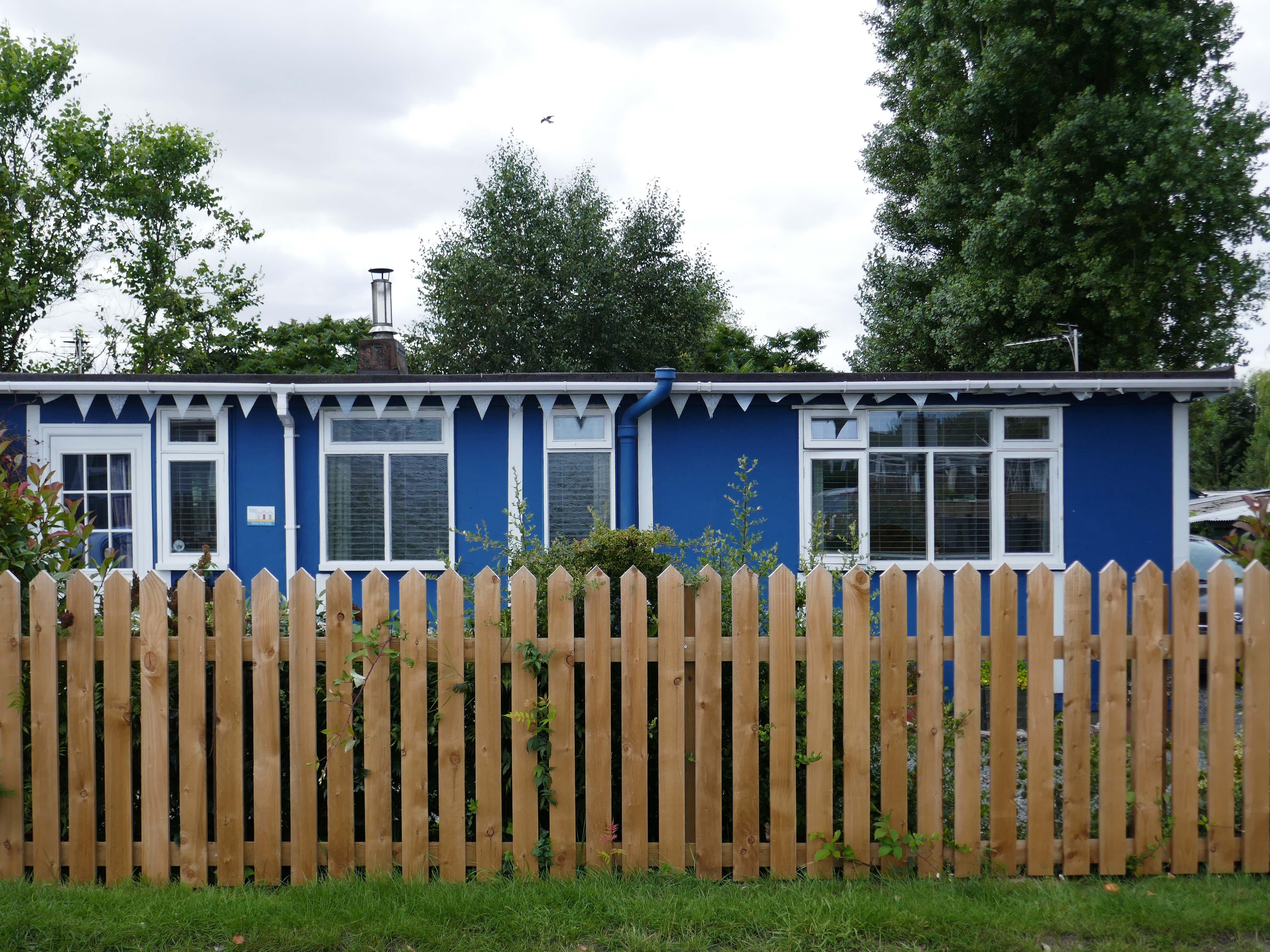
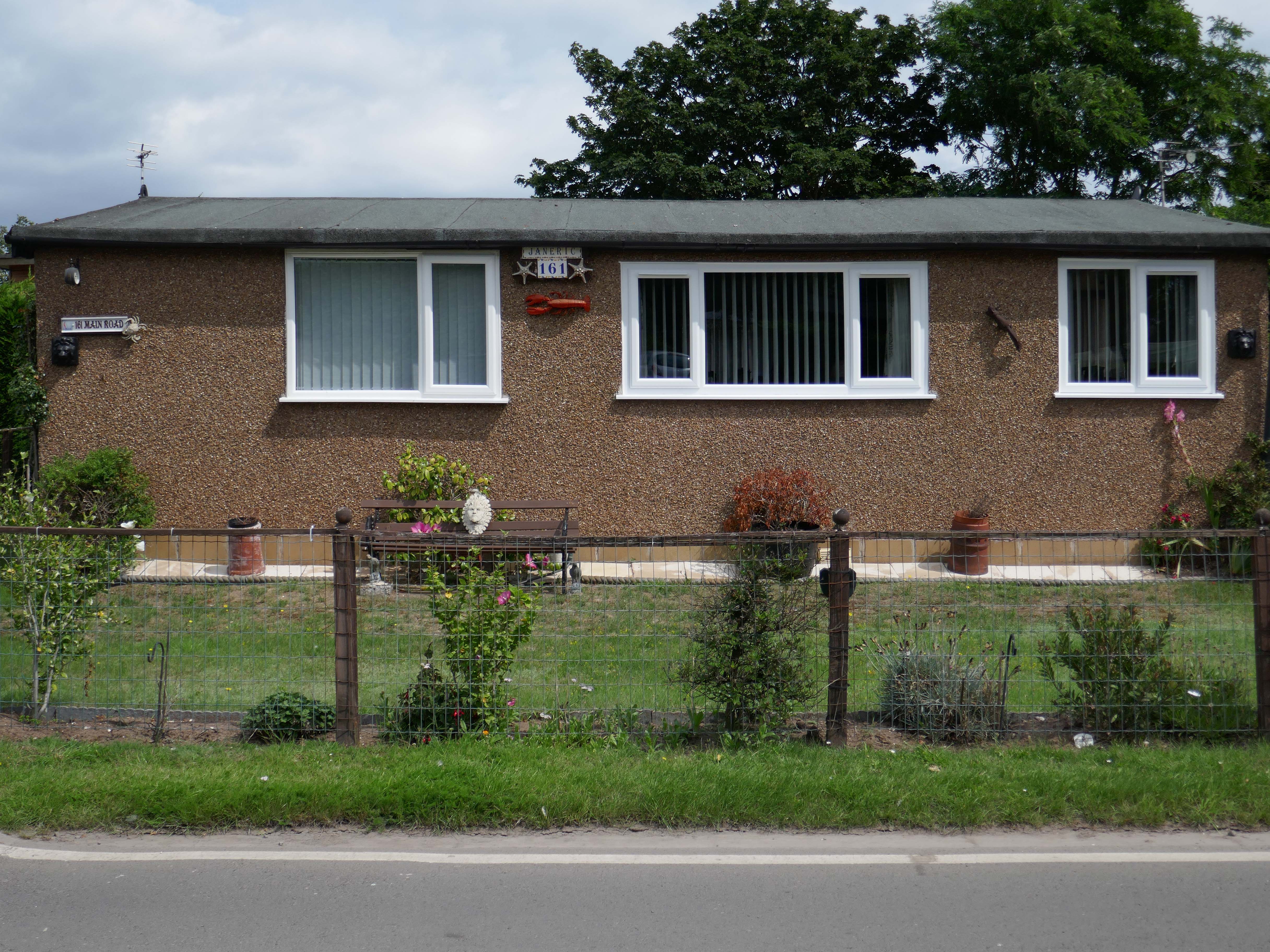
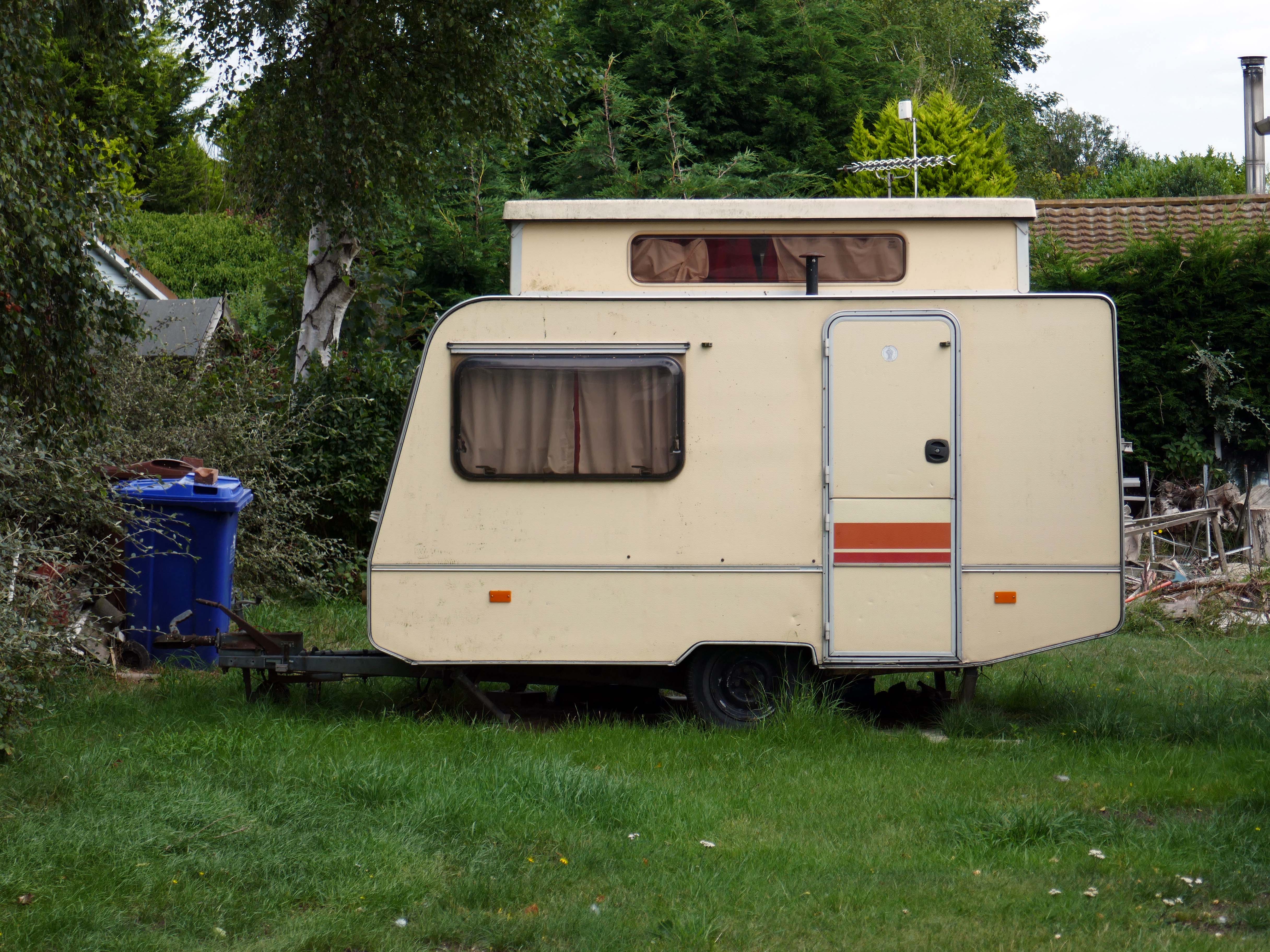
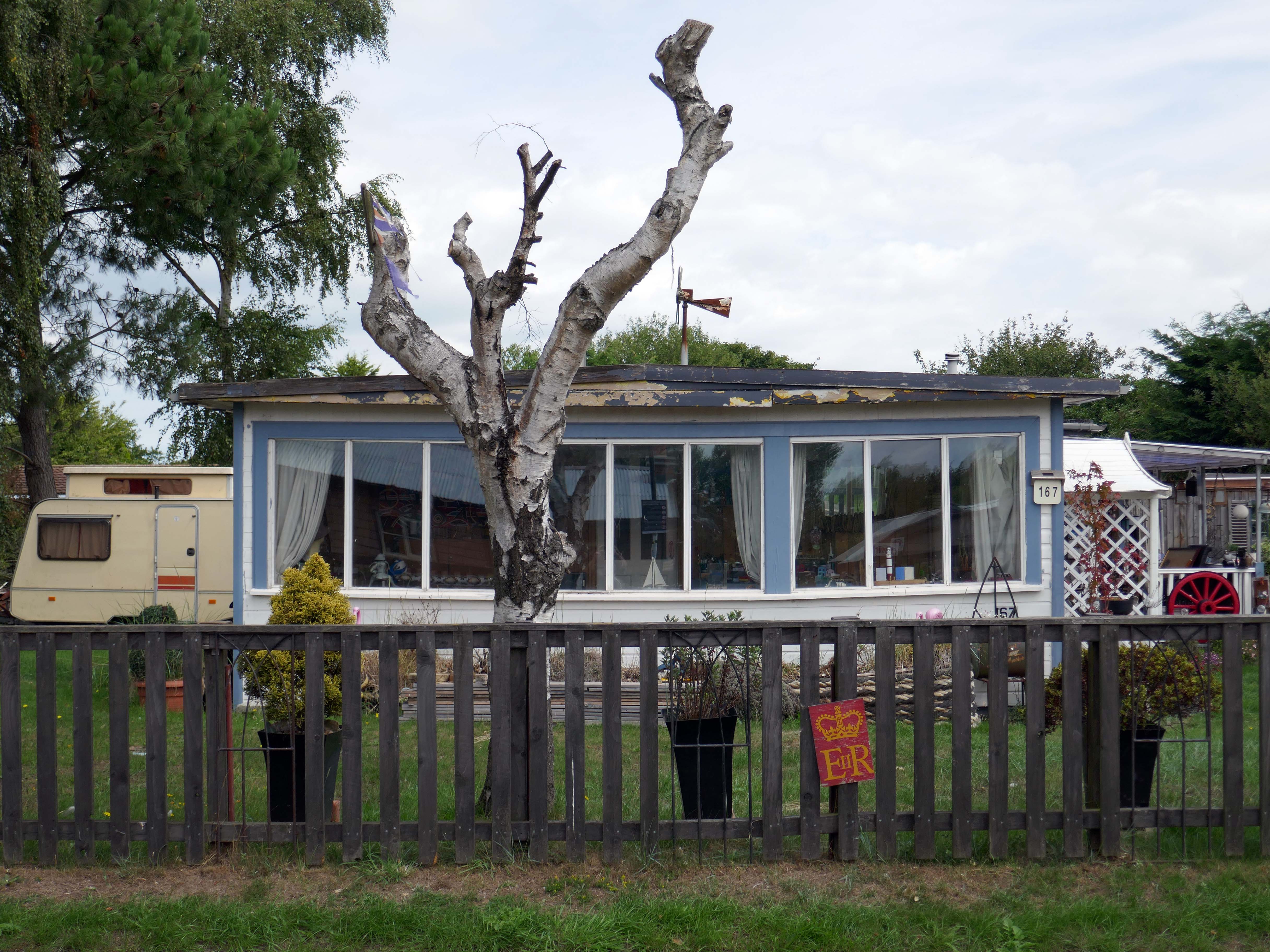
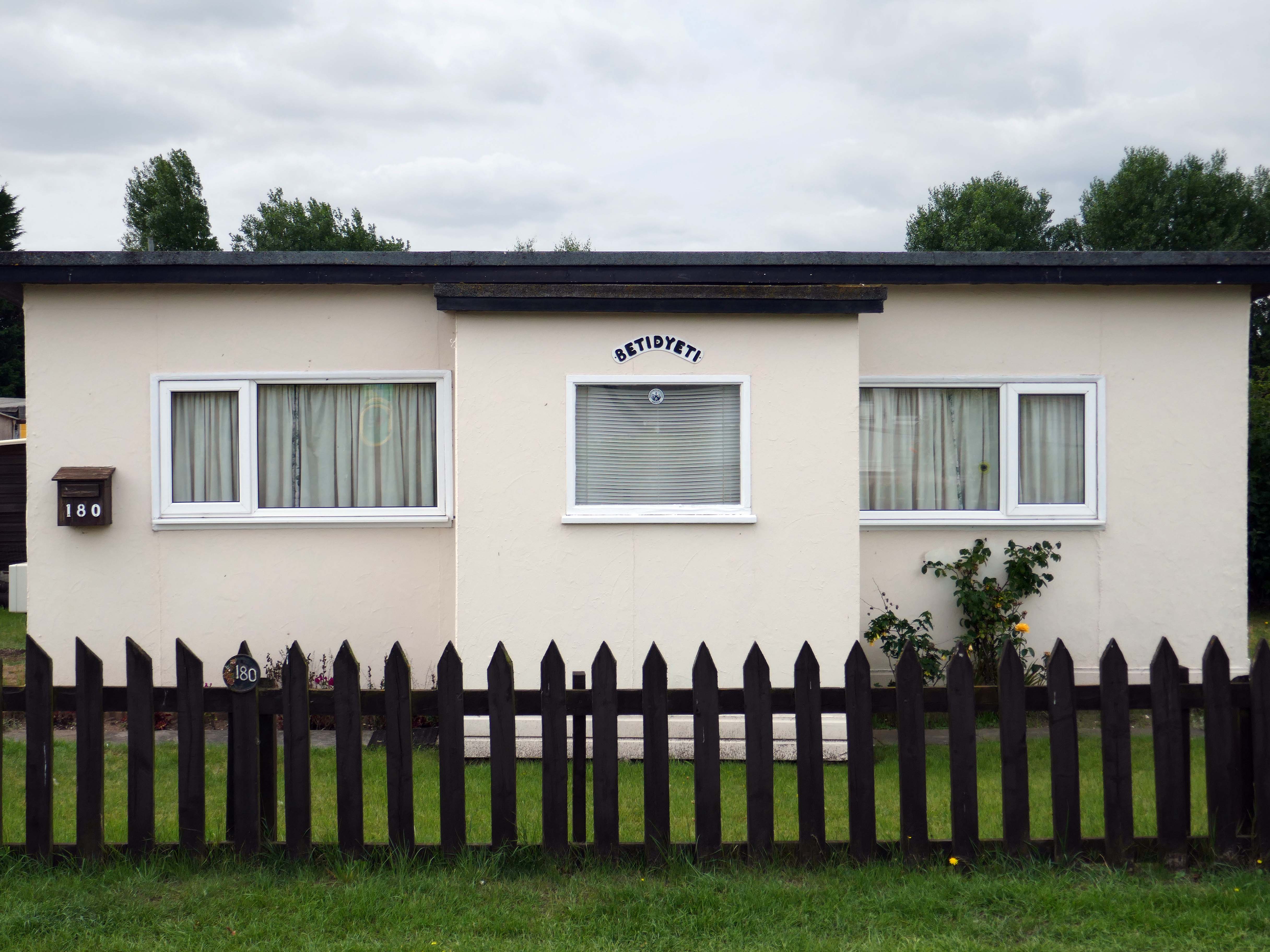
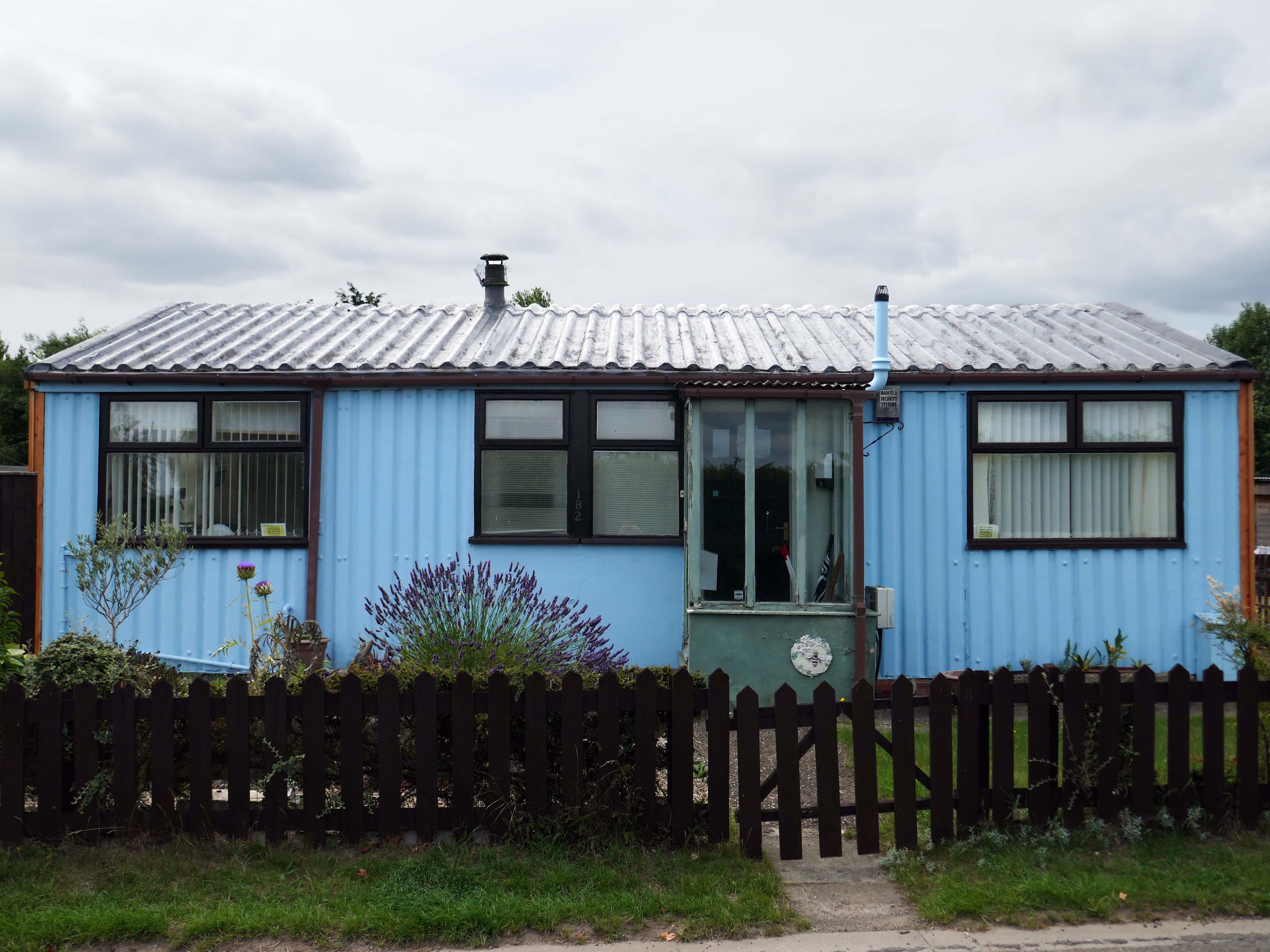
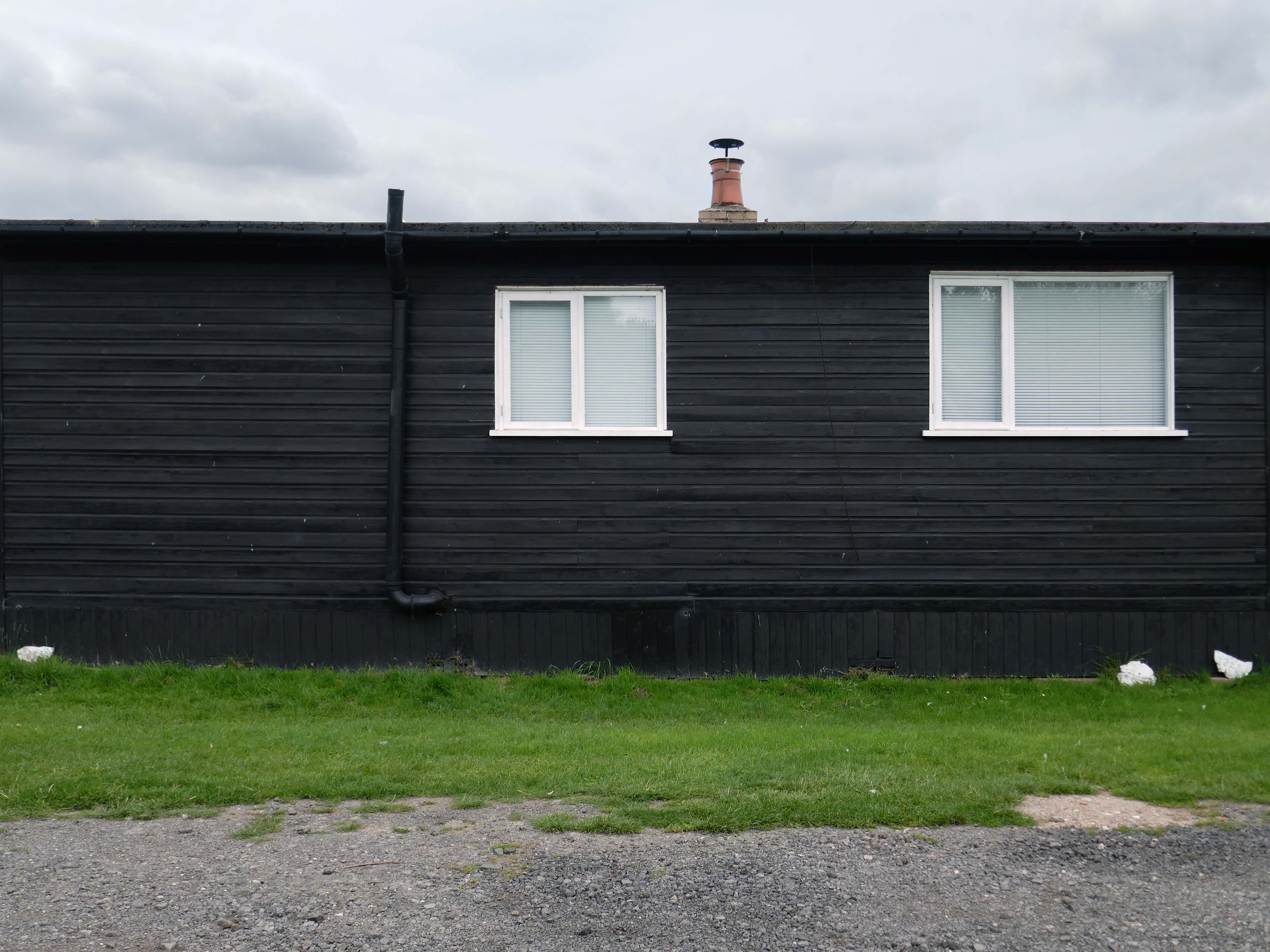
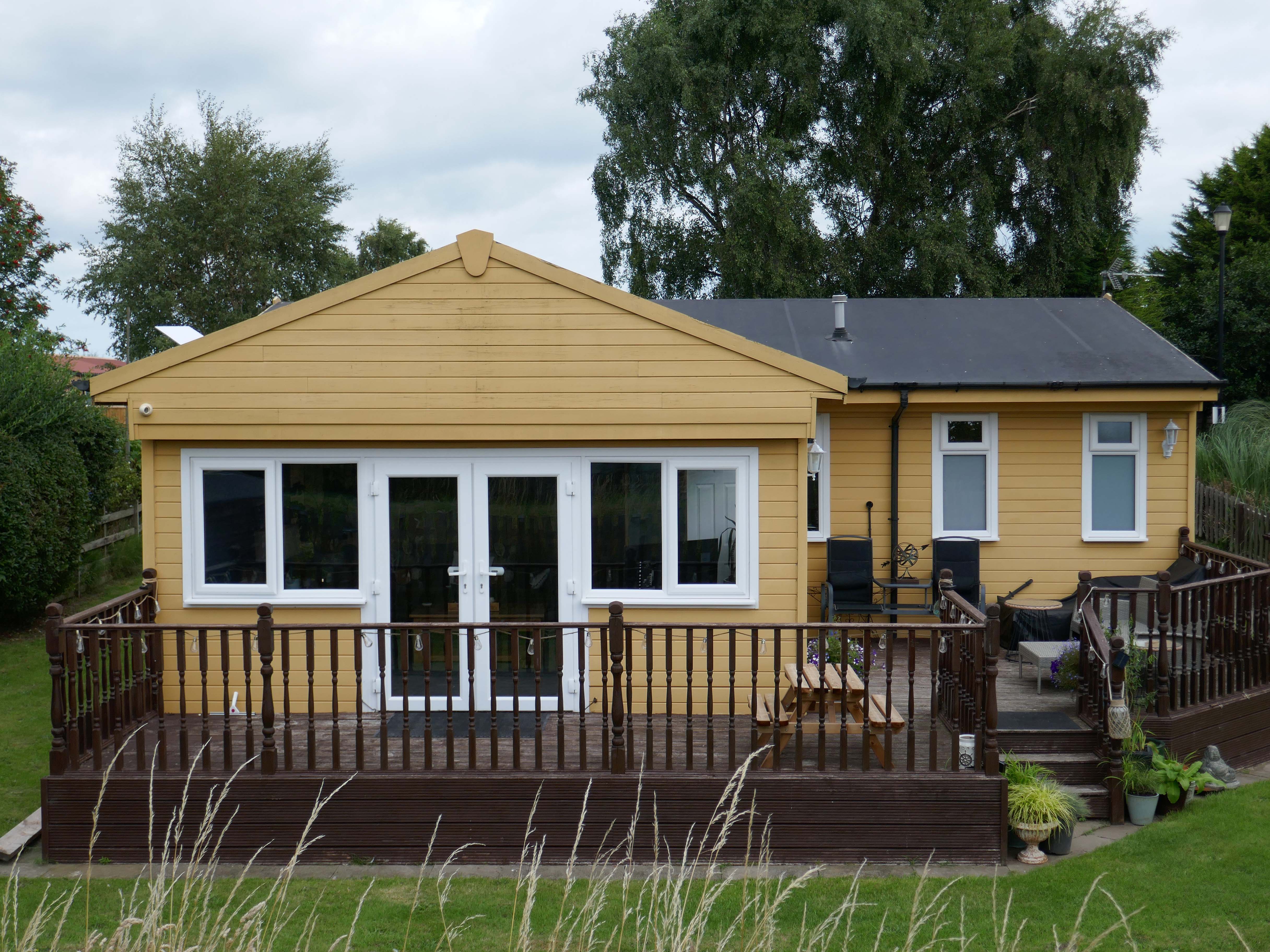
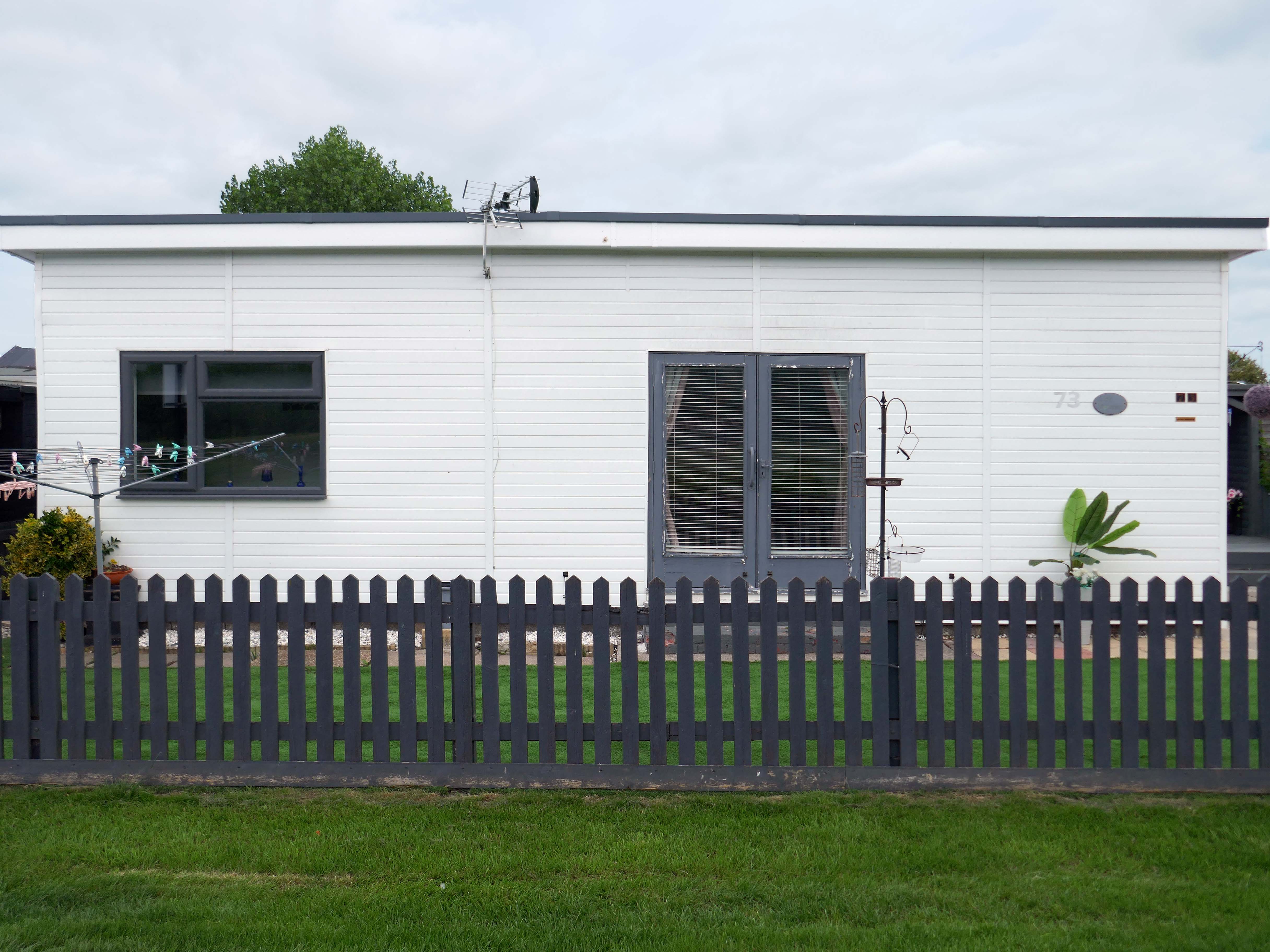
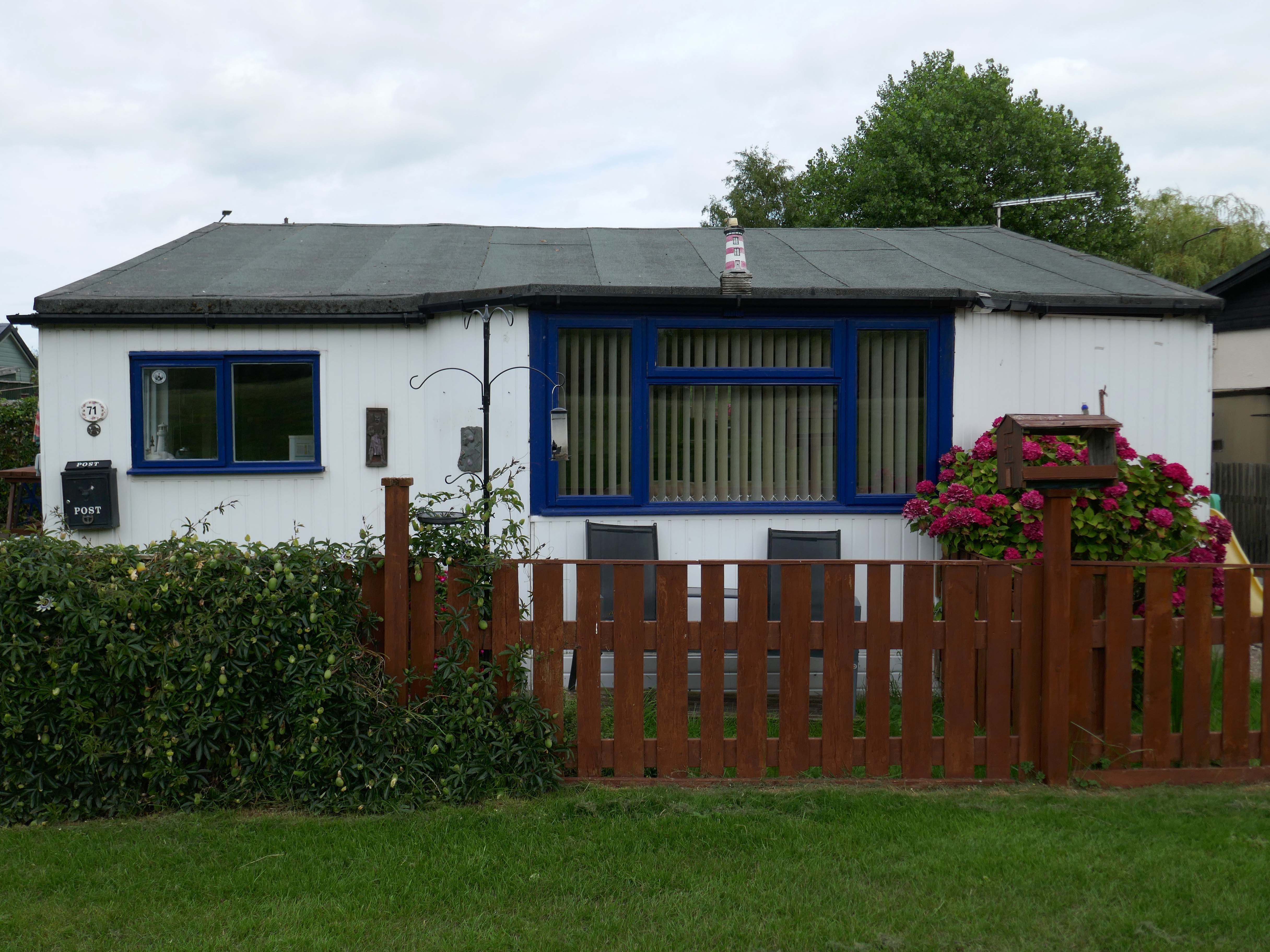
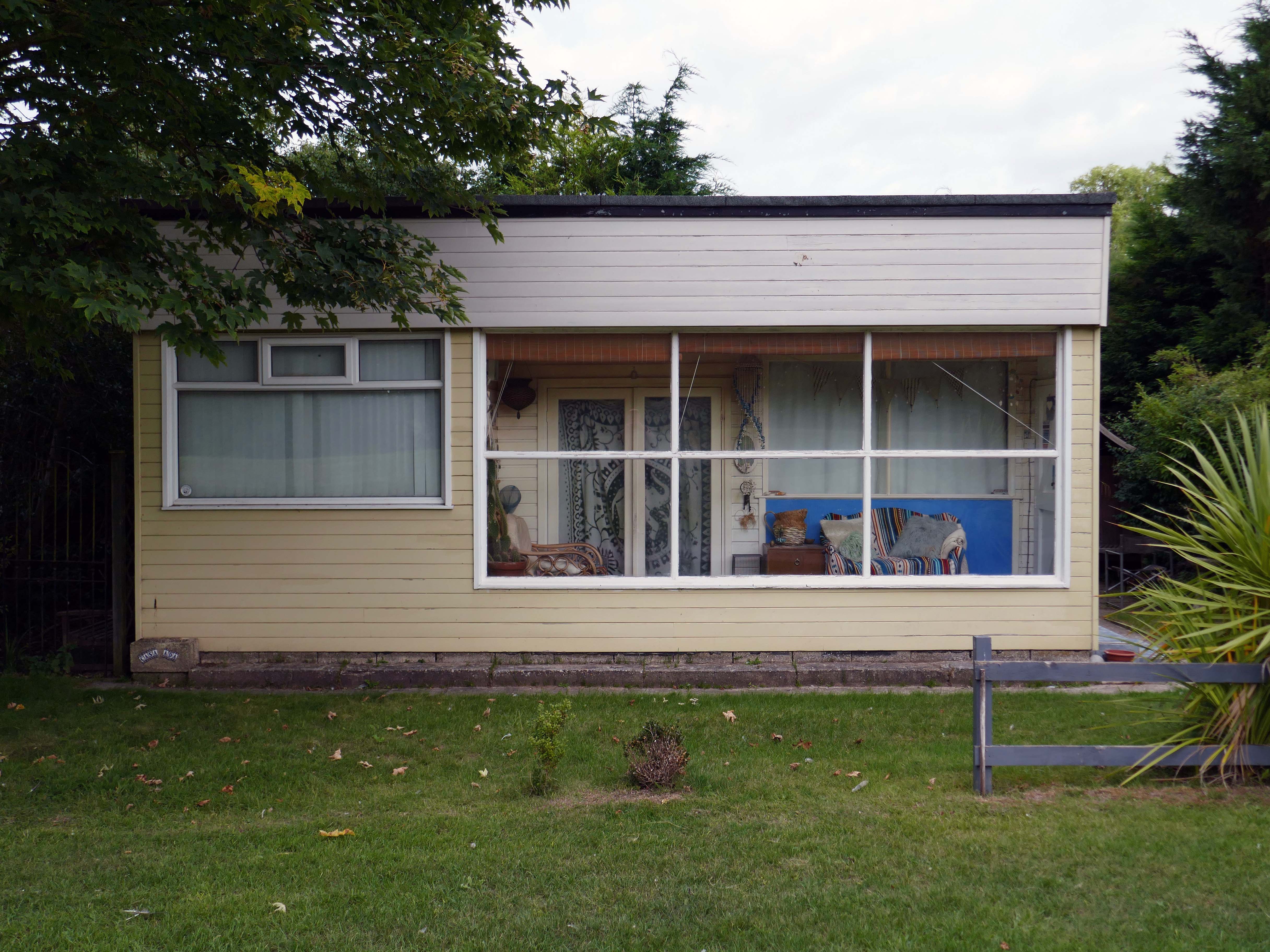
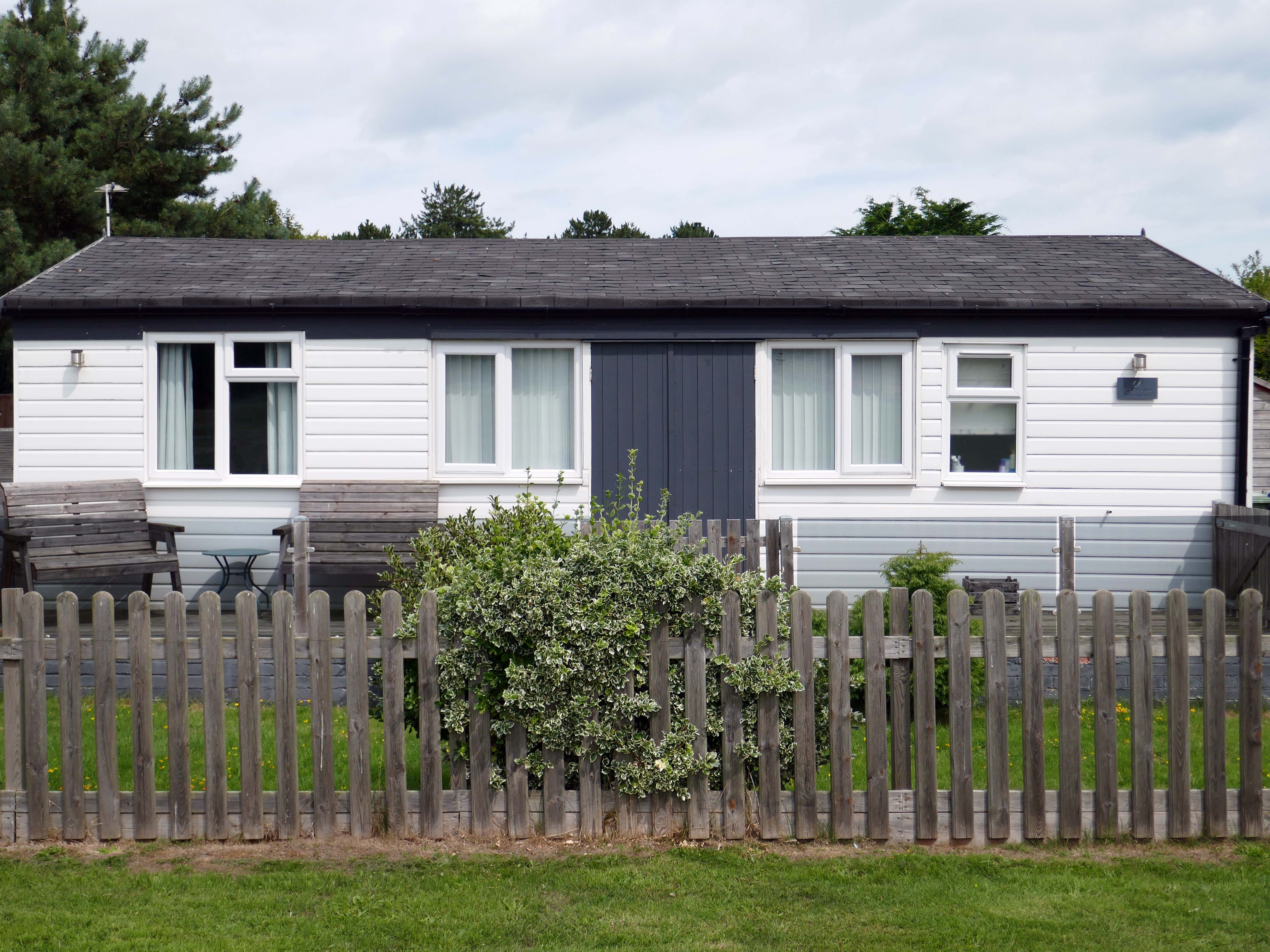
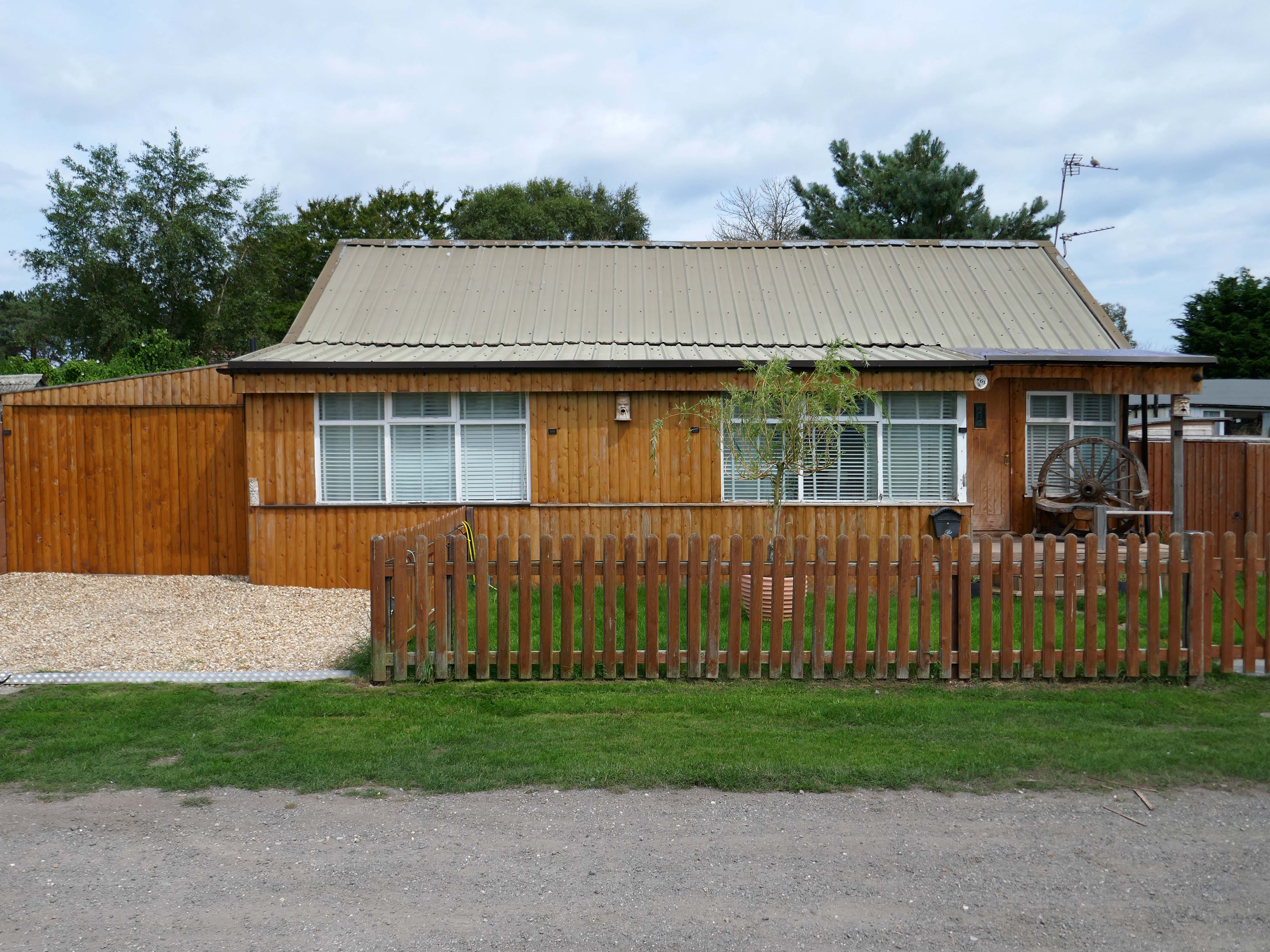
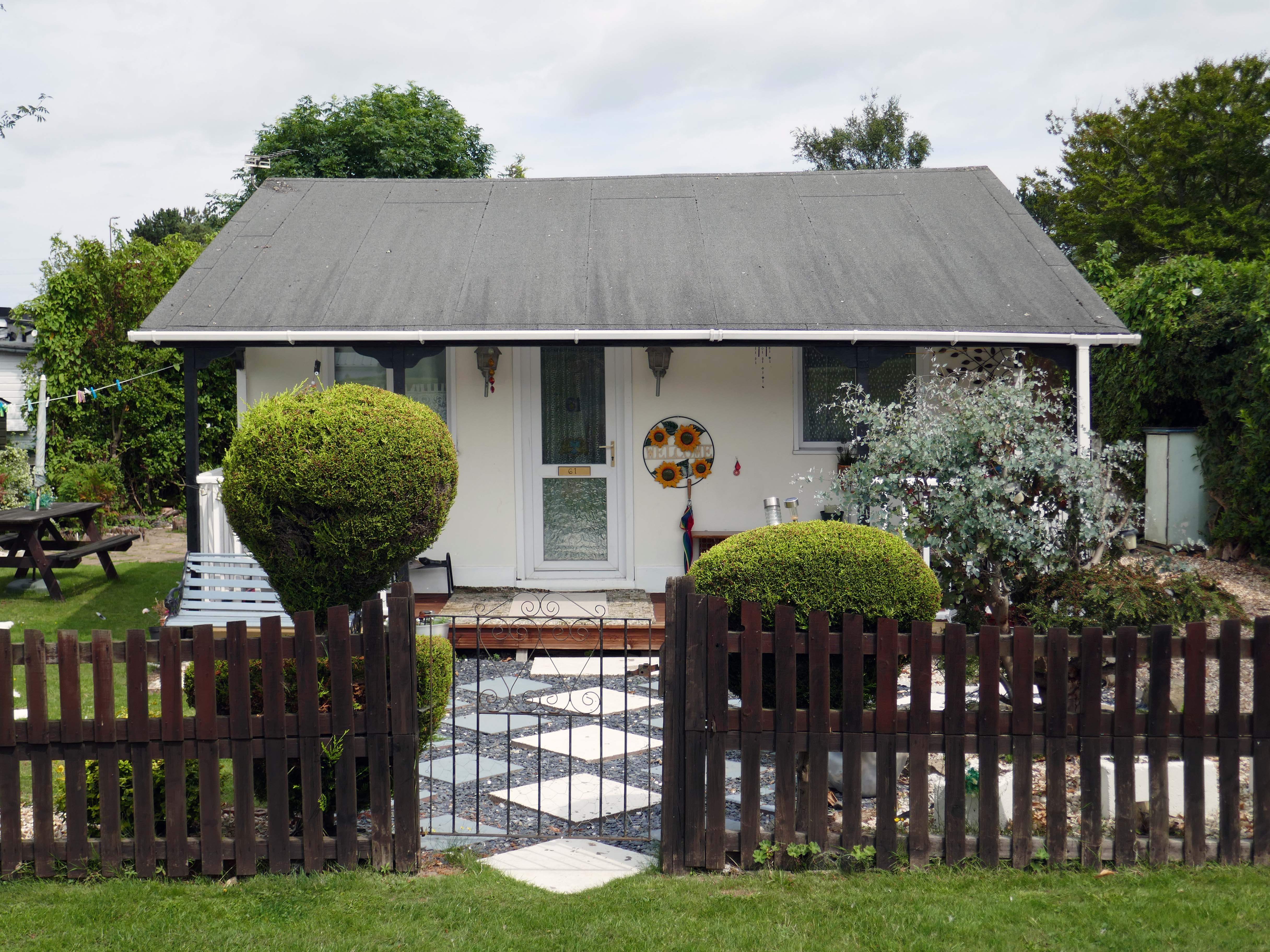
Despite the incursion of those folks on a week long excursion, there is still an air of lukewarm anarchy which pervades the Fitties. An array of wonky homemade fences constantly askew, refusing to be aligned to the orthogonal.
Mañana never comes here on this little stretch of the Lincolnshire coast, get it while you can.
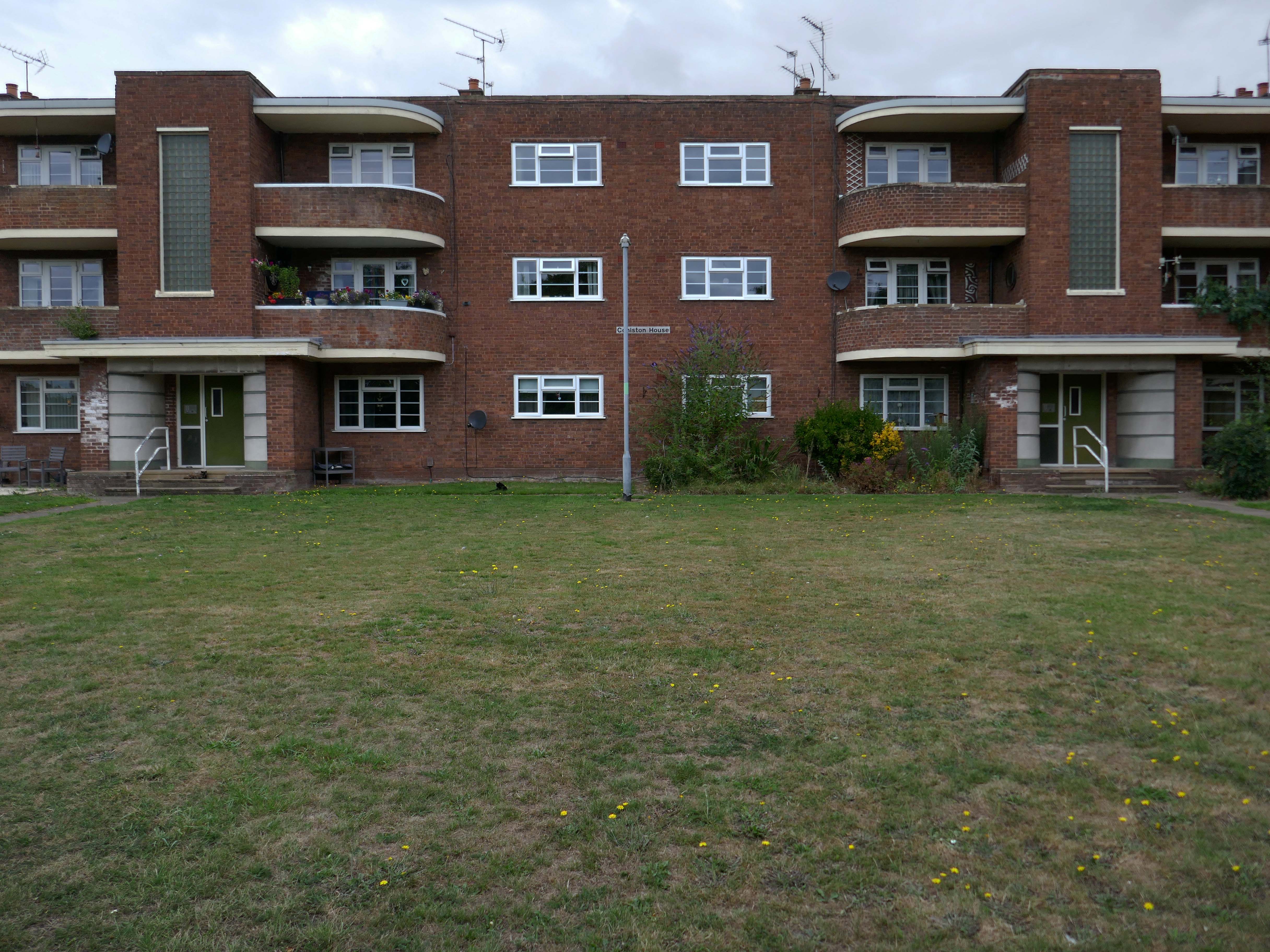
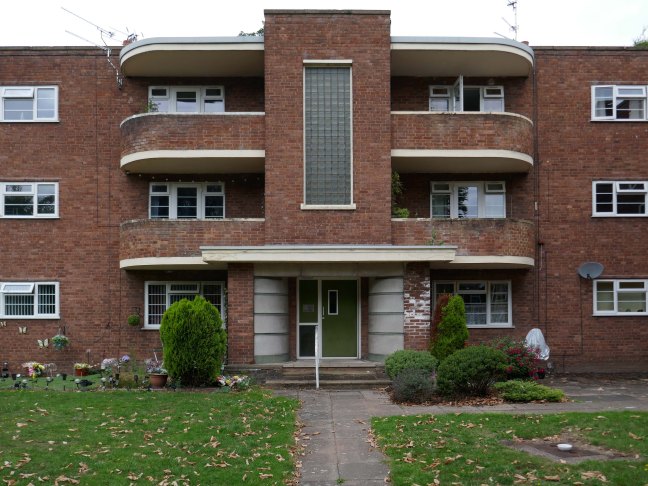
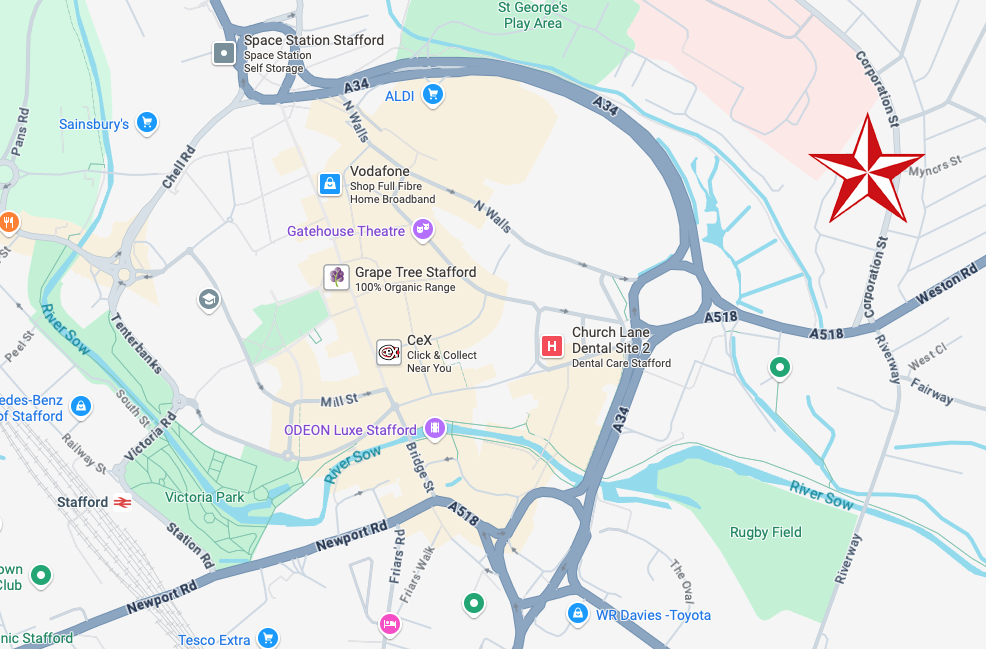
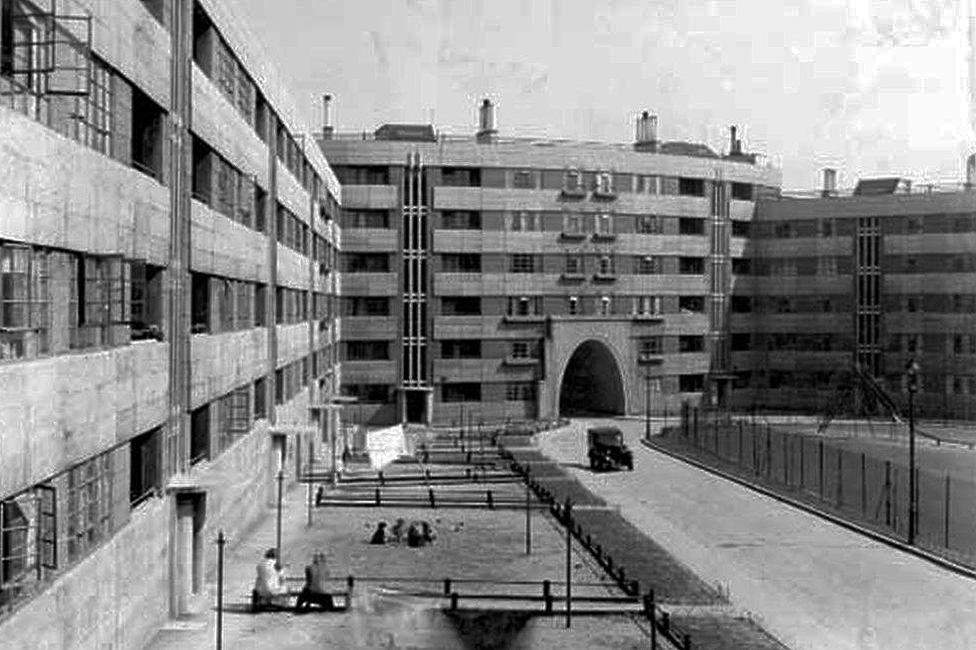
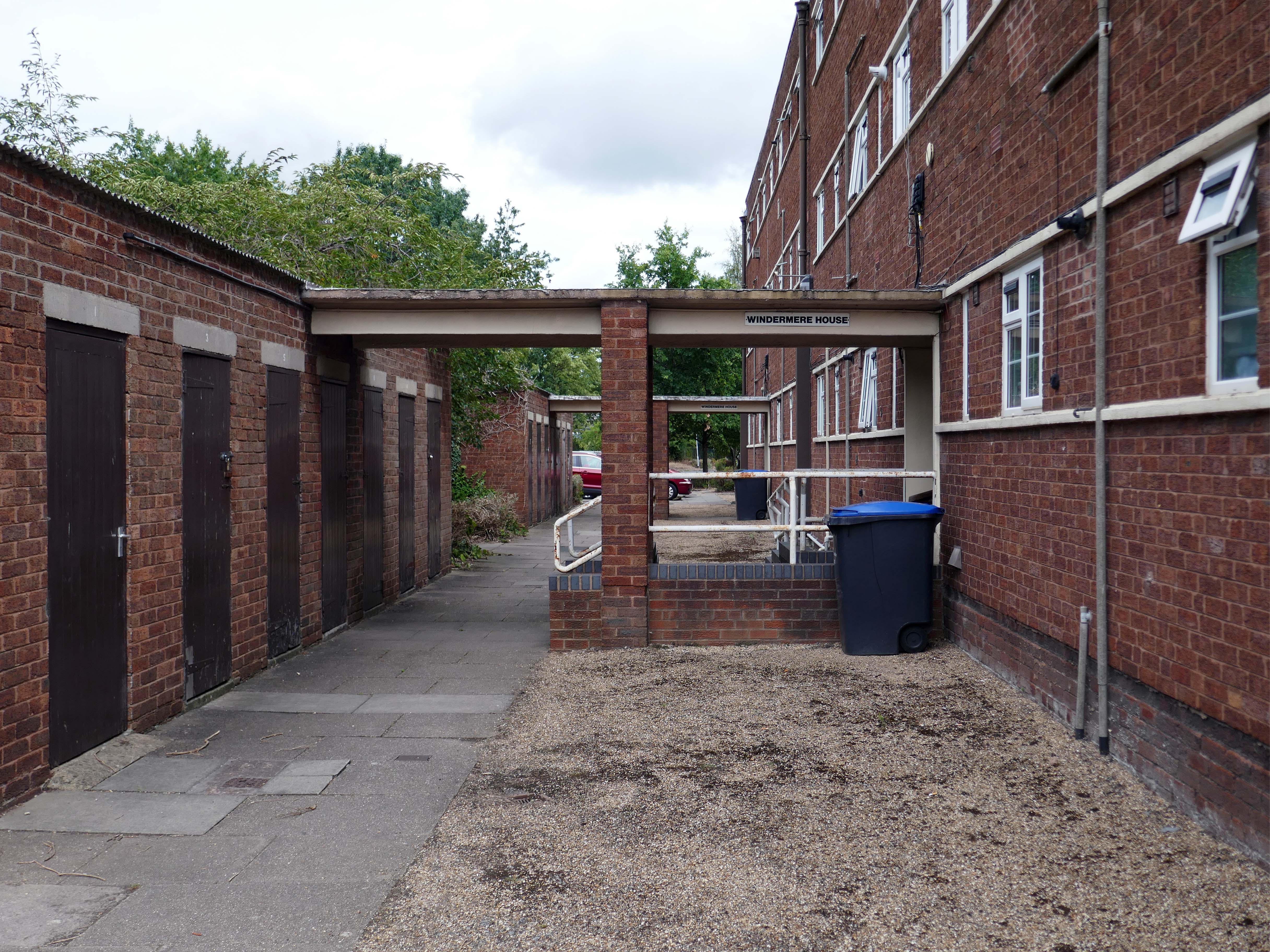
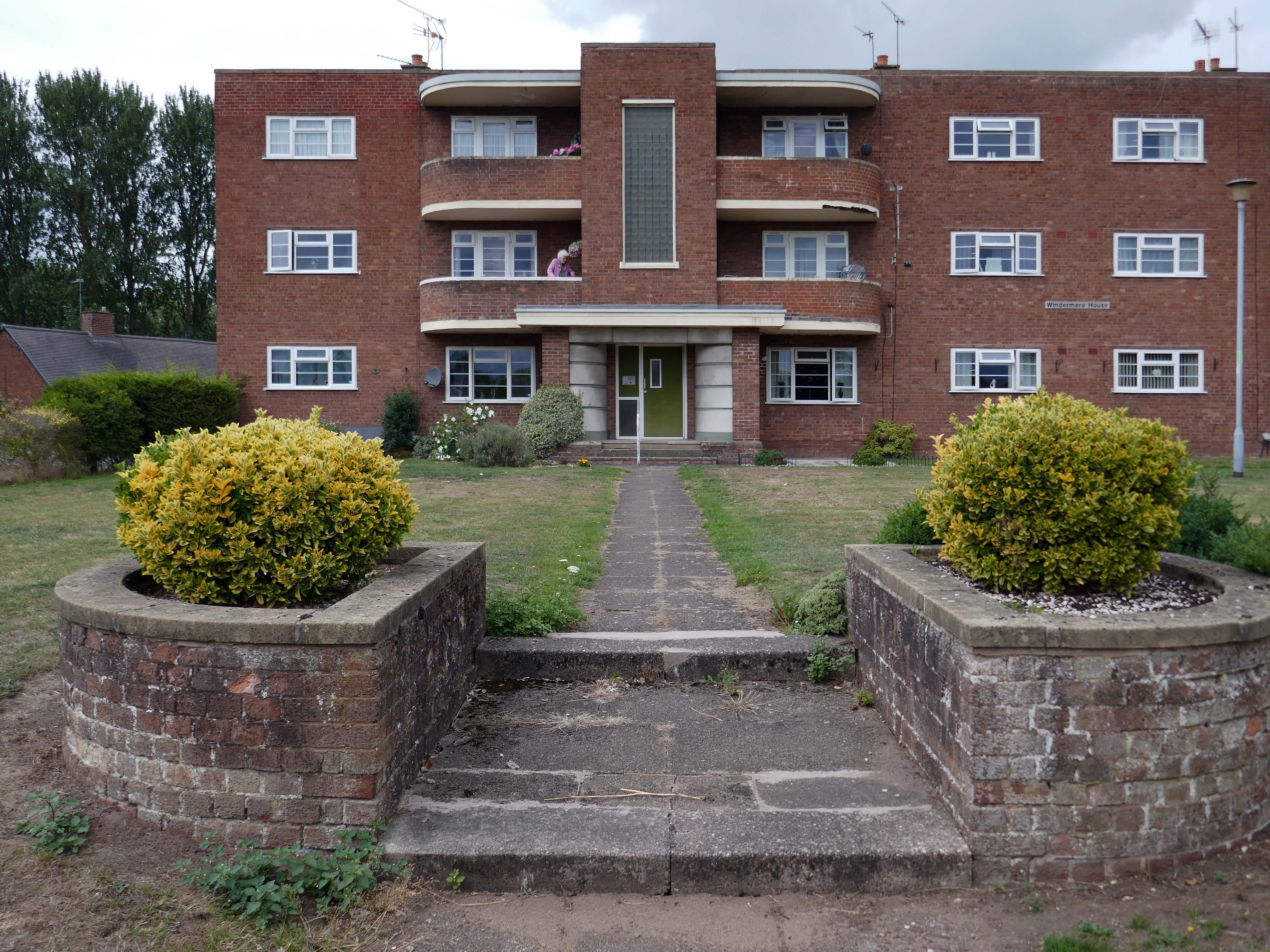
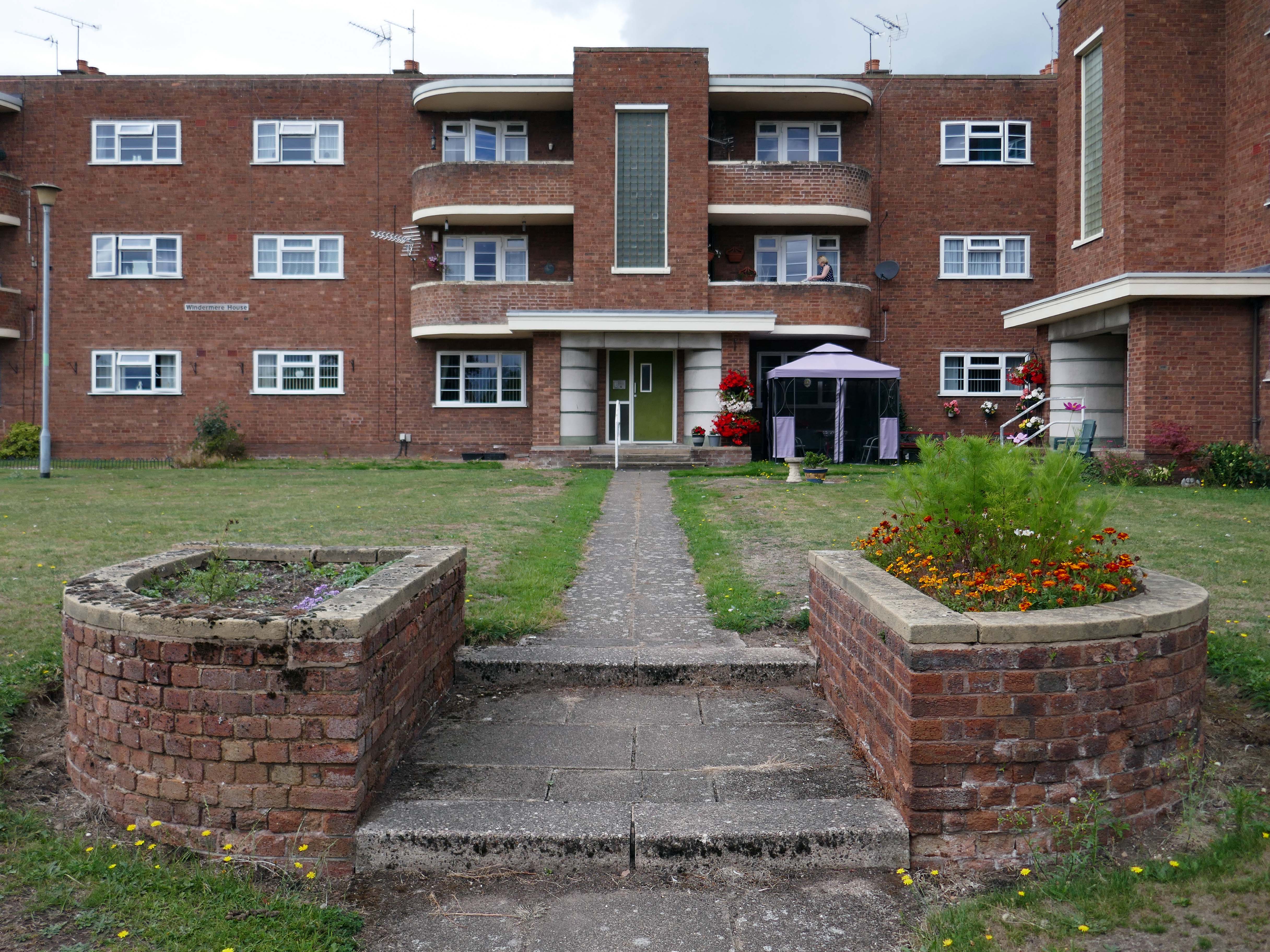
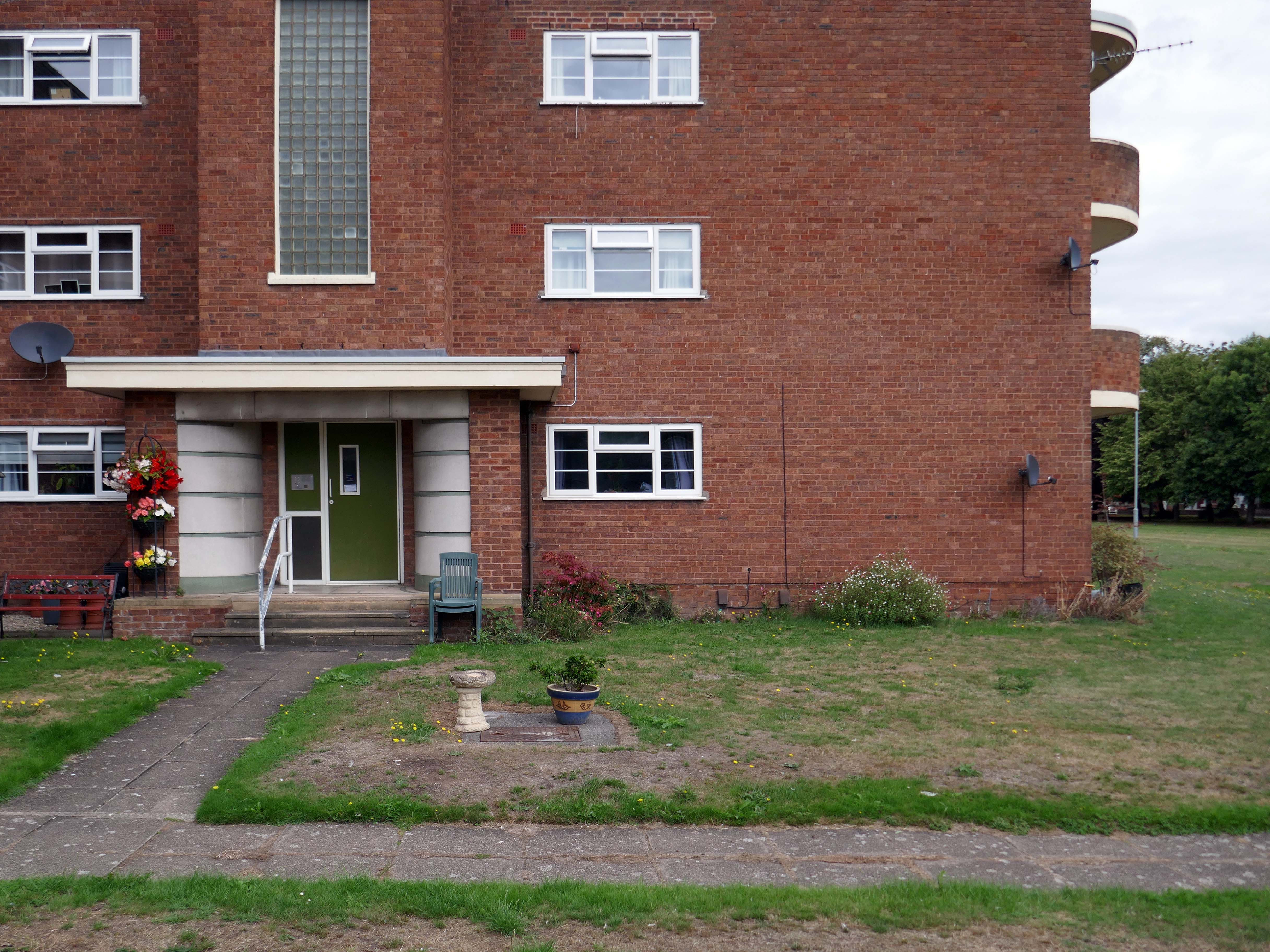
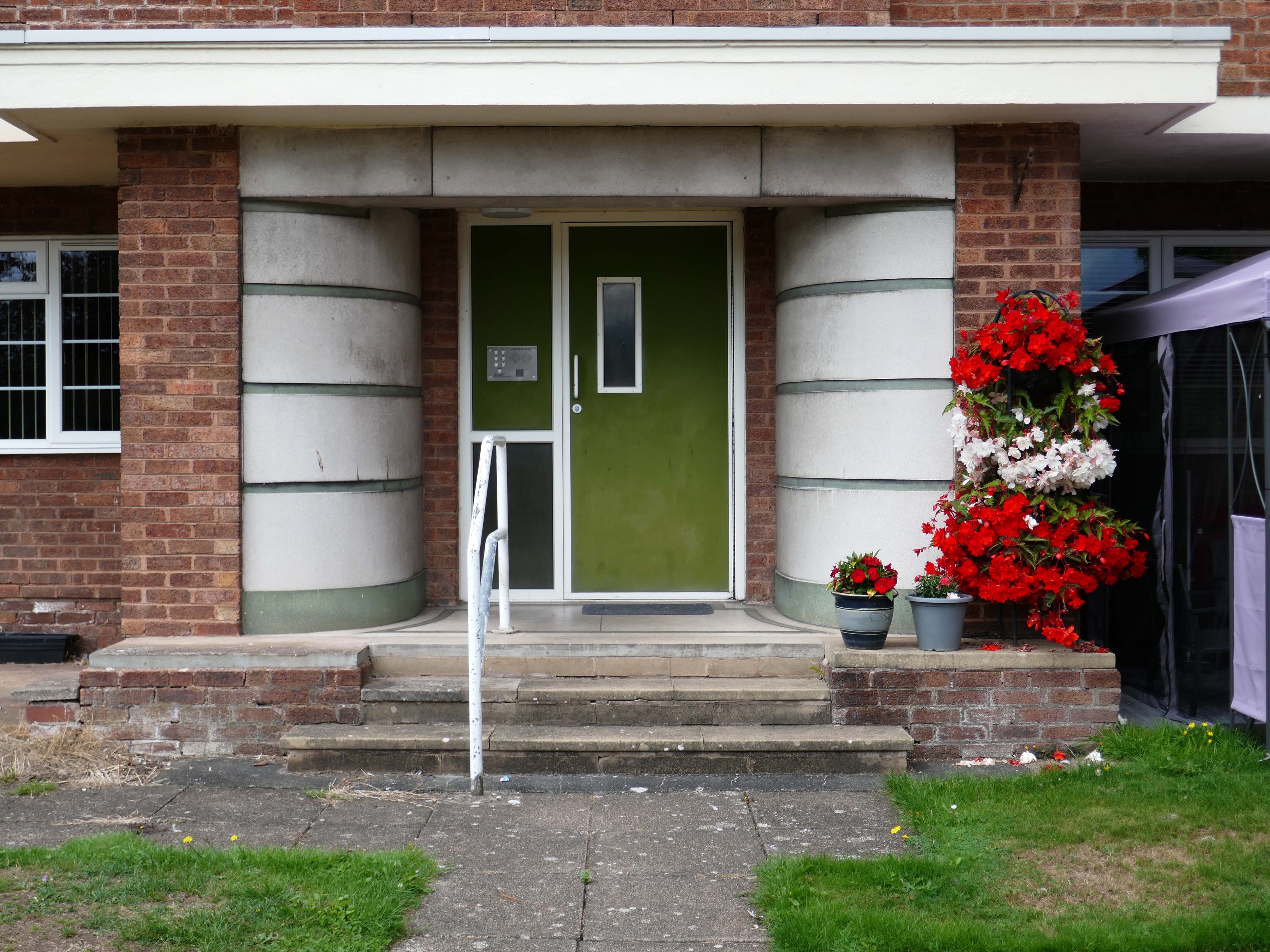
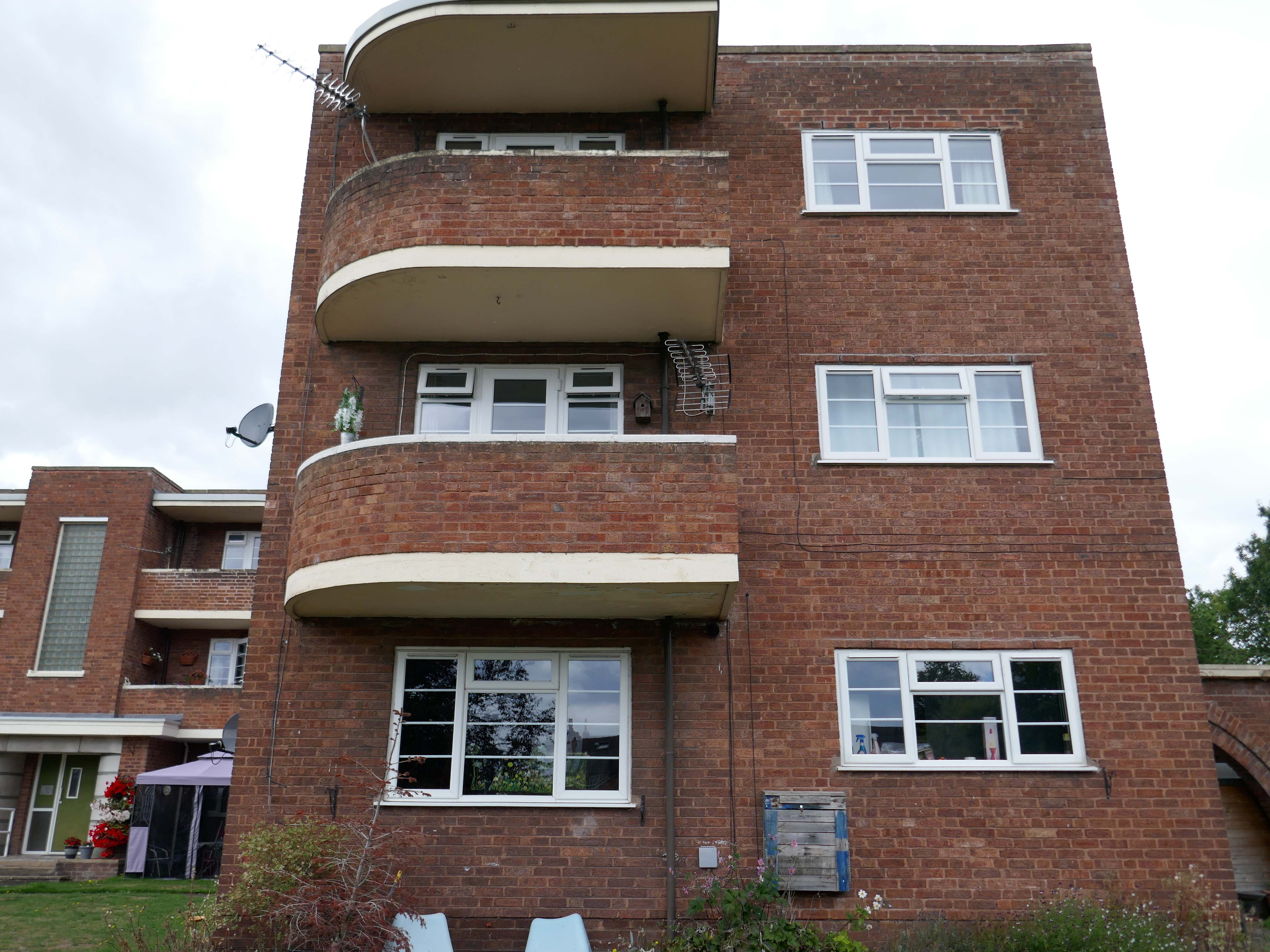
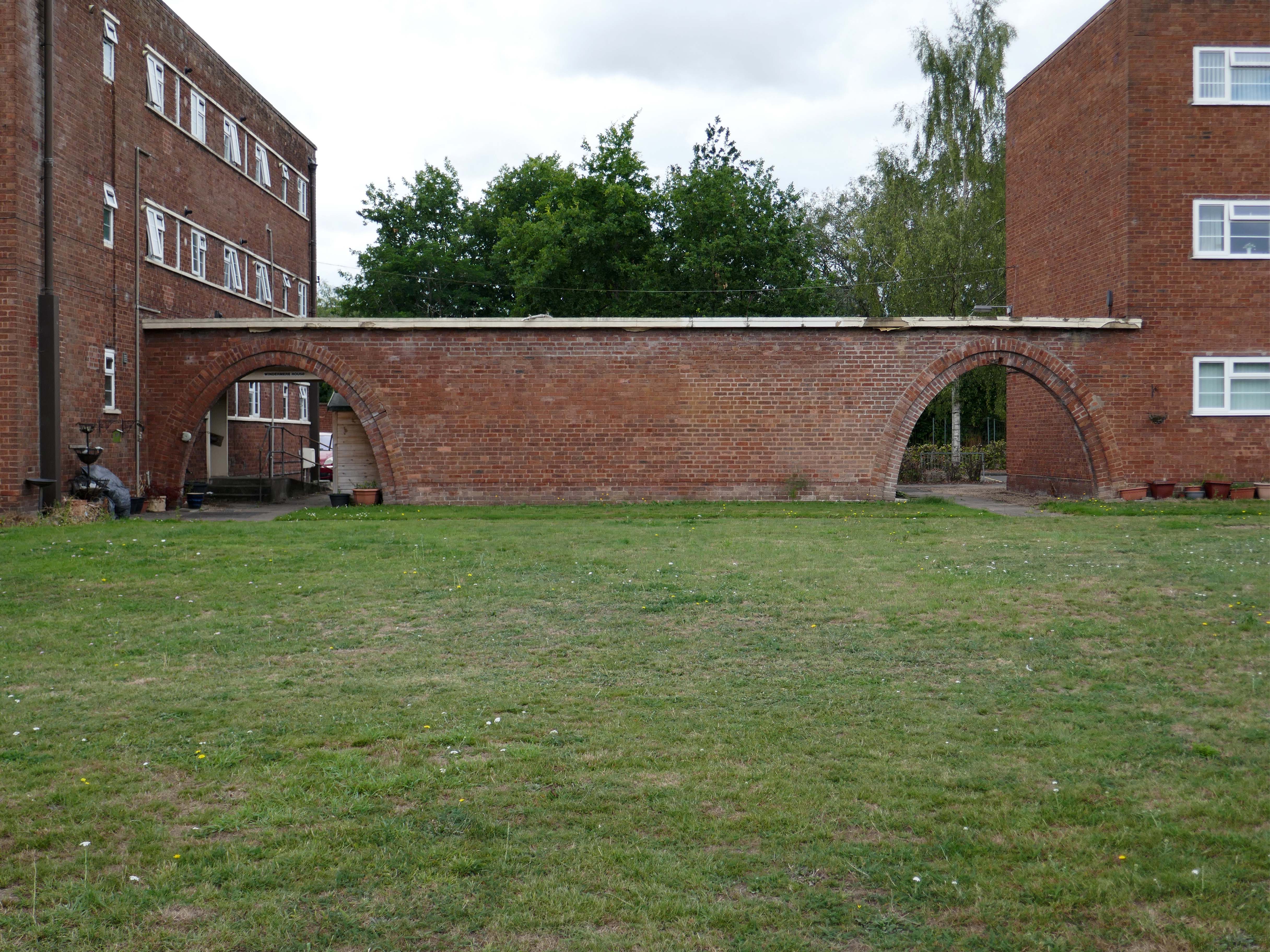
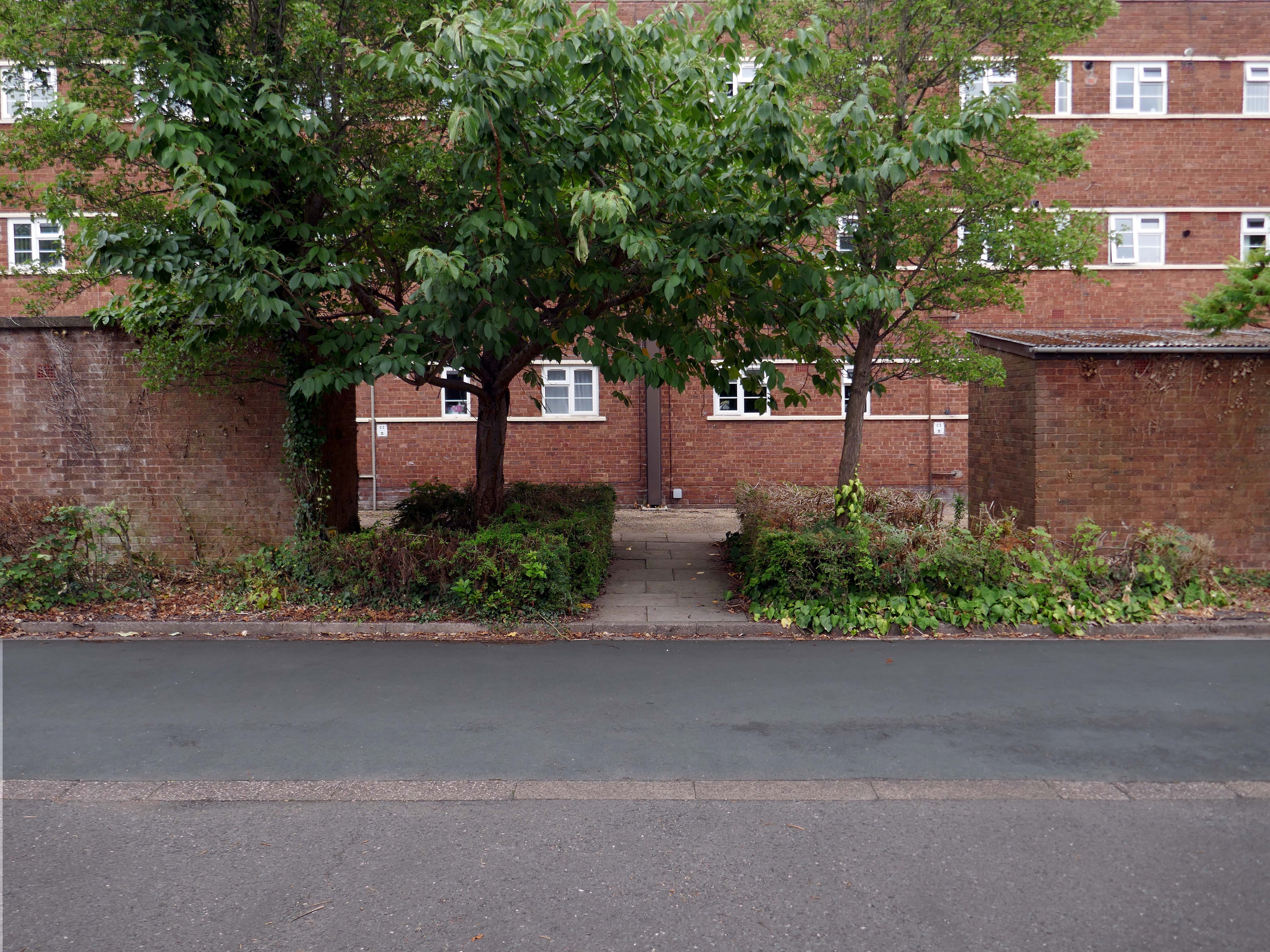
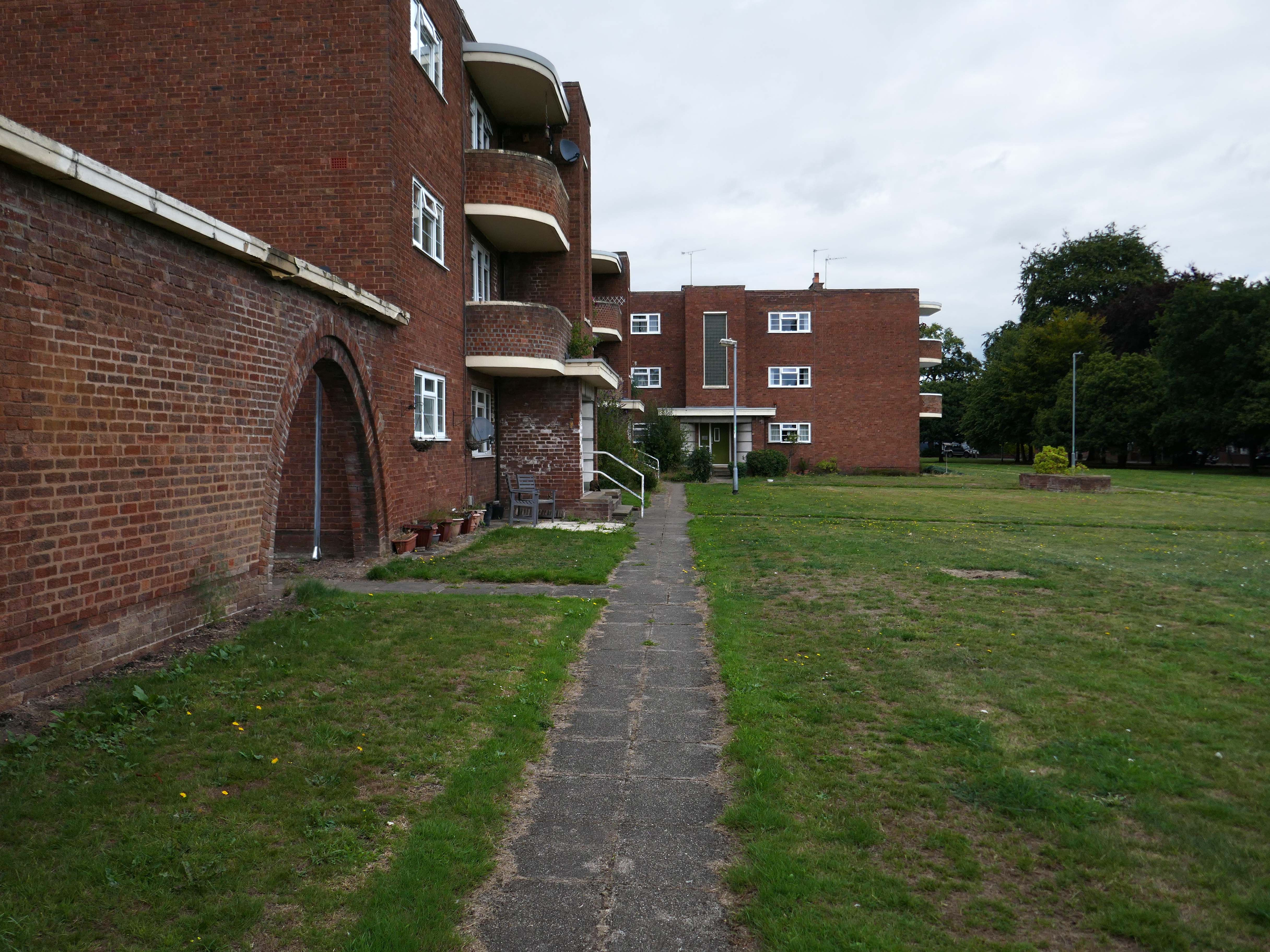
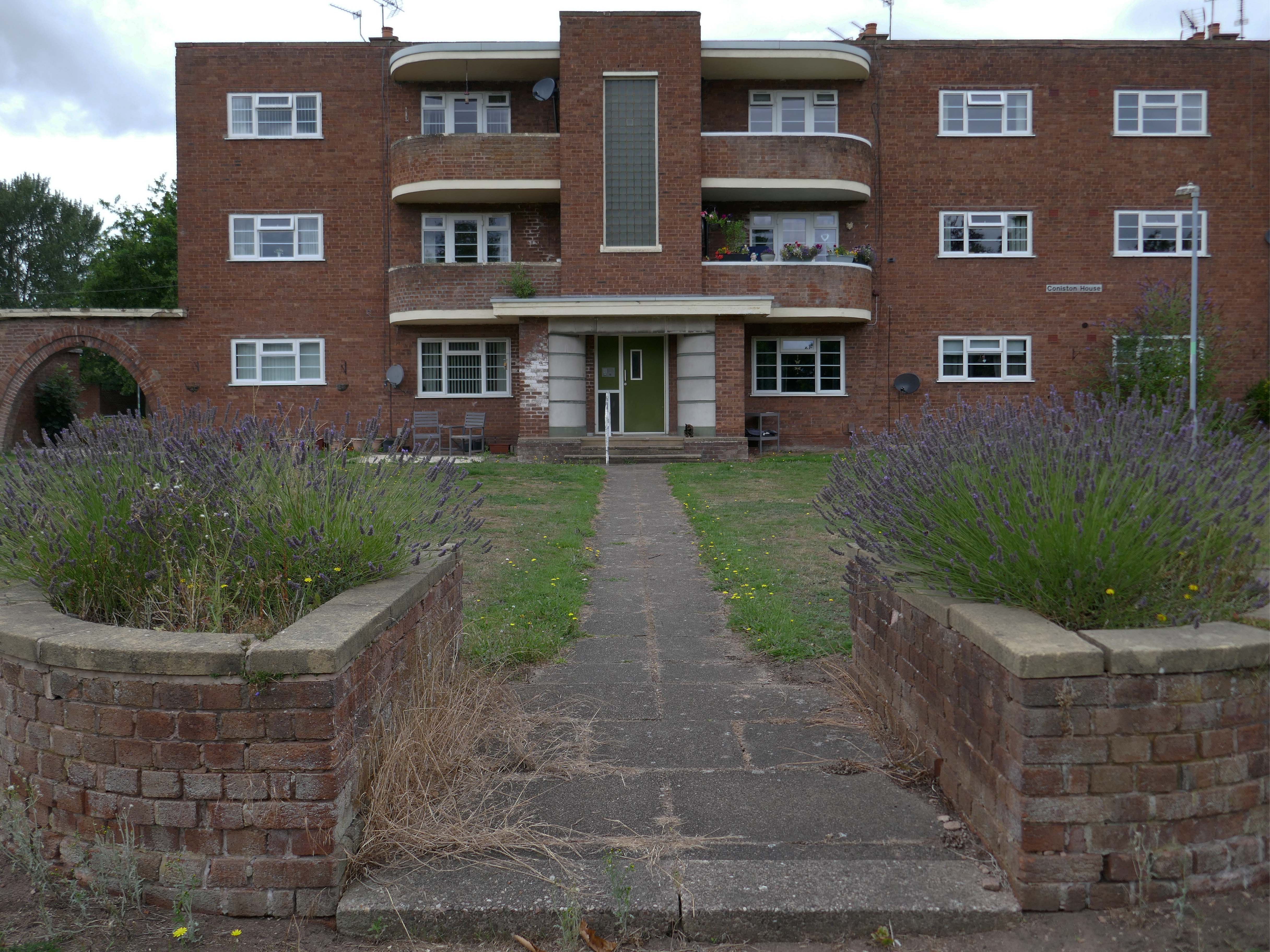
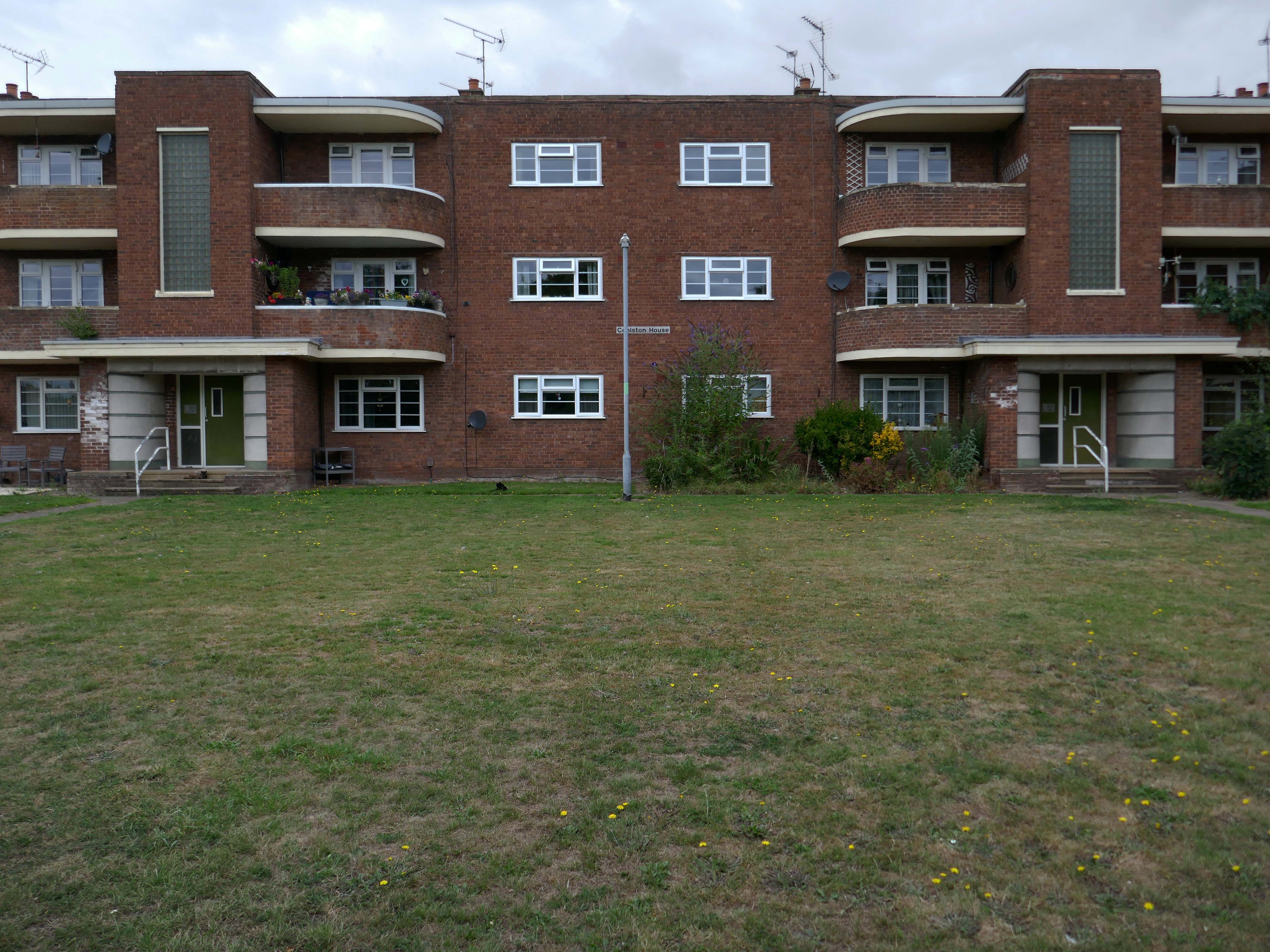
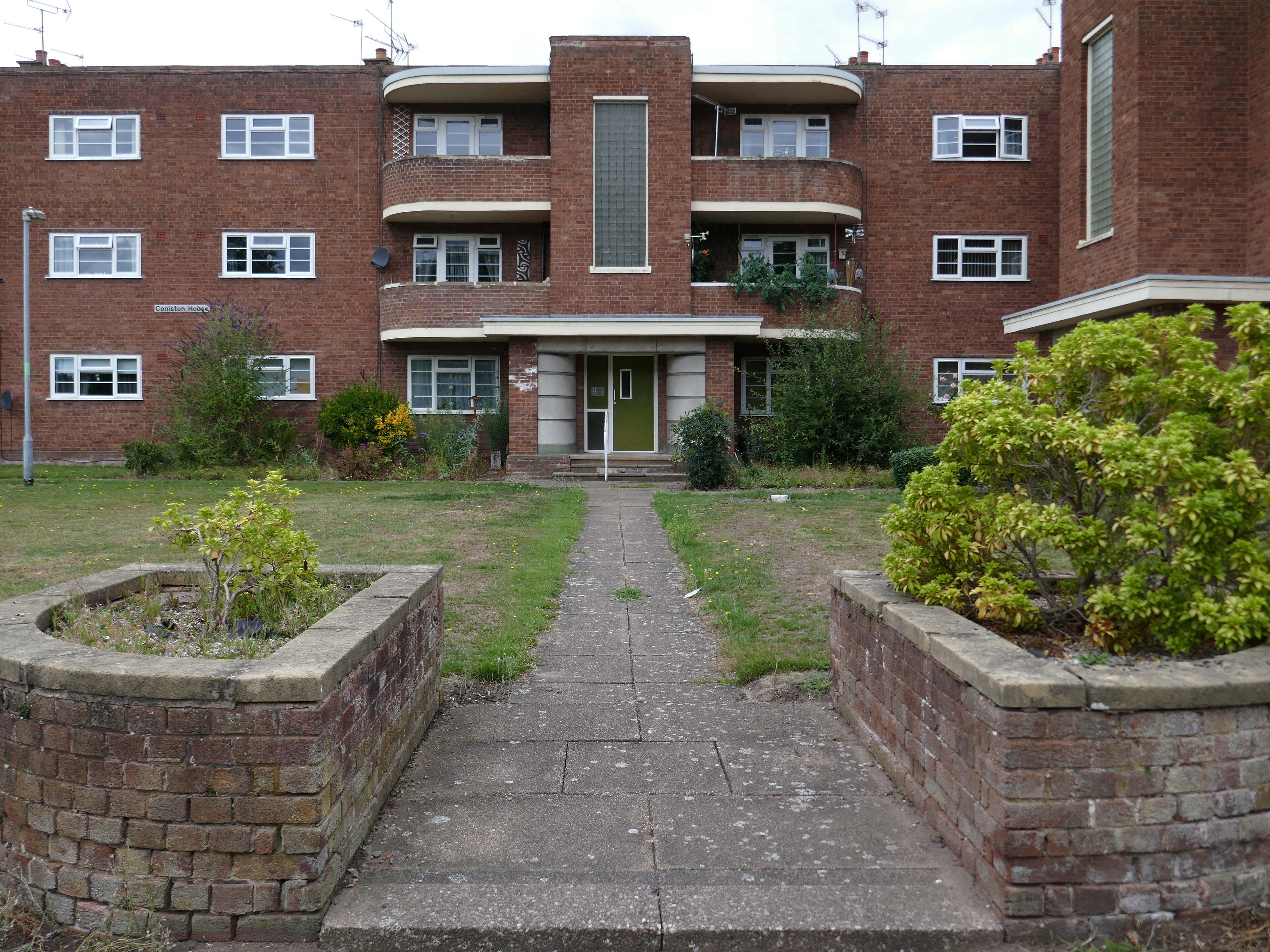
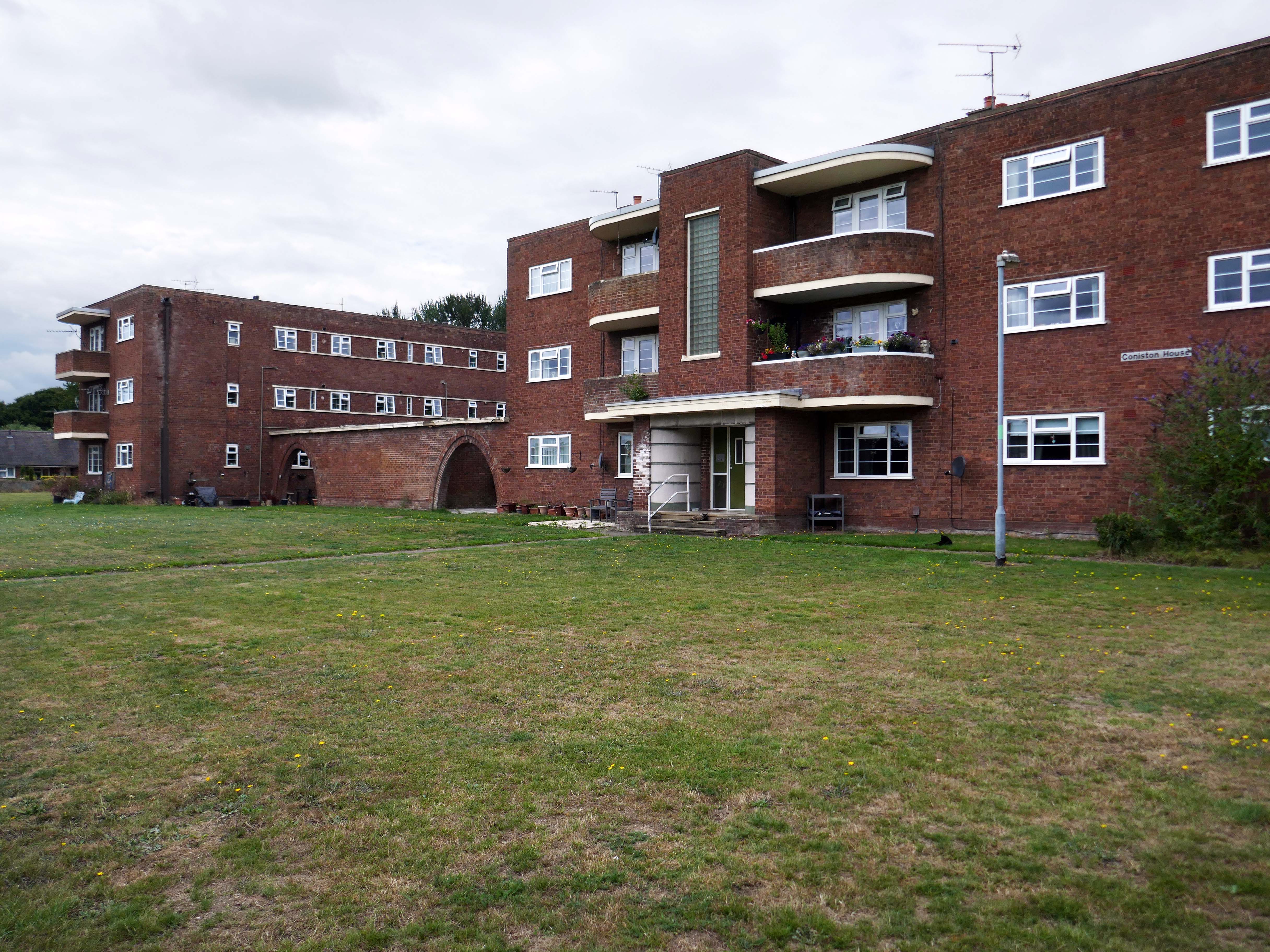
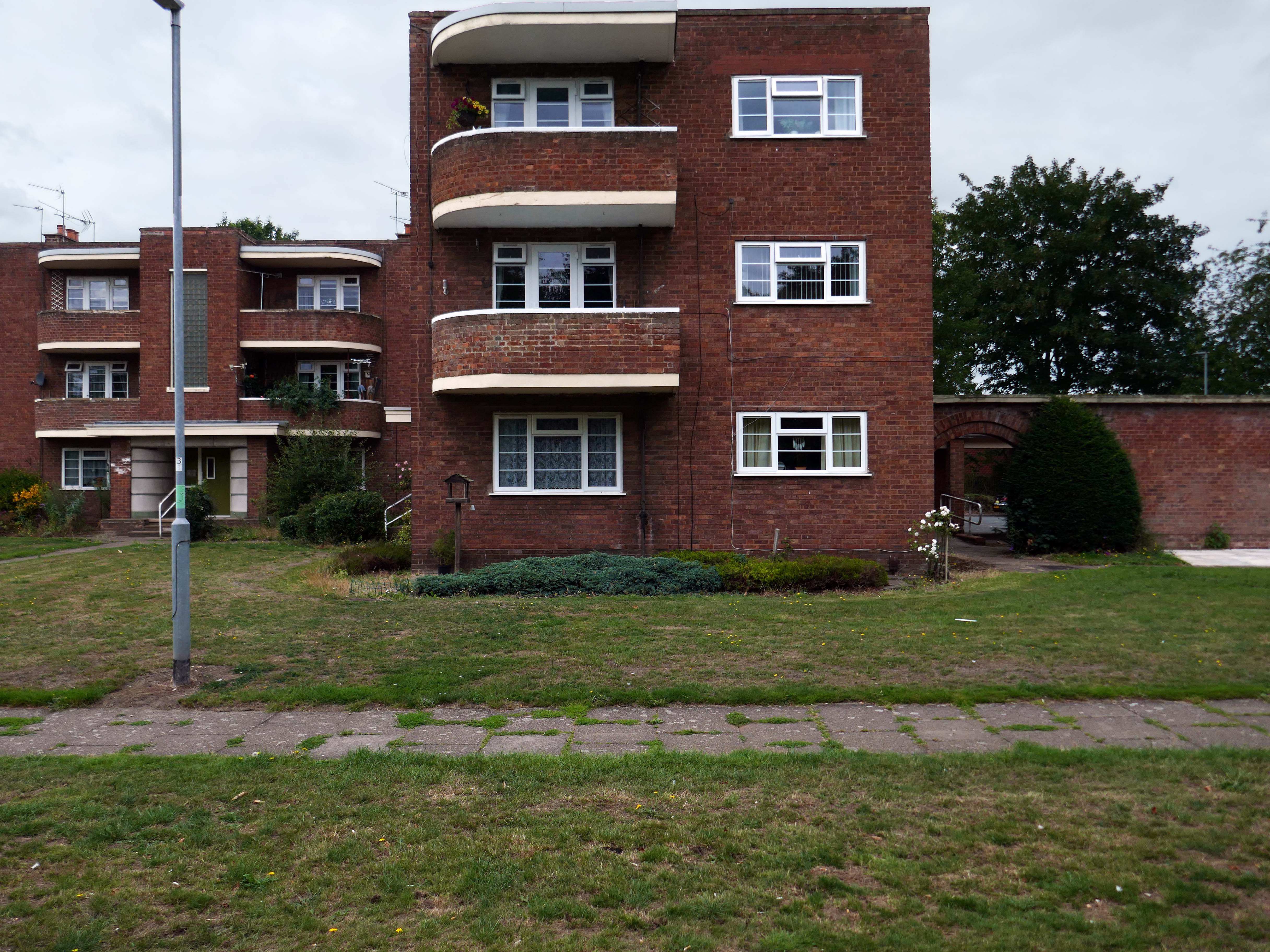
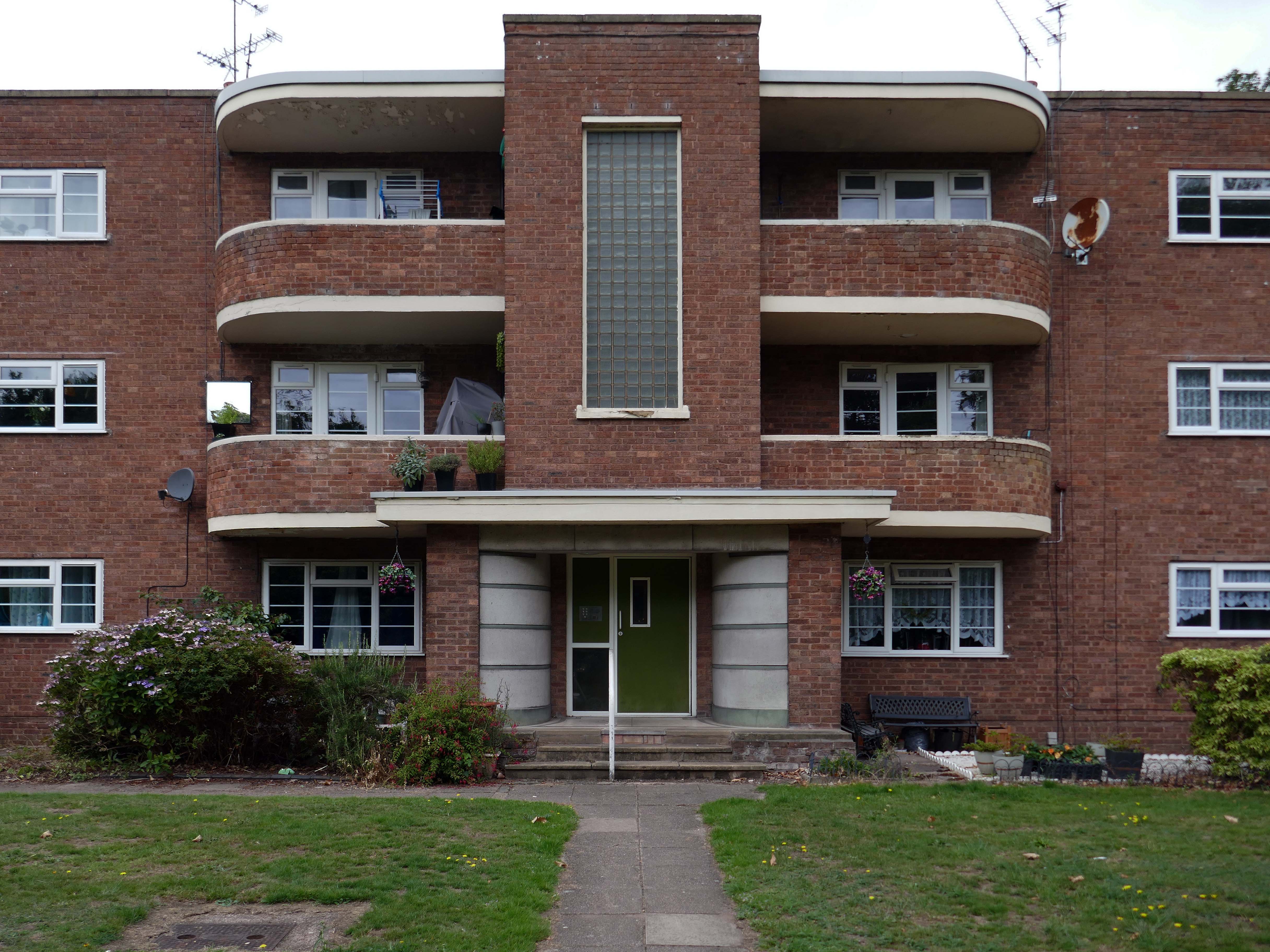
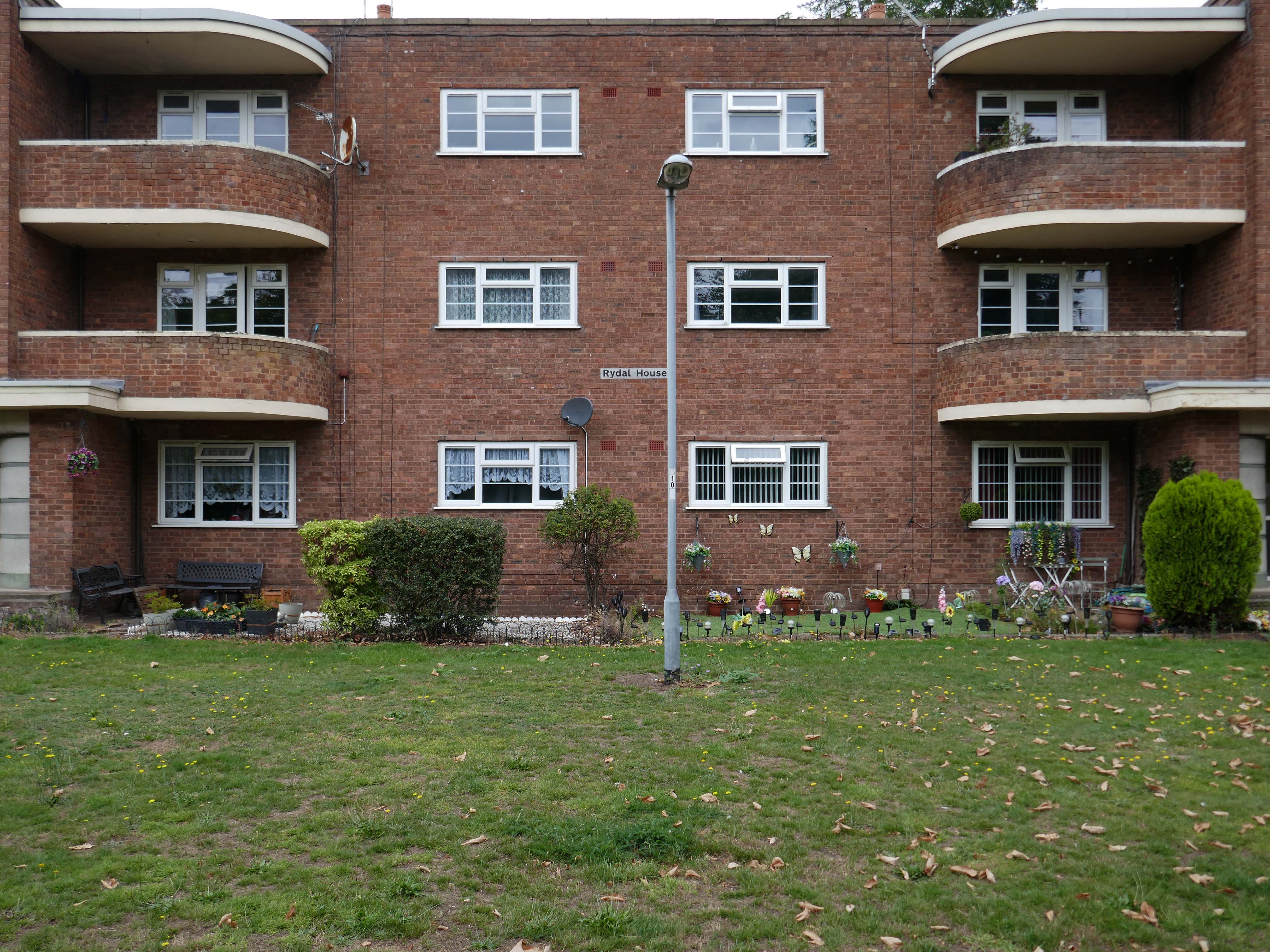
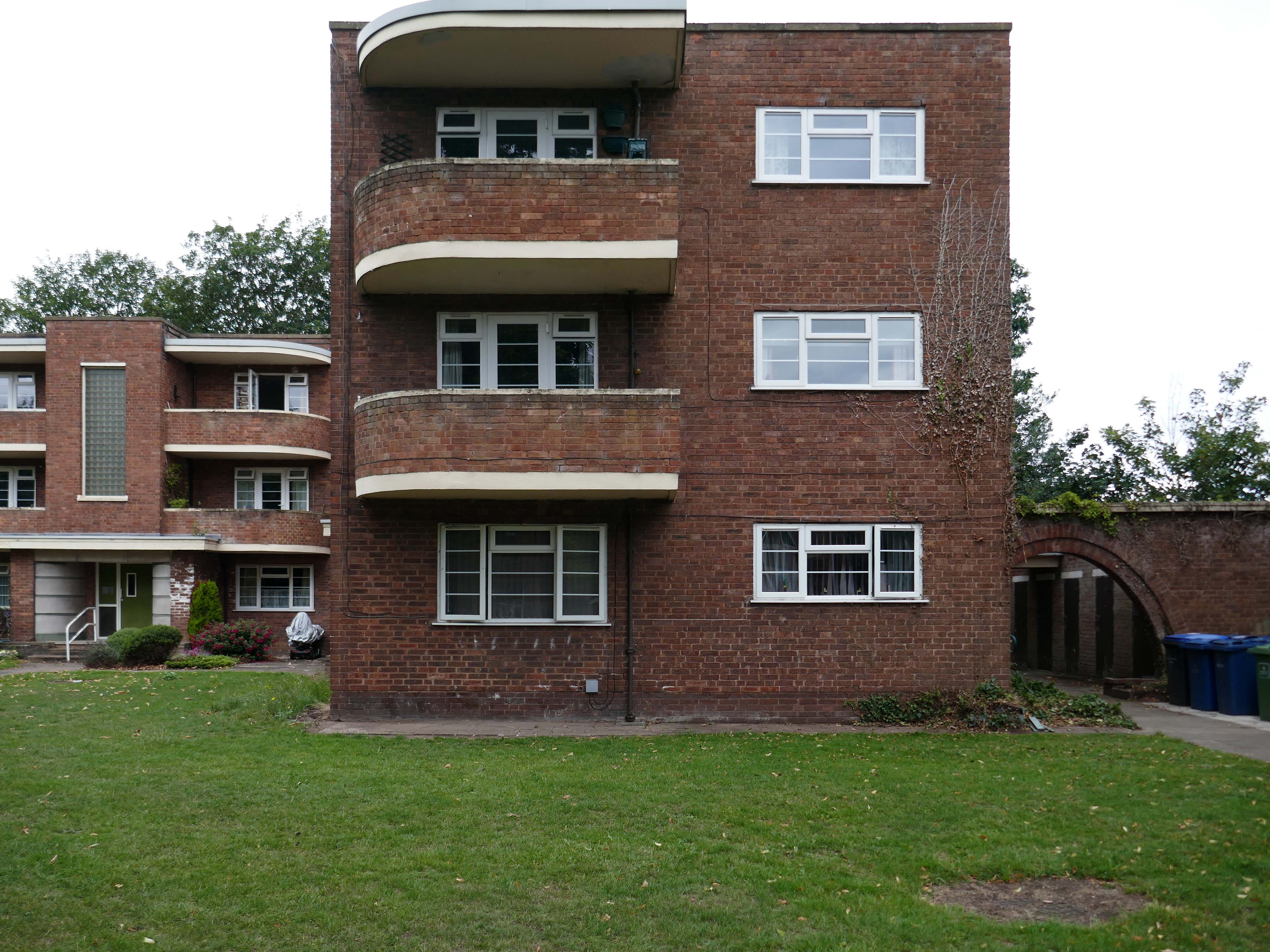
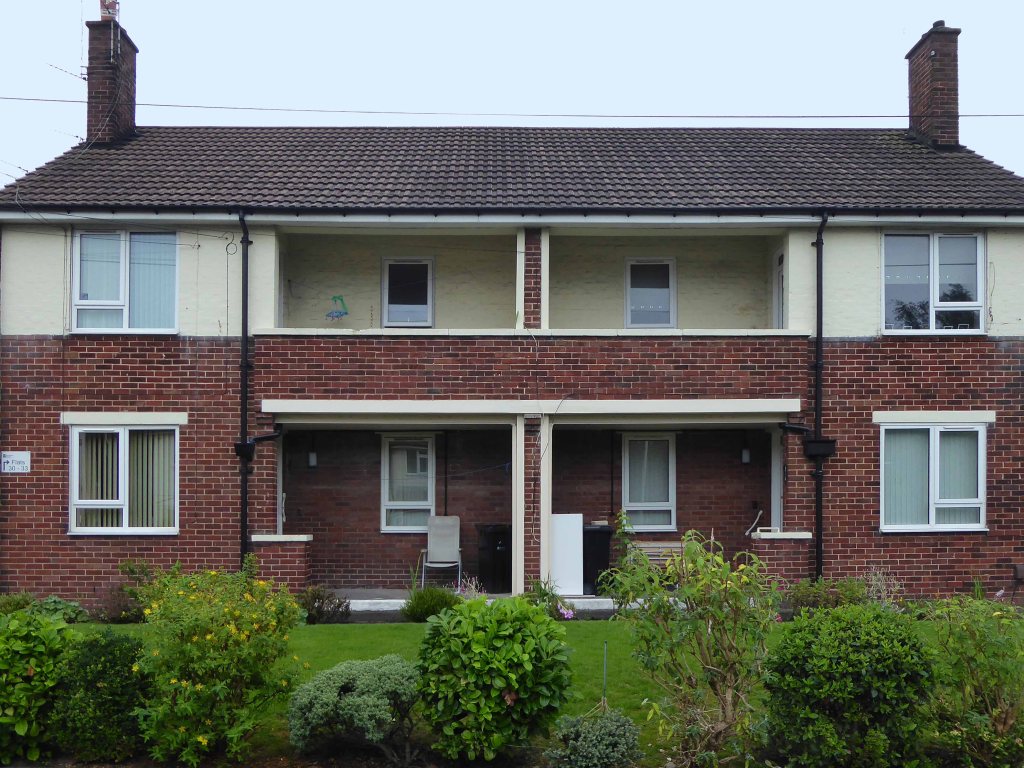
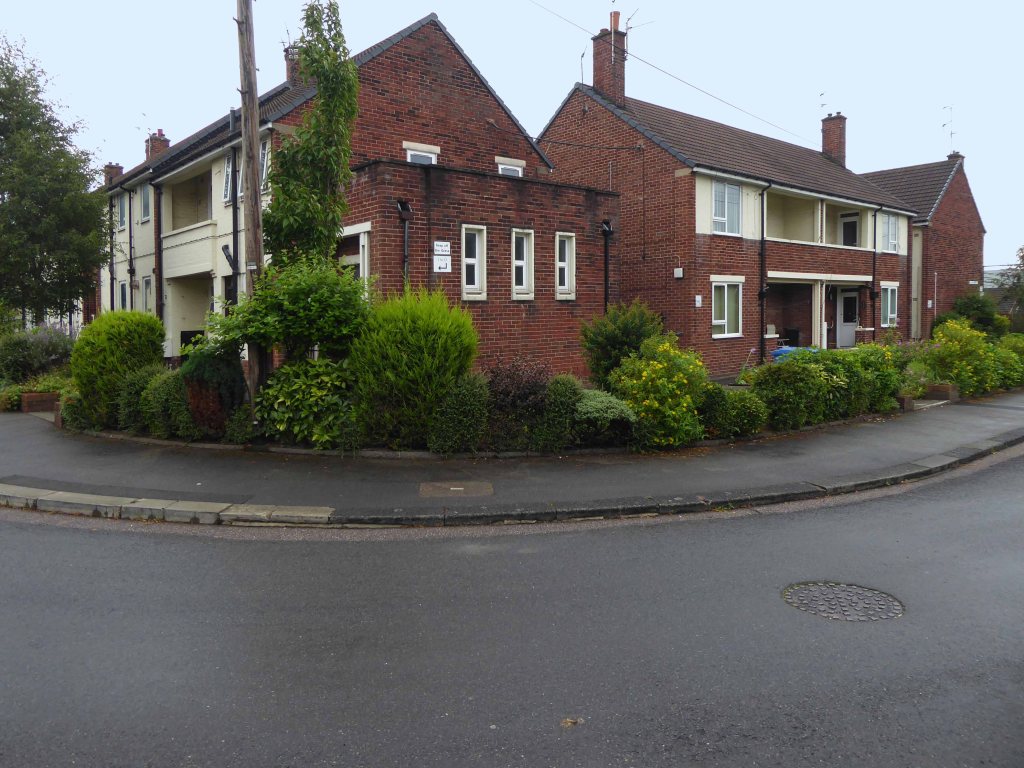
Coniston, Windemere and Rydal were among the first council homes to be built in Stafford, between 1951-52, under the direction of County Architect CM Coombes.
The flats were built as a result of The Housing – Financial and Miscellaneous Provisions Act 1946, which gave subsidies to local authorities to provide social housing. The expansion of the Borough Council’s civic duties included the employment of County Architects, in this case CM Coombes FRIBA, to whom these flats are attributed.
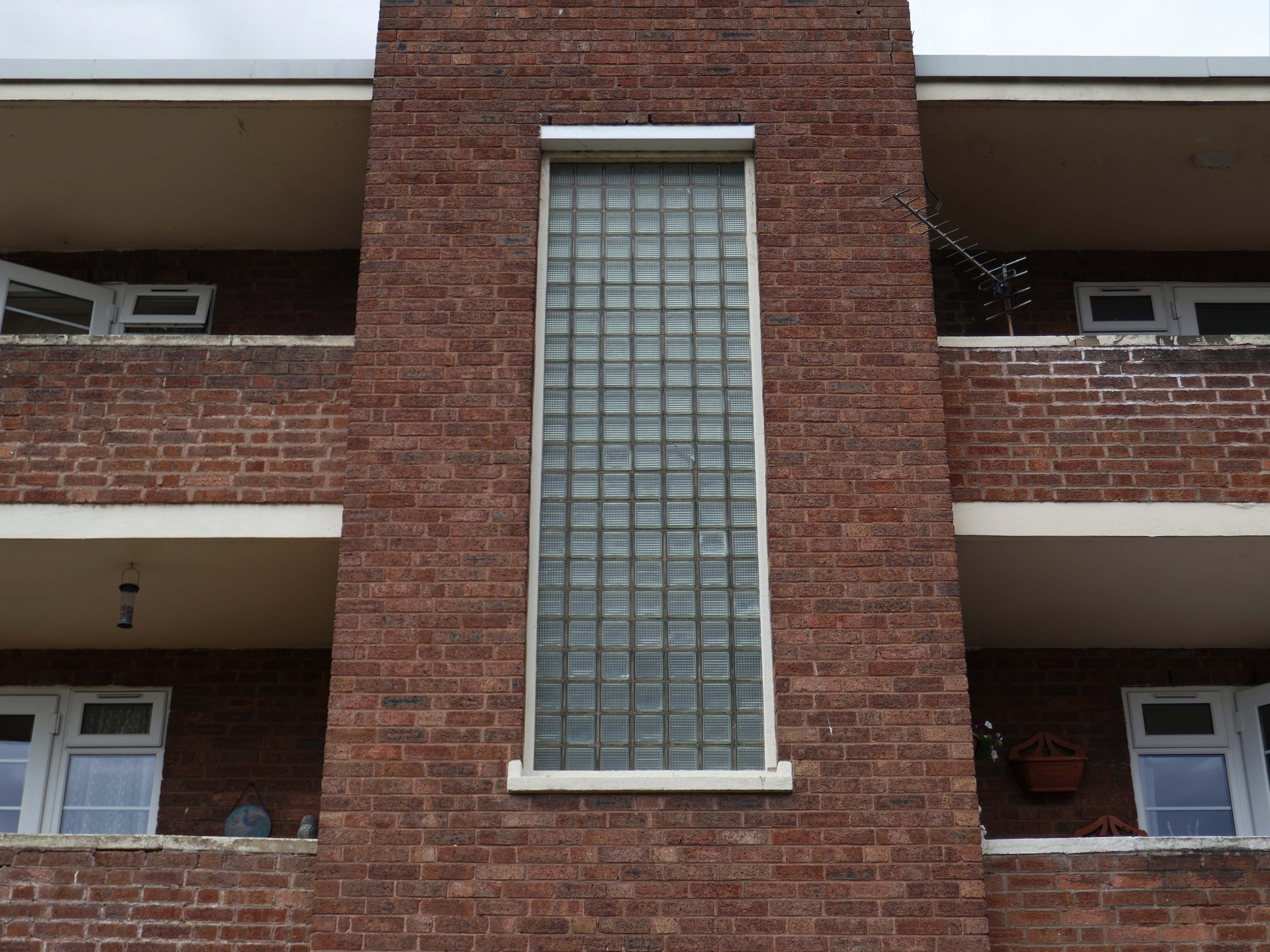
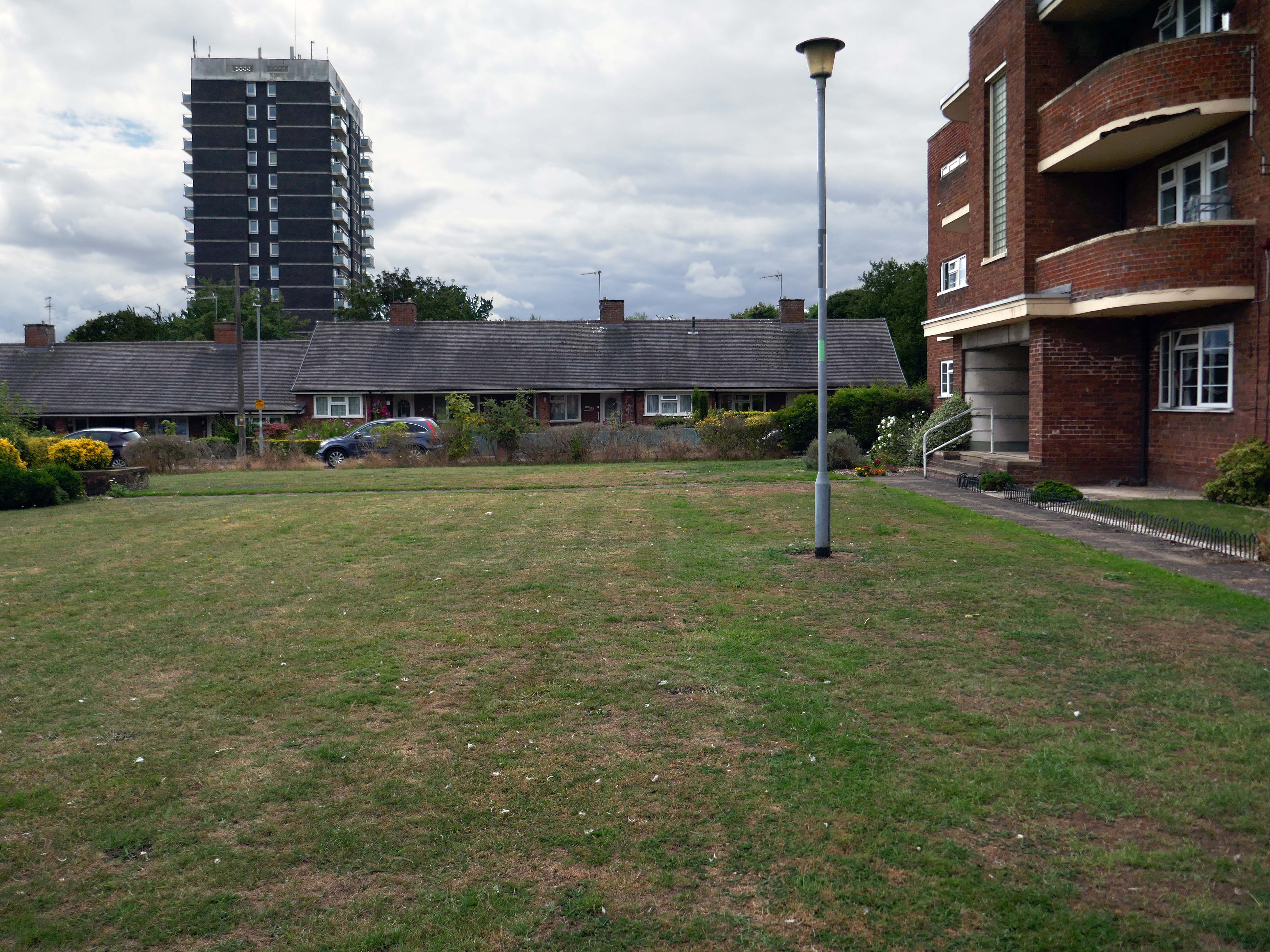
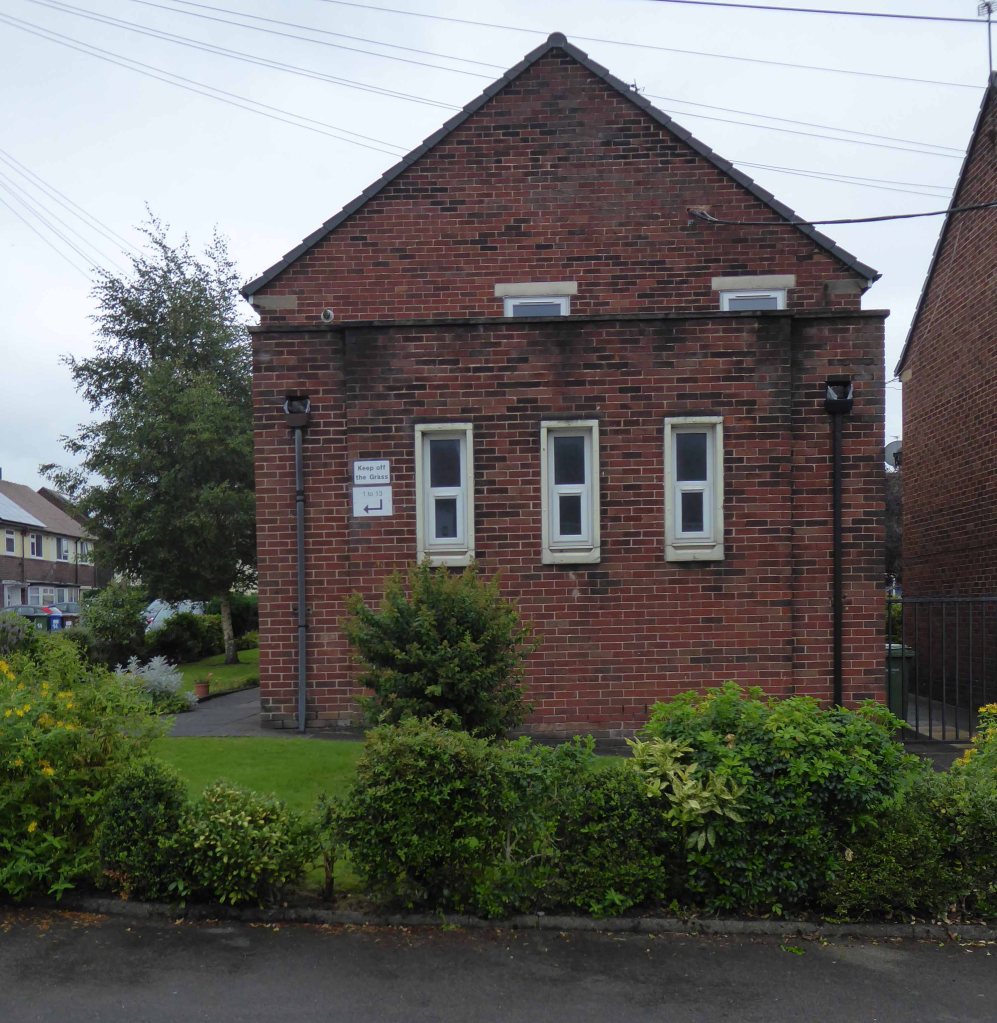
54 flats were built in total, to a distinctly Modernist design, and their appearance and setting are very well preserved.
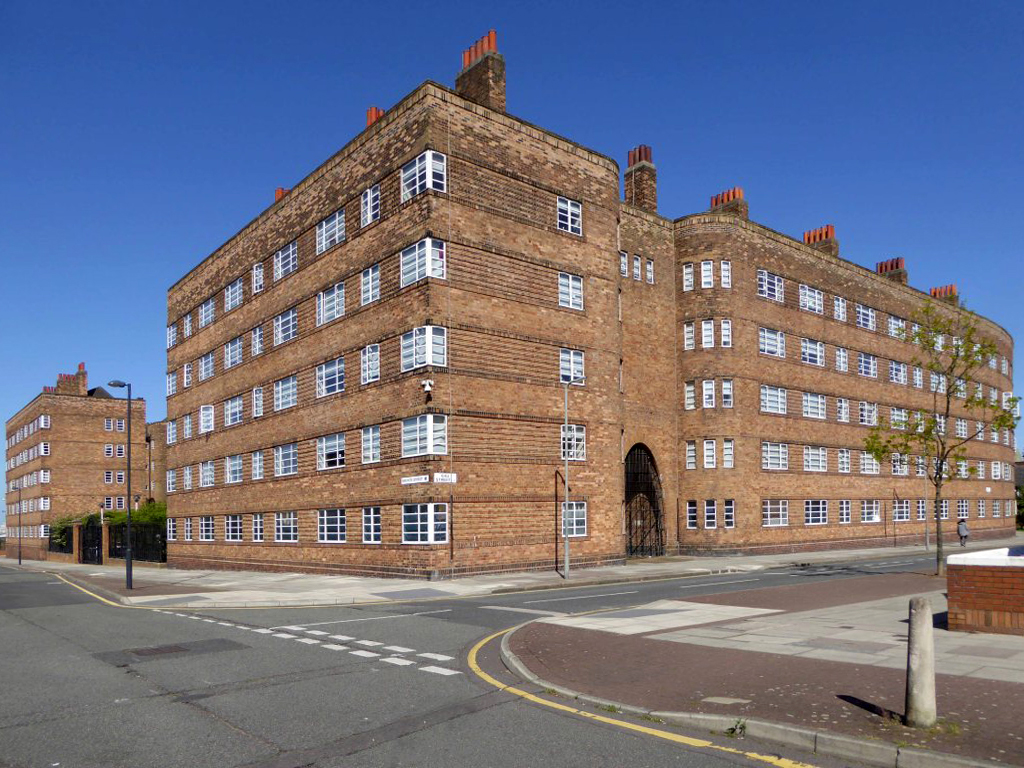
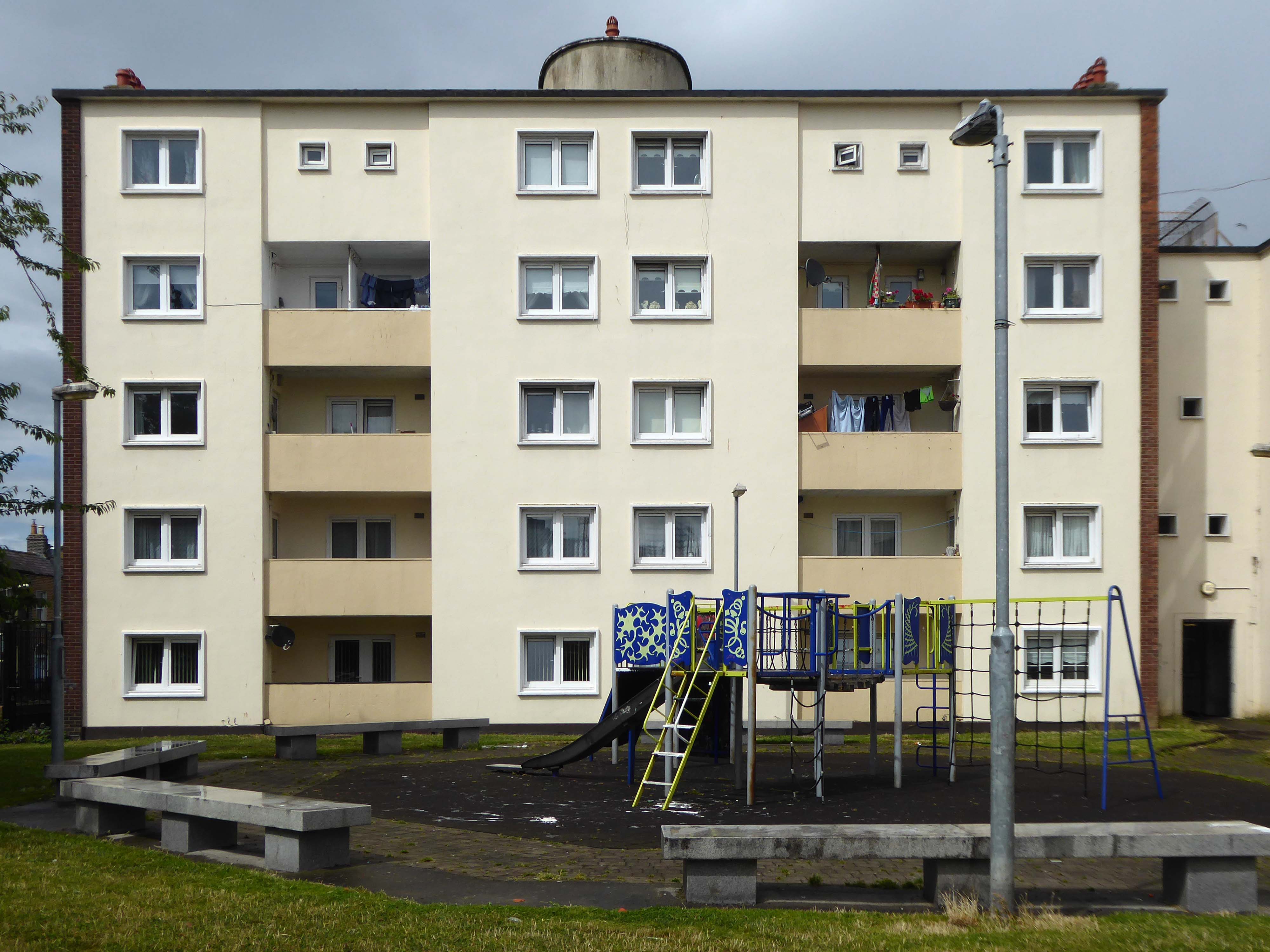
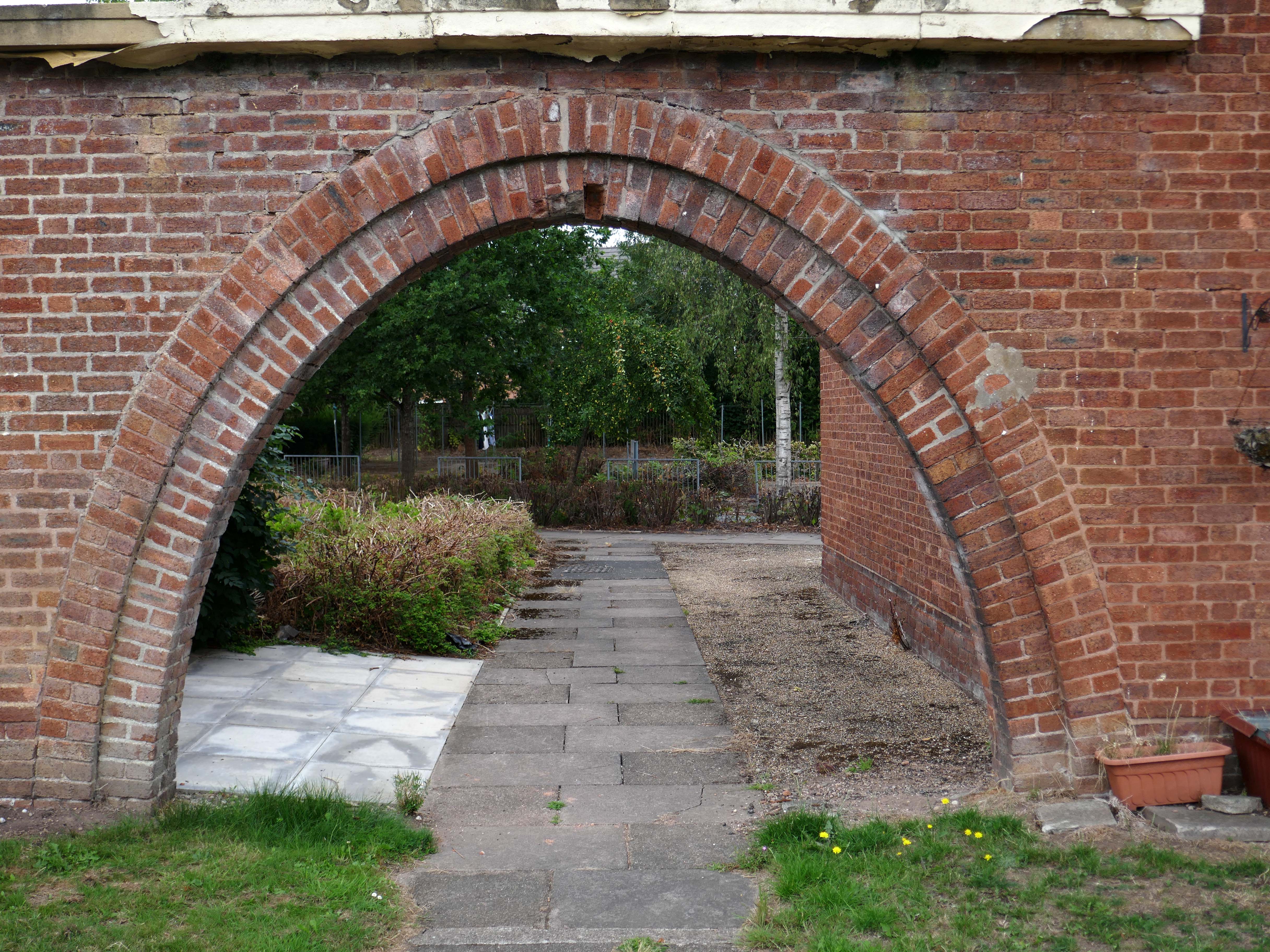
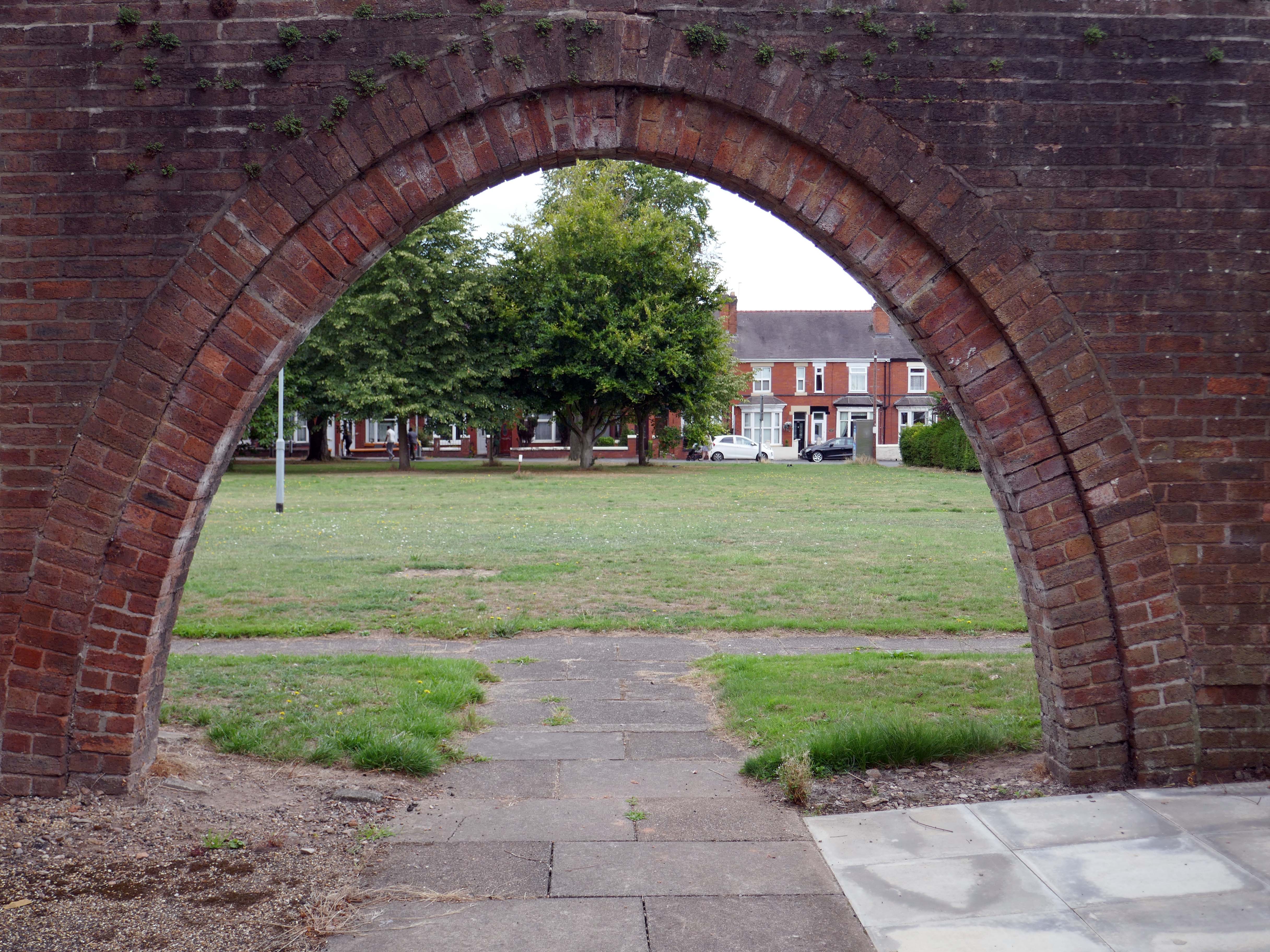
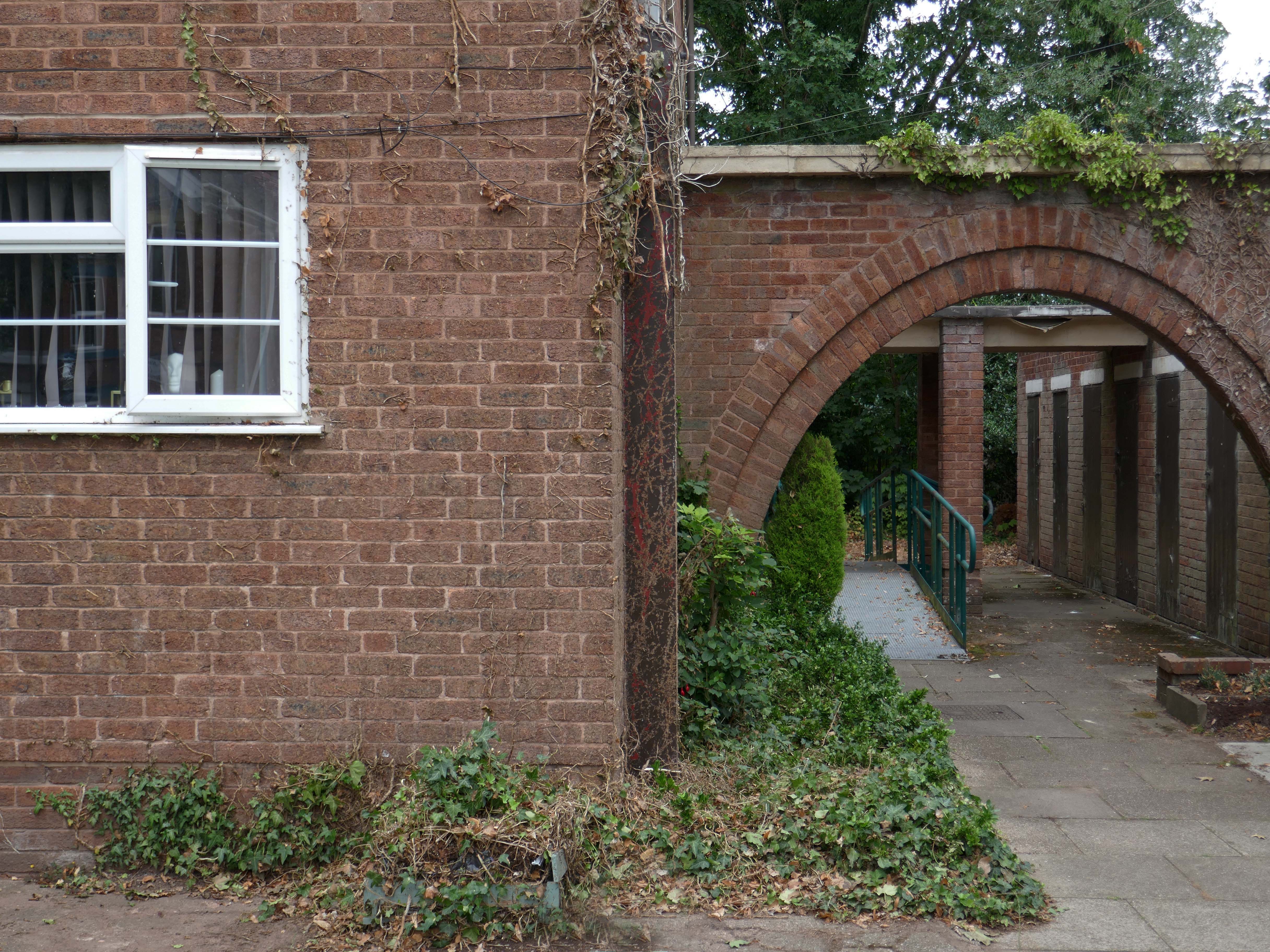
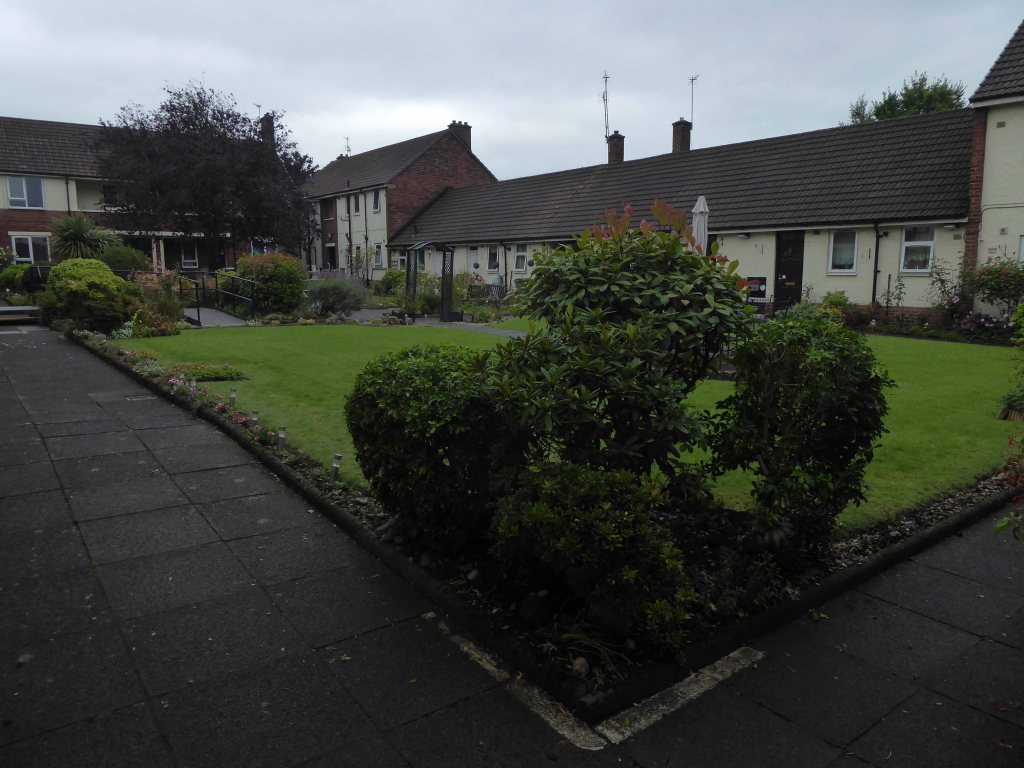
Whilst there are some common stylistic characteristics the Corporation Street Flats are of a more modest order. There are communal areas and a grassed apron, balconies and arched passages.
Over time the standard of maintenance seems to have declined, and the Crittall Windows have been replaced by white uPvc, where once there was a bowling green, this is now roughly mown and unused.
Walking along Rochdale Road yesterday, I was suddenly arrested by the Pleasant Street street sign.
Having already been suddenly arrested last week, by the Bland Close street sign.
With my expectations defined by the above definition, I ventured along the street in search of happy satisfaction.
Coincidentally – The 18th century entrepreneur Josiah Wedgwood pioneered many of the marketing strategies used today, including the satisfaction or you money back guarantee, on the entire range of his pottery products. The money-back guarantee was also a major tool of early US mail order sales pioneers in the United States such as Richard Sears and Powel Crosley Jr. to win the confidence of consumers.
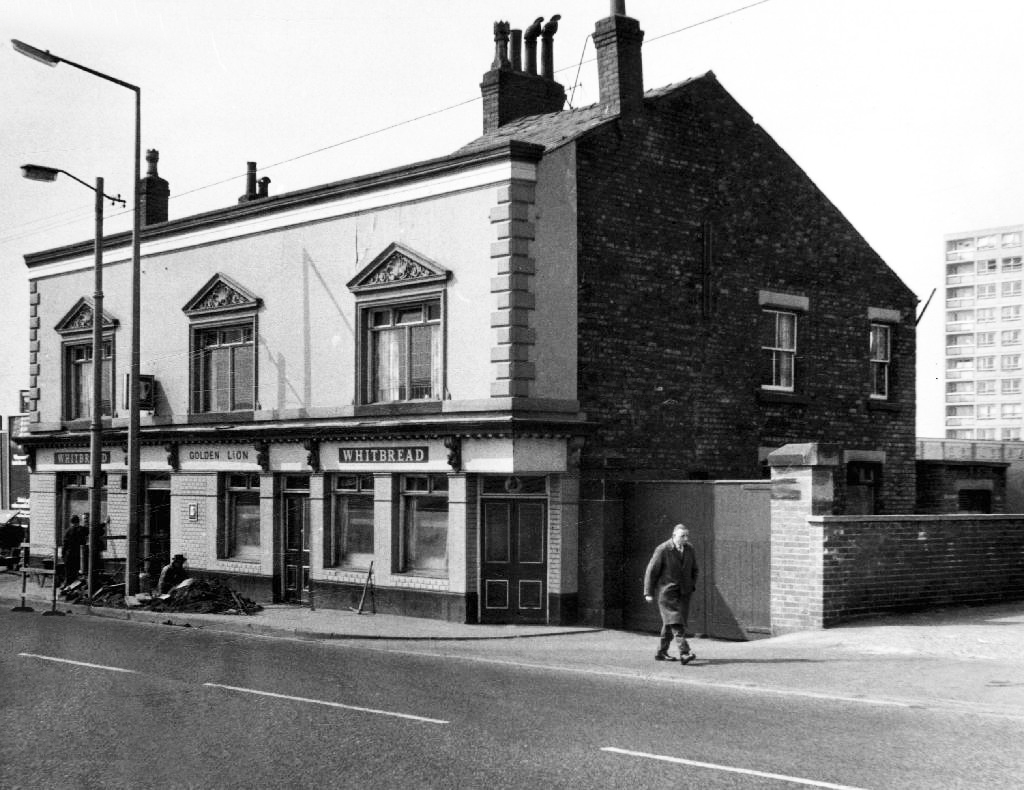
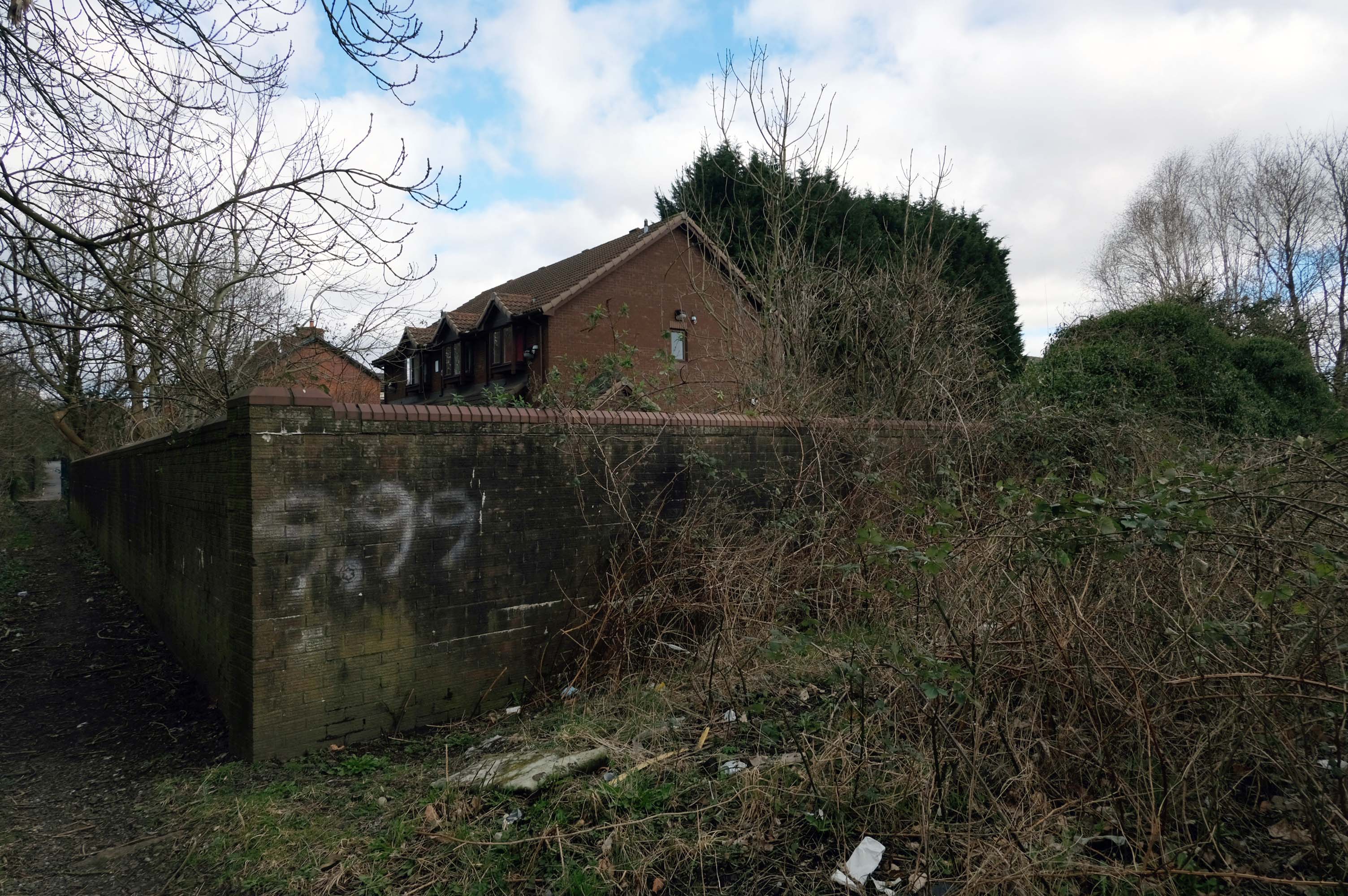
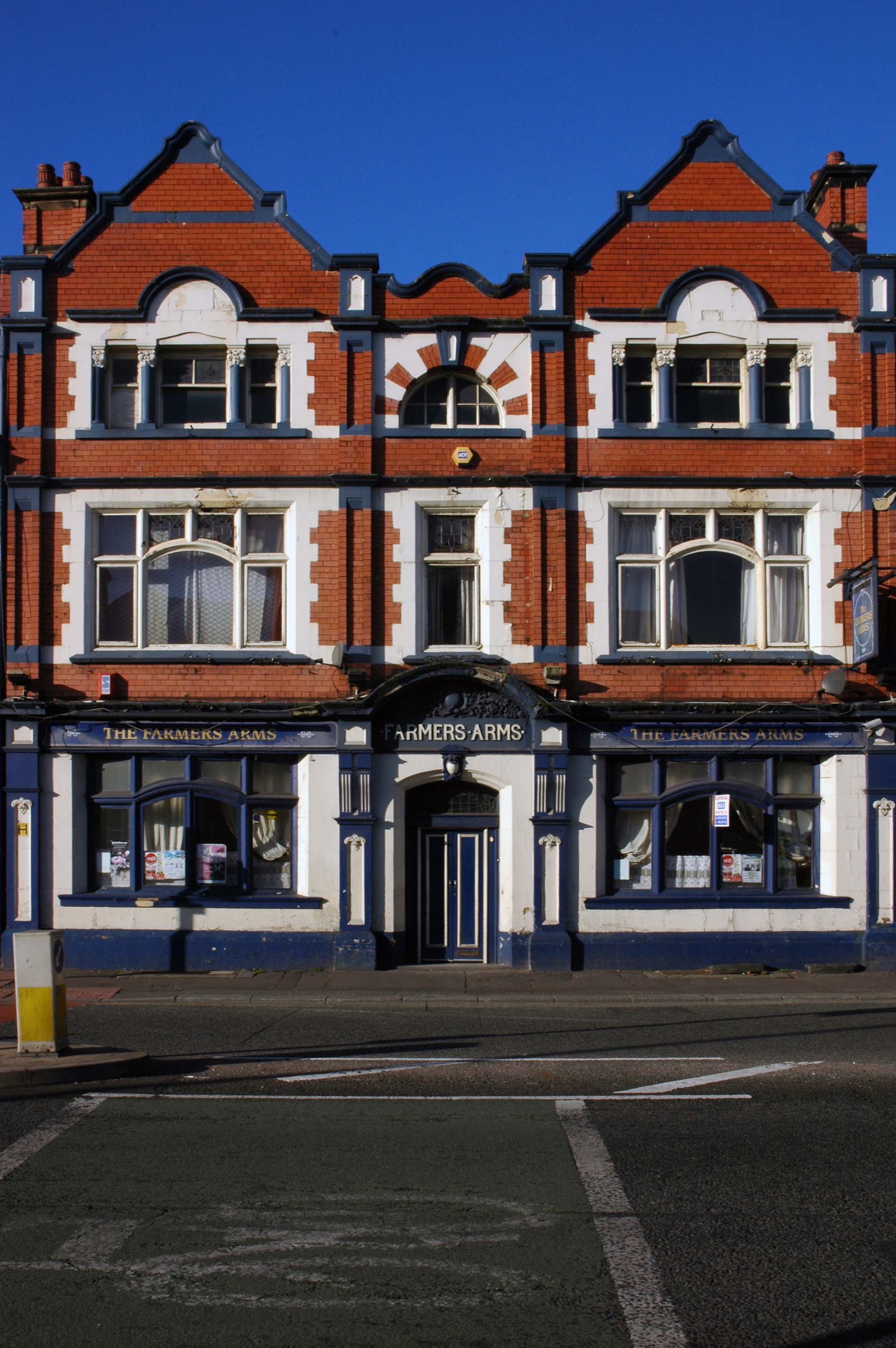
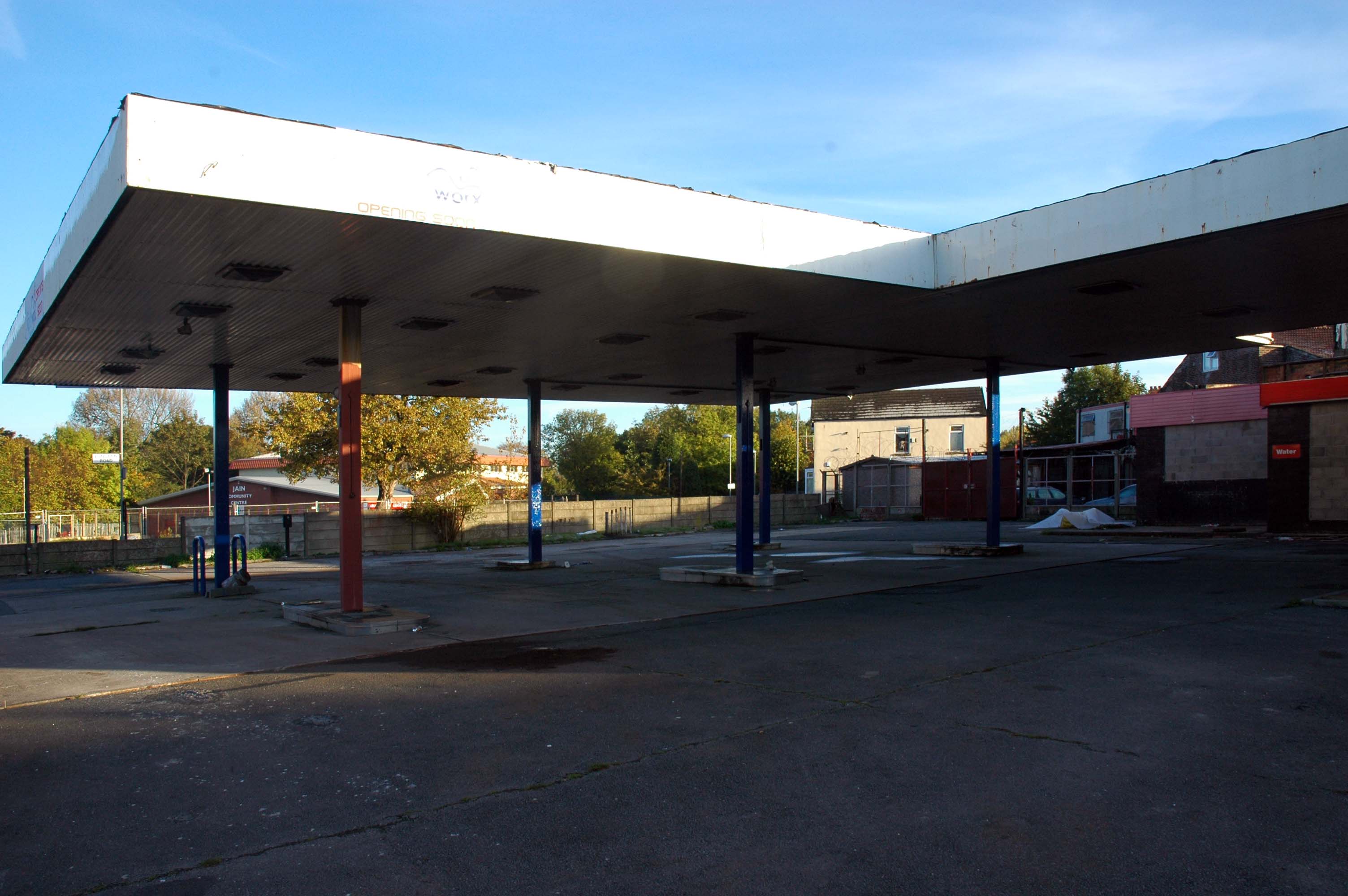
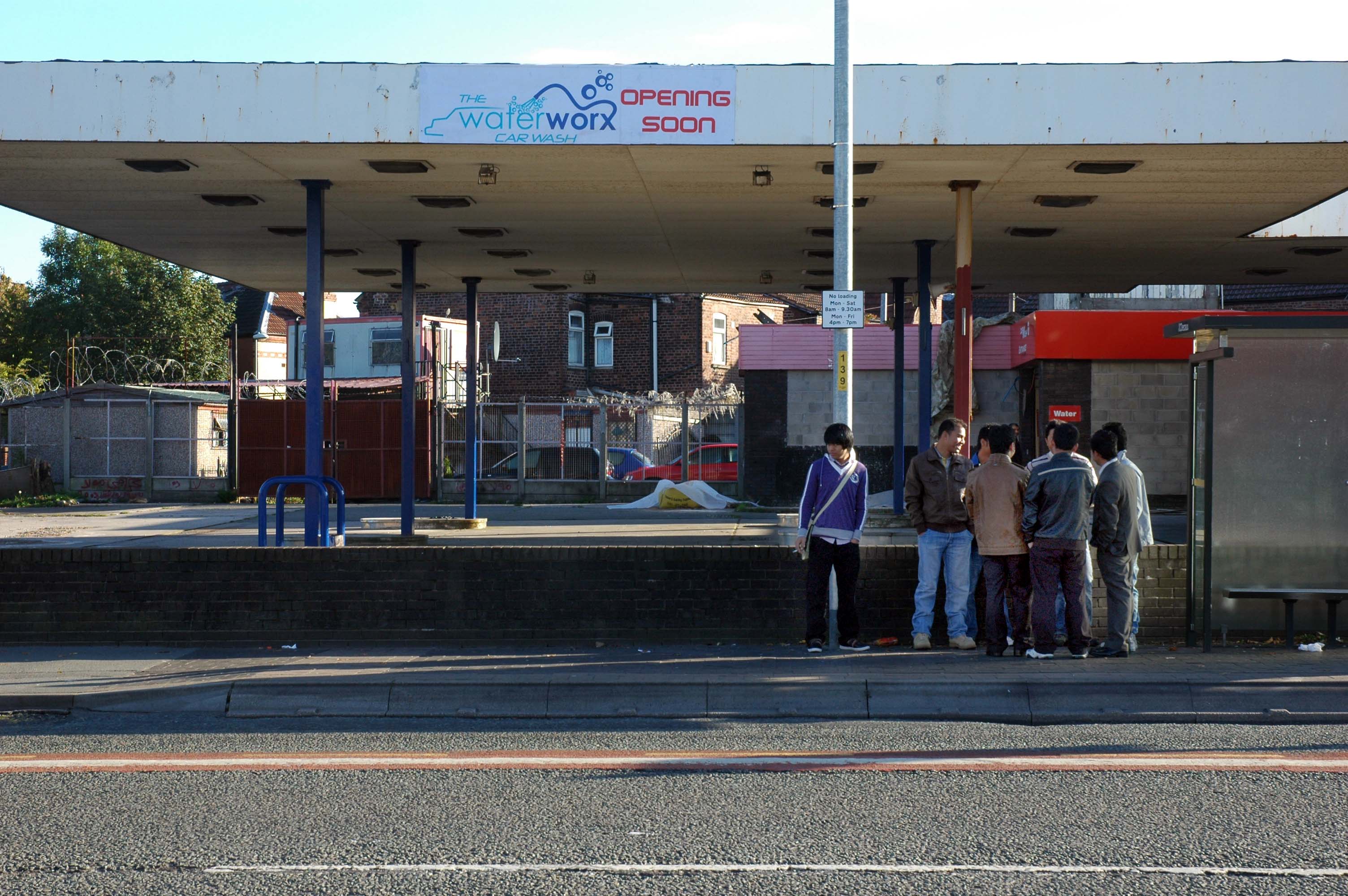
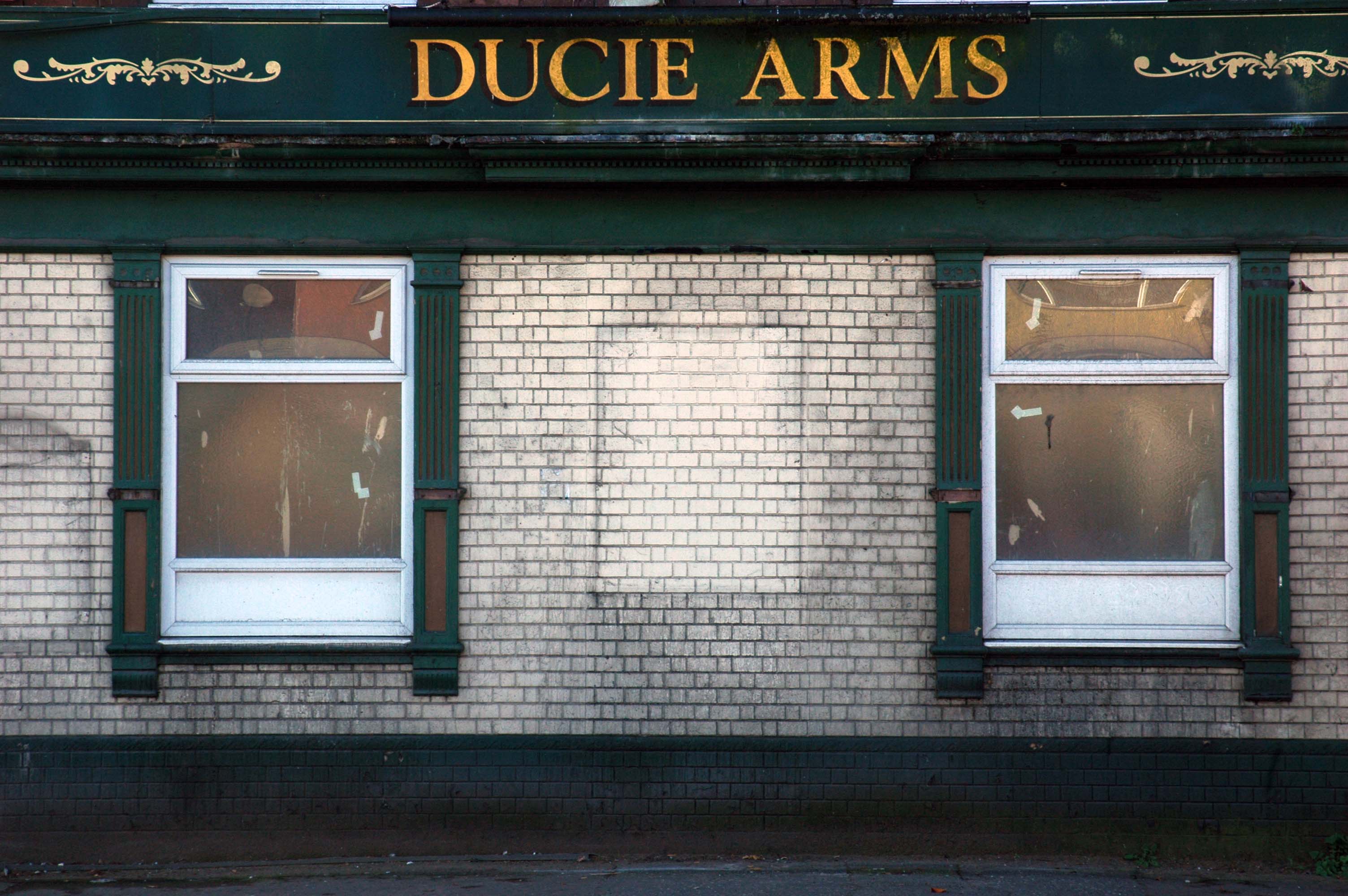
However at someone between 1968 and 2024 the housing had been cleared away – also missing in action is the Golden Lion pub adjoining Pleasant Street on Rochdale Road.
The Golden Lion was a proper old pub on the very busy rochdale road in the Harpurhey area of Manchester. Once inside there was a decent lounge and a basic bar i had a drink in the lounge and this was quite a comfy room.
This pub was a Whitbread tied house and there were two real ales on the bar I had a drink of Chesters bitter and this was a nice drink the other beer was Chesters mild. I thought this was quite a nice pub but sadly this pub has now been pulled down in the name of progress.
So here we are here today – yesterday has long gone and tomorrow never knows no how.
What’s left to see?
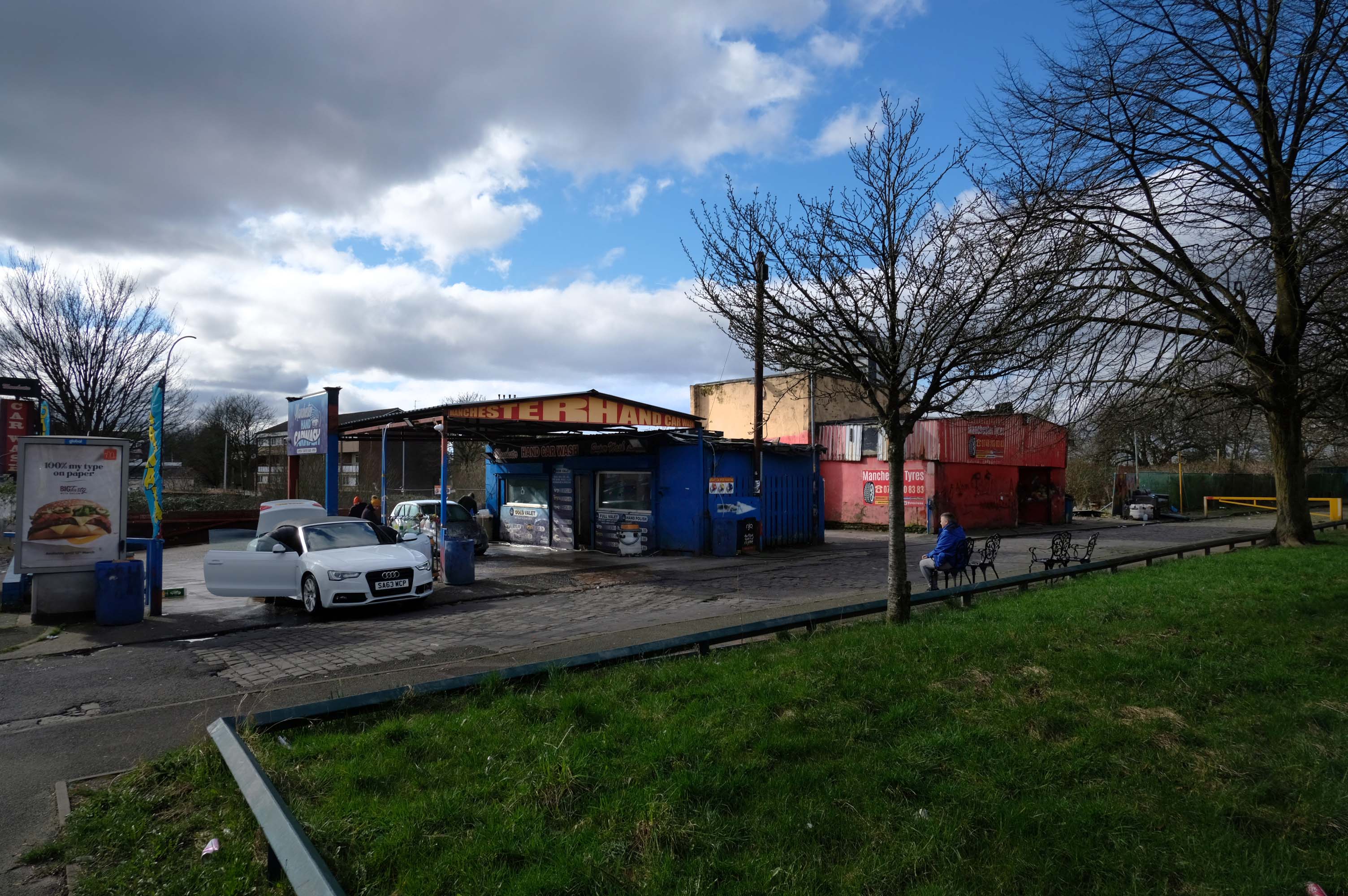
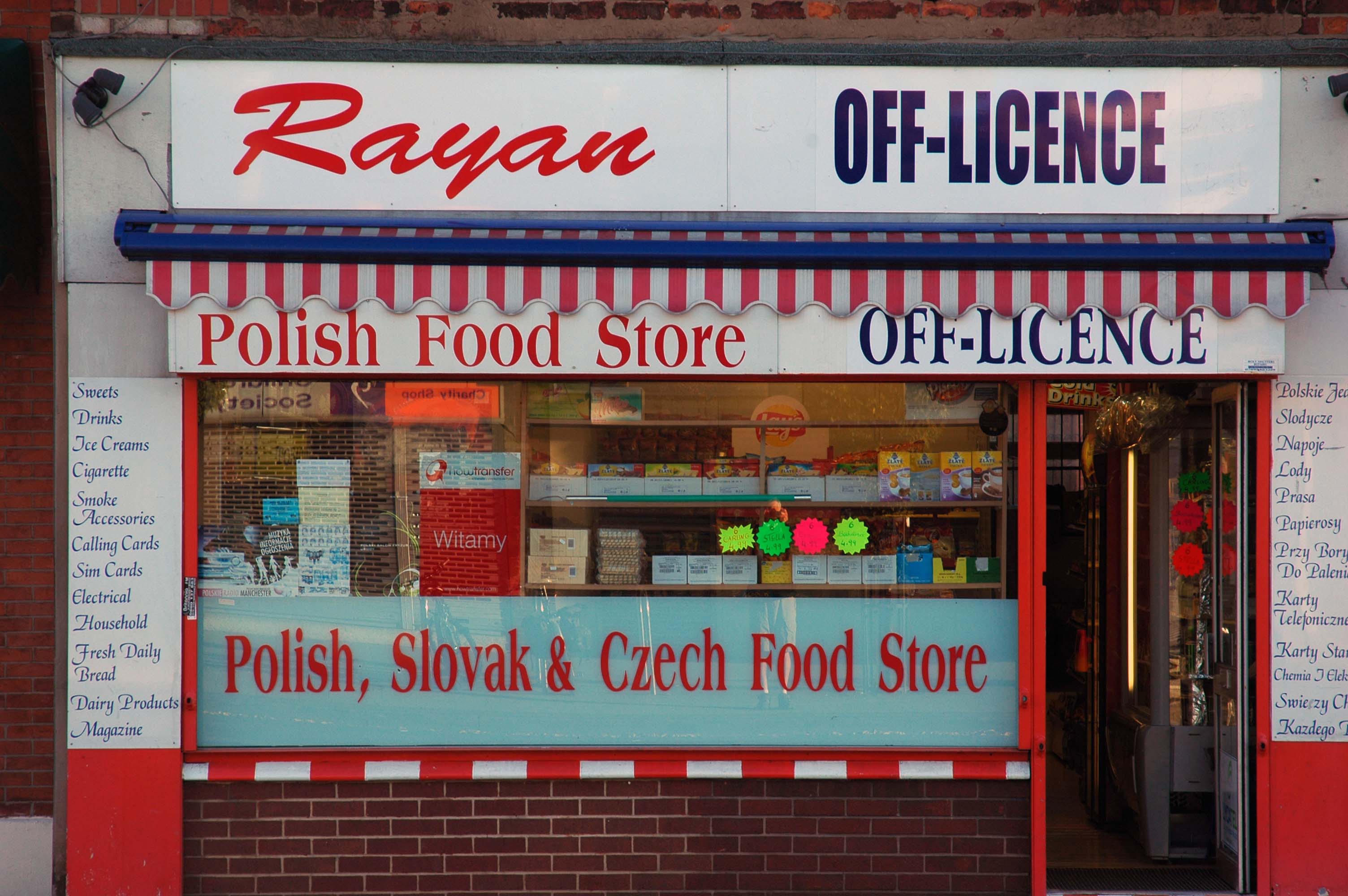
Manchester Hand Car Wash
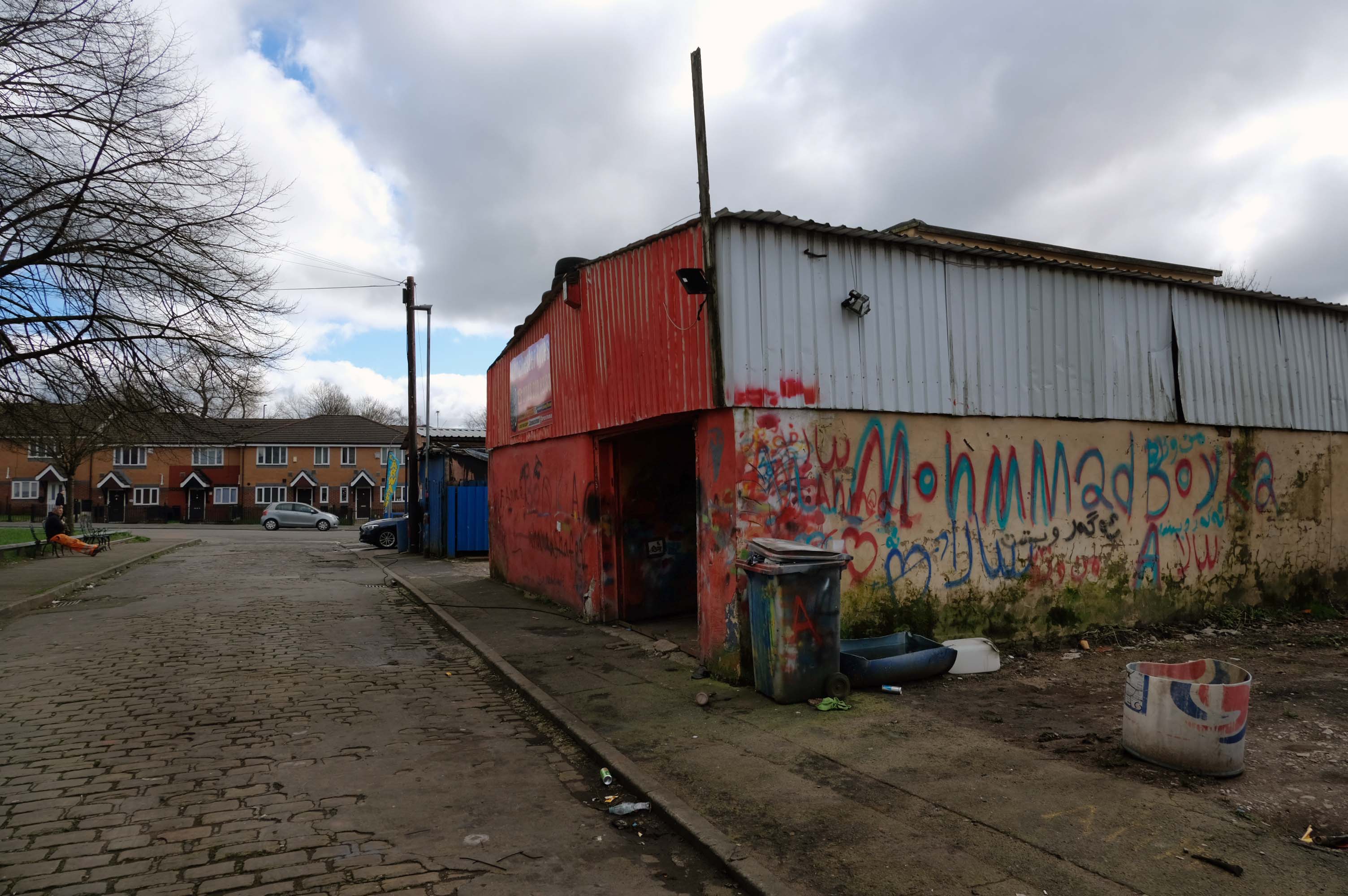
Manchester Tyres
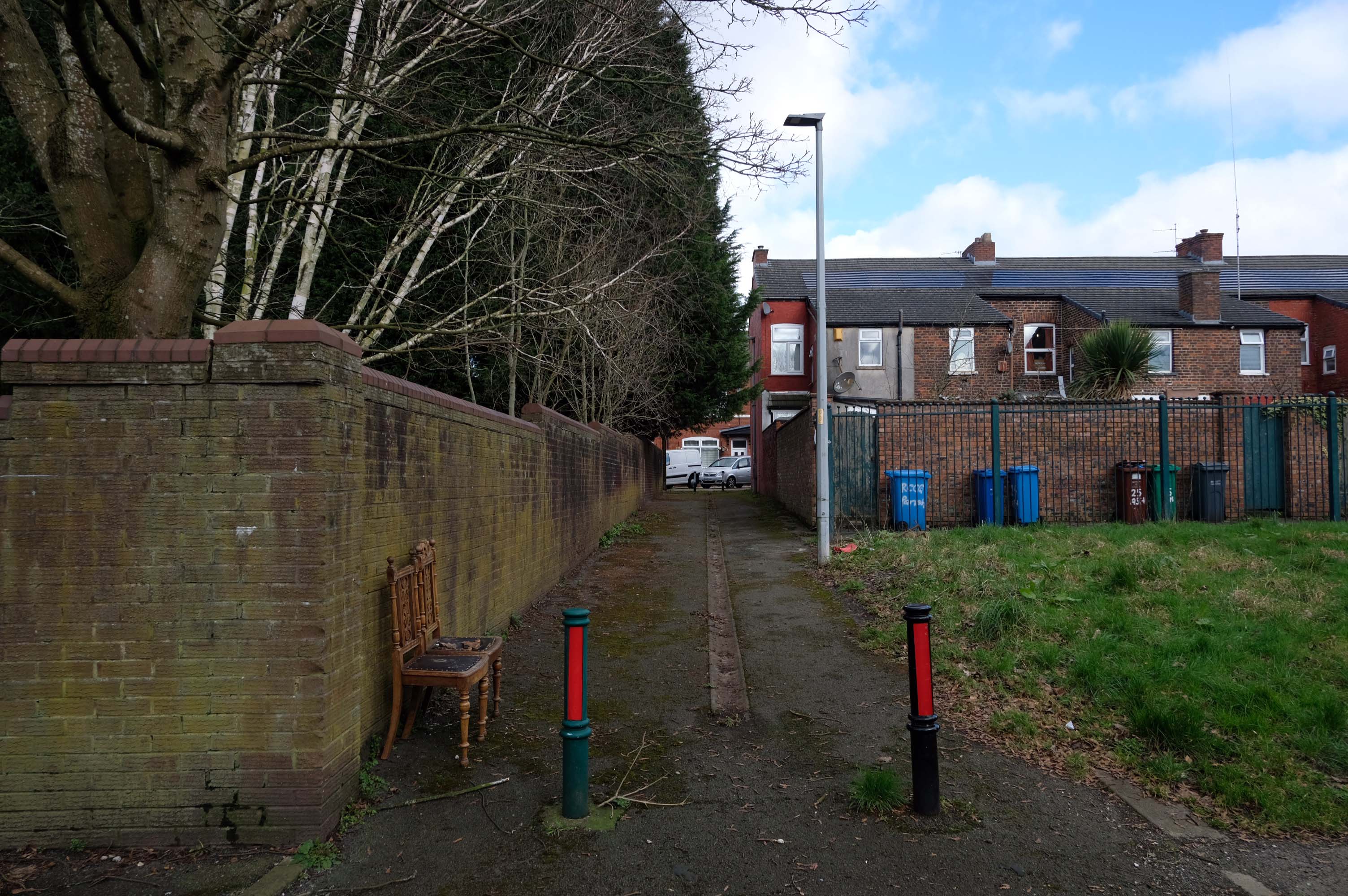
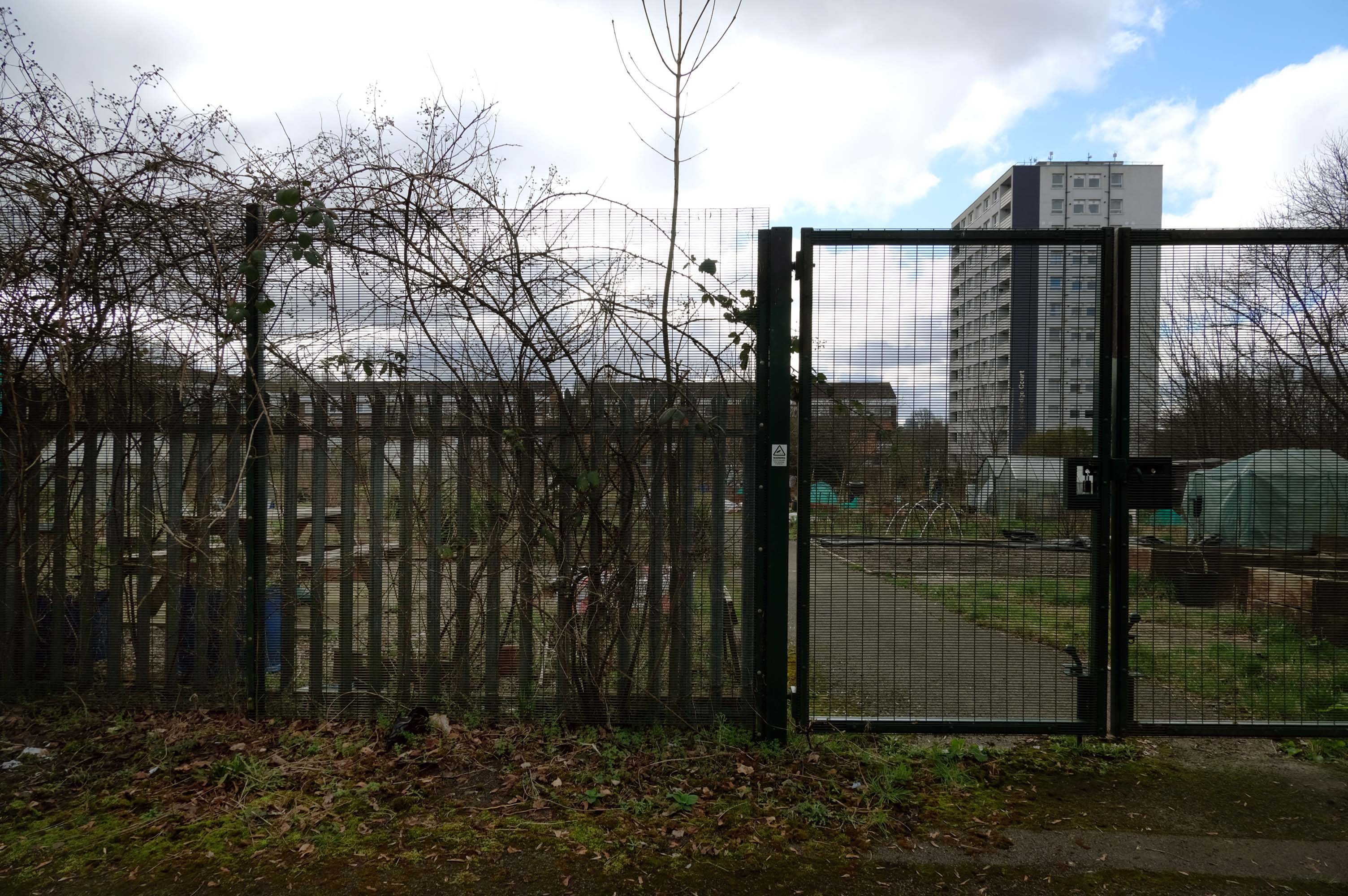
Pleasant Street Allotments
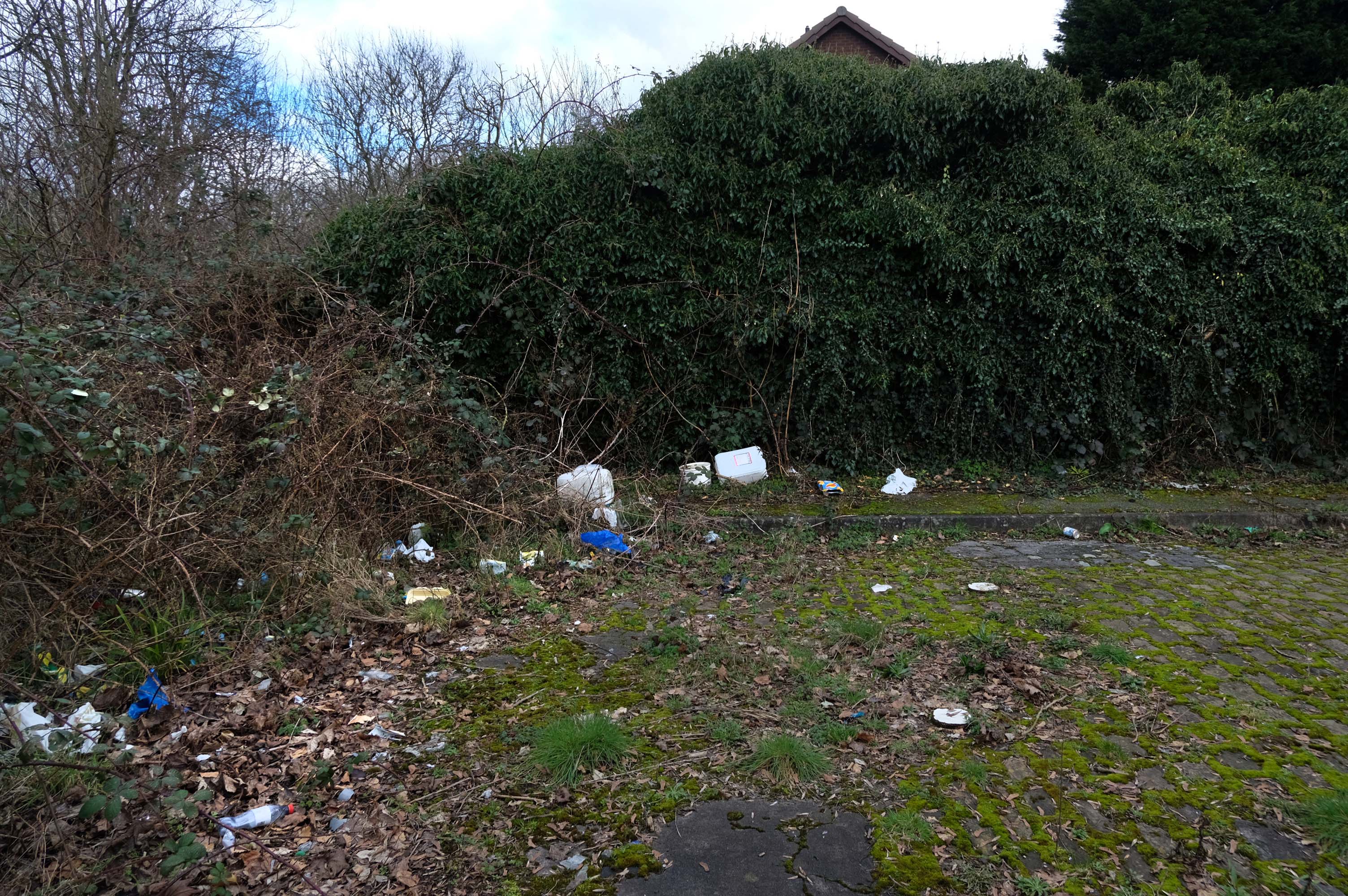
The allotments have had issues with fly tipping back in 2021.
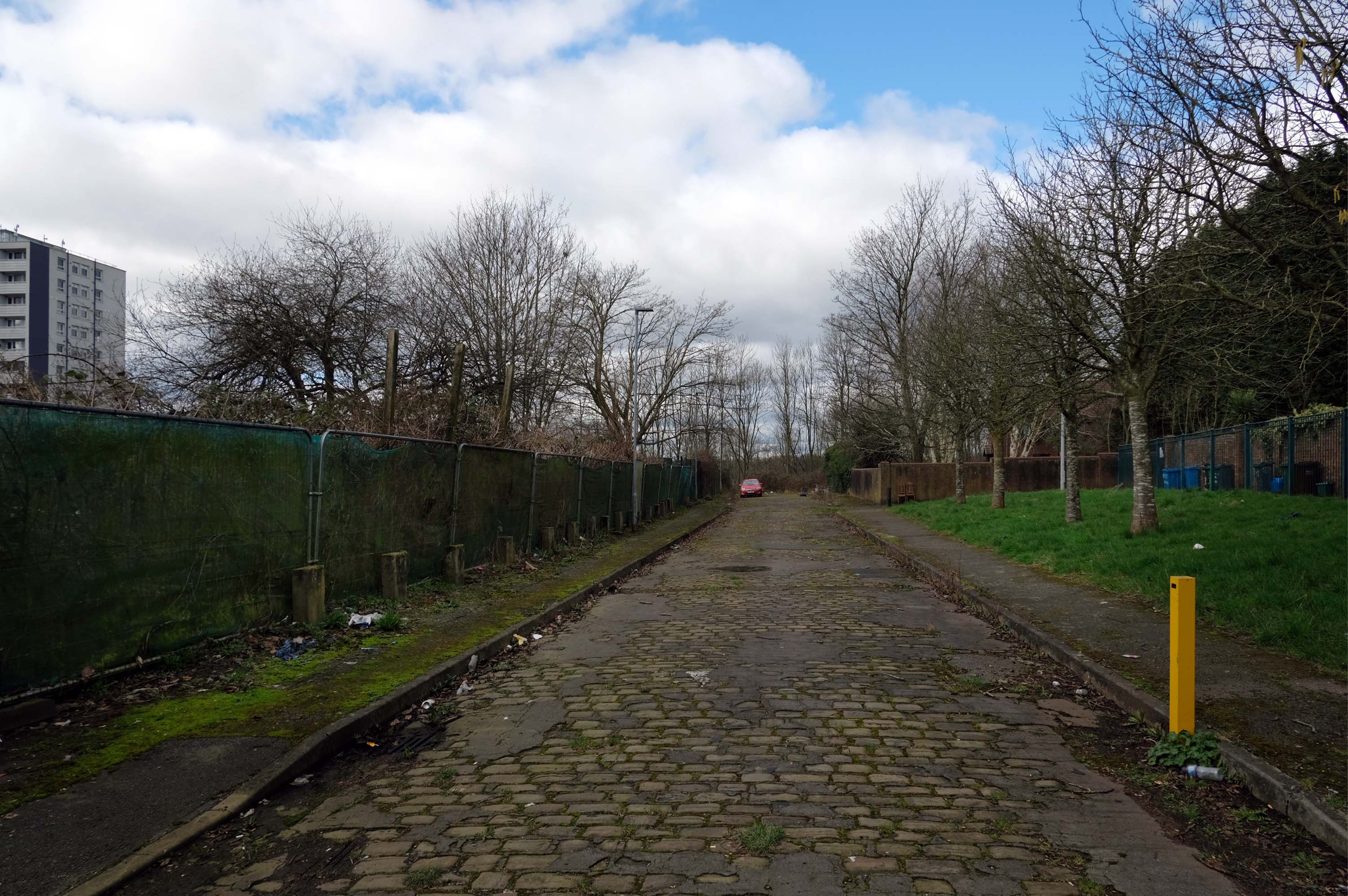
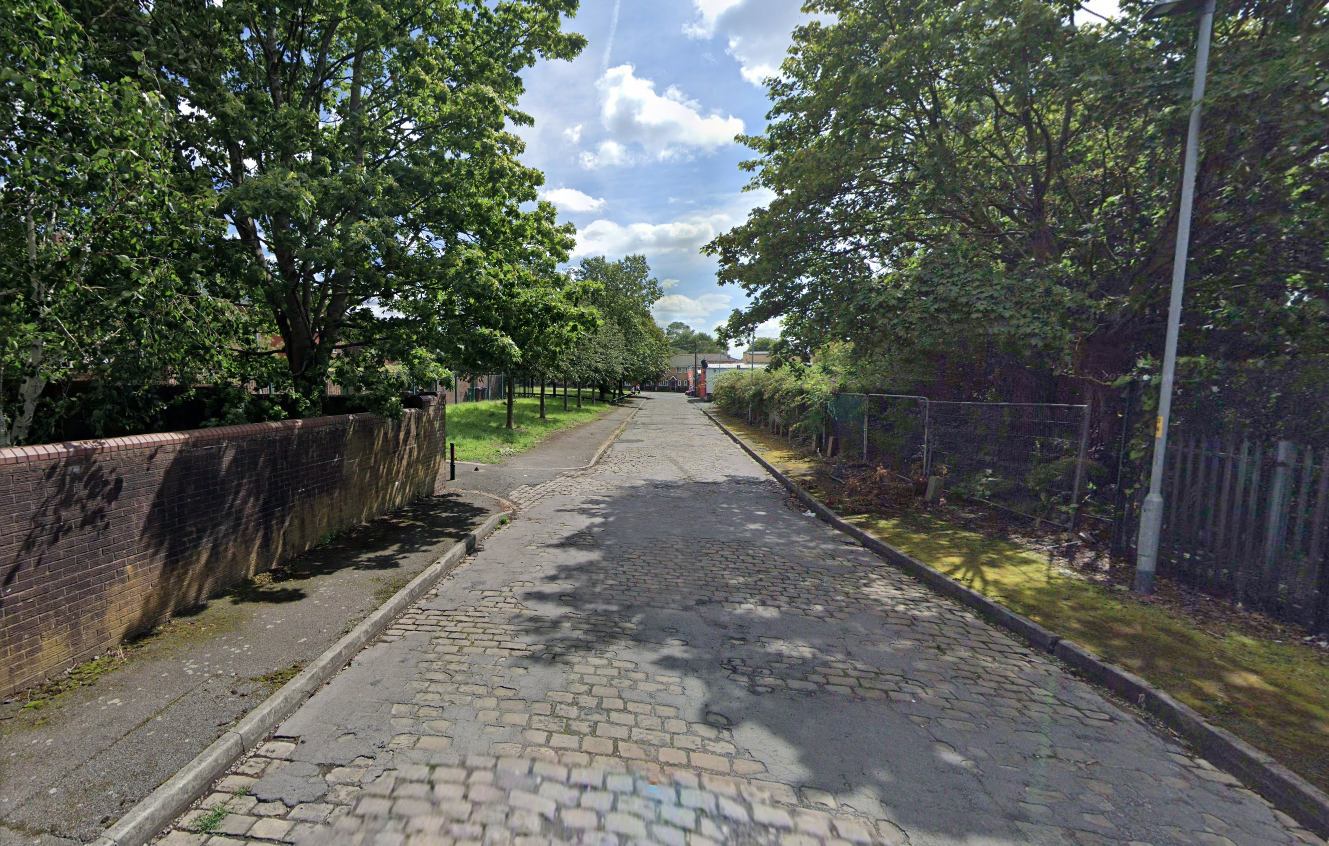
There is now a lockable barrier in place on the cobbled cul-de-sac.
Photo – Howard Bristol
It is understood that the heaps of rubbish, including bin bags full of waste and unwanted wood and cardboard, have been growing in recent weeks.
Howard Bristol, the Secretary of the Pleasant Street allotments committee, said the situation has been ongoing for some time but has worsened since the removal of nearby CCTV cameras.
He told the Evening News that the road has been – piling high with rubbish, and that the area also had issues with the woodland behind the allotments being used for drug dealing during summer.
Pat Karney, councillor for Harpurhey tweeted about the flytipping on Sunday, calling it – unbelievable and disgraceful.
He added that those responsible should be – locked up in Strangeways for a long time, before adding that the council will – get it cleared.
The A34 is a major route from the ports on the South Coast of England to the Midlands and the North West, with the standard varying from rural dual carriageway sections in the south to urban single carriageway in the north, and everything else in between.
Slade Lane junction, Rushford Park to Parr’s Wood, East Didsbury – to connect to Manchester Road to Cheadle. It continued on to Laneside Road as a residential road. Opened on 11 April 1923 by Mary Cundiff, Lady Mayoress, and Margaret Turnbull, daughter of Alderman Turnbull, Chairman of Manchester Town Planning Committee. Width was 100 feet and it was designed for tram tracks in the central reservation. The dual road carriageways were 20 feet wide. Manchester’s tram system was closed in 1949. The carriageways were widened and central reservation grassed over. Originally opened as A5079.
Laneside Road, East Didsbury to Schools Hill/ Wilmslow Road junction, Cheadle. Opened on 12 October 1959. The official opening was on 15 October 1959. Planning for the bypass had been halted by the war. In December 1949 Manchester Corporation stated that it was not a priority since the Corporation was only responsible for the 200 yards to the proposed bridge over the River Mersey and Cheshire County Council had not asked for a joint approach to Ministry of Transport to build it. Work was finally authorised in January 1957 and started in the June. Width was 90 feet with dual 24 foot carriageways. Expected cost was £600,000 to £700,000.
The A6 is Britain’s fourth longest road. Its route varies greatly from the lower lands of the South East, though the Peak District, right though the heart of Manchester city centre, then onwards towards Preston. It then goes though the historic city of Lancaster before skirting the Eastern fringe of the Lake District before ending in Carlisle, bang on the start of the A7.
North from Stockport towards Manchester, the A6 was a wide, four lane road, but still 30 mph, which usually flowed pretty well. According to Mudge, it looks like it has now been massacred by bus lanes and red paint. Shame. We meet the A57 from the east, just south of the city centre, and multiplex until we reach Mancunian Way, the A57 heading off as a short urban motorway, the A6 heading into the city centre via London Road/Piccadily, where it loses its number and vanishes. It would have gone straight down Piccadily/Market Street to meet Deansgate, and then across the River Irwell into Salford, and up Chapel Street, where the number reappears. Market Street has been pedestrianised for years, so the A6 has long ceased to be a through route.
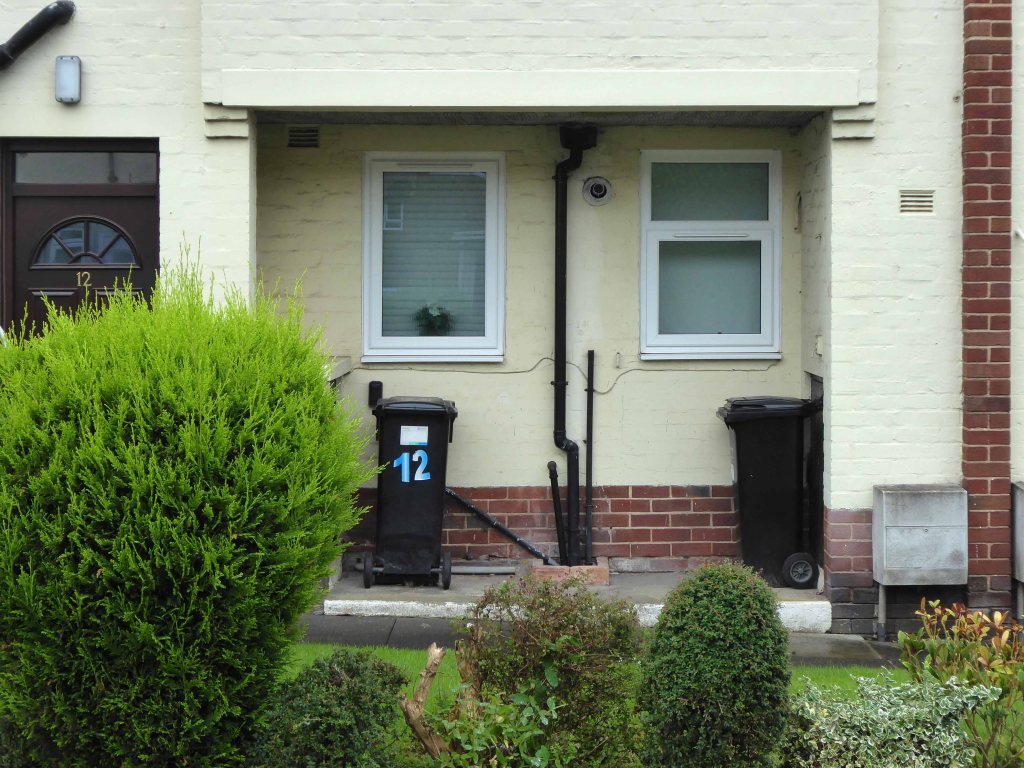
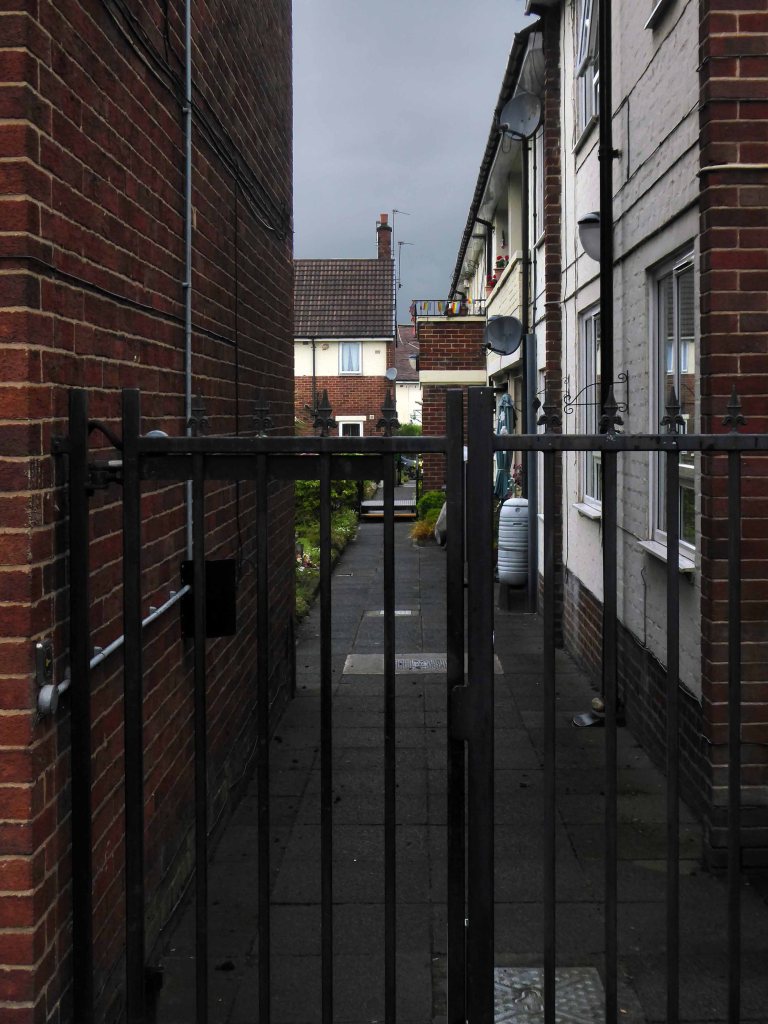
I live just around the corner and often walk by, intrigued by this small rectangle of rectangular sheltered homes, I chose to take a closer look.
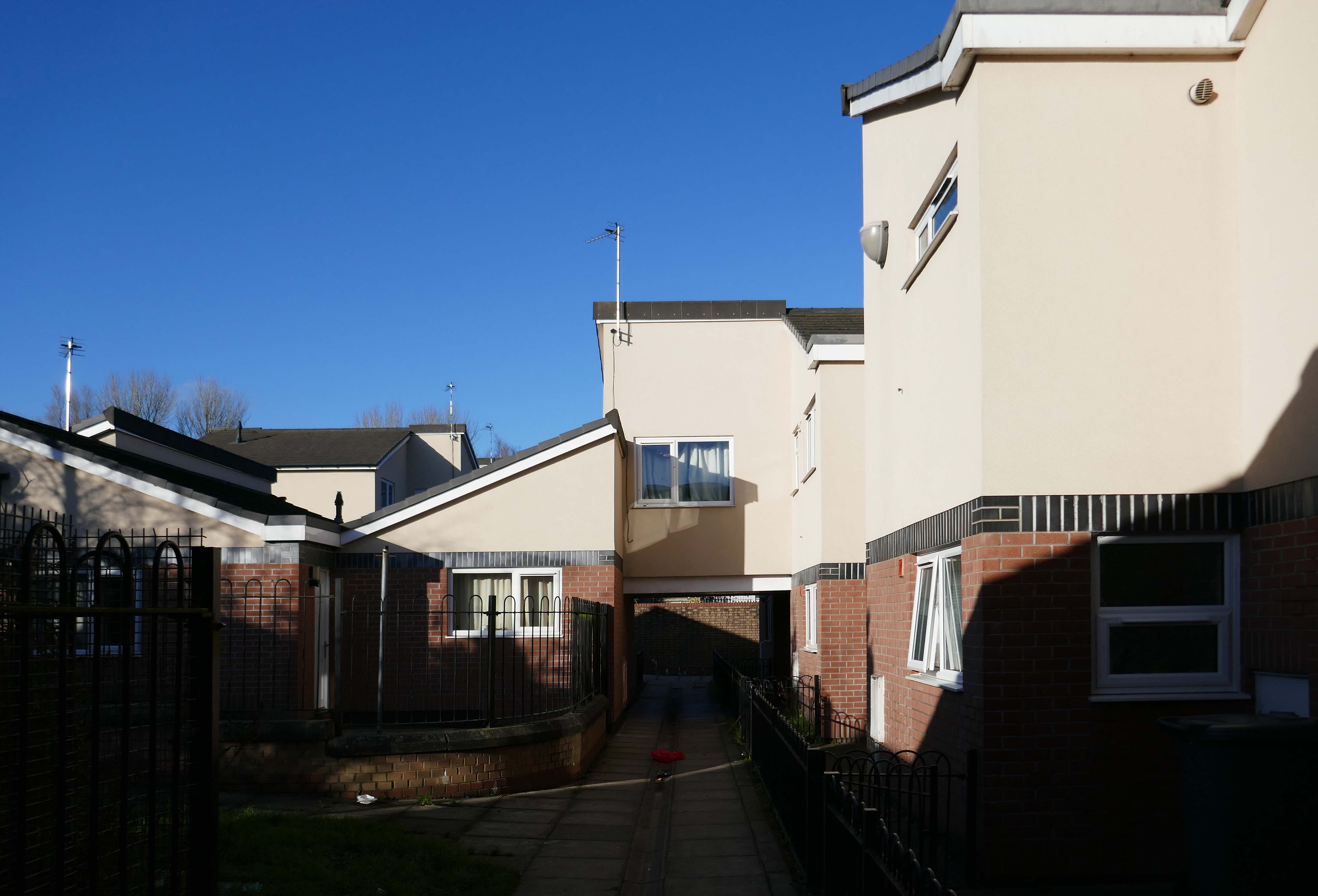
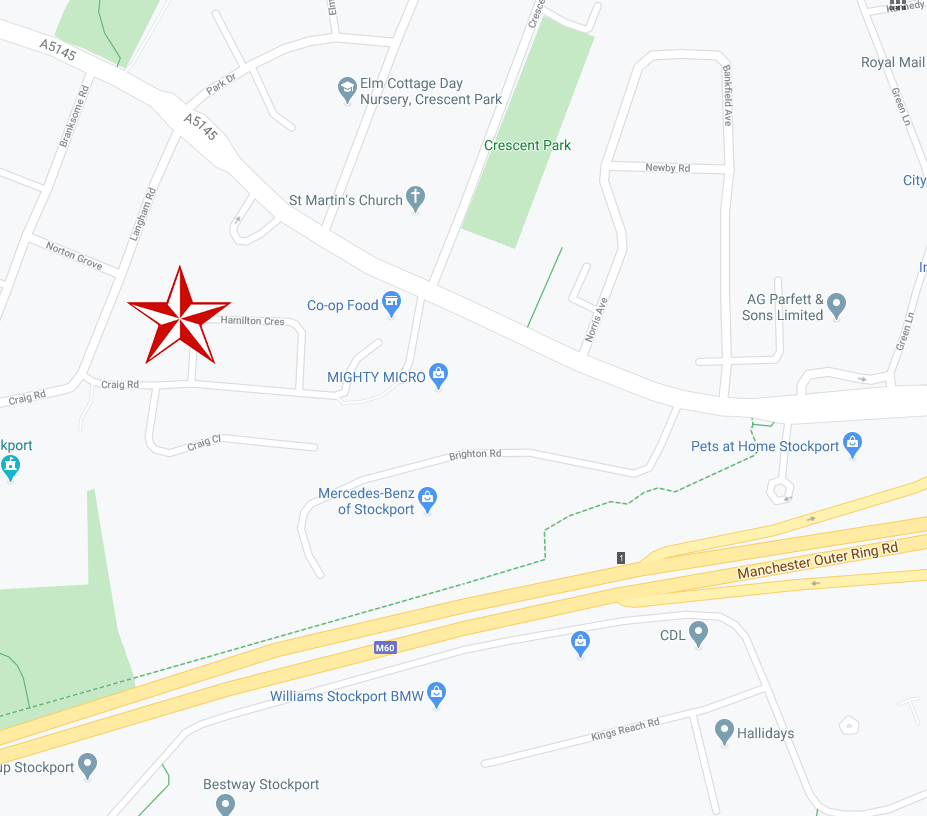
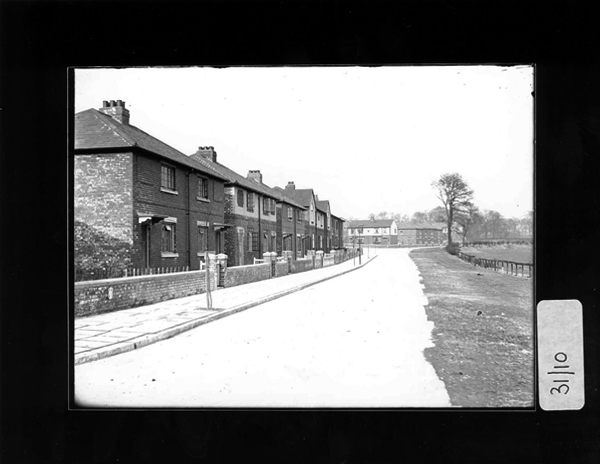
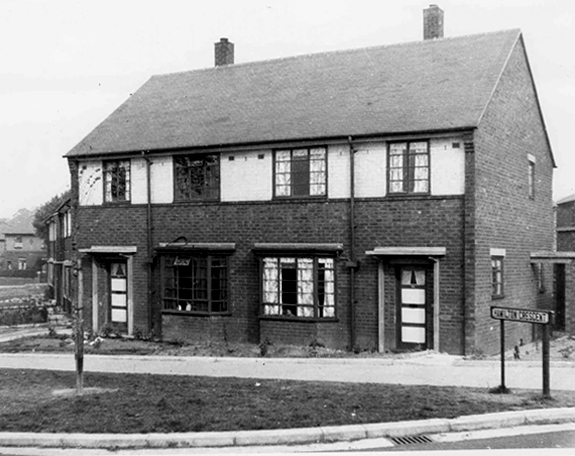
On adjoining Craig Road there are a group of interwar semi-detached homes, social housing built in 1930, facing on to open ground which leads down to the Mersey.
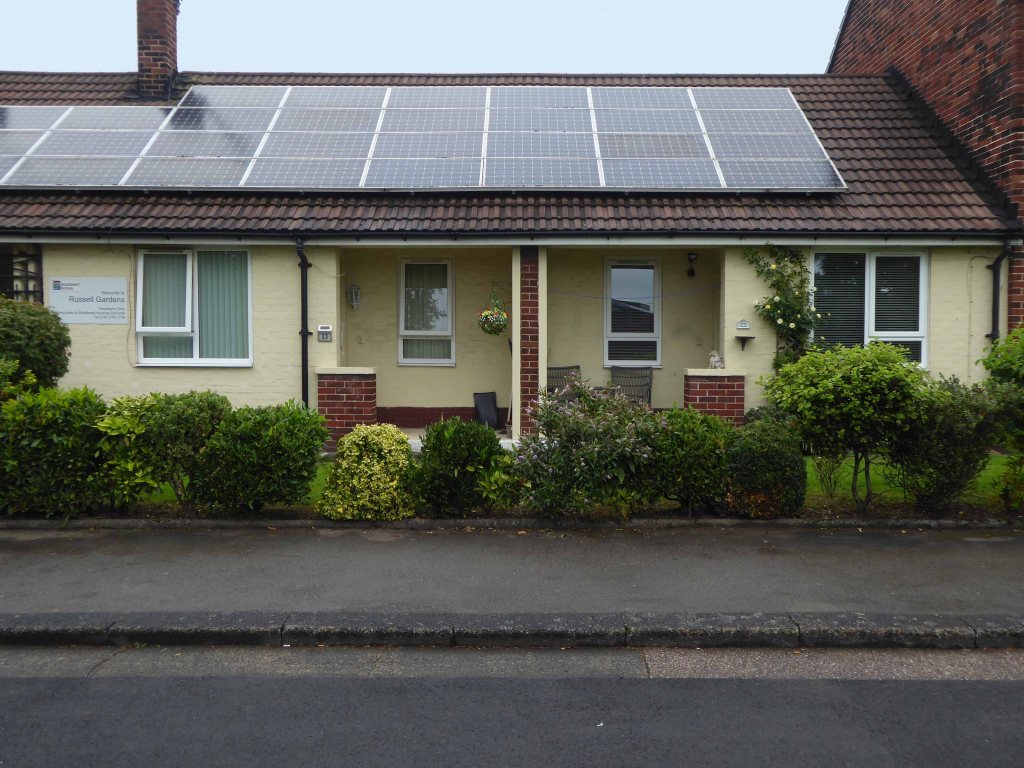
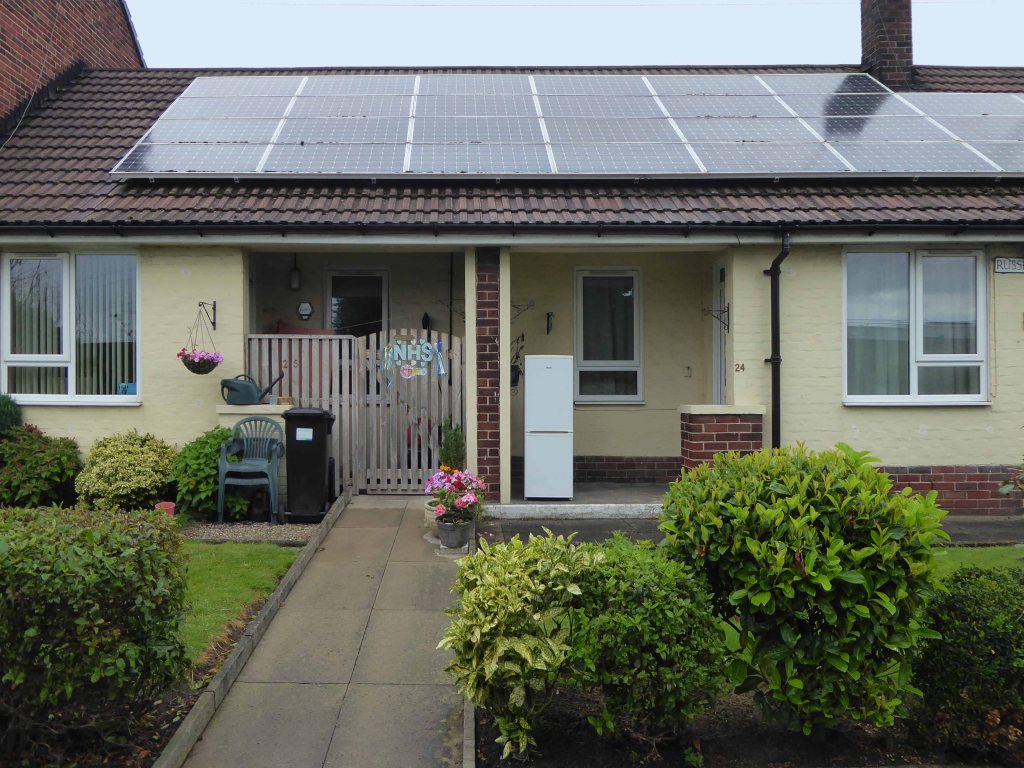
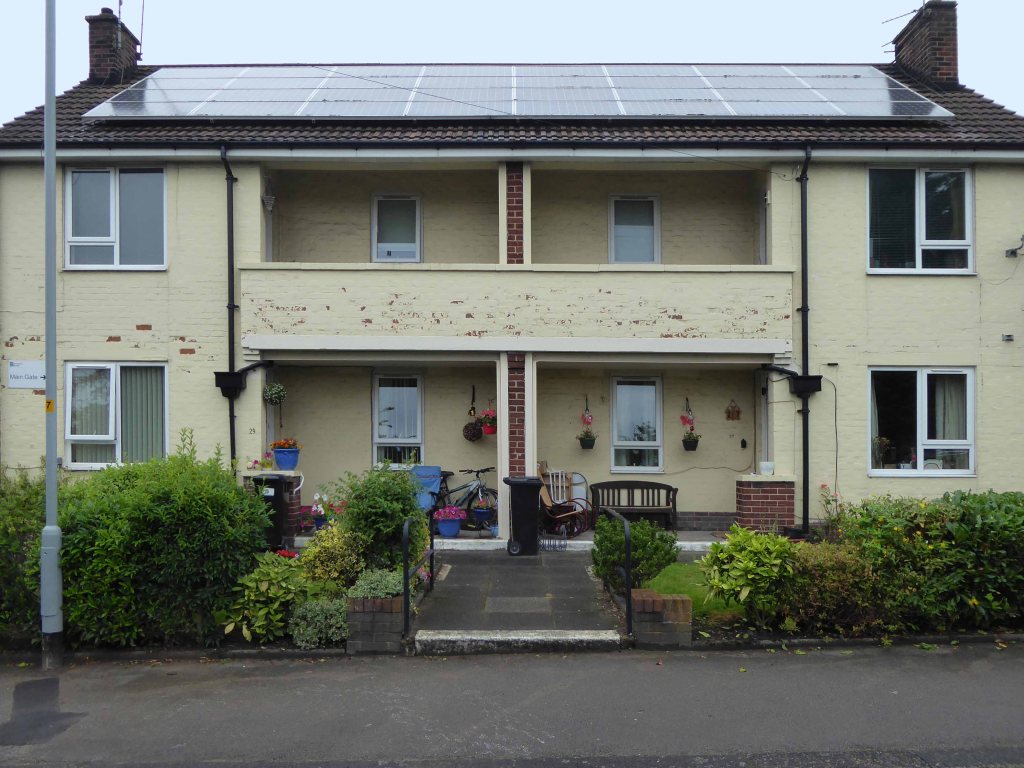
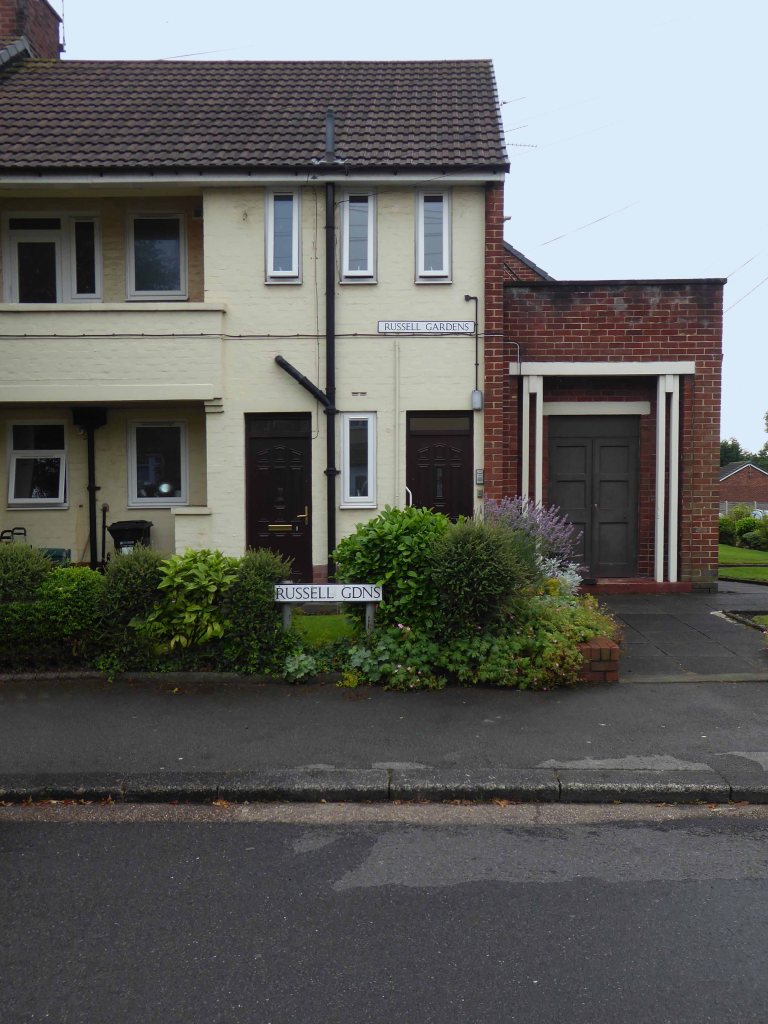
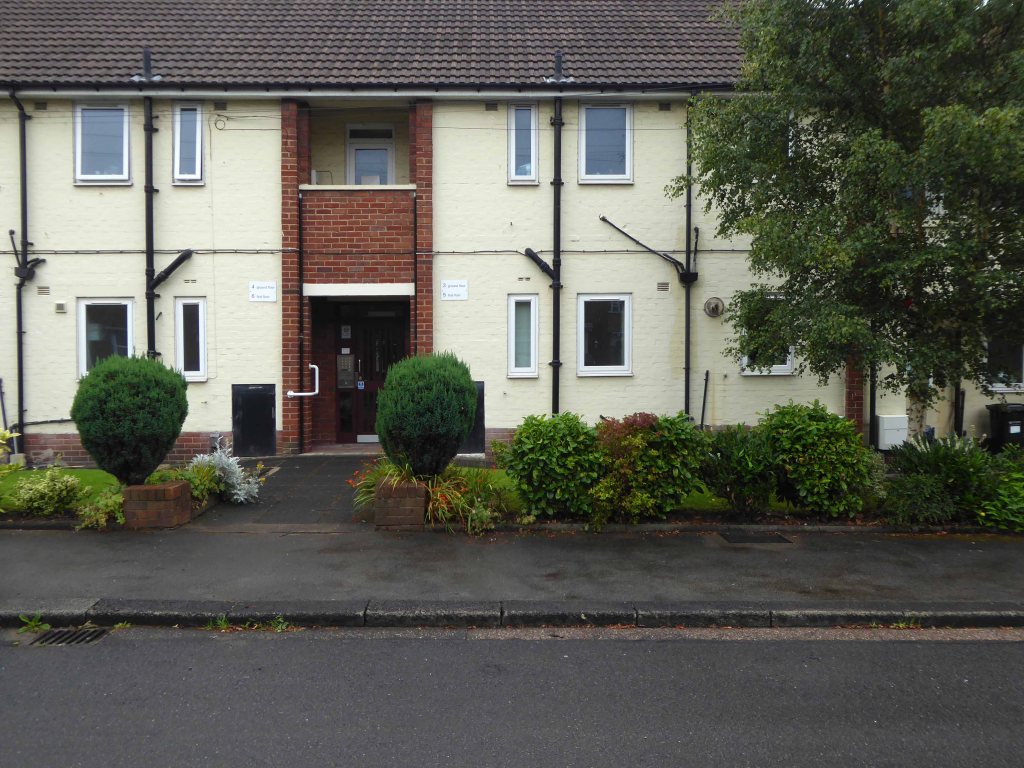
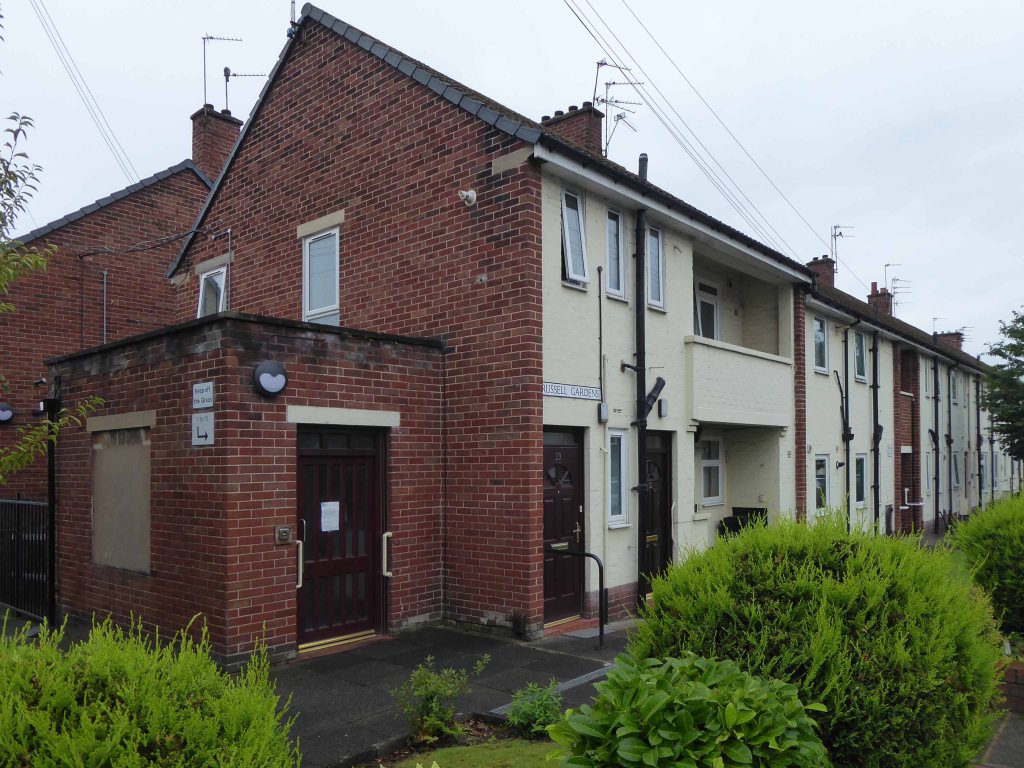
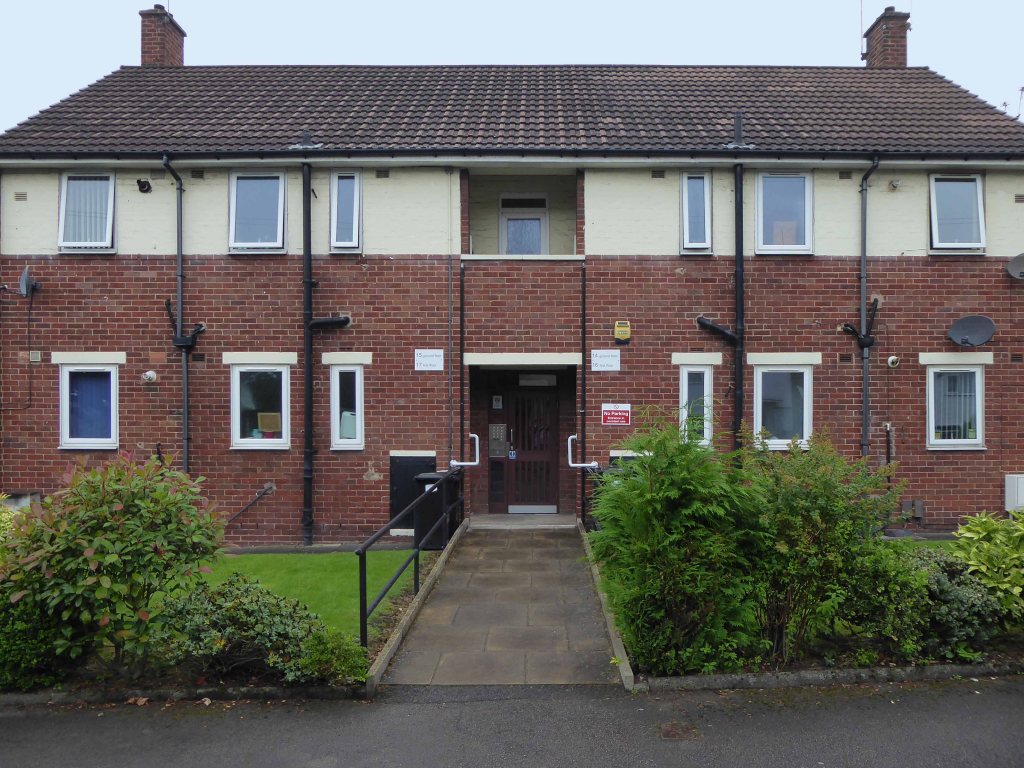
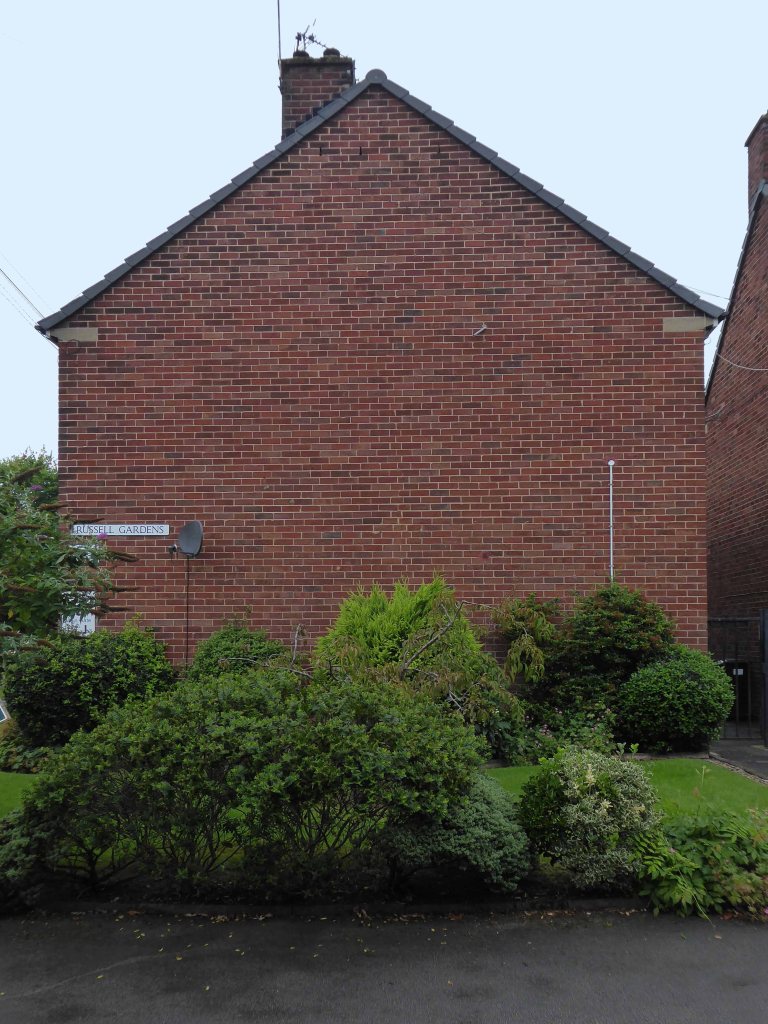
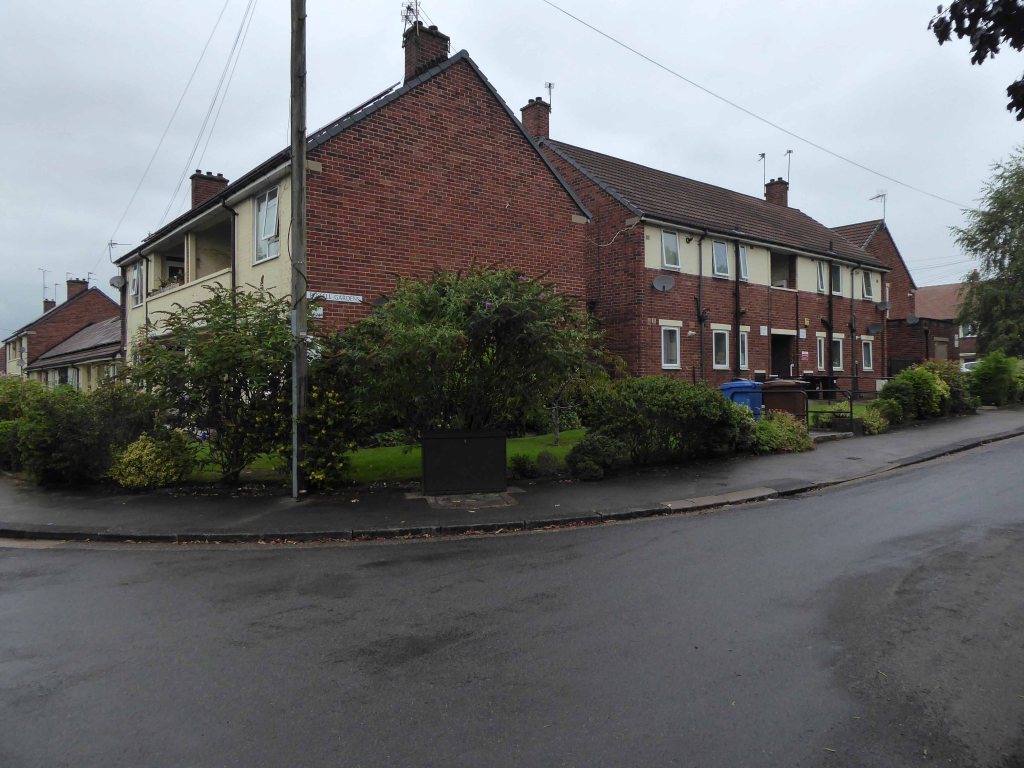
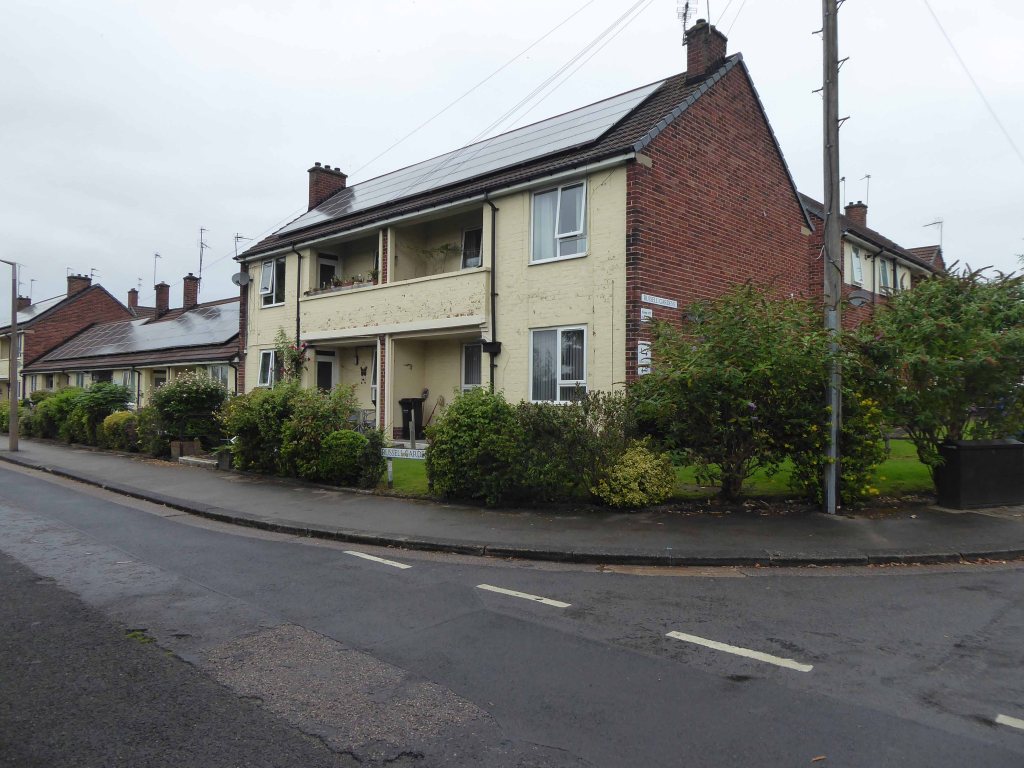
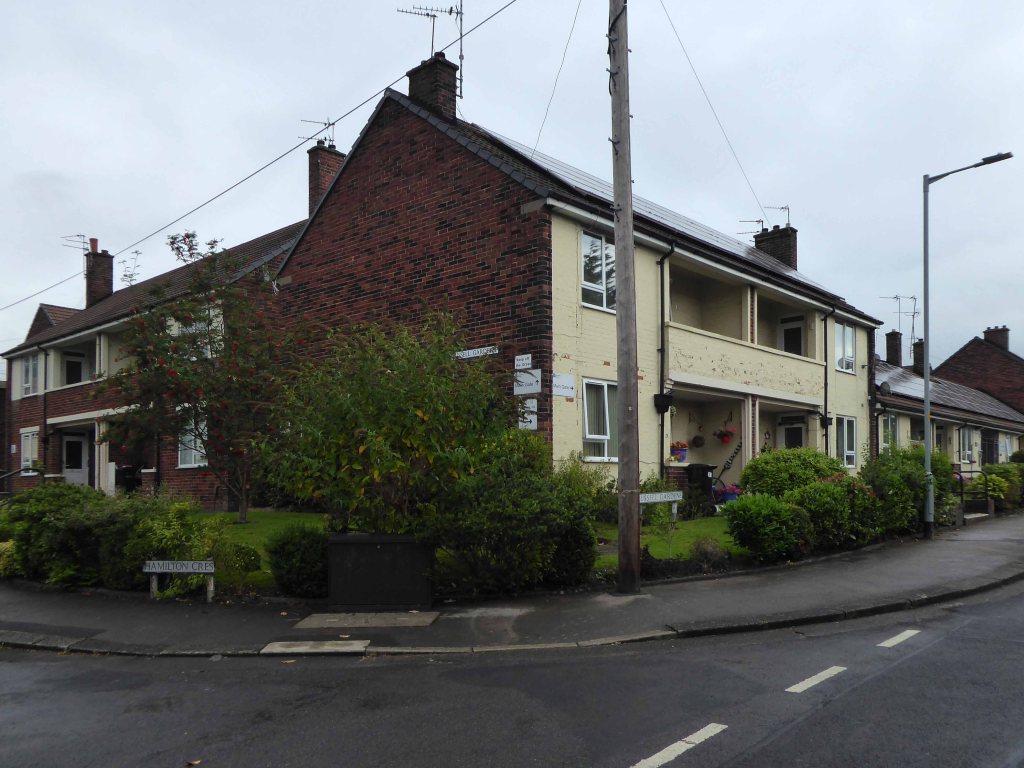
There is an arc of post war social housing on Hamilton Crescent, which surrounds Russell Gardens.
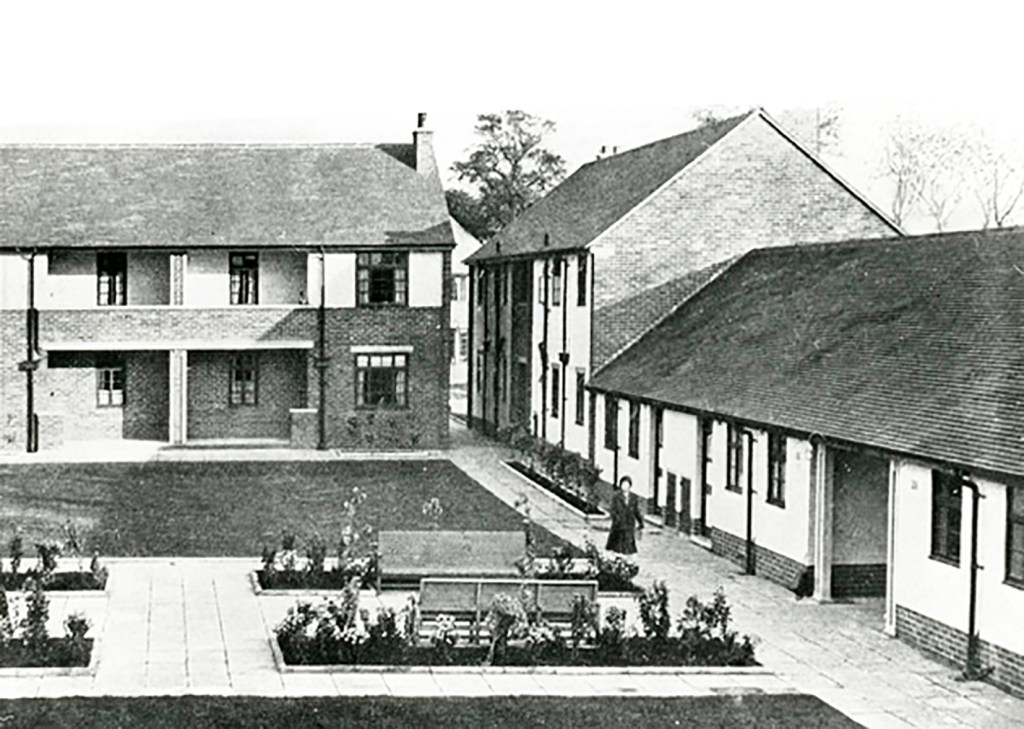
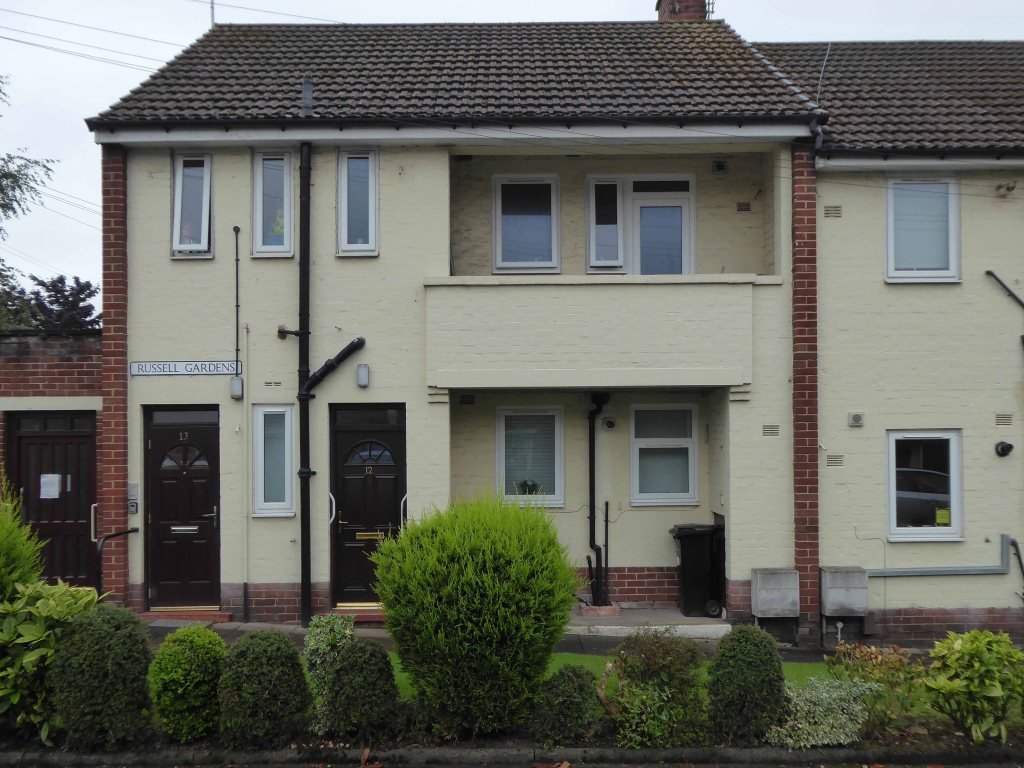
The homes that constitute Russell Gardens built in 1947 were illustrated in the town’s 1948/49 guide book, considered to be something of value.
Designed as a diminutive Garden Village, smaller in scale to those found in Burnage or Fairfield, but based on the principle of shared green space and community services.
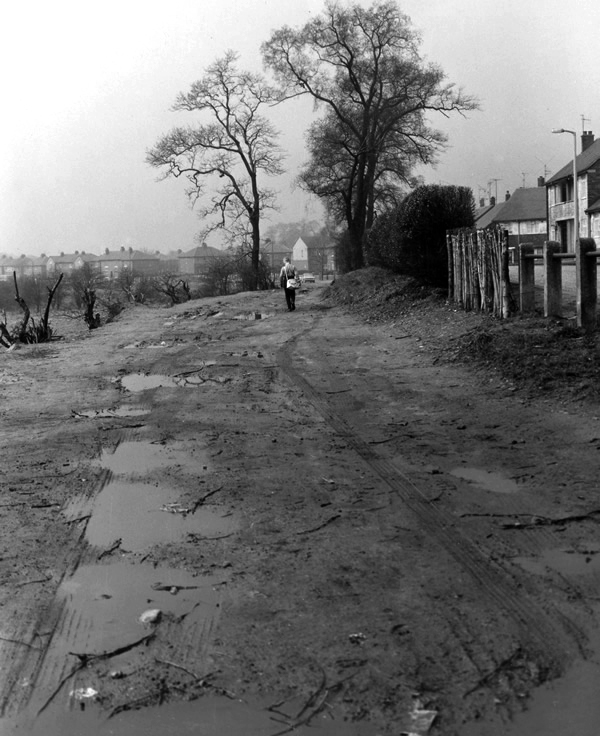
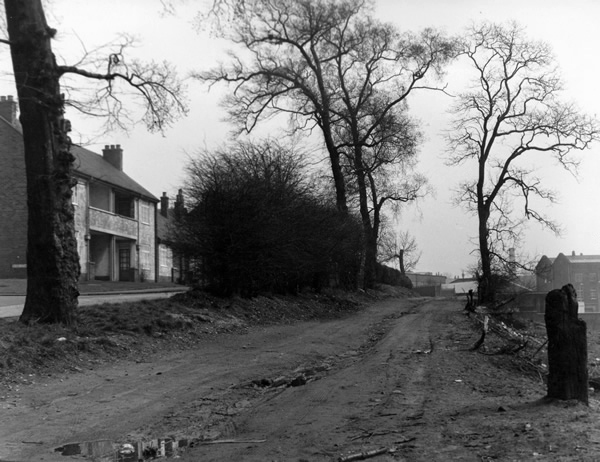
In the 1970s the land to the south, now occupied by the Craig Close development, was yet to be built upon.
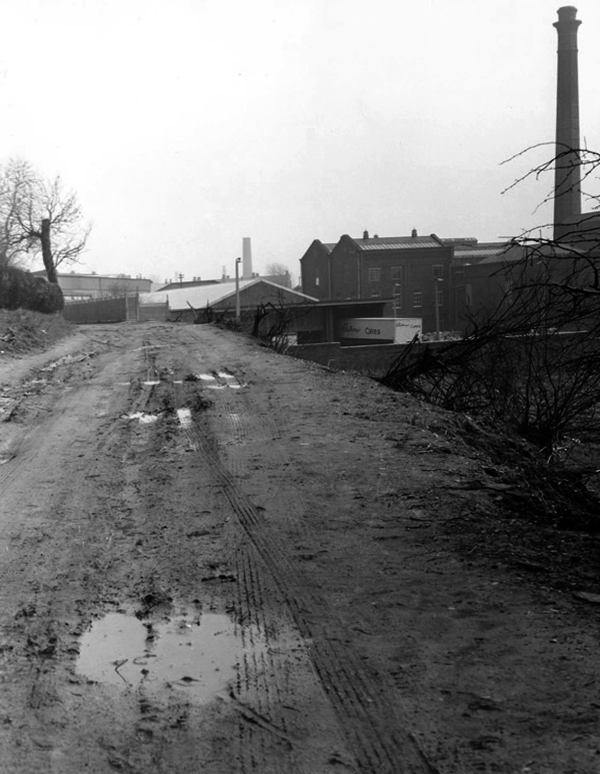
And the Cadbury Works still stood close by on the Brighton Road Industrial Estate:
Built in the late 1800s this was originally Silver Spoon (Pan) Fruit Processing Works, then in the 1920s was Faulders’ Cocoa and Chocolate Works. By the 1930s it was Squirrel Chocolate Works and in 1960s became a distribution depot for Cadbury’s. A friend remembers playing among the pallets of the ‘chocolate factory’ in the 1950s. Later it was occupied by small businesses. The works comprises a large rectangular block with sawtooth roof, and central entrance house with tall chimney. The adjacent rail line, built in 1880, branched into the site.
Though many of the surrounding homes were sold off during the Right to Buy era:
After the election of May 1979 a new Conservative government drafted legislation to provide a Right to Buy but, because this would not become law until October 1980, also revised the general consent (May 1979) to enable sales with higher discounts matching those proposed in the new legislation. The numbers of sales completed under this general consent exceeded previous levels. Between 1952 and 1980 over 370,000 public sector dwellings were sold in England and Wales. Almost a third of these were in 1979 and 1980 and it is evident that higher discounts generated and would have continued to generate higher sales without the Right to Buy being in place.
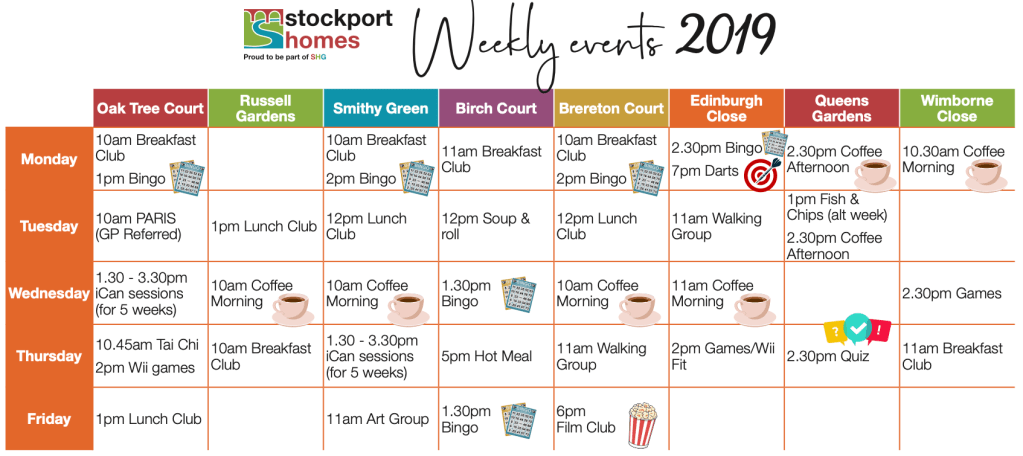
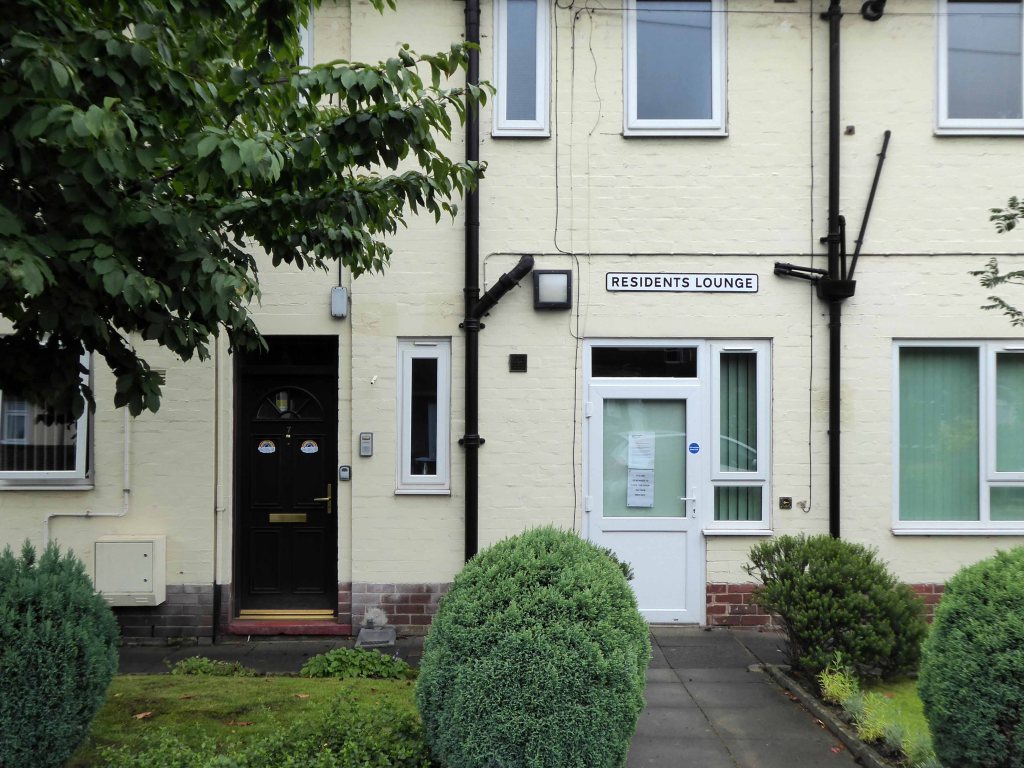
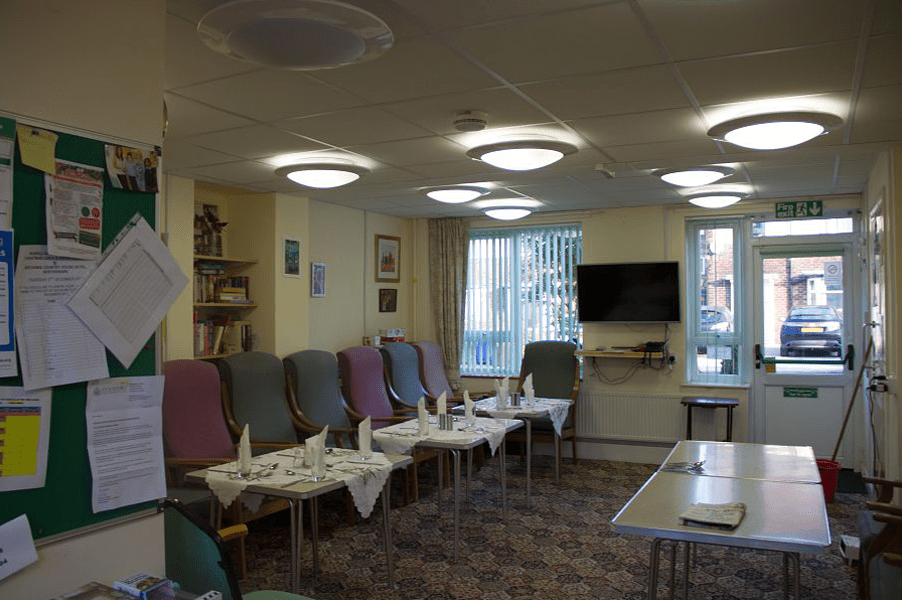
Russell Gardens remains the estate of Stockport Homes managed as sheltered housing for the over 60s.
Retirement housing
33 one bedroom flats built in 1947
Non-resident part time management staff and Careline alarm service
Lounge, Laundry, Garden
The houses are now some fifty years old and in good order, the residents with whom I spoke, seemed more than happy with their homes.
Would that more and more affordable homes for folks of all ages could be built.
The post-war consensus and political will that created this upsurge in construction, has been swept away by market forces.
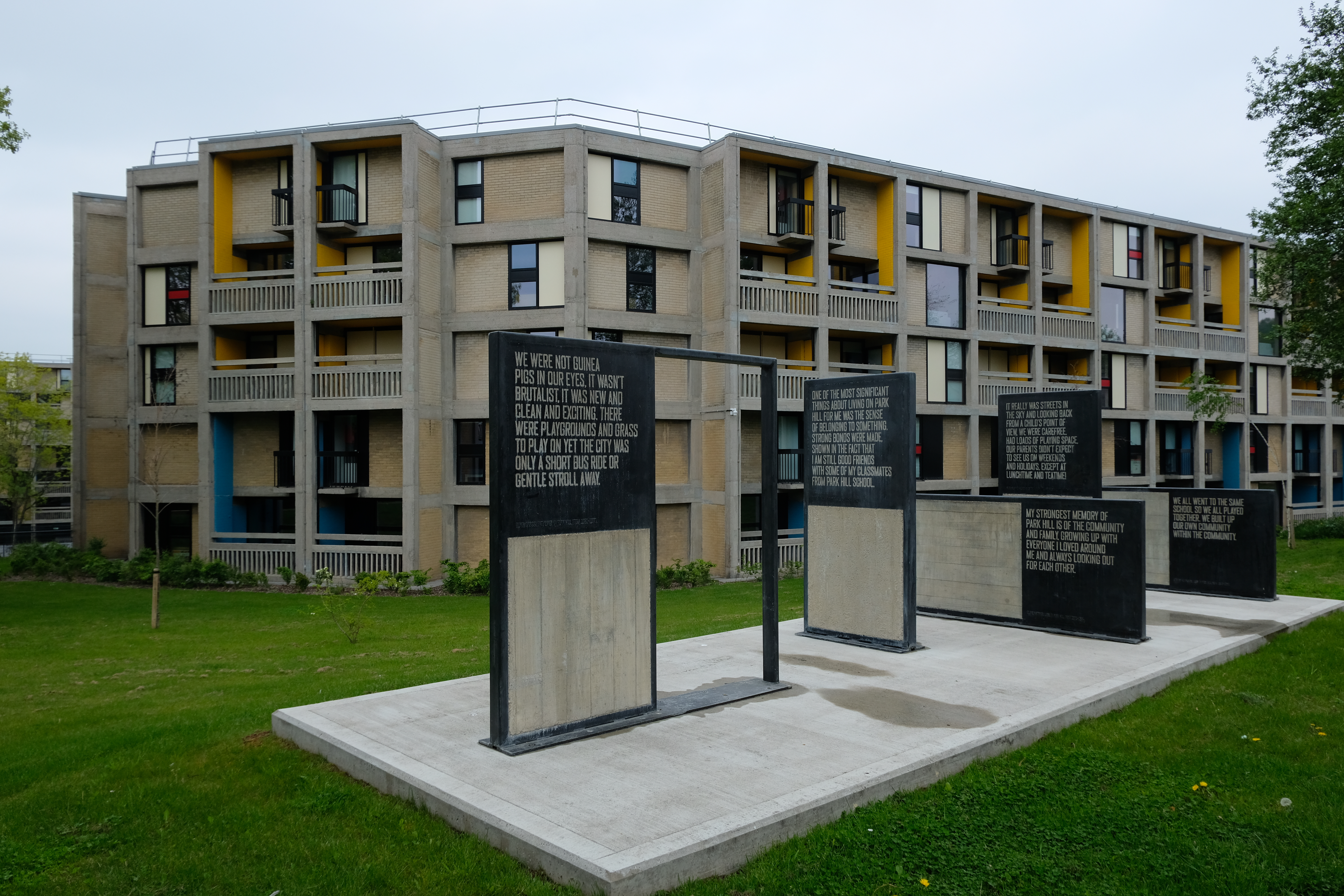
Let’s take a look at the vestiges of more enlightened times.
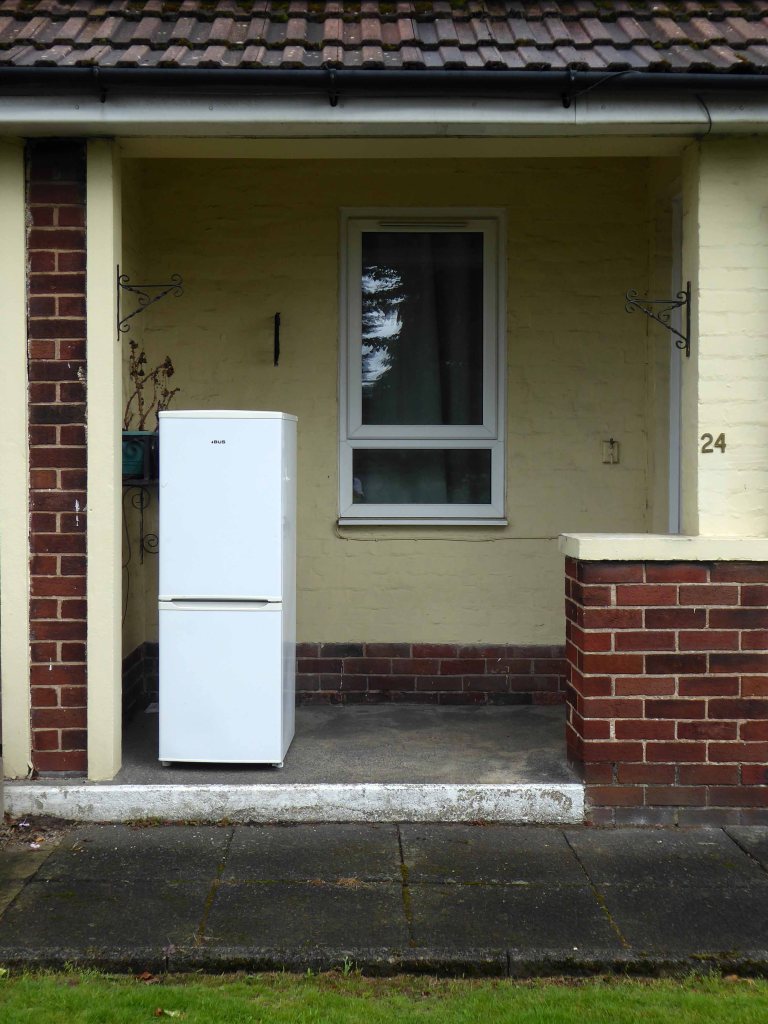
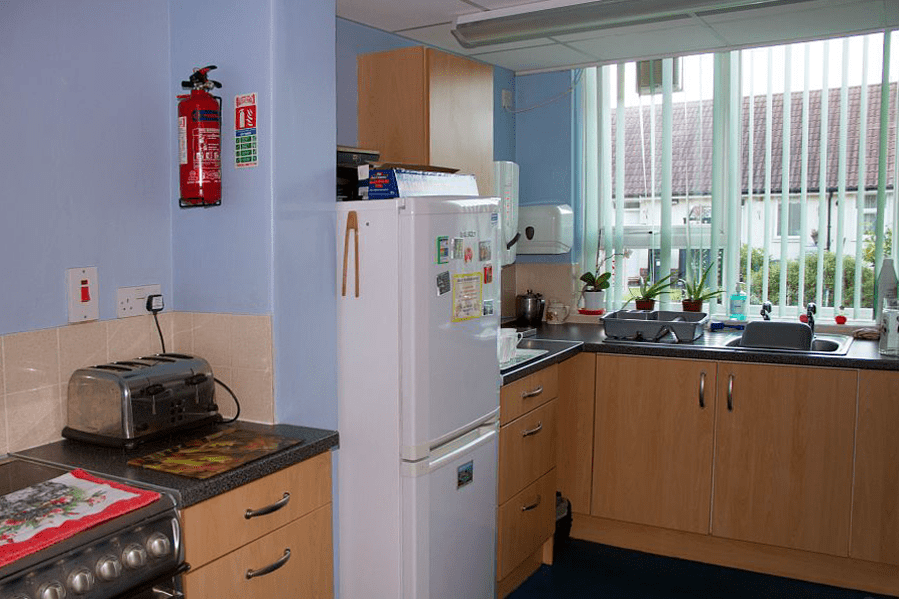
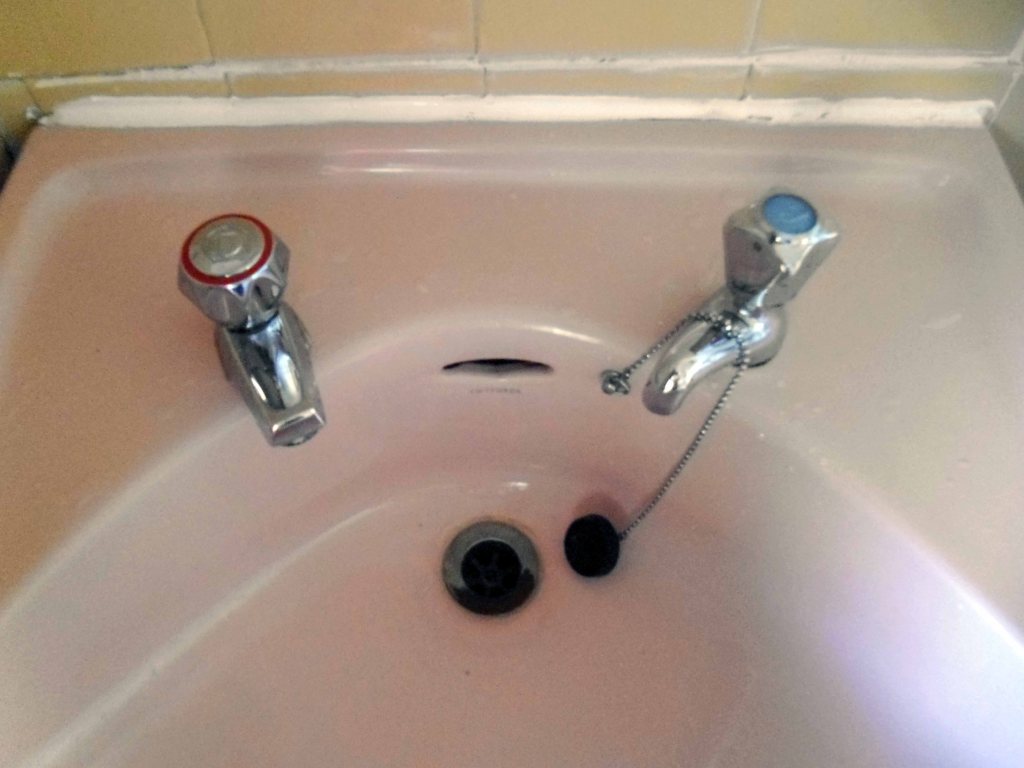
It’s Tuesday 5th August 2015 and the taps don’t match – is this a good omen?
Or simply proprietorial pragmatism?
And why is the sink a funny shape?
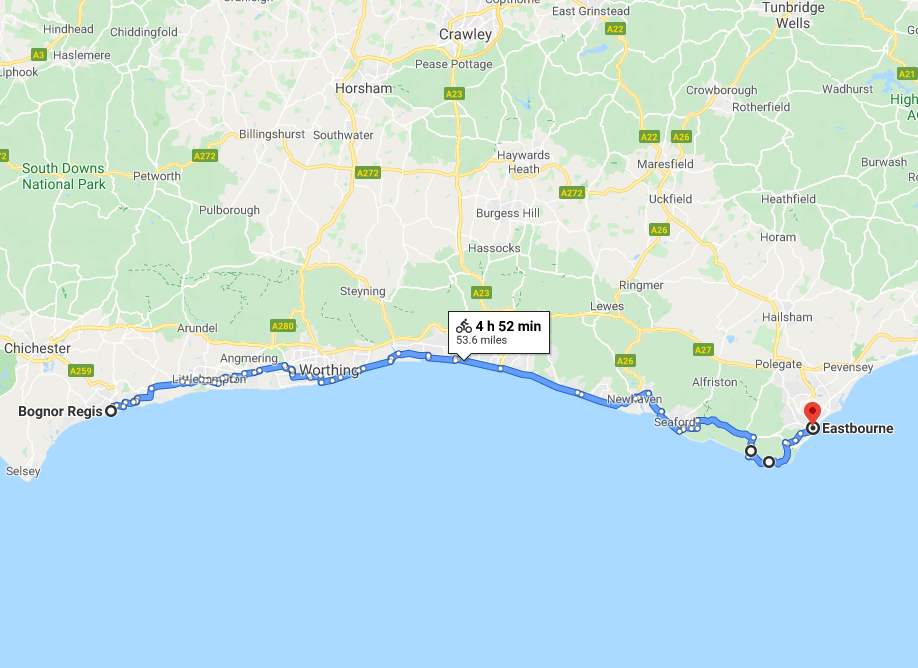
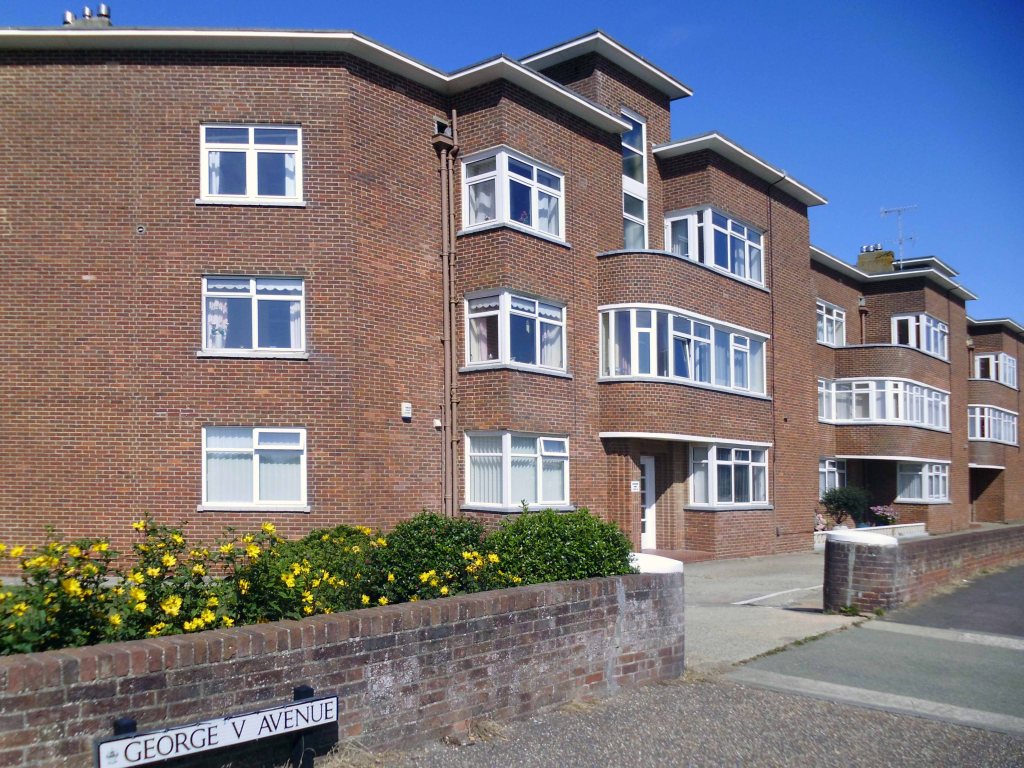
Any road up we’re off up the road, the sun’s a shining and here we are in Littlehampton.
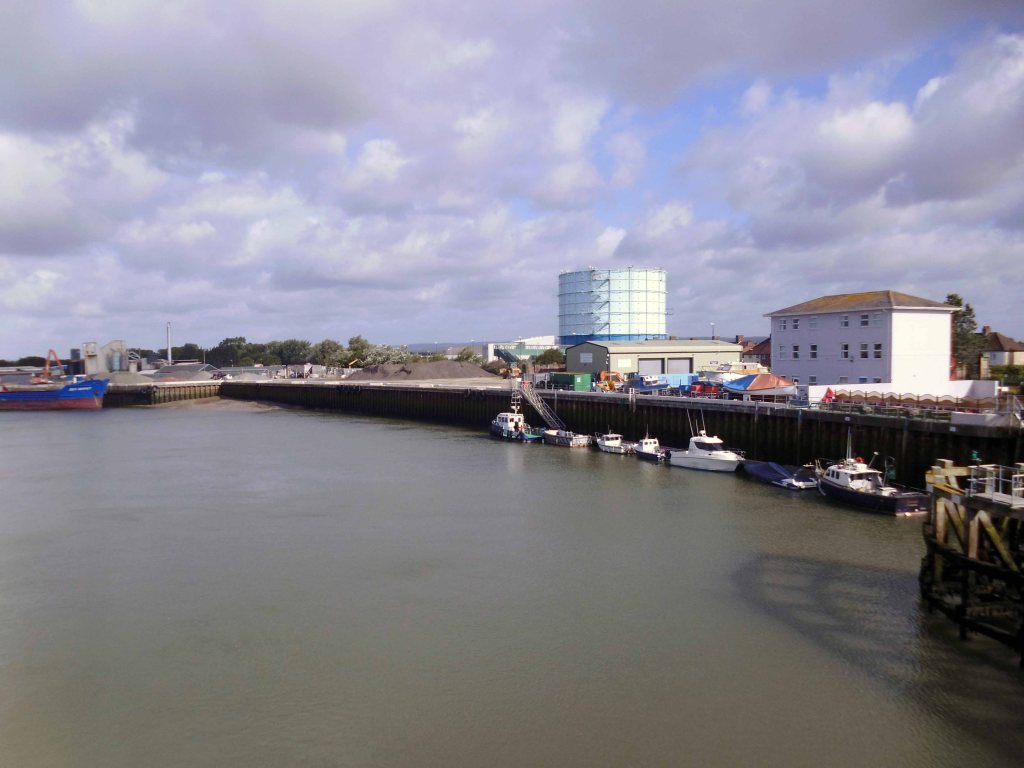
Looking at a pale blue gas holder, some way off in the middle distance.
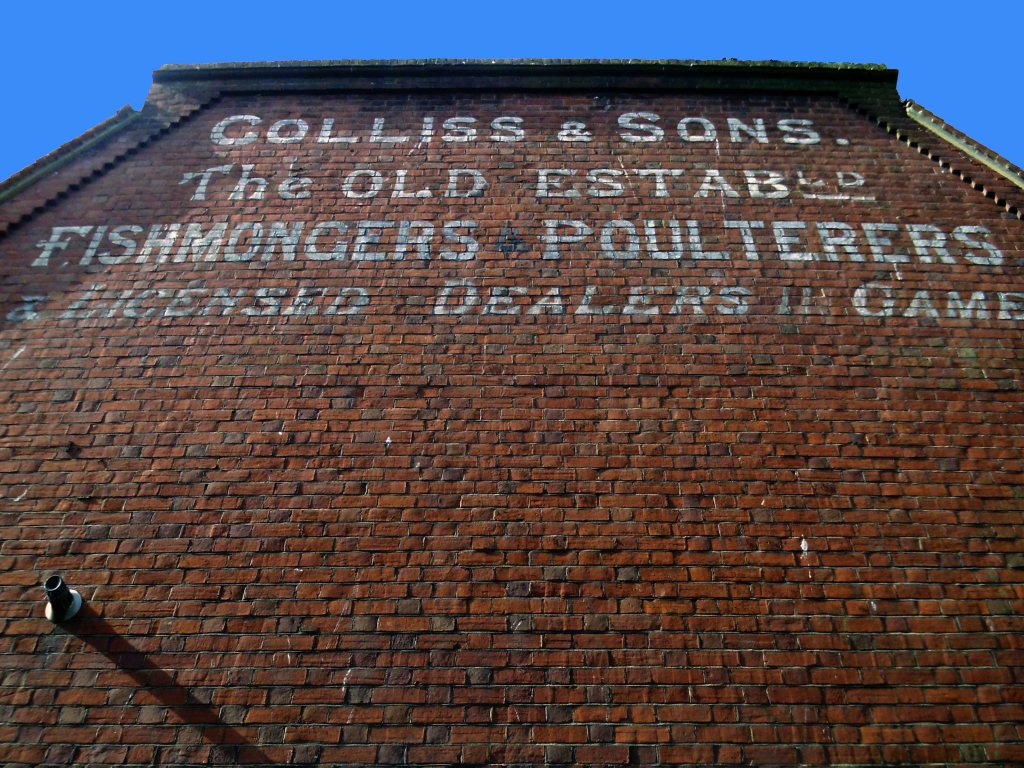
Staring up at a fishmonger’s ghost.
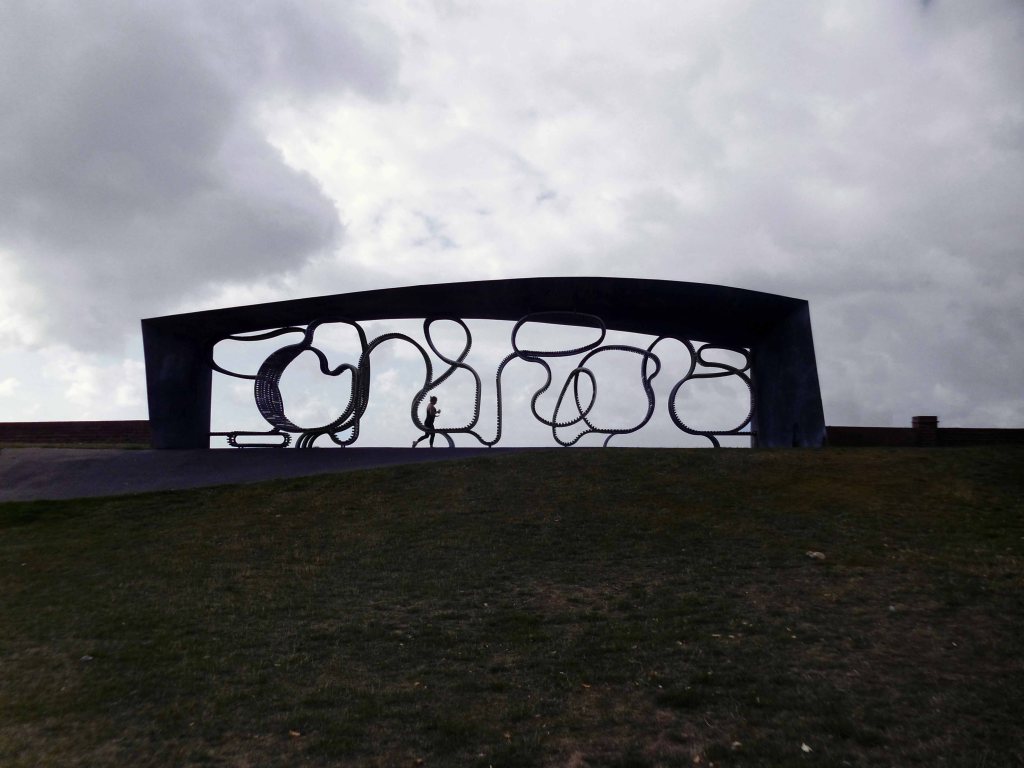
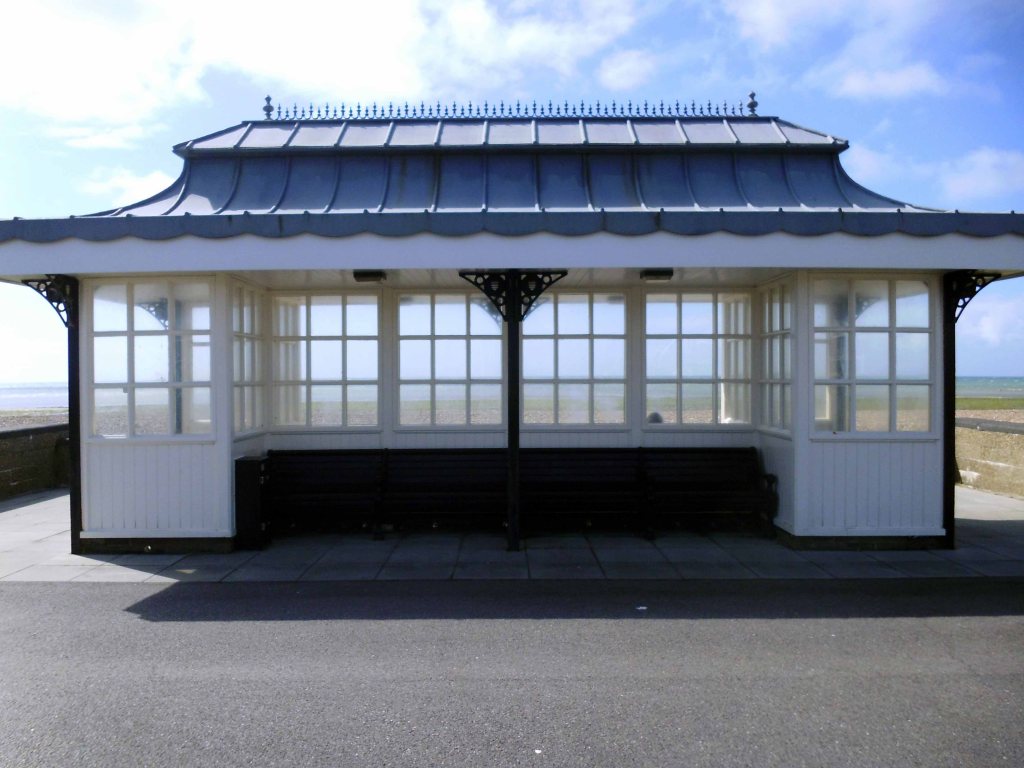
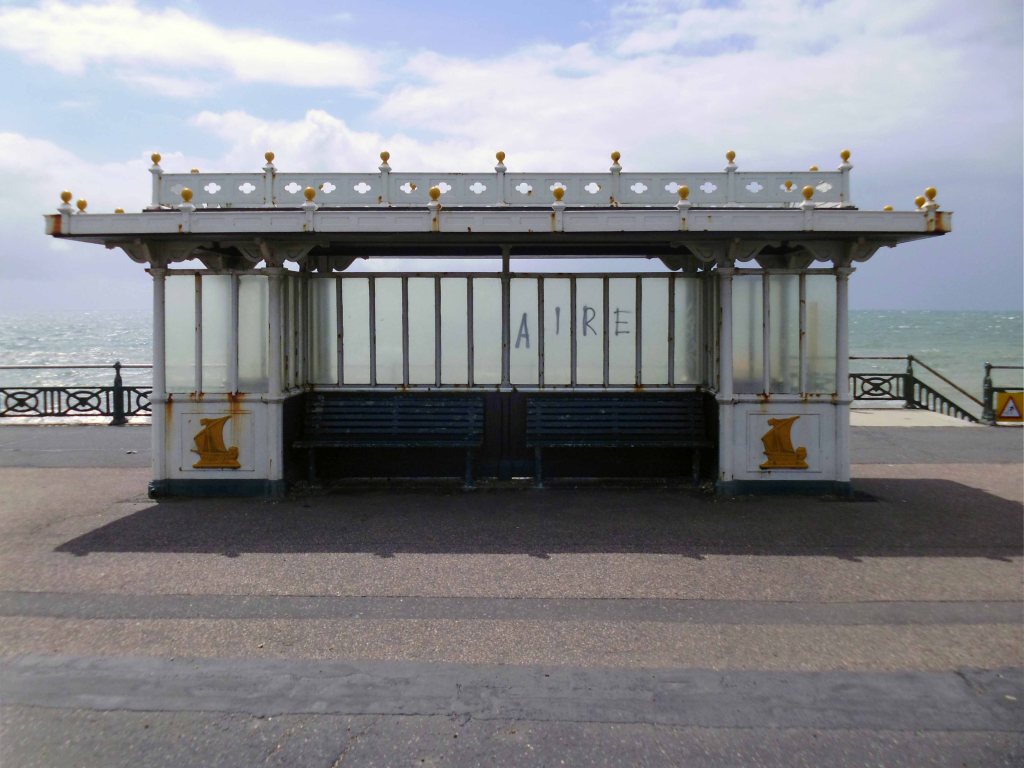
Passing by an ultra-squiggly seaside shelter as a runner passes by.
The Long Bench at Littlehampton is thought to be the longest bench in Britain and one of the longest in the world. The wood and stainless steel bench ‘flows’ along the promenade at Littlehampton in West Sussex – curving round lamp posts and obstacles, twisting up into the seafront shelters, dropping down to paths and crossings.
The bench was opened in July 2010 and can seat over 300 people. It was funded by Arun District Council and CABE’s ‘Sea Change’ capital grants programme for cultural and creative regeneration in seaside resorts. The bench was also supported by a private donation from Gordon Roddick as a tribute to his late wife Anita, the founder of the Body Shop, which first began trading in Littlehampton.
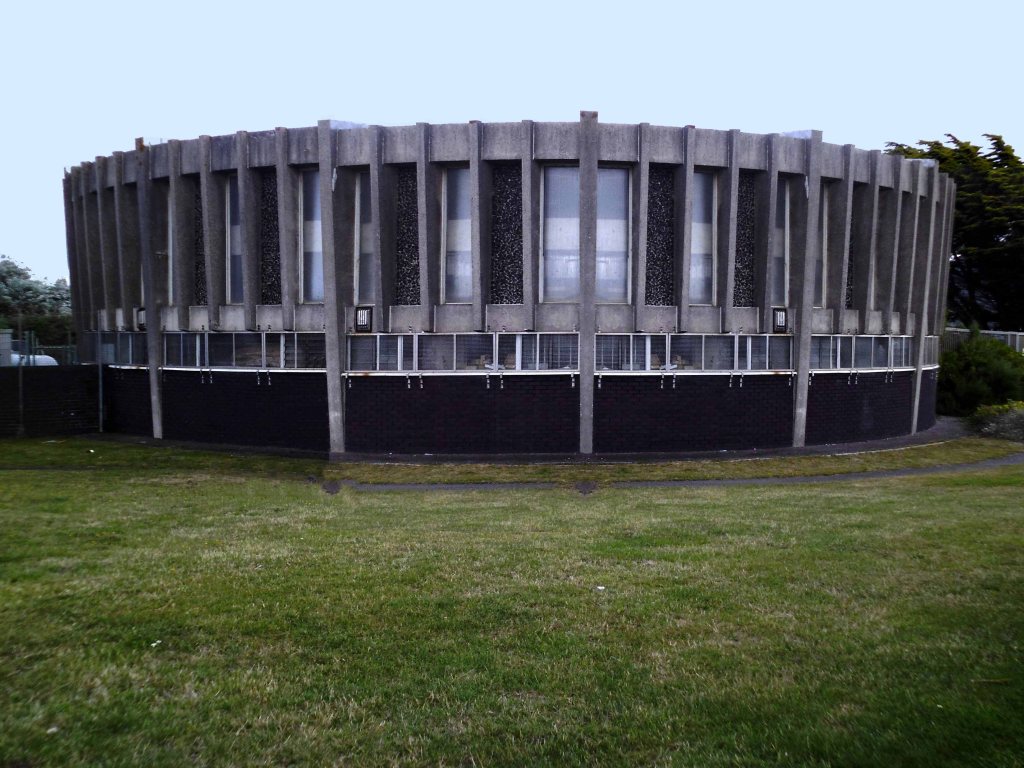
Water treatment plant.
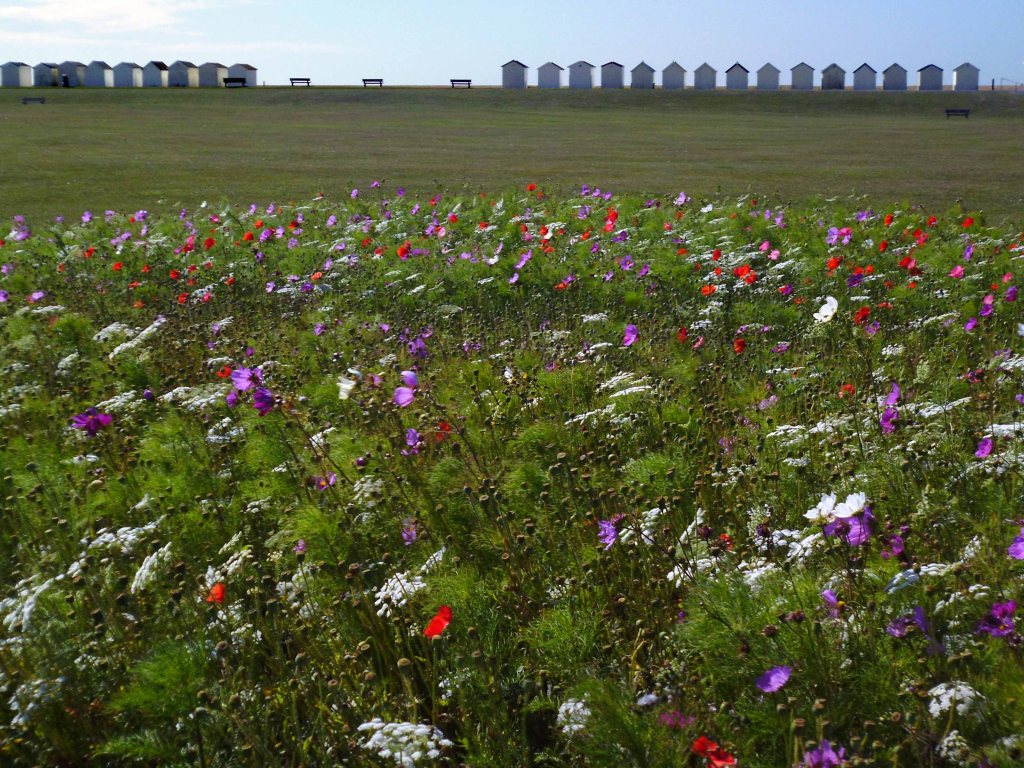
Nothing lifts the spirits quite like a wildflower meadow.
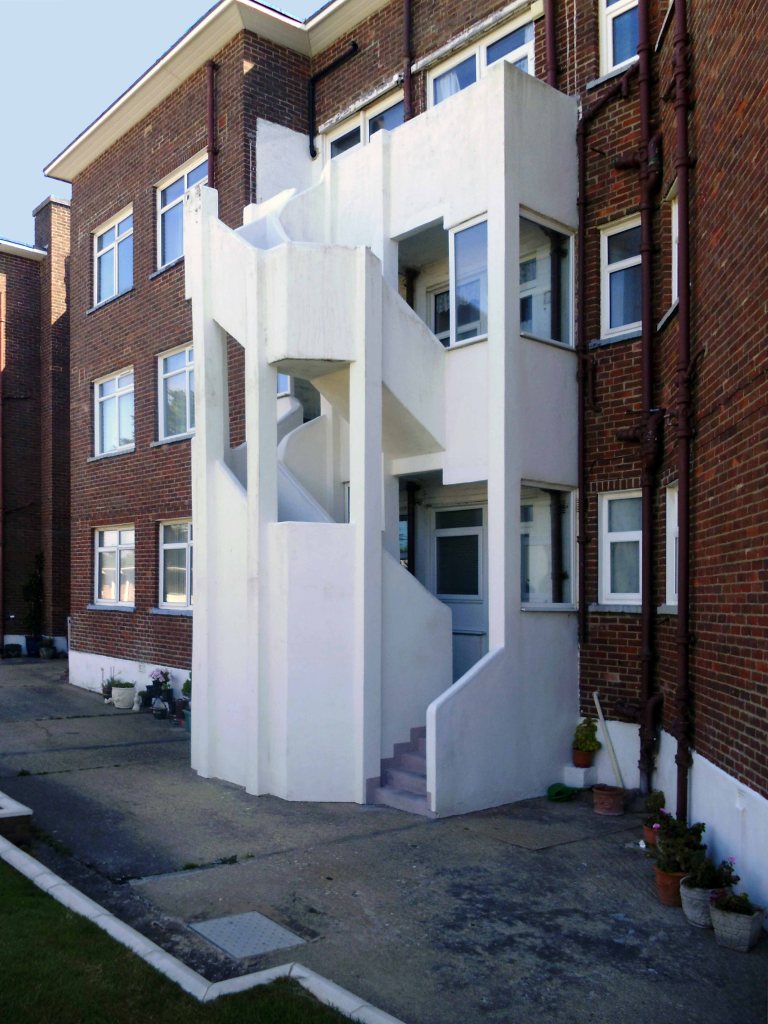
Imagine my surprise having gone around the back – an expressionist concrete spiral stairway.
Letting the sky leak in here at Burlington Court in Goring on Sea
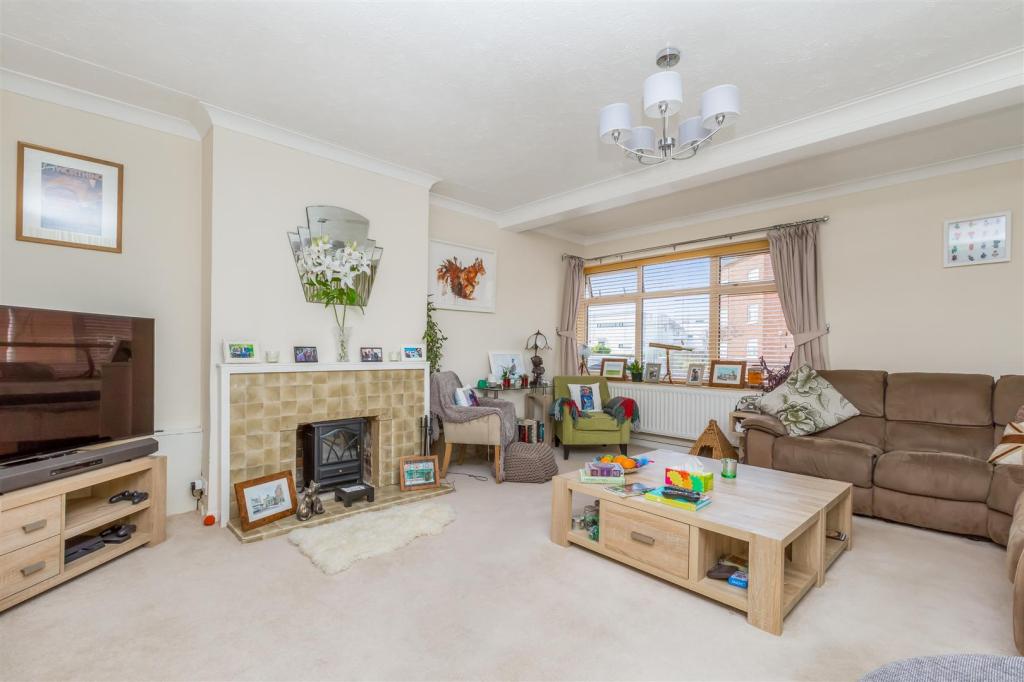
The phrase deceptively spacious is one that is often overused within the property industry, however it sums up this ground floor flat prospectively. Offering a great alternative to a bungalow and providing spacious and versatile living accommodation, this is an absolute must for your viewing list.
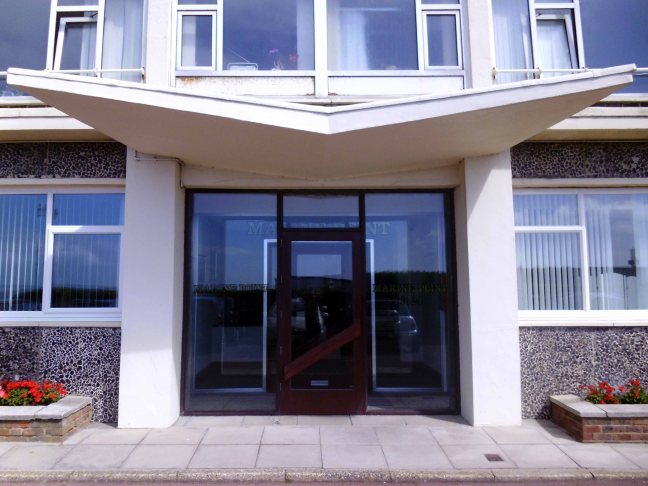
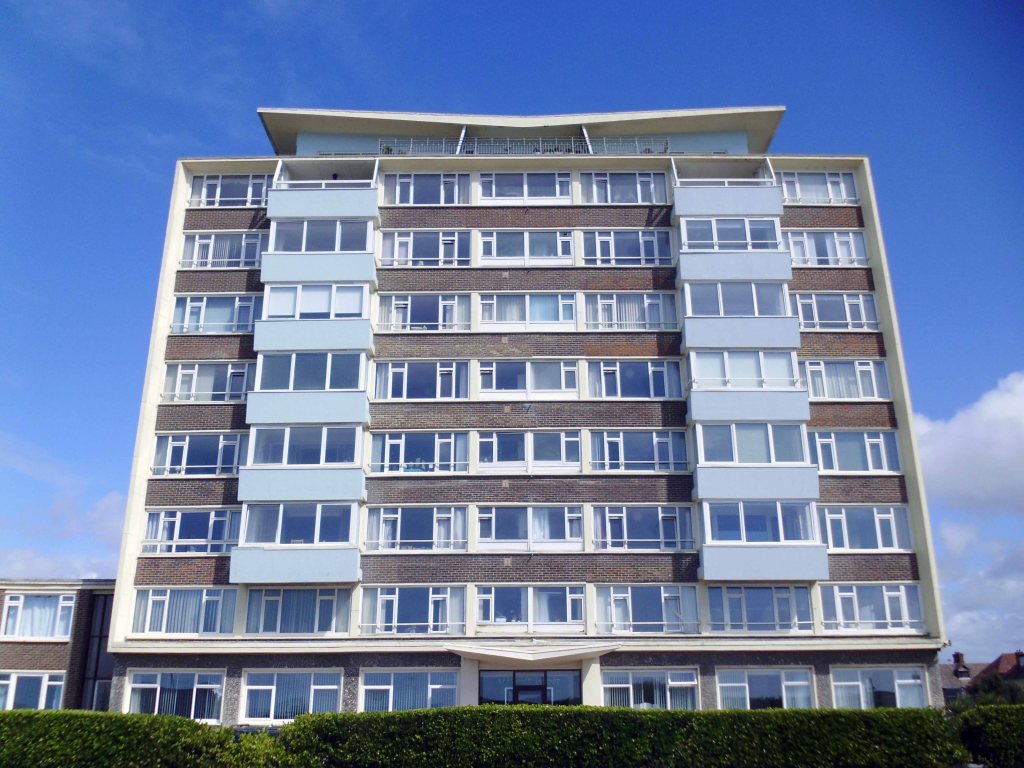
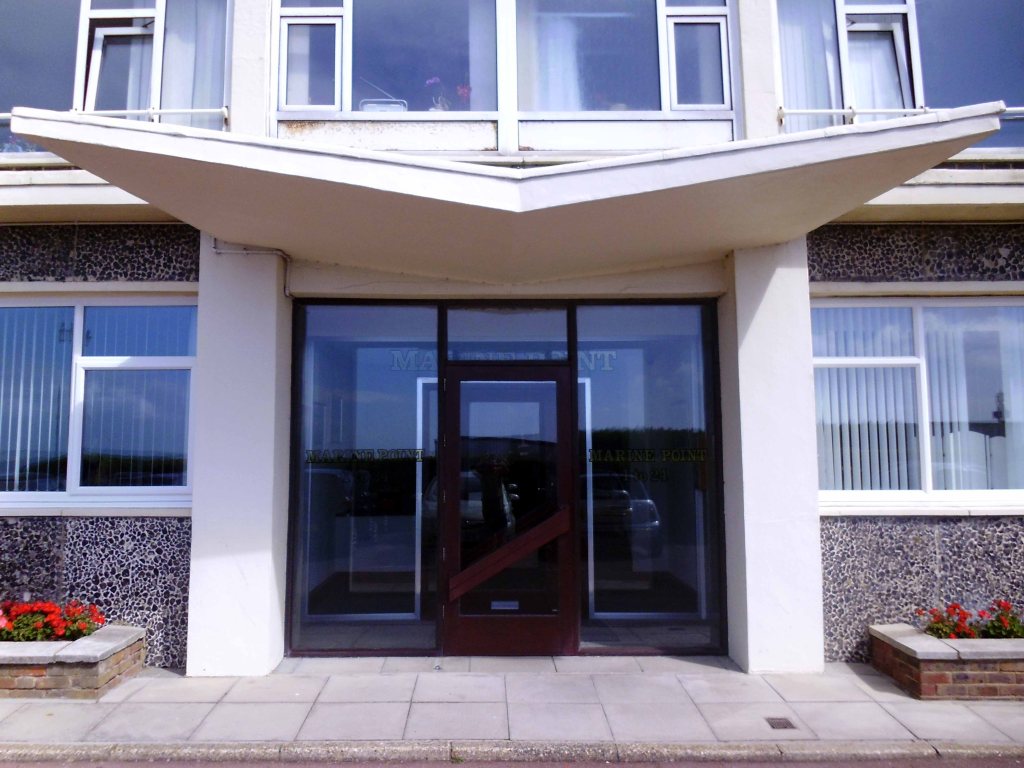
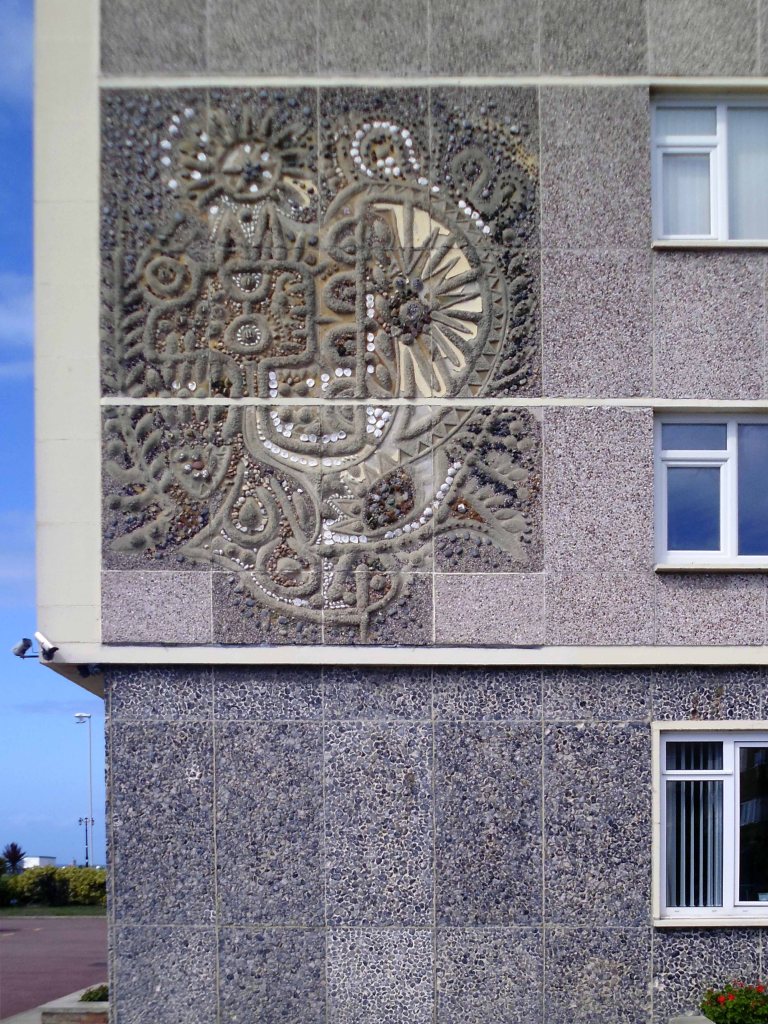
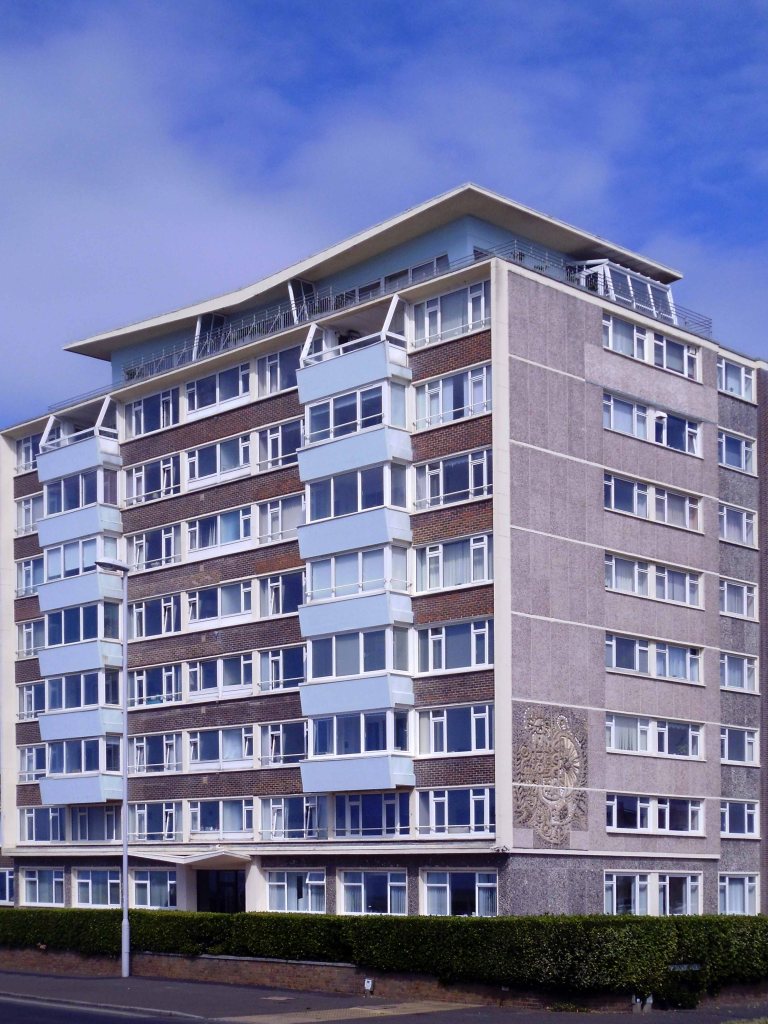
What a delightful Modernist frieze on the side of Marine Point – Worthing!
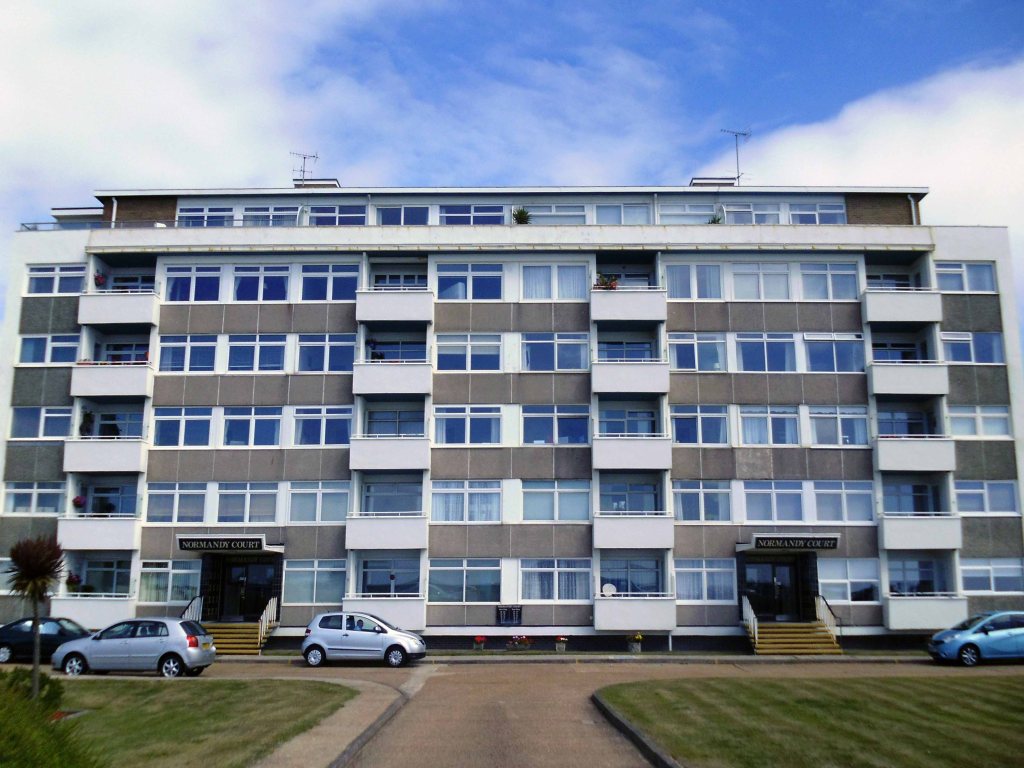
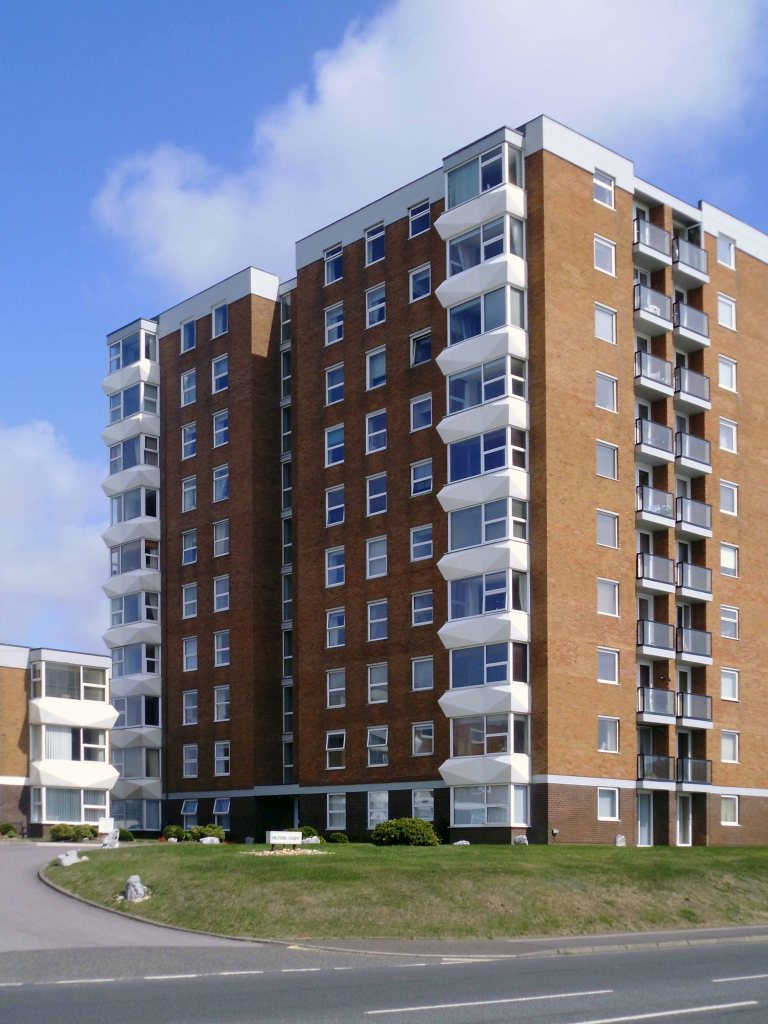
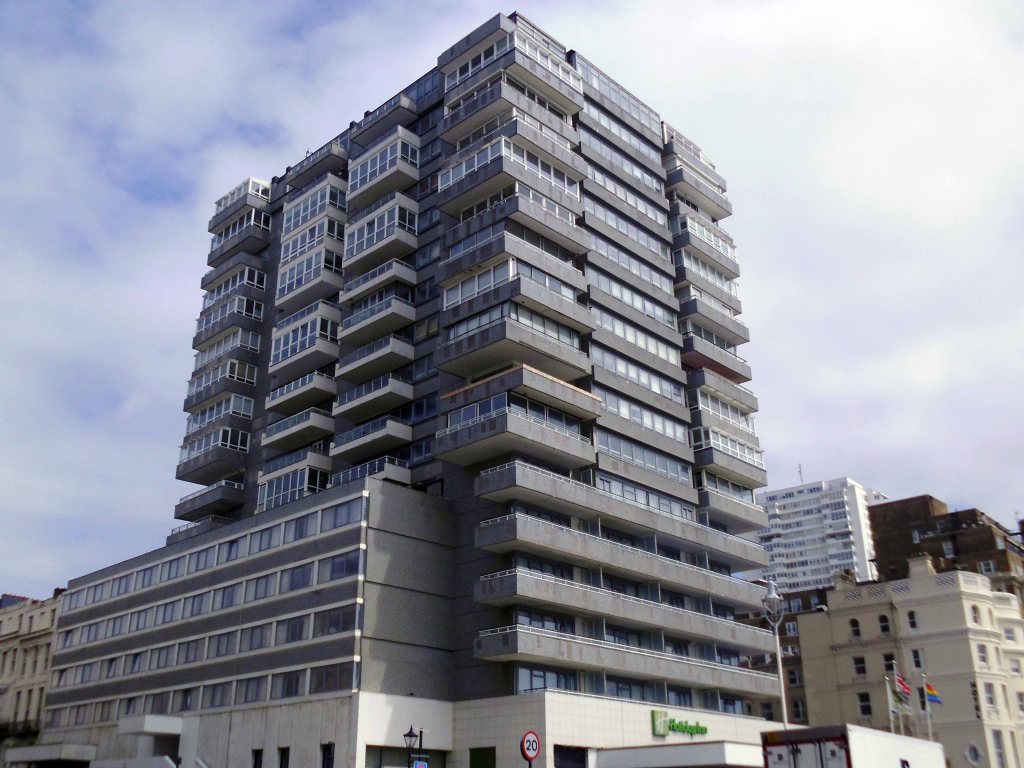
With lifts to all floors this triple aspect corner apartment is situated on the fifth level and has outstanding panoramic sea views across from Beachy Head to Brighton through to the Isle of Wight. It is also benefits from stunning South Down views to the west and north. The property has been recently refurbished to a high specification and includes features such as: Quick-Step flooring, security fitted double glazed windows, a hallway motion sensor lighting system, extensive storage space and two double bedrooms.
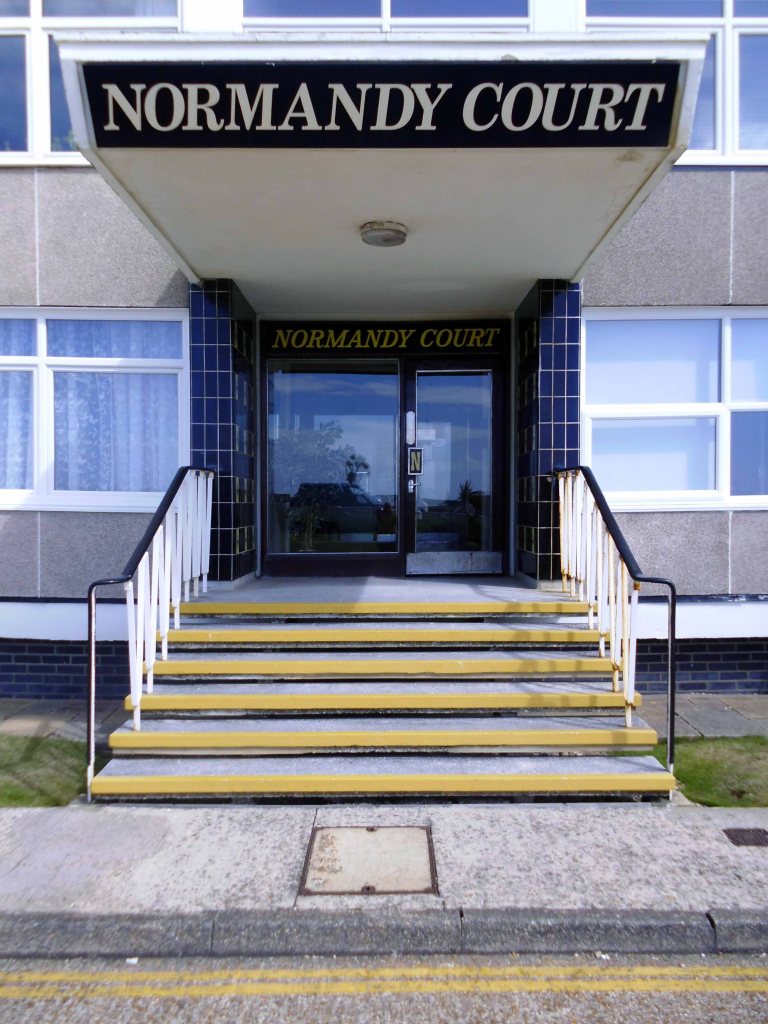
Fox and Sons are delighted to offer For Sale this immaculate seafront penthouse located within the highly desirable Normandy Court situated on the sought after West Parade, Worthing. Upon entry you will notice that the communal areas are kept in good condition throughout.
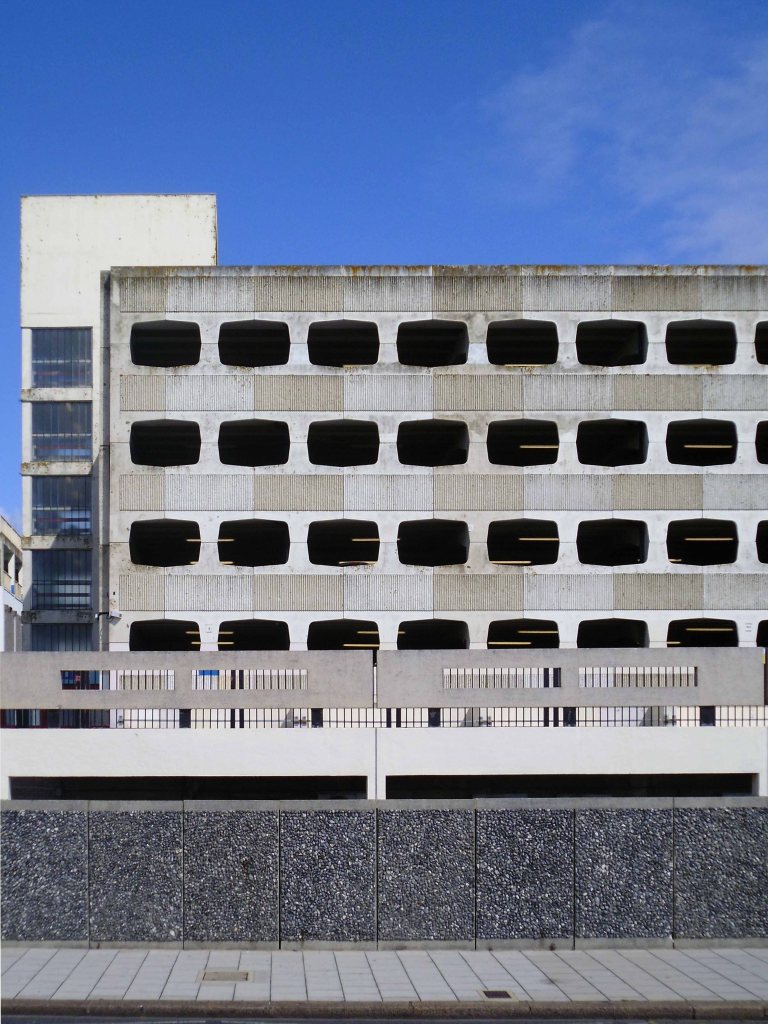
One of the finest modular pre-cast concrete car parks in the land.
Borough council officers have recommended developing the Grafton car park, with a fresh study recommending that building new homes there is key – saying it is important to help revitalise the town centre and bring in new cutlural and leisure activities.
The car park is currently undergoing essential maintenance to be able to keep it open in the short term but the recommendation is that it should eventually be demolished to make way for the new development.
Drew up a list of buildings, made plans – dream on.
The best laid schemes o’ mice an’ men gang aft a-gley.
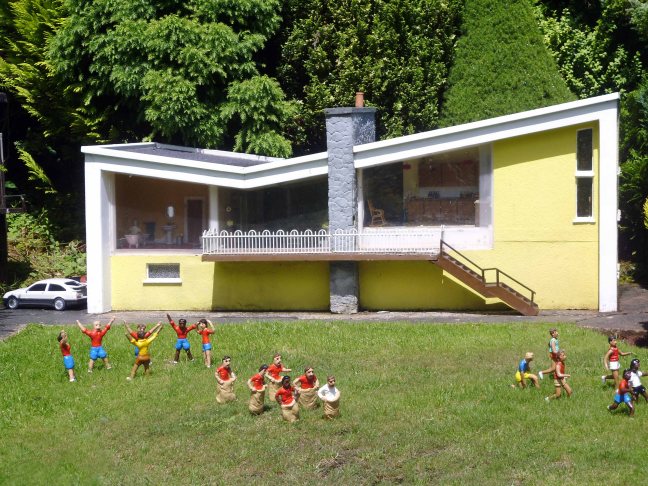
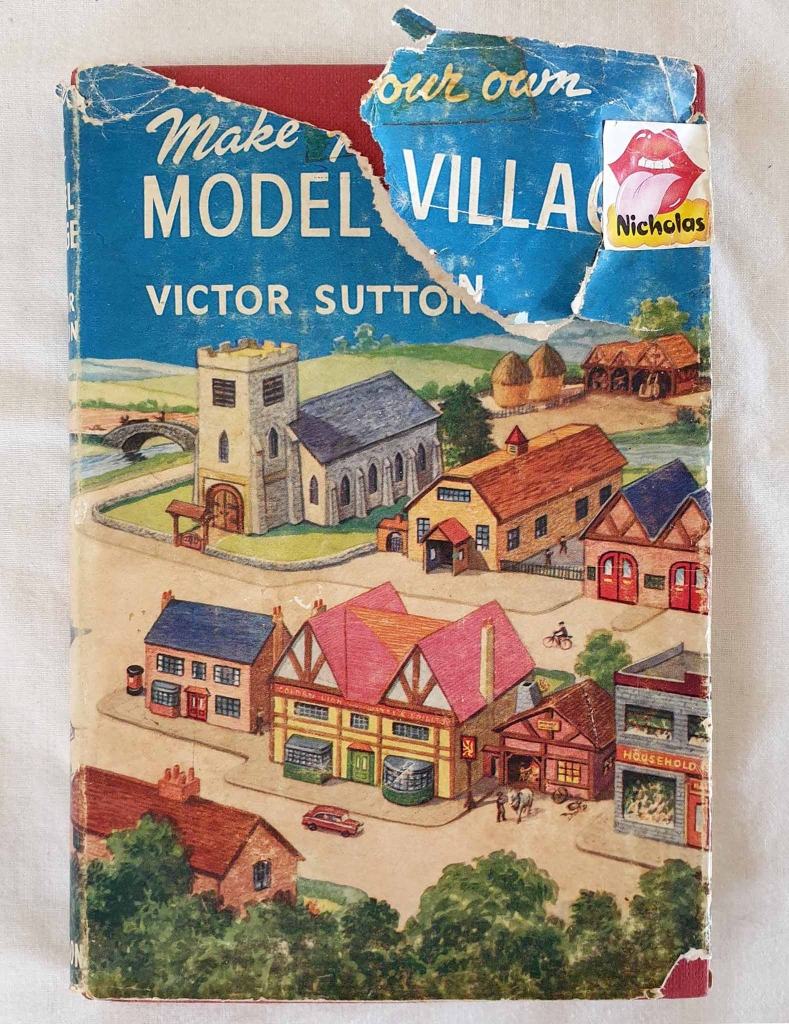
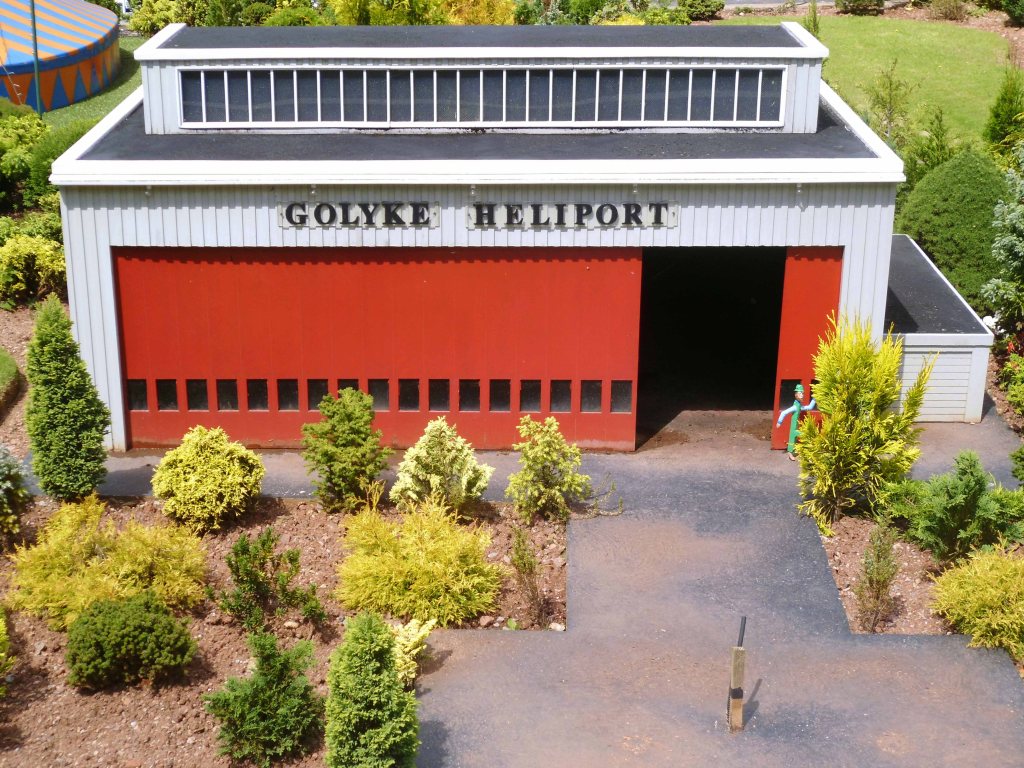
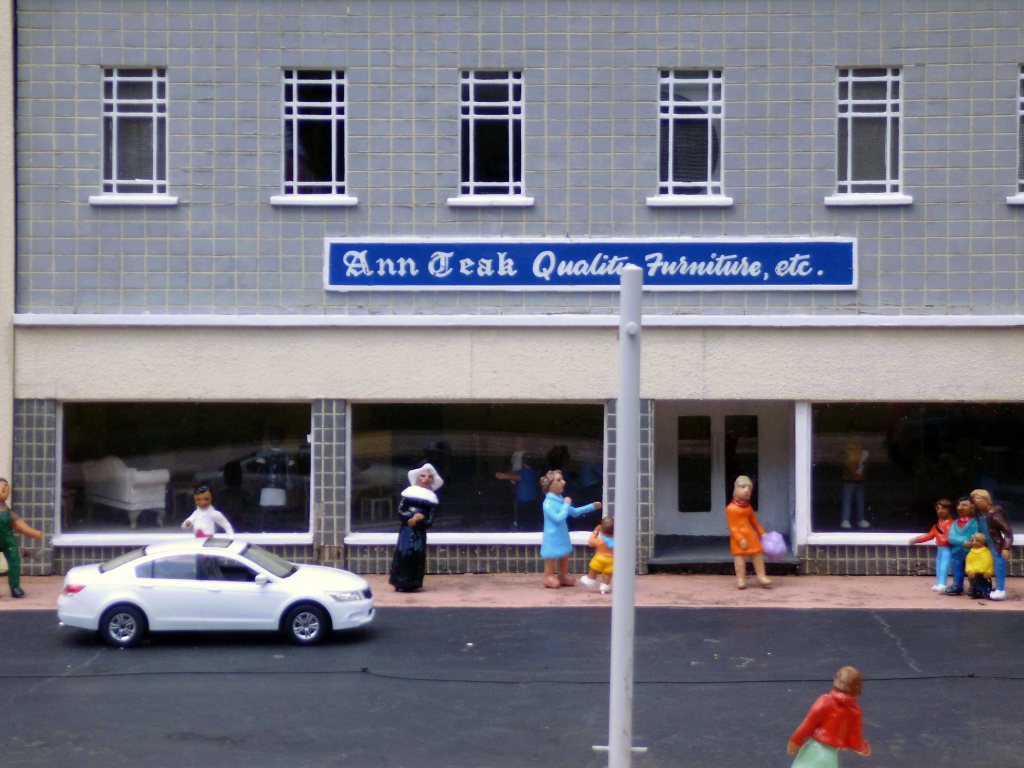
However, whilst on my 2015 cycle tour of the south west coast I arrived almost accidentally yet serendipitously outside Babbacombe Model Village.
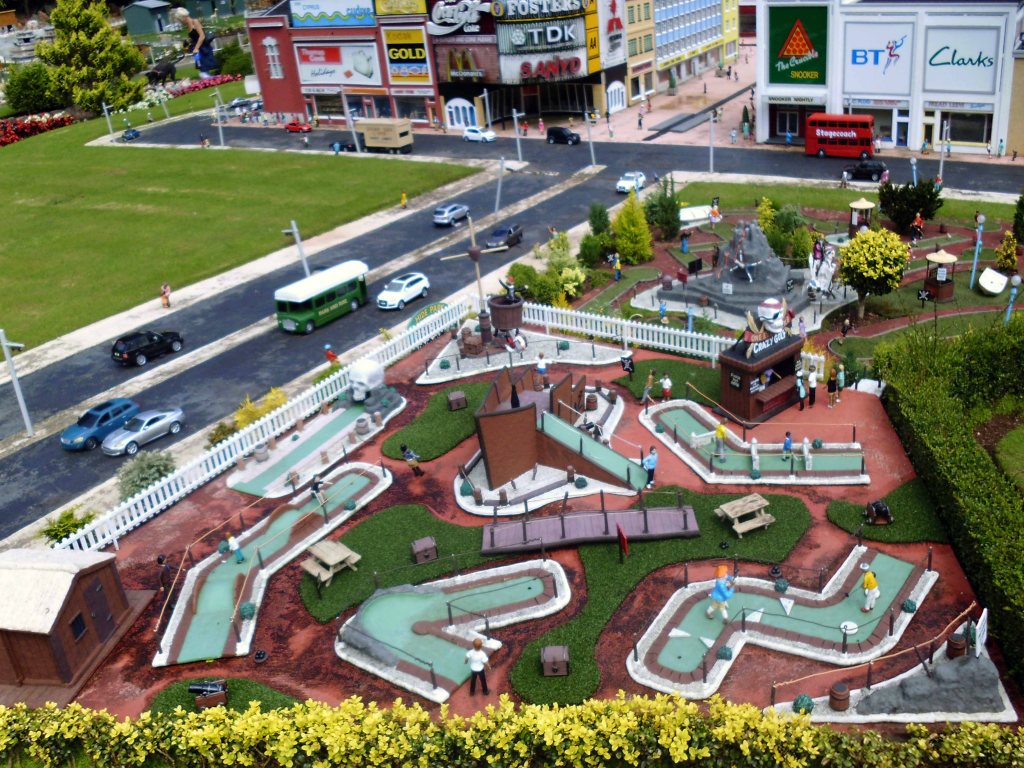
A good place to visit as dogs are welcome and this is important to us. The models were very cleverly designed and each one is recognisable and very funny anecdotes and labels. It was much bigger than it looked but flowed easily and was fun and charming to walk around. There is also a free mini crazy golf room which makes a change to not charge for something like this and a joy to see. I really enjoyed myself and it is all so well maintained you can feel the passion of the people creating it.
I went in – how could I have done otherwise?
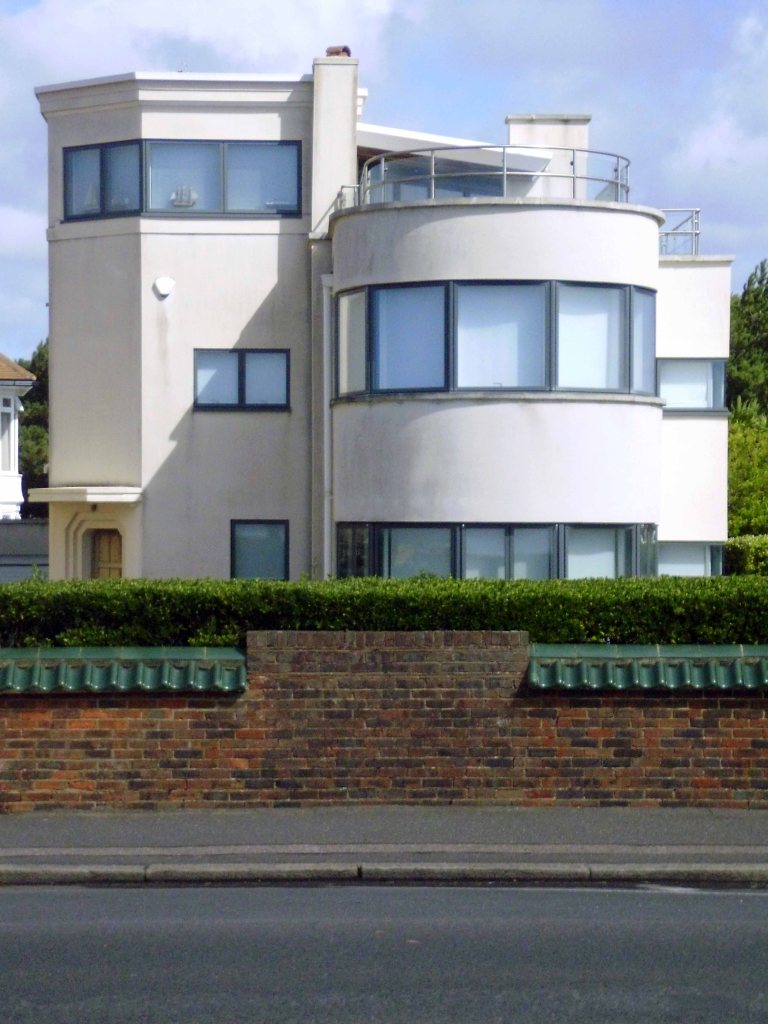
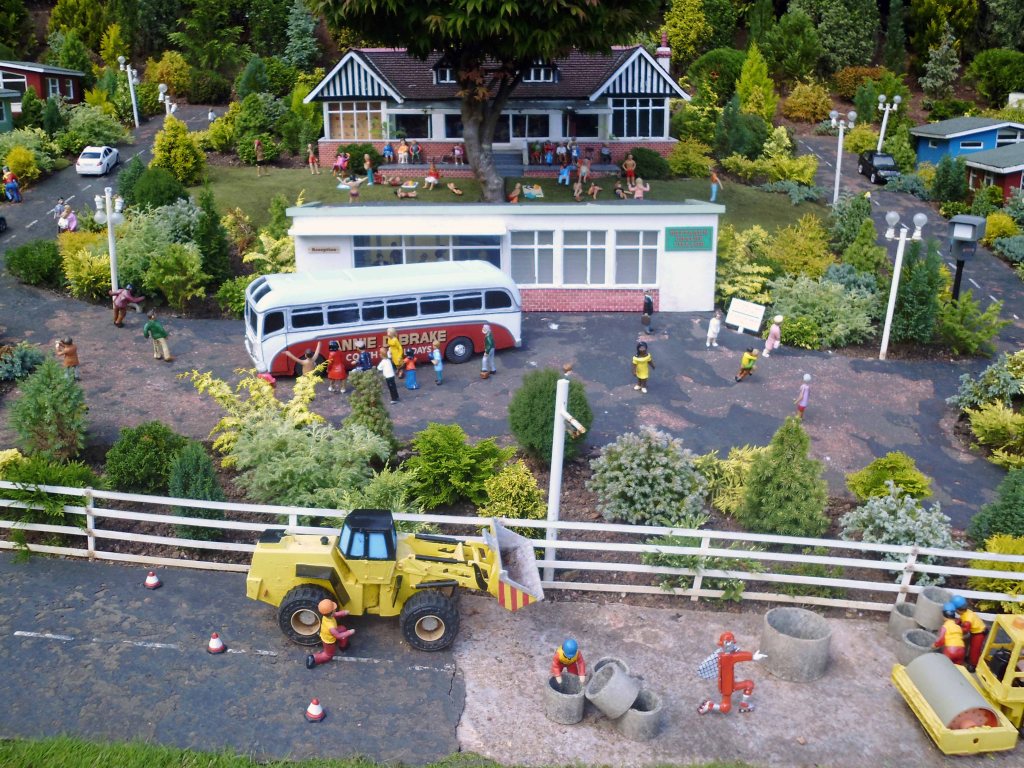
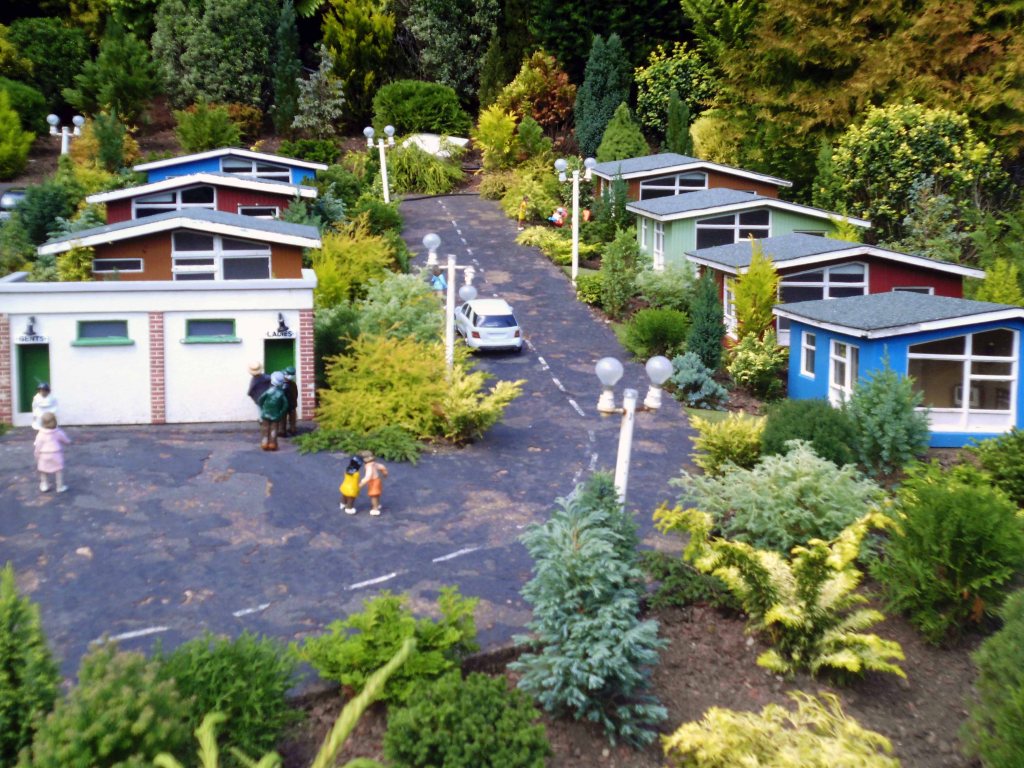
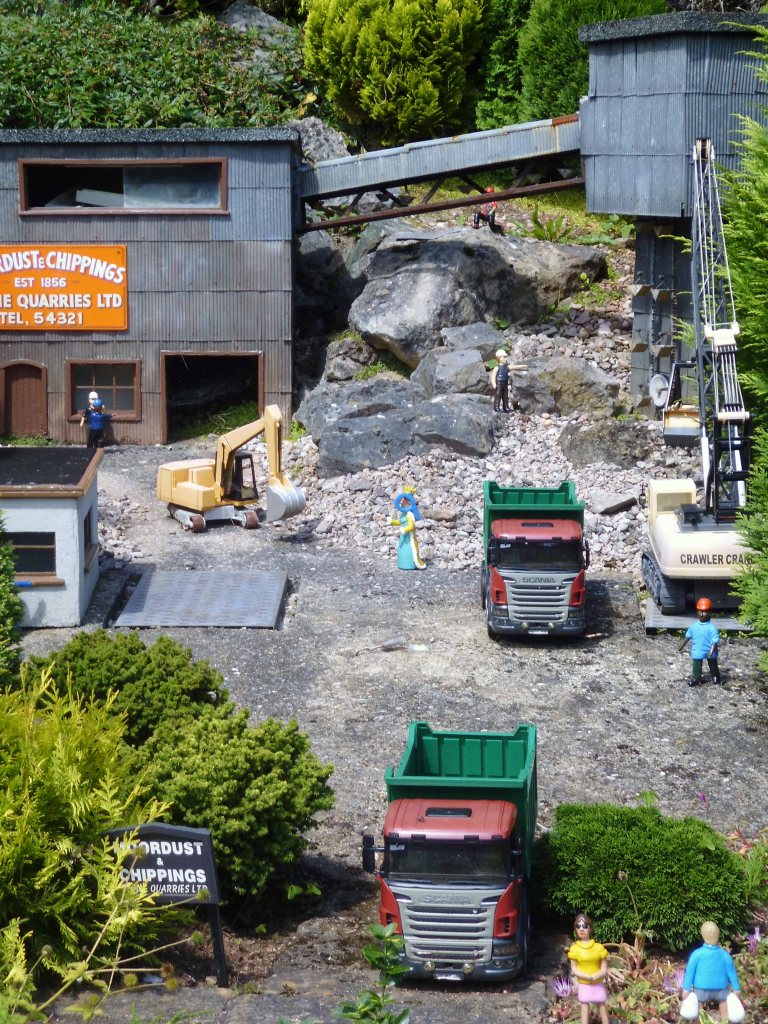
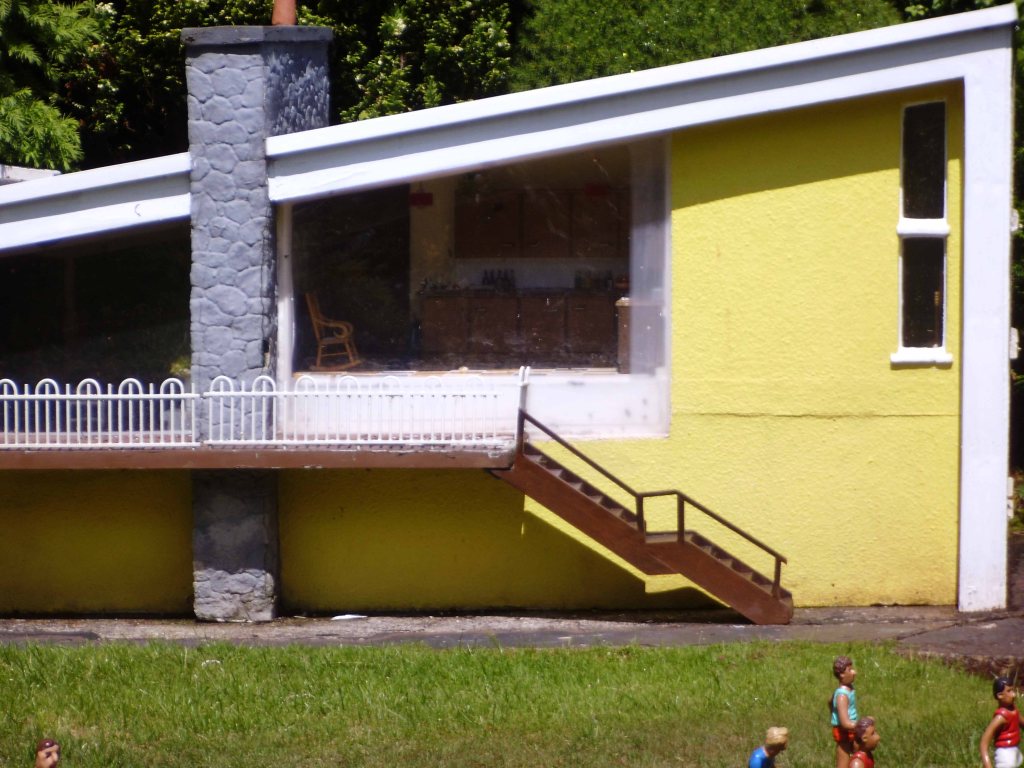
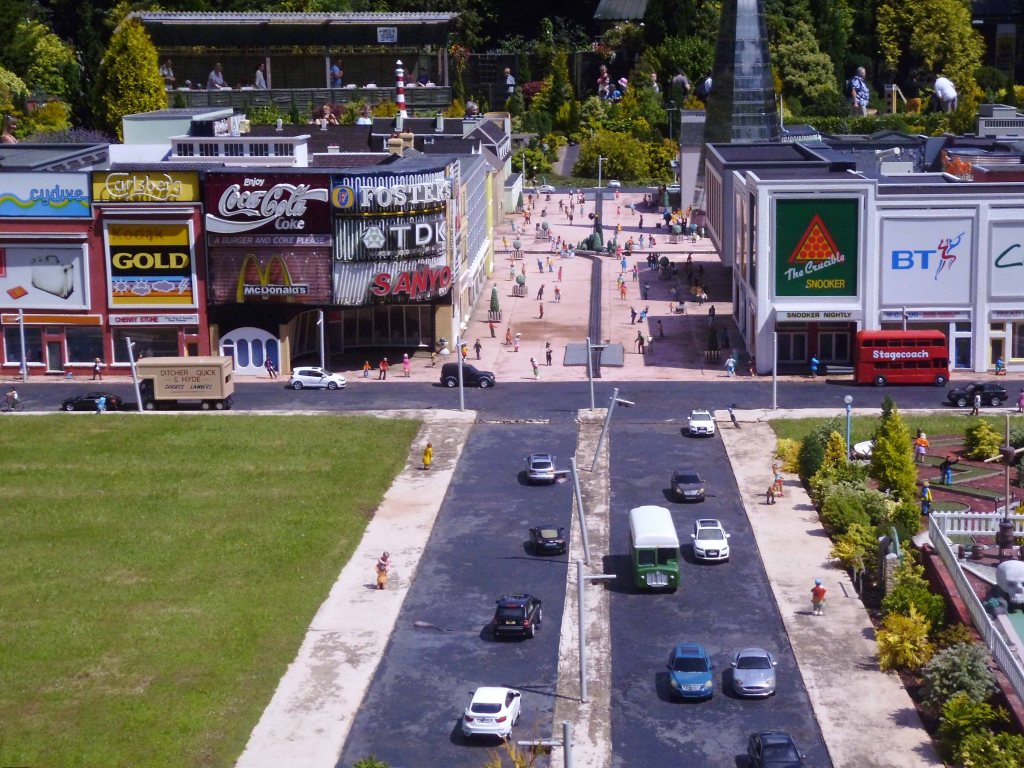
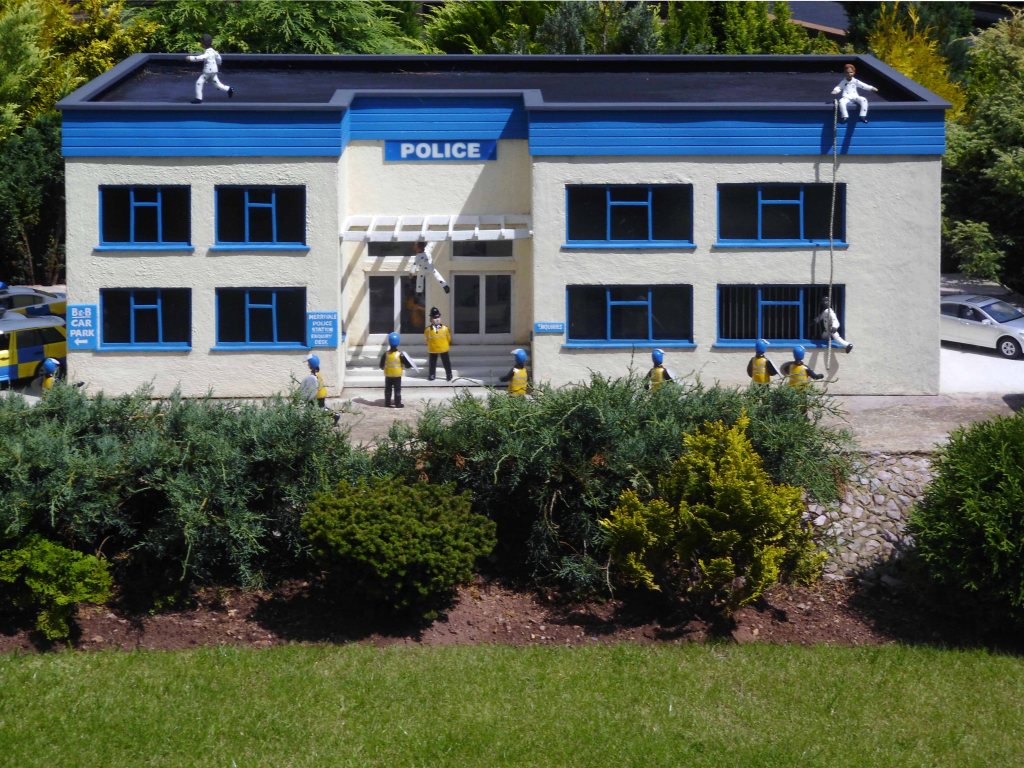
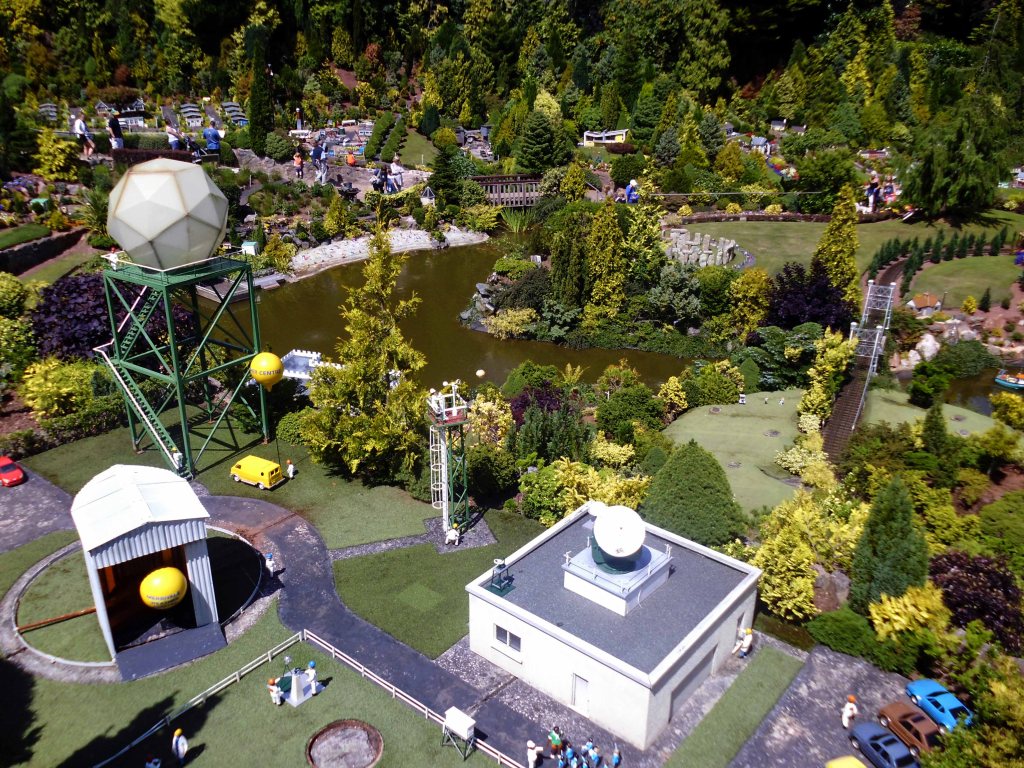
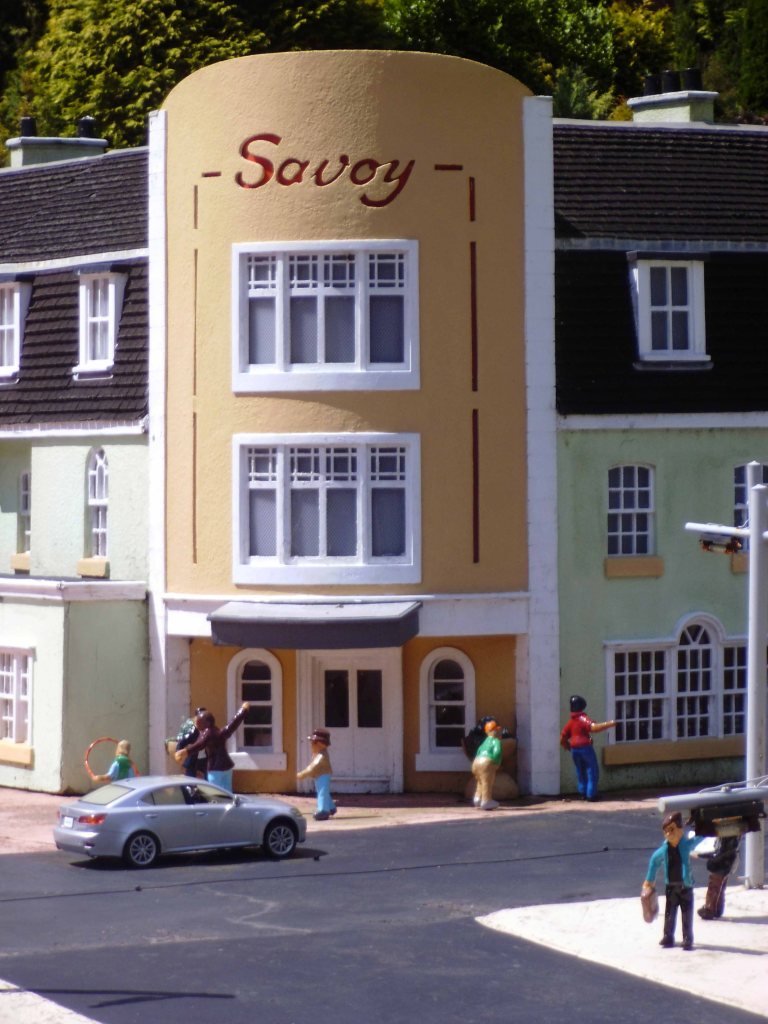
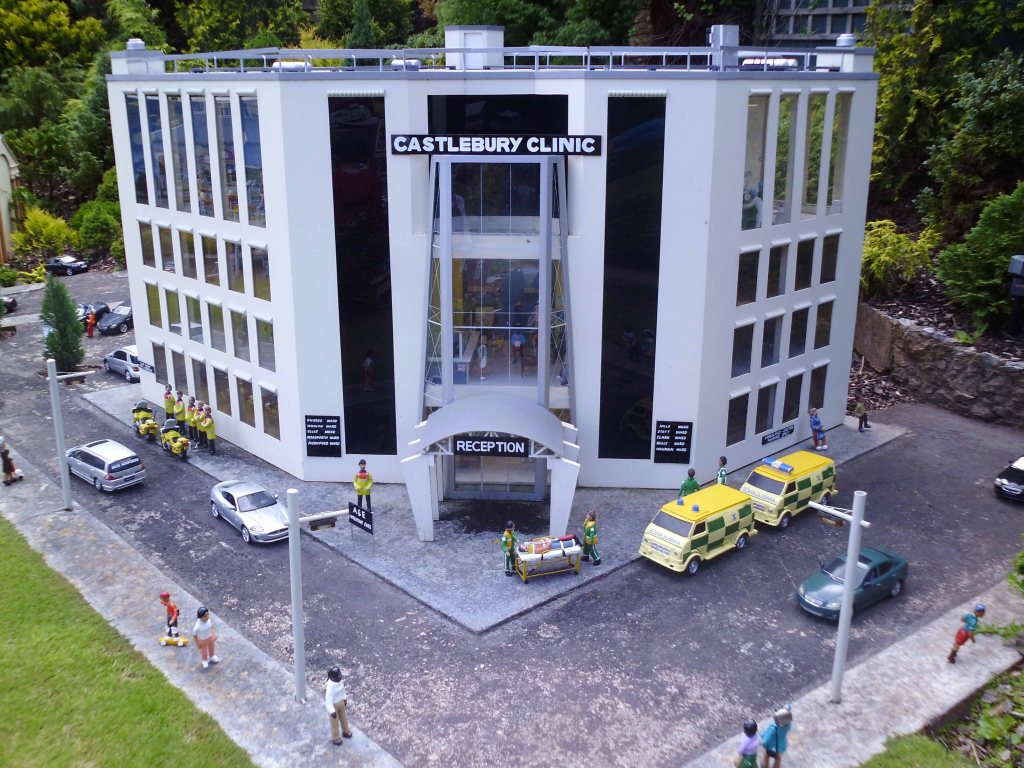
Many of the buildings reflect the areas’ Seaside Moderne styles, from the holiday chalets to the substantial Modernist Villa, plus all the up to the minute services and infrastructure one would expect in a modern model village.
Let’s take a look:
Other model villages are available – Bondville Bridlington and virtually in Hastings
Baby it happens when you’re close to me My heart starts beating – hey a strong beat. Oh I can’t leave you alone Can’t leave you alone
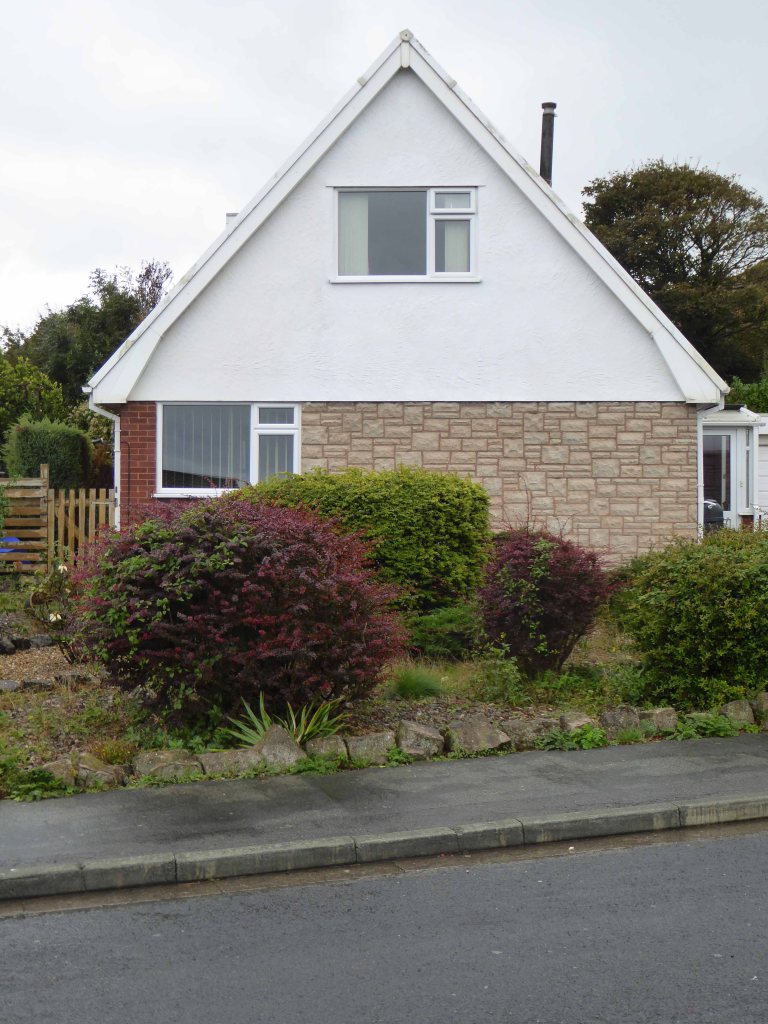
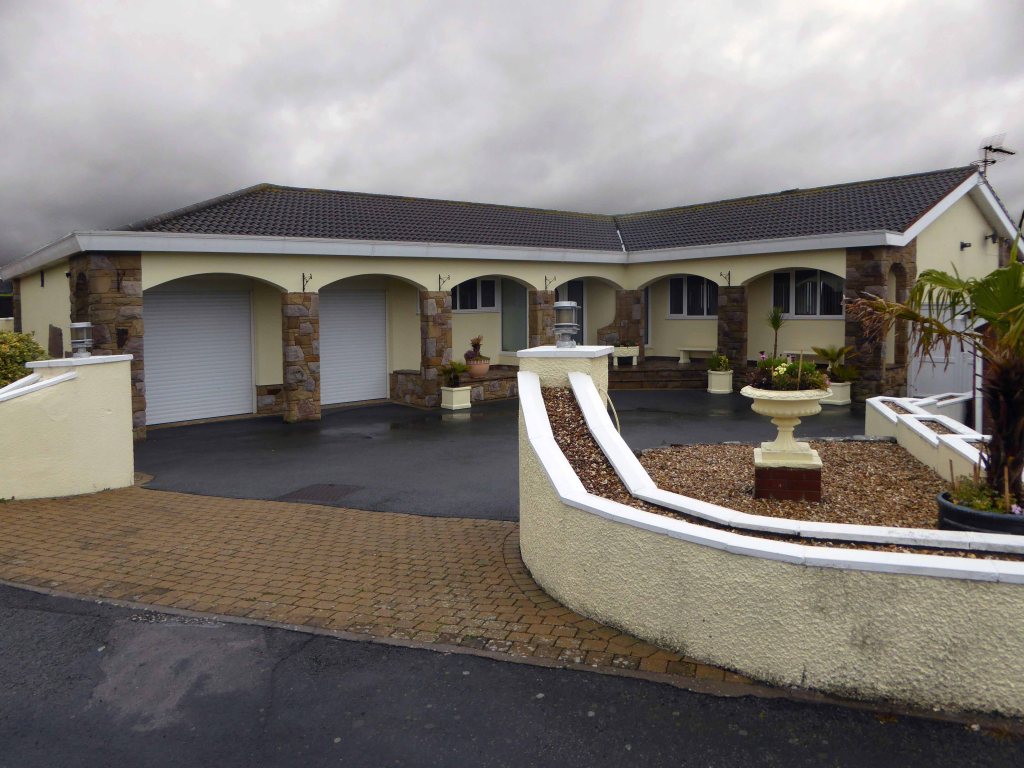
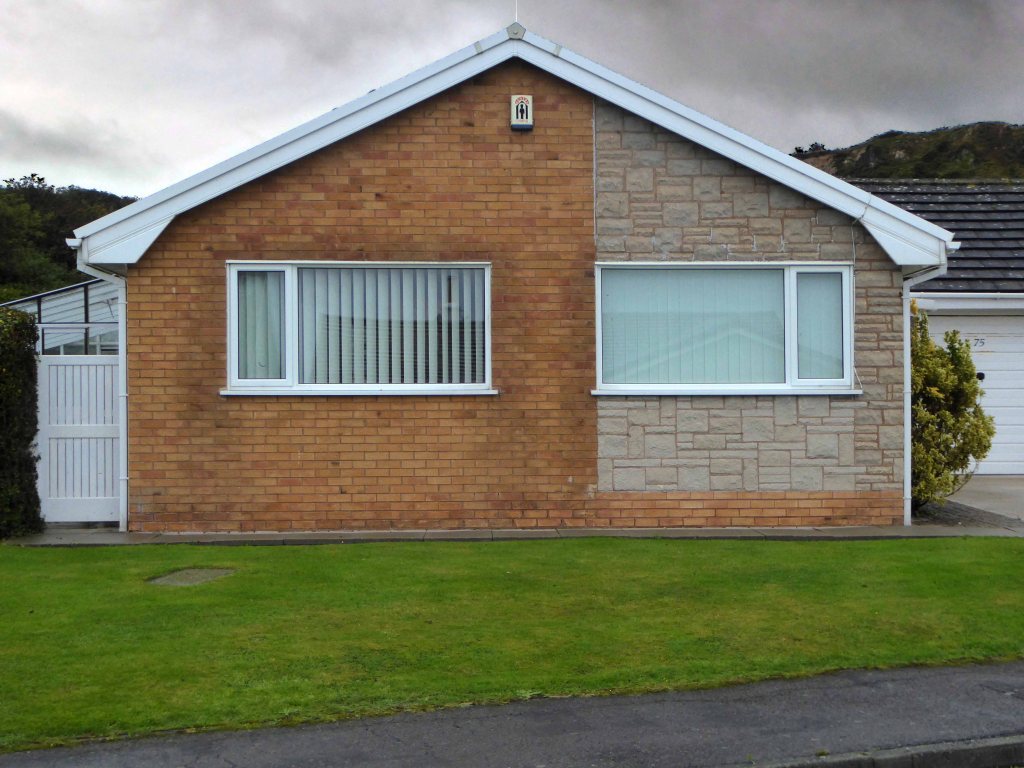
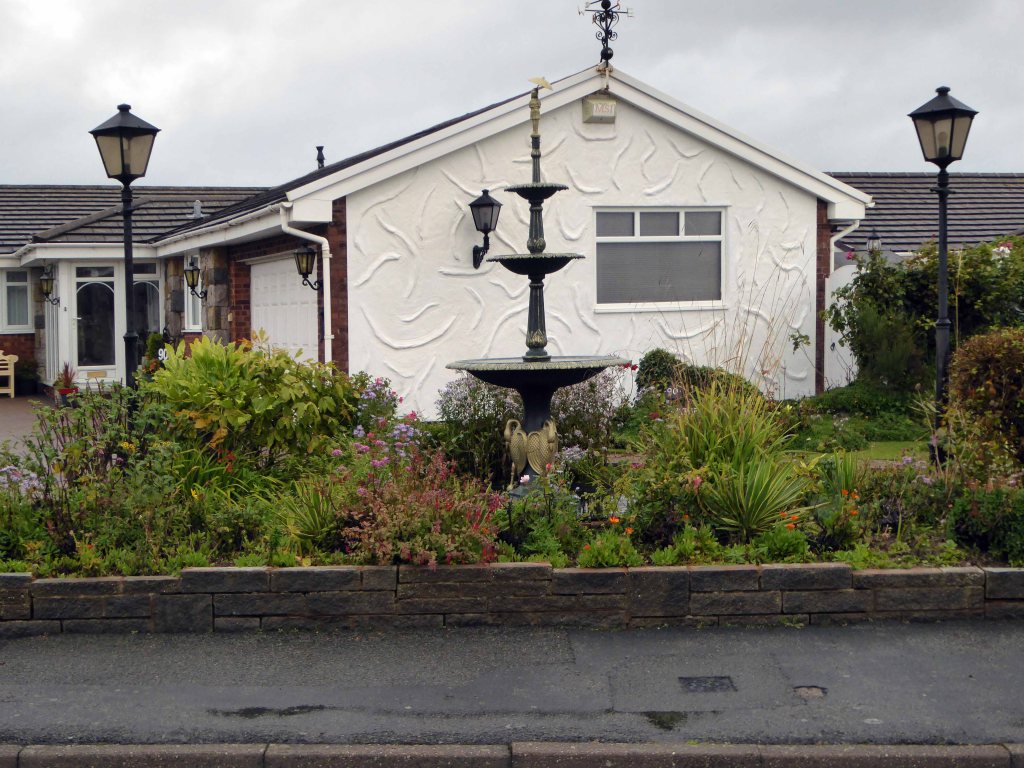
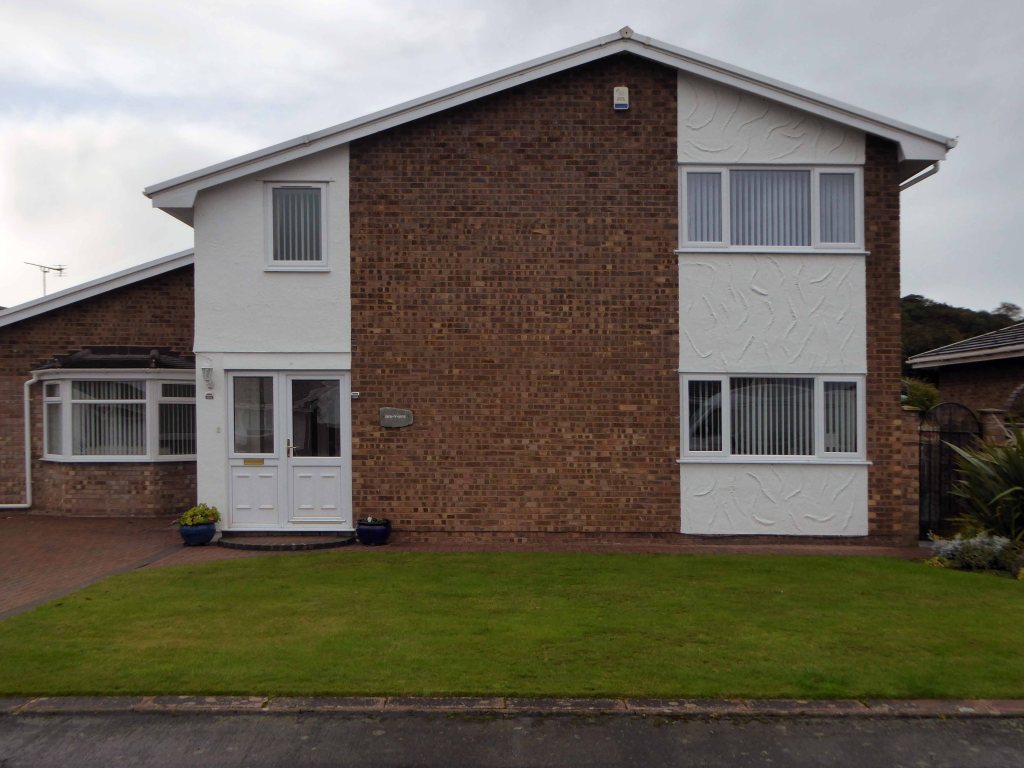
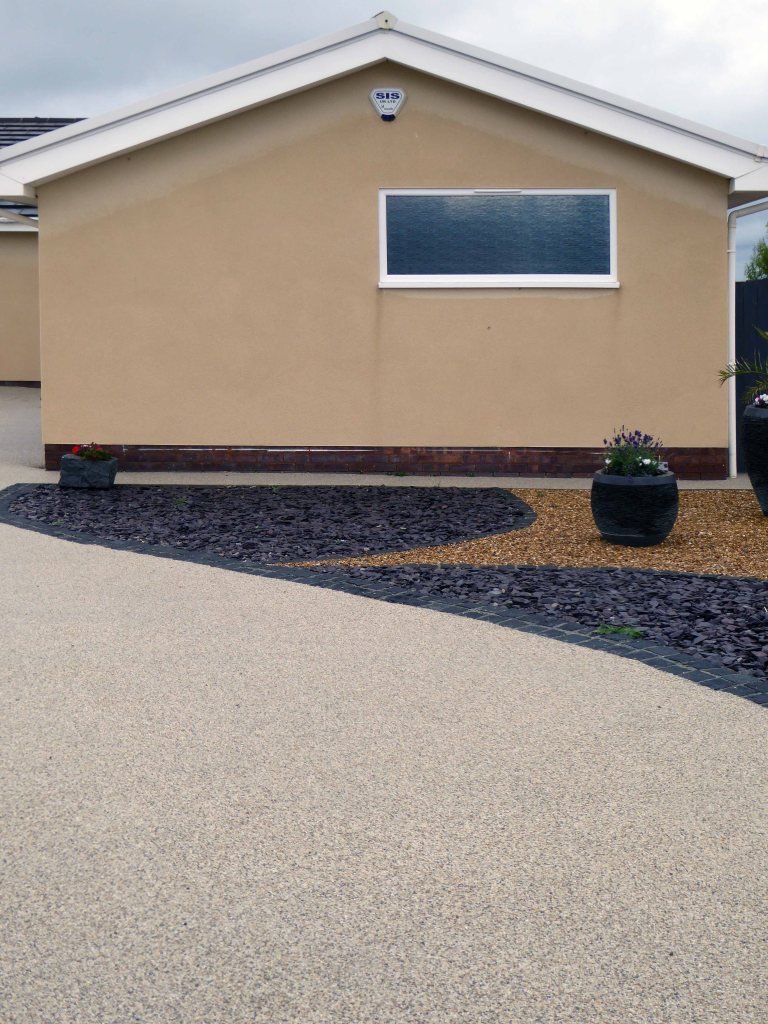
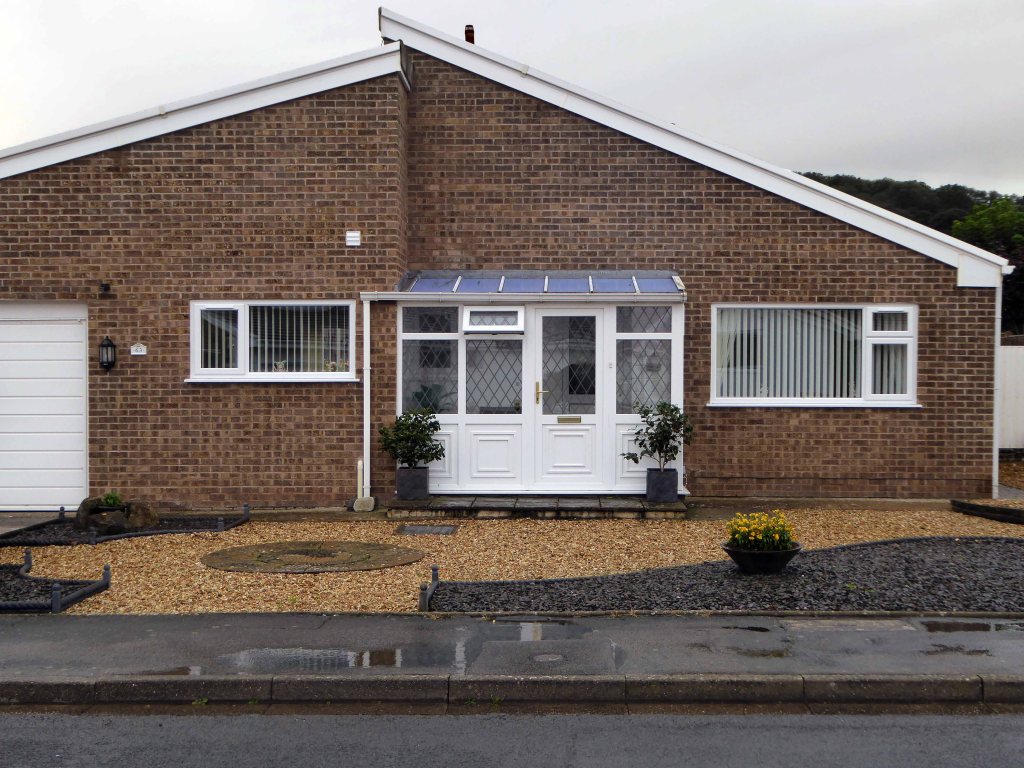
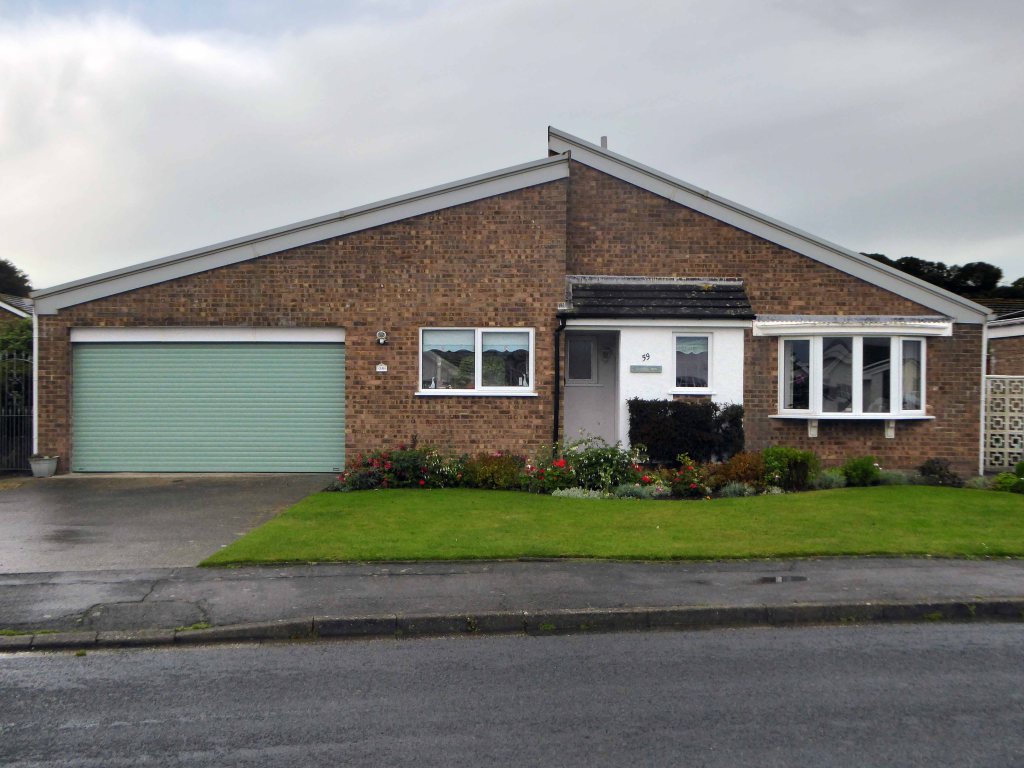
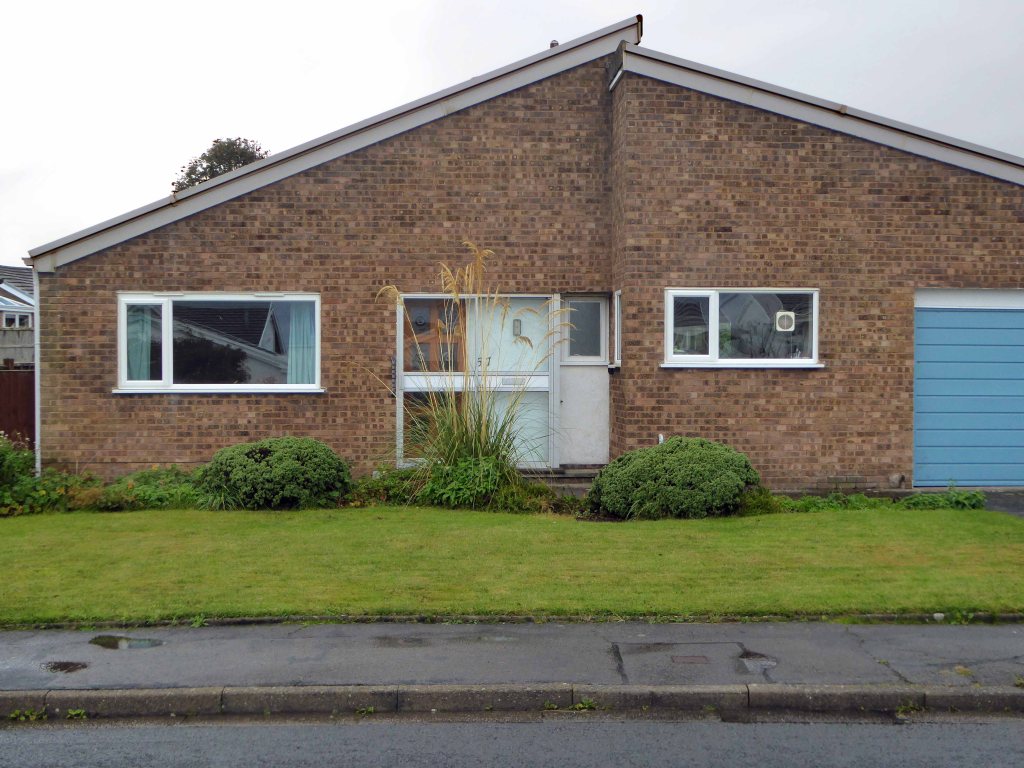
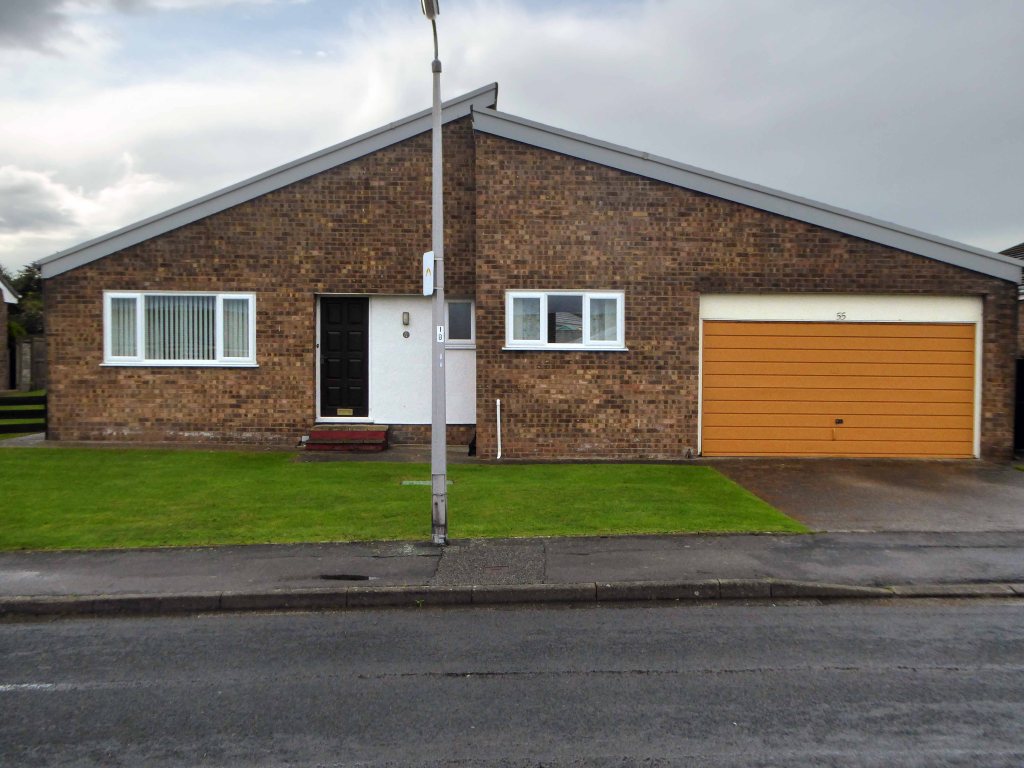
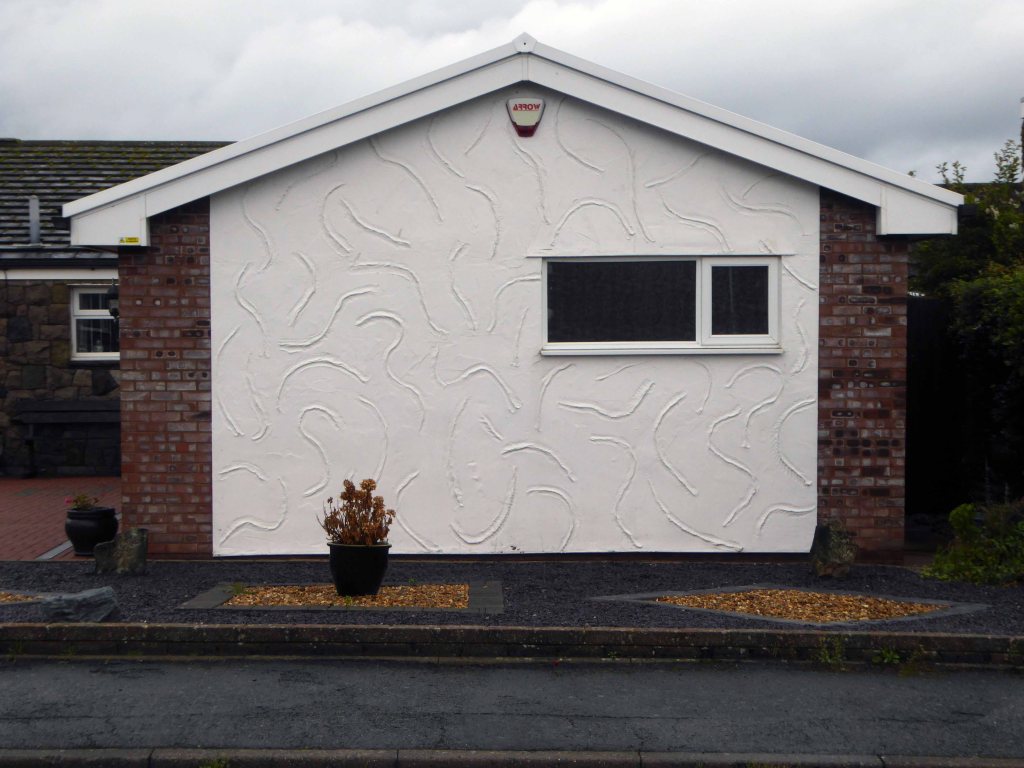
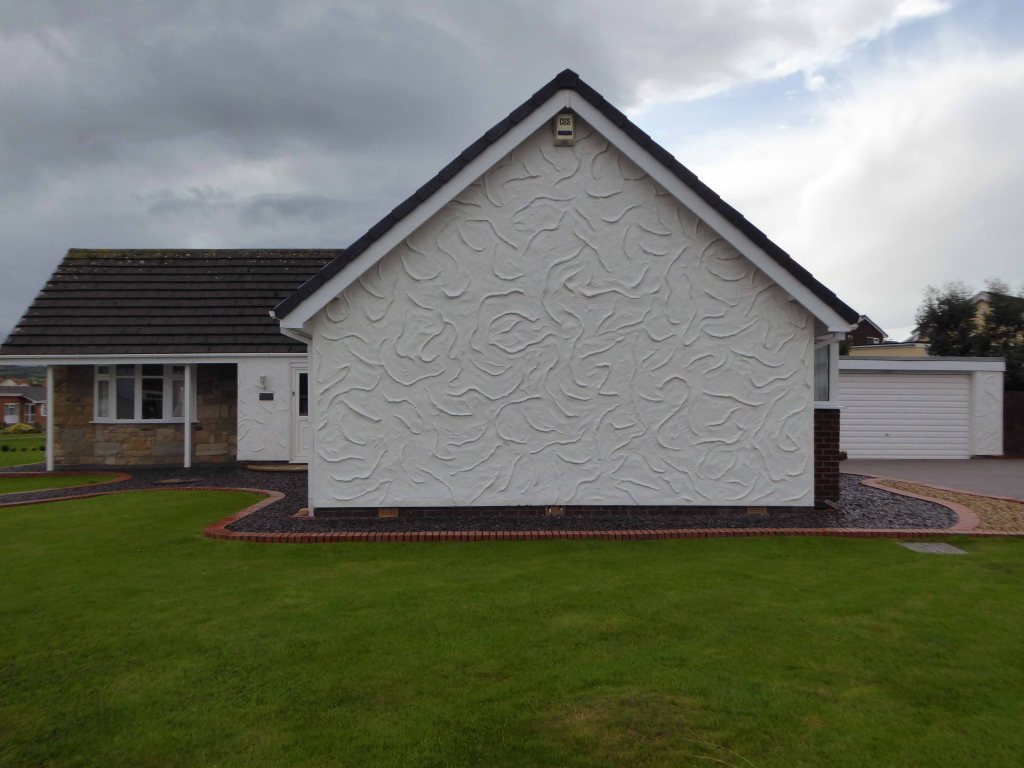
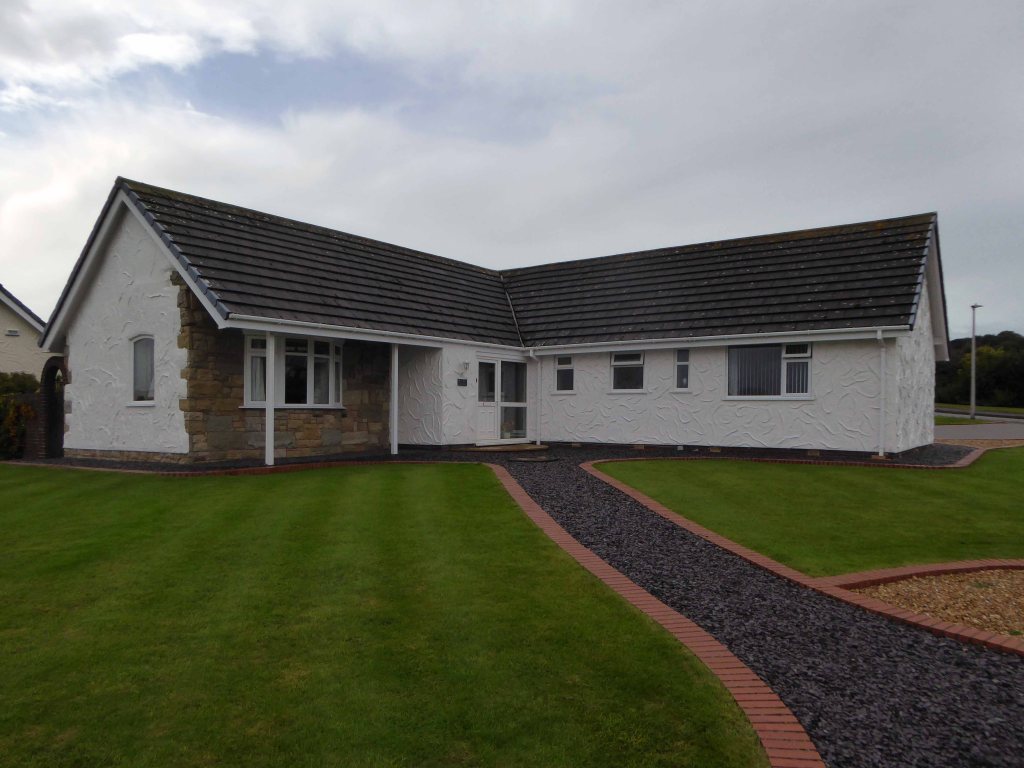
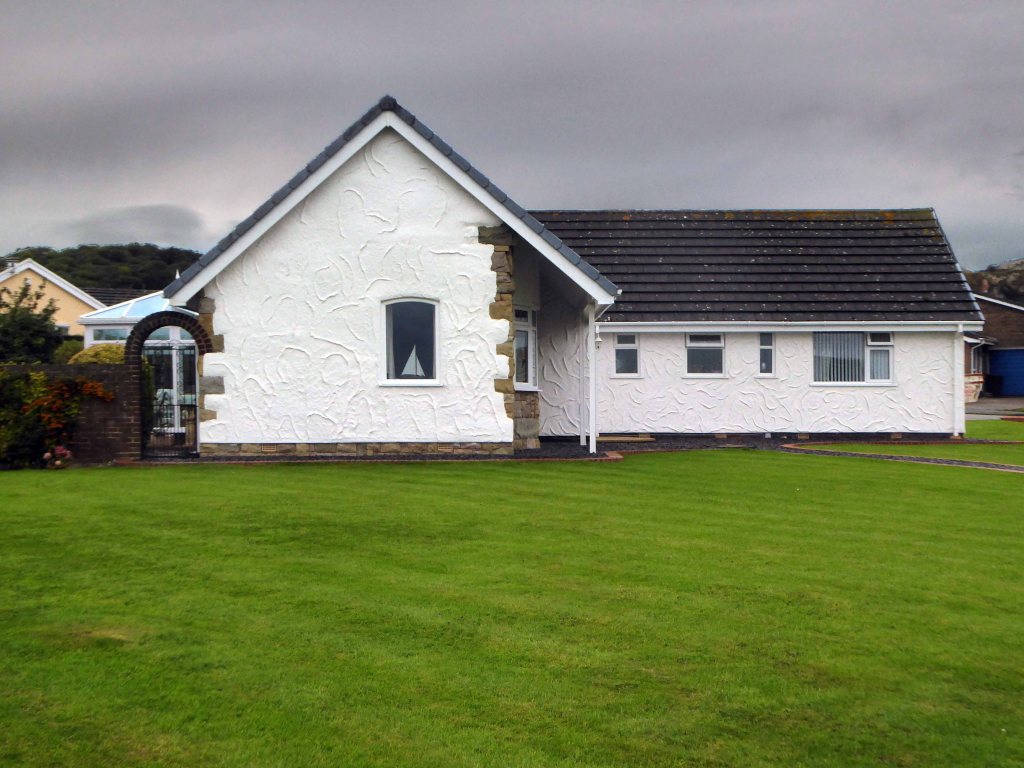
I walk over the Little Orme and there you are so well behaved – trimmed topped and tailed polished window washed windswept so sub-urbane.
Nothing ever happens here or does it?
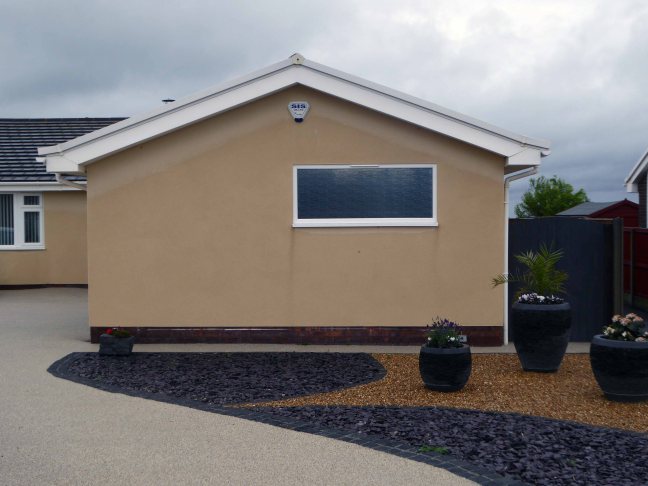
The highly popular singing duo Anne Ziegler and Webster Booth retired to a small bungalow in Penrhyn Bay.
It provided a location for an episode of Hetty Wainthropp Investigates.
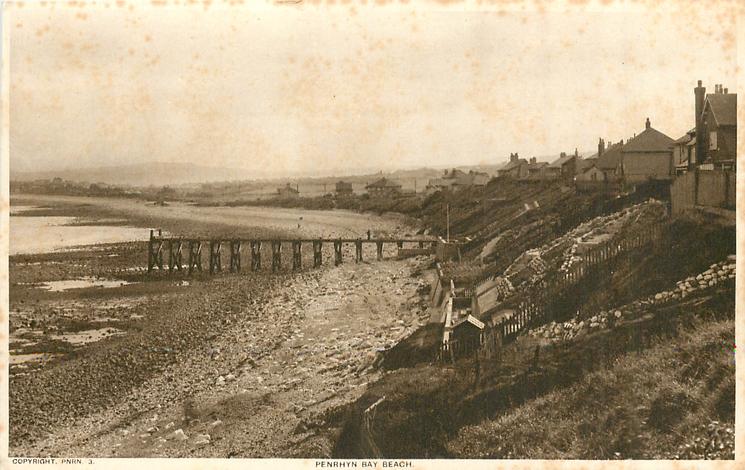
Originally a small farming community, Penrhyn Bay came to rely heavily on the employment opportunities of the limestone quarry operating since the mid-19th century, and served by its own narrow gauge railway, but quarrying ceased in 1936.
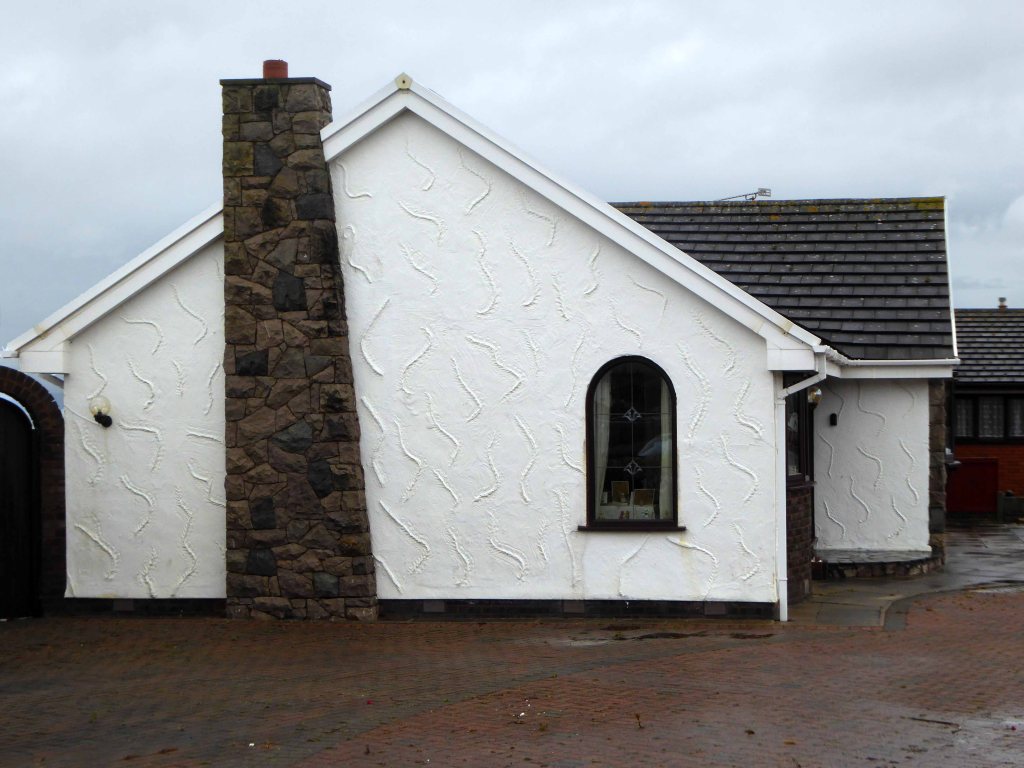
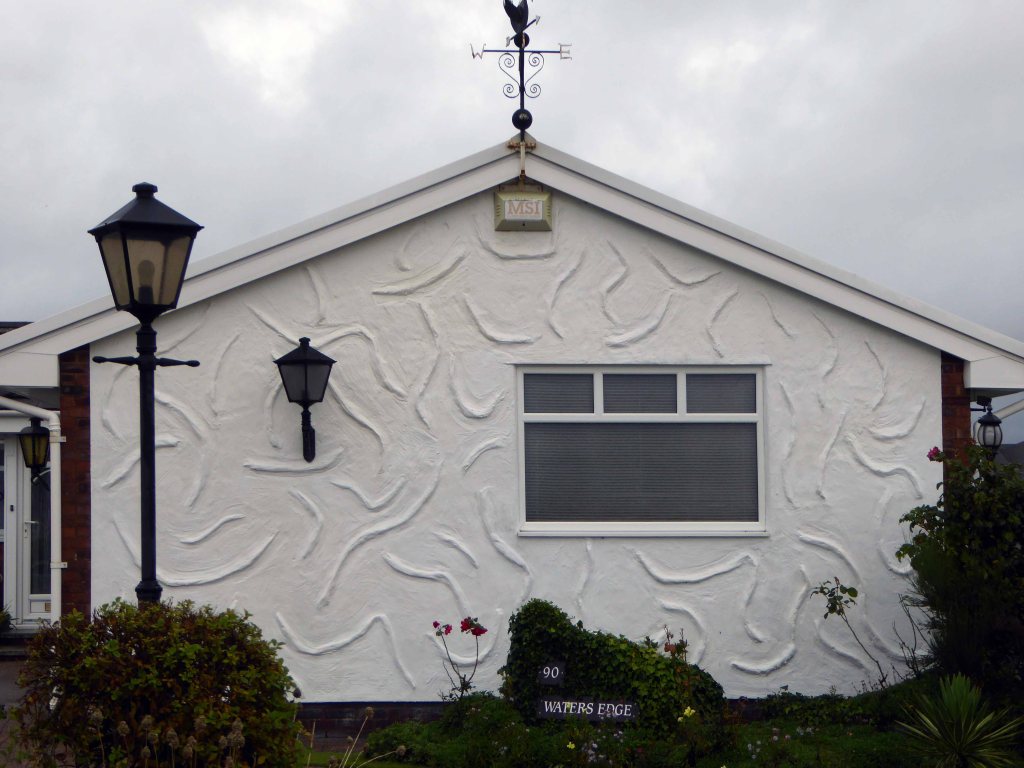
However, Penrhyn Bay expanded rapidly in the 20th century to become a desirable suburb of Llandudno – my you’re a hot property.
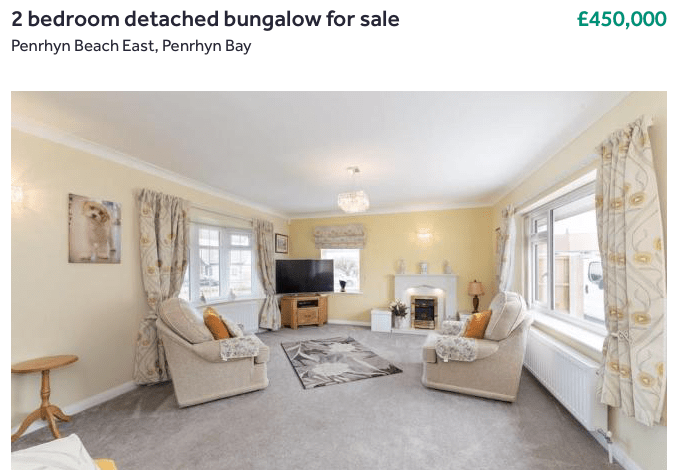
Almost half a million pounds and counting as the ever mounting mountain of retiring and retired knock upon your over ornate uPVC doors.
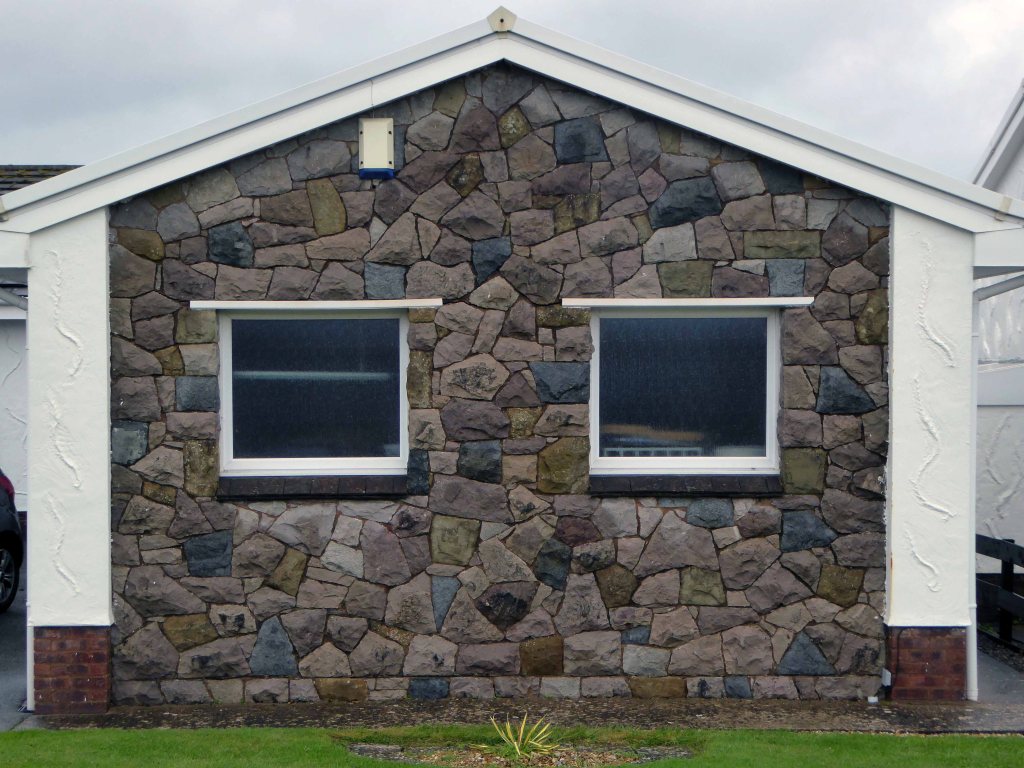
So here we are, as the rain clears and the sun almost breaks – your carefully rendered and stone clad walls, not quite awash with a golden midday glow.
Just like Arnie and General McArthur I’ll be back – I shall return.
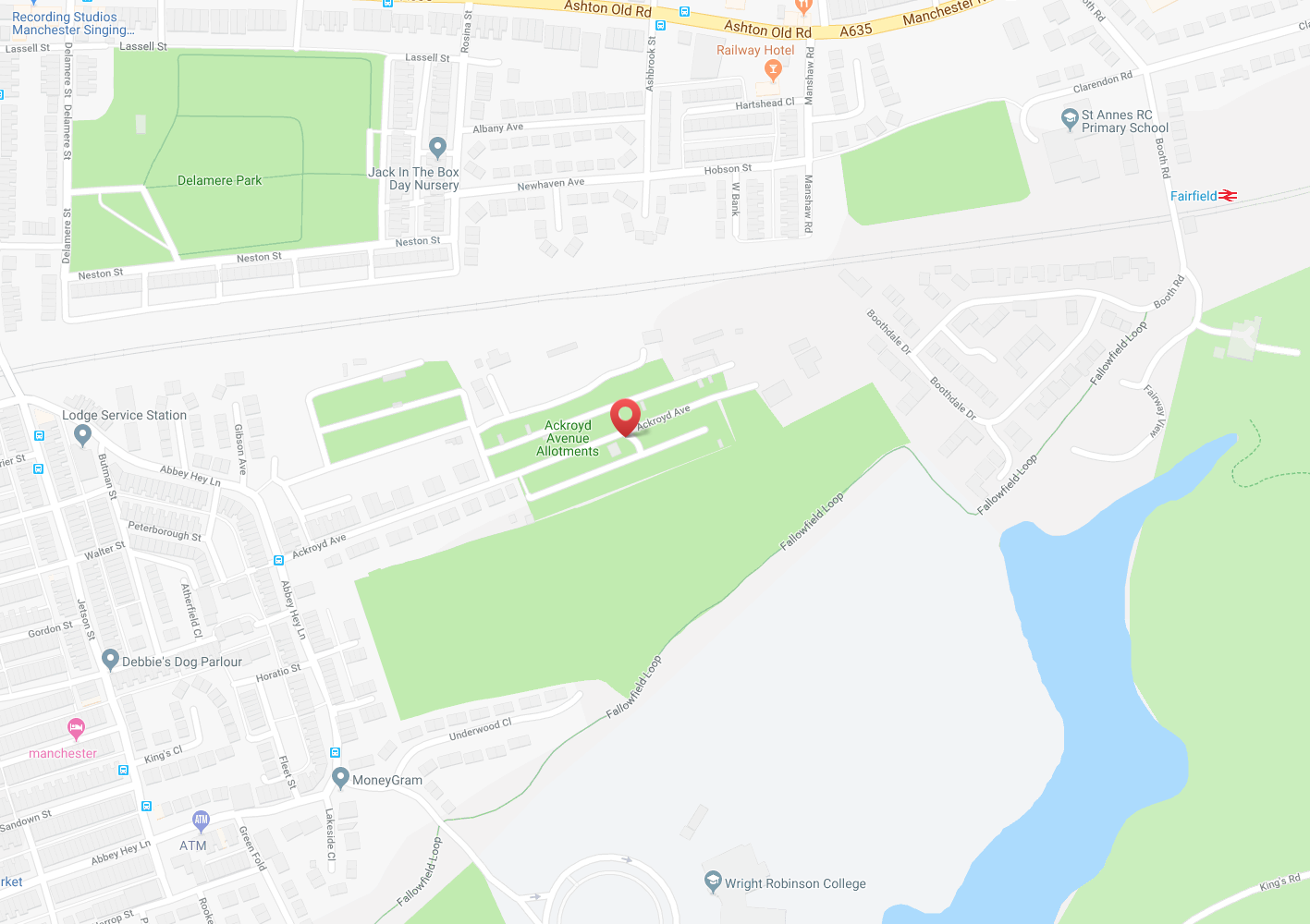
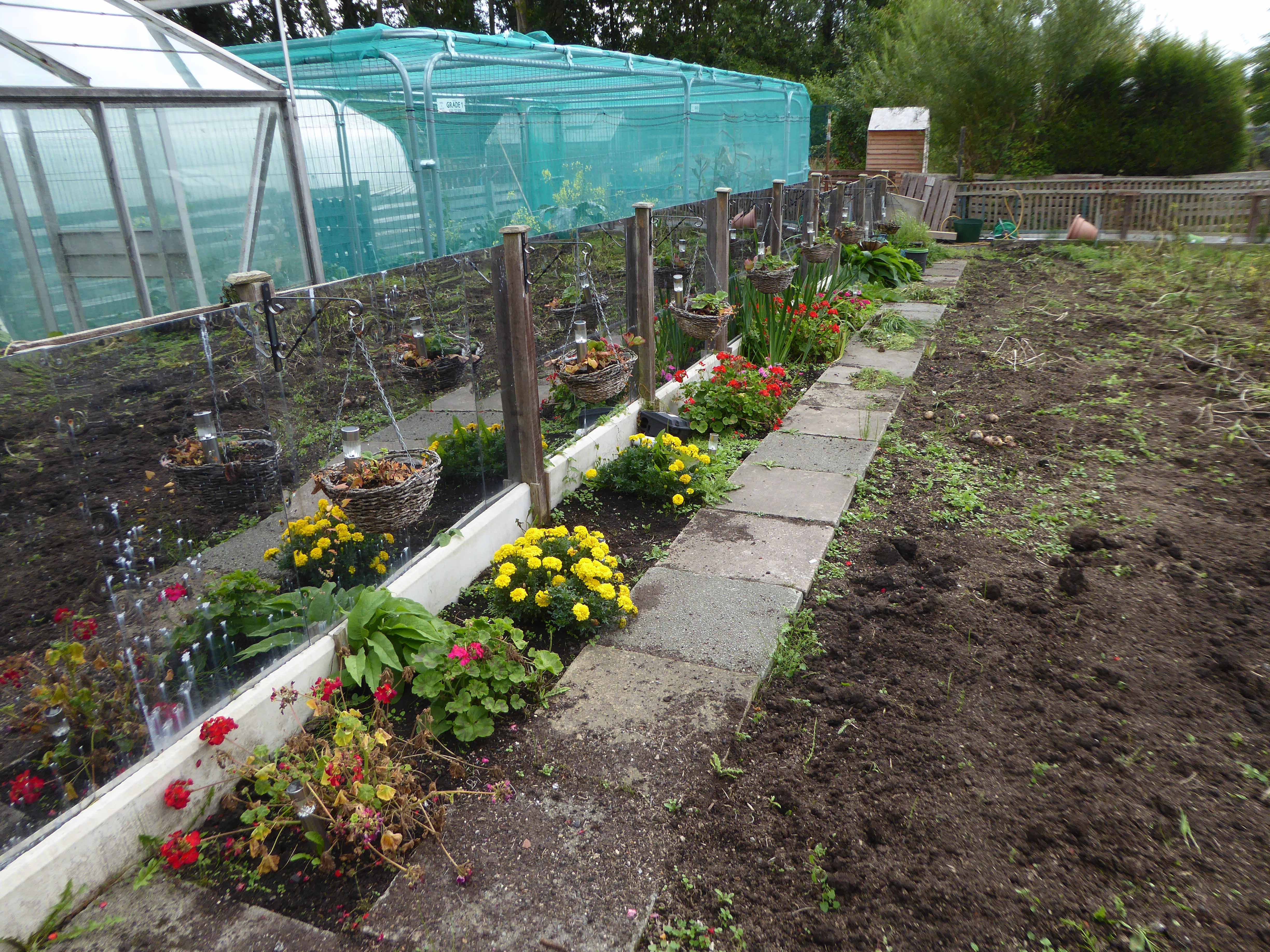
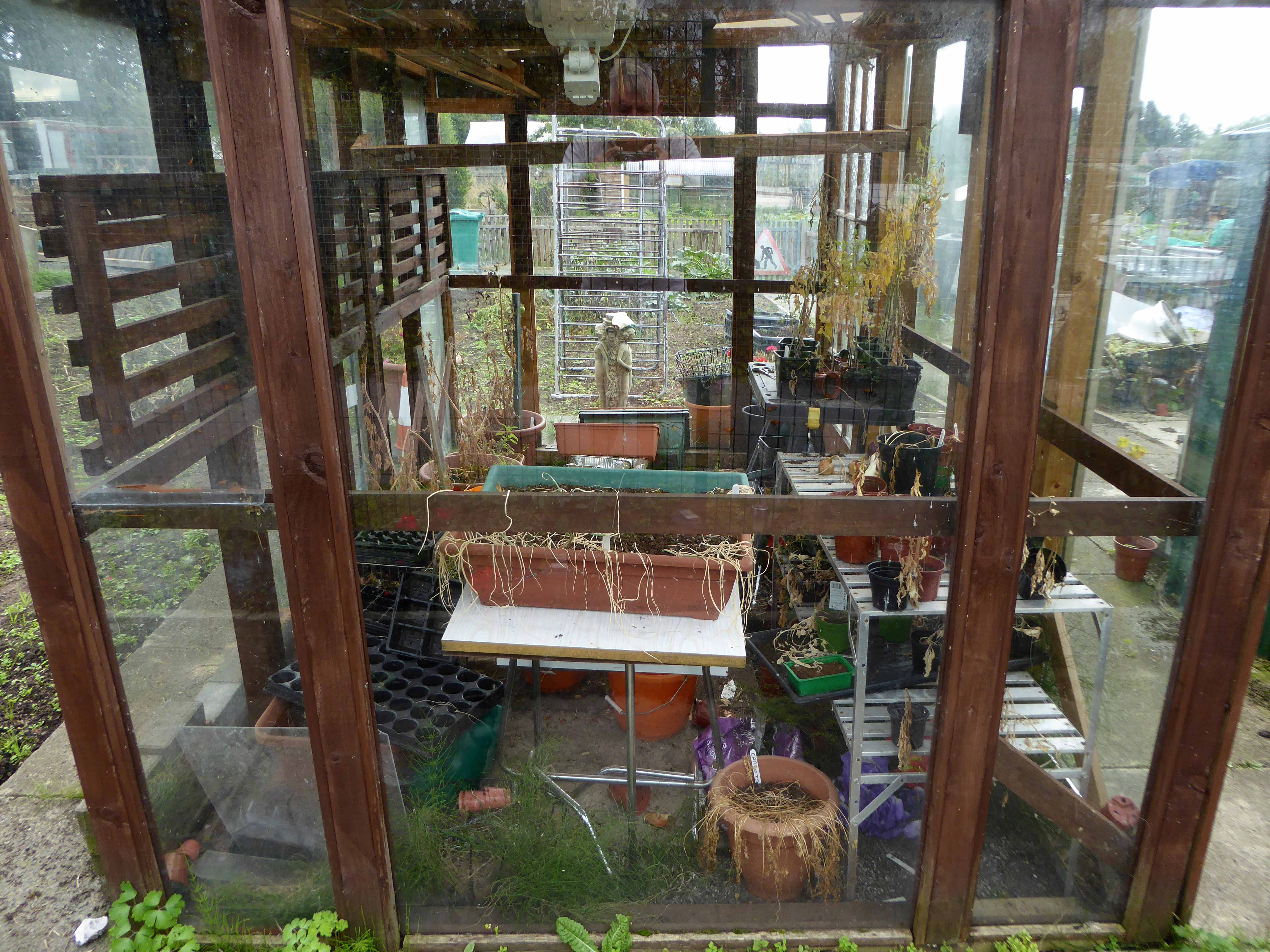
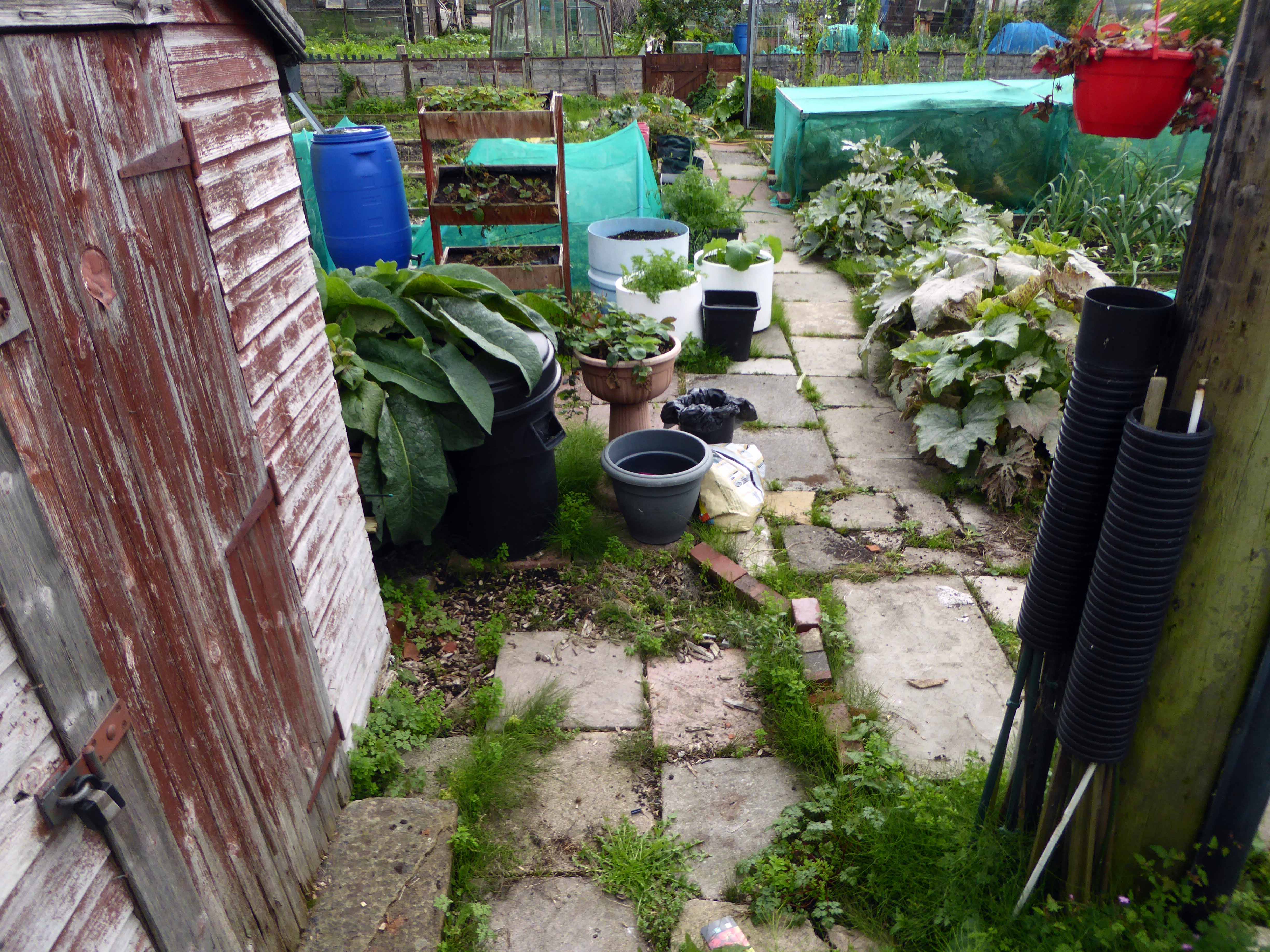
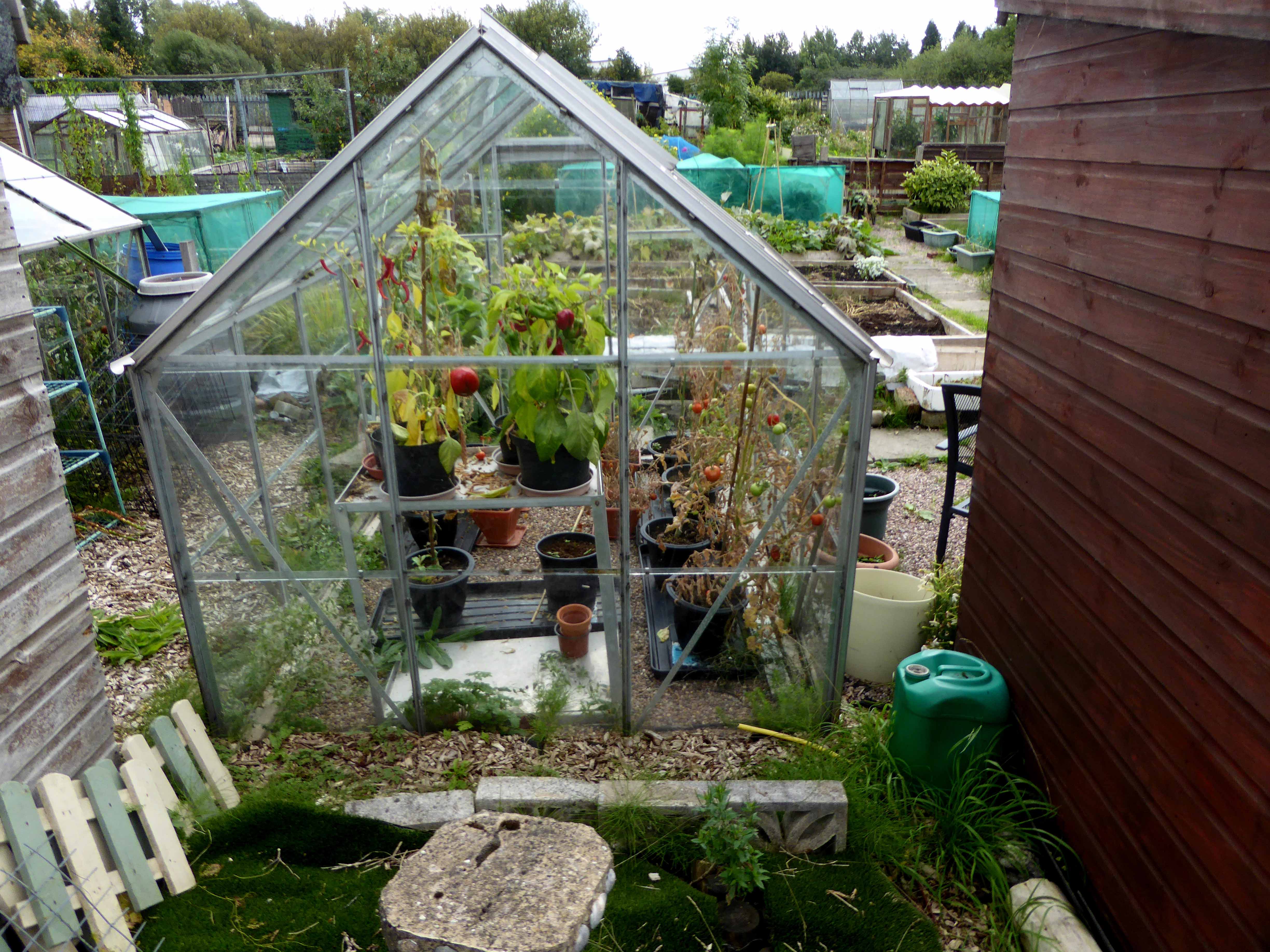
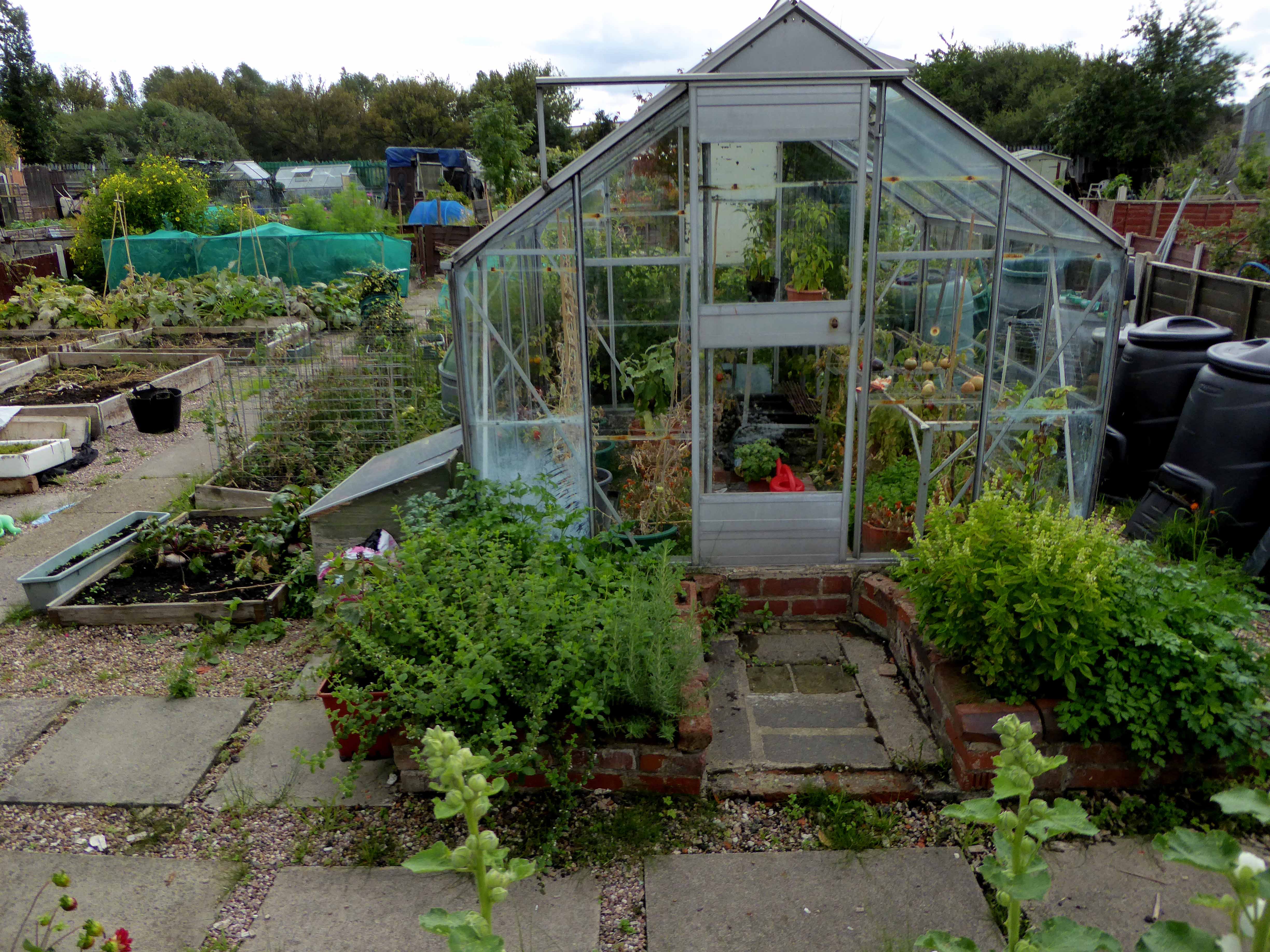
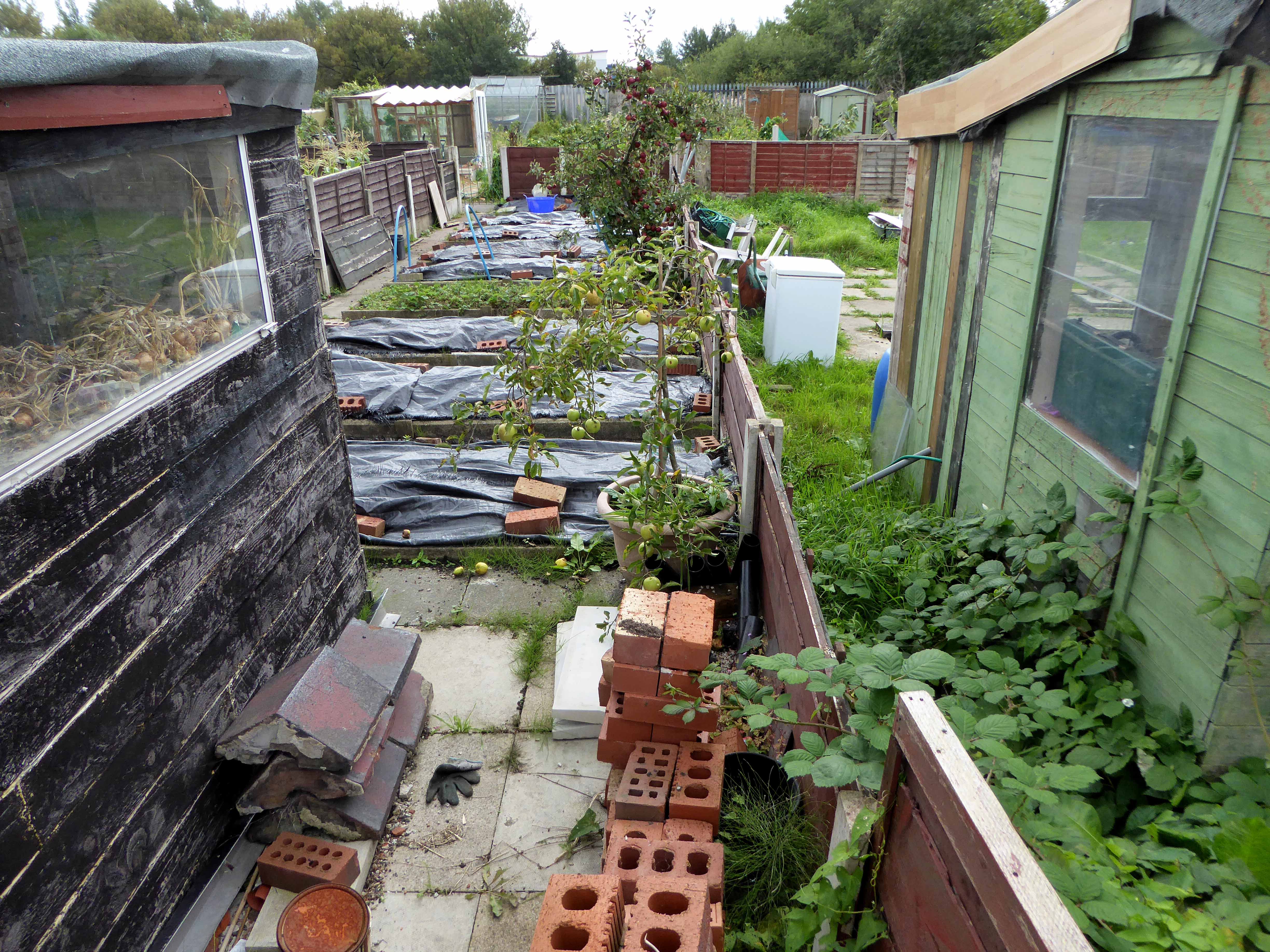
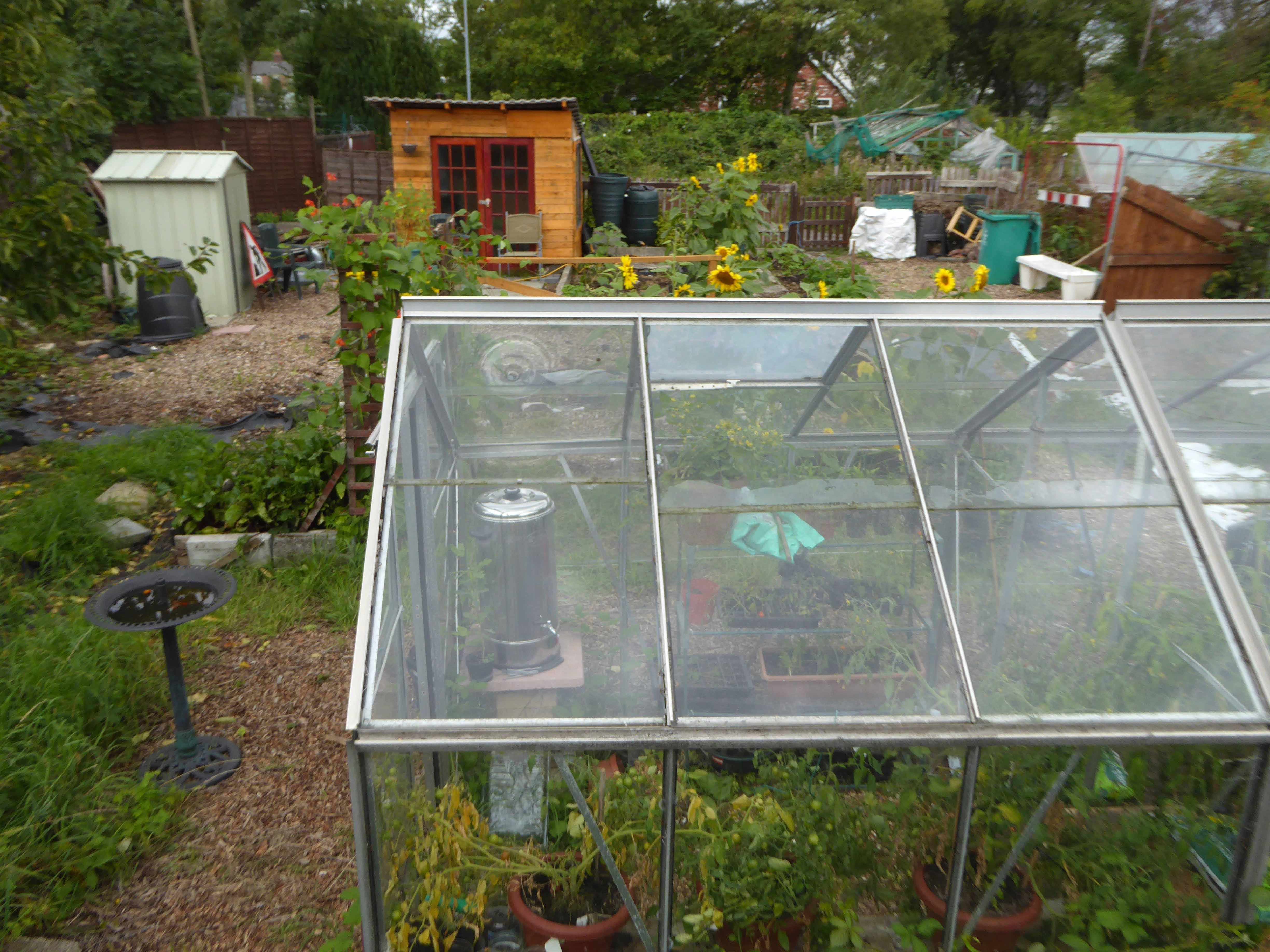
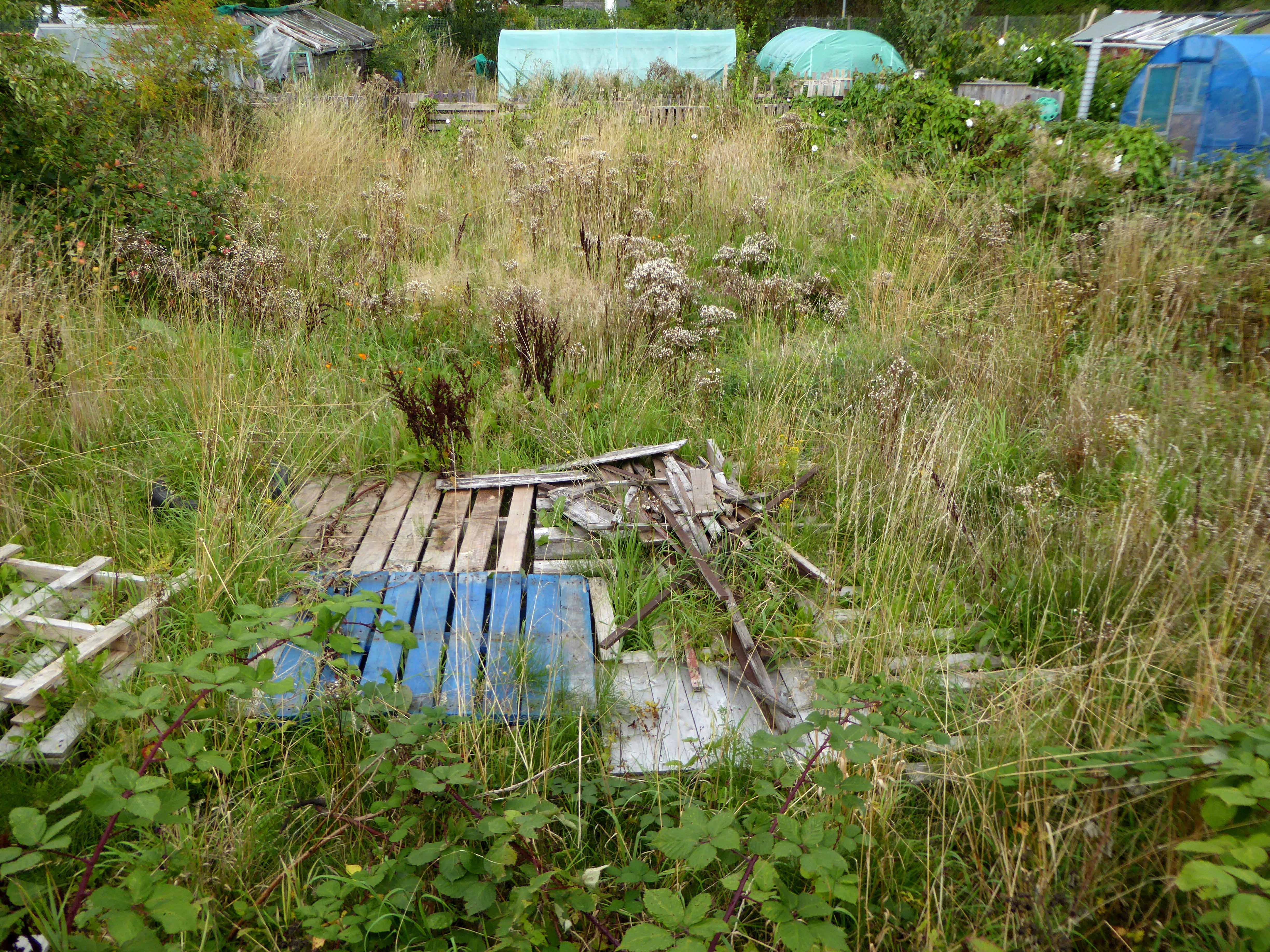
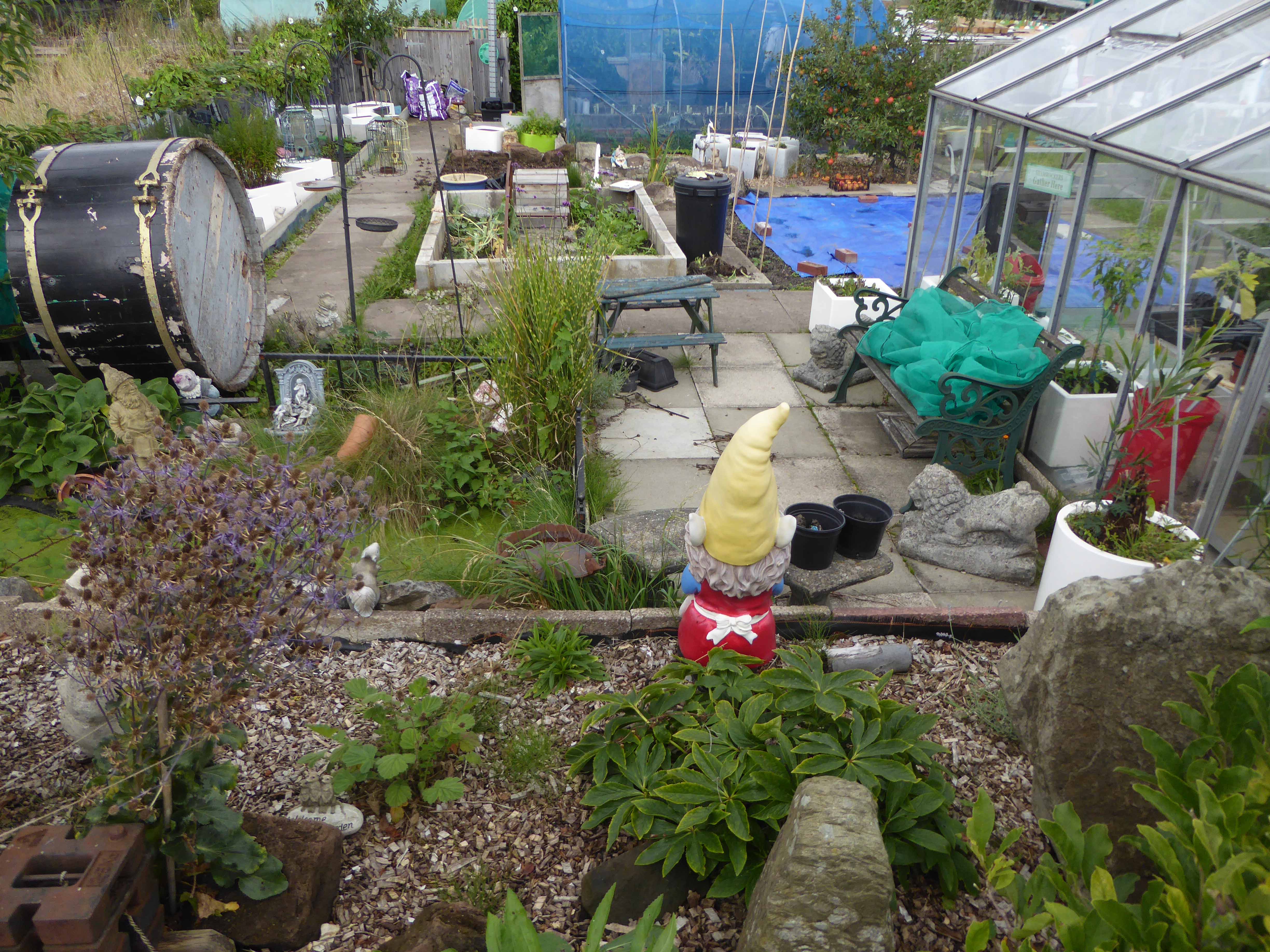
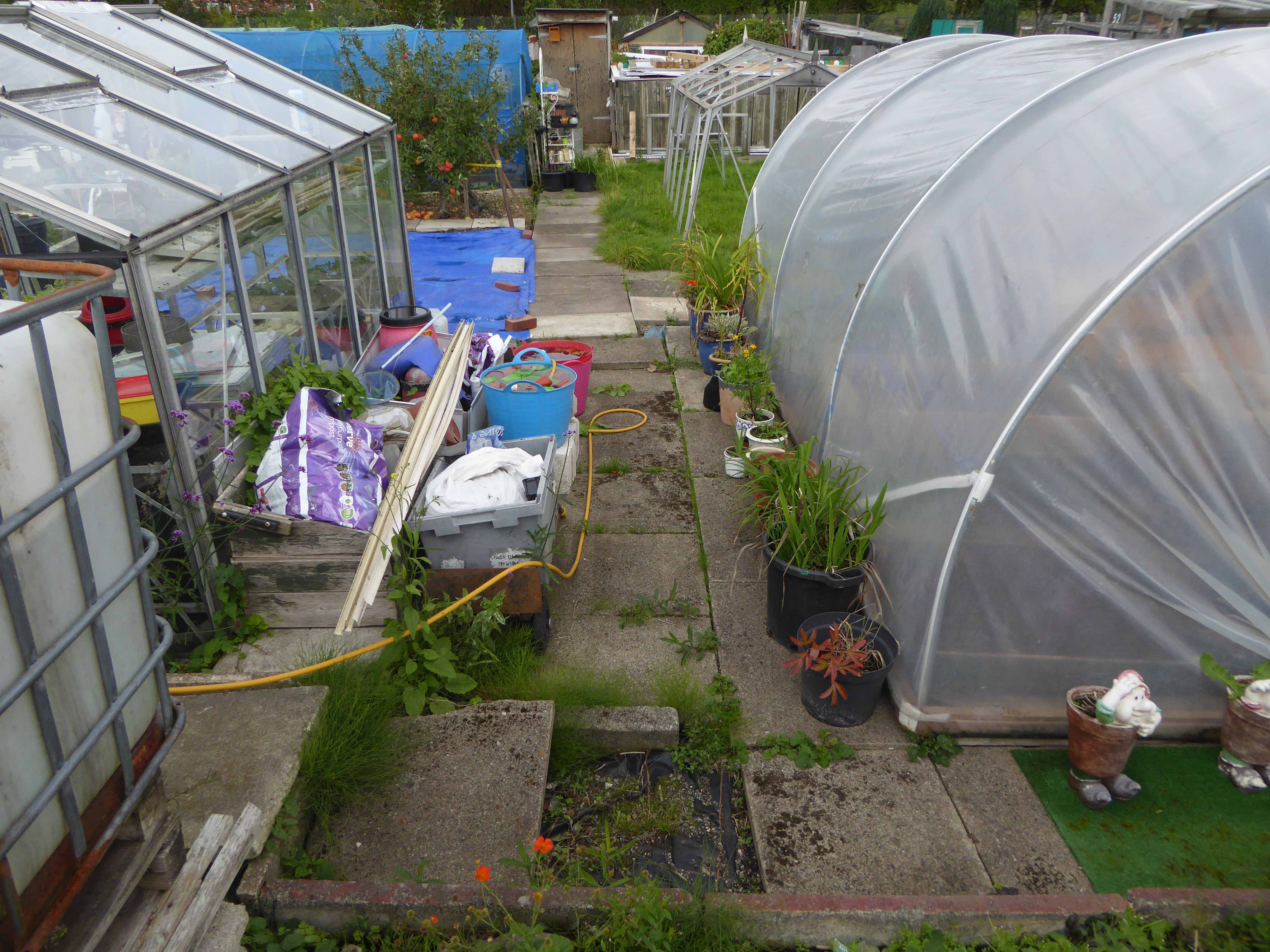
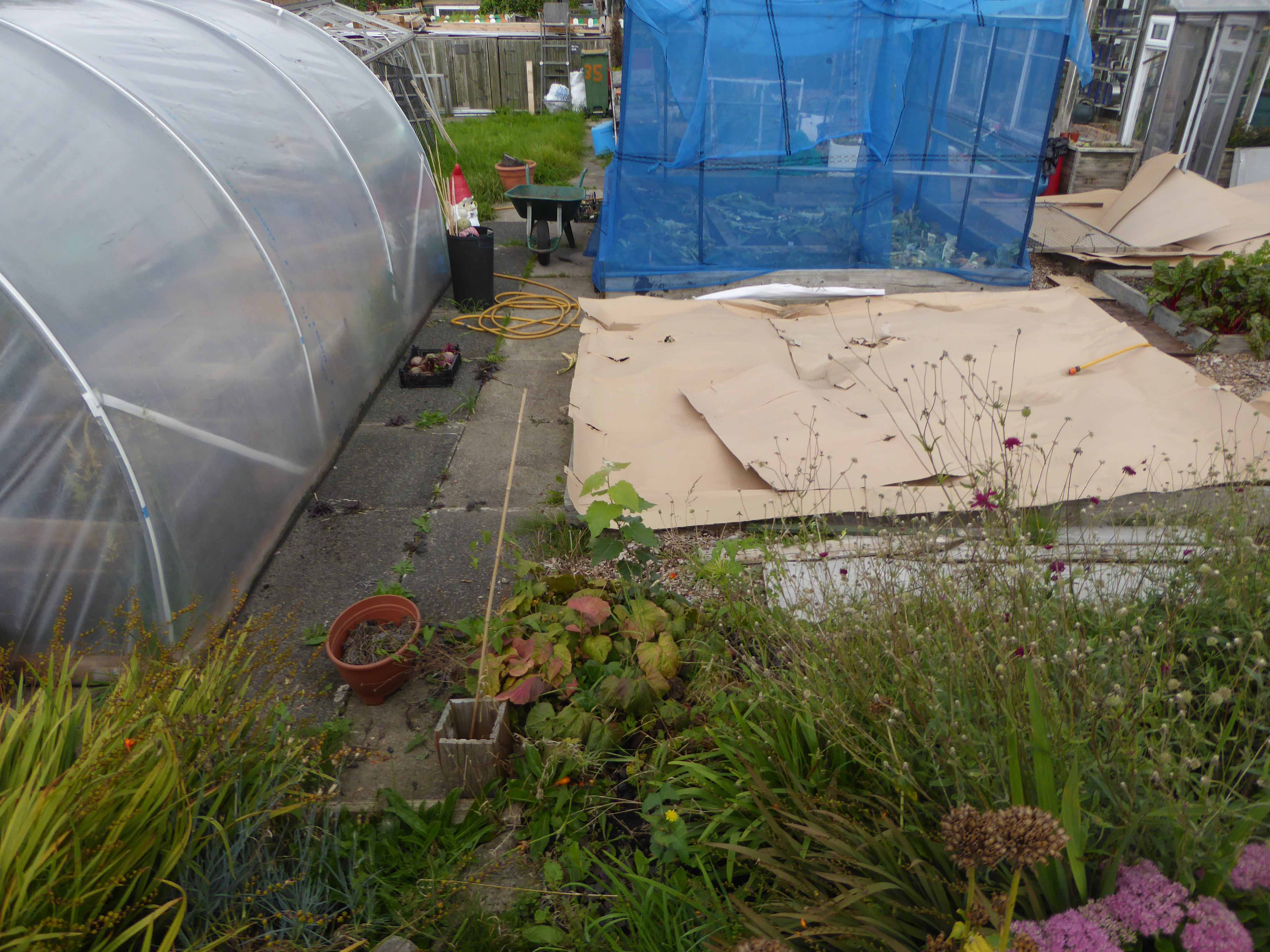
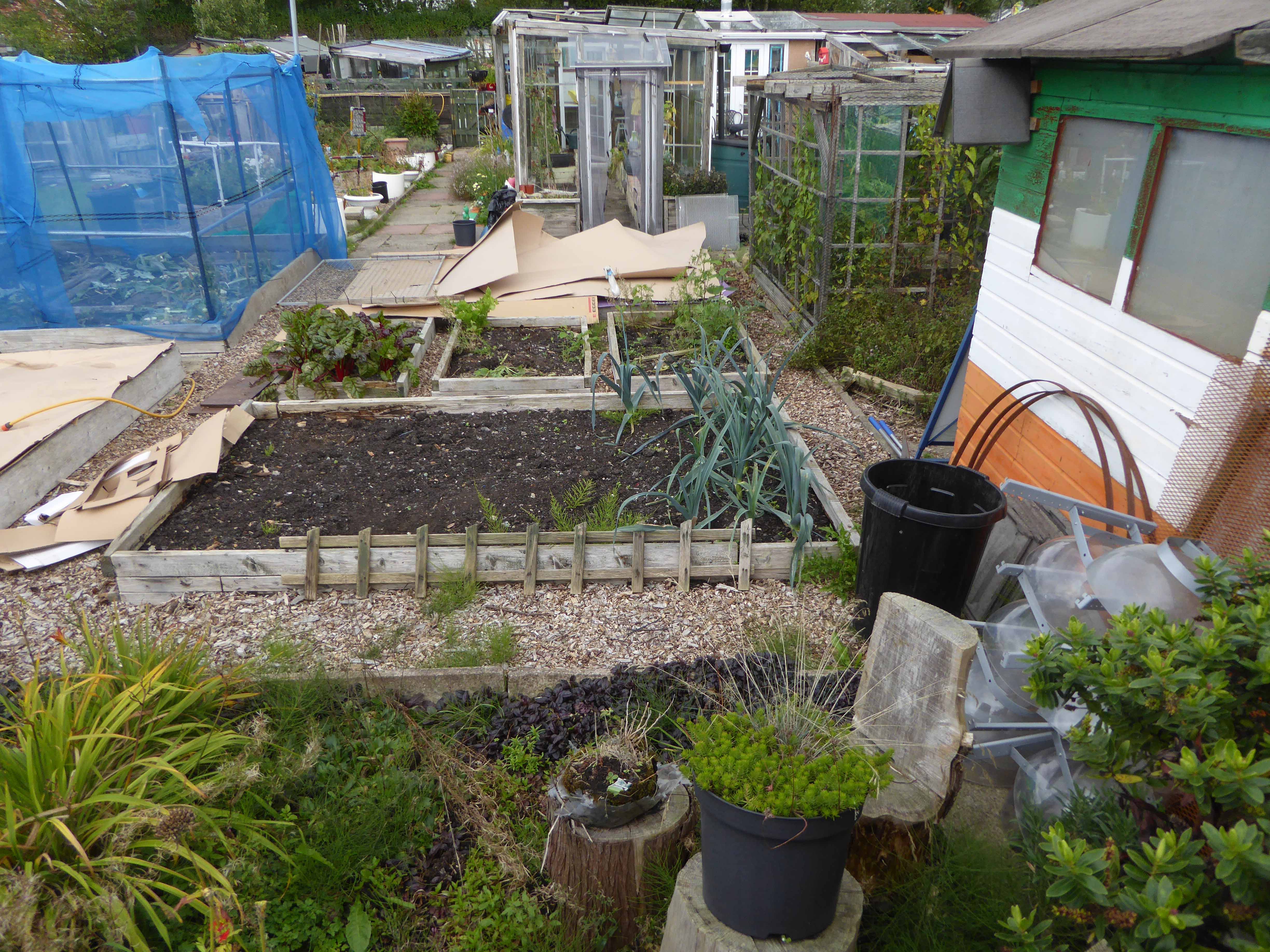
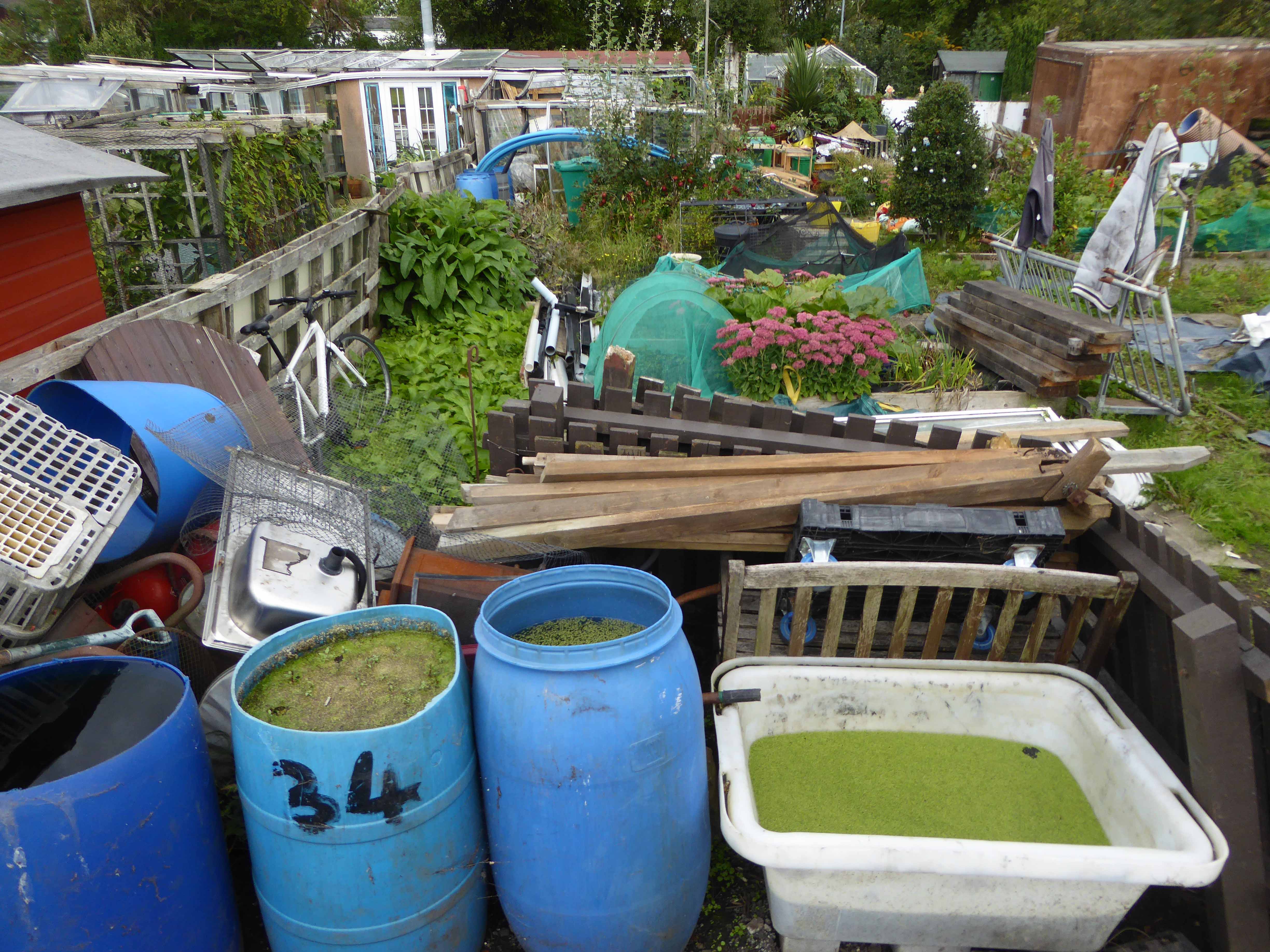
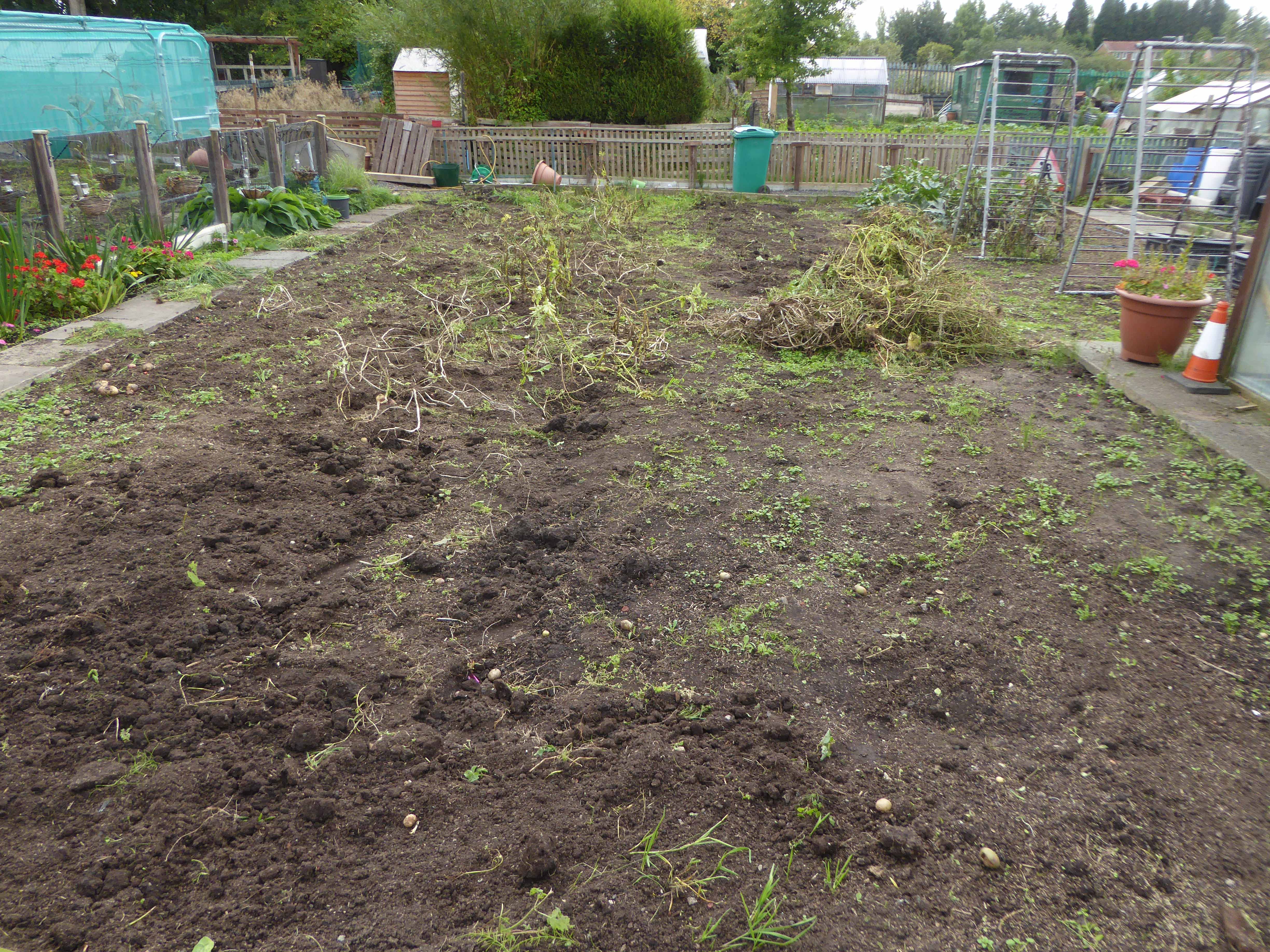
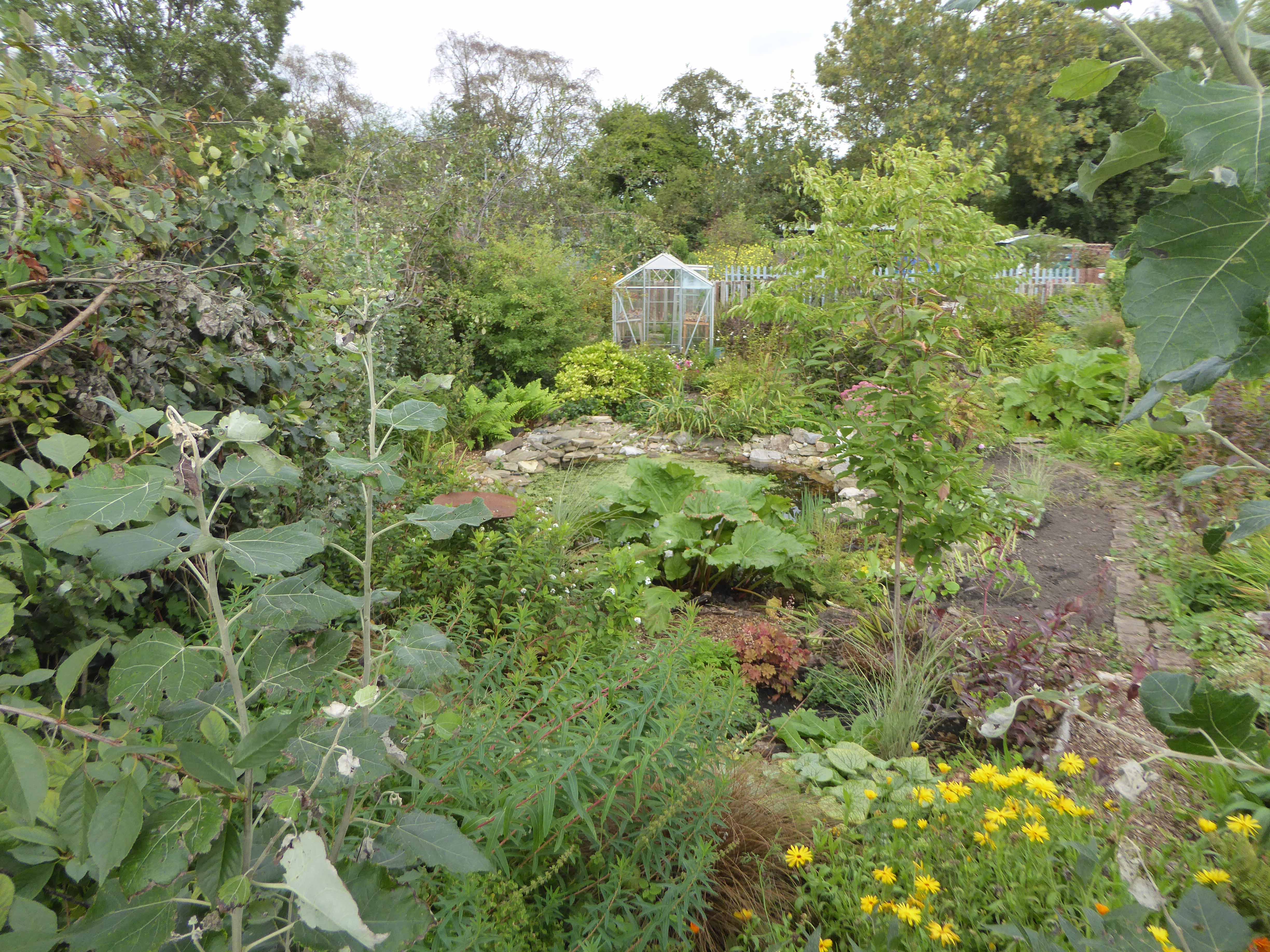
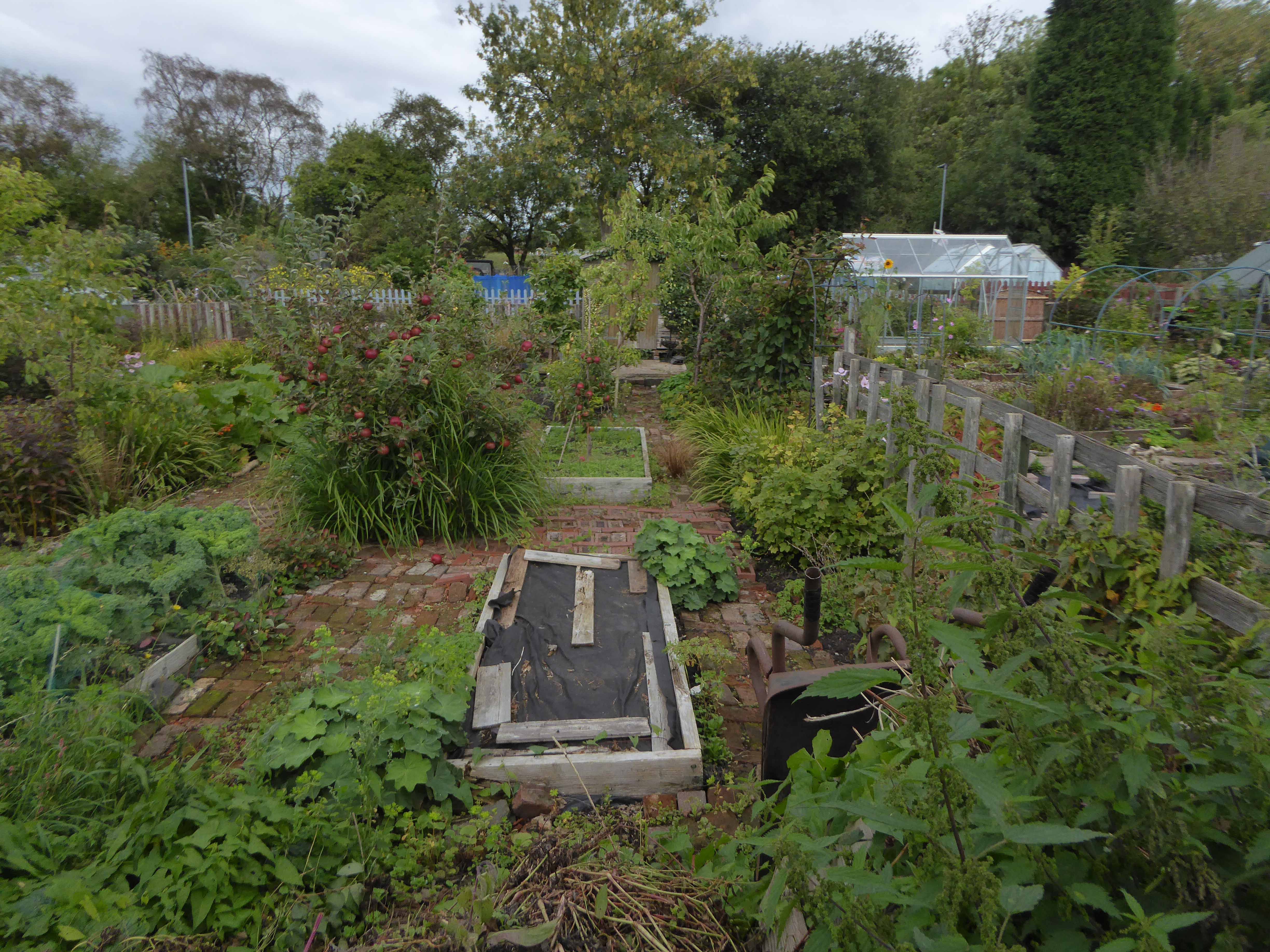
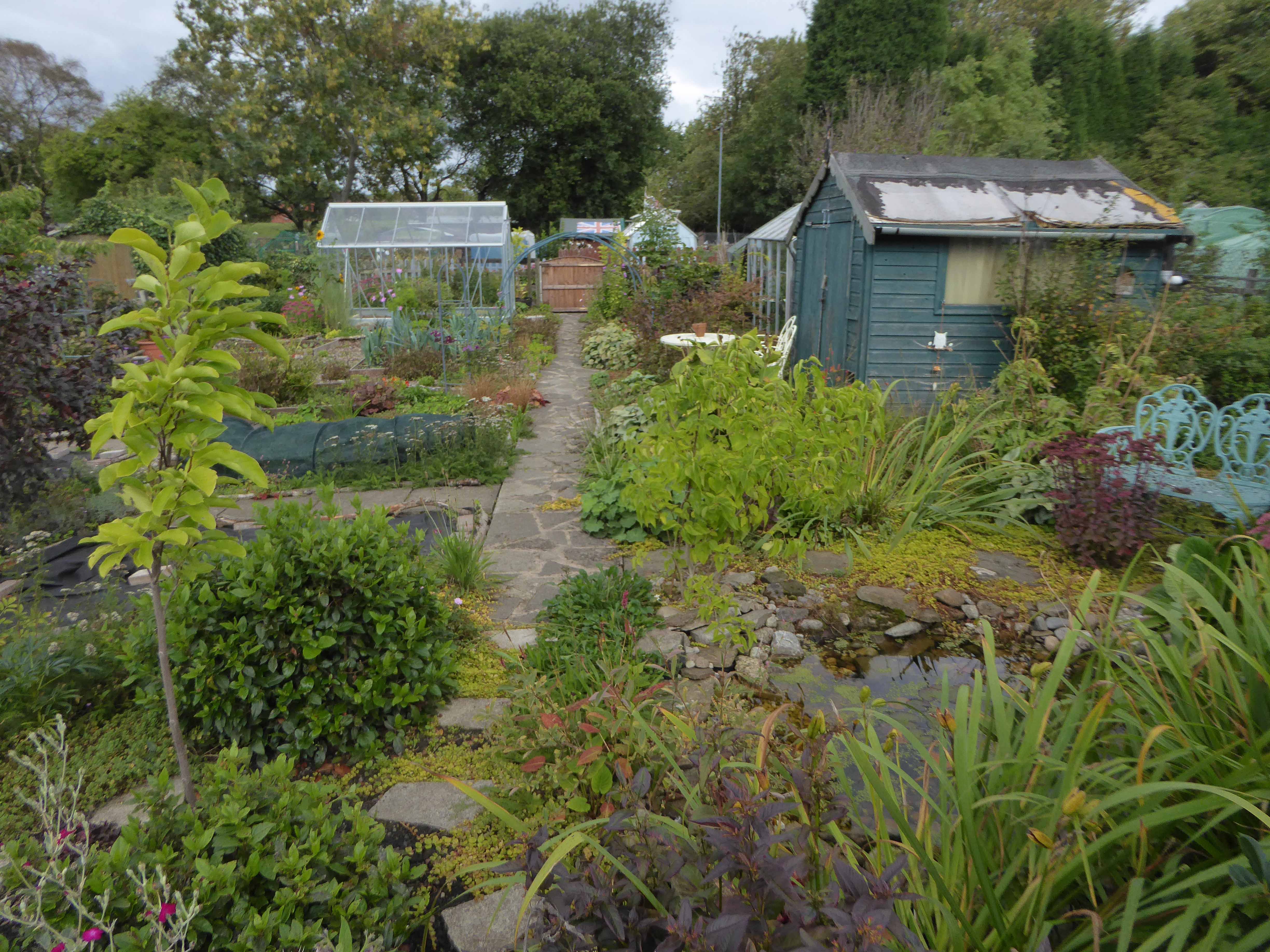
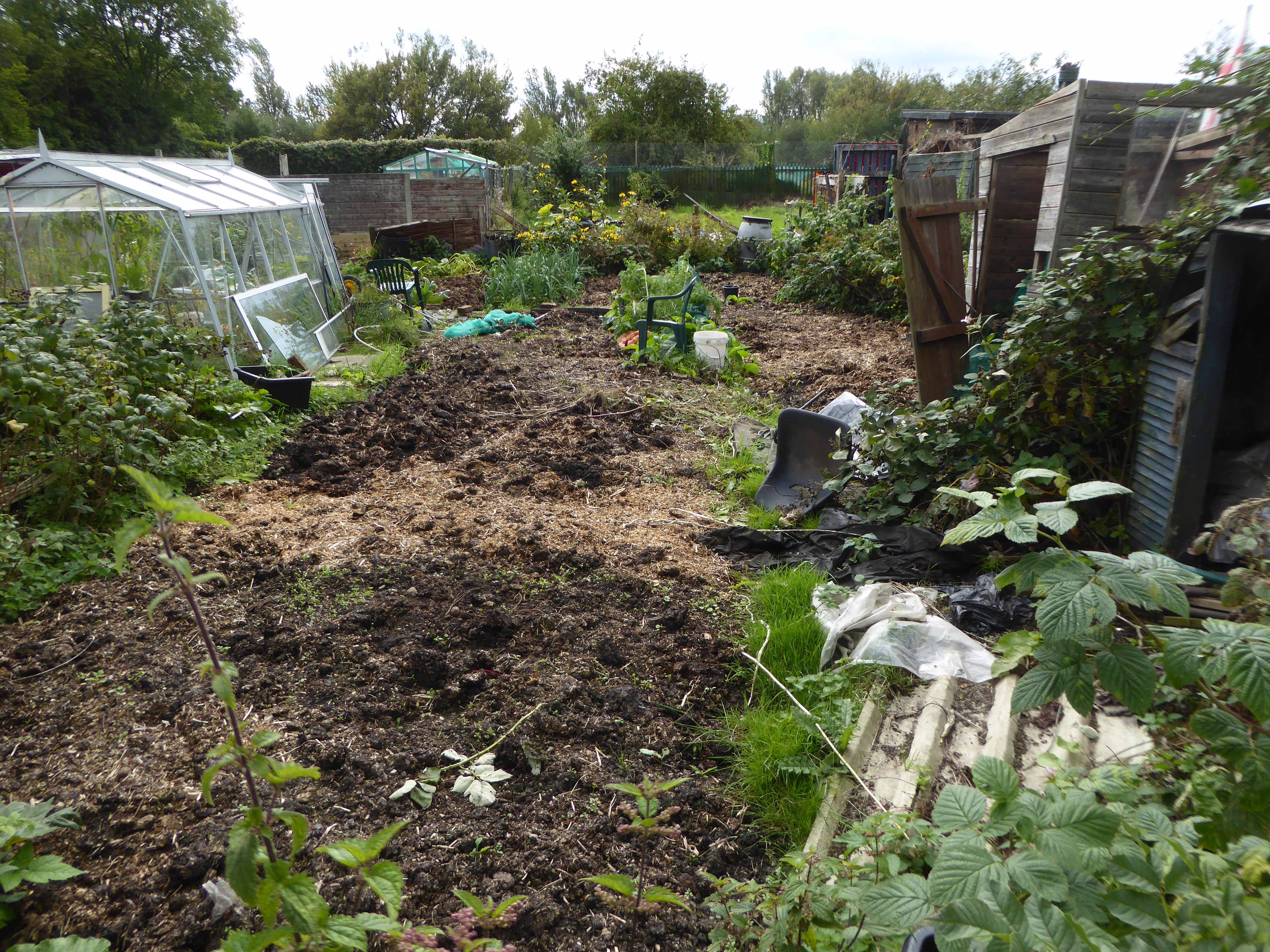
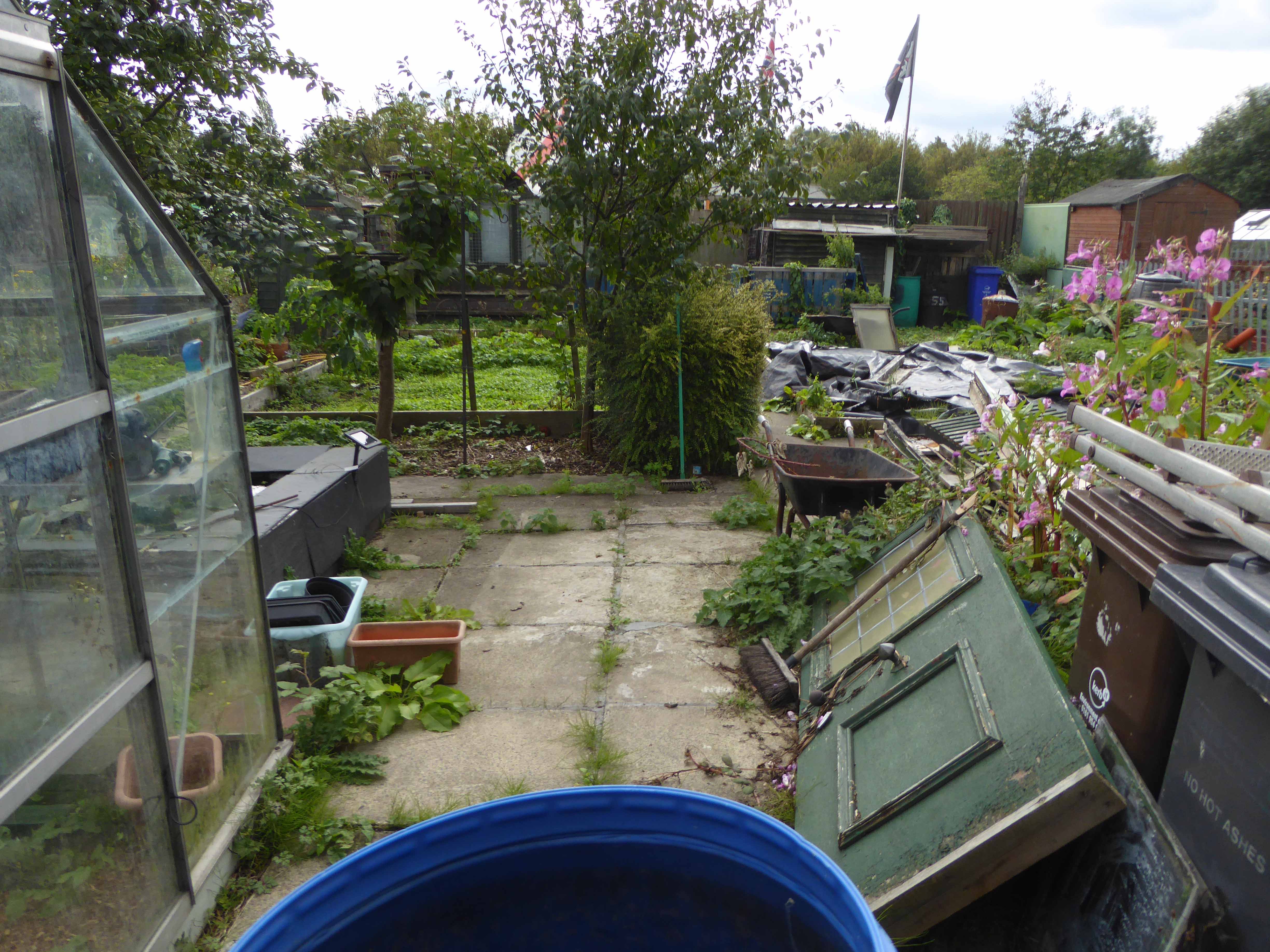
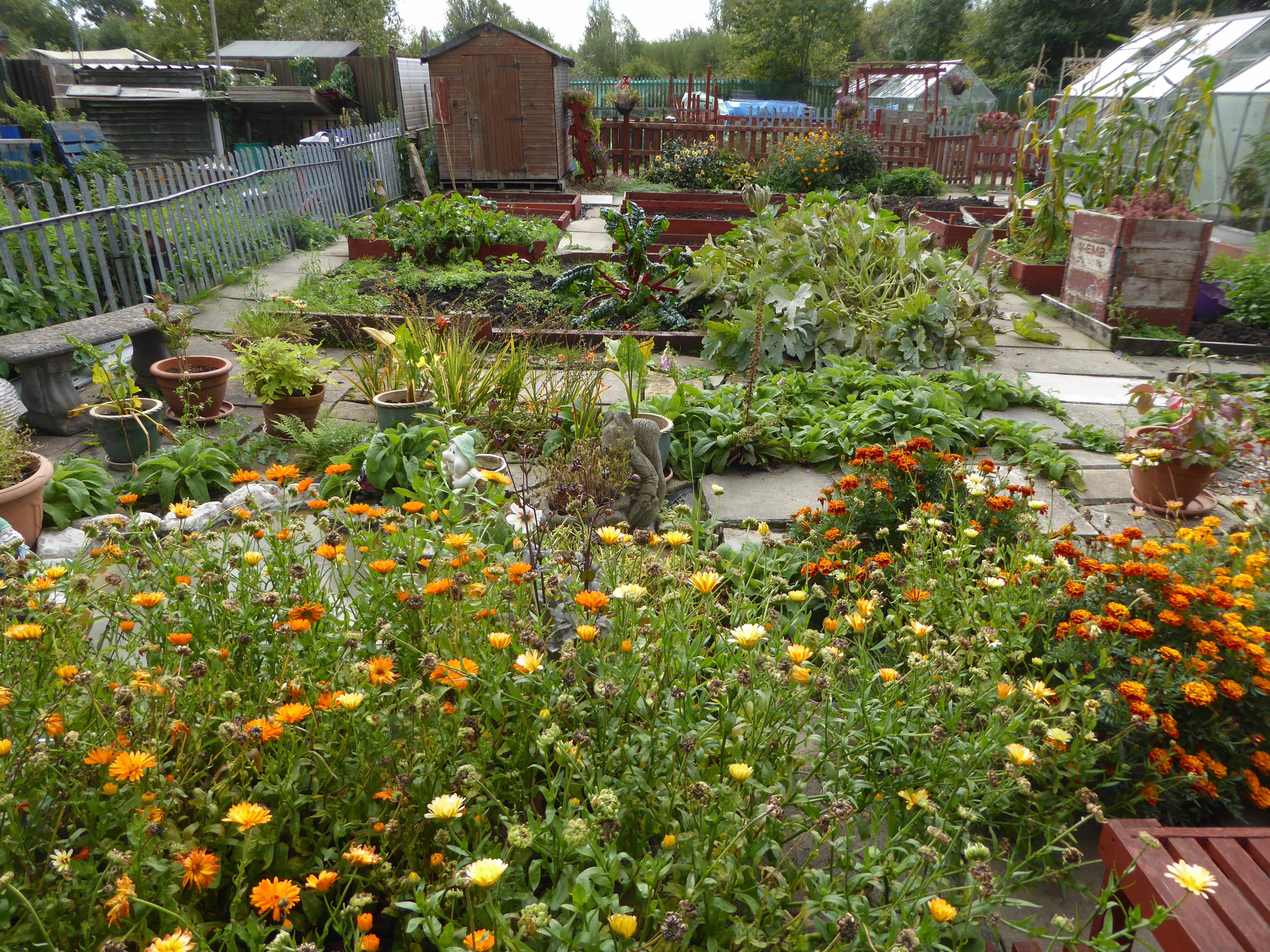
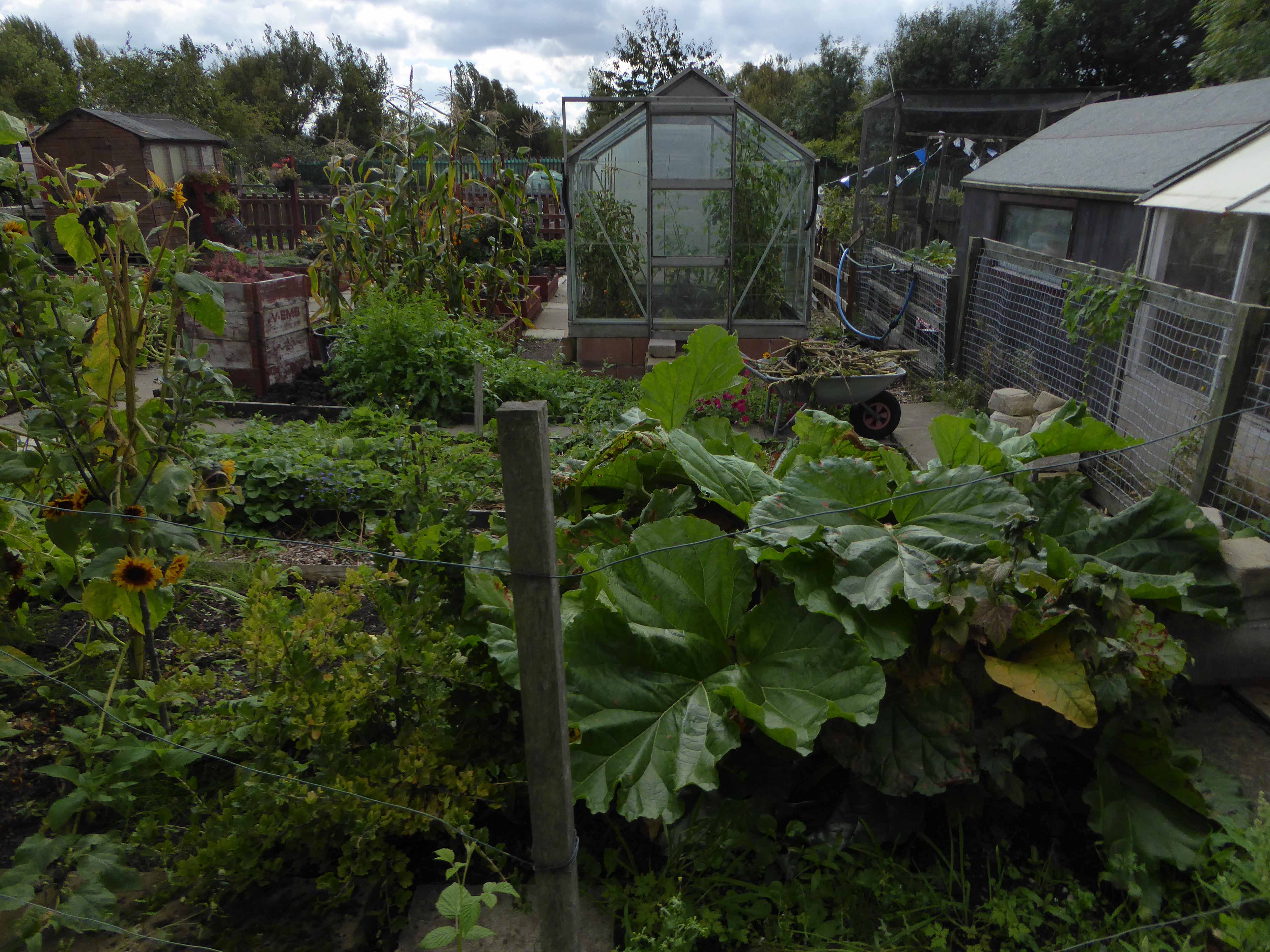
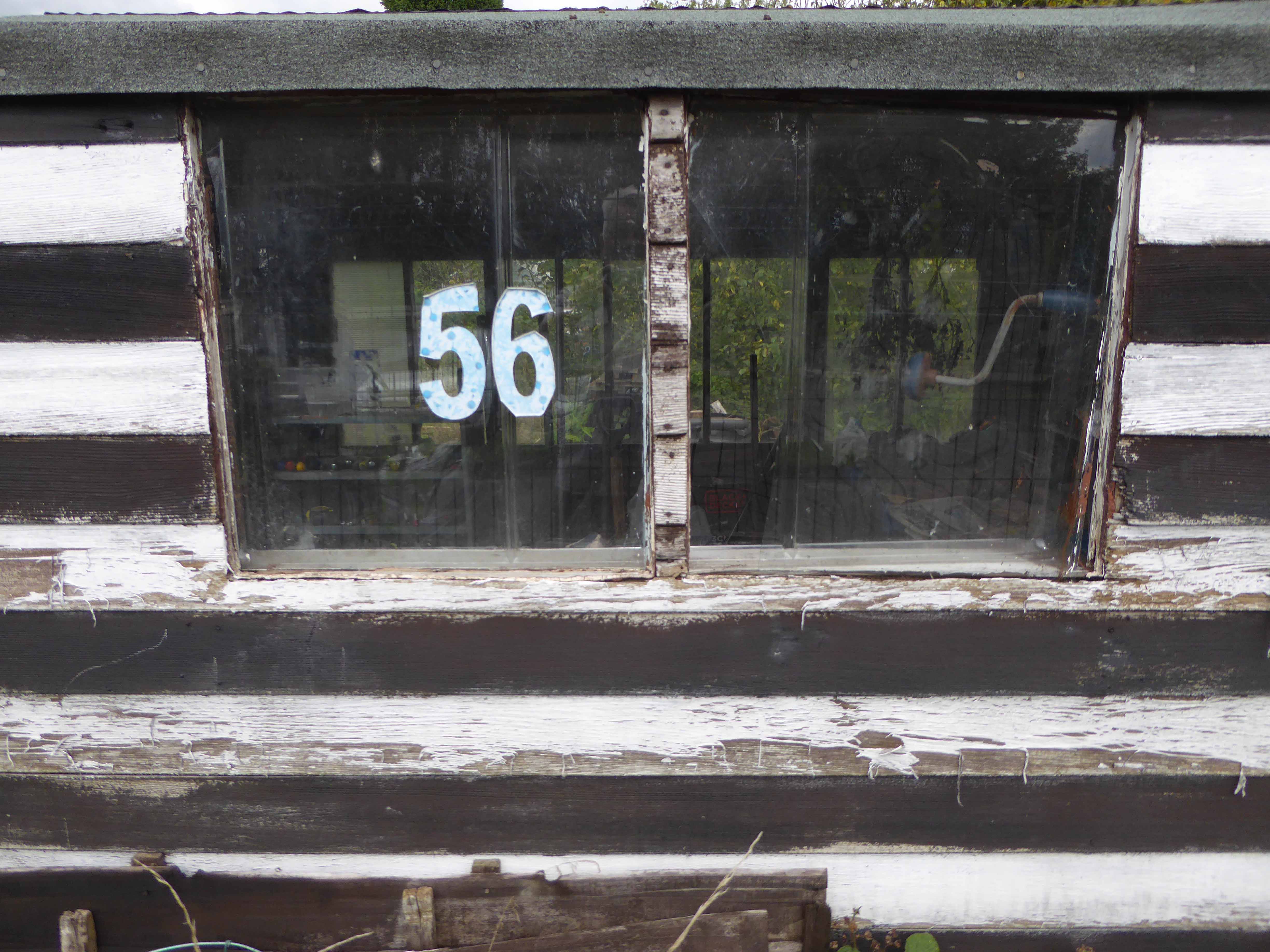
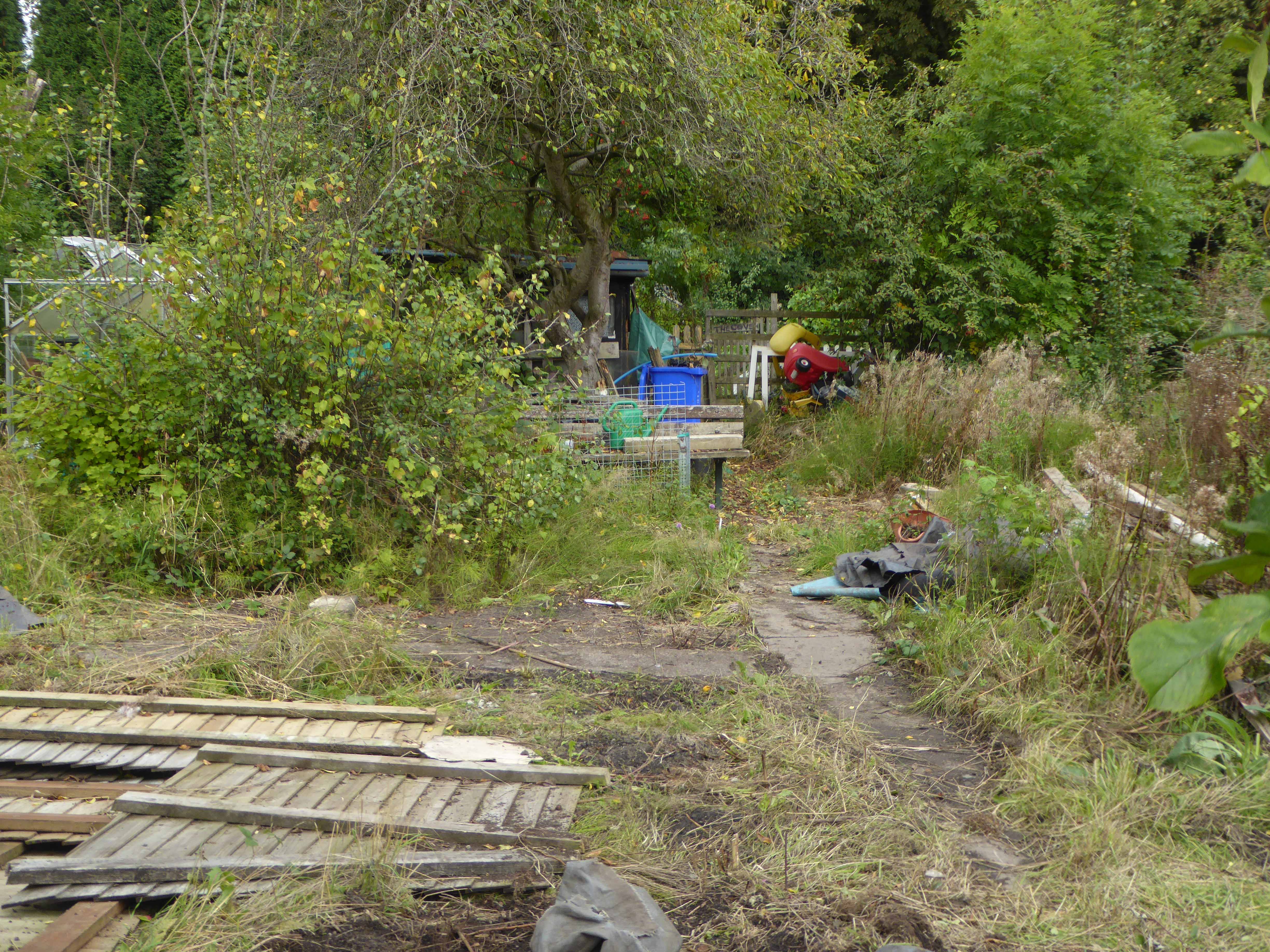
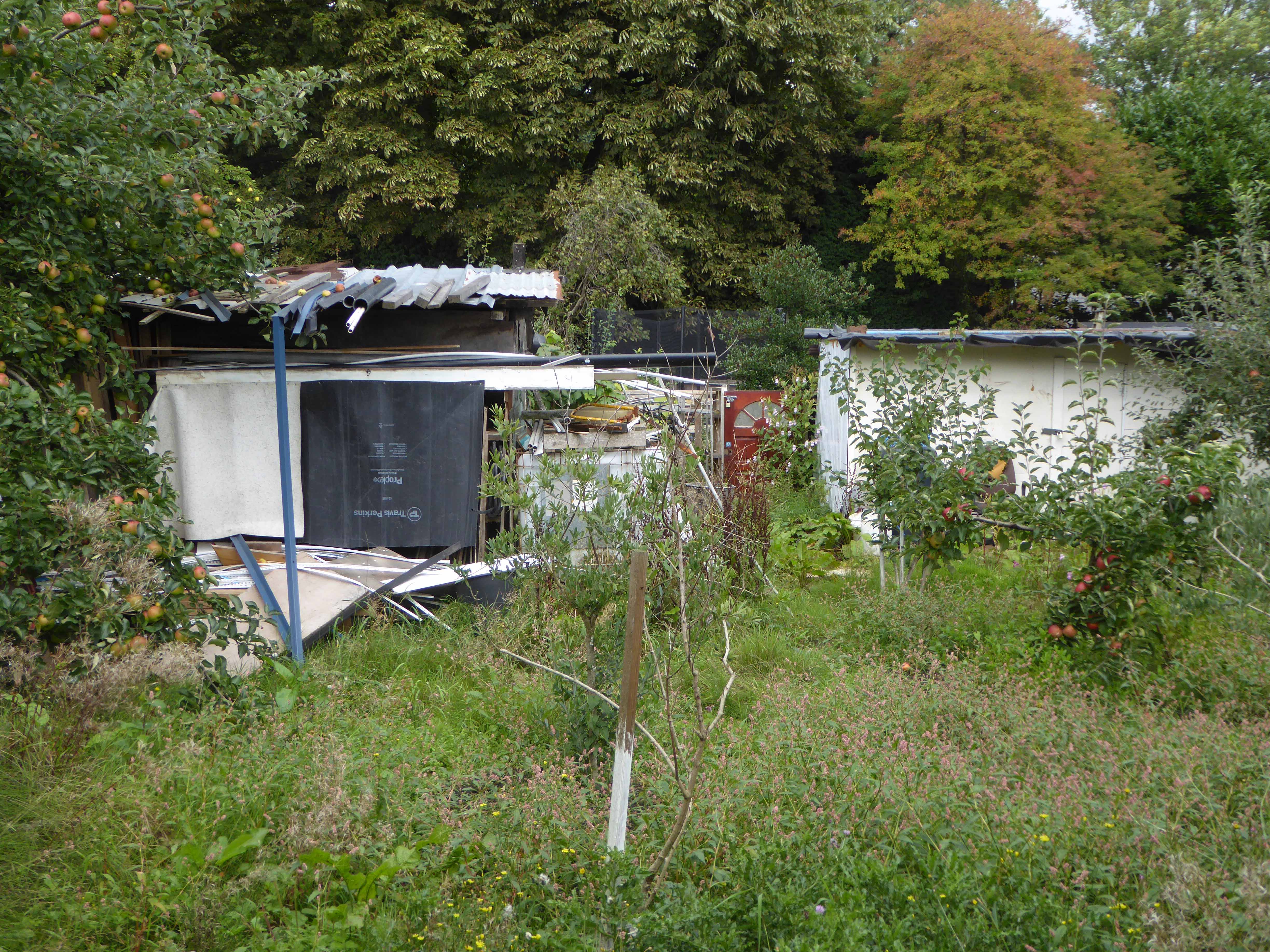
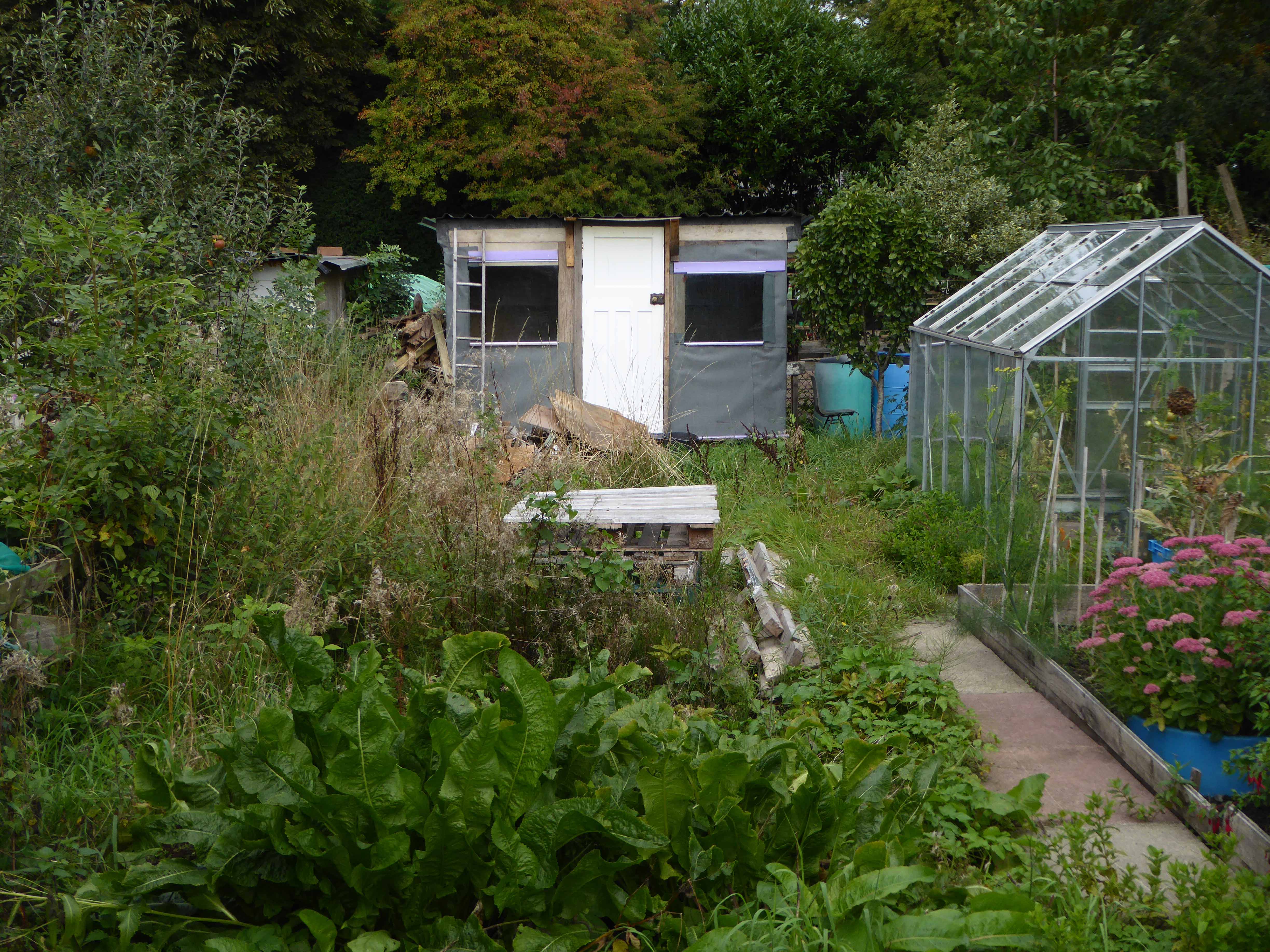
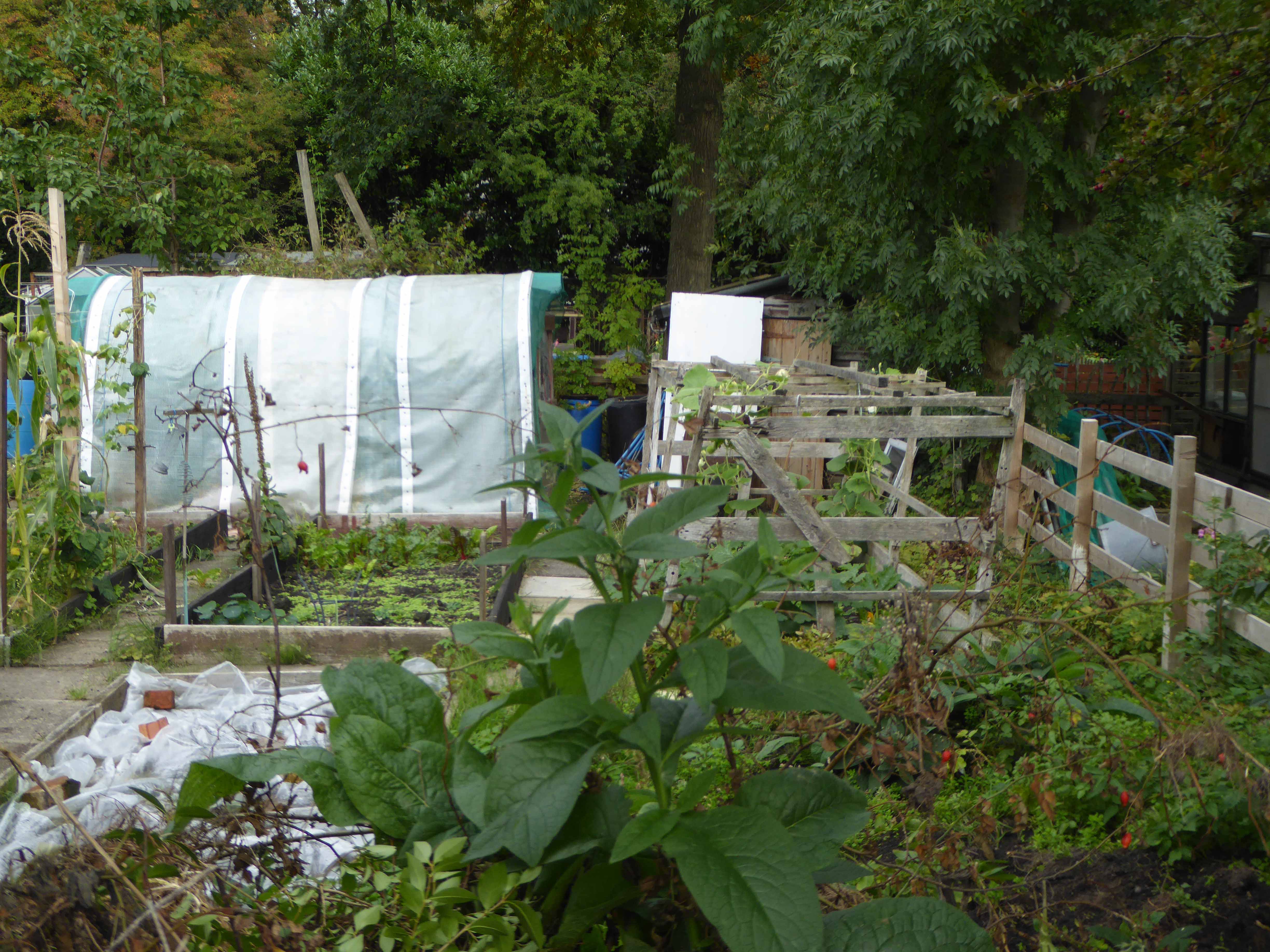
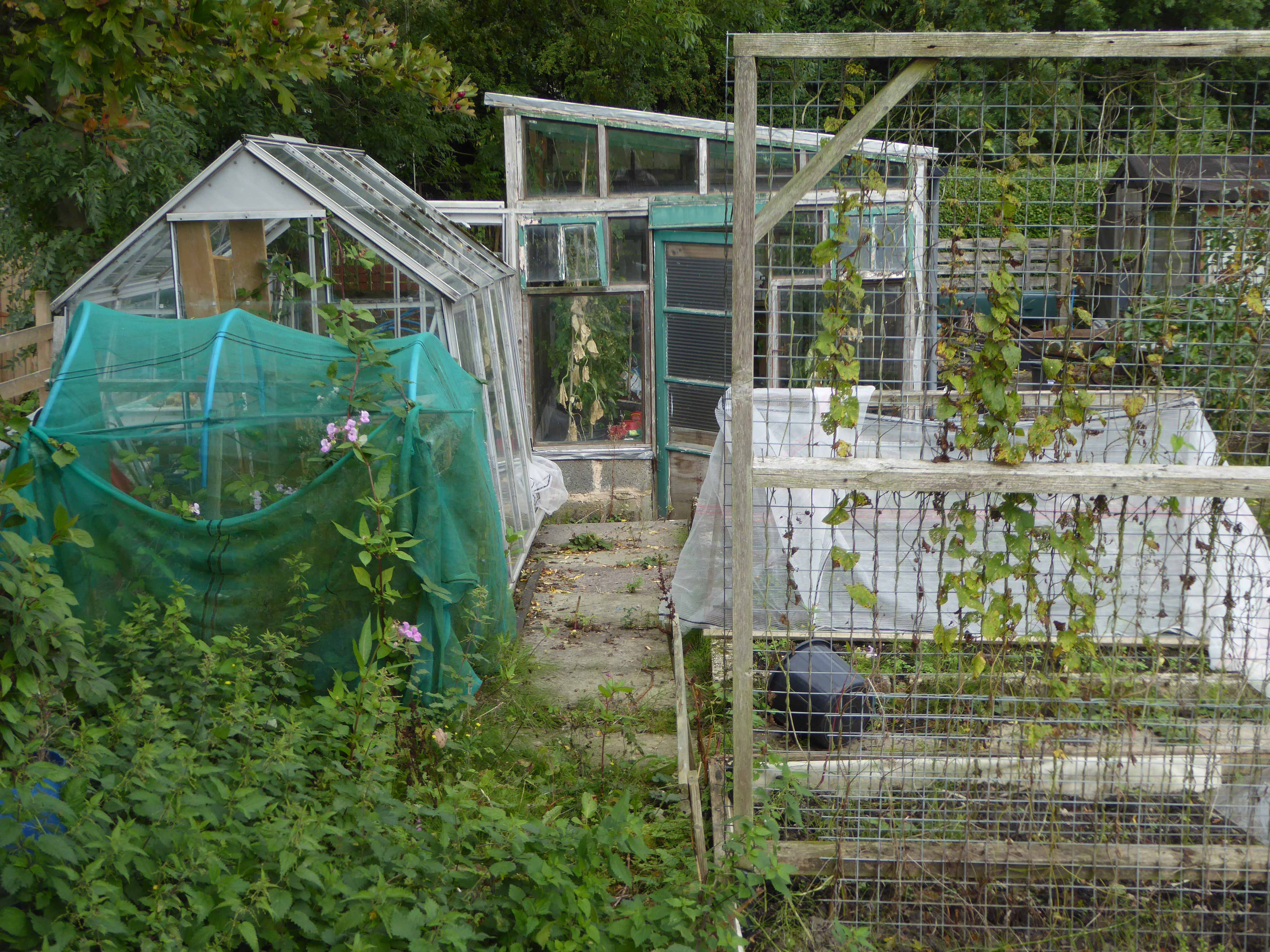
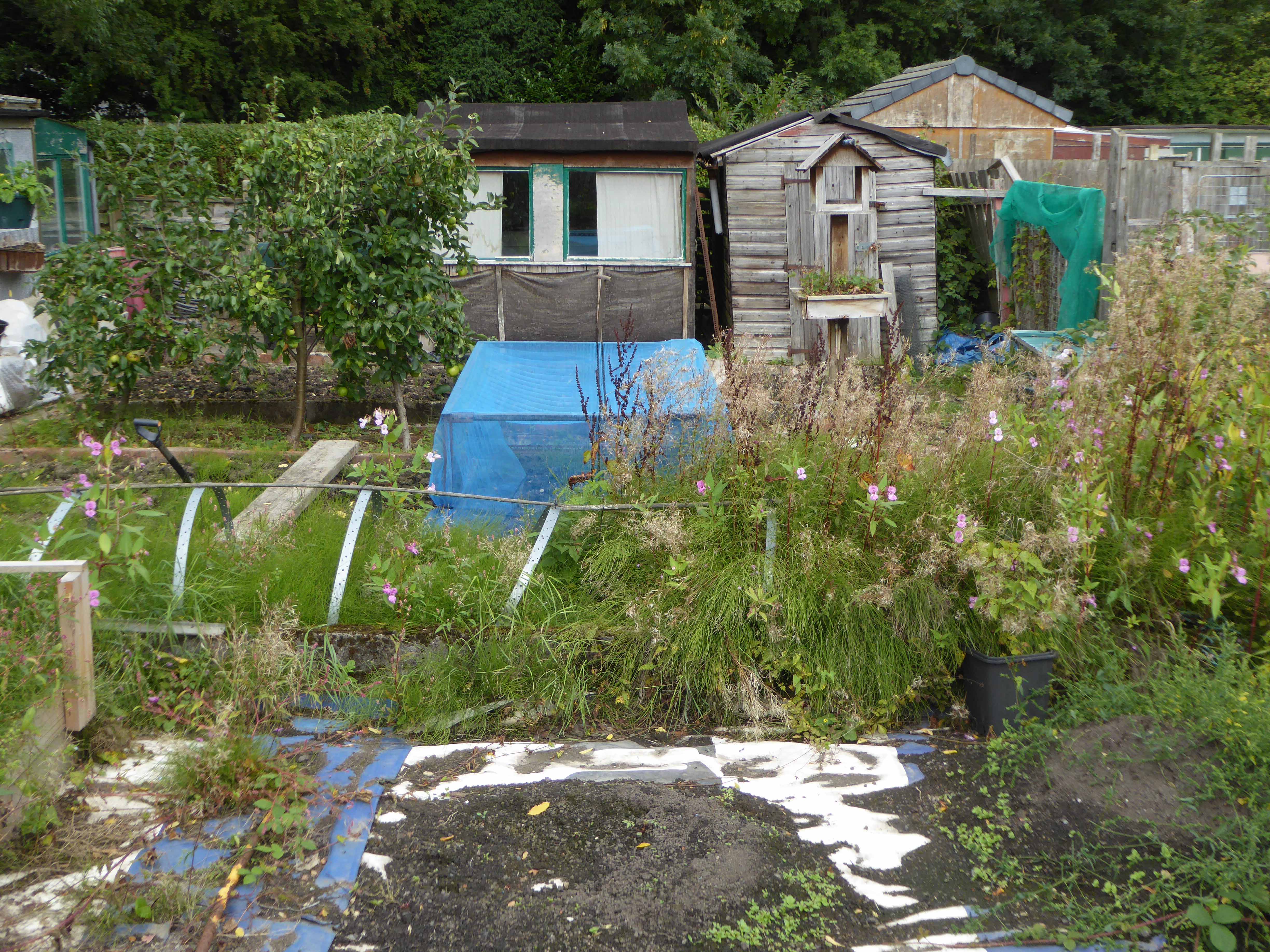
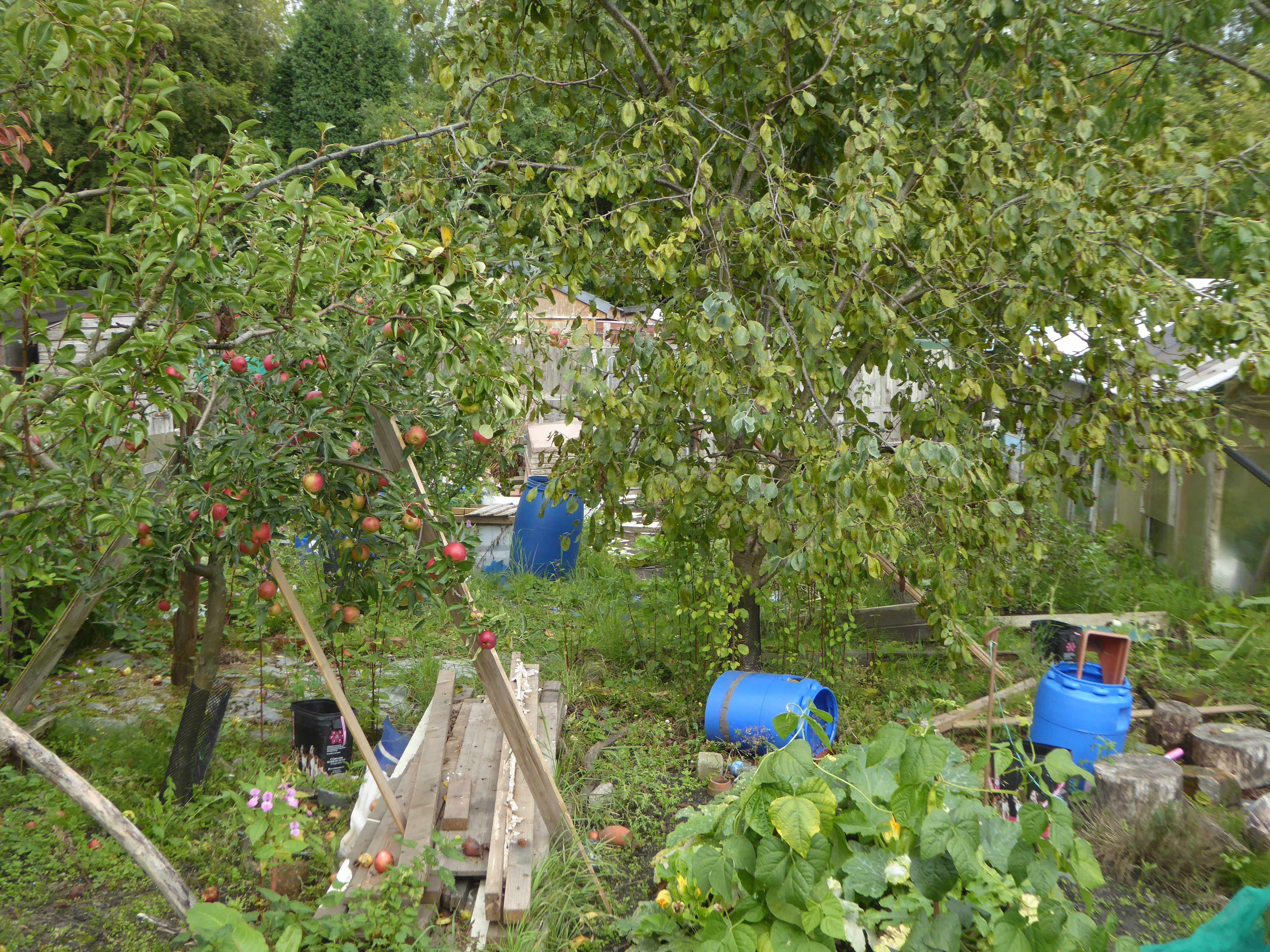
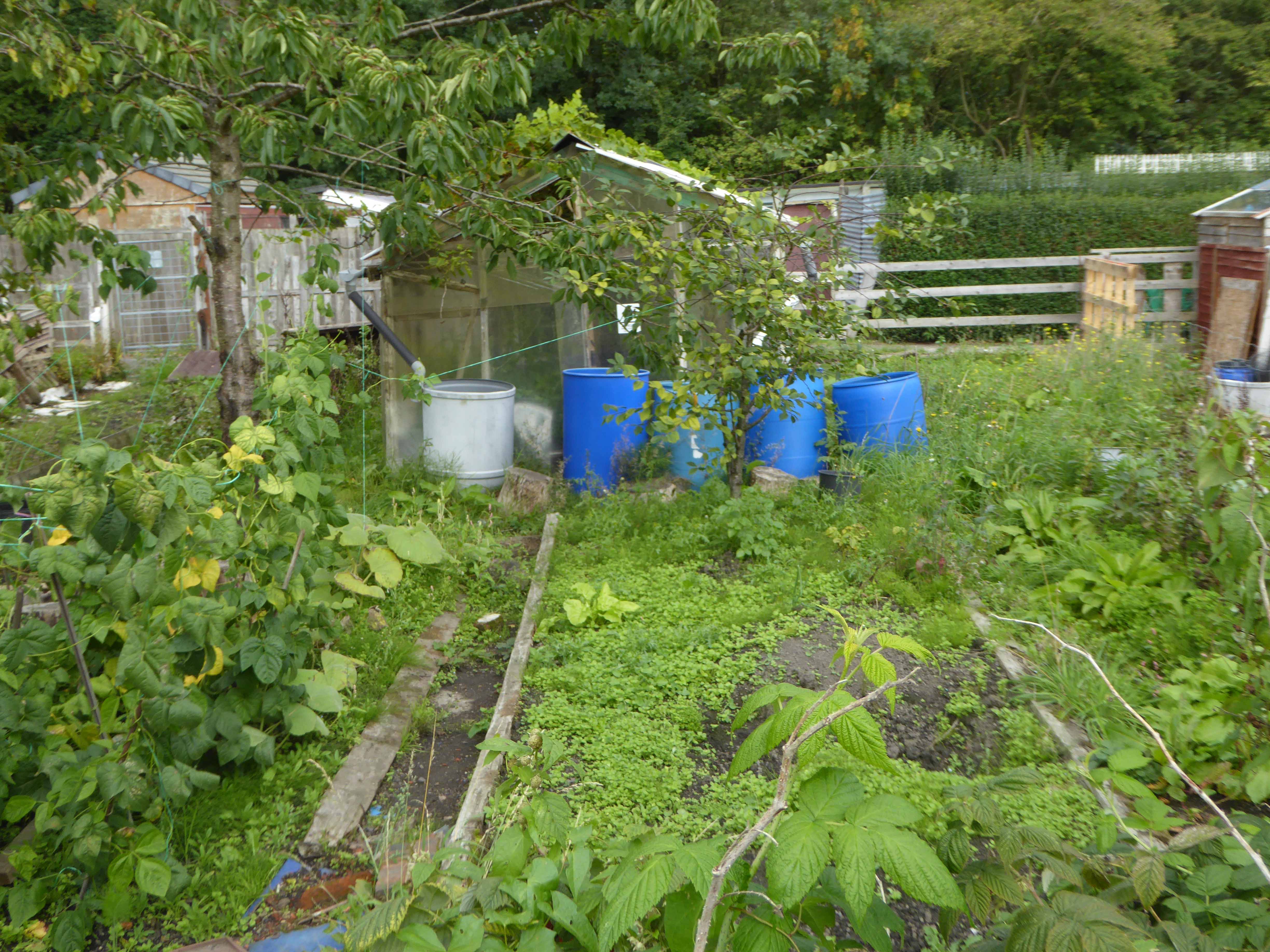
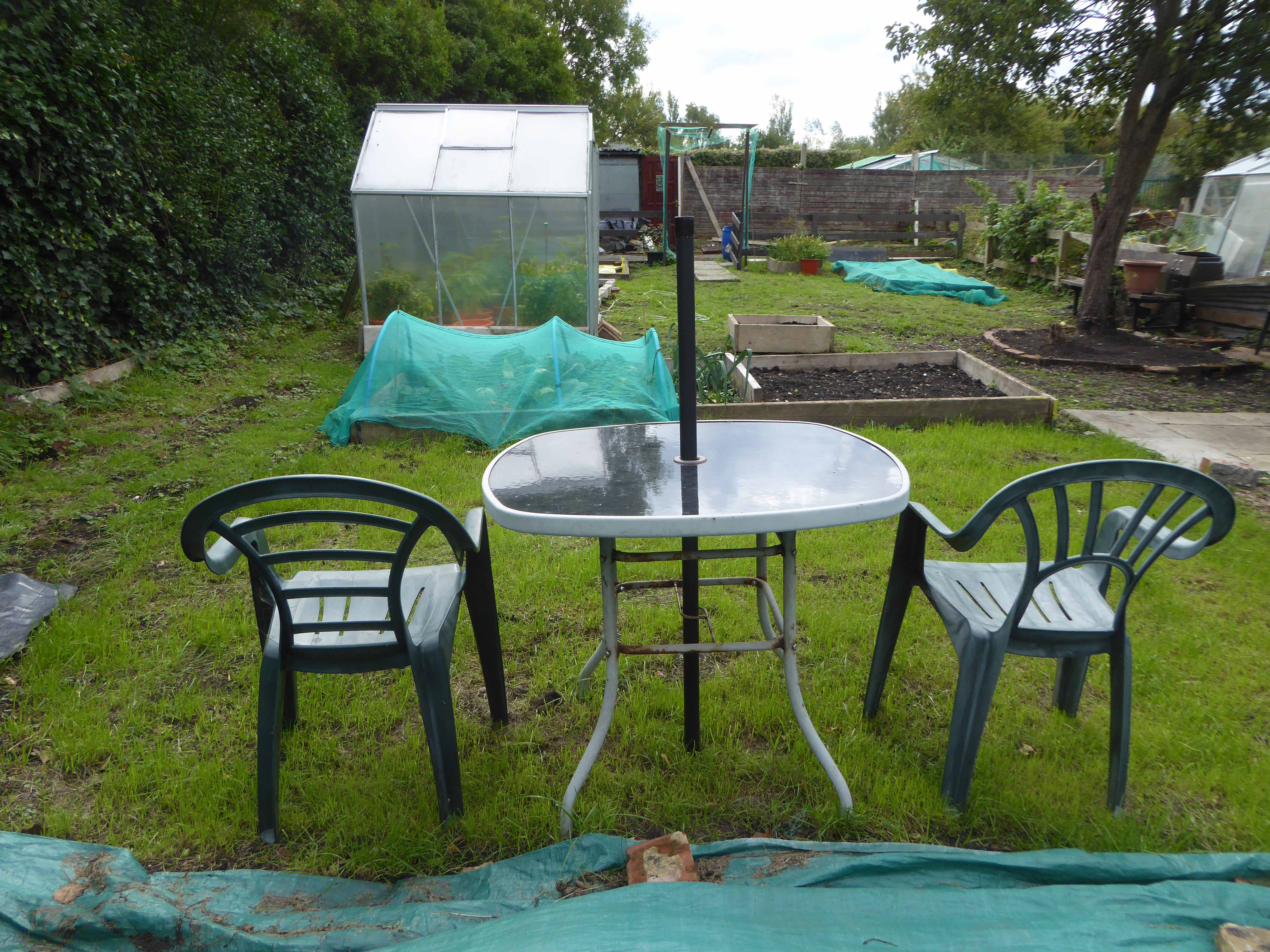
Located in a residential area in East Manchester, Abbey Hey Allotment site is an award winning and thriving allotment community with over 100 plots.
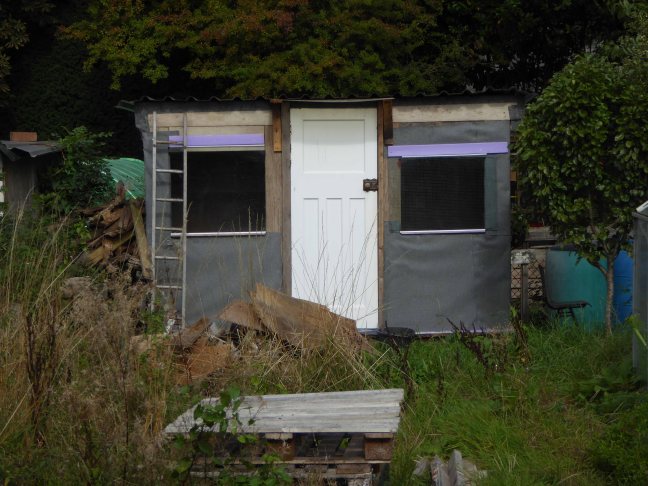
I have to admit that not for the first time and certainly not the last, I was slightly lost. On my way to nowhere in particular via somewhere else, I cycled down a dead end track, along the wrong end of Ackroyd Avenue.
Allotments have been in existence for hundreds of years, with evidence pointing back to Anglo-Saxon times. But the system we recognise today has its roots in the Nineteenth Century, when land was given over to the labouring poor for the provision of food growing. This measure was desperately needed thanks to the rapid industrialisation of the country and the lack of a welfare state. In 1908 the Small Holdings and Allotments Act came into force, placing a duty on local authorities to provide sufficient allotments, according to demand. However it wasn’t until the end of the First World War that land was made available to all, primarily as a way of assisting returning service men (Land Settlement Facilities Act 1919) instead of just the labouring poor. The rights of allotment holders in England and Wales were strengthened through the Allotments Acts of 1922, but the most important change can be found in the Allotments Act of 1925 which established statutory allotments which local authorities could not sell off or covert without Ministerial consent, known as Section 8 Orders.















































































 Modern Mooch