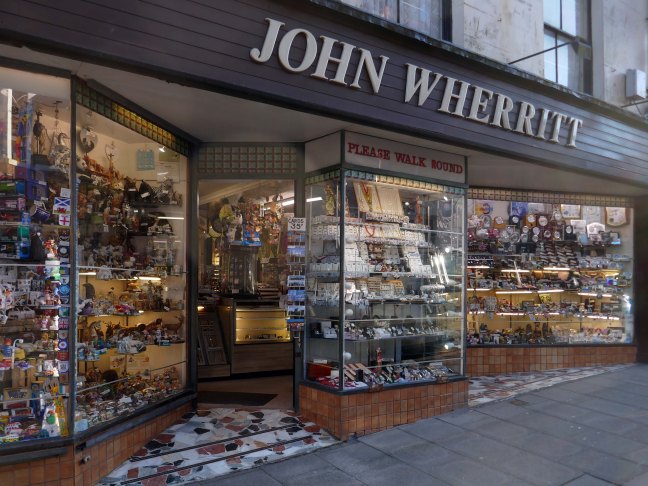
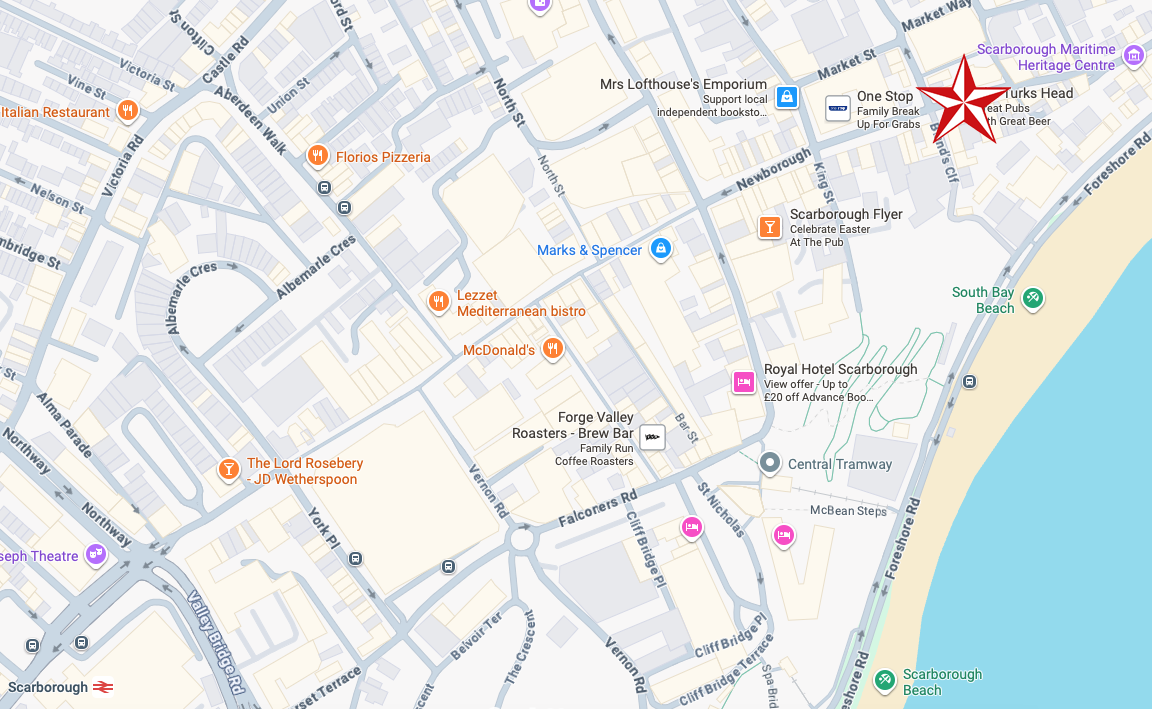
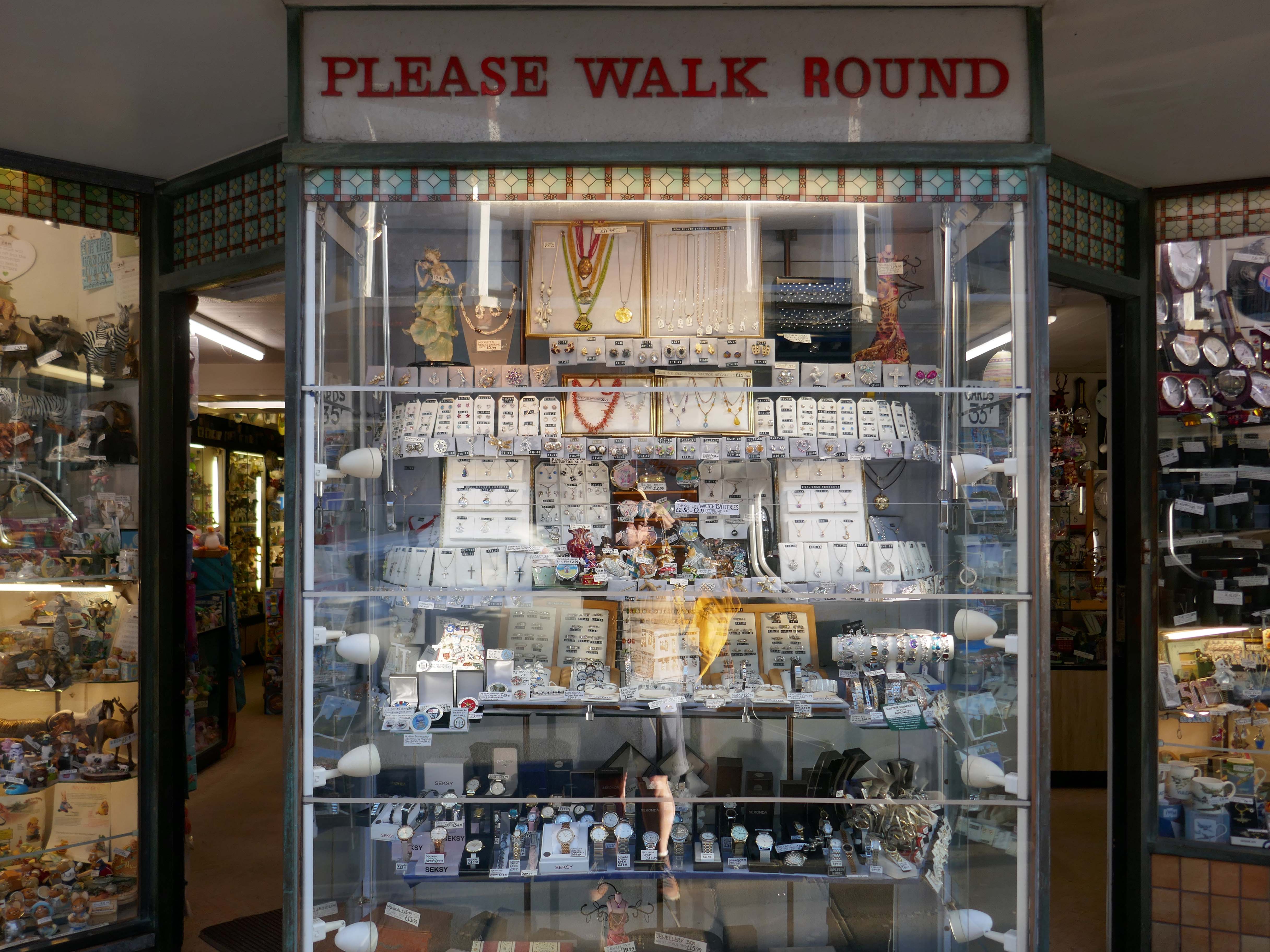
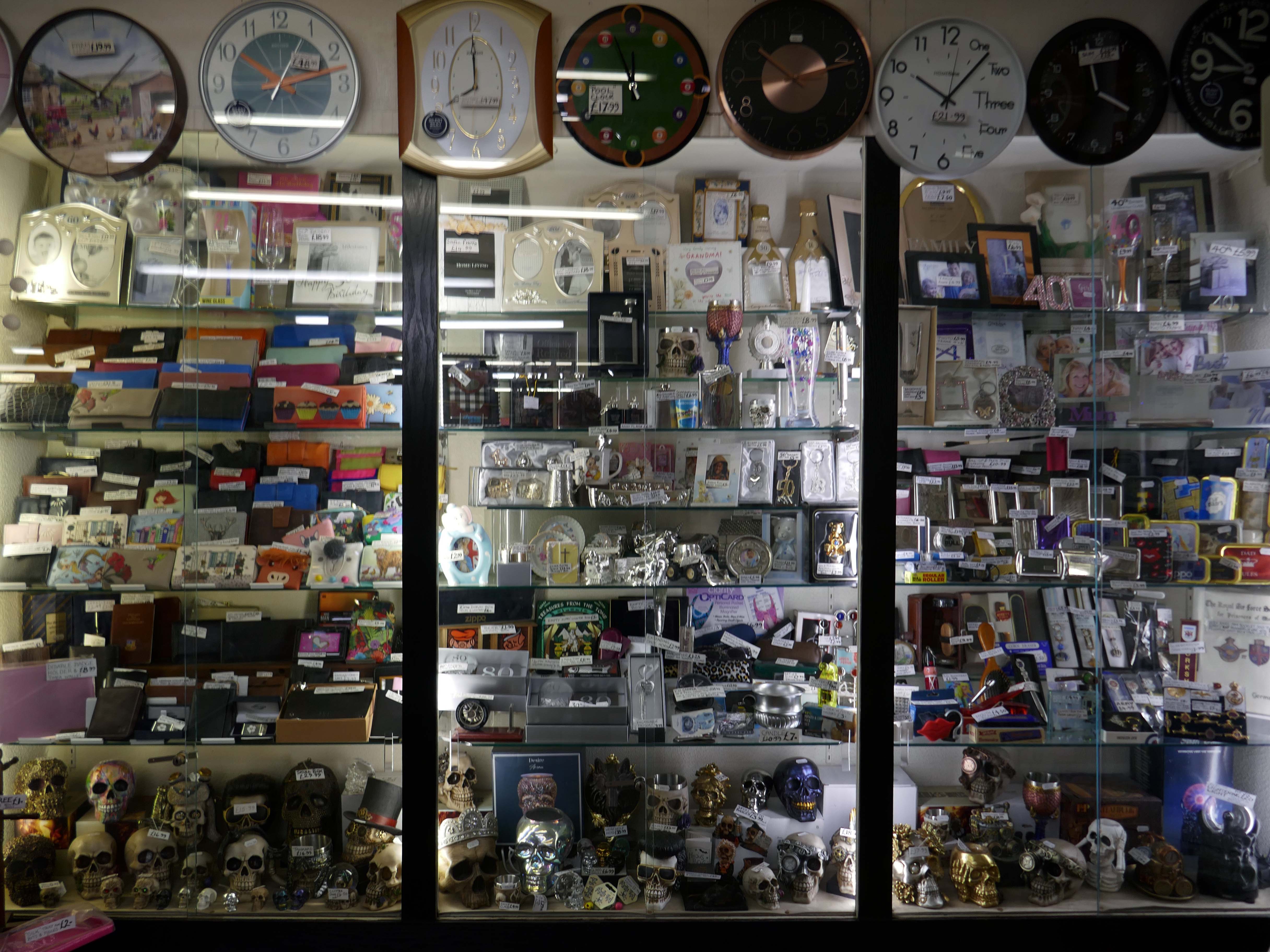
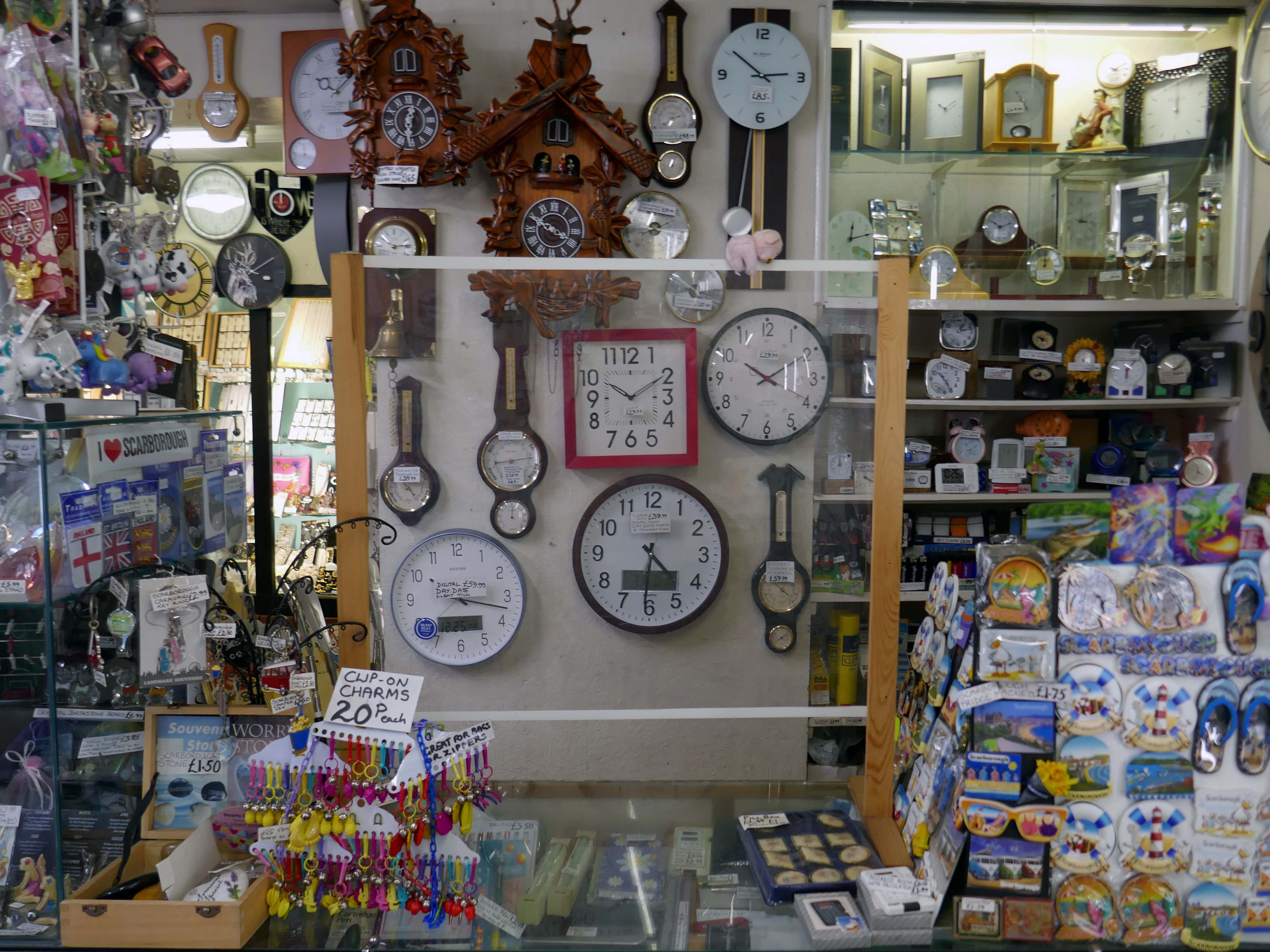
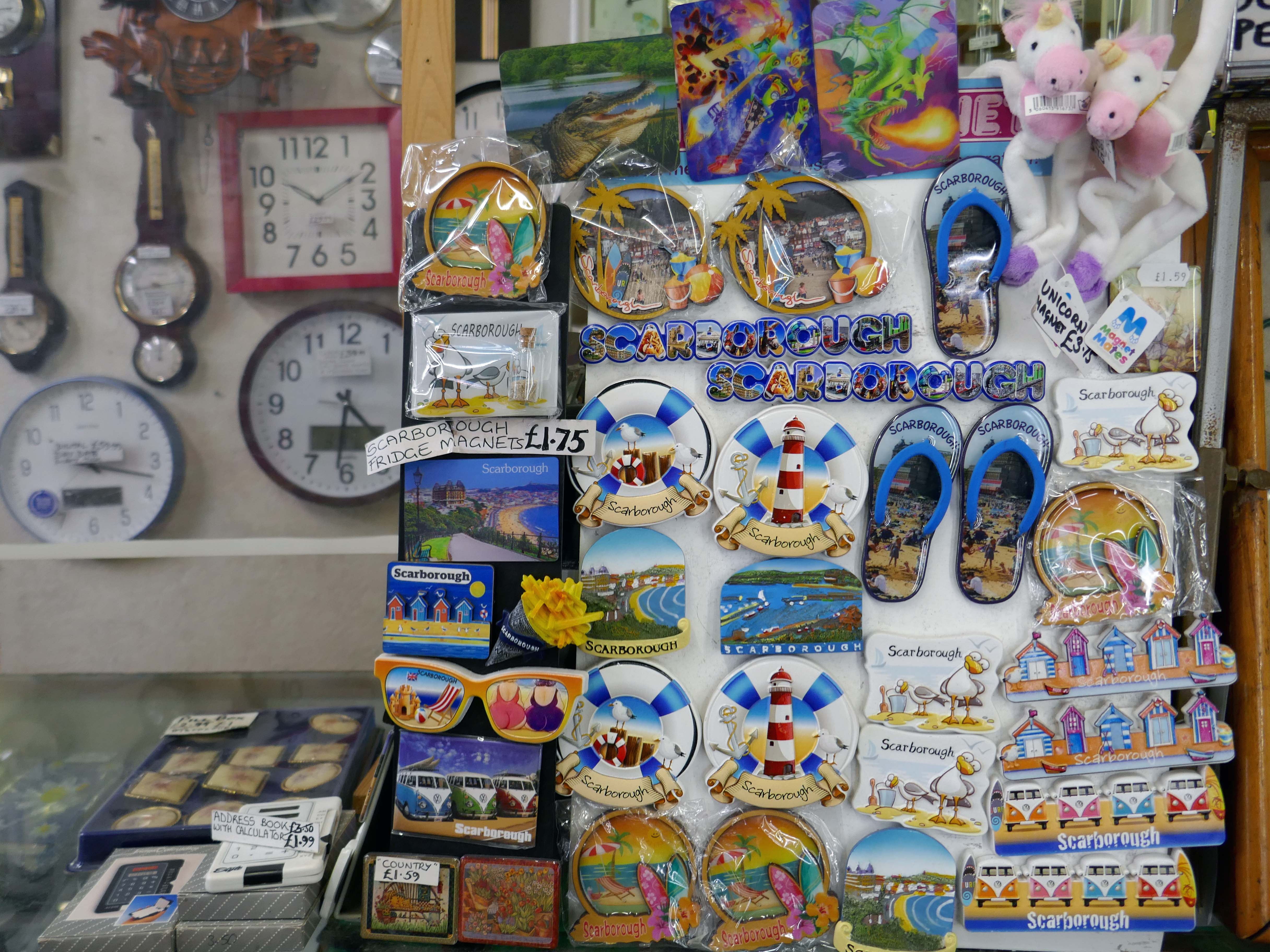
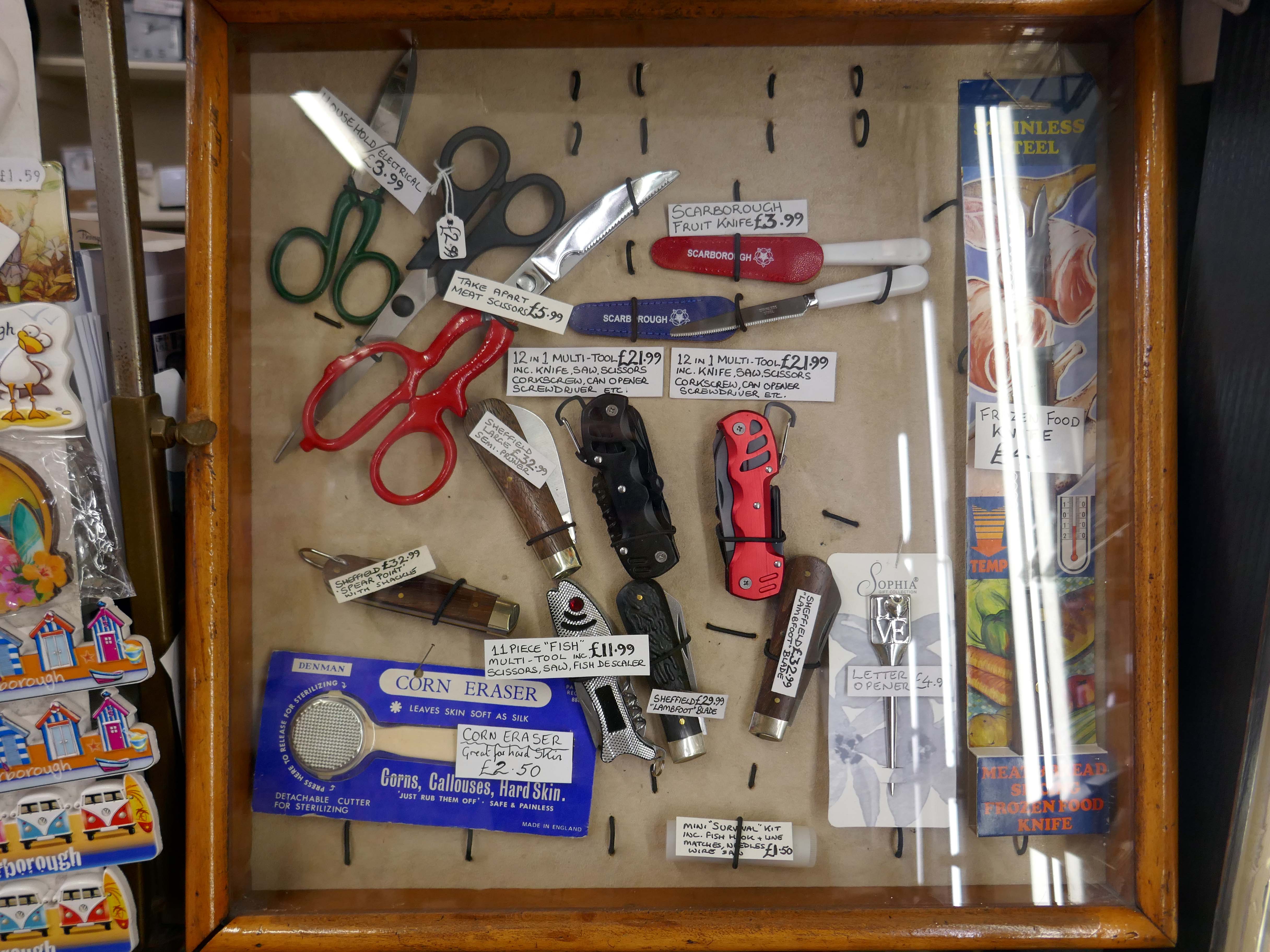
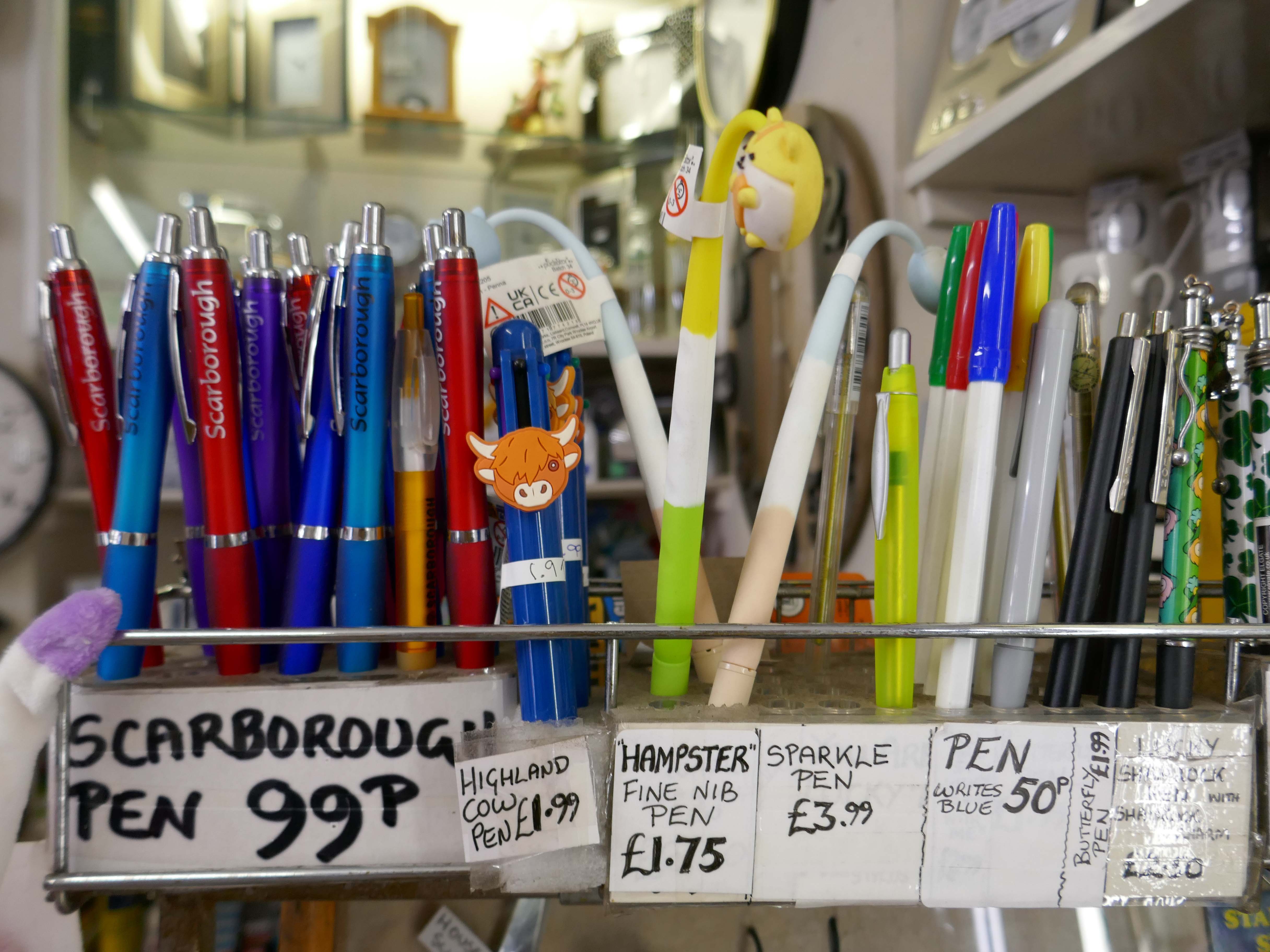
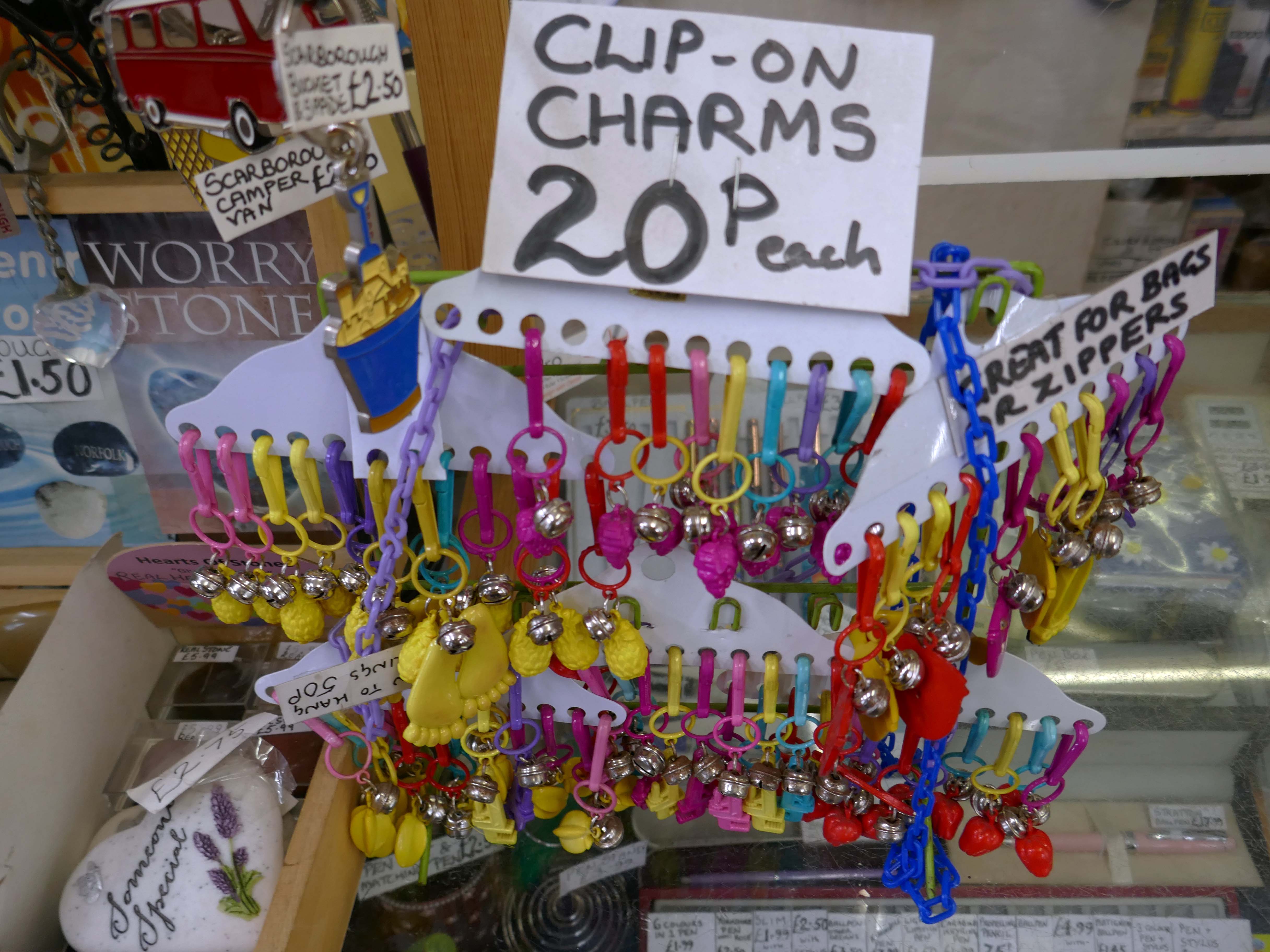
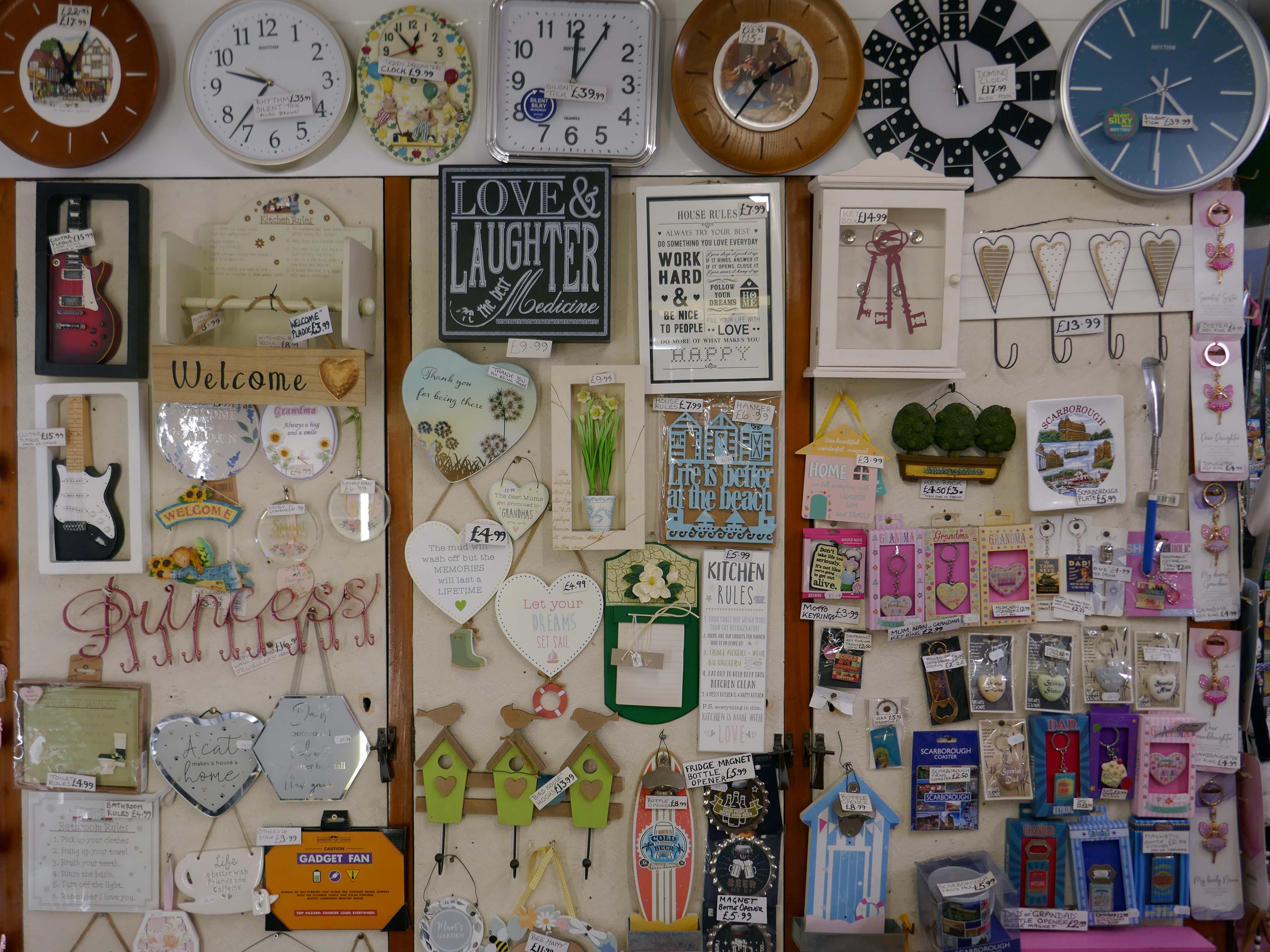
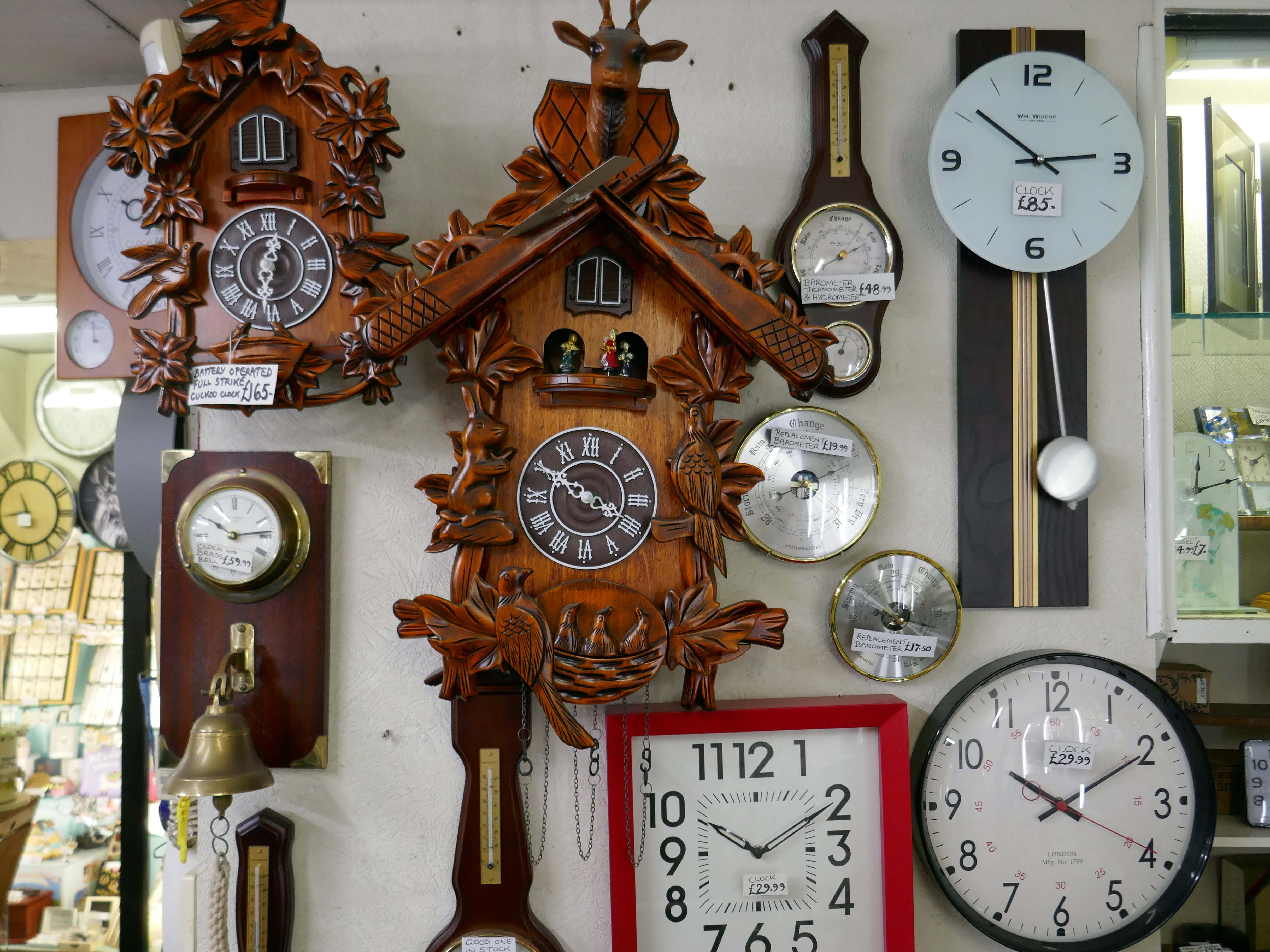
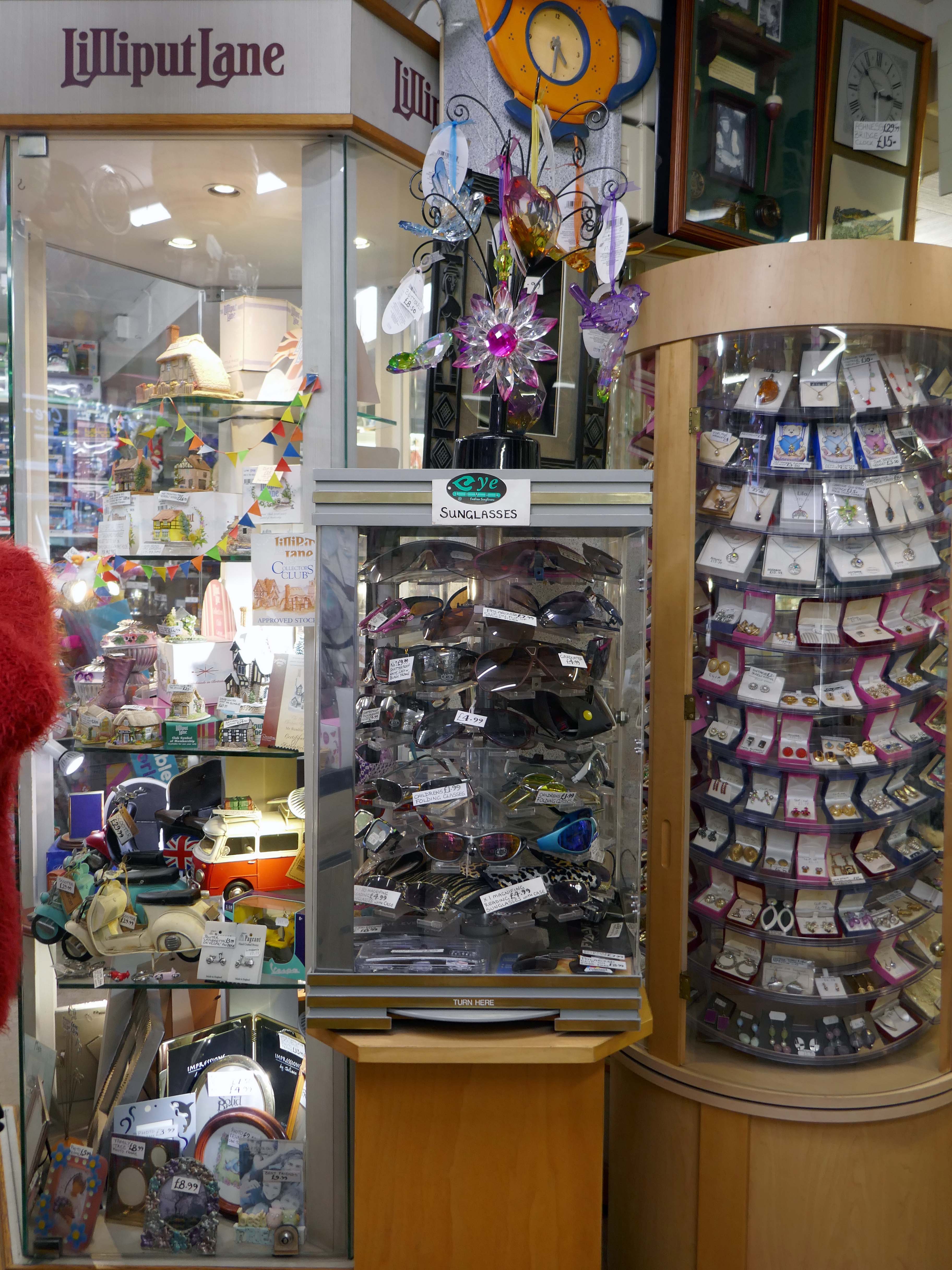
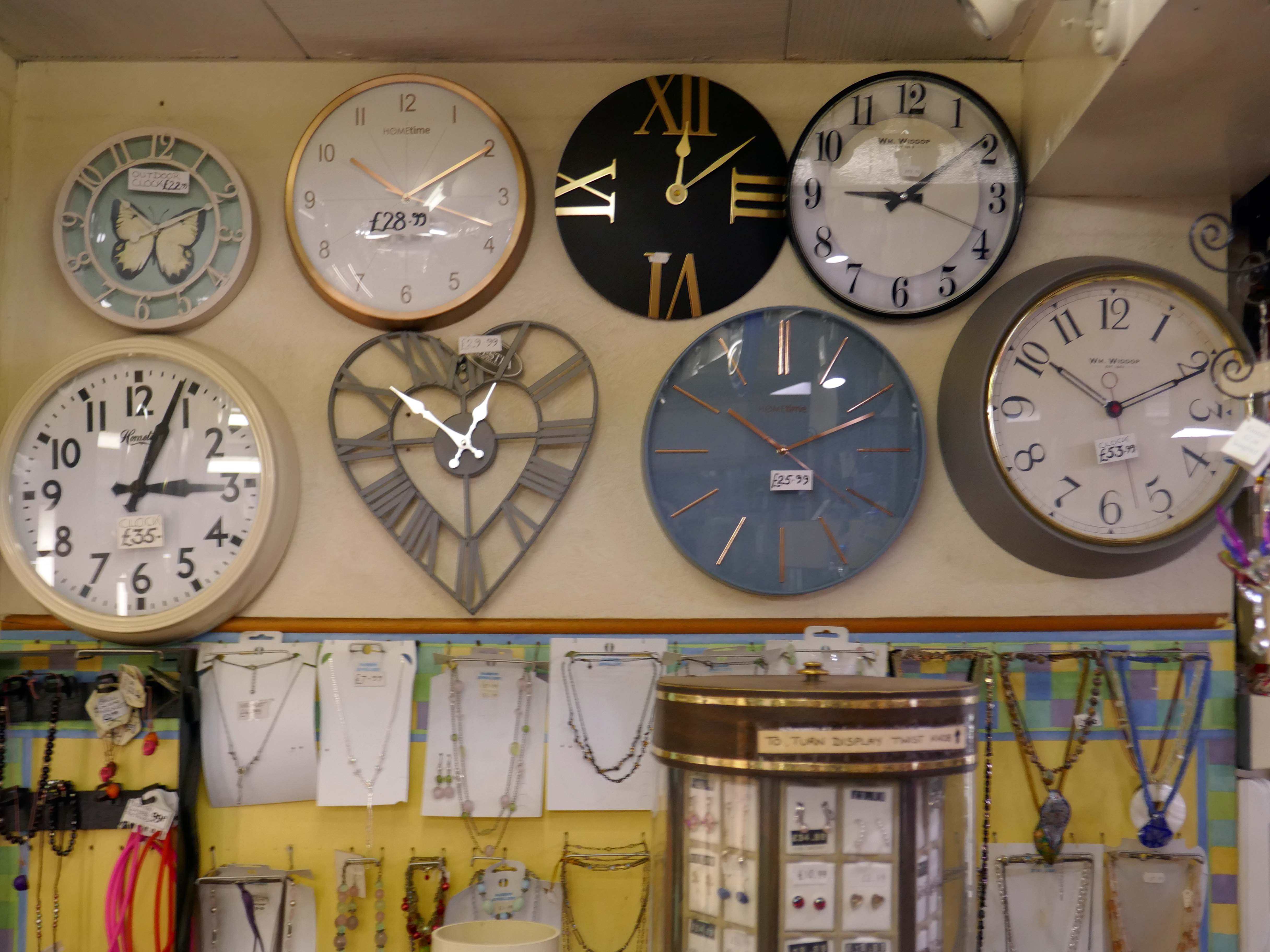
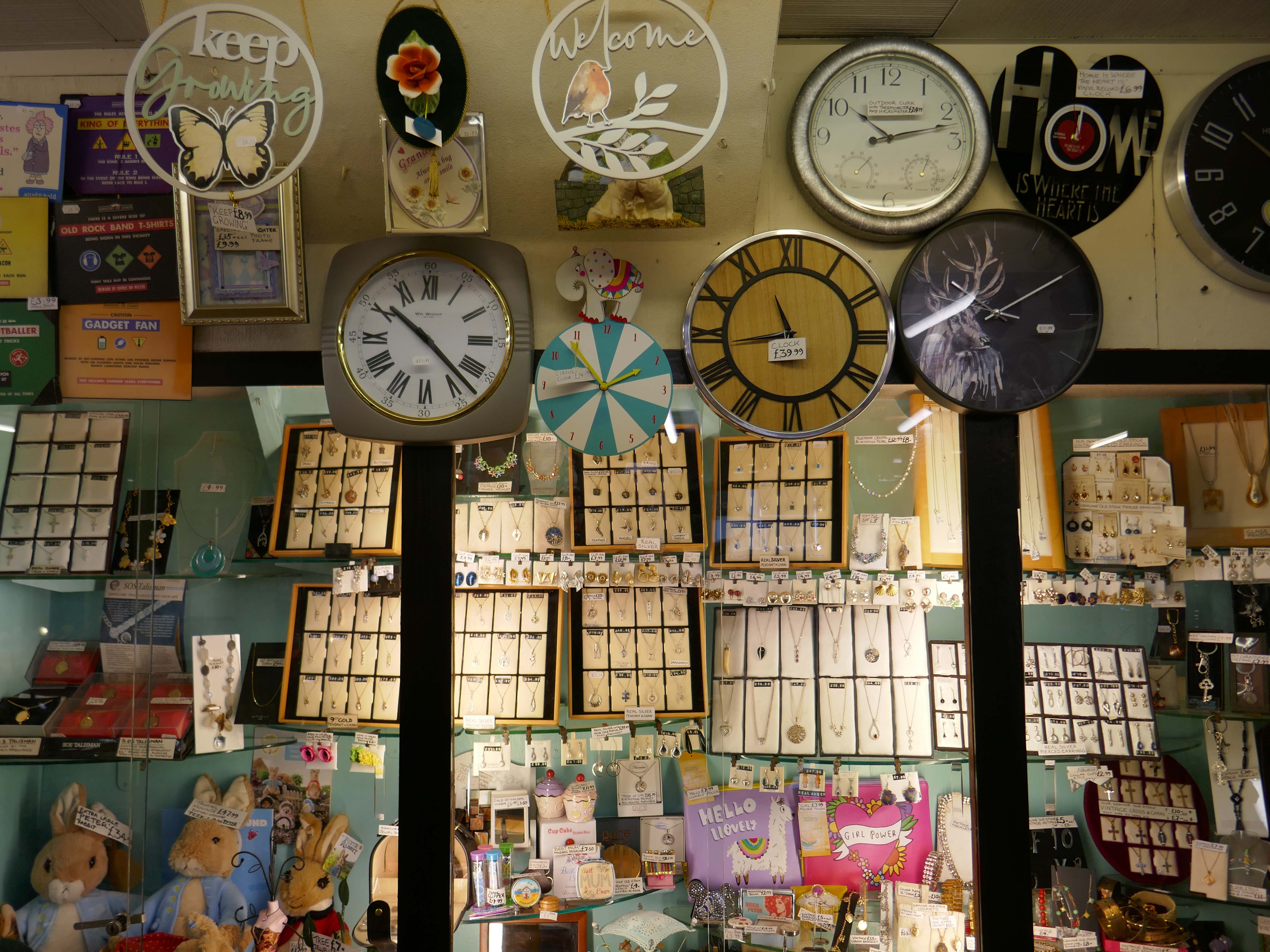
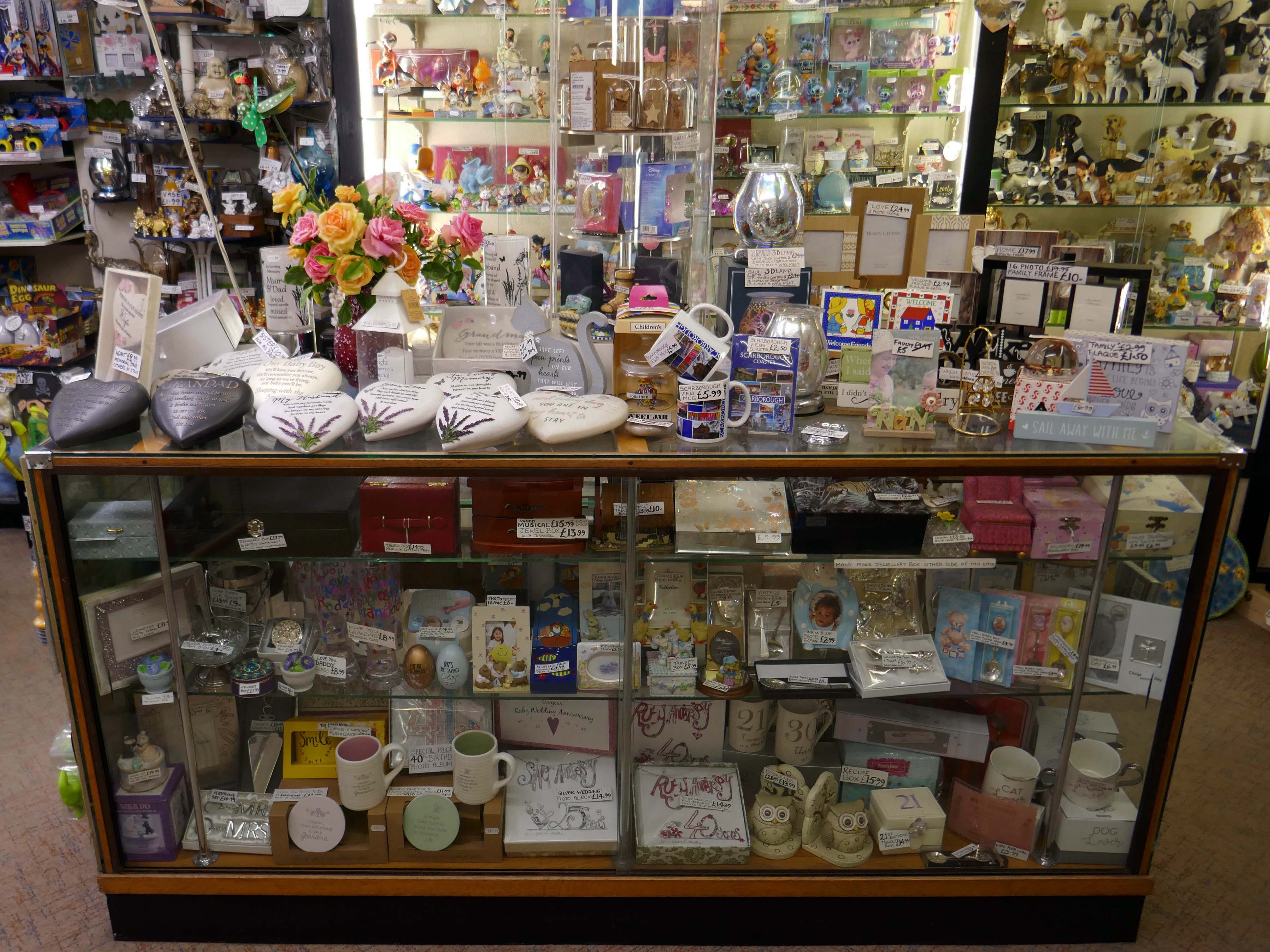
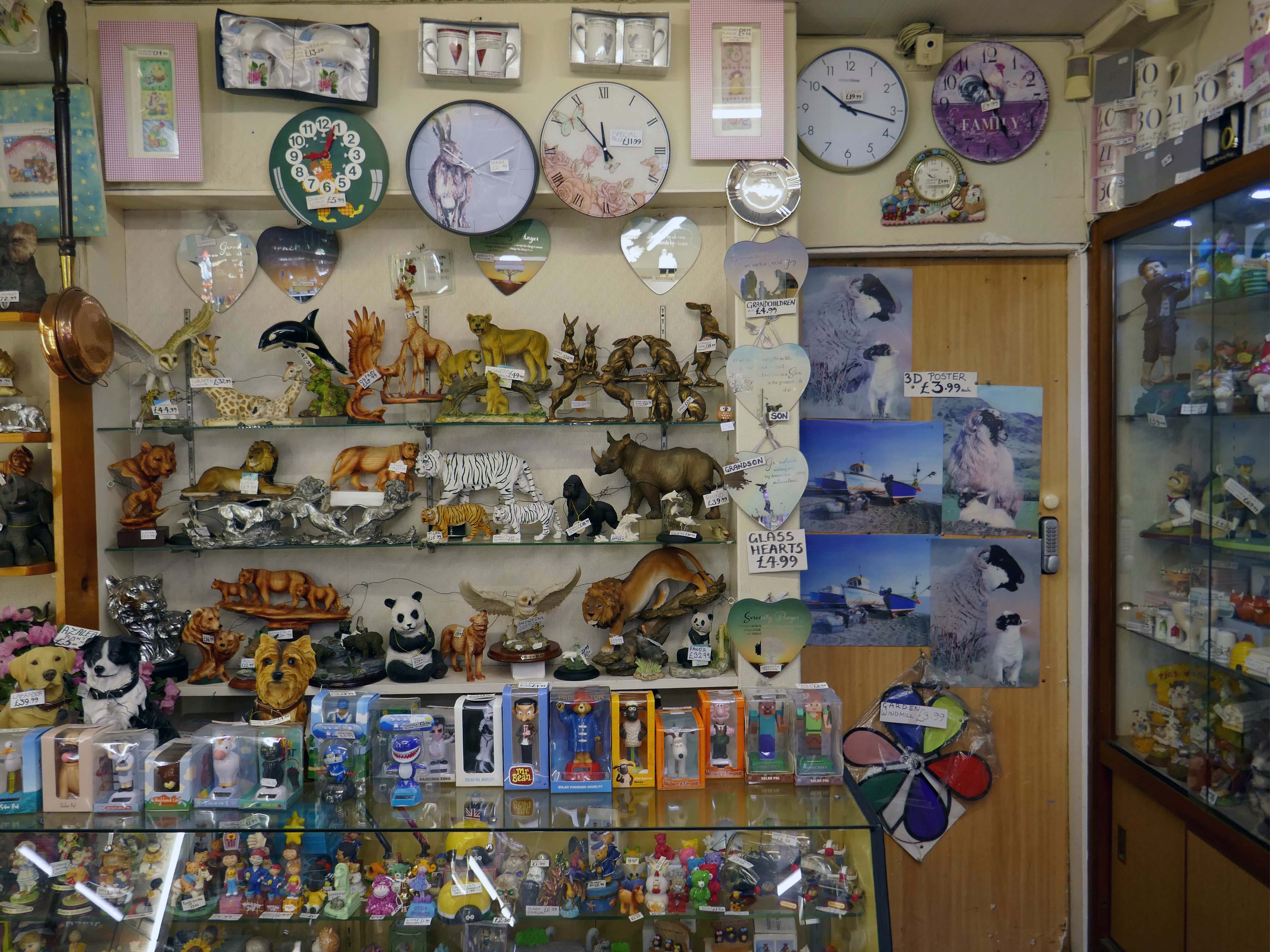
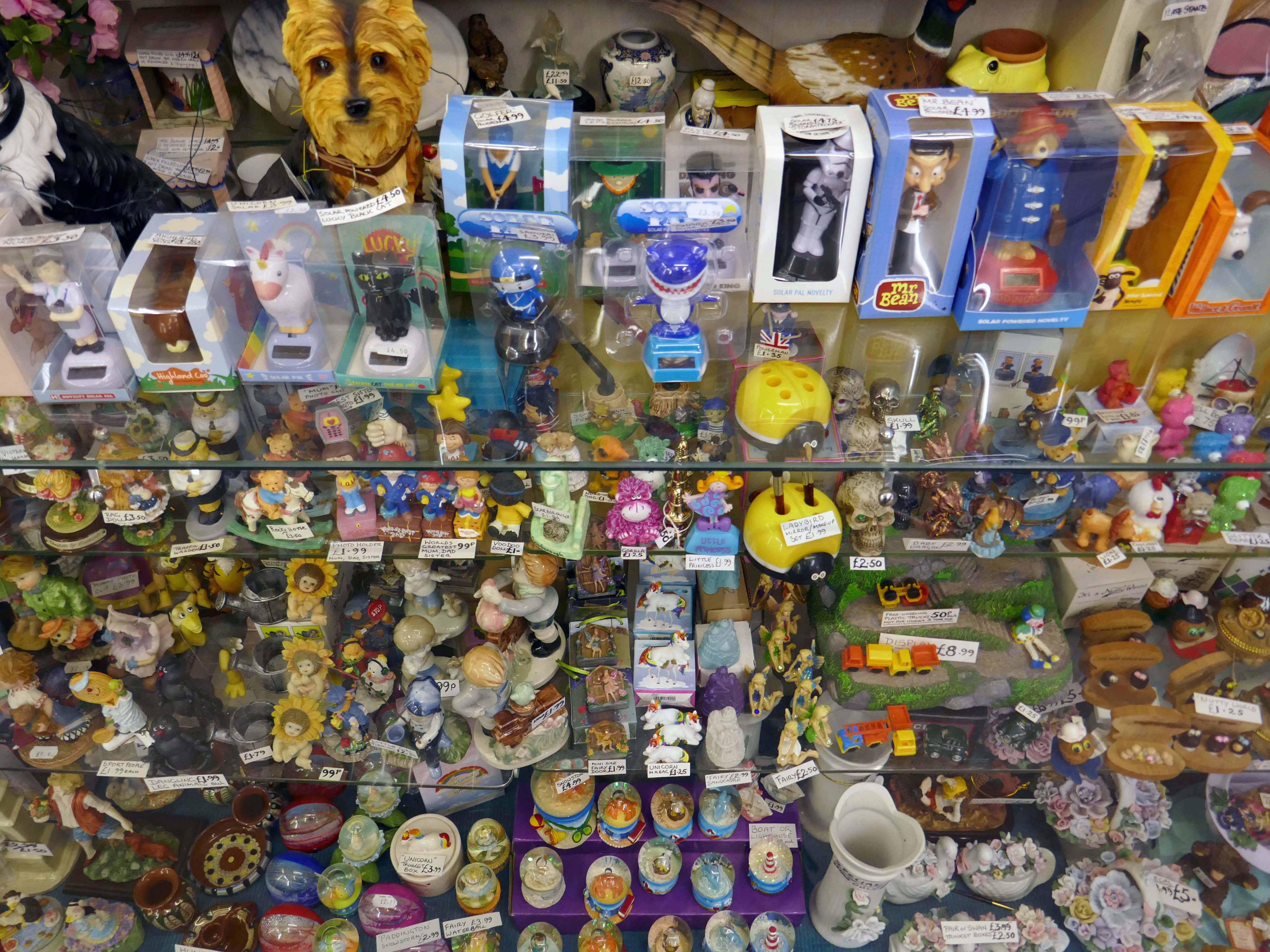
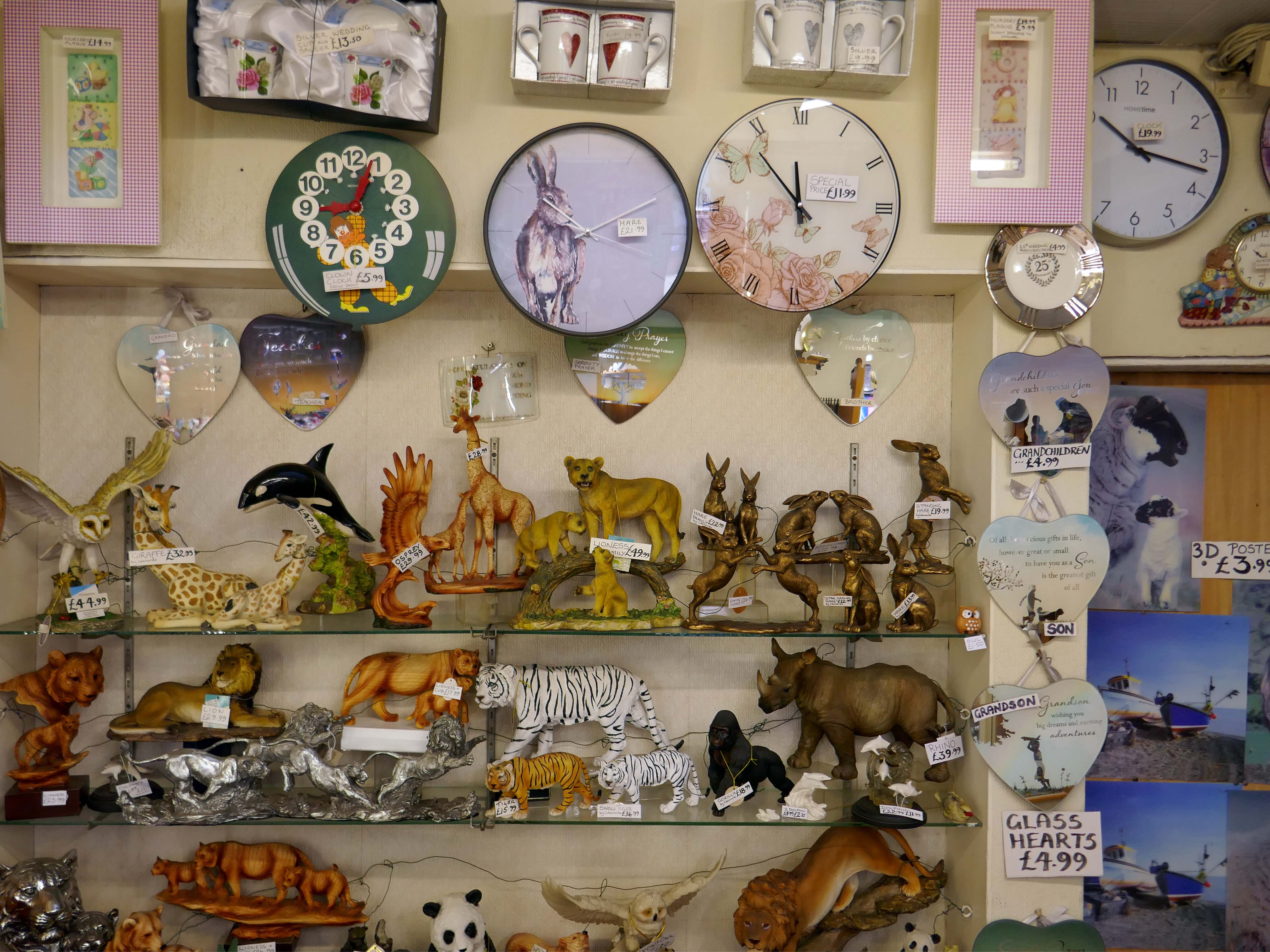
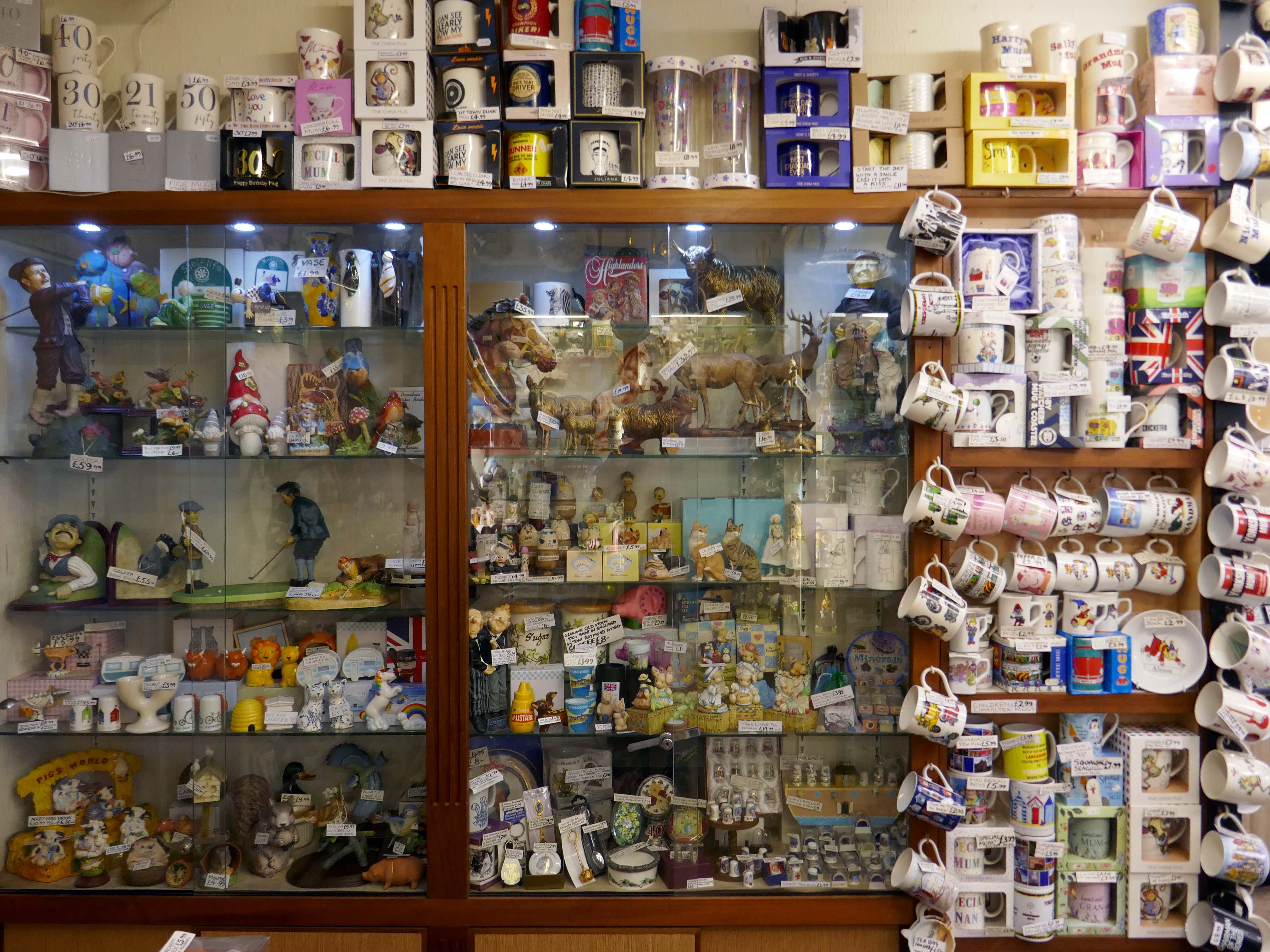
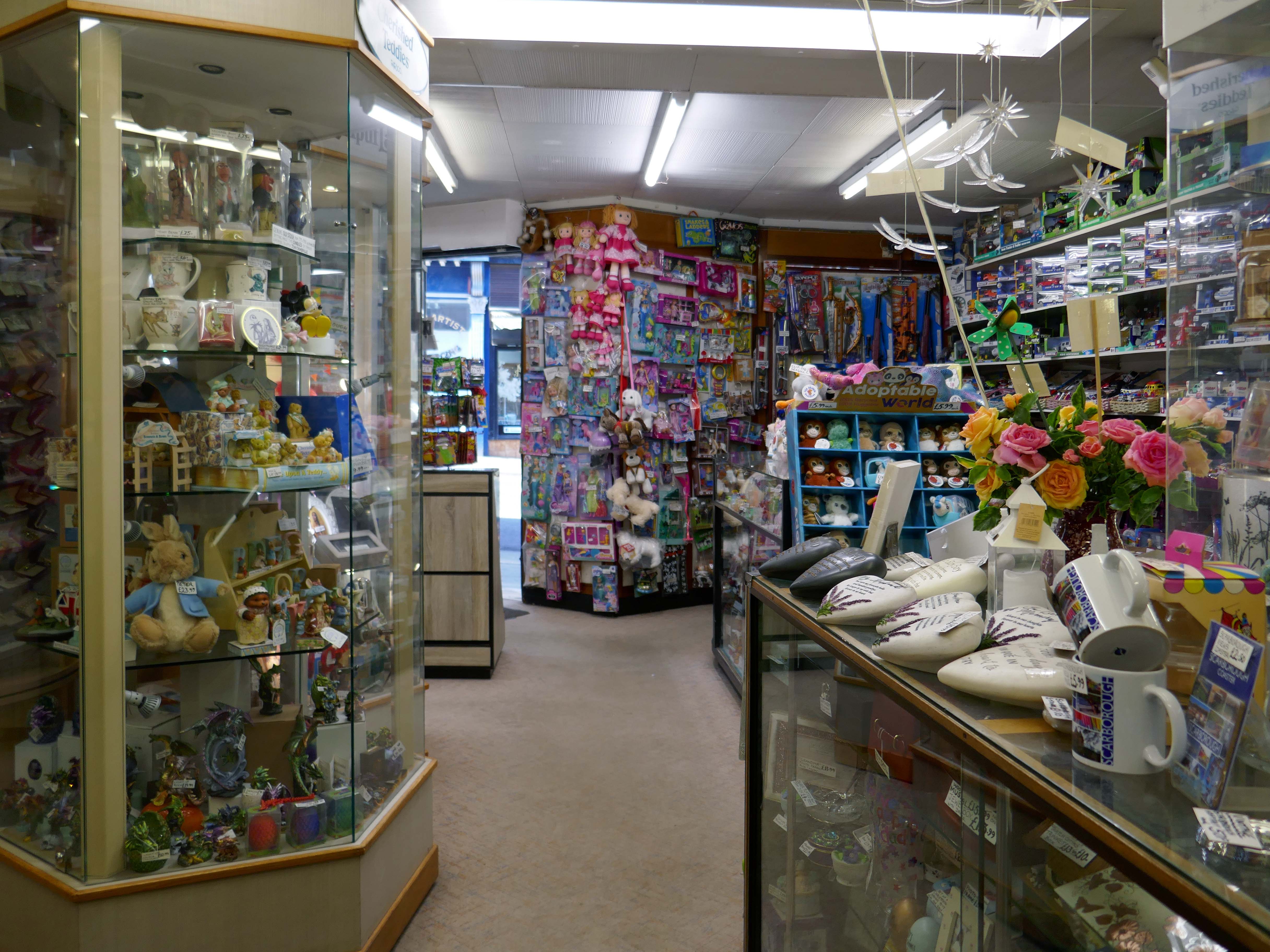
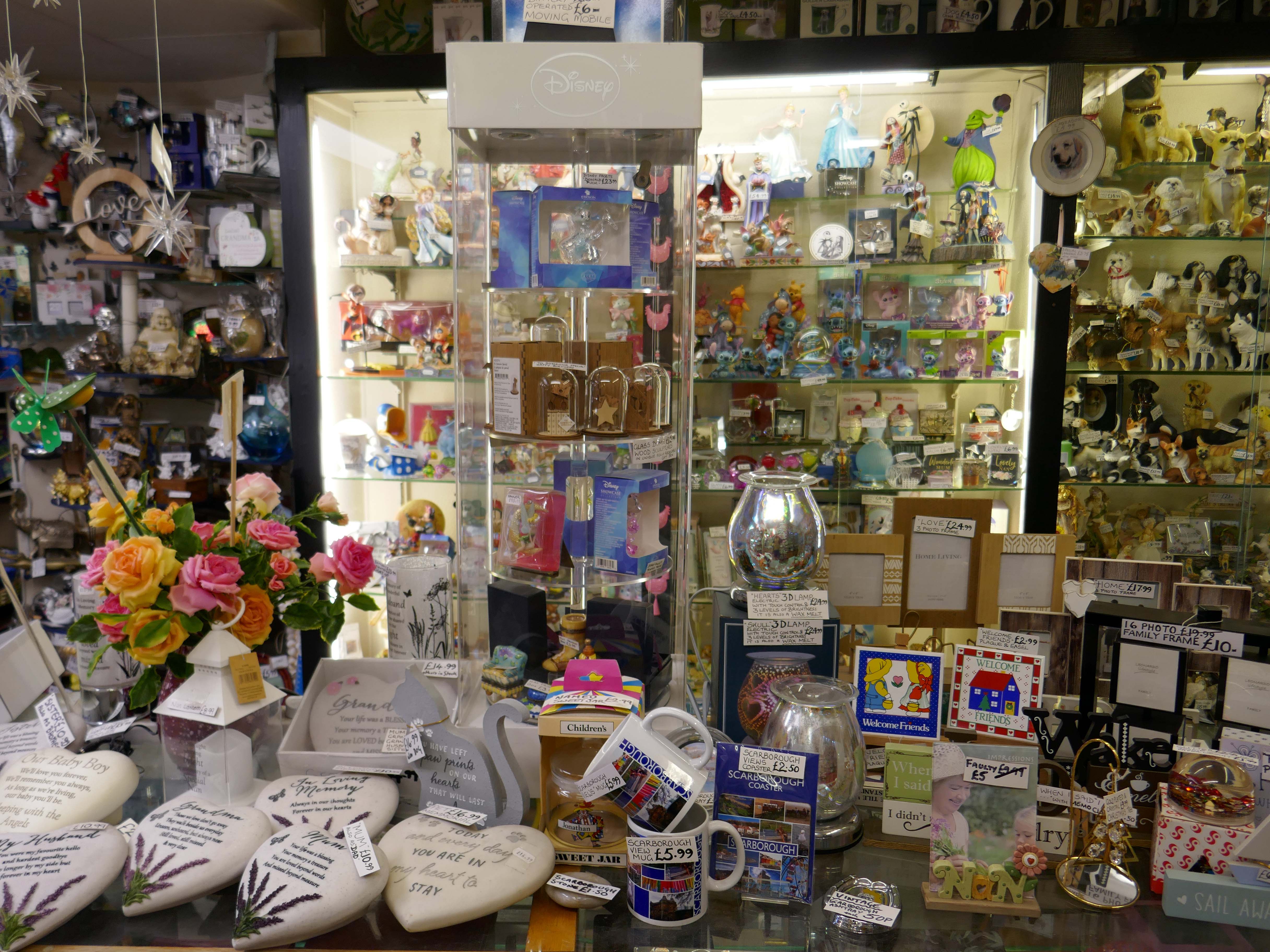
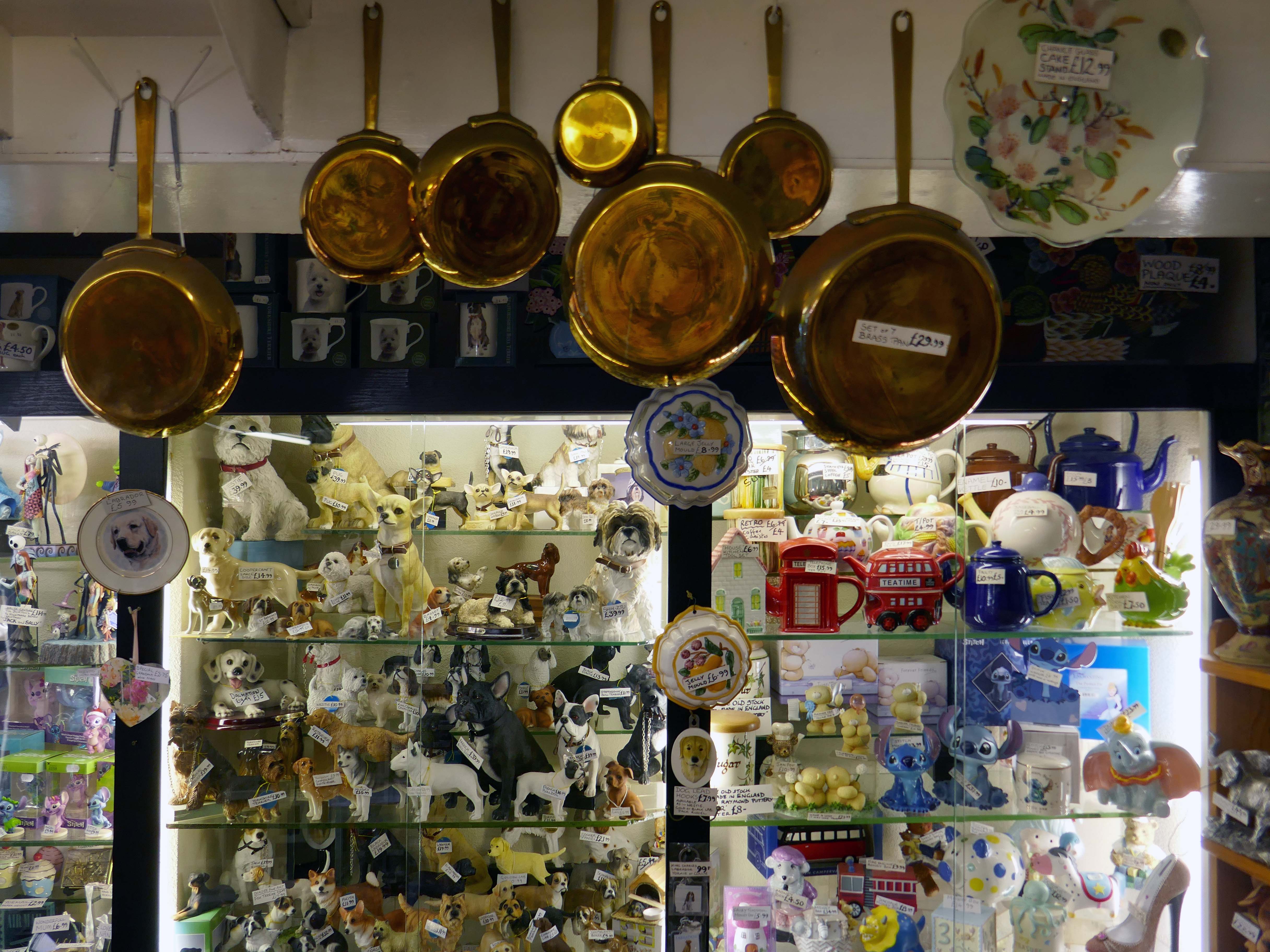
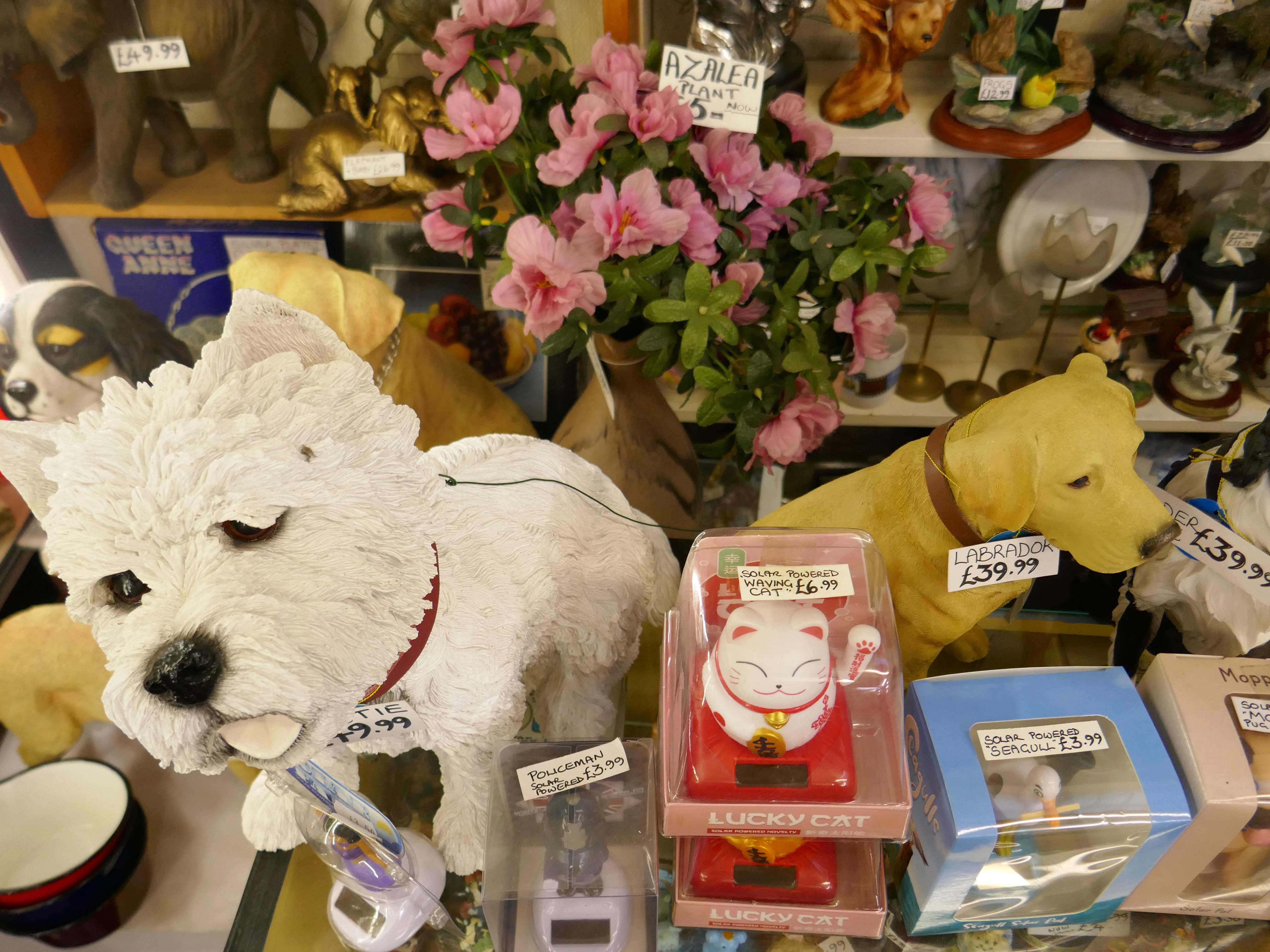
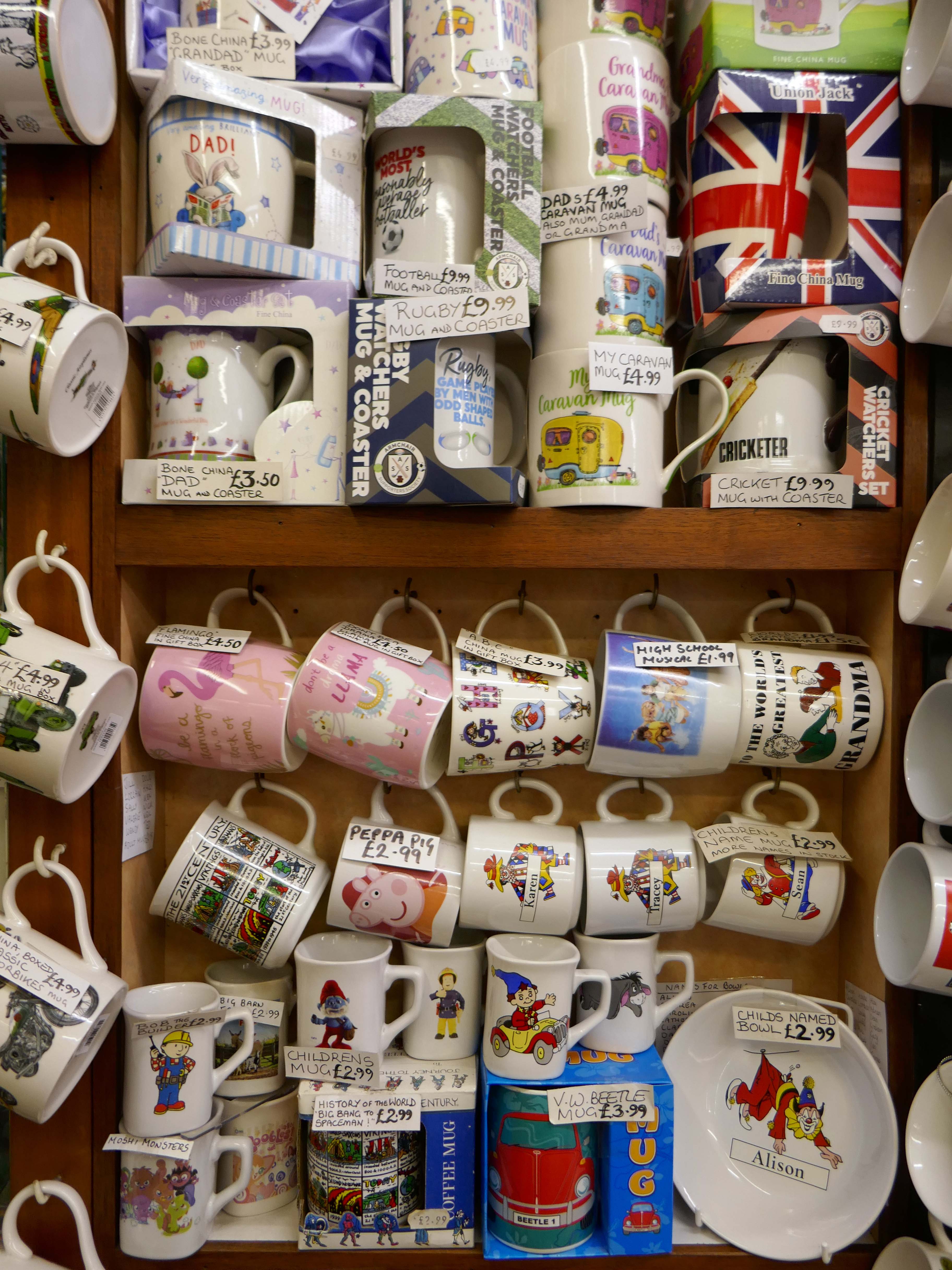
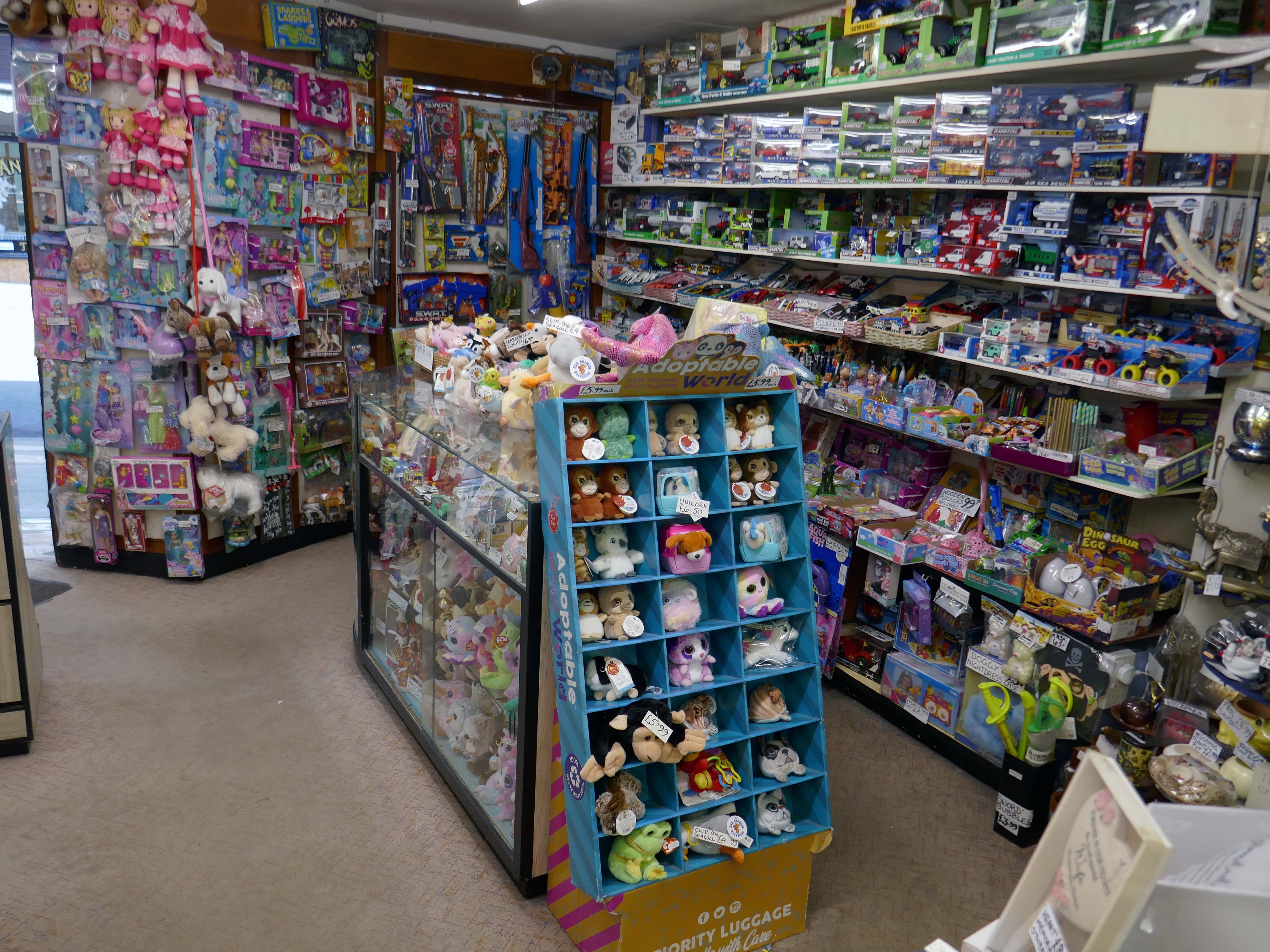
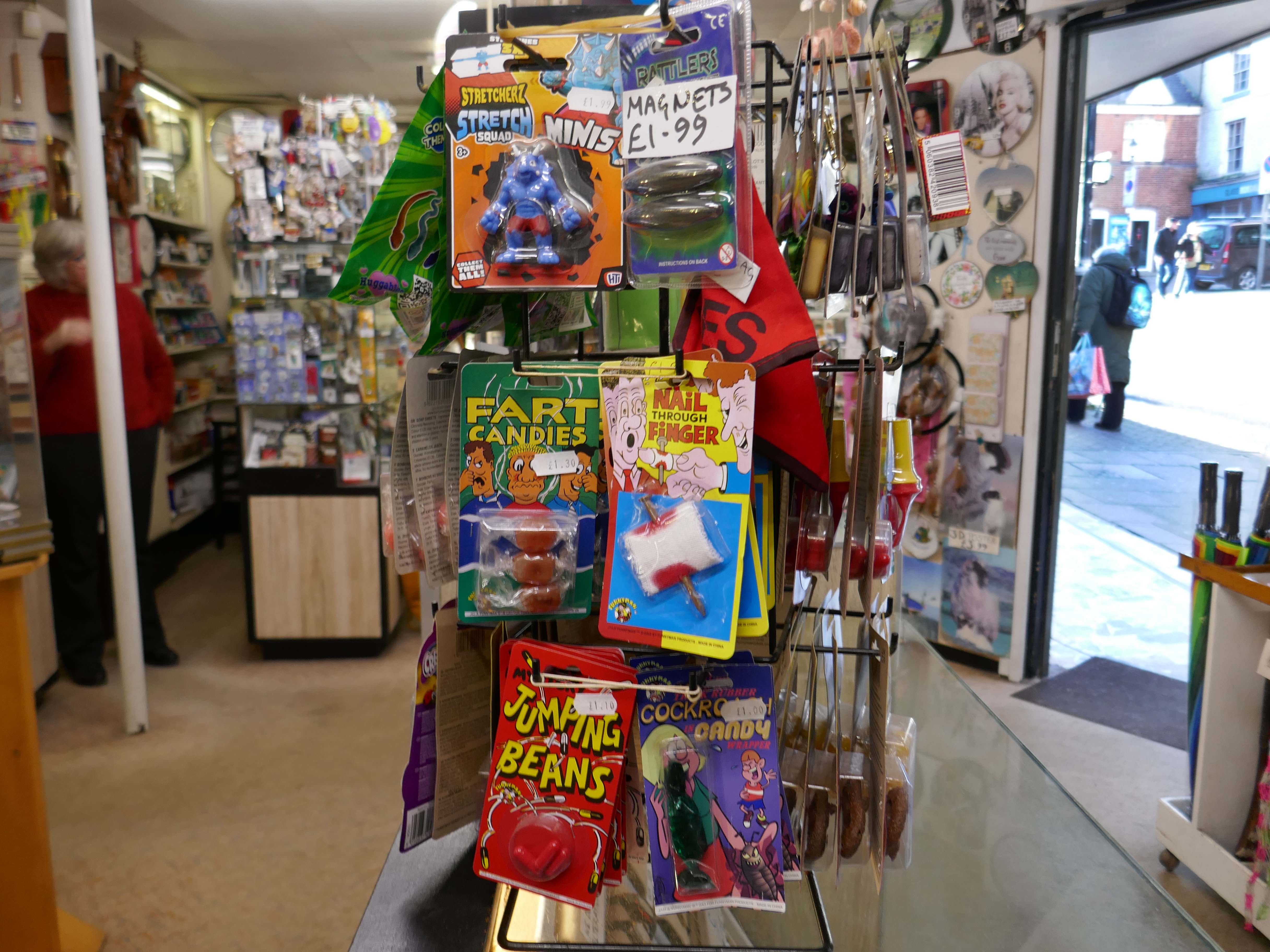
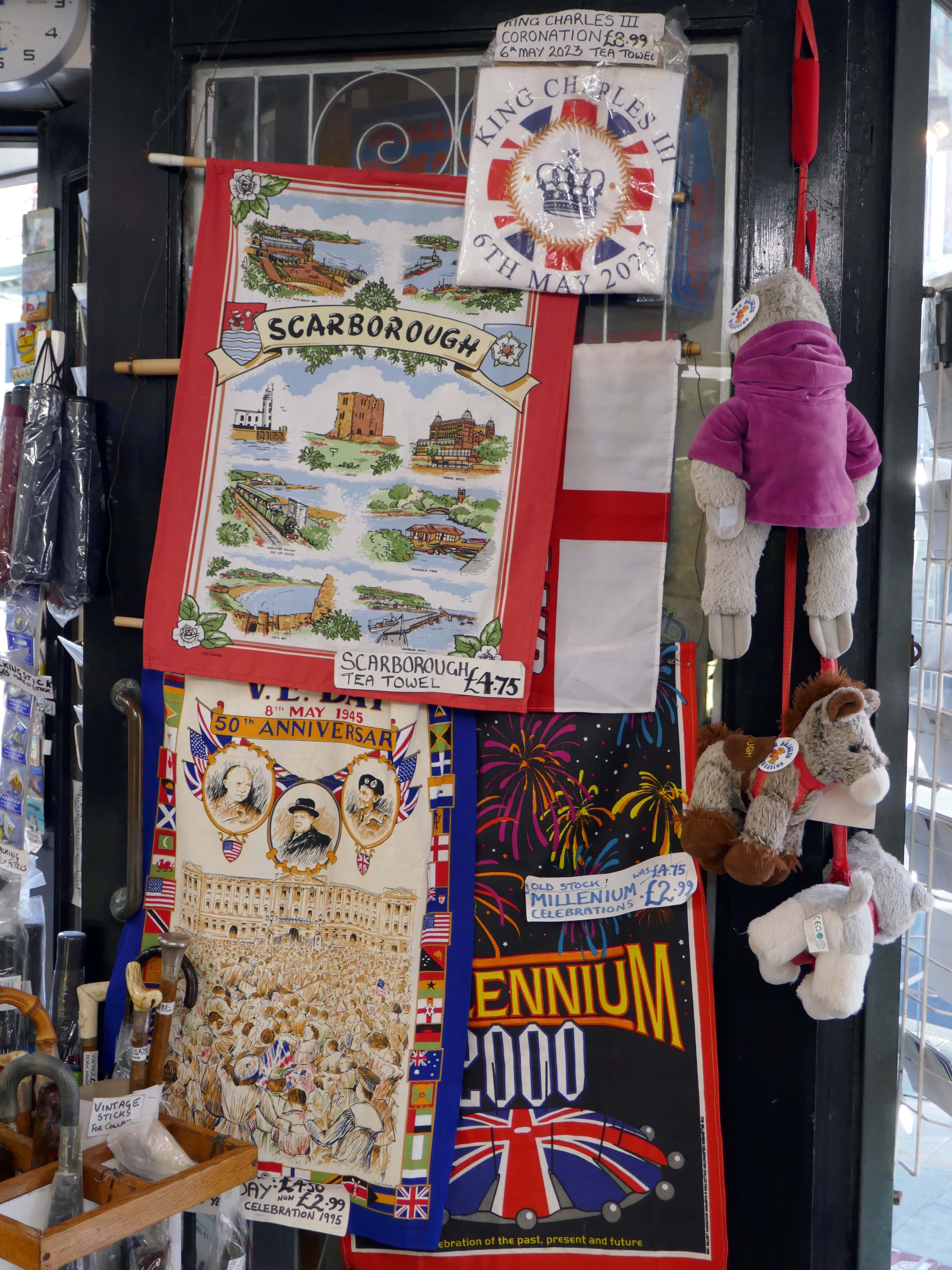
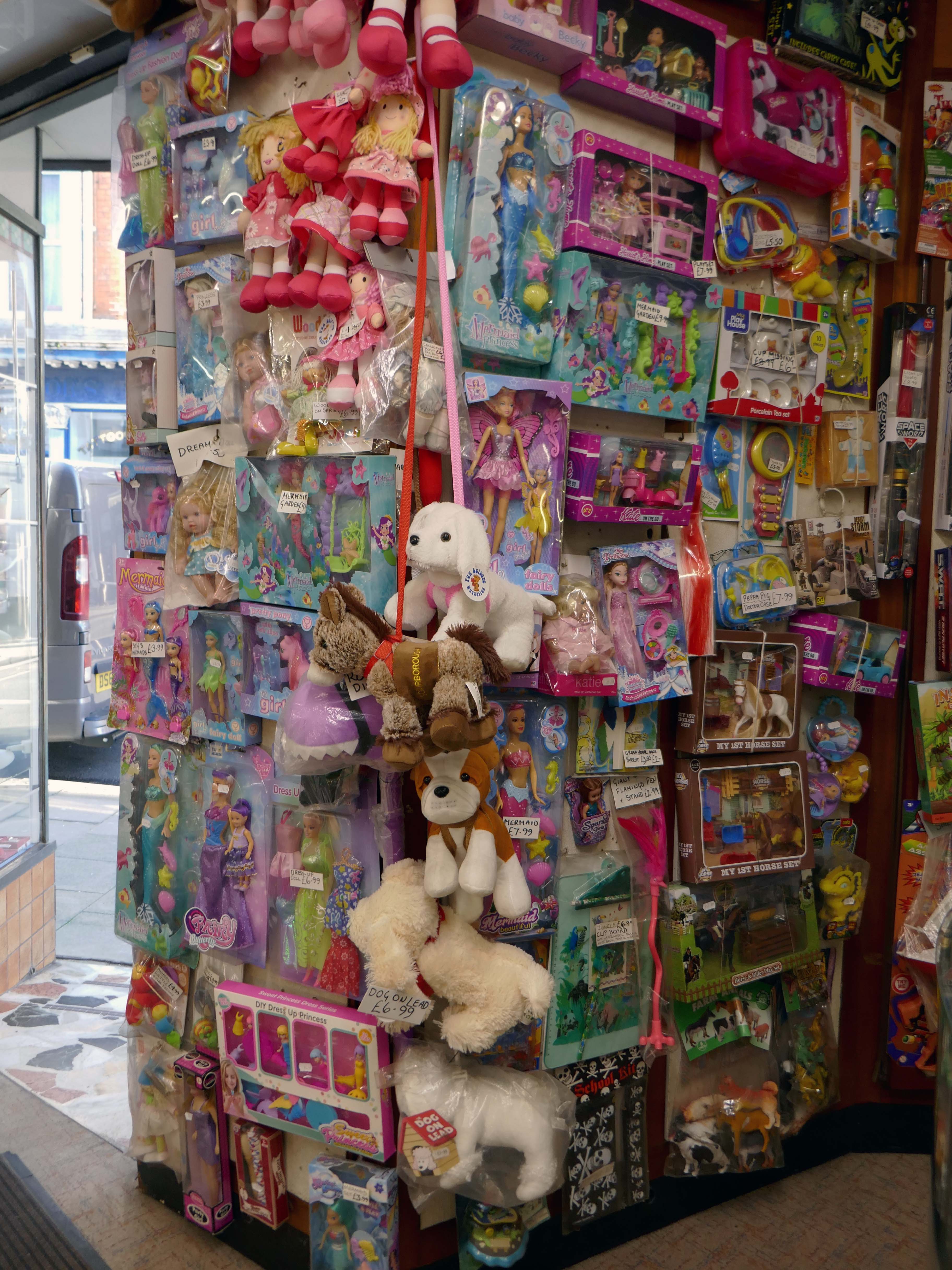
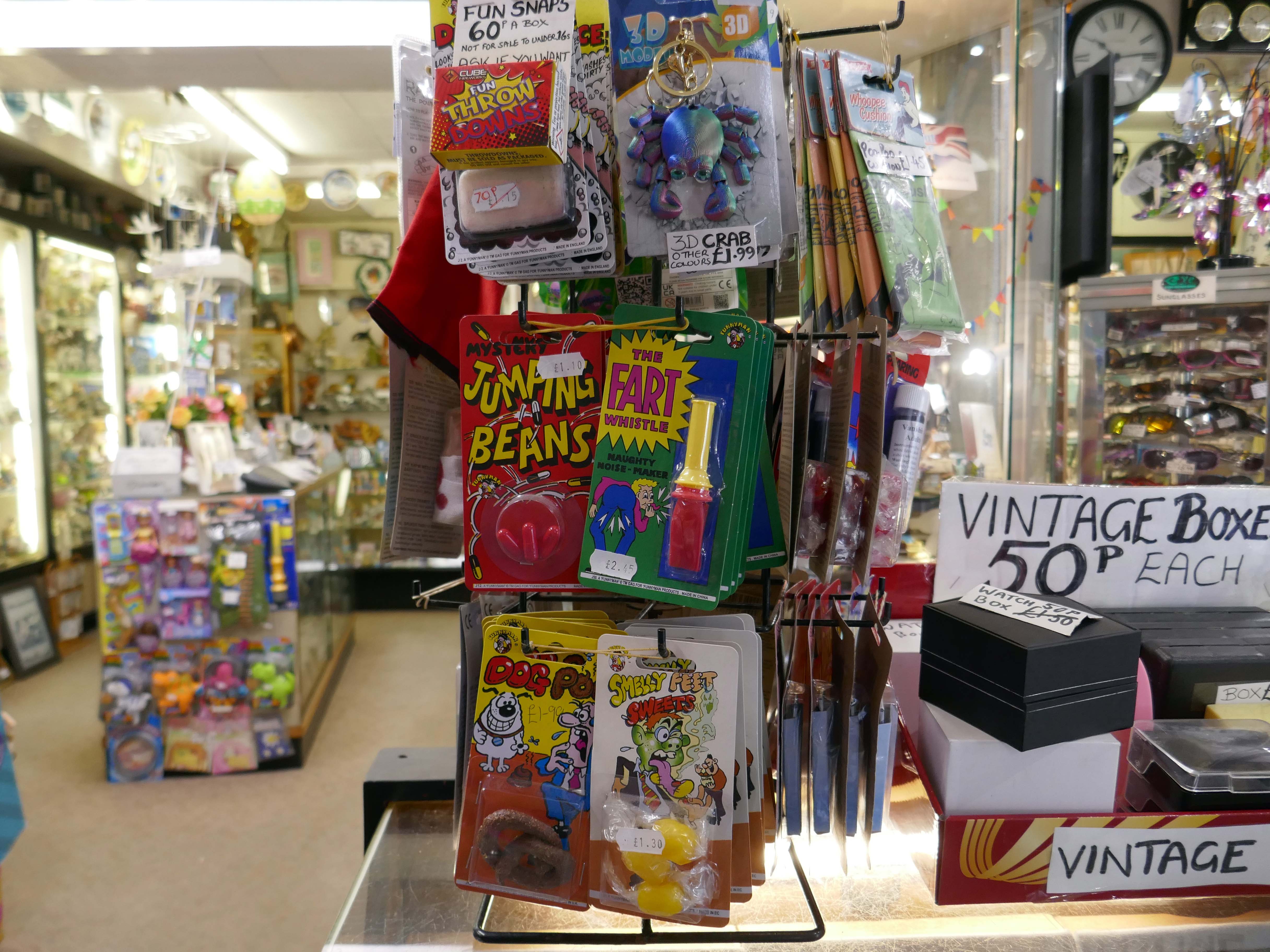
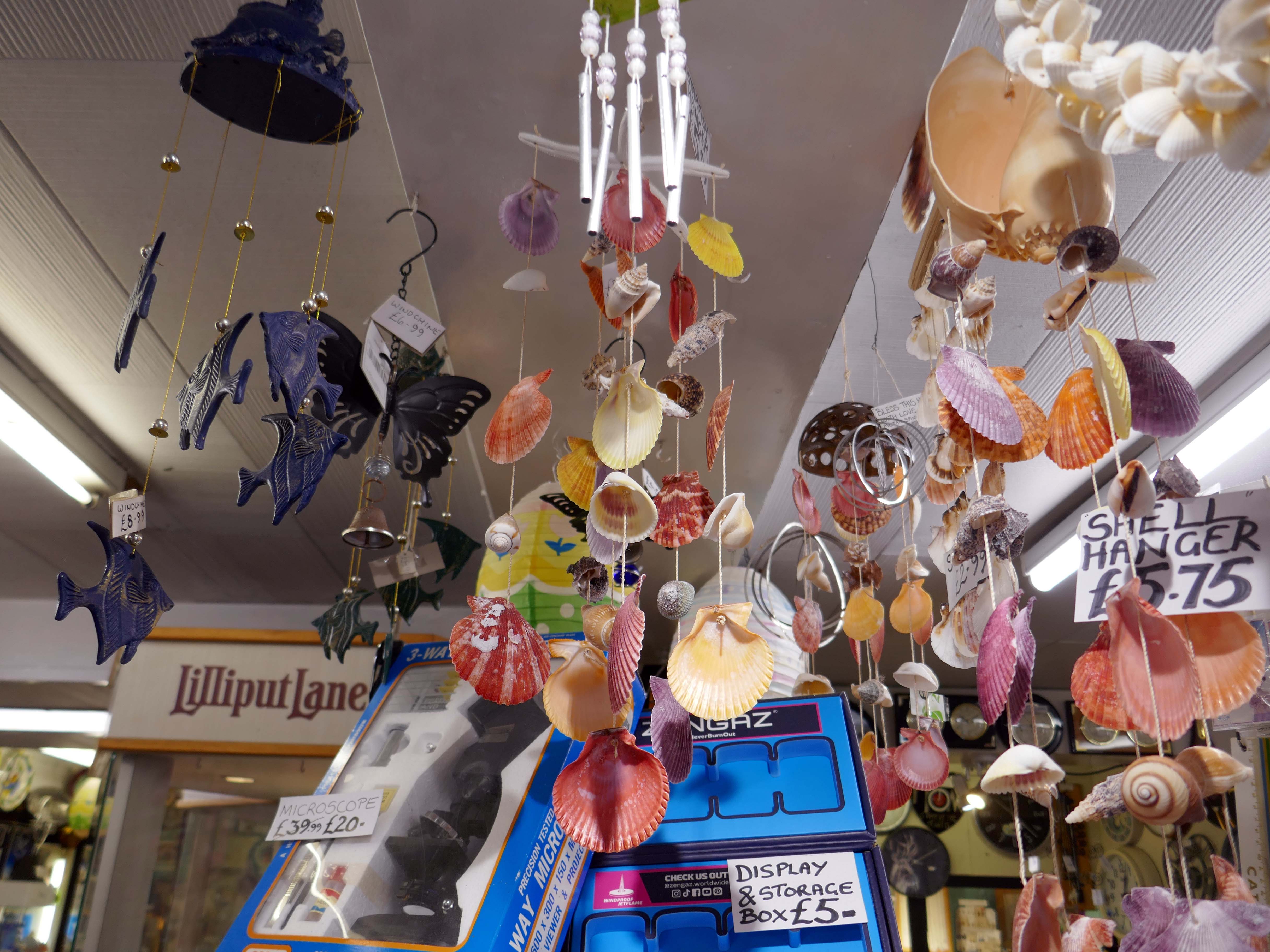
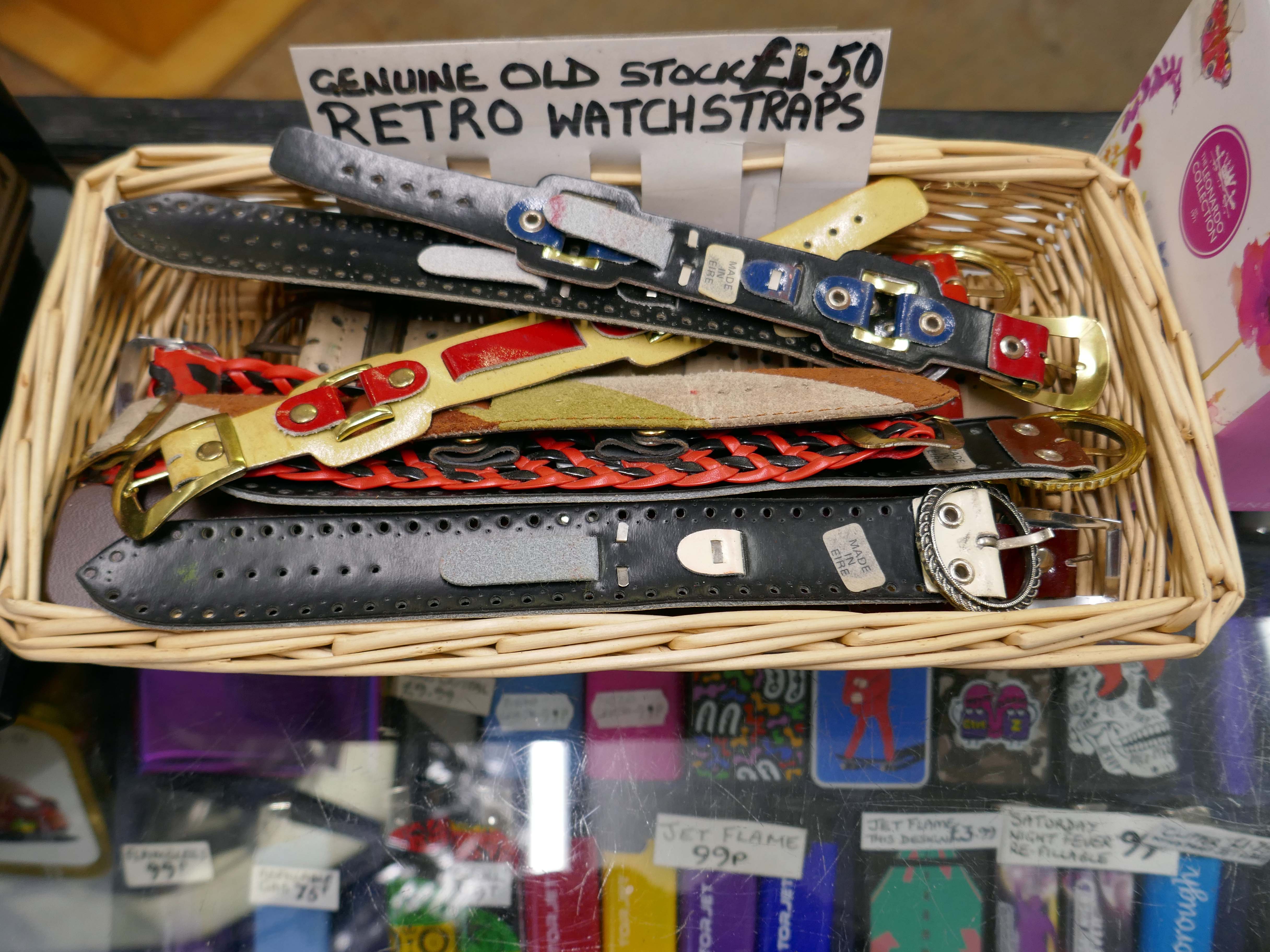
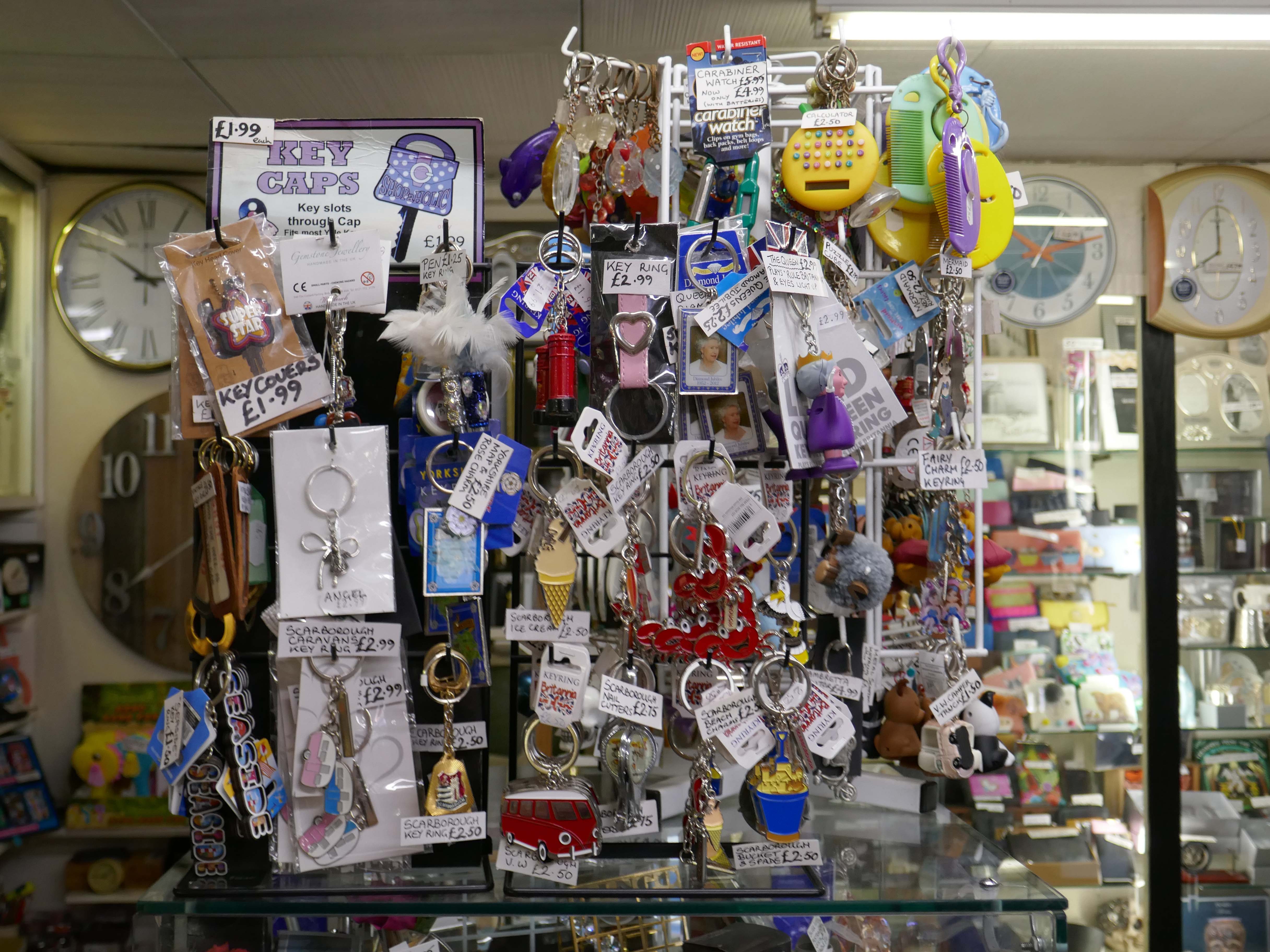
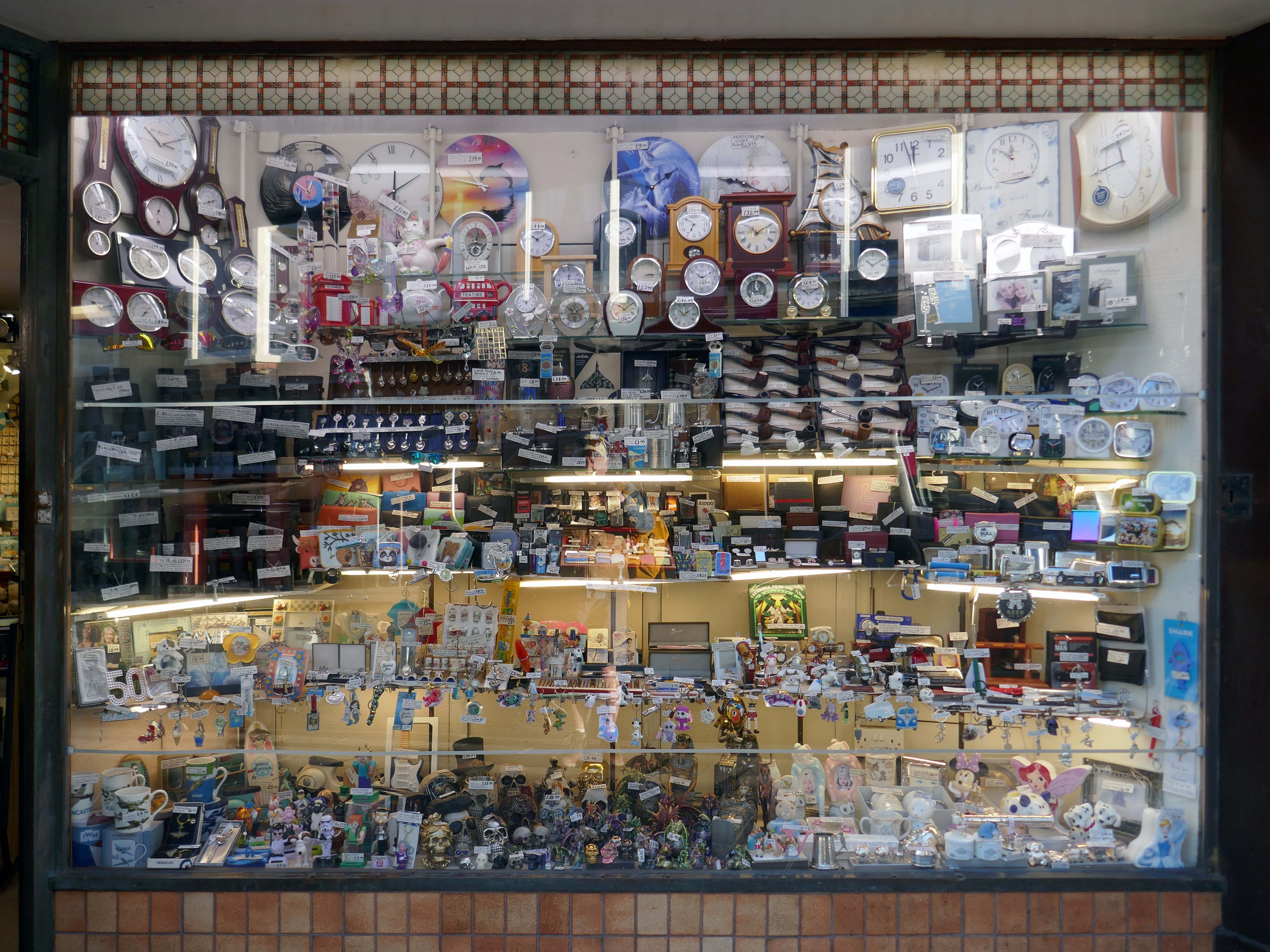
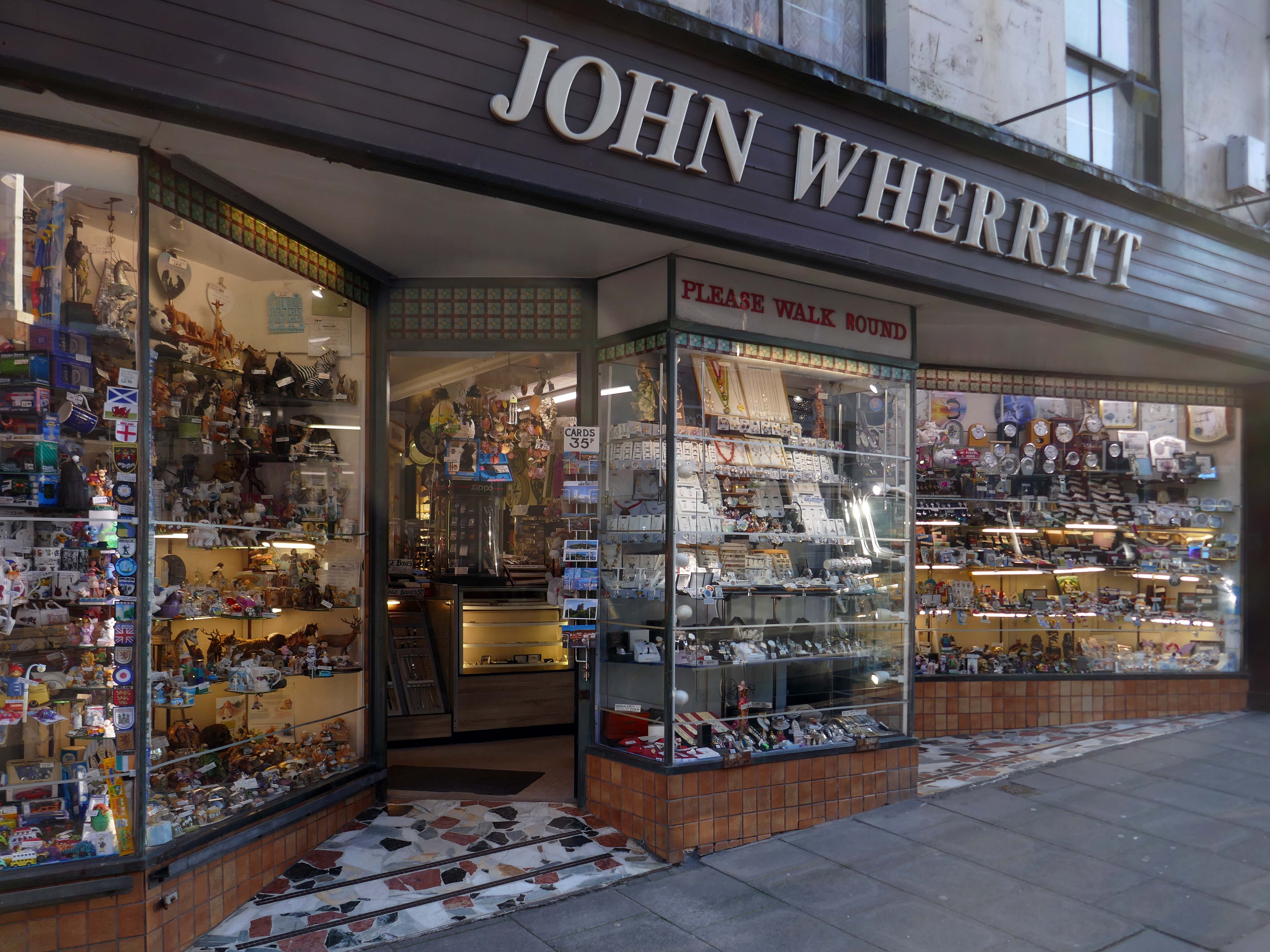
J H Wherritt is a cherished gift shop located at 5-7 Eastborough in the heart of Scarborough. Known as a hidden gem and a fantastic treasure trove by visitors, this highly-rated establishment boasts an impressive 5/5 stars from numerous positive reviews. It’s the perfect place to discover a diverse range of gifts, souvenirs, toys, watches, and clocks, catering to all tastes and ages.
Customers consistently praise the shop for its extensive selection of goods, often finding unique items that are not widely available elsewhere. The dedicated team at J H Wherritt is renowned for being lovely, kind, helpful, and obliging, ensuring a pleasant and satisfying shopping experience for everyone. Visitors frequently highlight the reasonable prices and excellent value offered on all purchases.
Yorkshire.com
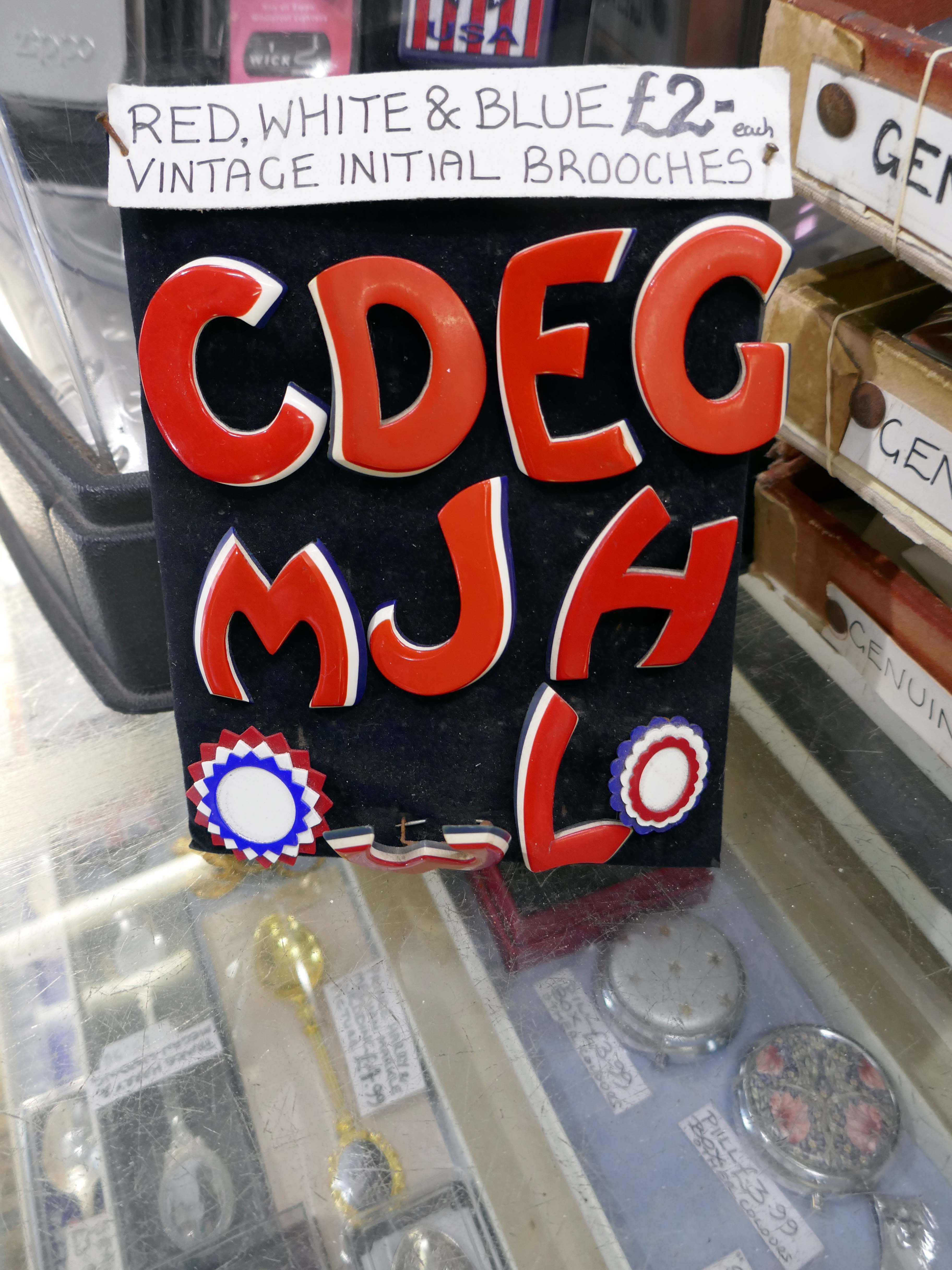
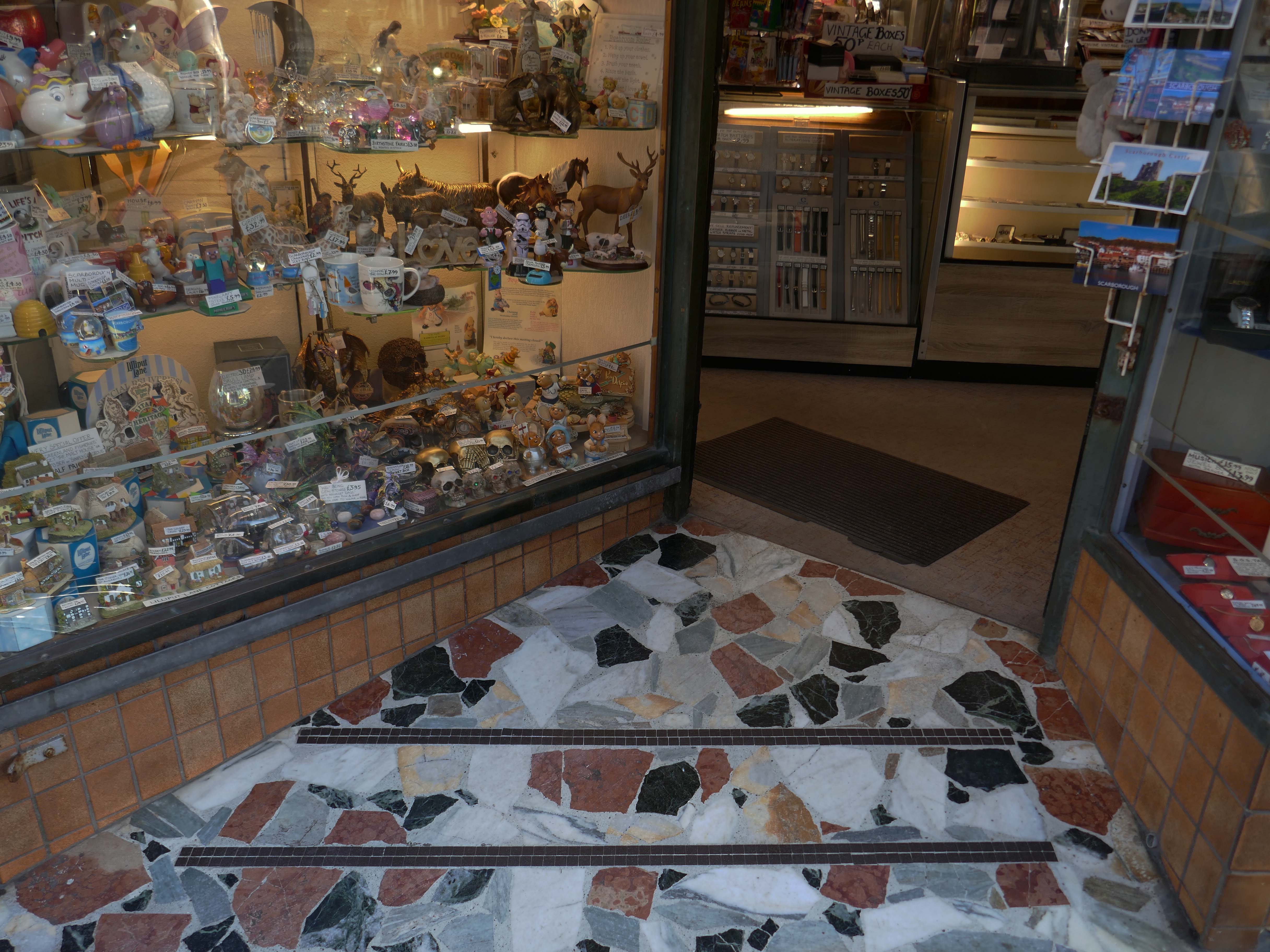
From being a very young youngster I have always adored the seaside souvenir shops. The dazzling array of knick-knacks and gee gaws, and Wherritt’s truly merits the sobriquet Aladdin’s Cave.
Sadly the shop is now for sale:
•Business & stock available by separate negotiation
•Upper floors in need of major refurbishment
• Very inviting shop frontage with 2 entrance doors
•Shop located on busy tourist route
Guide price £175,000
We can only hope that whosoever takes the business on will maintain the wide range of stock and friendly welcome.
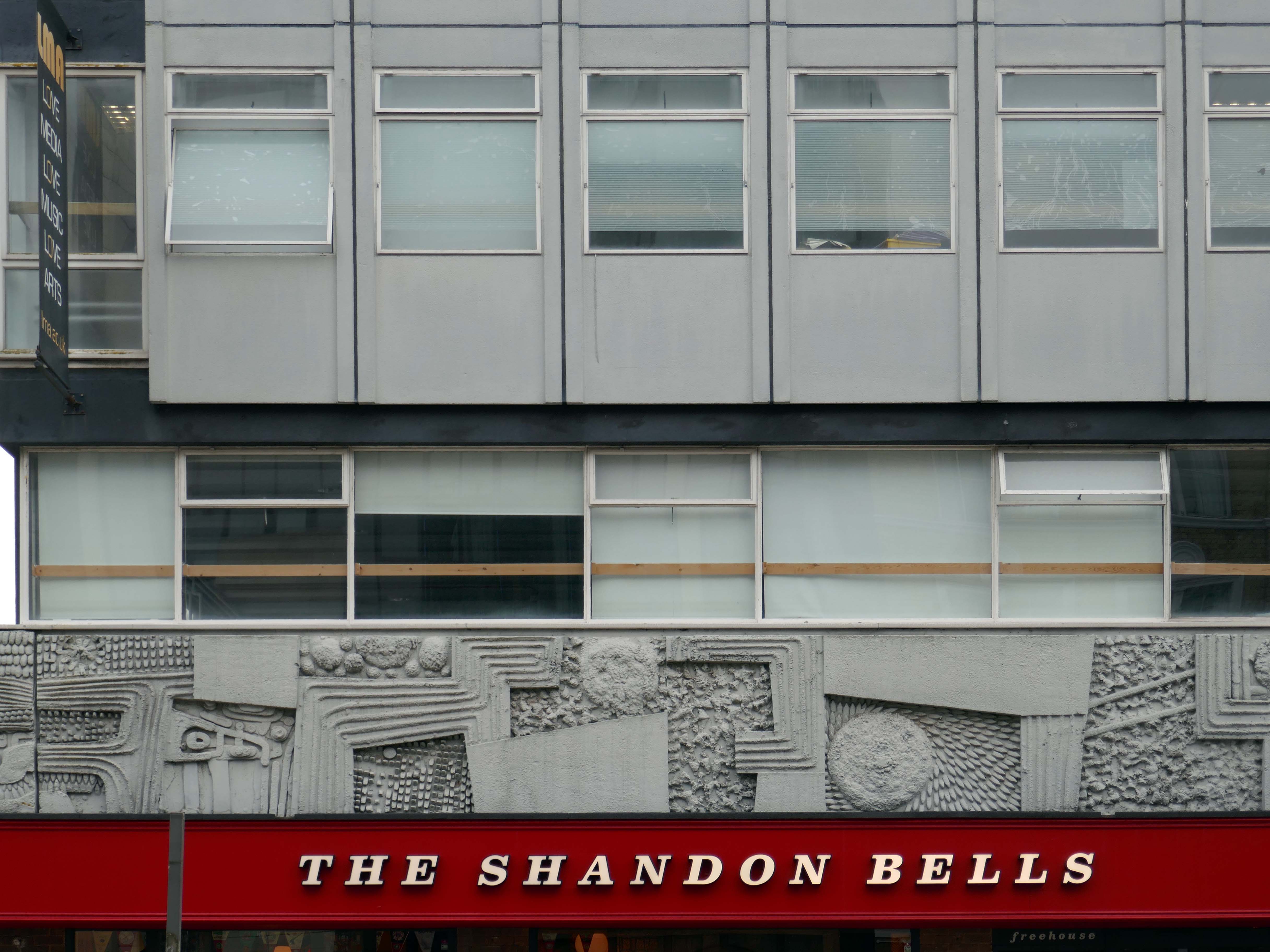
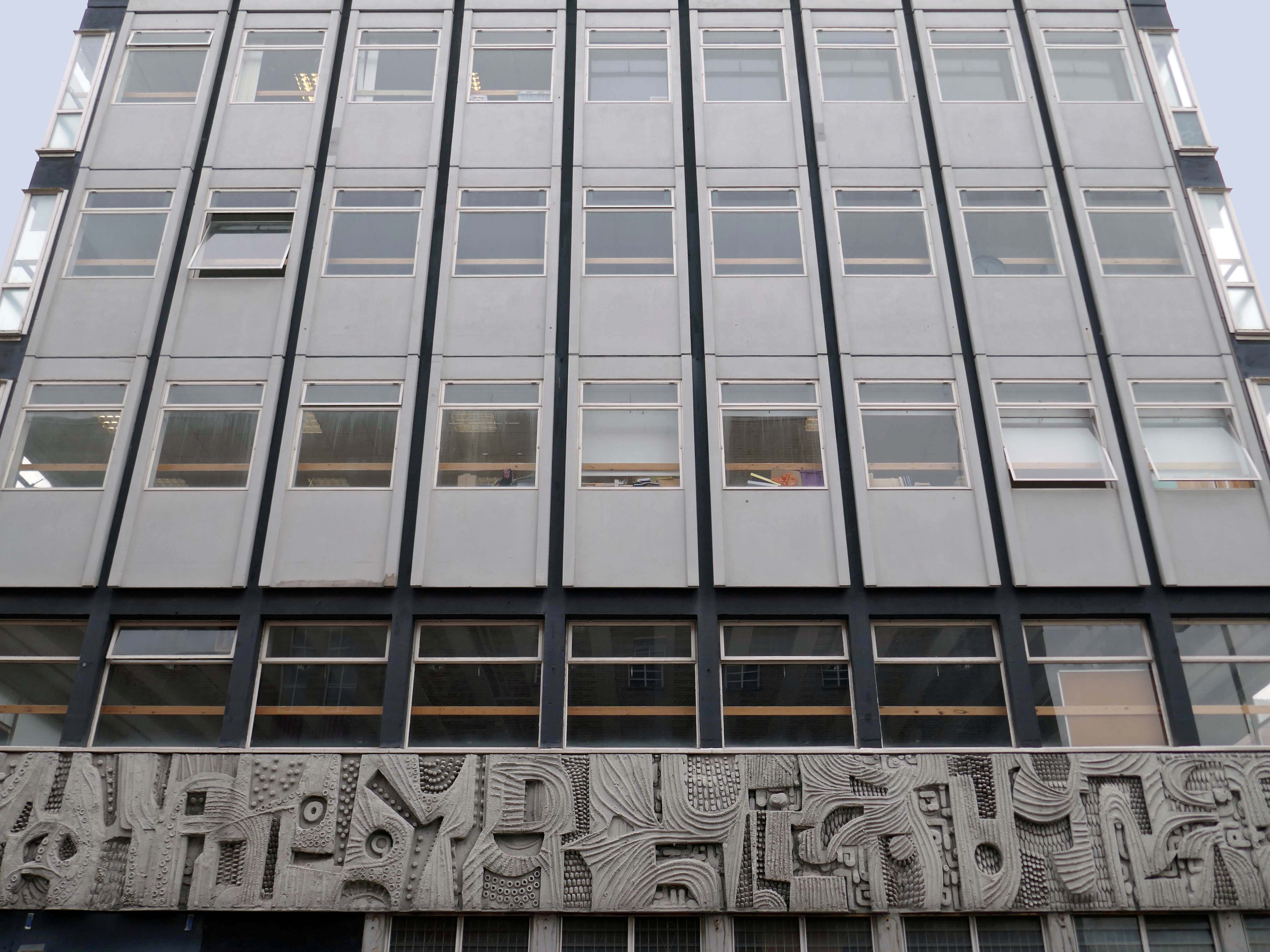
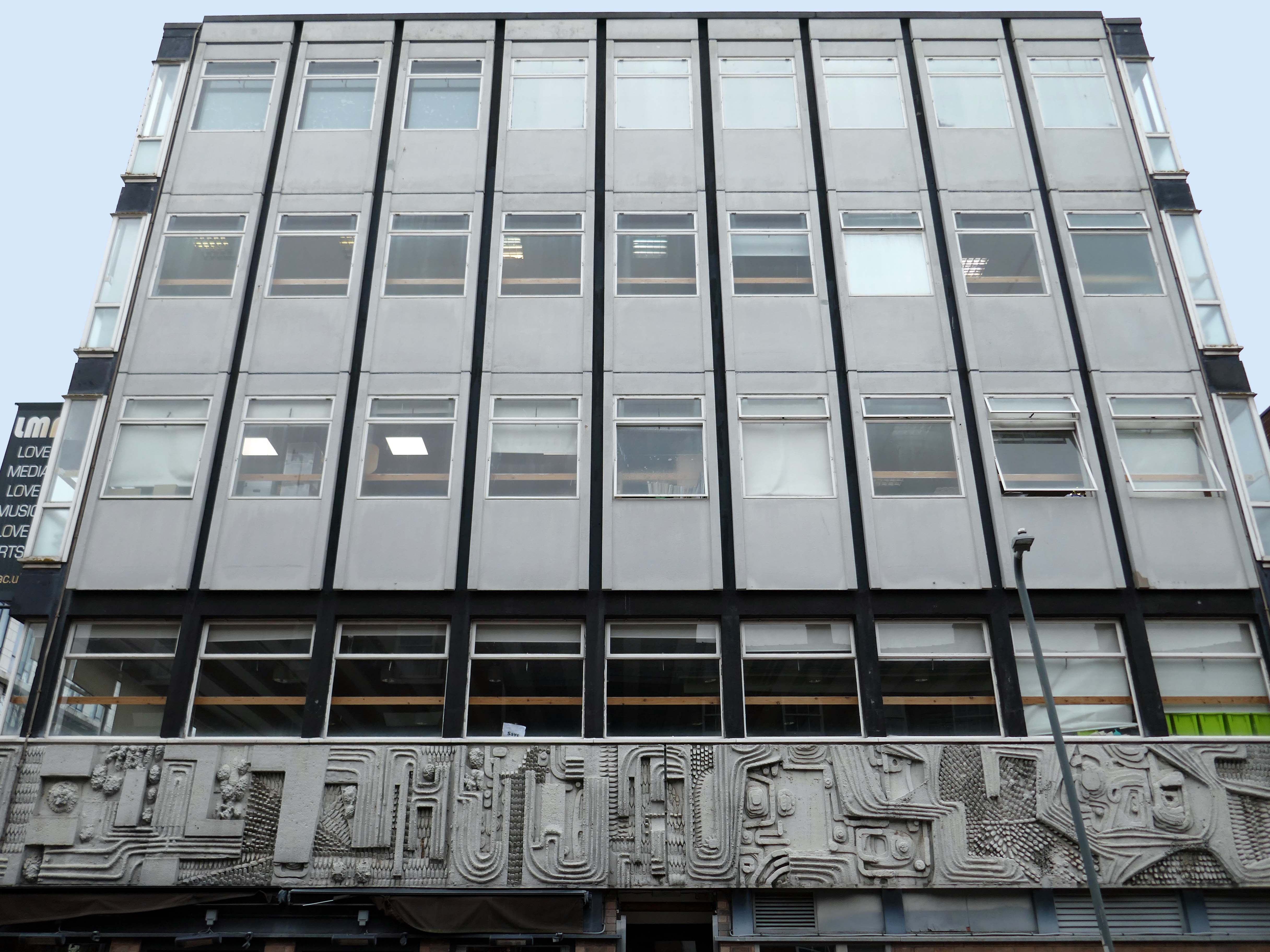
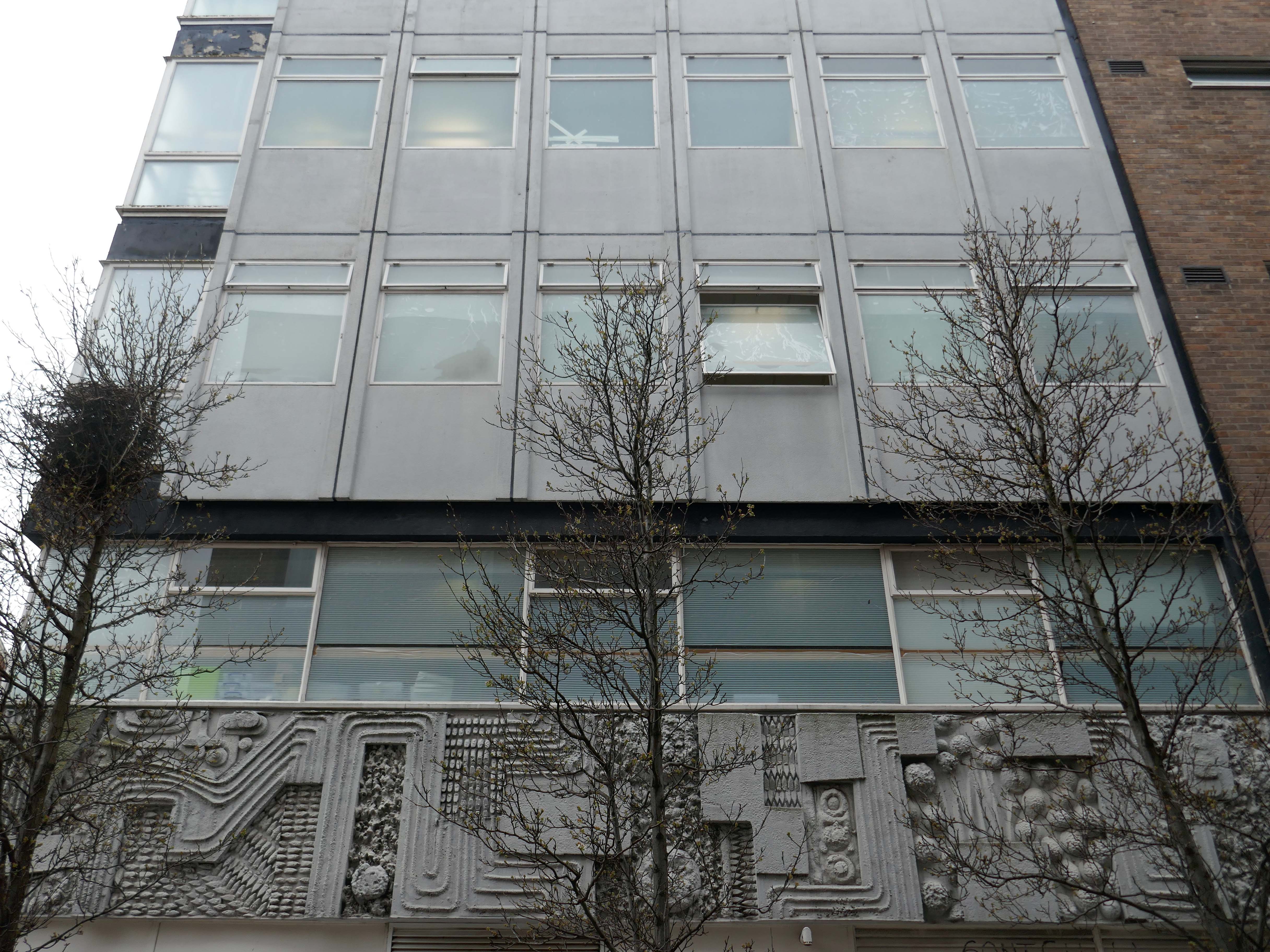
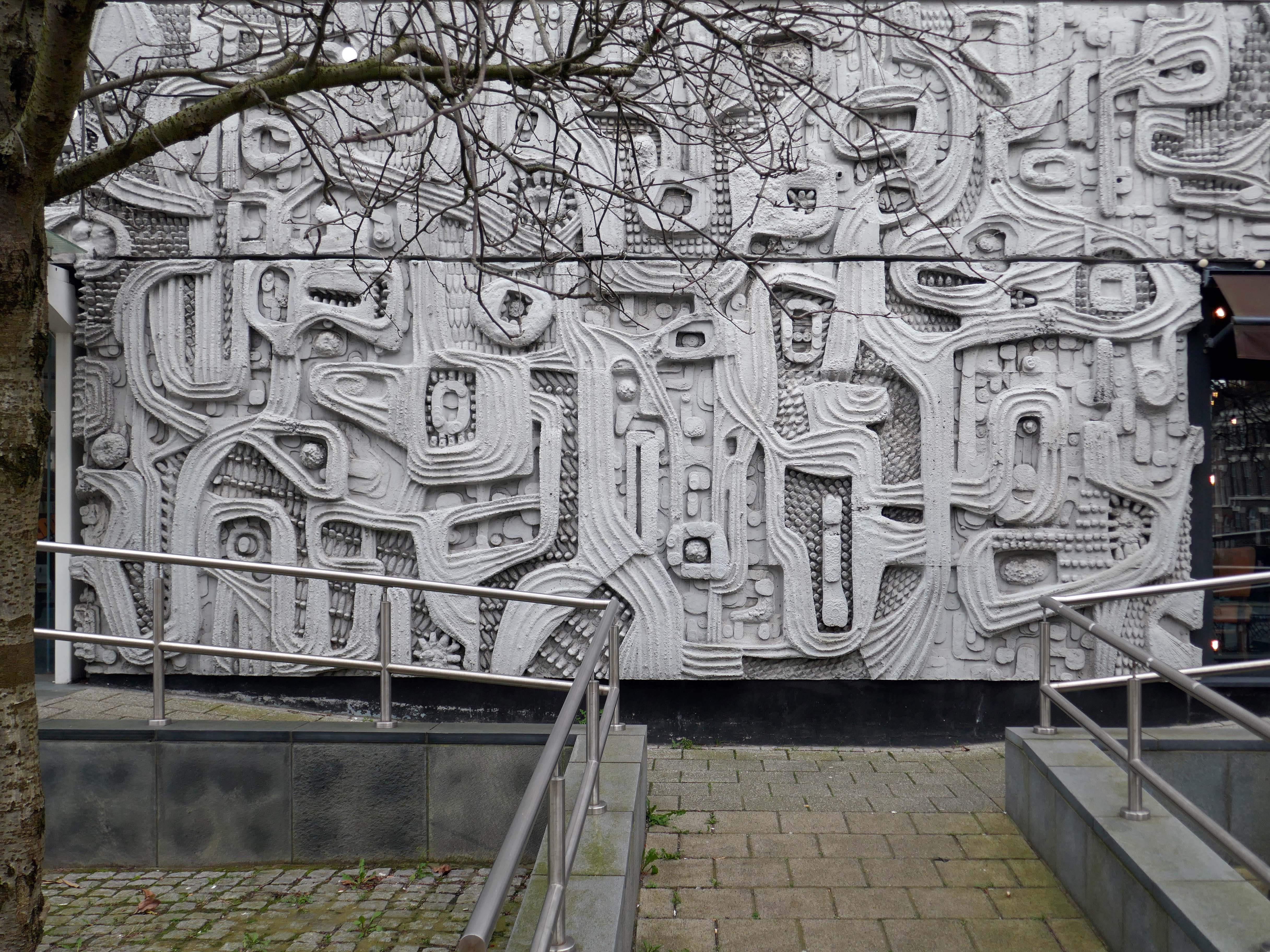
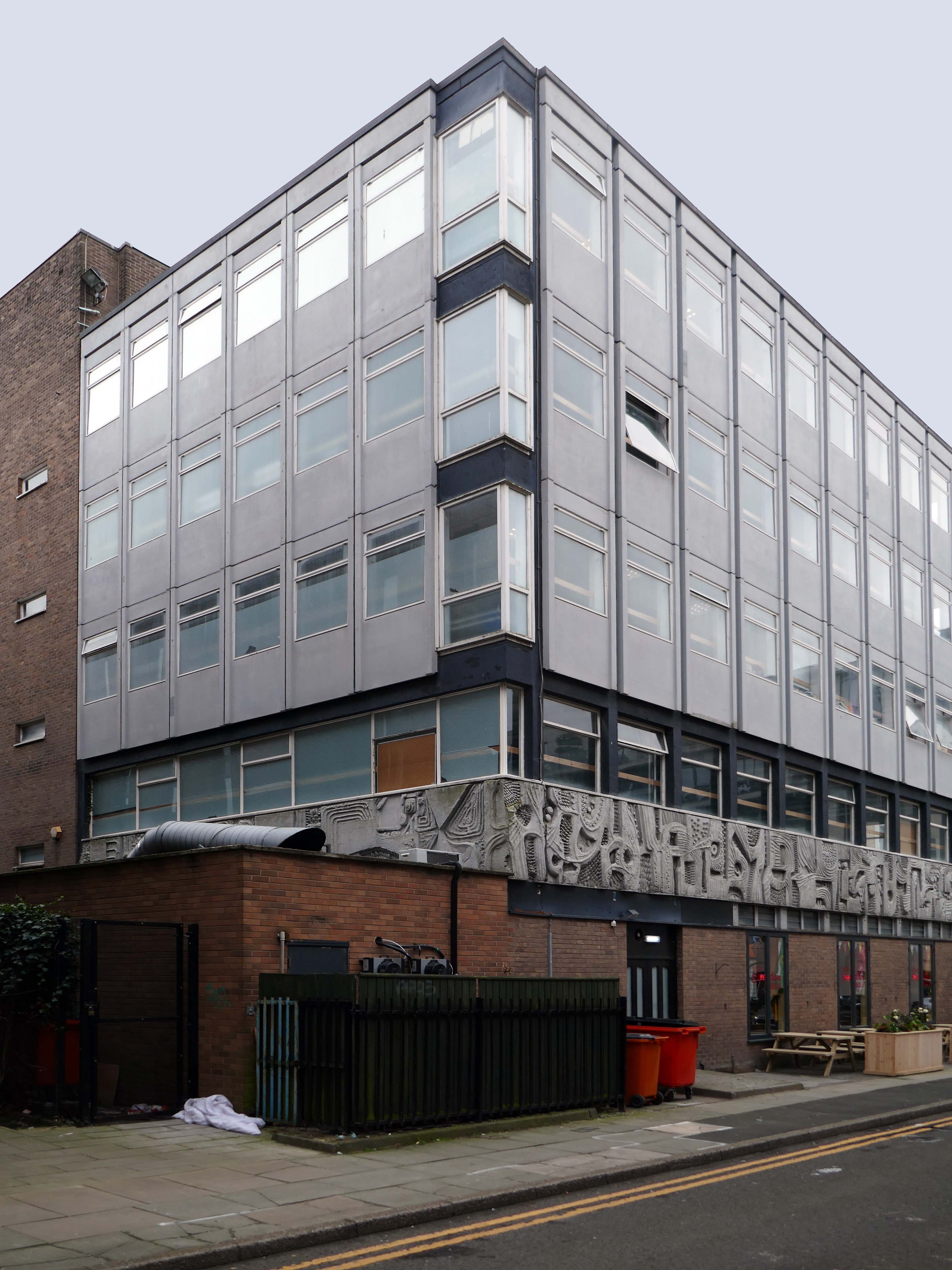
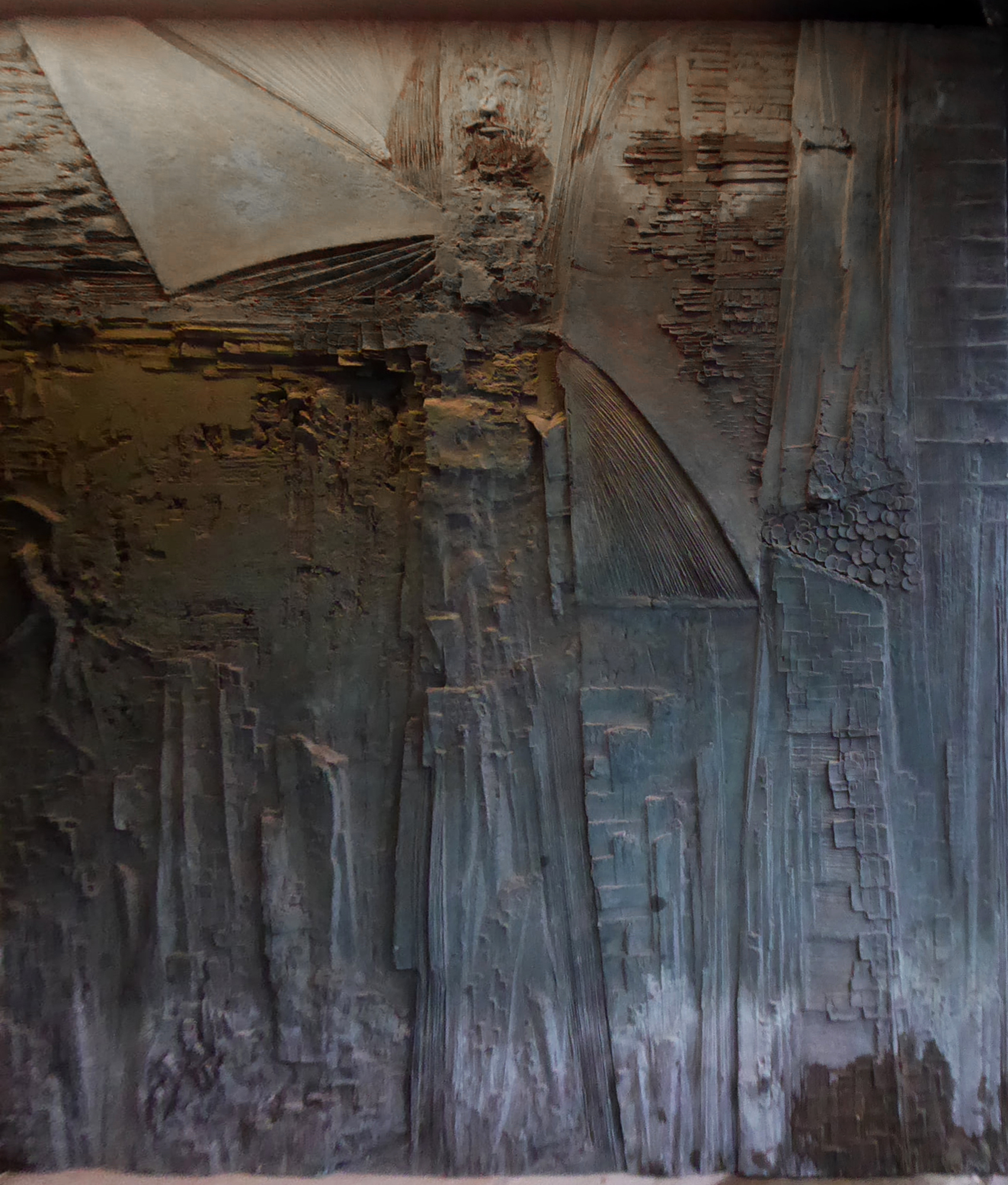
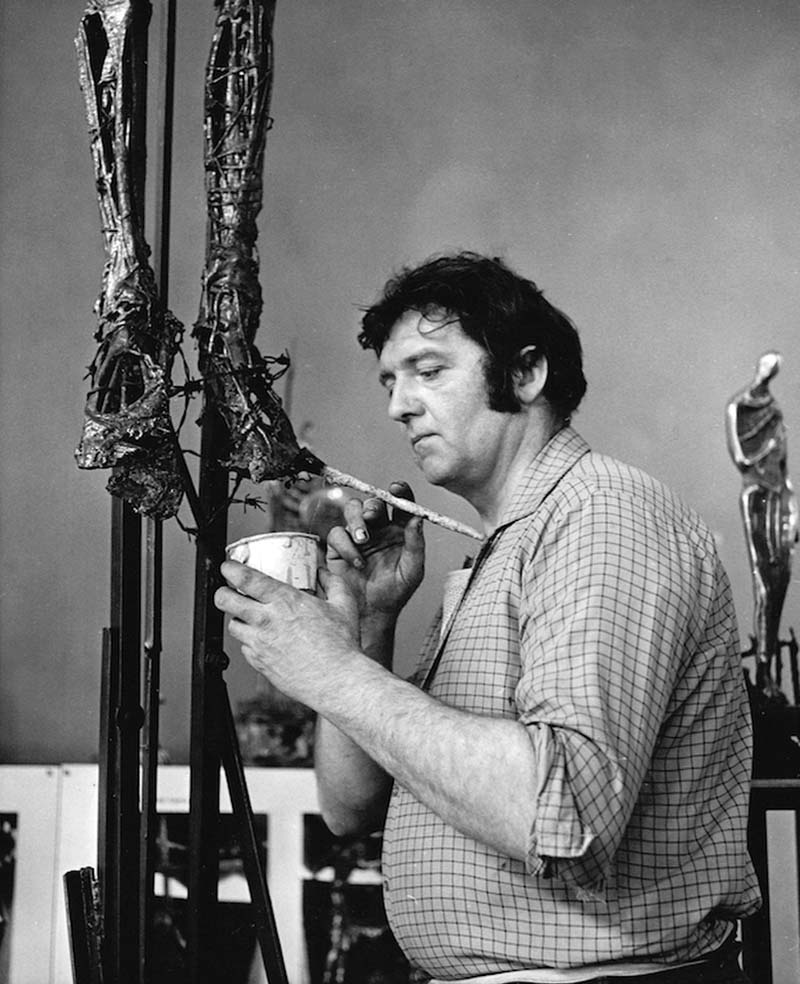
Sculptor and designer, born in London 1925, where he continued to live. Studied at Southern College of Art in Portsmouth, at Royal College of Art and at British School in Rome; was an Abbey Award-winner. Went on to lecture widely and was a member of the design advisory board, Hammersmith College of Art and Trent Polytechnic. Also did work for Concrete Society and completed a frieze for Swiss Cottage Library.
Federation House – 1965-66 Gilling Dodd & Partners
Originally home to the National Federation of Building Employees Investments.
Now how in part to The Shandon Bells – named for the chimes of St. Anne’s Church in Cork.
The church is noted for its eight bells, immortalised in the song The Bells of Shandon by Francis Sylvester Mahony. The largest weighs a little over one and a half tons and was originally cast by Abel Rudhall of Gloucester.
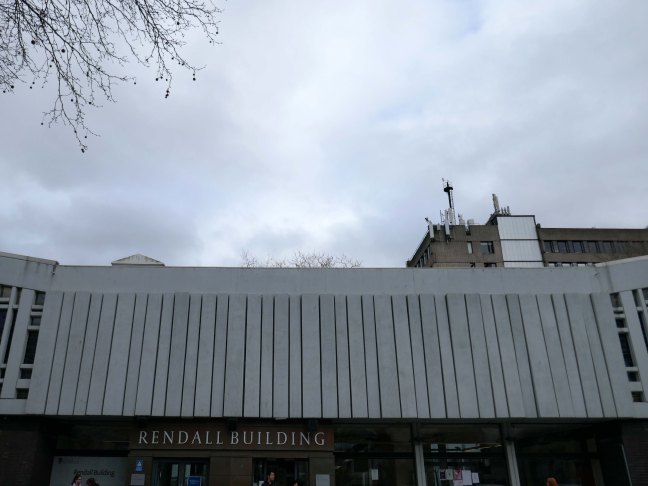
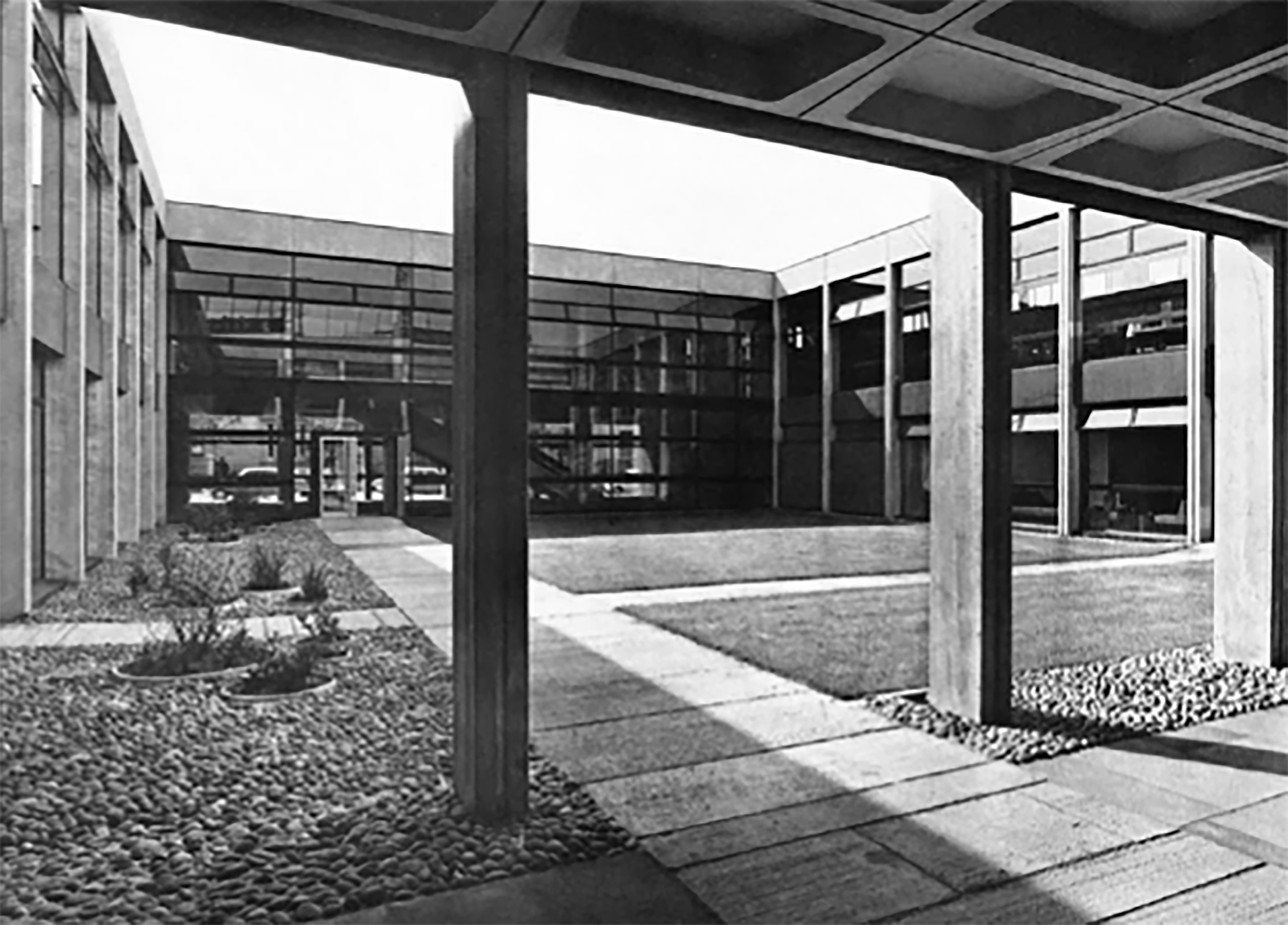
Rendall Building by Bryan & Norman Westwood, Piet & Partners 1964-6
Named after Gerald Henry Rendall who was an English educator and college administrator.
He was principal of University College Liverpool.
We have been here before at liverpool-university, exploring the space betwixt and between the two cathedrals.
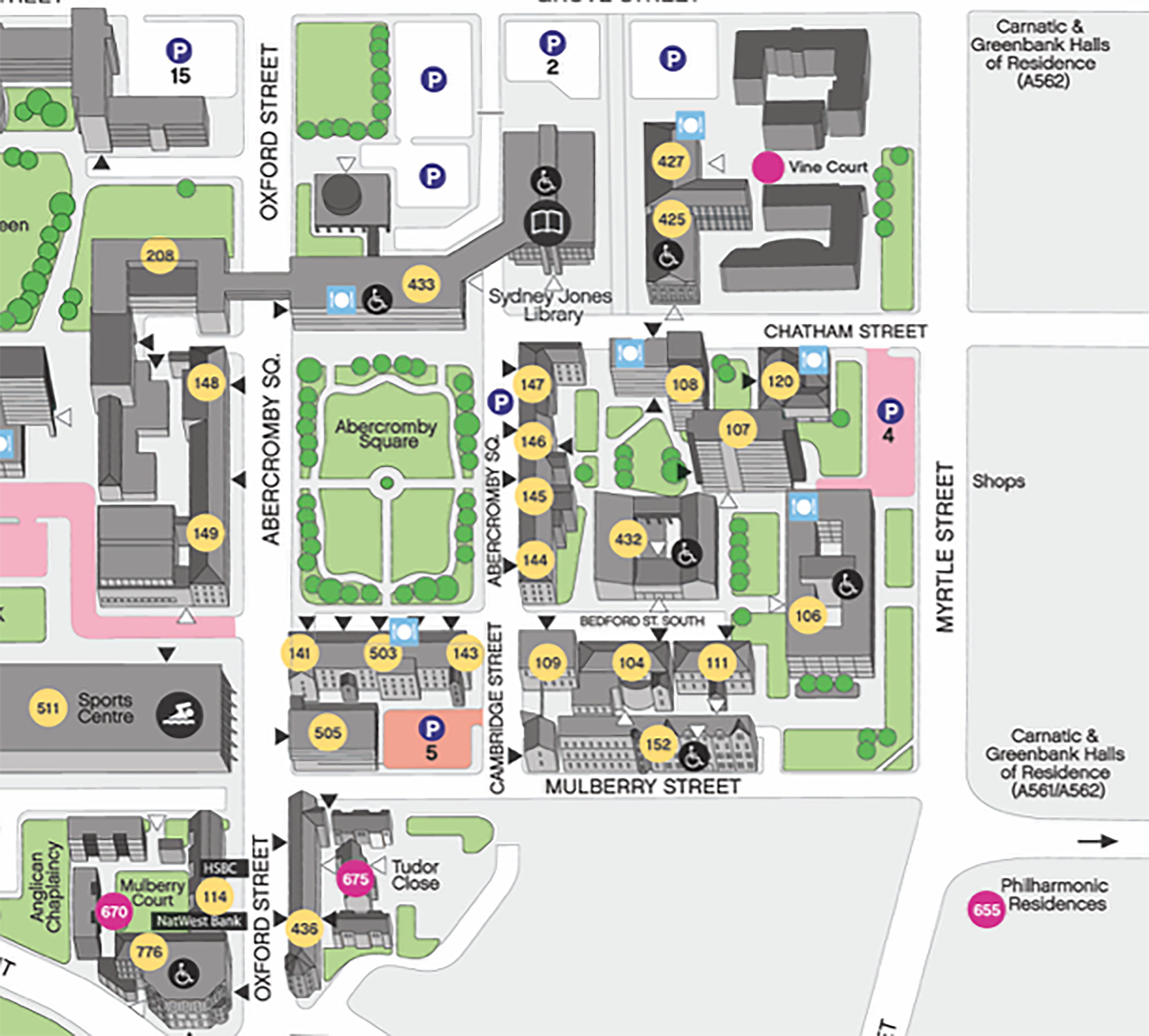
On this occasion, I wish to draw attention to this relatively small but perfectly formed building – #432 on your maps.
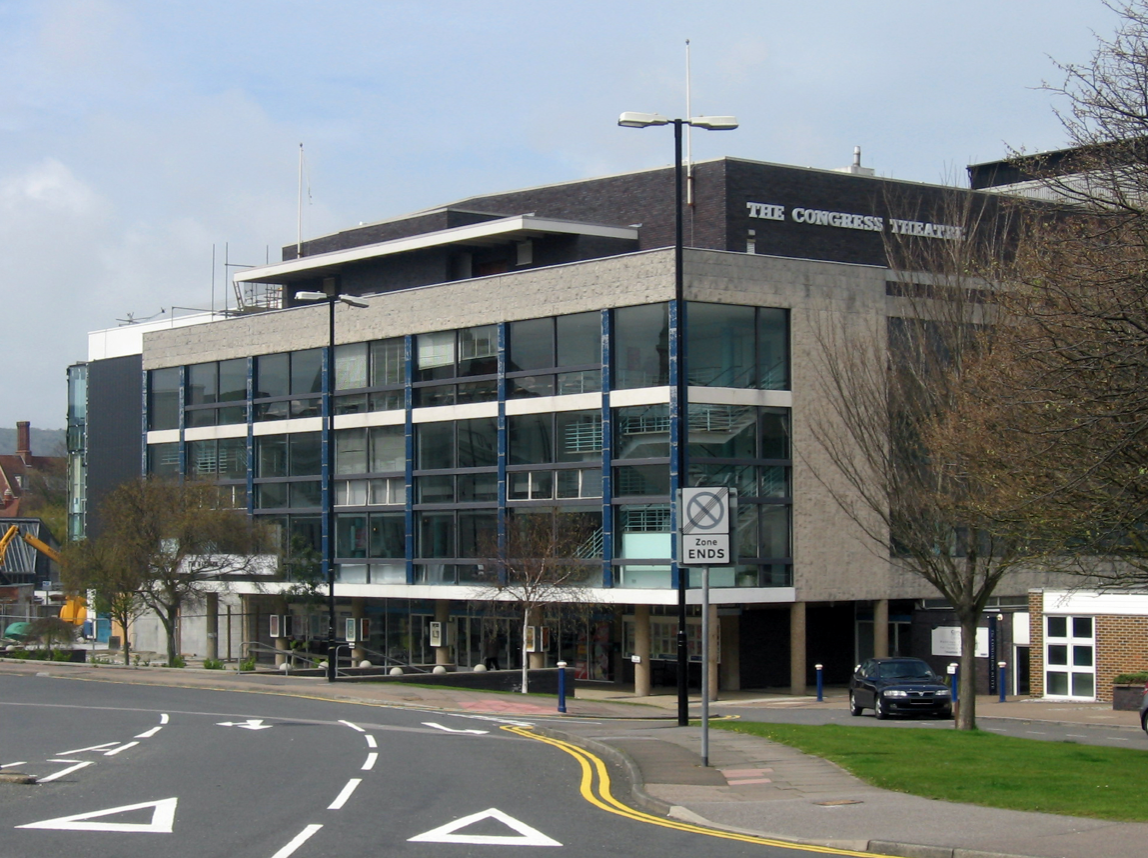
Westwood, Piet & Partners were well-known architects during the post-war period in Britain and built a body of varied work including army barracks, retail and theatre design. An example of their work is the Congress Theatre in Eastbourne – Grade II* listed.
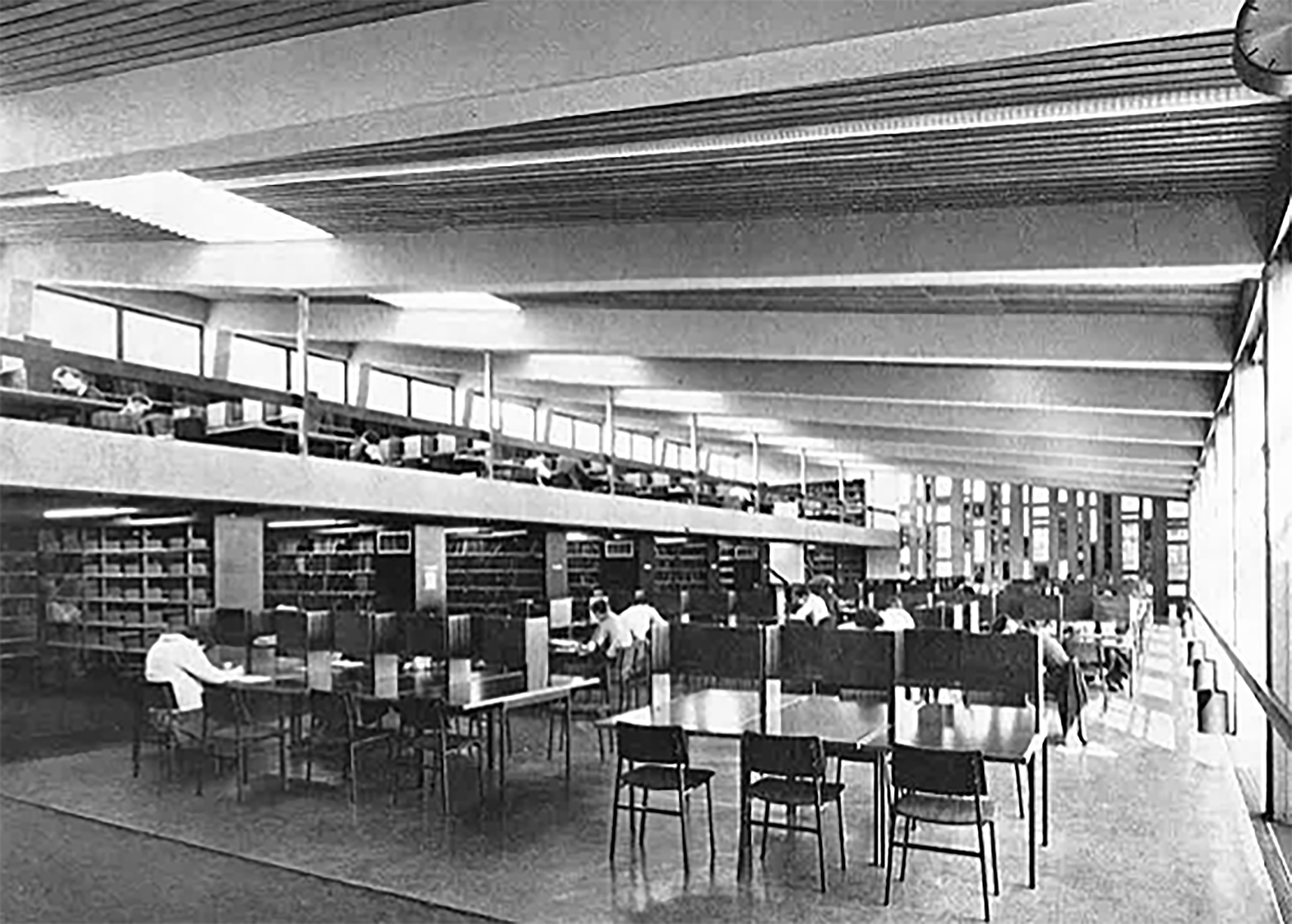
Originally built to accommodate the arts library and lecture rooms on the south campus as the University grew to accommodate larger numbers of students.
The current use as lecture and seminar rooms maintains the building’s use as a key learning space on campus.
Located in an area of the southern campus where Westwood, Piet & Partners designed four blocks resulting in a group which Pevsner described as the
Most coherent and satisfying part of the precinct. The massing and materiality of the external is complementary and respectful to the surrounding Georgian buildings.
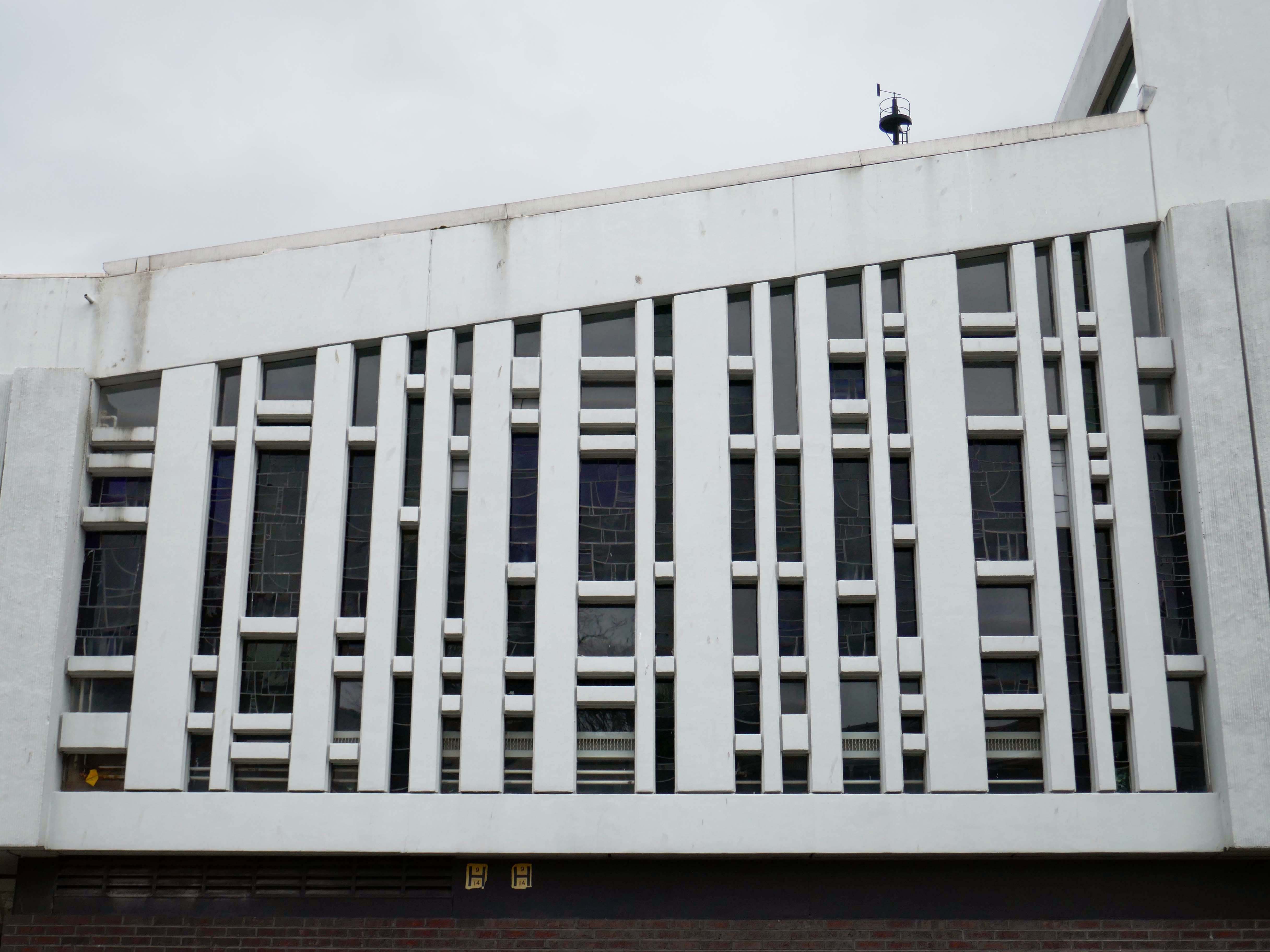
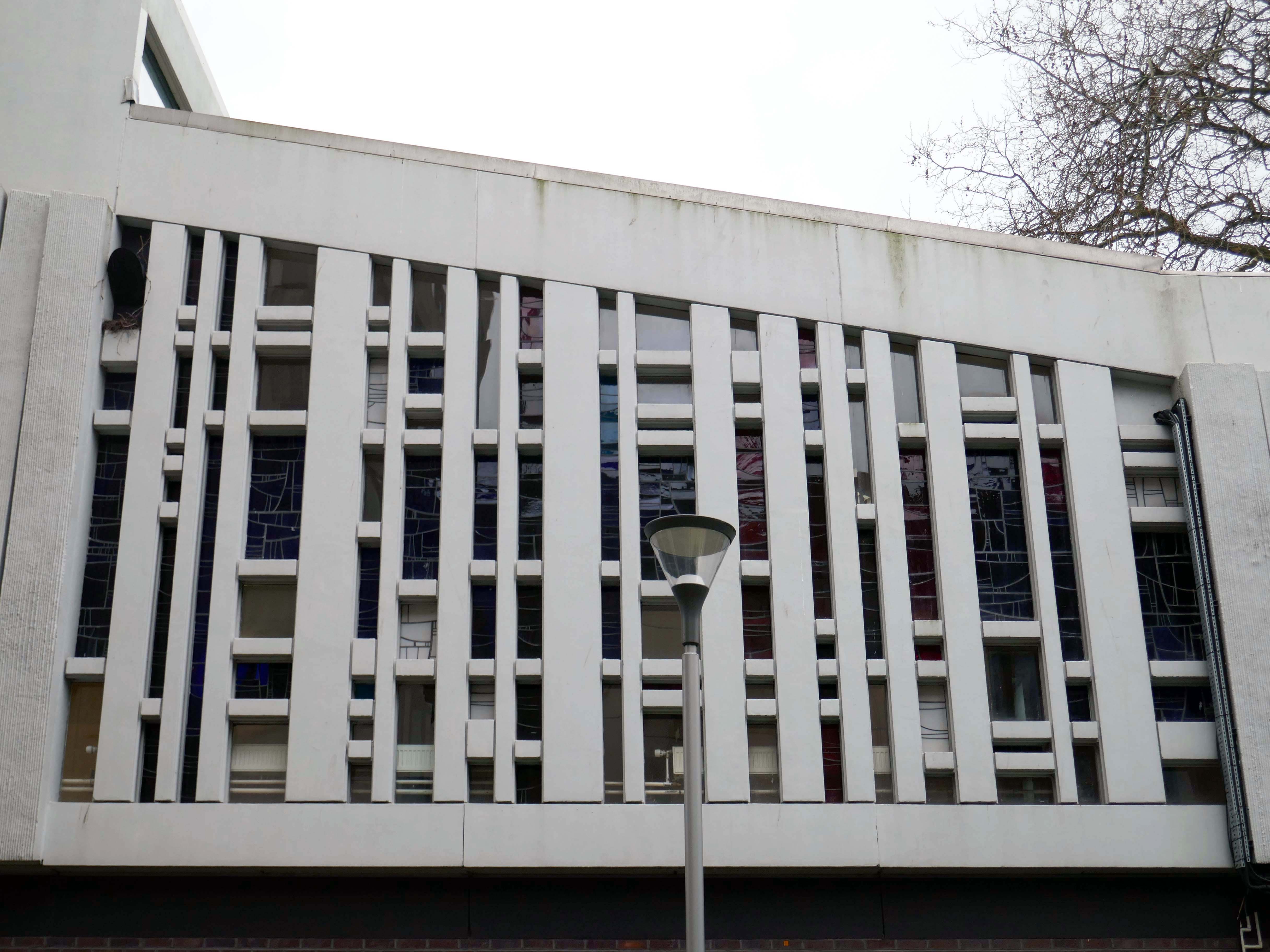
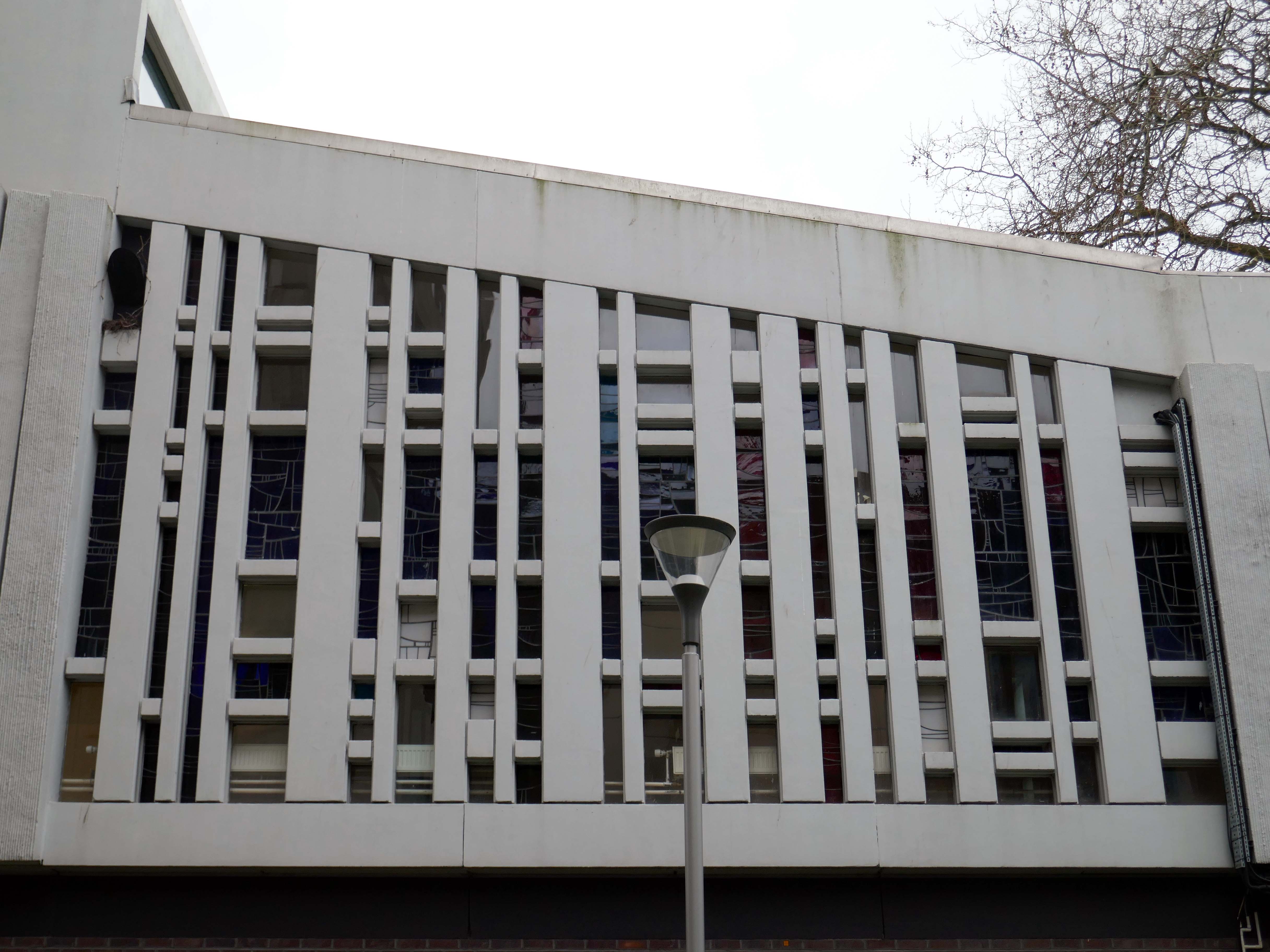
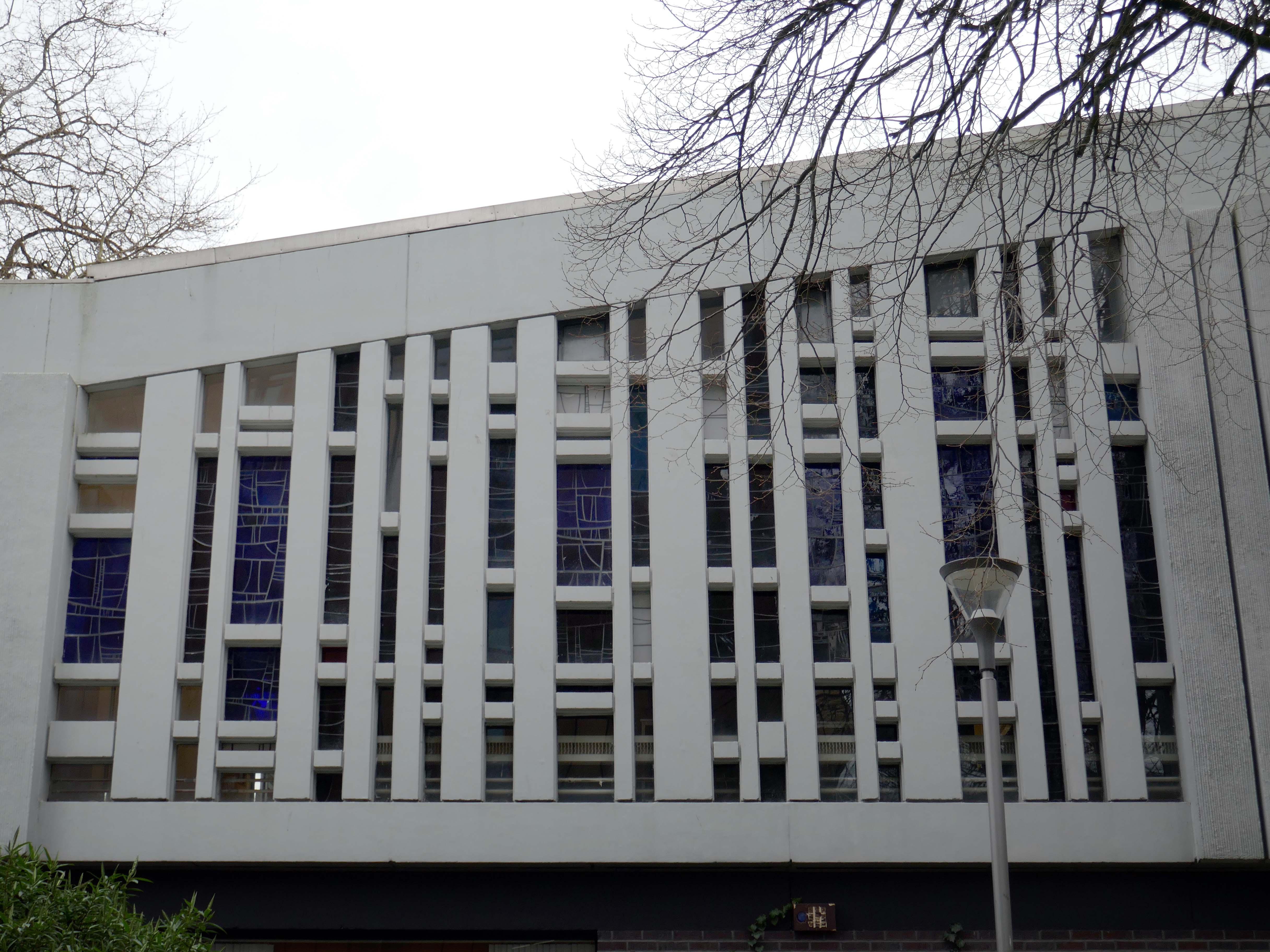
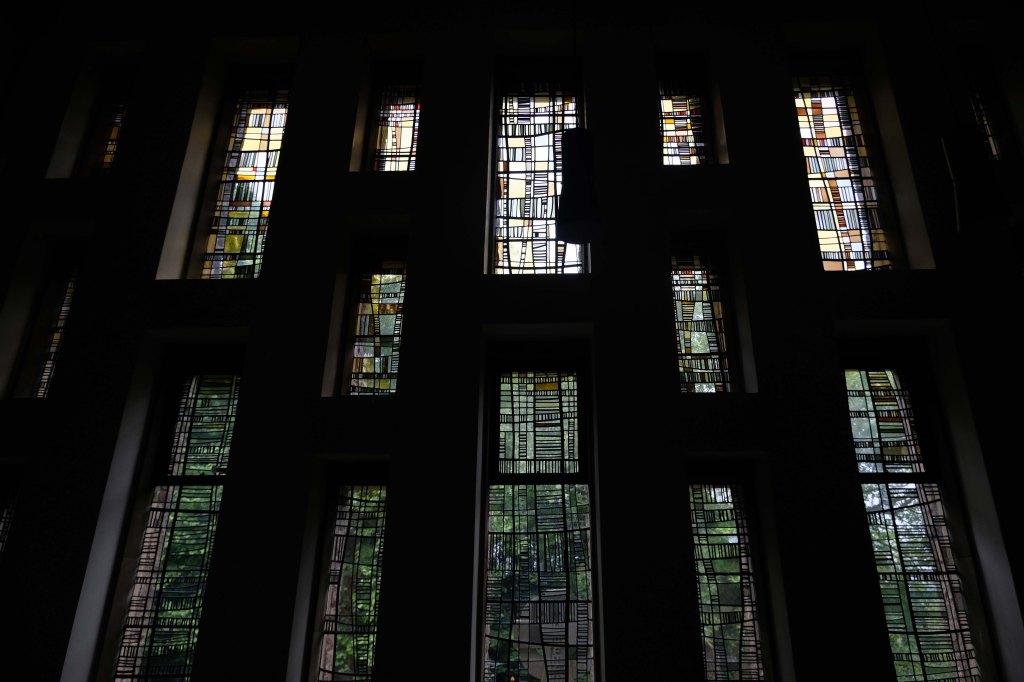
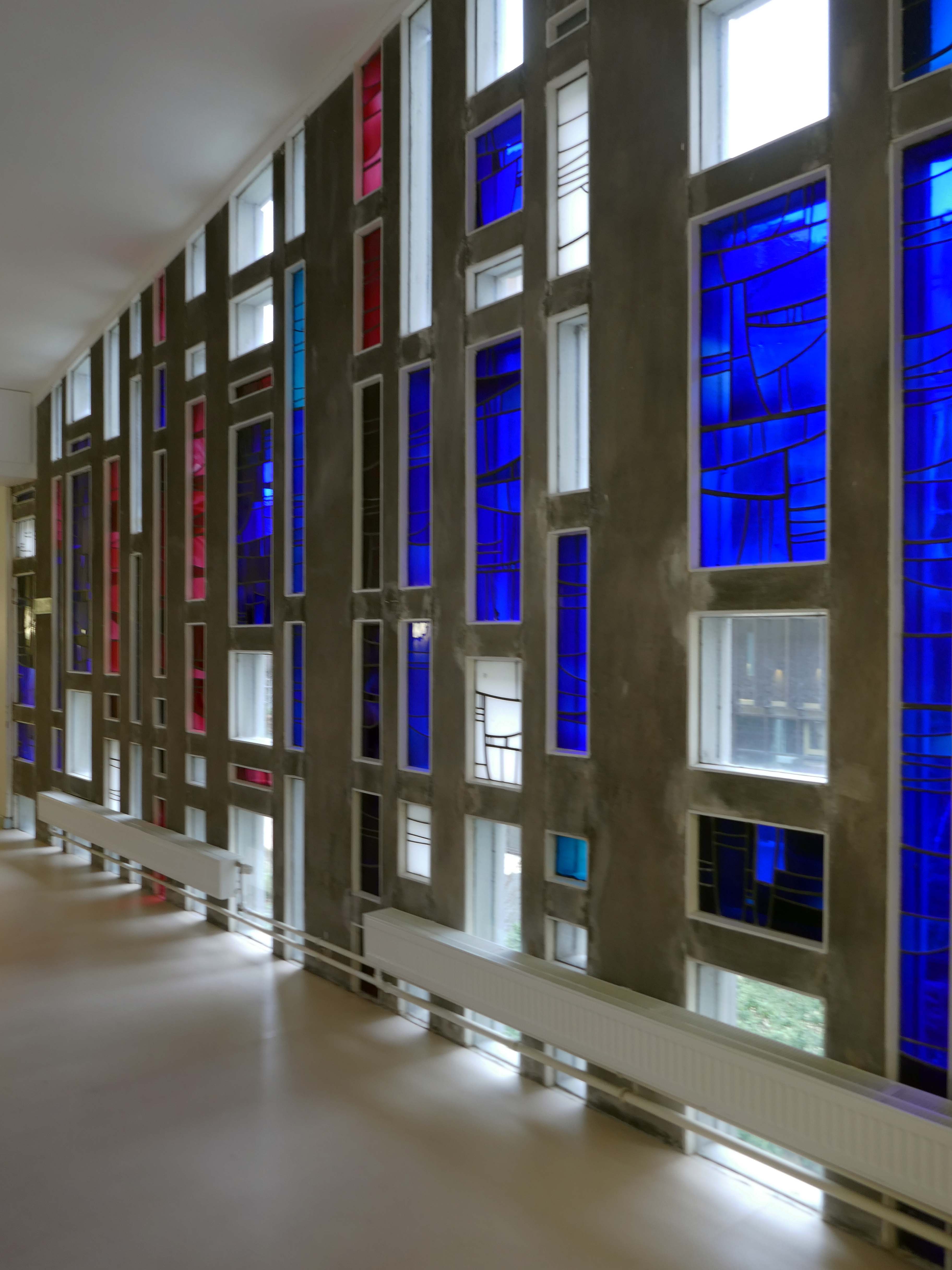
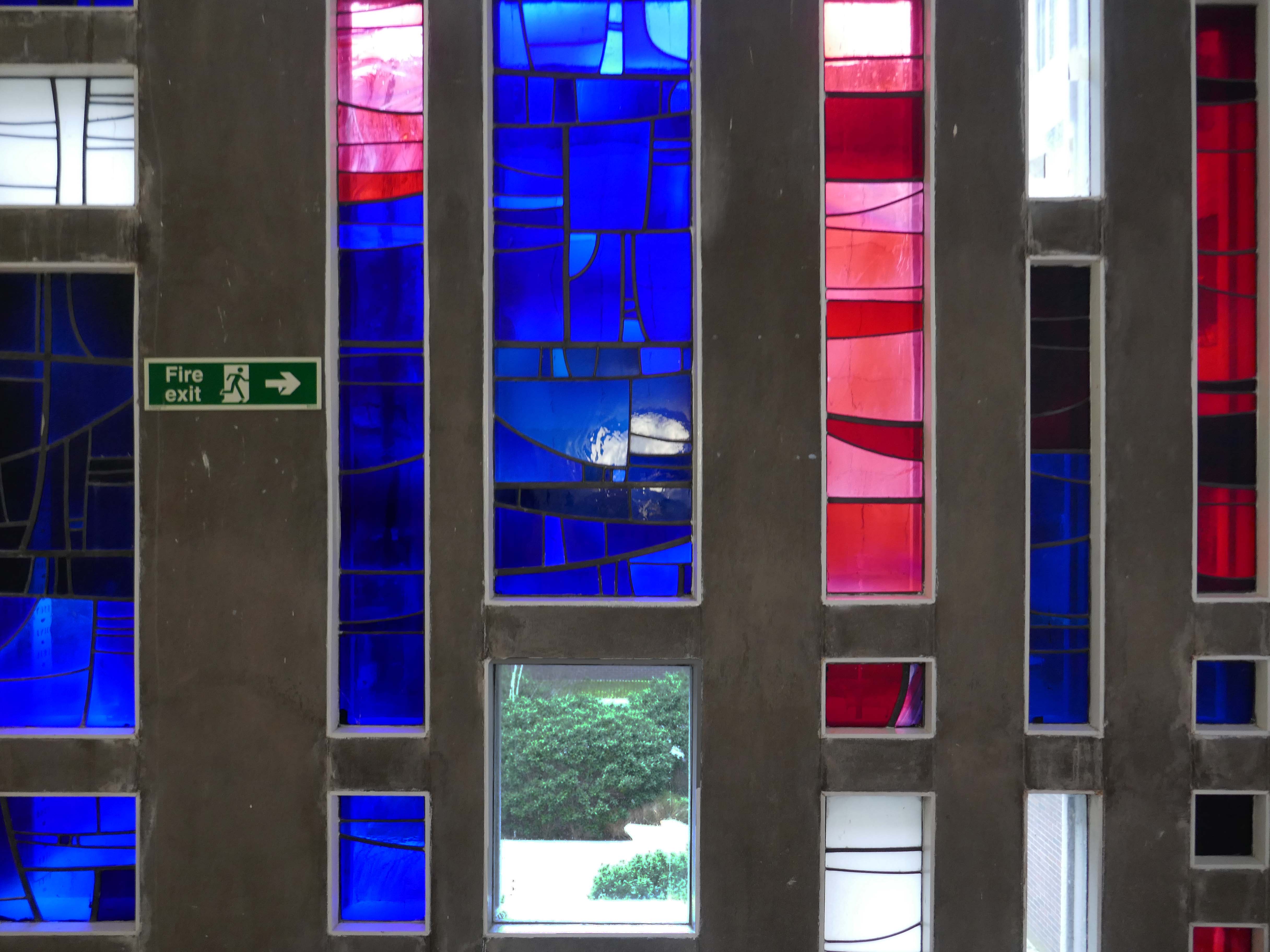
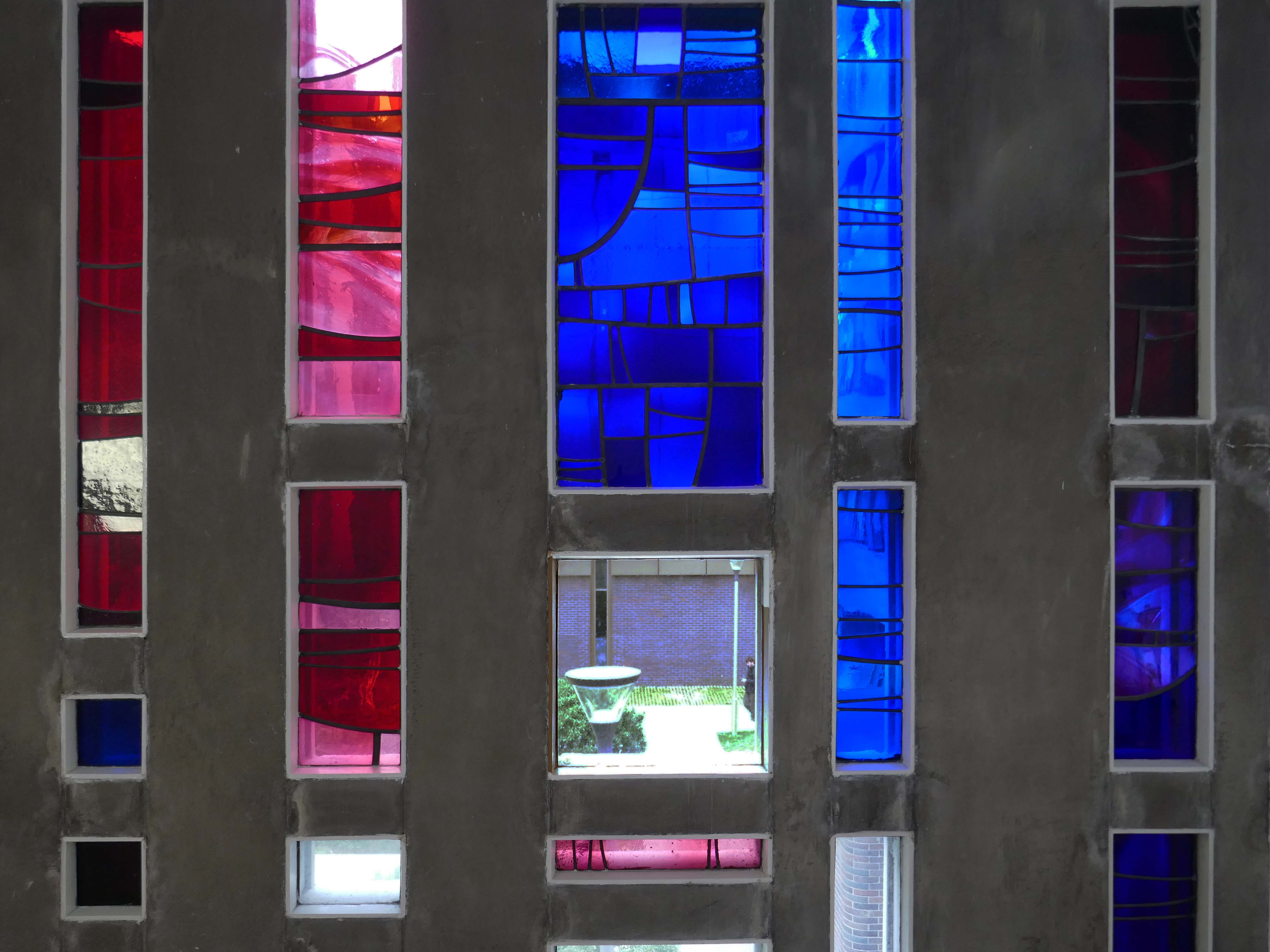
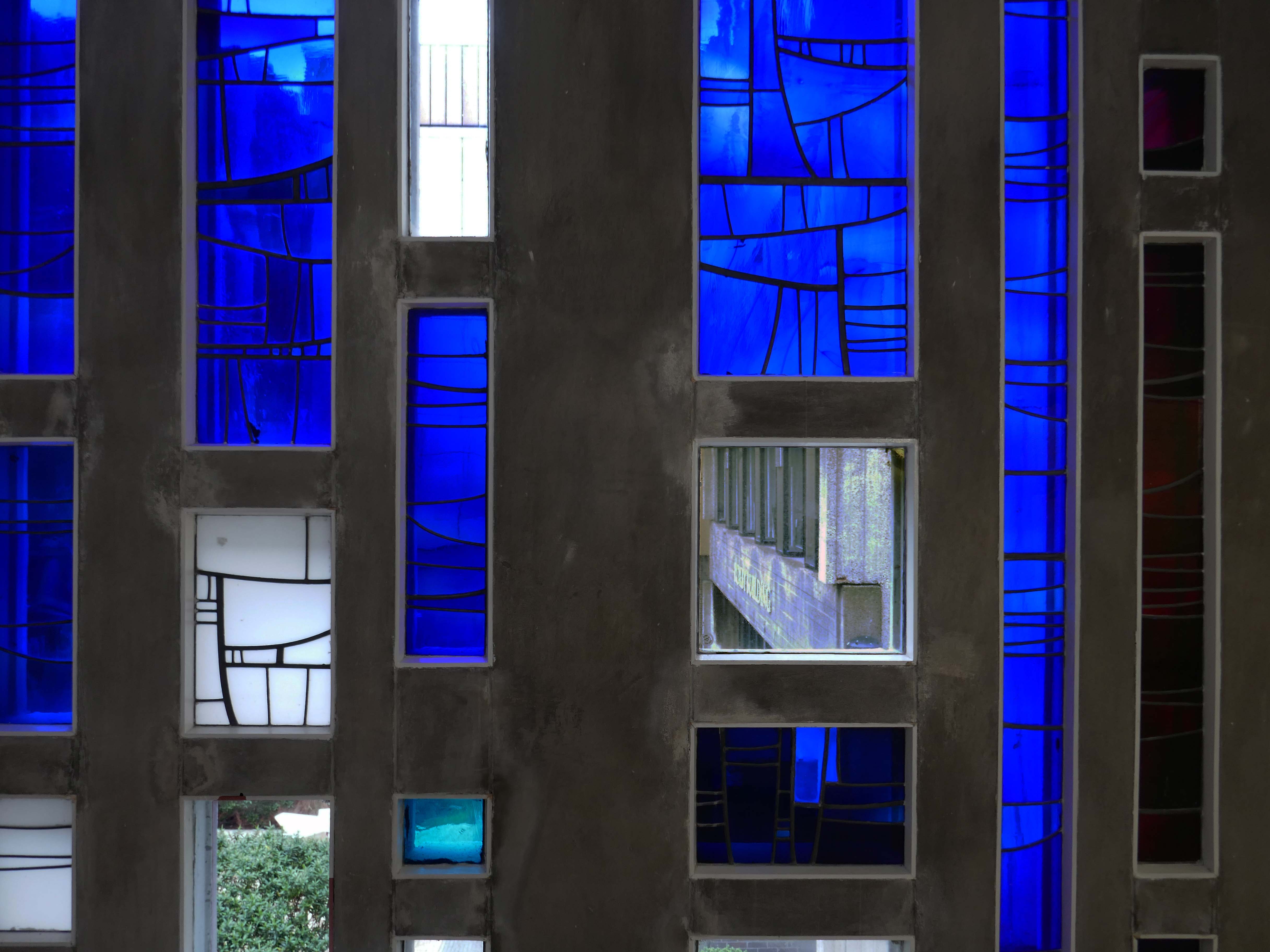
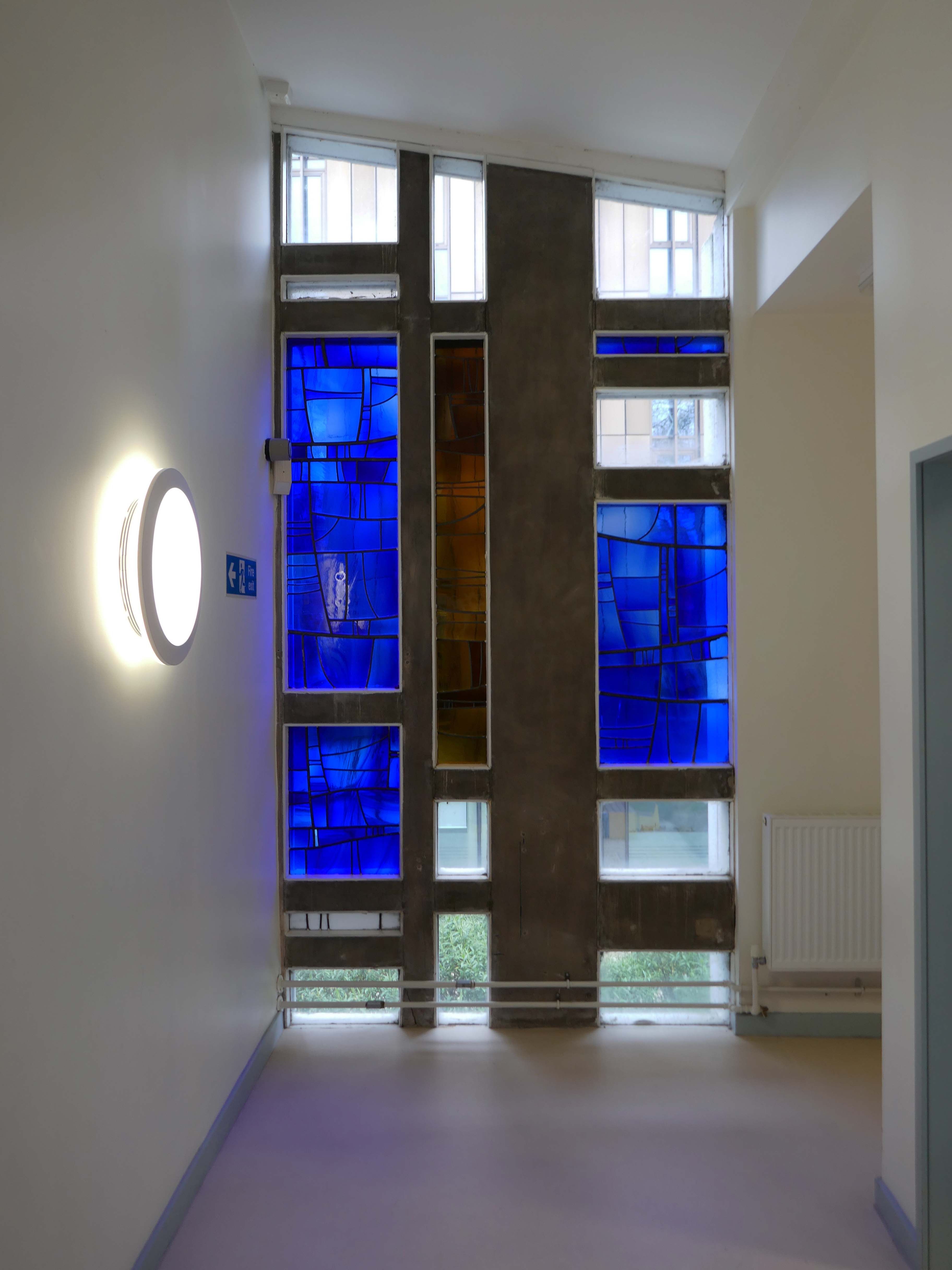
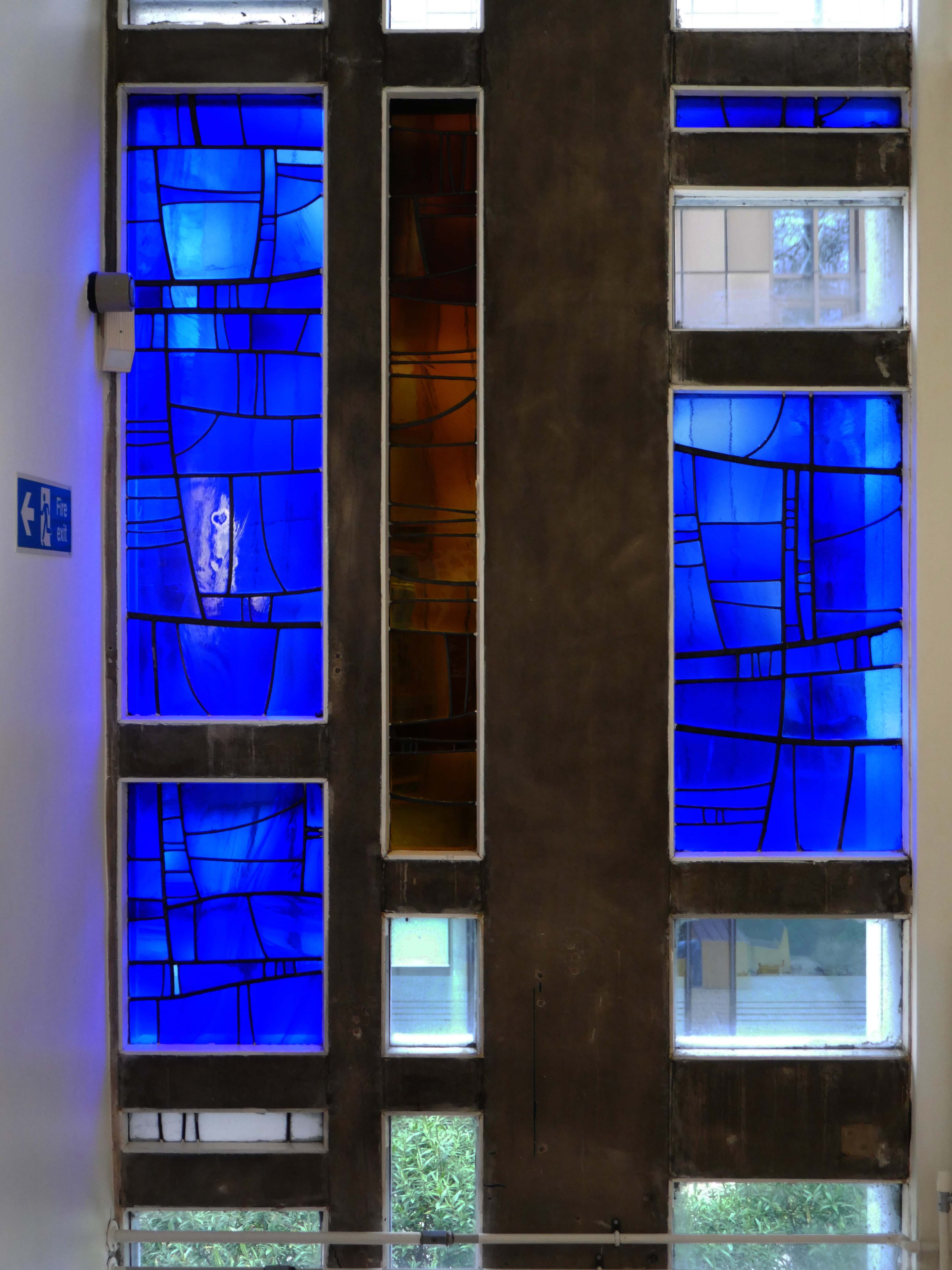
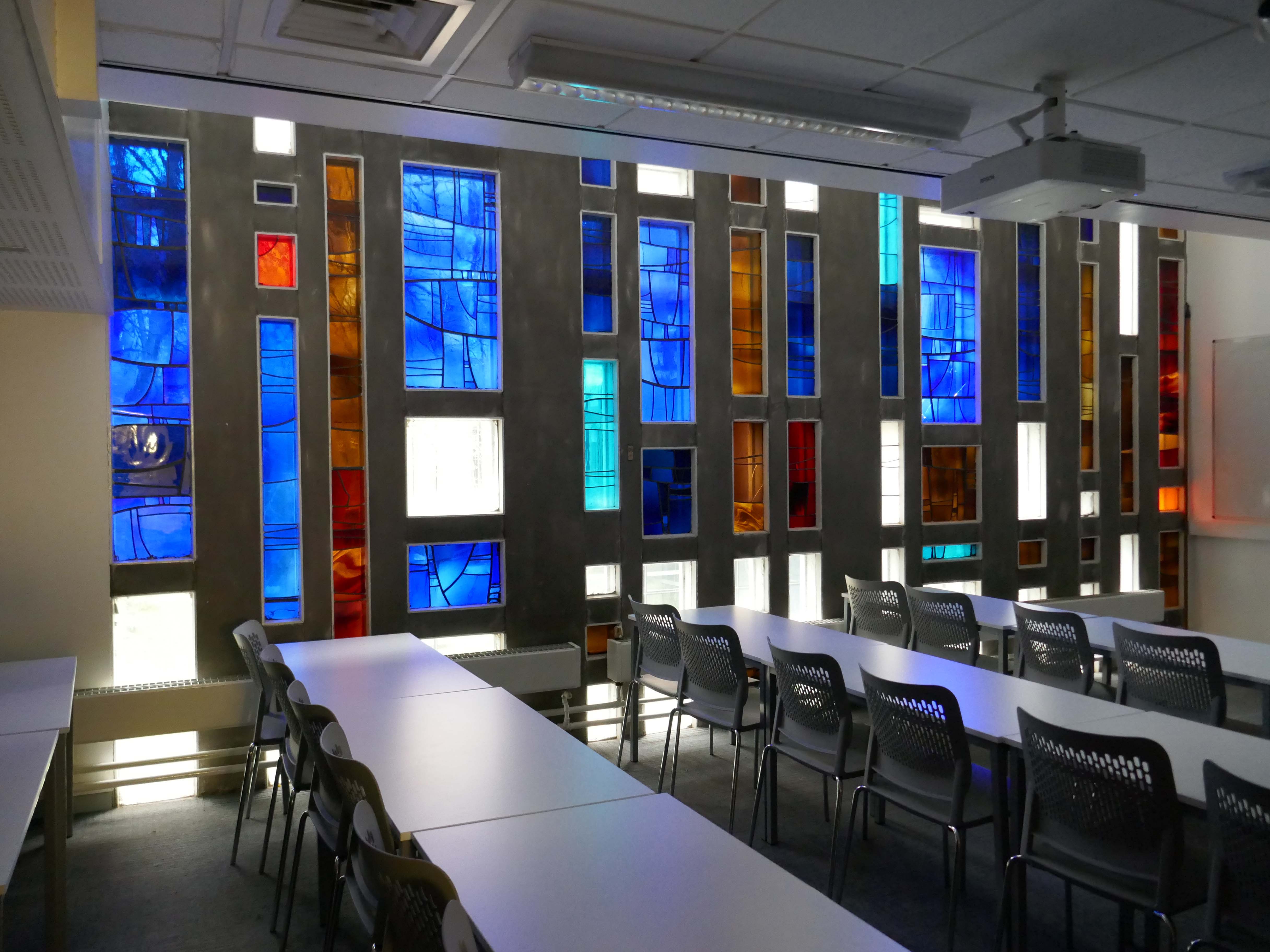
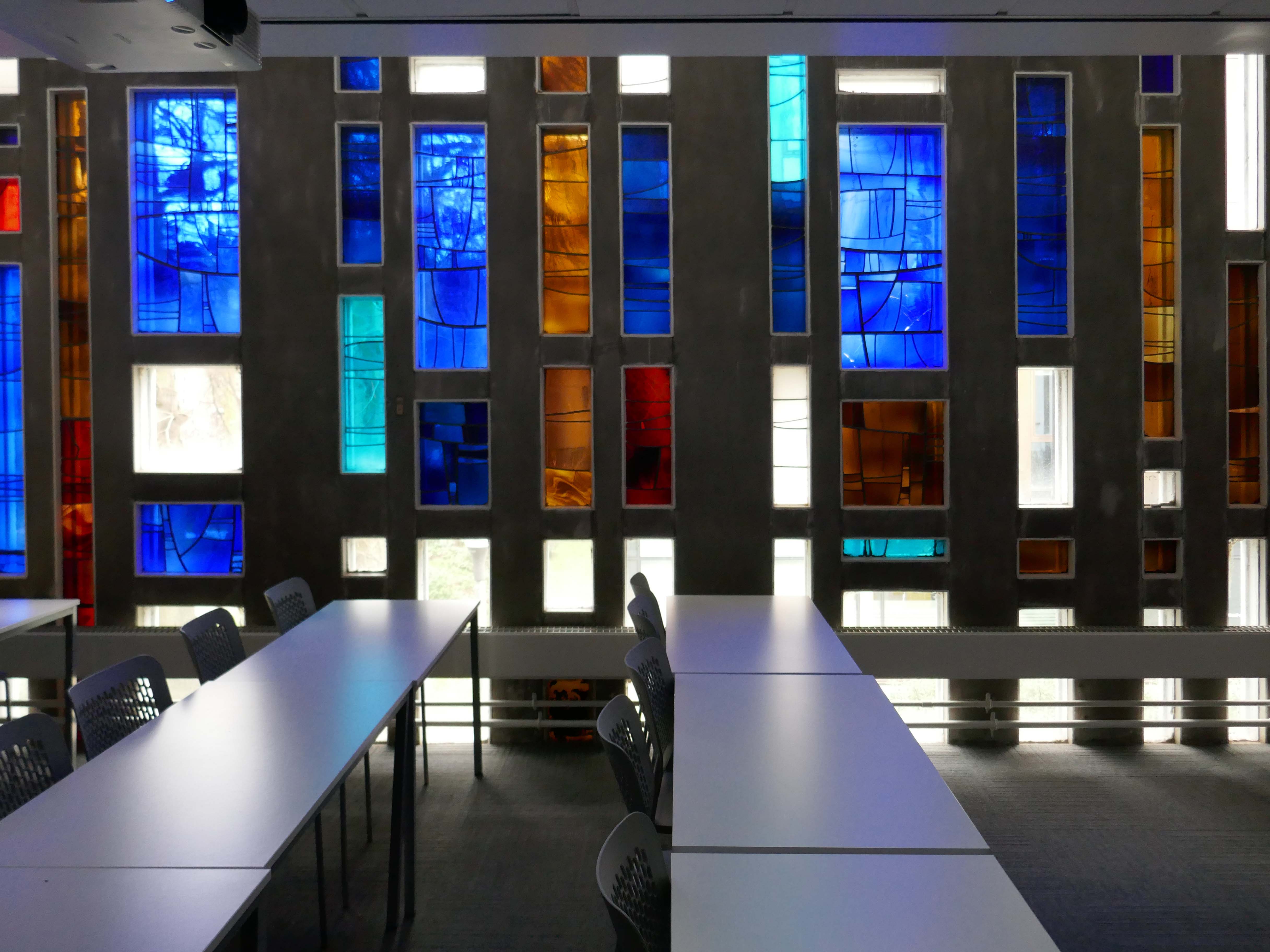
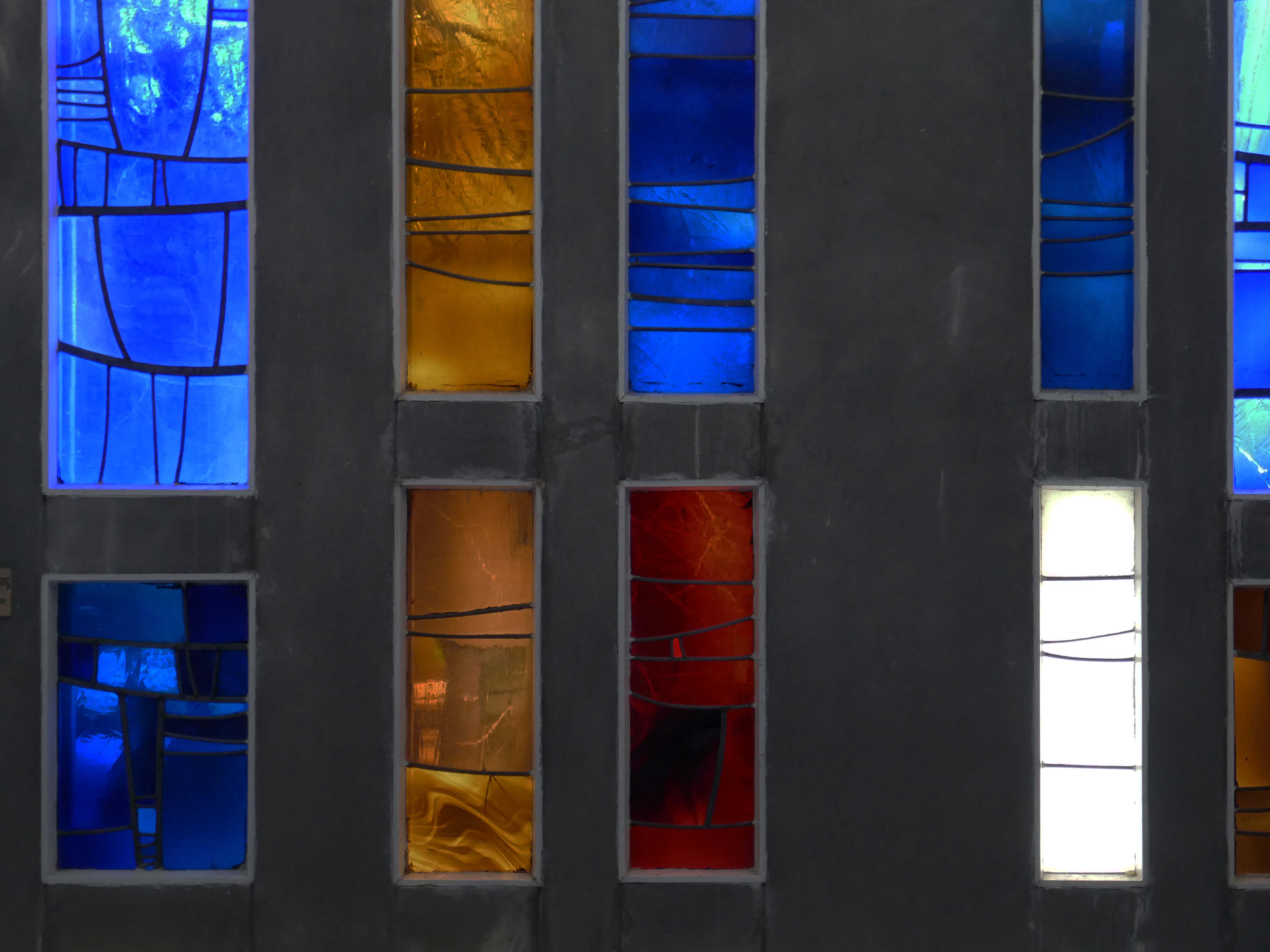
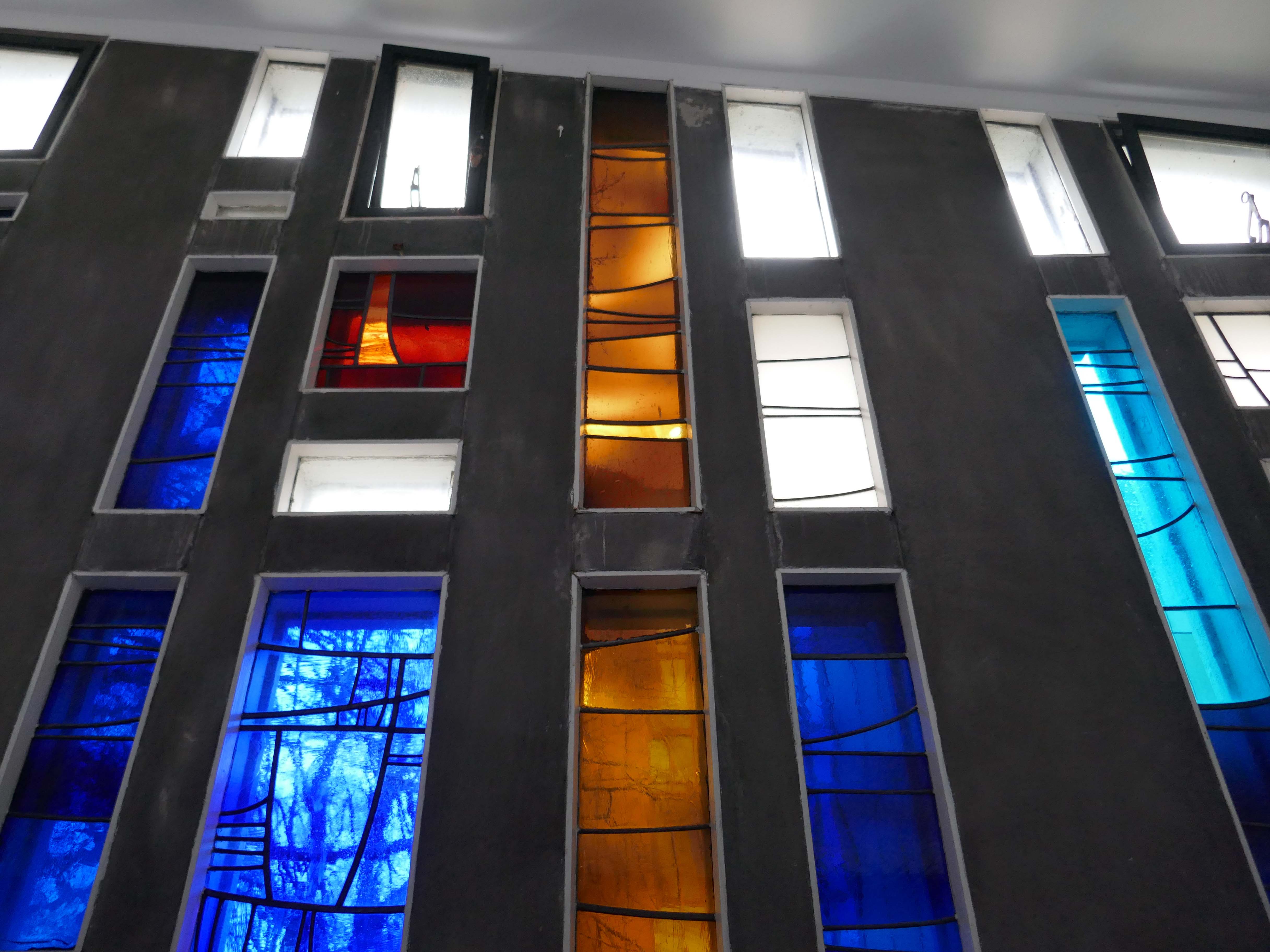
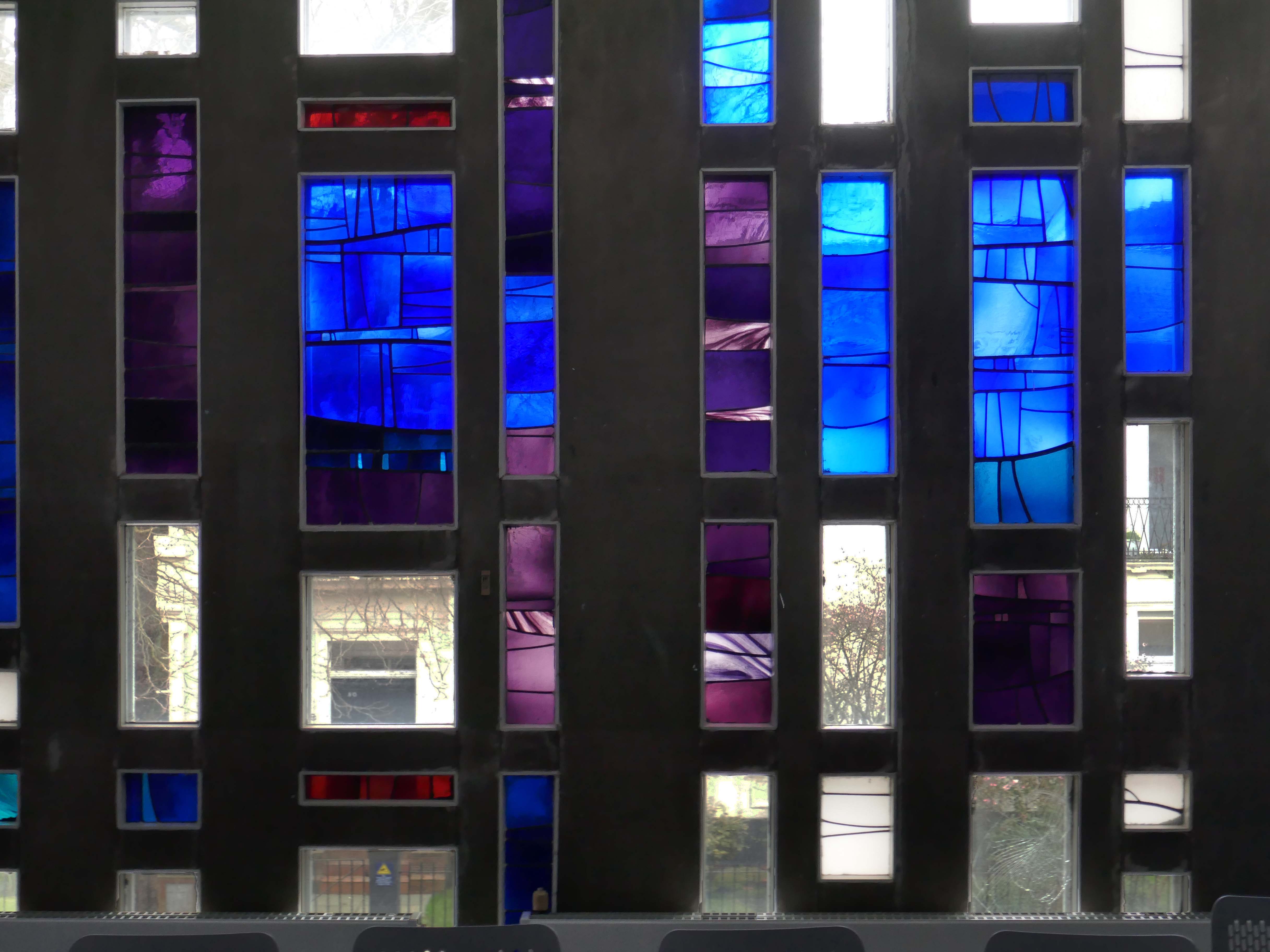
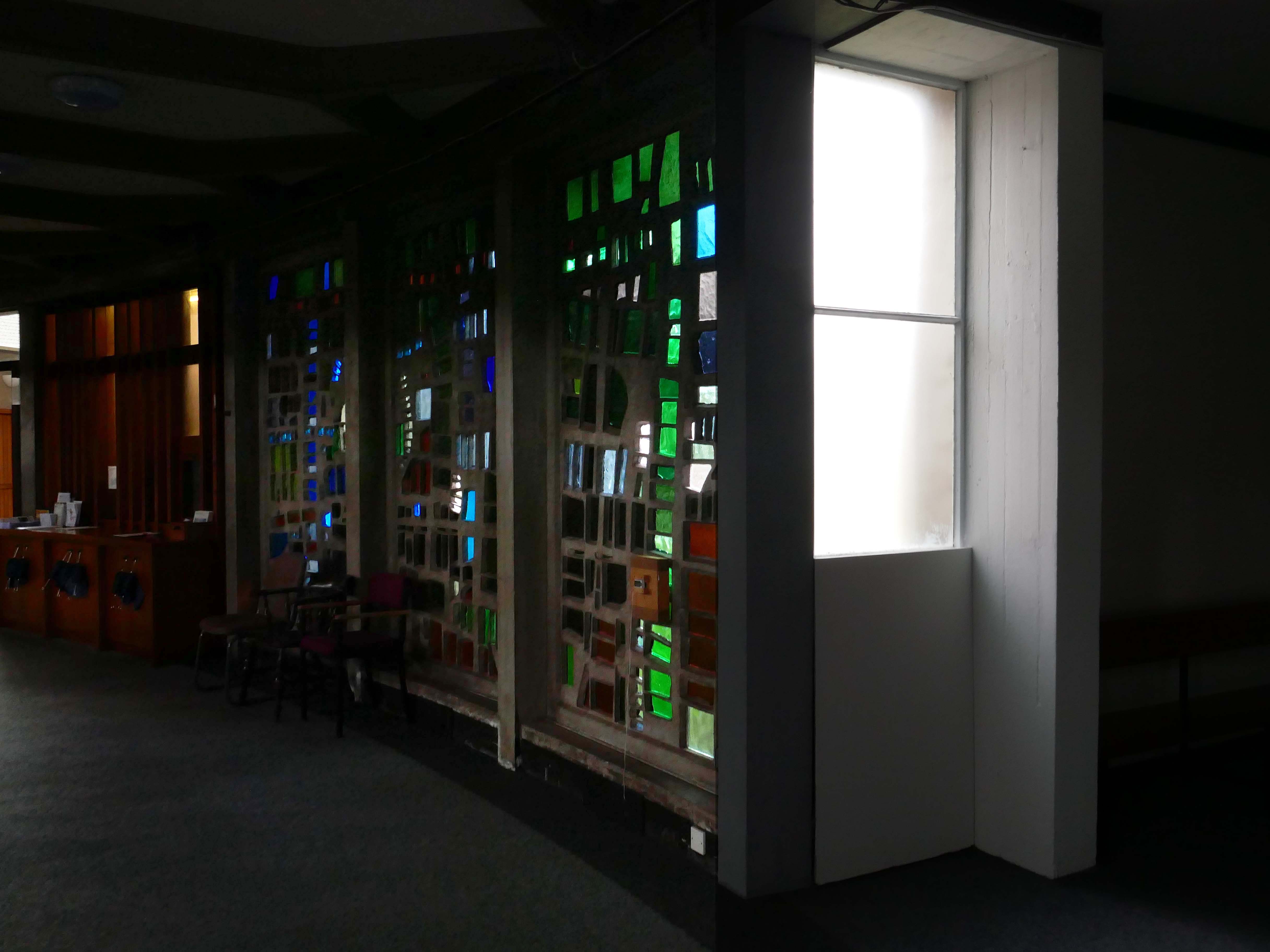
Between the concrete is ‘dalle de verre’ stained glass by Gillian Rees-Thomas.
she was also responsible for the side chapel windows at St Mark’s Broomhill Sheffield.
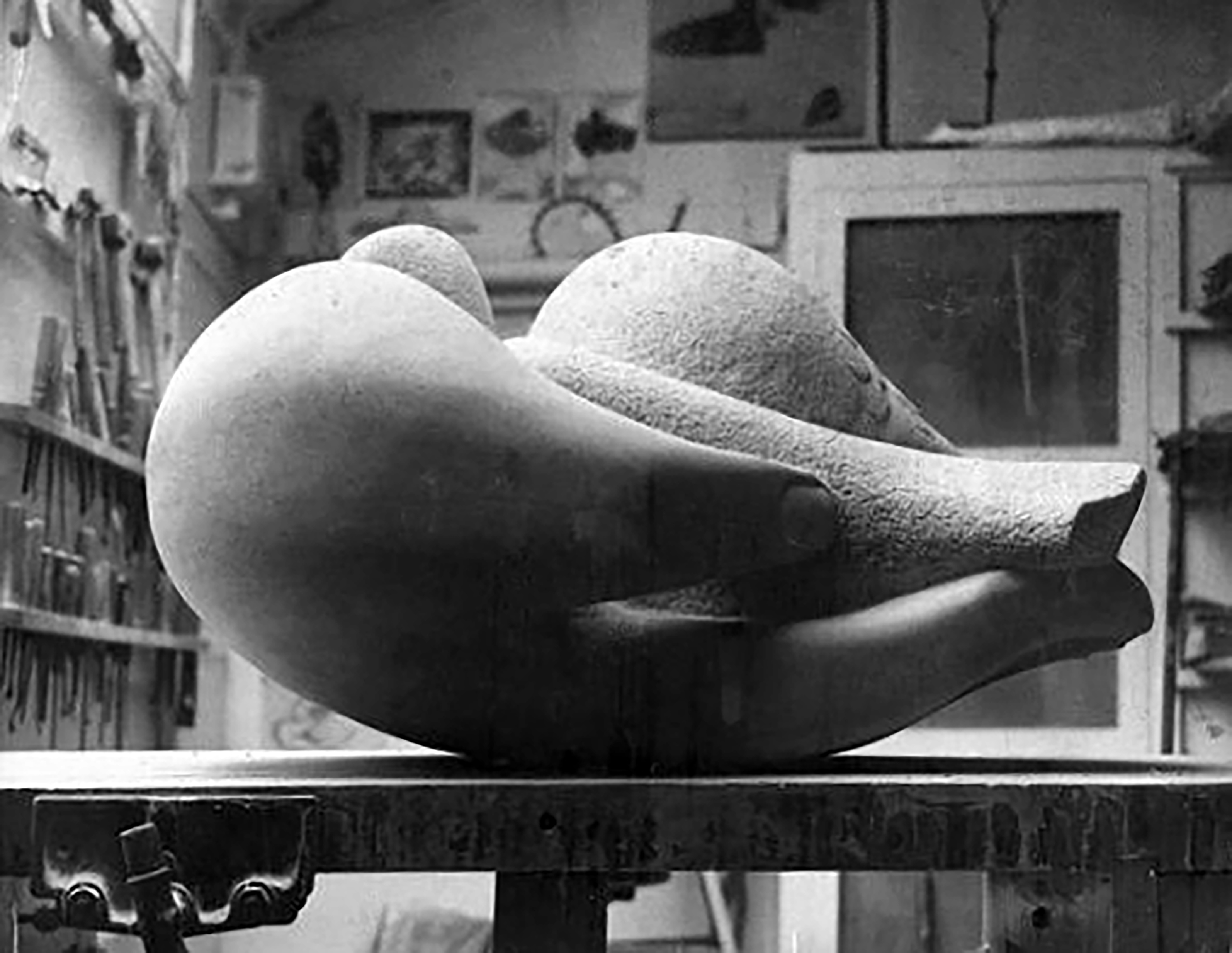
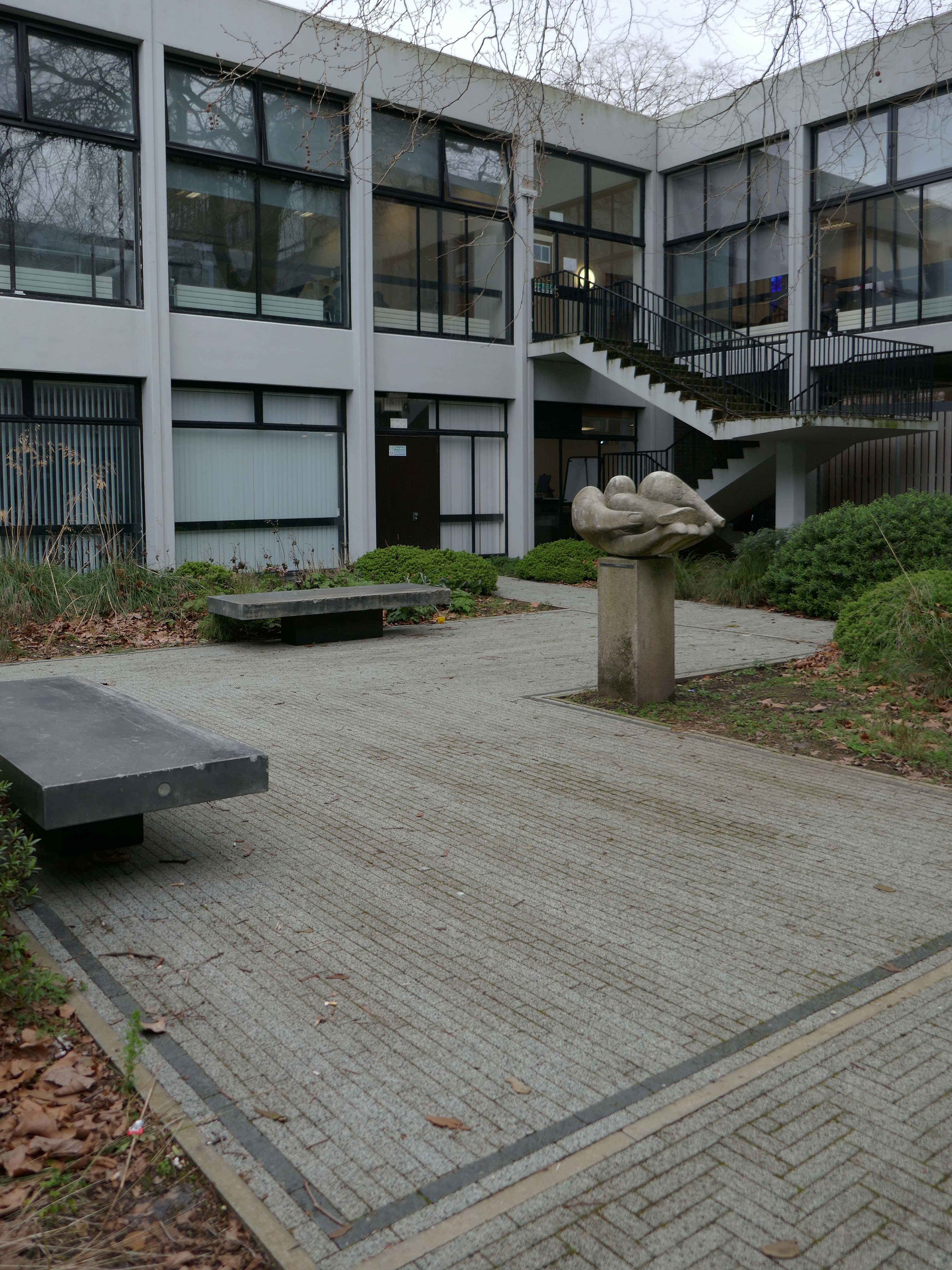
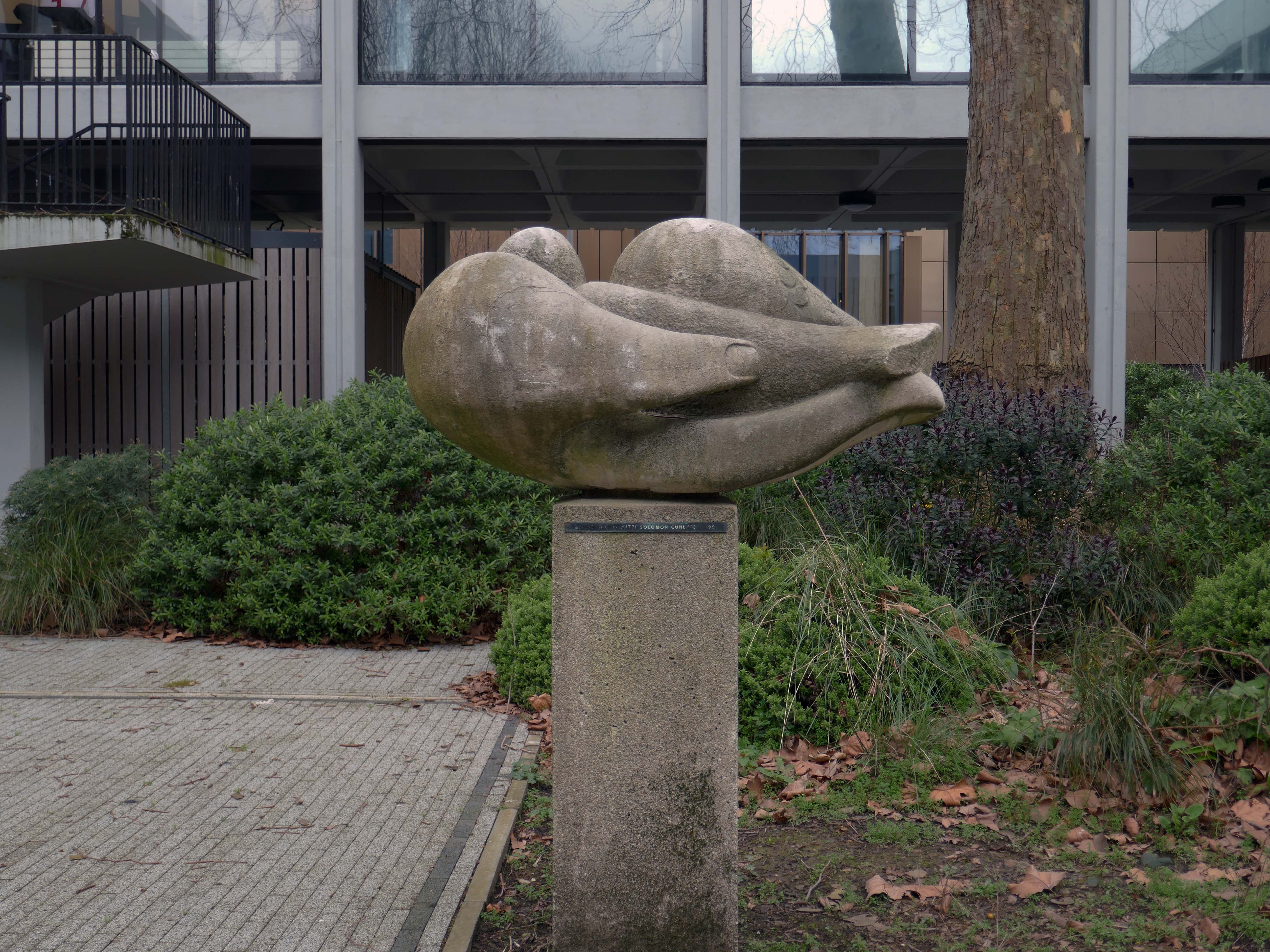
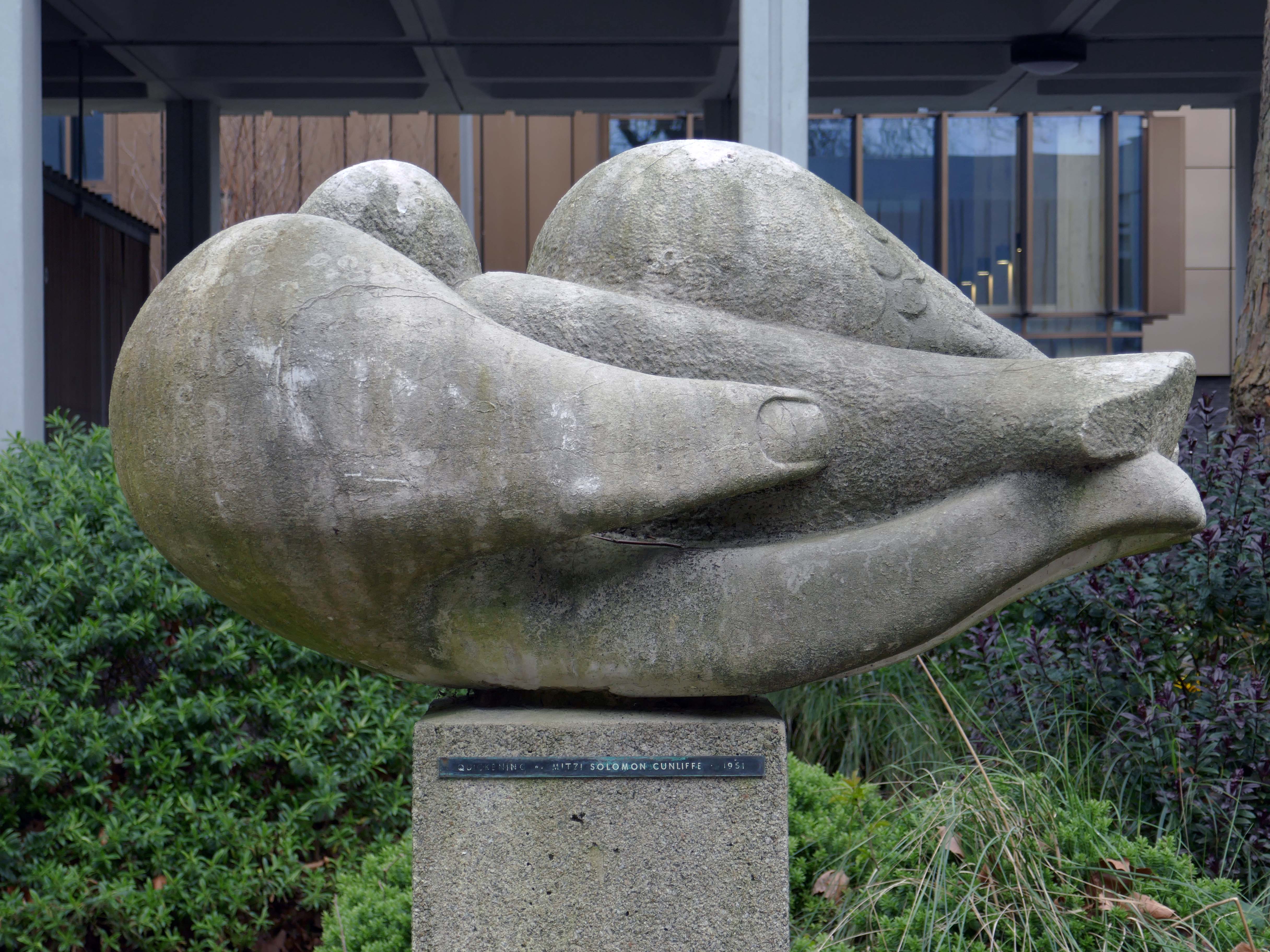
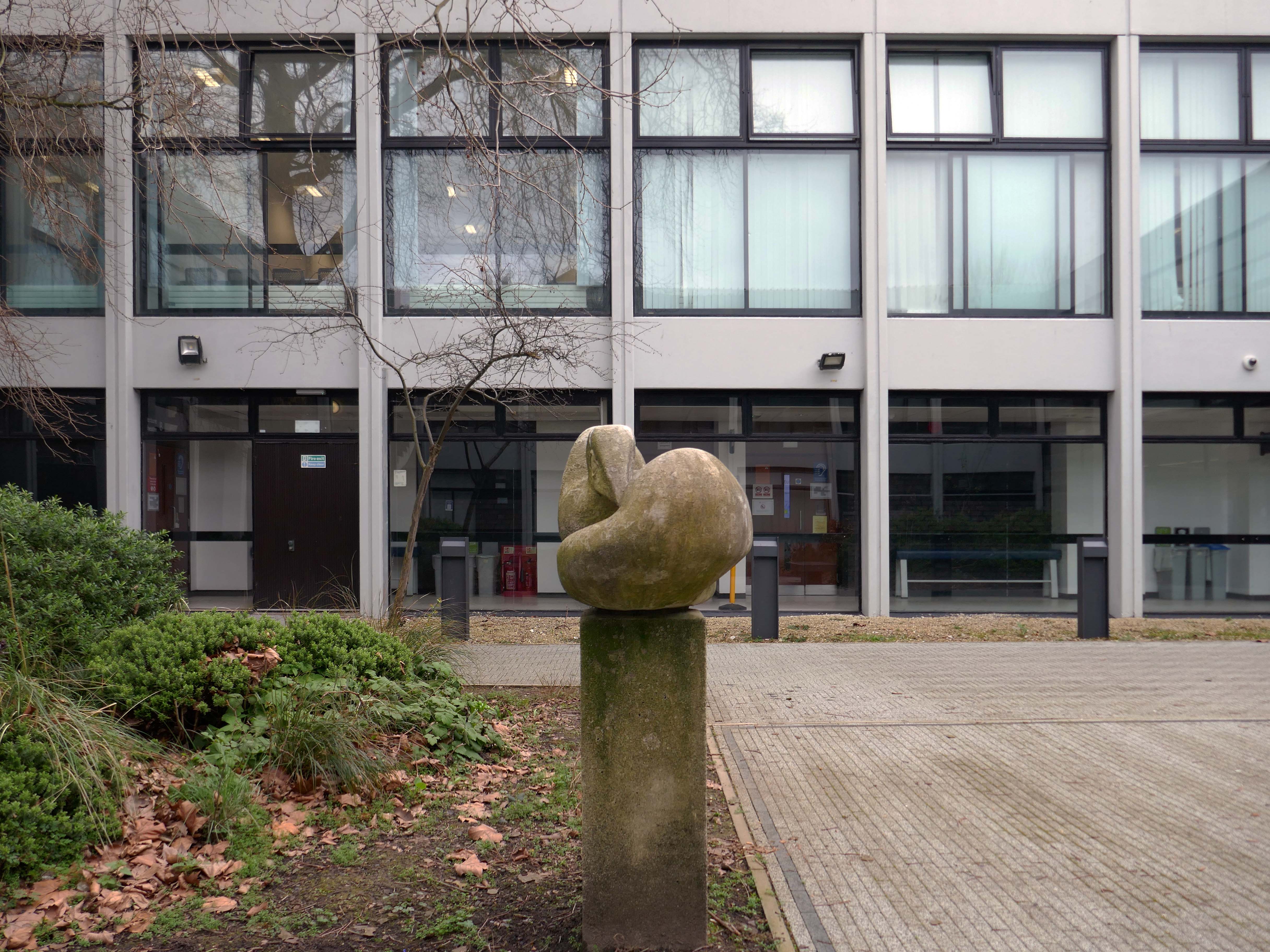
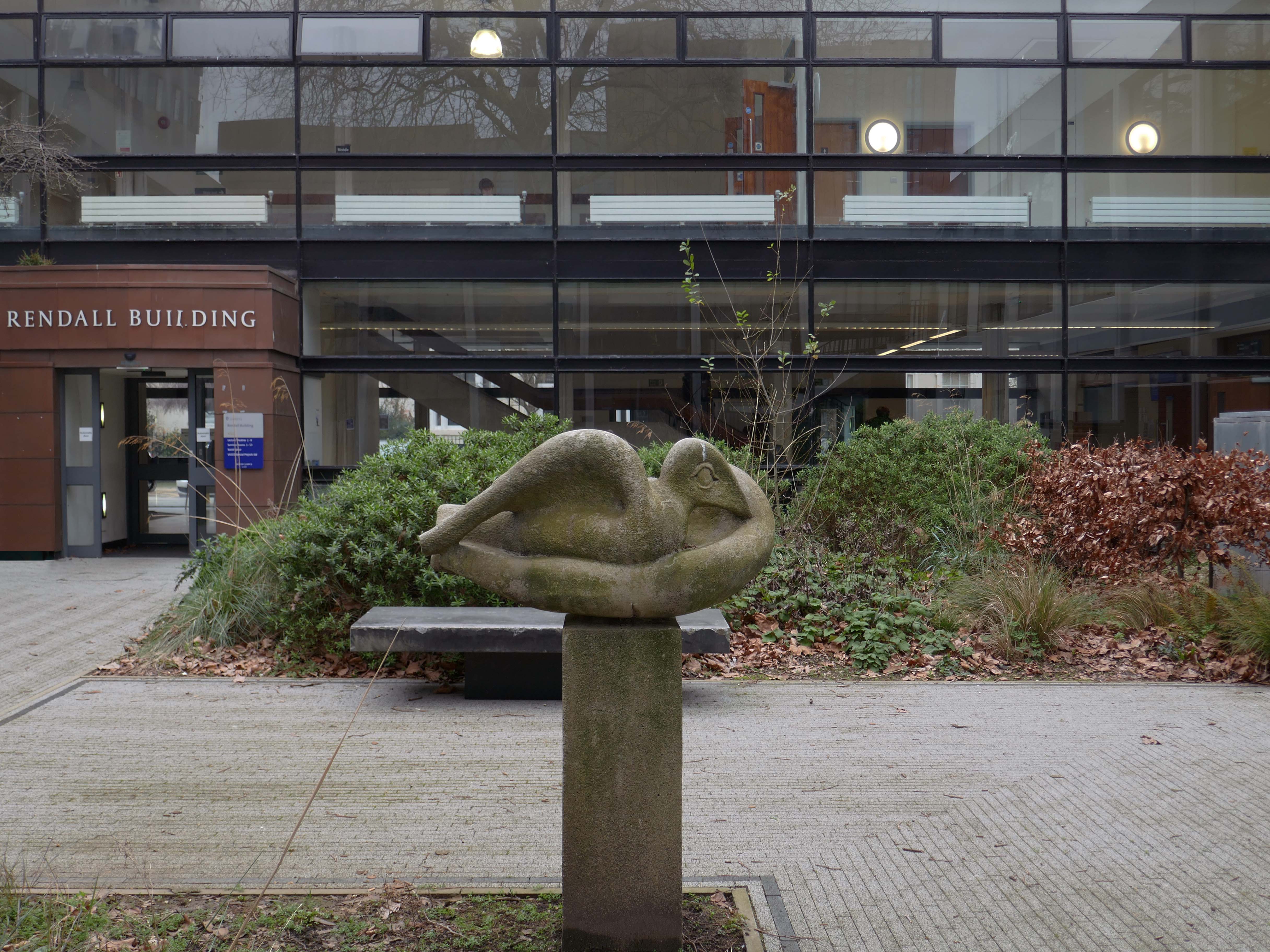
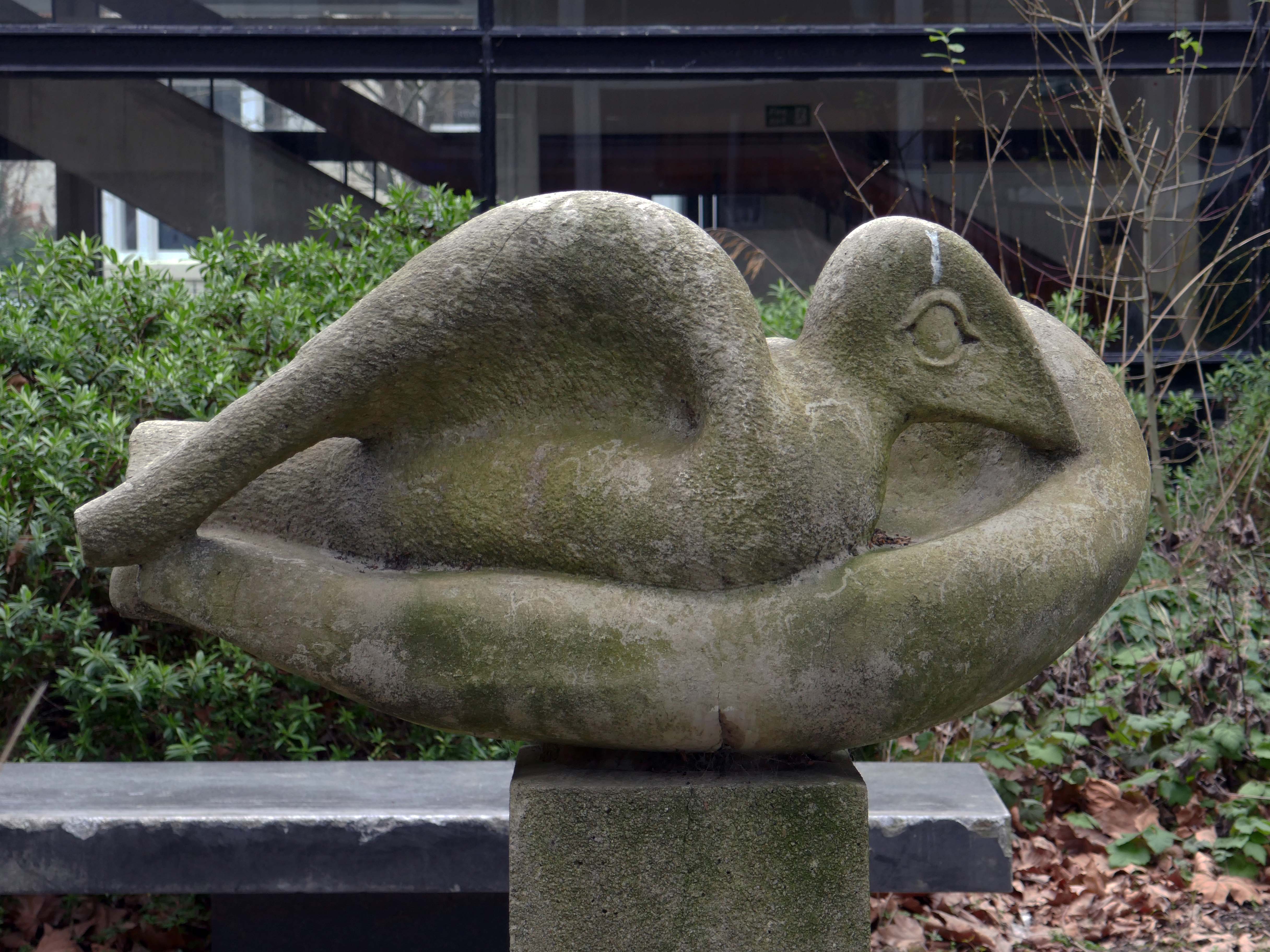
The courtyard contains a sculpture by Mitzi Solomon Cunliffe – The Quickening previously located behind the School of Architecture.
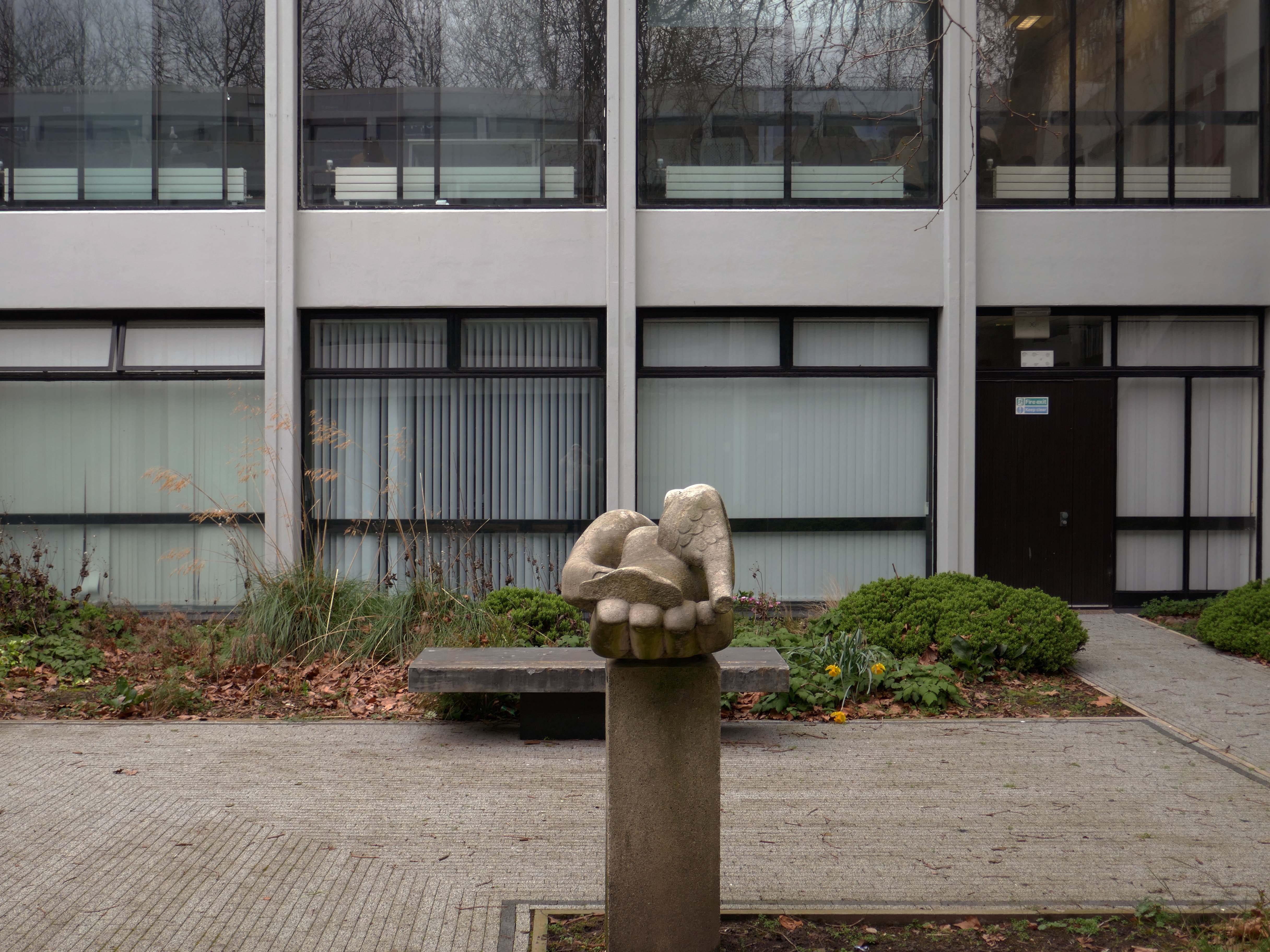
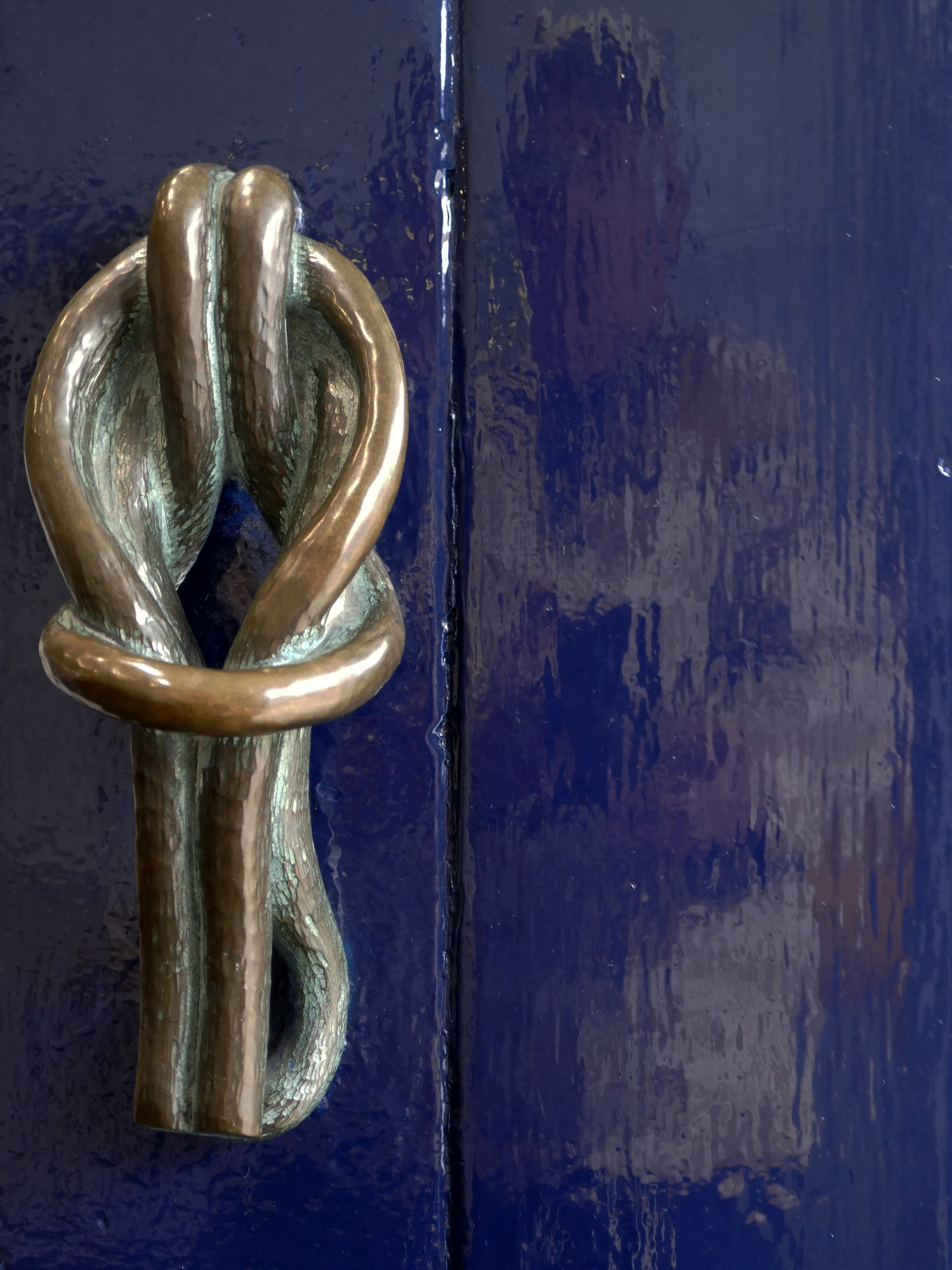
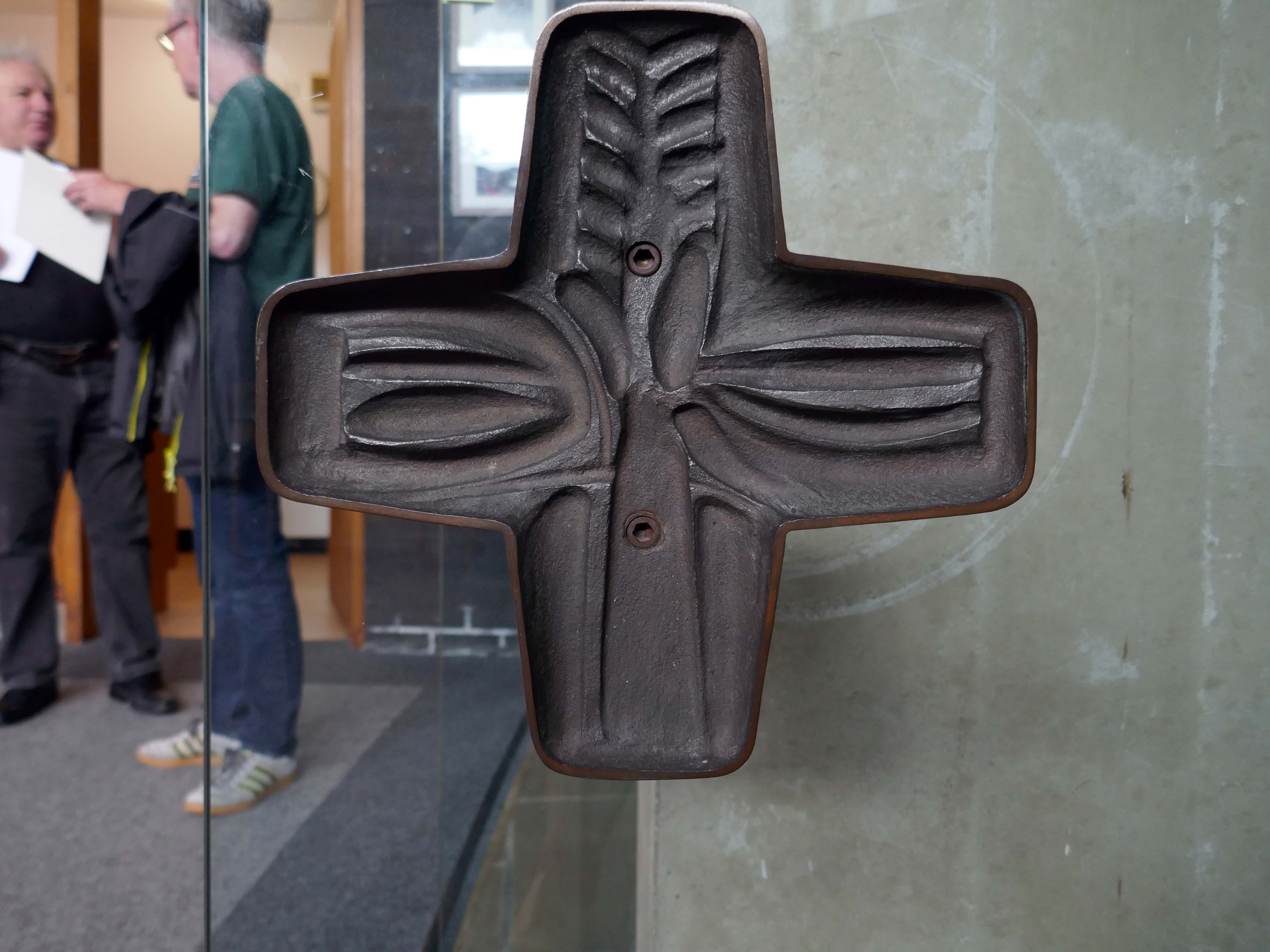
Somebody at the University of Liverpool saw Mitzi’s work at the Festival of Britain and took note. She was immediately commissioned to create three items for the University: a public sculpture to go in the courtyard of the School of Civic Design’s new building, a decorative sculpture for the inside the building and the handles for its front-door.
The public sculpture, is in the form of a hand gently holding a dove. It stood in its original position for sixty-nine years until sent away for conservation and then relocated across campus in 2020, to outside the Rendall Building.
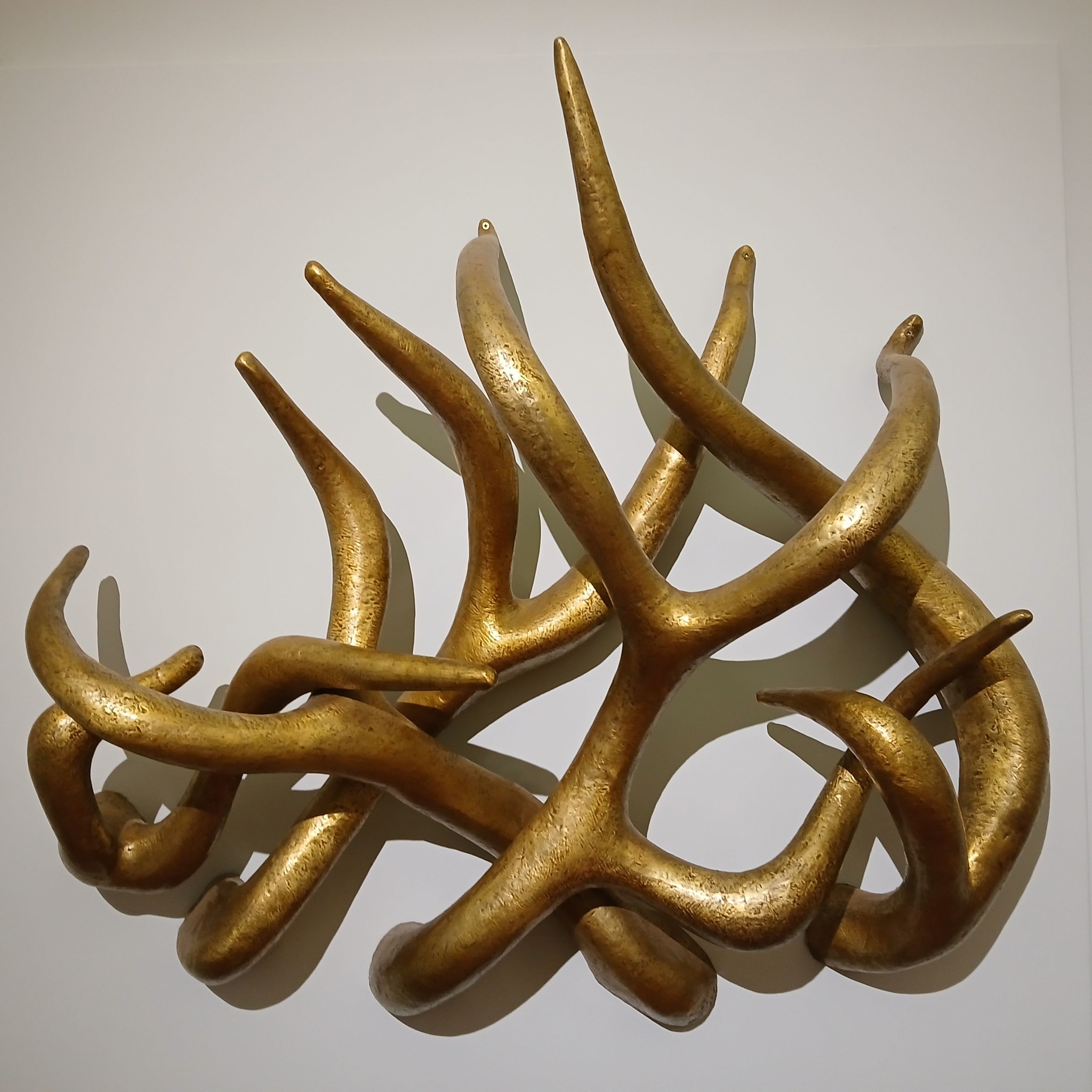
The other sculpture that Mitzi created for the building is easily the spikiest thing in our art collection. ‘Loosestrife’ is a number of tentacle-like arms that intertwine and project outwards. For many it looks like an assemblage of golden deer antlers but it may be based on spires of the flower called loosestrife.
‘Loosestrife’ had been recorded on its arrival as being made of bronze and had turned completely black over the years, probably because it was hung in an area where students smoked back in the day. When it was removed from the School of Civic Design building in 2018 and sent for cleaning, it was revealed to actually be made of brass. It is very heavy and takes four technicians with lifting gear to hang it for display.
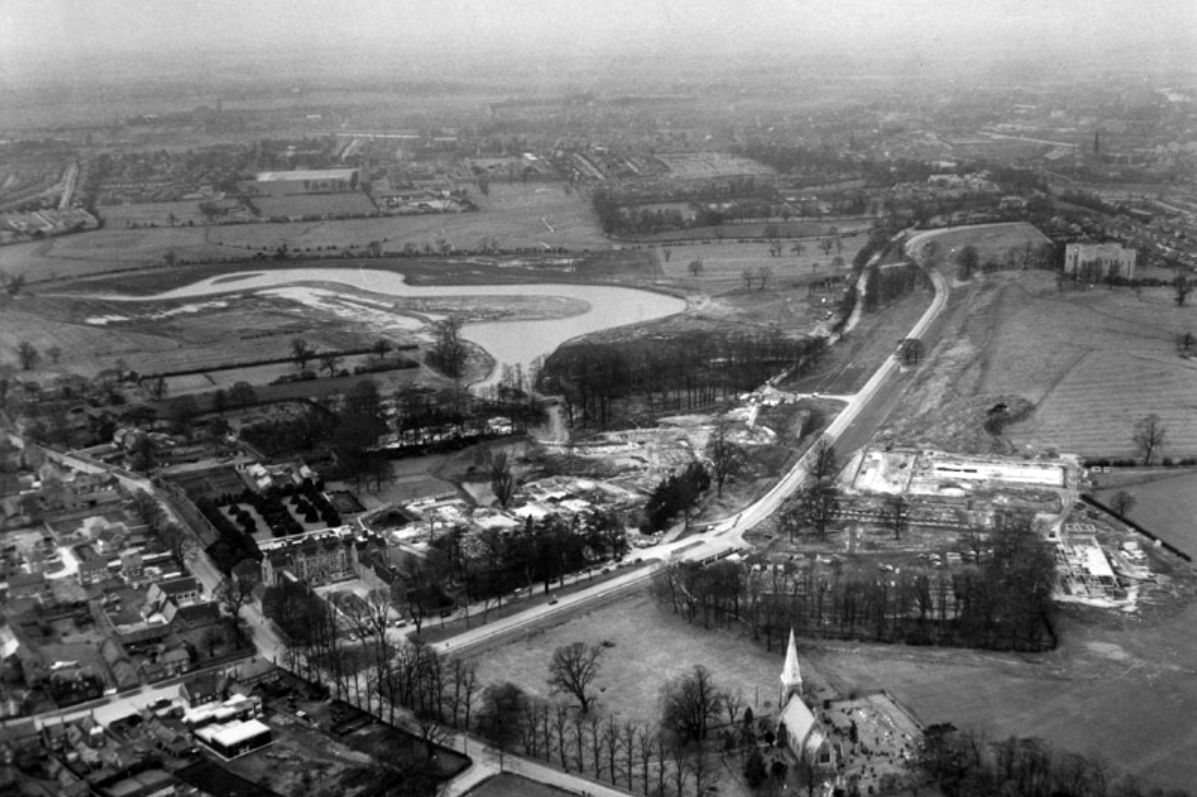
Though plans for a university in York first appeared as early as 1617, it would be over three centuries before they came to fruition. In 1960, permission was finally granted for the University of York to be built, marking the beginning of our journey.
Before the Second World War, Heslington was a quiet rural retreat with a local aristocracy, and a working agricultural village.
Fresh, young, forward-looking and enthusiastic, the University of York was known for its friendly atmosphere before it even opened its doors.
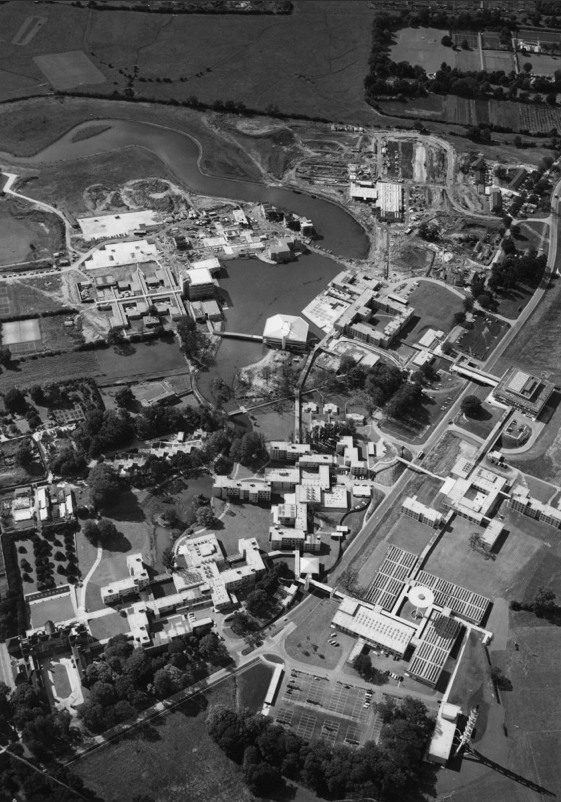
Planning and building the University happened with astonishing speed. In April 1960 the Government approved the establishment and less than three years, on 9 October 1963, the first students walked through the gates of Heslington Hall.
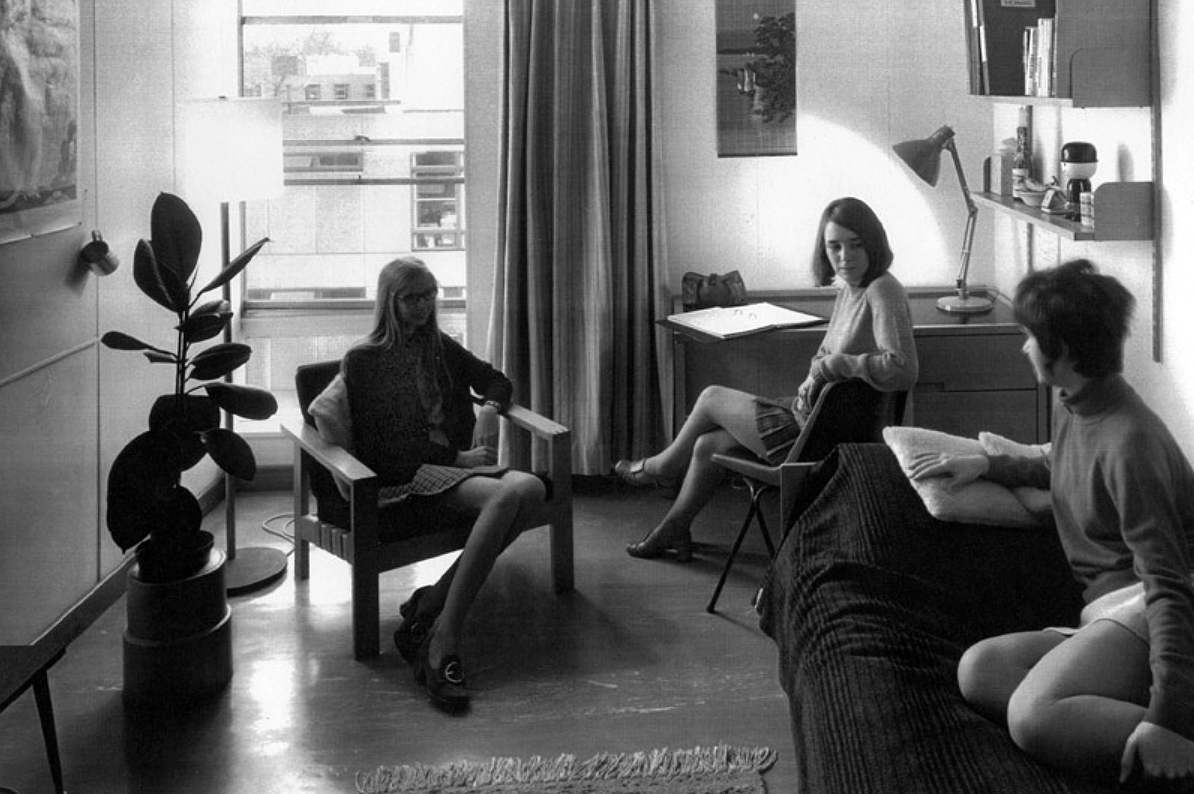
In the 1970s, college social life began to blossom.
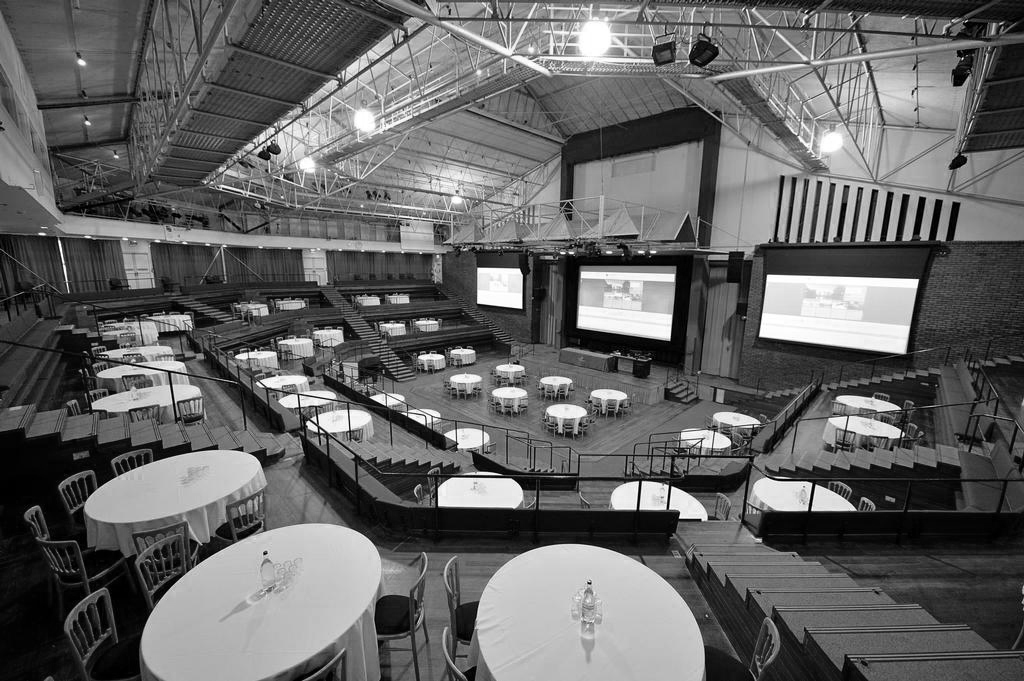
Central Hall was the venue for The Who, The Kinks, Fairport Convention, John Martyn, Ian Dury and the Blockheads, Hot Chocolate, Humphrey Littleton, Acker Bilk, Paul Tortelier, Julian Bream, John Williams and others.
Paul and Linda McCartney appeared one day out of the blue with their new band Wings and performed a concert in Goodricke College Dining Room.
The beginning of the 1980s came with significant challenges for the University.
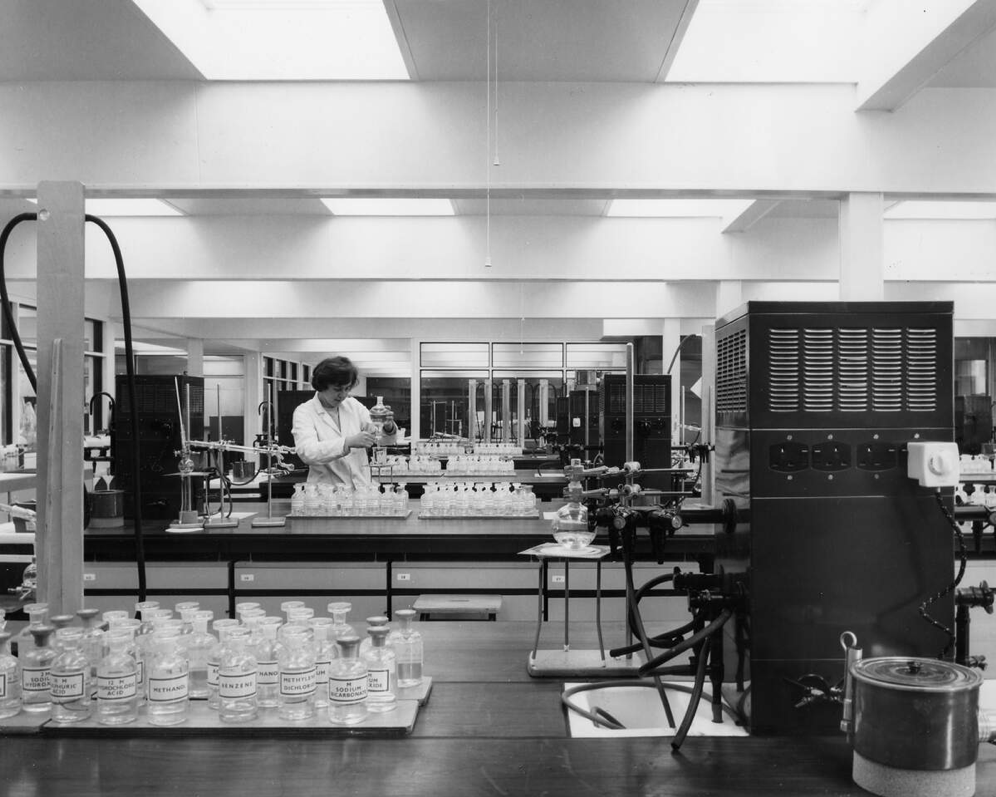
The decade saw the start of cuts across higher education. Staff were exhorted to make economies including turning down their thermostats, recycling, and making telephone calls as short as possible. There was also a fire in the Department of Chemistry.
In 1990, the Vice-Chancellor, Berrick Saul, recounted to court that York had been described by a senior member of the Universities Funding Council as “a well-run university with a relatively low profile.”
What a difference a decade makes.
By the end of the 1990s, York was dominating national league tables for research and teaching and was receiving international press coverage for achievement across the disciplines.
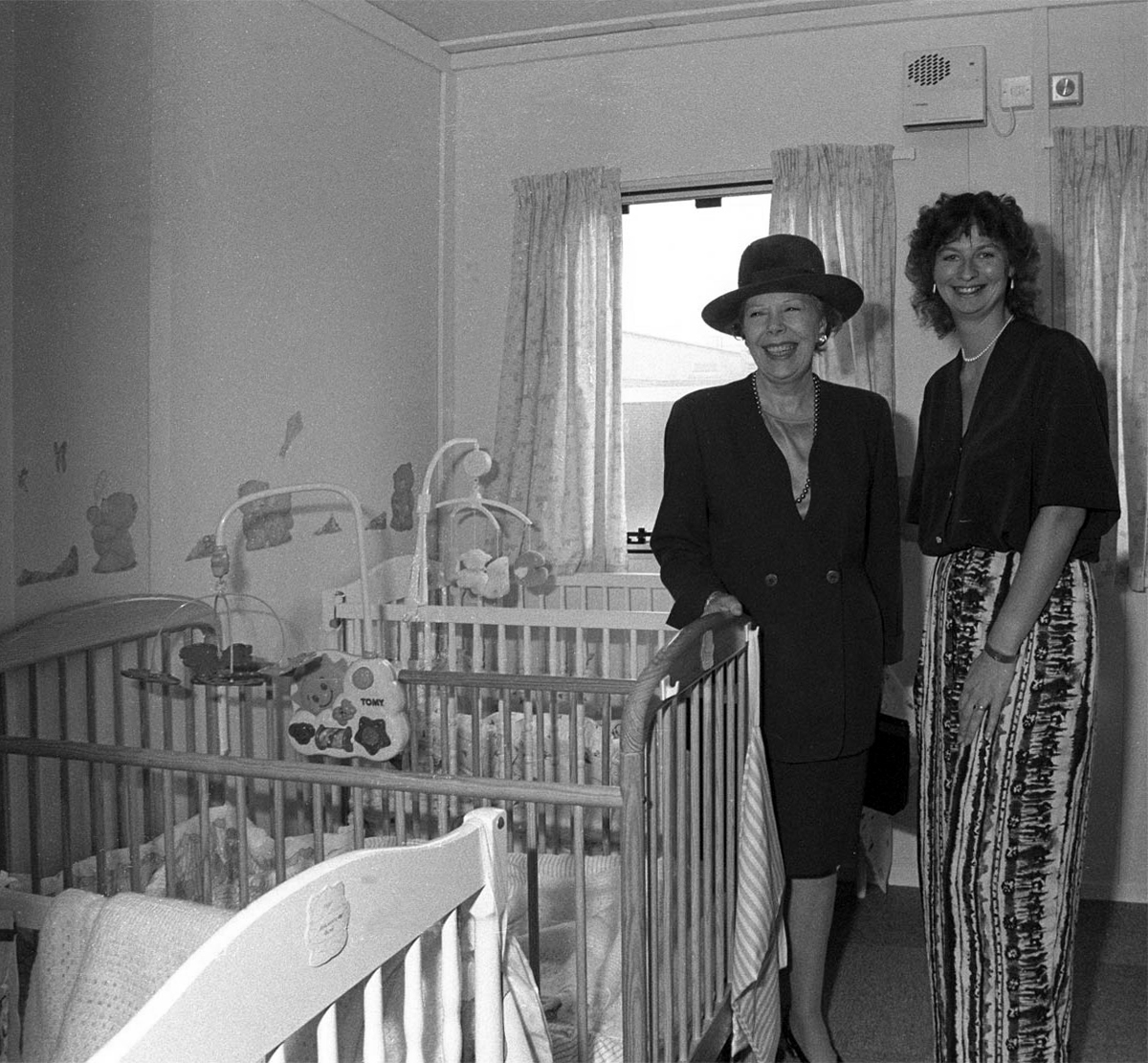
University Chancellor Dame Janet Baker at the opening of the University’s Baby Unit, October 1994 – York Digital Library
The 90s was characterised by advancement and recognition. York remained a popular choice among prospective students growing from 4,300 to 8,500 students without compromising its high entry standards. As the Sunday Times pointed out, “elitism does not appear to be the price of excellence at York”. York was one of only very few universities whose entry from state schools and colleges (around 80 per cent) was the same as the proportion of A-level students in the state system.
The introduction of official quality assessments and the proliferation of newspaper league tables saw the University’s stock rocket. After years of academic advancement, York began to get the recognition it deserved. National recognition attracted additional funding and investment. Research grants rose to over £20m per annum, and the University enjoyed one of the highest incomes per researcher in the higher education sector.
The Sir Jack Lyons Music Research Centre is opened by Roger Wright, controller of BBC Radio 3, 2004
The planning for Heslington East began in earnest in 2002 with the arrival of Brian Cantor as Vice-Chancellor. It took years of master-planning, liaison with interest groups, negotiations with land-owners and local communities, an 8-hour city planning meeting and a Public Inquiry to achieve the purchase of land and complex planning permissions for a site equal to the size of the original Heslington West campus. In 2009, the new Goodricke College opened as the first building on Heslington East.
At the time of the 40th anniversary in 2003, we wrote about Heslington East:
It will be everything that the designers of the original campus hoped for – integrated, landscaped and traffic-free, with a large expanse of water, and a very eager populace.
On 25th November 2010, we were named “University of the Year” at the Times Higher Education Awards, achieving praise from the judges for our “success in combining academic excellence with social inclusion, as well as its record in scientific discovery”.
The development of Campus East continued throughout the decade, with four new sites to accommodate academic departments and a variety of support and social buildings, including the Ron Cooke Hub and York Sports Village.
Campus West also saw much expansion and redevelopment during the 2010s, with the opening of the £13.8m Spring Lane Learning and Teaching Building and £16m Biology teaching and laboratory facility in 2016.
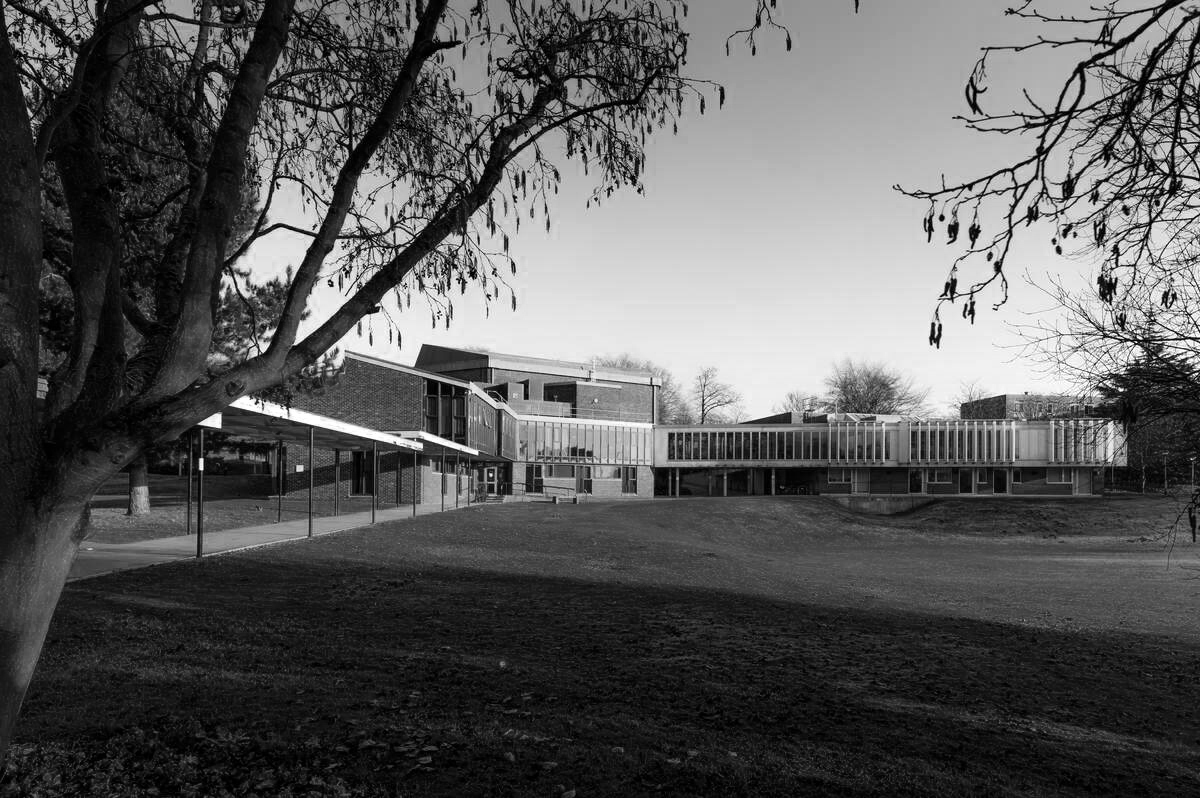
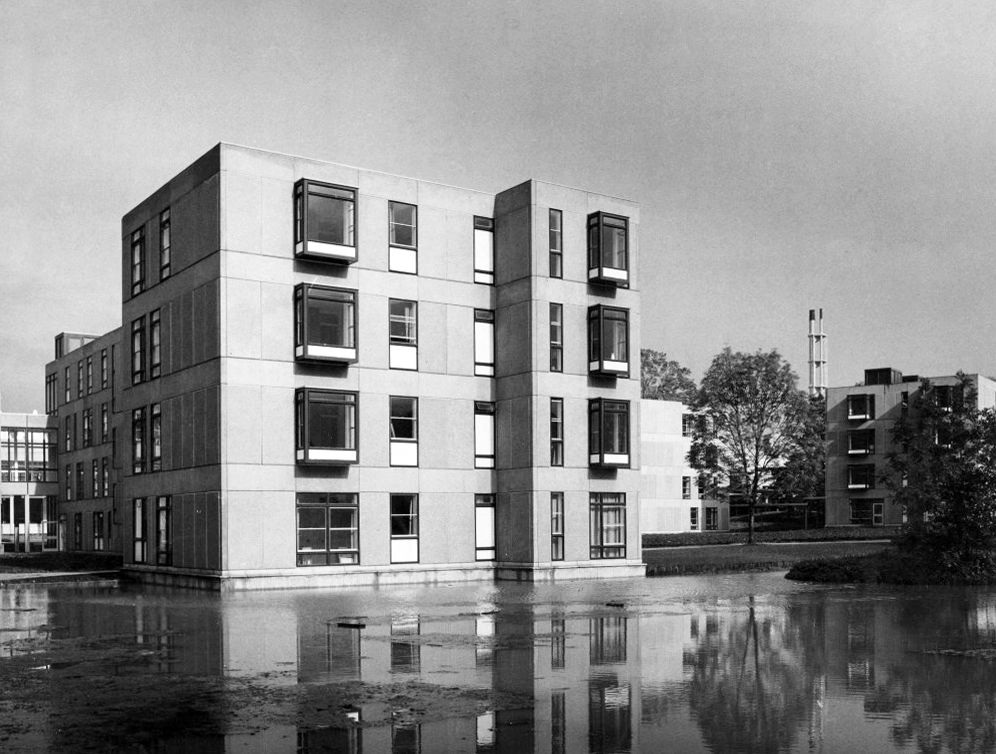
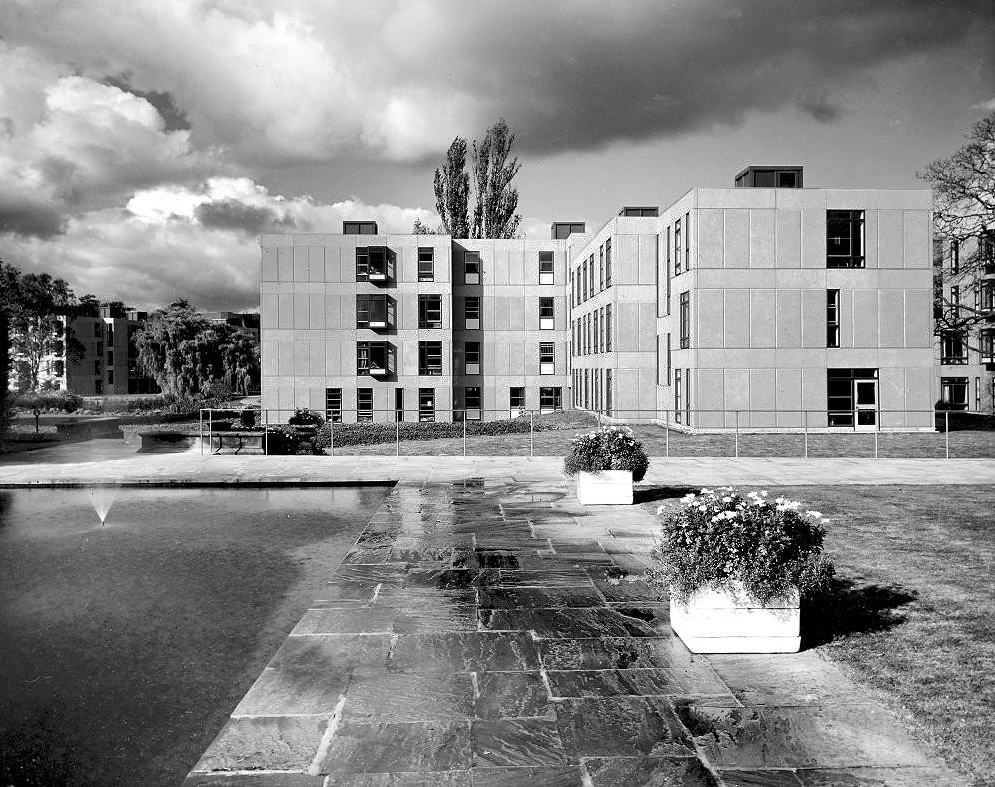
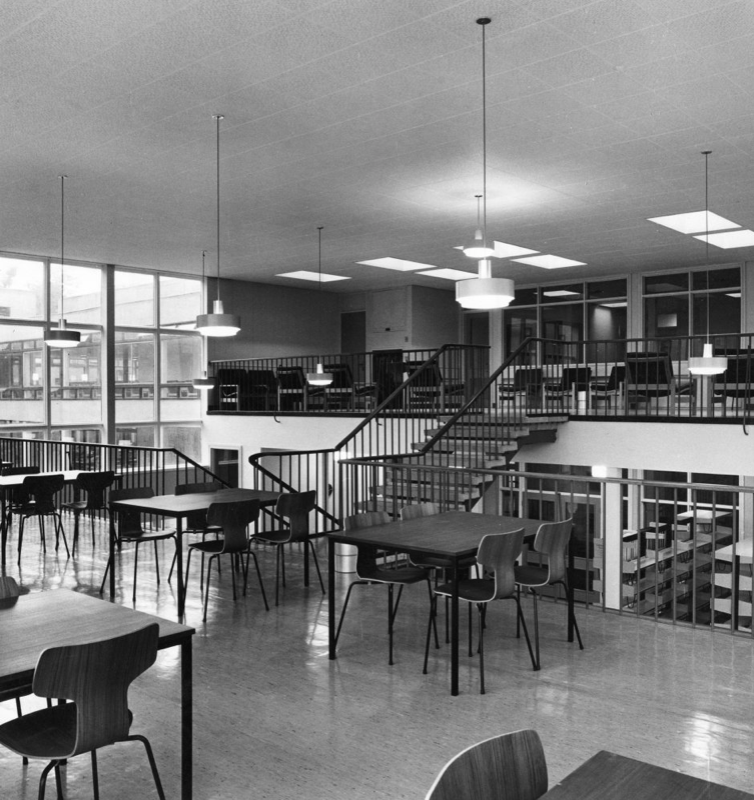
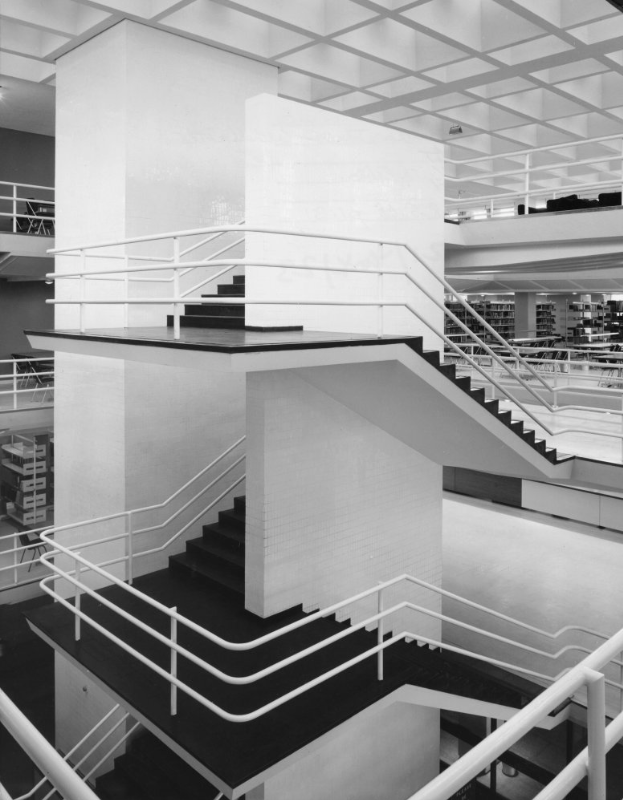
The University of York was founded in 1963 and work on its campus facilities in the grounds of Heslington Hall was begun in 1964. The first two colleges, Langwith and Derwent, accepted residential students for the autumn term of 1965. The original buildings were designed by Sir Andrew Derbyshire of Robert Matthew Johnson-Marshall & Partners, and assembled using the CLASP system of prefabricated construction.
RIBA
Founded in 1956 by architects Robert Matthew and Stirrat Johnson-Marshall, RMJM’s first offices were based in London and Edinburgh.
RMJM is now one of the largest architecture and design networks in the world. Services include architecture, development management, engineering, interior design, landscape design, lead consultancy, master planning, product design, specialist advisory services, and urban design
Langwith College 1965 – photo Reginald Hugo de Burgh Galwey
Constructed using the Consortium of Local Authorities Special Programme – CLASP system, formed in 1957 by Local Authorities in England to develop a shared prefabricated system for the construction of school buildings. The resulting CLASP building system was initially developed by Charles Herbert Aslin, the county architect for Hertfordshire.
CLASP’s popularity in coal mining areas was in part because the system permitted fairly straightforward replacement of subsidence-damaged sections of building, and the lightness of the structures. The system was also later used for the construction of railway stations, offices, university buildings, and churches until the late 1970s.
Today, 3000 examples are still in use.
Photo – Keith Gibson 1965
The system utilised prefabricated light gauge steel frames which could be built economically up to a maximum of four storeys. The frames were finished in a variety of claddings and their modular nature could be employed to produce architecturally satisfying buildings. Initially developed solely for schools, the system was also used to provide offices and housing.
The cynics’ definition of the CLASP acronym, circulating in the 1970s, was:
collection of loosely assembled steel parts.
CLASP buildings fell out of favour in the late 1970s. Budgetary advances and changing architectural tastes made the scheme obsolete.
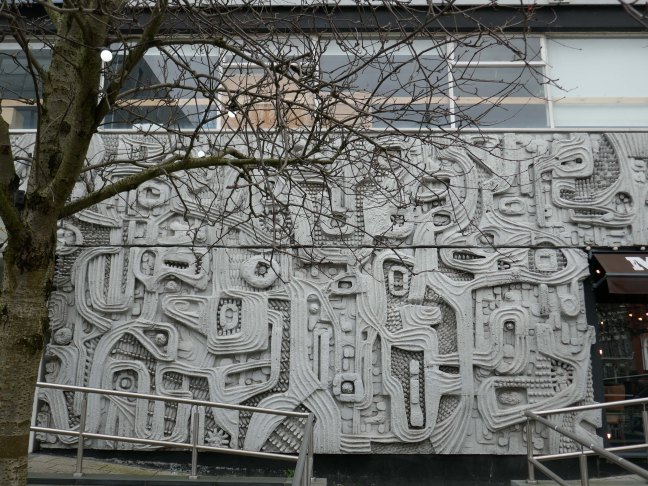
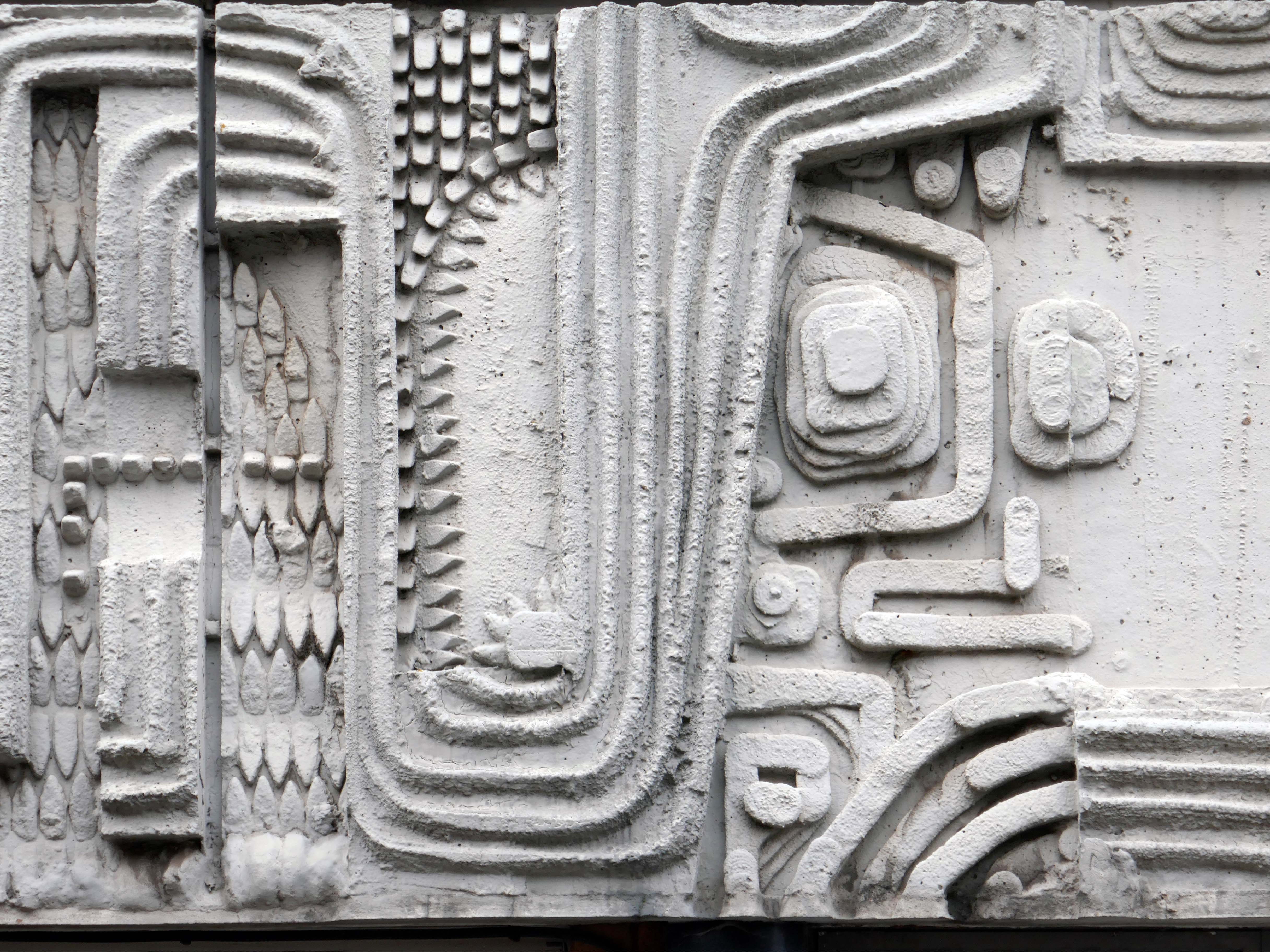
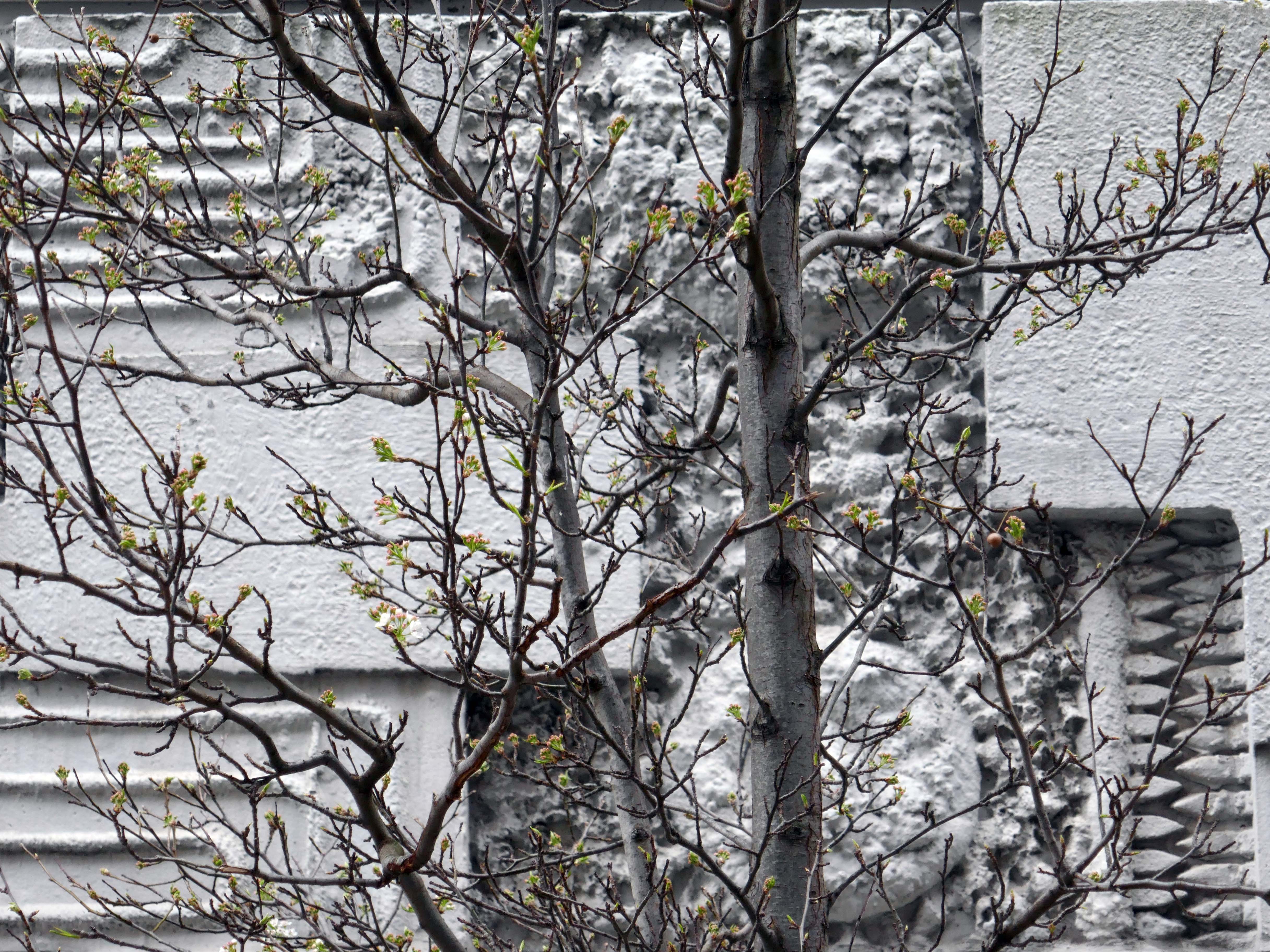
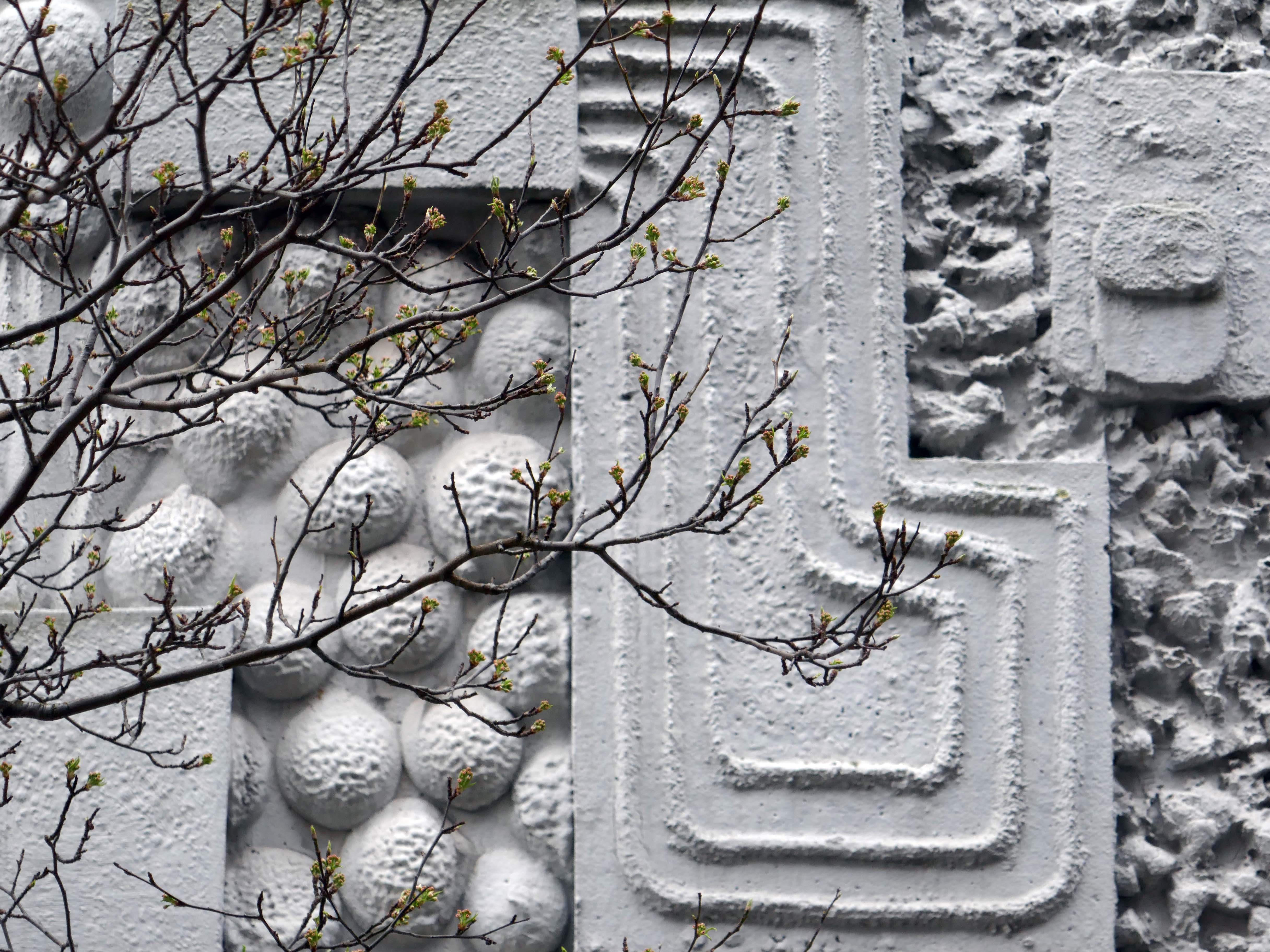
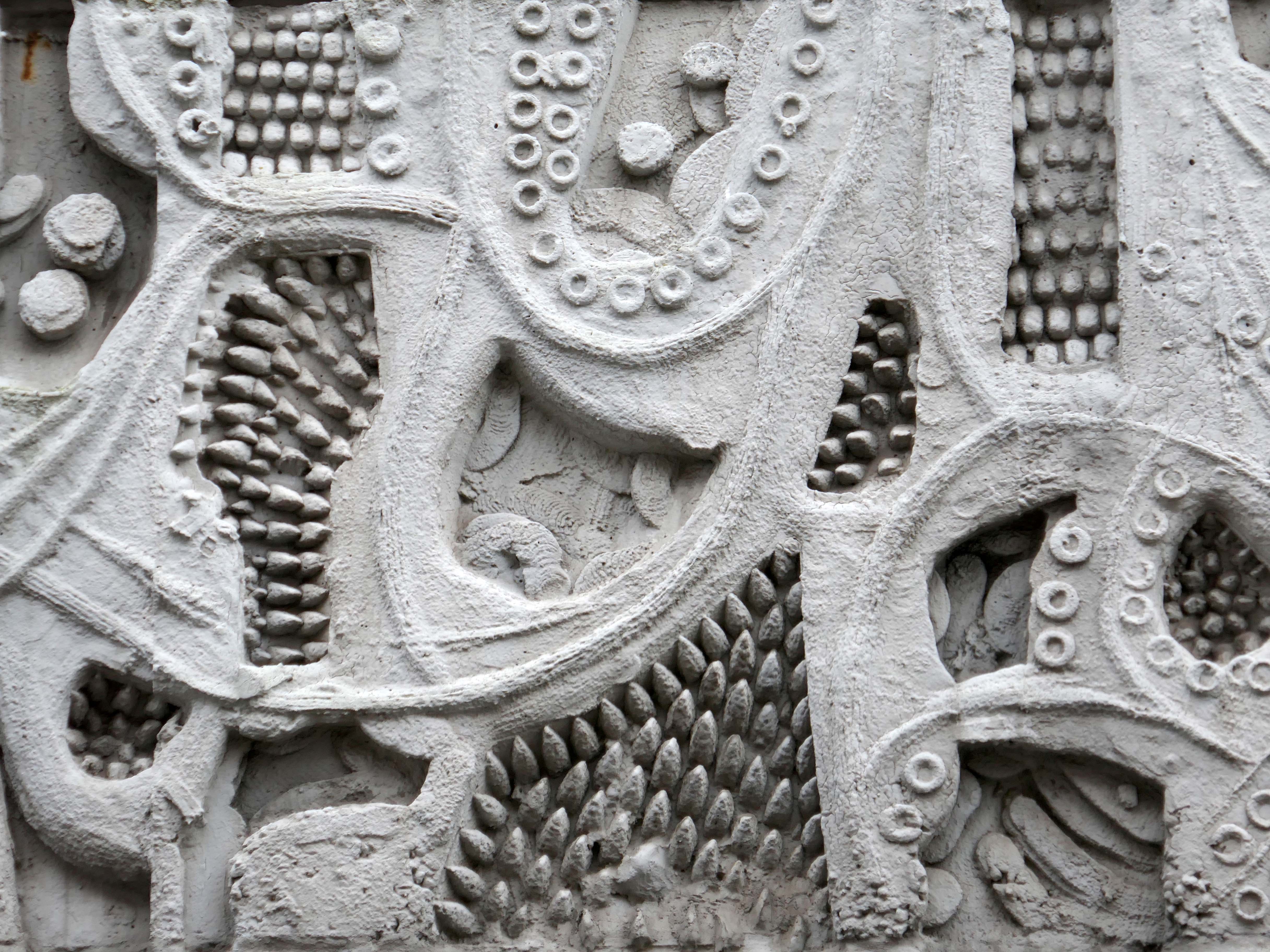
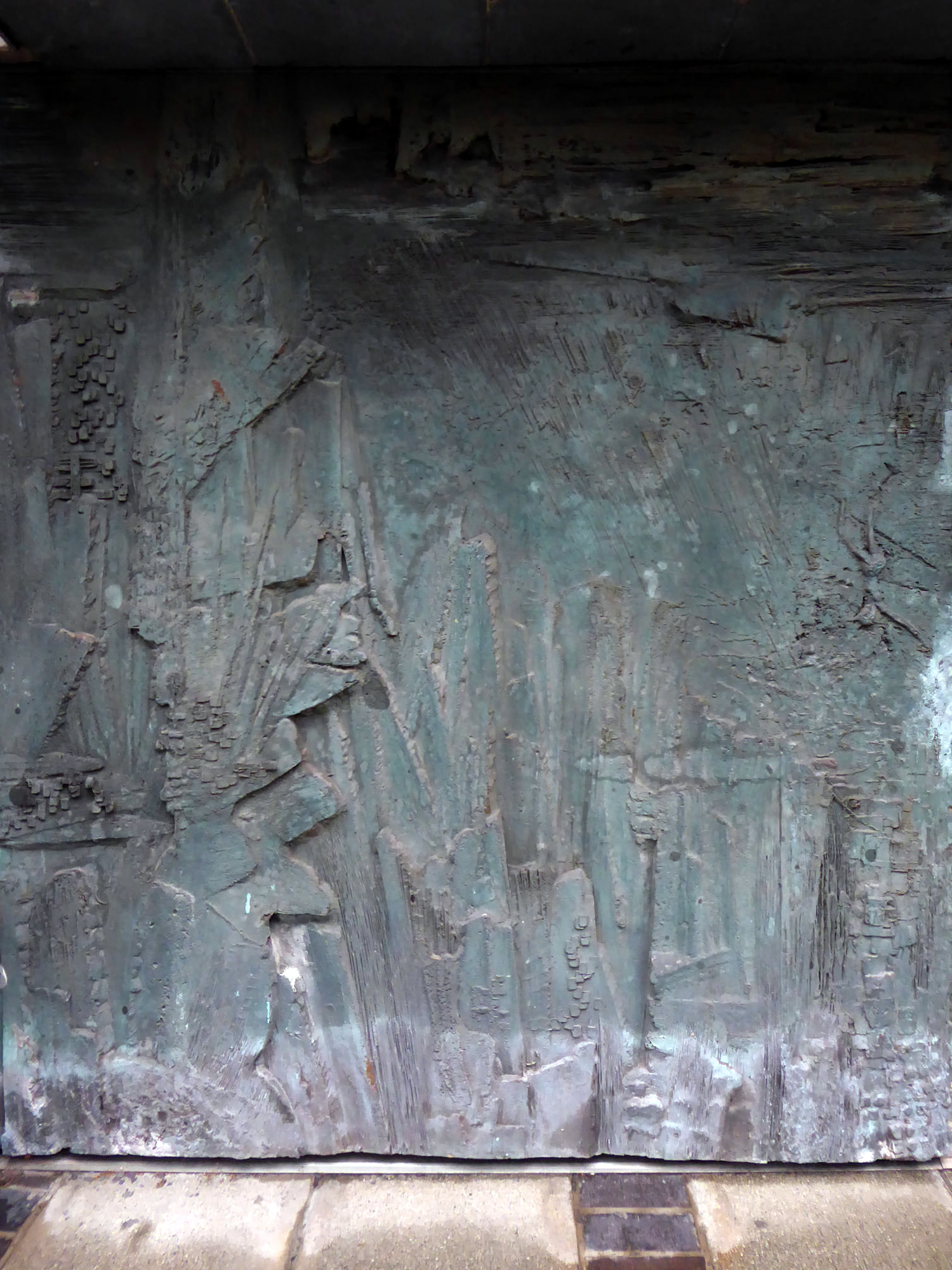
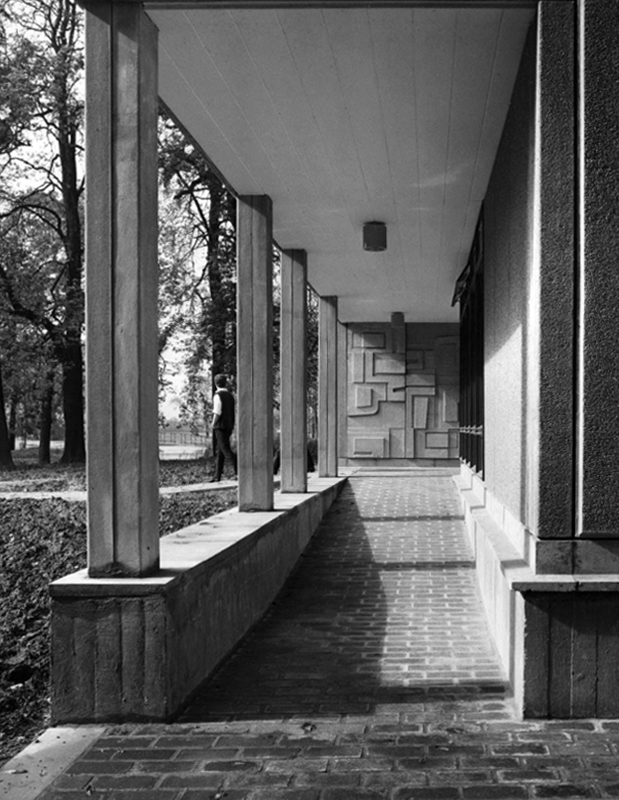
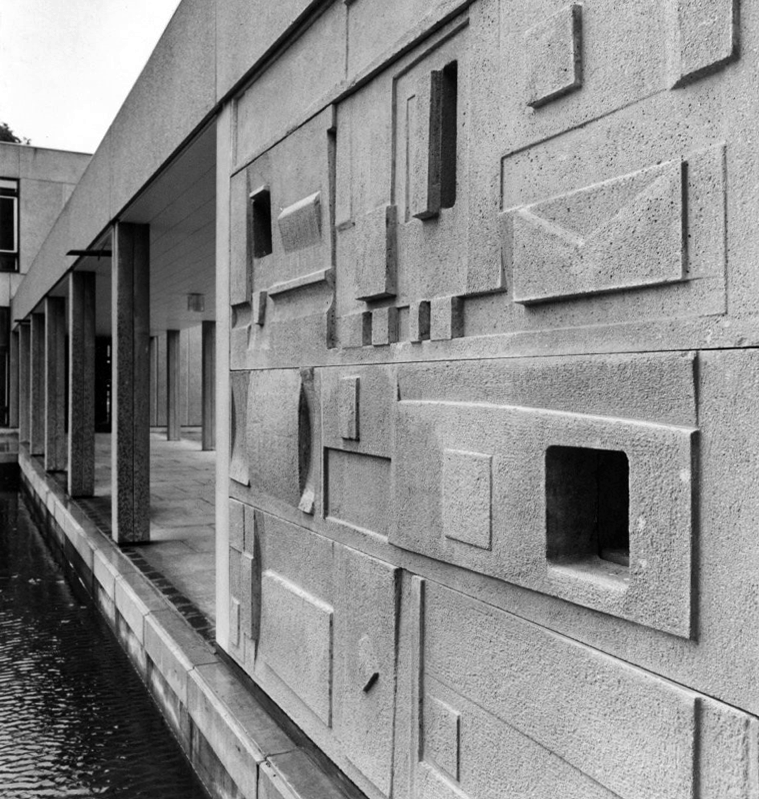
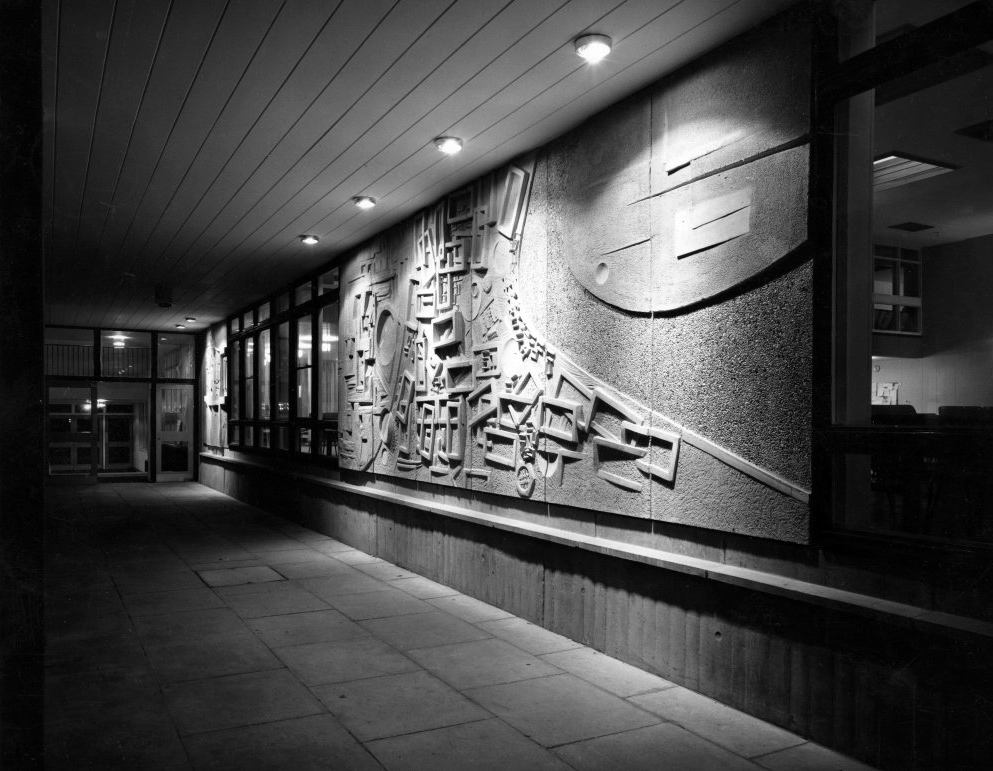
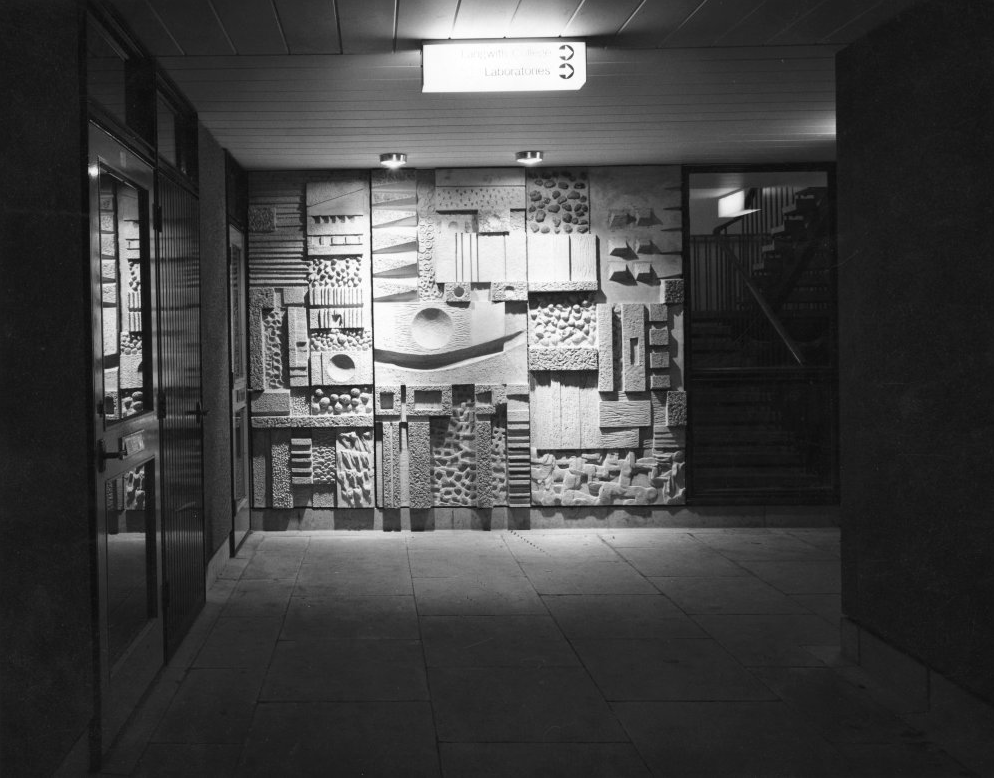
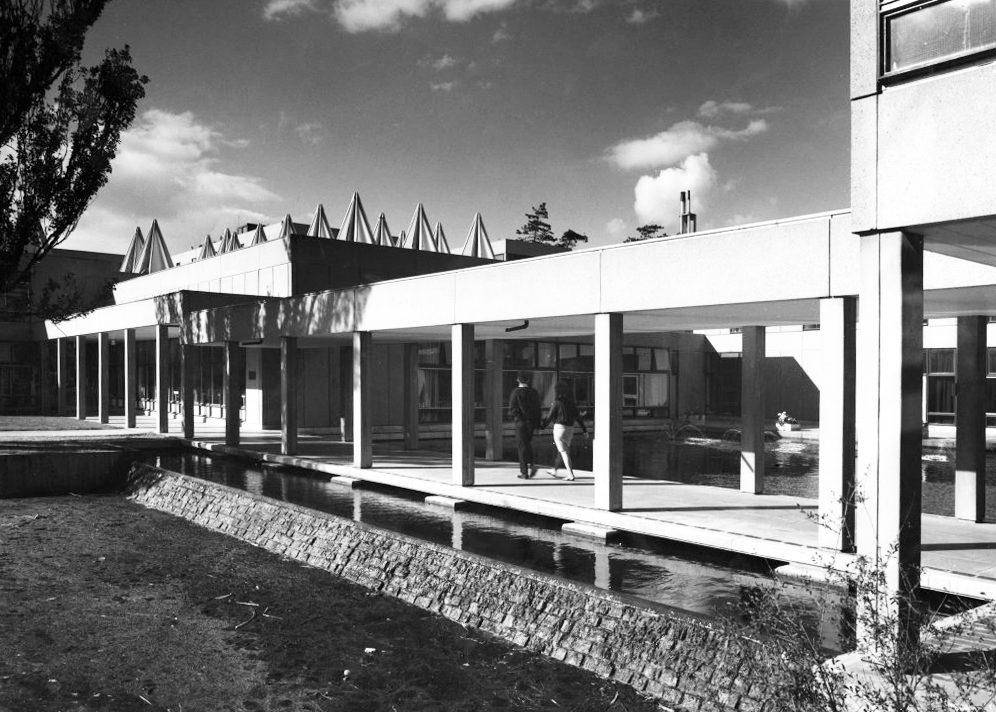
Walkway Derwent College with concrete relief by Fred Millett 1965
Photos 1965 Bill Toomey
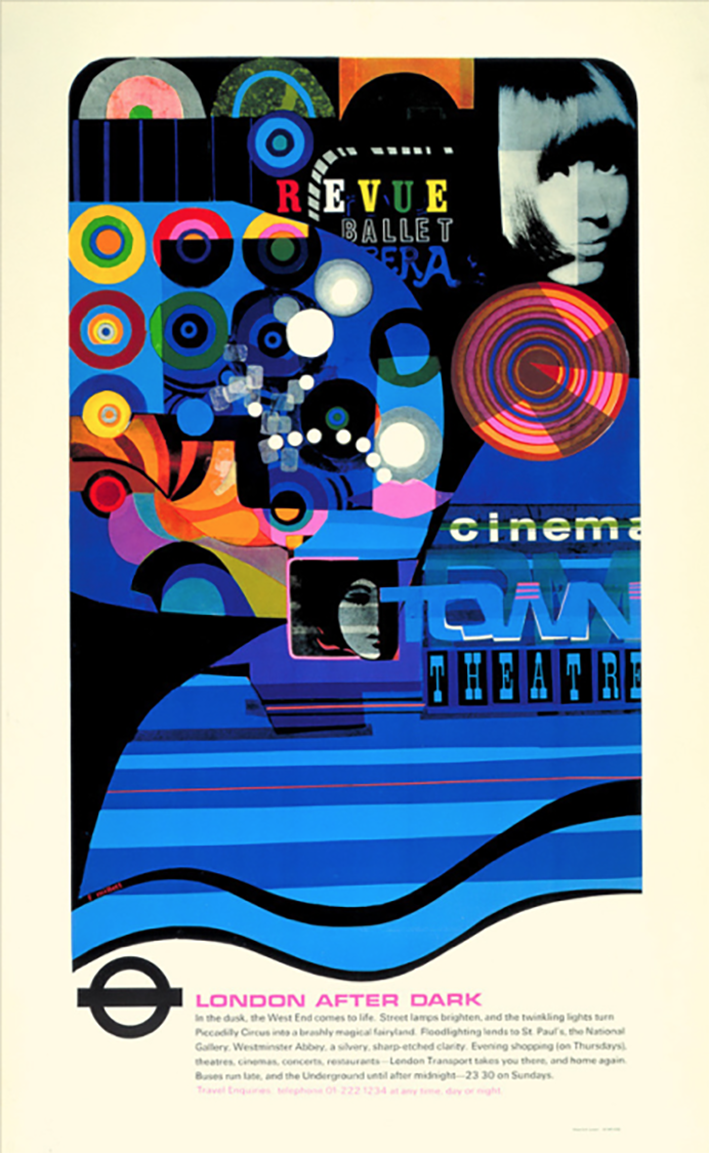
Fred Millett 1920–1980 was a muralist and poster artist who exhibited at the Festival of Britain and was commissioned by London Transport, National Westminster Bank, University of York and the General Post Office. He also taught Perception and Communication at the Polytechnic of Central London.
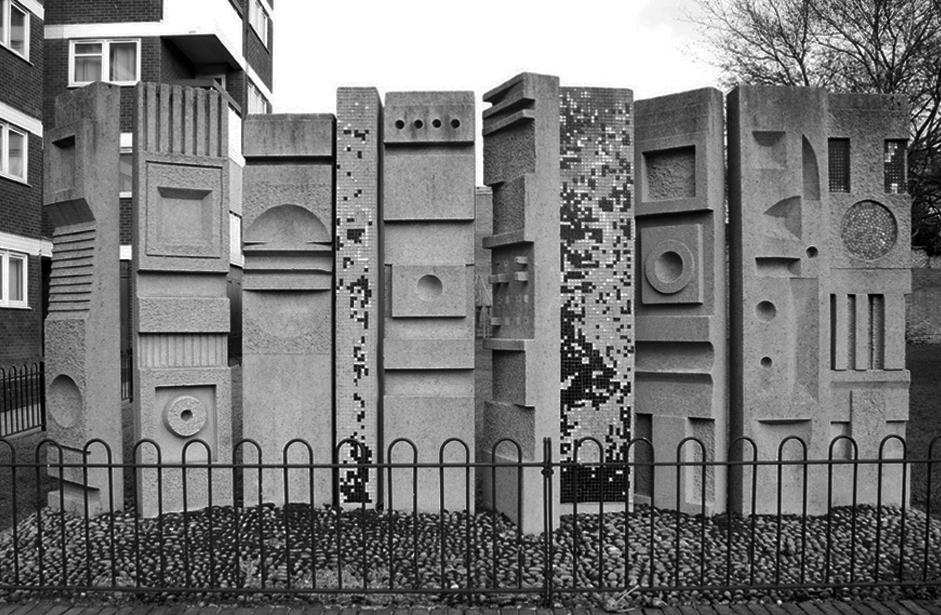
Fred Millett – Sculpted Wall Raglan Estate Camden 1965
Originally part of the children’s playground, the work is a feature of a post war estate designed by Frank Scarlett in Kentish Town
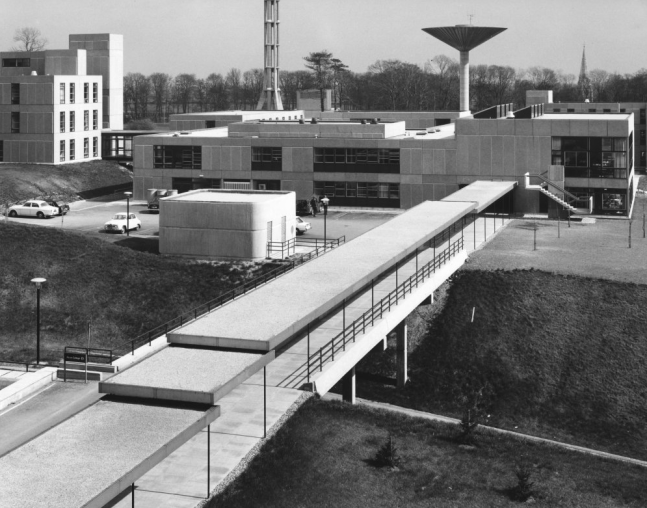
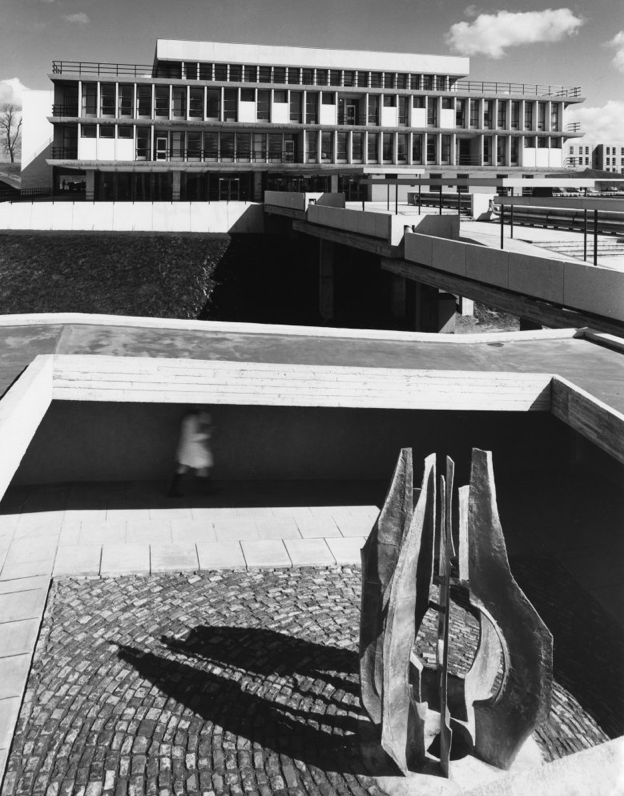
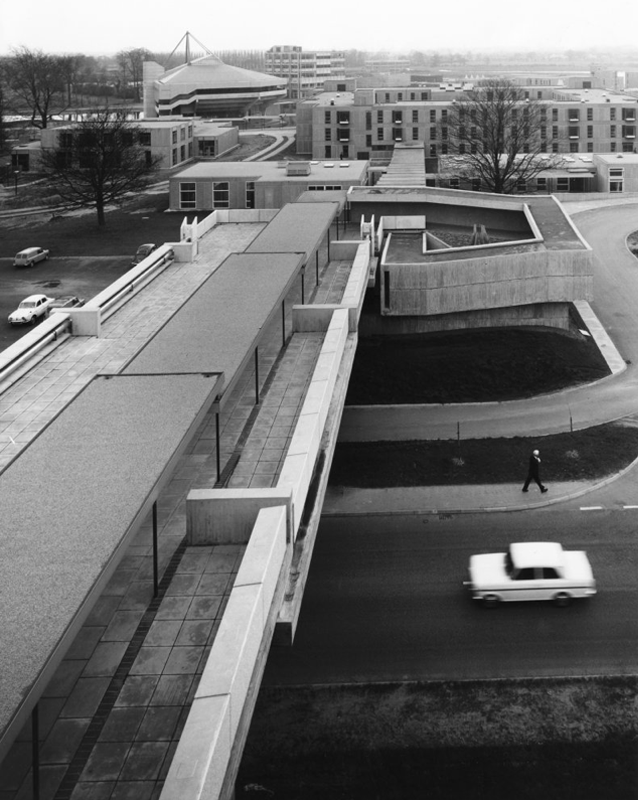
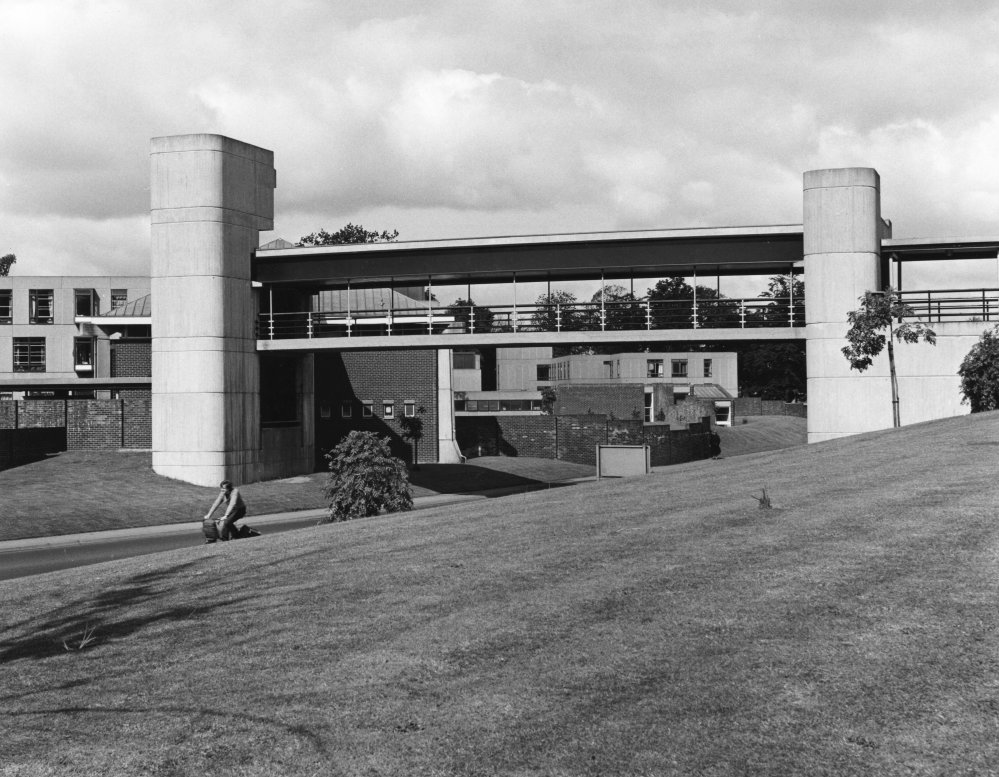
JB Morrell Library seen from the south side of Heslington Road with linking pedestrian bridge and ramp in foreground and cast aluminium sculpture by Austin Wright.
Austin Wright 1911-1997 is a significant post-war sculptor whose personal and professional lives were deeply intertwined with the city of York.
He was born on 4th June 1911 in Chester but spent his childhood in Cardiff. Though a largely self-taught artist, Austin took evening classes at Cardiff Art School. Austin attended New College, University of Oxford for his degree in Modern Languages before he started his teacher training. His first job as a teacher started in 1934 at The Downs, Malvern in Worcestershire. The school attracted artistic people. W.H. Auden taught English for example, and the art master organised a Dada exhibition one year. Here, Austin taught painting and sculpture as well as French and German.
Covered pedestrian bridge linking the southern side of the campus to the JB Morrell Library on the north side.
Central Hall
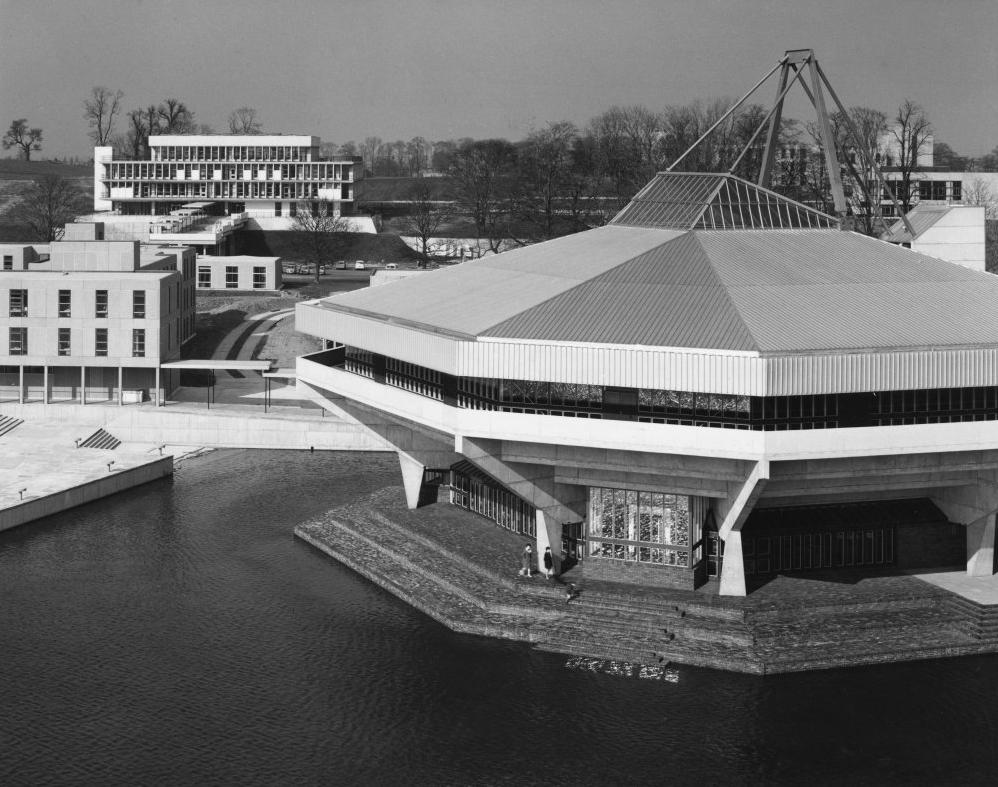
Colloquially known as The Spaceship designed by John Speight, constructed in 1966–1968. The hall is seen as a tour de force of the university, appearing on merchandise and often used as a background for university publicity.
Central lecture and recreation hall to the University of York, 1966-1968 by Robert Matthew, Johnson-Marshall & Partners with Stirrat Johnson-Marshall and Andrew Derbyshire as partners in charge, and John Speight as job architect.
* it forms part of a wave of seven new universities that improved access to higher education and marked the high point of publicly-funded architecture in post-war Britain;
* it is a physical manifestation of the University of York Development Plan, which was heralded as the beginning of contemporary university planning in Britain;
* it continues a historic tradition established by late-C19/early-C20 ‘red brick’ universities of featuring a great hall for special events.
* it has an imaginative and bold design with a striking architectural form and massing that is the focus of the most dramatic views across the campus lake;
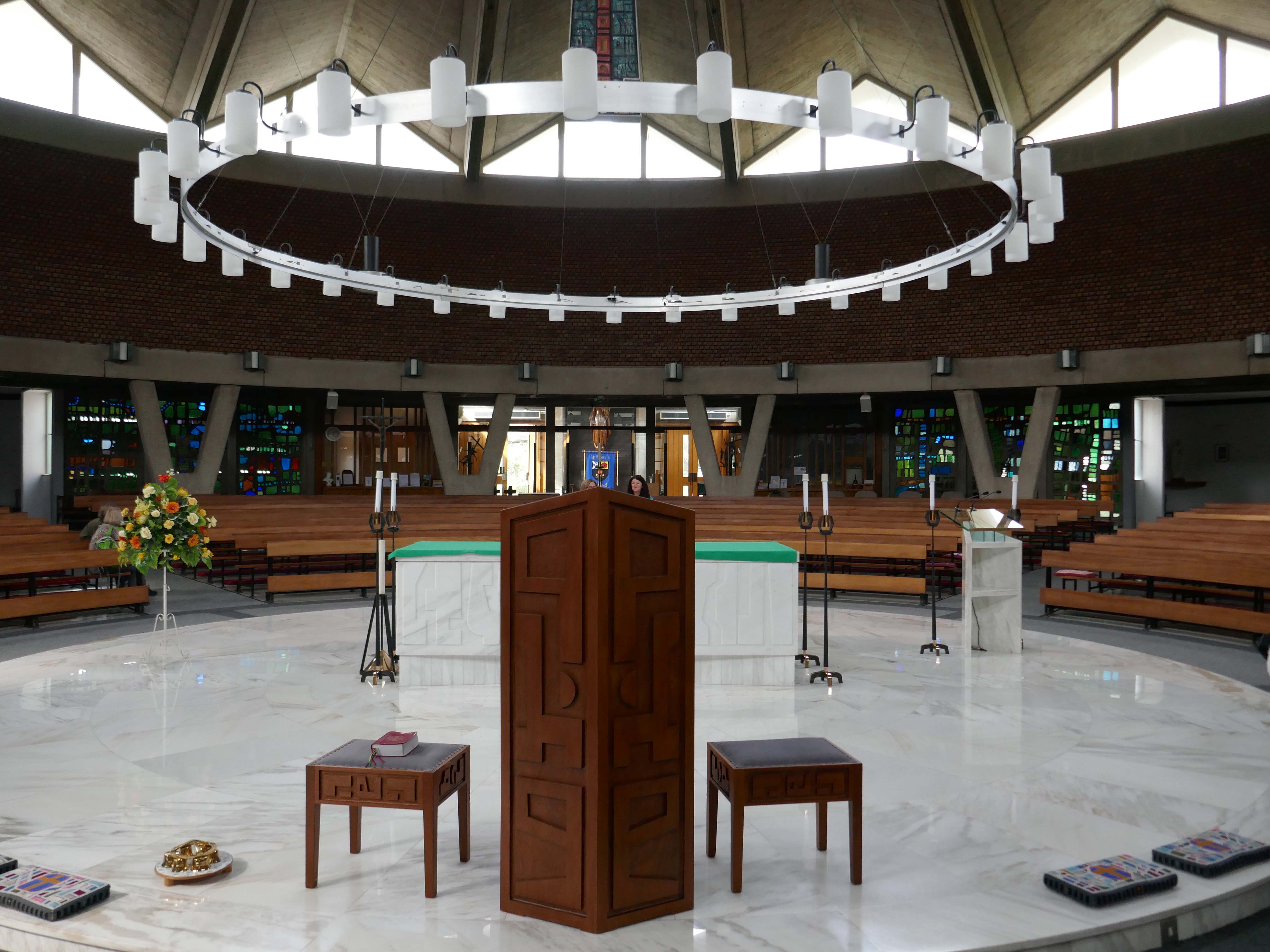
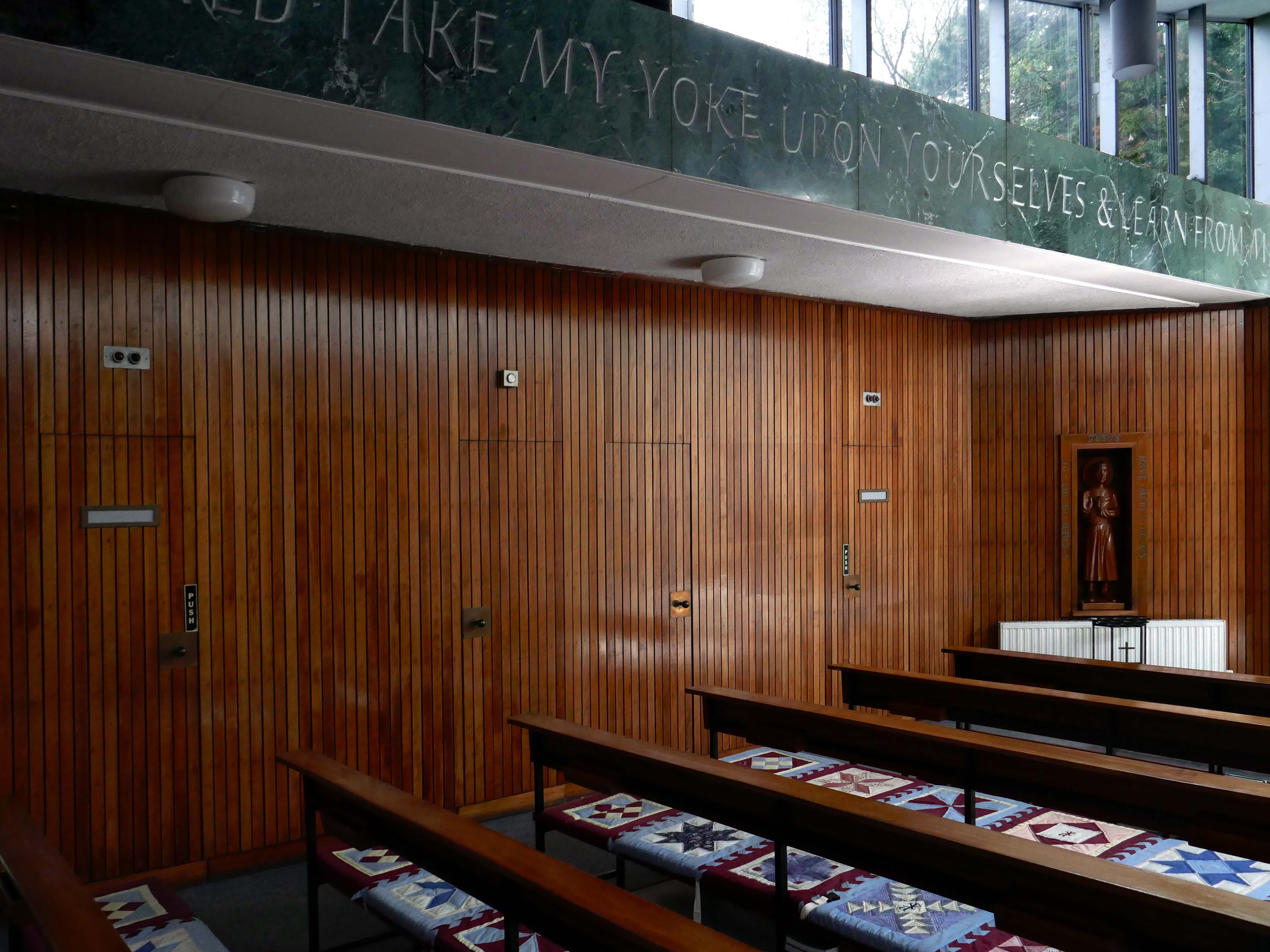
May I first thanks Parish Administrator Catherine, for taking the time to open the church for our visiting group of Modernists this Saturday – and providing us with the warmest of welcomes, along with a brew and a biscuit or two.
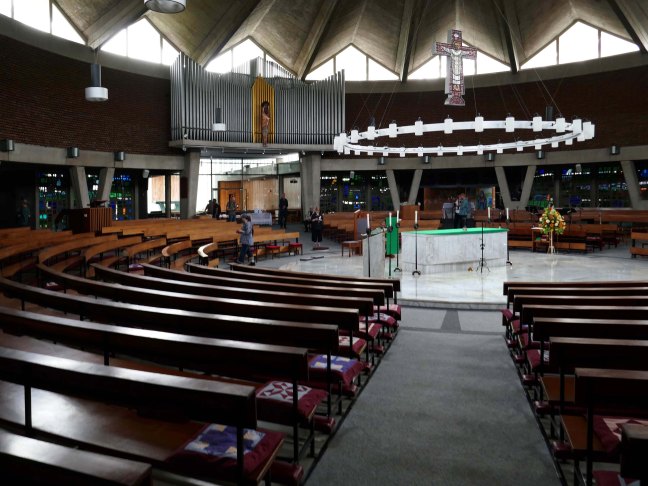
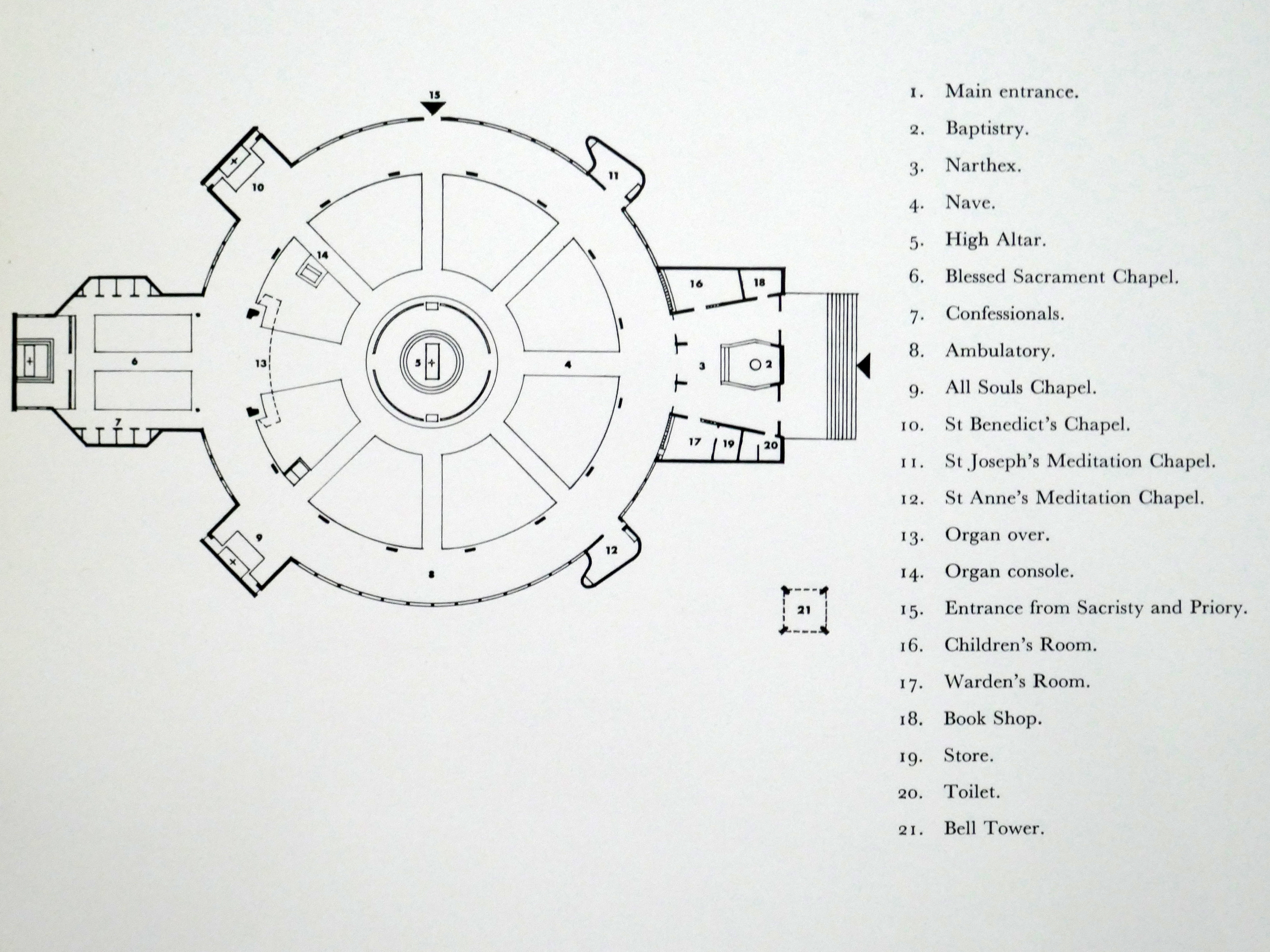
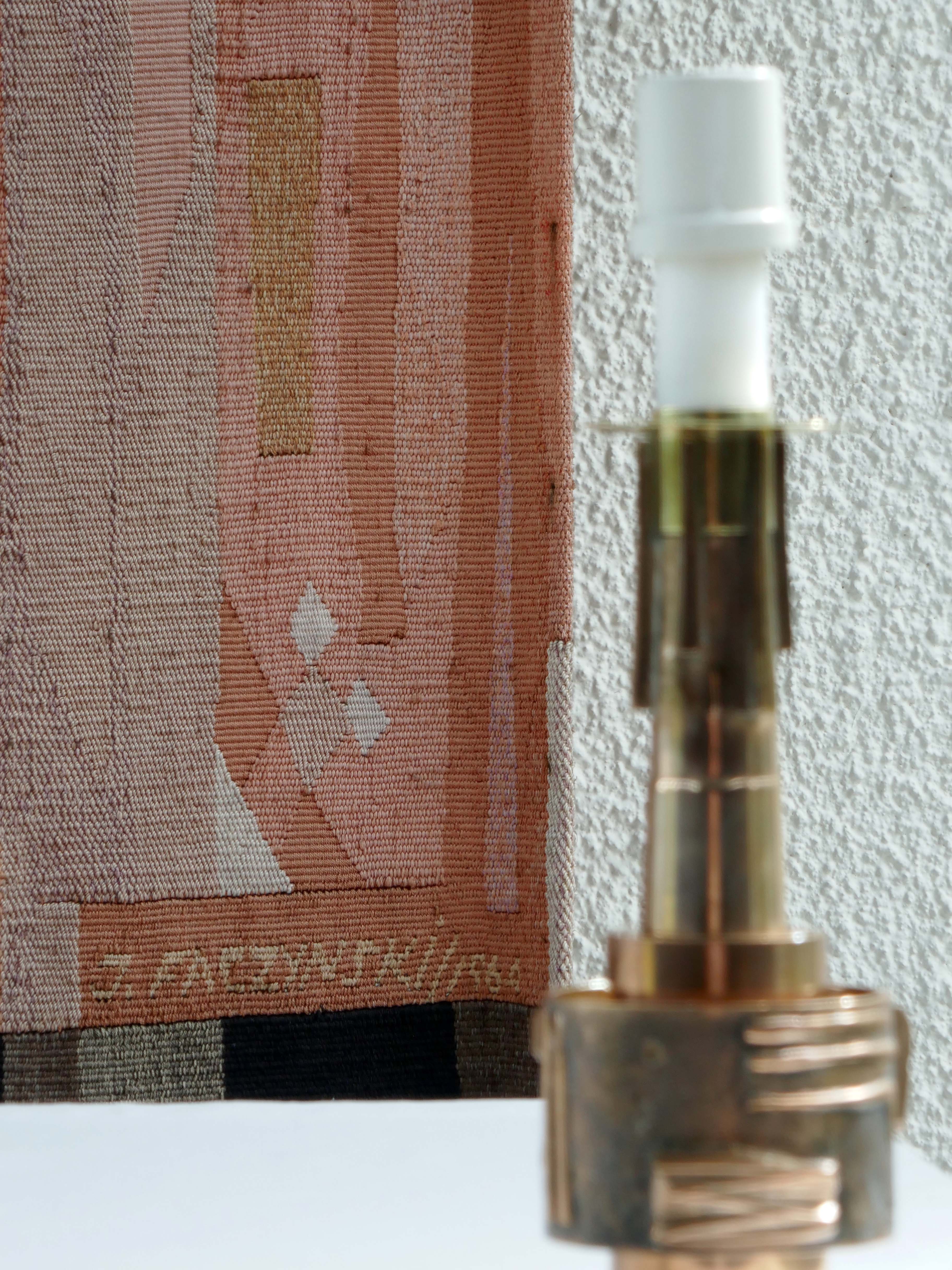
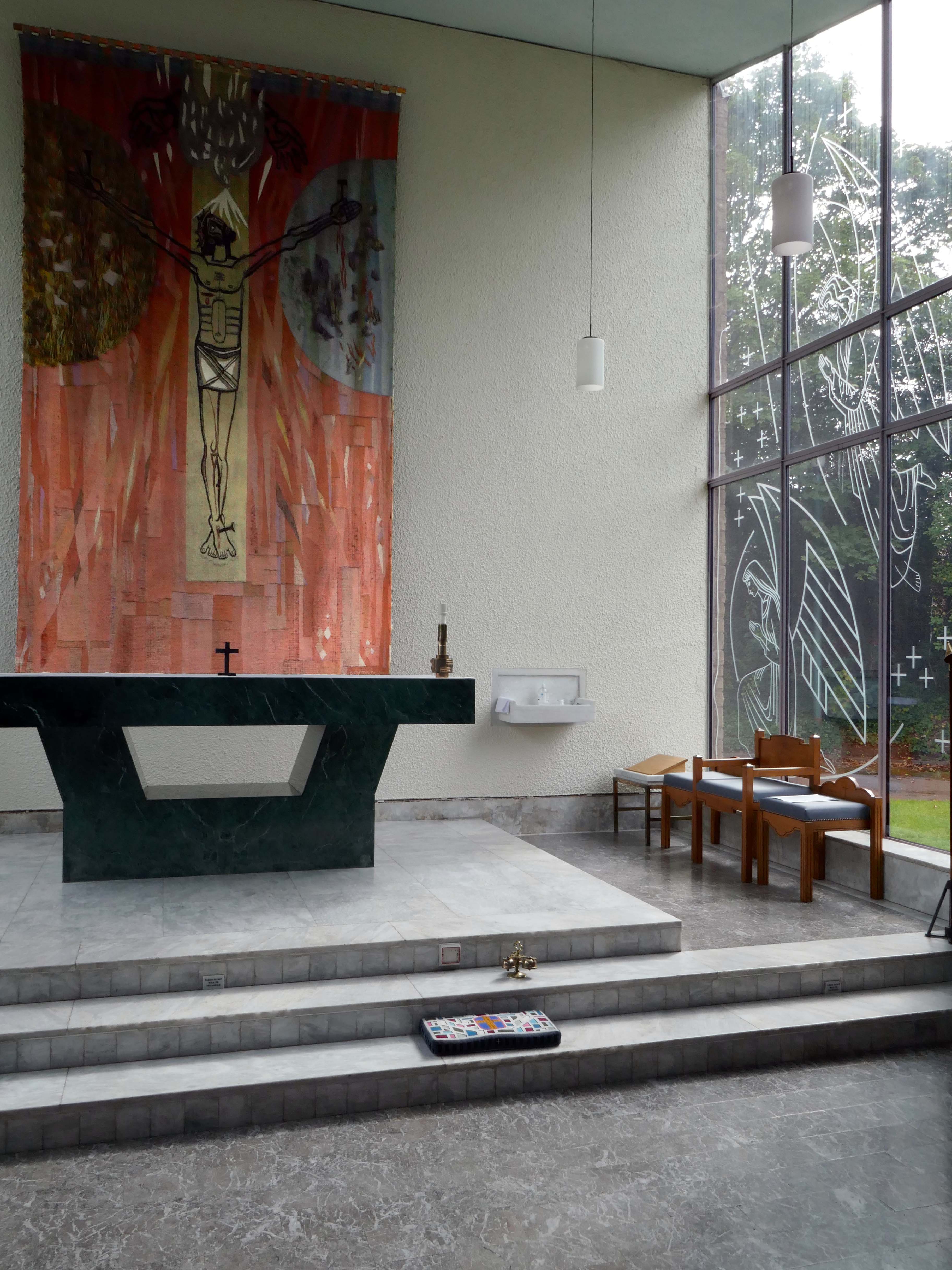
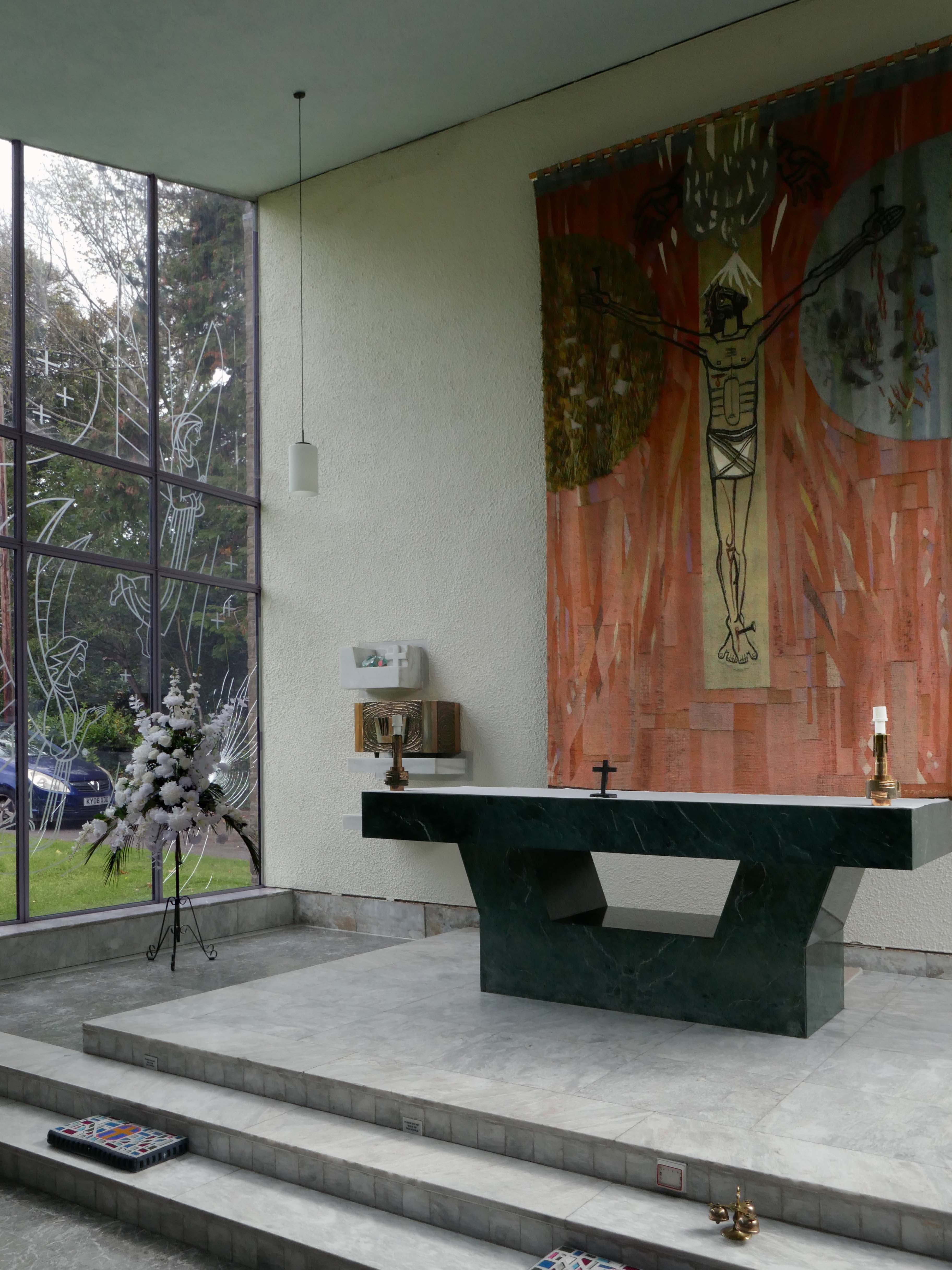
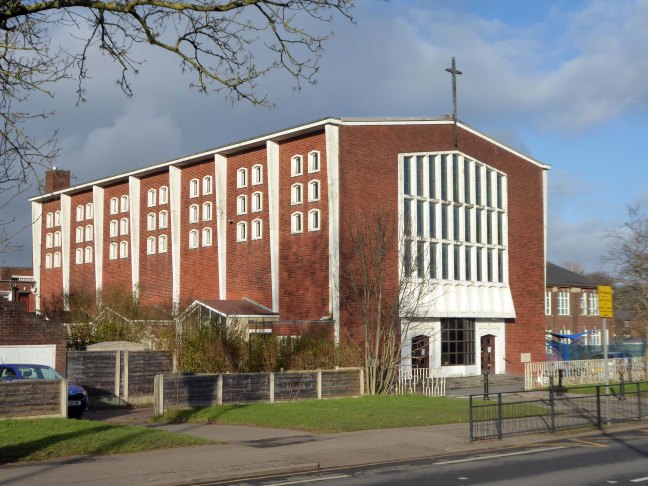
The church was designed by Jerzy Faczynski of Weightman and Bullen. Cardinal Heenan blessed the foundation stone in 1962 and the new church was completed ready for its consecration and dedication by Archbishop Beck in April 1964.
The church is a testament to the ambition, imagination and optimism of its age. Significantly, the building was the collaborative work of both immigrant and native architects, artists and designers.
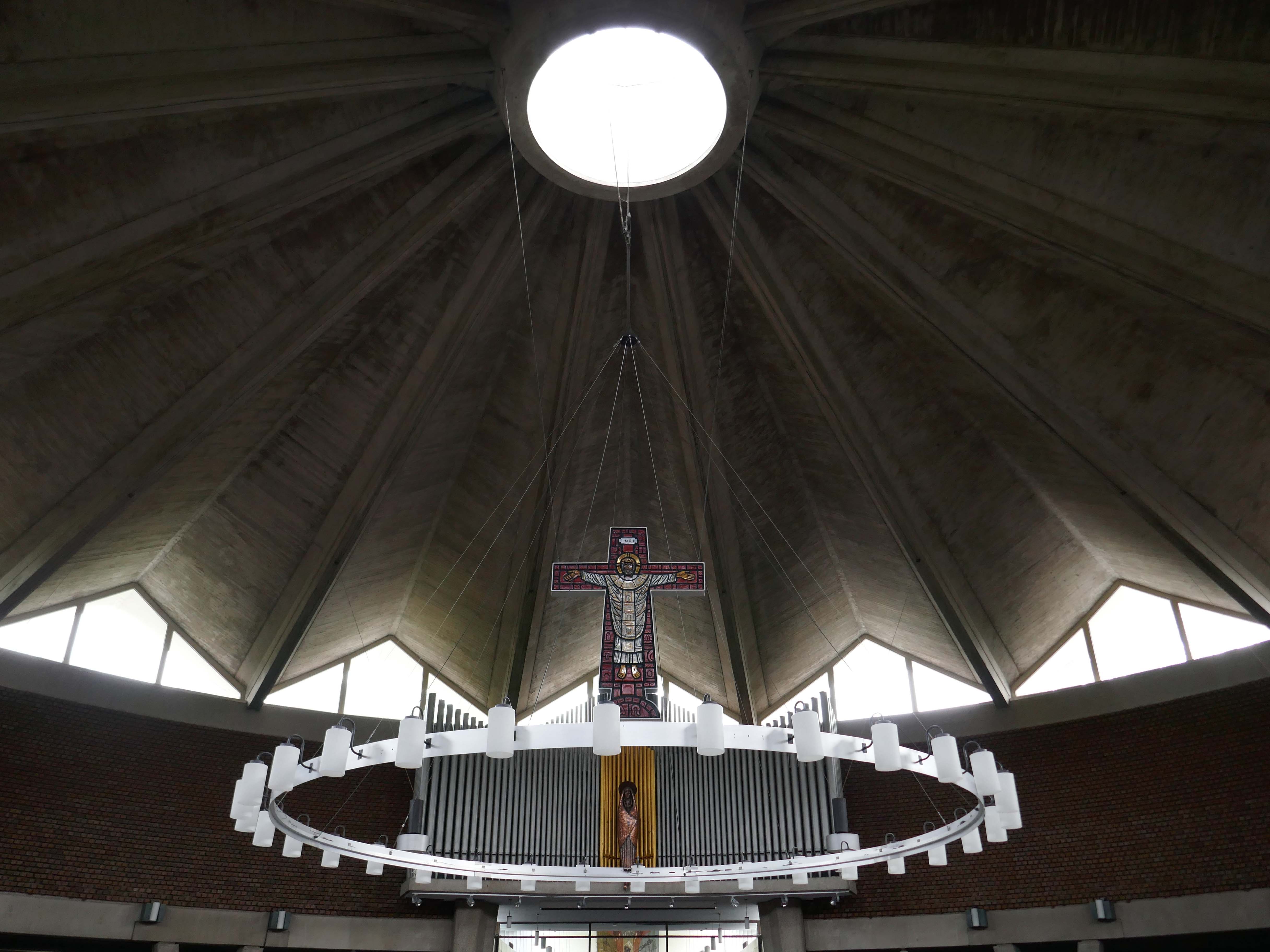
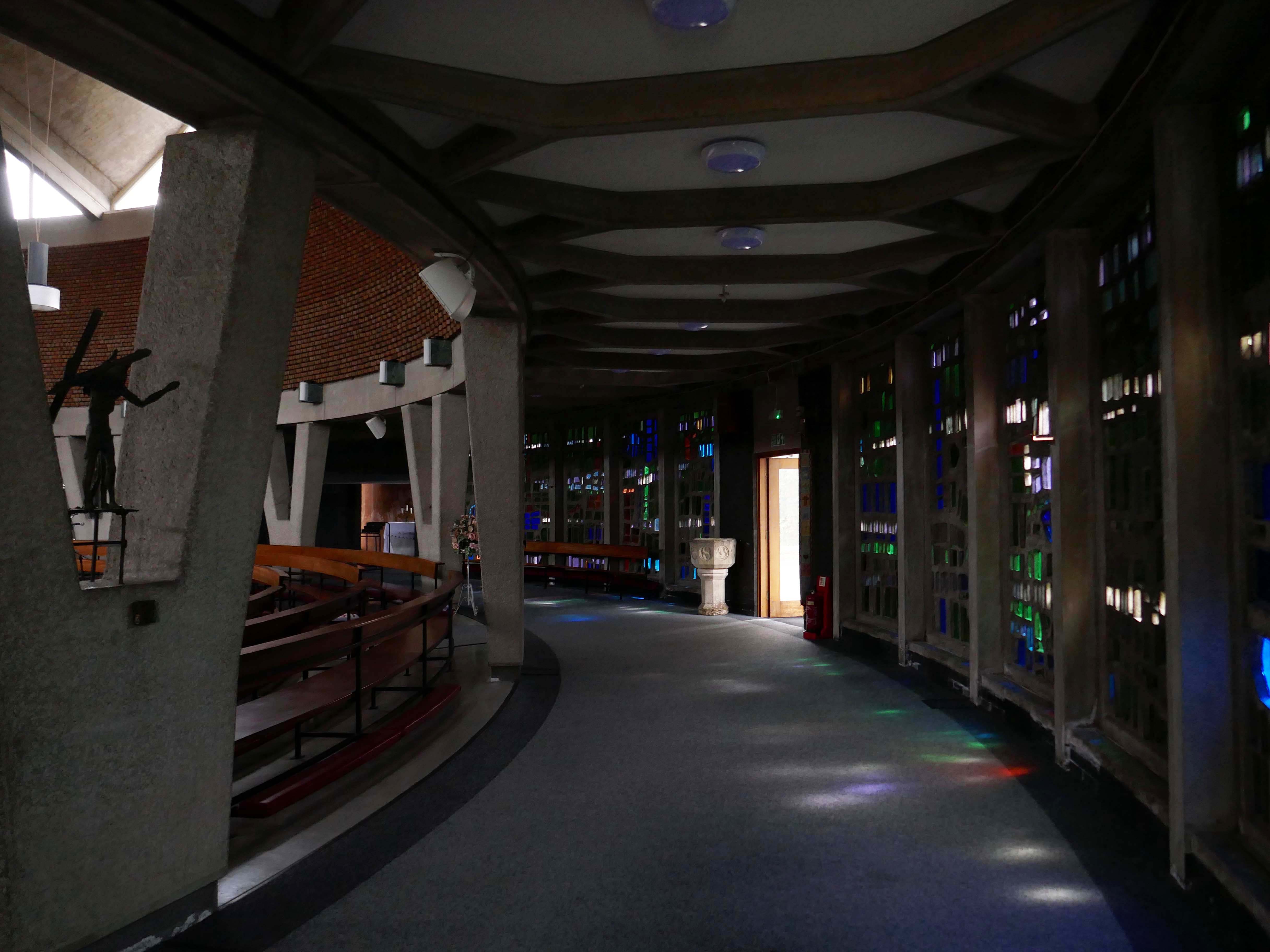
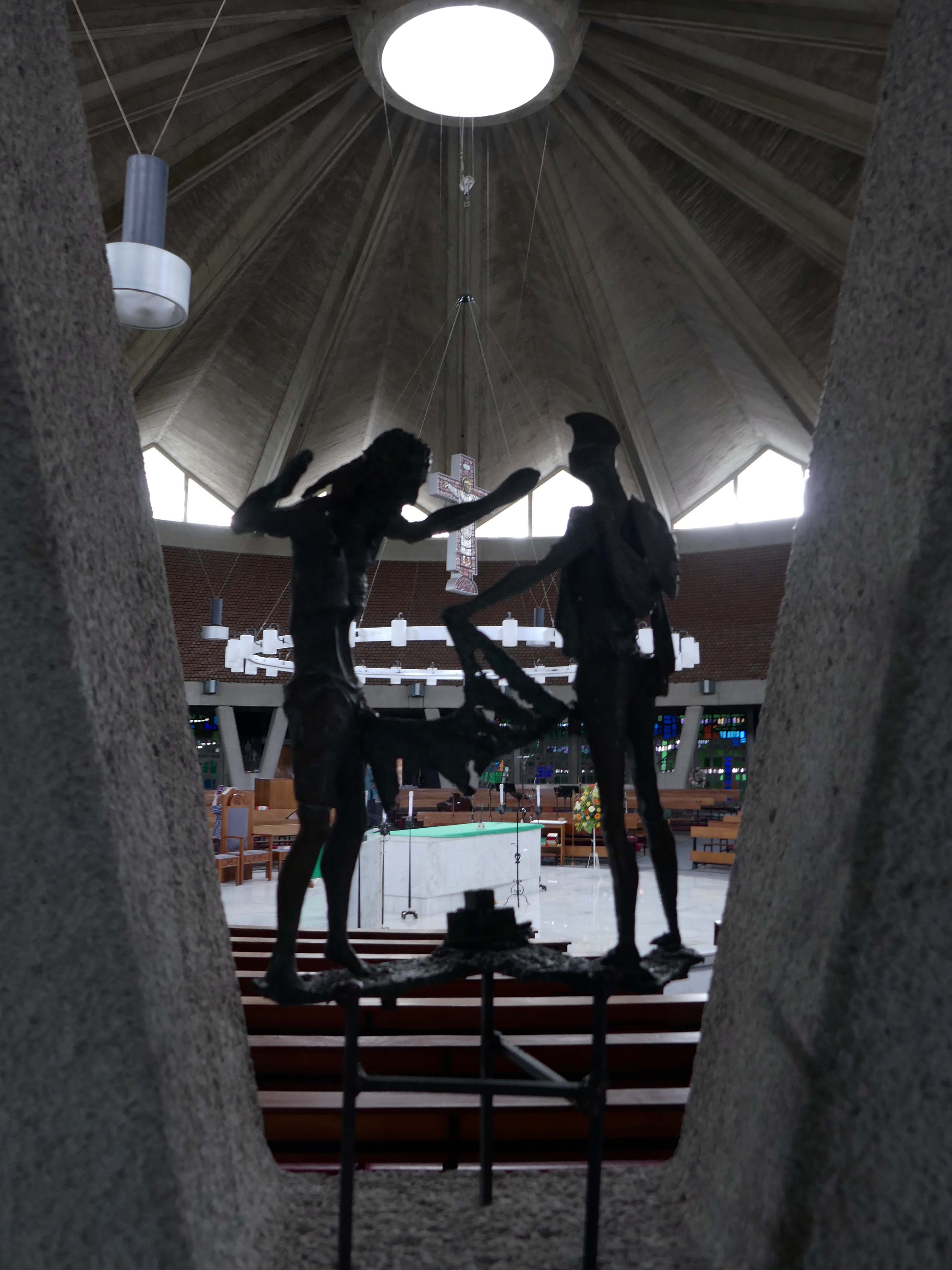
A folded slab roof of ninety five feet in diameter, its concrete cast on site, bearing the marks of the wooden shuttering, contrasting with the smooth surface of the pre-cast valley beams.
The Crucifix Rex frame is by Alan Roberts and the ceramic figure by Adam Kossowski.
The organ is designed by JW Walker & Son.
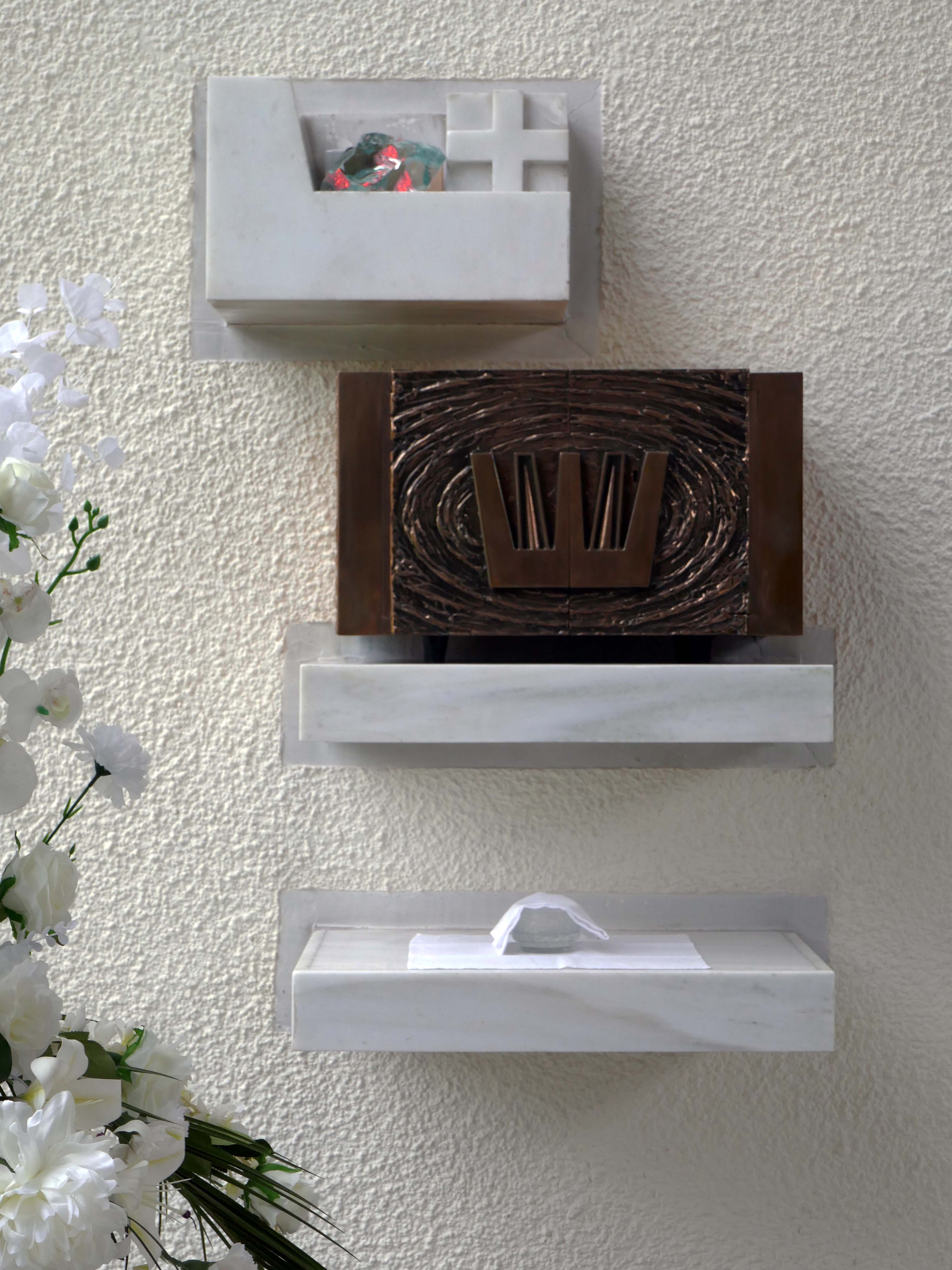
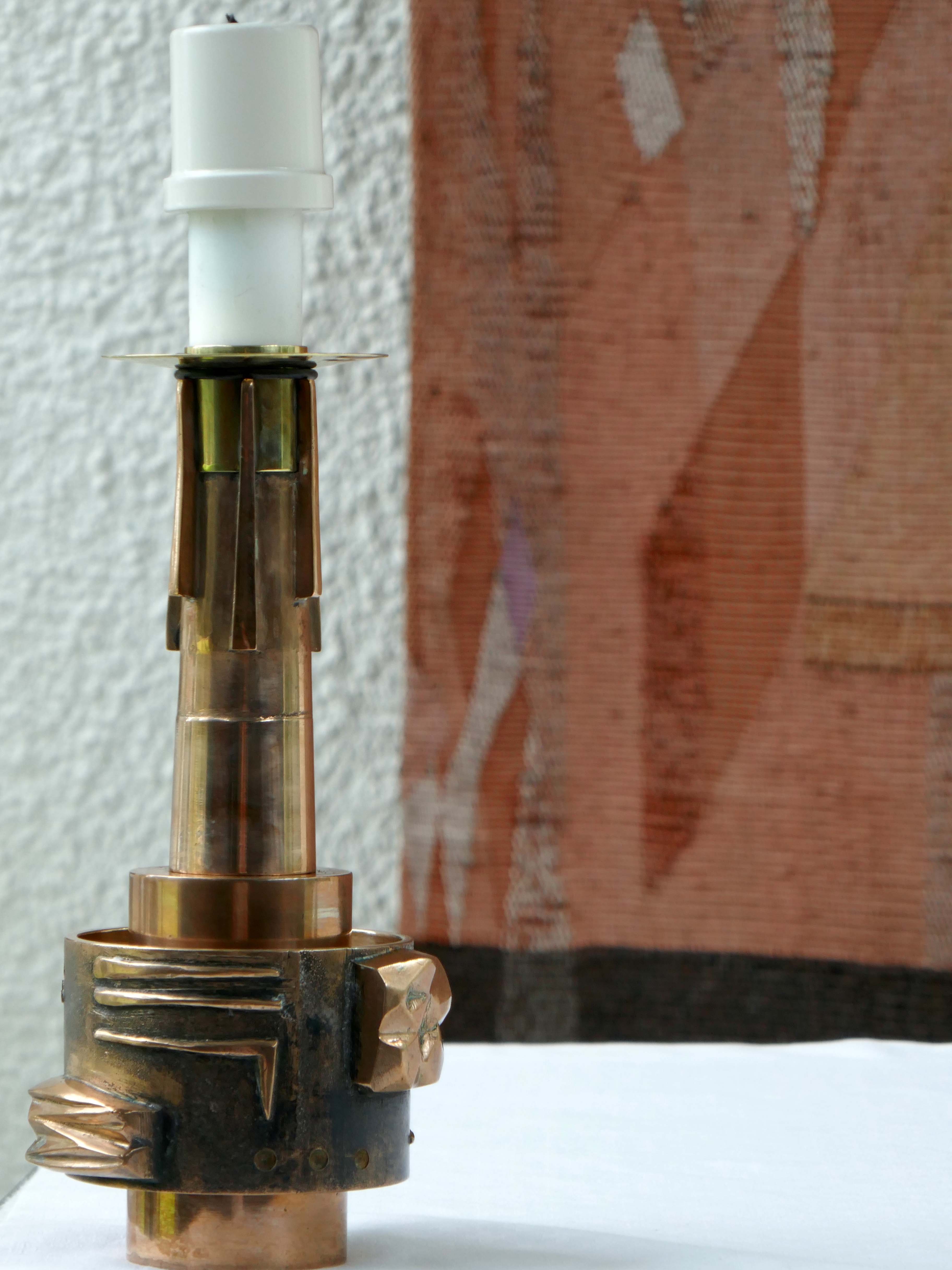
The candlesticks and metal furnishings in all the Chapels were fashioned in the foundry of Messrs Bagnall of Kirkby to the design of Robin McGhie.
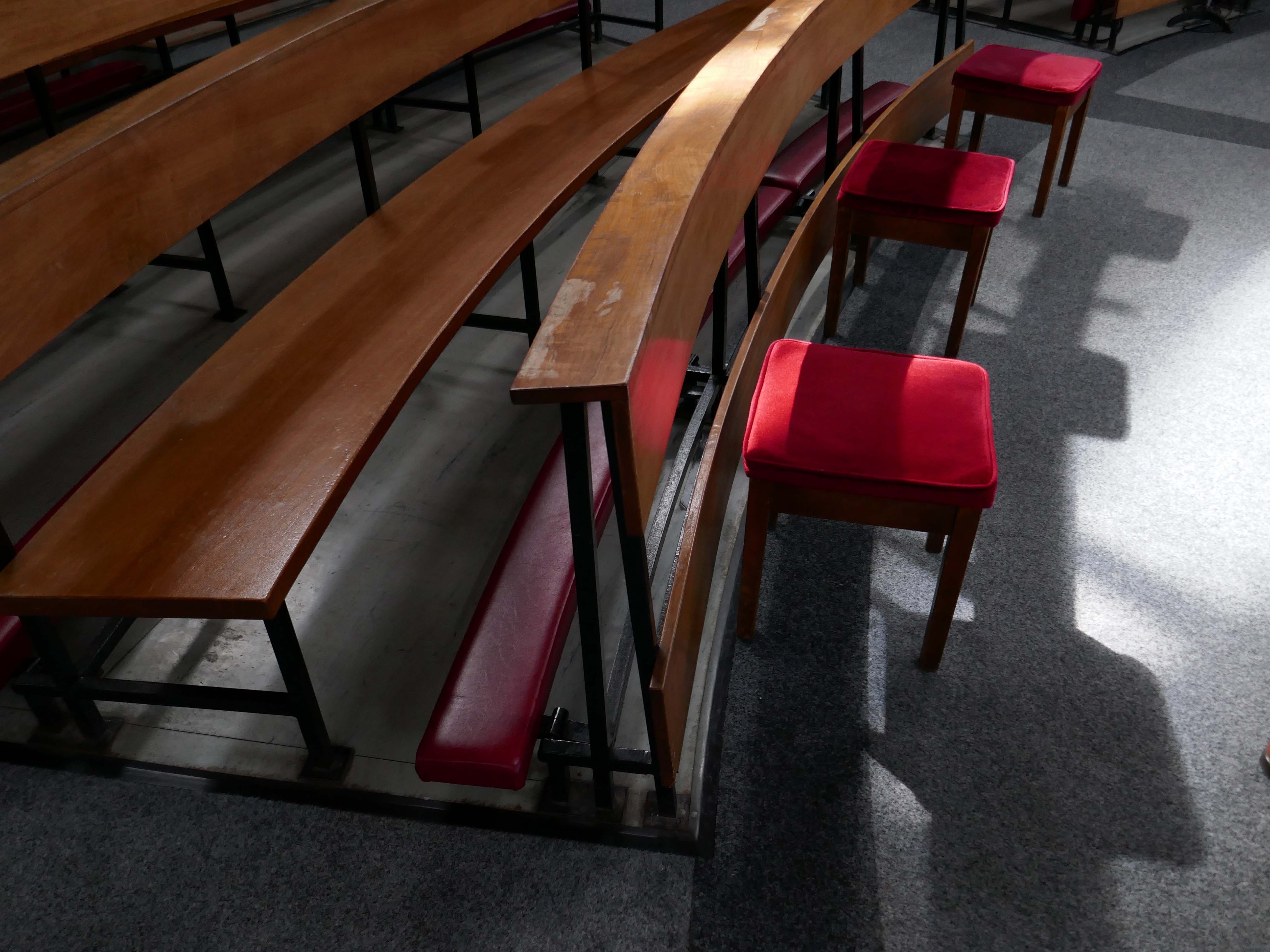
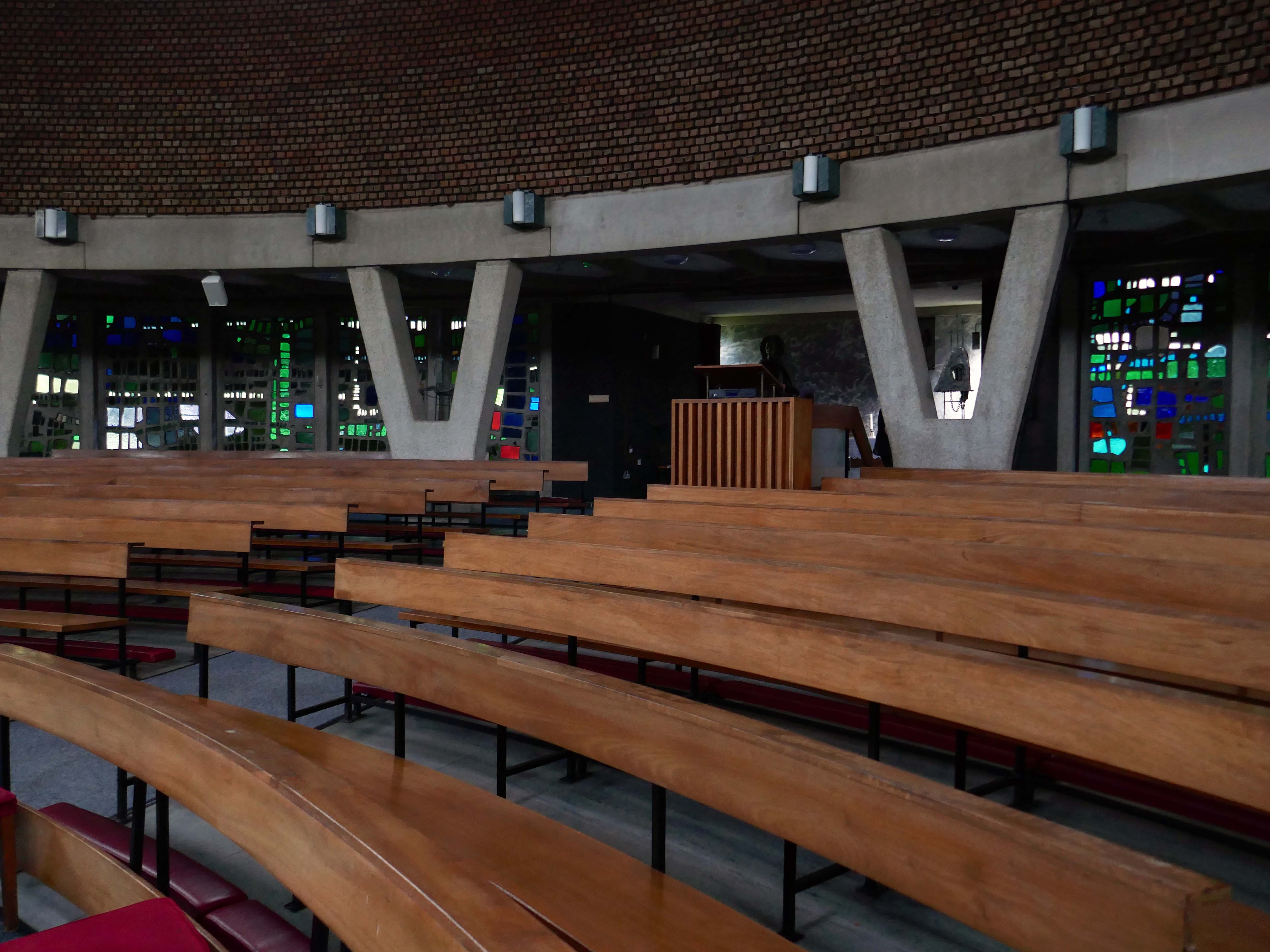
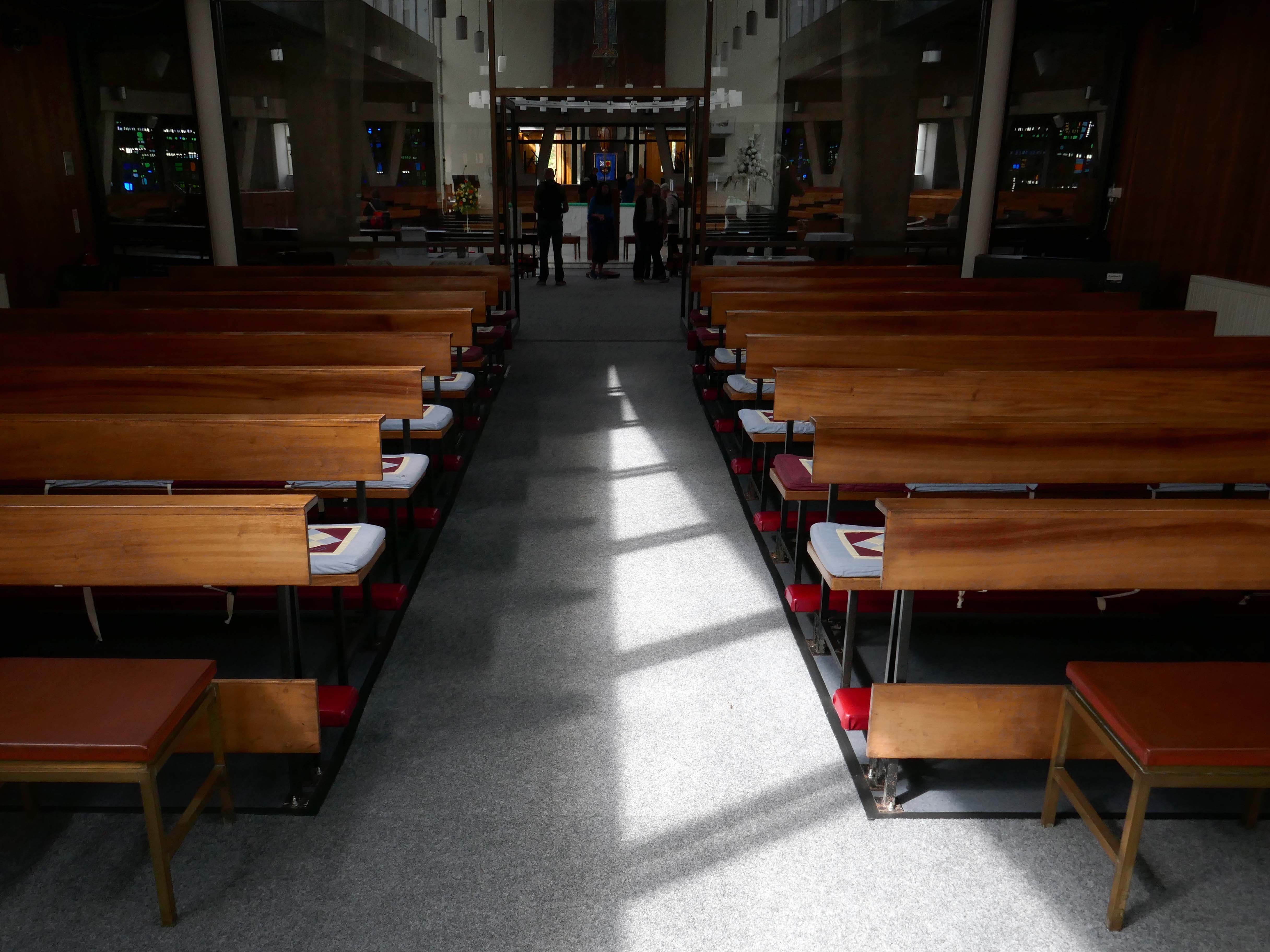
The curved benches are of Ghana mahogany and were made by the Robert Thompson Craftsmen of Kilburn, the steel work by GS Graham of Stokesley. The distinctive Mouseman mouse can be found on several of the bench ends.
Dalle de Verre stained glass by Patrick Reyntiens, thirty-six panels abstract totalling two hundred and thirty three feet in length.
The theme for the windows is taken from the first nine verses of Genesis, and the passage of Proverbs c. vii. Amorphous undifferentiated matter with the beginnings of definition and pattern, with here and there the promise of order and system.
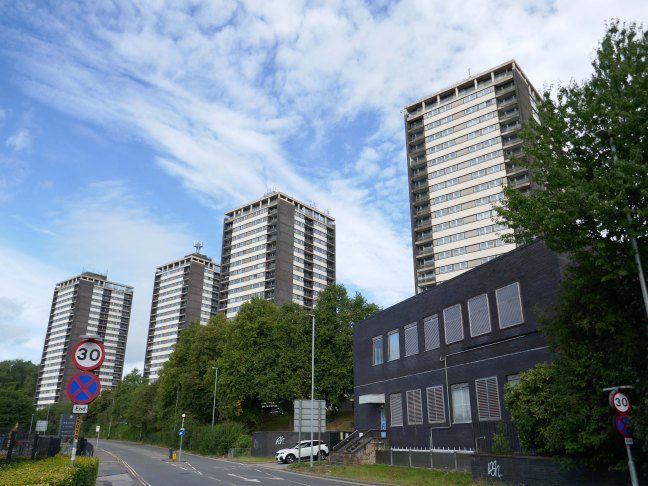
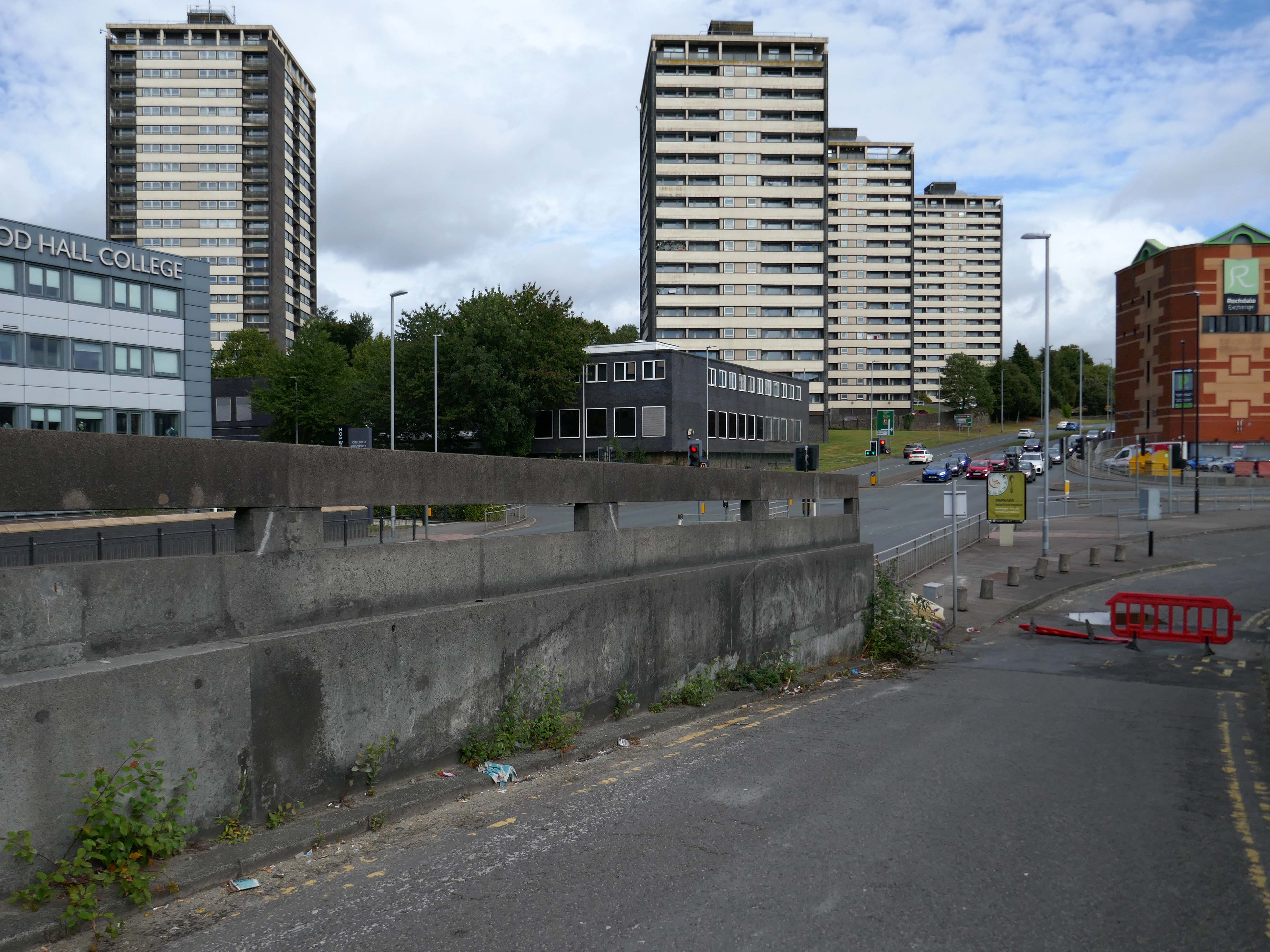
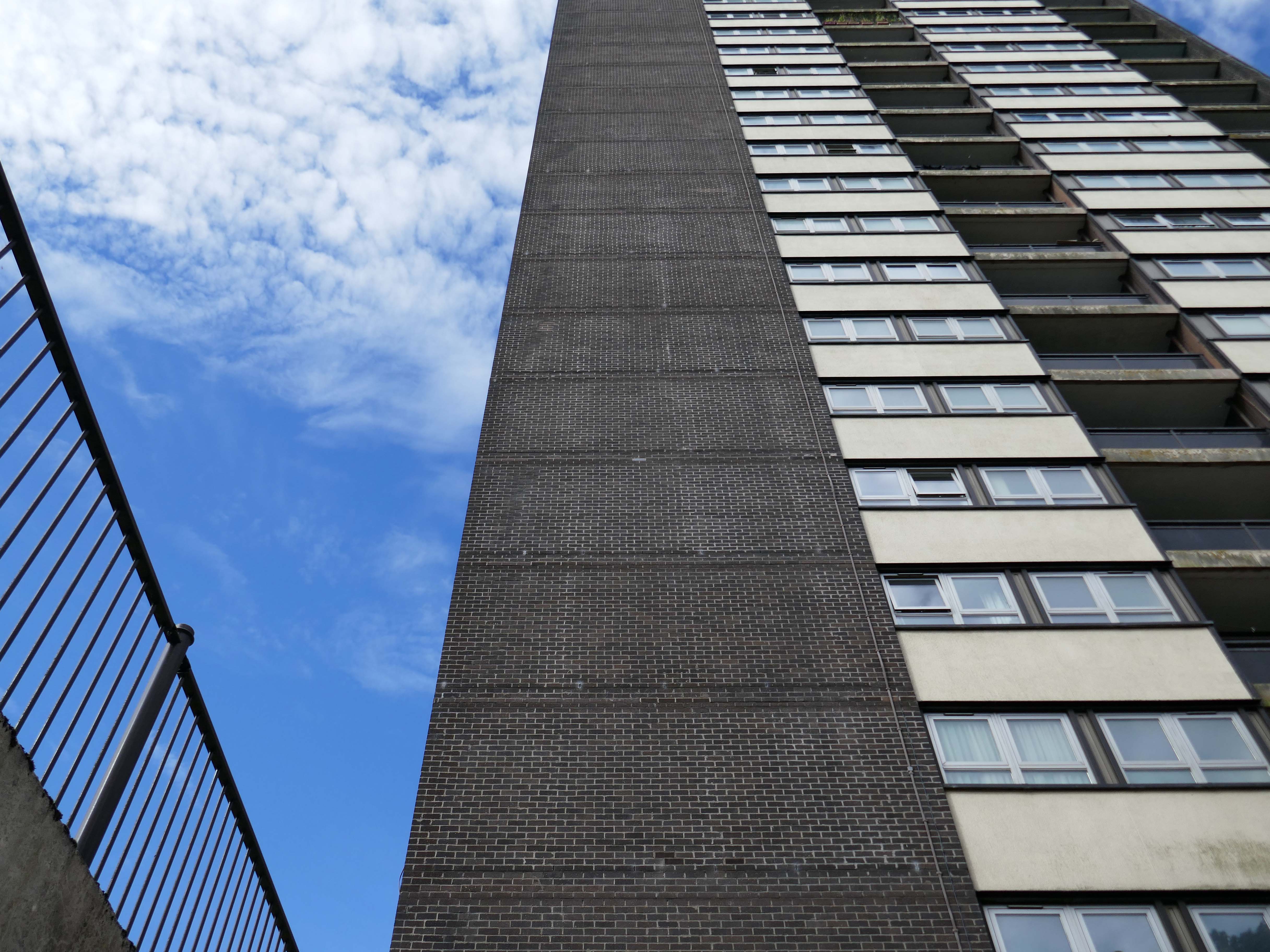
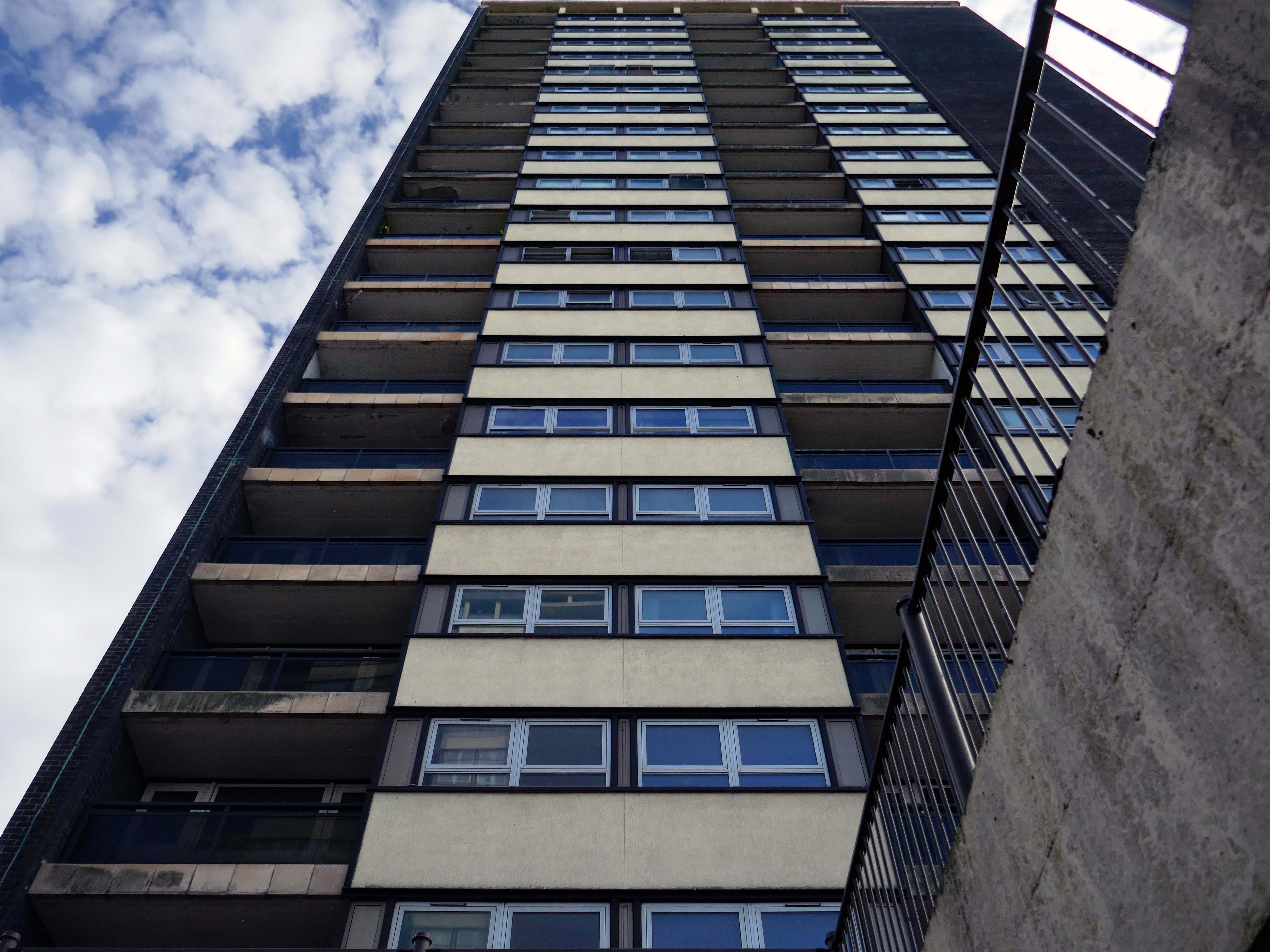
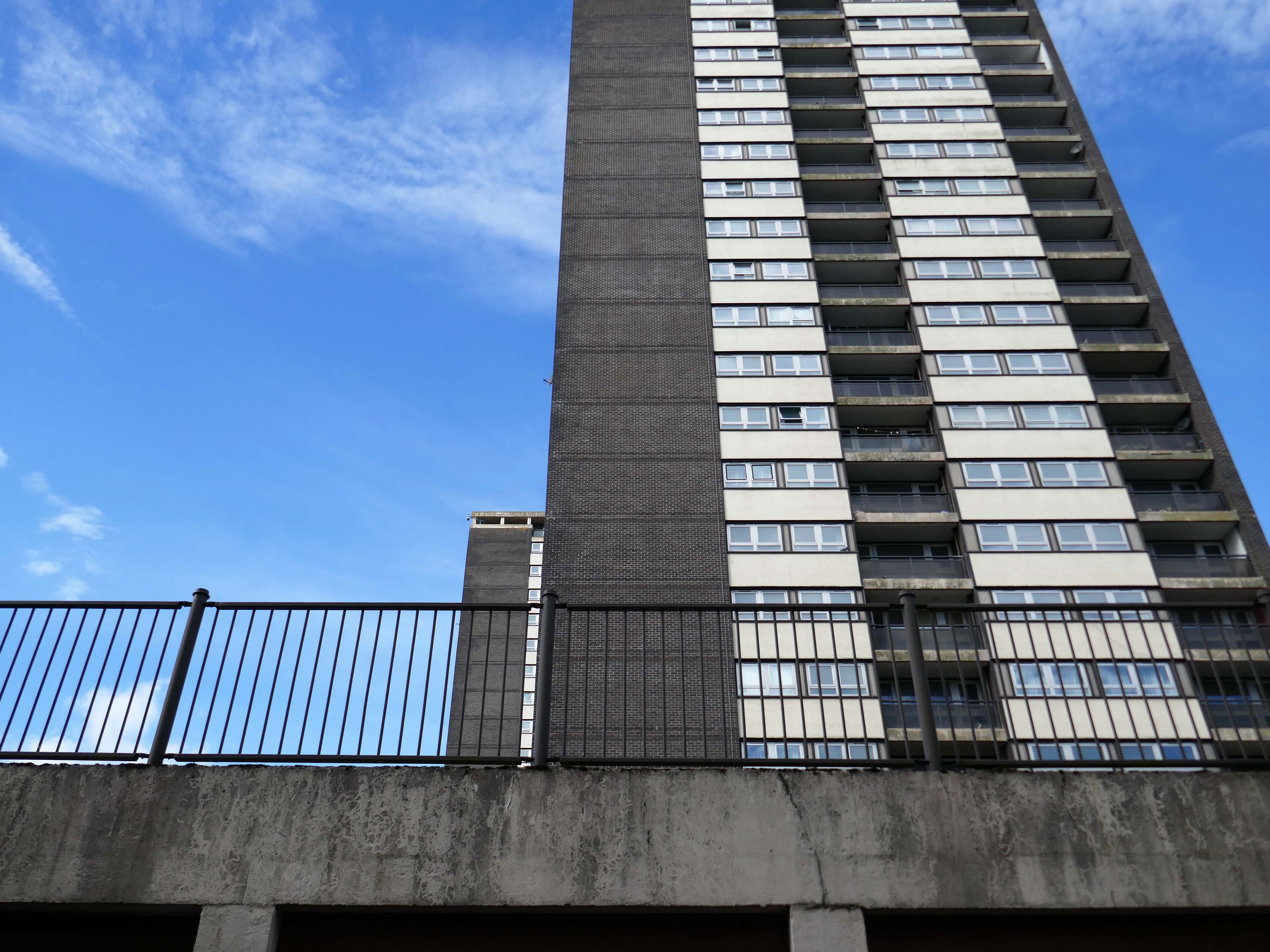
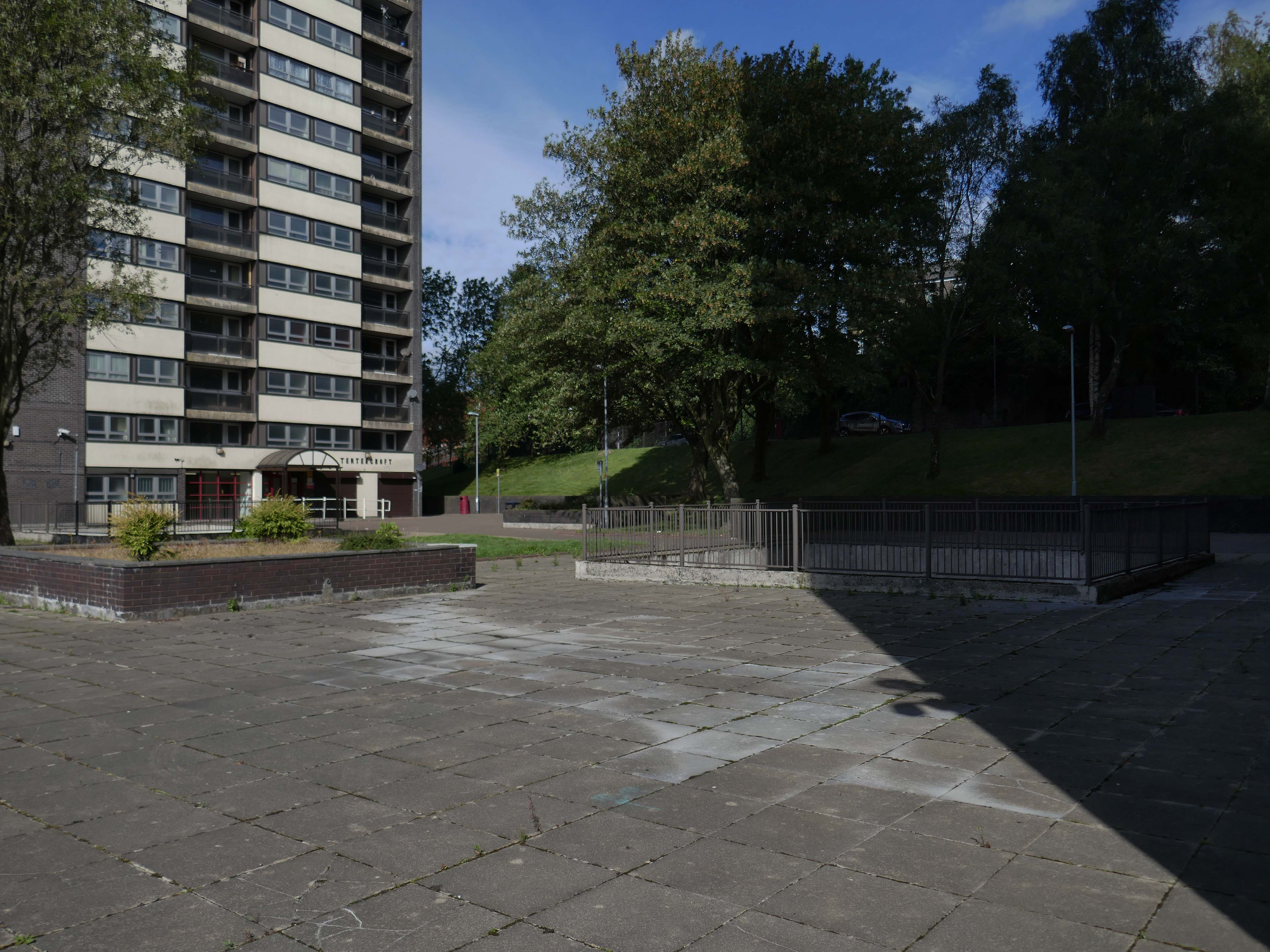
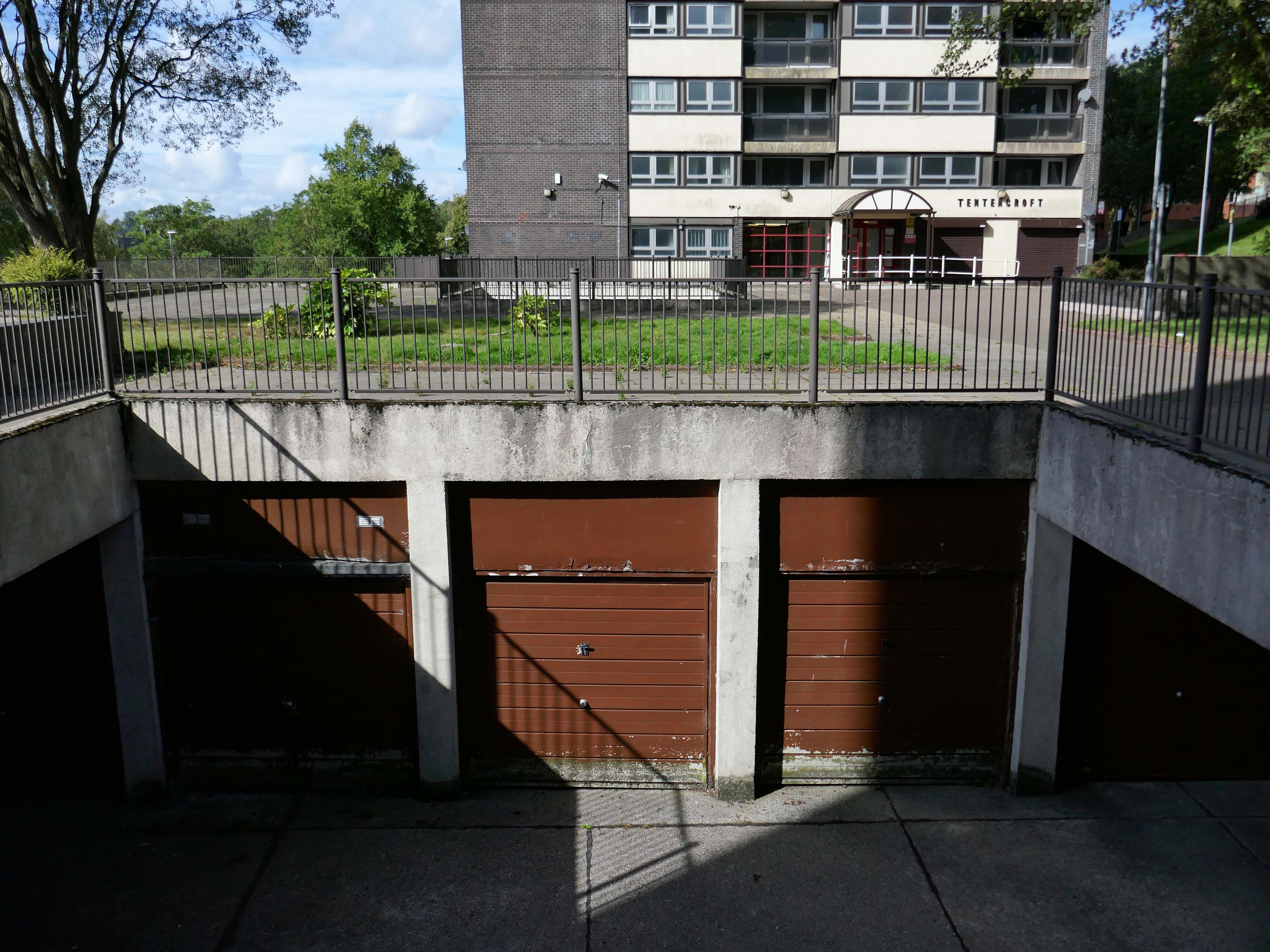
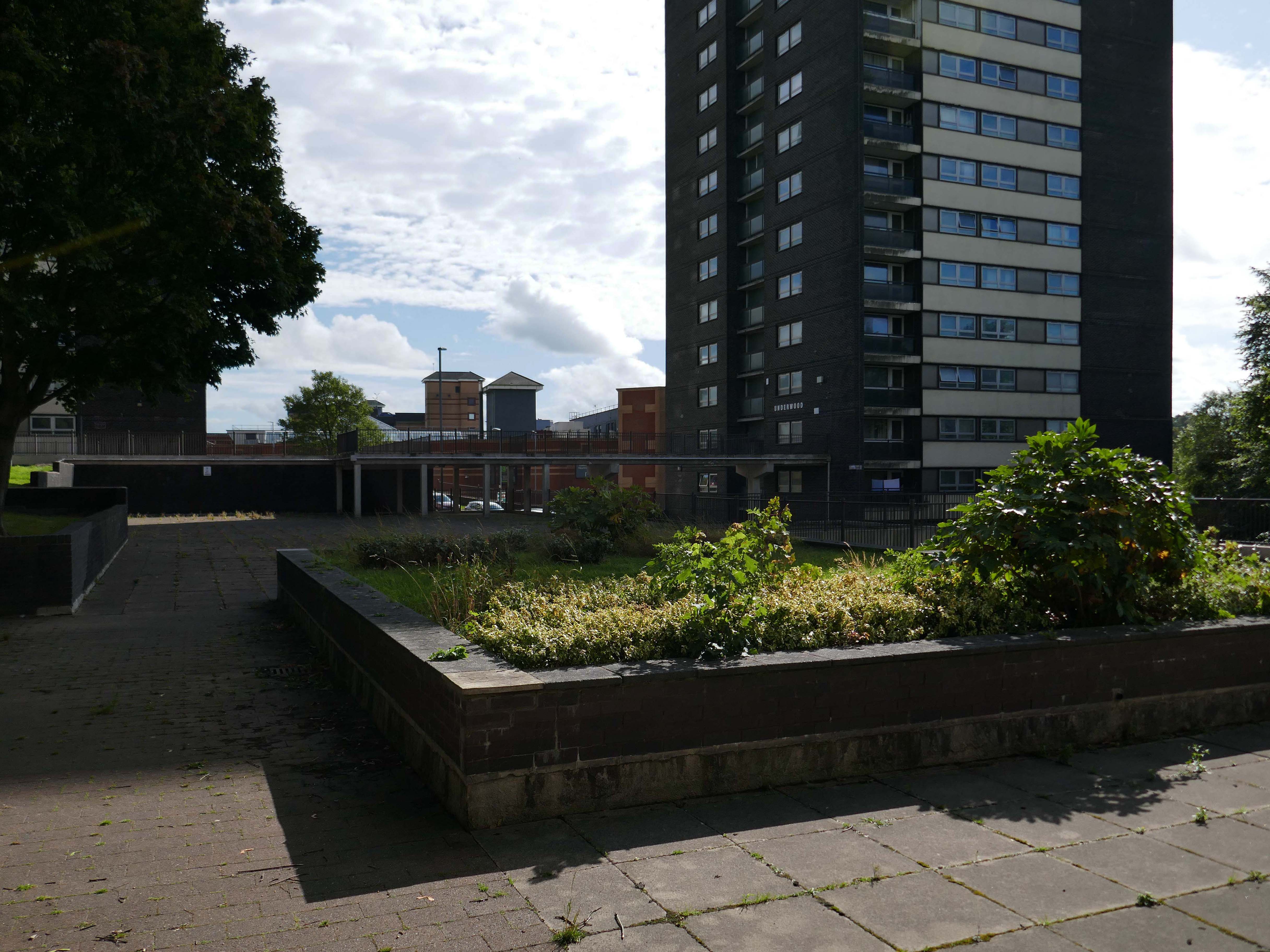
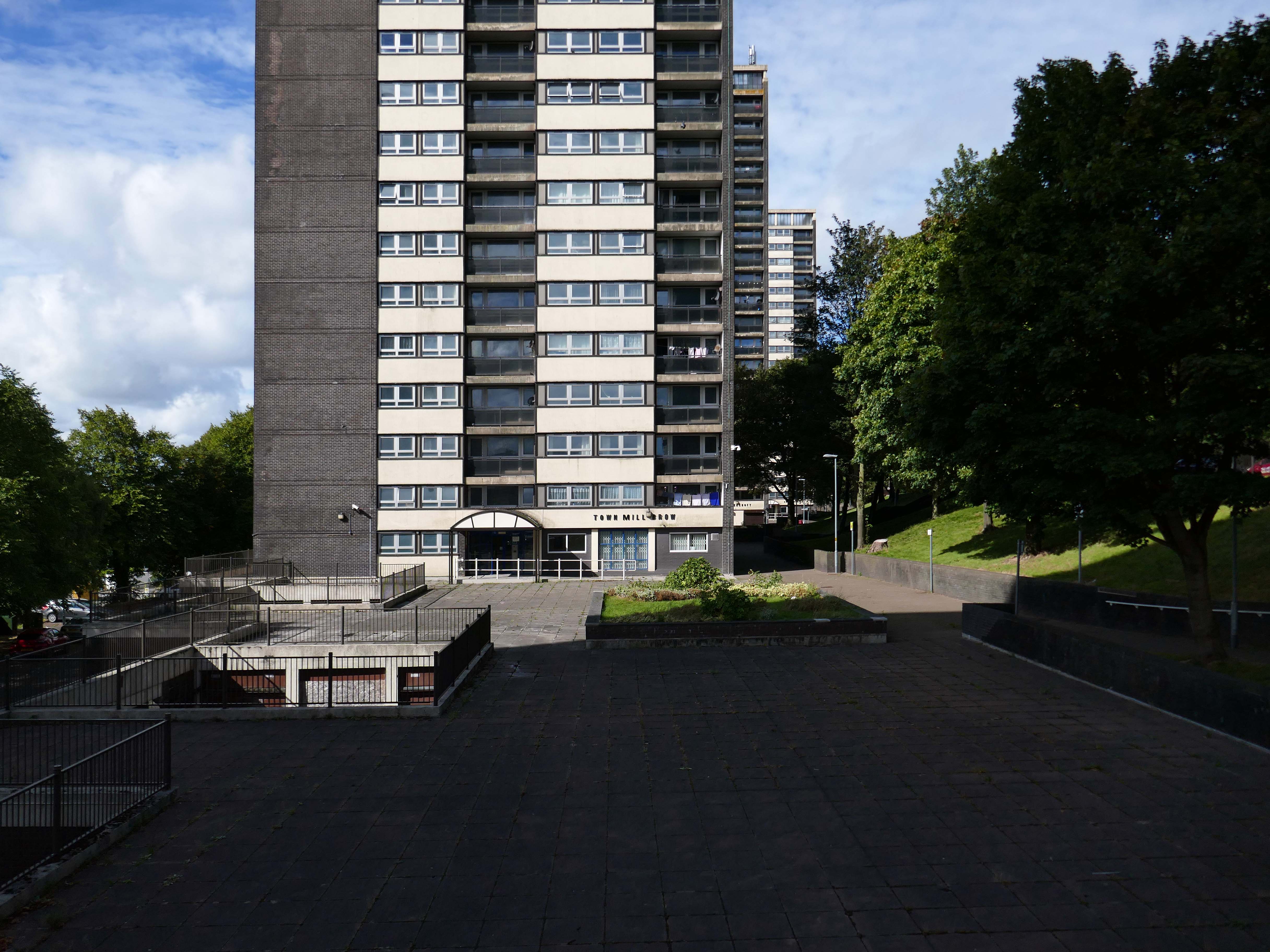
In recent years these homes have been under threat of both demolition and refurbishment.
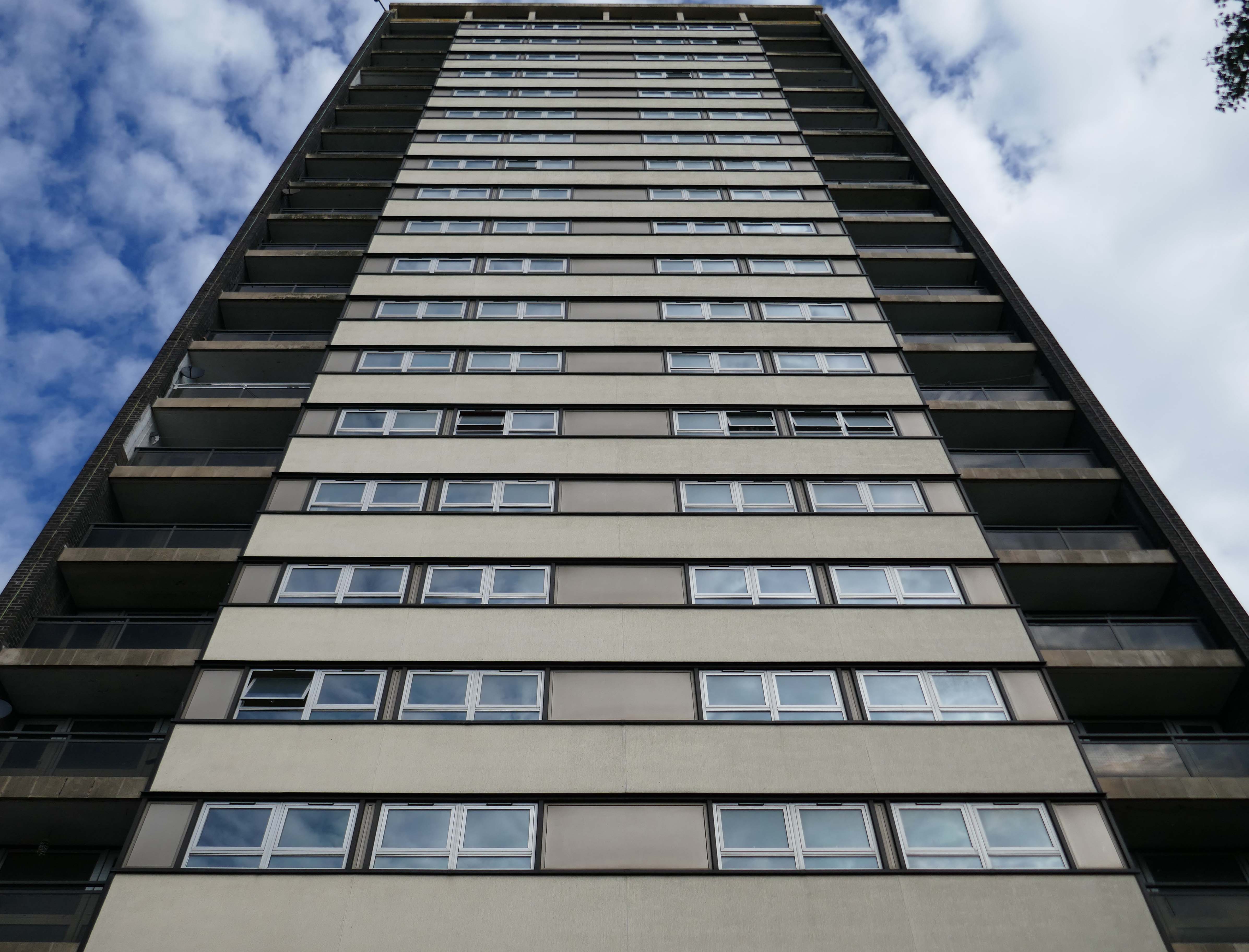
Rochdale Boroughwide Housing – RBH had sought help from a developer to pay for its £107m plans to refurbish the College Bank high-rise apartments, known in the town as the Seven Sisters.
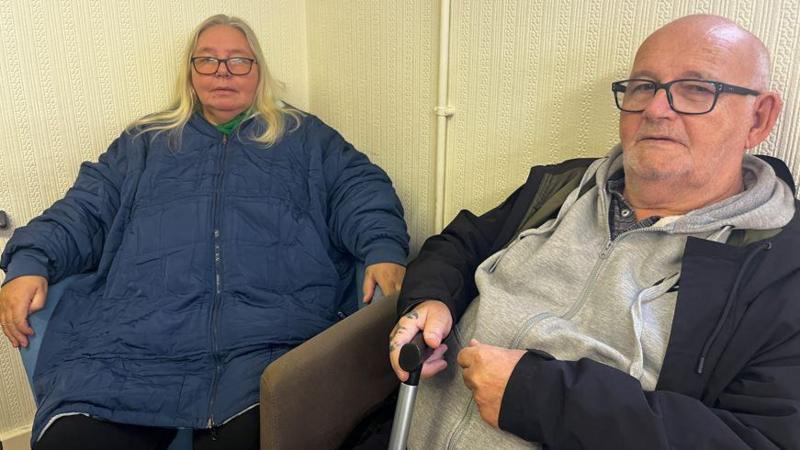
But the social housing landlord has been unable to reach a commercially viable agreement to help improve the blocks where 250 people live.
Amanda Newton, RBH chief executive said the lack of a deal was disappointing but all options for the future of the site would still be explored.
Many of the apartments spread across the Seven Sisters remain unoccupied after a plan was announced to demolish four of the blocks in 2017, leading to an exodus of hundreds of tenants. RBH later reconsidered the plan, and instead signed a deal with developer Legal & General Affordable Housing last year, to find a viable way of refurbishing the apartments.
All 700 flats in the 1960s blocks were set to be redeveloped under the plans, but the pair’s agreement has now come to an end without a solution emerging.
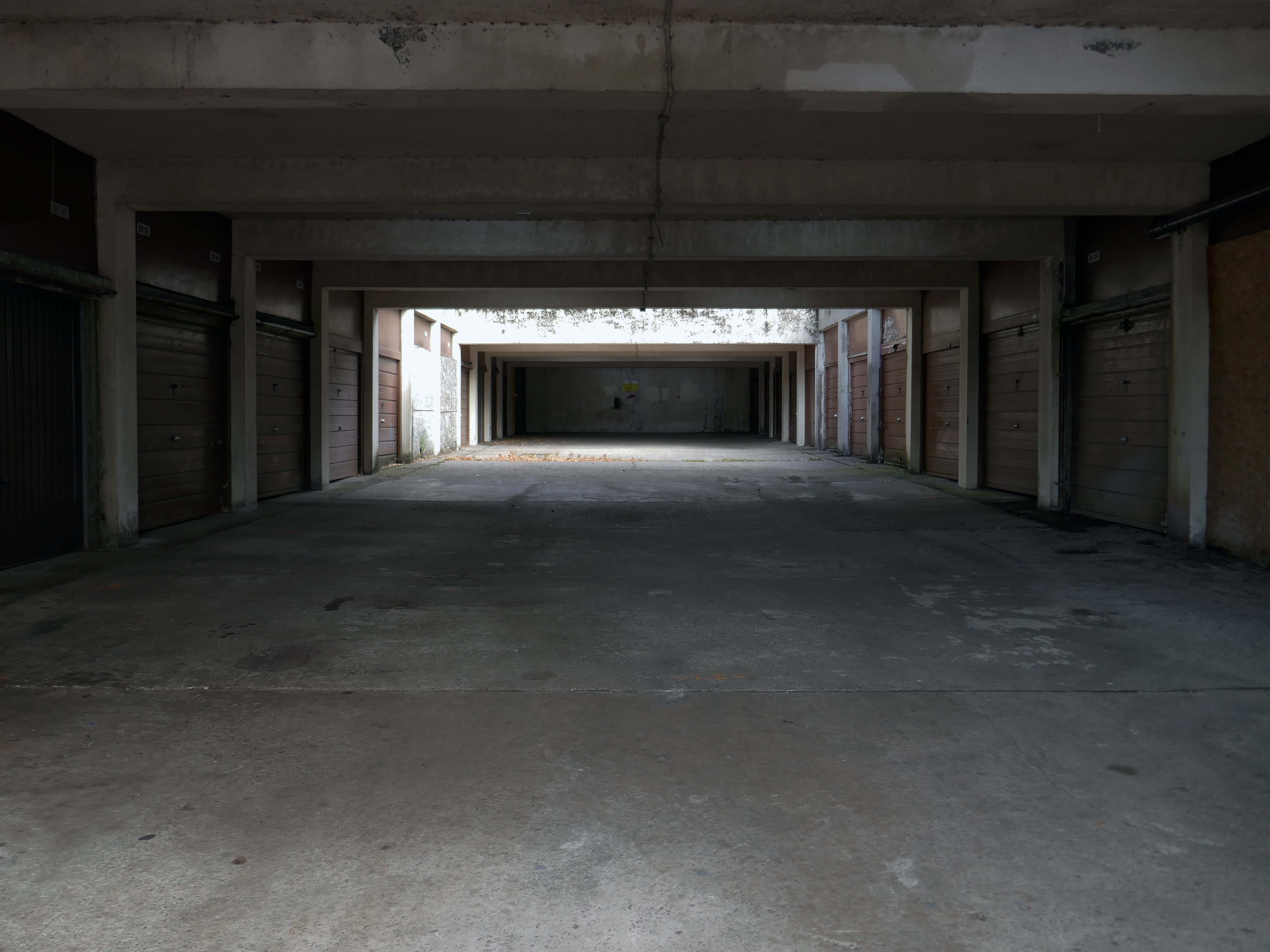
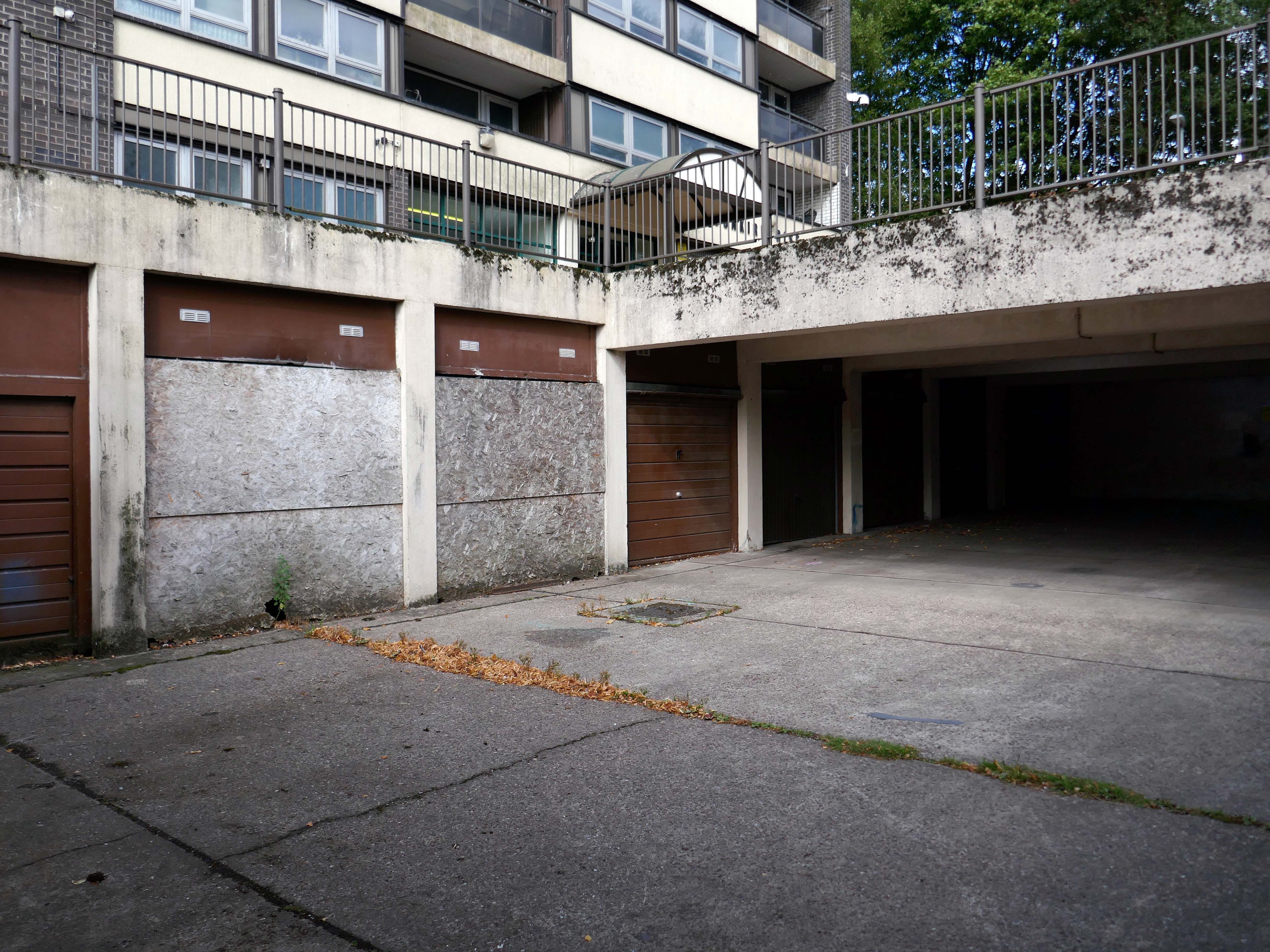
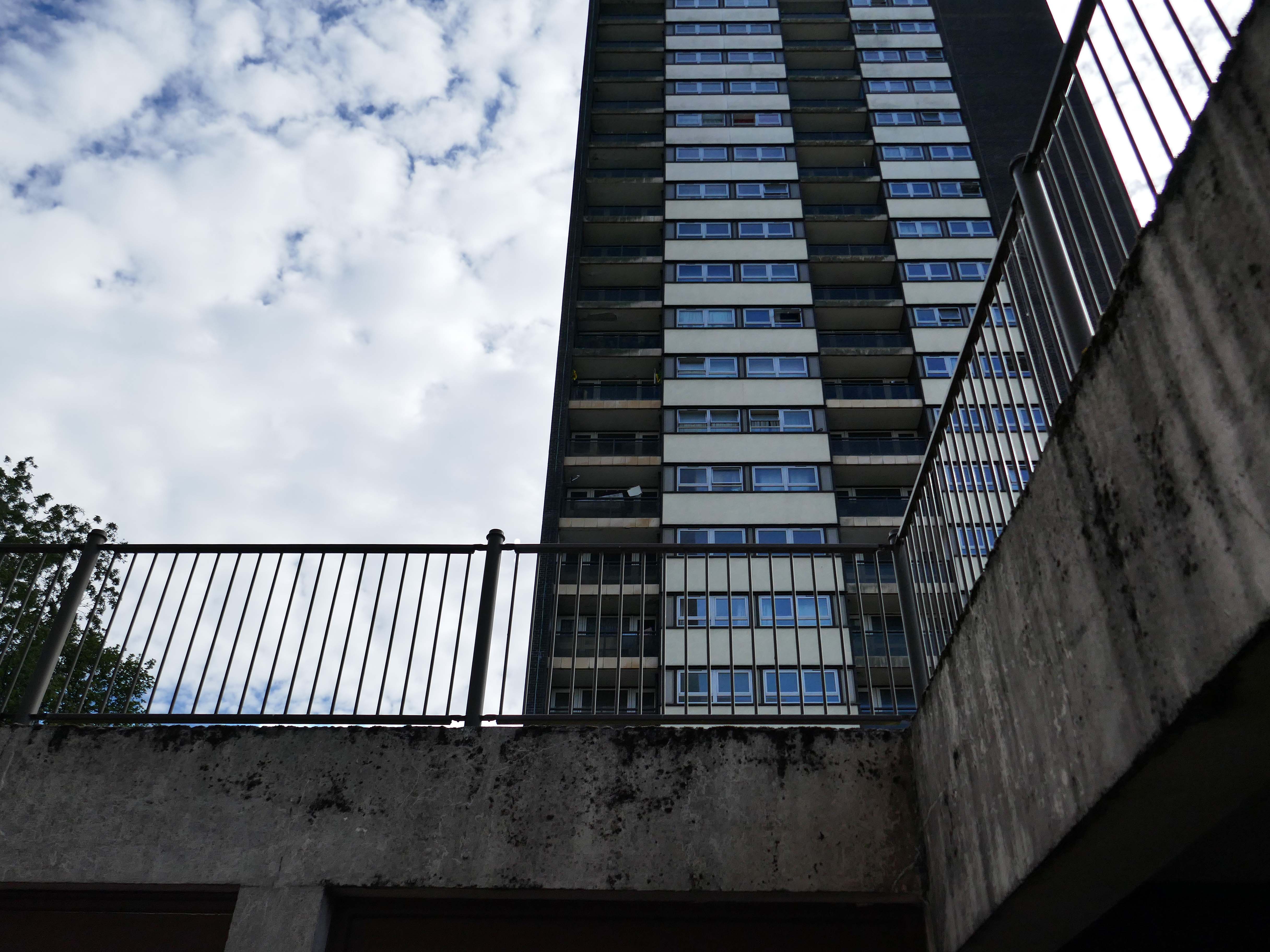
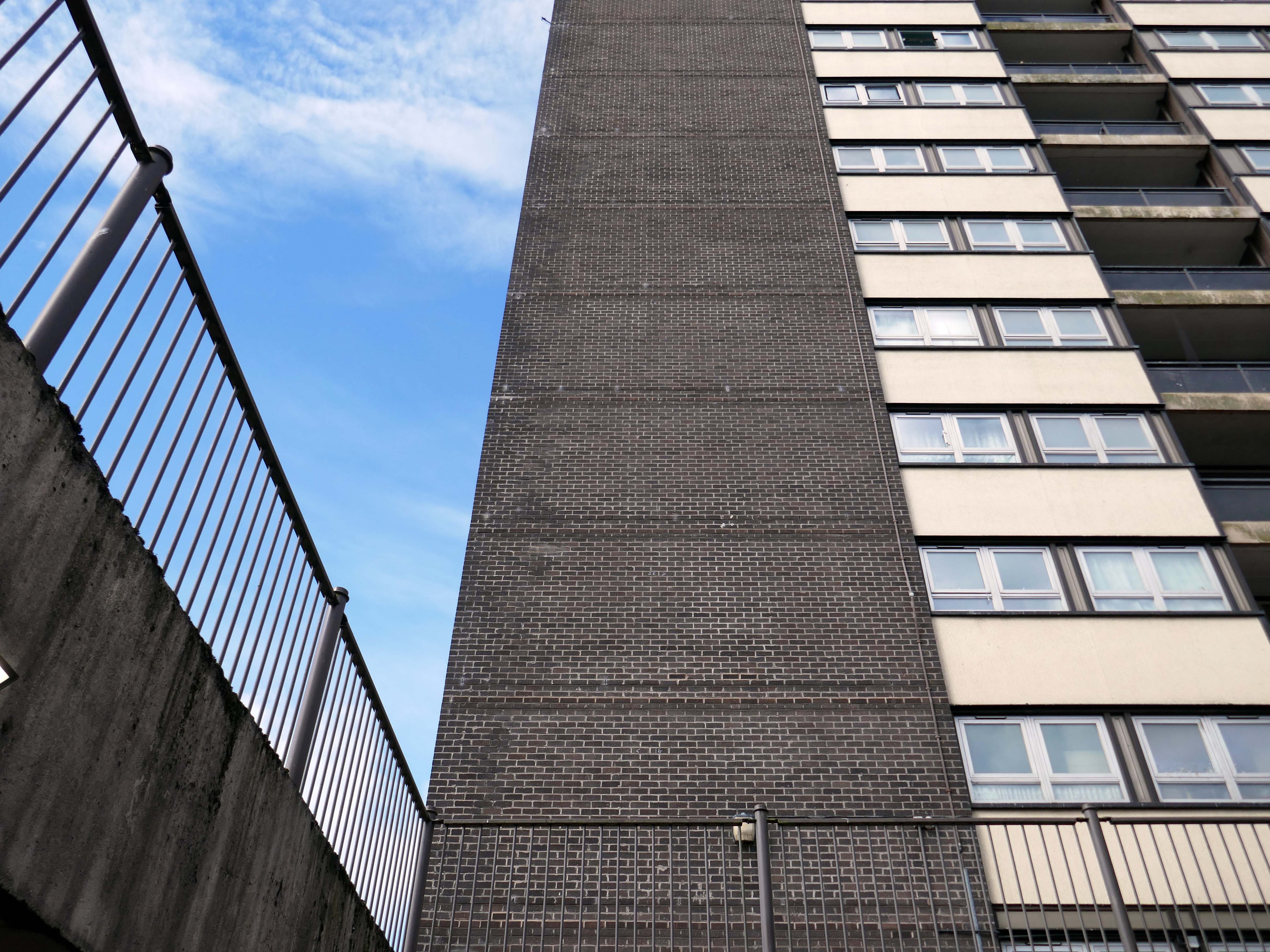
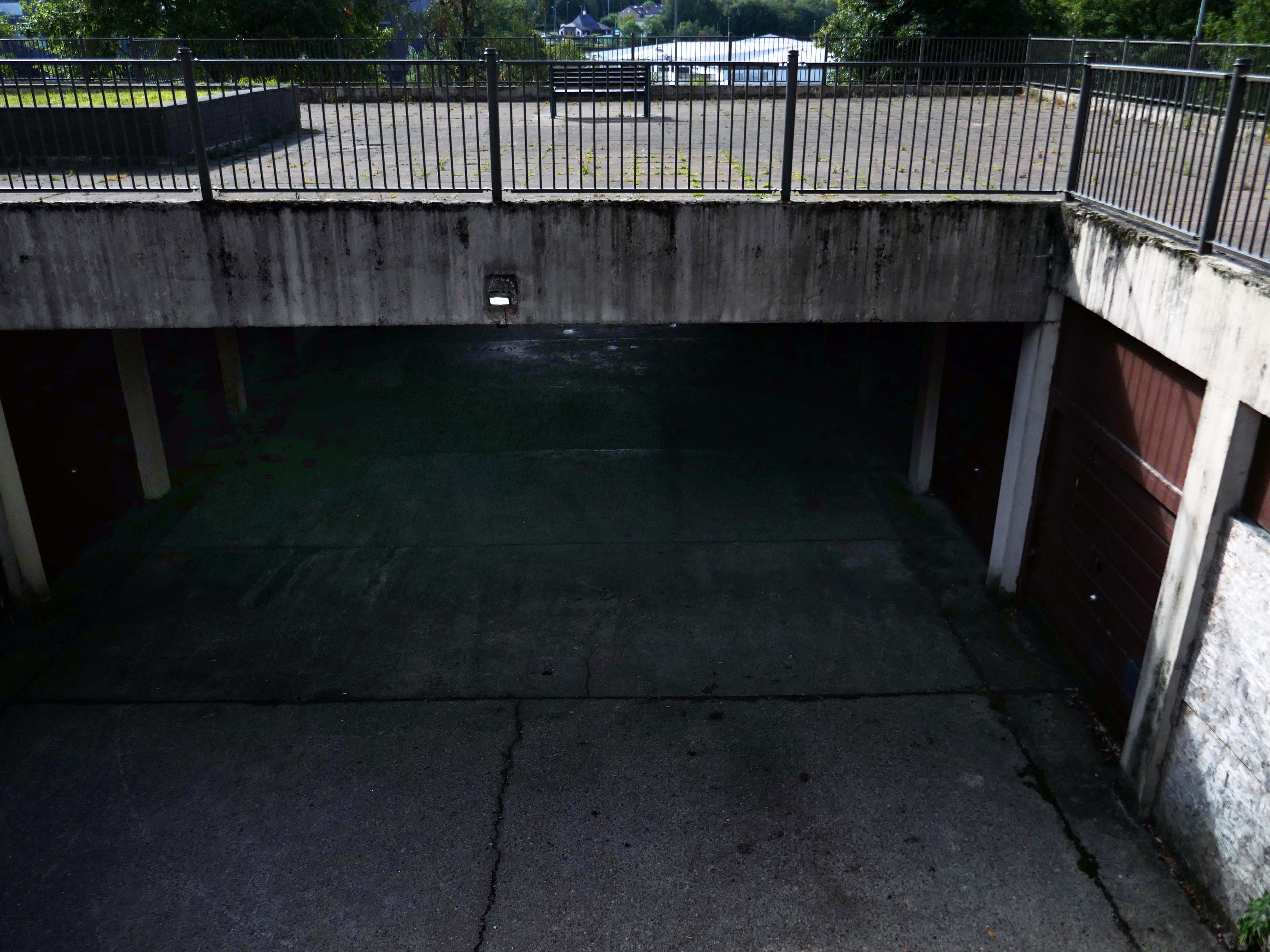
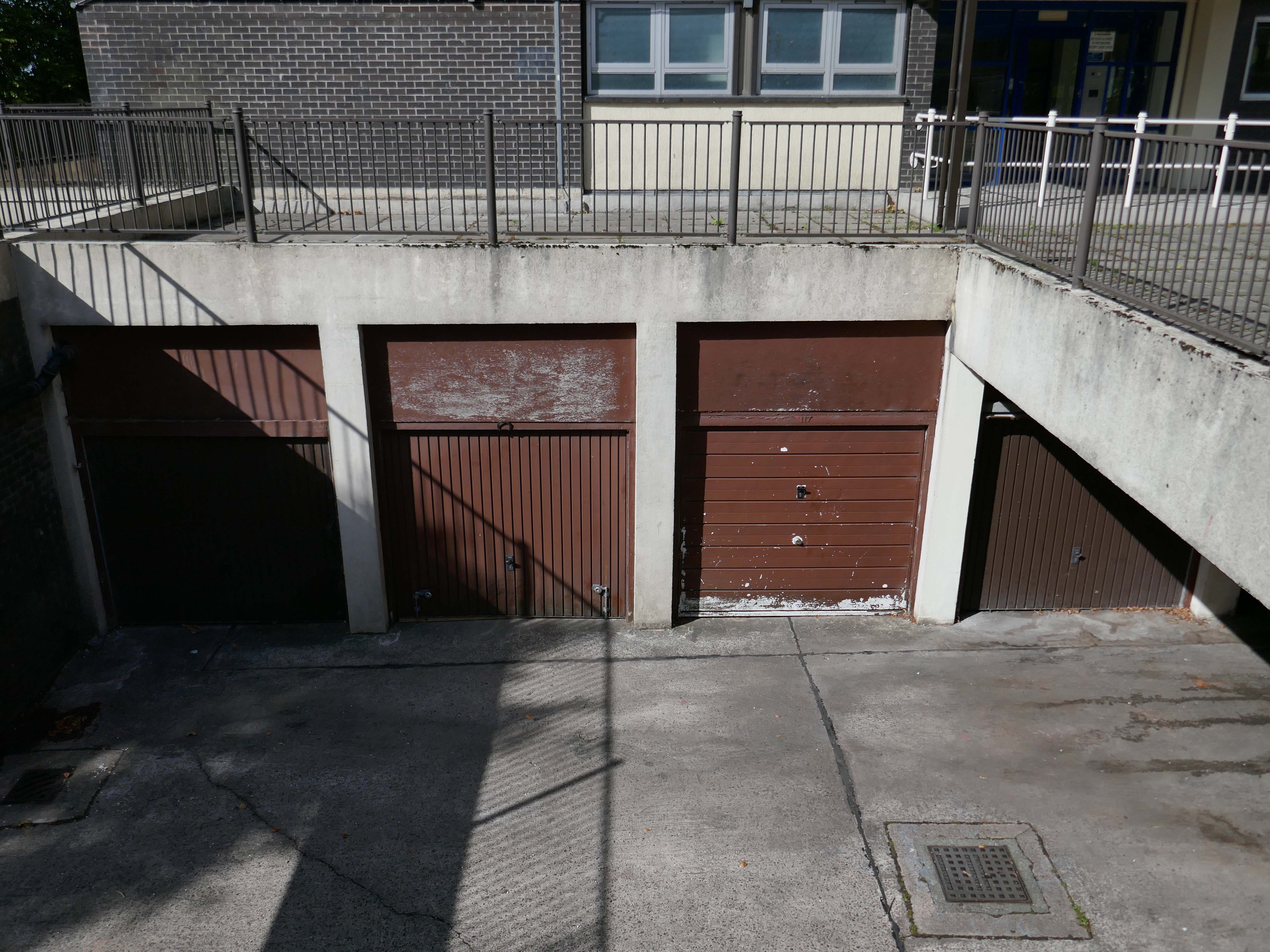
So an unsatisfactory stasis prevails across the windswept piazzas, podium garages and towering towers.
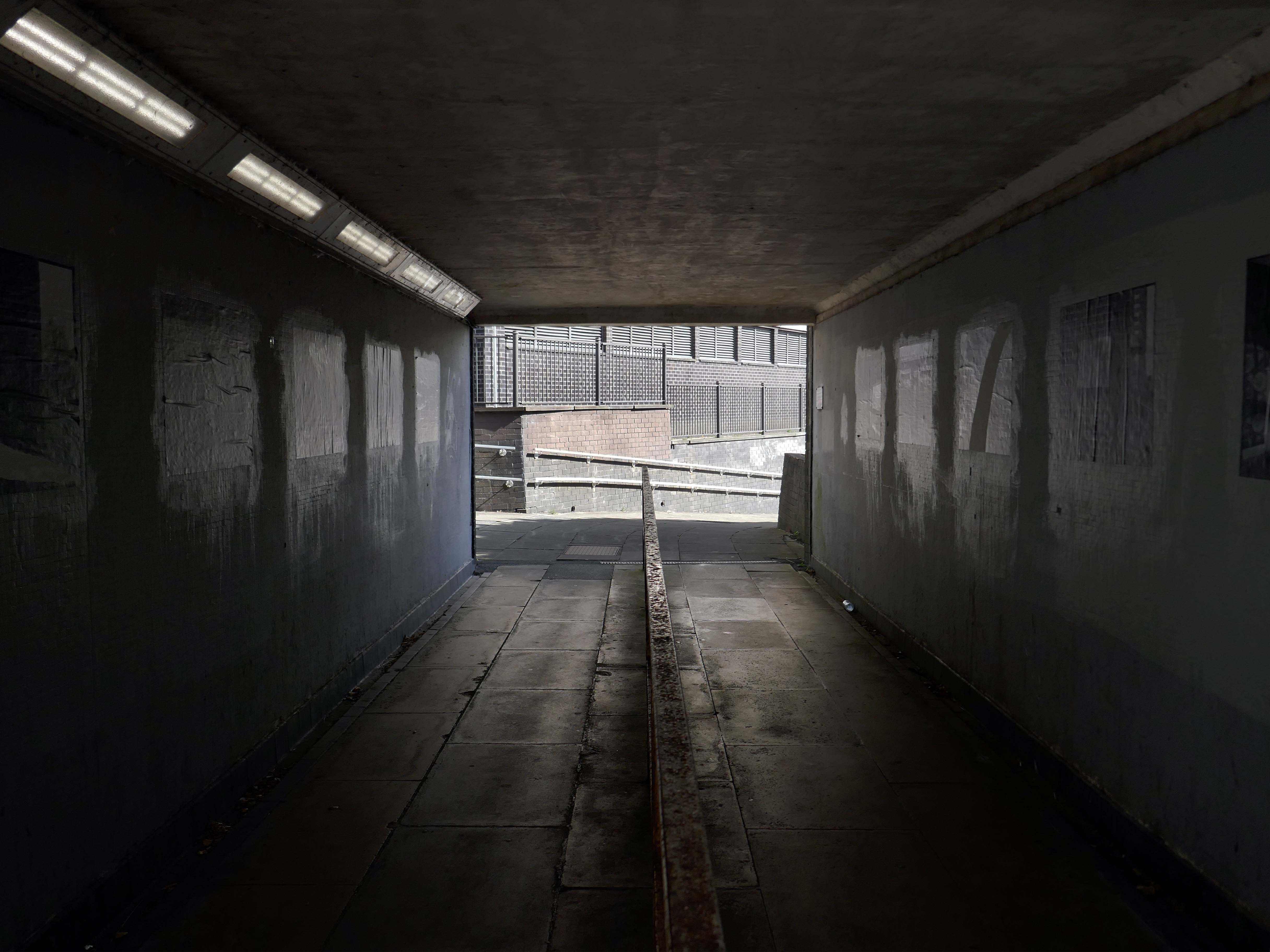
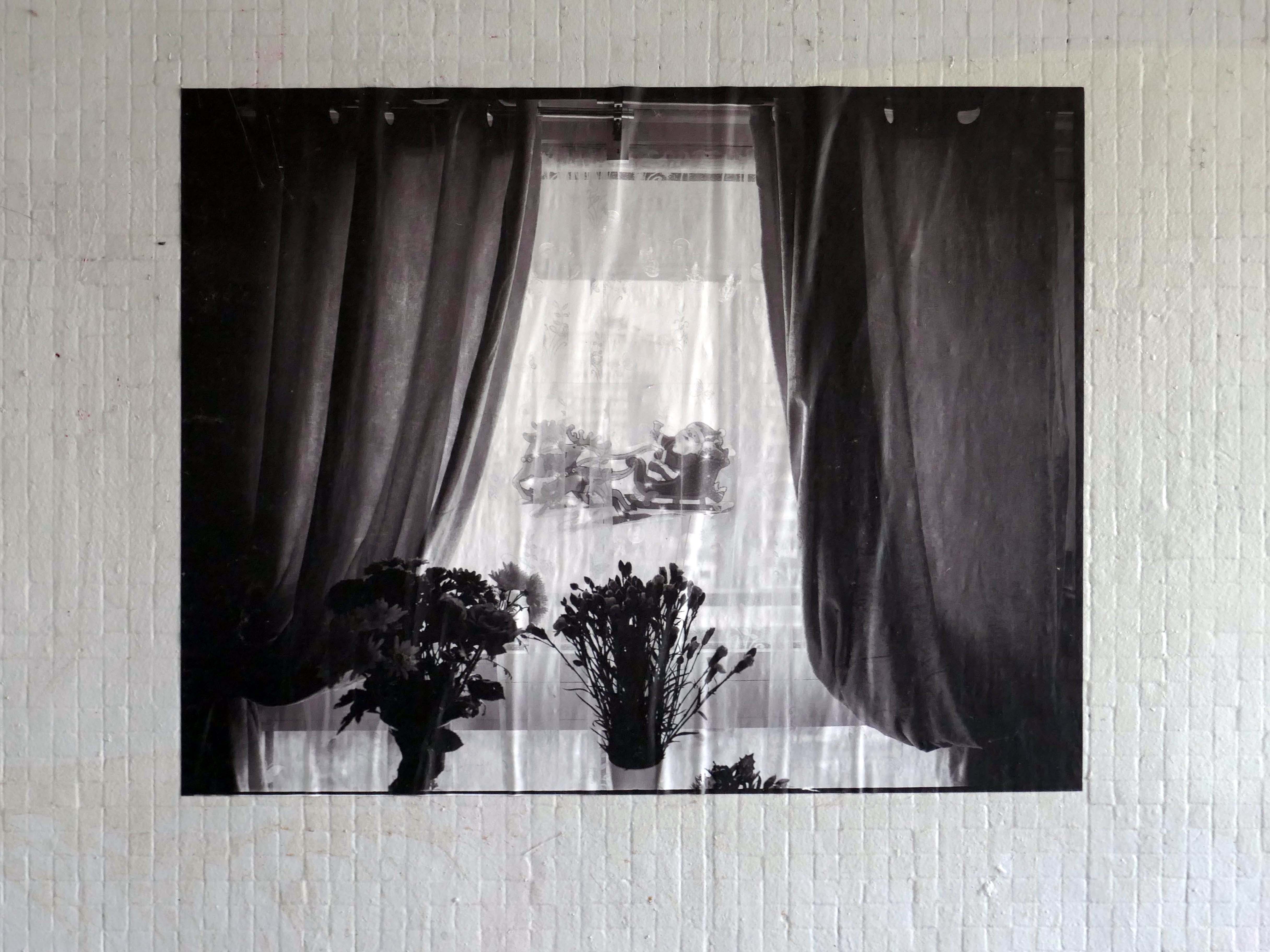
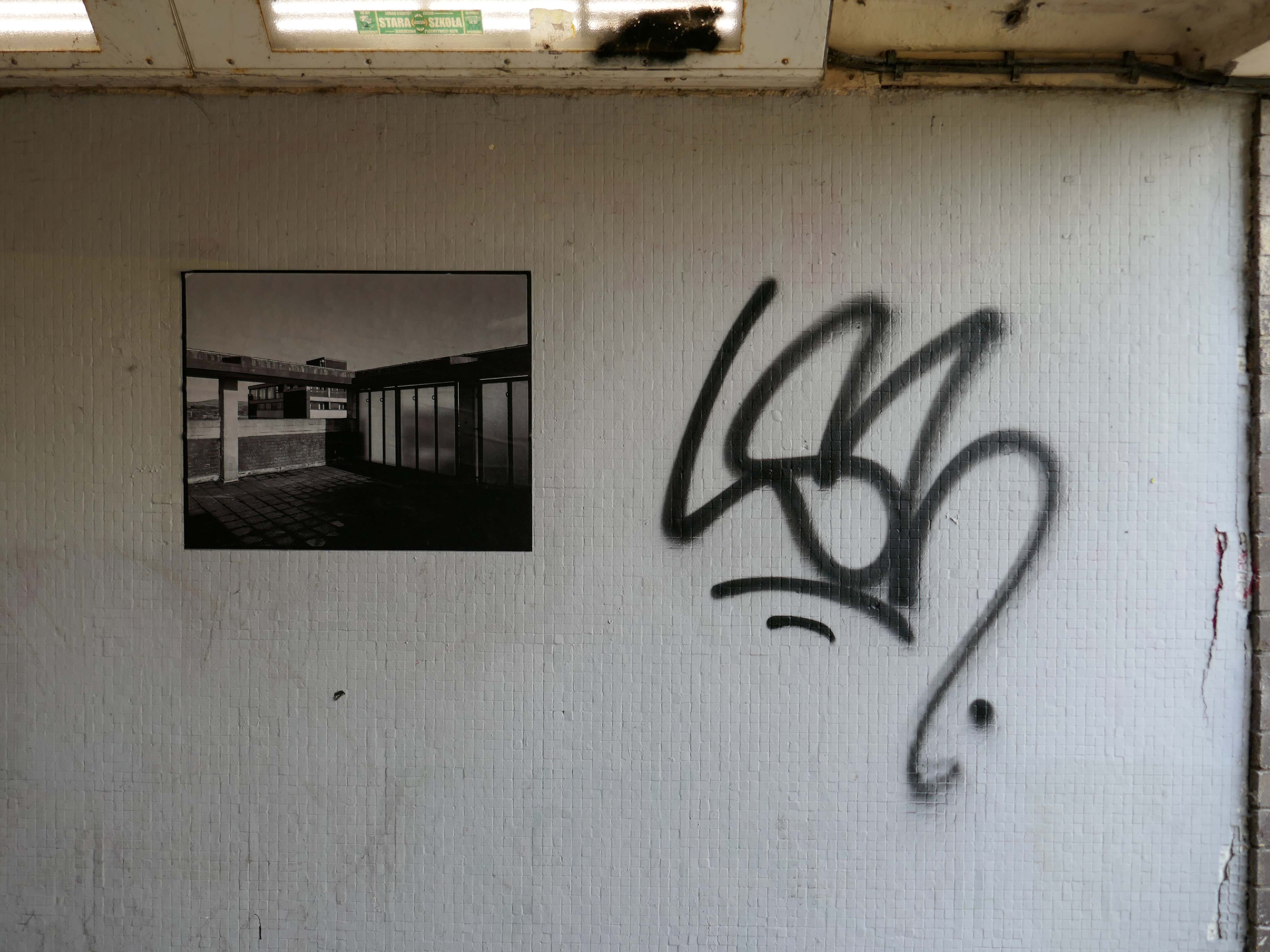
Local photographer Ellie Waters has her pictures of the flats displayed in the underpass.
Notes From College Bank is an ongoing project which documents the College Bank buildings in Rochdale, Greater Manchester. Known locally as ‘The Seven Sisters’, College Bank is formed of seven high-rise social housing blocks, four of which have come under recent threat of demolition.
Drawing from found imagery and photographs taken by my late Grandfather – M J Burgess – who like me grew up in Rochdale, I’ve been working with past and present residents to create a collective record of life in and around College Bank.
This project is ongoing, if you would like to share your stories of College Bank please get in touch via email – notesfromcollegebank@gmail.com
Here is a recent post from Municipal Dreams outlining the history state of play – Rochdale Housing Part II.
Fast forward to the present, the Seven Sisters still stand – an impressive architectural statement in the heart of Rochdale and, to my mind, as powerful a testament to municipal endeavour and aspiration as the town’s nearby town hall. But much has changed. In the slow evolution that affected council housing more broadly, the flats became less desirable, even, in some eyes, a ‘sink estate’. In Robin Parker’s view, the Council started re-housing people in the blocks ‘not suitable for high-rise living’ – a typical occurrence when the most vulnerable on the waiting list and those with least choice are allocated to so-called ‘hard to let’ estates.
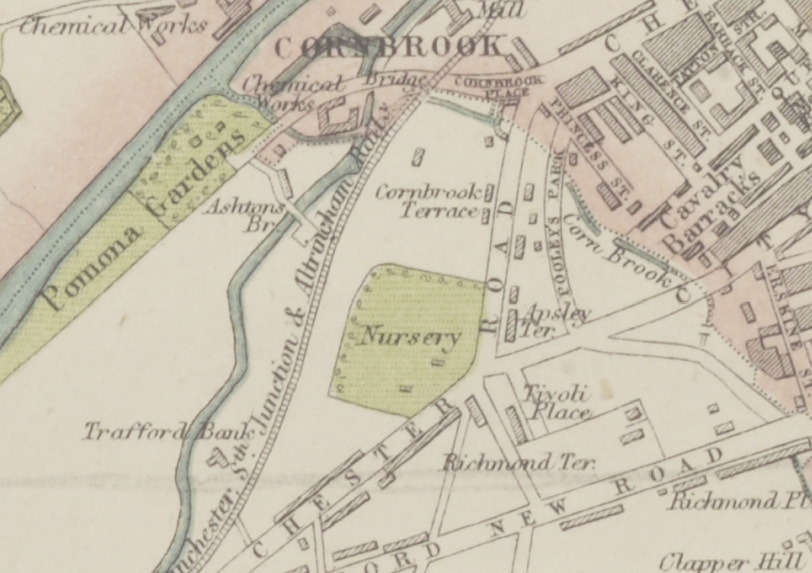
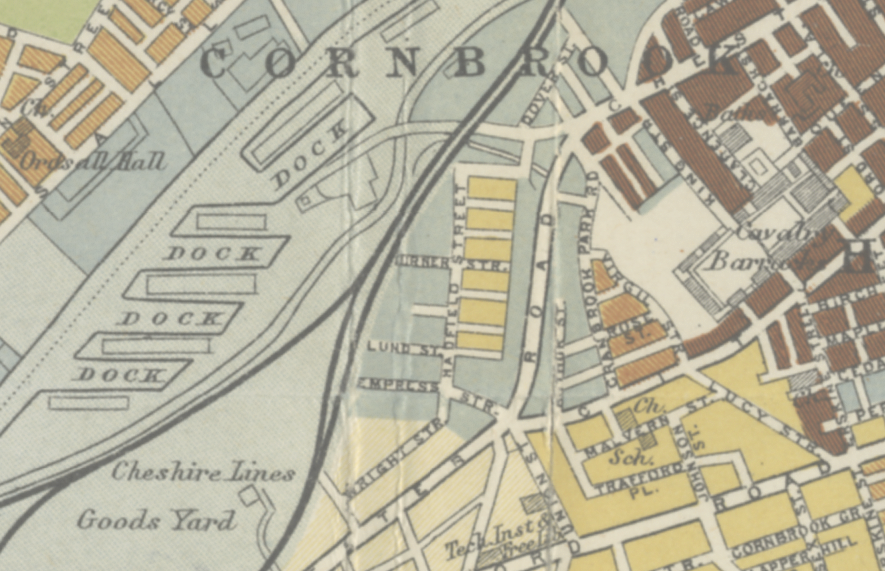
In 1870 the street pattern has yet to be established, between the South Junction railway and Chester Road. The area is occupied by a Nursery. Pomona Gardens sits beside the river, and the Corn Brook is clearly visible. To the right are the Hulme Barracks, closed and demolished in 1914.
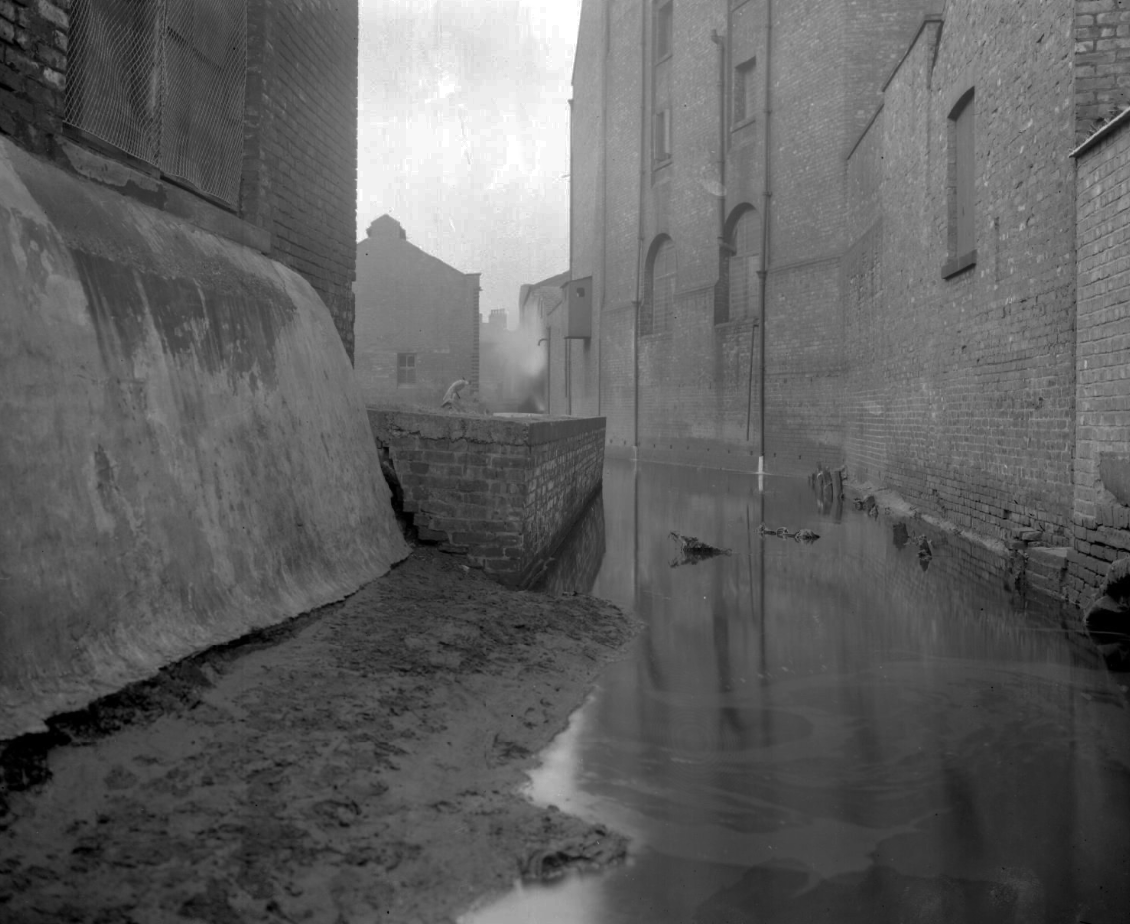
Corn Brook Textile Street 1947
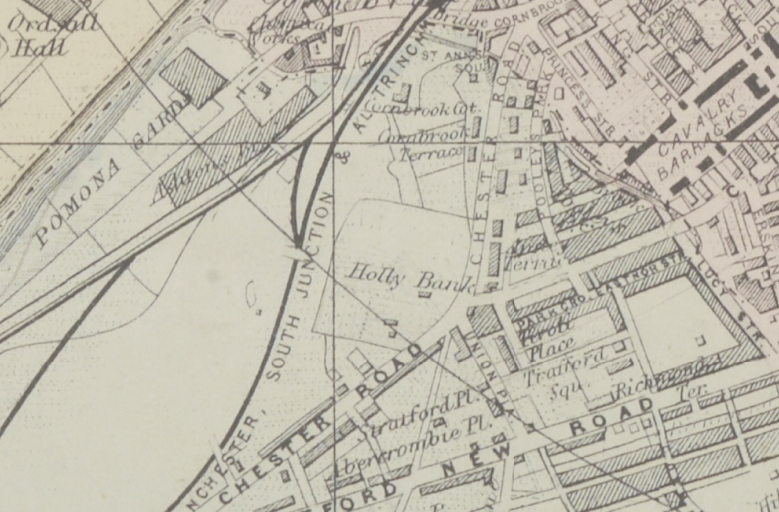
In 1884 there is new housing to the right of Chester Road.
In 1904 the Pomona Docks have been established and the are around Hadfield Street fully developed.
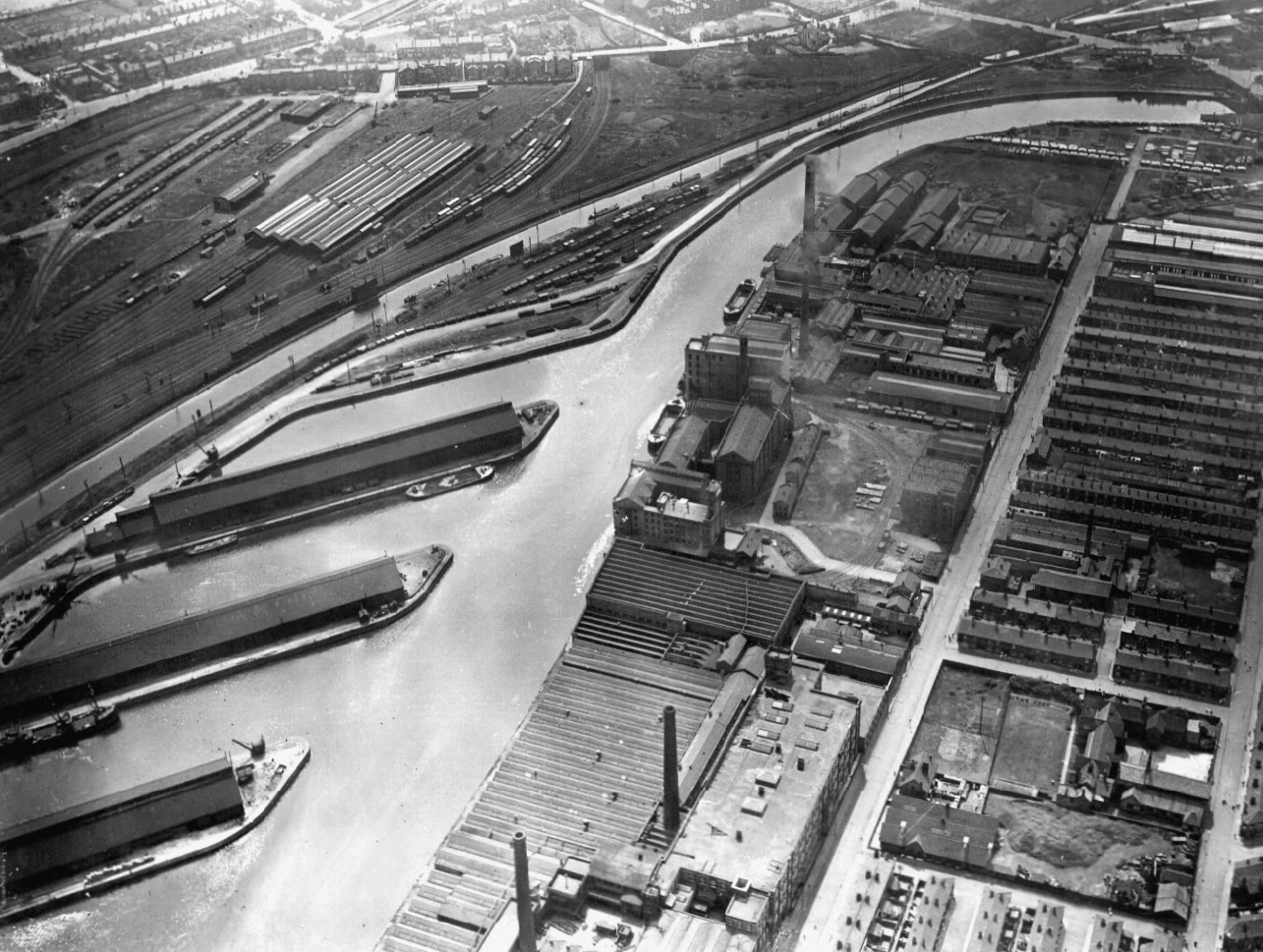
Pomona Docks 1923
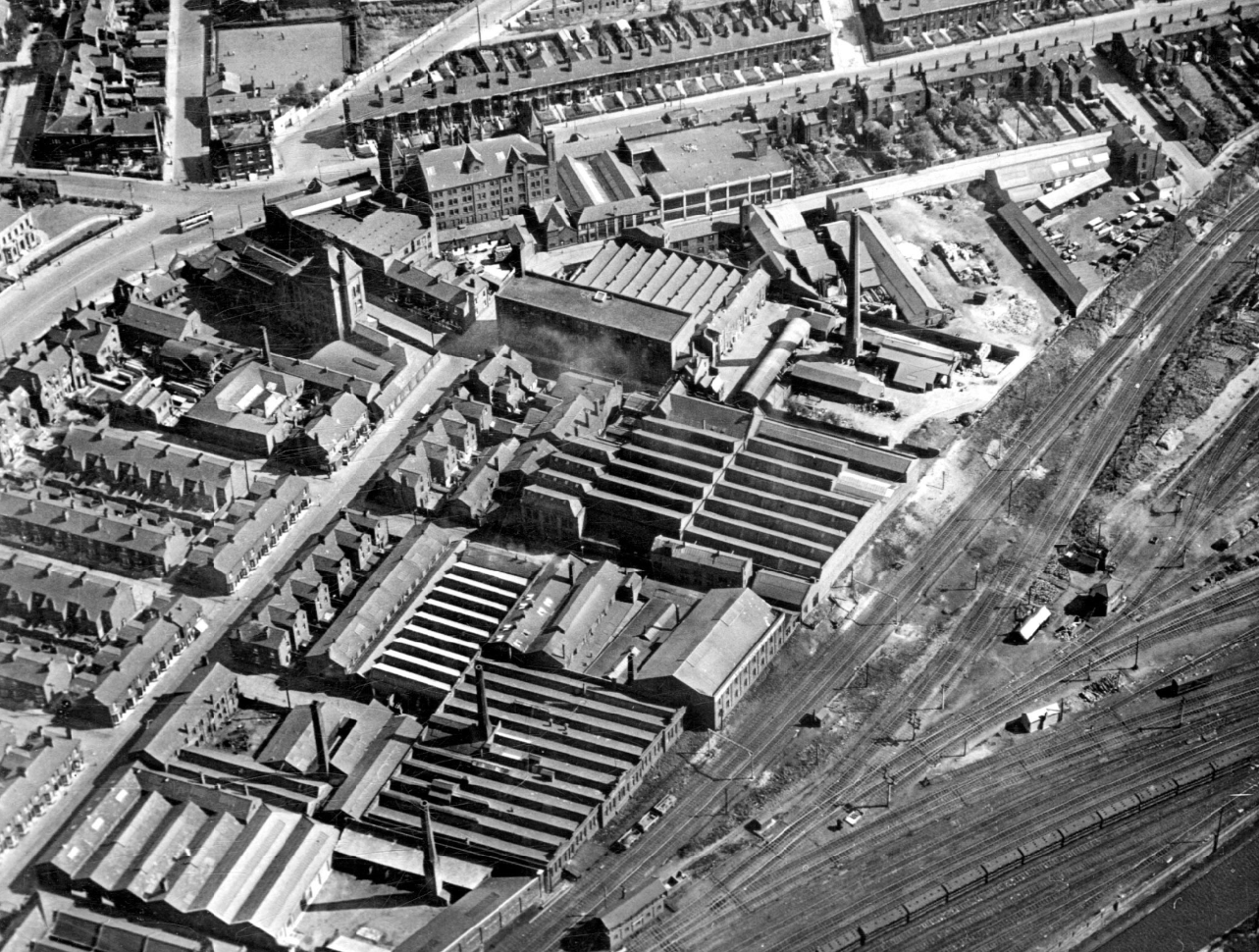
This is an aerial view from 1930, there area is now a dense network of streets to the north of Chester Road, transport infrastructure, housing and industry sit side by side.
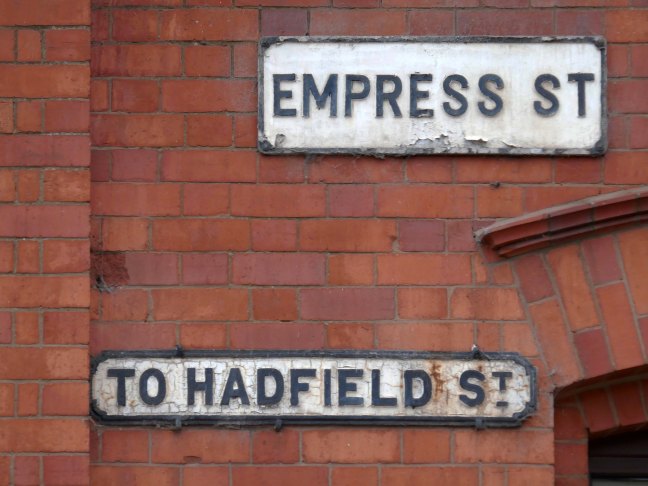
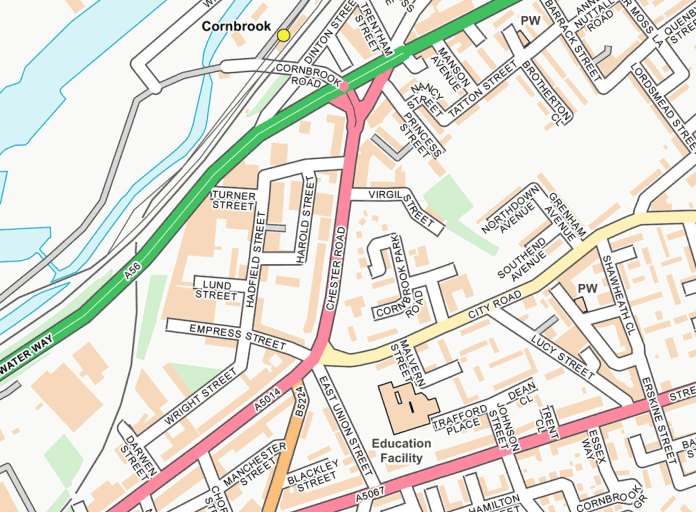
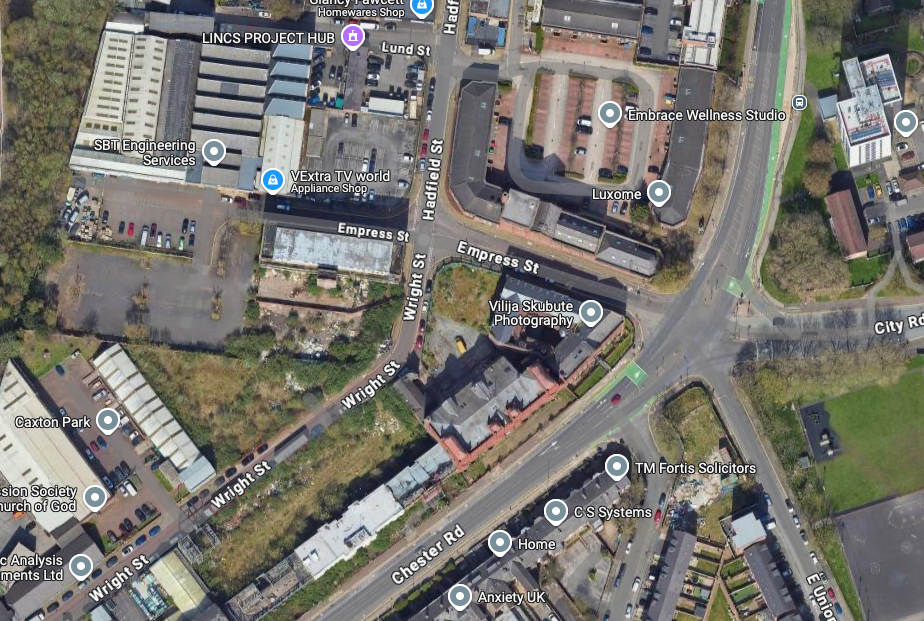
2025 the street pattern is still extant – but what has survived?
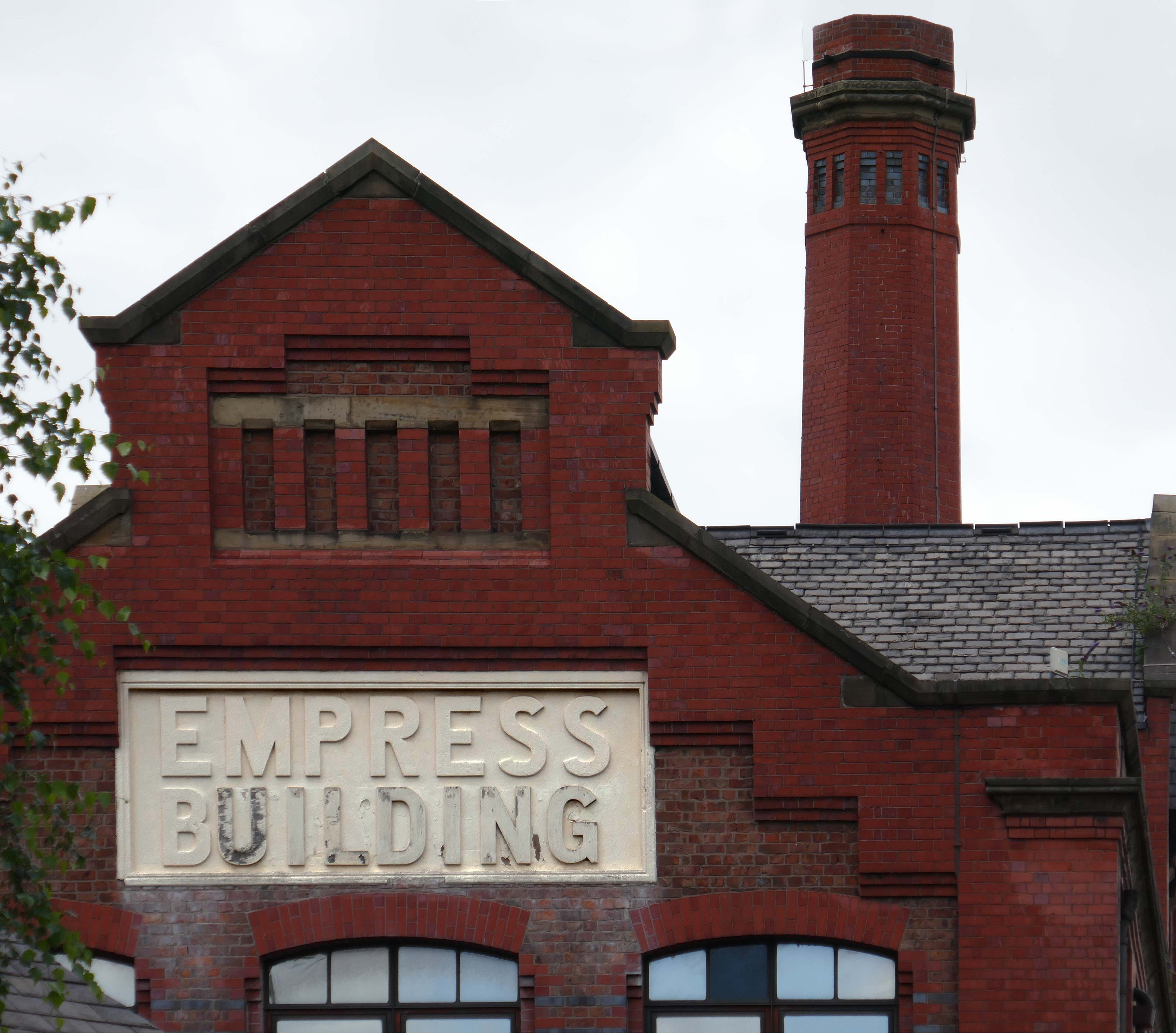
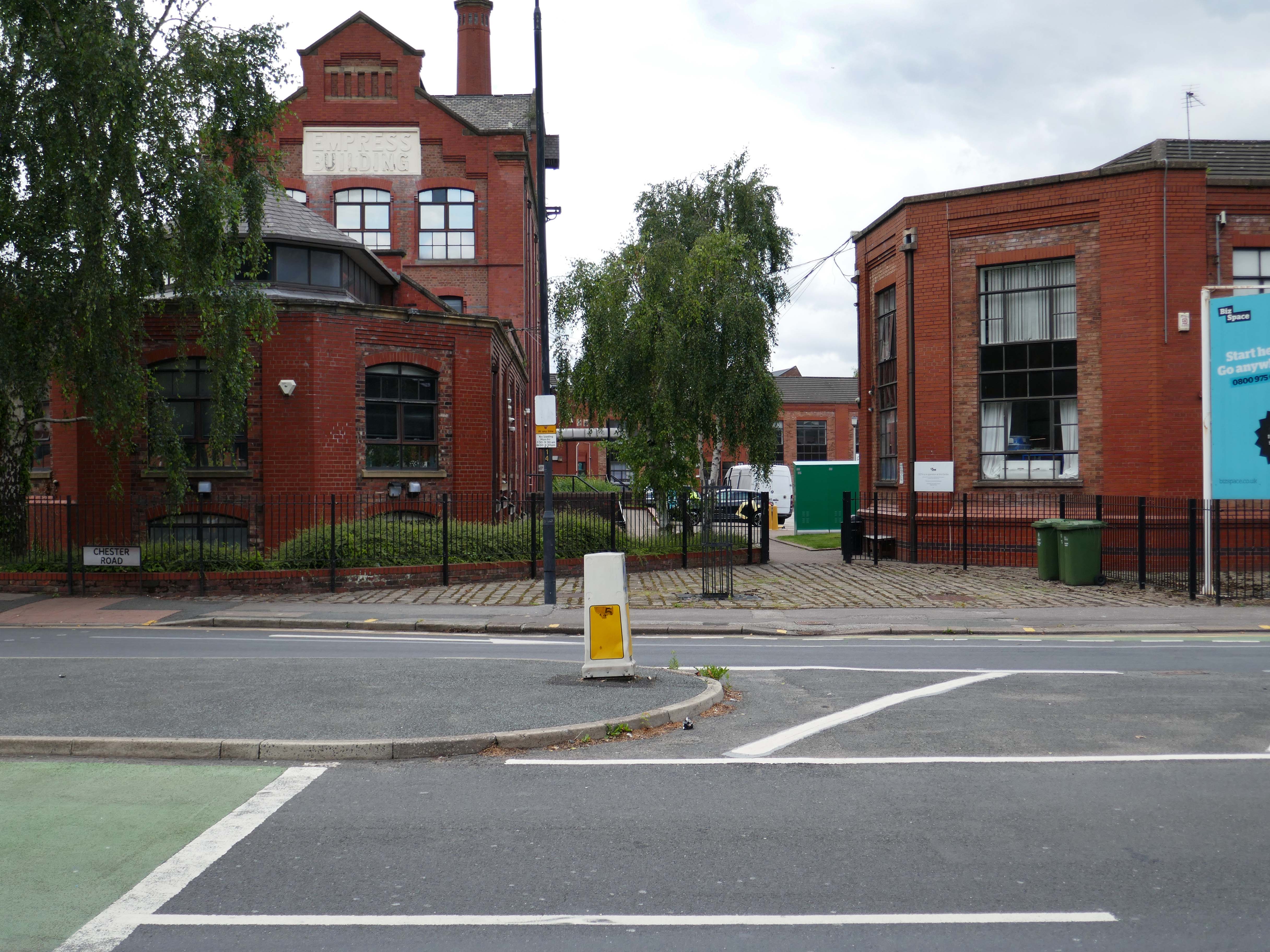
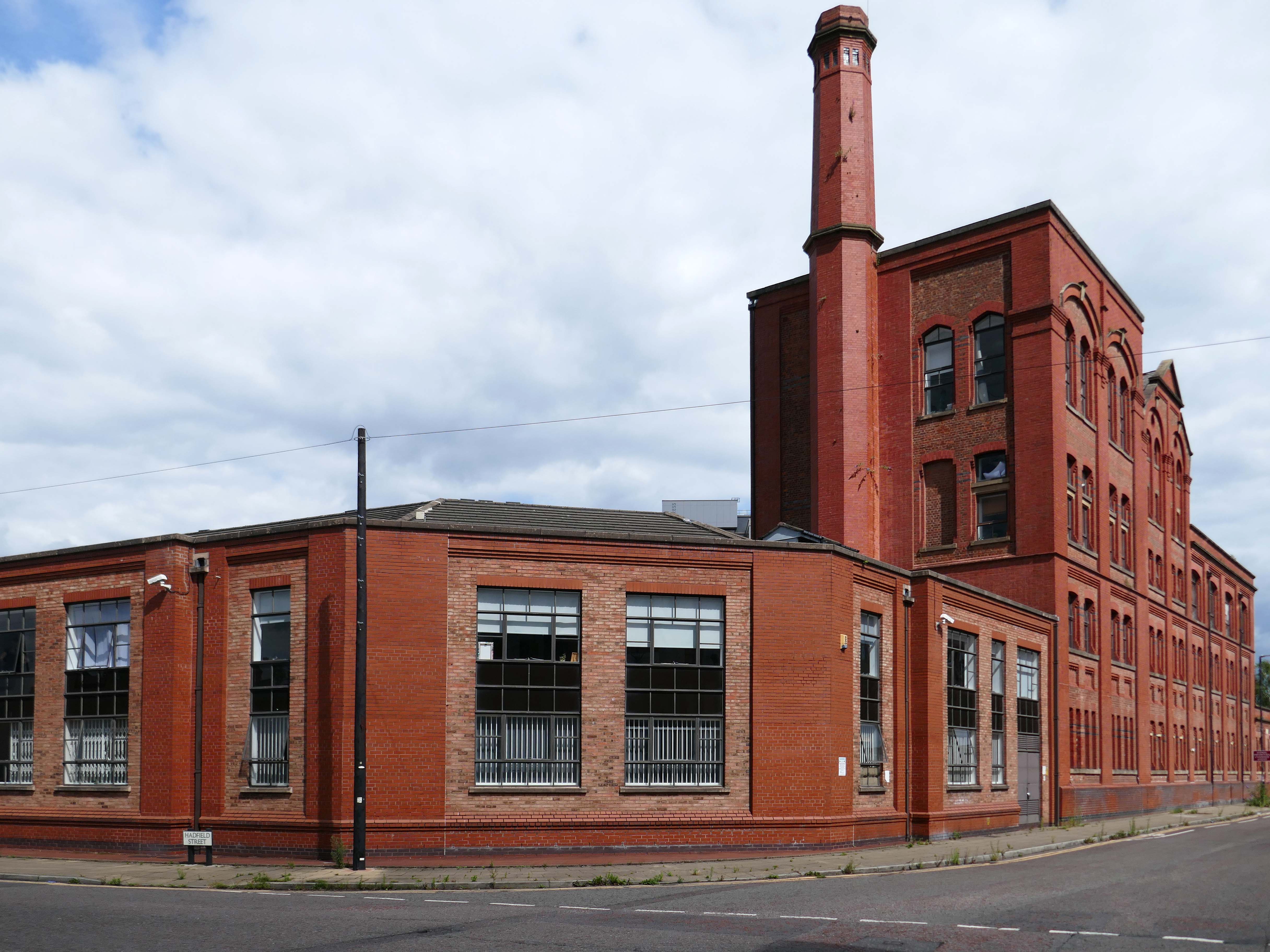
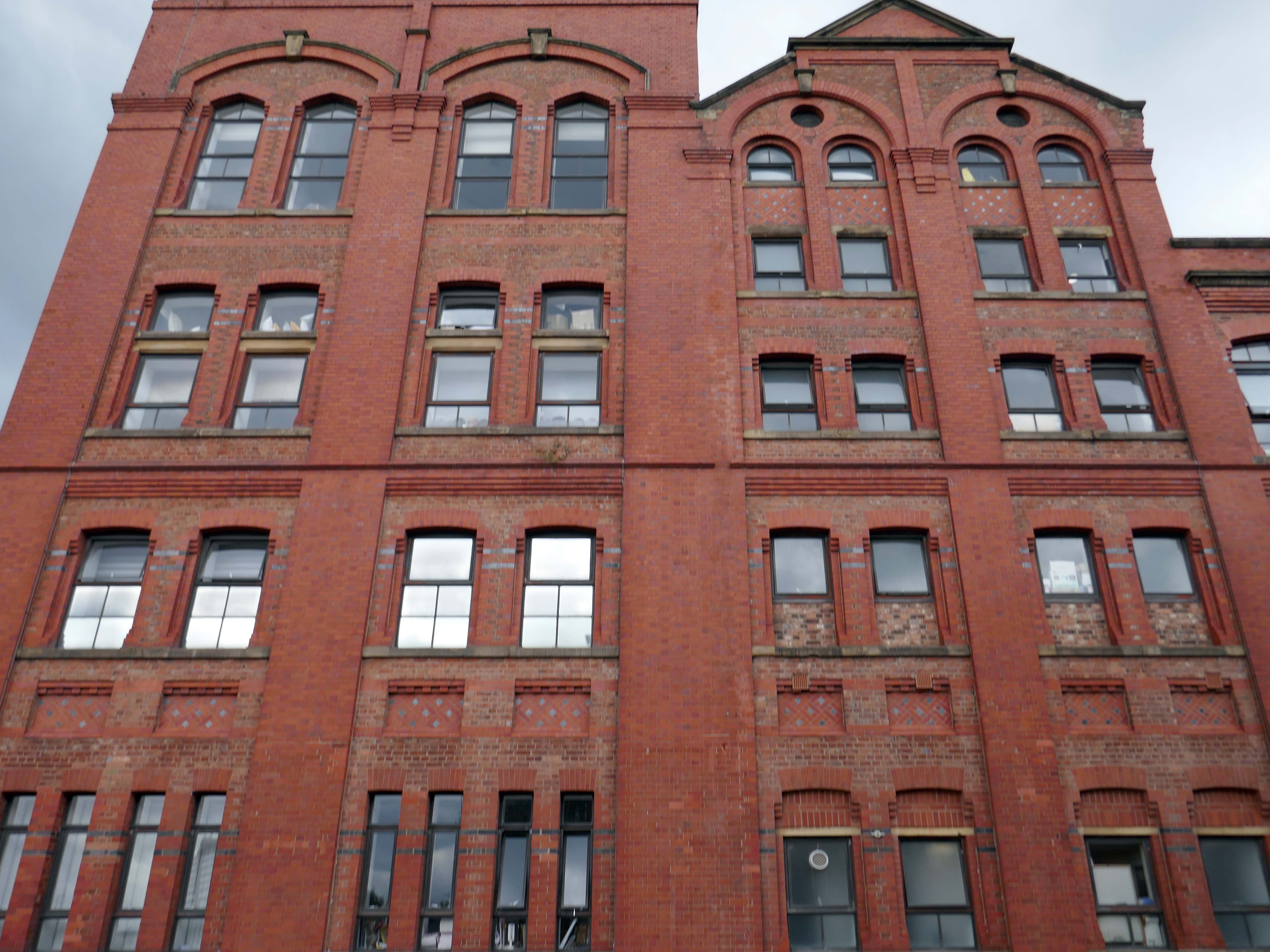
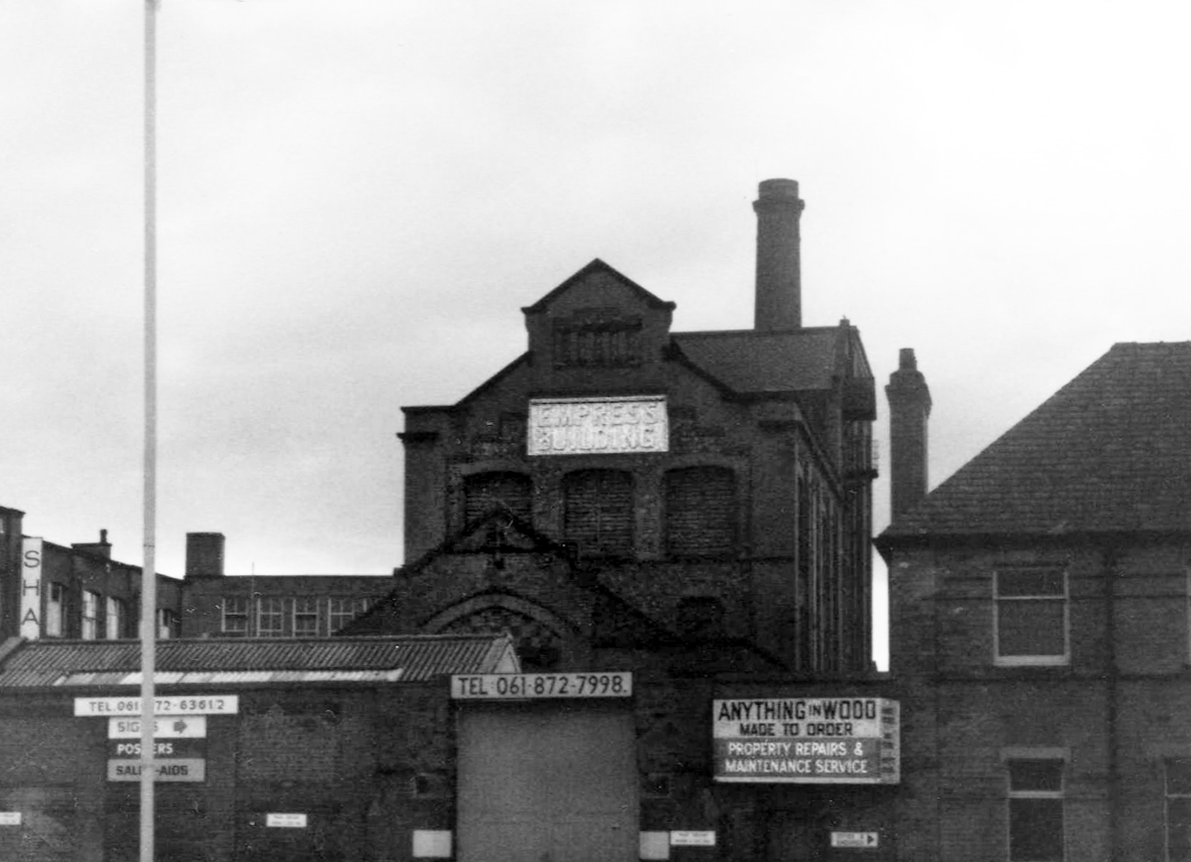
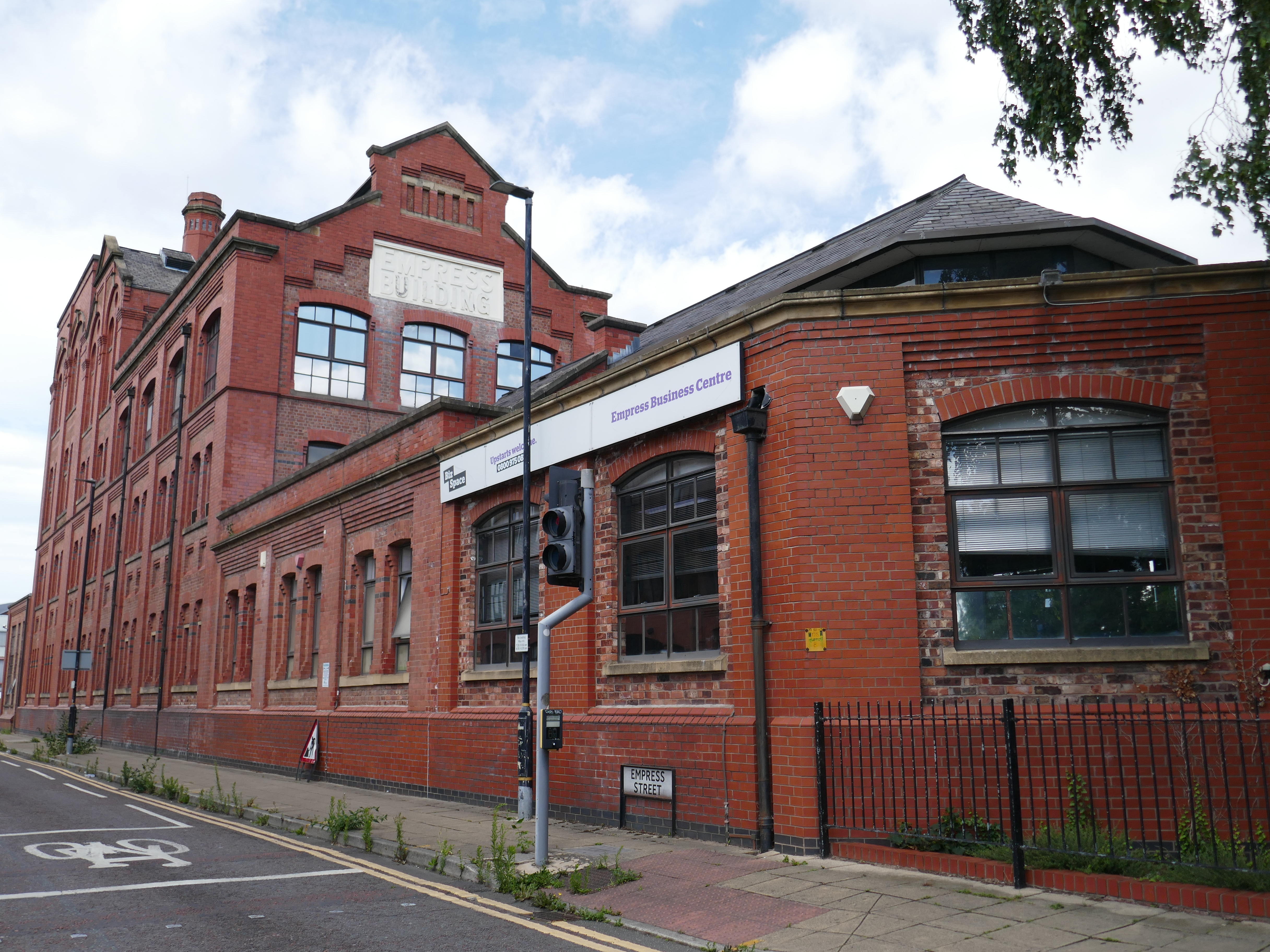
The Empress Brewery as seen on the previous Chester Road post.
The Empress Brewing Company was established by Charles Dawes in c. 1880, the brewery closed in 1955.
The building was converted into offices in 1992 as part of the development of the Empress Business Centre, which saw new office and business units built to form a courtyard.
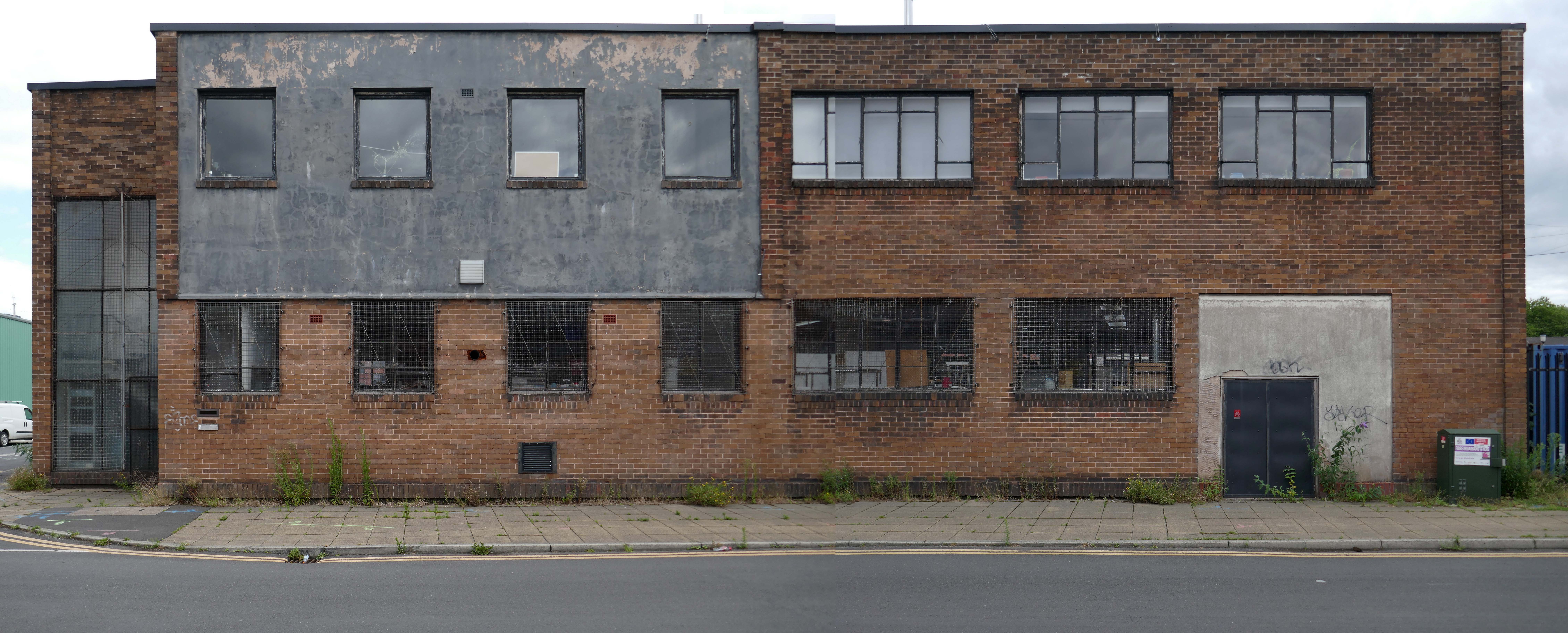
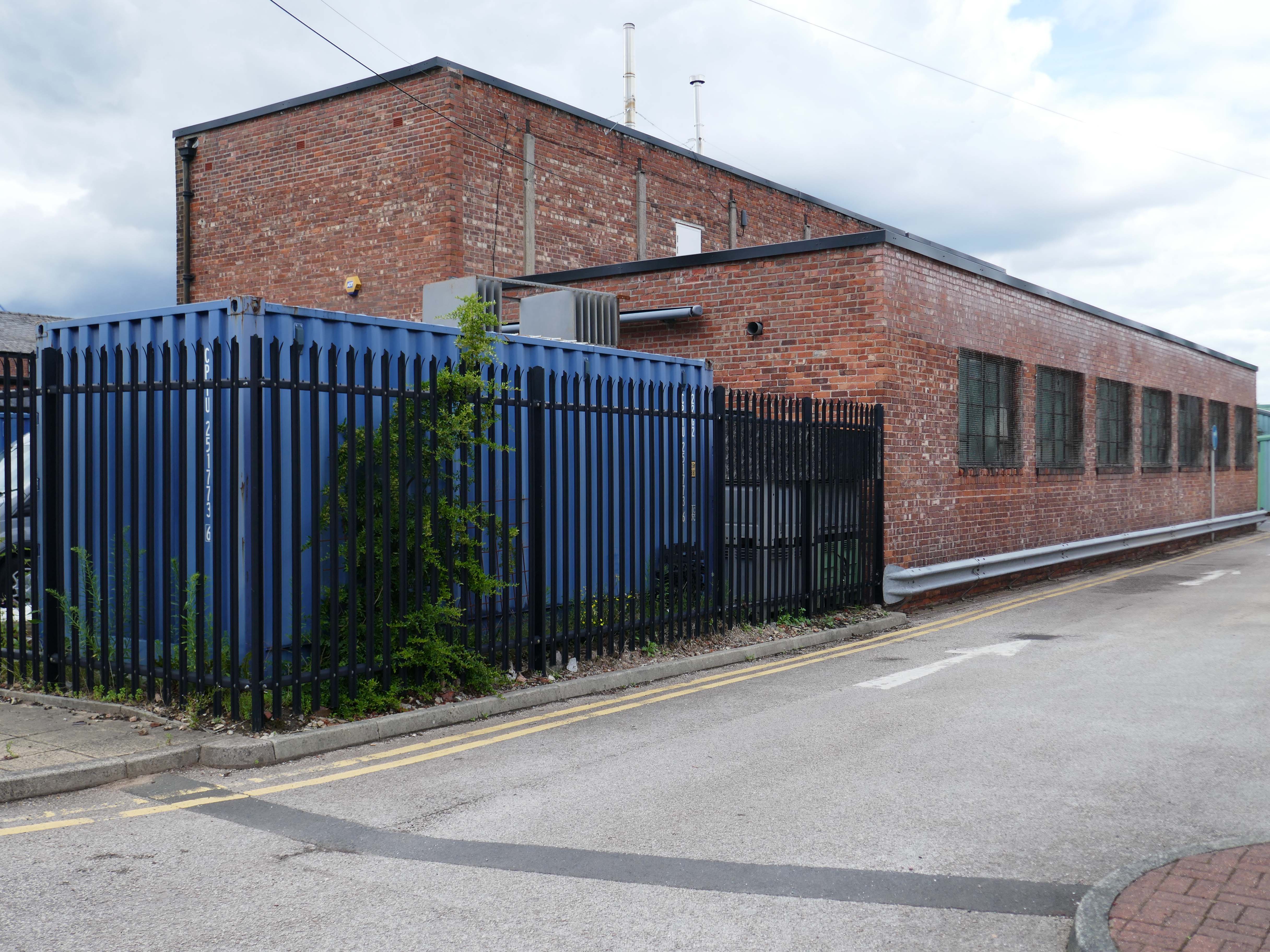
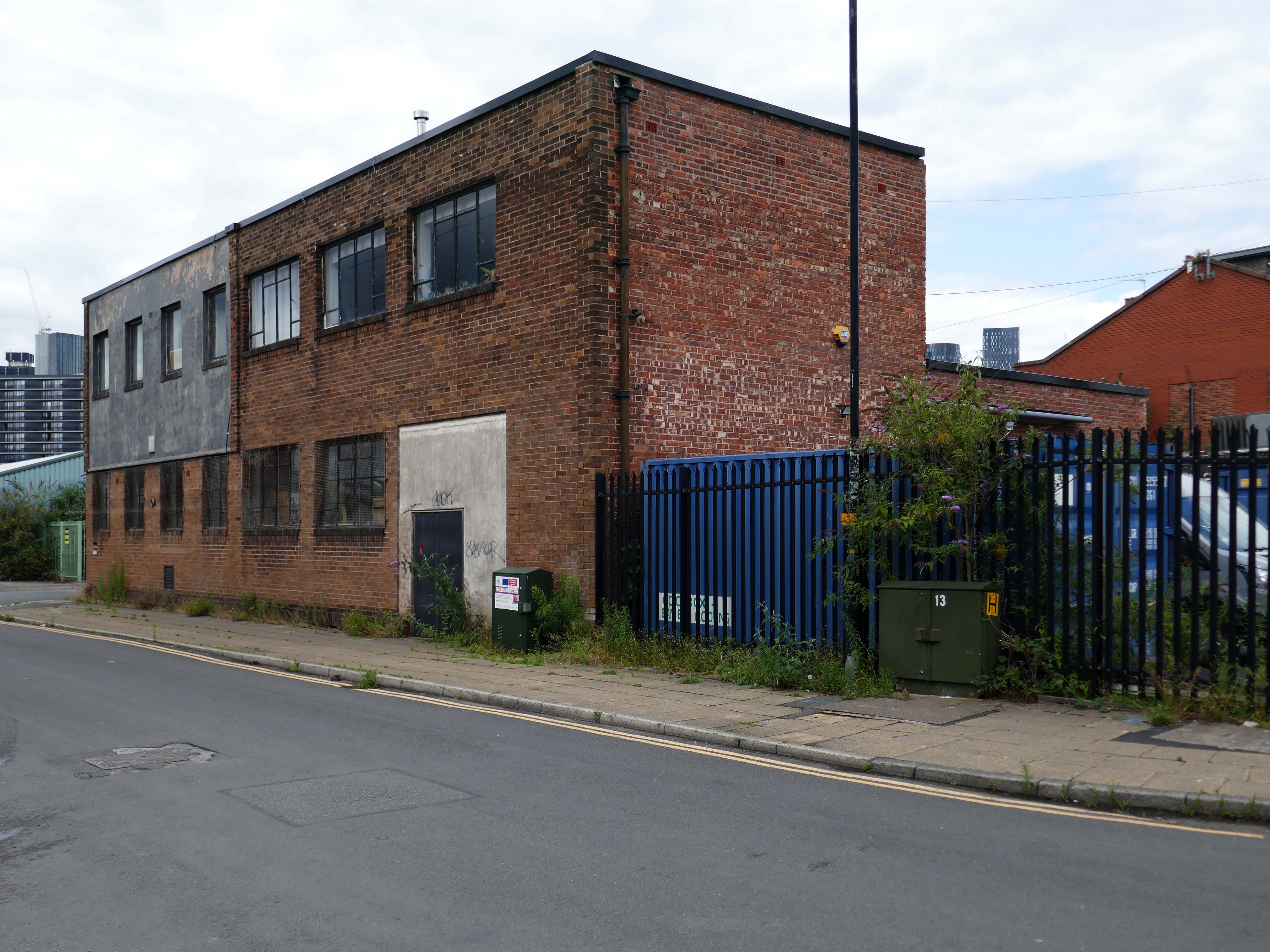
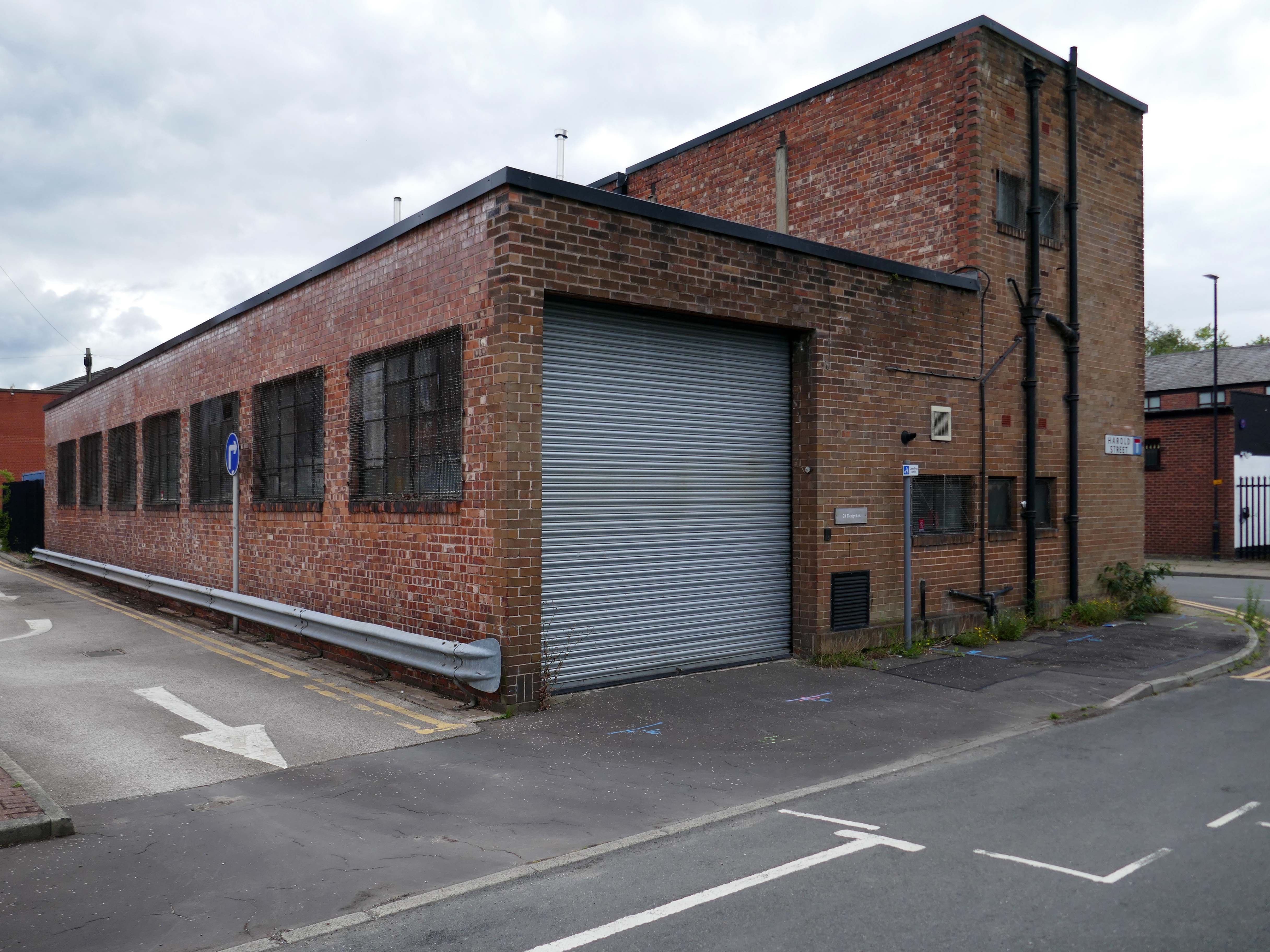
24 Design Ltd Hadfield Street – an exhibition design and build practice, working extensively within the museum and heritage sector.
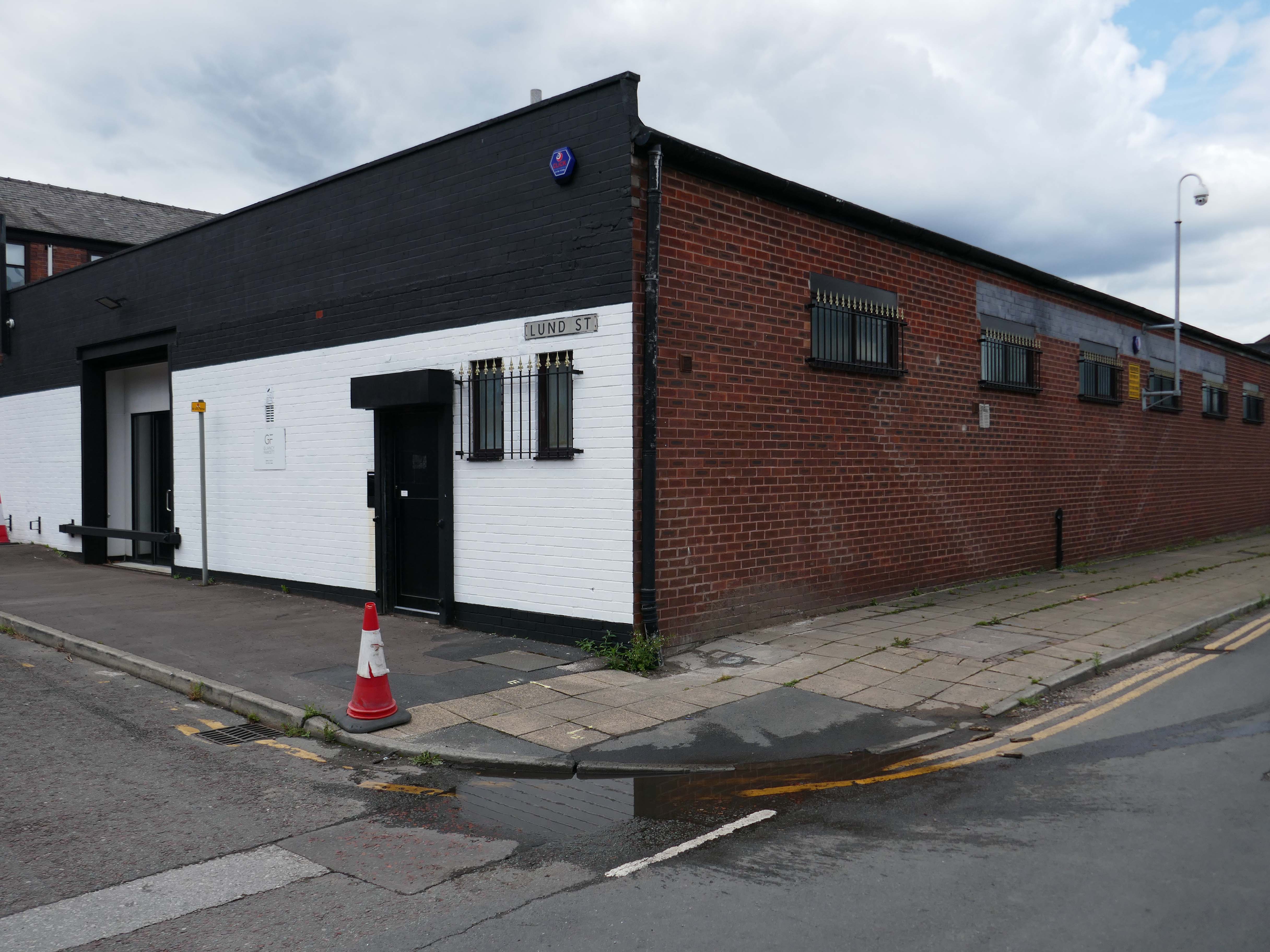
Glancy Fawcett Lund Street, A project-based, luxury lifestyle supplier delivering exquisite homeware for superyachts, residences and private jets.
Concept Life Sciences Hadfield Street, your trusted partner from concept to clinic. We are your integrated drug discovery and development partner for complex challenges, renowned scientific knowledge, and strategic execution across all modalities from small molecule and biologics to cell and gene therapies.
They seem to have left the building.
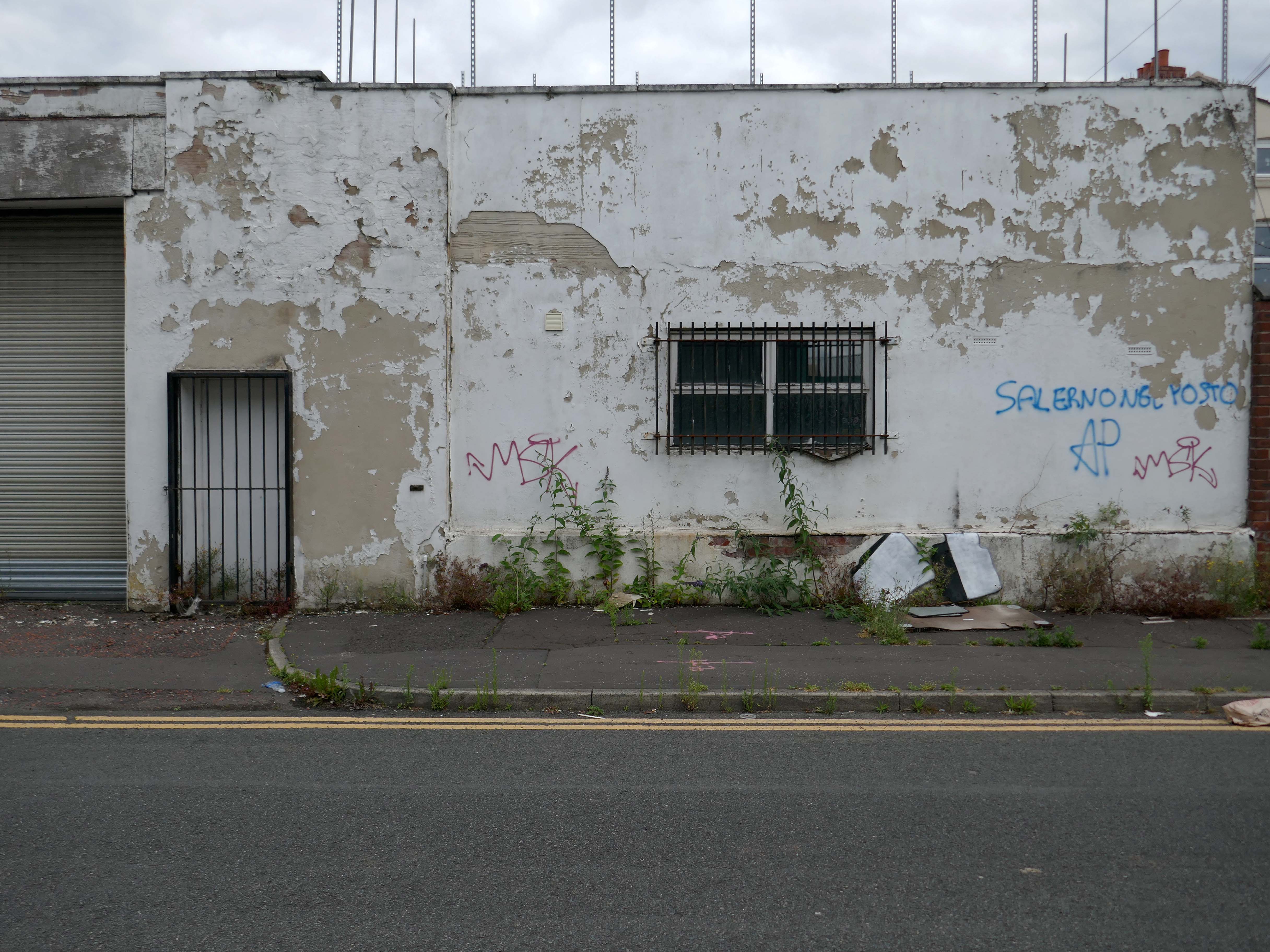
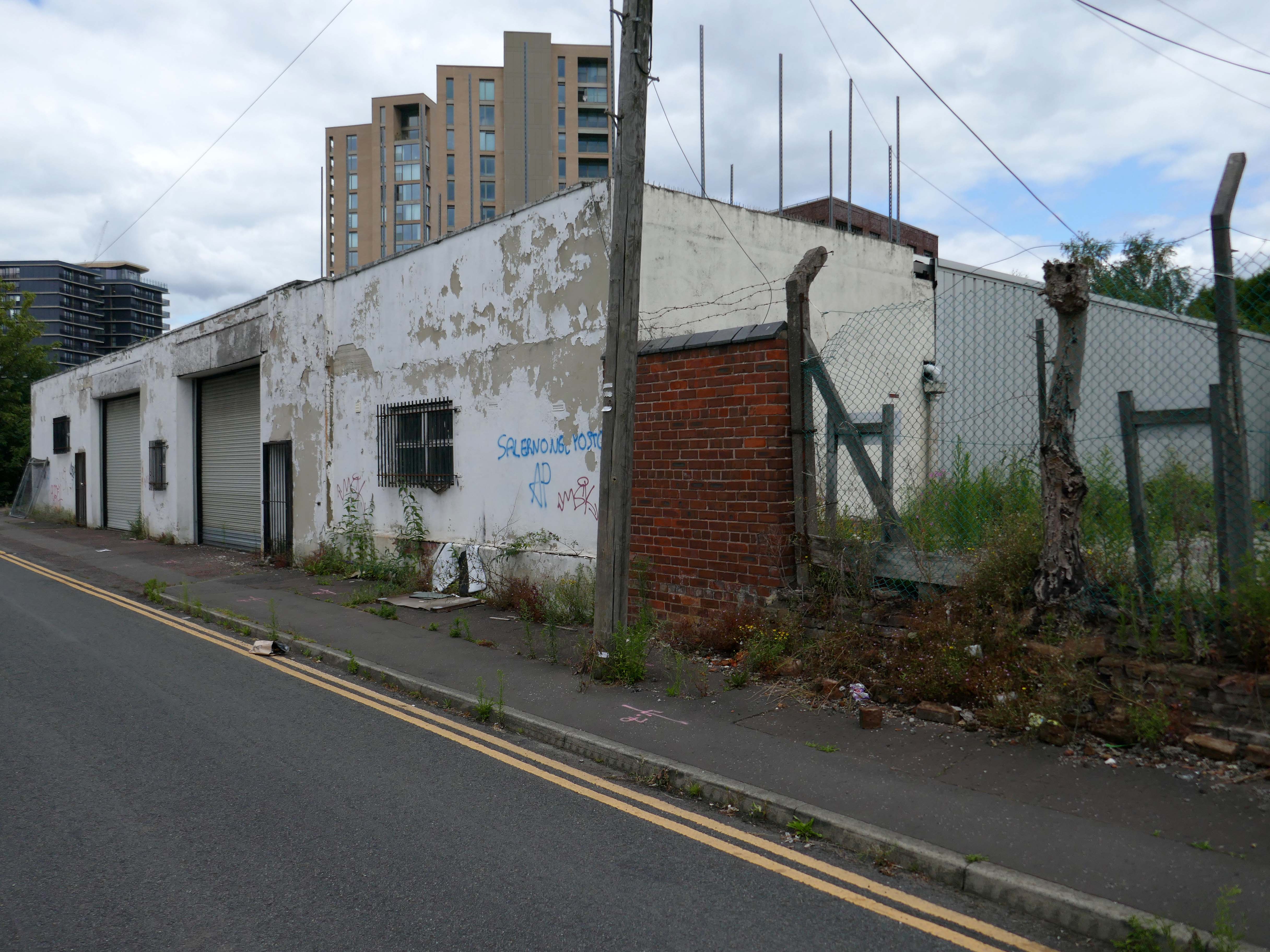
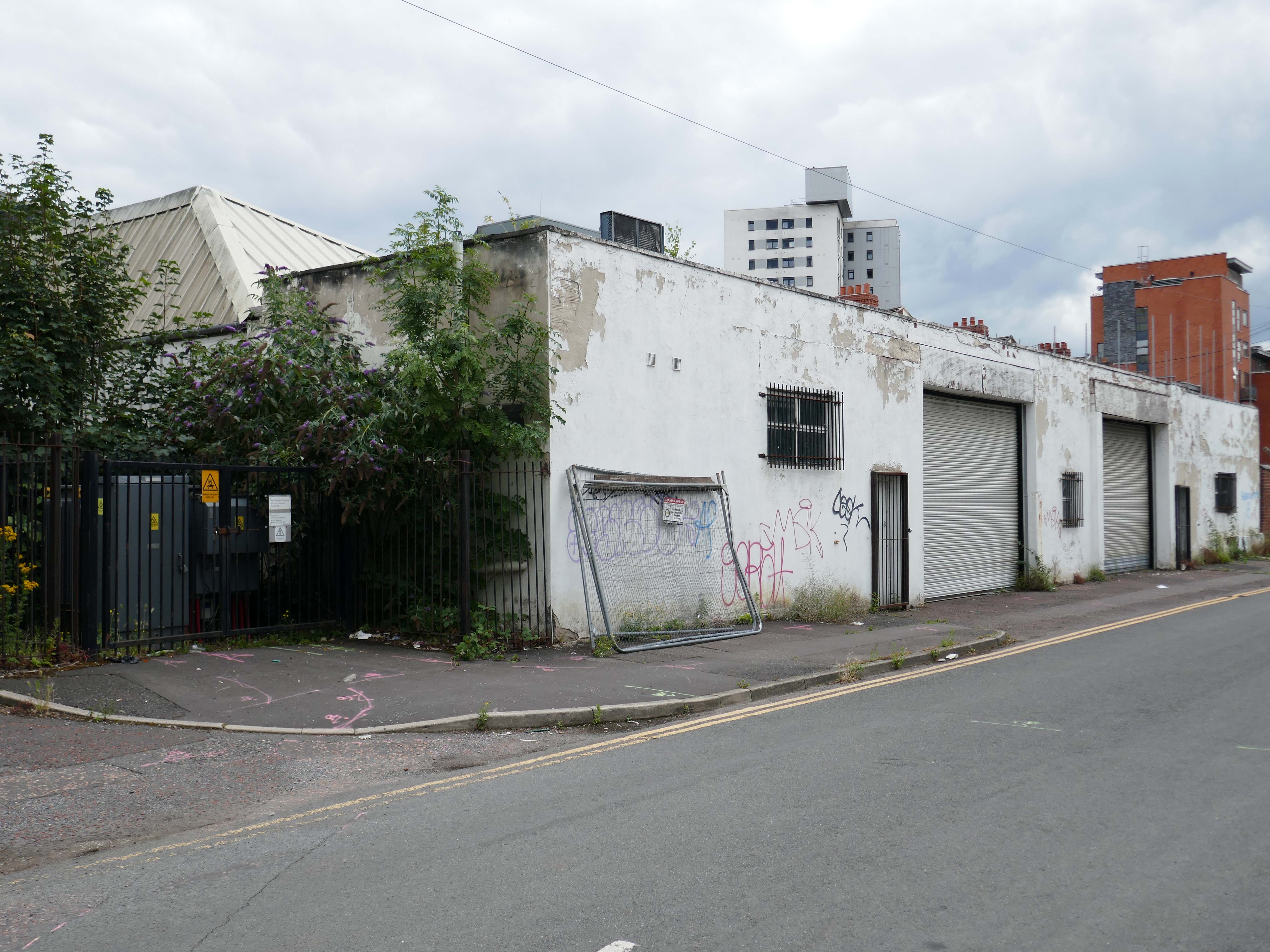
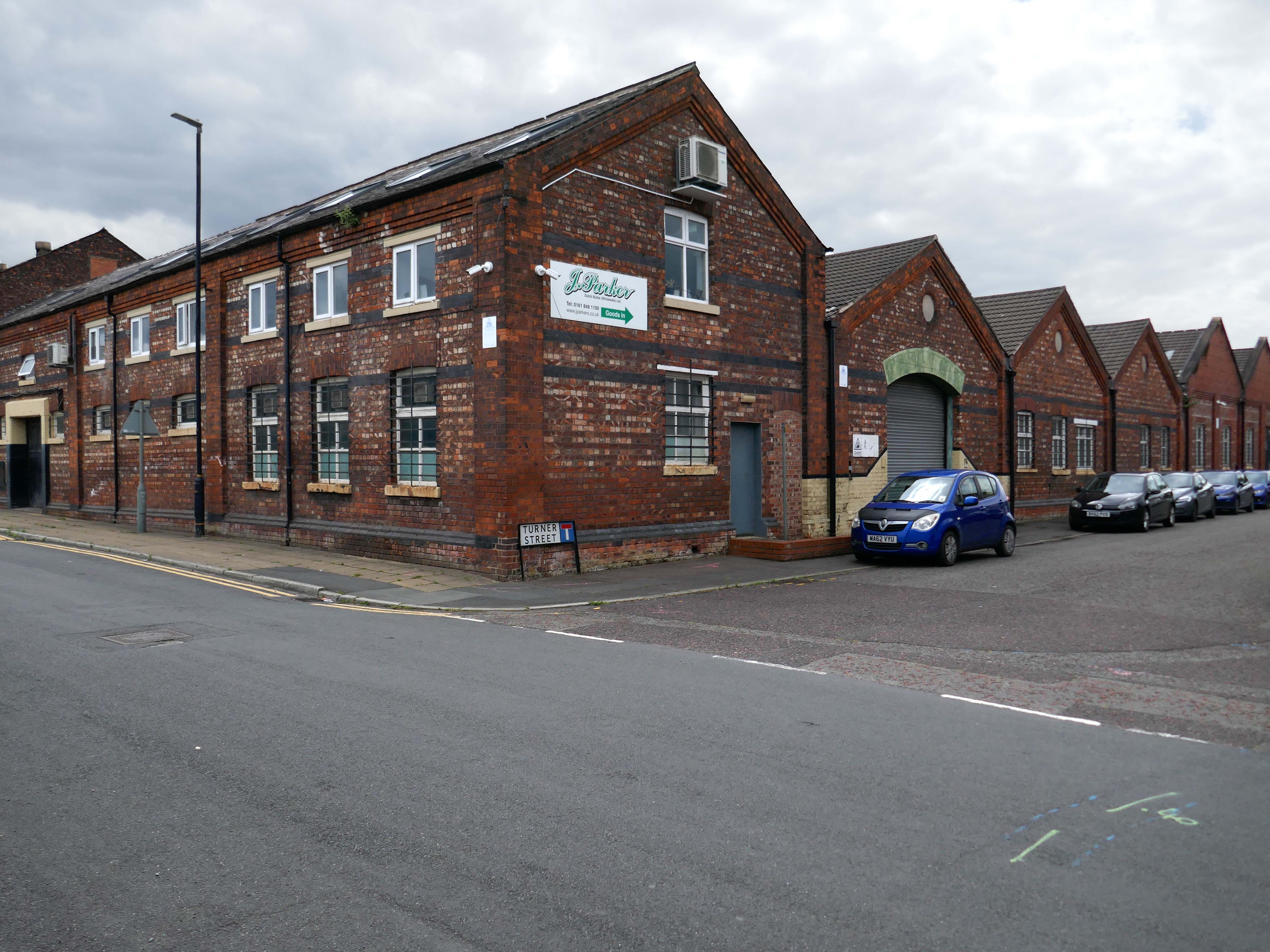
J Parker‘sLtd Hadfield Street, Dutch bulb importers – competitive prices across all our garden plant and bulb ranges, huge range, unbeatable prices, established 1933.
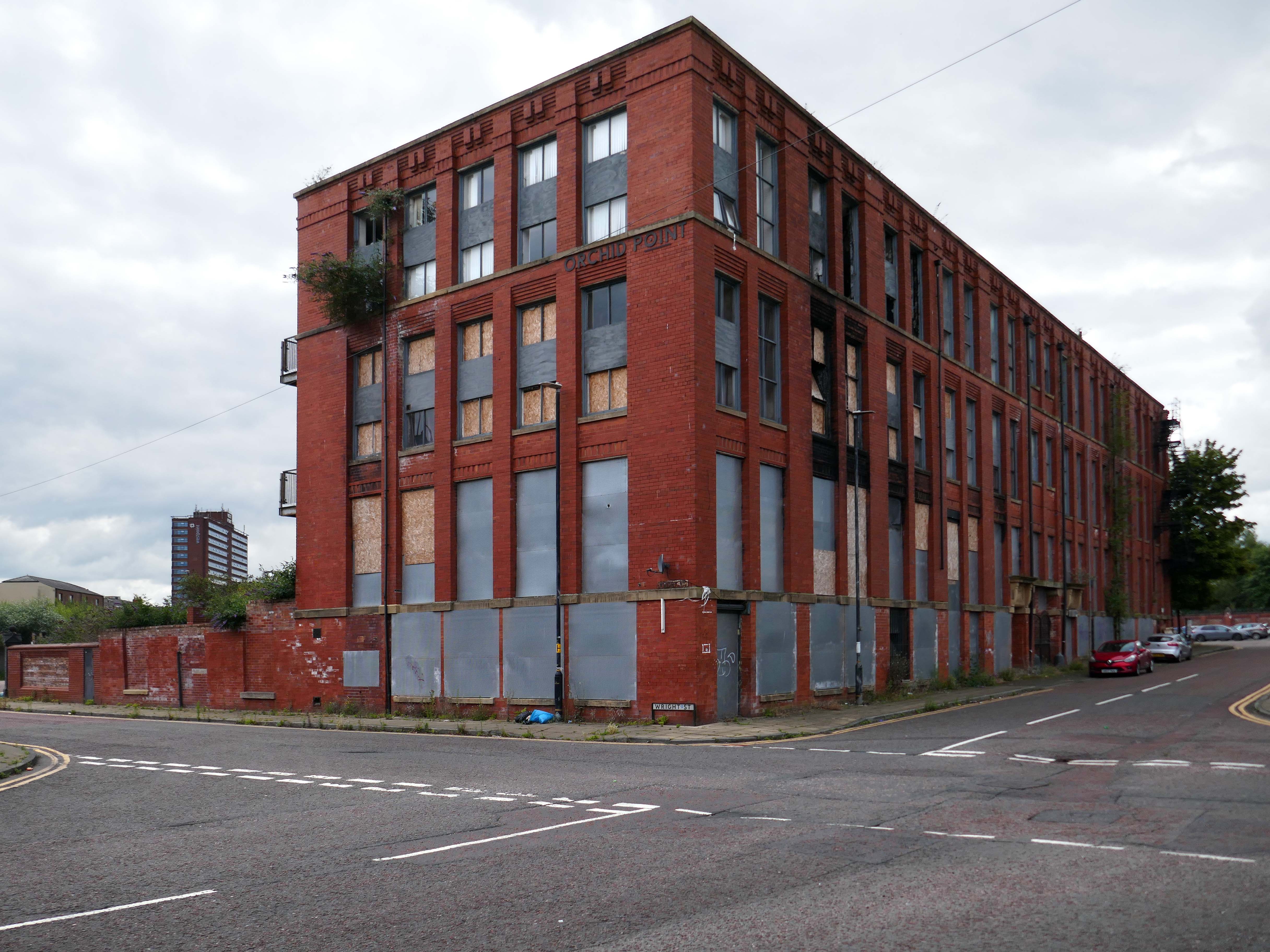
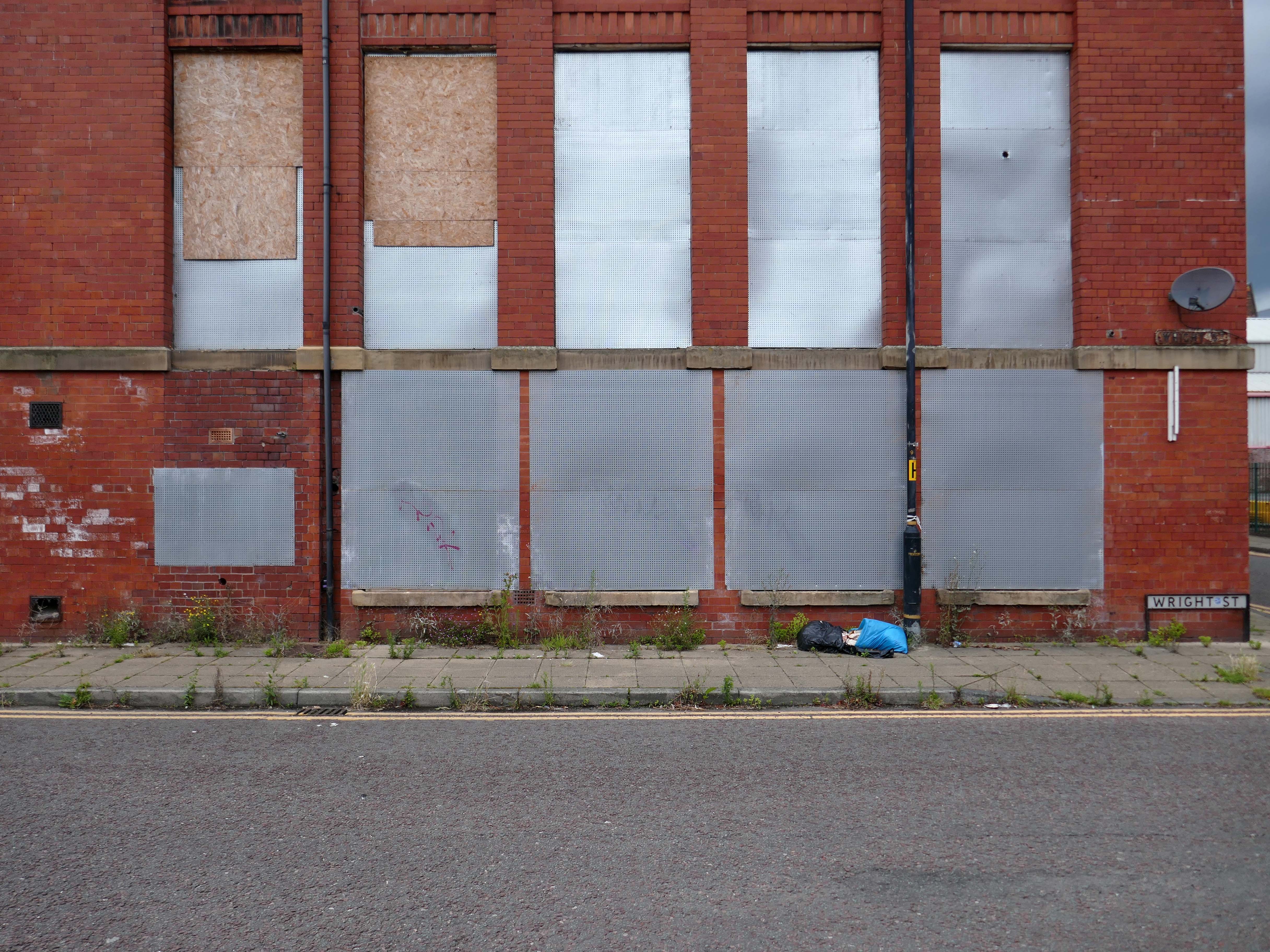
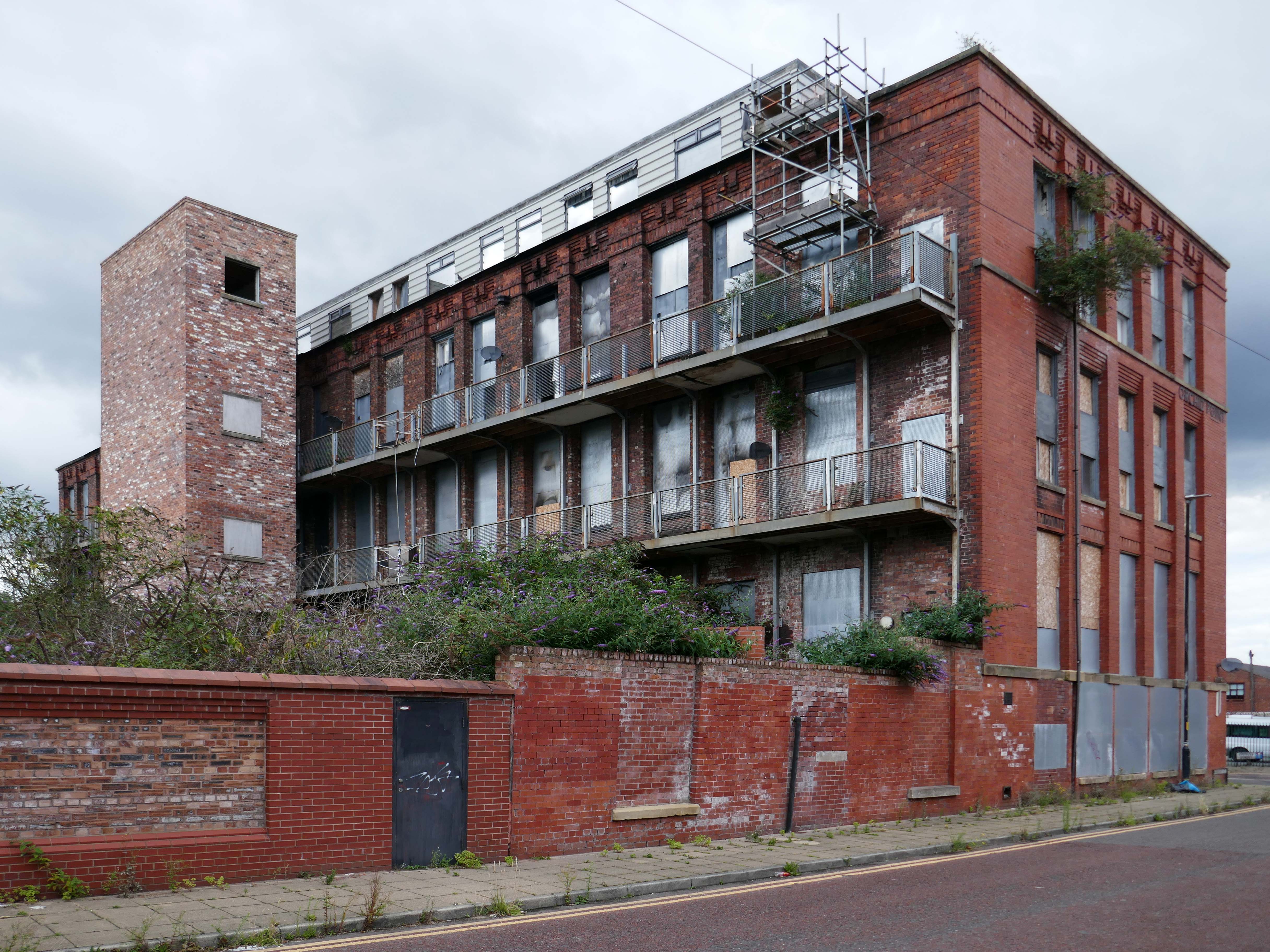
Empress Mill latterly Orchid Point Empress Street.
Built between 1903 and 1909, it echoes the industrial character of the larger industrial buildings on Chester Road and Empress Street. The property is listed as a smallware factory in the occupation of Woolf & Higham manufacturers of small wares, upholsterers’ trimmings, worsted bindings, woven venetian ladder tapes, cotton and linen venetian blind webs, spindle bandings, window blind cords, carpet bindings, bed laces. The works is shown on the Ordnance Survey of 1955 as an Engineering Works – Printing Machinery.
Local Heritage List
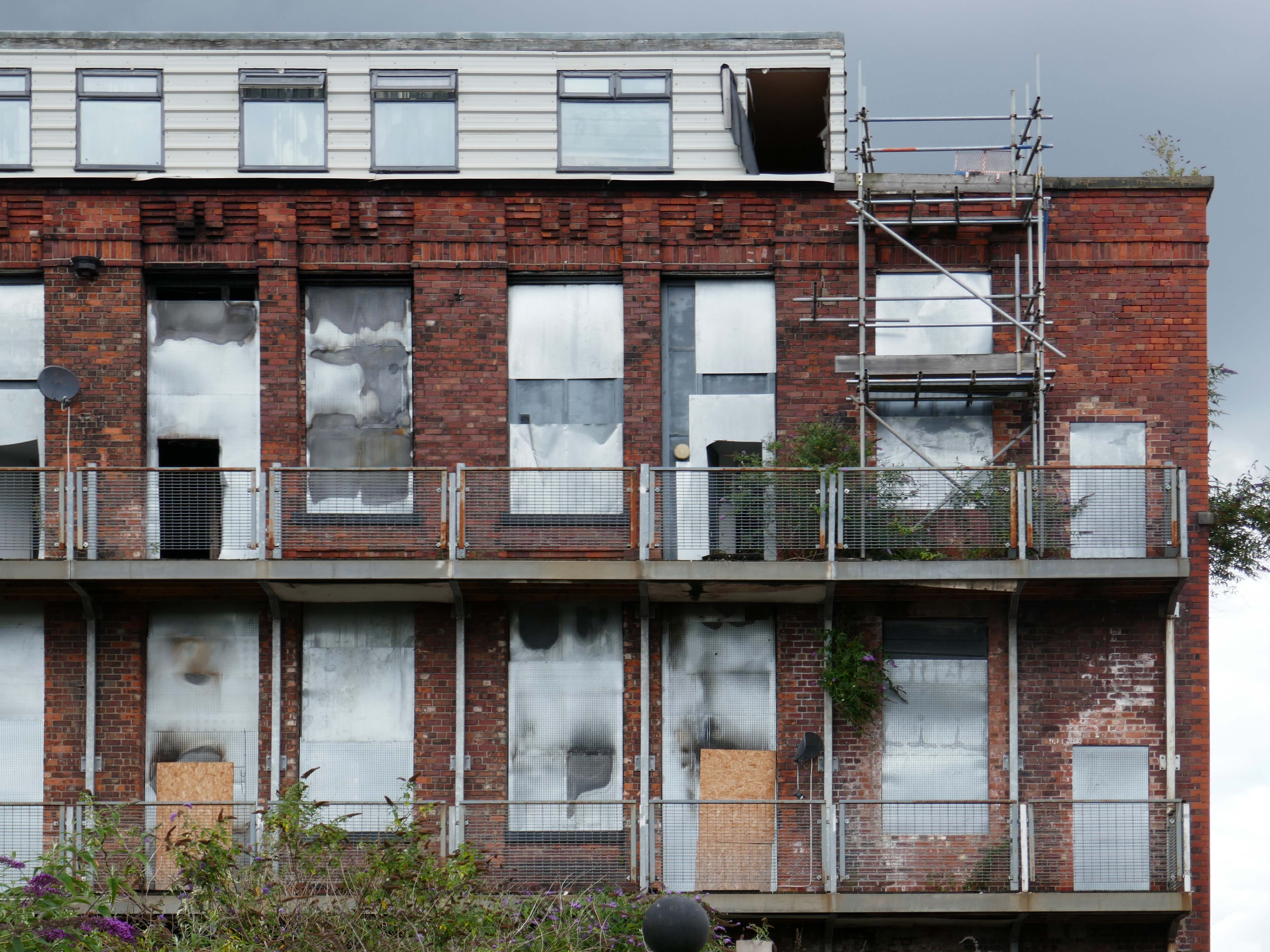
In 2011, FreshStart Living purchased the building, alongside others nearby, as part of a £9 million development ‘breathing new life’ into this corner of Old Trafford with 116 one and two-bedroom apartments. But, on the inside, leaking roofs, mould, exposed electrical wires and a dodgy gas connection paint a completely different picture.
Not long after purchasing it, we discovered the entire building was being powered by a generator.
Empress Mill was turned into an apartment block as part of a development called Orchid Point. It is understood some residents were allowed to move in twelve years ago, but these residents were asked to move out after a number of years due to safety issues.
On February 20th 2023, the Empress Mill was one of a number of buildings described as unsafe and unsecure by Trafford Council.
The emergency services were called to Empress Mill at 5.15am on Friday. Ten appliances from across the region, including specialist appliances called a stinger and a scorpion, attended the abandoned mill turned apartment block off Chester Road and firefighters battled the blaze into the afternoon.
Officers from Trafford Council have taken firm action to put a stop to anti-social behaviour at a vacant block of flats in the Old Trafford area.
Drug addicts and thieves have descended on Aura Court since much of it was closed in August 2020 by Greater Manchester Fire Service due to a decaying non-compliant fire escape.
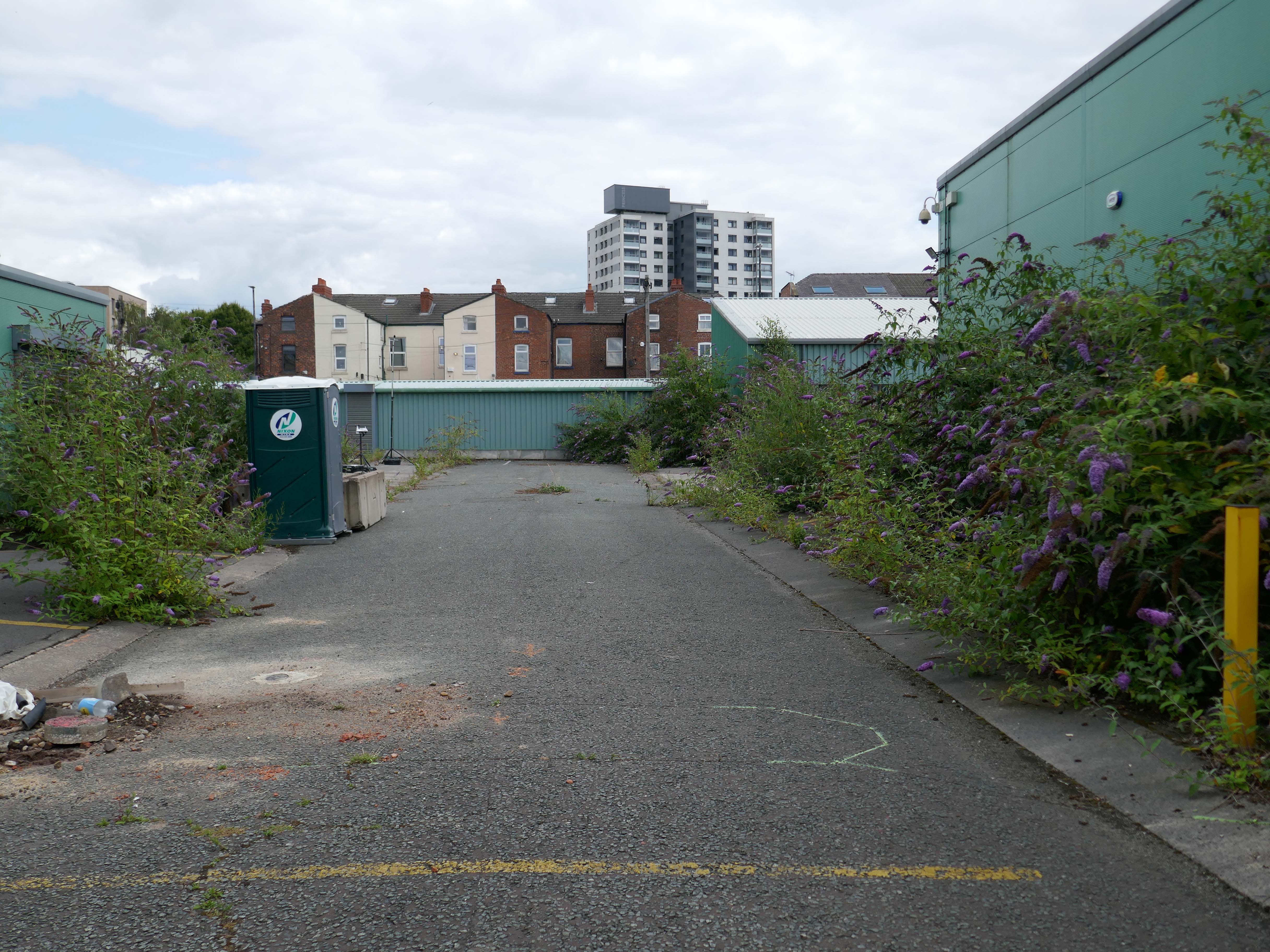
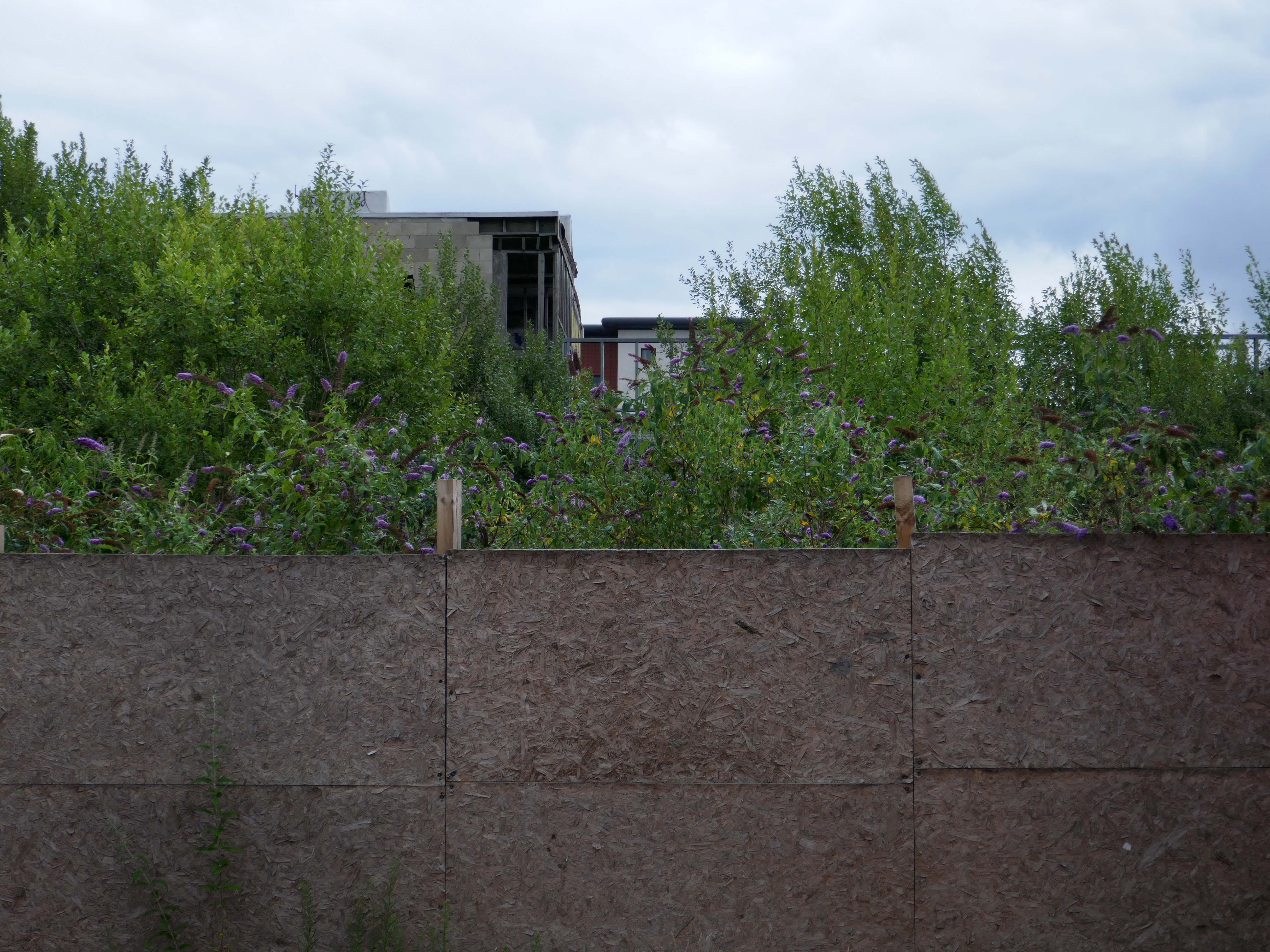
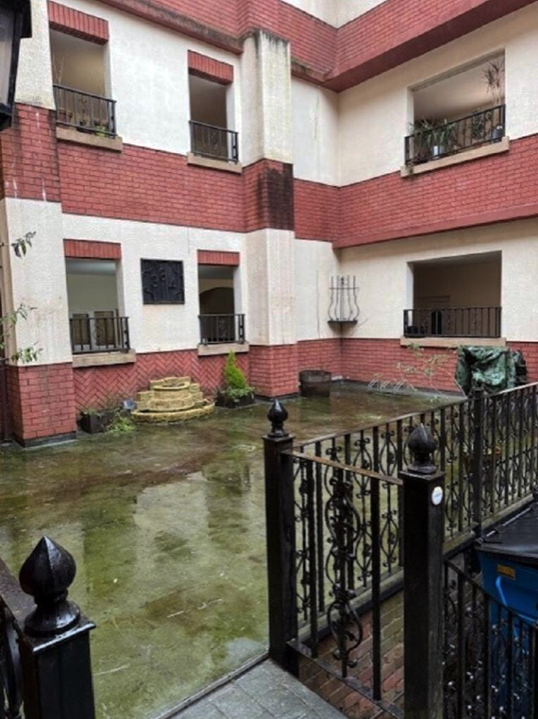
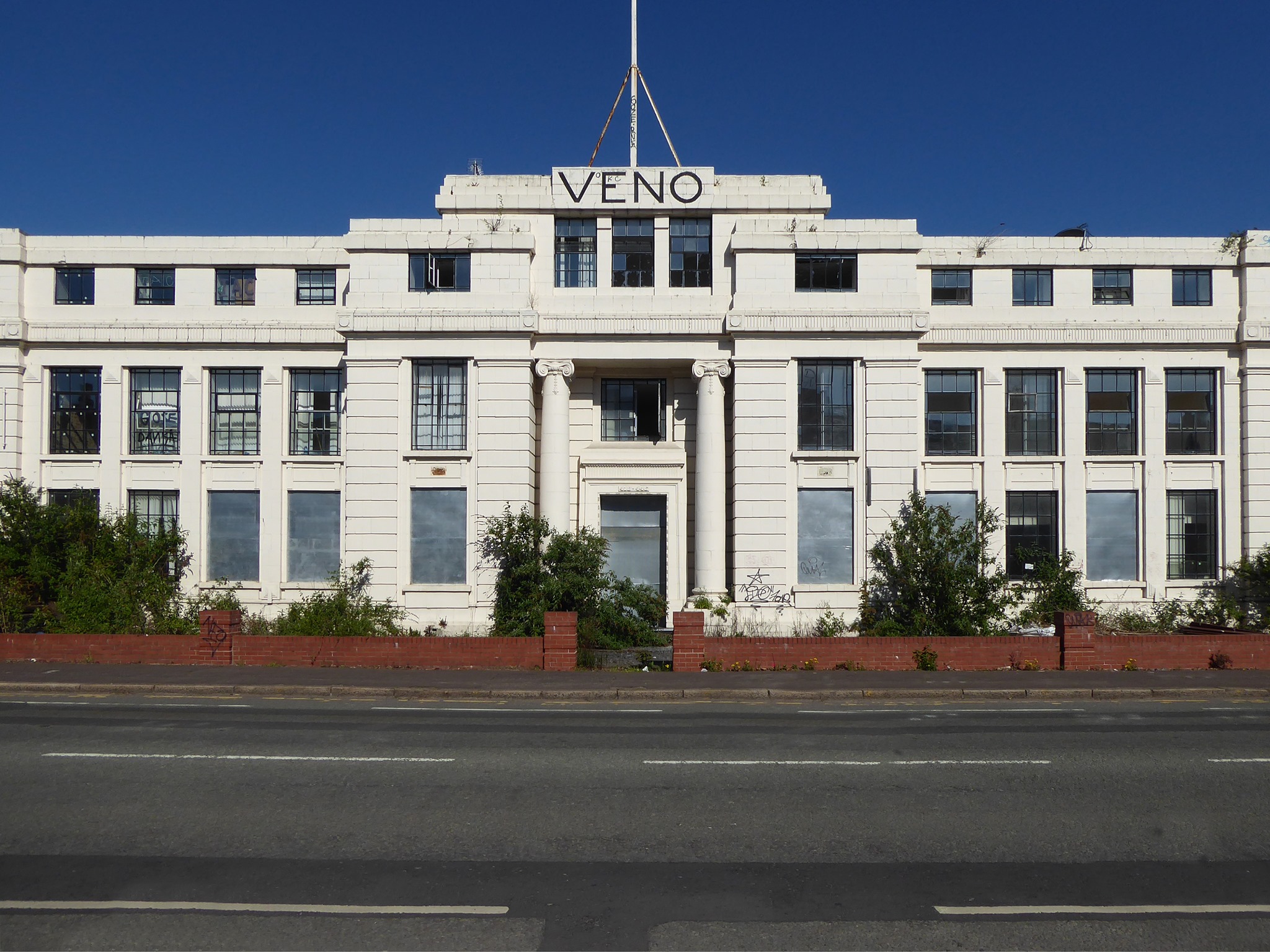
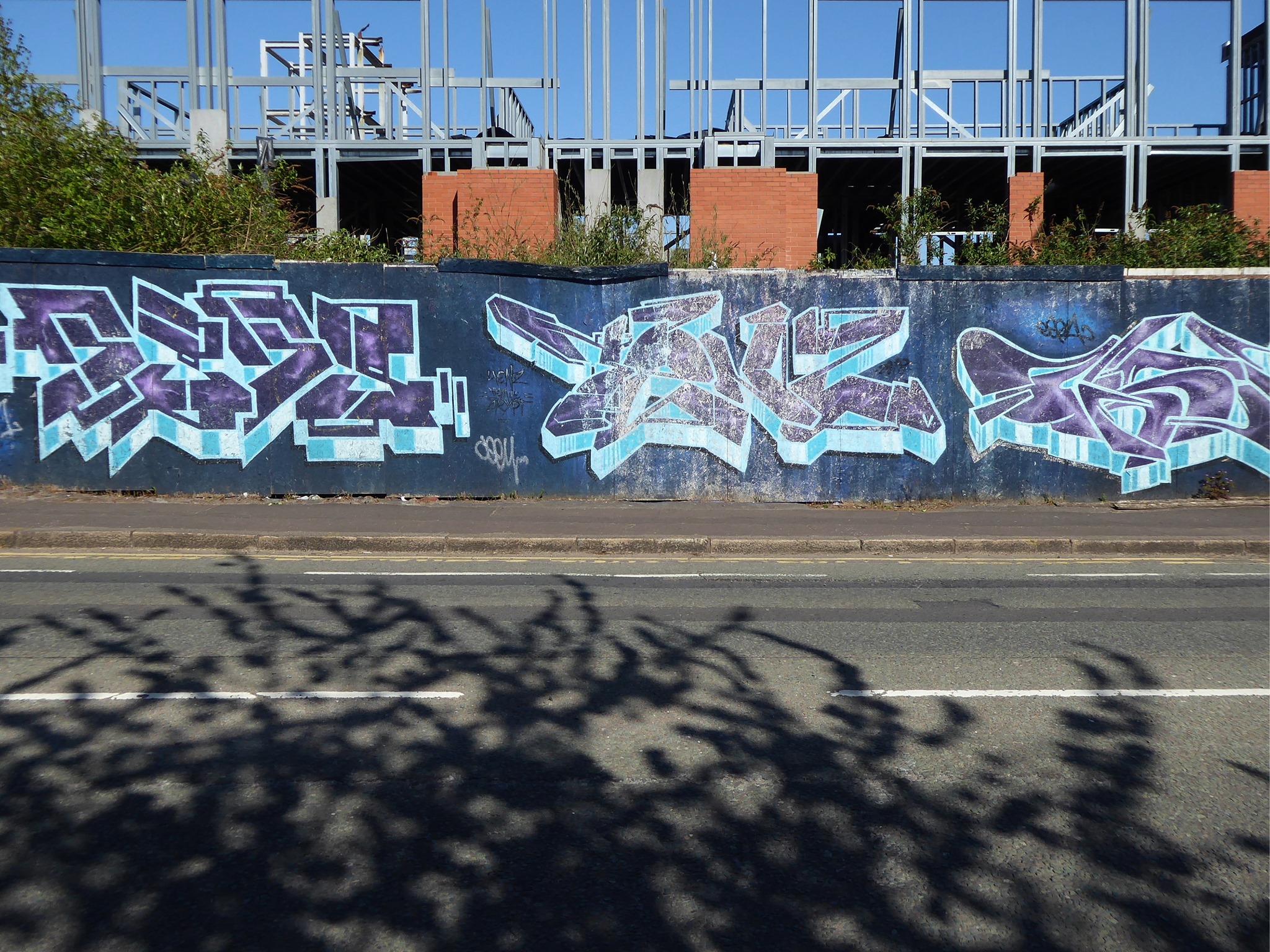
The site along with Venos and Progress House is up for sale.
A rare development opportunity in Central Manchester with excellent access to Manchester City Centre Close to Salford Quays, Old Trafford Football and Cricket Grounds along with White City Retail Park The total site covers an area of approximately 2.10 Acres, historic planning consents granted on the site for in excess of 200 flats plus additional commercial accommodation.
Duckworth’s specialised in the manufacture of concentrated soluble essences, essential oils and colours supplied to the aerated water trade – local ‘pop’ men. They were leaders in the field, supplying flavours and essences around the world and developing products tailored to specific markets.
Duckworth & Co was acquired by Cargill Flavor Systems Ltd in 2003, the company vacated the Chester Road premises in 2006.
After buying the building in 2007 for a reported £3.6m, the Church of Scientology planned to re-open the building by either 2010 or 2011.
Leaders of the religious group have submitted a new application to carry out external and internal works. A design and access statement written on behalf of the church by NJSR Chartered Architects proposes a comprehensive revamp of the building.
The overall aim of the project is the refurbishment and conversion of the Duckworth Essences Building into a place of religious study and worship.
Walking from Cornbrook toward Stretford along Chester Road – which is one half of my Tram Trip to Altrincham
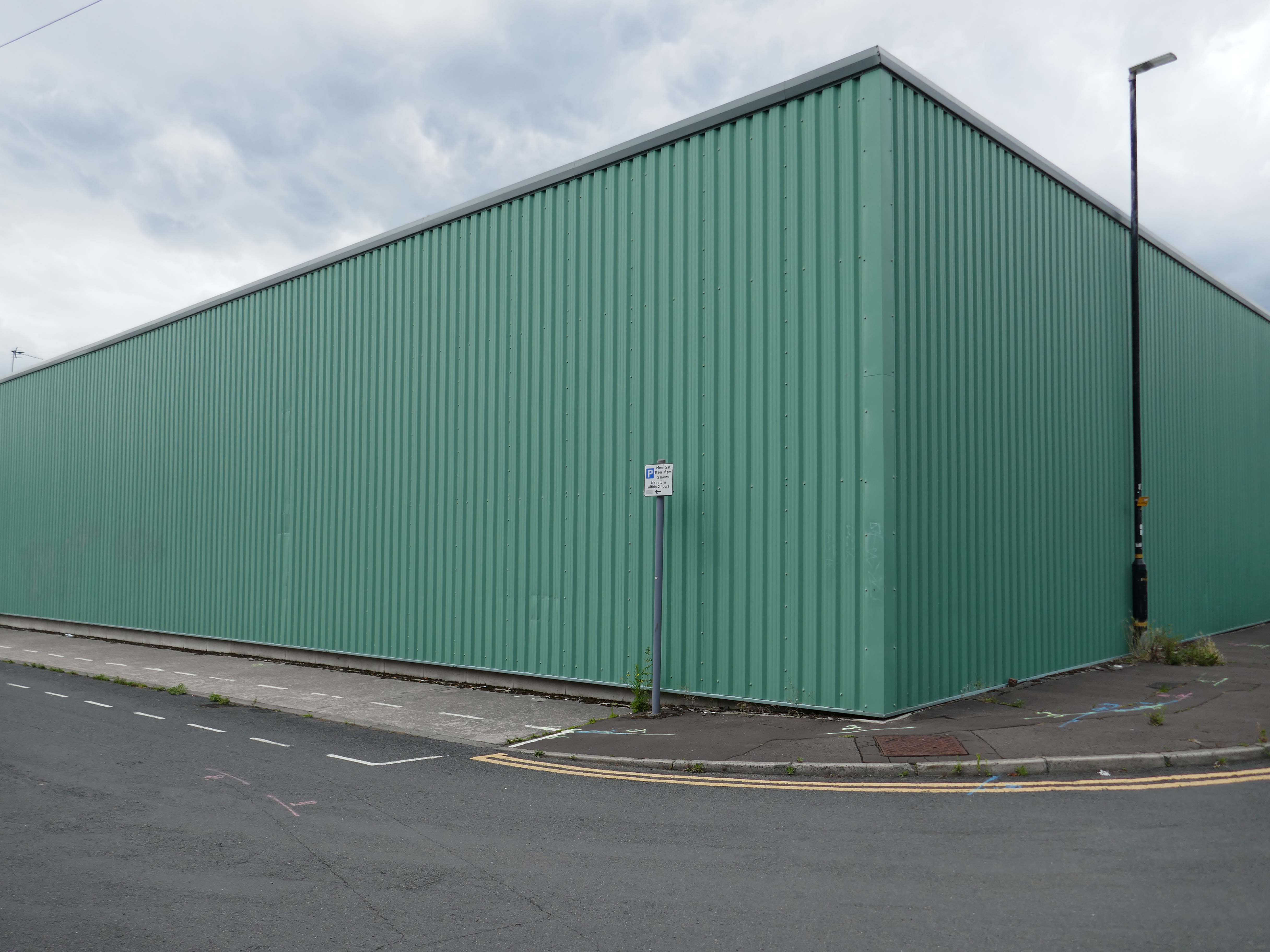
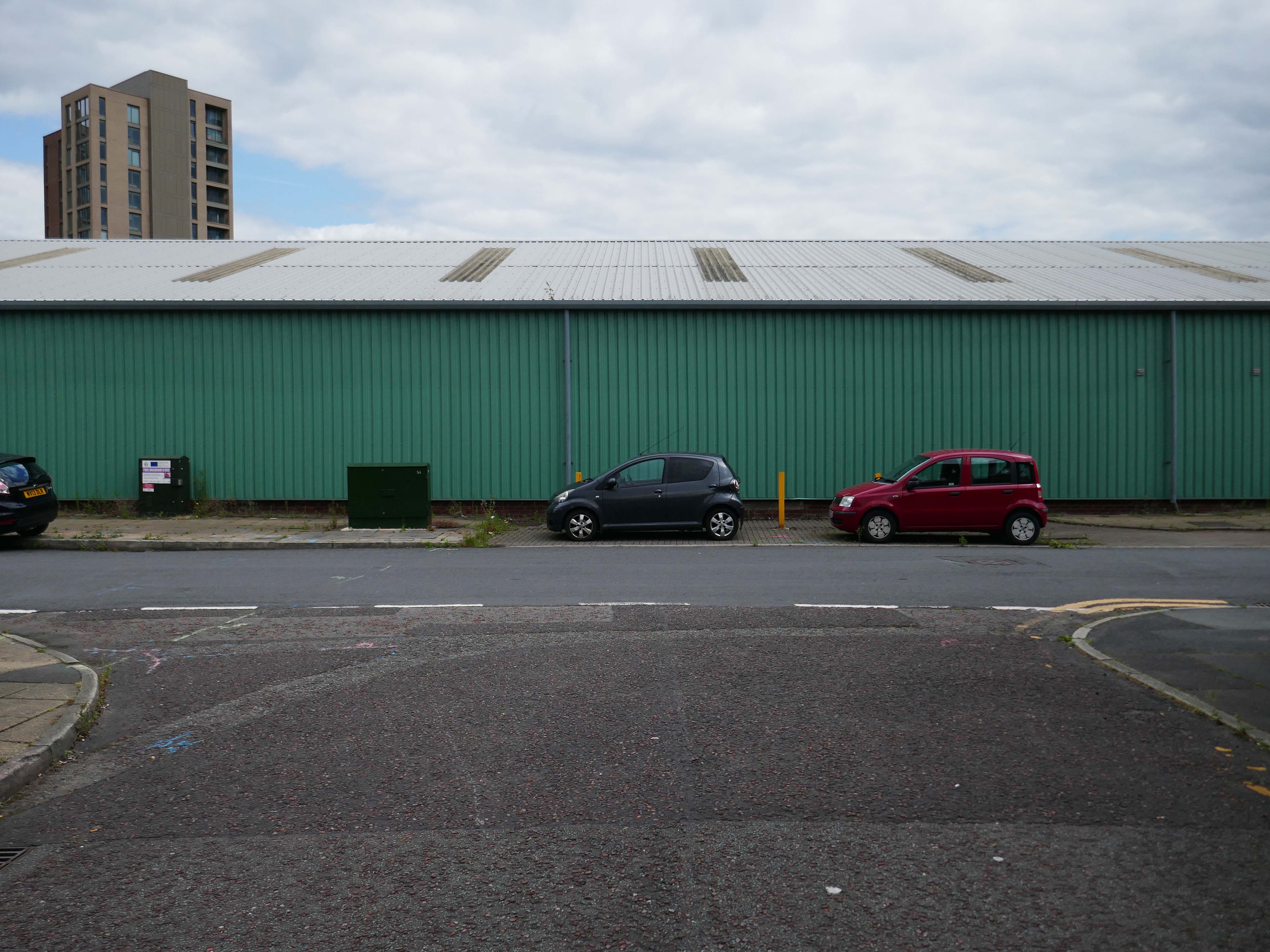
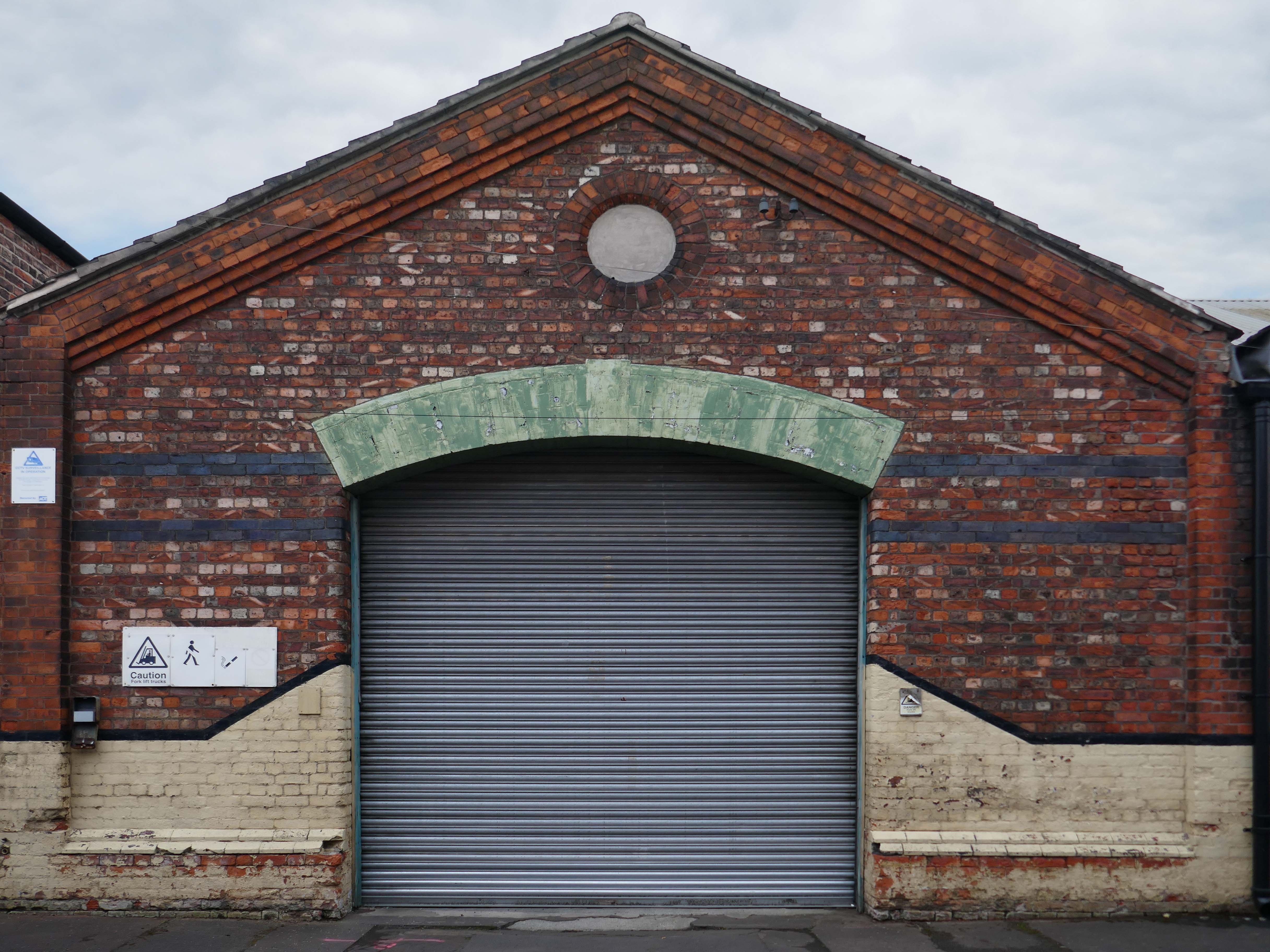
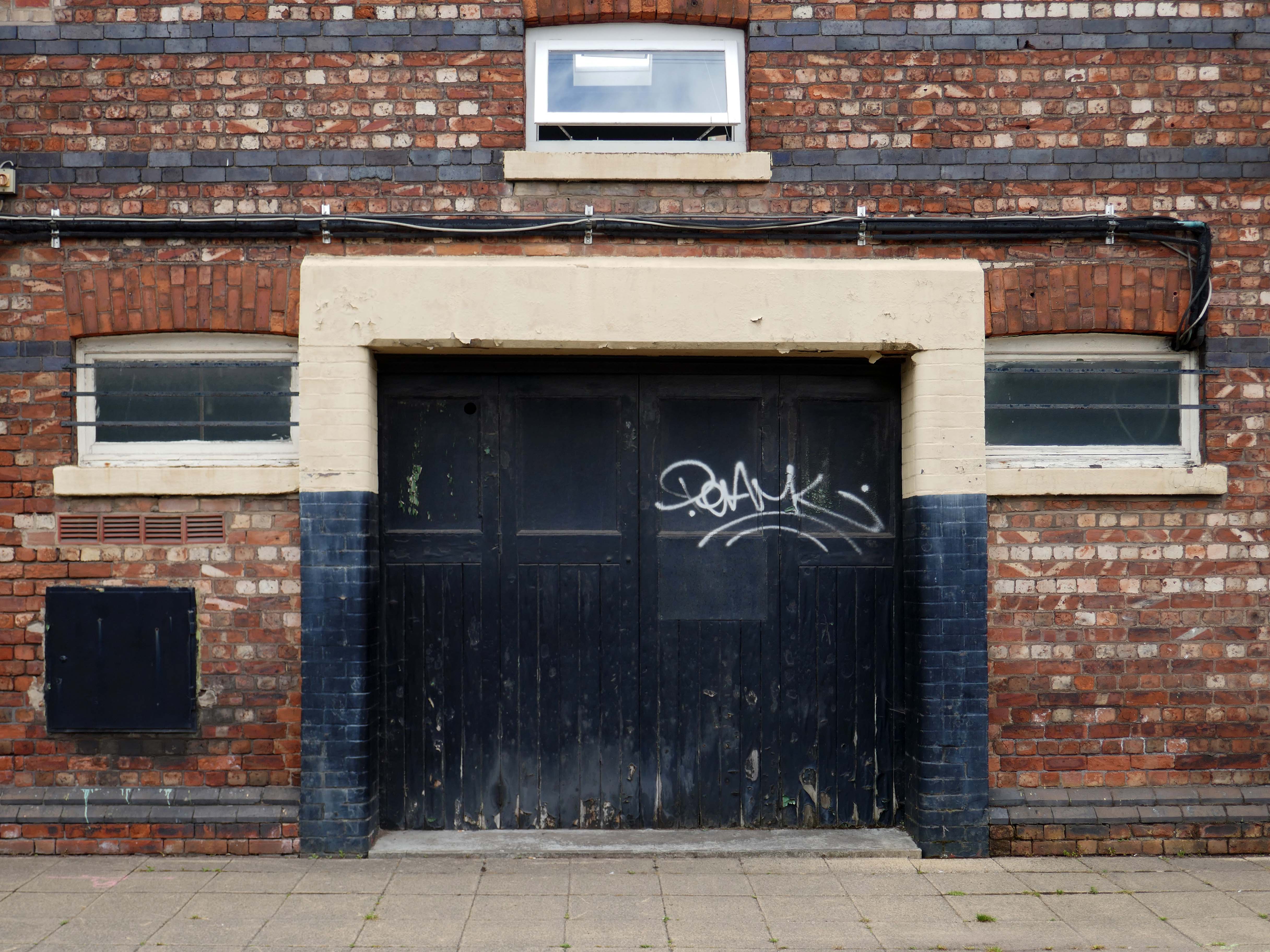
There is a cluster of former industrial buildings around Empress Street.
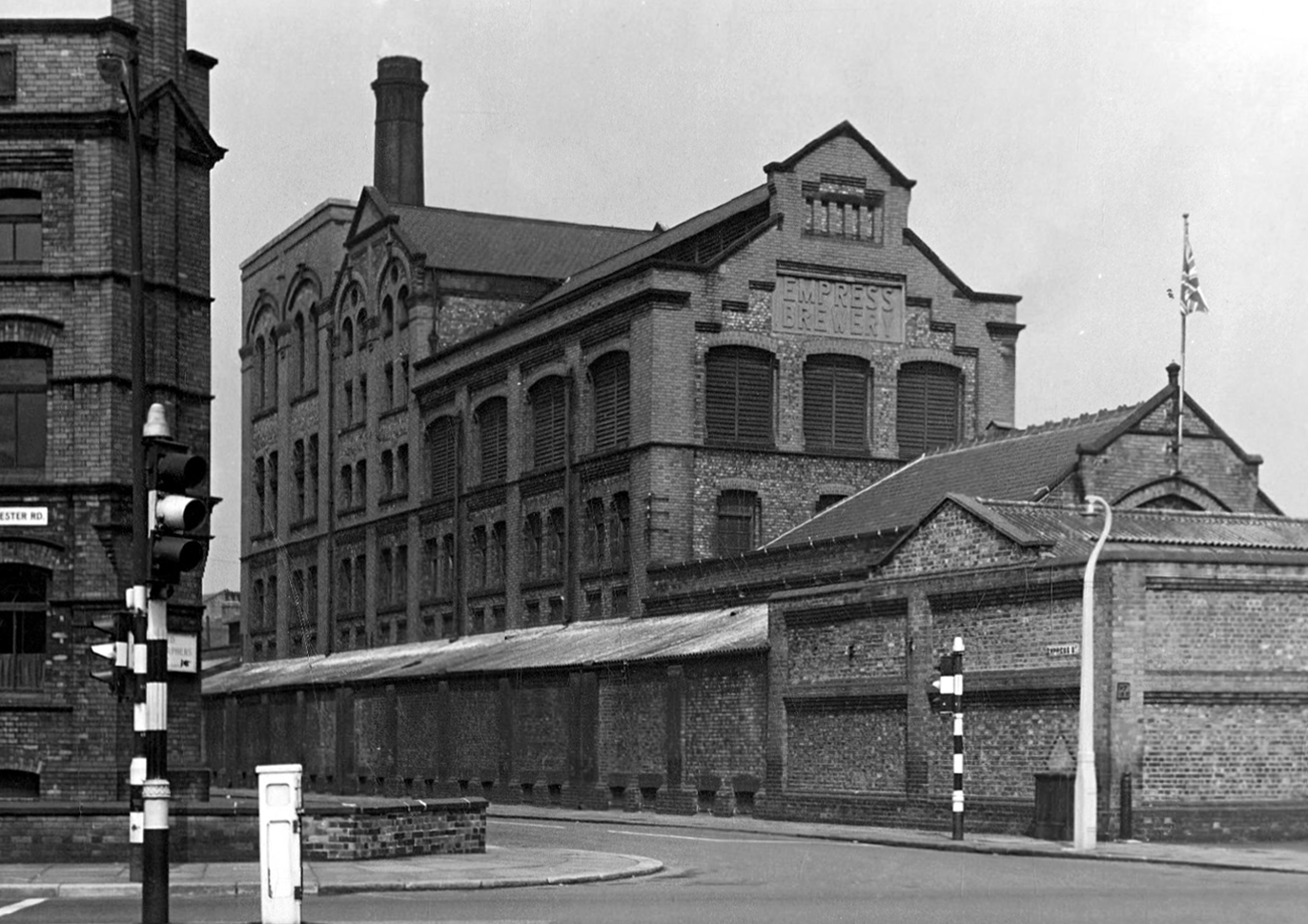
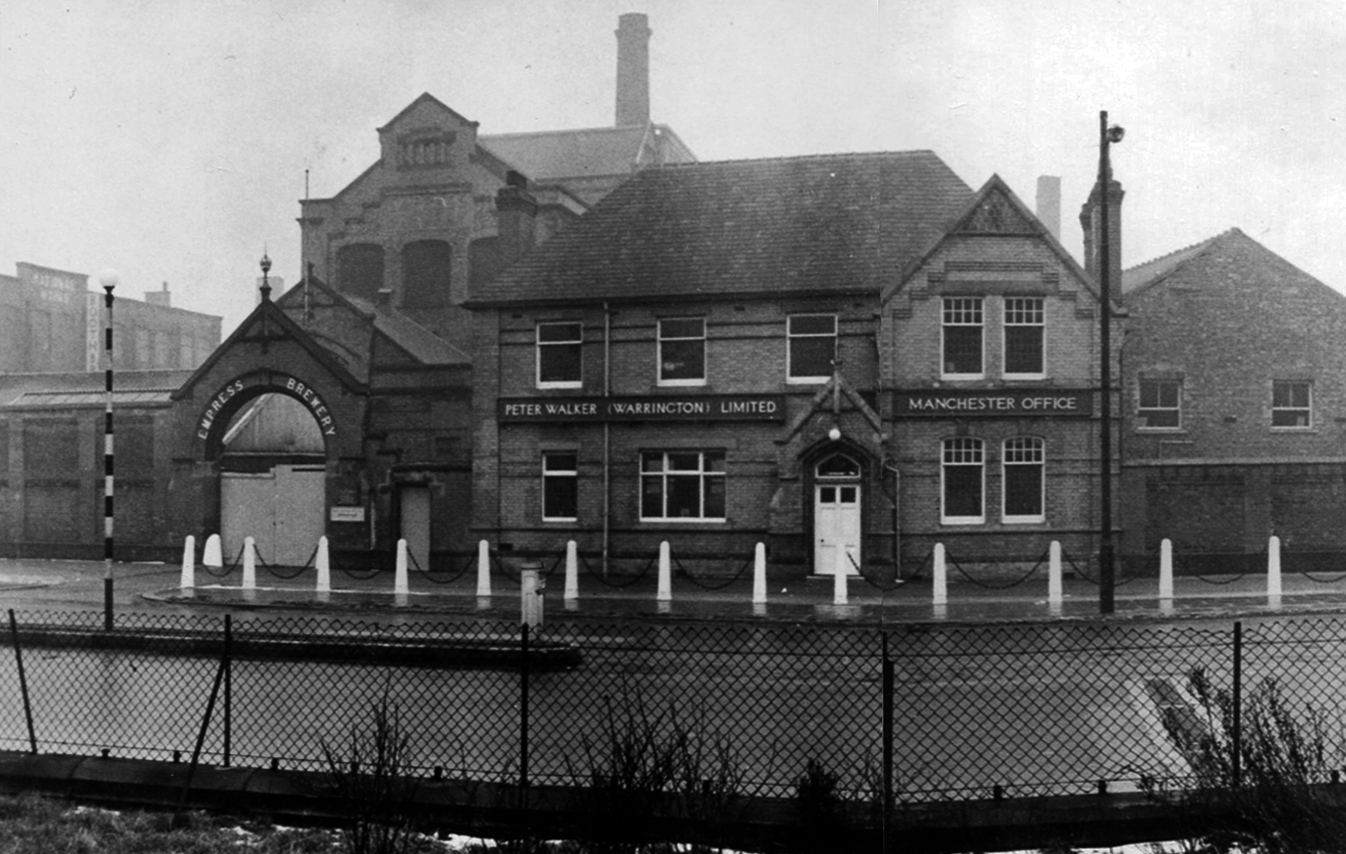
First up is the Empress Brewery.
The Empress Brewing Company was established by Charles Dawes in c. 1880, although the company was sold to William Henry Fulford in 1884, who had recently sold the Monarch Brewery in Salford. Fulford was based at the Empress Brewery on Clarence Street in Manchester, but had relocated to new premises on 383 Chester Road. These had been built in 1889 and operated initially as the Old Trafford Brewing Company, but the name had changed to the Empress Brewery Company by 1895. The company acquired a number of breweries and associated licenced house during the early 20th century, however, in 1929 it was taken over by Peter Walker and Son. The brewery closed in 1955.
The building was converted into offices in 1992 as part of the development of the Empress Business Centre, which saw new office and business units built to form a courtyard.
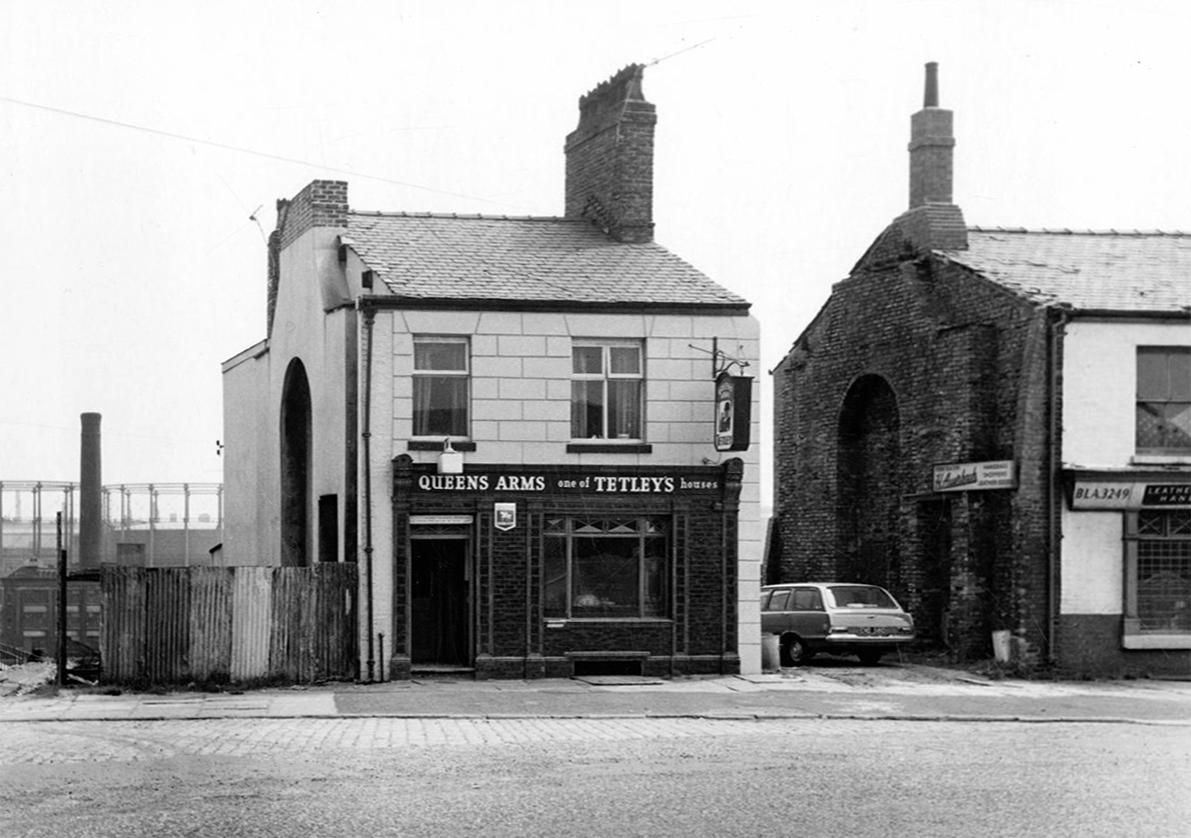
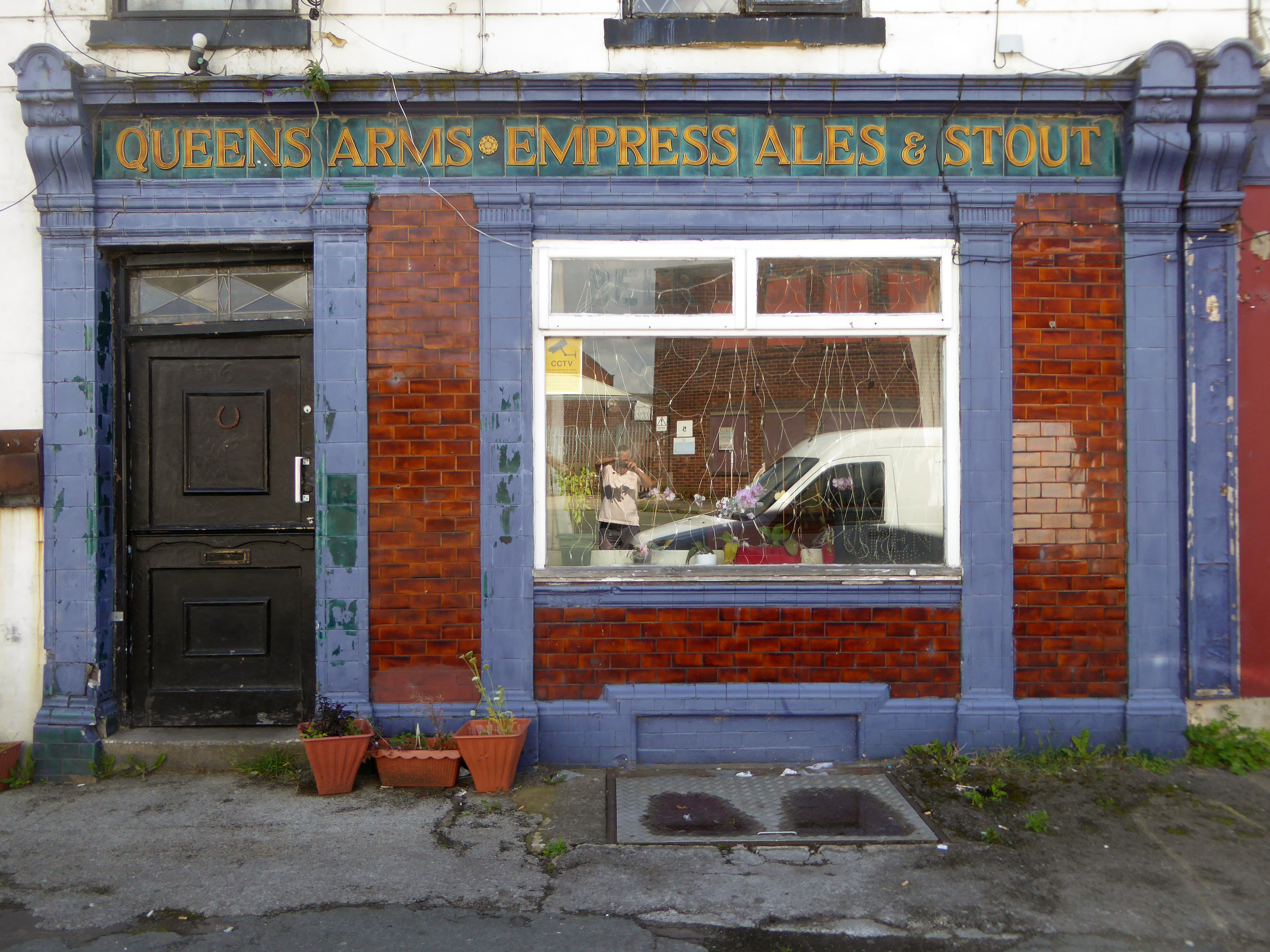
Including the Queens Arms on Honey Street Red Bank, one of the first independent real boozers back in the 1980’s, subsequently it has seen various uses last seen on my Collyhurst Circular walk.
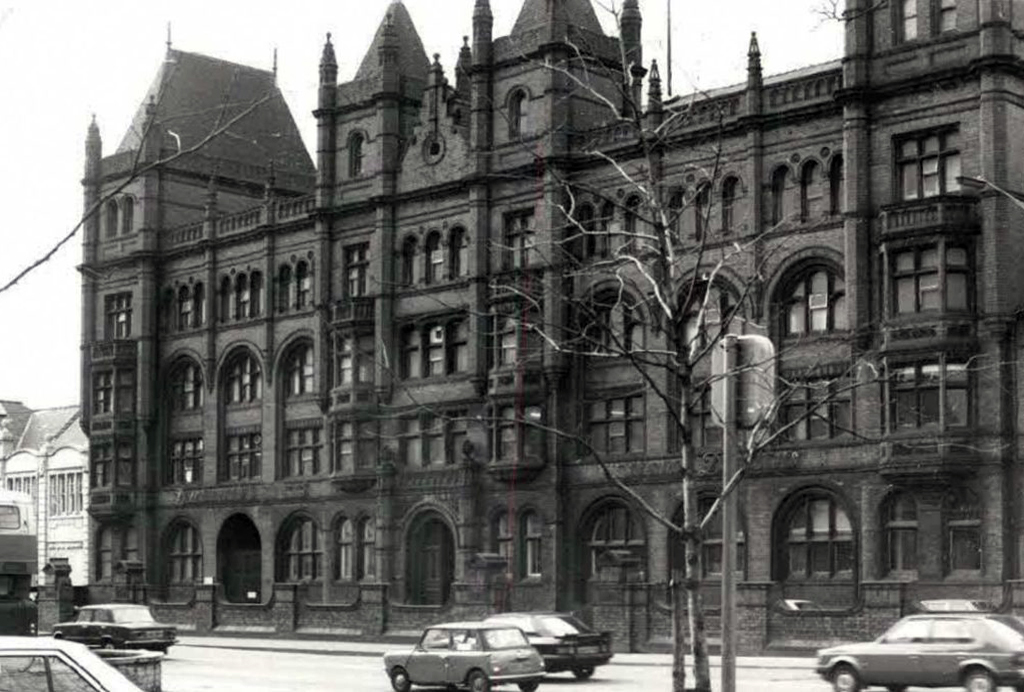
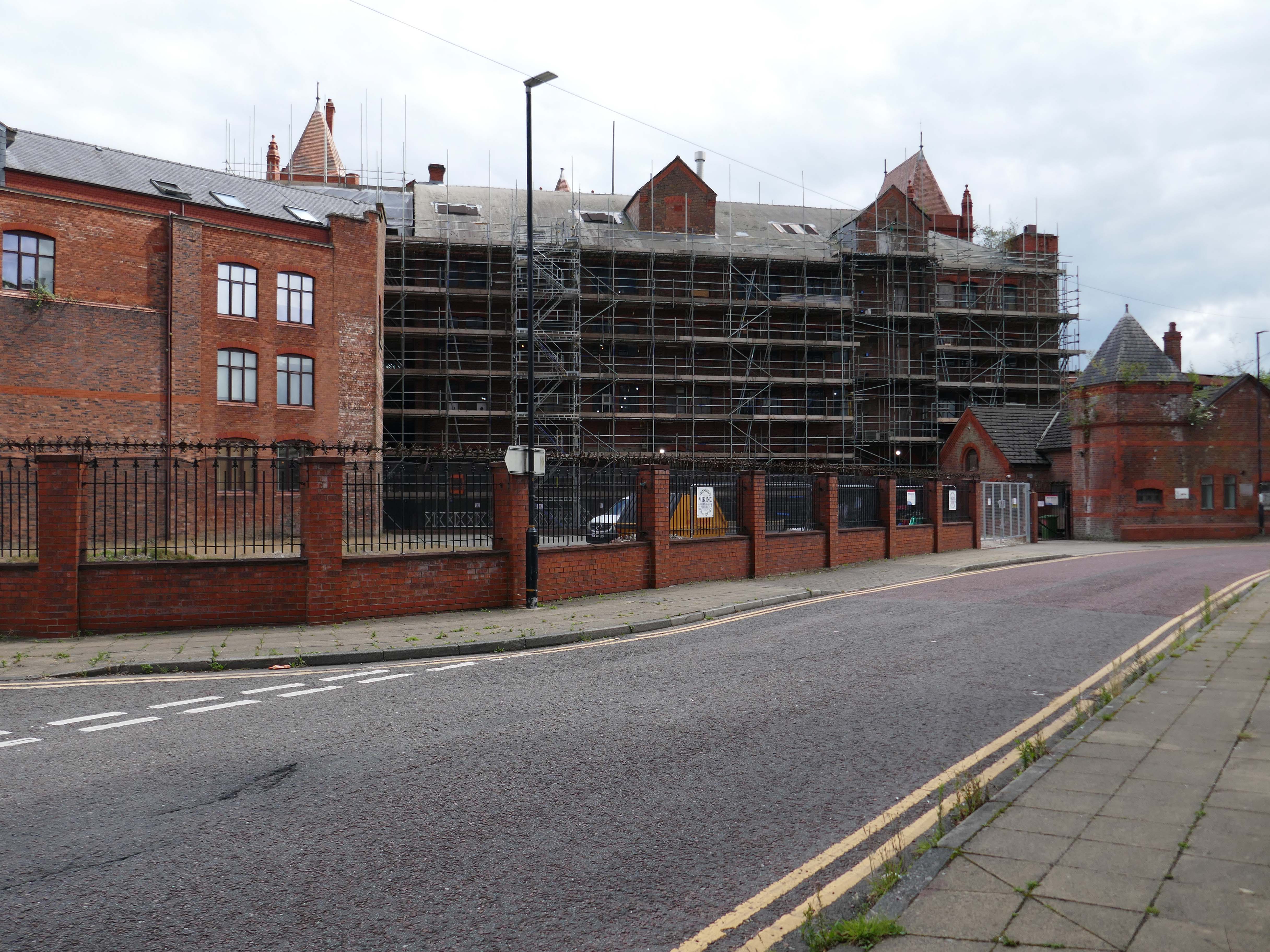
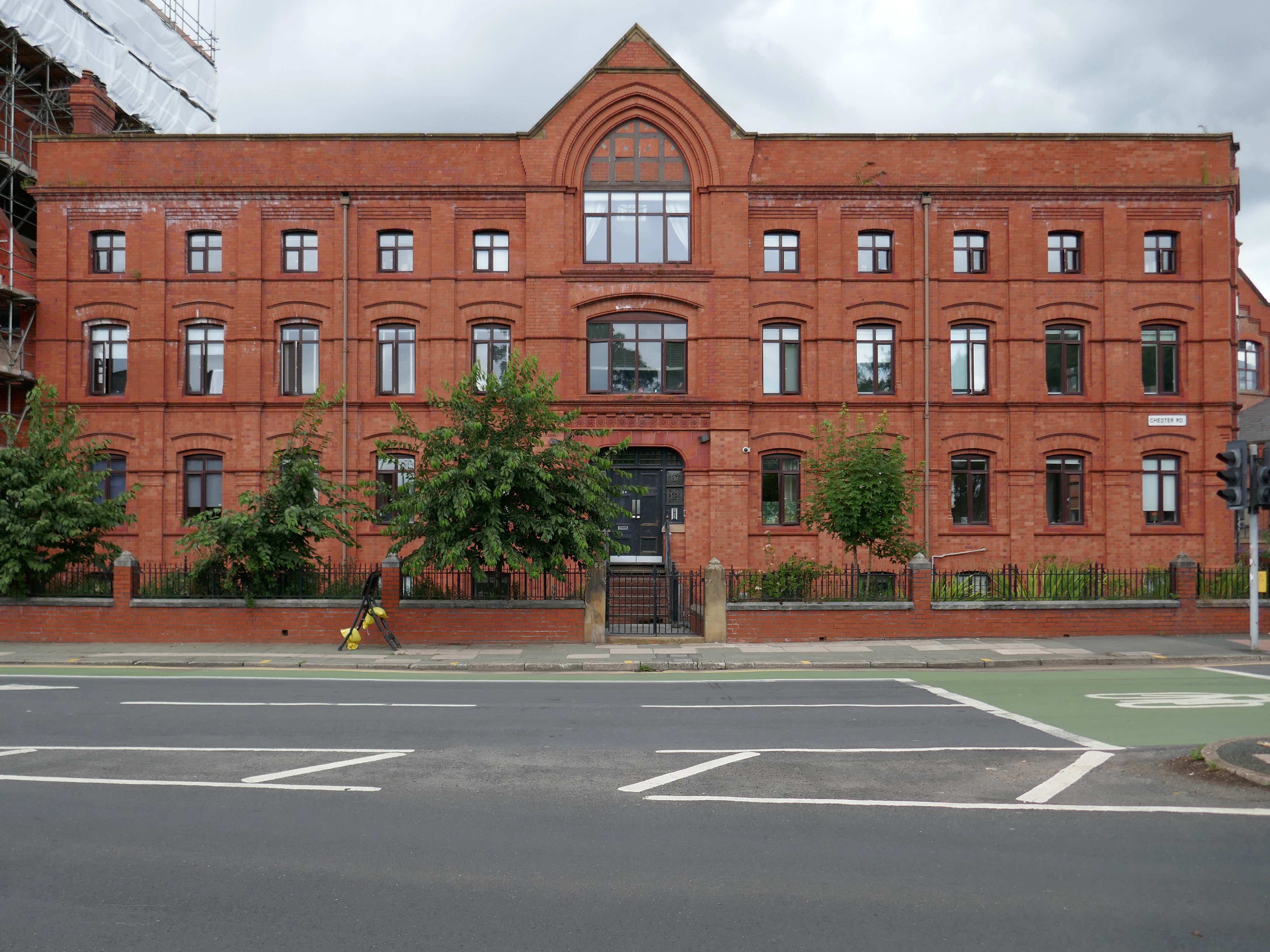
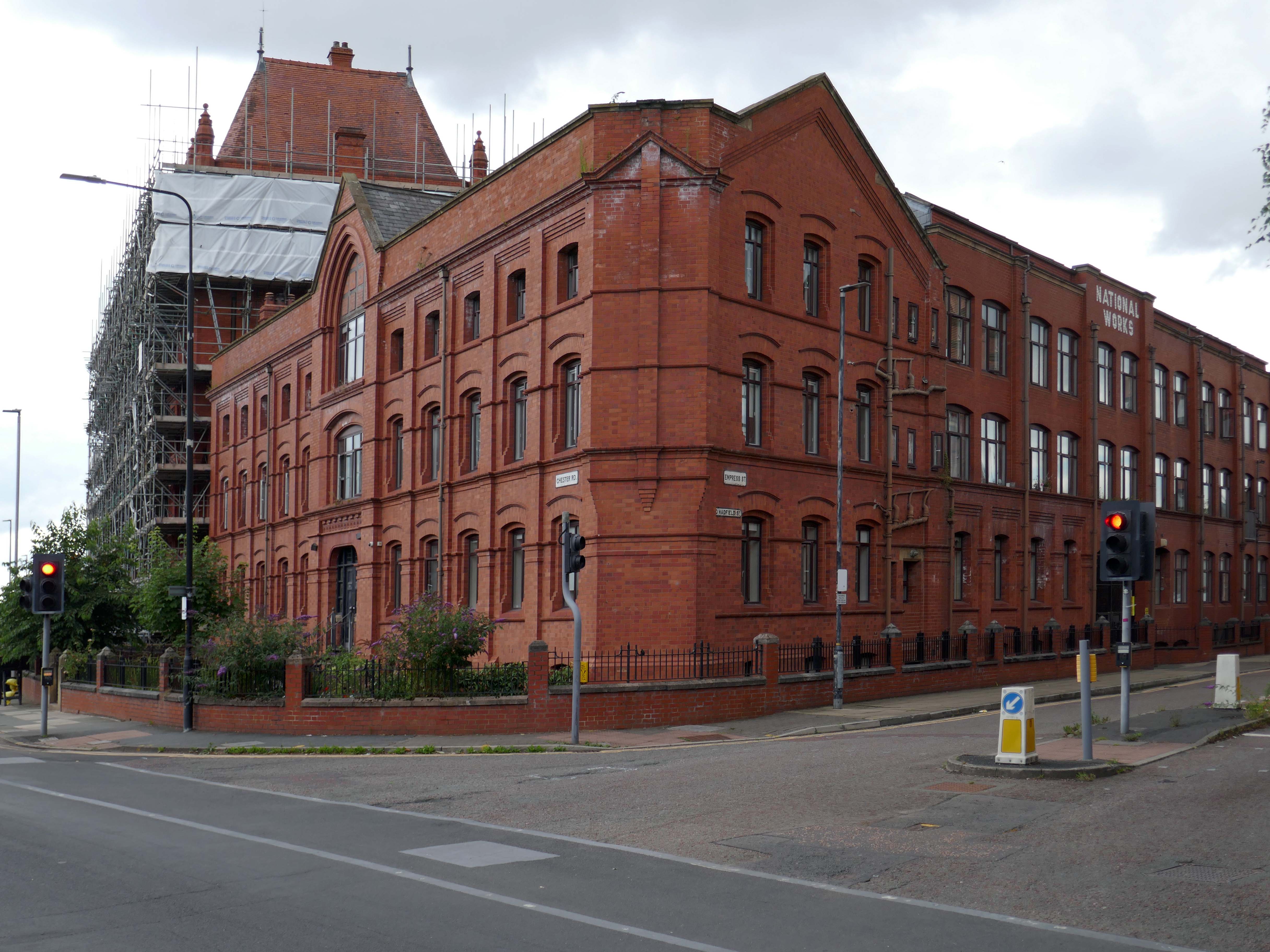
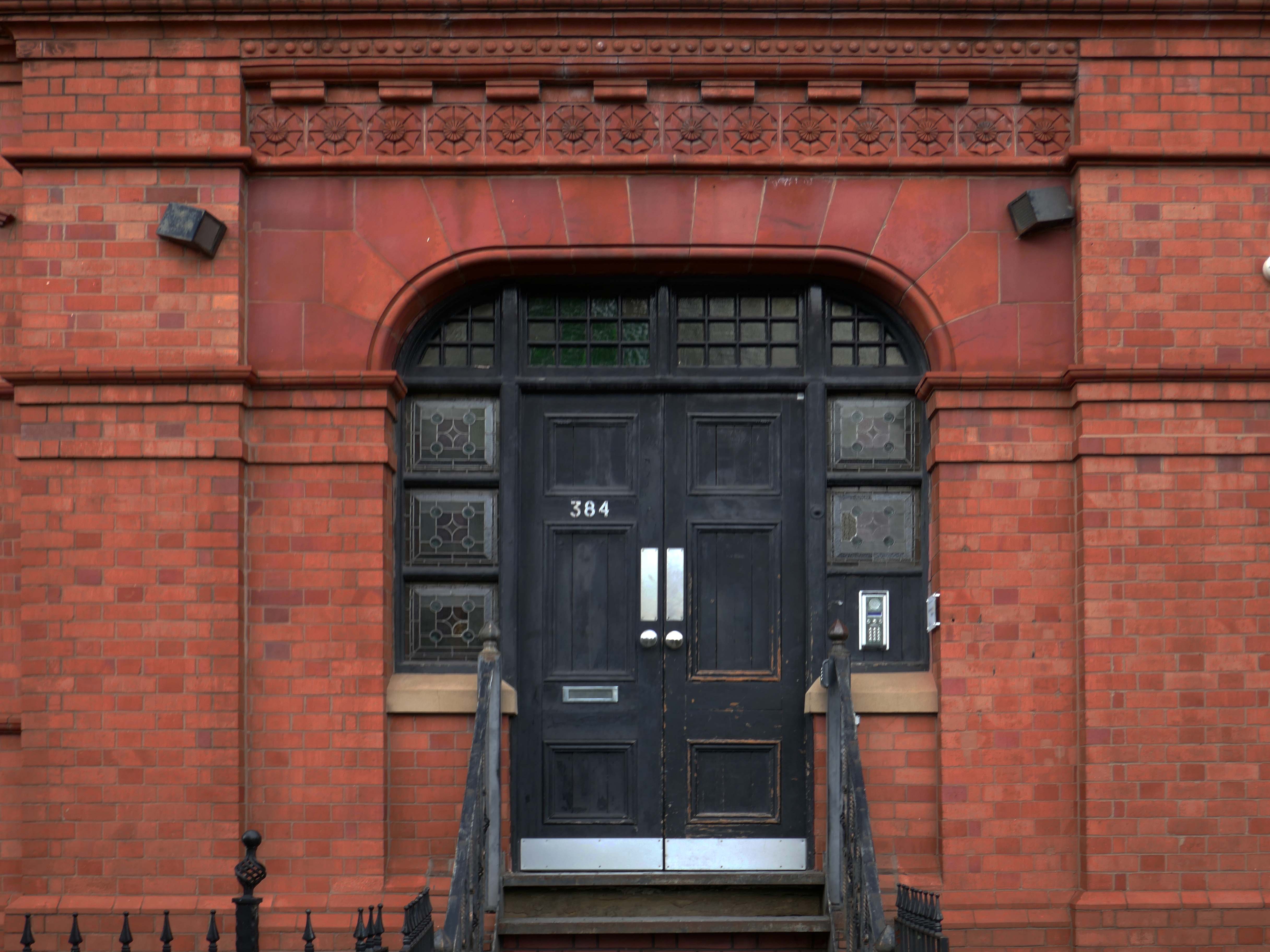
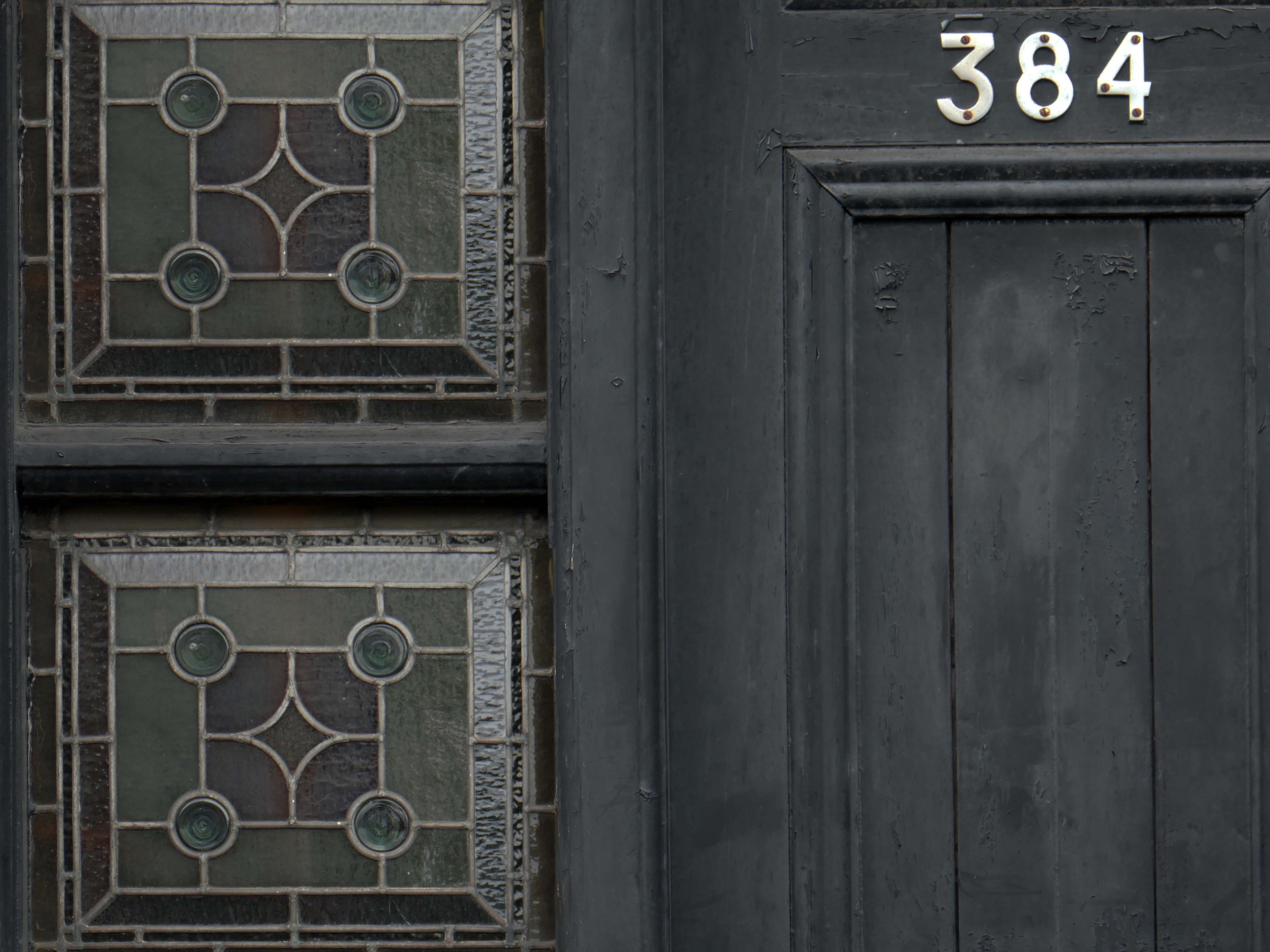
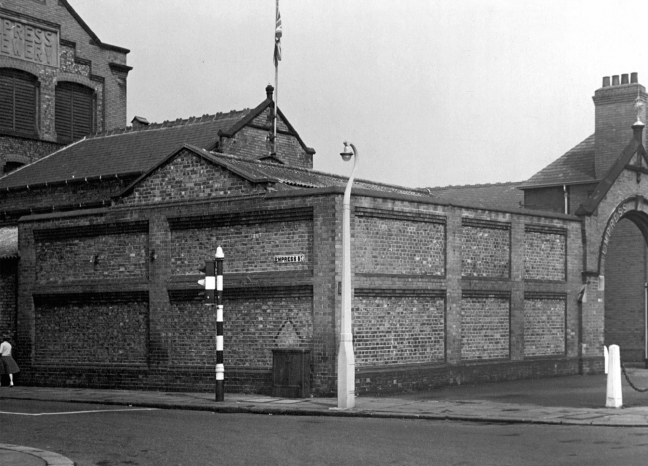
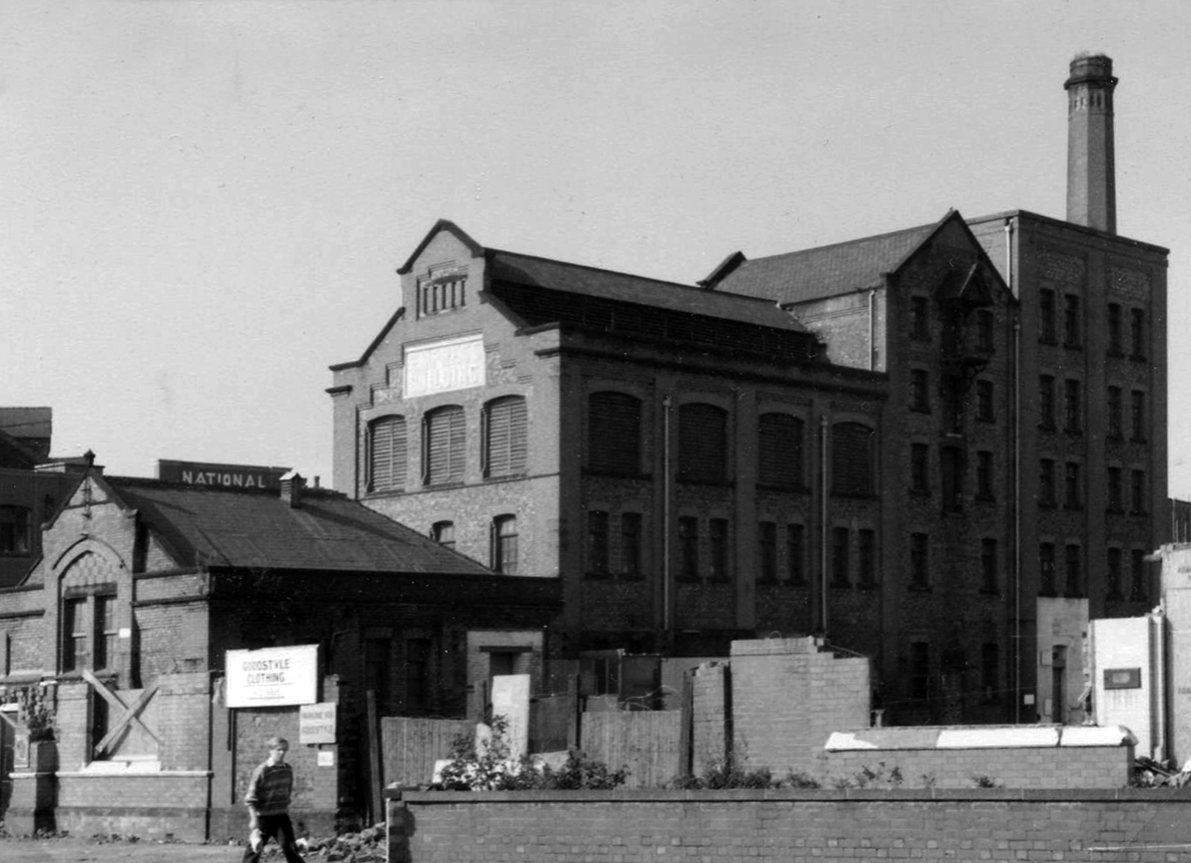
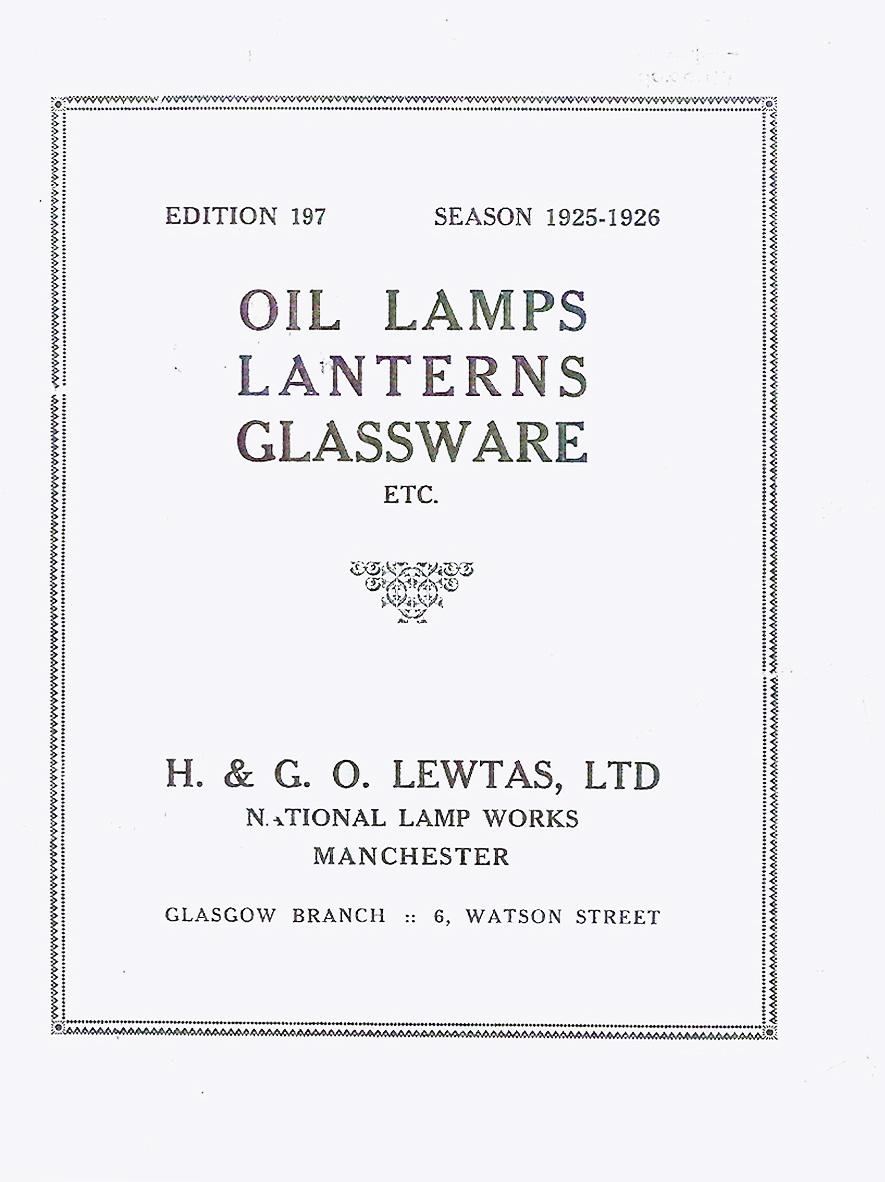
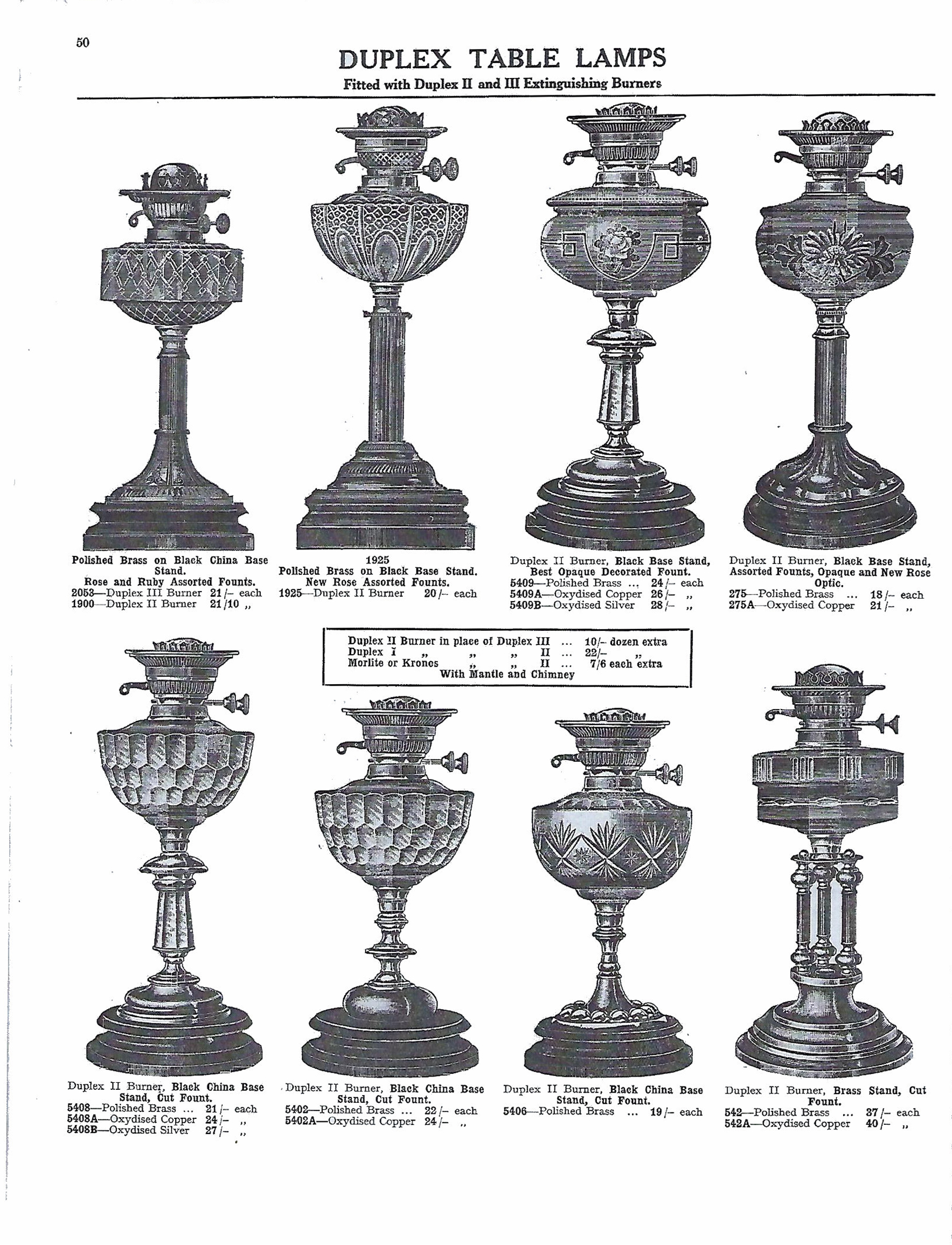
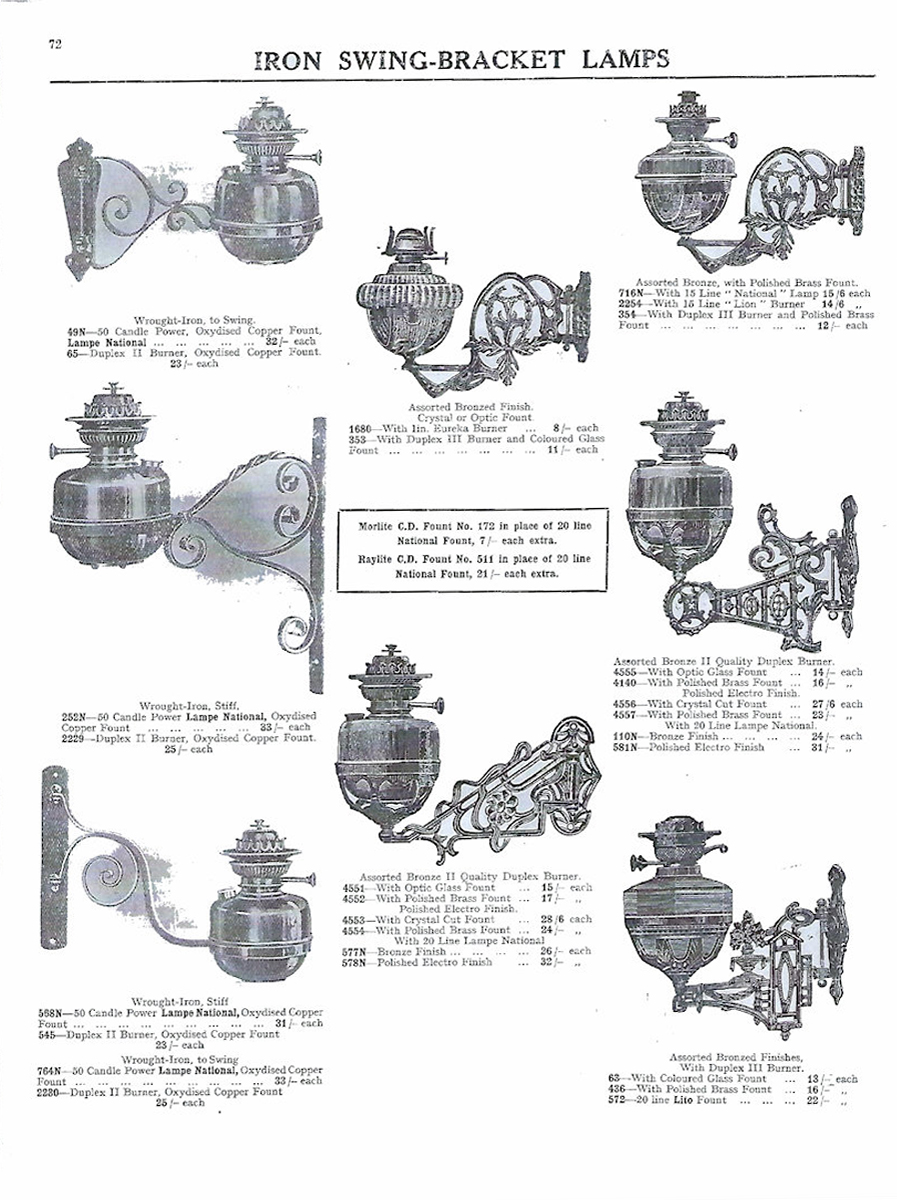
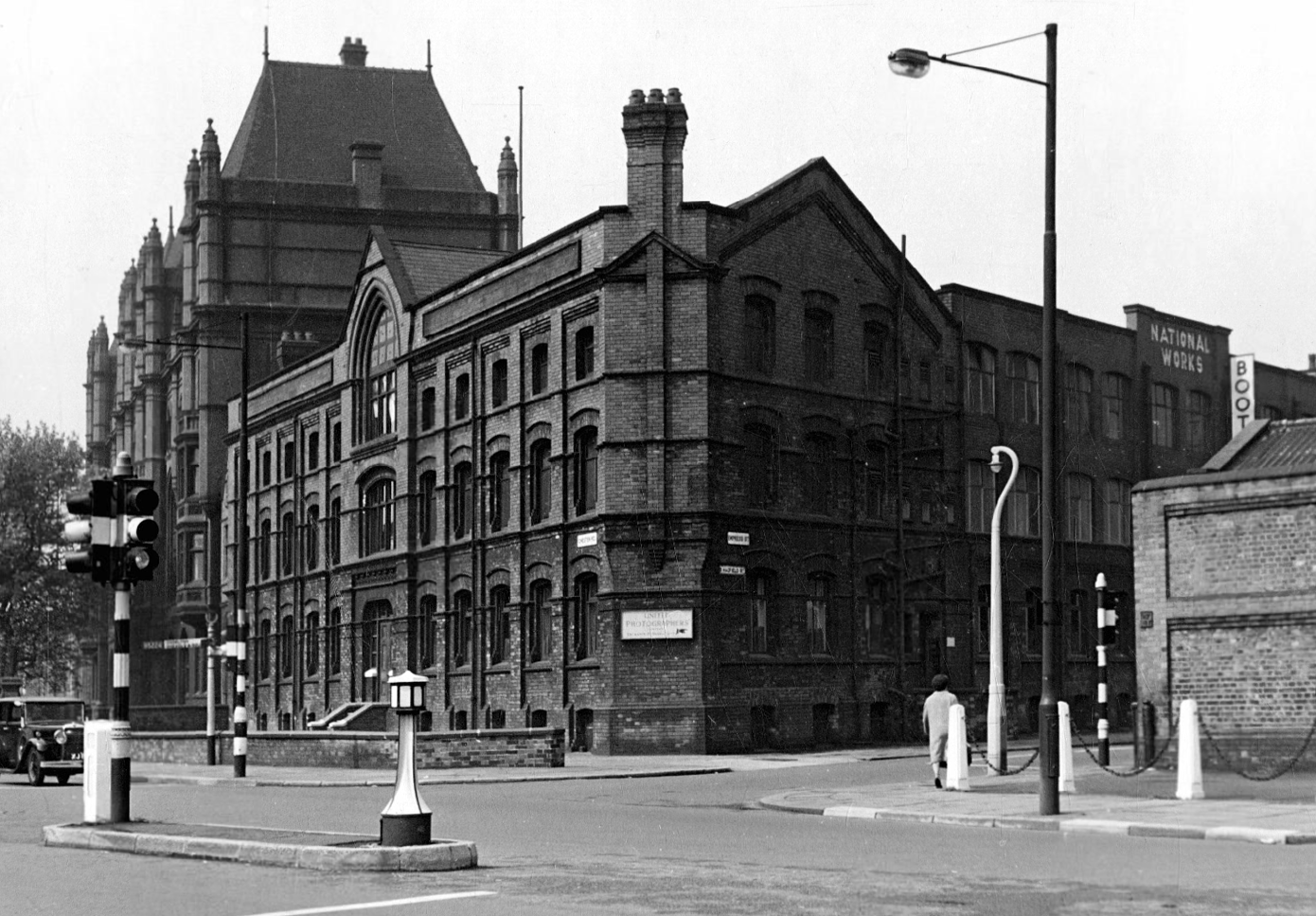
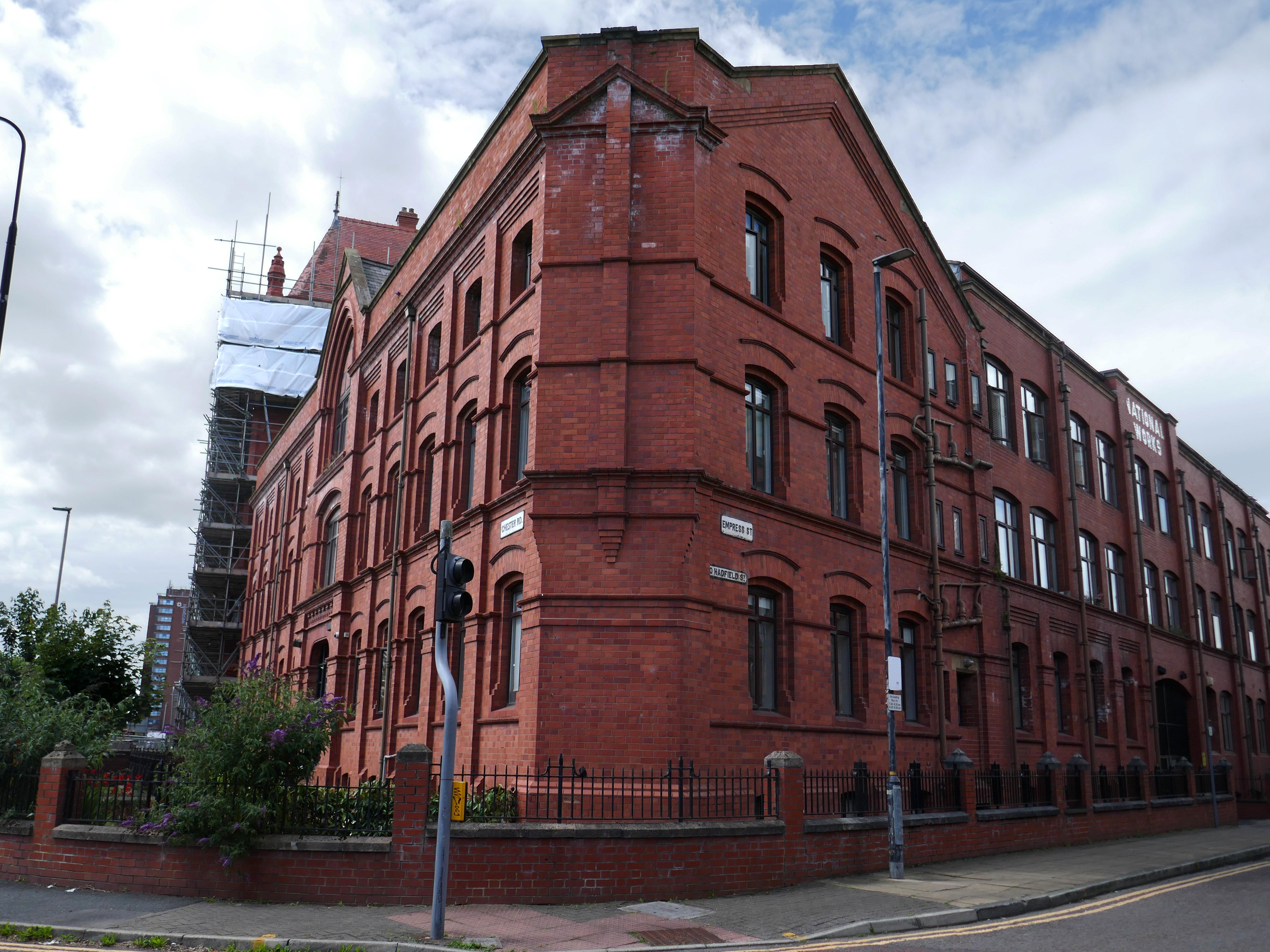
The development of the site can be traced from the sequence of Ordnance Survey 1:2500 maps. The First Edition of 1893 shows the site as undeveloped. The First Revision map of 1908 shows 384 Chester Road to have been developed, and the site of the National Works to have been occupied by an open-fronted L-shaped range along the western and southern sides, with a detached rectangular building in a central courtyard. It is possible that these buildings all formed part of 384 Chester Road, listed as being occupied by H, G & O Lewtas, lamp manufacturers, in Slater’s trade directory for 1911. The Second Revision map of 1922 shows the early building to have been subsumed by the current building.
1961 Local Image Collection
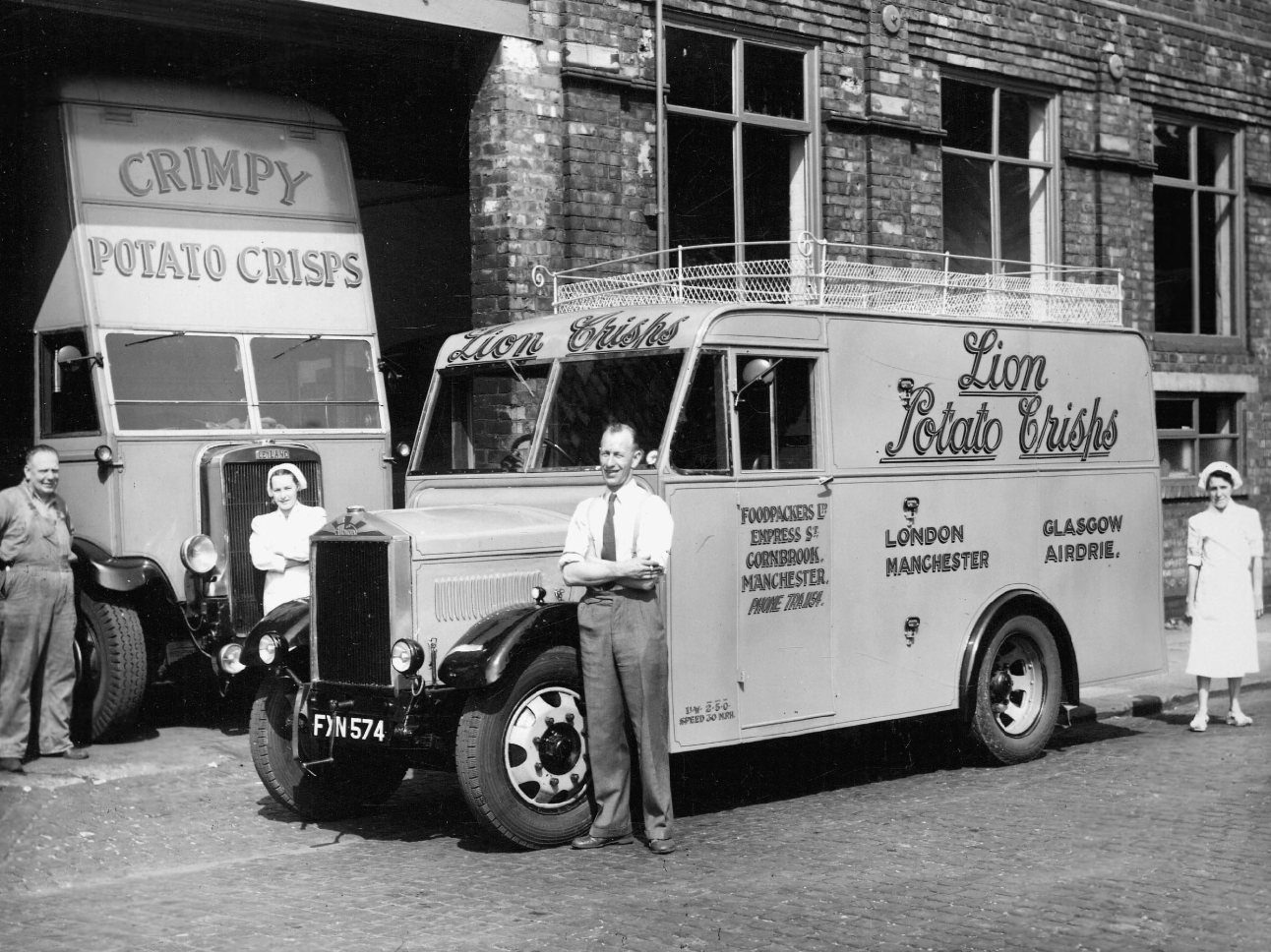
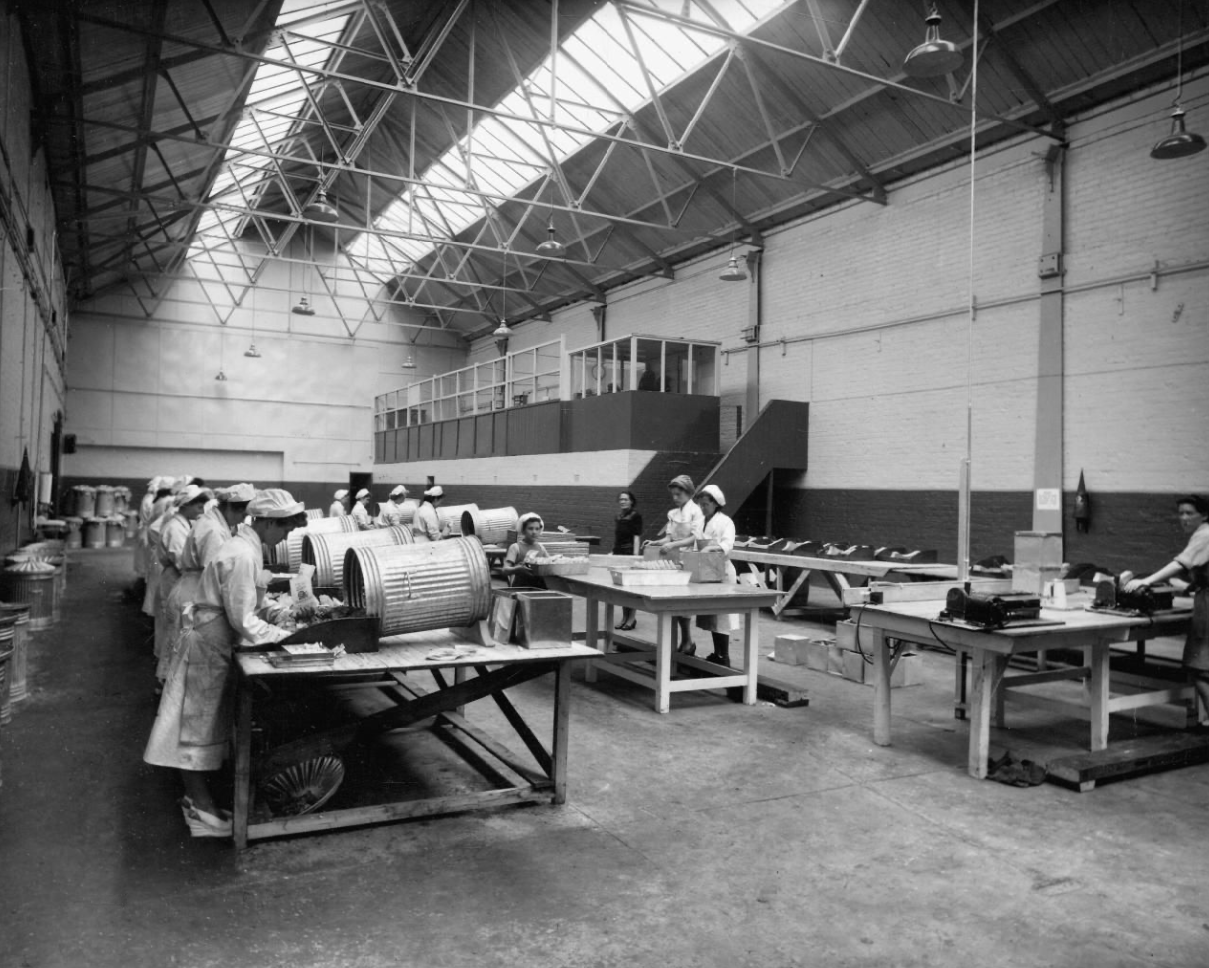
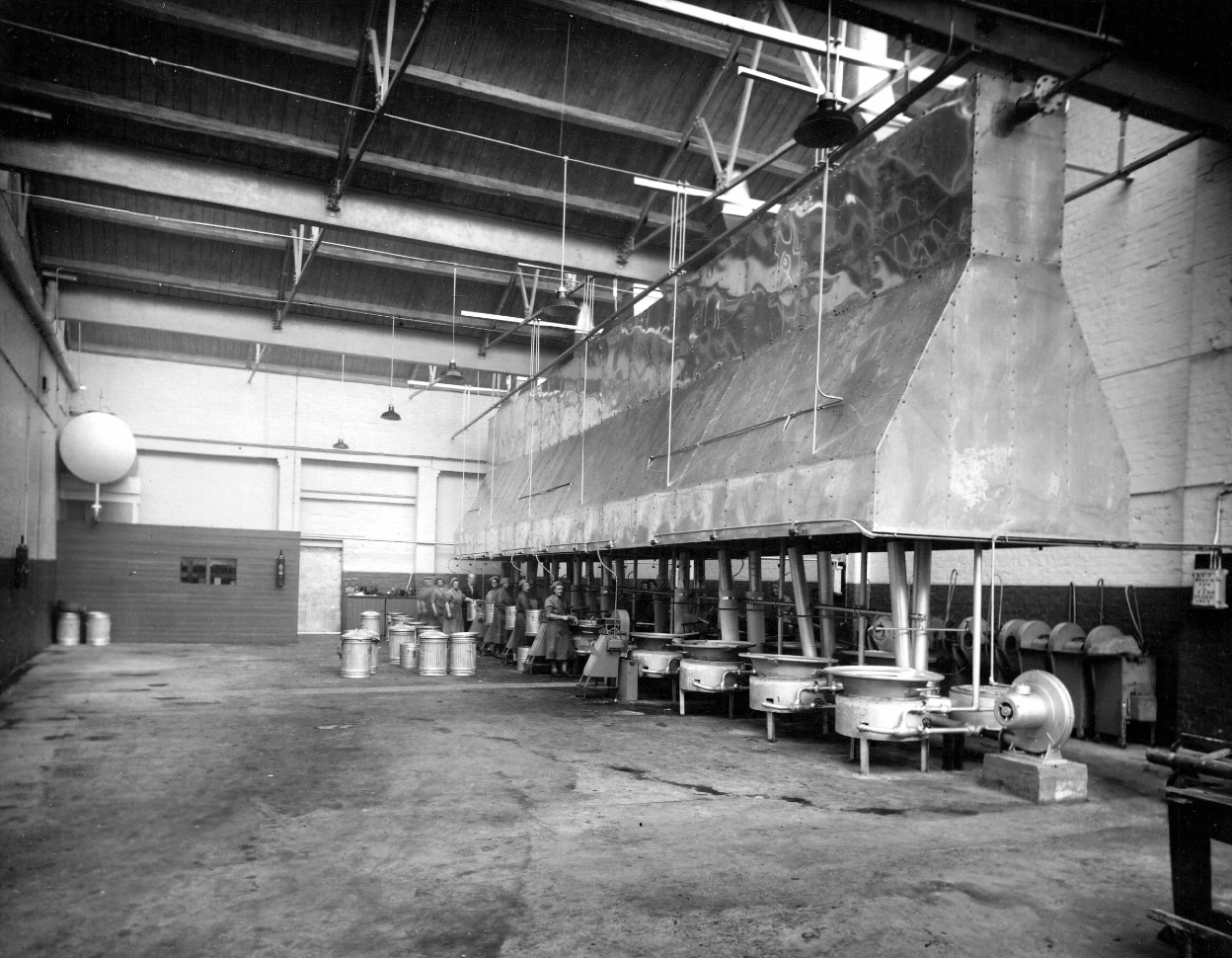
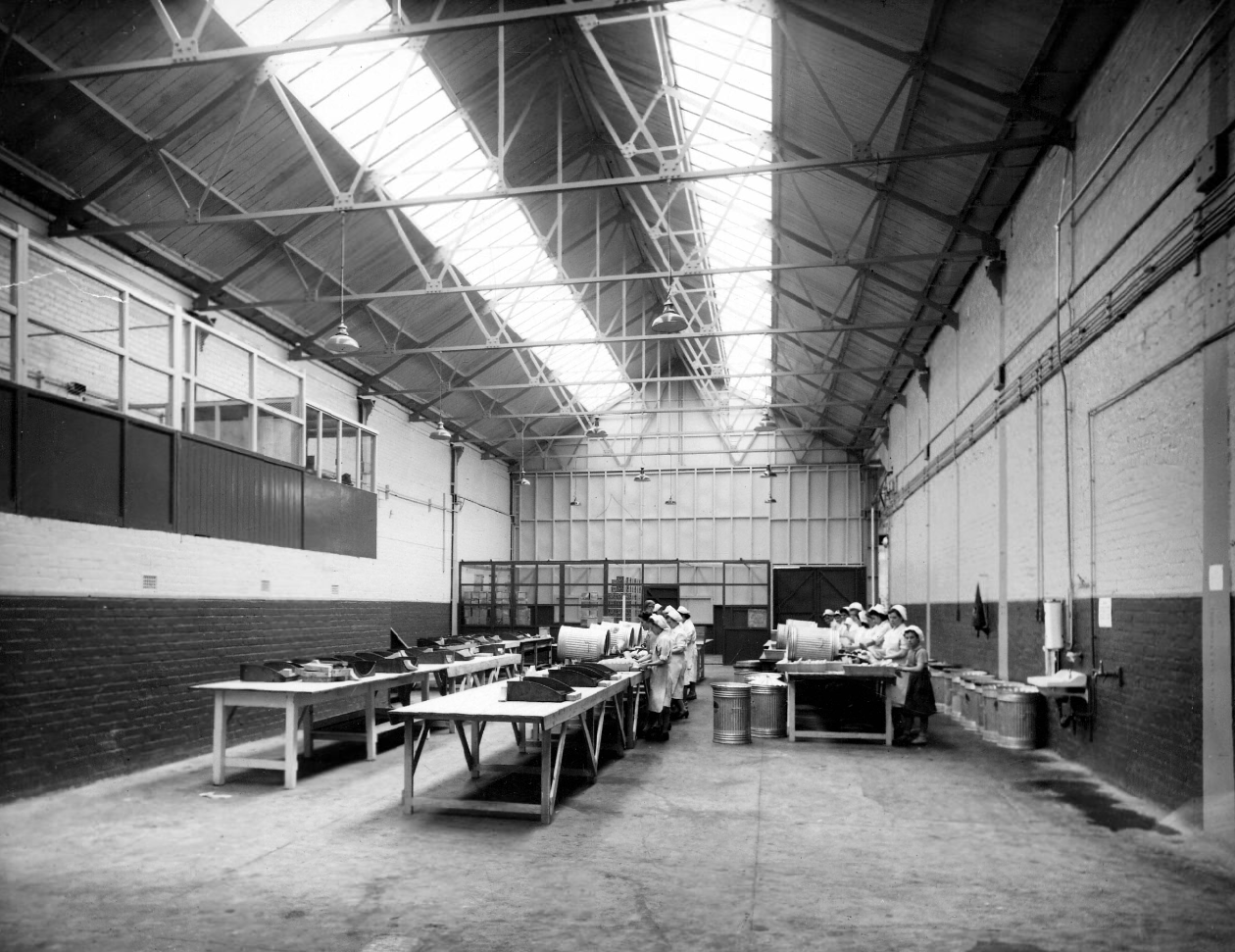
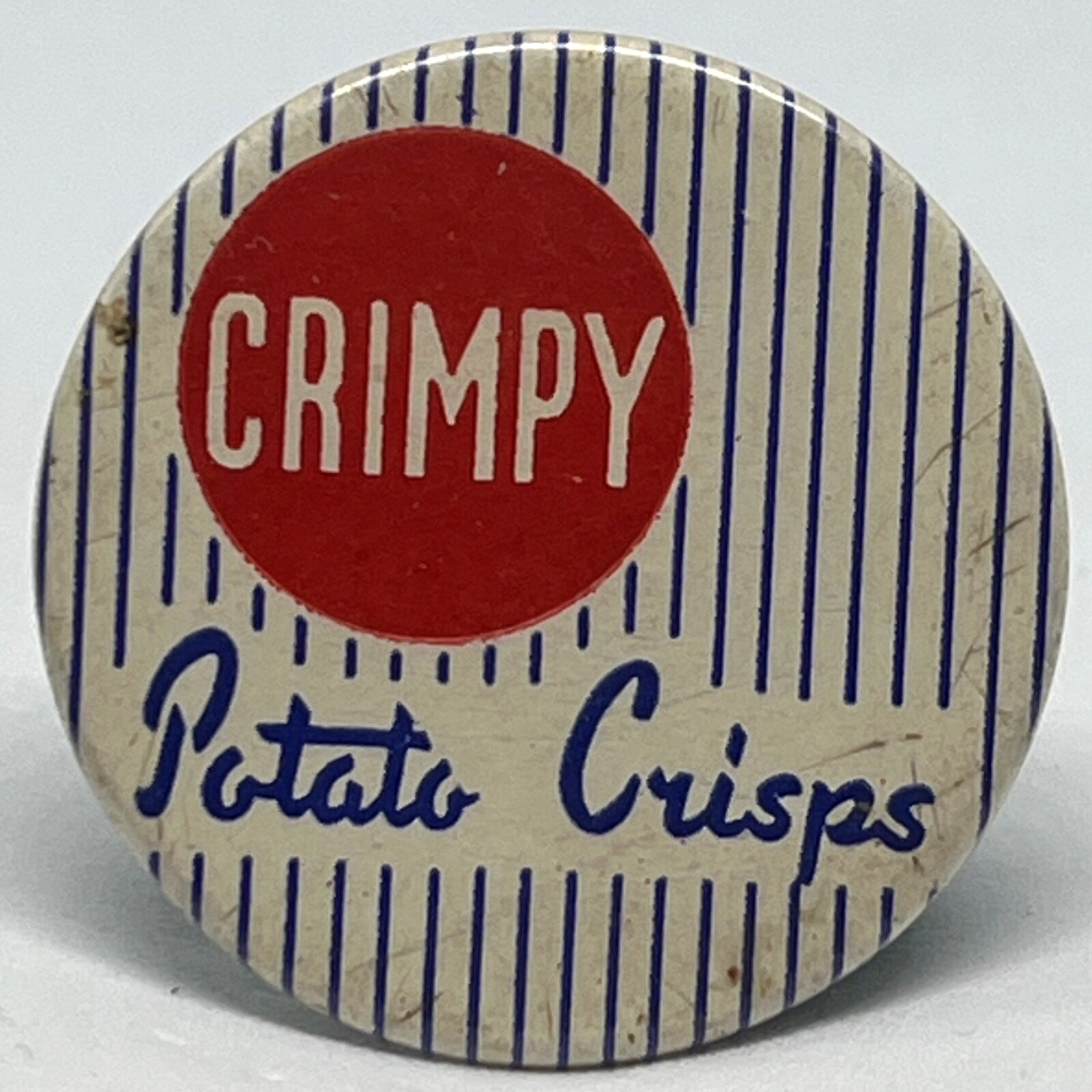
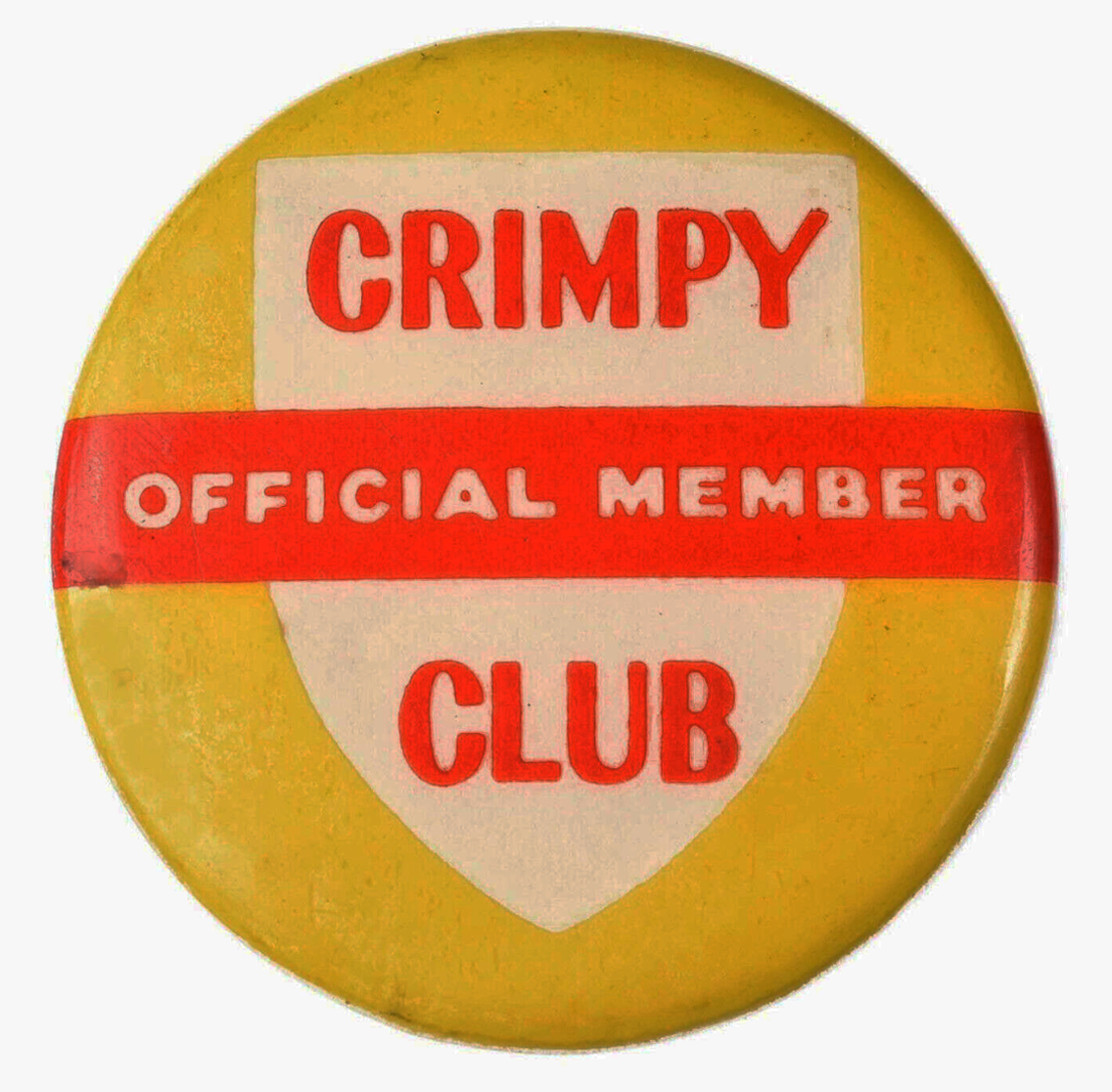
Later the home of Lion Foodpackers Ltd and Crimpy Crisps.
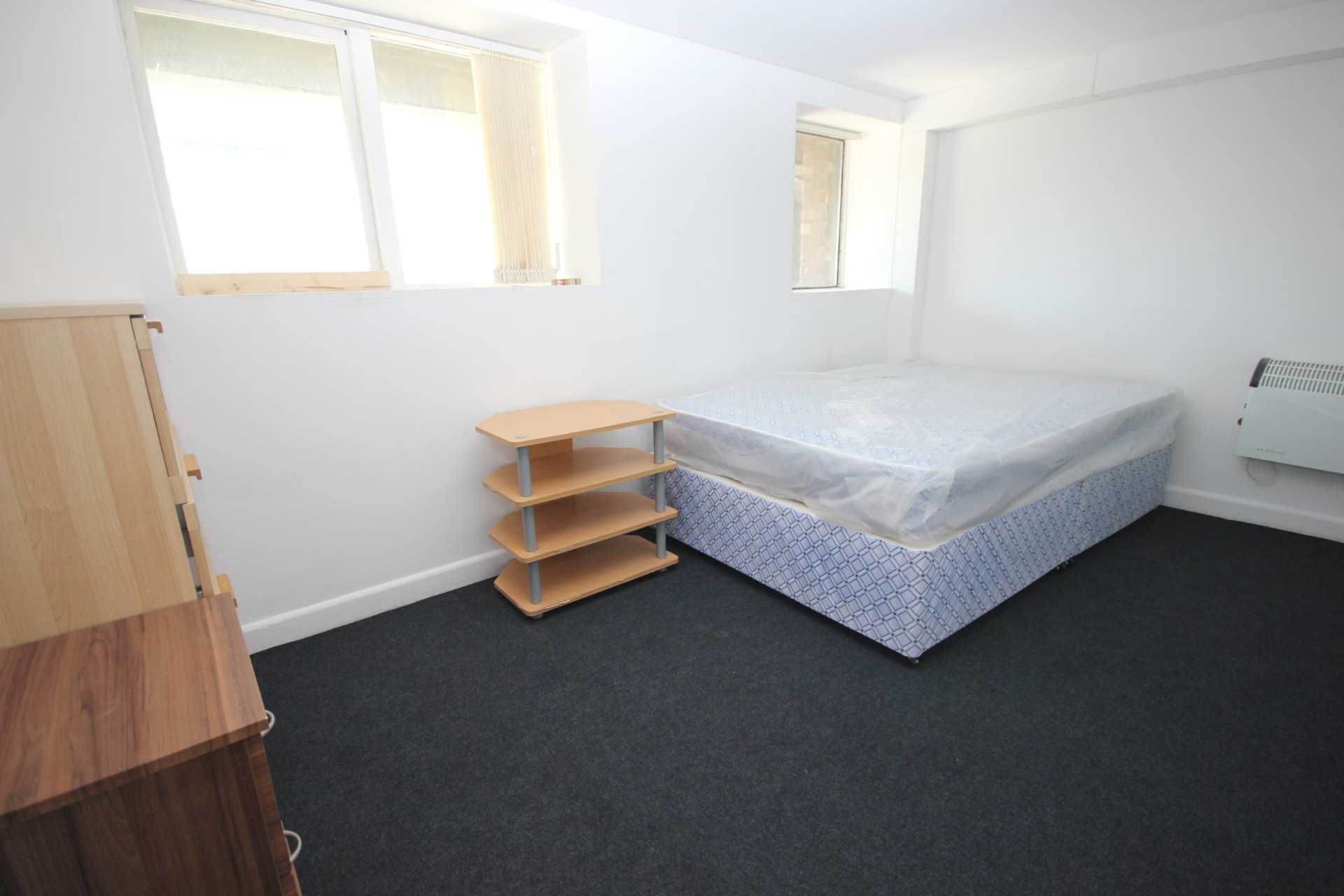
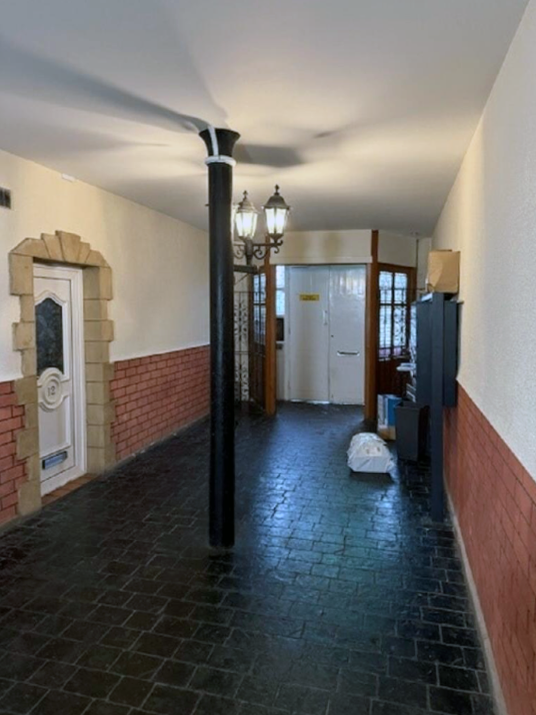
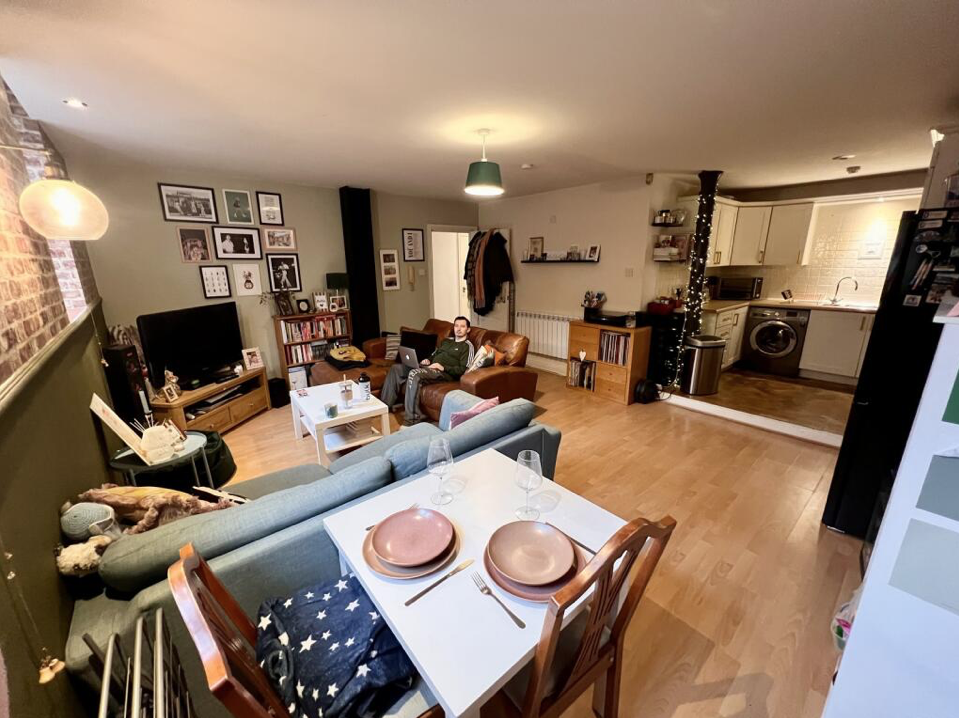
Situated on the lower ground floor of a gorgeous, red brick, landmark building, this 2 double bedroom apartment merits further inspection. A good size living room opens on to a good fitted kitchen. It also has a great, spacious shower room. It also benefits from a parking space, although a great attraction is the location, being just 1 mile from Deansgate and the City along with being 10 minutes walk to a Metro station.
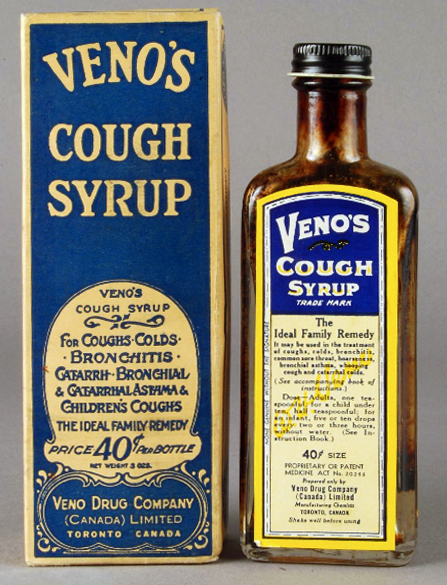
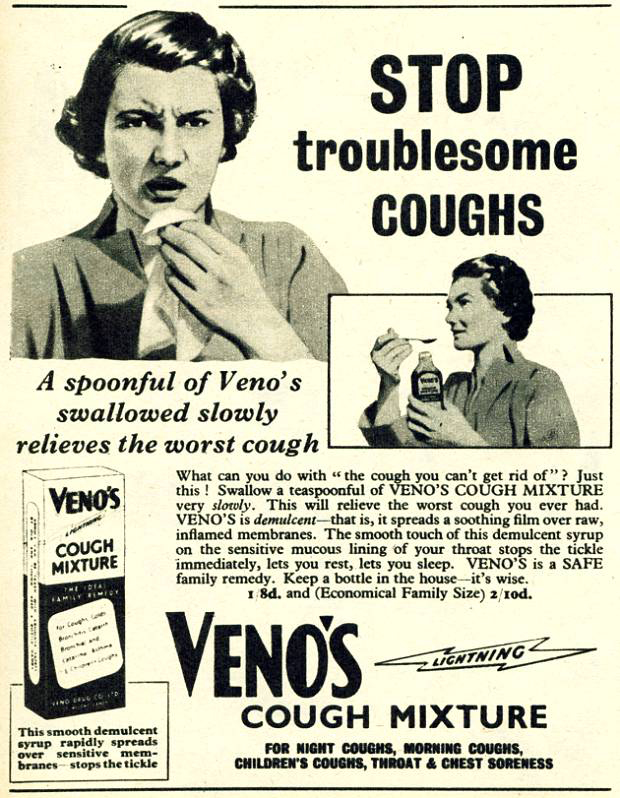
Then we have the Veno’s Building, which was once a pharmaceutical company founded by William Henry Veno. He established a company in the US before returning to Britain and founded the Veno drug Company in Manchester in 1898.
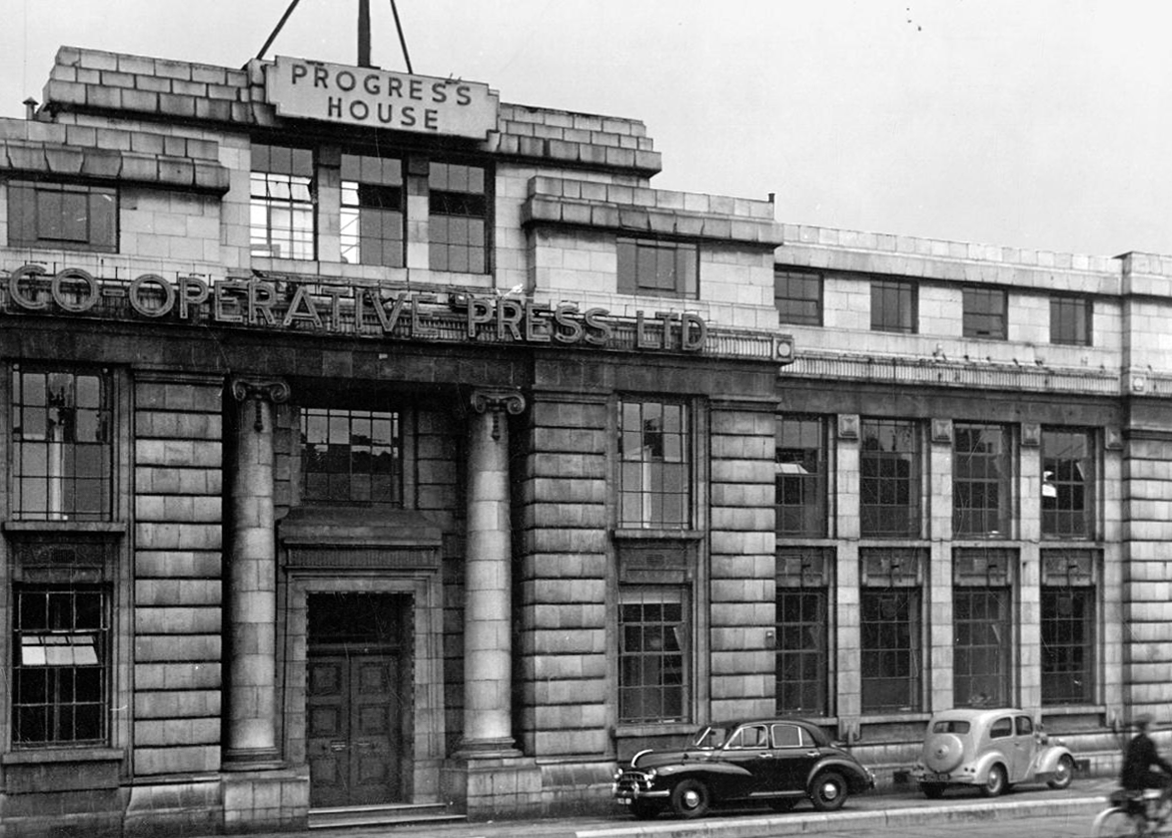
In 1925 the company was sold to Beecham Estate and Pills Ltd. In the 60s the building was under the name Progress House and was home to the Co-Operative Press Limited, later to become Trafford Press.
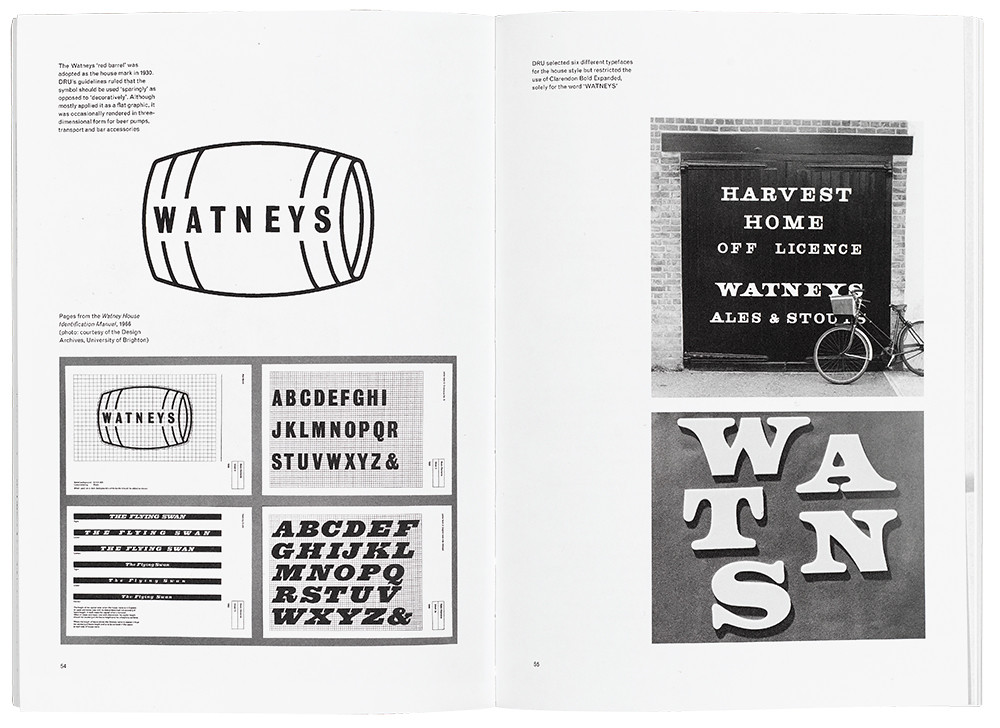
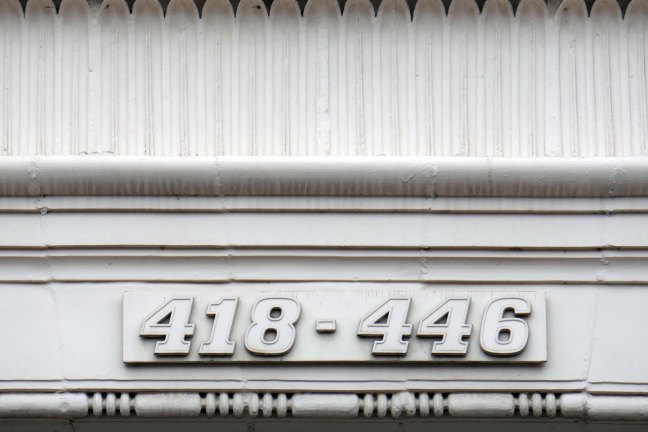
Rare sighting of a Profil aka Stymie Bold Italic hyphen.
Designed by brothers Max and Eugen Lenz and first cast by Haas in 1947.
The front elevation was originally in red brick, with a later faience facade applied.
Veno’s a stalled and cursed development. In 1925 William Henry Veno sold his company for £500,000, a decision he later rued. He sought to enhance his million pound fortune but lost everything through speculative investments and the 1929 Depression. He shot himself at his home during a fit of impulsive insanity.
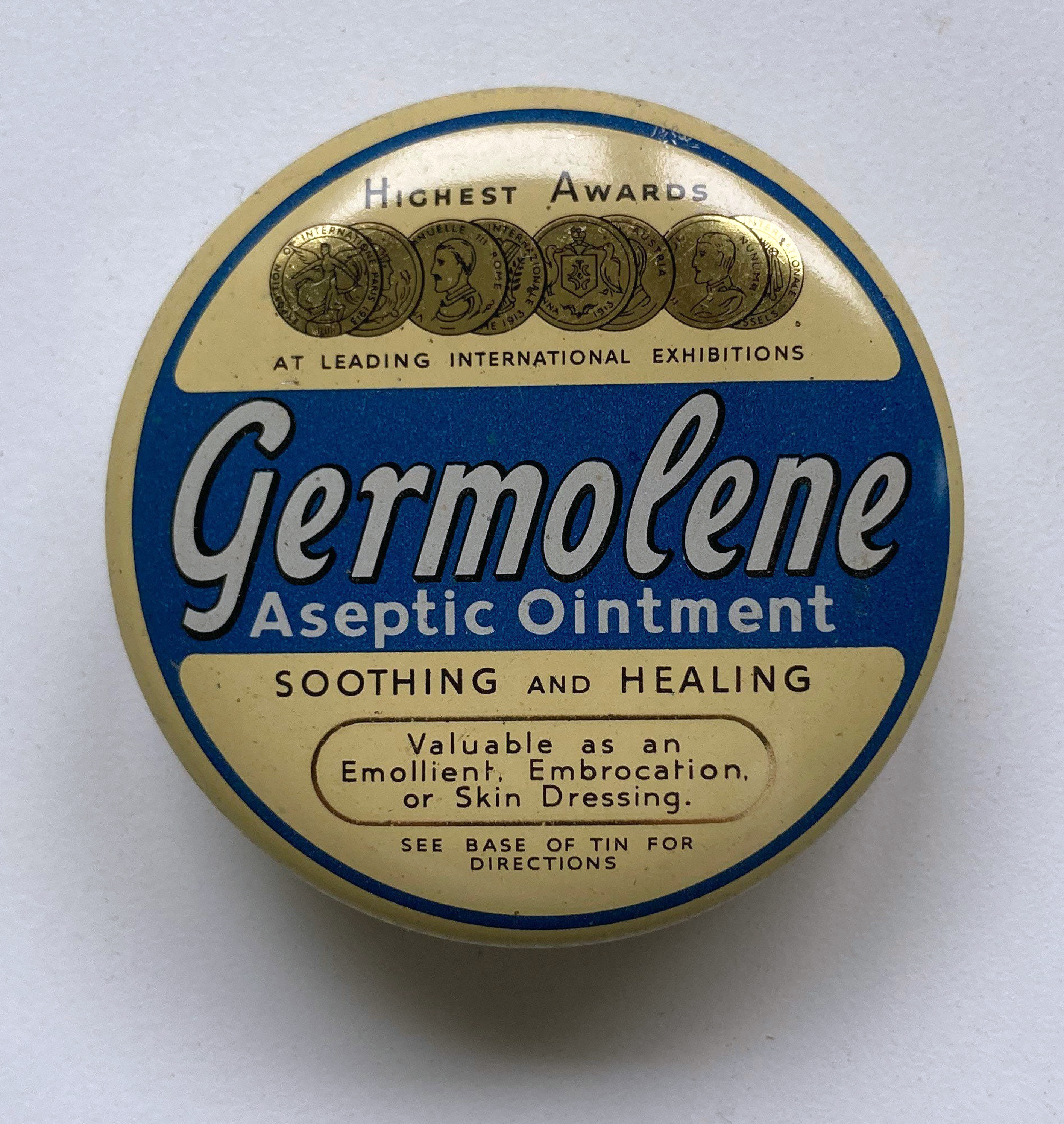
It was also the home of Germolene, a thick antiseptic ointment with a distinctive pink colour and scented with oil of wintergreen
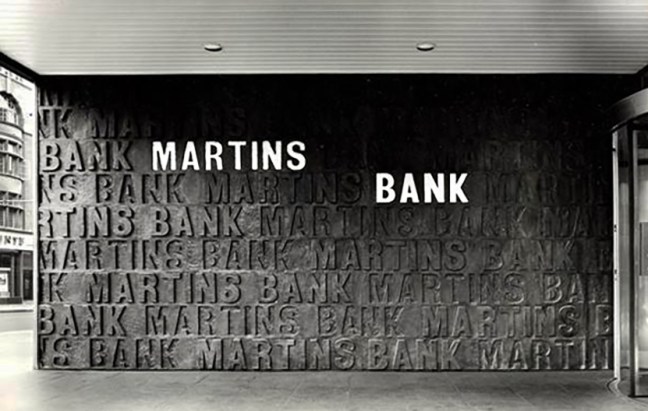
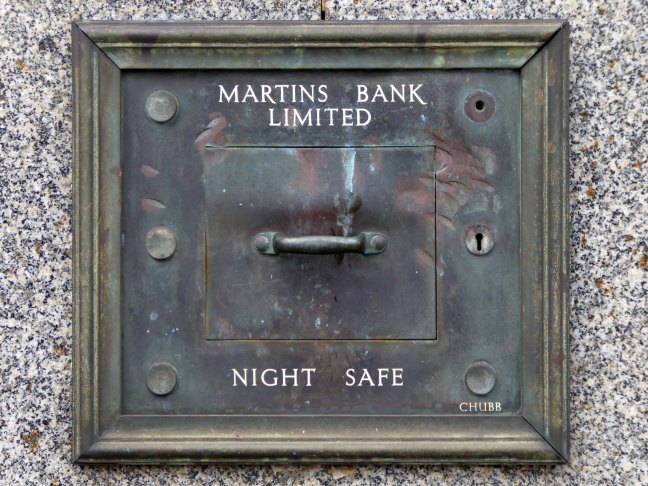
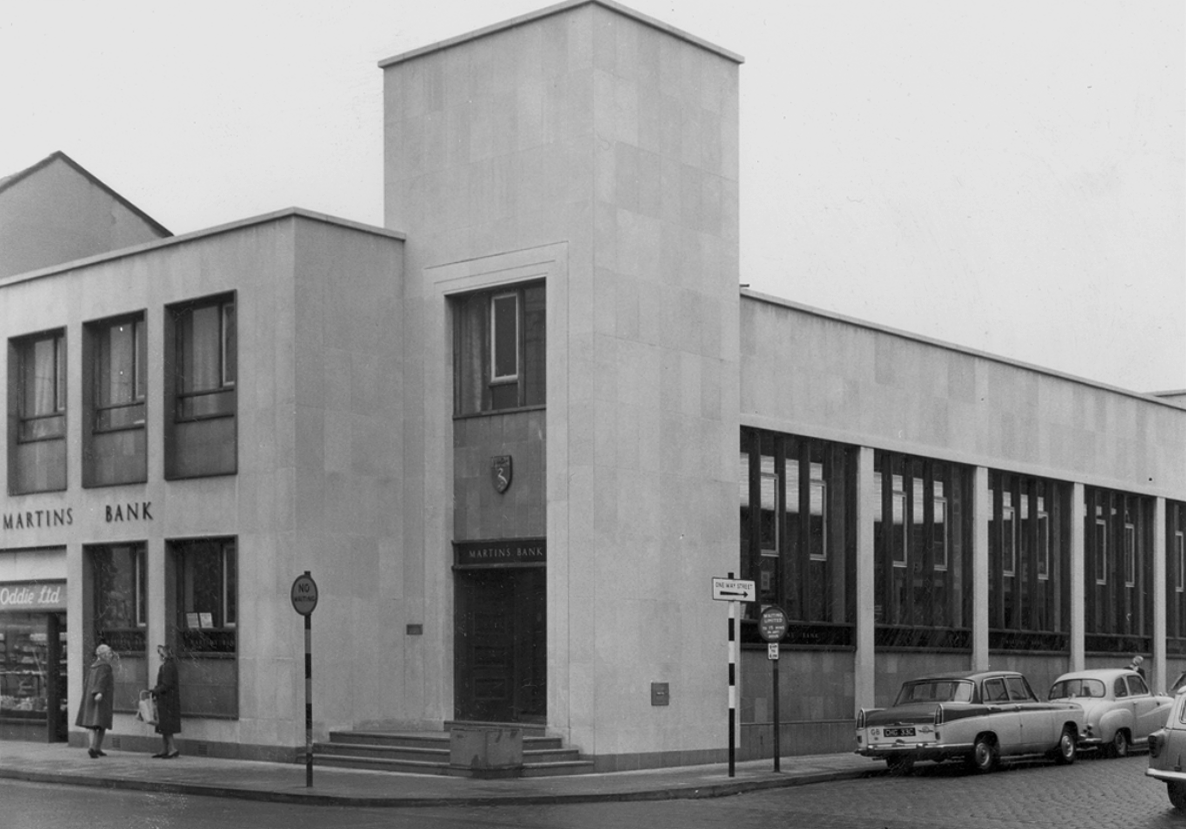
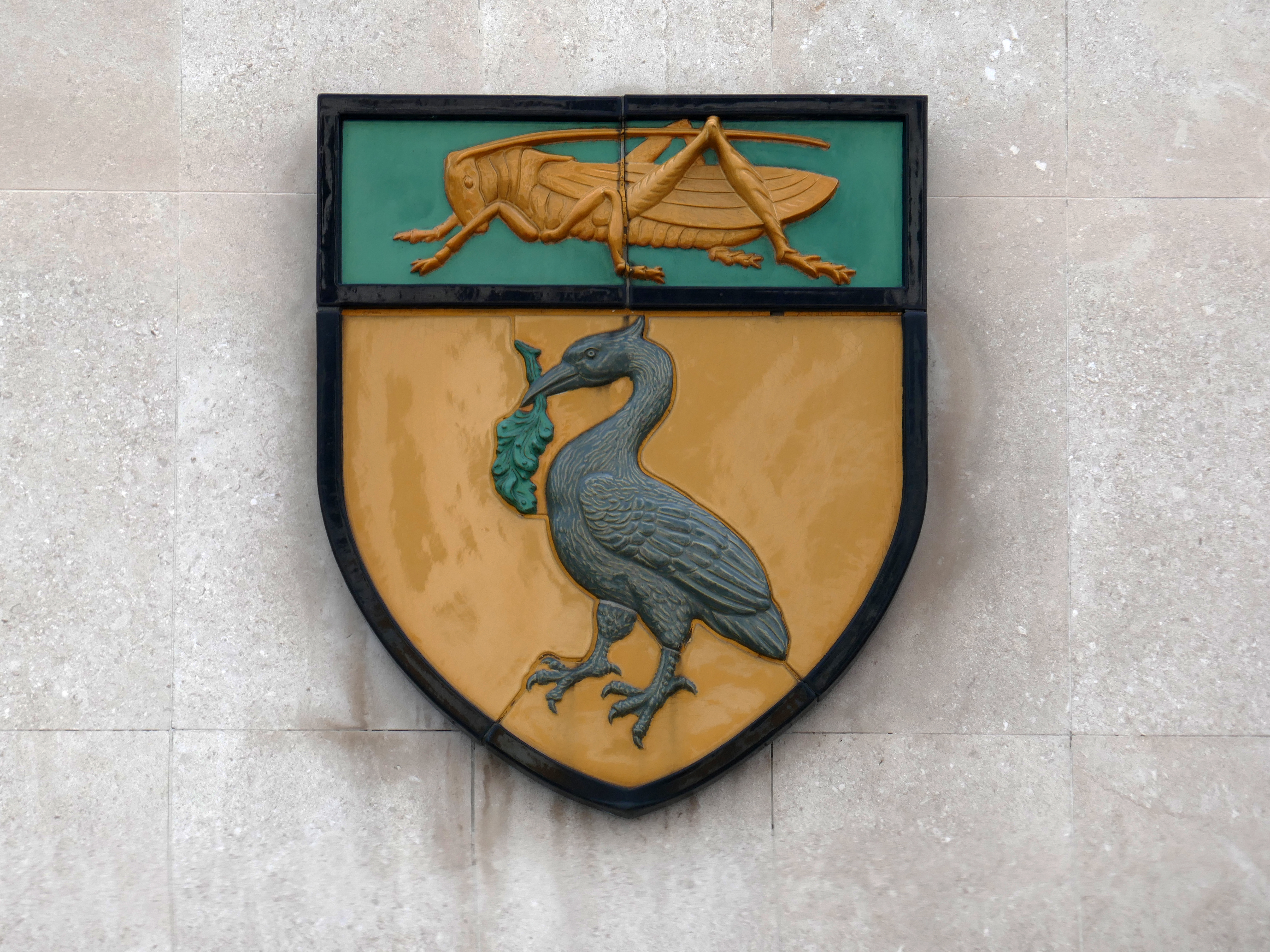
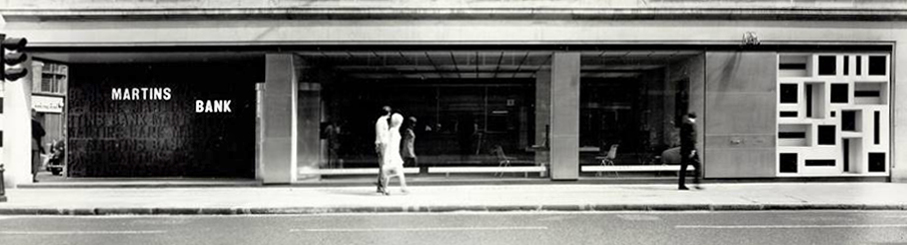
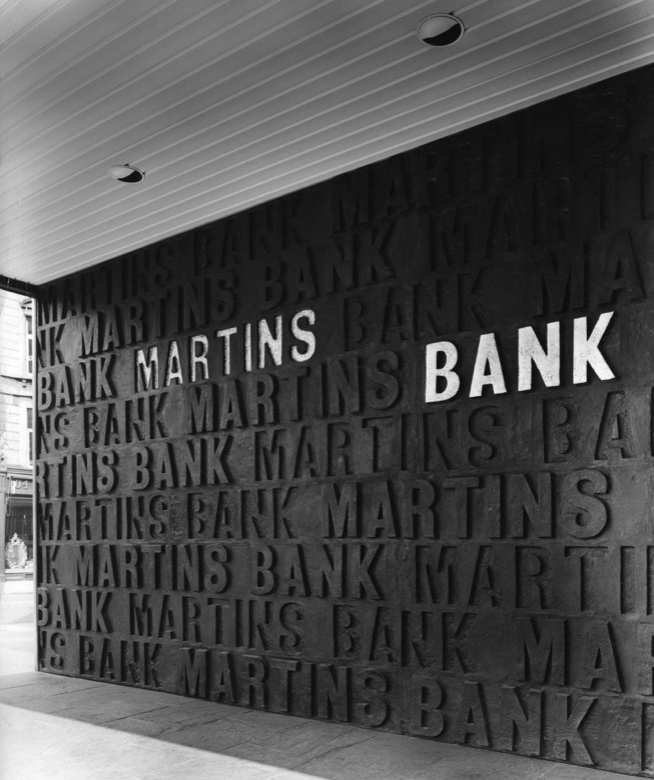
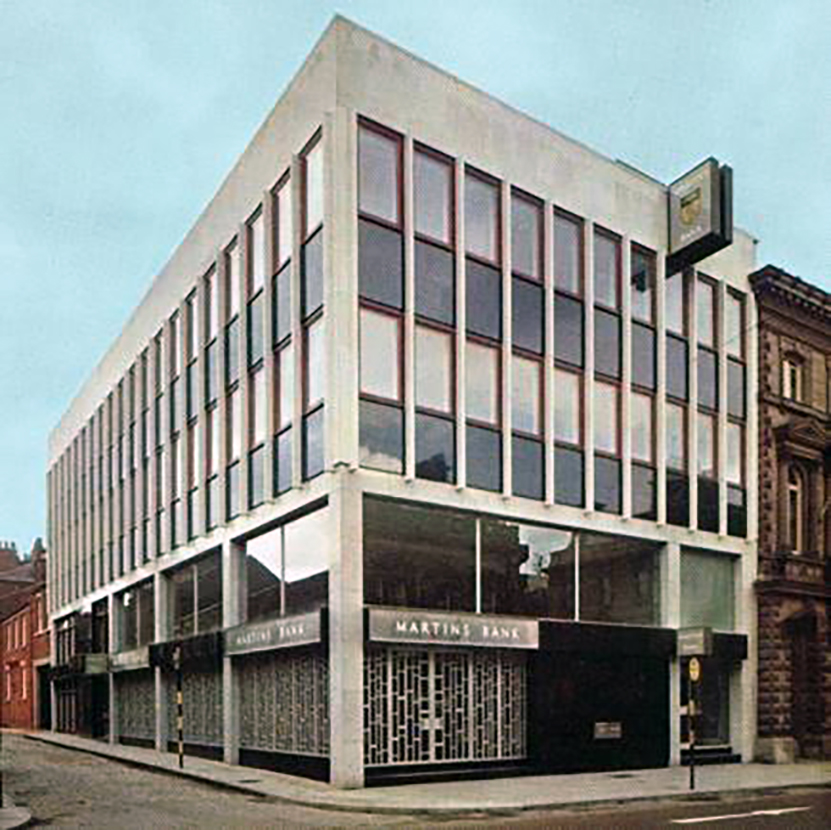
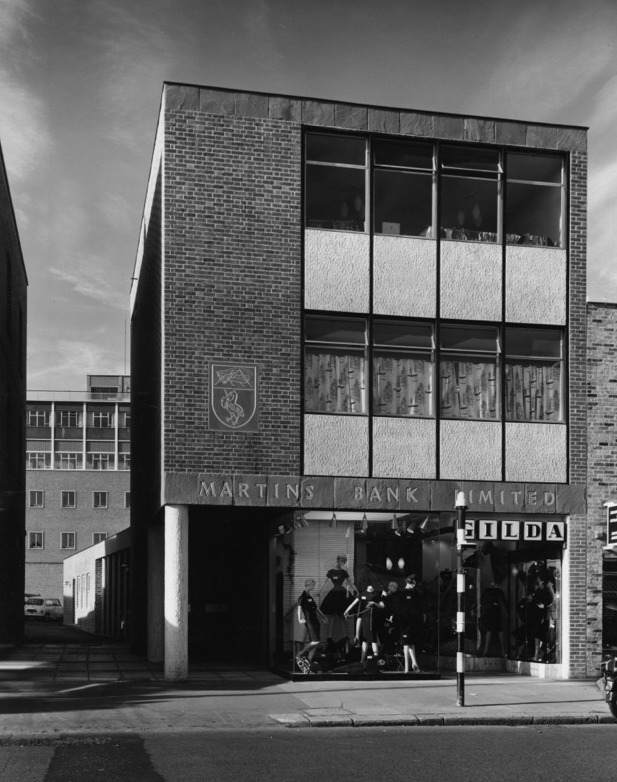
Martins Bank was a London private bank, trading for much of its time under the symbol of The Grasshopper, that could trace its origins back to Thomas Gresham and the London goldsmiths, from which it developed into a bank known as Martin’s Bank from 1890.[1] That bank was acquired in 1918 by the Bank of Liverpool, which wanted Martins to give it a London presence and a seat on the London Bankers’ Clearing House. The Martin name was retained in the title of the enlarged bank which was known as the Bank of Liverpool and Martins Limited. The title was shortened to Martins Bank Limited, without an apostrophe – in 1928, at the insistence of the directors of the Lancashire and Yorkshire Bank when it was bought by the Bank of Liverpool and Martins. The head office and managerial control remained firmly in Liverpool, cementing Martins’ place as the only English national bank to have its head office outside London.
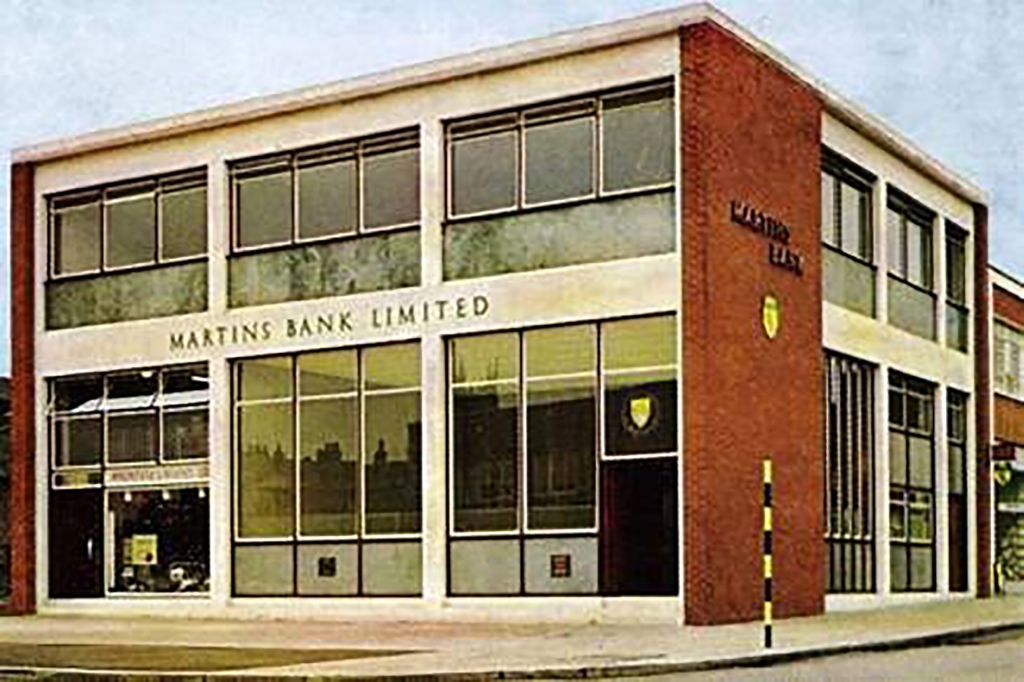
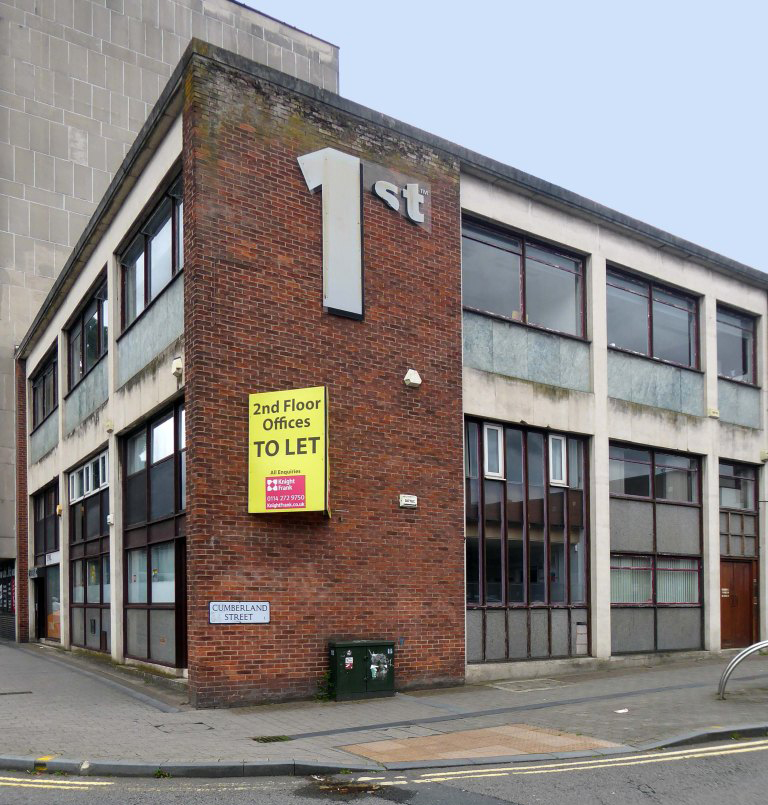
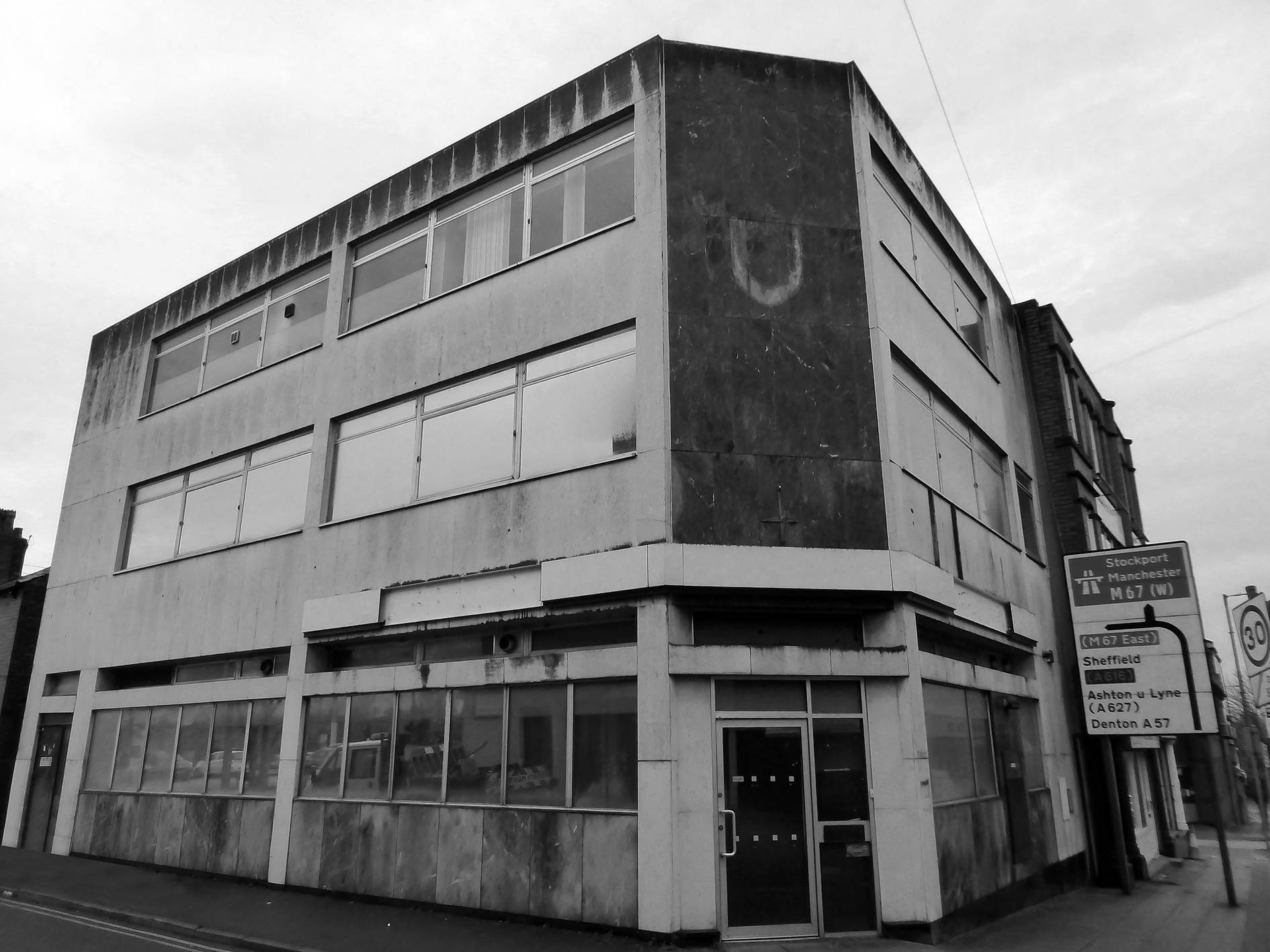
Opened in 1961, Martins Bank’s branch at Sheffield Moor is new and purpose built, occupying space left in the Sheffield Moor area by the bombing of the second world war. Time flies however, and more than fifty years on, the building is empty and awaiting the next chapter of its life.
Onwards to 38 Market Street Hyde – photographed as part of my Tameside Moderne book.
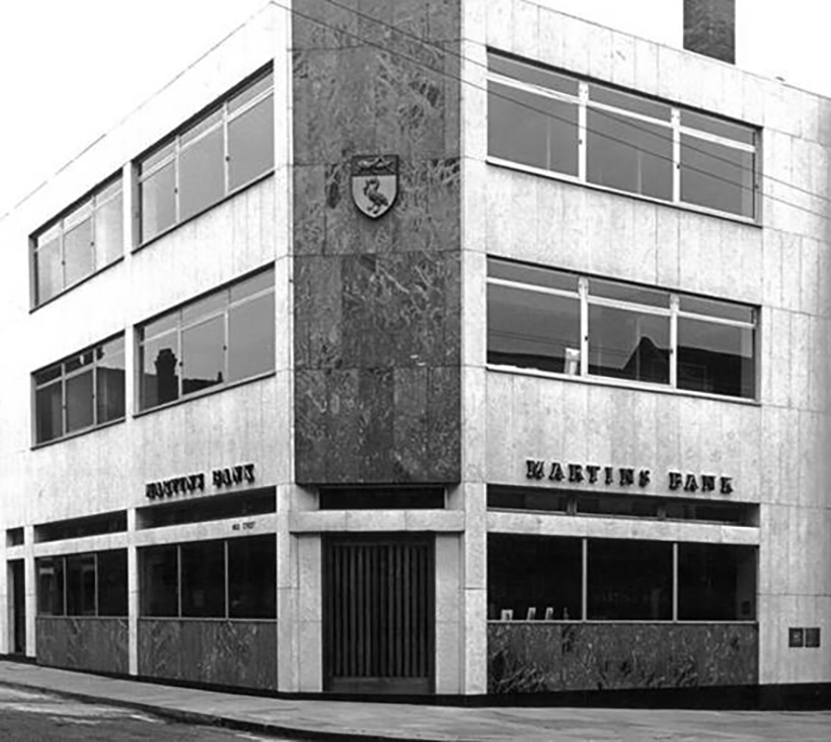
Seen here in 1963 – the year of its opening.
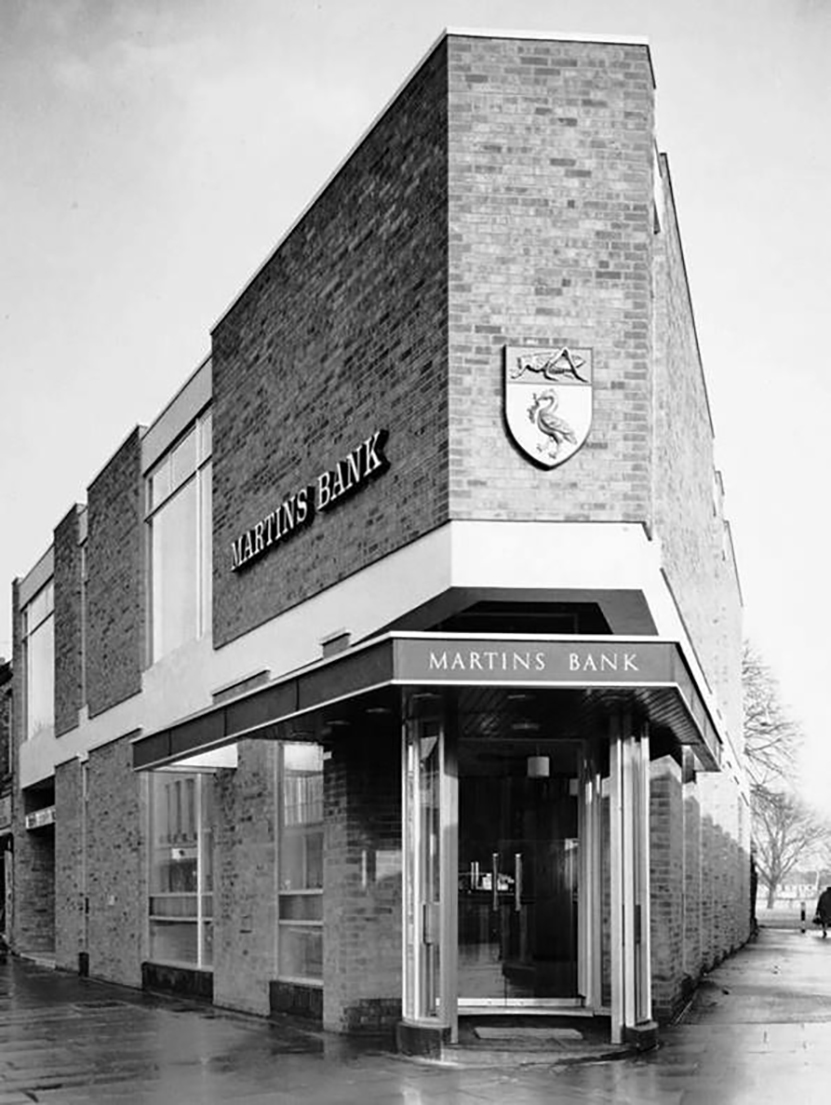
The rebuilt branch at 38 Market Street Hyde is typical of the clean lines and minimal fuss of Martins’ 60s rebuilds. After a year or so in temporary premises at 25 Market street it re-opens in 1965, and a year later a smaller but remarkably similar looking branch is completed at Peterborough.
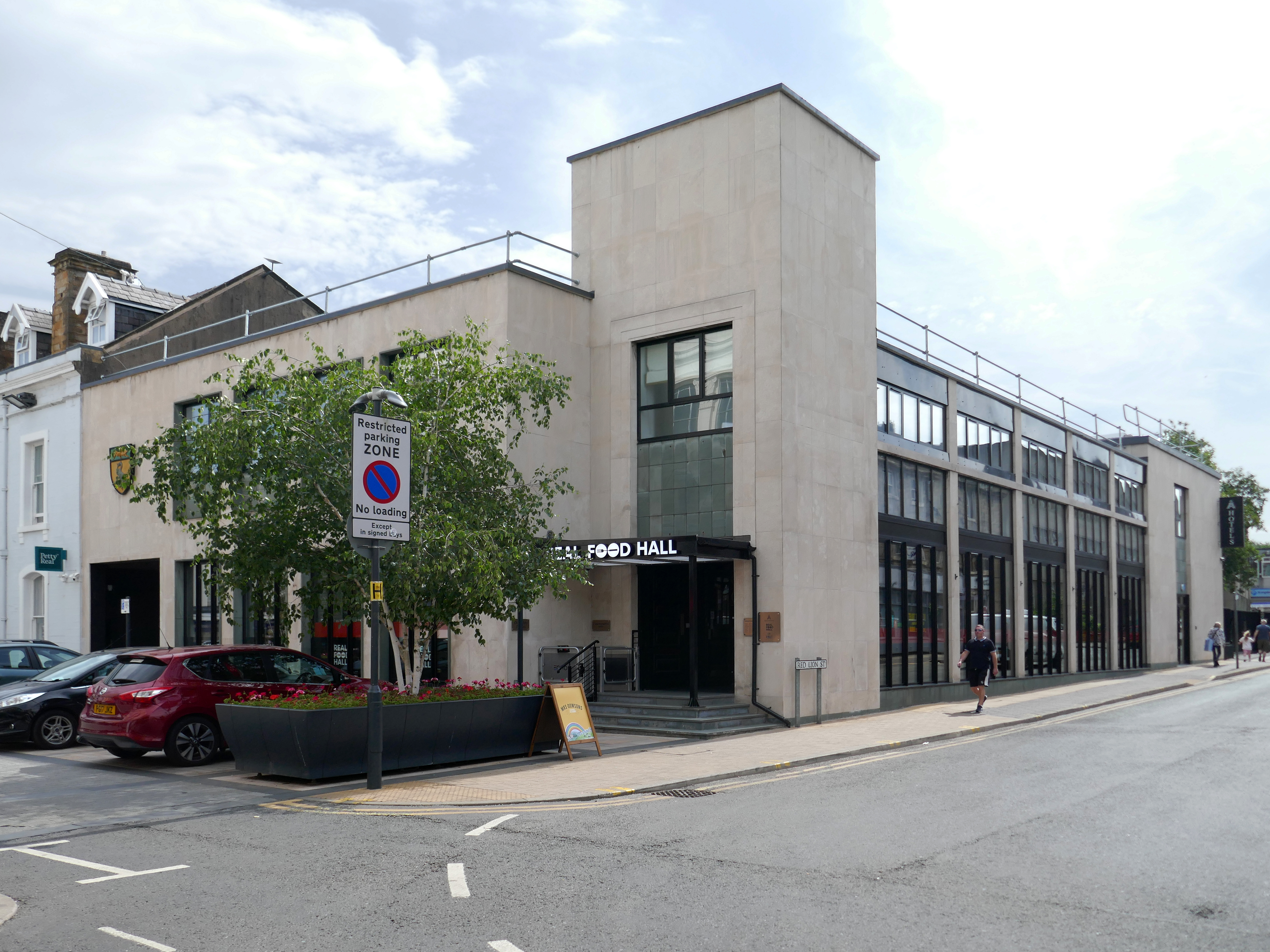
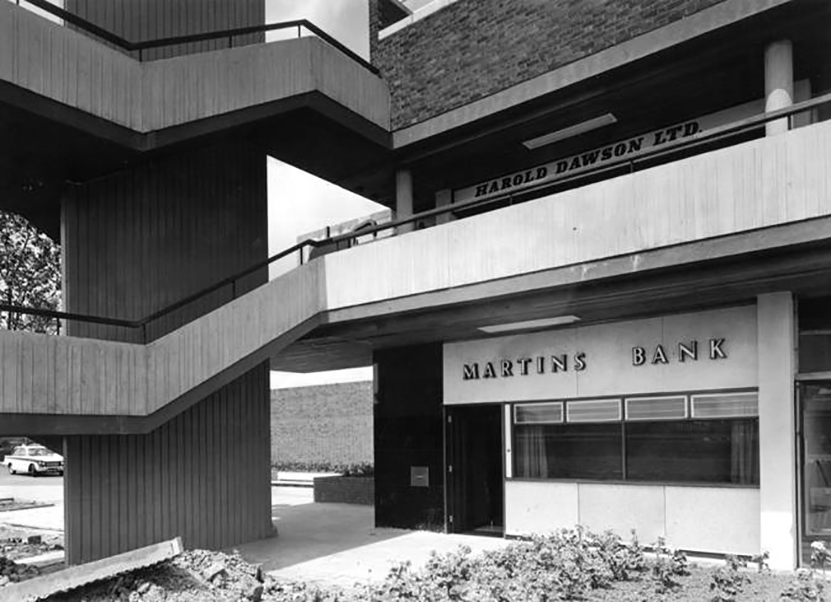
Then last week in Burnley, I stumbled across another former branch, whilst on my Burnley walk – it is currently trading as the Real Food Hall, VaultCinemaandAboveboutique hotel, having previously hosted a variety of retail outlets.
Architect: Mr J E Wadsworth of Samuel Taylor Son & Platt.
Discover Burnley’s premier destination for culinary delights. Nestled on Manchester Road, Real Food Hall offers a vibrant and diverse food experience that tantalizes every taste bud. Whether you’re craving gourmet burgers, delectable street food, or indulgent desserts, we’ve got something for everyone.
Enjoy top movies in a luxurious former bank vault, featuring high-end design, ultimate comfort, and a selection of premium snacks and beverages.
Indulge in next-level hospitality with Burnley’s largest, most intelligent hotel rooms — tailored for football fans, couples, and business travellers seeking a seamless, stylish stay.
Most people will remember Whitsuntide, 1963 as a weekend of blazing sunshine spent by the sea, or on the hills, or golfing, or just sitting in the sun. The staff of the two Burnley branches will remember it as a week-end of evacuation and invasion, Dunkirk and D-Day rolled into a lost weekend, the evacuation of Hargreaves Street and St James Street into the new Manchester Road premises.
Mr Jobling, who had controlled operations throughout, created a record that can never be beaten in working twenty-four hours’ overtime in one day! We welcomed our first customers at 10 o’clock next morning and a civic visit at 11 a.m., not only proud of our lovely building but very proud of and grateful to so many who had never spared themselves to achieve what at one time seemed the impossible.
In service from 3rd June 1963 until 19th June 1991.
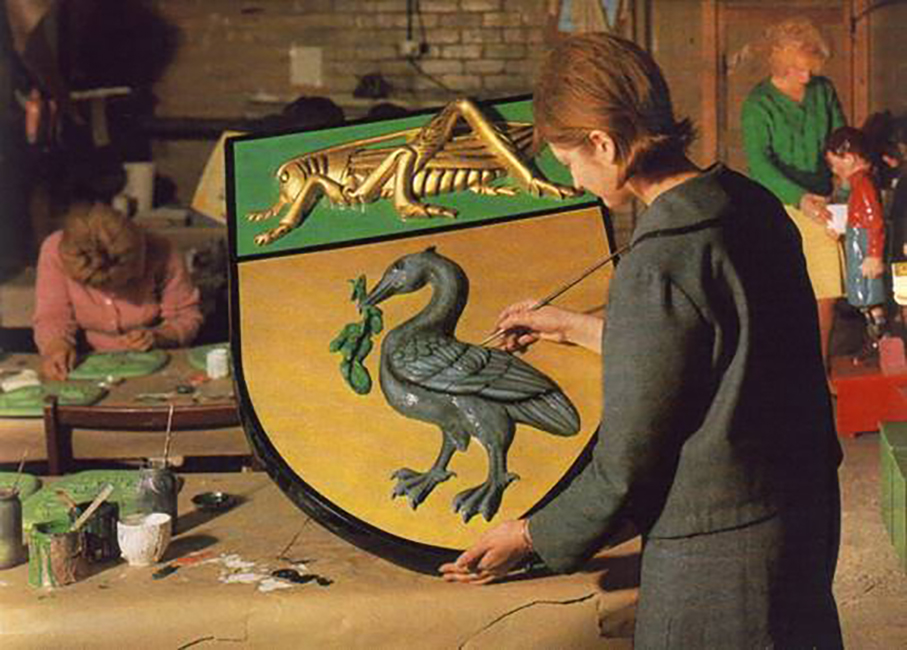
Since the last war the uses of fibreglass have developed to such an extent, that there are now companies engaged solely in the manufacture of fibreglass products. Such a company is Carleton Russell Limited whose works at Loughborough. The company makes fibreglass signs and displays and has produced several of our Bank signs. At the time of our visit the finishing touches were being made to the huge sign, seen in the colour photograph below, which now gleams upon customers entering our branch at Digbeth, Birmingham.
Why fibreglass – two of its advantages, lightness and flexibility, have much to recommend it as the material for a wall sign, either inside or outside a building. The Coats of Arms carved in stone which once surmounted the two entrances to our Leeds office, have now given way to fibre-glass reproductions. Weather resistance is another valuable property of these signs and Hove branch, for example, exposed to coastal weather, is saved frequent cleaning and retouching costs by having its external sign made from fibreglass.
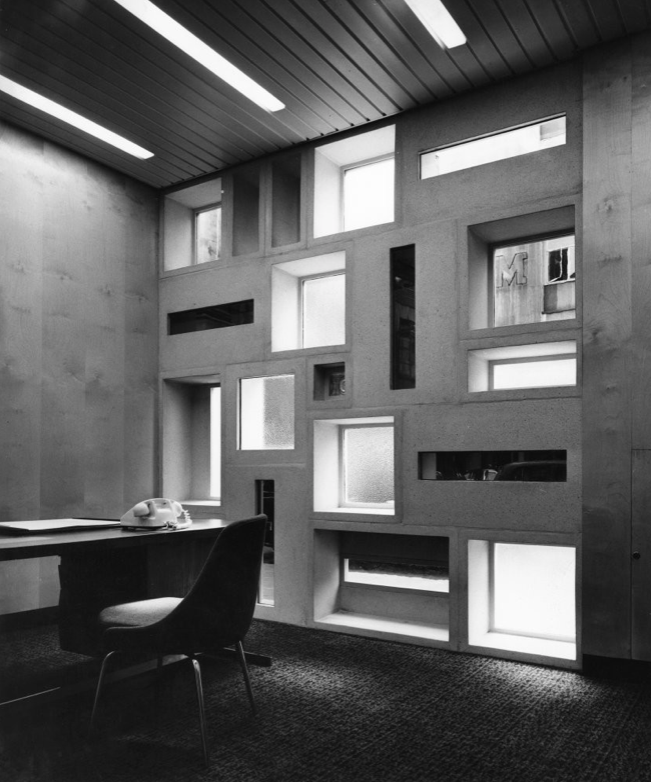
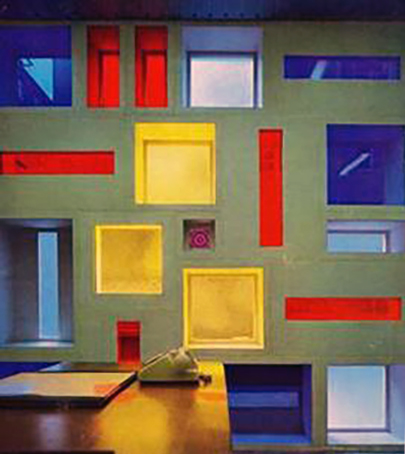
In addition to innovative materials, Martins began to employ Modernist Architecture, interiors and design to attract a younger customer base.
Particularly at their branch on 95 Wigmore Street London, where Ernö Goldfinger was commissioned to do away with the old and bring in only the newest of the new.
New office development for Great Portland Estates on Wigmore St. Designed by architects ORMS, 95 Wigmore Street is a new office and retail development by the Great Wigmore Partnership, completed in 2013. The building occupies a prominent site in the West End, between the thriving restaurants and bars on James Street and yards from Selfridges on Duke Street.
Closer to home this is the Fishergate Branch in Preston, opened in August 1965.
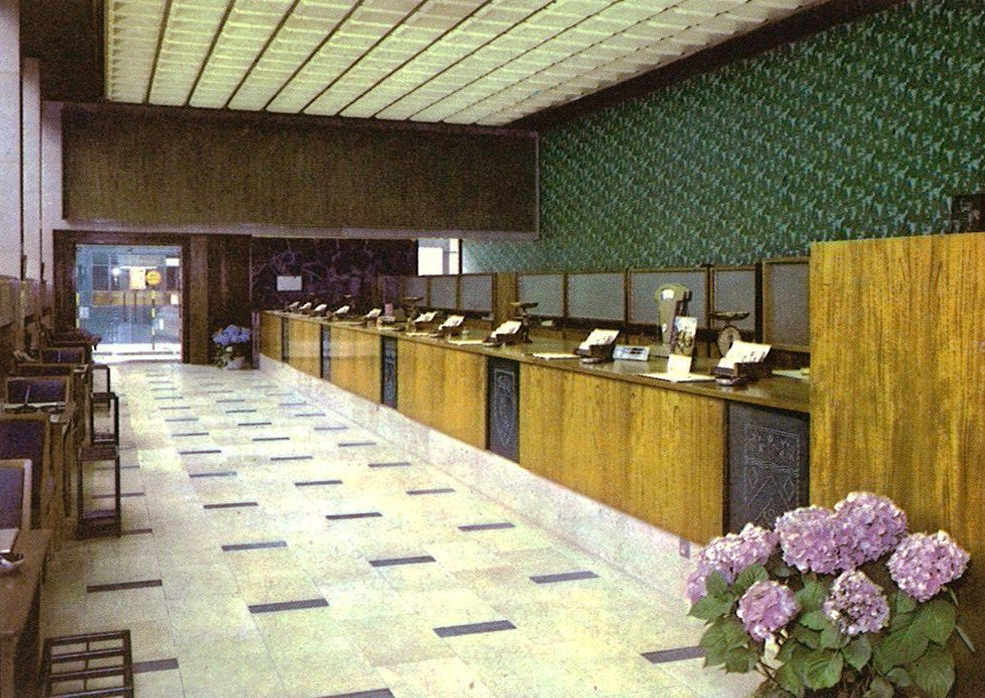
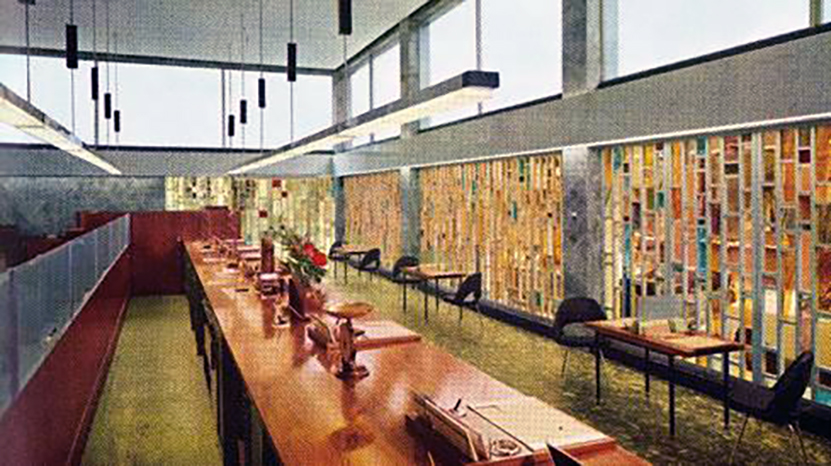
Preston branch today is not merely impressive; it is handsome. The entrance porch is of clear glass but the windows are of hand-made tinted glass set in aluminium frames, the counter is of teak, faced with Sicilian marble, and the walls of the main banking office are of wide elm boarding with one large panel of silver grey marble.
The management rooms are lined with cedar of Lebanon against a maple background and hot water coils in the ceilings warm all the office areas. Clearly the transformation has cost a lot of money and even the more humble rooms would not disgrace the London Hilton. Does the Hilton staff kitchen, for example, have built-in teak wall cupboards with magnetised catches?
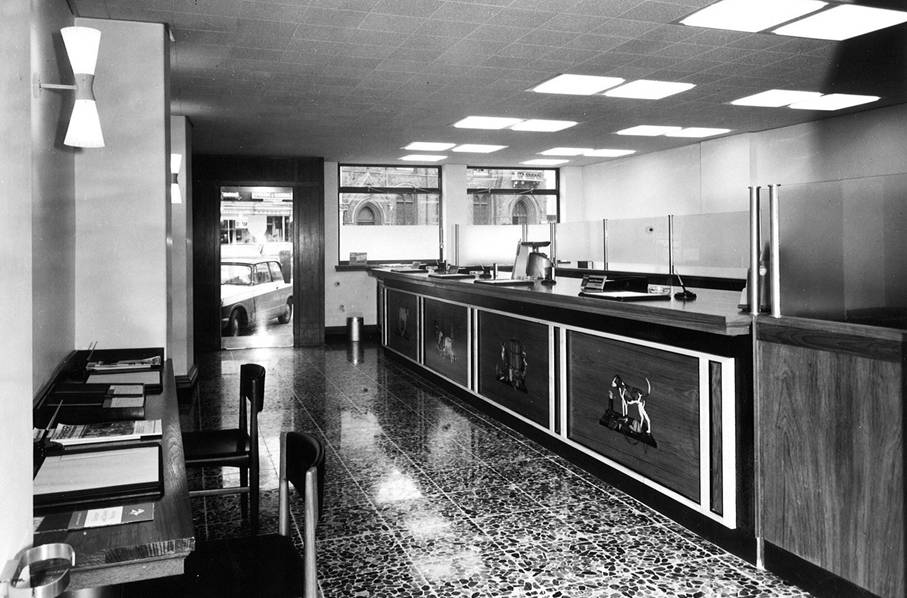
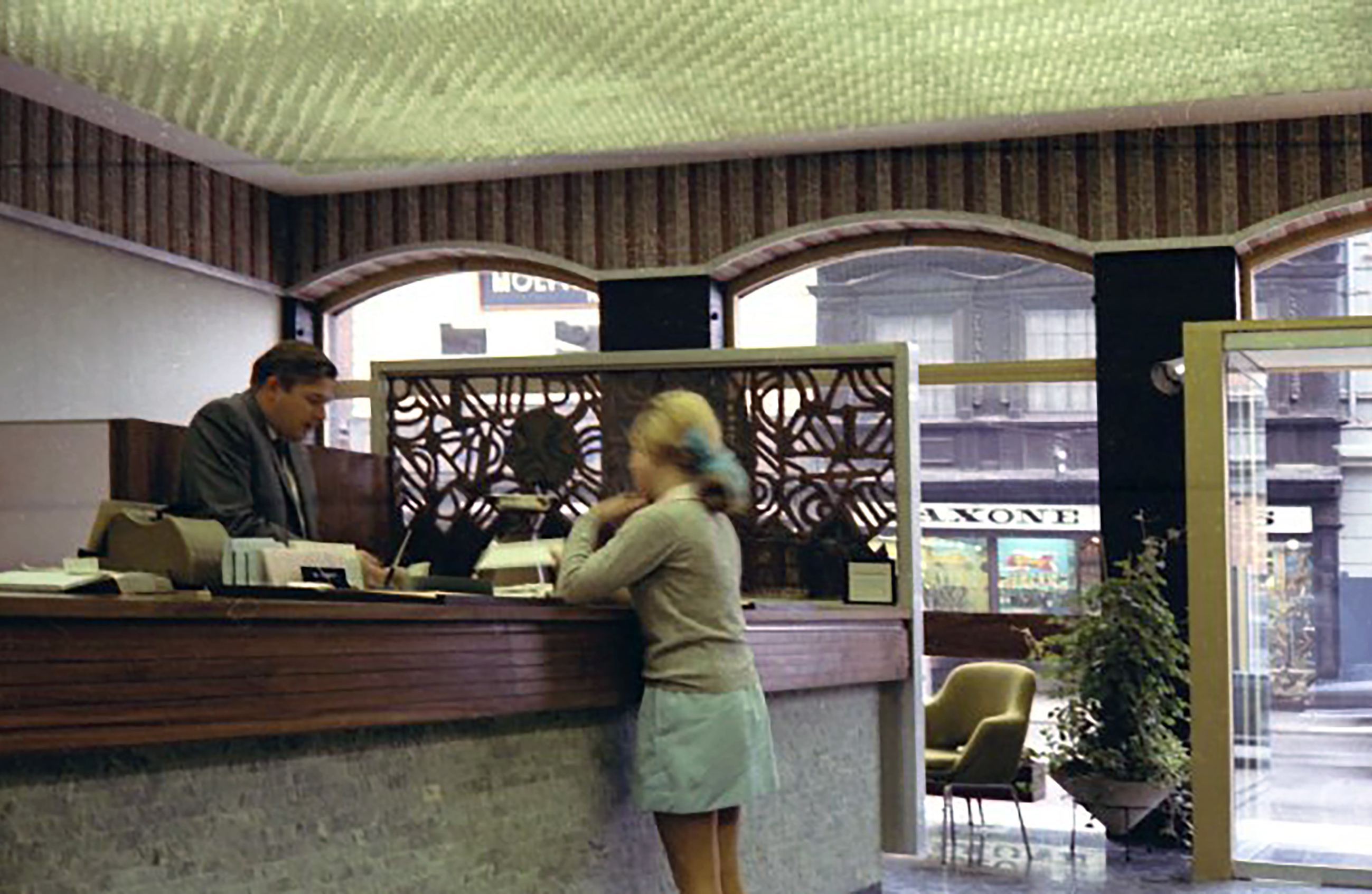
In the late 1950s, Martins begins to commission works of art that can take pride of place in new branches, and in most cases reflect something of the local area – a kind of giving back to the people. To begin with, this is neither a grand nor hollow gesture, and the character of many a branch is decided by its own unique internal décor and its artwork.
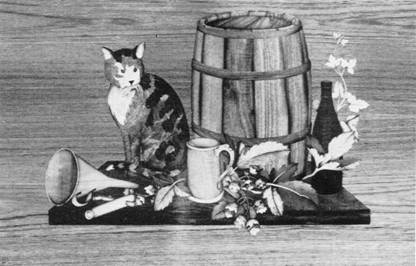
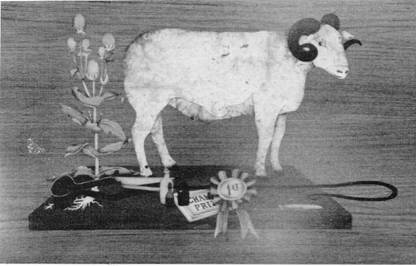
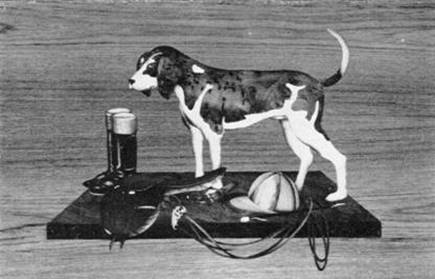
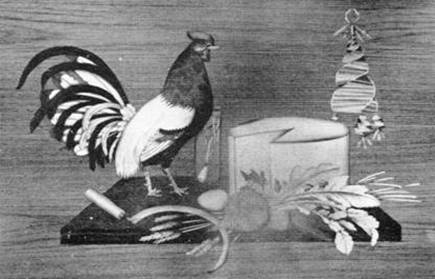
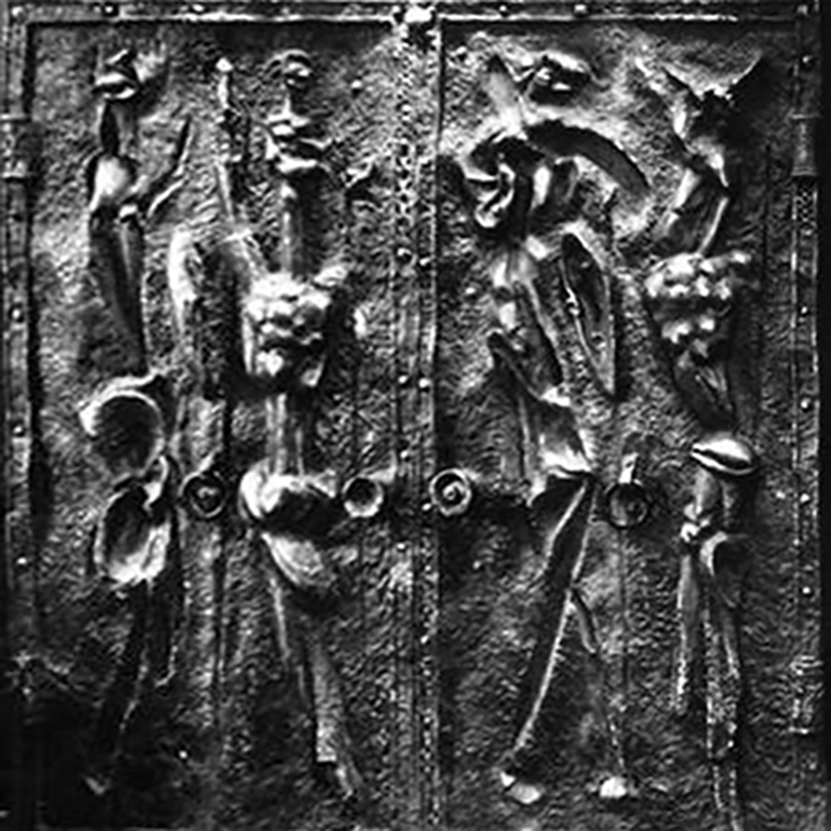
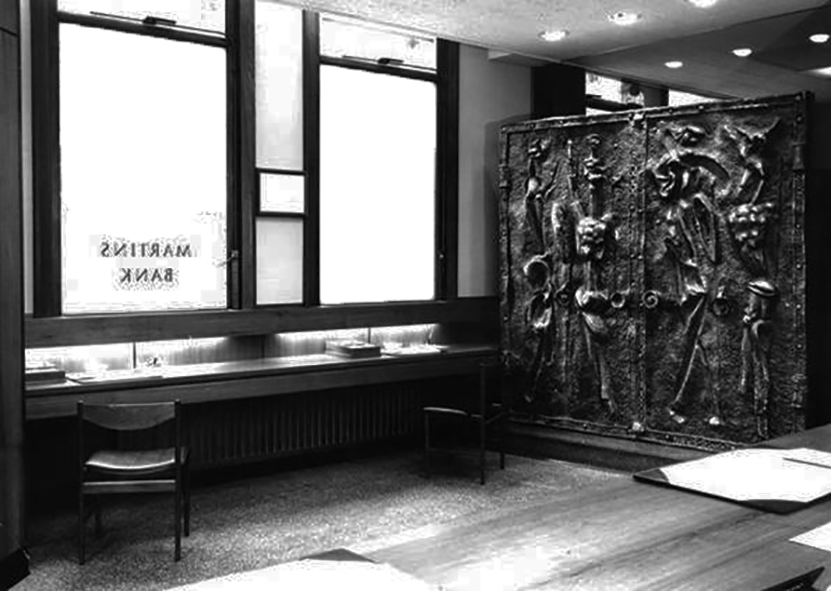
Such as the four elaborate carvings from Newbury Branch, depicting four local activities – Brewing, Weaving, Chasing and Farming.
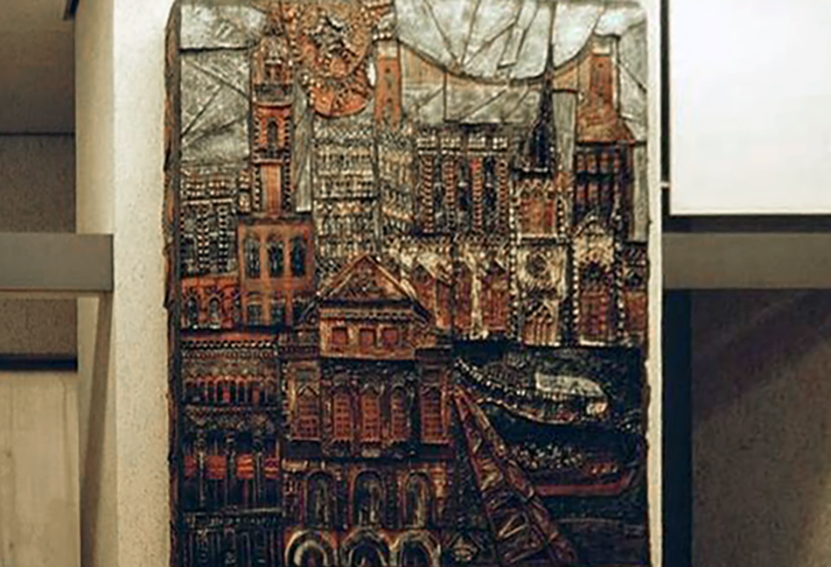
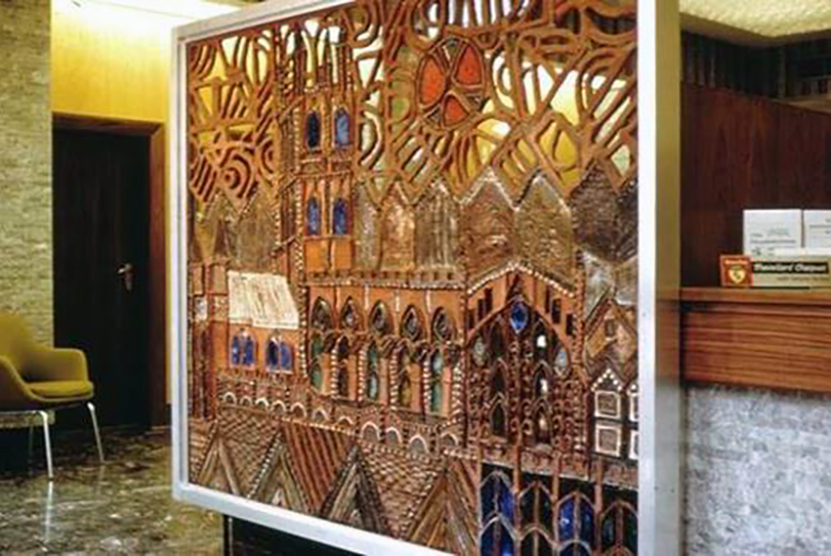
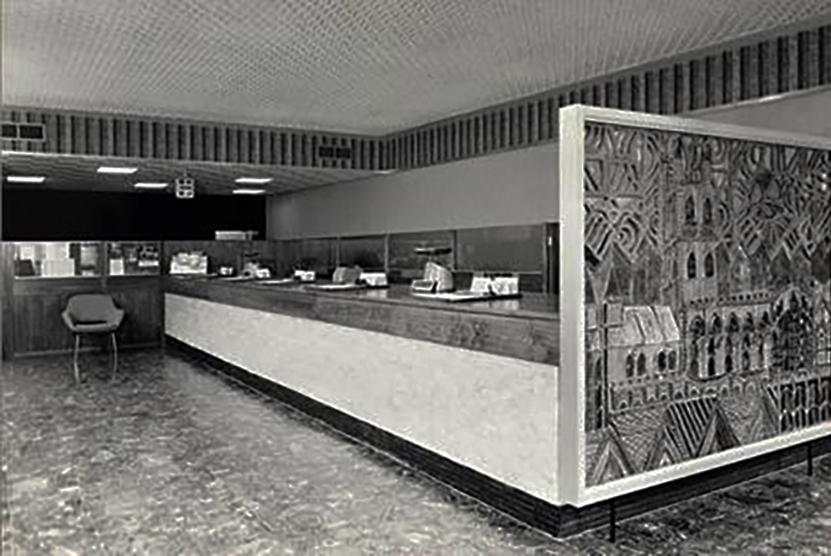
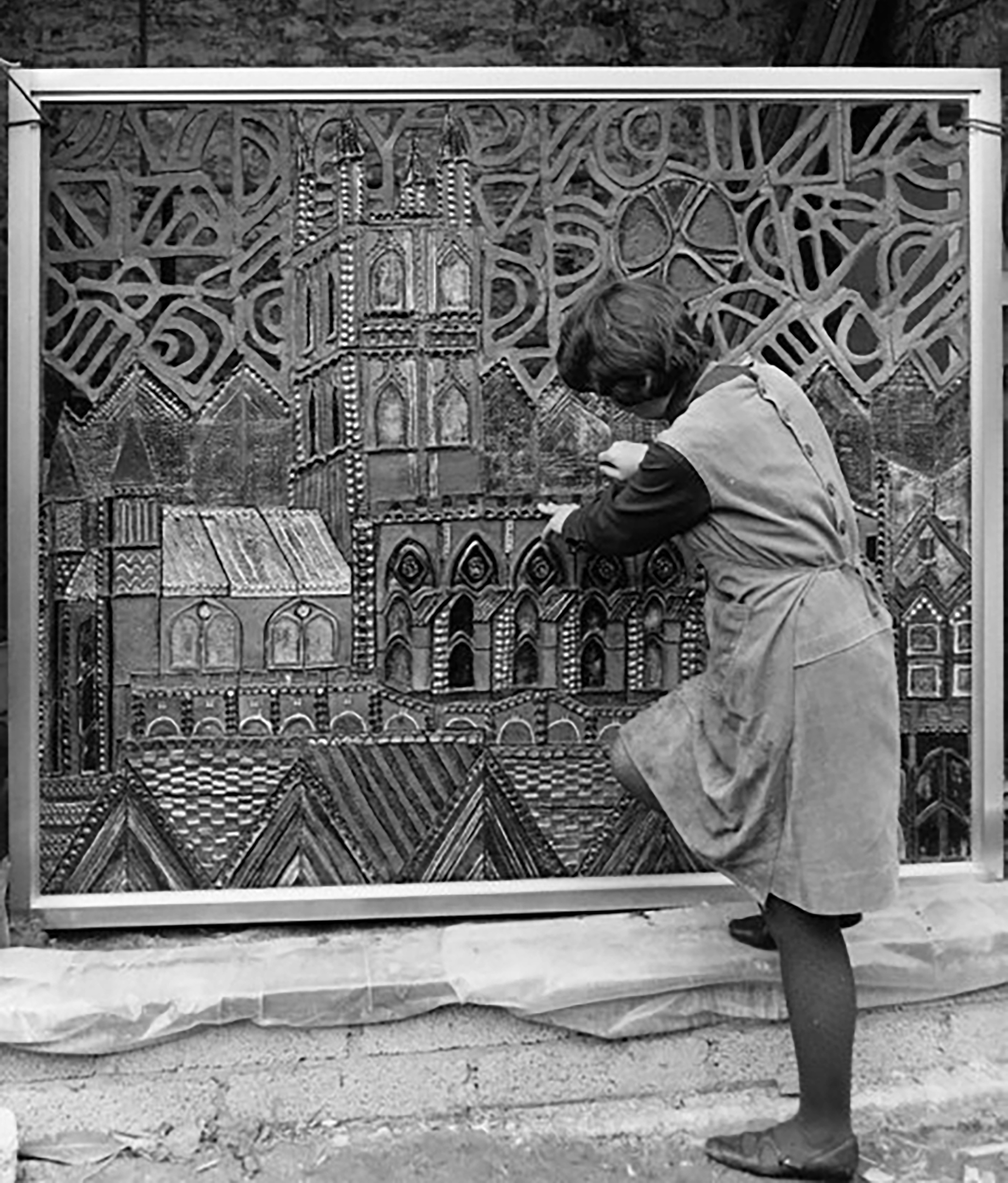
Bristol Clifton 9a Whiteladies Road – the design depicts various buildings and landmarks in Bristol.
Philippa Threlfall has been making relief murals in ceramic since the 1960s. Together with her husband and partner Kennedy Collings she has completed over one hundred major works on sites all over the United Kingdom and overseas. Some of these were made for private clients, but most were commissioned for display in public situations – shopping precincts, banks, building societies, an airport, hospital and office developments.
Philippa studied Illustration and Ceramics at Cardiff College of Art and went on to qualify as an art teacher at Goldsmiths College London. She taught ceramics and painting part time for six years at North London Collegiate School in Edgware, and during this time began to receive commissions for mural work.
Bournemouth 39 Old Christchurch Road, where sculptor Paul Fletcher’s creation exudes locality and security at the doors of the branch.
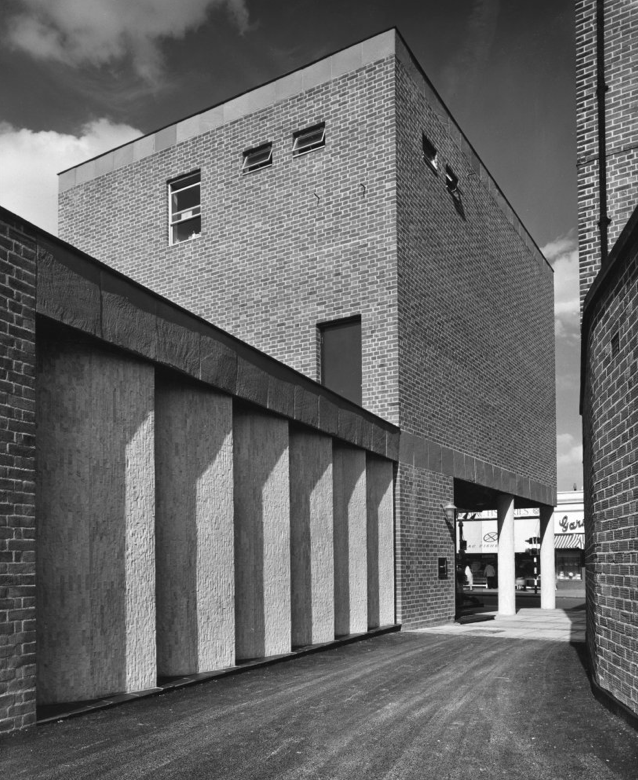
Where in the universe have we landed? Is this one of the wobbly sets from the 1960s episodes of Dr Who? Even worse – no need for LSD when paying in your £SD at the new Watford Branch – Bryan & Norman Westwood & Partners, architects 1962.
Ribapix – rear elevation.
The uneven cobbled effect on the floor, clashing with walls that look as if they might close in on you at any minute, must have made for an interesting visit to Watford.
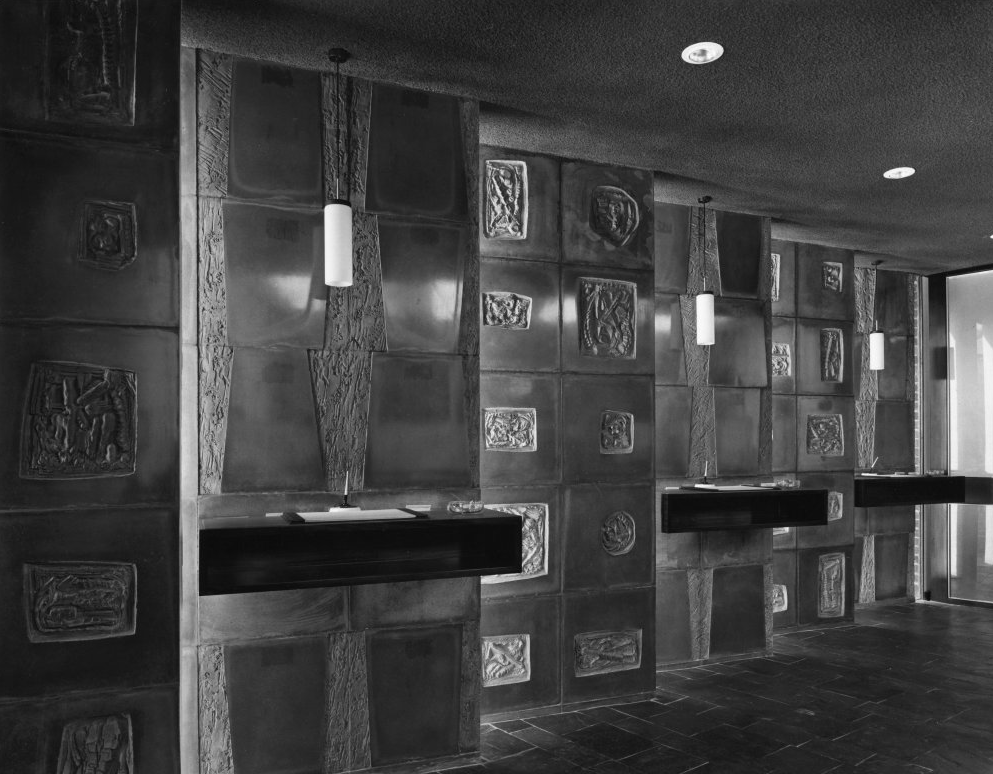
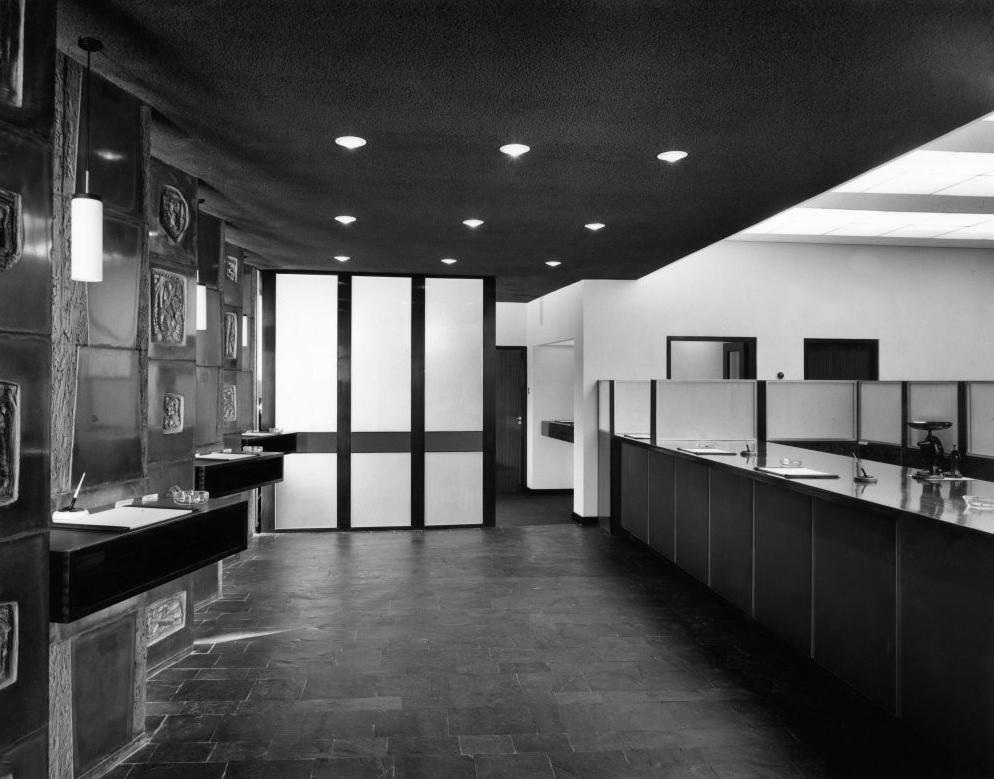
The public space is comparatively dimly lit, with a black ceiling, slate floor and dark-coloured sculptural panels by Eric Peskett placed in echelon so that as you go into the bank the wall appears to be quite solid, but on leaving you see the street through the windows set between the slabs.
The counter top is a solid piece of Afromosia. The floor is of riven Delabole slate. The sculptured slabs between the writing desks have in parts a very smooth shining surface obtained by casting against glass and the insets are rough and dark, they were cast in rubber moulds. The ceiling is roughly textured Pyrok, dark grey in colour and intensely sound-absorbing.
The Architect and Building News – 5 September 1962
Ribapix
And finally – welcome to dystopia 1967 – or Thornaby on TeesBranch, as it is known, an office drowned in its own grey drabness, a real nightmare in concrete. How many people were subject to trudging those awkward walkways with a pram, we can only guess.
The in-house Martins’ magazine and archive may at times, have an ambivalent attitude towards Modernism, I myself, can only admire the optimism and originality, embodied in the work that the bank commissioned.
Many thanks Modern Martins, from thoroughly Modern Mooch.
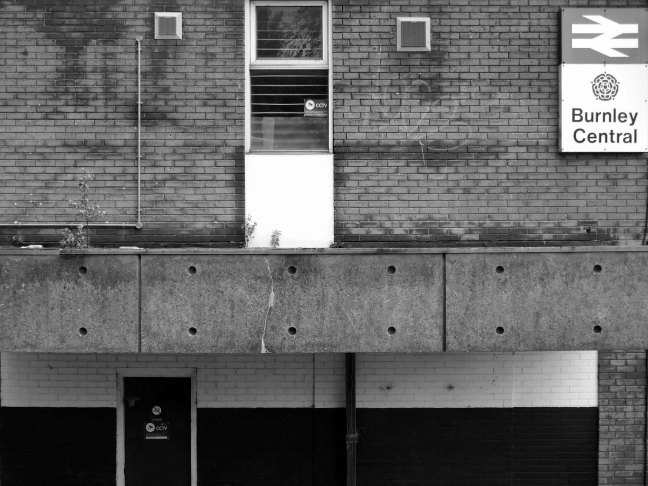
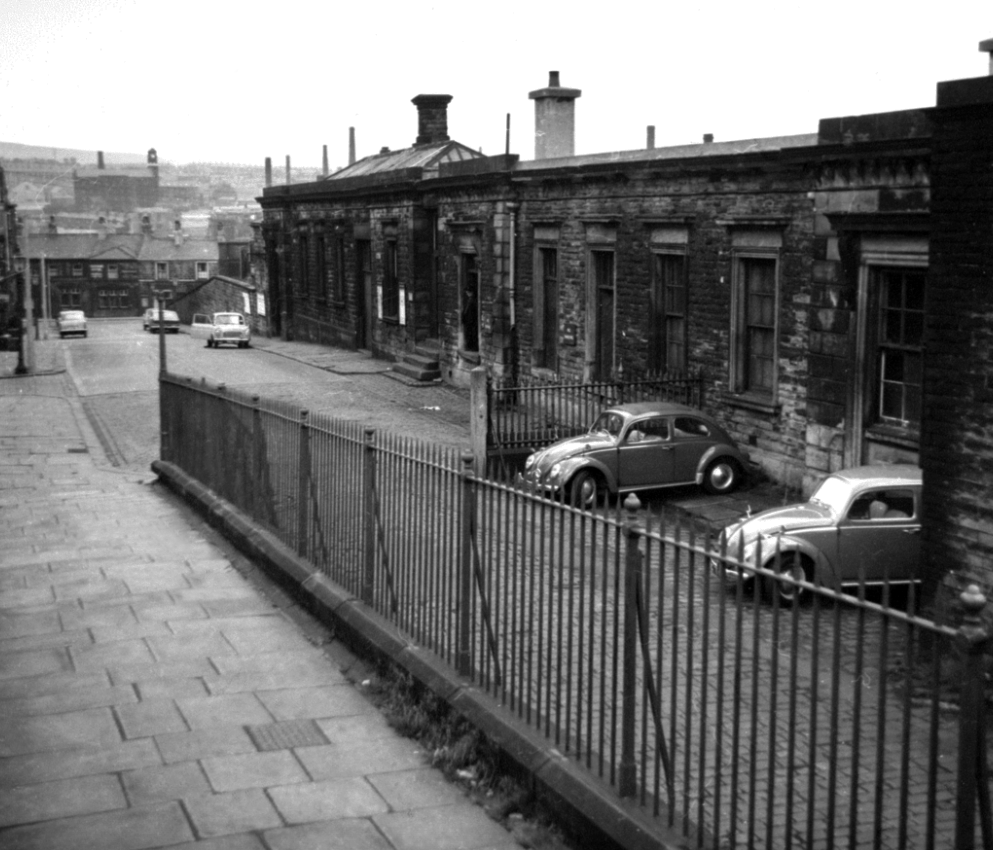
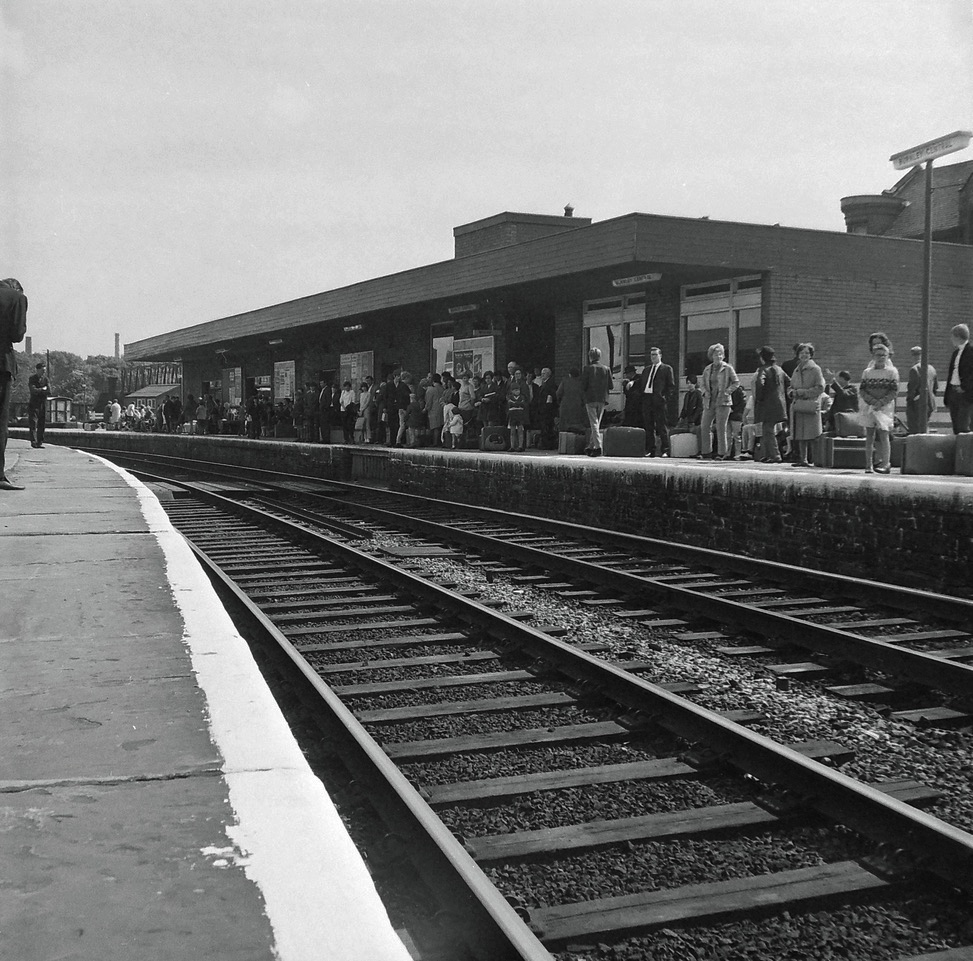
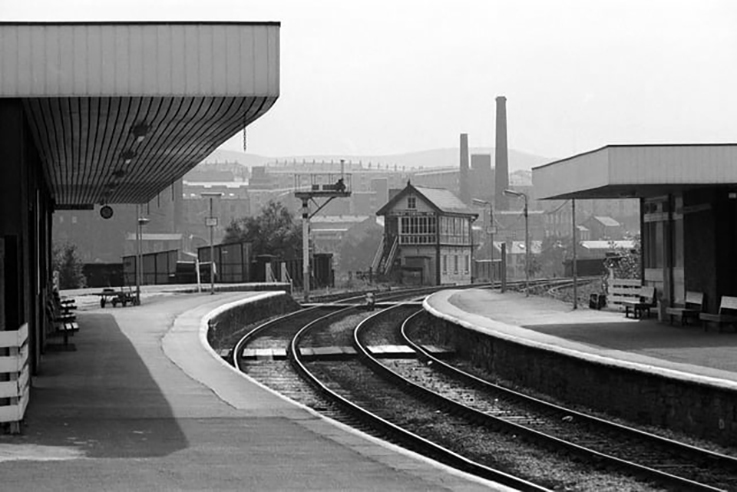
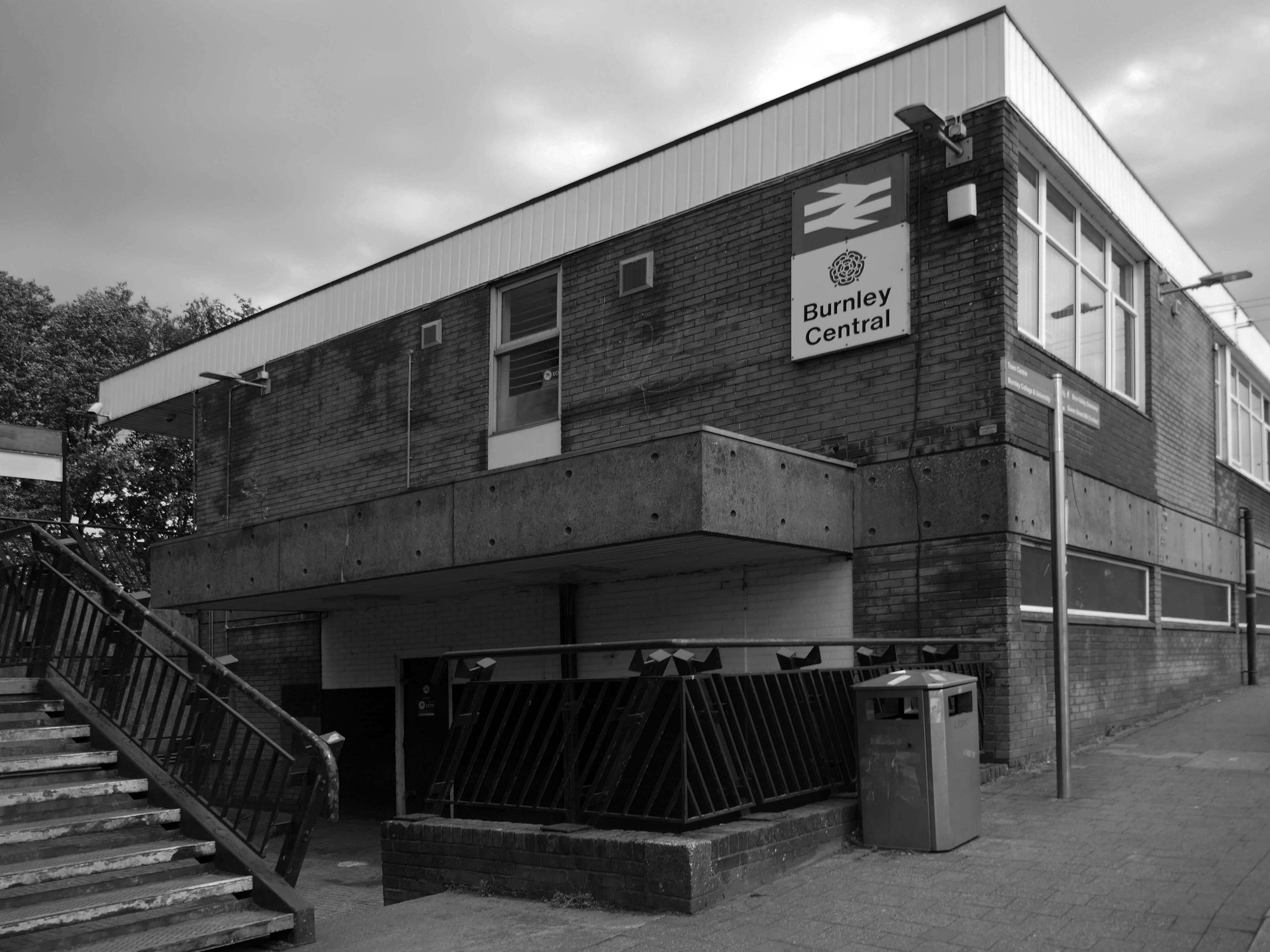
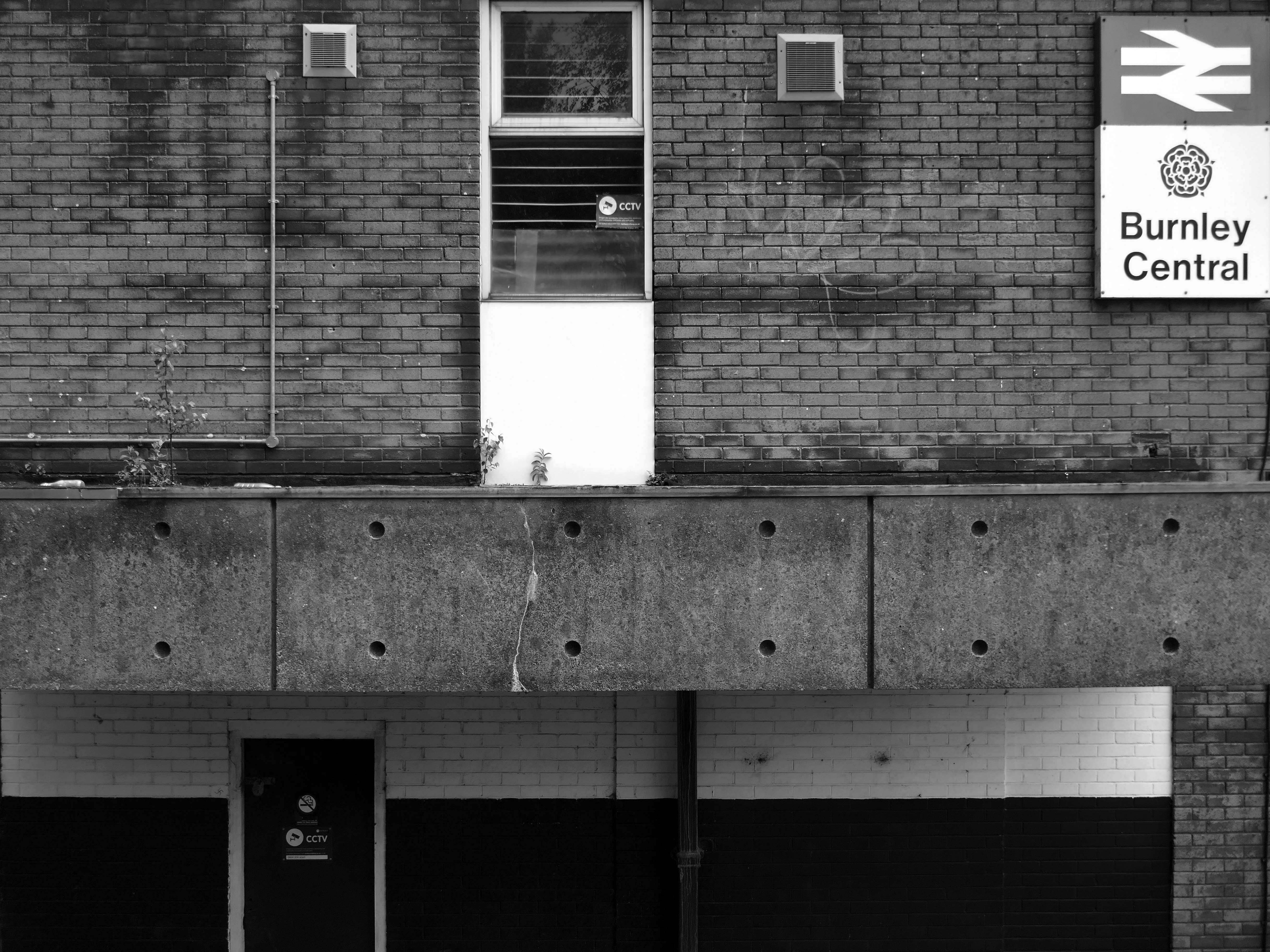
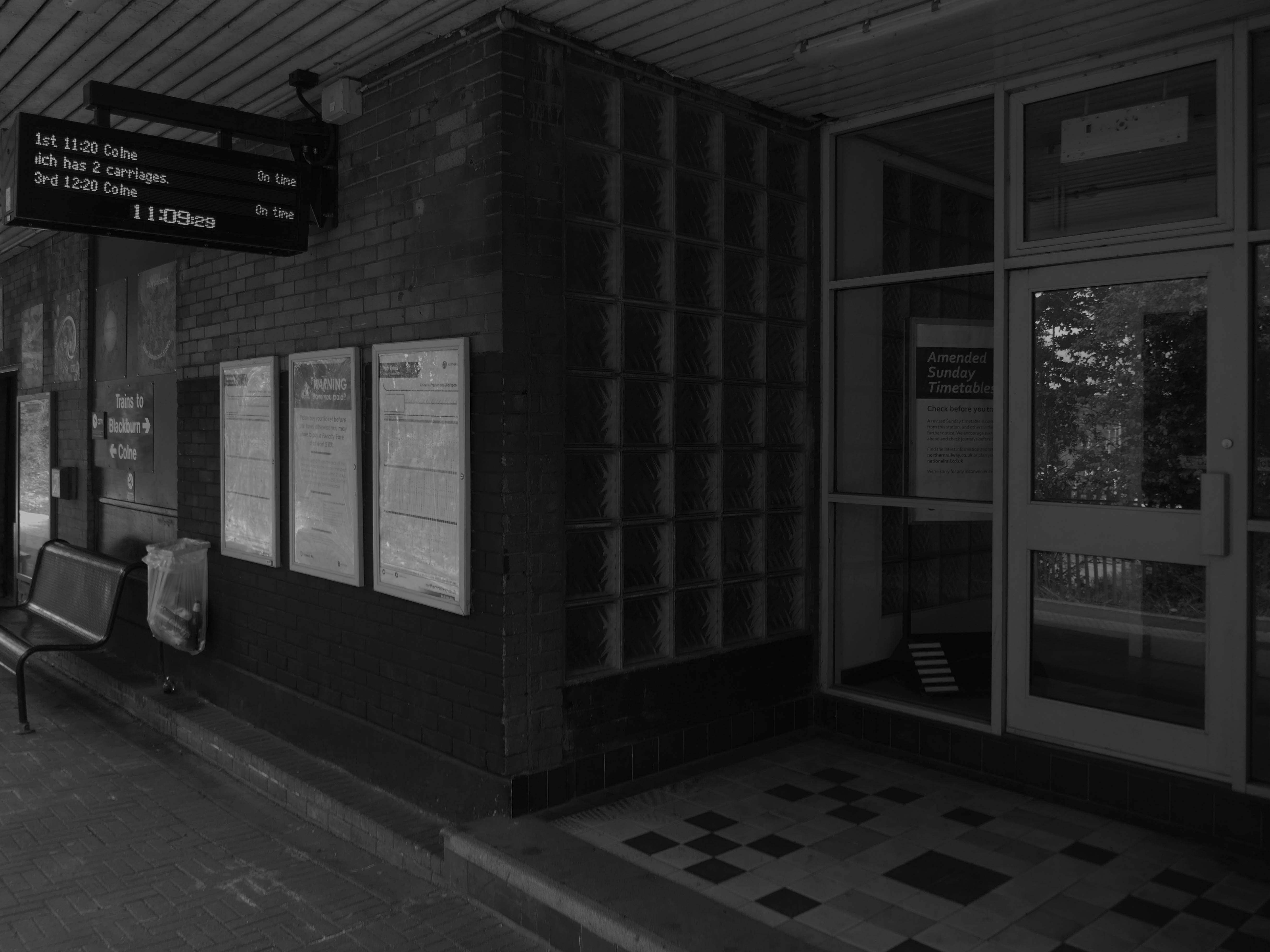
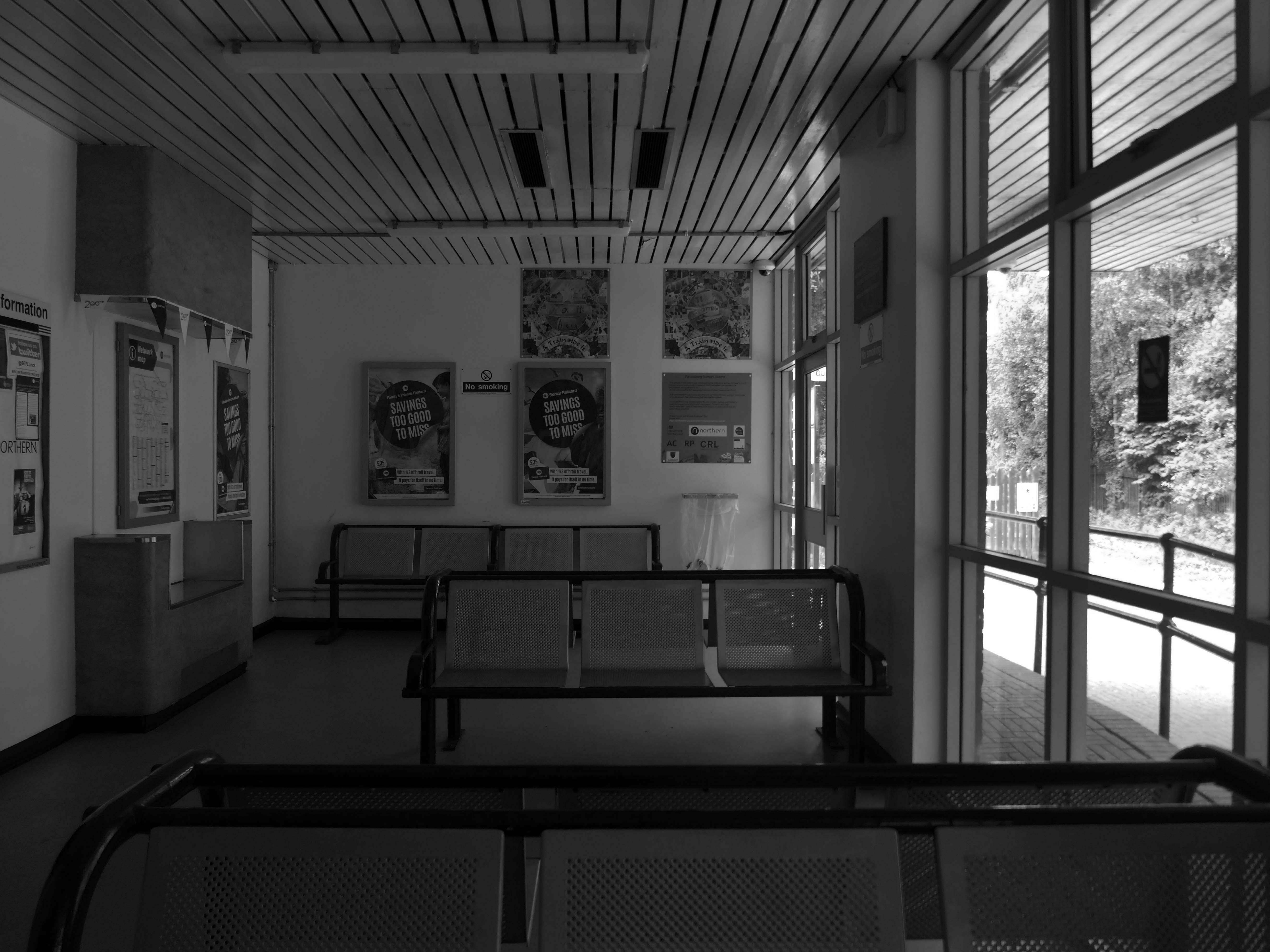
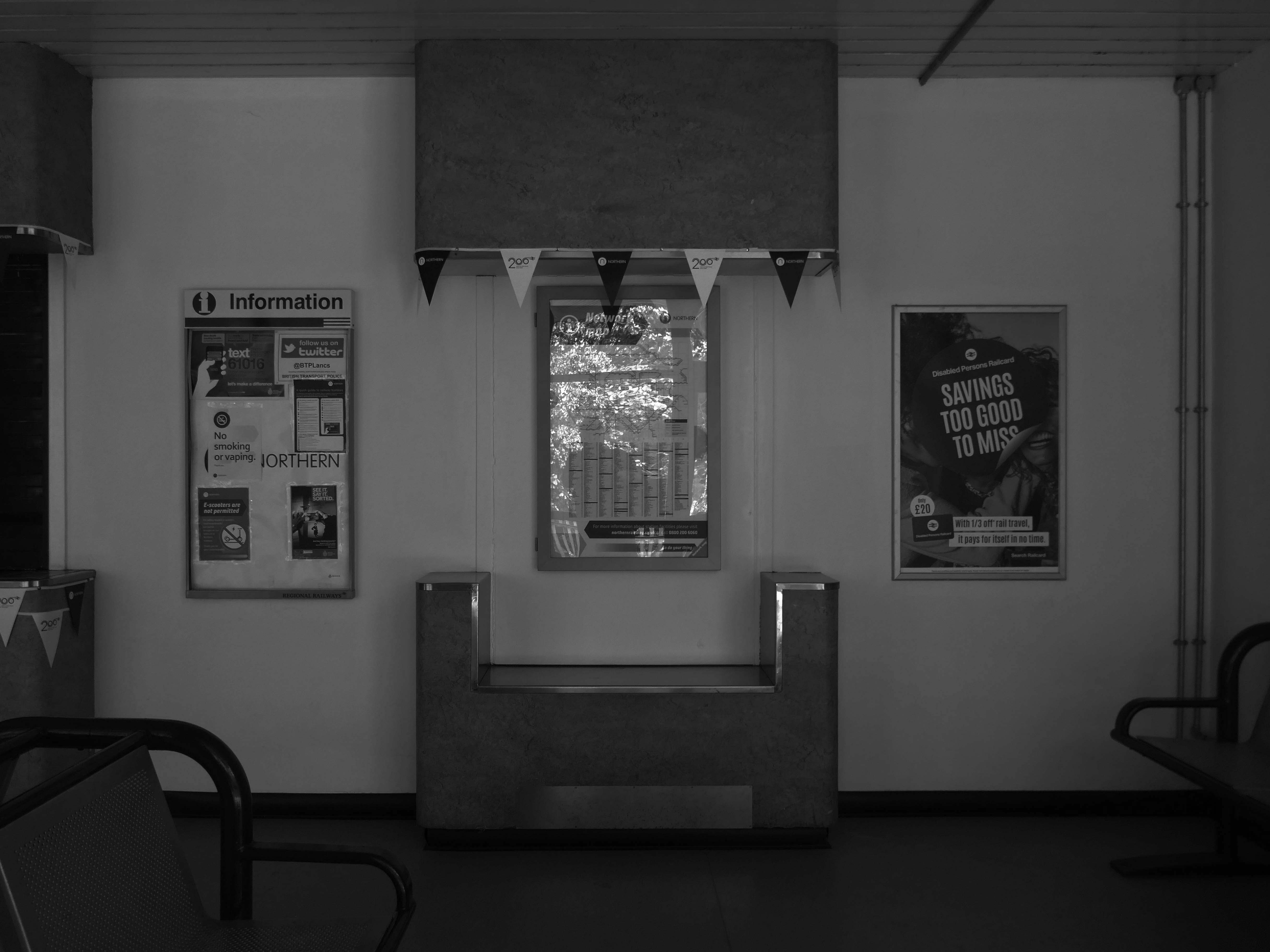
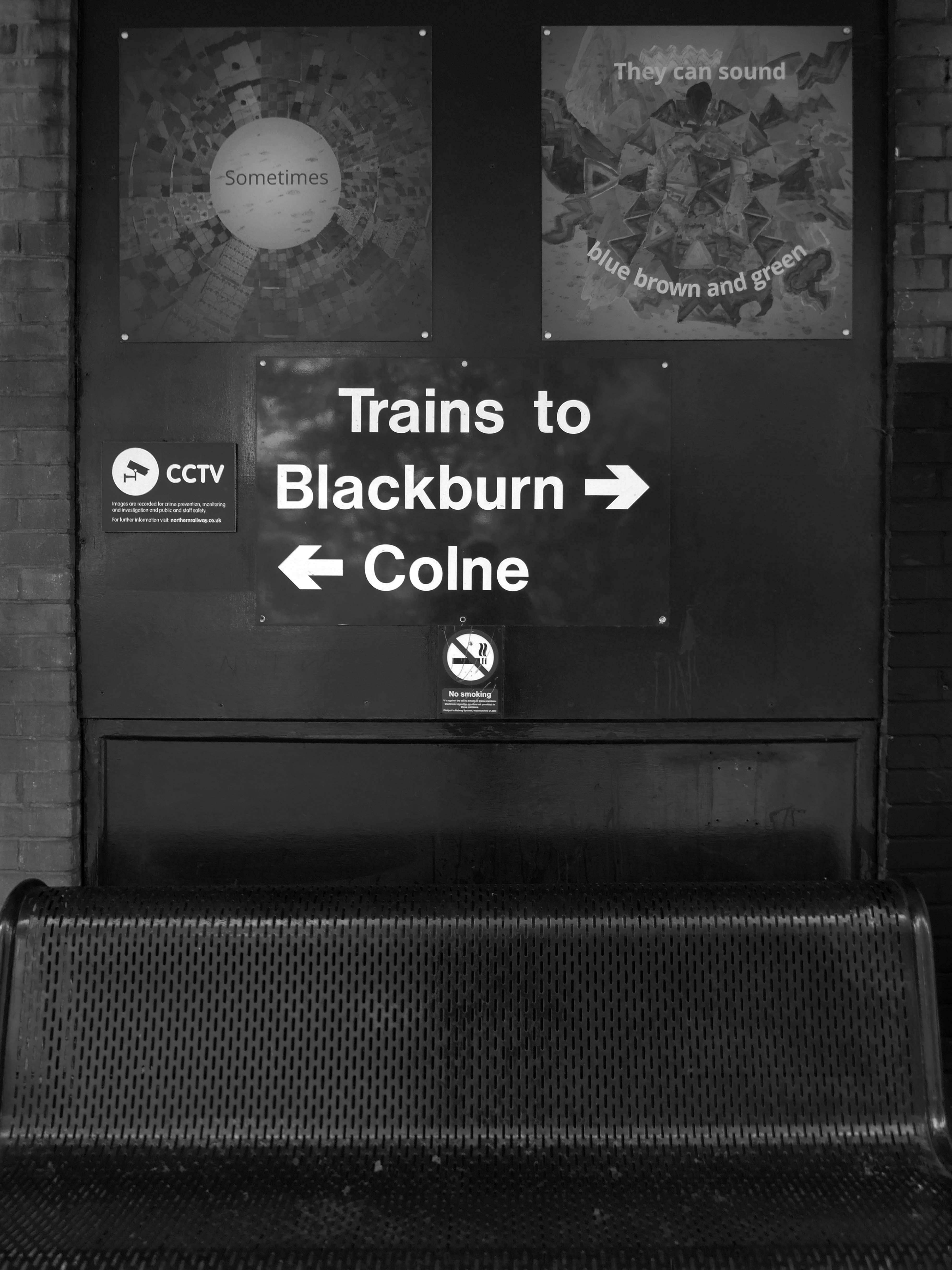
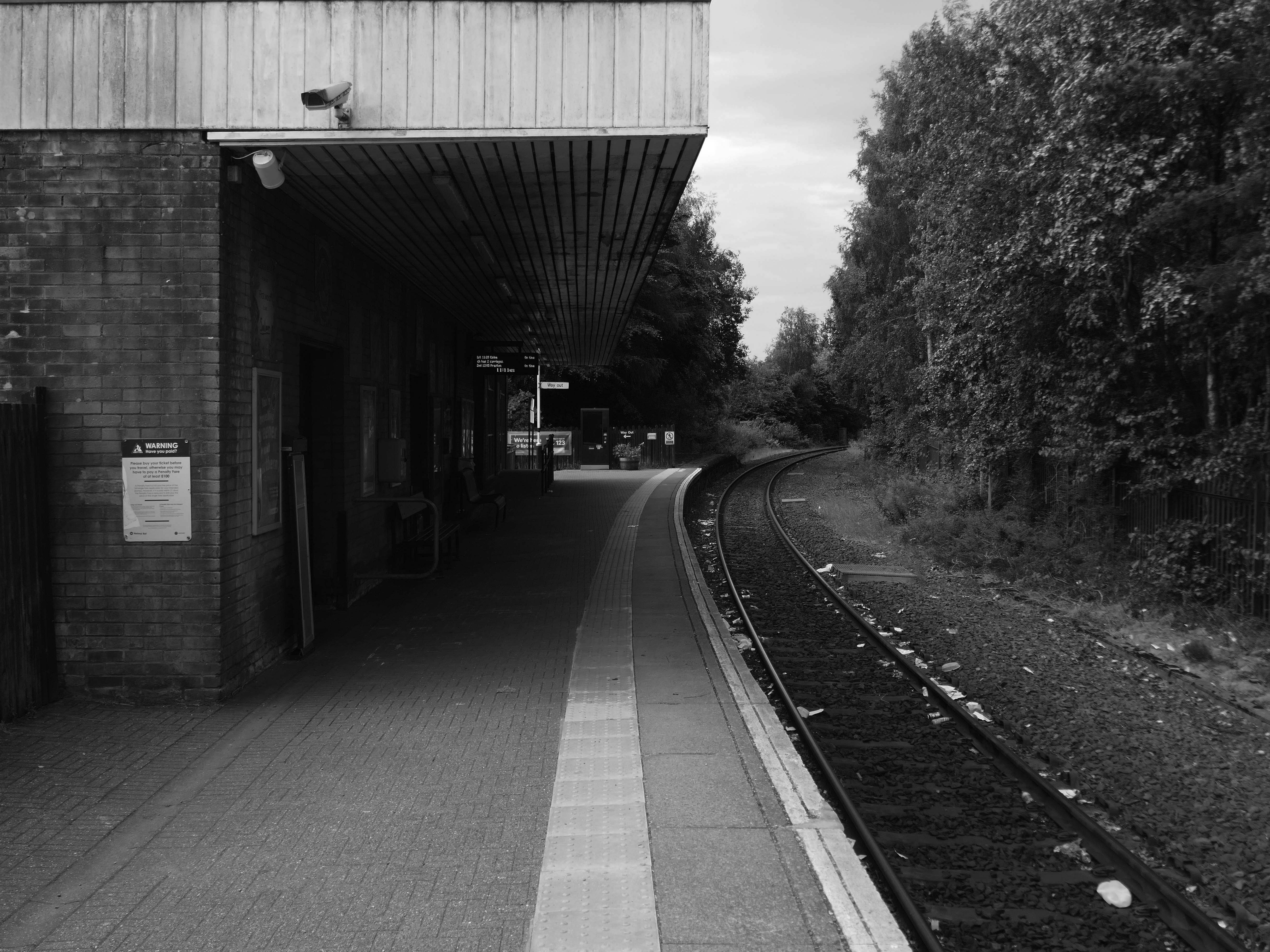
Burnley Central railway station is a stop on the East Lancashire Line, it is managed by Northern Trains, which also provides its passenger service.
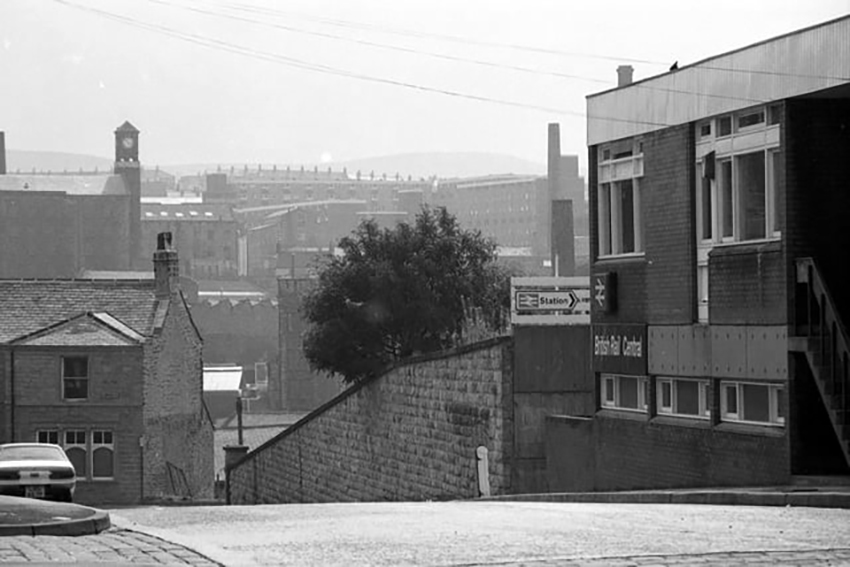
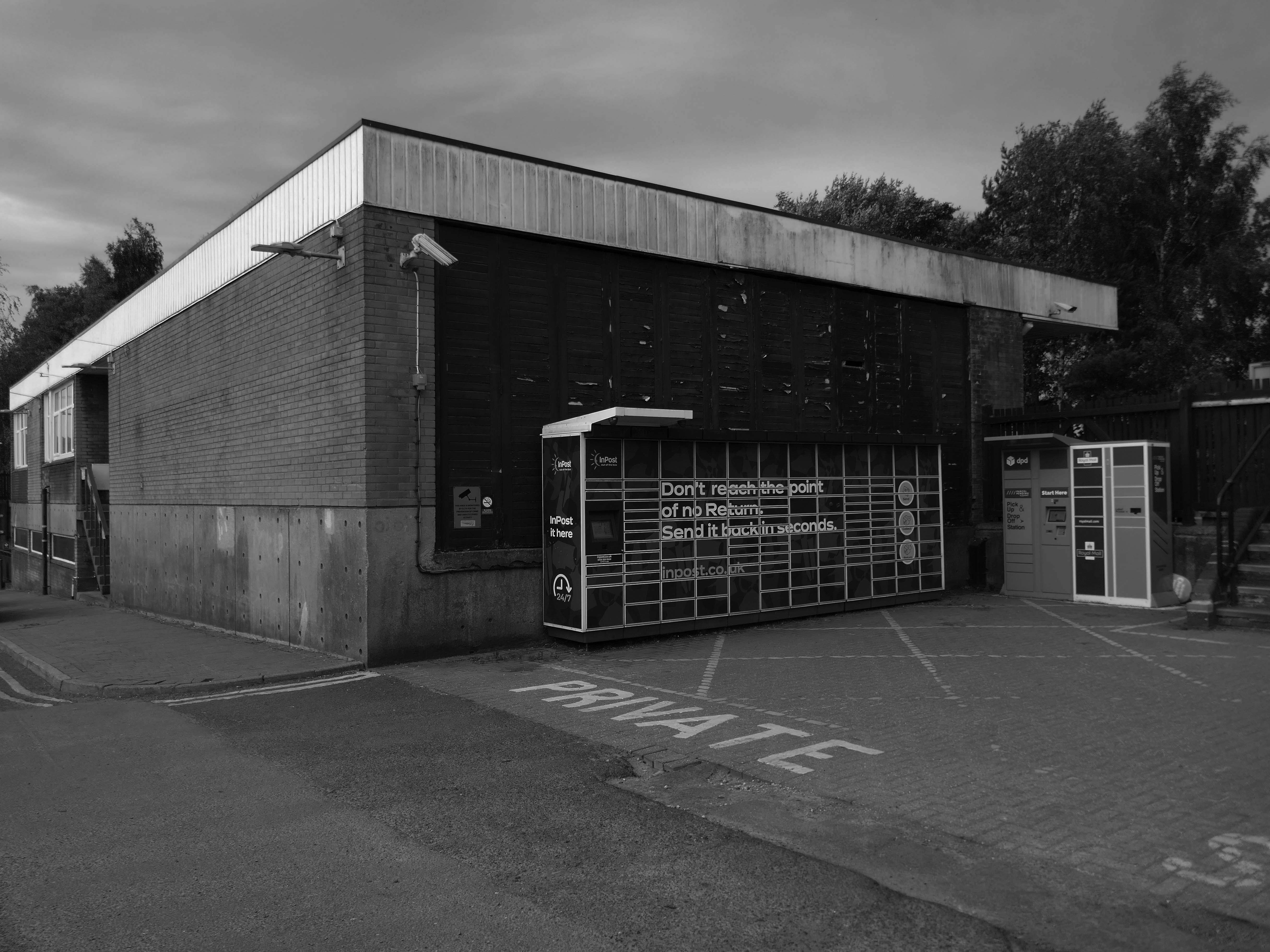
Architect: RL Moorcroft of British Rail 1964-1966
Described by Claire Hartwell in the Buildings of England Lancashire: North as – of blue brick, bleak.
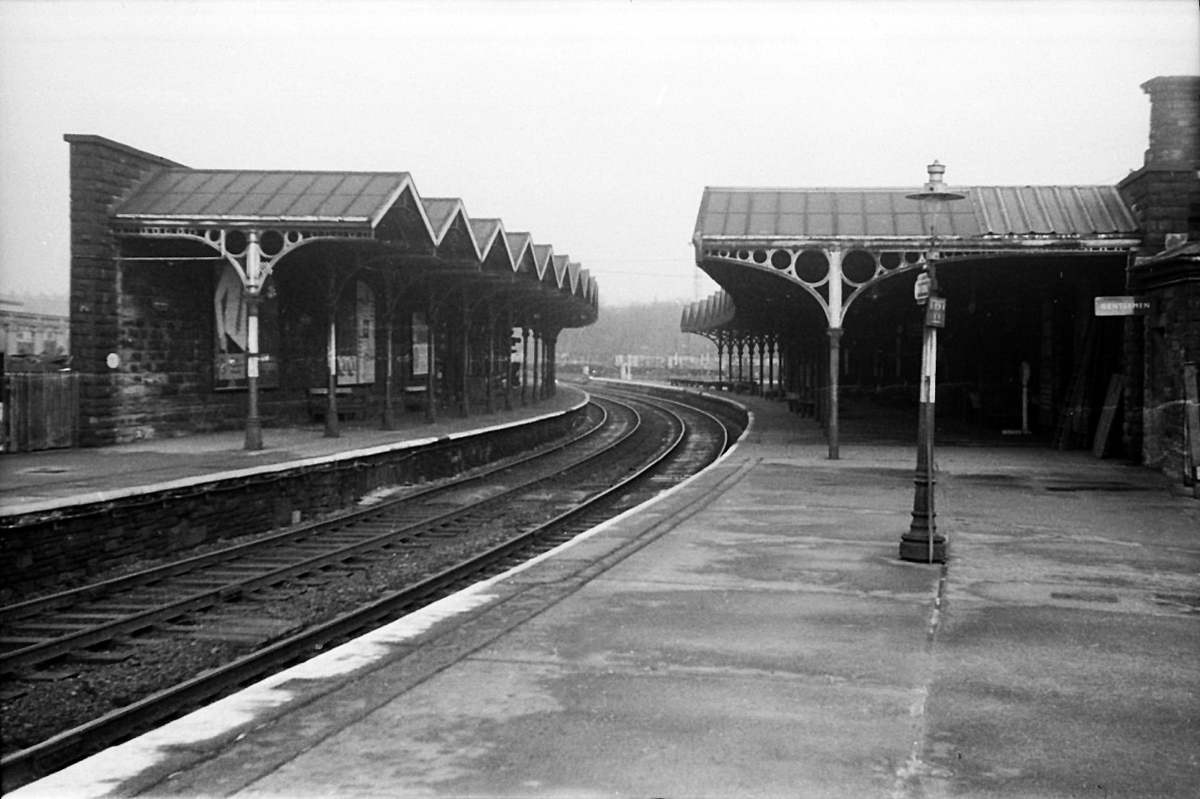
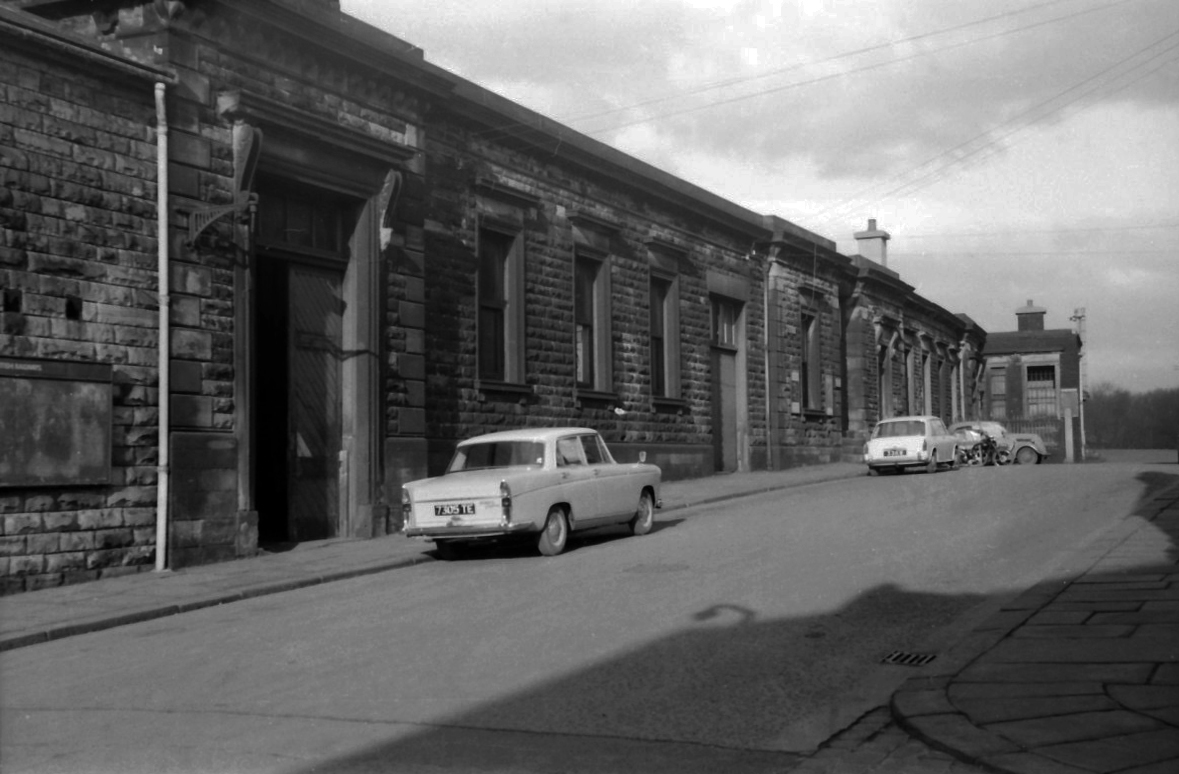
The station was opened by the East Lancashire Railway in 1848, as part of its route from Bury and Blackburn to Colne; here, an end-on junction was made with the Leeds and Bradford Extension Railway line from Skipton that had been completed several months earlier. The service from Colne through the station to Manchester Victoria, via Accrington and Bury, was well used from the outset by the owners of the local cotton mills, who travelled from their homes in the area to make their purchases of raw cotton at the Royal Exchange several times each week. It was also possible to travel from the station by direct train to Blackpool, Liverpool and Skipton and even through to London Euston, via Blackburn, Manchester Victoria and Stockport.
1964 Red Rose Collections.
However, the cutbacks of the 1960s affected the station badly, with through trains to Manchester via Bury ending in 1964 (two years before the withdrawal of the Accrington to Bury service) and those to Liverpool in 1969 whilst the line to Skipton was closed to all traffic in 1970. This left the station on a 10.5 km long dead-end branch line from Rose Grove to Colne.
The station was rebuilt in 1965, its ground floor is at street level and the first floor at platform level.
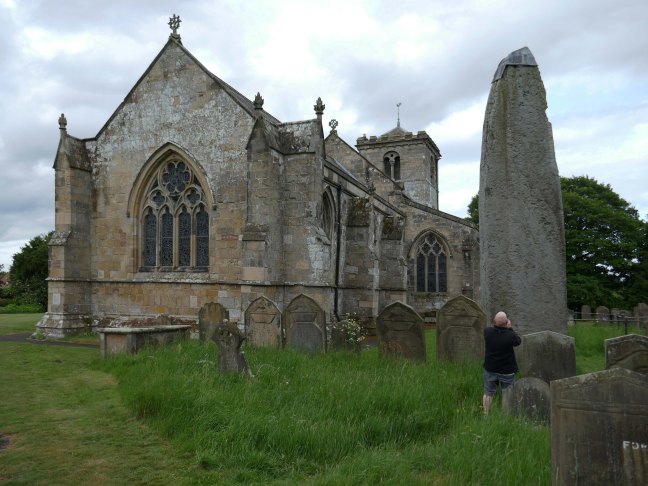
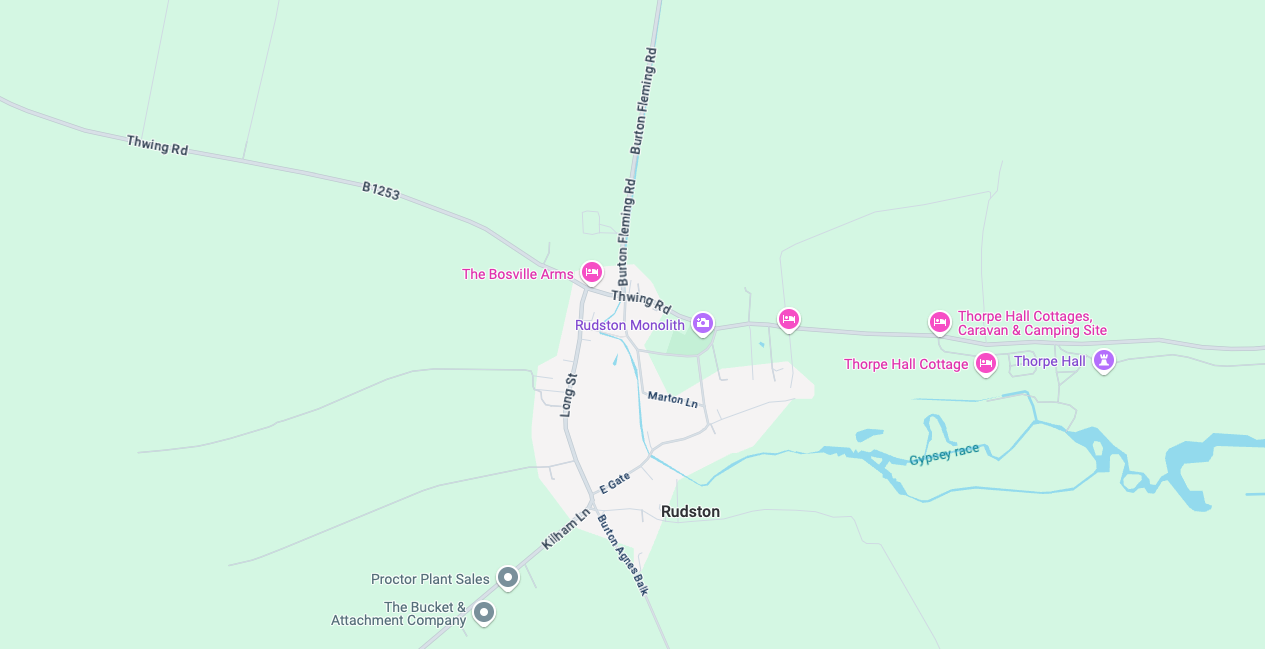
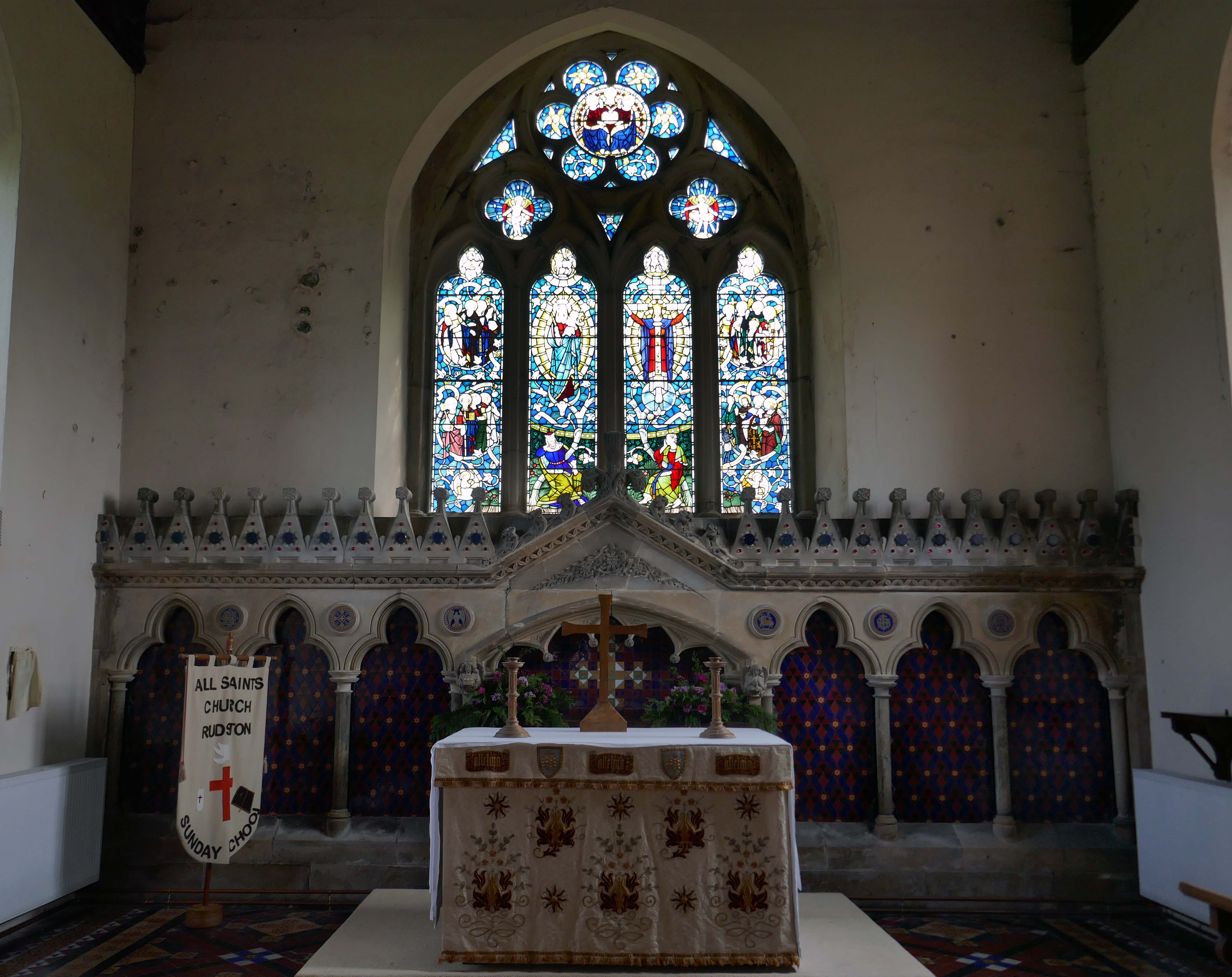
We were wandering by bicycle in the Wolds – we came to see All Saints Church in Rudston.
I was particularly intrigued by the Twentieth Century stained glass.
Grade II Listed All Saints sits in the grounds of the famous Rudston megalith , this alone clearly points to the area being of ritual use thousands of years before this Norman church was erected. At 26 feet high, it is the tallest standing stone in Britain. The megalith was set here around 2000 BC, after being quarried and transported from the Cleveland Hills, west of Whitby.
It is a lovely early Norman church built around the year 1100 by William Peverel, lord of the manor. Of that Norman church, the tower remains, and you can still trace the original west entrance in the stonework at the west end of the church.
The Norman building was extended in the 13th century when both north and south aisles were added, along with the name and chancel arch. In the sanctuary is a slightly later sedilia.
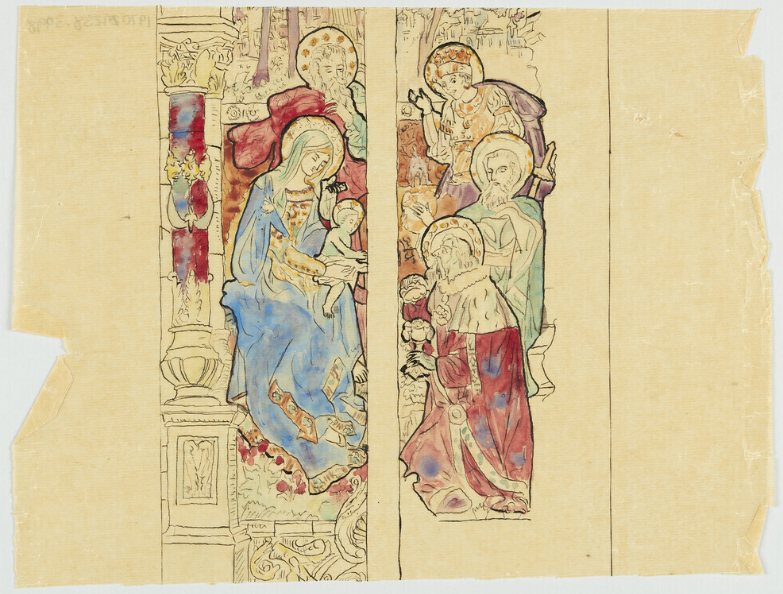
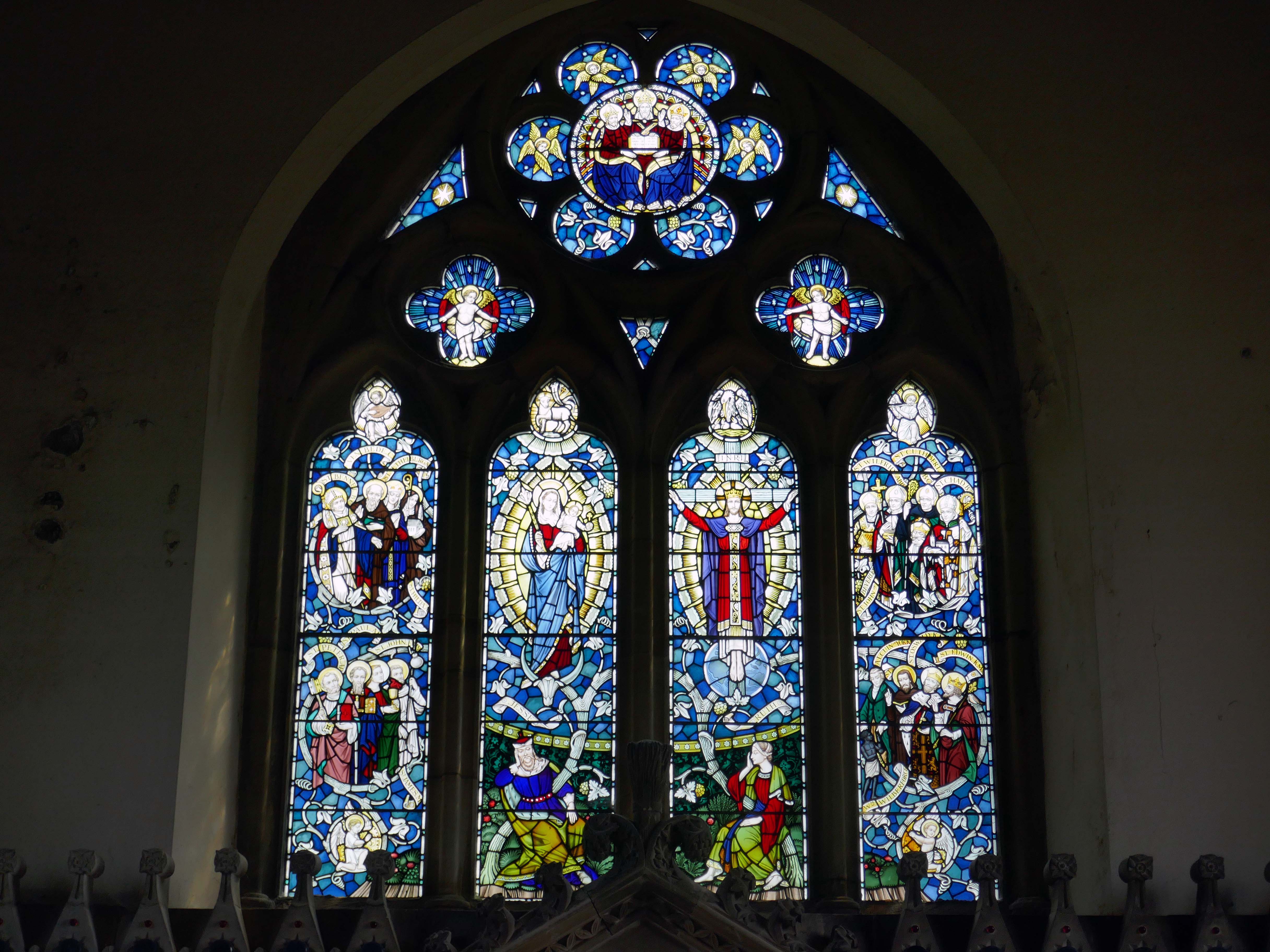
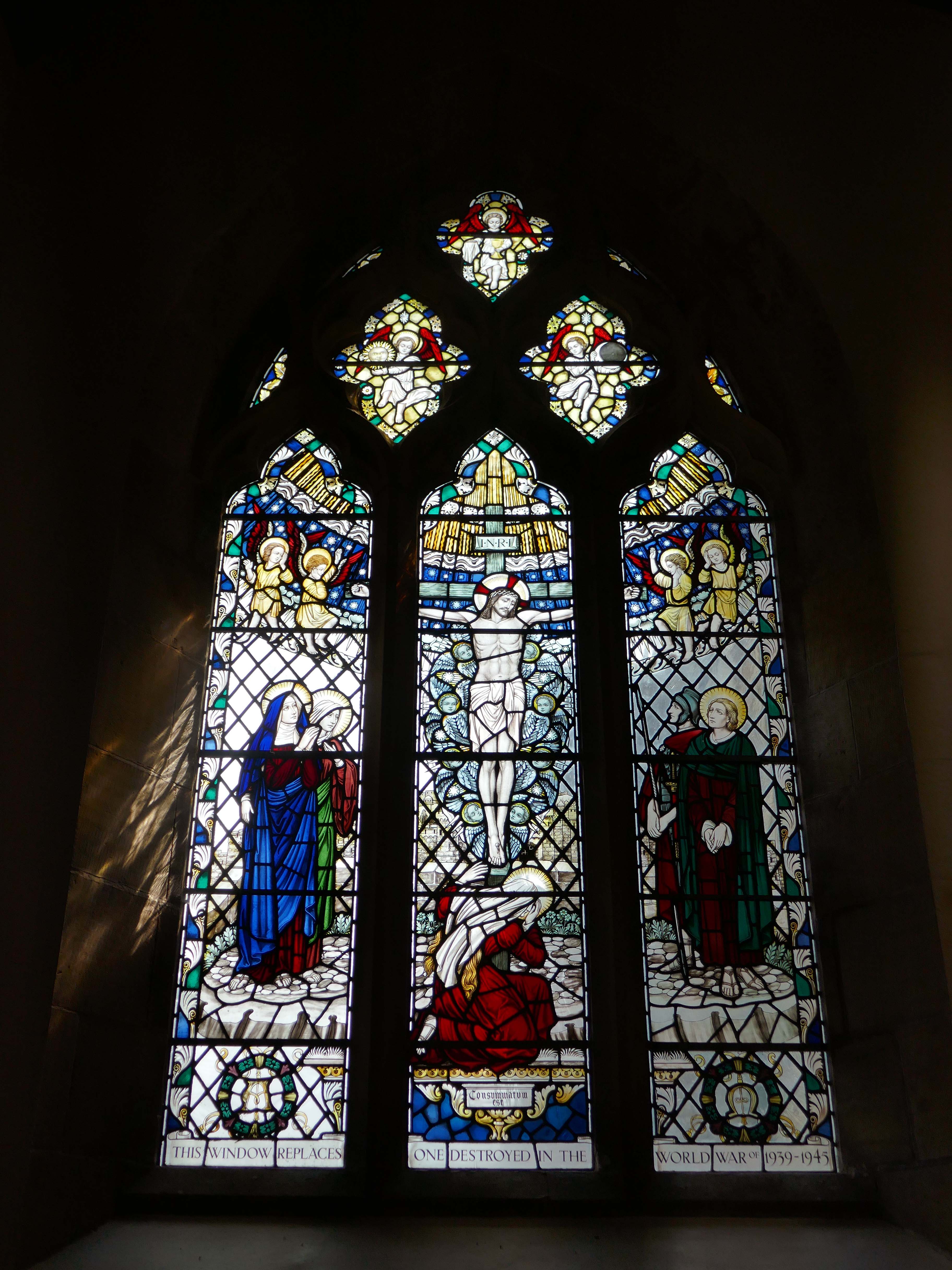
Most of the Stained Glass in the Windows is modern, designed by John Hardman Studios– 1954-56, and replacing 19th century glass by Capronnier of Brussels and Hodgson of York, destroyed by a land mine in the second world war. The various depictions speak for themselves and these pleasing windows are worth examining, particularly the east window above the altar. It has four panels, the left one depicting SS Peter, Paul, James, John, Ethelburga and the Venerable Bede, the two central panels show the Blessed Virgin Mary and the child Jesus, and the living Christ ‘Reigning from the cross.’ The panel on the right shows northern saints Wilfrid, Cuthbert, Chad, John of Beverley, Alcuin of York, Oswald, Edwin, and most unusually William Wilberforce, MP for Hull and then Yorkshire, who pioneered the abolition of slavery.
Design for Stained Glass Window for Notre Dame Church Fall River Massachusetts USA – 1921
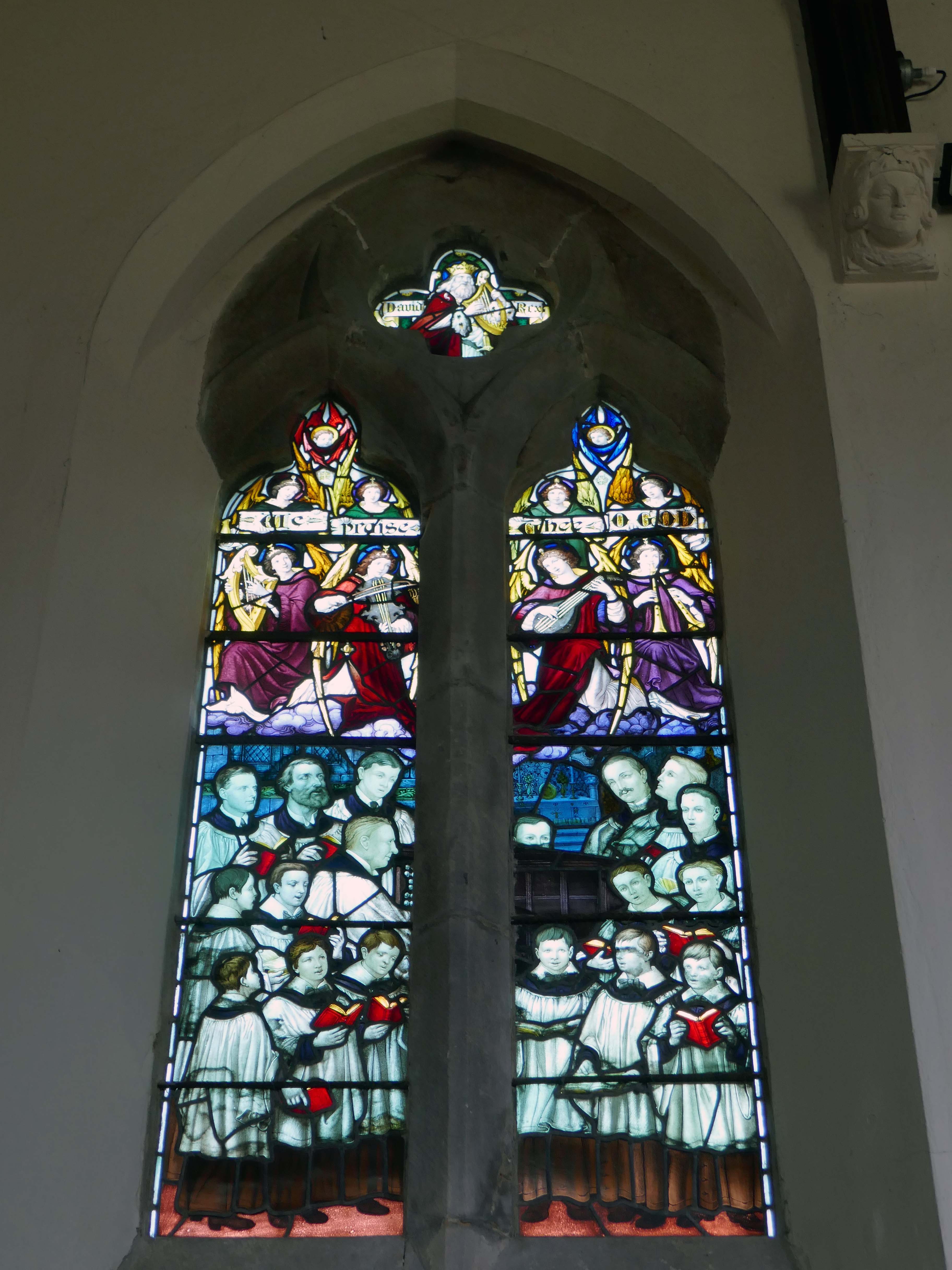
Chancel North Window by Arthur Lucien Ward 1915
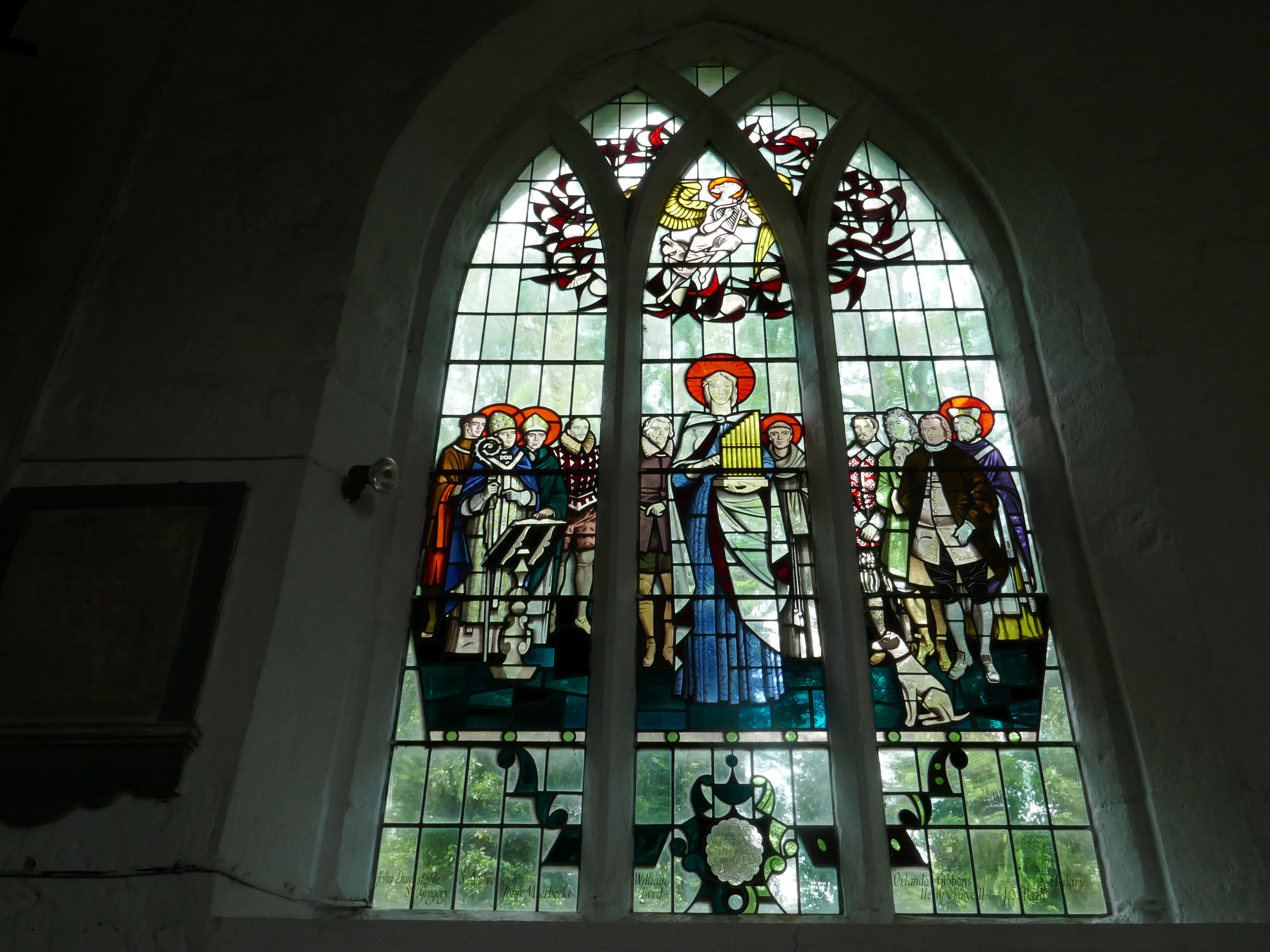
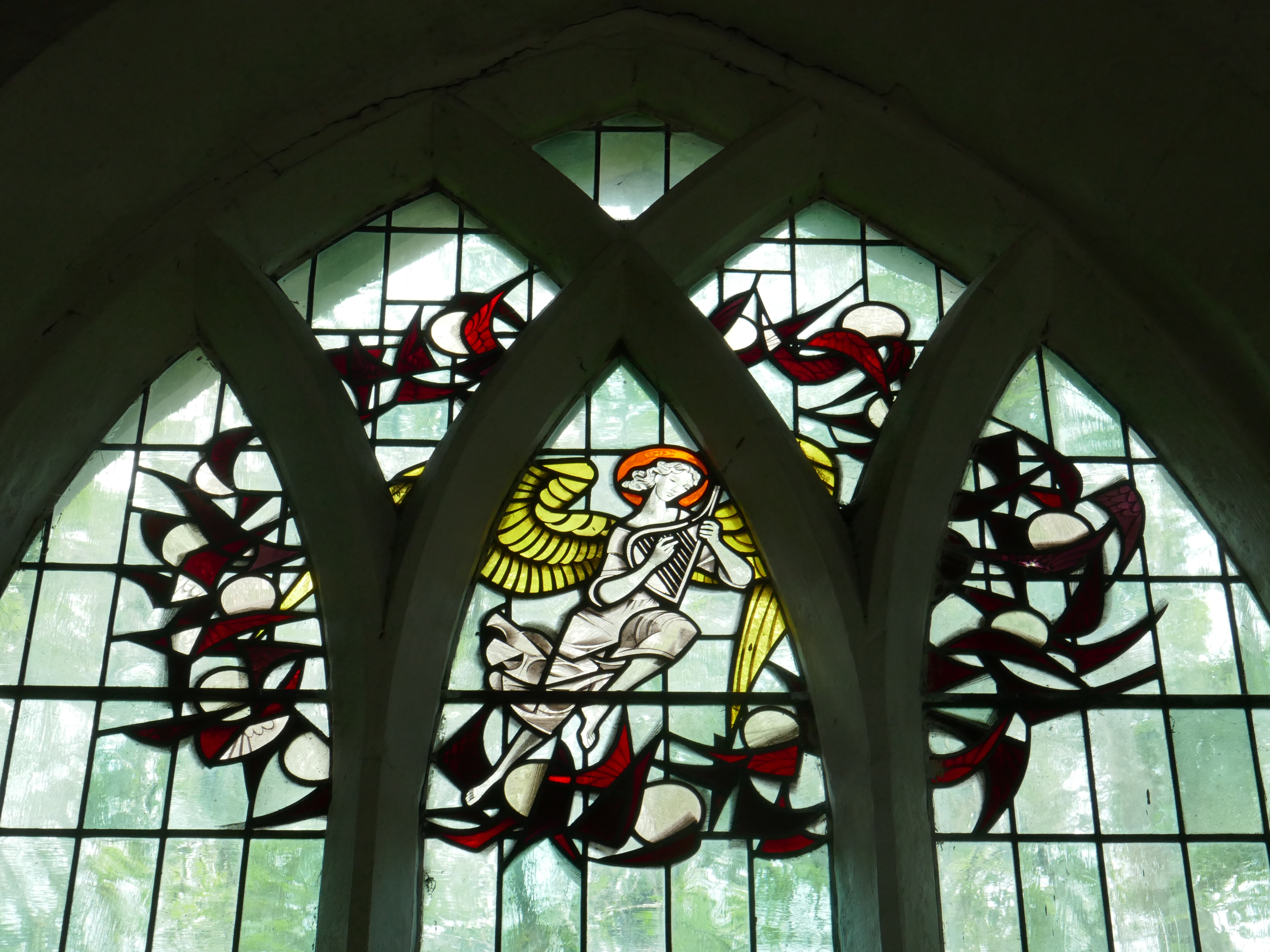
Depicting Sir Alexander Macdonald playing the organ surrounded by a choir – We Praise Thee O God. Sir Alexander gave the organ, and was organist and choirmaster for nearly 50 years.
He designed for AR Mowbray from around the time of the First World War into the 1930s.
Having completed five years at York Art School, then work experience with Harry Harvey FMGP, Ann chose to specialise in stained glass. After working as Harry’s studio assistant for several years, she set up her own workshop in 1987.
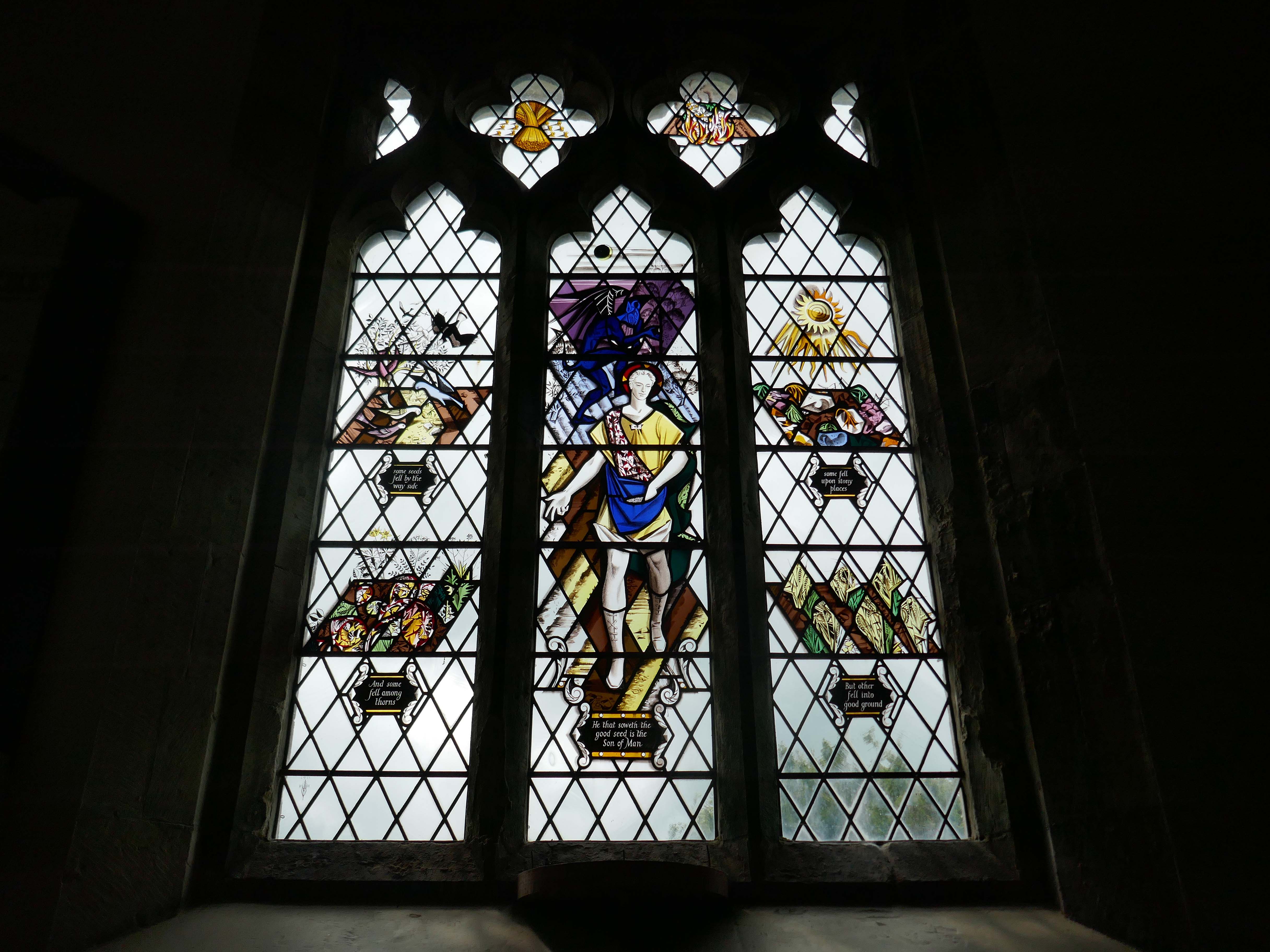
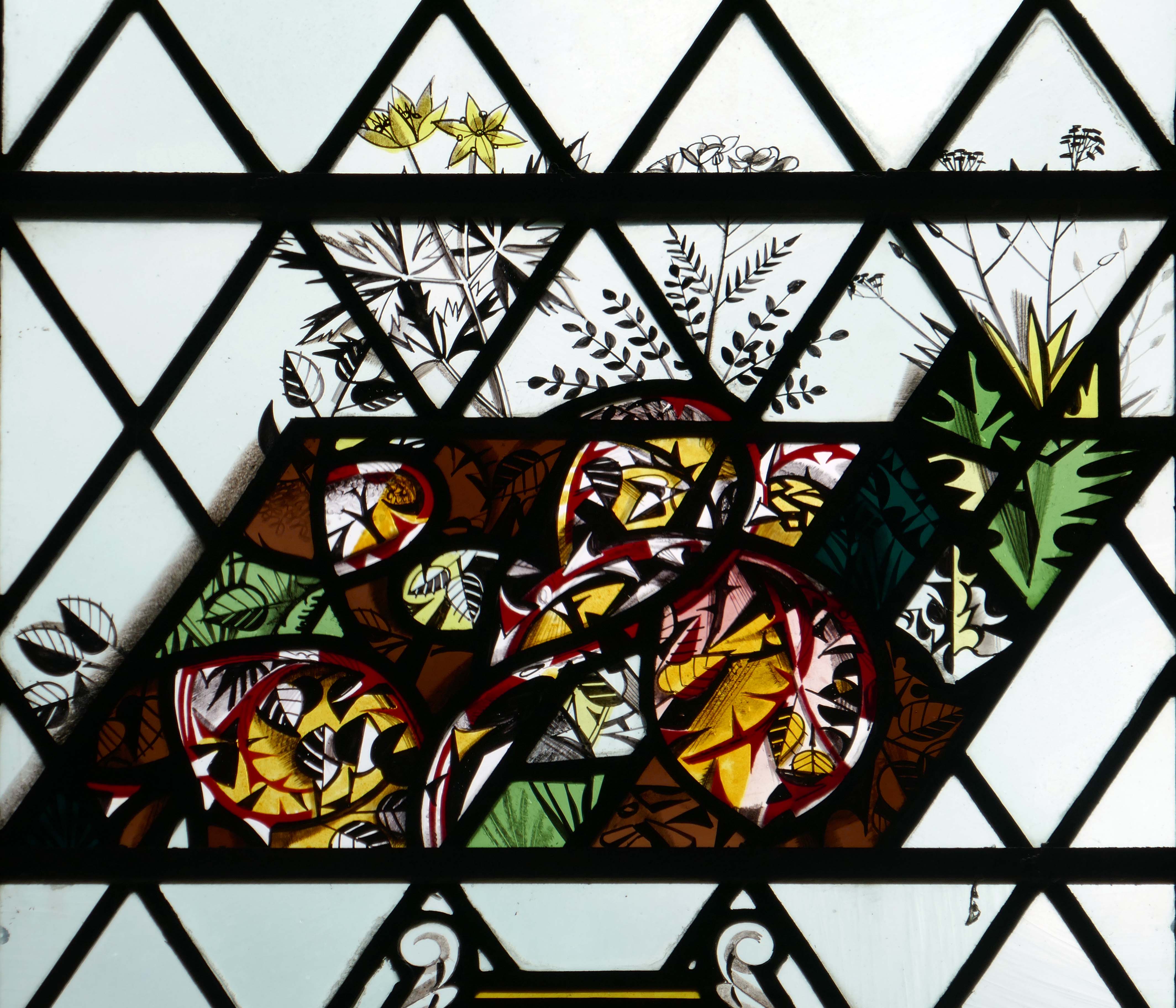
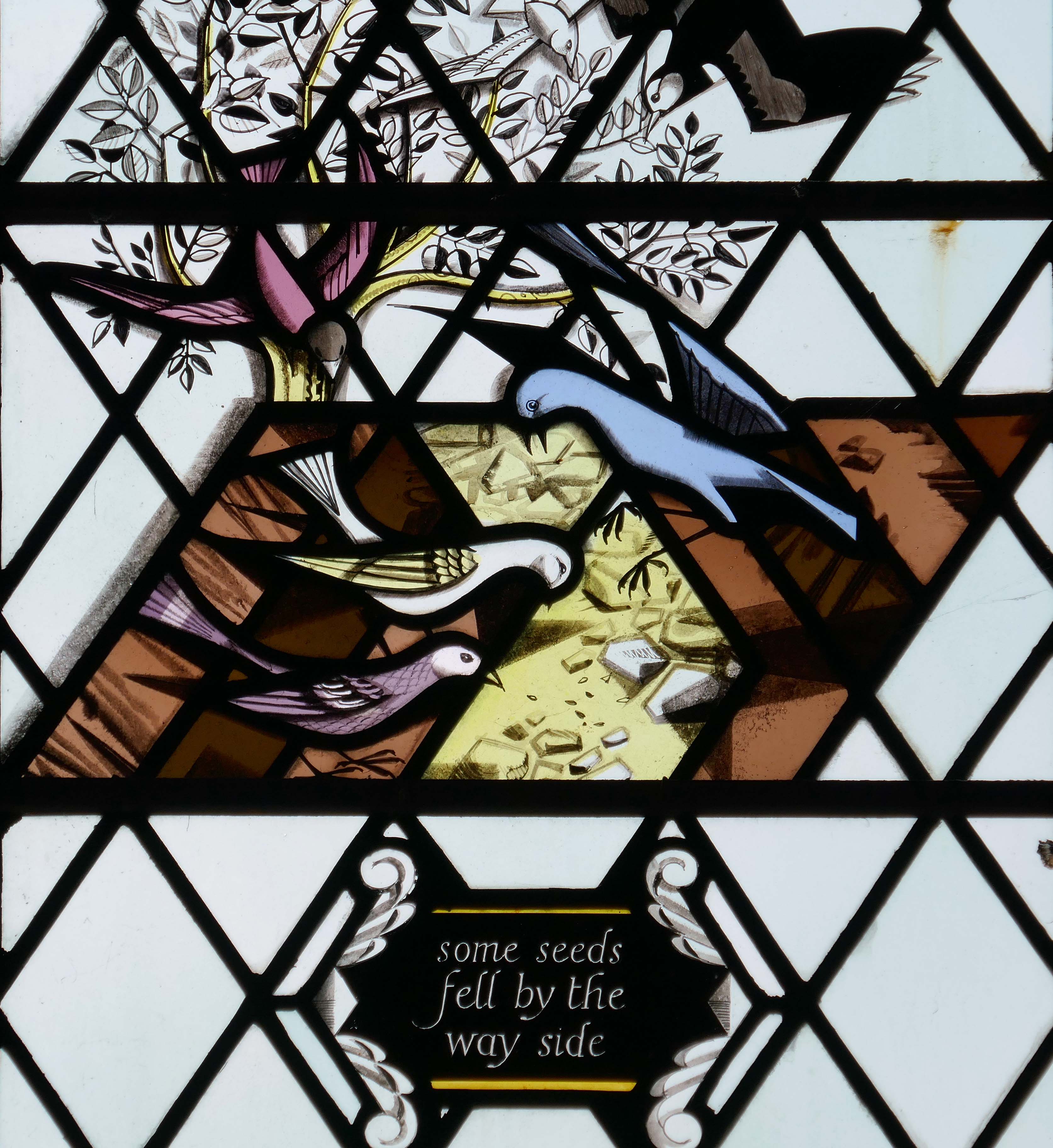
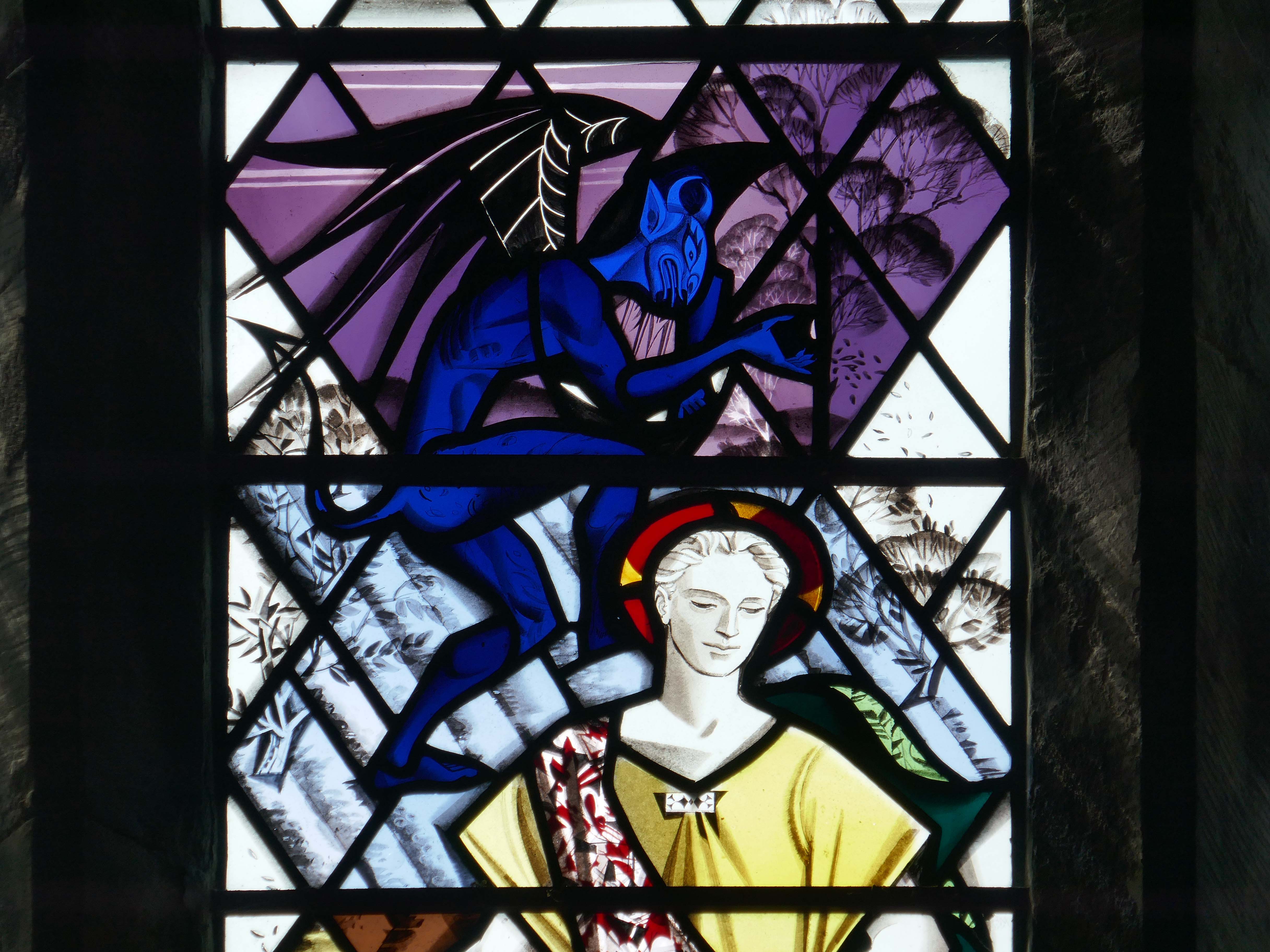
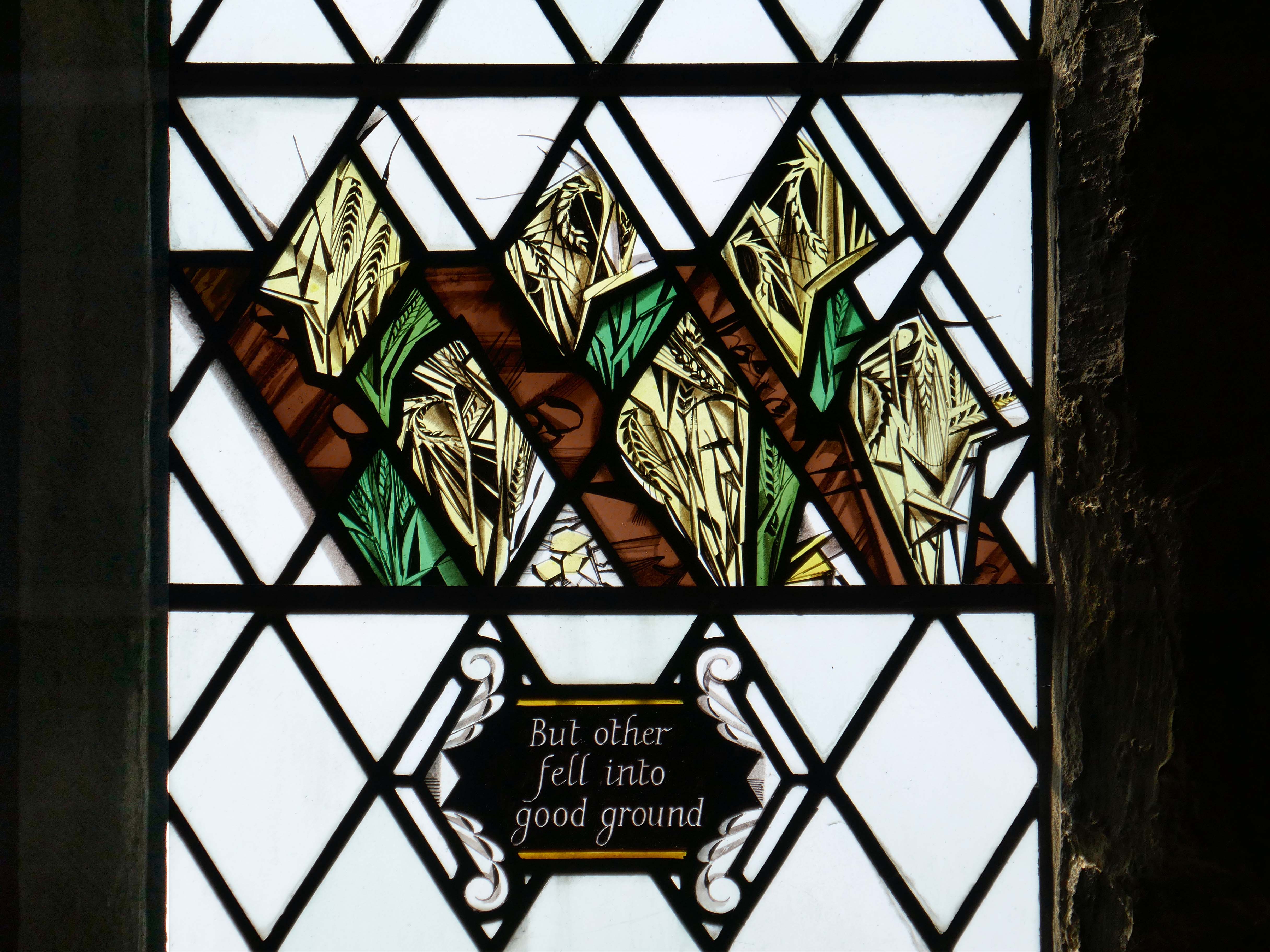
The Sower window by Harry Harvey – 1956.
Harry William Harvey FMGP born 1922 died 2011, was born in Birmingham and received his initial training in stained glass from the local firm of Pierce & Cutler. After the war he joined Wippells of Exeter, before moving to York at the instigation of another Wippells old boy, Harry Stammers, with whom he worked until establishing his own studio in 1956. He also collaborated over many years with Joseph Fisher of Shrigley & Hunt. Two of his assistants, Ann Sotheran and Sep Waugh also went on to establish their own studios.
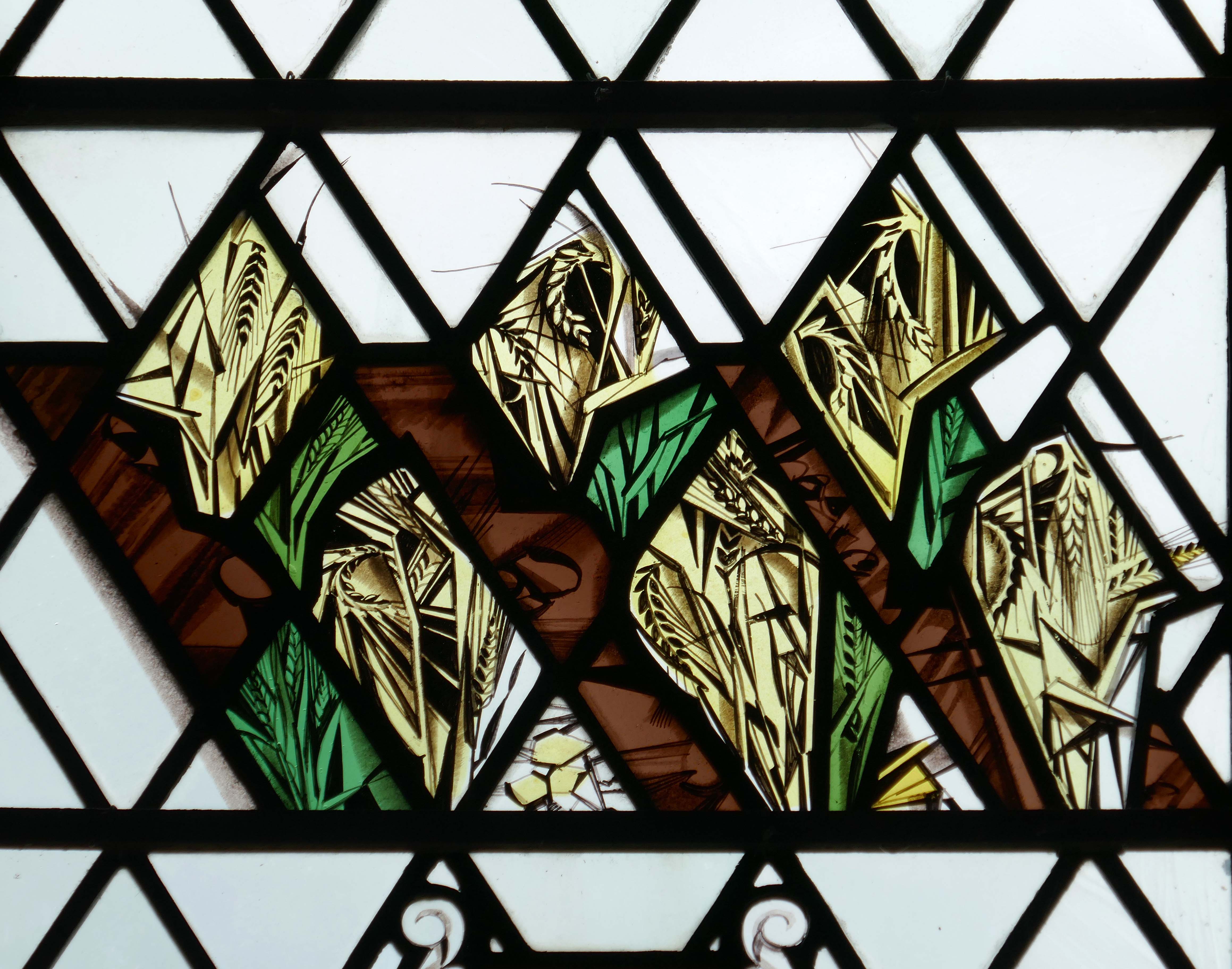
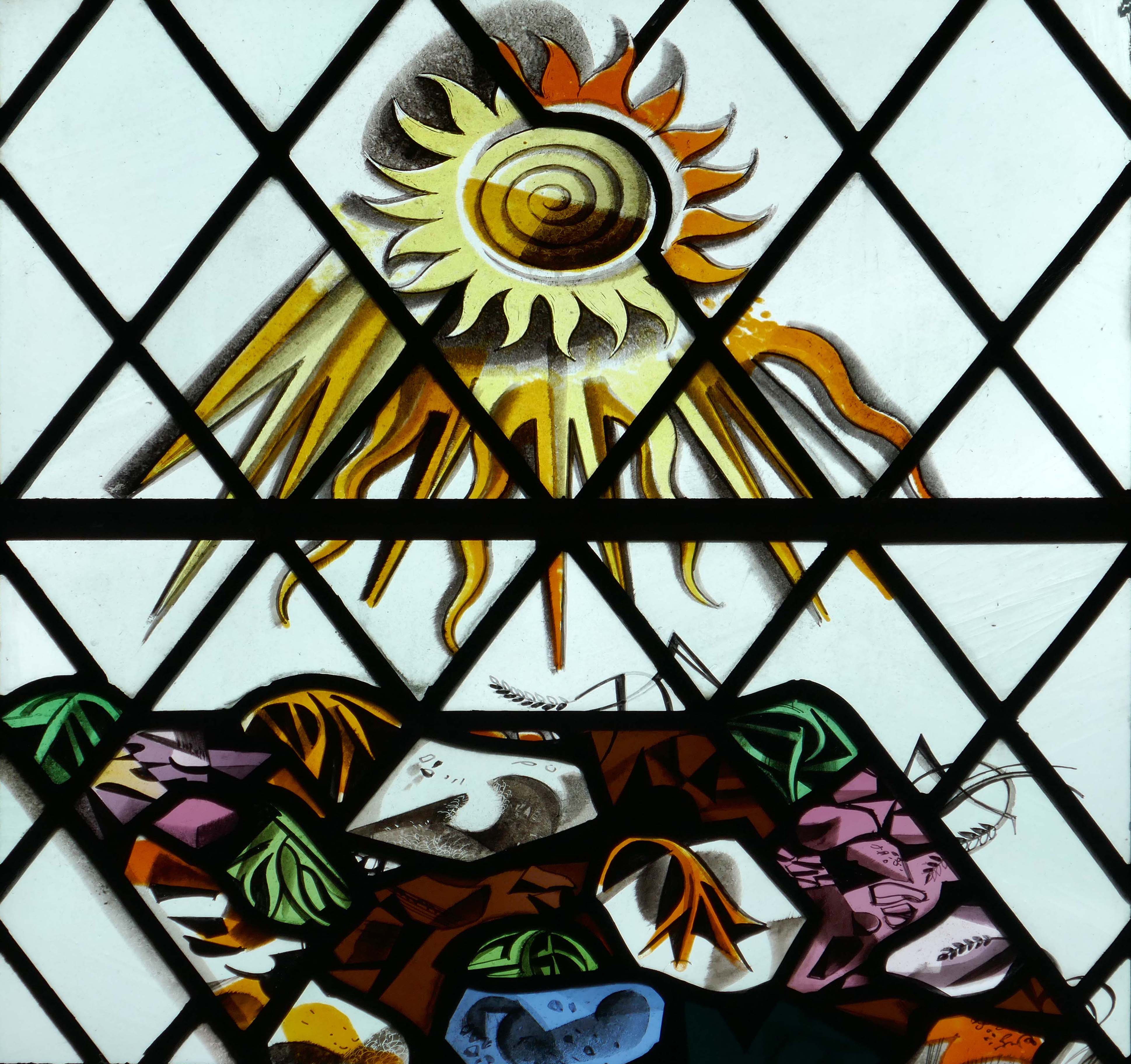
And when a great multitude had gathered, and they had come to Him from every city, He spoke by a parable: “A sower went out to sow his seed. And as he sowed, some fell by the wayside; and it was trampled down, and the birds of the air devoured it. Some fell on rock; and as soon as it sprang up, it withered away because it lacked moisture. And some fell among thorns, and the thorns sprang up with it and choked it. But others fell on good ground, sprang up, and yielded a crop a hundredfold.” When He had said these things He cried, “He who has ears to hear, let him hear!”
Later in the week I discovered more of Harry Harvey’s work, in nearby All Saints Kilham – the chancel north window 1967.
Depicting on the right Orlando Gibbons, Henry Purcell, JS Bach, St Hilary. Whilst on the left there is John Dunstable, St Gregory, St Ambrose and John Merbeeke.
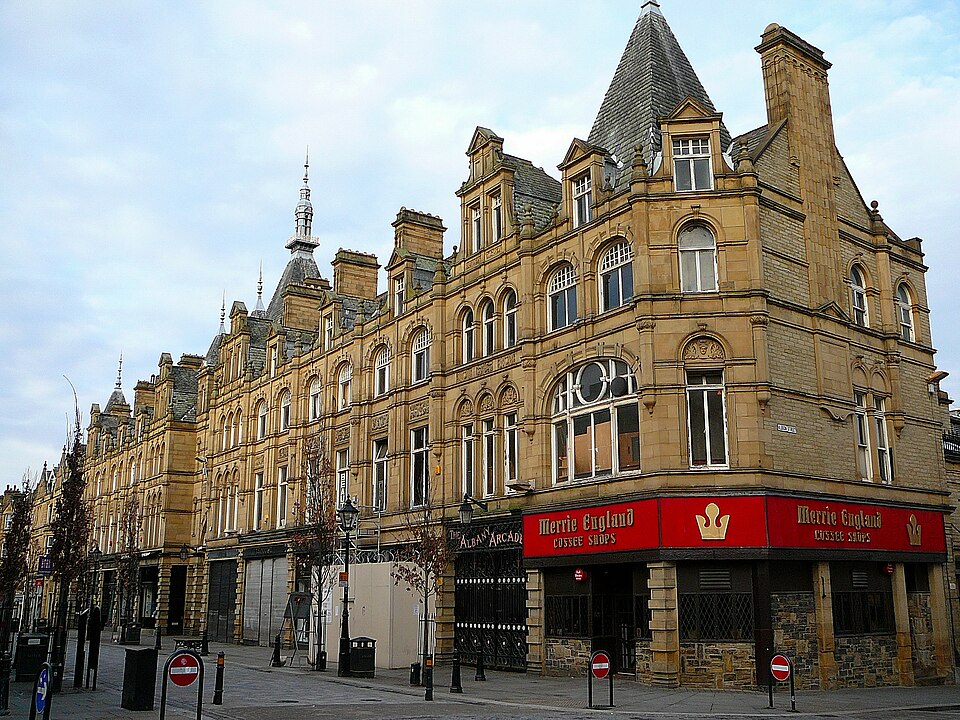
Visiting Halifax Borough Market for the first time feels a bit like taking a step back in time. This award-winning market was first opened in 1896 and has been the beating heart of the town ever since. Its Victorian splendour can be seen throughout – on the ornate clock-tower, in the glass roof and on the intricate carvings. Décor and atmosphere combine to create a shopping experience that just cannot be matched.
Calderdale Gov
The Markets and Fairs Committee decided in 1890 to replace the overflowing market place with a new structure. Local architects Joseph and John Leeming were engaged to draw up plans. A £50,000 loan was obtained by the Corporation the following year, with the final cost rising to £130,000, which was £20,000 over budget. Work began in October 1892 and progressed slowly, until the market was officially opened on 25 July 1896 by the Duke and Duchess of York, who later became King George V and Queen Mary.
The life of the market along with the high street faces an uncertain future, the local authority are doing their best to ensure that both have a future.
Through UK Government funding, we’re updating this iconic Victorian market. We’re creating a warmer and more welcoming place for people to shop, eat, drink and spend time.
I have very fond memories of shopping with my mam on Ashton Market, and use my local market here in Stockport. I love the conviviality and the stimulating visual displays, the overcrowded abundance, a florid cornucopia of goods and services.
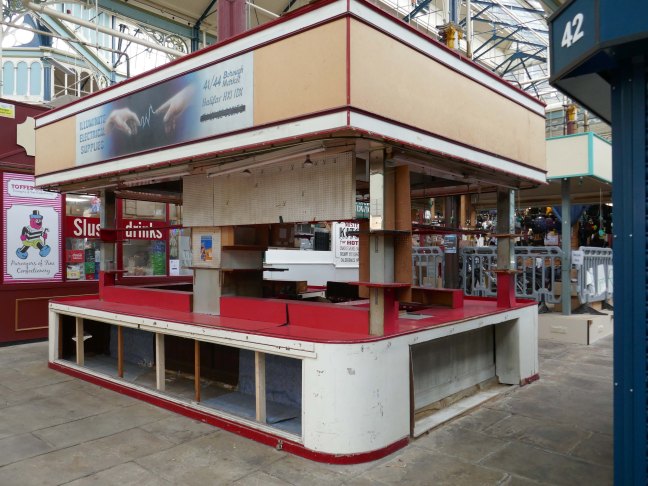
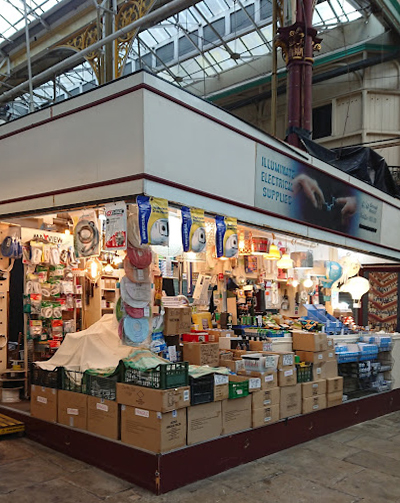
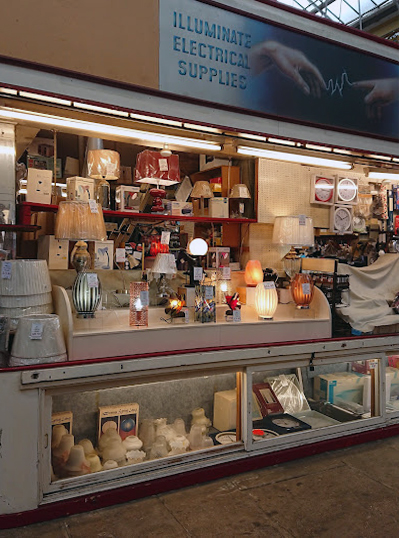
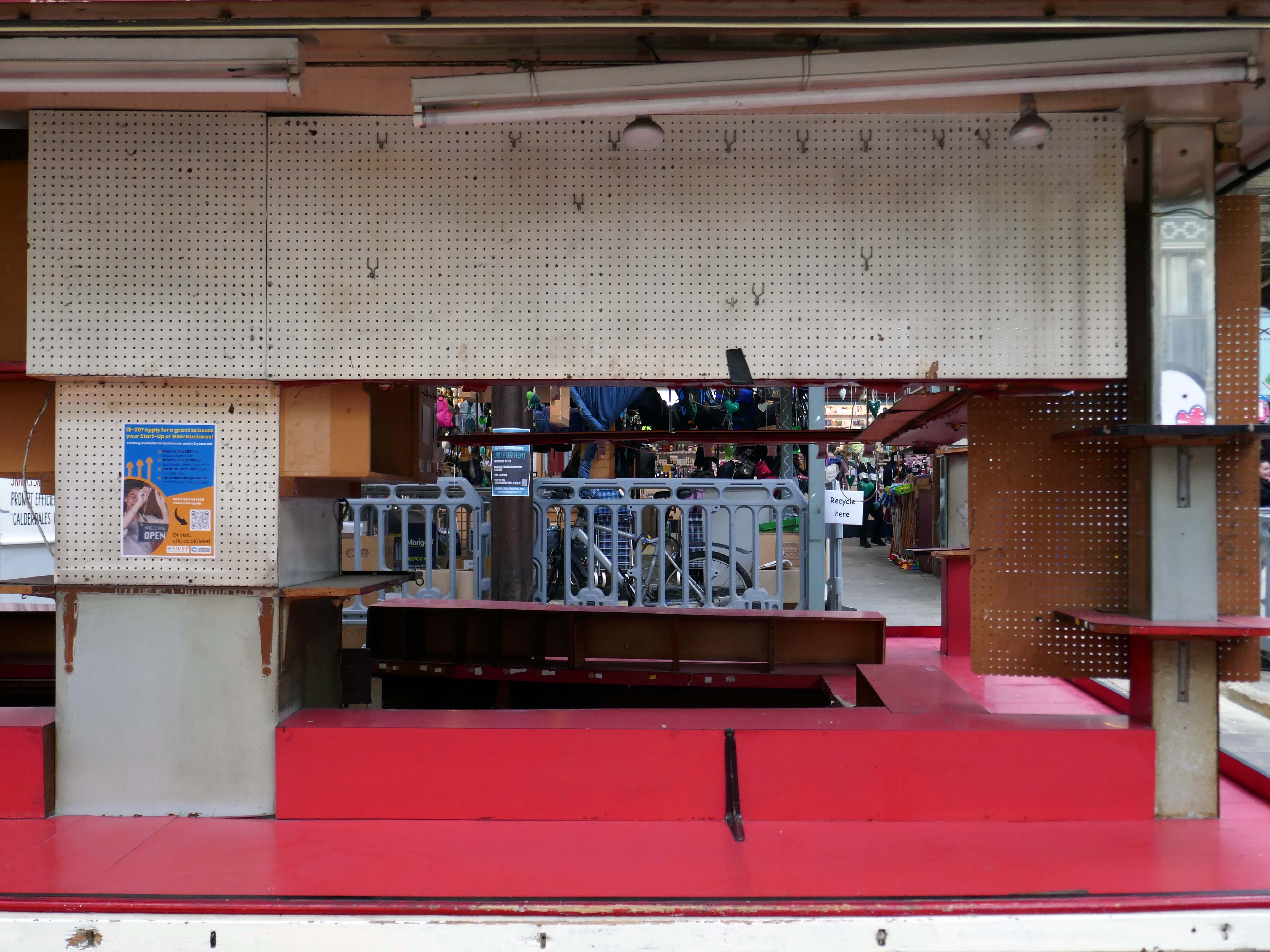
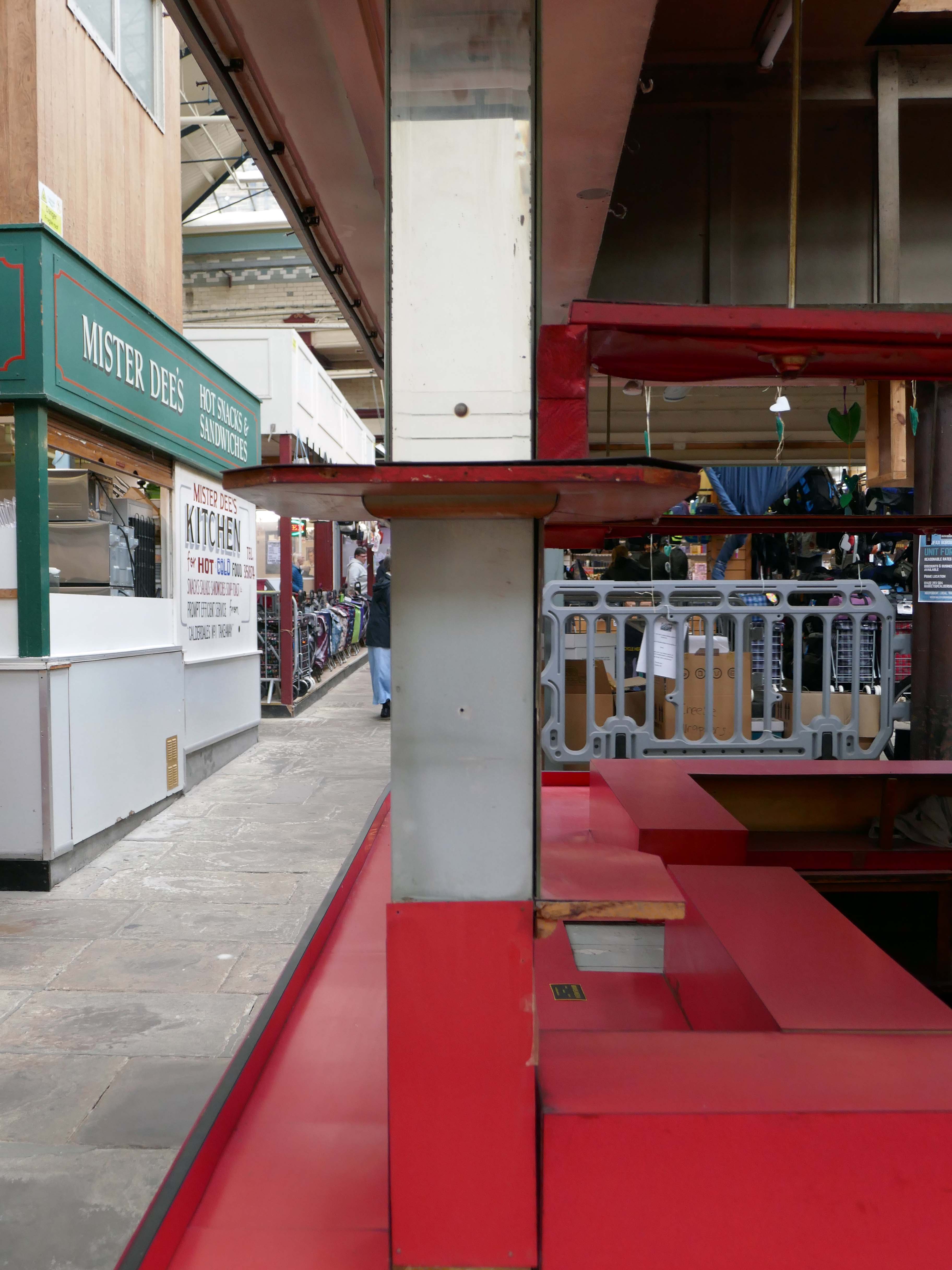
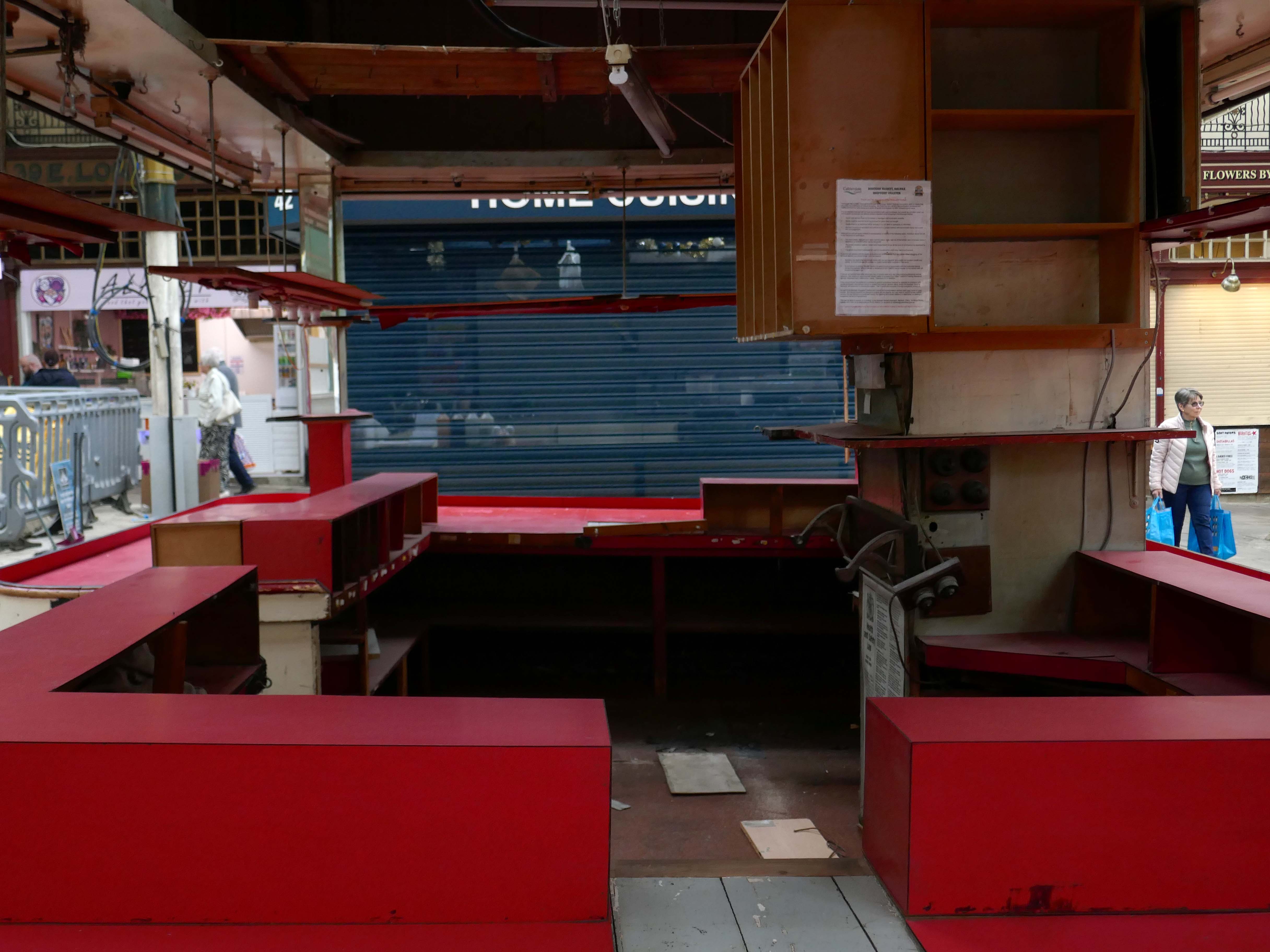
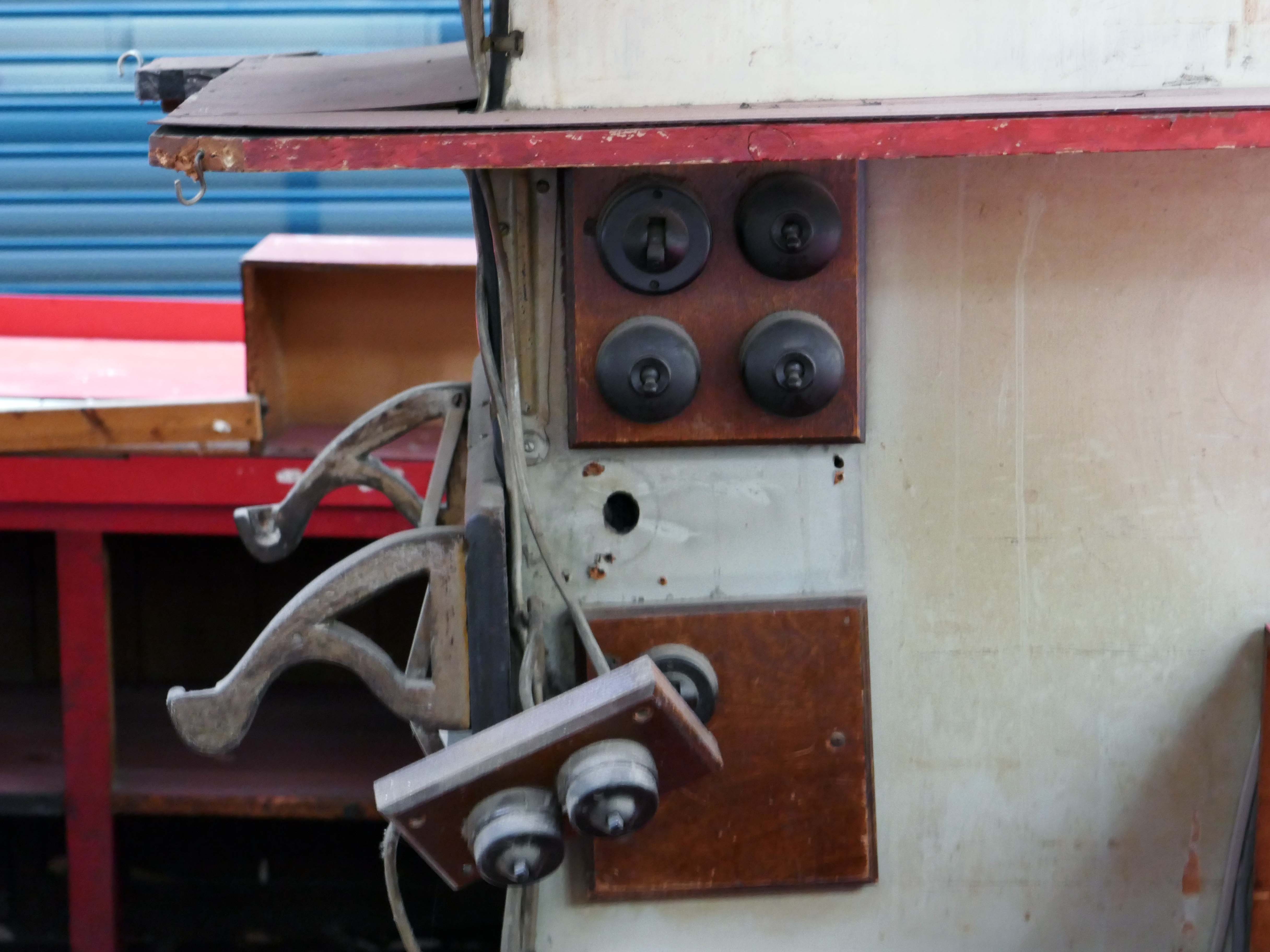
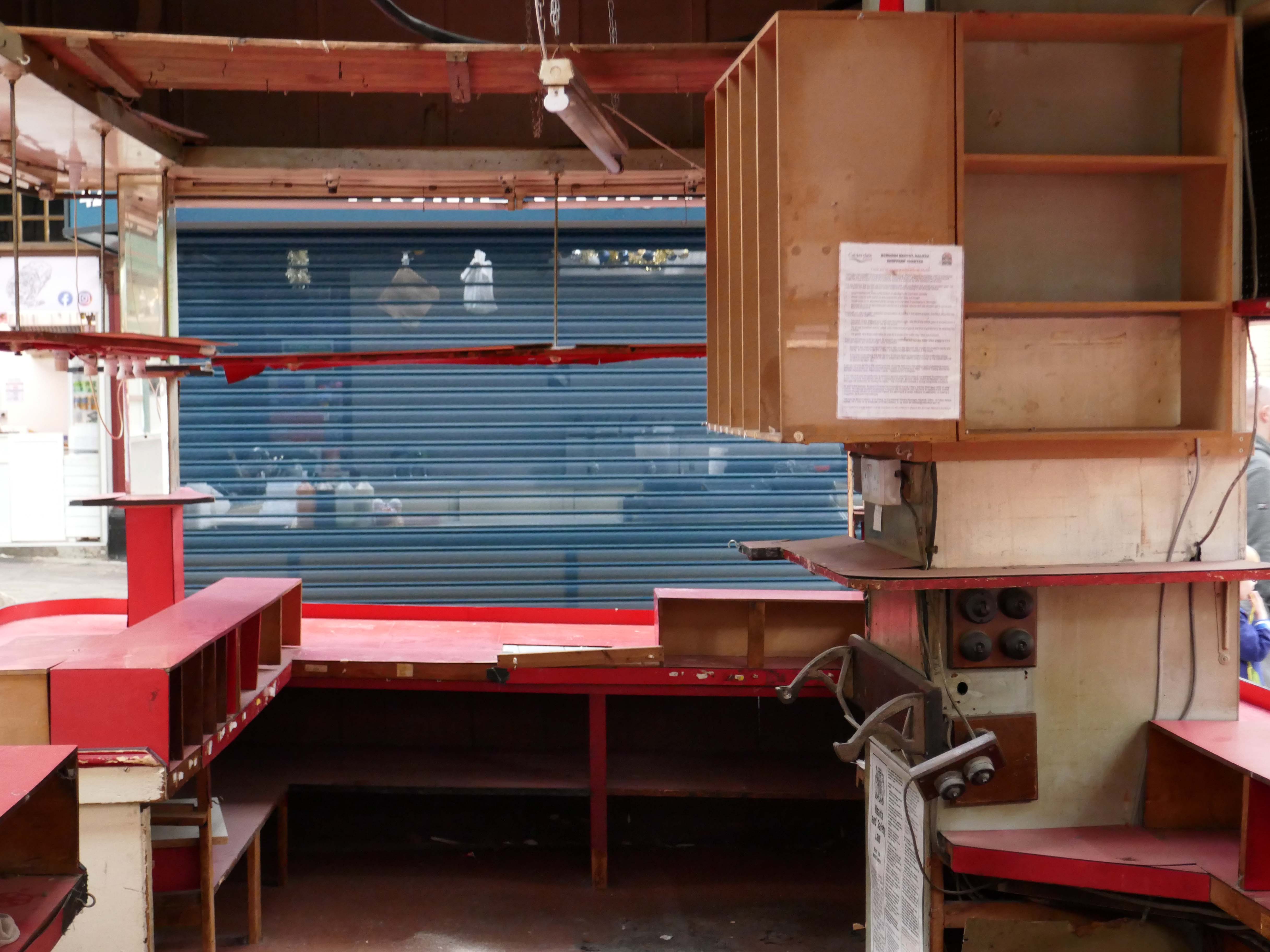
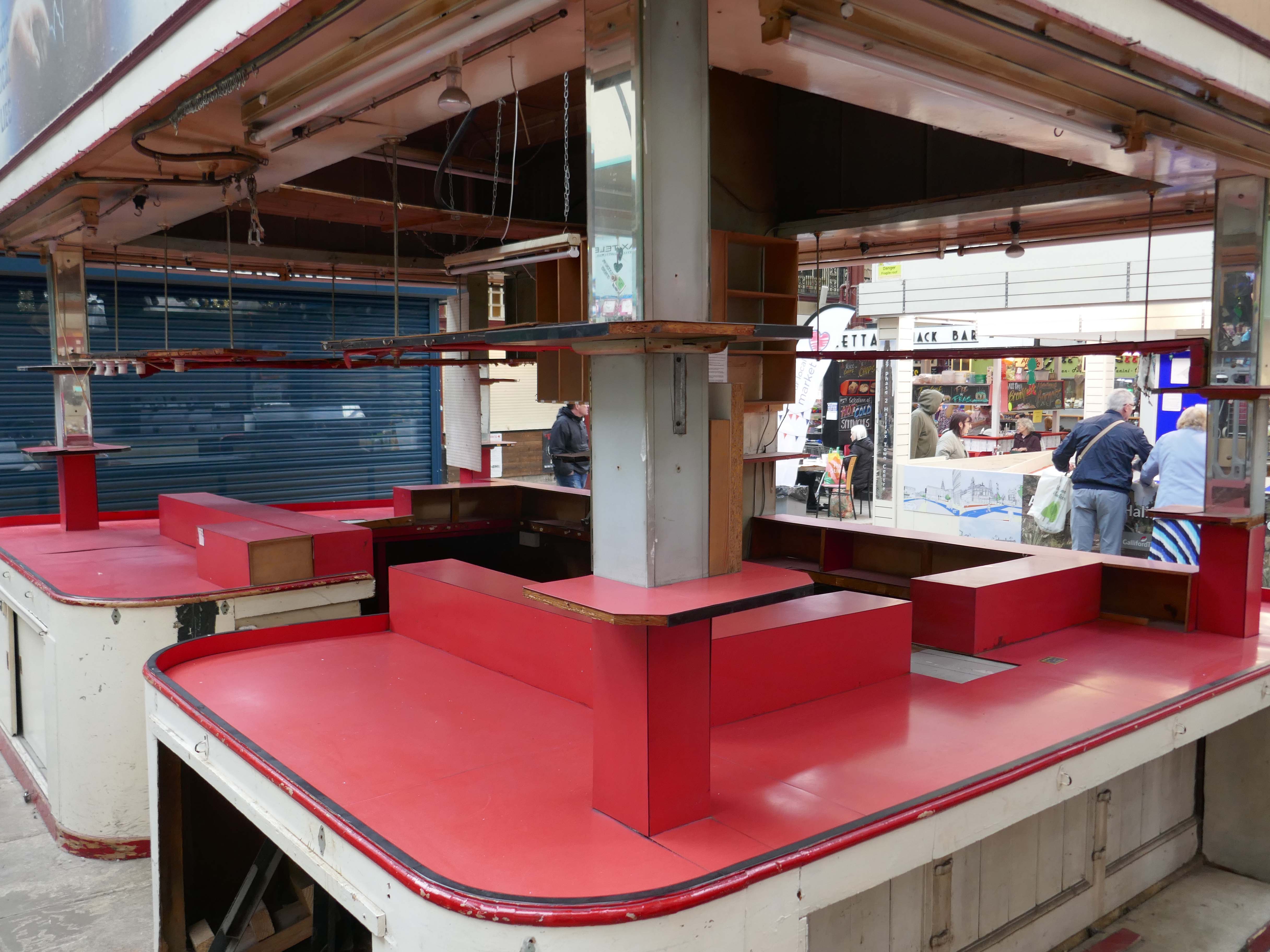
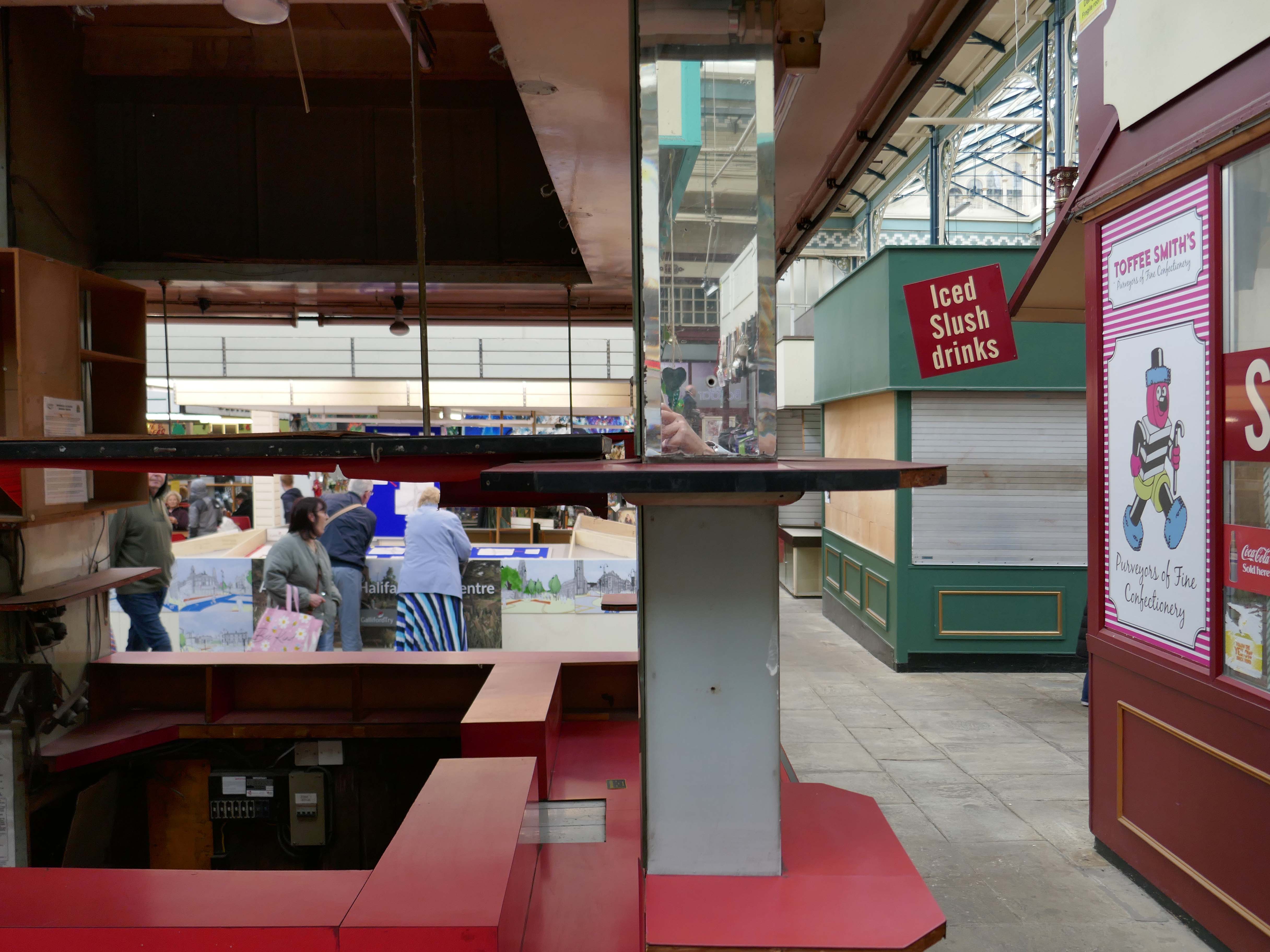
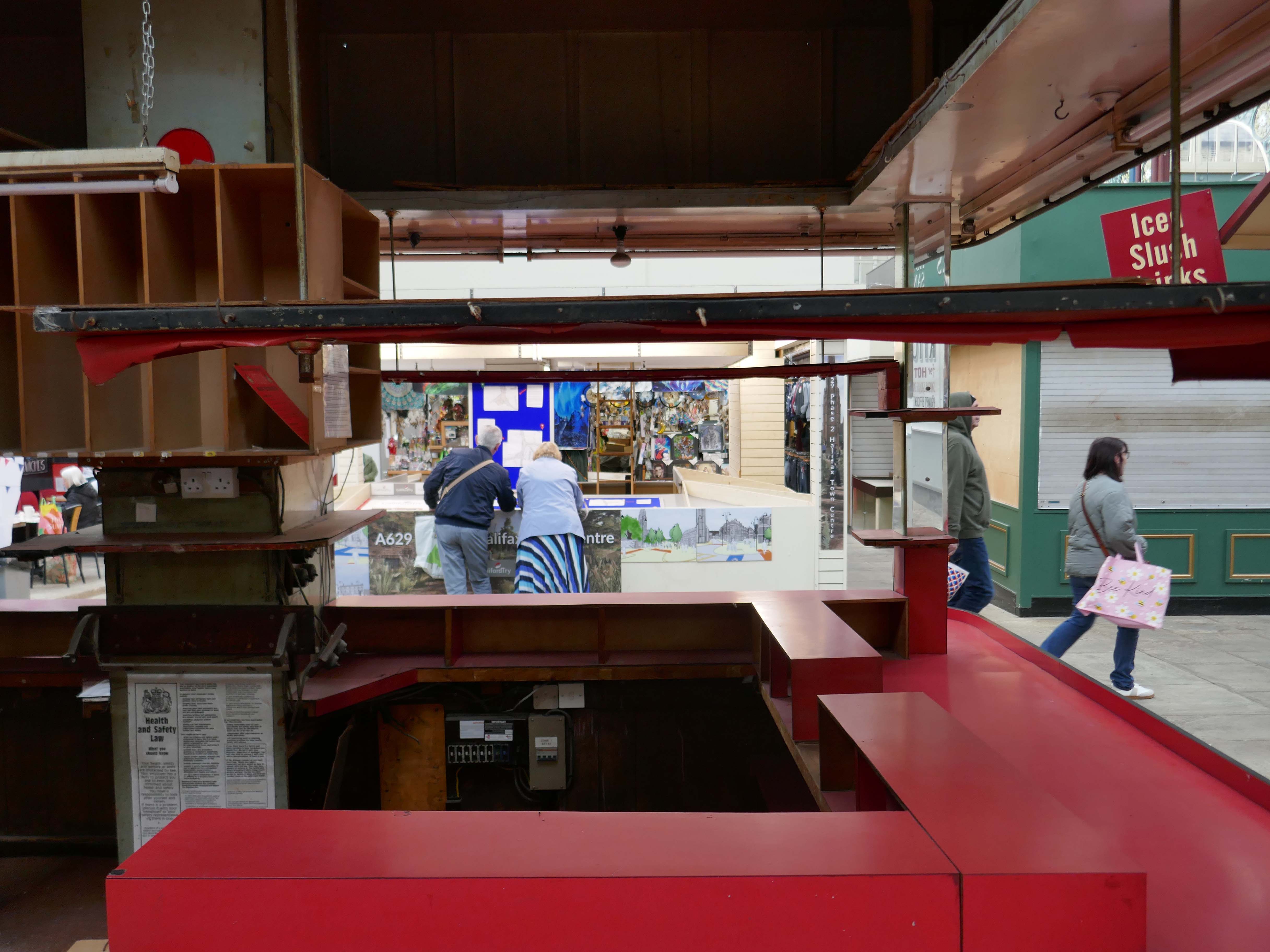
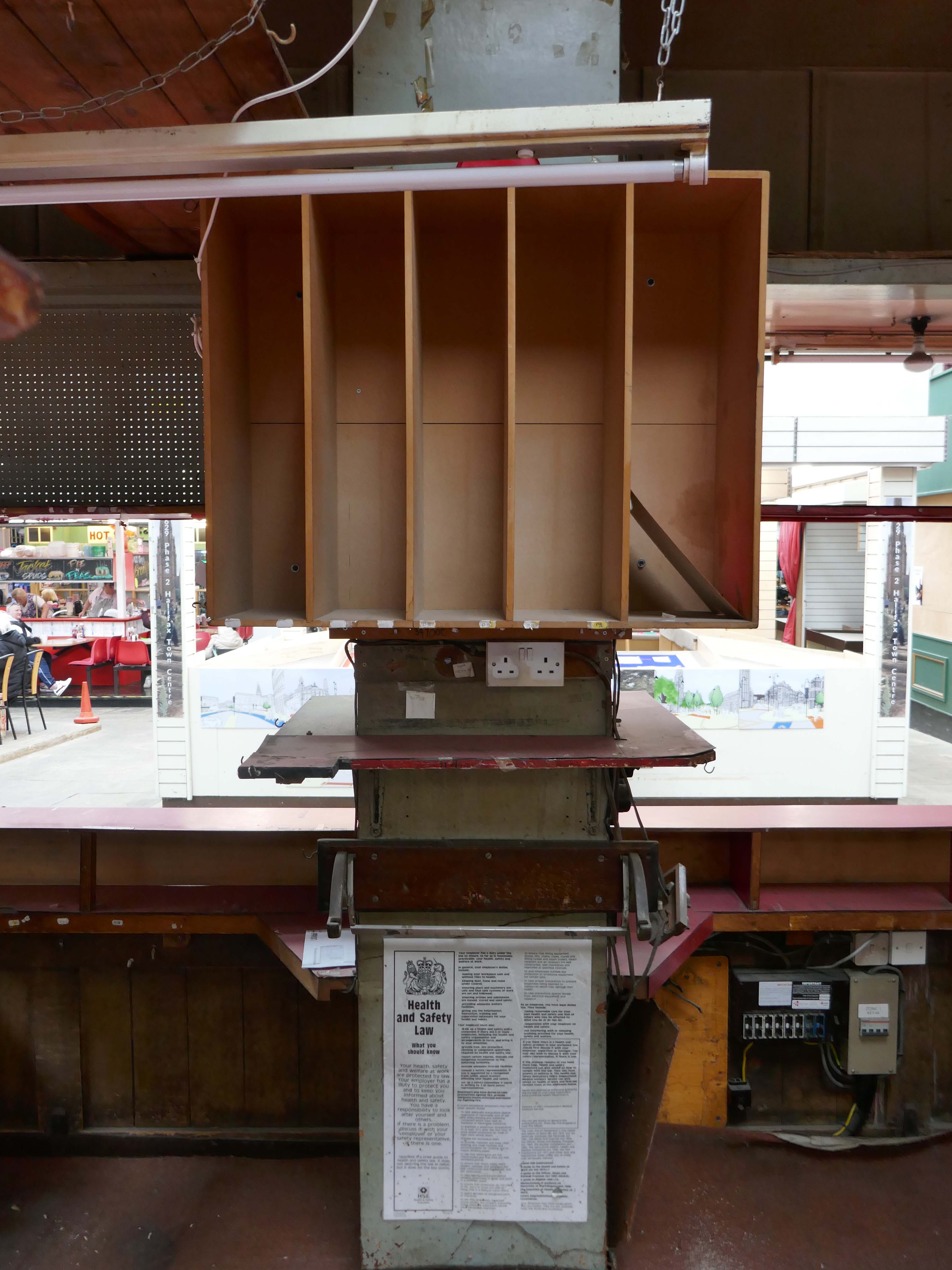
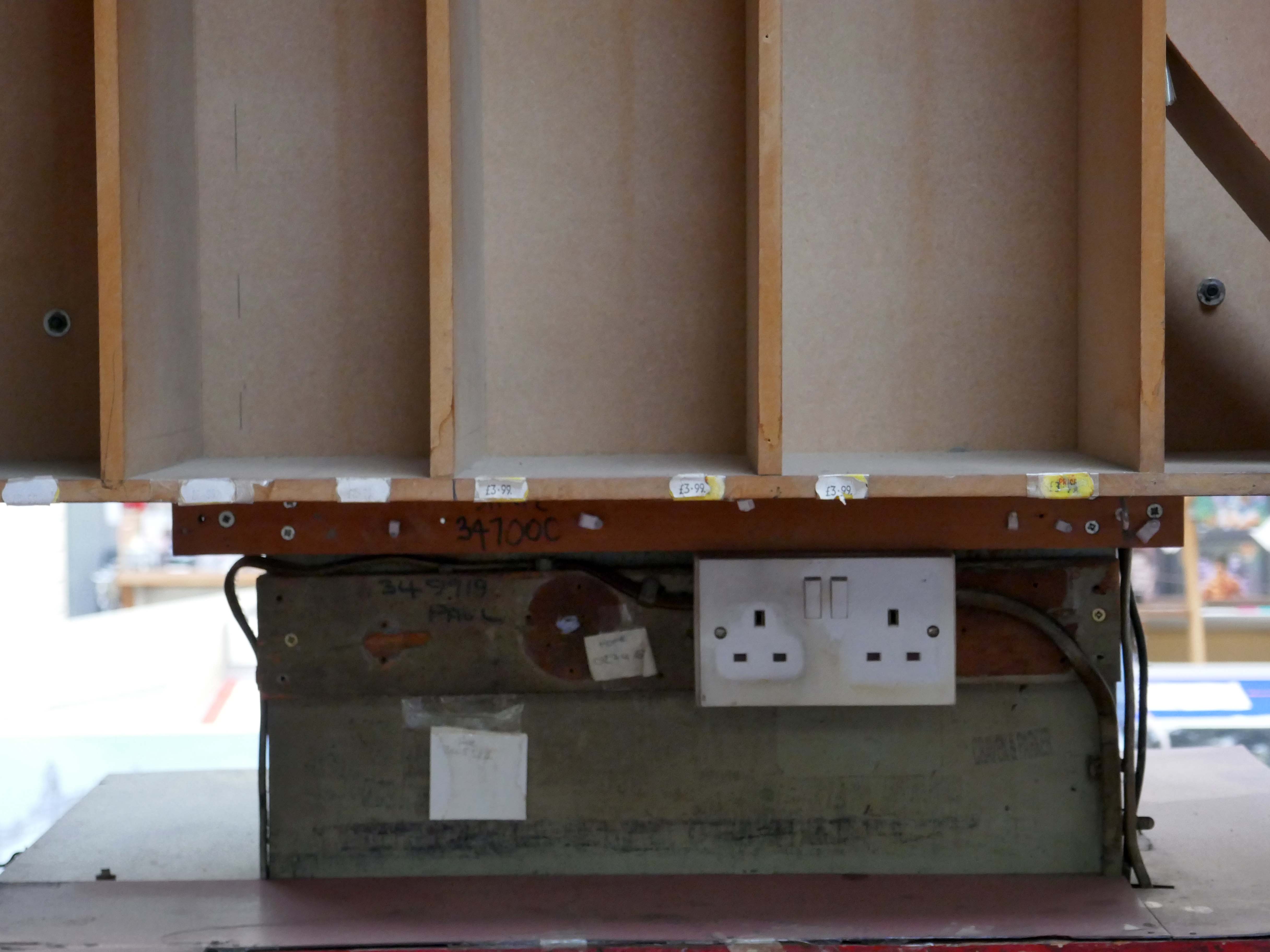
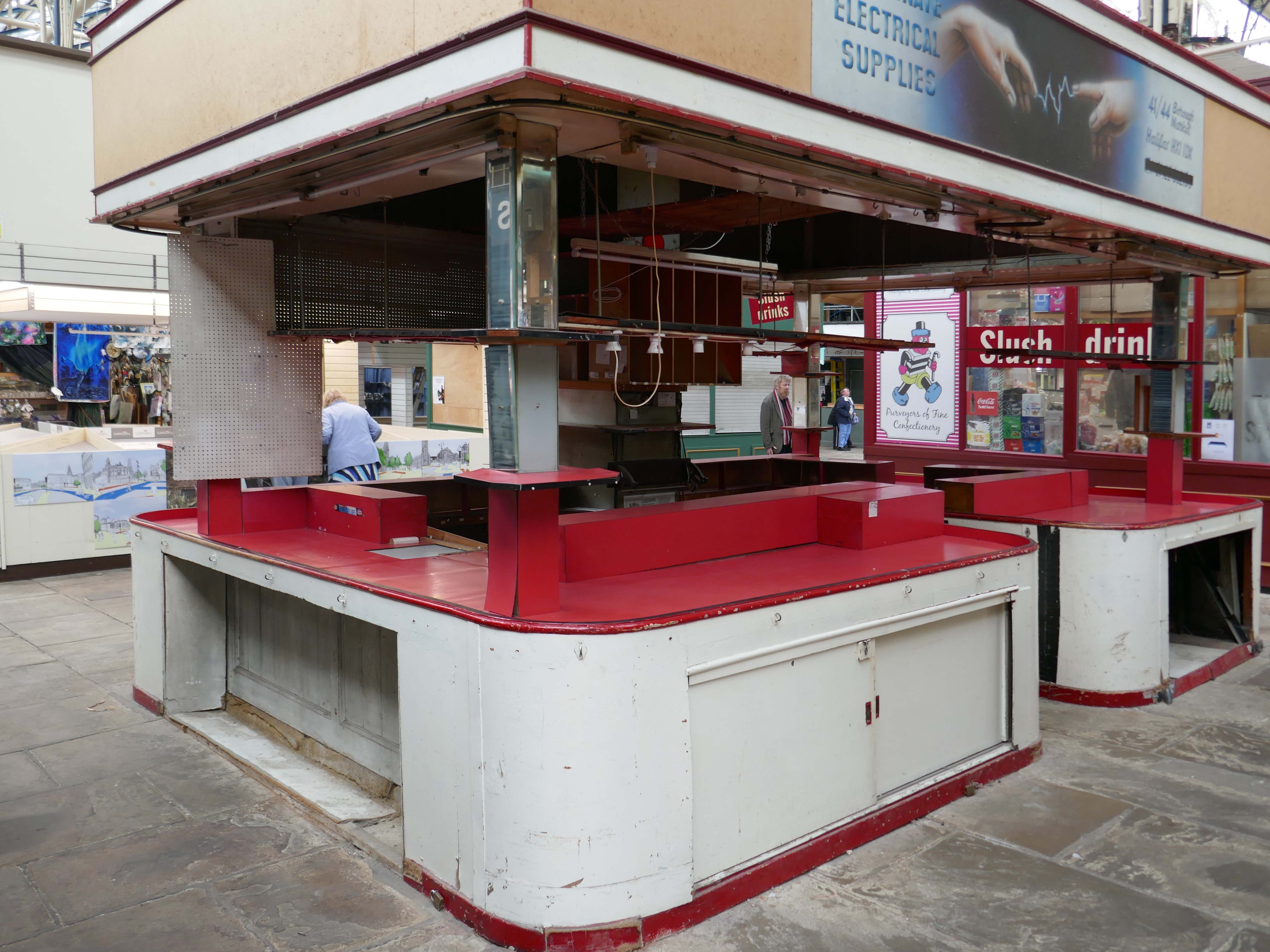
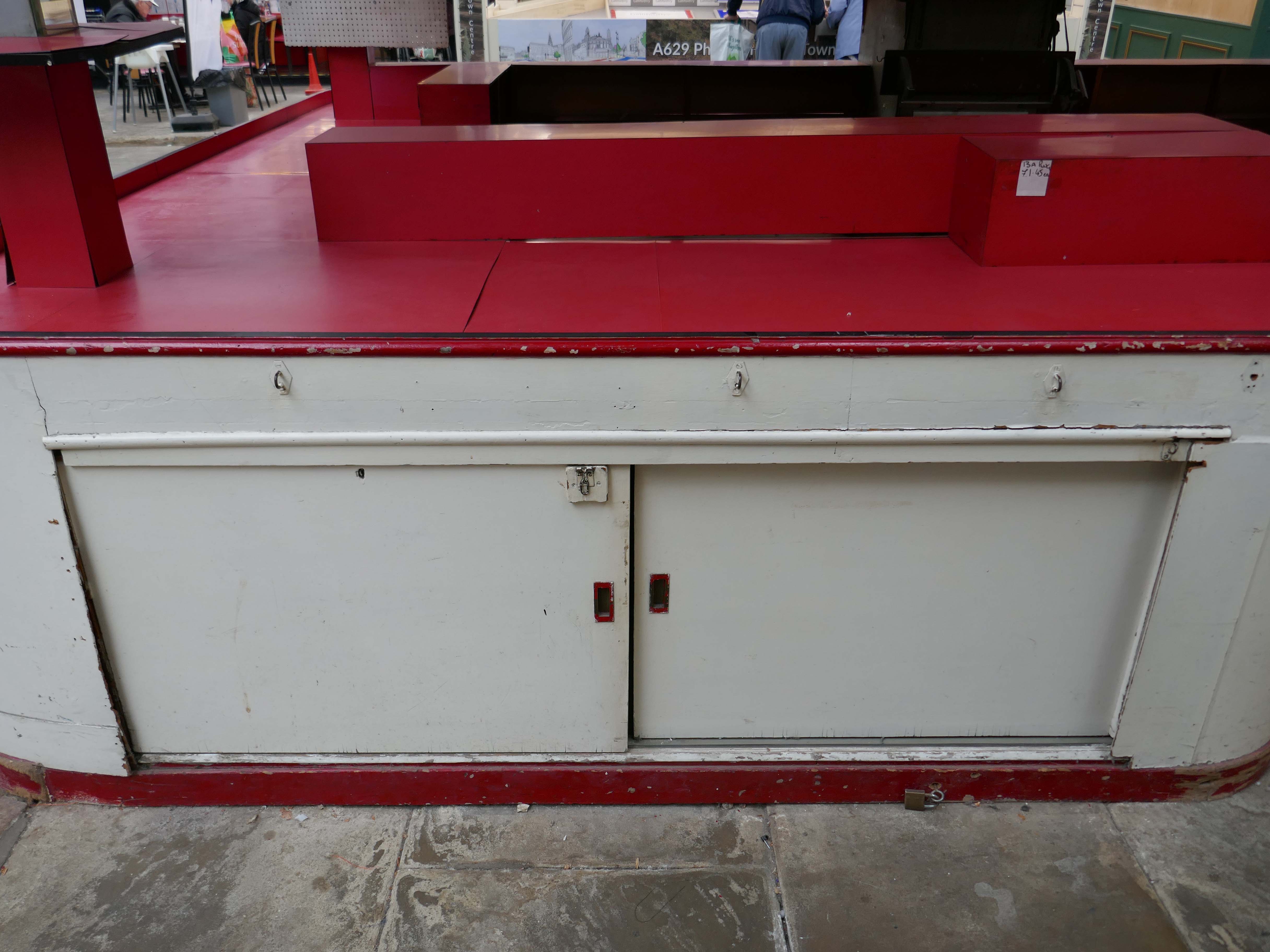
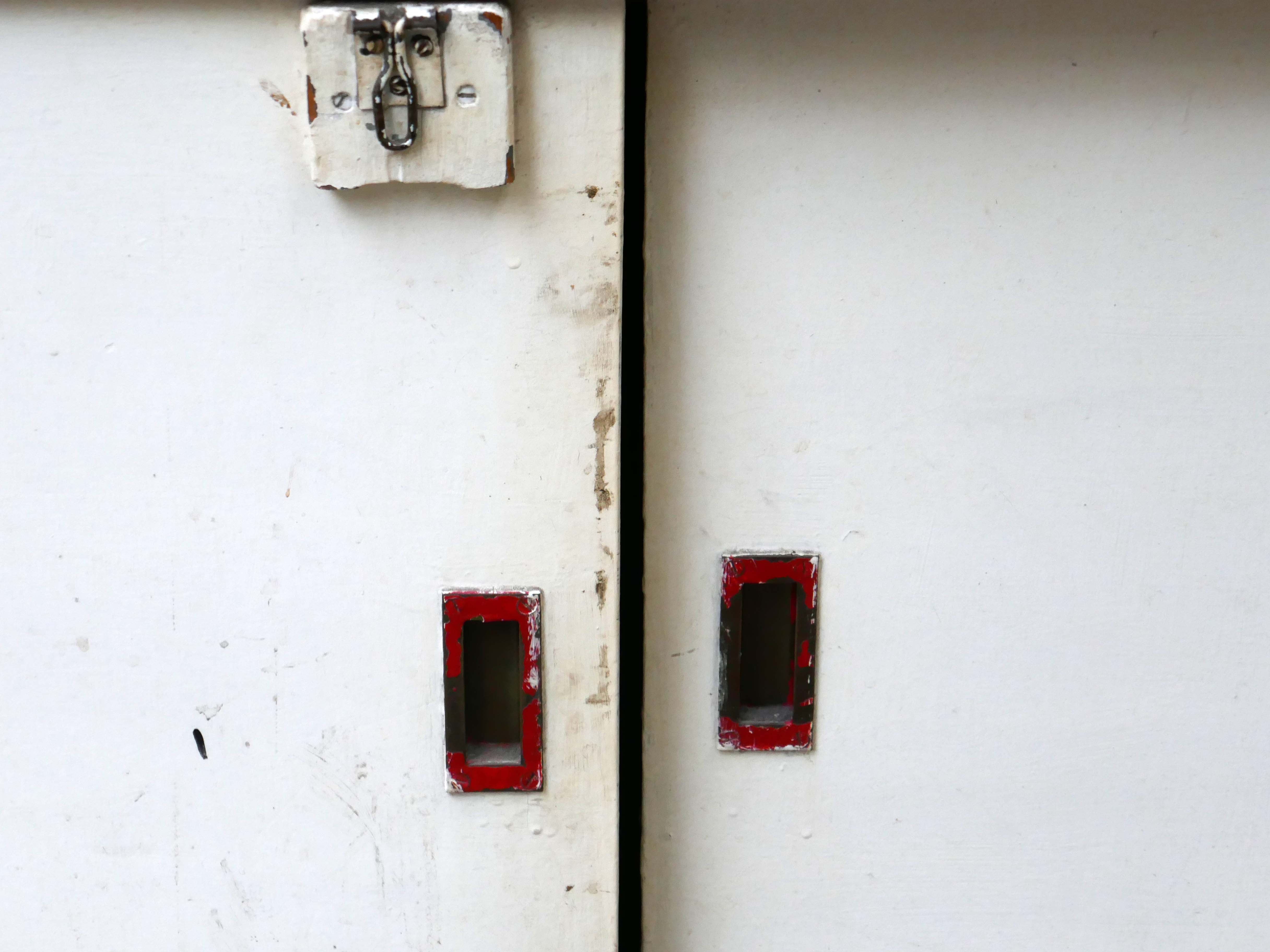
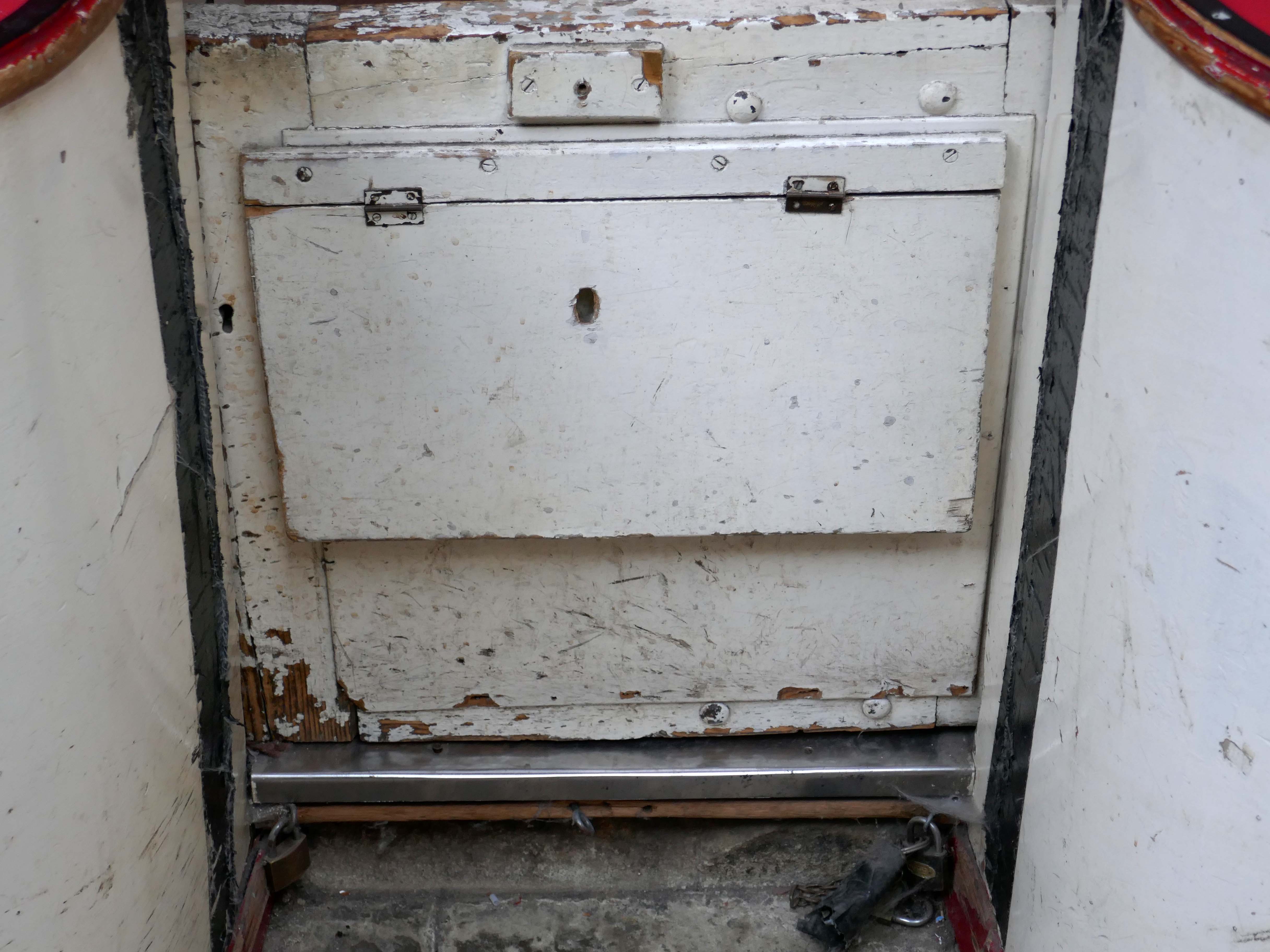
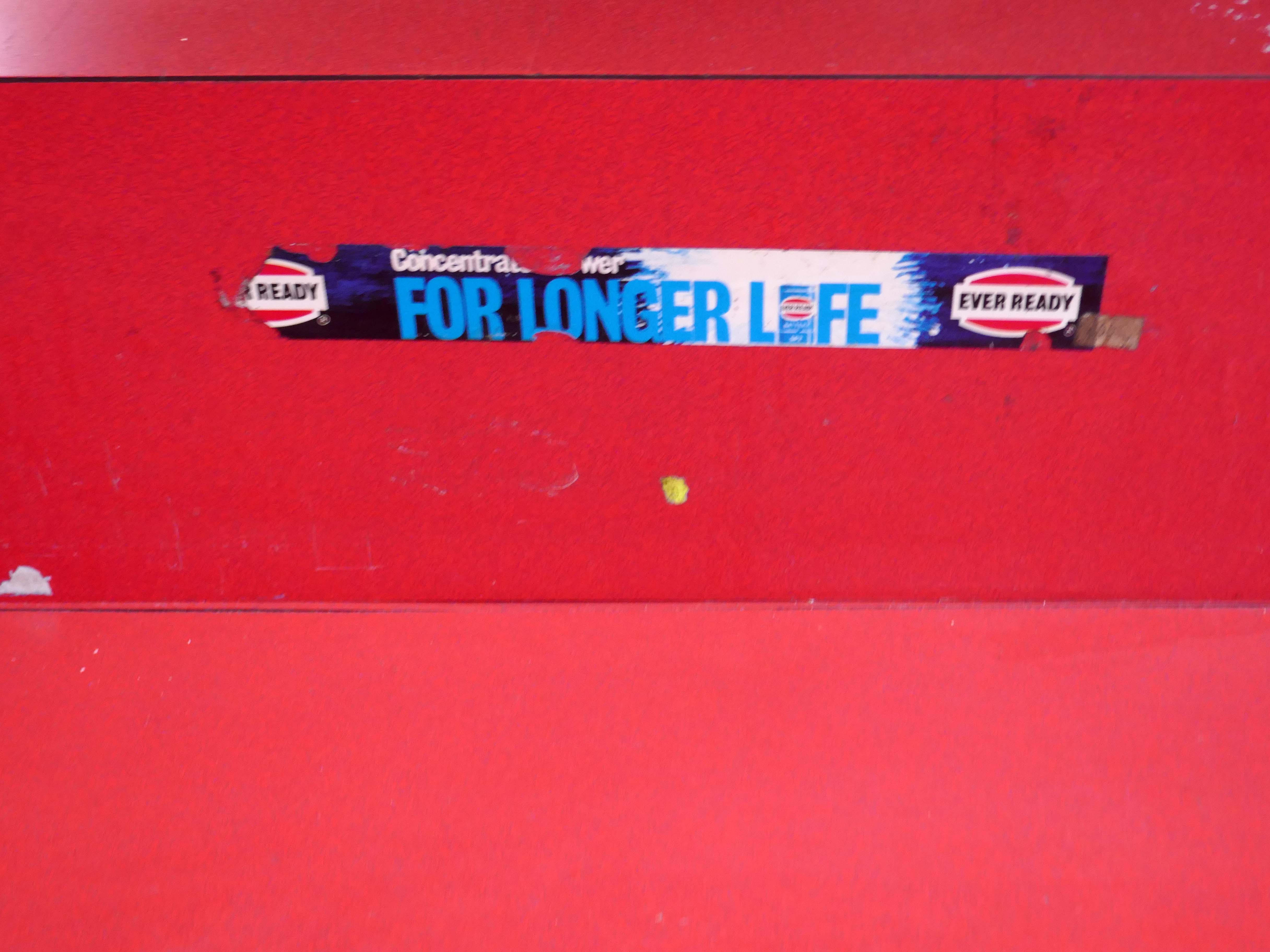
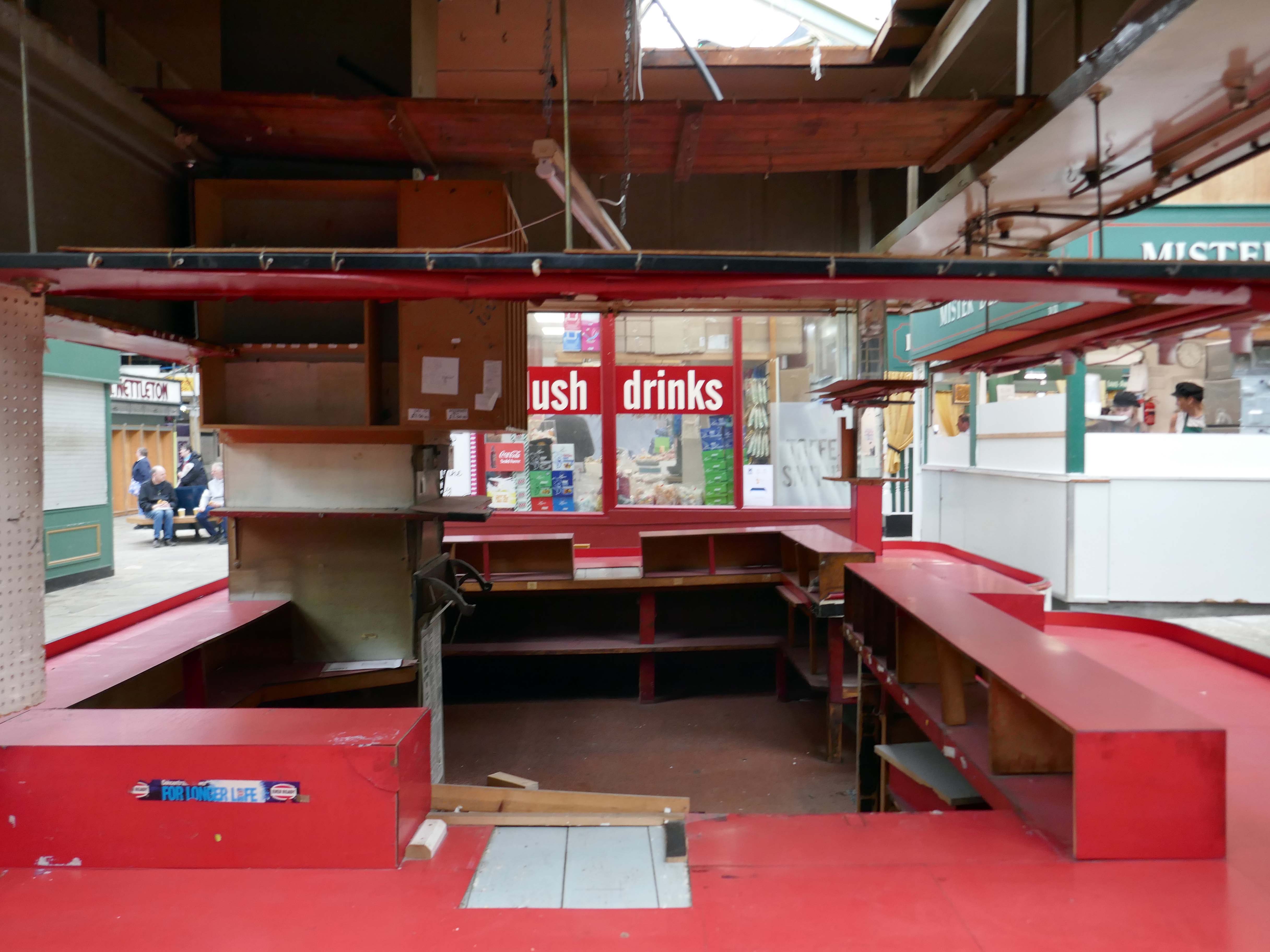
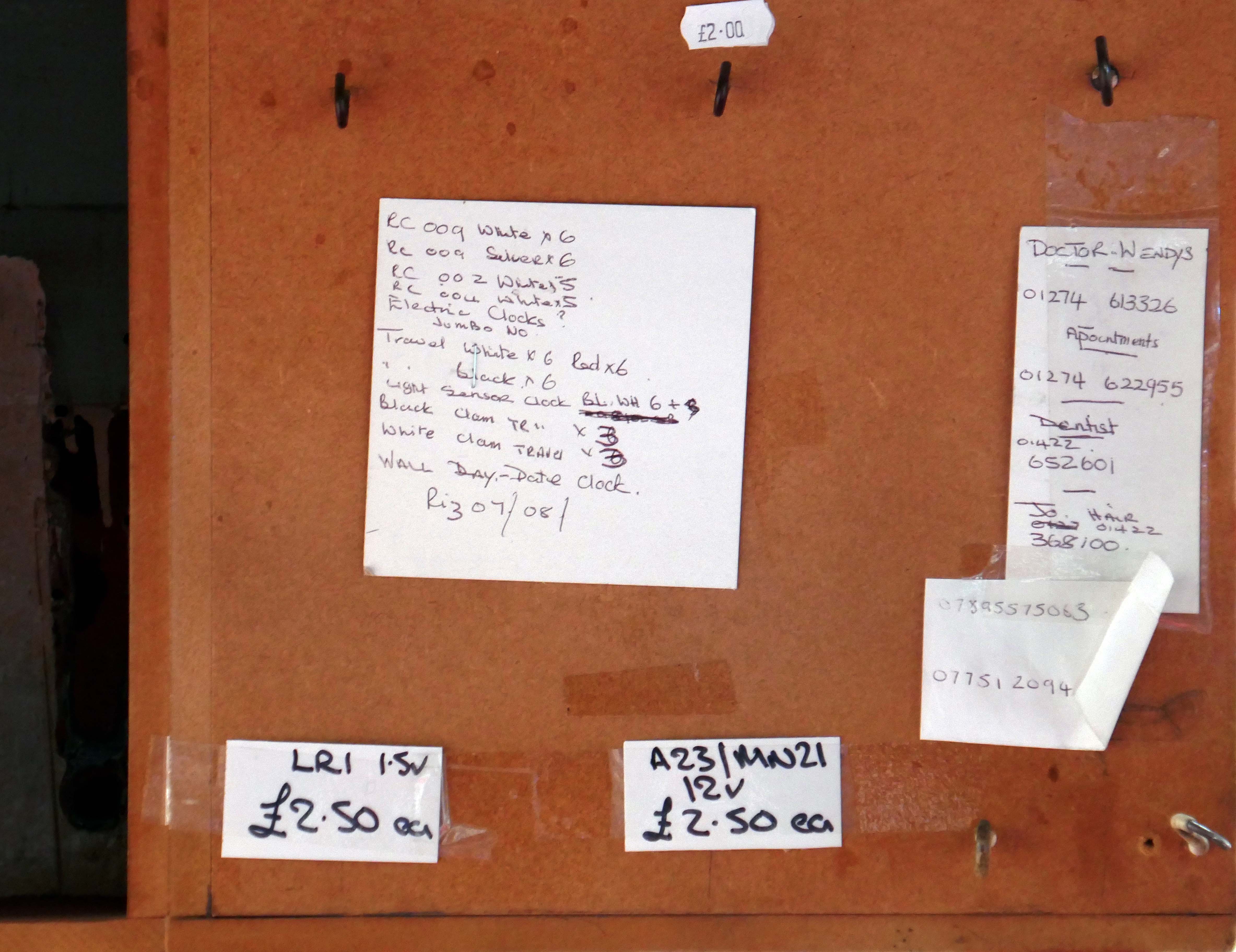
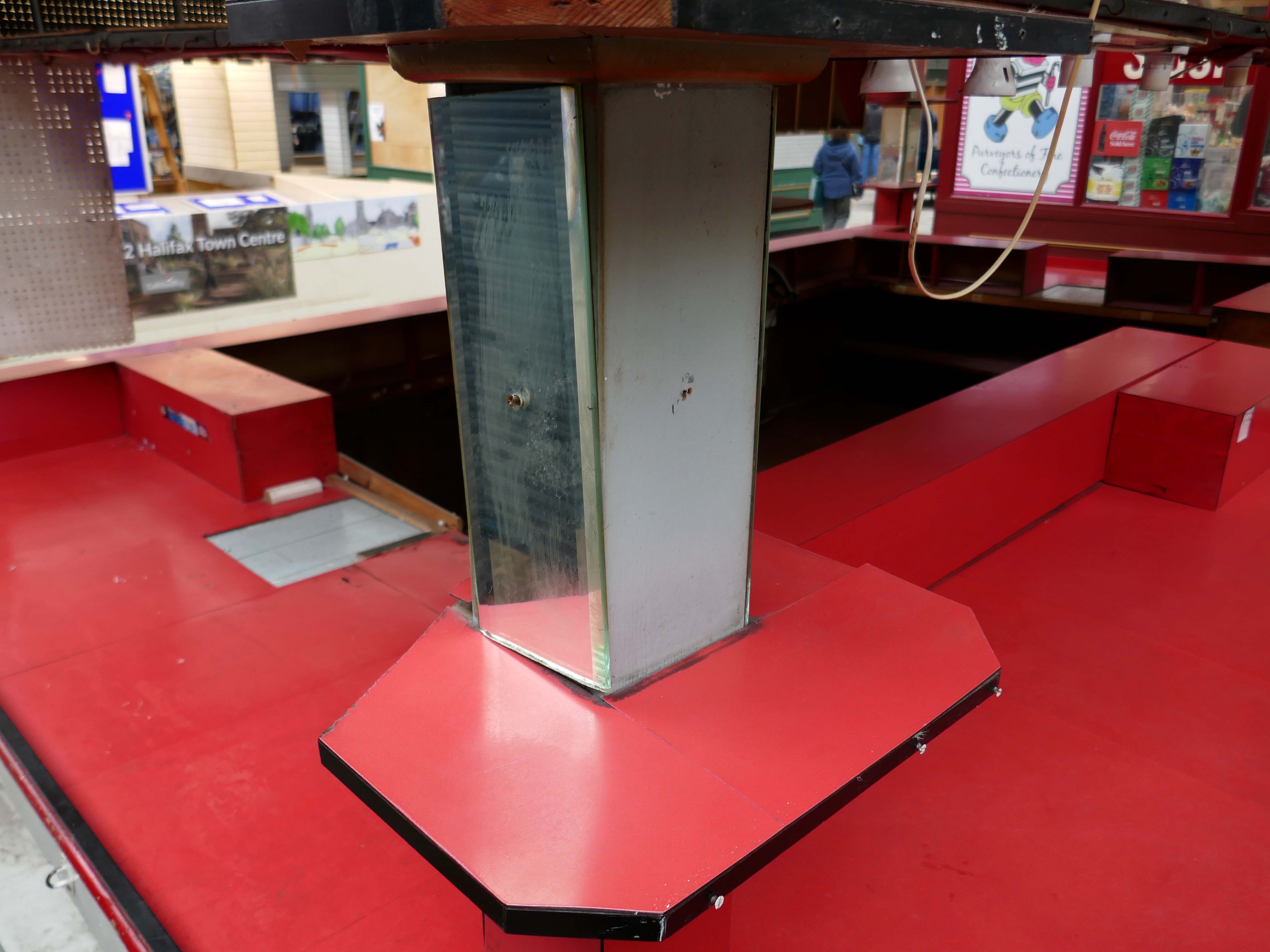
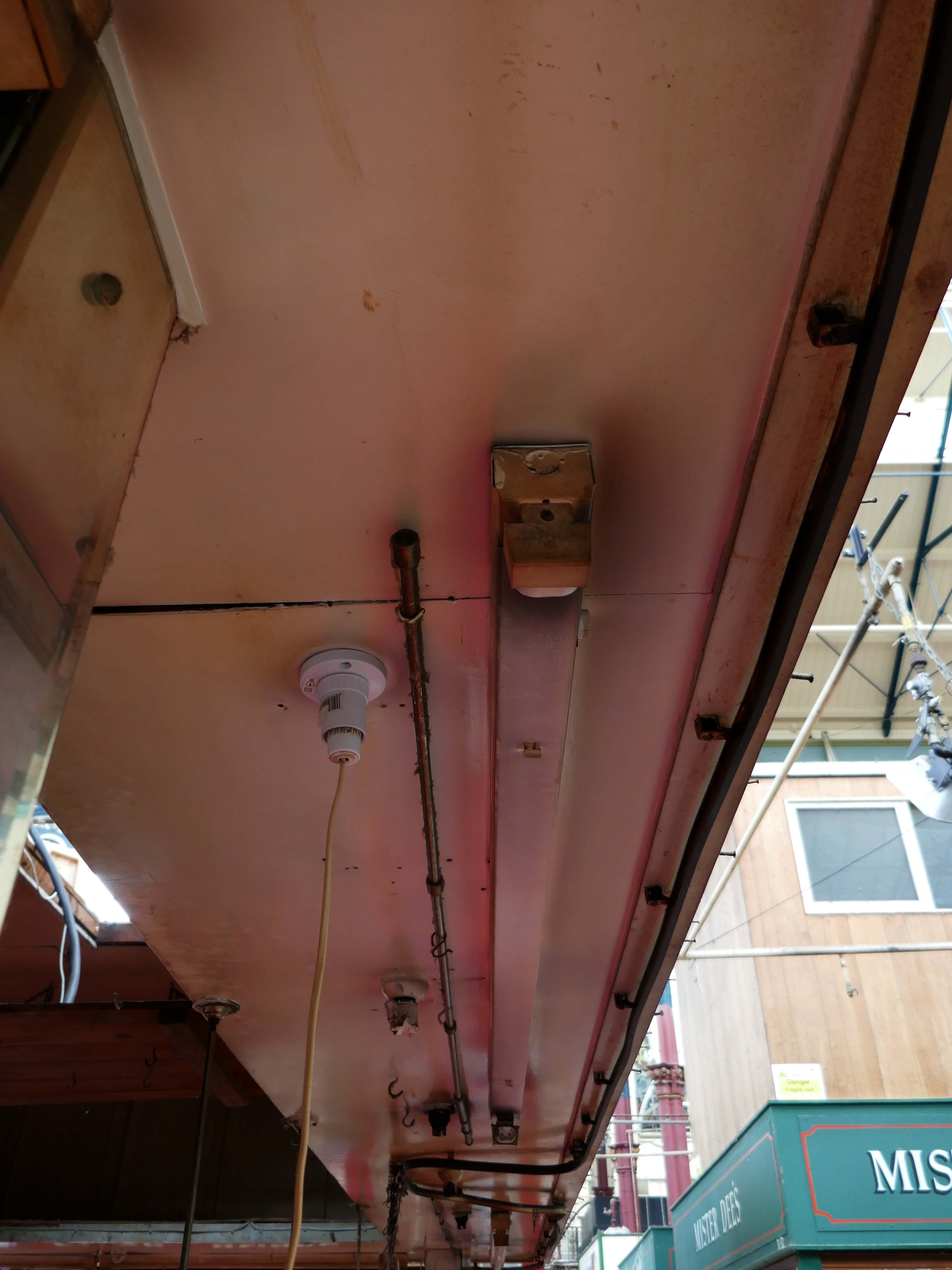
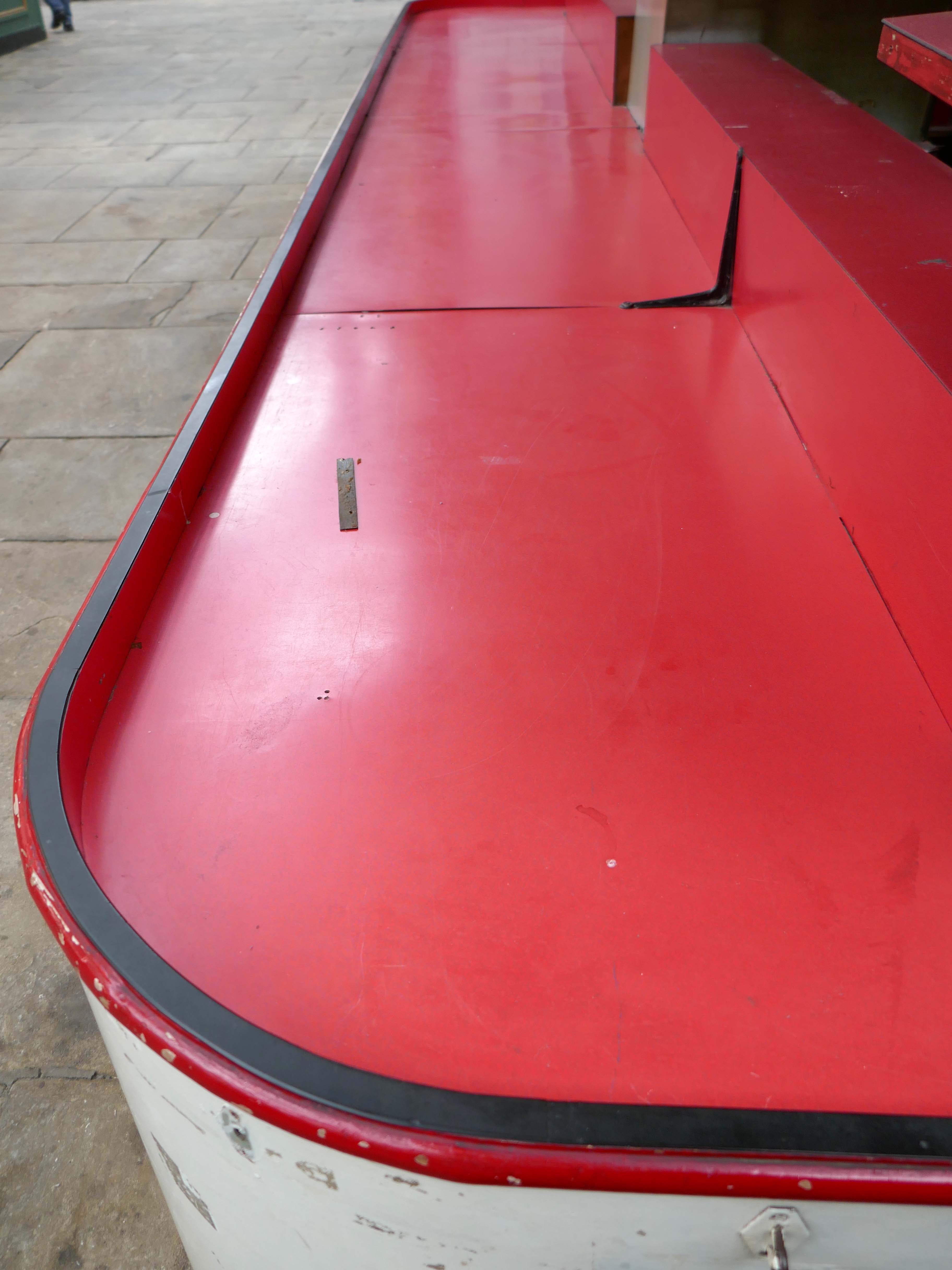
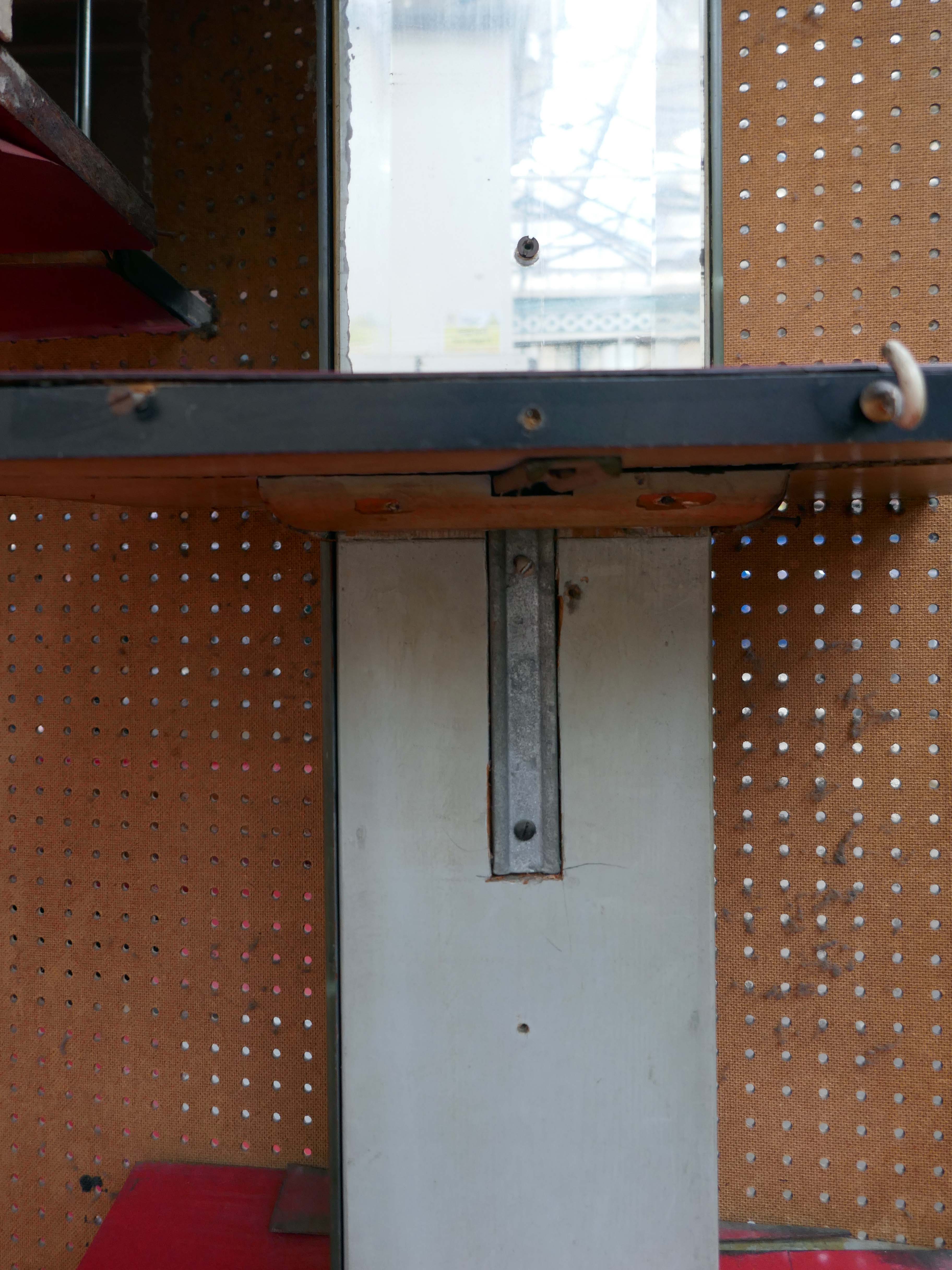
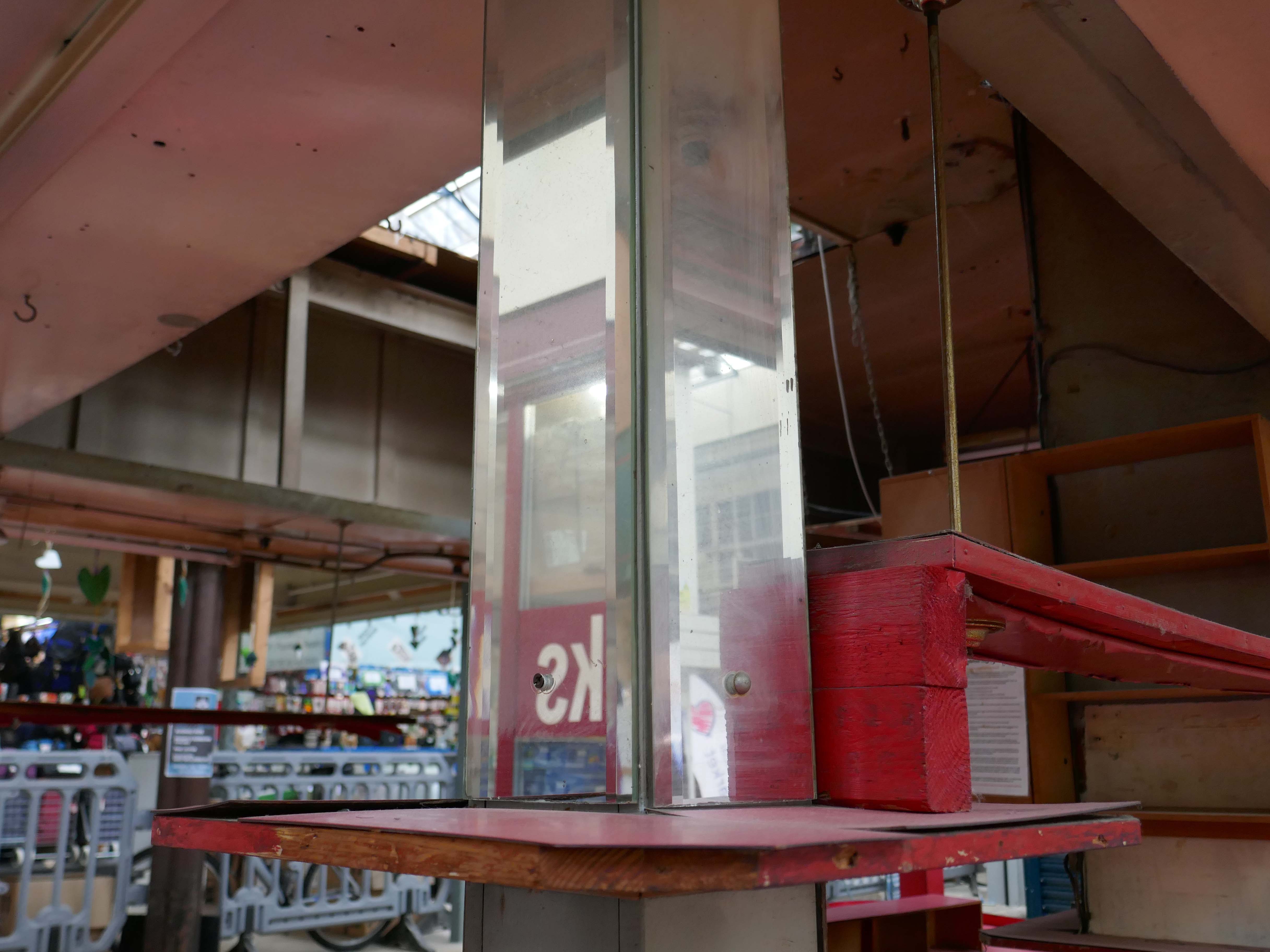
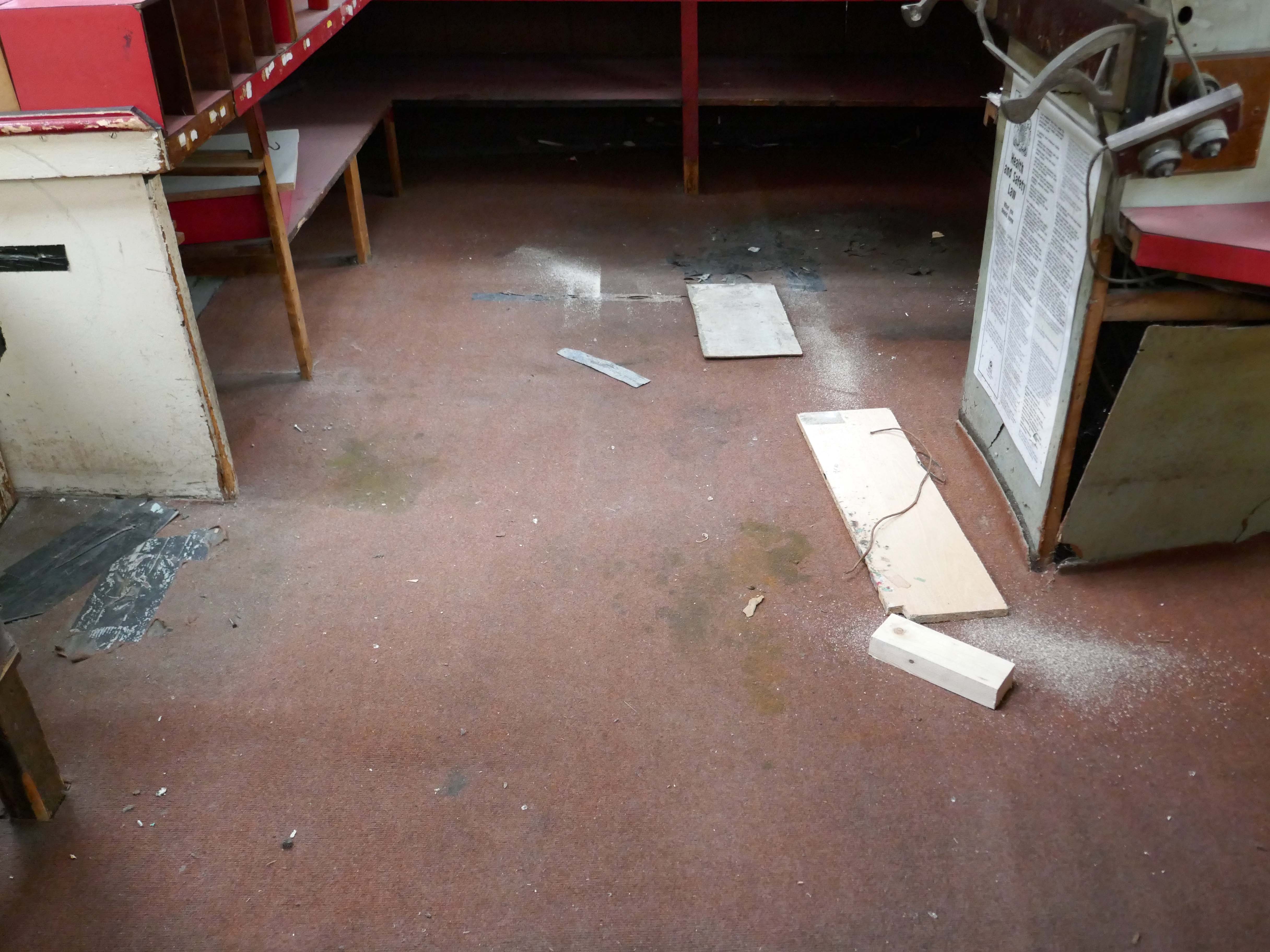
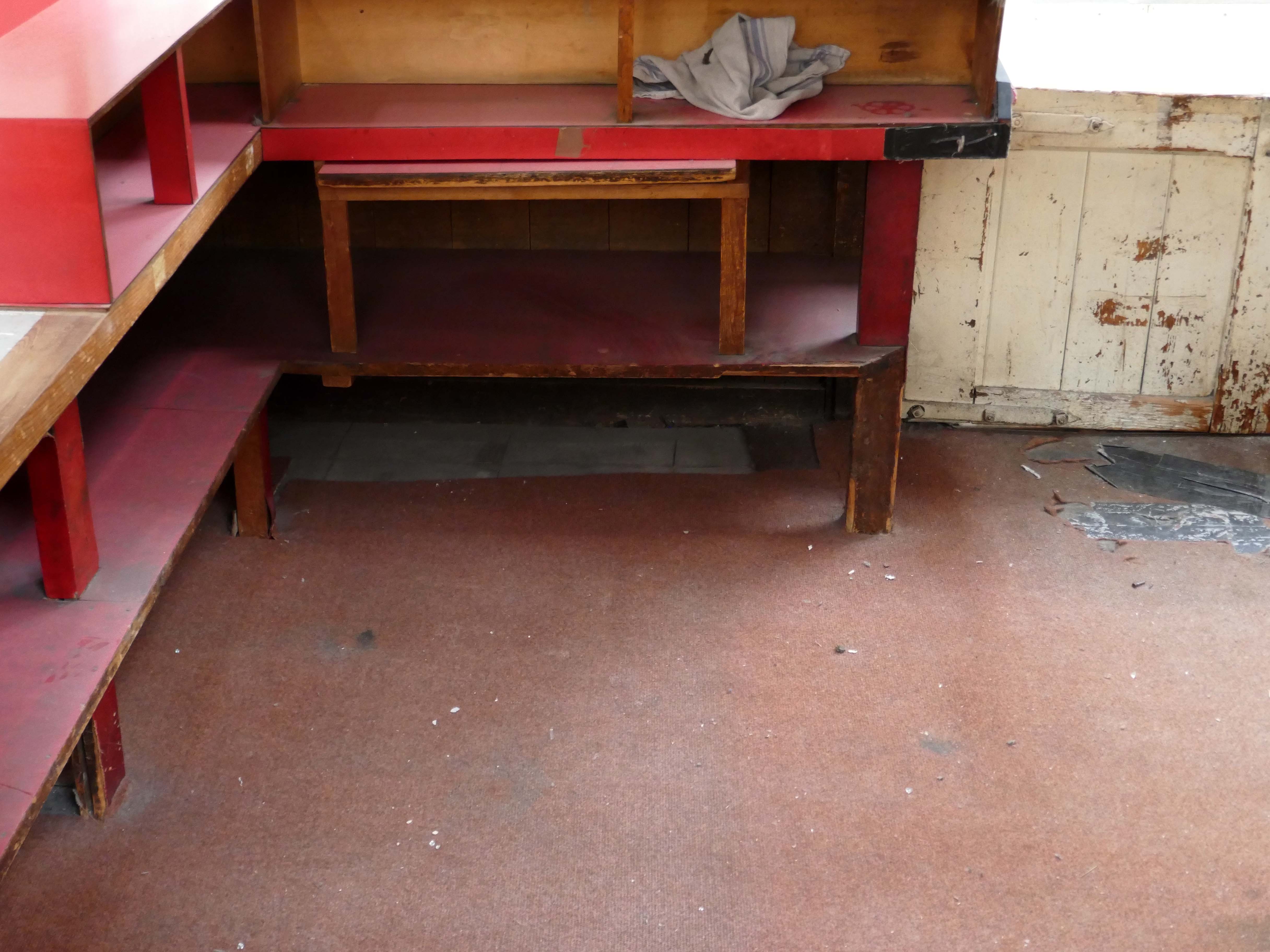
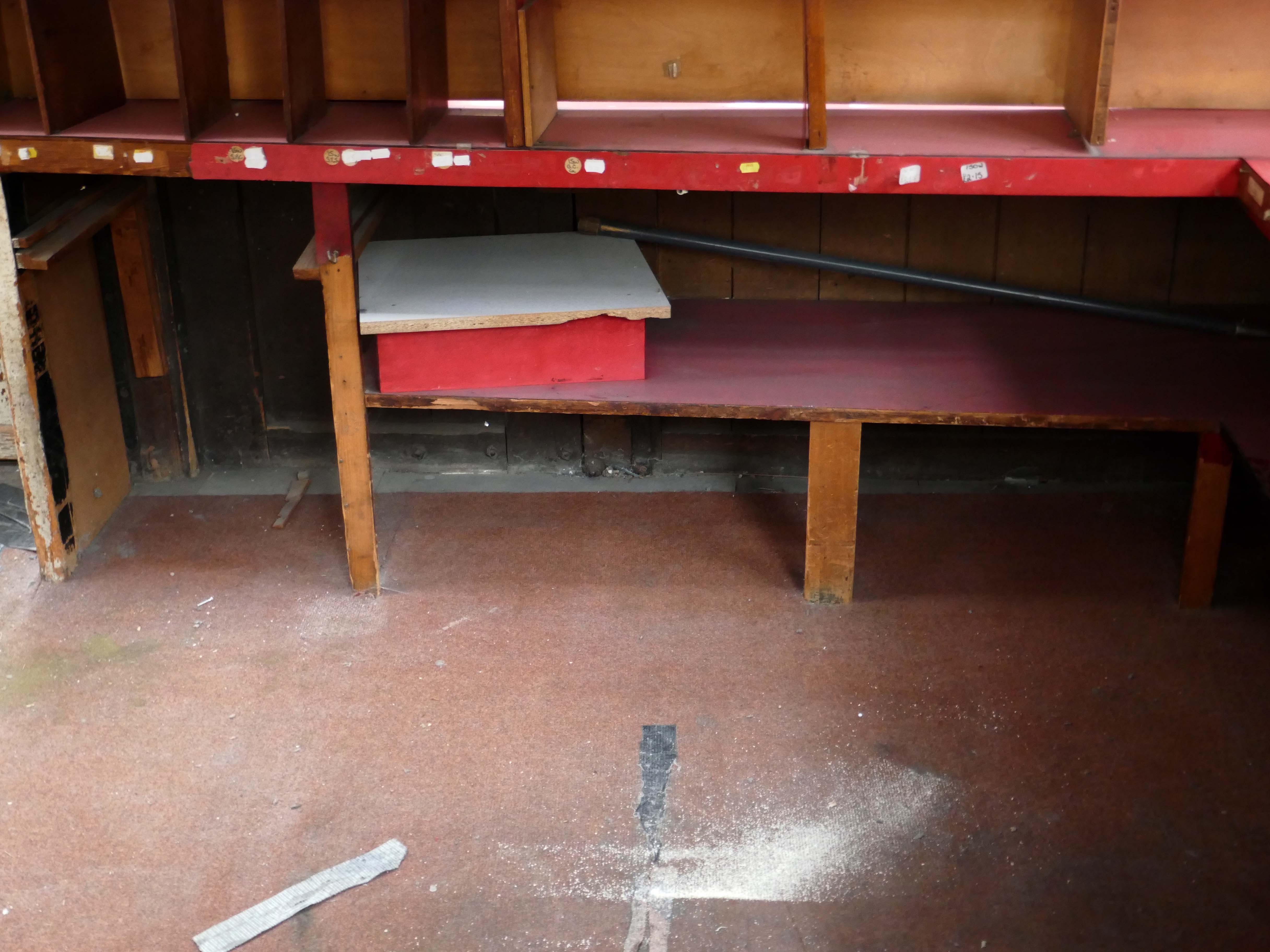
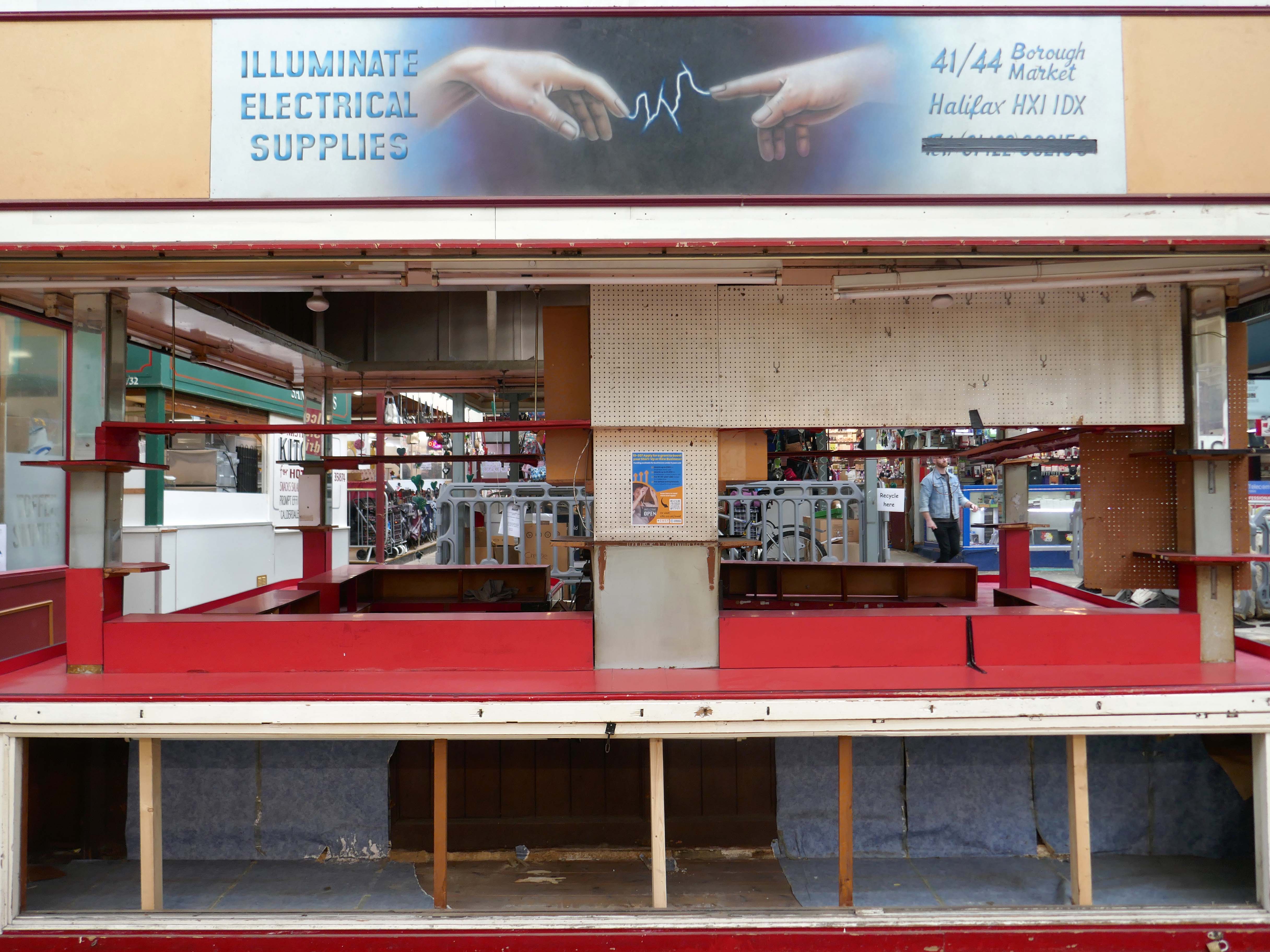
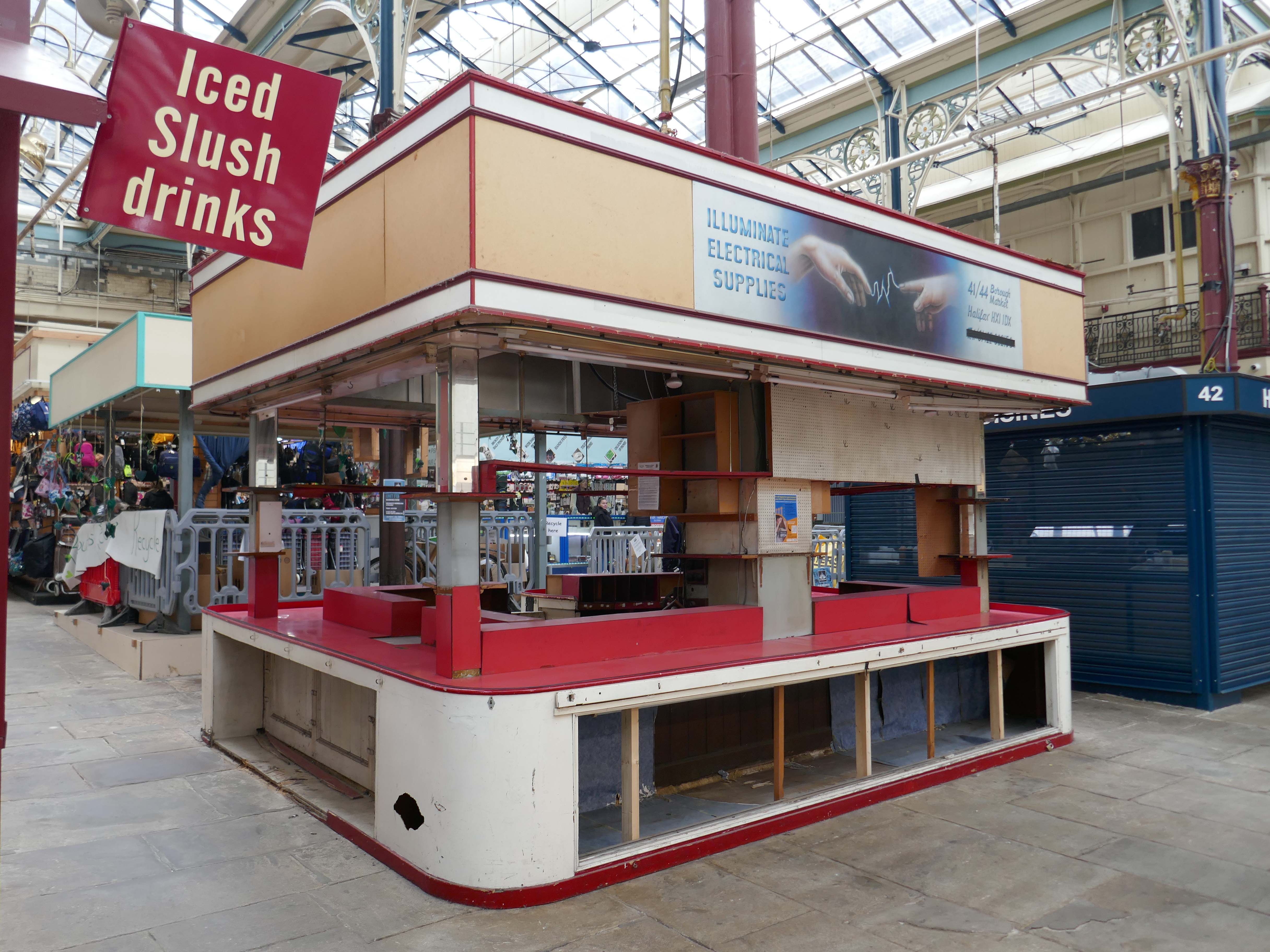
However, in this instance I was beguiled by an empty stall, the former home of Illuminate Electrical Supplies.
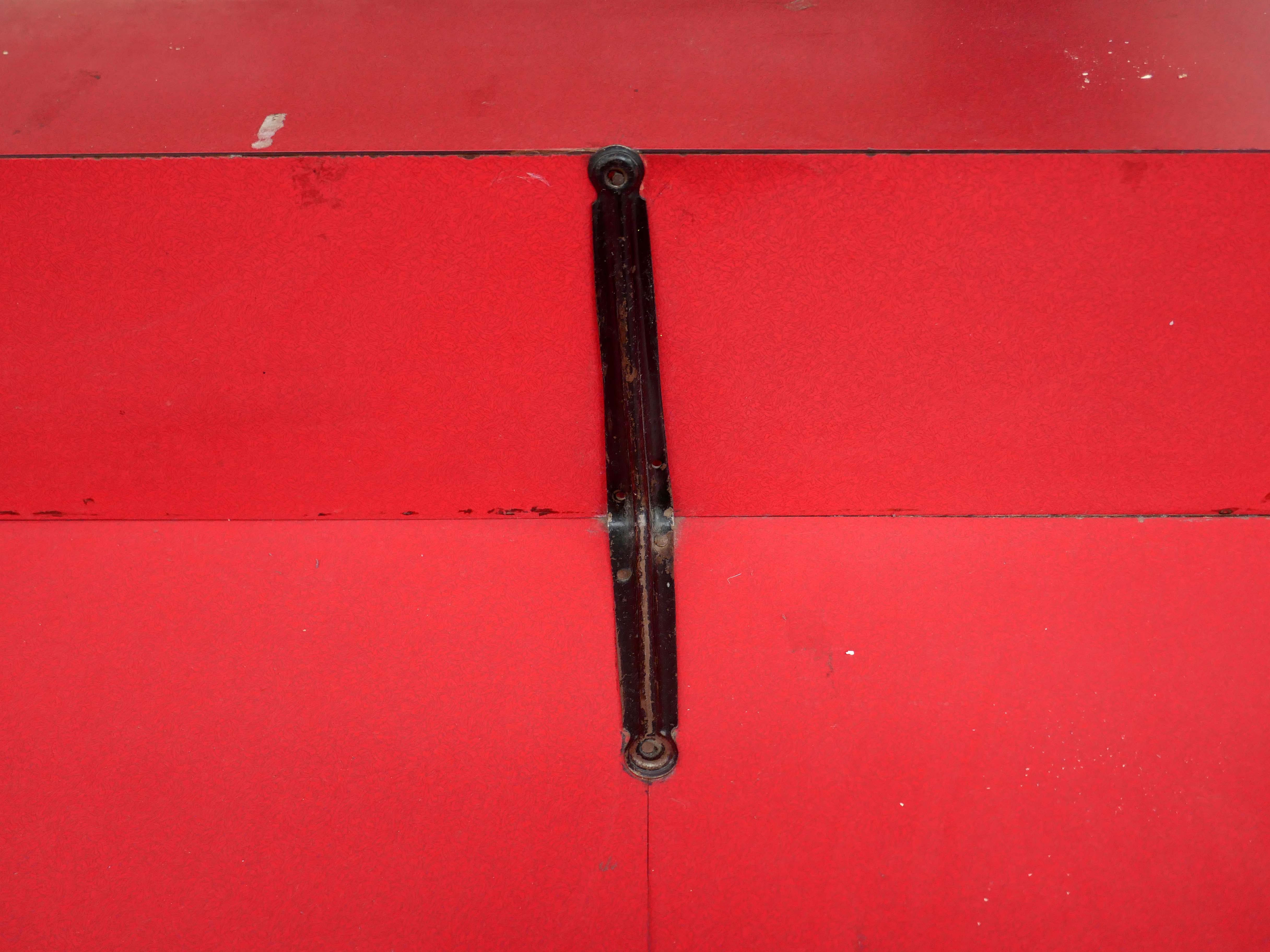
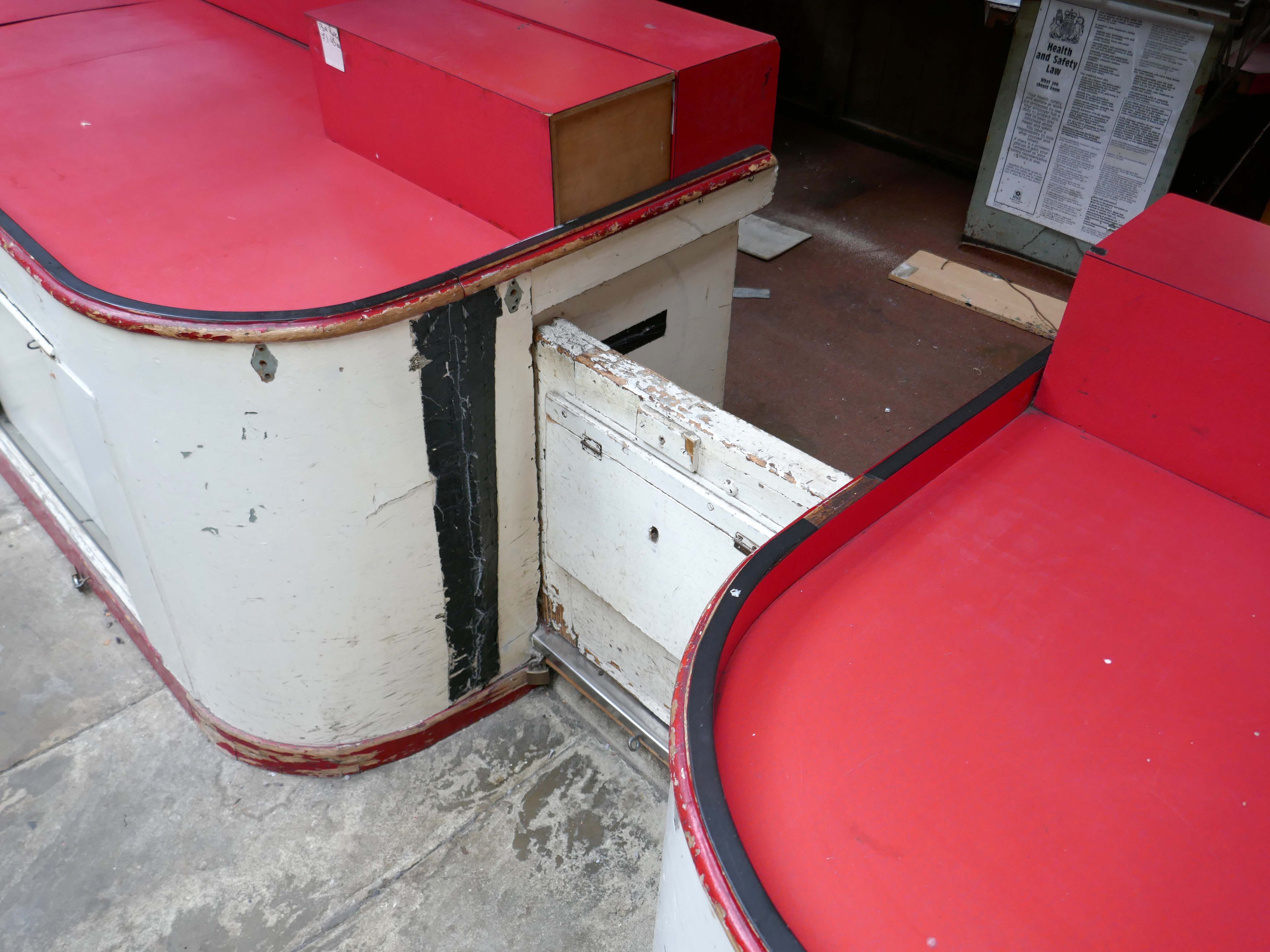
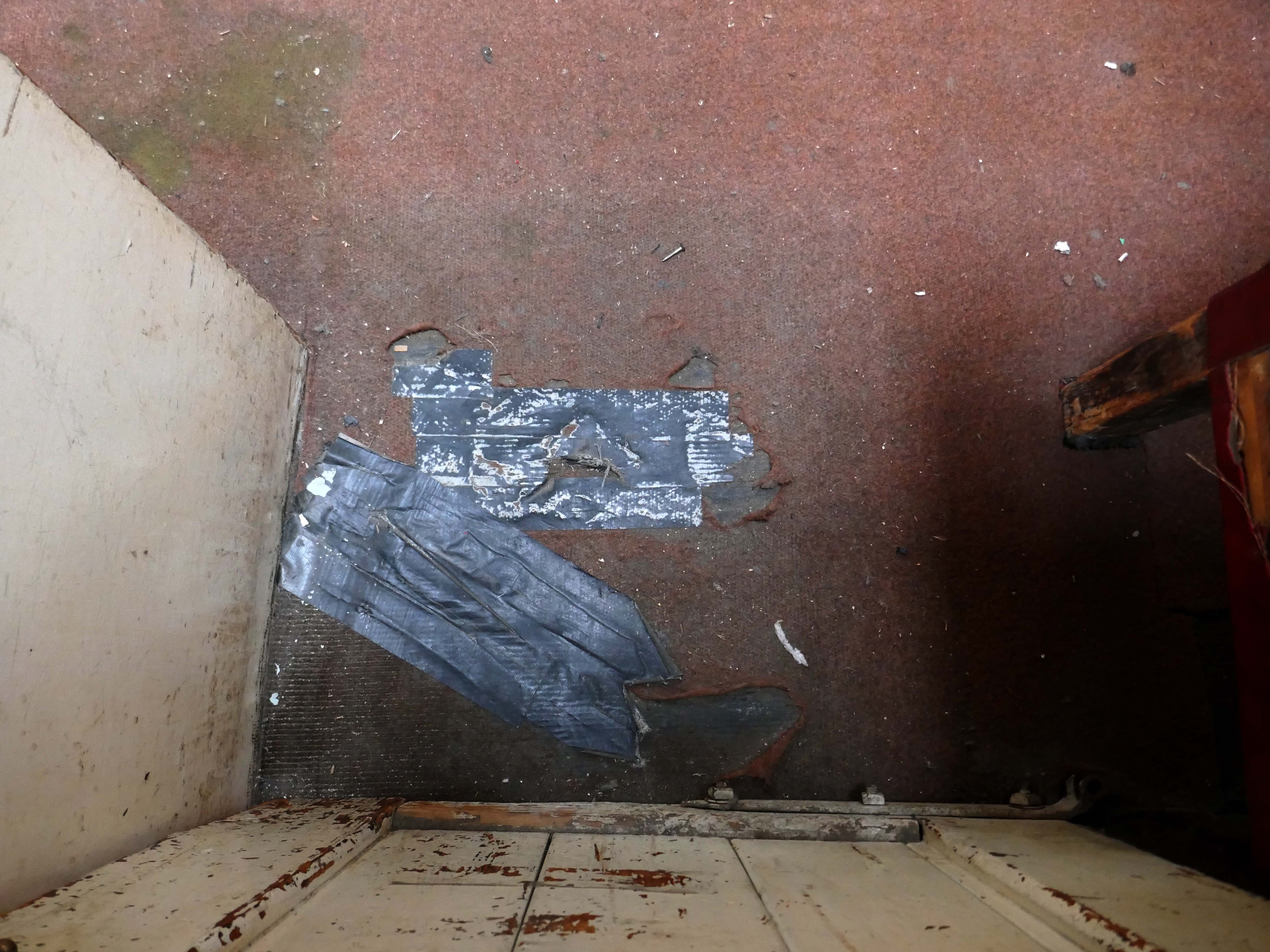
Gone now are the rich variety of shades, plugs, flexes, batteries and lamps, what remains are the bare bones of making do.
Odds and ends, fixtures and fittings, fitted in as and when.
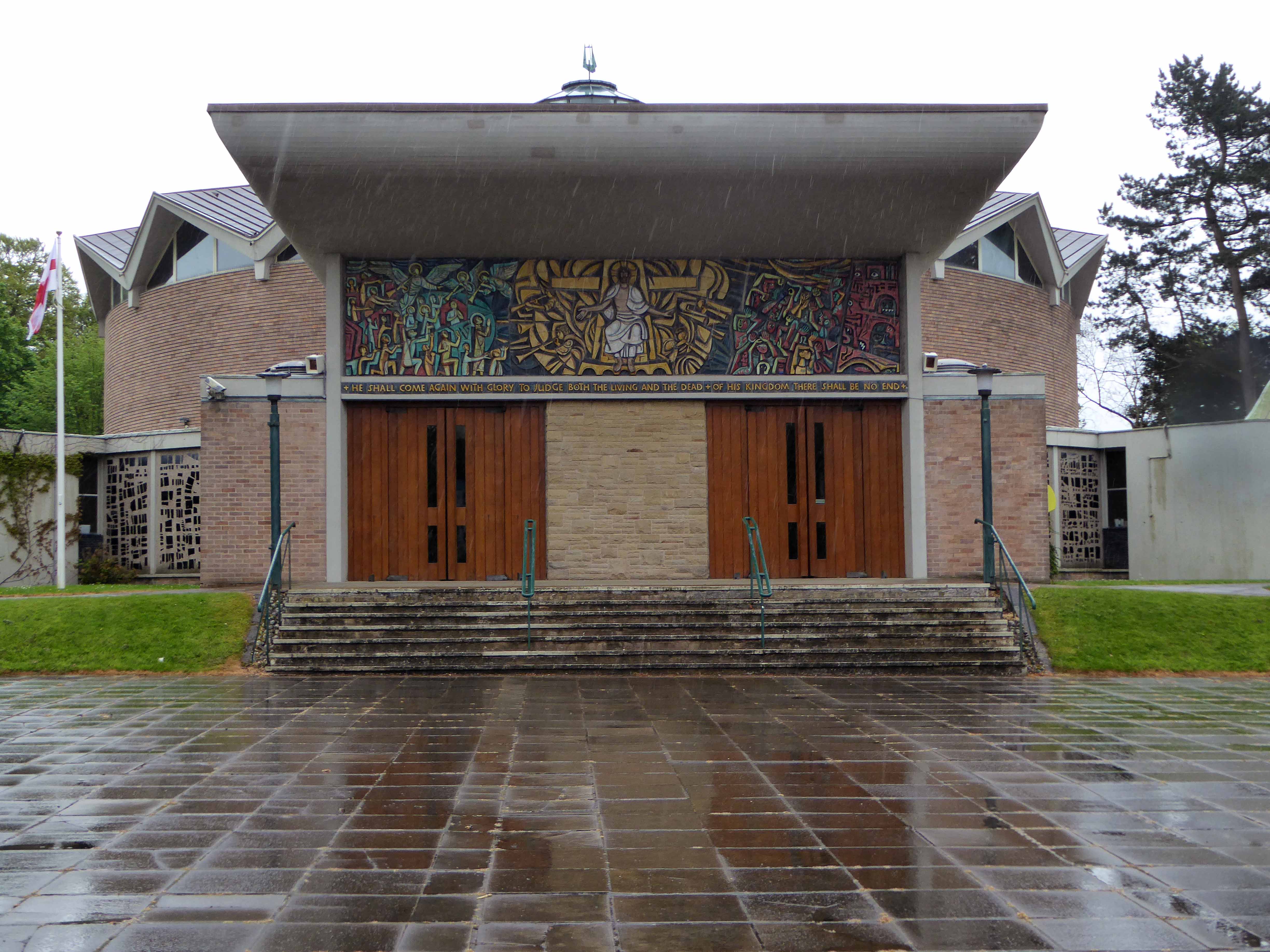
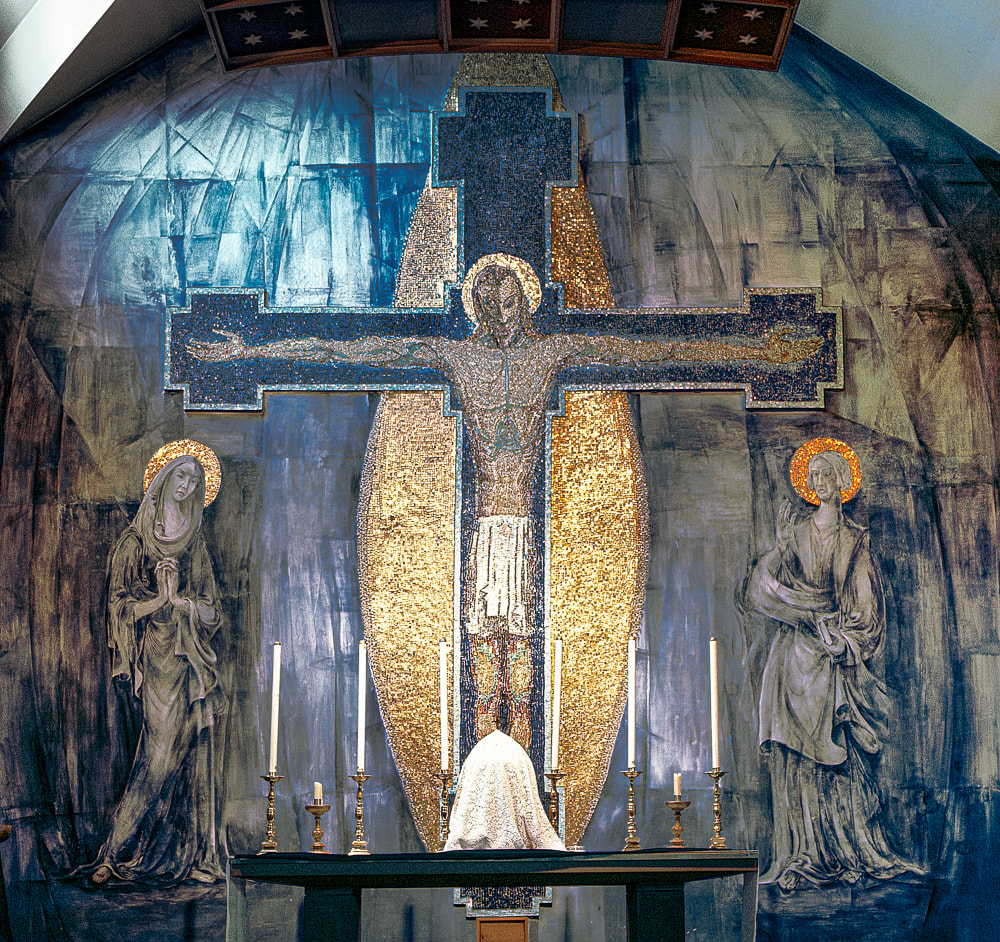
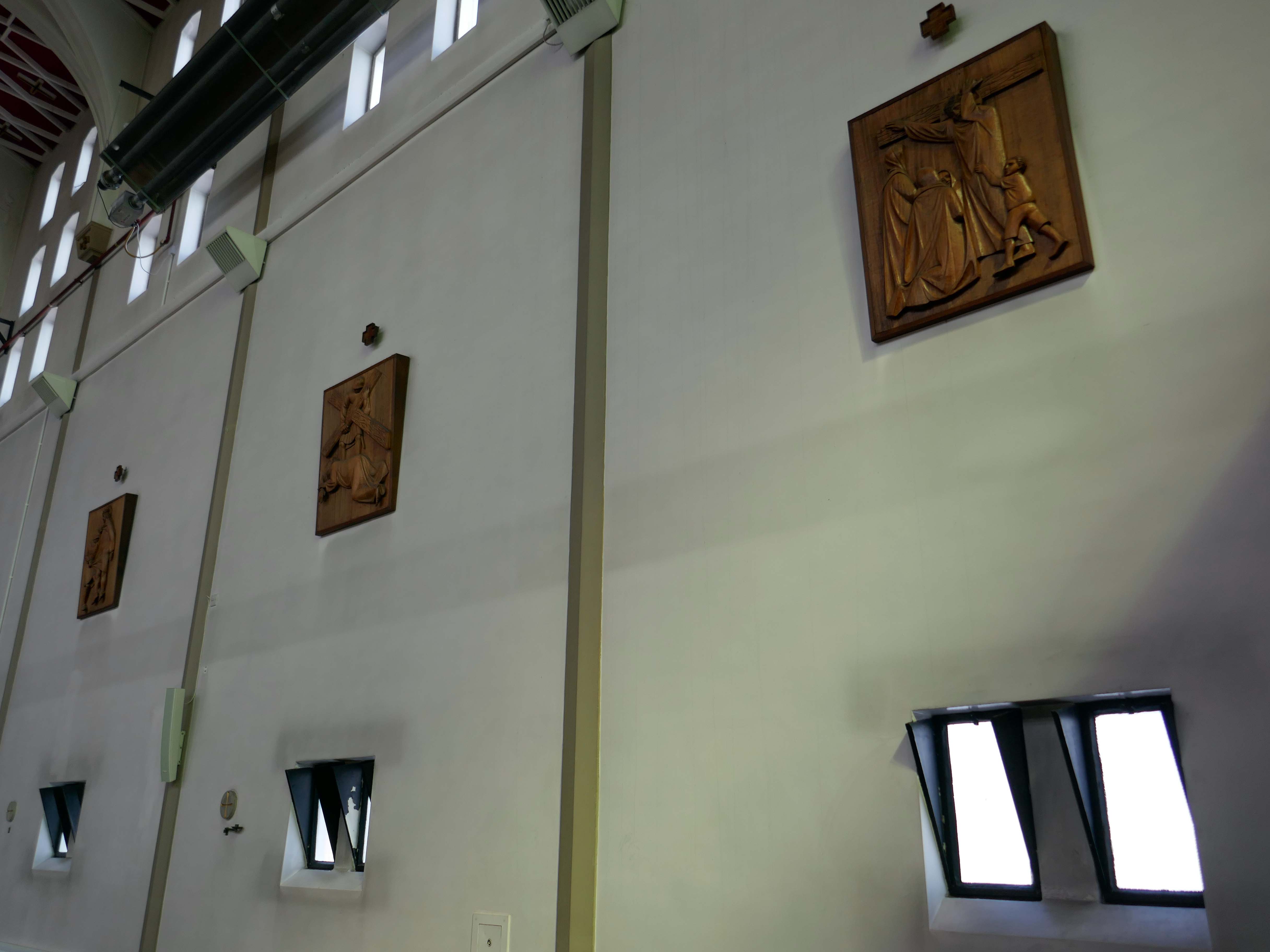
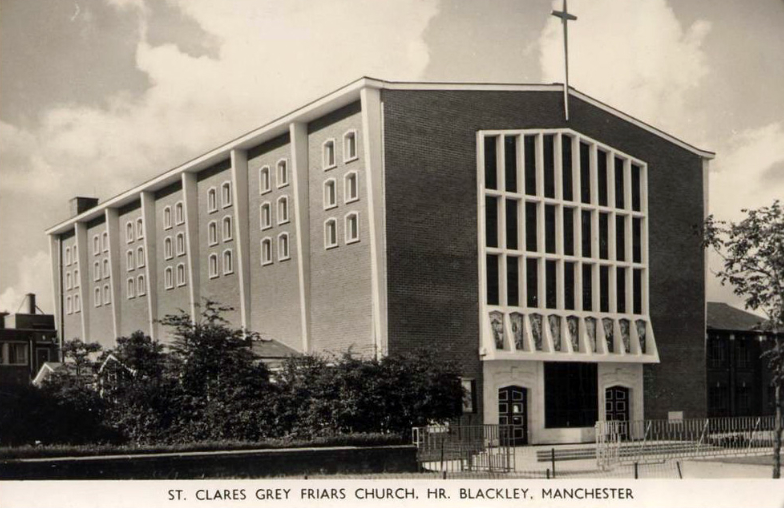
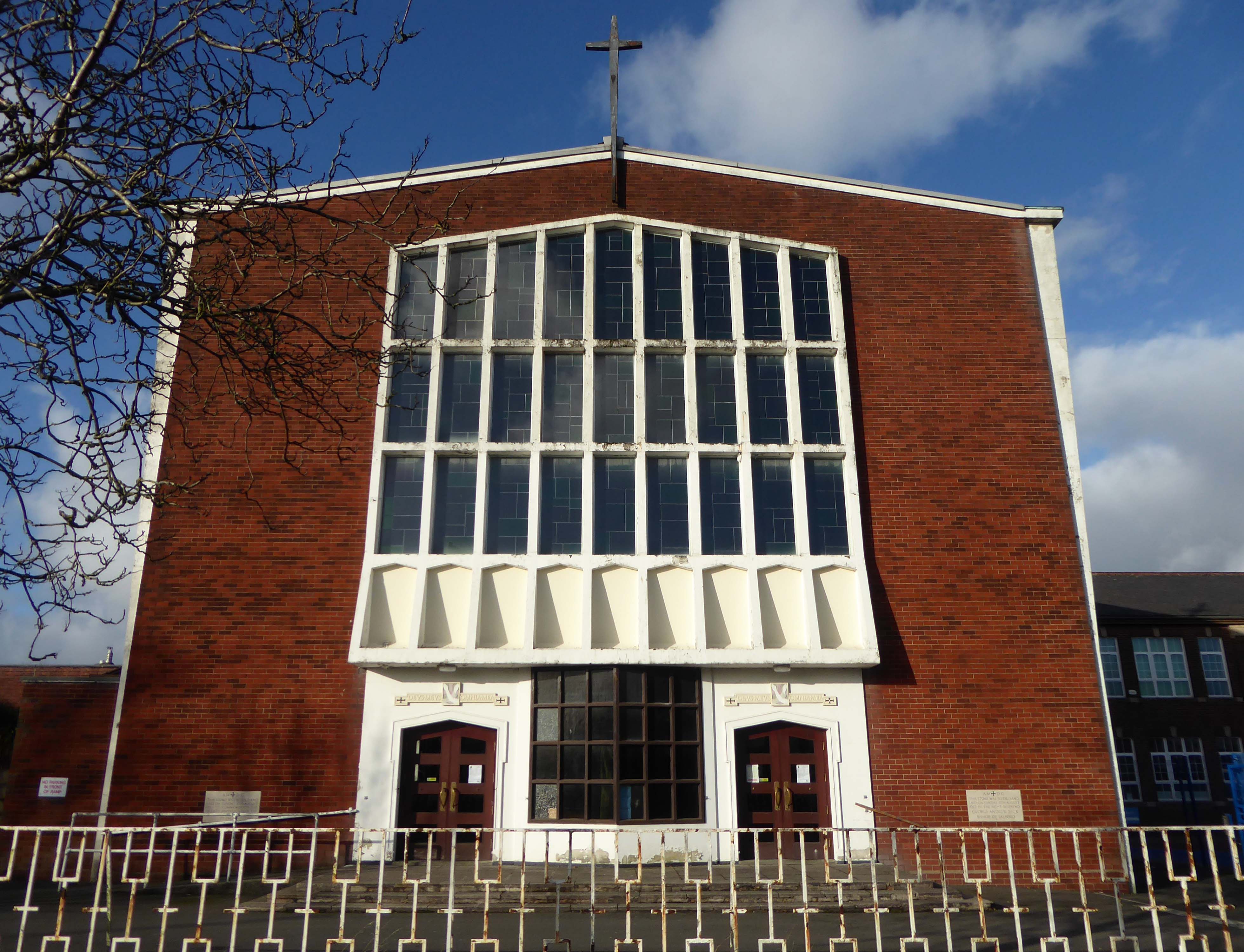
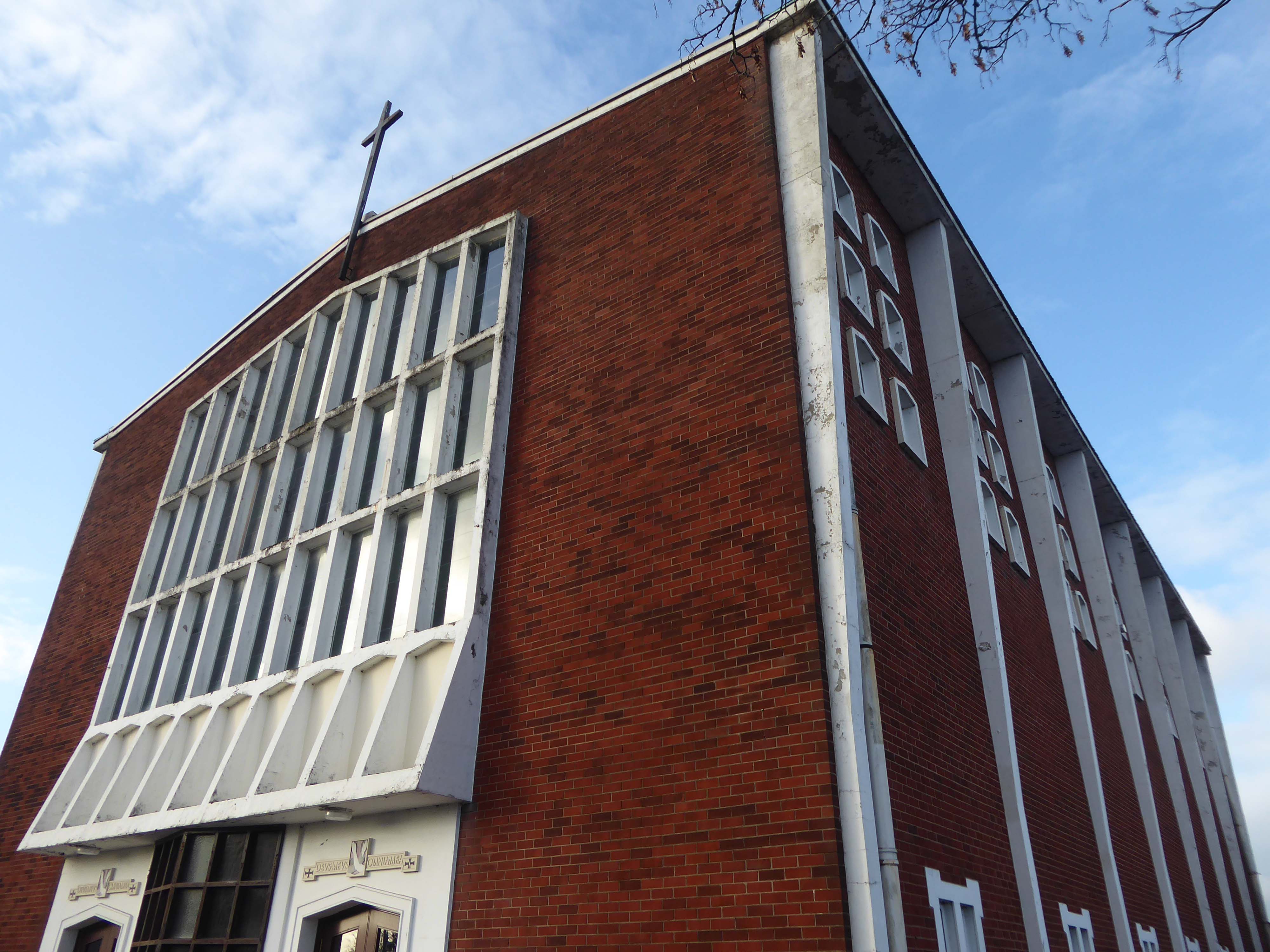
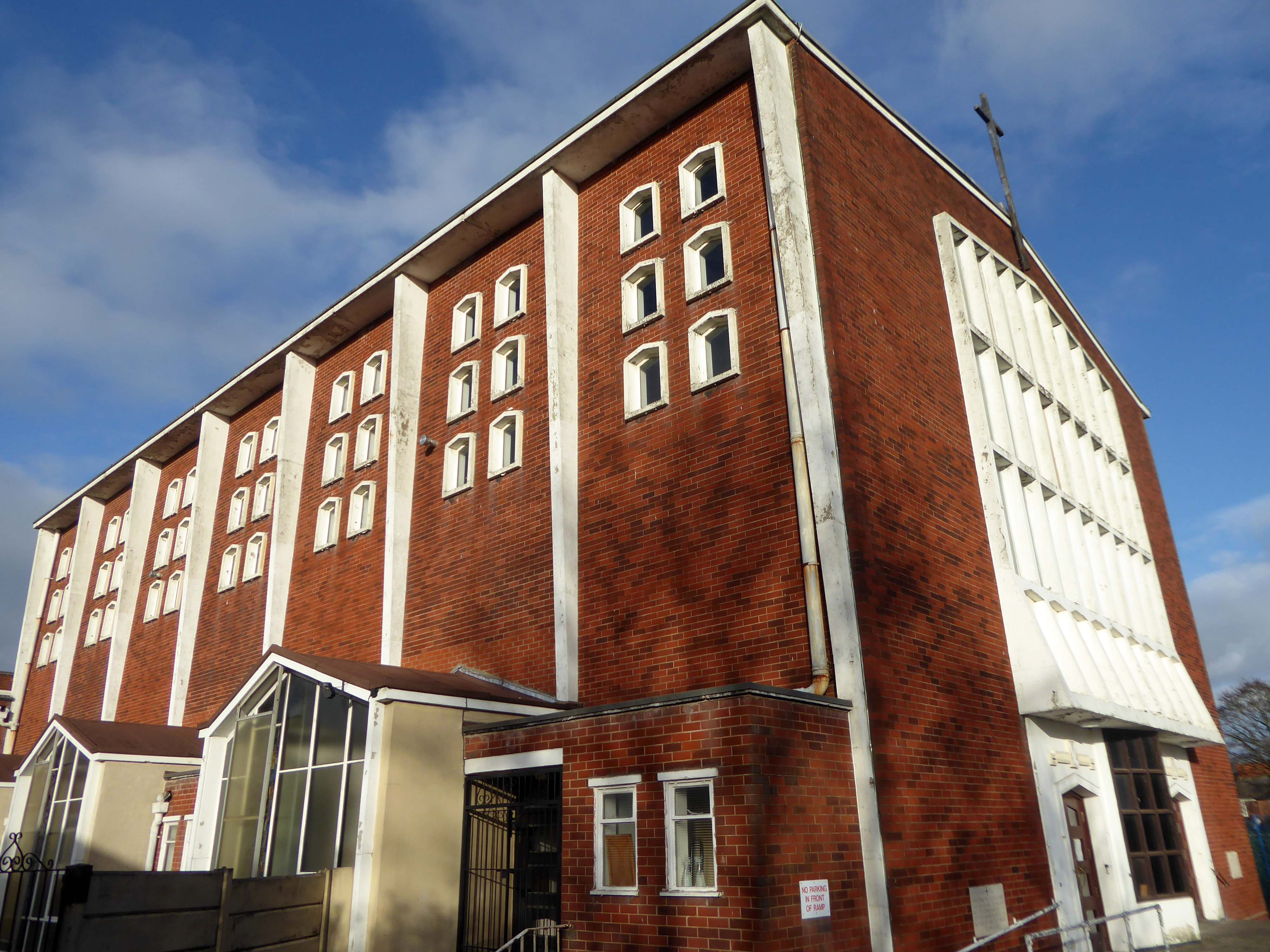
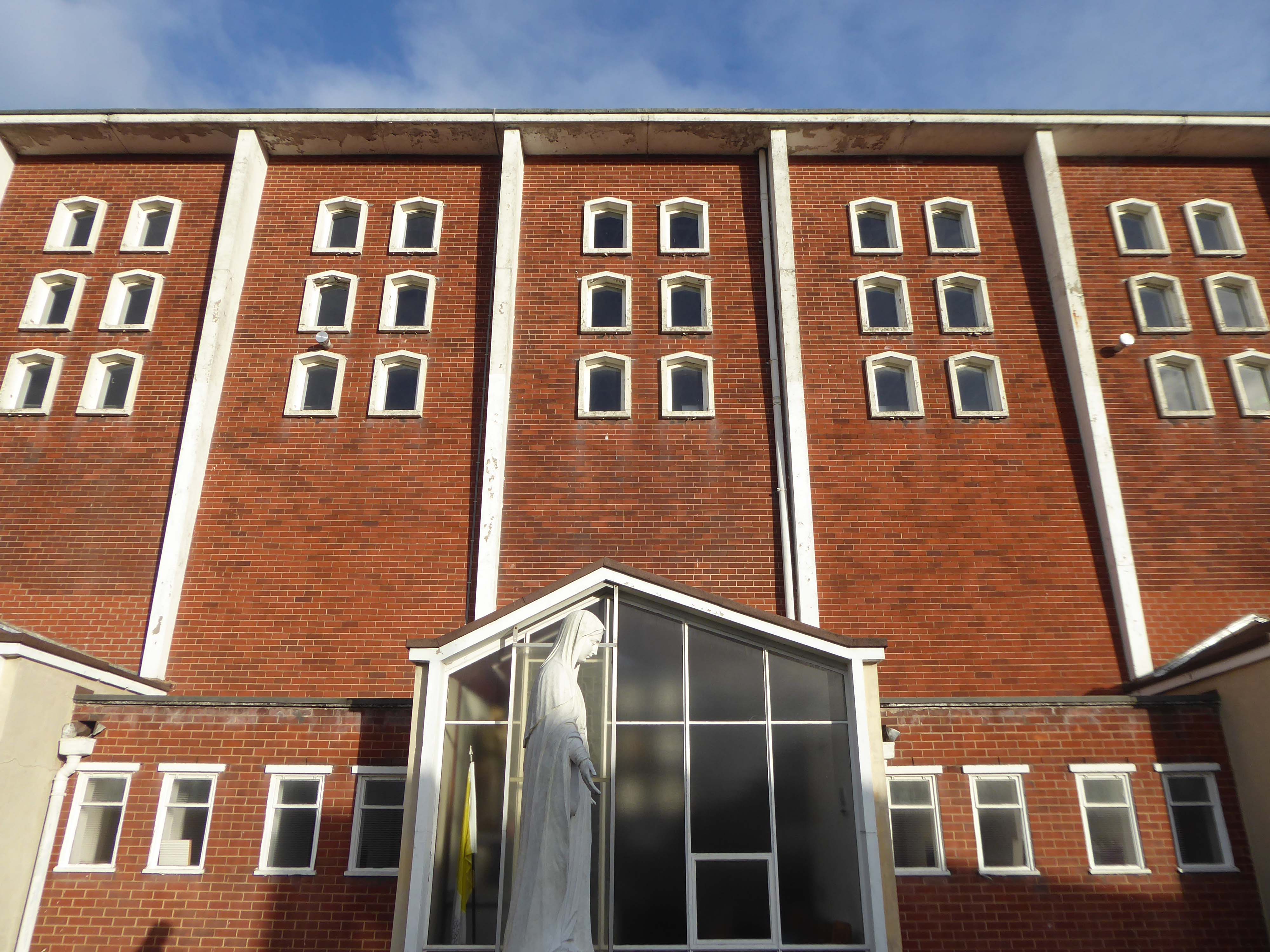
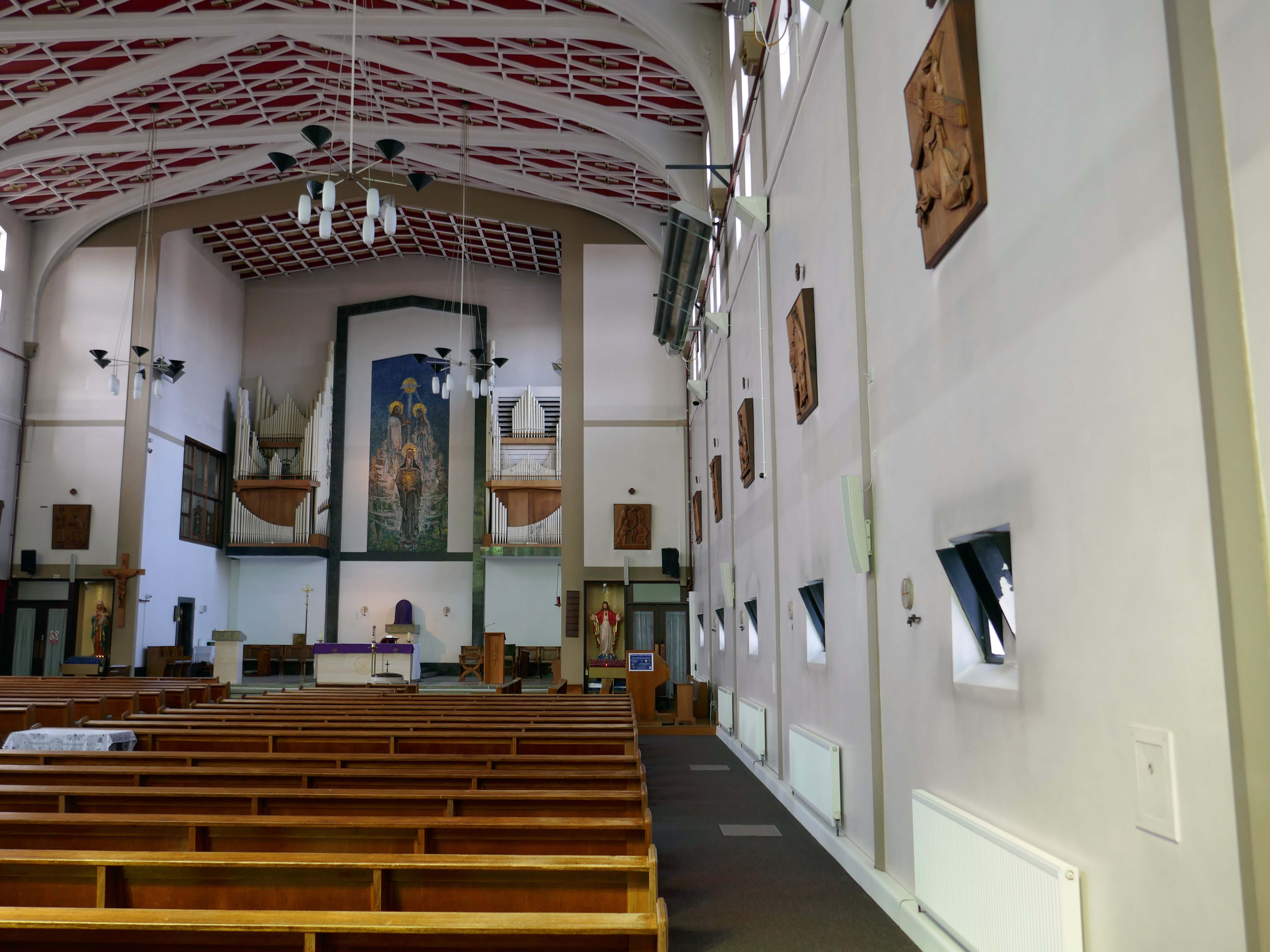
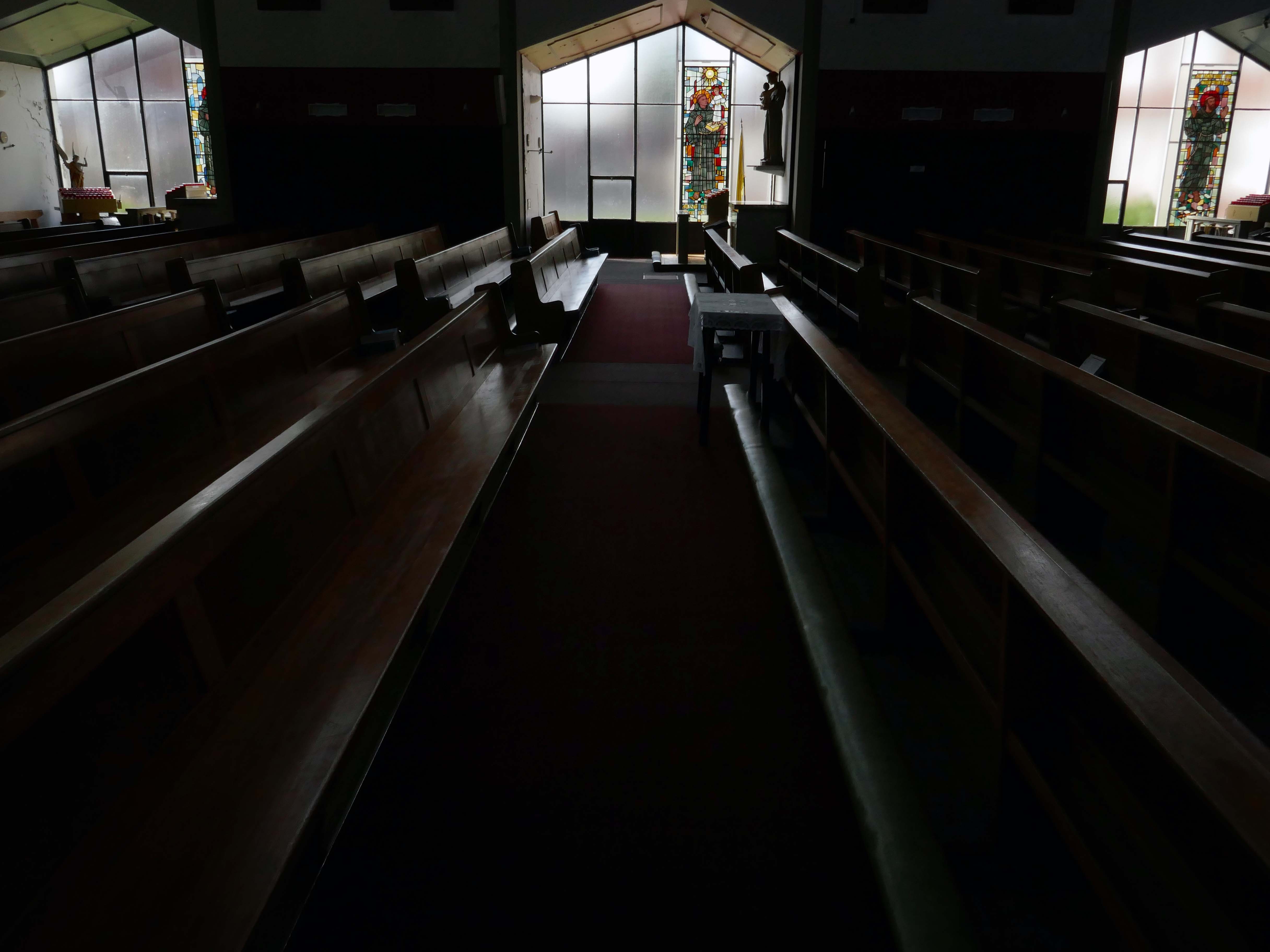
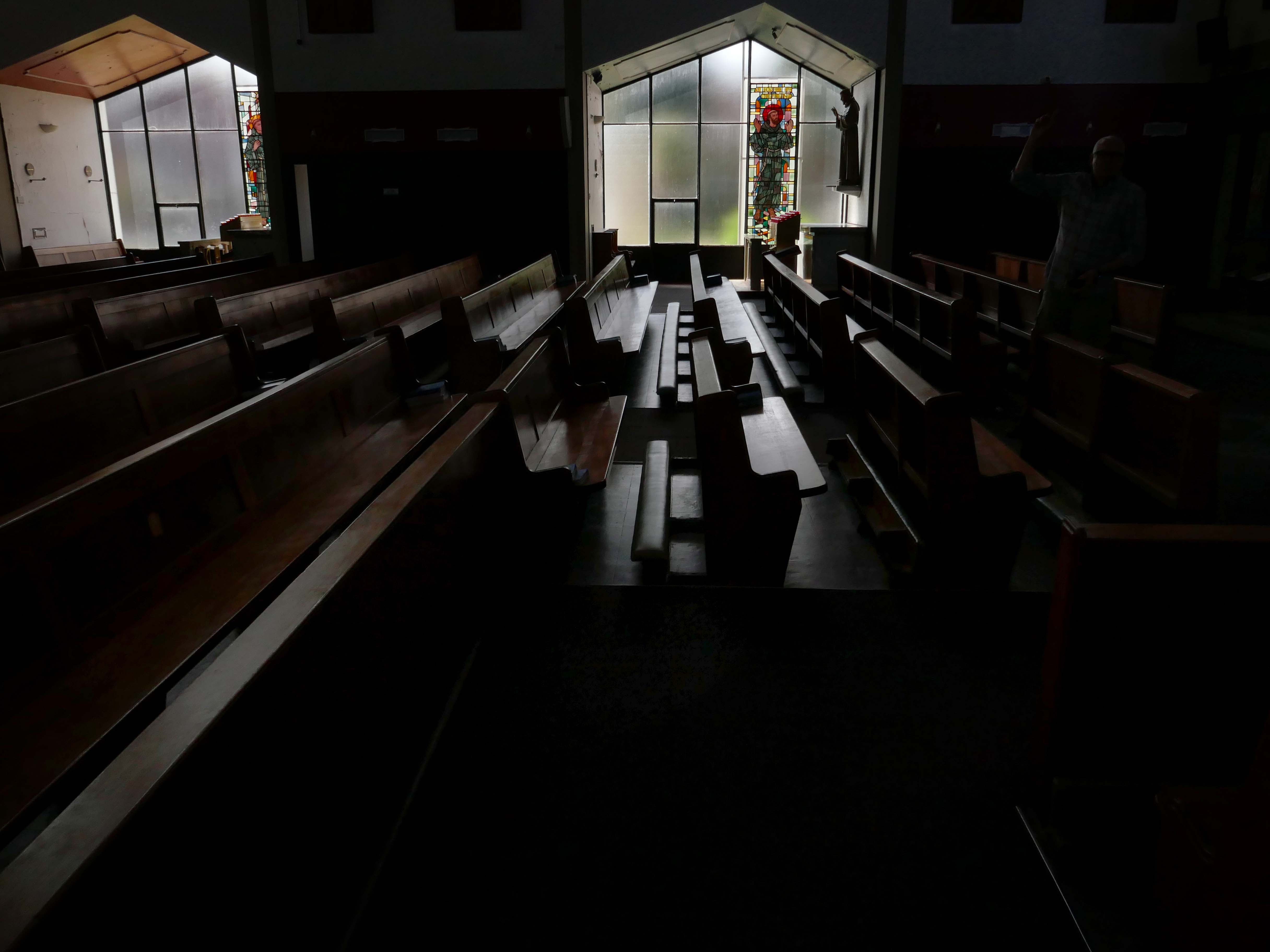
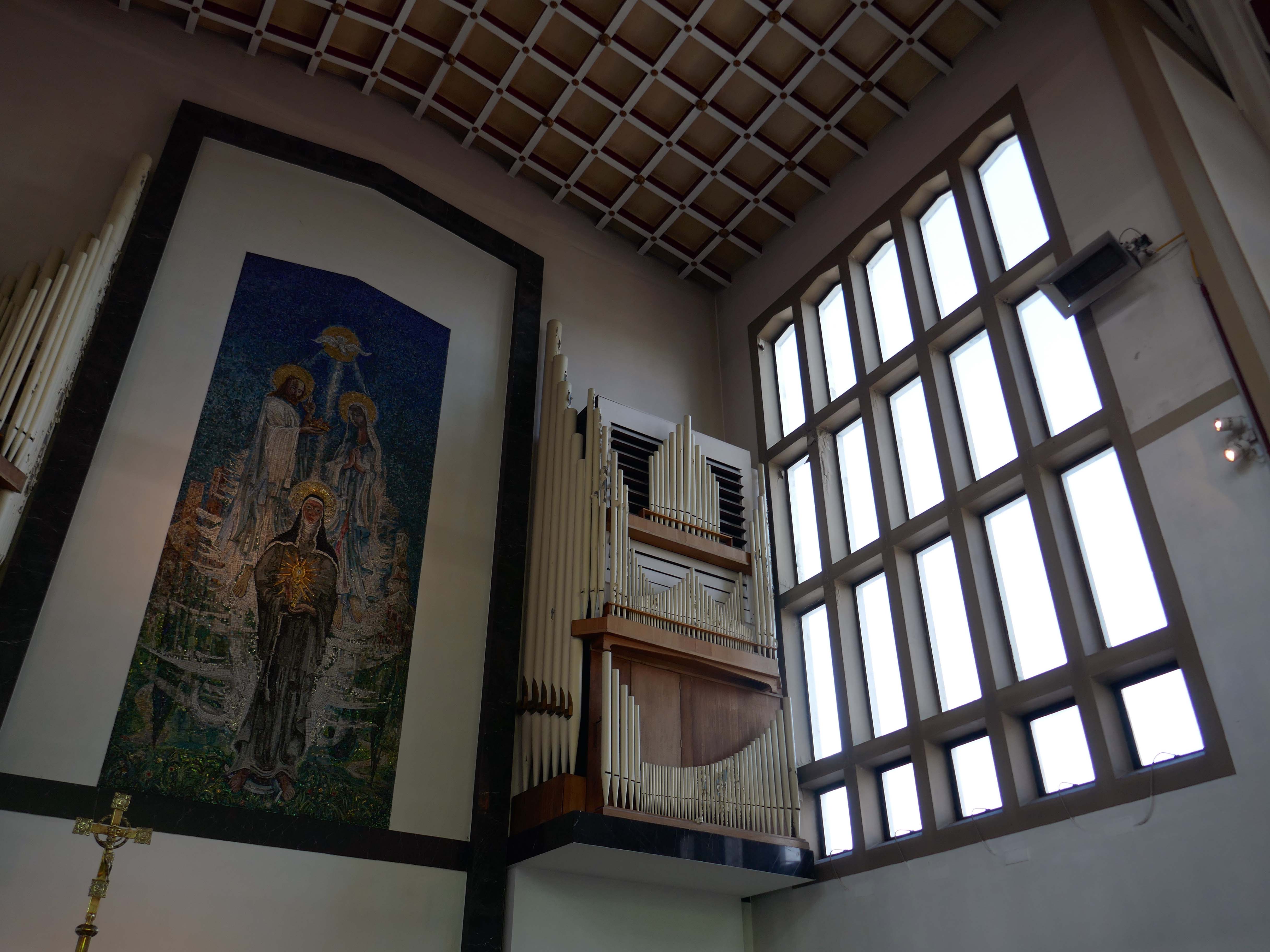
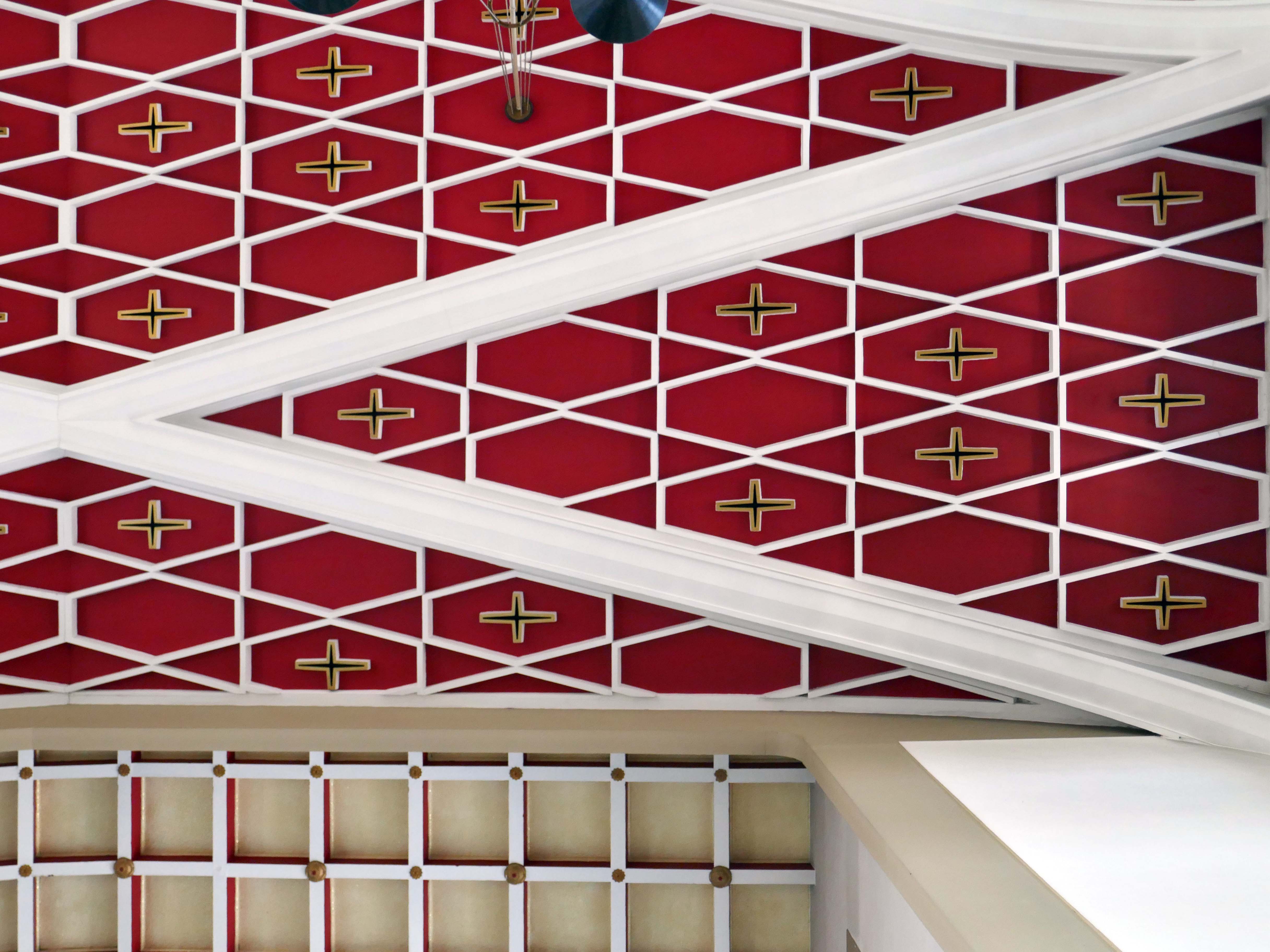
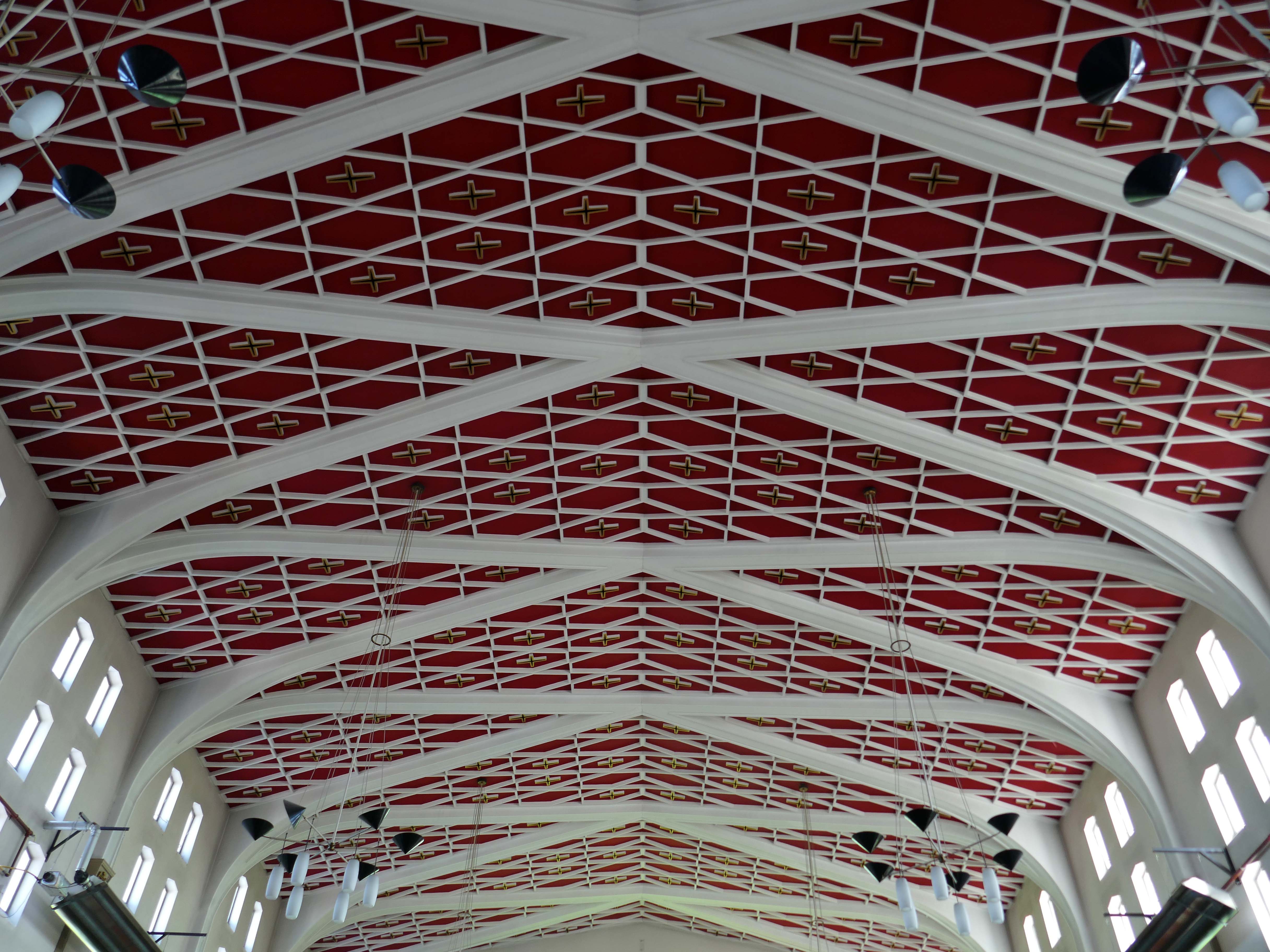
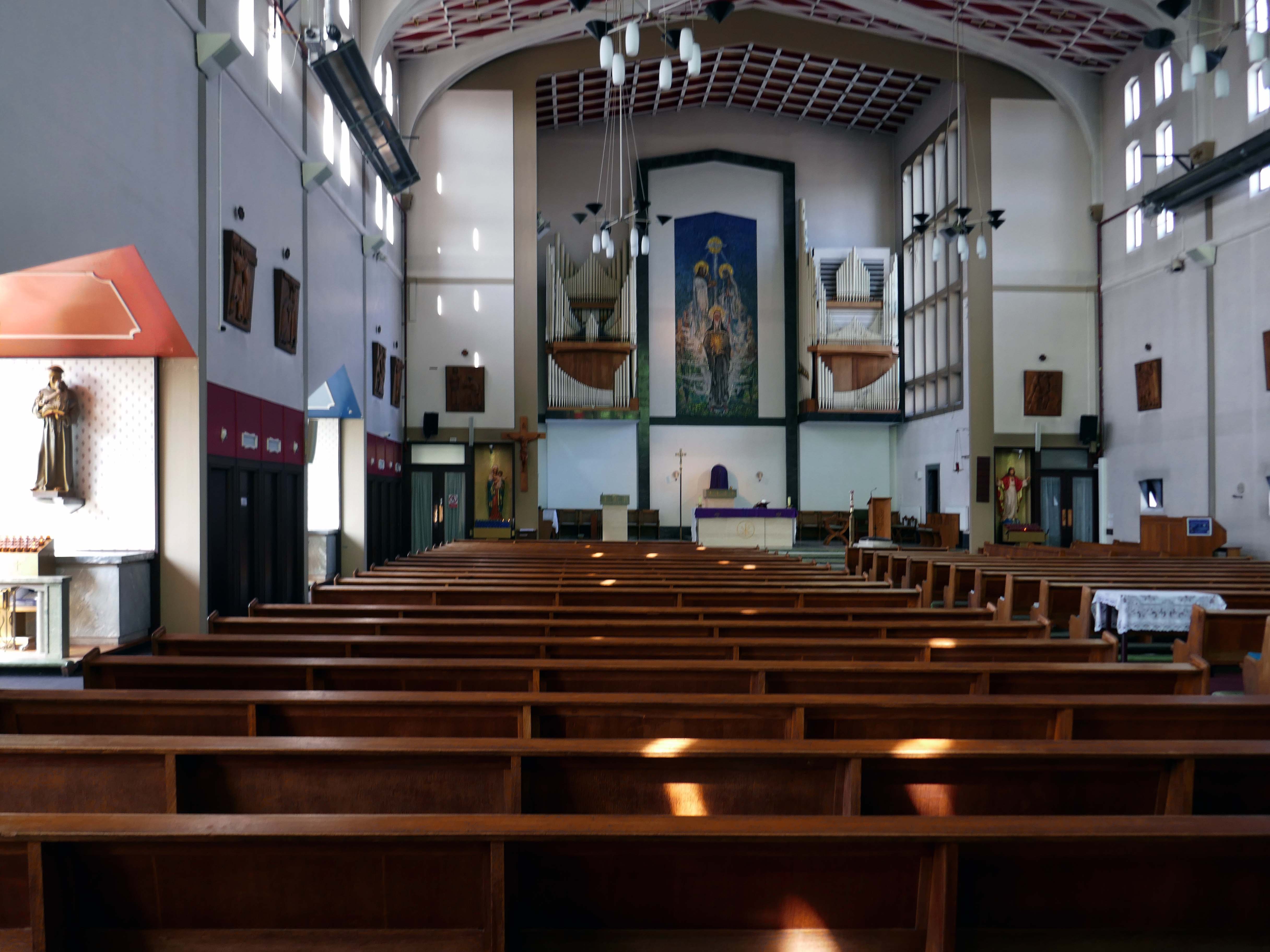
This is the result of my two visits to St Clare’s – an urban church which is kept open each day. I urge you to visit as and when you can, you will be rewarded by an uplifting experience – the most refined, calm and spiritual space.
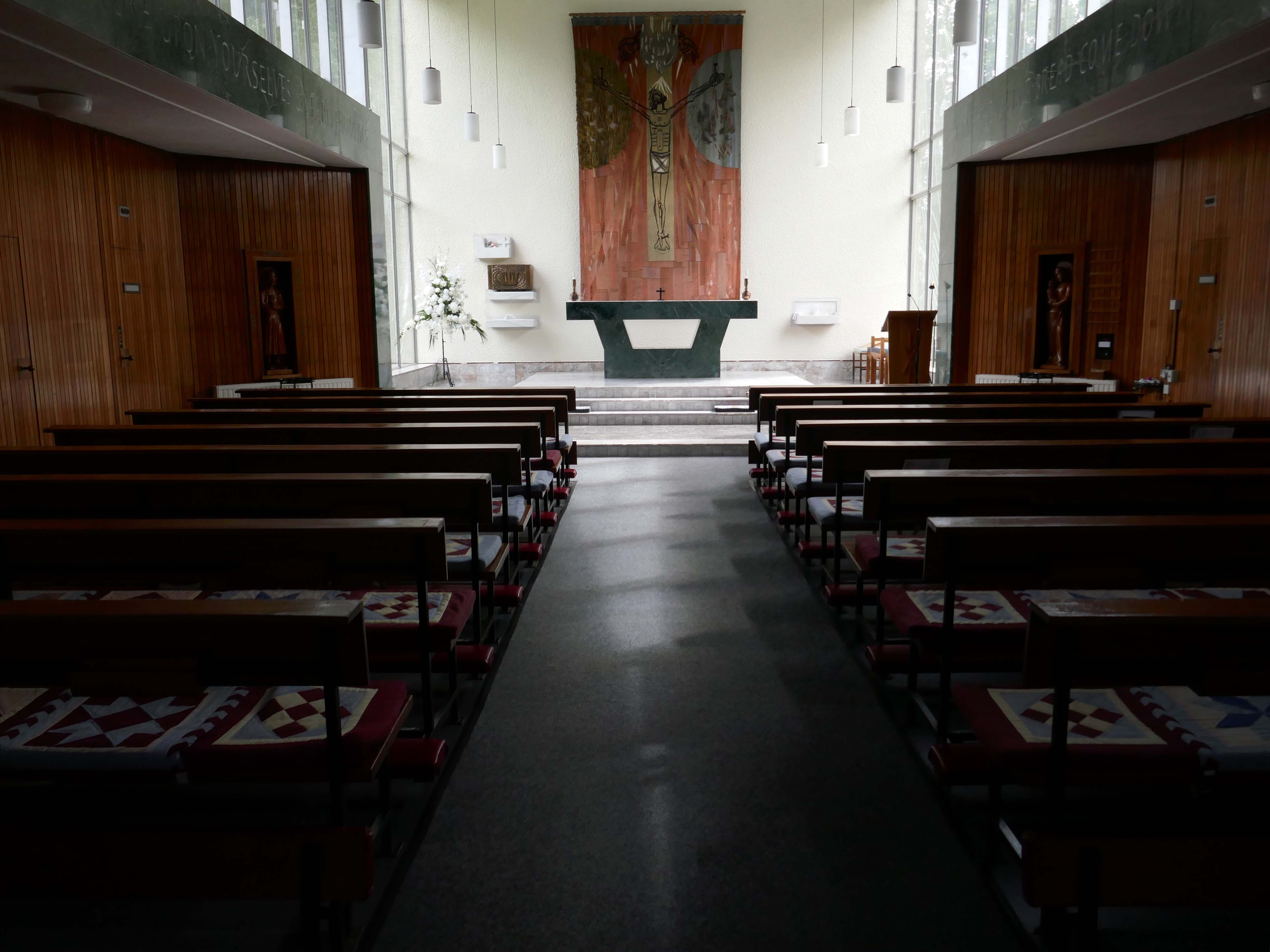
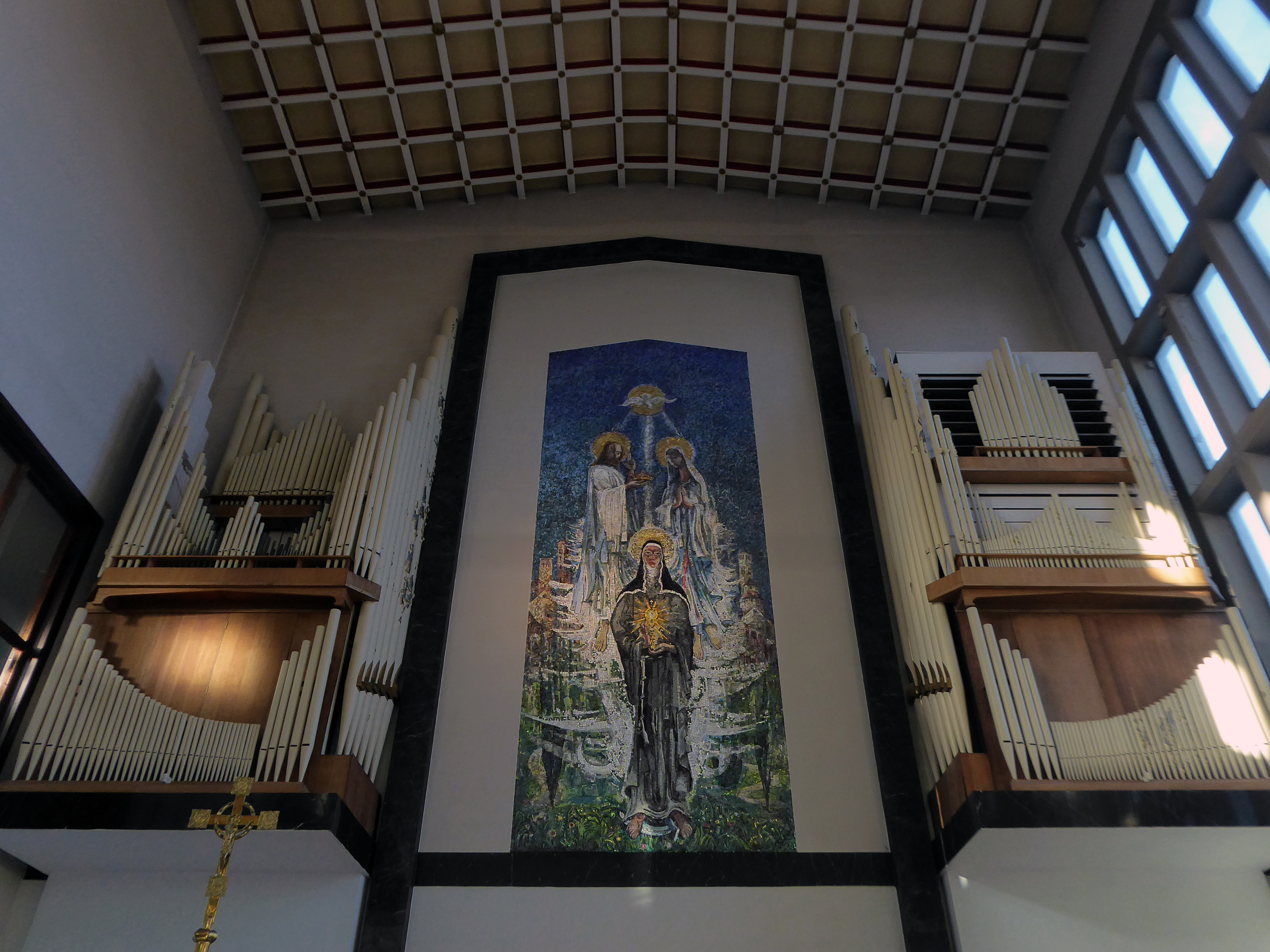
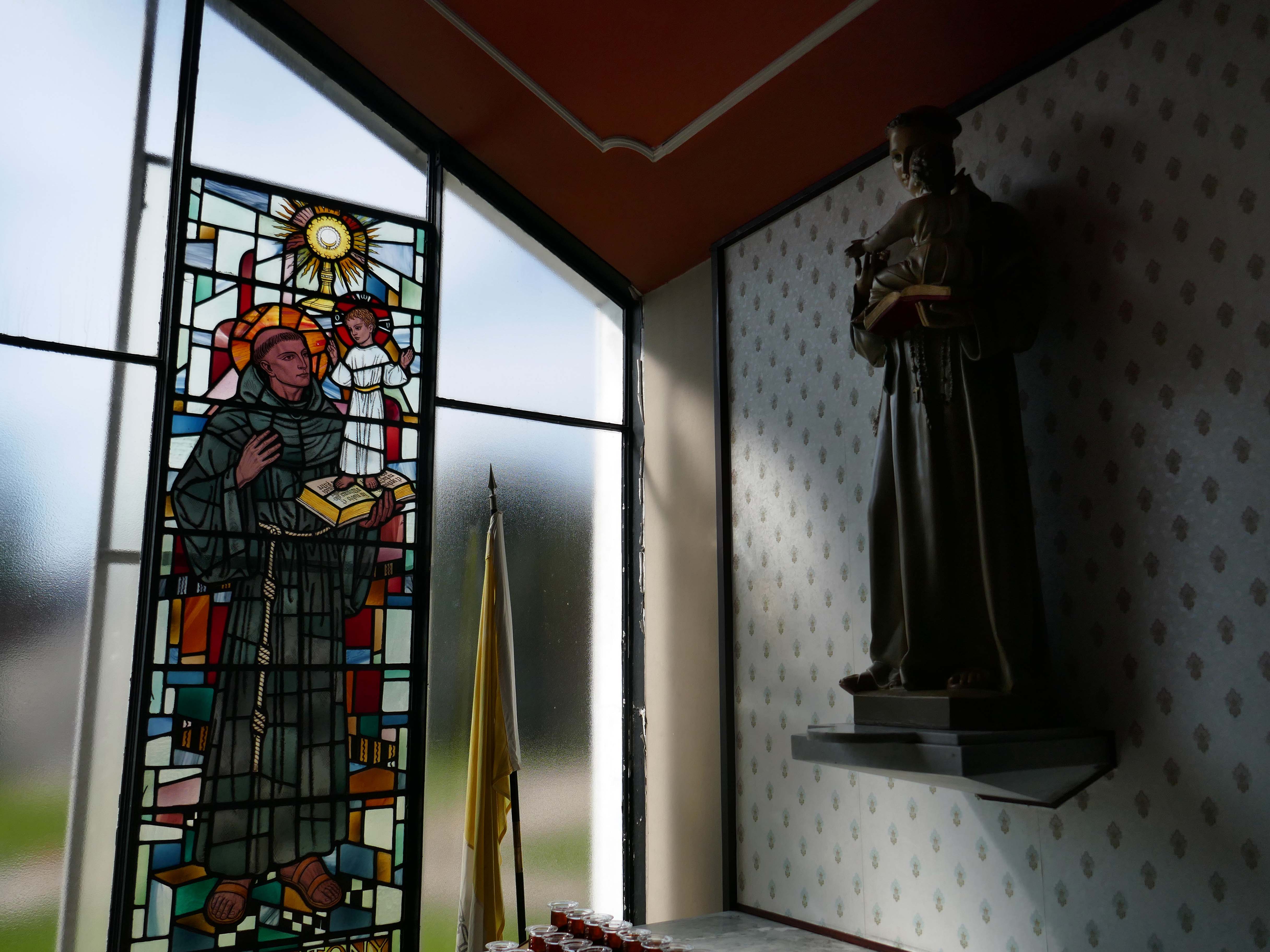
A striking example of post-war church design built for the Franciscans, combining original modern forms and references to historic ecclesiastical architecture. The church predates the Second Vatican Council, and is of traditional basilican plan. Apart from the original sanctuary arrangements, the interior is well preserved, with furnishings of note – the large mosaic over the high altar, depicting St Clare of Assisi raising the Blessed Sacrament by Georg Mayer-Marton, stained glassbyJoseph Nuttgens, Stations of the Cross by David John.
Mayer Marton was also responsible for the fresco and mosaic mural at the Church of the Holy Rosary, Oldham – which is currently under threat.
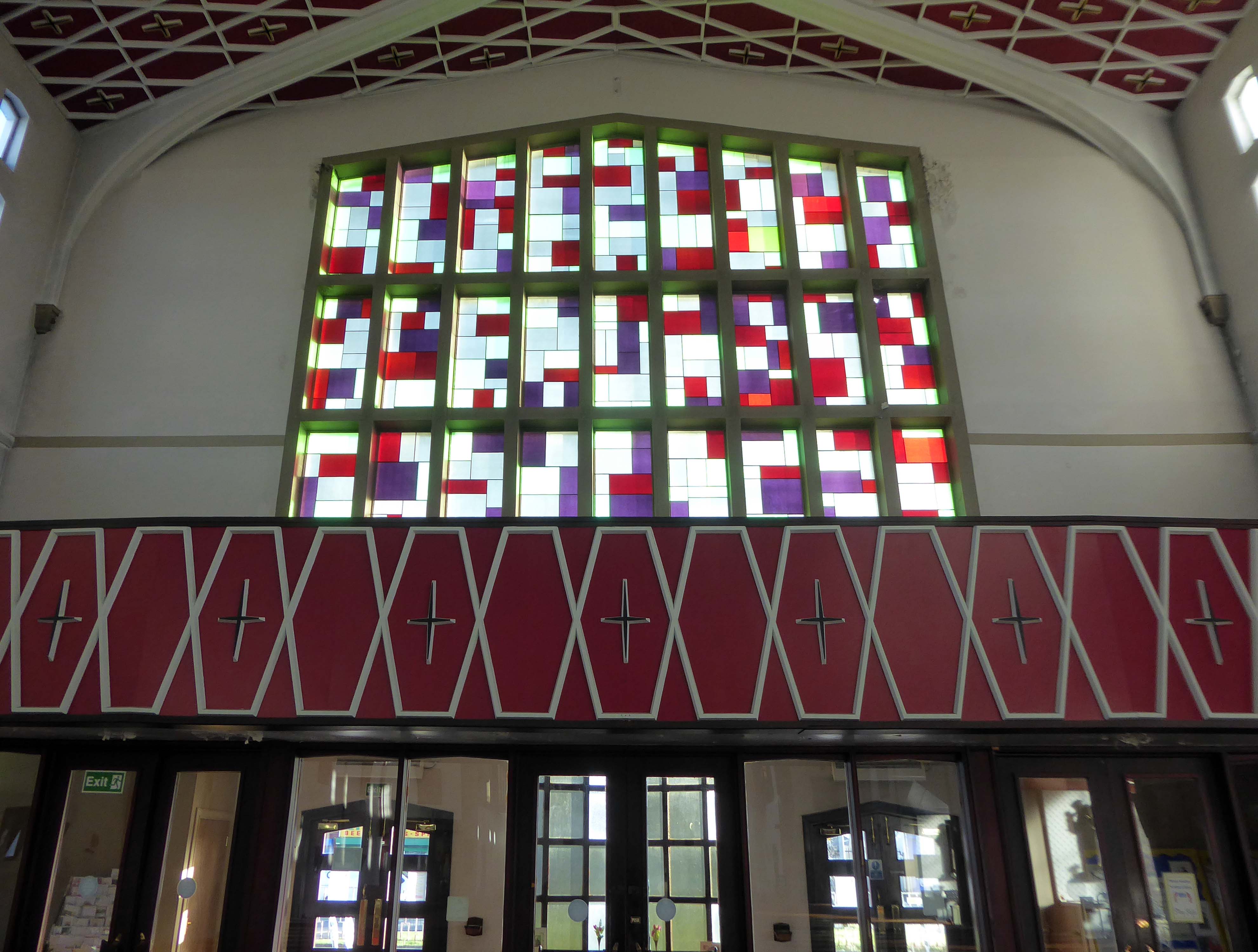
There is a large west window grid, continued at the base, where it is angled out, to form a canopy over the entrance. Mosaics in this position have been overpainted or lost.
I was invited by Richard Brook to tick off the names of those attending the launch of his book.
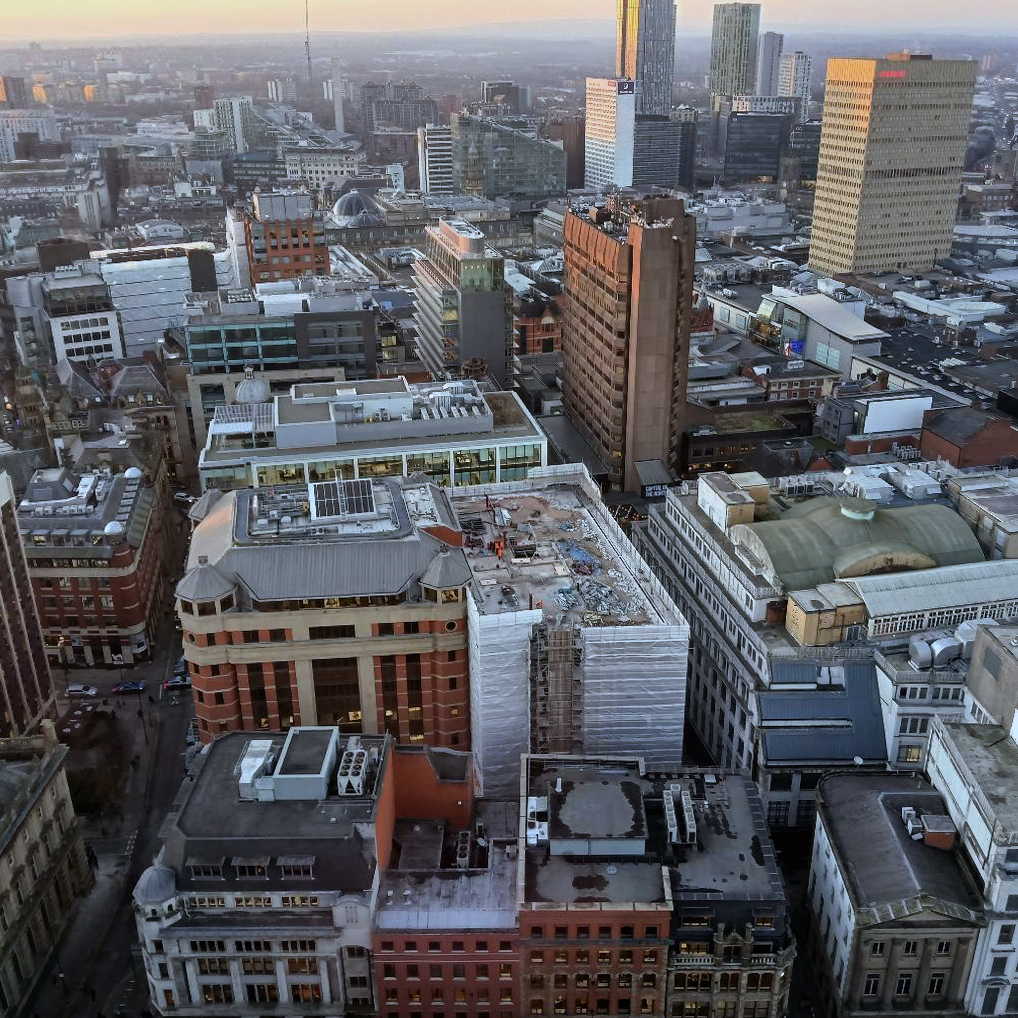
The book was launched at the City Tower, part of the Piccadilly Plaza development.
We began at the top – up in the lift to floor twenty eight the Sky Lounge.
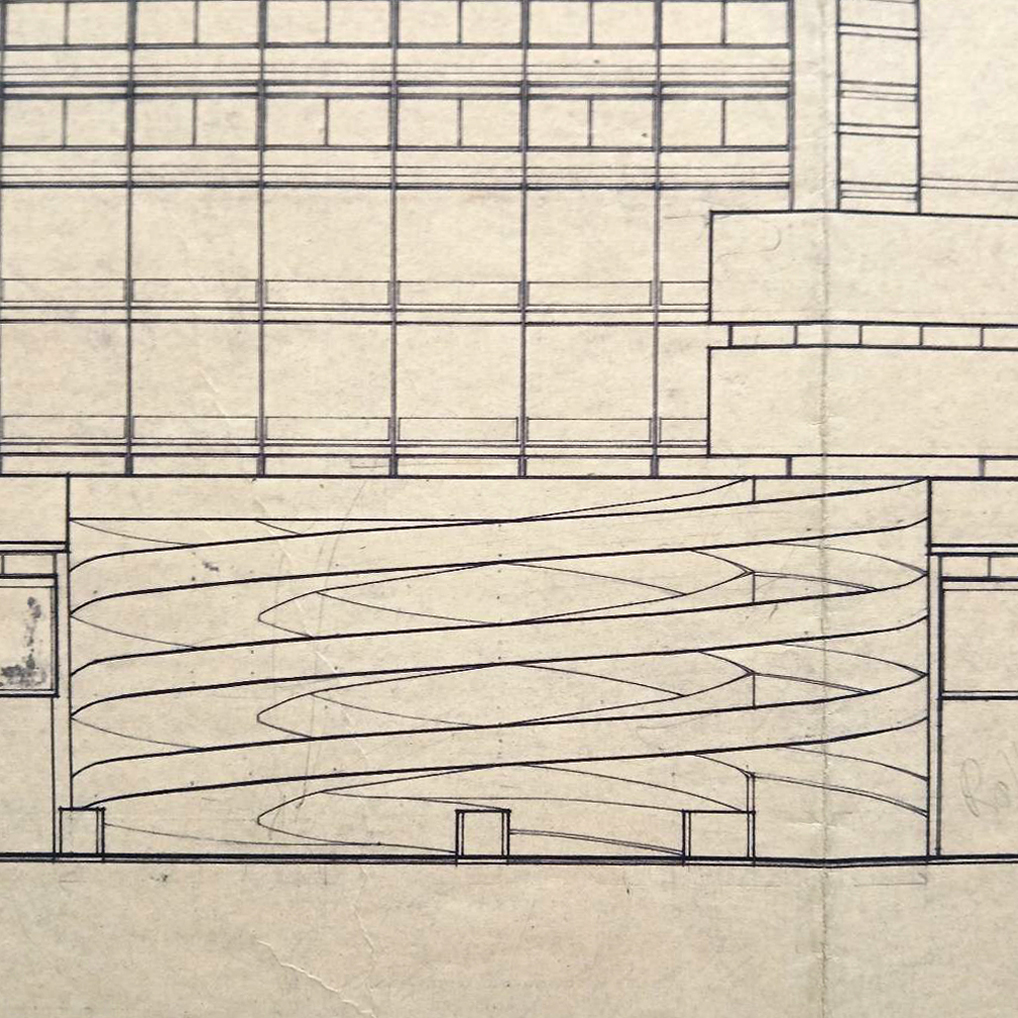
On display were the architectural drawings of the Piccadilly Plaza scheme – including my favourite spiral car park ramp.
Back to the ground floor to administer the entrance of exactly eighty eight participants.
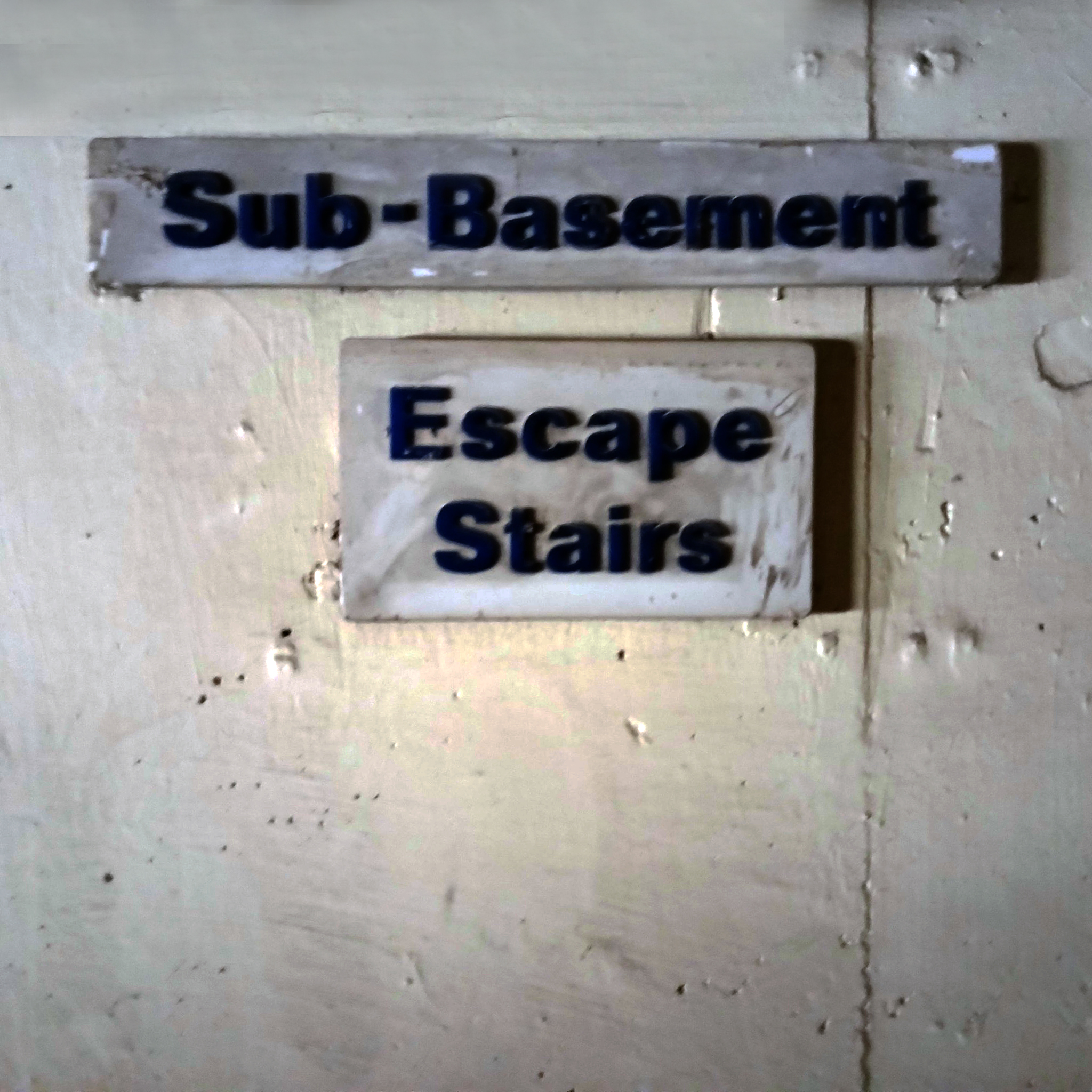
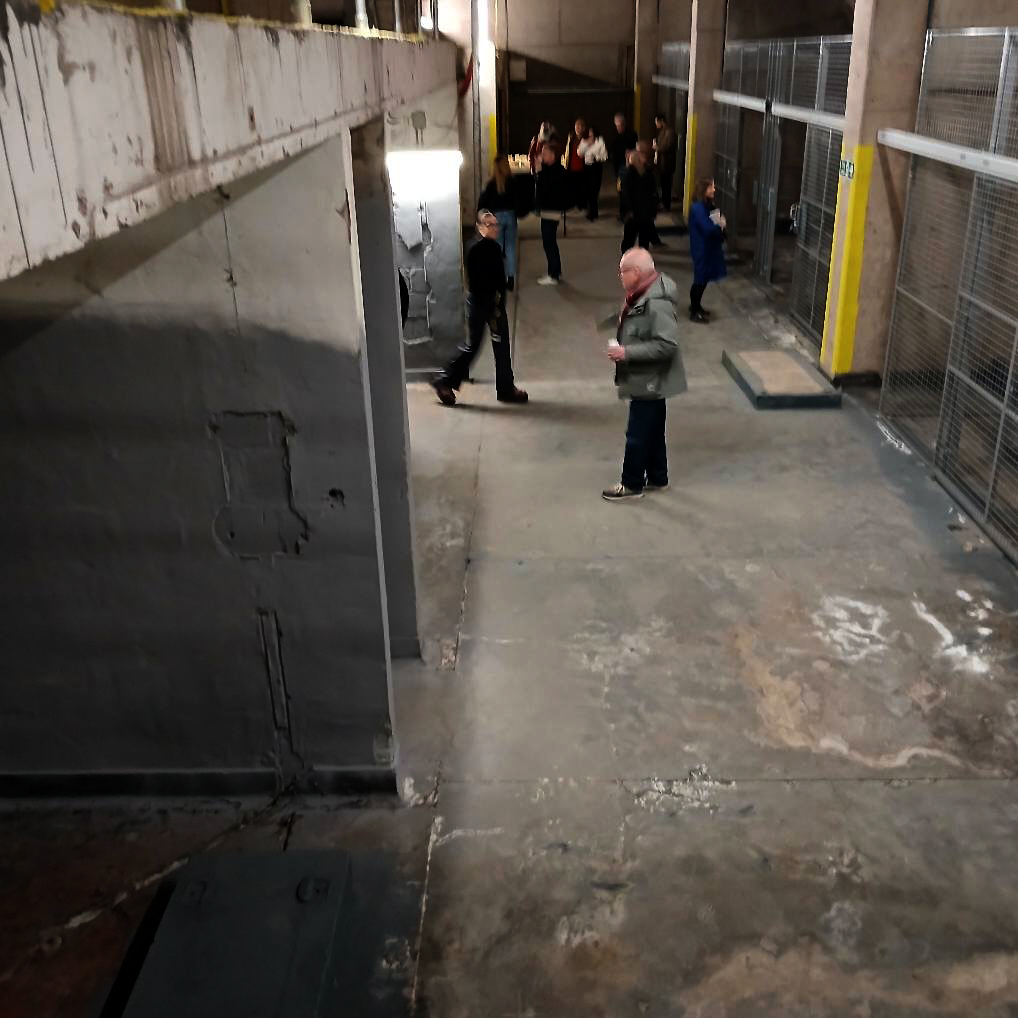
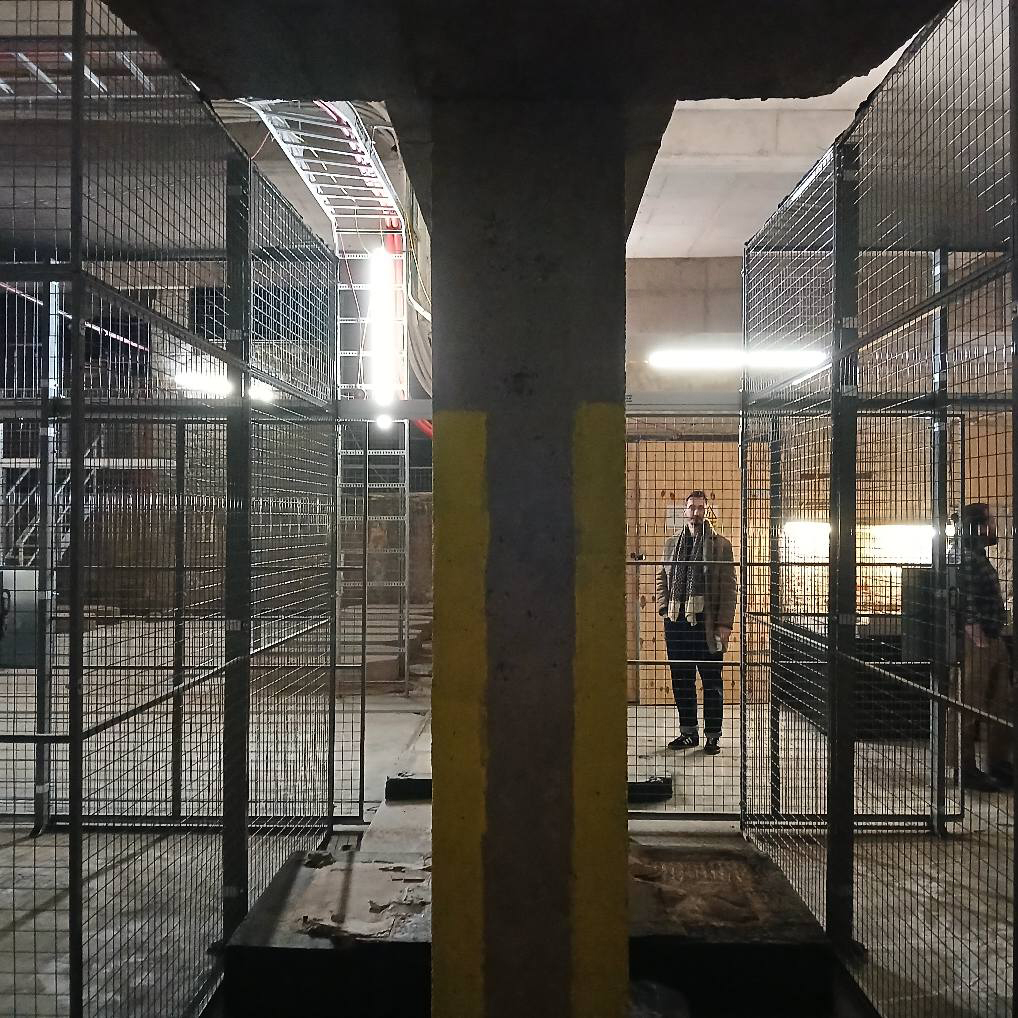
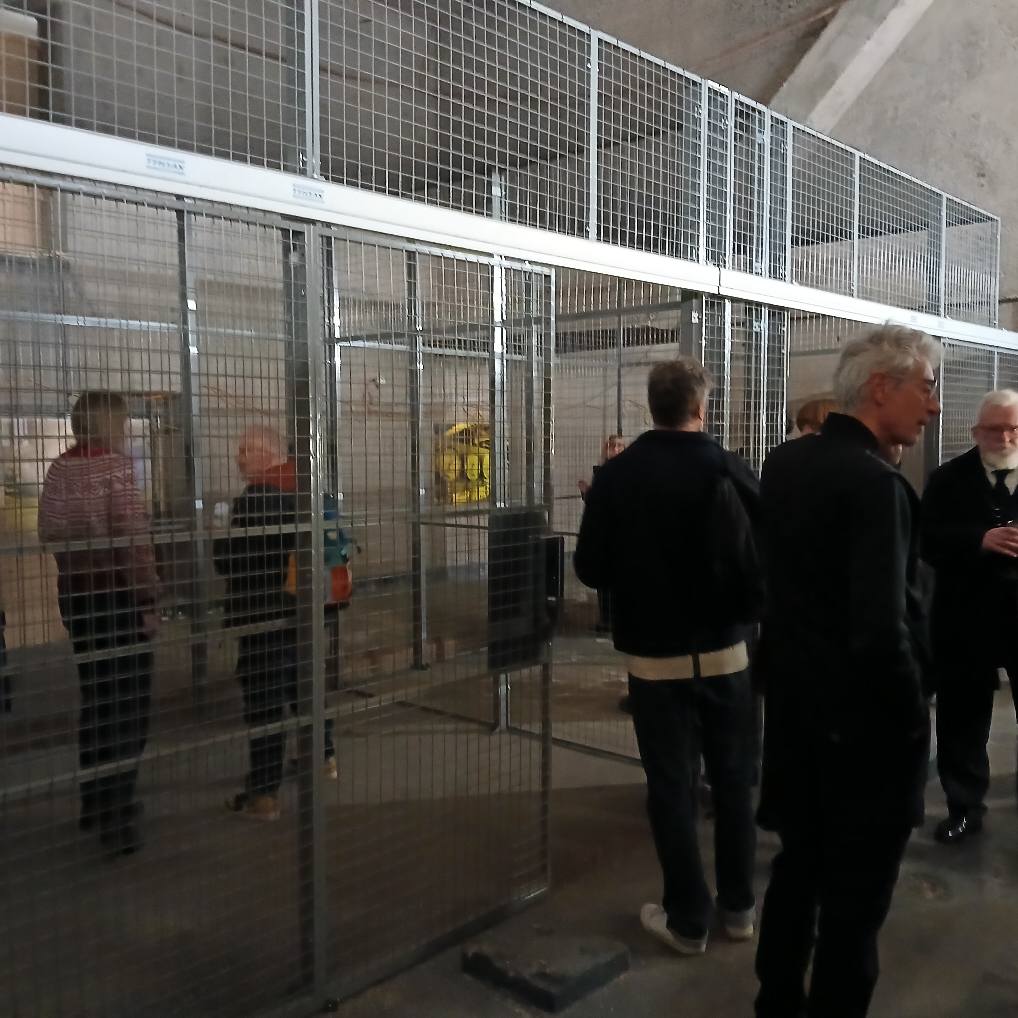
Who were subdivide by coloured dot, into sub groups for the forthcoming tour – a tour of the sub basement.
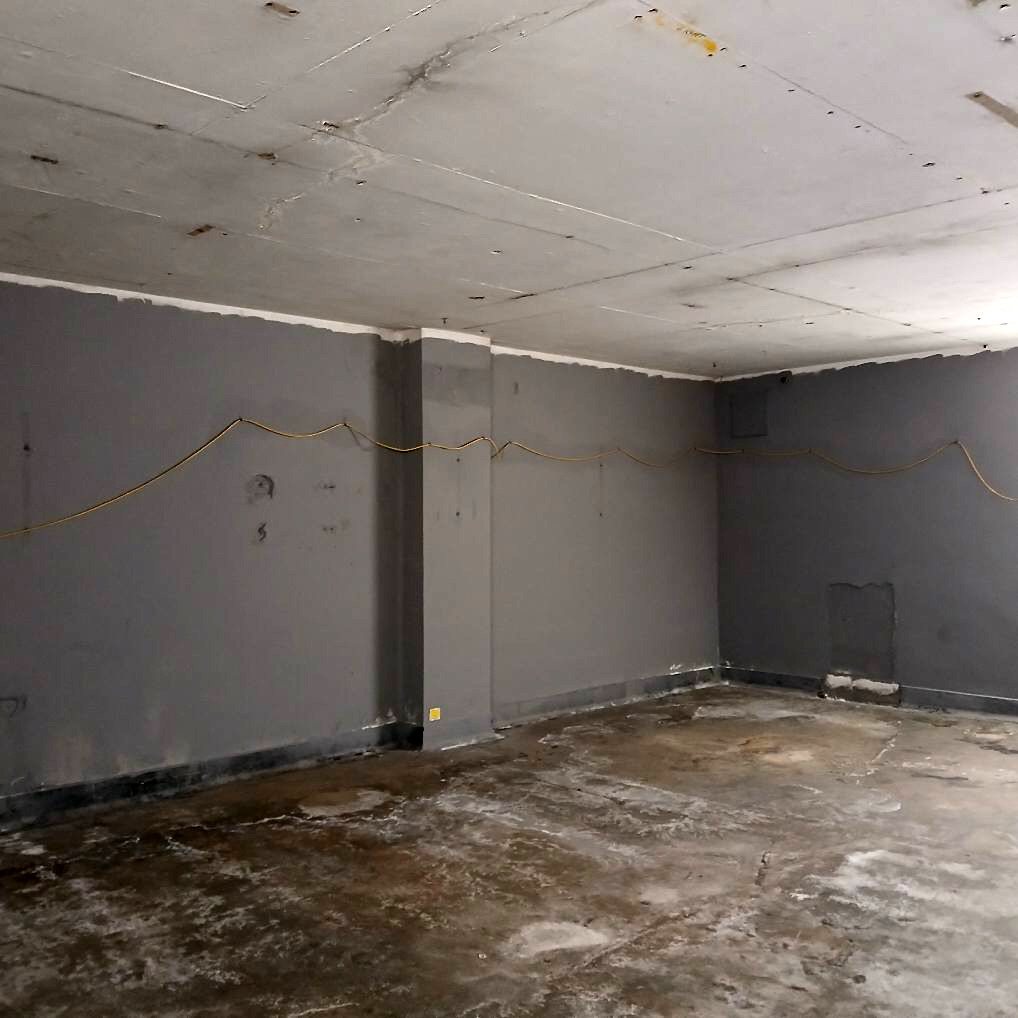
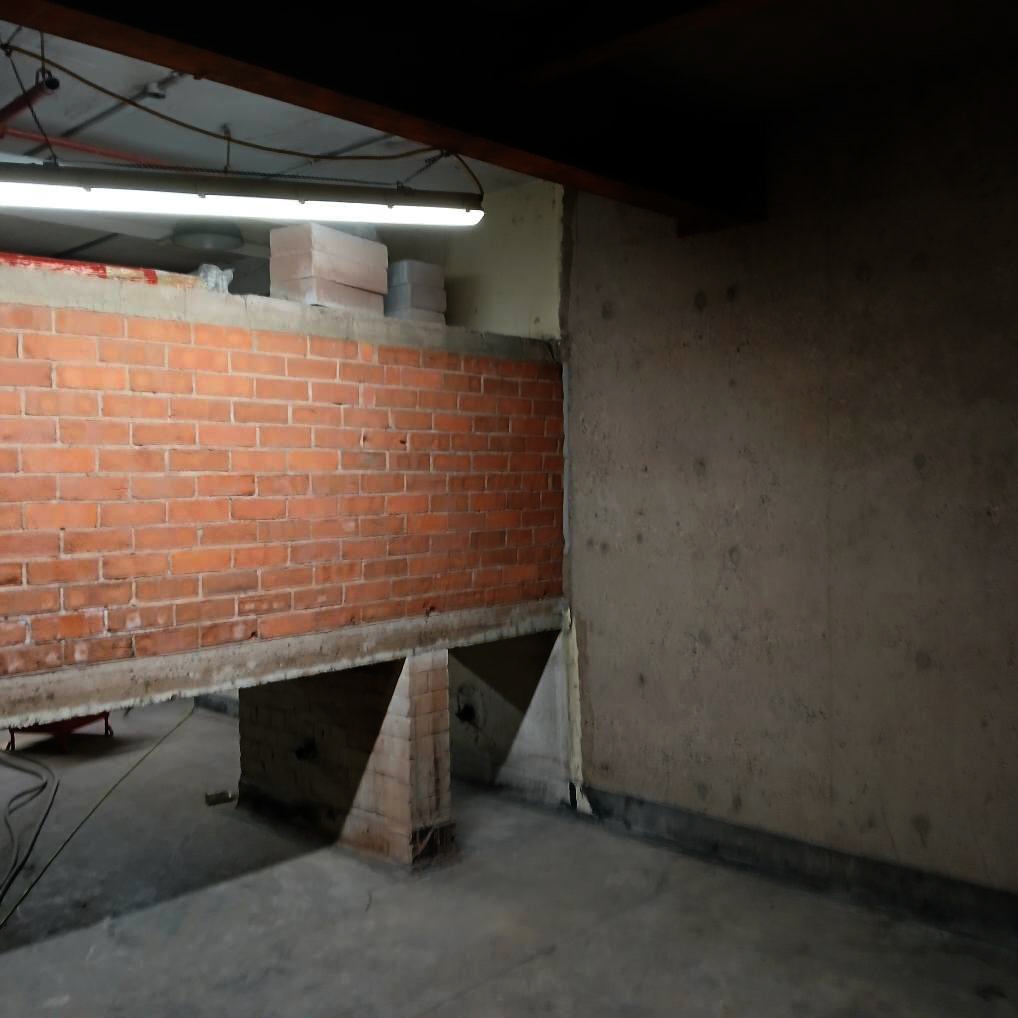
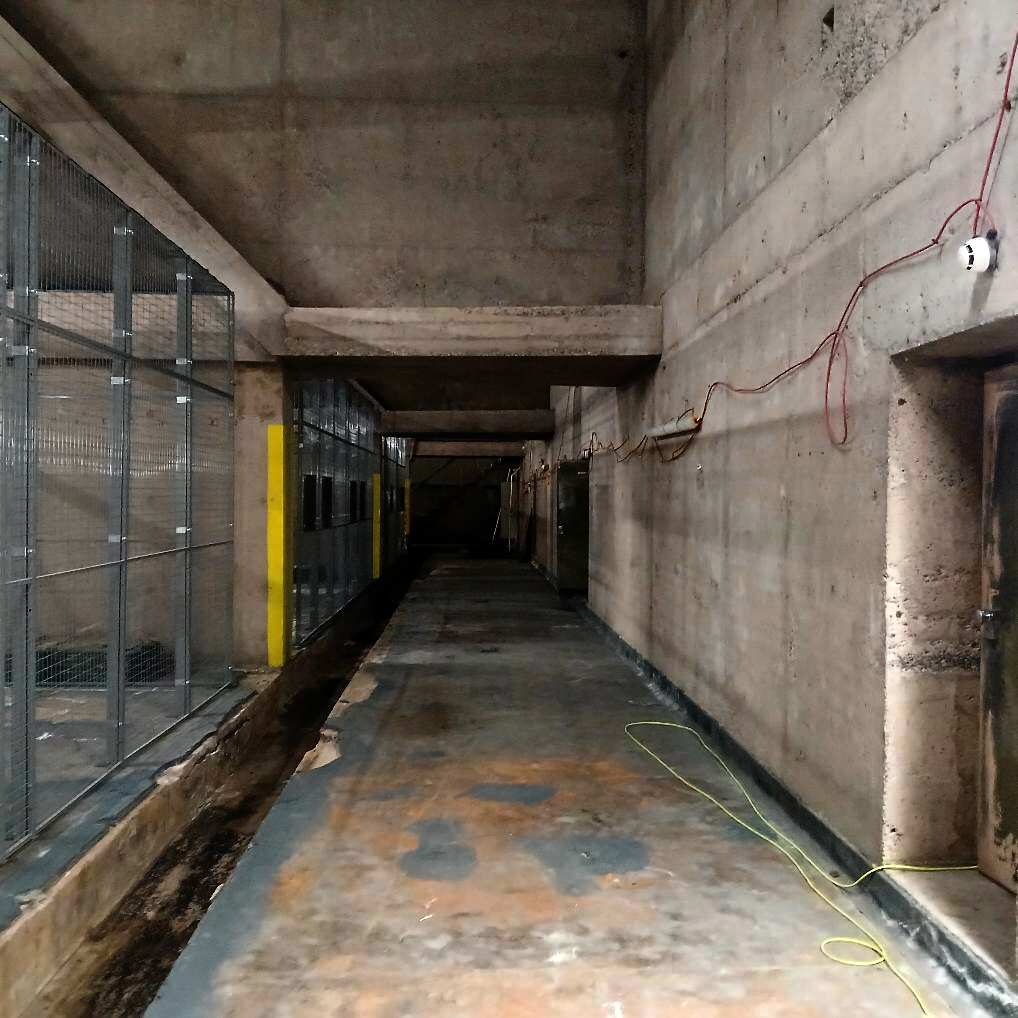
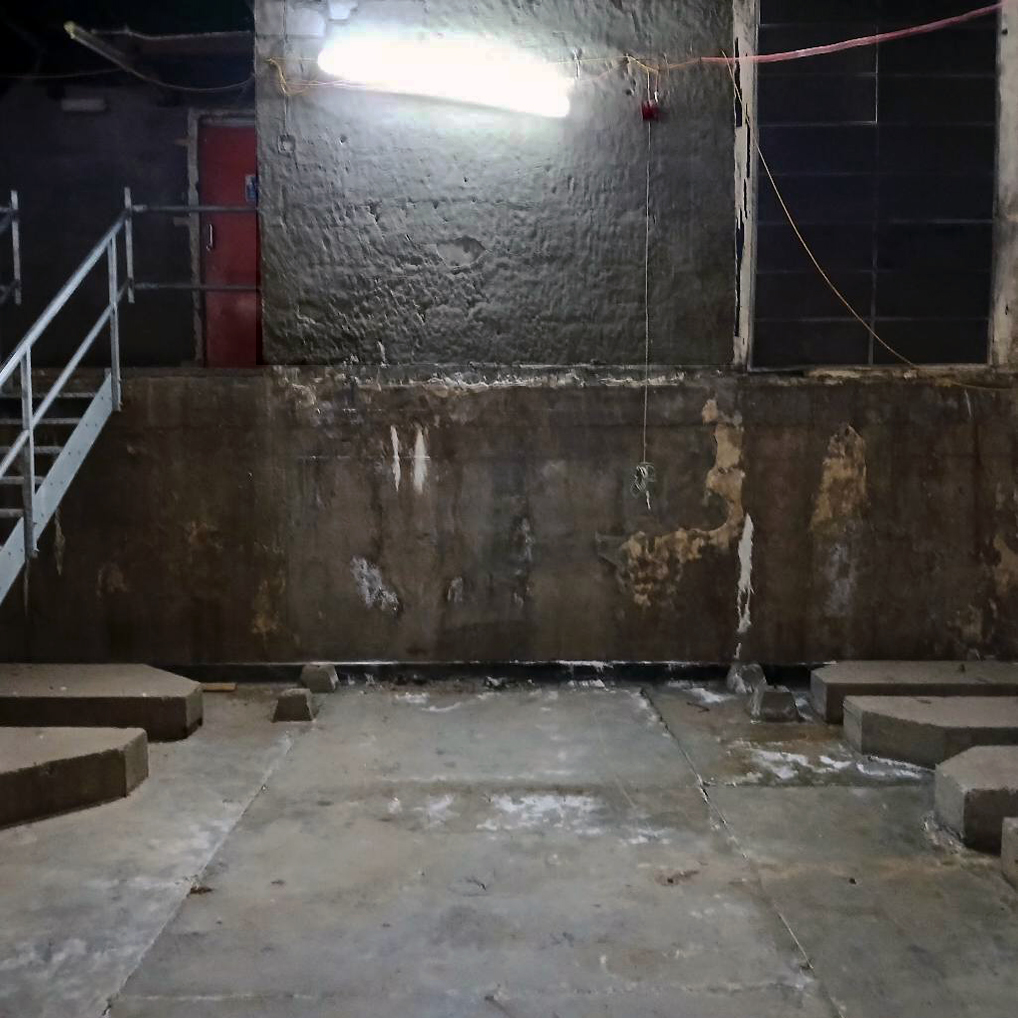
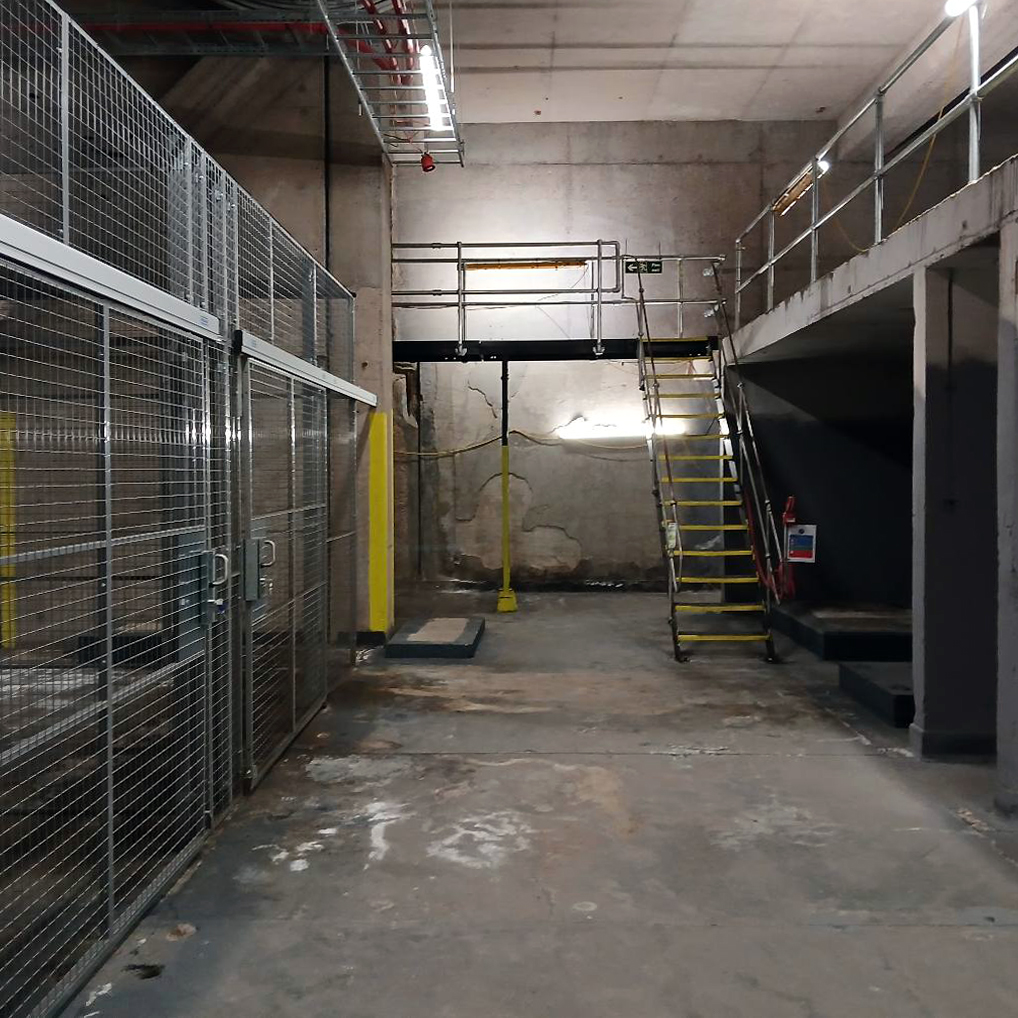
Former home of the diesel boilers – temporary home to eighty eight and a bit Modernists.
A talk or two later and it was almost all over, biggest thanks to Richard, Manchester University Press, The Plaza and the Modernists.
Testament to one man’s healthy preoccupation with Manchester’s modern history and the legion of fellow travellers that have supported and encouraged him down the years.
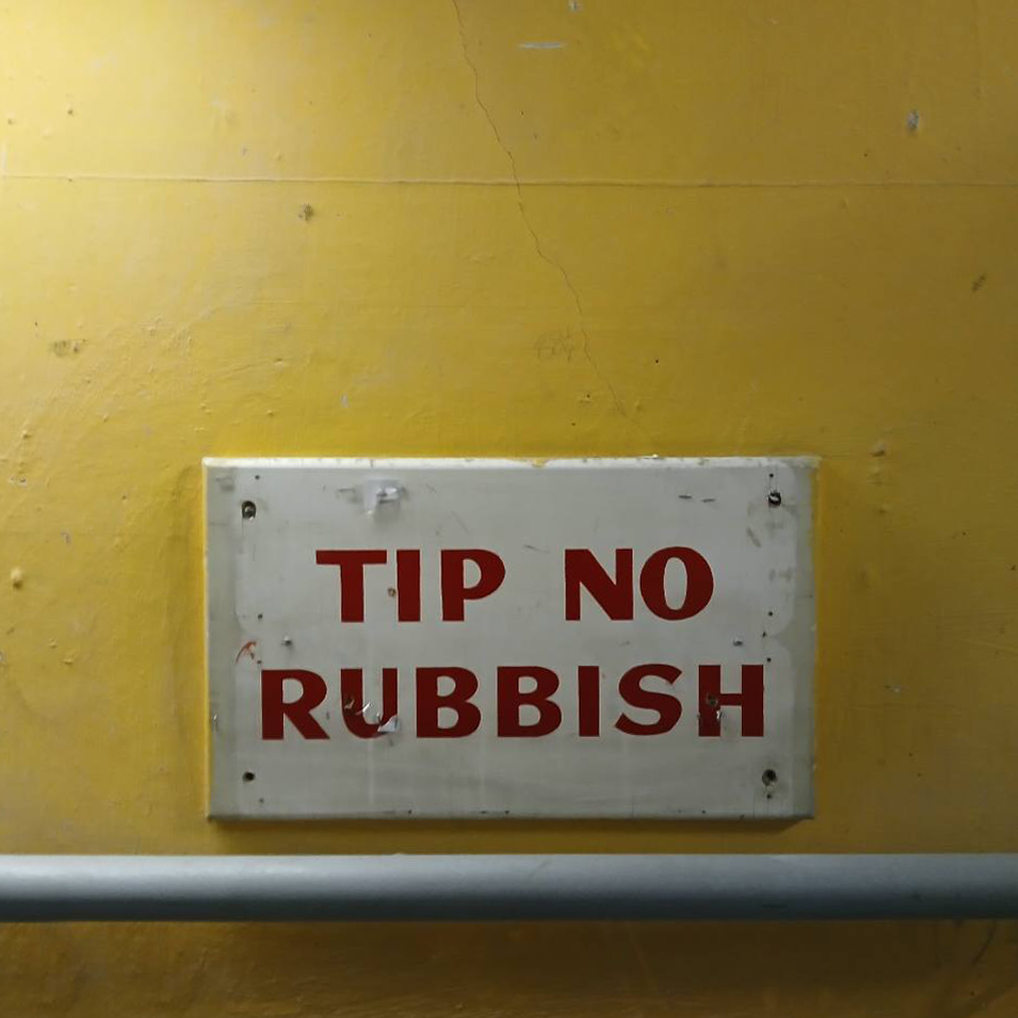
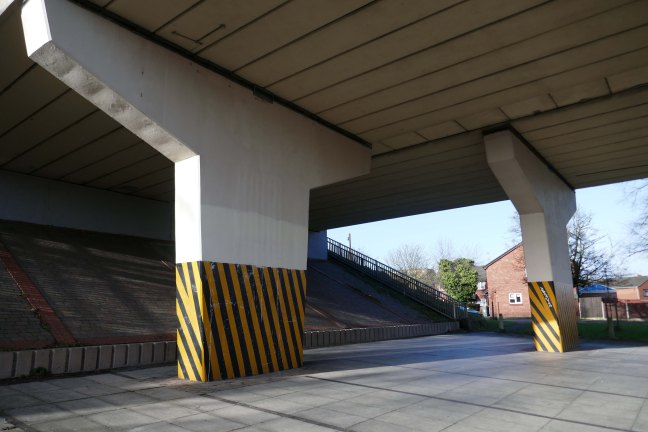
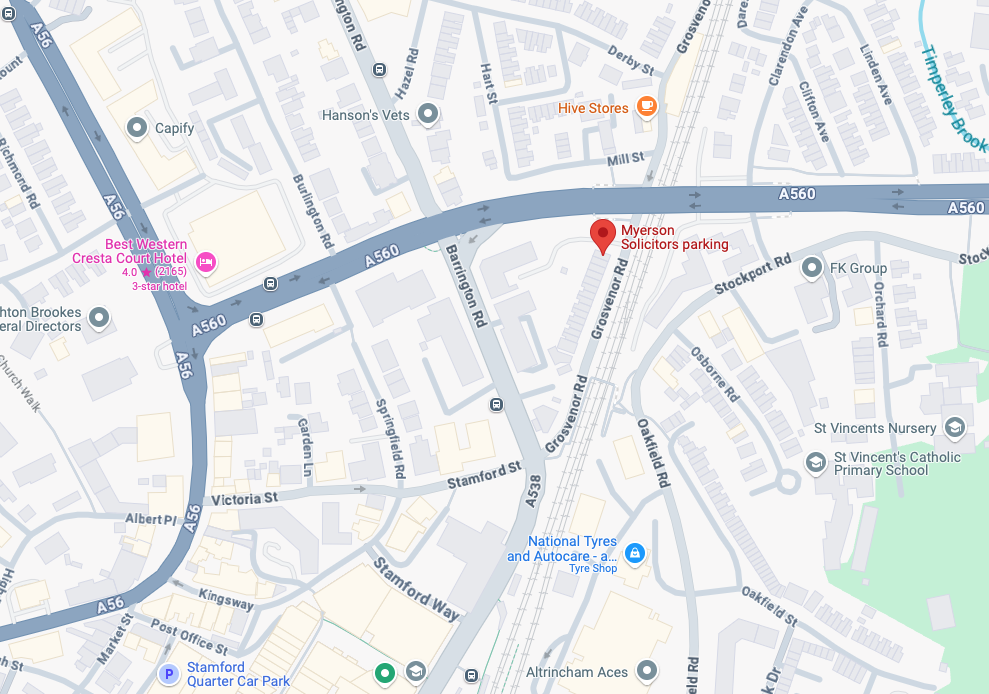
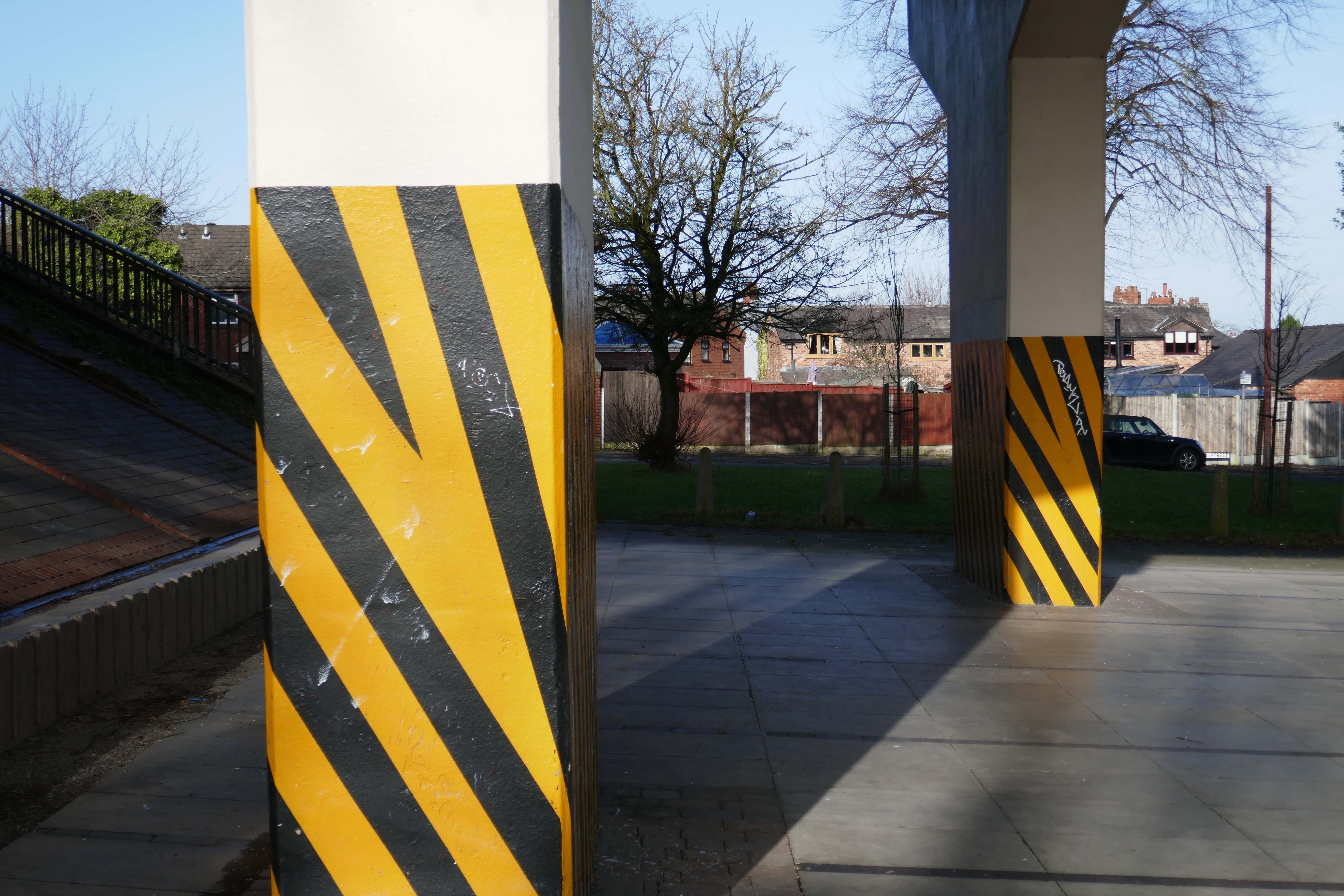
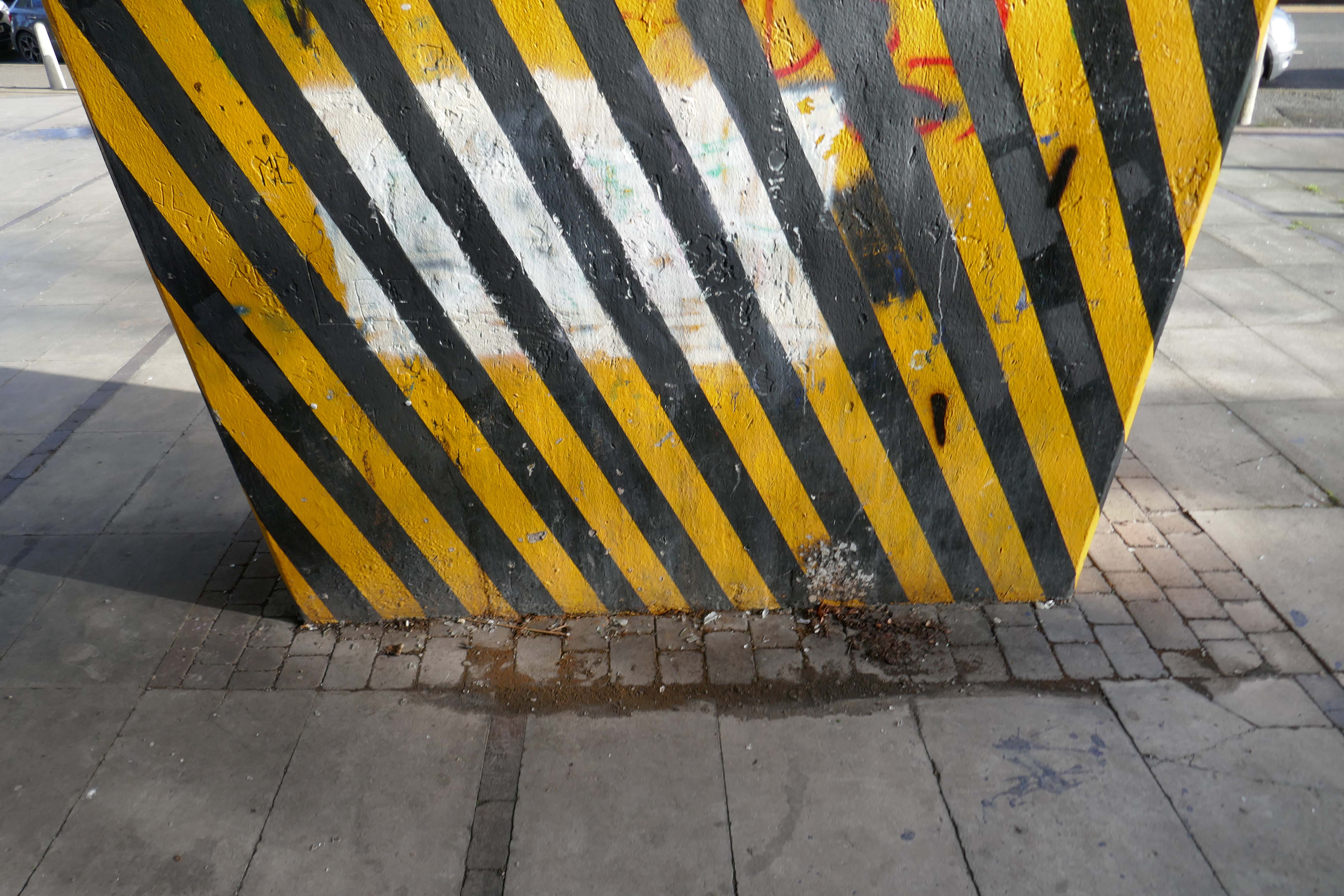
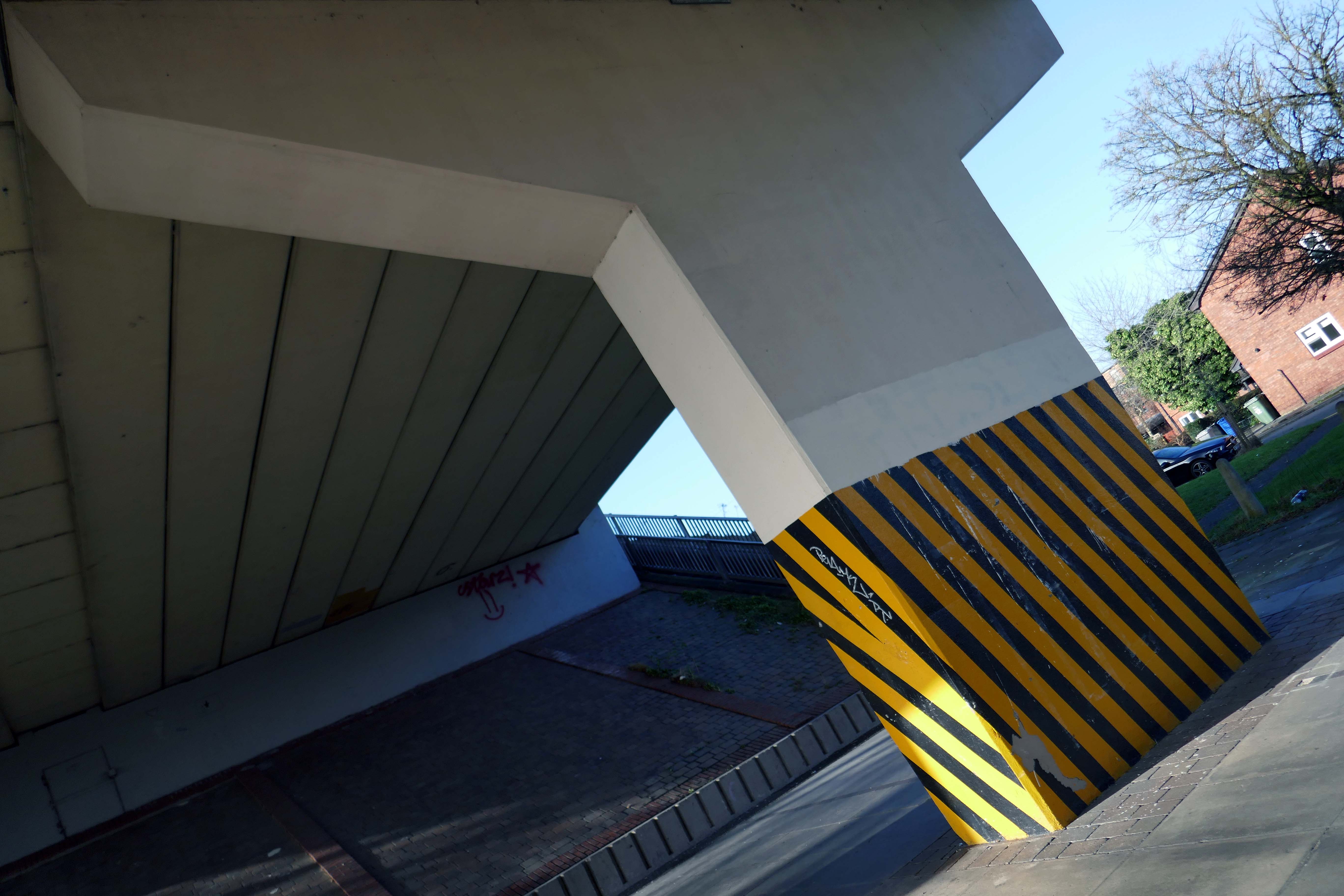
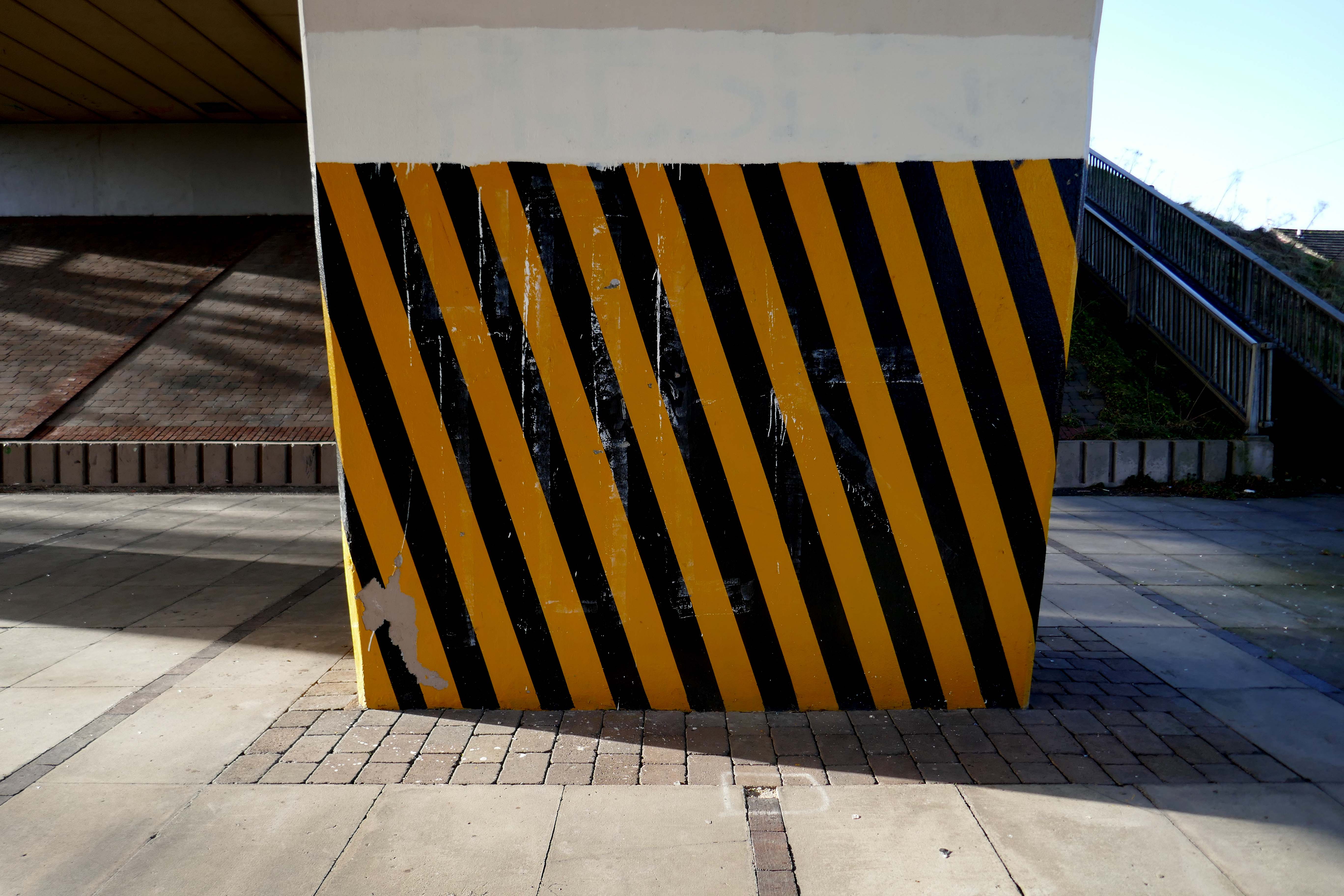
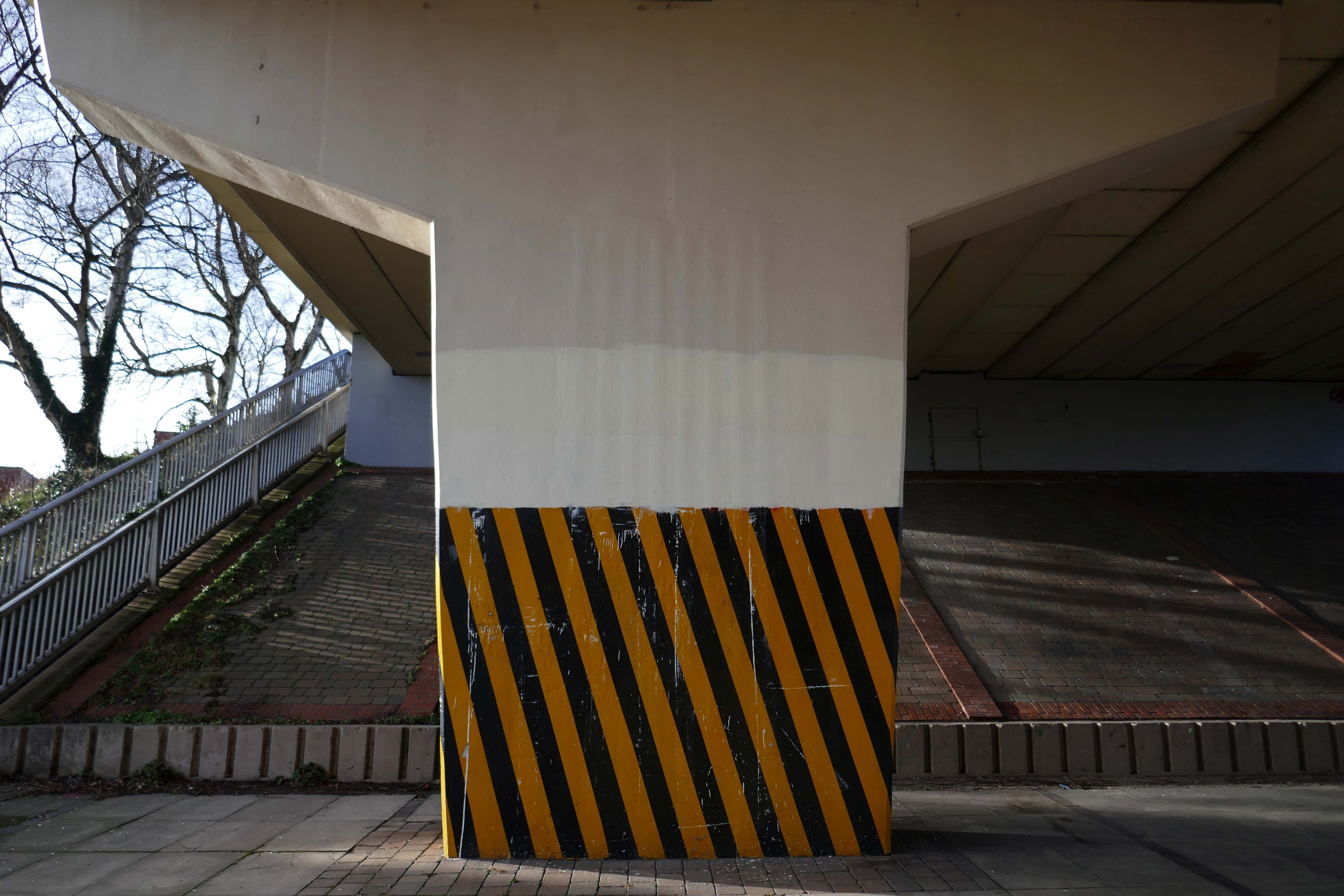
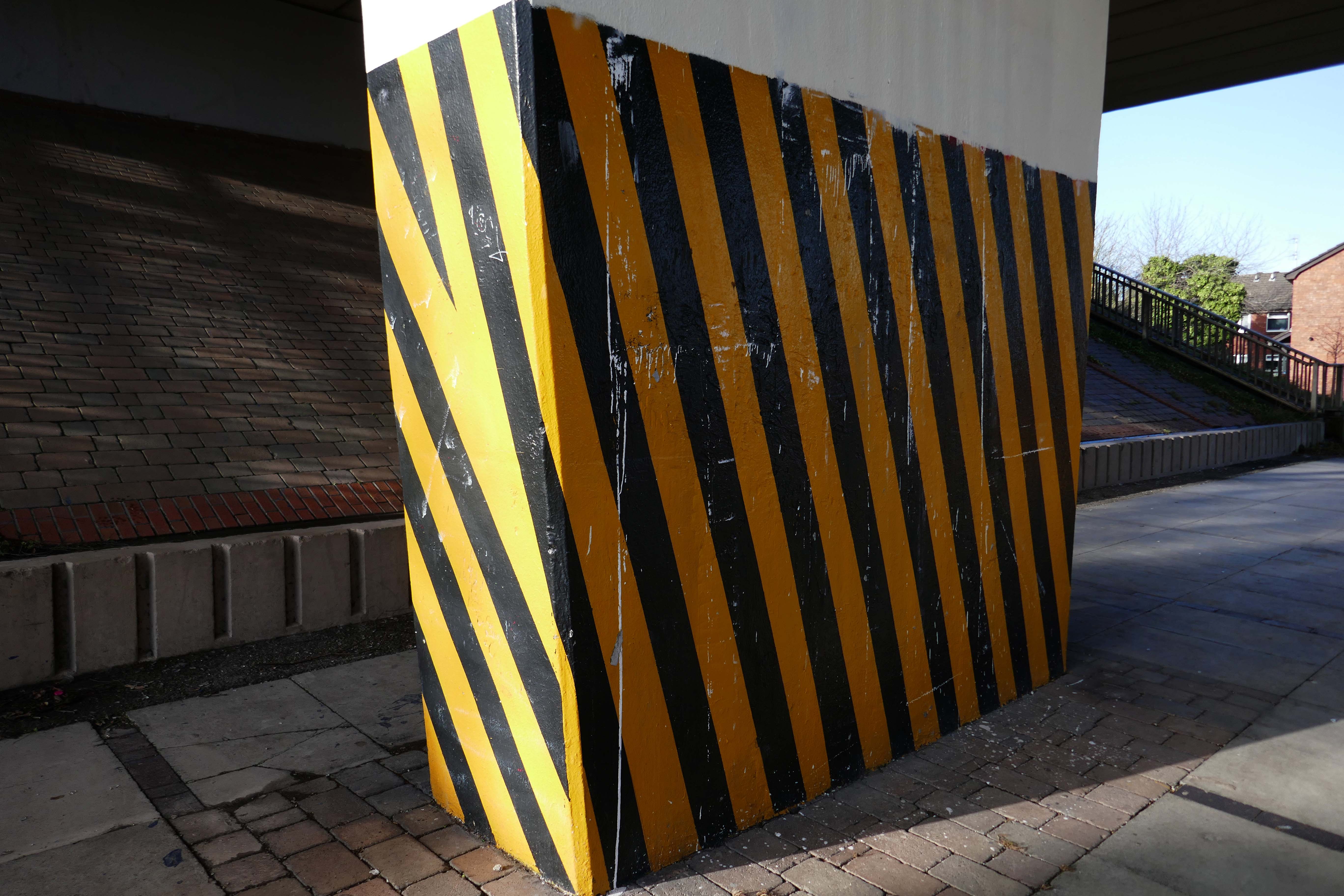
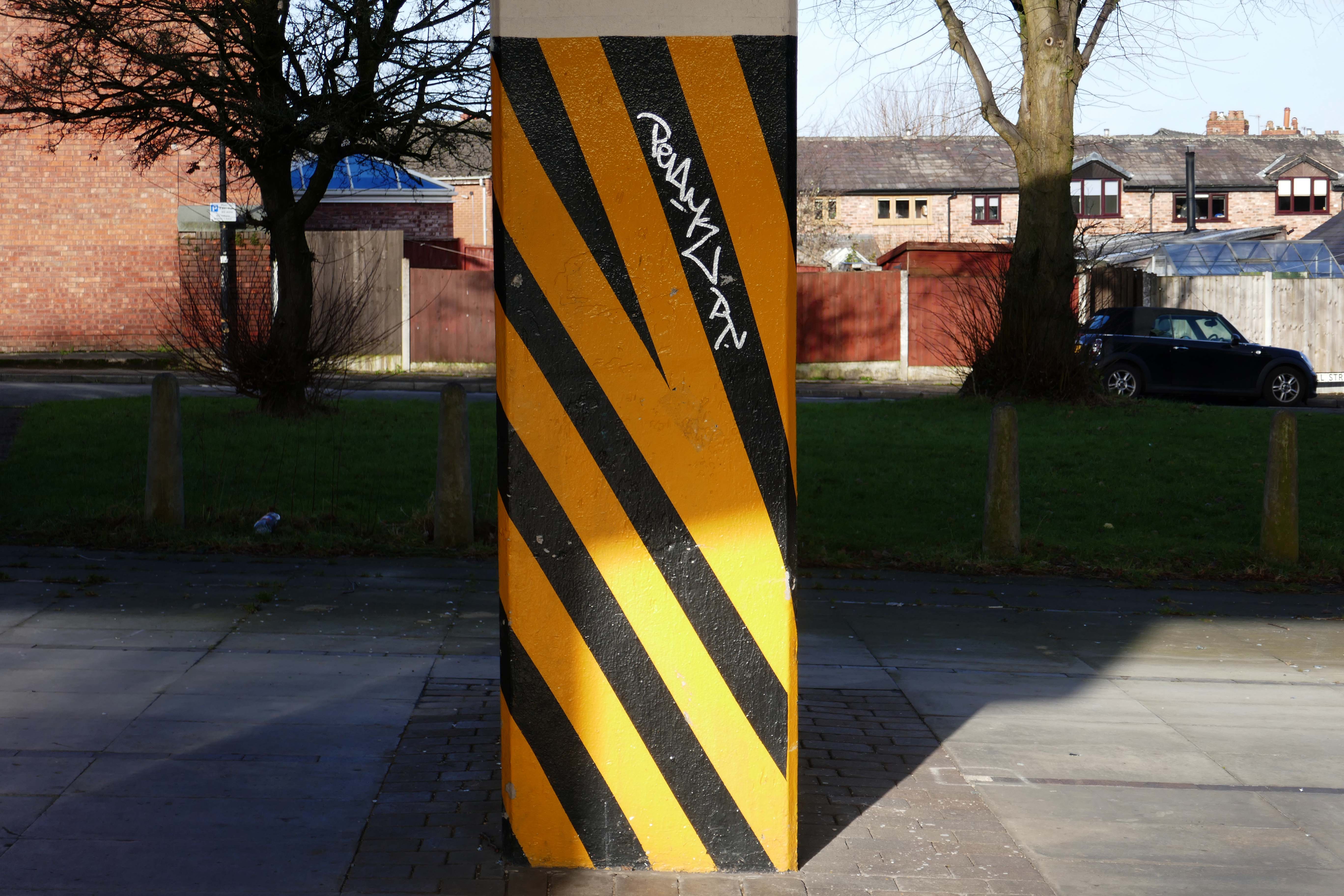
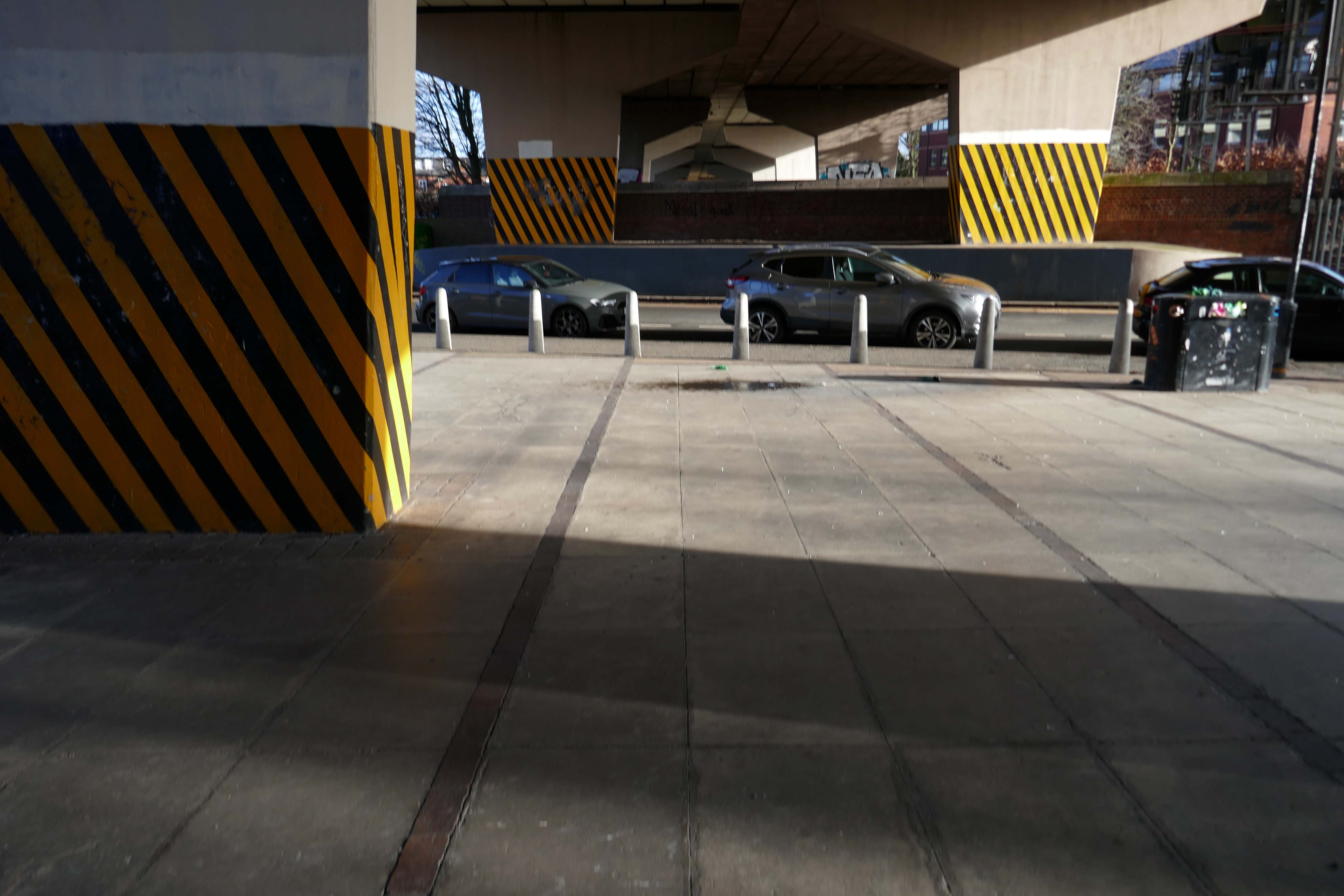
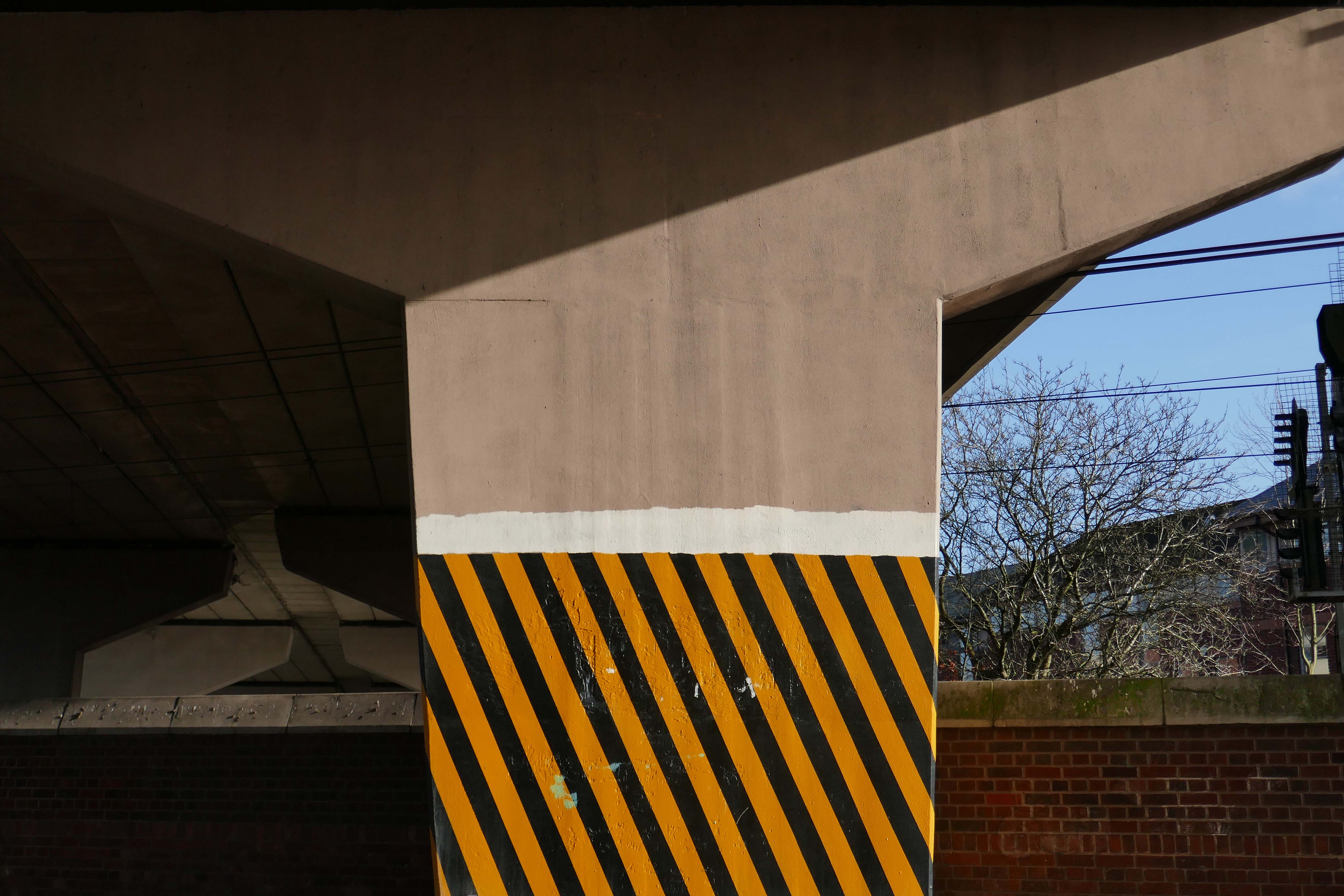
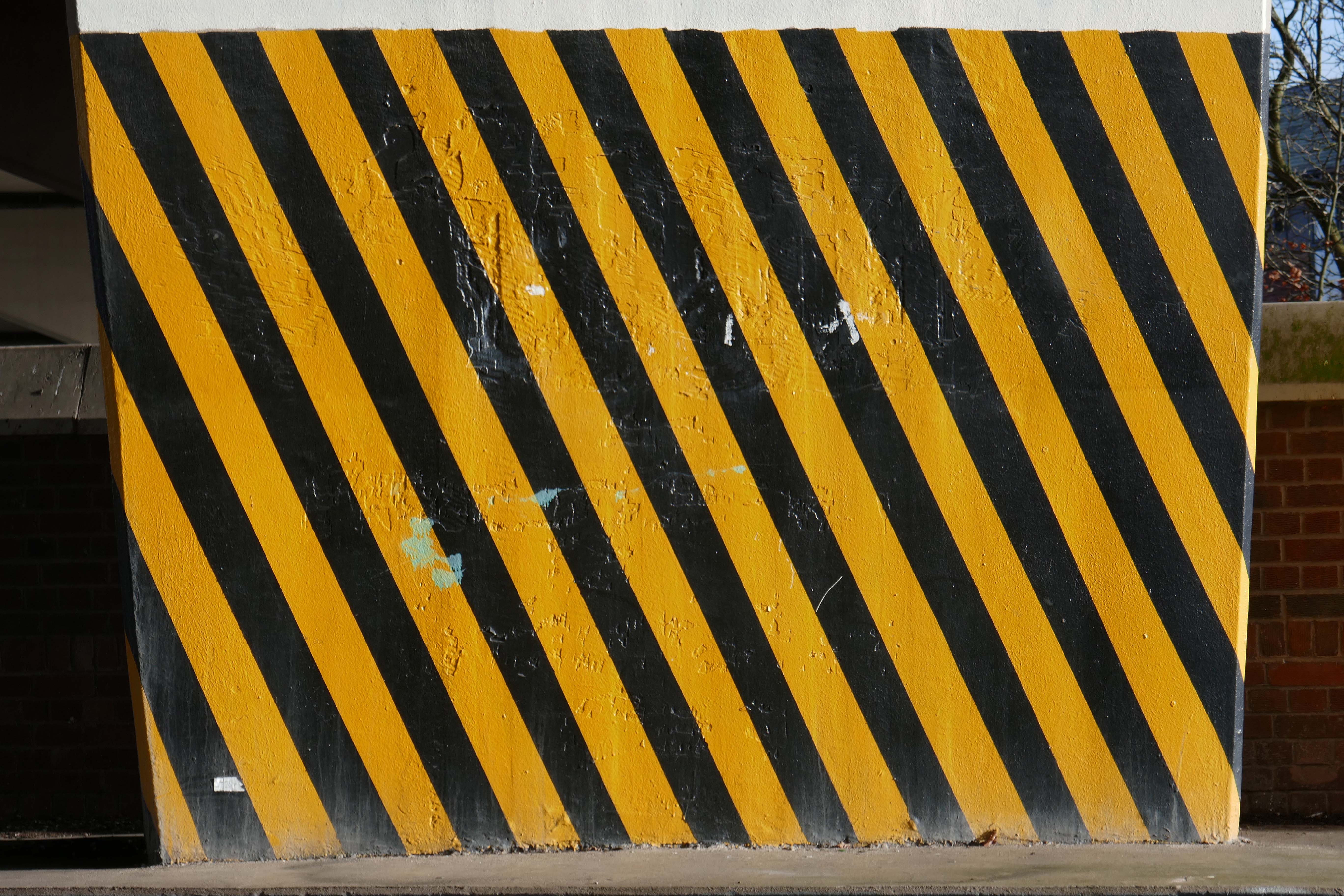
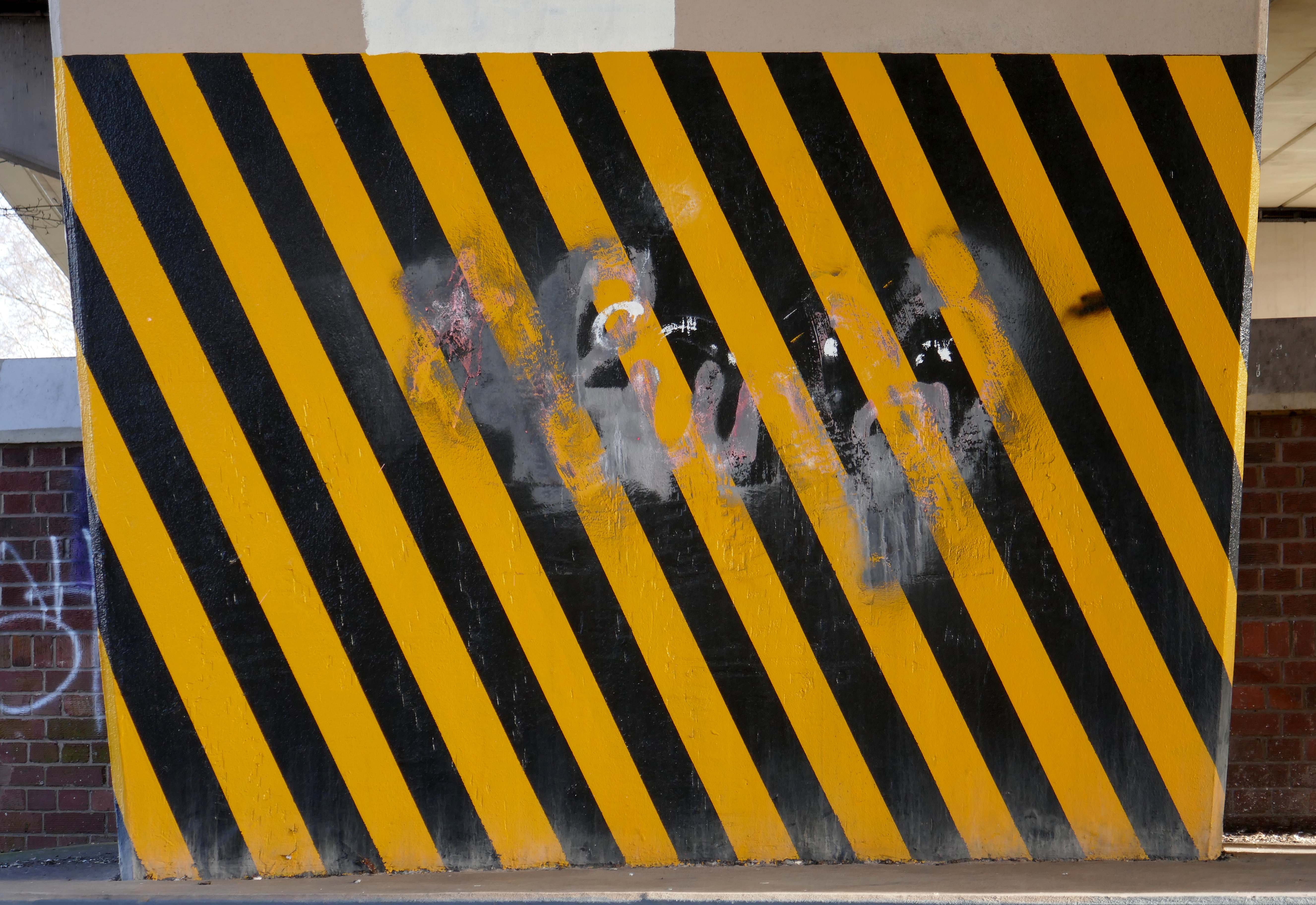
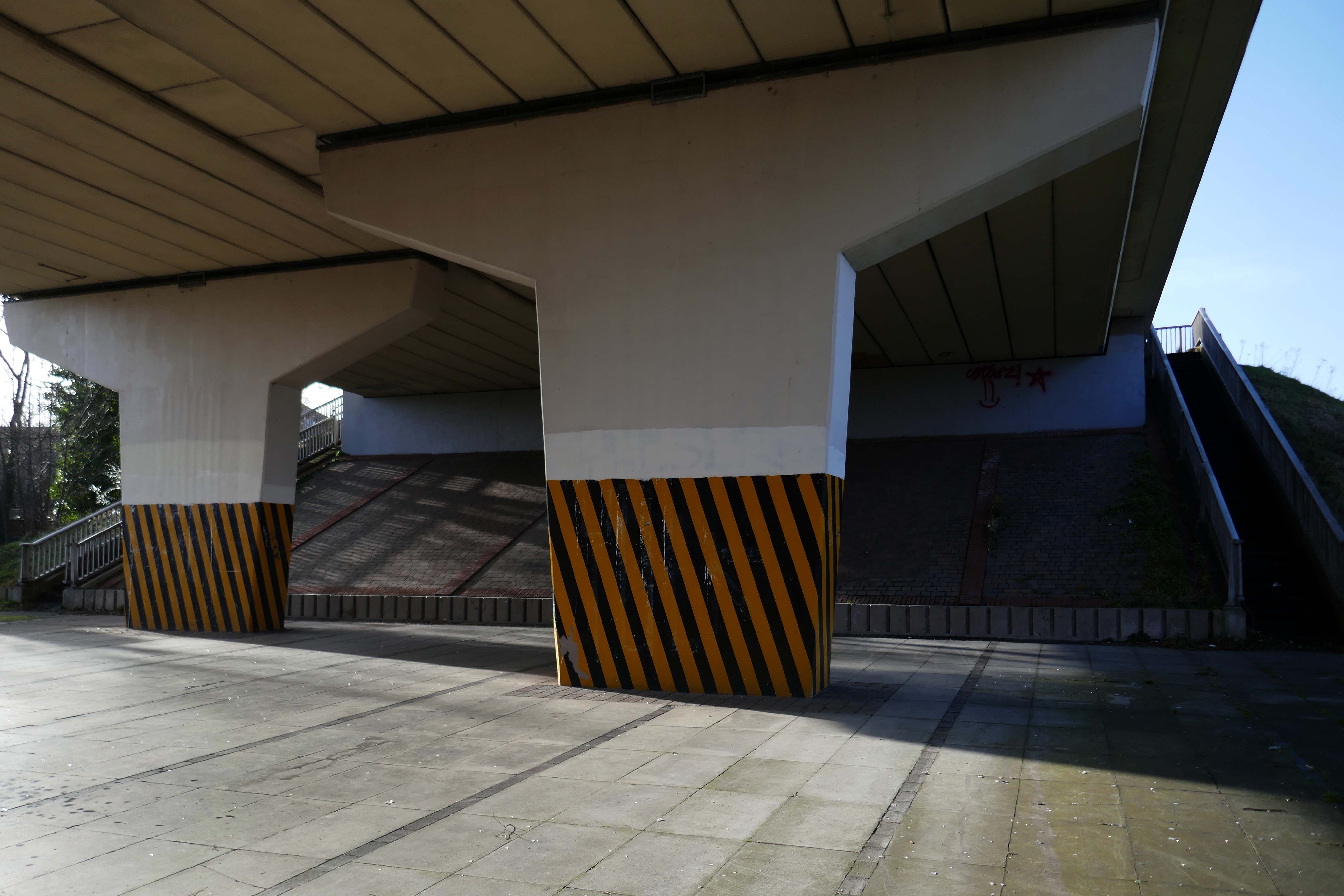
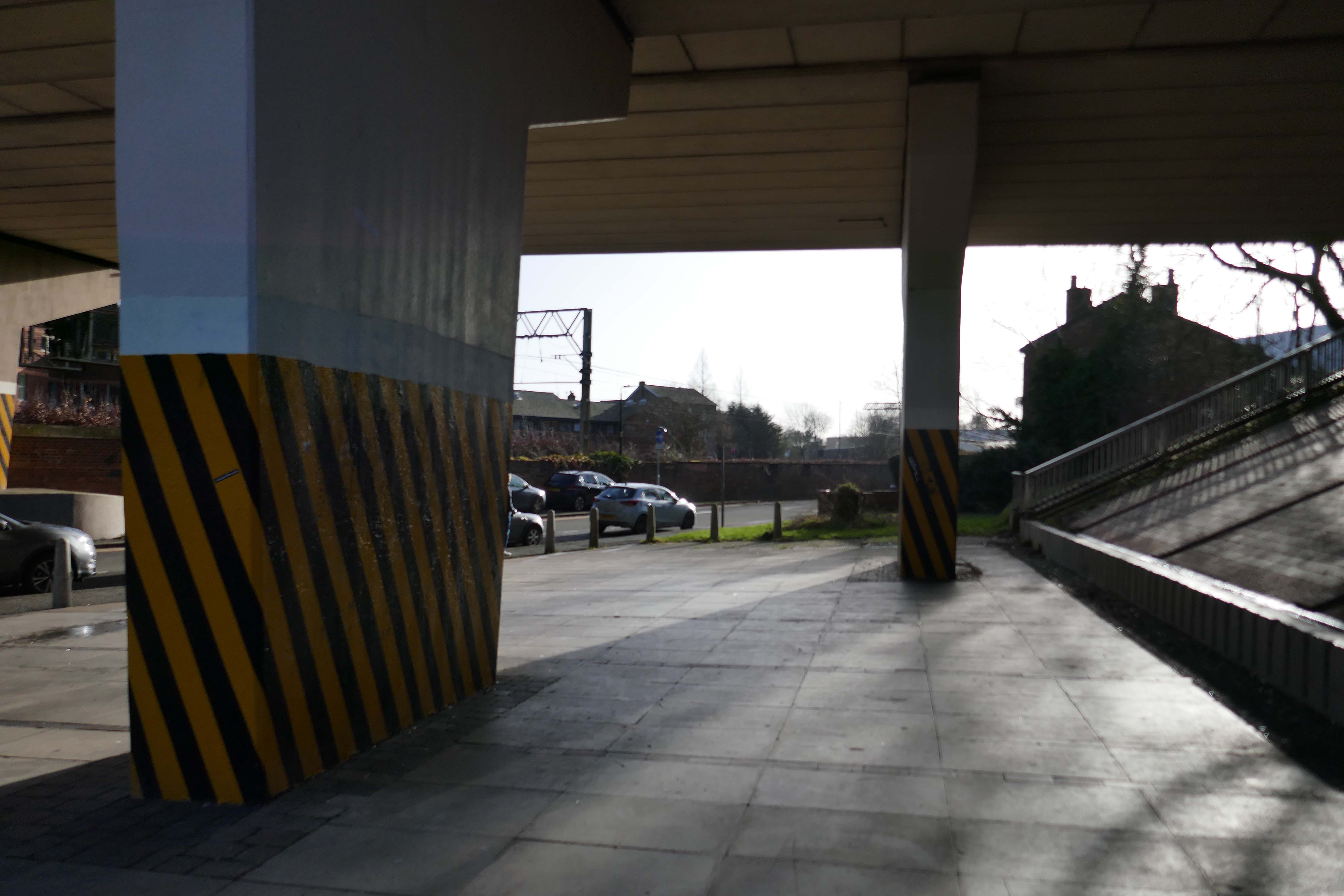
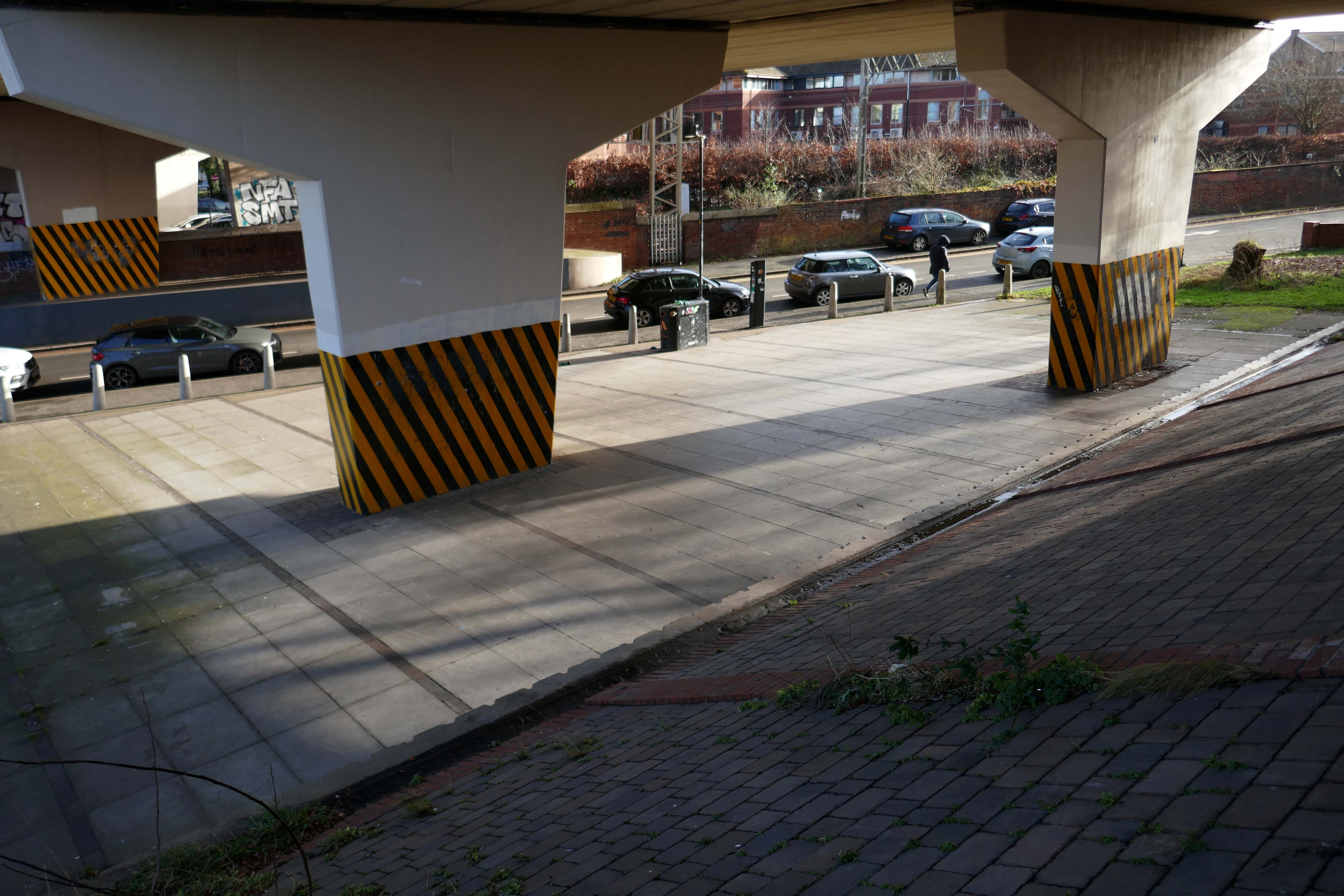
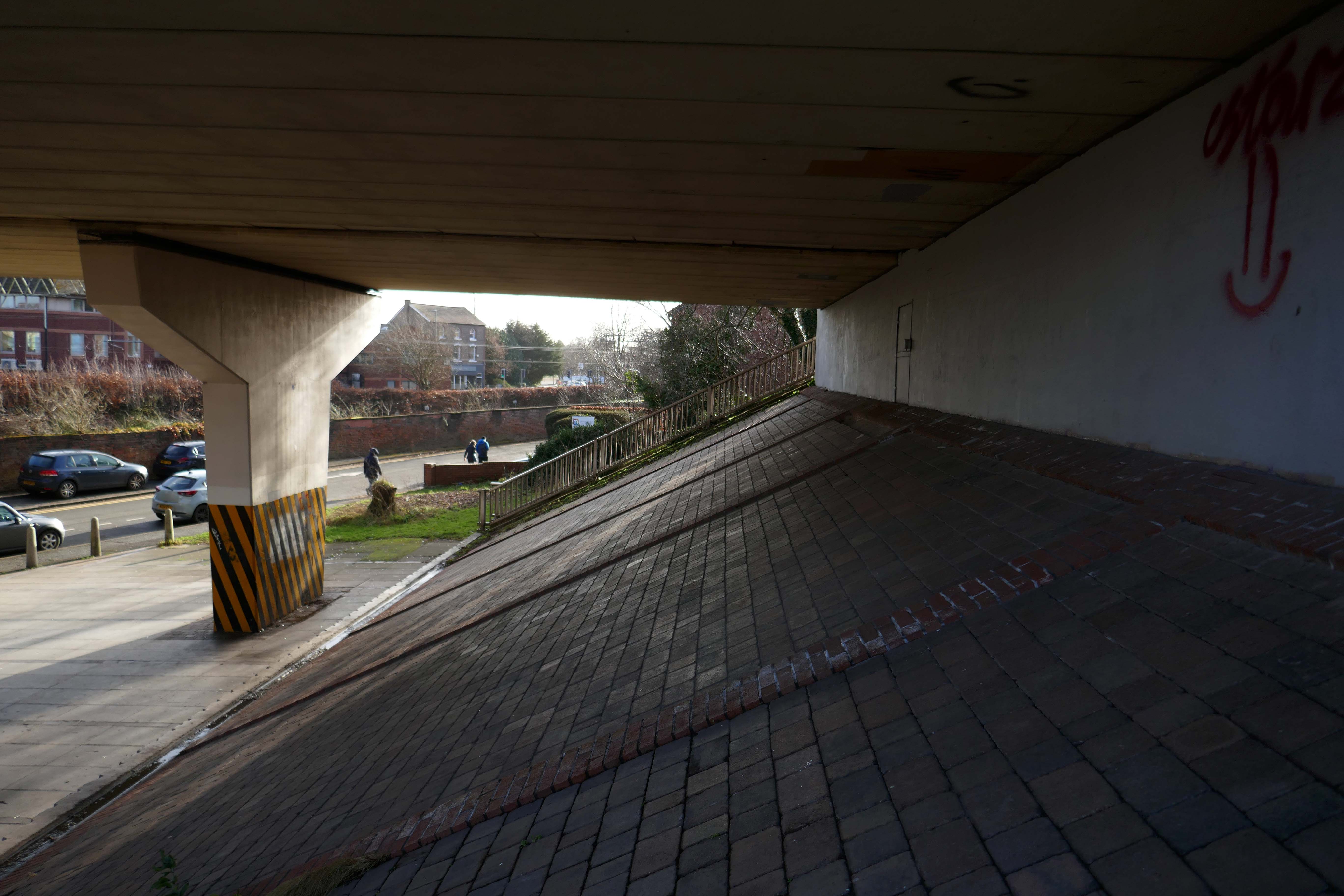
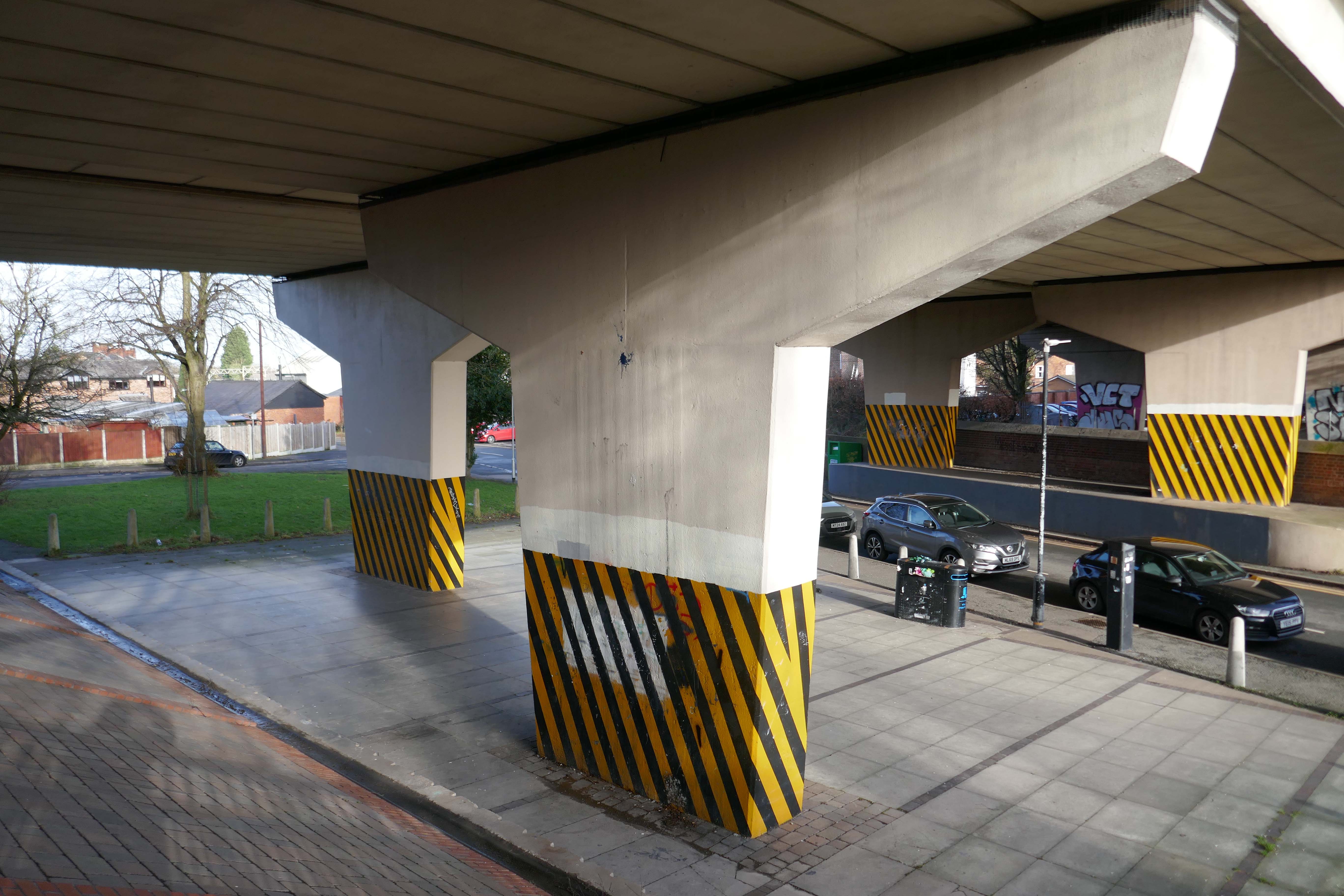
Health and safety regulations state that markings should be placed around obstacles or dangerous locations. This includes where any of the following present a risk:
people tripping or falling
objects falling
people or vehicles colliding with objects
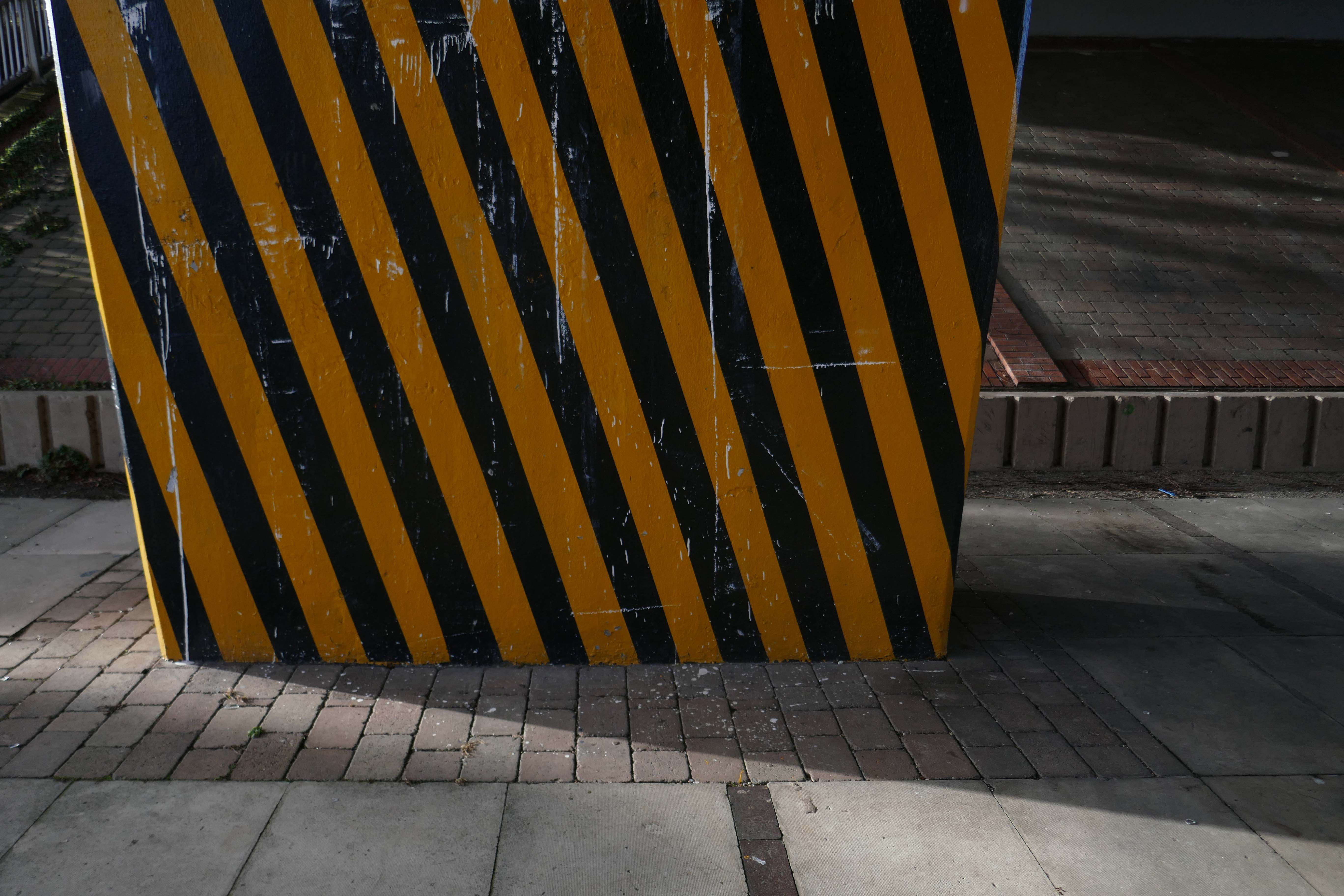
These markings should be made up of alternating red and white or yellow and black stripes of equal size at a 45 degree angle. Barricade tape can be used to satisfy this requirement as long as the tape is “commensurate with the scale of the obstacle or dangerous location in question”
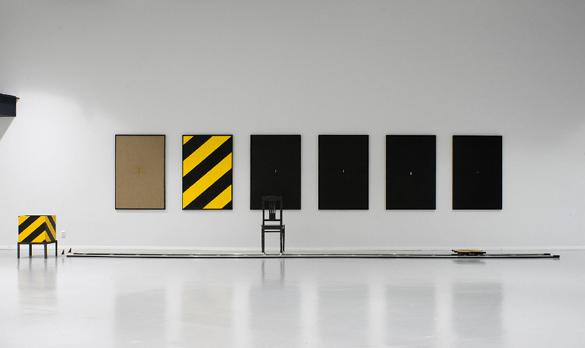
I hereby lay claim to this symbol, sign, icon, the combination of black and yellow, wherever it may appear, in this or any other world, in whatever shape, form, pattern or composition, be it civil or military. I hereby claim to be its originator and owner.
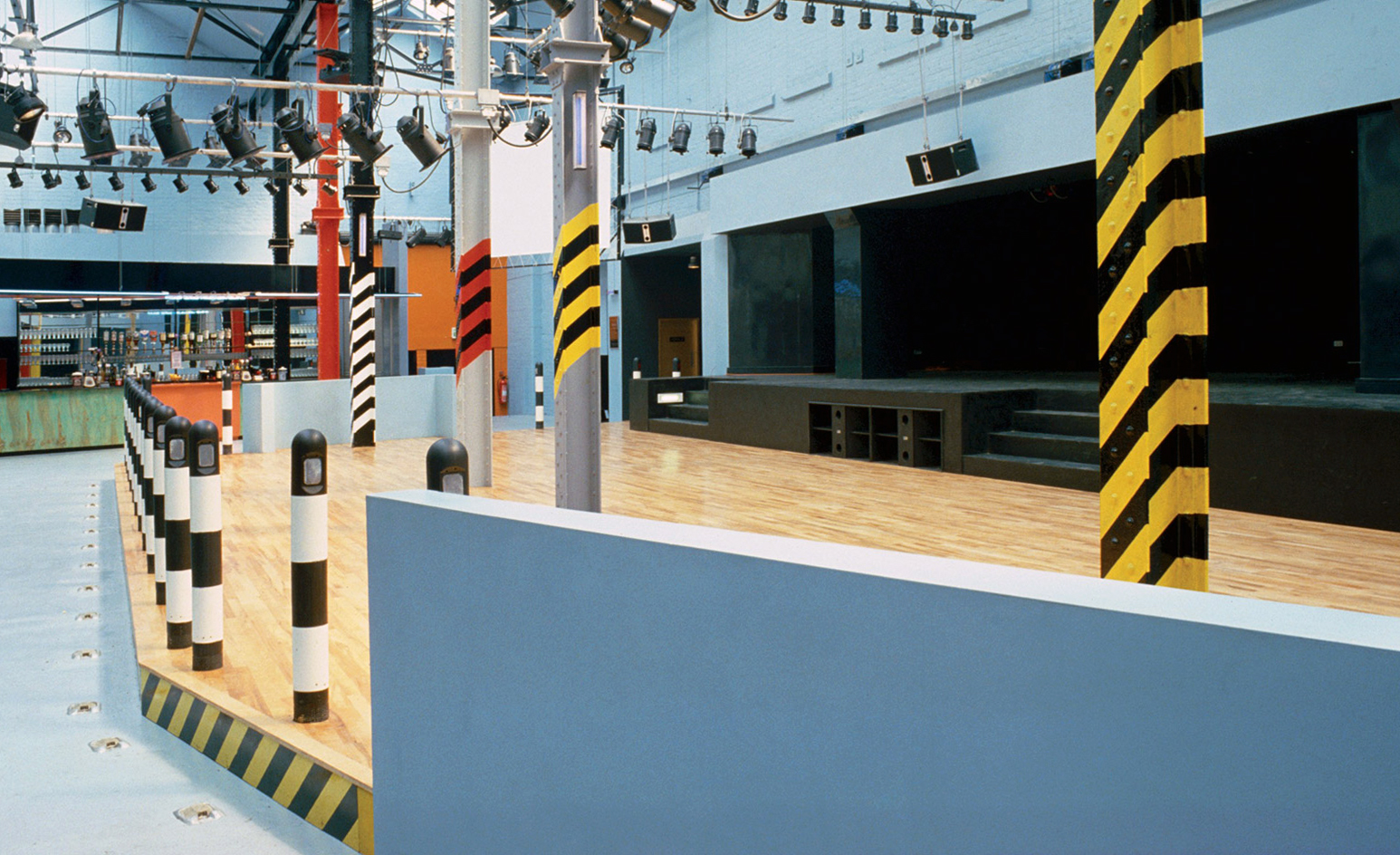
Designed by Ben Kelly, upon recommendation by Factory graphic designer Peter Saville, upstairs consisted of a stage, dance area, bar, cloakroom, cafeteria area and balcony with a DJ booth.
The Haçienda was opened on 21 May 1982, when the comedian Bernard Manning remarked to the audience:
I’ve played some shit-holes during my time, but this is really something.
His jokes did not go down well with the crowd and he returned his fee.
The black and yellow stripes on Manchester City’s away shirts were meant to be an uplifting homage to Manchester’s cultural heritage, but the choice of design now risks becoming a chip on the team’s shoulders.
The team’s jersey is embroiled in a controversy after Ben Kelly, the man who originally designed the stripes for famed Manchester nightclub the Haçienda, complained in a recent interview to Gaffer magazine that he was not credited or consulted by the creators of the football apparel.
When Manchester City and Puma launched the team’s 2019/20 kit last July, they said in a press release that the uniform paid tribute to the “Madchester” years of the late 1980s and early 1990s, when the city in north-west England became a hub of alternative music and dance culture.
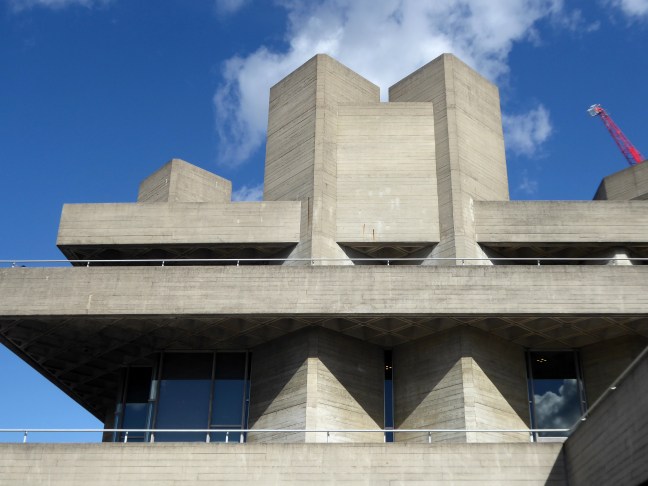
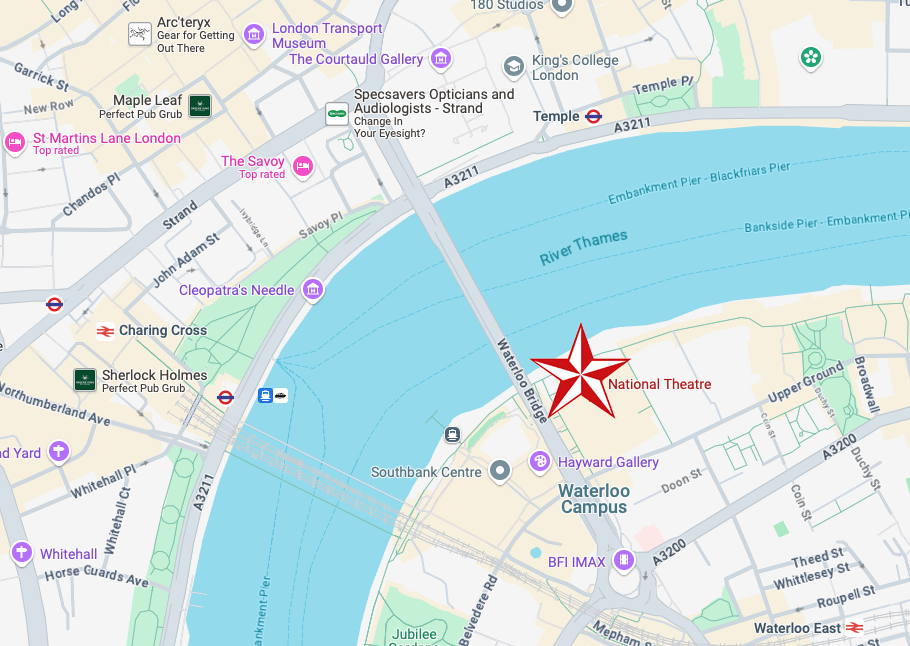
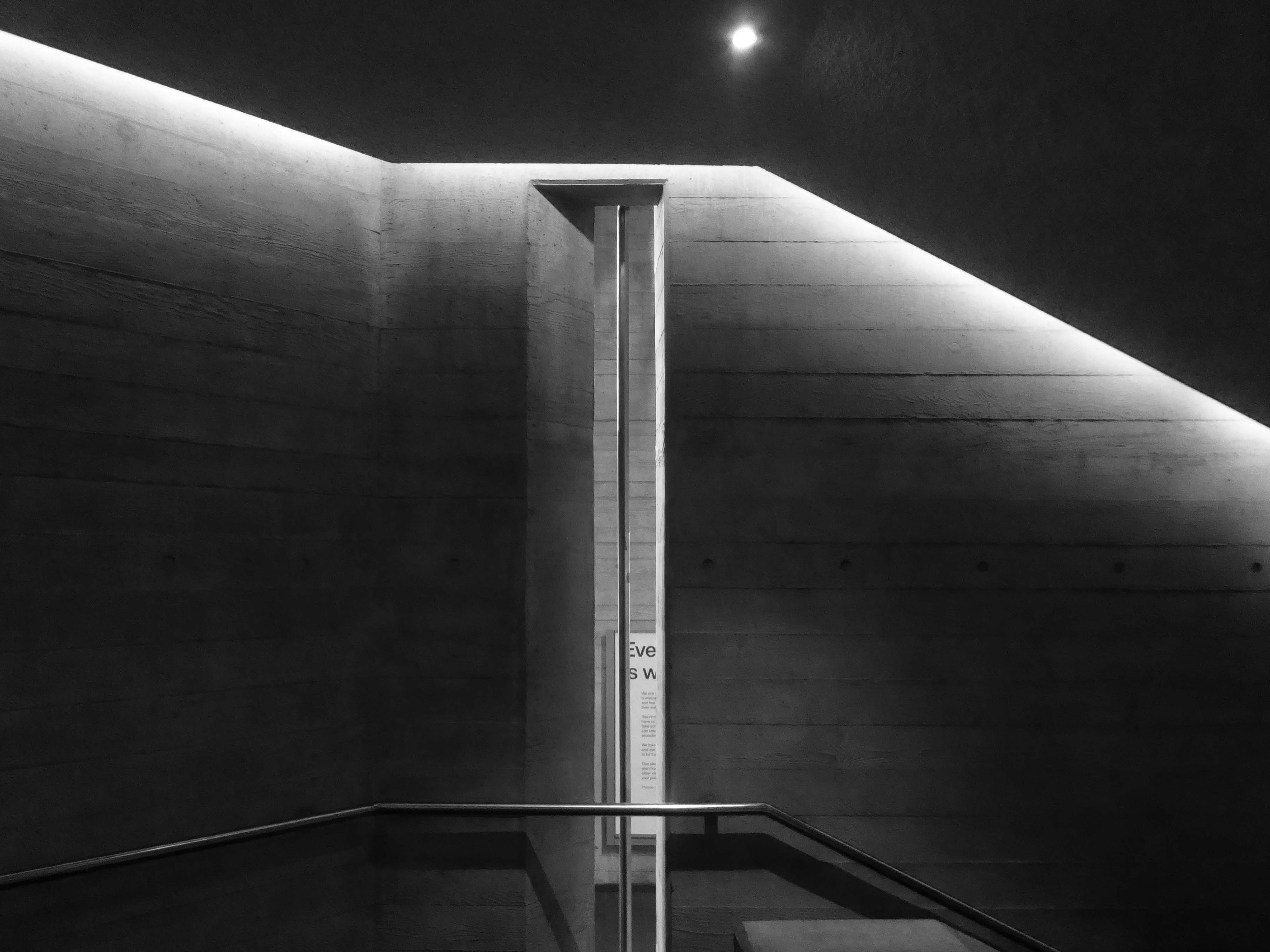
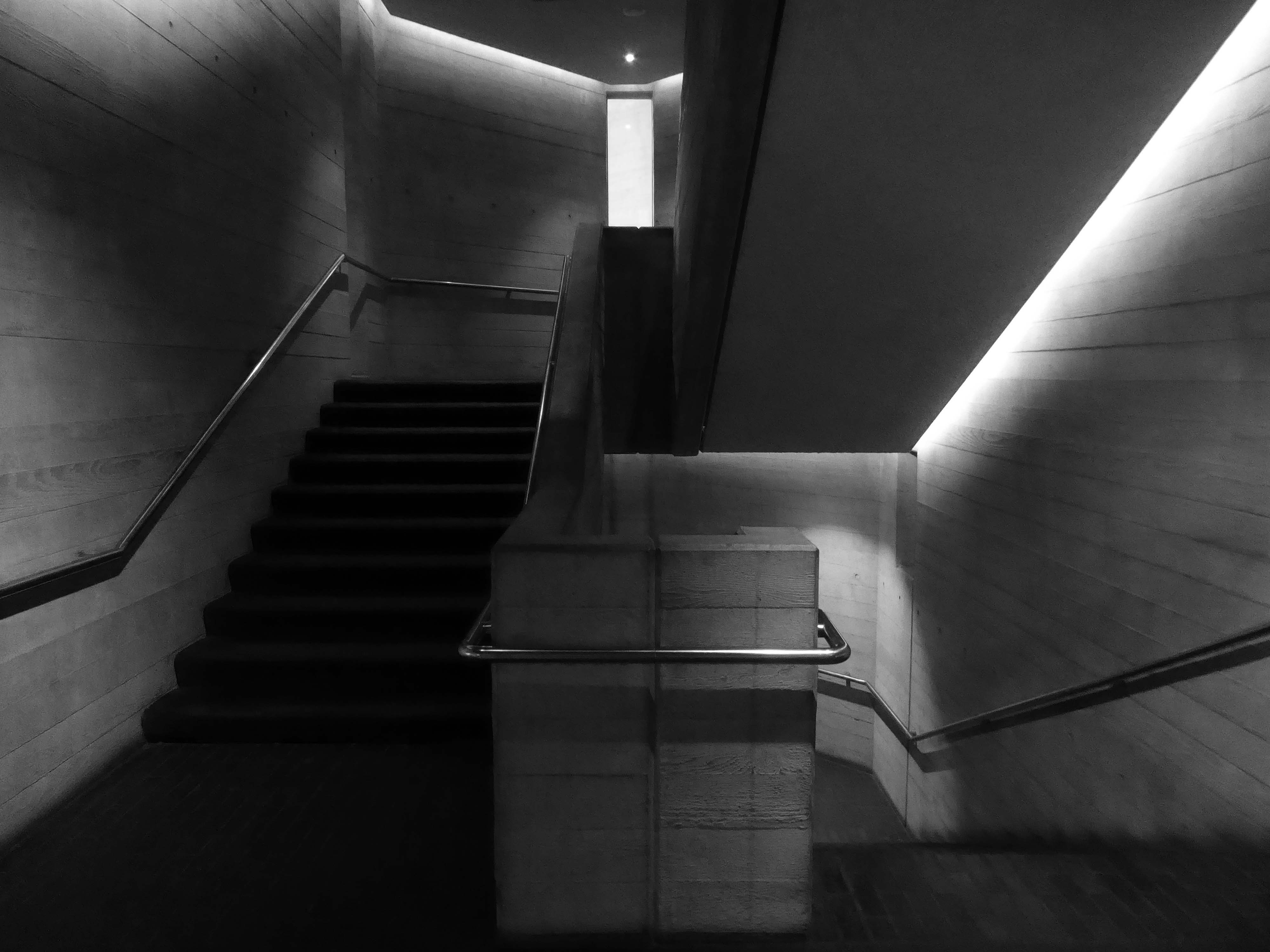
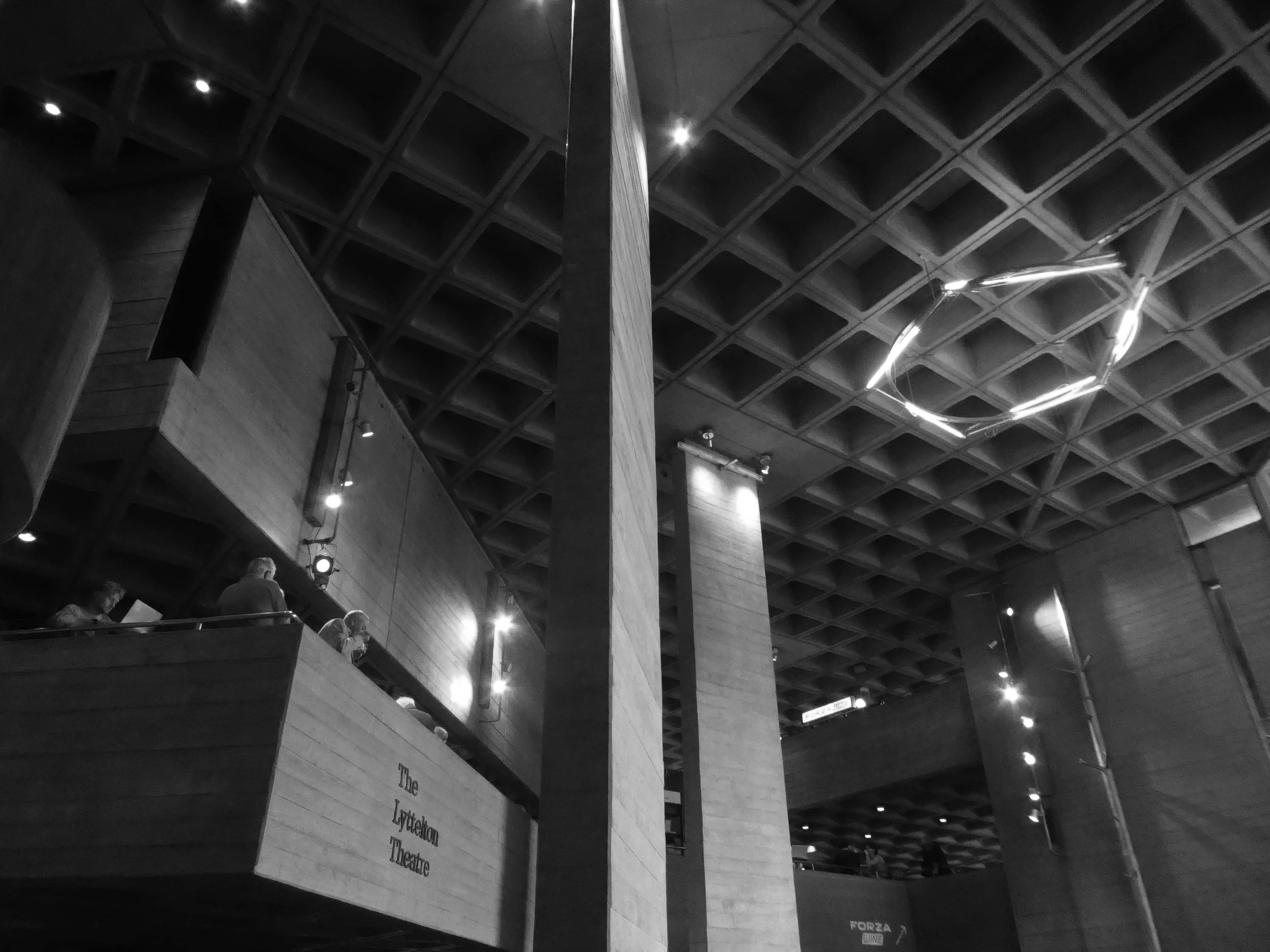
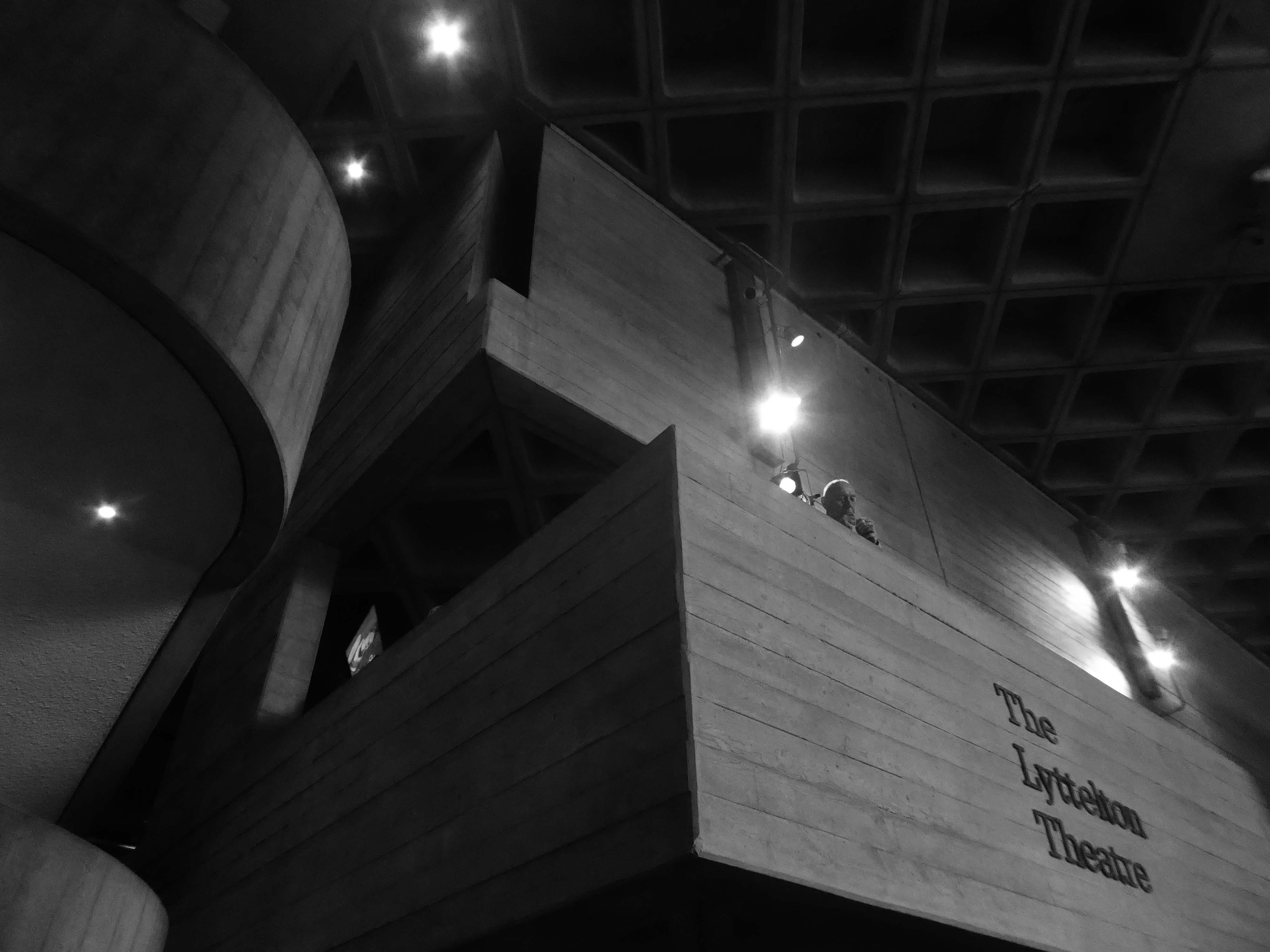
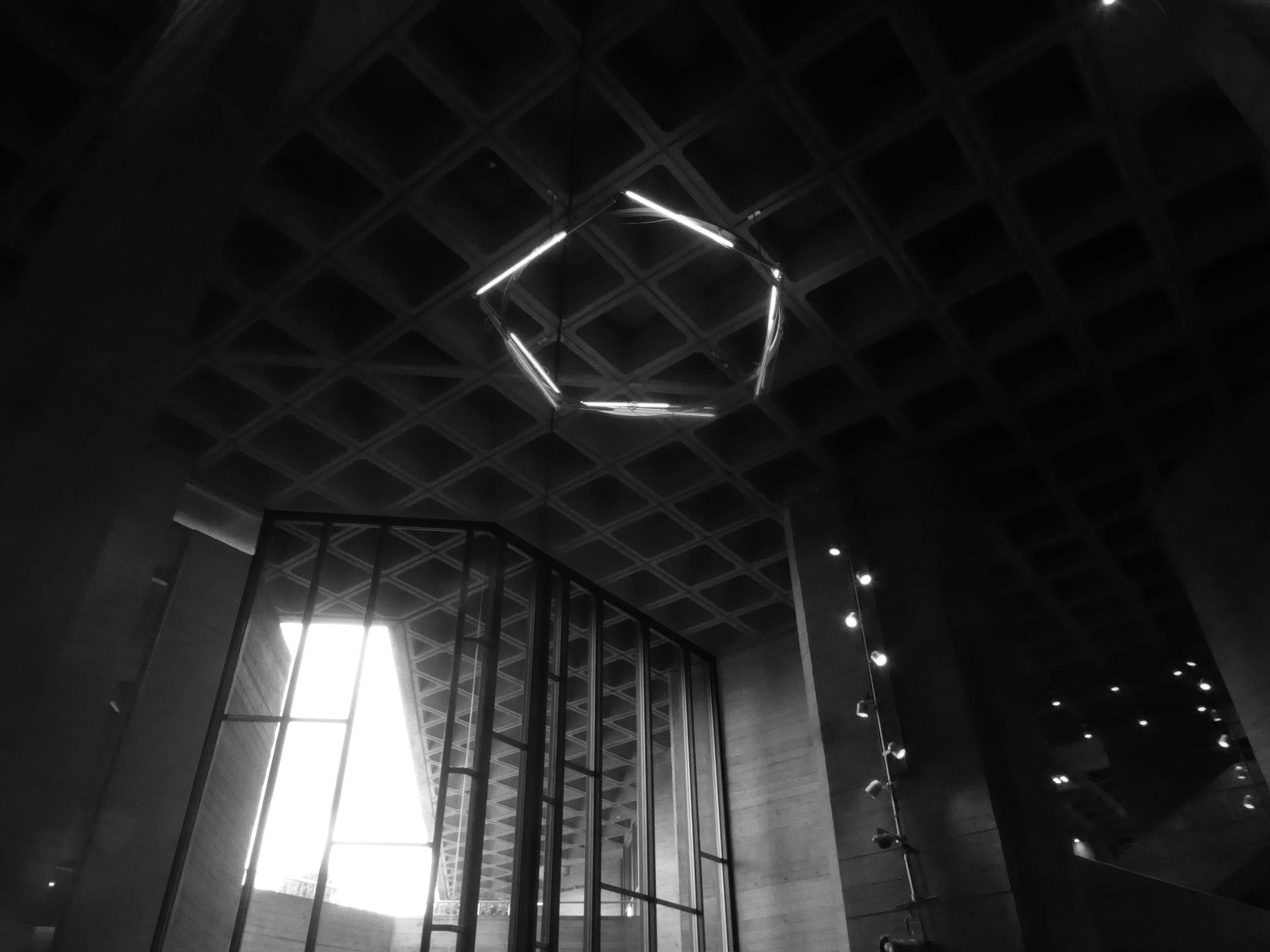
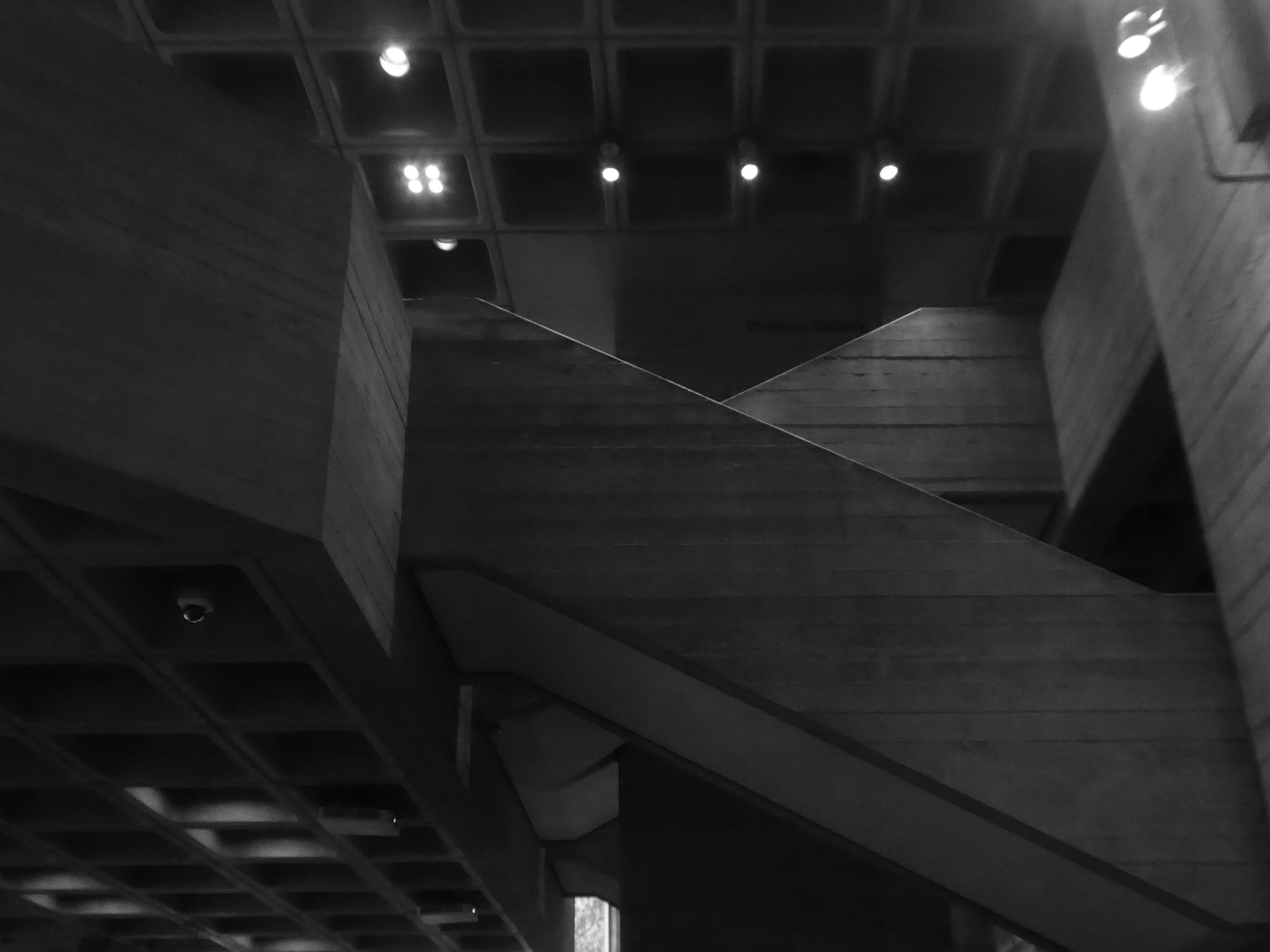
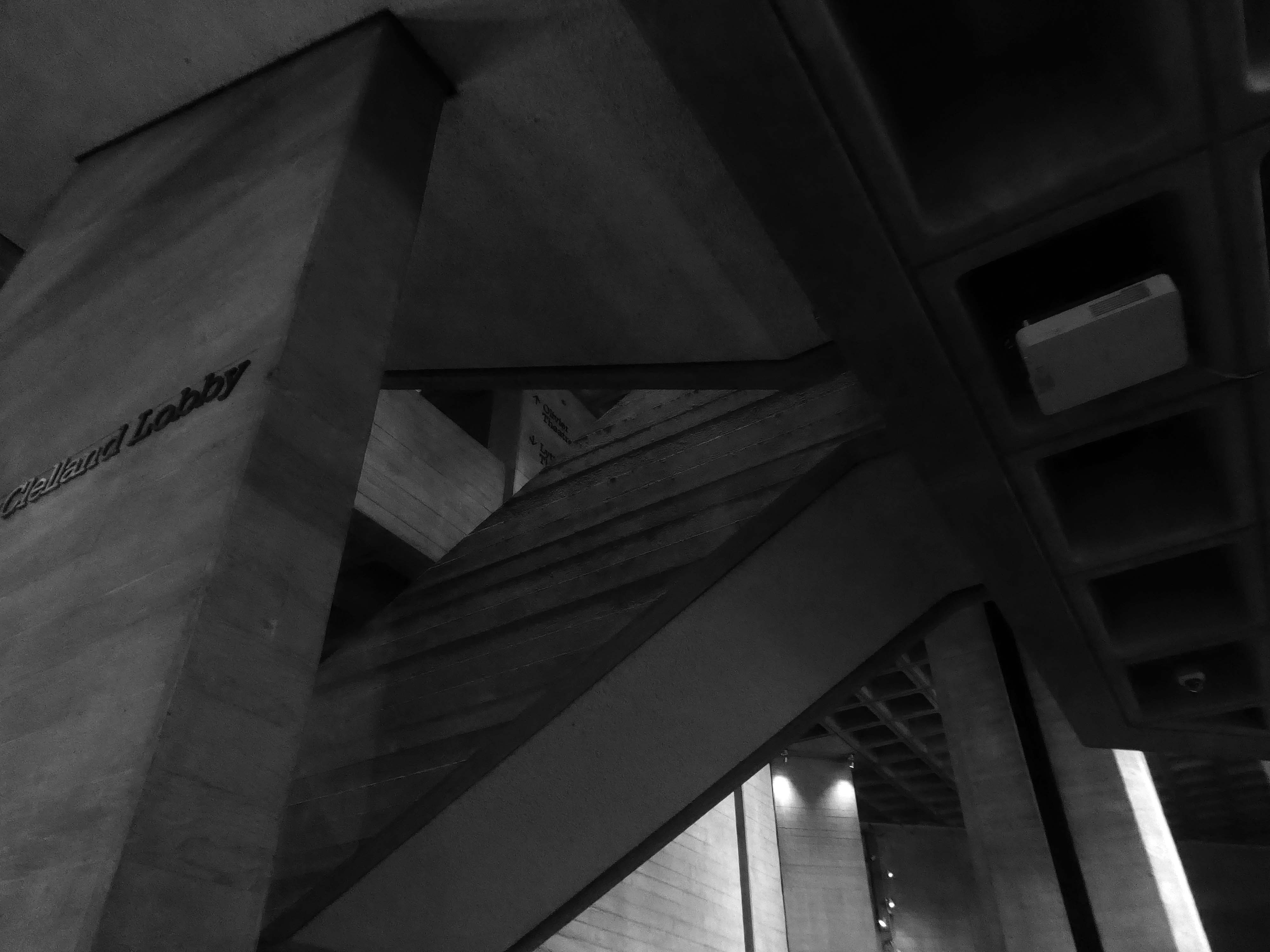
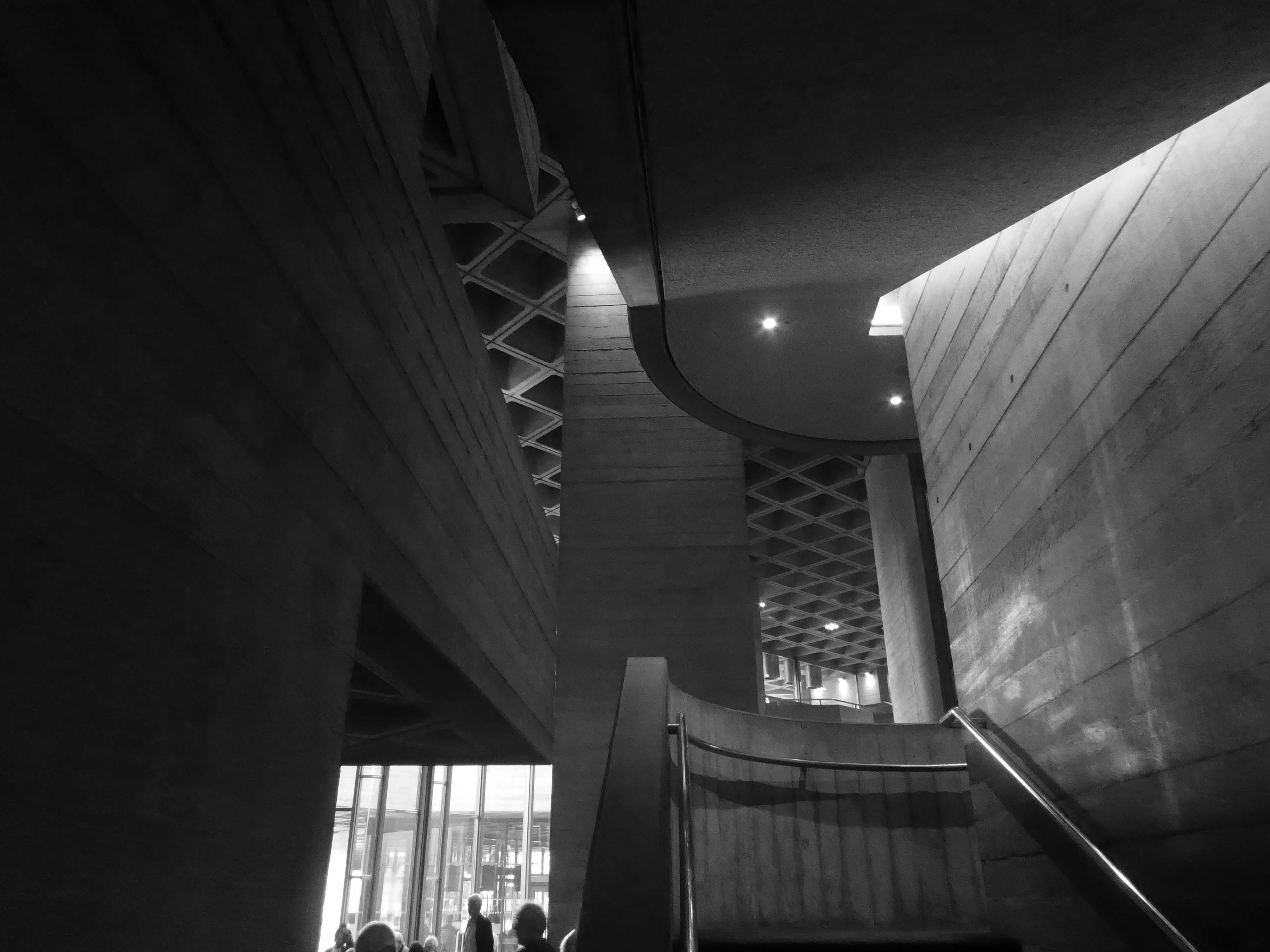
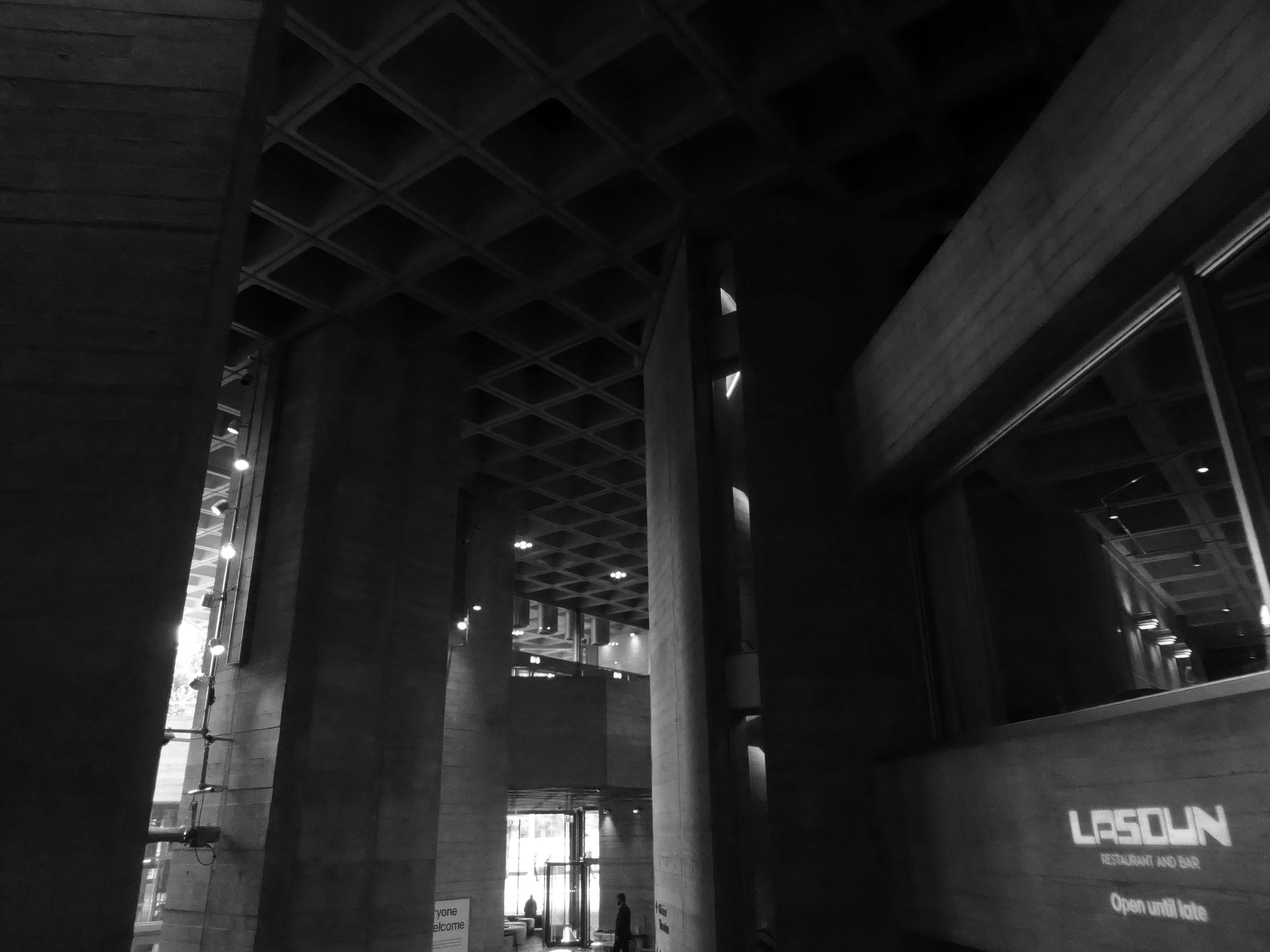
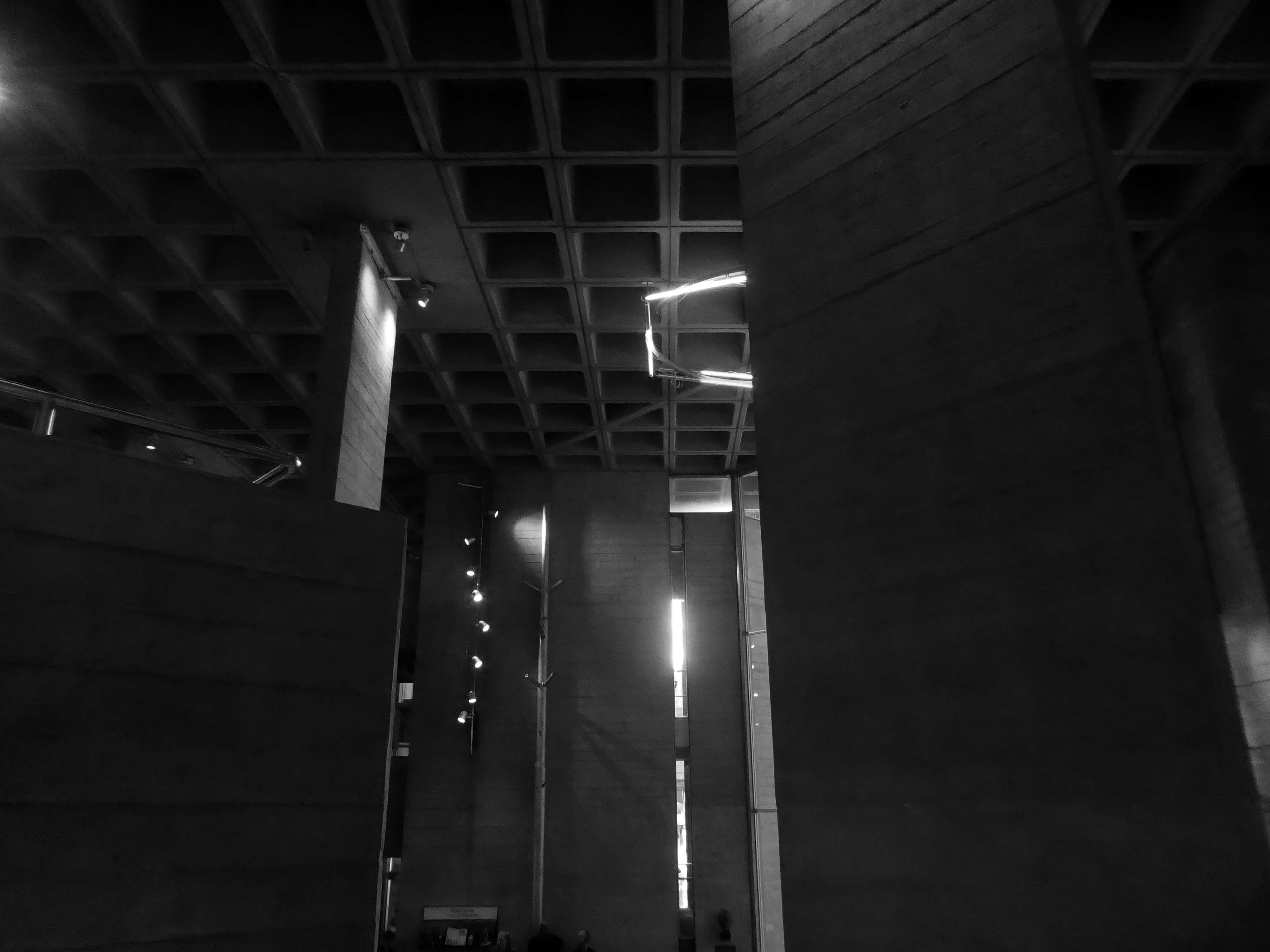
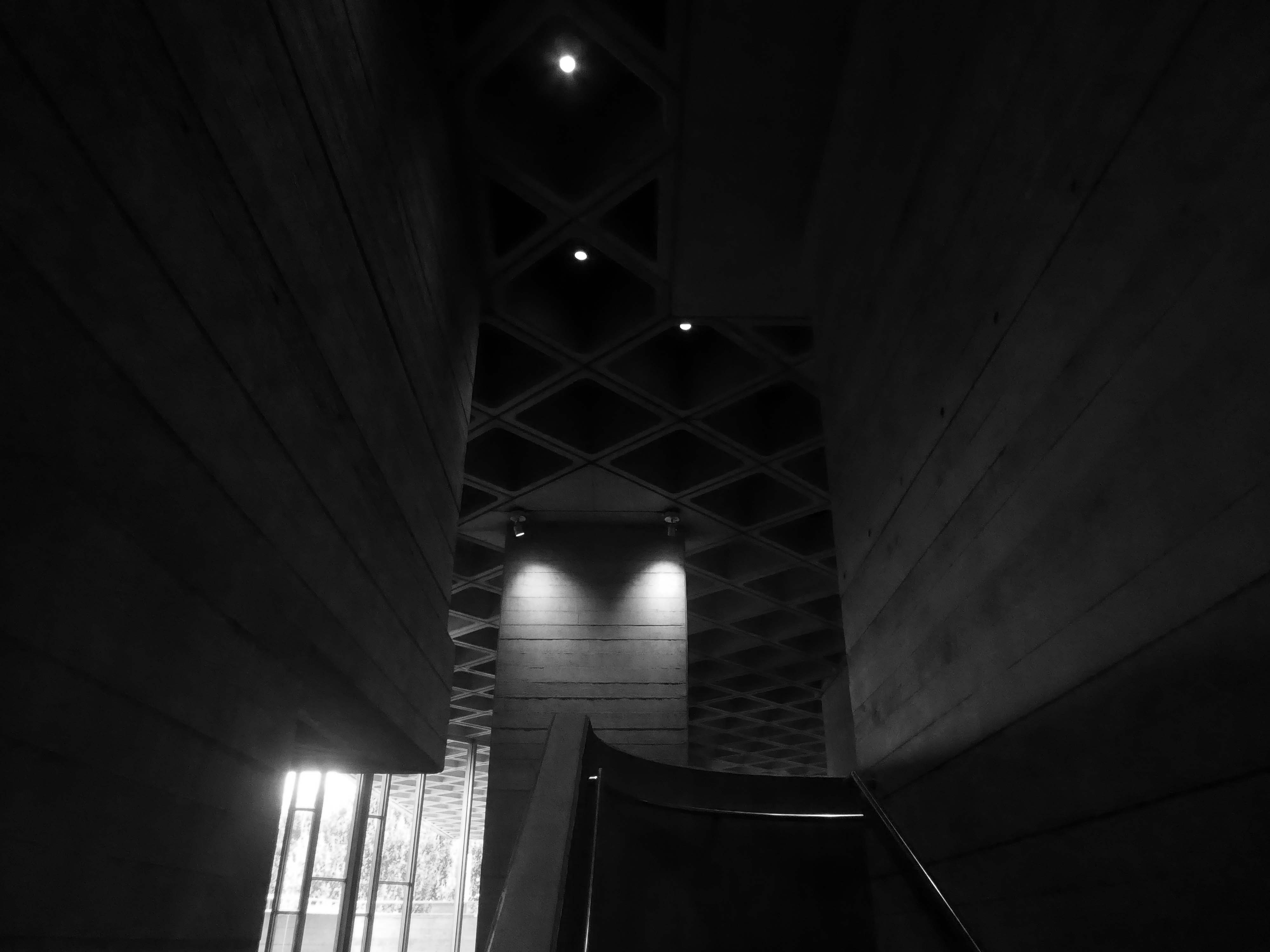
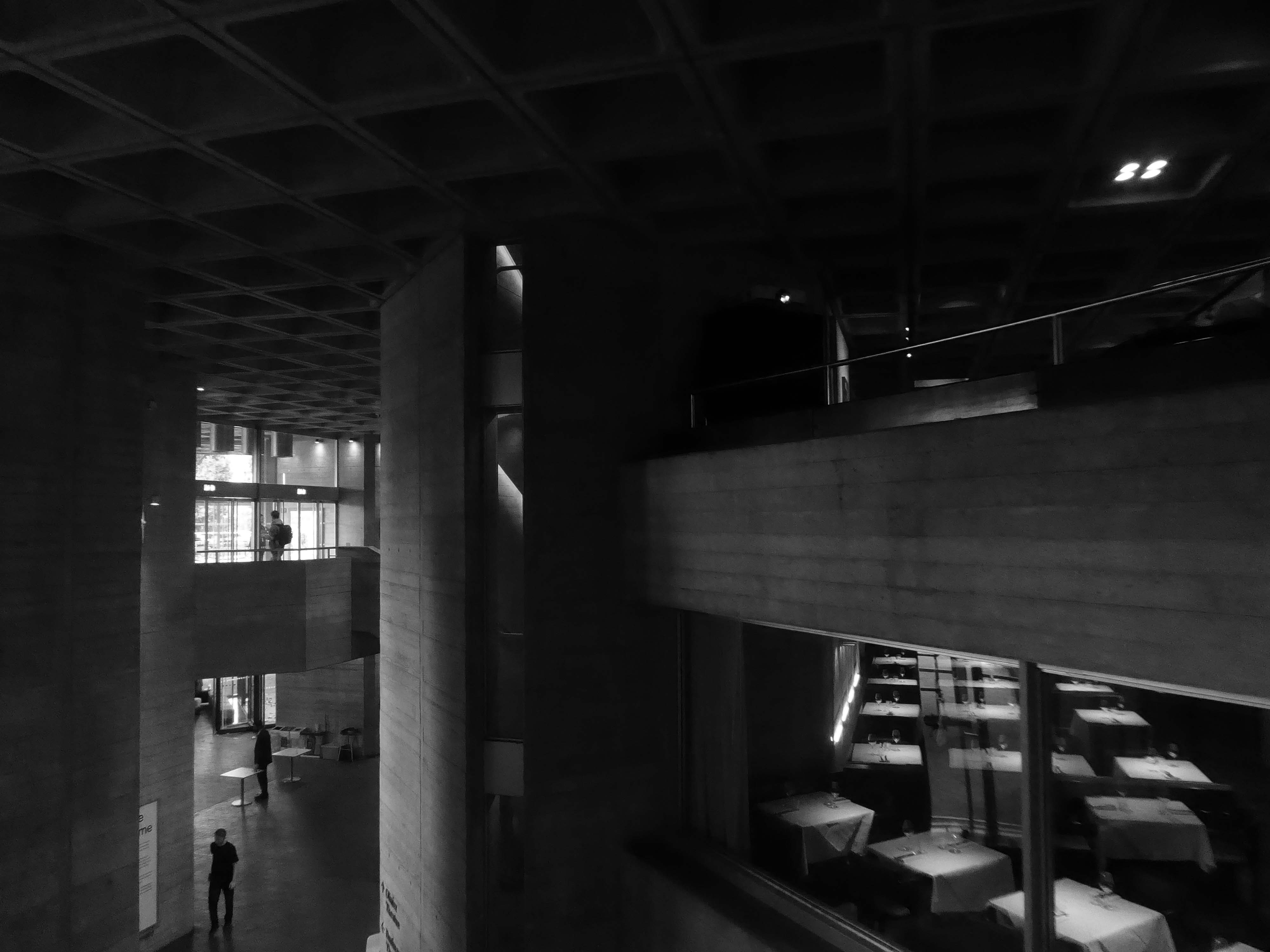
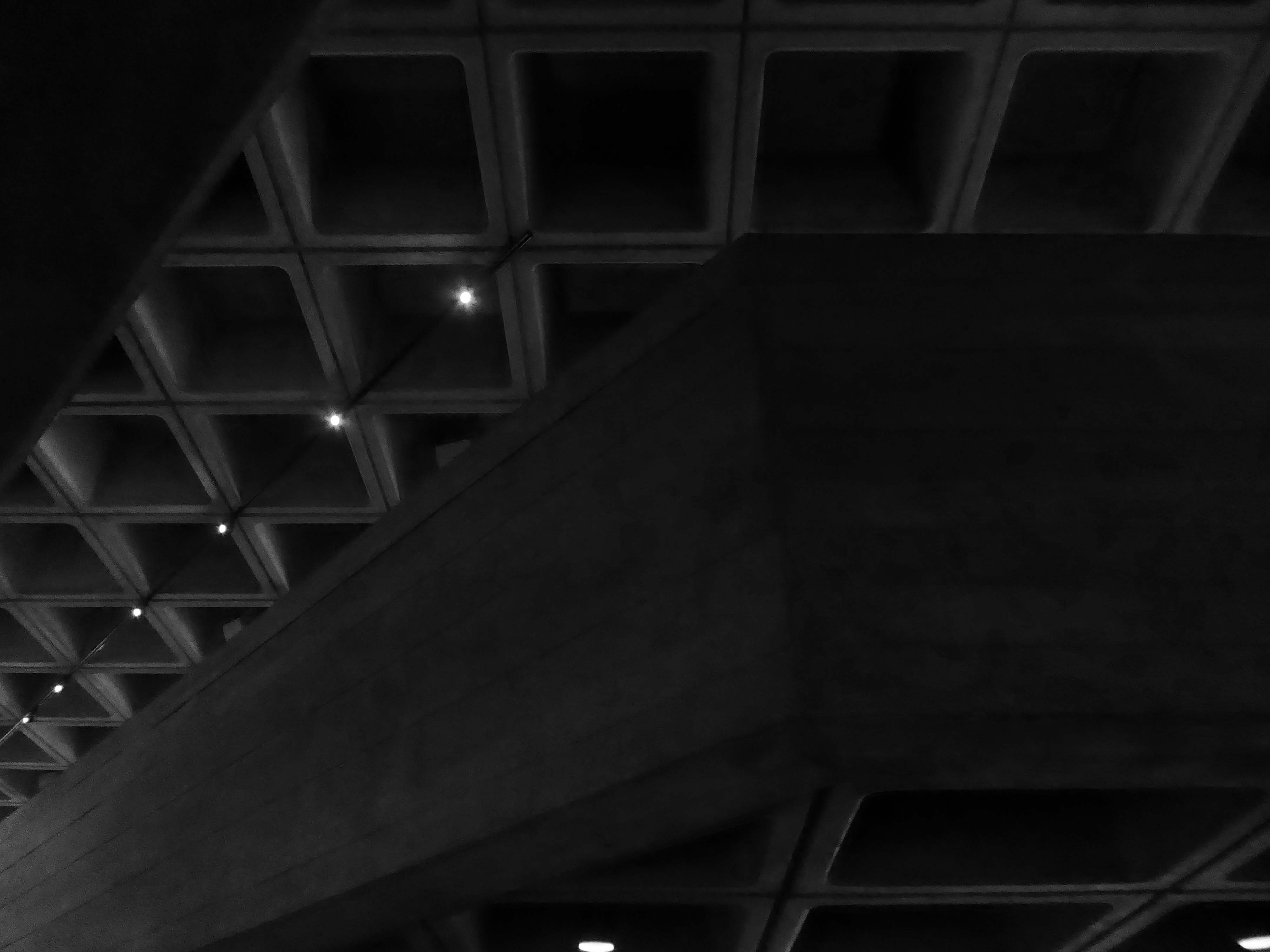
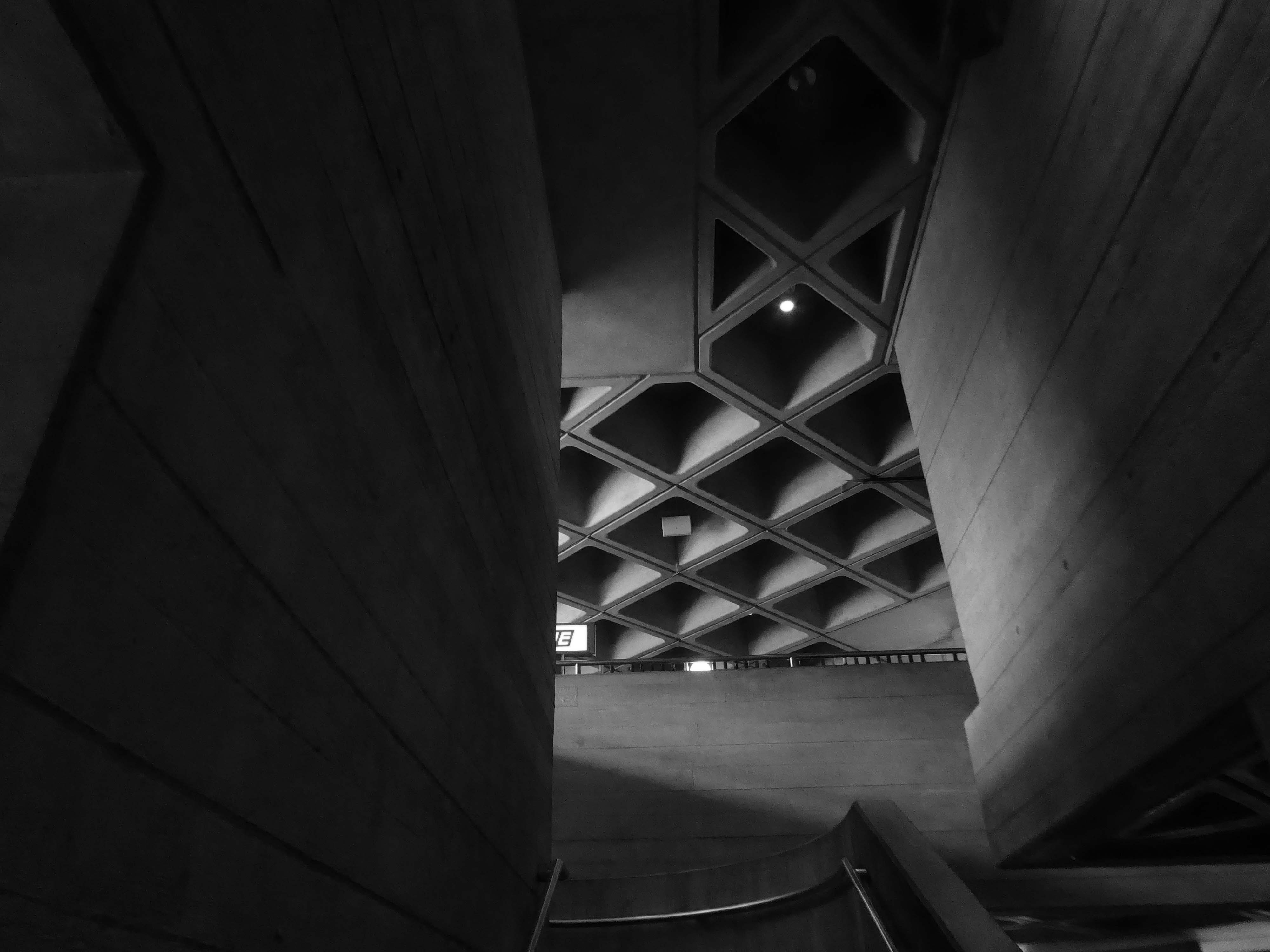
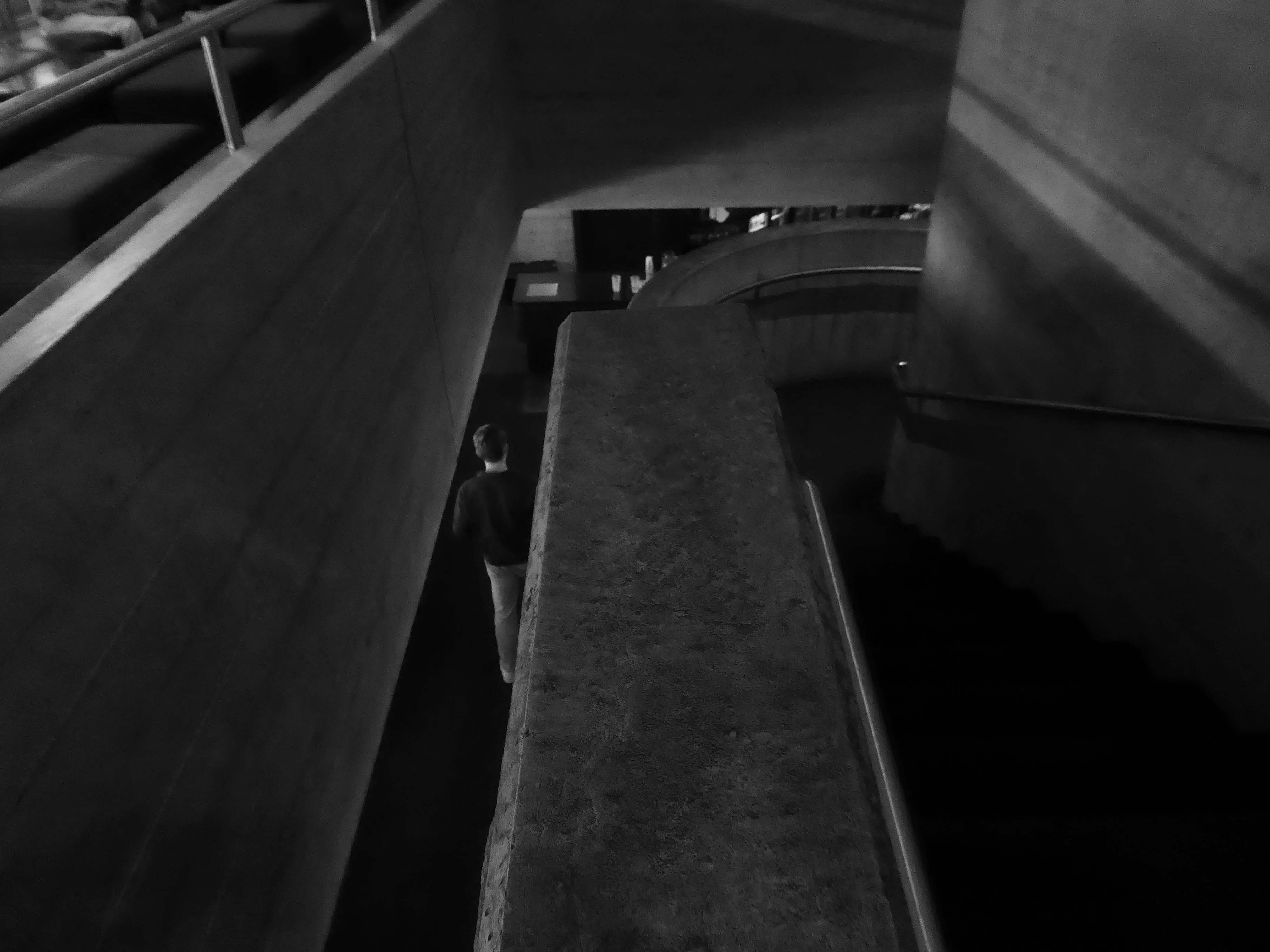
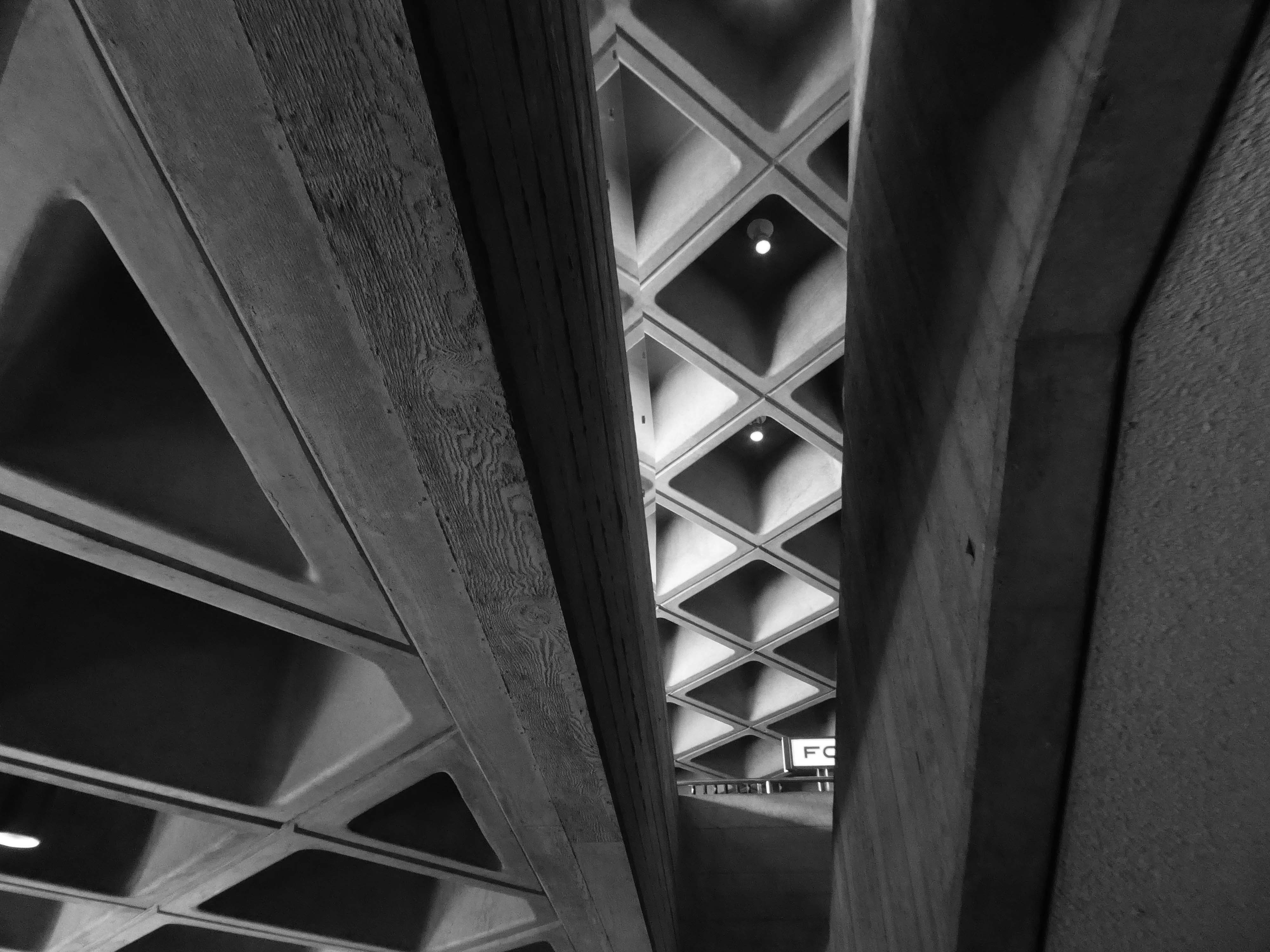
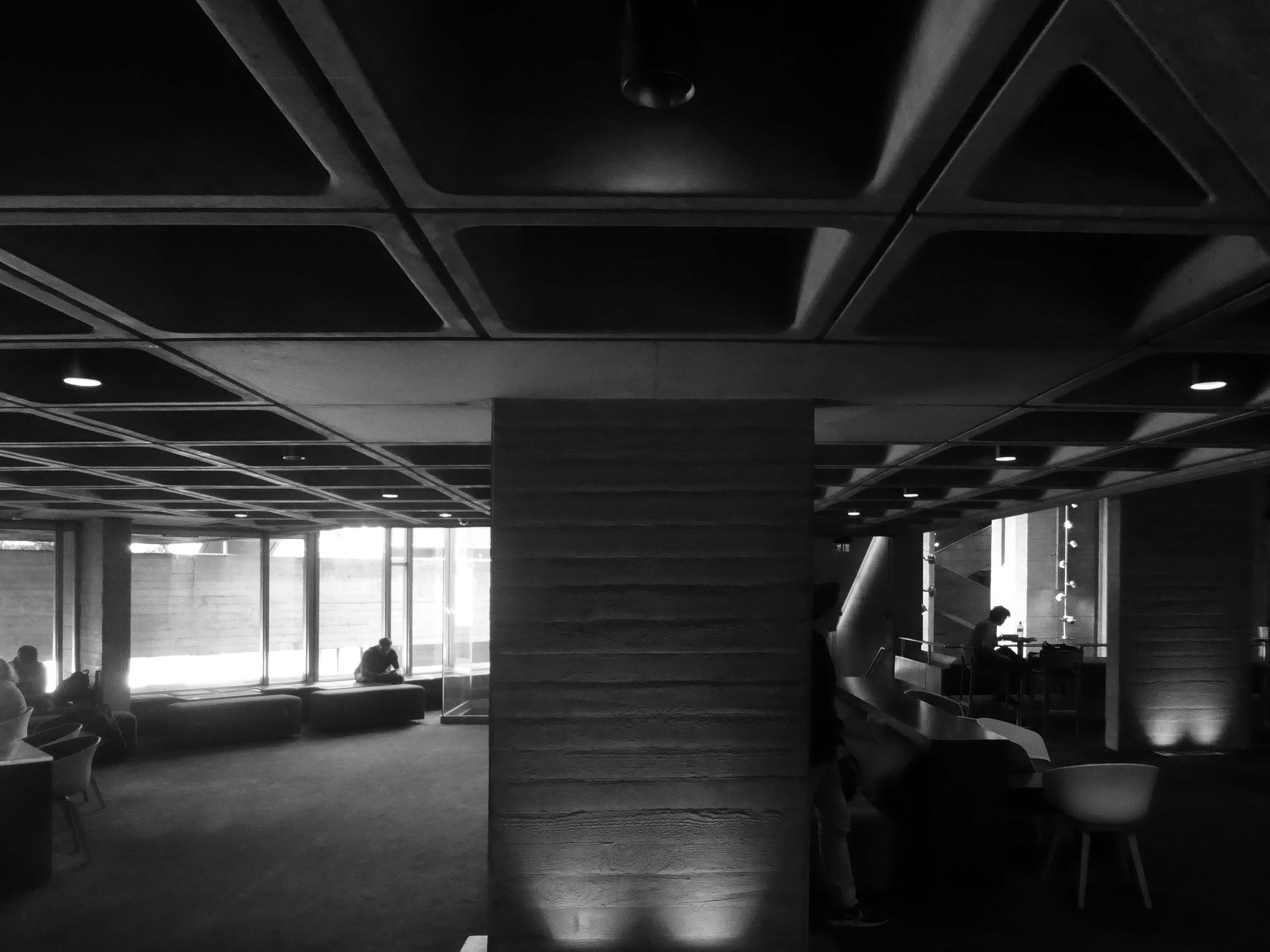
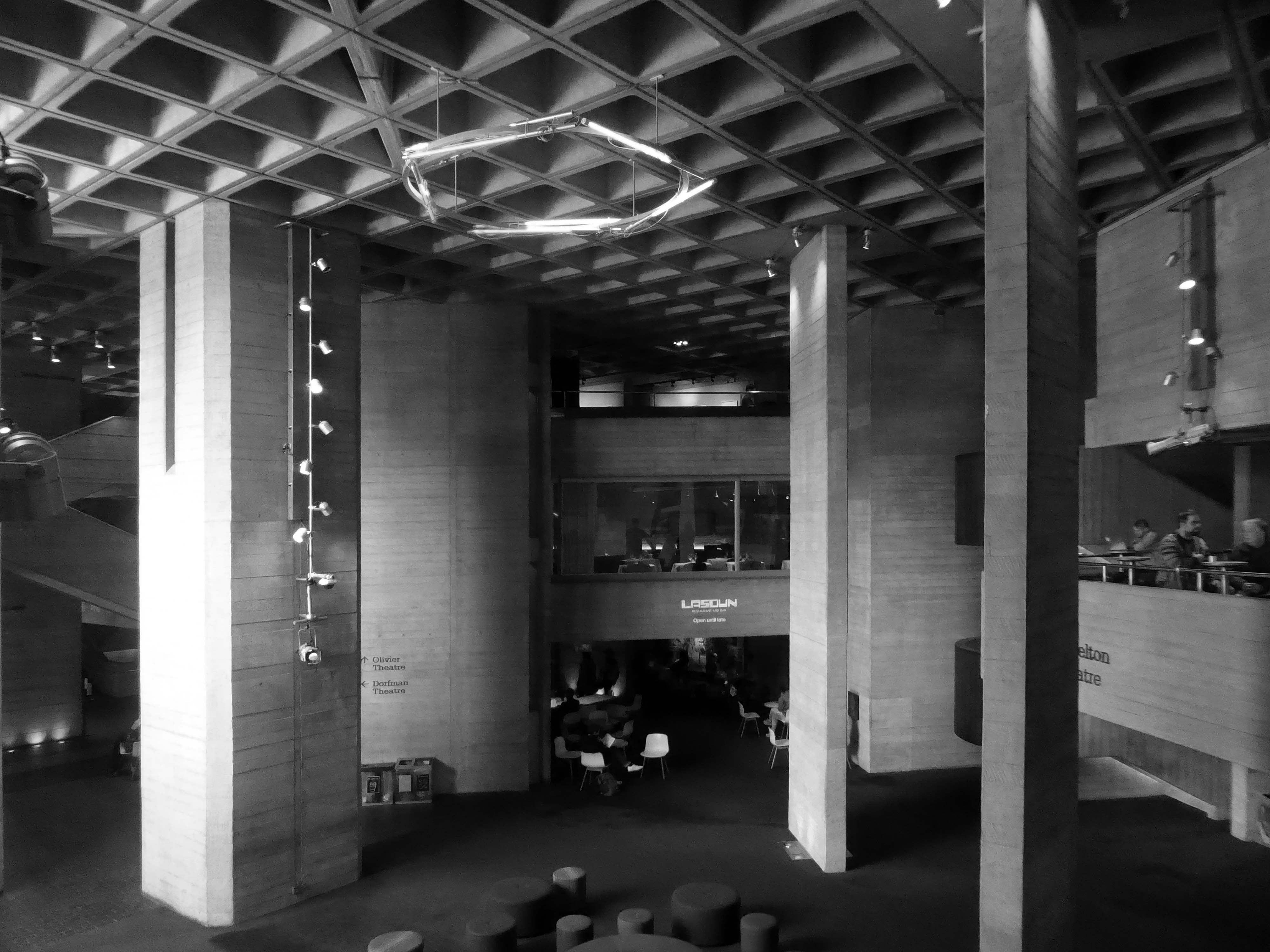
Denys Lasdun was chosen by a jury, which included actor Sir Lawrence Olivier, to design the building. In spite of Lasdun’s fine modernist credentials he was to many a surprising choice – he had never designed a theatre. Within the National Theatre are three separate and very distinct auditoriums. Symbolically and practically they are loosely modelled on theatre designs from the three greatest periods of western drama: the Olivier on classical Greek theatres, the Lyttelton on the proscenium-arch theatres of the past three centuries, and the Cottesloe on Tudor inn-yards. The building has become a national landmark in Great Britain and has been listed Grade II* since 1994.
I have several Brutalist badges, yet feel disinclined to badge myself a Brutalist, with or without a capital B.
Me, I’m a little more Polyarchitectural by nature.
Less seduced by Edmund Burke’s ideas of the sublime than others.
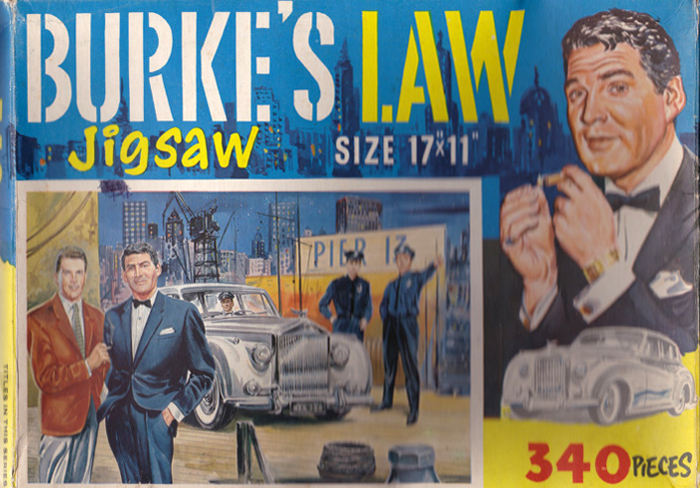
The passion caused by the great and sublime in nature, when those causes operate most powerfully is Astonishment, and astonishment is that state of the soul in which all its motions are suspended, with some degree of horror … No passion so effectually robs the mind of all its powers of acting and reasoning as fear. For fear, being an apprehension of pain or death, operates in a manner that resembles actual pain. Whatever therefore is terrible, with regard to sight, is sublime too … Indeed terror is in all cases whatsoever, either more openly or latently, the ruling principle of the sublime.
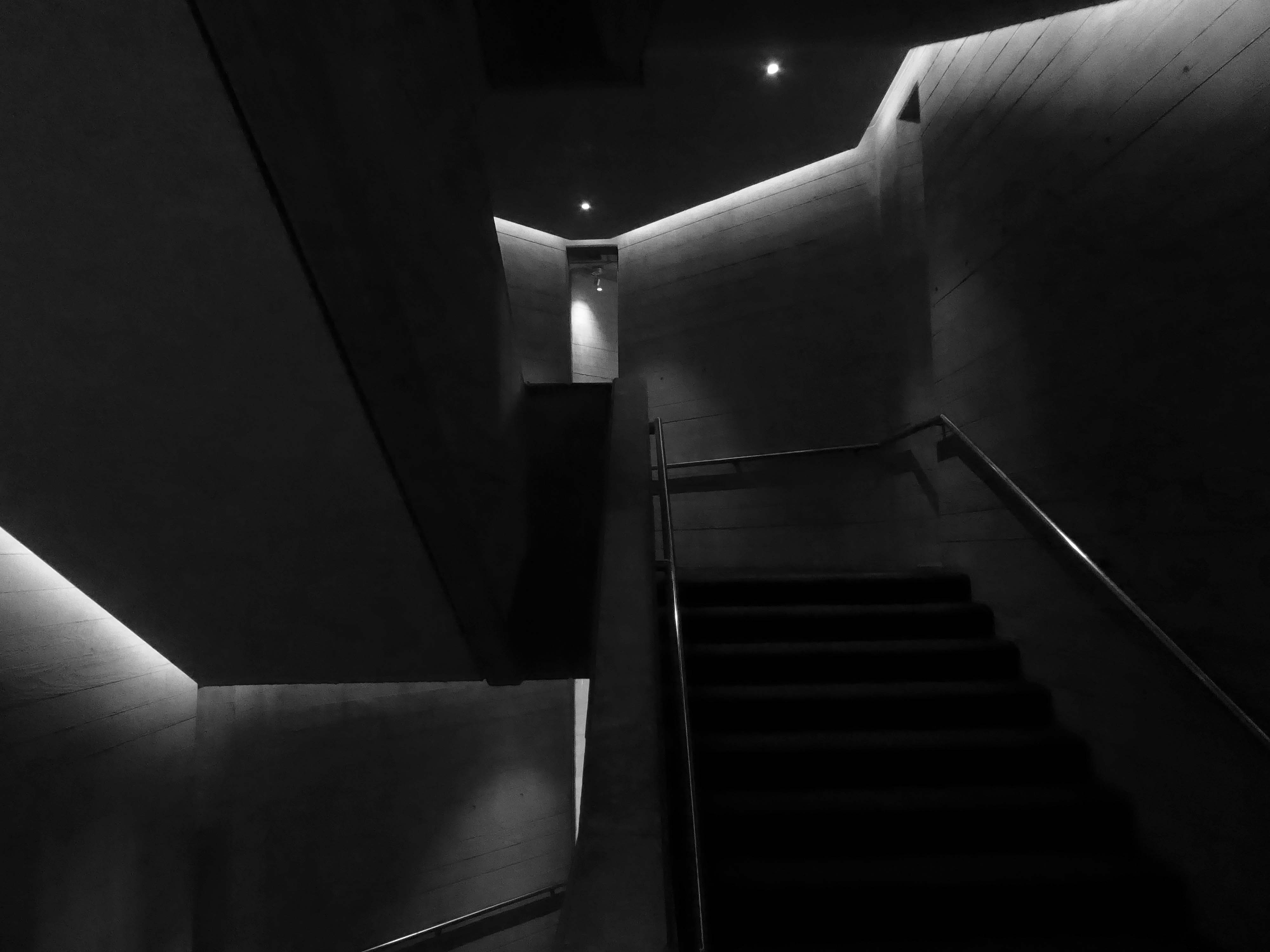
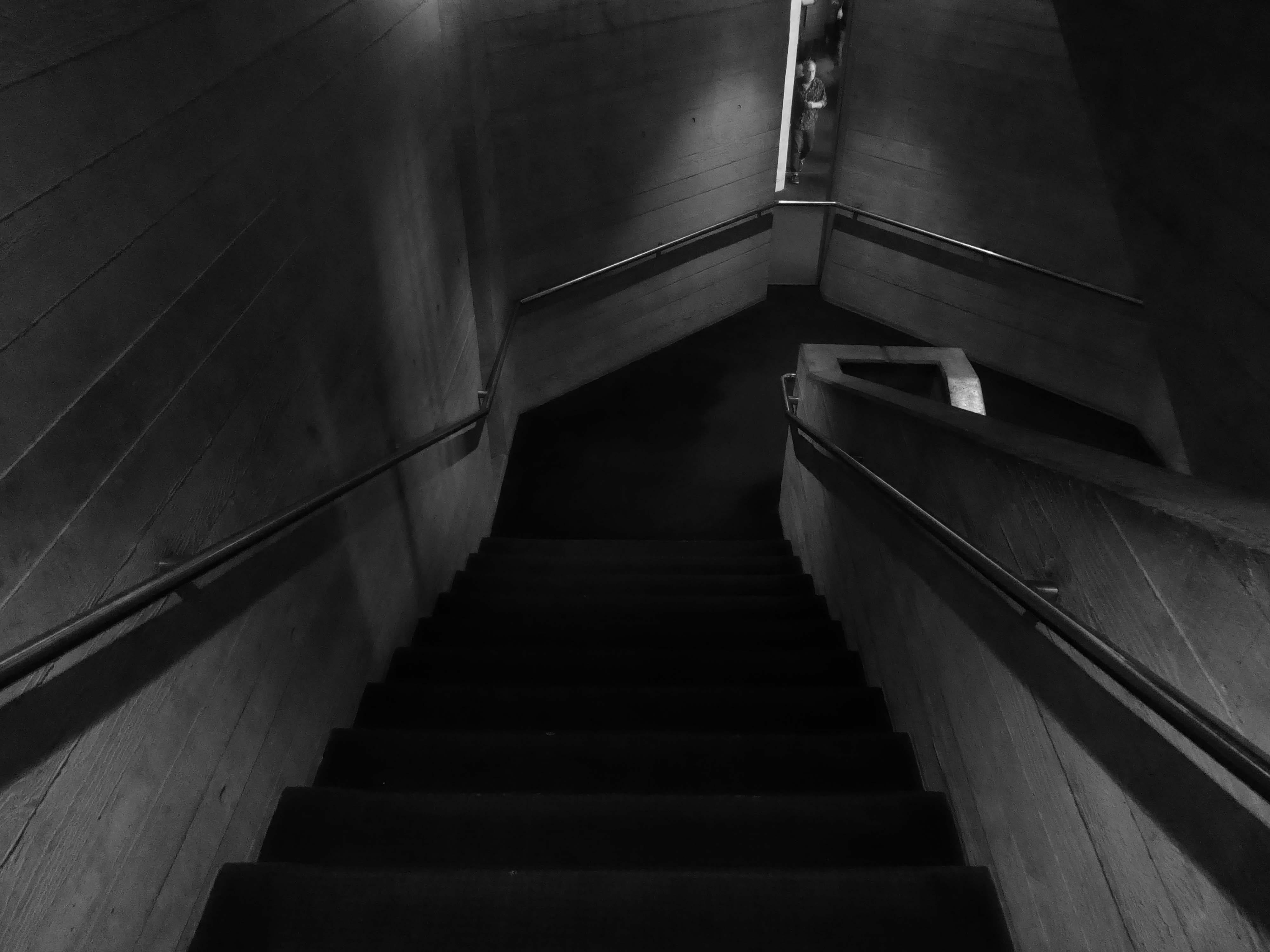
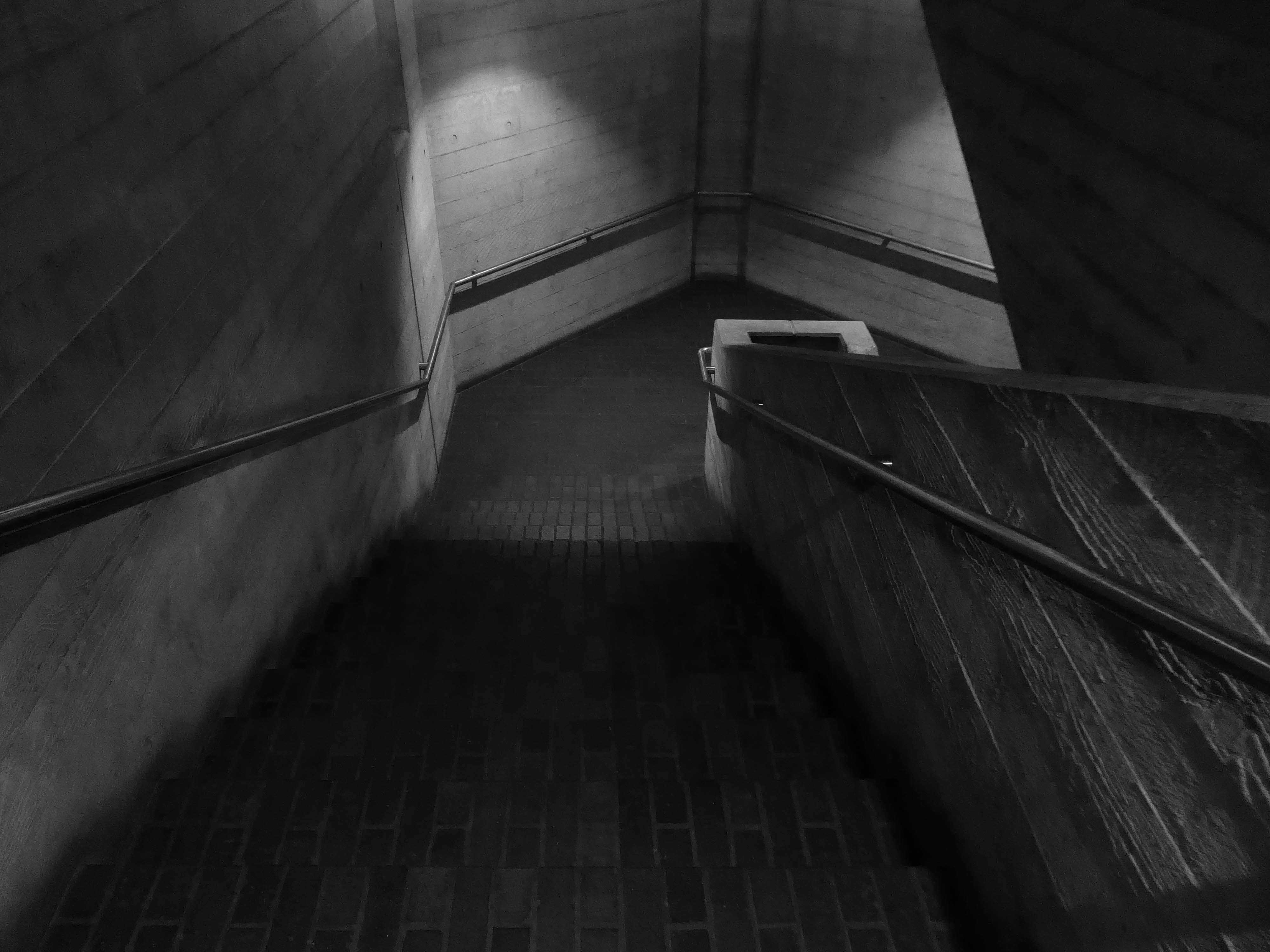
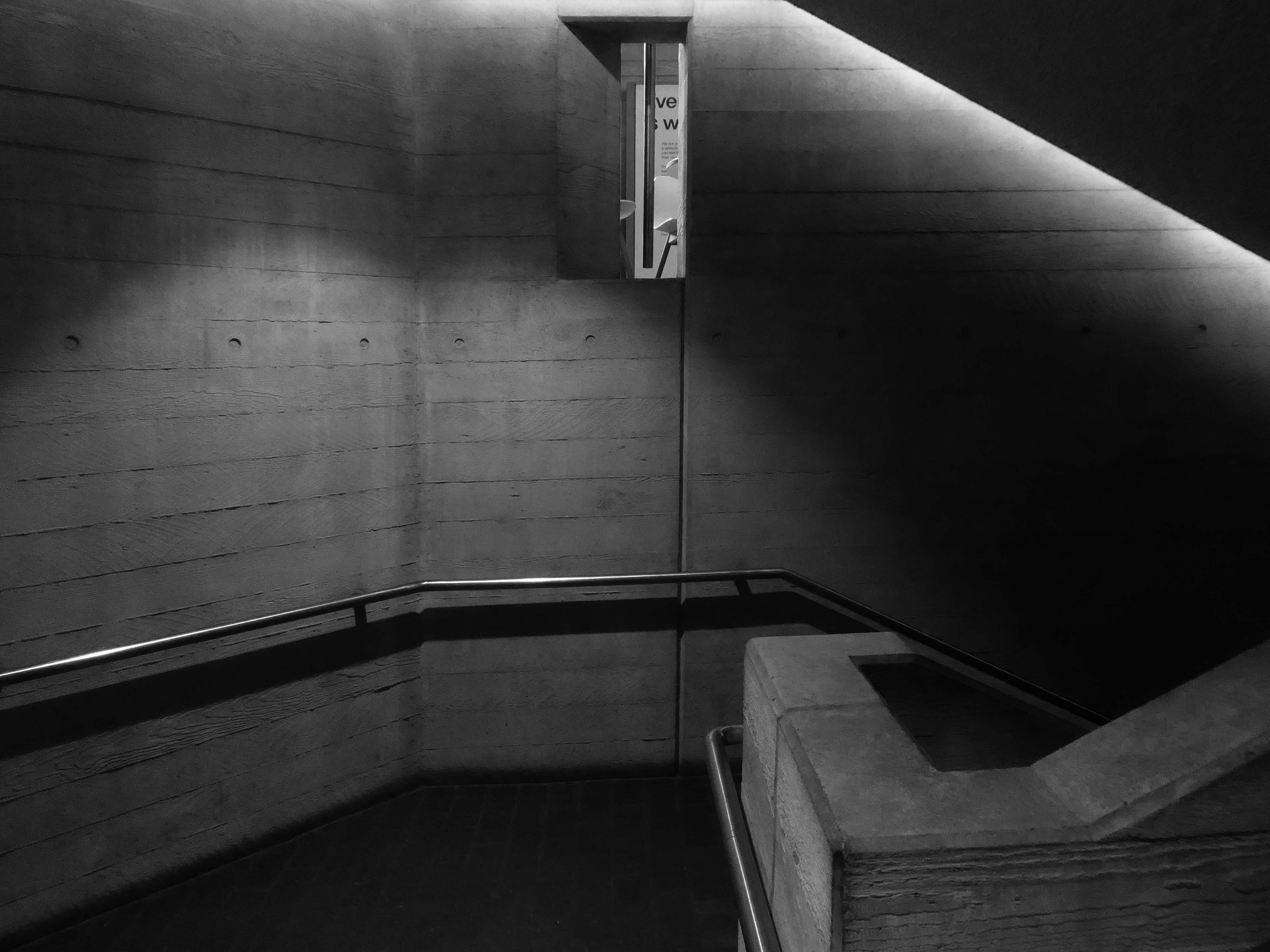
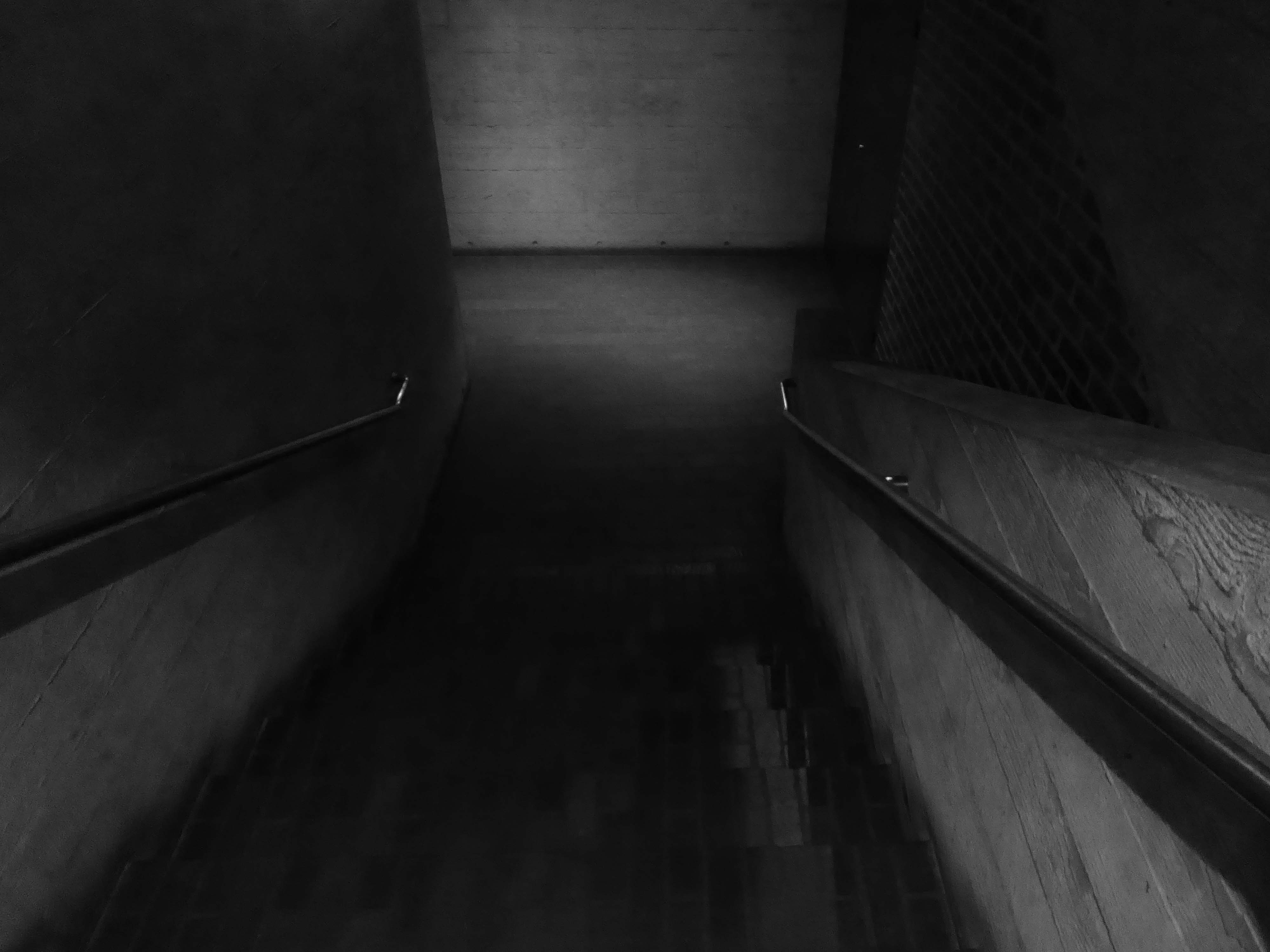
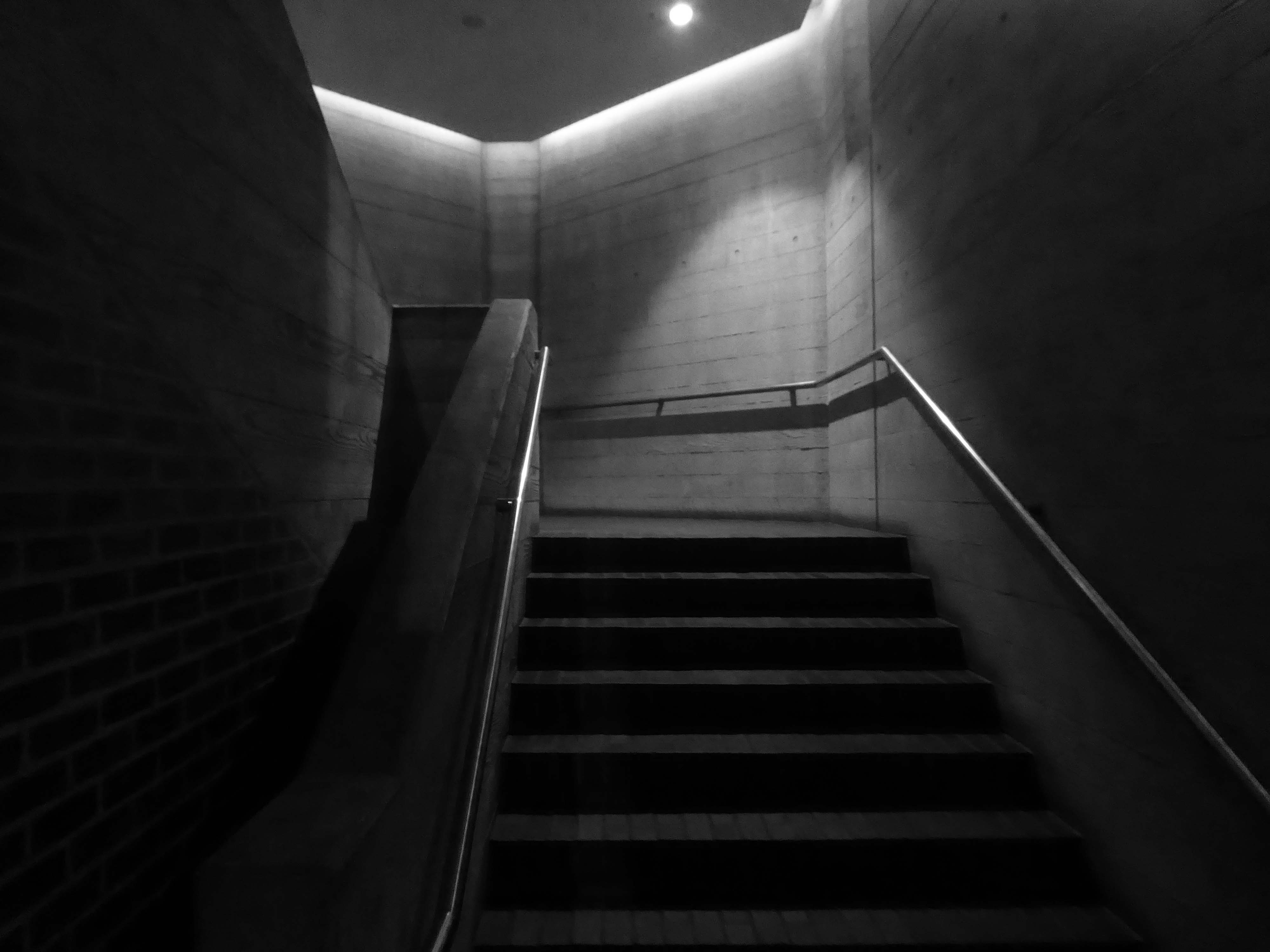
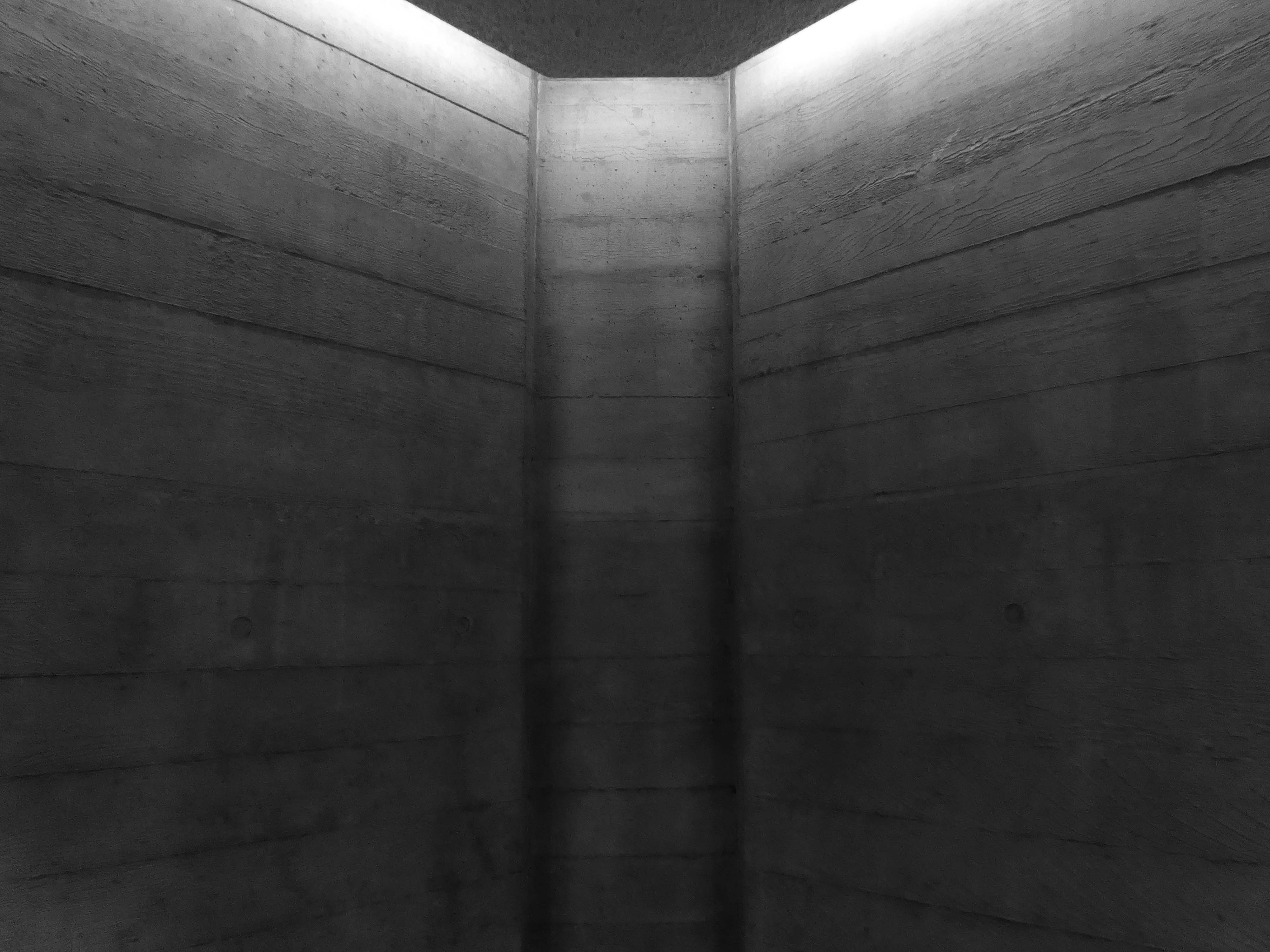
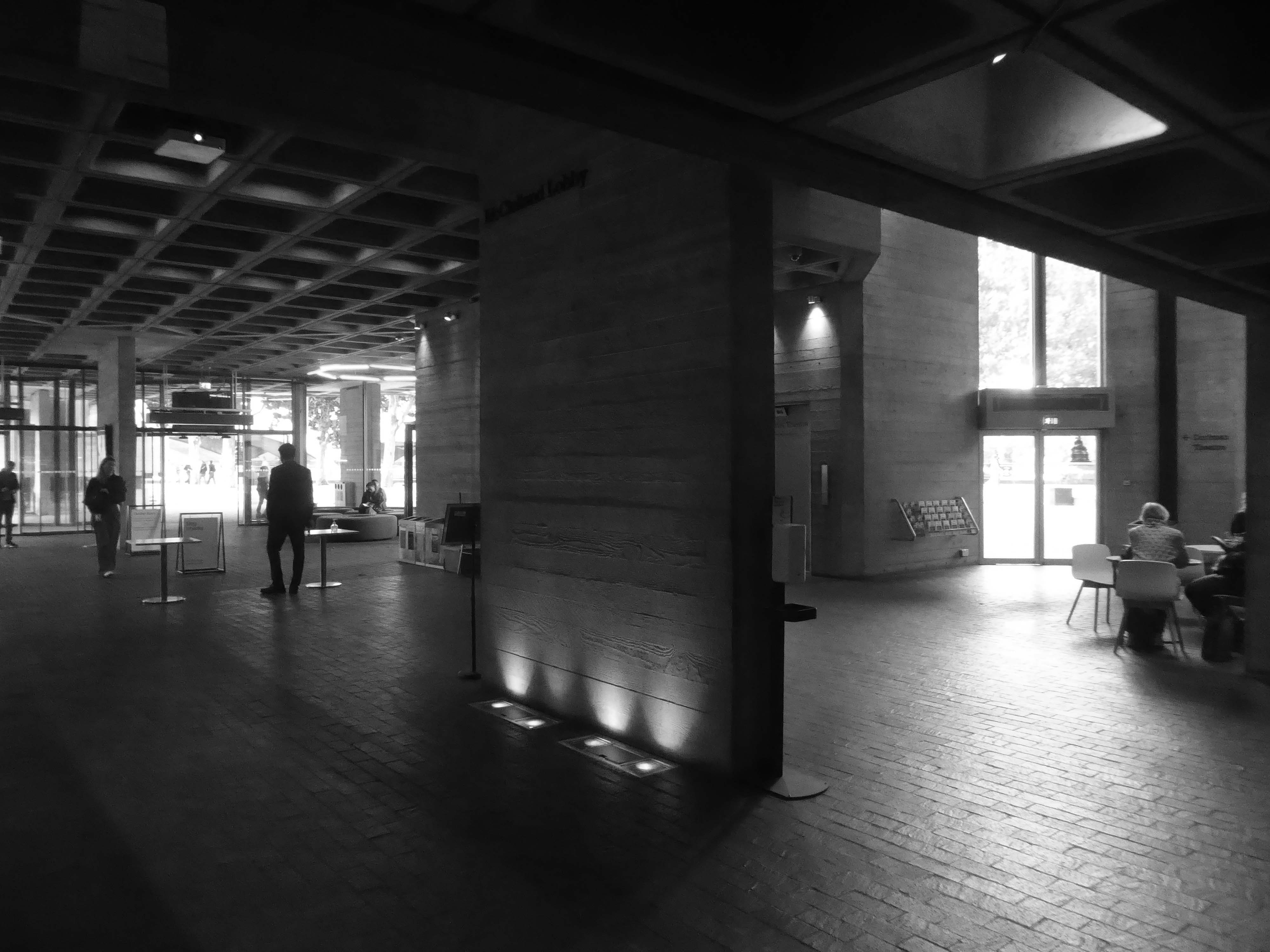
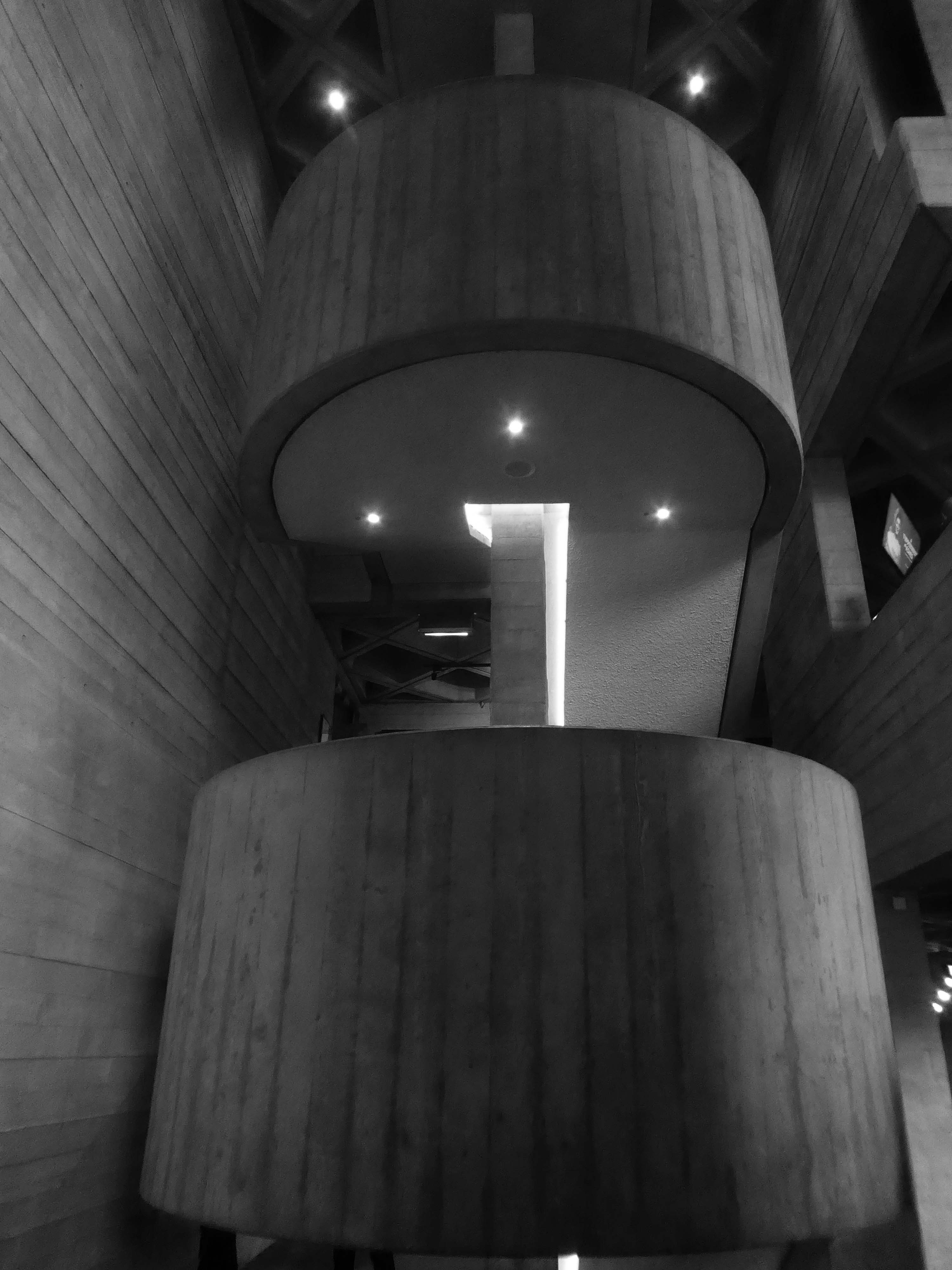
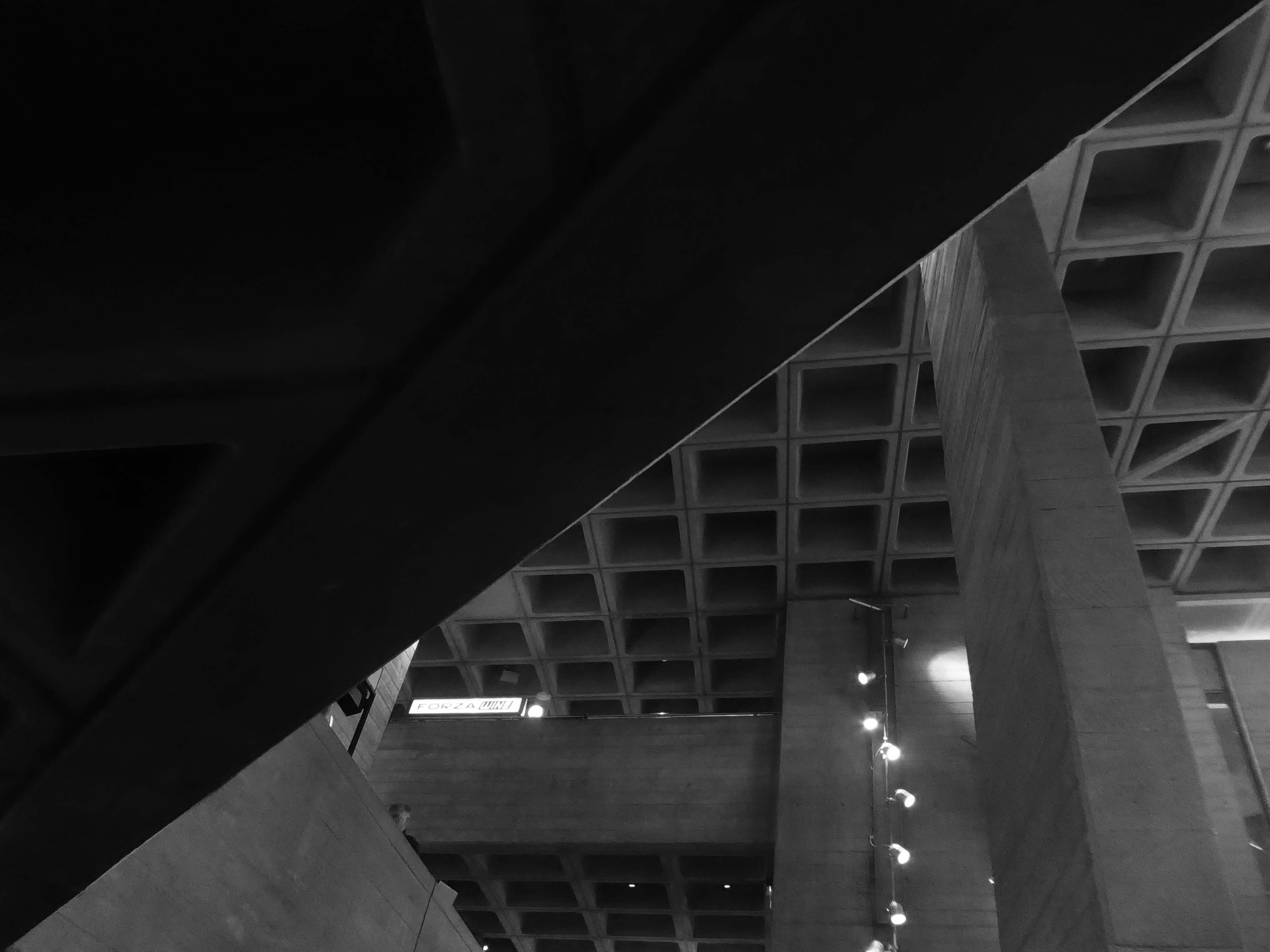
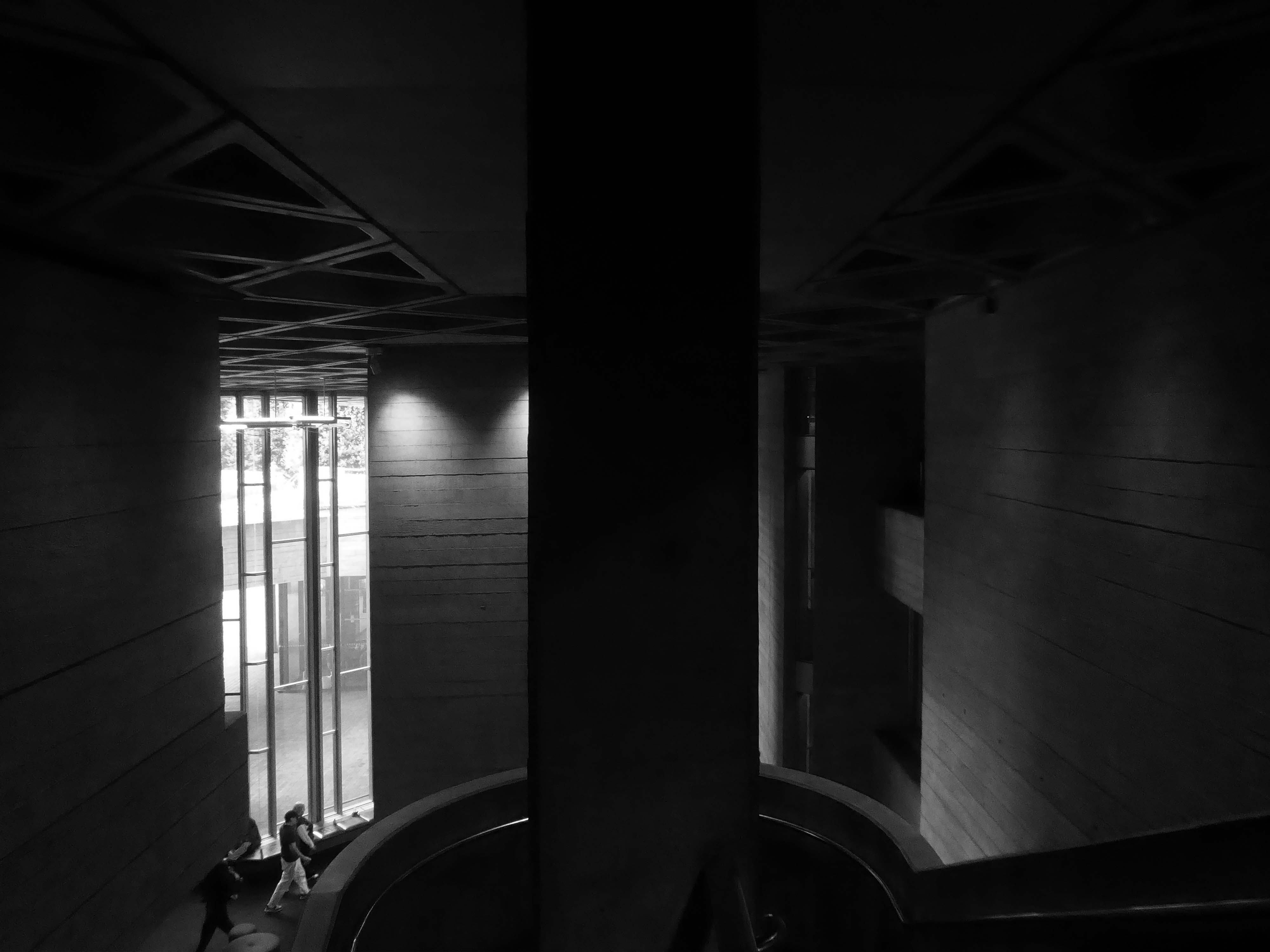
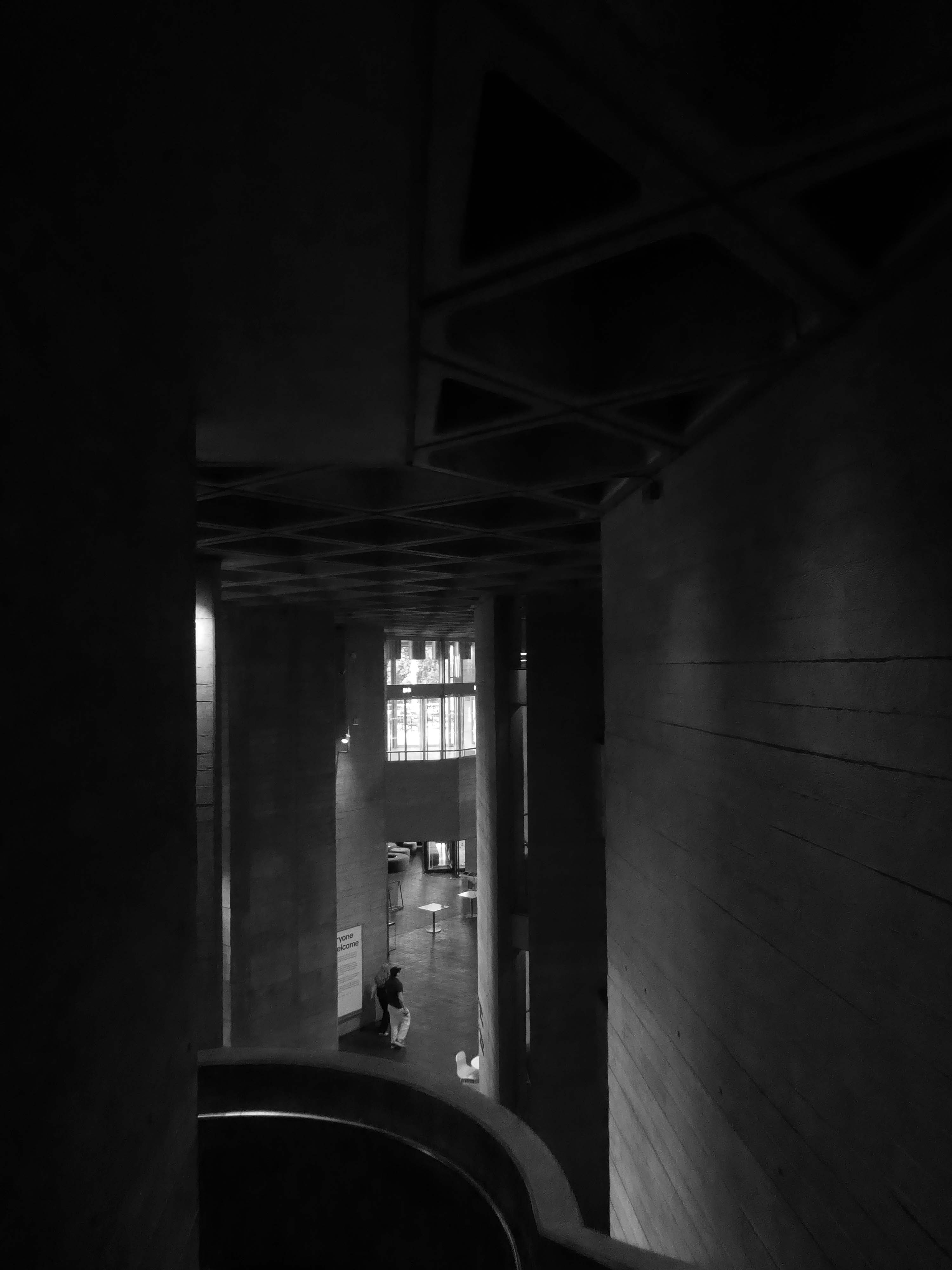
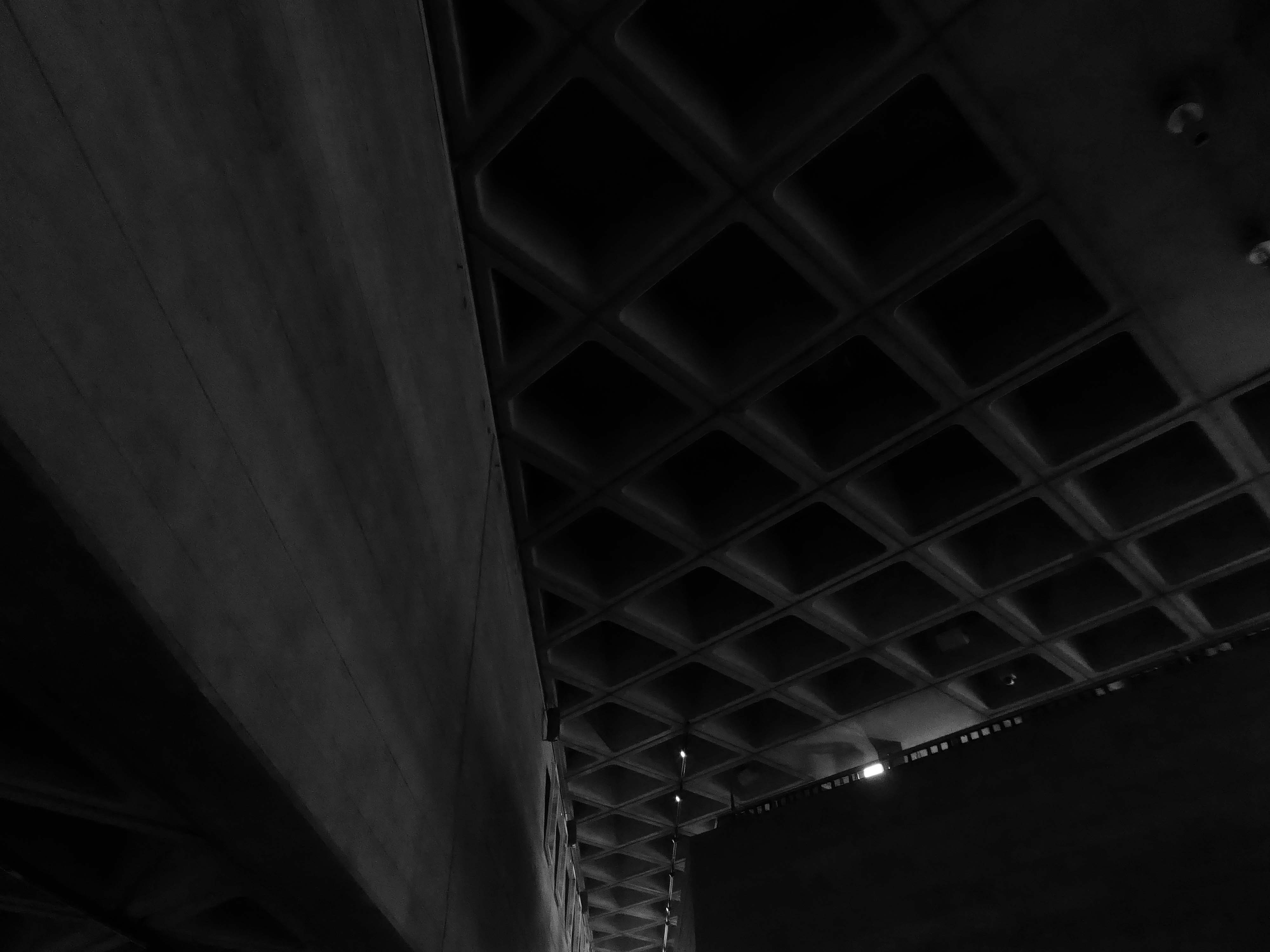
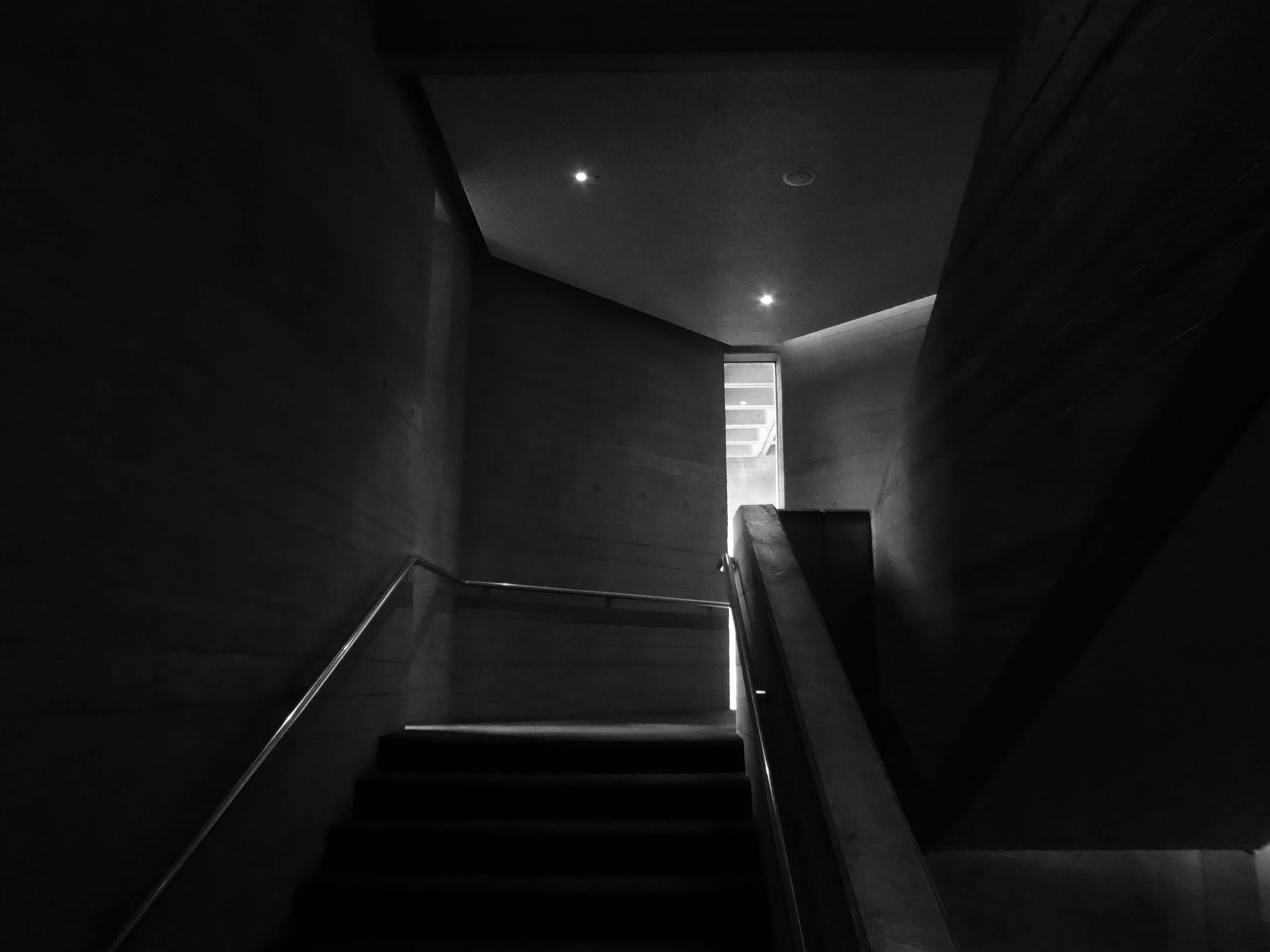
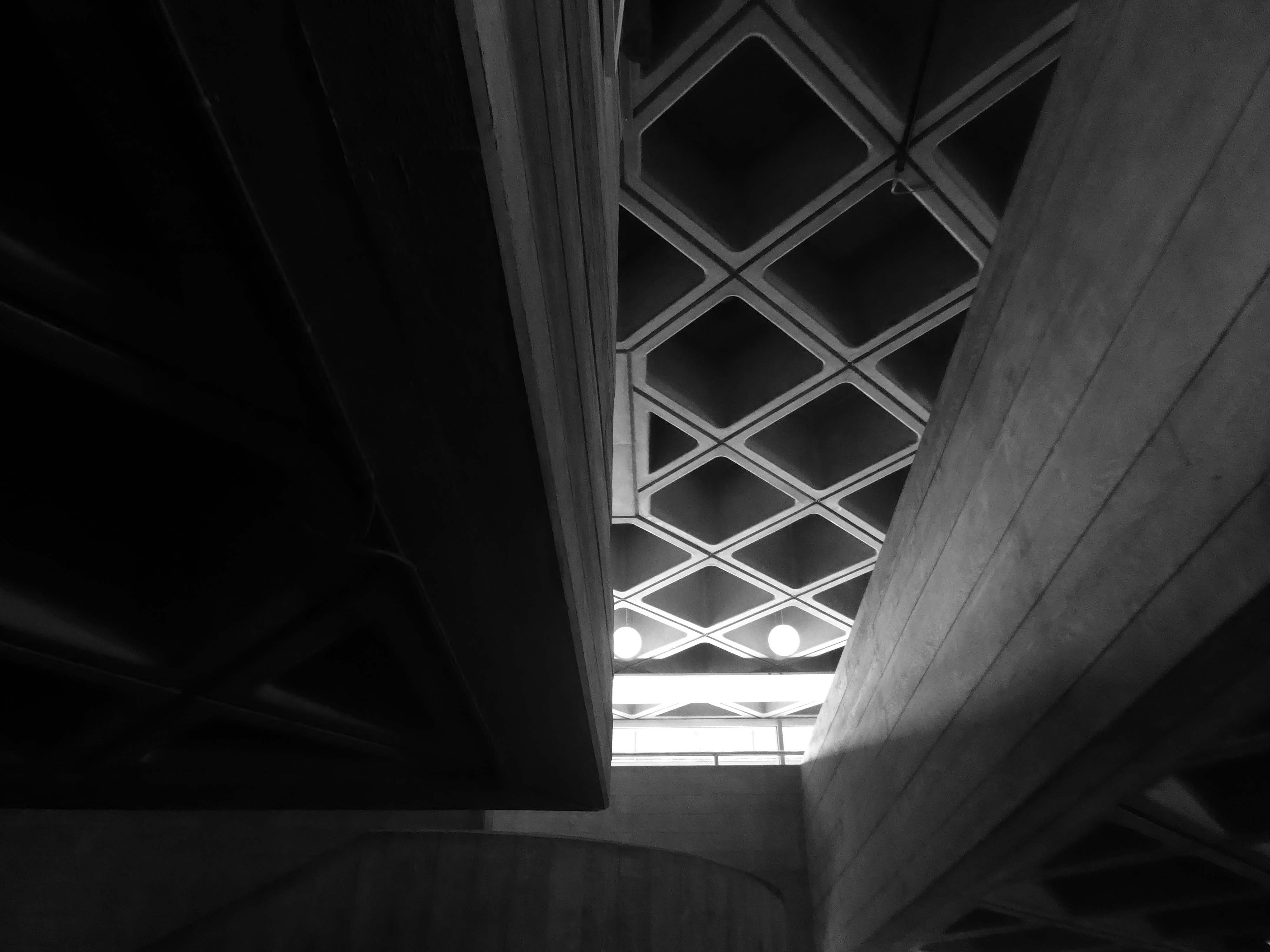
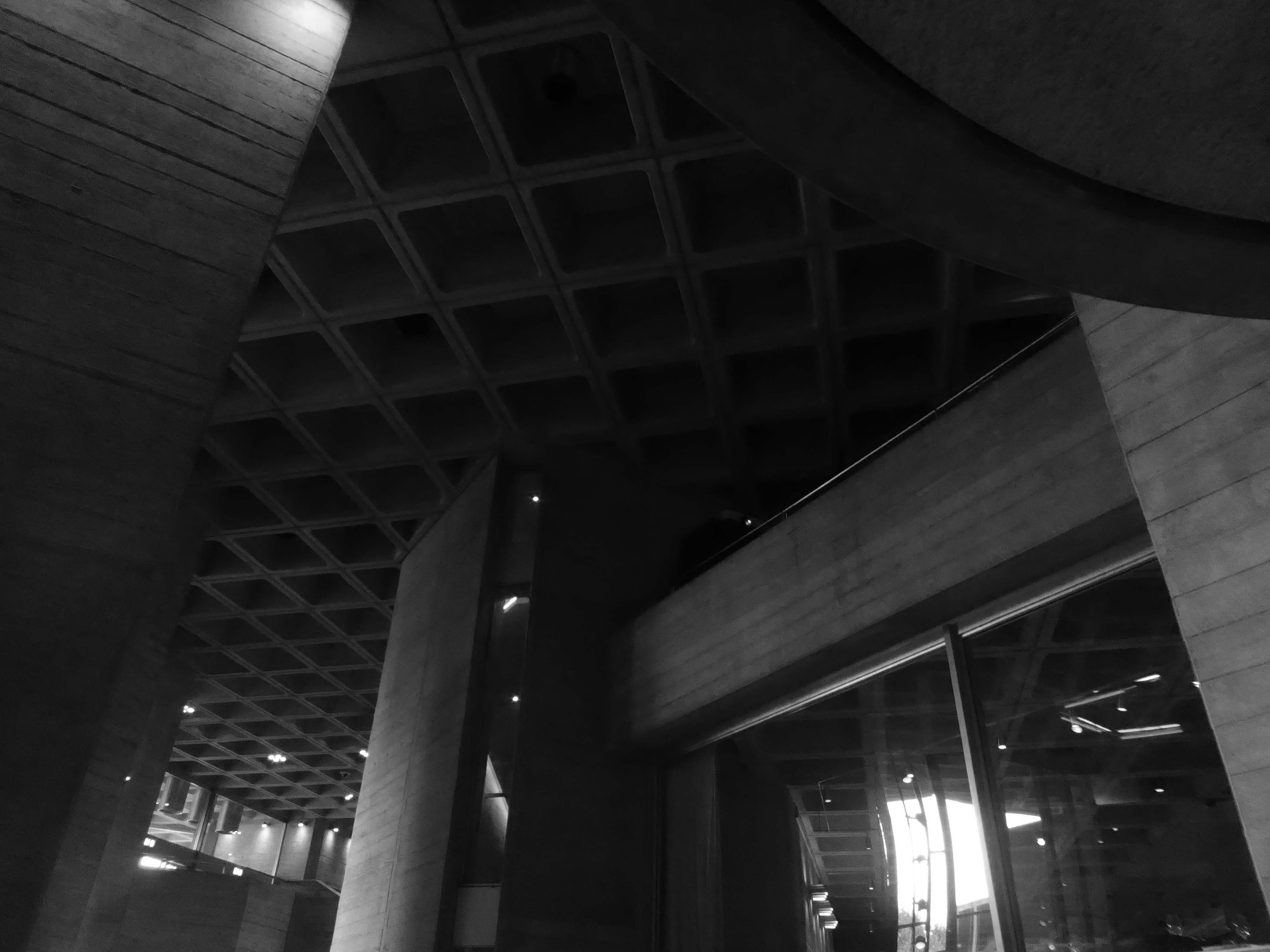
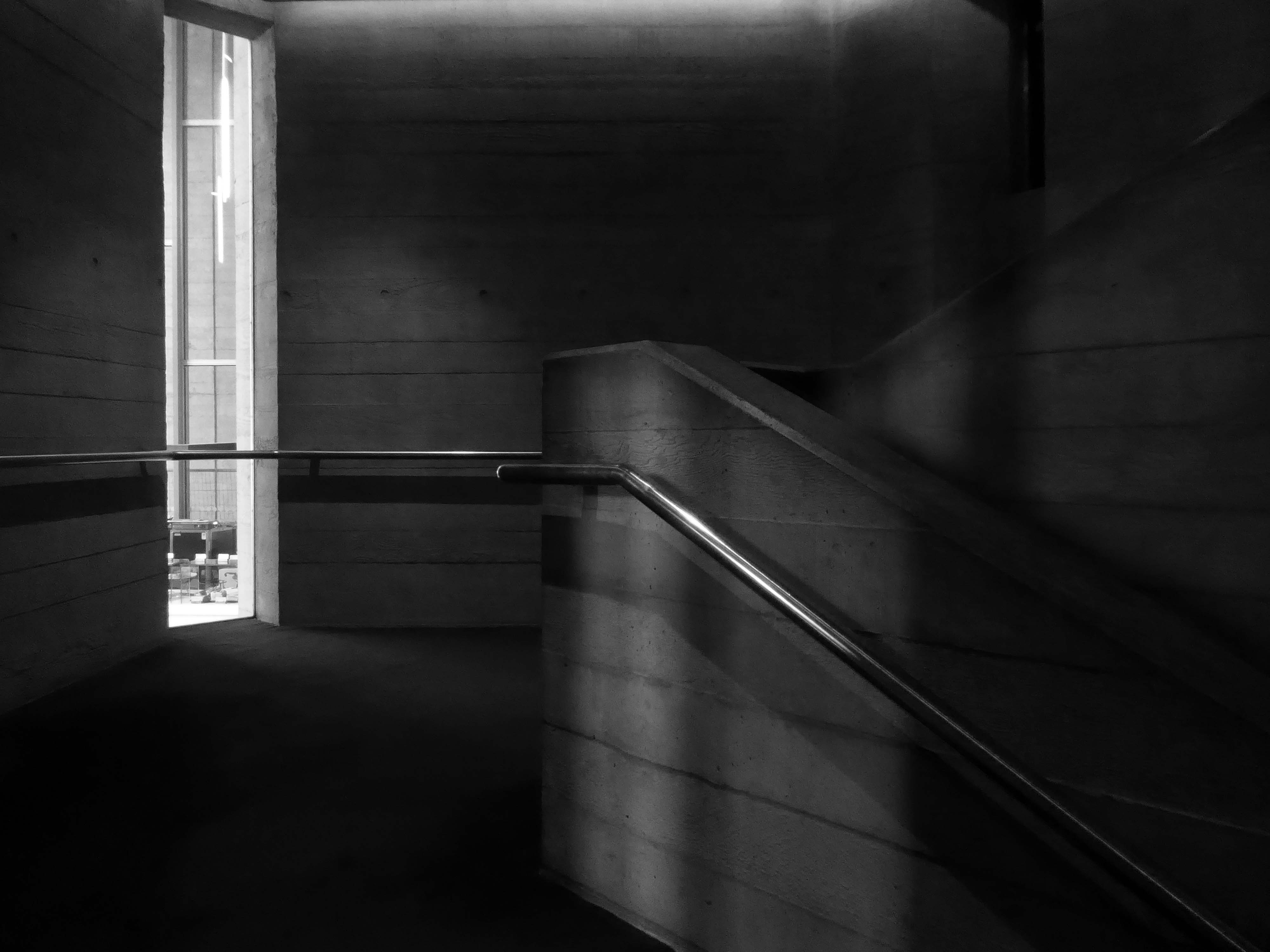
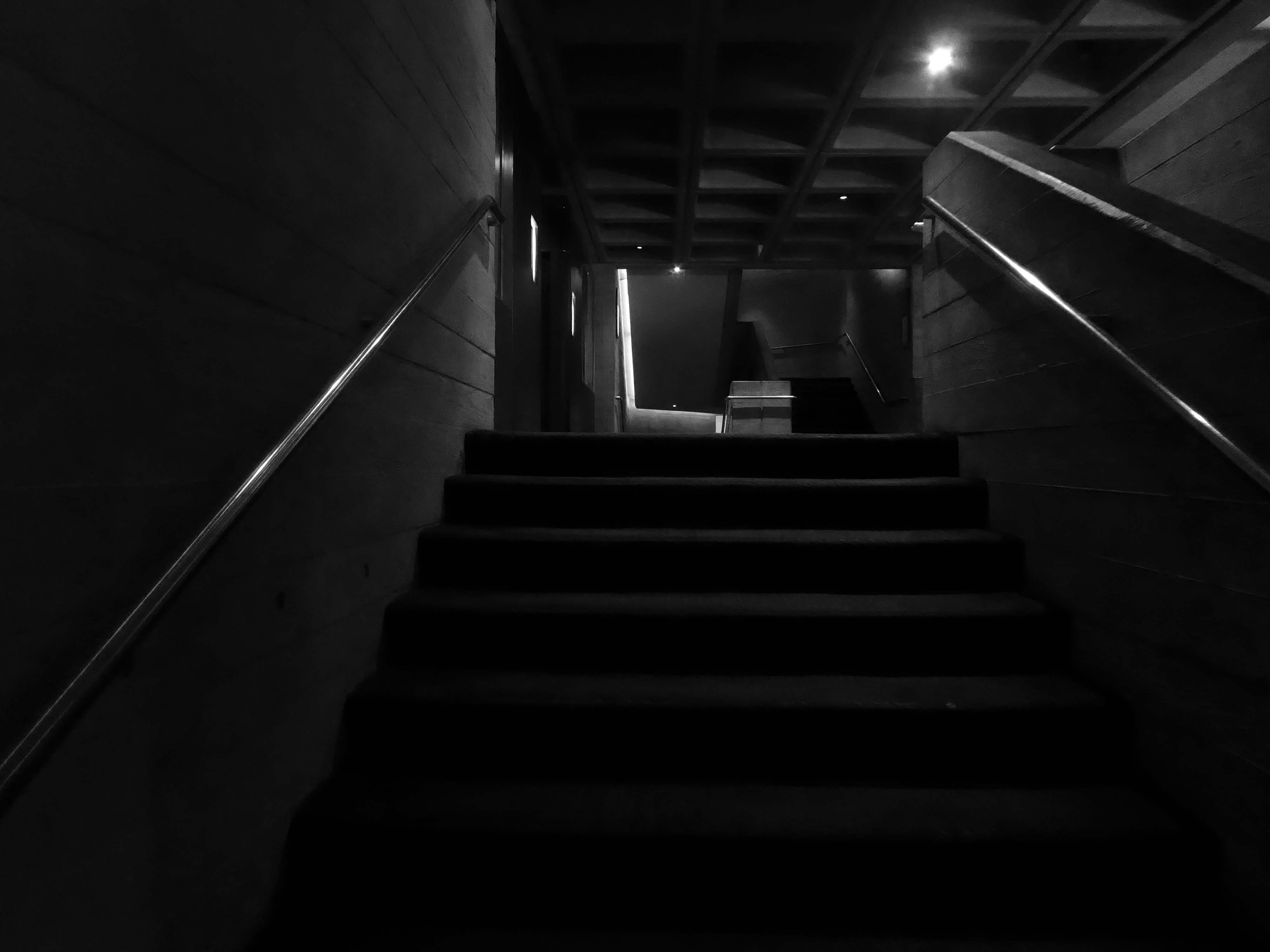
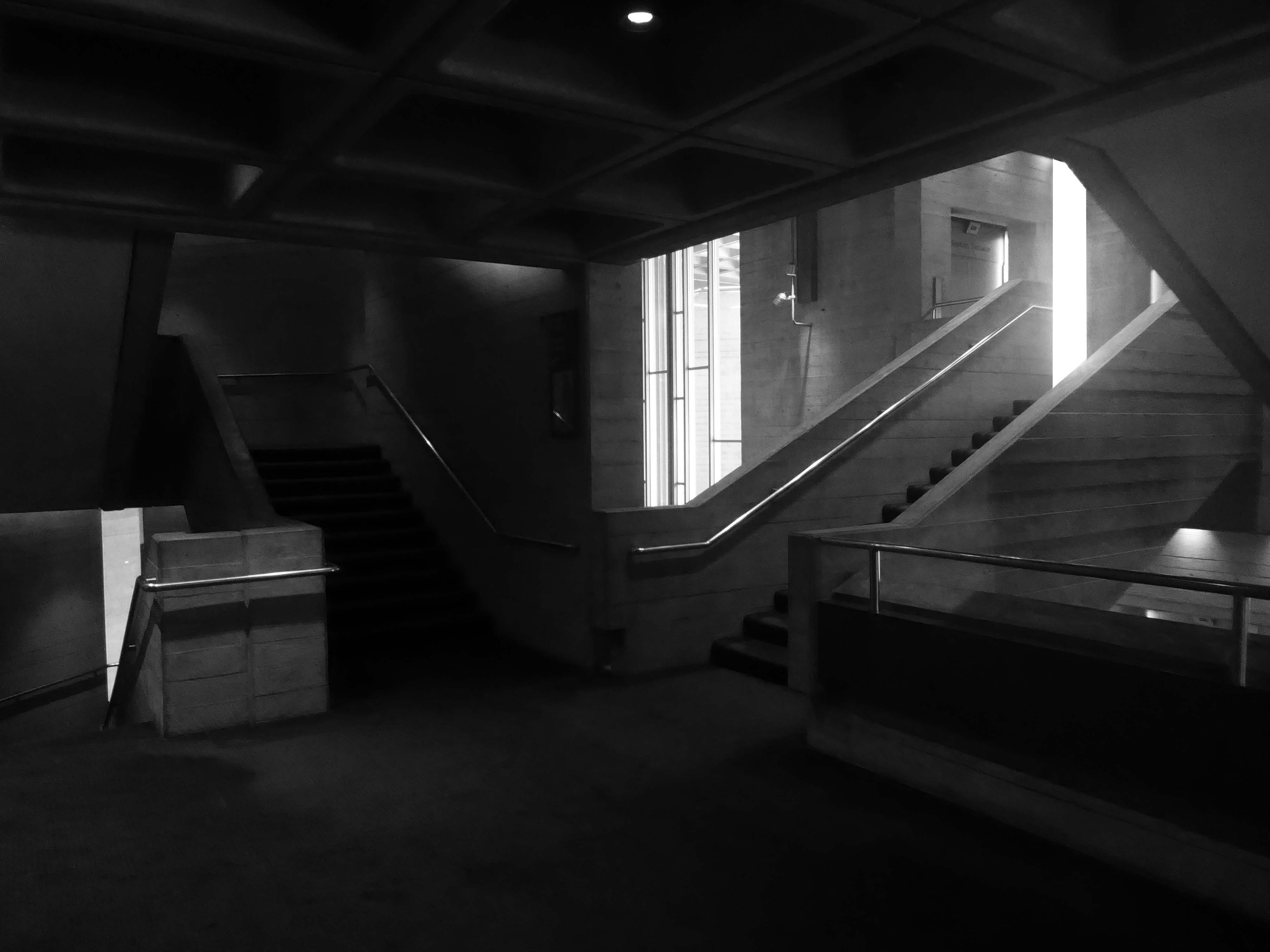
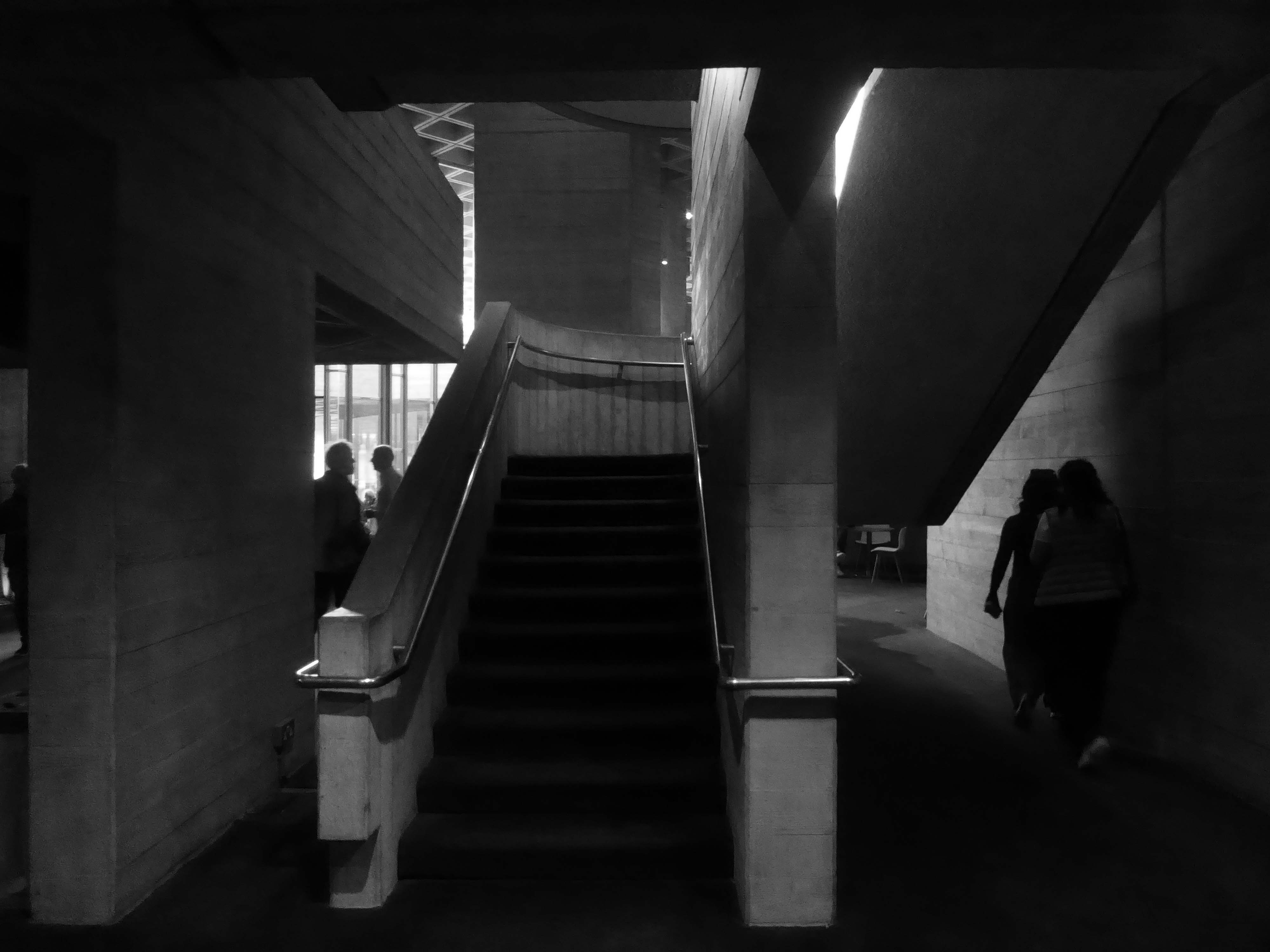
Furthermore, whilst the exterior of the National Theatre may well induce fear, and in some loathing, the interior feels both human and secure. When I explored the ins and outs of the public spaces, the monumental seems to be held carefully in check, despite the challenging contrasts in mass and volume. The exposed concrete surfaces and angular forms are softened by sensitive lighting and the presence of people, in motion and at rest.
So at a loose end on a showery day on the Southbank I caught shelter and solace within.
Previously on Modern Mooch – we encounter Mr Lasdun in Leeds and Liverpool
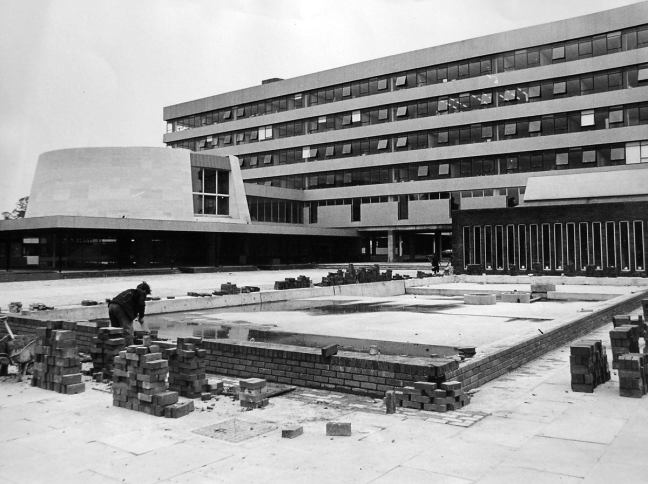
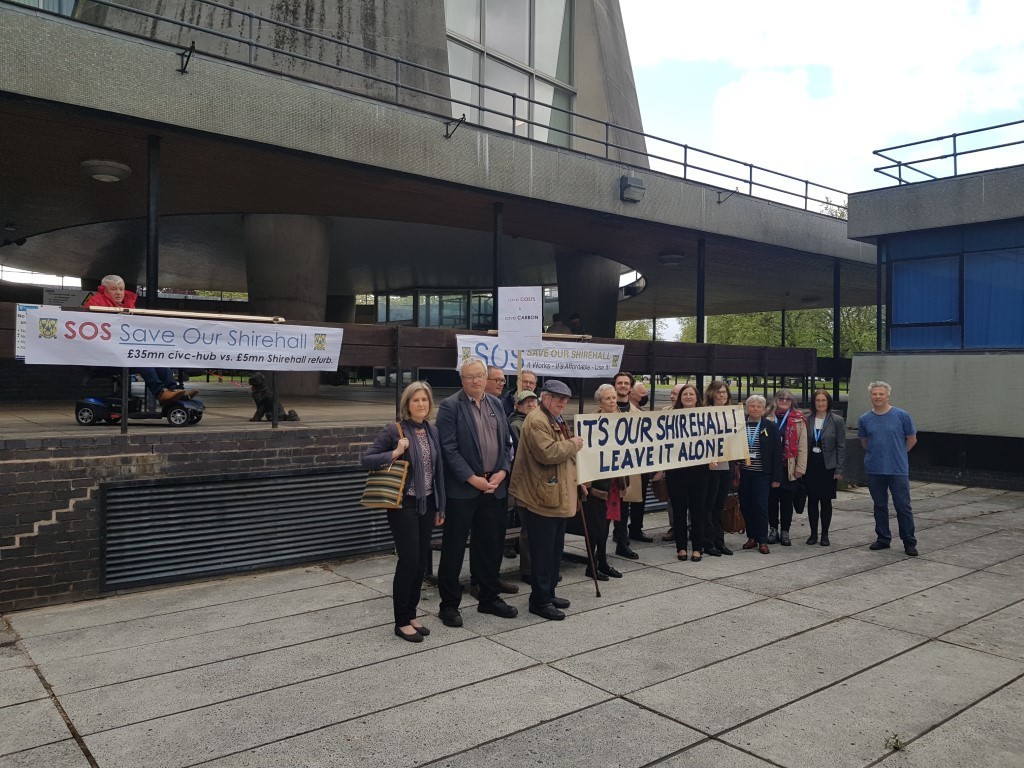
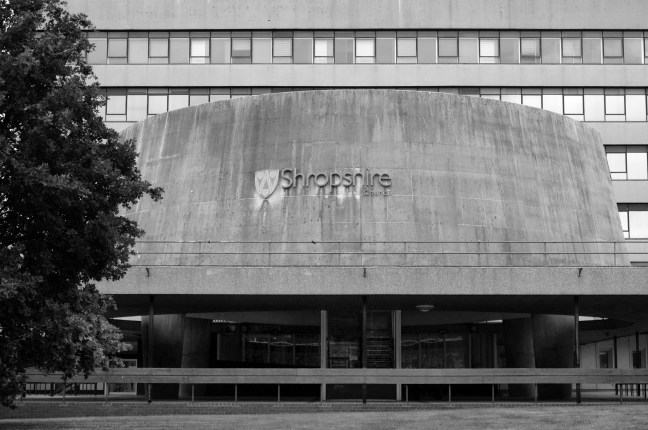
They have campaigned tirelessly to save the building which is under threat, the local authority wishing to demolish the site.
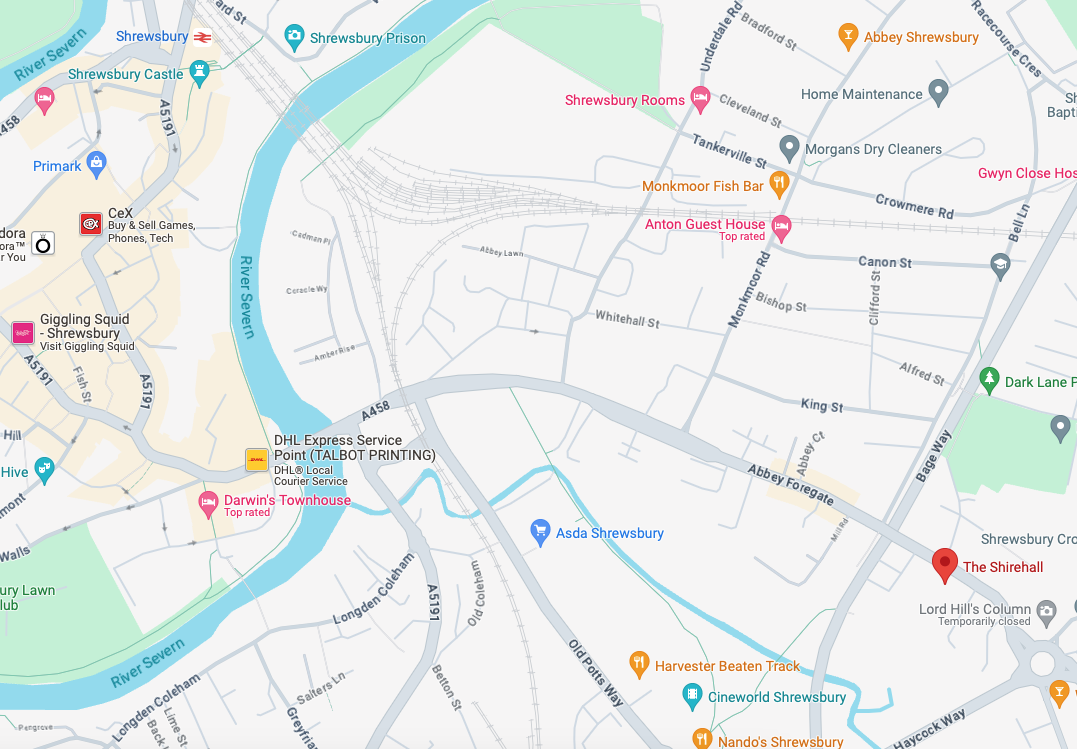
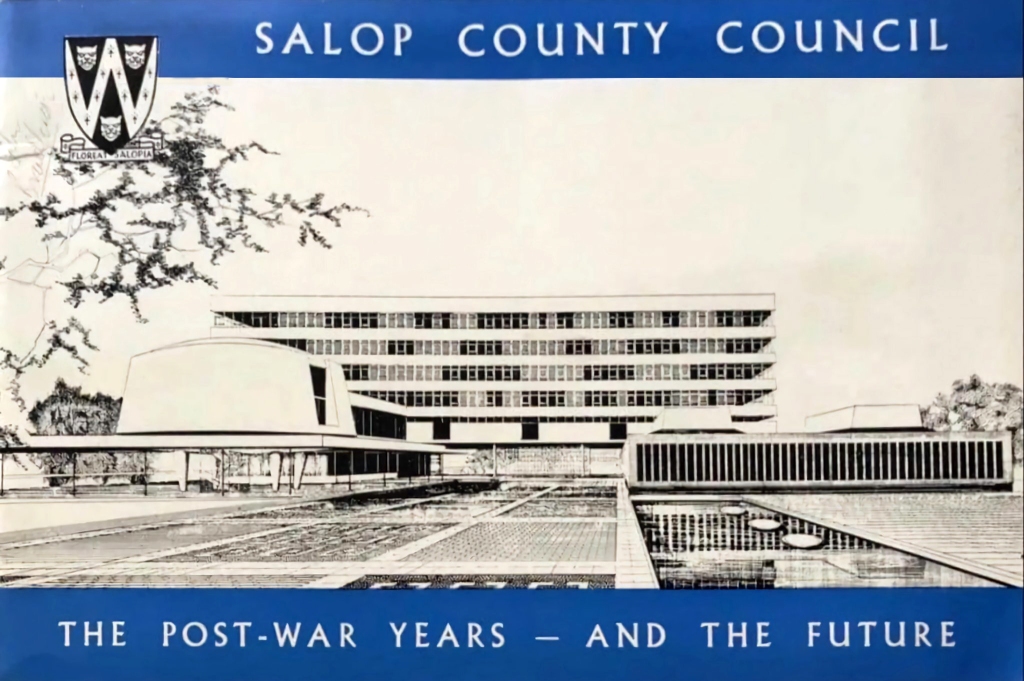
There has long been a split in Shropshire Council between councillors who want to keep Shirehall and this that want to demolish it and move to the town centre. Last December, the council agreed to dispose of the building in the next few years after work on Civic Hub in the town centre is completed. That Civic Hub is still in the ideas stage and there is no clear idea of where the money will come fund it. Unless the council sells the 3.5 hectare Shirehall site for housing boosting its capital reserves which were depleted by the £51m purchase of the shopping centres in Shrewsbury town centre.
The budget plans agreed two weeks ago days propose that Shirehall is sold before April 2025 to make a saving of £325,000 in 2024/25.
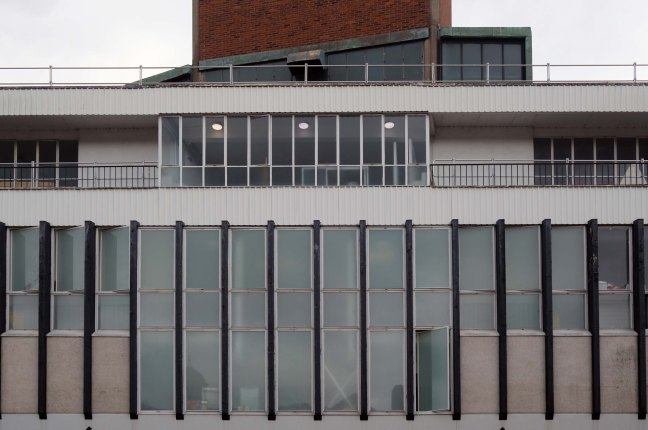
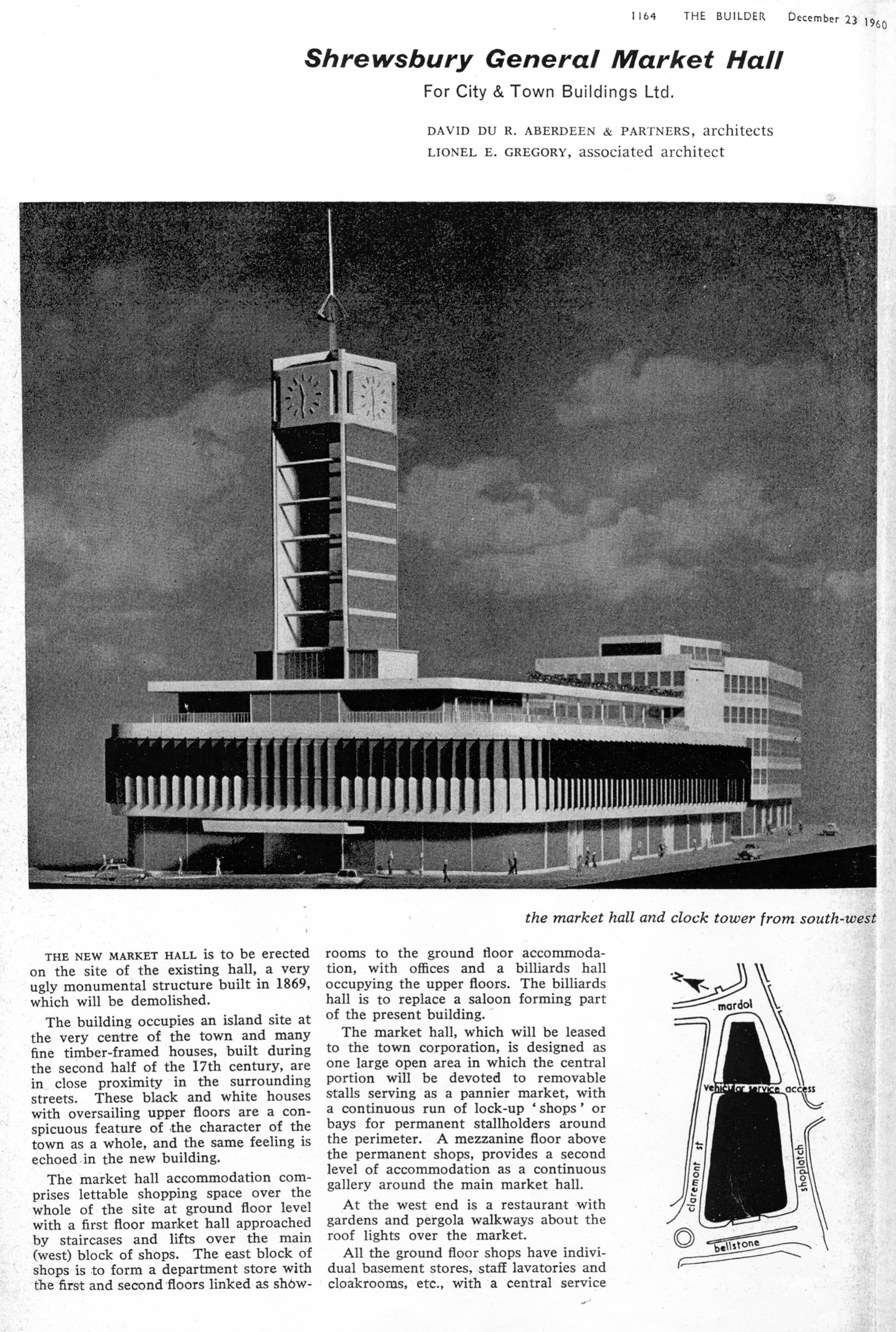
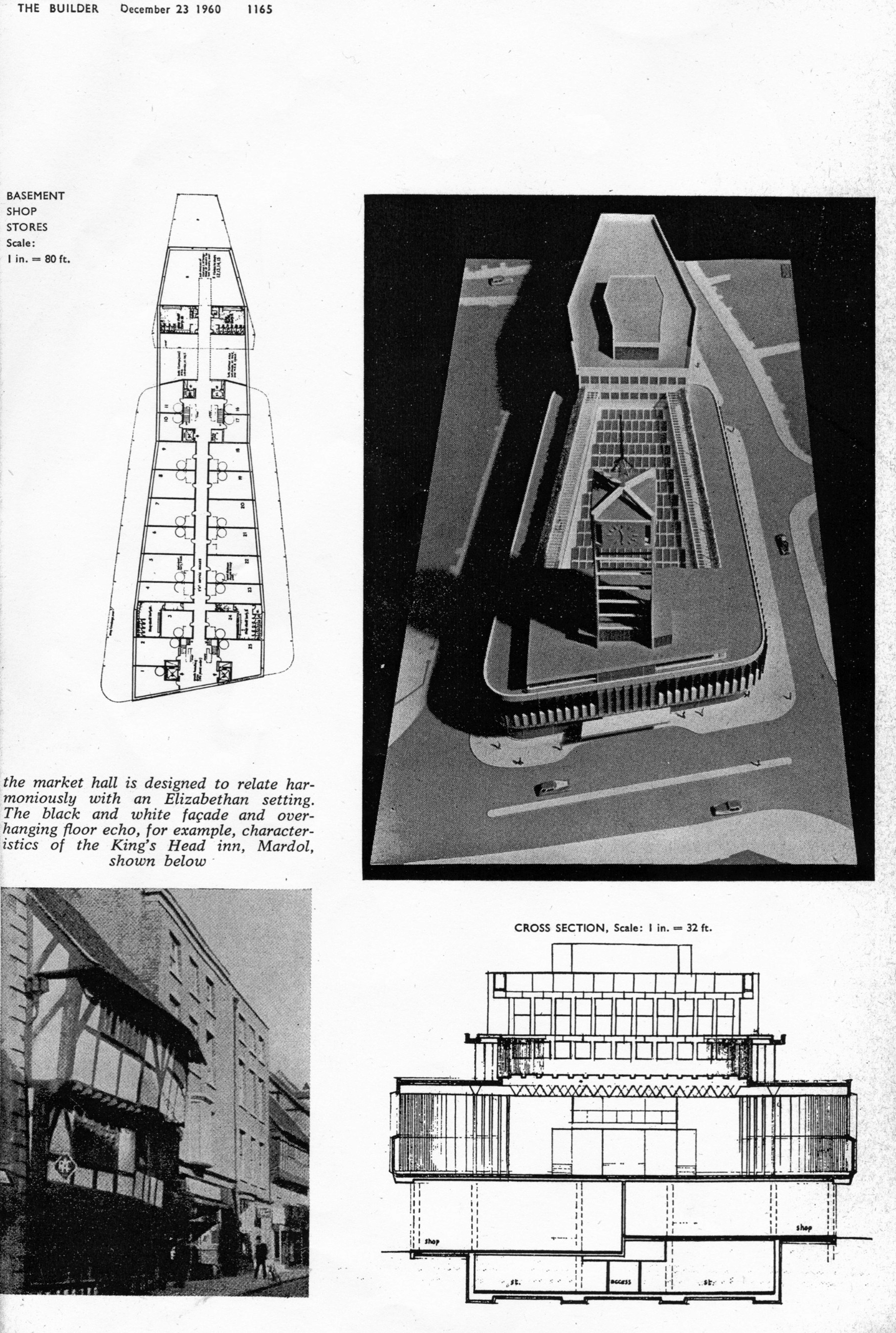
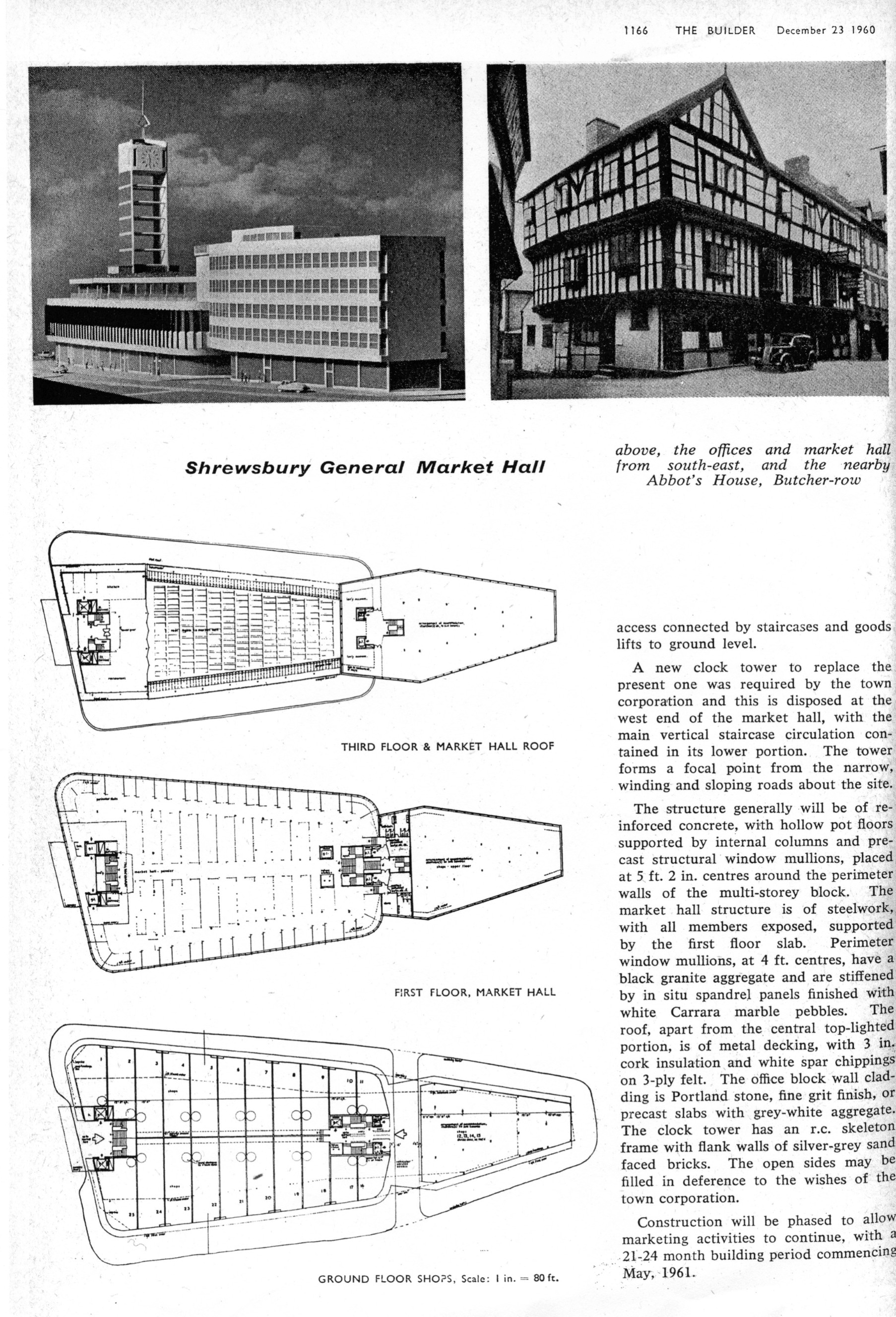
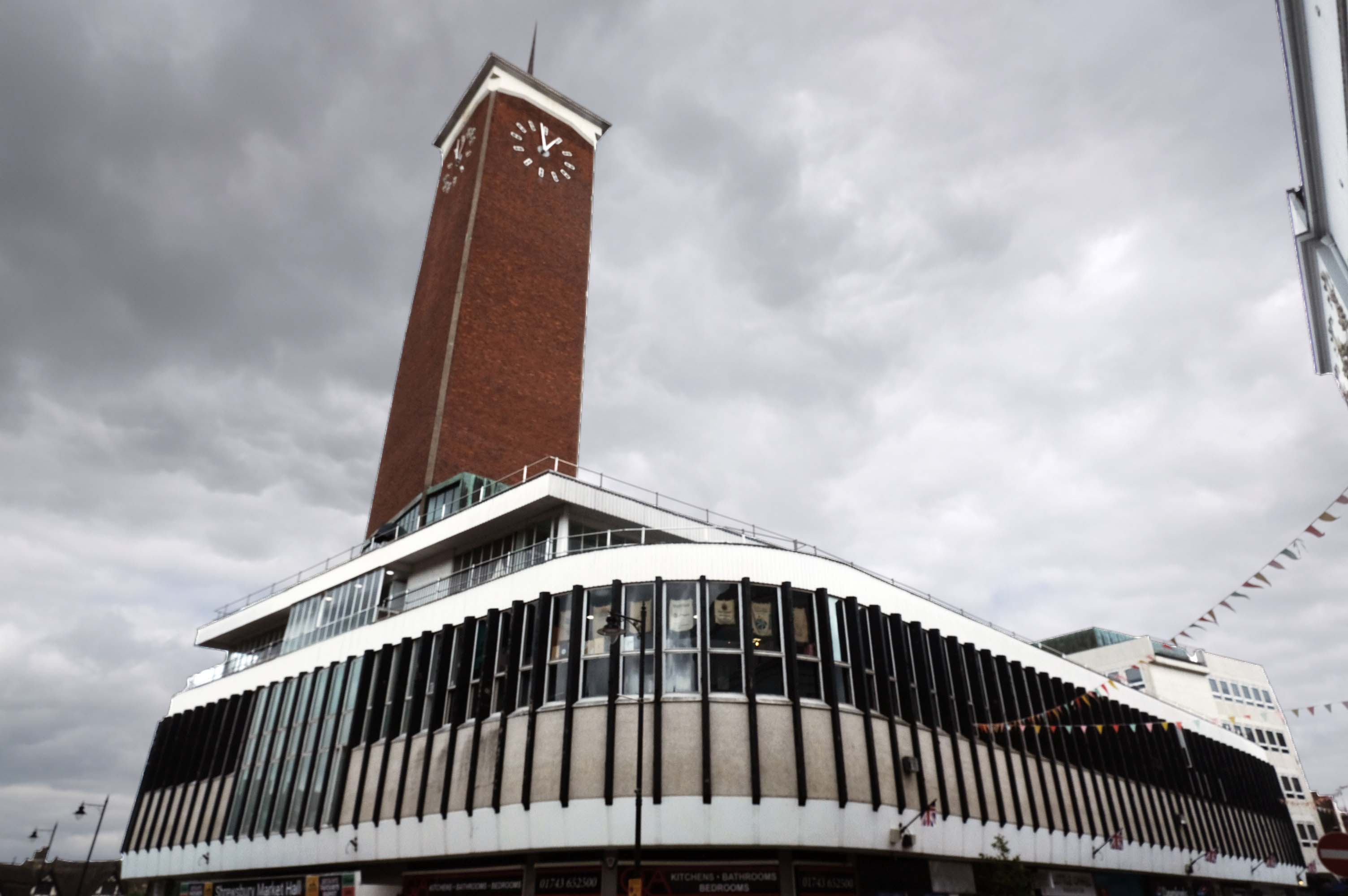
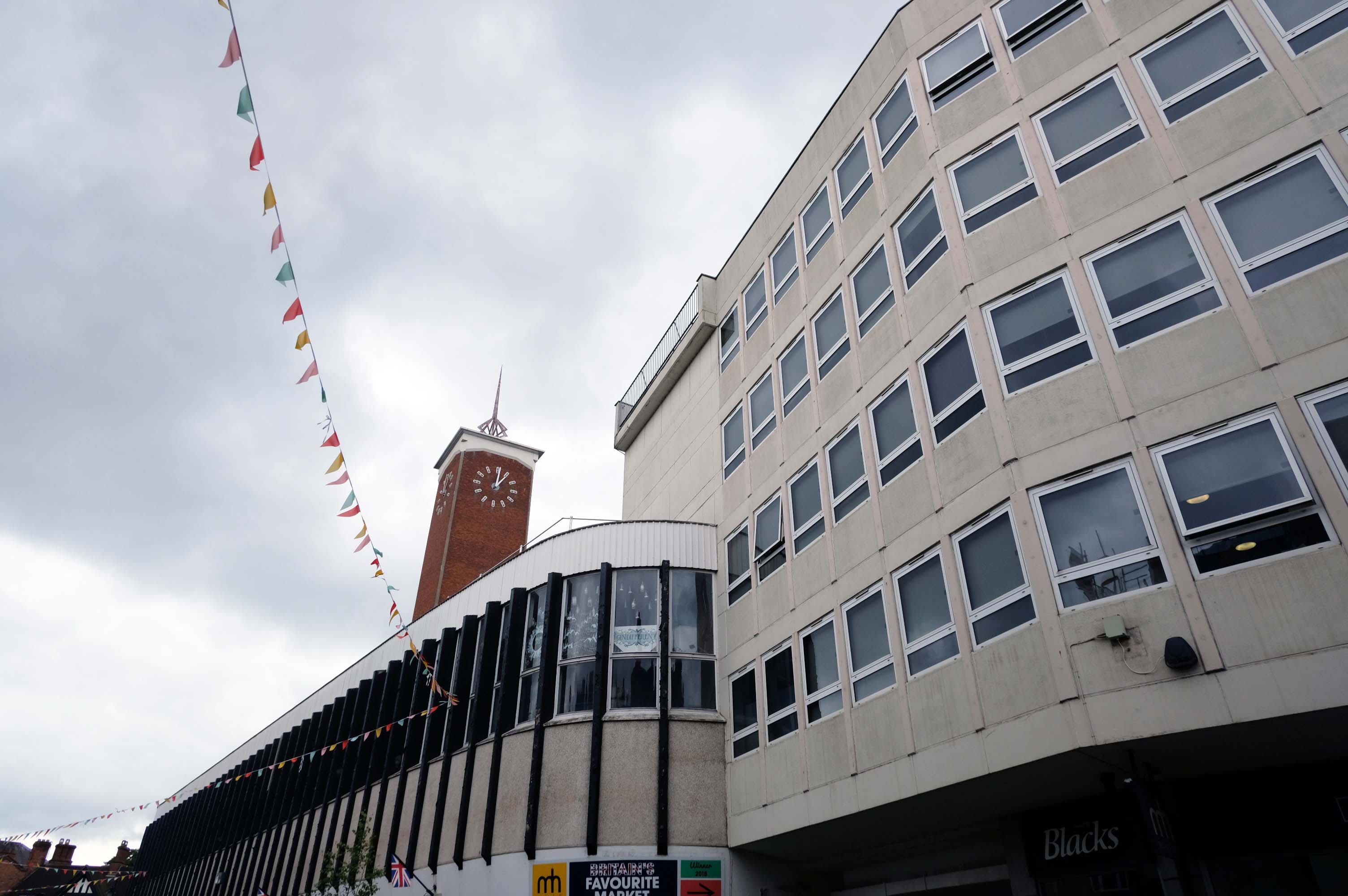
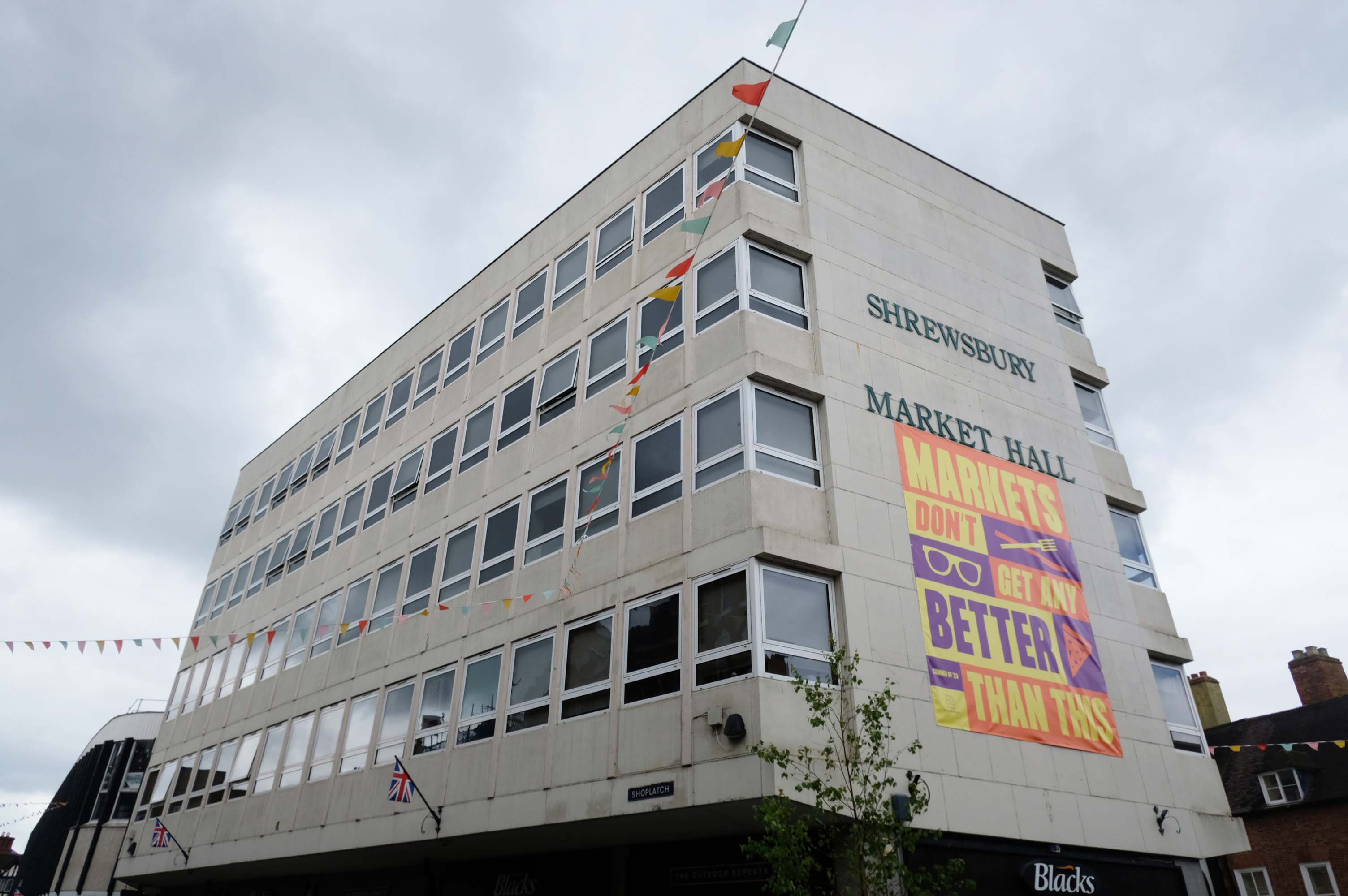
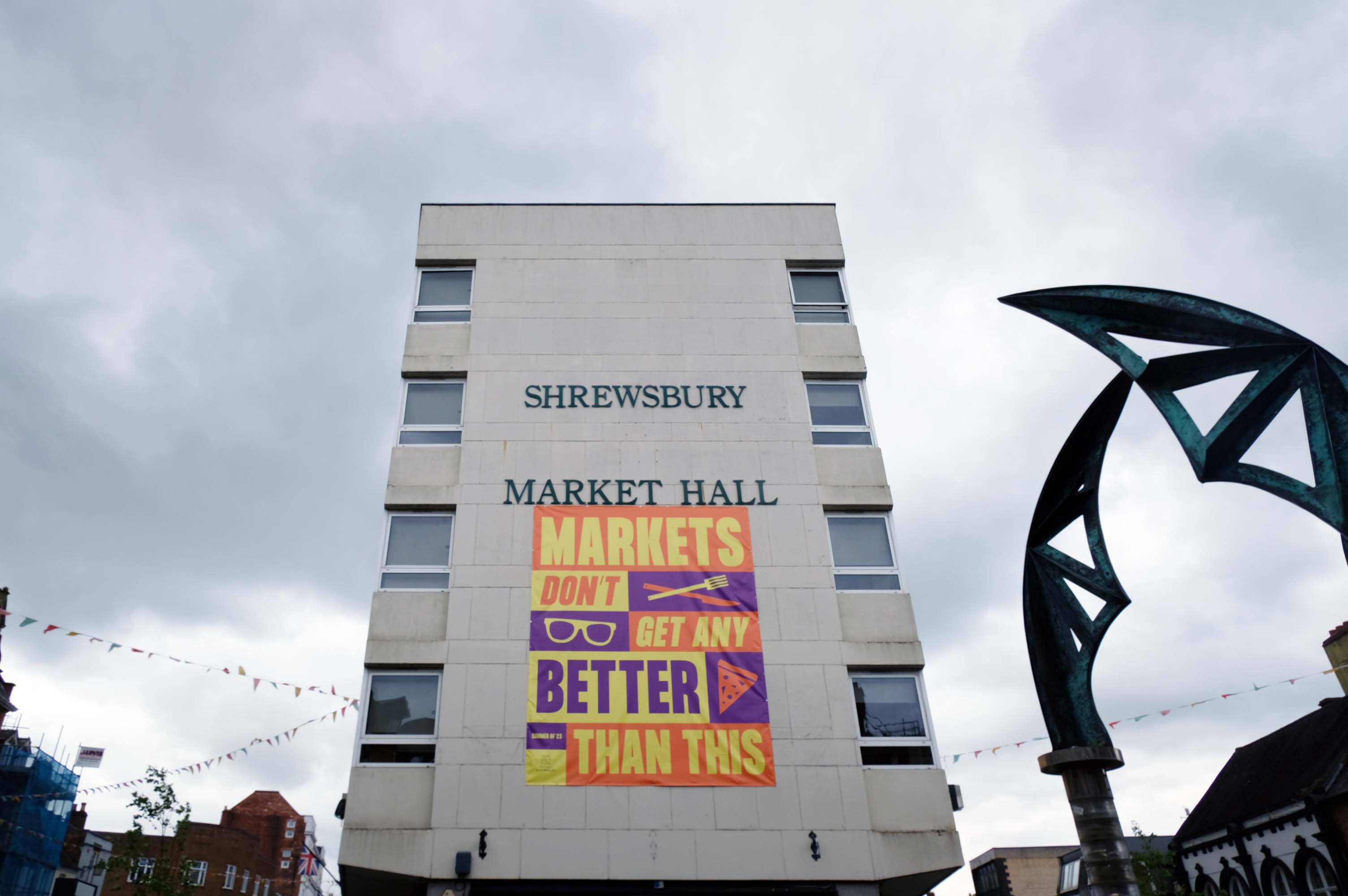
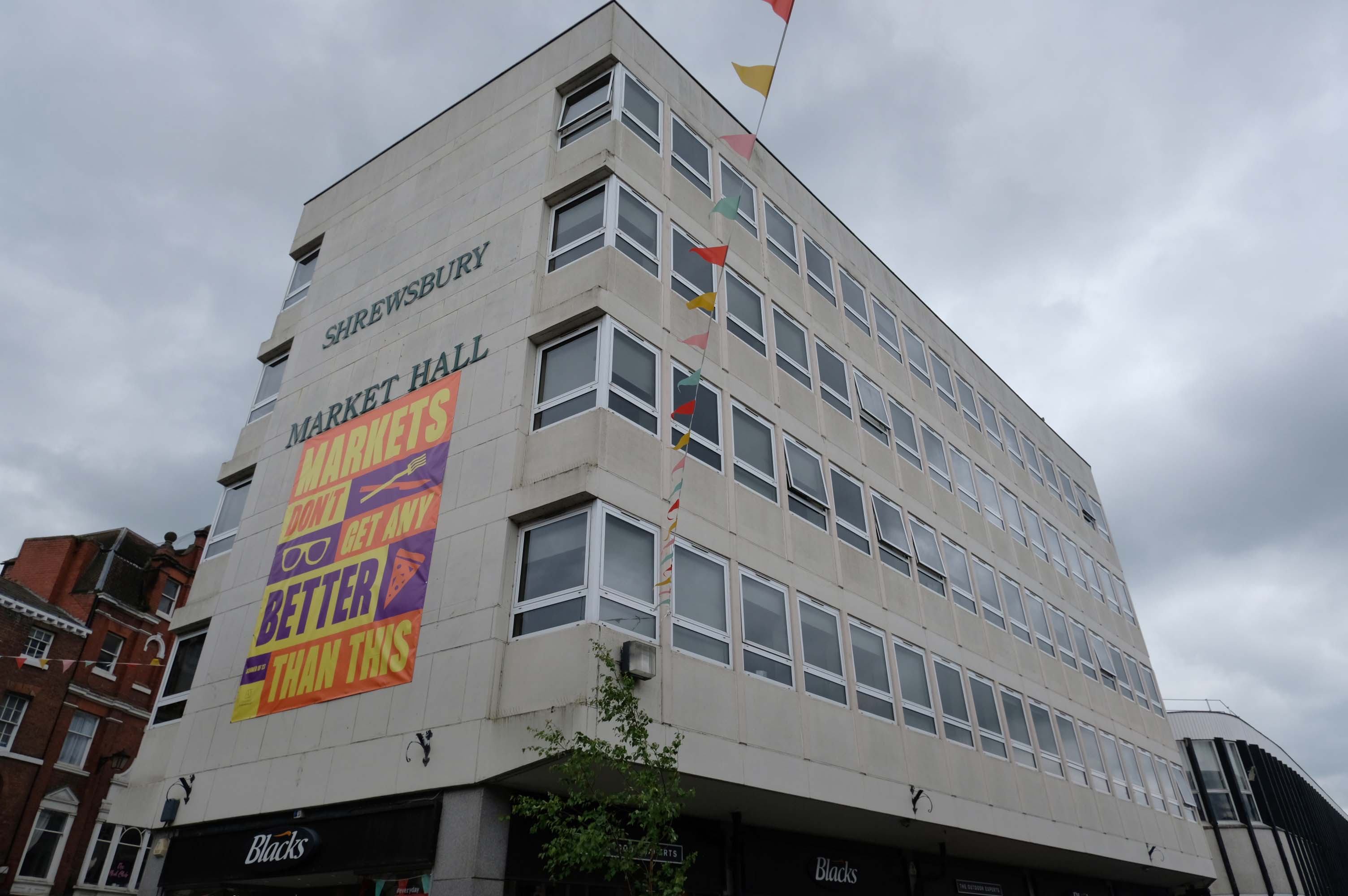
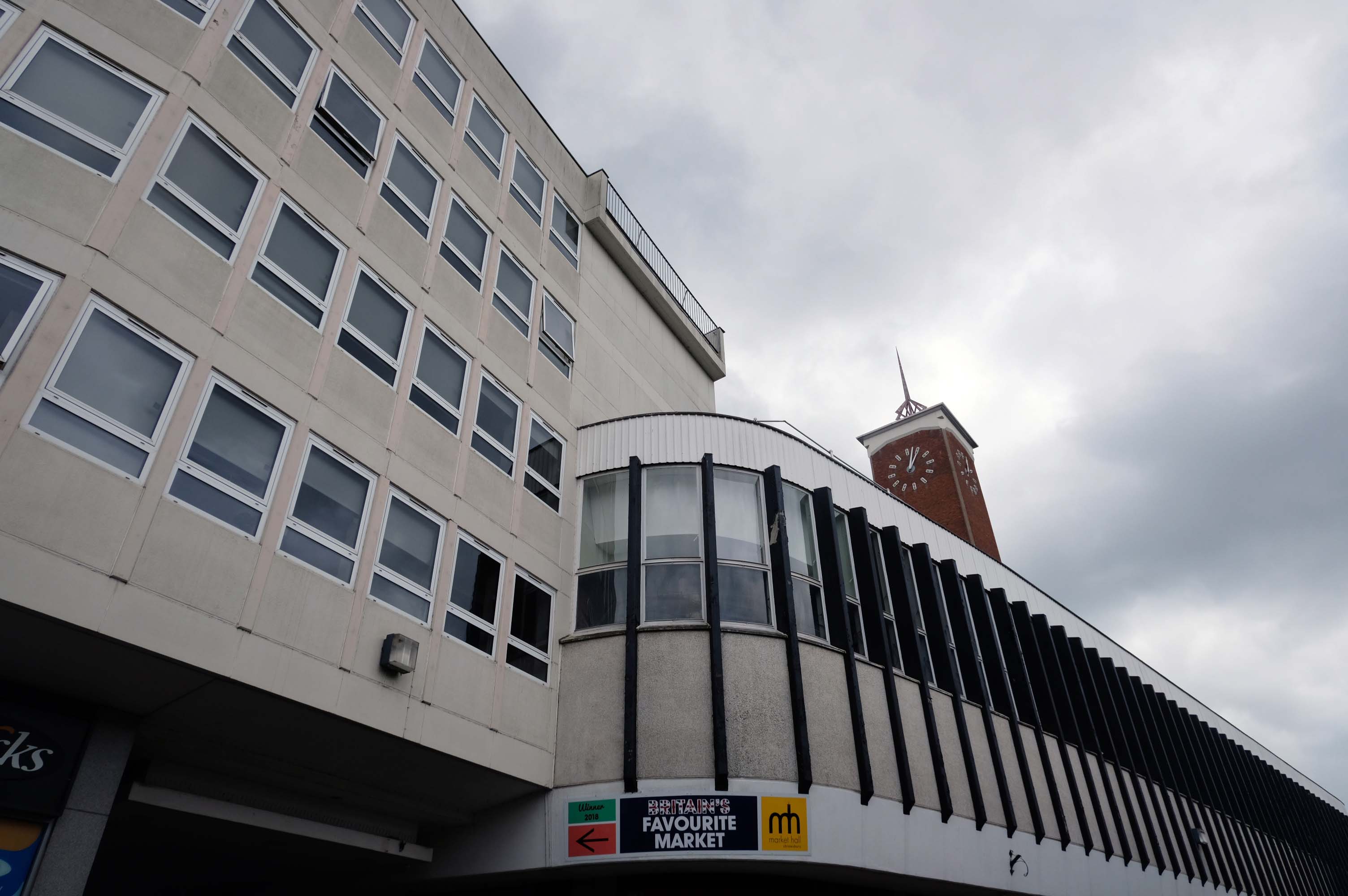
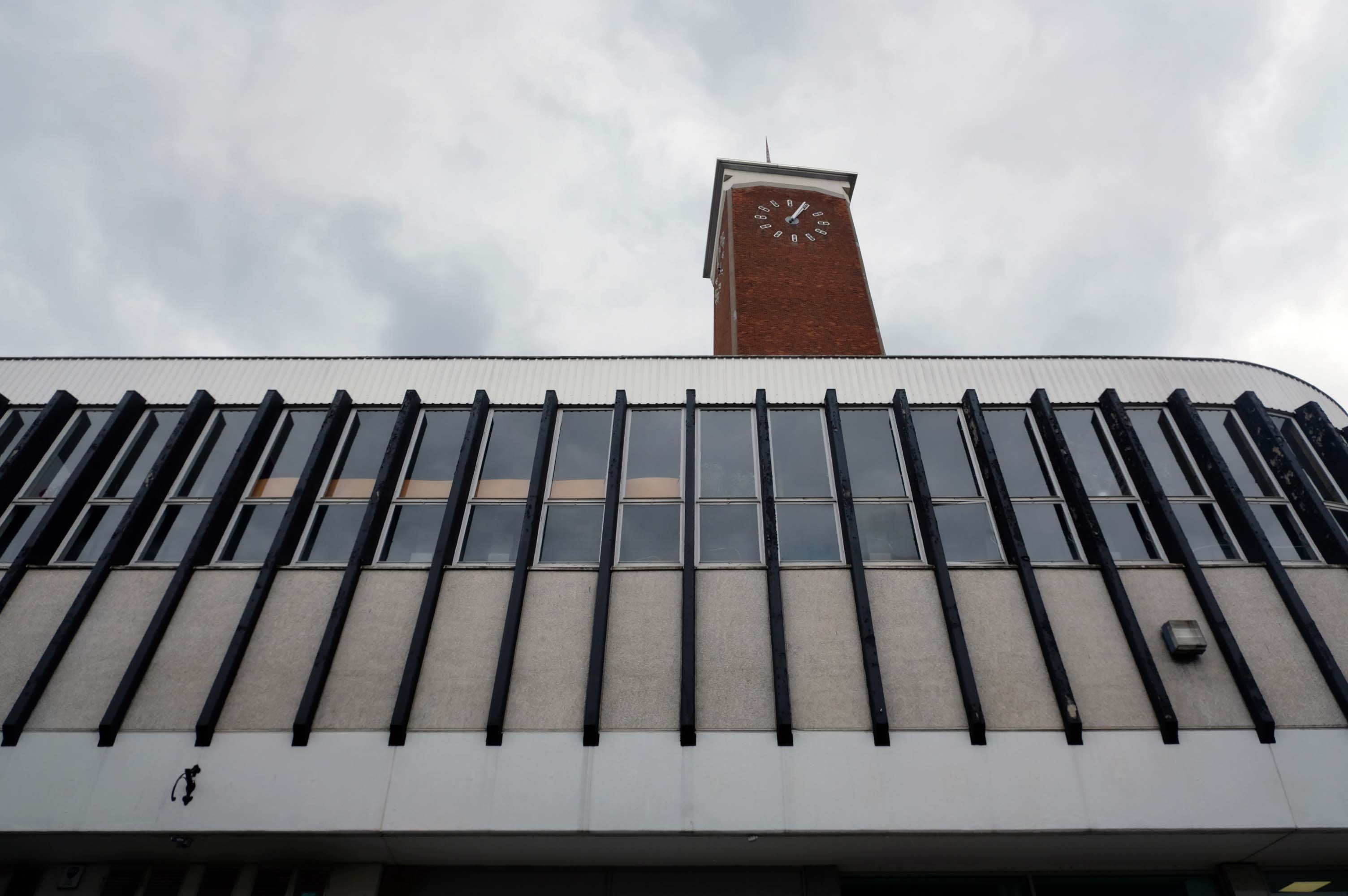
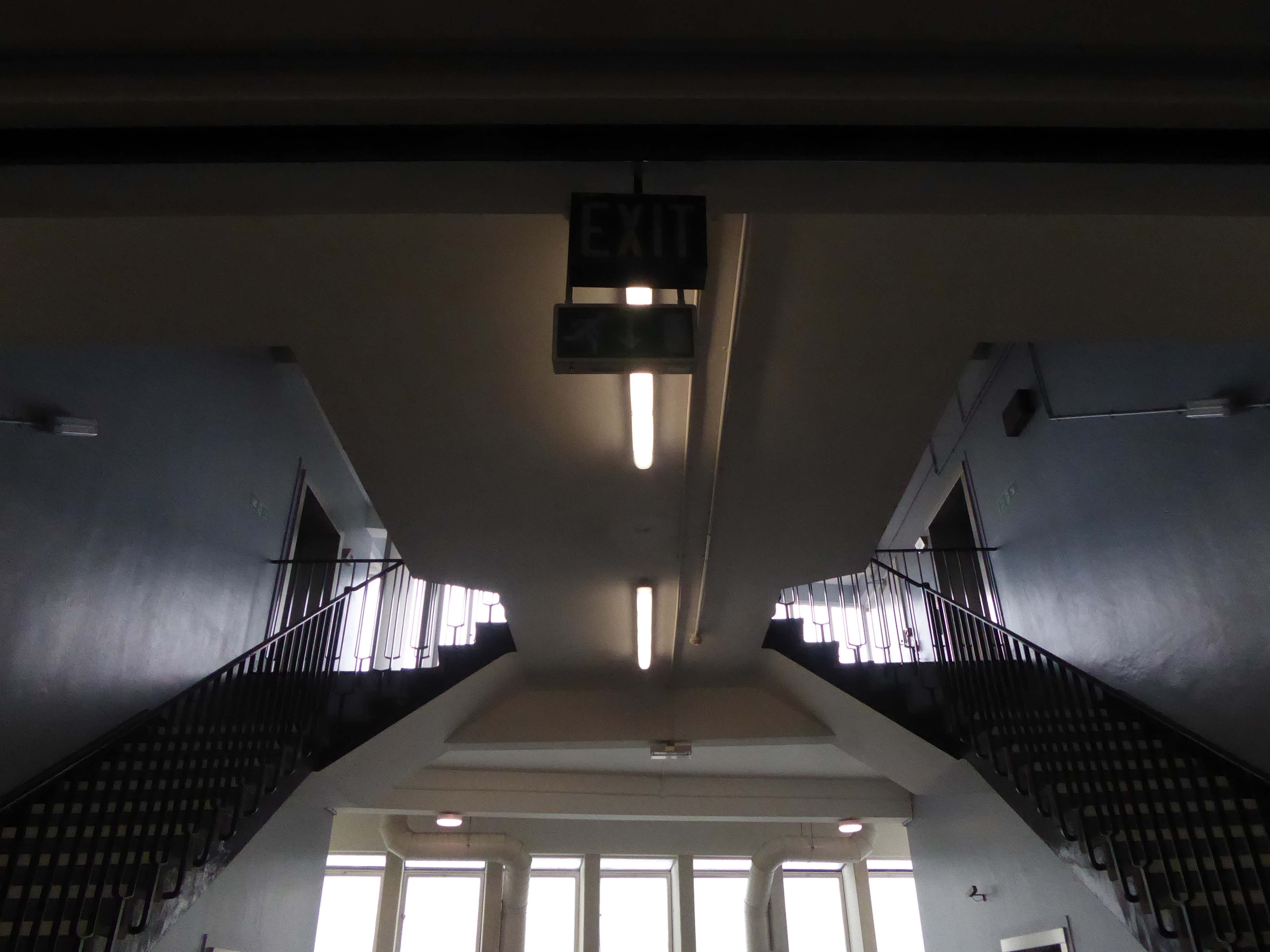
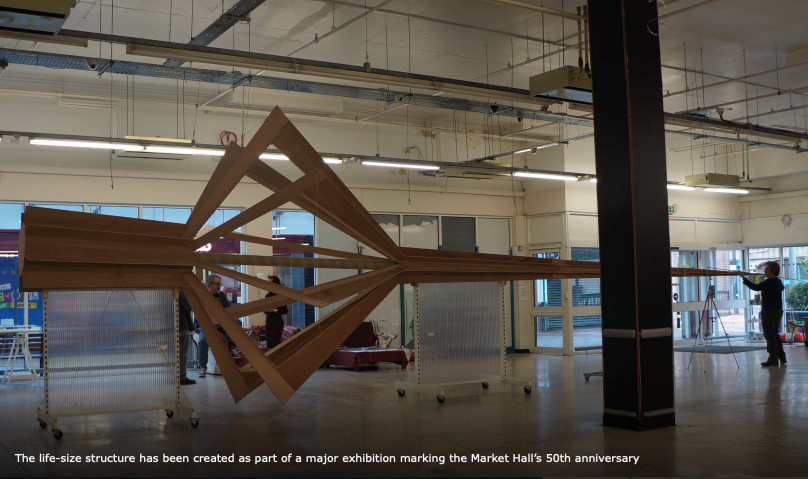
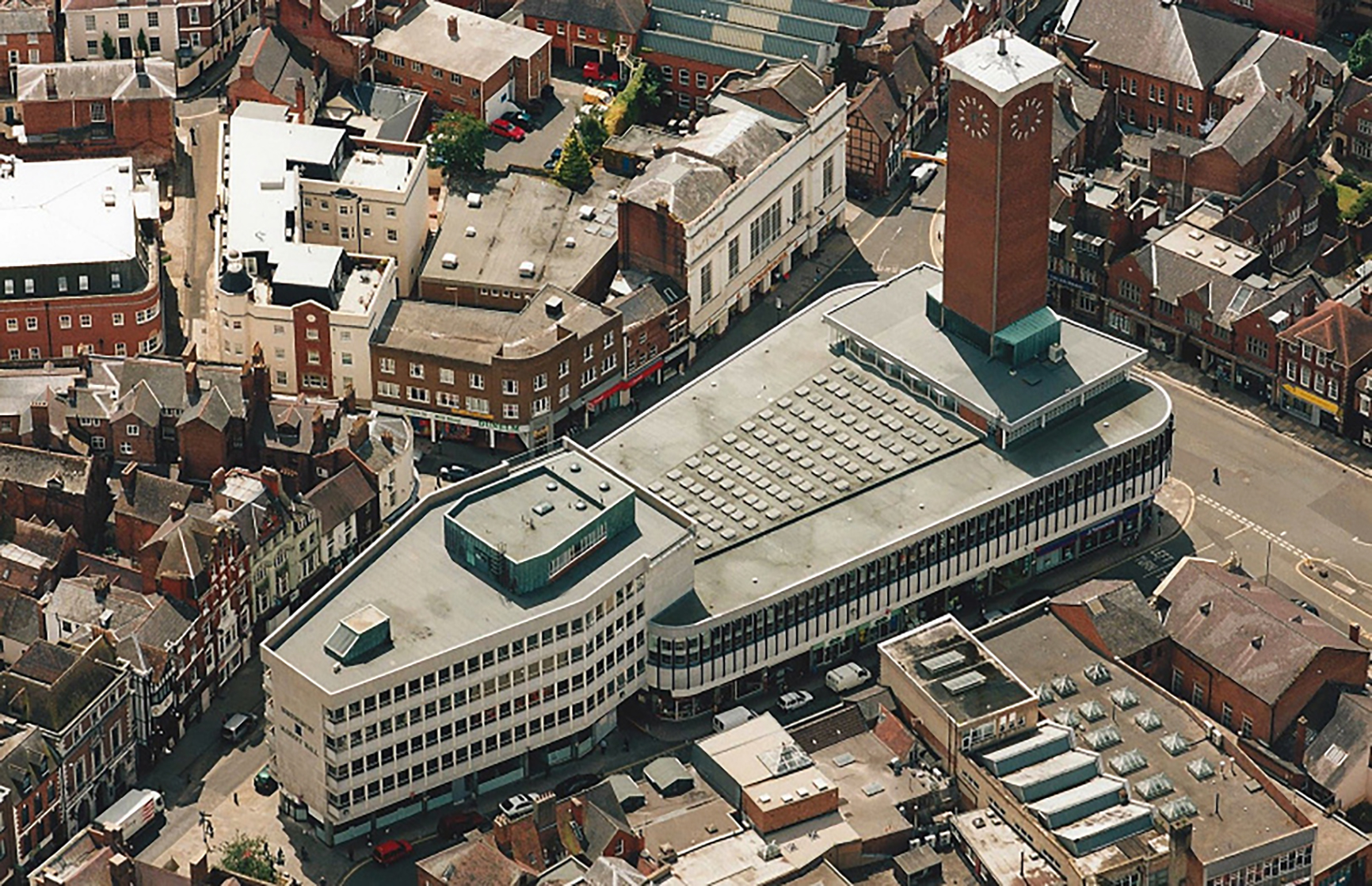
The Market Hall was considered to be a prime example of cutting edge modern architecture when it was officially opened amid a blaze of publicity and civic pageantry on September 16 1965.
It replaced a large Victorian market hall of similar proportions that was in a poor state of repair and was condemned as unhygienic, dingy and “no longer fit for purpose”.
Developed by the Second Covent Garden Property Company, the new Market Hall cost £1 million to build and was designed by a respected architect of his day, David du Rieu Aberdeen. Aberdeen designed major buildings in London and made his name when he won a national competition to design Congress House for the TUC in Bloomsbury. Today Congress House is described as a “modernist masterpiece”.
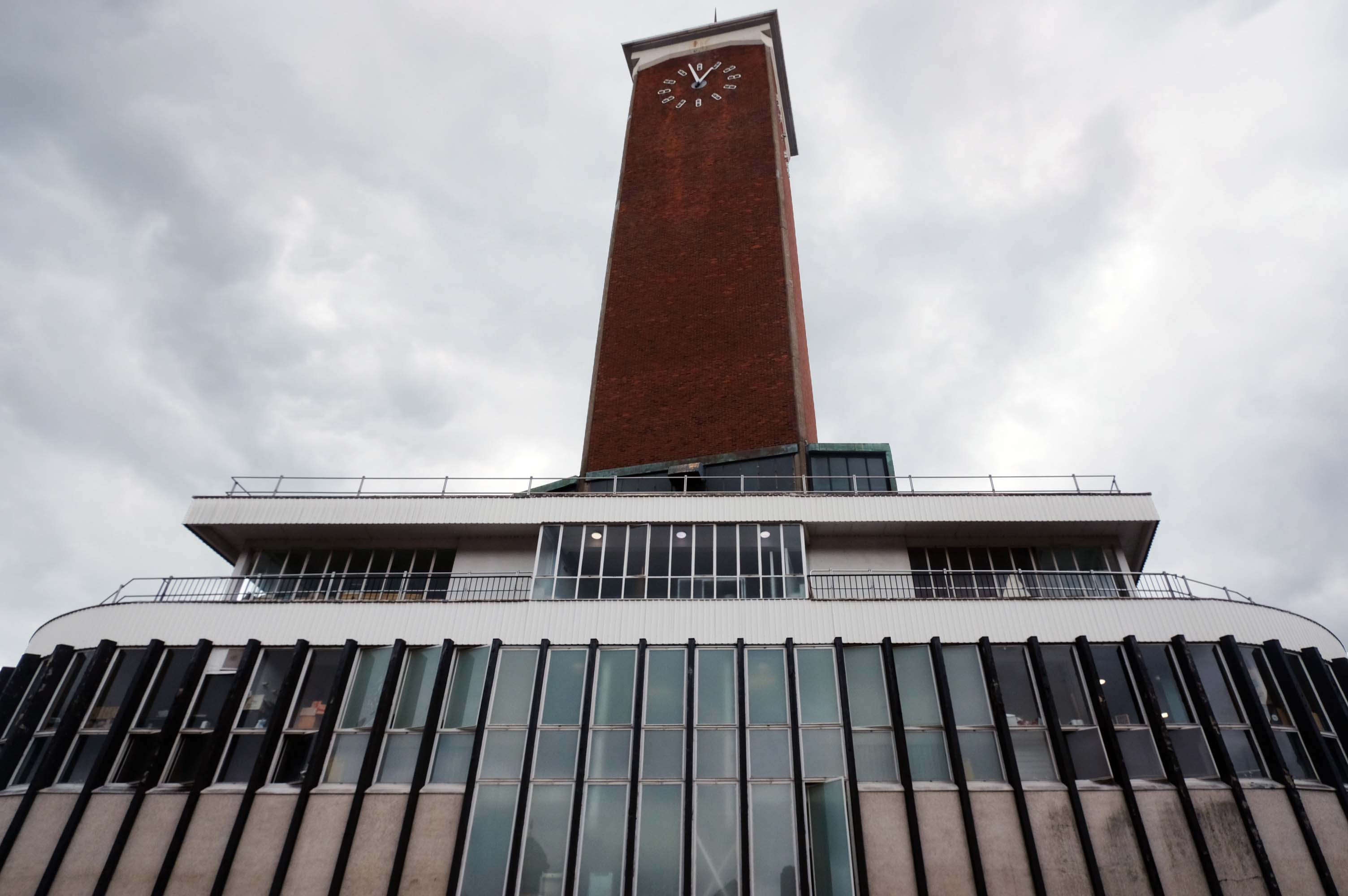
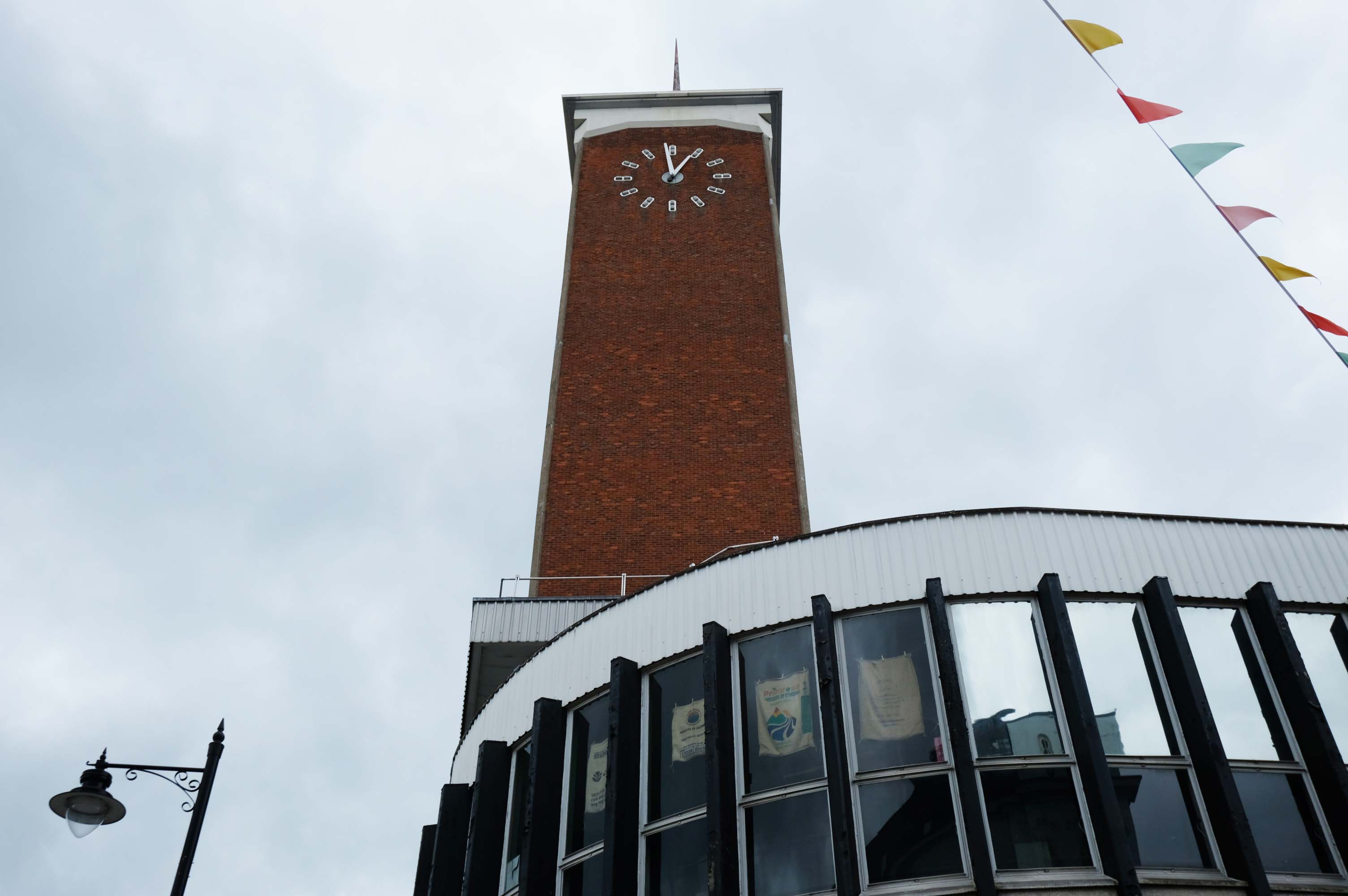
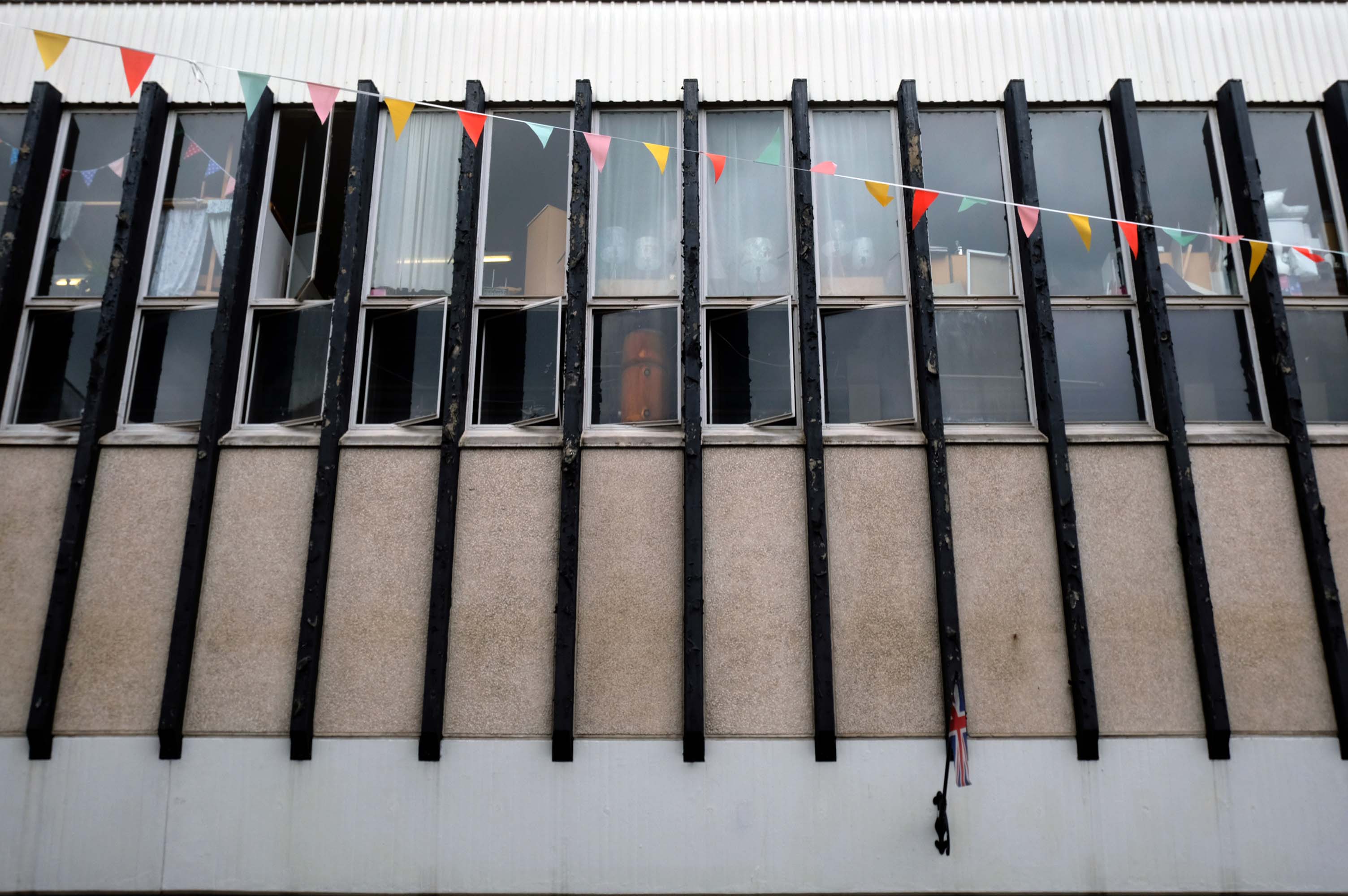
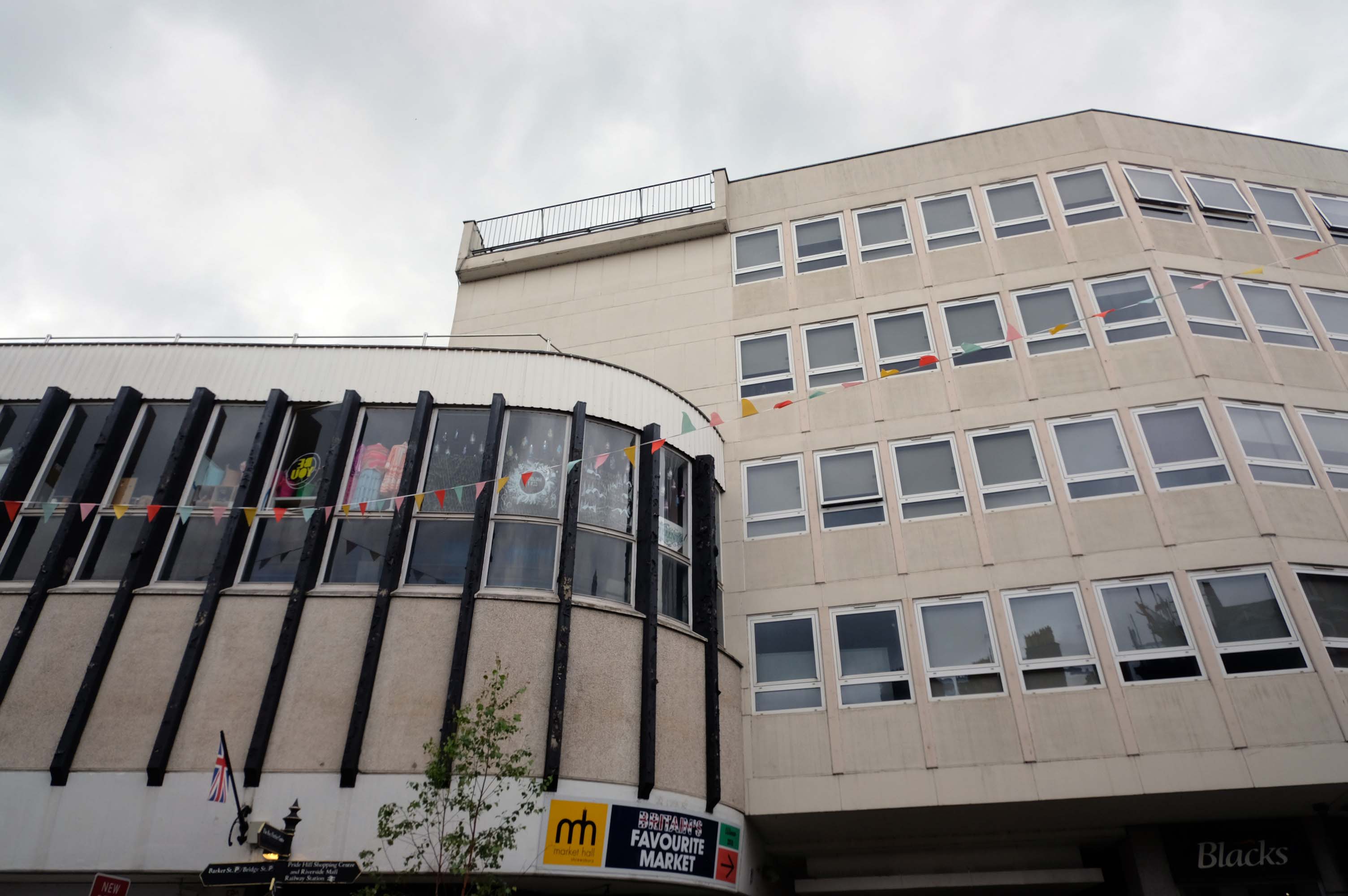
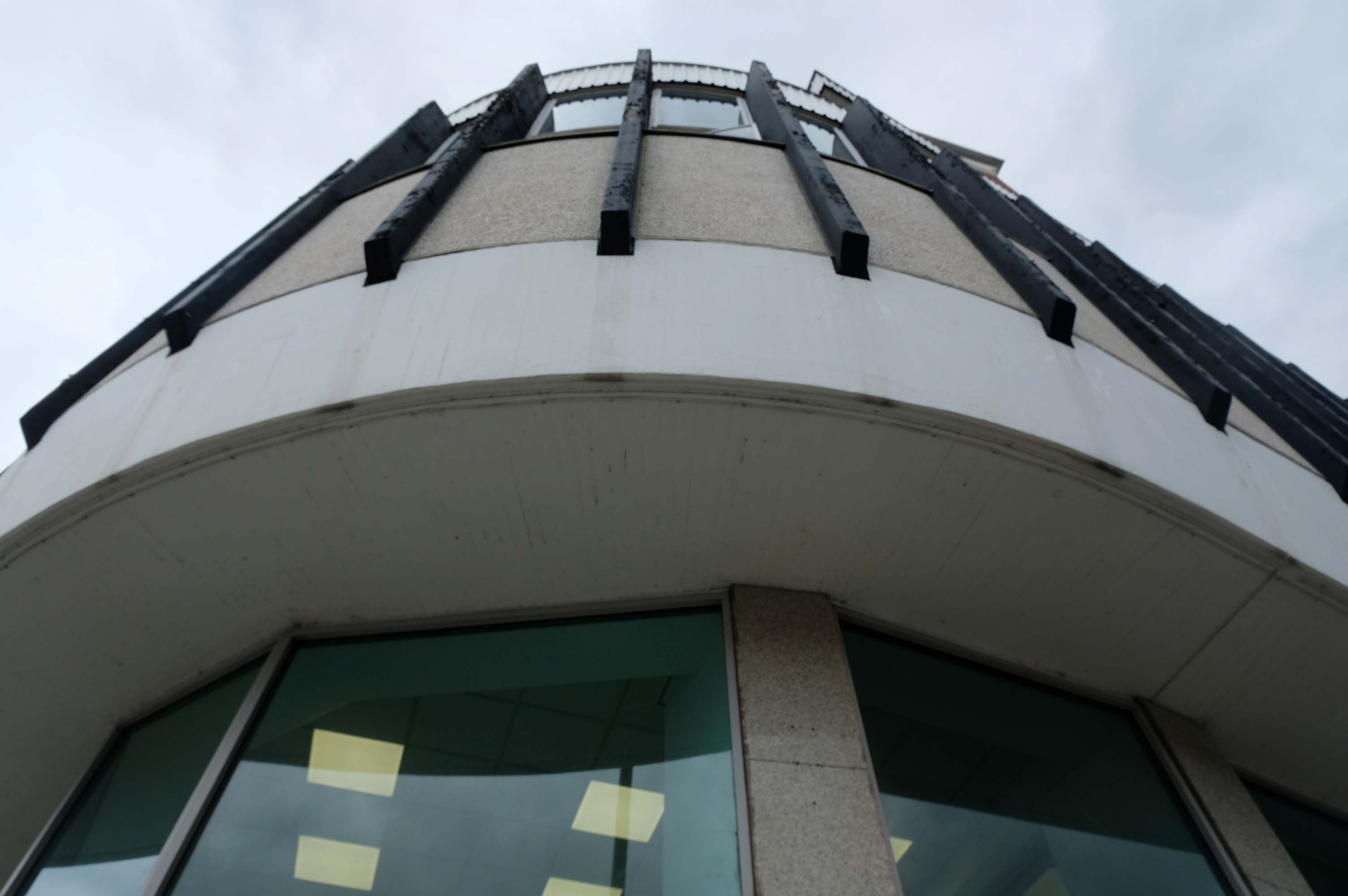
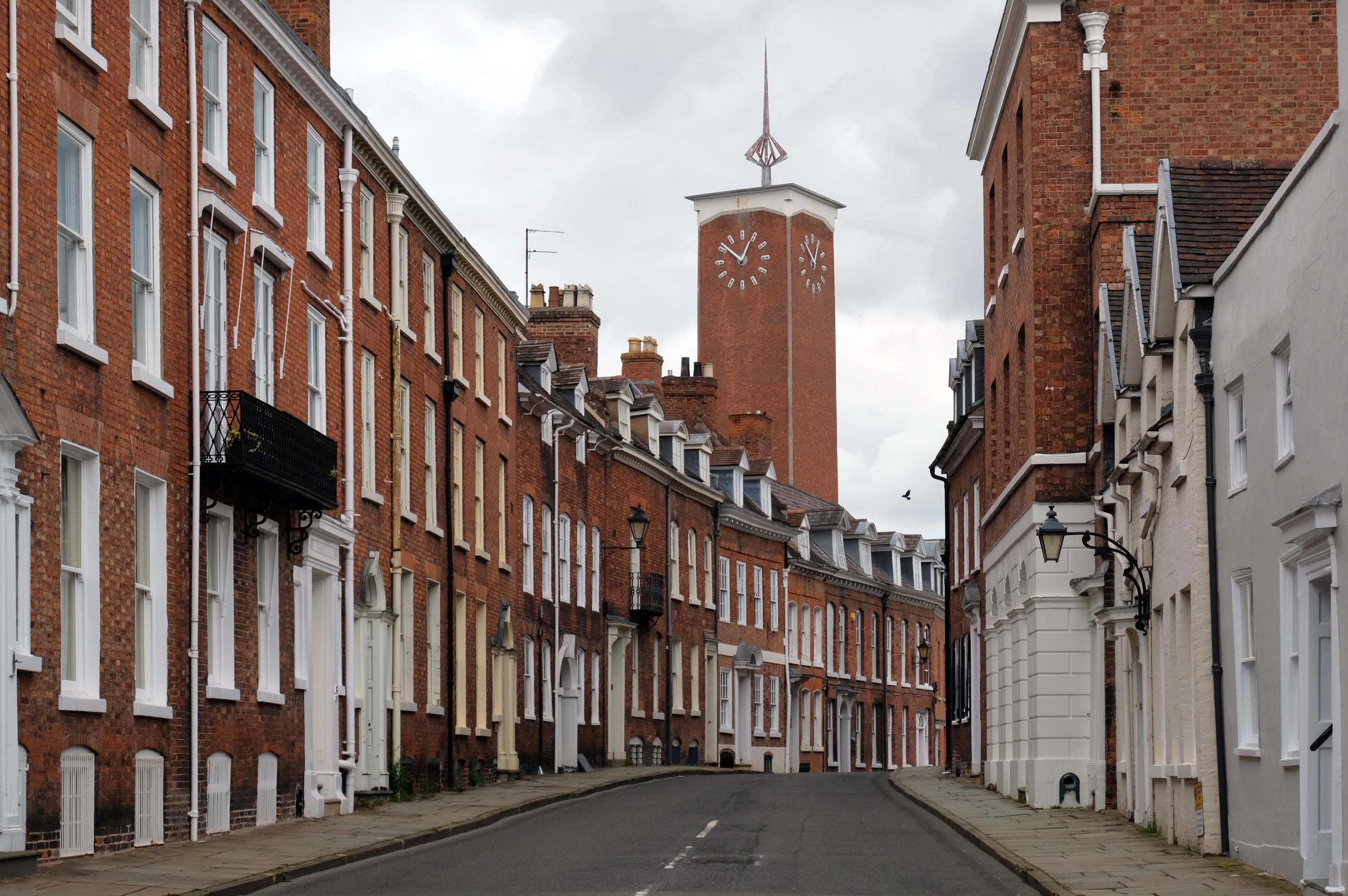
The Pevsner Architectural Guide pronounced the new Market Hall “a good example of modern architecture”, with “its clean lines and simple forms. But the town’s timber-framed tradition is also evoked. The upper storey is jettied out on a reinforced concrete structure and faced with vertical fins in an echo of close studding,” it stated. “The tall slender red brick clock tower mingles effectively in distant views with the town’s medieval steeples.”
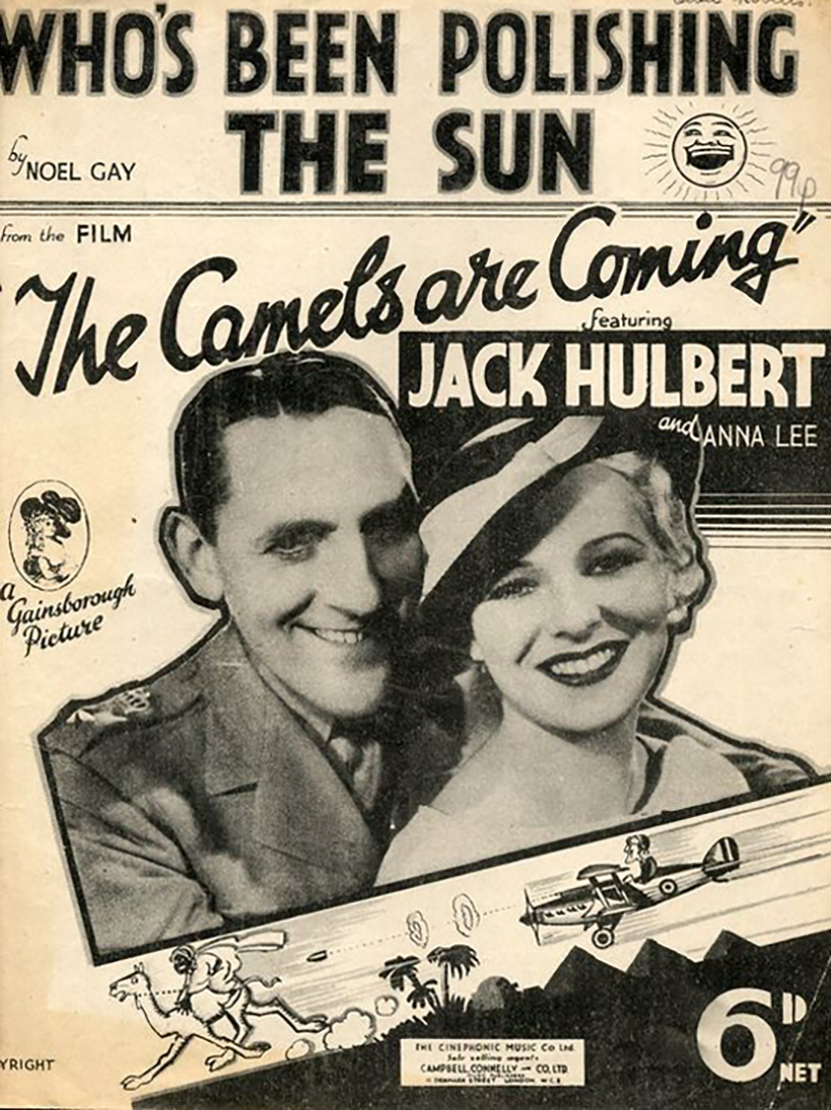
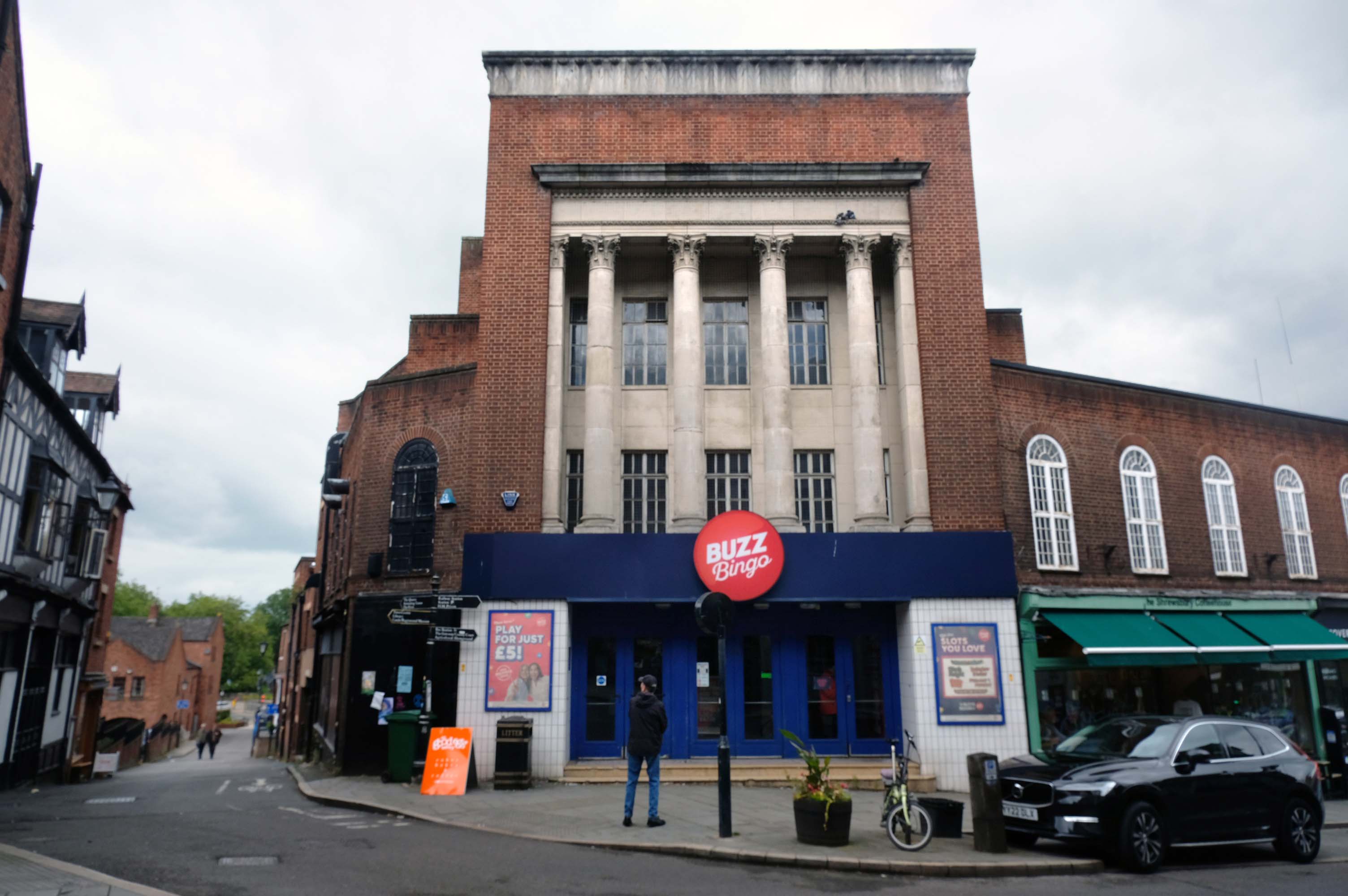
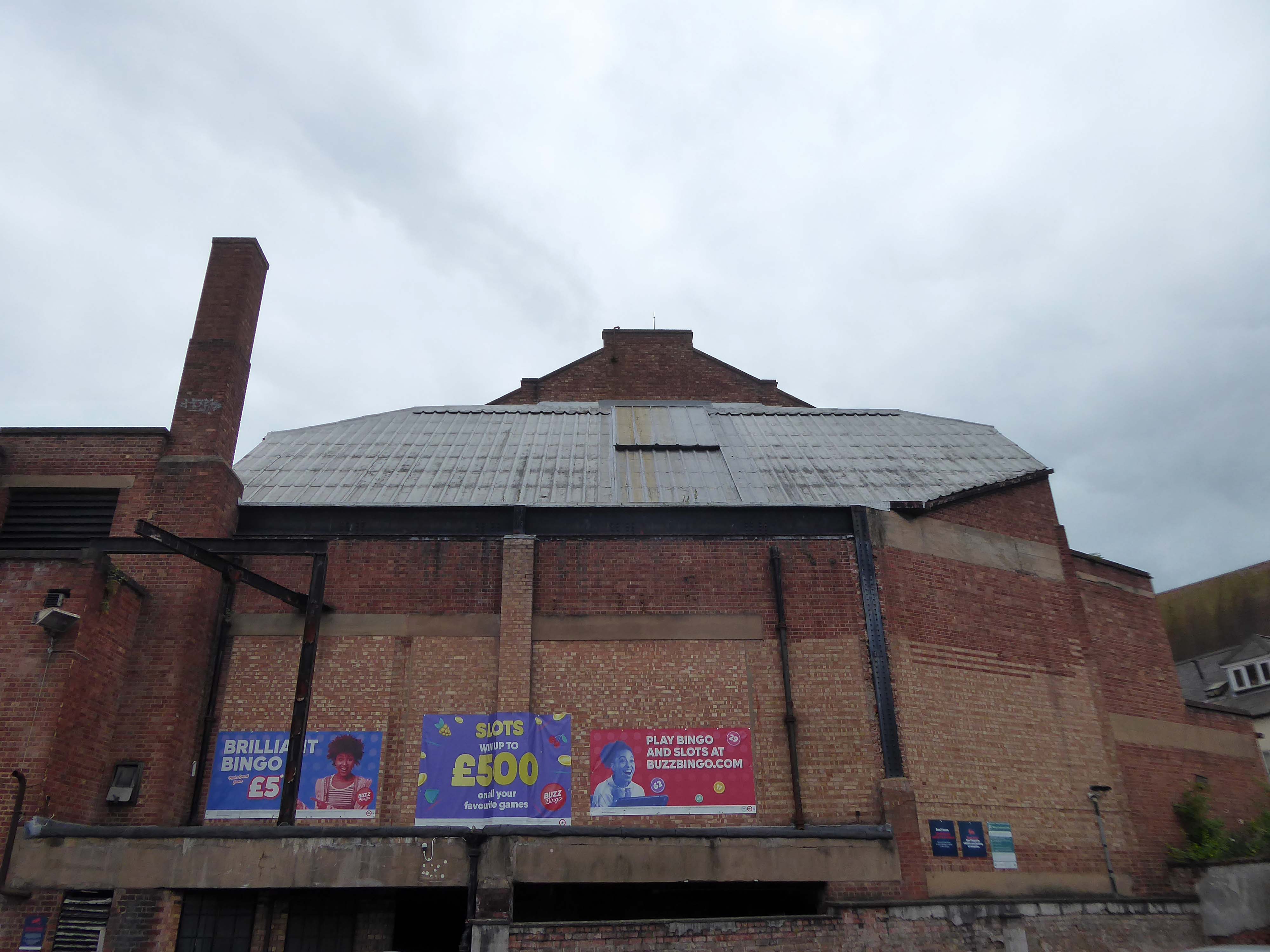
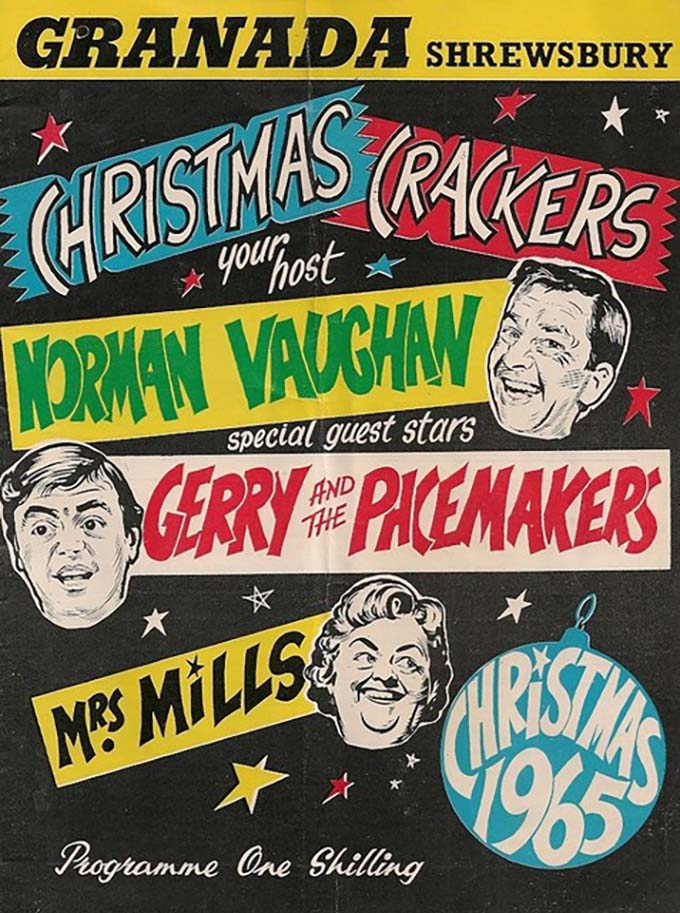
Built and operated by Shrewsbury Empires Ltd, the Granada Theatre opened on 14th November 1934 with Jack Hulbert in The Camels Are Coming.
It closed as a cinema on 31st March 1973 with Charles Bronson in The Valachi Papers and Anatomy of a Pin-Up.
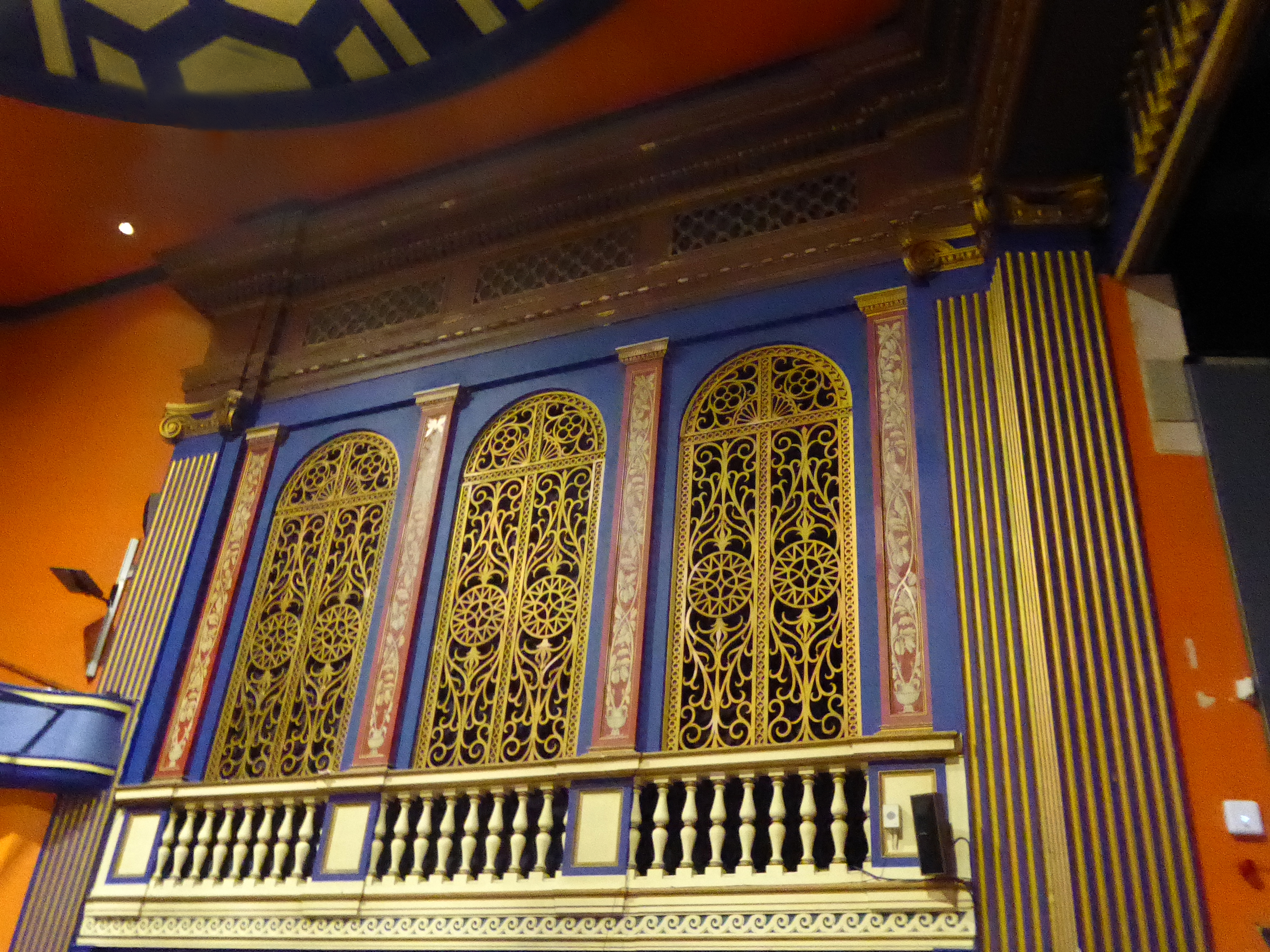
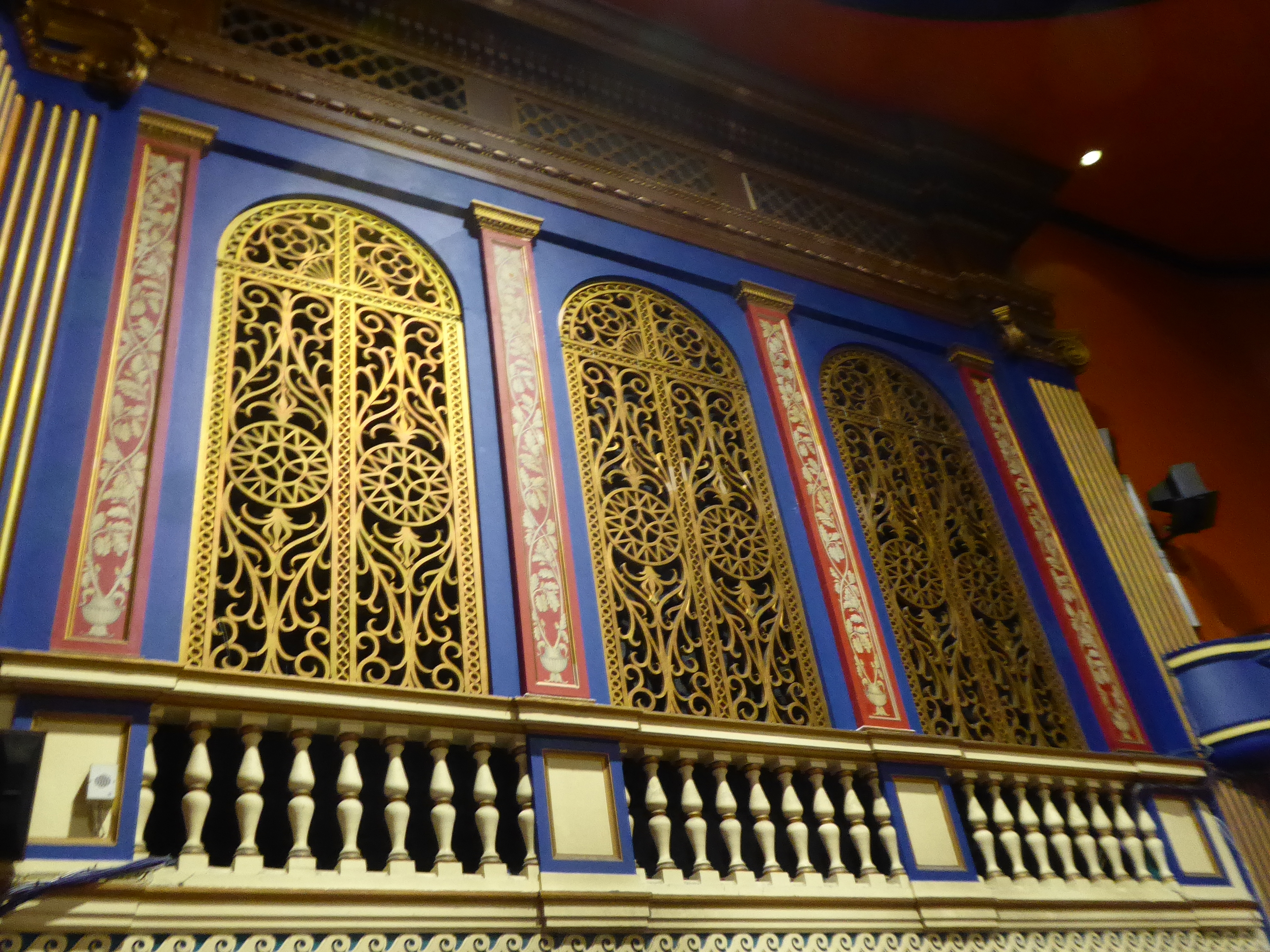
The Granada circuit was famous for its lavishly decorated interiors created by a Russian émigré called Theodore Komisarjevsky, the most famous examples of which are at Woolwich and Tooting – both now operate as bingo halls. The Shrewsbury Granada was by far the best cinema in the area, and in addition to Komisjarevsky, the scheme was designed by Cecil Massey, with some work being carried out by a local architect called Arthur Williams. The architecture of the Shrewsbury hall is often referred to as being a “standard” Granada, and the interior was very similar to the Granadas at Bedford now demolished and Maidstone which wasdestroyed by sub-division. There were less than 20 theatres built for the circuit, of which Shrewsbury was number five, although many existing cinemas were taken over and renamed, making the Granada Theatres an important group, although in numbers they were far behind Odeon and ABC.
On 17th November 1995, the Granada Theatre was designated a Grade II Listed building by English Heritage.
Many thanks to the staff of Buzz Bingo for allowing us access.
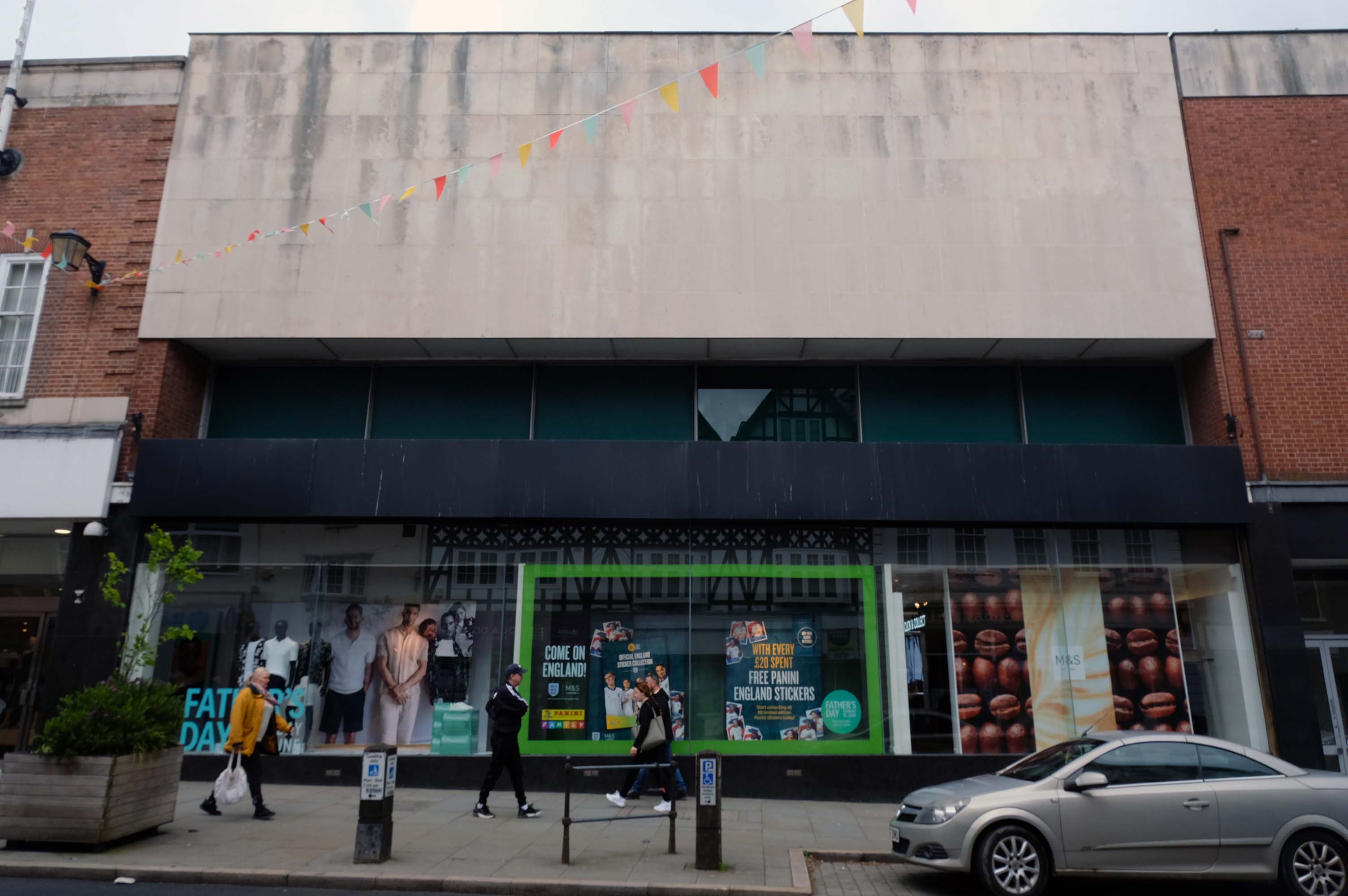
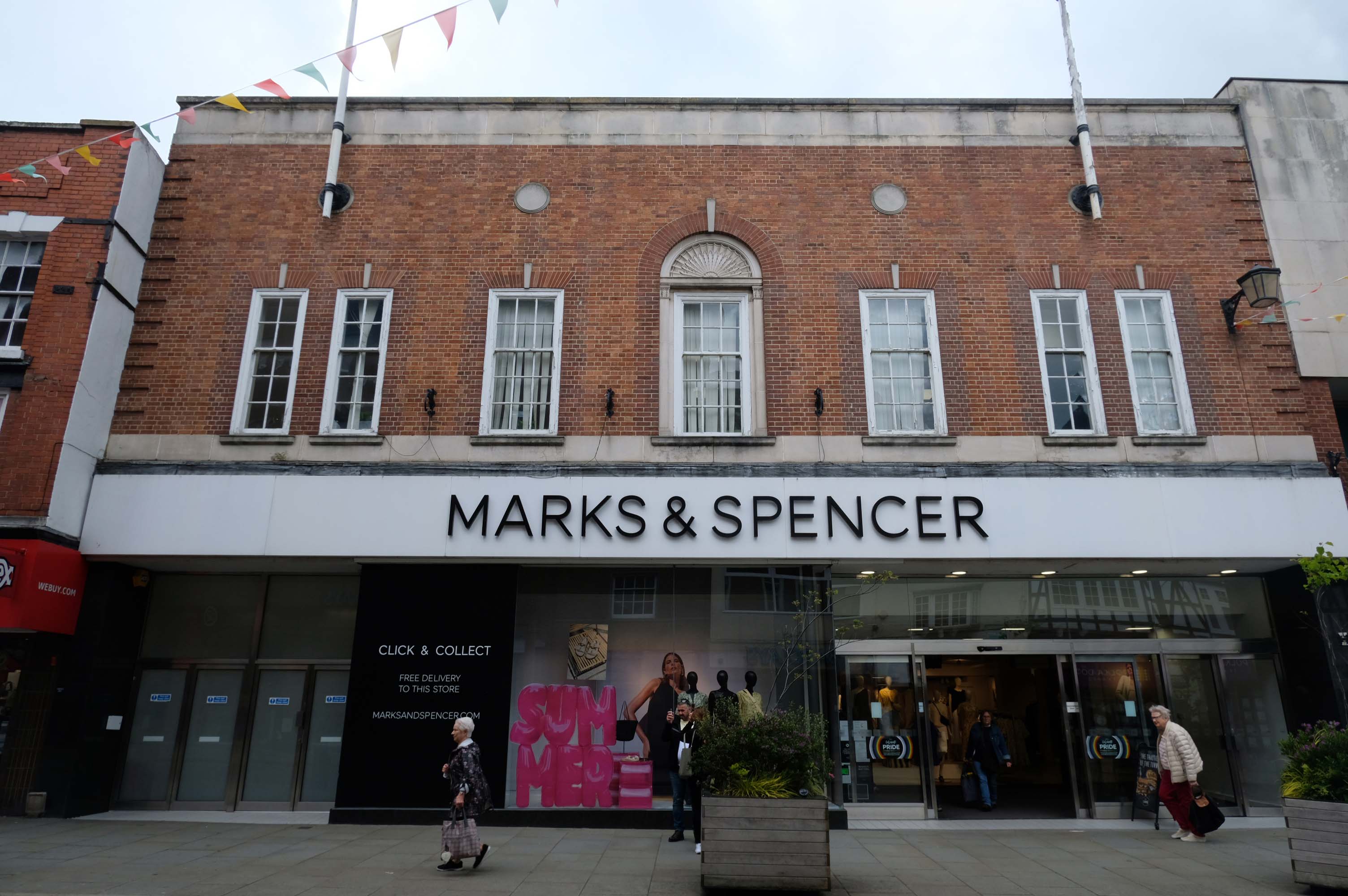
Next up is a Marks & Spencers store very much a shop of two halves – marrying post-war Brutalism with interwar Classicism, unified by a glazed ground floor.
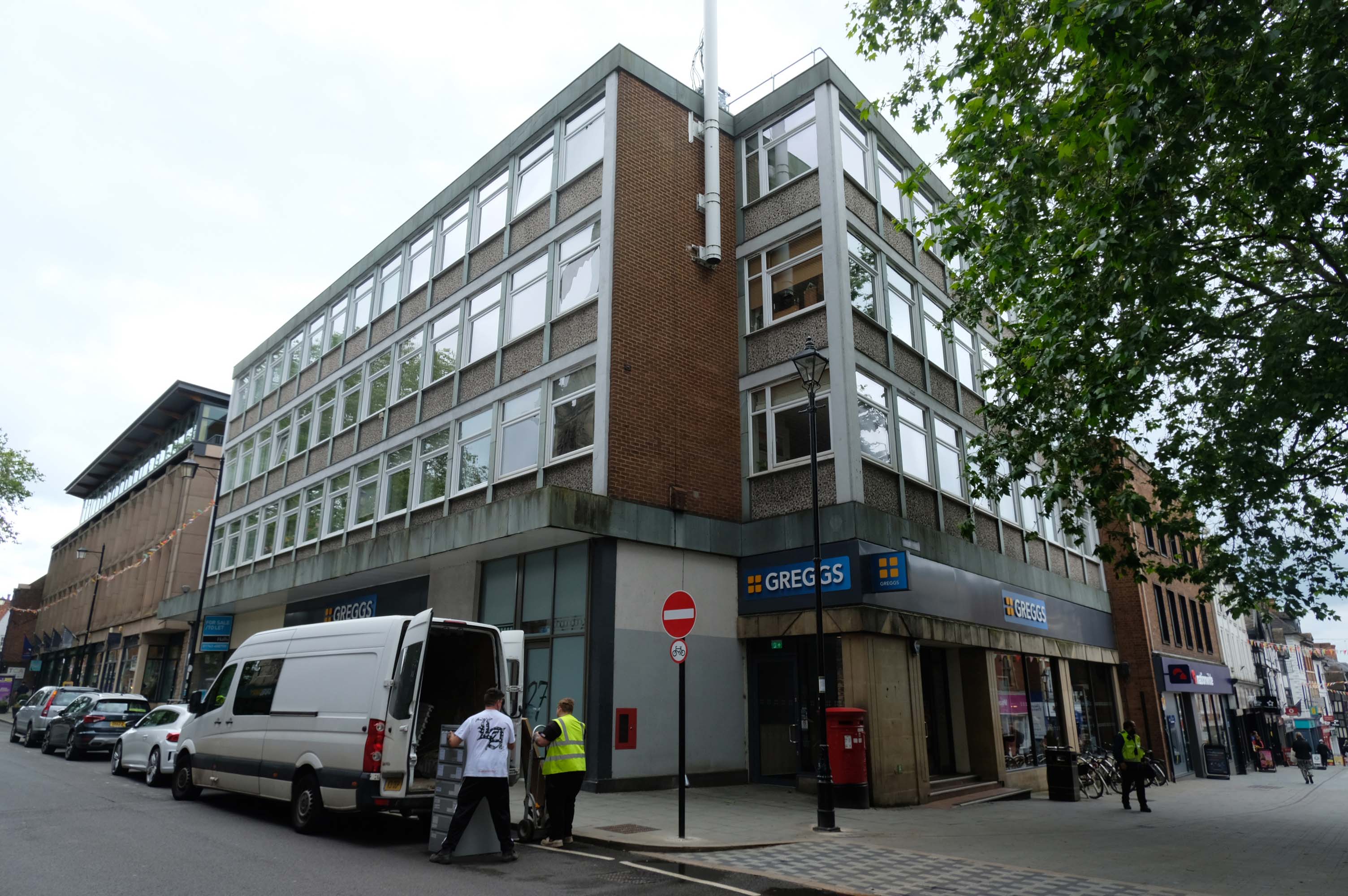
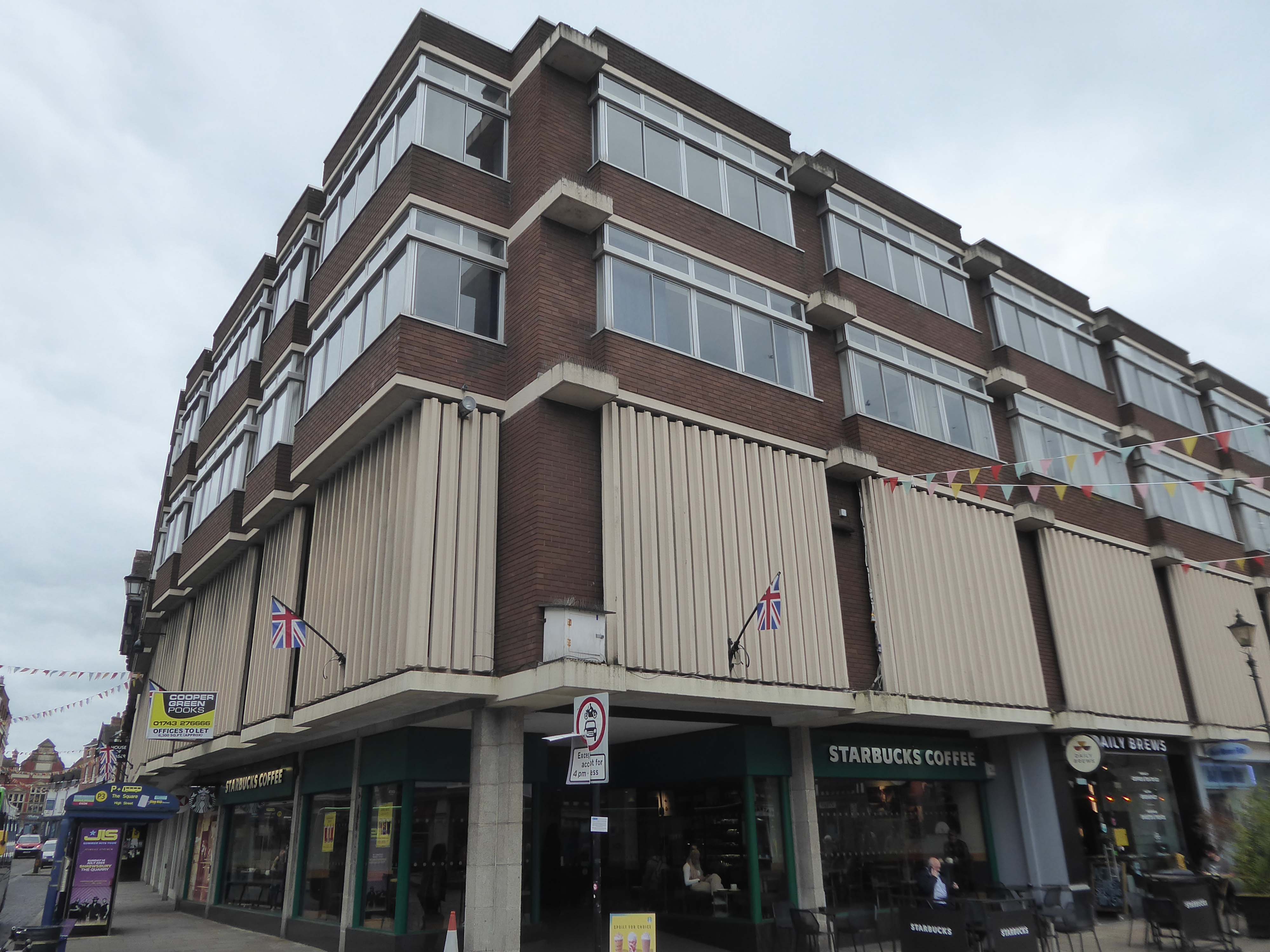
Across the way, a 60s corner site development, with a dual-entry Greggs.
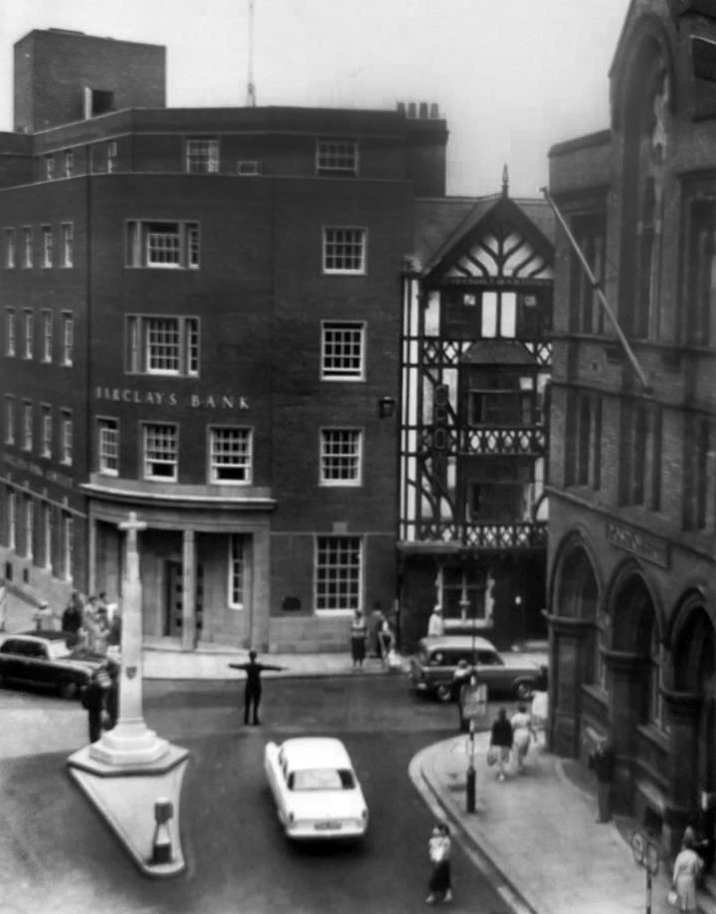
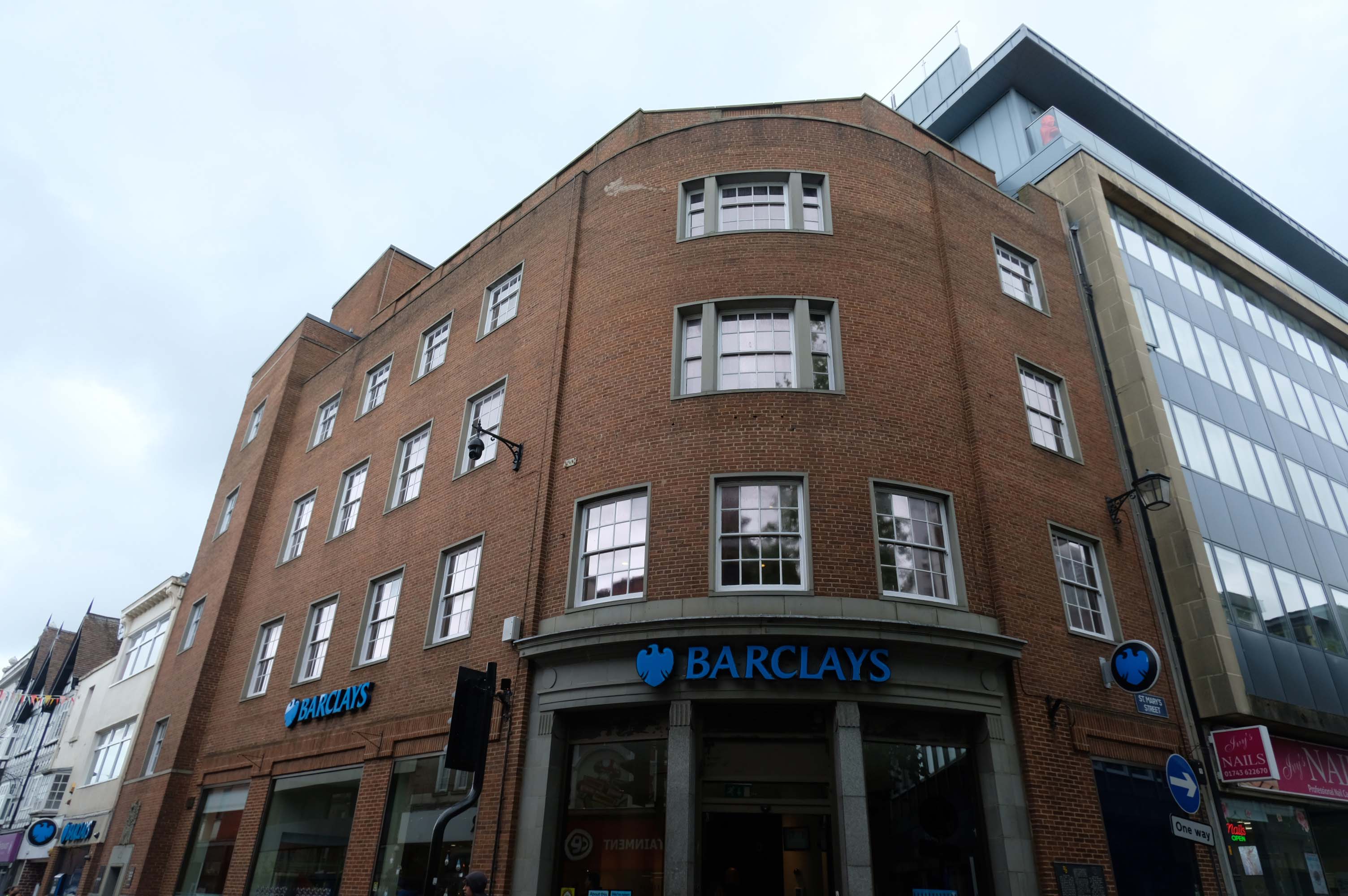
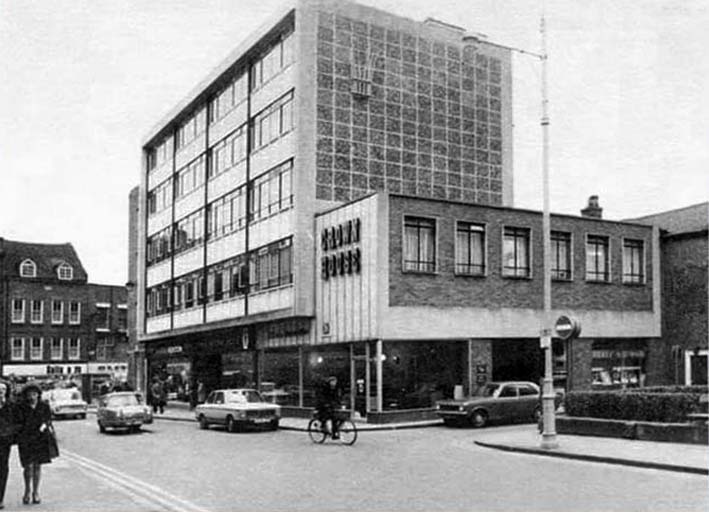
Formerly the site of the Post Office – demolished in 1959, and next to the Barclays bank the long gone Crown Hotel.
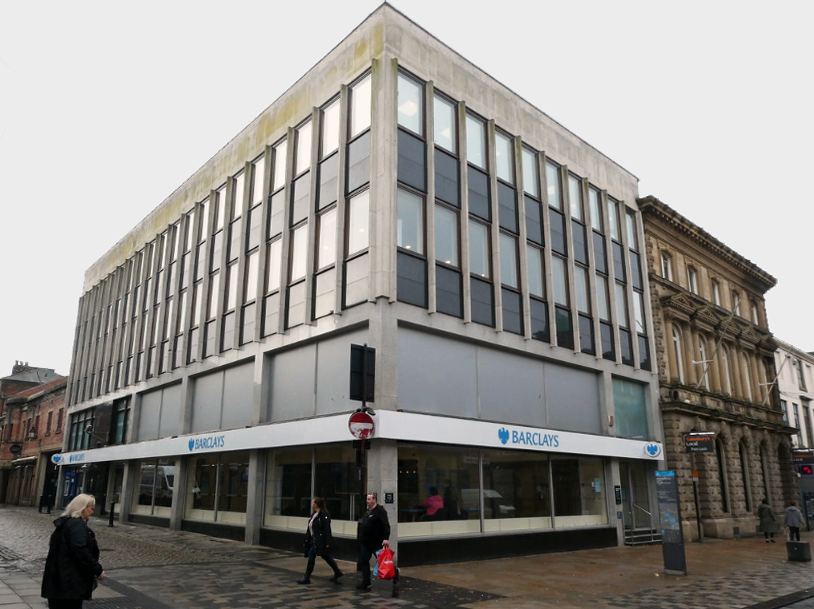
On the adjacent corner a curvaceous Barclays Bank, built in the post war Ministry of Works manner.
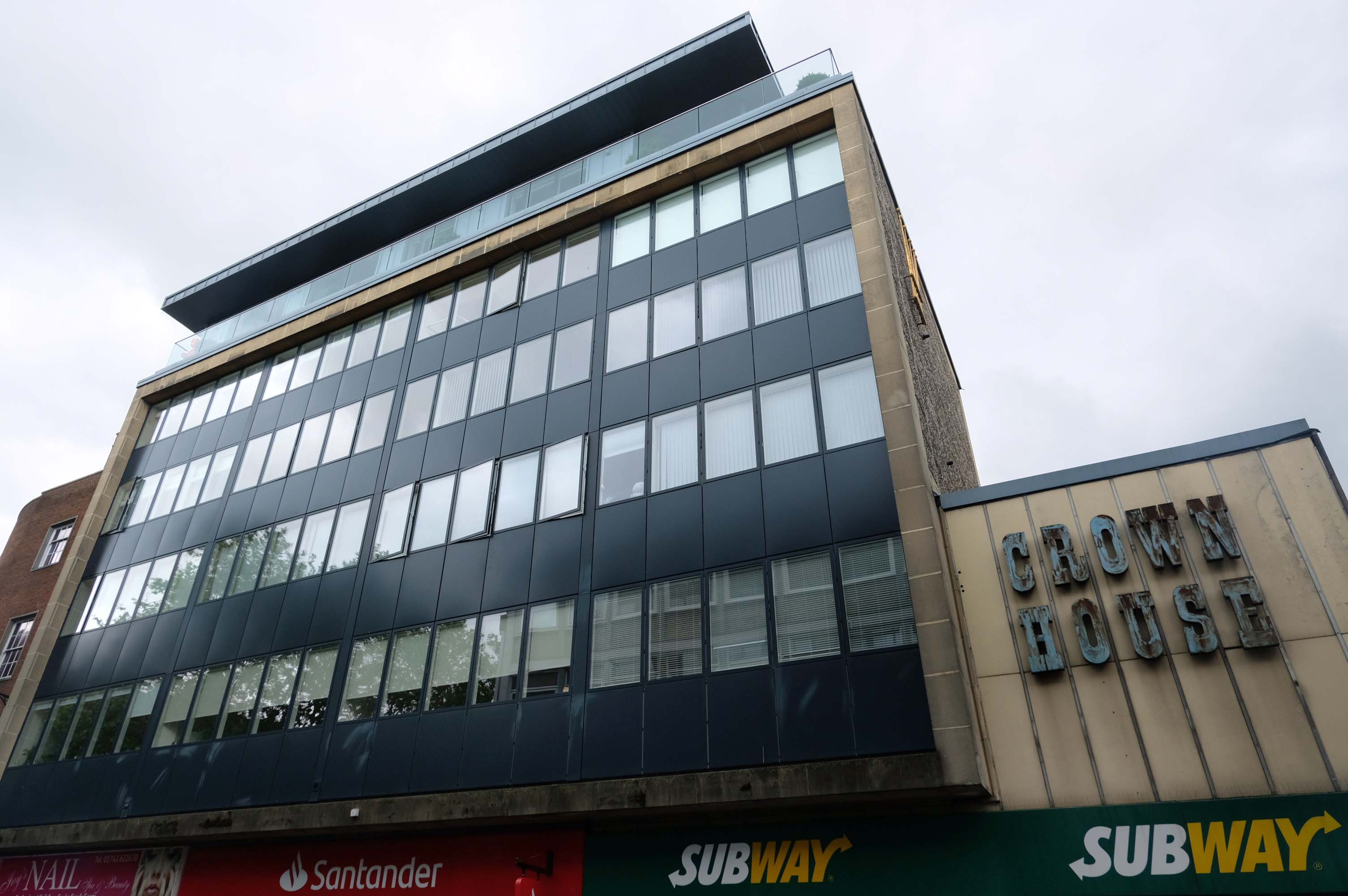
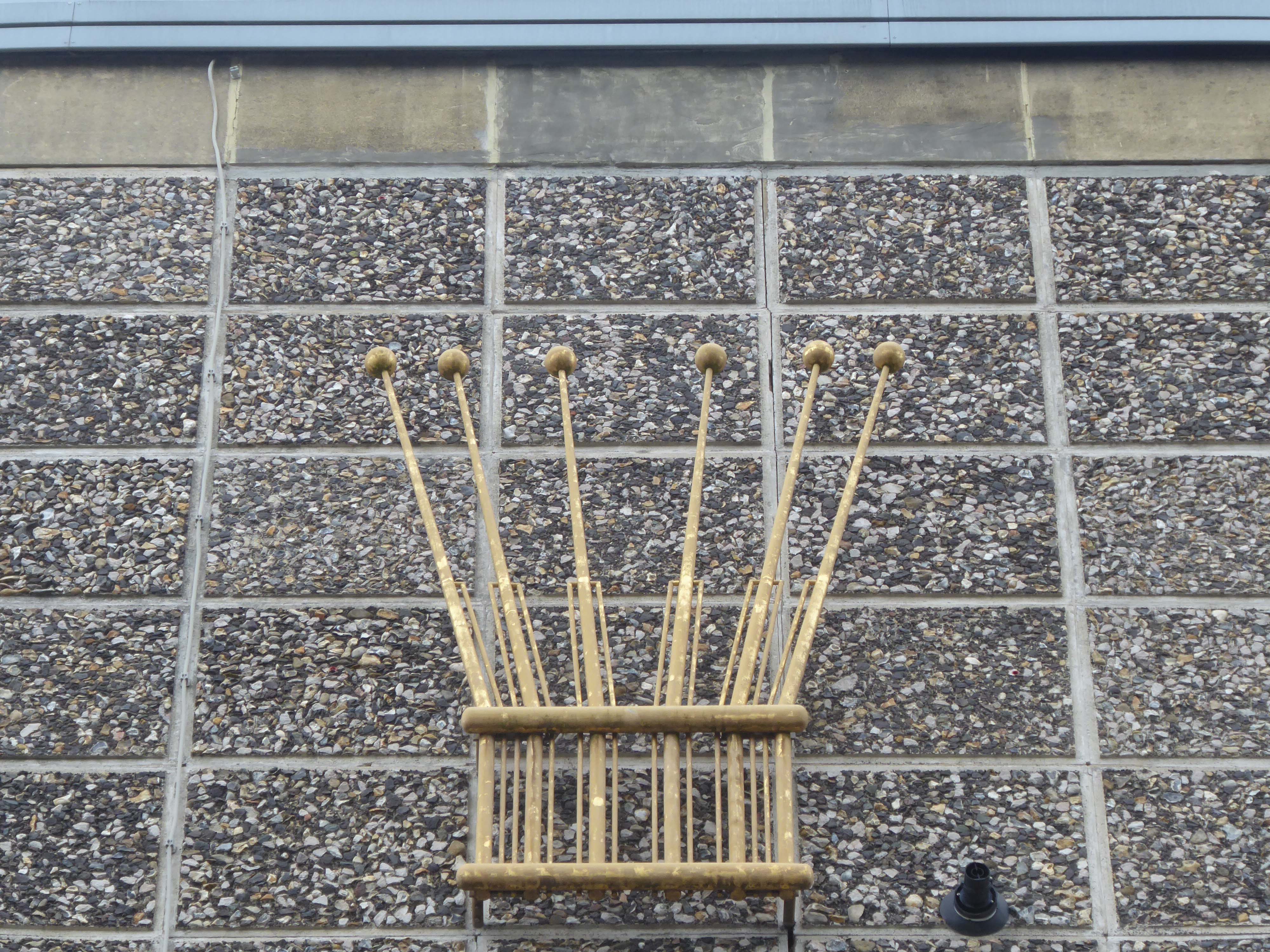
Next door is Crown House – refurbished but with it’s architectural type intact.
One of Marshall Structures’ biggest projects to date was the conversion of Crown House from a tired office block to a complex featuring 14 luxury apartments, providing a much-needed improvement to the site. The work involved in this project included large amounts of steel work and timber design.
The biggest challenge faced during the completion of this project was trying to fit an additional storey without loading quite an old existing structure. To do this, the new storey was designed out of a lightweight timber frame. By doing this, the client’s brief could be met while also ensuring that the existing 1950s building wasn’t overloaded in the process.
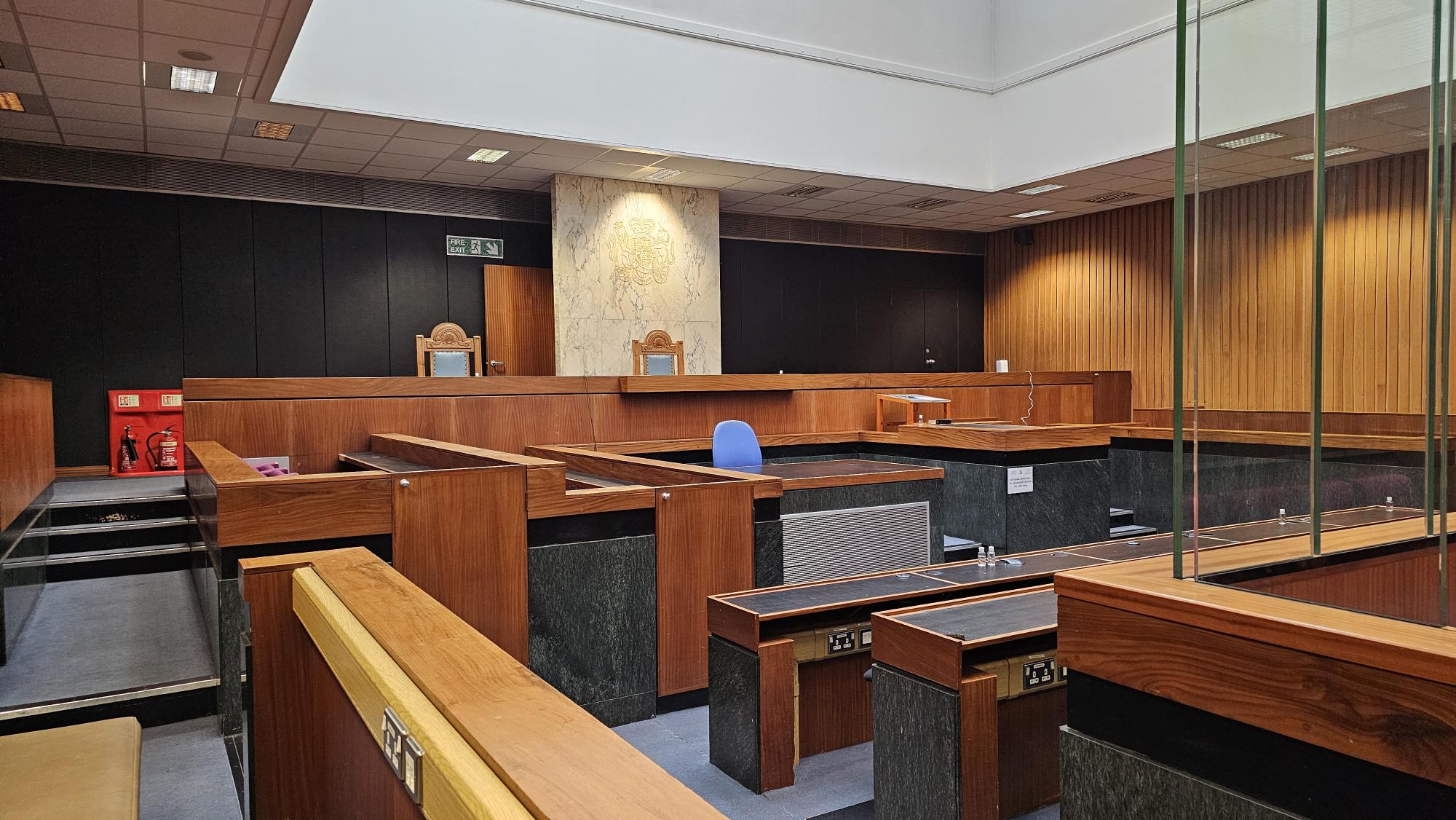
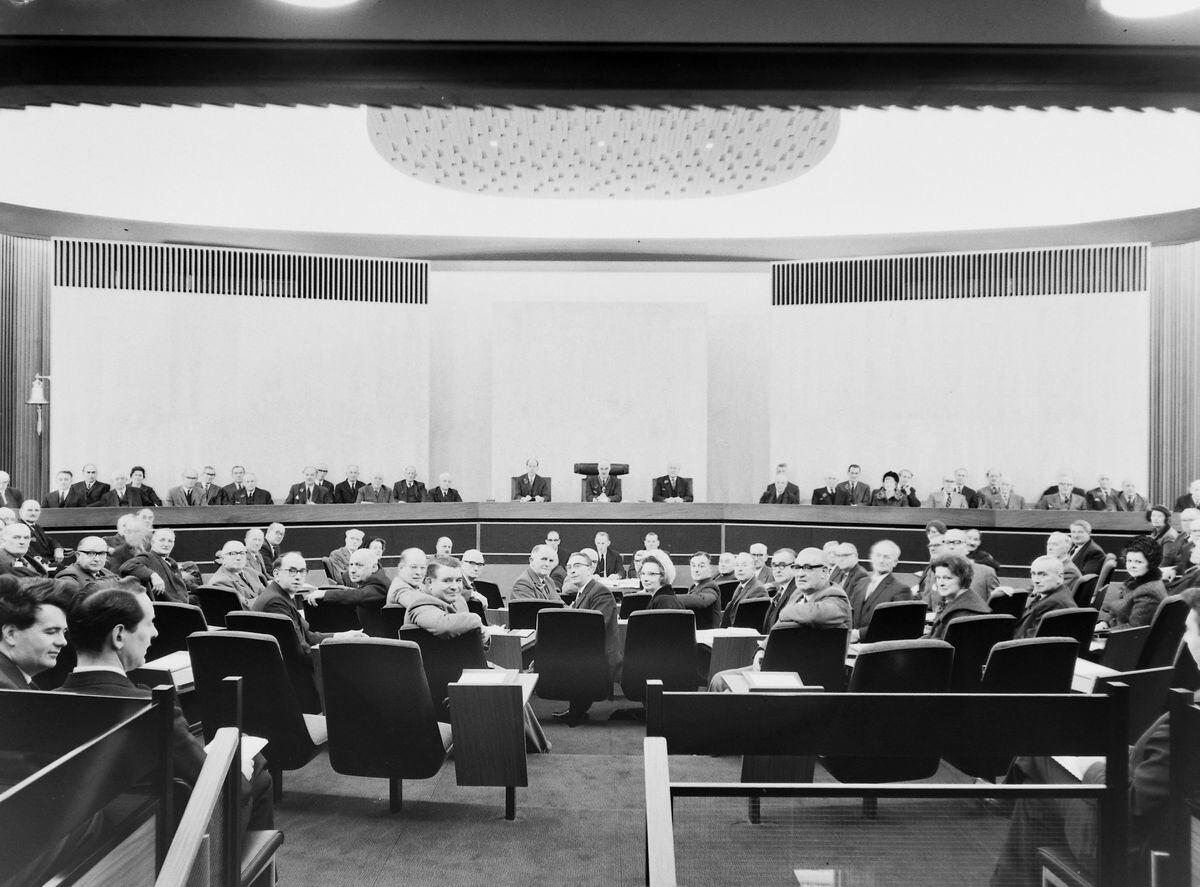
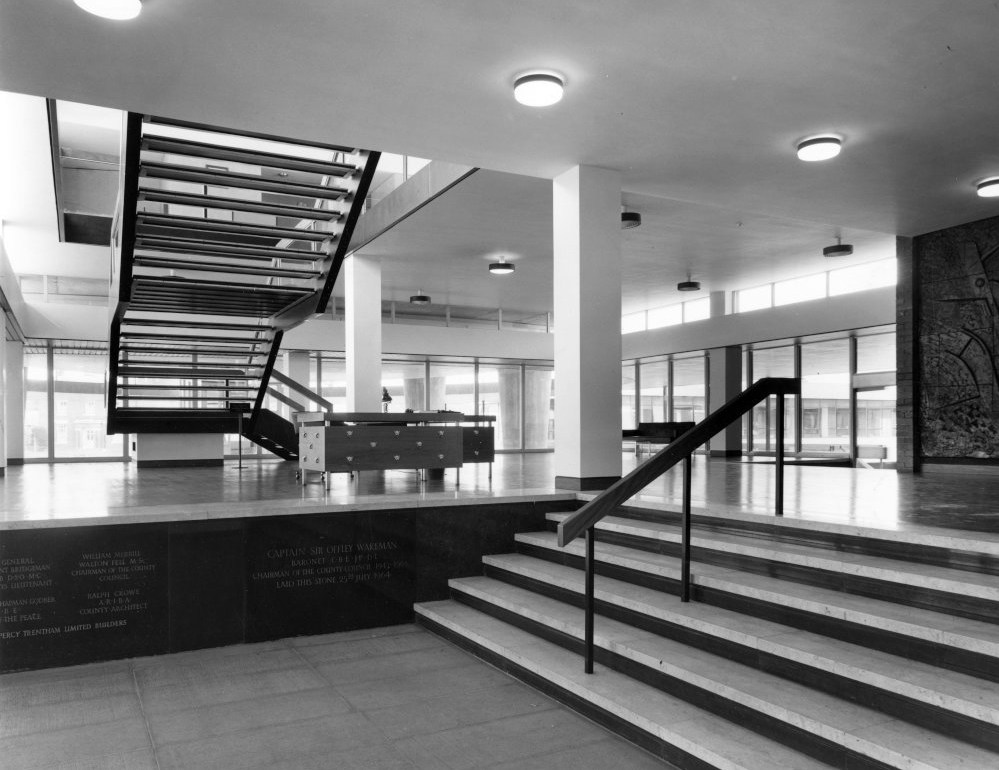
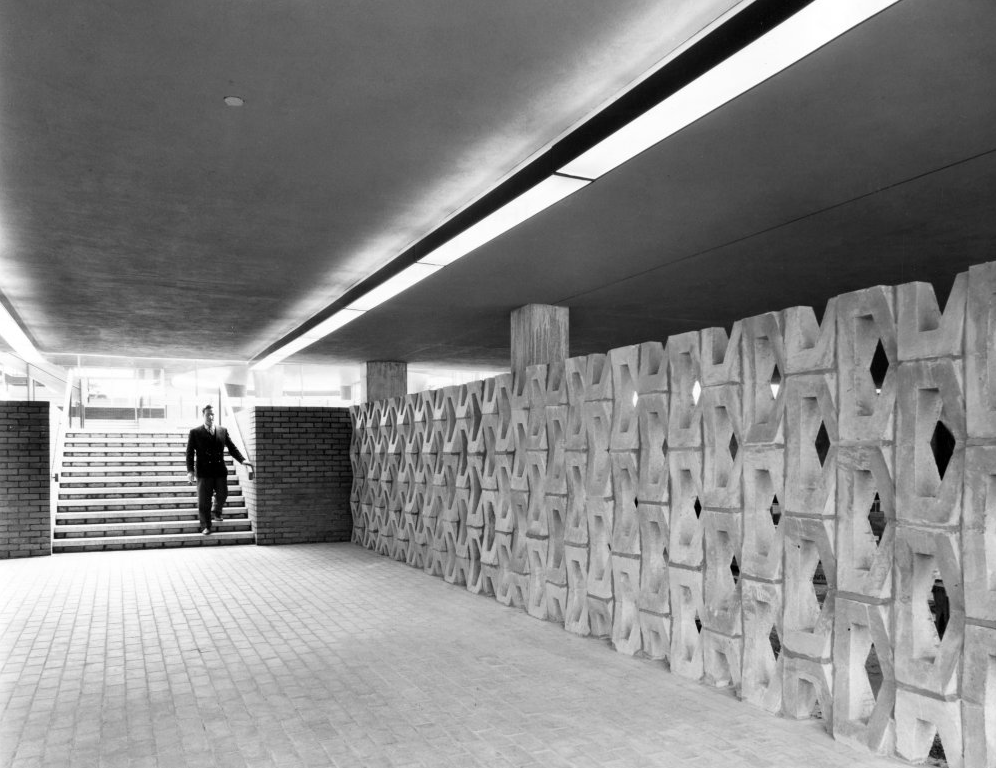
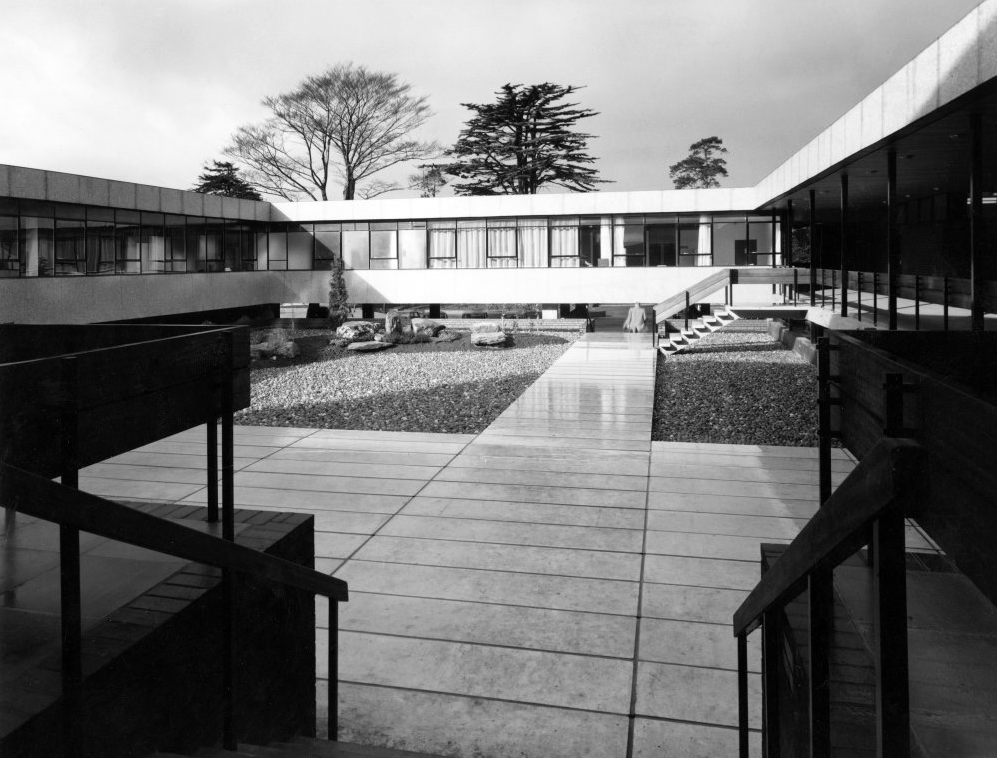
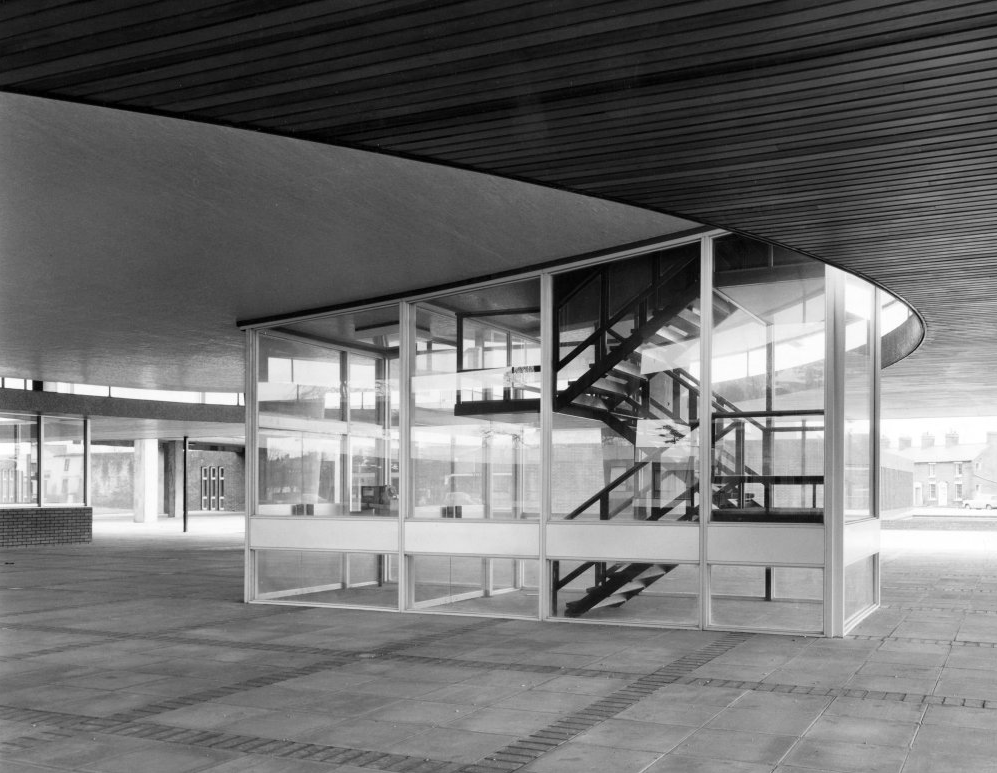
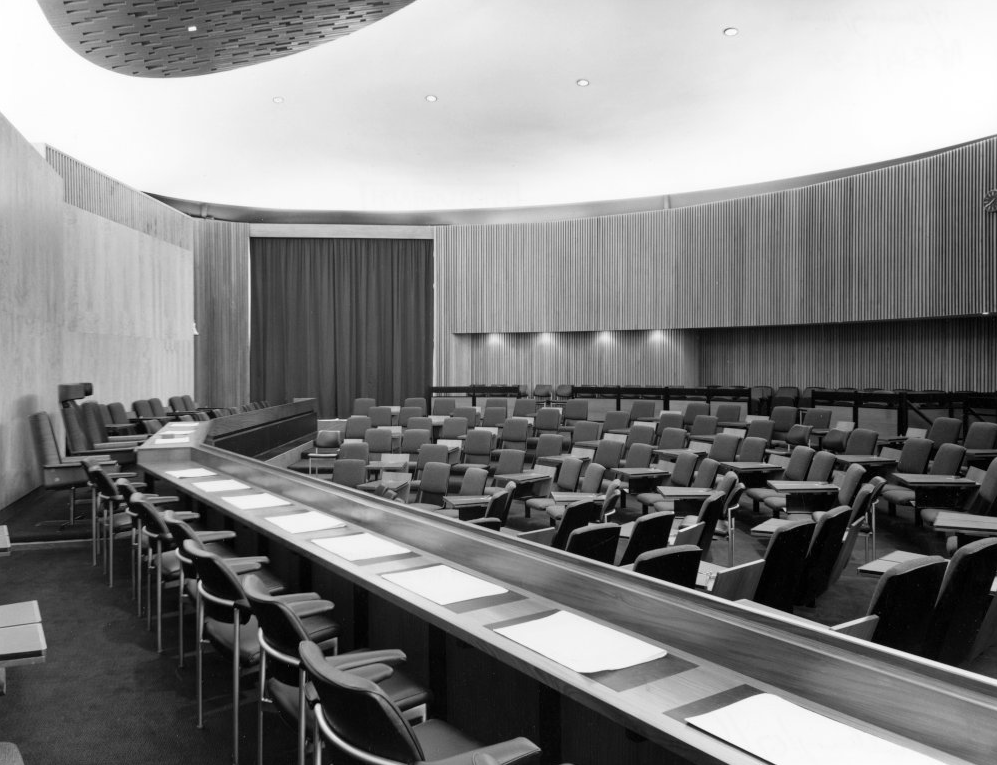
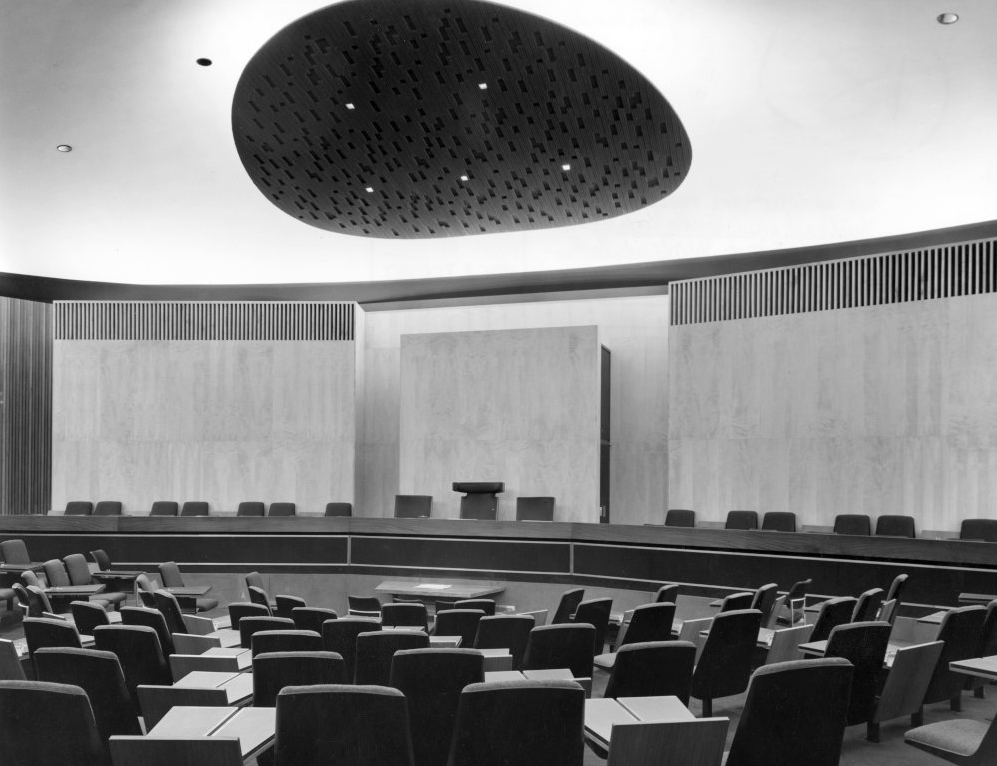
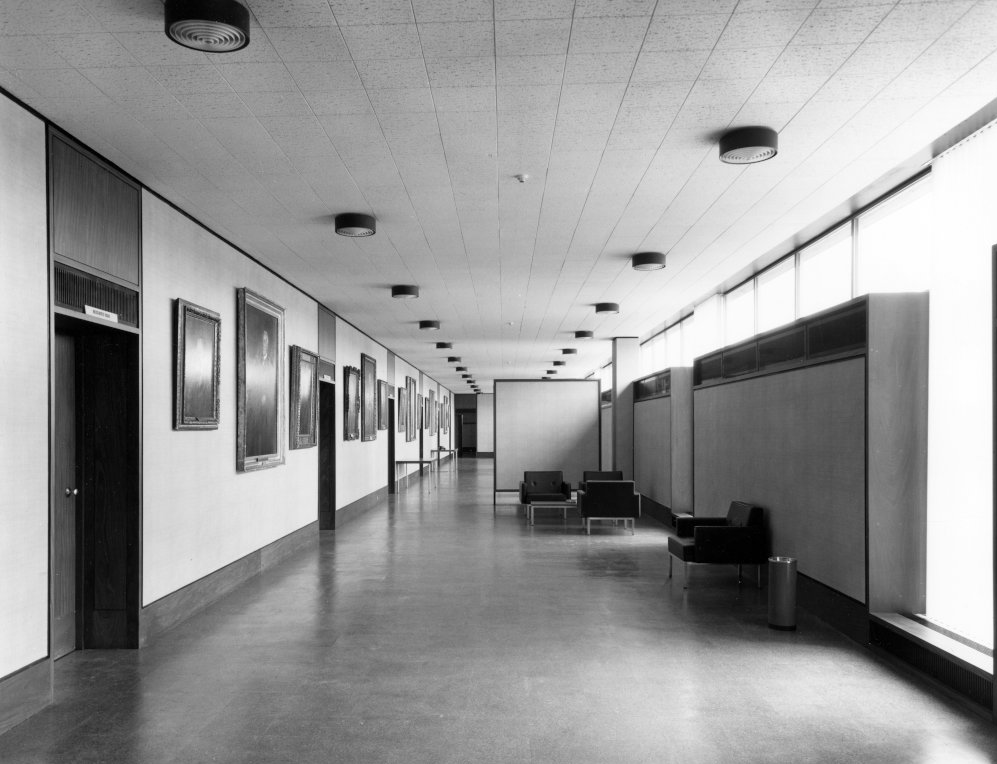
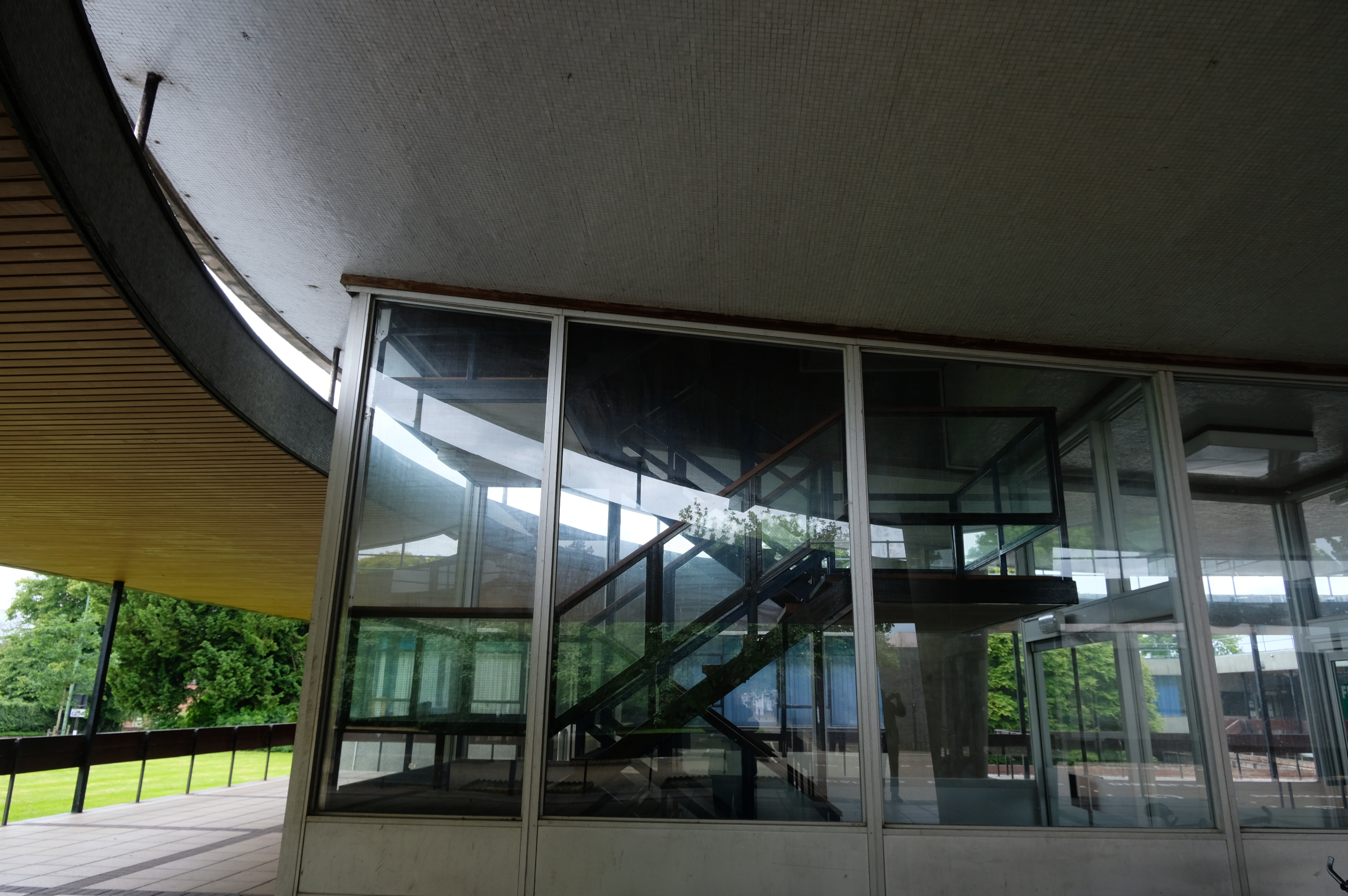
The foundation stone for the new building was laid by Sir Offley Wakeman, a former chairman of the county council, on 25 July 1964. It was designed by Ralph Crowe, the County Architect, in the Modernist style, built at a cost of £1.8 million and was completed in April 1966.
Pevsner described the building as – the major monument to post-war modernism in the county.
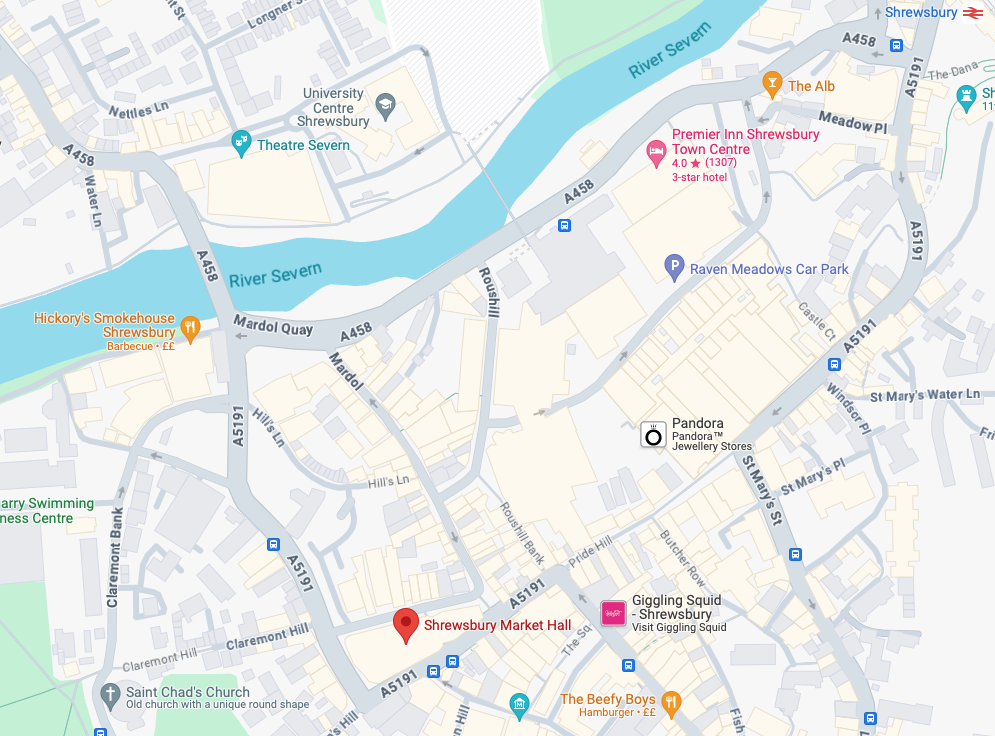
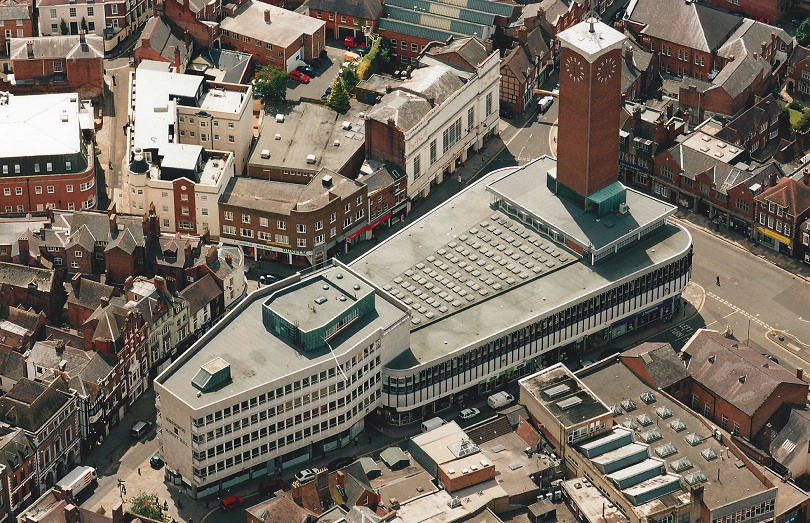
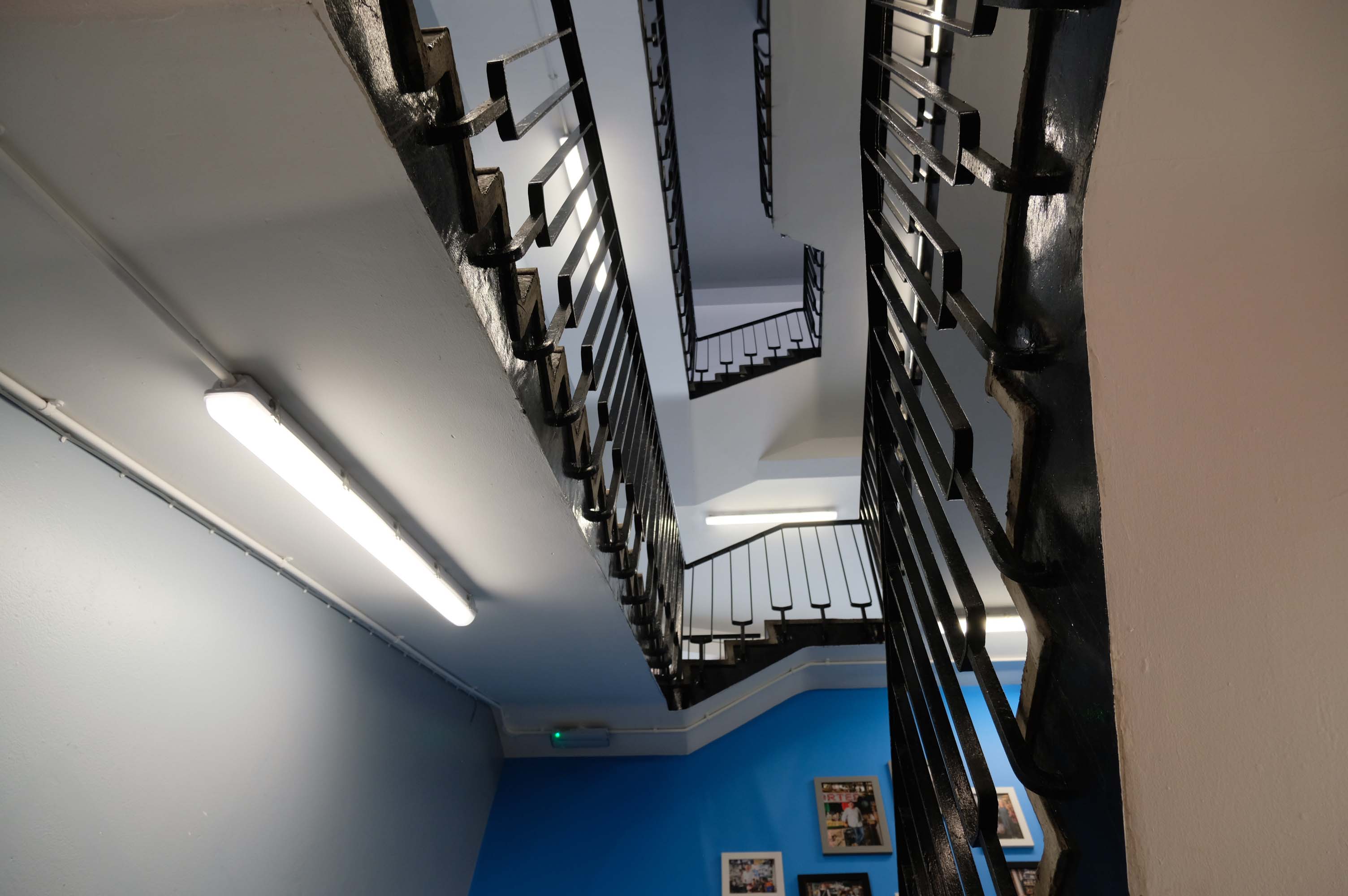
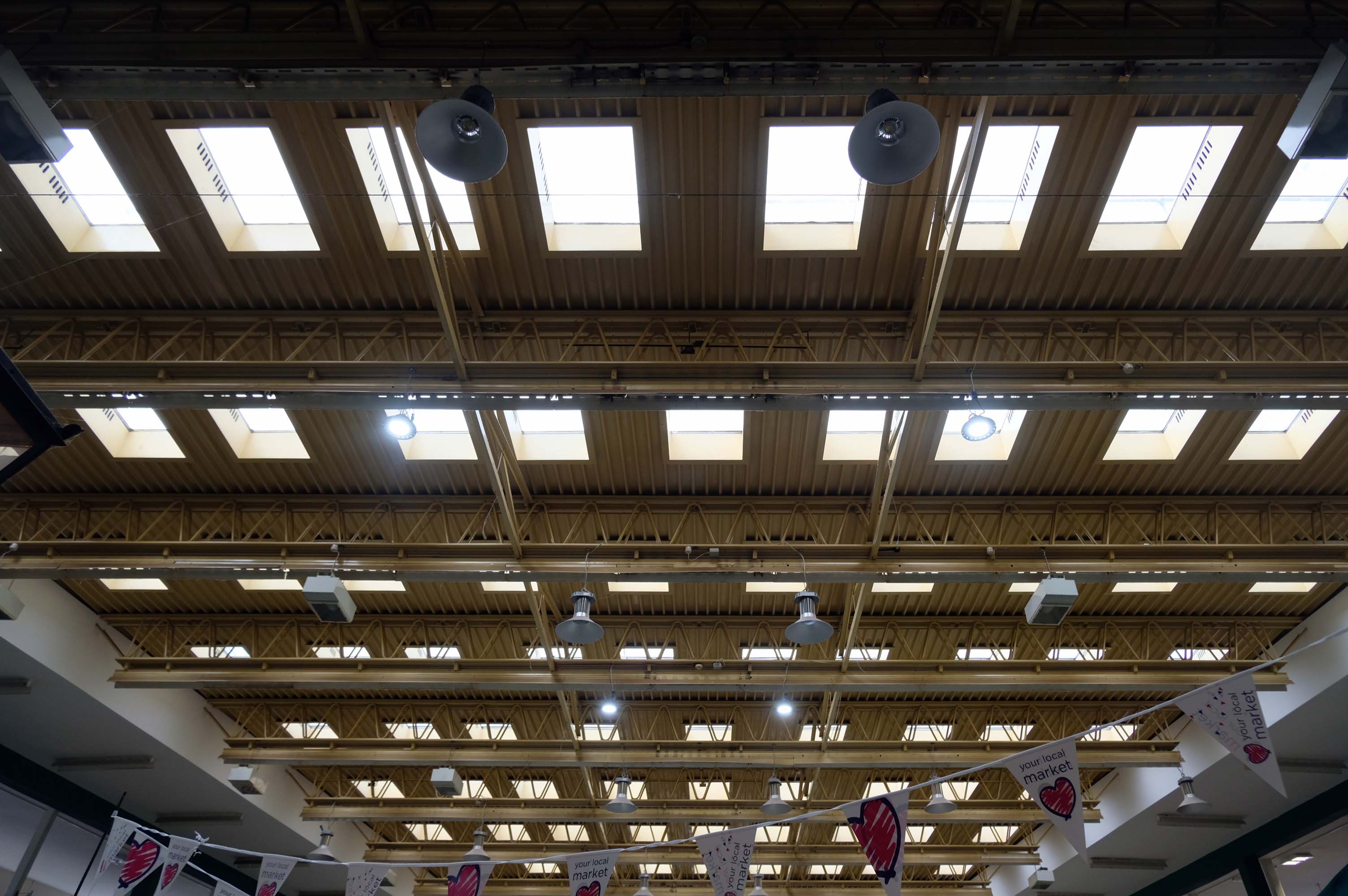
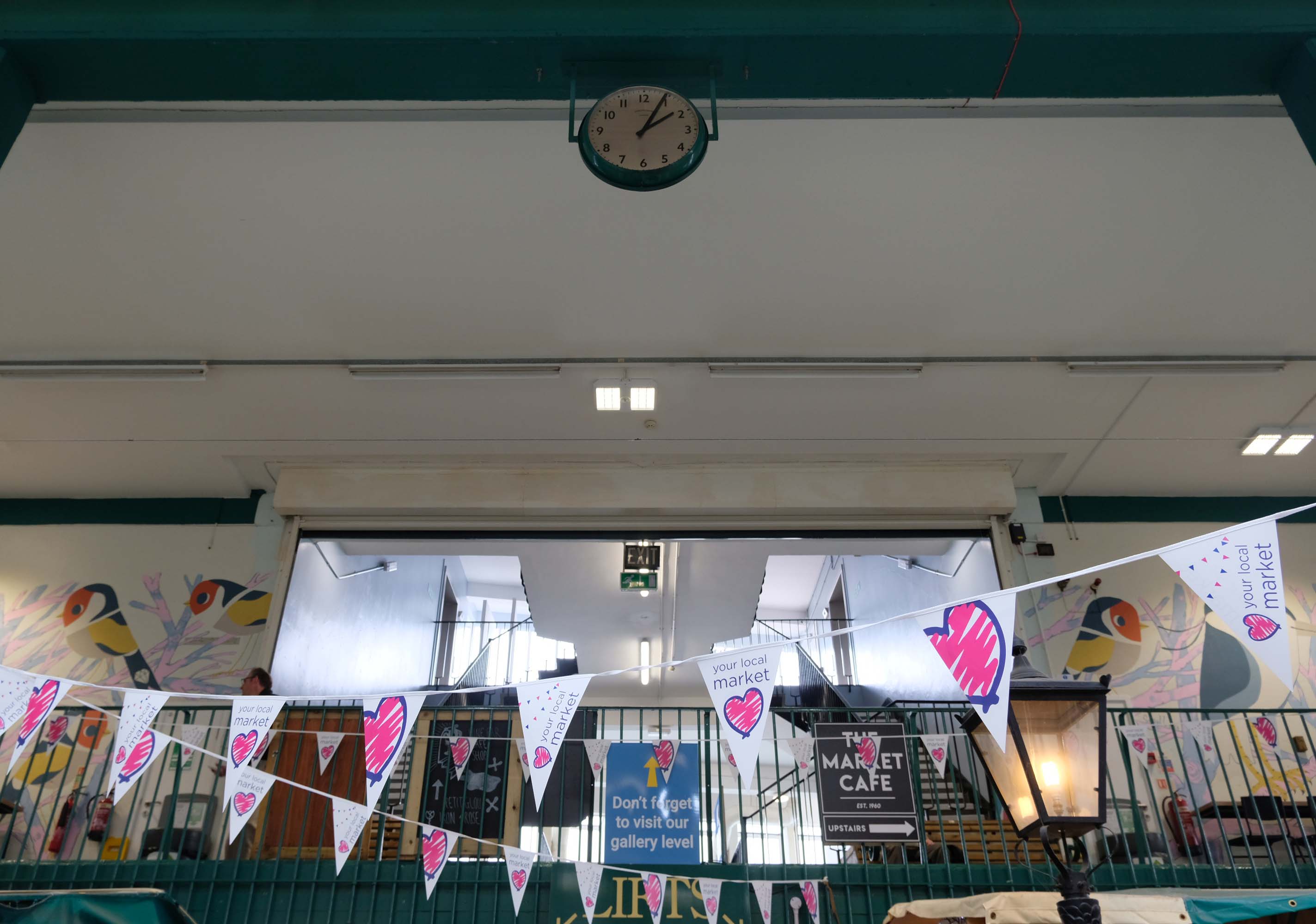
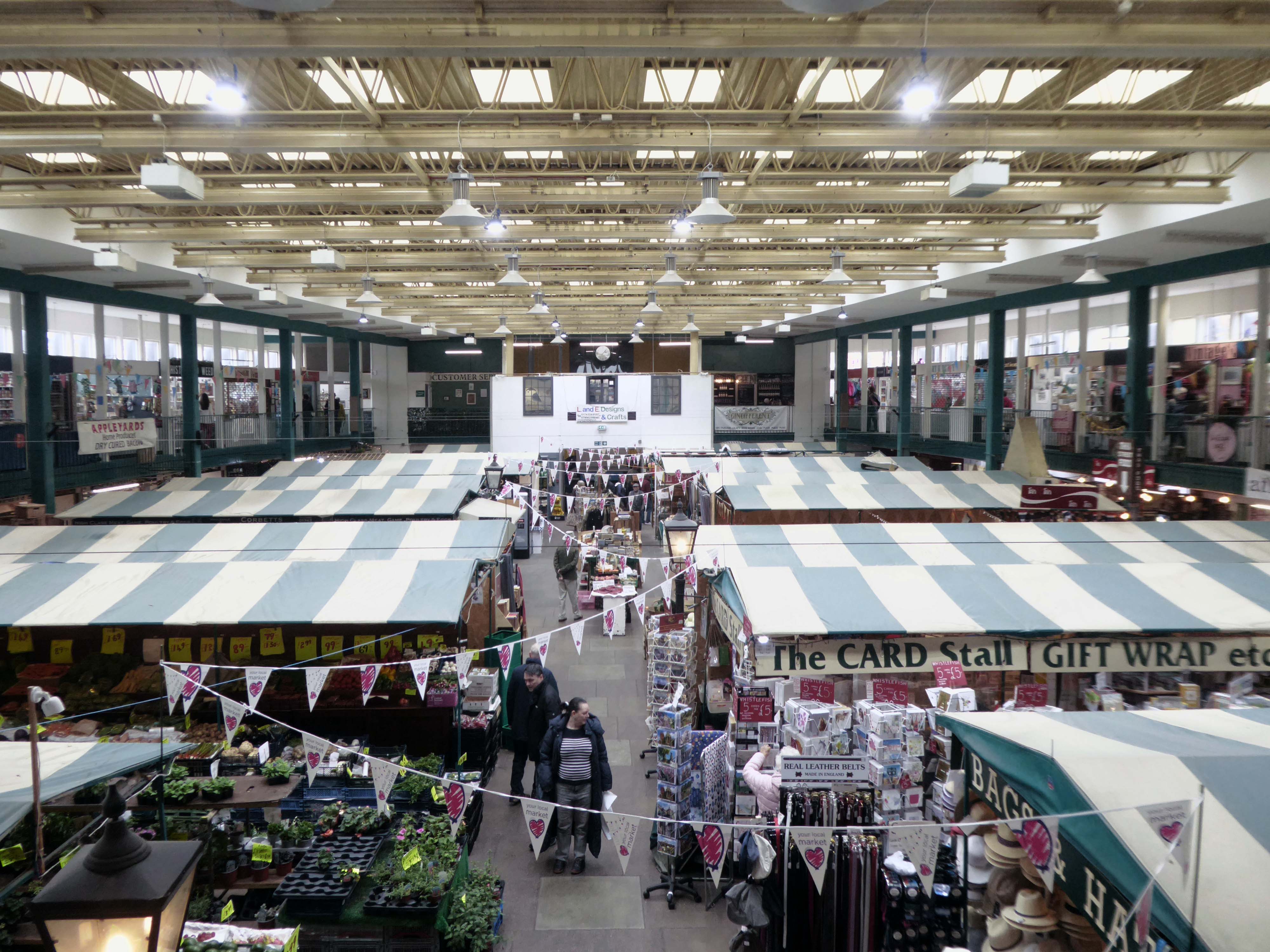
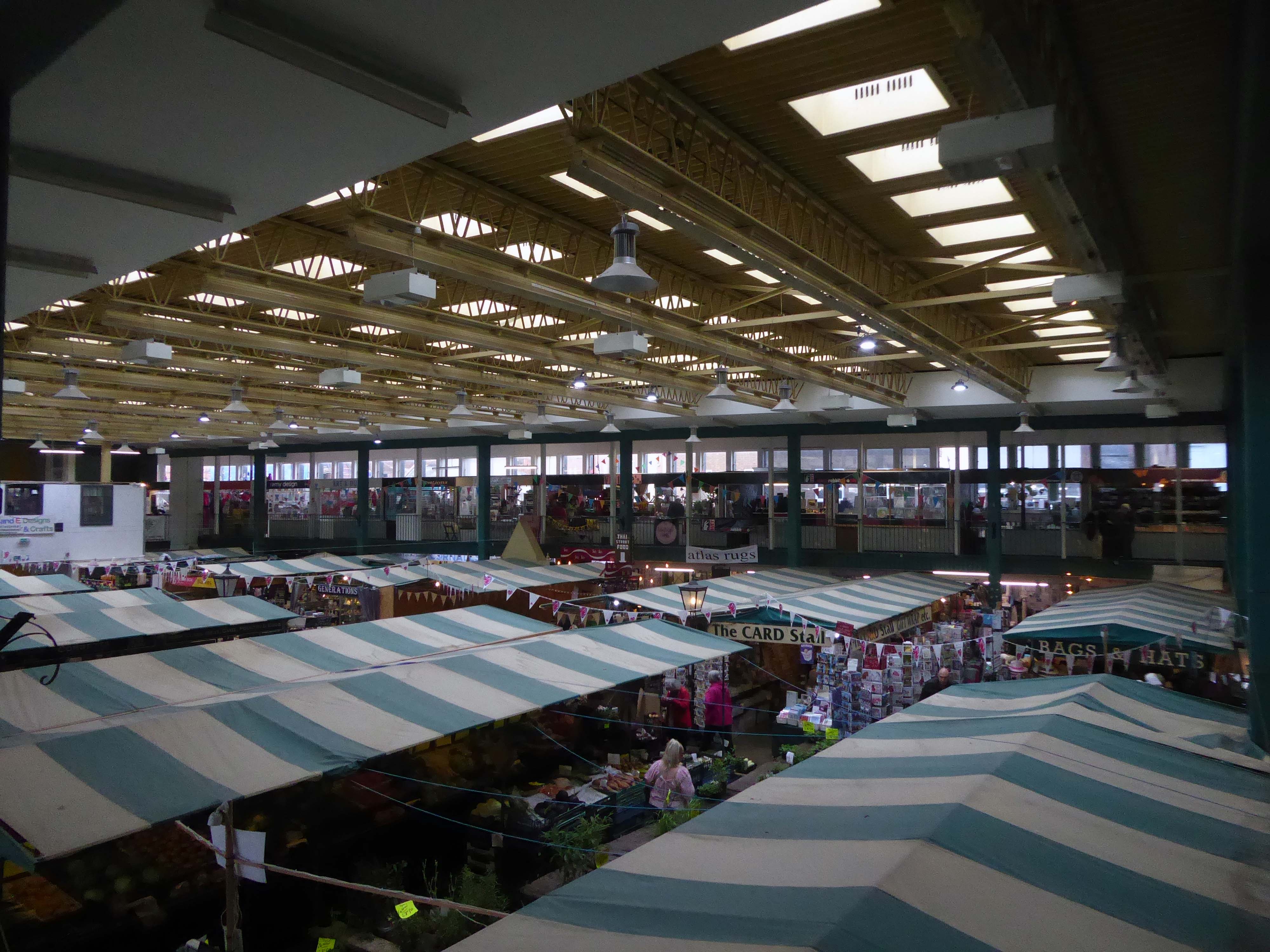
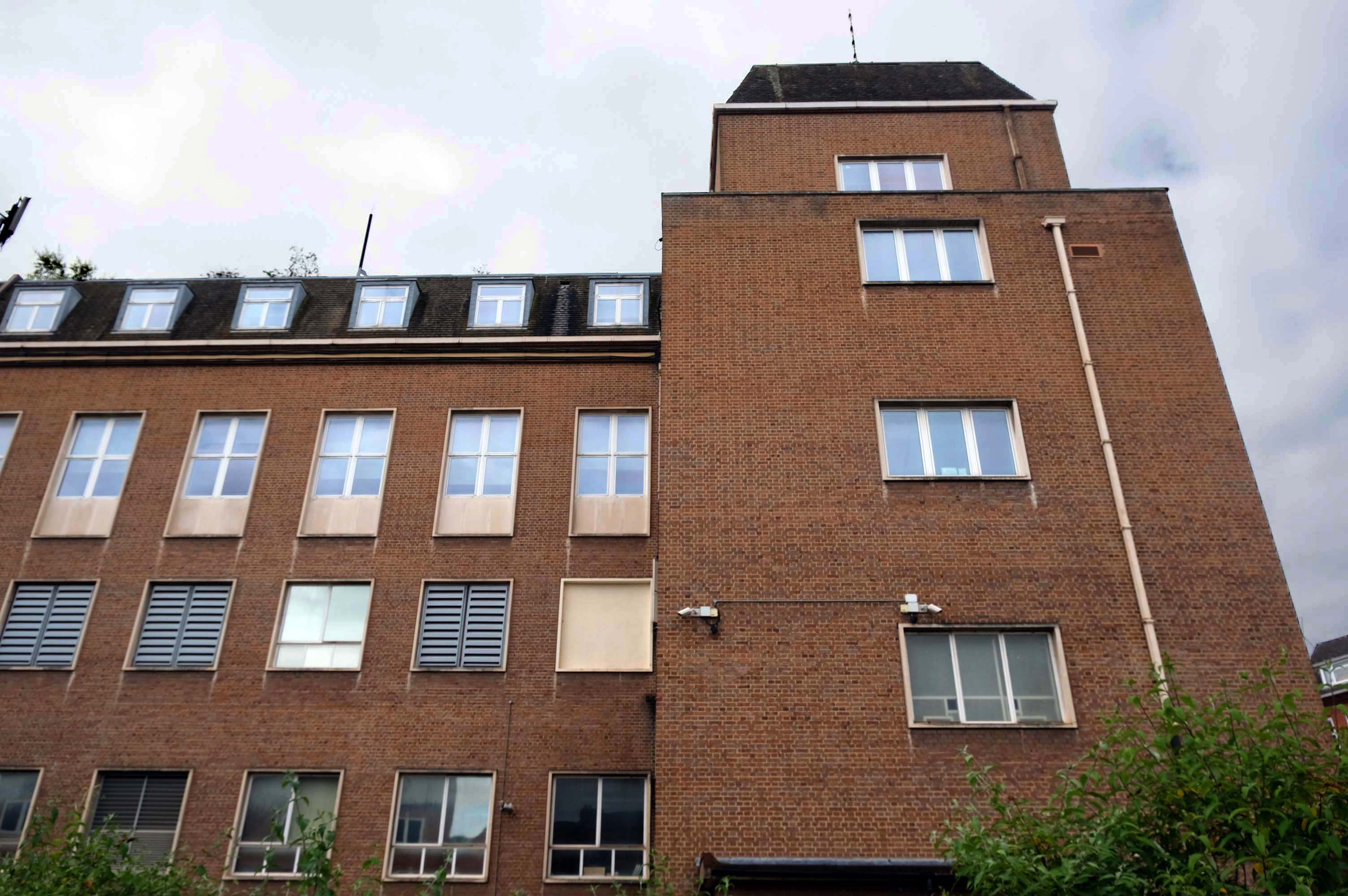
The Market Hall, which includes the town’s 240ft clock tower, an indoor market and a ground-floor shopping centre, was hailed the most modern building in Shropshire when it opened in September 1965.
Developed by the Second Covent Garden Property Company Ltd to replace an ailing Victorian market hall, it cost £1 million to build and was designed by award-winning architect David du Roi Aberdeen who also famously designed the Trade Union Congress headquarters, Congress House, in London, and the Swiss Centre in Leicester Square.
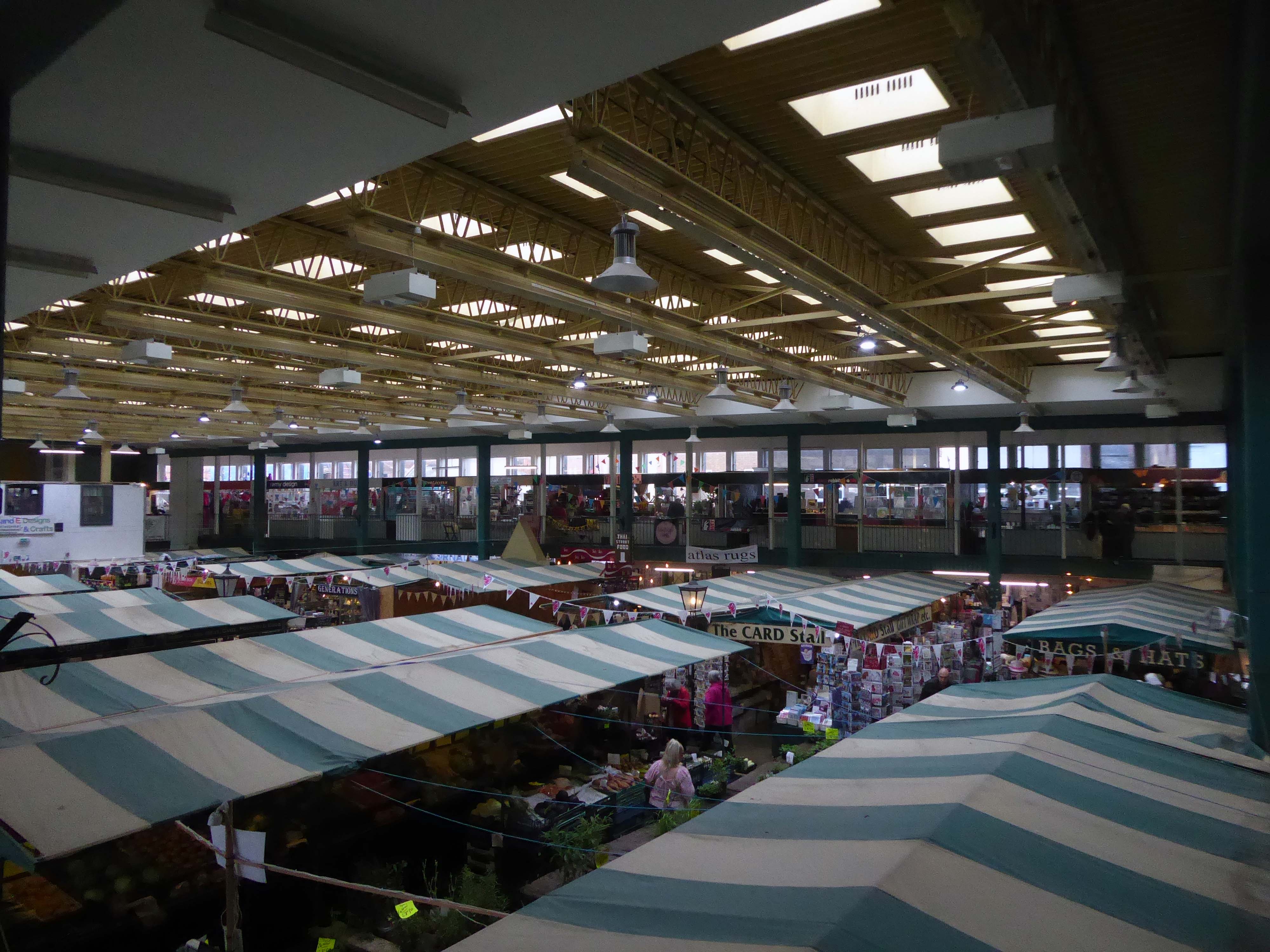
Today the Market Hall’s 1960’s architecture might not be to everyone’s taste, but its indoor market is thriving with over 70 small businesses ranging from popular contemporary cafes and gift retailers to artisan producers and traditional market stalls selling fresh produce.
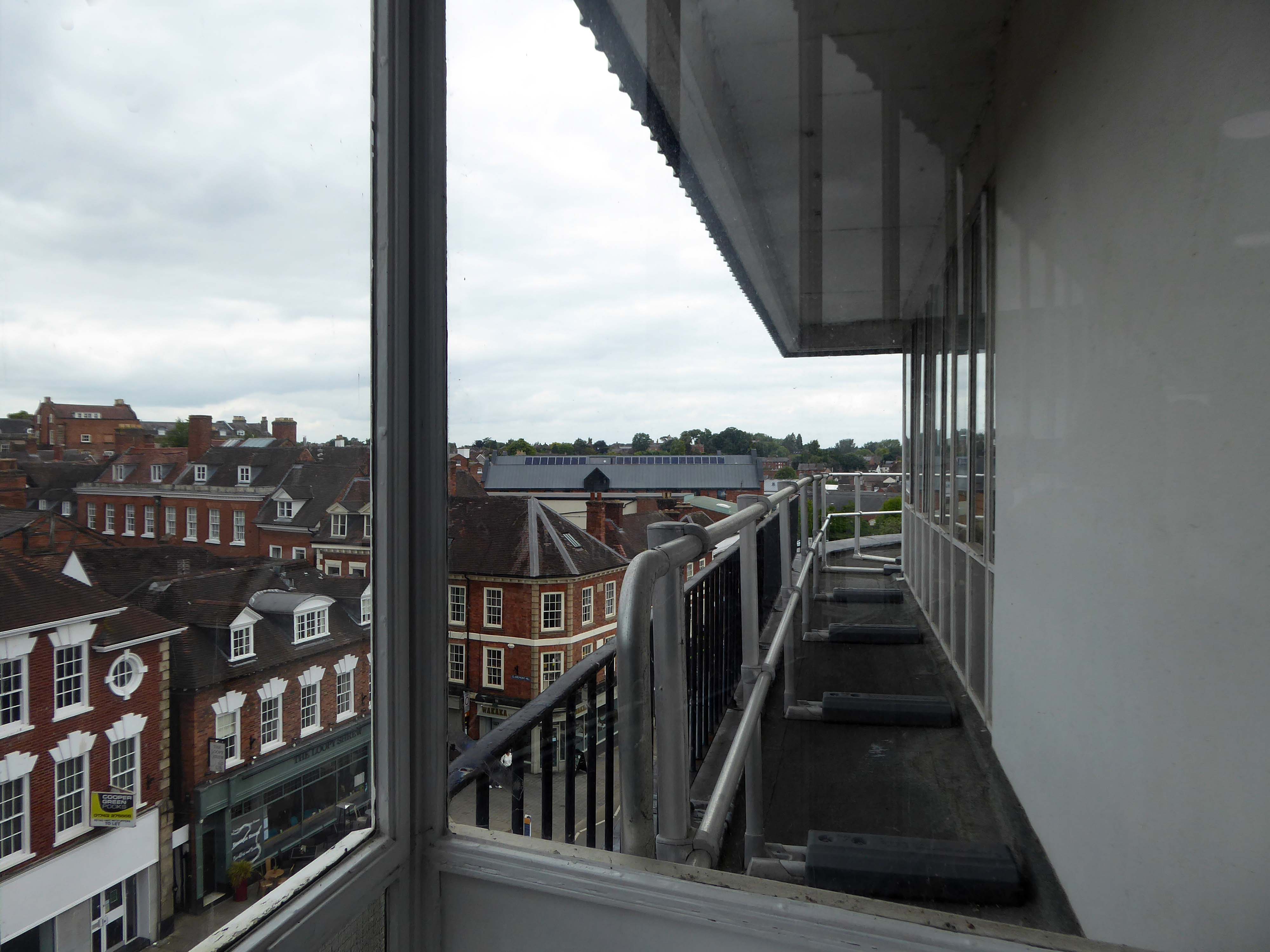
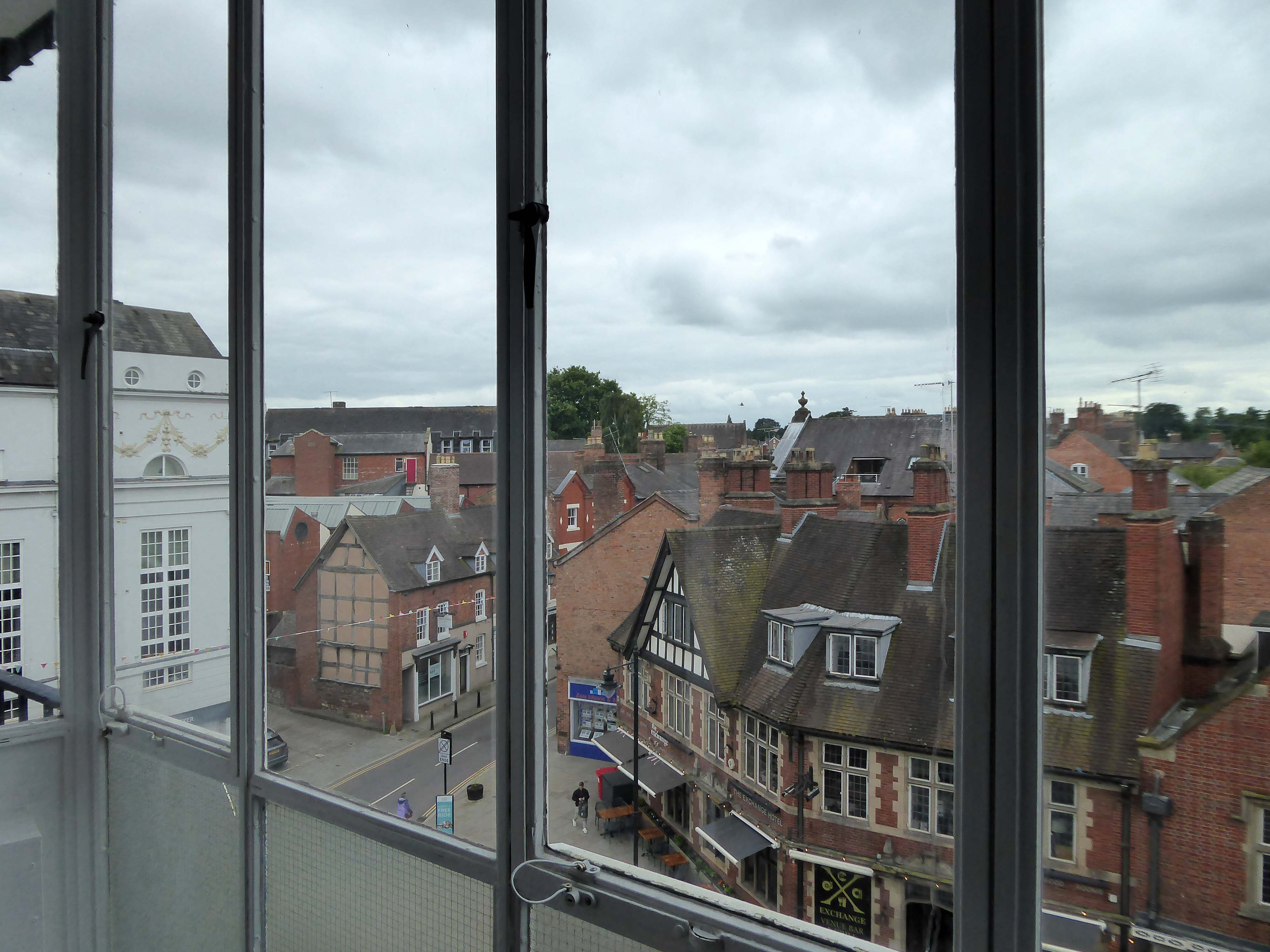
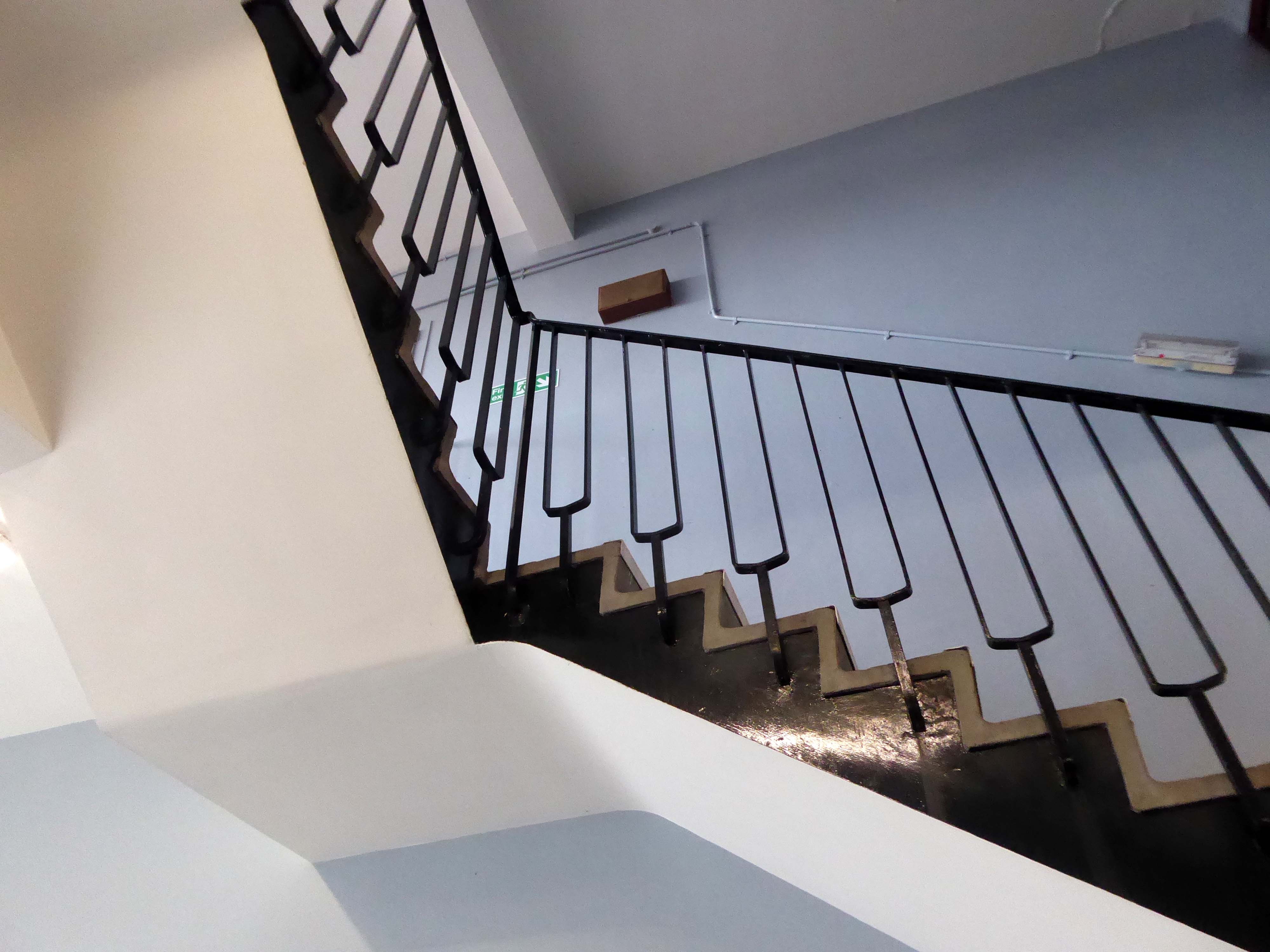
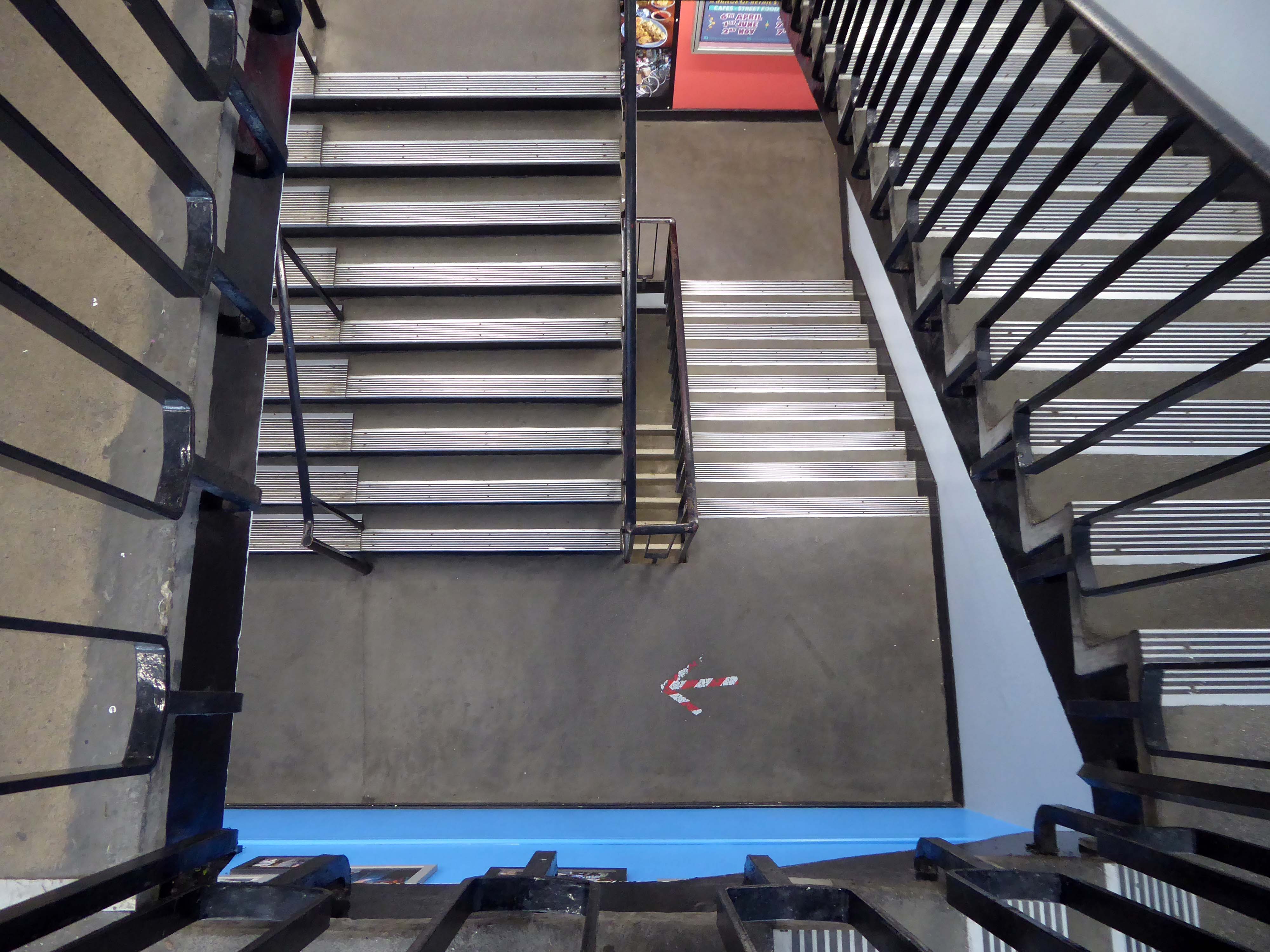
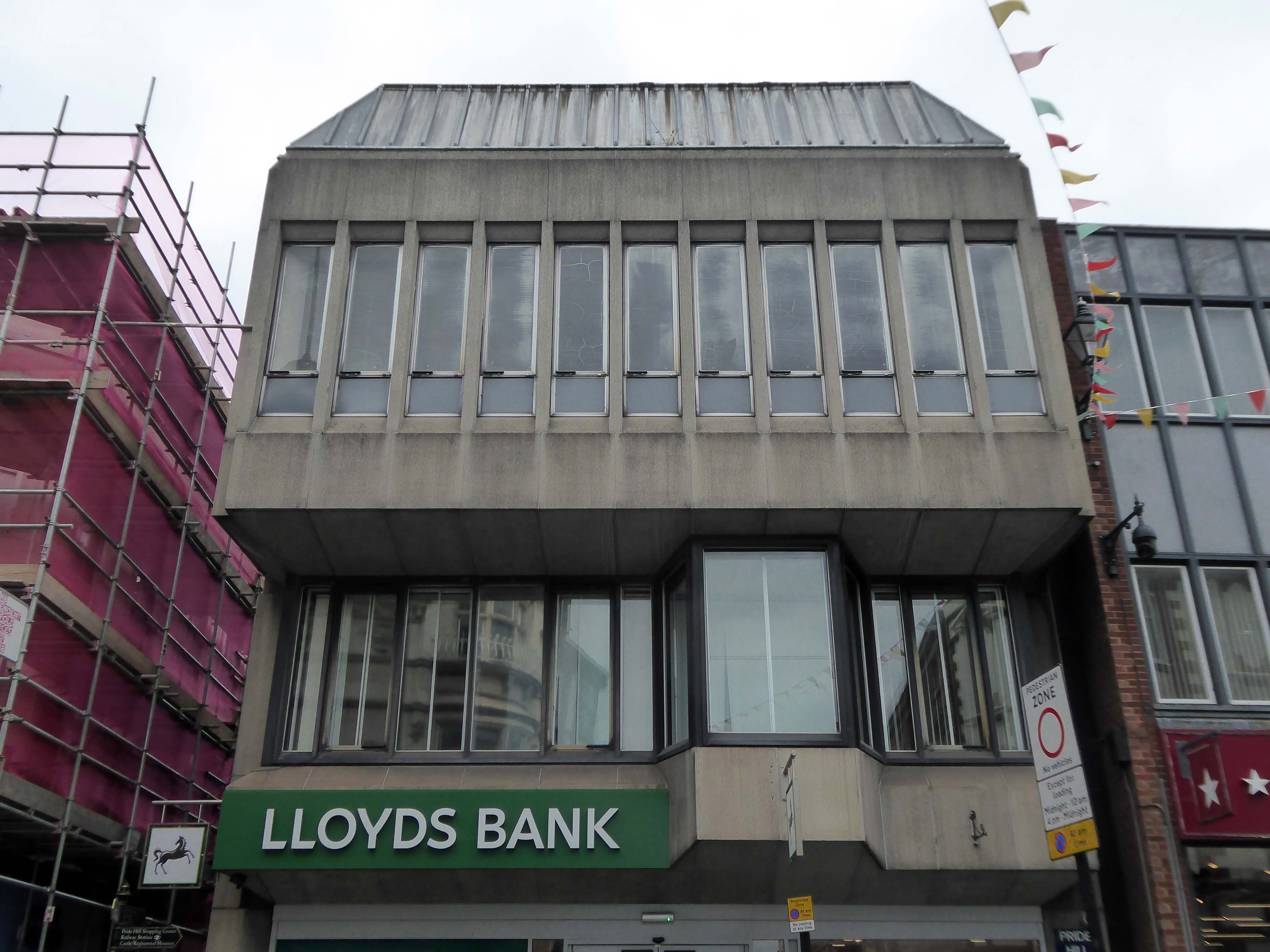
Bobbing toward the centre – a striking Lloyds Bank.
A conscious effort to reflect the nearby Tudor architecture of Ireland’s Mansion and Pride Hill. Lloyds Bank is considered a good example of Brutalist architecture, and proof that bold modern buildings can be successfully slotted into traditional historic streets.
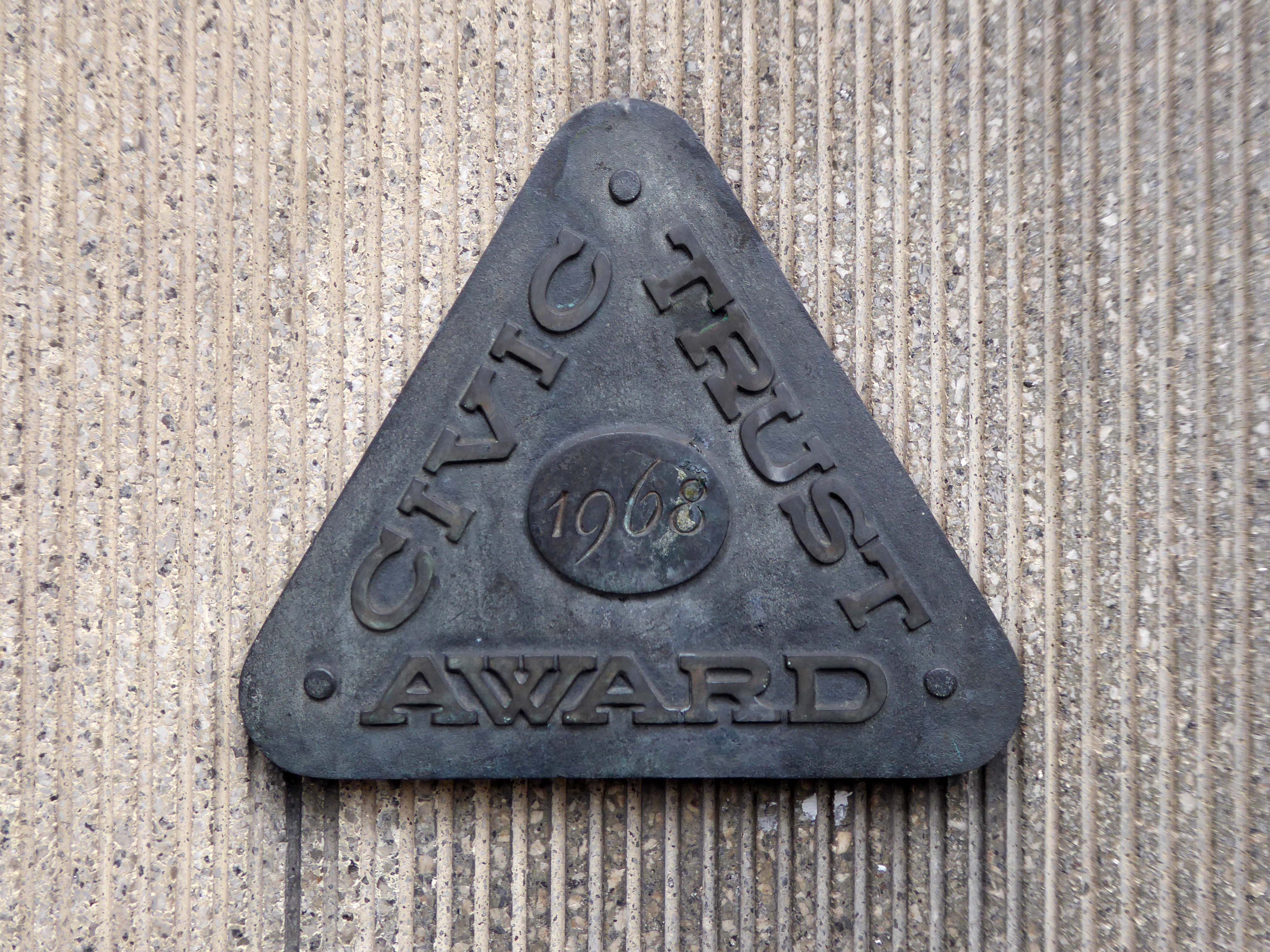
Possibly Shrewsbury’s finest post-war building, but of course it has its detractors. It was well received by critics of the period including the assessors for the Civic Trust who bestowed an award in 1968. They noted the quandary that the architects faced of building in such a historic setting and terminating the vista along one of the town centre’s main streets. In their opinion the architects ‘faced the problem squarely and their building, brave in its conception and immaculate in its detail’ and that it was ‘uncompromisingly of today but beautifully sympathetic to the great buildings it rests with’. Pevsner’s original assessment of it being the ‘boldest modern response to the town’s half-timbering’ was not shared by the authors who revised the Shropshire edition and viewed it as an ‘aggressive display of exposed and textured concrete’.
It was also shortlisted for the European Cement Association awards, one of only two British buildings to make the grade. Opting to draw on the Tudor traditions of the town, partner W Marsden, working with project architect W Allan Clark and assistants Malcolm Lovibond and Keith Maplestone, used cantilevered floors, vertical structural and sub-structural members, oriel windows and a black and white tonal palette deploying anodized aluminium window frames against finely ribbed concrete panels. The standing seam zinc roof adopted the town’s norm of pitched roofs without gables in order to blend with the street scene. Concrete Quarterly referred to it as ‘a skilful bridging of the centuries in a way that would not offend a purist’ . The main contractor was Henry Willcock and Company Limited.



















 Modern Mooch