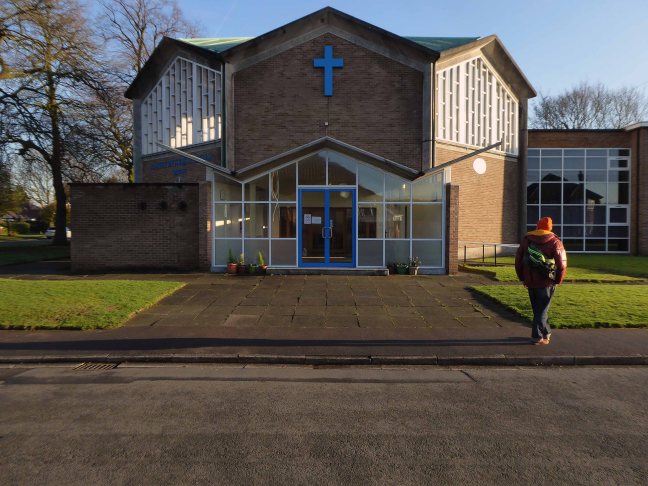
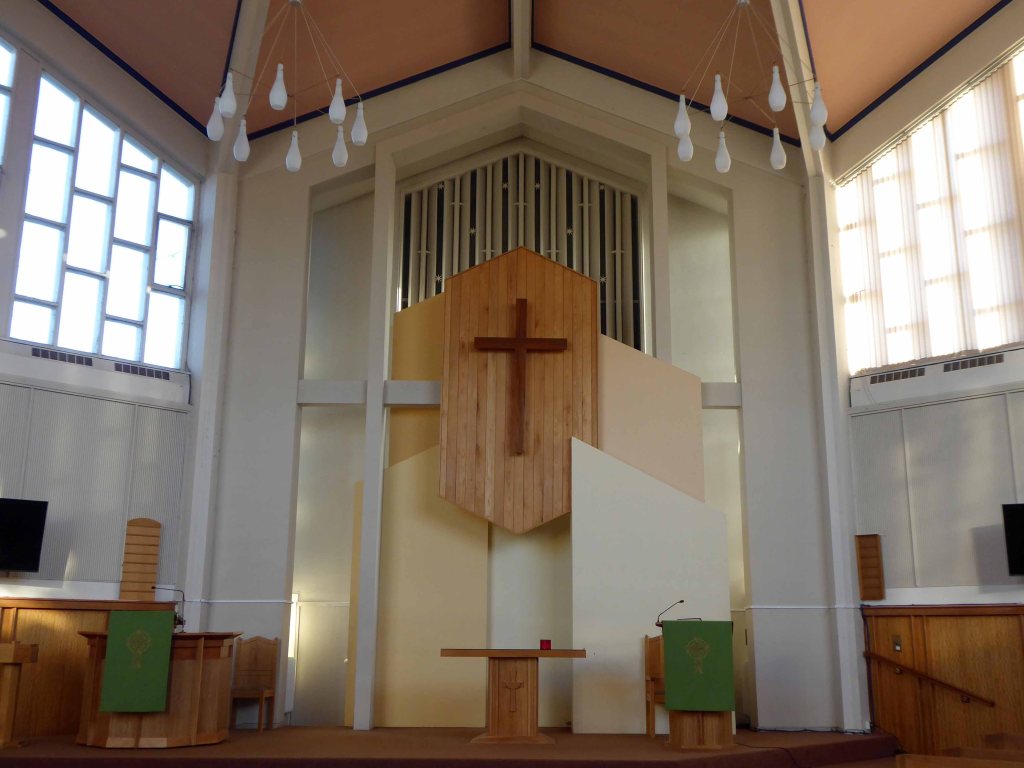
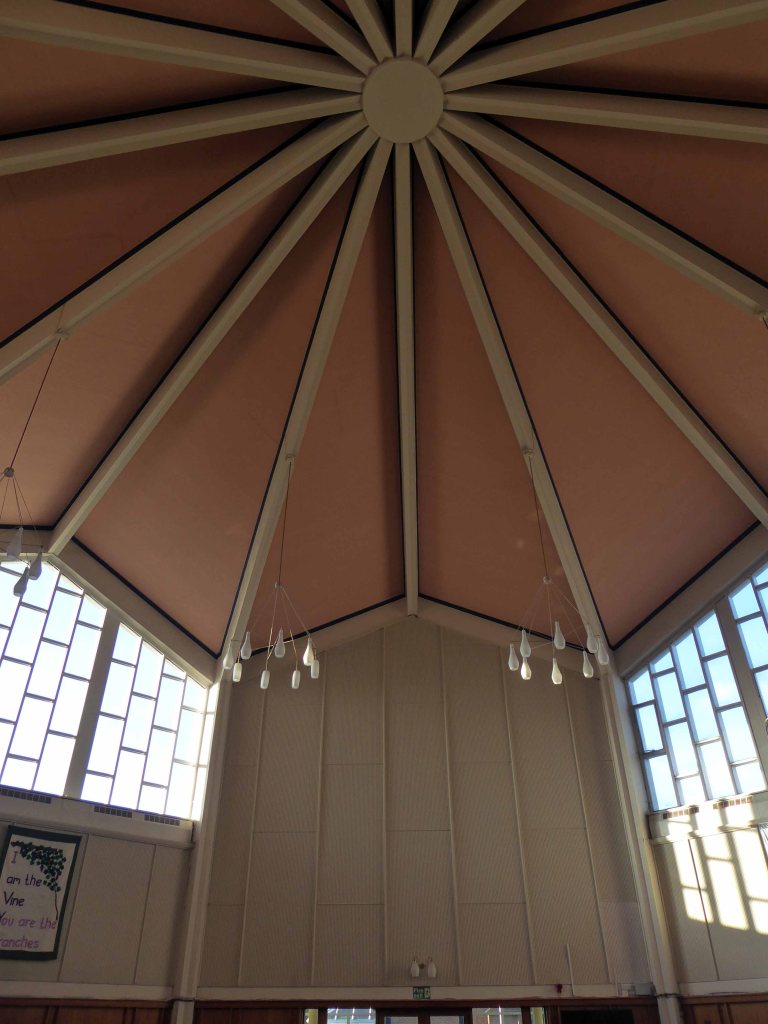
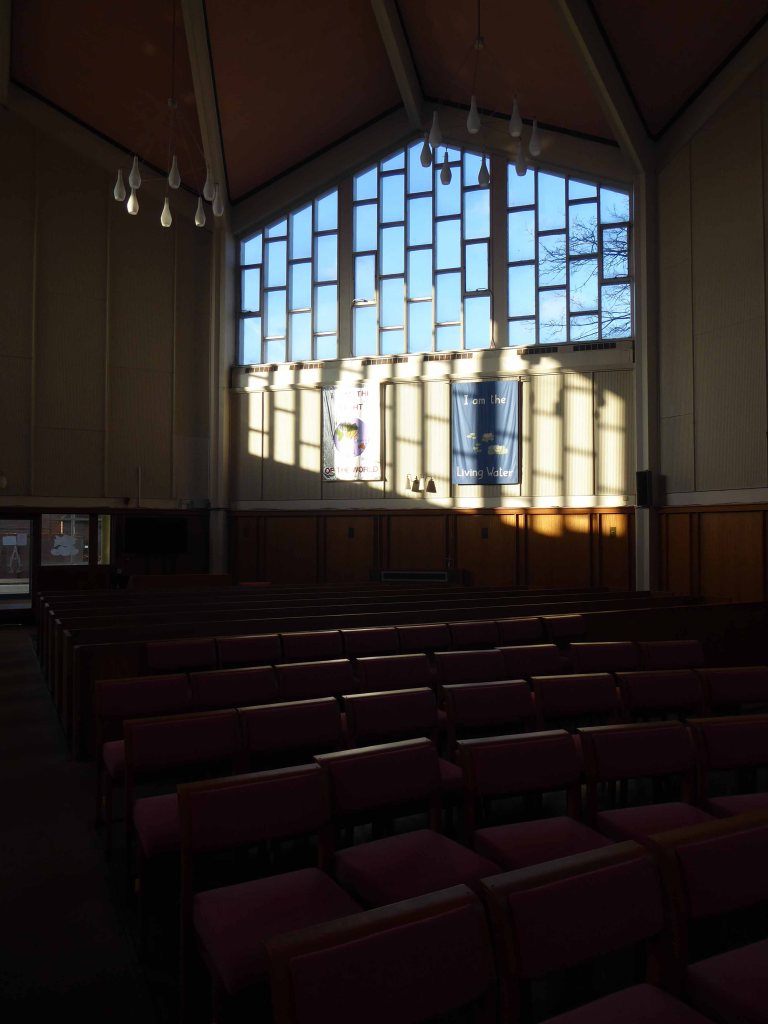
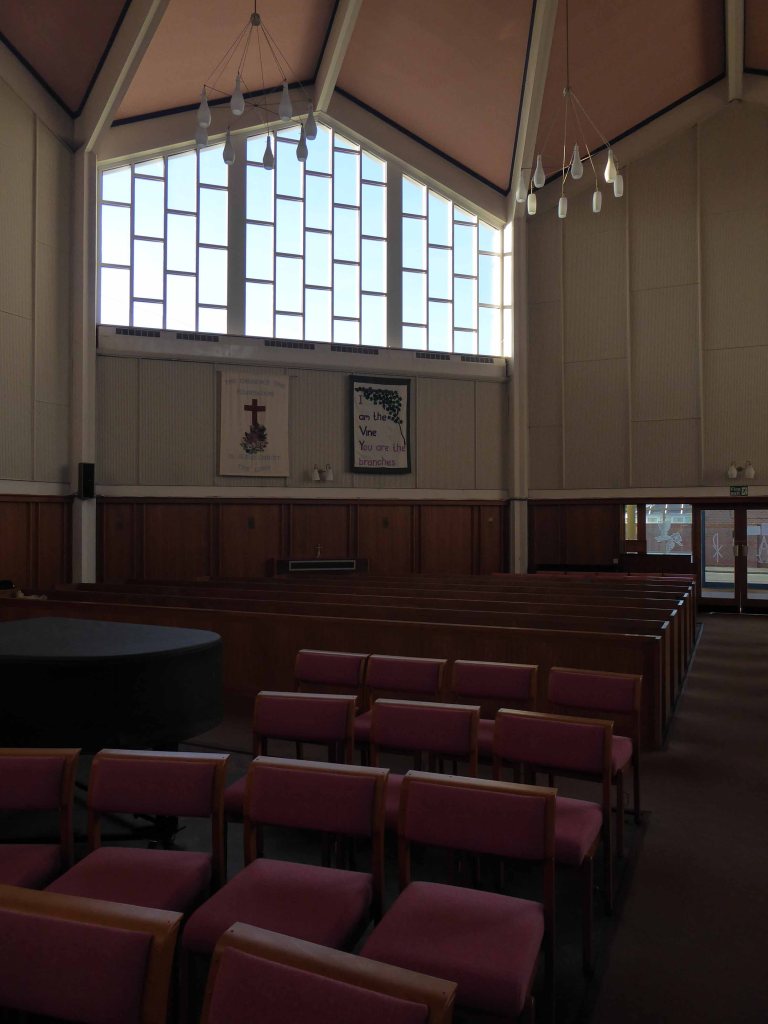
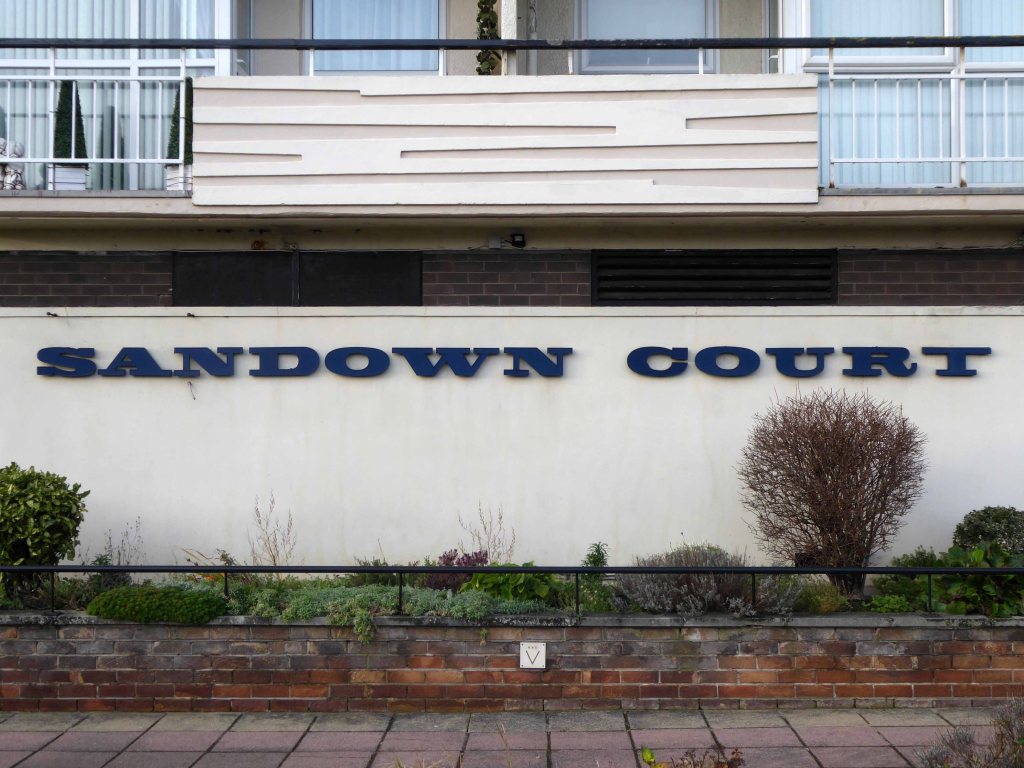
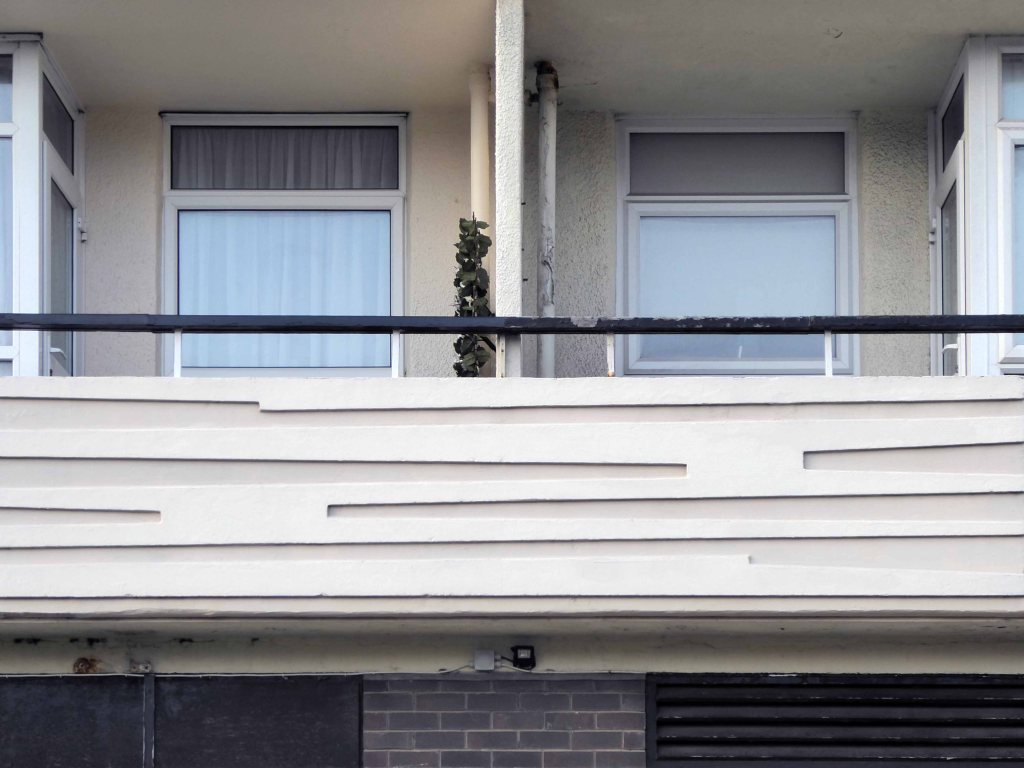
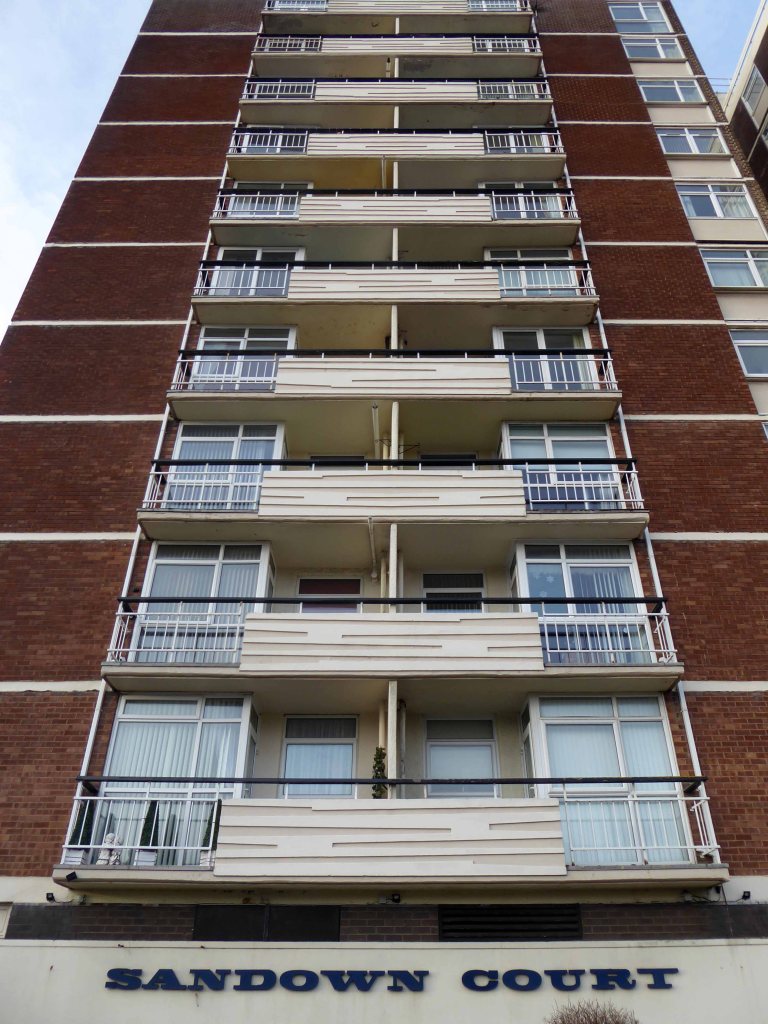
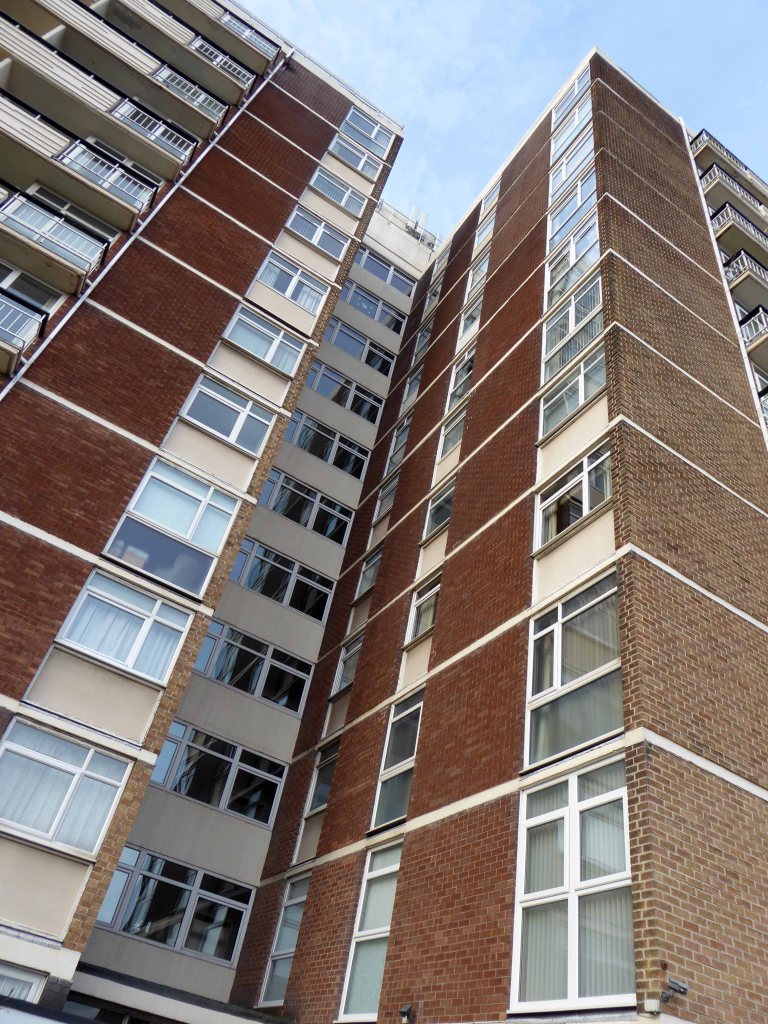
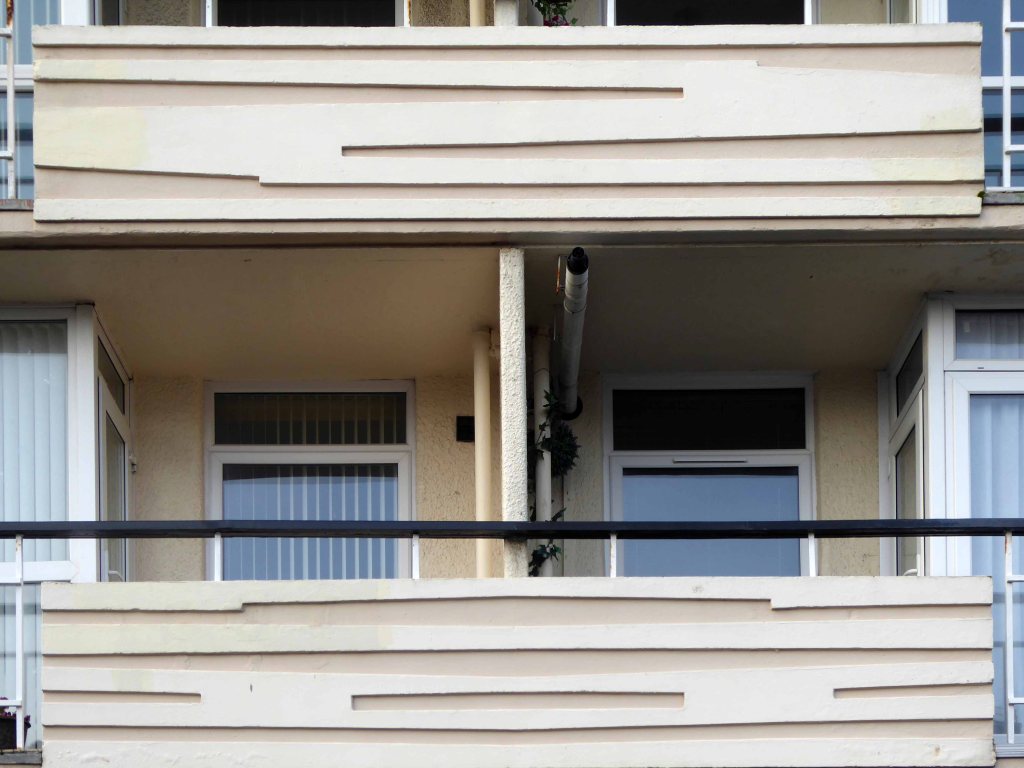
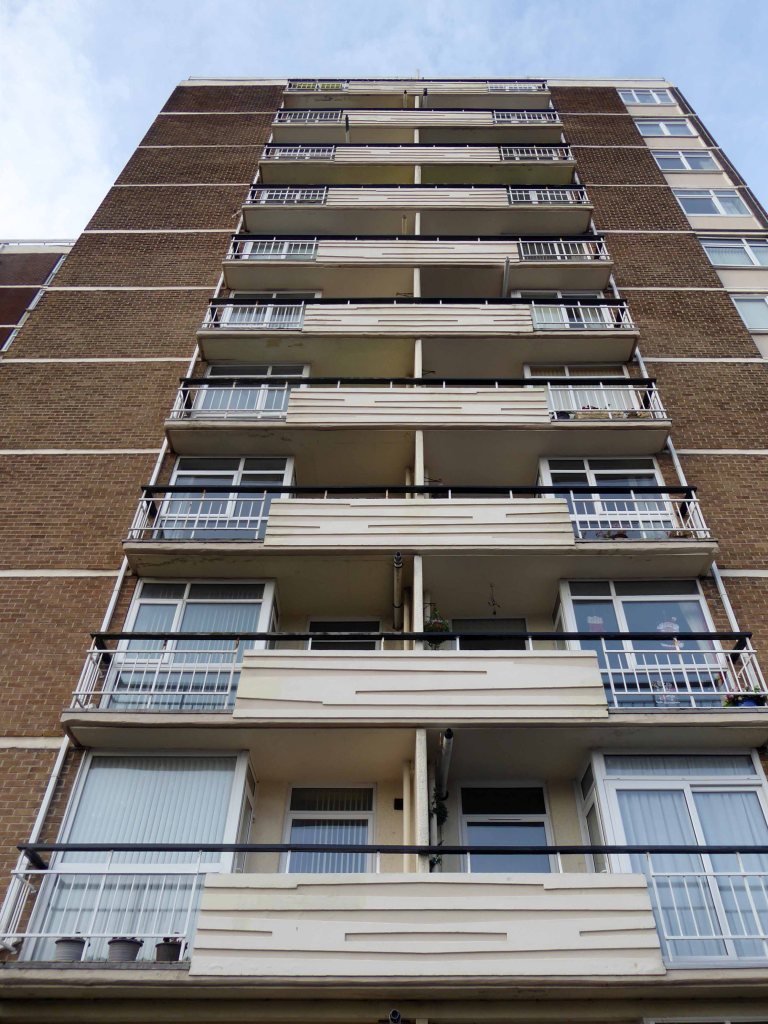
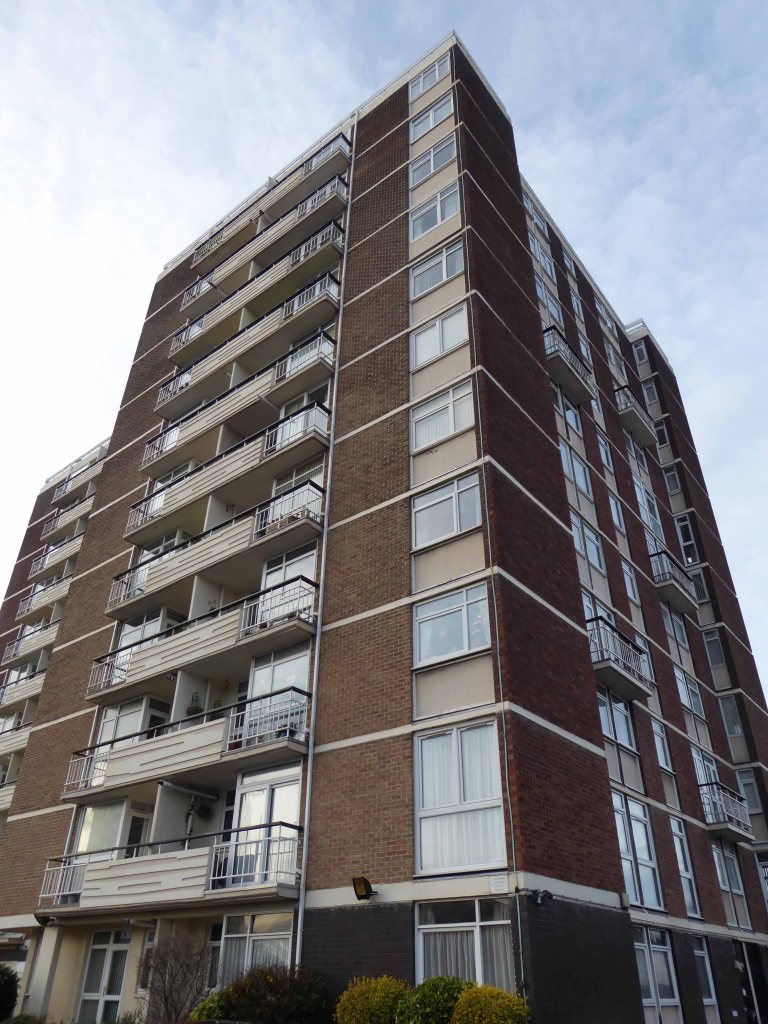
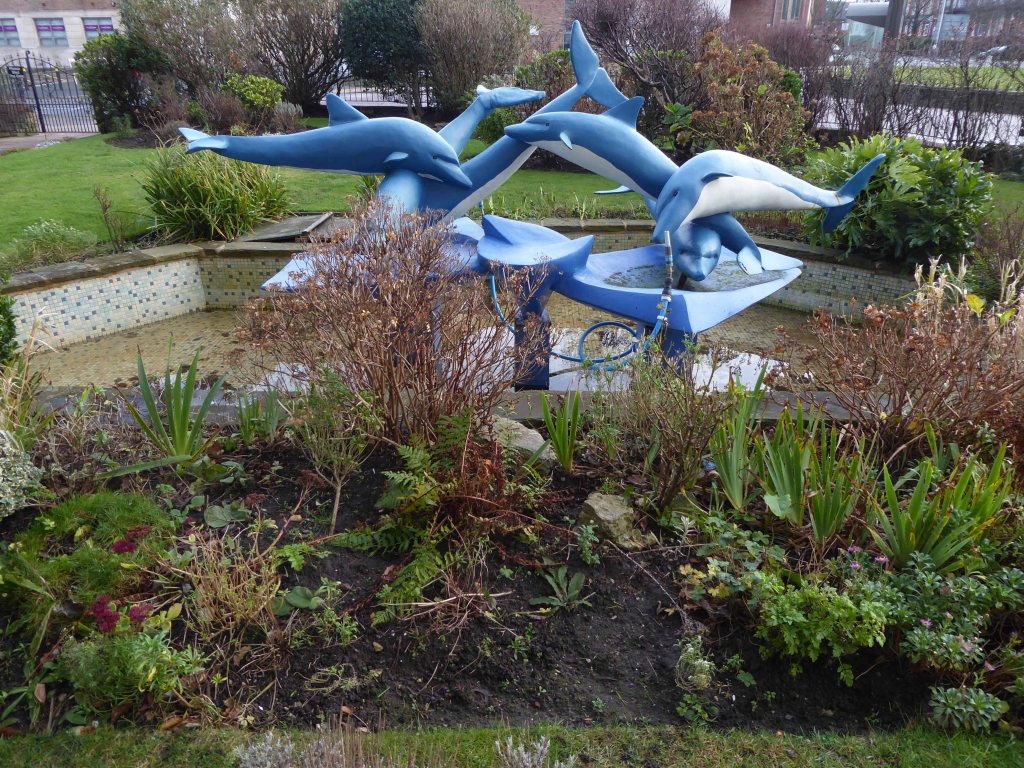
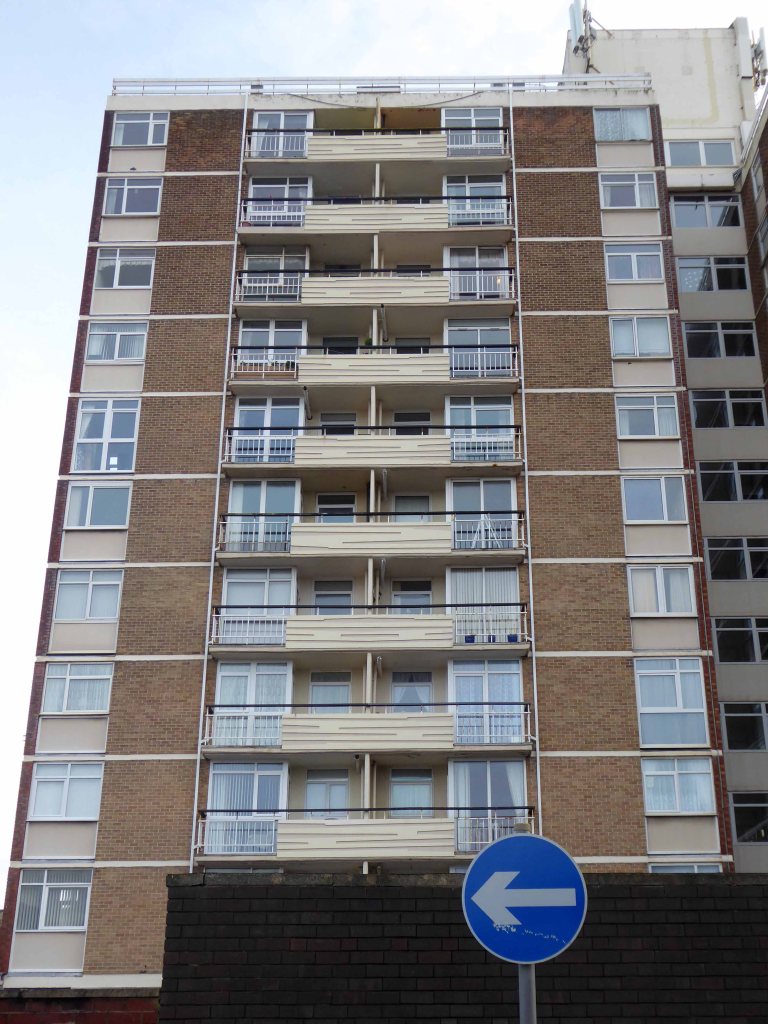
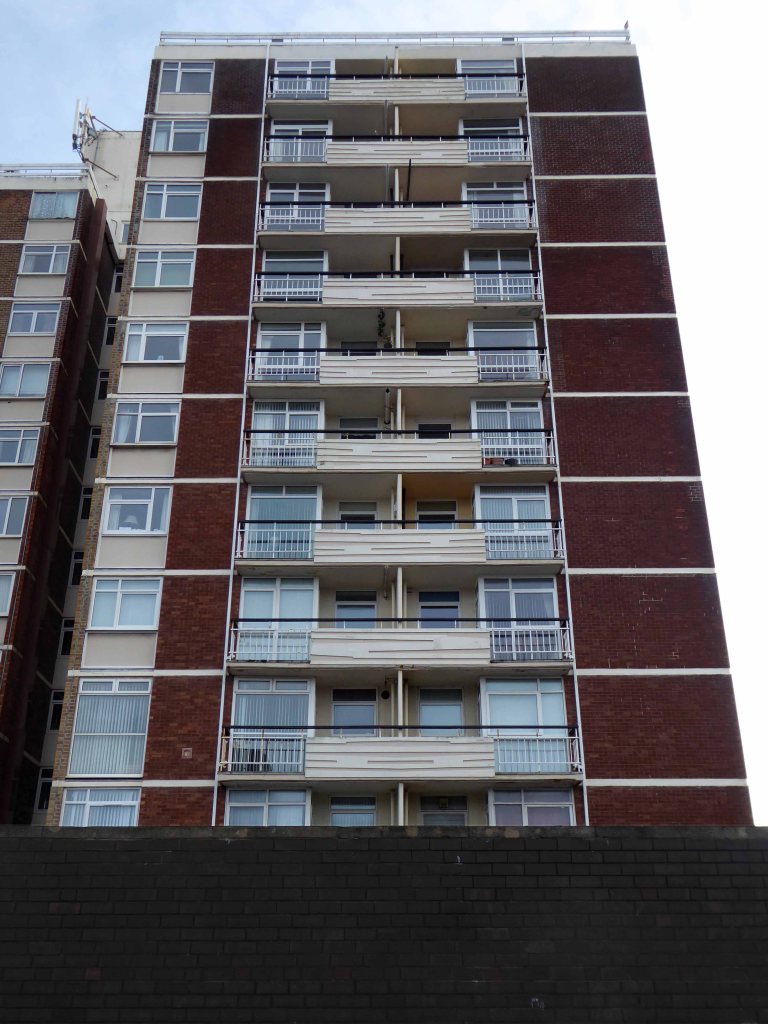
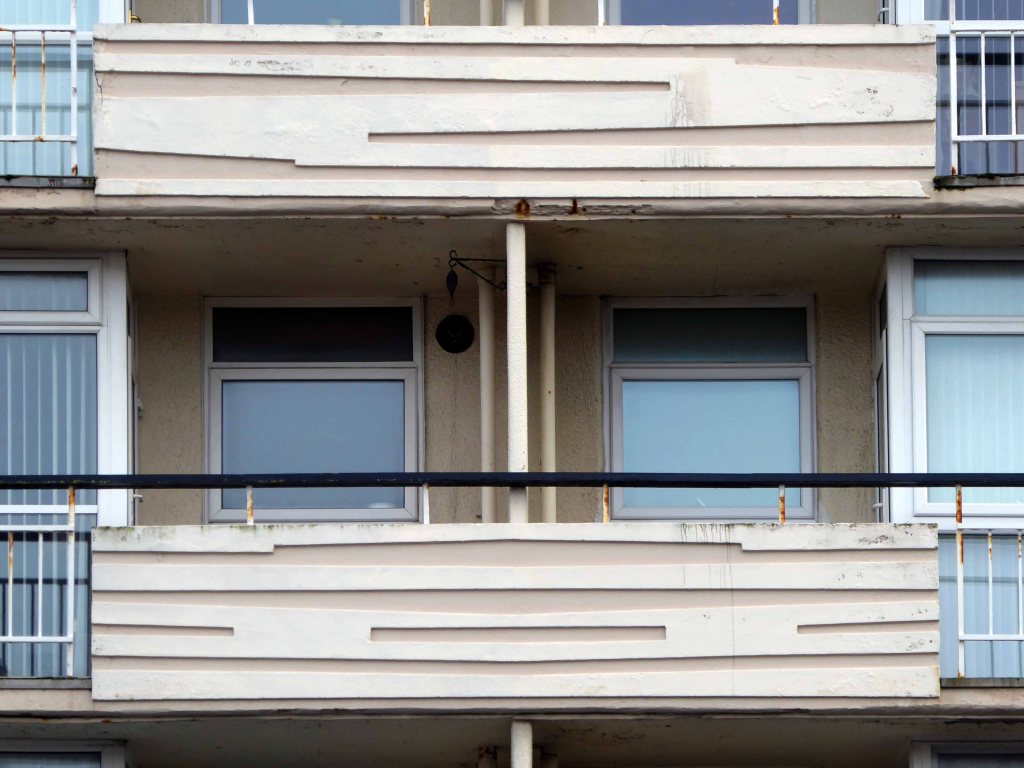
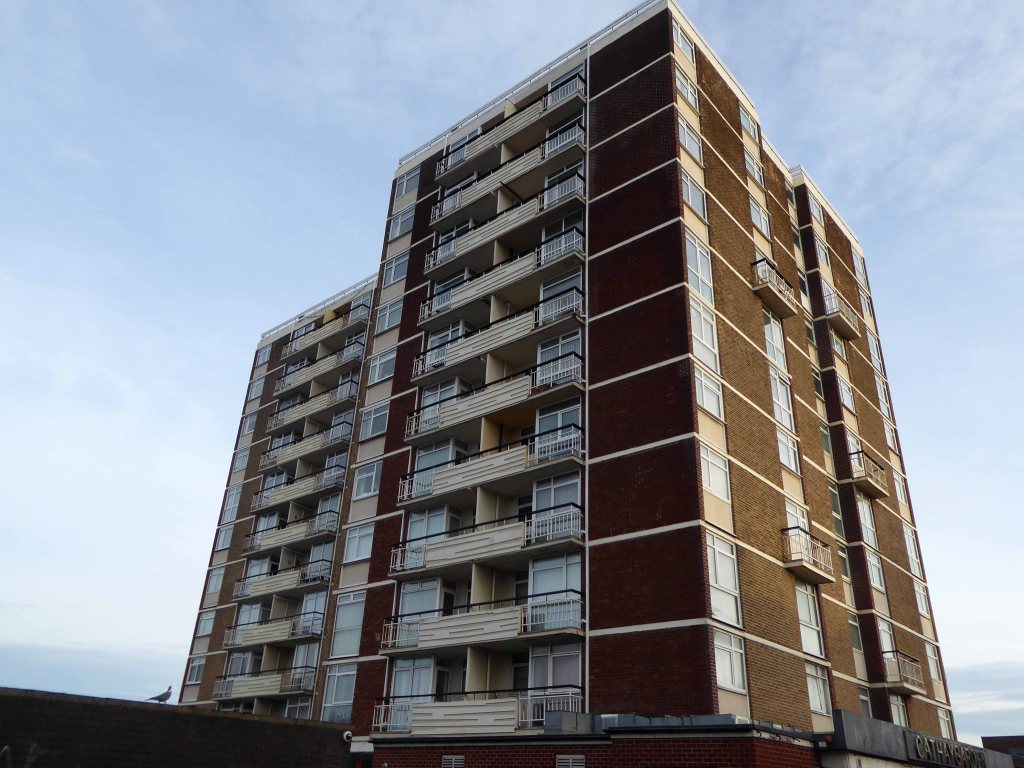
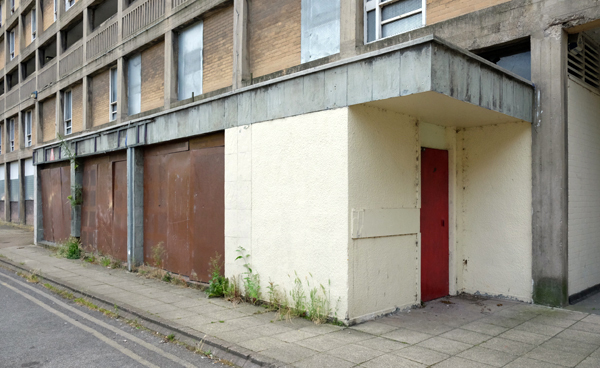
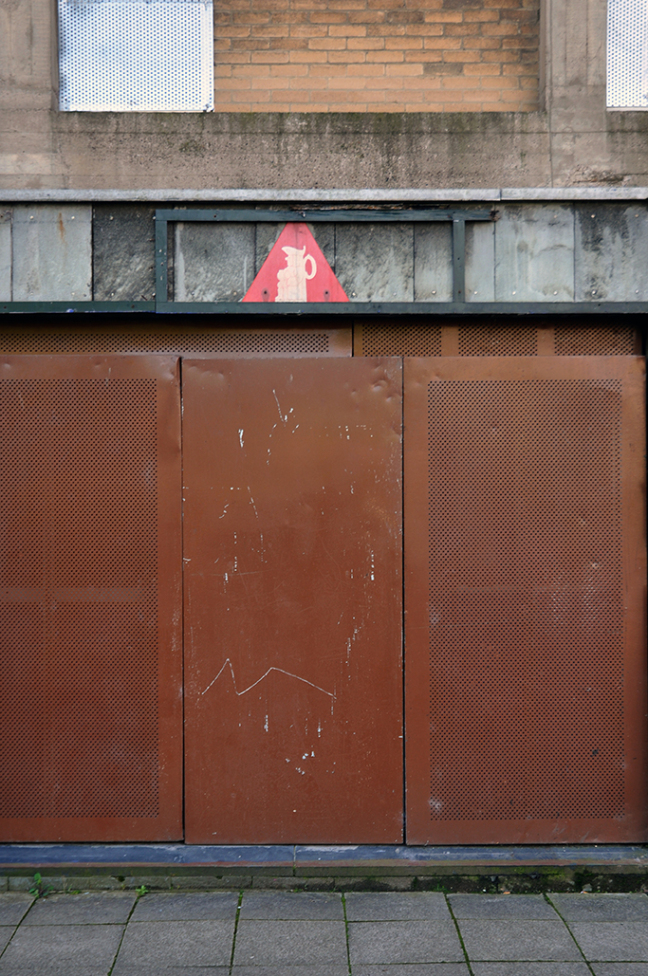
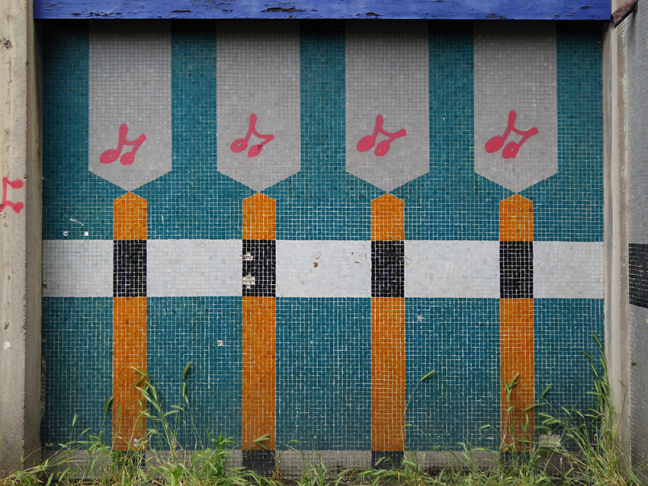
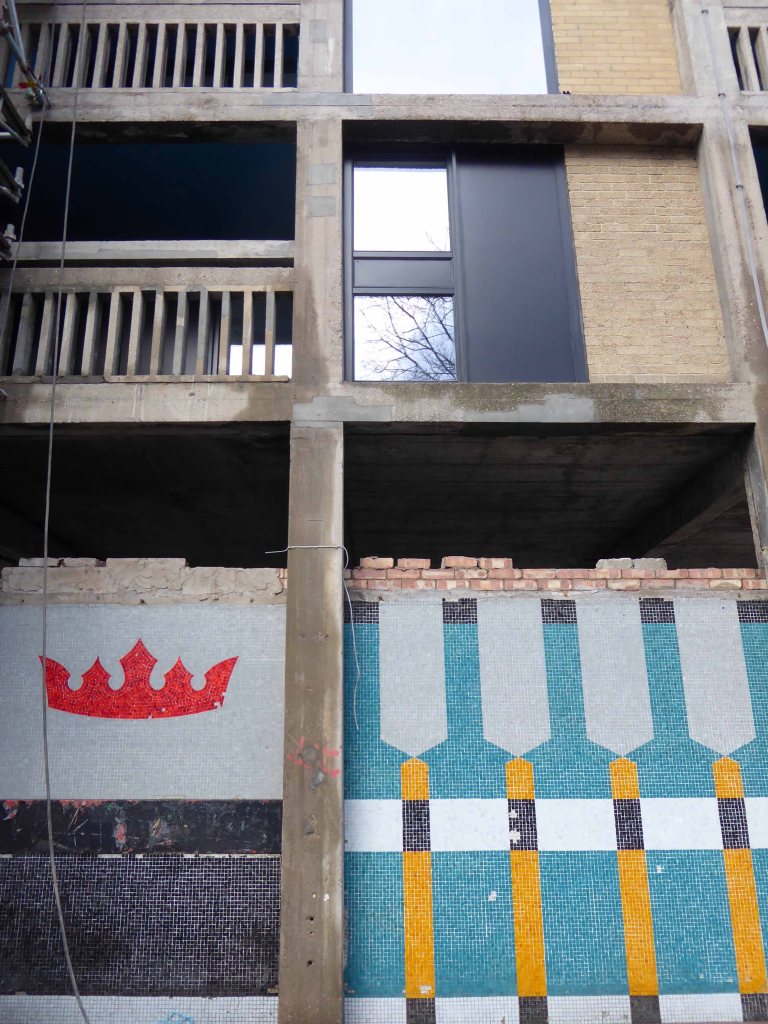
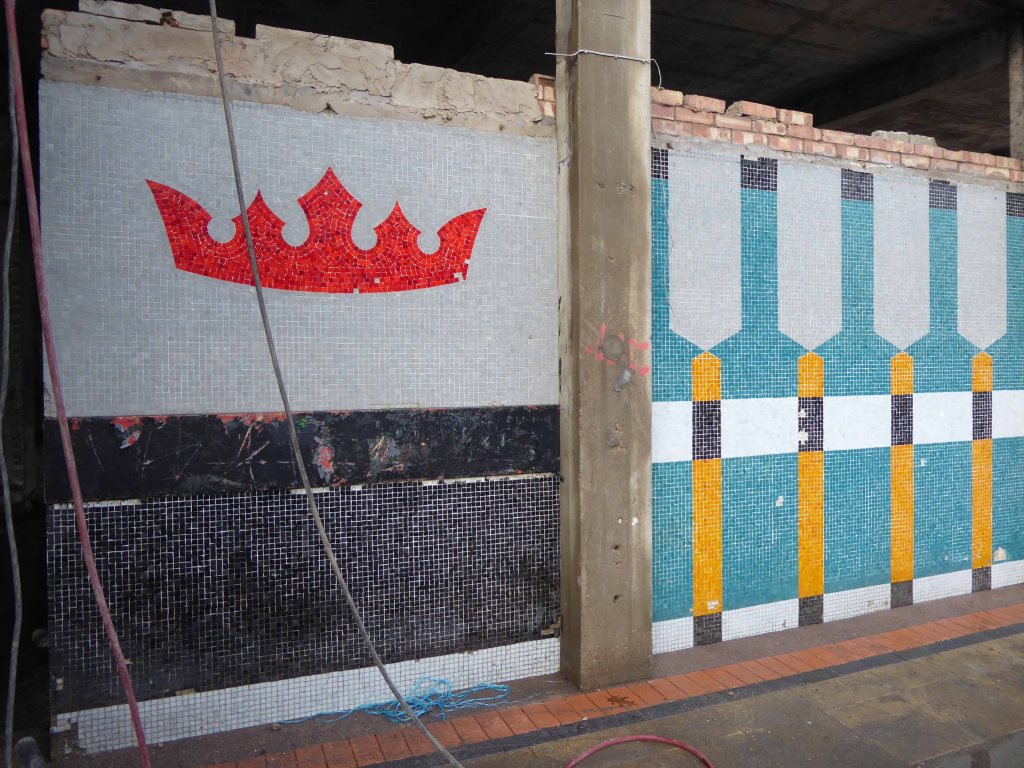
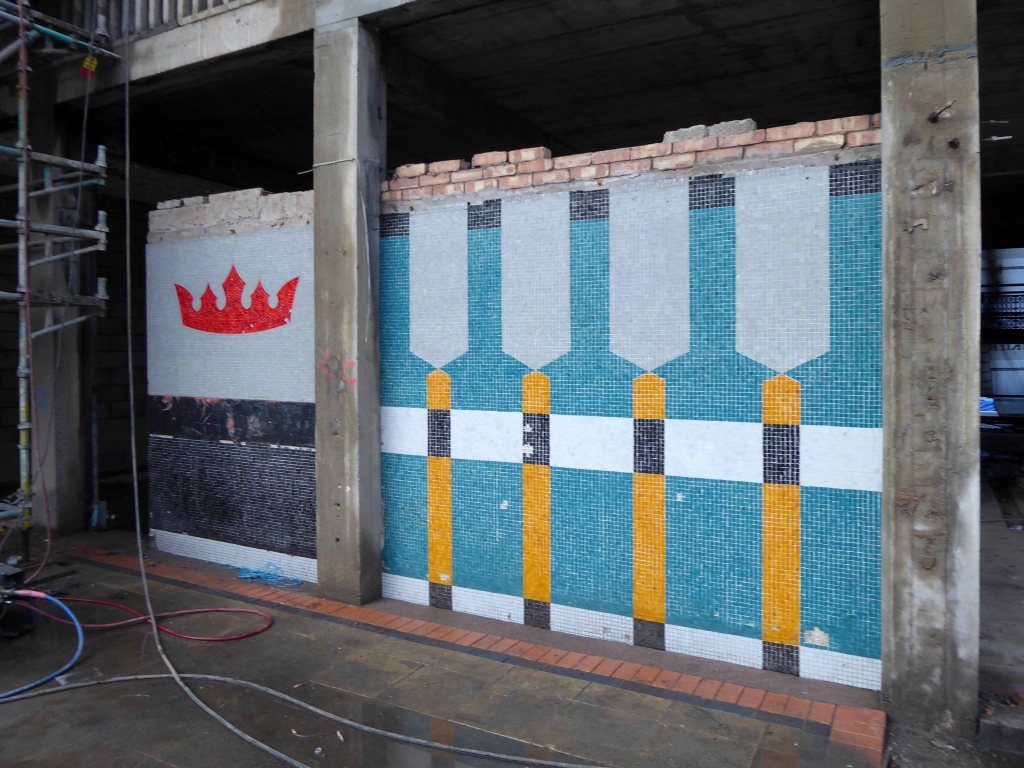
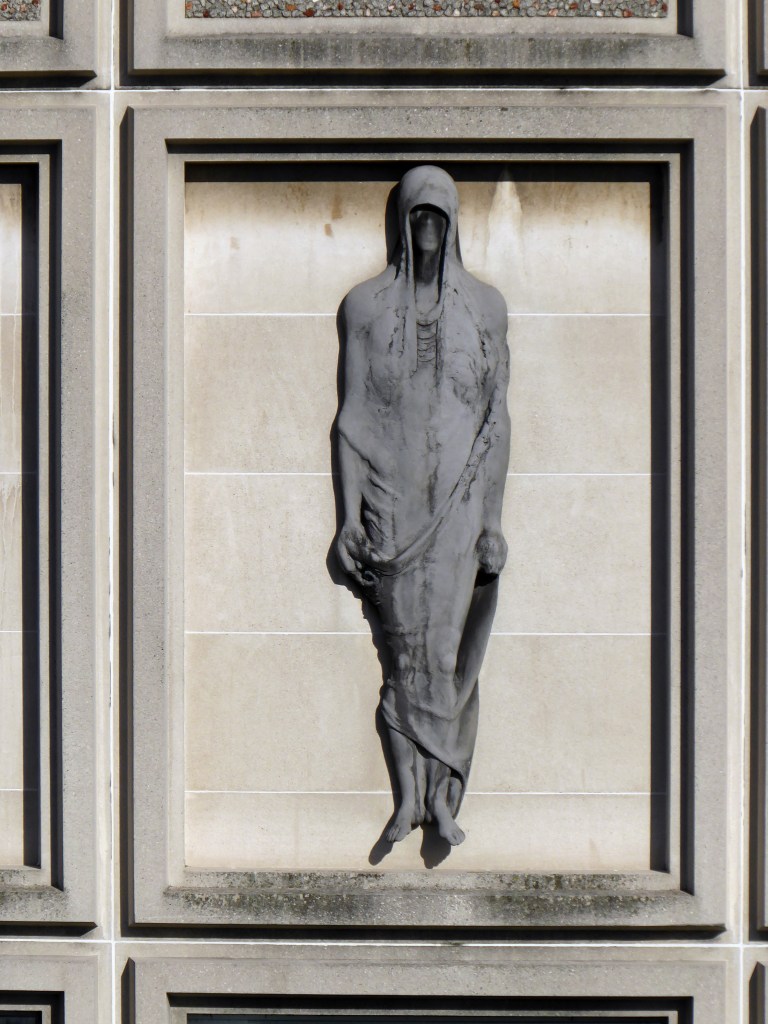
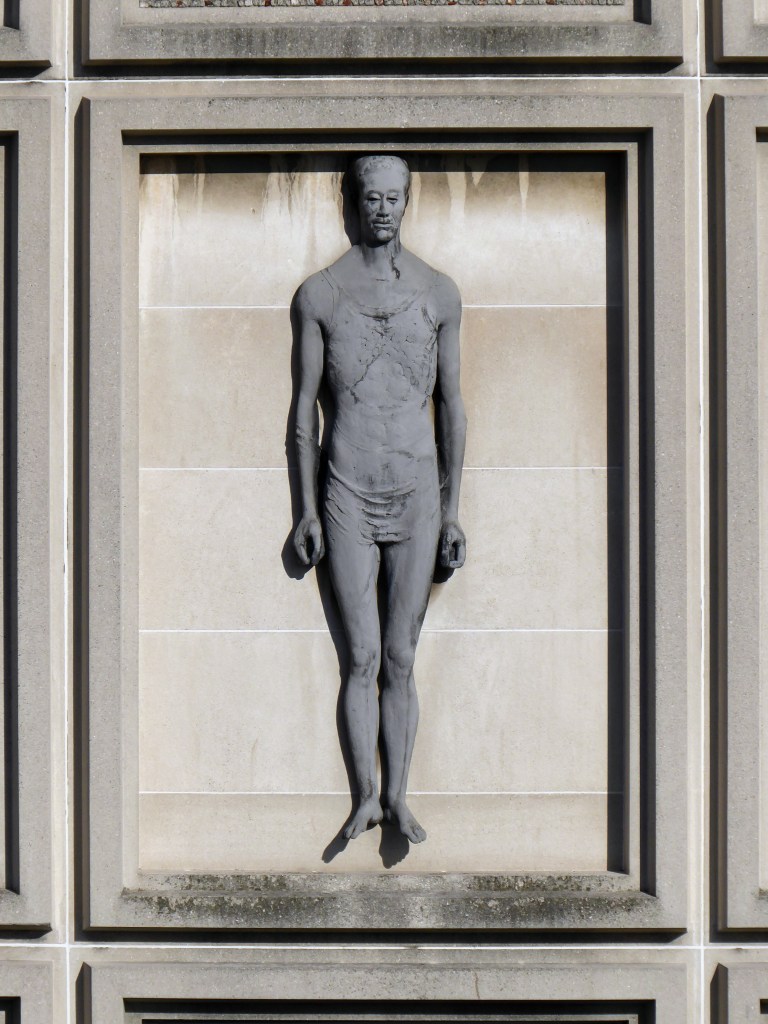
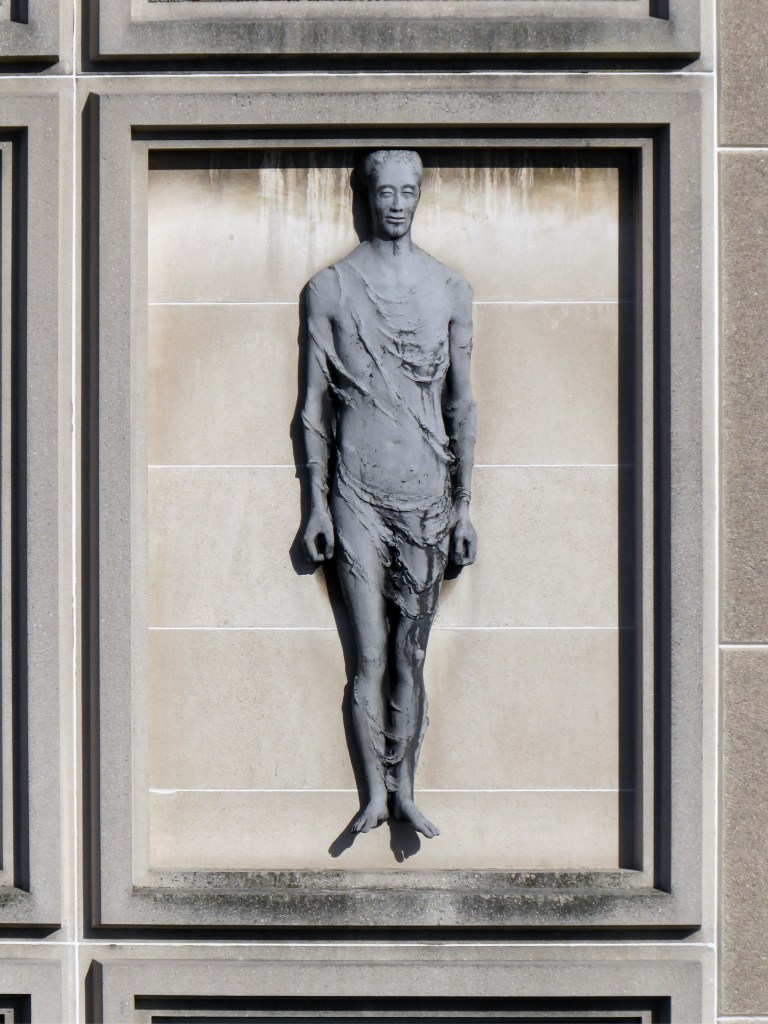
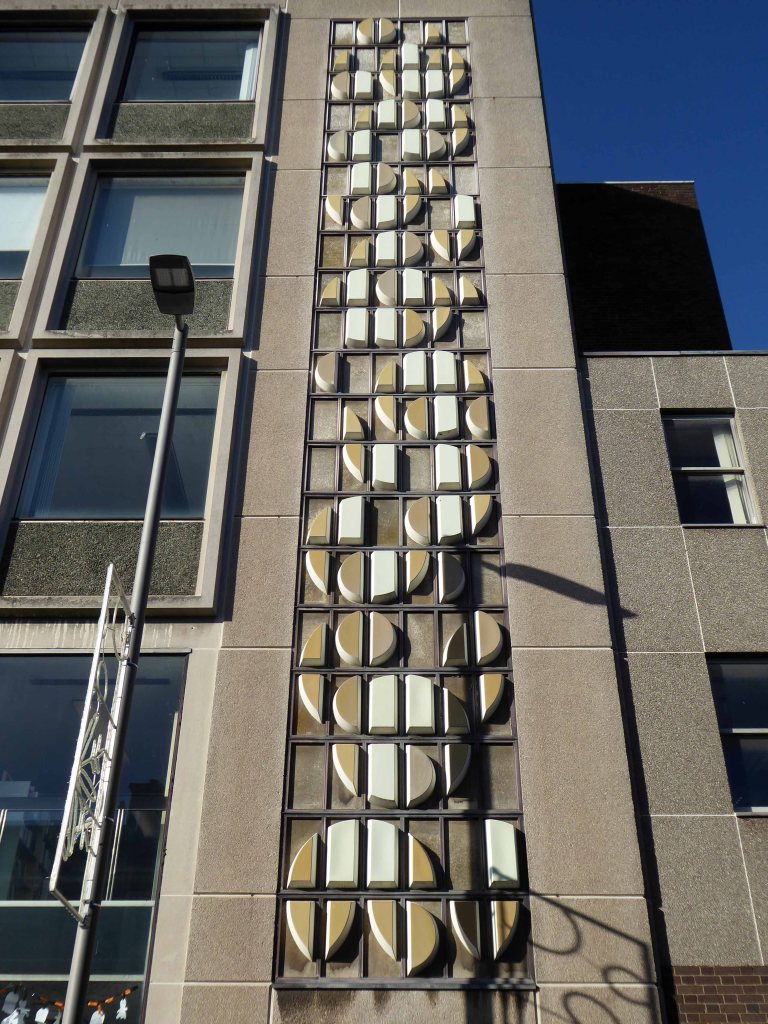
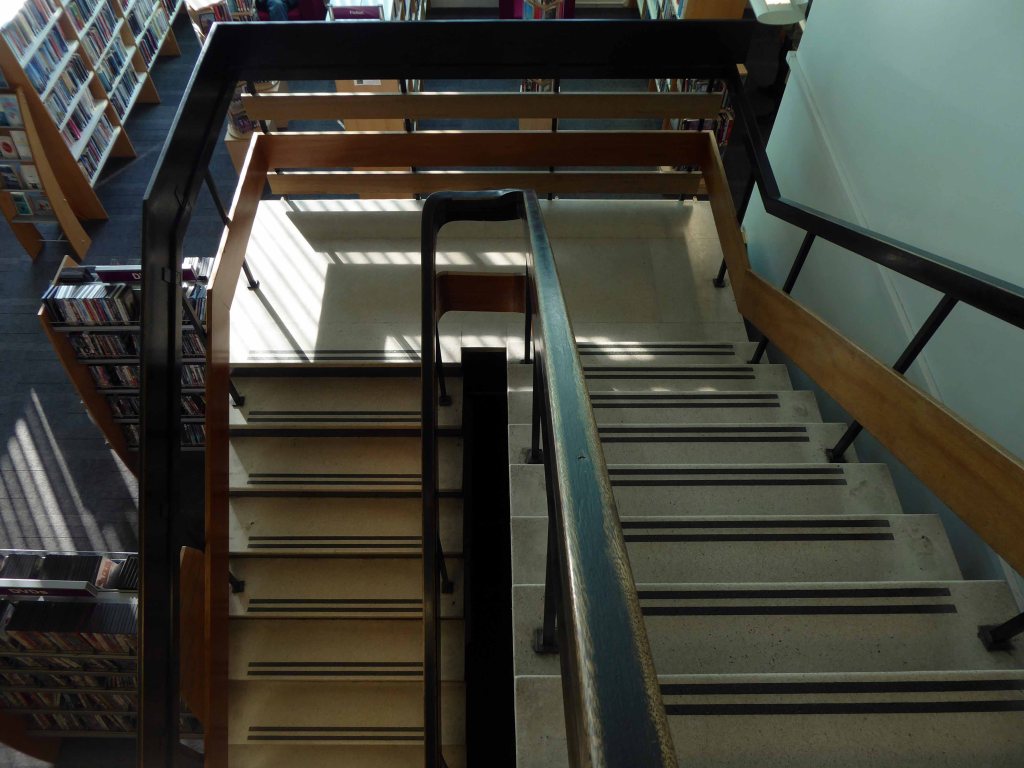
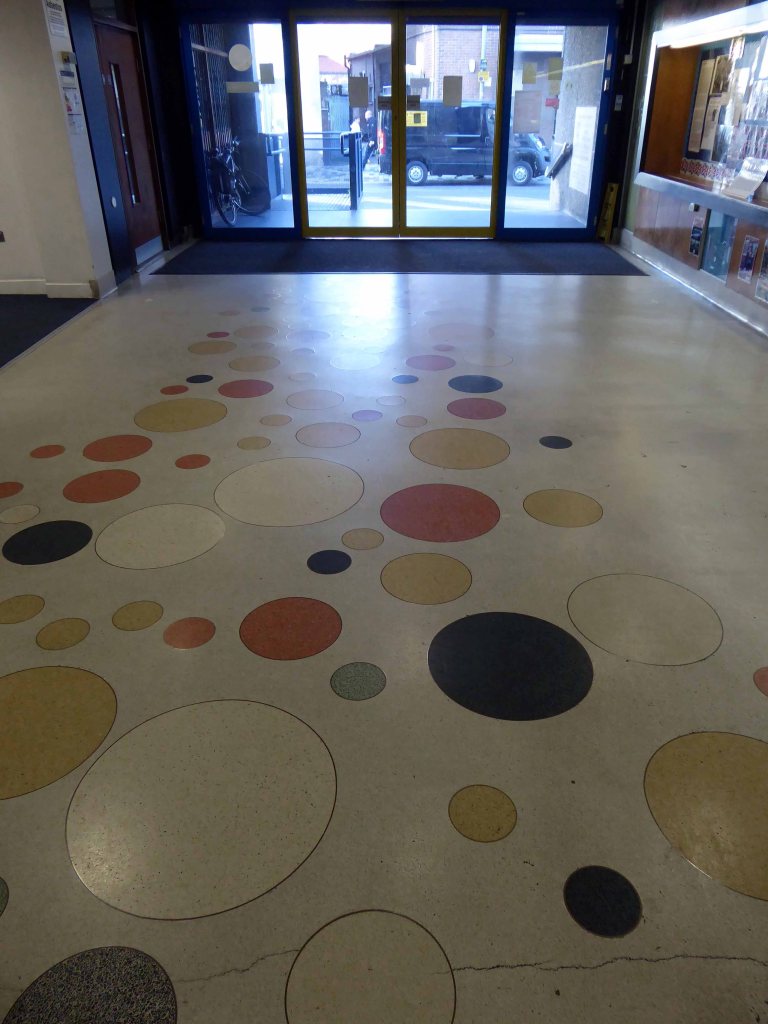
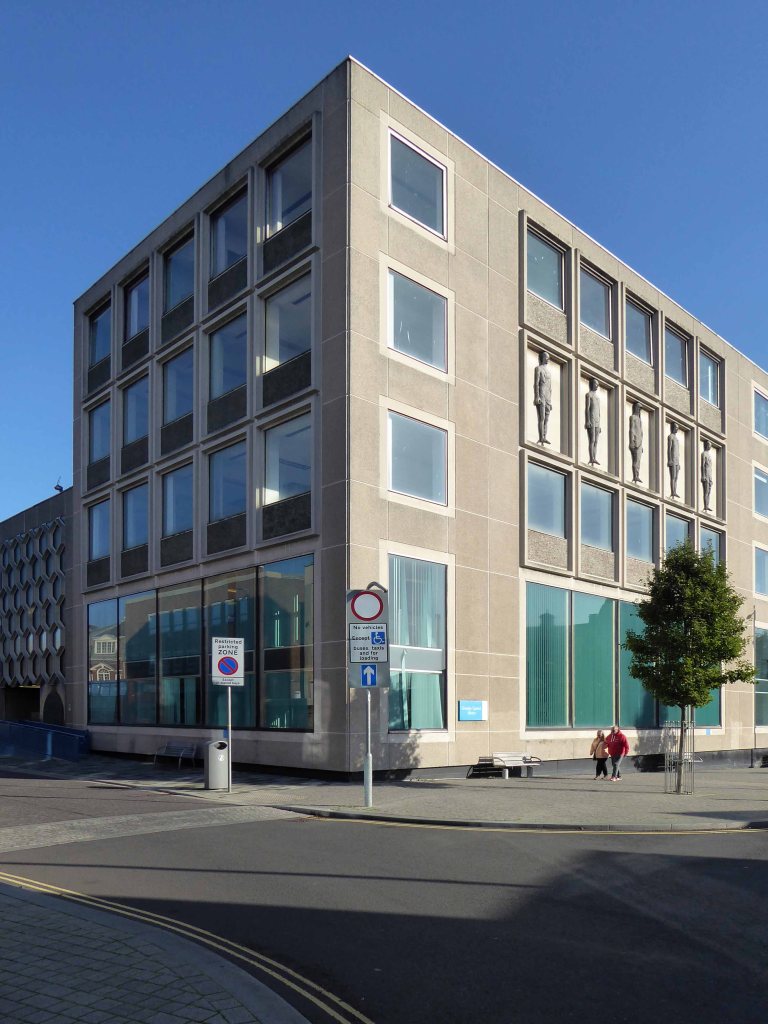
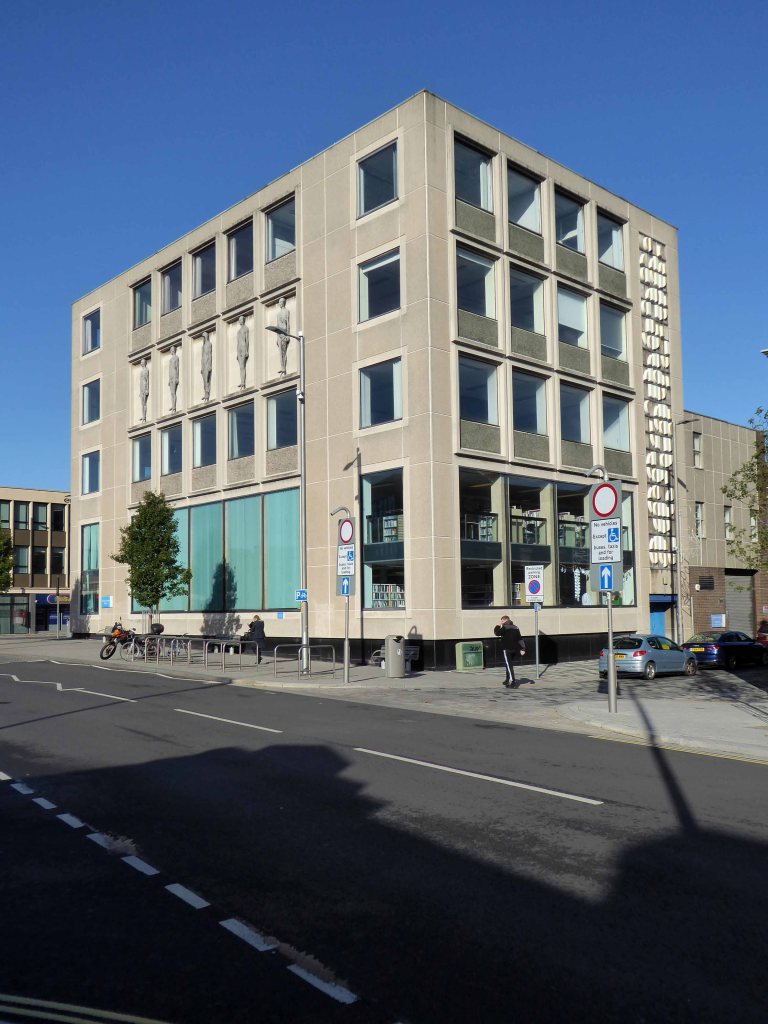
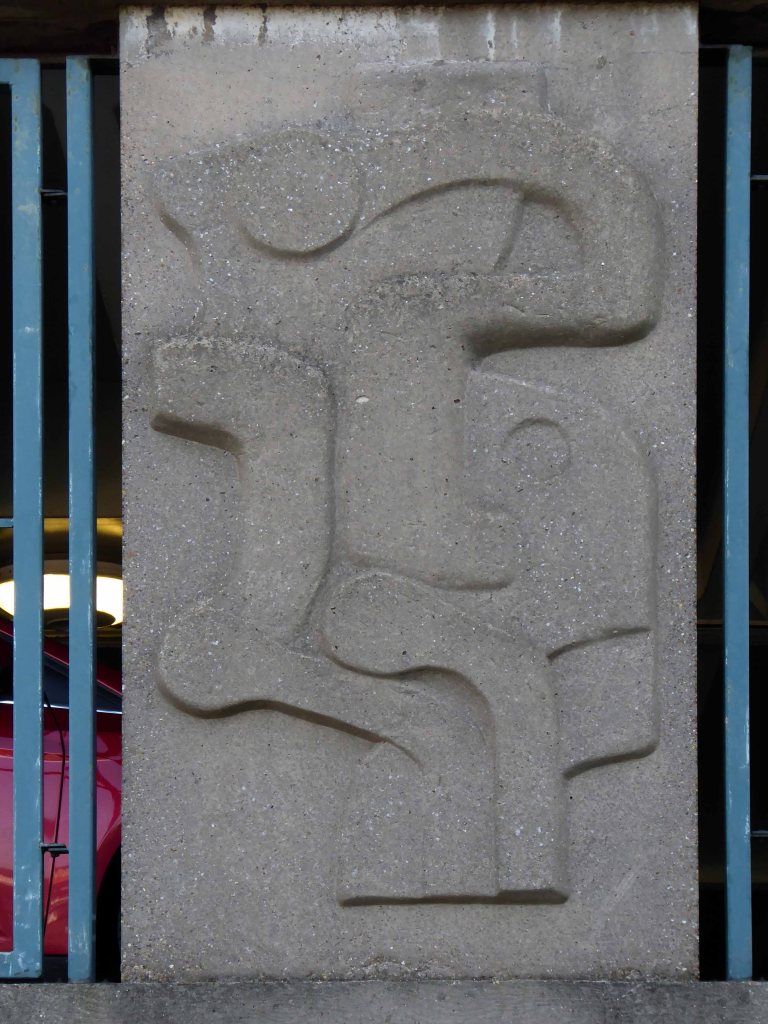
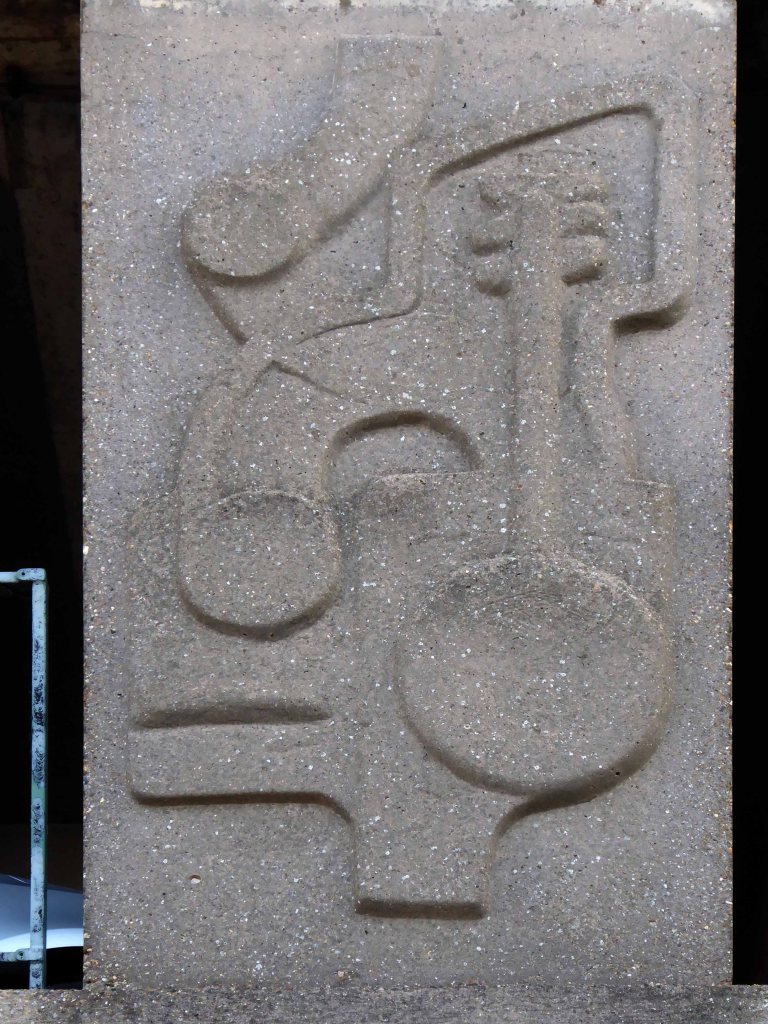
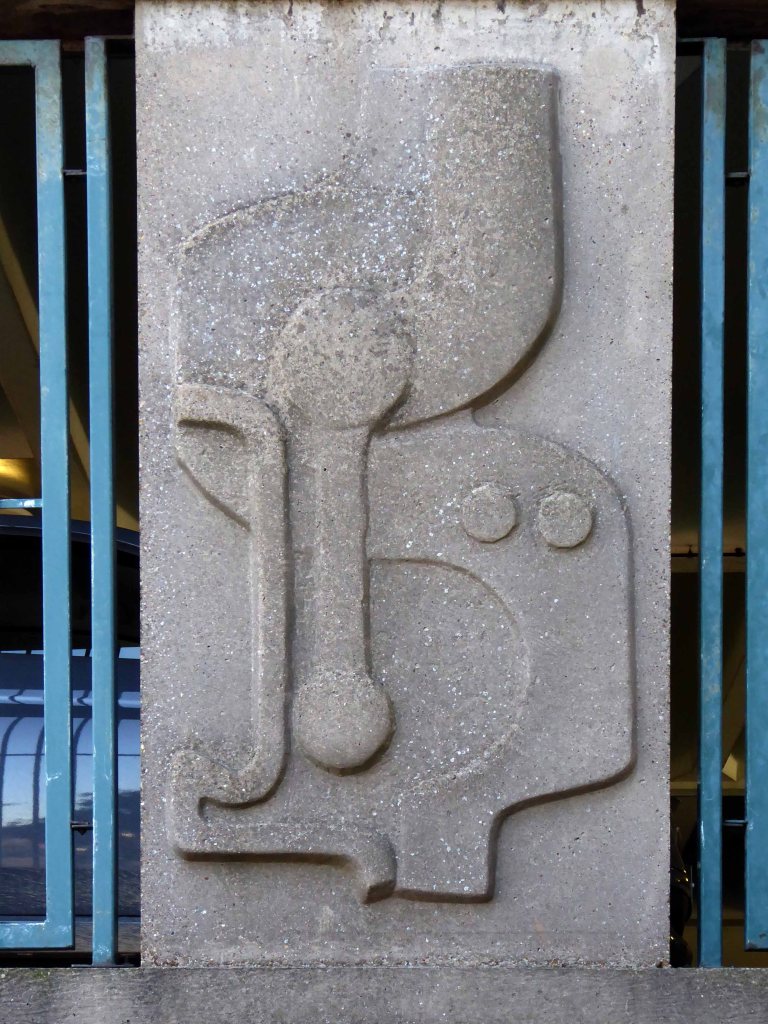
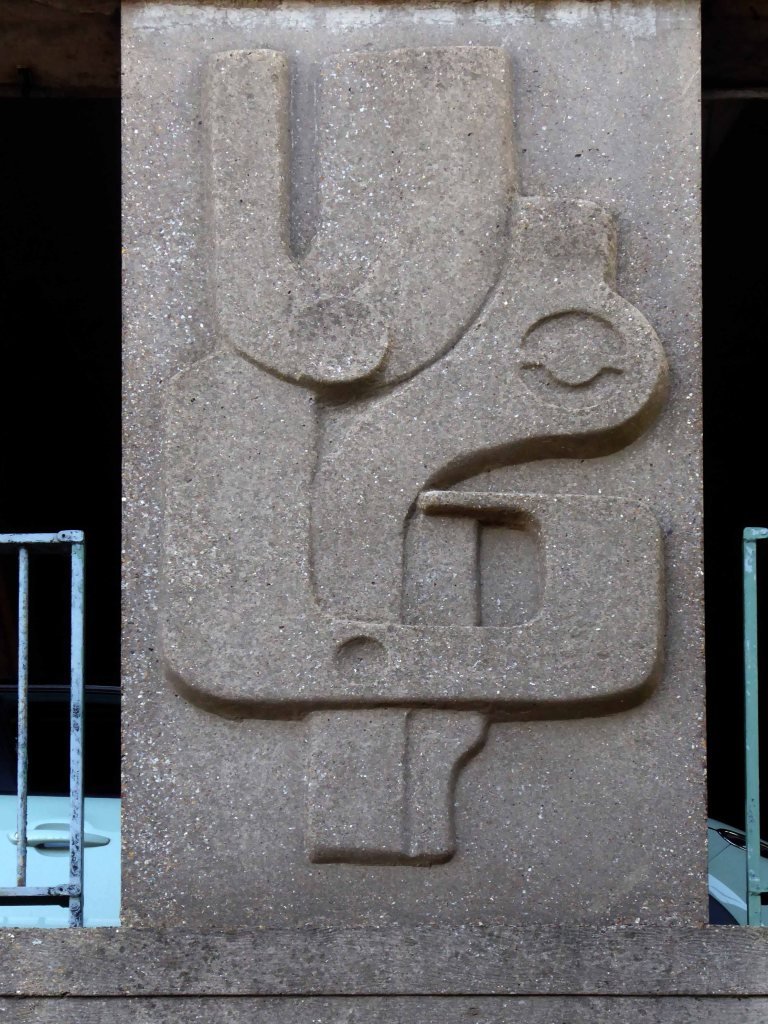
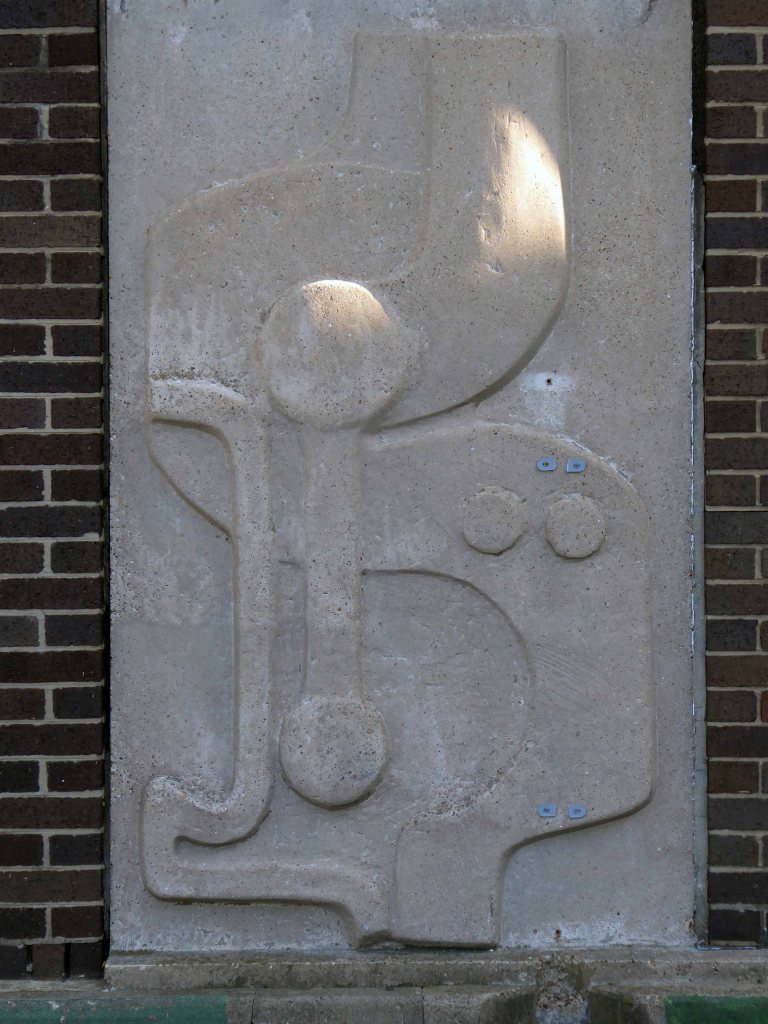
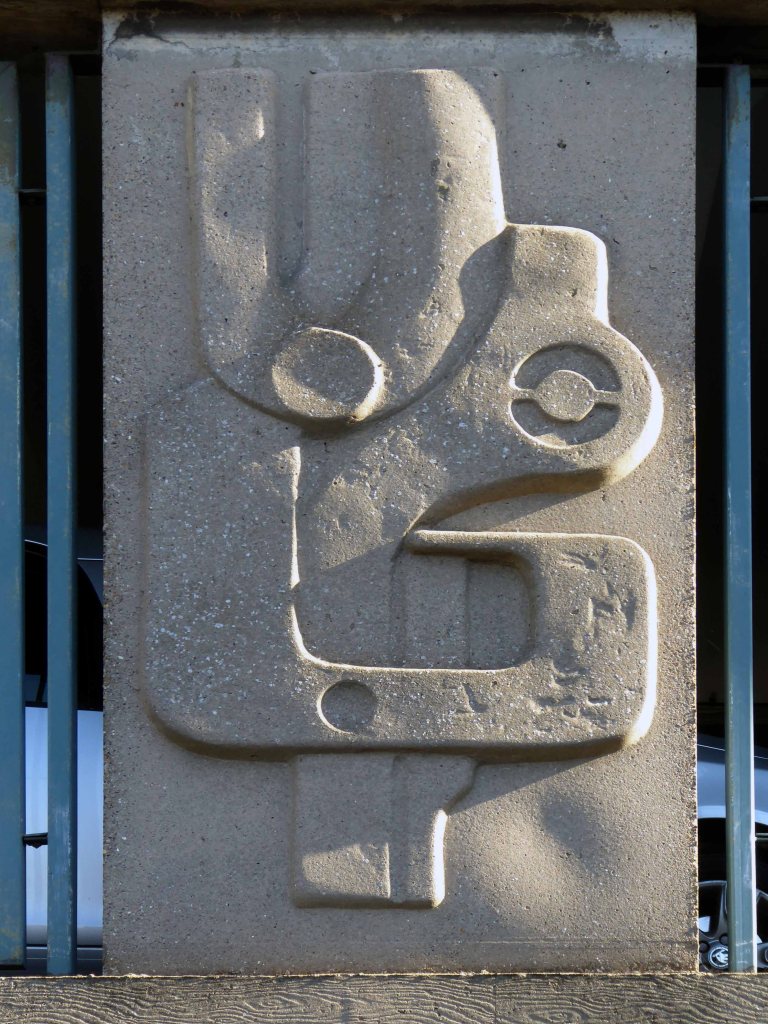
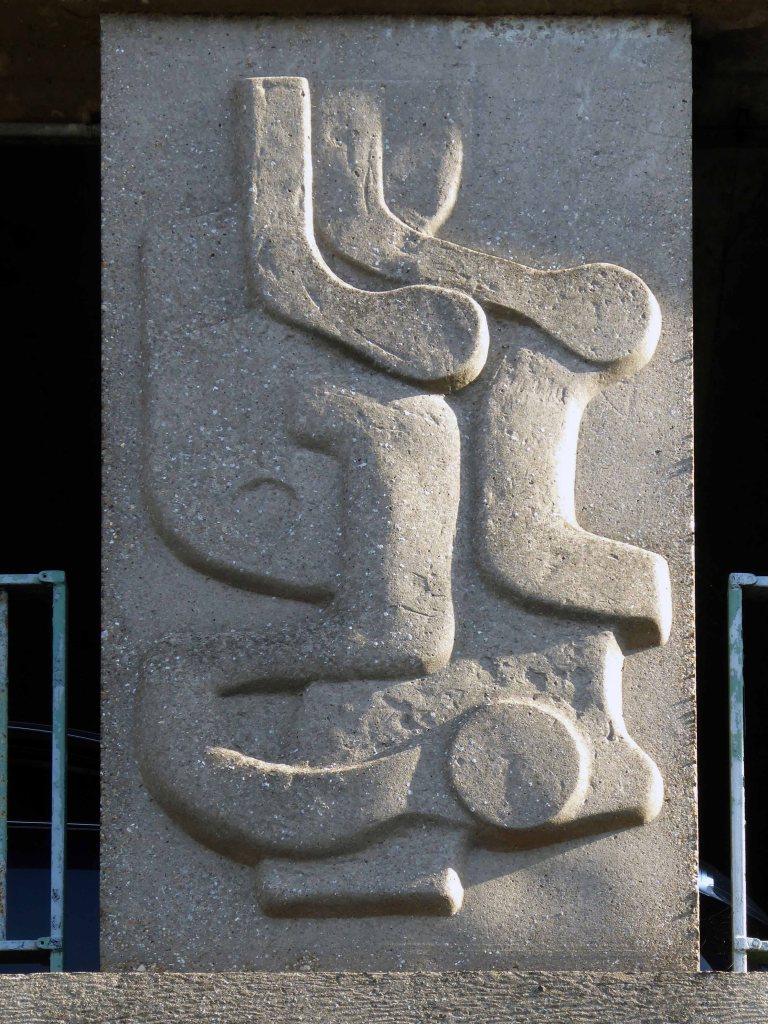
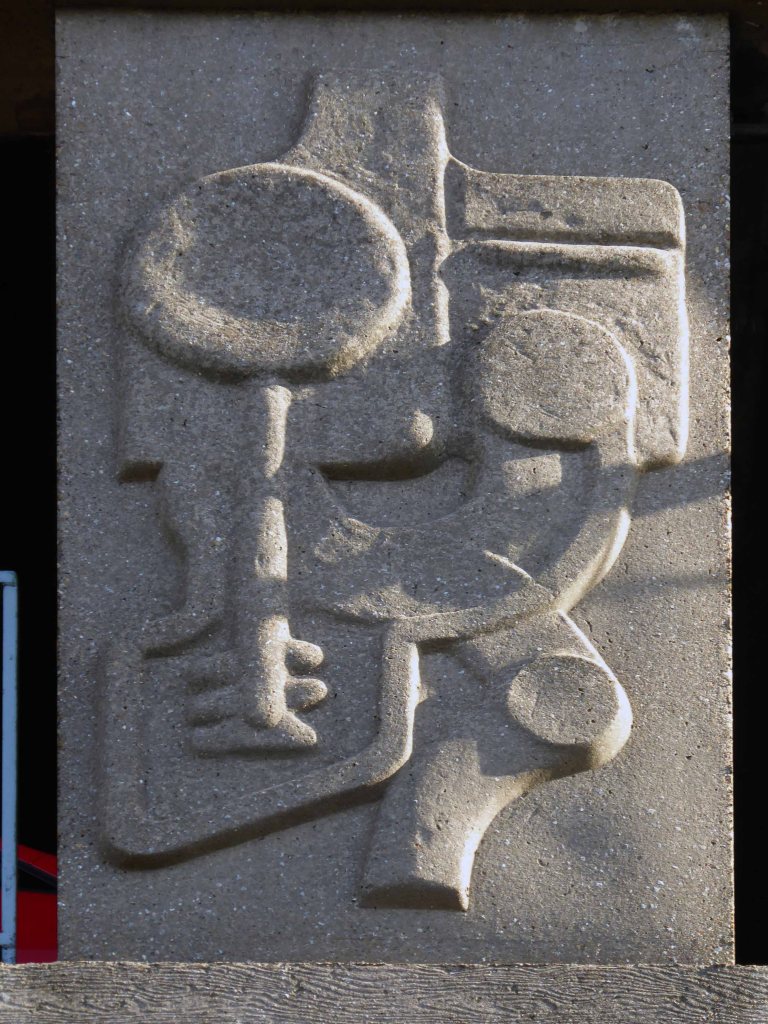
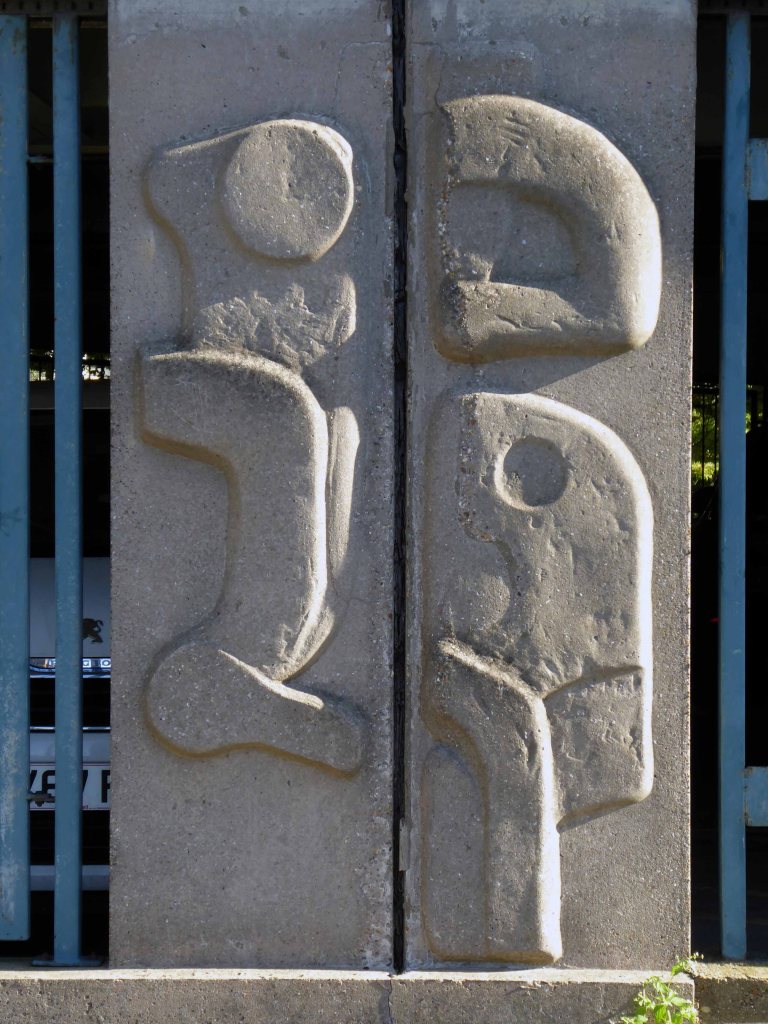
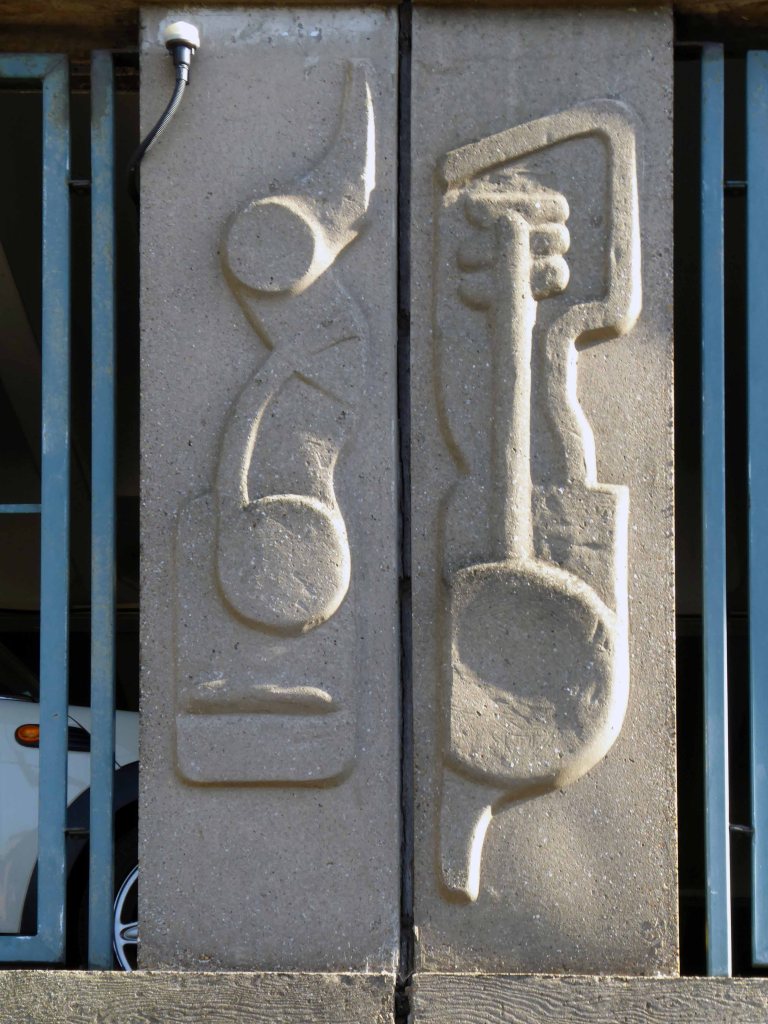
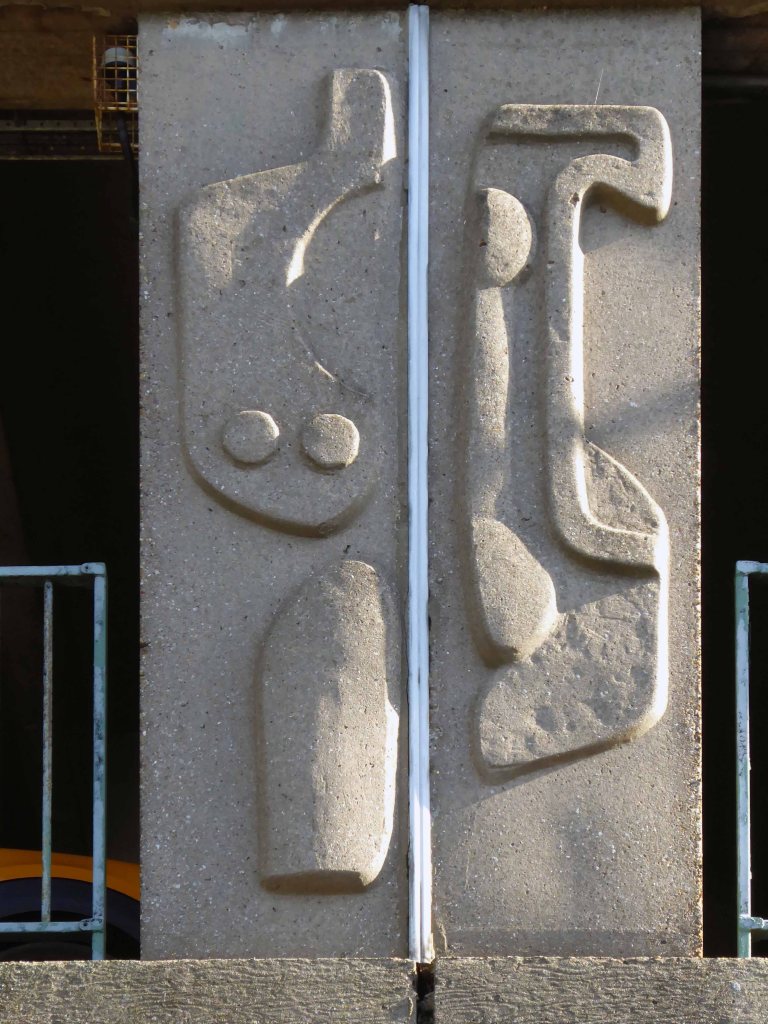
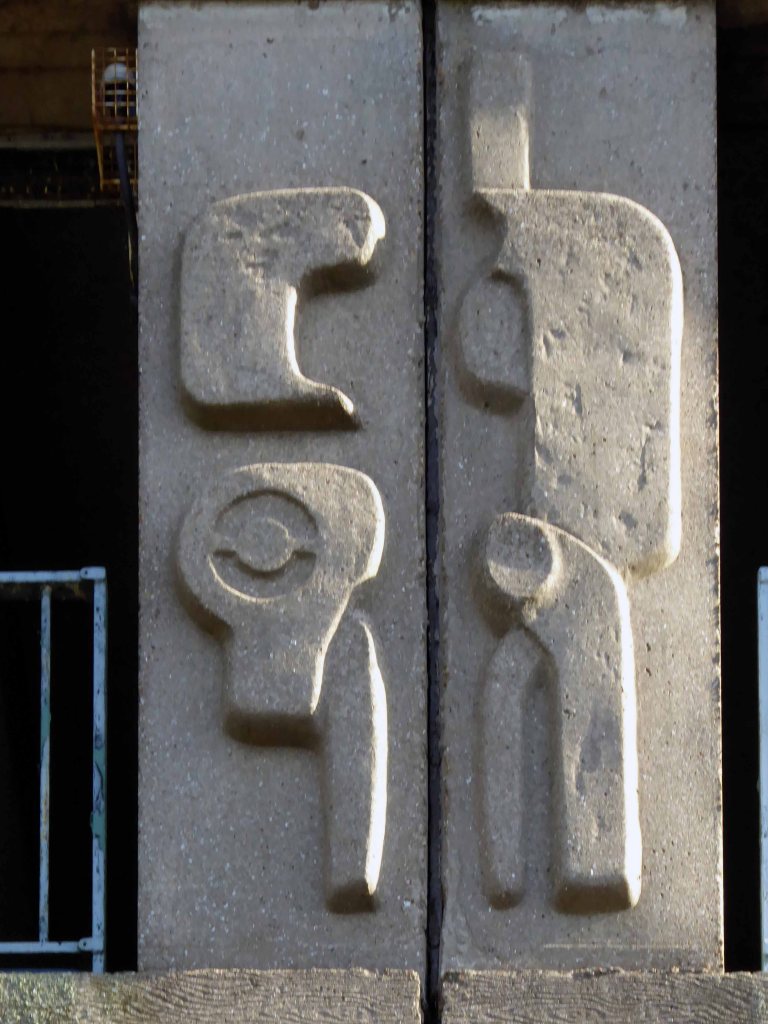
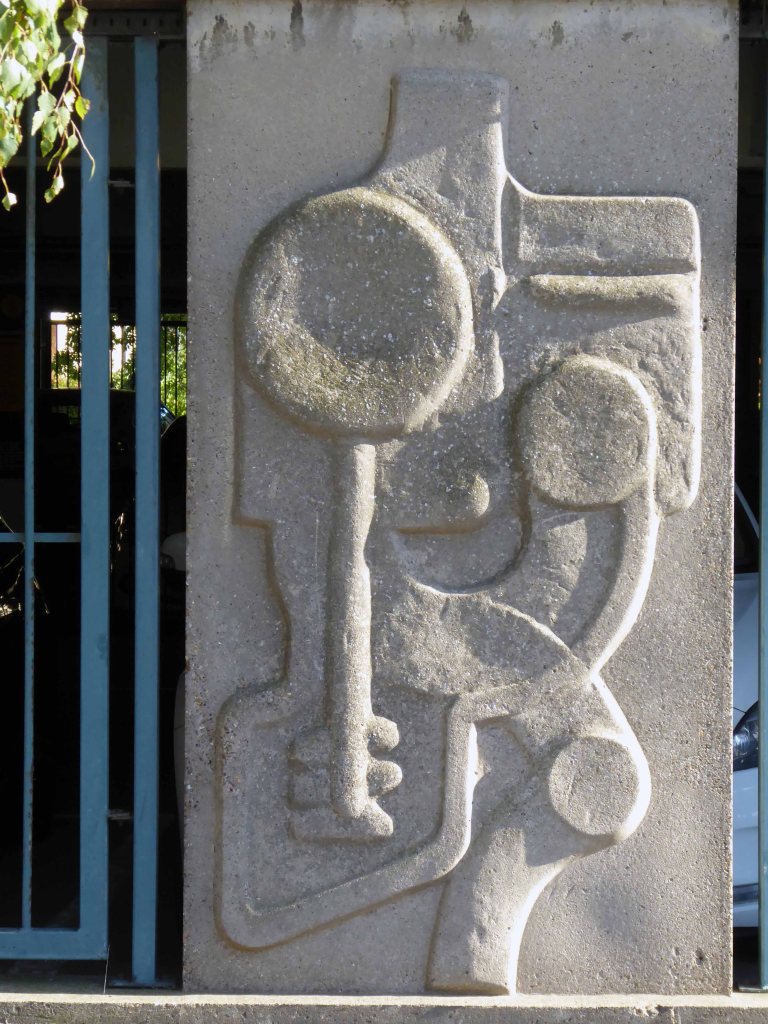
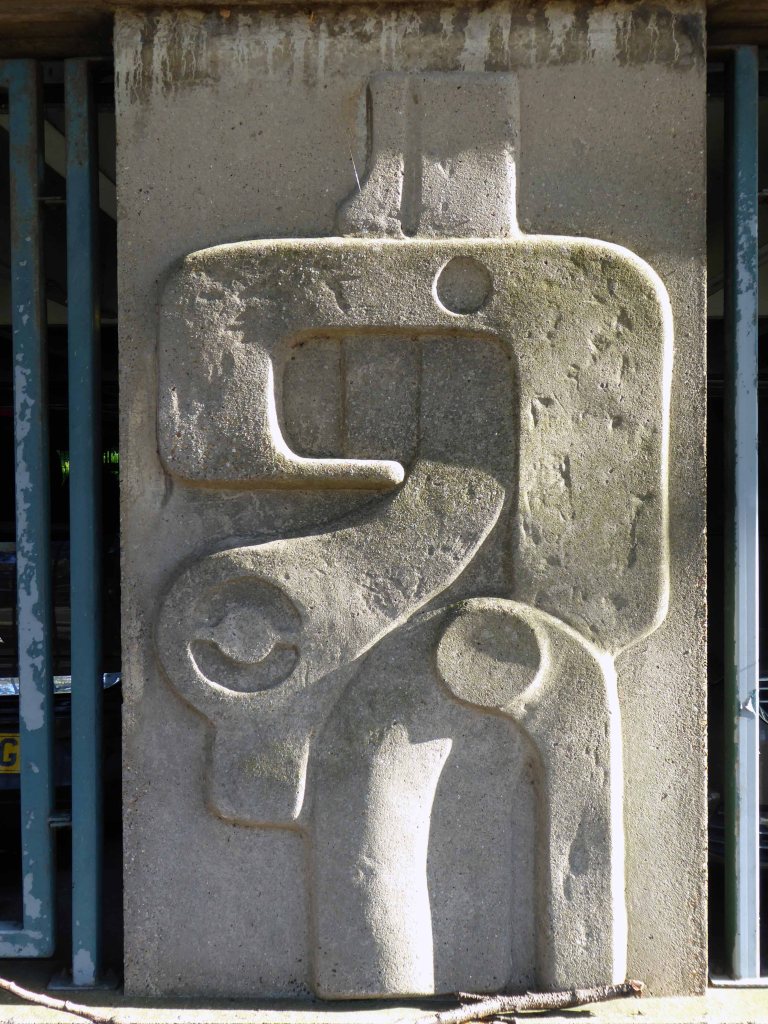
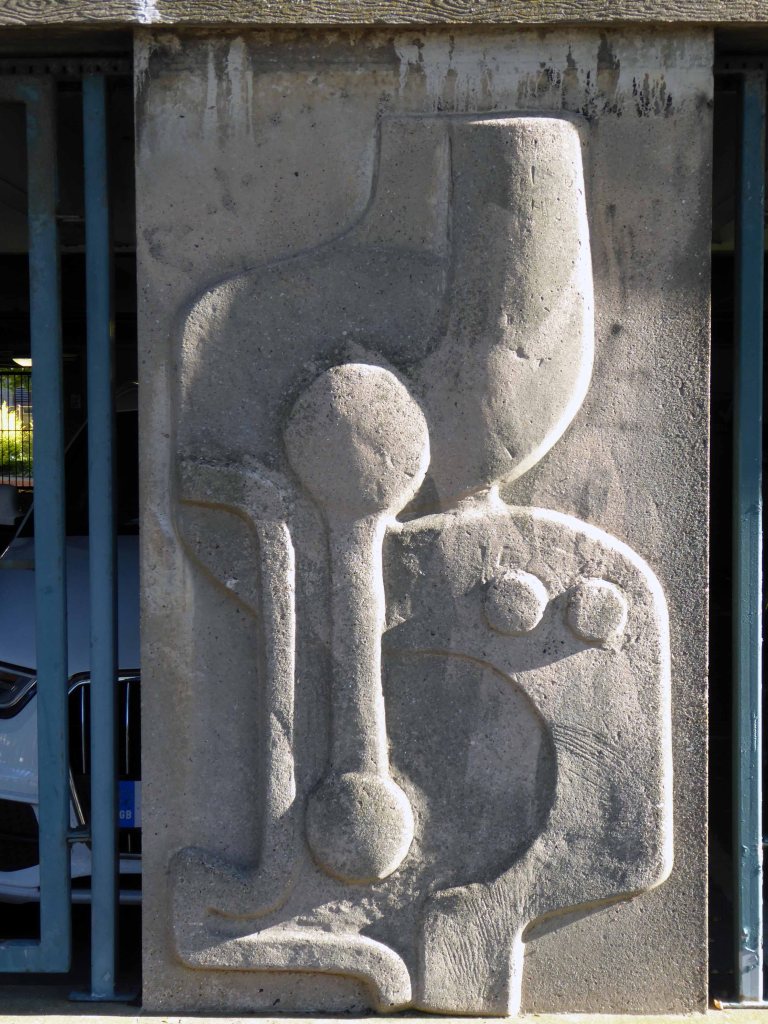
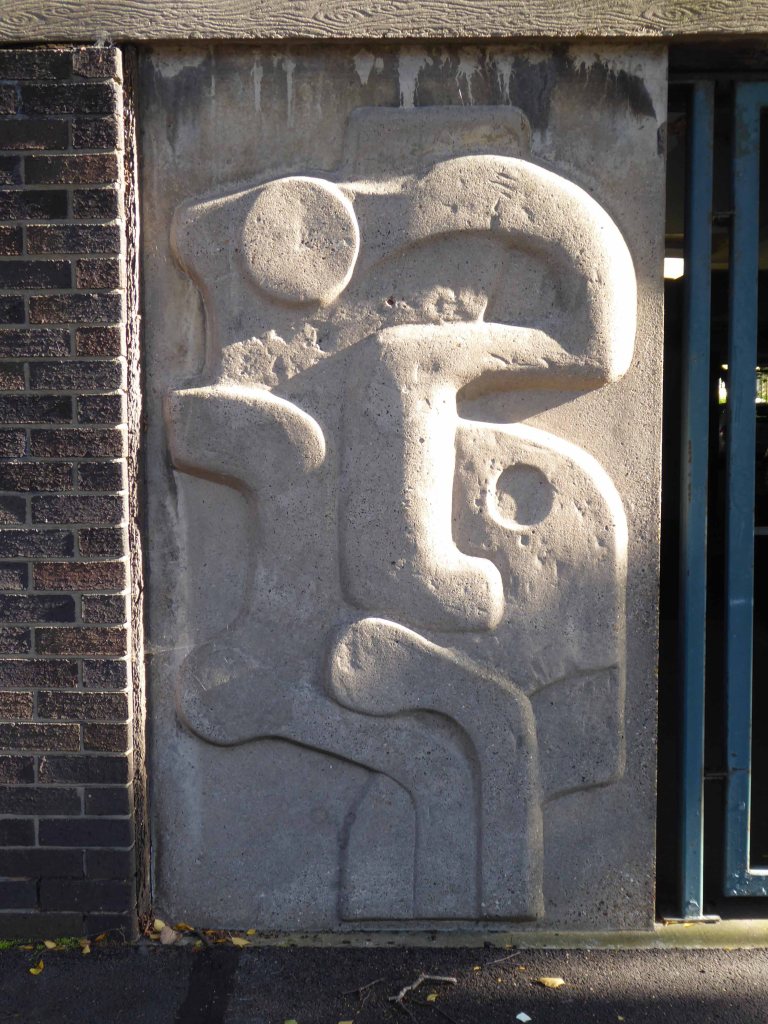
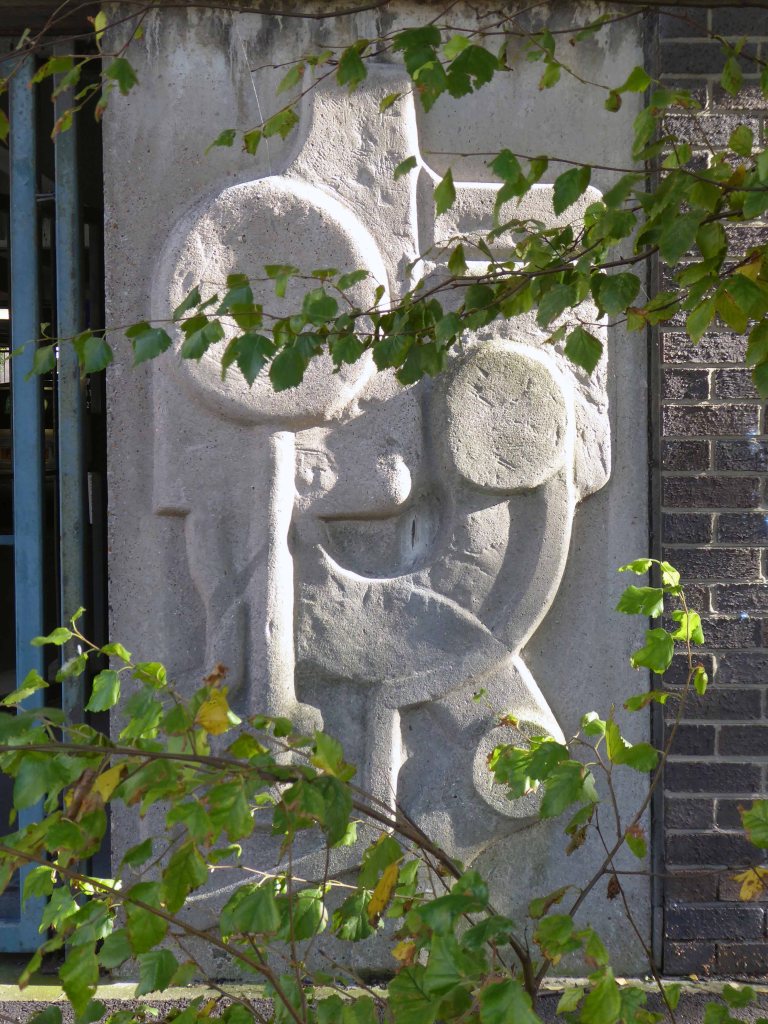
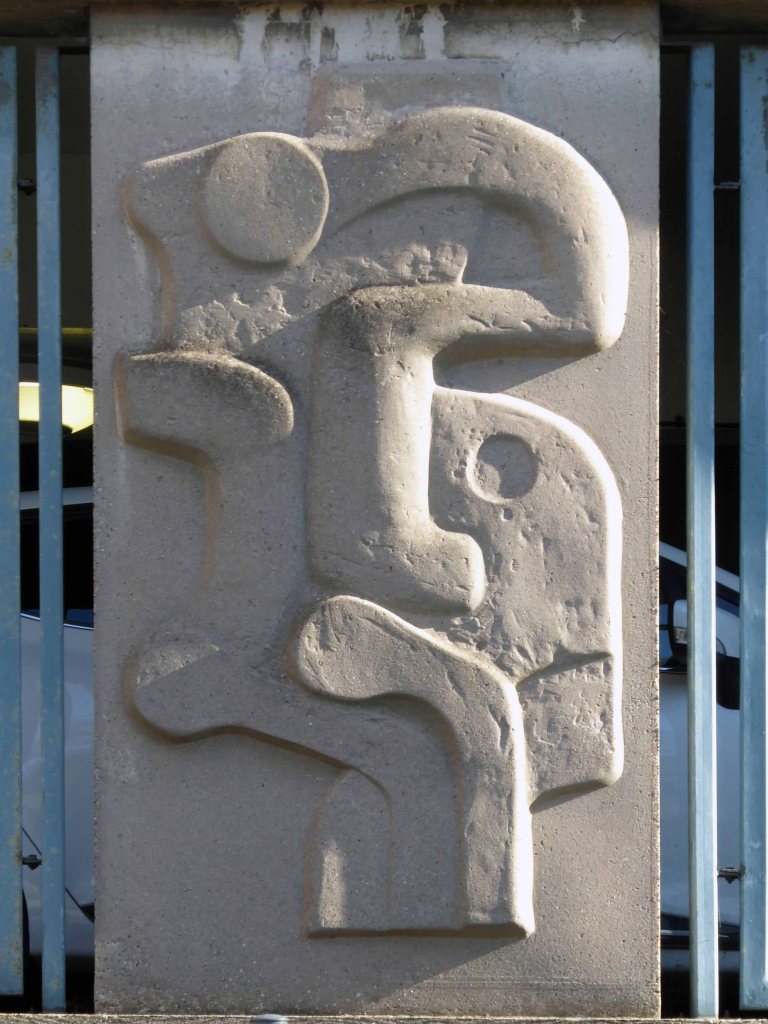
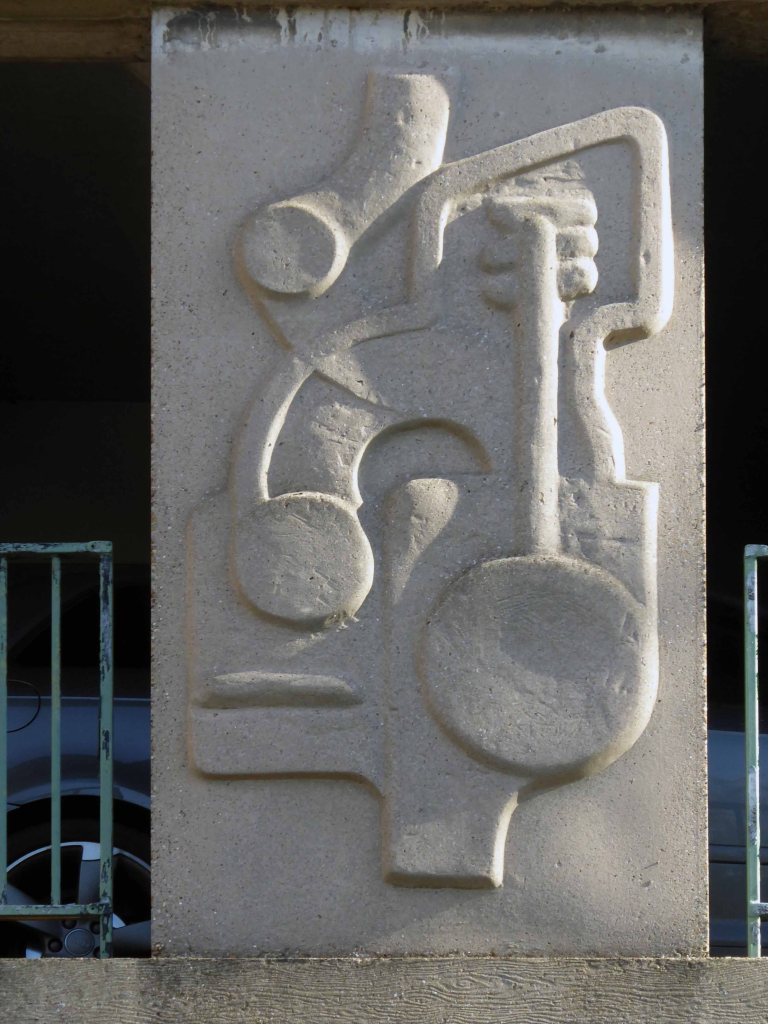
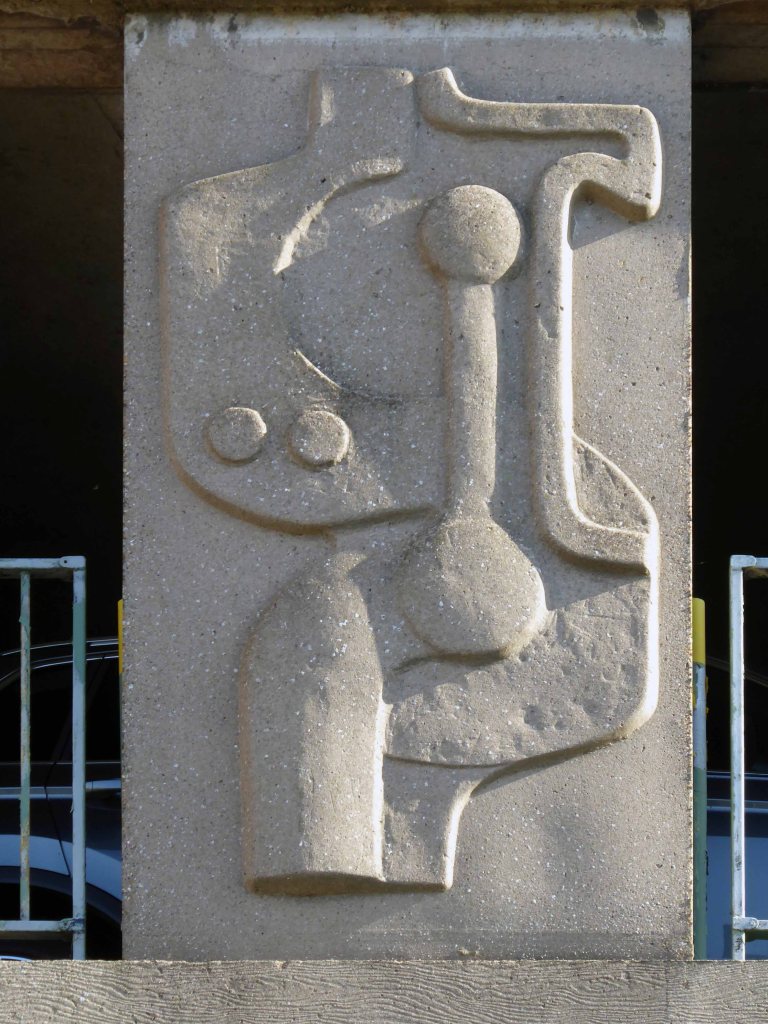
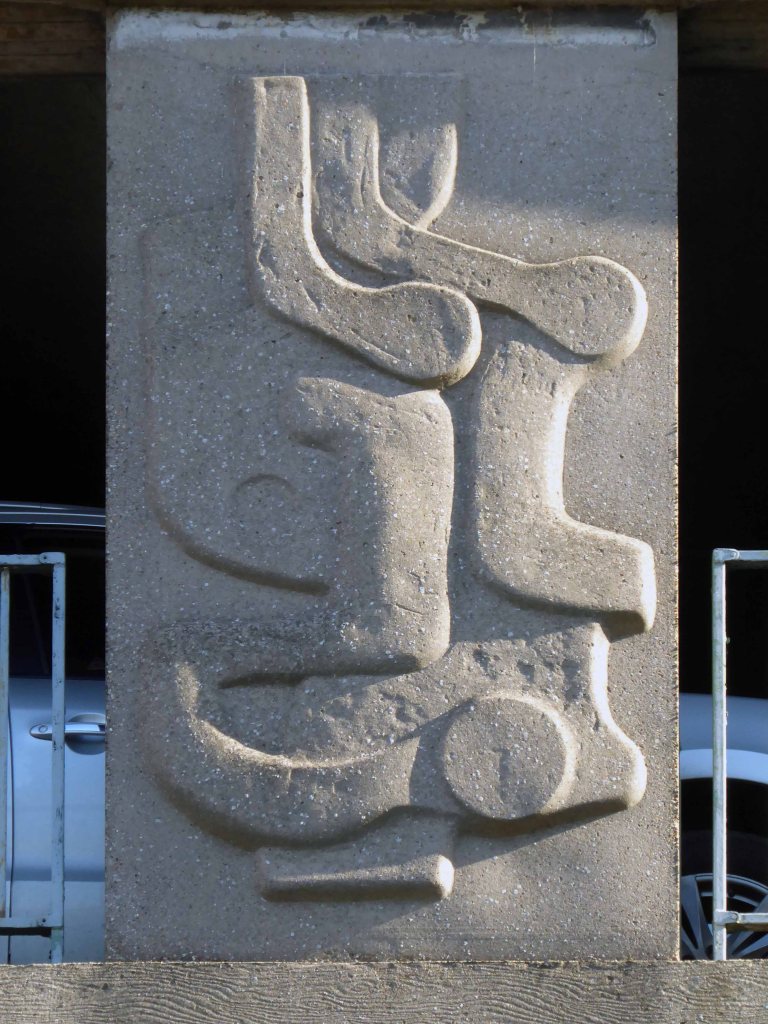
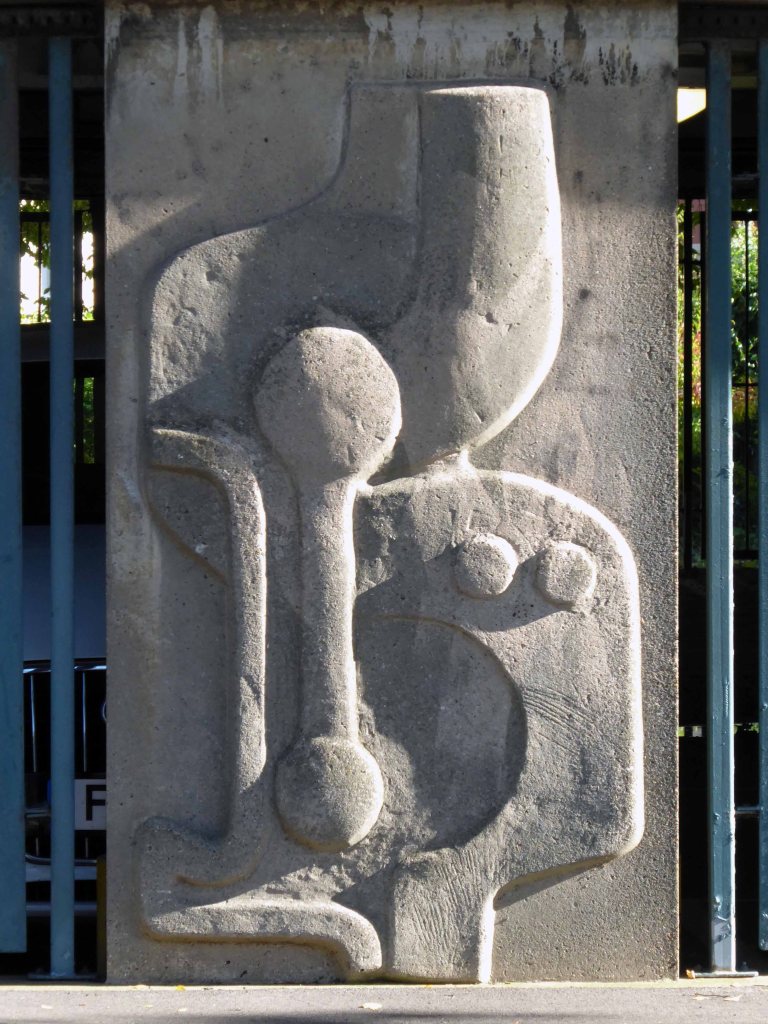
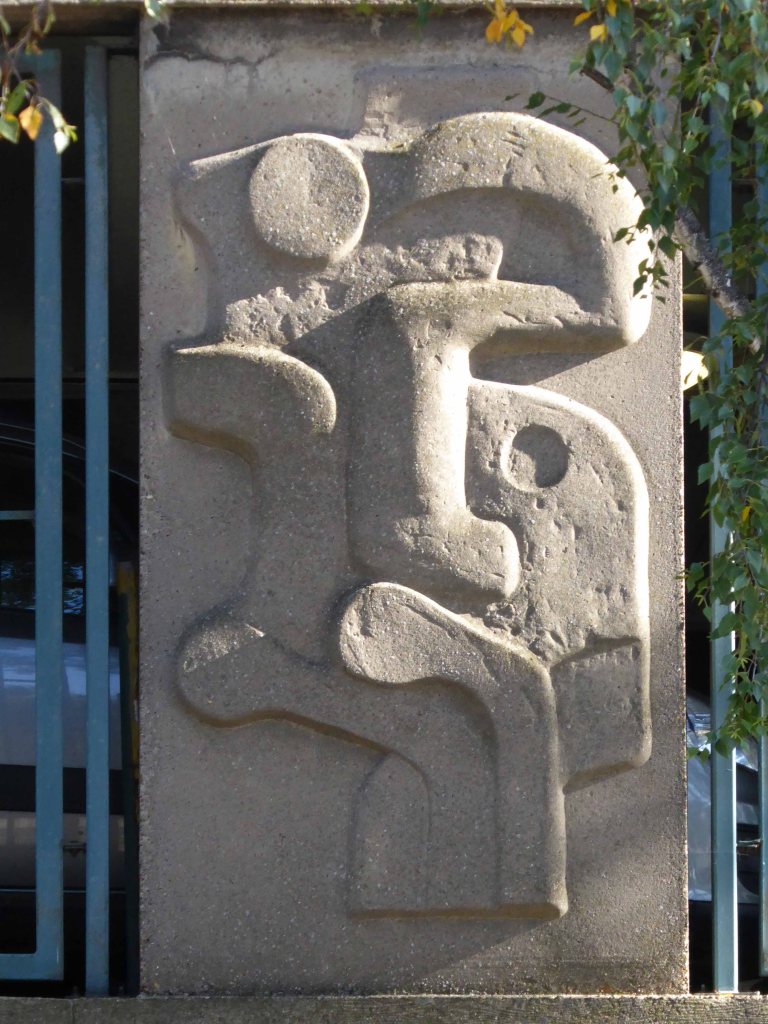
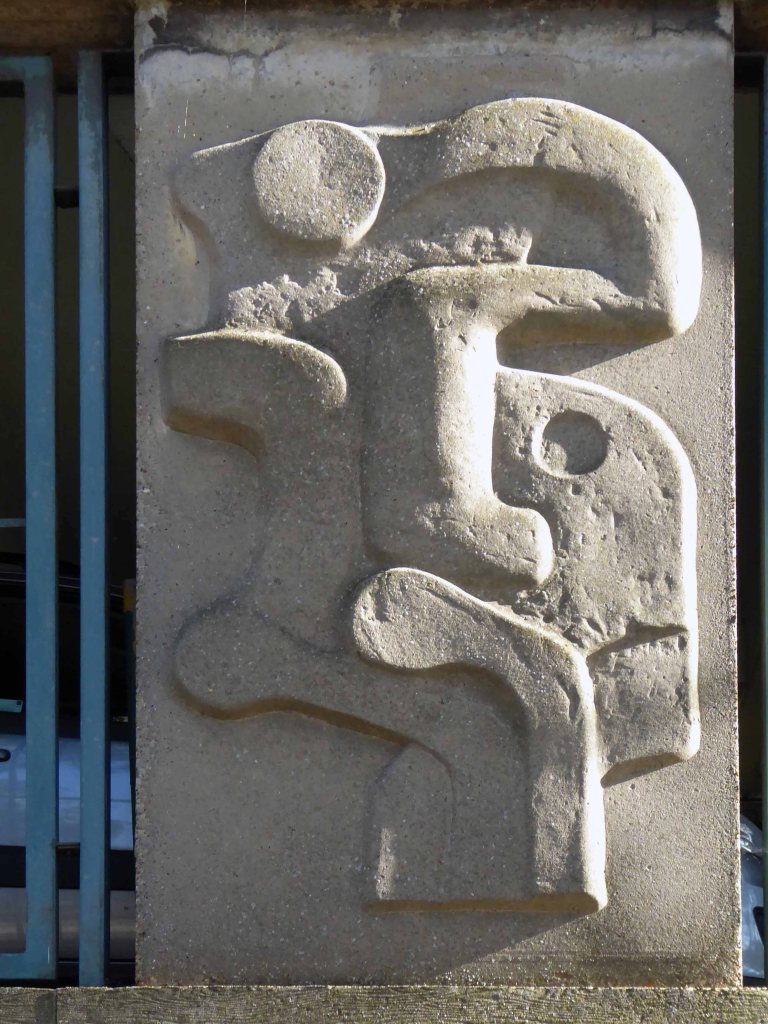
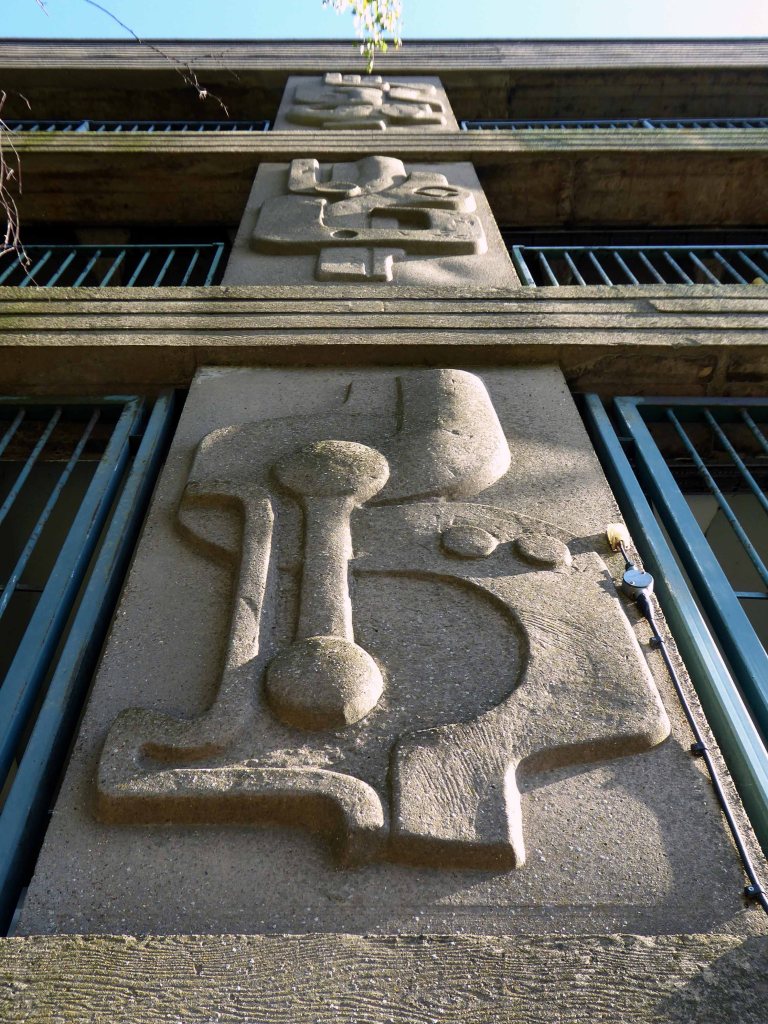
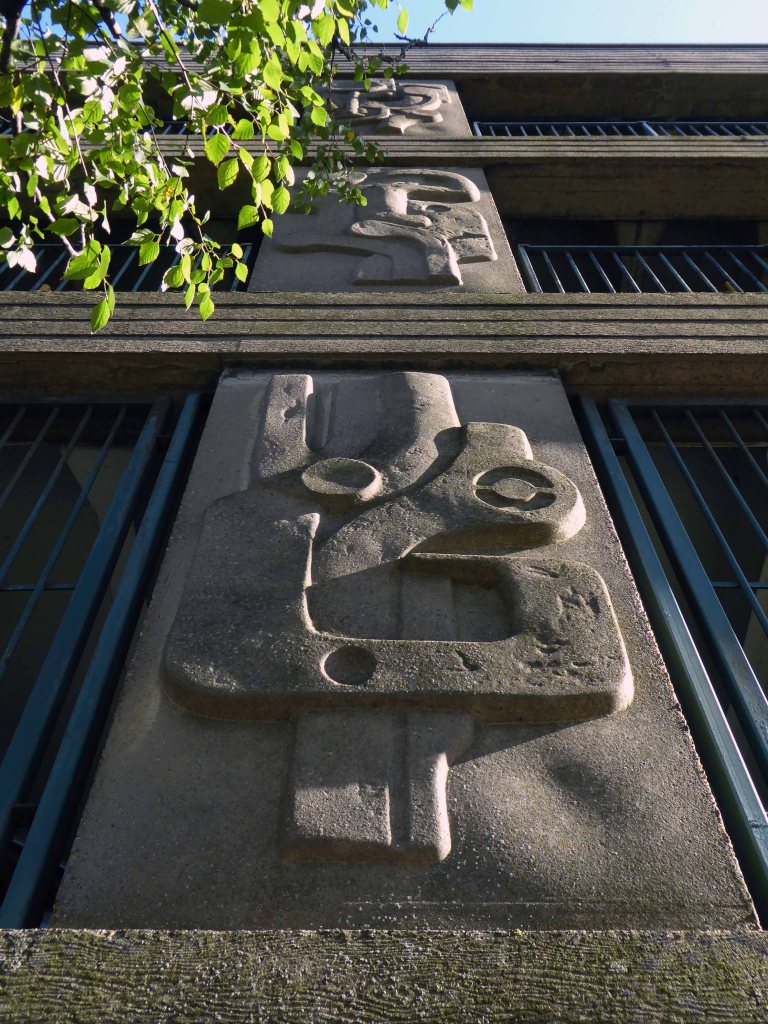
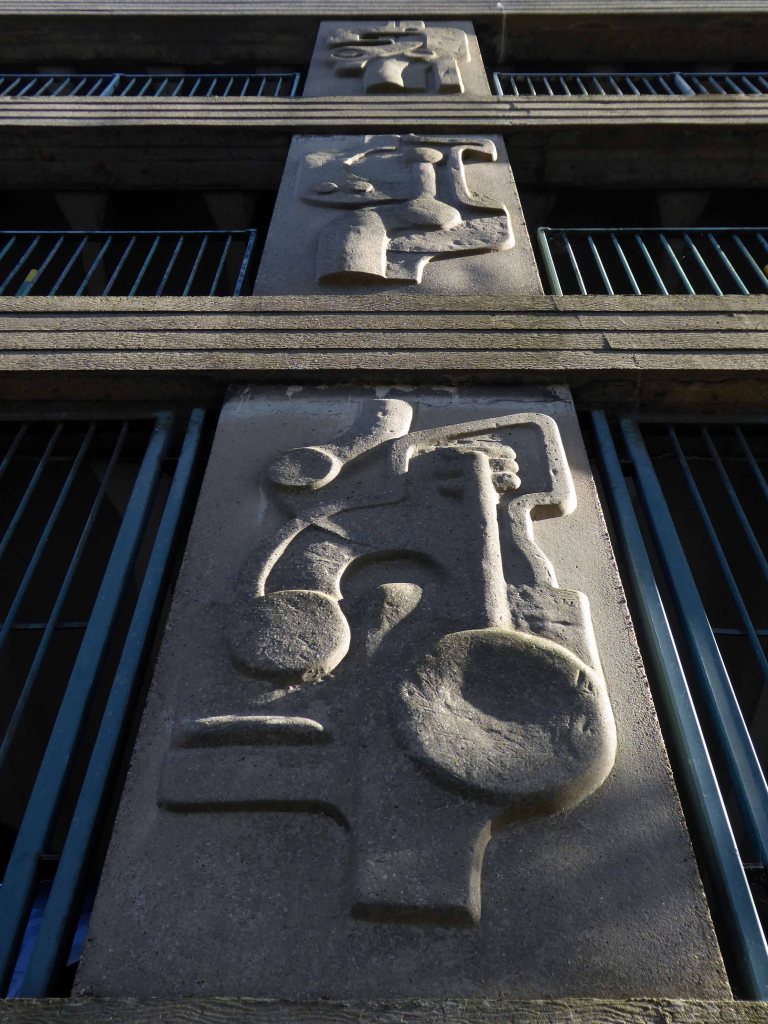
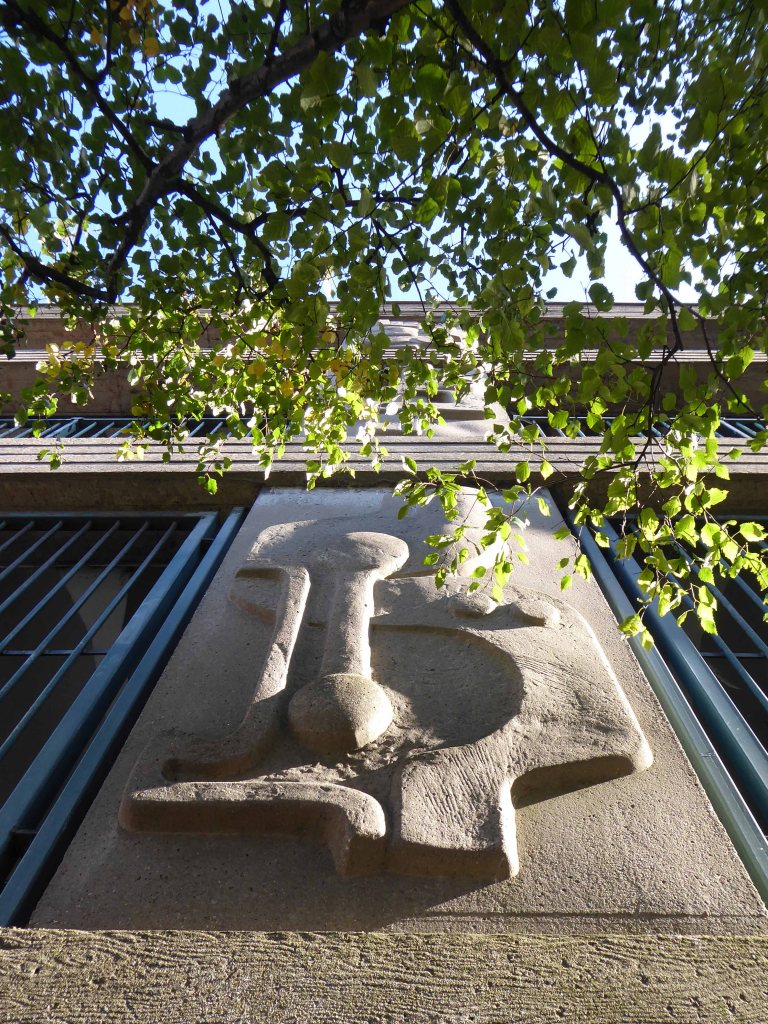
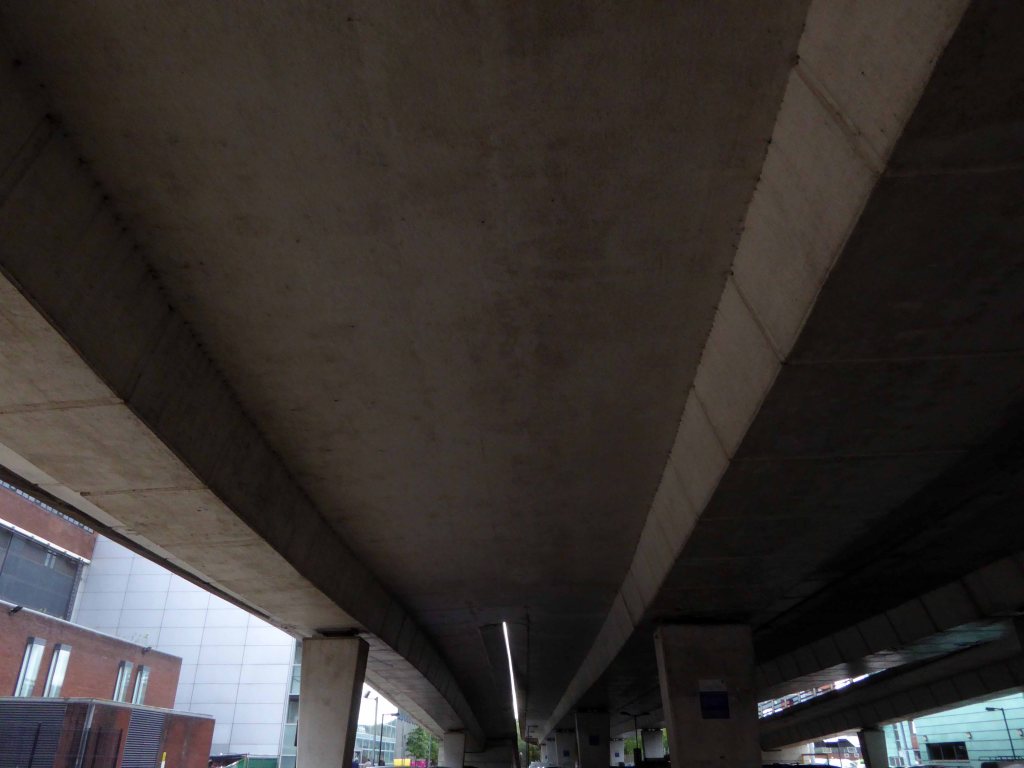
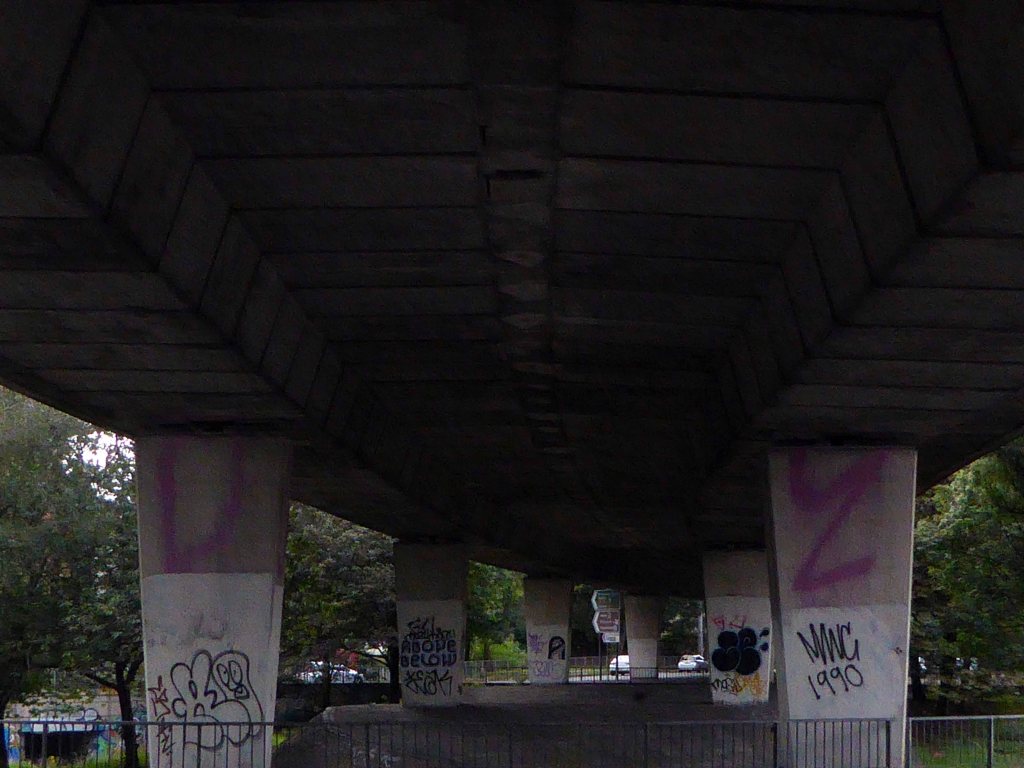
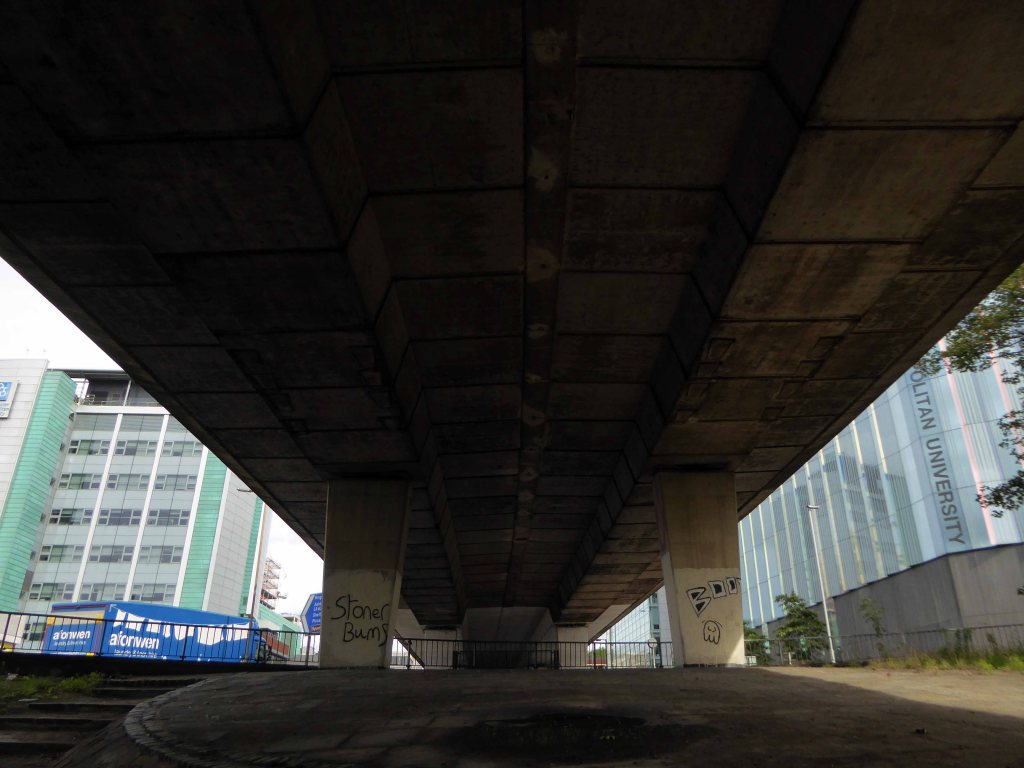
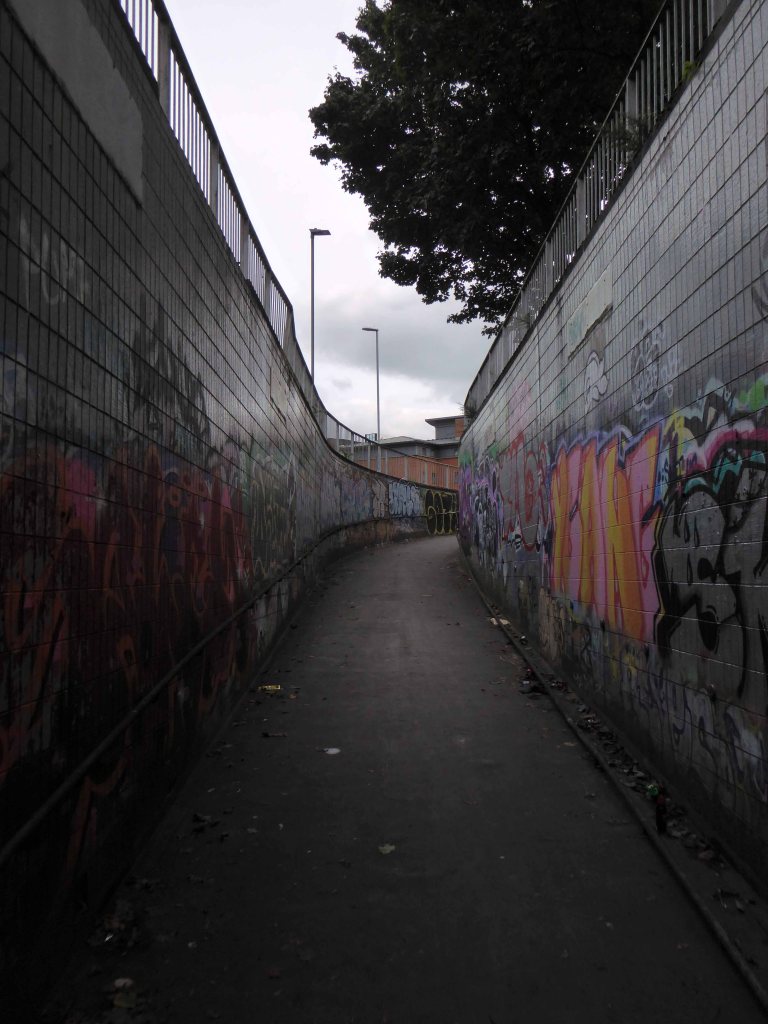
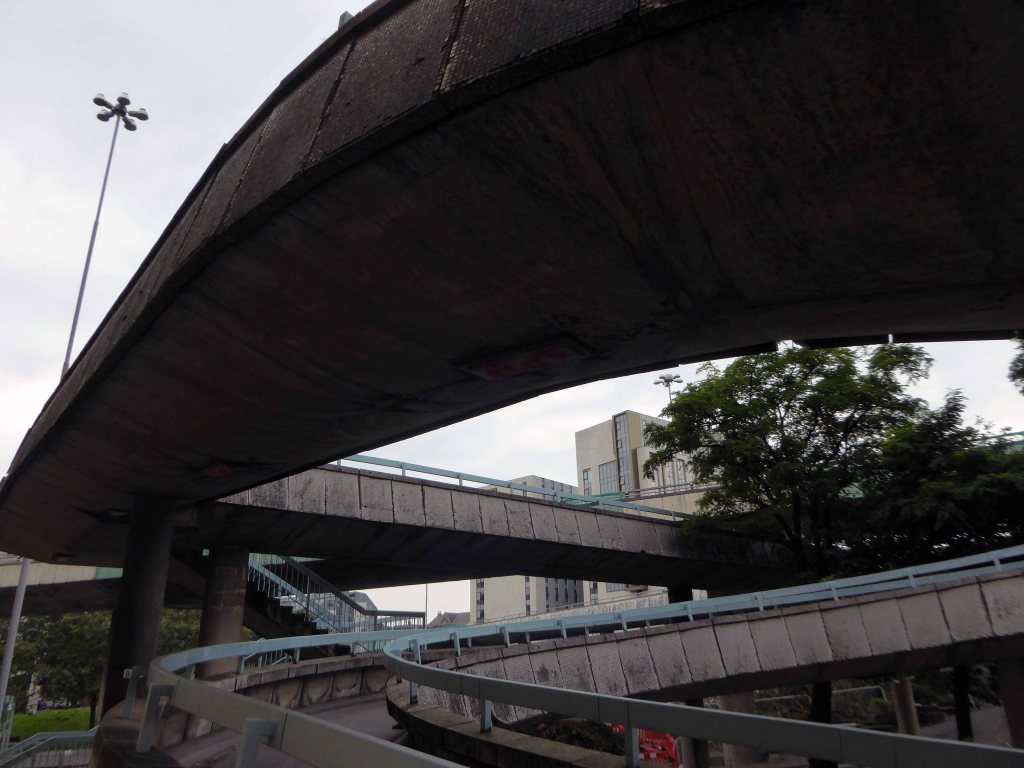
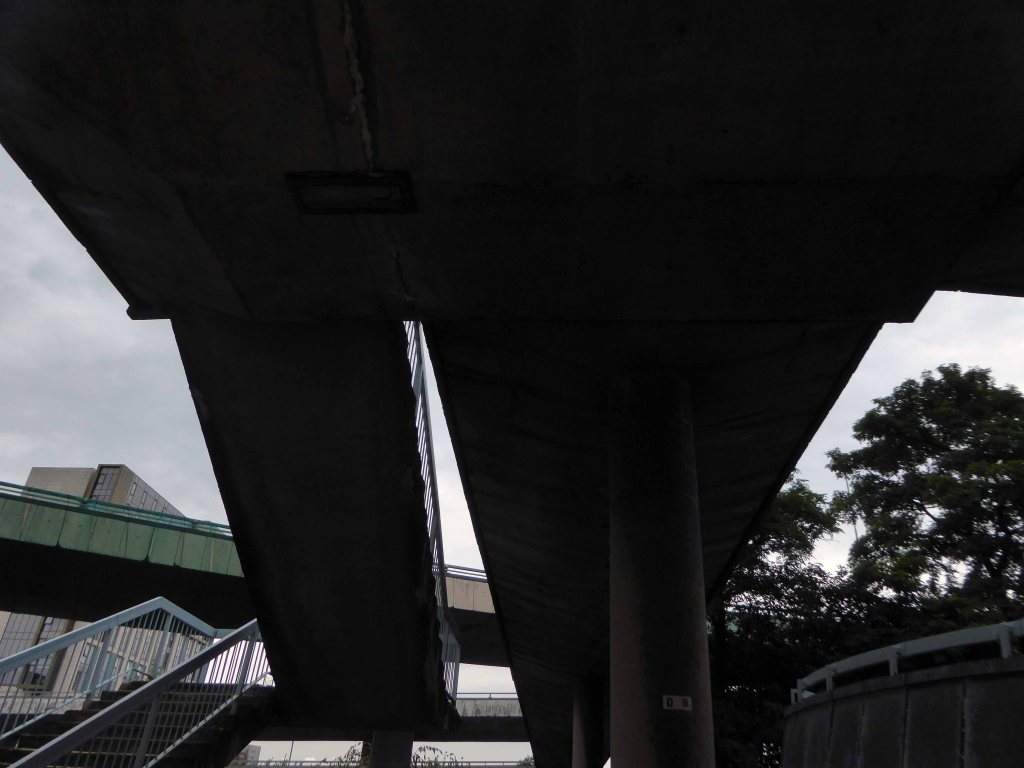
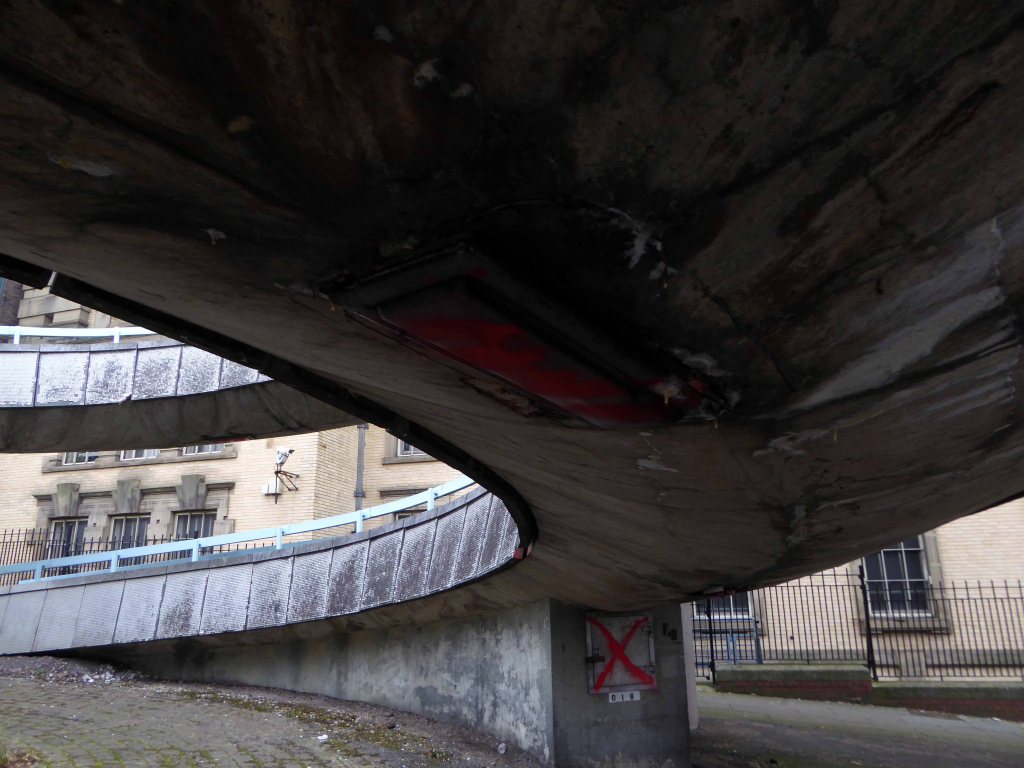
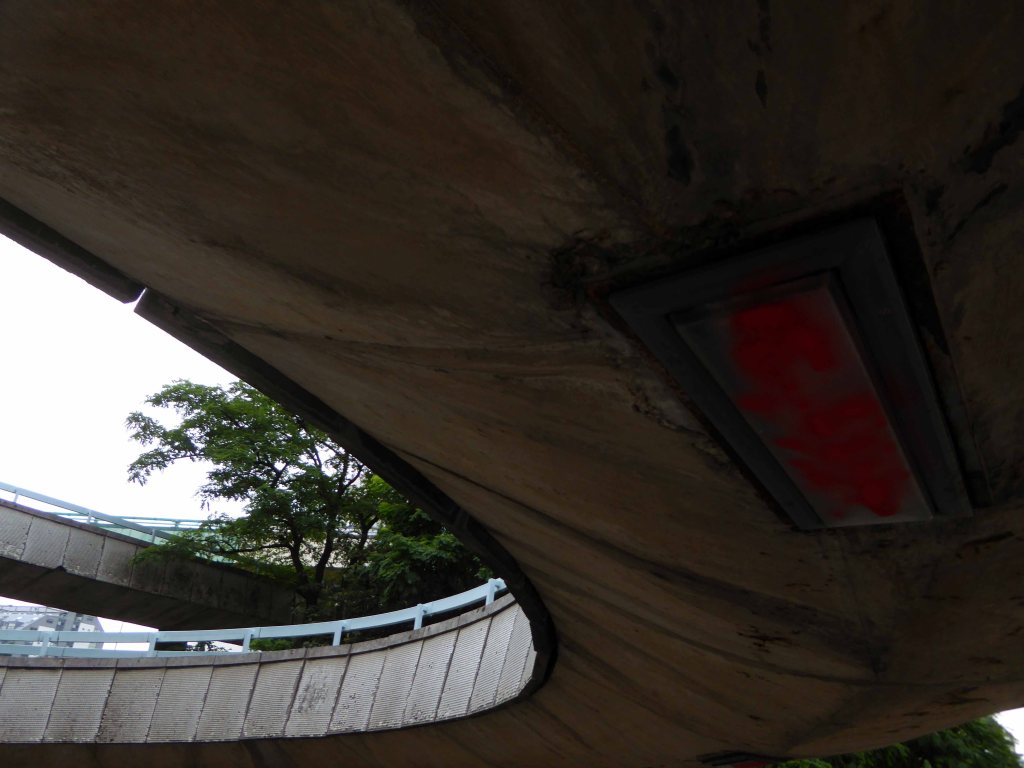
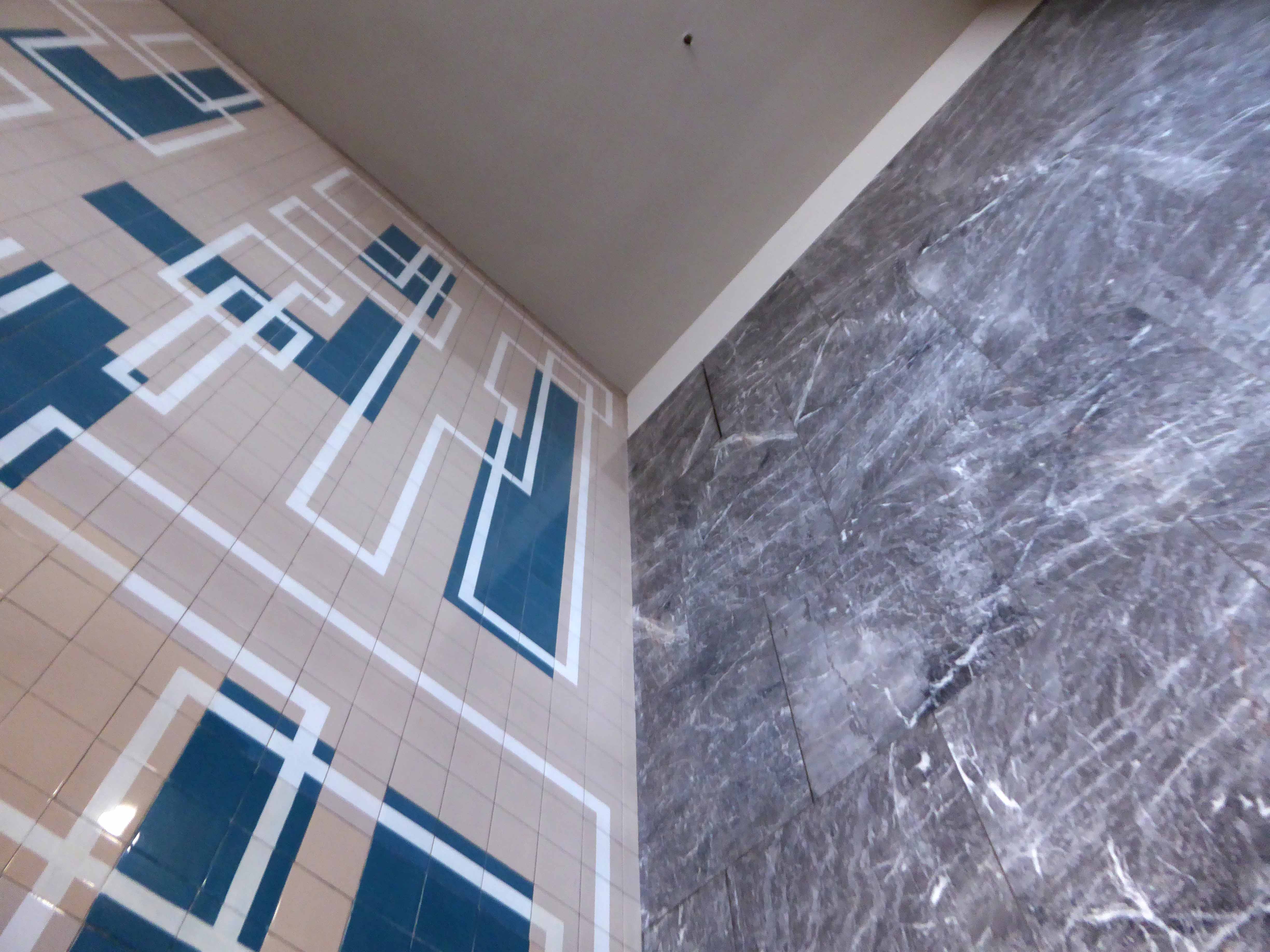
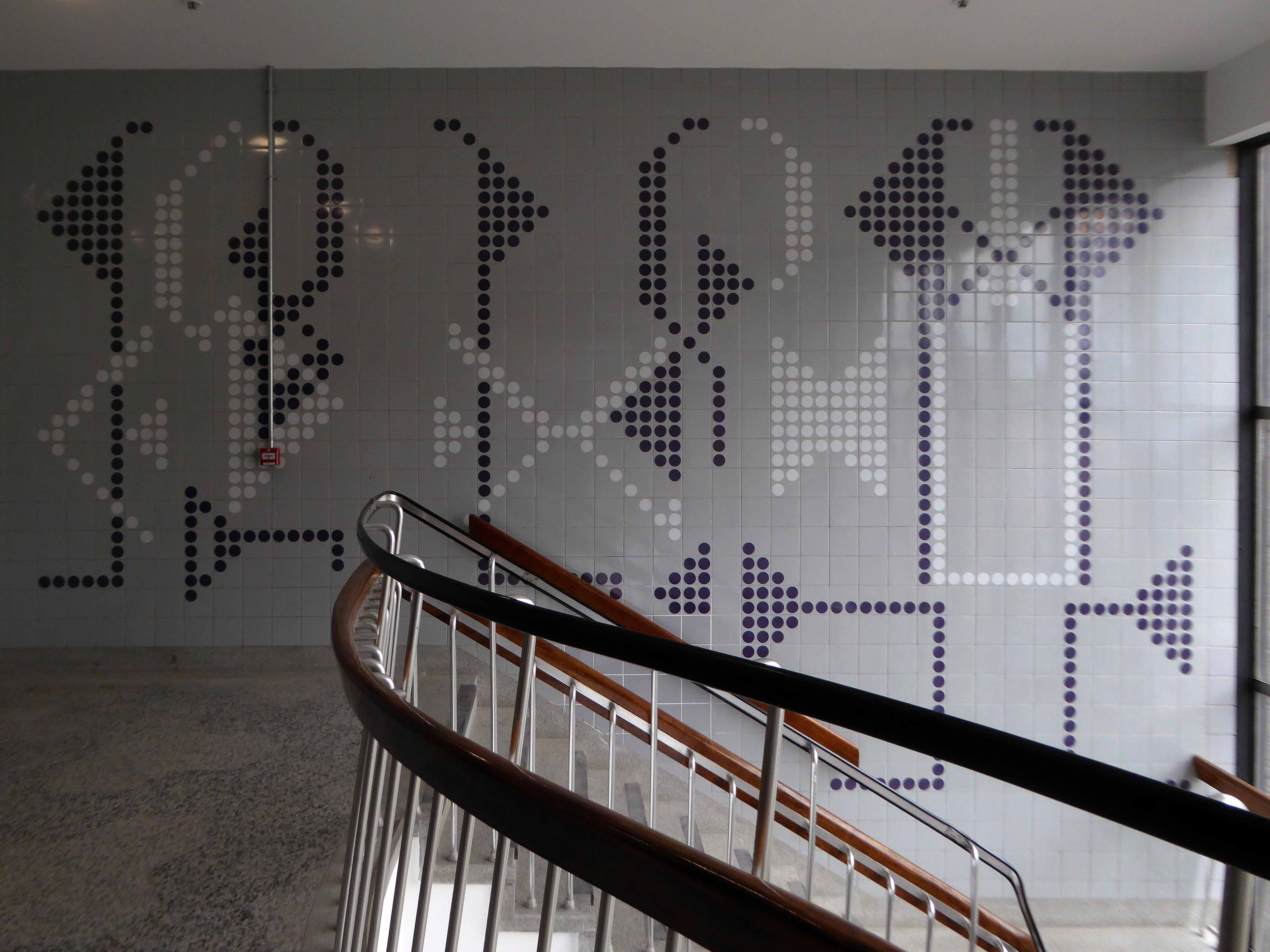
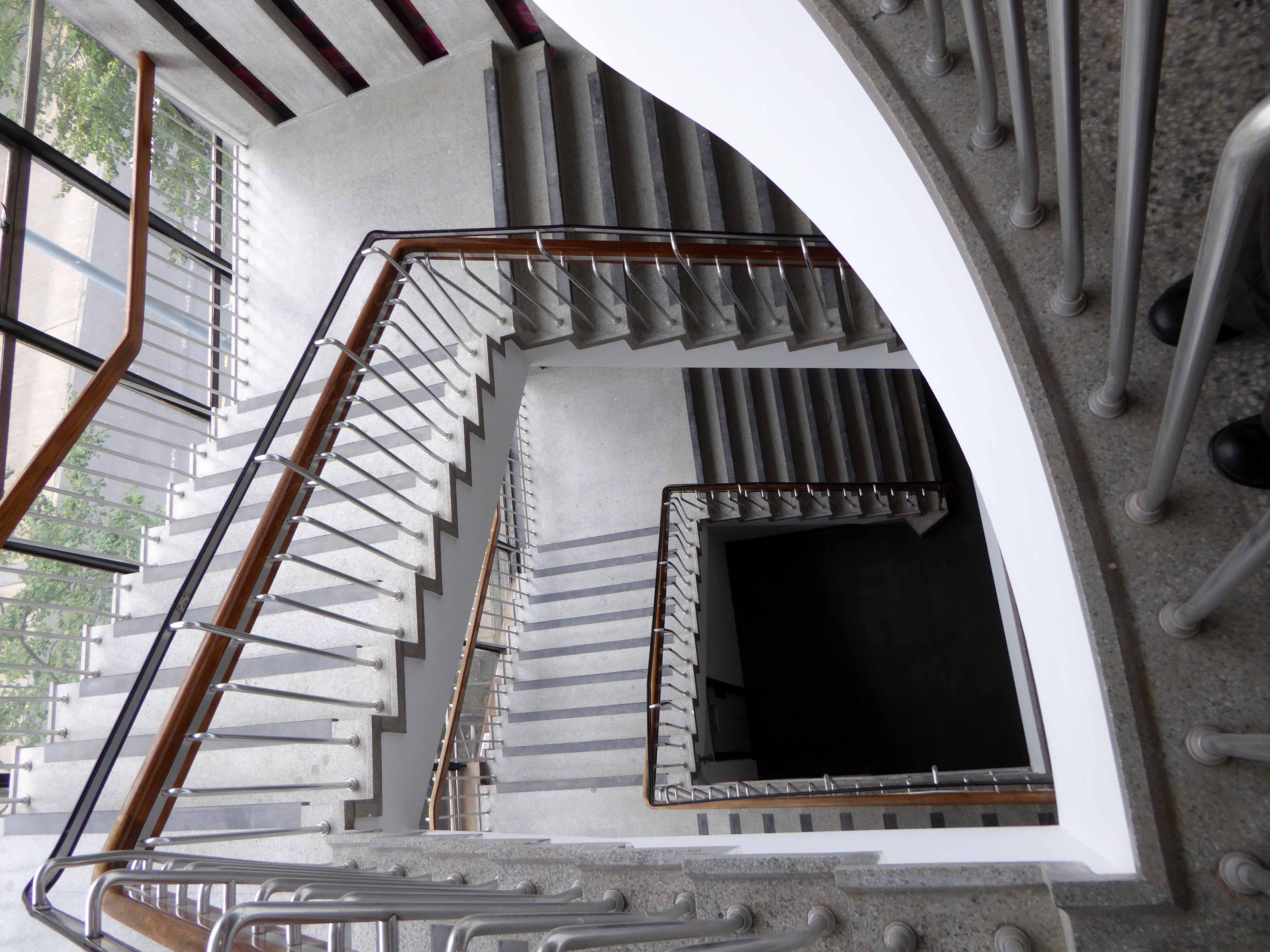
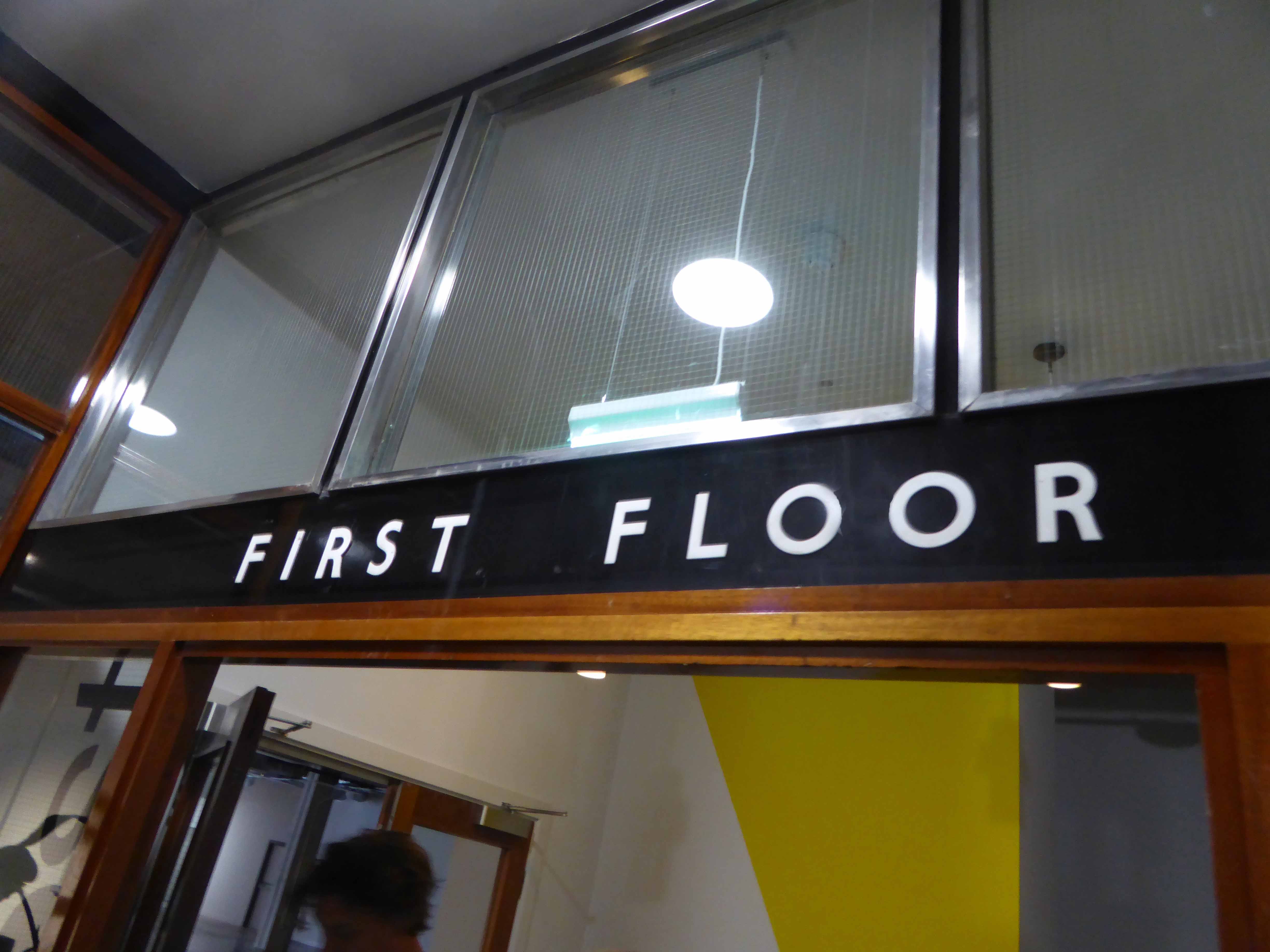
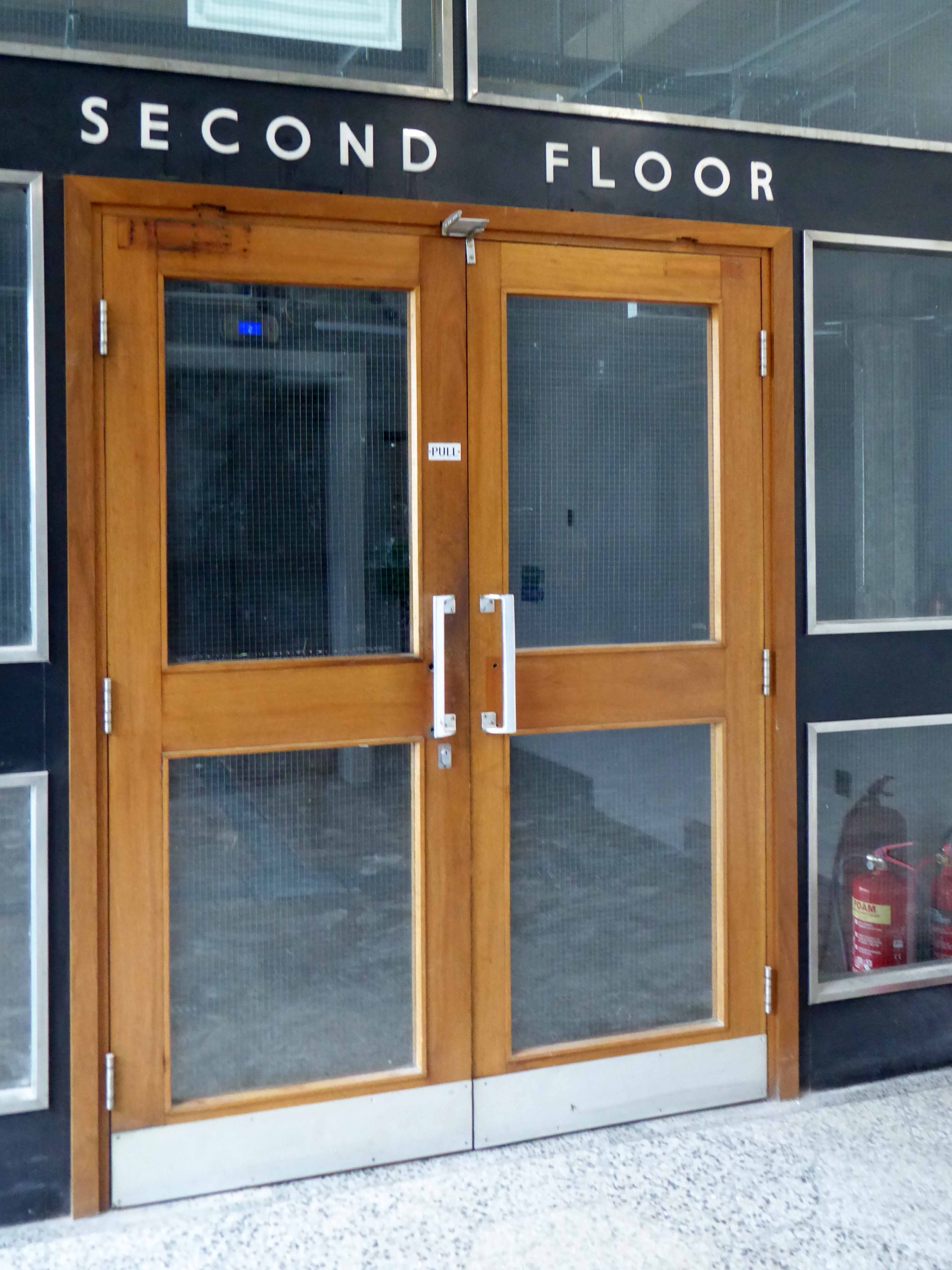
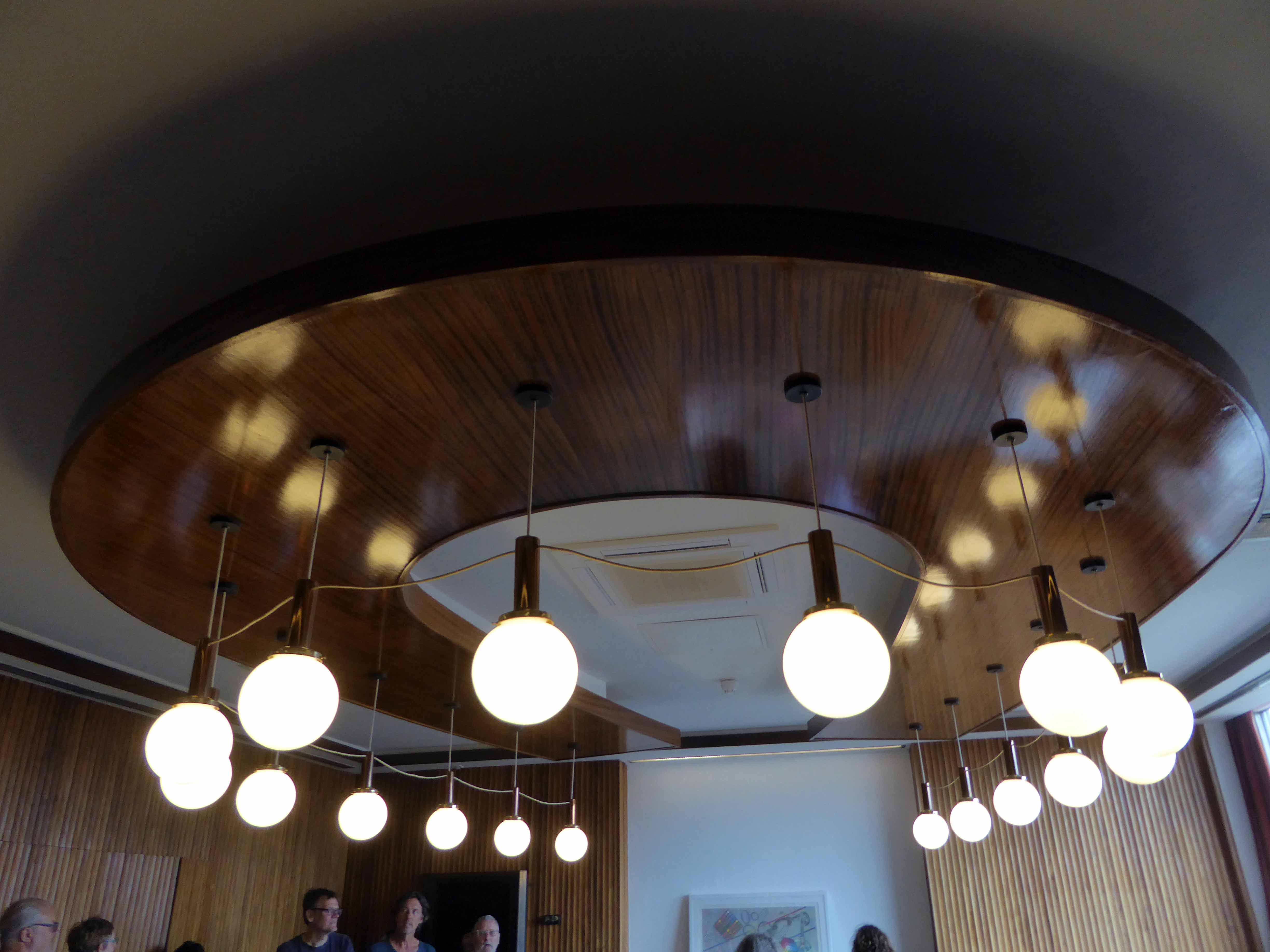
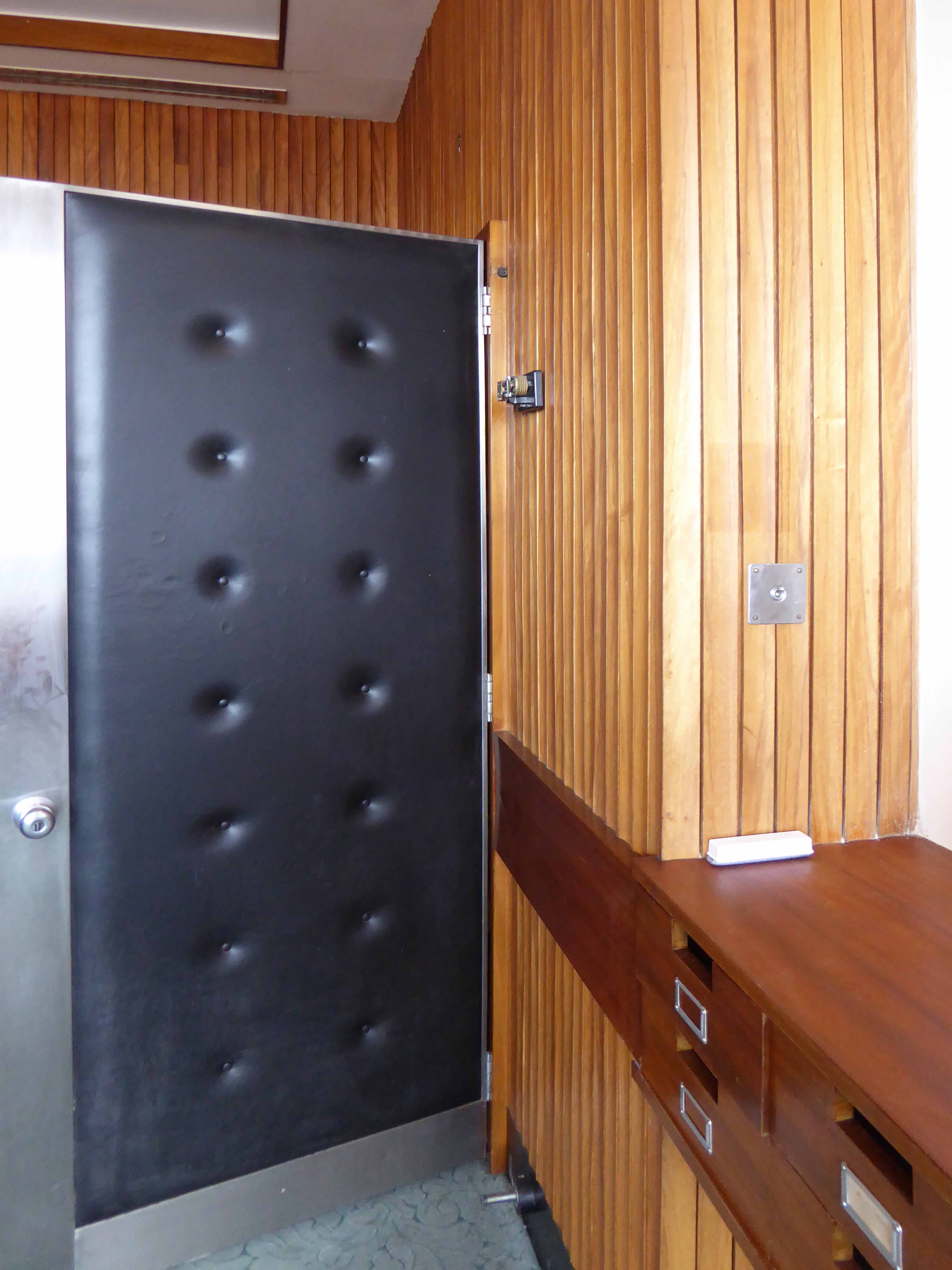
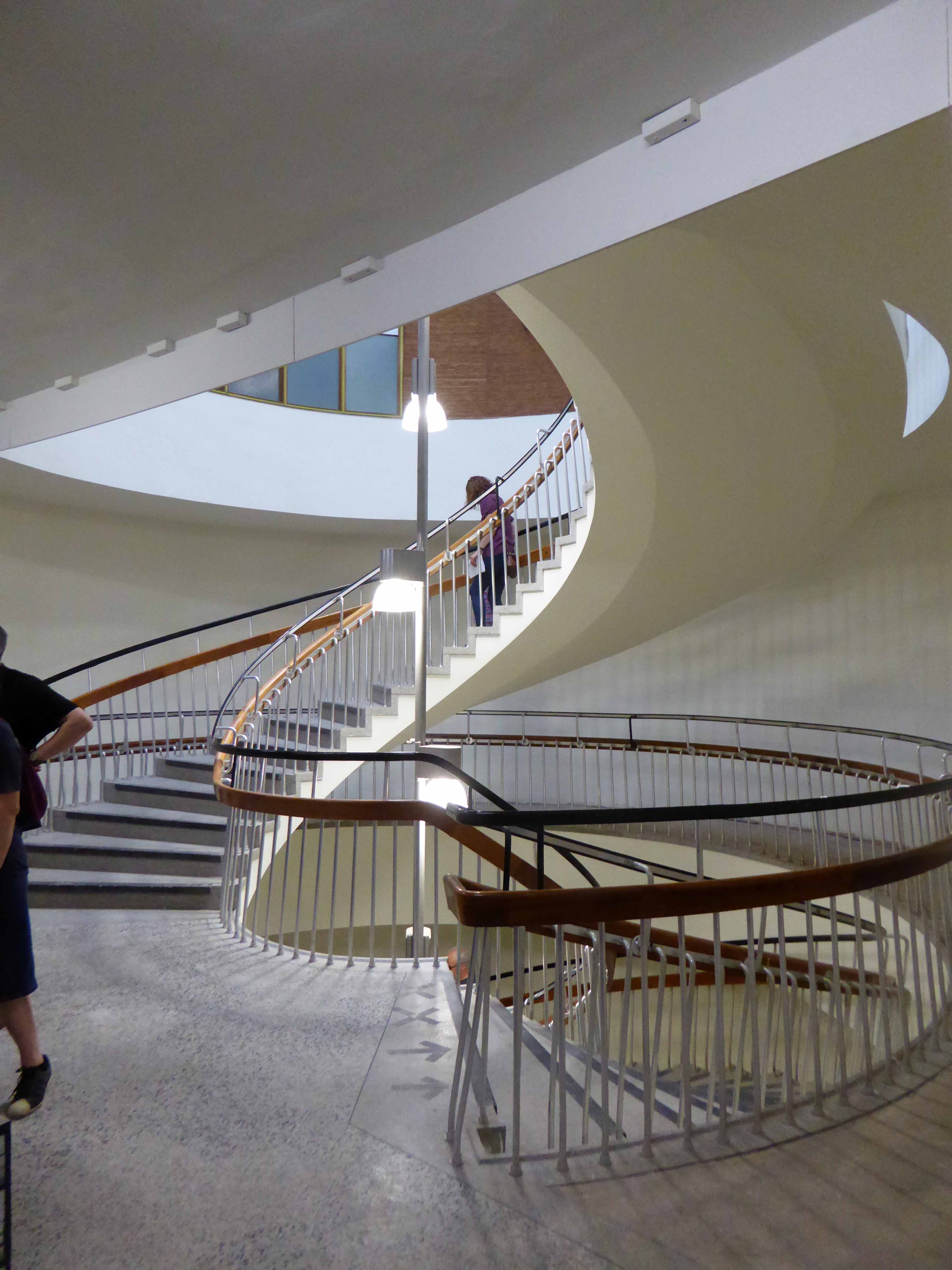
Woodward Court Woodward Street – Ancoats Manchester

“What’s going on?”

As Marvin Gaye so succinctly asked.

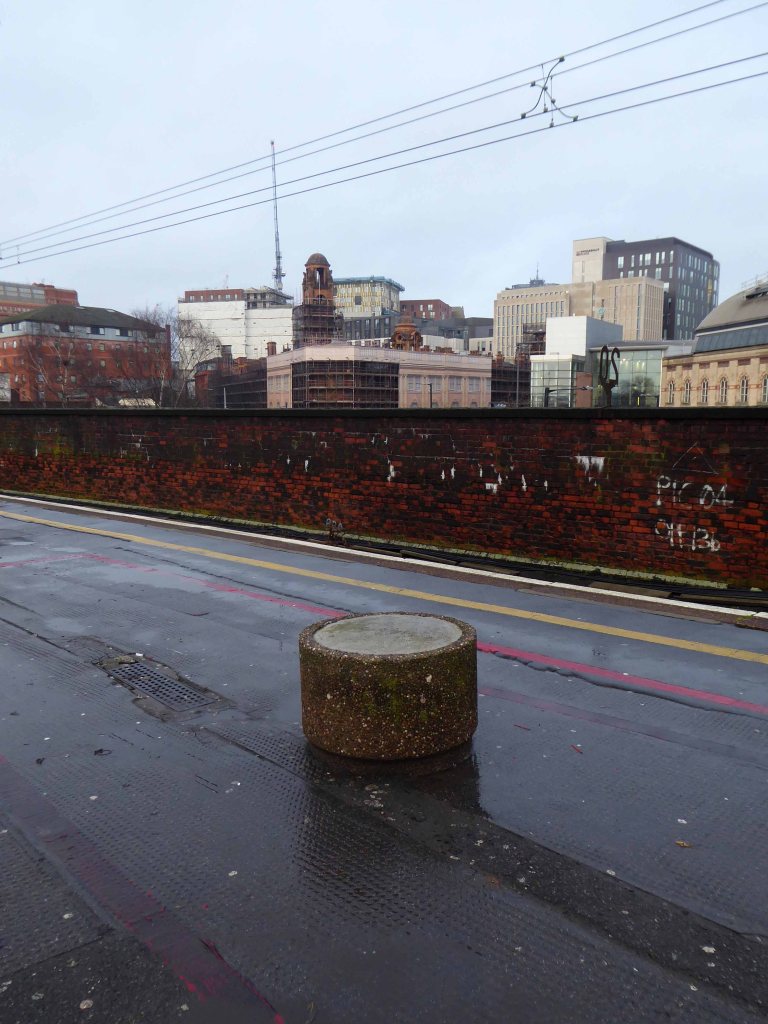
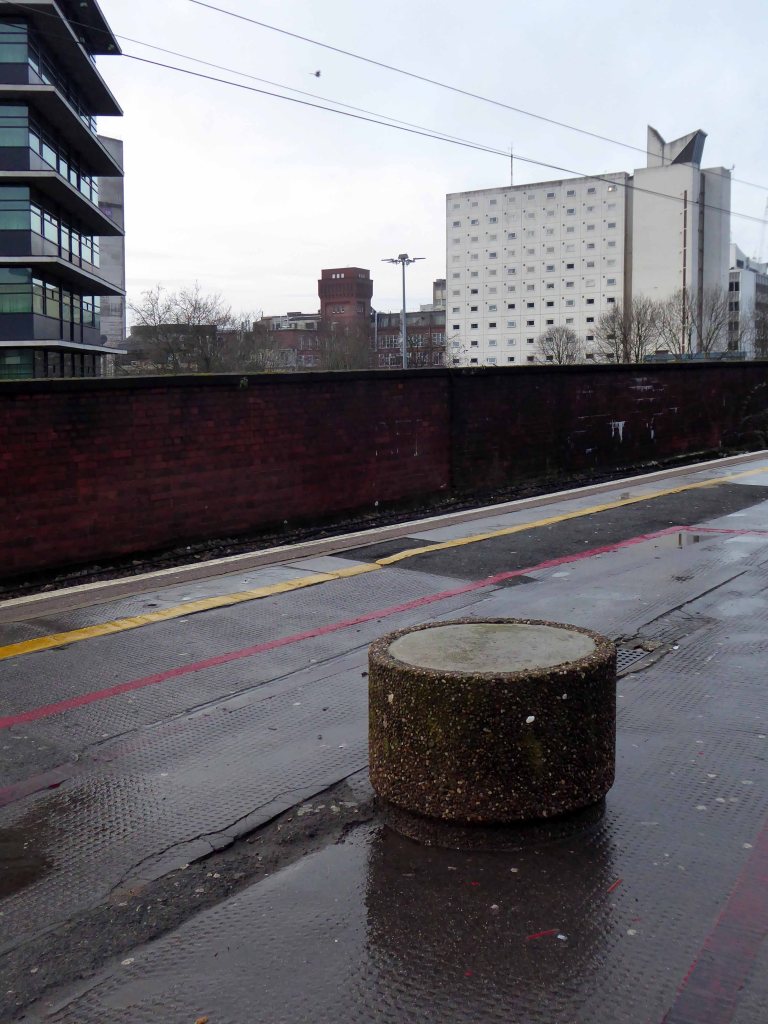
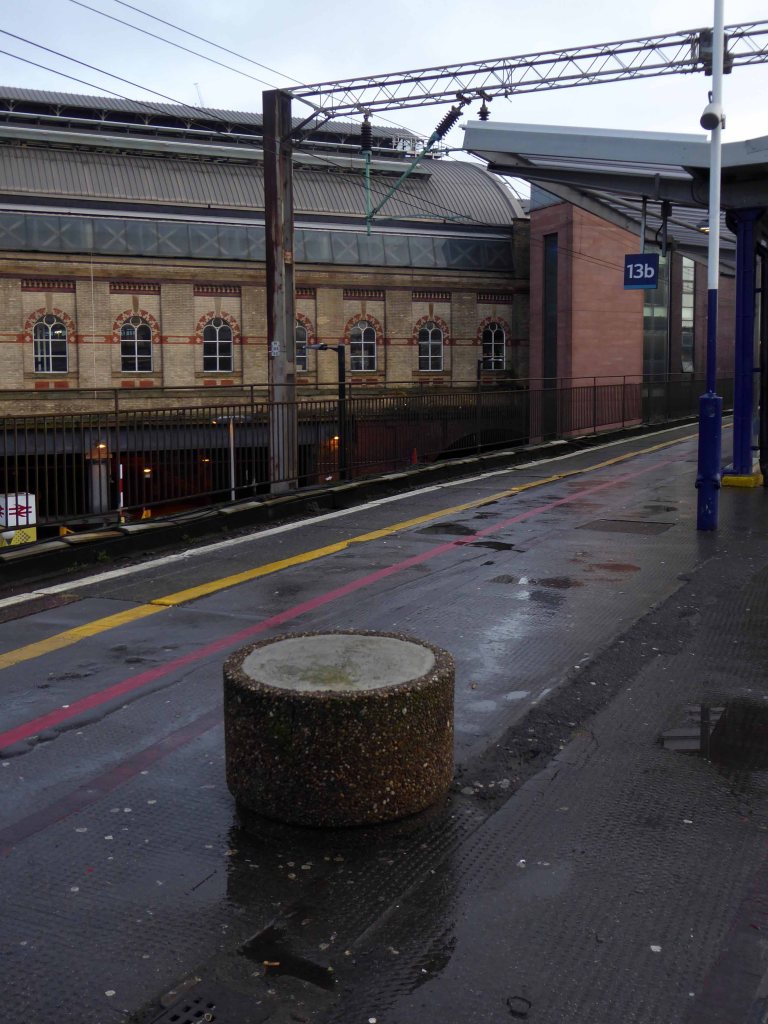
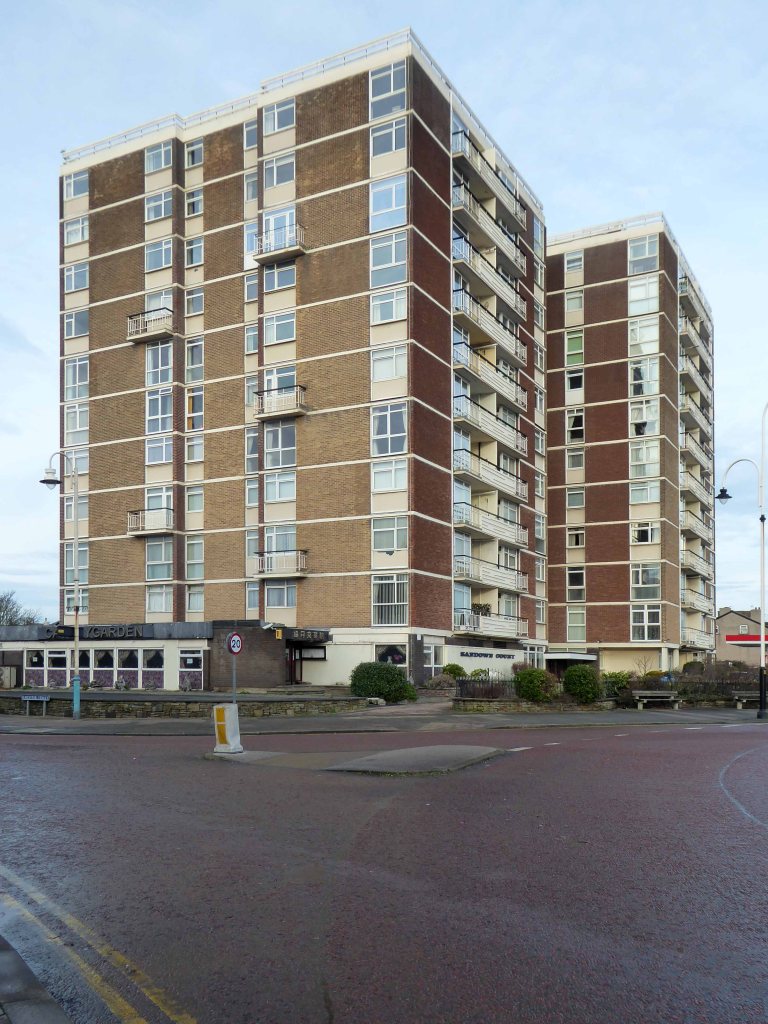
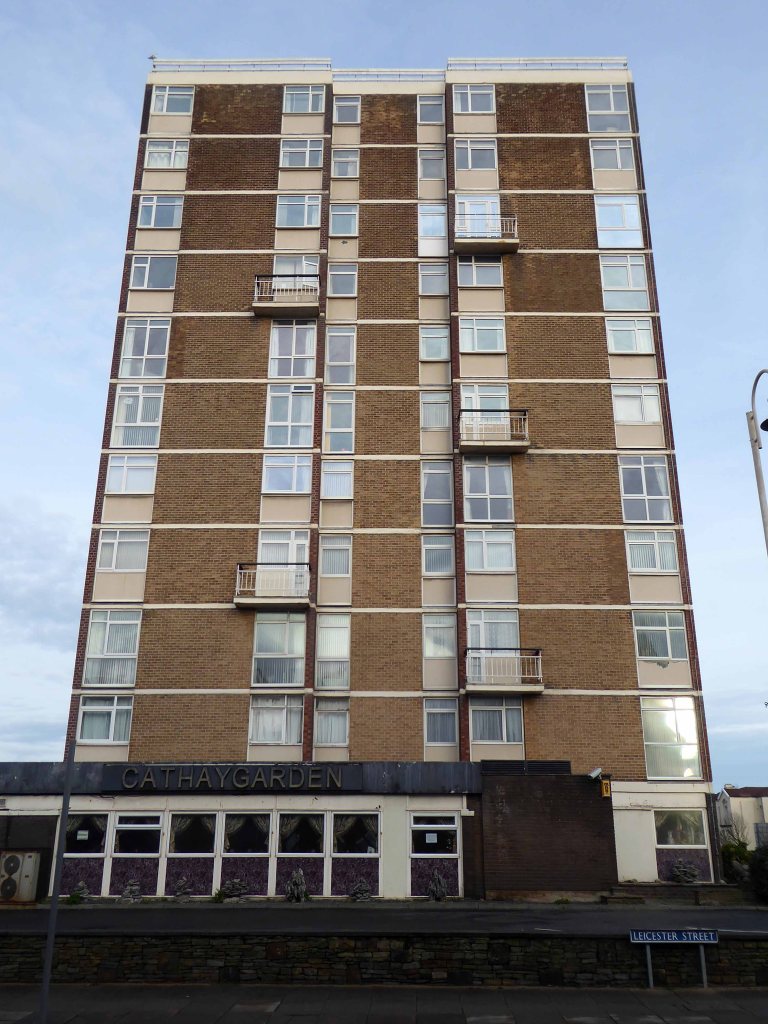
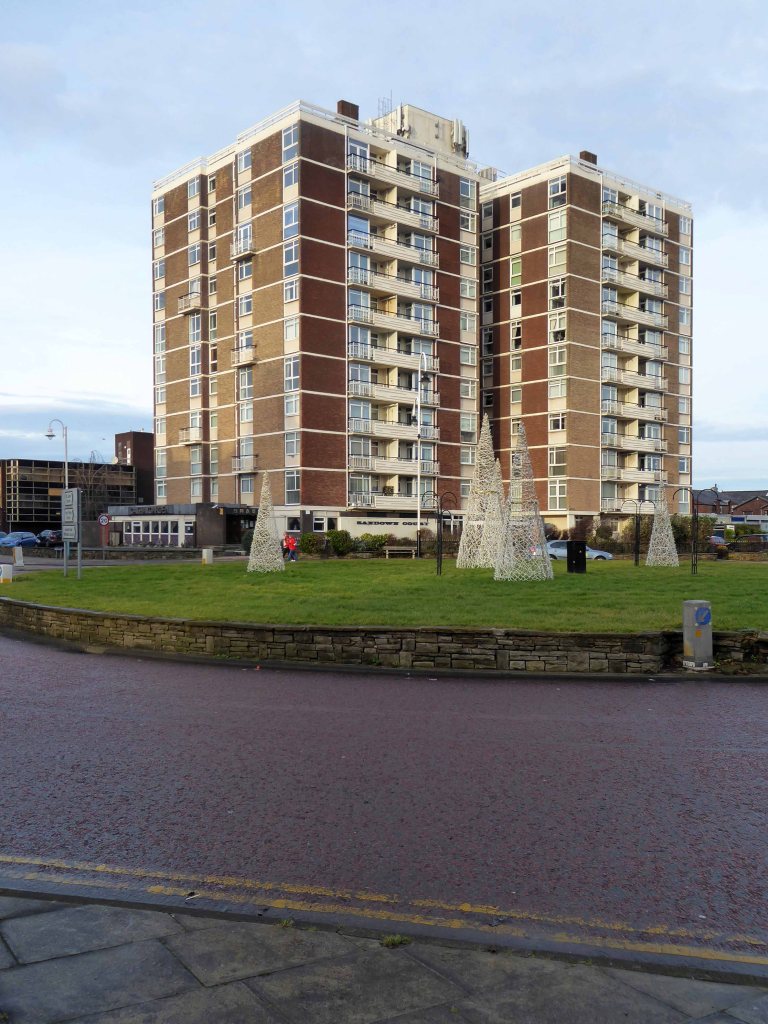
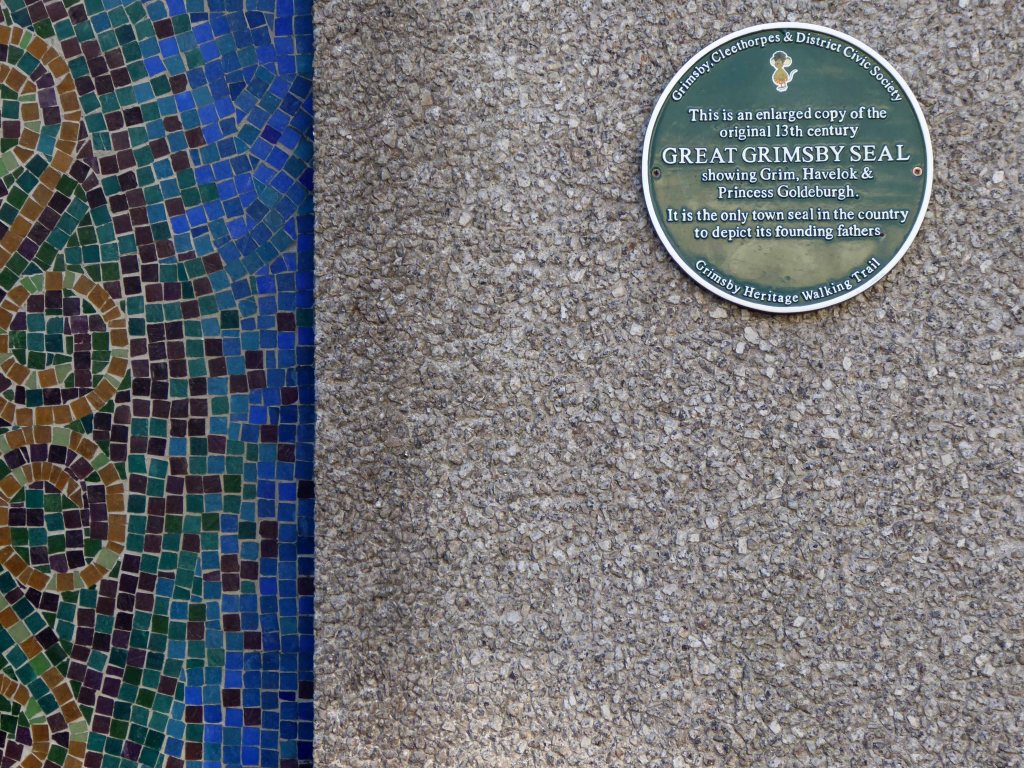
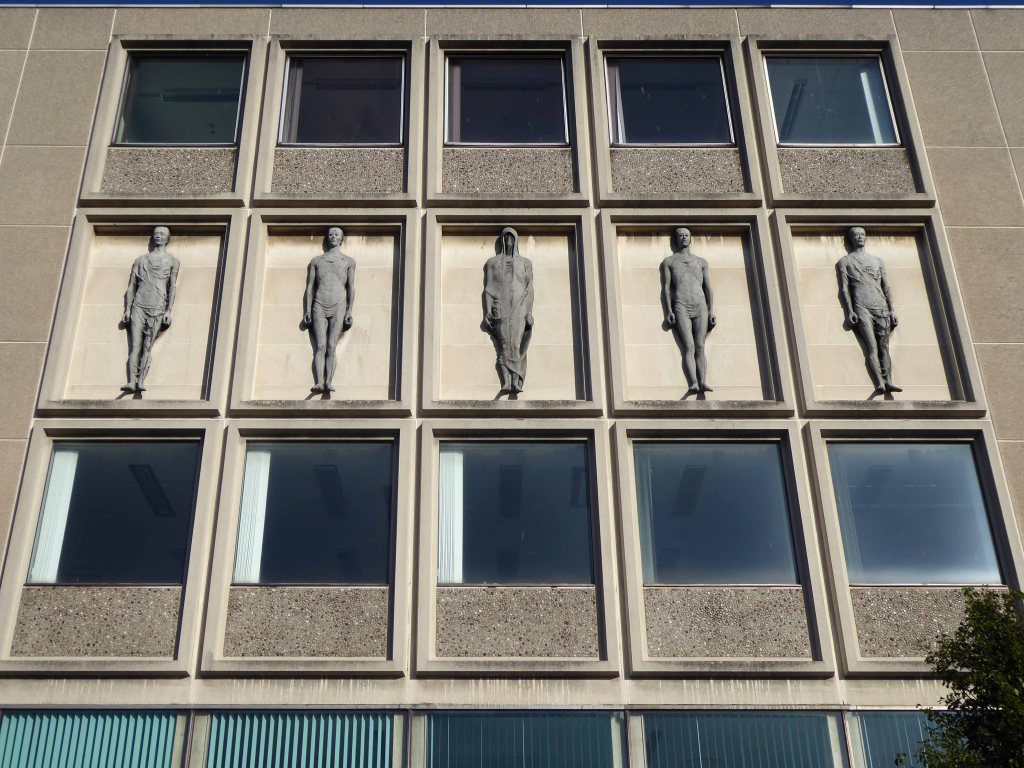
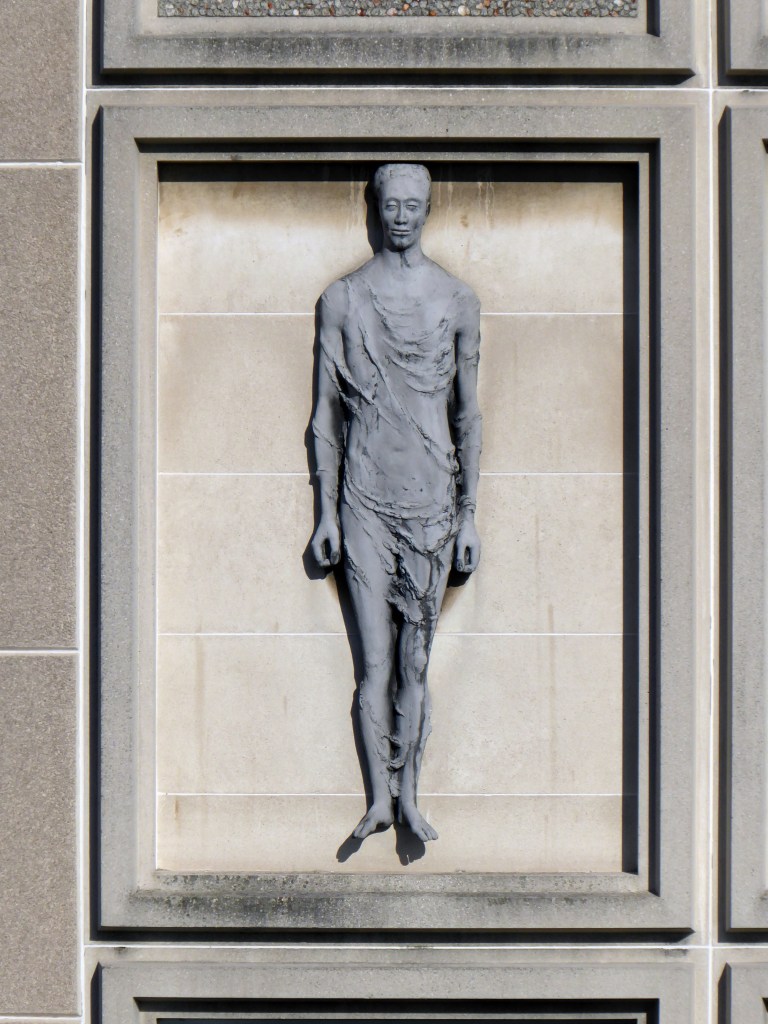
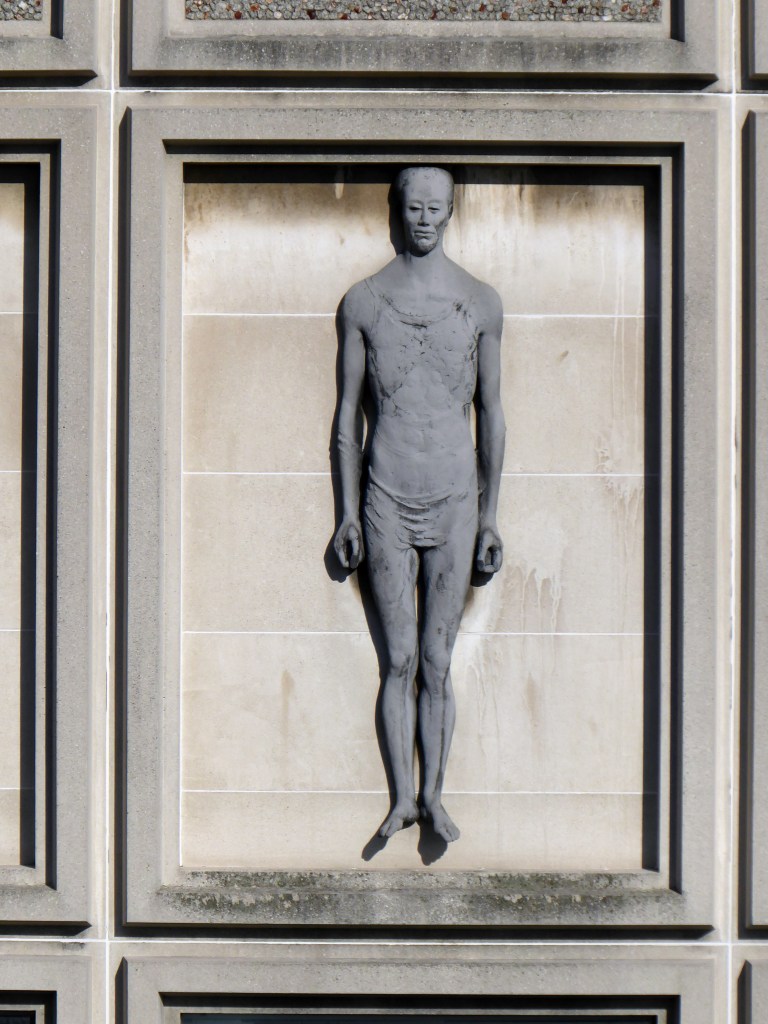
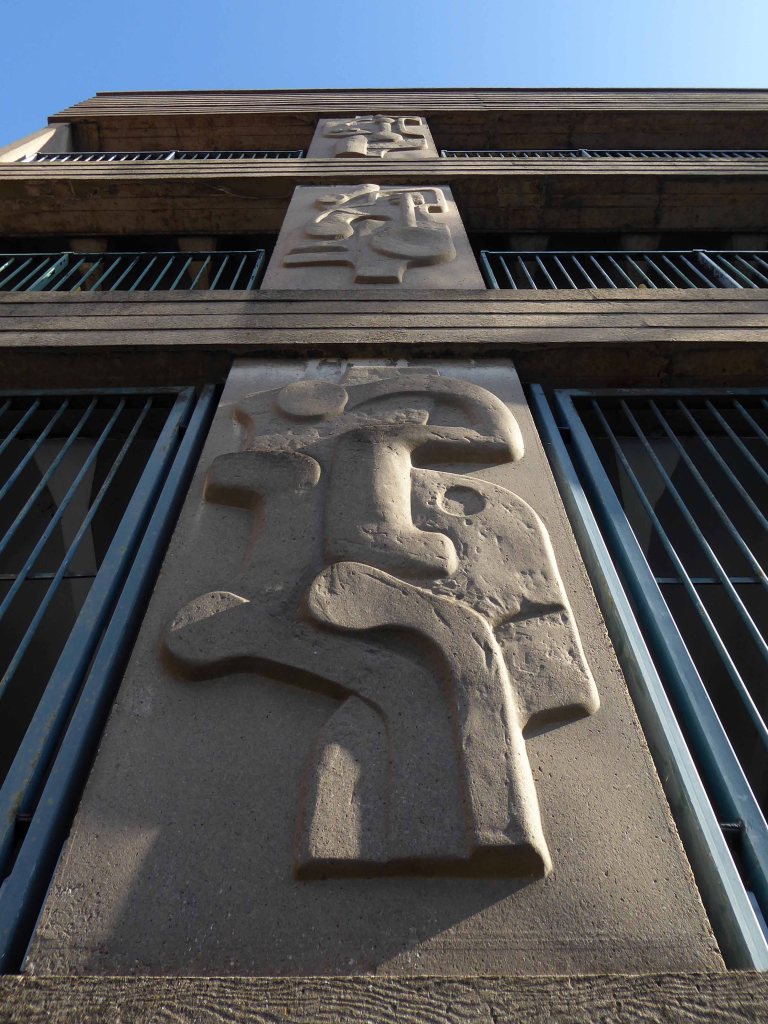
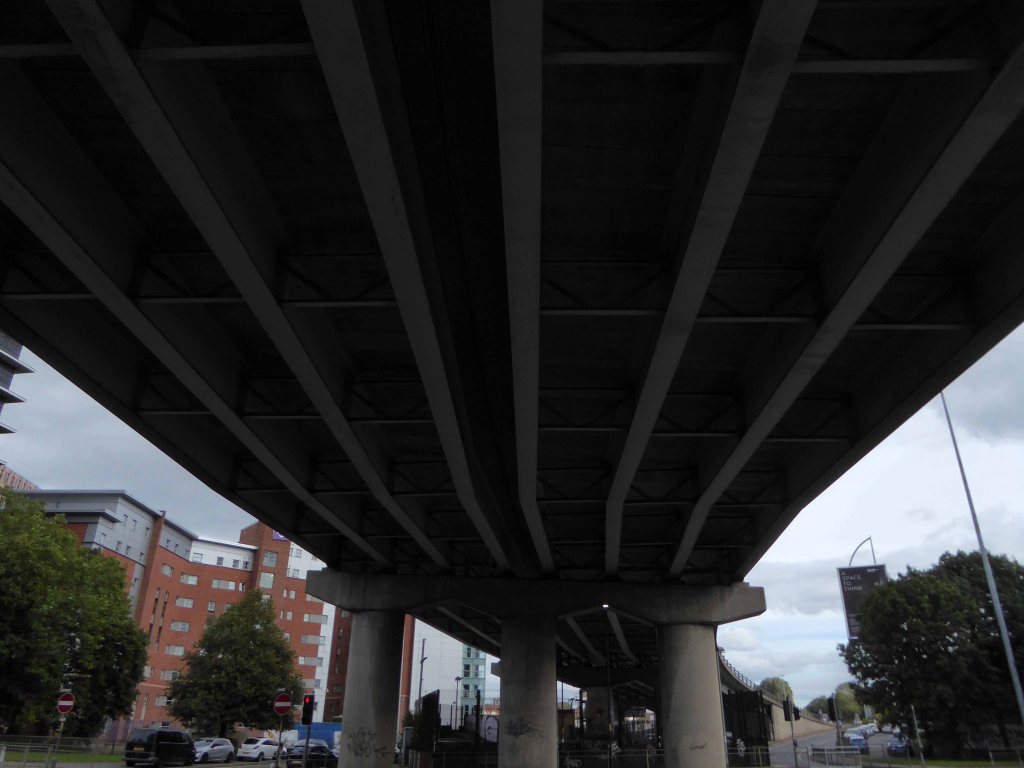
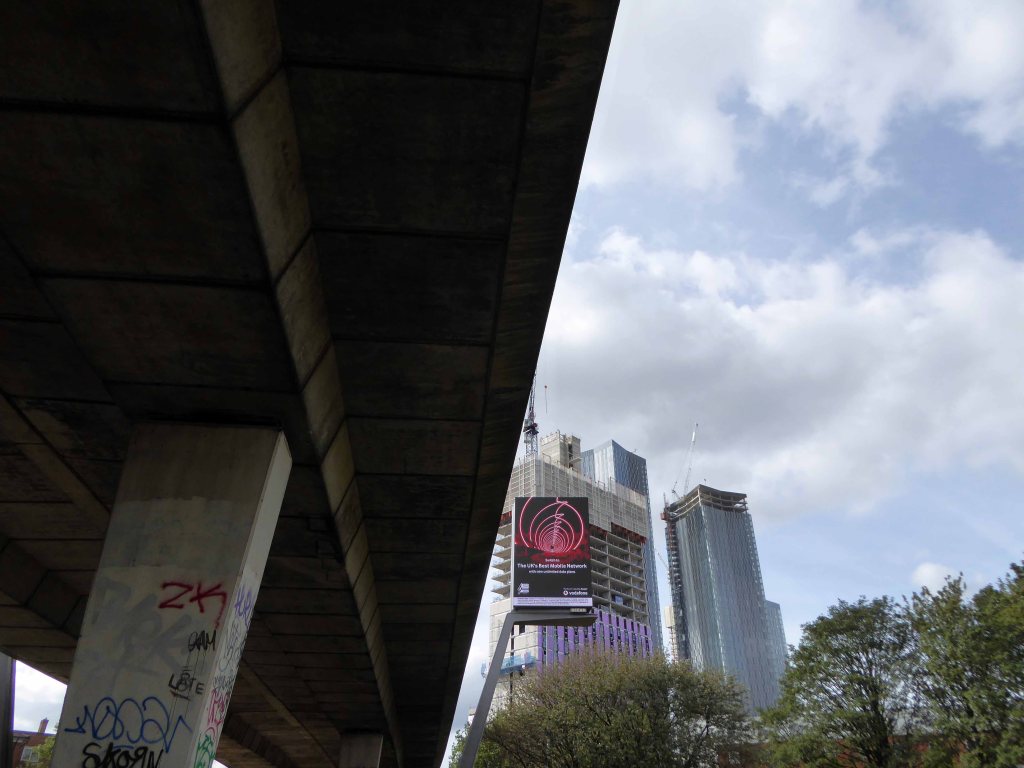
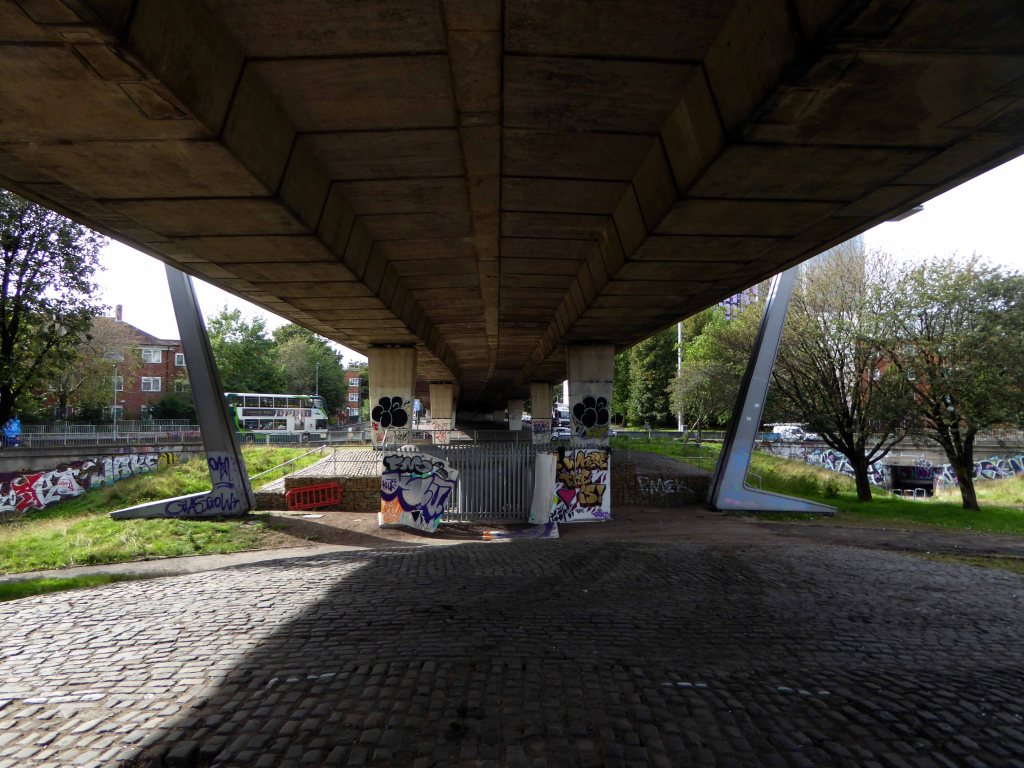
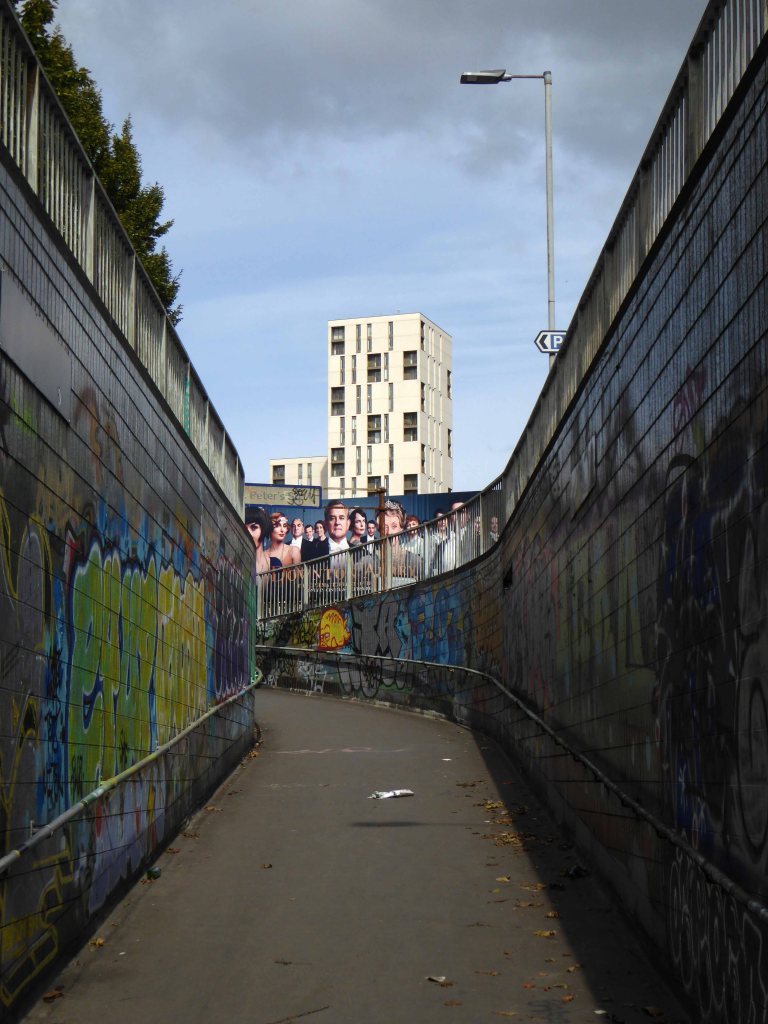
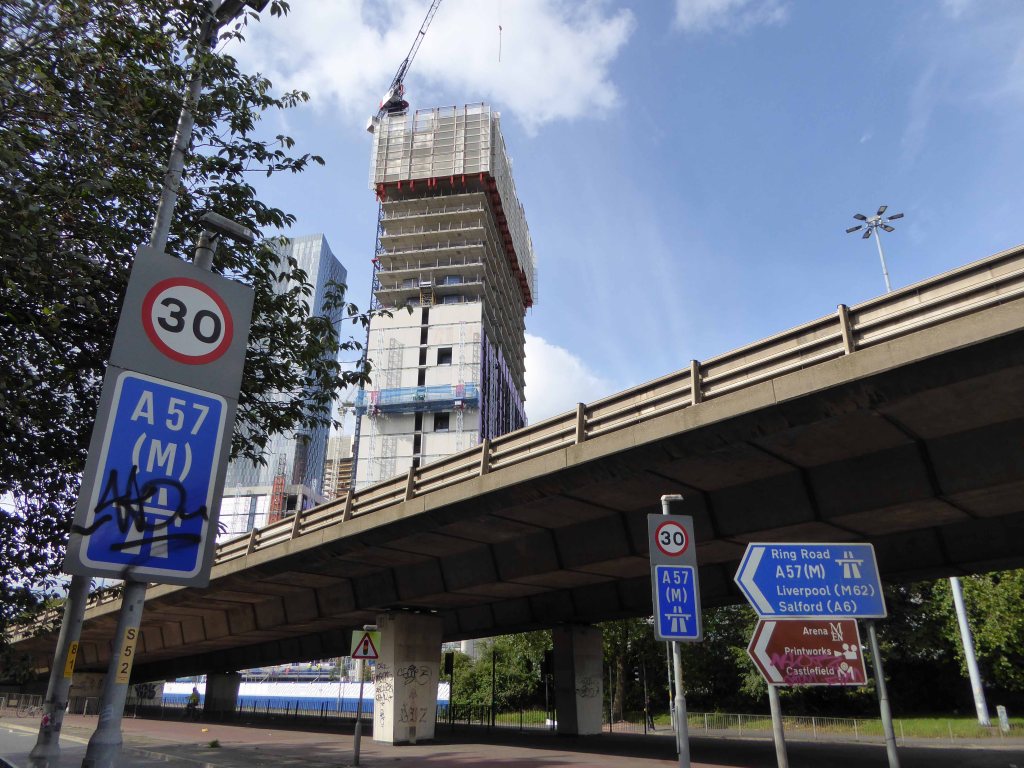
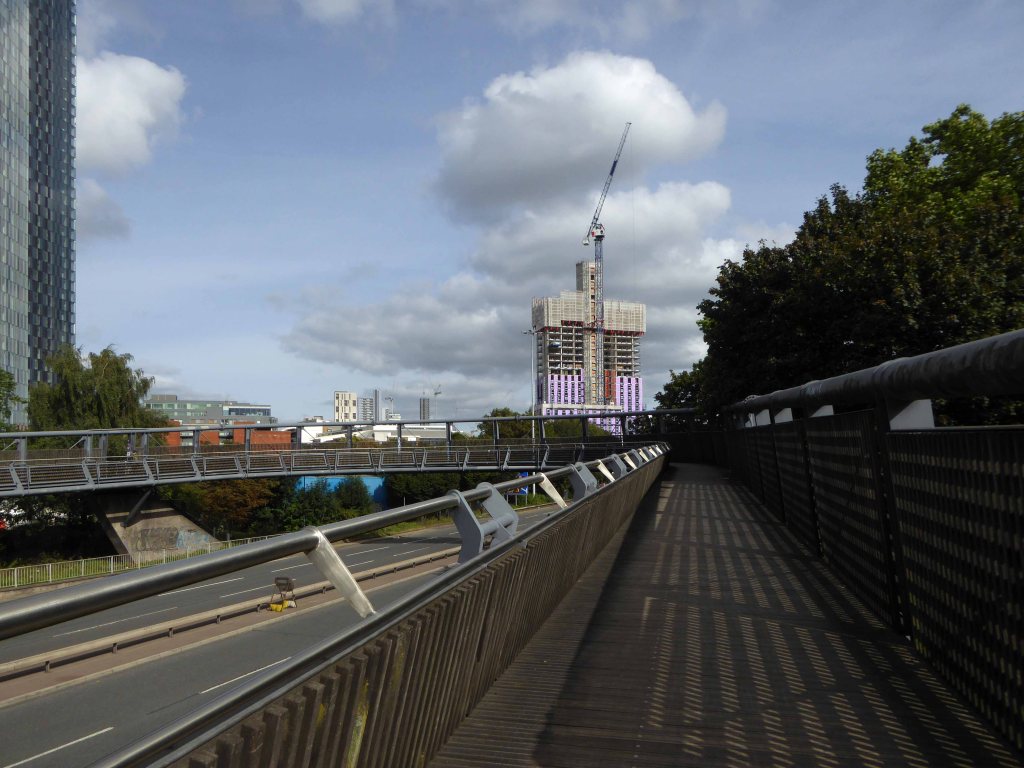
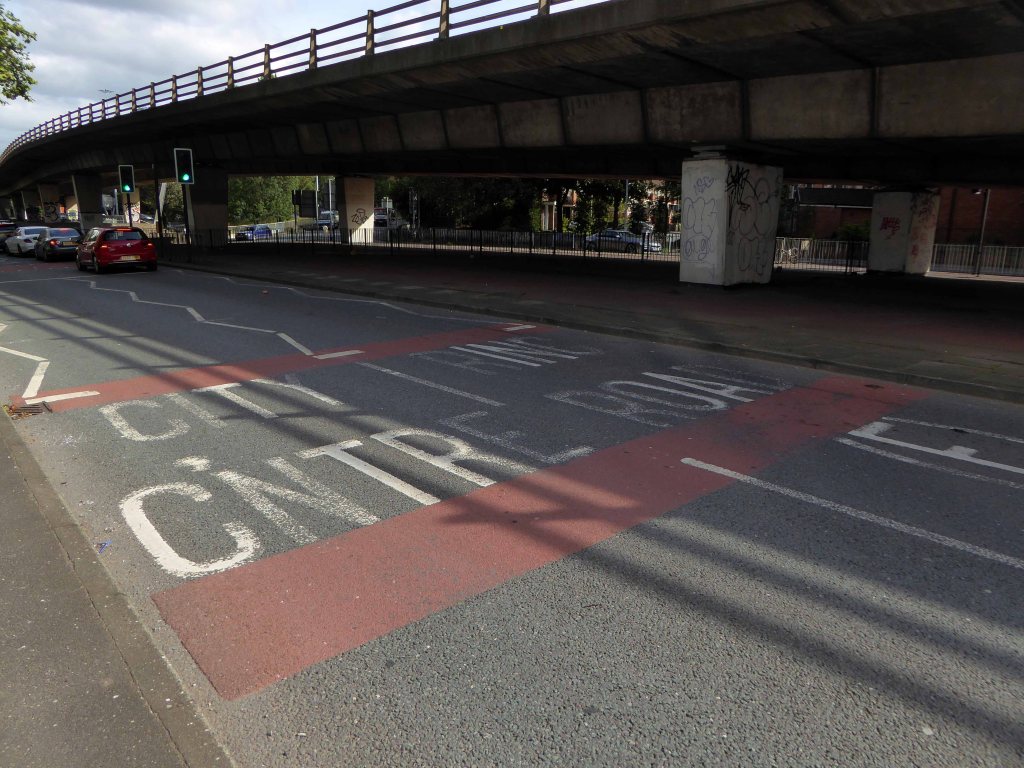
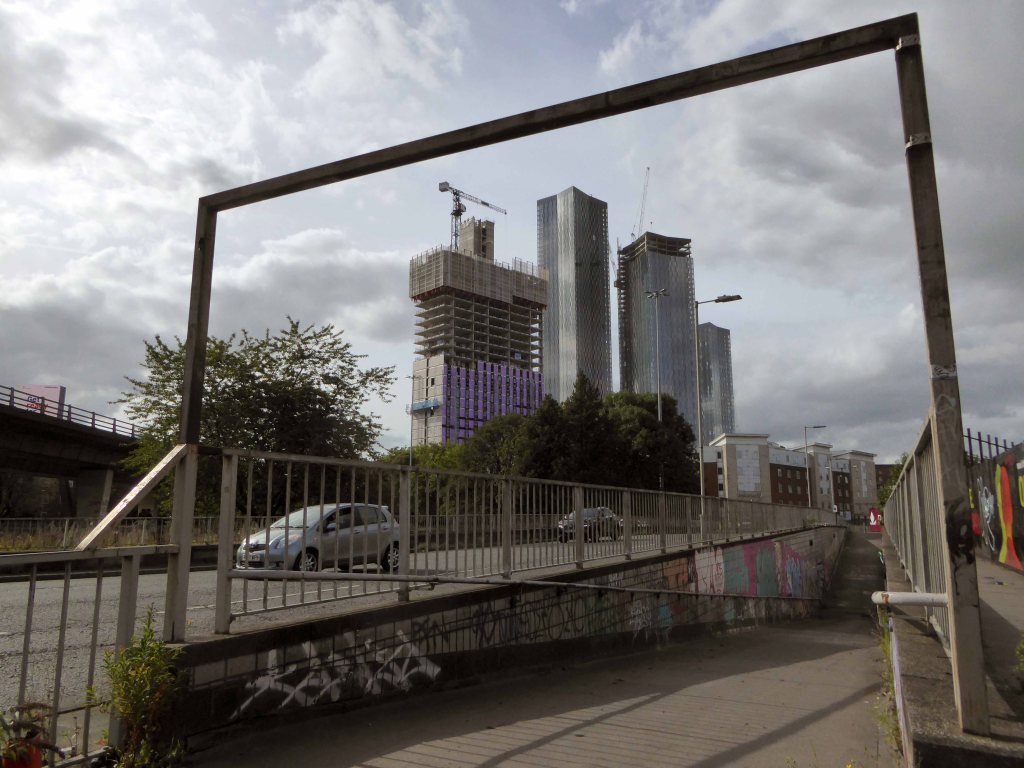
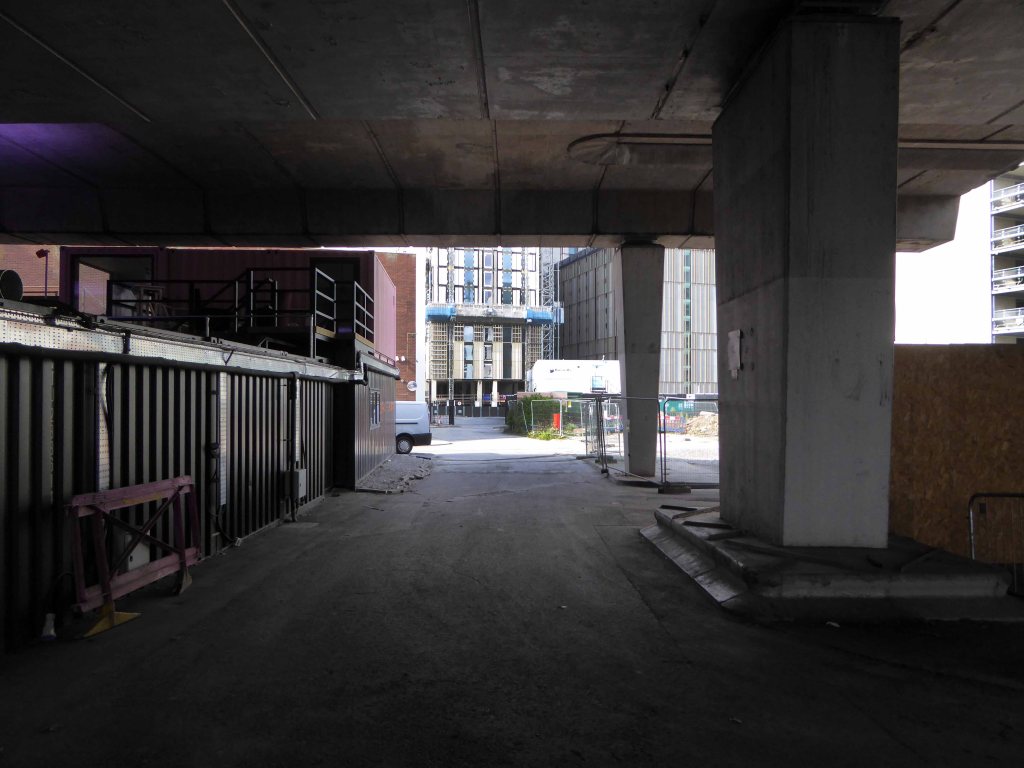
Why is there just one remaining tower block dancing unclad around Ancoats?

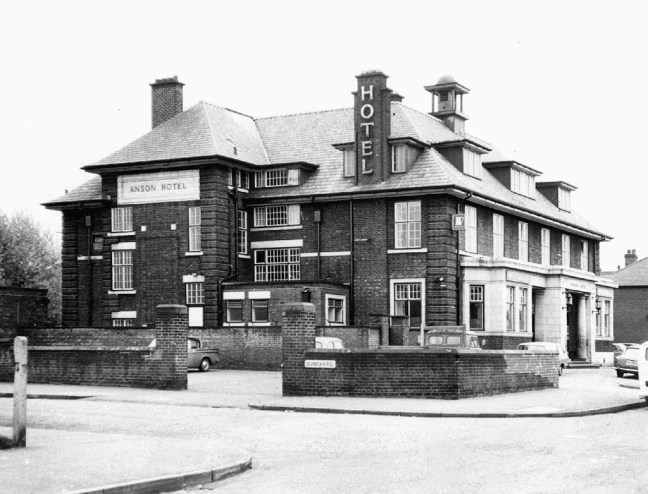
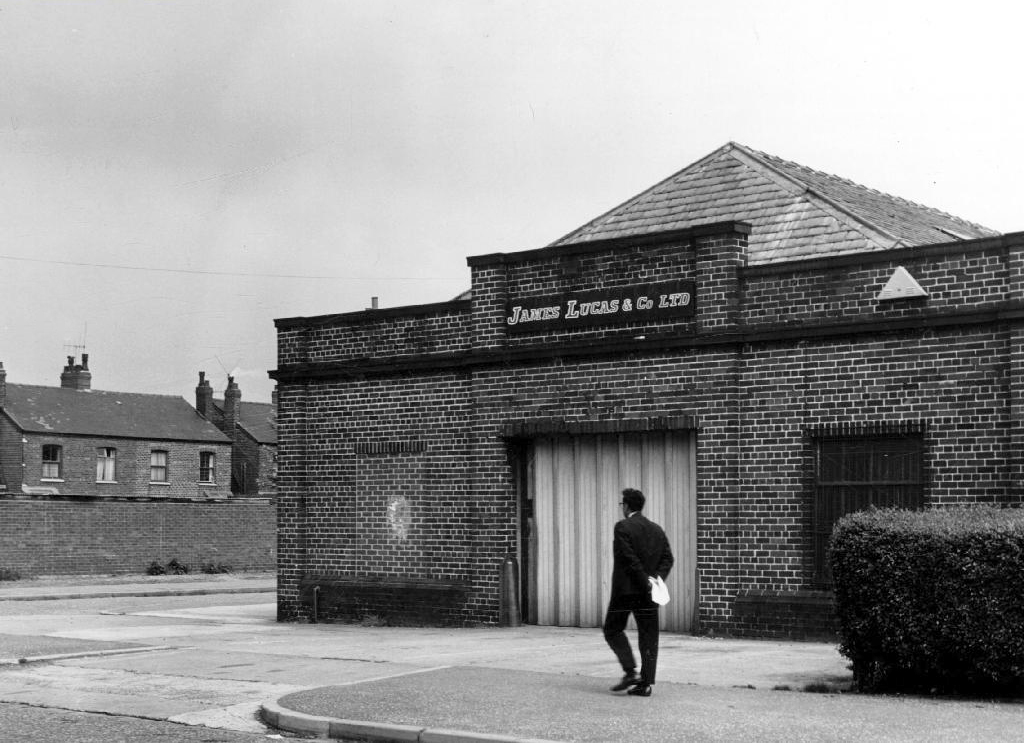
Let’s go back in time and see if we can find out – it seems that back in 1807 there wasn’t a Woodward Street to be found, the ever expanding industrial might of Manchester had not yet reached these particular green fields of Ancoats.

By 1824 it shows a fresh face to the world christened Woodworth Street, sparsely dotted with new development.

Almost fully formed in 1836 and renamed as Woodward Street, the area begins to accumulate the familiar domestic and industrial clutter of a burgeoning Victorian City.

By 1860 the street is fully formed and open for business.

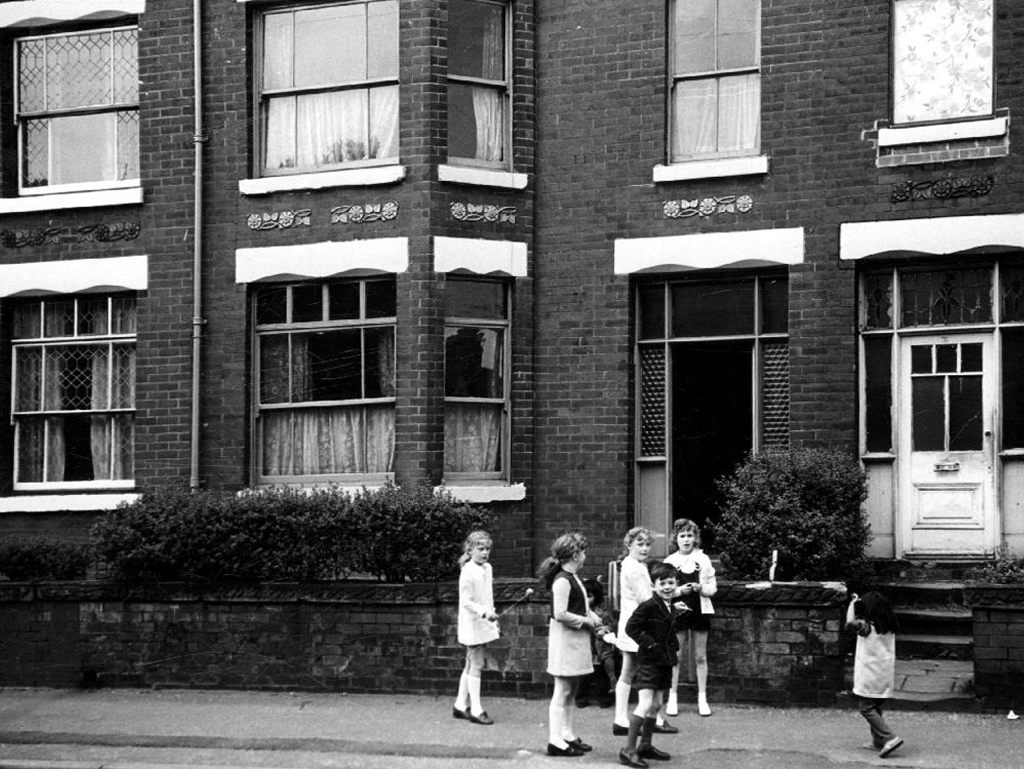
Workers finding homes in austere and functional brick back to backs, typical of the period’s housing.

Fast forward to the early Sixties and the street is showing signs of age – the century old industries are already in decline, steady jobs, mills and factories gone west and east, well-worn housing looking terminally tired and in need of a little care and attention.

But wait what’s this coming around the bend?

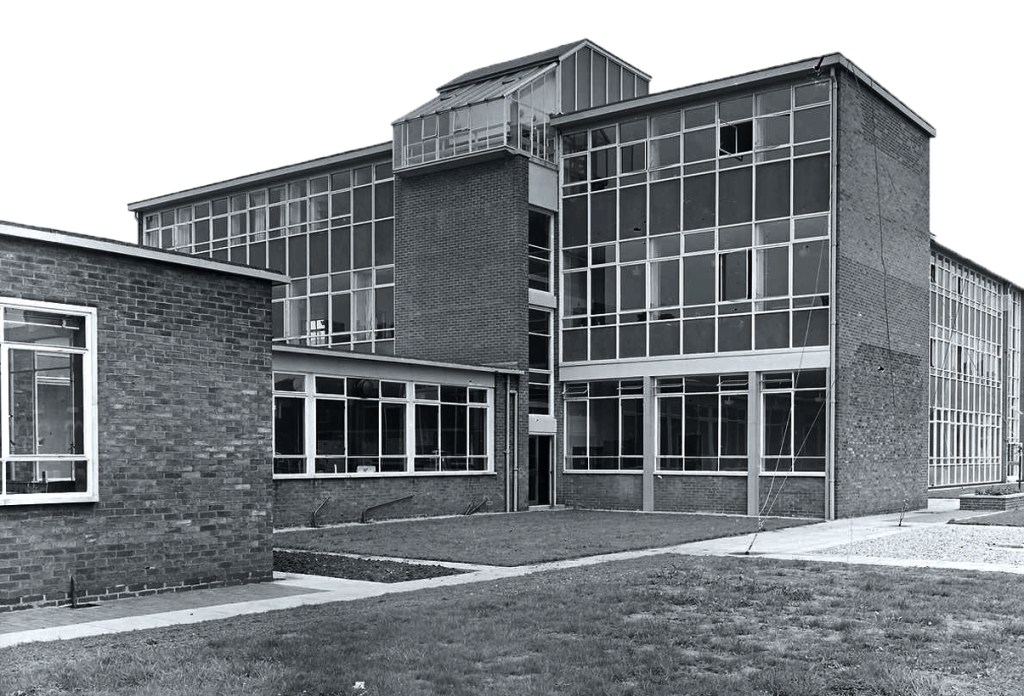
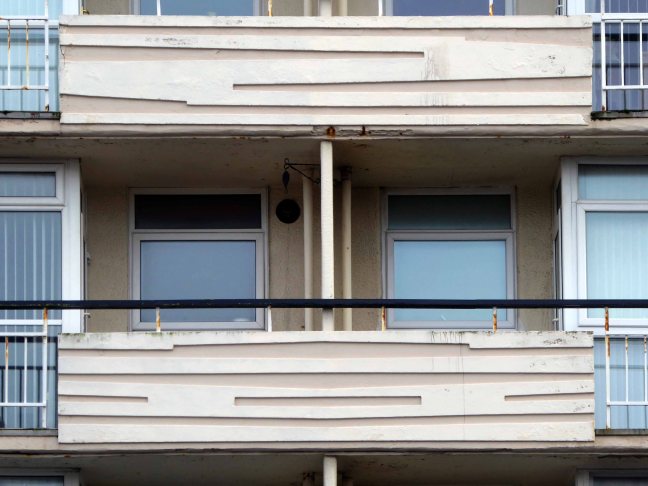
The first wave of urban regeneration, post war optimism incarnate, a bright new shiny future – out with the old and in with the new, as Municipal Modernism stamps its big broad architectural feet all over Woodward Street.

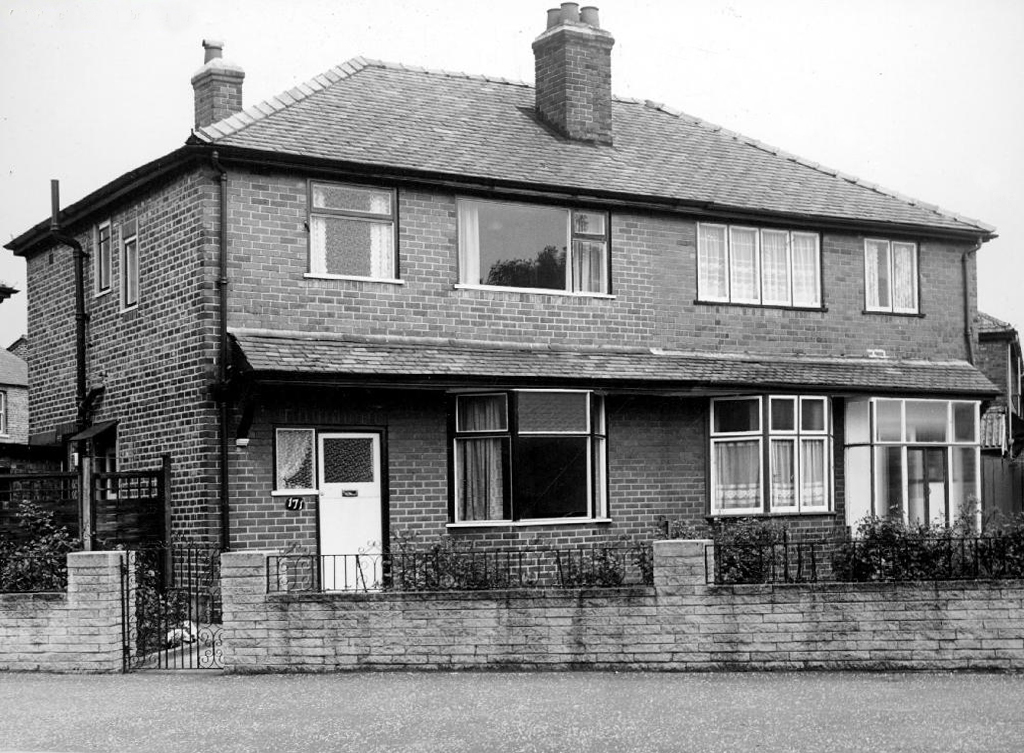
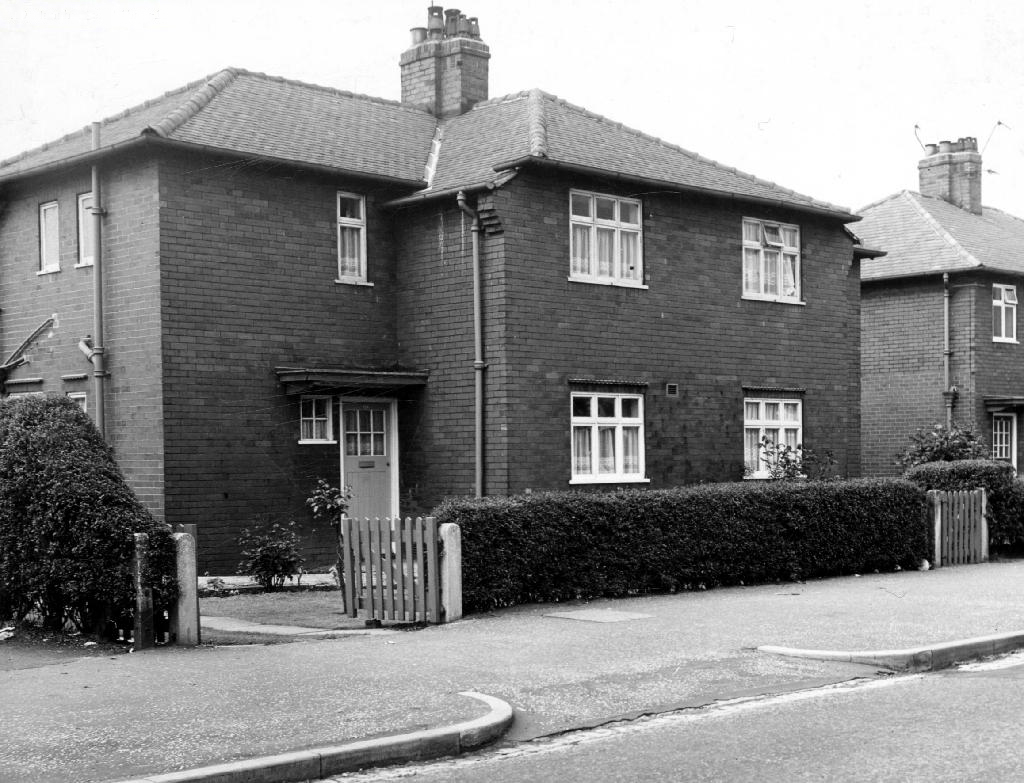
Archival photographs from Manchester Local Image Collection

Our story is far from over, this optimism is short-lived the homes, houses and industry are swept away yet again, replaced with two story modern terraced housing and an all too obvious absence of regular employment – yet the tower blocks prevailed.

Former streets were over written and remain as poignant vestigial marks in the landscape.

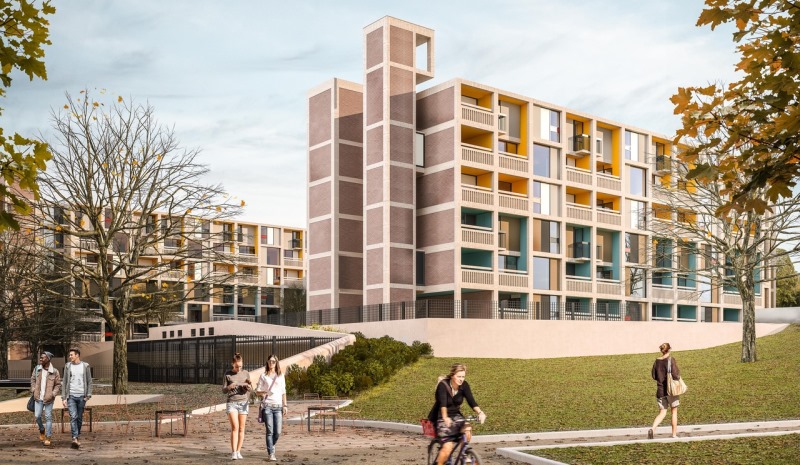
Grand plans are made for their revival.

Paul Daly

Though their future was built on more than somewhat shifting and uncertain sands.

A tower block has been left lying empty for a whopping 18 years. The 13-storey building at Saltford Court in Ancoats has been unoccupied since Manchester council closed it in the 1990s. It was bought by top developers Urban Splash six years ago but residents have now hit out about it still being empty. Neighbours of Saltford Court say it has become an ‘eyesore’ and magnet for vermin since the firm bought it.

Manchester Evening News 2012

A large group of blocks stood tinned up and unloved, yet owned, for a number of years, victims one supposes of land-bankers, developers speculating on an even better return, as the warm waves of gentrification washed slowly over them, from nearby New Islington.

All but one was refurbished, clad and re-let.

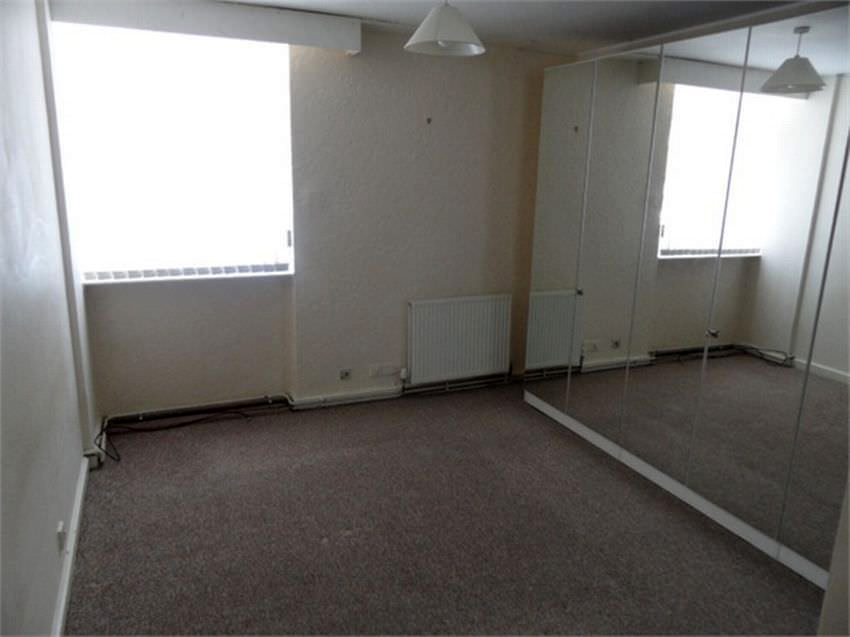
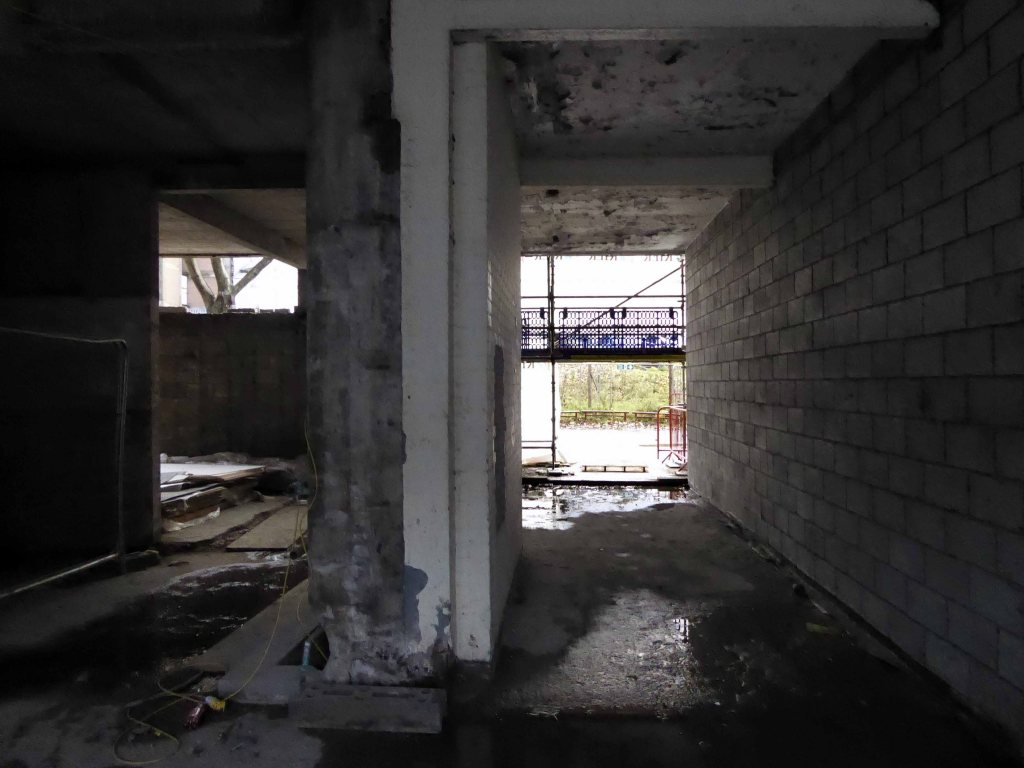
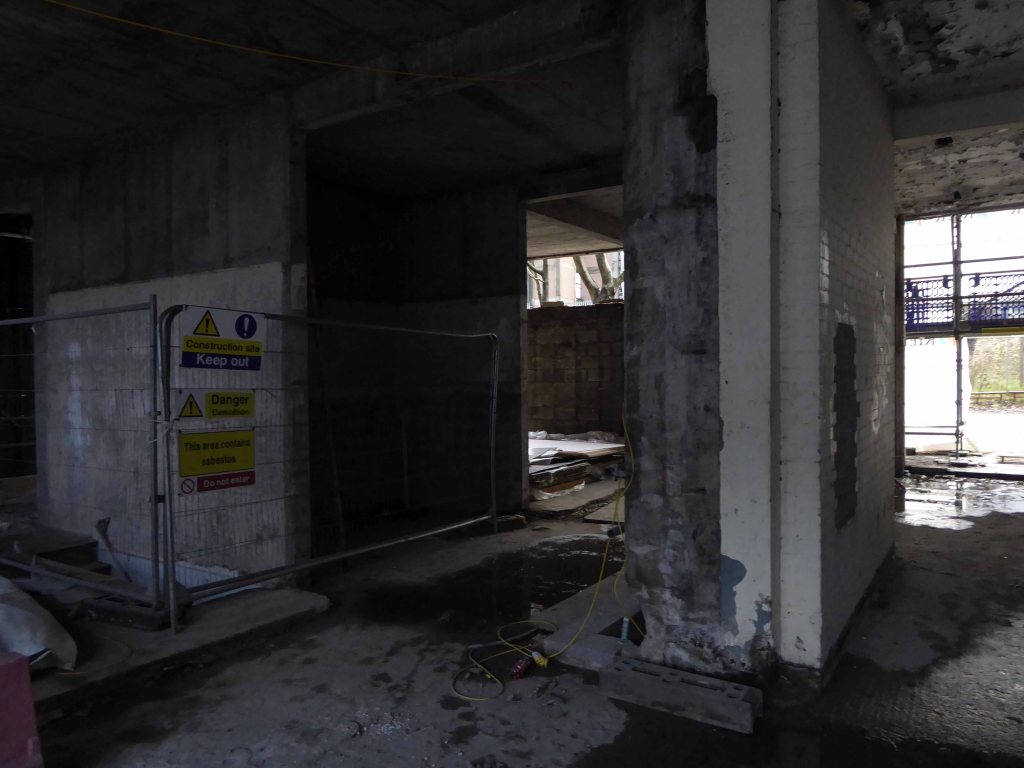
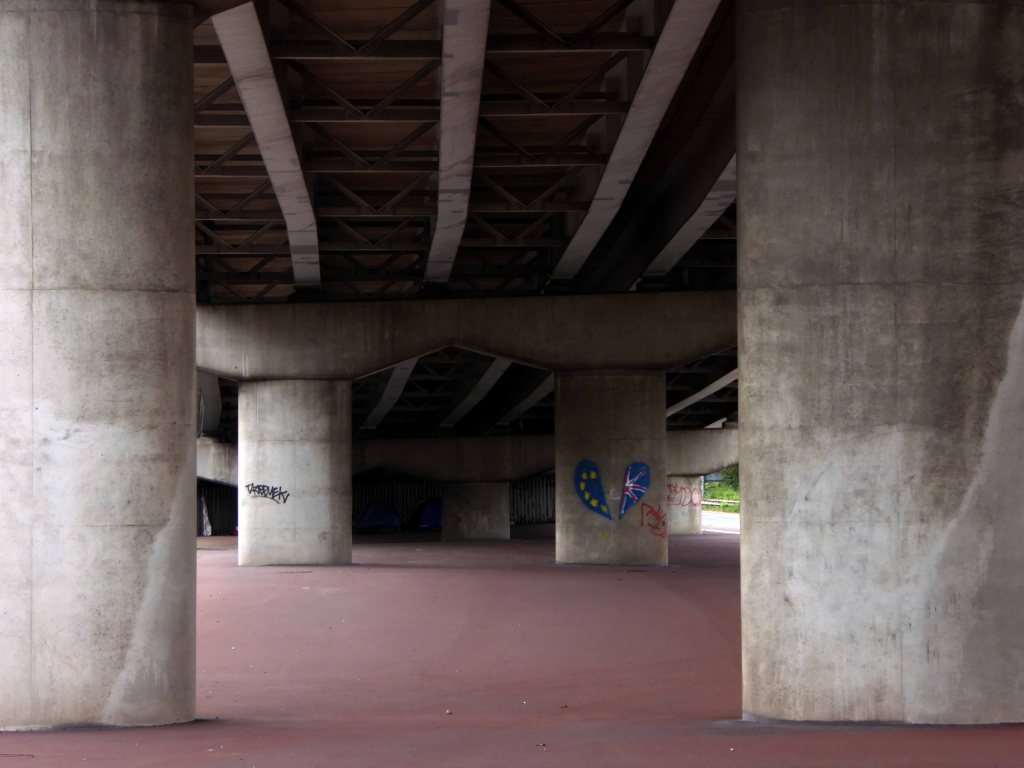
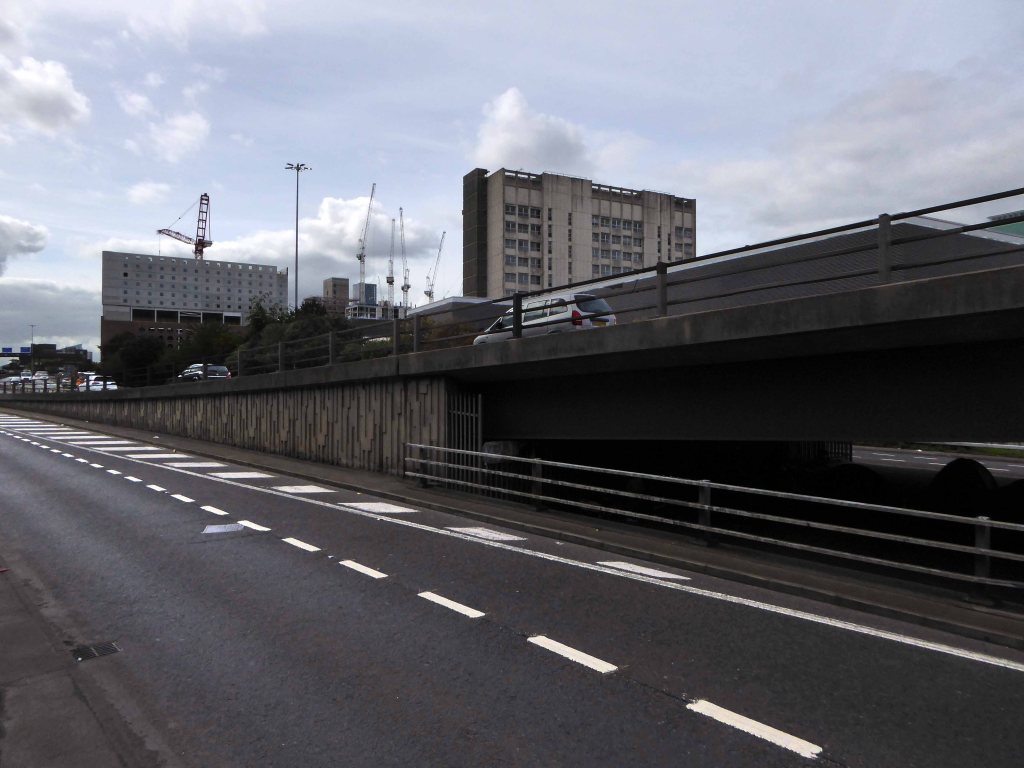
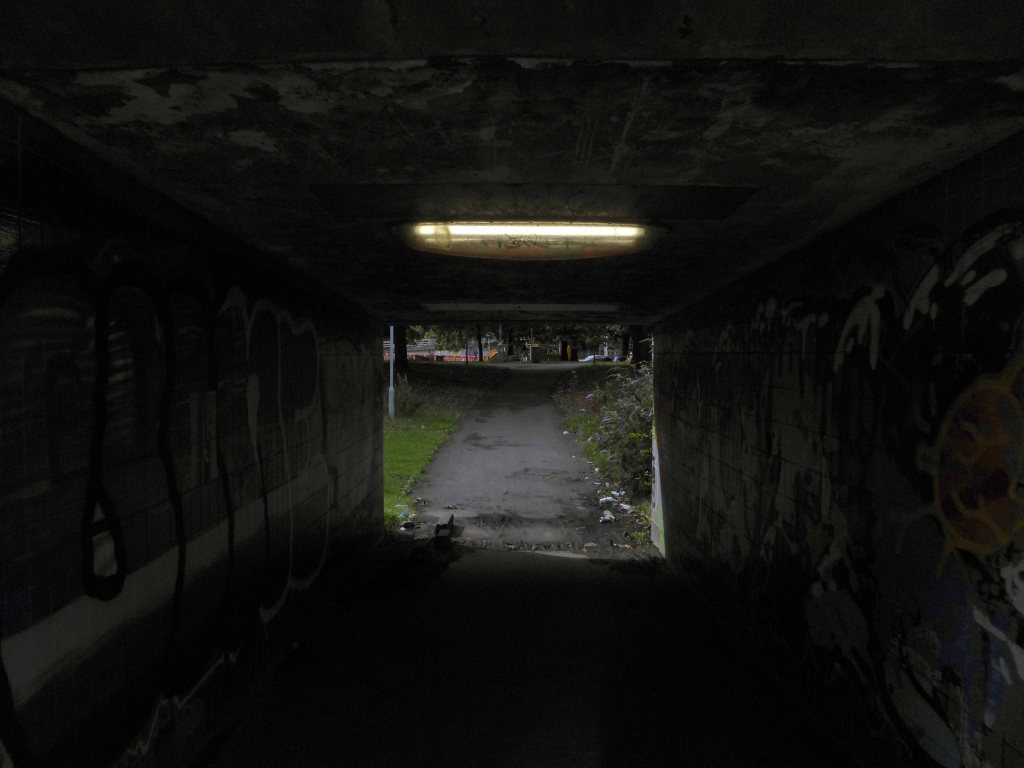
Woodward Court was spared – set aside for the homeless.

A period piece surrounded by Post Modern and Revivalist pretenders.

Why not go take a look.

Odeon – Guide Bridge

285 Stockport Road Guide Bridge Ashton-under-Lyne

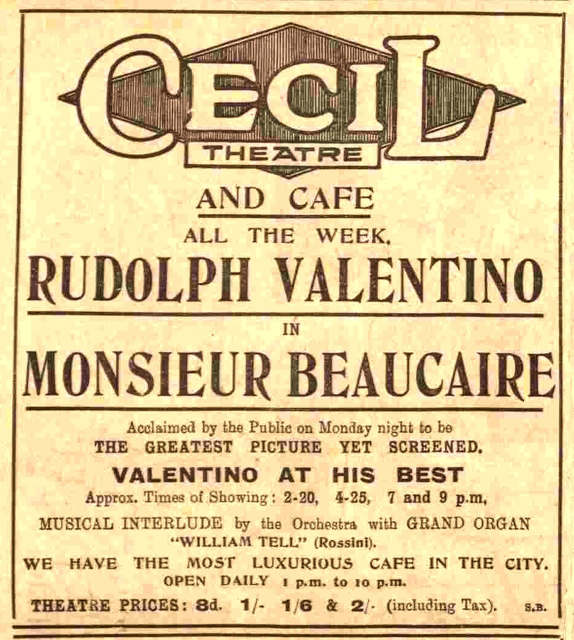
This was planned to be the Verona Cinema, a project of local builders – P Hamer Verona Cinema Ltd. The construction of the cinema was almost completed when Hamer sold the building to Oscar Deutsch and it opened as one of his Odeon theatres.

Hamer then used the proceeds of the sale to build the Roxy Cinema Holinwood, which was designed by Drury & Gomersall.

Opening date of the Odeon Theatre was 29th June 1936, when the first programme was Bing Crosby in “Anything Goes” and Harold Lloyd in “The Milky Way”. Designed by the noted cinema architectural firm of Drury & Gomersall, the frontage had a neat entrance in brick, with white stone facings on the window surrounds. There was a parade of shop units on each side of the entrance which had matching brickwork and a white stone trim.

Inside the auditorium the seating was arranged for 834 in the stalls and 330 in the circle. The side splay walls on each side of the proscenium was decorated in wide horizontal bands, and topped with a backlit illuminated grille.

The Odeon was closed by the Rank Organisation on 11th March 1961 with Kenneth More in “Man in the Moon”.

It was converted into St. Paul’s Roman Catholic Church. Former cinemas have made good conversions to churches and the fabric of the buildings are generally respected. In this case though, the sad story is that the front entrance has been rendered over and inside all details of it cinematic past have been erased. You would never know you were inside what had been been an Art Deco styled building.

Contributed by Ken Roe Cinema Treasures

I passed by nearly every day for years travelling to and from school, I played there at a wedding reception in the church social club. I sadly have no recollection of the building in use as a cinema.

It has been closed since 2010 – currently it has no purpose or seemingly any future use, there are no For Sale signs in evidence.

Fallen so quickly and absolutely from grace.

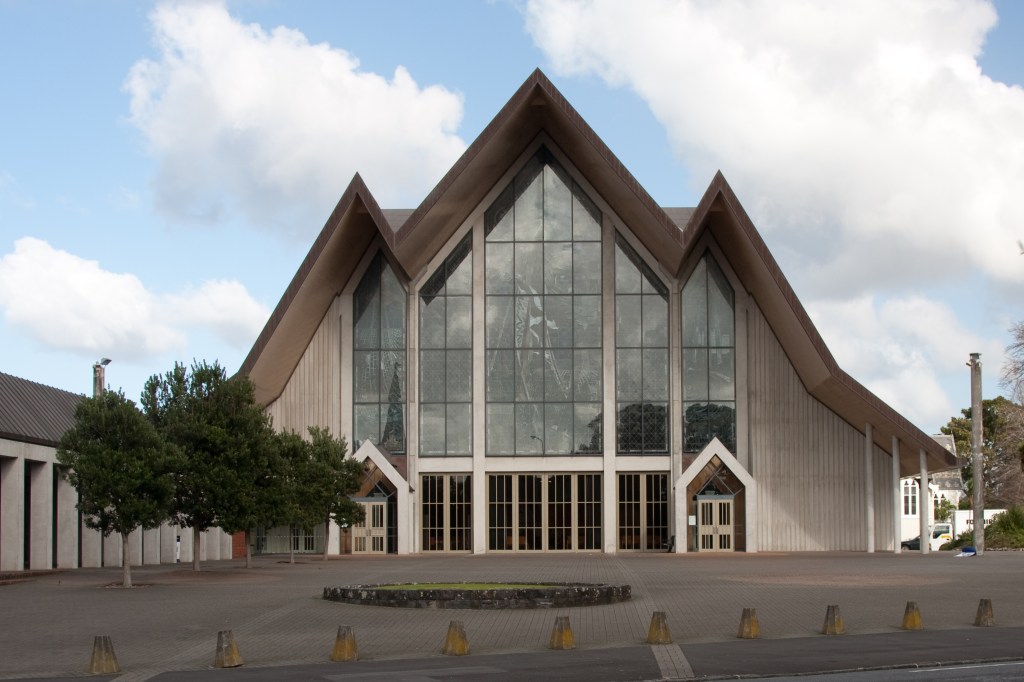
St Mary’s RC Church – Denton

Duke Street Denton Manchester M34 2AN

I remember you being built.

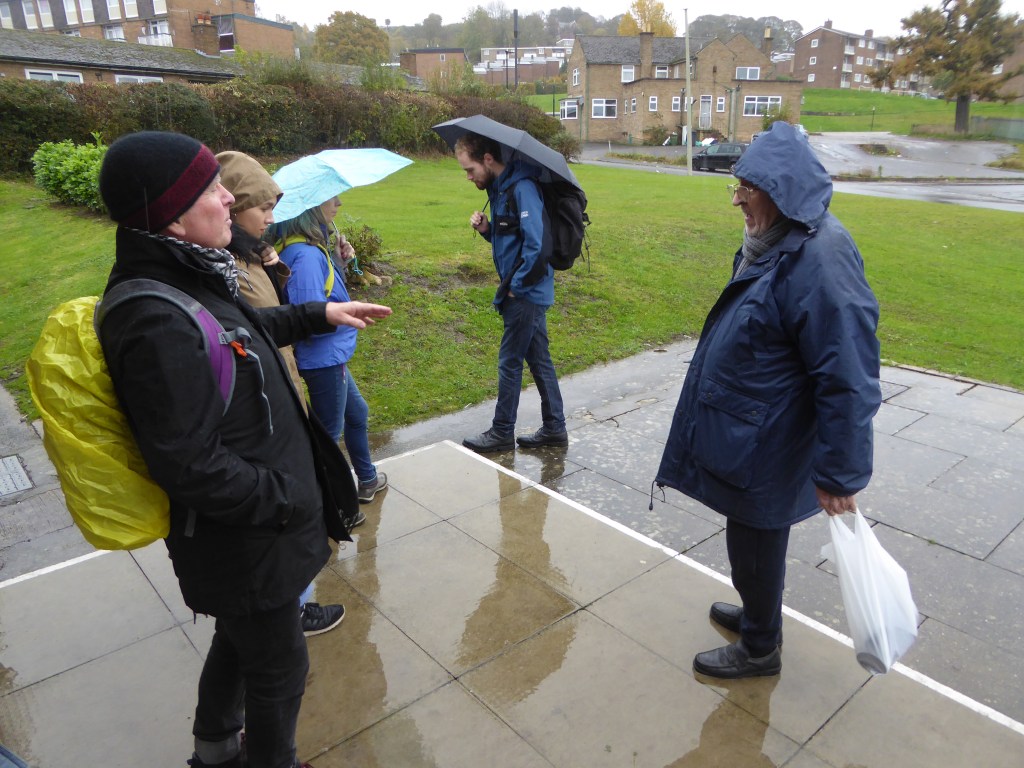
I remember our visit with the Manchester Modernists in 2015 – arranged by Angela Connelly and Matthew Steele of Sacred Suburbs

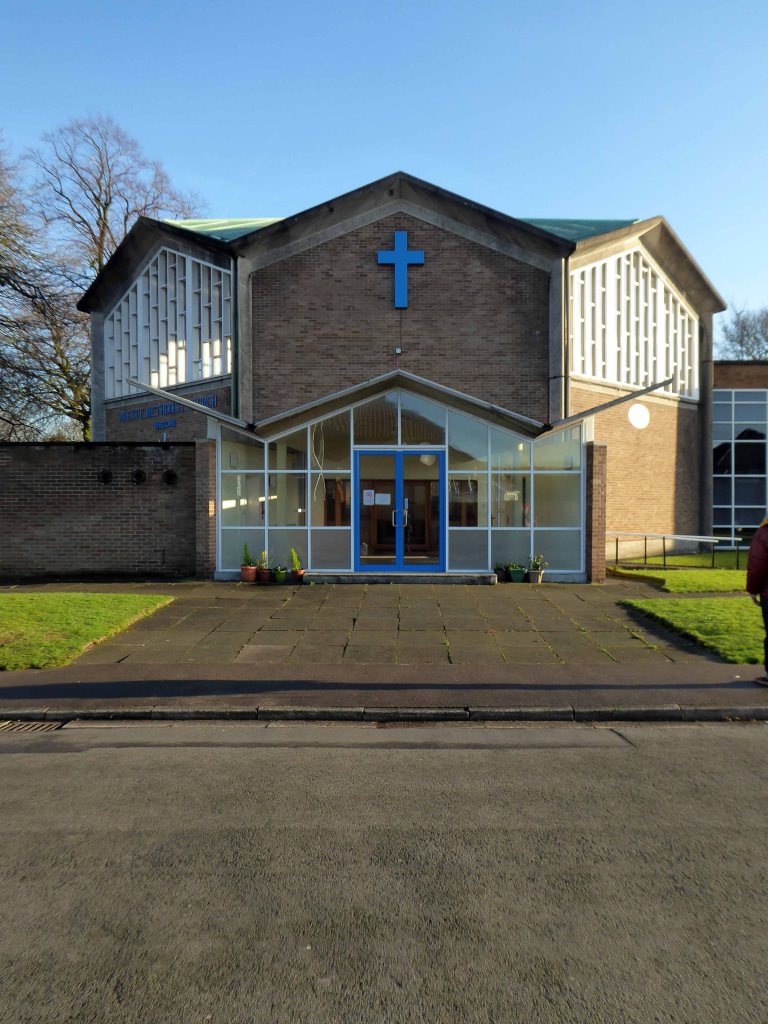
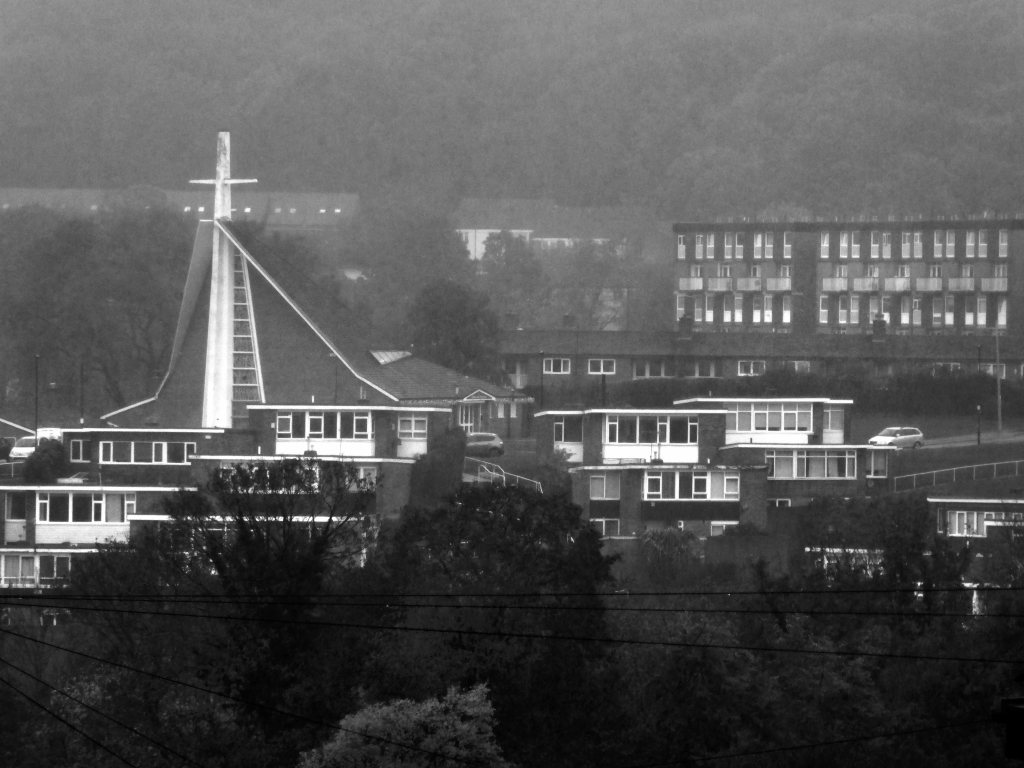
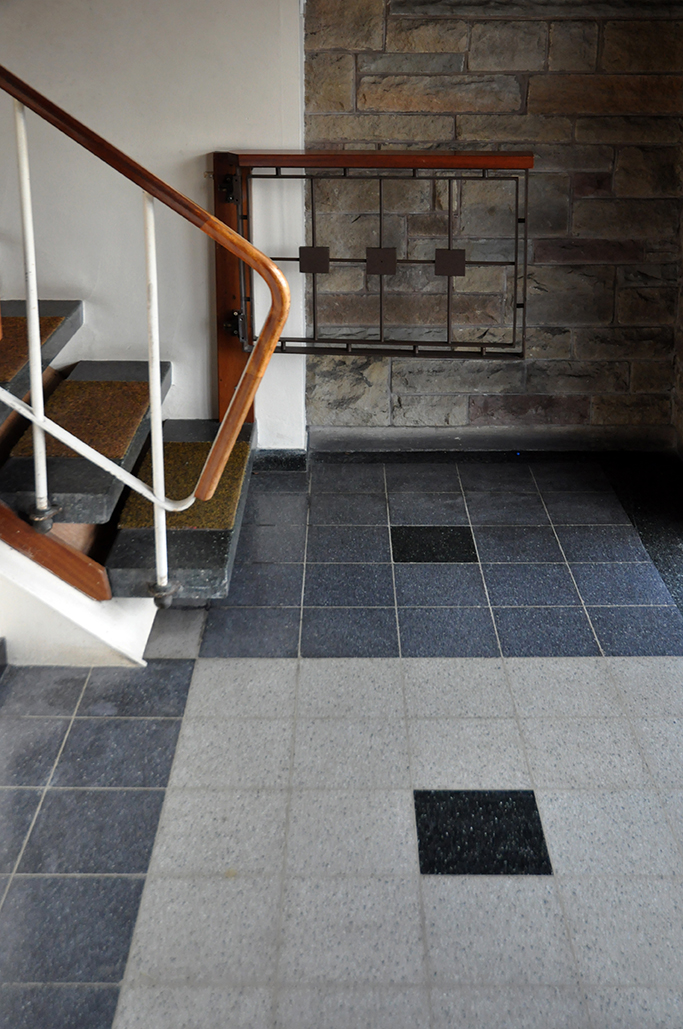
I popped by to see you yesterday – a truly remarkable structure set amongst the terraced housing of an unremarkable street.

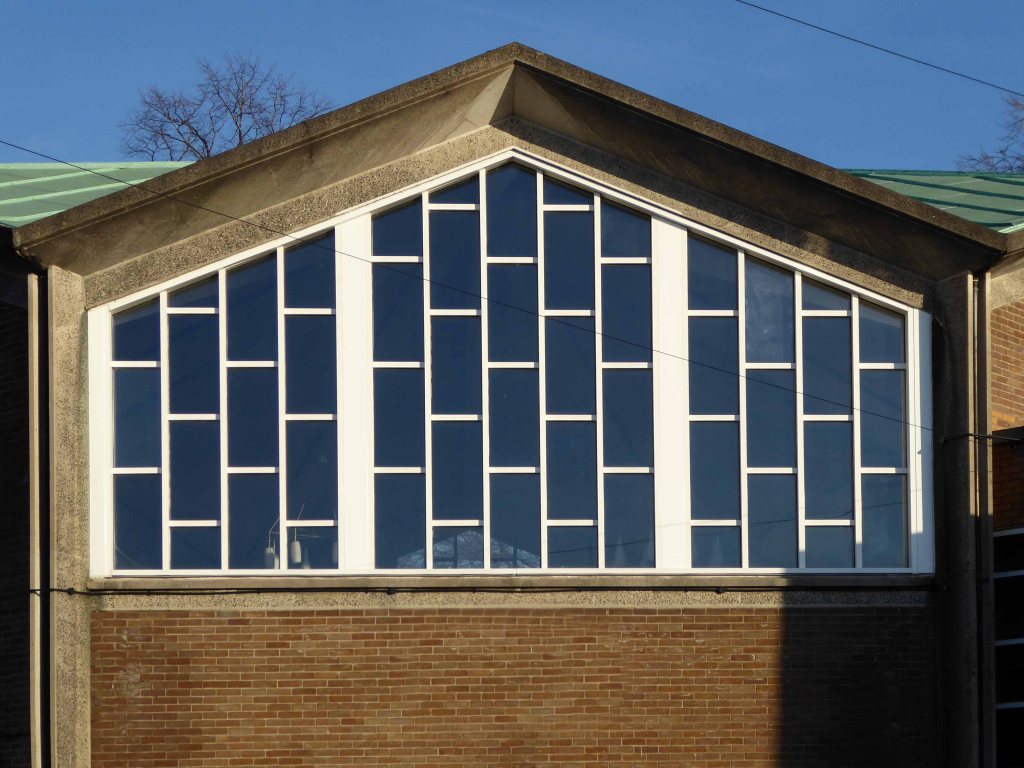
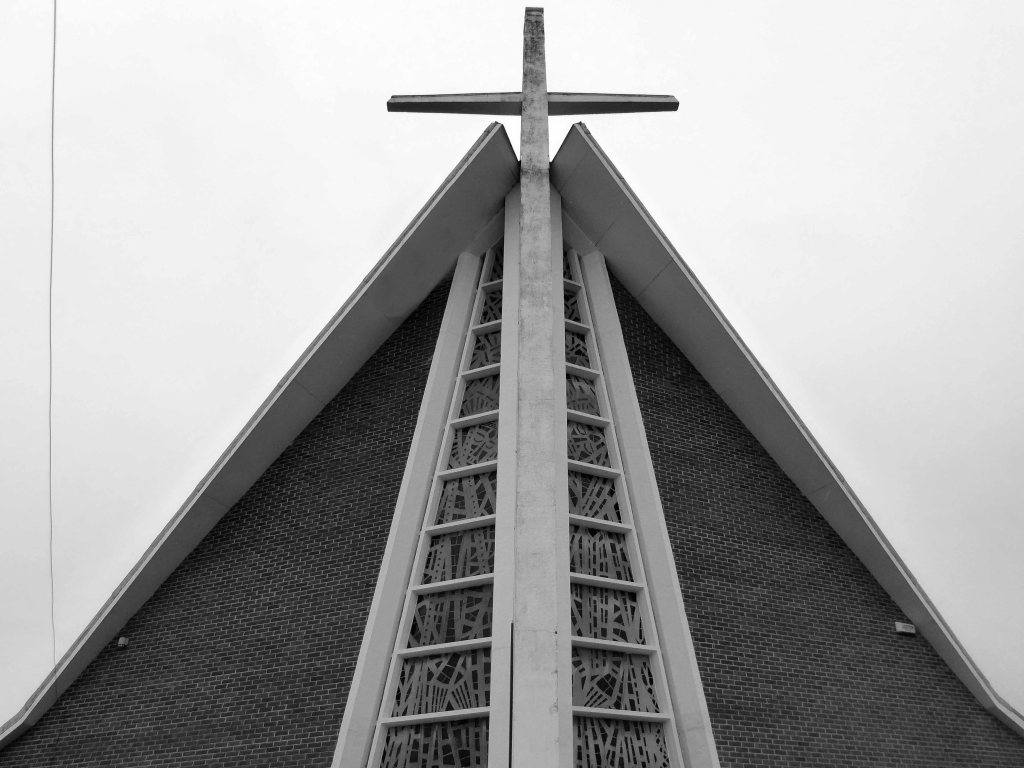
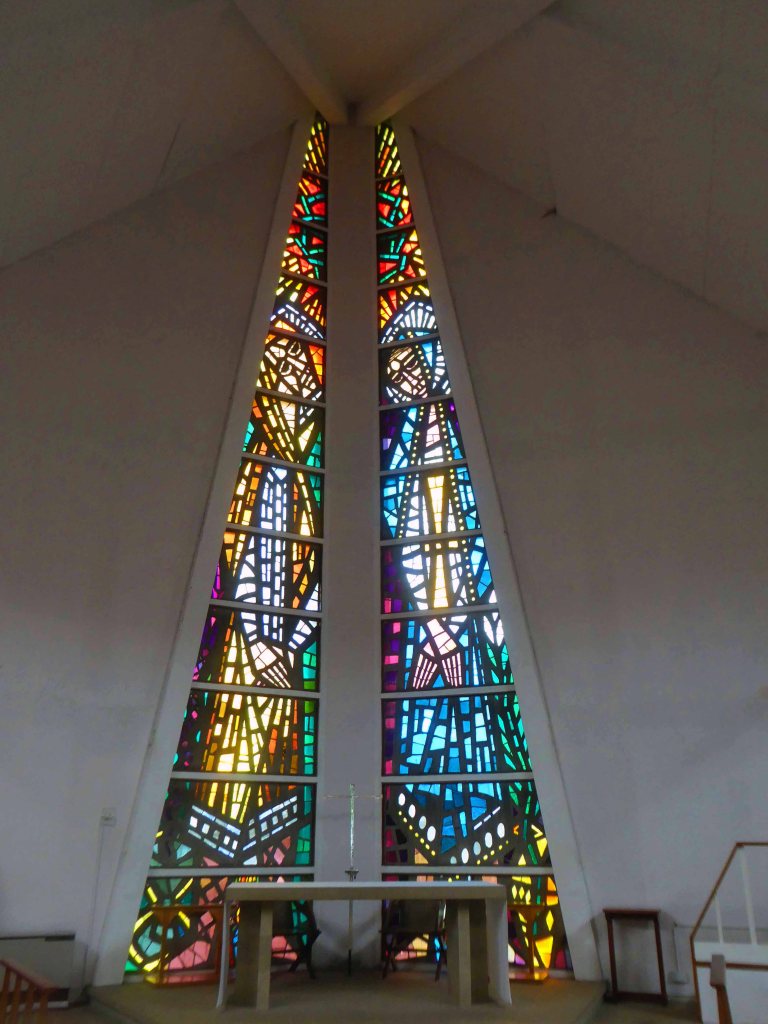
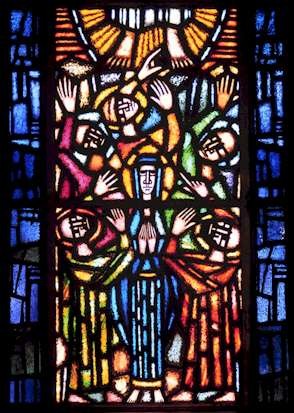
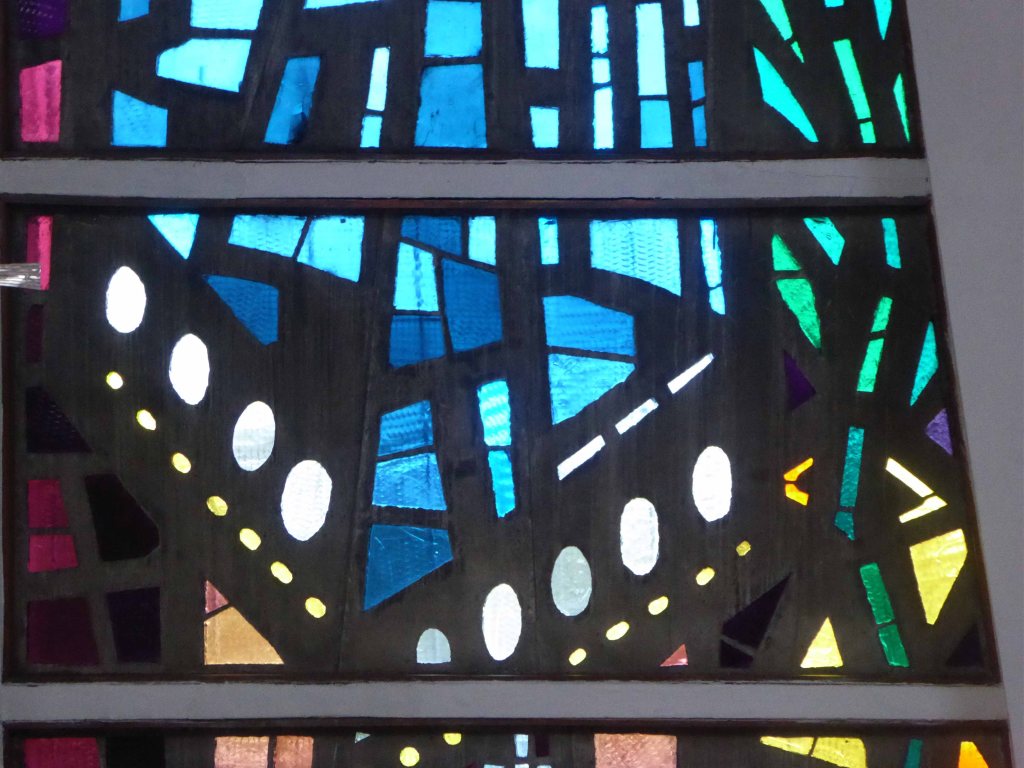
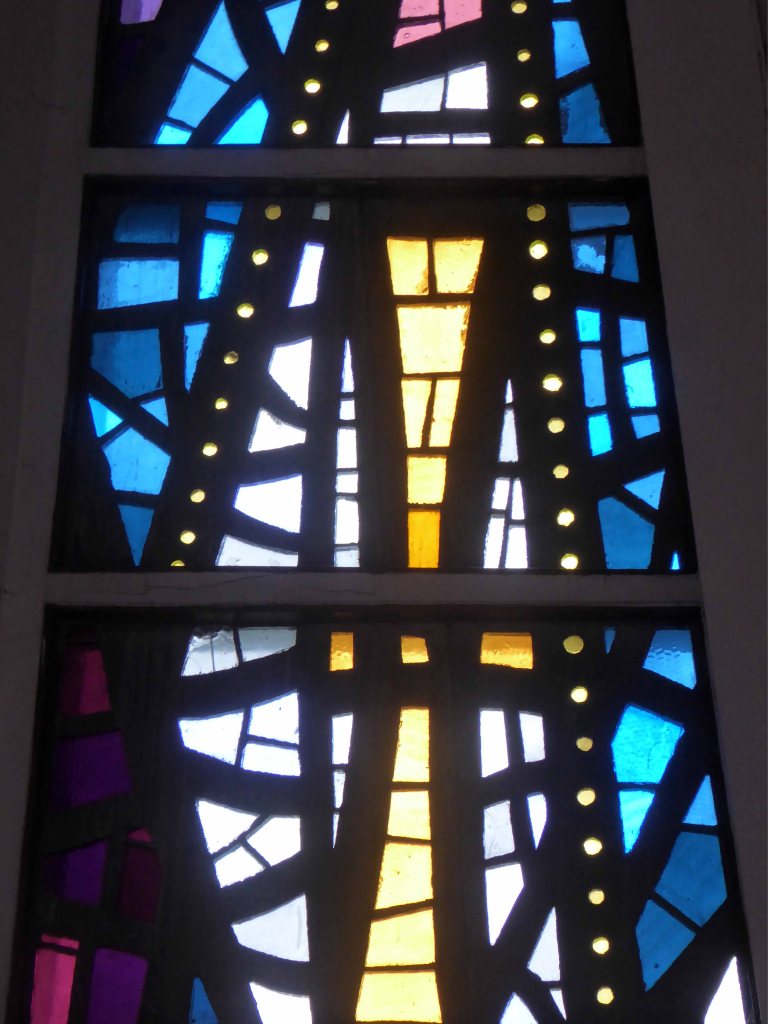
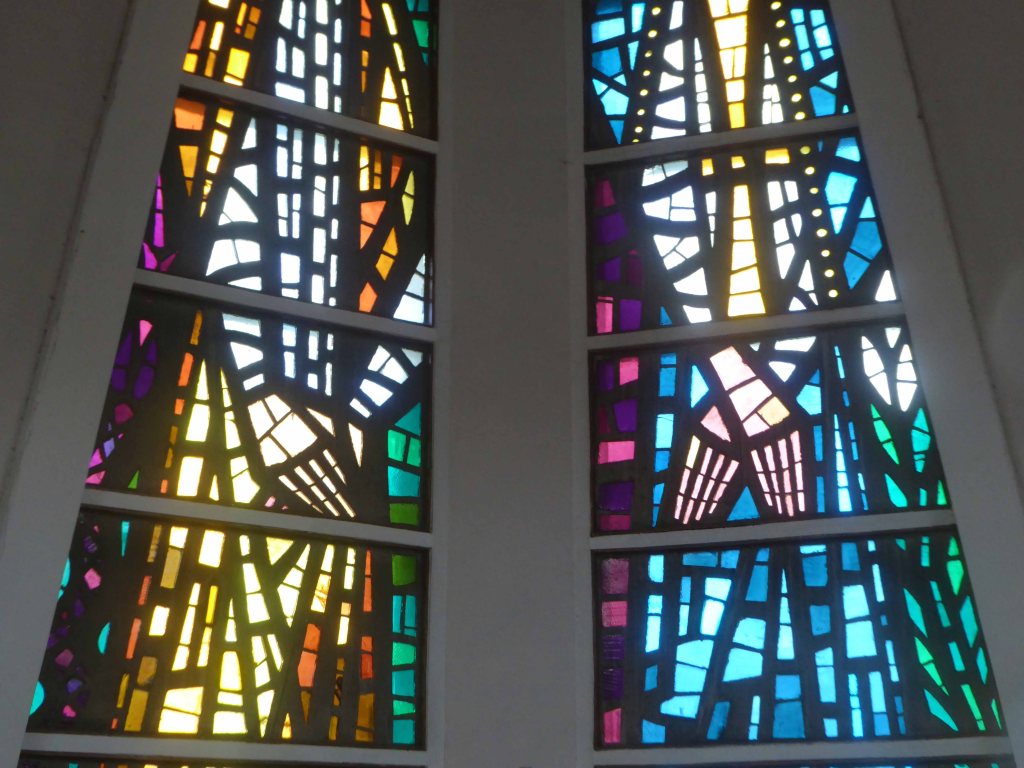
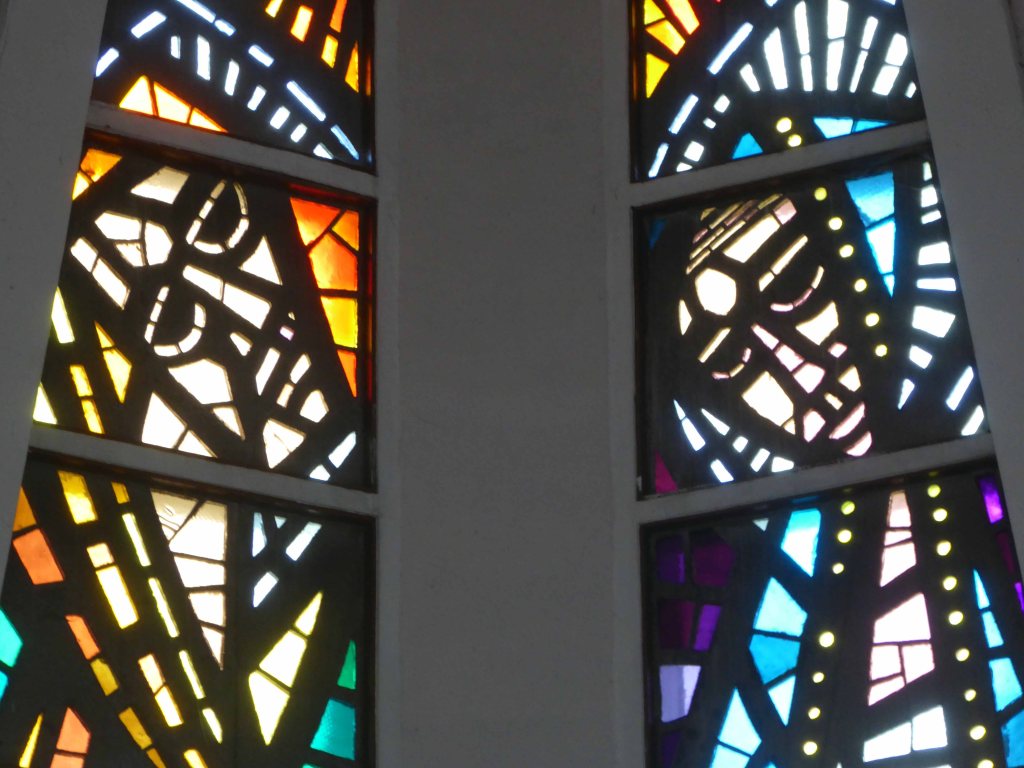
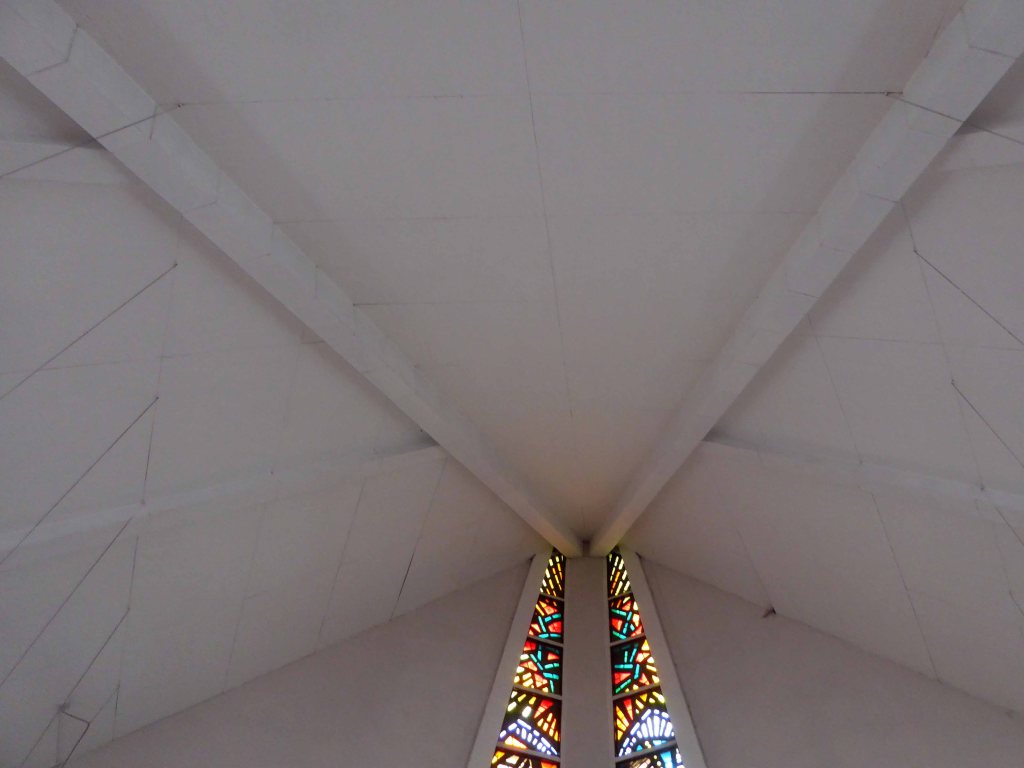
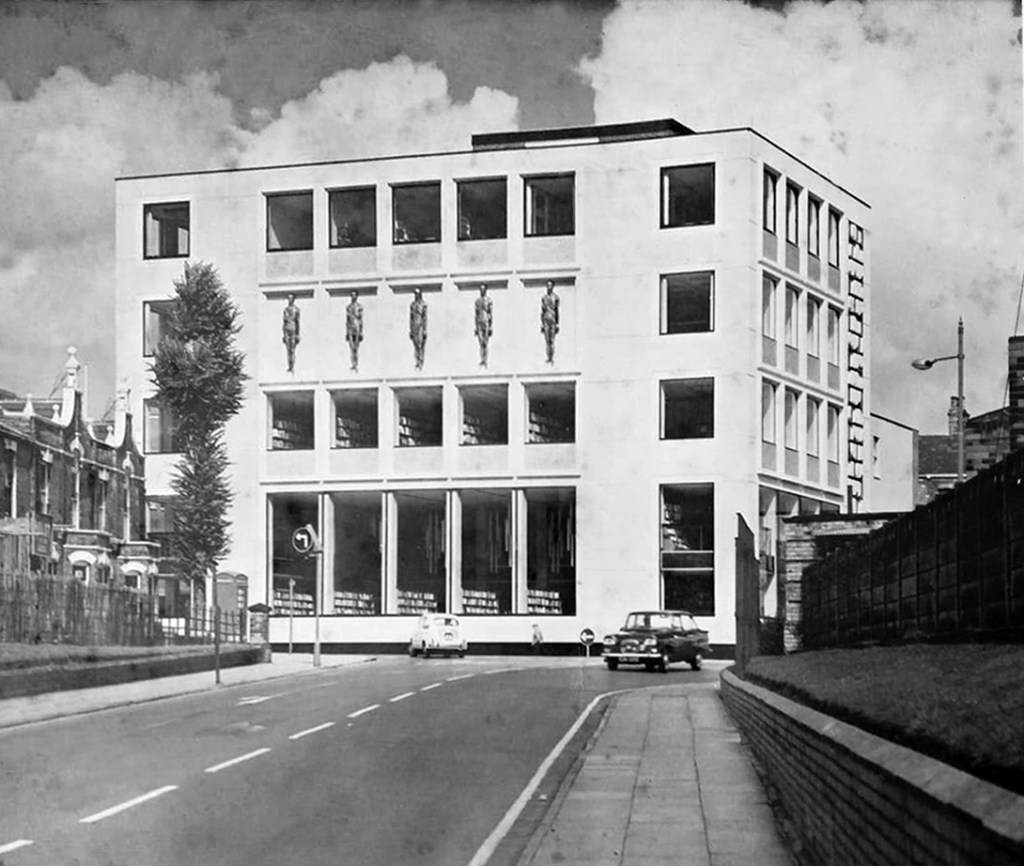
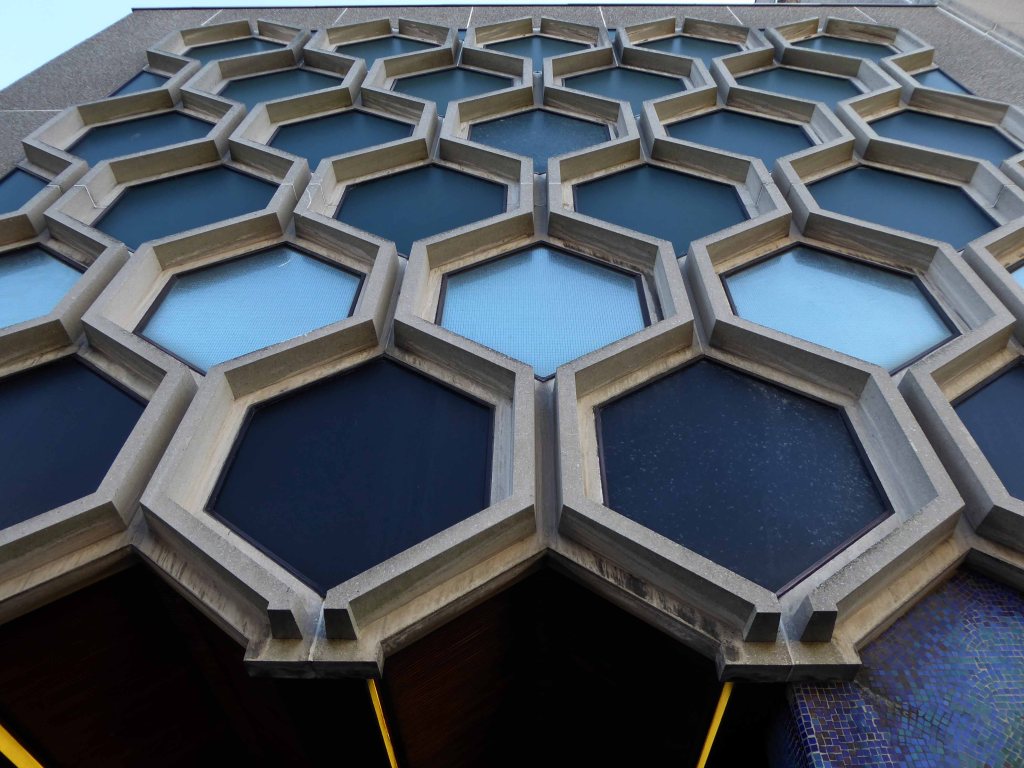
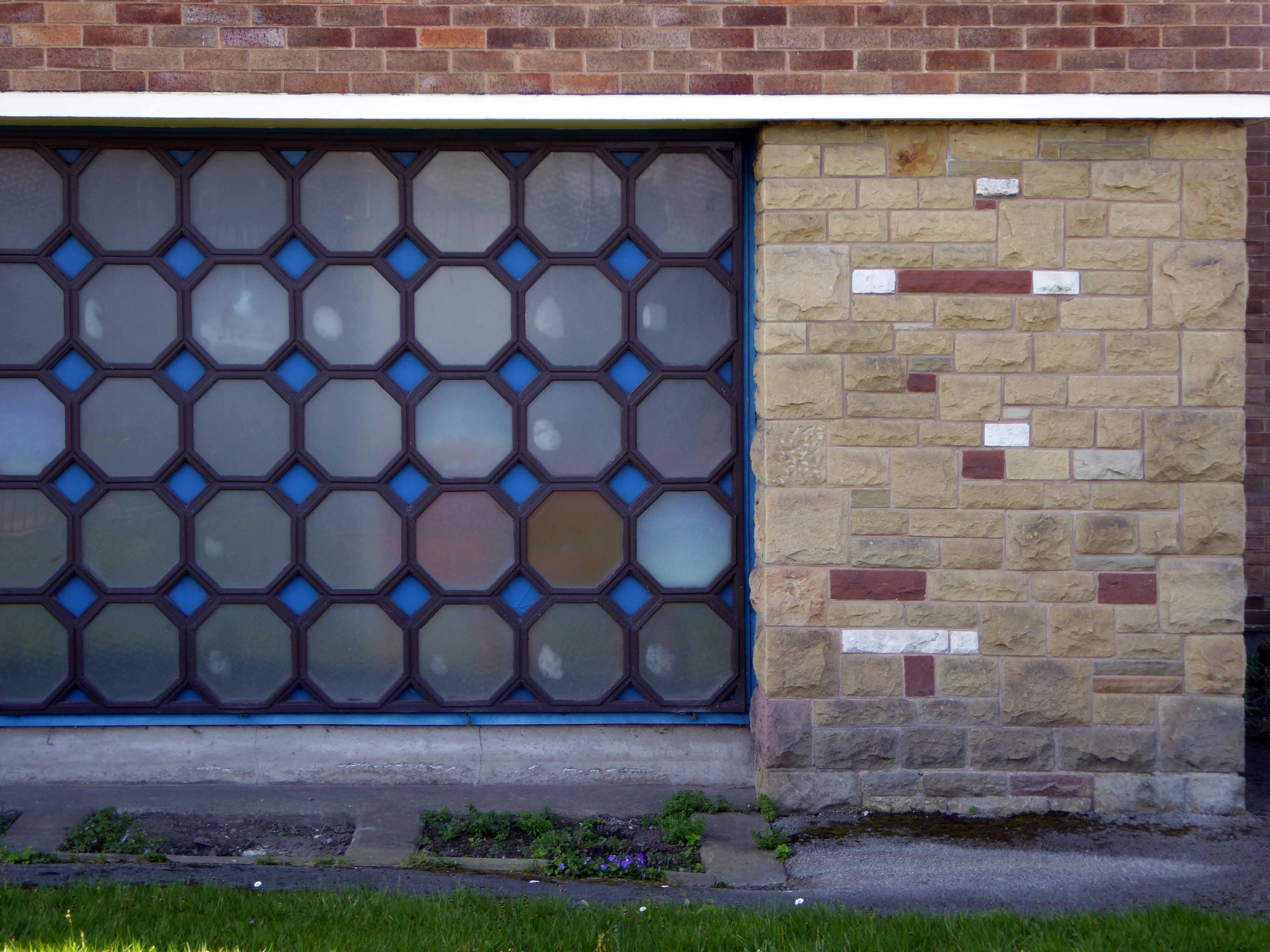
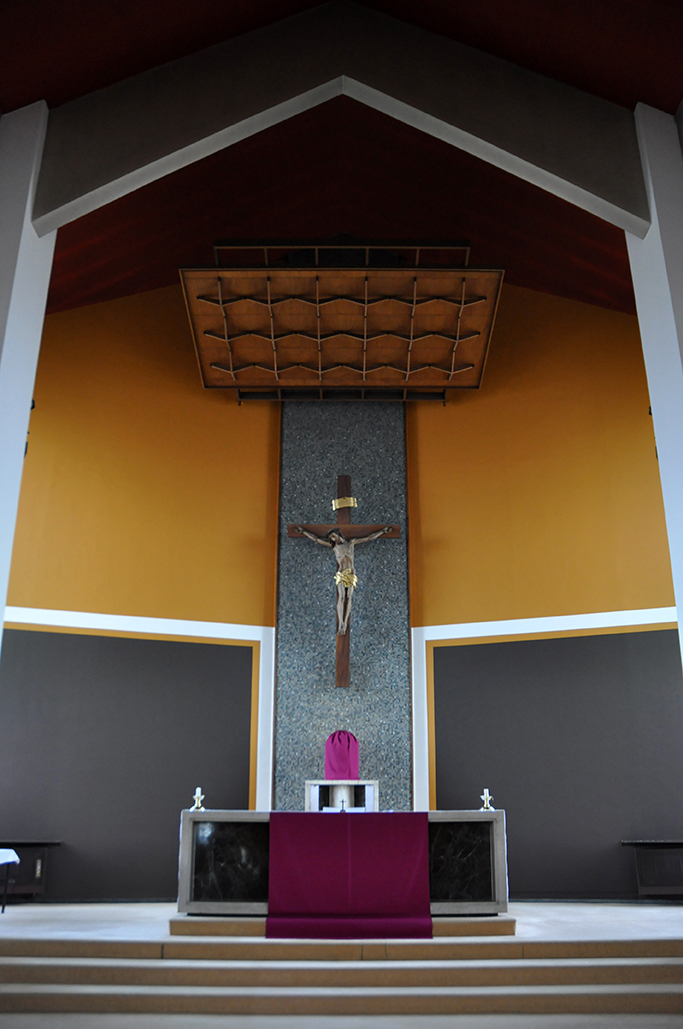
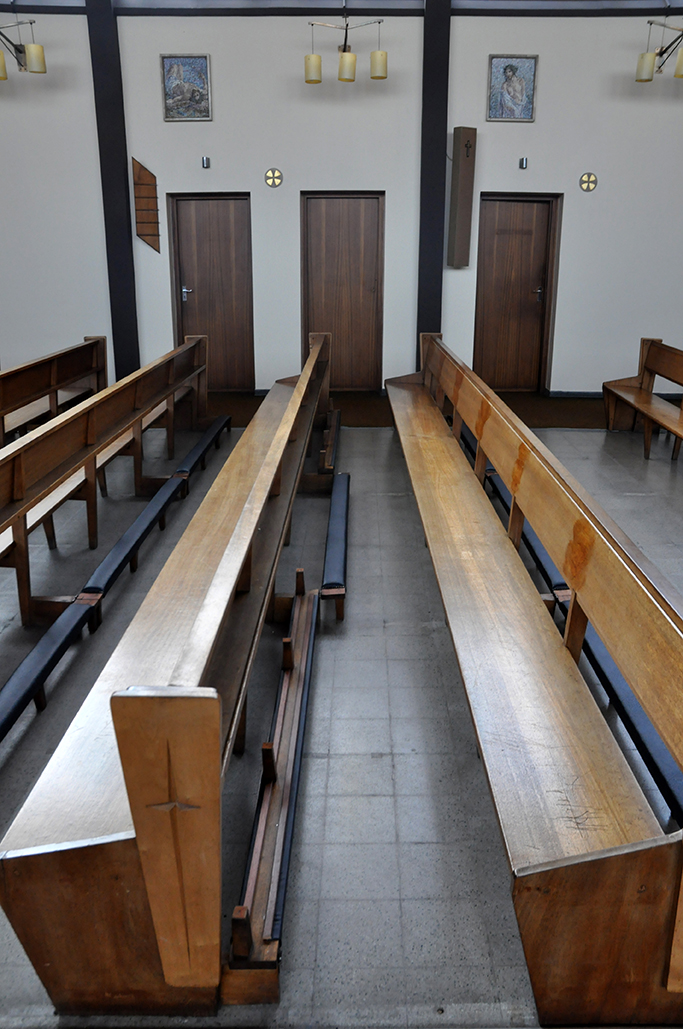
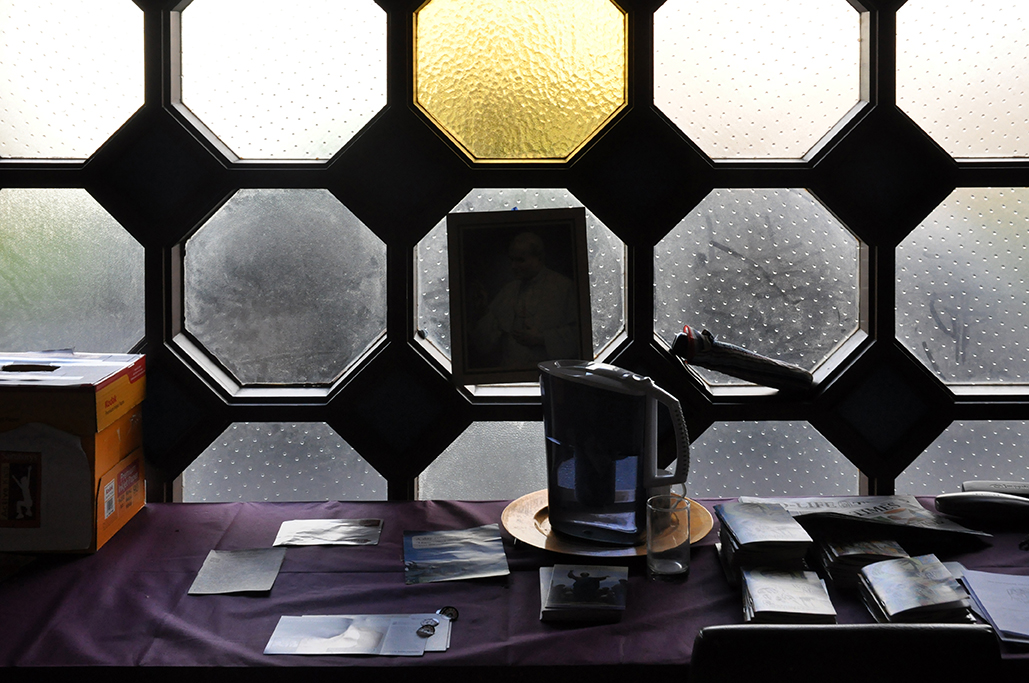
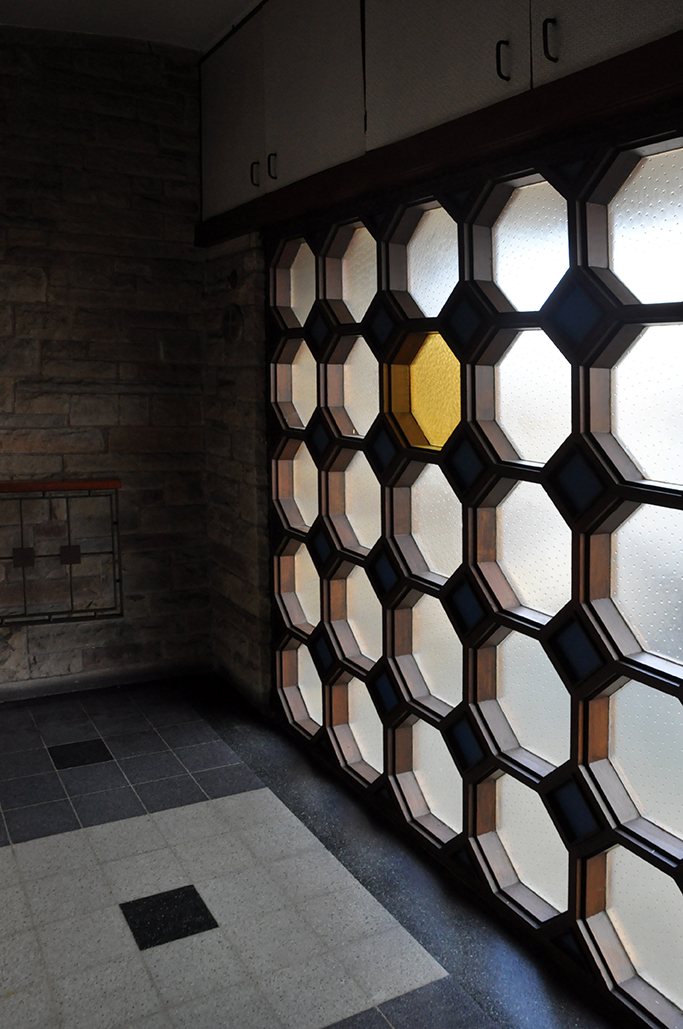
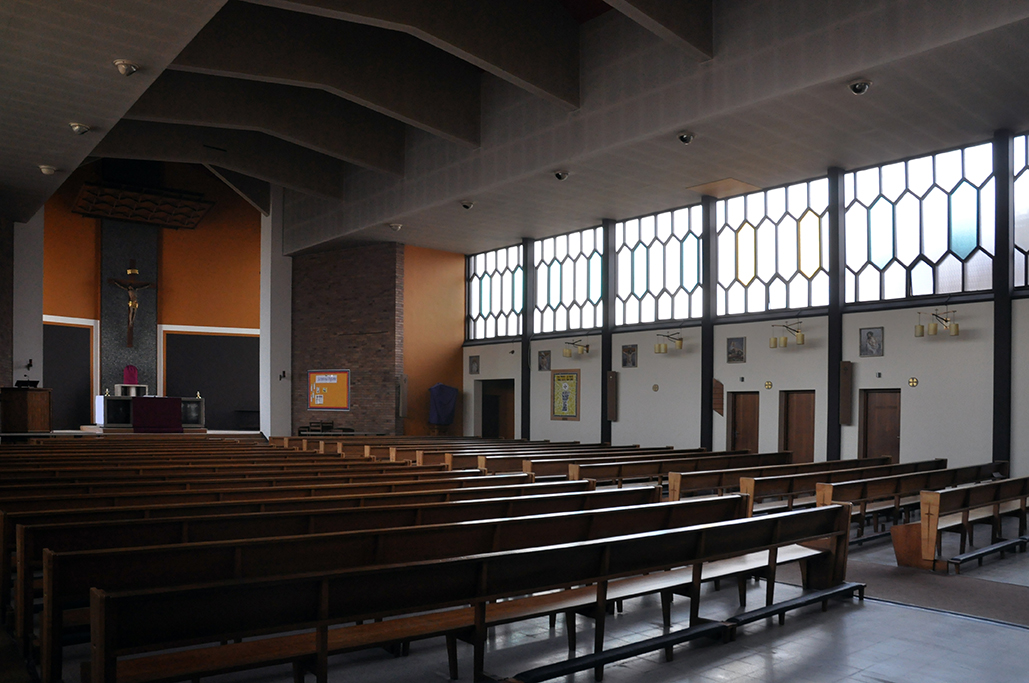
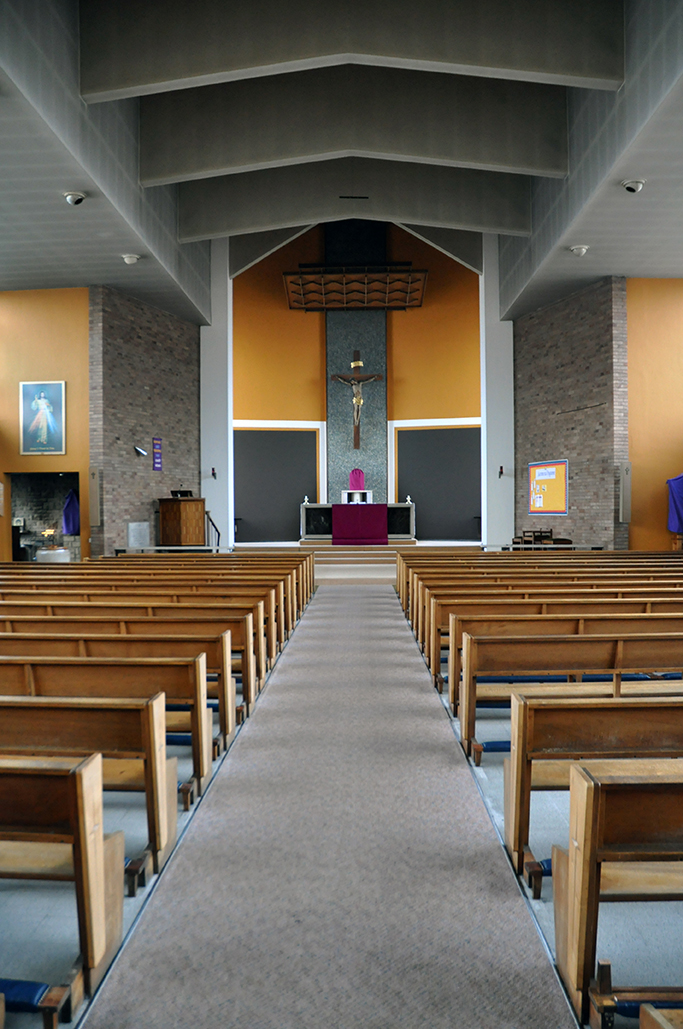
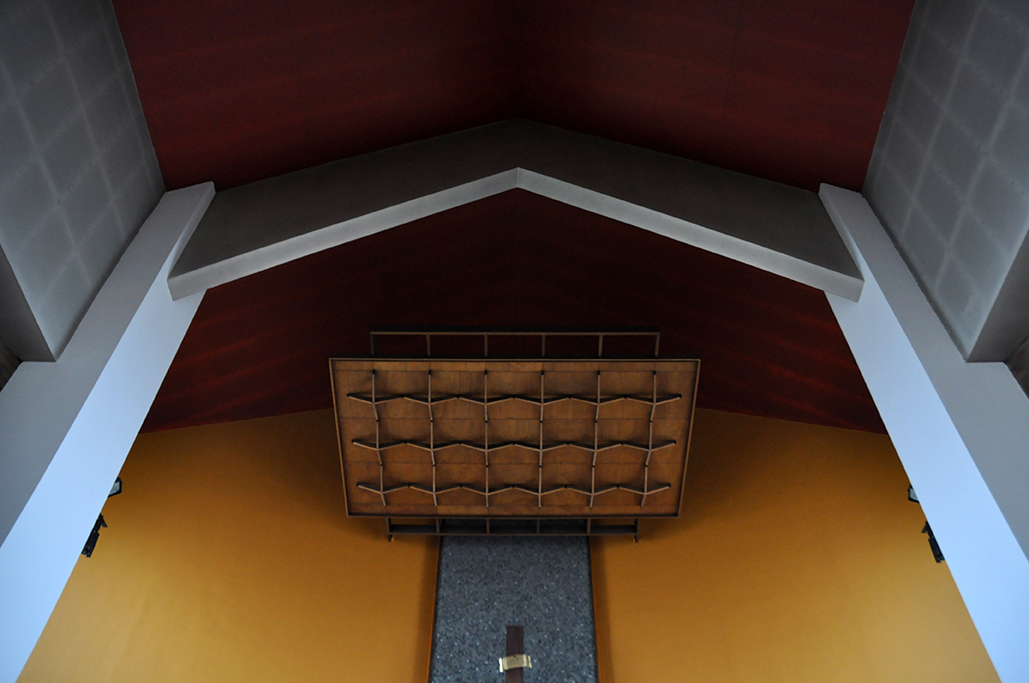
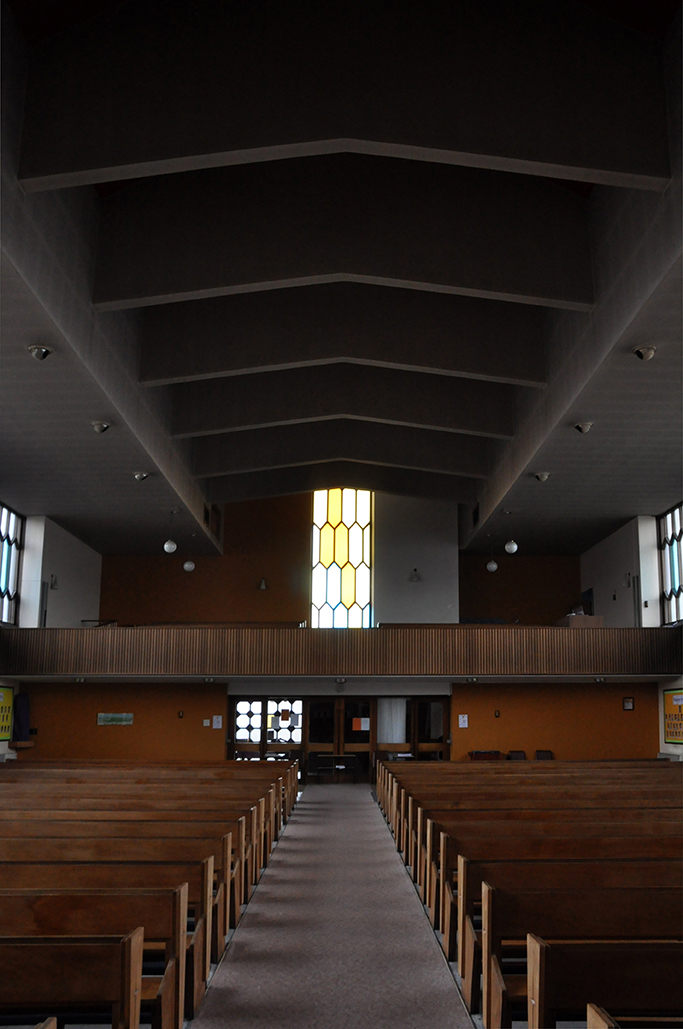
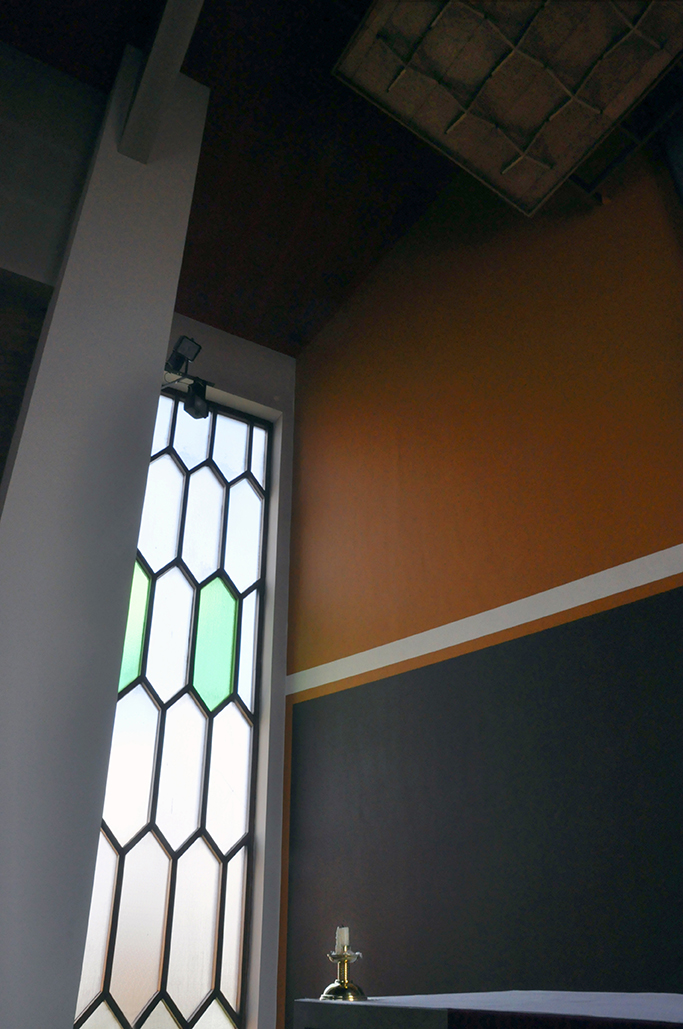
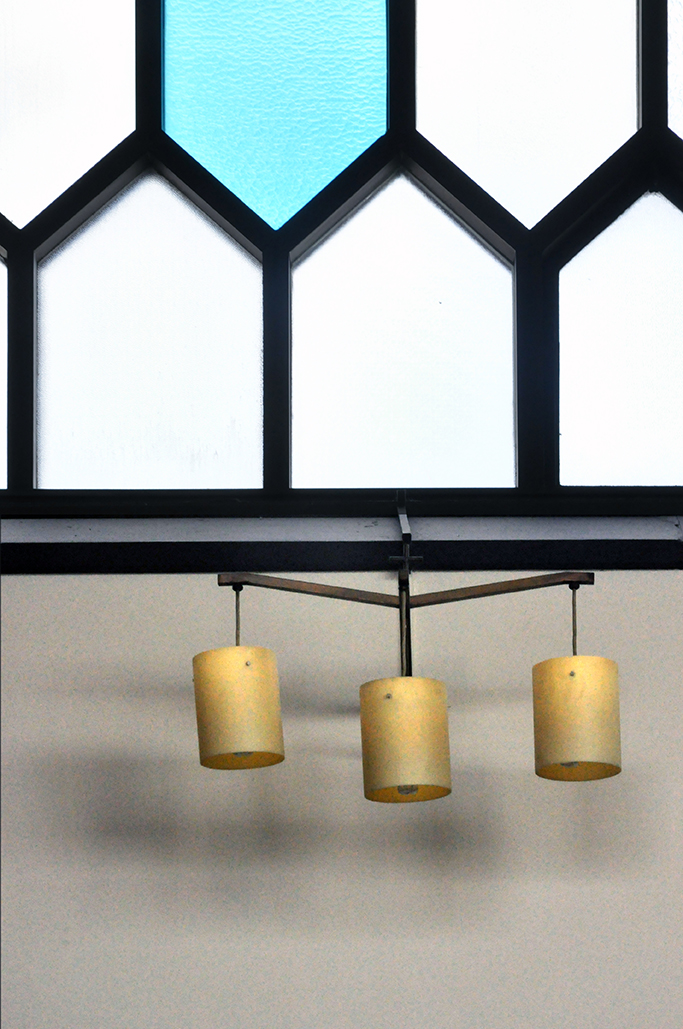
The foundation stone for the present building laid by Bishop Beck in August 1962. He returned to bless and open the church on 25 June 1963. The new church was built from designs by Walter Stirrup & Sons – job architect Kevin Houghton, at a cost of about £60,000. The church is notable for its dalle de verre glass, by Carl Edwards of Whitefriars.

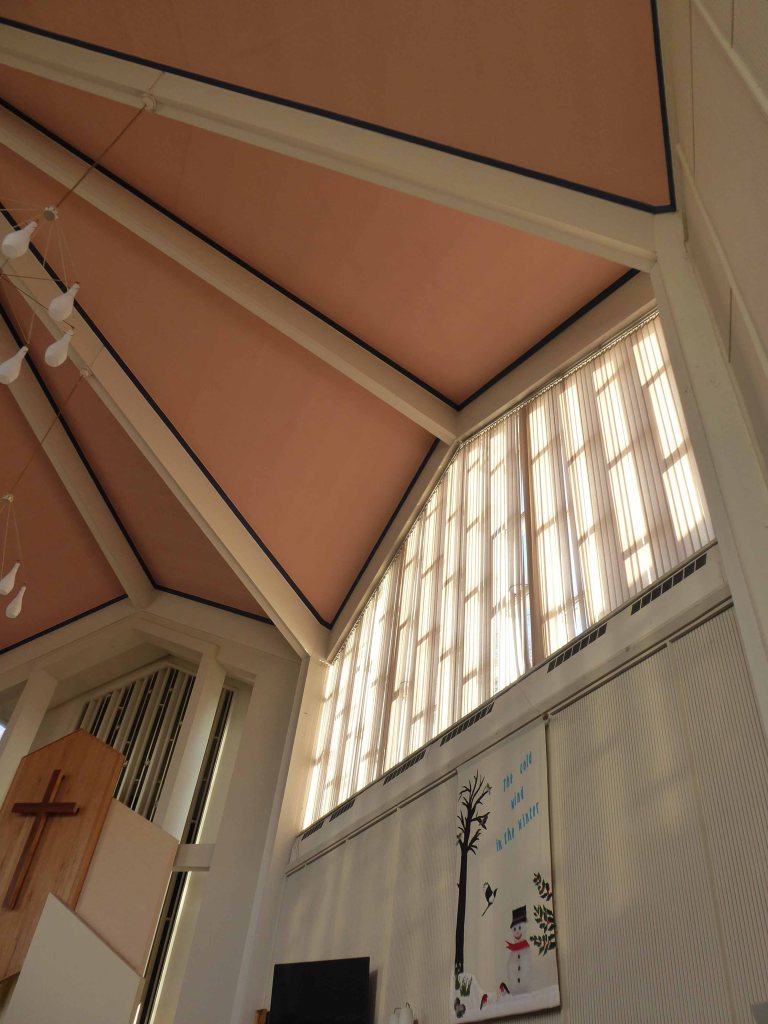
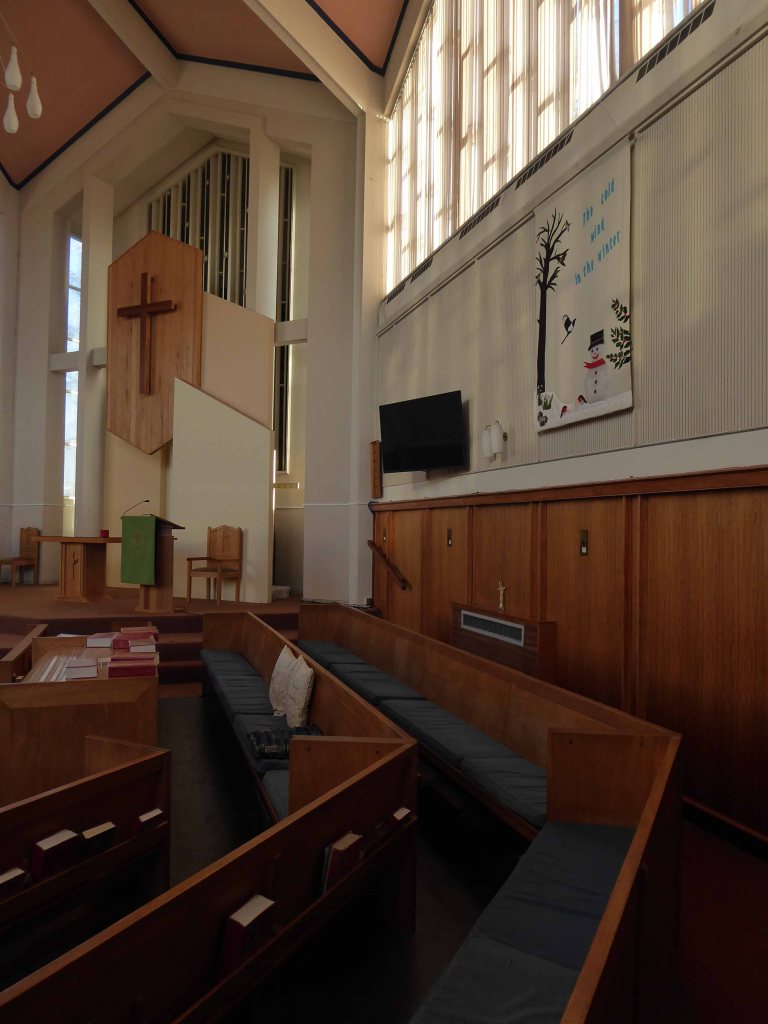
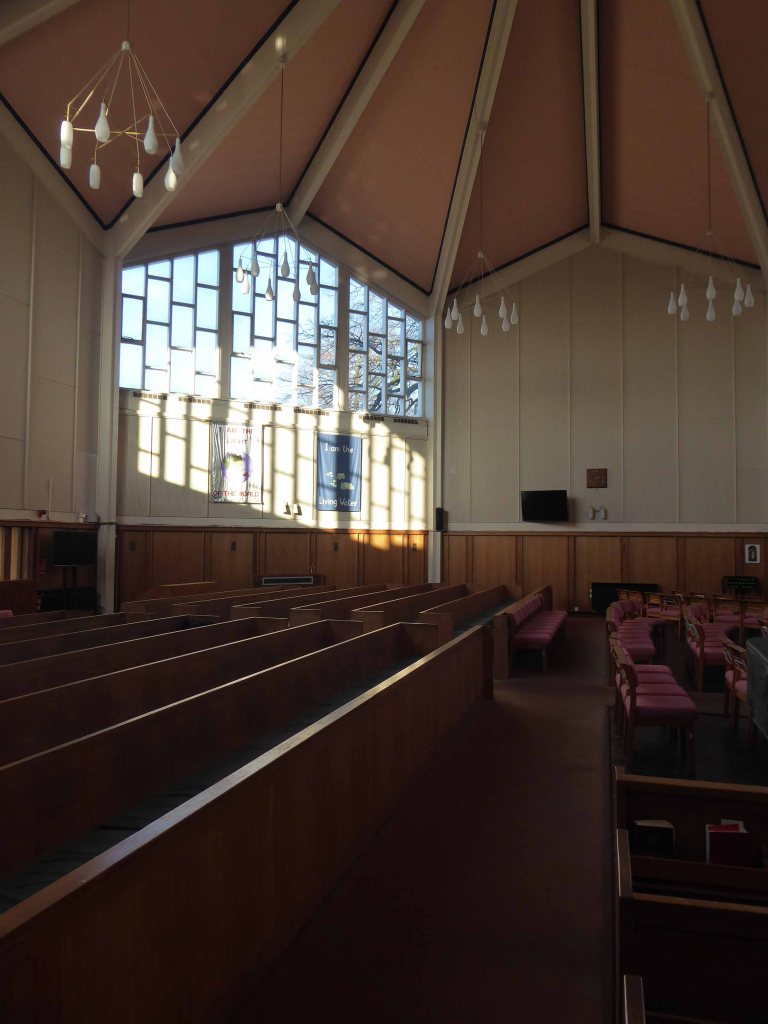
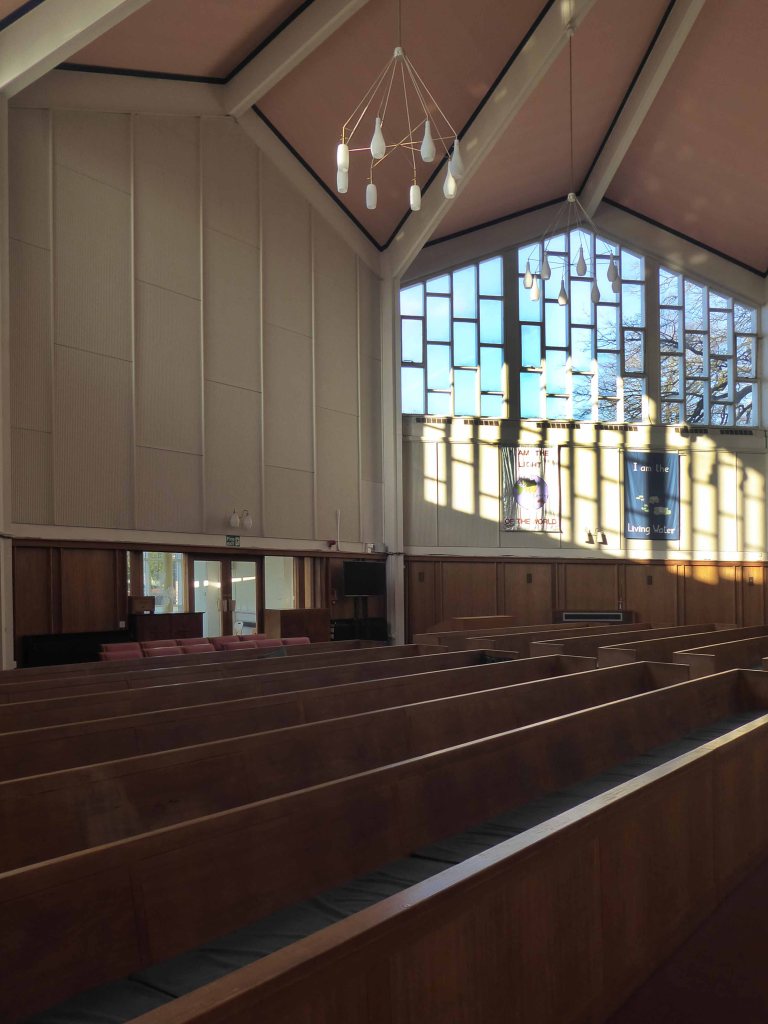
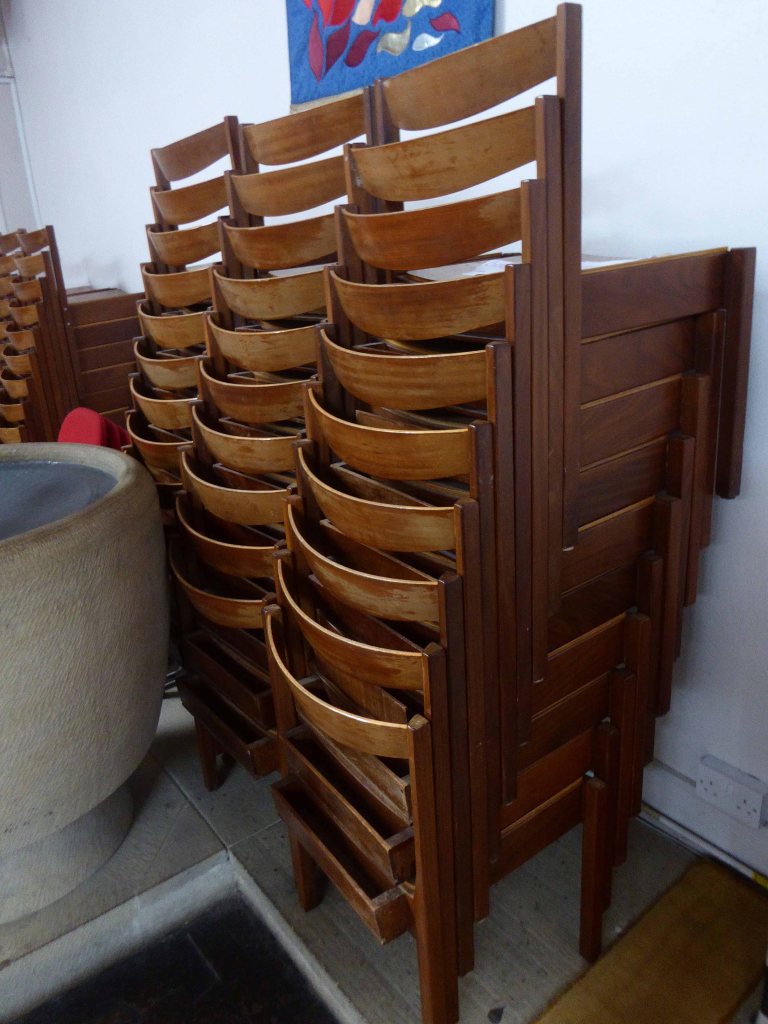
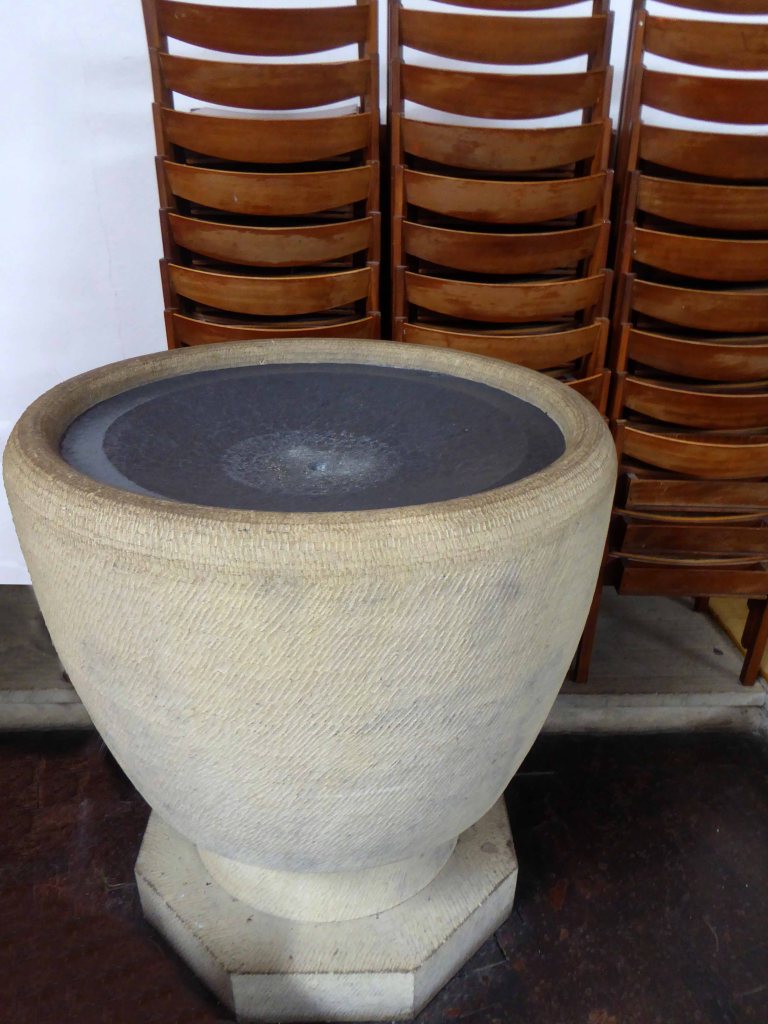
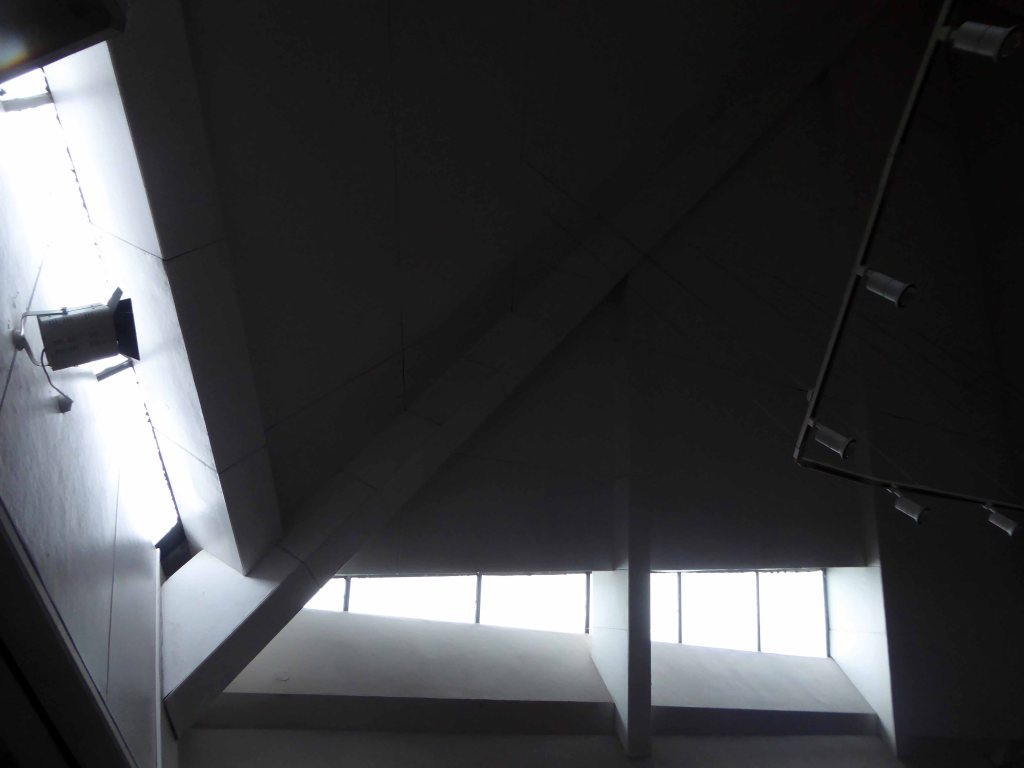
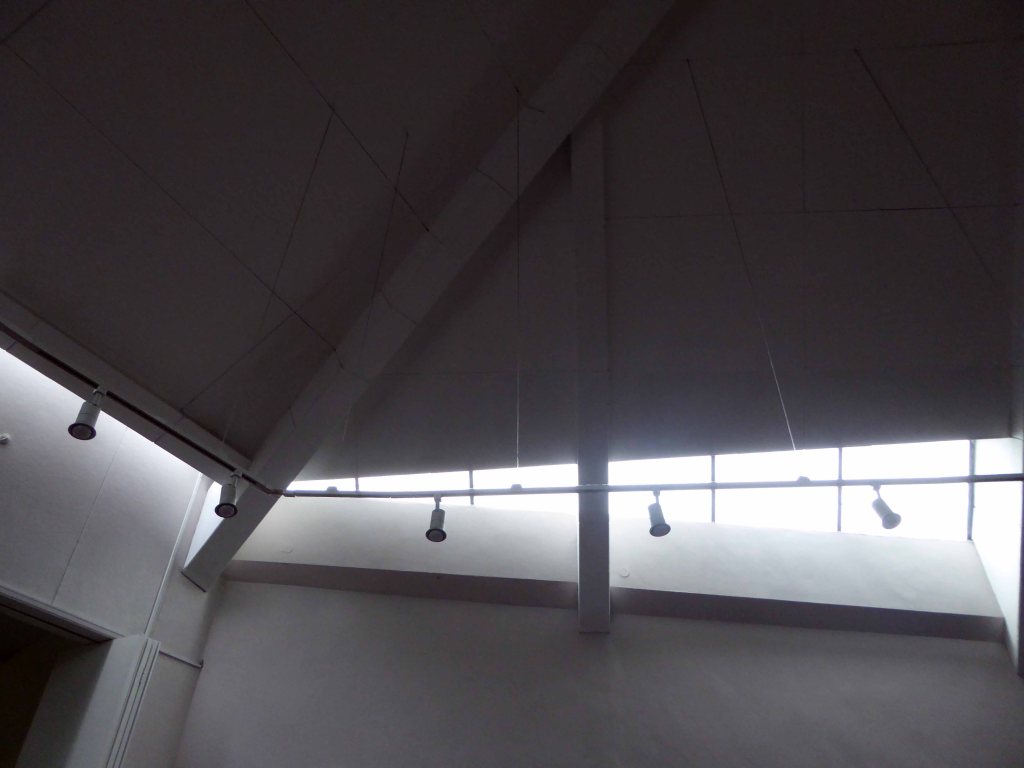
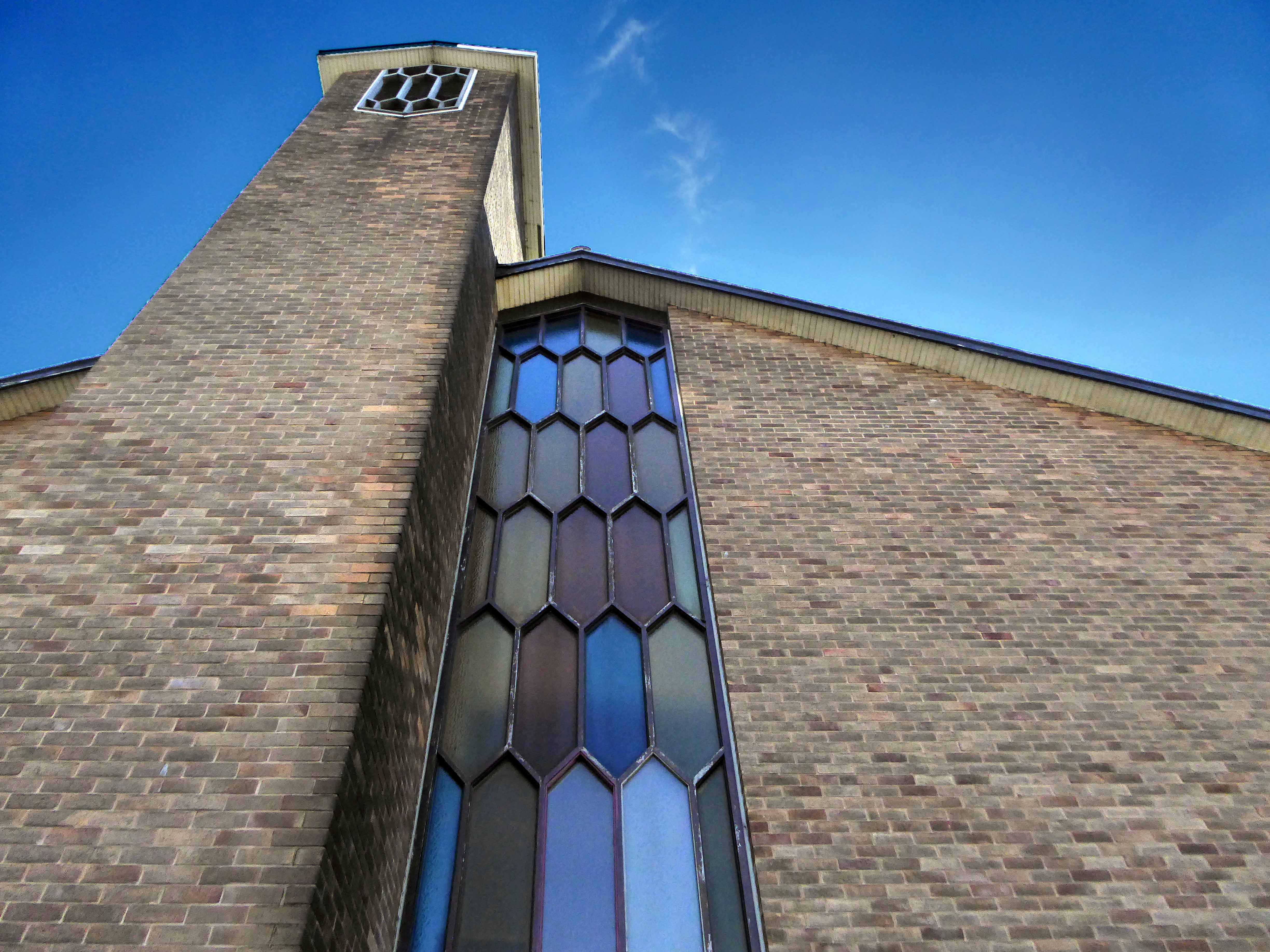
The church is a very striking and characterful building with a hyperbolic paraboloid roof rising in peaks on four sides, with clerestory lighting in the angles, that on the west side jutting out to form a canopy over the entrance. It was described by Nikolaus Pevsner as ‘wildly expressionist’.

Taking Stock

I suggest that you do the same and pop by to see St Mary – Our Lady of Sorrows soon.

The Odeon née Gaumont – Ashton Under Lyne

Opened 22 April 1920 with “The Forbidden City” and designed by Arnold England, the Majestic Picture House was part of the Provincial Cinematograph Theatres circuit. With 1,233 seats in stalls and balcony and a splendid facade faced in white faience tiles on two sides of the building on its prominent town centre corner site of Old Street and Delamere Street, the cinema was a great success.

It had an oak panelled foyers which had beautiful coloured tapestry’s on the walls. The interior was in a Georgian style and it was equipped with a pipe organ and a seperate tea room and cafe which were located on the upper floor.

It passed, with all the other PCT houses to Gaumont British Theatres in 1929, but it was not until 12th July 1946 that it was renamed Gaumont. The Majestic Picture House was renovated in July 1936, with new seating installed and a re-recoration of the foyer and auditorium. A new Compton 3Manual/6Rank organ was installed that was opened by organist Con Docherty.

Later being merged into the Rank Organisation, the Gaumont was re-named Odeon on 11th November 1962. It was eventually sold to an independent operator who renamed it the Metro Cinema from 6th November 1981.

With capacity now down to 946 seats, the Metro Cinema continued as a single screen operation until the middle of 2003, sometime after a multi-plex had opened in the town. In 2008 (with seats and screen intact) the building was unused except for the long foyer area, linking the front and back elevations of the Metro, which was a Slotworld Amusement Arcade. By 2011, the entire building had been stripped out and stood empty and unused.

Cinema Treasures

The cinema was used as a location for the film East is East.

Archive images Metro Majestic

It was my local cinema as a lad – attending Saturday morning matinees as a member of the Odeon Boy’s and Girls club. Hundreds of the nosiest kids. regularly warned by the manager that the film would be stopped if the raucous behaviour continued.

Now it’s just an empty shell, superseded by multiplex and latterly a lost Slotworld.

Unlisted unloved sitting at the heart of the town – too late for the last picture show.

Doncaster – Modernism

The railway station was built in 1849 replacing a temporary structure constructed a year earlier. It was rebuilt in its present form in 1933 and has had several slight modifications since that date, most notably in 2006, when the new interchange and connection to Frenchgate Centre opened.

The front elevation is realised in a typical inter-war brick functionalist style.

Of particular note are the lobby lighting fixtures and clock, the booking hall and offices are listed Grade II.

There are plans to redevelop the station approach replacing the current car parking with a pedestrianised piazza.

The High Street boast a former branch of Burton’s with its logo intact.

An intriguing Art Deco shop frontage – combining a menswear outlet with a pub.

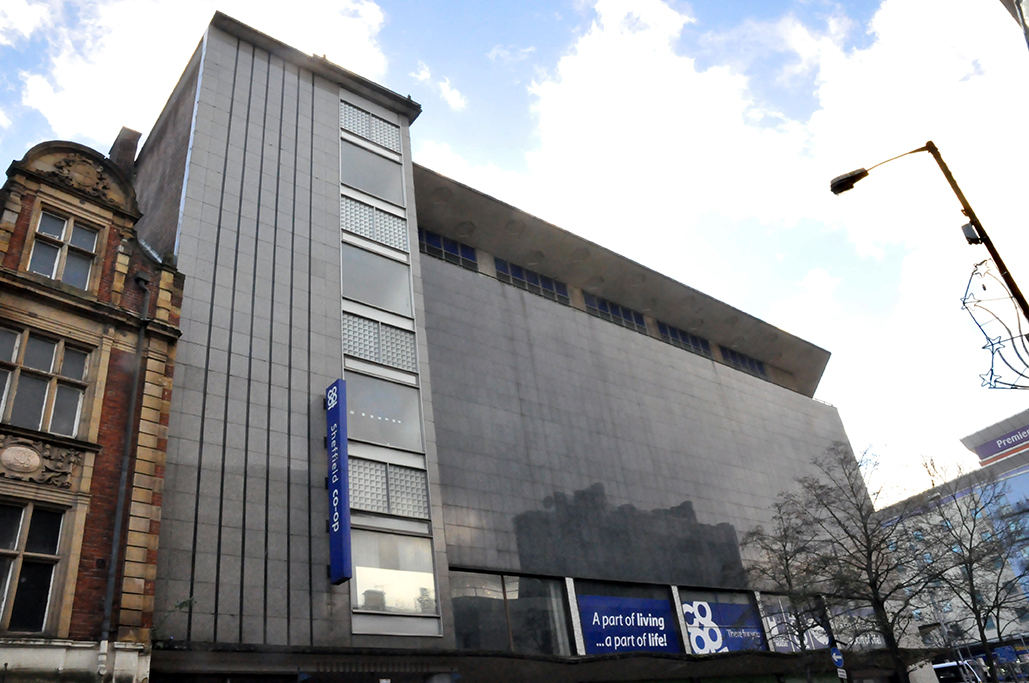
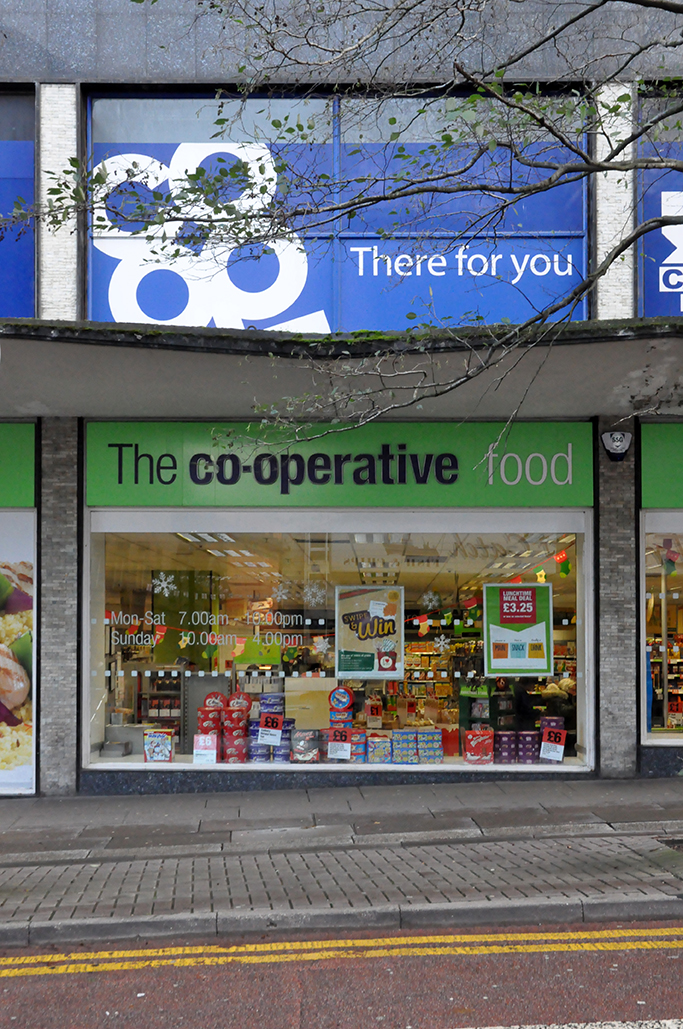
Further along an enormous Danum Co-operative Store in the grandest Deco manner – 1938-40. Designed by T H Johnson & Son for the Doncaster Co-operative Society Ltd.

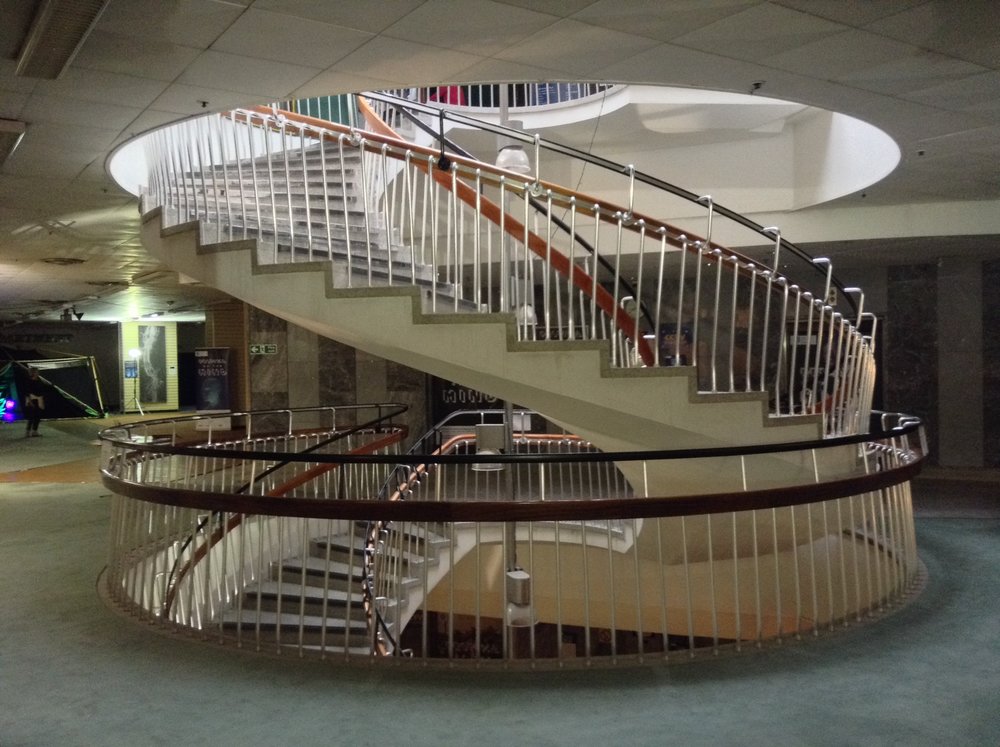
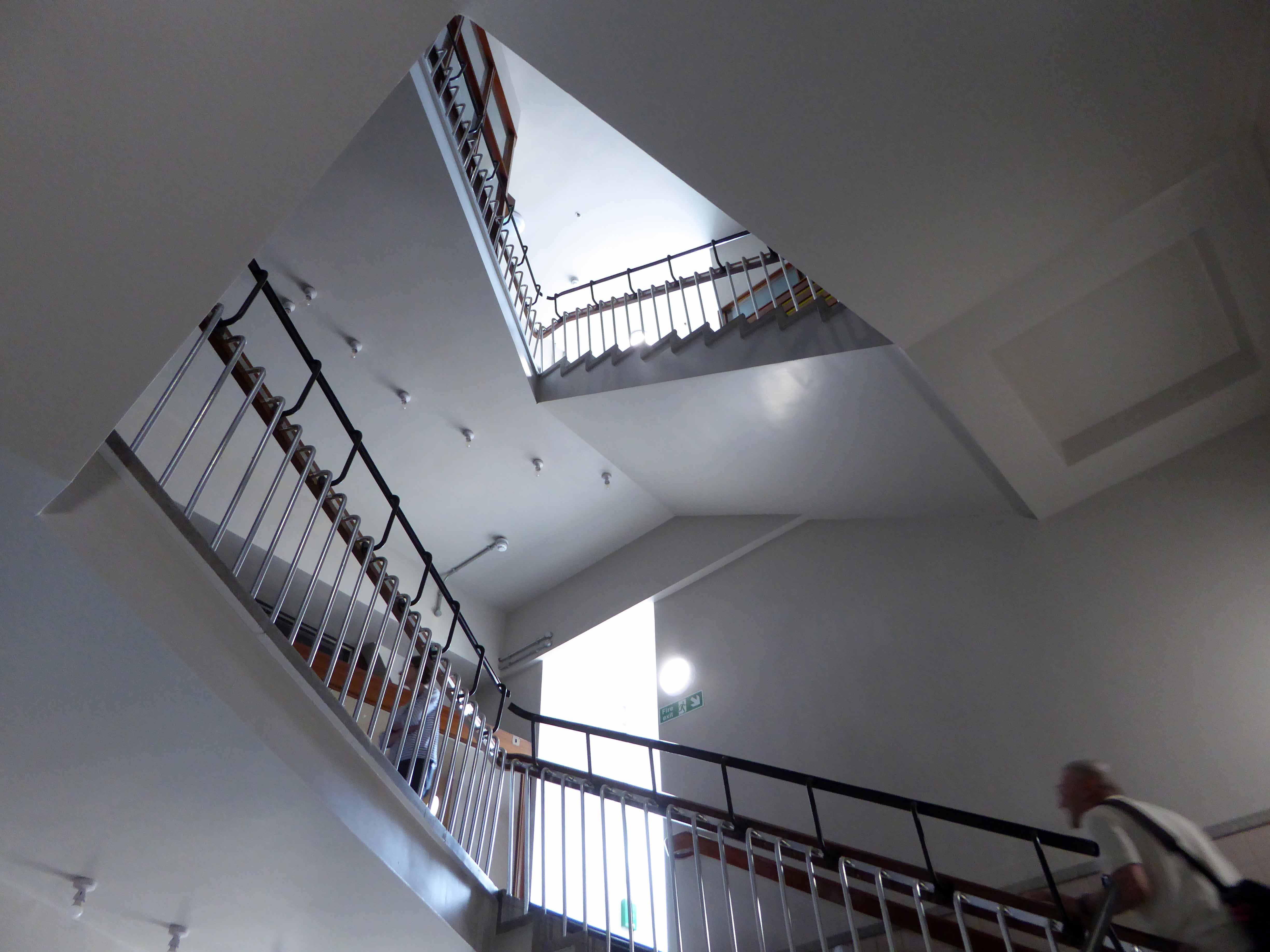
Currently partially occupied with no access to the glass stairways.

Following the development of the Frenchgate Centre the Waterdale Centre sunk into a slow decline.

And the Staff of Life has lost a little of its estate pub period charm, following successive typographic makeovers and paint jobs.

There are plans to improve the centre.

A naked couple sculpture which caused complaints went back on display in 2015.

The Lovers statue, depicting the couple embracing, attracted criticism after being installed in the Arndale Shopping Centre in Doncaster in the 1960s.

It was removed in the late 1980s and put into storage before being restored with the help of a local art group.

The designer was architect Eckehart Selke

Moving through to the shiny new Civic Area note the older library and demolished college.

There are further plans to redevelop the Library, Museum and Art Gallery.

Passing through we reach the Magistrates’ Courts and Police Station.

From 1949 onwards plans were afoot to develop the Waterdale area of Doncaster – civic buildings, courts, educational provision and the like, WH Price the Borough Surveyor at the helm. In 1955 Frederick Gibberd was appointed to oversee the site, though many of his designs were unrealised, his Police Station and Law Courts opened in 1969.

The Police Station it seems is to be redeveloped.

Moments away a delightful clinic with a decorative fascia.

Whilst next door is the Museum and Art Gallery.

And finally next door St Peter in Chains Church.

Immaculate Conception – Failsworth

Clive Road Failsworth Manchester M35

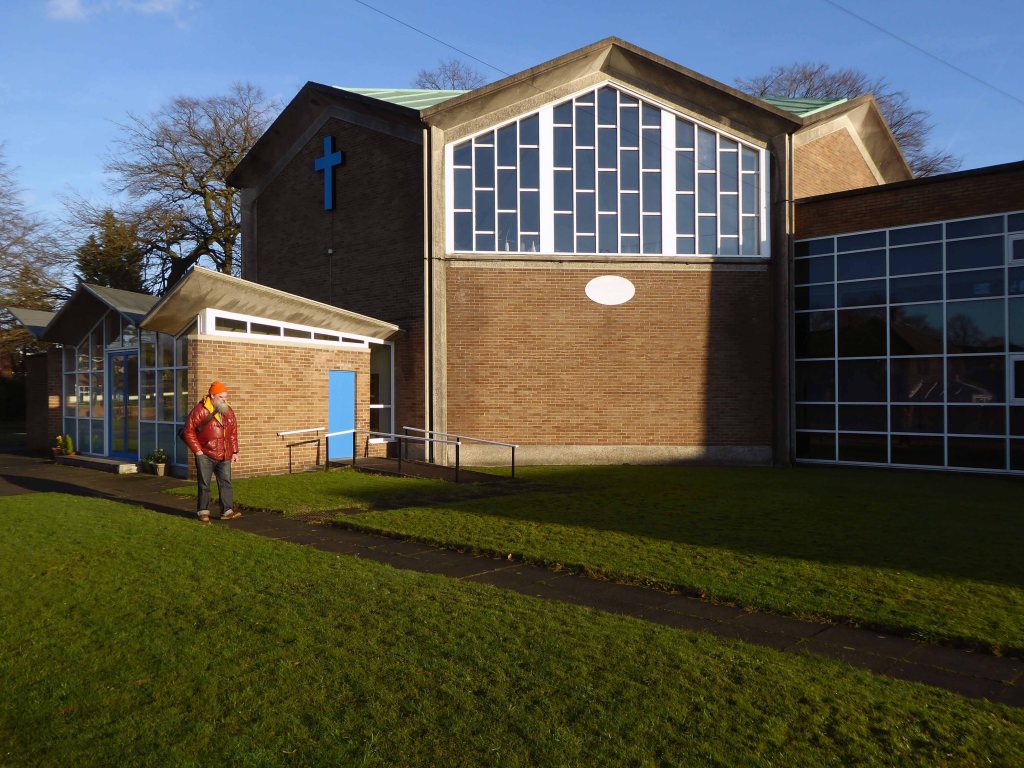
A church of the early 1960s, built before the Second Vatican Council on a traditional basilican plan. The design is striking and unusual, with an interesting combination of Gothic, classical and modern architectural motifs. The architect, Tadeusz Lesisz of Greenhalgh & Williams, is a little known figure but a designer of some interest. The church exhibits a scheme of sculpture, stained glass and mosaic on Marian themes, mainly by local designers, and retains almost all of the original furnishings and fittings in little altered state. It also retains furnishings from the late-nineteenth-century predecessor church. 

Taking Stock

The church is Grade II Listed

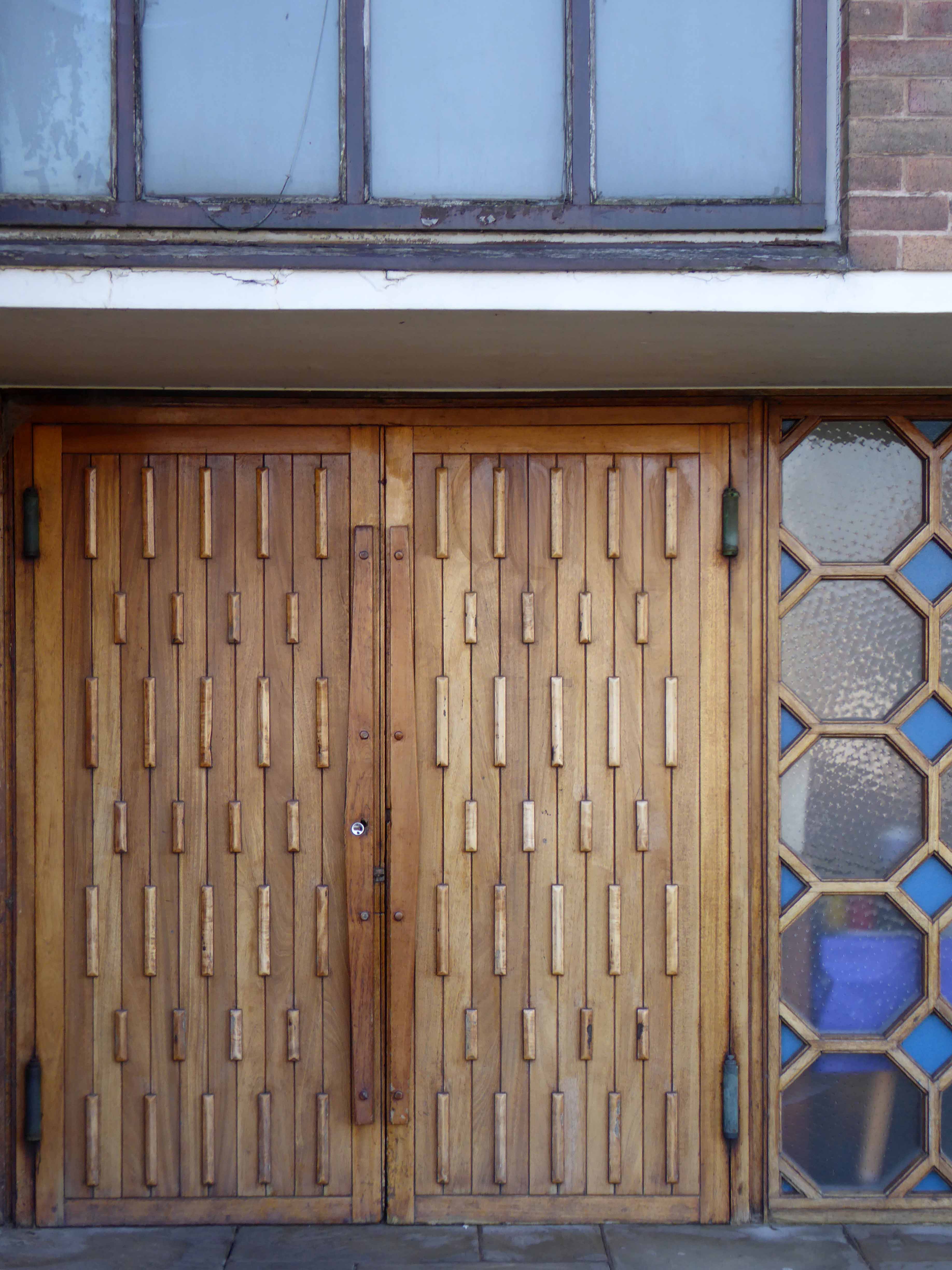
The west front is very striking, the broad entrance arch enclosing a suspended aluminium figure of the Virgin by E.J. Blackwell of Manchester, who also executed the moulded artificial stone friezes. 

The stained glass is by Charles Lightfoot, much of it to the designs of the architect, some incorporating glass from the previous church.

Holy Family Church – Hollinwood

Roman Road Limeside Oldham OL8 3BY

A typical example of a post-war church built to serve a growing residential suburb; it retains some attractive ‘Festival of Britain’ features and fittings.

The church was built to seat 360, with room for fifty people in the Lady Chapel. The architect was Geoffrey Williams of Greenhalgh & Williams, the builder Whitworth, Whittaker & Co Ltd of Oldham, and the cost £27,140. Bishop Beck blessed the foundation stone on 7 December 1957, and the church was formally opened in 1958.

Taking Stock

It’s a long straight uphill Roman road to Holy Family.

Well worth the effort to visit a well kept suburban church, constructed with load bearing walls faced in brown and buff bricks and steel roof trusses. The shallow-pitched roof was originally clad in copper but is now felted, flat roof areas are concrete. 

Let’s take a look.

Sheila Gregory Hair Stylist – Manchester

142 Oldham Road Failsworth Manchester M35 0HP

I’m in a different world:

A world I never knew, I’m in a different world.
A world so sweet and true, I’m in a different world
.

A world of rollers, pins, grips, hair dryers and drying hair.

A world permanently waving at itself.

My thanks to Sheila – sixty years a stylist and her customers for allowing me into their world for a short time – a privilege and a pleasure.

Little seems to have changed here within – on the corner of Oldham Road and Mellor Street.

Let’s take a little look.

Shelia’s certificates of 1962 – so proudly displayed.

The Wash Tub Levenshulme – Manchester

When is a washtub not a washtub – self evidently when it doesn’t wash.

This is the land of the decommissioned washer – cash box removed, unrepurposed, demure and decorative yet sadly redundant.

This is a dry only facility its surfaces inert, frozen in time, its sign declaiming pointless imperatives to nobody in particular.

Worn lino, prosaic mosaic, strip lighting, wood-grained Formica, black wooden benches backed up against the warmth of the warm drier – time becomes elastic, limitless.

Enter at your own peril, Persil in hand prepare to be disappointed.

Ten Acres Lane Again – Manchester

Having travelled back in time along Ten Acres Lane why not come along with me now and see just what’s left – right?

Each Manchester street tells its own tales of homes and people been, gone, rebuilt and buried – whole industries evaporating laid waste by seismic economic forces, land changing use again and again – shop door bells which are a now but a ghostly tintinnabulation on the wind.

Starting from the Oldham Road end the clearance of older terraced homes was followed by the construction of newer 70s social housing.

The former Tootal’s Mill is now owned by Sleepdown Textiles.

Some of the older terraces were spared the wrecker’s ball.

Industrial sites remain fenced and unused slowly returning to some form of urban natural habitat.

The cast-iron Rochdale Canal bridge is still in place – it was itself a replacement for an earlier masonry version.

Mather and Platt’s foundry sheds are just about hanging on – though I am uncertain of their current use and ownership.

The recreation ground is now an extensive community football facility and also home to the National Taekwondo Centre.

This large tract of land once Jackson’s Brickworks is under consideration for a modern private housing development

Much of the inter-war housing stock is still extant.

The sad shell of the Co-operative corner shop currently half storefront church half former tyre supplier is a sorry sight.

The still-standing CWS Works.

Finally passing under the railway bridge and descending into the Medlock Valley – our journey’s end.

Ten Acres Lane – Manchester

Ten Acres Lane 1904 running south from Oldham Road – not quite crossing under the Ashton and Stalybridge Railway.

I was propelled by the vague memory of an Ashton Lads football match way back in the 1970s – my dad Eddie Marland managed the team in the Moston and Rusholme League.

There was land given over to recreation from 1900, the area is famed for its links to the inception of Manchester United and almost but not quite became home to FC United.

The Recreation Grounds in 1900.

To the left of the inter-war housing in 1963.

So I took a trip back in time along the lane – courtesy of the Local Image Collection.

In 1896 the area was largely farmlan

Baguley Fold Farm – occupying land adjacent to the Medlock Valley.

Farm Yard Tavern closed in 1917 a Rothwell’s pub supplied from Heath Brewery on Oldham Road.

This was an area dominated by the Rochdale Canal and criss-crossed with rail links.

The canal bridge 1904.

Construction work 1920.

Tootal’s Mill.

CWS warehouse and works corner of Briscoe Lane.

Mather And Platt’s adjoining the Rochdale Canal.

The area was also home to Jackson’s Brickworks.

There was a Co-op shop.

Going going gone St Paul’s Church seen here in 1972.

Victorian terraces and inter-war social housing – homes for a large industrial work force.

Many of the sights and sites above are still extant though their appearance and uses have changed along with the times. Manchester inevitably continues to from and reform for good or ill.

Sadly the old Rec the Moston and Rusholme League and my dad are all long gone – though it’s just as well to remember them all fondly, as we travel through our familiar unfamiliar city.

Minerva Café – Doncaster

A Doncaster town centre cafe, once used by former pop star Louis Tomlinson to film a pop video, has closed after trading for more nearly 50 years near the market. The Minerva Cafe has closed down after trading sine the 1970s offering breakfasts and lunches to shoppers.

The shutters are now down on the shop, which has not now been used for two weeks, say neighbouring businesses. Minerva was well known for its big breakfasts which often earned rave reviews on the internet. It also had a celebrity link, having been used by the former One Direction star Louis Tomlinson for the shooting of his Back to You video, last year. Doncaster Council town center bosses confirmed they understood the cafe had closed down, but did not know the reason. Long serving Doncaster market trader Nigel Berrysaid he had seen no sign of activity at the cafe for two weeks. He said: It has been here in the market for such a long time. It’s been there since I first started on the market in 1971. People have commented to me it feels like it has been there forever. 

“It is a shame to see it closed. It has been a bit of an institution round here.”

Doncaster Free Press

I came here on the 8th of February 2016, hungry but no alone – unaware of the Minerva’s popular cultural significance.

I just wanted a pie.

It came with chips peas and gravy – proper chips, proper tinned peas and an authentic plate pie pastry top and bottom, meaty minced meat filling.

My partner in crime had the full breakfast

We drank hot tea, chatted sporadically and ate the lot.

Table 16 aka table 22 – was more than satisfied.

The table was more than satisfactory a pale leatherette seated booth, with erratic homespun wood grain effects.

This was a place with hidden depths receding back from the entrance into deeper and deeper space.

And a proper regard for tea service etiquette – with no room for poor pouring stainless steel pragmatism.

But where are we now?

I returned on February 9th 2019 and the M was missing the Minerva was missing the shutters were down – ain’t nobody home.

No more pie, peas, chips and gravy no more full up upon full breakfasts.

No more Minerva, no more.

Doncaster – Police Station and Law Courts

I’ll try anything twice or more – including a trip to Doncaster.

Once in the rain two years ago, more recently in broken cloud and sunshine.

In search of the work of Frederick Gibberd .

Son of Coventry – architect, author and leading post-war planner.

From 1949 onwards plans were afoot to develop the Waterdale area of Doncaster – civic buildings, courts, educational provision and the like WH Price the Borough Surveyor at the helm. In 1955 Gibberd was appointed to oversee the site, though many of his designs were unrealised, his Police Station and Law Courts opened in 1969.

The area was also home to the Technical College and Coal – later Council House, both now demolished.

Information Doncaster Civic Trust.

The Courts and Police Station now nestle behind the much newer civic developments, part of much wider regeneration scheme.

So let’s go back in time to a wet day in 2016 – when first I chanced upon these municipal concrete bunkers of law and order – where Brutalism is embodied in the buildings content and purpose, as well as its style.

This is an architecture that instructs you to avoid wrongdoing at all costs – or suffer the inevitable consequences.

Come and have a go if you think you’re hard enough.

2019 and I’m back again – architecturally little or nothing has changed, still standing – stolid solid pillars of justice. The day is brighter ever so slightly softening the harsh precast panels against a bluer spring sky.

WH Smiths – Colwyn Bay

I have been here before.

I’ve been there too – Newton Powys home to the WH Smiths Museum

Now here I am in Colwyn Bay generally minding my own and everybody else’s business, when all of a sudden I noticed a cast iron glazed awning.

Proudly announcing the proprietors – sadly supported by a distressing modern addition – now I’m not one to decry and debunk the rising tide of modernity, I’m all in favour of unisex clothing and central heating.

But the unchecked encroachment of vacuous vinyl really is the limit.

Businesses displayed a degree of dignified permanence unknown to the current high street trader. So here it is writ larger than life in stained glass and Carter’s Tiles.

Loud and proud.

And as an addendum here are the delightful tiles from the Llandudno branch, snapped two years previously.

Burton’s Moderne – Ashton and Beyond

In almost every town or city worth its salt stood a modern white tiled tailor’s shop, almost every man or boy wore a Burton’s suit.

Harry Wilson had become the company architect by the early 1920s, and was responsible for developing Burton’s house style. Montague Burton, however, maintained a close personal interest. The company’s in-house Architects Department was set up around 1932 under Wilson. He was followed as chief architect around 1937 by Nathaniel Martin, who was still in post in the early 1950s. The architects worked hand-in-hand with Burton’s Shopfitting and Building Departments, who coordinated the work of selected contractors. Throughout the late 1920s and 1930s they were kept phenomenally busy: by 1939 many of Burton’s 595 stores were purpose-built.

The very first made to measure gear I owned came from Burton’s in Ashton under Lyne – mini-mod aged fourteen in a three button, waisted, light woollen dark brown jacket, four slanted and flapped side pockets and an eighteen inch centre vent.

Just the job for a night out at the Birdcage, Moon or Bower Club

The story of the stores begins in the province of Kovno in modern Lithuania – Meshe David Osinsky (1885-1952), came to England where he initially took the name Maurice Burton. 

The distinctive architecture stood out on the high street, Art Deco motifs and details abound – elephants chevrons and fans.

Topped off with the company’s distinctive logotype.

This example in Doncaster is one of the few remaining examples many having been removed – as the stores have changed ownership and usage.

This Neo-Classical Burnley branch is a rare example of a Burton’s which hasn’t gone for a Burton.

The group maintained a distinctive graphic style in labelling signage and advertisements.

Often including ornate mosaic entrances, ventilation covers and obligatory dated foundation stones – as seen in this Ashton under Lyne branch.

Stores often housed dance halls or other social spaces.

In 1937 Burton’s architect, Nathaniel Martin, collaborated with the architects Wallis Gilbert & Partners on a subsidiary clothing works on the Great Lancashire Road at Worsley, near Manchester. Conceived as a Garden Factory and built in a modern style, this was dubbed ‘Burtonville Clothing Works’. It opened in October 1938 .

Where machinists worked on Ashton built Jones equipment.

Time changes everything and the inception of off the wall unisex disco clothing saw the made to measure suit fall into a chasm of loon pants and skinny rib grandad vests.

The Ashton branch becomes a motorcycle then fitted kitchen showroom, topped off with a succession of clubs and various other modern day leisure facilities.

Currently home to the Warsaw Delicatessen and Good News Gospel Church

Formerly Club Denial.

This is the tale of the modern high street grand ideas, architectural grandeur, entrepreneurial immigrants, style and fashion – disappearing in a cloud of vinyl signage and fly by night operations. Though if you look carefully the pale white shadows of Burton’s are still there in one form or another, however ghostly.

Dorothy Annan Mural – The Barbican

I’ve been to the Barbican before, wandering the walkways without purpose.

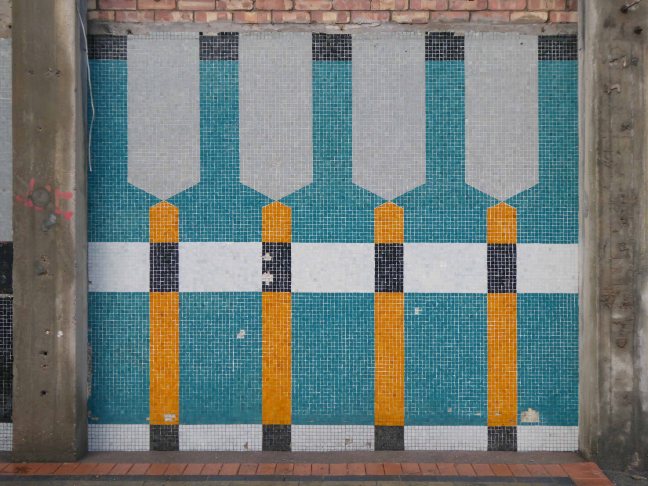
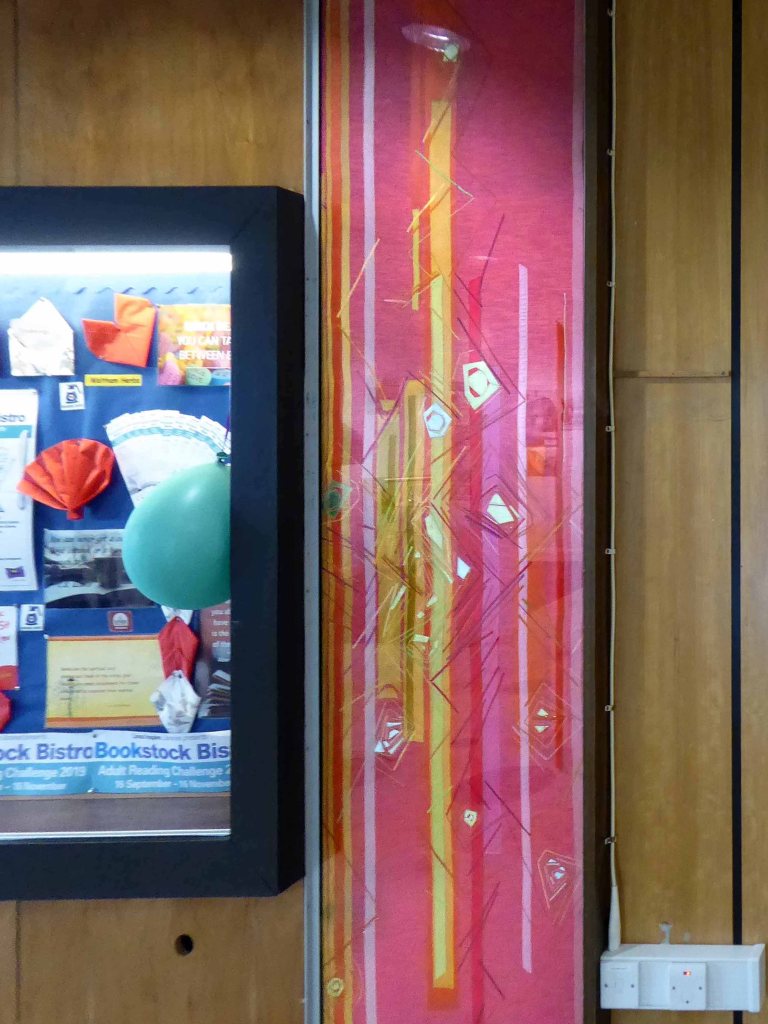
This is a whole new box of tiles, the search for a re-sited mural, a first time meeting with what would seem at once like an old and well-loved friend.

Dorothy Annan 20 January 1900 – 28 June 1983

Was an English painter, potter and muralist, married to the painter and sculptor Trevor Tennant. She was born in Brazil to British parents and was educated in France and Germany.

Christmas 1944 – Manchester Art Gallery

Annan’s paintings are in many national collections, she is also known for her tile murals, many of which have been destroyed in recent decades. Only three of her major public murals are believed to survive, the largest single example, the Expanding Universe at the Bank of England, was destroyed in 1997.

Gouache Sketch

I was looking for her mural which illustrates the telecommunications industry – formerly of the Fleet Building Telephone Exchange Farringdon Road.

Michael Bojkowski

The murals were commissioned at a cost of £300 per panel in 1960. Annan visited the Hathernware Pottery in Loughborough and hand-scored her designs onto each wet clay tile, her brush marks can also be seen in the fired panels.

Charles Trusler

The building was owned by Goldman Sachs, who wished to redevelop the site and opposed the listing of the murals.

In January 2013, the City of London Corporation agreed to take ownership of the murals, and in September 2013 these were moved to a permanent location in publicly accessible part of the Barbican Estate. They are displayed in their original sequence within an enclosed section of the Barbican High Walk between Speed House and the Barbican Centre.

Commemorative Bowl

So following a discursive and somewhat undirected circumnavigation of the Center we were finally united – it only seemed polite to linger a while and take some snaps – here they are.

The Barbican Estate – London

Bouncing betwixt and between Bonnard and Bill Viola from Tate Modern to the Royal Academy I took a detour to The Barbican – in search of the Dorothy Annan tiled mural.

Having failed conspicuously to find it, following an extensive and discursive wander, I did the wise thing and asked.

My thanks to the helpful resident and his young son.

Redirected and on course for our deferred engagement, Dorothy and I met at last on an underpass.

I also recently discovered a Barbican Manchester mash up – Gerrards of Swinton fulfilled their largest ever single order for the site – my thanks to David Roughley for the information and illustration.

Here are the snaps that I took along the way.

Ash Hotel – Stockport

232 Manchester Road Heaton Chapel Stockport SK4 1NN

So once there was a pleasure gardens, and then in 1901 a pub.

Wilson’s Brewery built The Ash Hotel, a grand boozer in a Jacobean manor manner, complete with bowling green and billiard room.

It lasted through to the 70’s and 90’s but gradually it became harder and harder to manage and fill a pub of such size and stature.

Closed – standing unloved and unused until it was finally converted into the Ash Tea Rooms in 2011.

Only to be closed again in May 2018.

Once ringing with the chink of glass on glass, songs and laughter it awaits its latest fate – conversion to flats.

One can only hope that much of its architectural detail will be preserved – particularly the architectural type fascia sign.

And the mosaic flooring.

Only time will tell – if you’re passing tip your hat take a look and celebrate a grand old building which somehow will prevail.

Heaton Norris Park – Stockport

Heaton Norris Park’s elevated position gives stunning views of the Stockport town centre skyline and of the Cheshire plain. The central position of the Park means that it is a green retreat for shoppers and local residents. Also it is within easy reach of the Stockport town centre. The land for this park was acquired by public subscription and as a gift from Lord Egerton. Work on laying out the site as a public park began in May 1873, and it was formally opened on June 5th 1875. Since then it has undergone a number of changes. The construction of the M60 has shaved several acres off the park’s size.

The park is predated by the nearby Drabble Ash Pleasure Gardens – entrance strictly by token only, as commemorated on the BHS Murals in Merseyway.

5 November 1905 – Edward VII declares his eldest daughter The Princess Louise, Duchess of Fife, the Princess Royal.

He also orders that the daughters of Princess Louise, Lady Alexandra Duff and Lady Maud Duff are to be styled as Princesses of the United Kingdom of Great Britain and Ireland with the style Highness.

So they built a big bonfire on bonfire night at Heaton Norris Park – sometimes they still do.

Picture courtesy of ©Phil Rowbotham

In 1935 the area seems to be little more than windswept cinders and thin forlorn grass, traversed by broad uneven paths – overlooking the dark industrial mire below.

Into the 1960s and although now there is the provision of a children’s play area, the park is still in need of a little more care and attention, the immediate surroundings a dense dark warren of industrial activity and terraced housing.

In 1968 the construction of two twelve storey Stockport County Borough Council residential blocks begins, alongside the recreation grounds, Heaton and Norris Towers, creating 136 new homes.

The 1970s sees the banked gardens bedded out with summer flowers and a crazy golf course on the edge of the bowling area. Both of these features are now a thing of the past, the future financing, care and maintenance of our parks is always precarious, especially during times of central government funding cuts and enforced austerity.

© John Davies

The park now has a Friends group to support it, along with I Love Heaton Norris. The area is cared for and used by all ages and interests children’s play, bowls, tennis, conservation area, football, picnic and floral areas – somewhere and something to be very proud of, social spaces for sociable people.

And much beloved of Natalie Bradbury the SS Norris concrete boat.

Take a walk over the concrete bridge or along Love Lane and treat yourself to a day in the park

Archive photographs Stockport Local Image Archive

Central Retail Park – Great Ancoats Street Manchester

Way back when, when the city was a maverick mixed up maze of citizens, industry, pubs, shops and places of worship the world looked a lot like this.

Local Image Collection

However the process of clearance and redevelopment radically changed and reduced the population and appearance of Great Ancoats Street and its environs.

The back to backs aren’t coming back and their occupants shifted from pillar to post along with the businesses that served them. Following years of decline Manchester takes a long hard look at itself and decides to modernise.

In 1989 an out of town inner ring road shopping centre in the architectural style de jour is built – the anonymous industrial retail hangar appears.

2018 and the nexus of the city has shifted yet again – Ancoats is designated as the hippest place on earth and has no time for an outmoded shopping experience.

All these developers have a certain sensitivity towards this history of the area without neglecting modern tastes. 

So the Central Retail park awaits its fate.

There was to have been another retail complex.

Henderson Global Investors, on behalf of its flagships £1 billion Retail Warehouse Fund, has received detailed planning permission for a food store led regeneration at Central Retail Park, Manchester, investing £40 million in the scheme.

Though nothing lasts forever and the scheme came to nothing.

The latest proposal according to Place North West is for housing – with the attendant heated debate regarding affordable homes.

Of the 61 big residential developments granted planning permission by Manchester city council’s planning committee in 2016 and 2017, not one of the 14,667 planned flats or housesmet the government’s definition of affordable, being neither for social rent nor offered at 80% of the market rate.

Demolition of the former retail units would enable the development of the site by Manchester Life, the city’s joint venture with Abu Dhabi United Group. Previous site owner TH Real Estate, was unable to deliver the project, finally sold the Central Park site to the city council in November 2017.

The long awaited development of the site on Manchester’s inner ring road has edged closer, with site notices posted declaring that demolition is to start on 20 August.

As of last week the lone security guard at home in his brick cabin informs me that demolition has been delayed by the discovery of asbestos on the site.

Watch this forlorn windswept wet space.