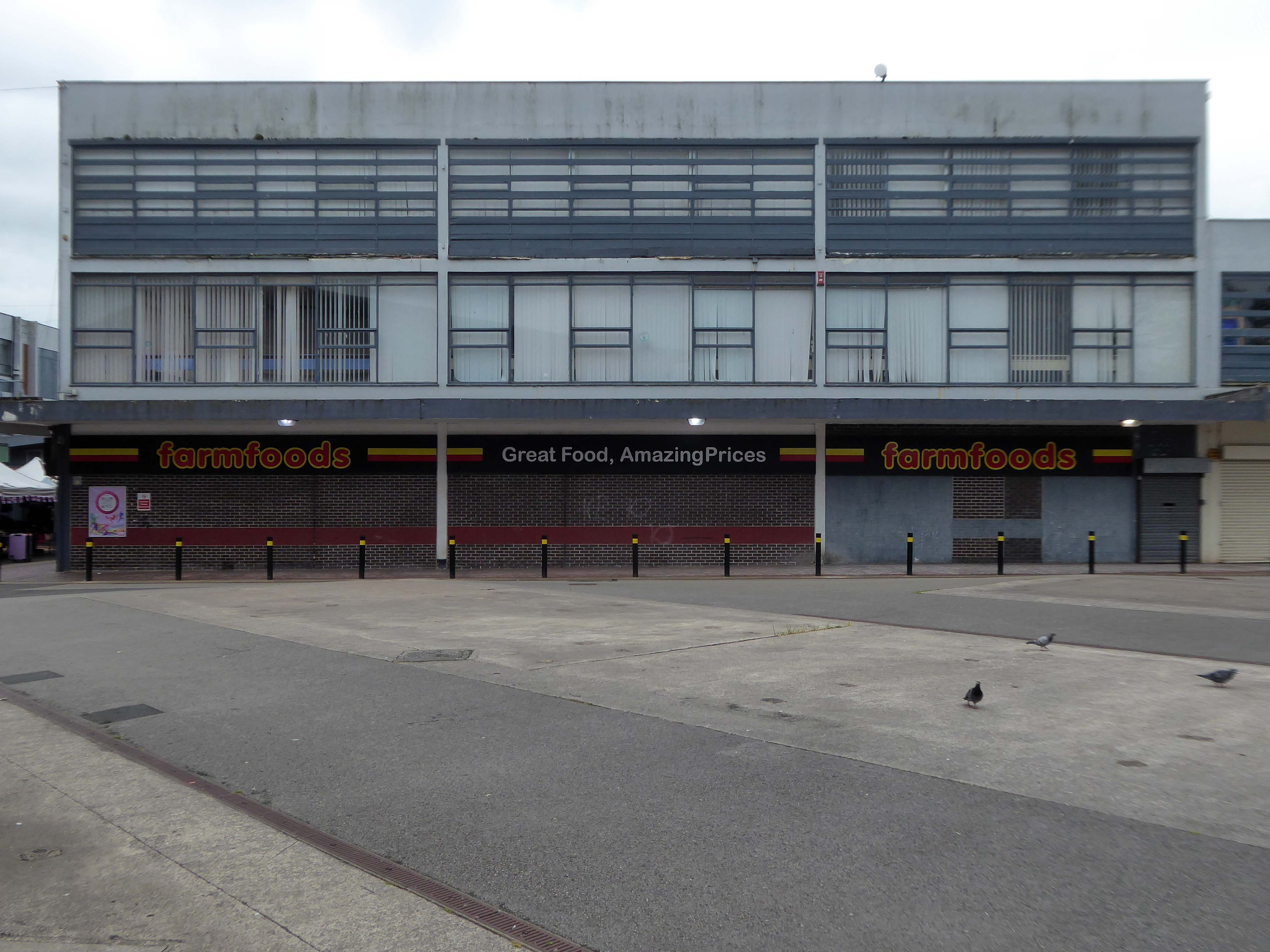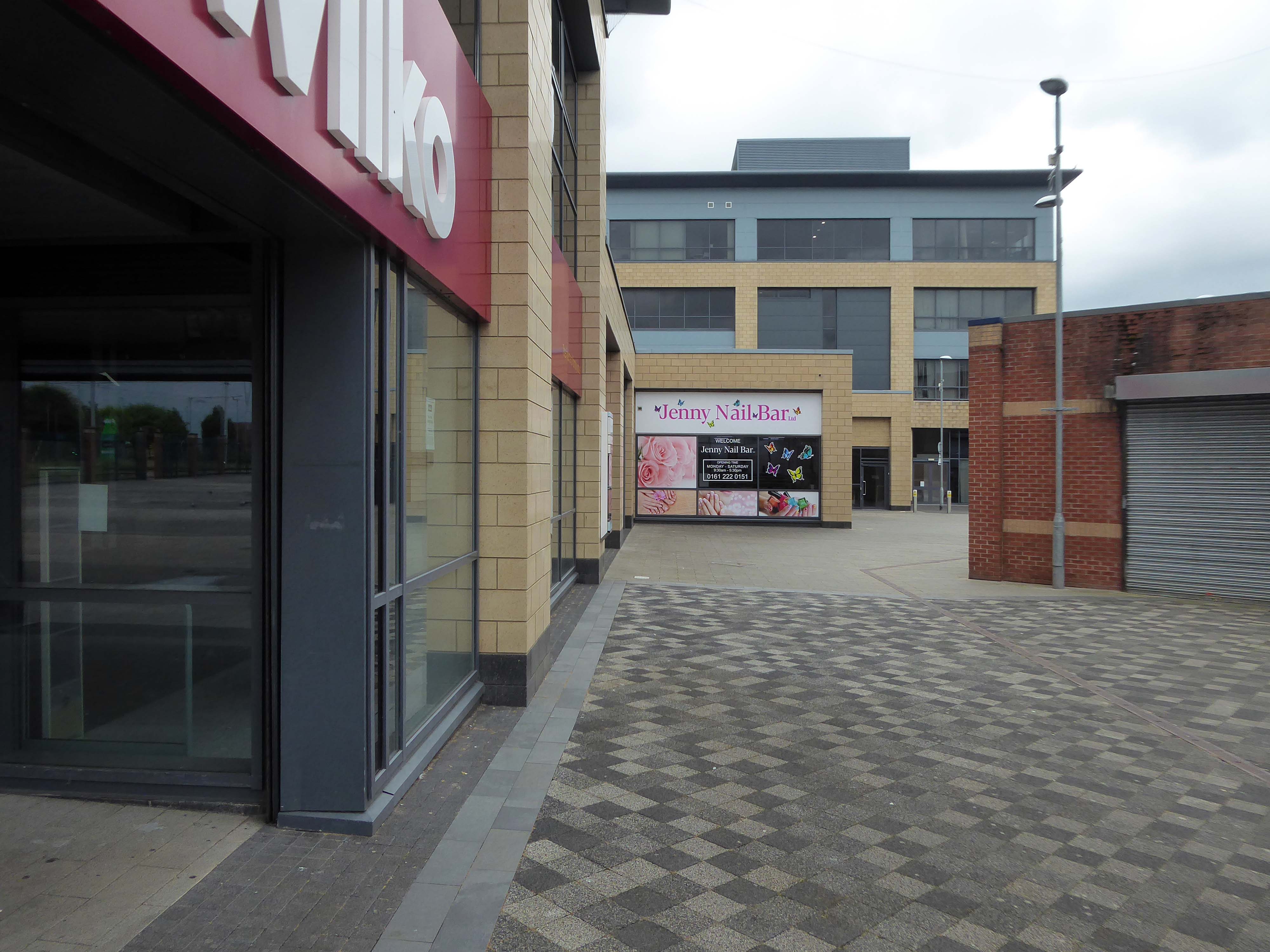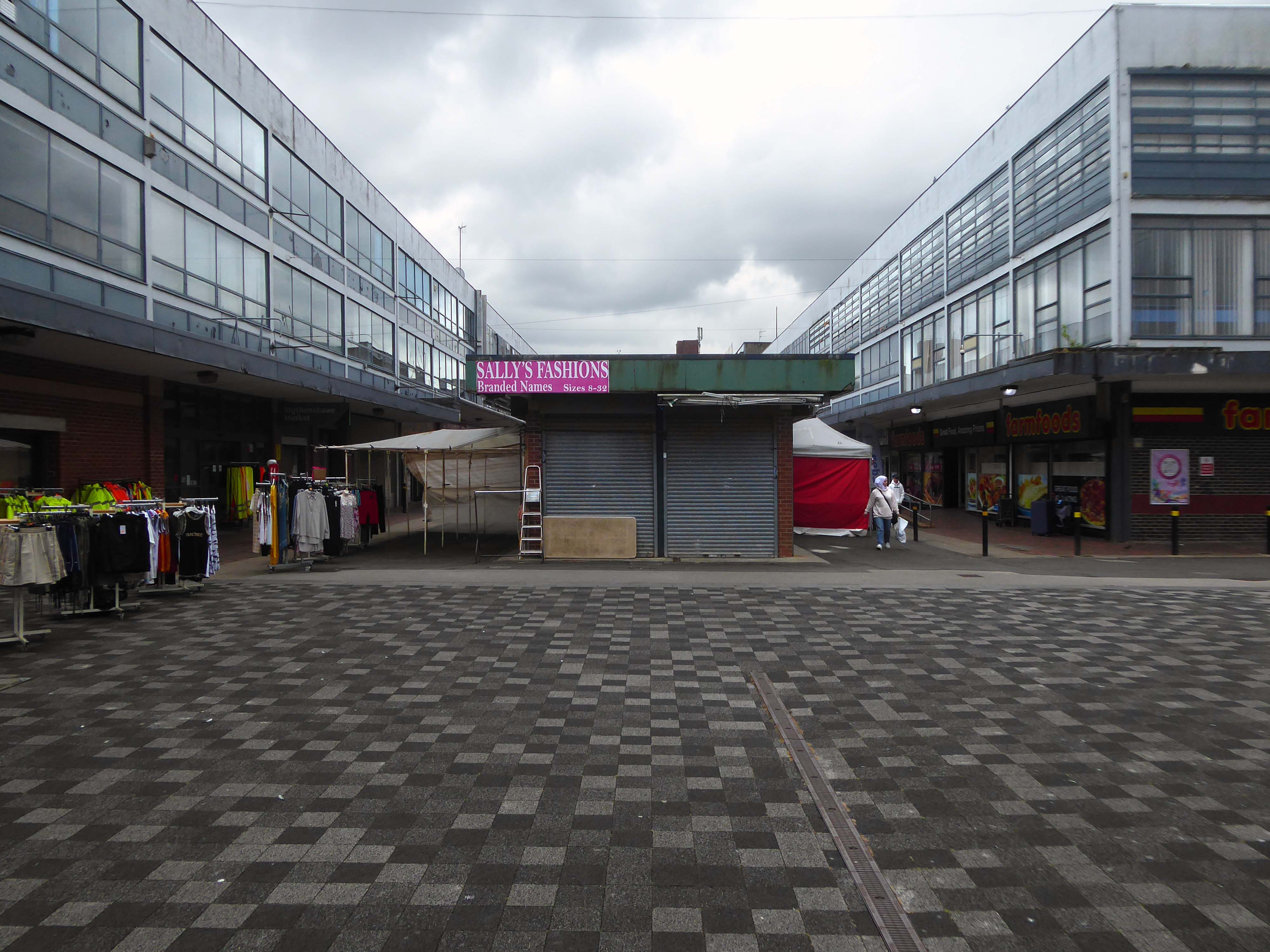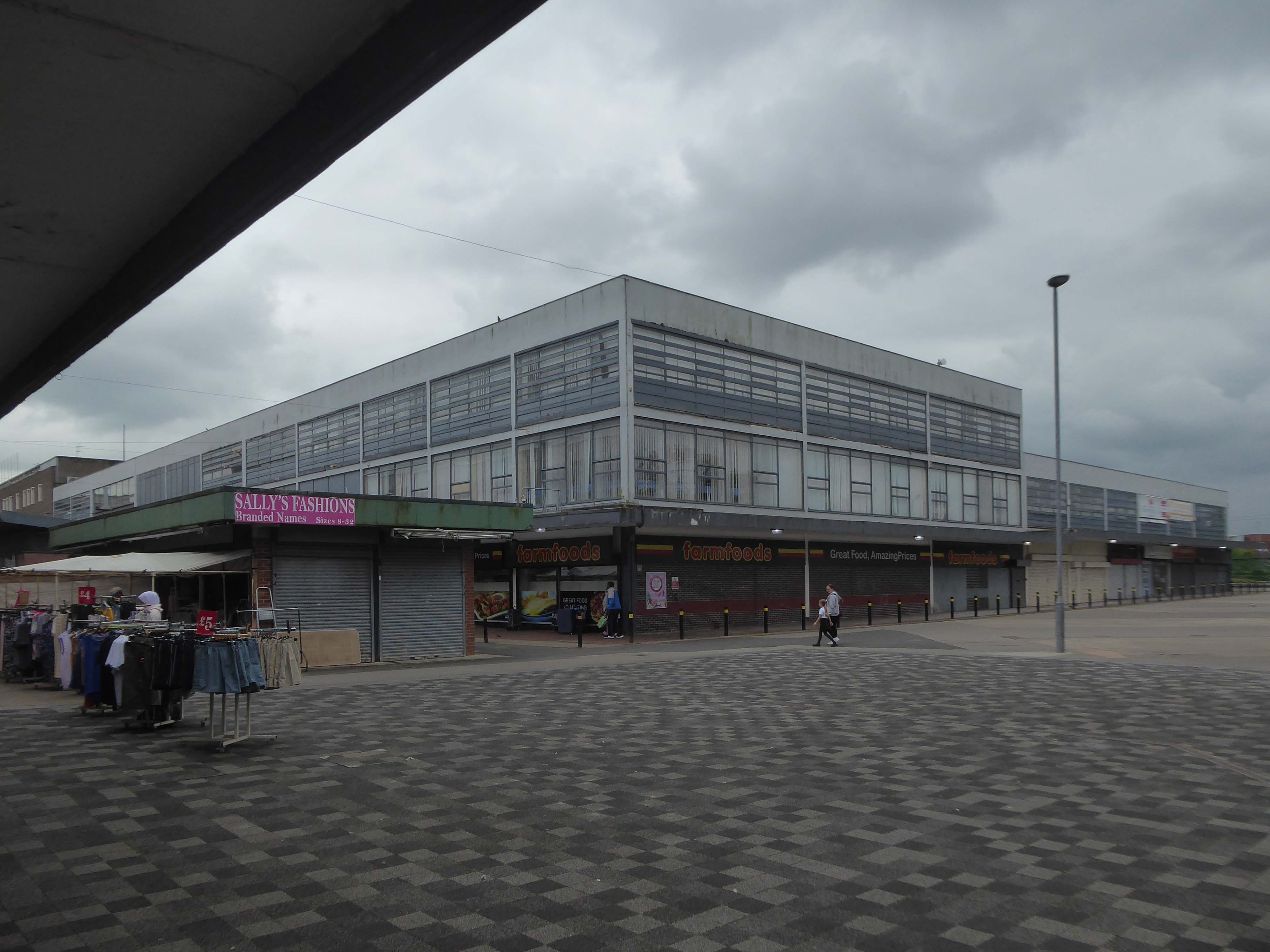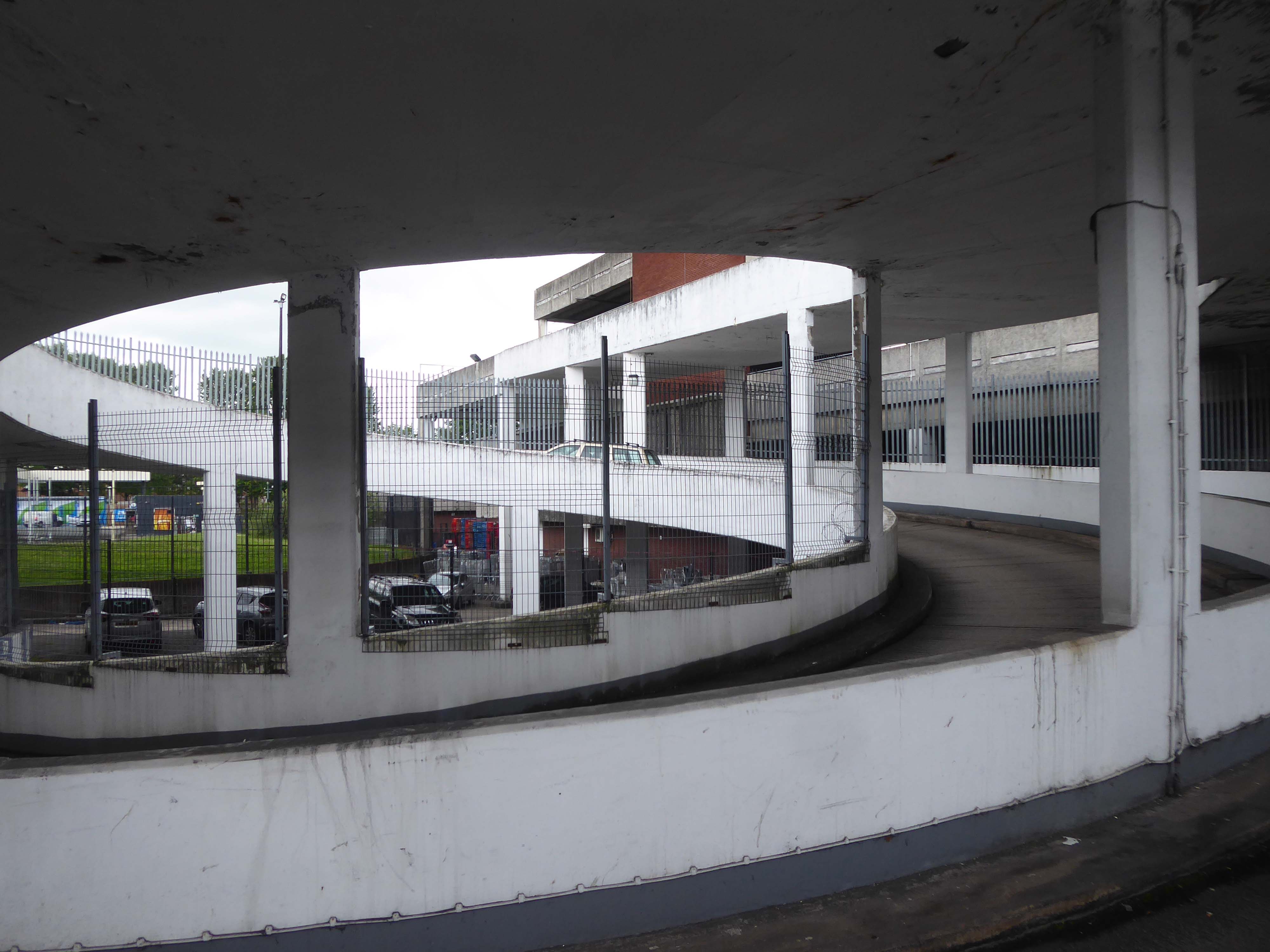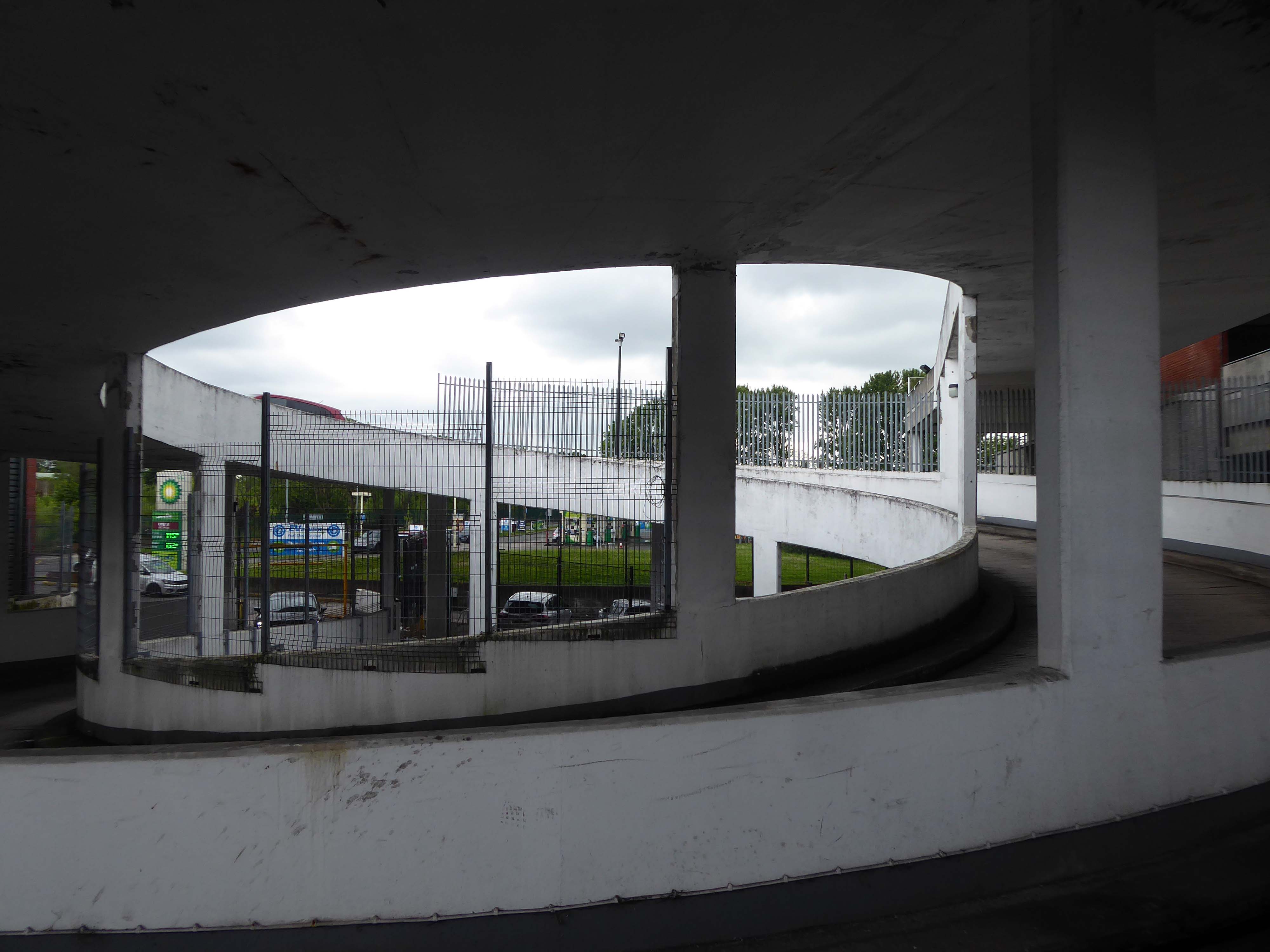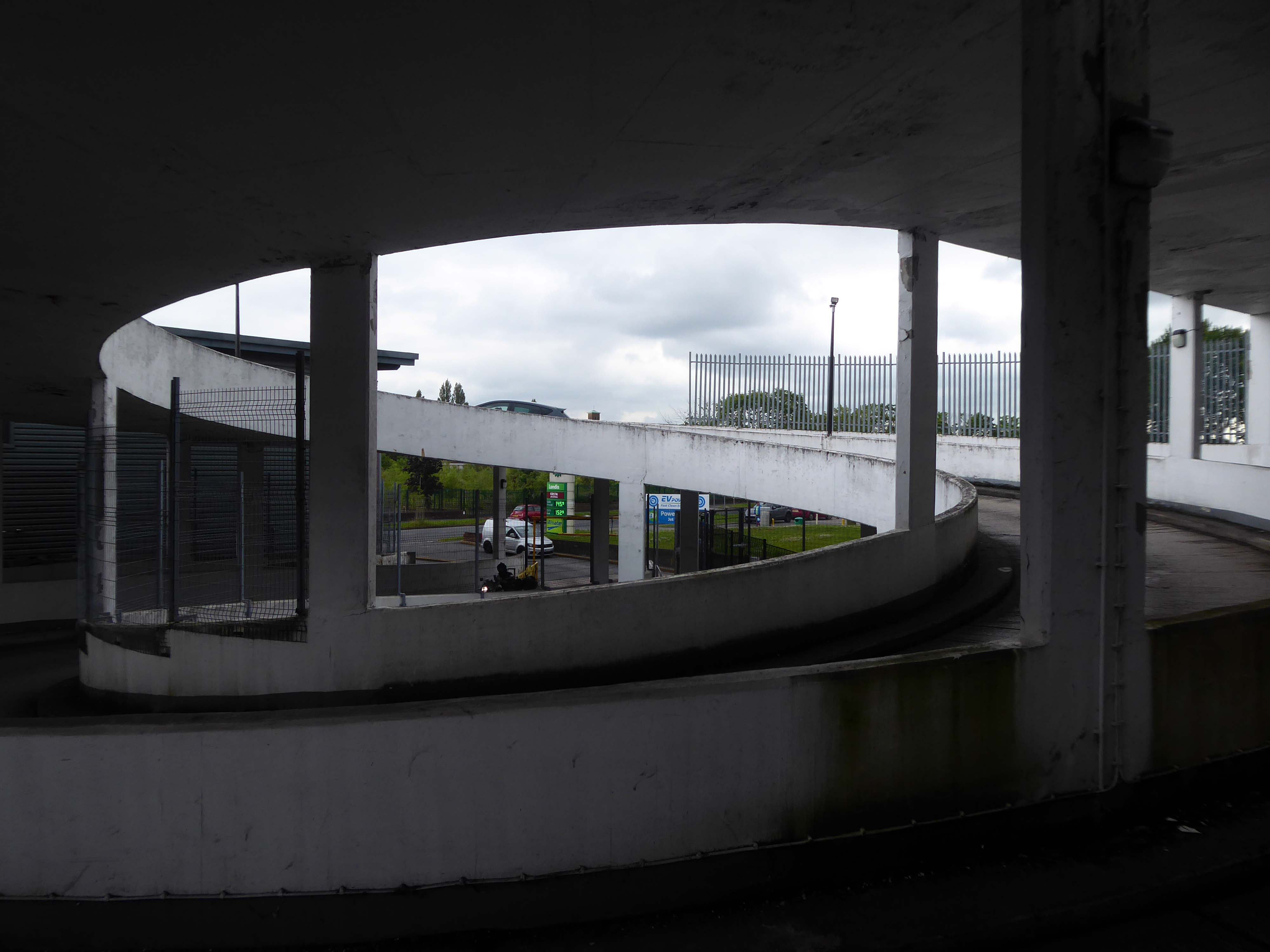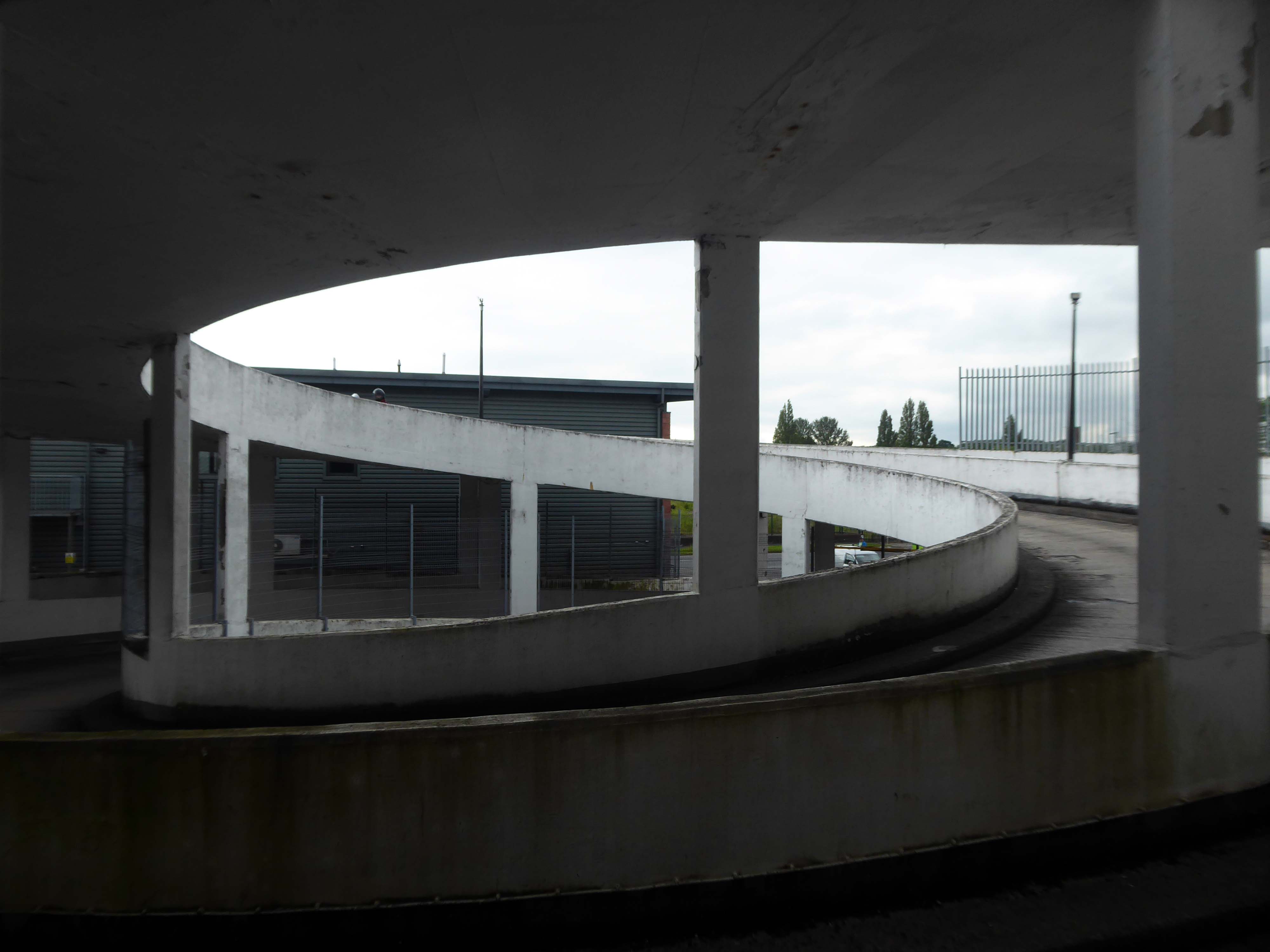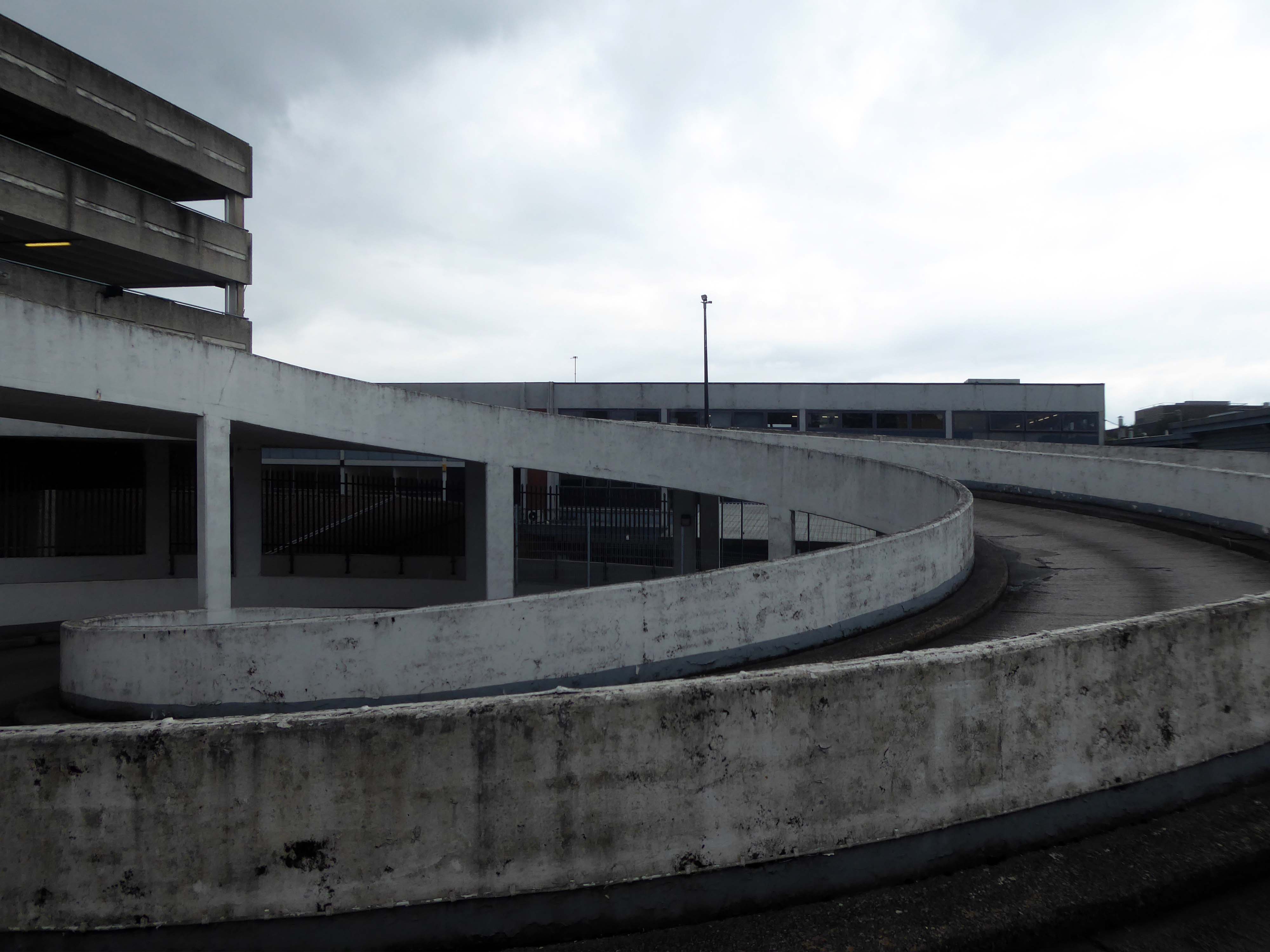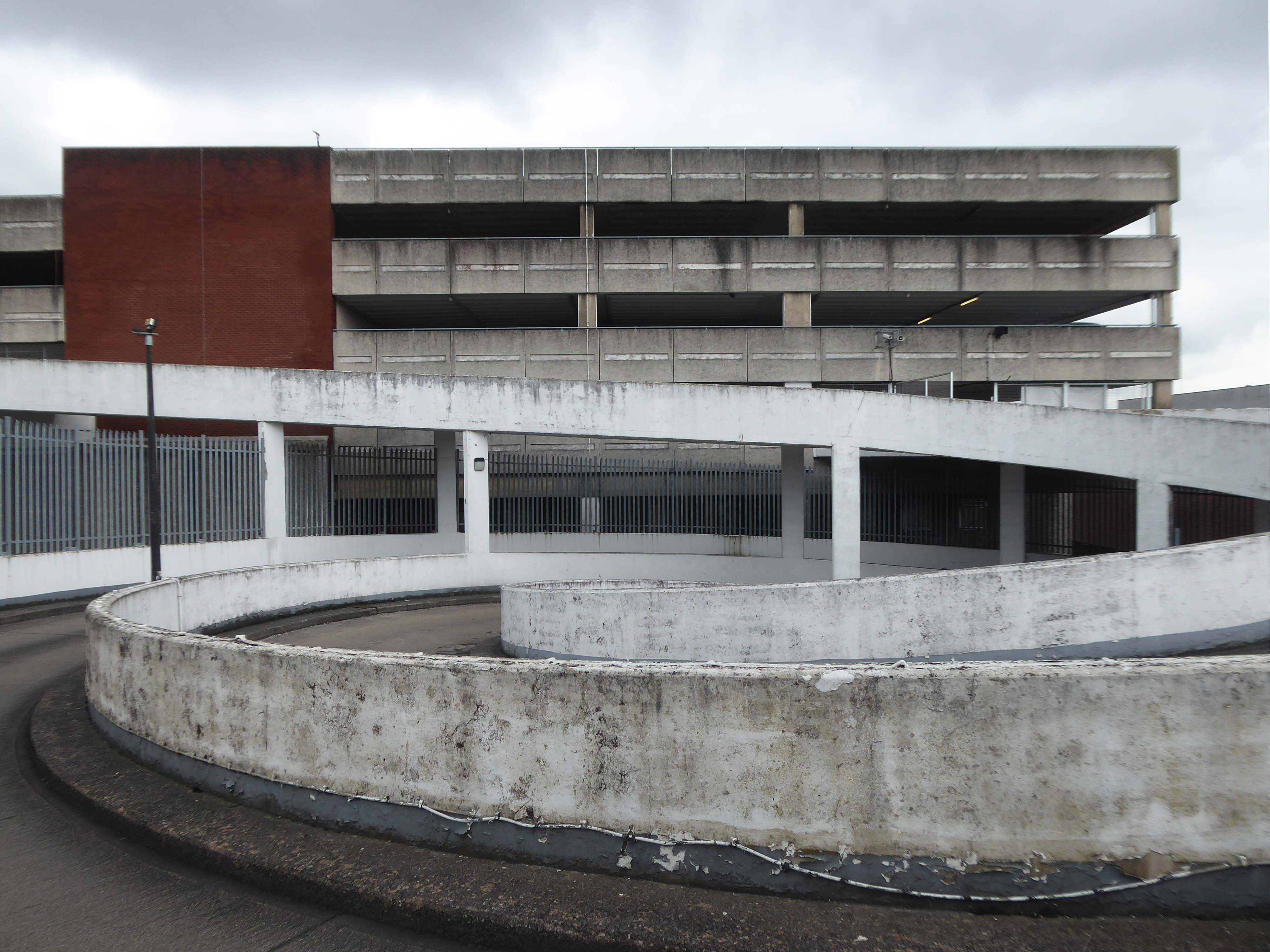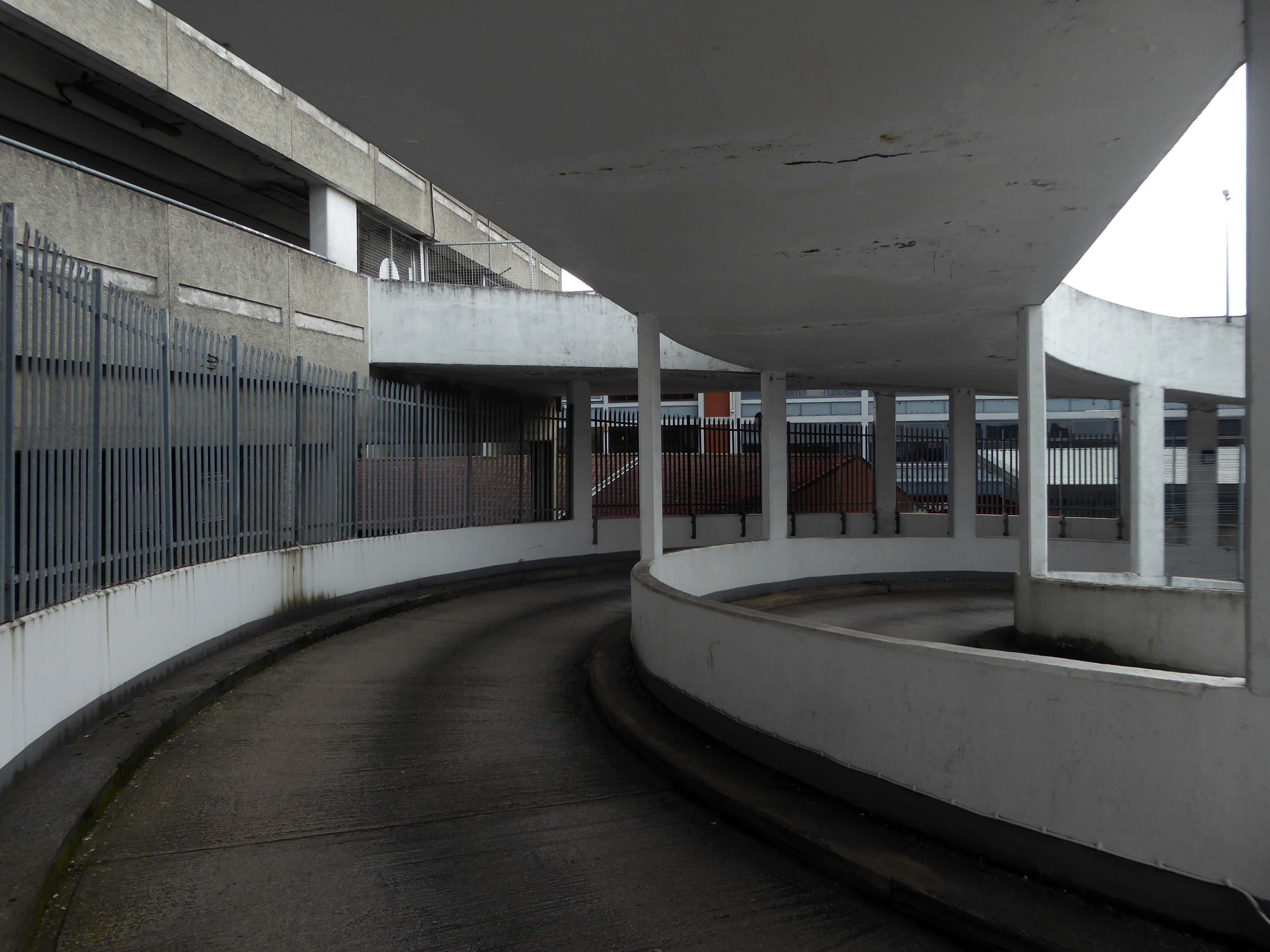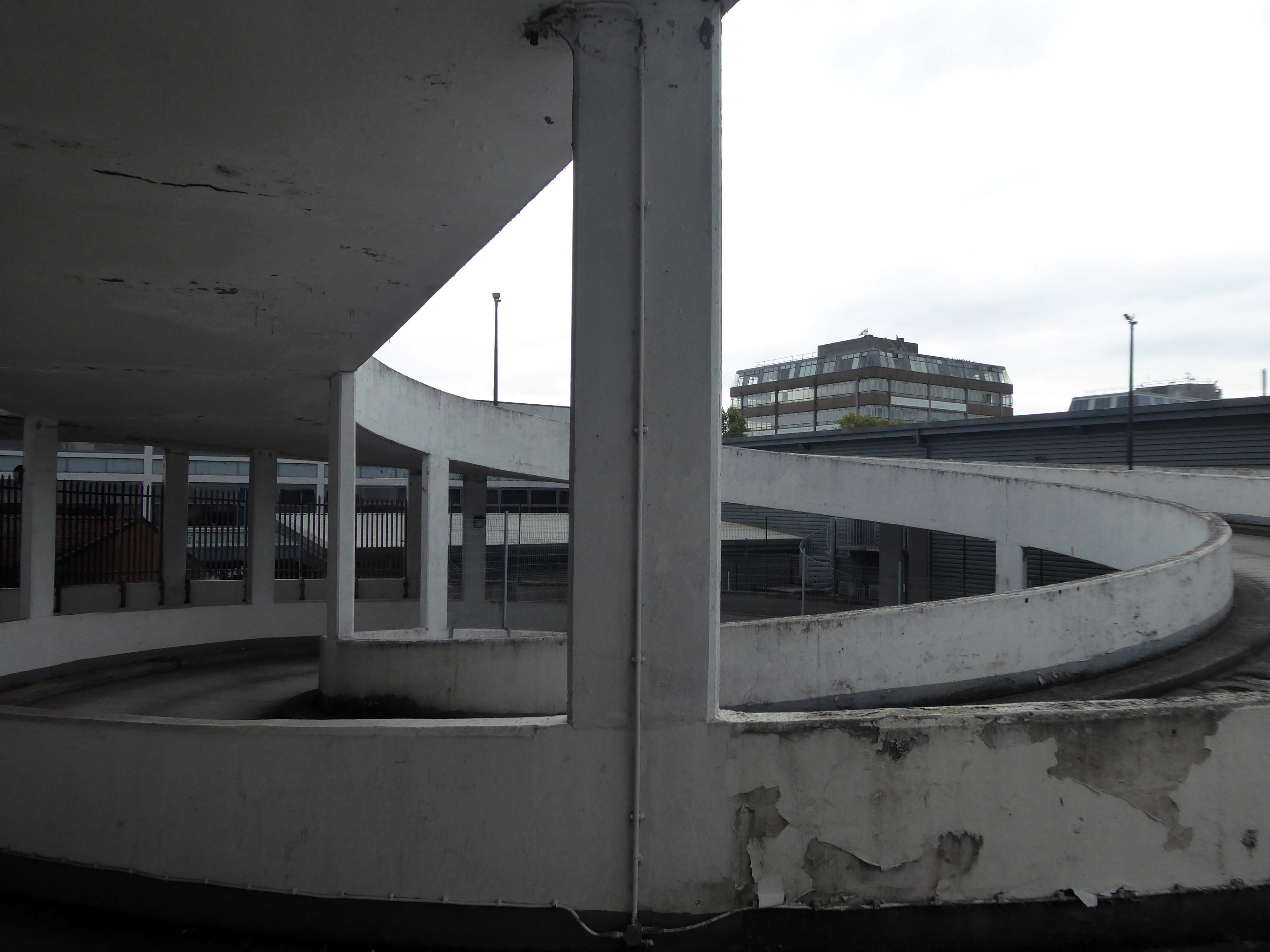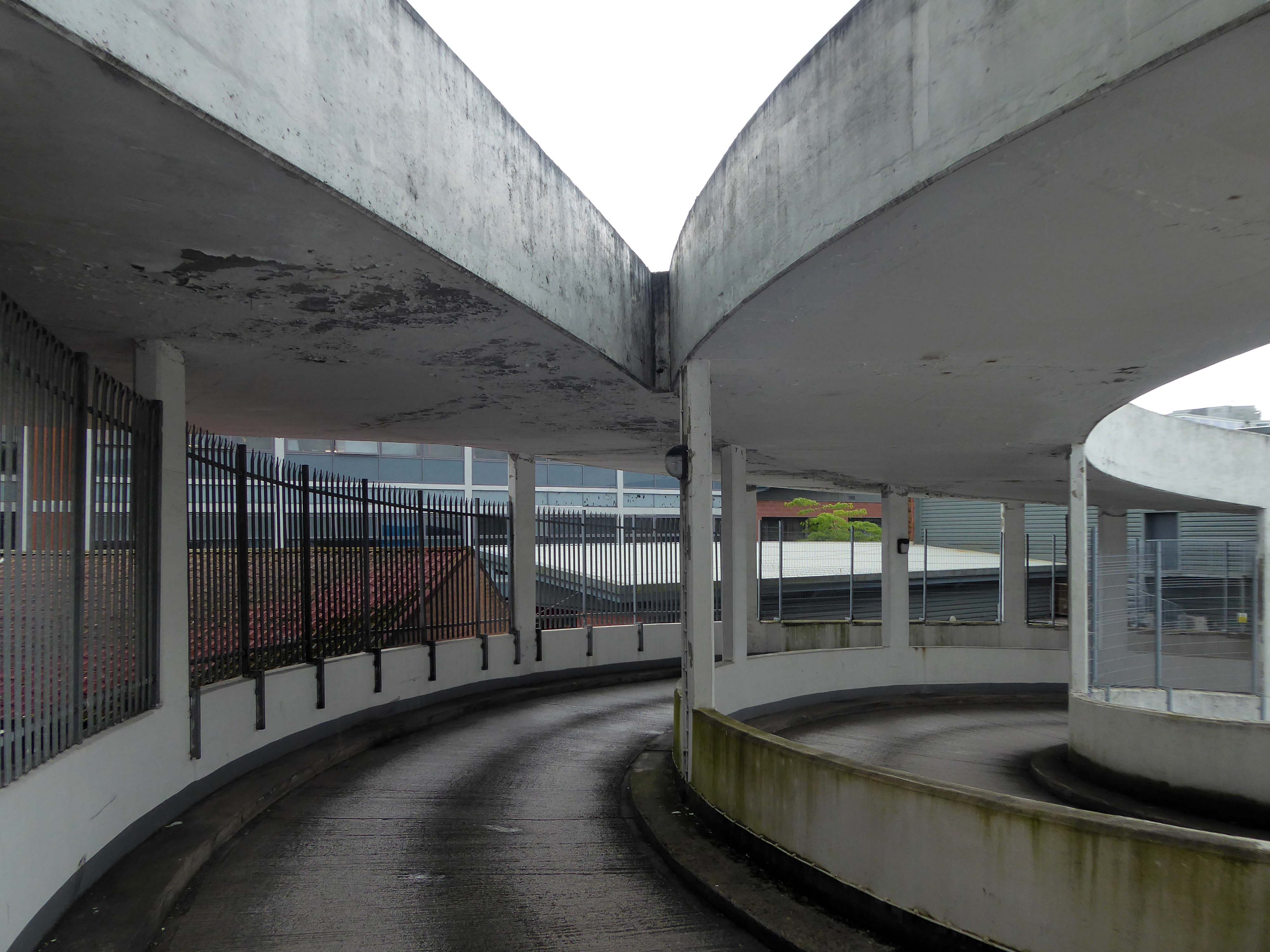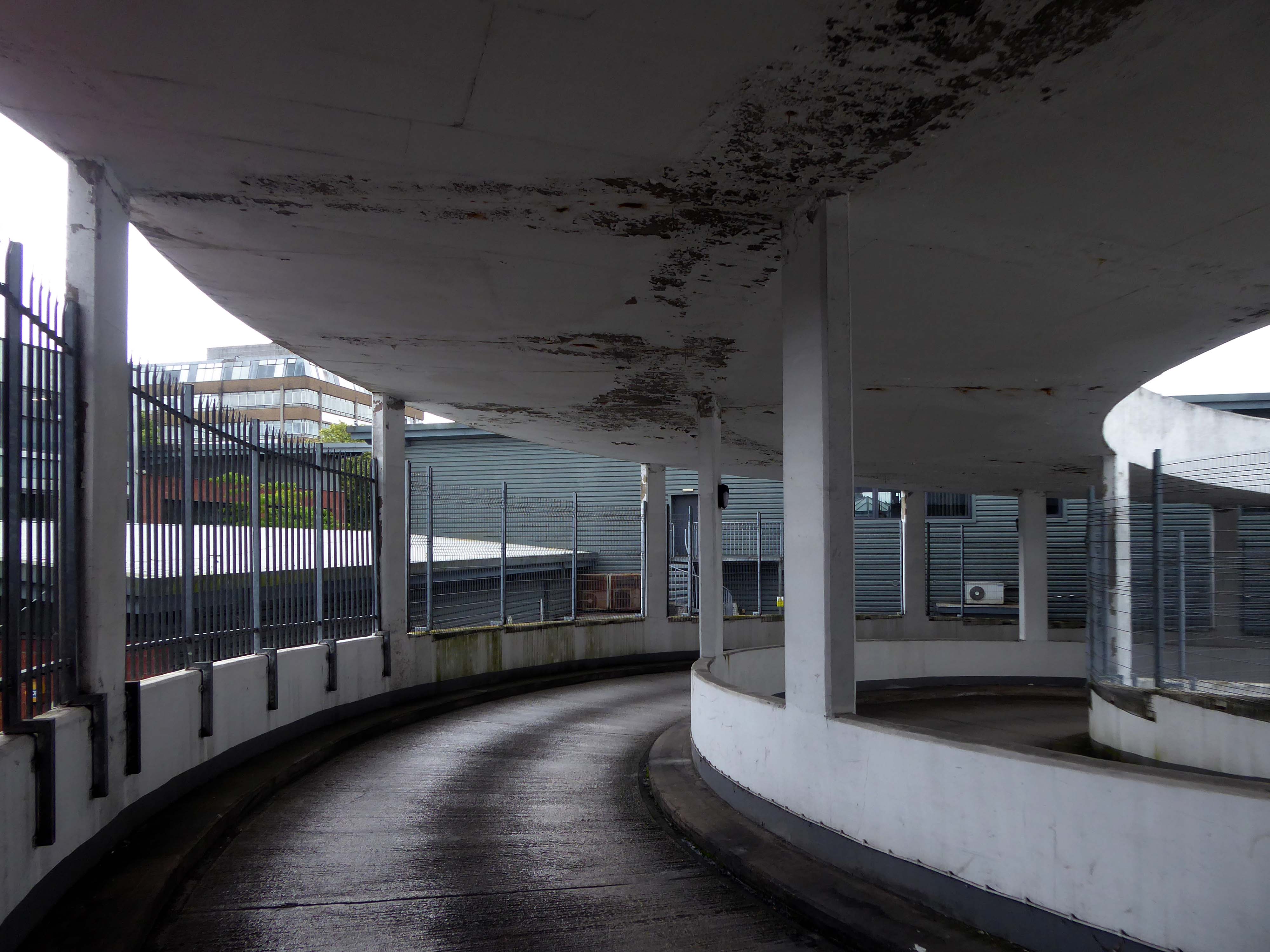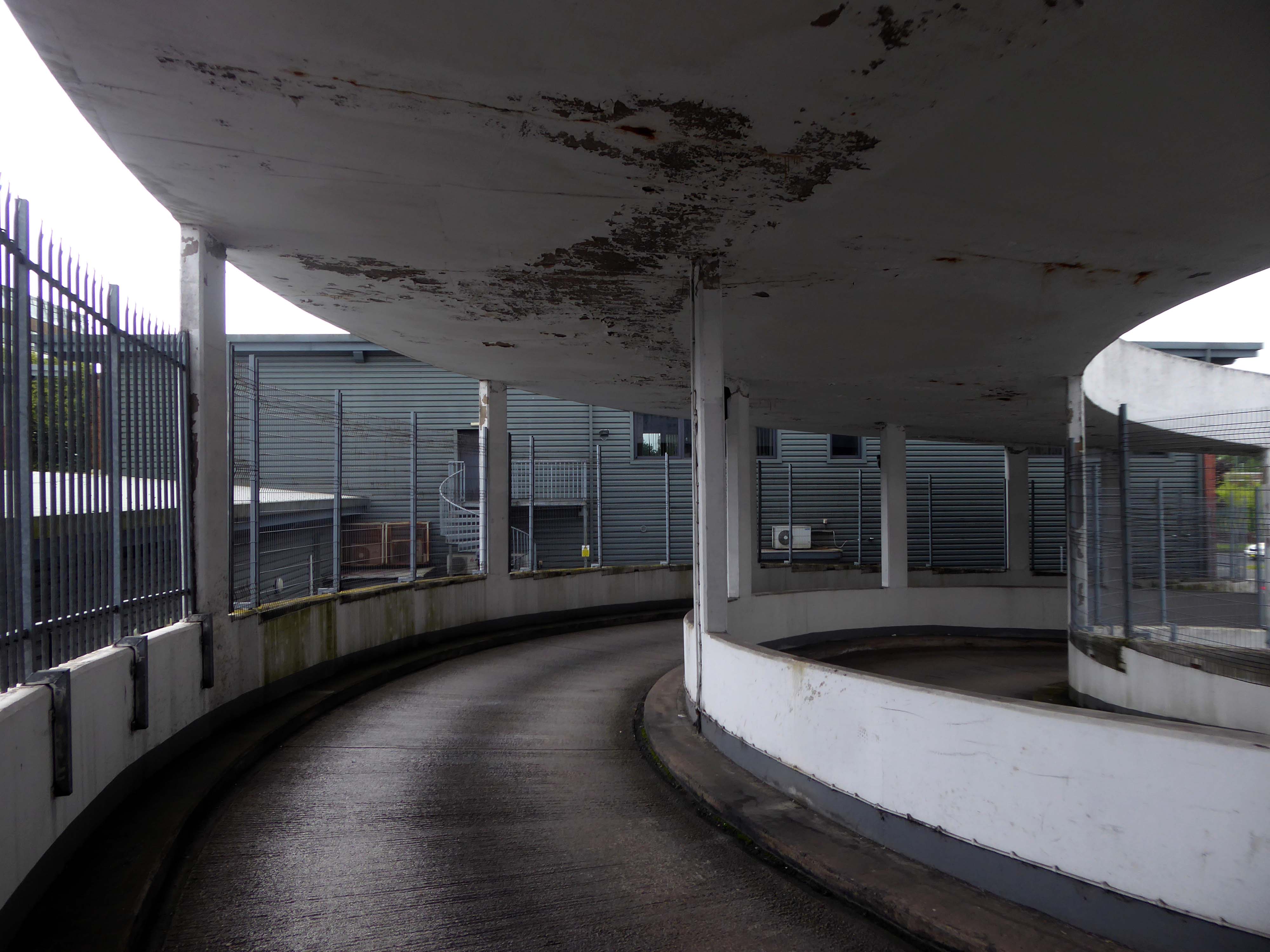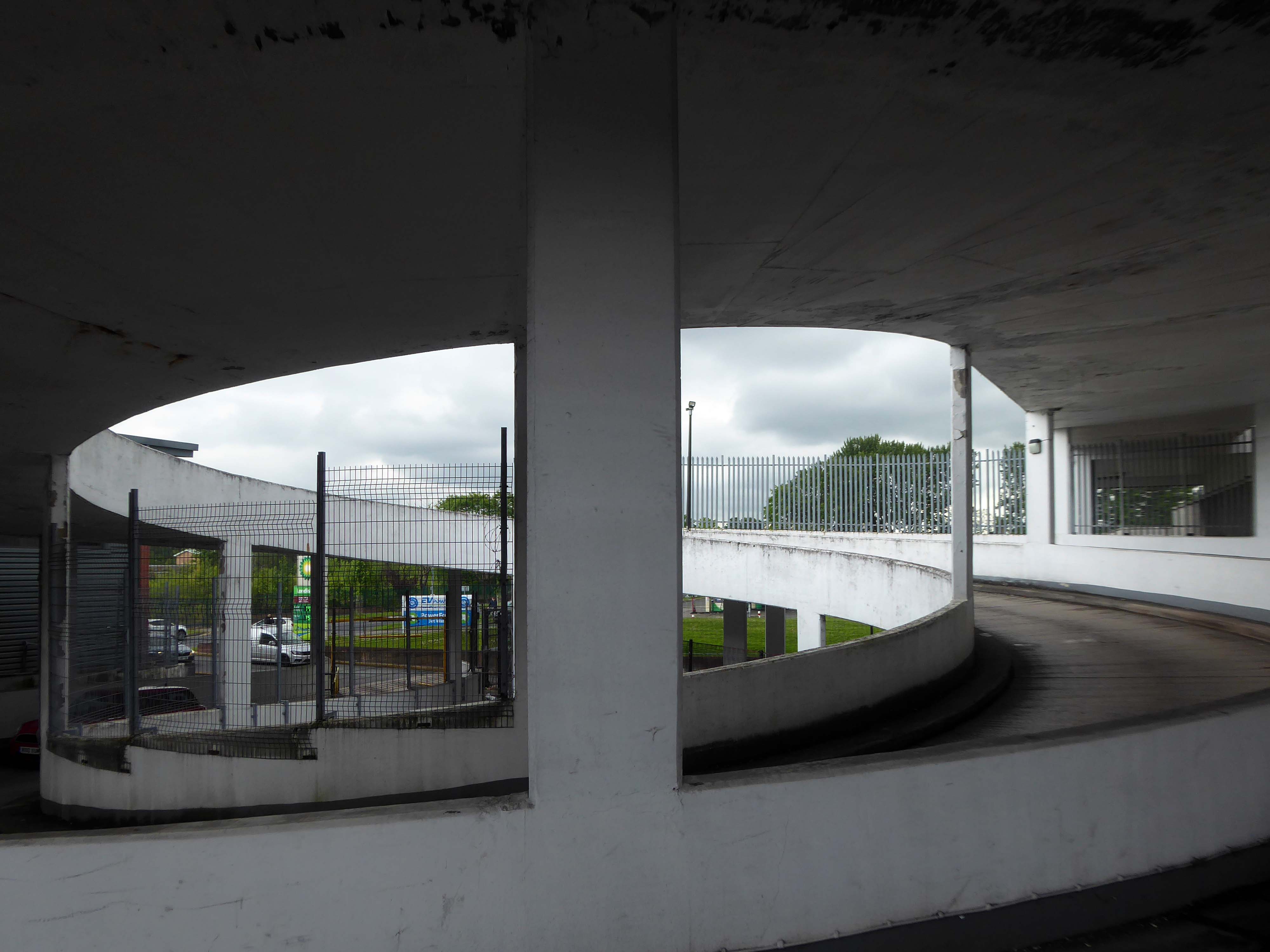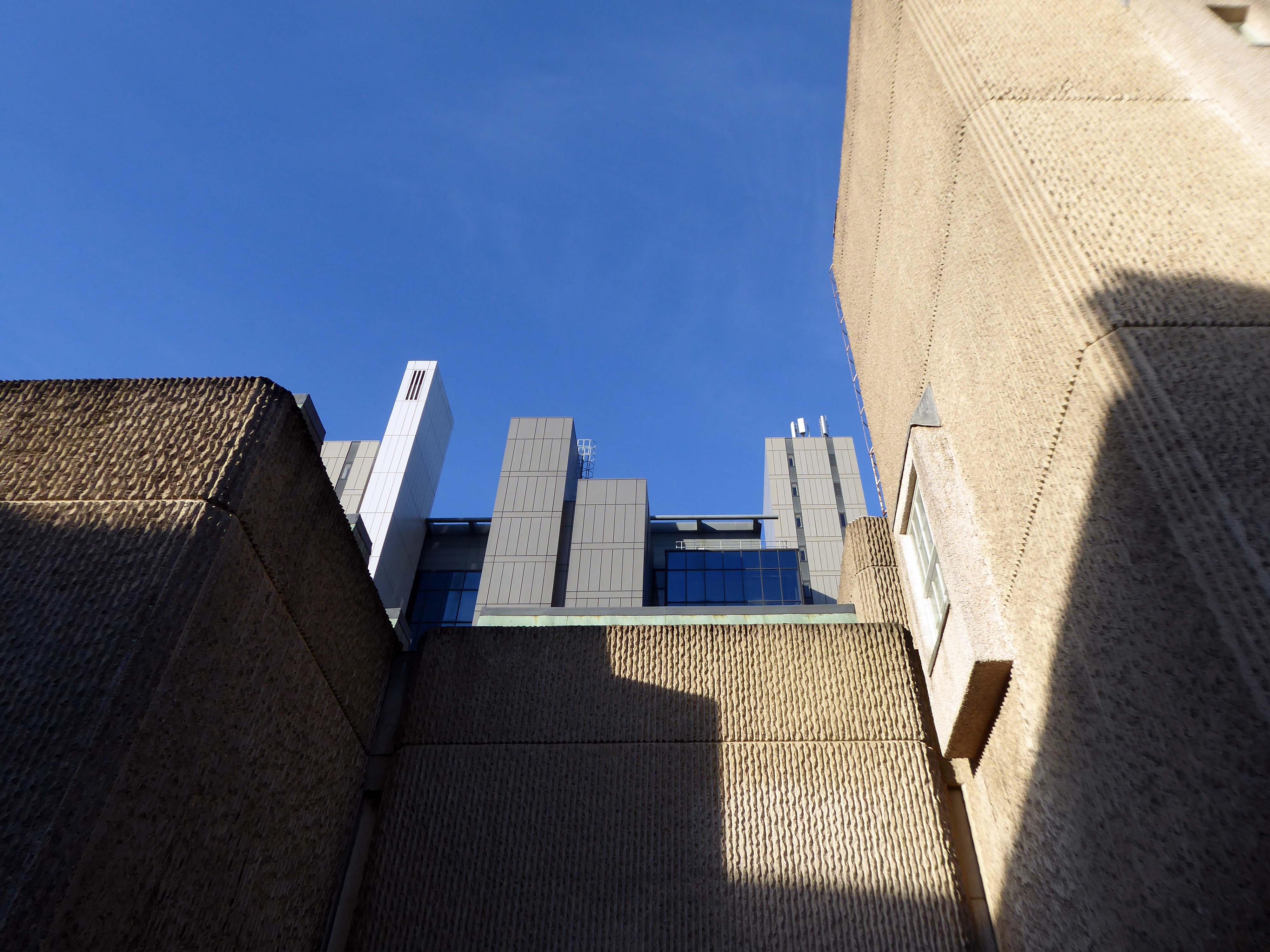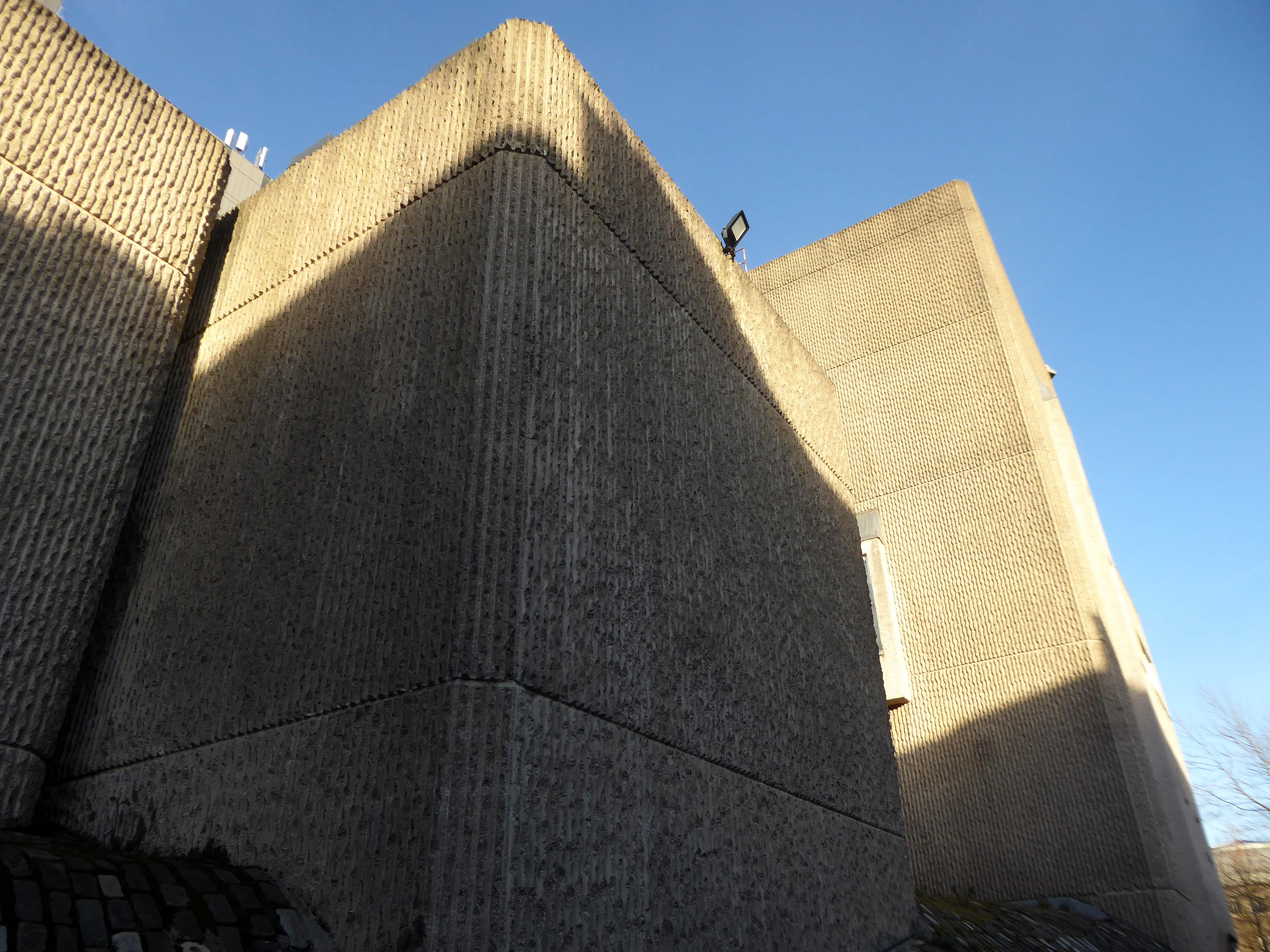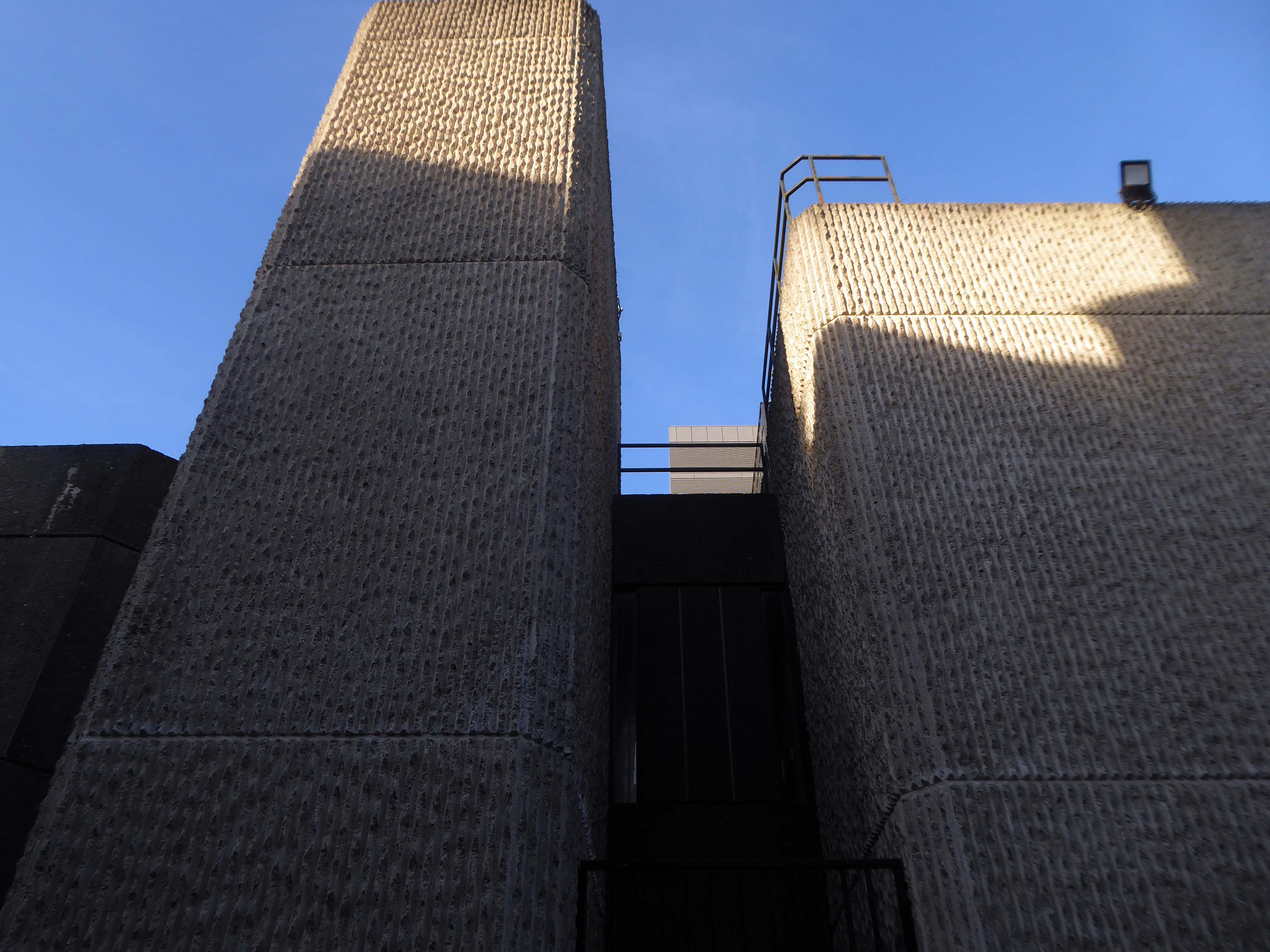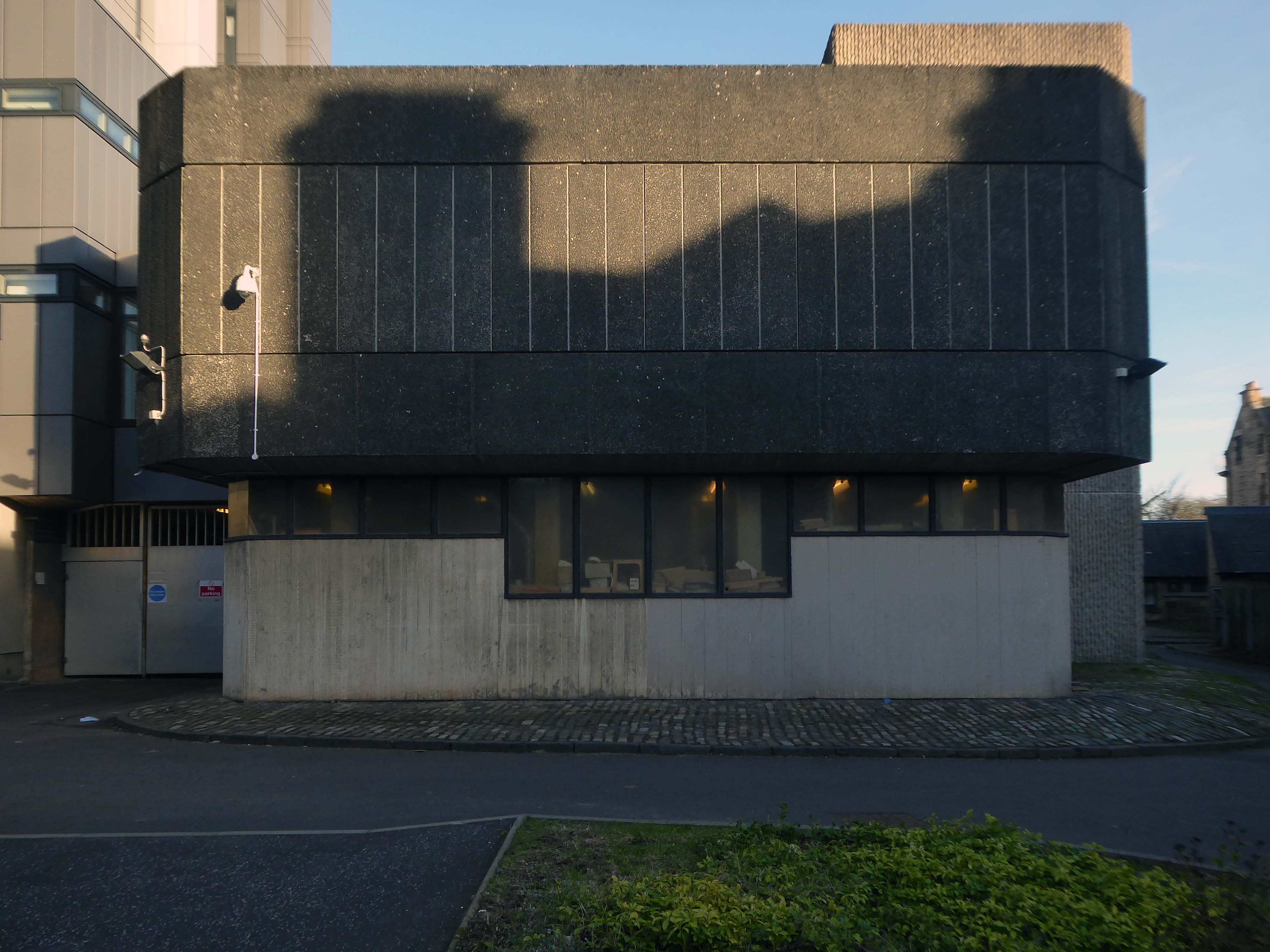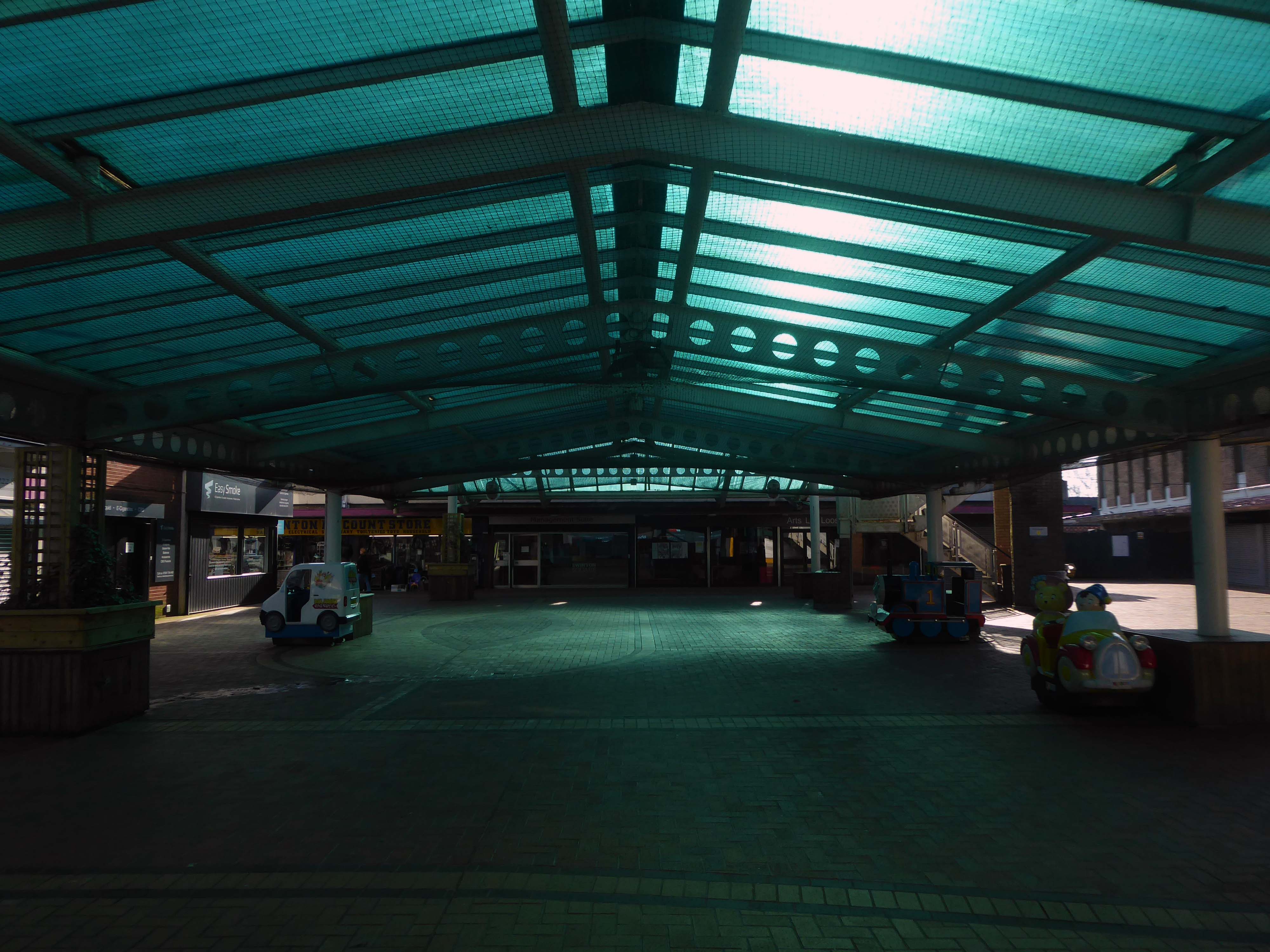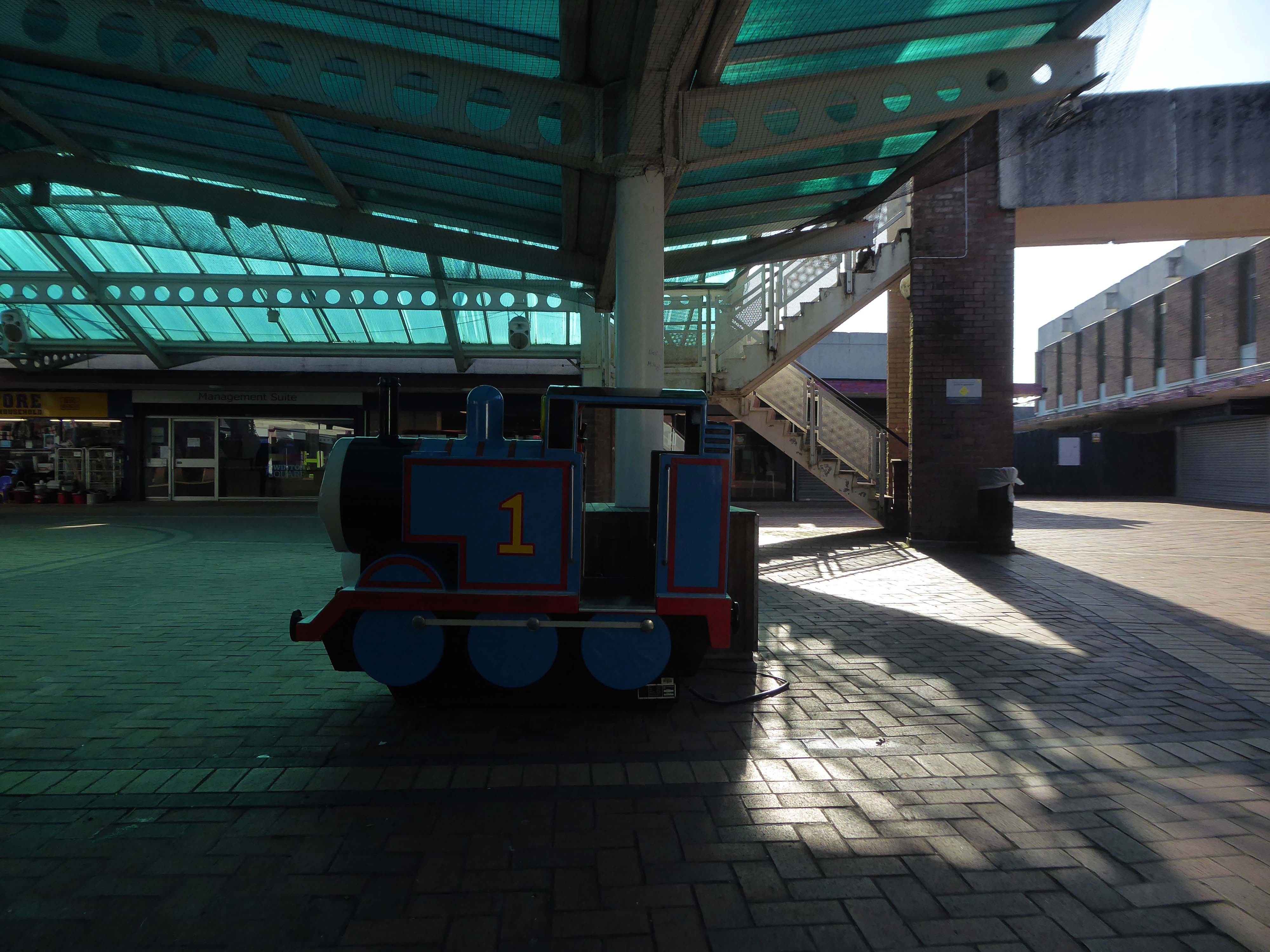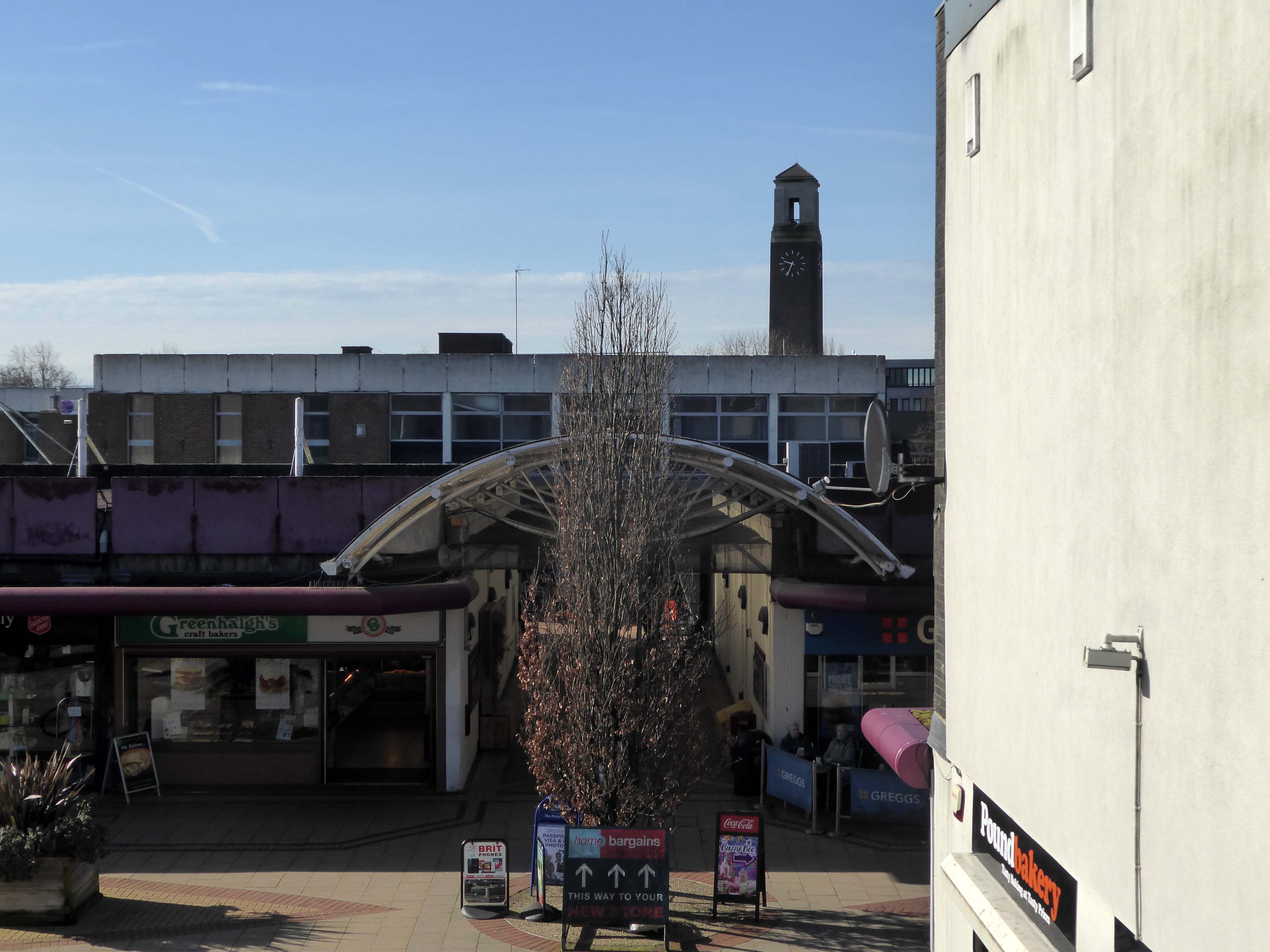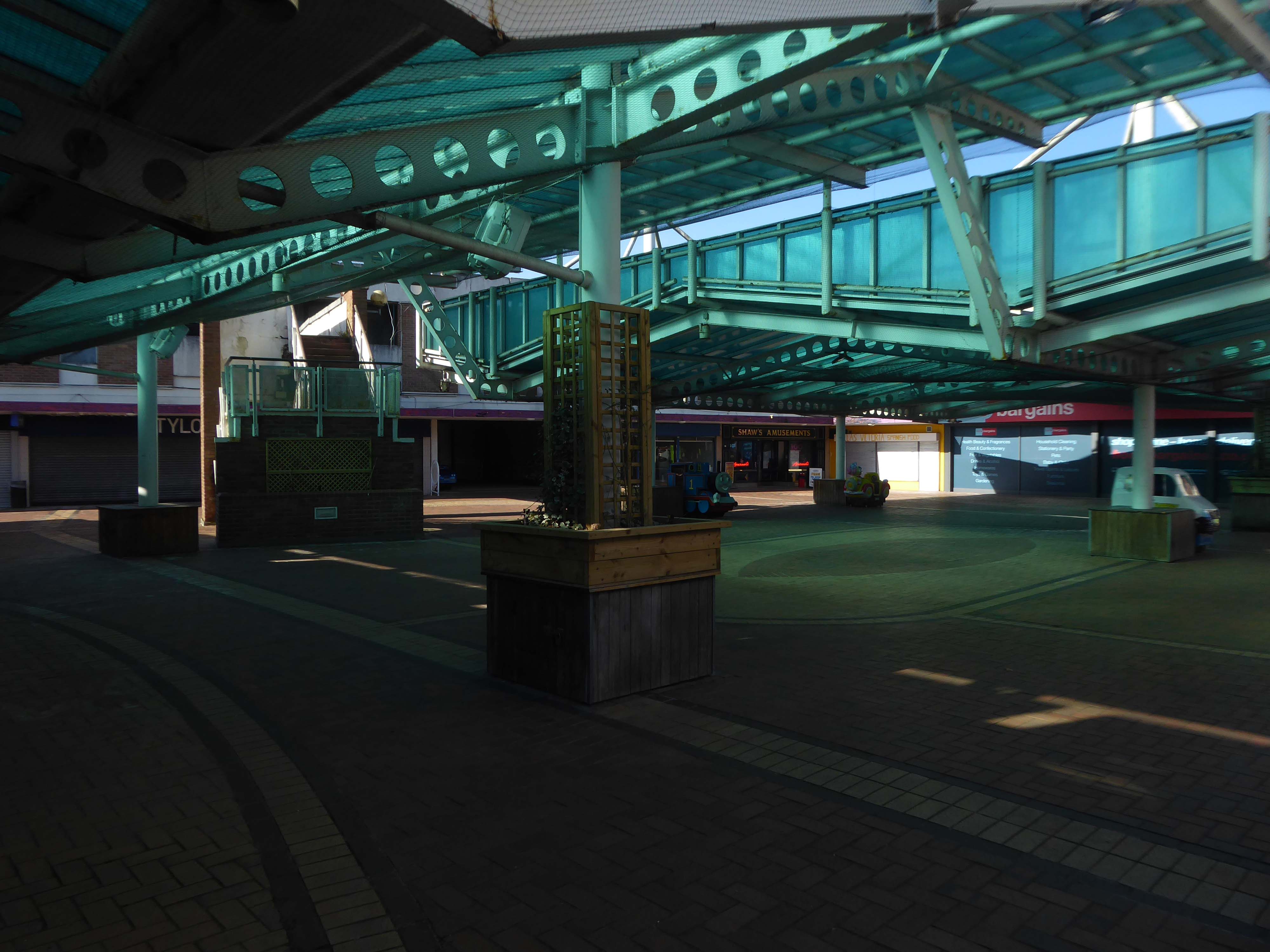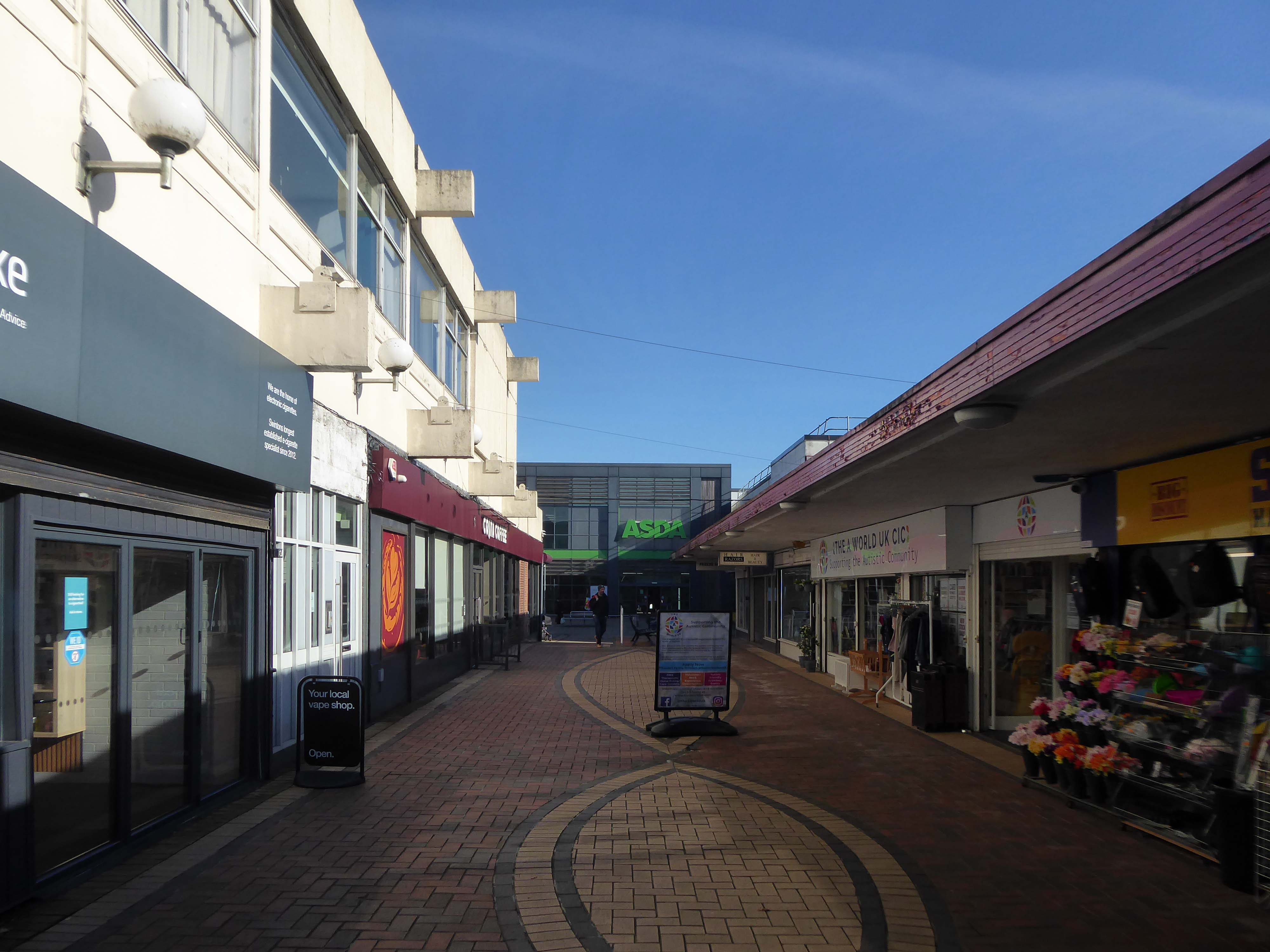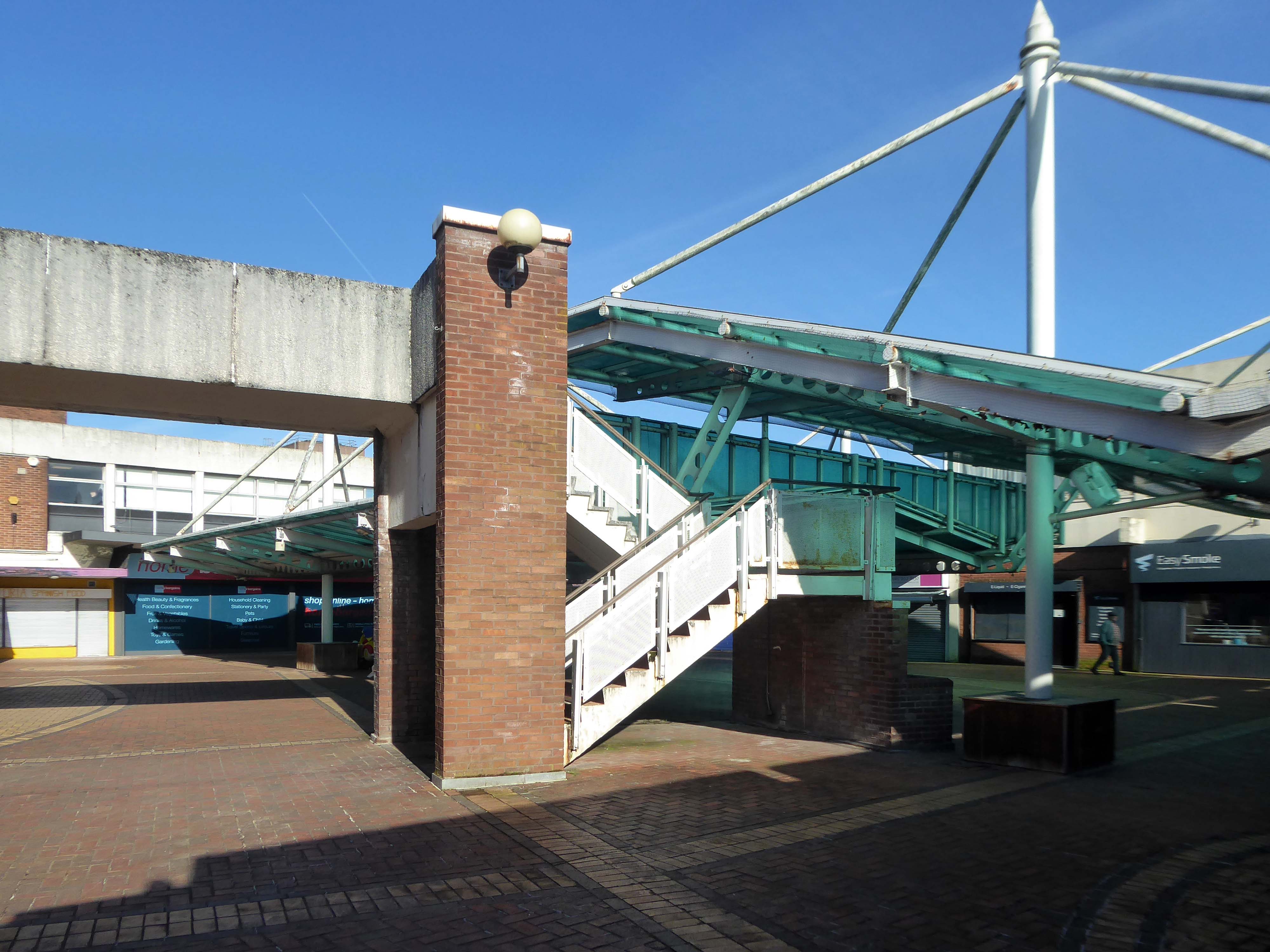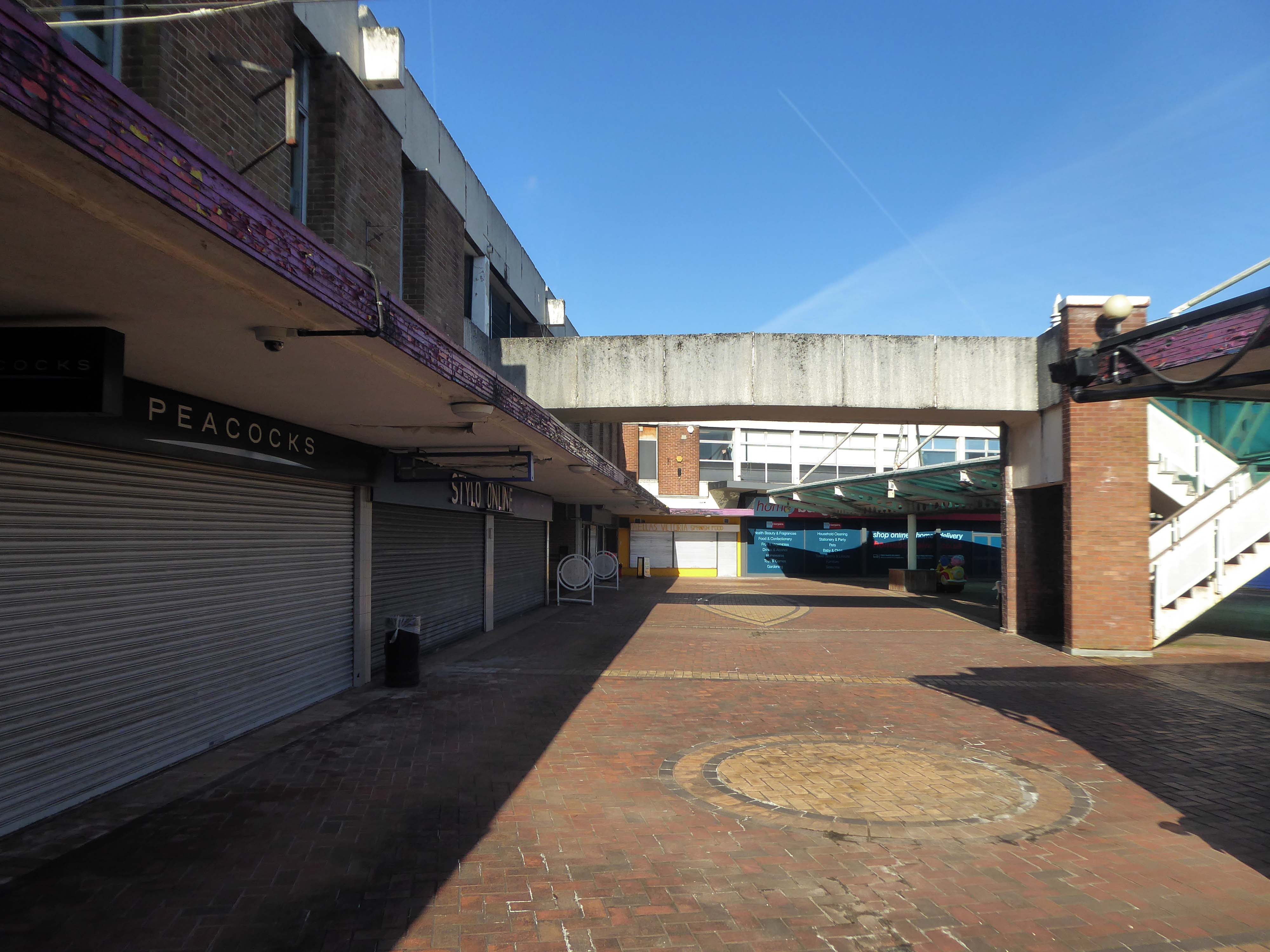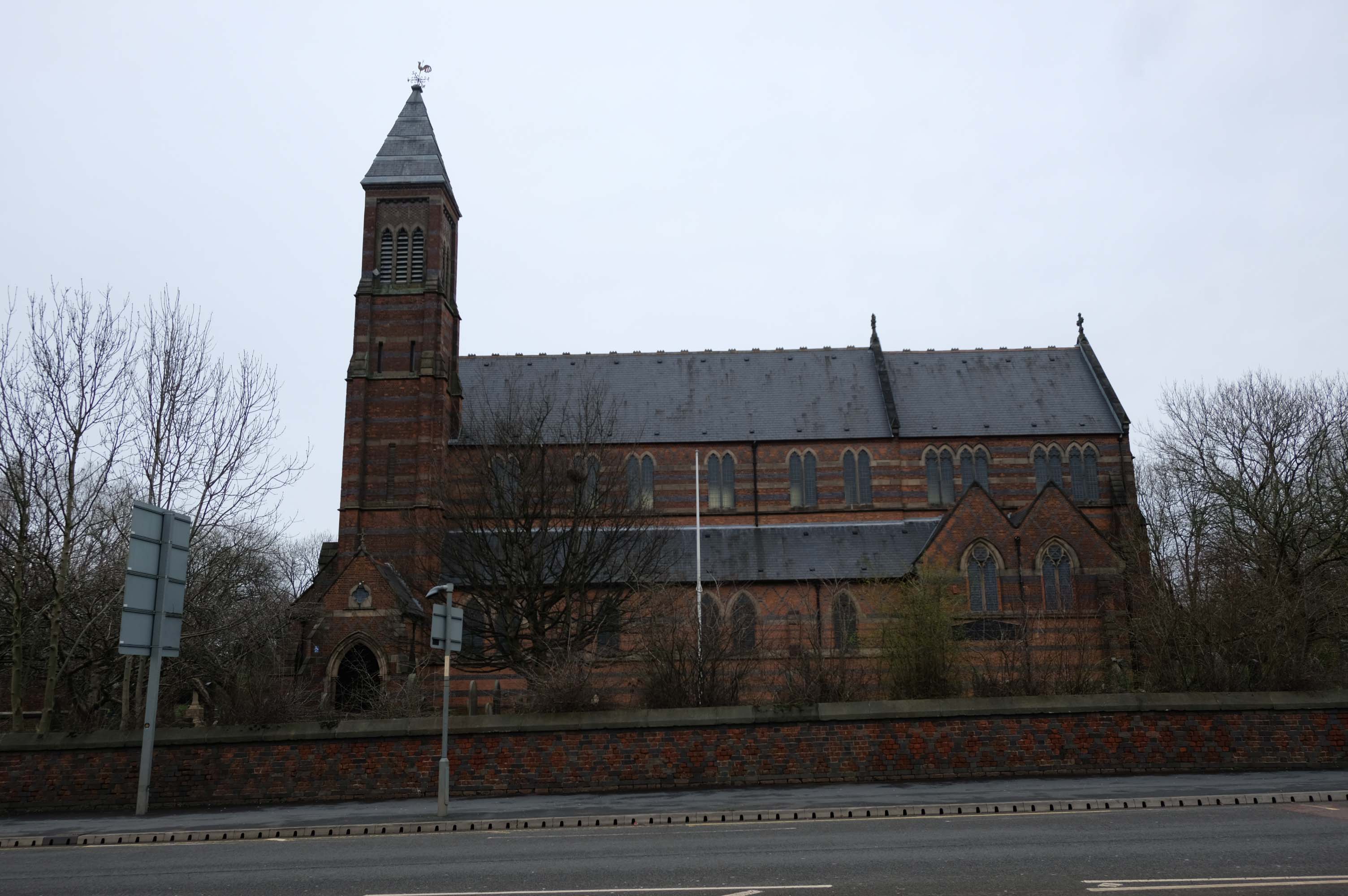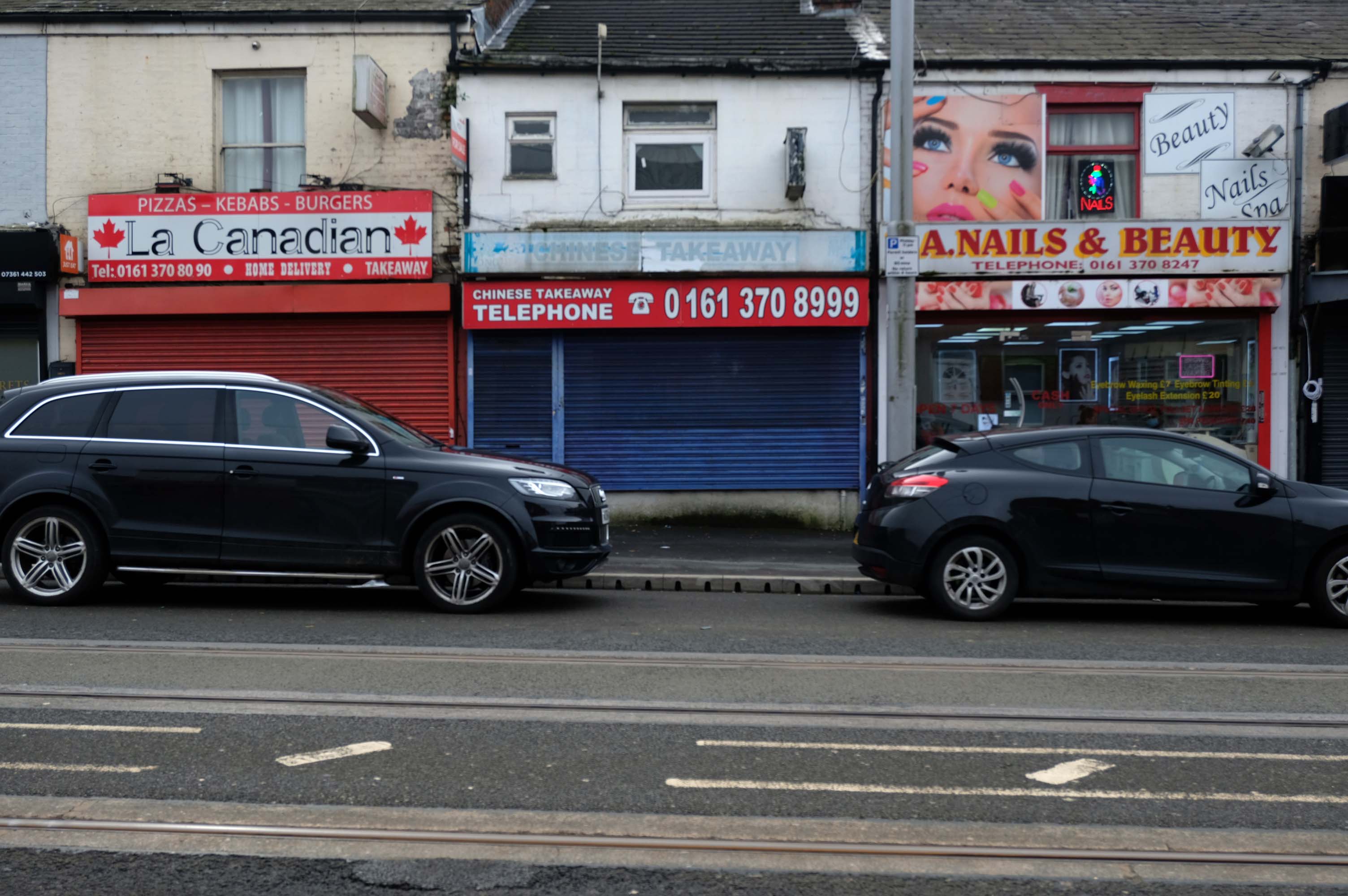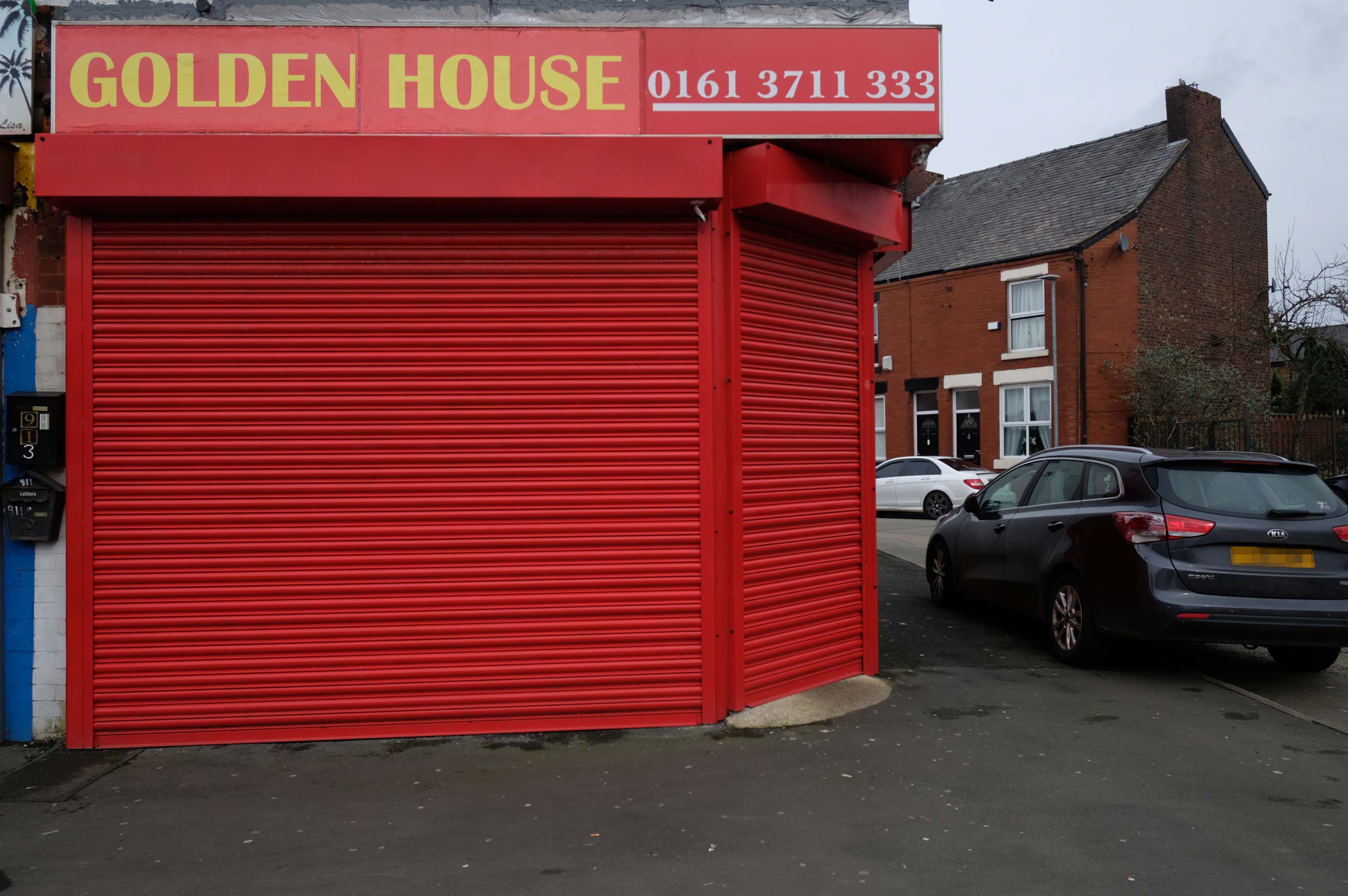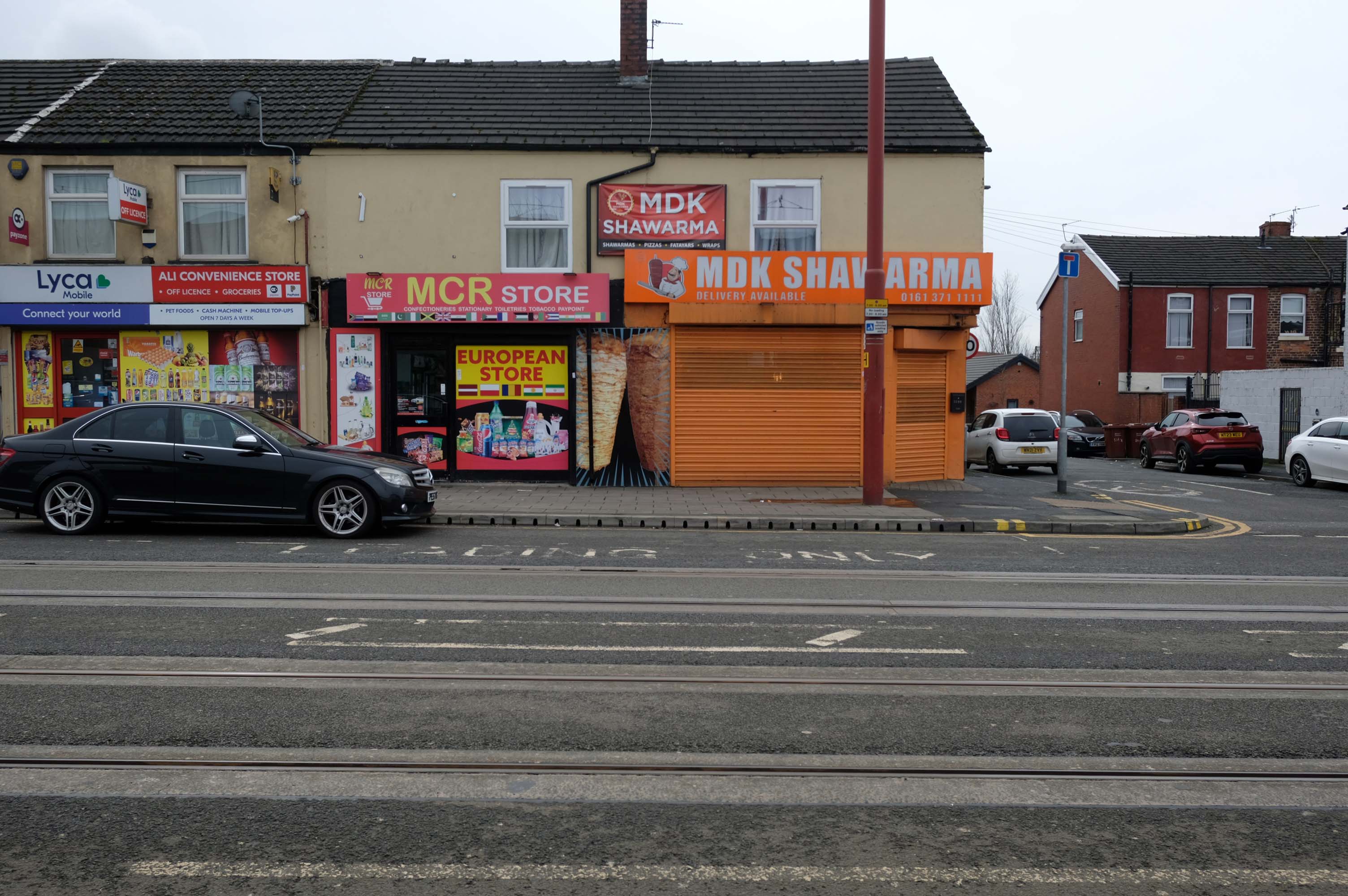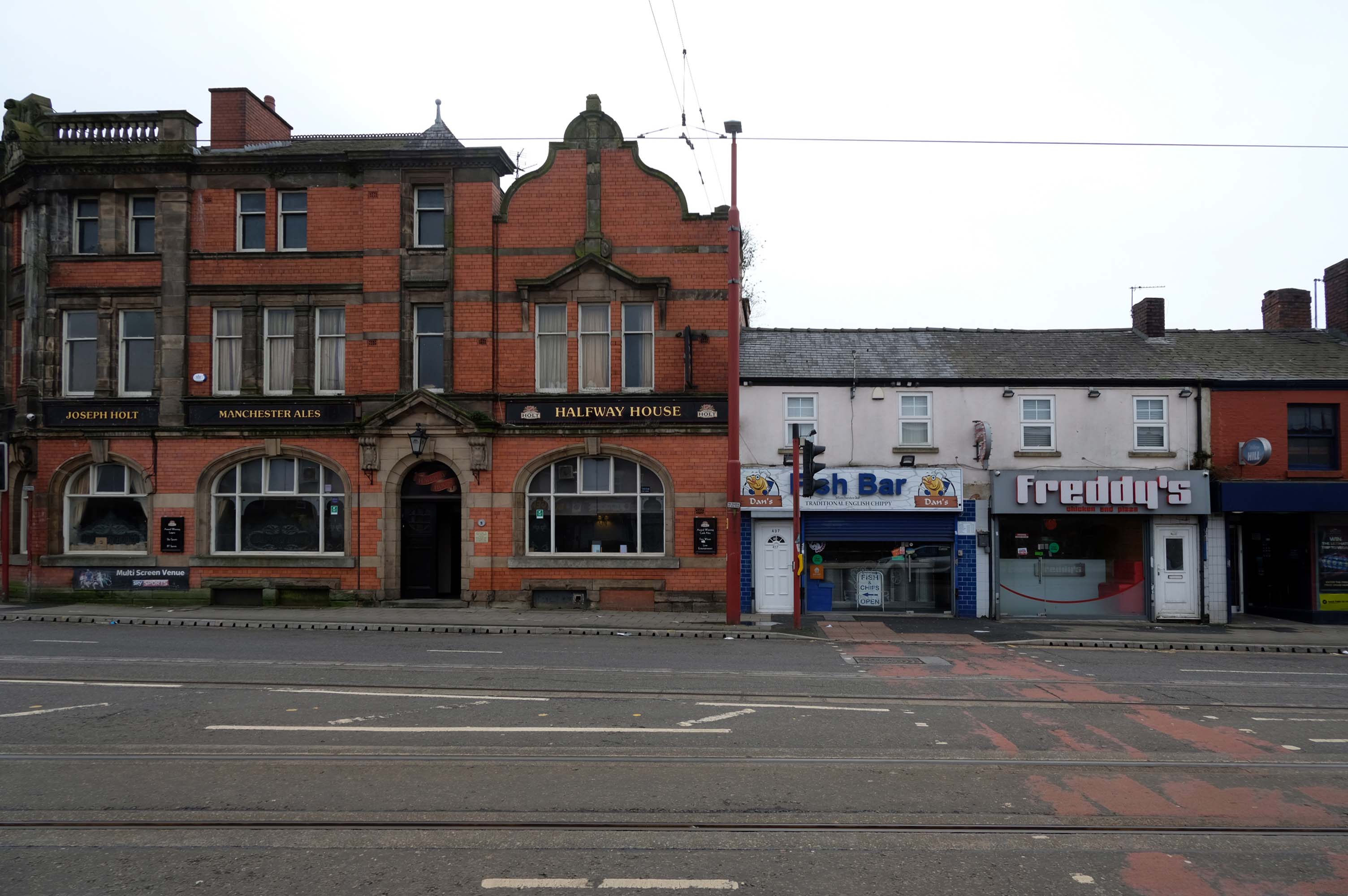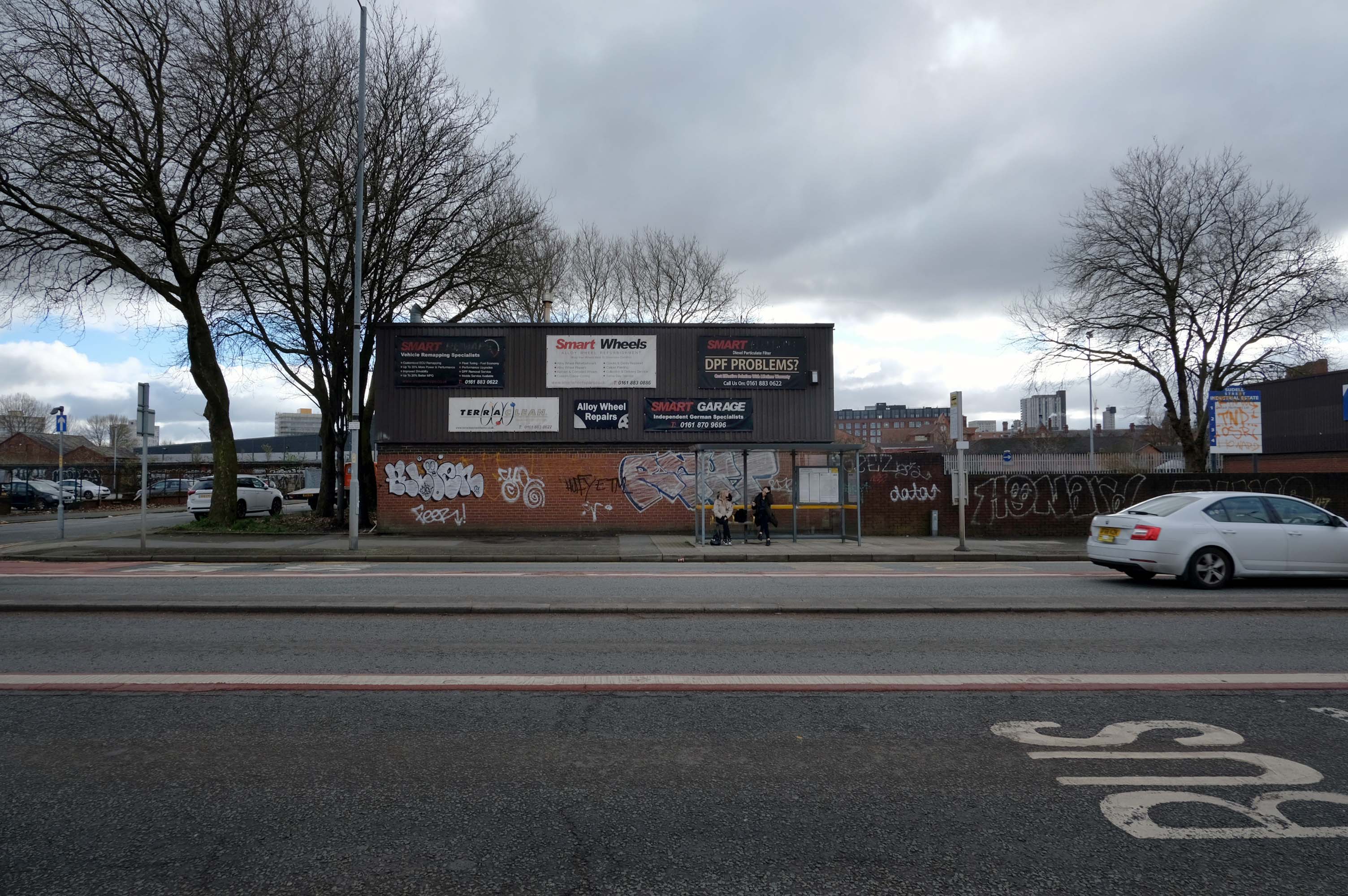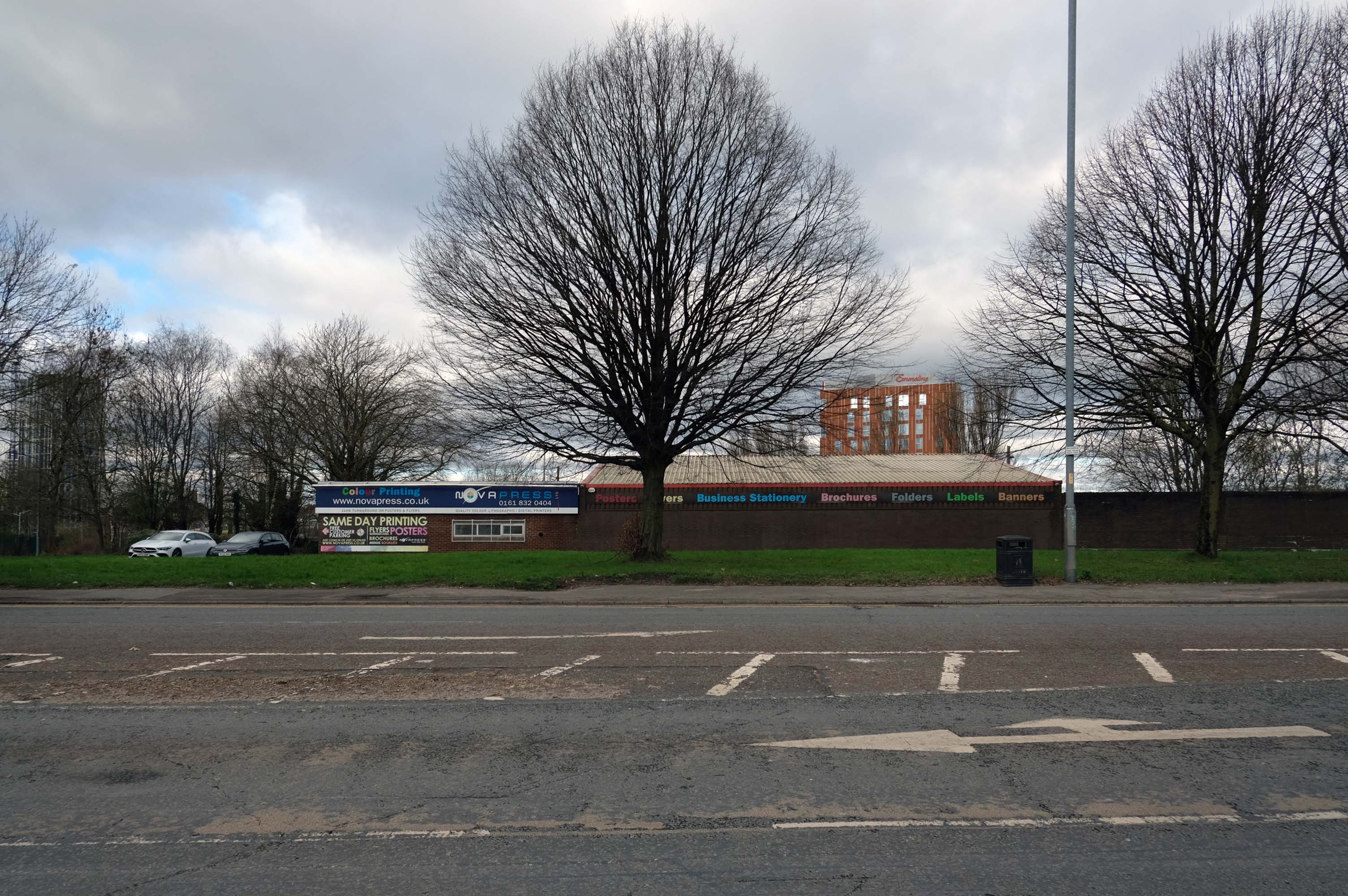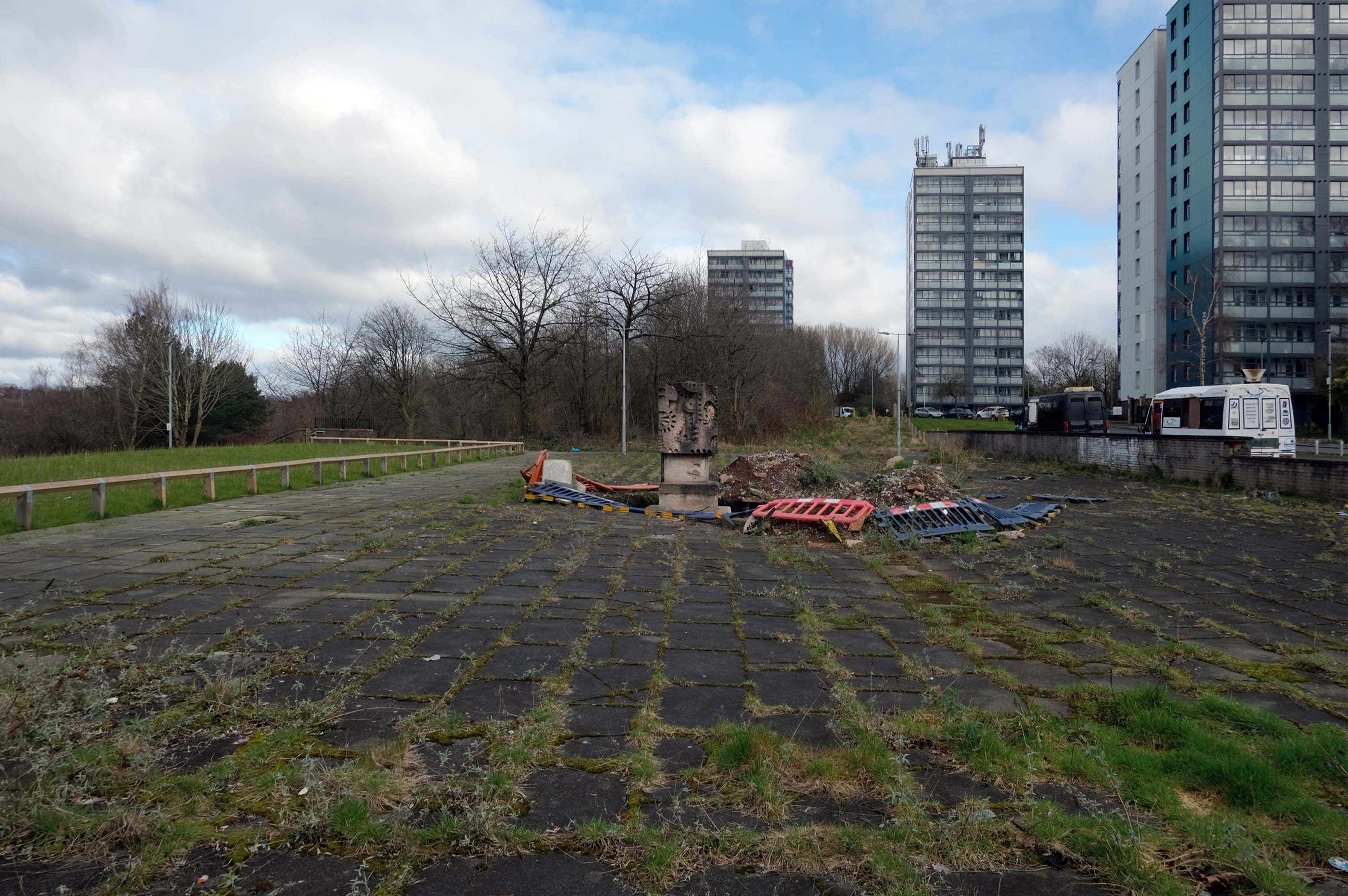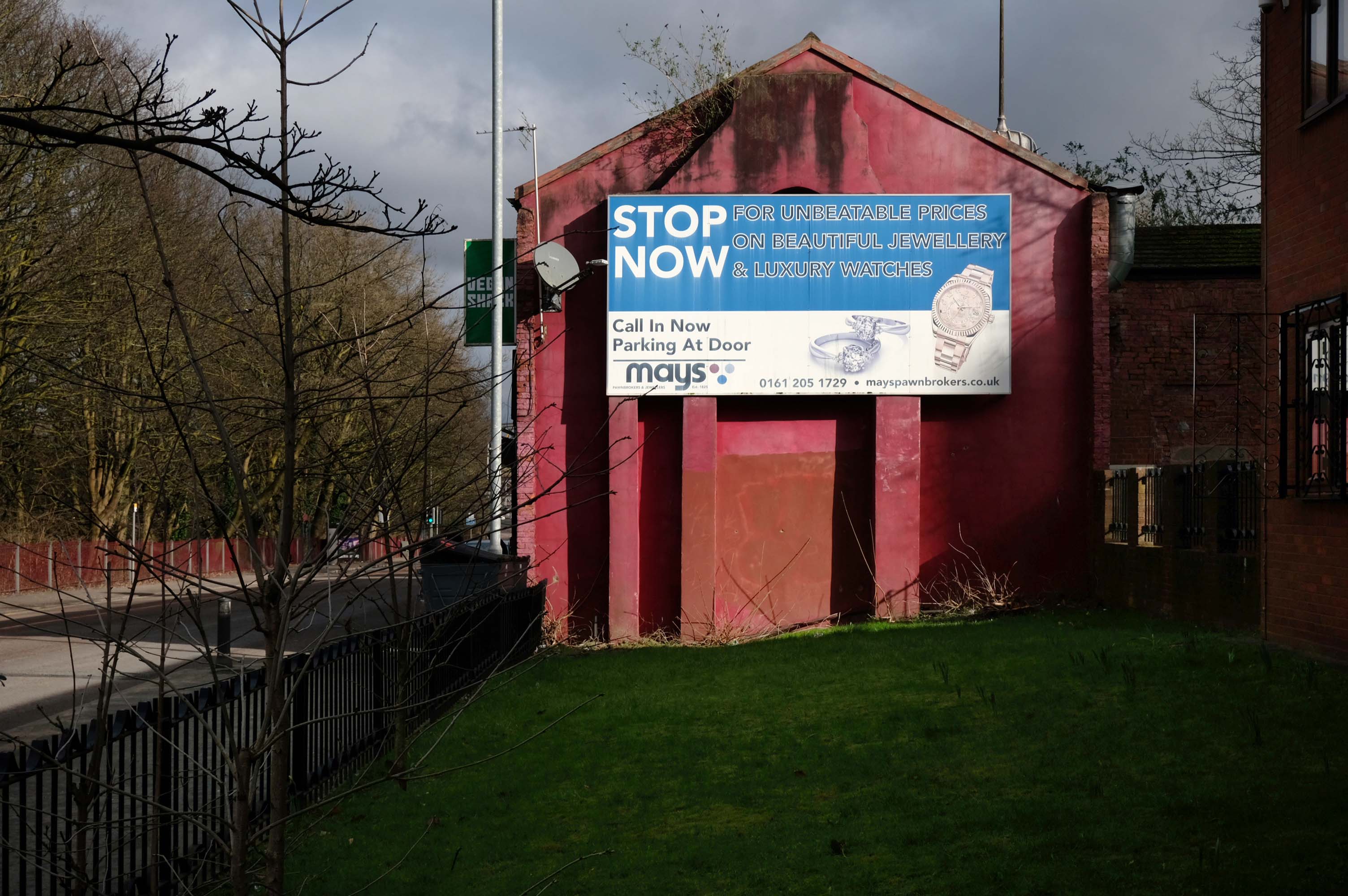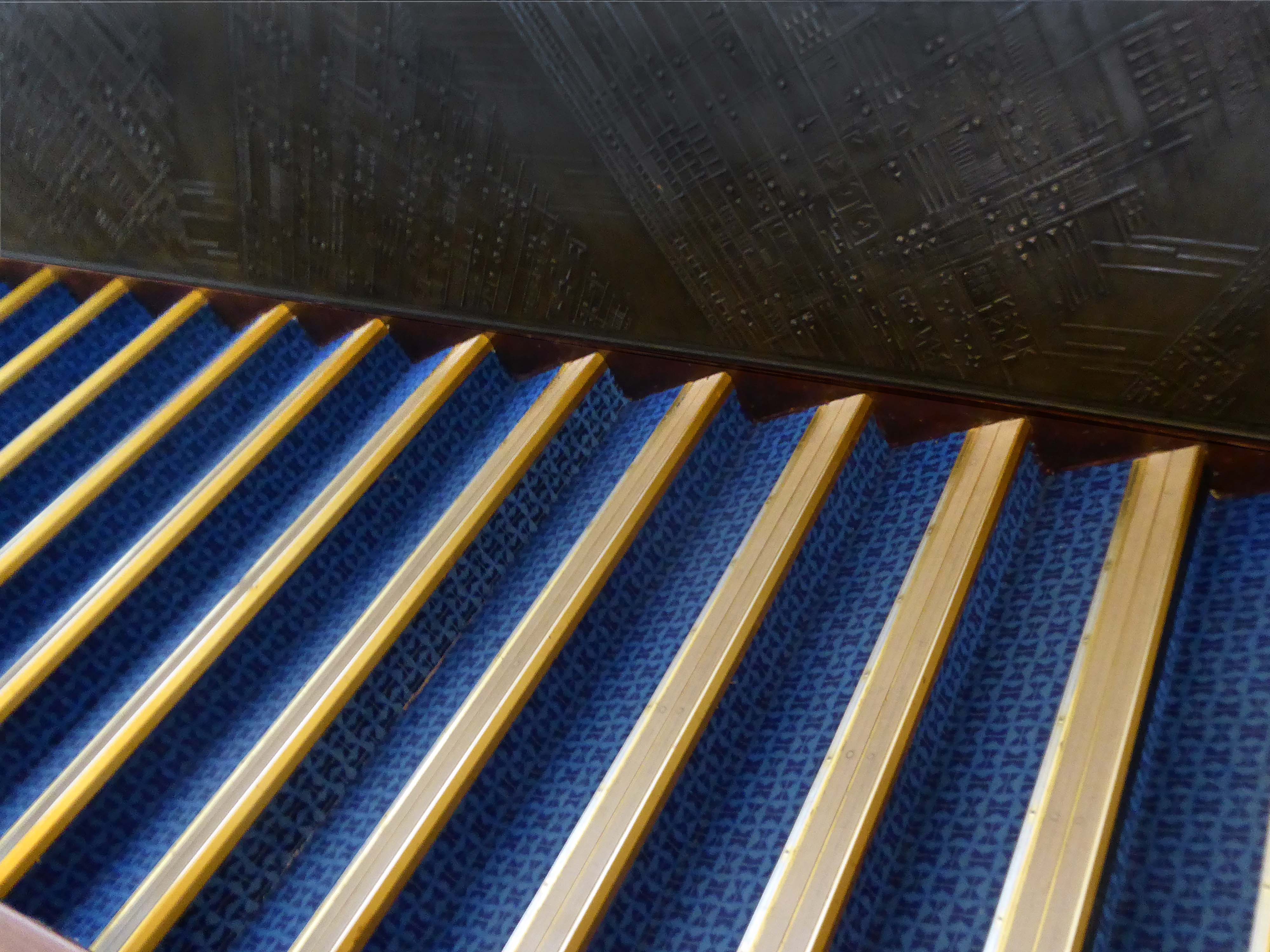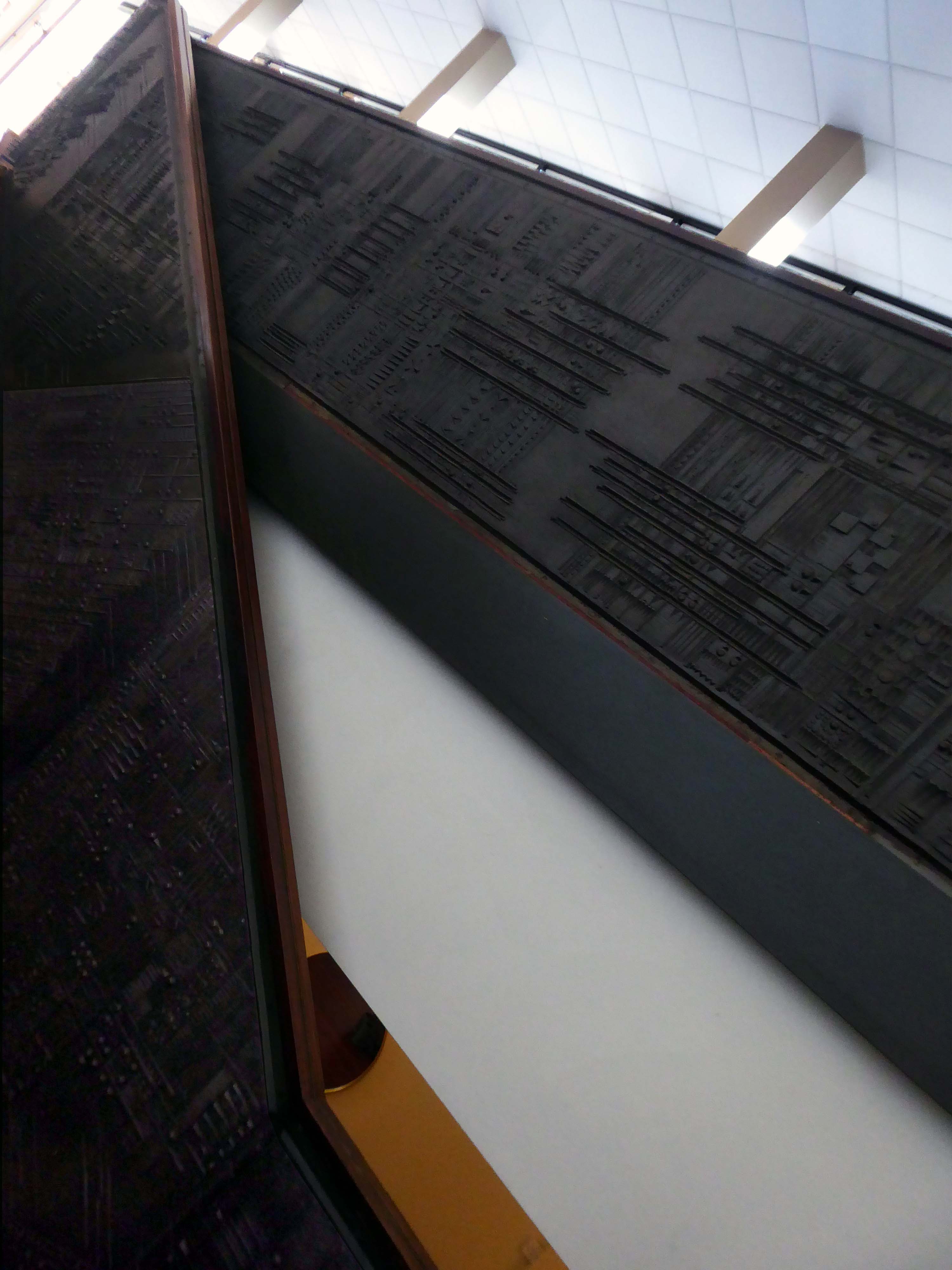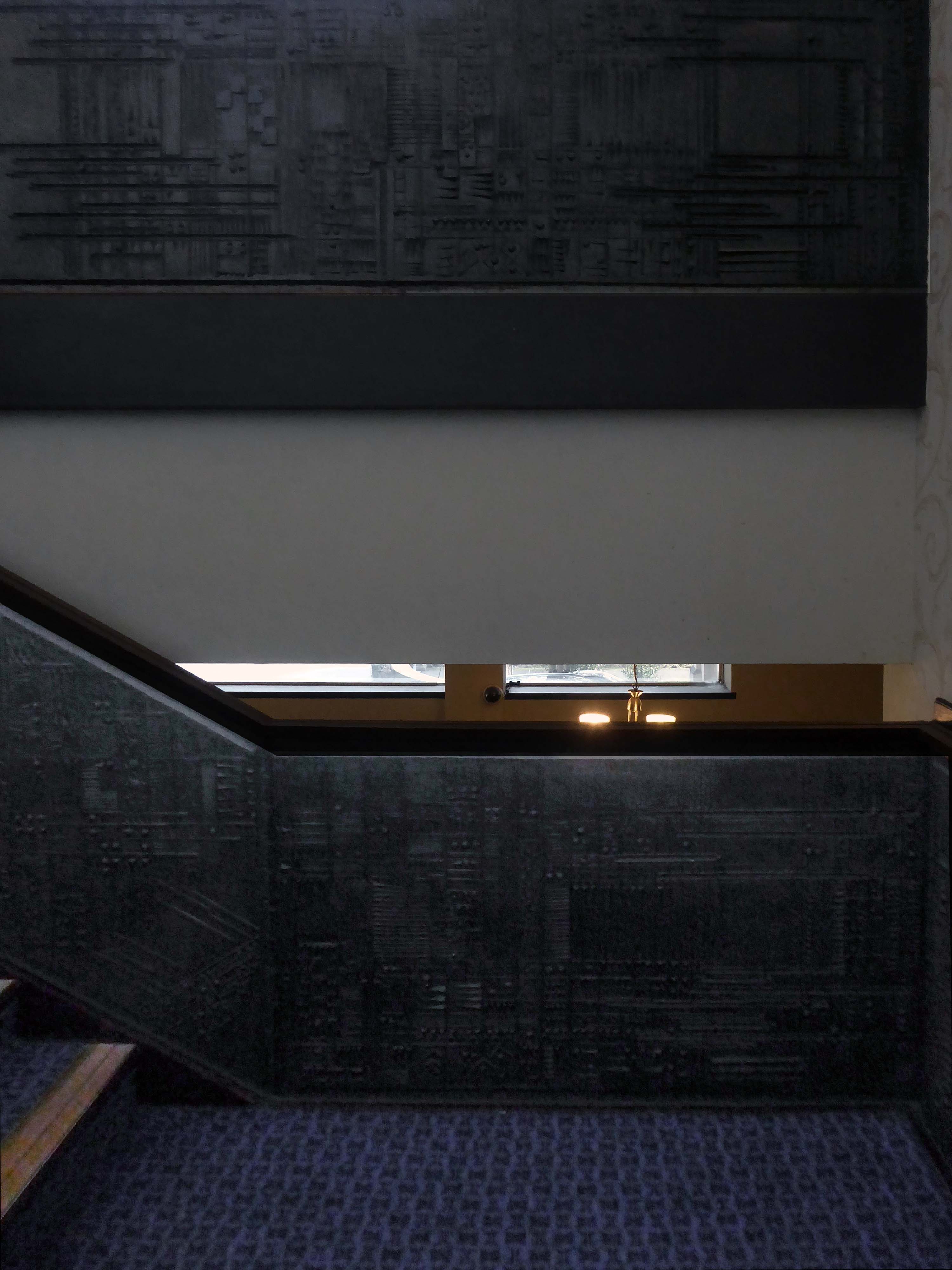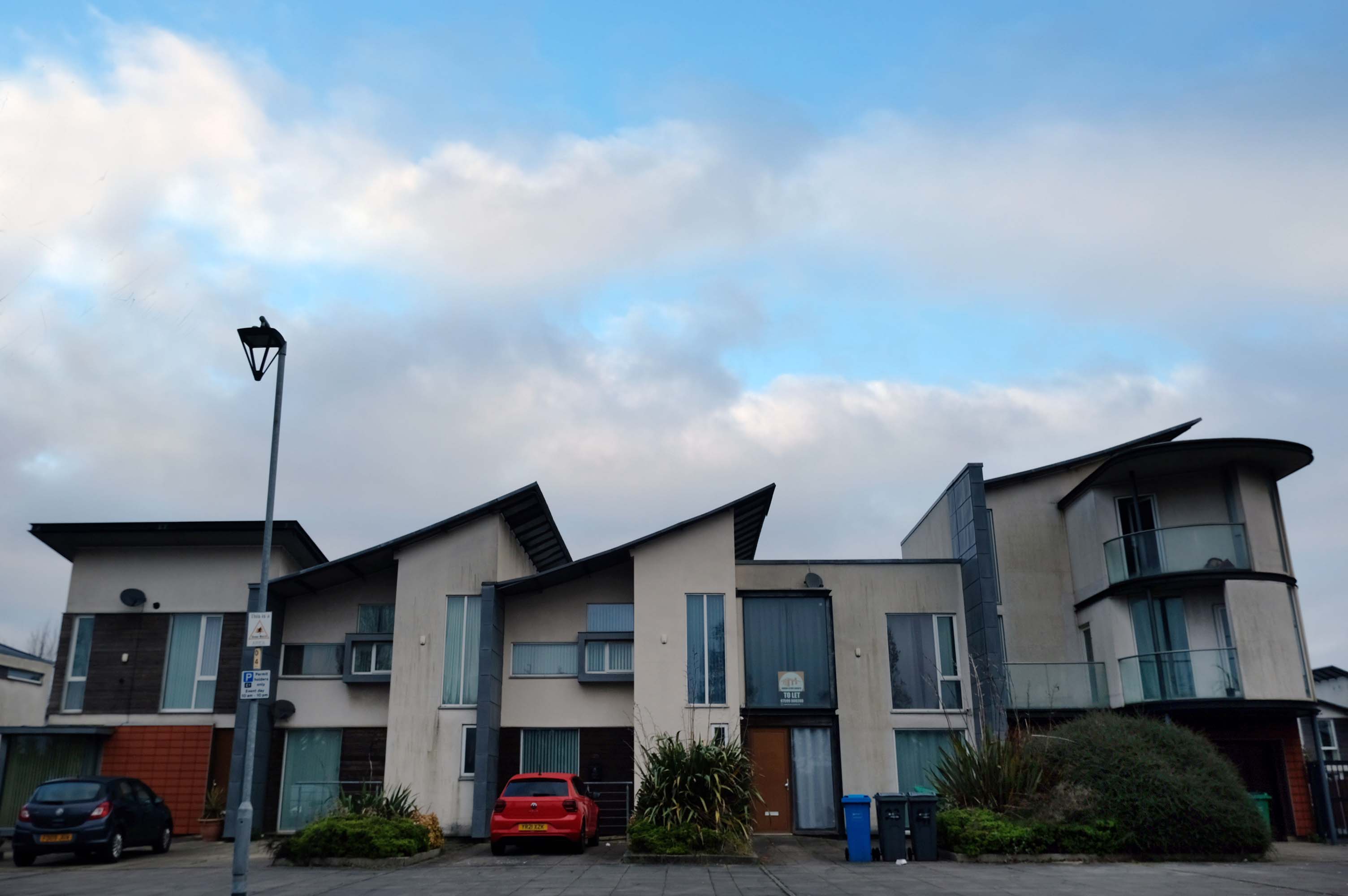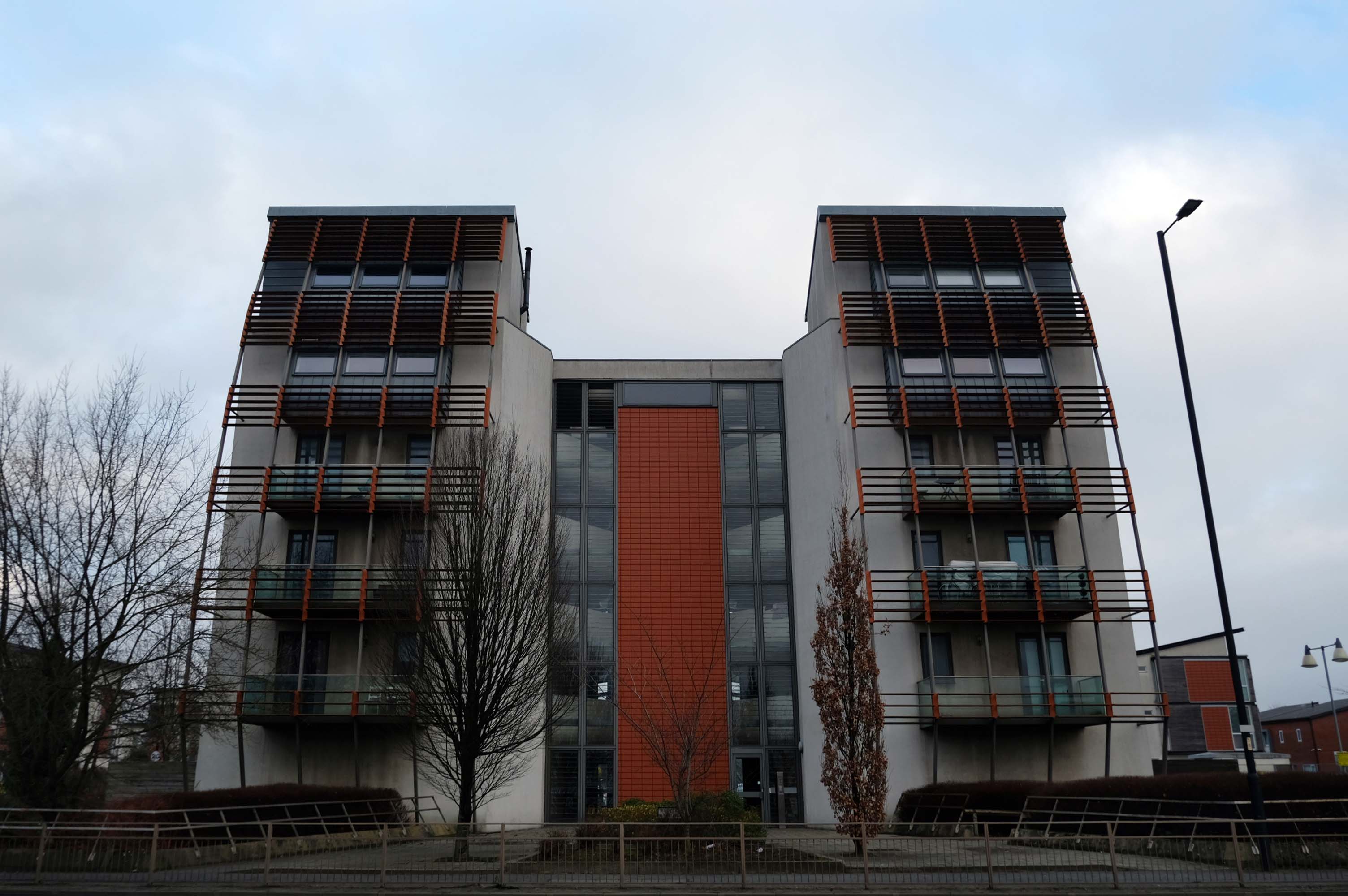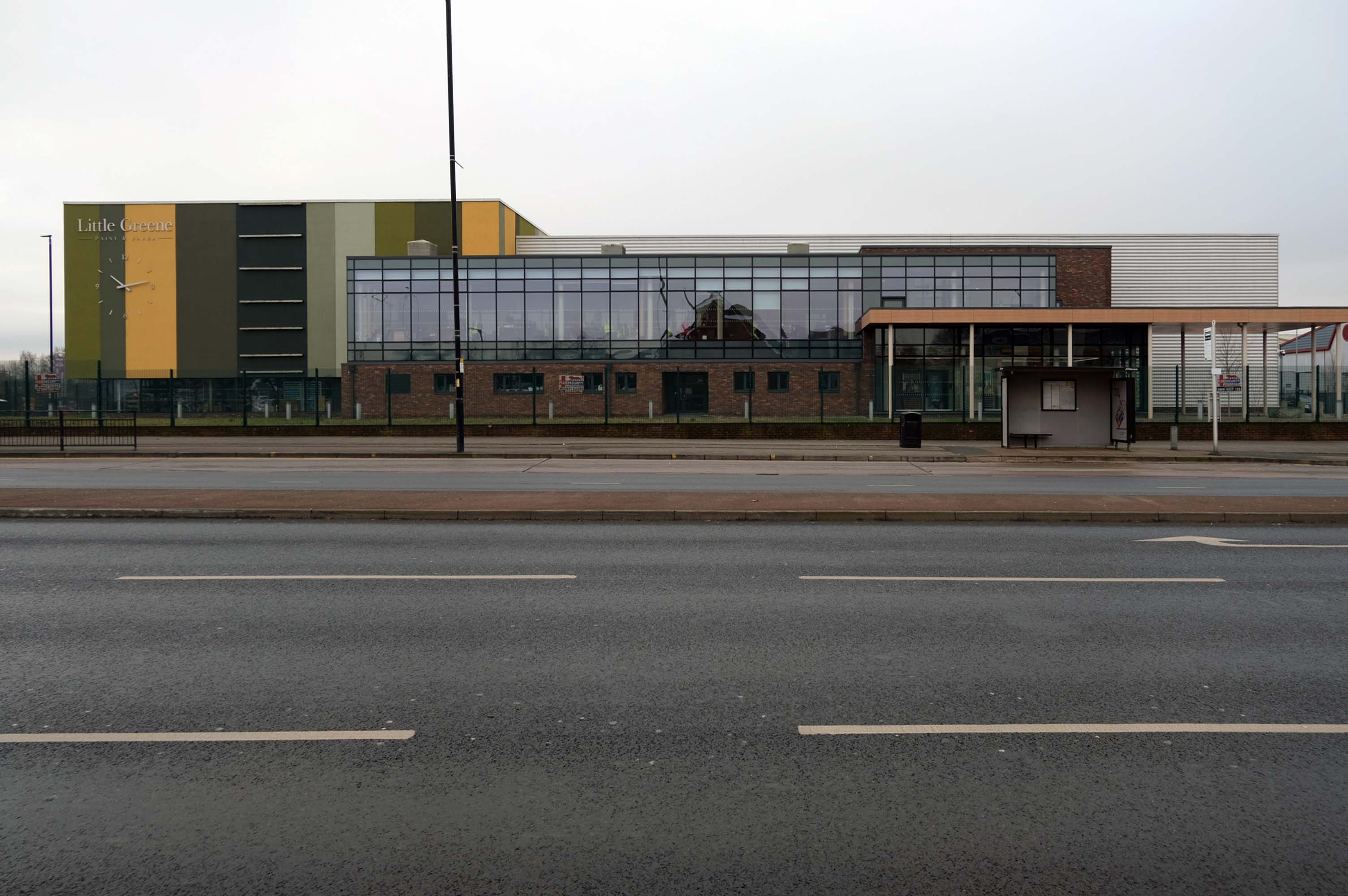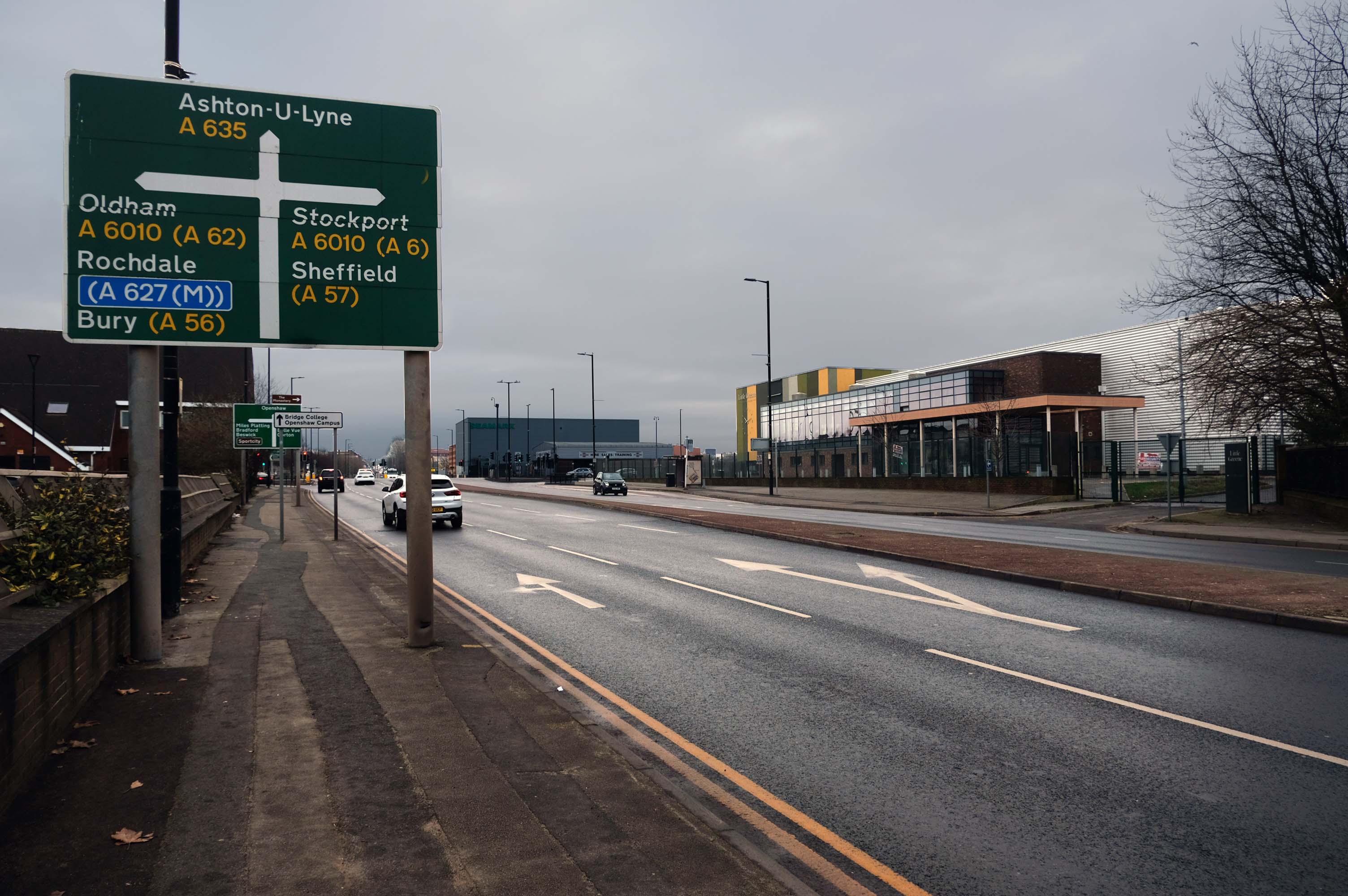
Doncaster Modernism – Revisited Again.

The third time by the banks of the Don – first time around in May 2019, subsequently in October 2020.

So much can change in so short a time, post-pandemic and every town is doing its level best to build back better.

The vision includes:

  • Ensuring the centre is a focus for business and enterprise.
  • Building on the success of the current markets and raising the aspirations and functions of the markets.
  • Recognising the city core as the heart of the economy and the borough and the place where the image of Doncaster is most clearly reflected. 
  • Enhancing green spaces and waterways to create a better setting for visitors, investments and city heritage.
  • Developing the civic and cultural quarter and reinforcing the retail and leisure core through better links and public space improvements.
  • Developing city-scale functions and assets, to become a stronger draw for business, workers, visitors and inward investment.
  • Developing and bidding for new city-wide cultural venues, a University and Research and Development facilities.
  • Rebranding Doncaster as a location of choice for regional businesses.

Masterplan

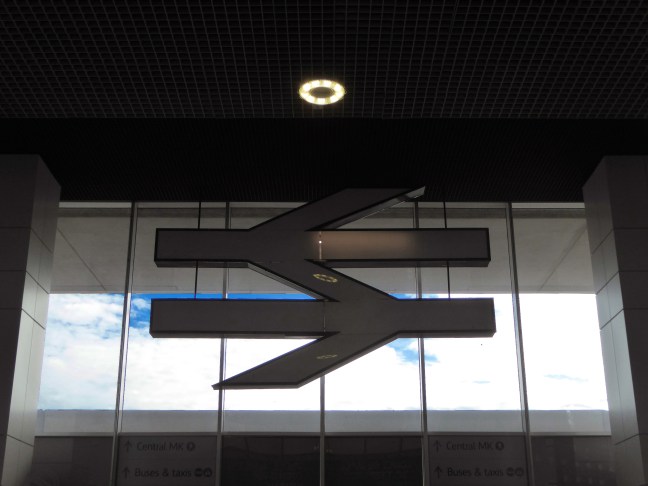
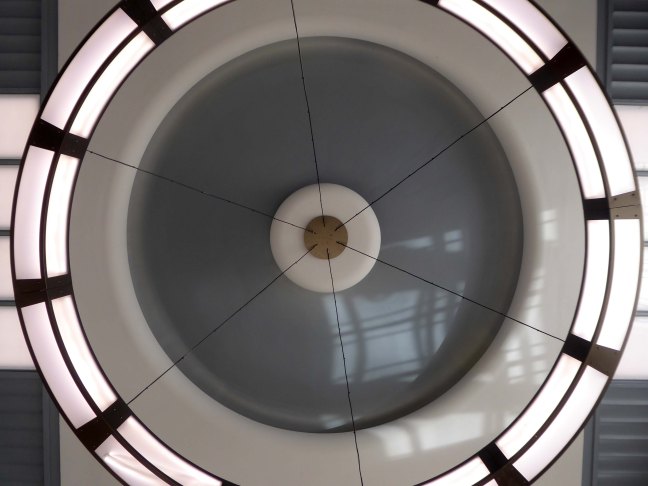
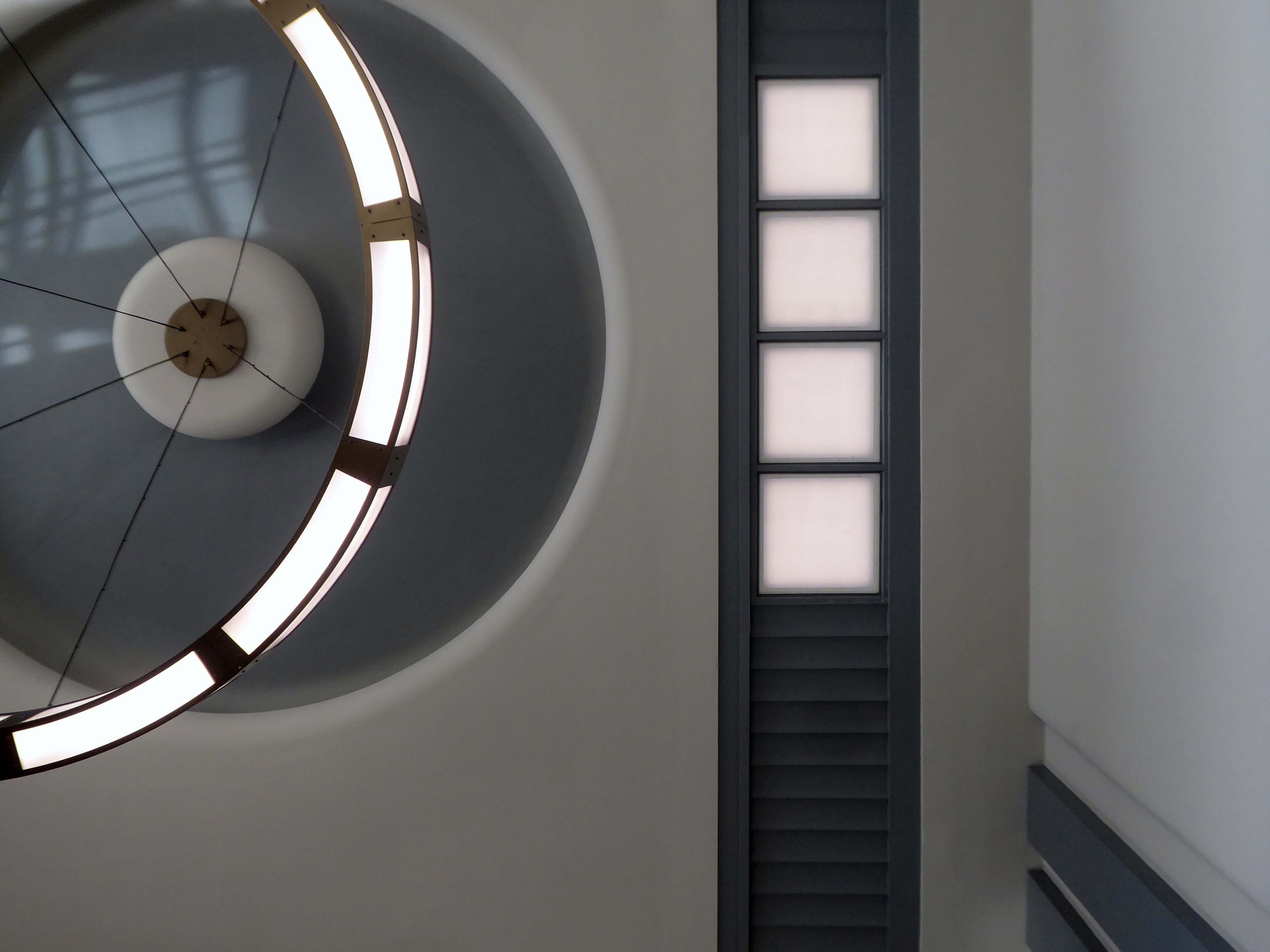
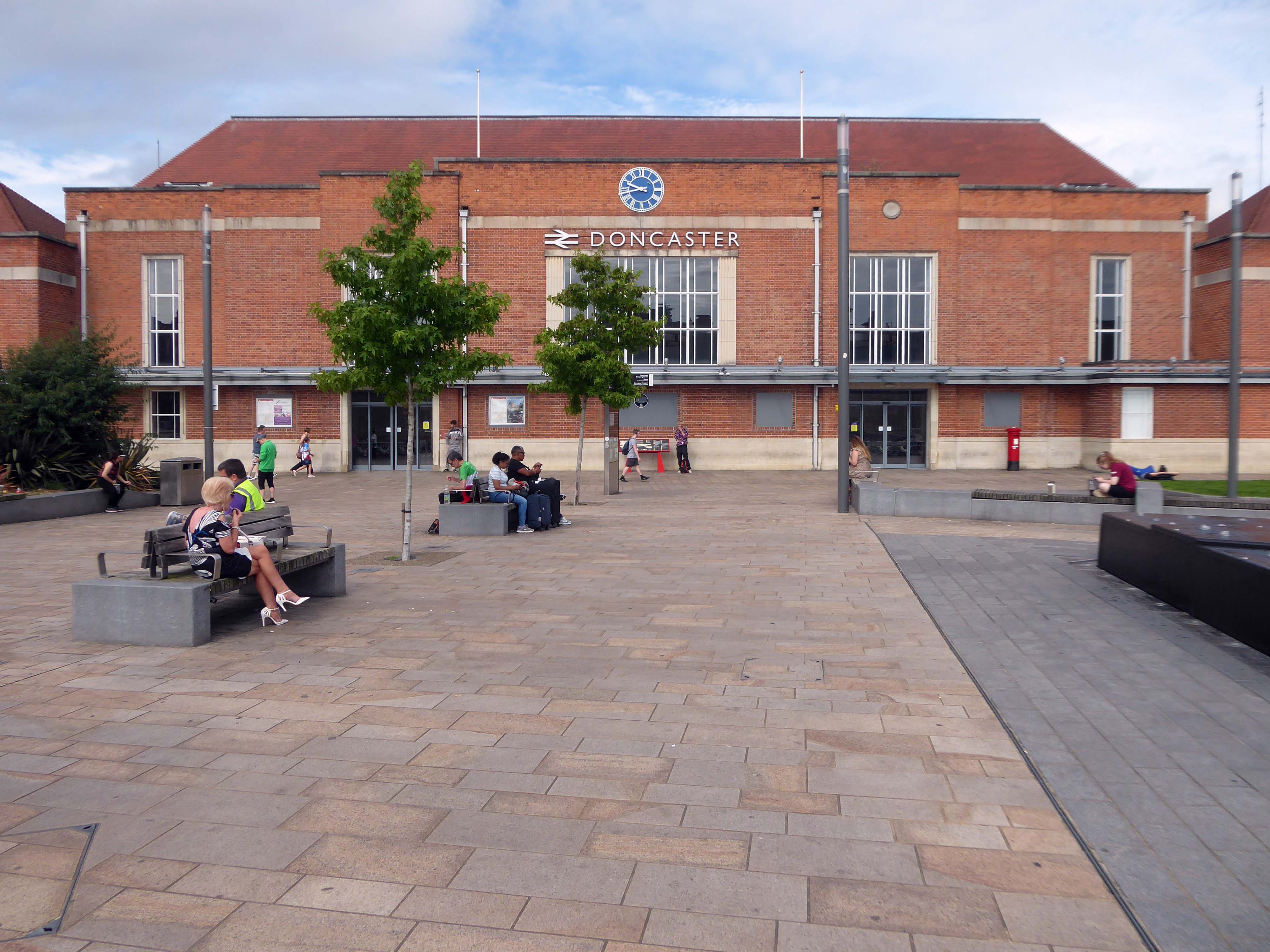
Arriving by train and ascending into the light – here’s the station lights.
The railway station has sharpened up its apron and facade.

We have transformed the station forecourt. It has become a quality gateway which delivers a great first impression for visitors arriving in Doncaster by train. This will help stimulate interest from investors and developers, helping to attract new investment and create jobs for the borough and wider region.
Doncaster.gov

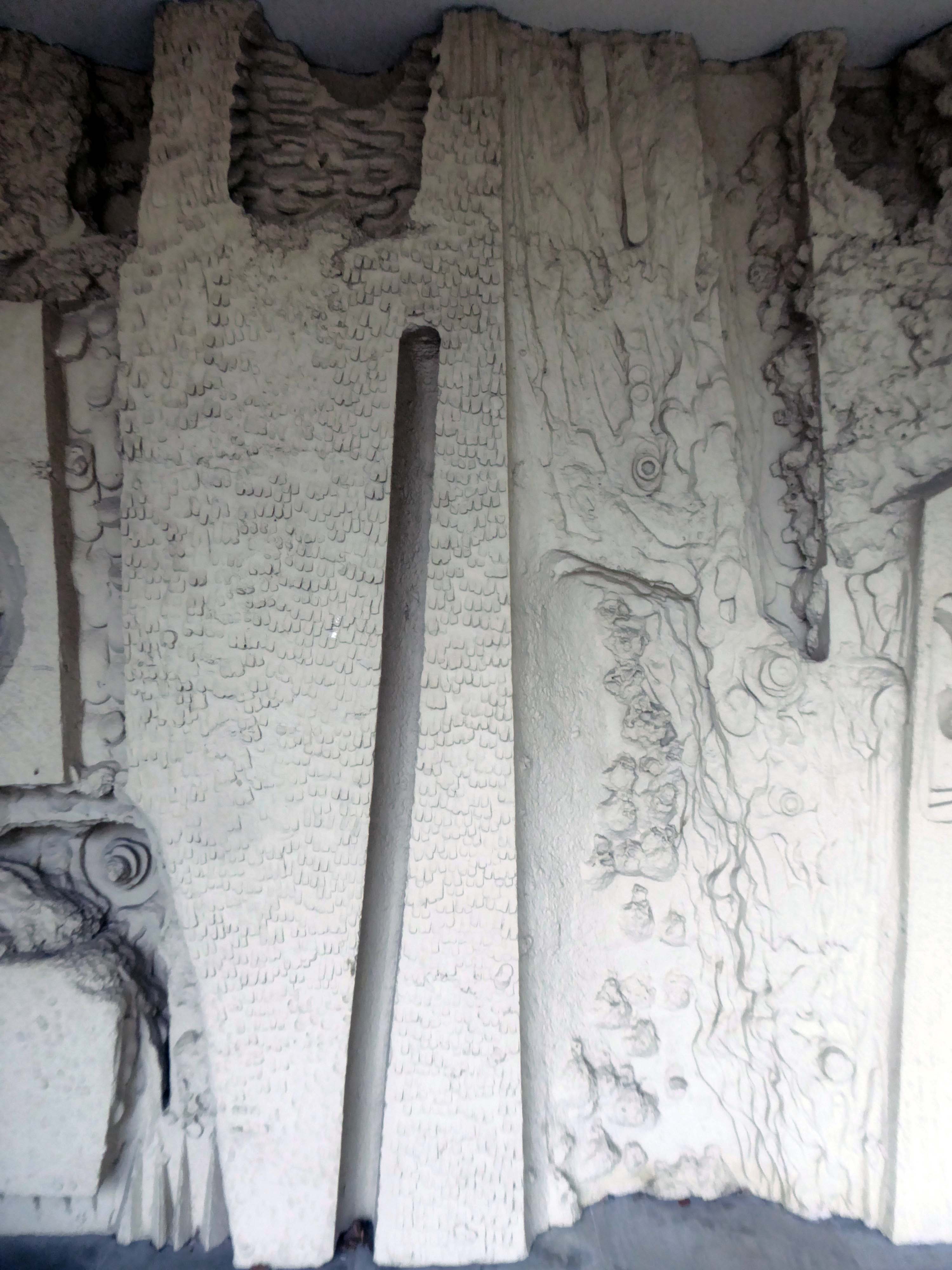
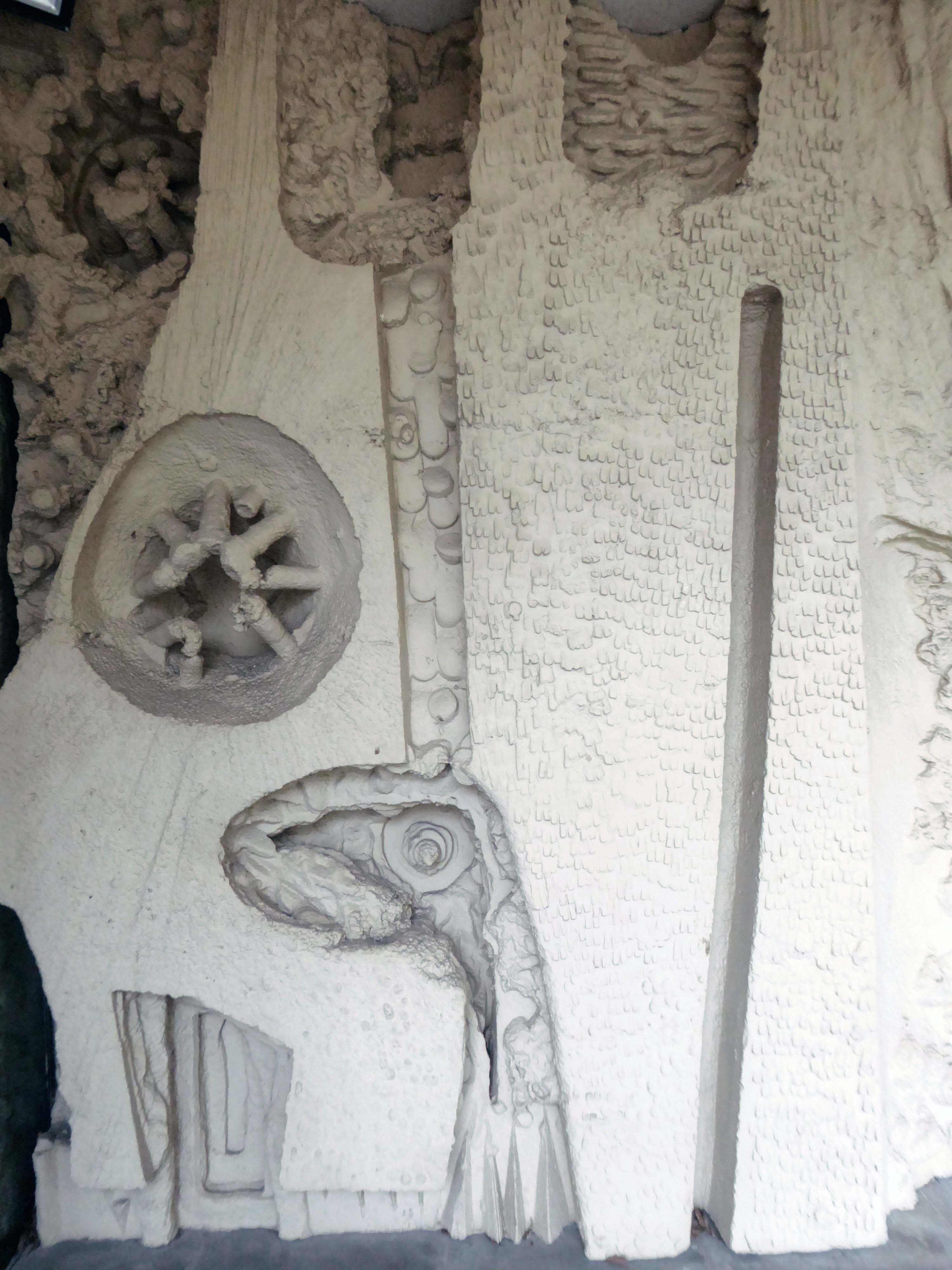
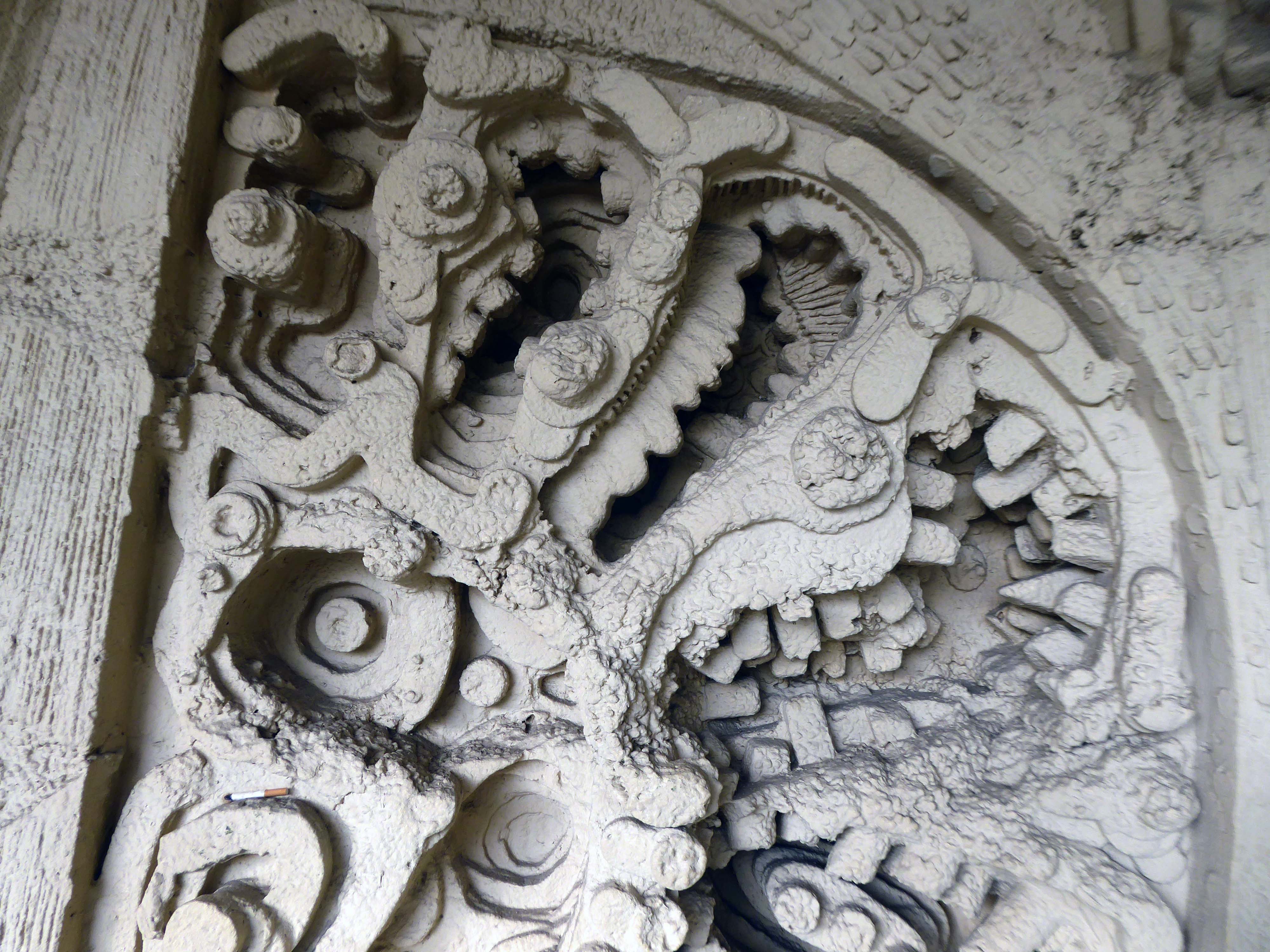
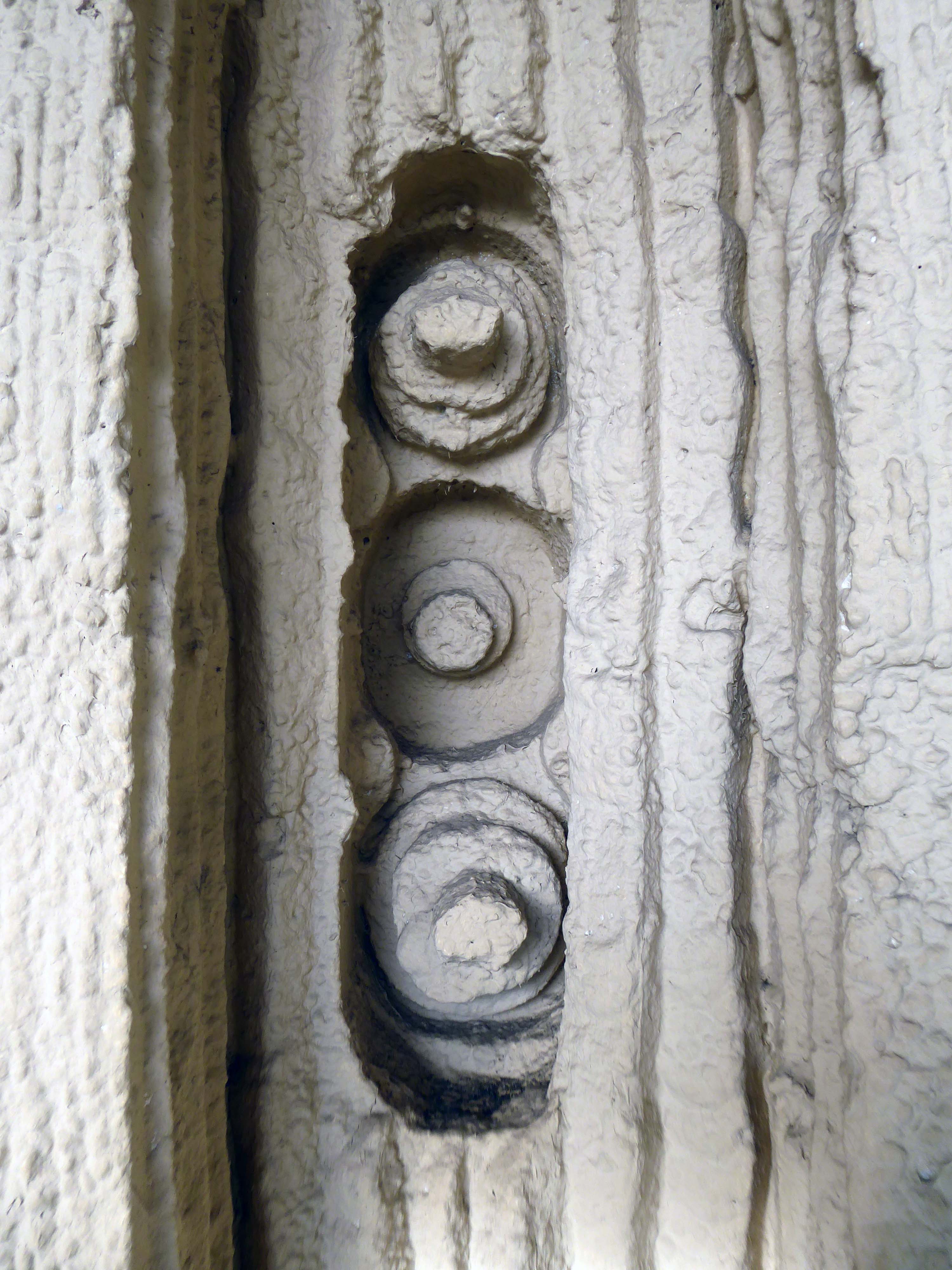
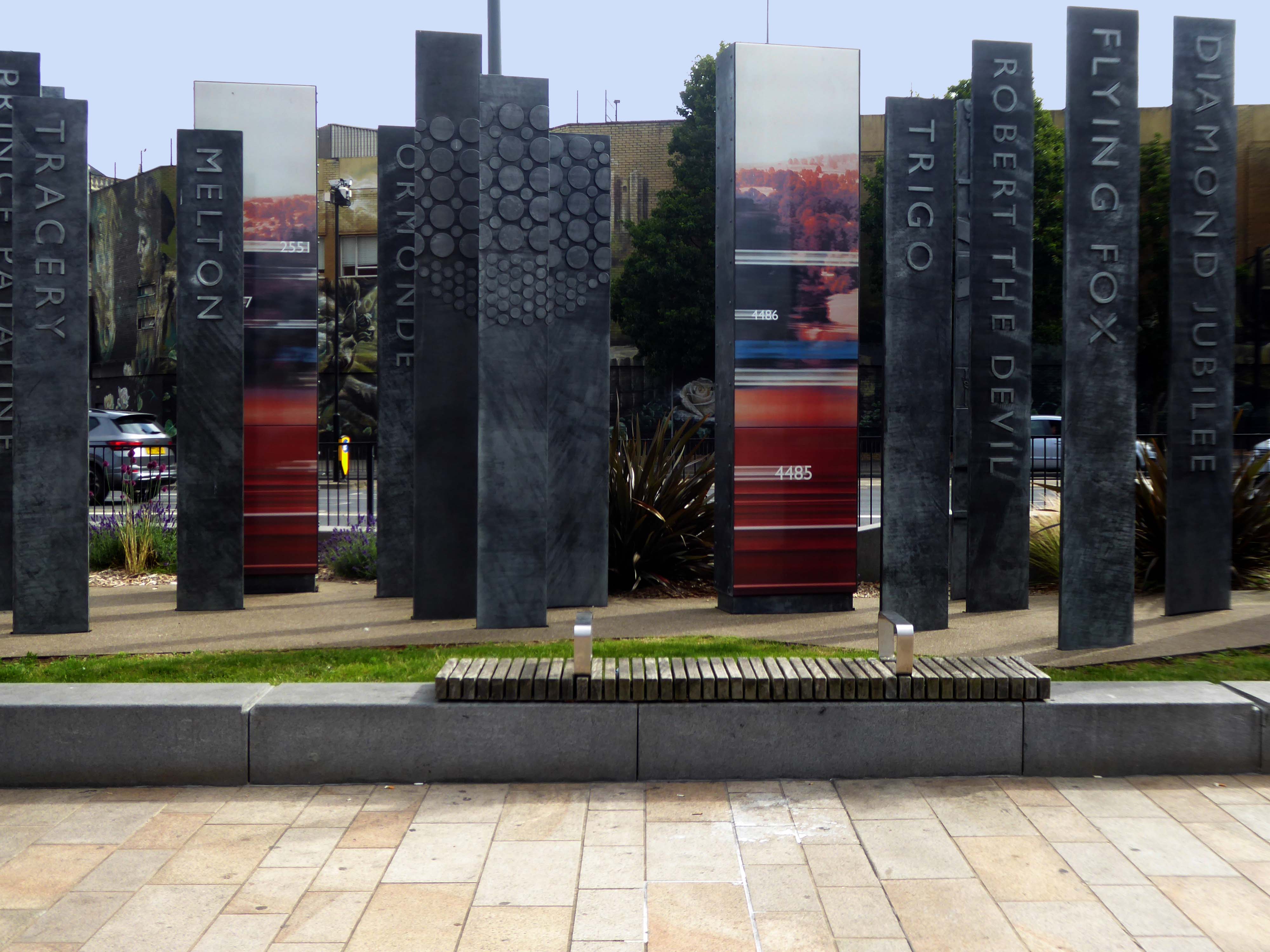
Celebrating engineering, speed and connectivity and stretching forty metres in length the public art at Doncaster Station consists of forty seven monoliths which are a nod to Doncaster’s past, present and future. With a fountain and three impressive water walls, the art takes centre stage in the new public space as you step out of the train station and head into the town centre.

The concept was devised by Doncaster Council and further developed by Chris Brammall.

CB Arts manufactured and installed the piece
Typically the high and low streets of Britain’s industrial towns and cities, are an amalgam of architectural style and fashion, spanning at least two or three centuries.

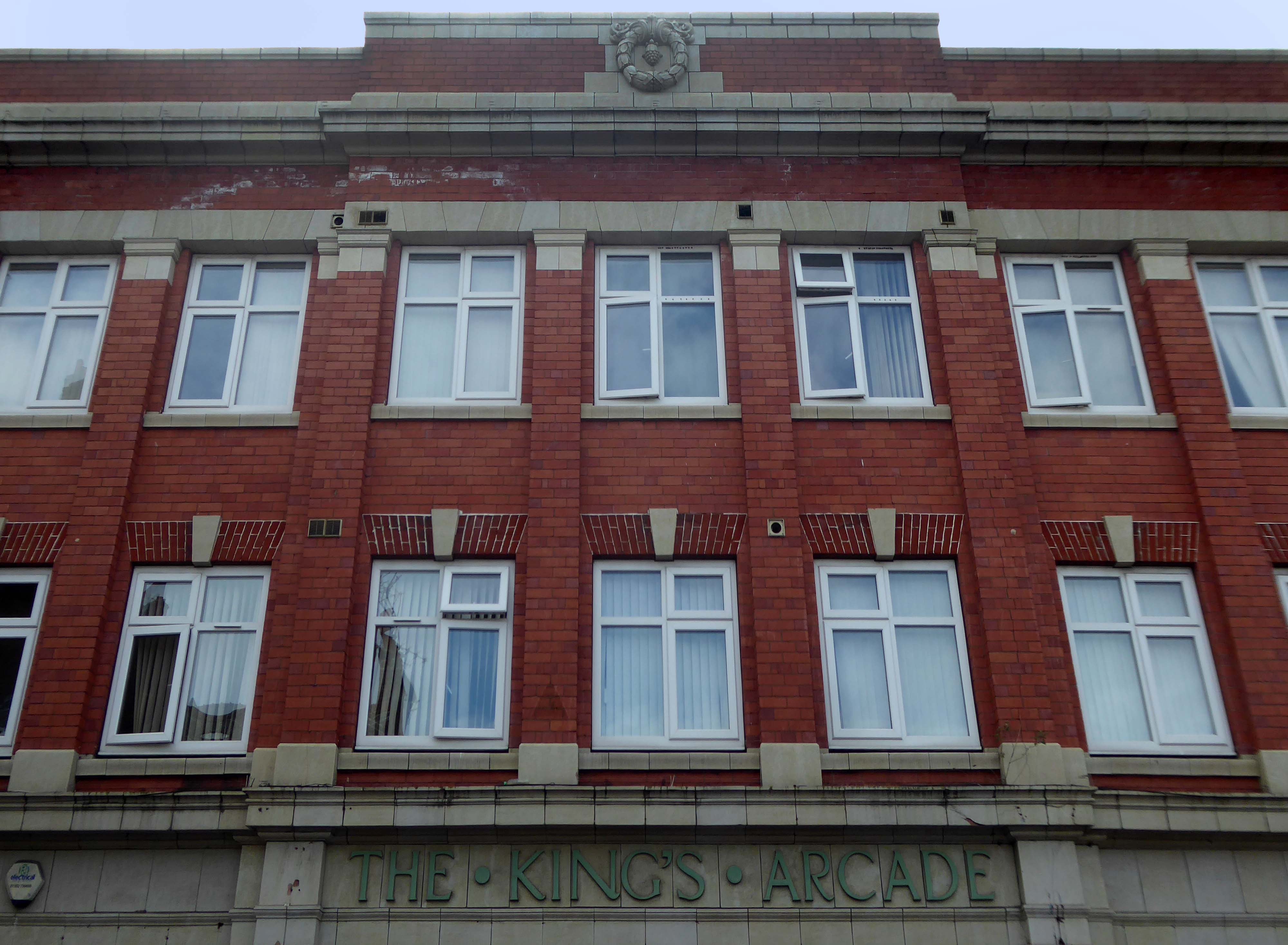
Faience fronted interwar developments abound.

Neo-classical speculative shopping arcades.
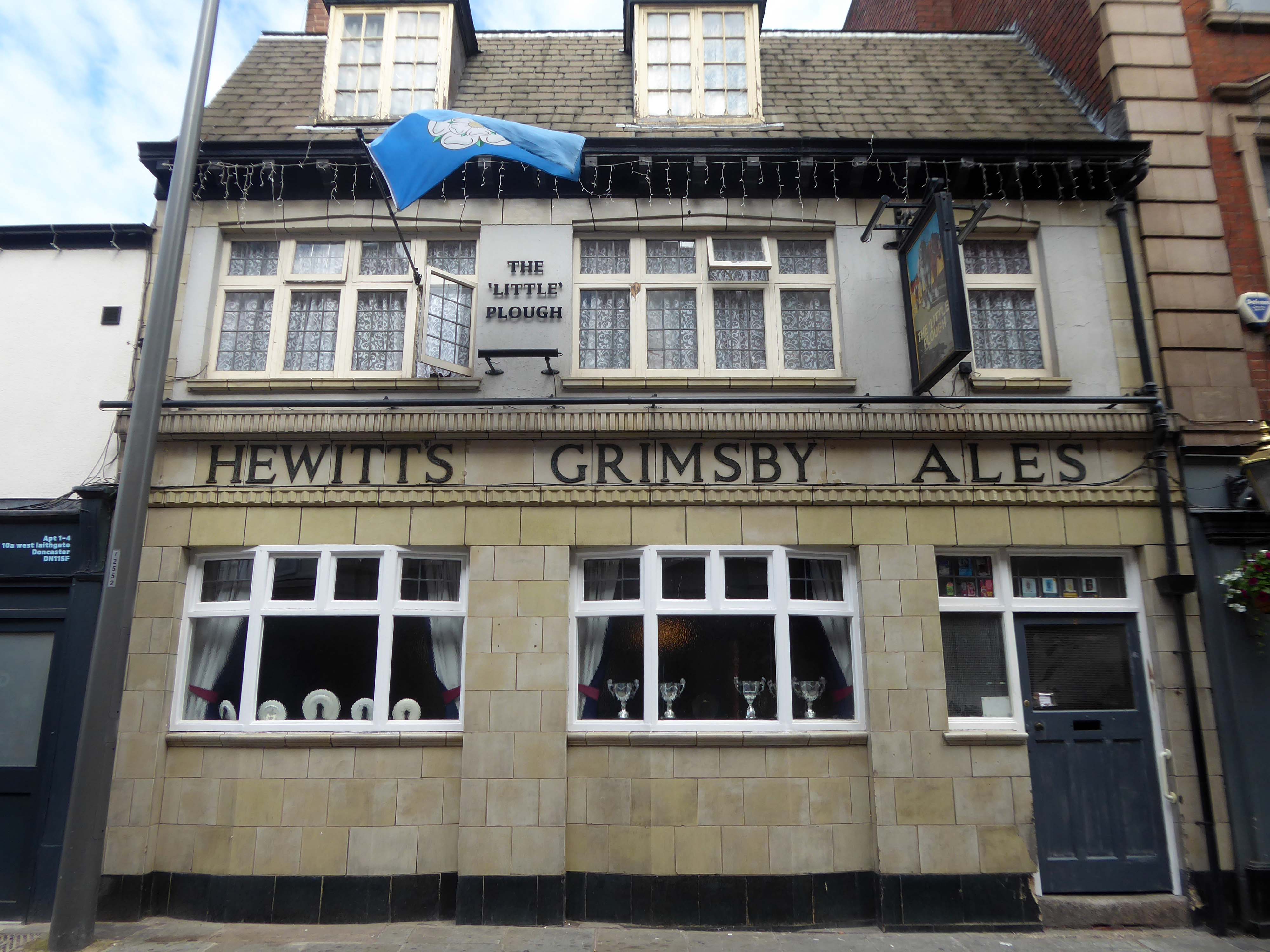
Revamped Victorian pub facades.

Behind the buff faience frontage is a lovely, small two-room pub with a well preserved interior created under plans of 1934. It was remodelled by the Grimsby brewers Hewitt Brothers Ltd who were Doncaster’s biggest pub owners for many years.
Pub Heritage

Originally a Gent’s Outfitters, this deco-gem was topped off with the Nags Head Hotel.

This grade II listed pub is now in retail use, though Vision Value, are it seems, on the move.
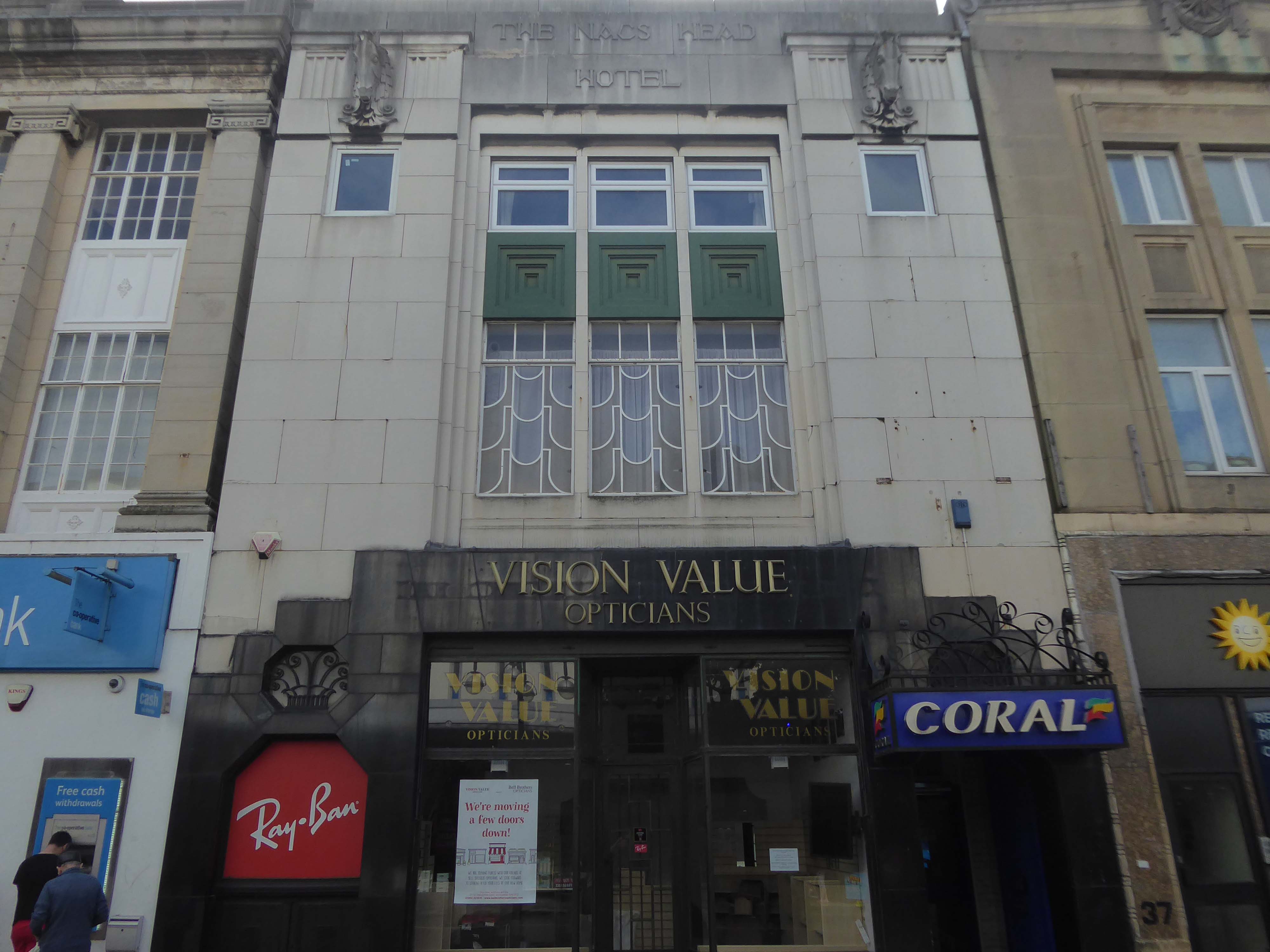
Lost pubs project.

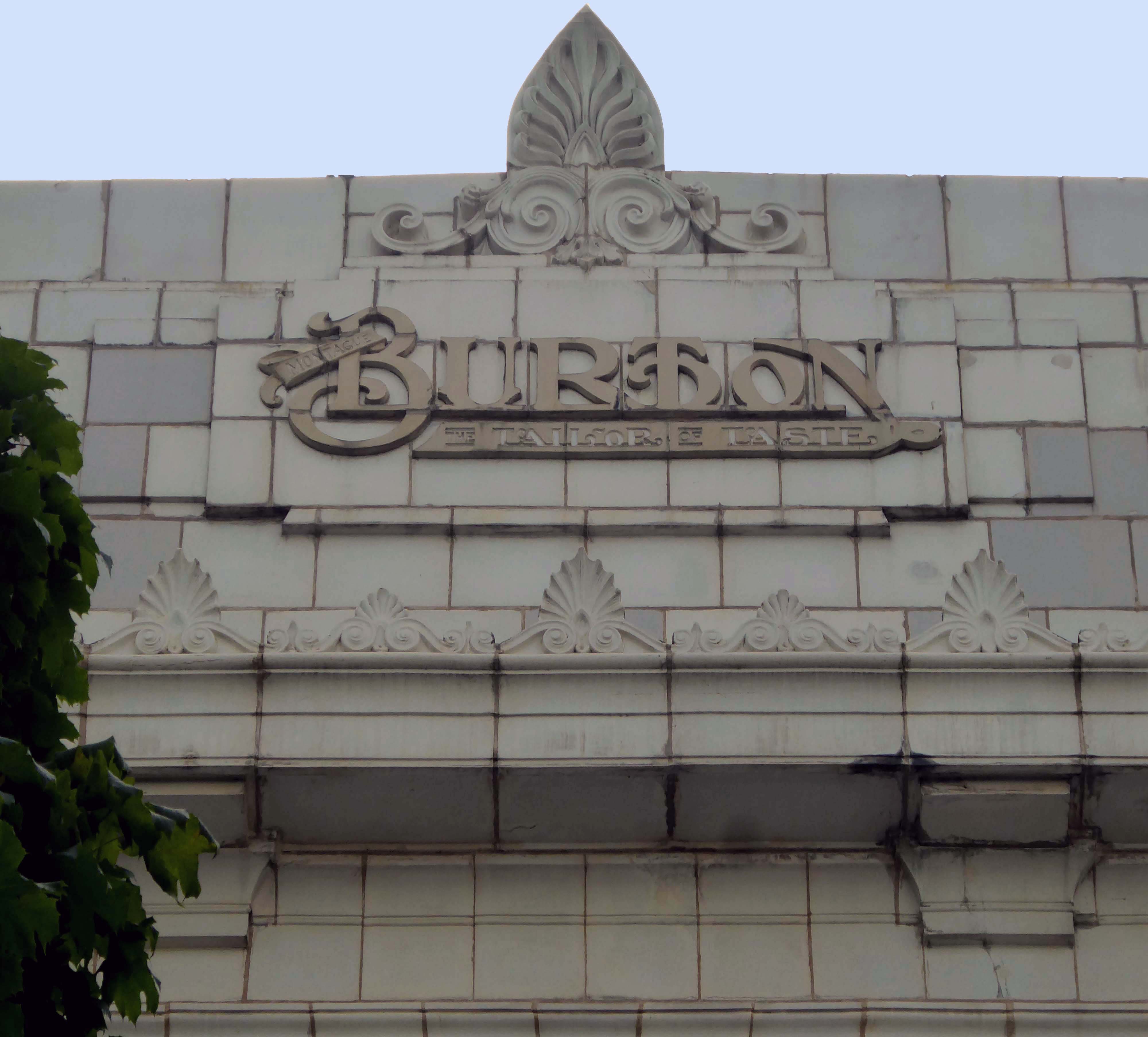
Of course, every town had a Burton’s – the tailor of taste.
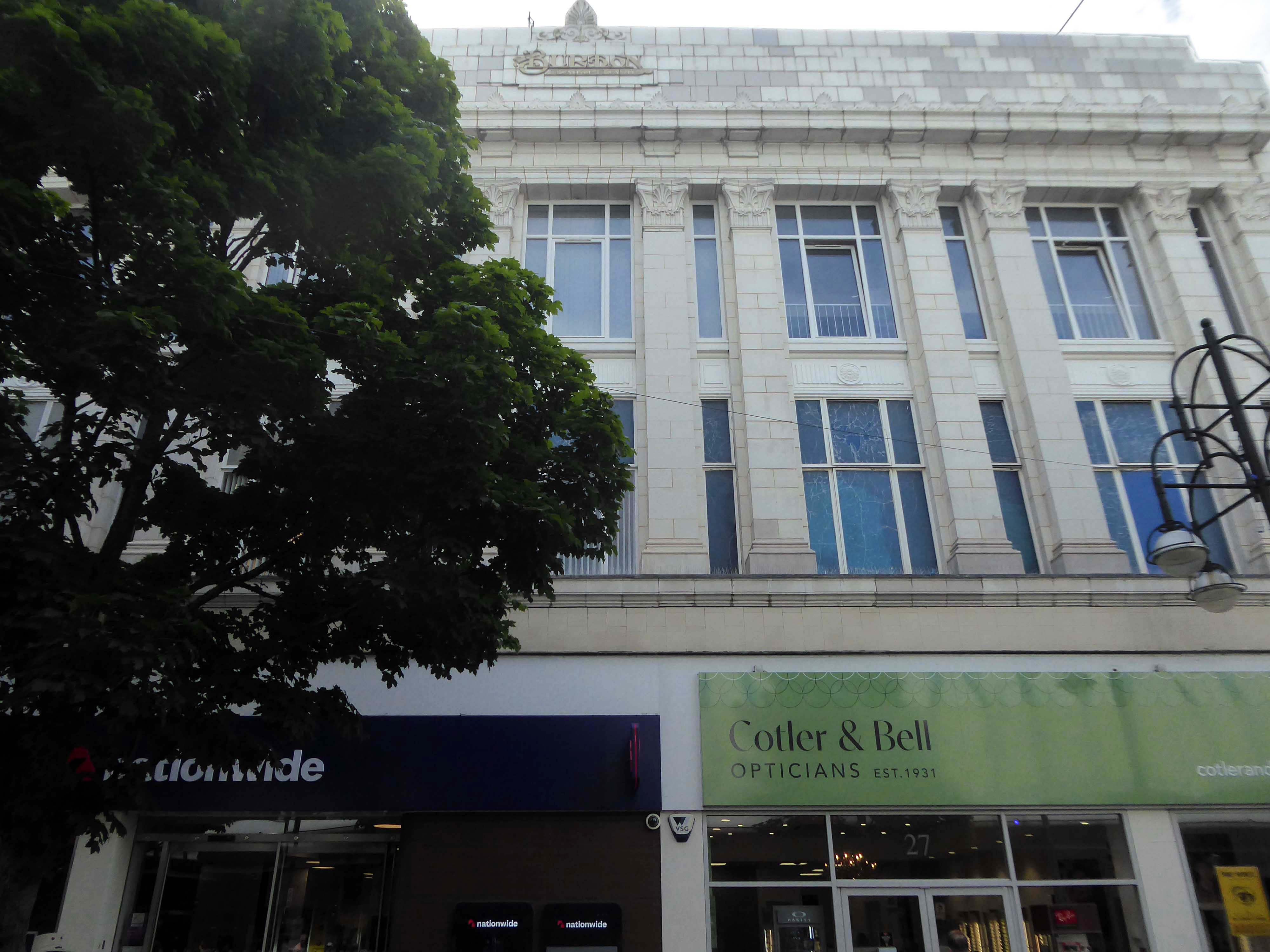
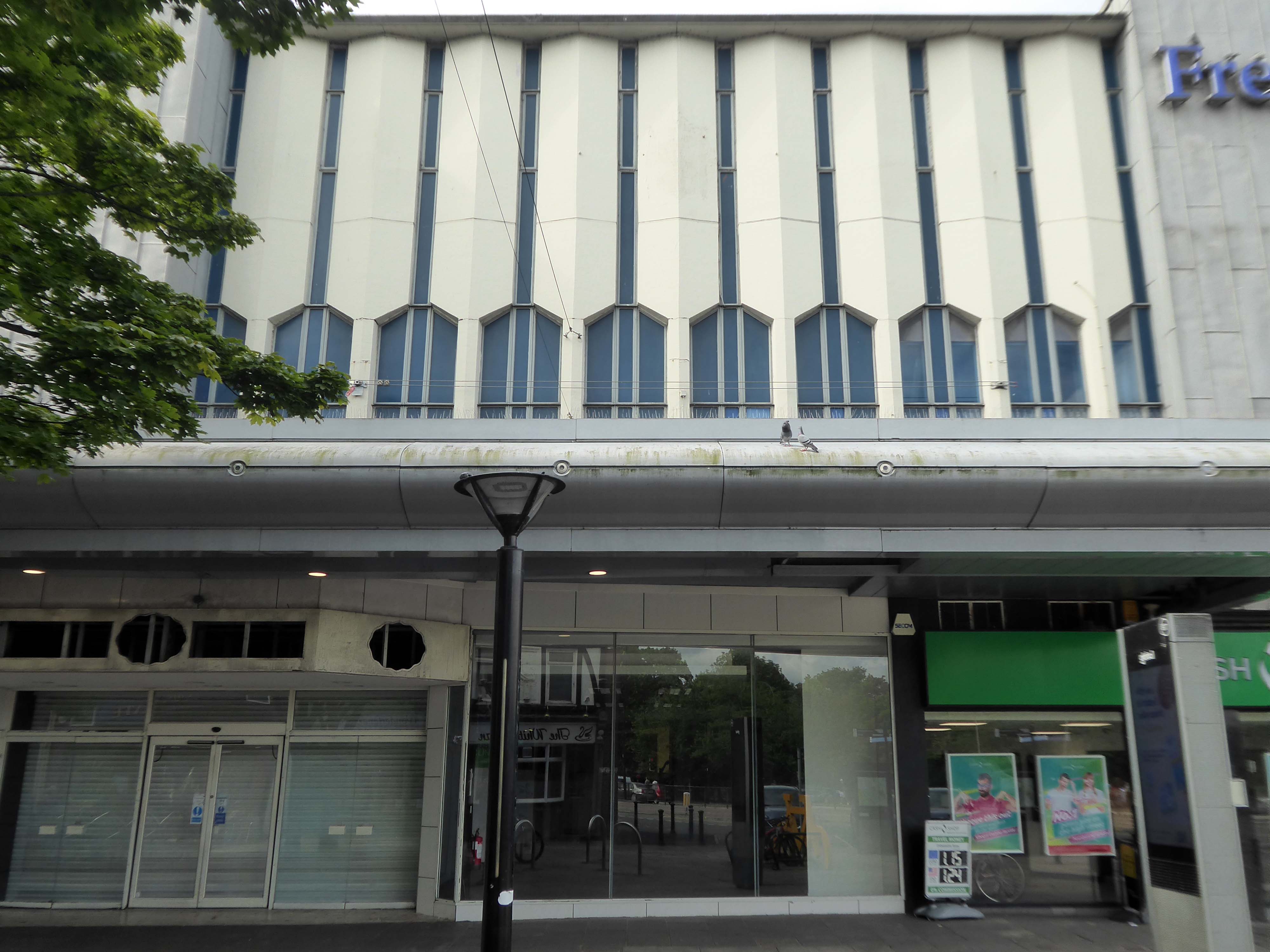
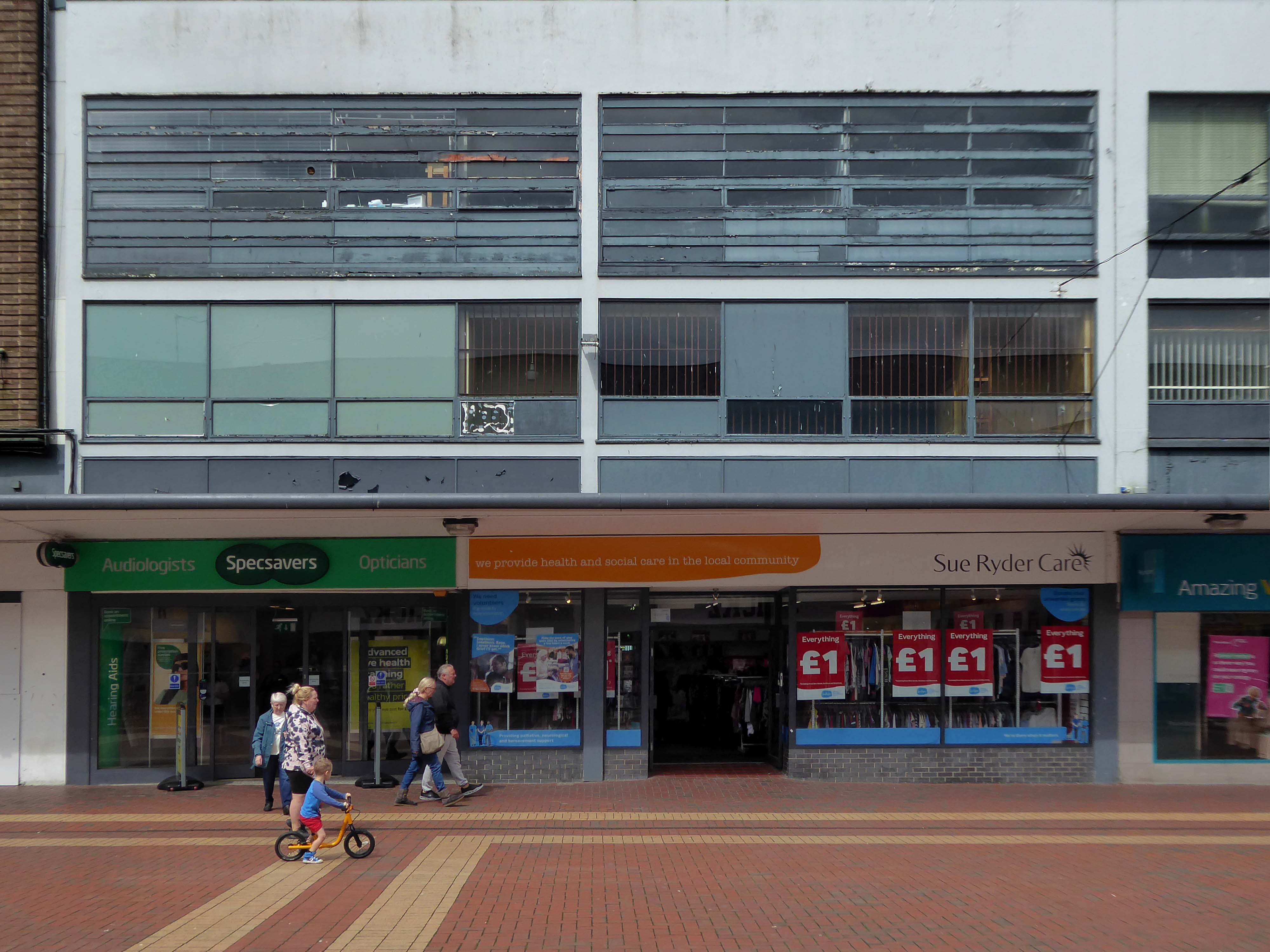
This post war infill has that distinctive Festival of Britain feel, original metal window frames, Portland stone and blueish slate like panels.
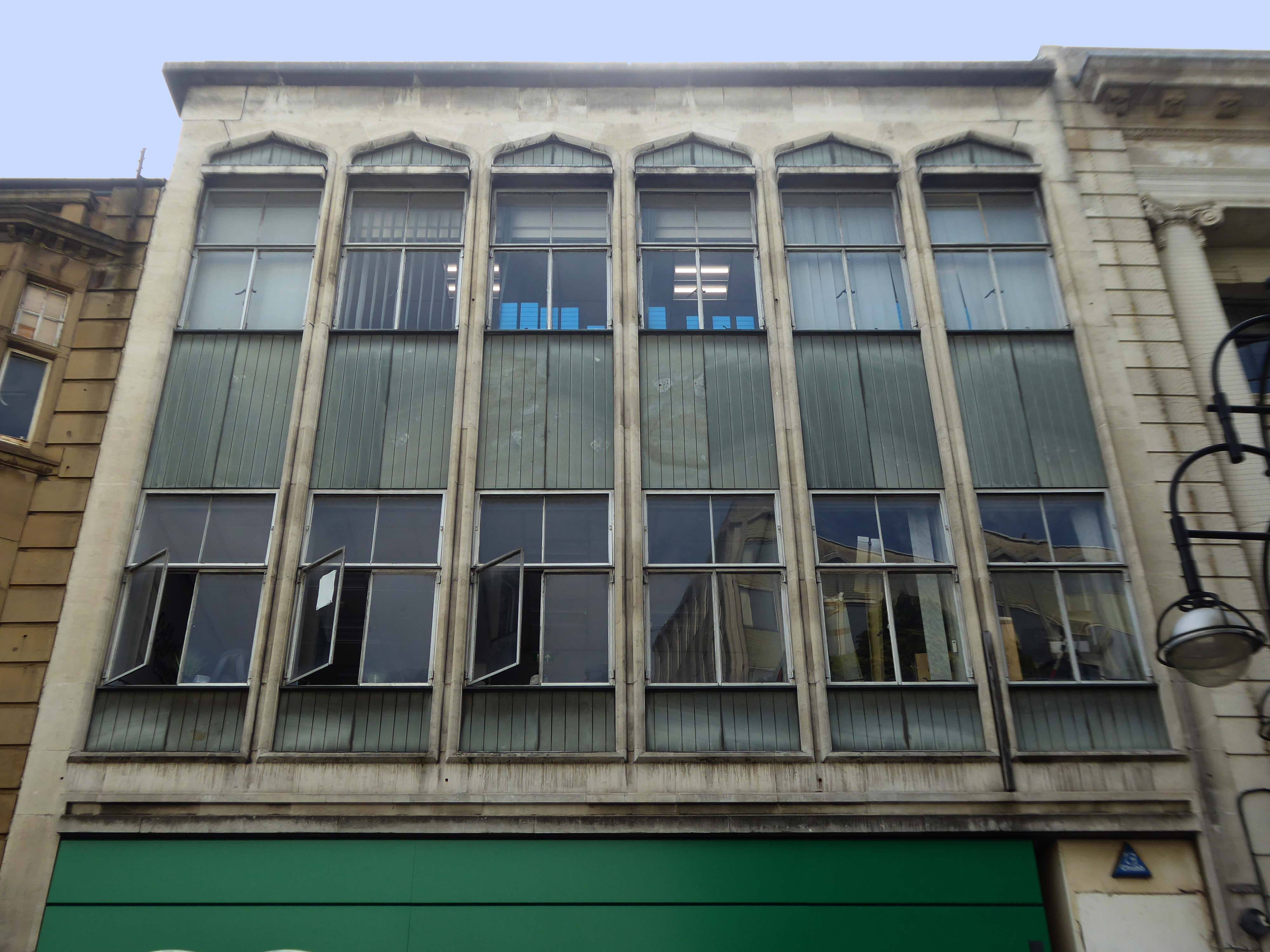
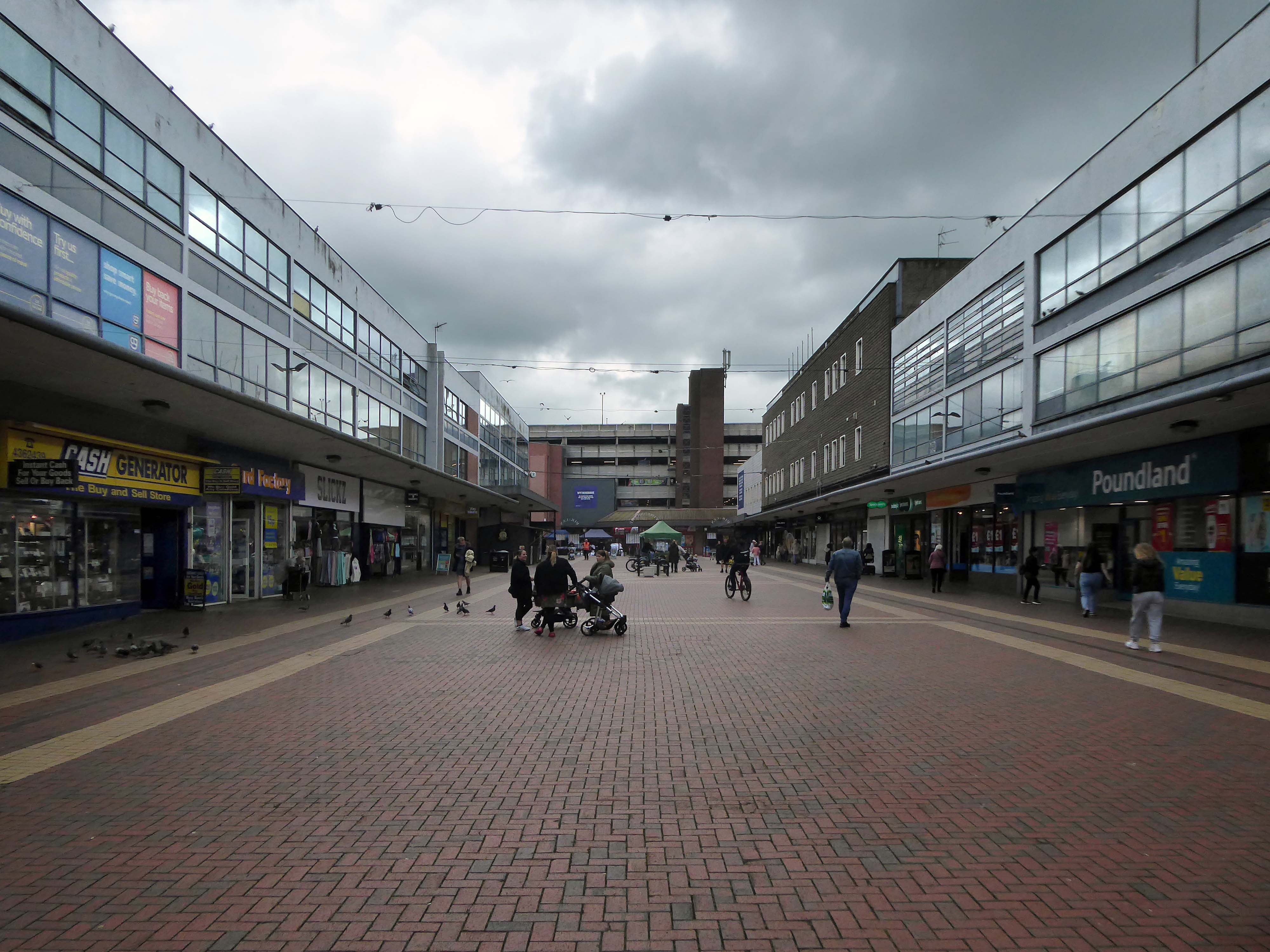
The revamped Frenchgate Shopping Centre, officially opened on October 4th 1968, has in places an upper tier, resistant to zinc over cladding.

The centre has been the heart of the city for over 40 years and was originally called the Arndale Centre because it was built, owned and managed by the Arndale Group. It was renamed in 1988 after a change of ownership, with the new name reflecting the name of the street which passes to the east of the centre and which is one of Doncaster’s main shopping streets.
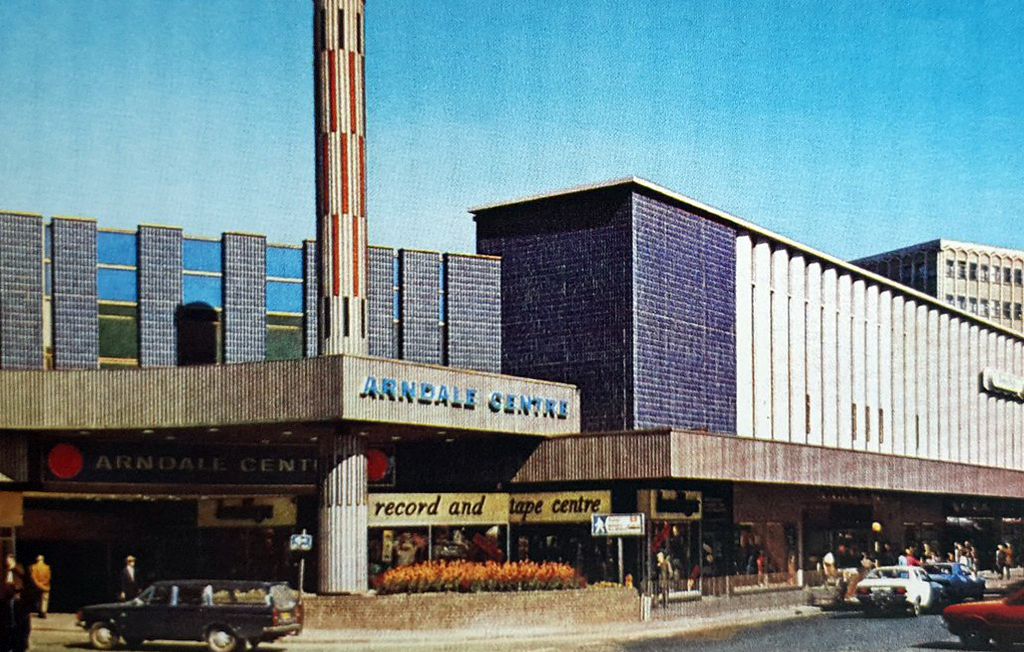
The sale of the centre came just a year after Frenchgate had undergone a £200 million facelift to transform it into the country’s first shopping centre with integrated public transport and retail interchange.
Wikipedia

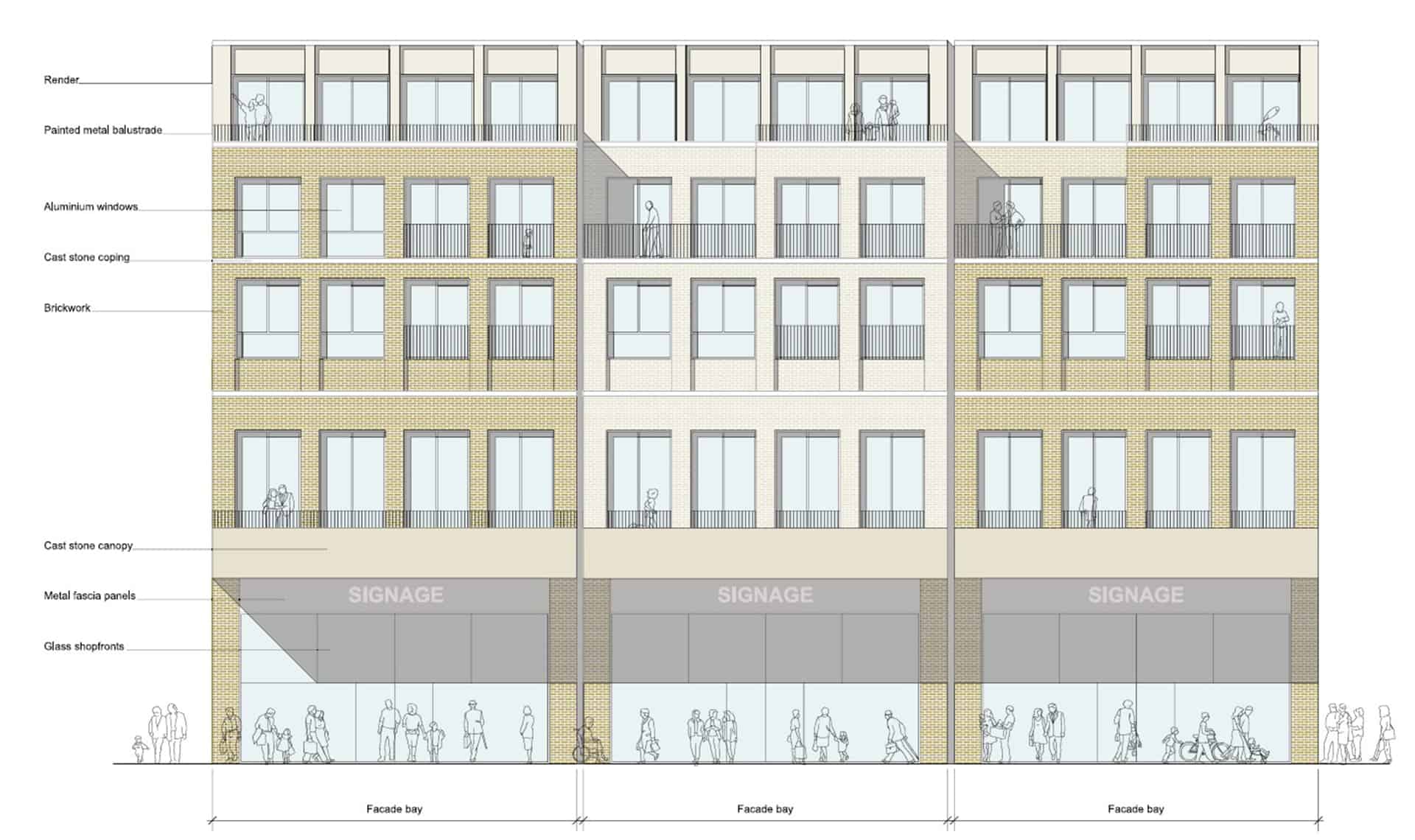
There are plans to rework the shopping centre.

We propose this is fundamentally transformed though the addition of apartments that wrap along the back of the first-floor retail with a further 2.5 new storeys placed on top. We also feel additional height -up to seven or eight storeys, is justifiable to the corner of Frenchgate and Trafford Way.
TODD Architects

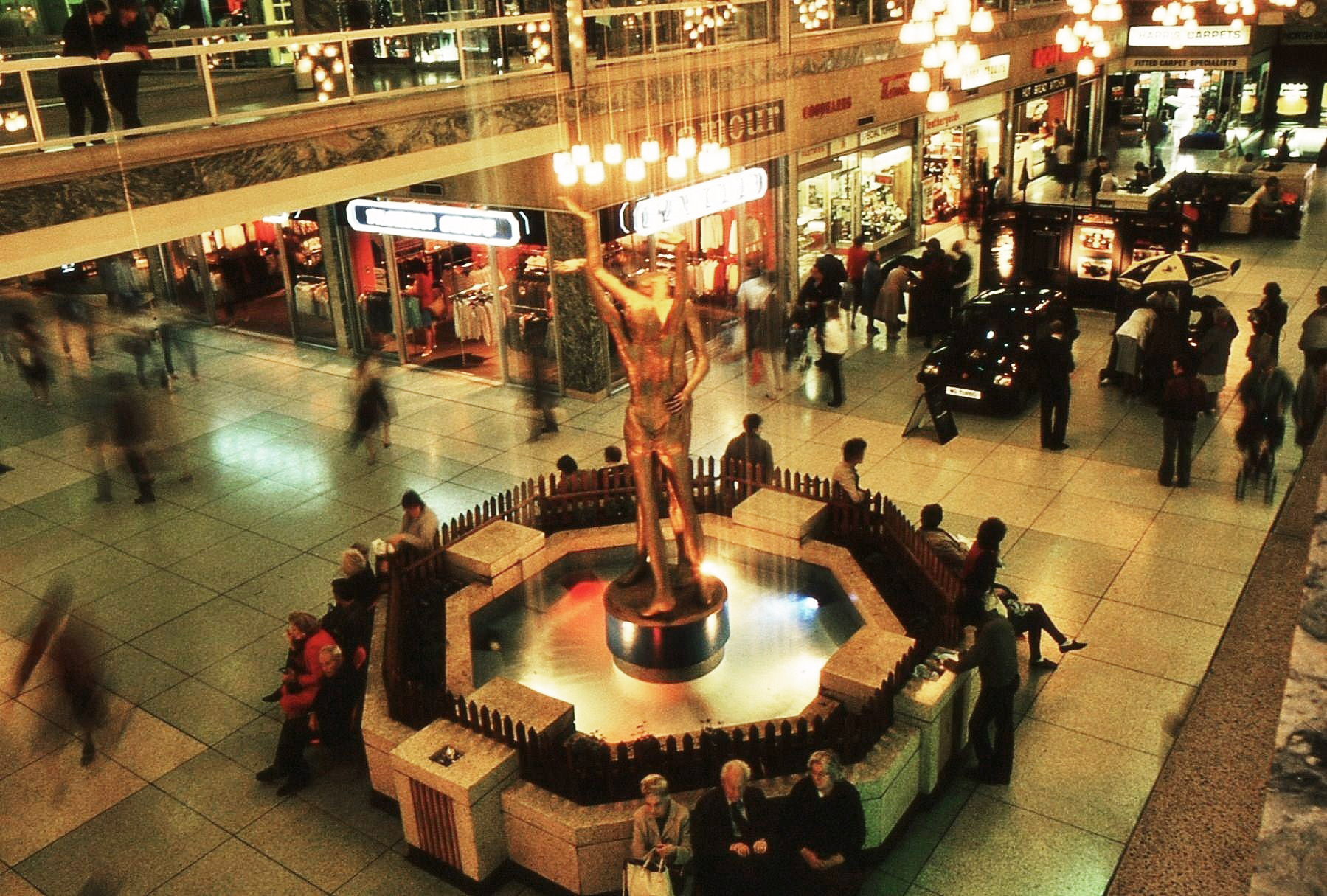
The Lovers were once located in the Arndale, removed to a local garden, unloved – then later reinstated in the Waterdale Centre, where we will embrace them a little later.
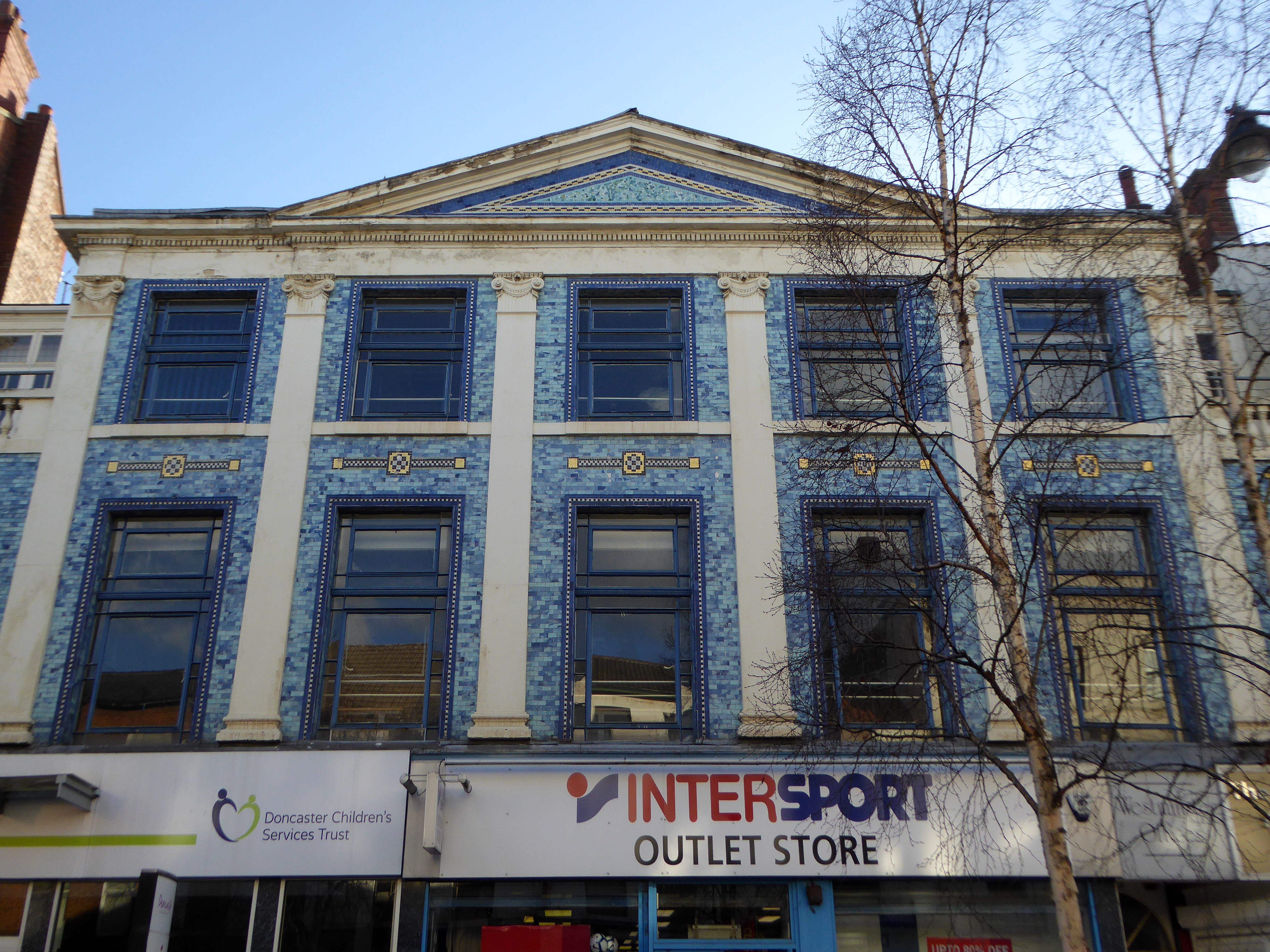
Turn right to take in the 1920s mosaic remake remodel of the Grade II listed Blue Building.

The Blue Building which used to be the Doncaster Design Centre and Tourist Information Centre was originally the home of John Whitaker, a wine merchant, and son of James Whitaker who was Mayor of Doncaster in 1758.

In 1925 the complete building was demolished apart from the facade which was retained and given a facing of decorative blue tiles. The intention was to build a shopping arcade from High Street to Printing Office Street. Only part of the arcade, known as the  Westminster Arcade was built. It had a number of shops, the largest being that of Woodhouse & Co Furnishers.
Doncaster Heritage Trail

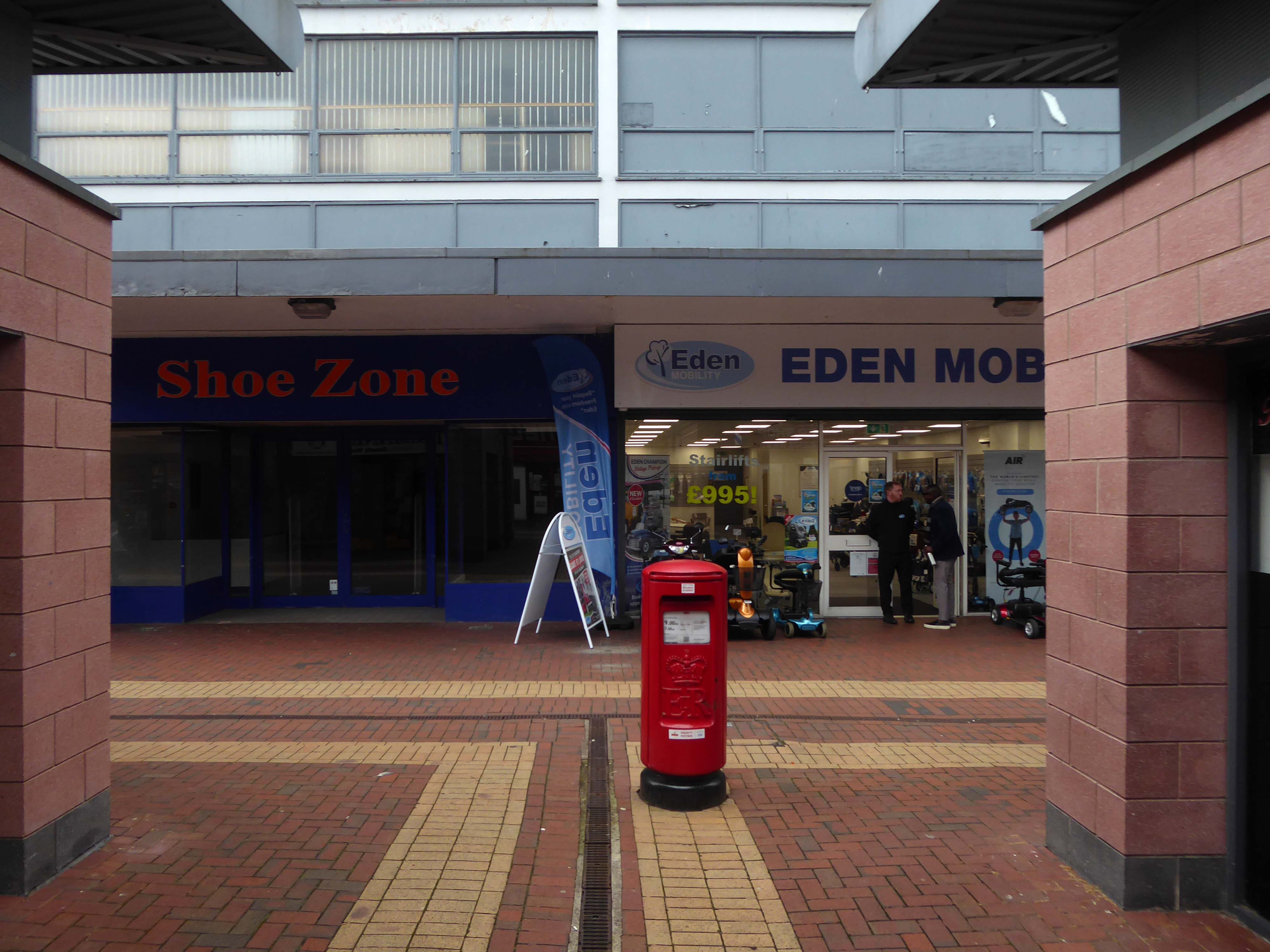
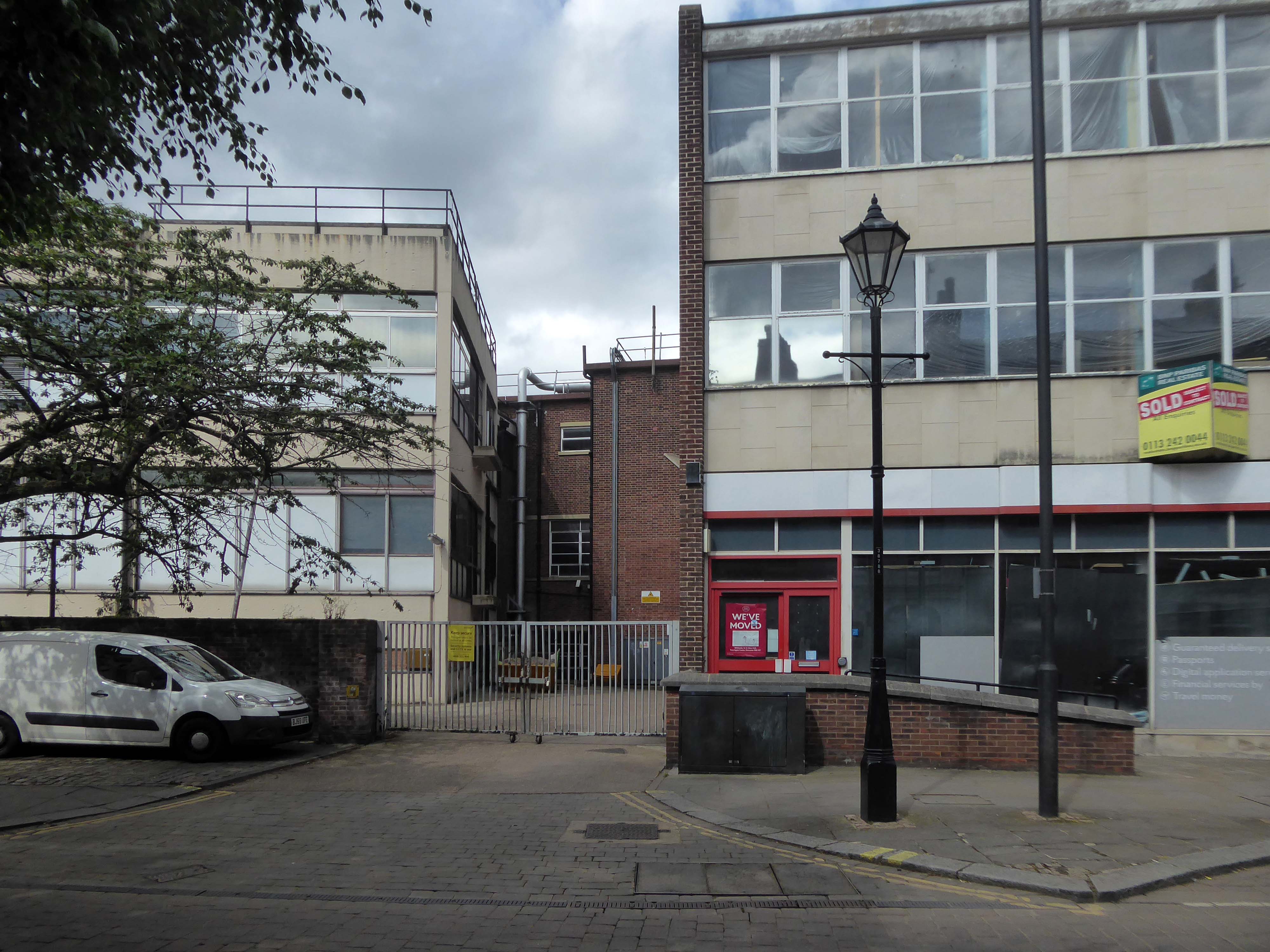
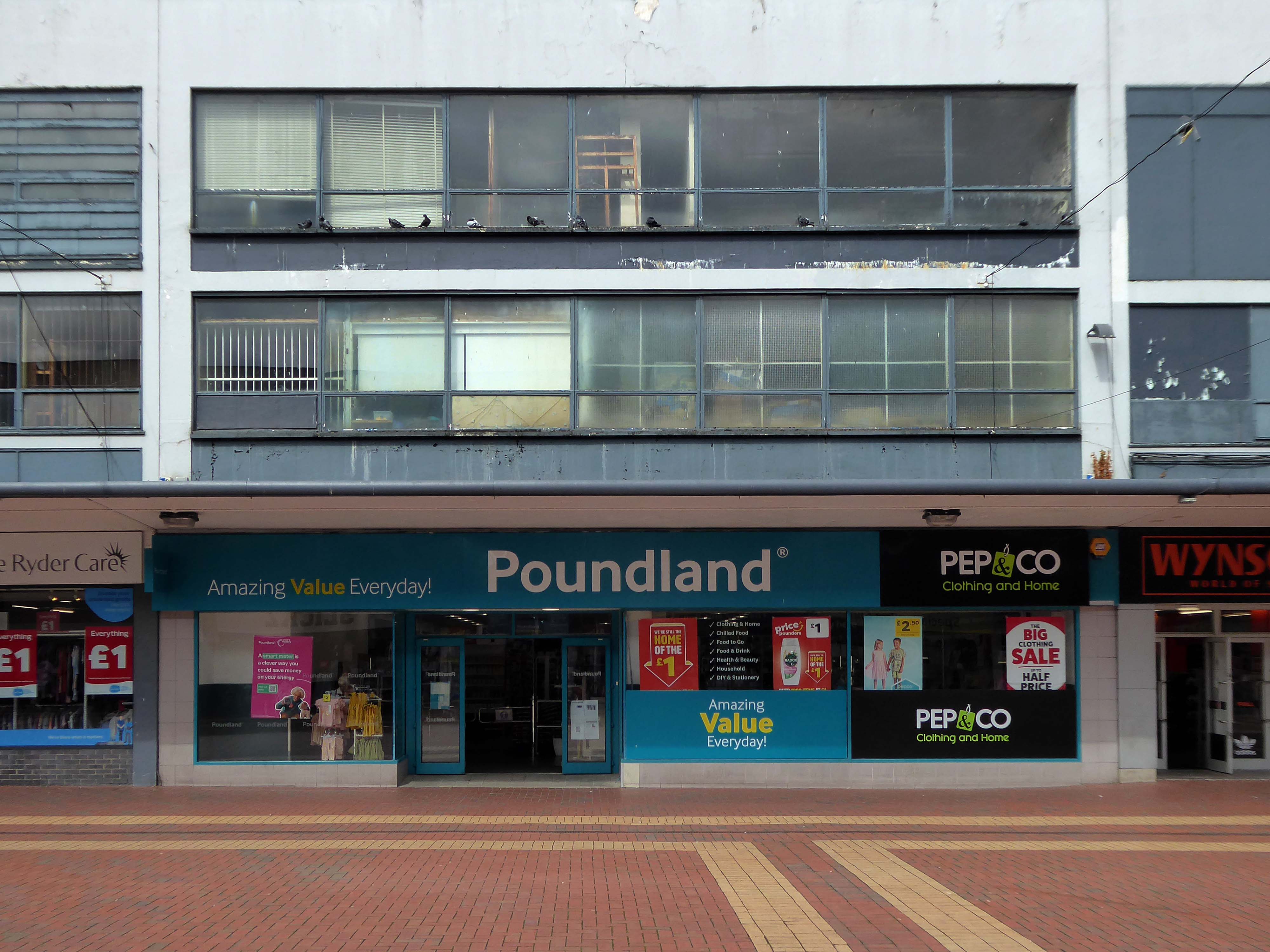
Two adjacent 60s extensions – to the right a redundant post office to the left an almost redundant telephone exchange, with the earlier brick built exchange in smack dab the middle.
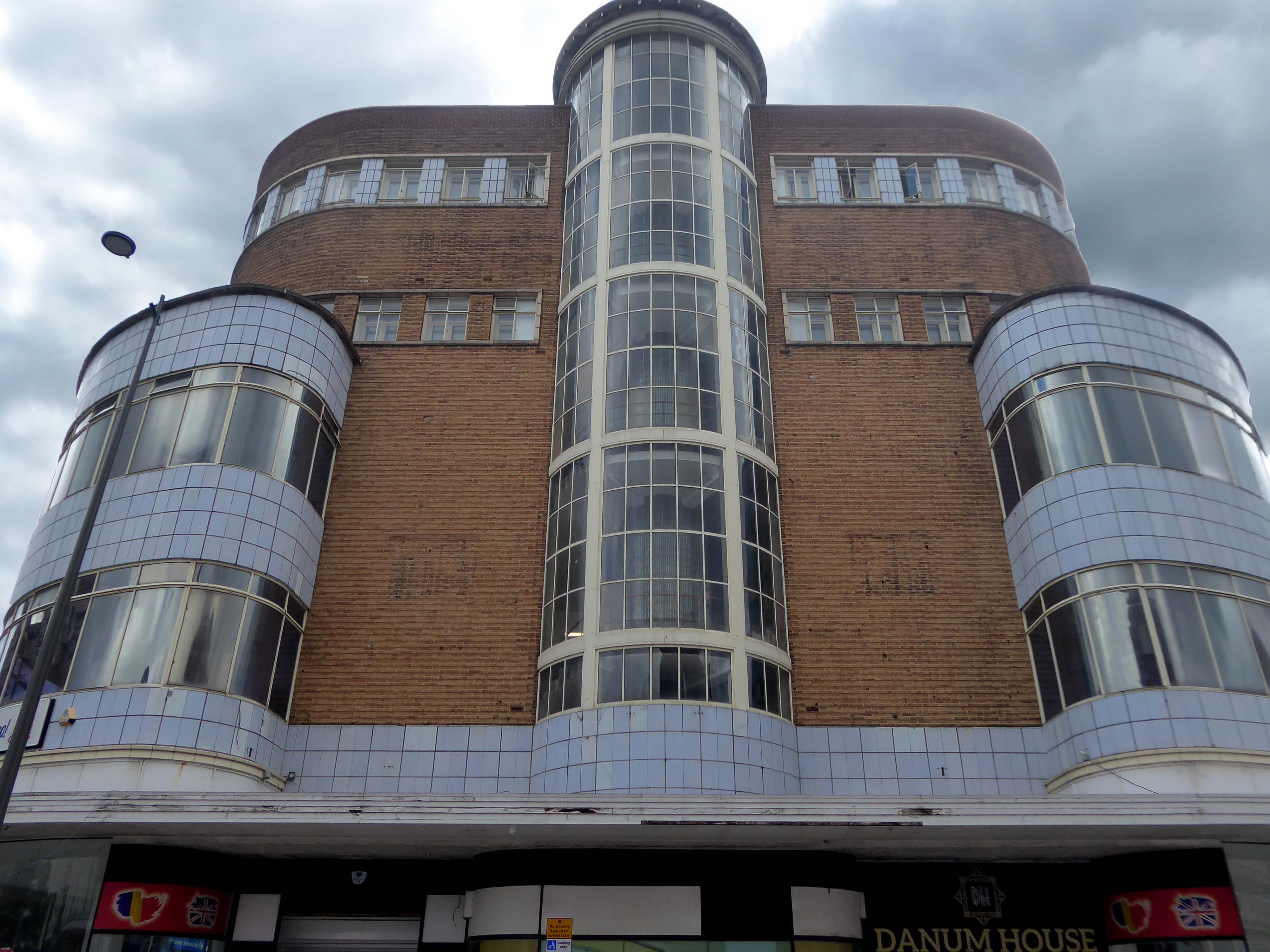
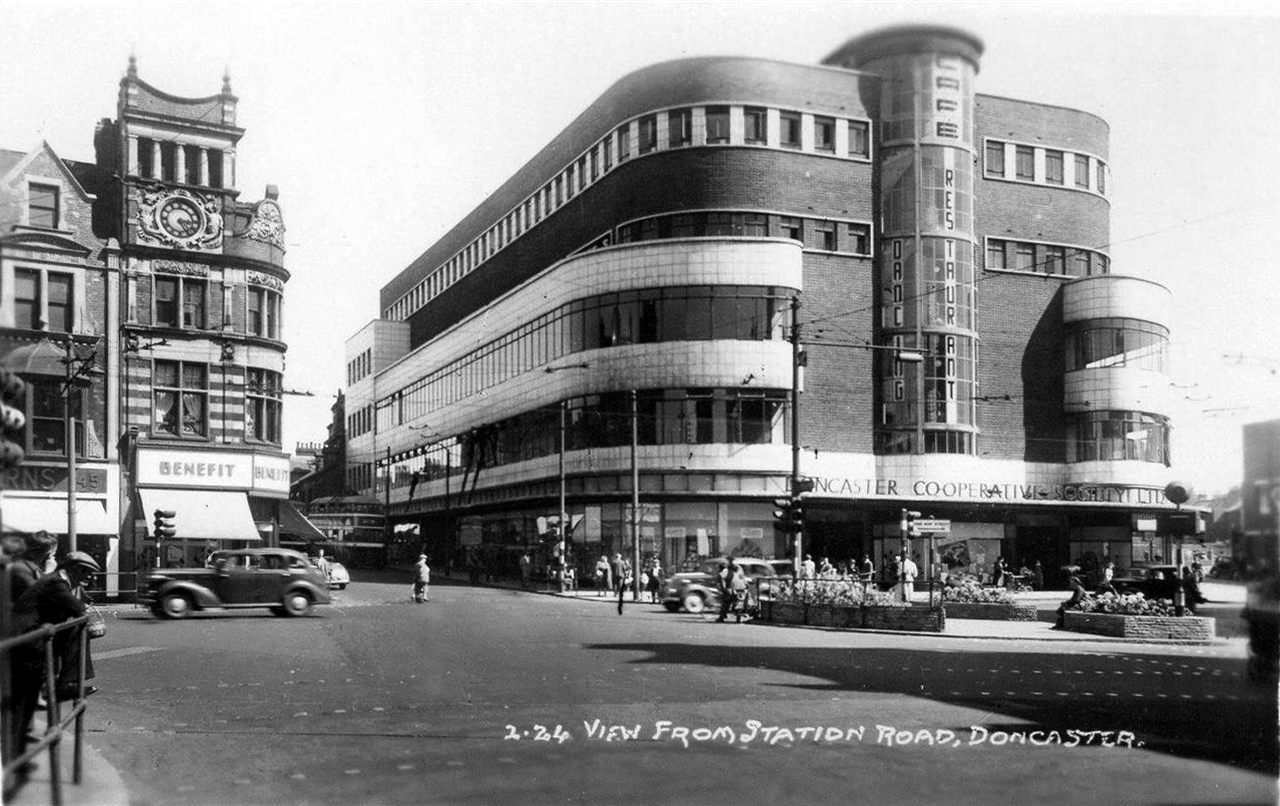
Turn another corner and it’s all at the Co-op now – the Grade II listed Danum Co-operativeBuilding, department store and offices: 1938-40 designed by T H Johnson & Son for the Doncaster Co-operative Society Ltd. 
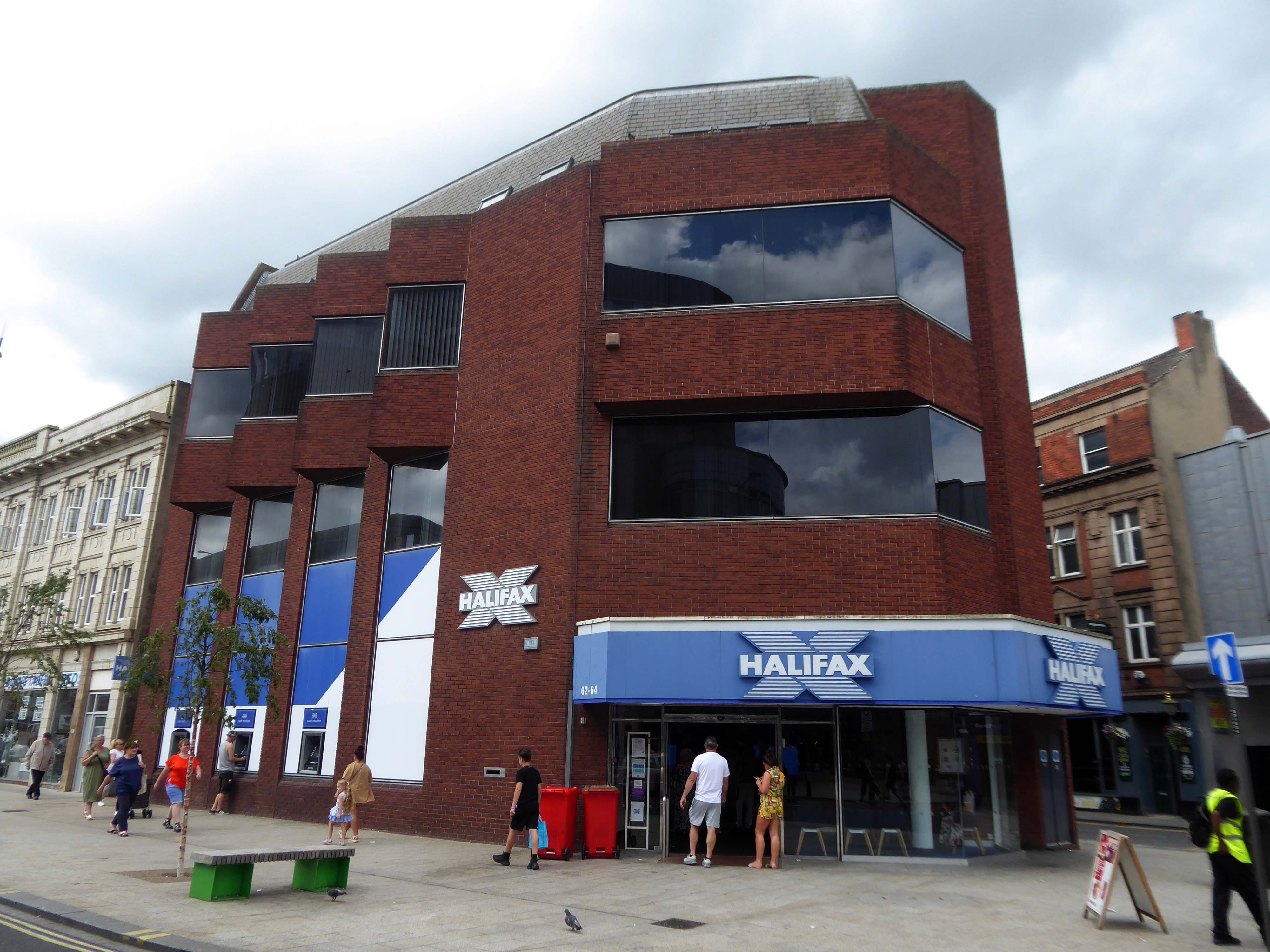
Over the road a zig-zag Halifax Building Society branch, tightly contorted by its corner footprint.
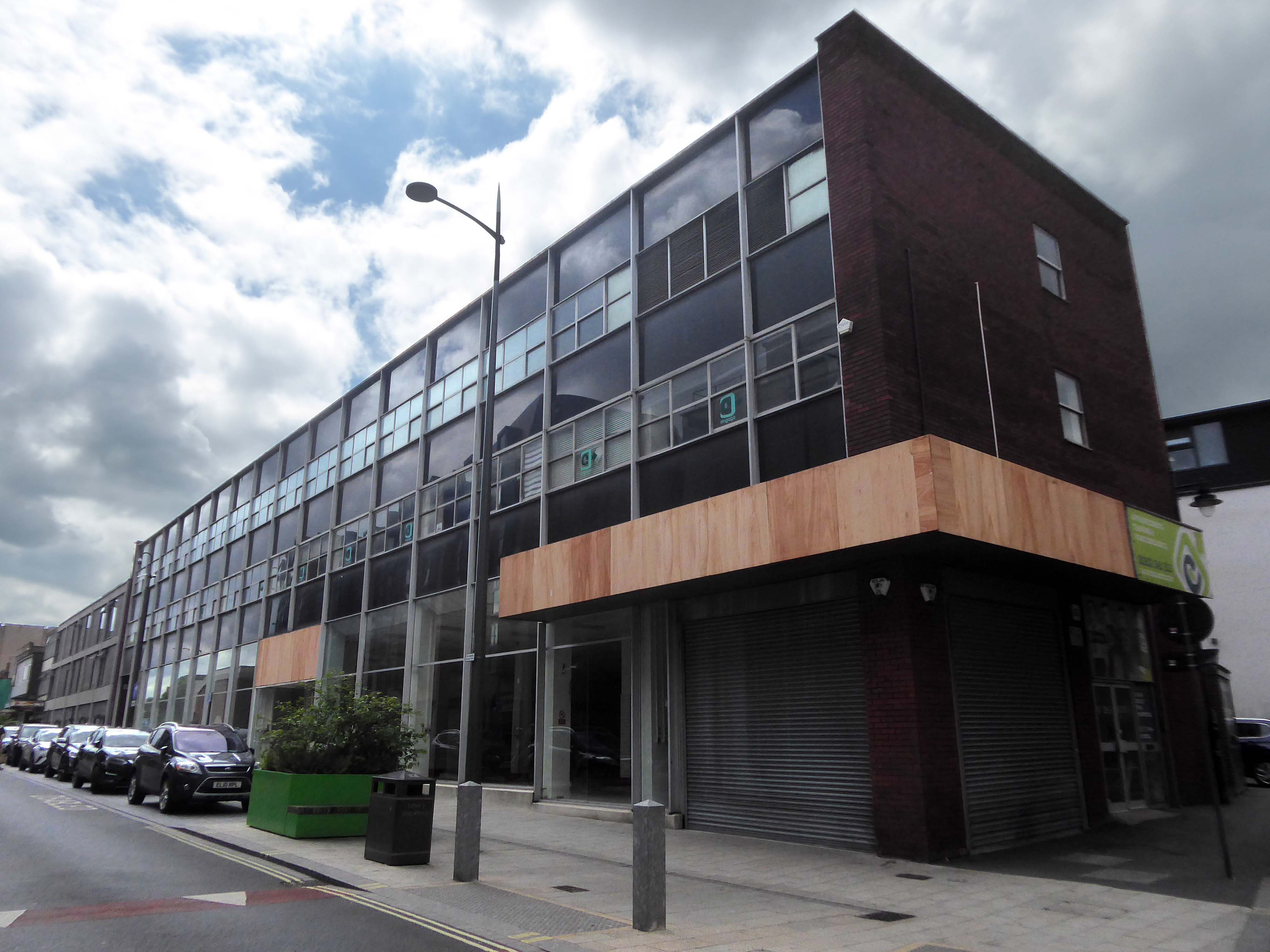
To the right of the Danum, this former Boyes store, having relocated to the Wilko site, the building is ripe for residential conversion.
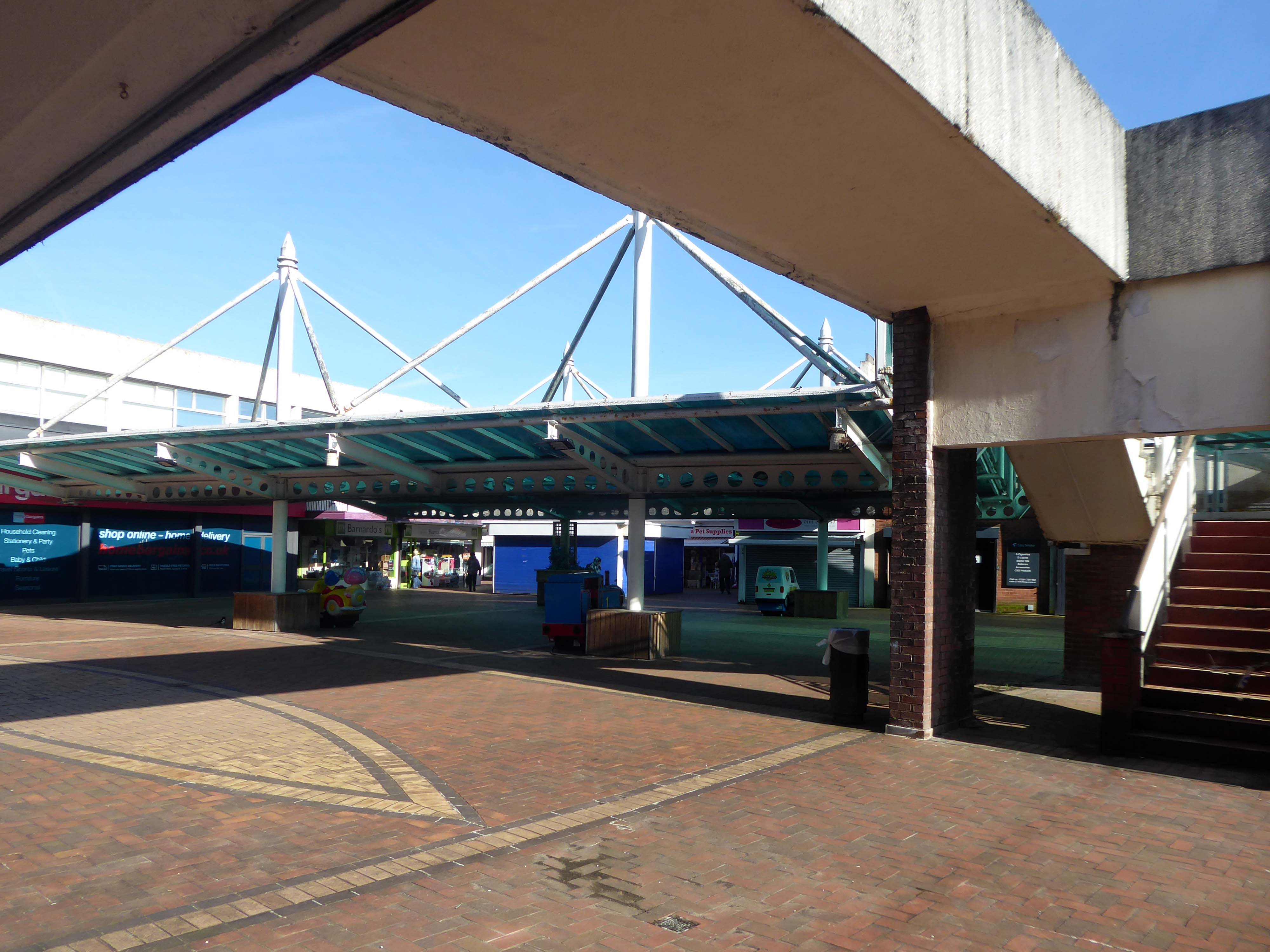
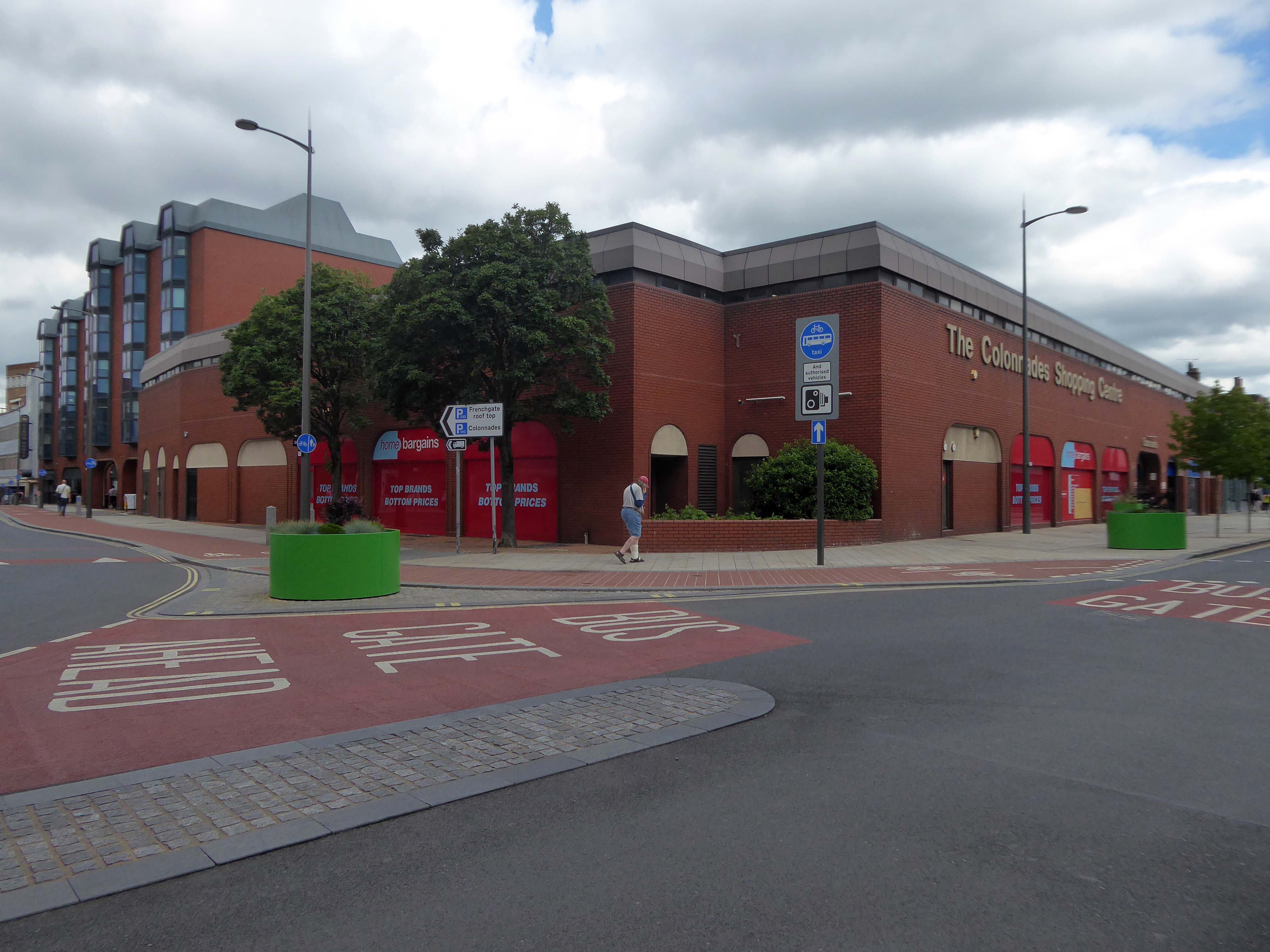
To the left the Colonnades Shopping Centre a fierce angular glass and brick bunker of mixed office and retail space – the sole occupant seeming to be Home Bargains.

A £3.3m makeover of the Colonnades shopping mall in Doncaster town centre was completed in 2019.

The scheme of works was co-ordinated by Doncaster Council and funded by the Sheffield City Region Local Growth Fund.

Built in the 1980s, the brick built building received a major overhaul. The investment saw the visual appearance enhanced inside and out. The five floors were transformed into the prime office space needed in the town centre and the enhancements to the retail area were also finished.

The shift in the town’s axis to the Frenchgate and Market areas, seems to have taken the wind out of its sails.
The former flicks now a redundant pale brick behemoth – no more and ABC.

Architects: C Jack Foster and Alan Morgan
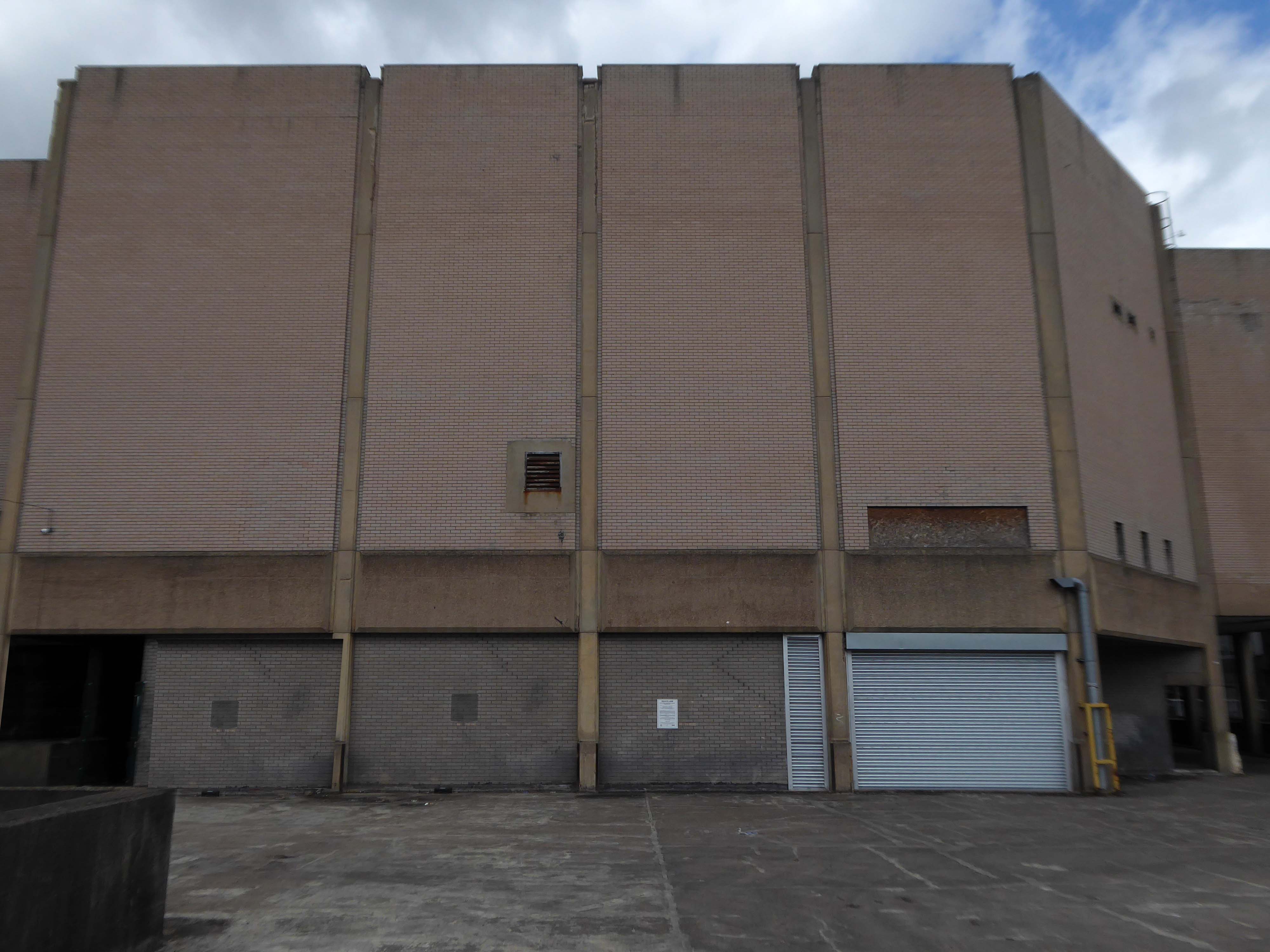
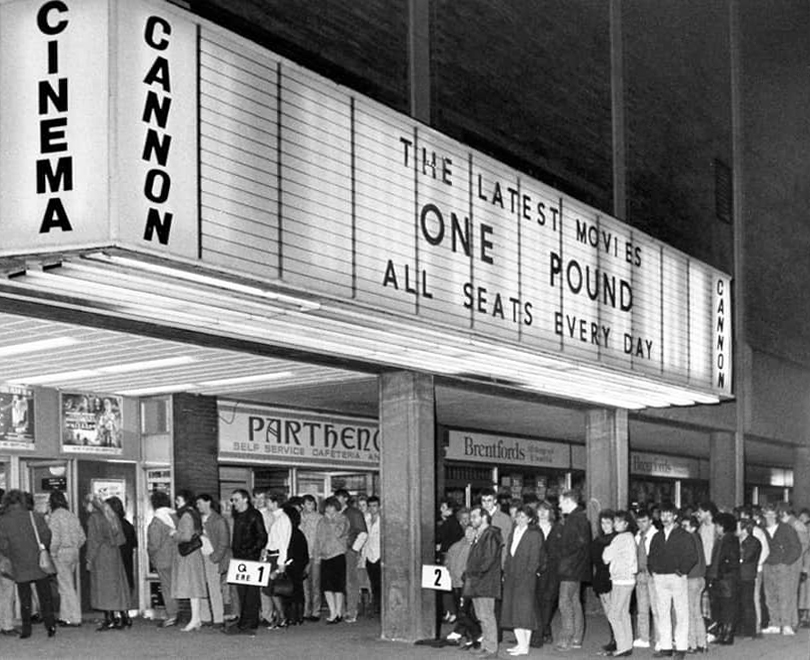
Doncaster’s new £250,000 ABC cinema, part of the Golden Acres development near the town centre, was opened on May 18th 1967.

Closed in January 1981 for conversion into a triple screen it re-opened on 9th April 1981 with seating in the three screens for 477, 201 and 135.

The Cannon Group took control in the mid-1980’s and it was re-named Cannon and it closed on 18th June 1992, screening its opening film Doctor Zhivago.

Cinema Treasures
The Golden Acres development seemed to have morphed into the Waterdale Centre.

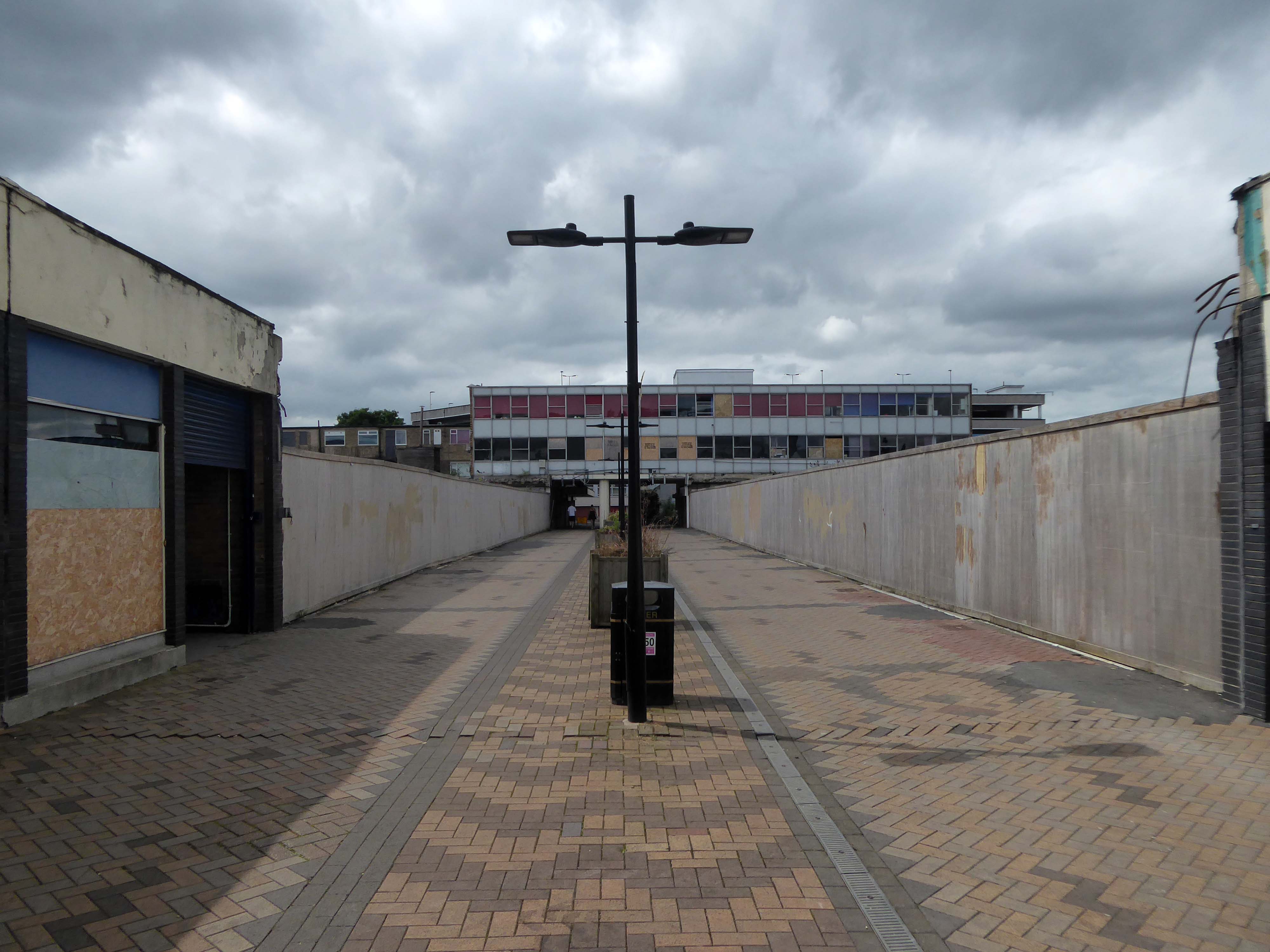
It is currently being reshaped to provide a line of desire twixt the Civic and Cultural areas, from the town centre. There are still the remnants of homes, shops and a pub amongst the demolition – almost inevitably there is new paving.

Waterdale is a well-known part of Doncaster’s town centre. During its heyday it was a bustling area with people flocking to shops and the like – it was a place you had to visit while you were in town. However, it had suffered a steady decline which continued when the southern bus station closed – Frenchgate Interchange opening, and Doncaster College moved to the Hub at the Waterfront. With limited public transport entering the area and no student population on its doorstep, less people had reason to pass through.
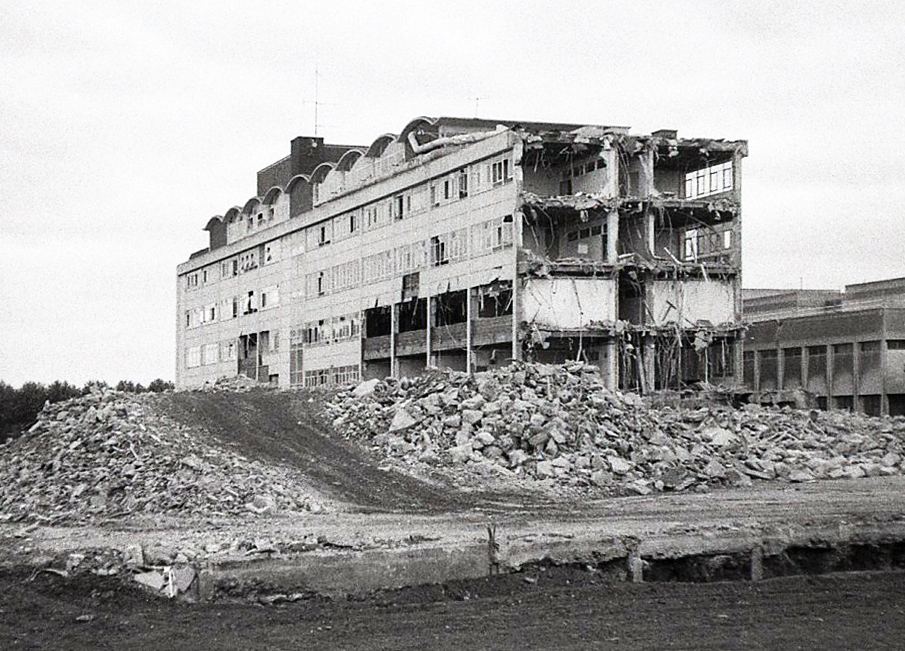
Demolition of the College.

The Civic and Cultural Quarter is transforming Waterdale reconnecting it to the town centre. The quality and content of the plans is raising the profile of this part of town to new levels. The carefully thought out layout and consistent building design is giving the area a clear identity. It is already becoming a big attraction that draws people in and encourages redevelopment in the neighbouring areas.

Doncaster Gov

The relocated Lovers are still in love.
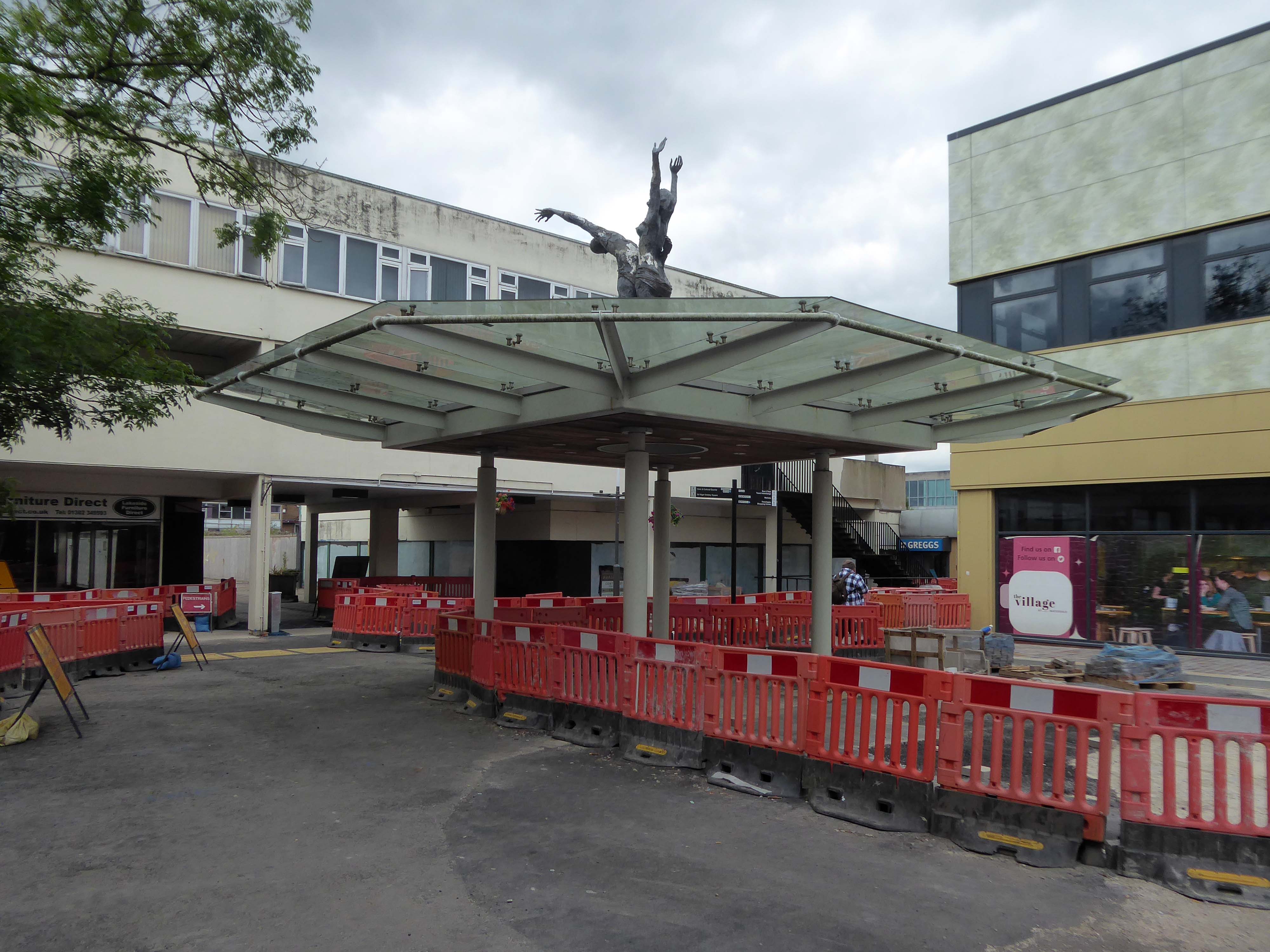
The weary walker is diverted toward the Civic Quarter Car Park.
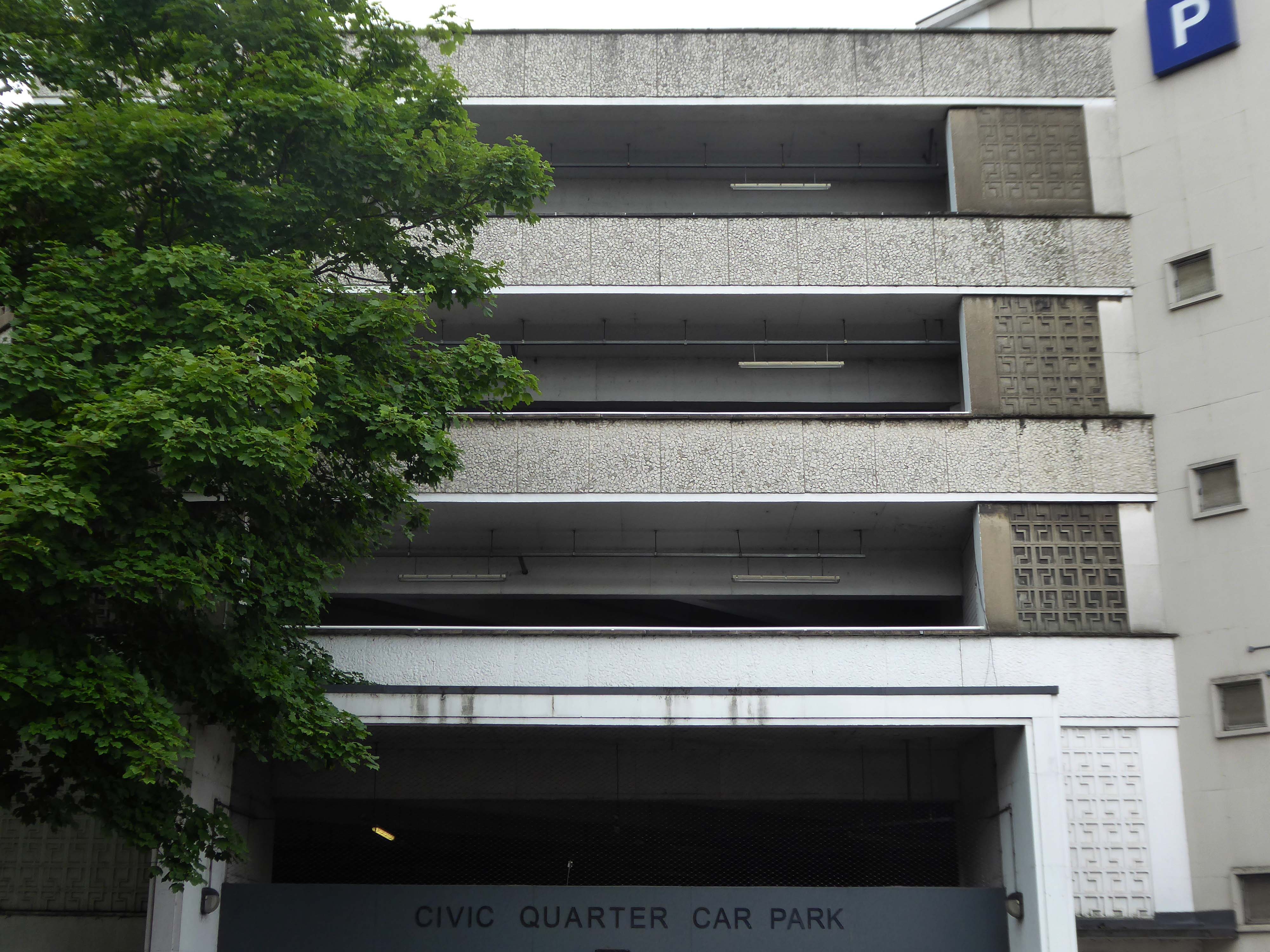
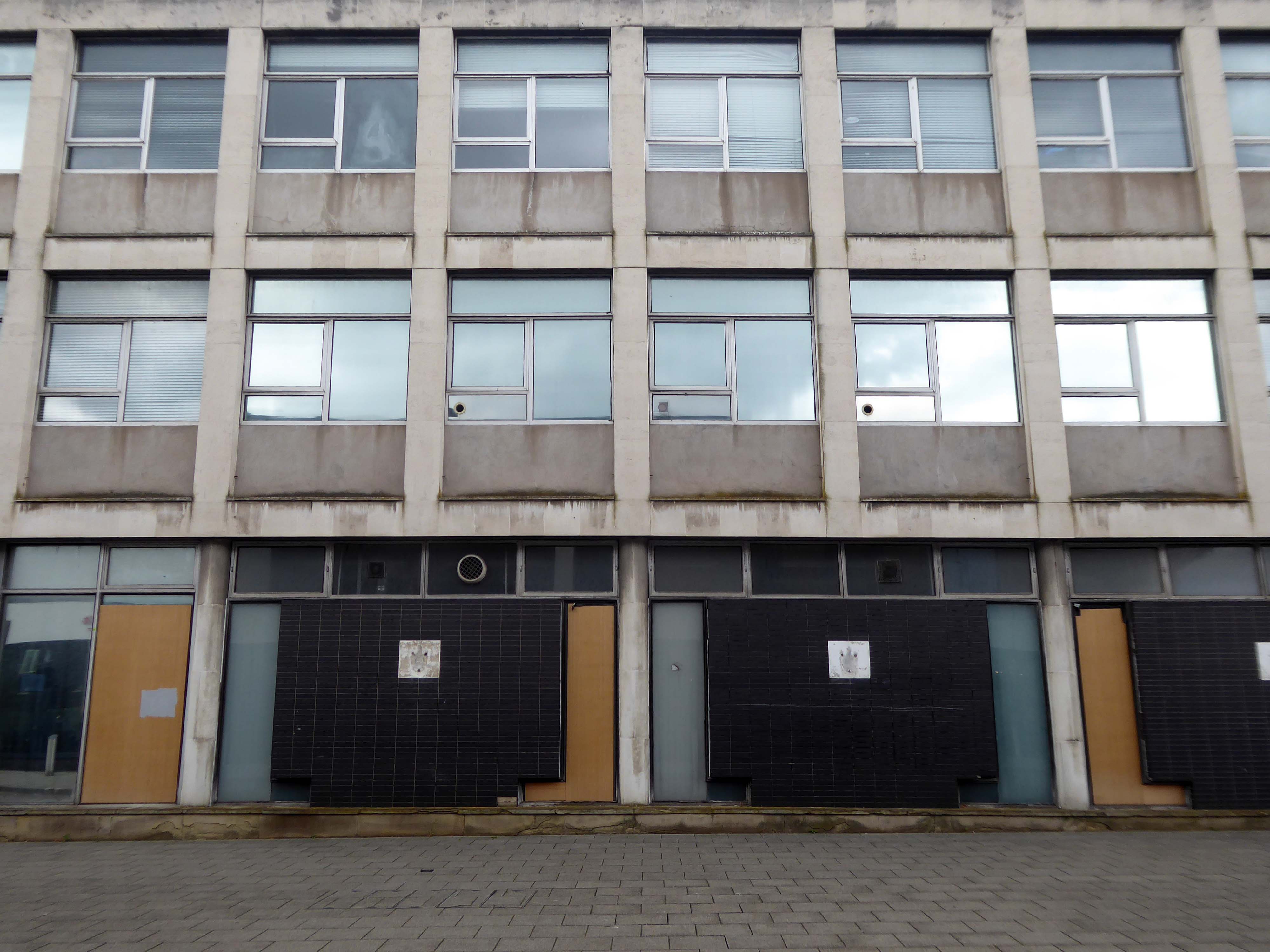
The former Civic Offices are to be demolished.
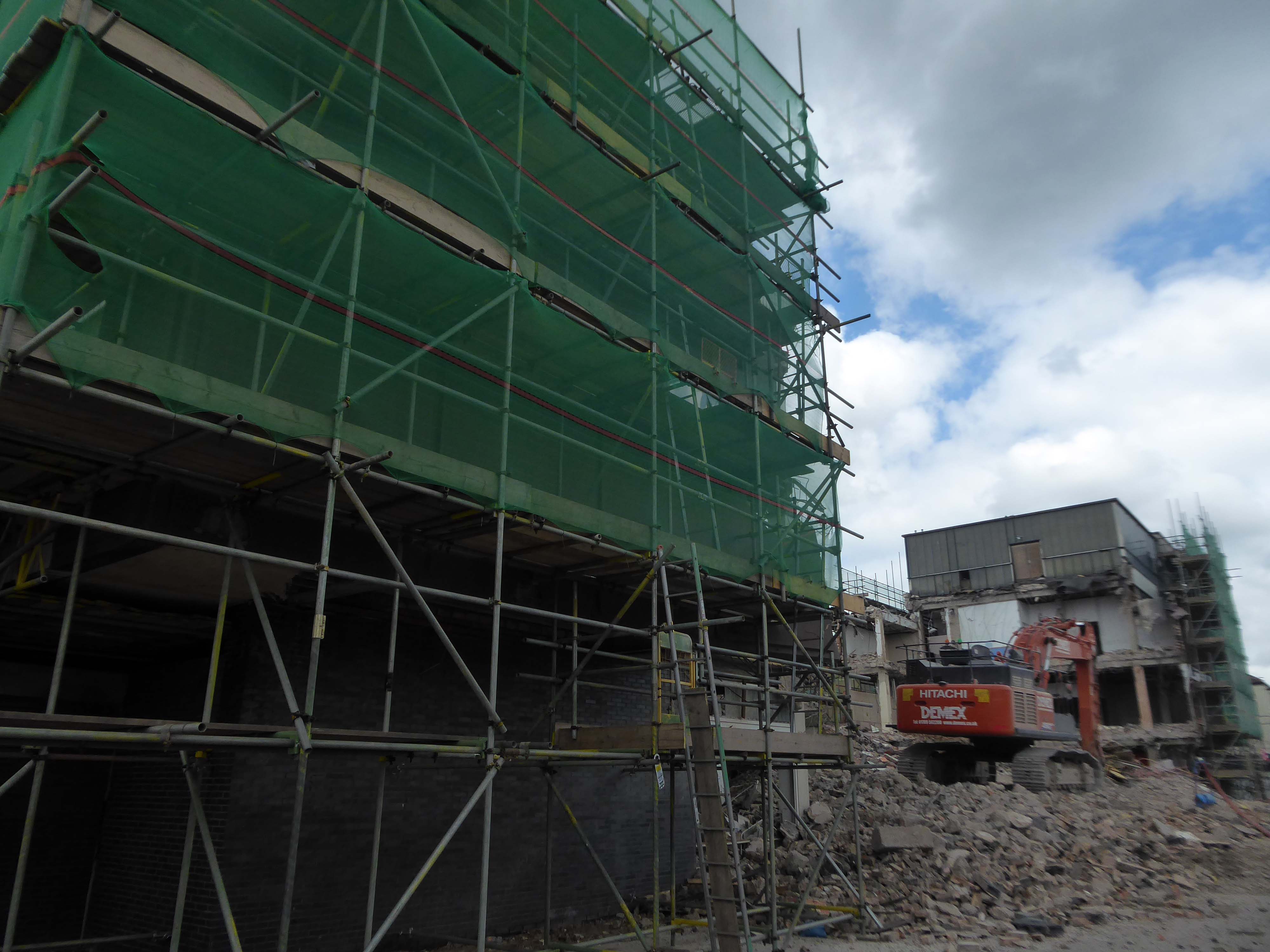
Demolition of the Central Library is well under way.
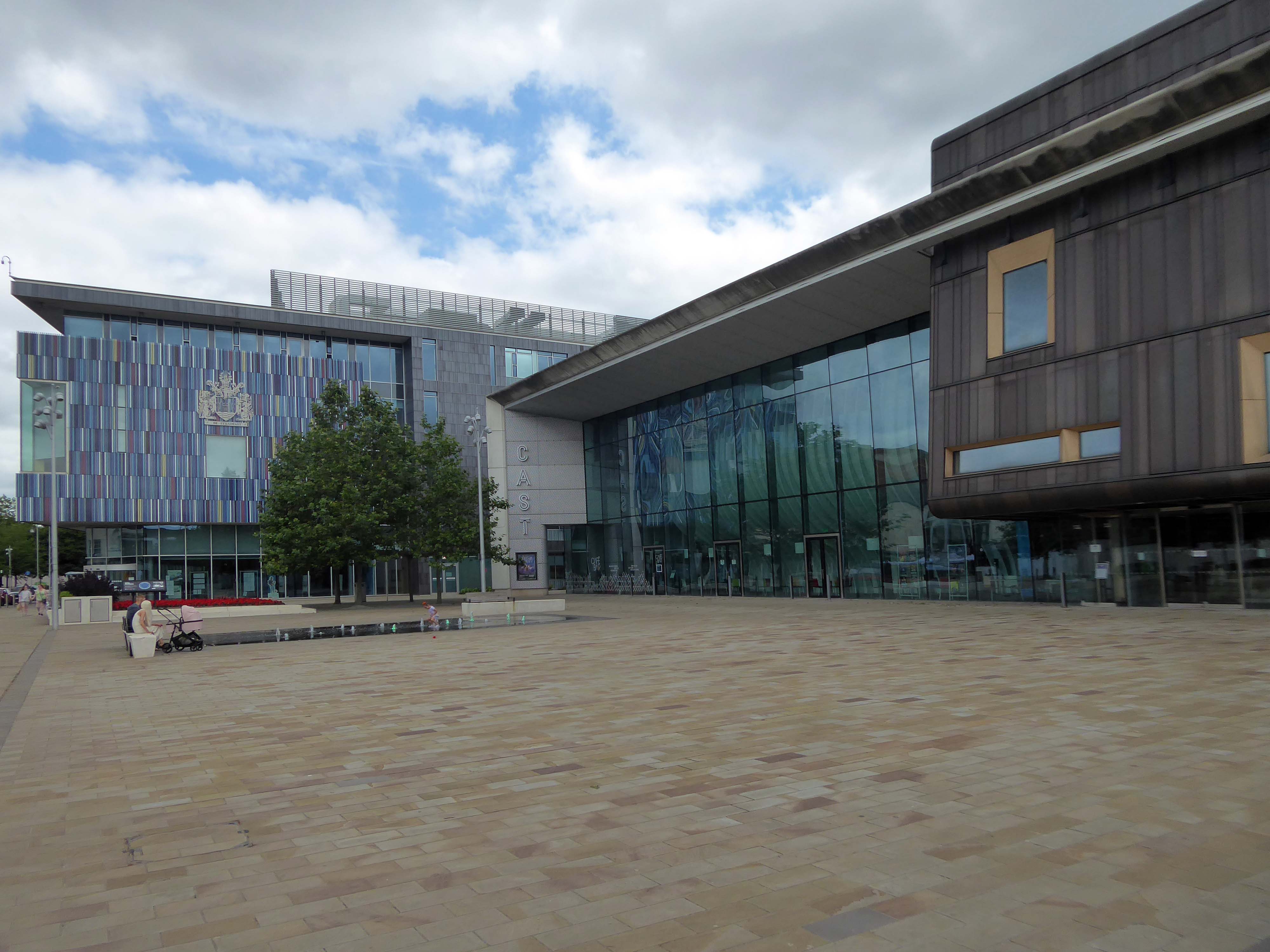
Facing the former library we find the CAST Theatre, Civic Buildings and Savoy Cinema, grouped around Sir Nigel Gresley Square.
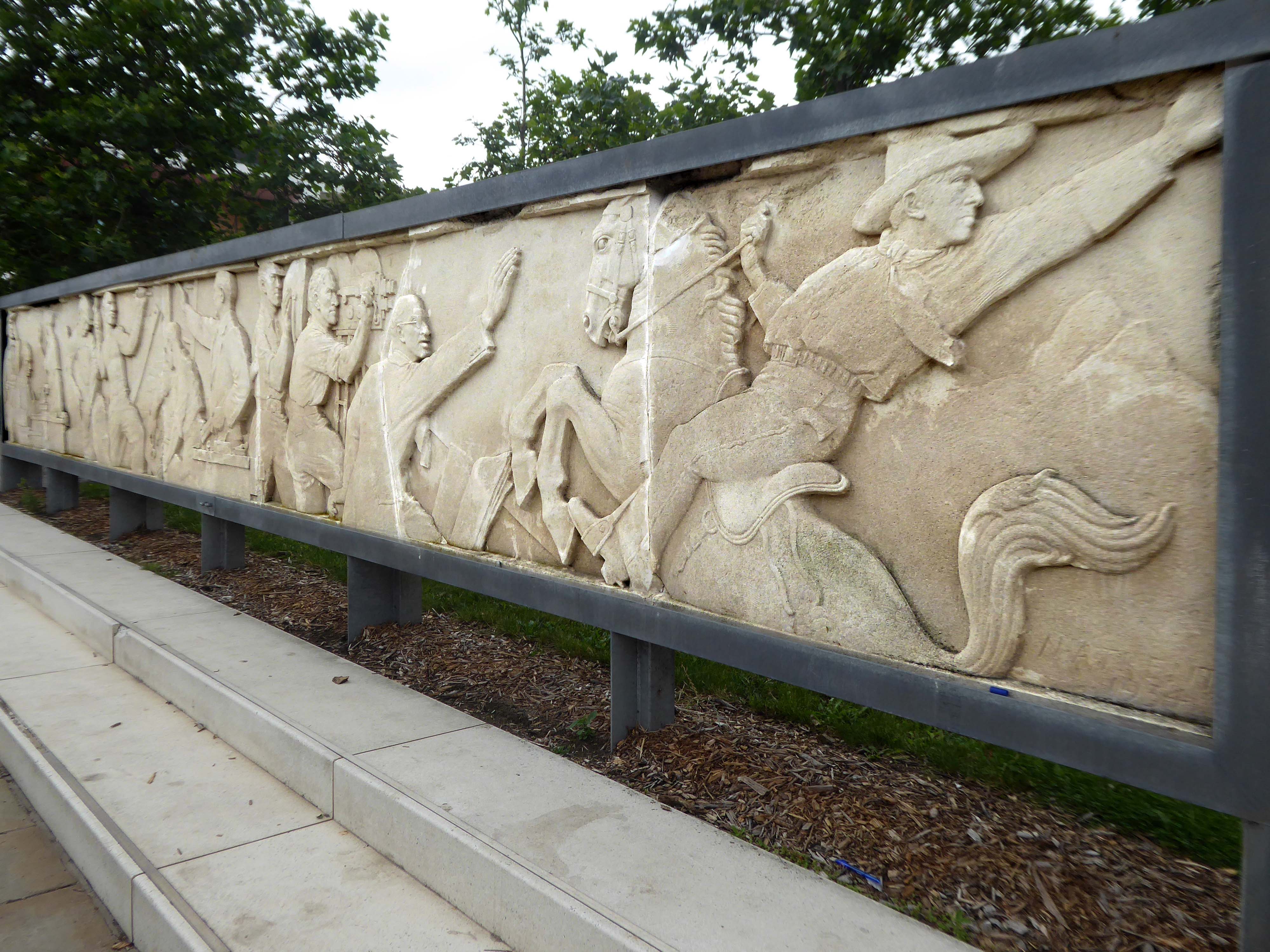
Within the square is a frieze, salvaged from the former Gaumont Cinema, the work of sculptor Newbury Abbot Trent.
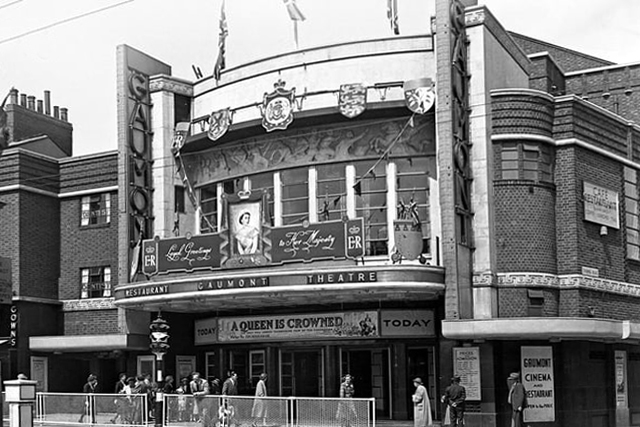
The Gaumont Palace Theatre in Hall Gate at the corner of Thorne Road, Doncaster opened on 3rd September 1934 with Jesse Matthews in Evergreen.

It was designed by architects WE Trent and W Sydney Trent.
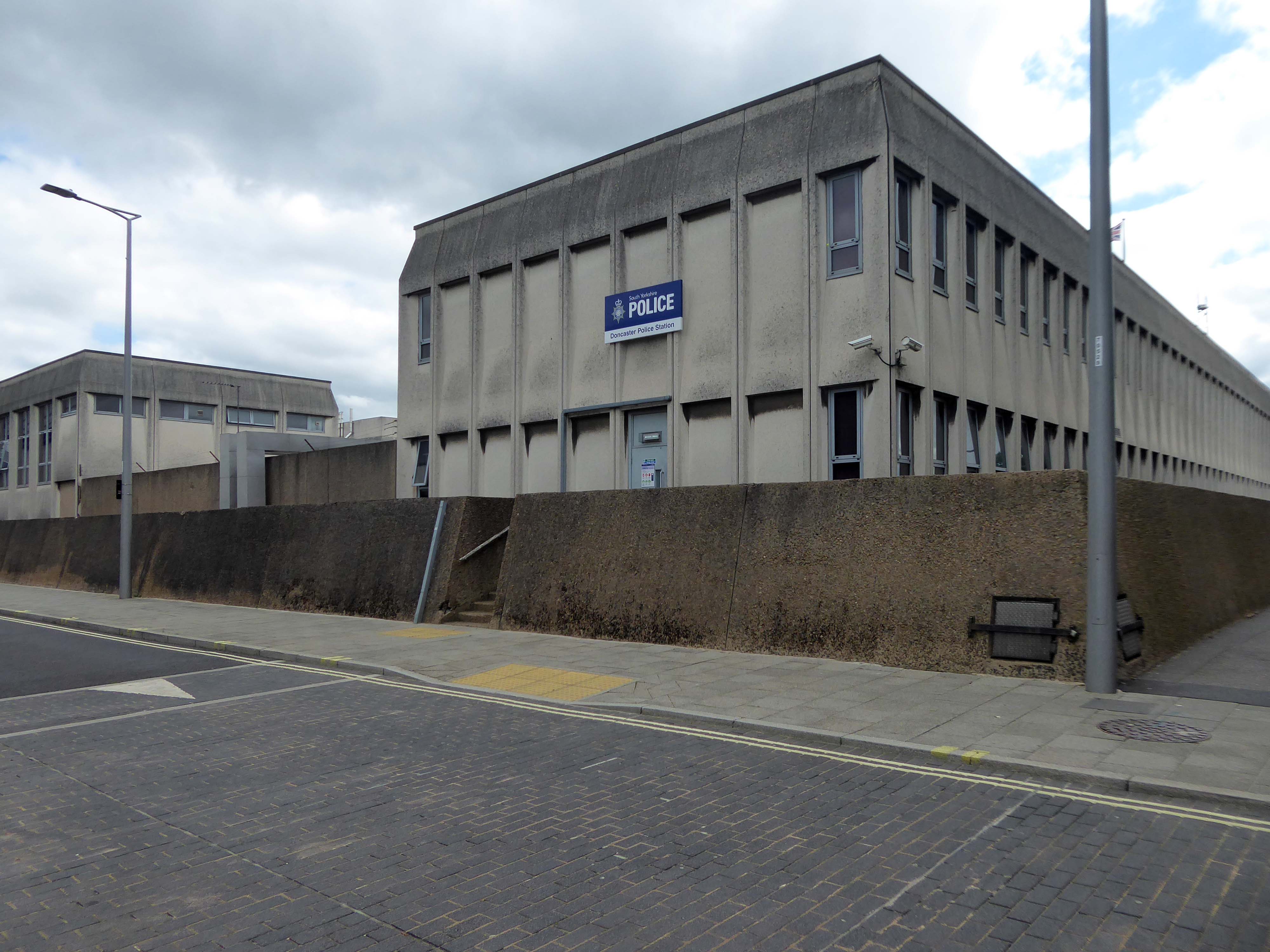
In 1949 WH Price the Borough Surveyor produced an outline plan for the area, with a green space at its heart, it was never realised. In 1955 Frederick Gibberd produced his plan to include a ten storey Town Hall, Art School, Technical College and Civic Theatre, revised and reduced in 1963 – eventually his Police Station and Law Courts were completed in 1969.
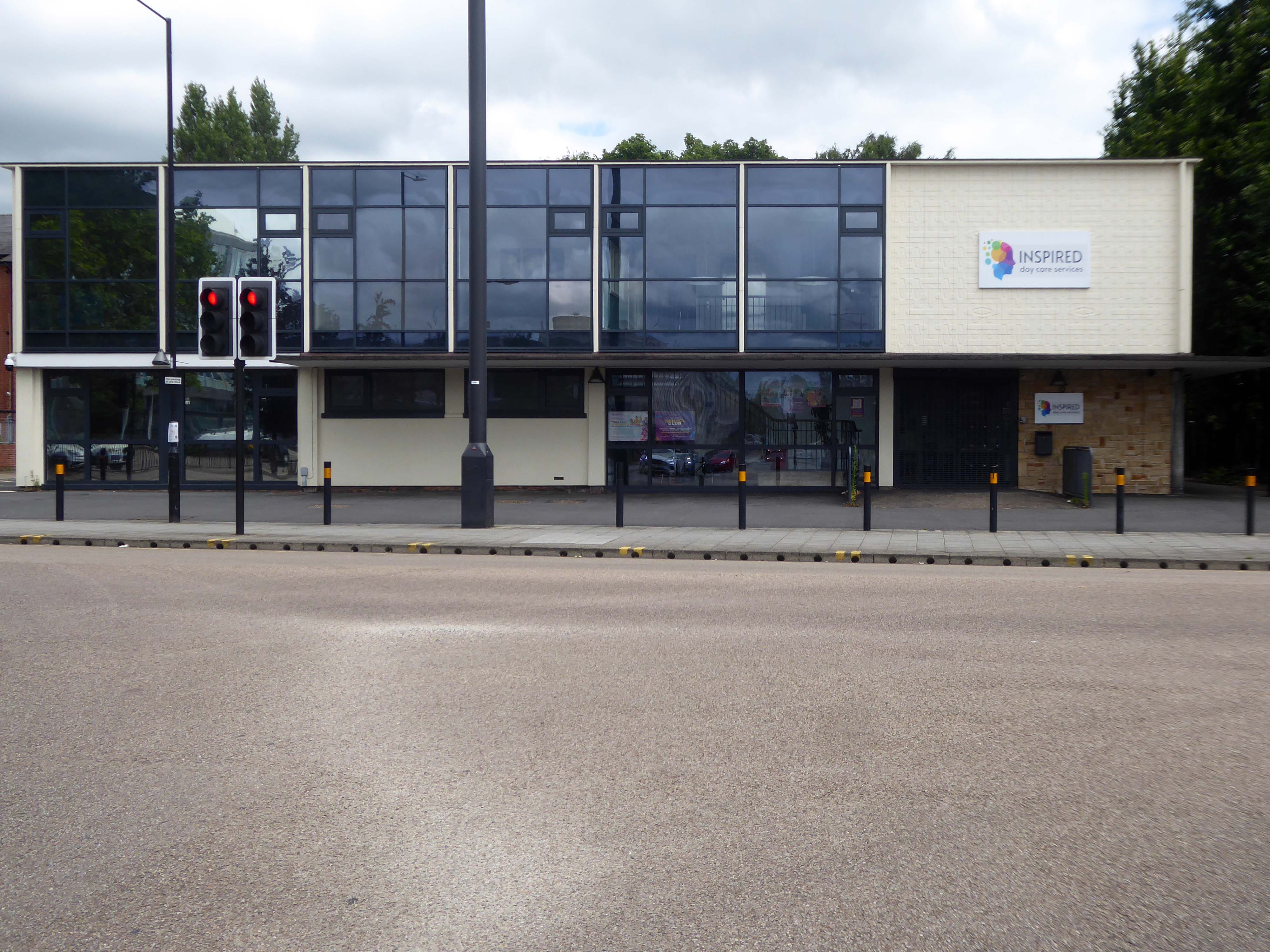
The former NHS Clinic at the ‘T Junction’ is transformed into a day care service.
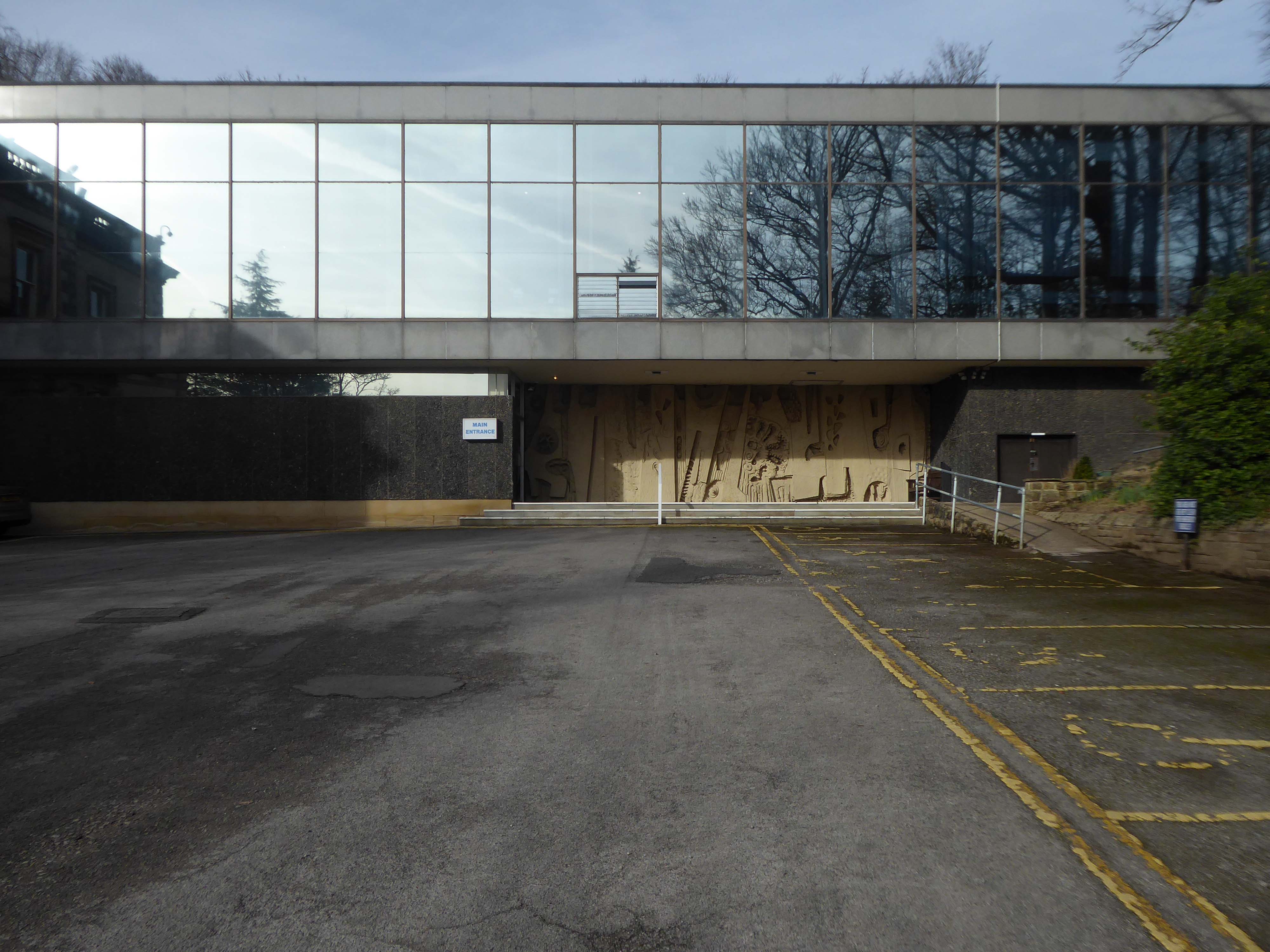
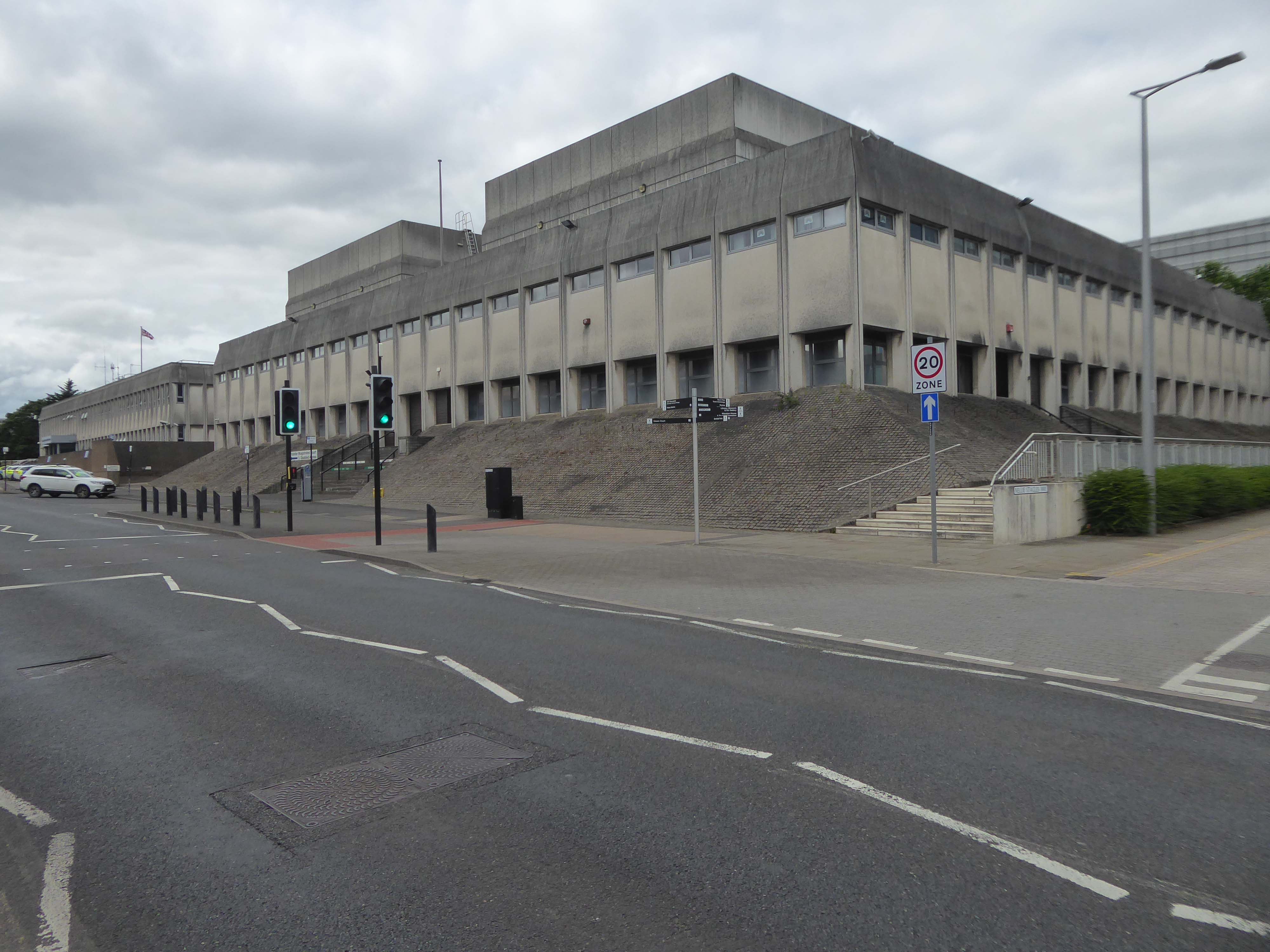
The former Museum and Art Gallery now an archive and local studies centre.

The building was designed in the office of the Doncaster Borough Architect’s Department in a team led by borough architect Mr LJ Tucker. 

The ceramic designs were a later addition when it was discovered that the large open areas of glass overheated almost everything inside, the work was undertaken by LJ Tucker and family.
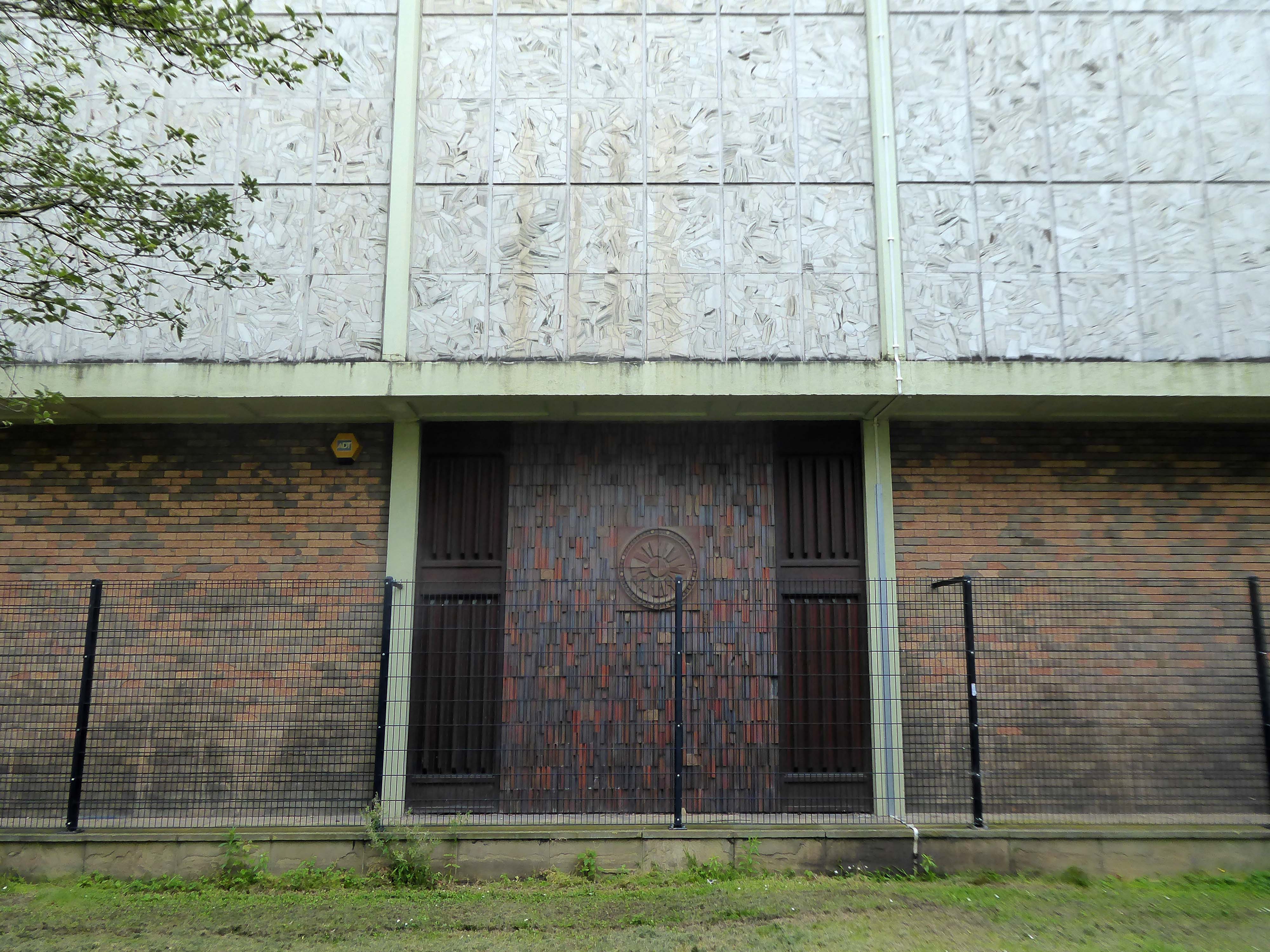
The sculptural work by Franta Belsky, now has a skip for company.
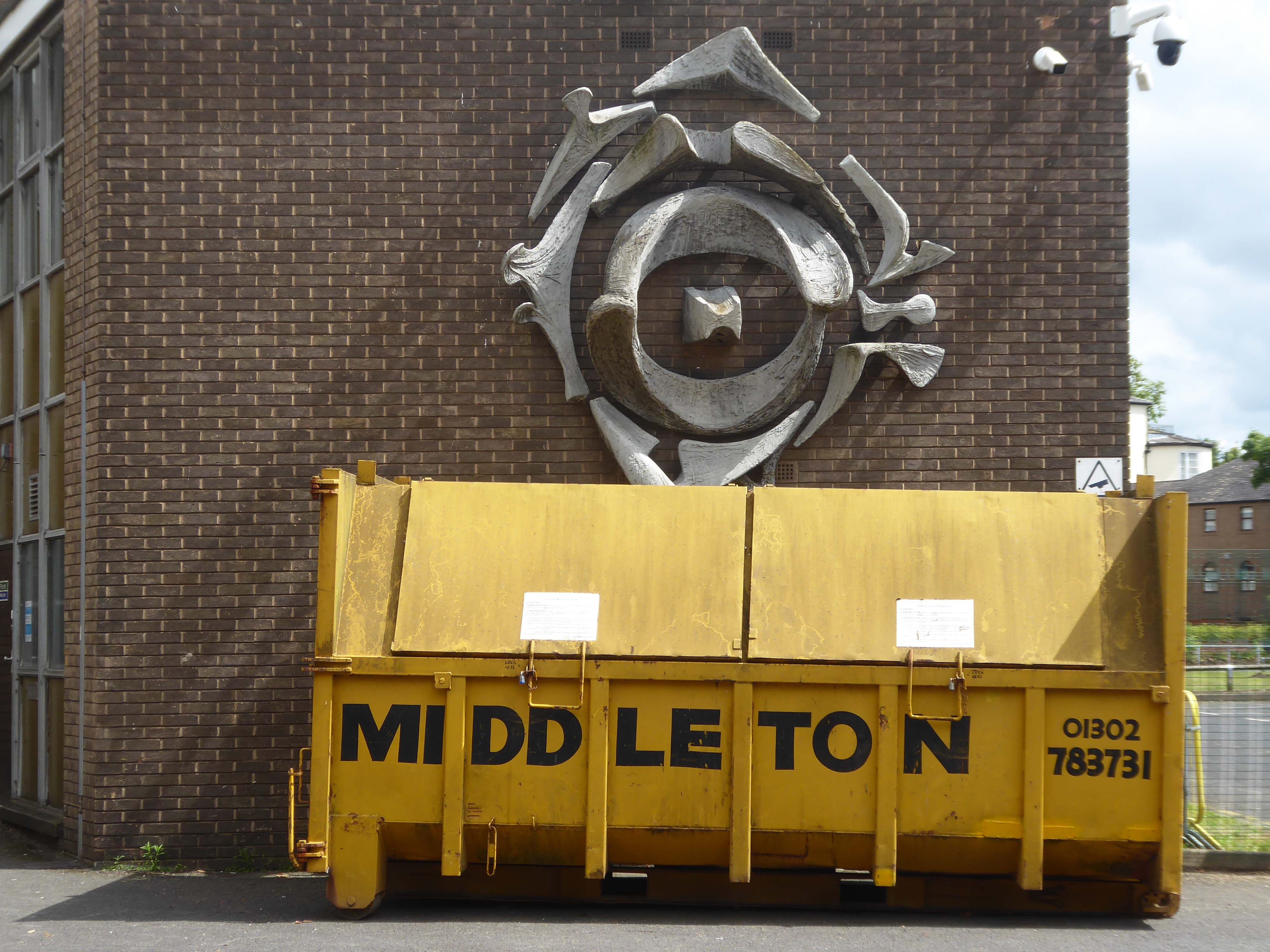
As a footnote the work by Fabio Barraclough reveals a murky past.

Barraclough was born in Madrid in 1923, to a Spanish mother and Yorkshire father who founded Madrid’s Chamber of Commerce. He moved to London with his family in the 1930s as a refugee from Francoist Spain. He taught fine art and sculpture at Rugby School, where colleagues considered him “highly entertaining, a most unorthodox and highly gifted” teacher. He established himself during the 1960s and early 1970s as an authority on sculpture, publishing in academic journals and becoming a member of the Royal British Society of Sculptors.

In 2000, it was revealed that Barraclough, while outwardly living the life of anti-apartheid activist since the 1970s, had been a paid informant of the South African state security police. The media was used to promote his image as a “brilliant, liberal artist with apparently impeccable credentials” in order to gain public trust, while he was funnelling money from anti-apartheid groups to the police. He died on 6th January 2019.
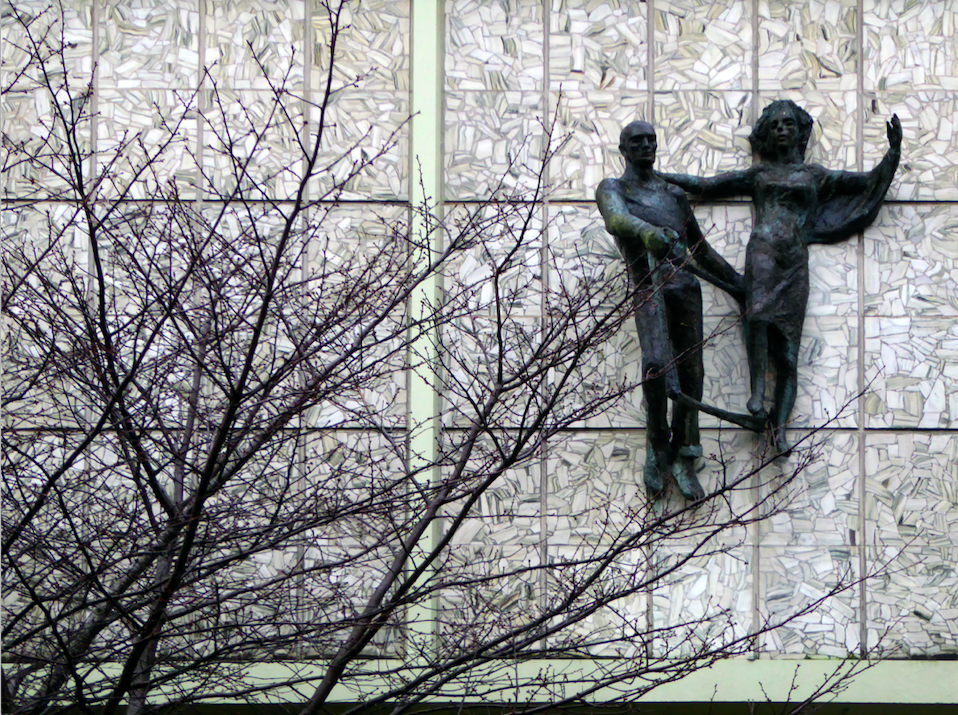
Wikipedia

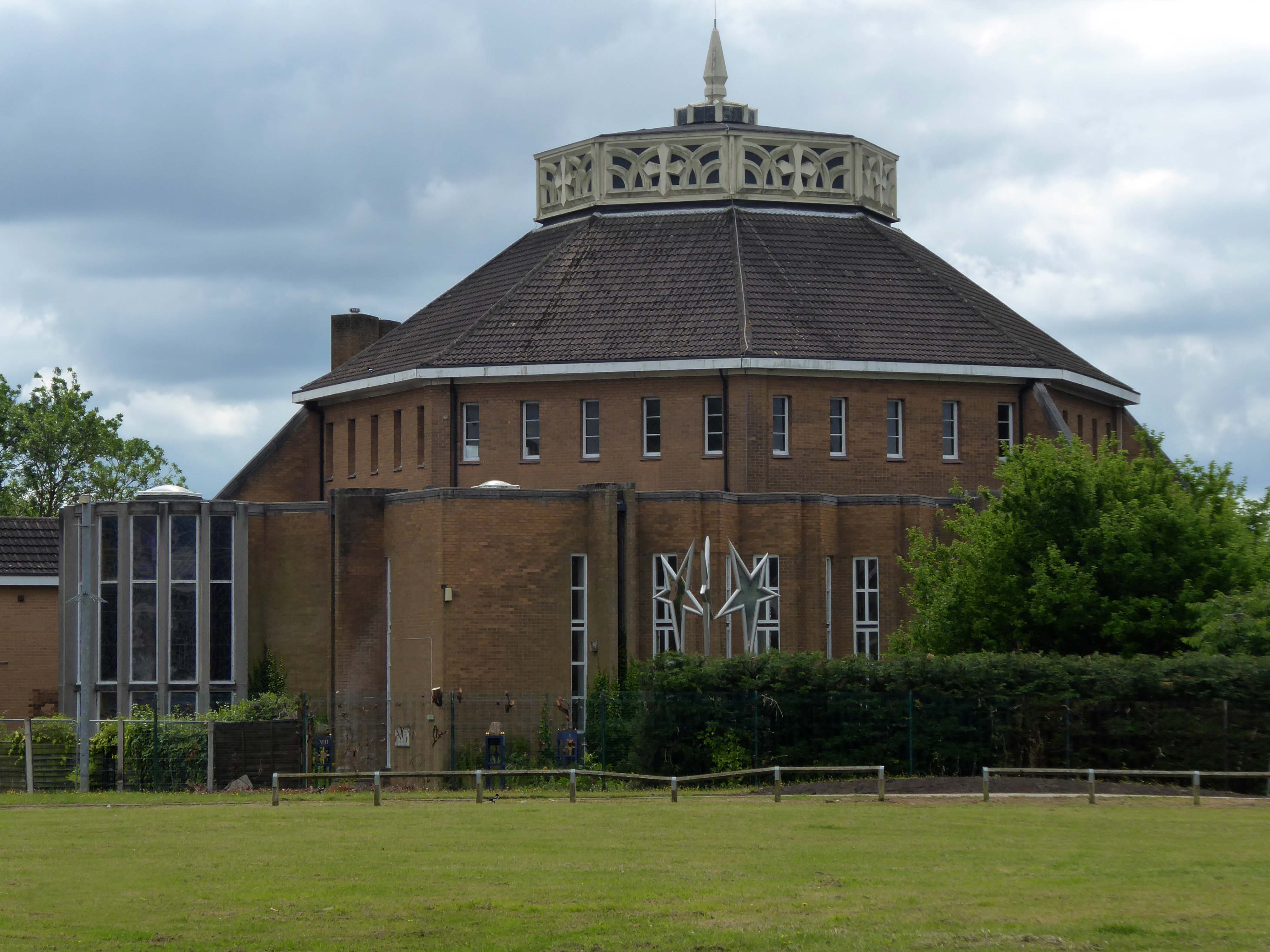
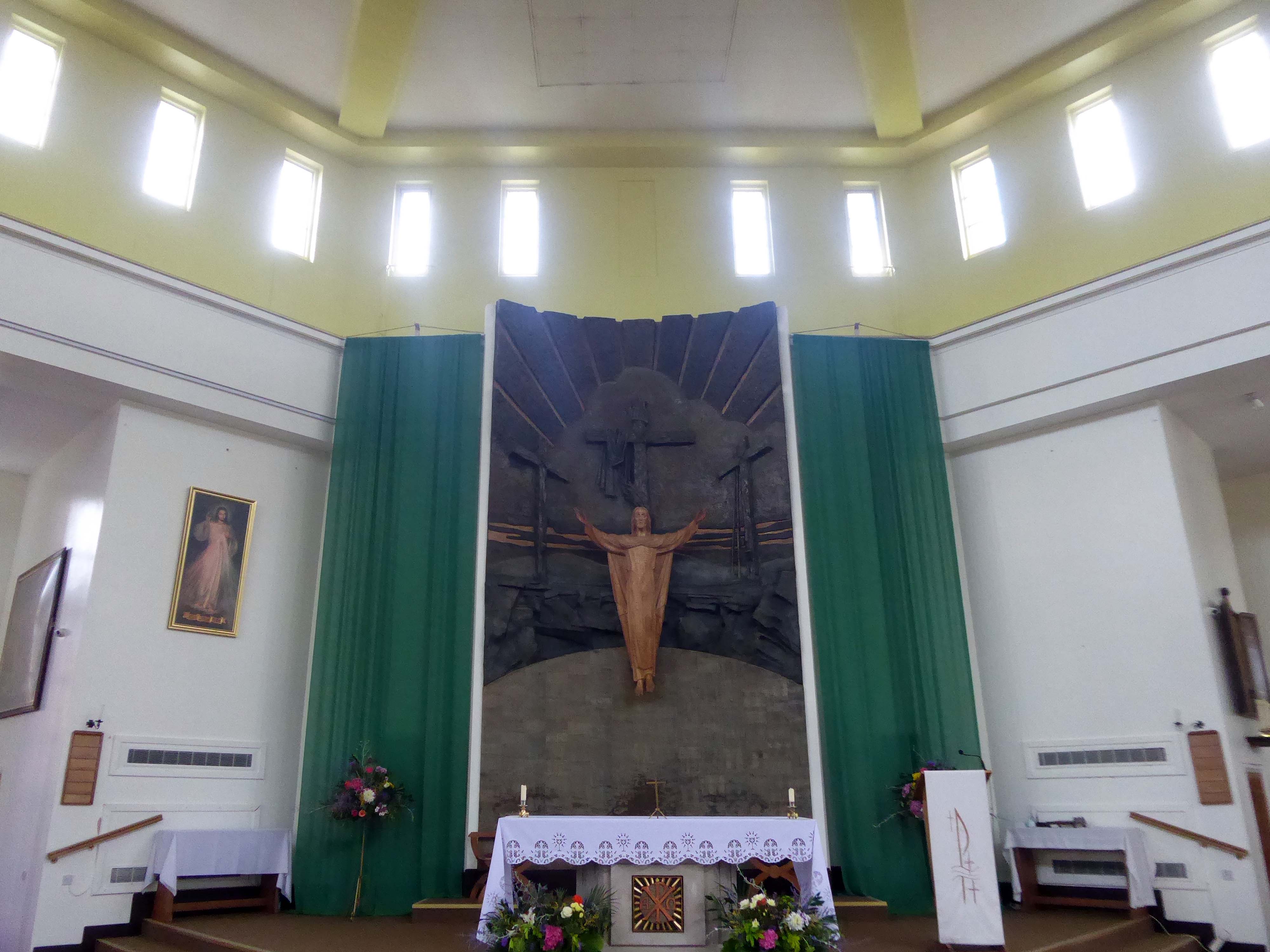
Over the way faros the green sward is St Peter in Chains RC – A large and striking design by JH Langtry-Langton, incorporating important furnishings by J F Bentley from the predecessor church, along with good furnishings of the 1970s. The churches houses the modern successor to the medieval shrine of Our Lady of Doncaster.
Figurative stained glass by Patrick Feeny for Hardman in 1973 and abstract glass fitted in 2000 as part of reordering and revival of the shrine.
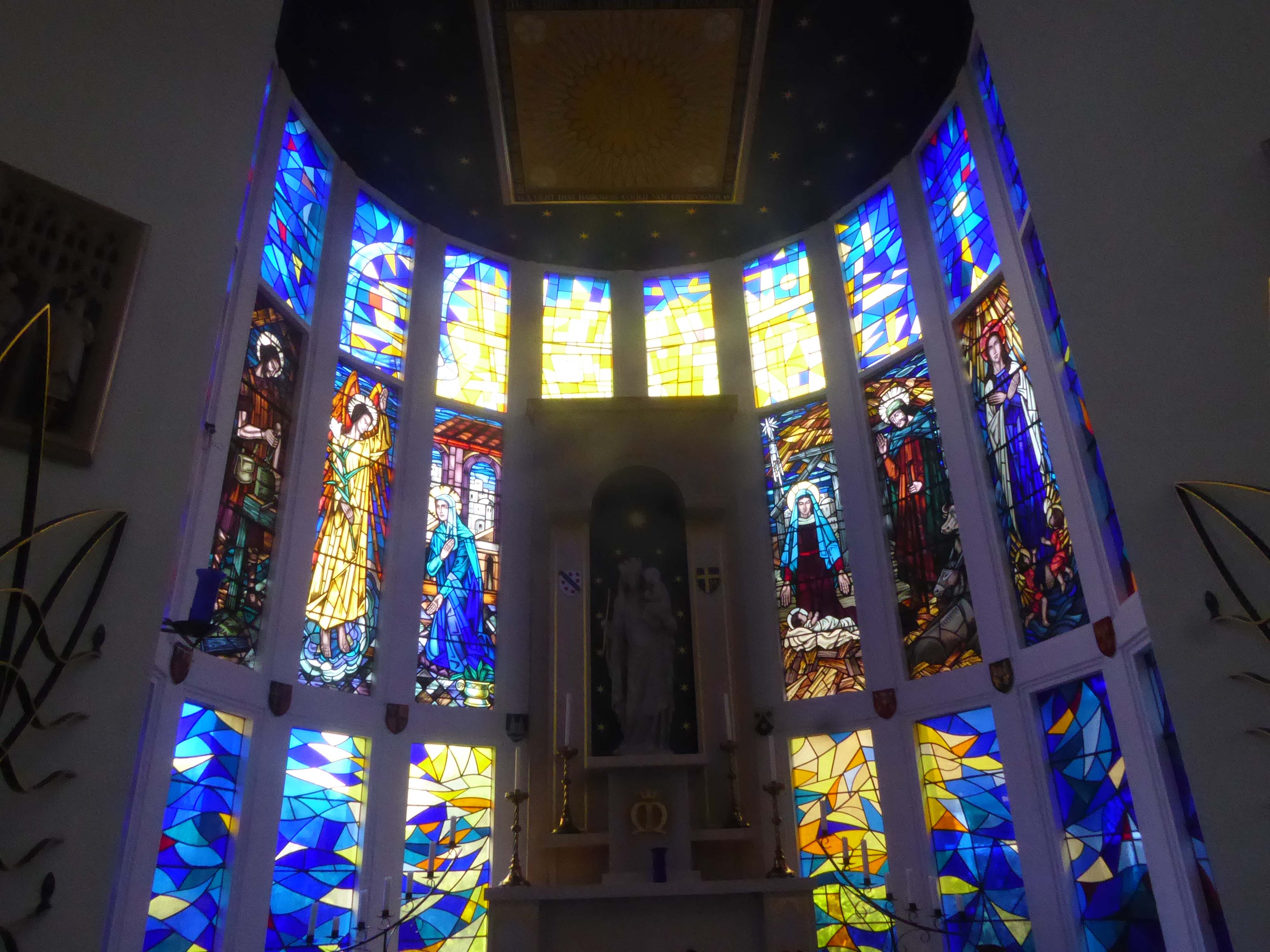
Further information on Taking Stock.

A special mention for the Danum Cultural Hub

Designed by architects Bond Bryan and built by main contractor Willmott Dixon, the new cultural and learning hub has been created following the restoration of four existing buildings. 

A key focal point of the scheme is the restored frontage of the Edwardian former Doncaster High School for Girls, which has been framed by Senior’s slimline SF52 aluminium curtain wall and showcased within a new steel-frame building. The glazed facade, which was fabricated and installed by Senior’s supply chain partner Chemplas, also features Senior’s aluminium commercial doors.
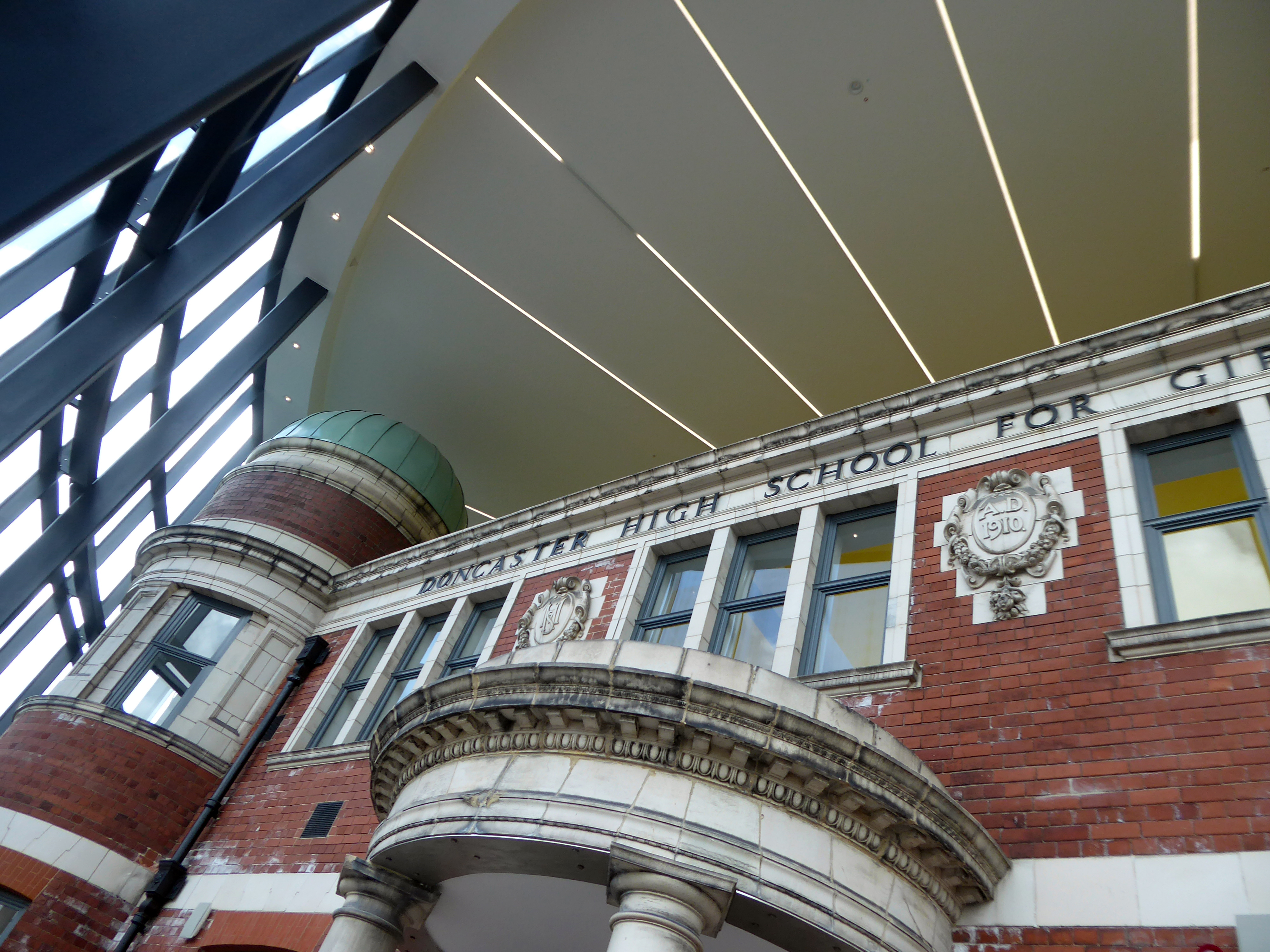
RIBA Journal

Where I was delighted to see Sir Nigel Gresley’s hat.
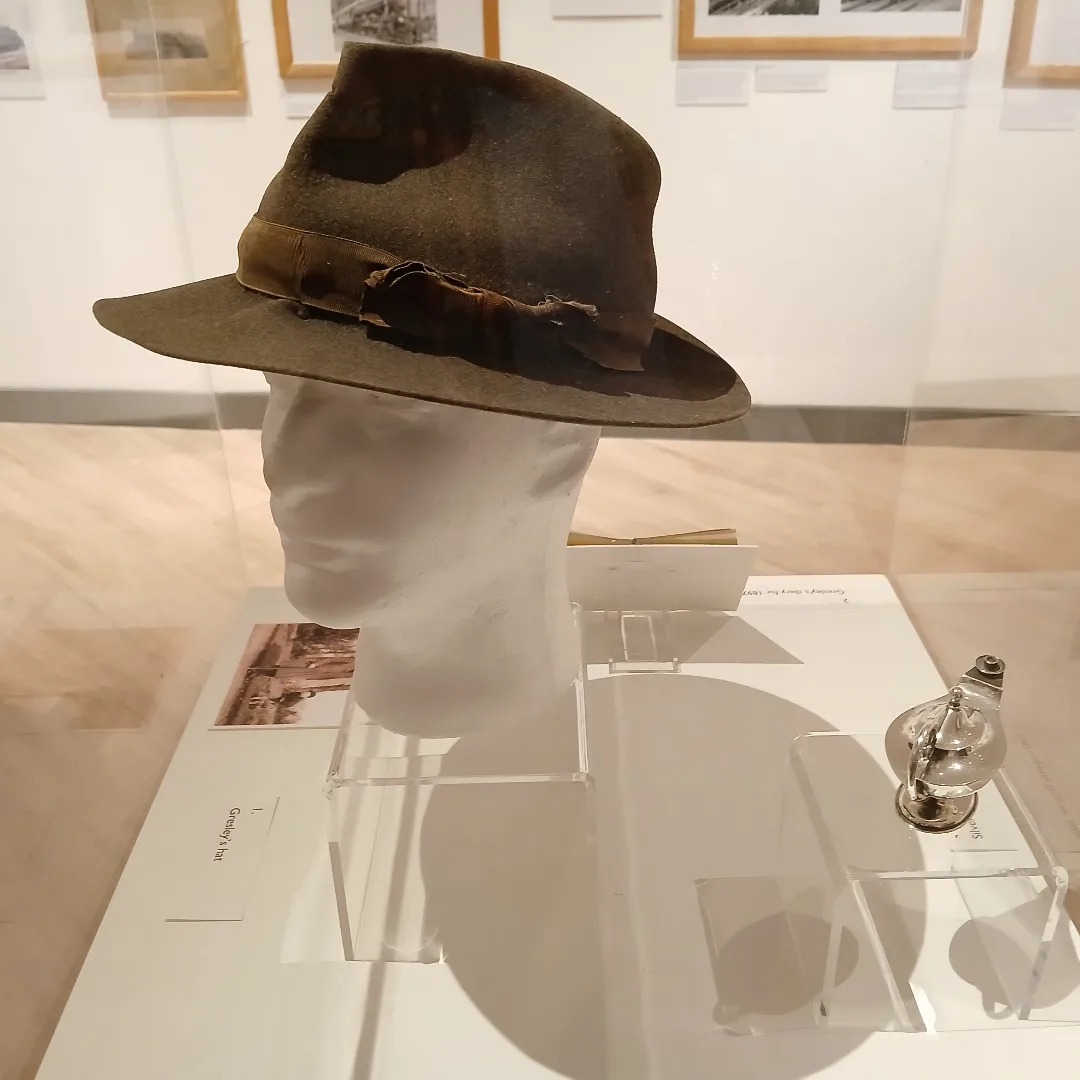
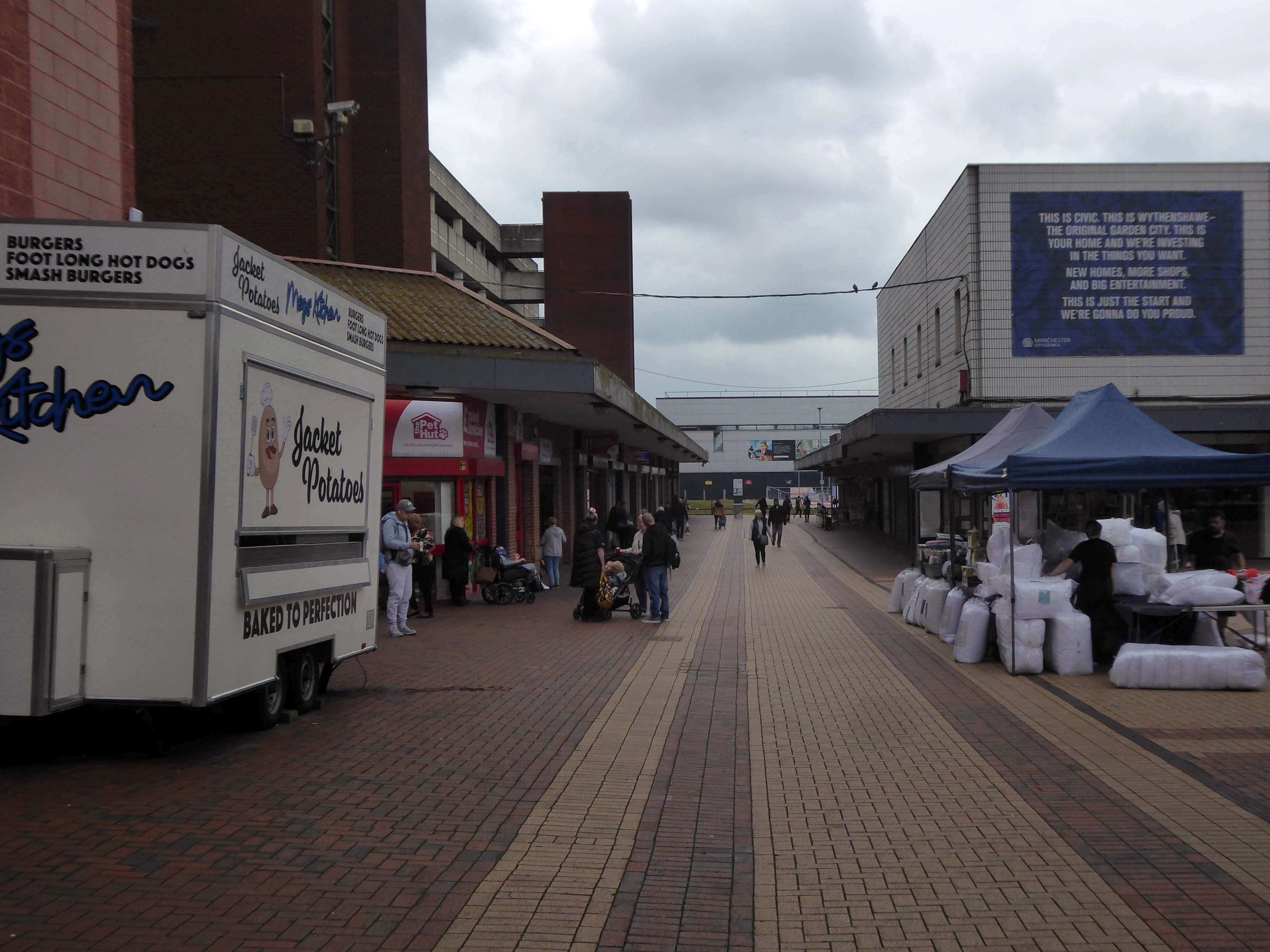
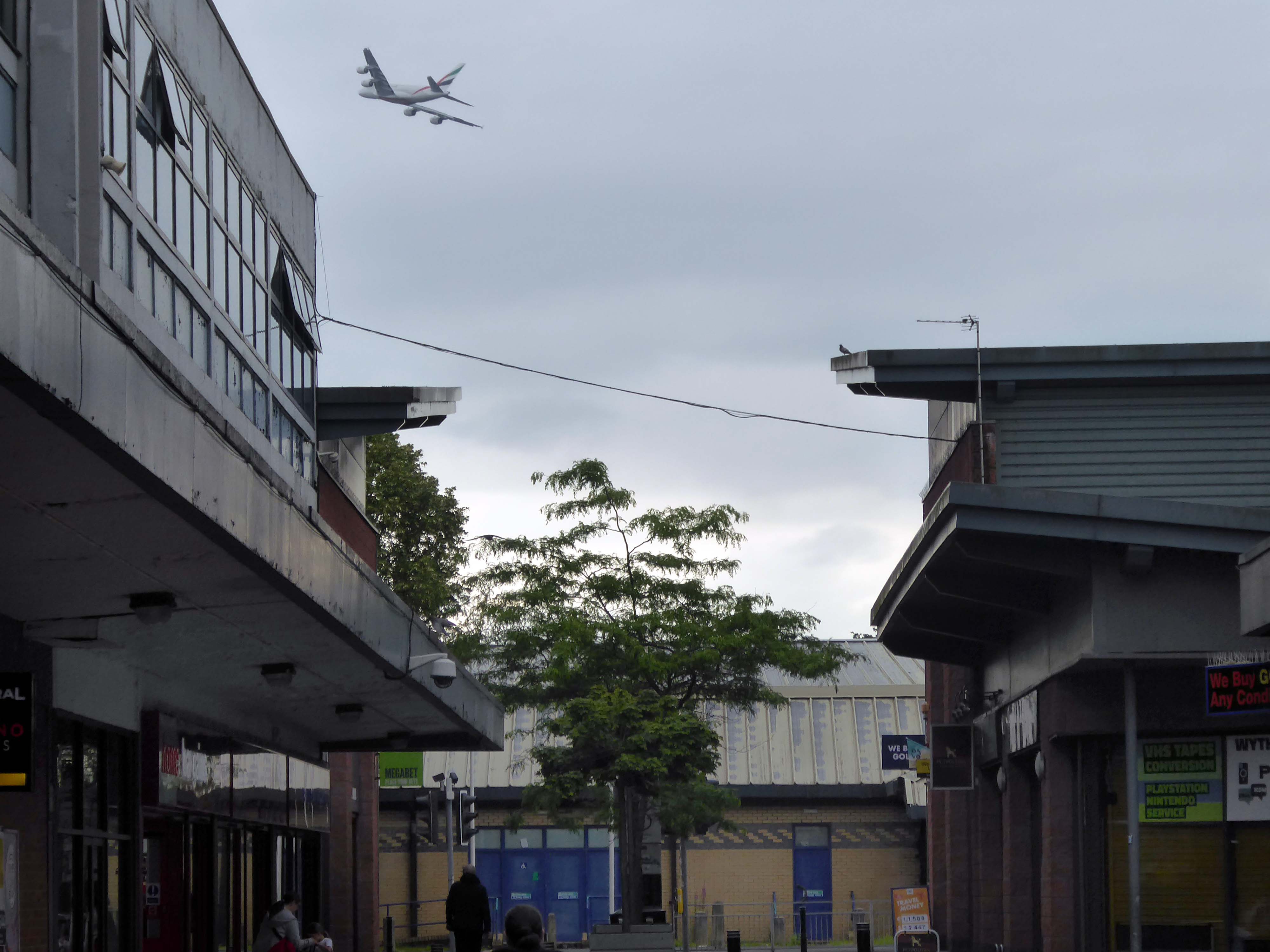
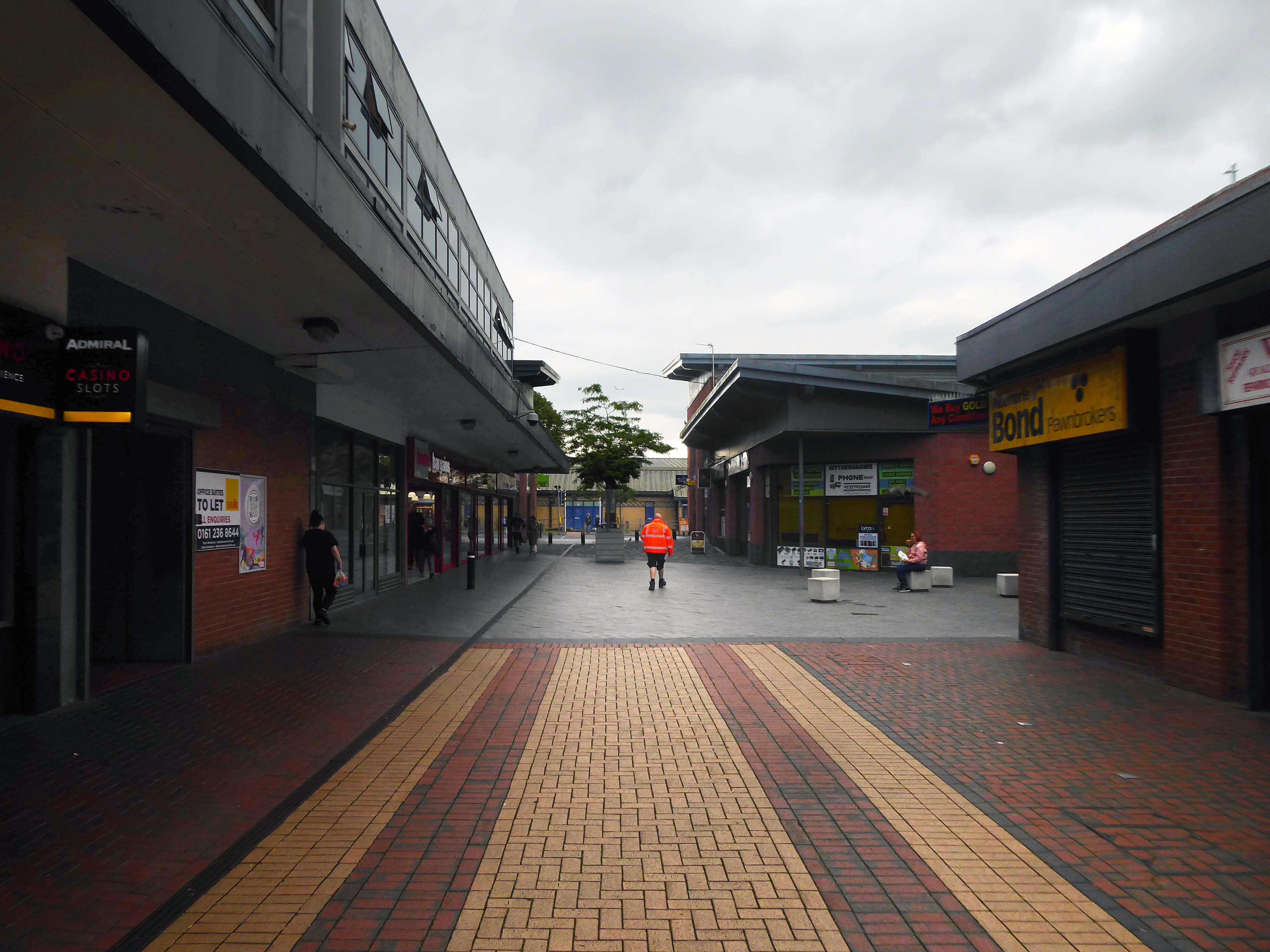
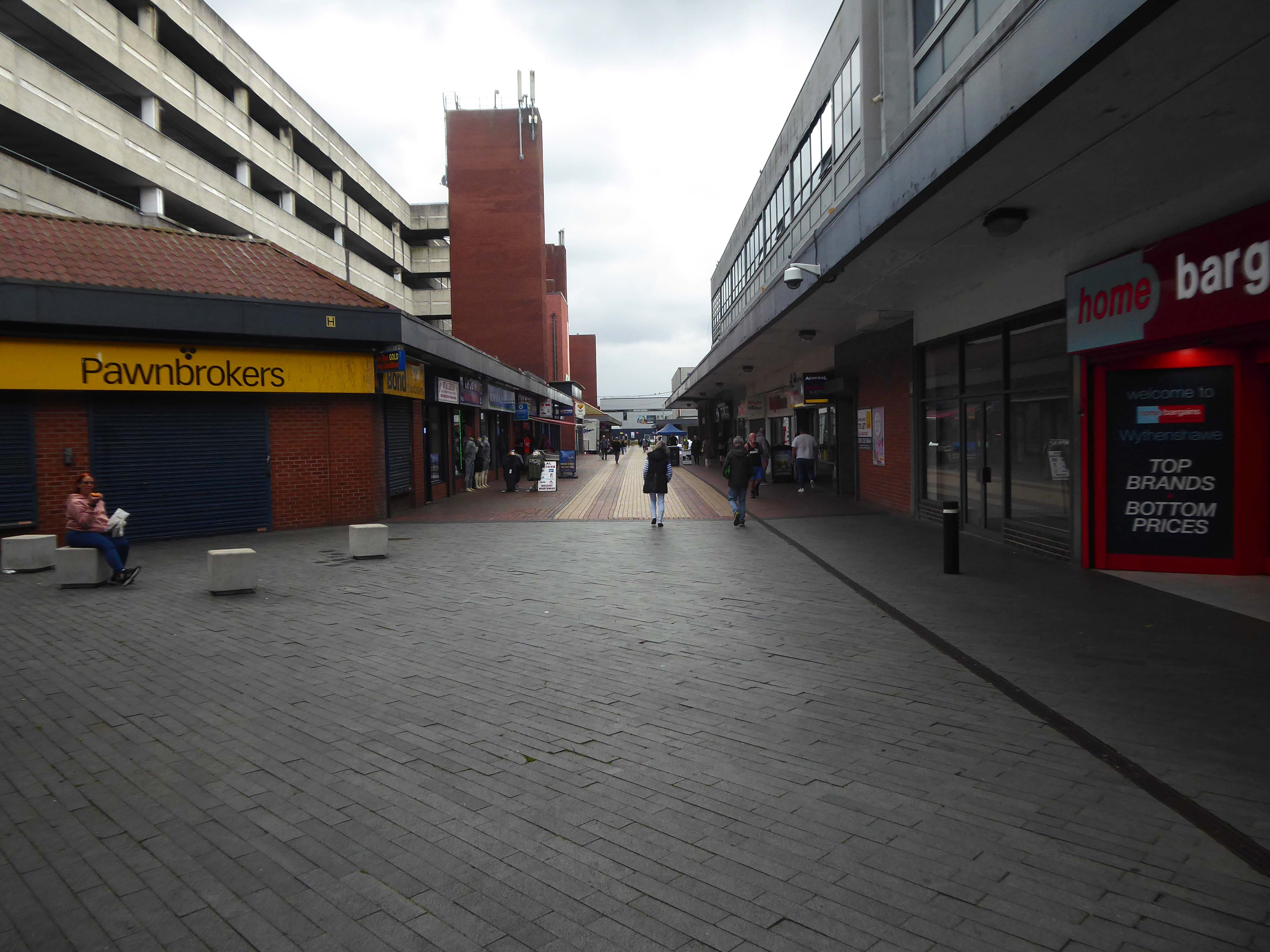
Civic Wythenshawe 2024

I wrote about the history of Civic in 2020.

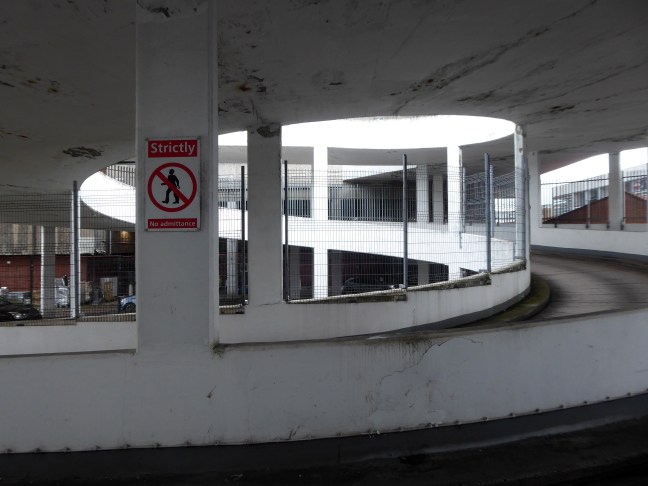
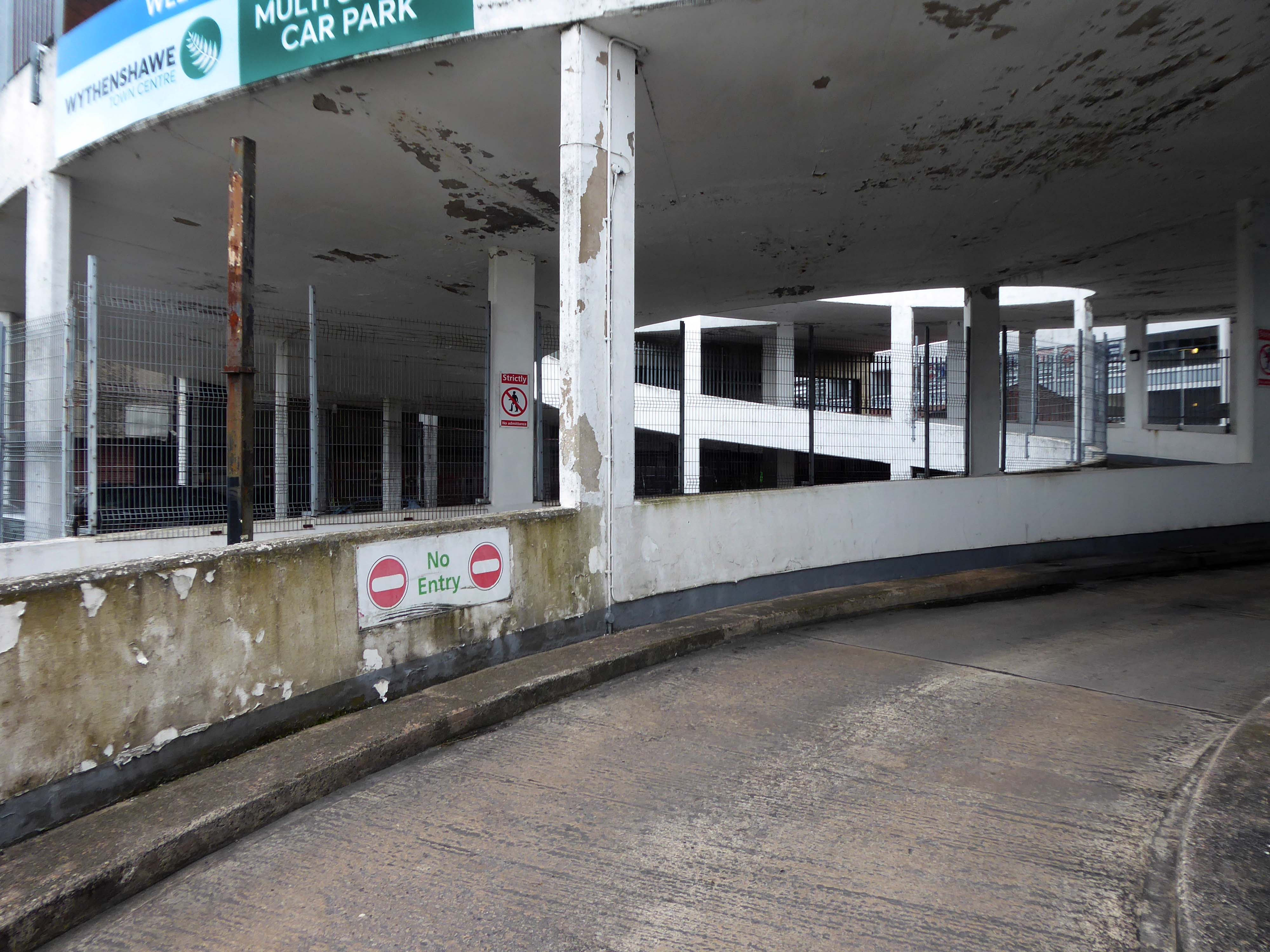
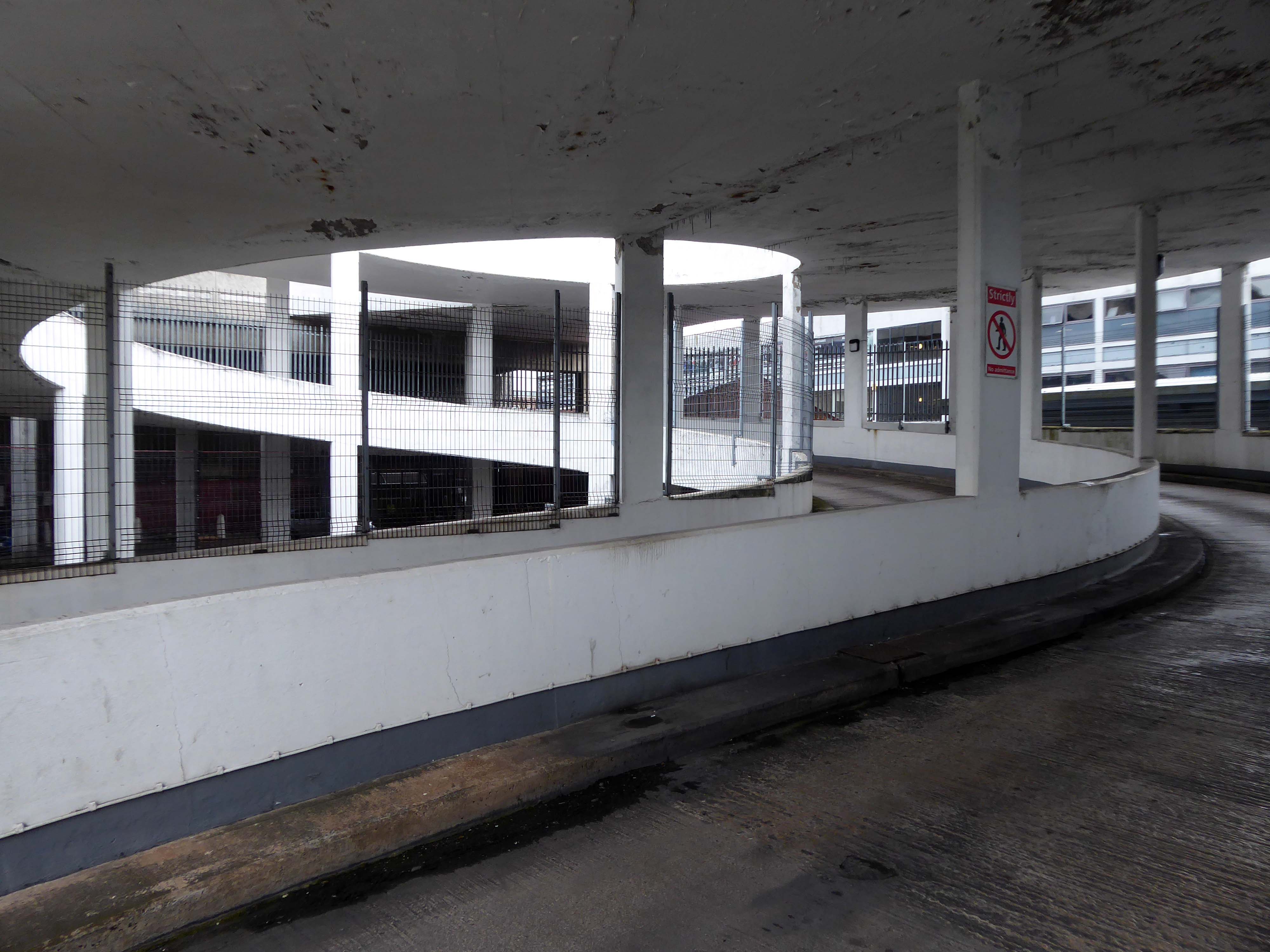
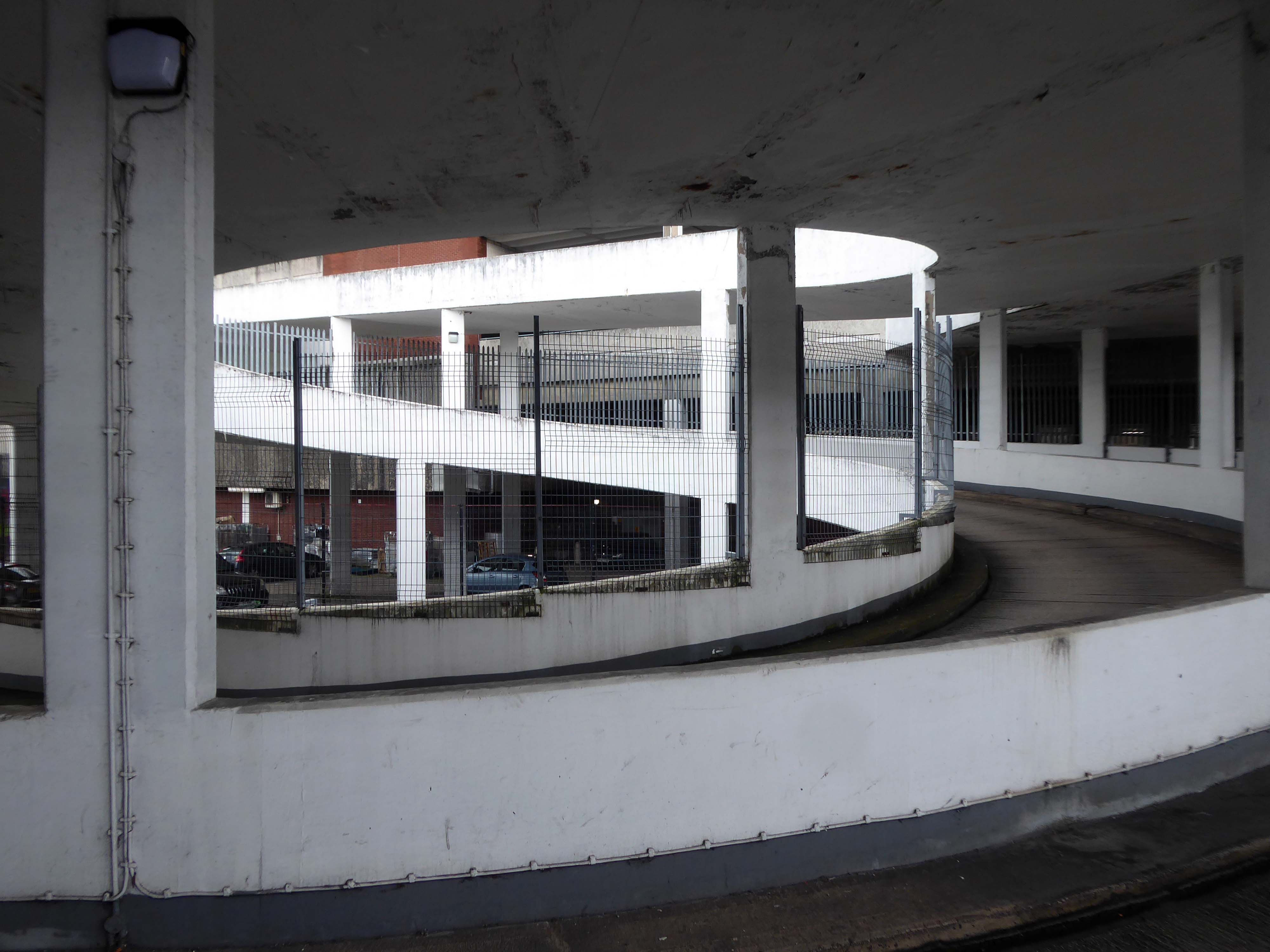
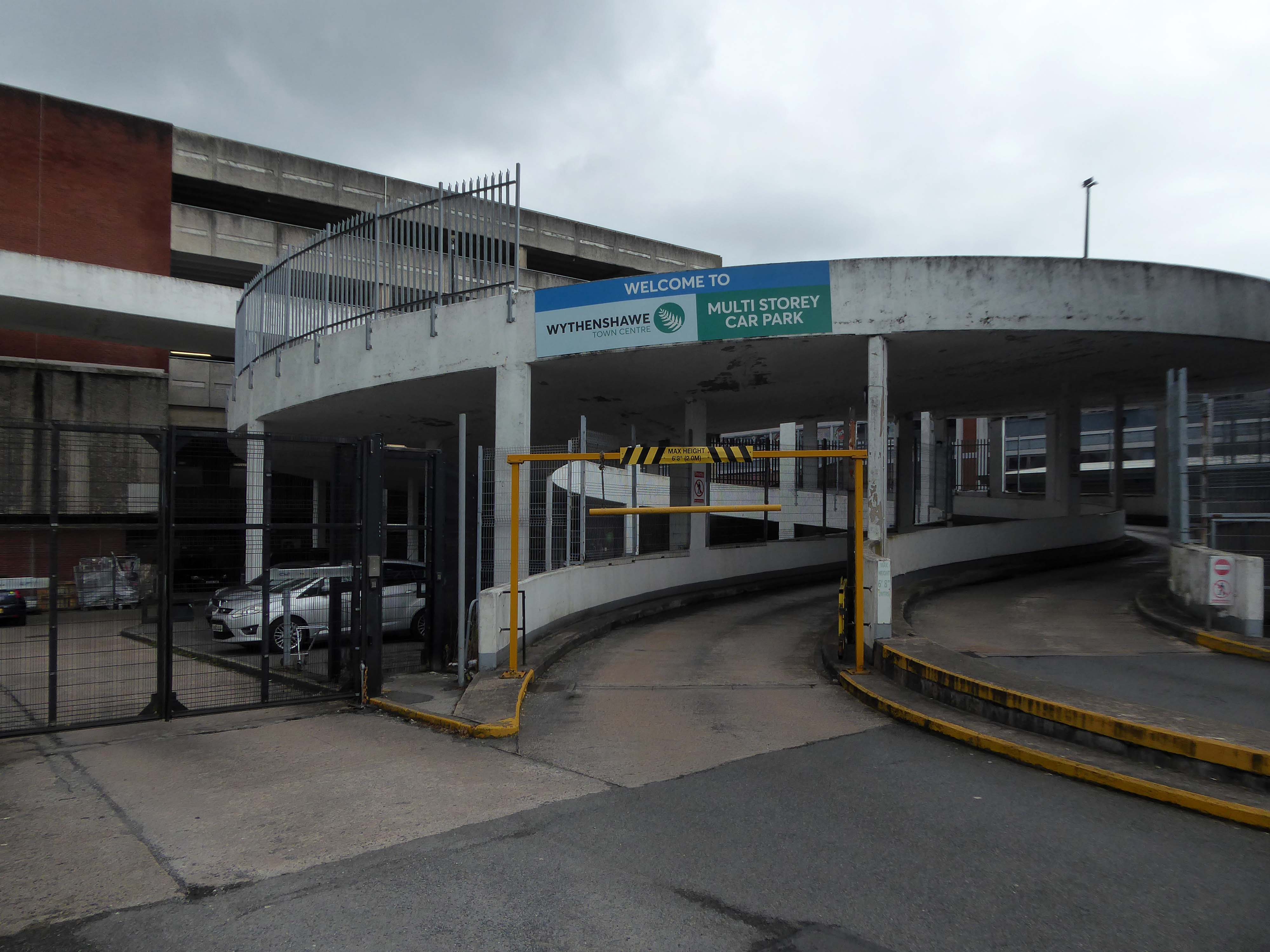
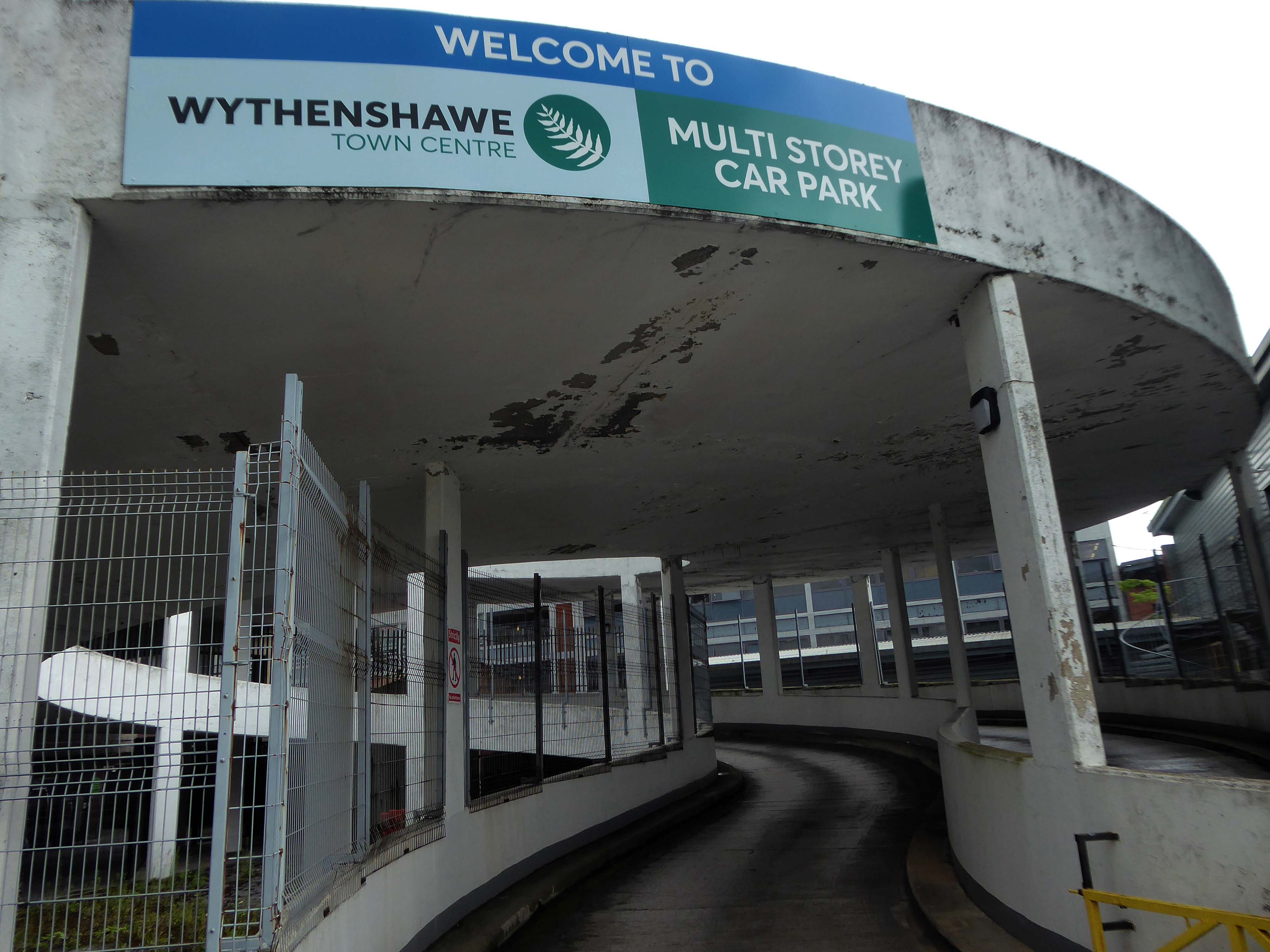
Also visiting the multi-storey car park yesterday.

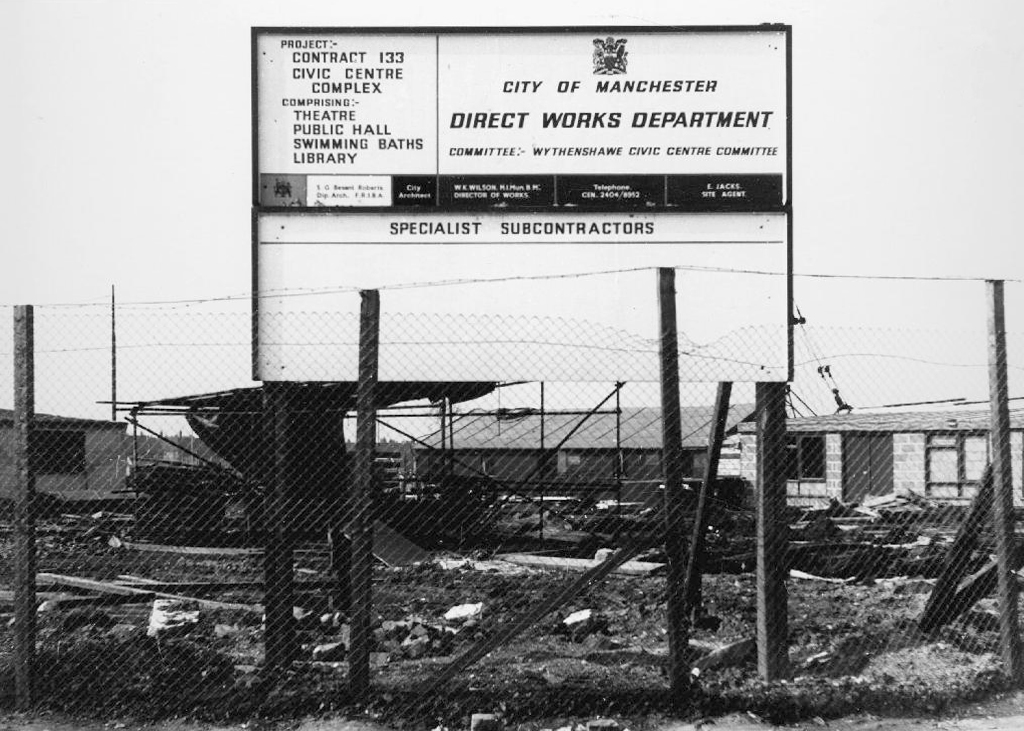
The work of Manchester City Architect Sydney George Besant-Roberts and his team.

Work began in the interwar years, and continued following the hiatus of 1939-45. The shopping centre named the Civic Centre was open in 1963, the actual Civic Centre containing a swimming pool, theatre, public hall and library in 1971.

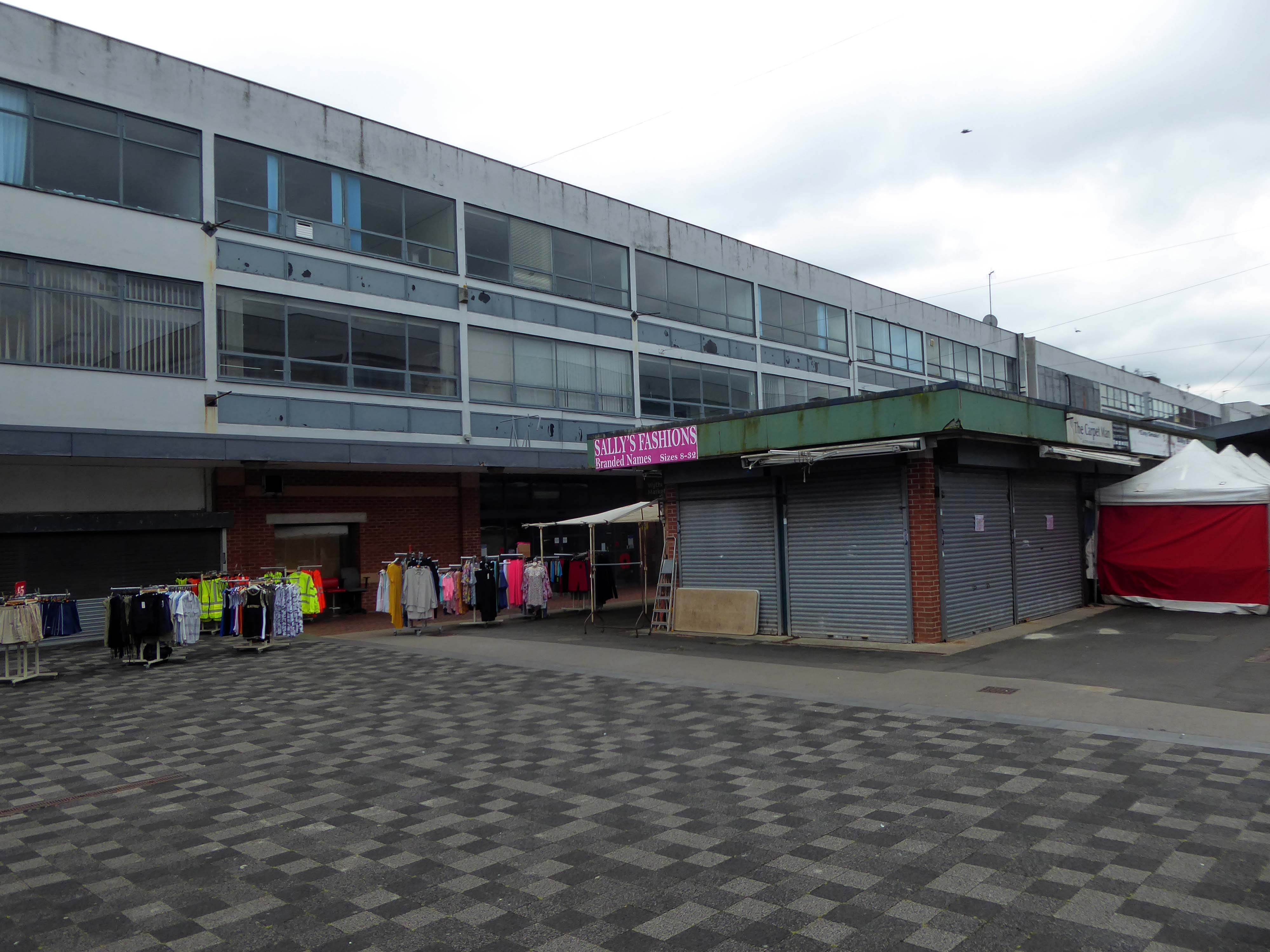
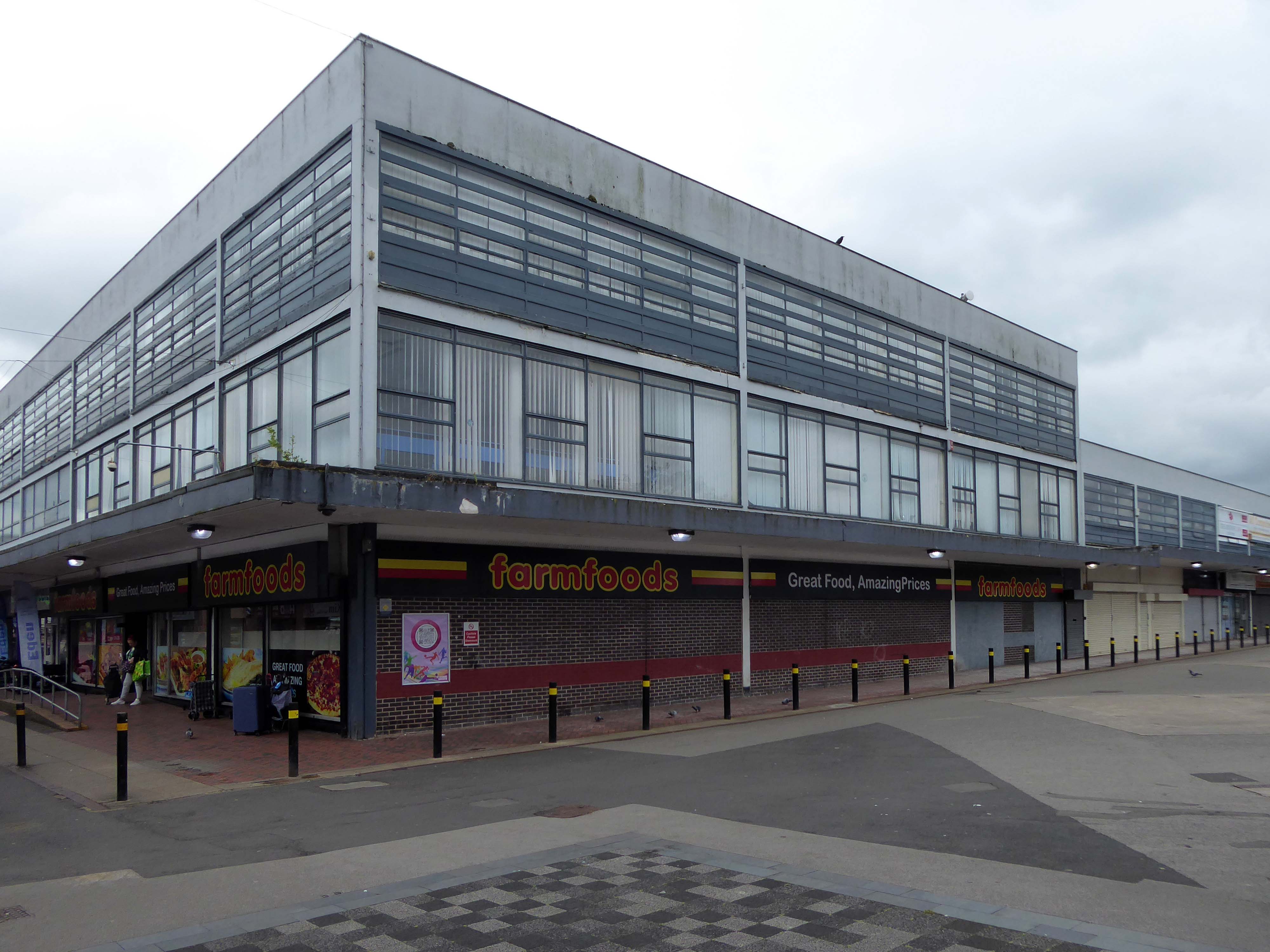
Here I am again four years later, taking a look at how it looks today.

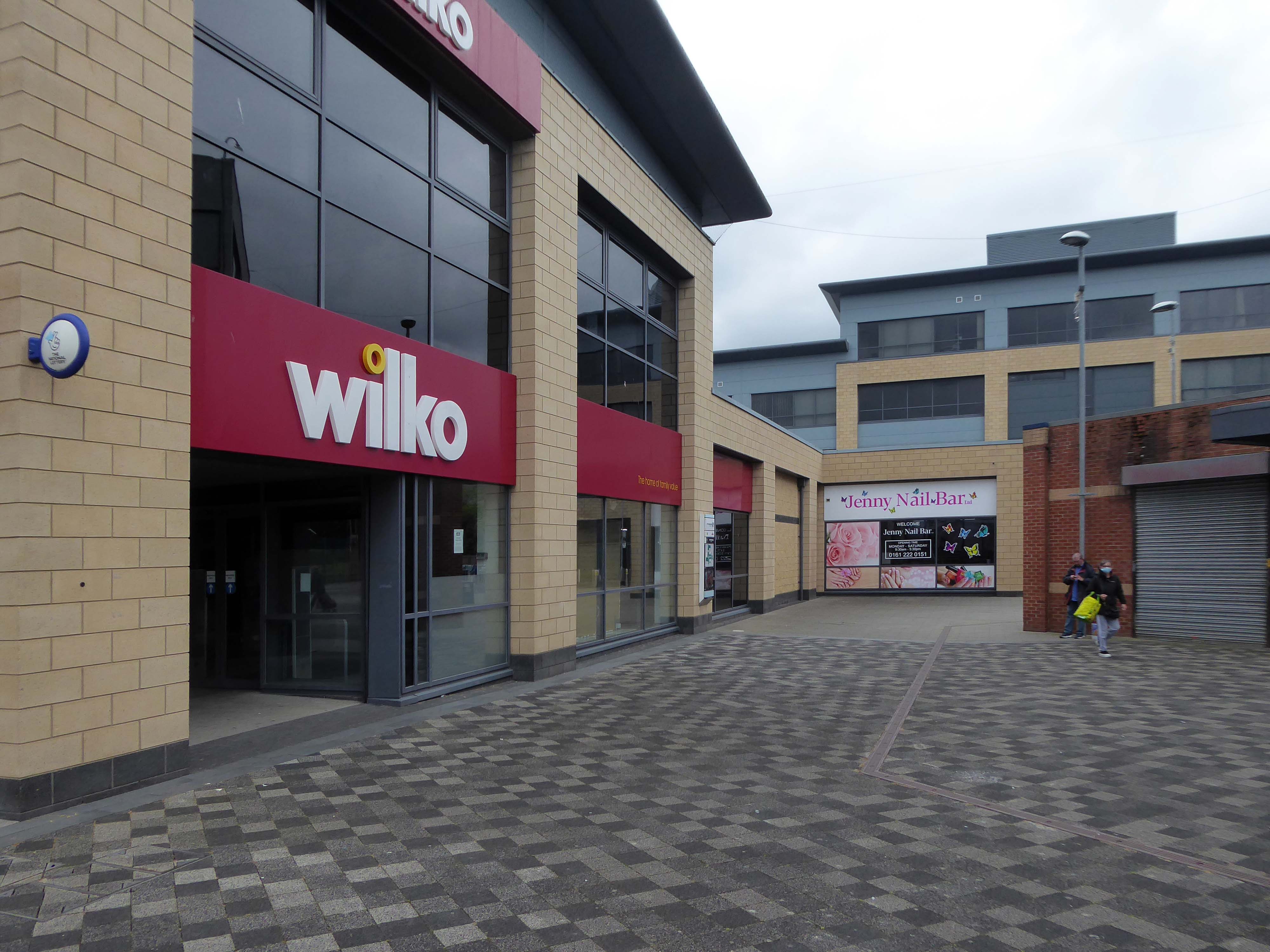
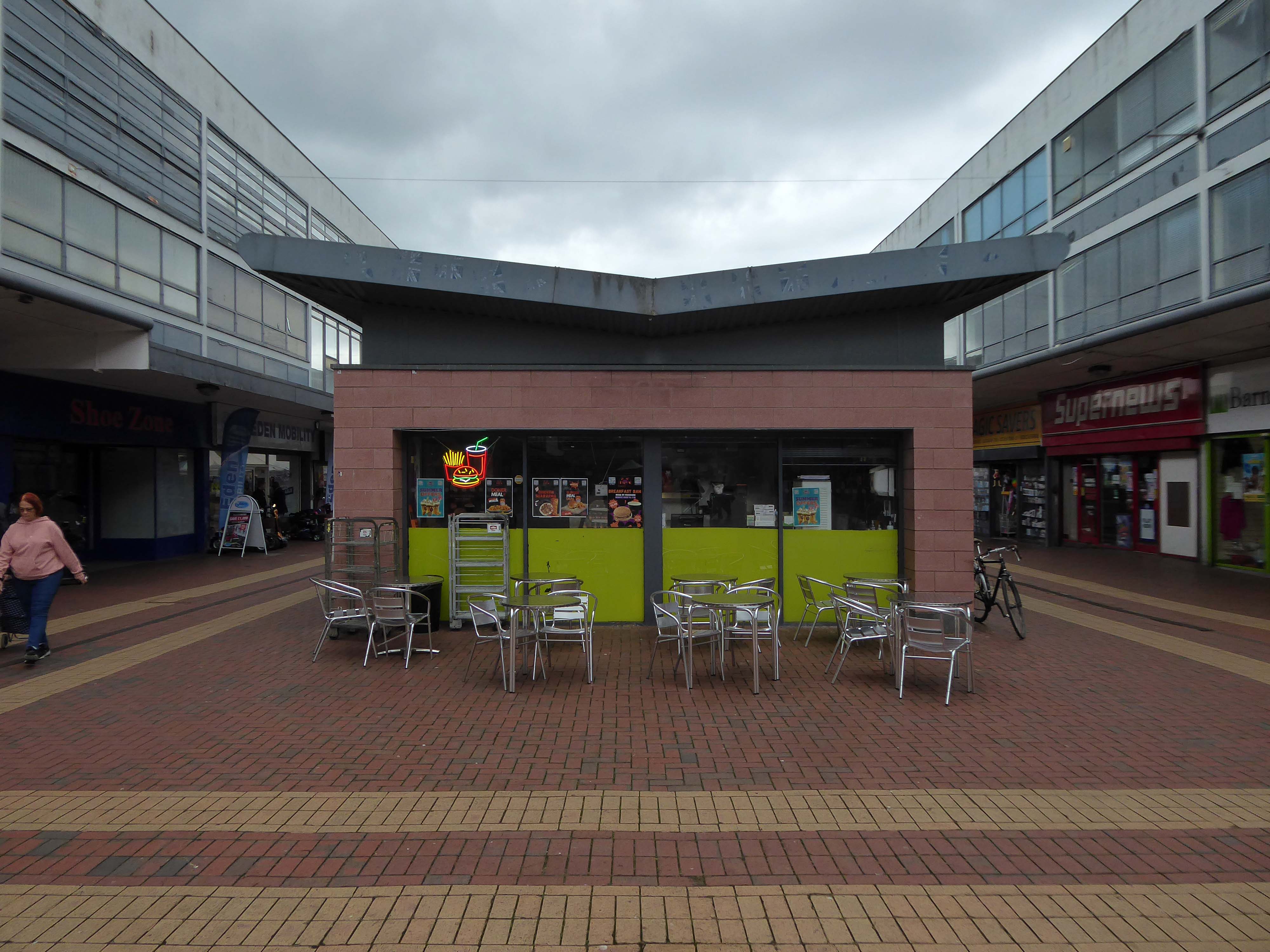
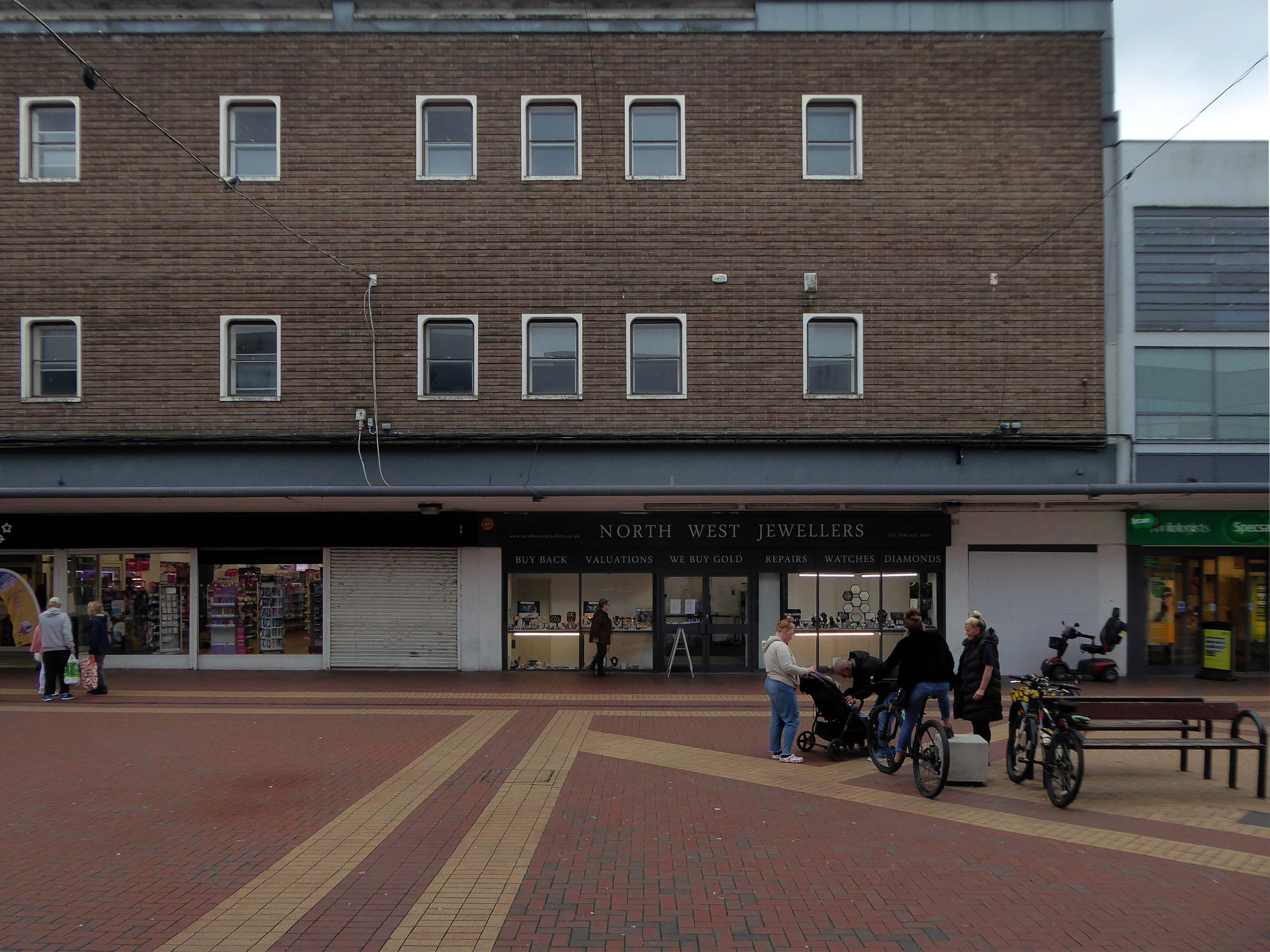
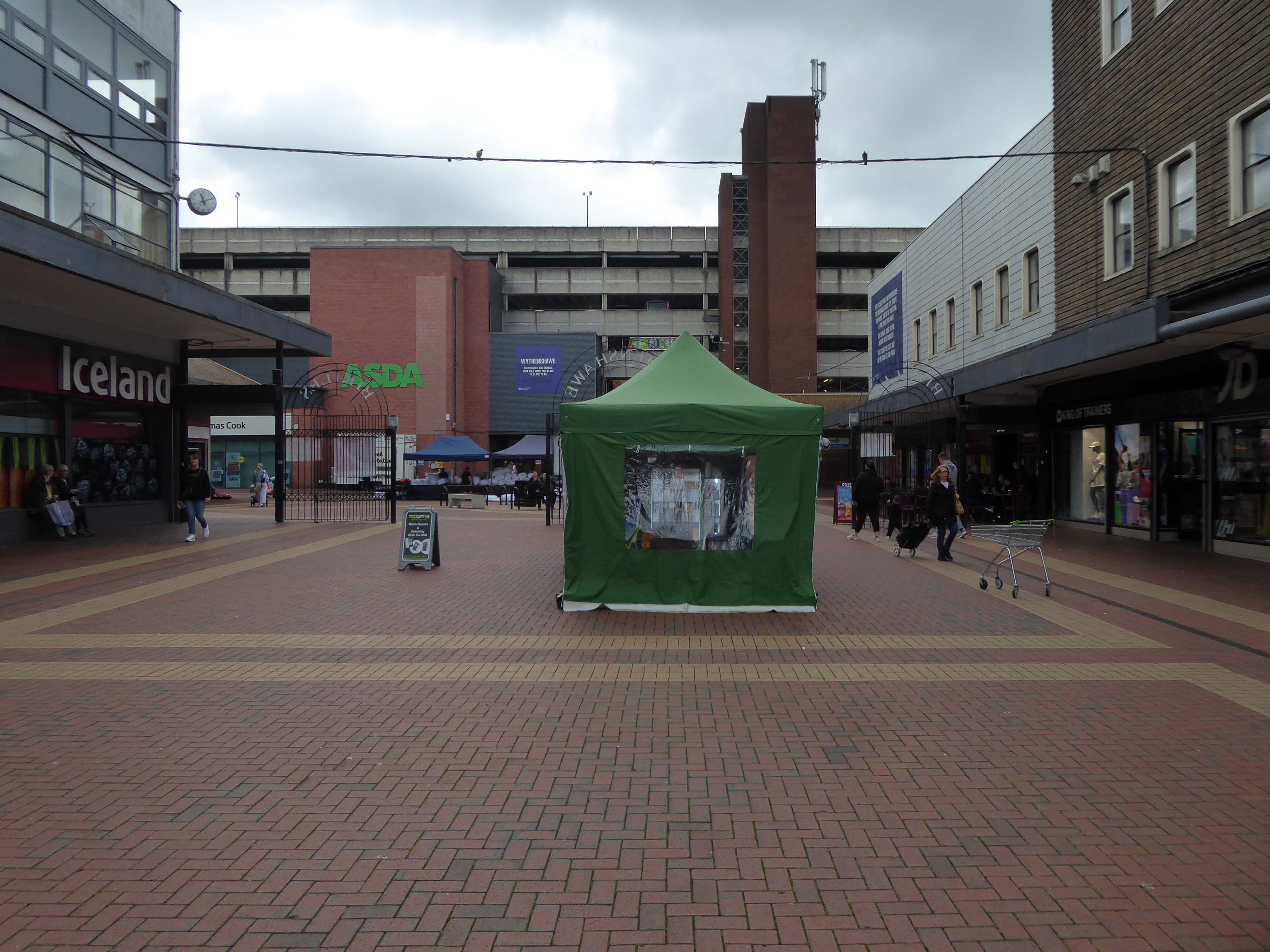
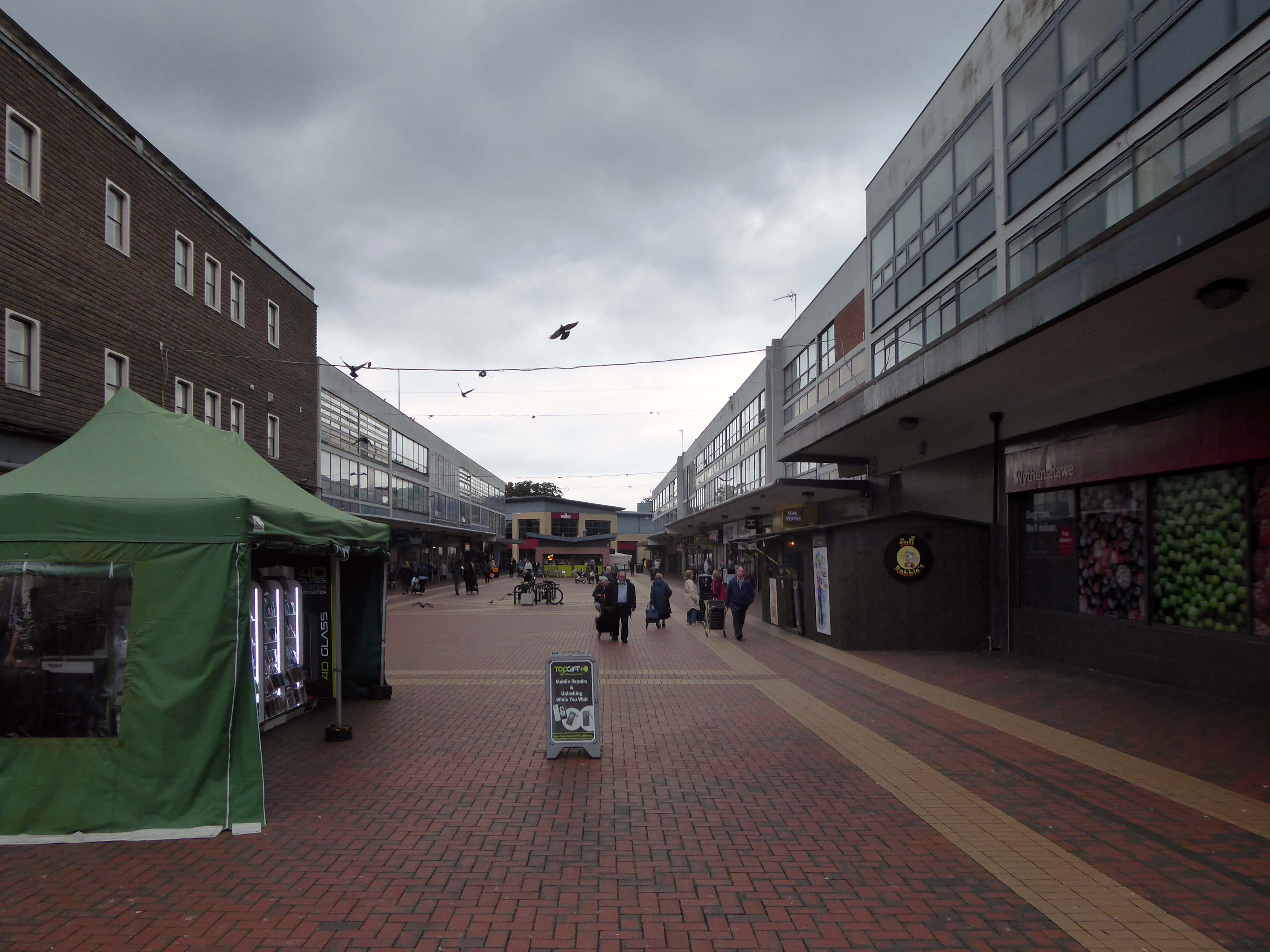
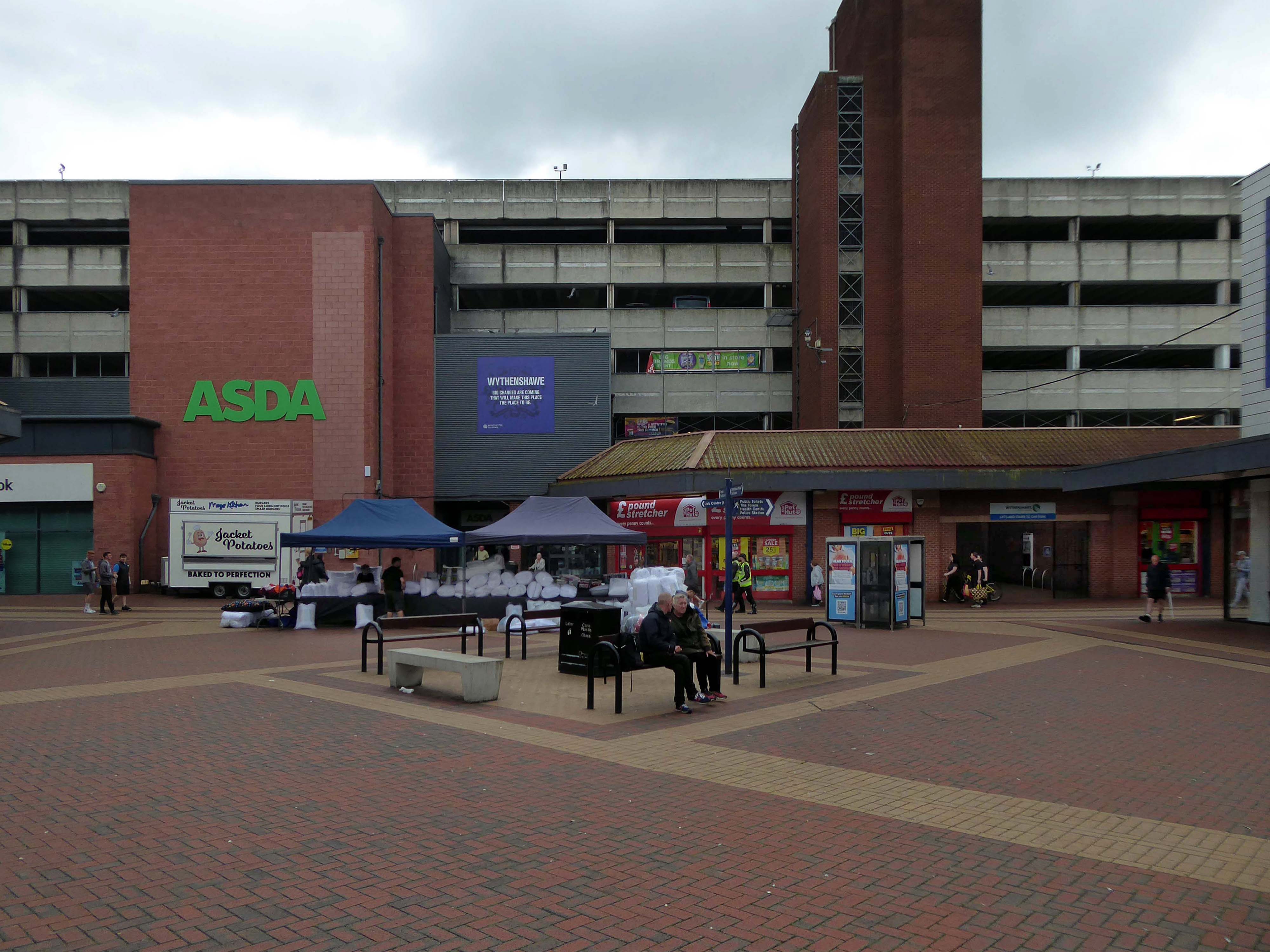
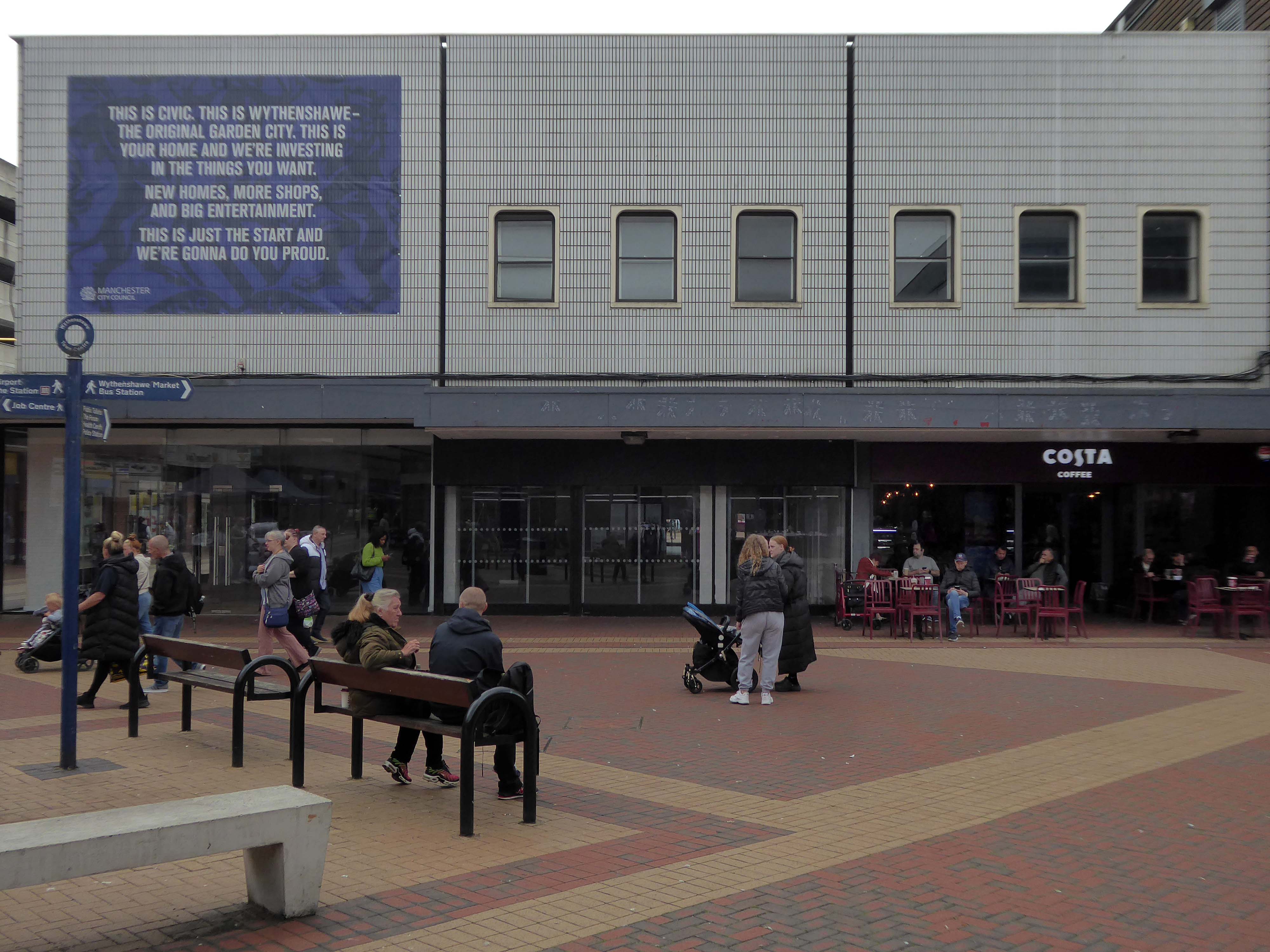
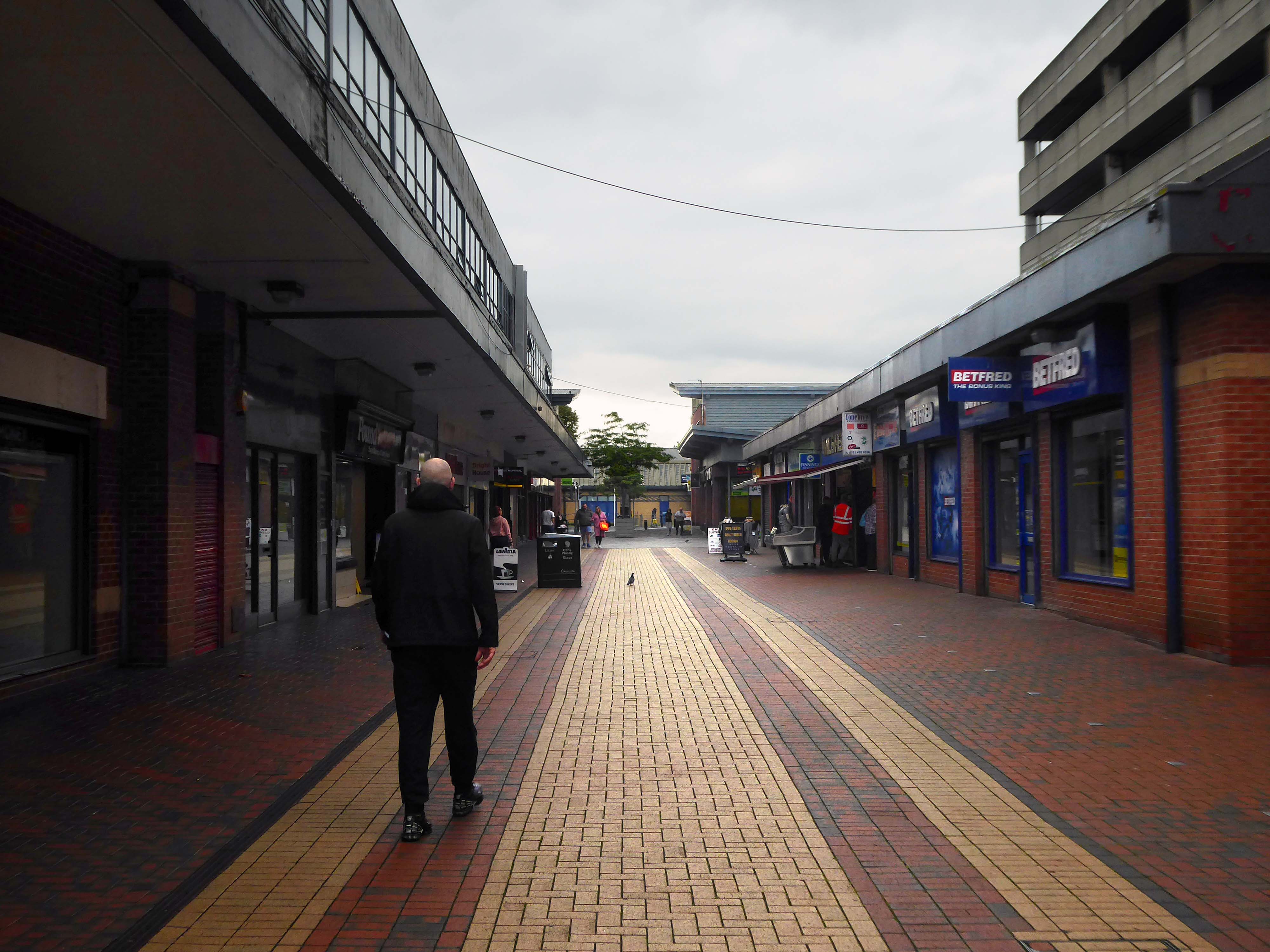
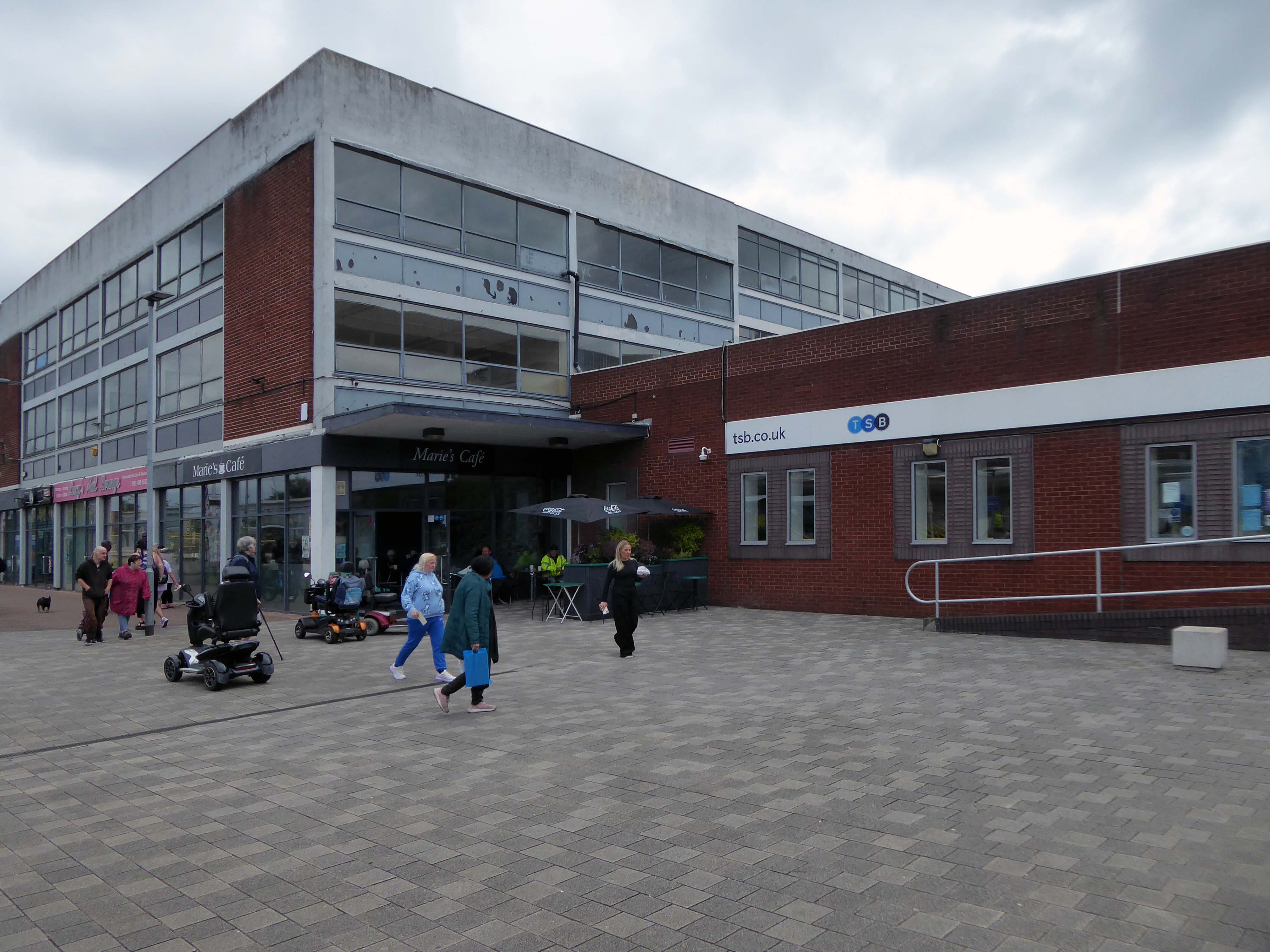
ASDA remains the anchor store, Wilko having left a Wilko sized hole in the precinct. On an overcast Friday morning there was sufficient footfall to sustain the wide variety of smaller shops and larger retail chains. As with many other towns within the central Manchester orbit, the easy proximity fills those busy trams and buses, which are leaving the area.

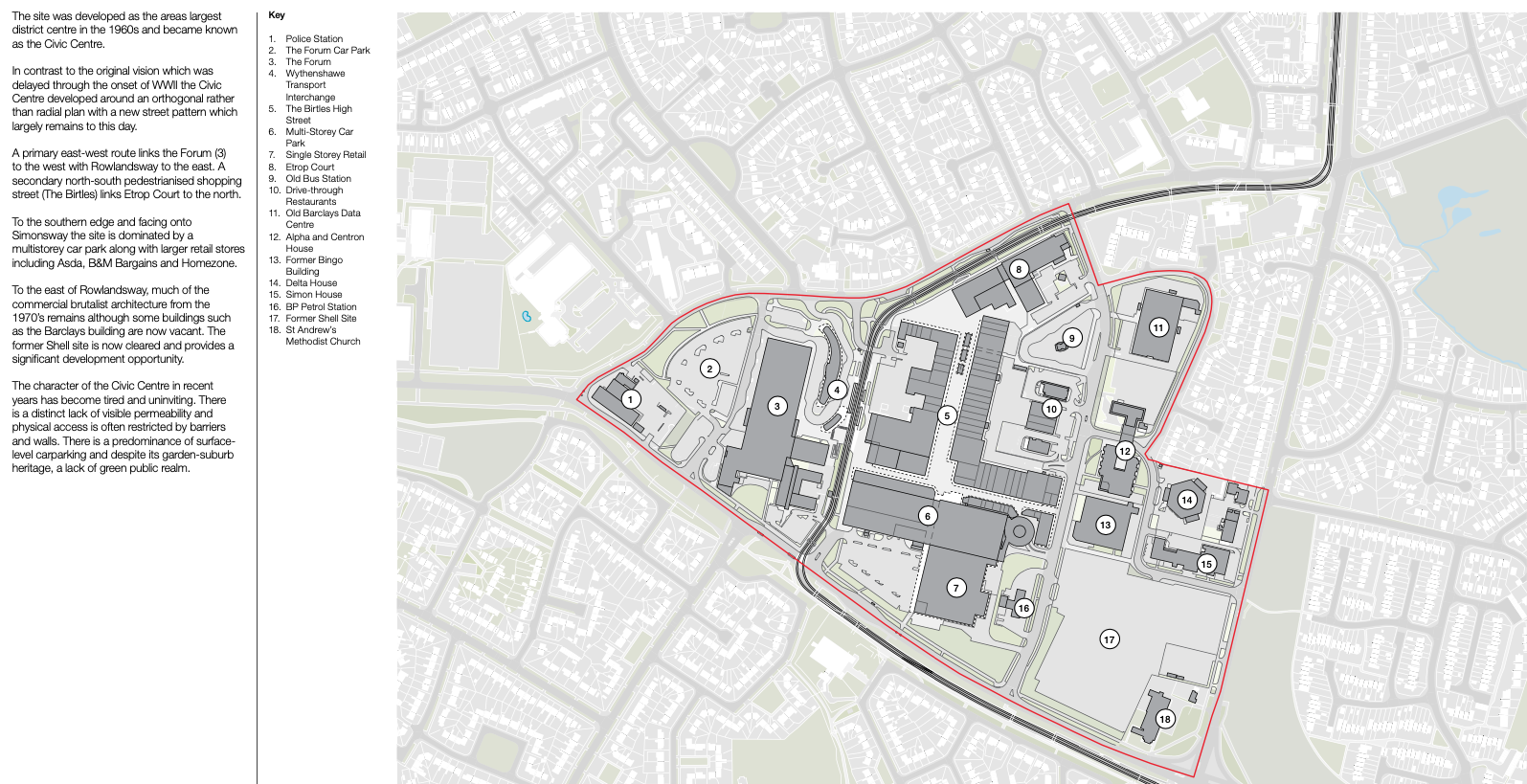
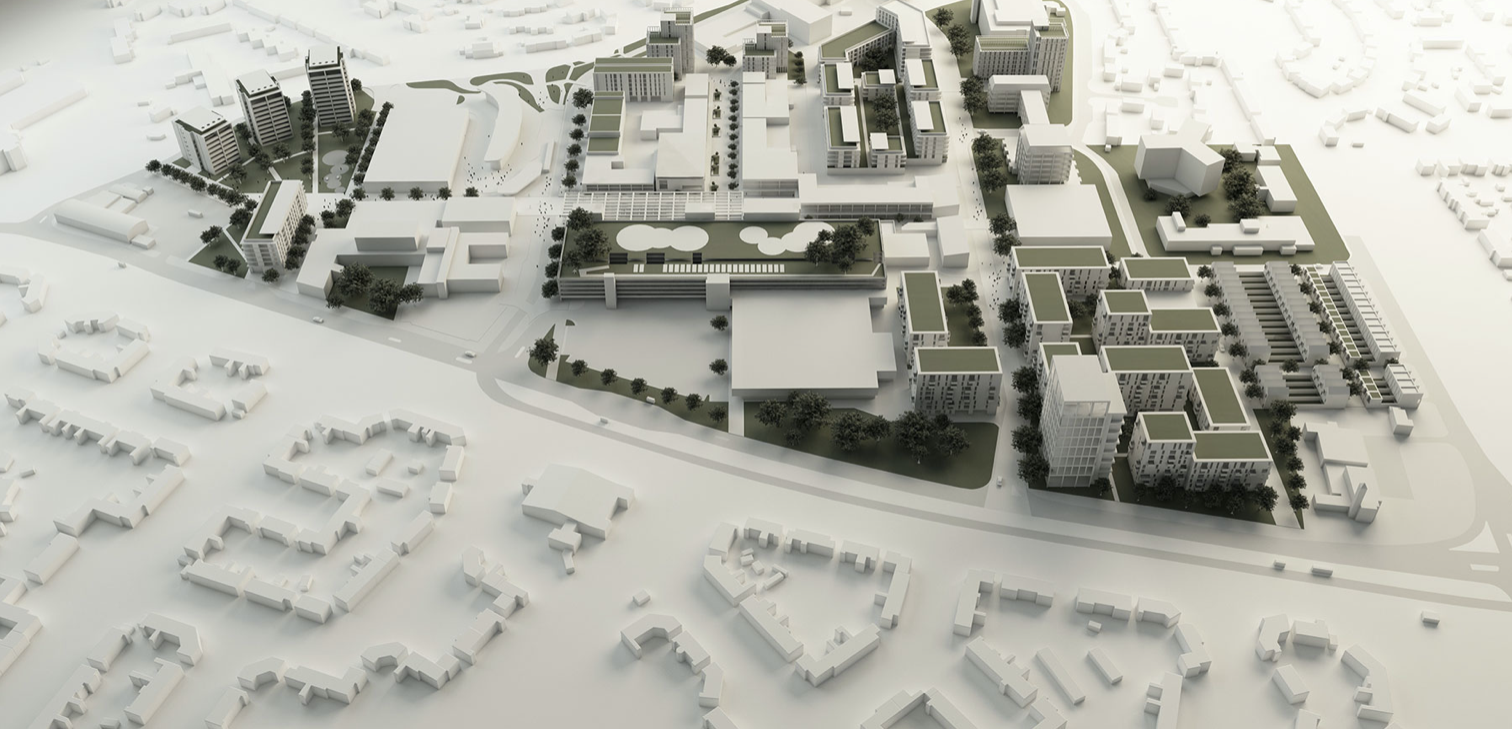
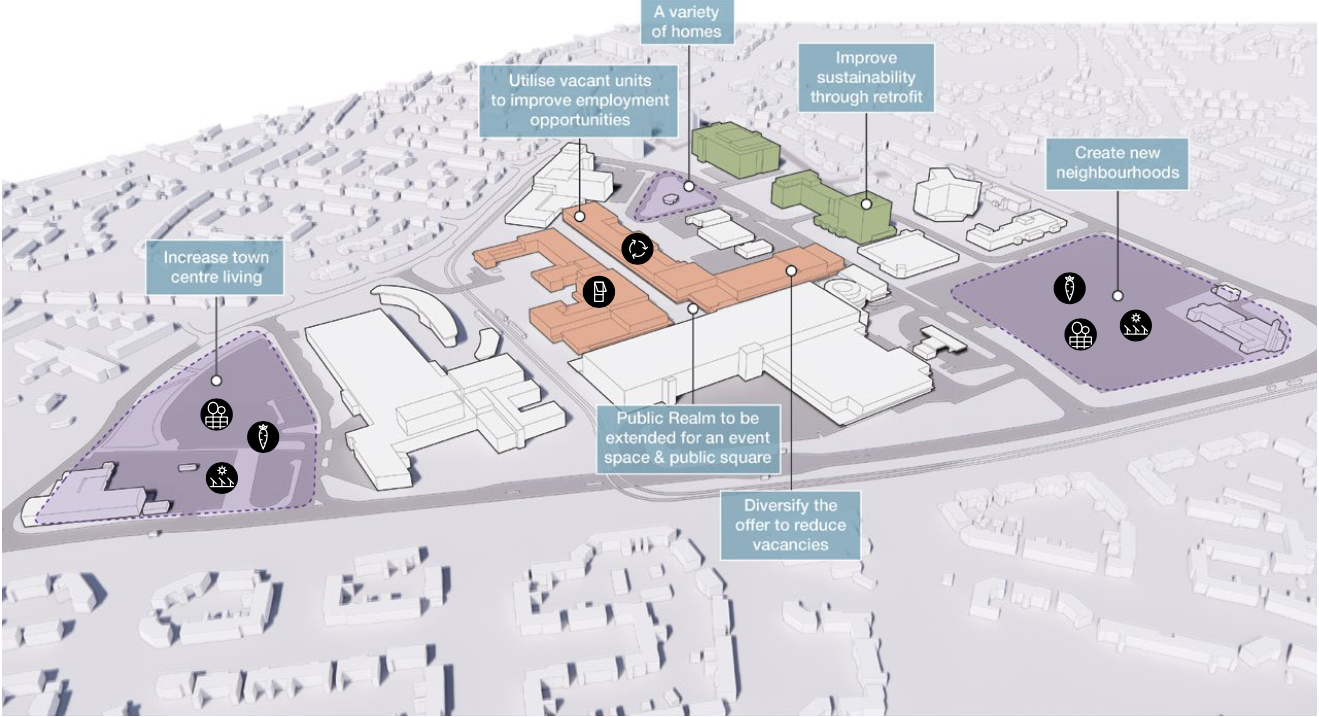
There are plans in place to regenerate the area, in the form of a Masterplan – which can be downloaded here.

Between 1991-2002 there have been some architectural changes, including new stores and office developments. Some of the interventions included significant adaptions which further increased retail into the existing buildings high street.

The interventions included significant adjustments to the multi-storey car park with the aim of reducing parking numbers whilst providing additional lettable space. Further Transport Hub Arrival commercial development was created to the north of the site with the construction of Etrop Court, despite there being significant commercial vacancy across other parts of the estate.

Whilst there has been significant incremental intervention, the character of the area has
not fundamentally changed from its founding concept. However the cumulative impact of the various changes have had a negative impact on the functionality and suitability of place, so much so that the centre is in many ways no longer fit- for purpose.

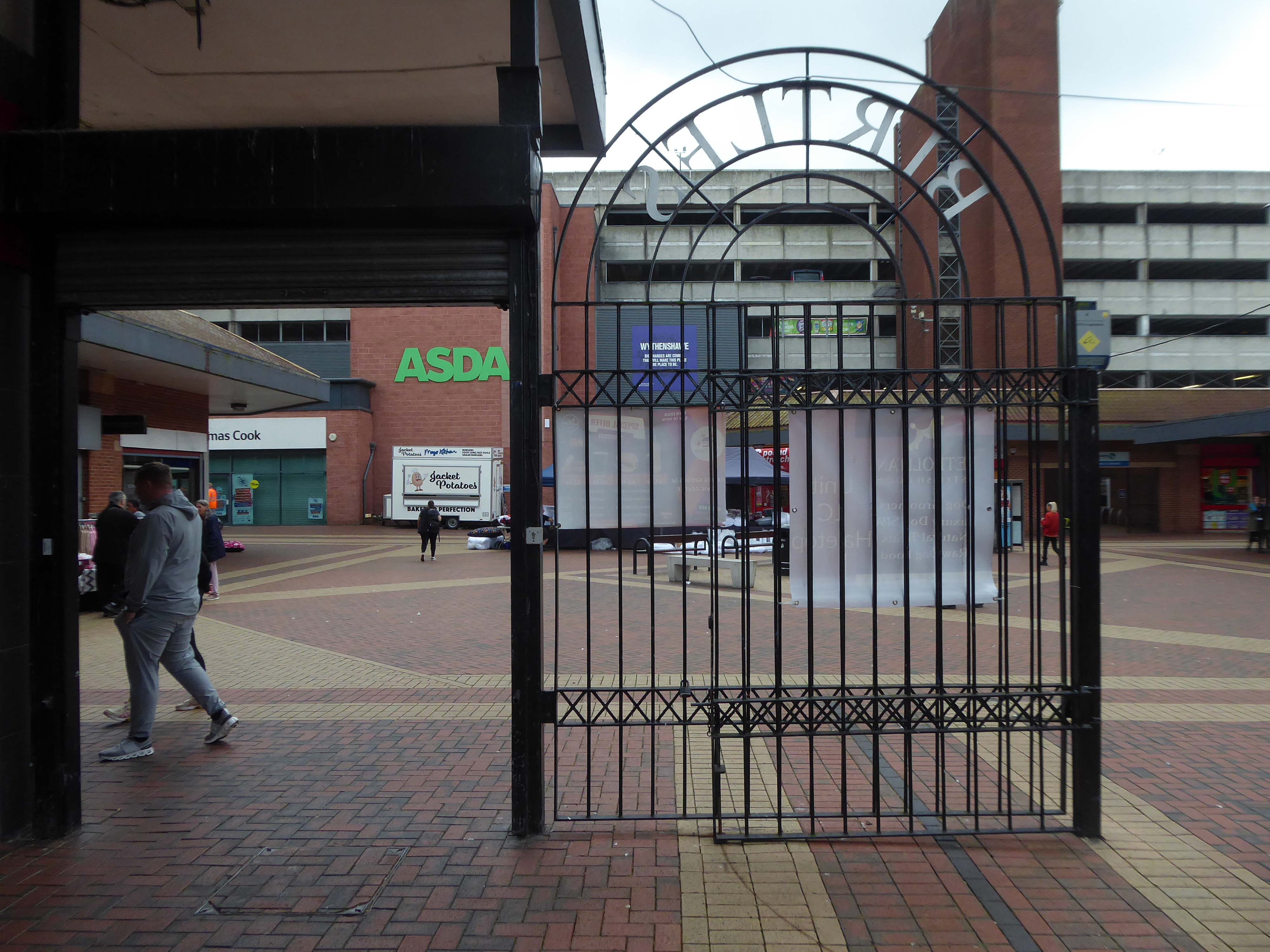
The site today is surrounded by surface car parks, with a total of around 2,500 car parking spaces, 1,700 of which are contained within the multi-storey car park. Many of the retail units, the upper floor office spaces along the Birtles and Hale Top, and buildings to the east are vacant.

Typically, the levels of vacancy are consistent with the changing demands of the high street, where typically modern and successful retail centres are now more diversified and focussed on creating a visitor or destination-based experience. In this sense, we anticipate a need to diversify the high street and to promote a smaller more concentrated retail core, whilst supplementing the offer with more meanwhile and permanent uses and activities based on culture, food and creative workplace.

The gateway to the Civic Centre on arrival from the Transport Interchange is very poor. Access to the high street isn’t obvious and the route through to the high street isn’t clear. Much of the site is surrounded by fencing, barrier and gates and whilst they are open during the day, they are locked at night to prevent vandalism. This barricaded aesthetic does nothing to promote an easily accessible and family friendly environment as well as preventing any opportunity to promote a much needed night- time economy.

Currently, the Civic Centre appears to only cater for those with a need to visit for a particular purpose, rather than capitalising on an opportunity to create a place to visit and dwell.

Wythenshawe Town Centre Car Park

Multi Storey Car Park Rowlandsway Manchester M22 5RG

I’ve lost count of the countless times I have visited countless car parks.

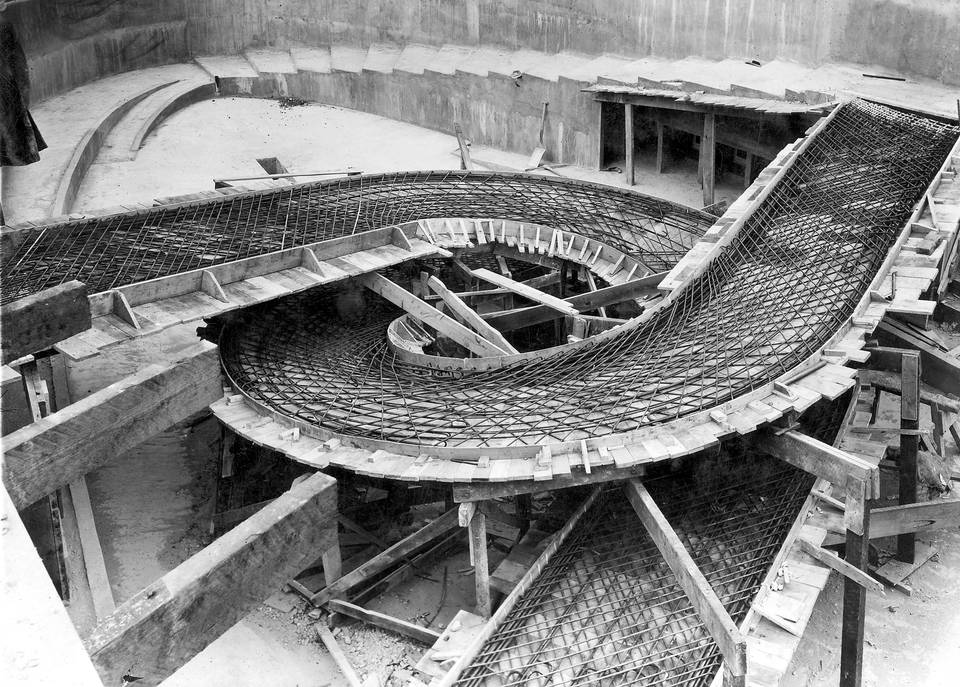
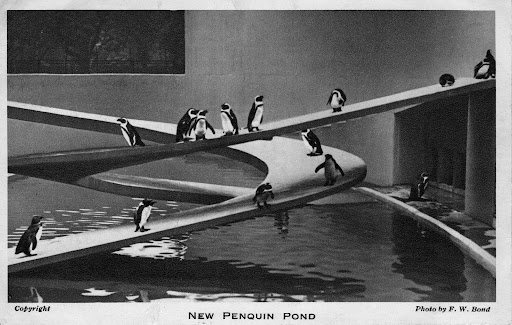
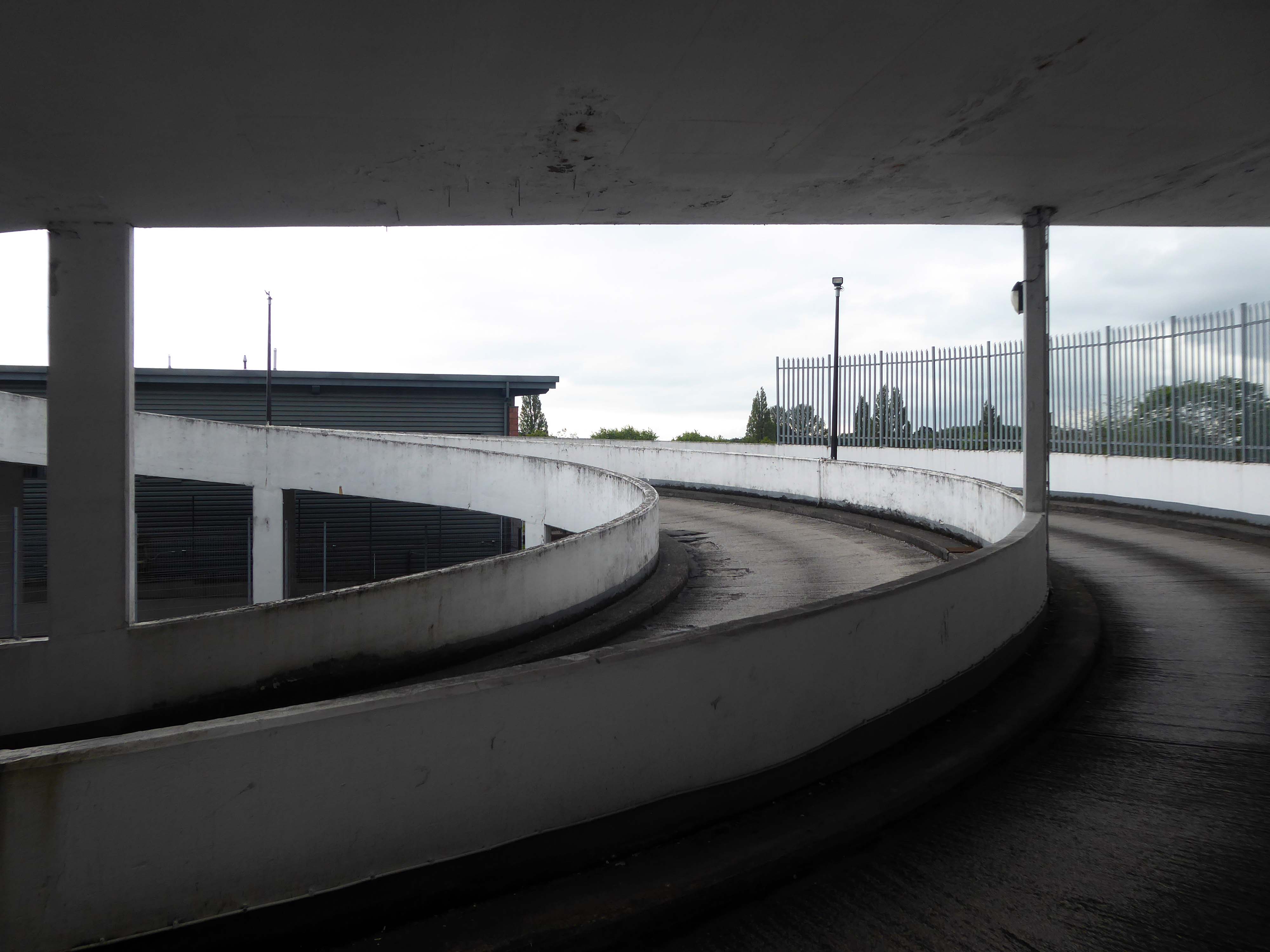
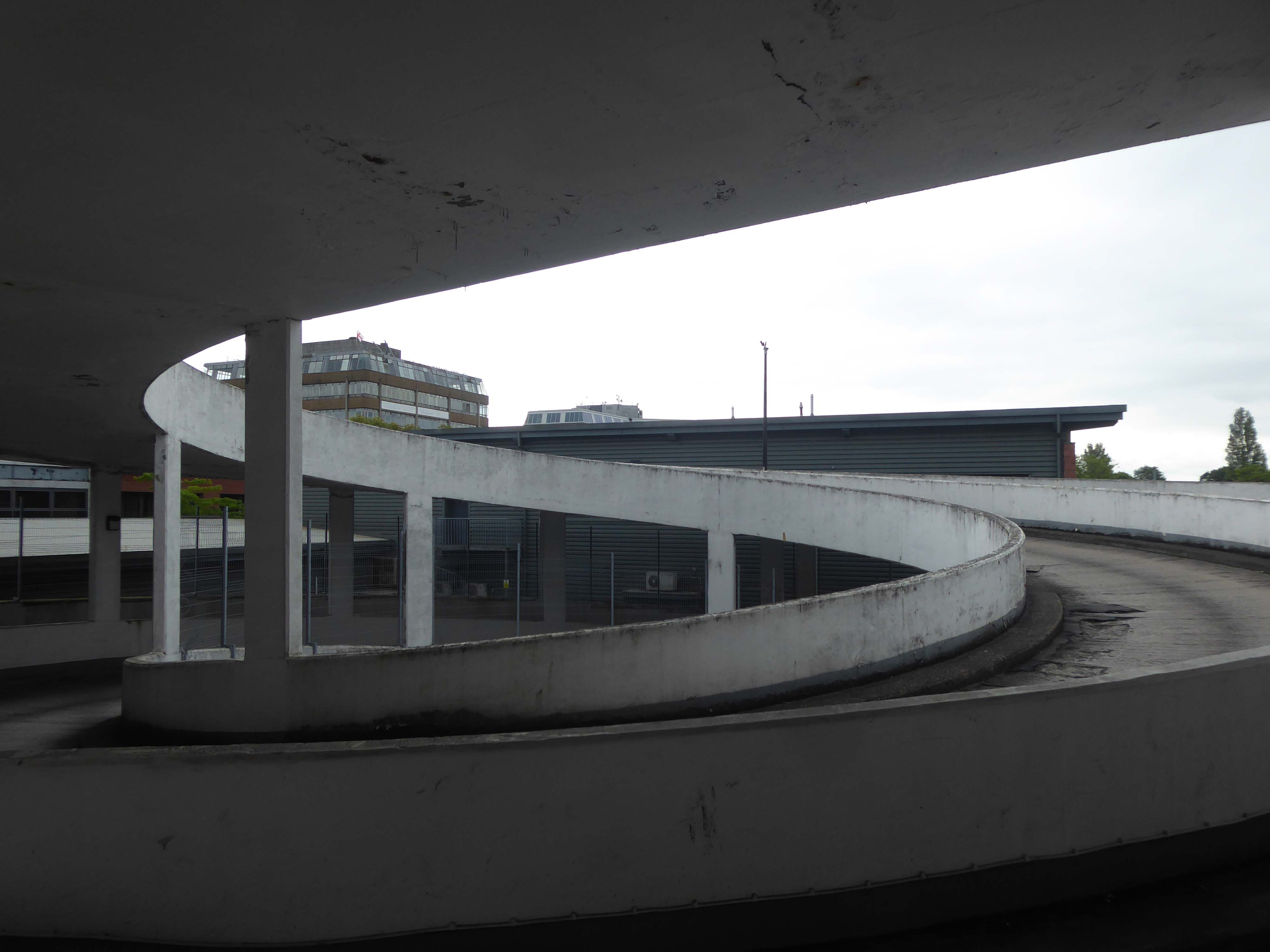
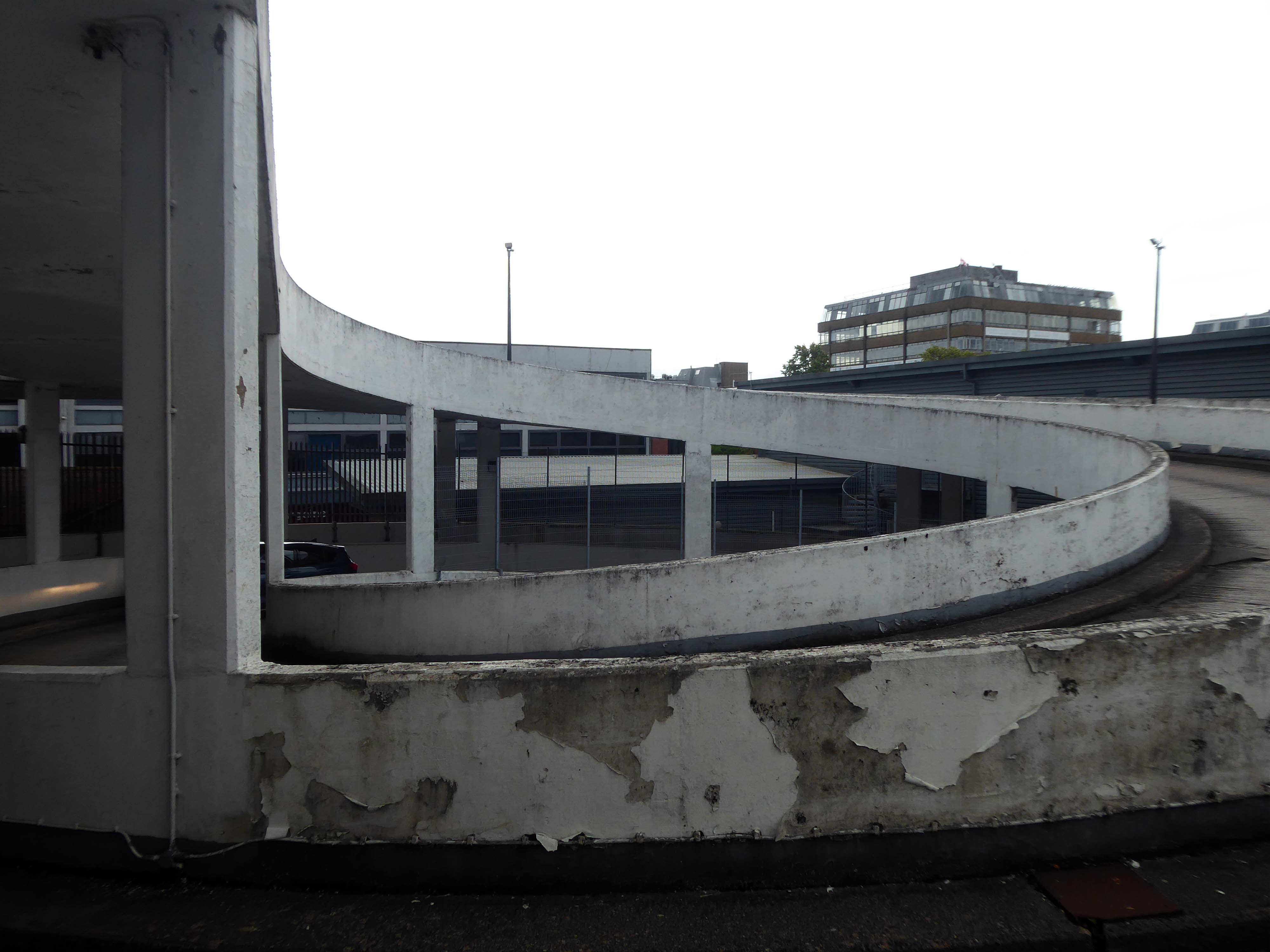
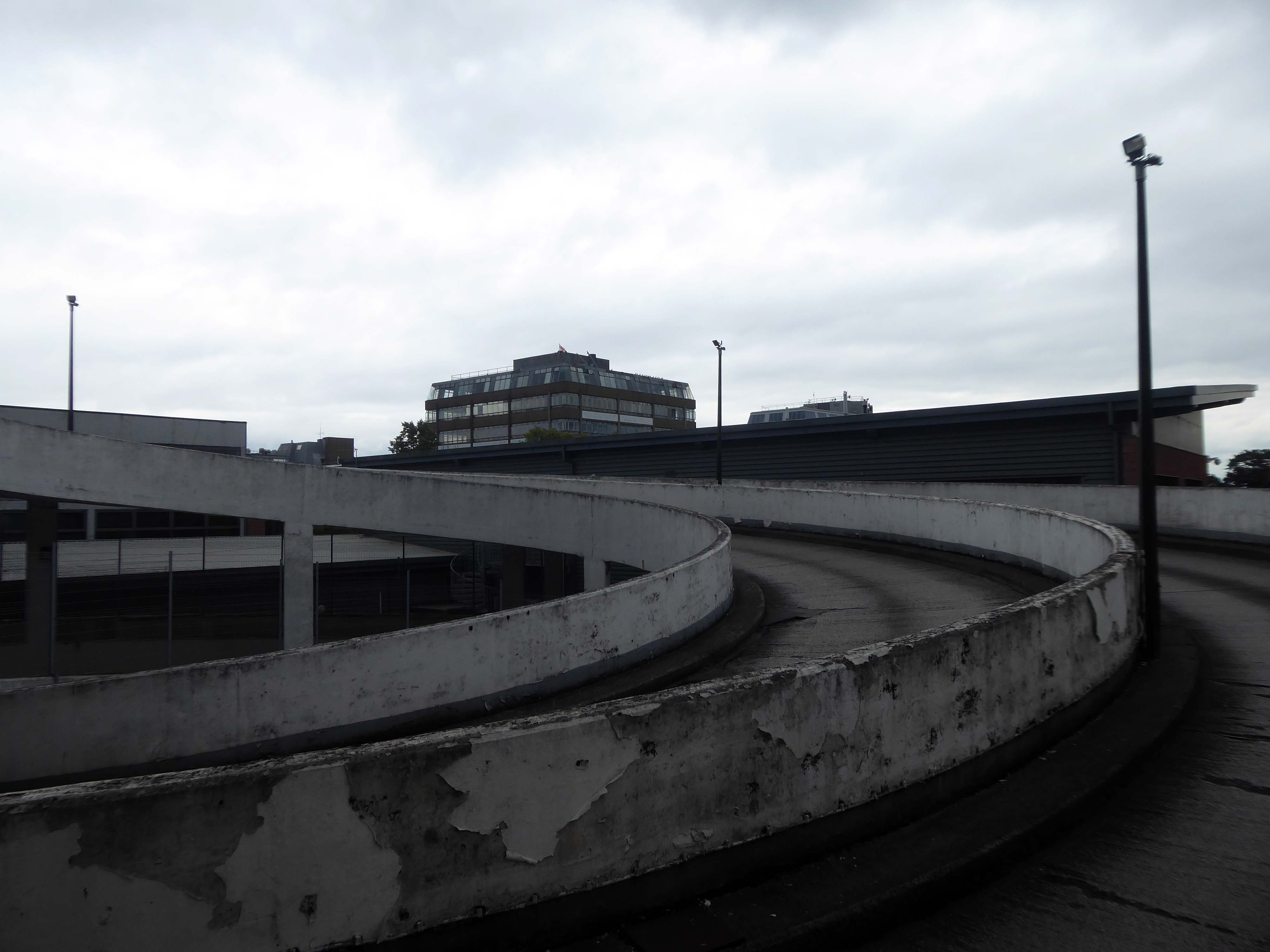
I do have a fondness for ramps – particularly helical ramps, one of my most memorable early modernist encounters, was with Lubetkin’s penguin pool.

The cast concrete taking on a truly sculptural dimension.

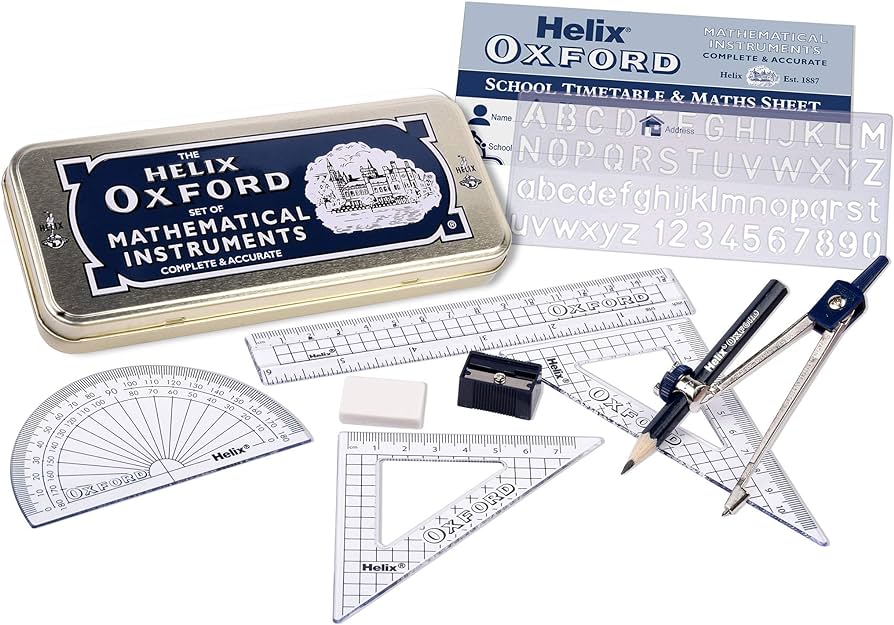
There is also the Proustian recollection of a collection of geometry lessons and Helix instruments.

It has all left a lasting impression and I have subsequently taken every opportunity to waddle penguin like up and down several concrete car park ramps.

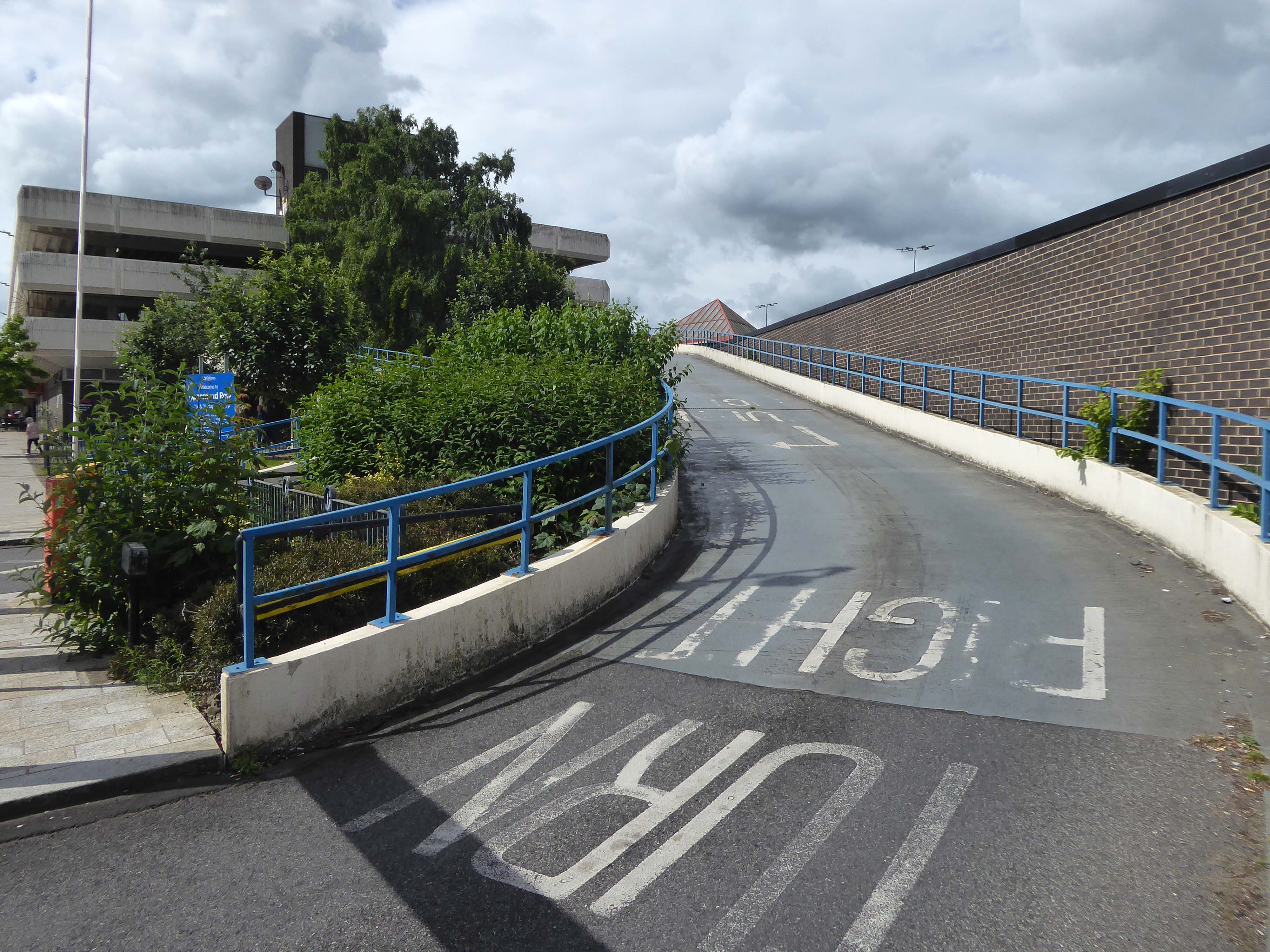
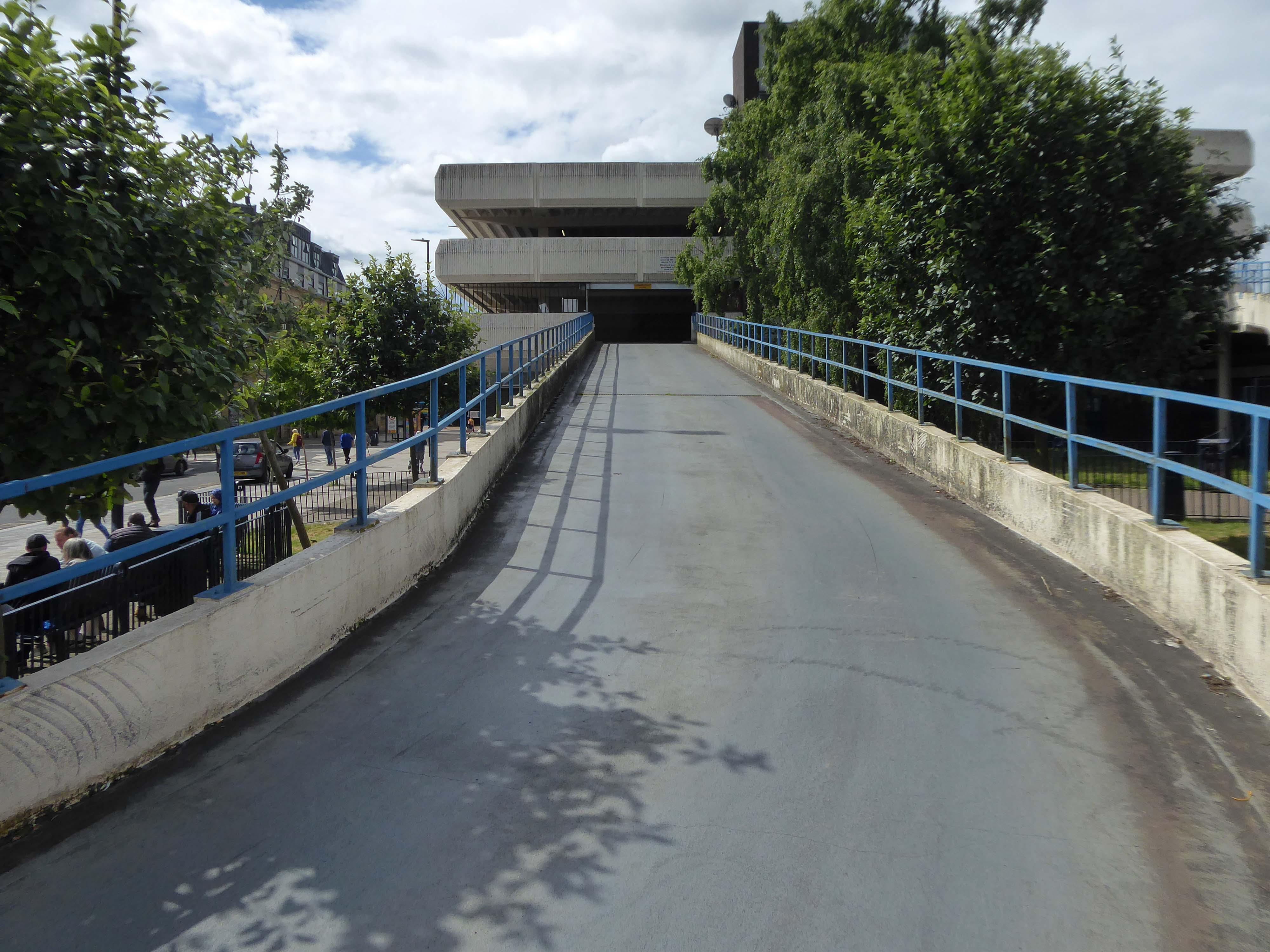
Here’s the most recent.

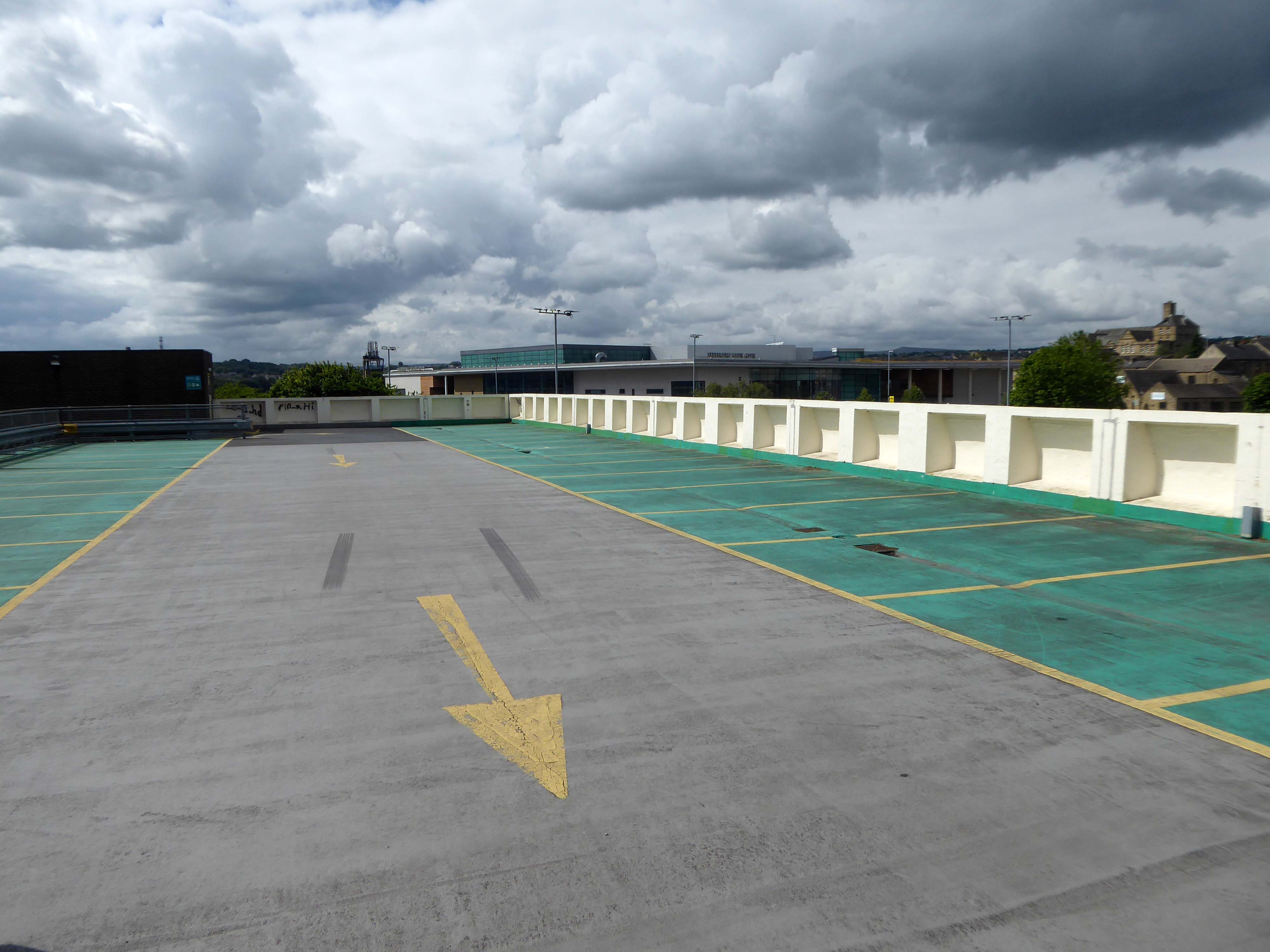
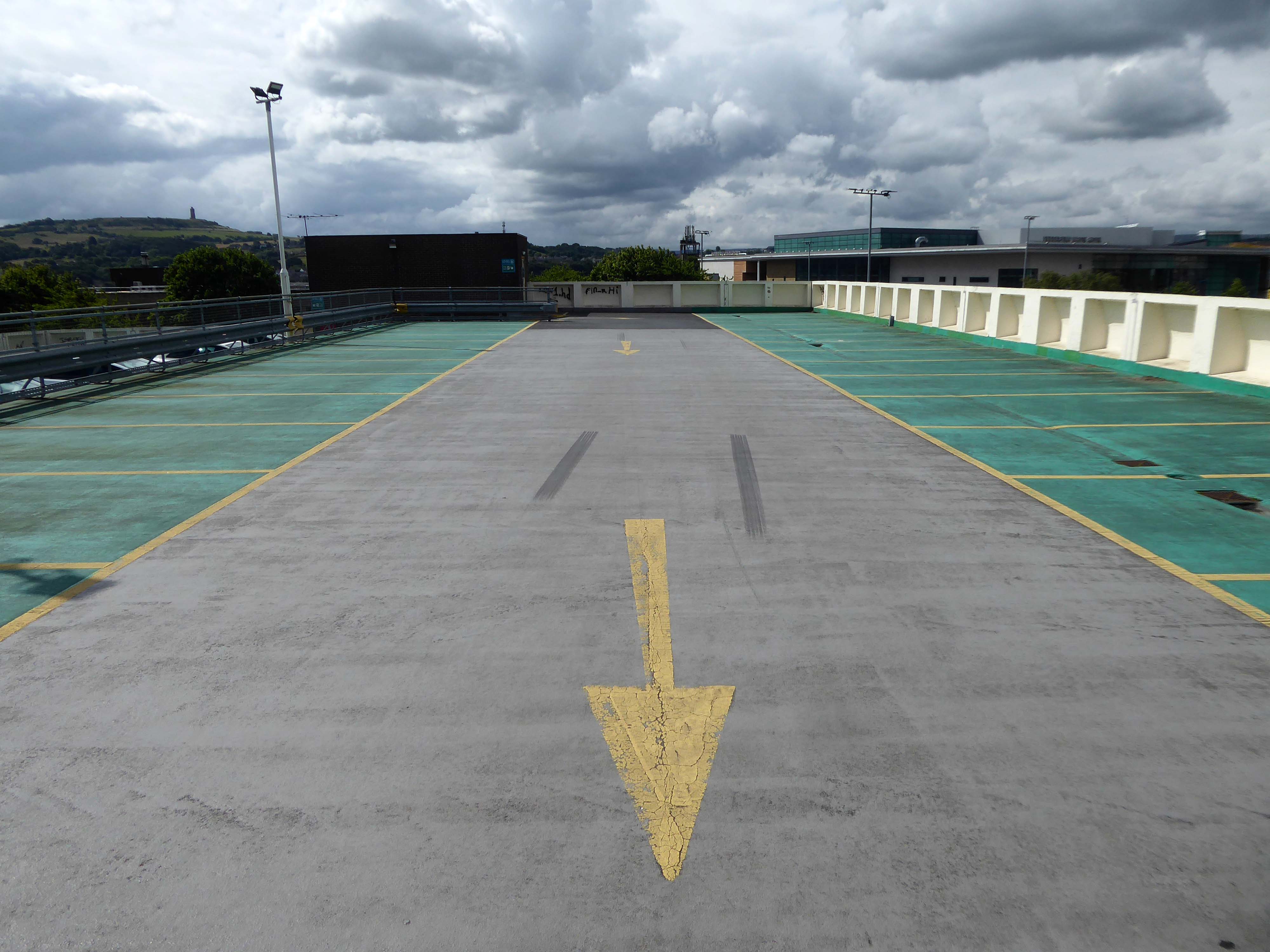
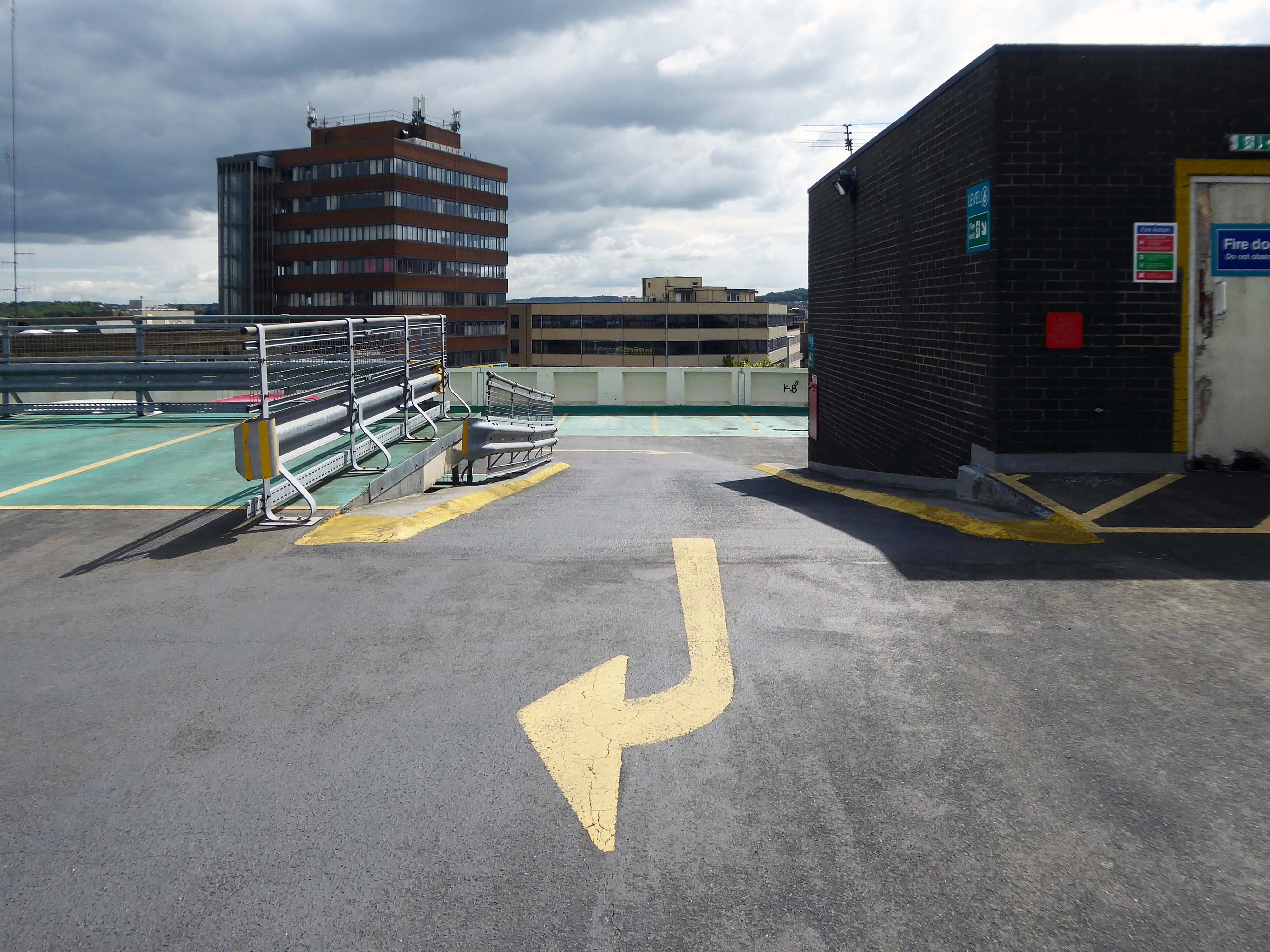
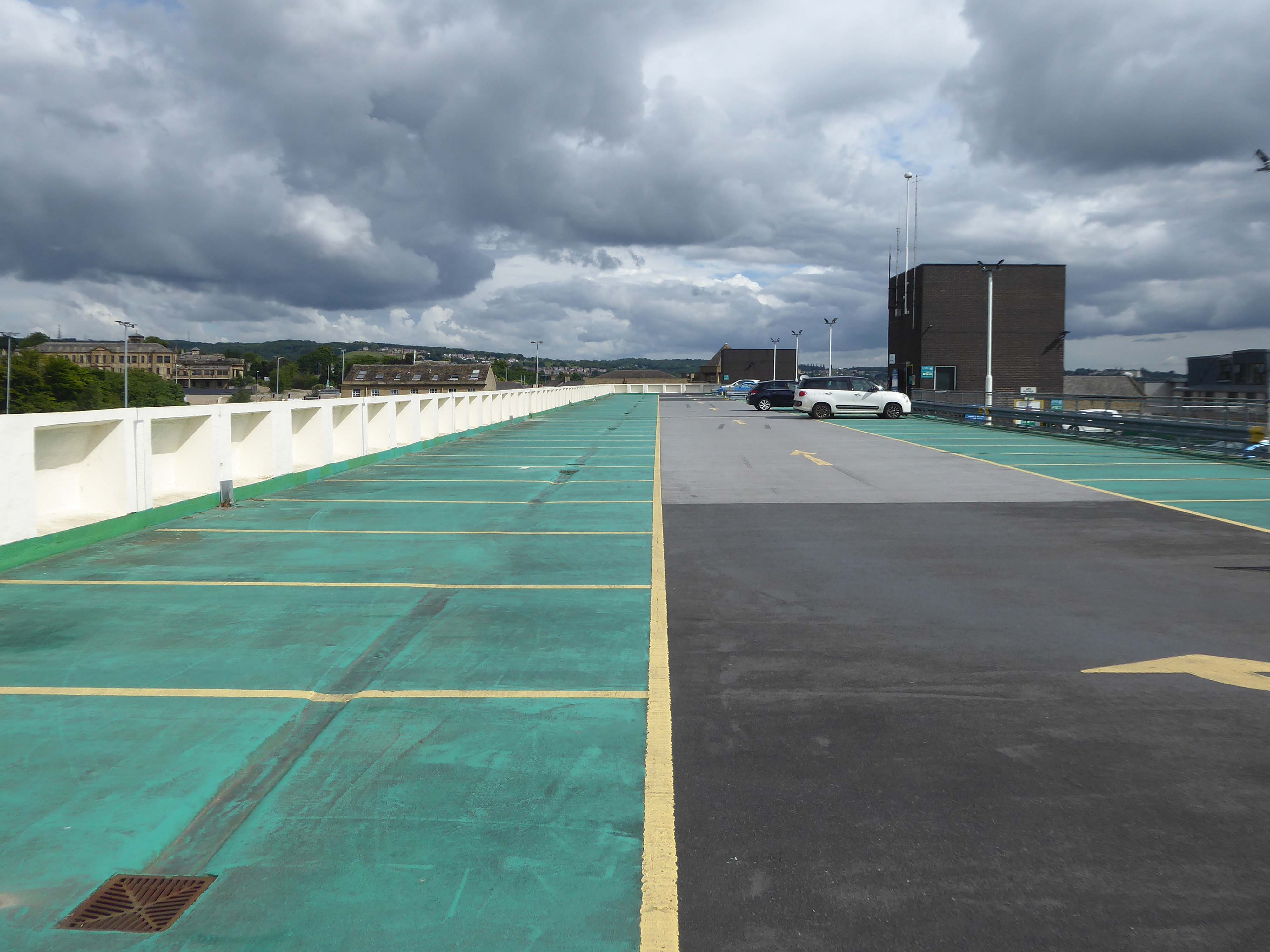
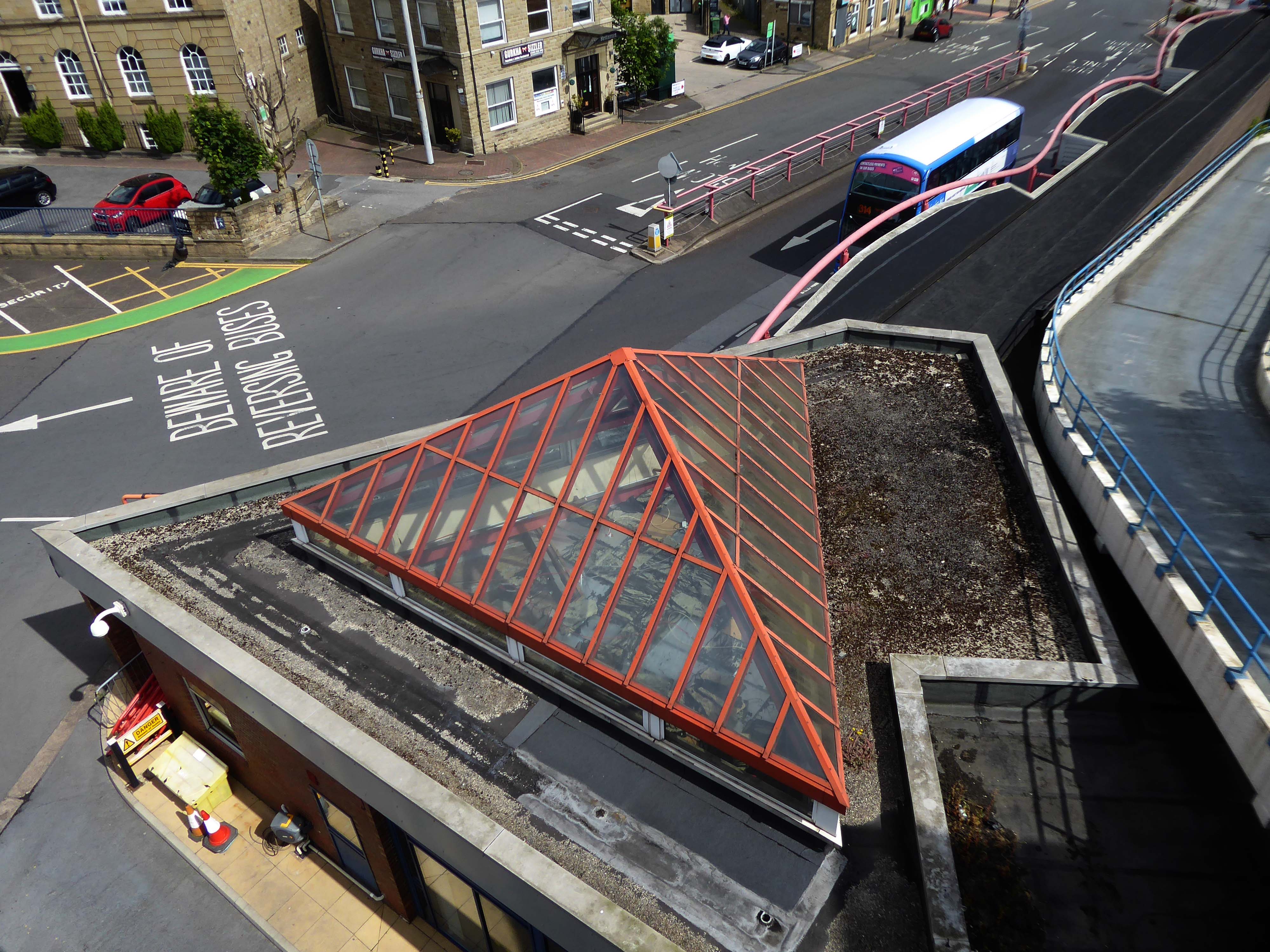
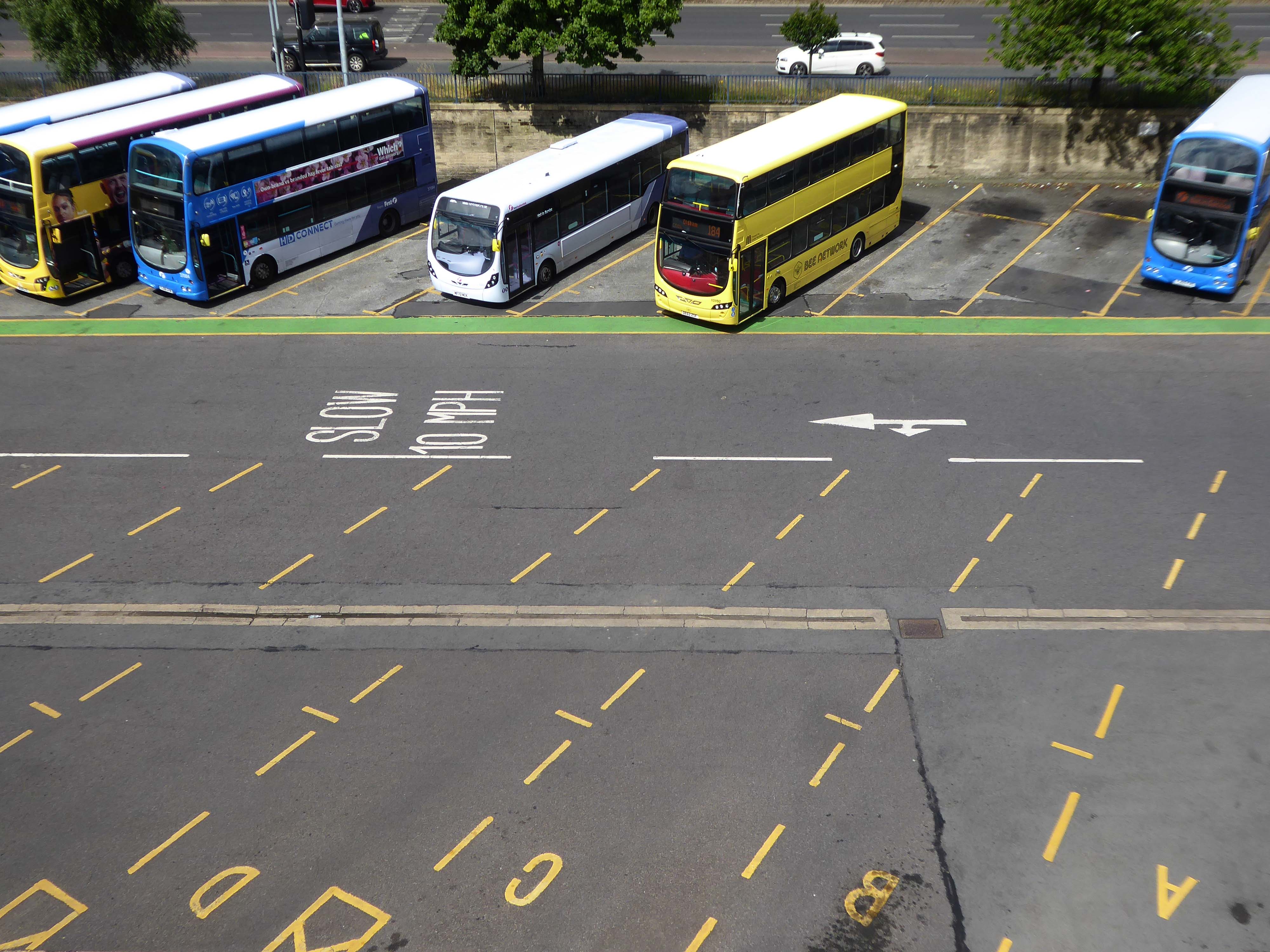
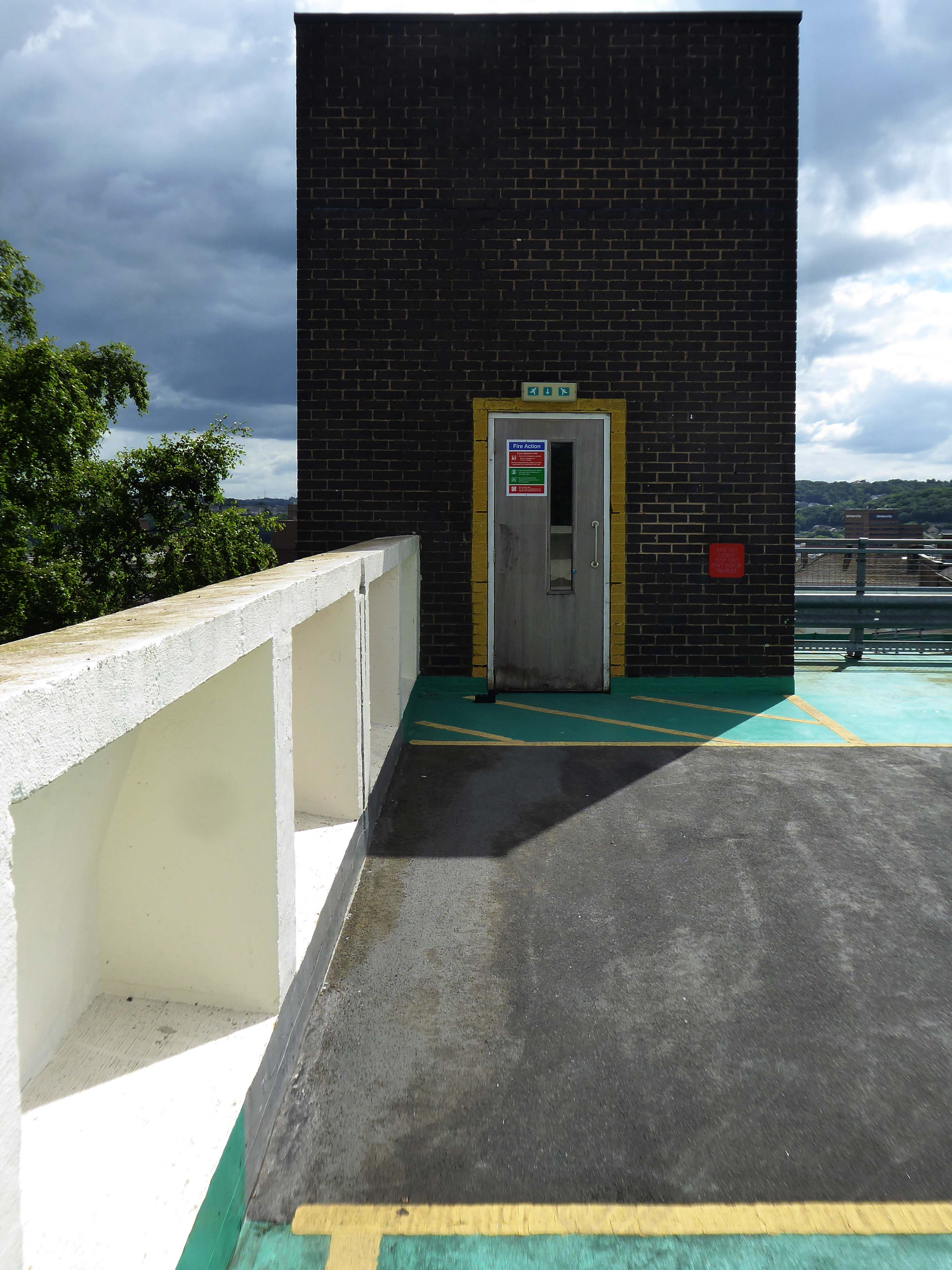
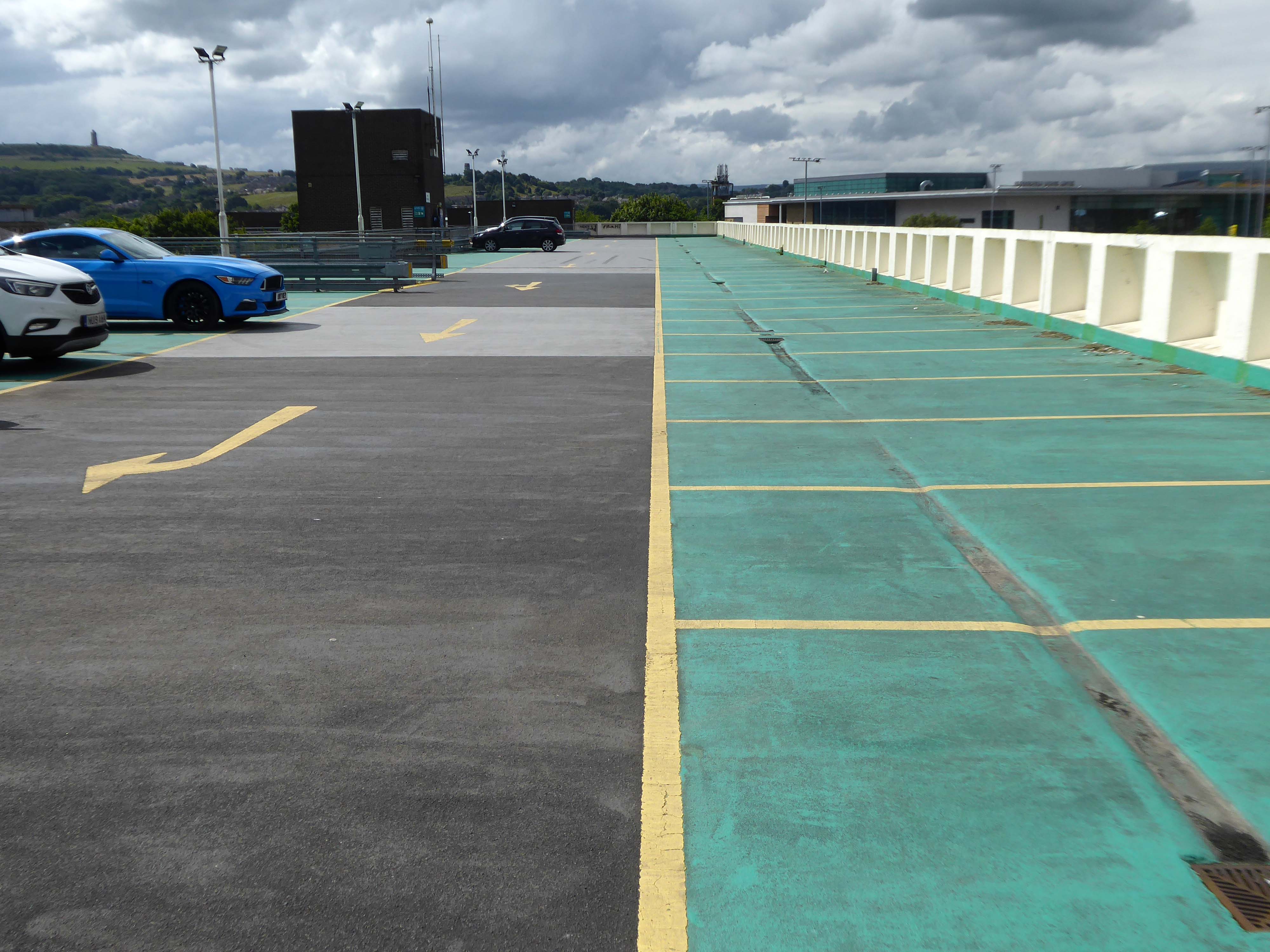
Car Park – Huddersfield Bus Station

Upperhead Row Huddersfield HD1 2JN

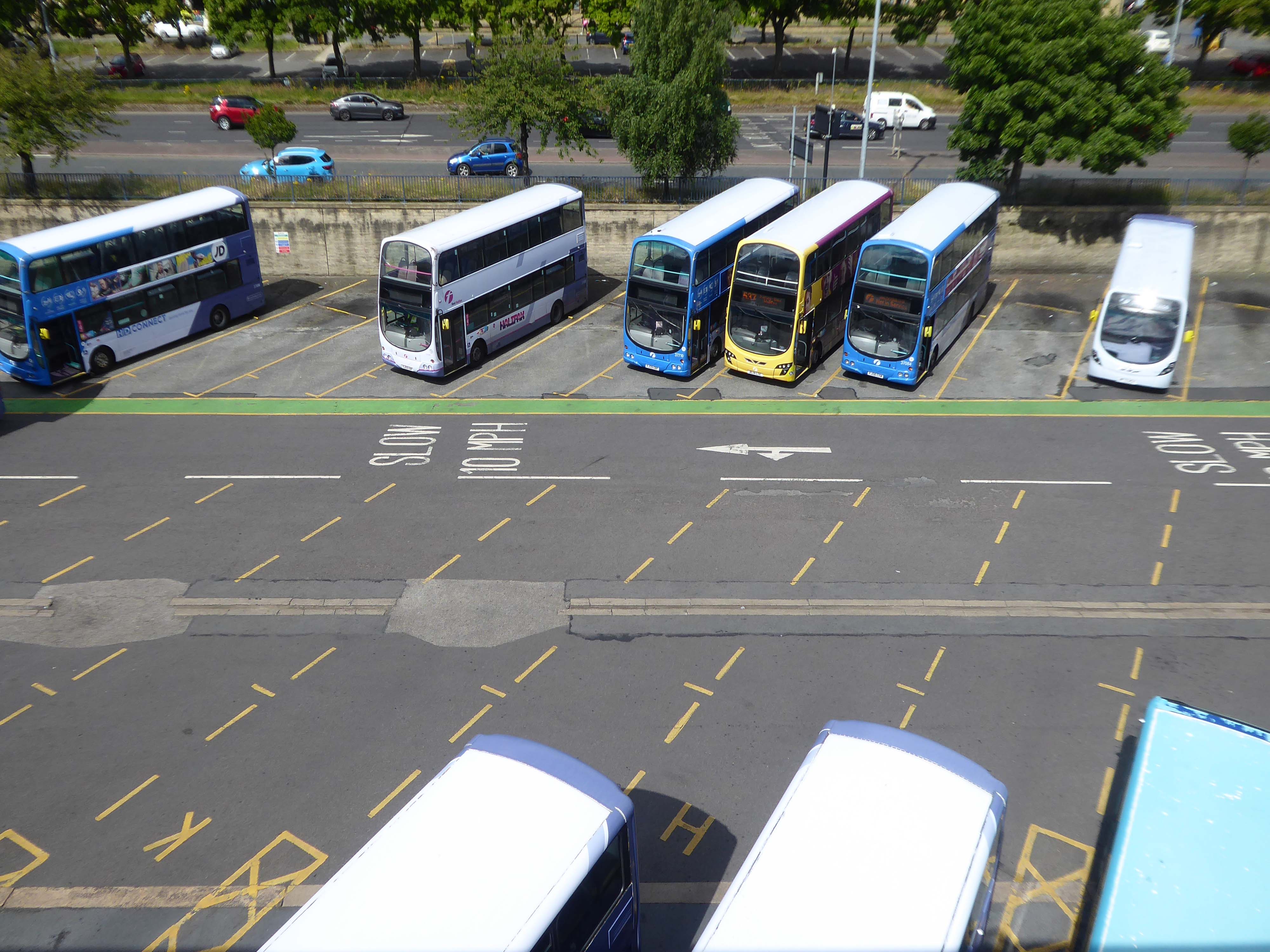
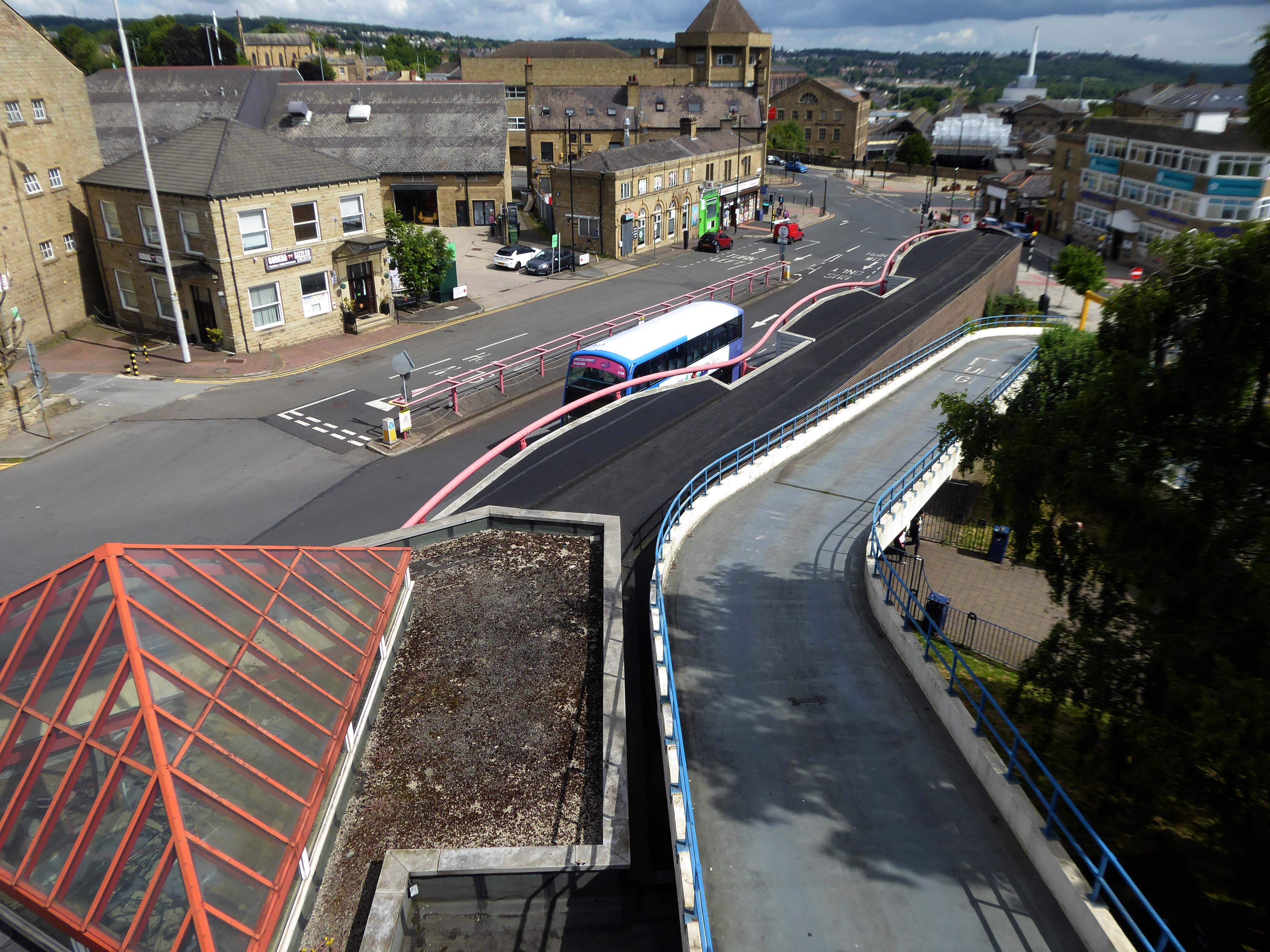
I was informed by the seriously erudite Christopher Marsden that the bus station and car park were the work of Derek C W Vane: Borough Architect 1972-1974.

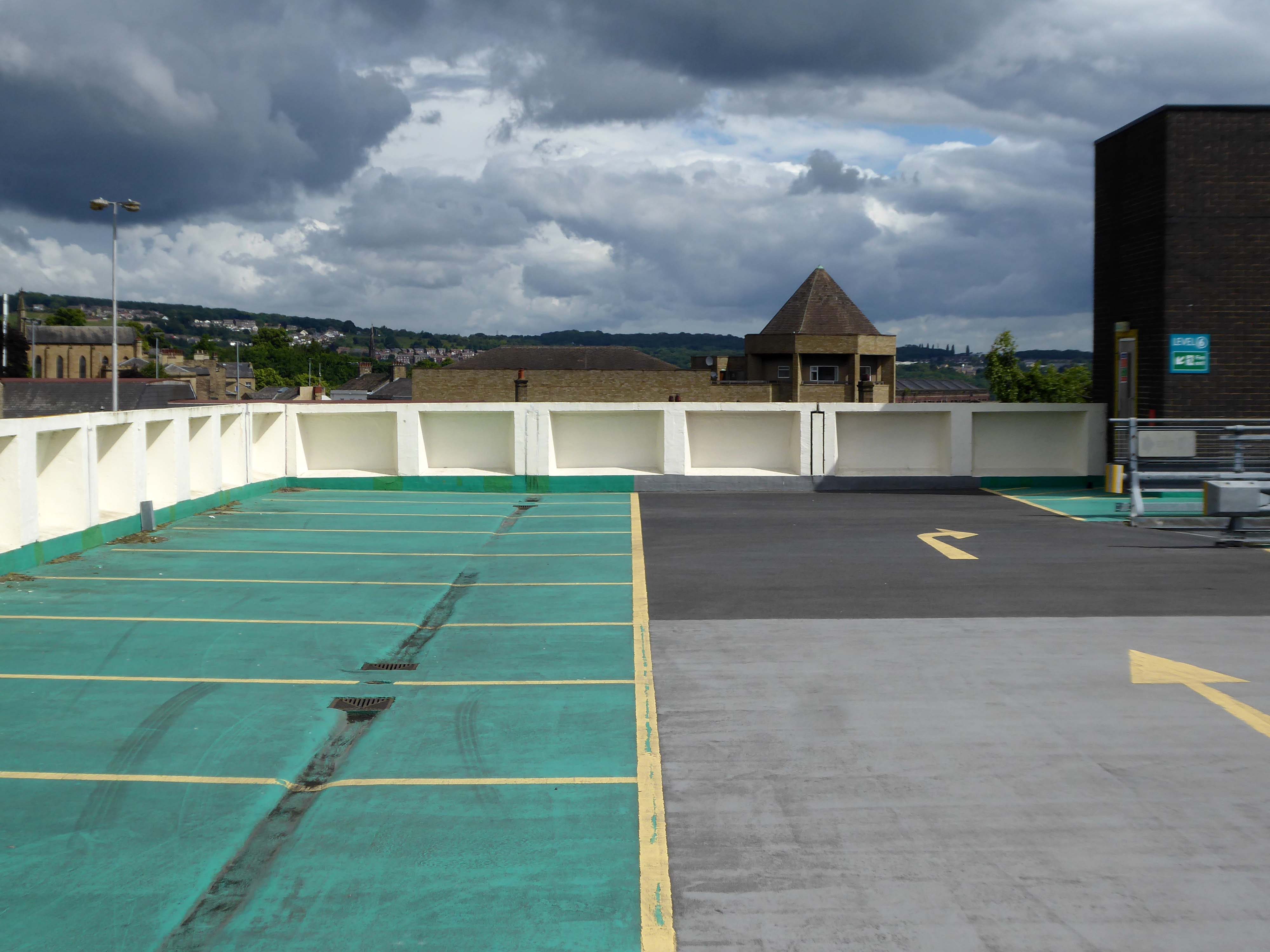
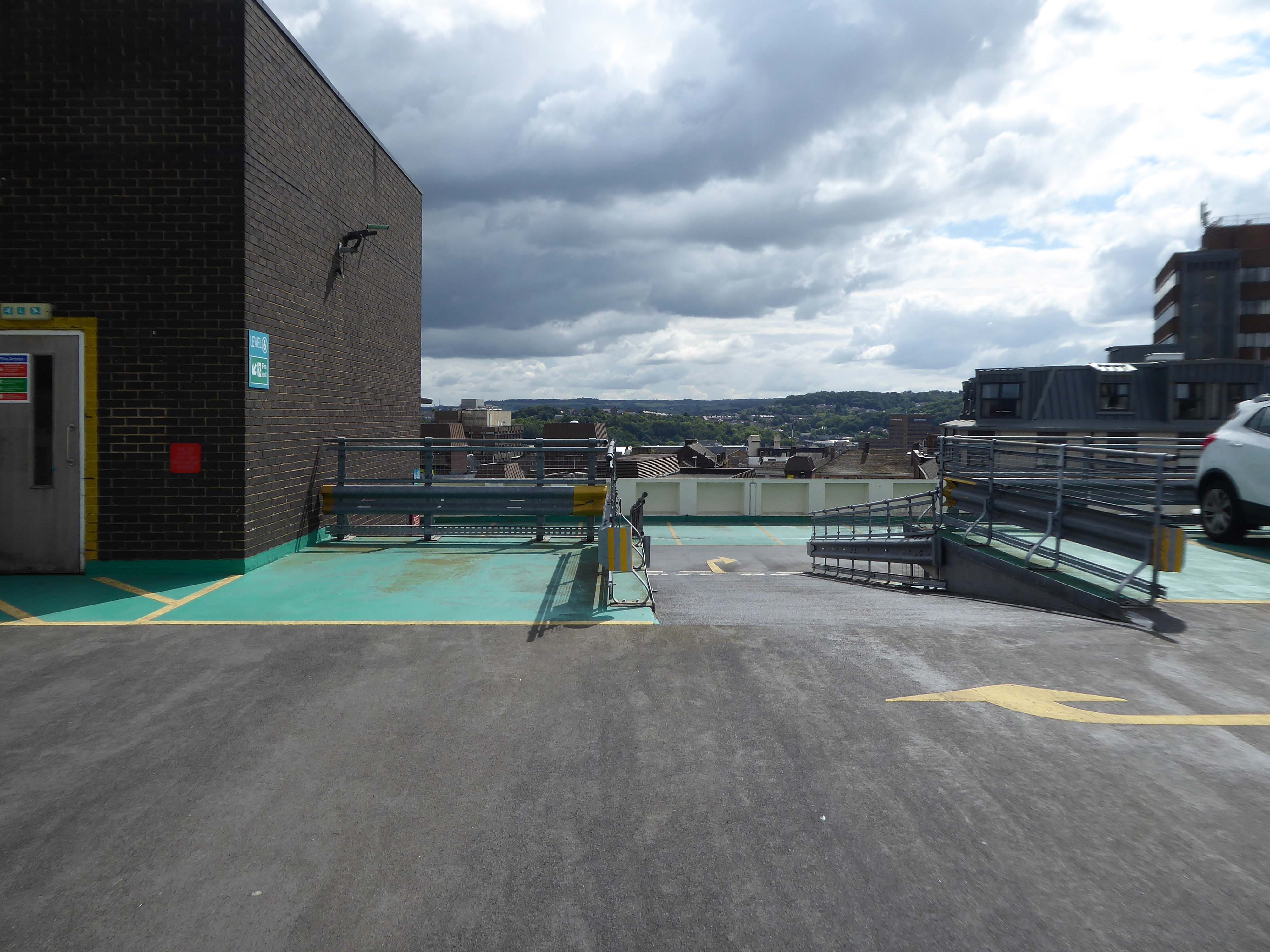
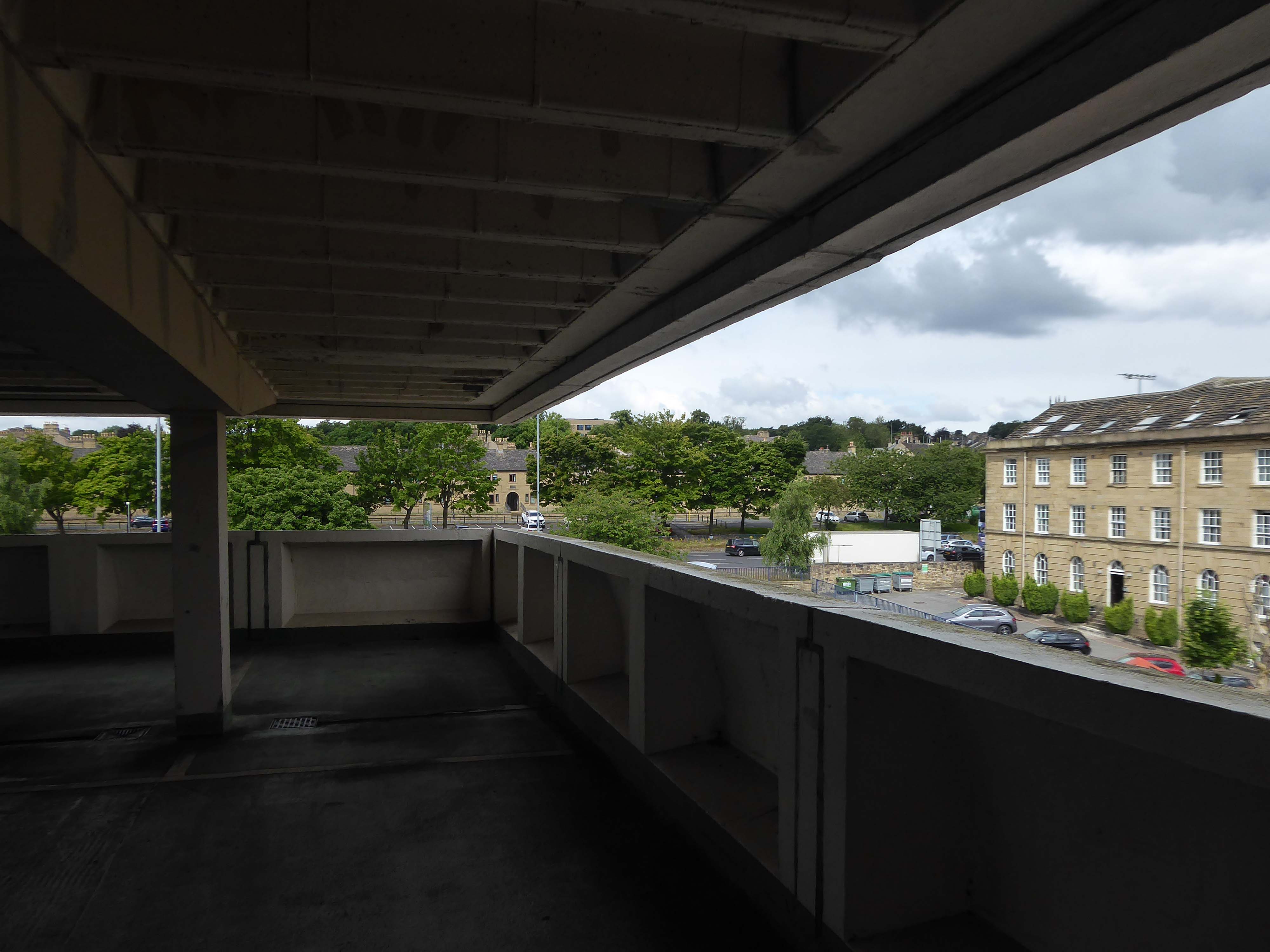
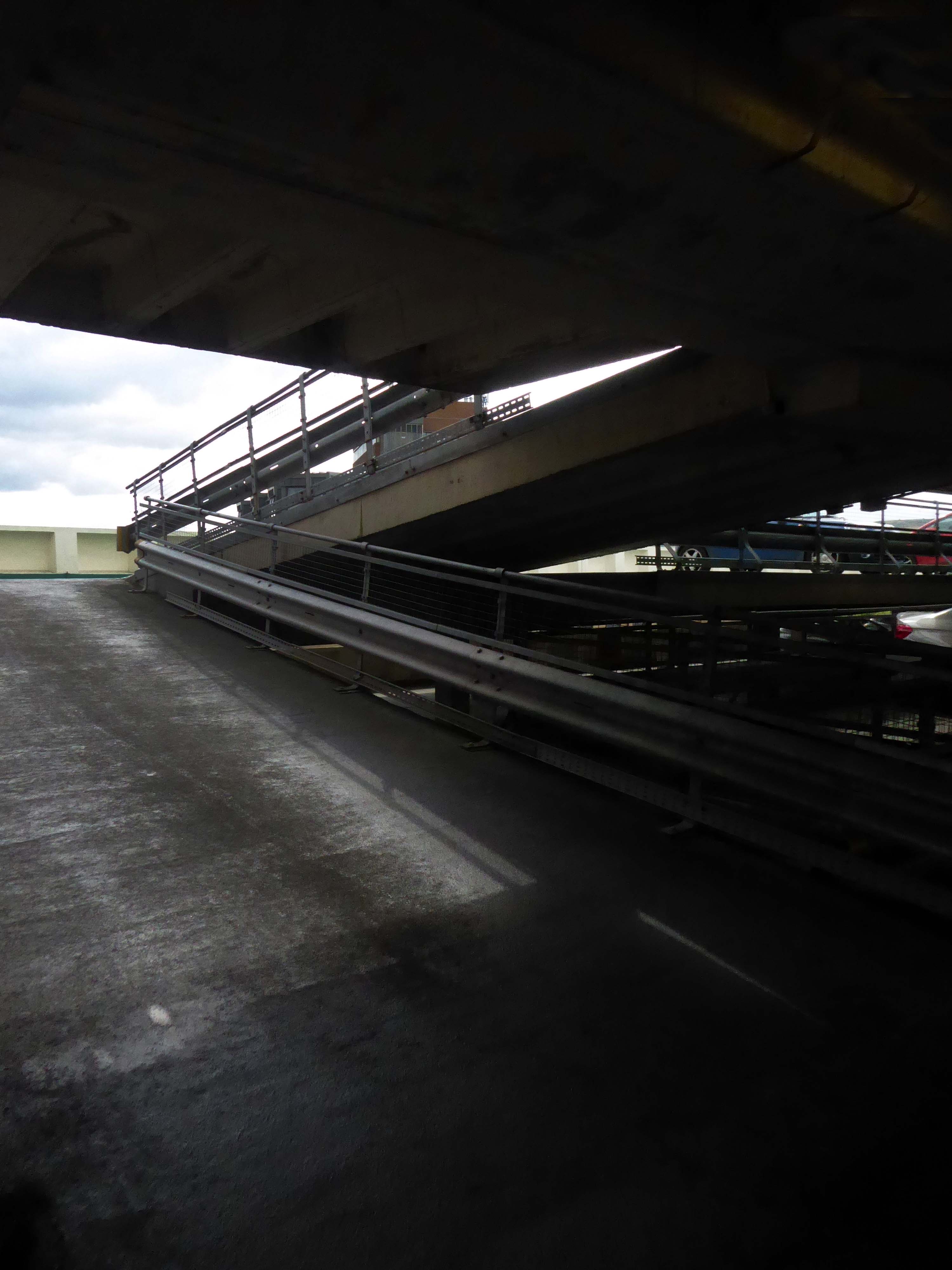
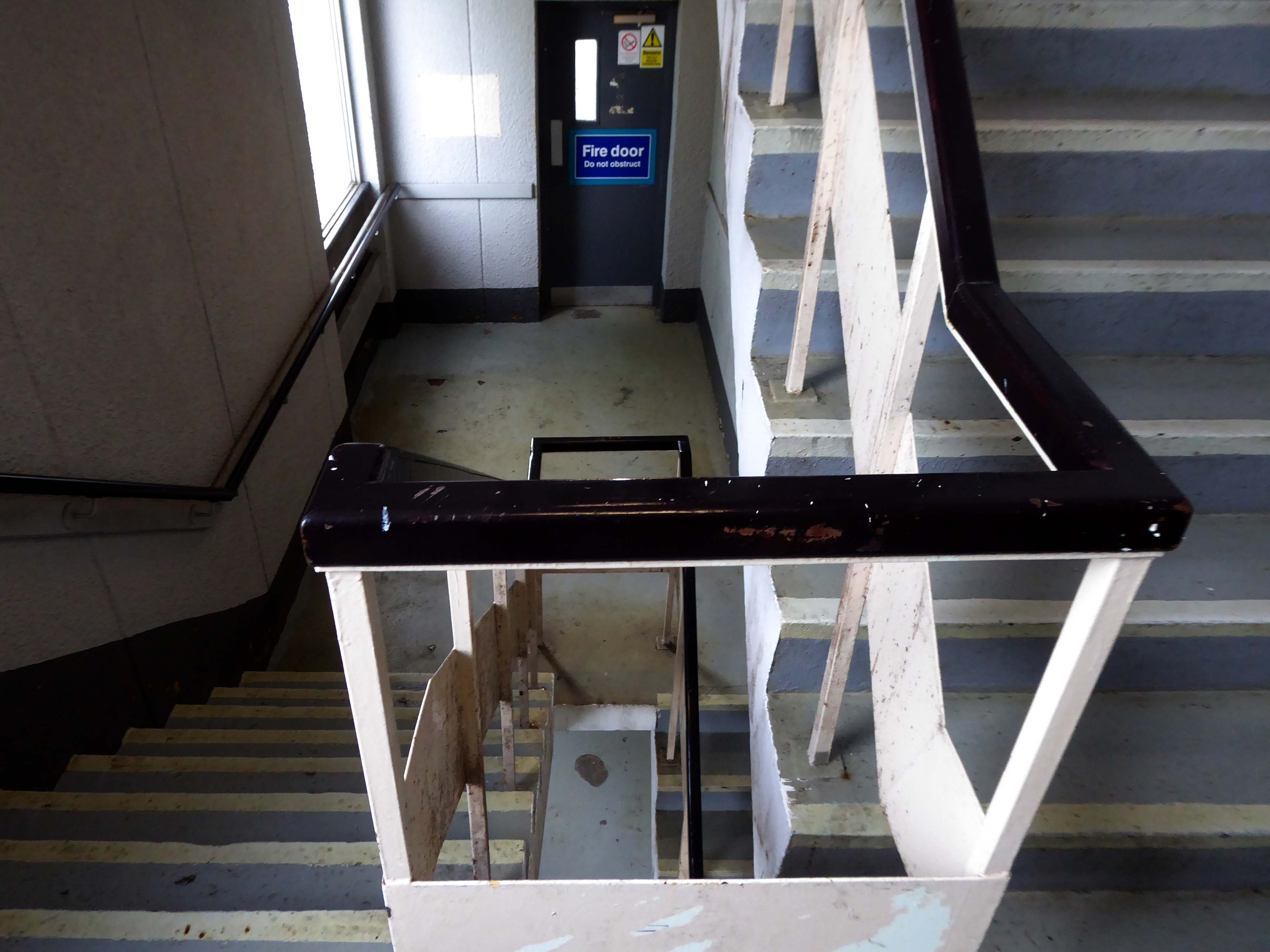
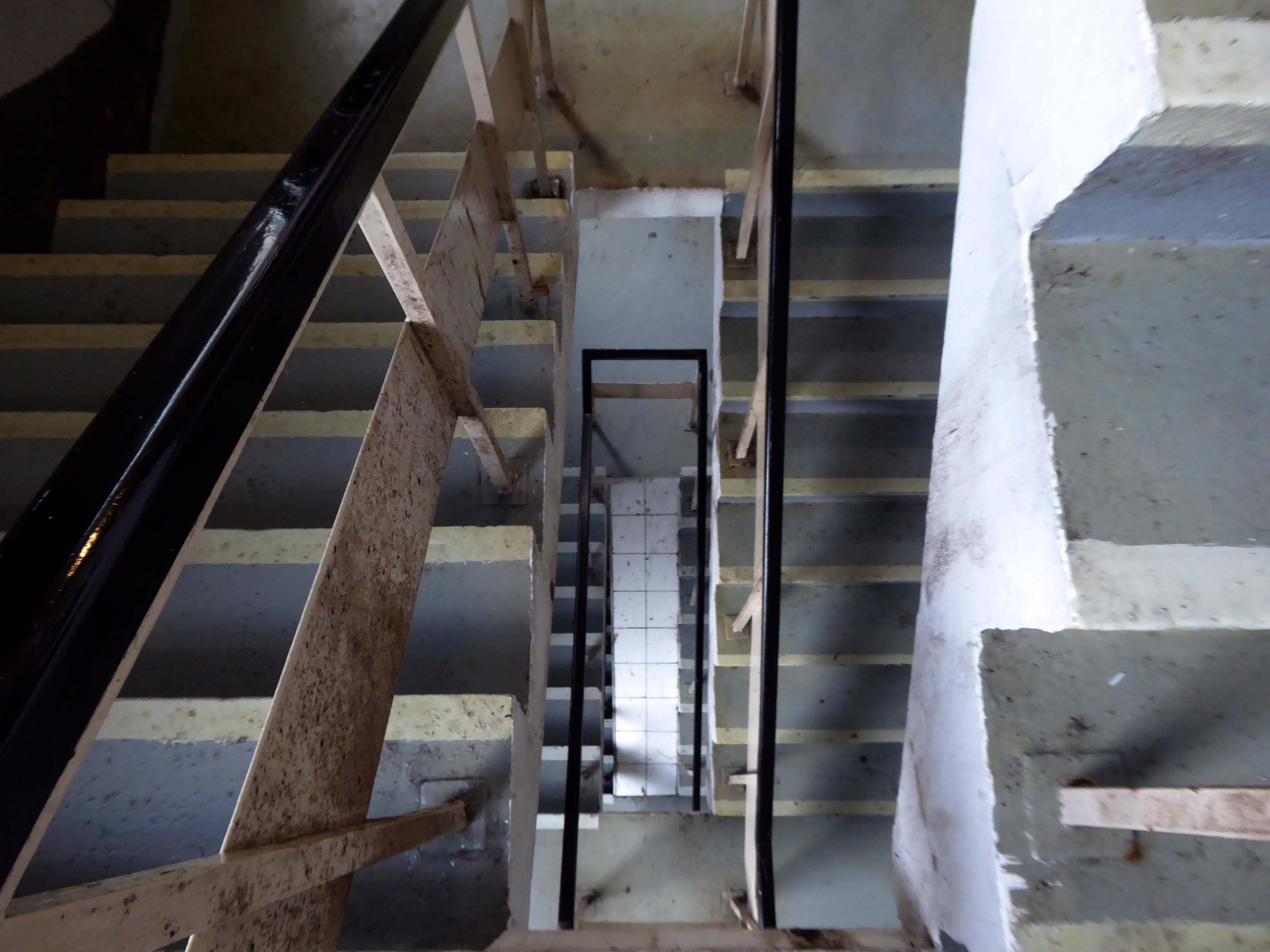
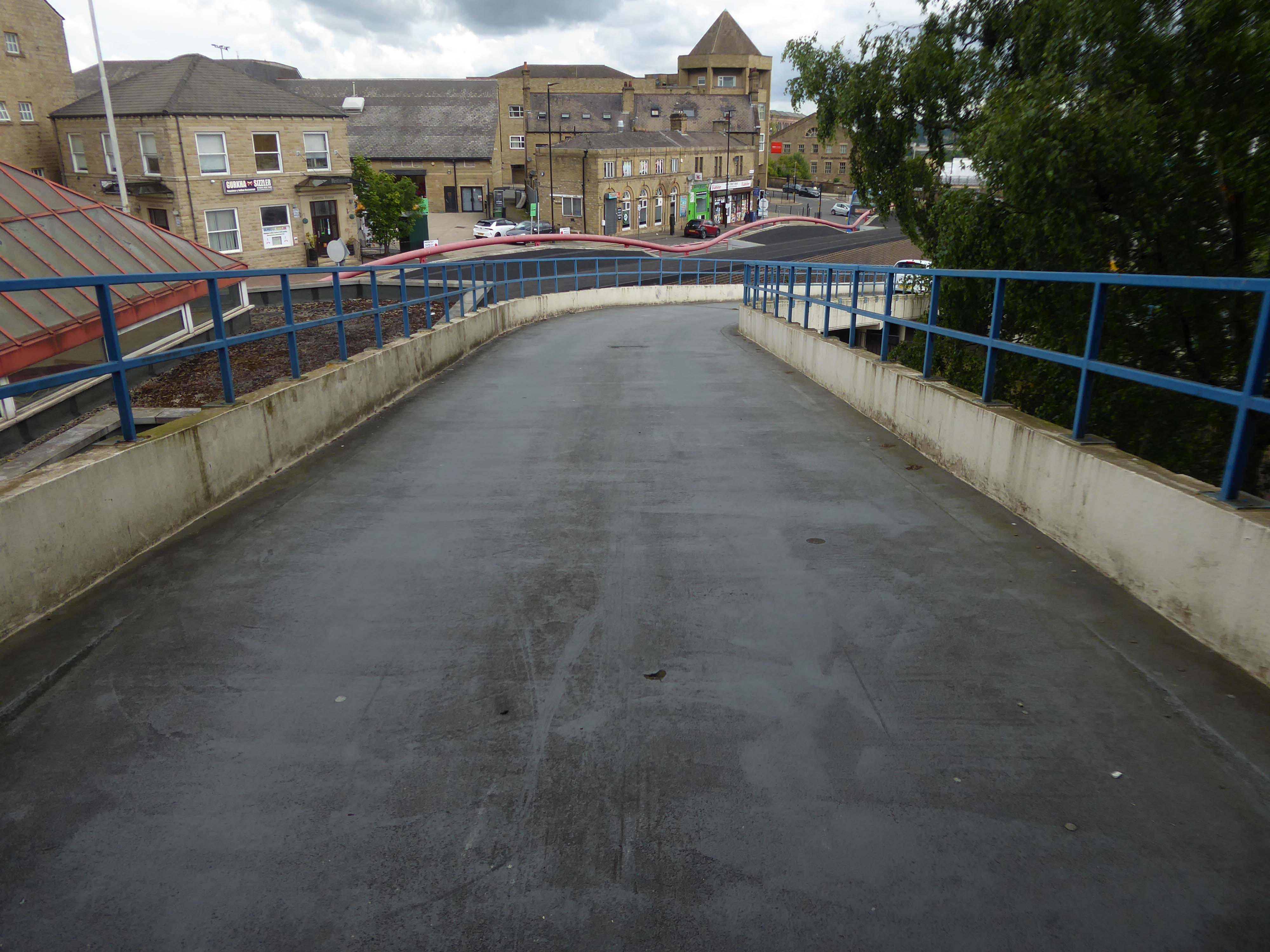
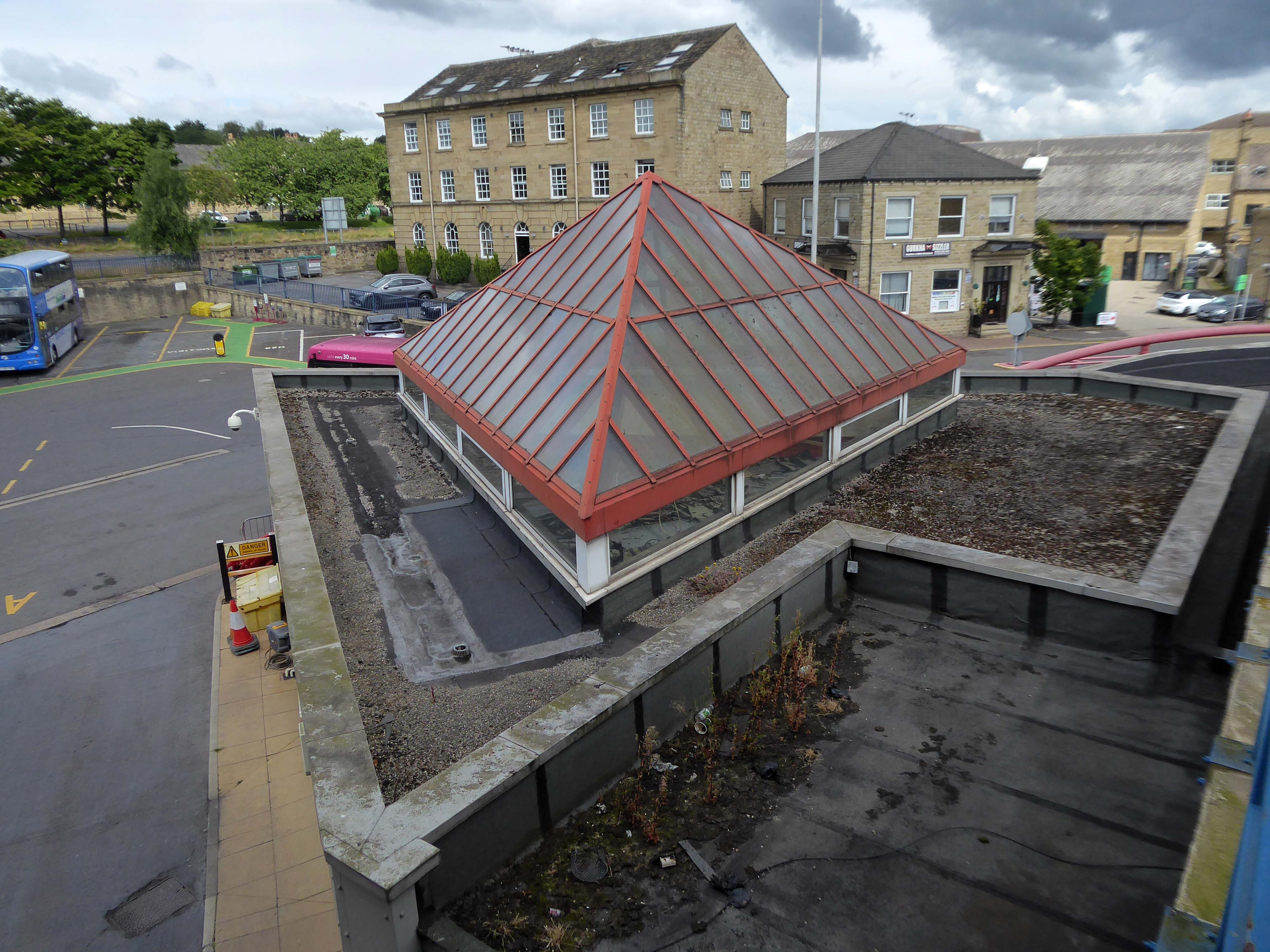
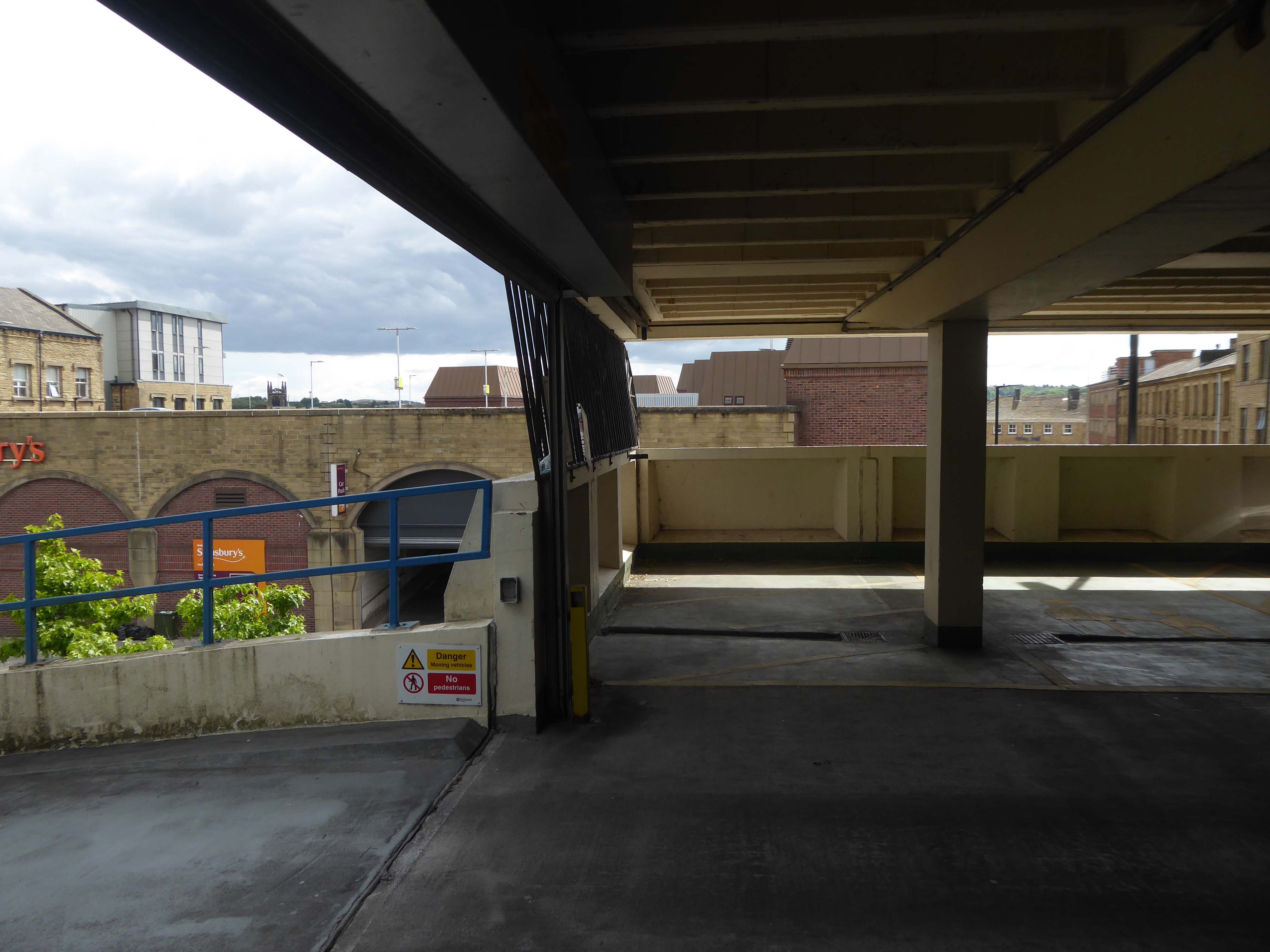
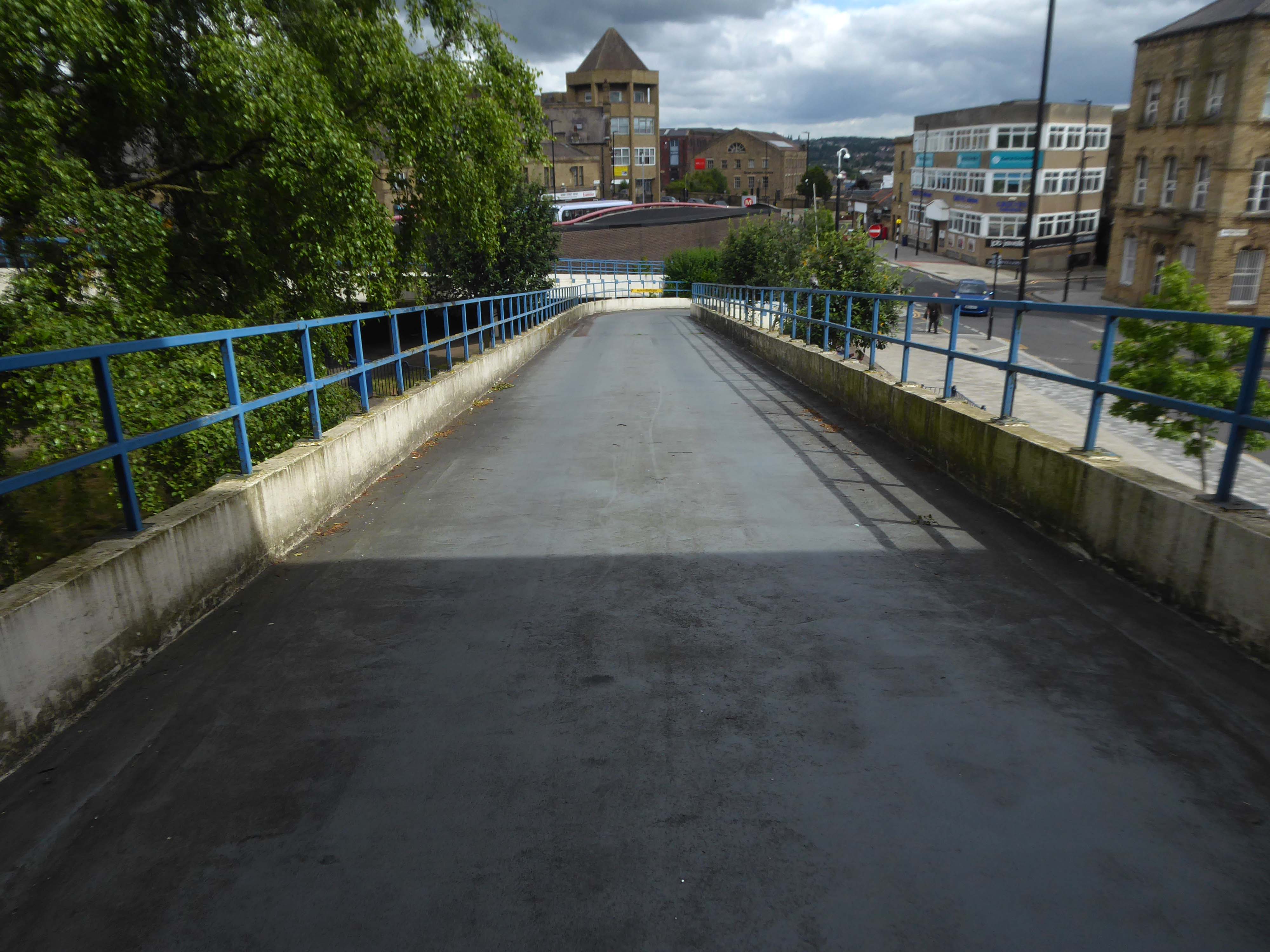
Having visited and photographed the bus station in 2016 I thought that it was about time I went up in the world, to the top level of the car park.

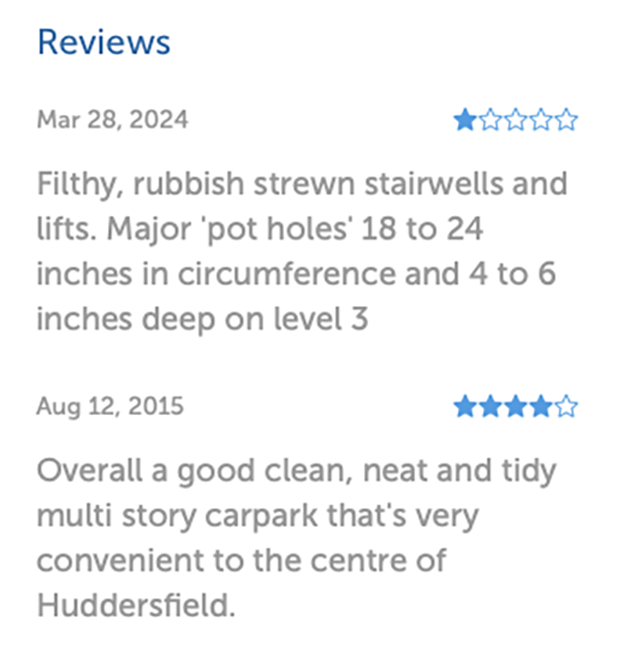
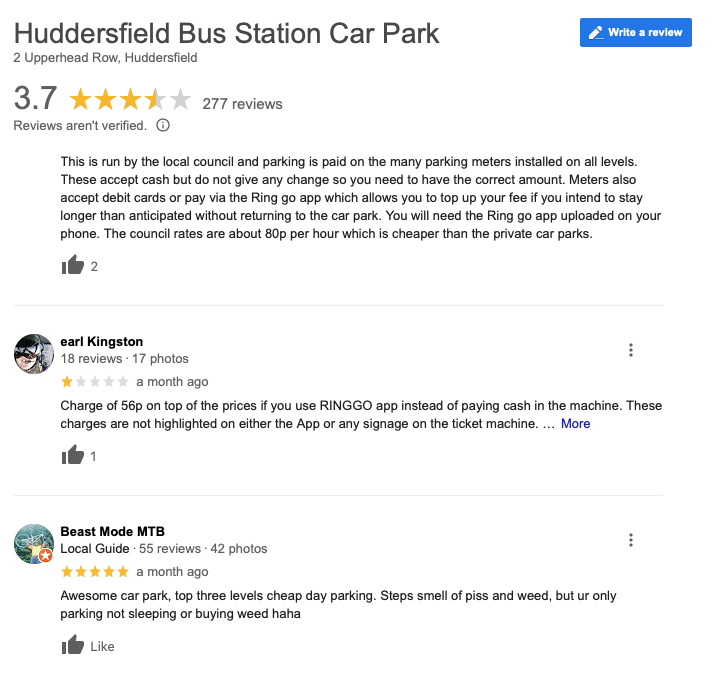
Mixed opinions from Parkopedia reviewers – let’s take a look around.

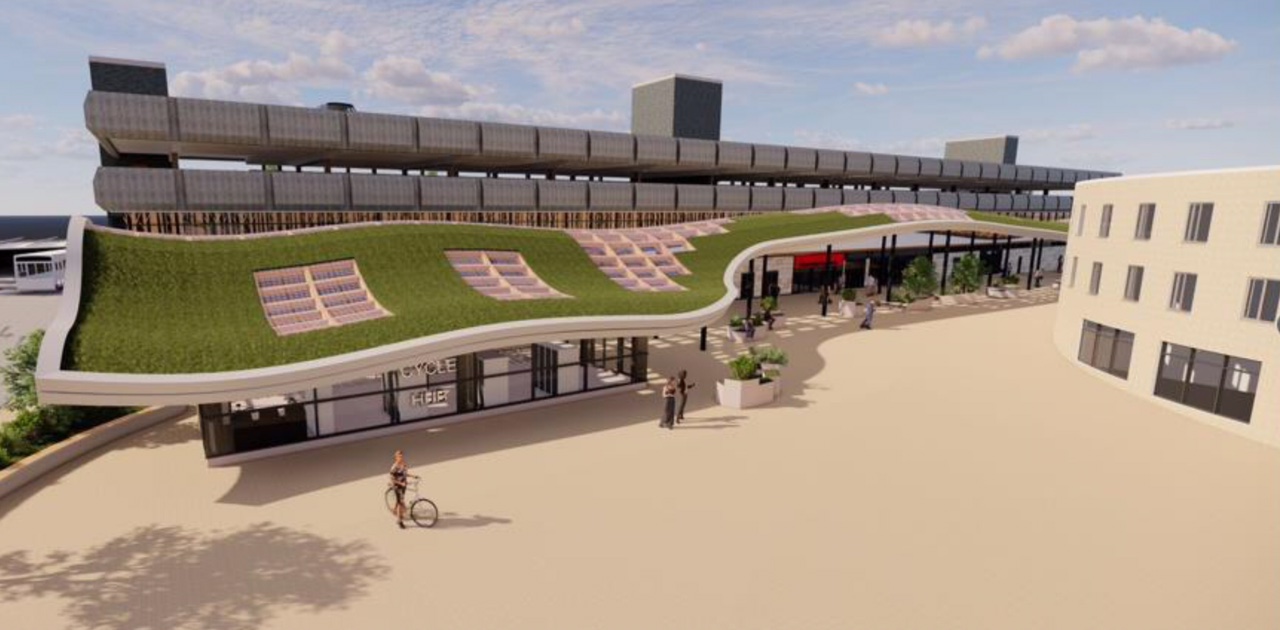
There are plans for refurbishment outlined in 2022 in the Huddersfield Hub.

The bus station will undergo a major revamp both inside and out and the most striking feature will be a sweeping canopy with a living grass roof which will run right across the main frontage from Macaulay Square to Upperhead Row.

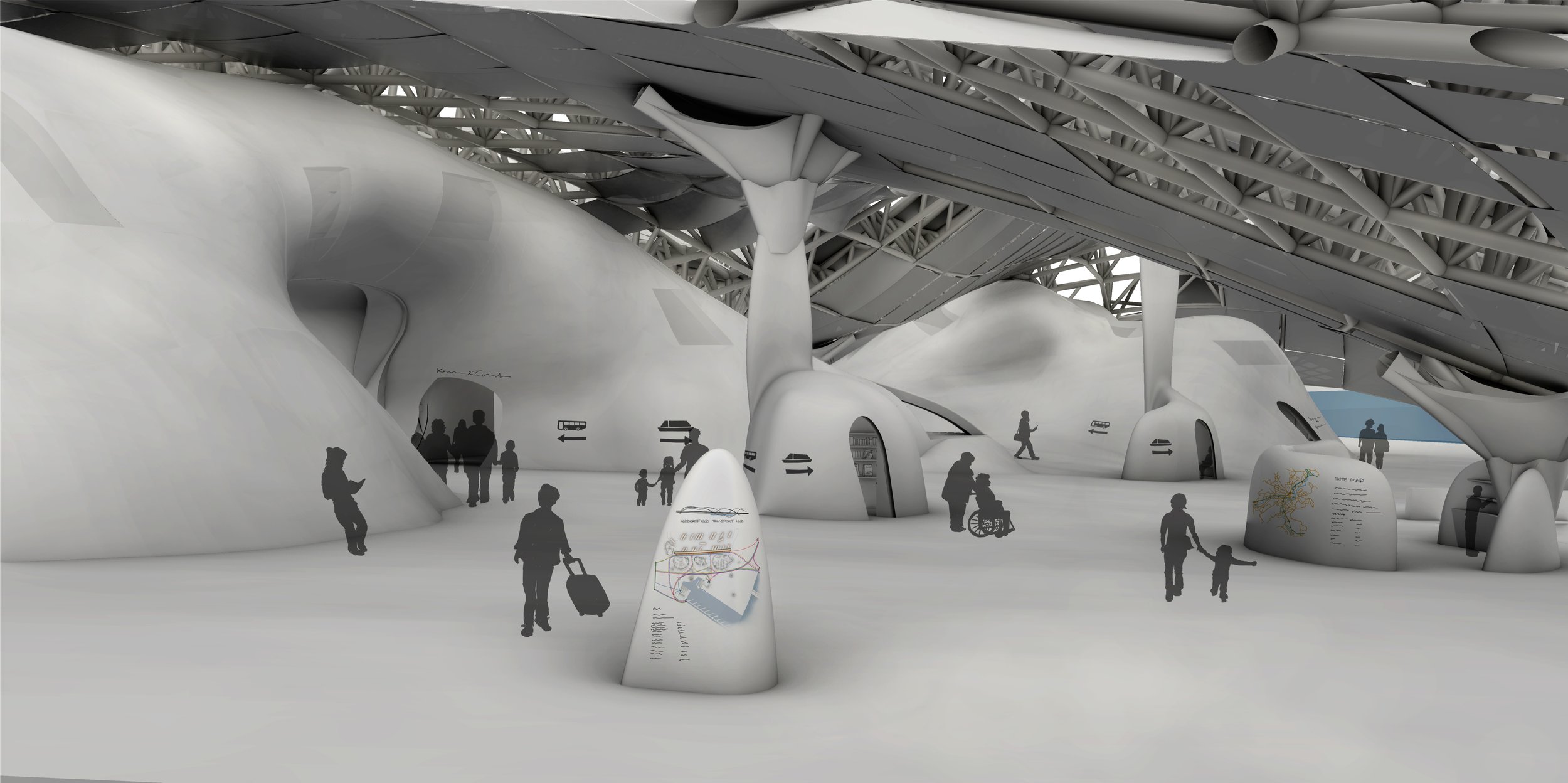
Also of note a project by Kate Matthews to seriously rethink the role and design of the space.

The starting point for this project was the Welcoming Water group scenario, involving the controlled flooding of areas of the town.

The new interchange includes facilities for cycling, walking, and public transit. The basin and marina on the new lake allow for an increased focus on water-based transport, including a new bus-boat. The main Transport Hub sits below an undulating roof and contains not only the bus bays and ticketing facilities, but also co-working and relaxation spaces. The curves of the roof, trying to confuse the binary of floor and ceiling, are just one example of the ambiguity throughout the scheme.
This project was nominated for the Architects for Health Student Design Award in 2021.

And finally:

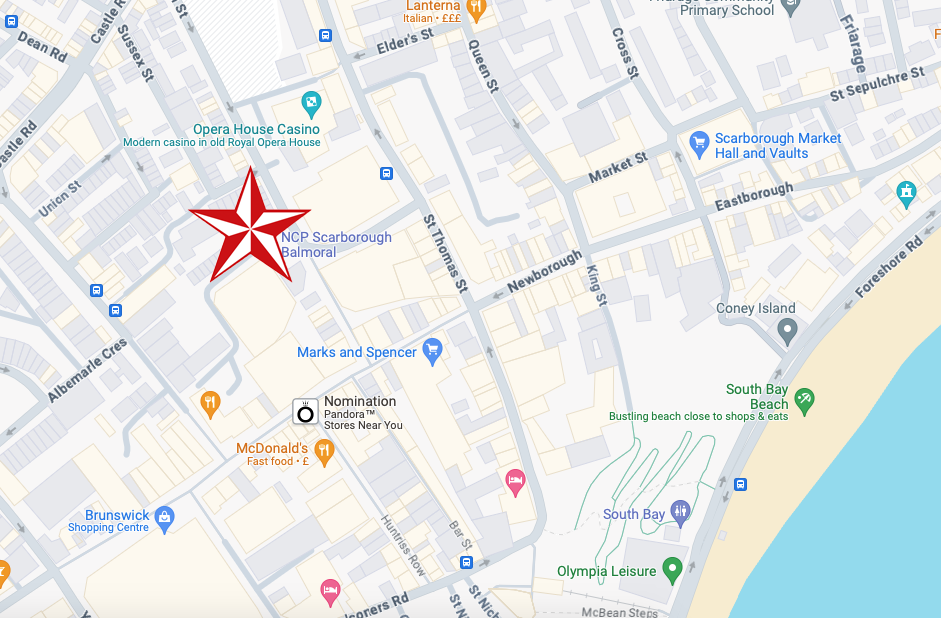
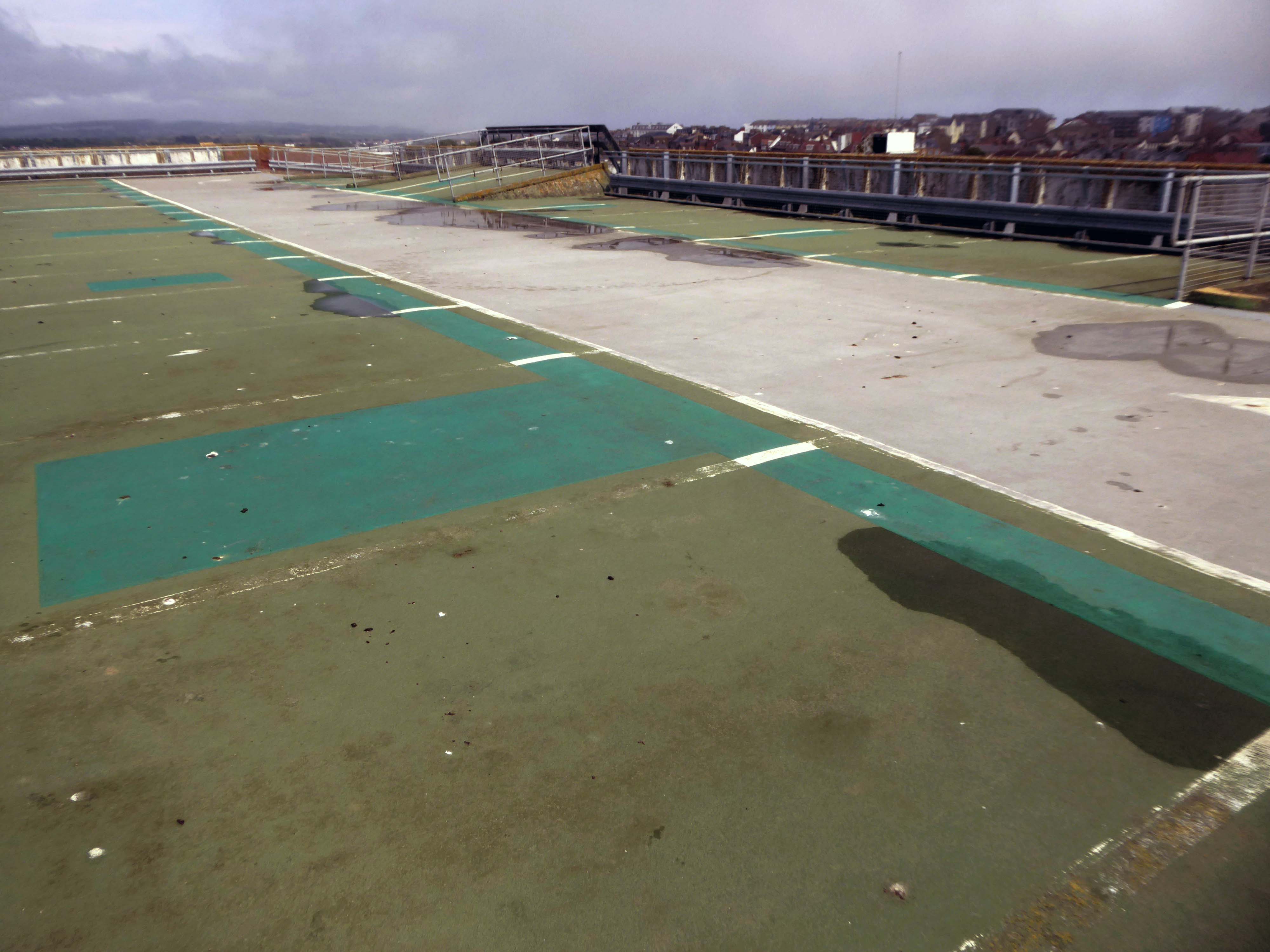
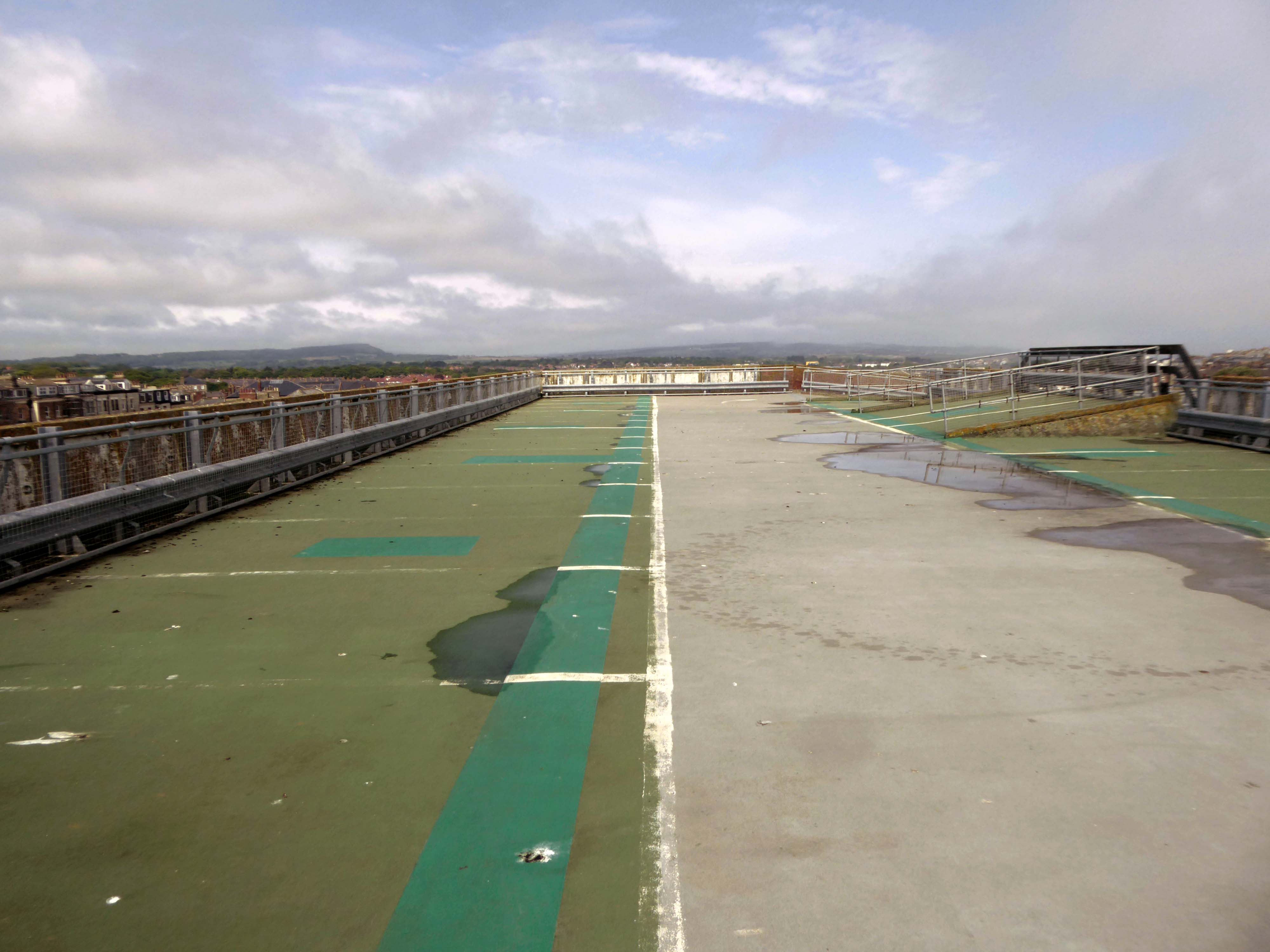
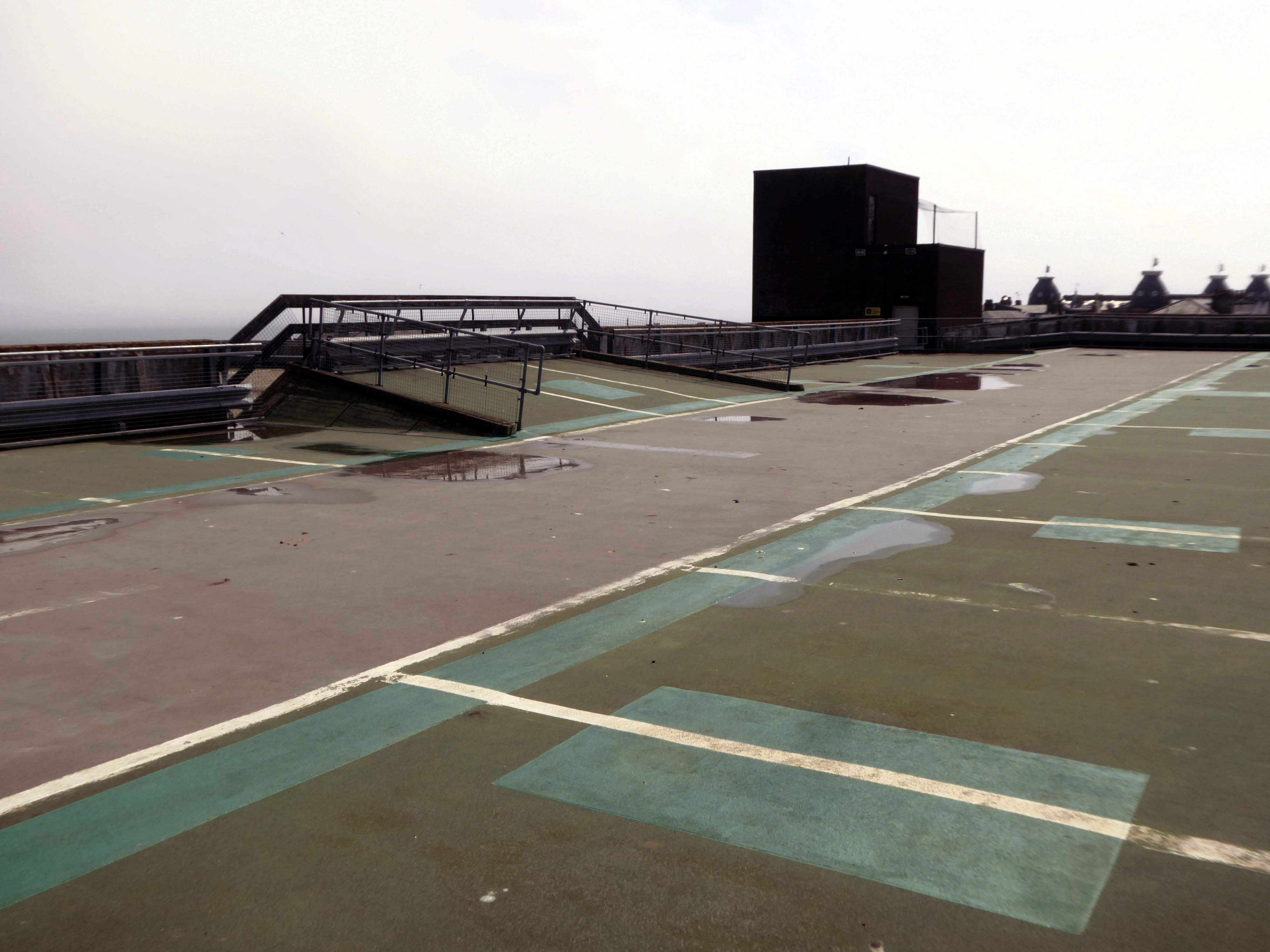
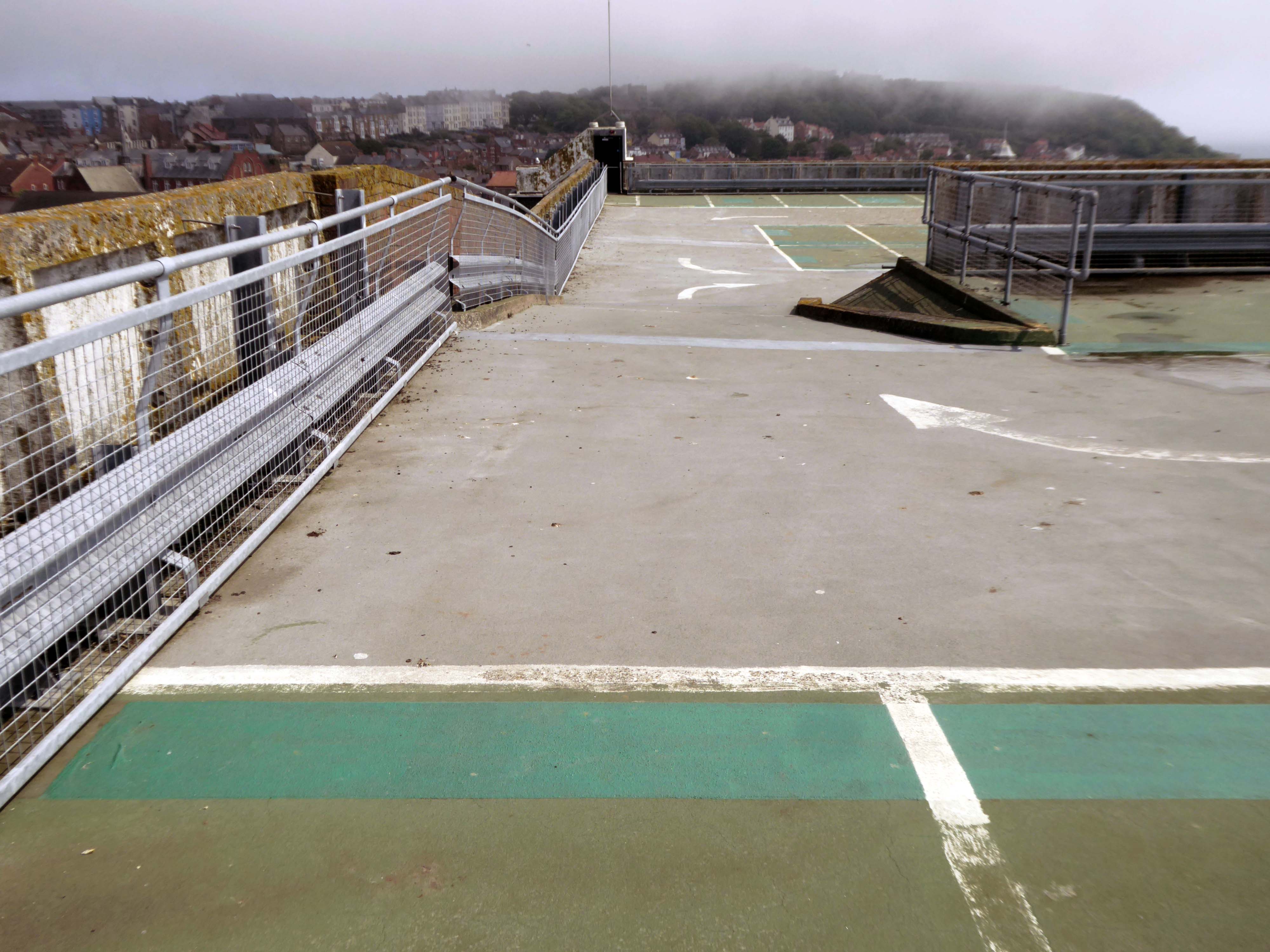
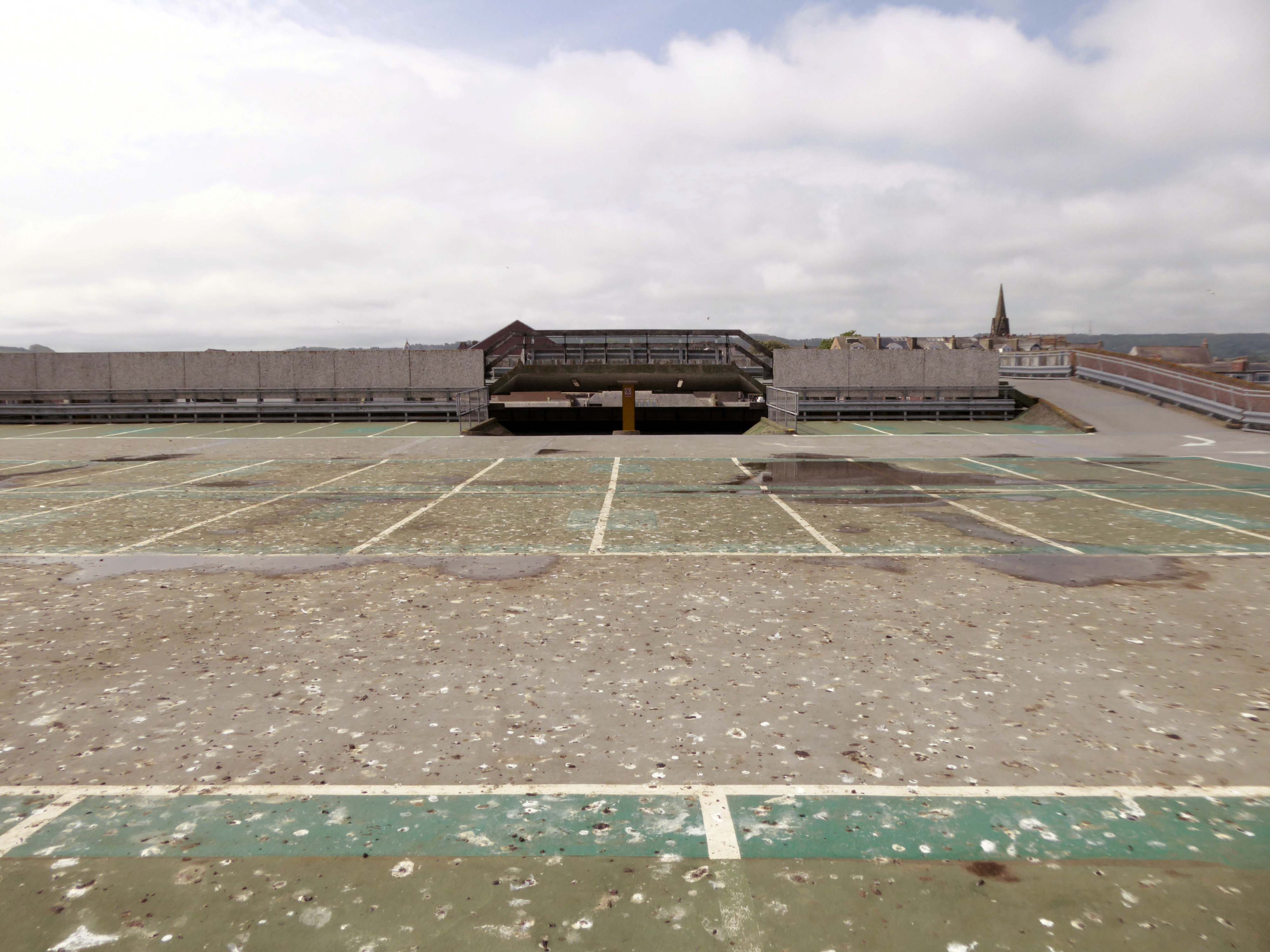
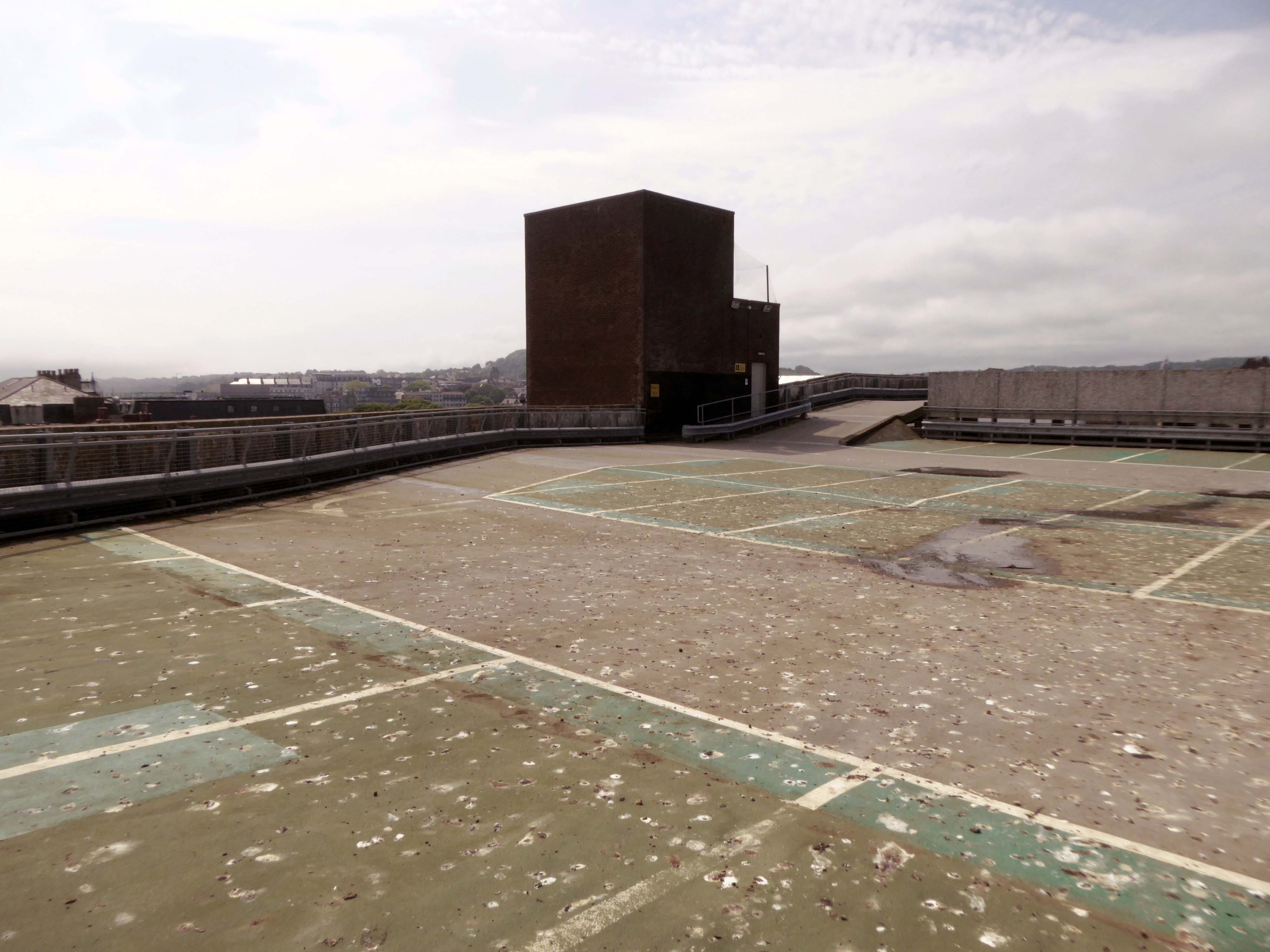
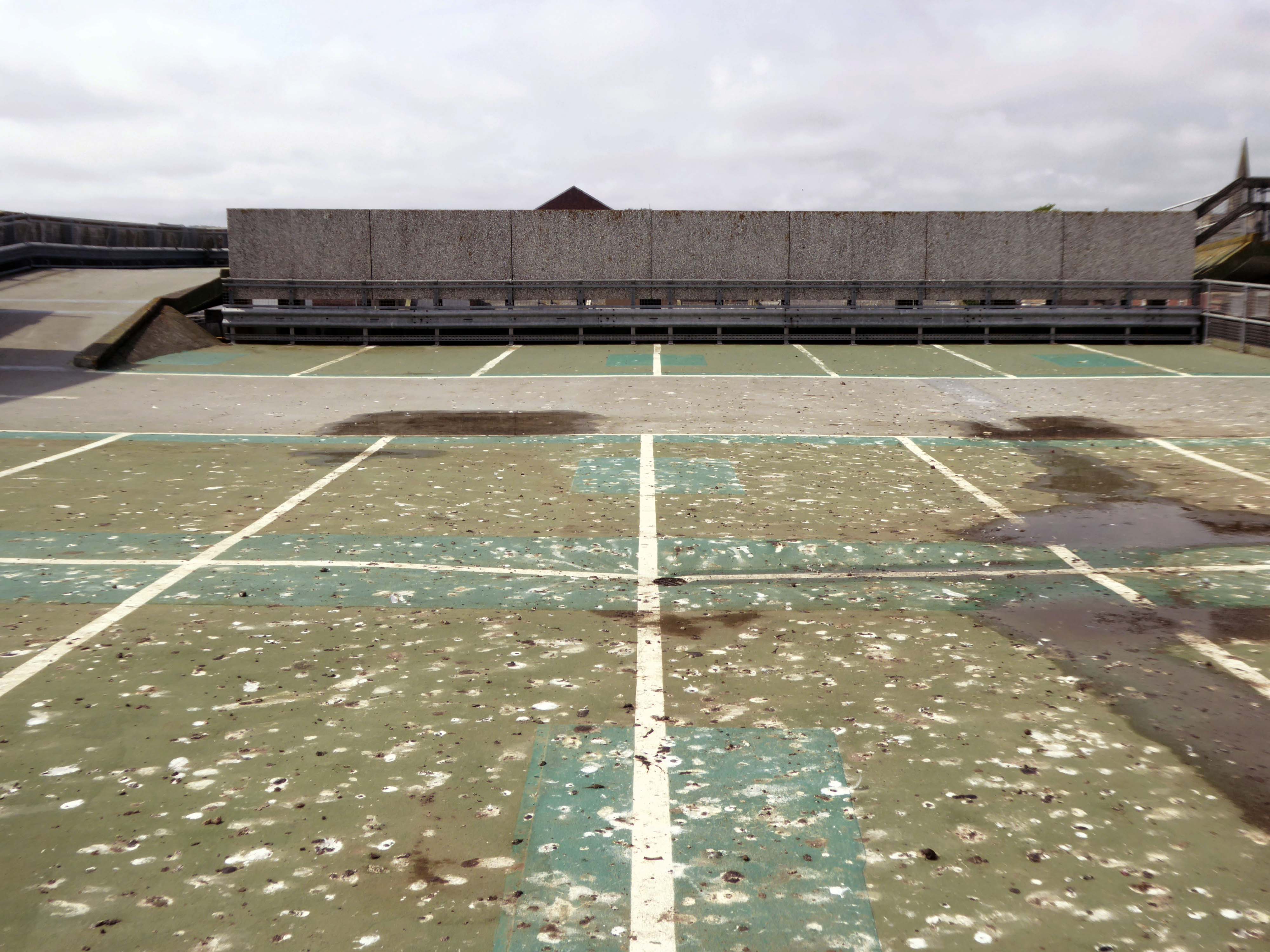
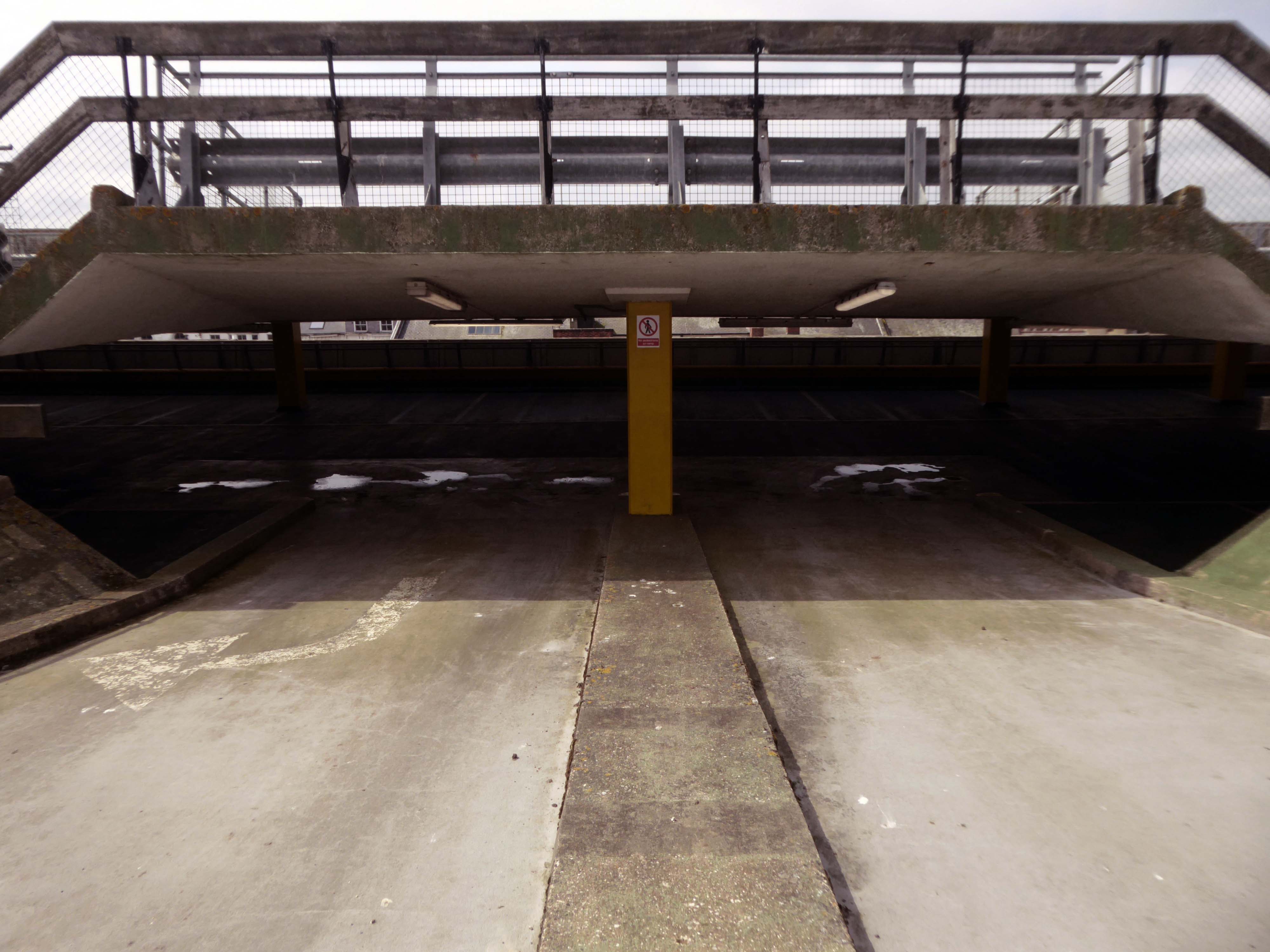
Balmoral Car Park – Scarborough

North St Scarborough YO11 1LU

Last day of the holidays and we’re off to Balmoral!

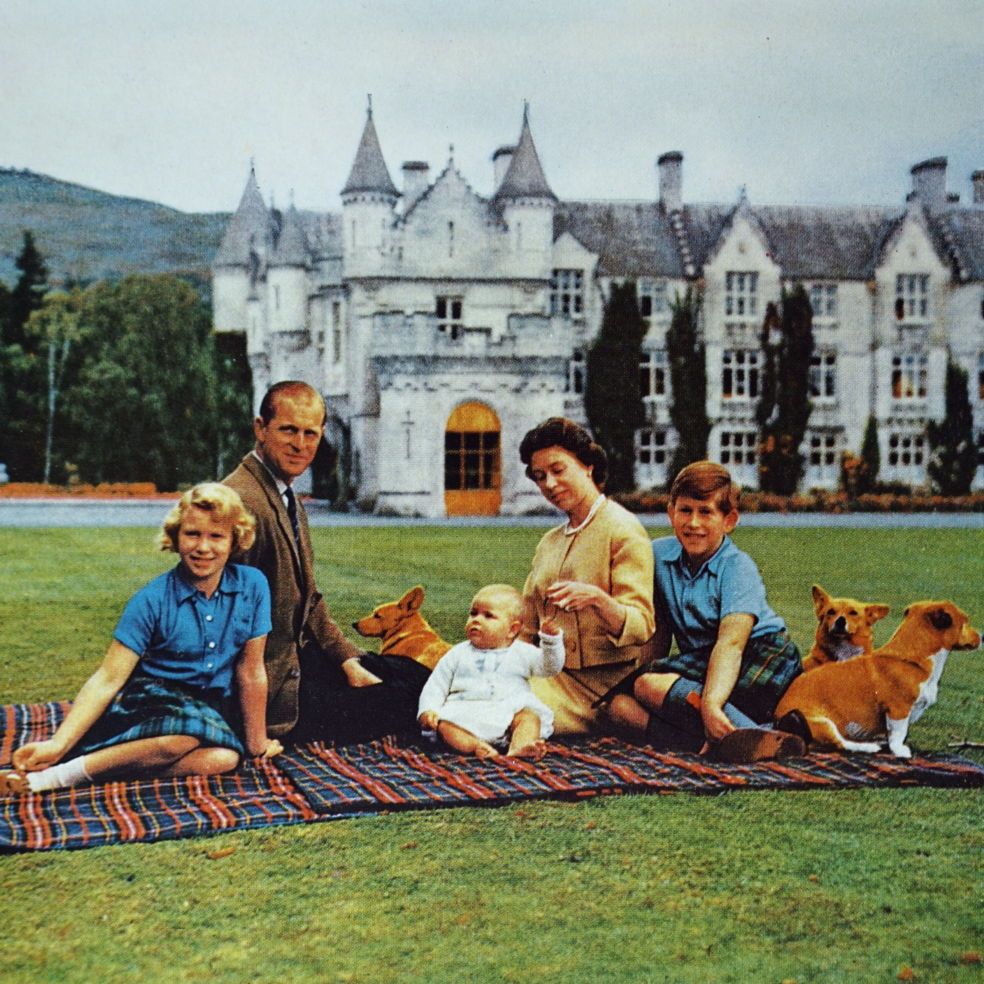
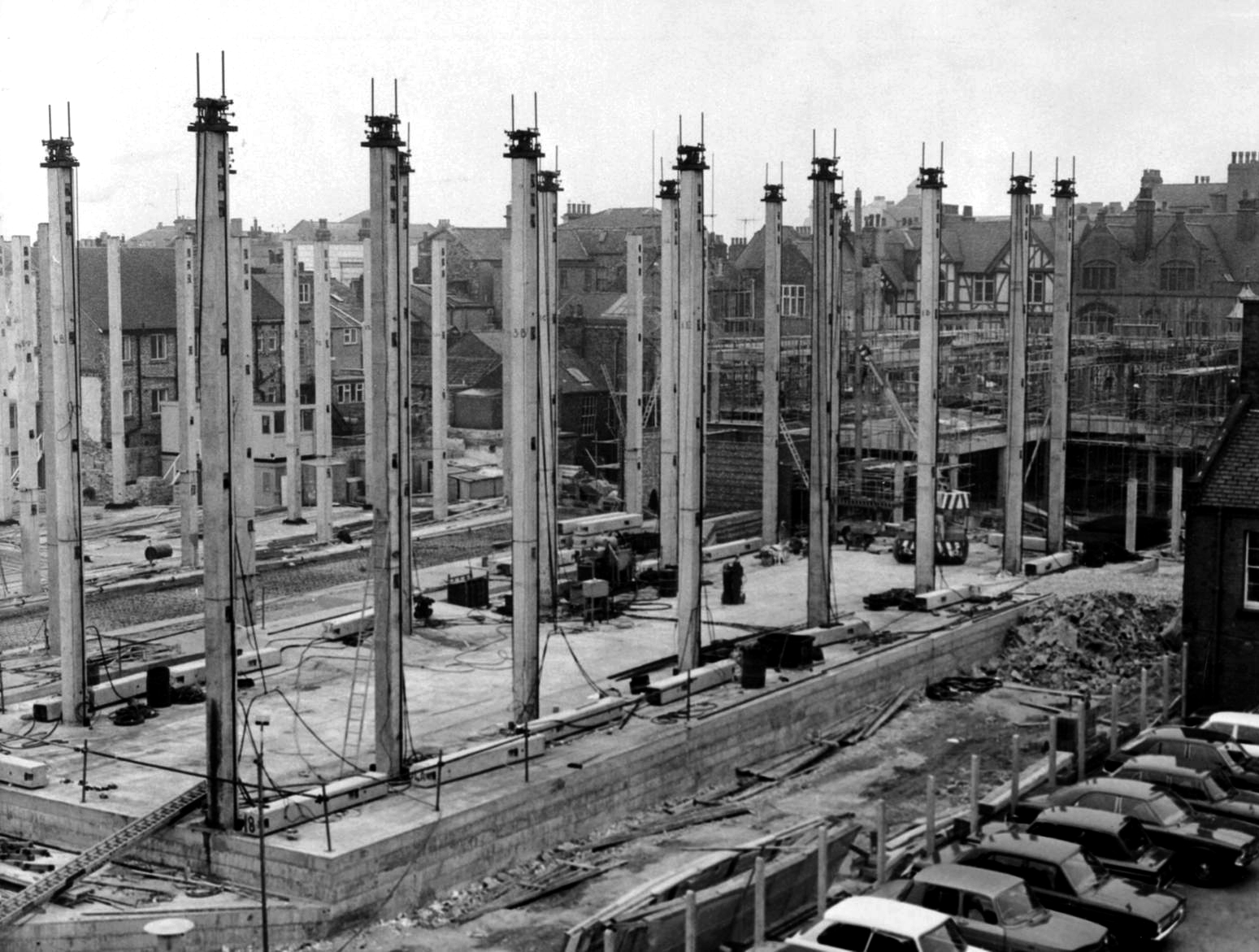
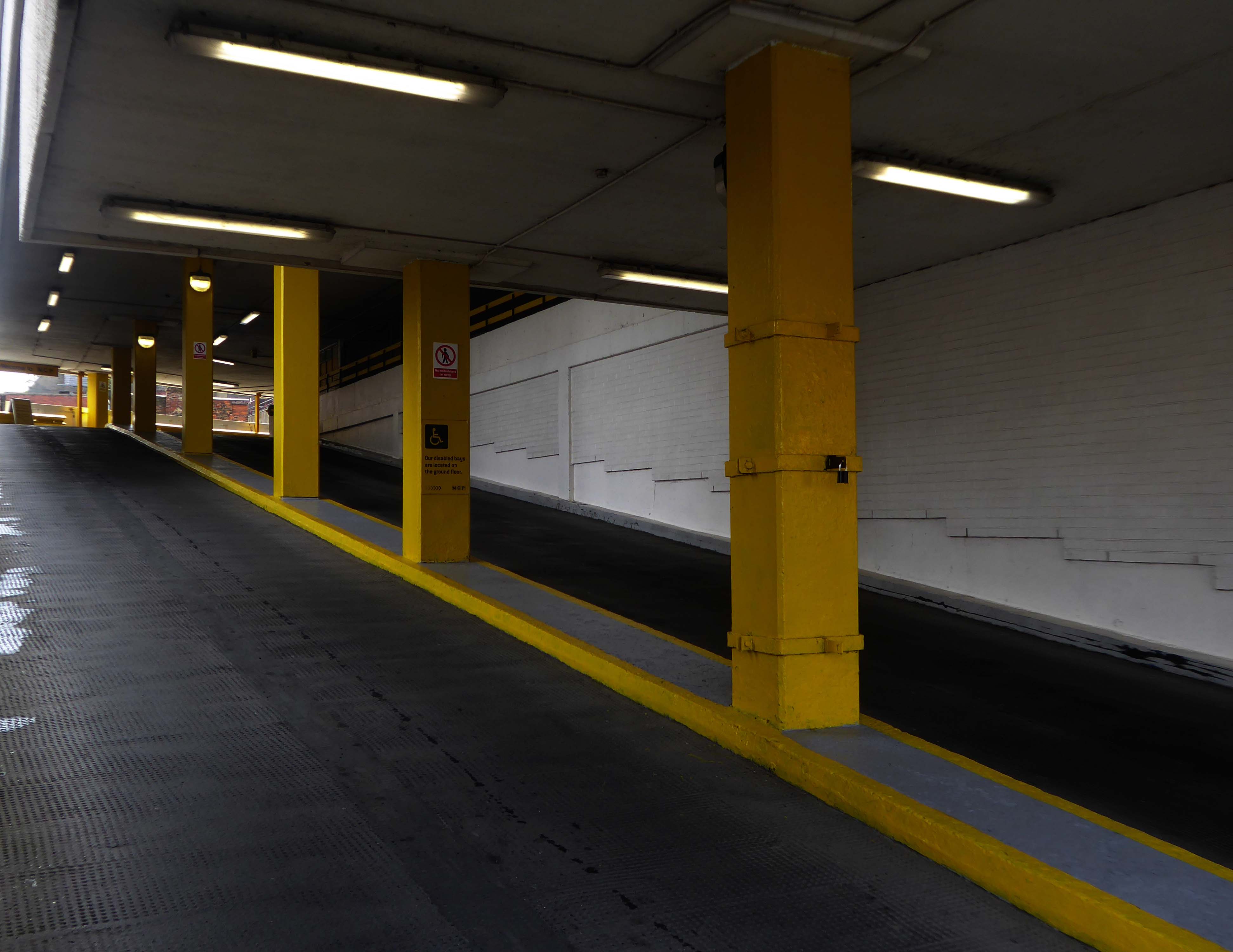
No not that Balmoral the other Balmoral, the car park attached to the Balmoral Centre, built in 1974 – with little or no reference to the Highland baronial.

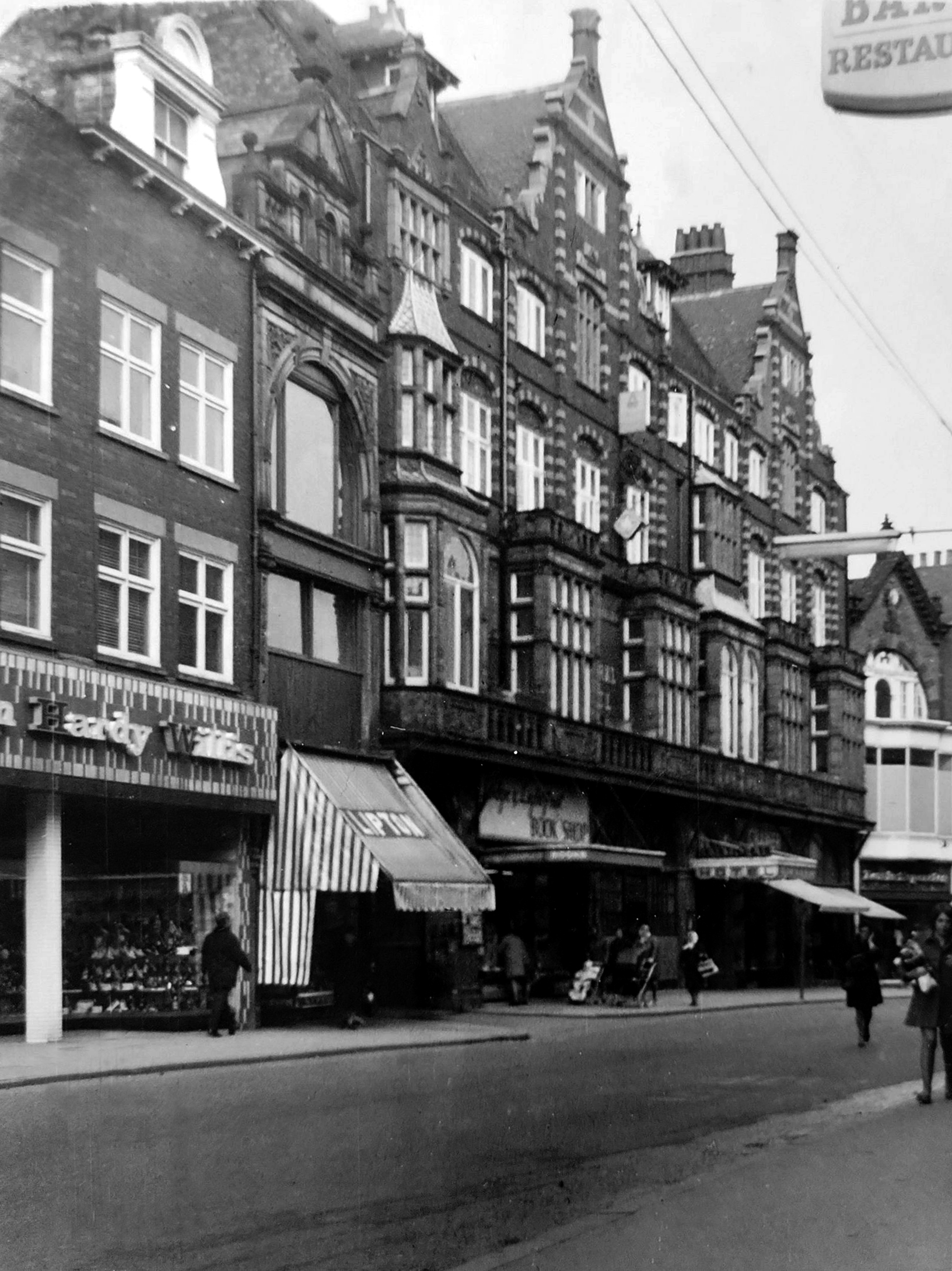
Though the old Balmoral Hotel had to be removed in 1973.

Scarborough is a beloved seaside resort and we’re pleased to have secured these well-known, popular parades, bringing them into our in-house portfolio.

We are committed to focusing our efforts on regional retail centres and neighbourhood parades where we can see there is incredible potential. The Balmoral Centre and Bar House provide us with significant opportunities to add significant value and we are already looking to identify how we can revitalise these centres further. We hope to make announcements on how we can achieve this over the next few months.

This is the Coast

The staff at this car park are always friendly and really helpful.

You can tell they take pride in their car park.

We stay in this car park every time we come to Scarborough and stay in Britannia hotels, we find it safe and secure to park your car, the staff are very helpful and polite and keep the car park in tip top condition.

We will always park here great opening and closing times also five minute walk to Royal and Grand Hotel and shops.

Parkopedia

It’s tucked in behind B&M

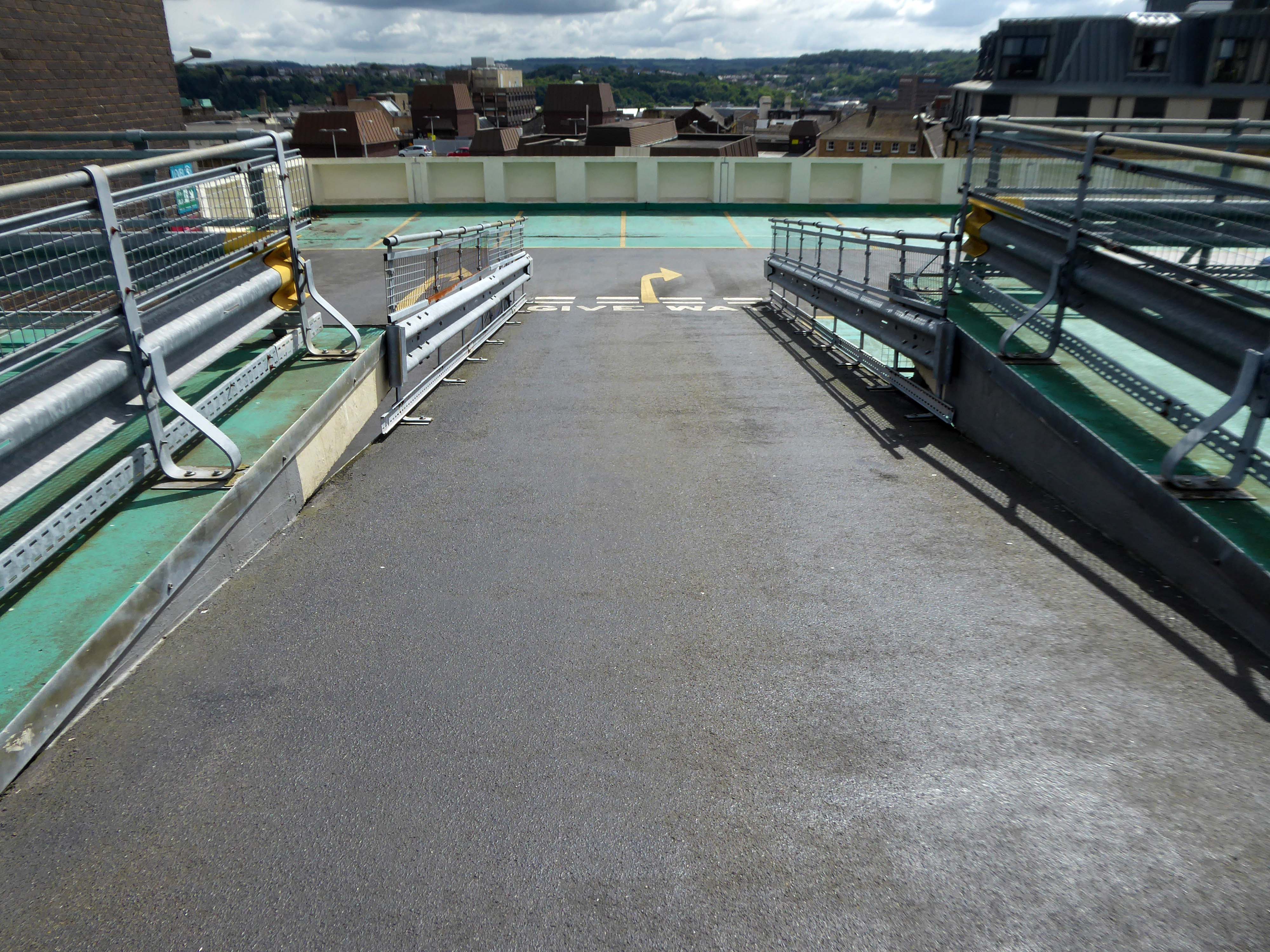
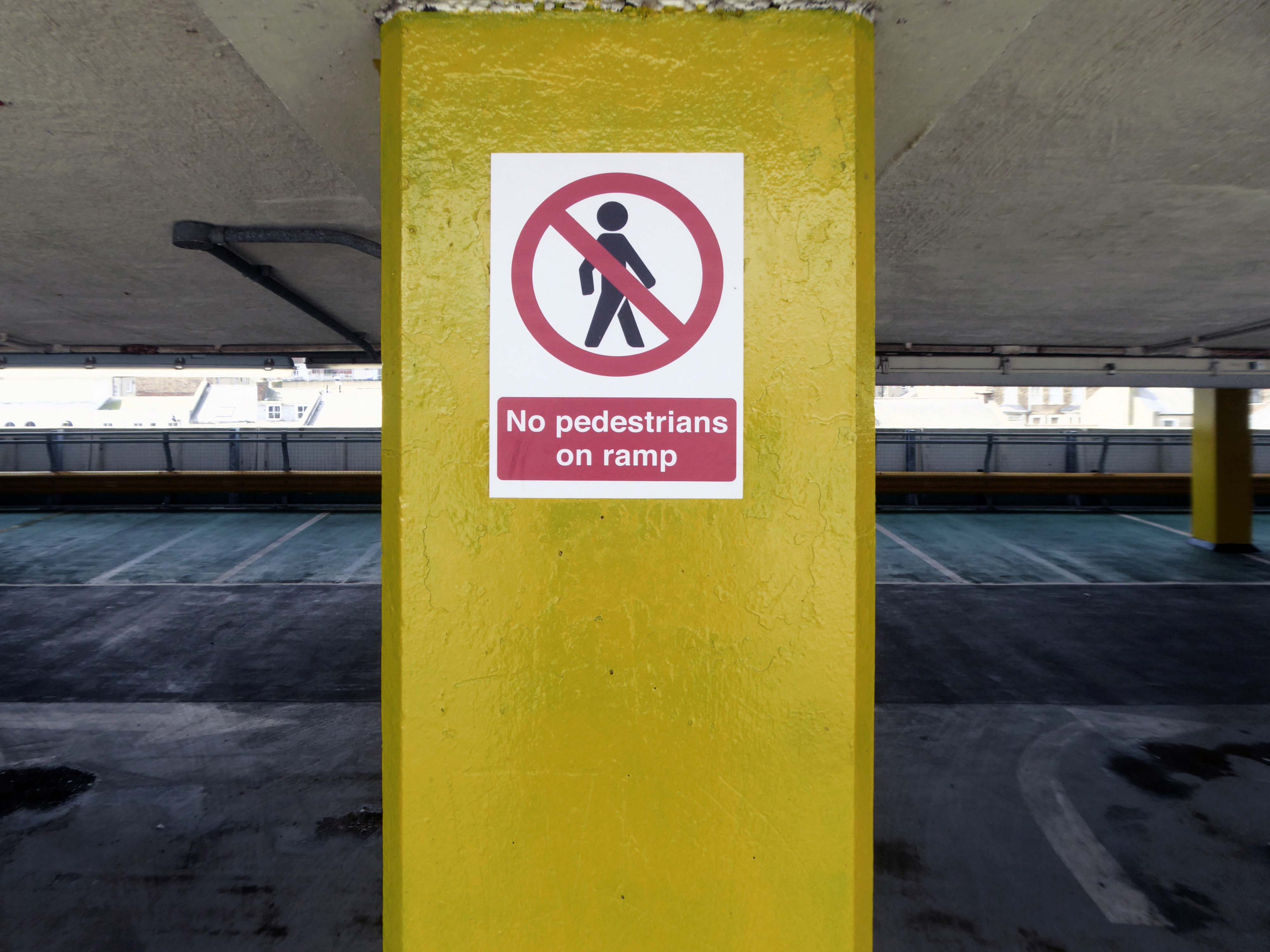
Don’t go up the ramp Steve, the entrance is around the corner.

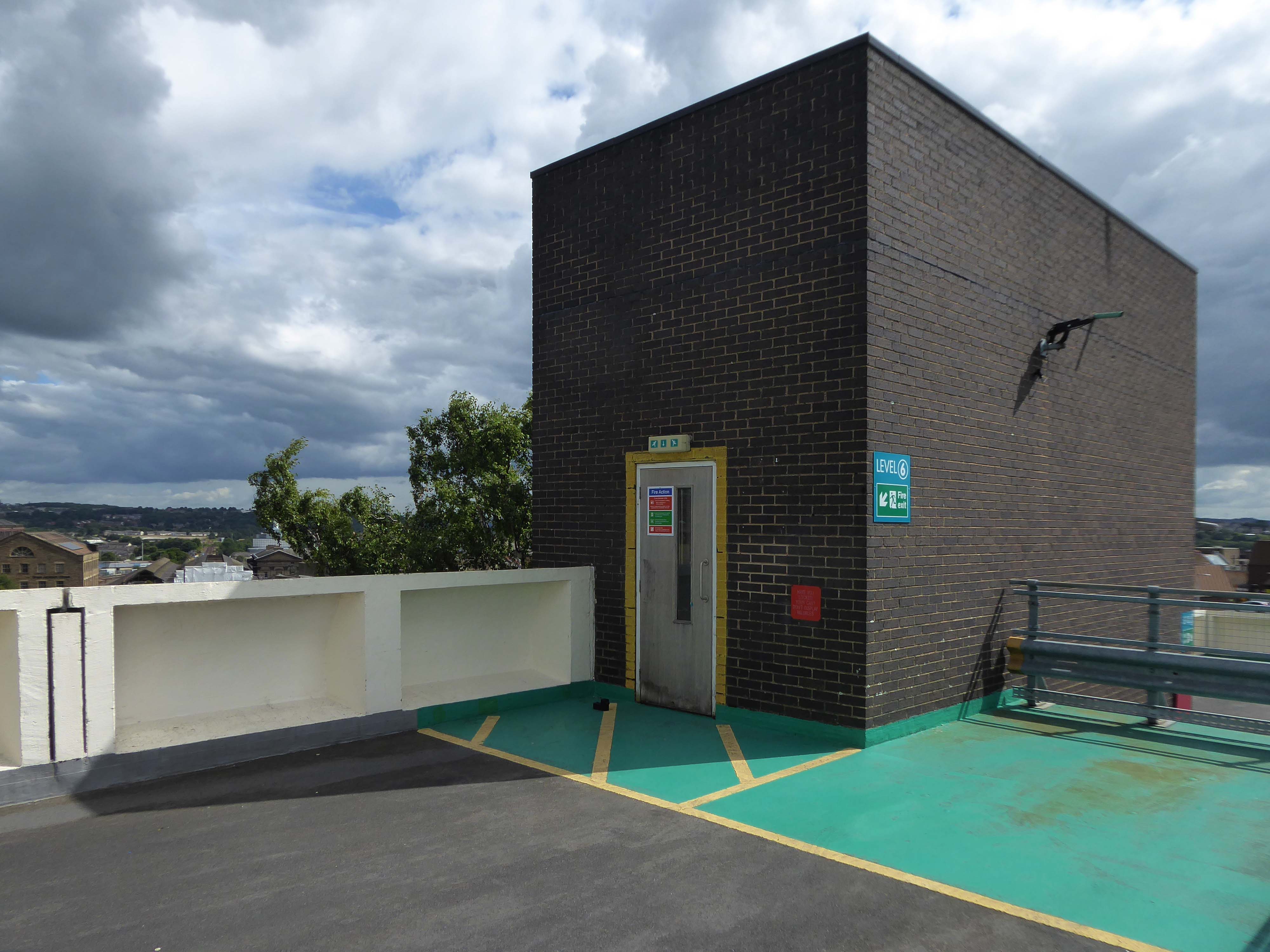
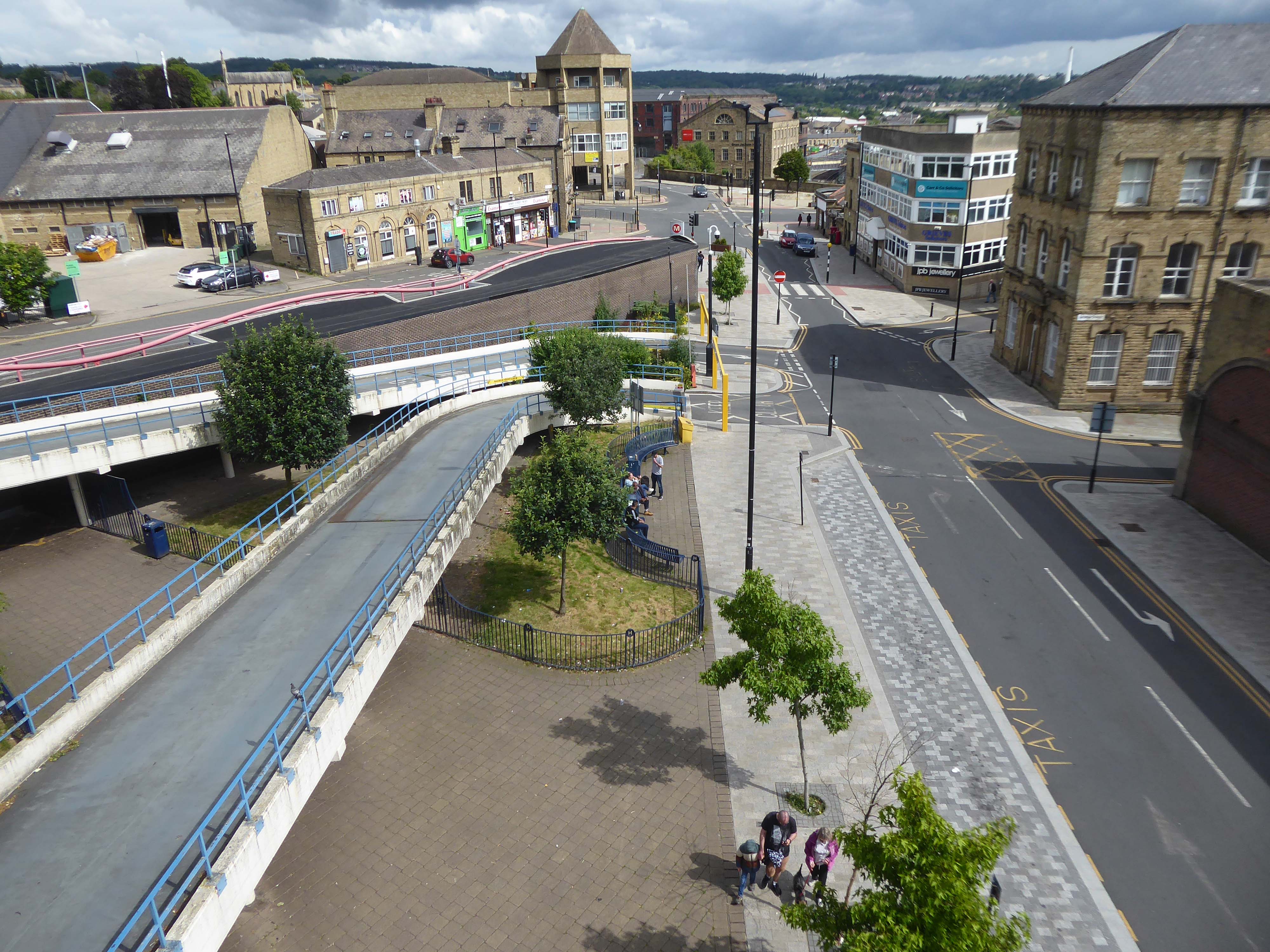
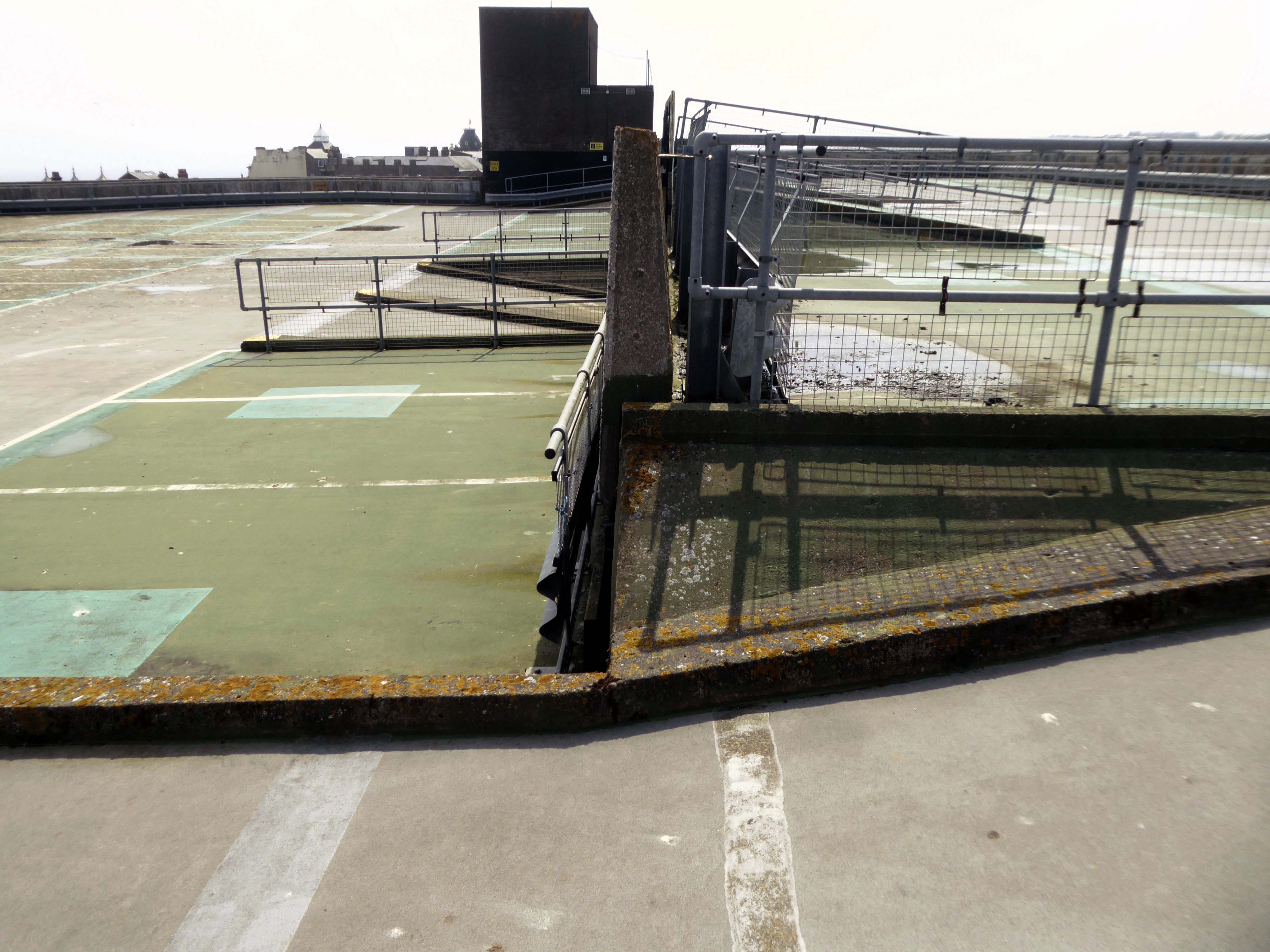
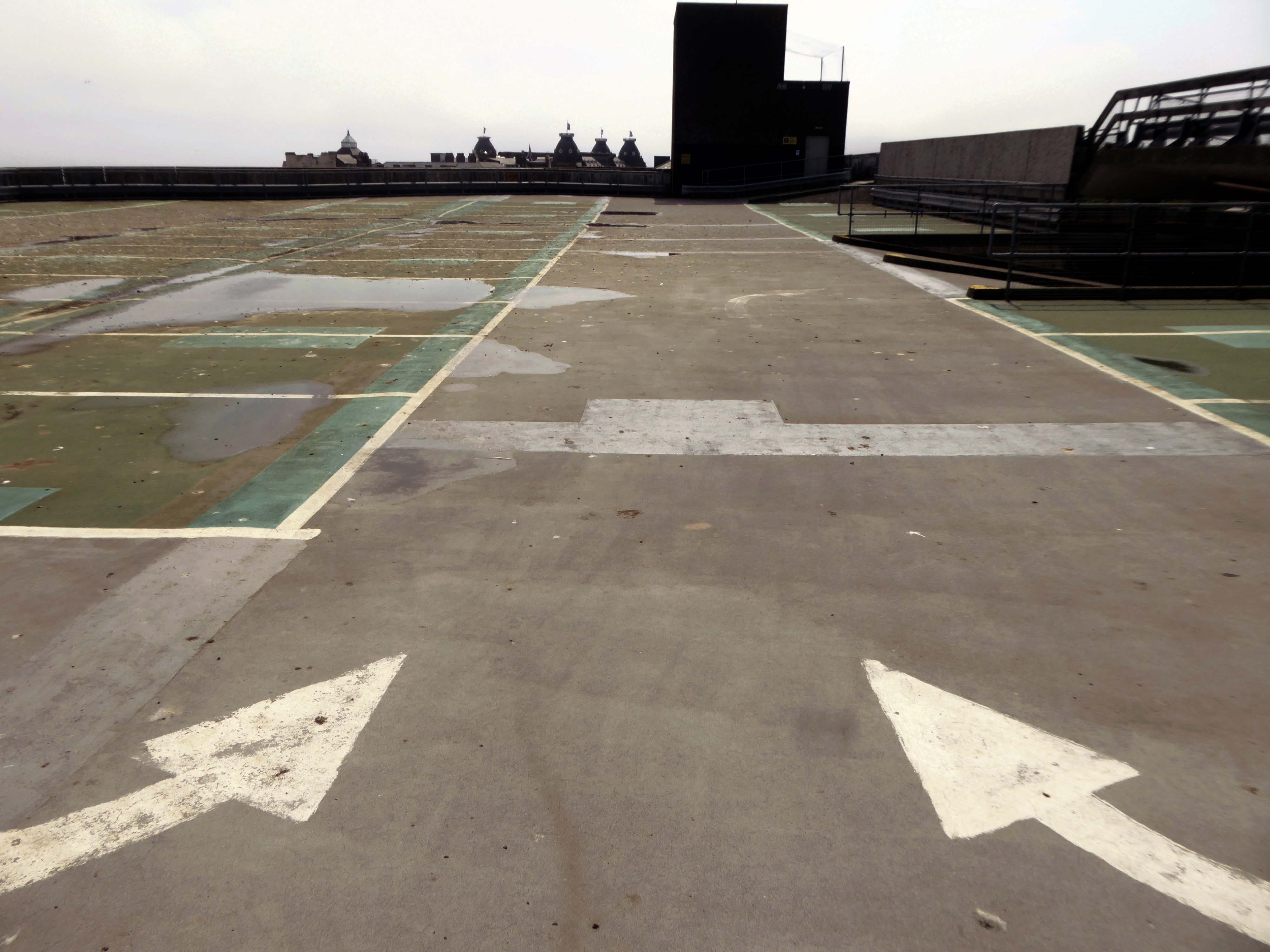
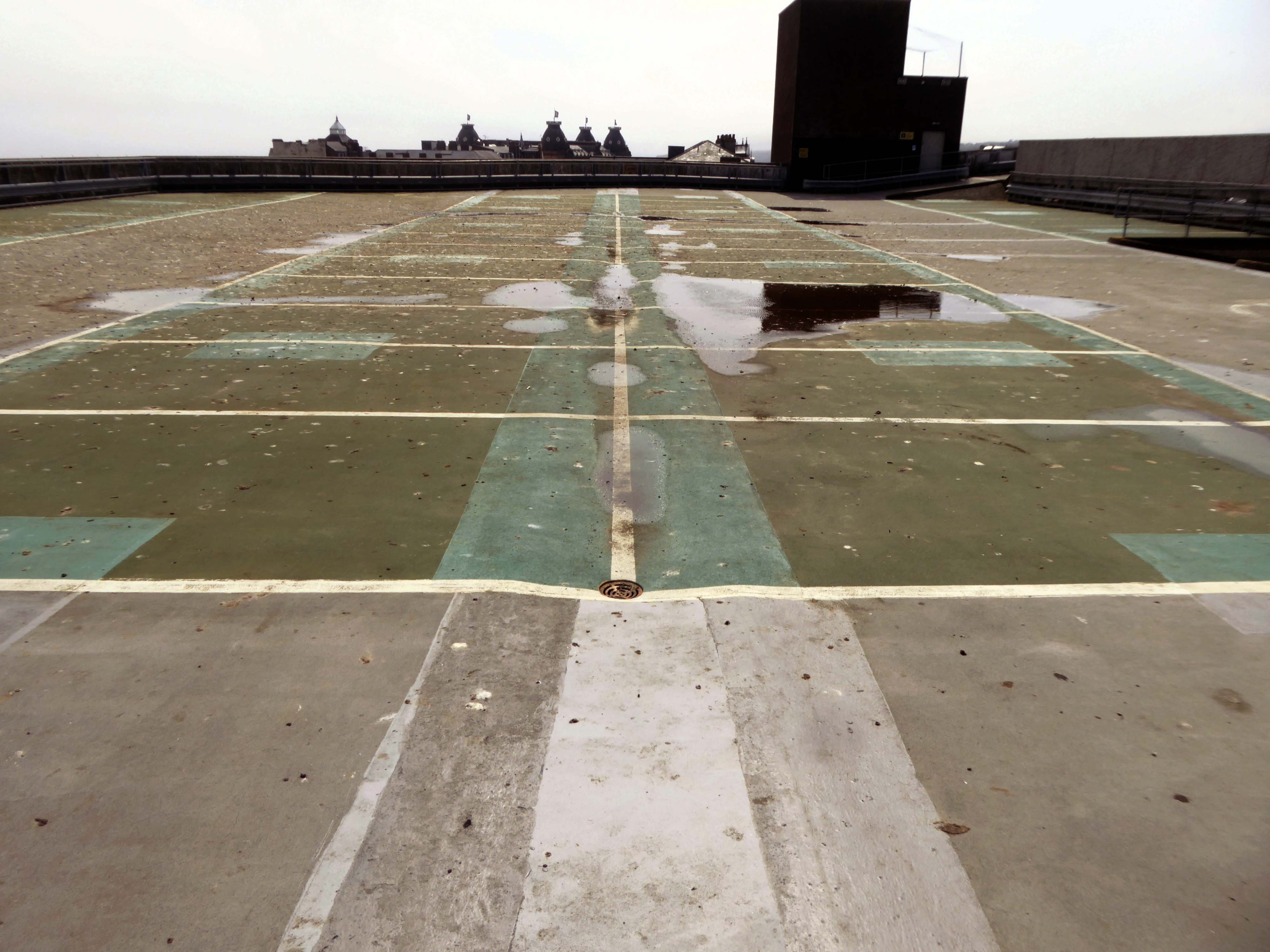
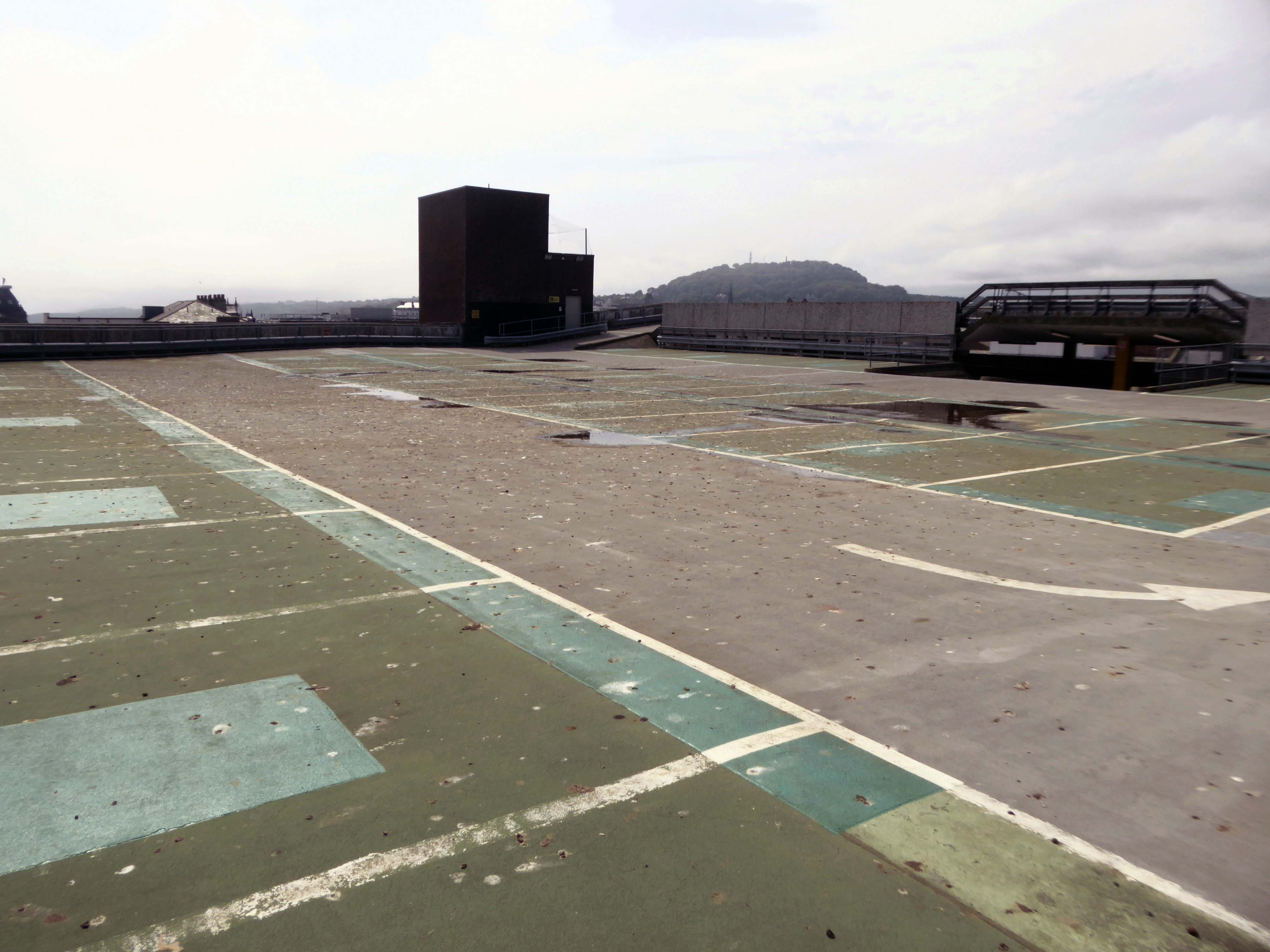
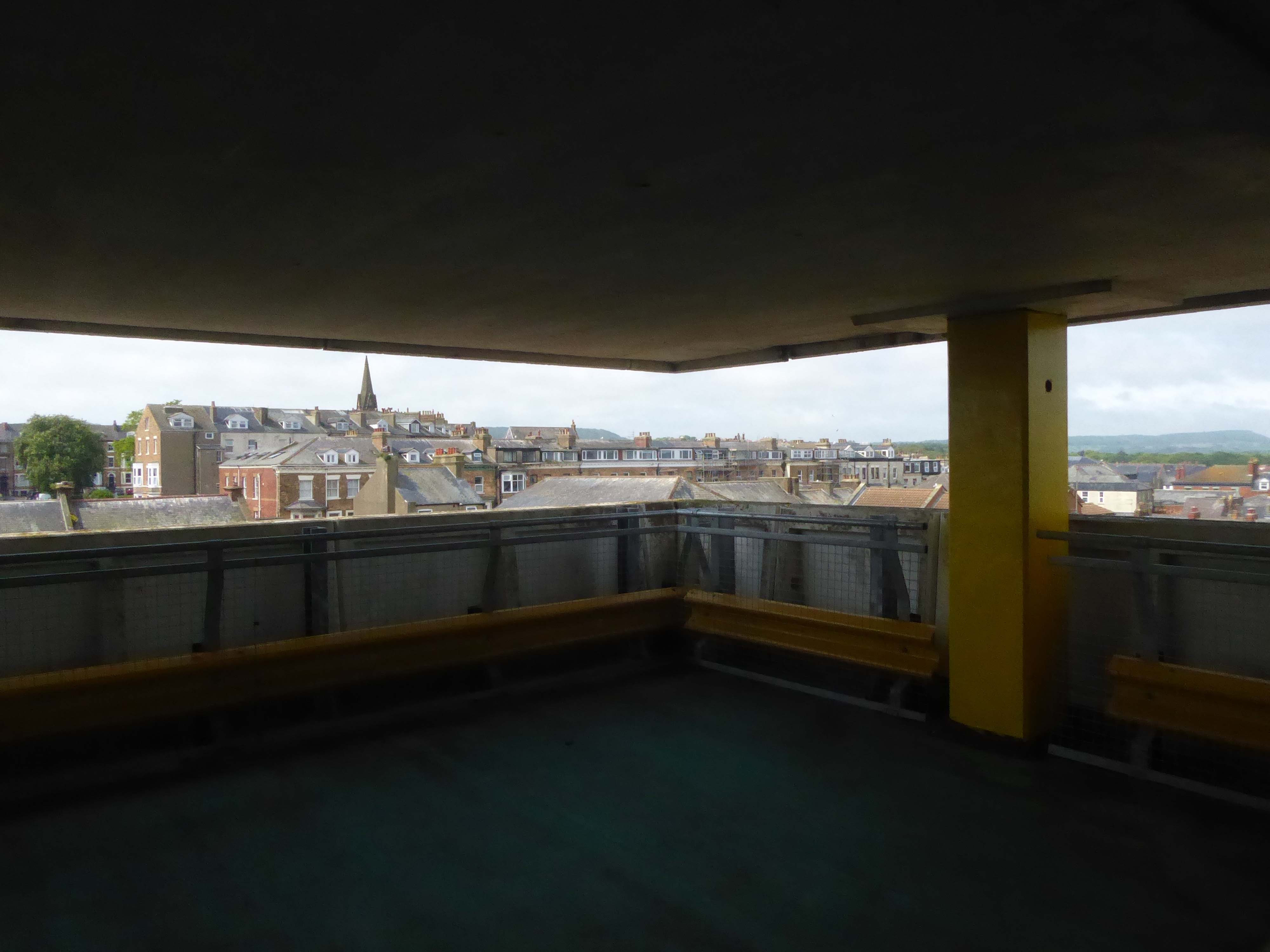
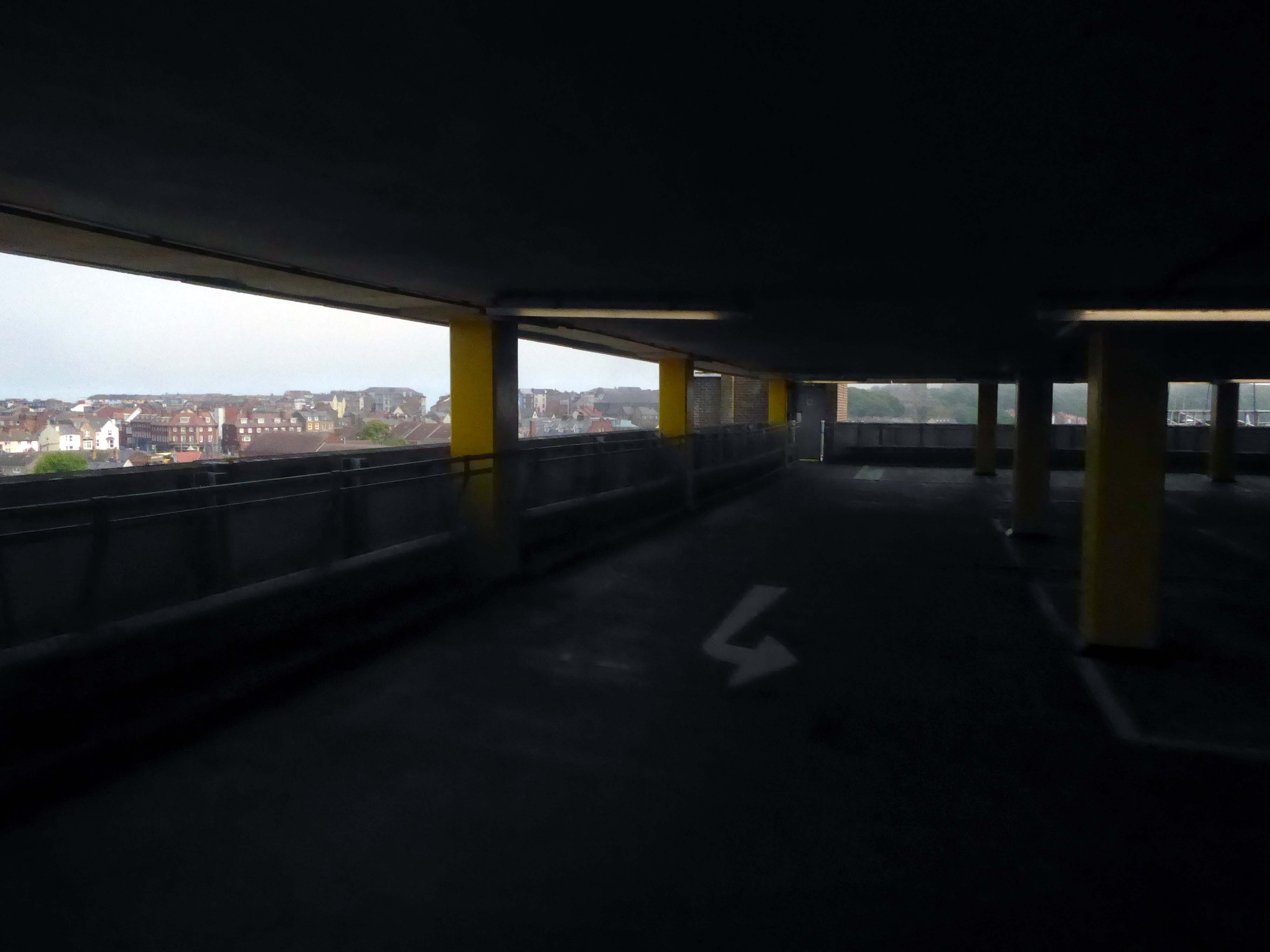
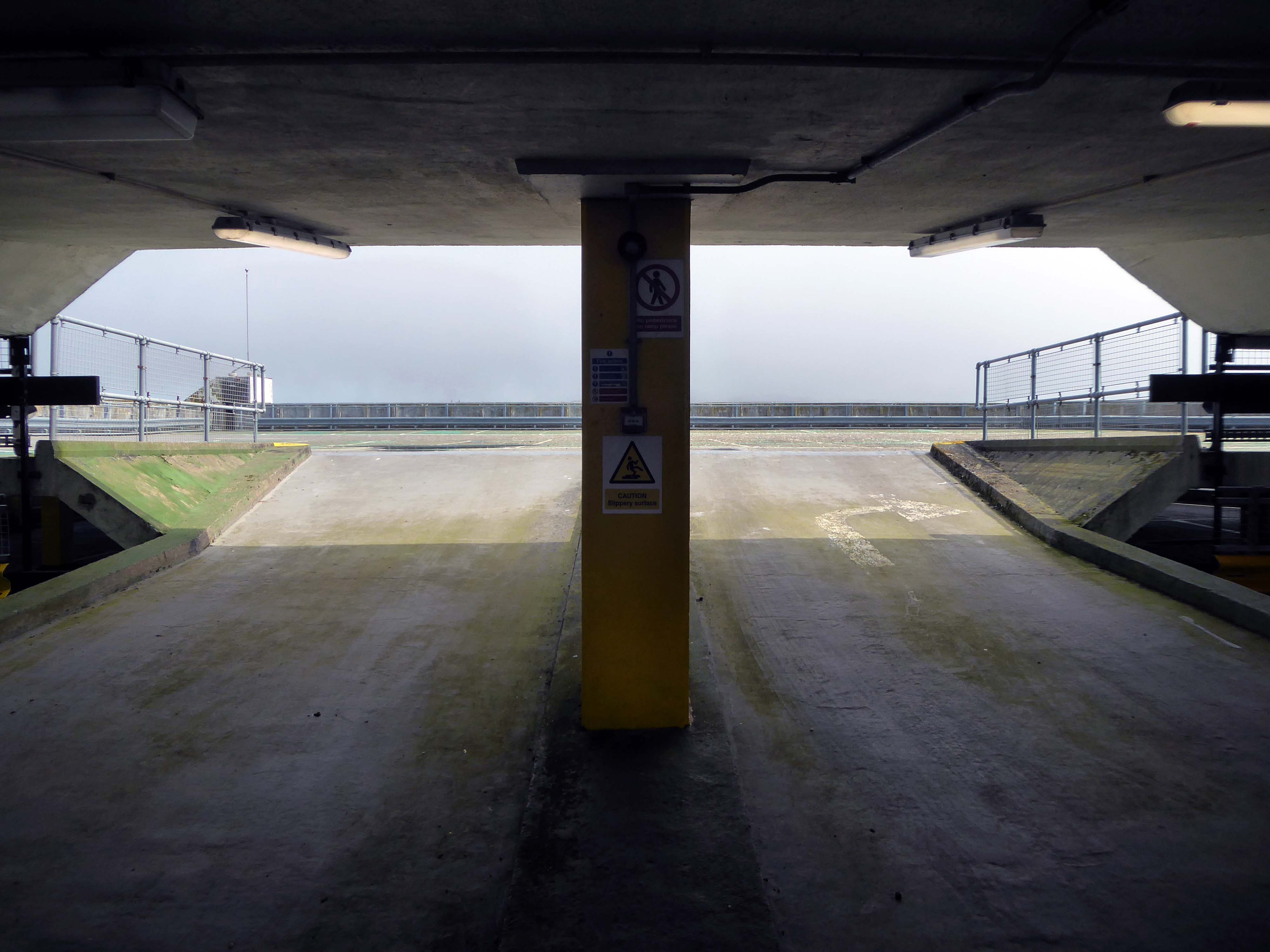
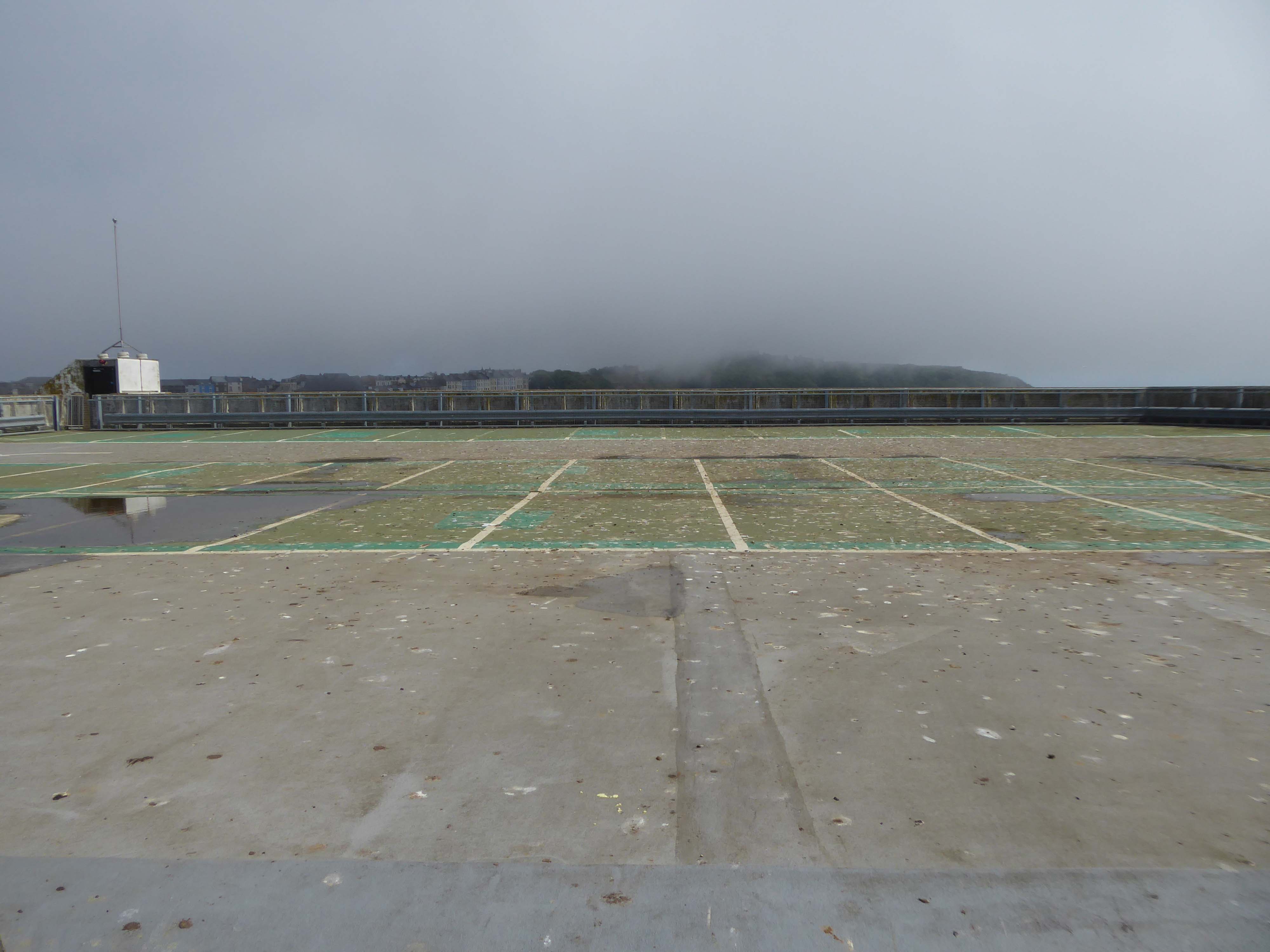
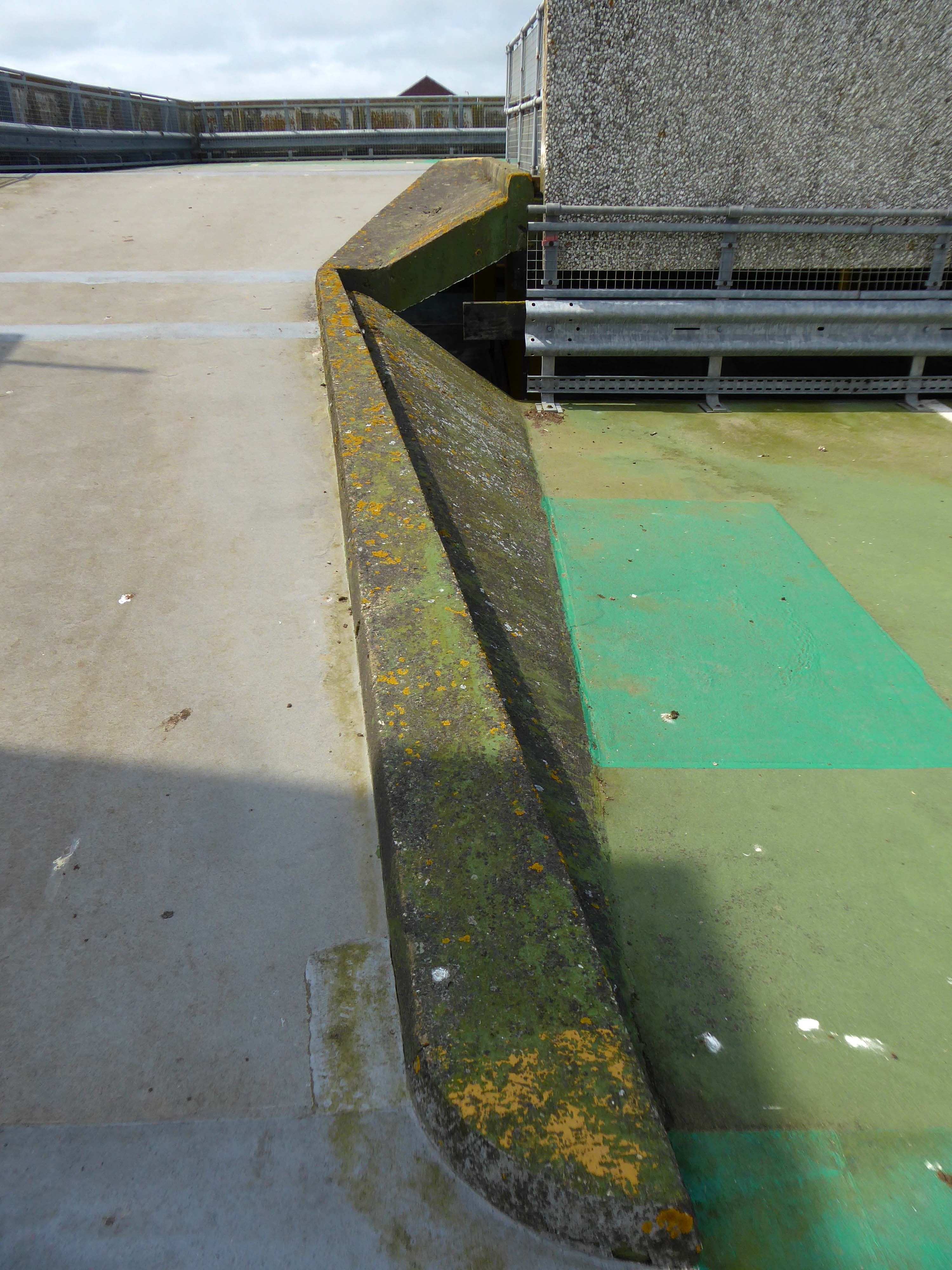
Up in the lift to level six – to the East it was misty, whilst to the West it was not.
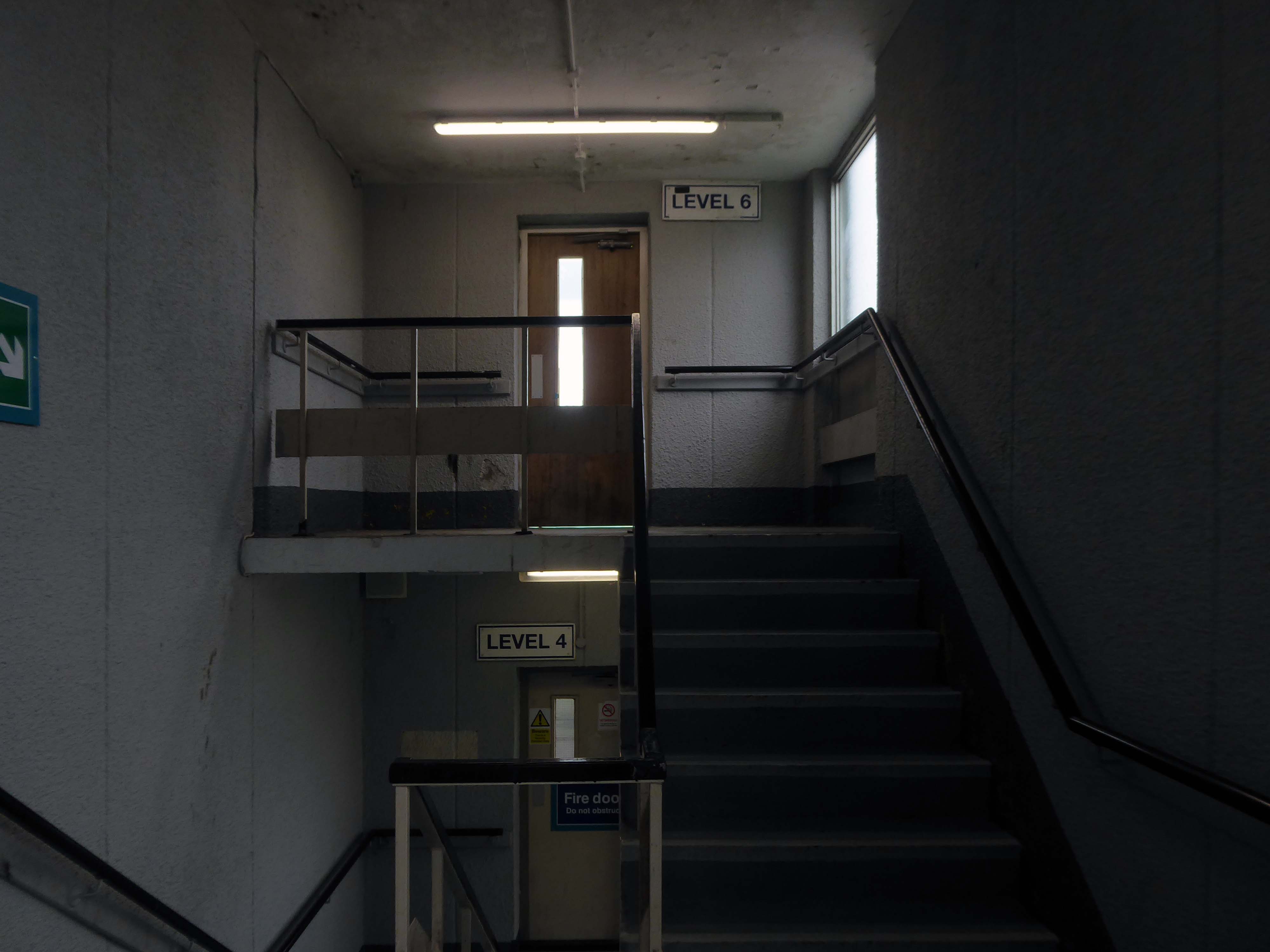
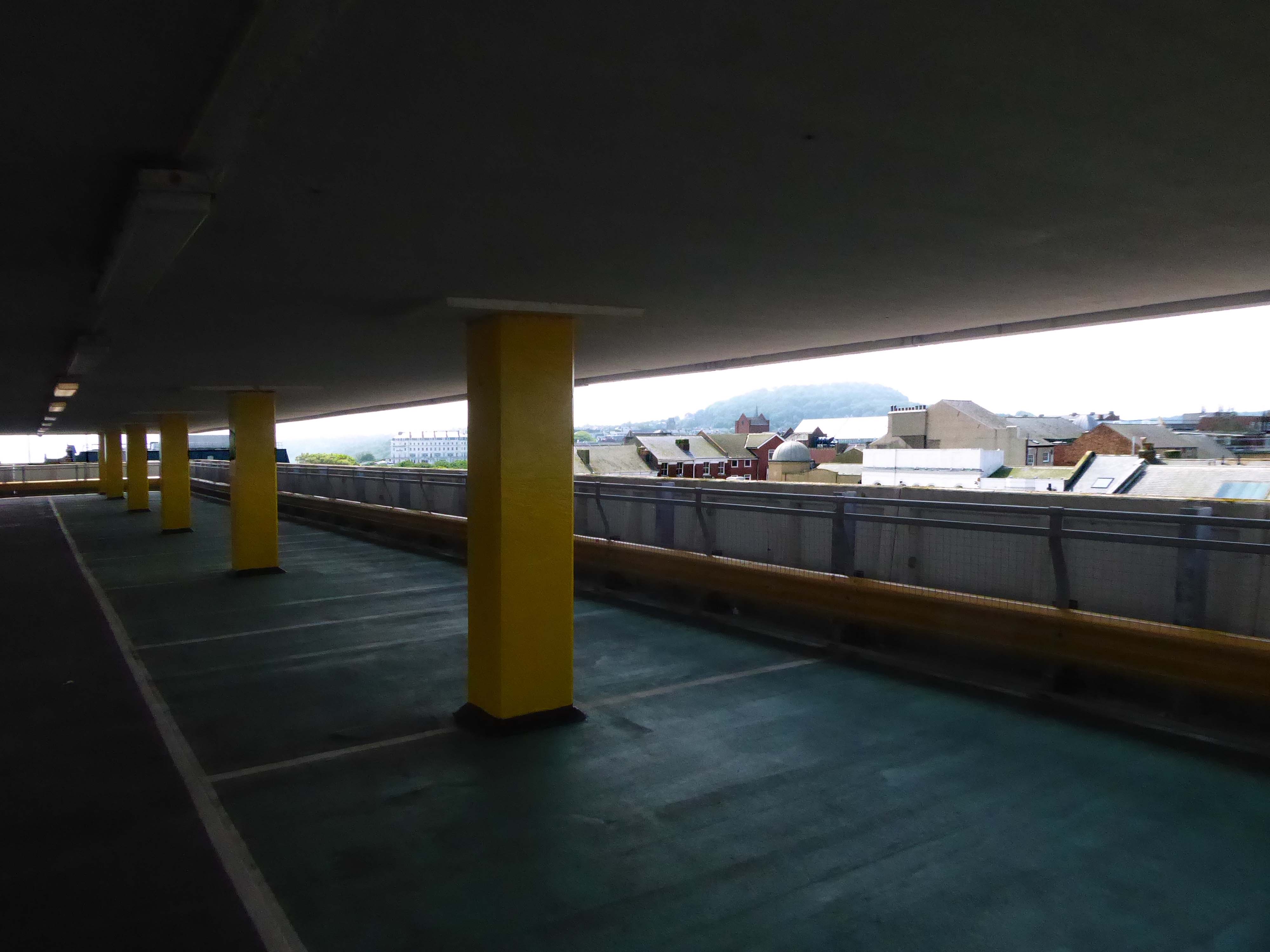
Down another level and still not a sign of any cars.
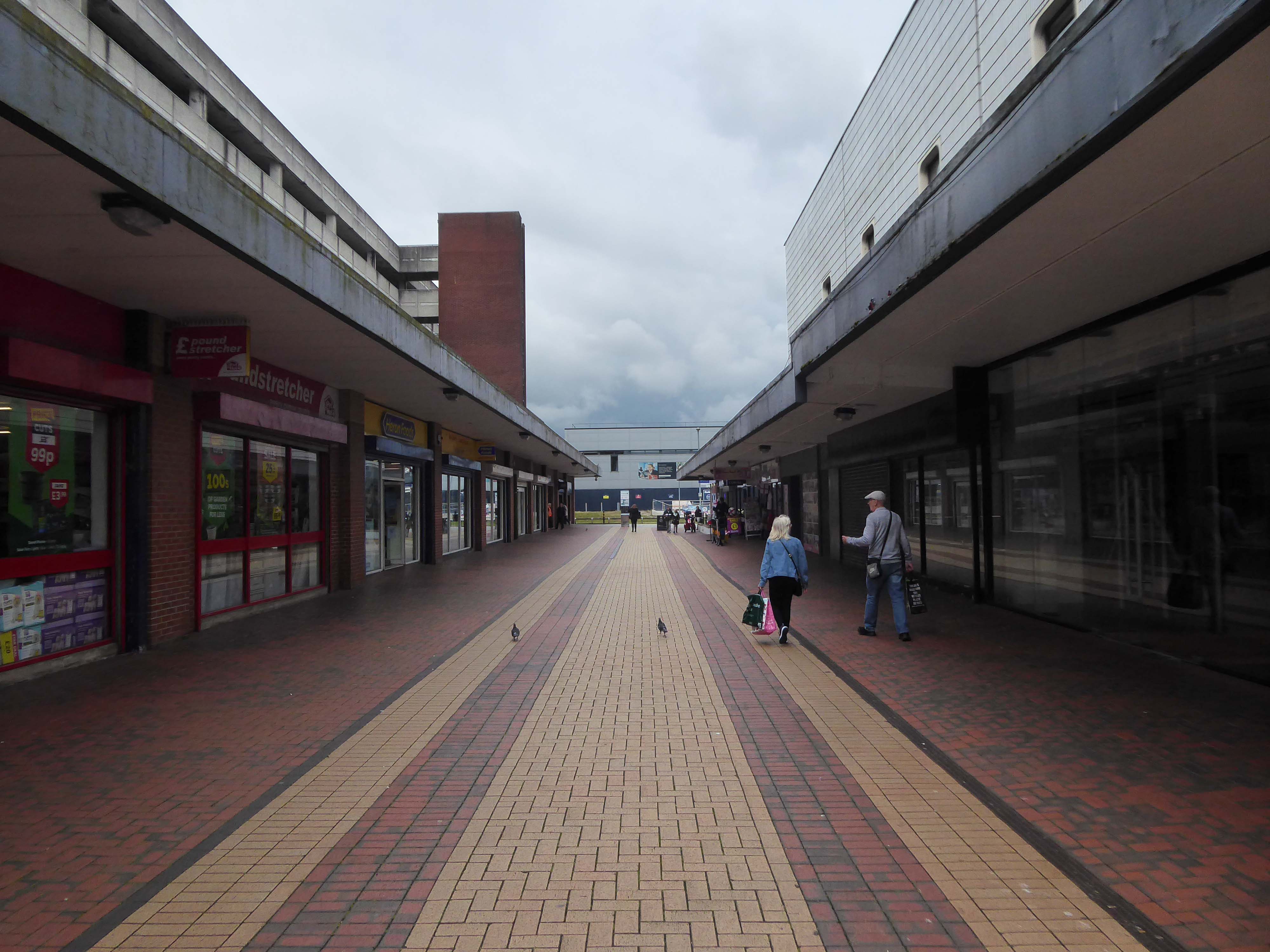
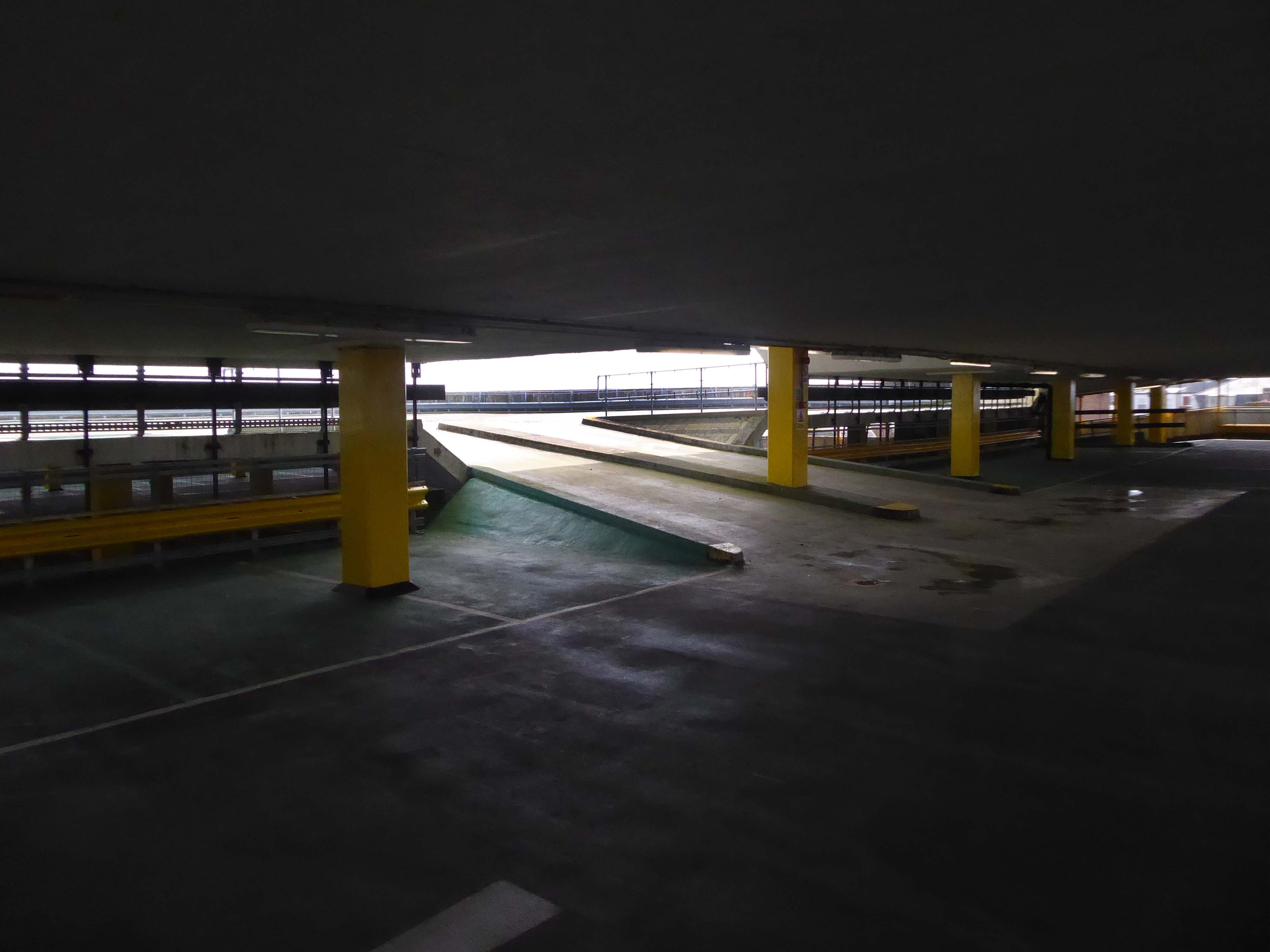
Back up to the top of the world.

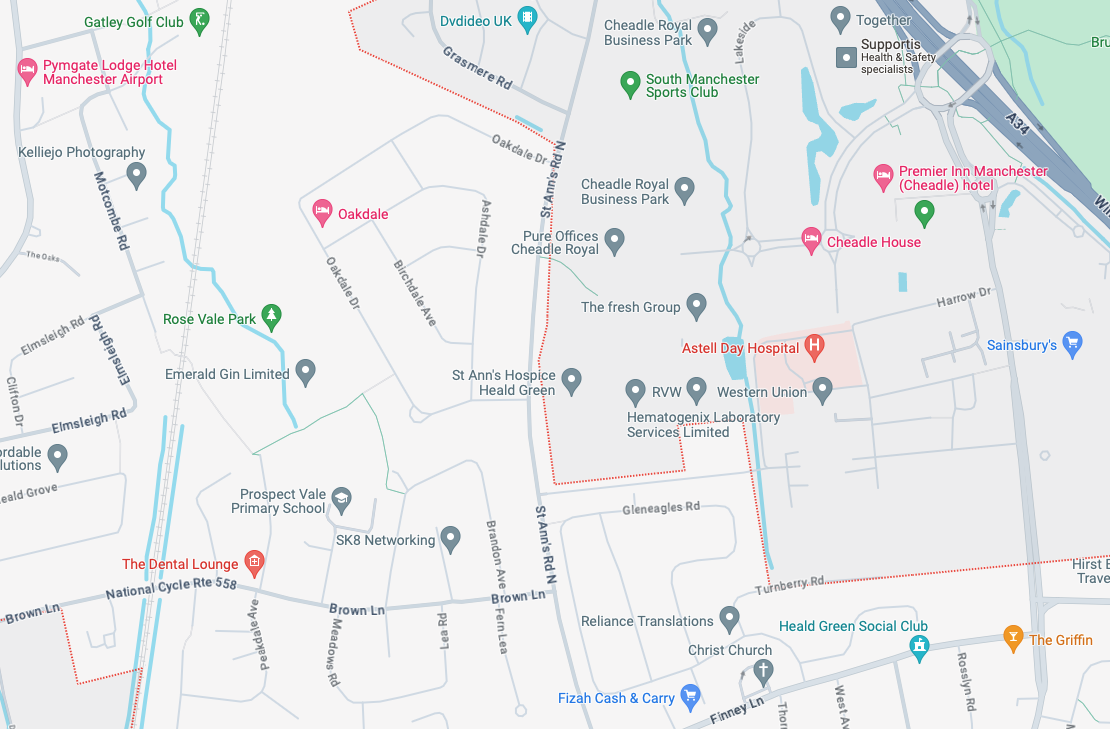
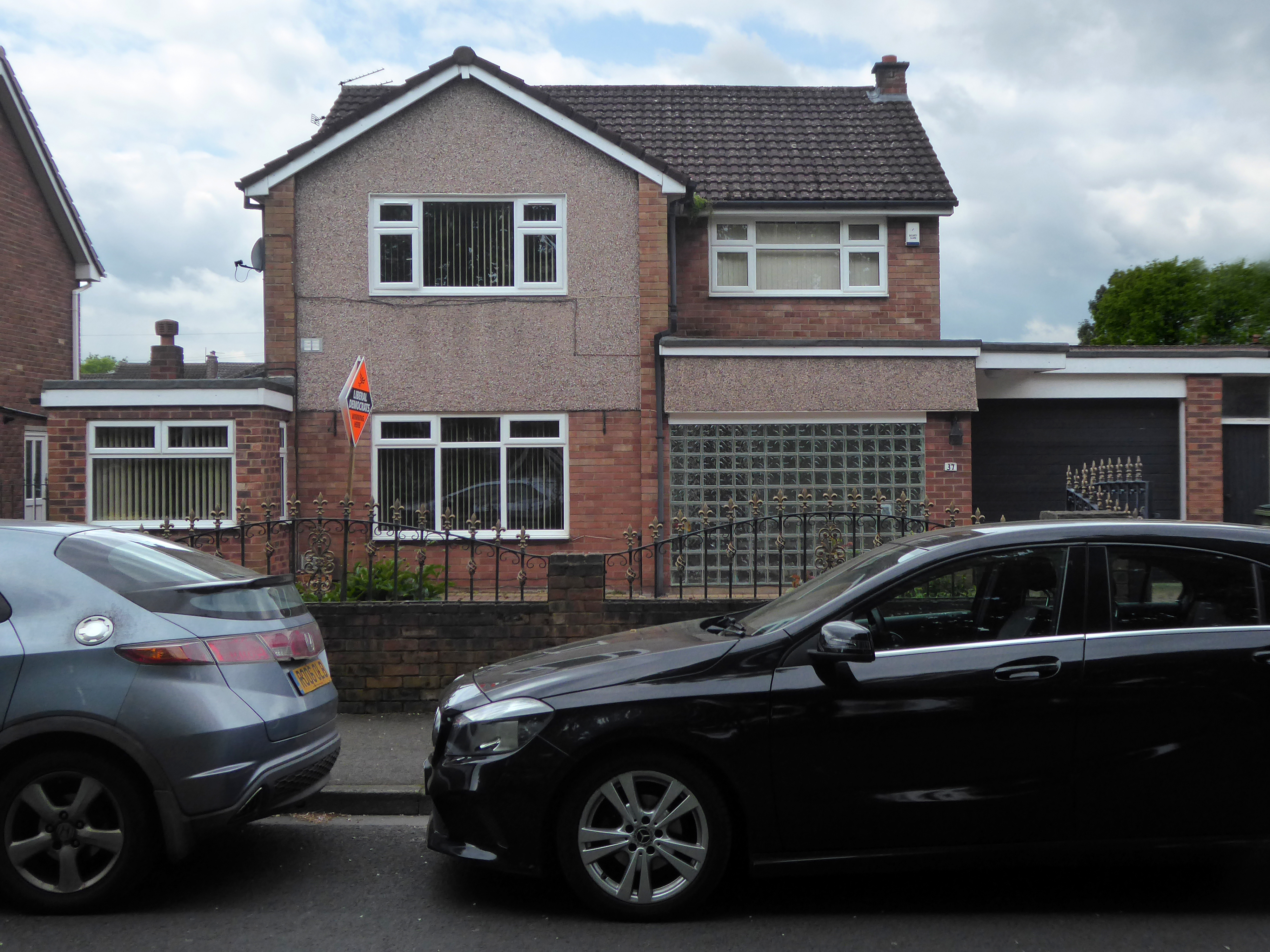
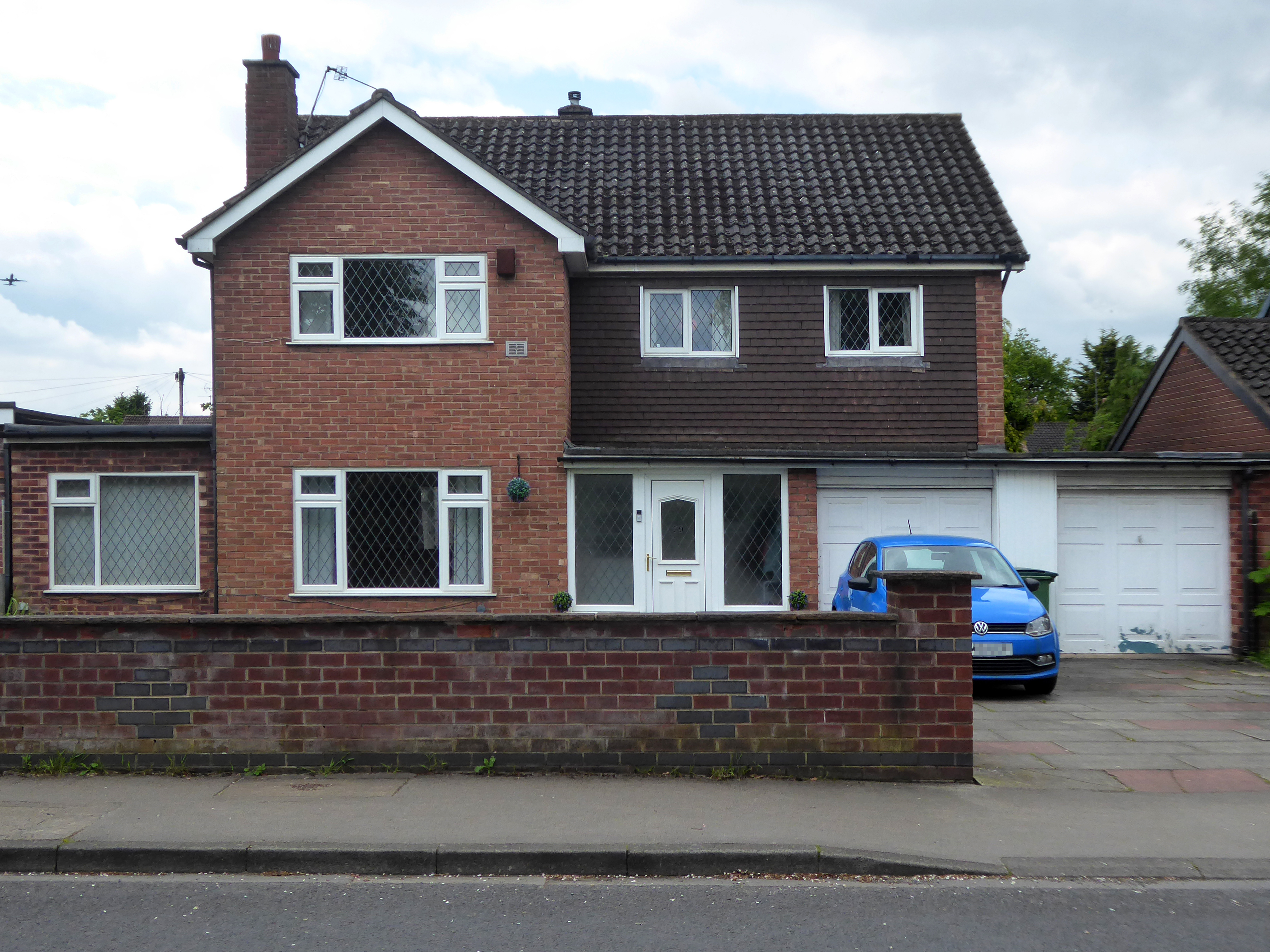
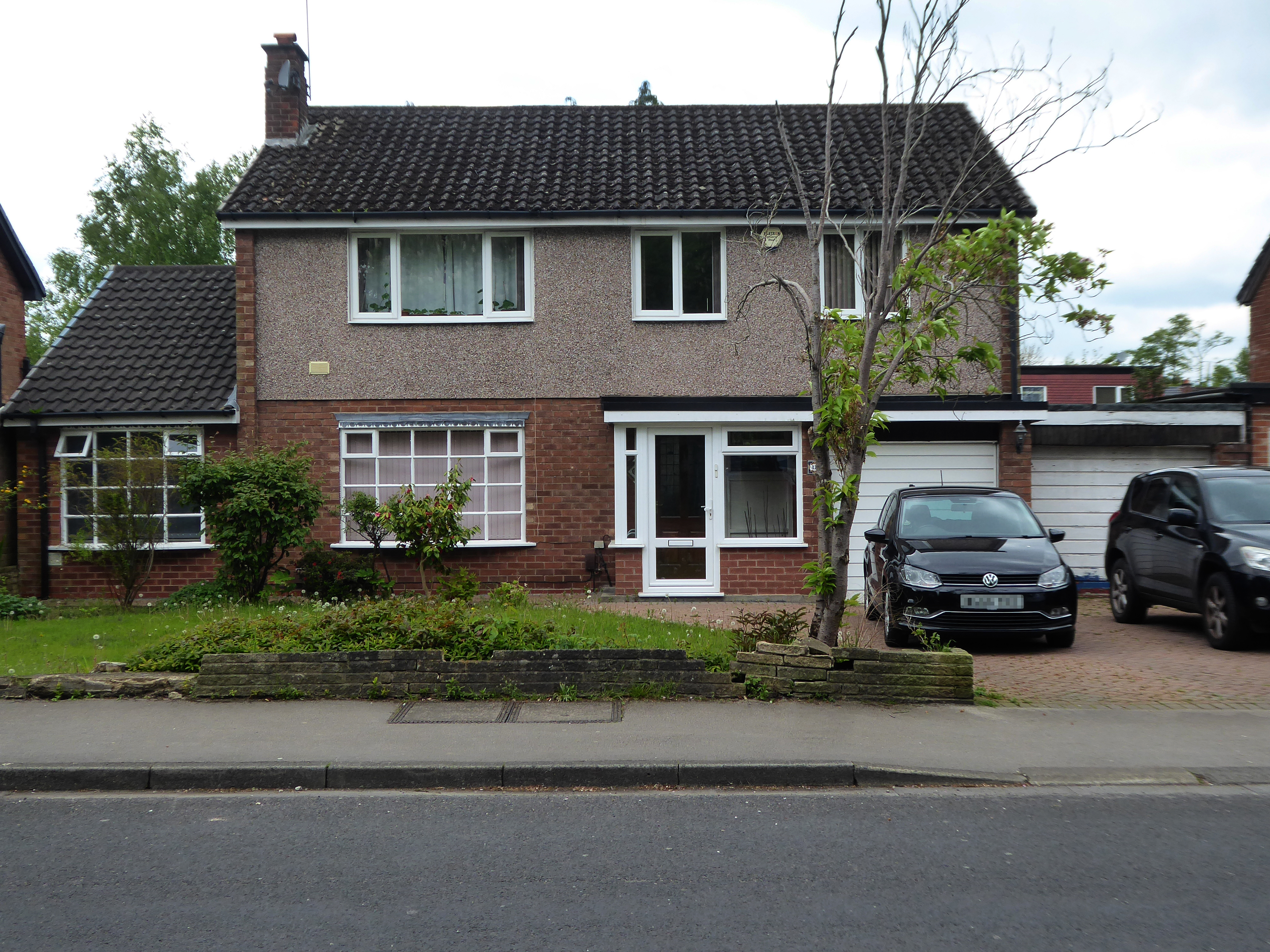
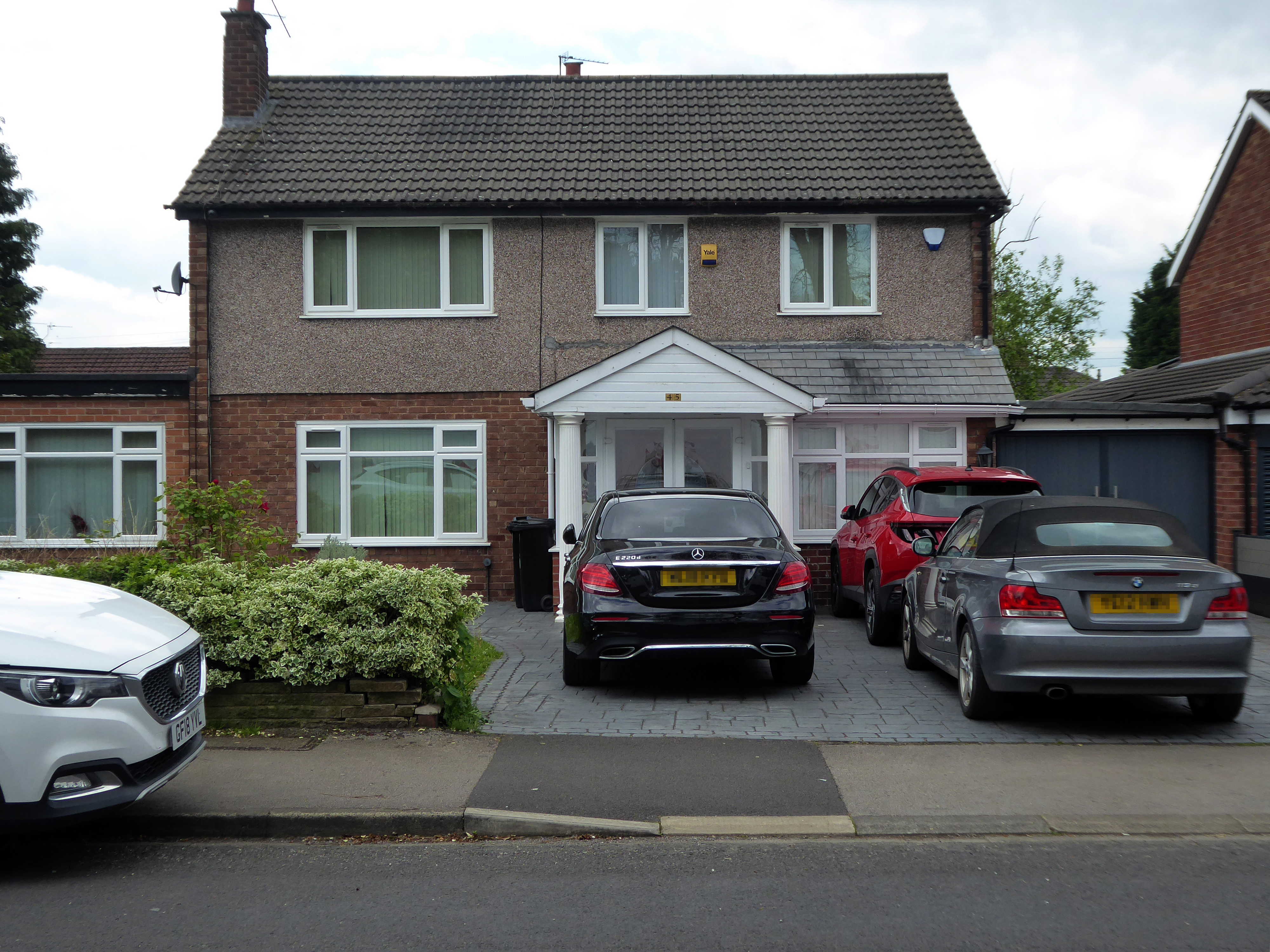
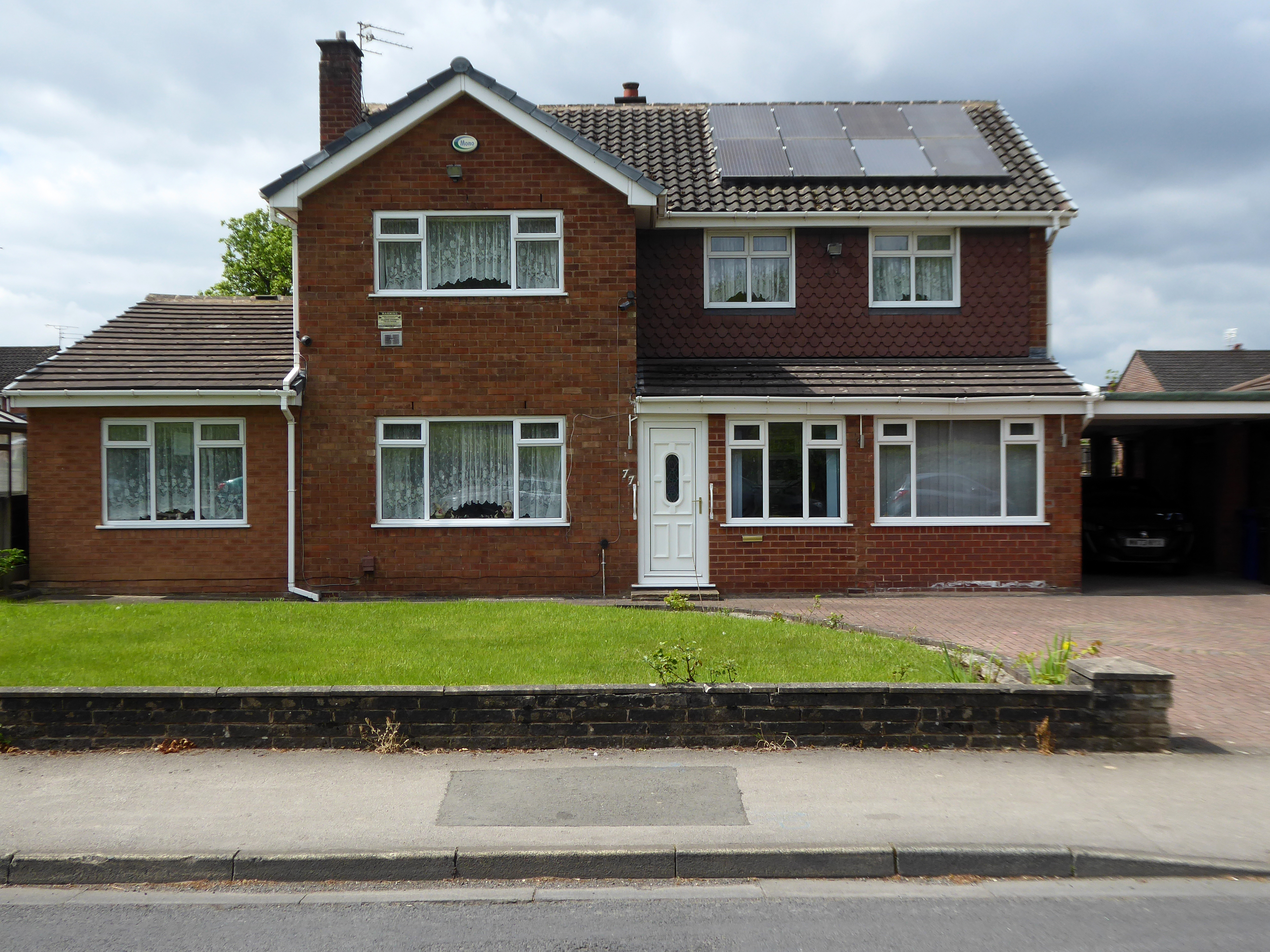
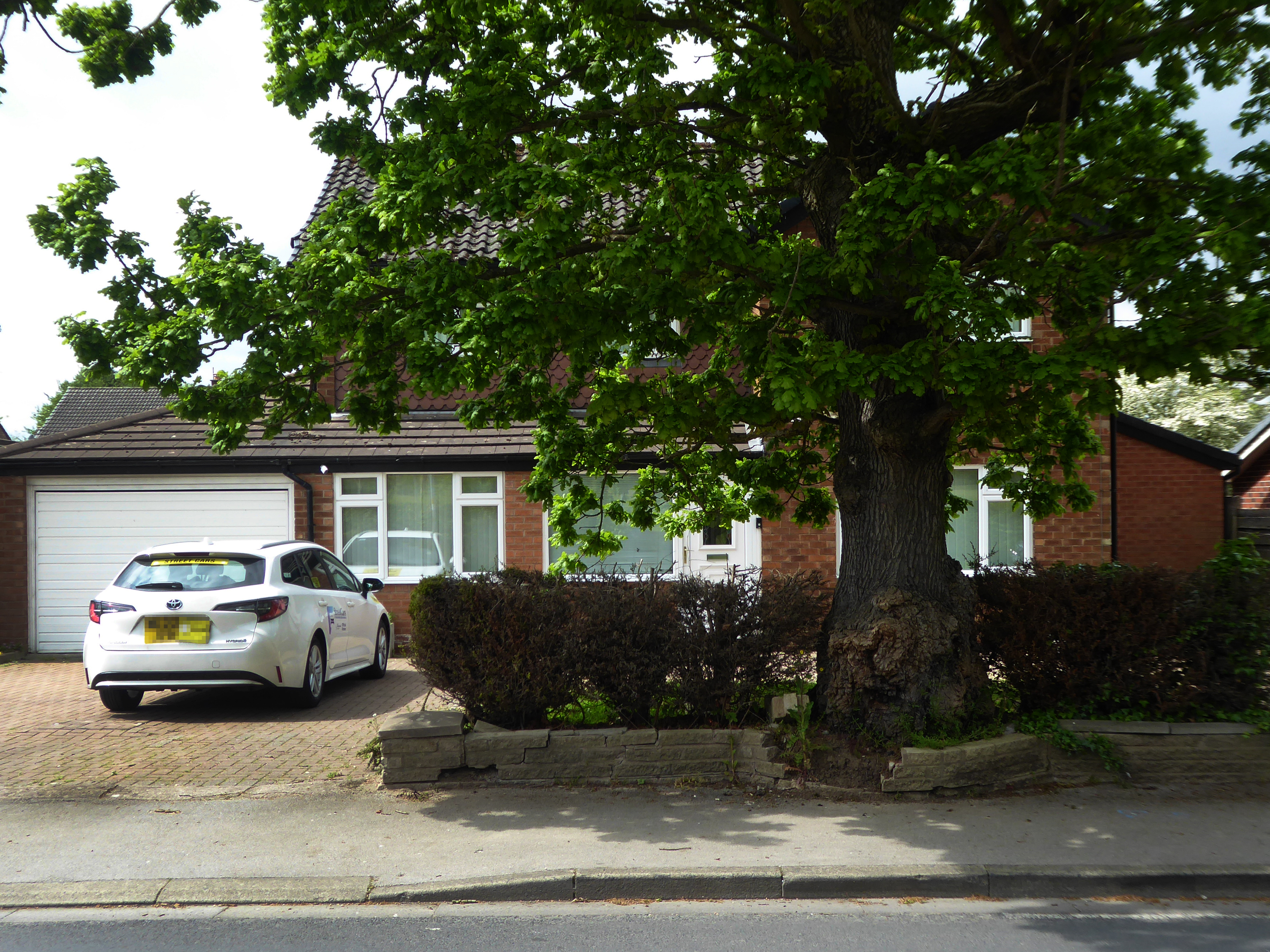
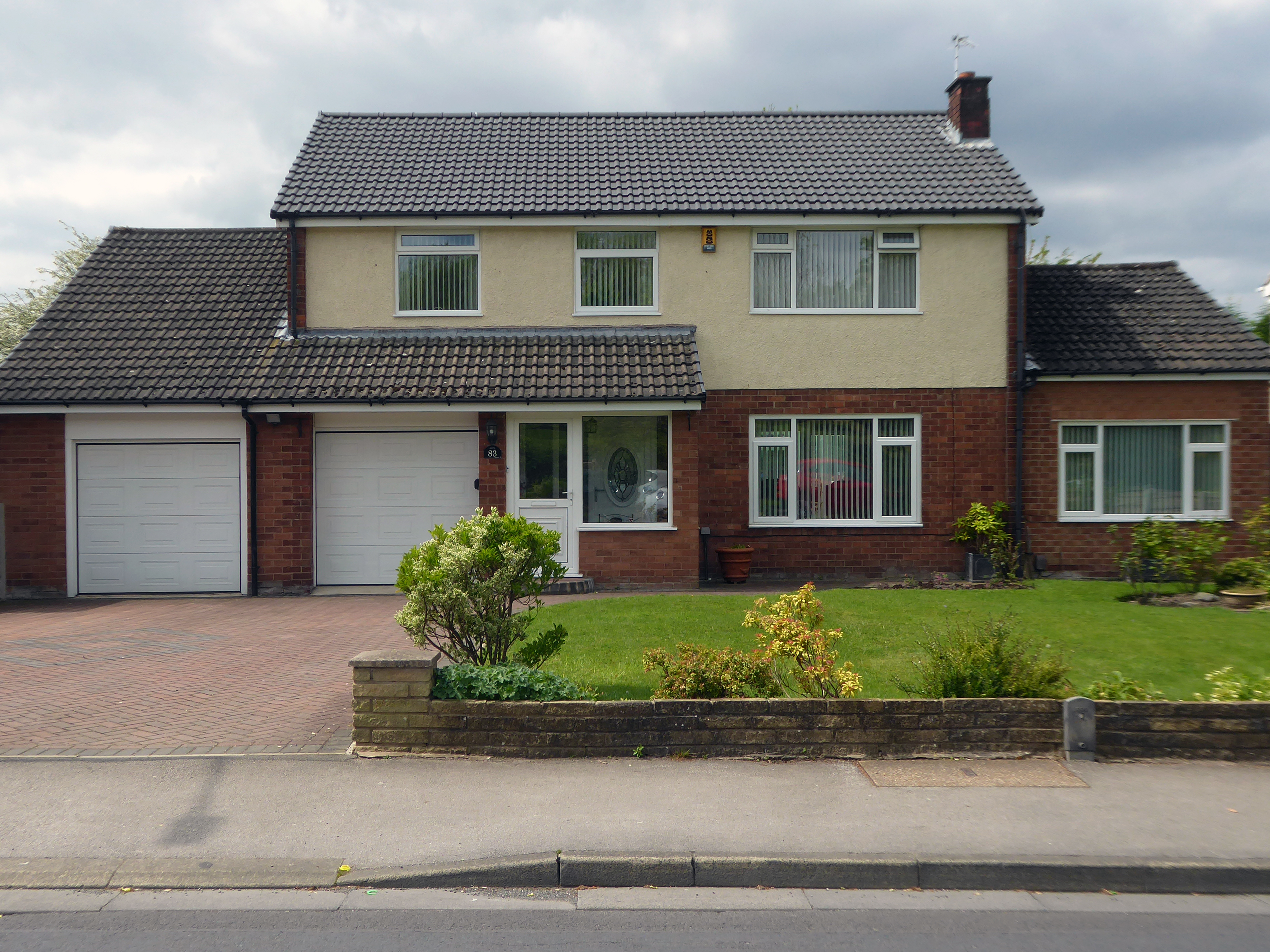
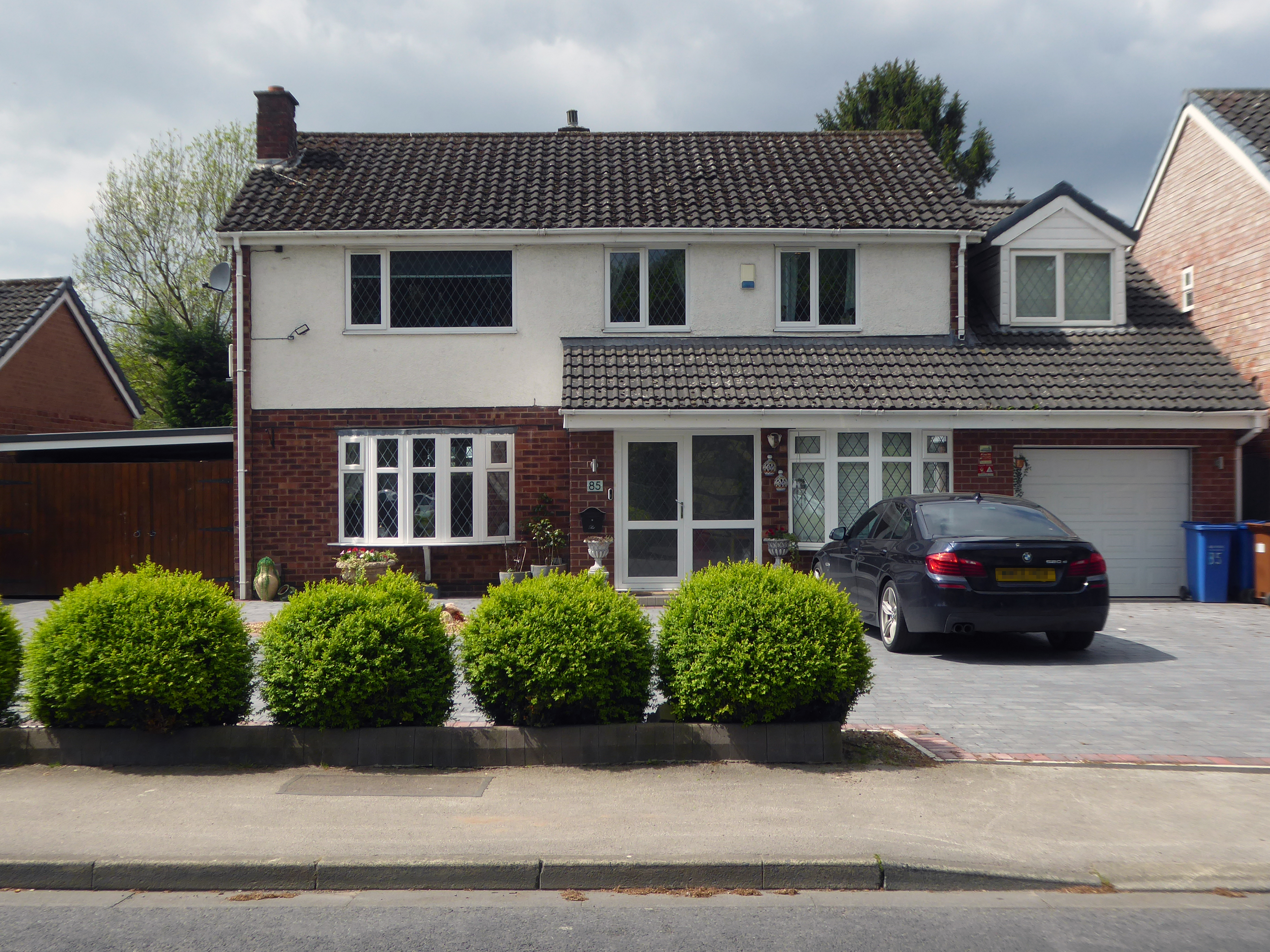
St Anns Road North – Heald Green

St. Anns Road North in Heald Green is in the North West region of England. The postcode is within the Heald Green ward/electoral division, which is in the constituency of Cheadle.
Streetcheck

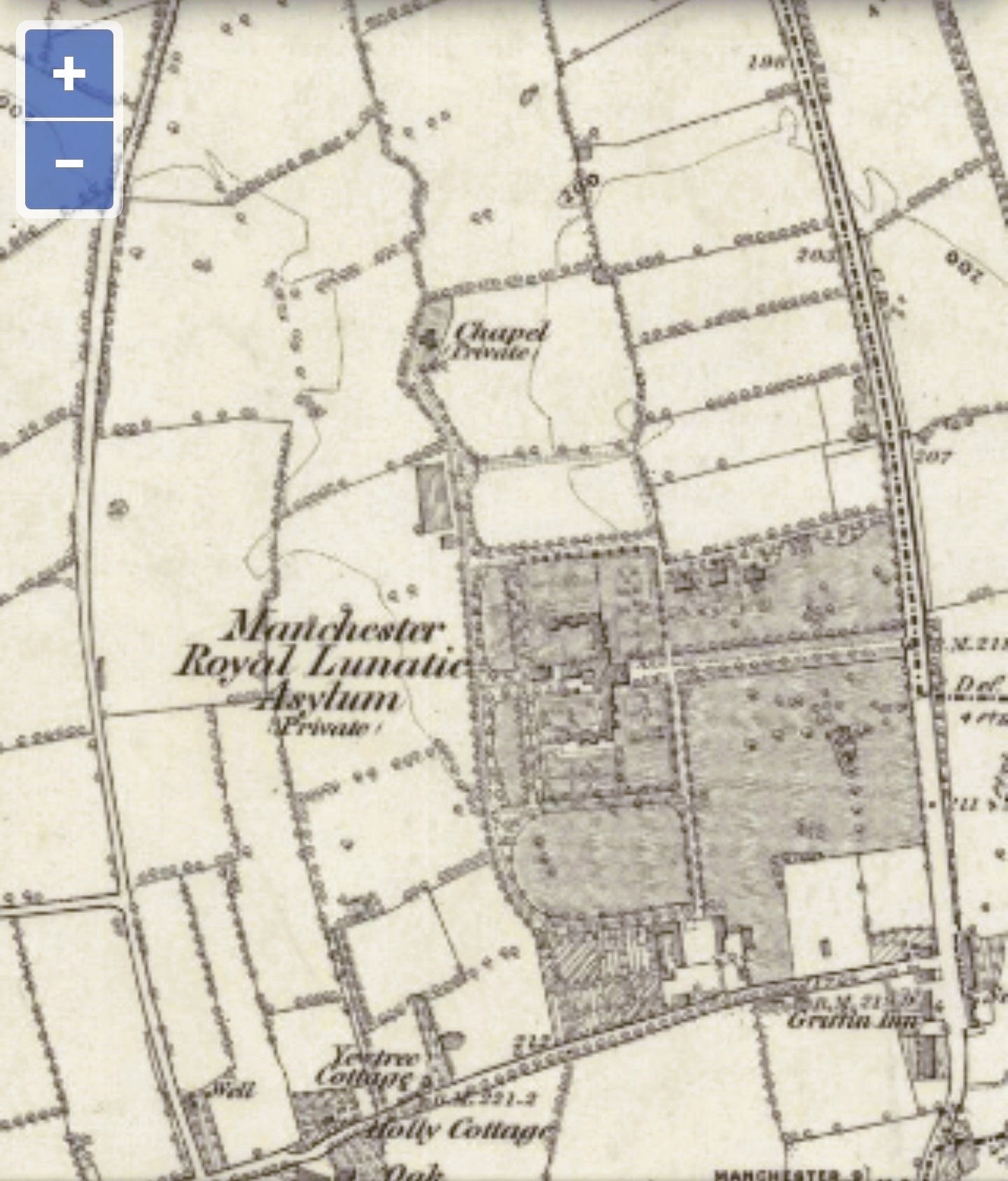
It literally was all fields around here once – save for a Lunatic Asylum and a cottage or two.

There is still a Griffin Inn, in which to sup yourself insensible.

I often cycle along here on my way to who knows where – today I stoped to take some snaps.

Having an interest in suburban housing its vagaries and typologies – I have recored Penrhyn Bay several times, along with Woodford, Whitley Lodge Estate, Killingworth, and East Didsbury.

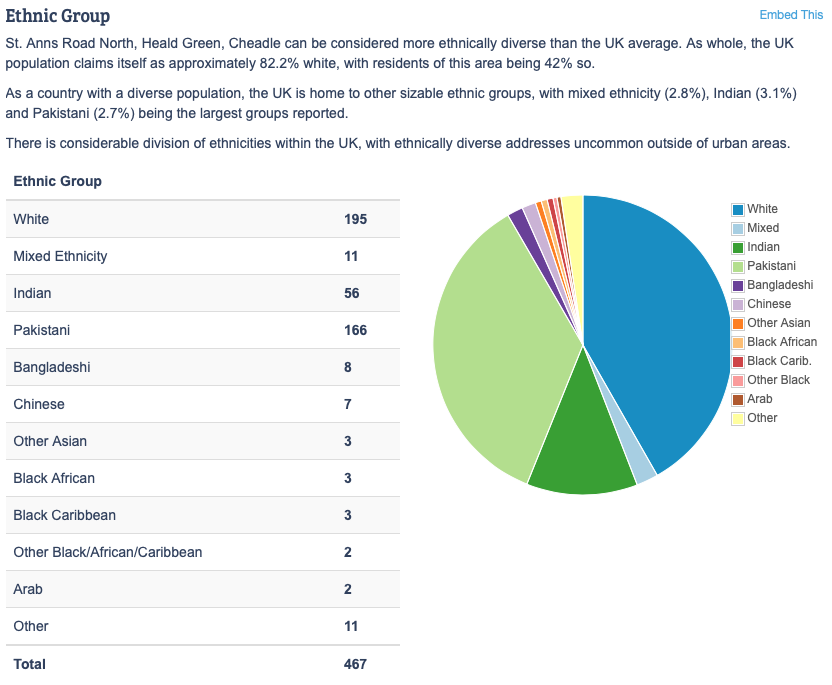
This area was once described to me as built by Cowboys for Indians – though statistically there are more Pakistani residents.

This is a dormitory suburb of Manchester and nearby Stockport and is oh so close to the airport, polite and professional well presented and aspirational.

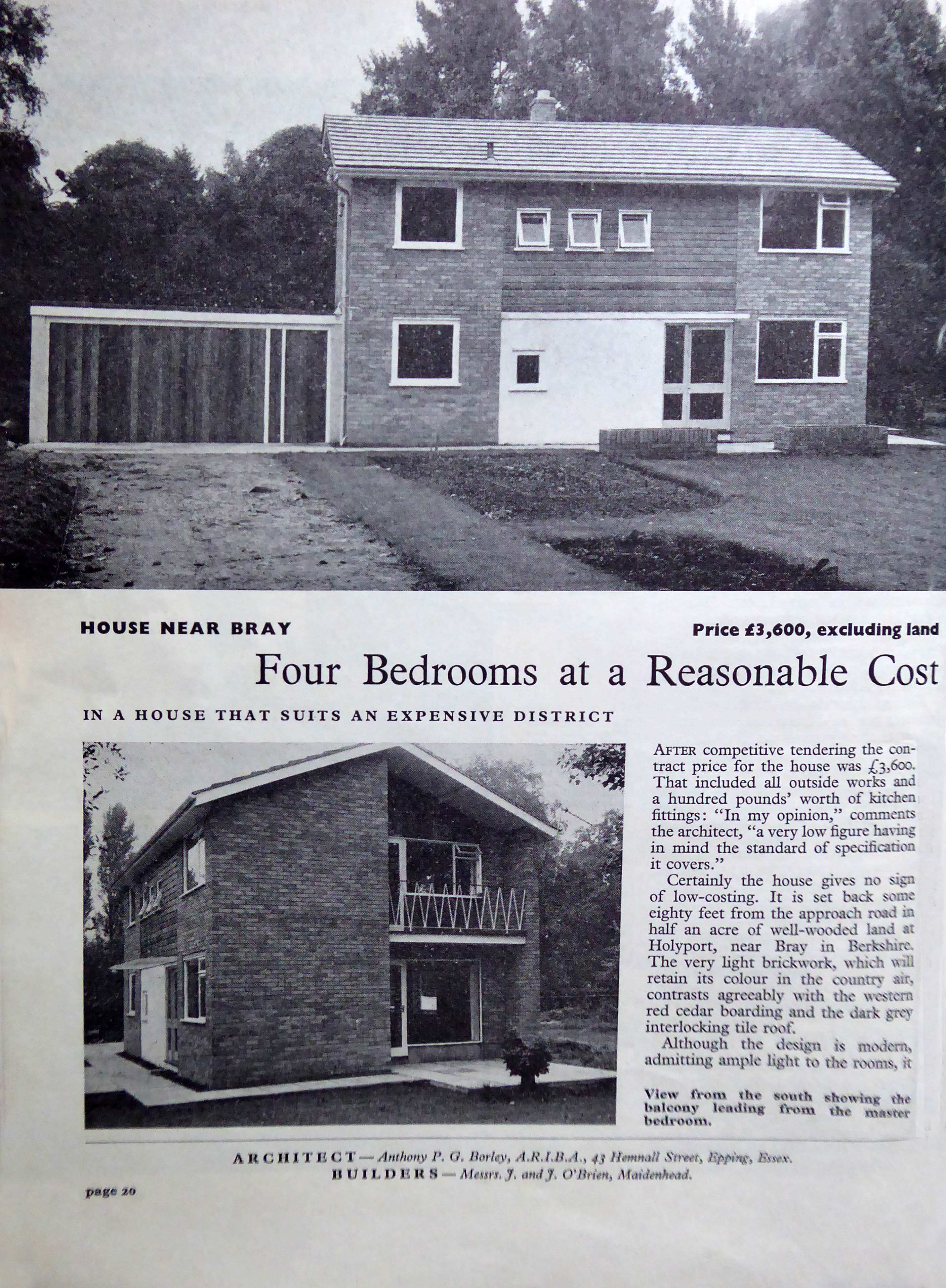
Once this was a Modern paradigm.

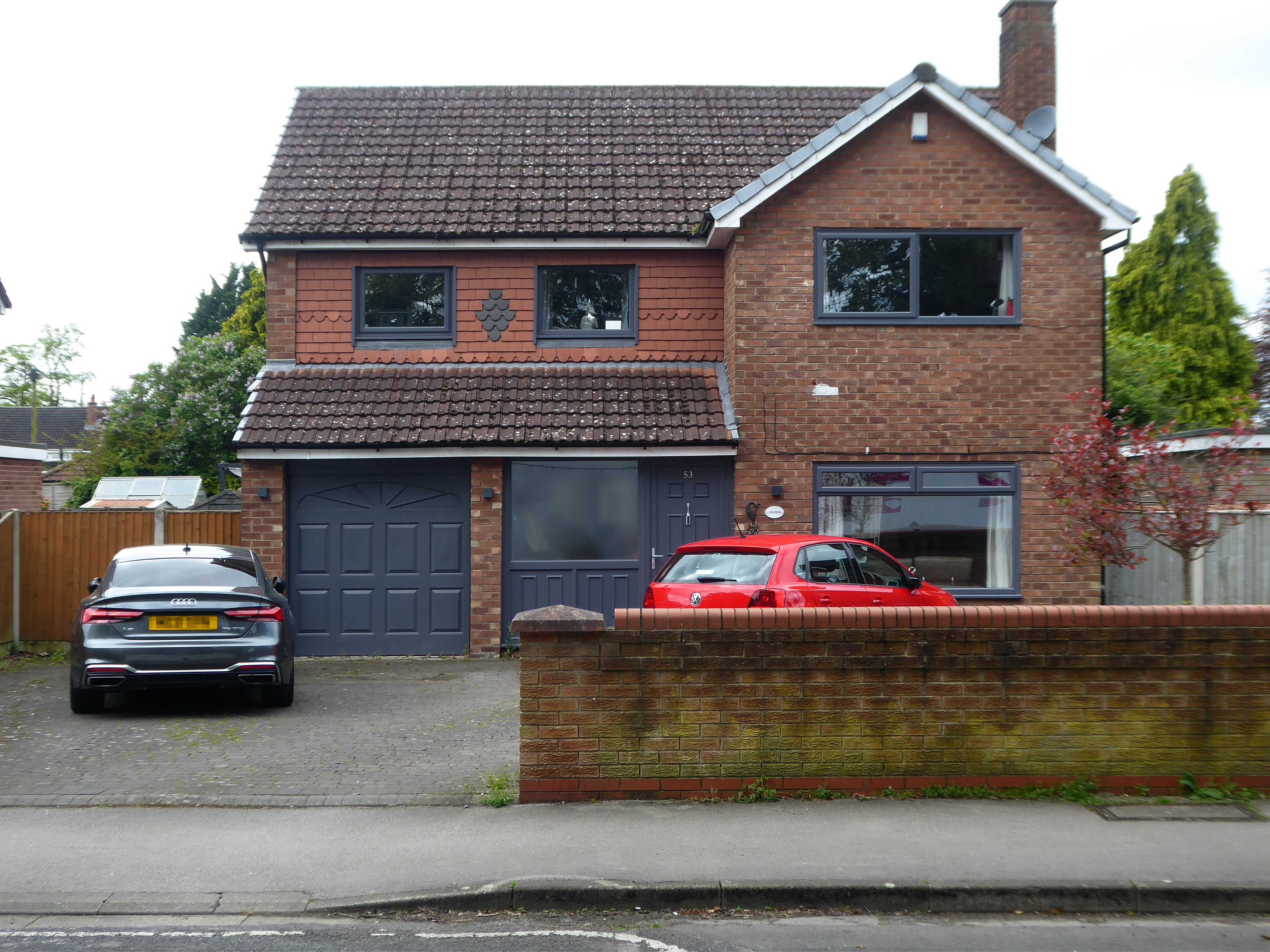
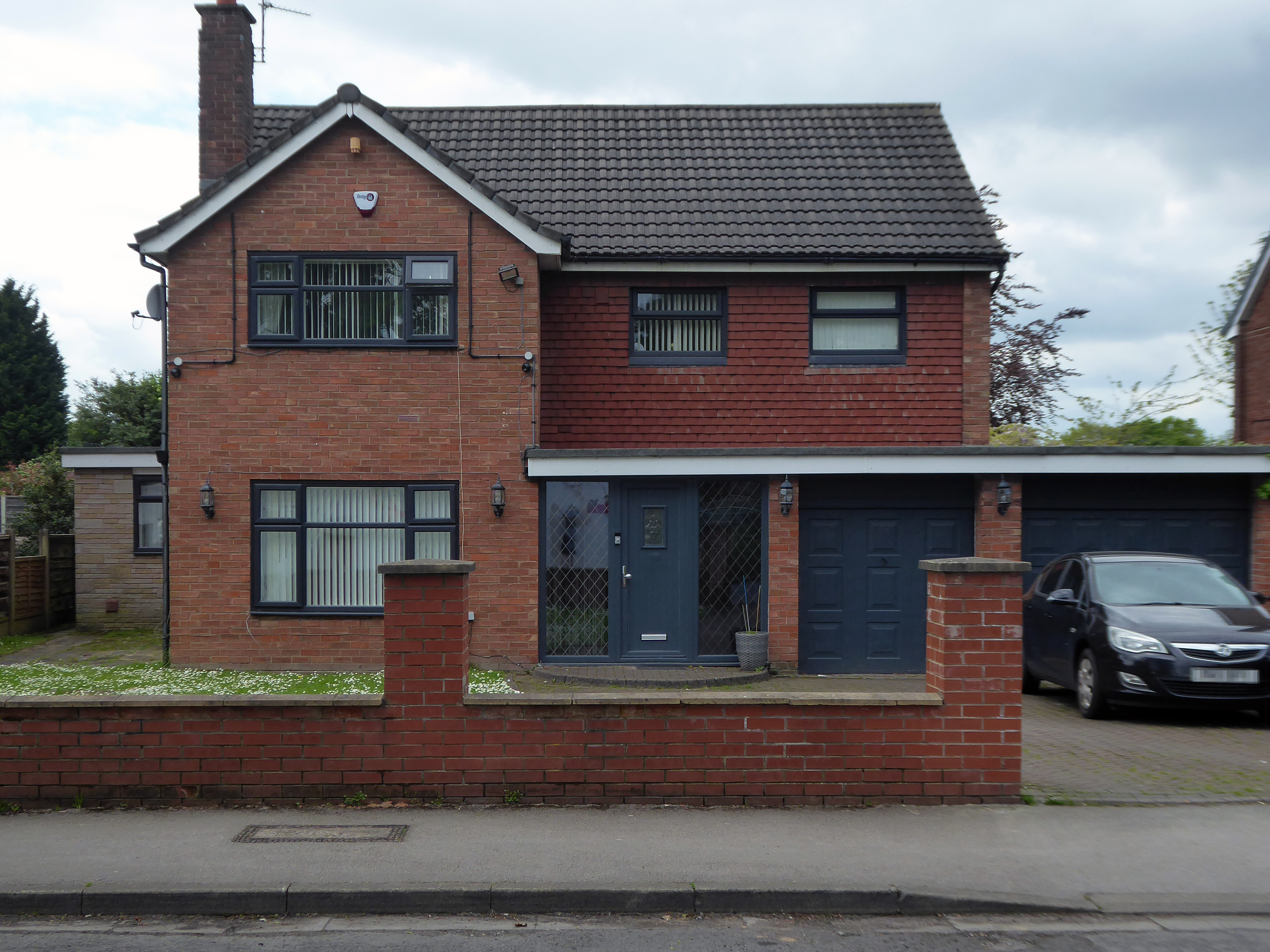
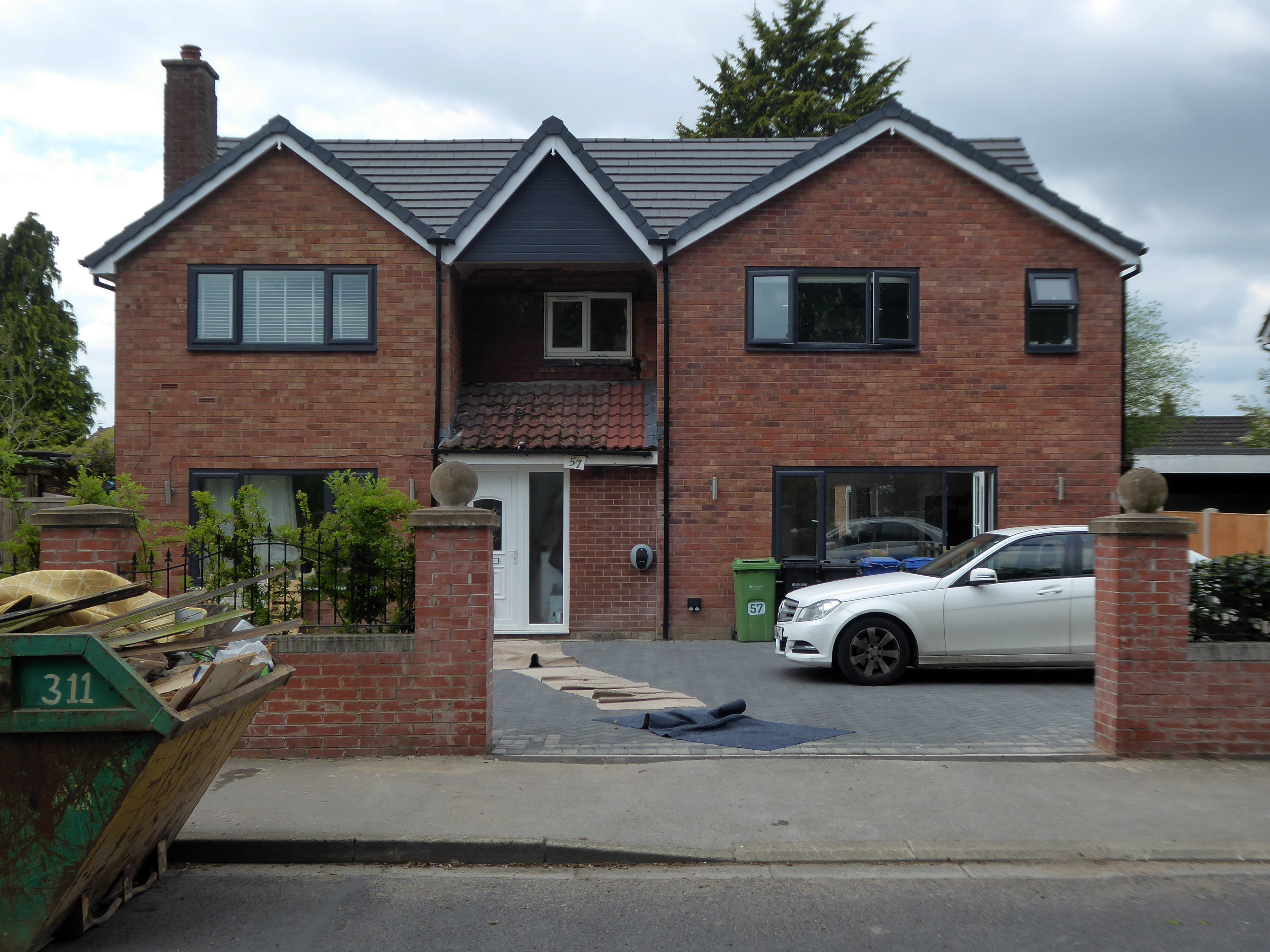
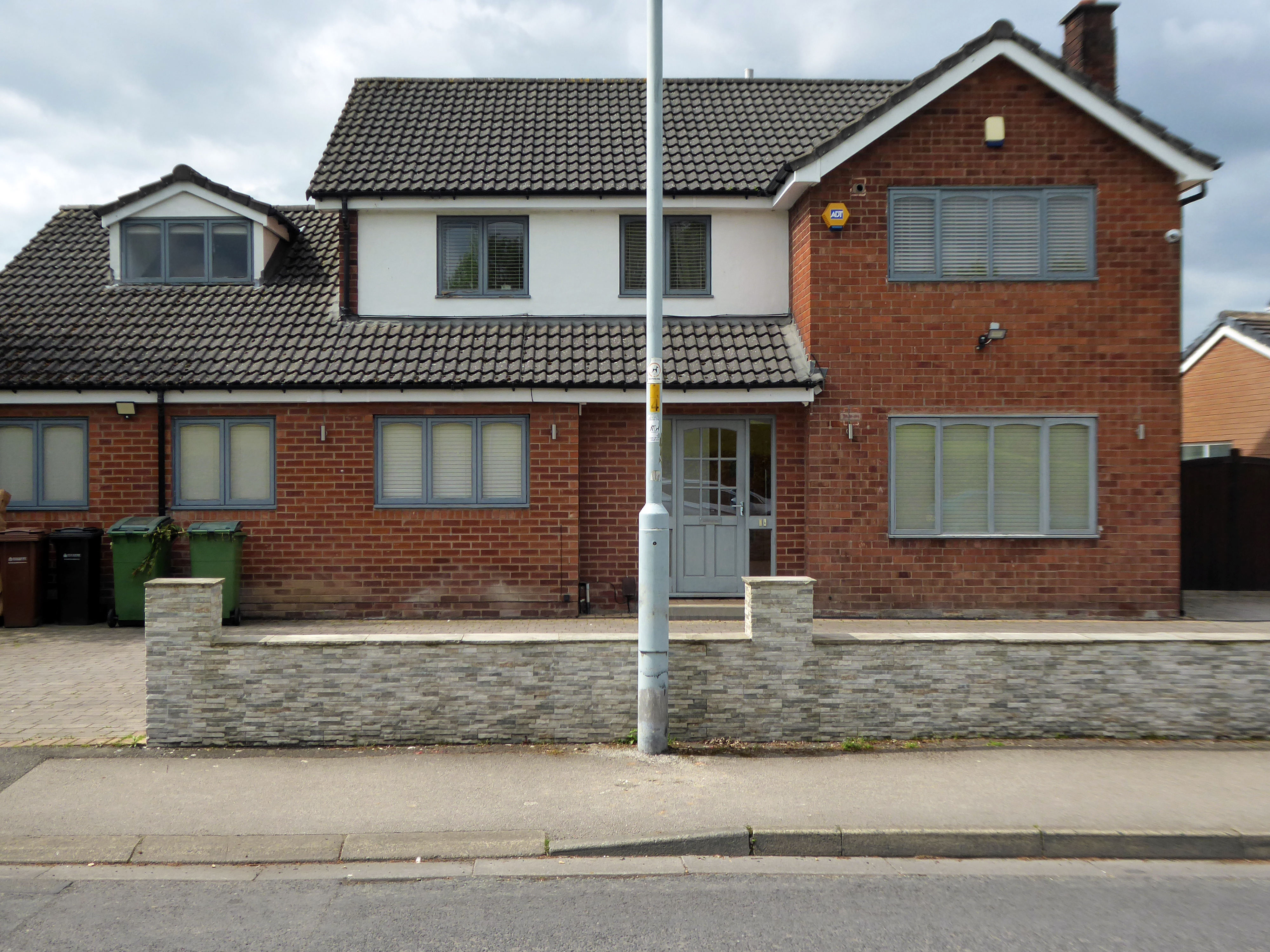
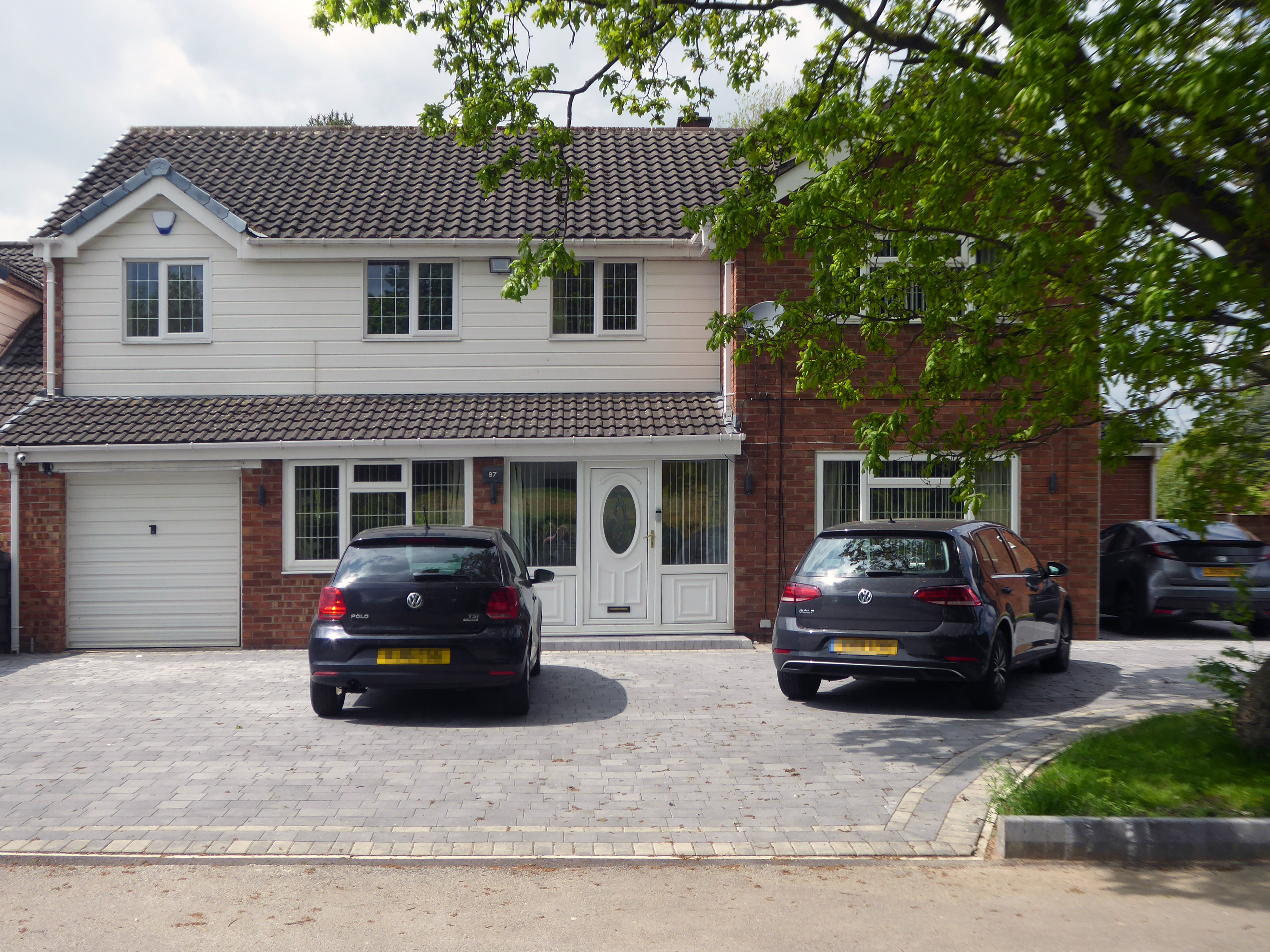
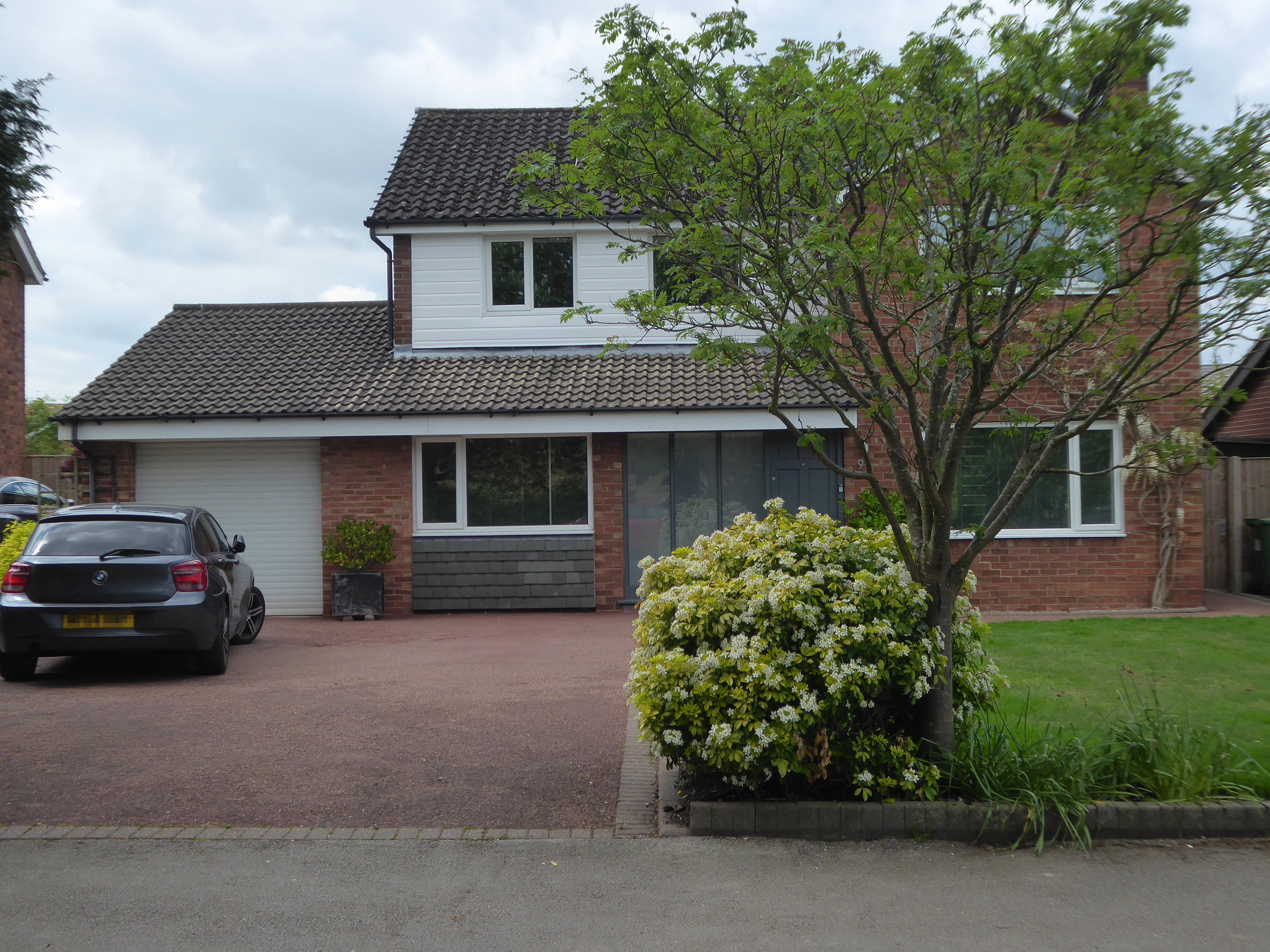
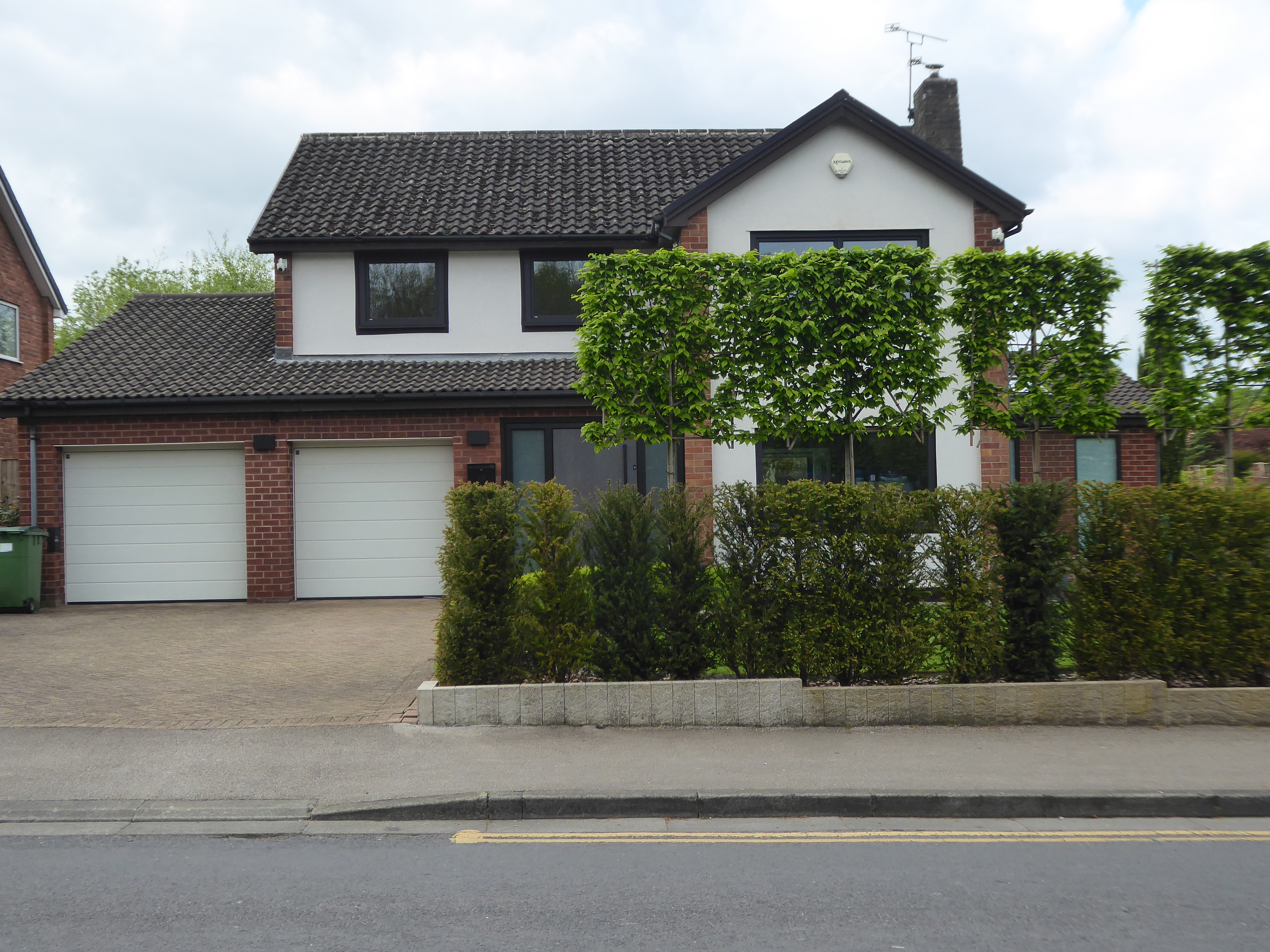
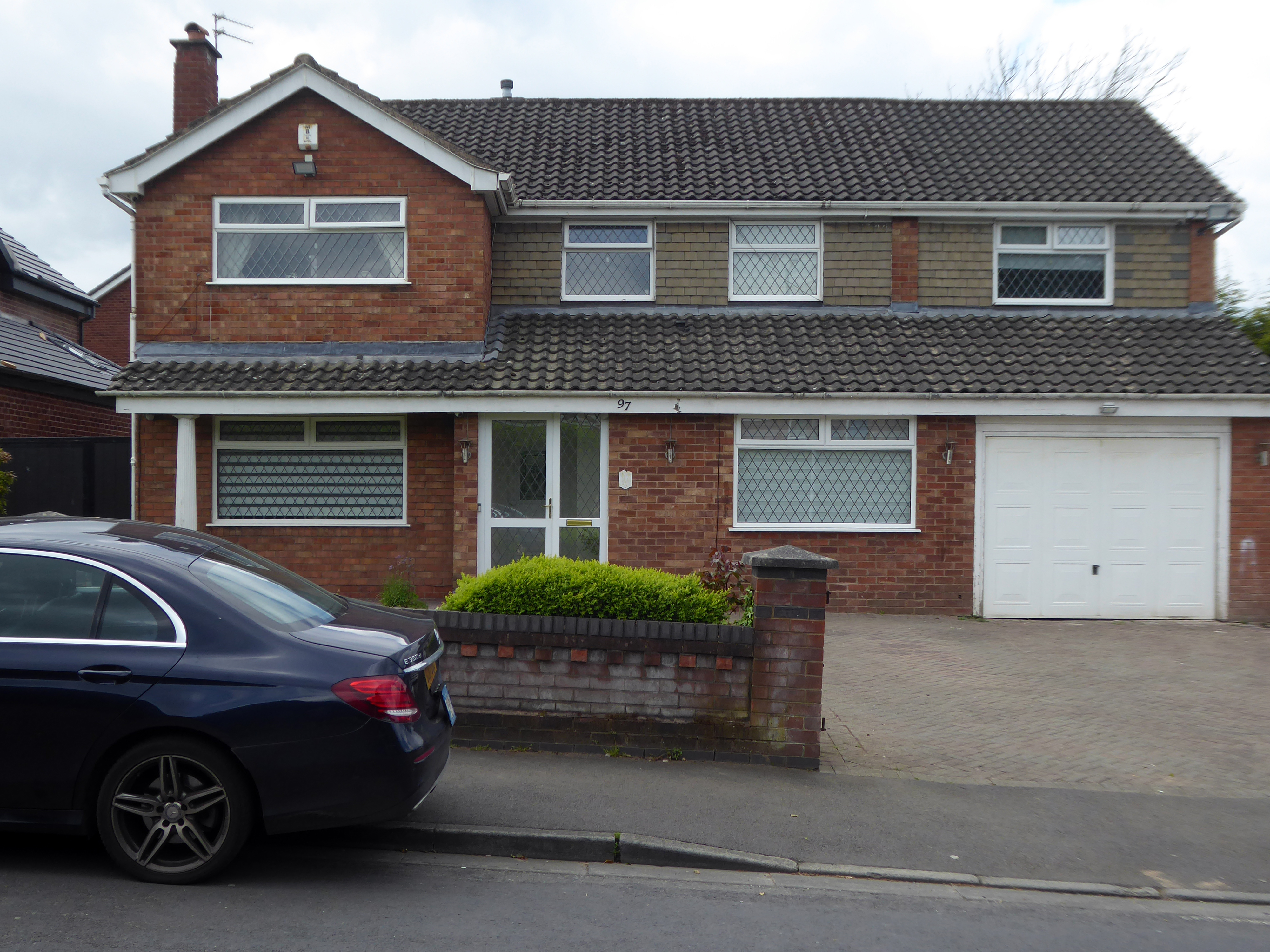
Subsequently the plaything of the upwardly mobile – extending in all directions, adding period details way out of period, or embracing the current vogue for the refined and smoothly rendered grey-ification of their homes.

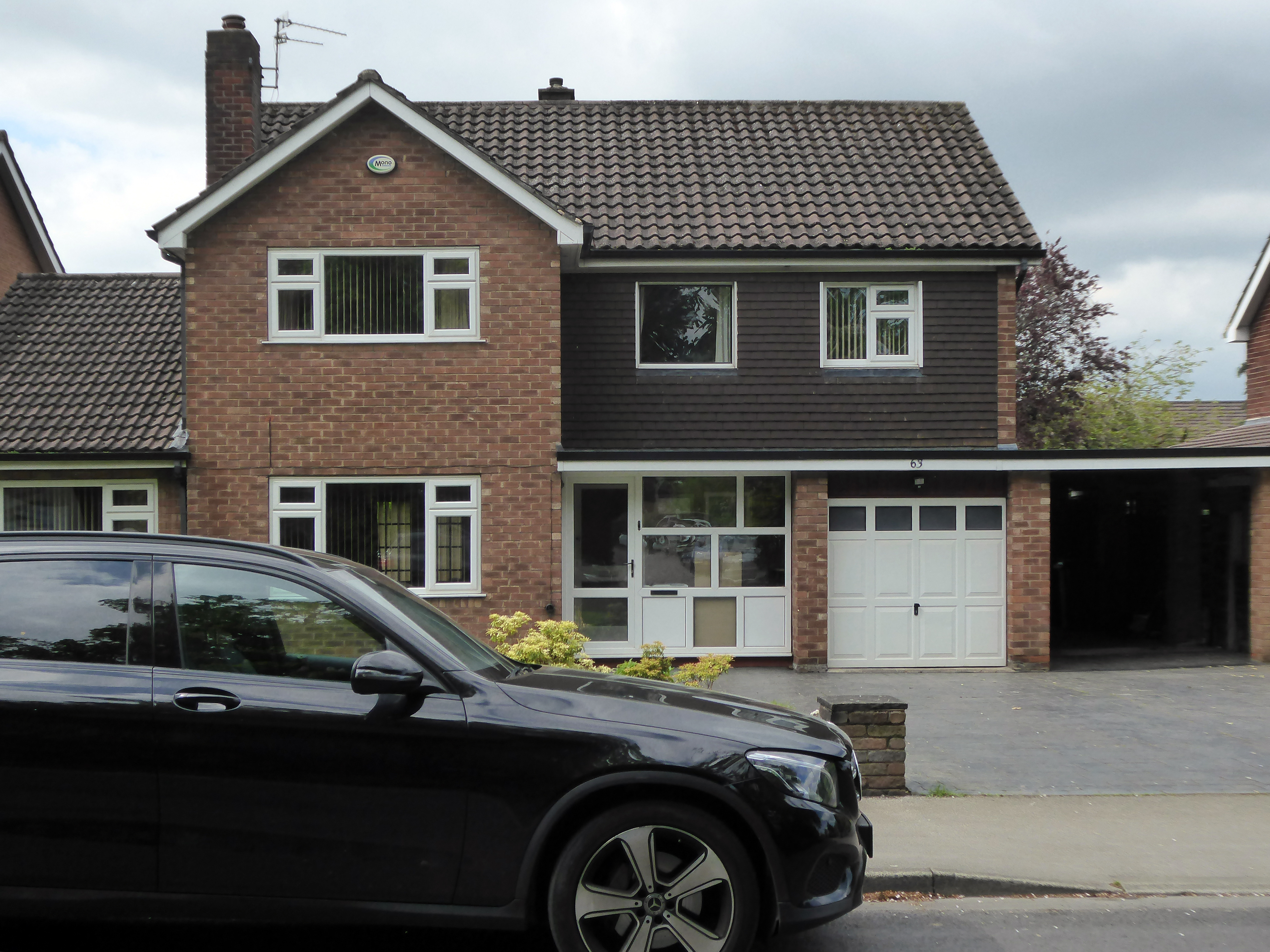
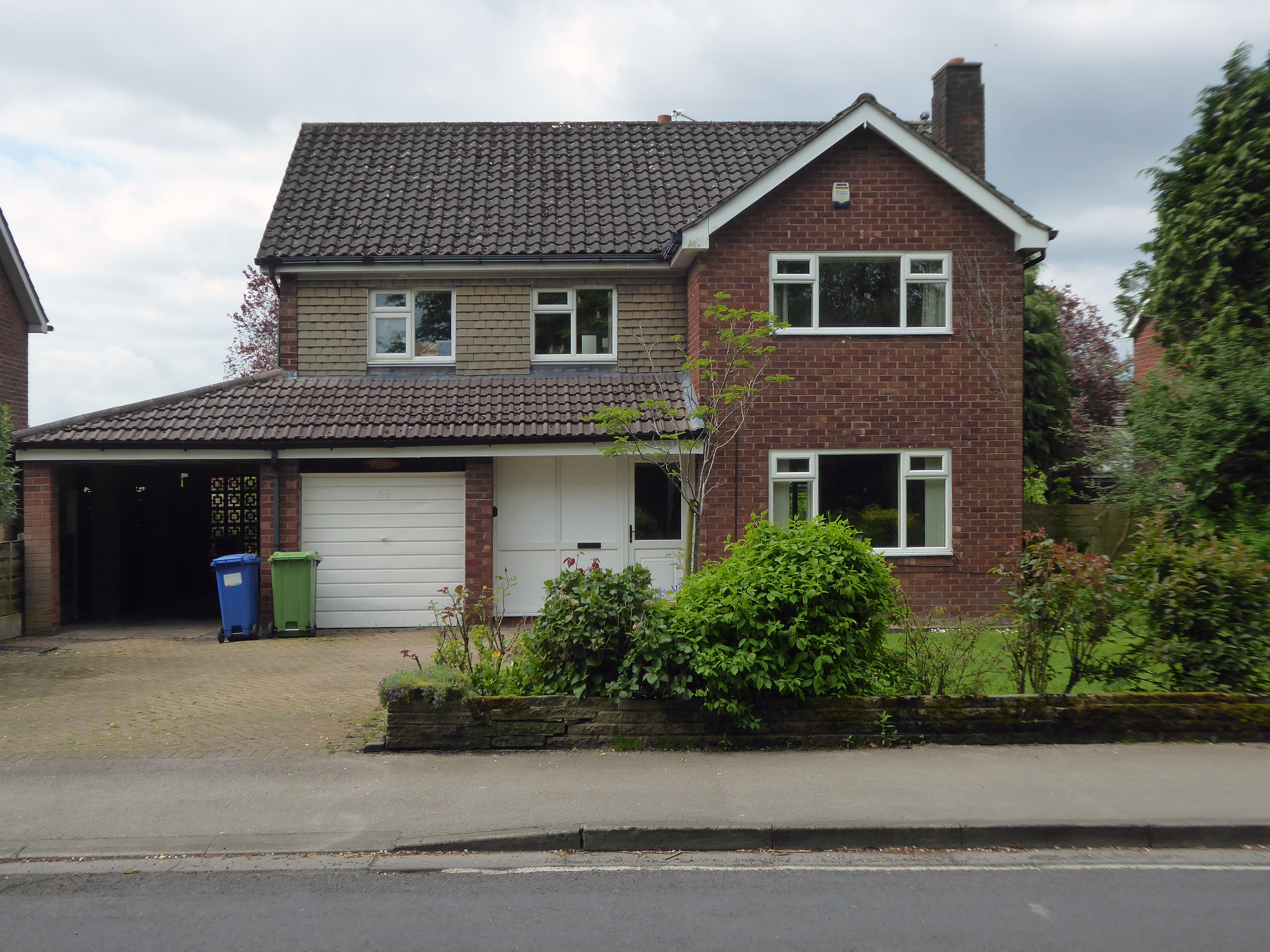
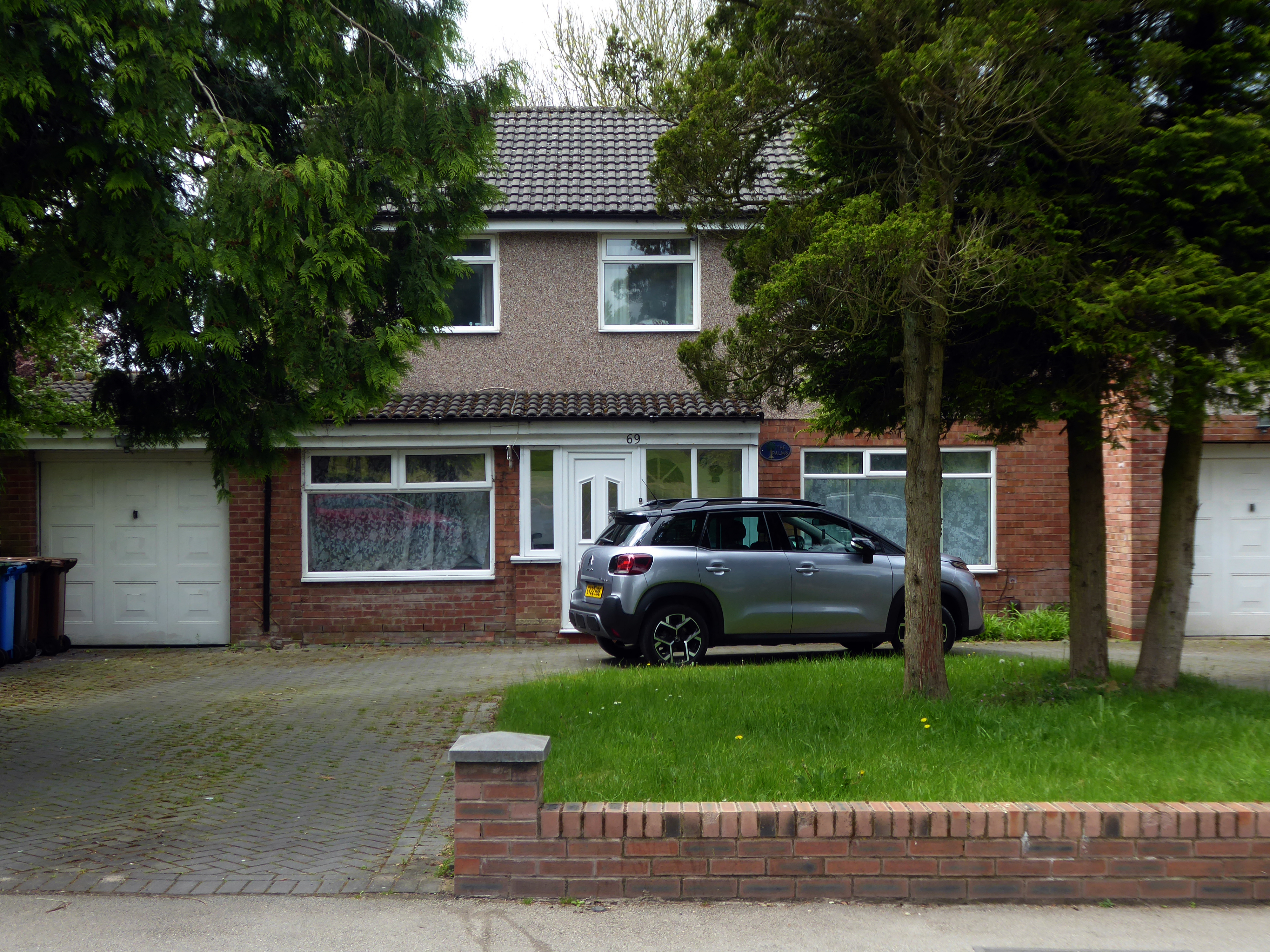
Welcome to the land of the performance vehicle, impressive impressed drive, carriage lamp and bay window, overlooking a well clipped lawn.

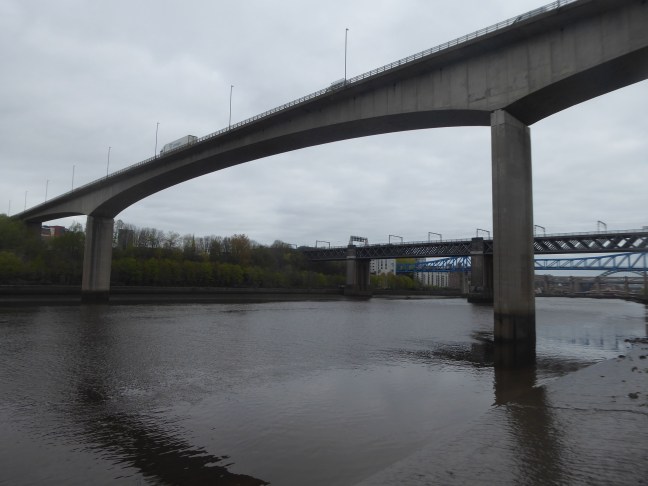
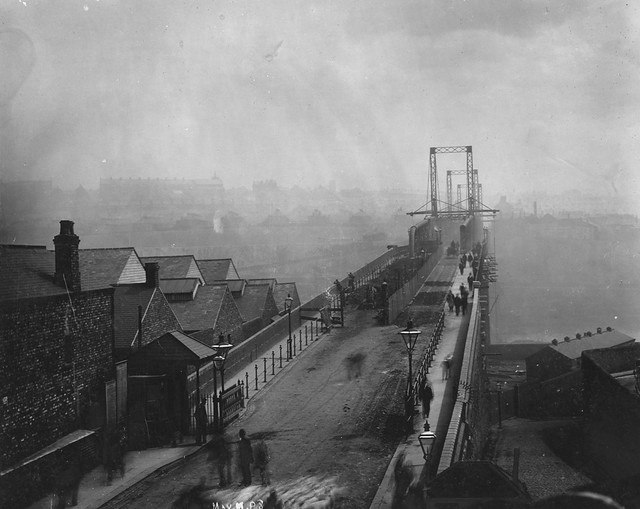
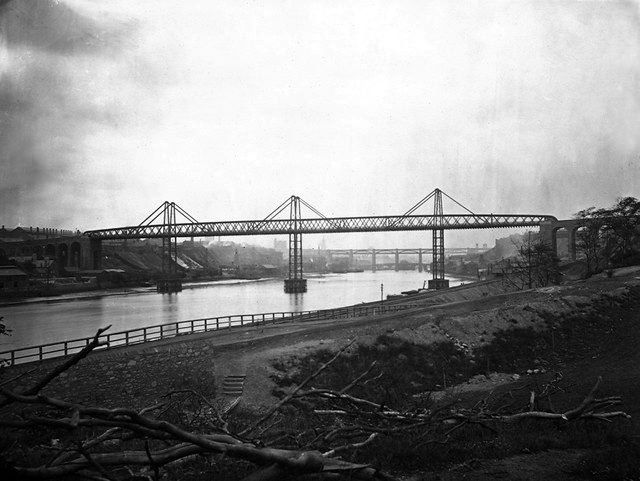
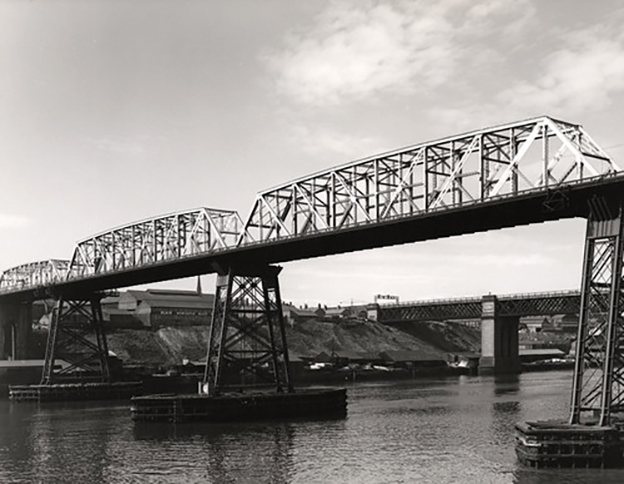
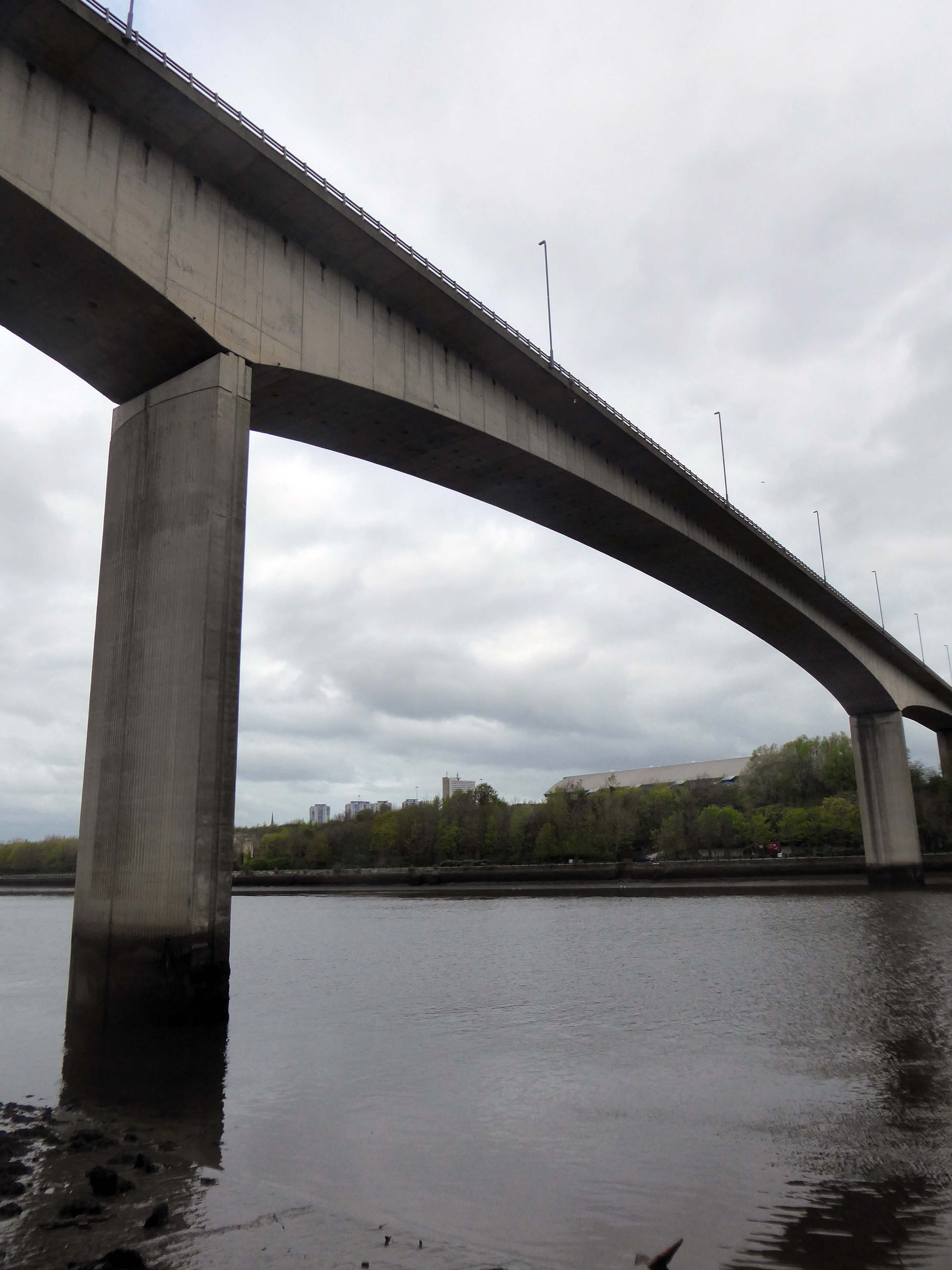
Redheugh Bridge – River Tyne

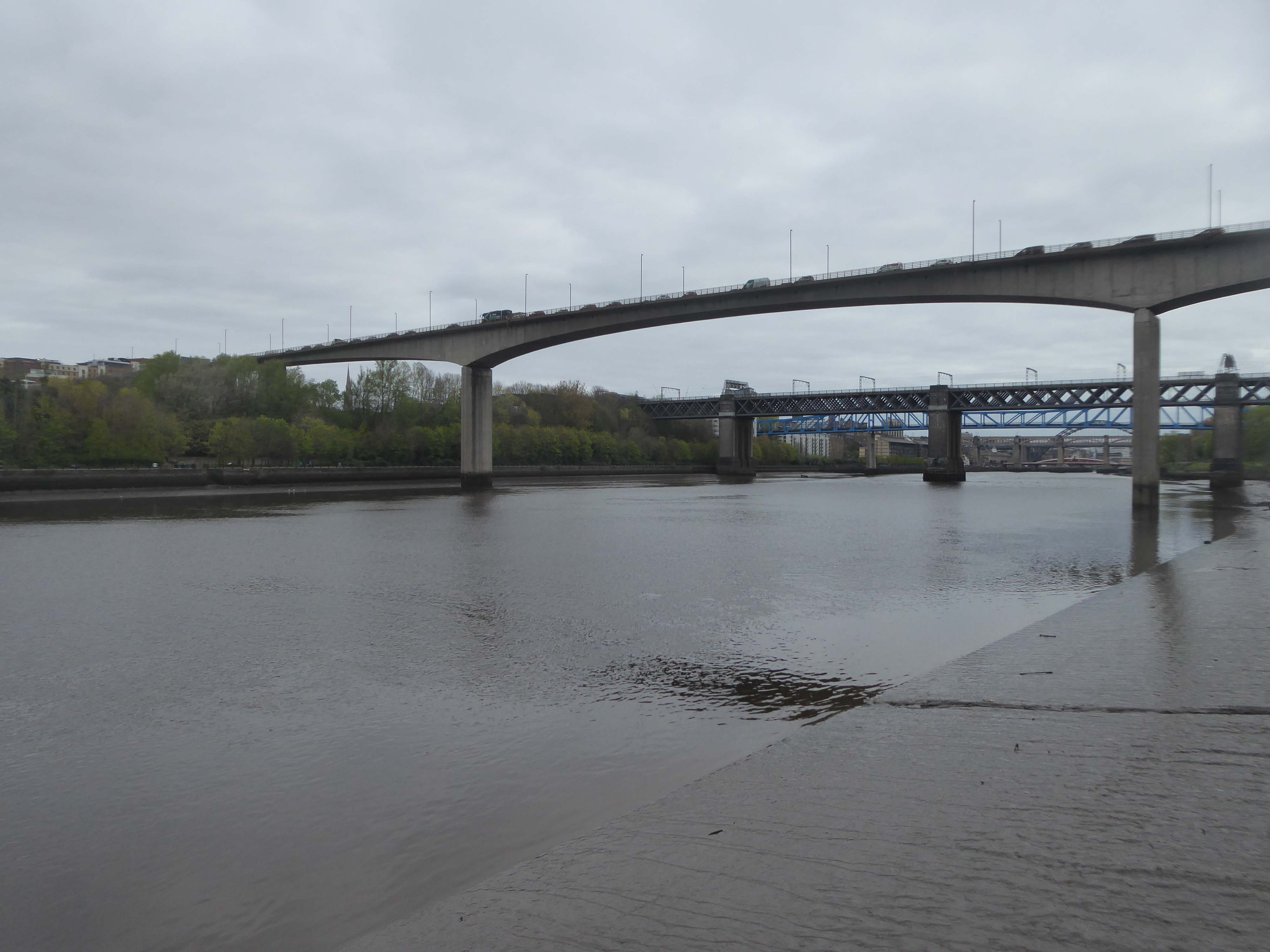
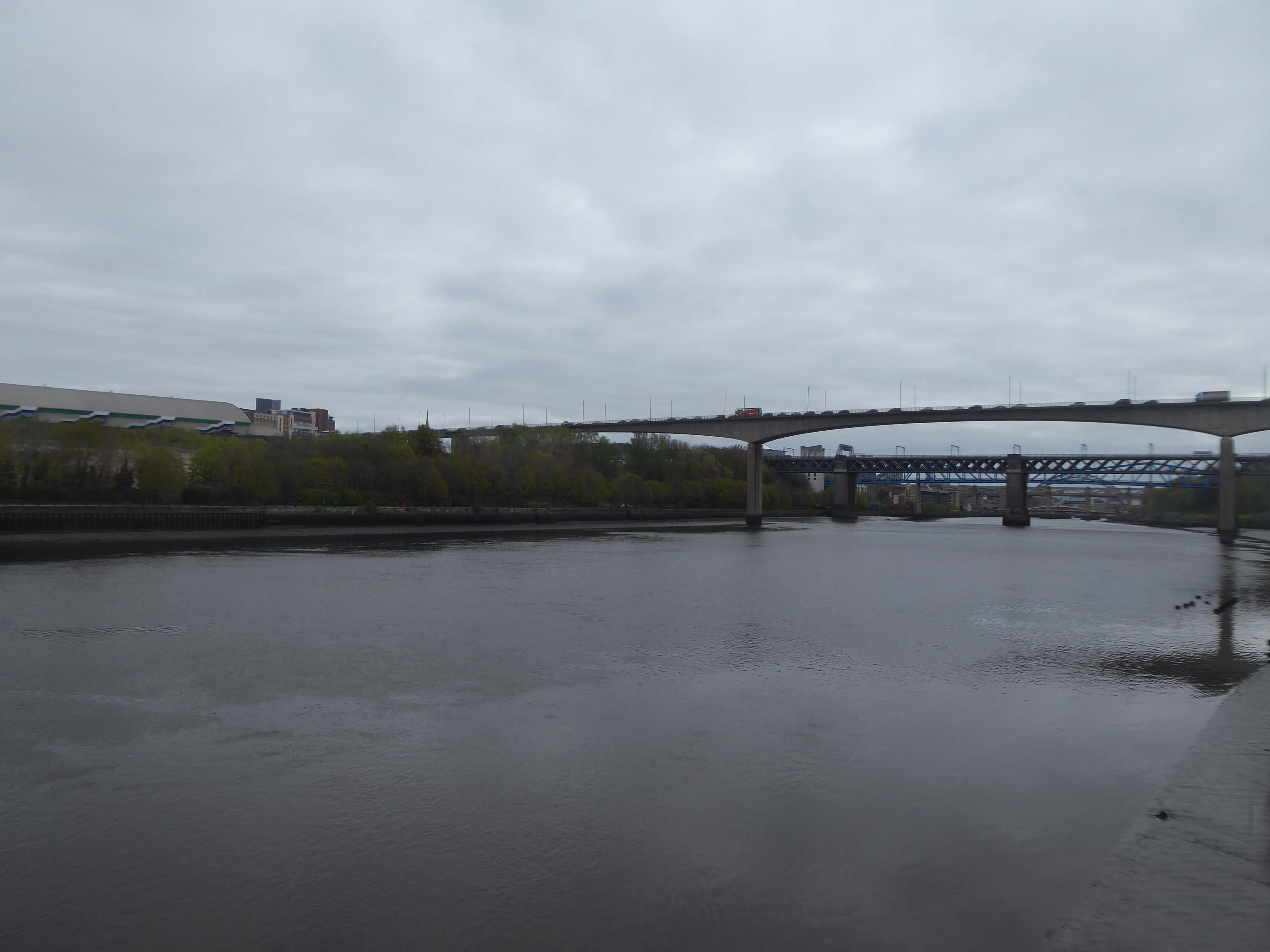
There have been three Redheugh Bridges spanning the River Tyne and currently carrying the A189 road. 

The first Redheugh Bridge, built by Thomas Bouch, was opened in 1871 – it needed to be replaced because of structural faults.

The second bridge, built by Sir William Arrol & Co, was opened on 13th August 1901.

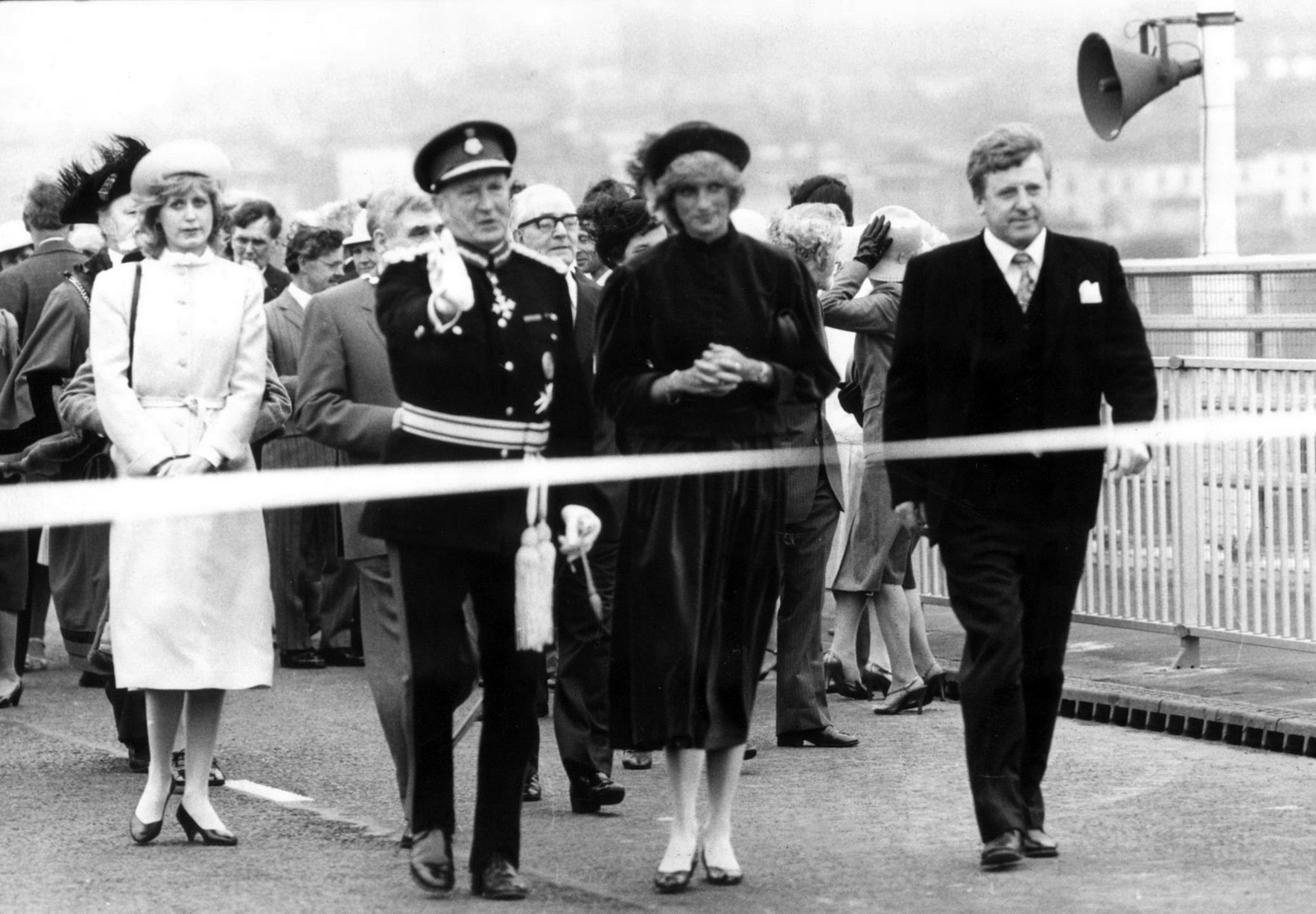
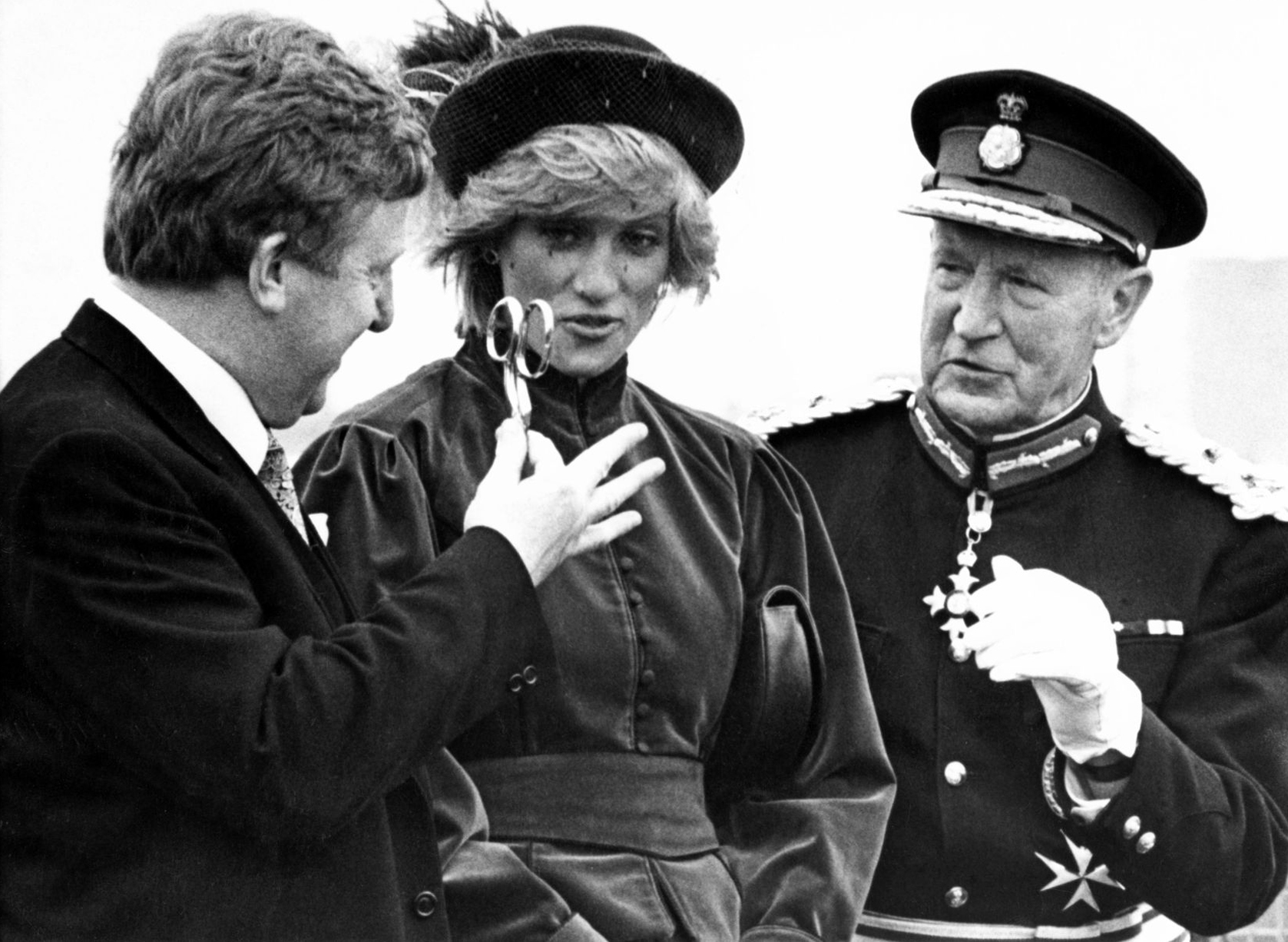
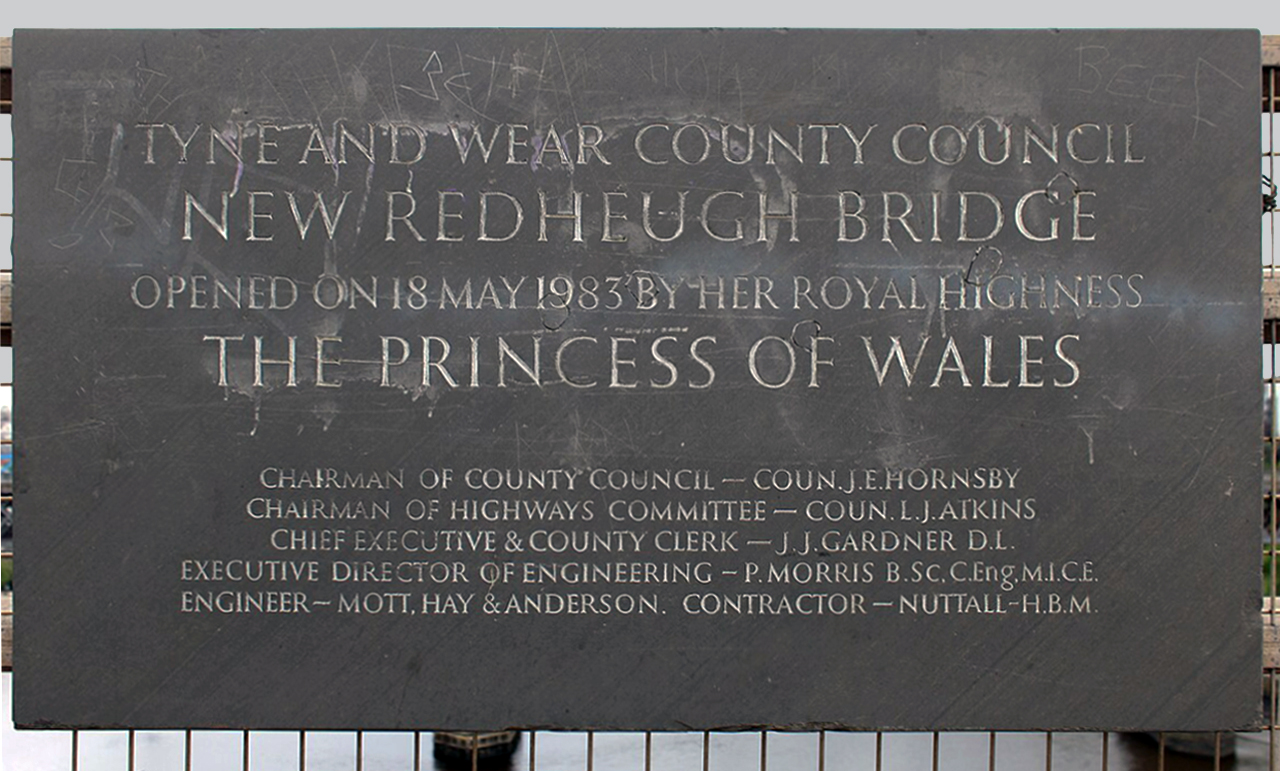
The third and current Redheugh Bridge was built by Edmund Nuttall Ltd and opened on 18th May 1983 by Princess Diana.

co-curate

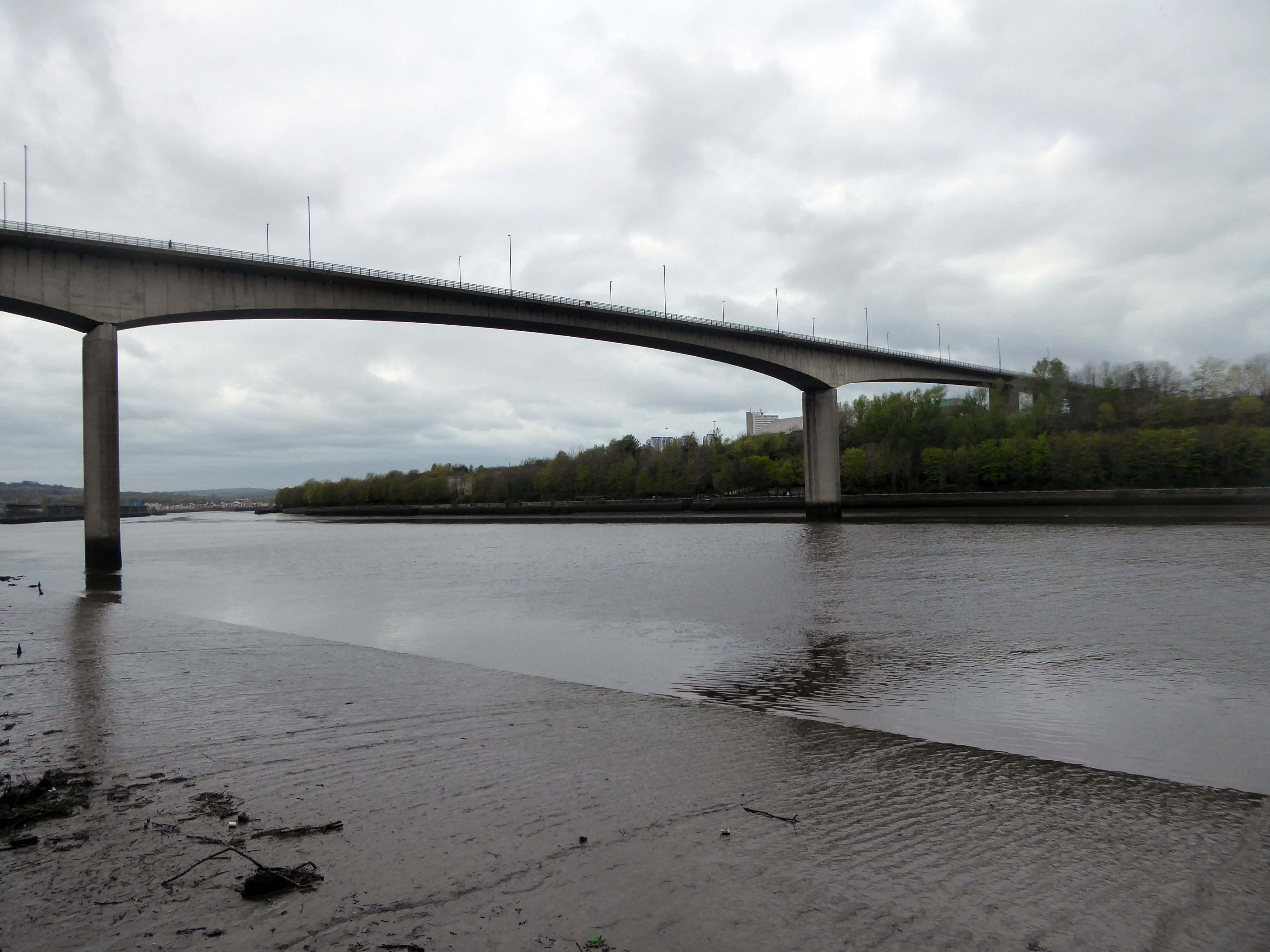
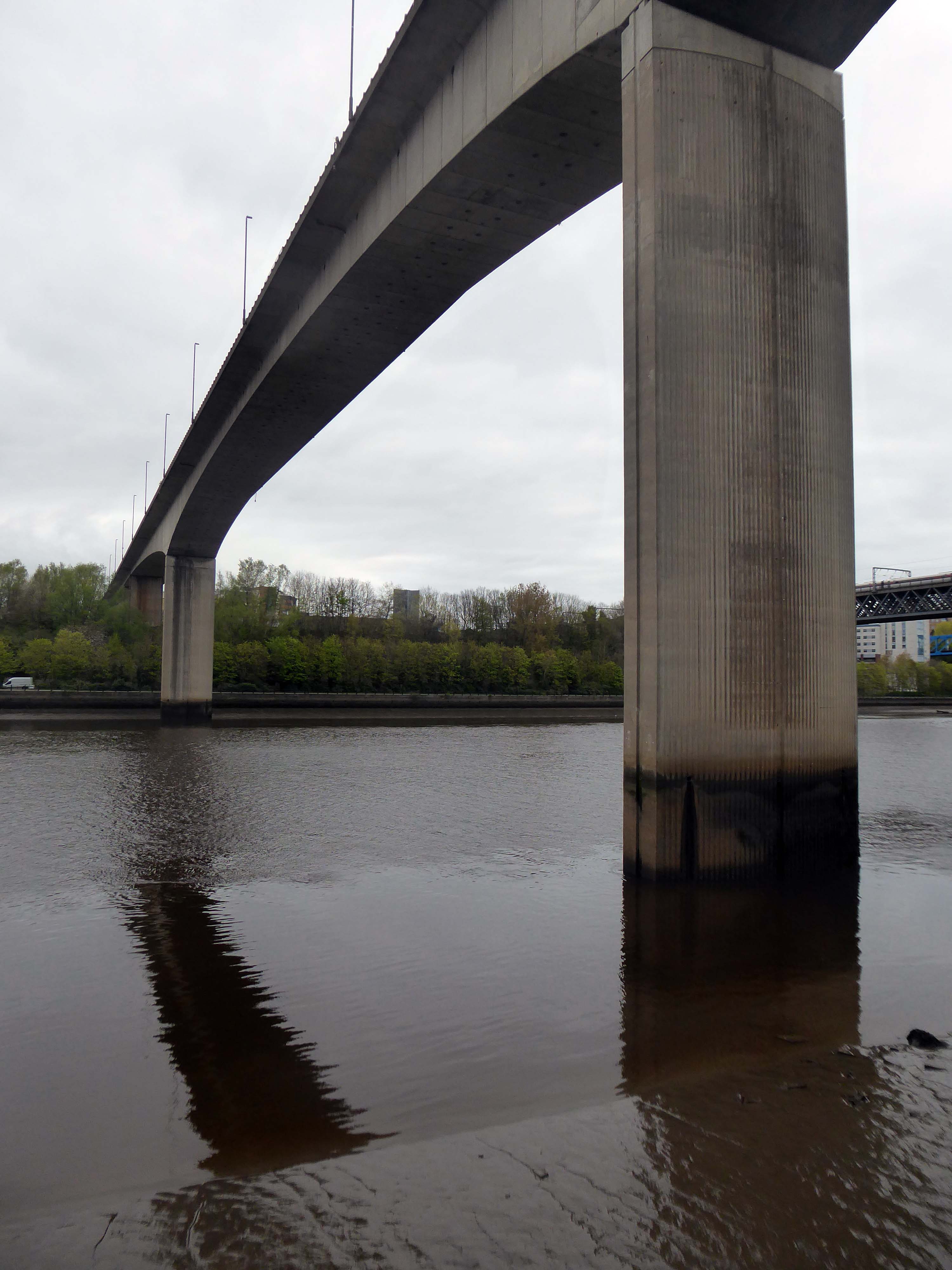
Work to replace the second crossing began in 1980.[The third bridge is very different from its two predecessors. It is a pre-stressed concrete structure with a central span of 160 m, 26 m above the river, and two side spans of 100 m each – including the approaches, it is a total of 897 m long and 15.8 m wide. It can carry abnormal loads of up to 400 tonnes, and has a life expectancy of 120 years.

It was constructed by Edmund Nuttall Ltd to a design by Mott, Hay and Anderson’s young engineer, Alan Yiu Lun Wan.

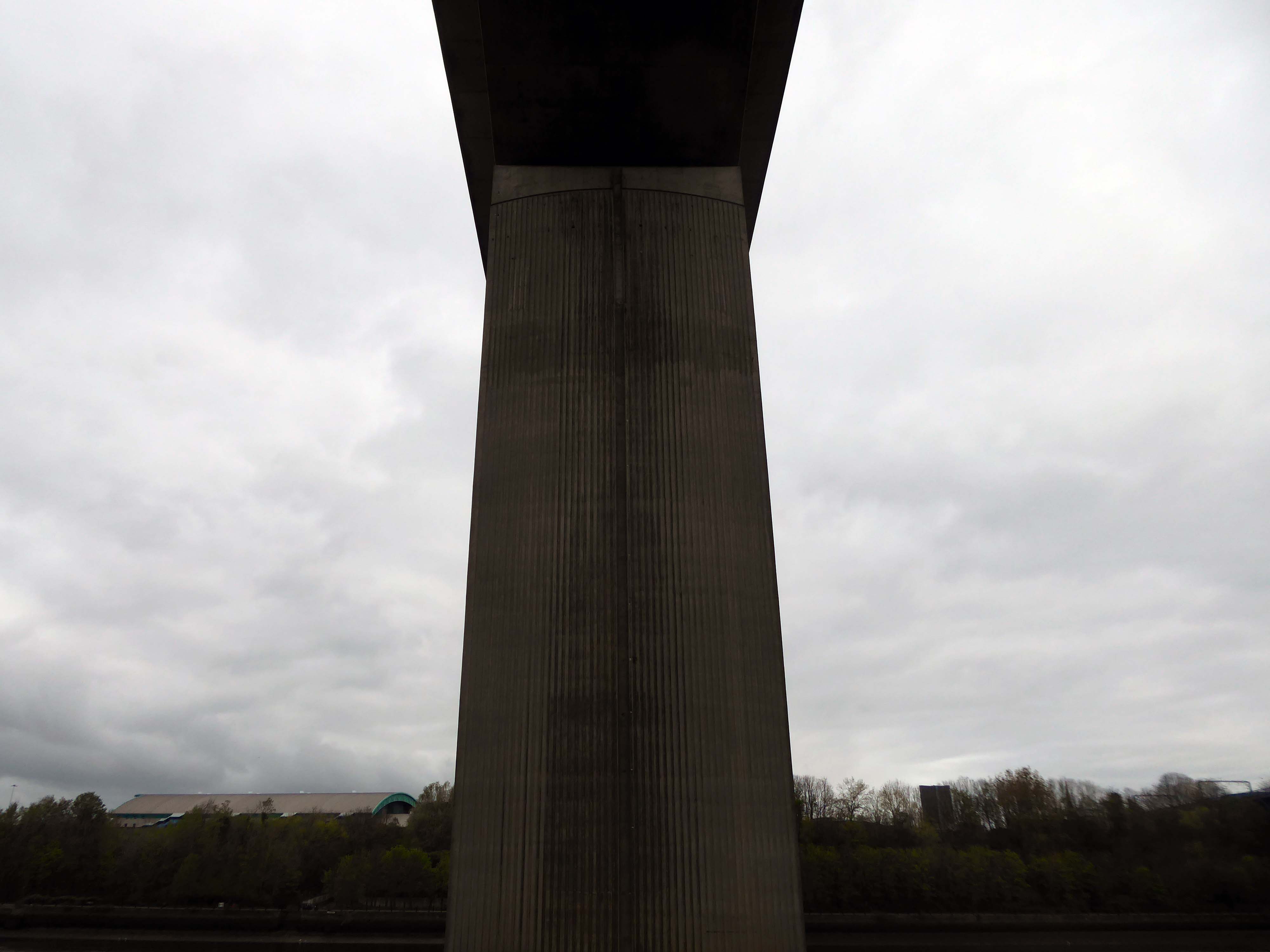
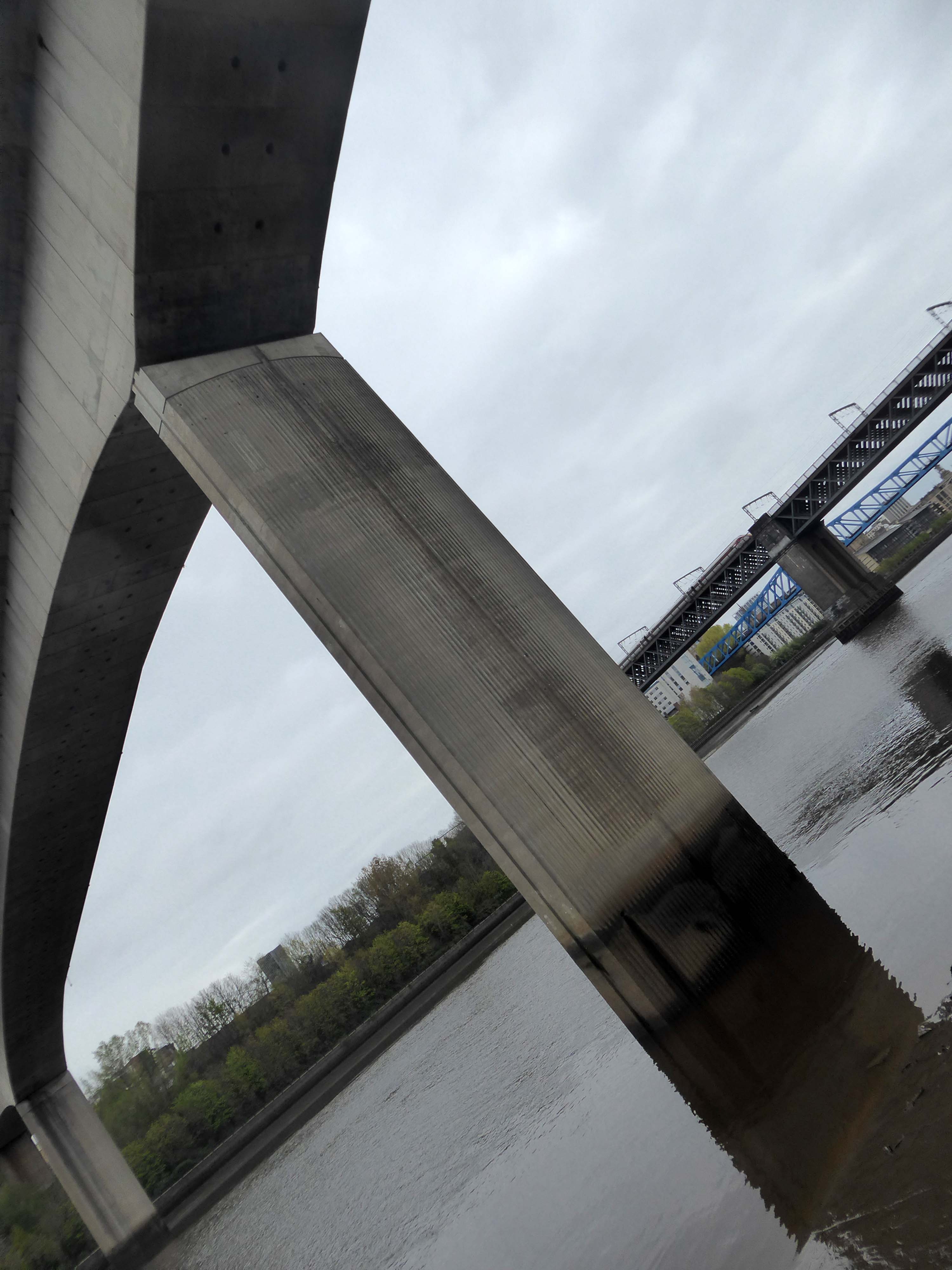
The two supporting concrete piers were fluted to create an impression of lightness and were designed to withstand the impact from a vessel of ten thousand tonnes travelling at a speed of five knots, although this is highly unlikely as large ships rarely come this far up the Tyne and the shipping lane has now effectively been blocked by the Gateshead Millennium Bridge. Due to the exposed location, strong winds can cause problems for high-sided vehicles. Early in the bridge’s life, a double-decker bus was nearly blown over the side.

 The total cost of construction amounted to £15,350,000.

Wikipedia

These are views of the bridge on the southern bank – walking toward Dunston.

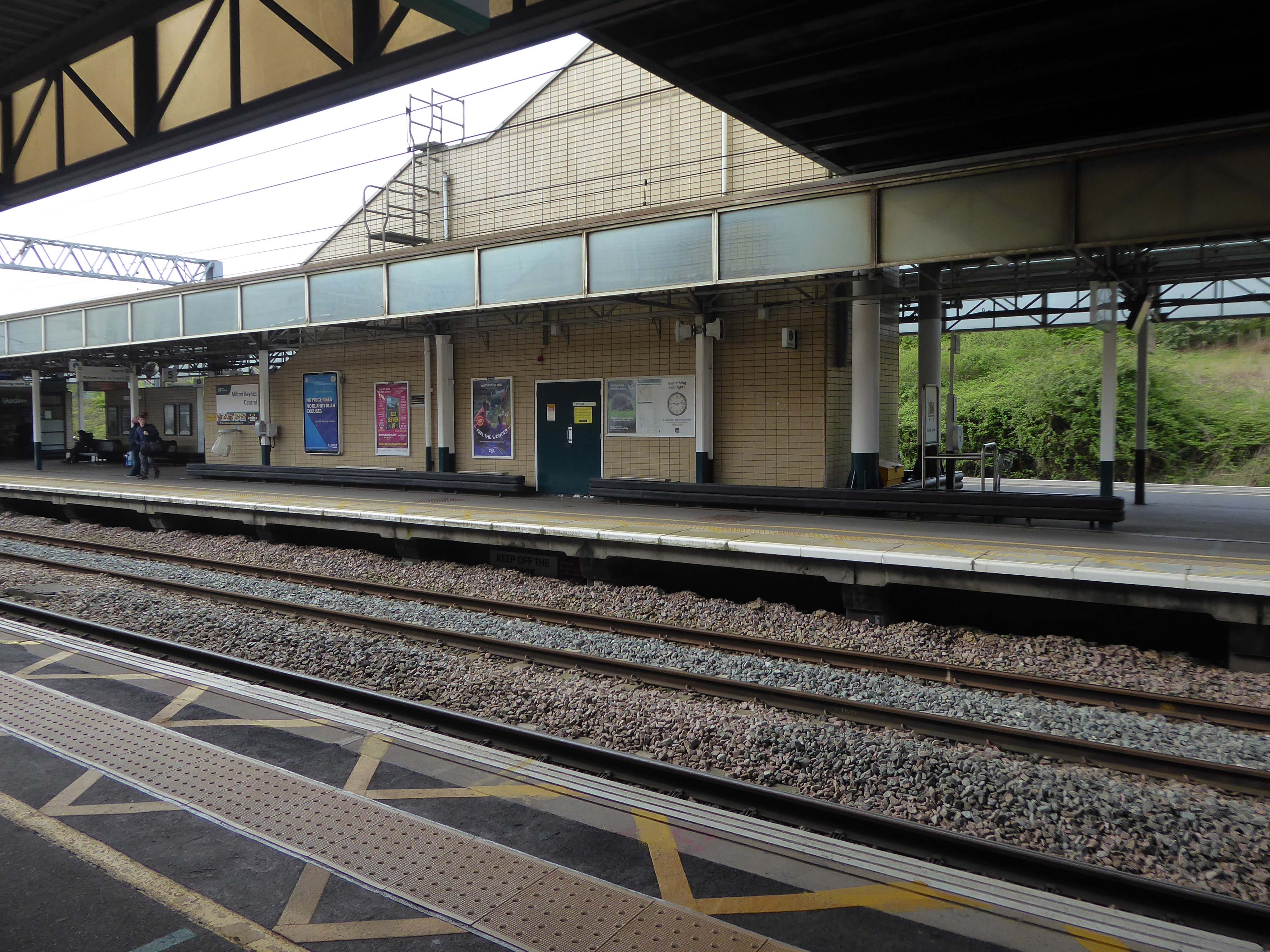
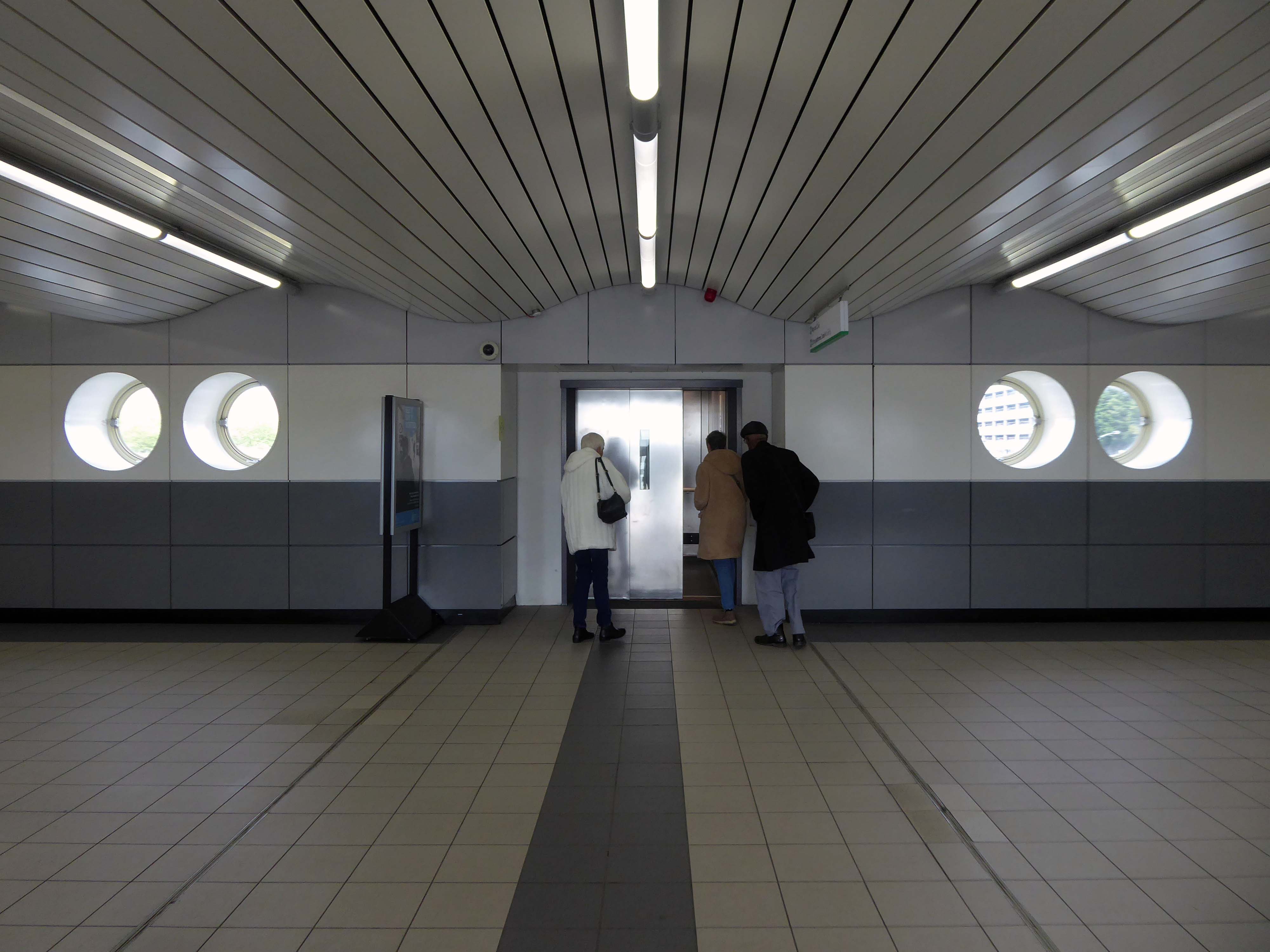
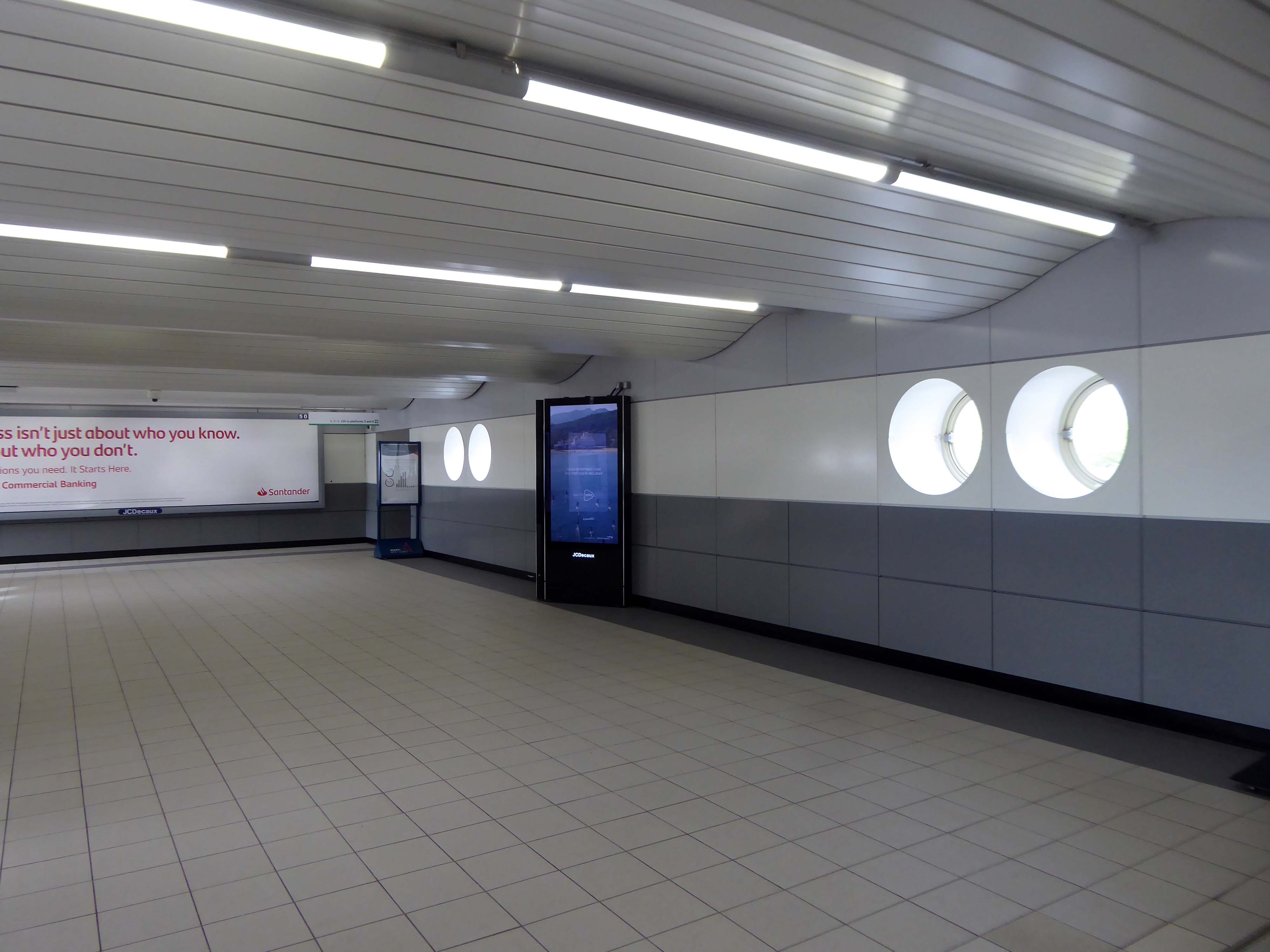
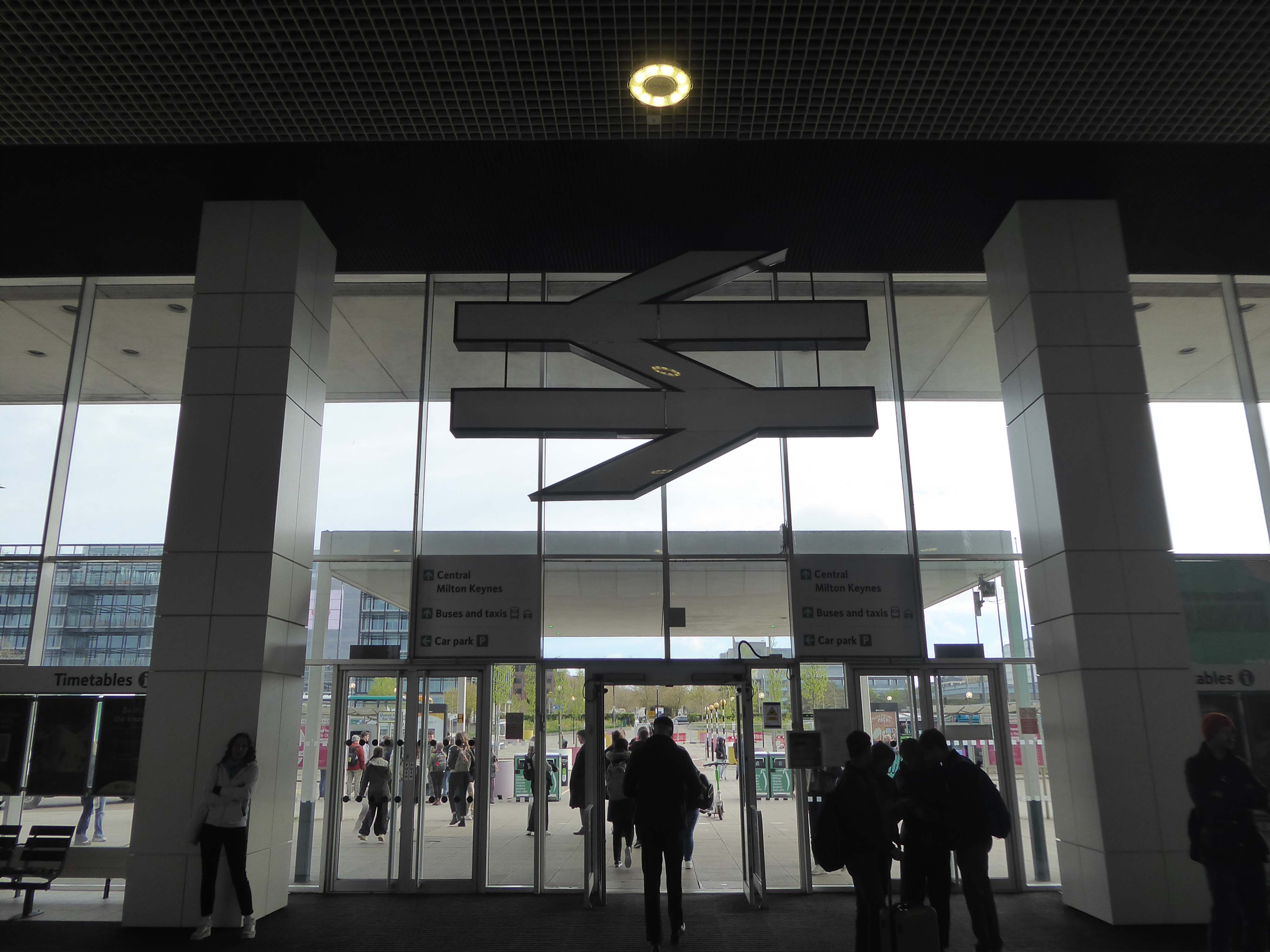
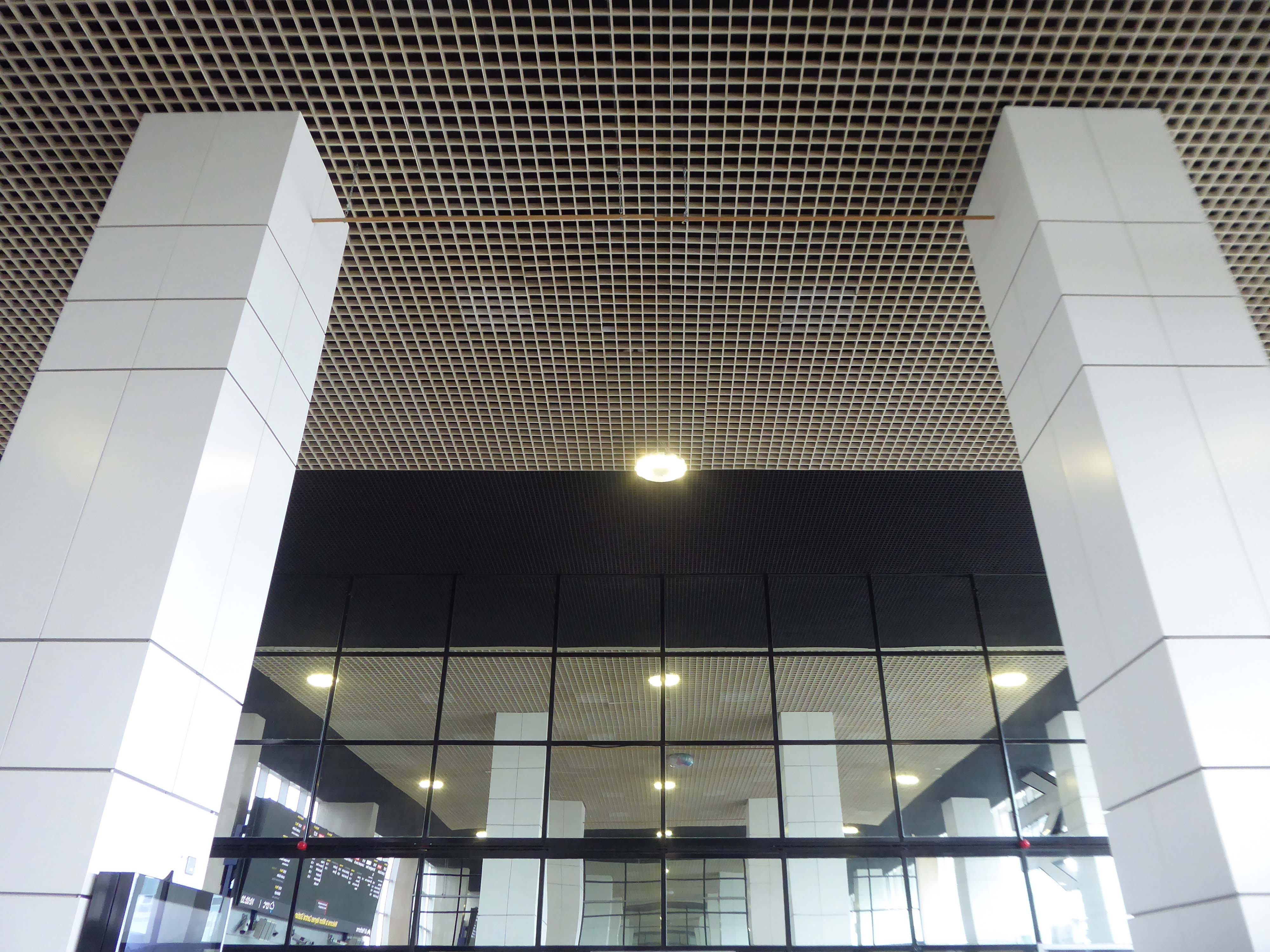
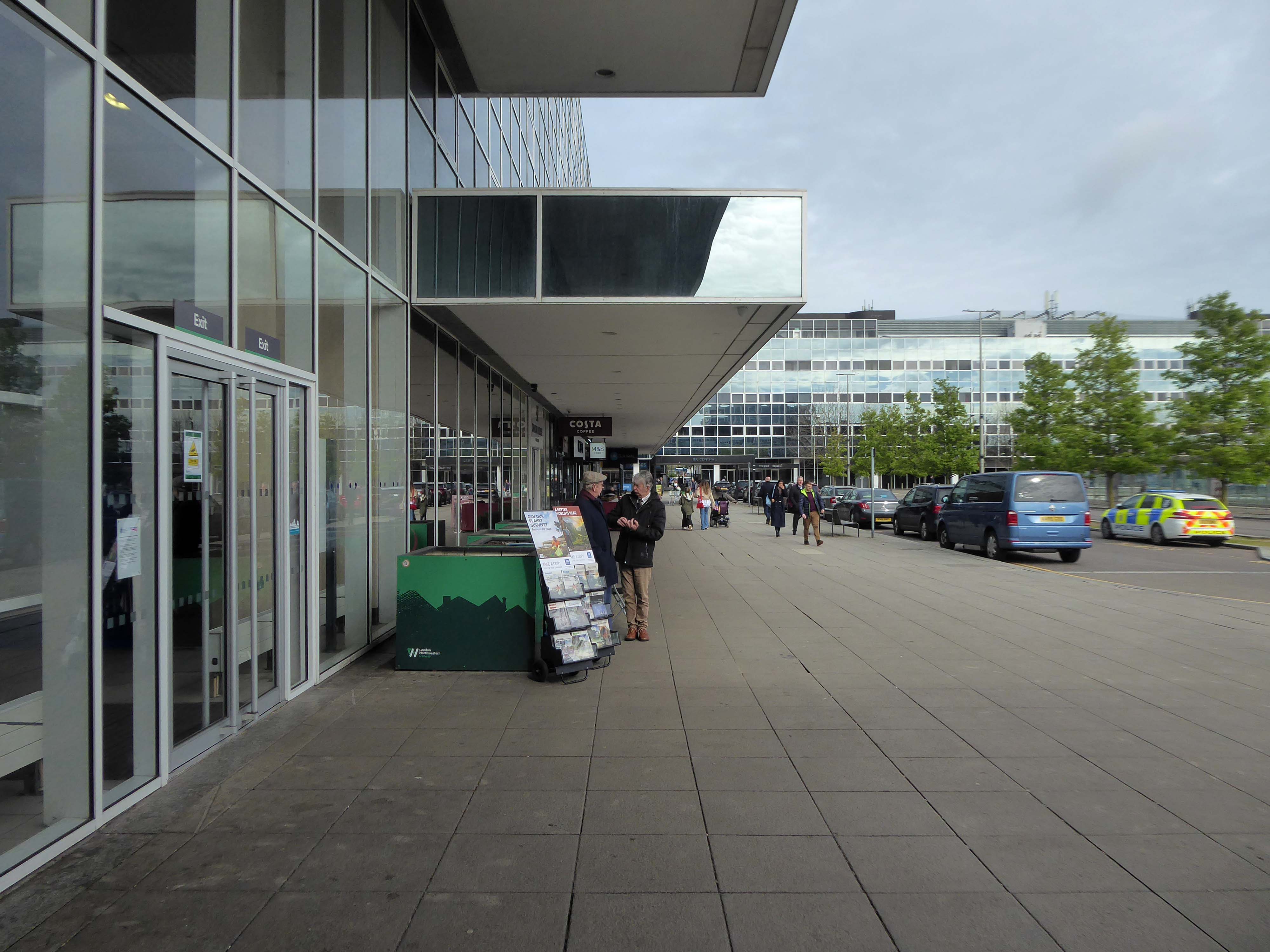
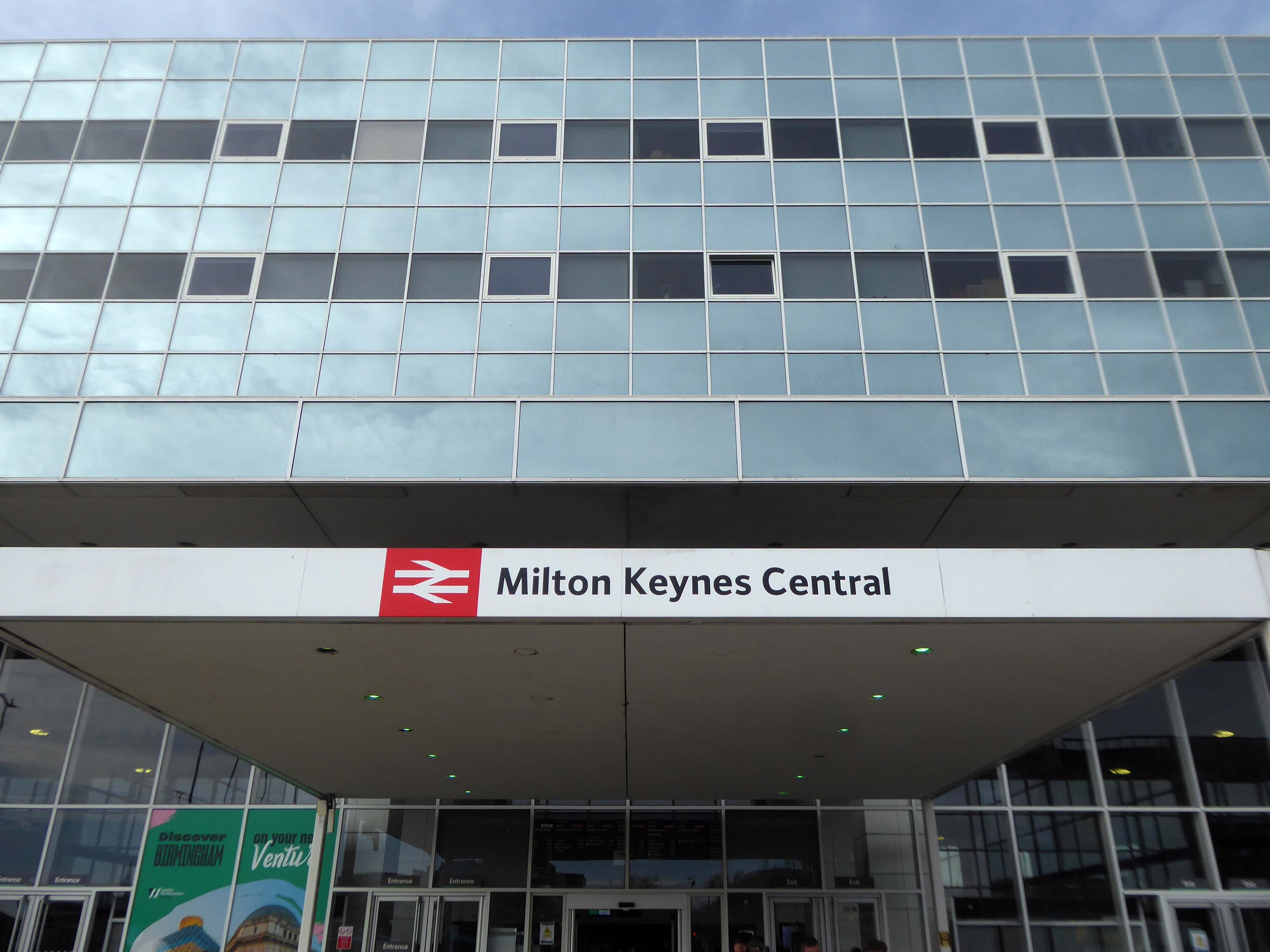
Milton Keynes Central Railway Station

302 Elder Gate  Milton Keynes MK9 1LA

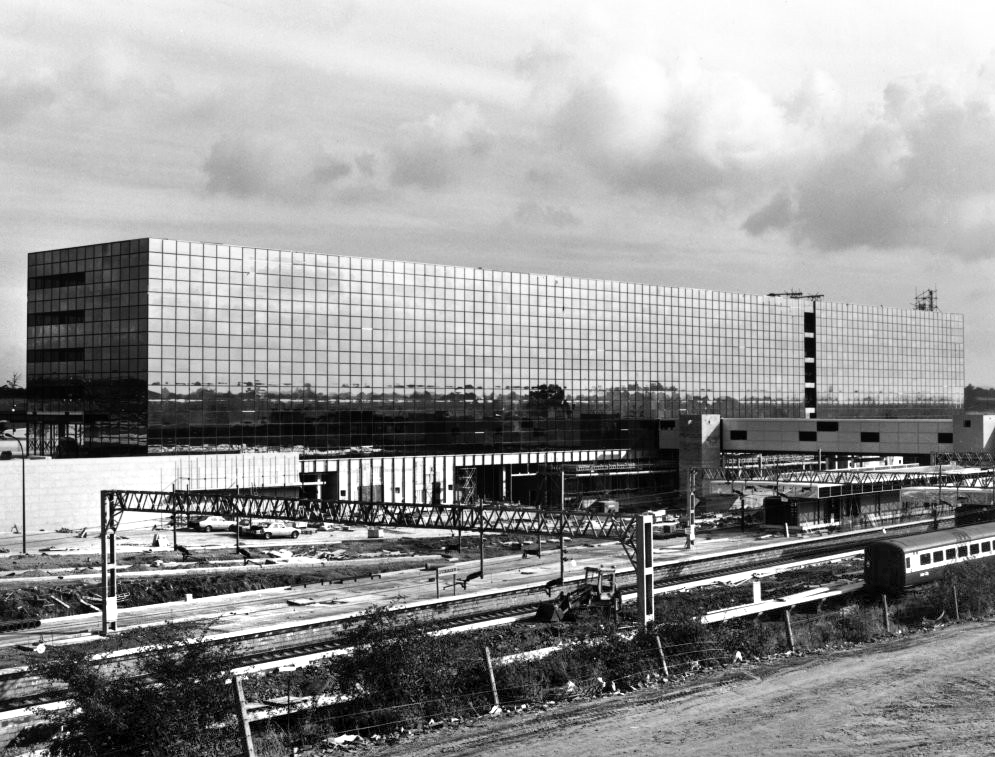
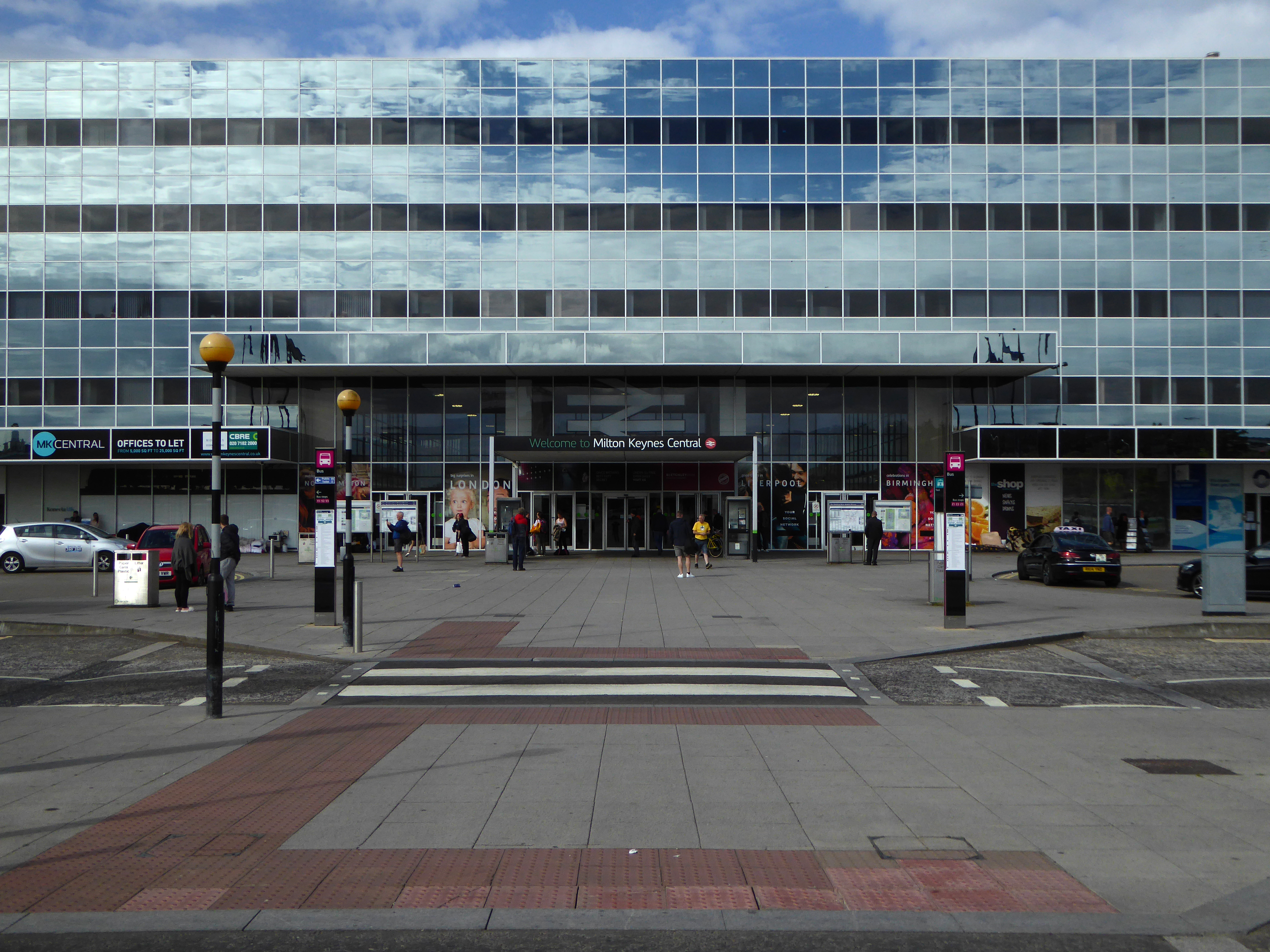
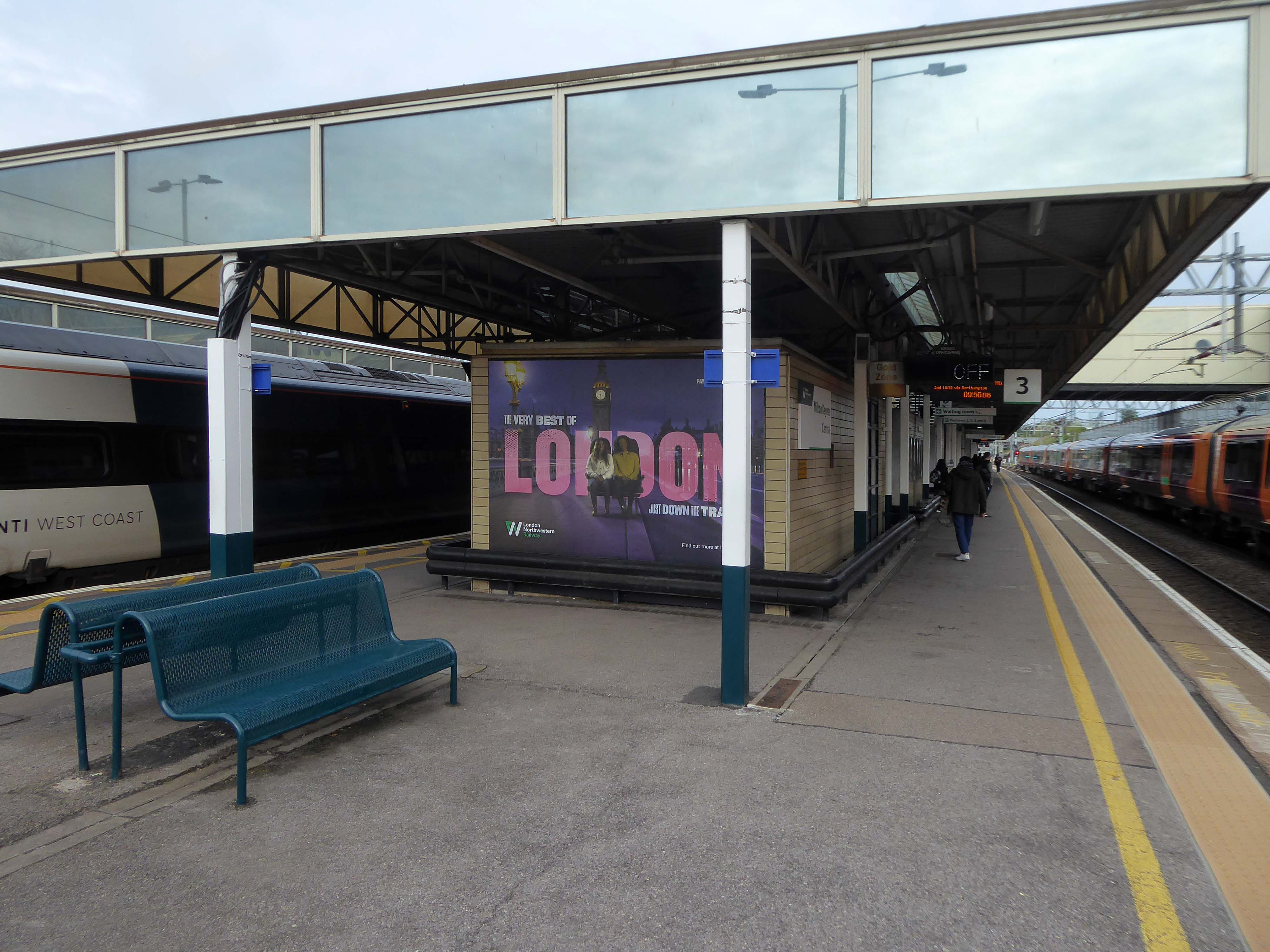
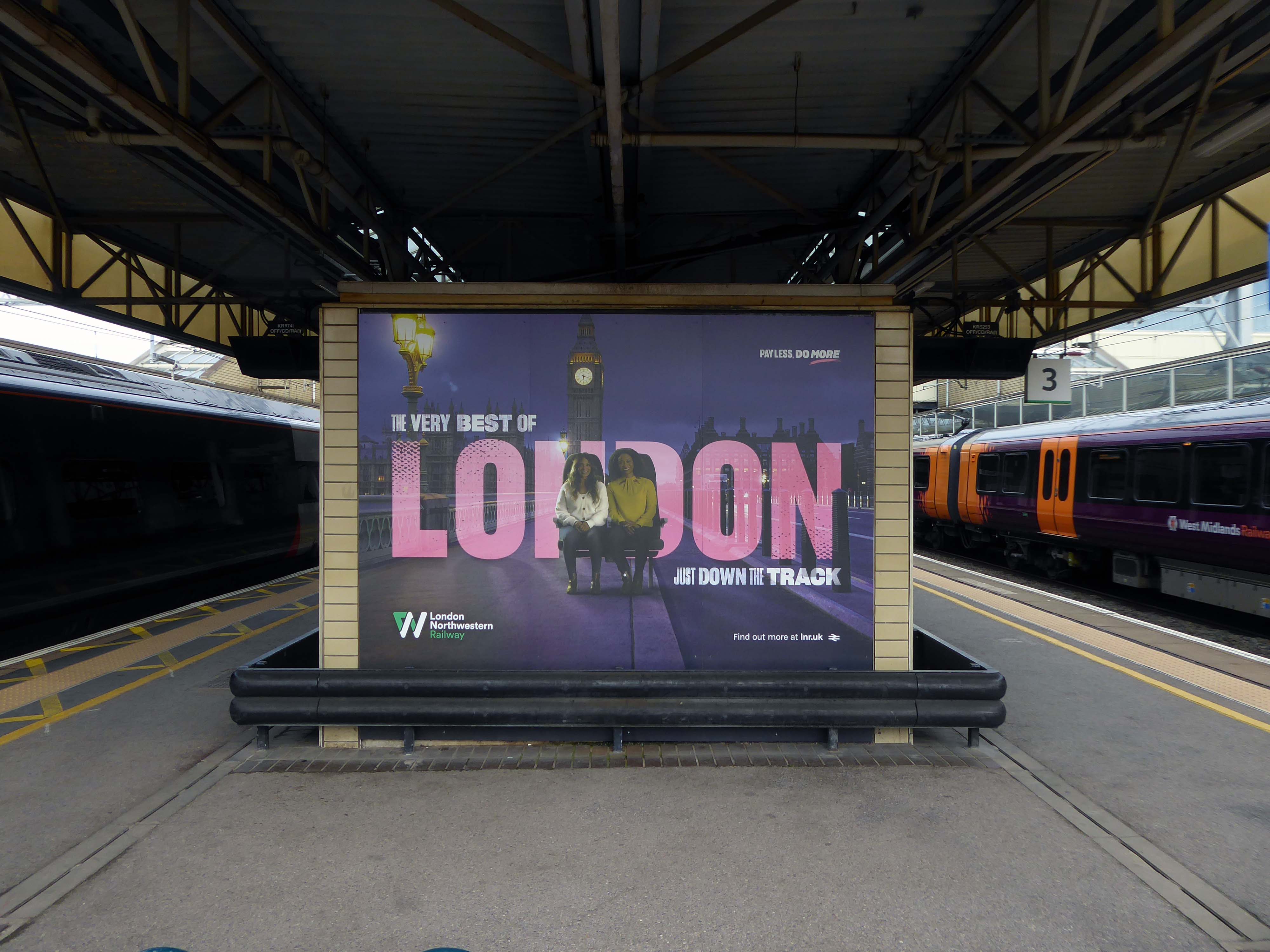
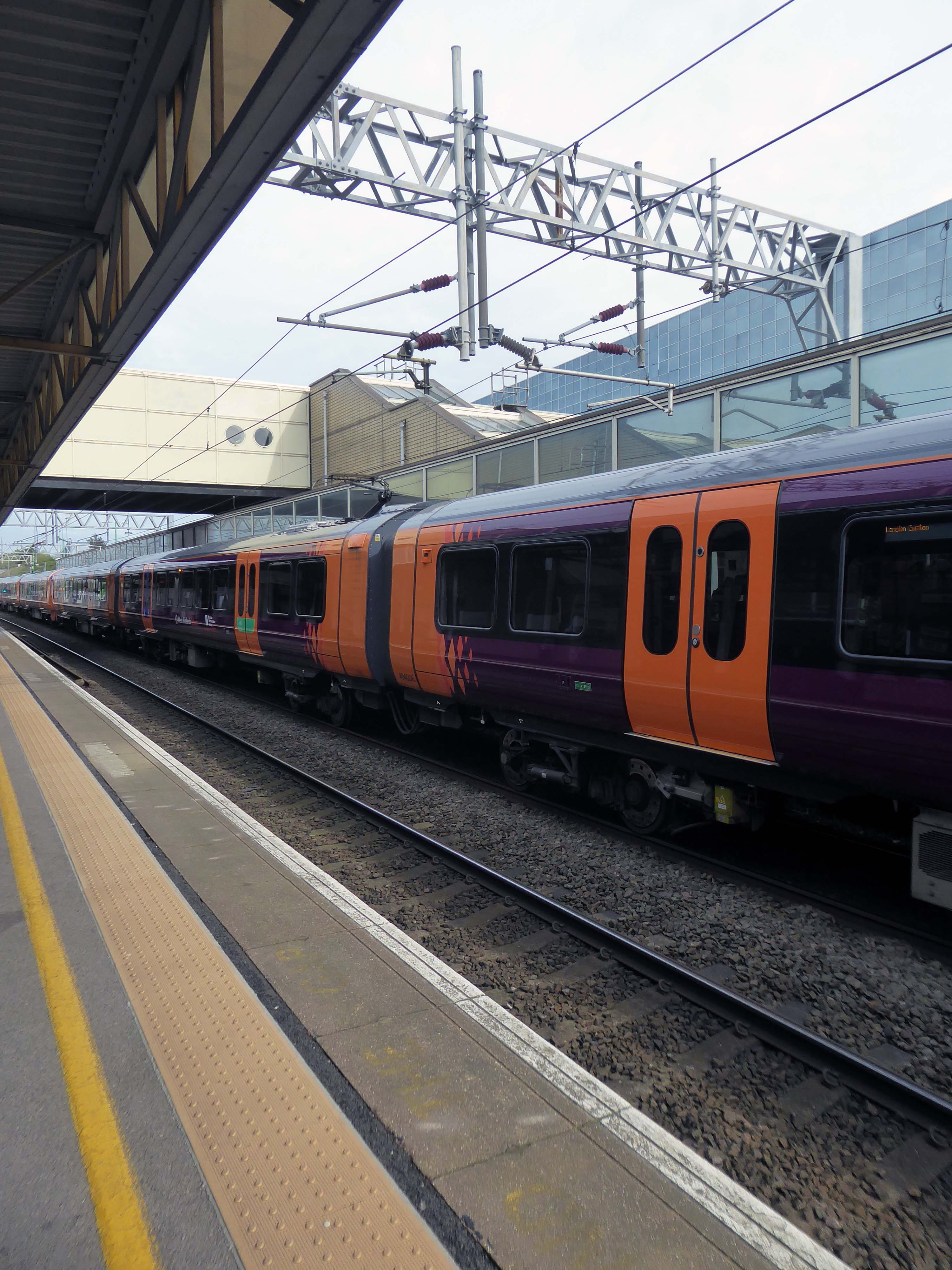
Milton Keynes Central railway station serves Milton Keynes and surrounding parts of Bedfordshire, Buckinghamshire and Northamptonshire. The station is located on the West Coast Main Line about 50 miles northwest of London. The station is served by Avanti West Coast intercity services, and by West Midlands Trains regional services. 

A new station to delimit the western end of the new central business district of Milton Keynes was a key objective for Milton Keynes Development Corporation. In the cash-strapped circumstances of the 1960s and 1970s, British Rail was unenthusiastic but eventually came round after a deal was done in 1978 on cost sharing. In 1979, MKDC architect Stuart Mosscrop designed the station building and office blocks to either side, framing a new Station Square and the vista uphill along Midsummer Boulevard – and the midsummer sunrise.

The Station Square and Station Building were designed by MKDC, the Station fitting out including the platforms, was designed by British Rail Architects, one third of the costs met by BR and two thirds by MKDC. For MKDC, the scheme was designed by MKDC architects Stuart Mosscrop, Derek Walker and Christopher Woodward; project architect David Hartley, assisted by Barry Steadman and Christopher Moxham; structural engineers Felix J Samuely. British Rail was responsible for the station concourse, footbridge and platform structures, the team comprising Jim S Wyatt, BR regional architect, and project architect John H Kitcher, assisted by Colin Eades

The station opened on 14 May 1982, with an official opening by Charles, then Prince of Wales, conducted three days later.

Mother of two Jo Francis leans in for a kiss.

Older people are remembering when he previously came to Milton Keynes:

Crowds stood around the forecourt of the Tickford Street factory to watch, cheer and wave flags. Then suddenly, a five year old boy called Matthew Turvey reached into his mum’s shopping basket, took out a tin of baked beans and held them out to the young Prince.

Would you like these for your lunch? – he asked.

Wikipedia

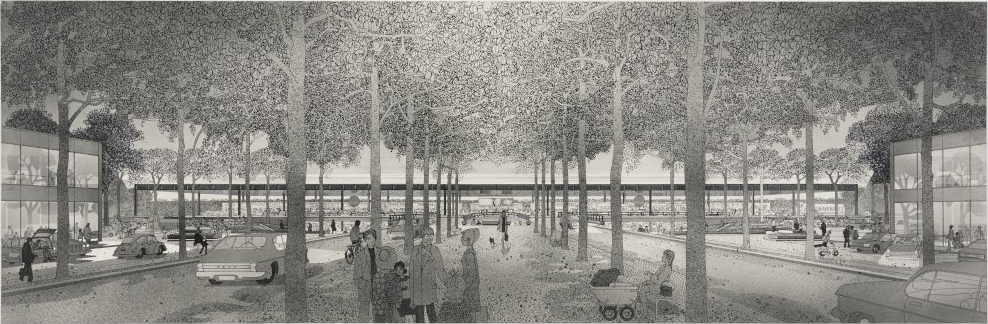
Proposed designs for architecture and town planning of Milton Keynes: boulevard and railway station – 1970 Derek Walker Associates

1981 – Built using a high performance reflective solar control glass called Vari-Tran, creating a complete curtain wall to cover the whole construction.

RIBApix

I first visited in 2018

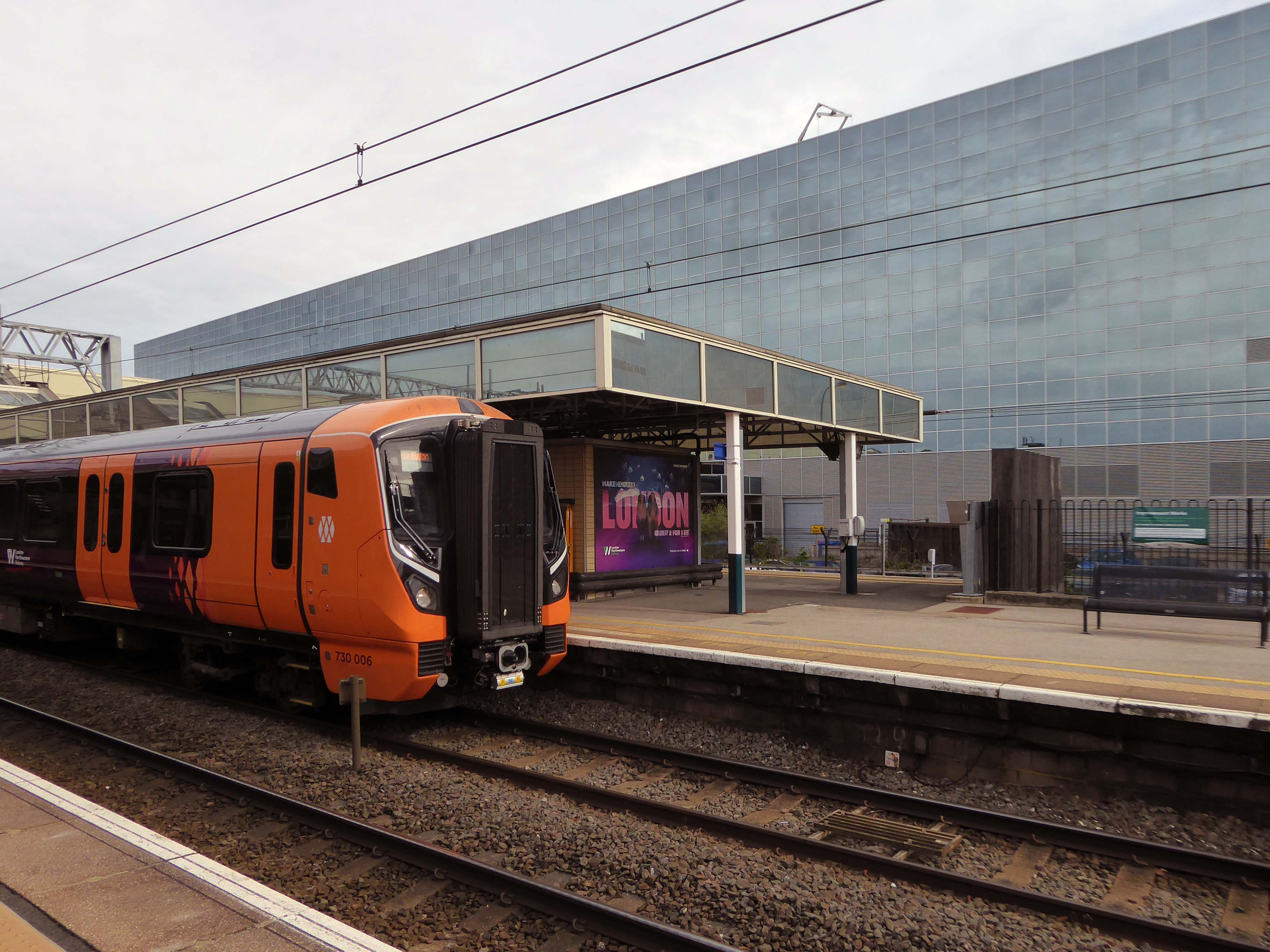
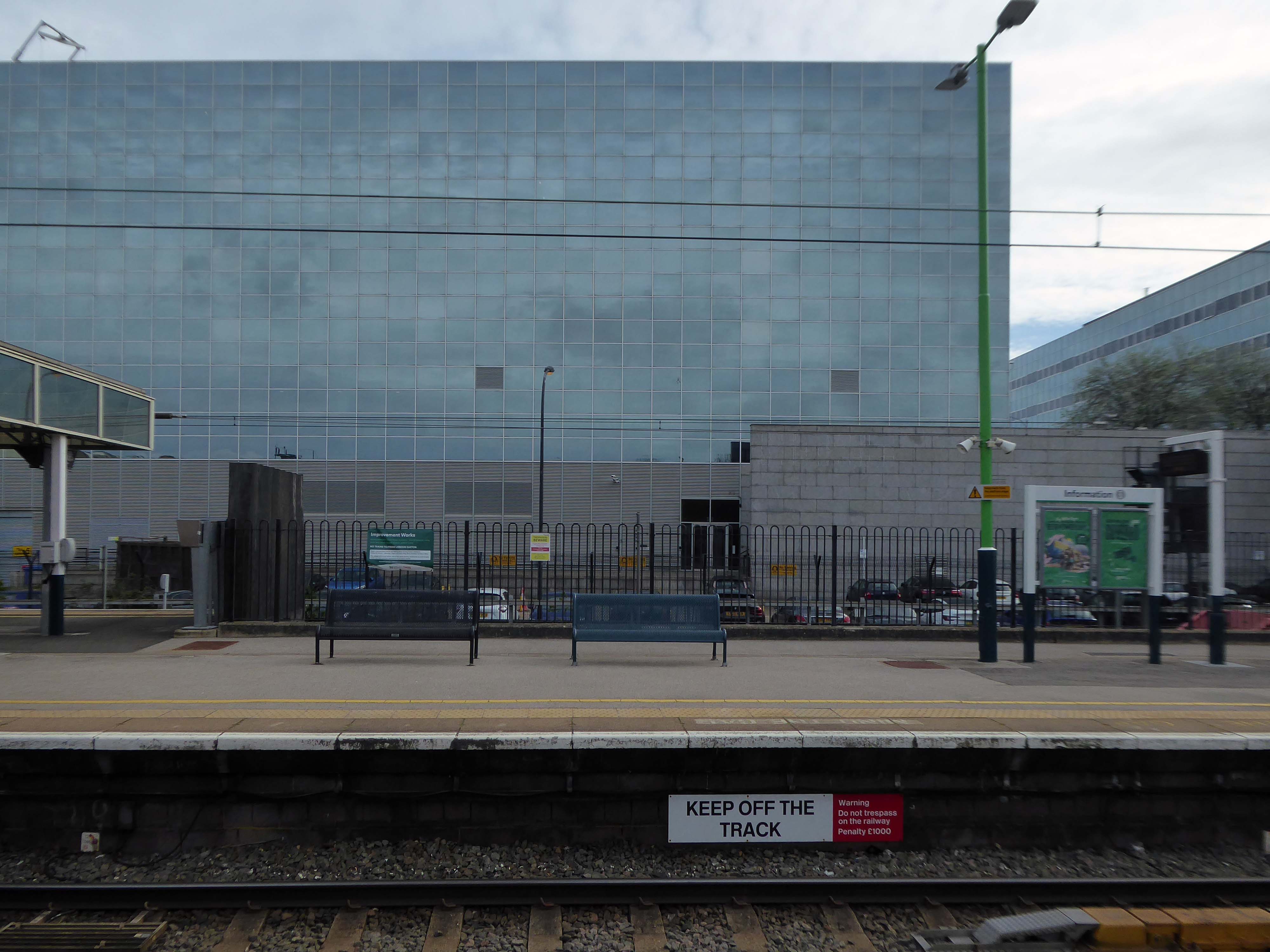
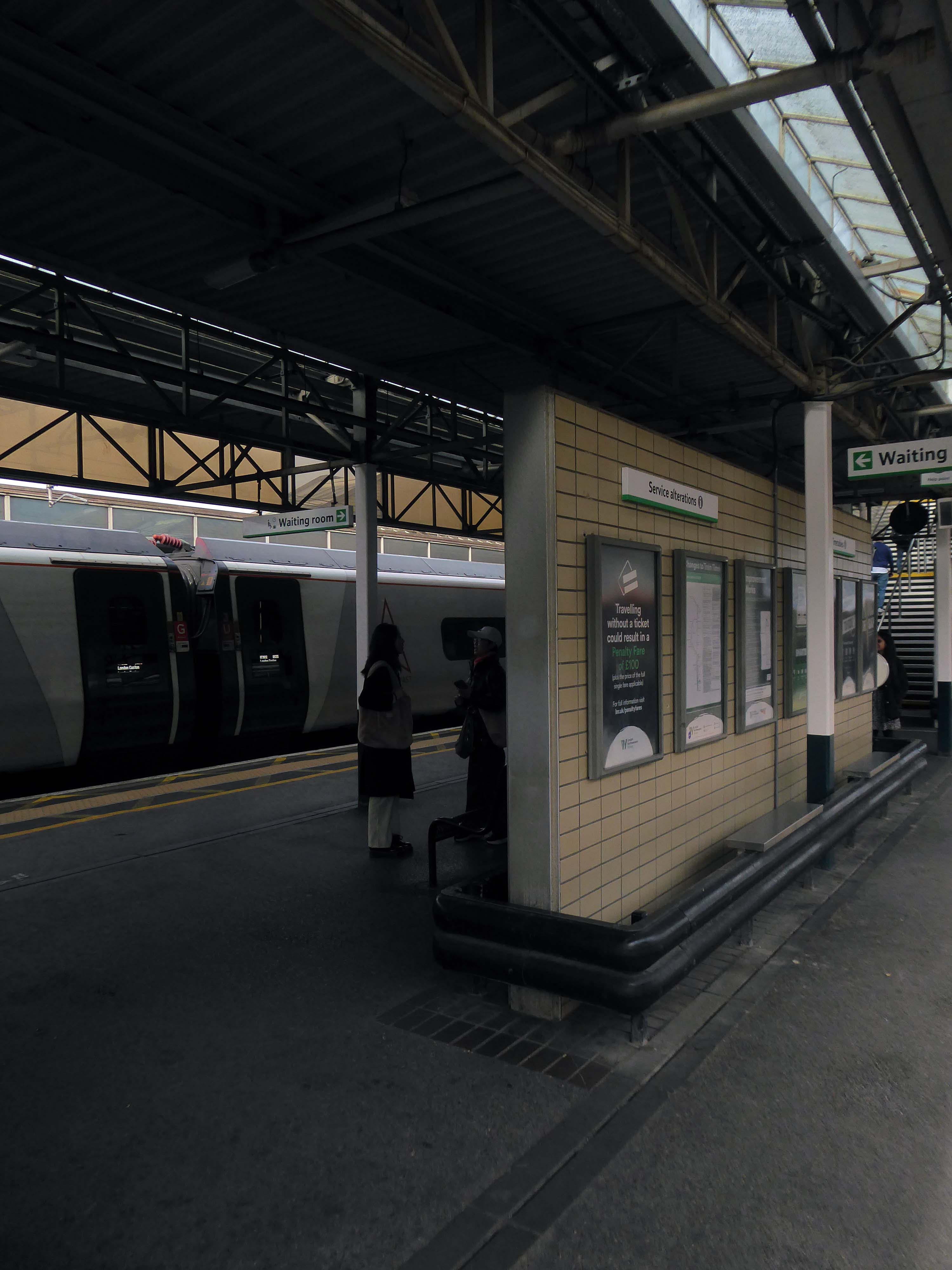
I returned on April 10th 2024 – this is what I saw.

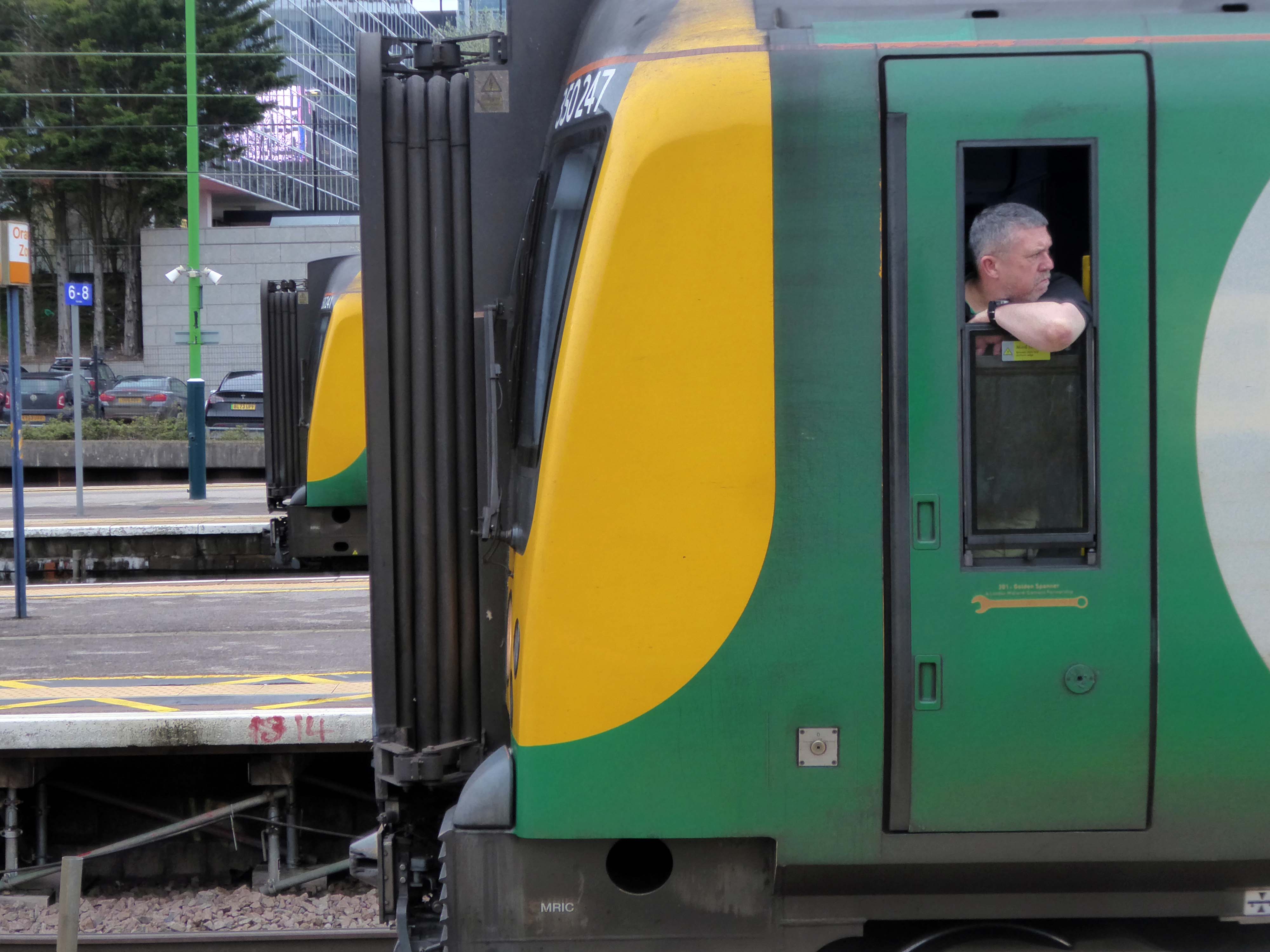
Later that same day – on the way home.

Right away driver – he was dismayed that there had been another train let go along the line.

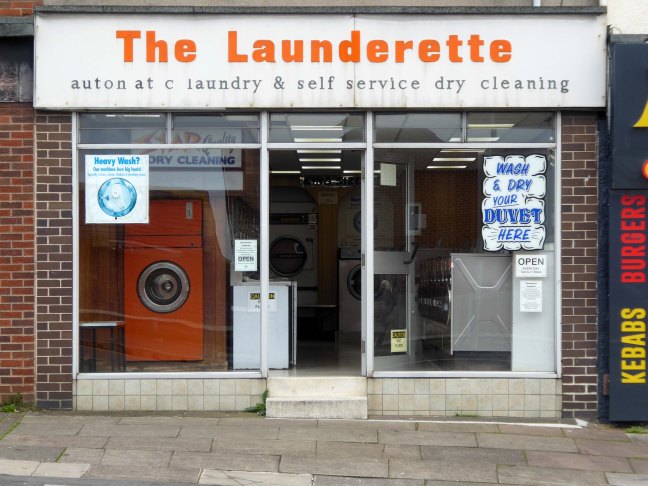
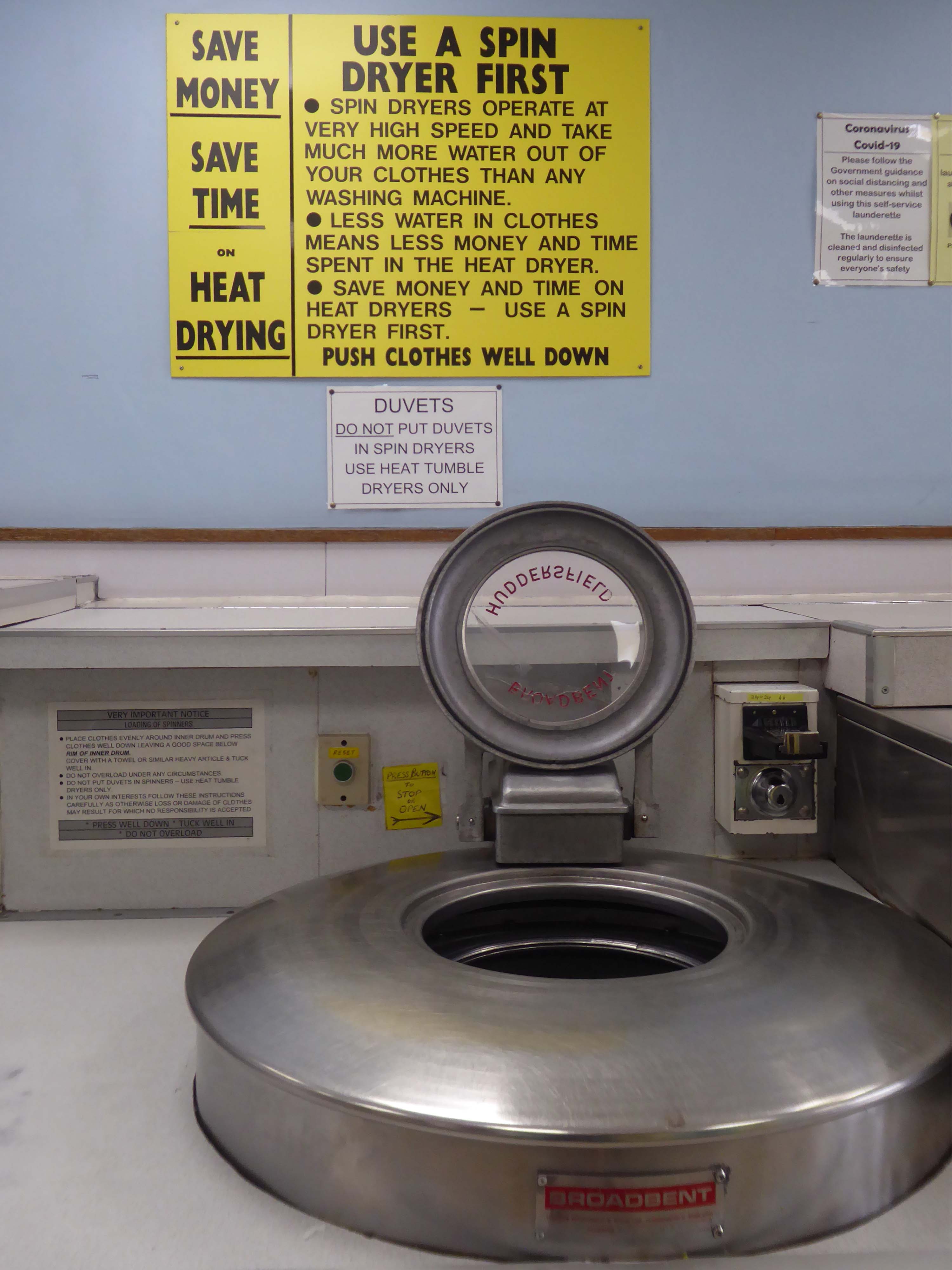
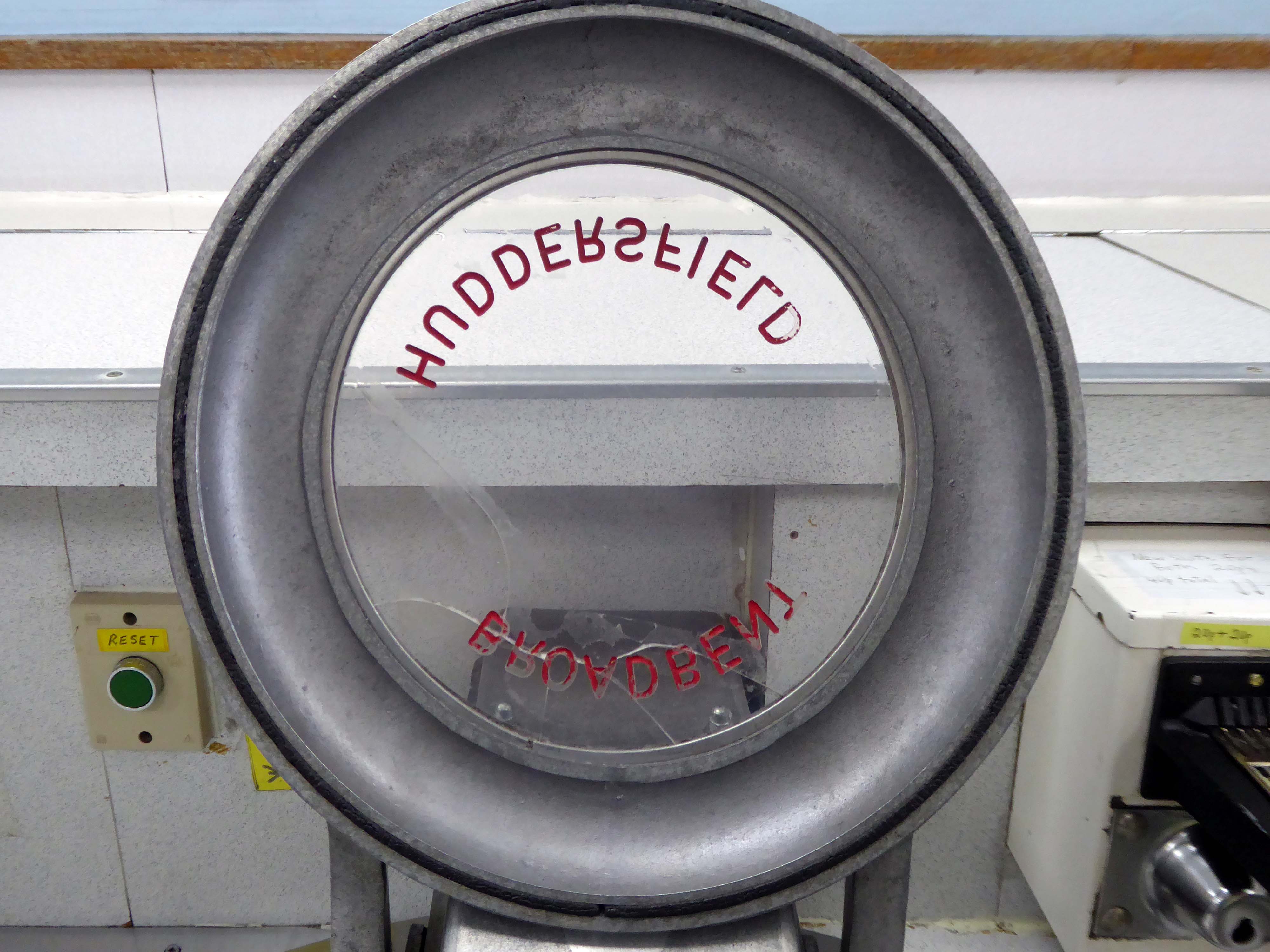
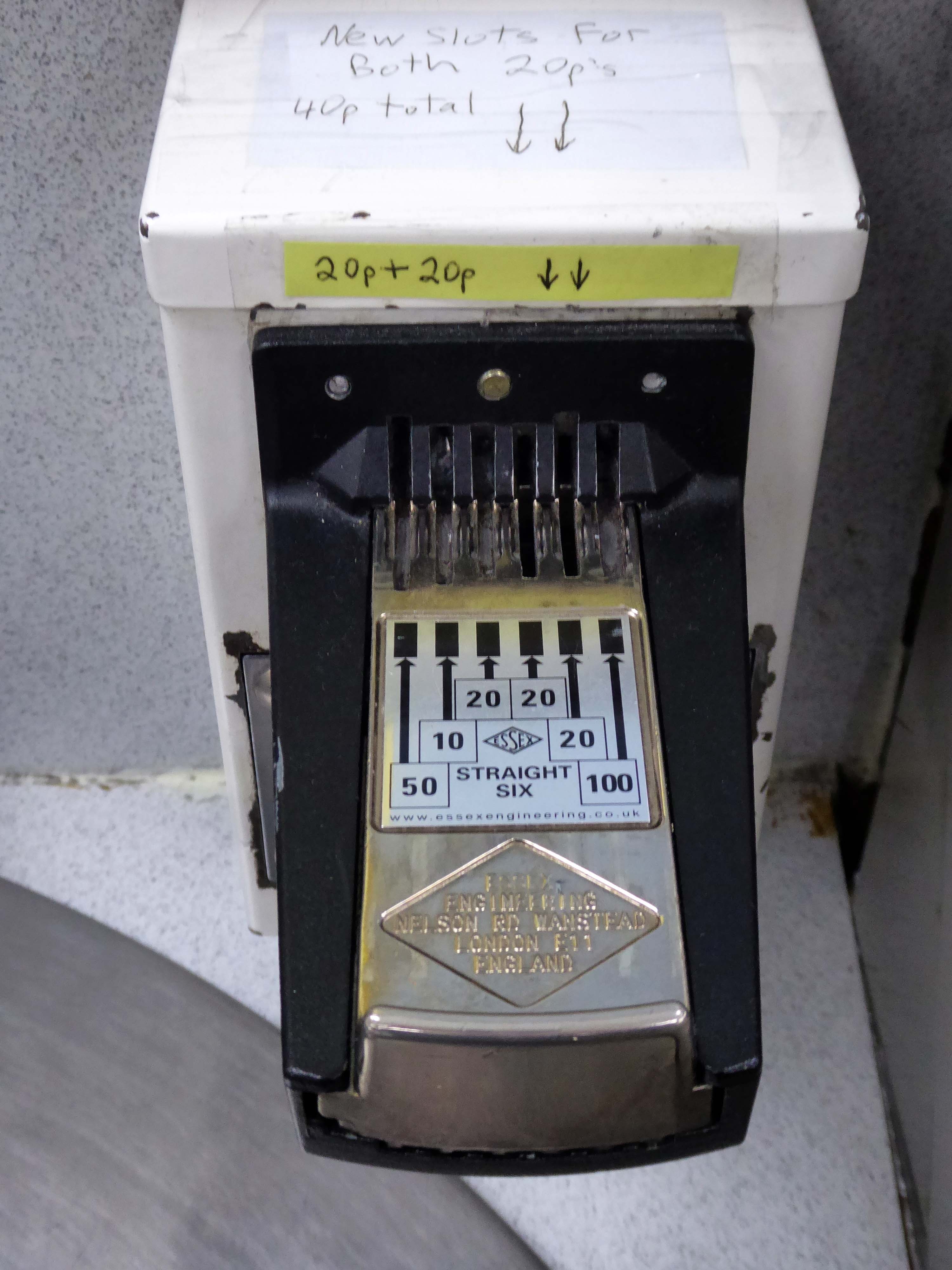
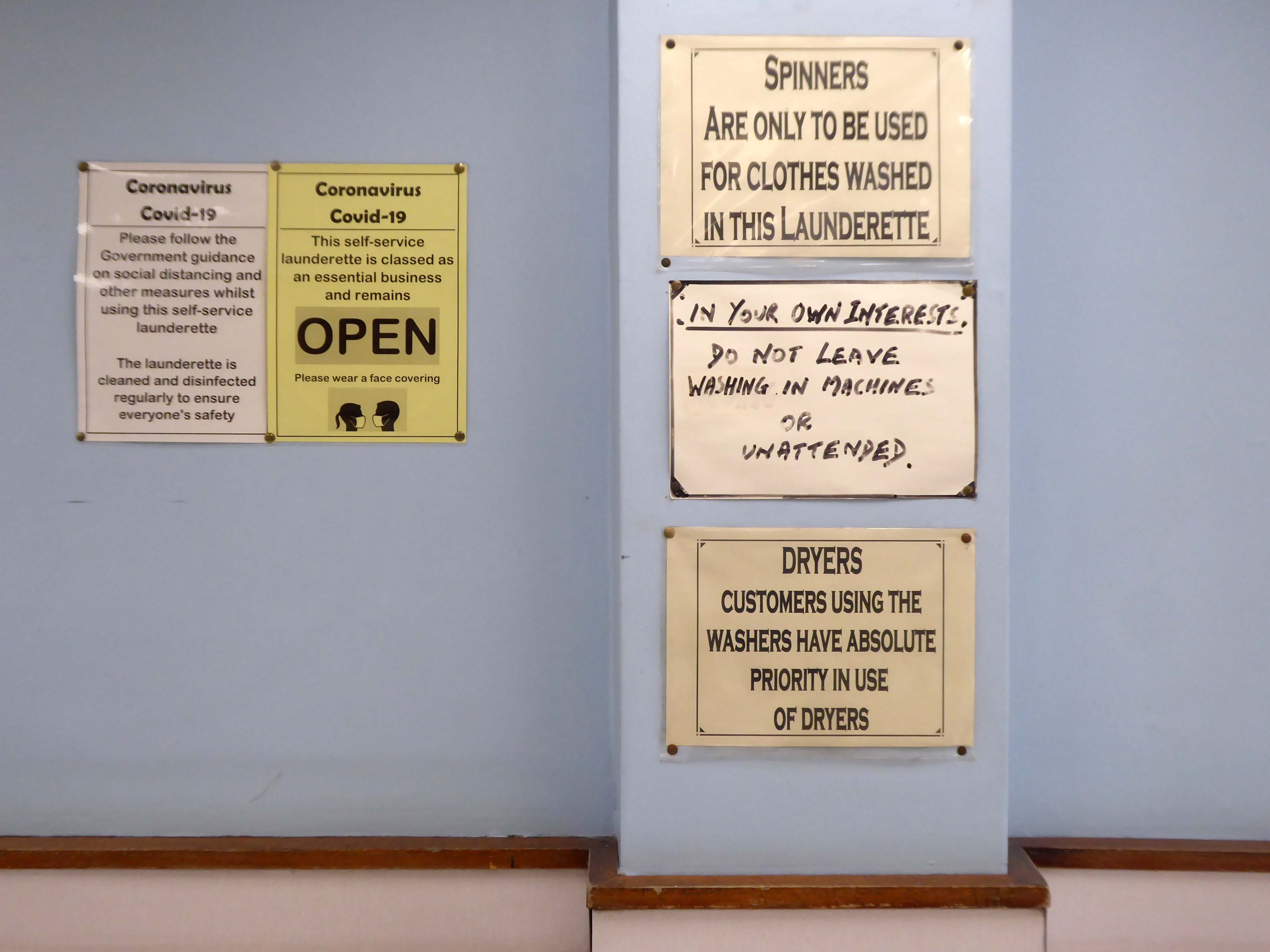
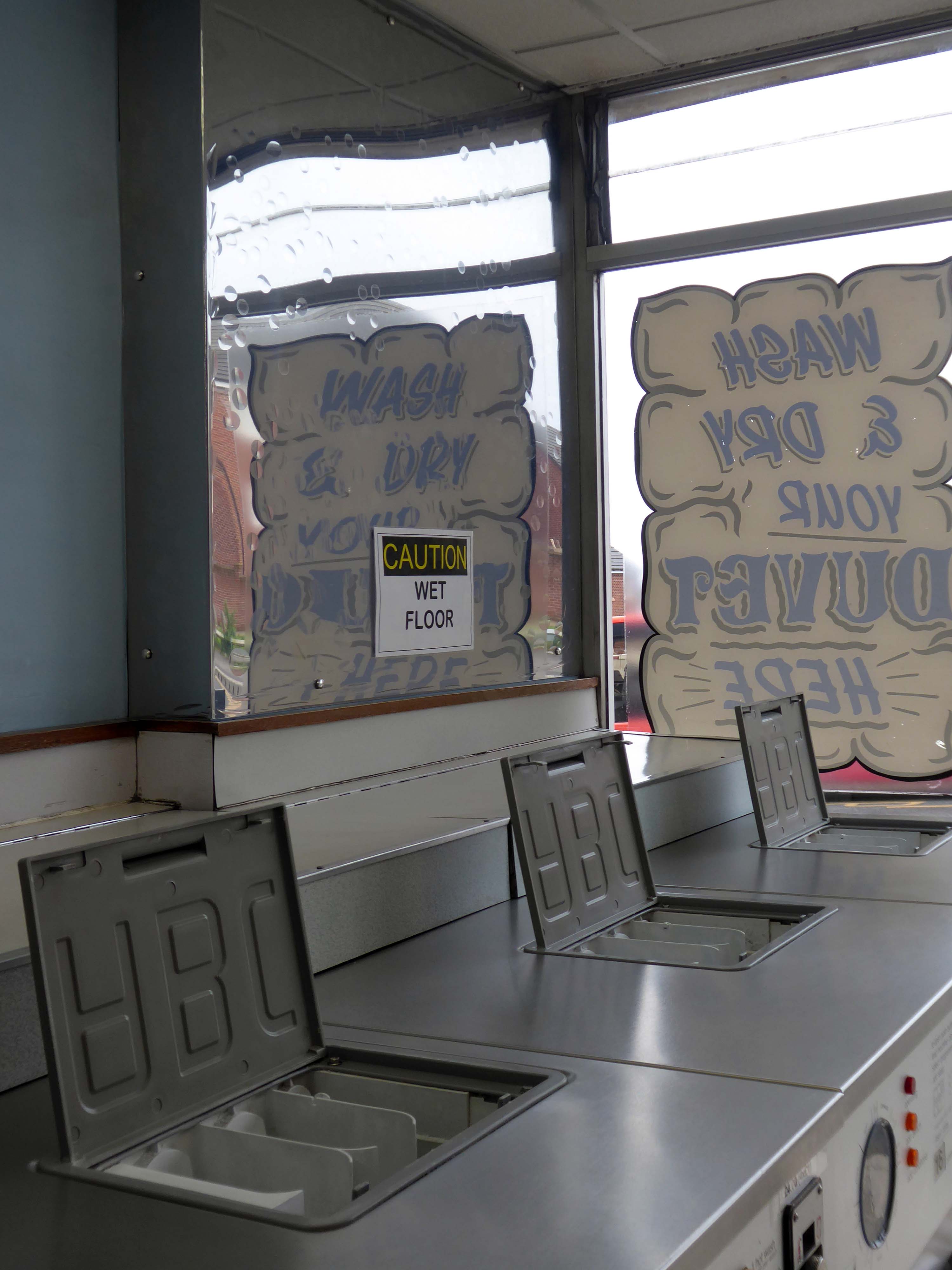
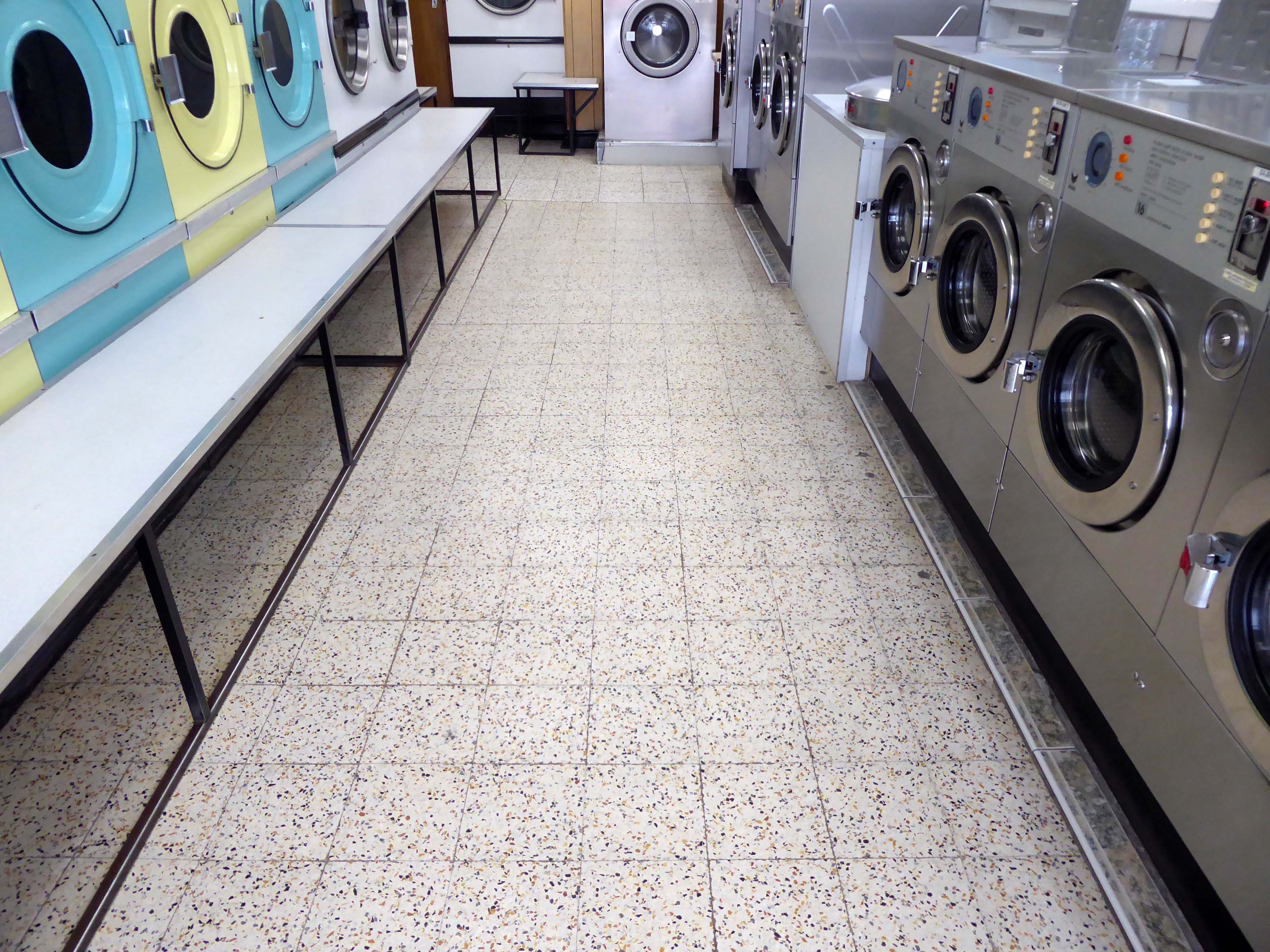
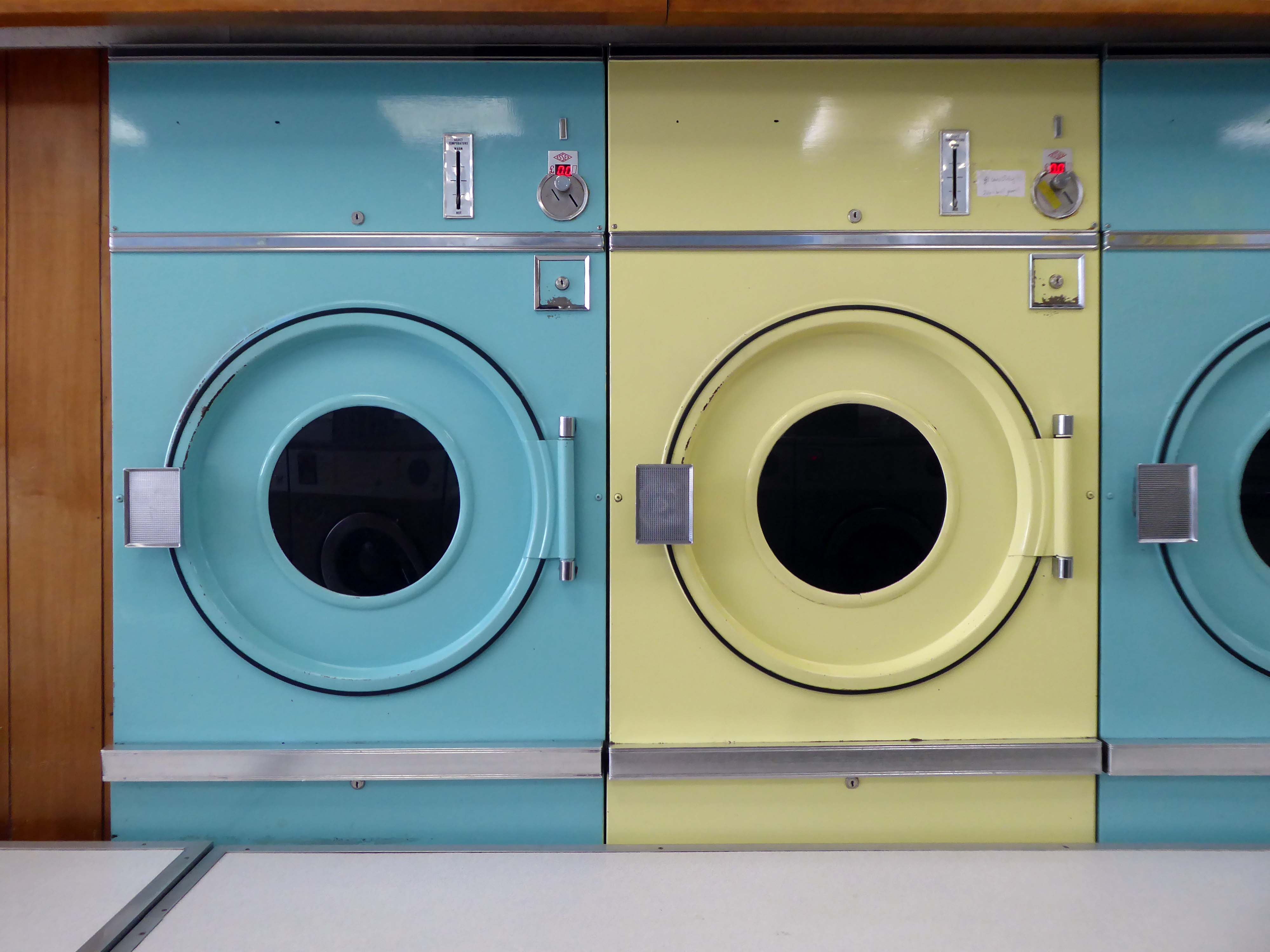
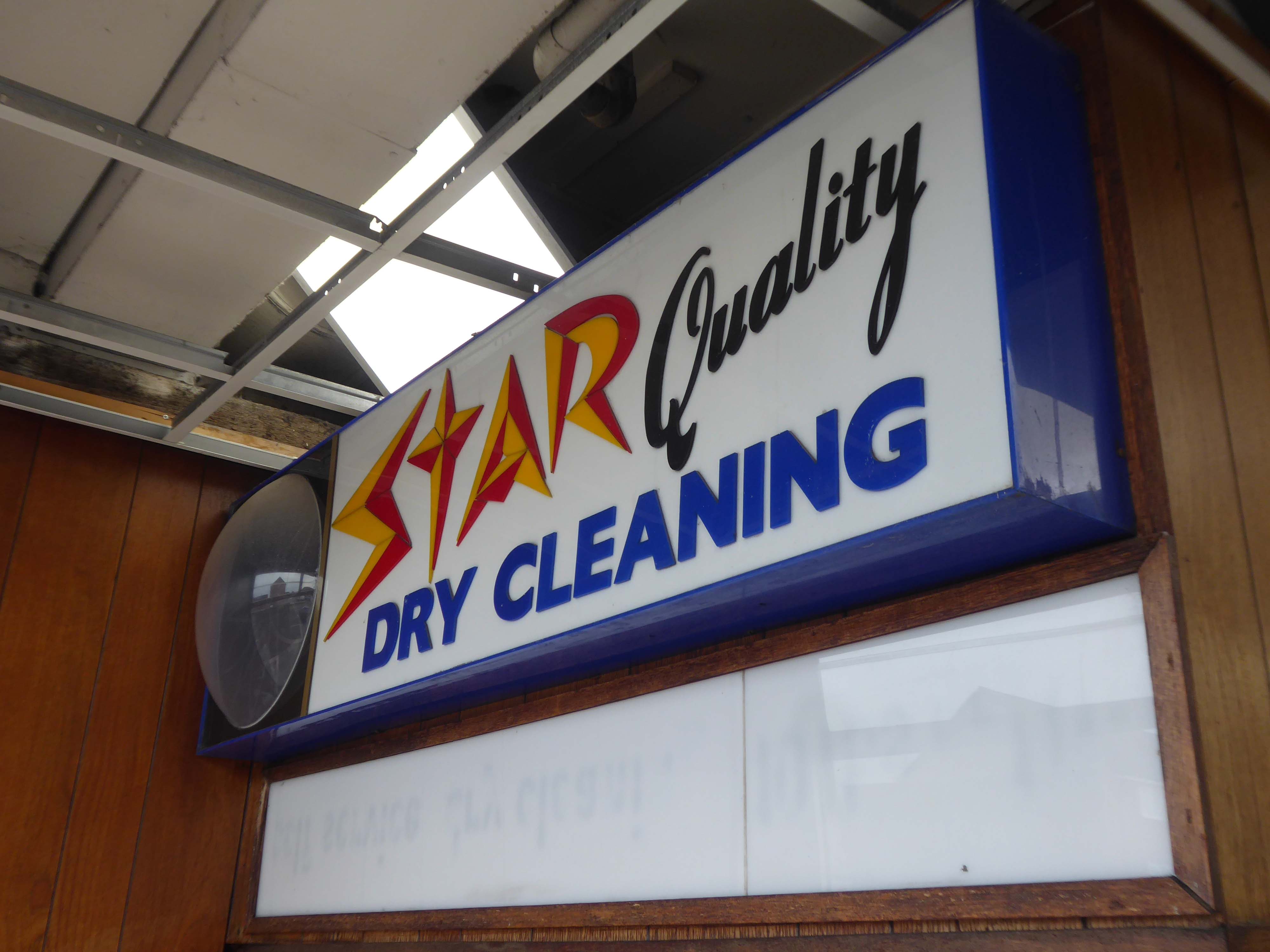
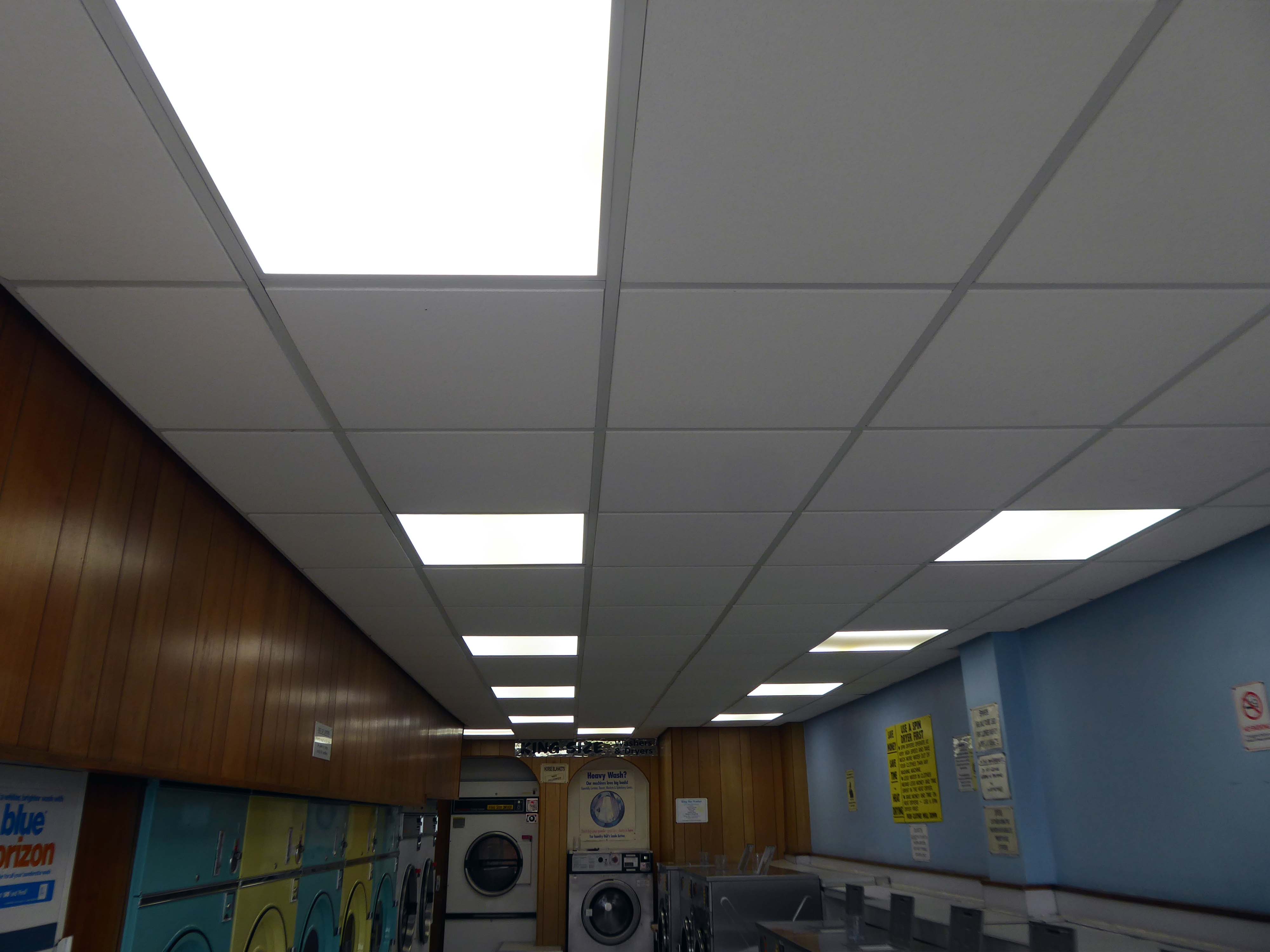
Launderette – Hanley

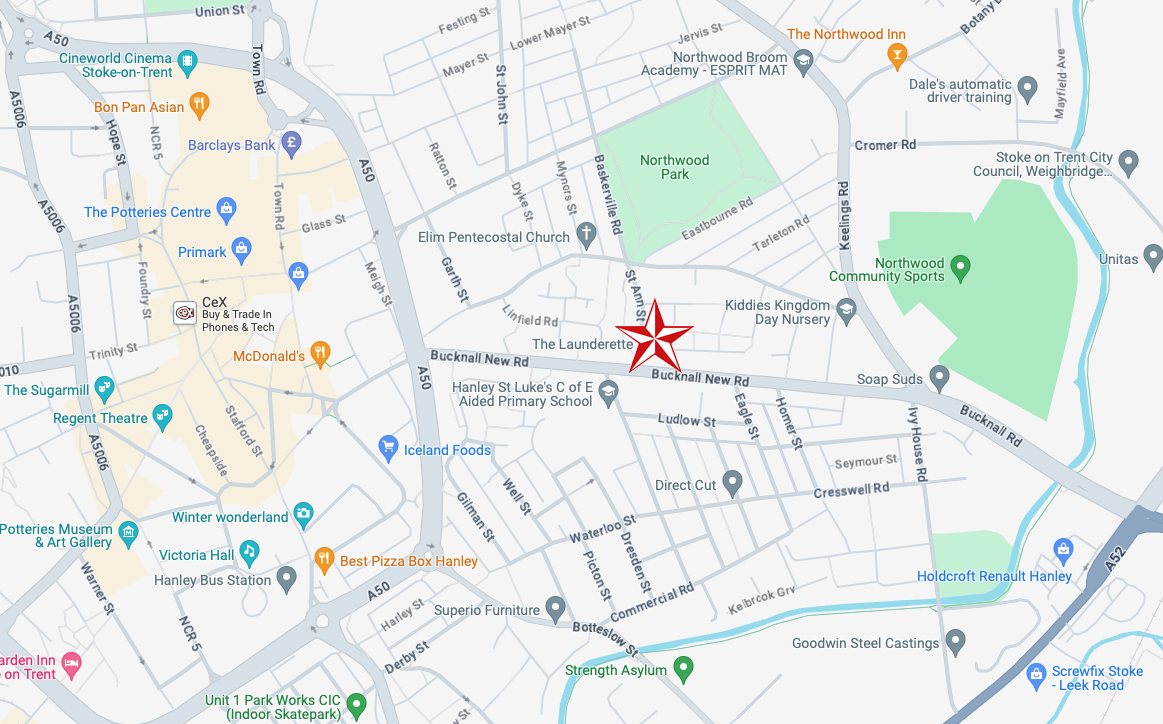
103 Bucknall New Rd Hanley Stoke-on-Trent ST1 2BG

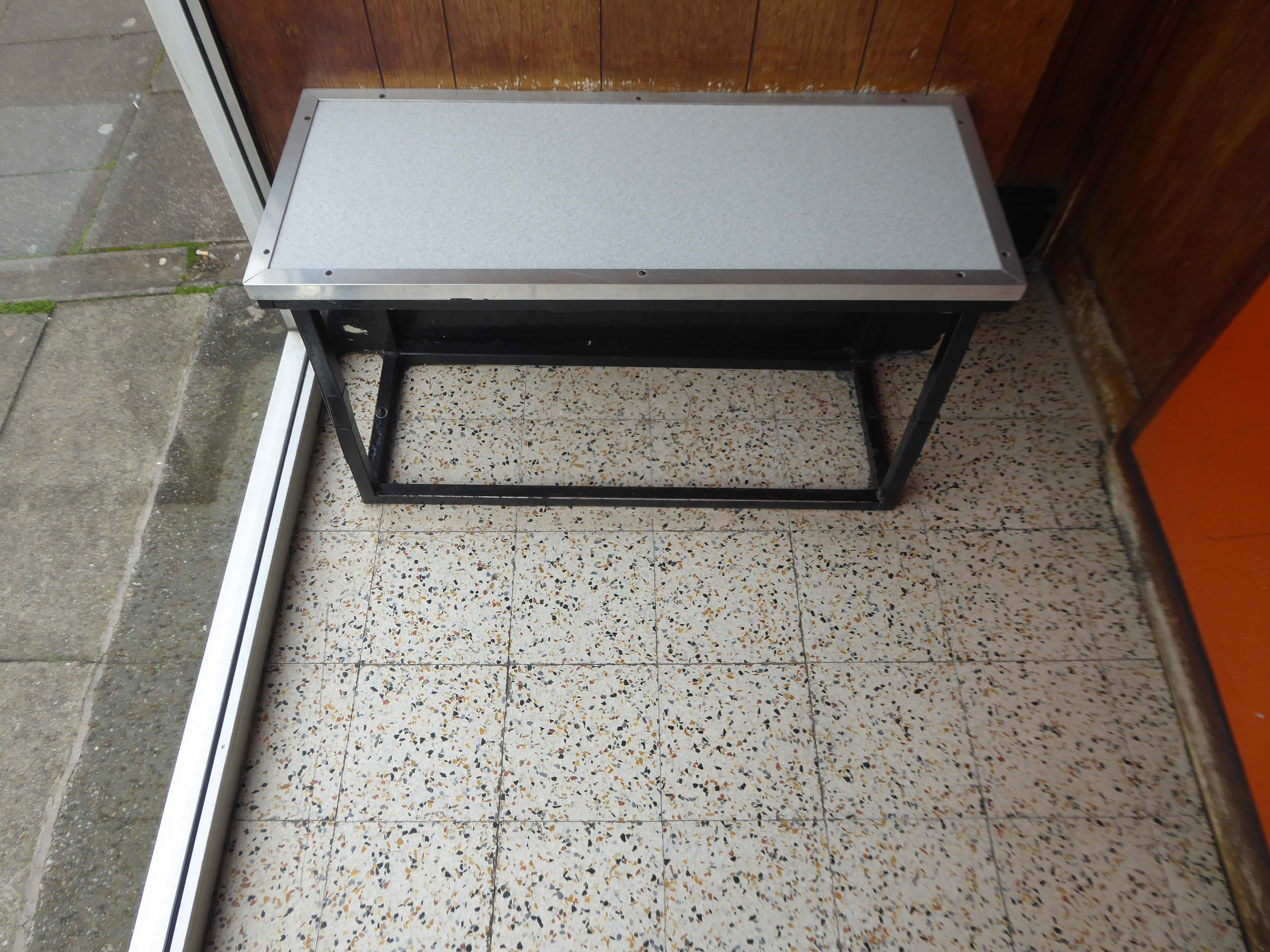
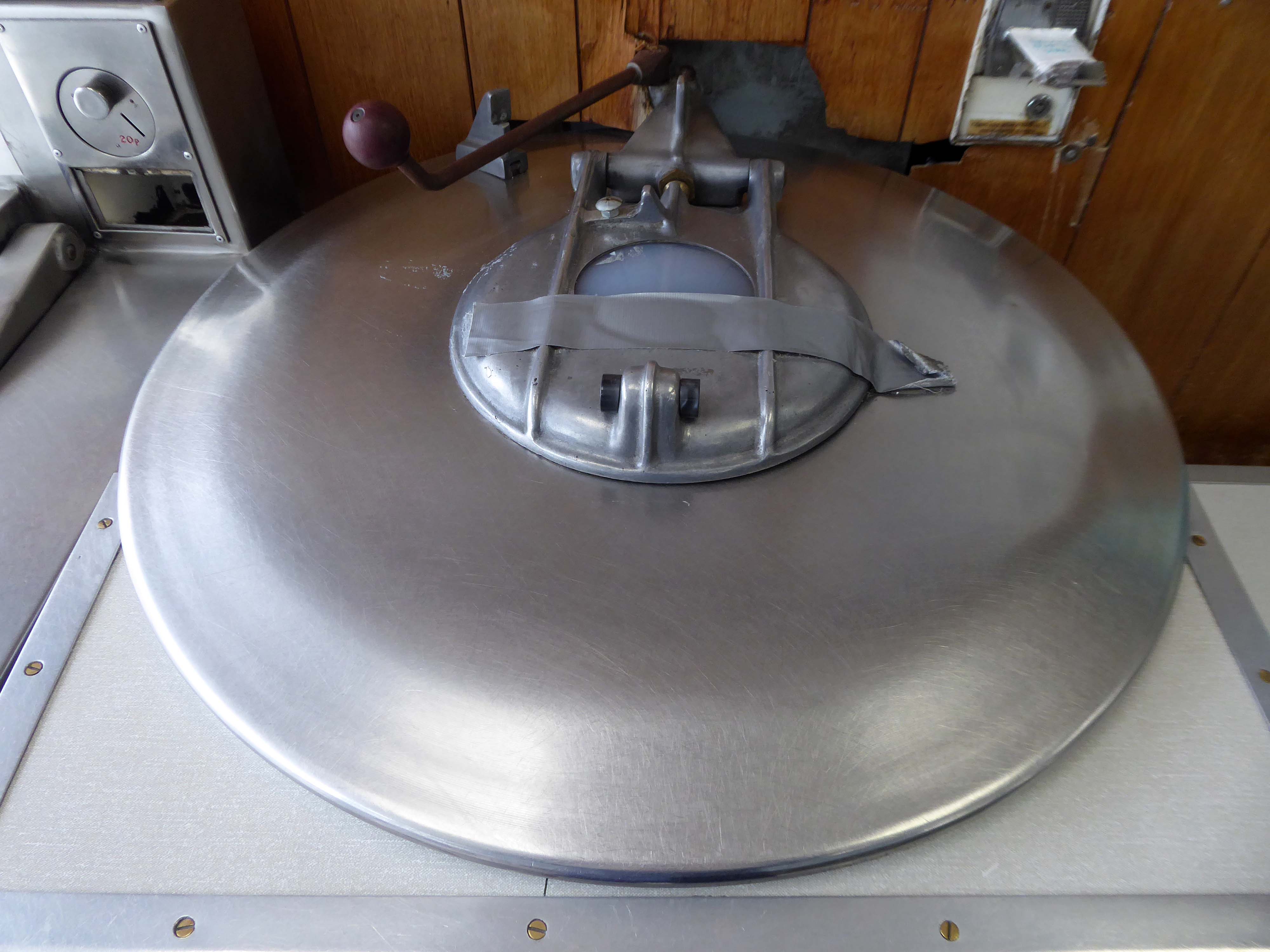
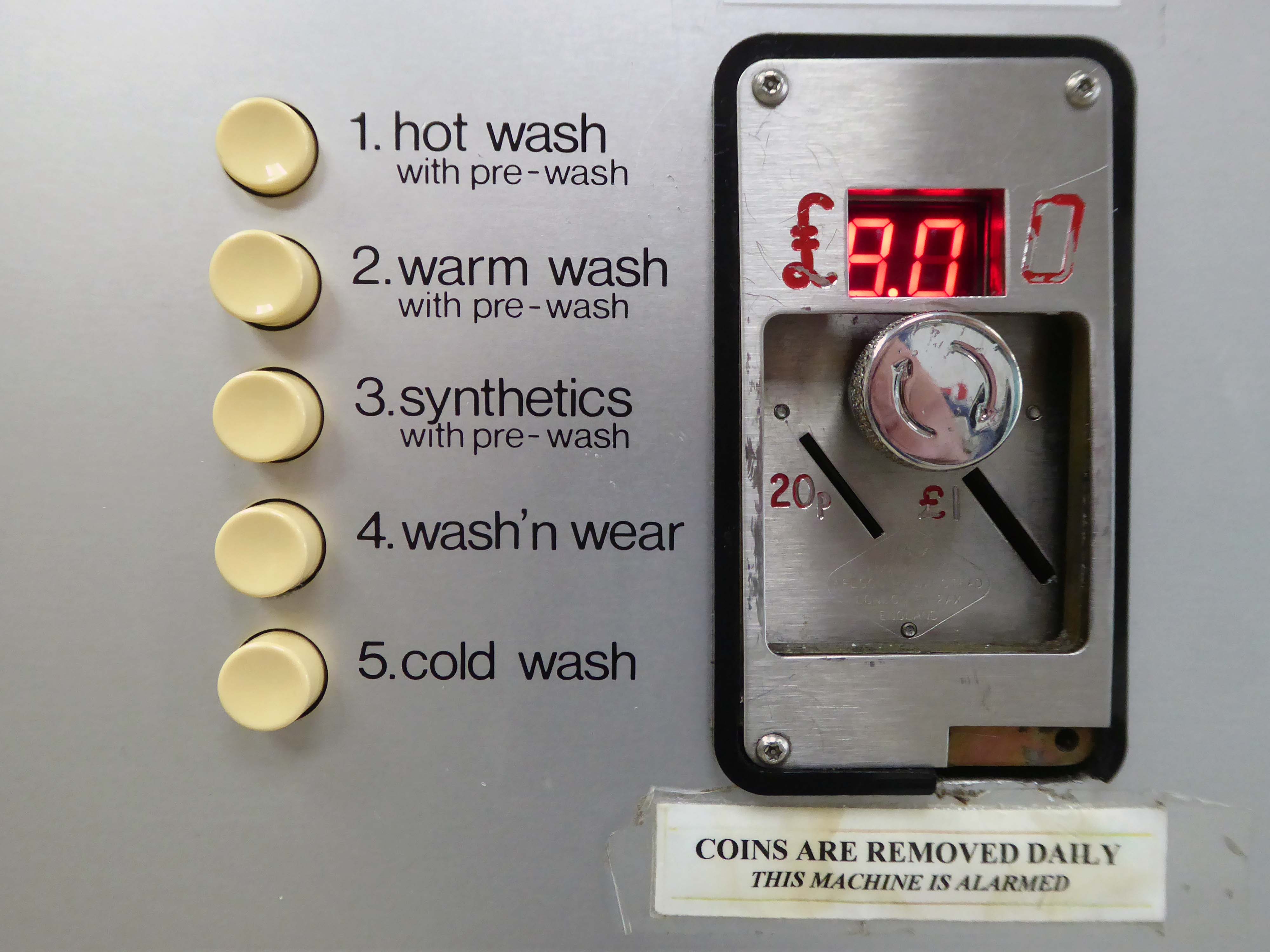
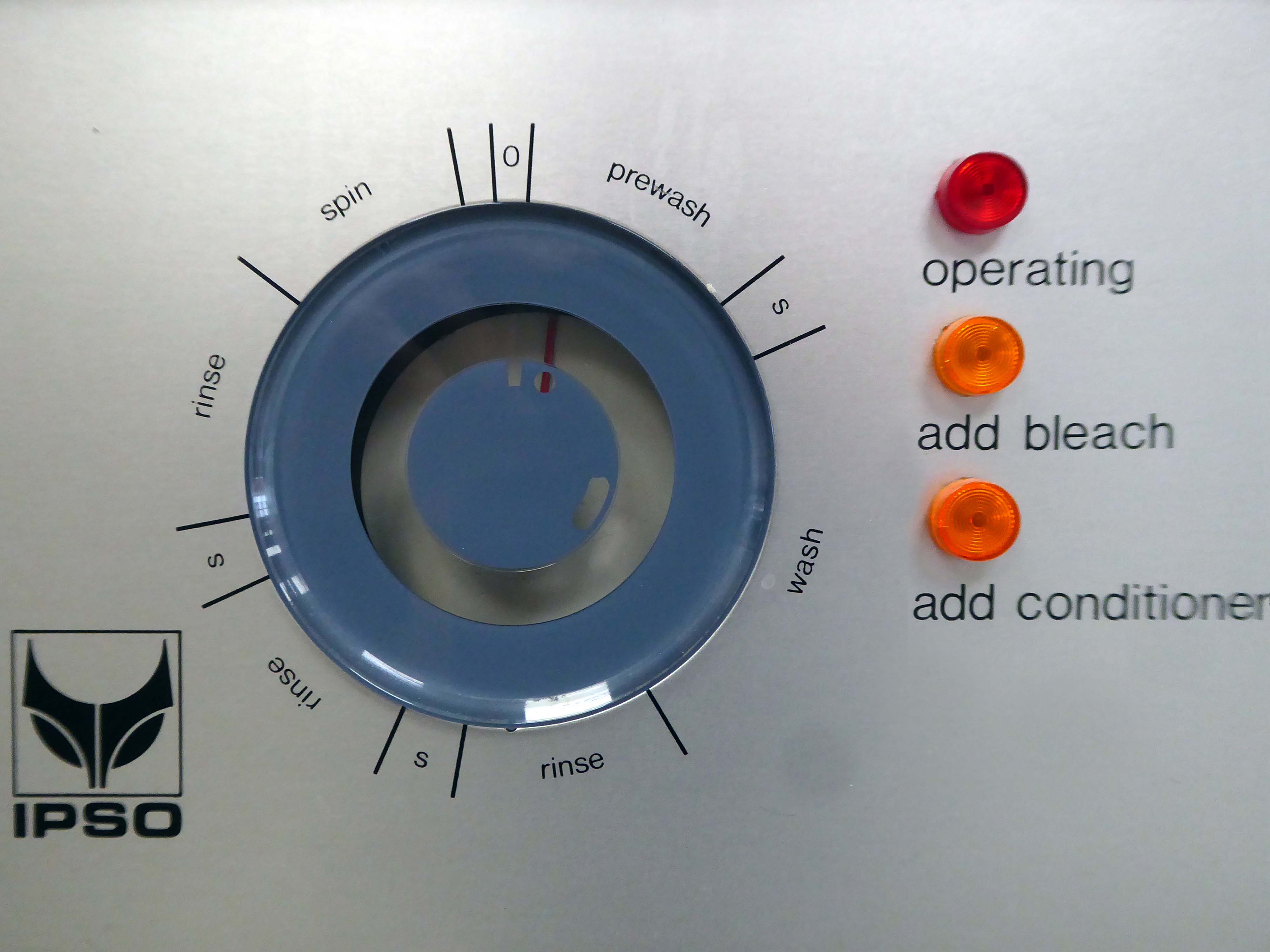
It began in 2009, with a chance encounter whilst wandering around Wigan and the chance encounter with a Washeteria.

Followed by the publication in 2020 of my best selling book eight launderettes.

Subsequently there have been several more chance encounters with a wide variety of wash houses, in various towns – search this site.

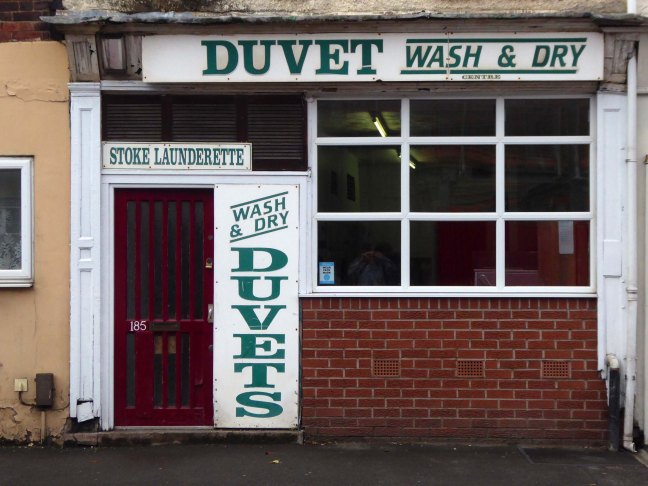
Including one such encounter in Stoke.

Yesterday, Saturday 6th April I was leading a Modernist Mooch around Stoke and Hanley – I arrived five hours before the 1.00 start time and went off to explore nowhere in particular.

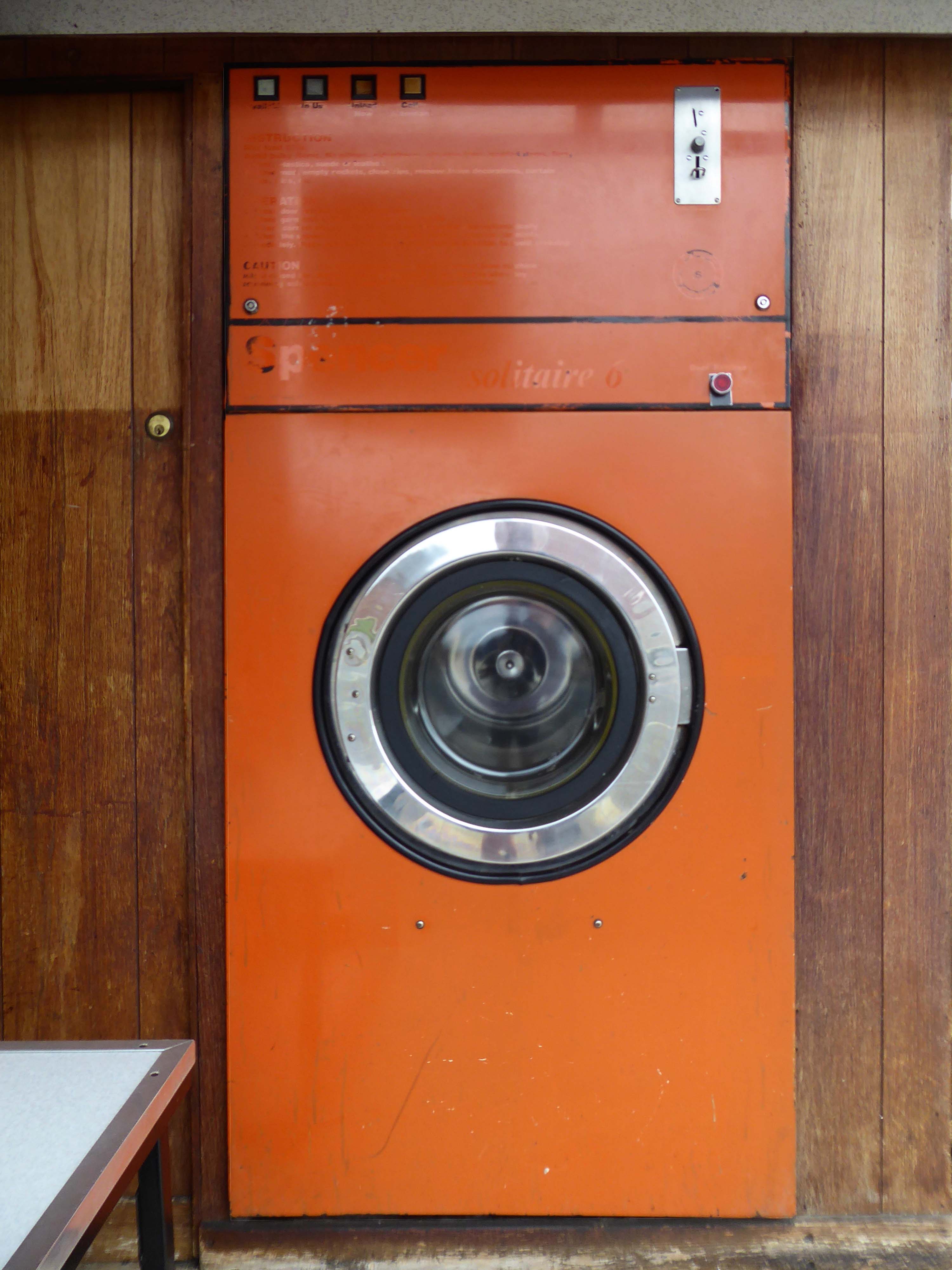
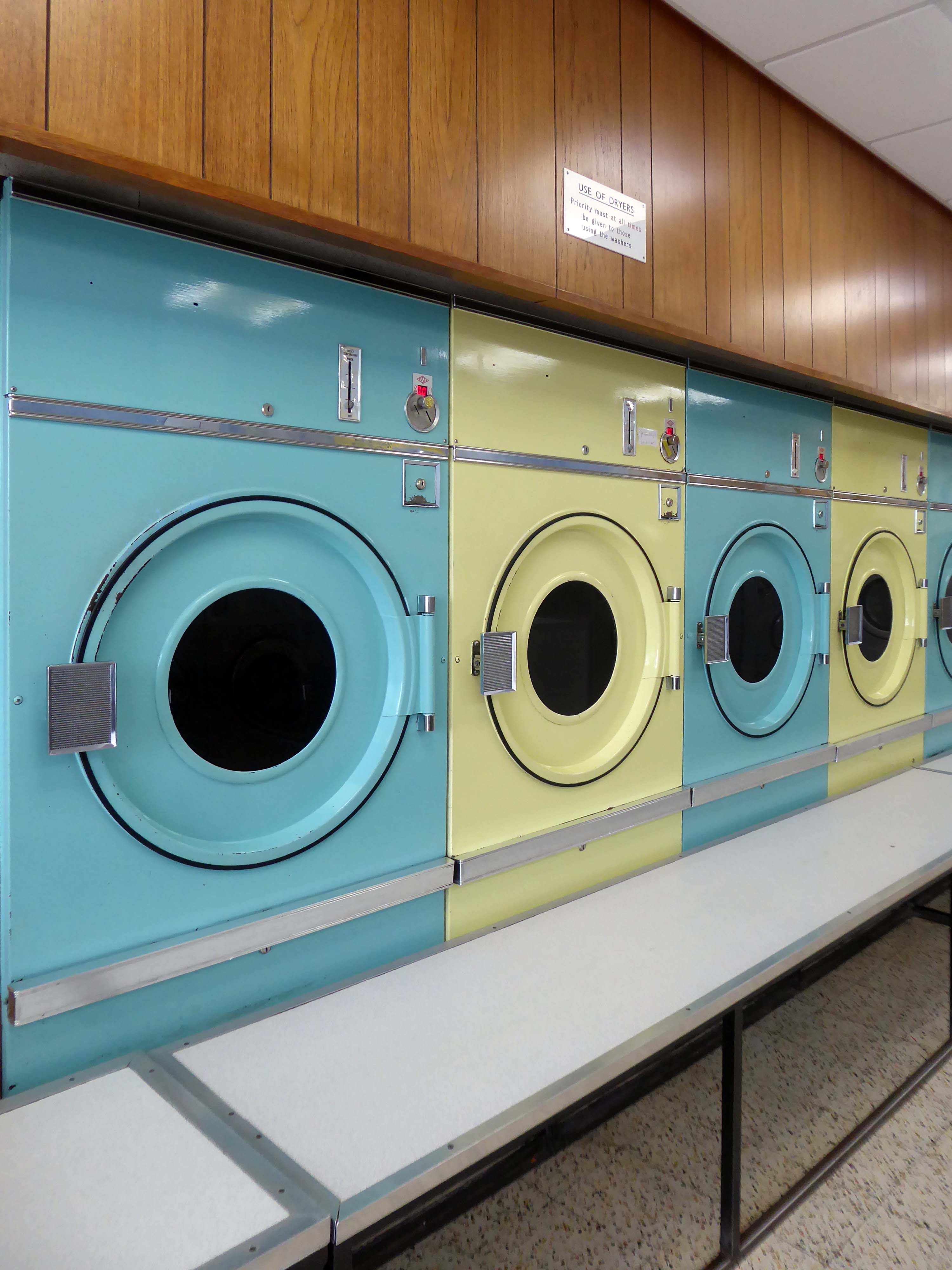
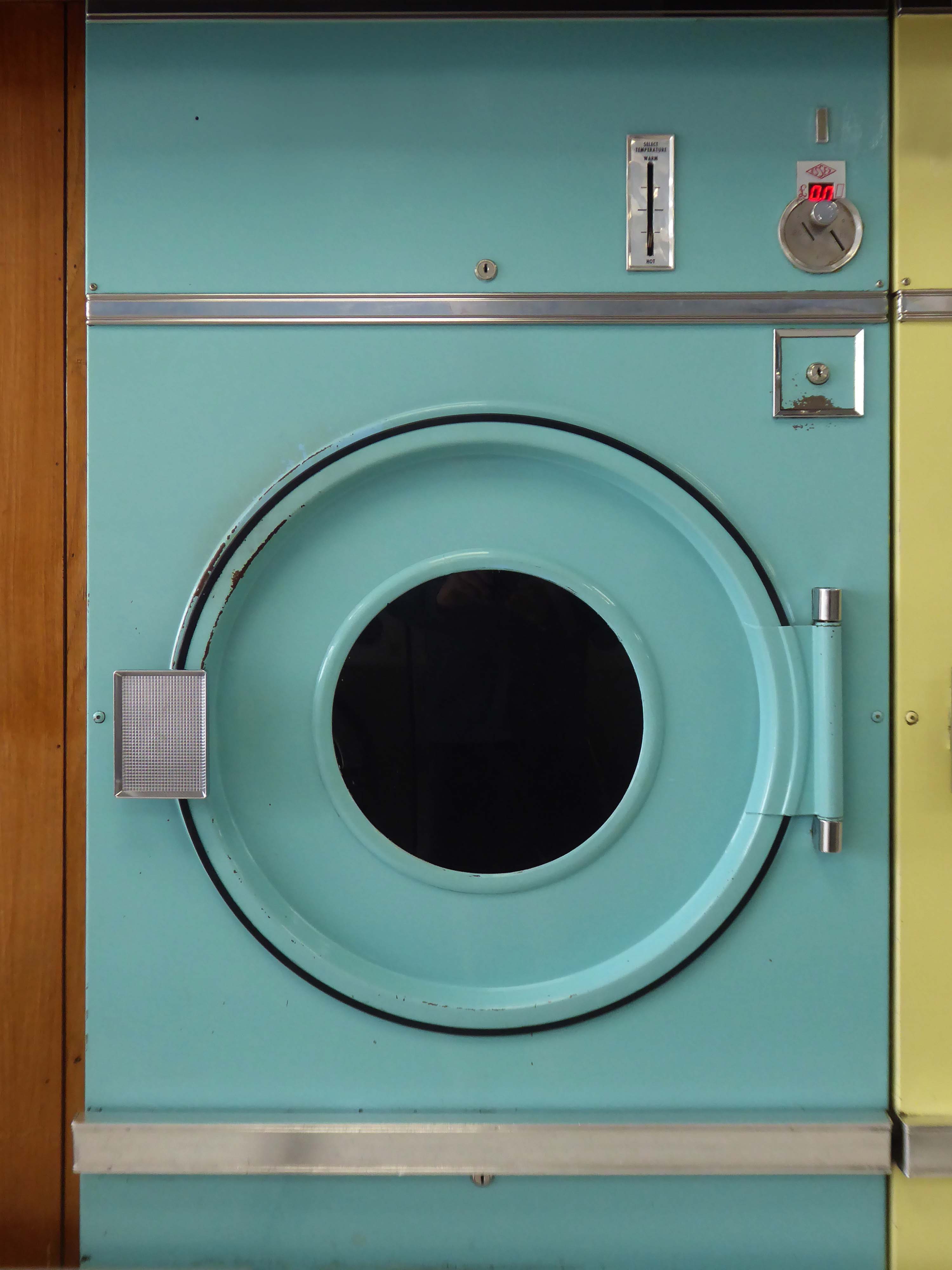
I found myself in the Northwood area of Hanley – ascending the long drag of Bucknall New Road, where I espied a launderette, imaginatively named The Launderette.

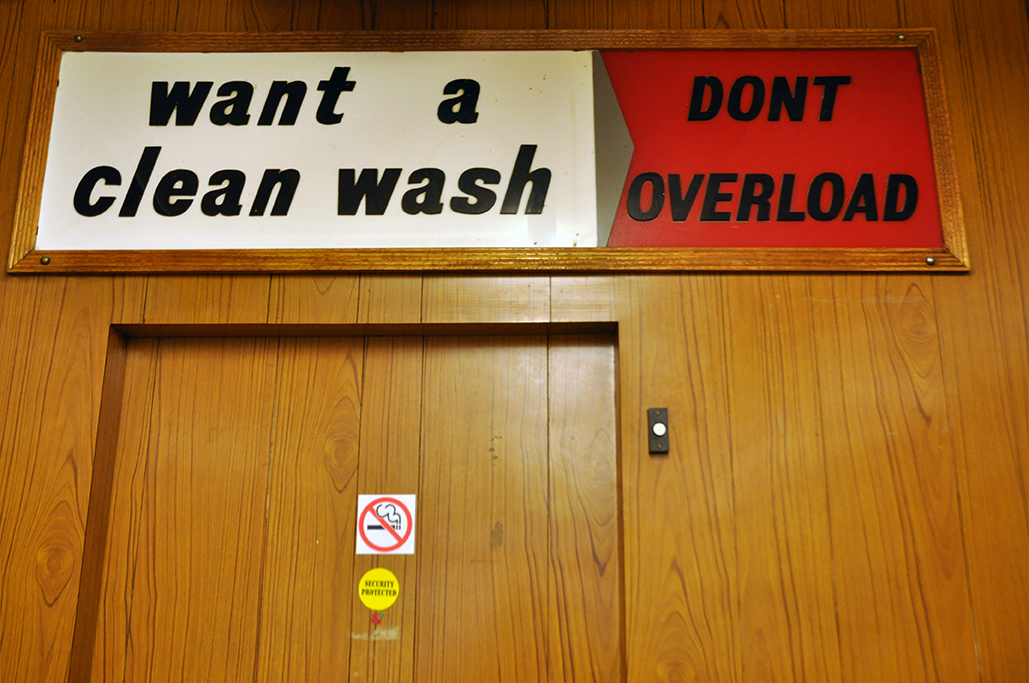
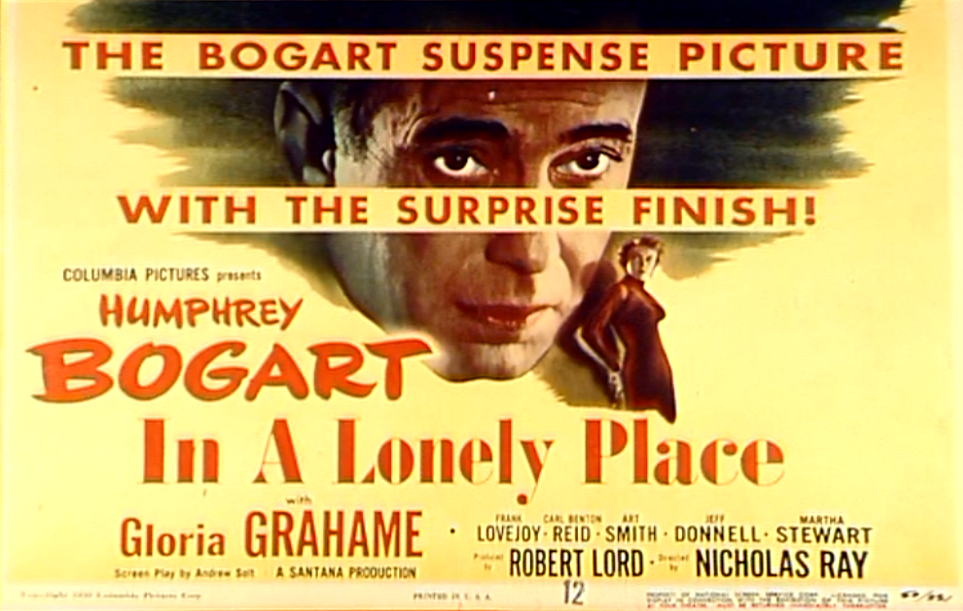
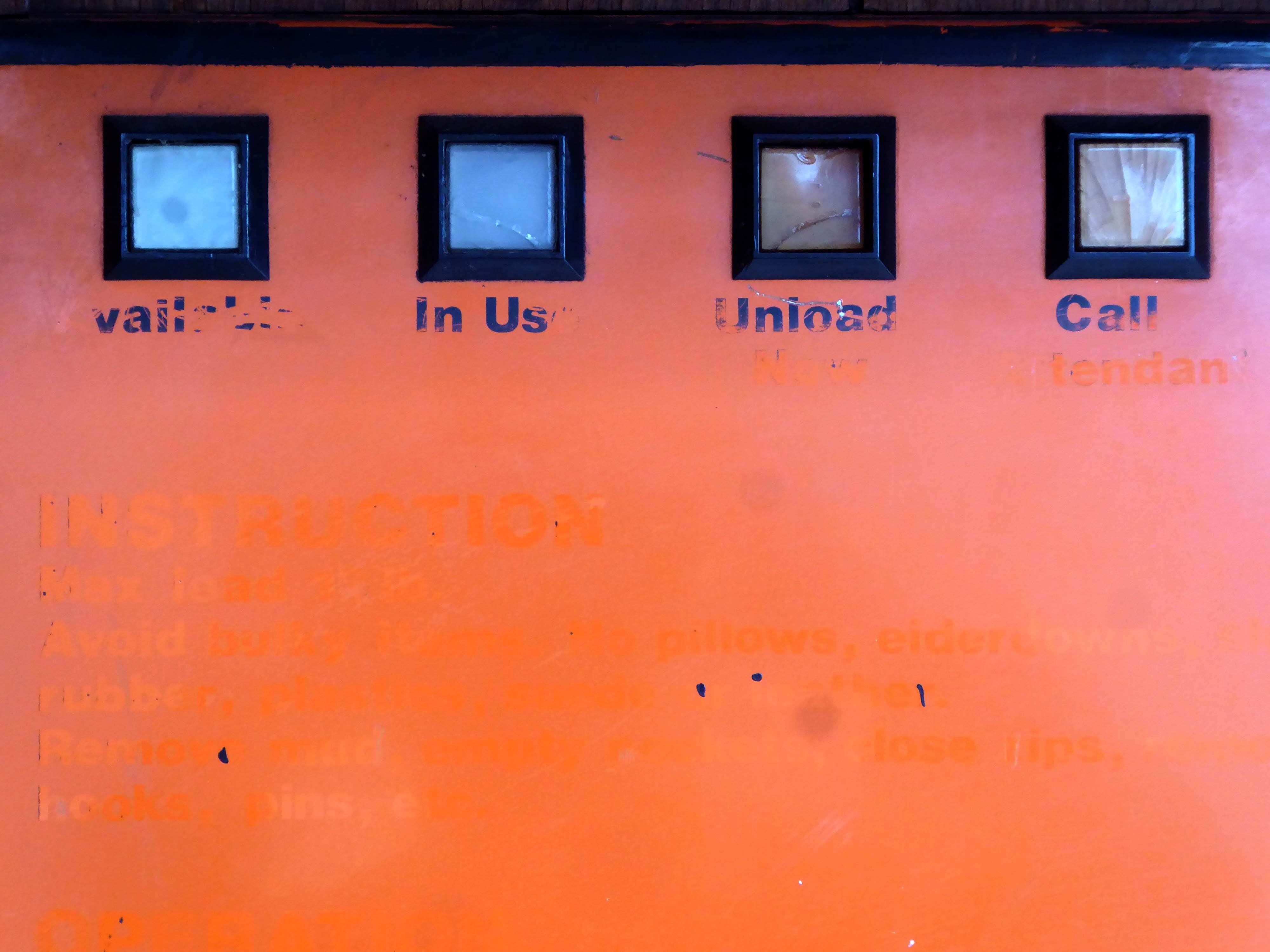
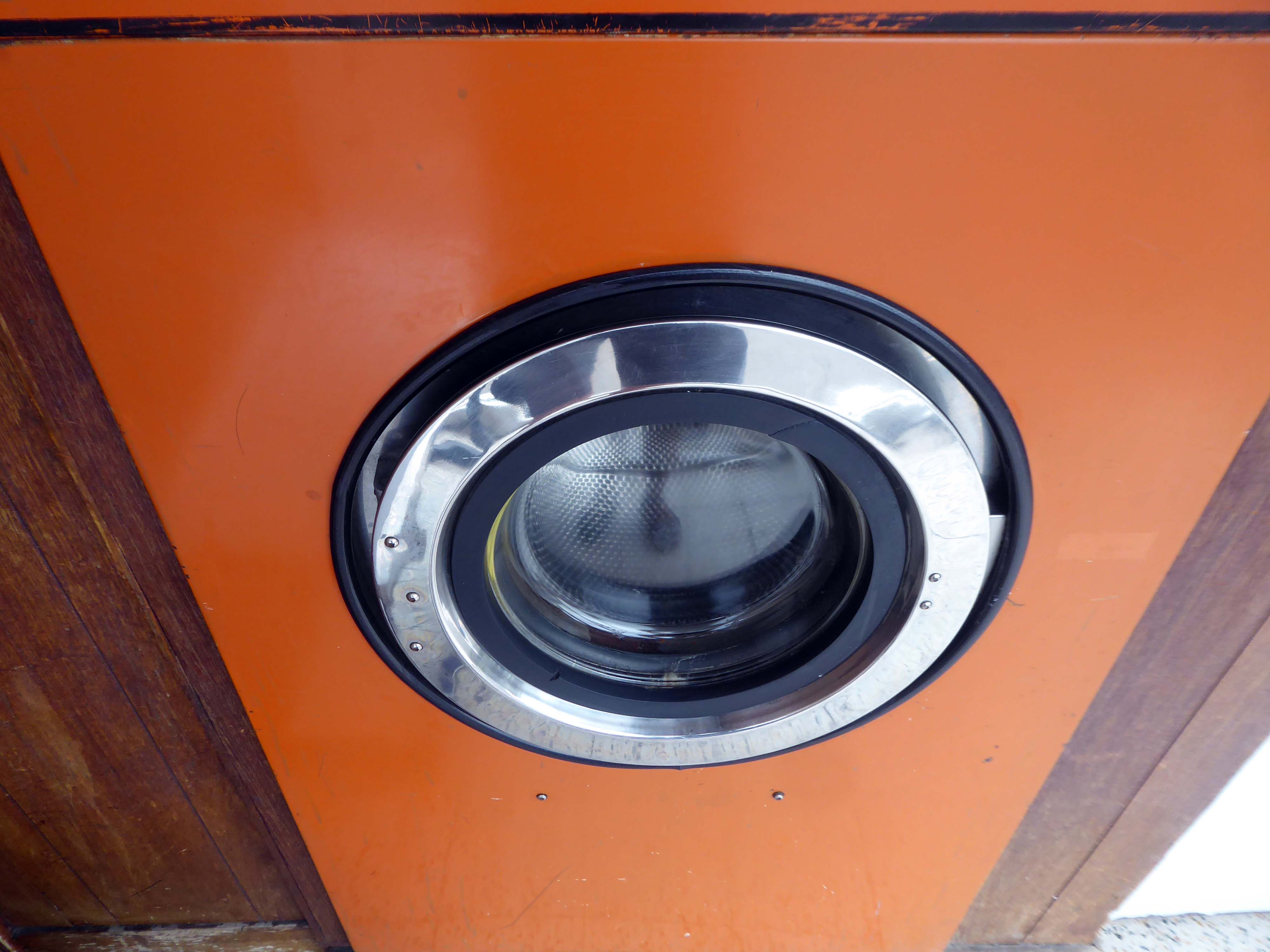
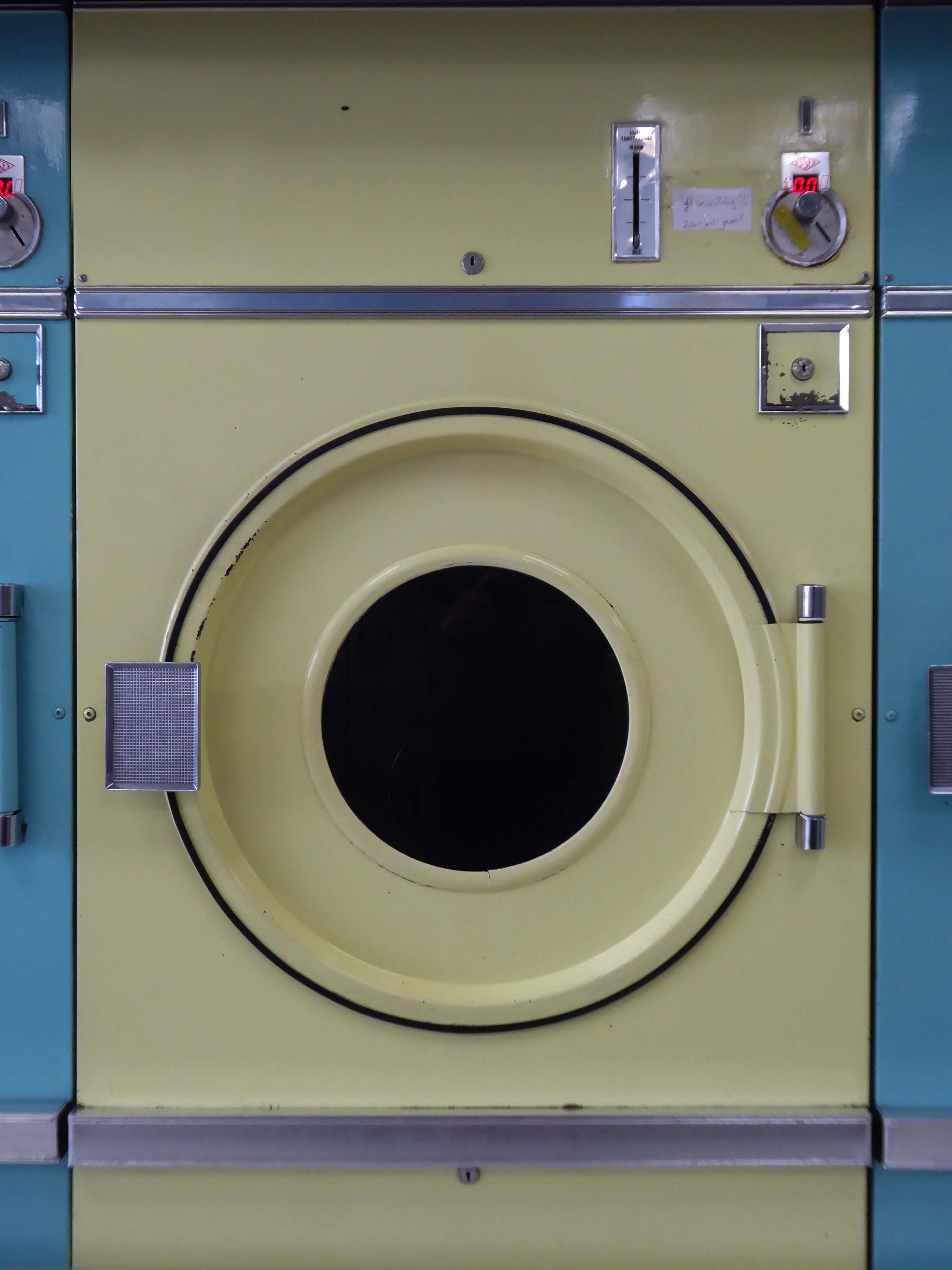
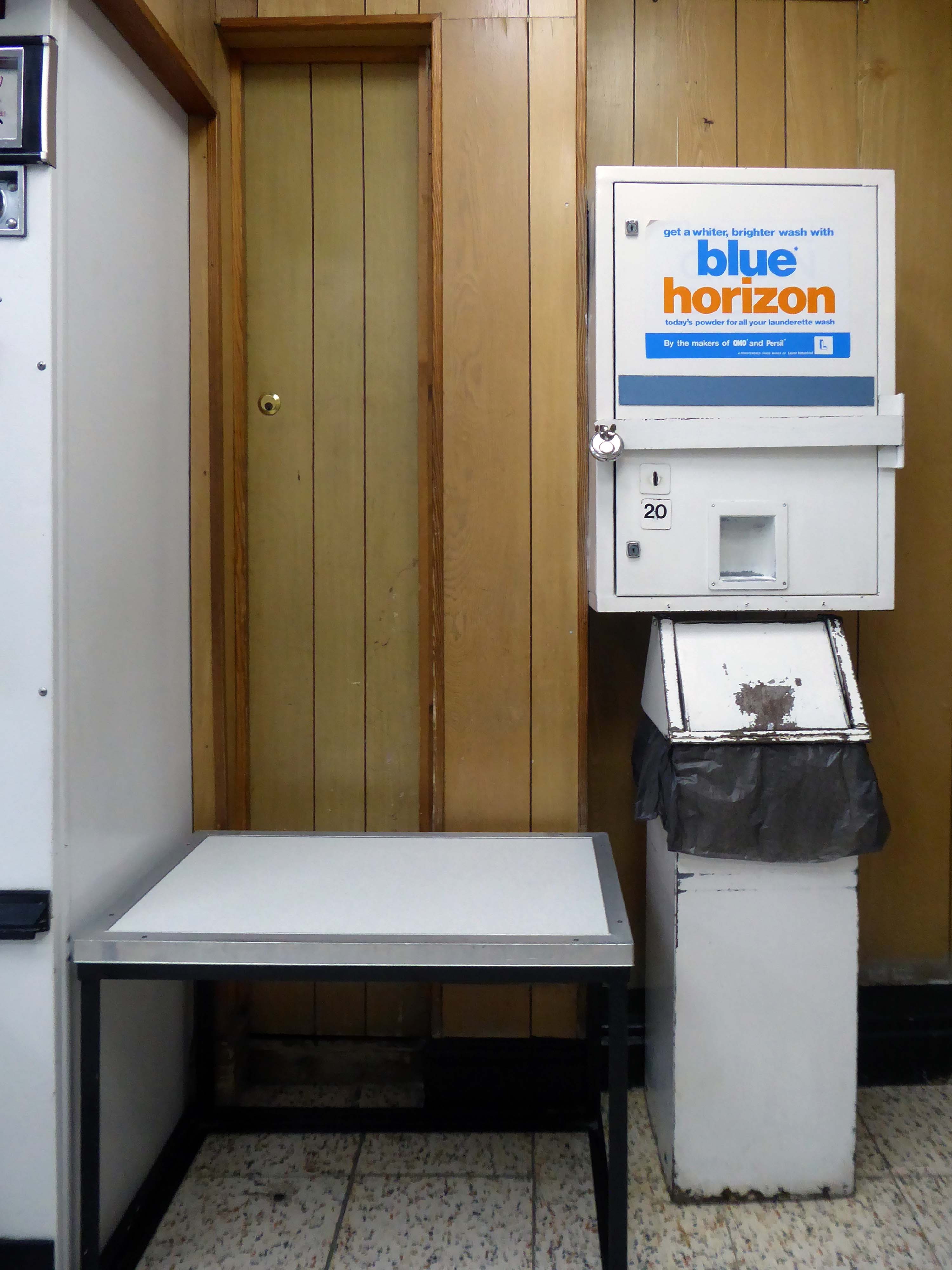
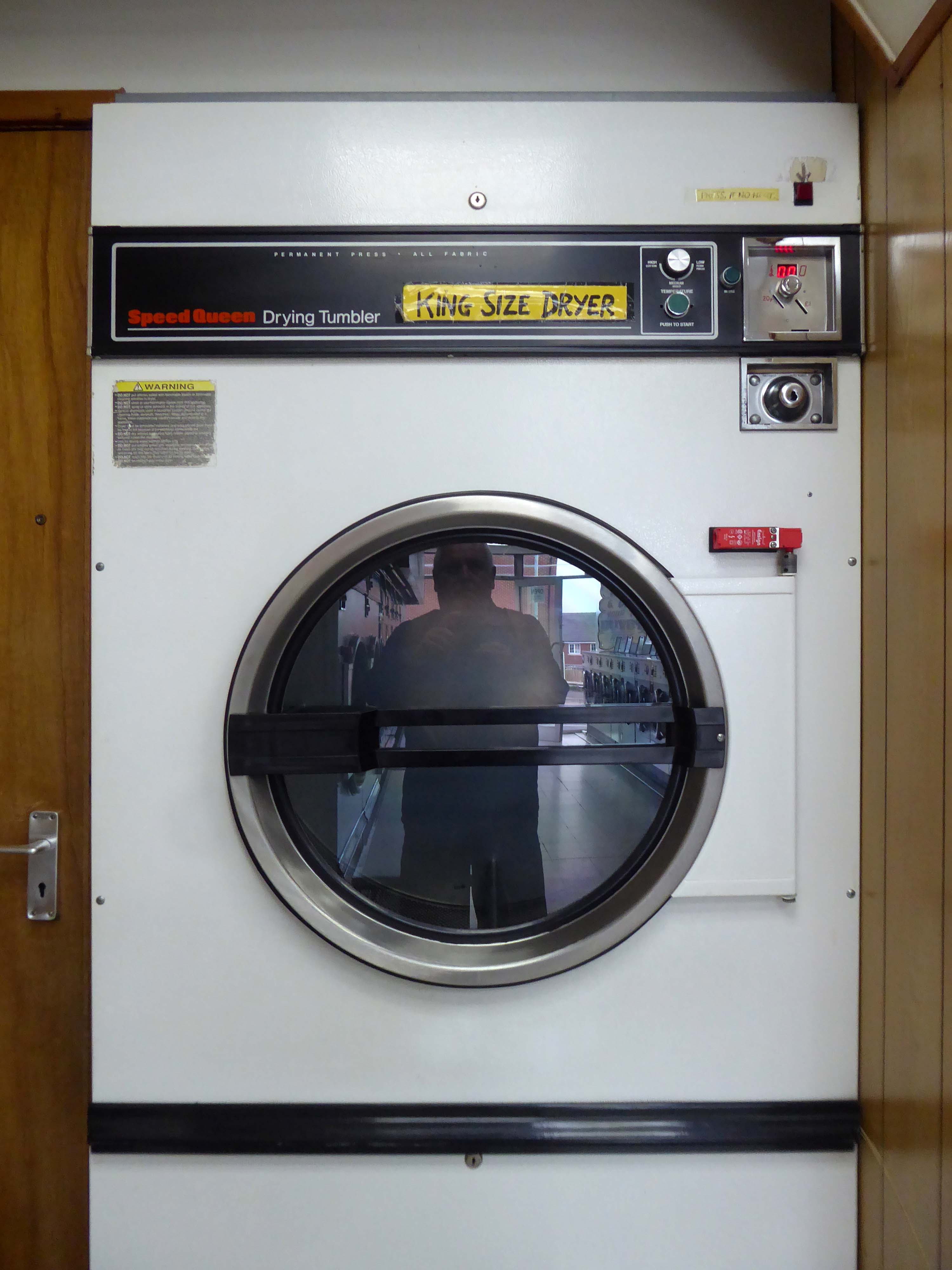
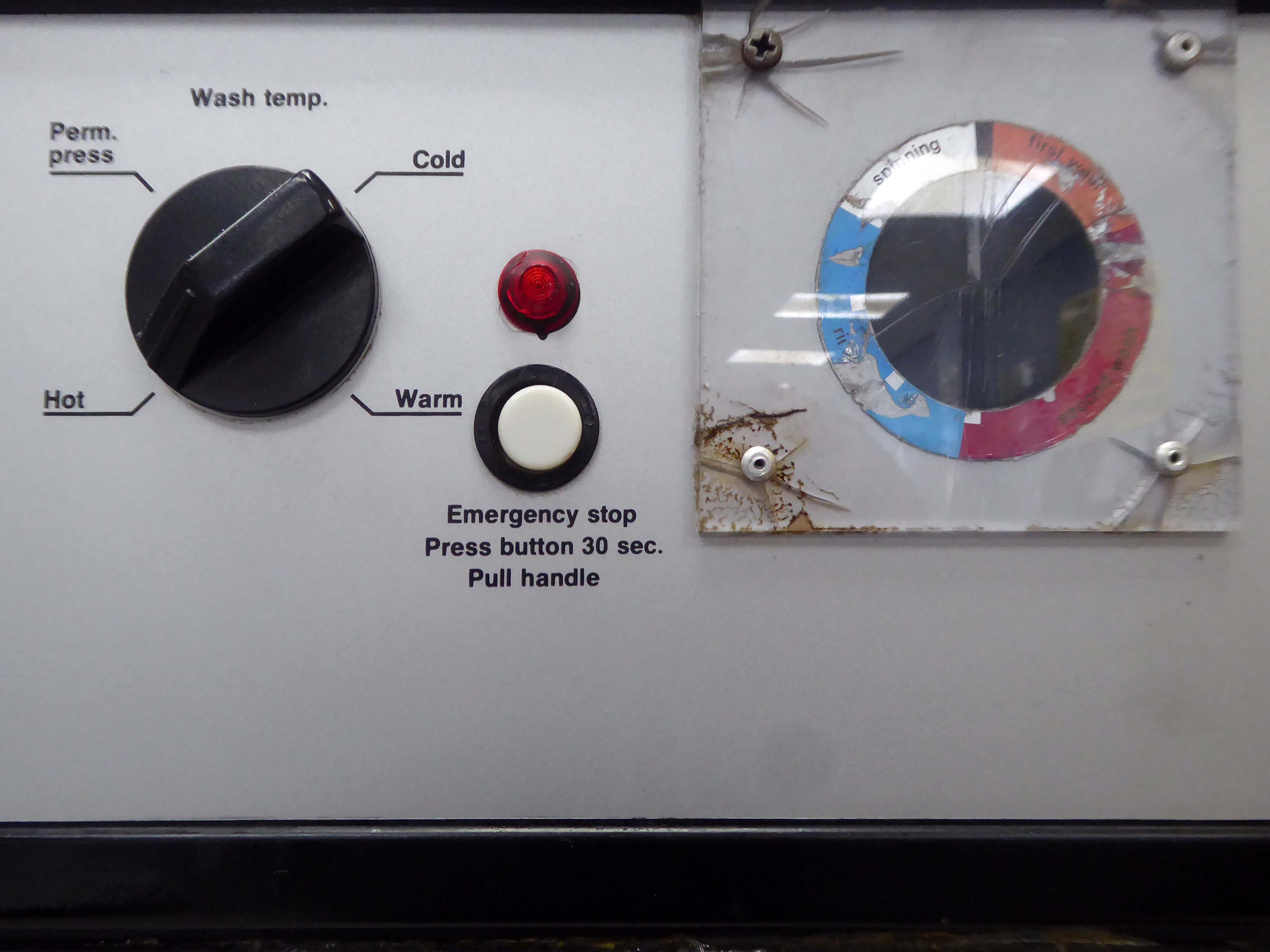
Early morning and short of the odd customer or two, I seized that moment in time to record this lonely public place – seeking that suspense picture with a surprise finish.

The solitary snapper went about their business.

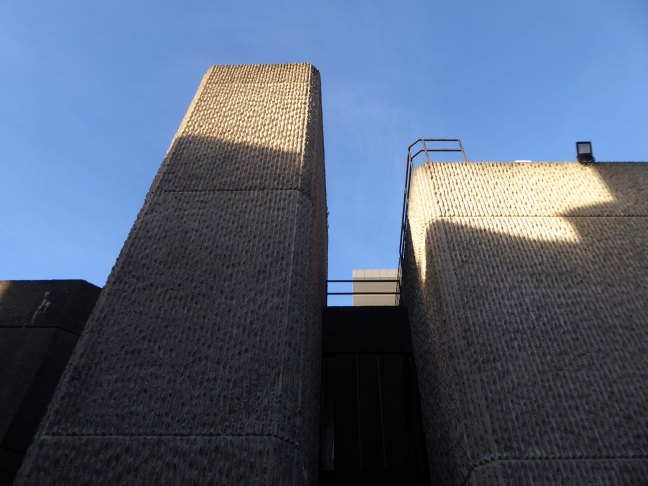
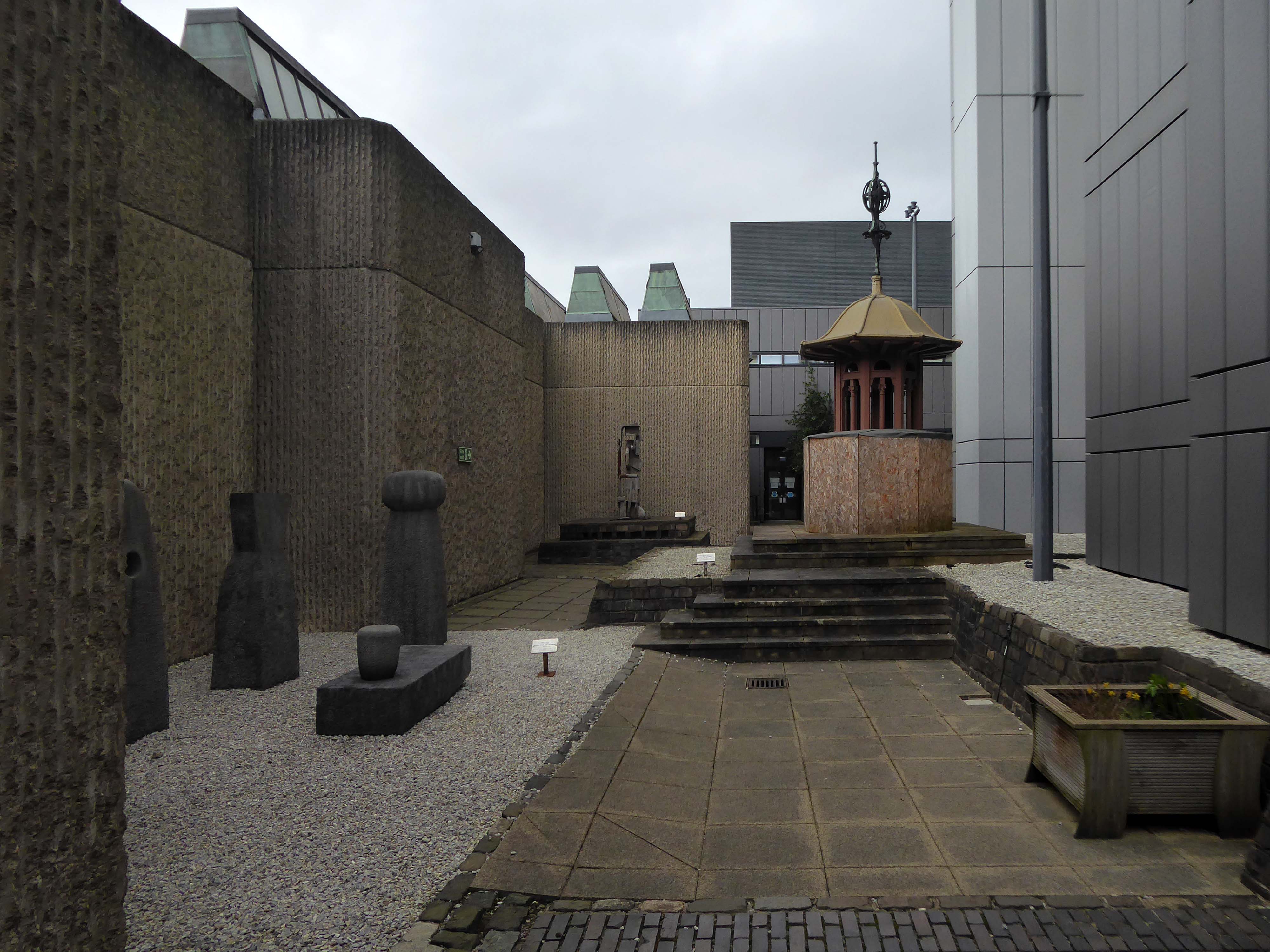
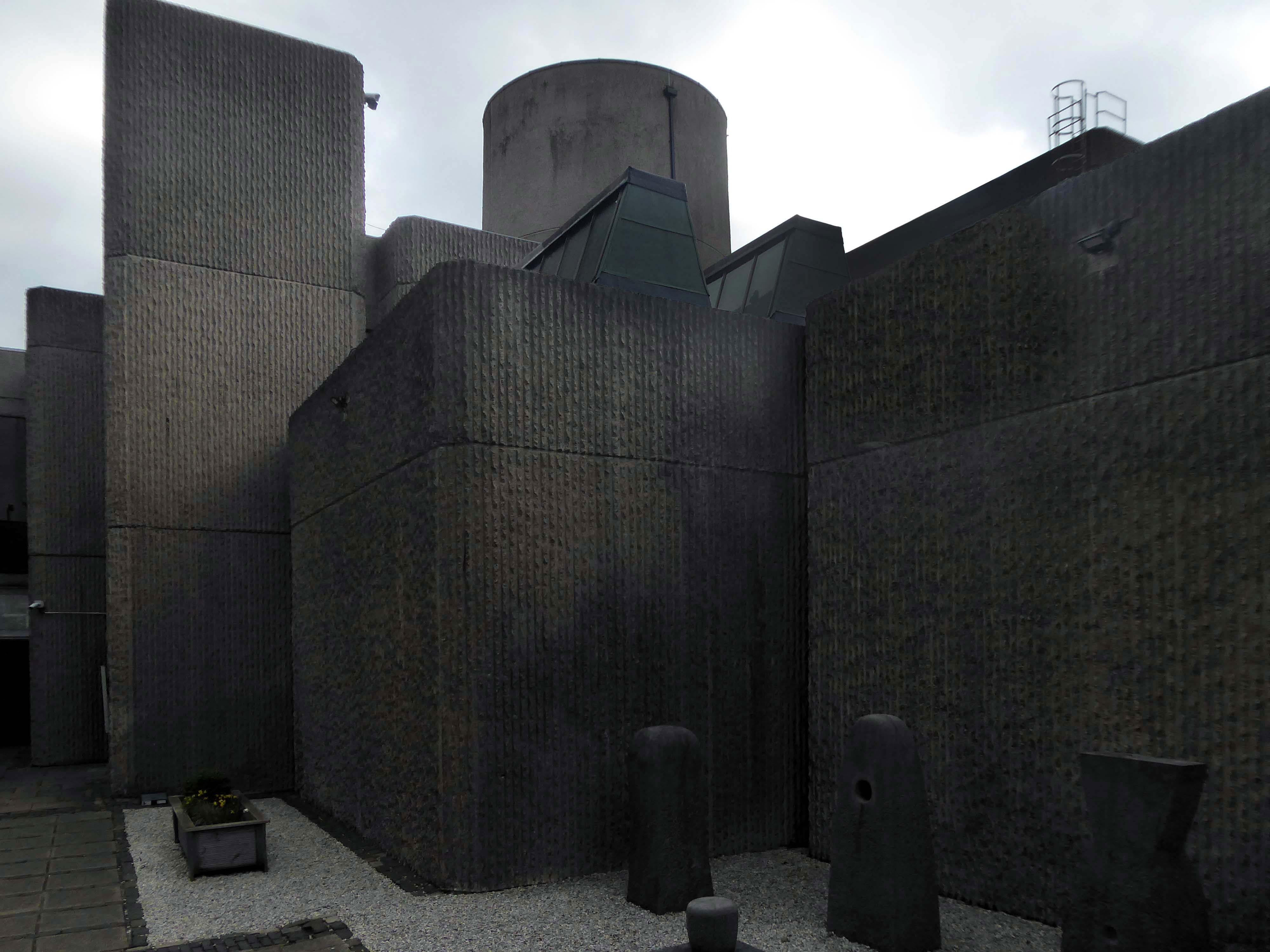
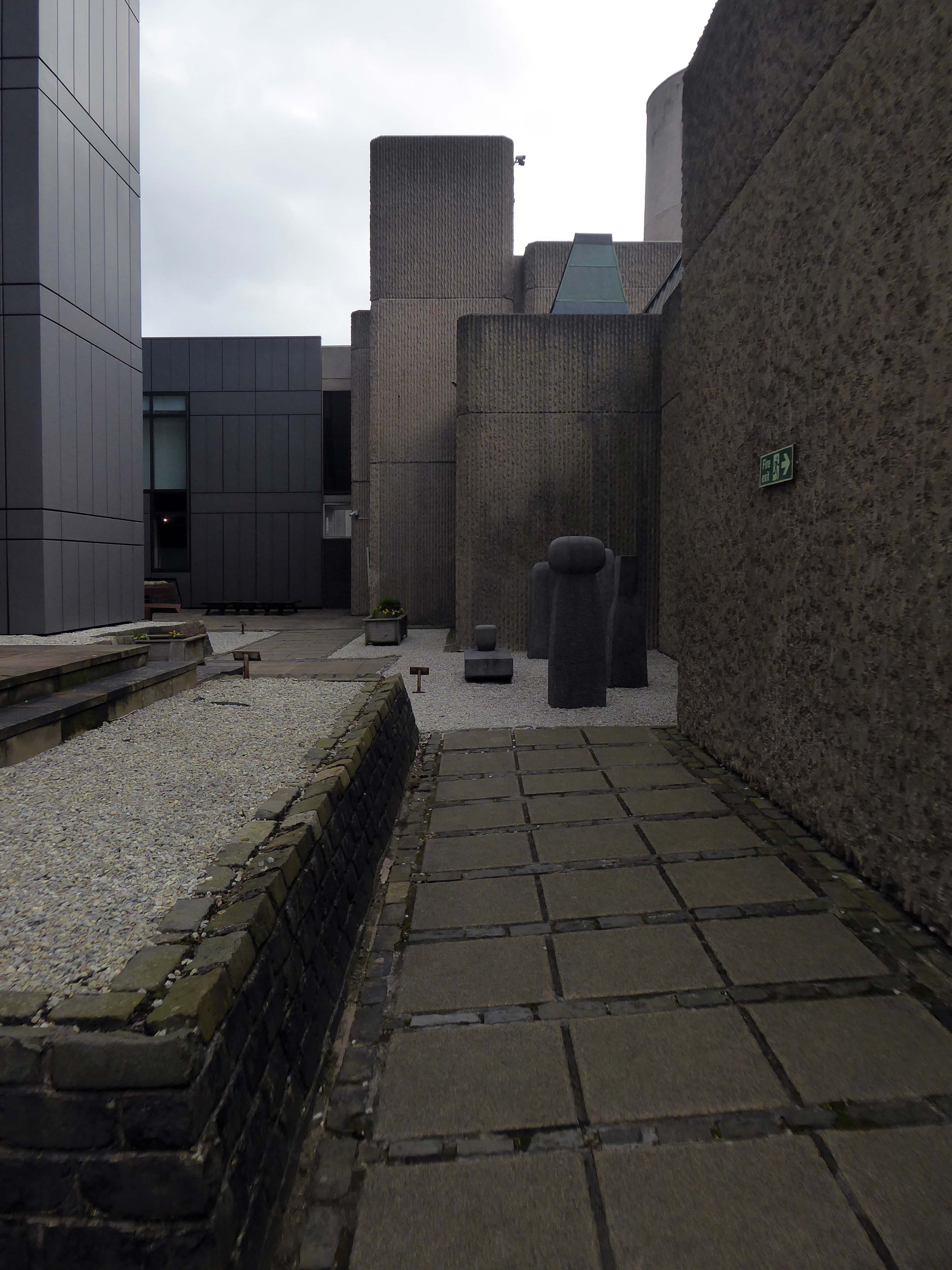
Hunterian Art Gallery – Glasgow

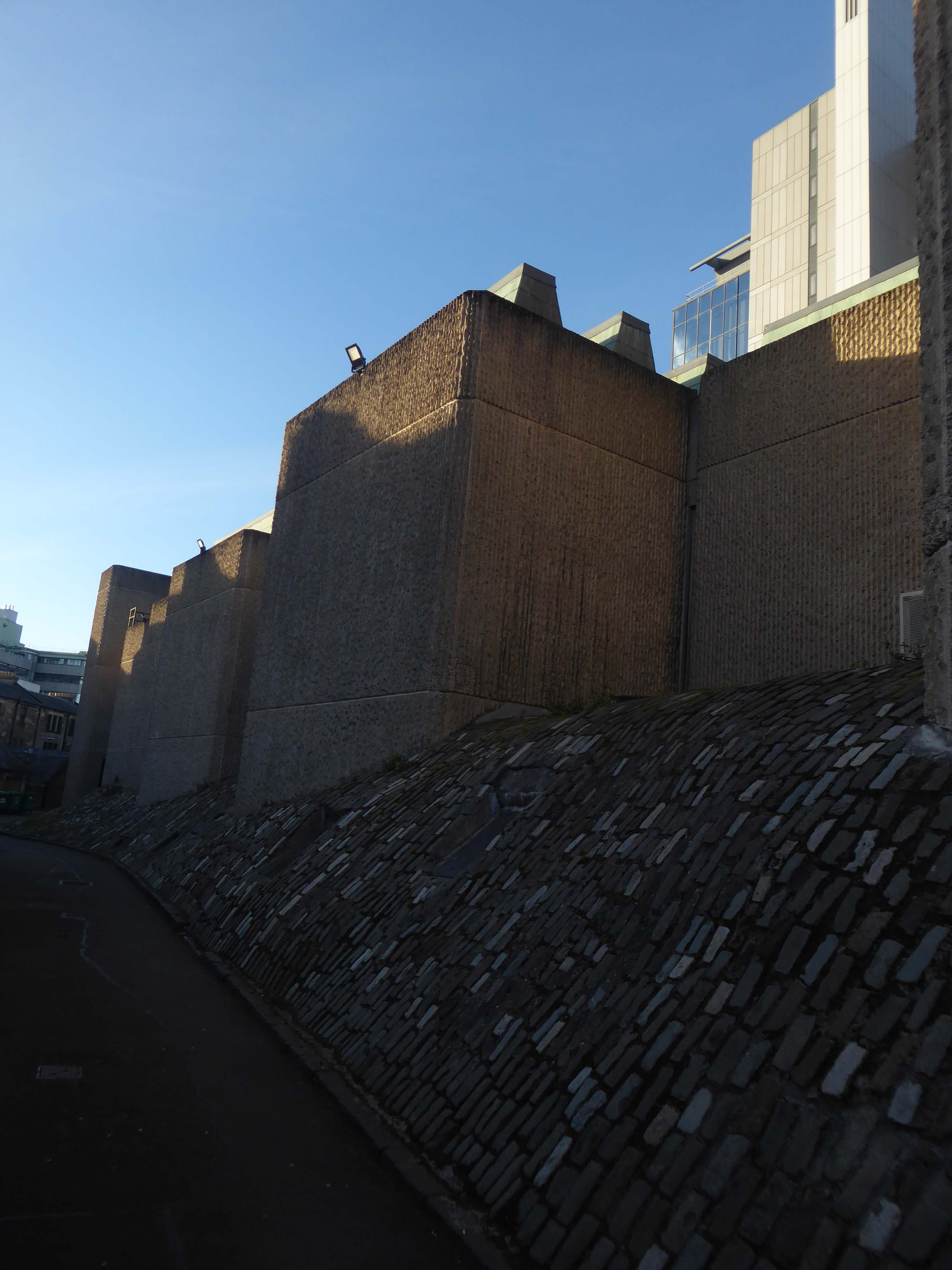
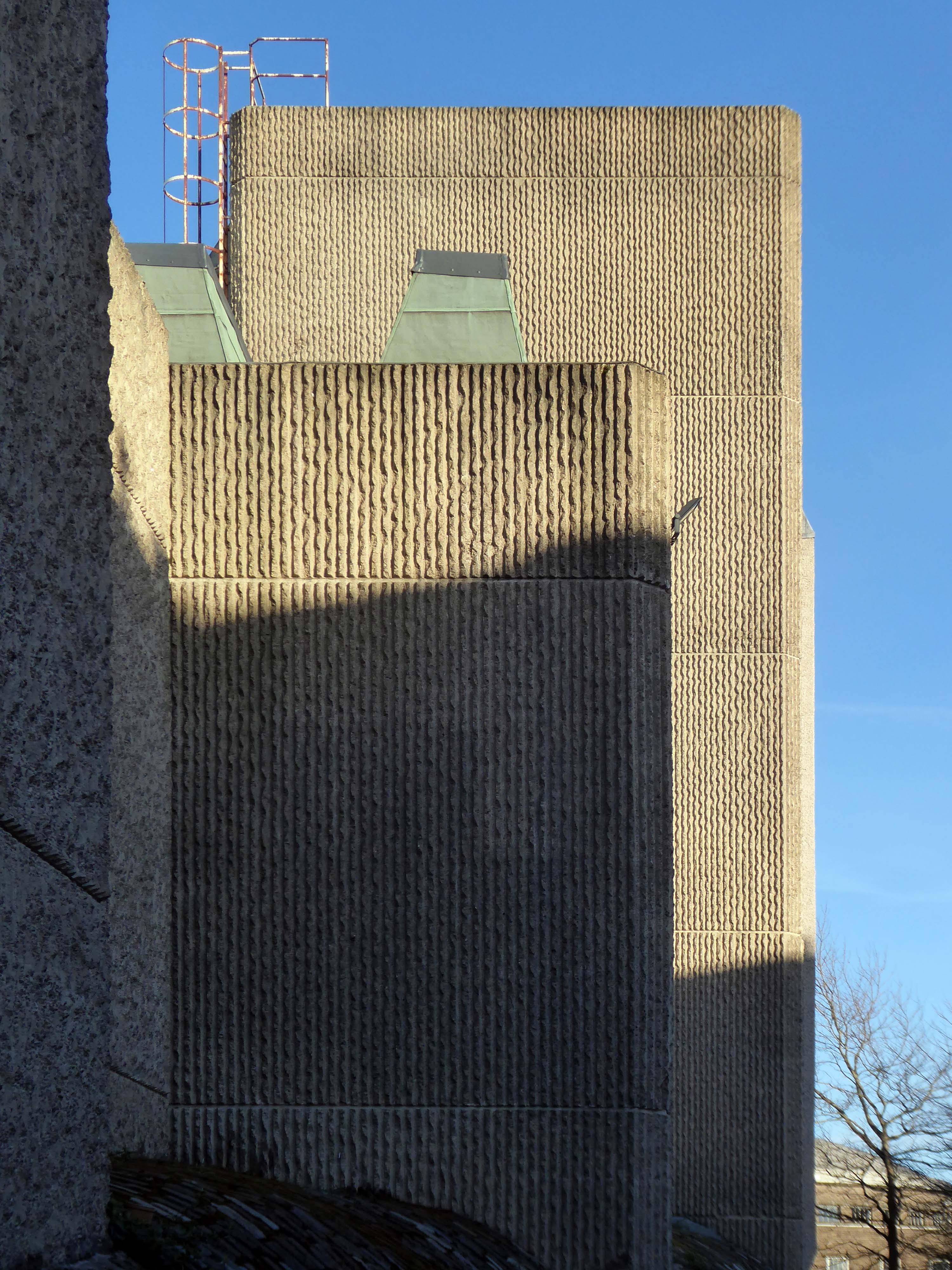
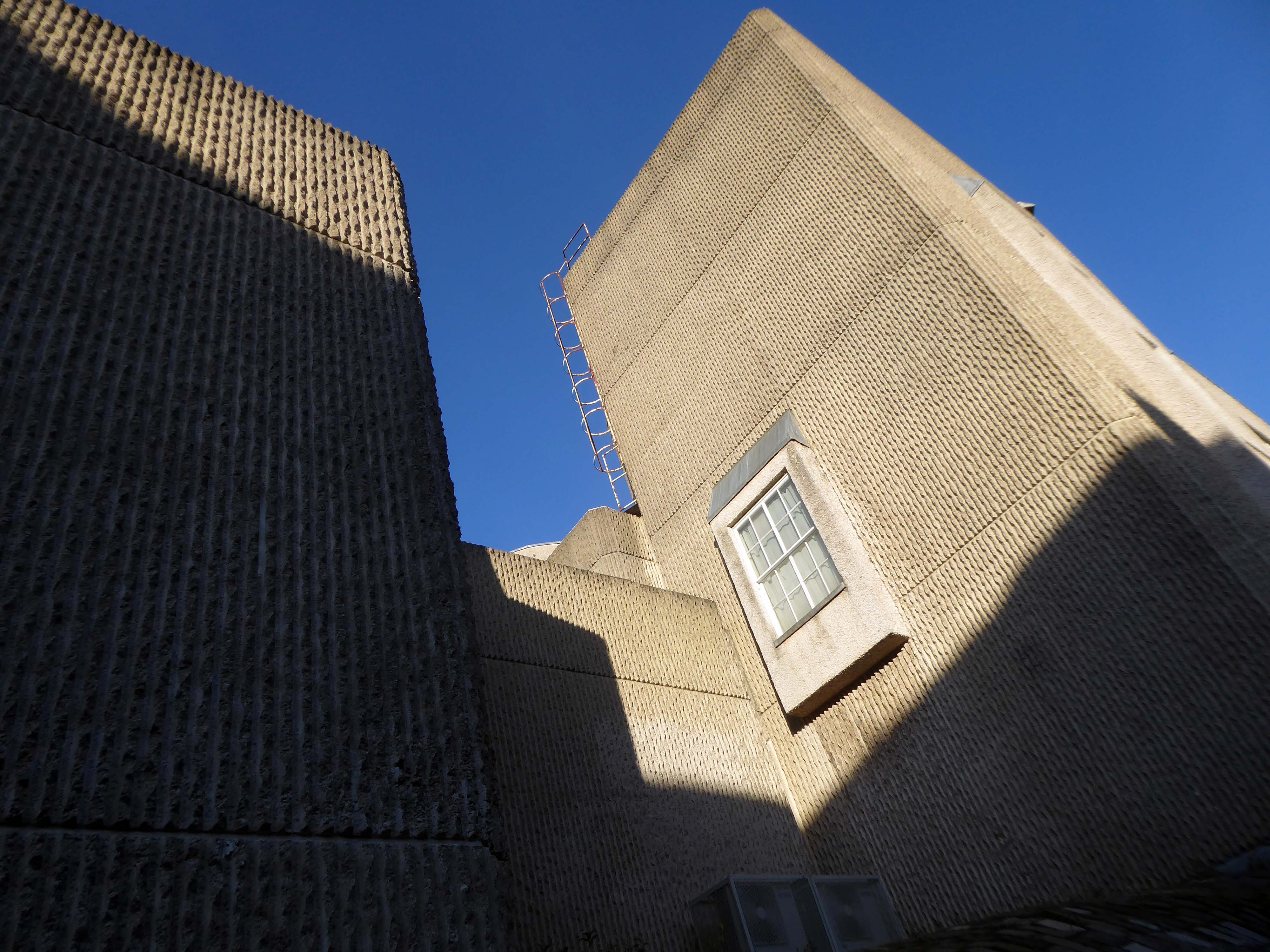
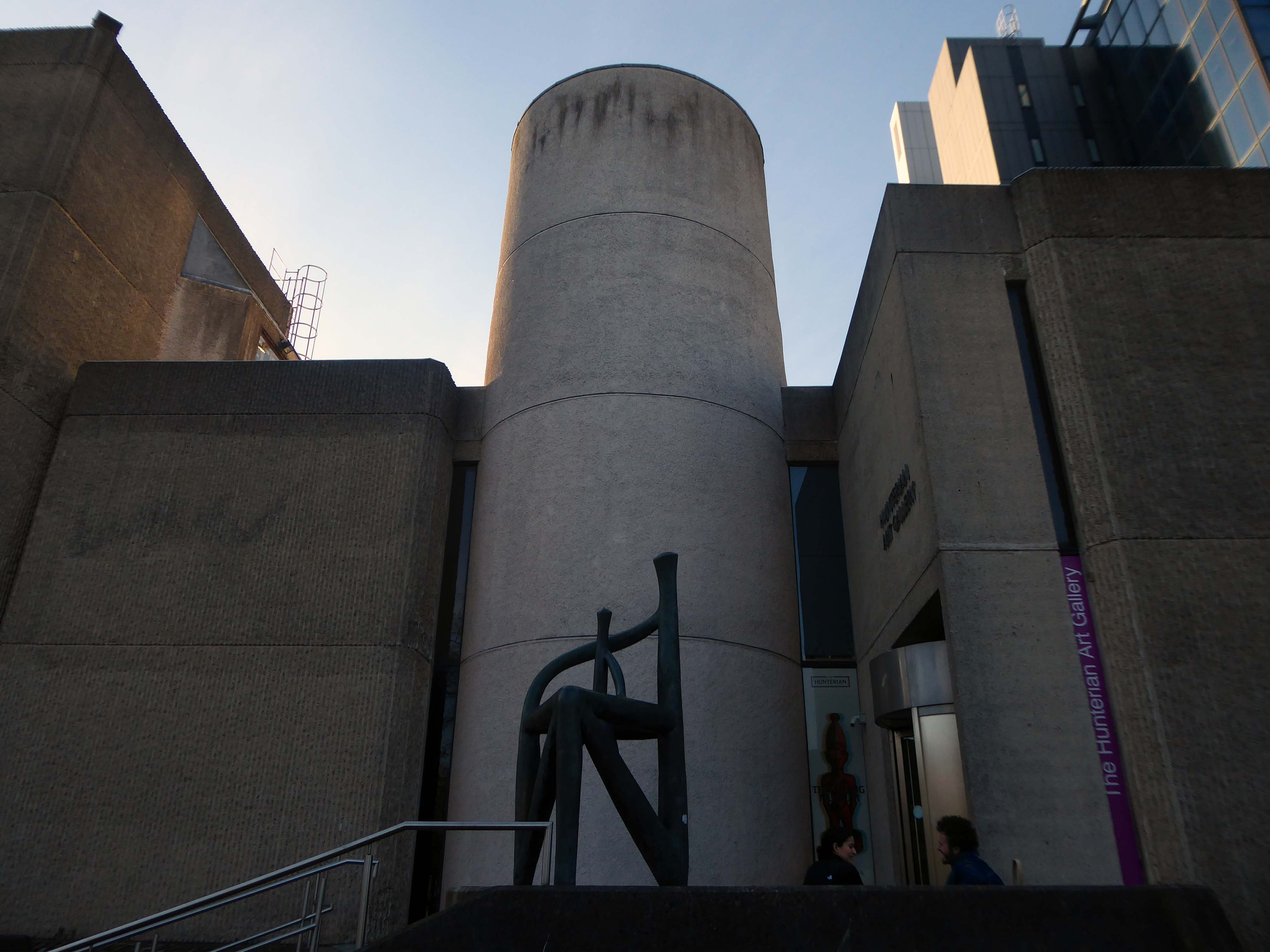
The Gallery is housed in a modern, custom-built facility that is part of the extensive Glasgow University Library complex, designed by William Whitfield.

Sir William Whitfield had roots in concrete and brick brutalism but took contextual postmodernism to a Palladian mansion that traditionalists admired. Principal of a small office for almost 50 years, his diversity of work was shot through with recurring themes and was distinguished by thoughtful synthesis of precedent.

RIBA

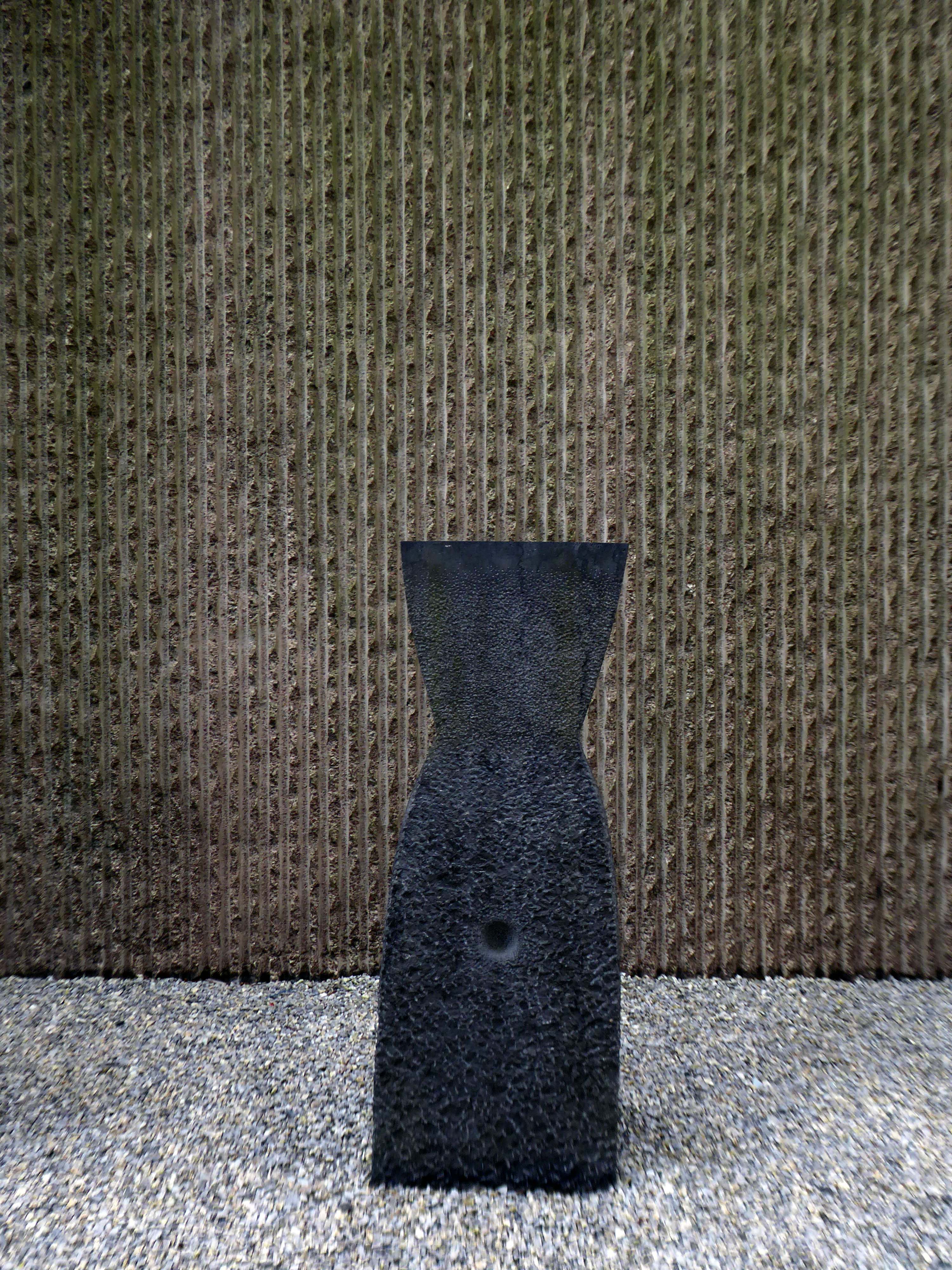
This displays the university’s extensive art collection, and features an outdoor sculpture garden.

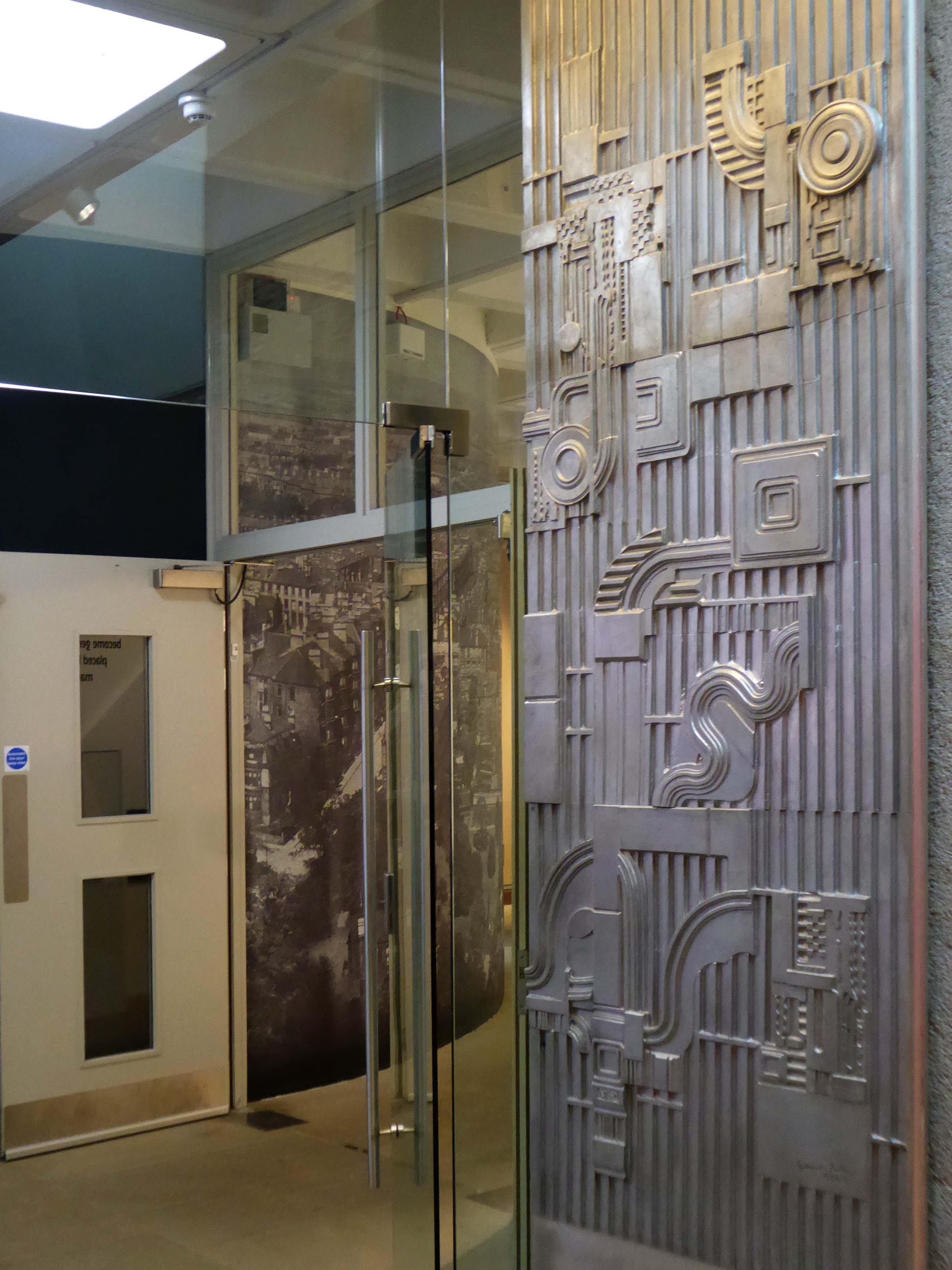
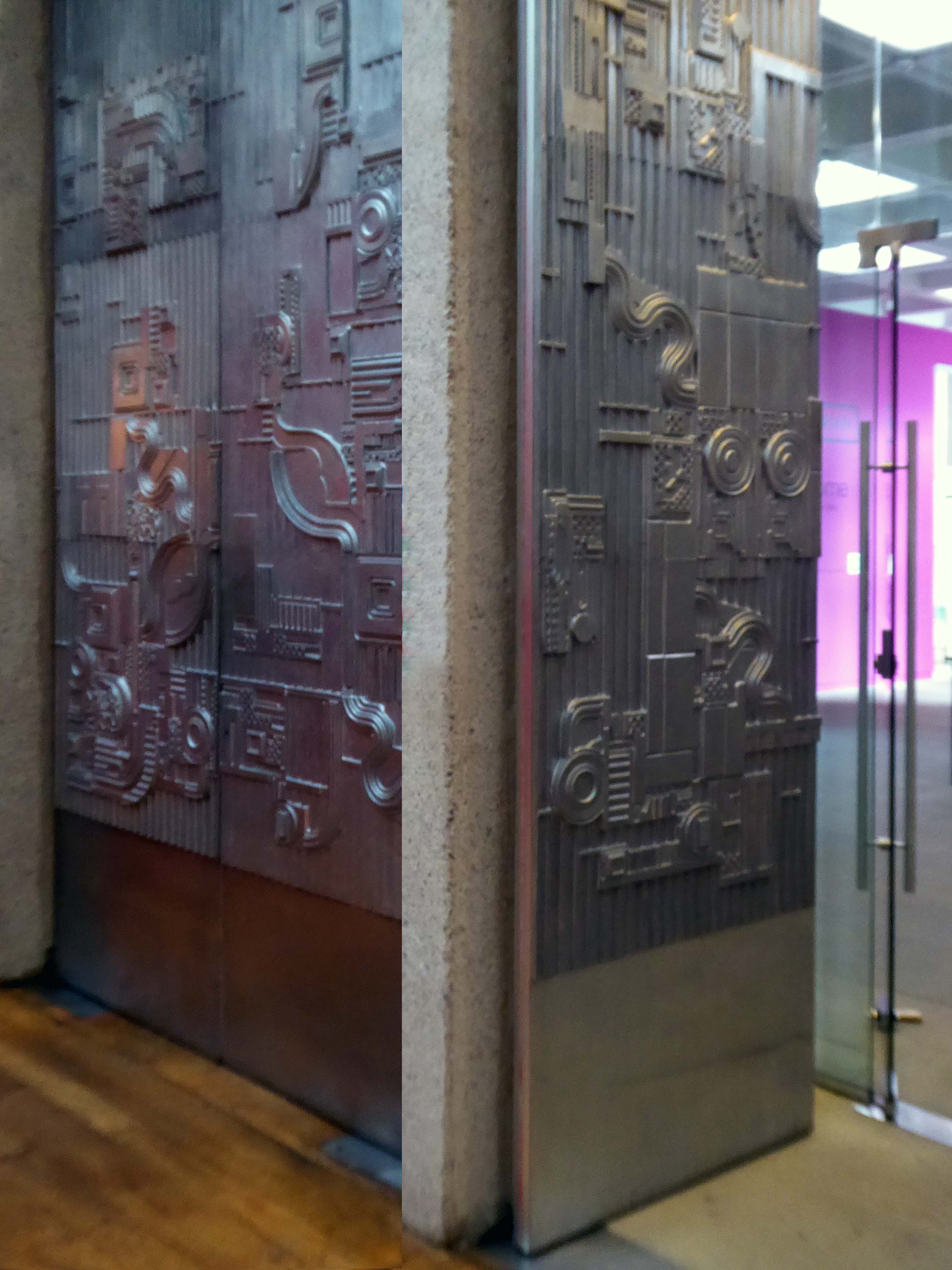
The bas relief aluminium doors to the Hunterian Gallery were designed by sculptor Eduardo Paolozzi.

The gallery’s collection includes a large number of the works of James McNeill Whistler and the majority of the watercolours of Charles Rennie Mackintosh.

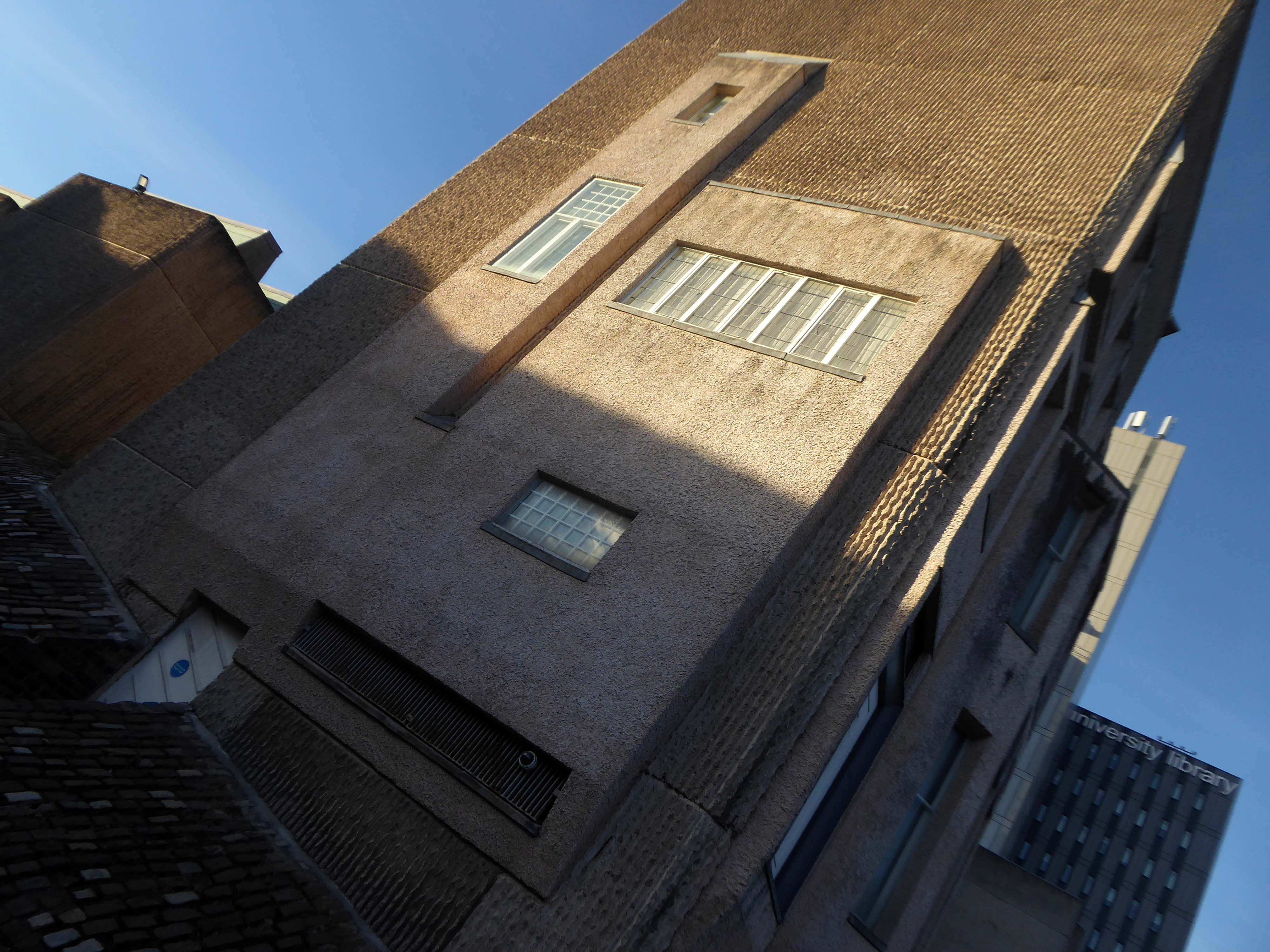
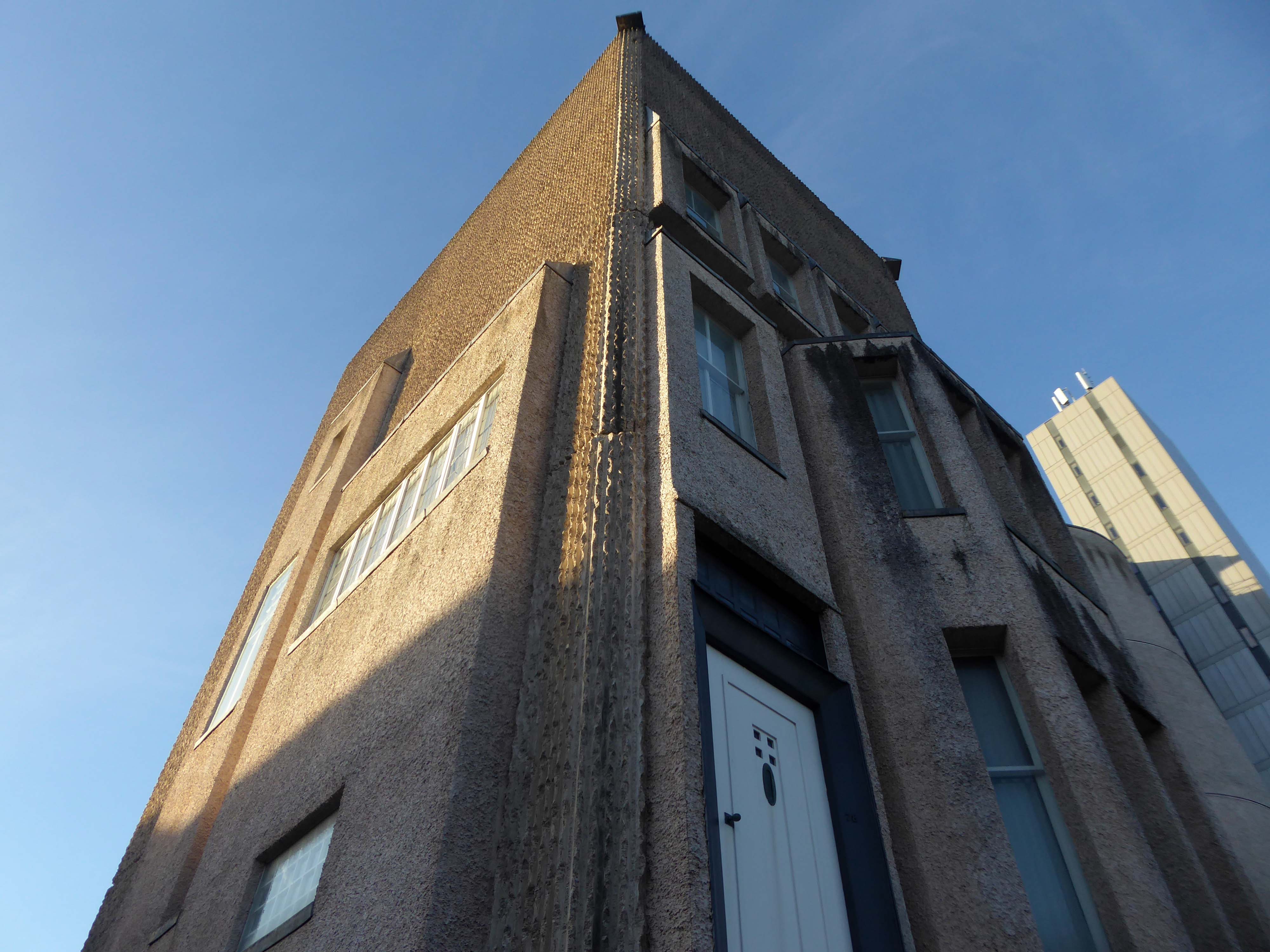
The Mackintosh House is a modern concrete building, part of the gallery-library complex.

The Mackintosh House comprises the principal interiors of the original house – including the dining room, studio-drawing room and bedroom, largely replicating the room layout of the old end-of-terrace building. It features the meticulously reassembled interiors from the Mackintoshes’ home, including items of original furniture, fitments and decorations.

Wikipedia

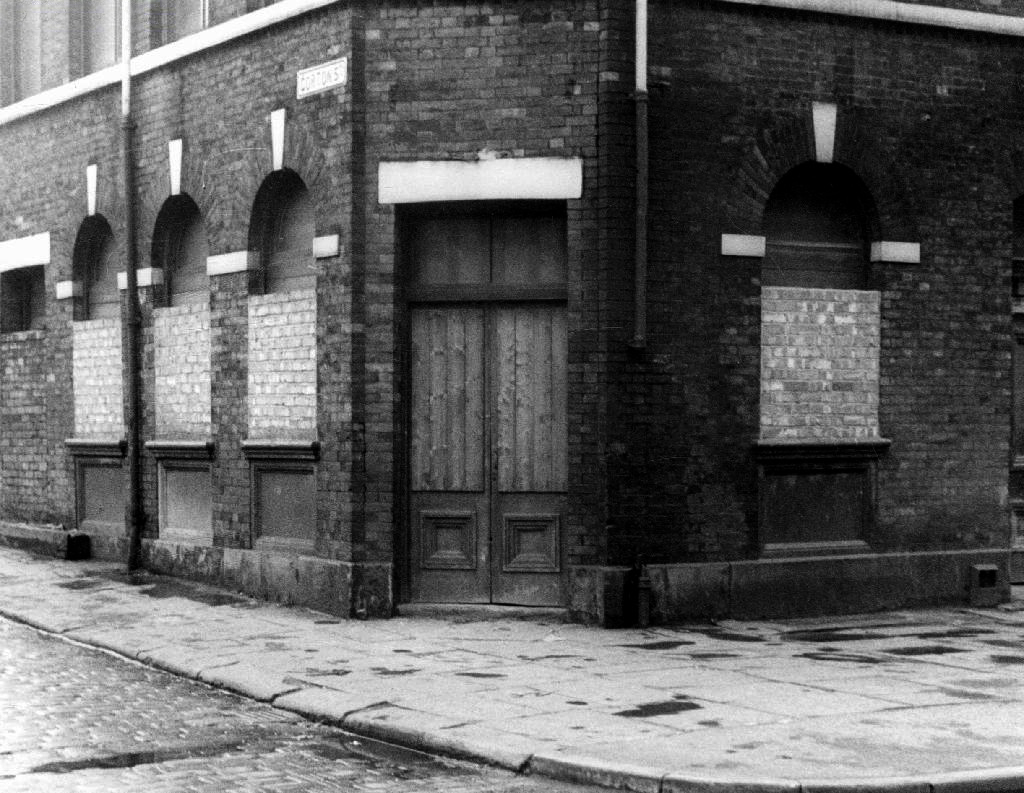
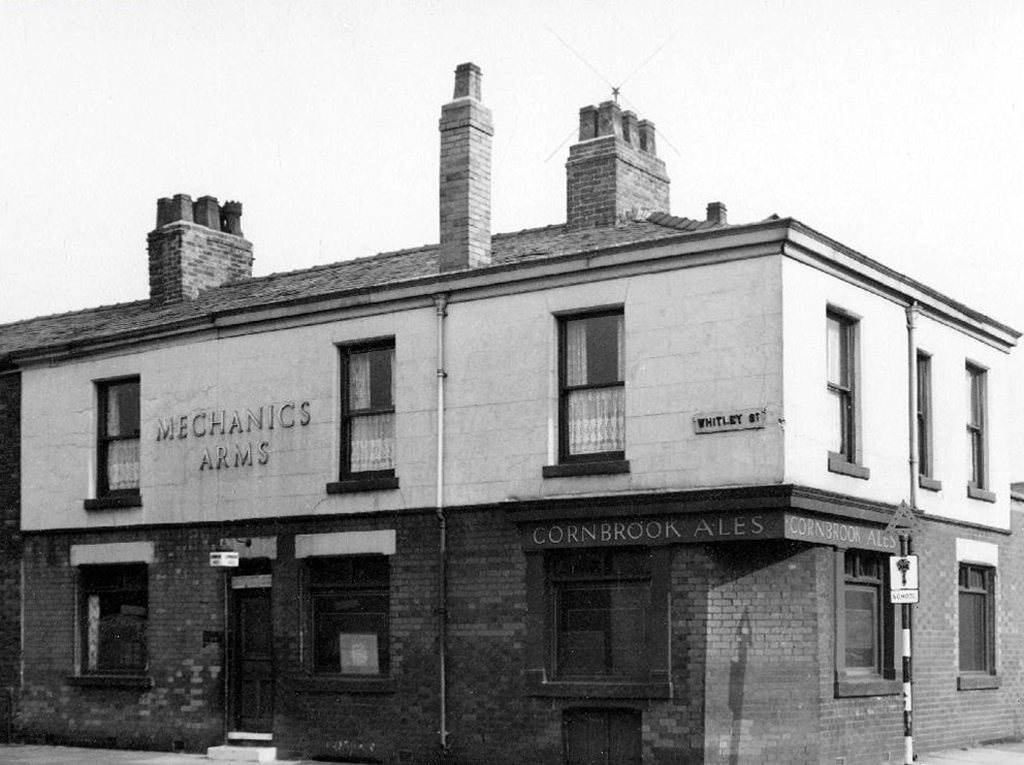
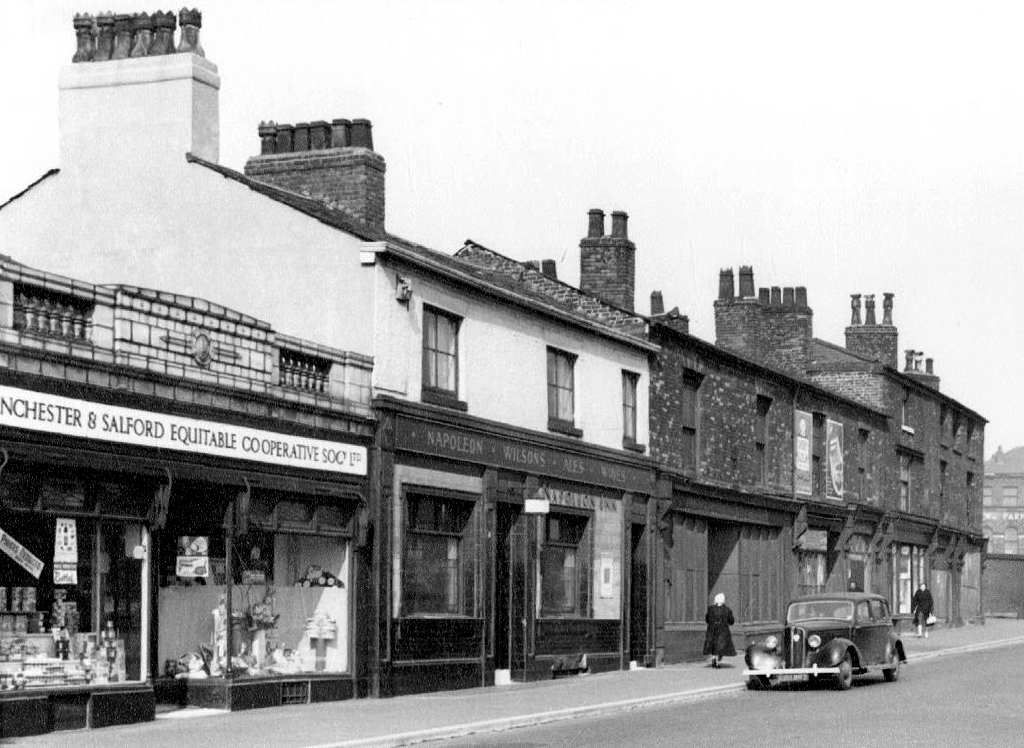
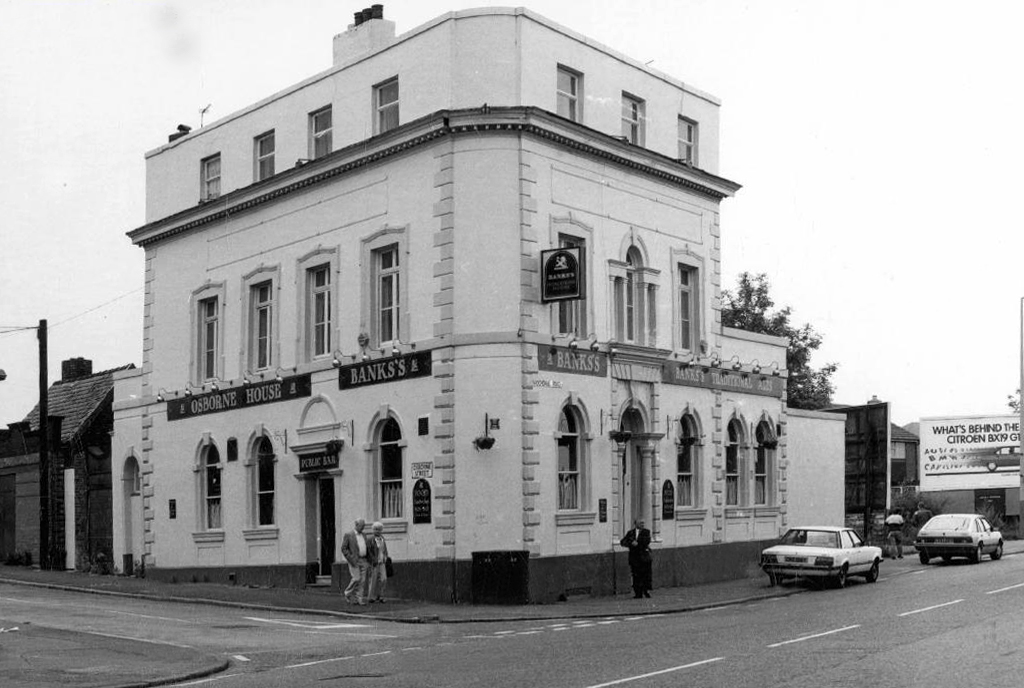
Collyhurst Pubs

Taking images from the Local Image Collection I have compiled a section of pubs in the Collyhurst area.

There are but a few still open – many long gone, since demolished.

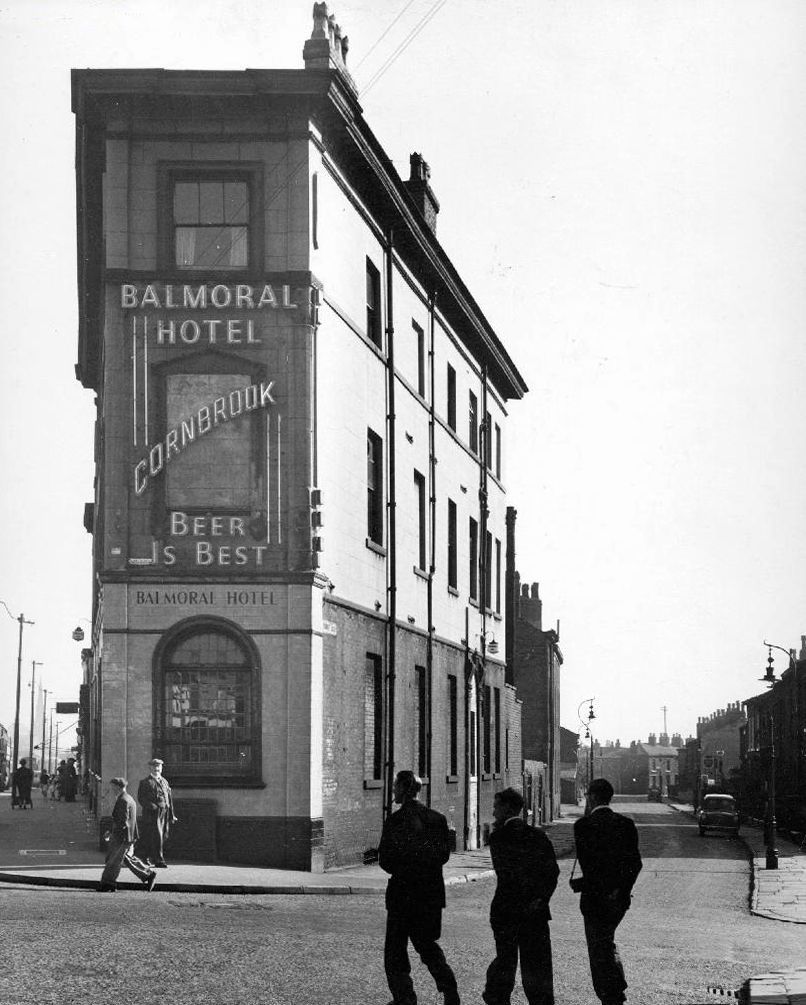
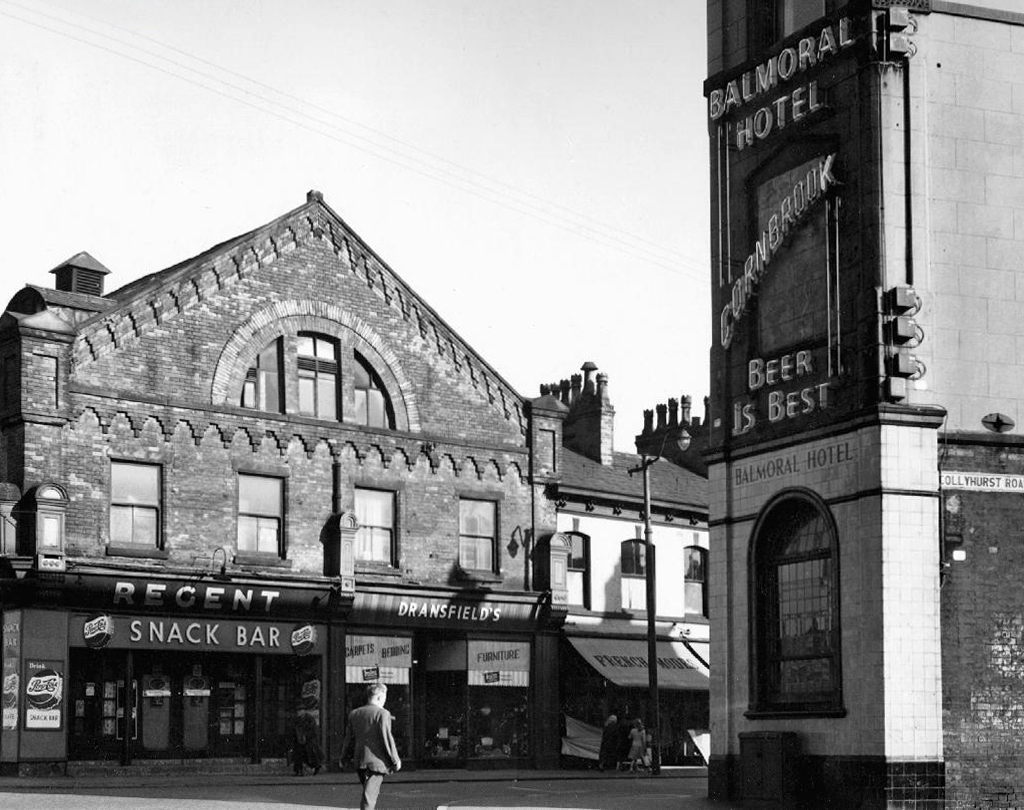
Balmoral HotelCornbrook Brewery

W Kaye 1958

Billy Greens – formerly the Vauxhall

S Marland

Collyhurst InnManchester Brewery Company later Wilsons

W Kaye 1958

The Balloon VaultsWalker & Homfray’s

H Whitehead 1971

The Globe Inn Threlfall’s later Whitbread

Dawson 1971

The Grapes Tavern Joseph Holt

W Kaye 1964

Joiners Arms Wilsons

W Kaye 1959

Lorimers Arms

S Marland 2022

Lord ClydeCornbrook

1958

Mechanics ArmsCornbrook

E Stanley 1958

NapoleonMcKenna’s later Walker & Homfray then Wilsons

L Kaye 1958

The OsborneWilsons later Banks’s

1976

1986

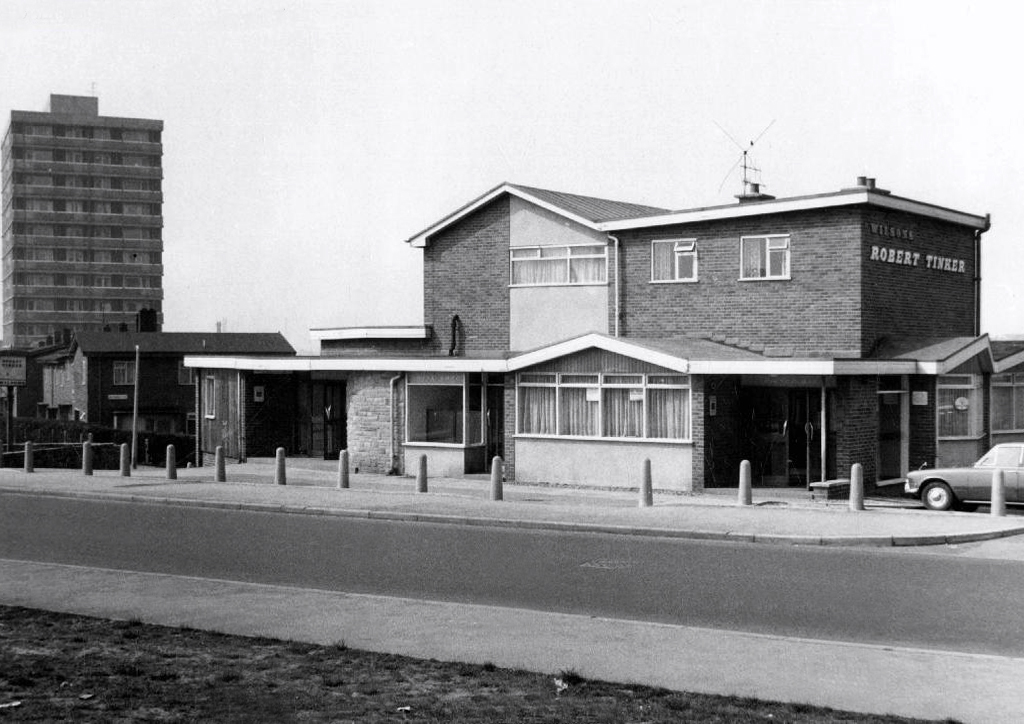
Robert TinkerWilsons

A Dawson 1971

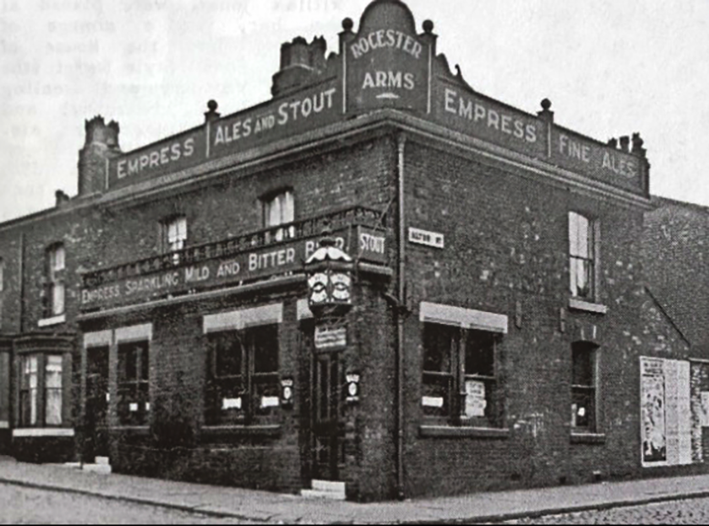
Rocester ArmsEmpress Brewery

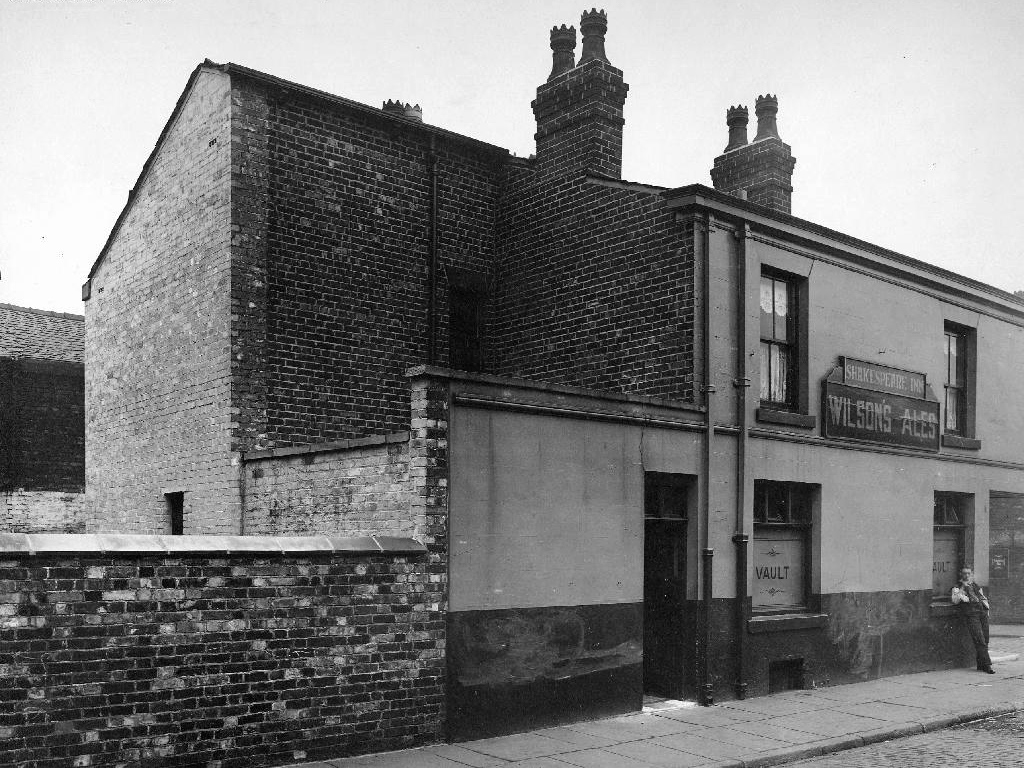
Shakespeare InnWilsons

1934

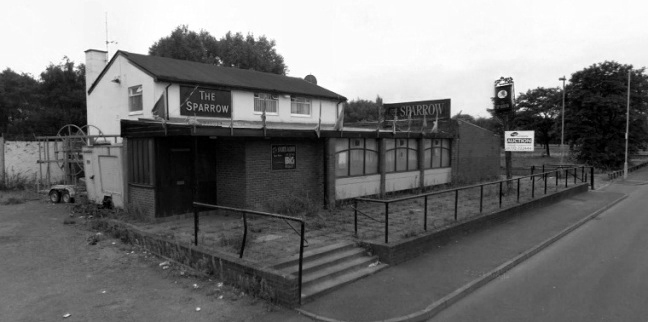
The Sparrow

Google 2012

The Swan Wilsons

A Dawson 1971

Three Tuns Manchester Brewery Company later Threlfall’s

L Kaye 1958

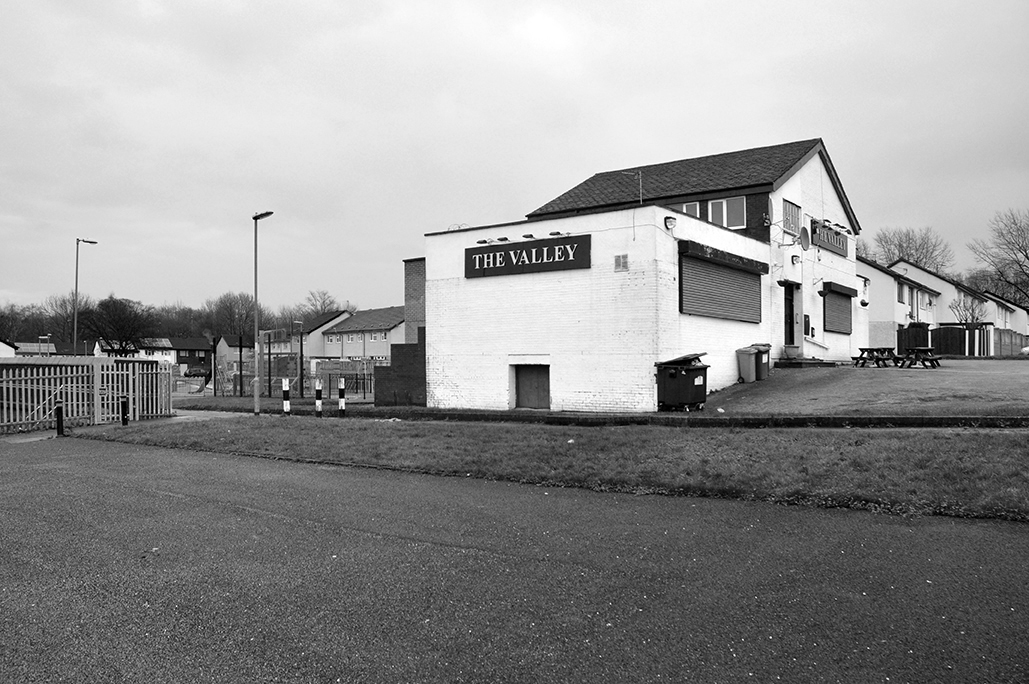
The Valley – now open as The Vines

S Marland

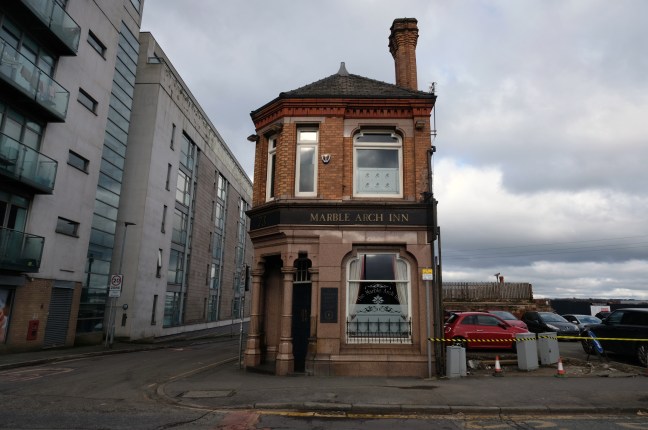
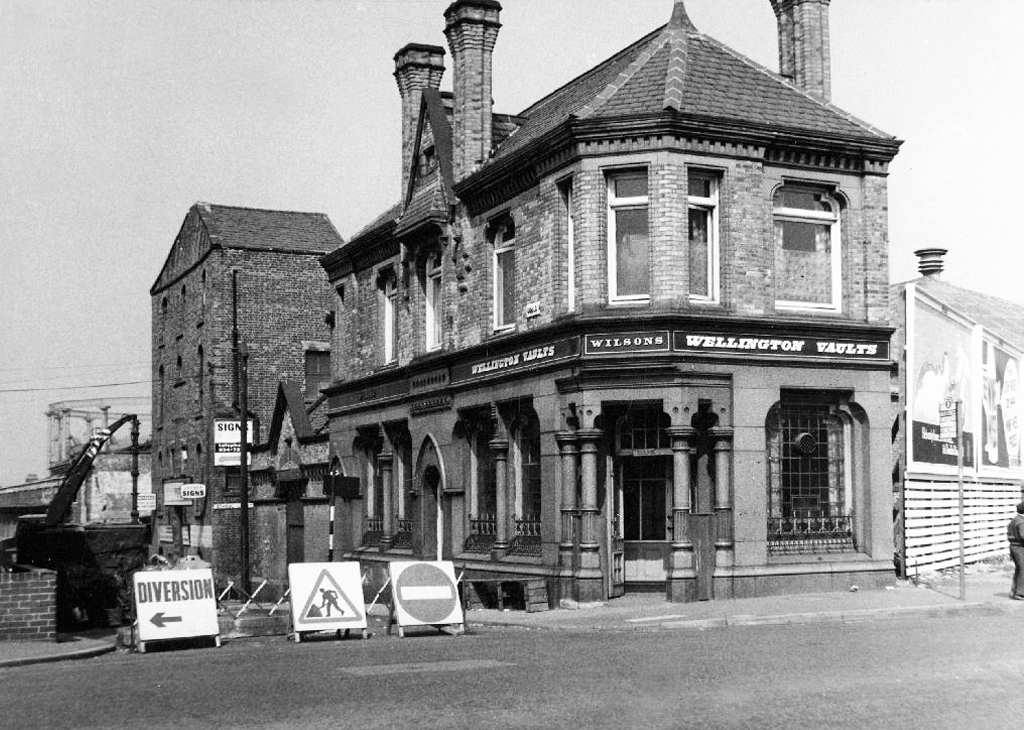
The Wellington Vaults – Wilsons now open as the Marble Arch

A Dawson 1971

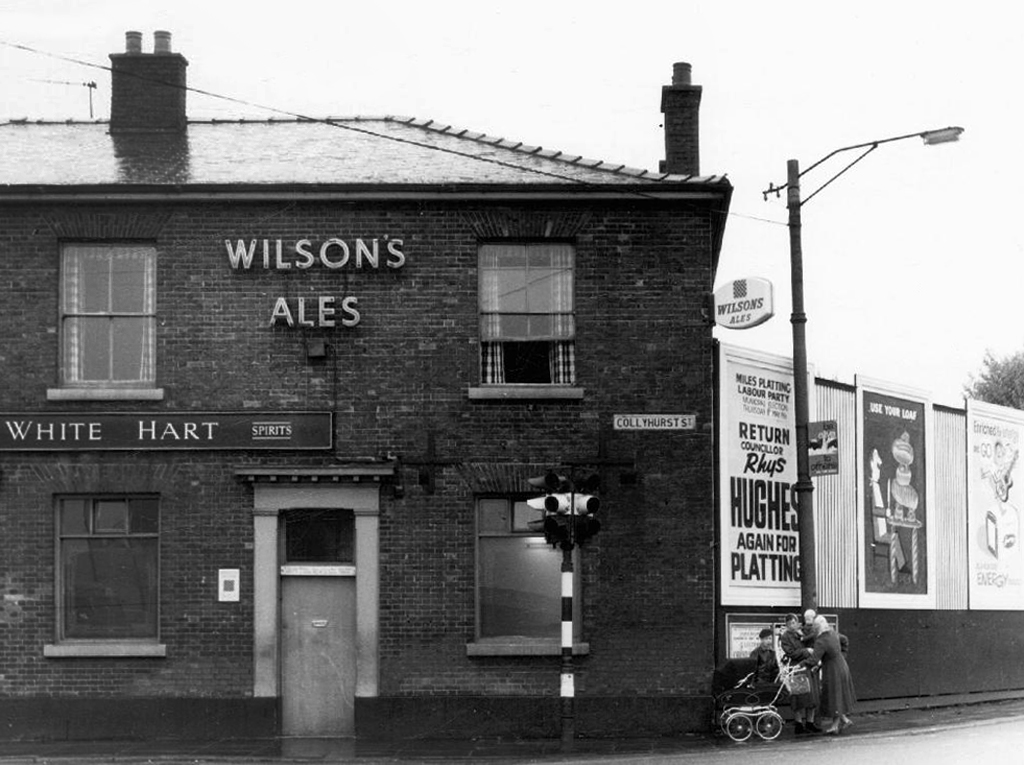
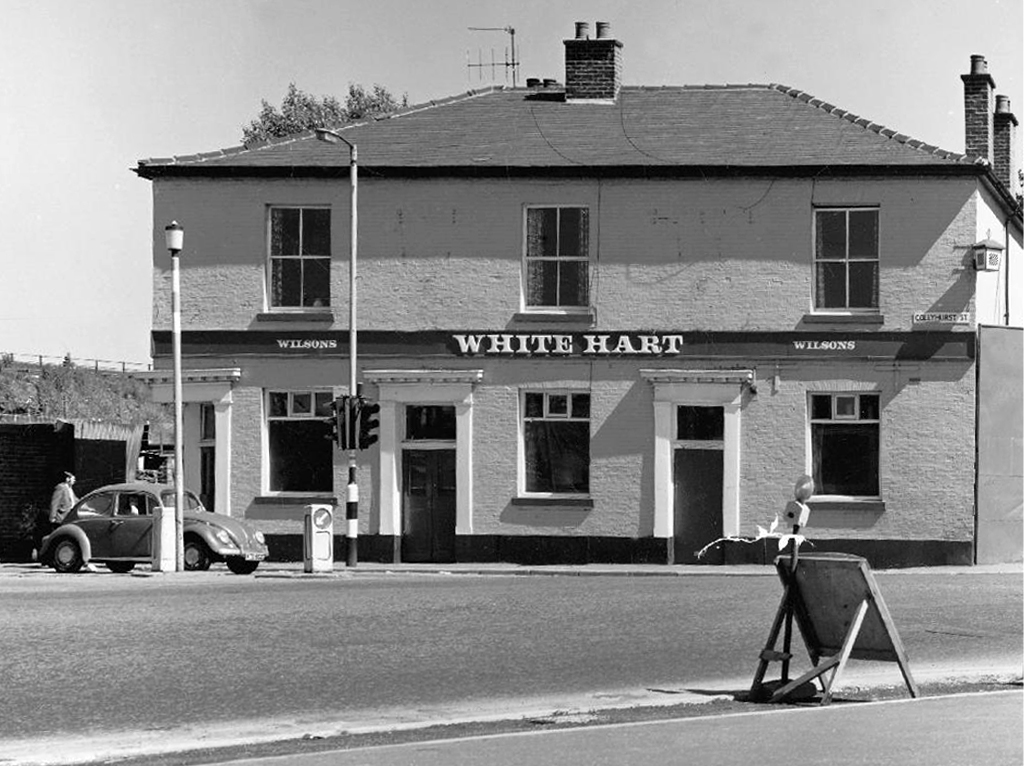
White HartWilsons

T Brooks 1961

1976

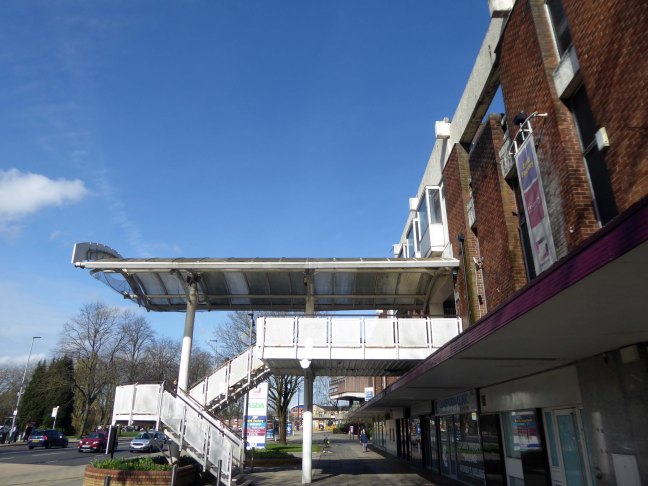
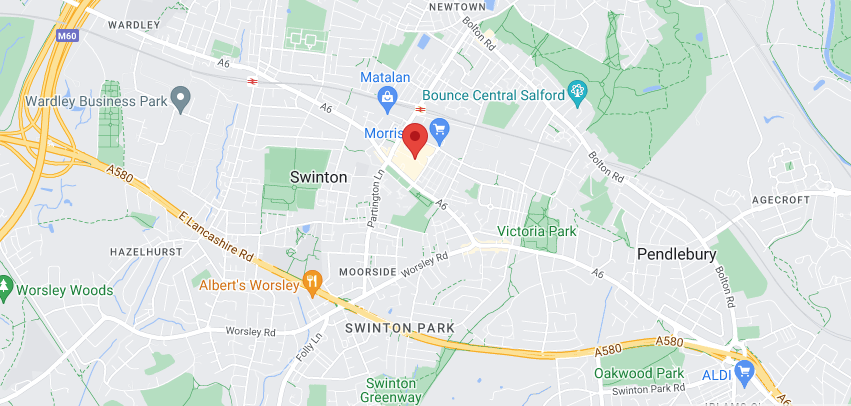
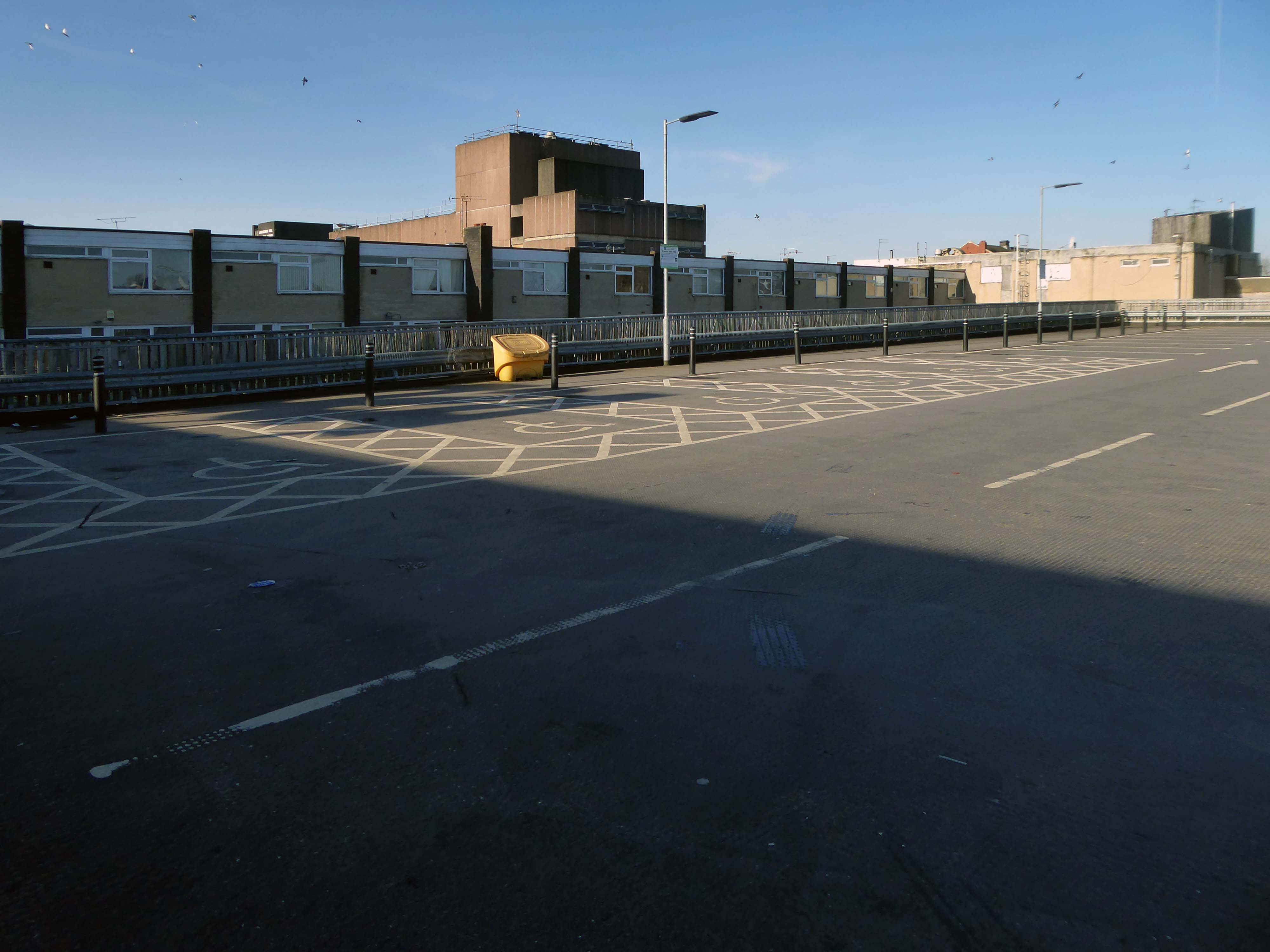
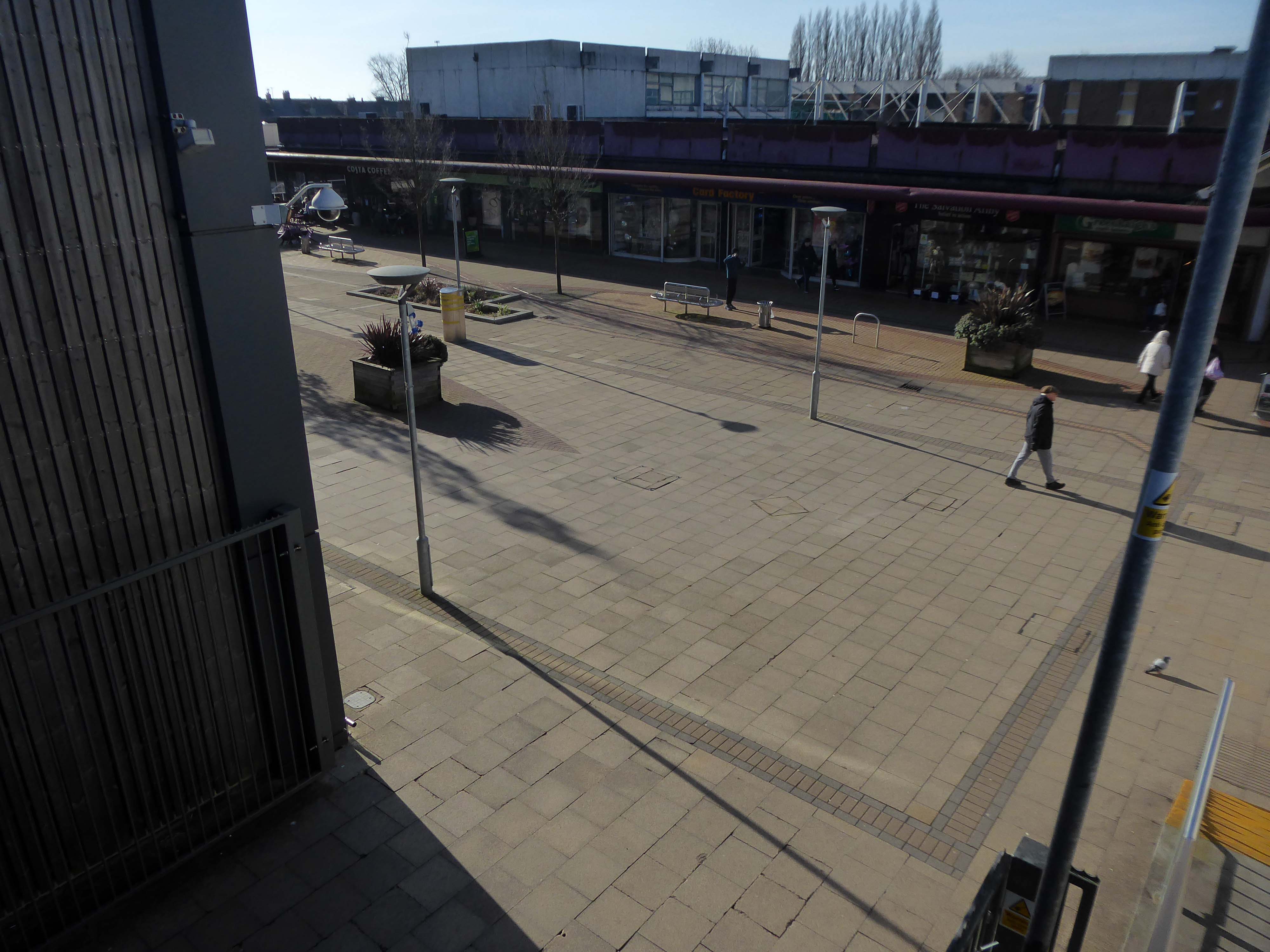
Swinton Square – Shopping Centre 2024

I was last here in 2022, I returned to Swinton Square on Saturday to lead a modernist walk for the Not Quite Light Festival.

So on a light bright sunny day, I took another look around.

Salford’s town centres are important to the city’s future. They provide employment for local people, retail and leisure opportunities, homes, a sense of community, and a place for local people to interact. However, it is well known that town centres are changing and that they need to adapt and reposition themselves so that they can thrive and meet the needs of the local communities.

Despite Swinton’s many strengths, it faces similar challenges to other towns. The shopping centre and other buildings in the town centre are dated and in need of investment. Demand for local housing has grown by 23% in the last five years, but there is a lack of high-quality family and affordable housing in the right locations in the area.

The city council has identified Swinton town centre – along with Eccles, as a priority area for regeneration. On that basis, the council has engaged with the community and local stakeholders to establish a clear vision for the town that will help to guide change and future investment, whilst protecting what local people consider important for Swinton. 

The vision document can be viewed here.

Swinton Square is in private ownership and therefore not something that the council has any direct control over. It is also important to acknowledge that the issues facing Swinton precinct are not unique to Swinton and those challenges are varied but linked to changing shopping habits, decline in the retail offer, competition from out-of-town centres as well as changes in the wider economy.

We do have an open dialogue with the owners of Swinton Square, the West Bromwich Building Society, who are aware of the vision and aspiration for Swinton.  

One of the aims of the council’s events and animation programme is to encourage additional footfall and dwell time within the town centre.

Salford Gov

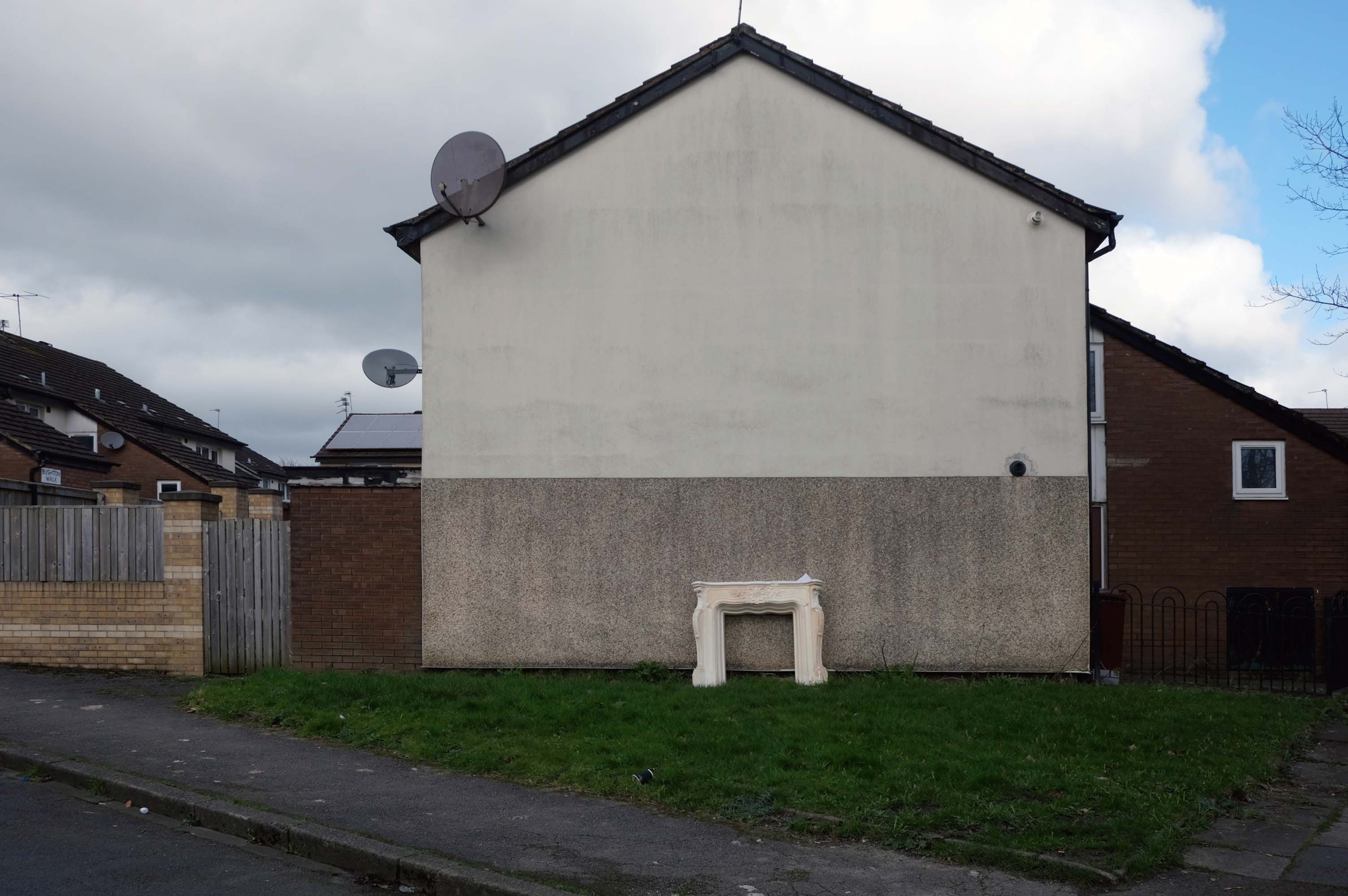
Manchester Arterial – A662

Having photographed the arterial roads of Manchester in 2014  I have resolved to return to the task in 2024.

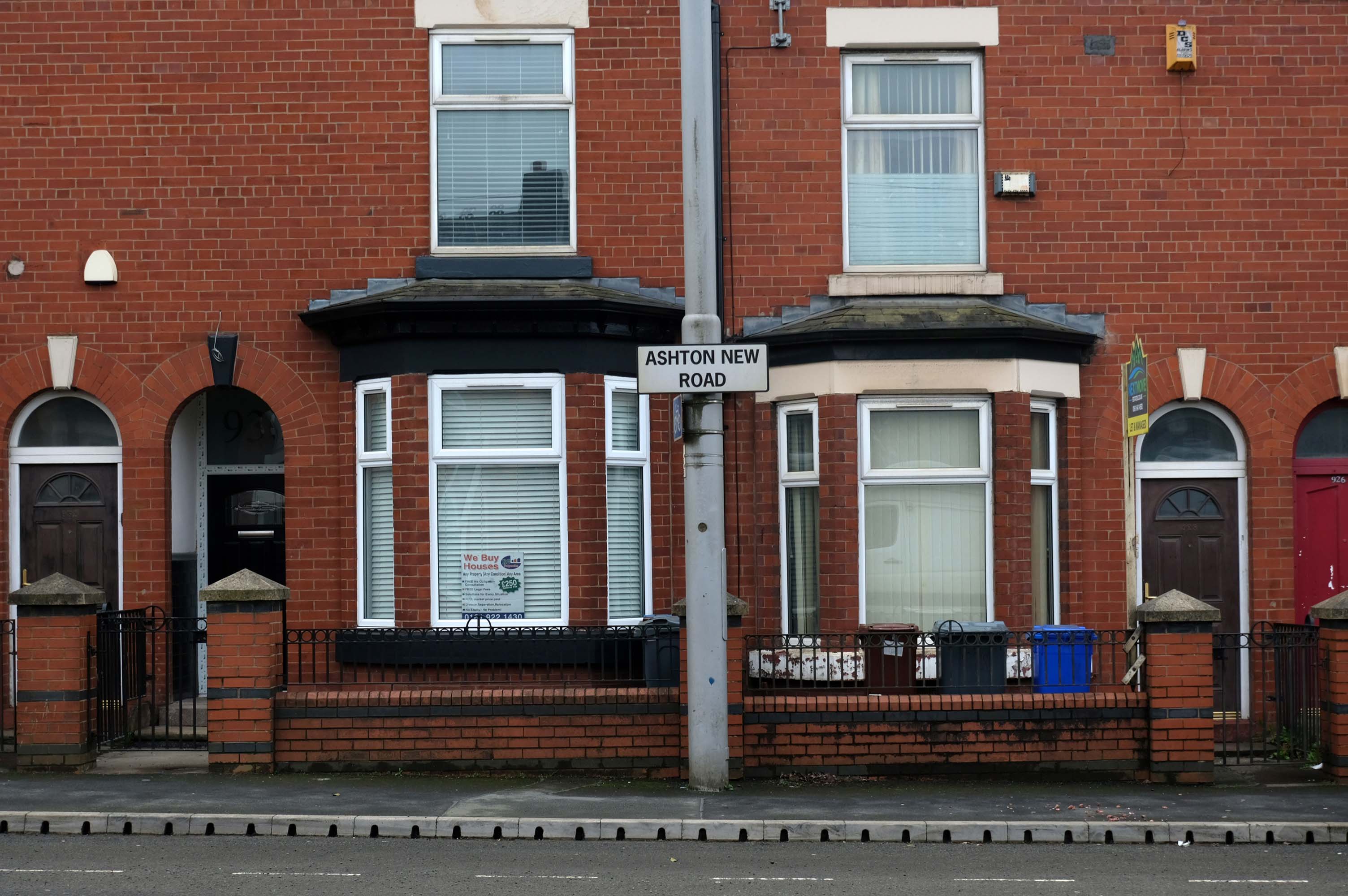
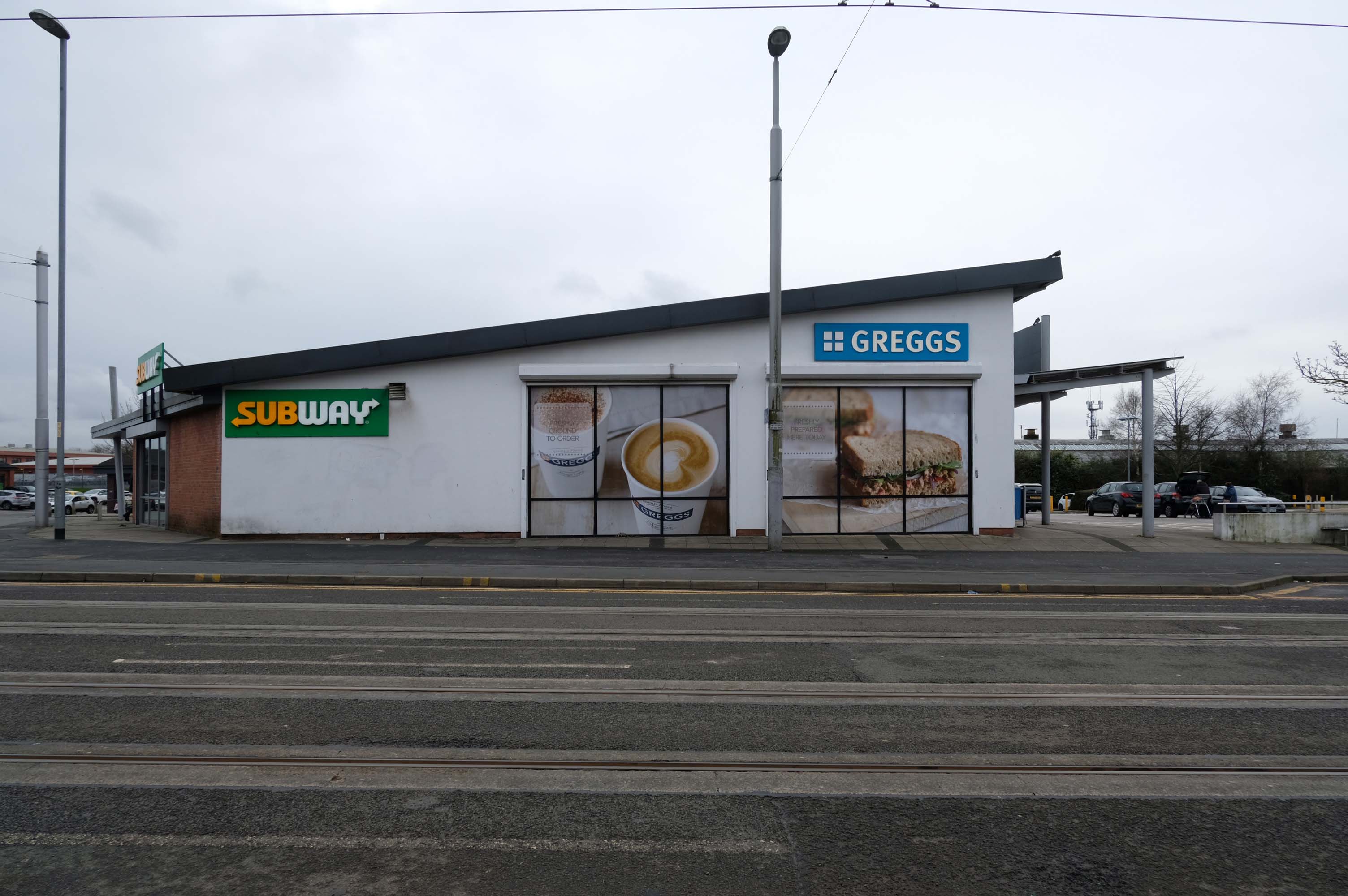
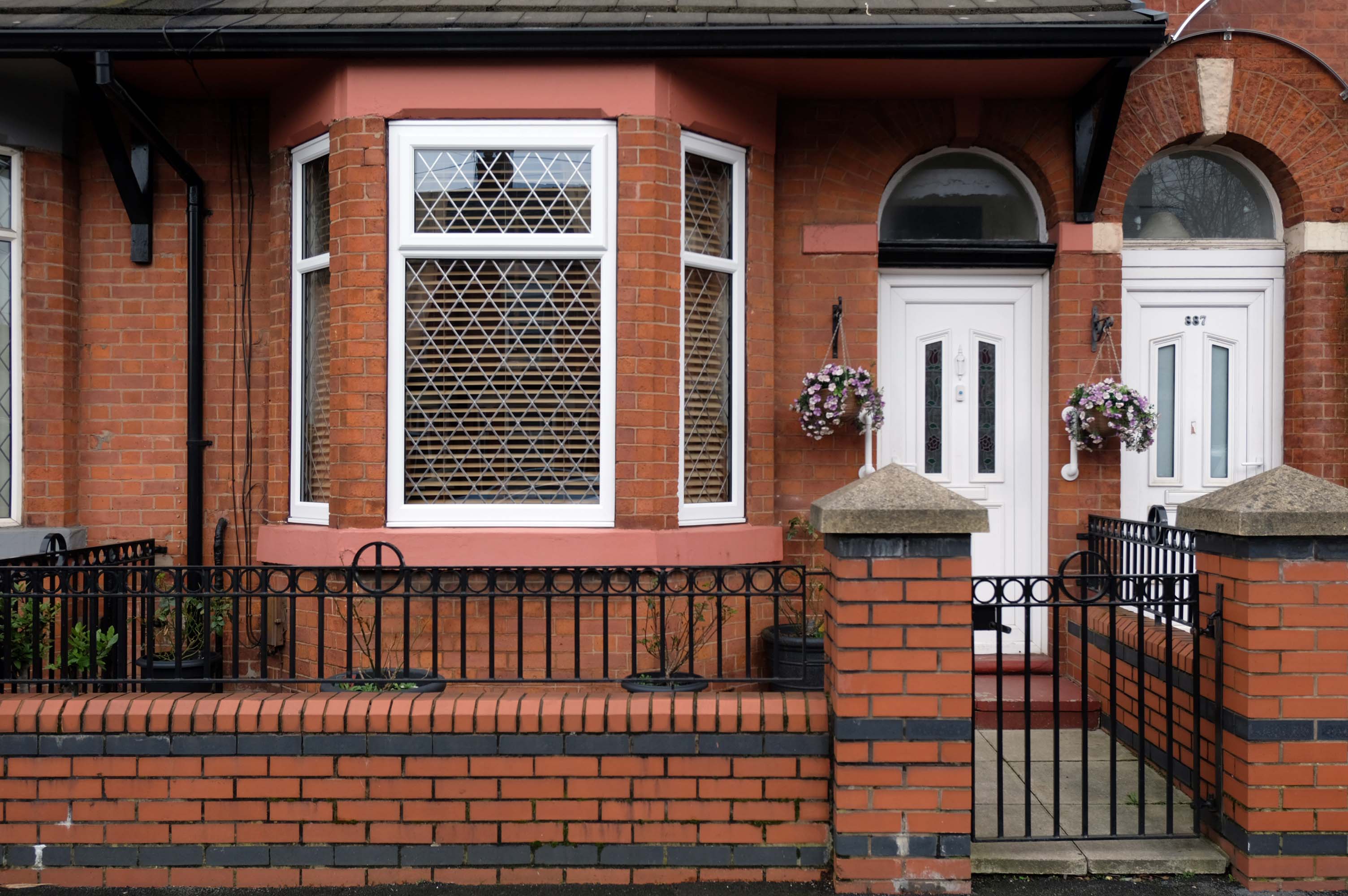
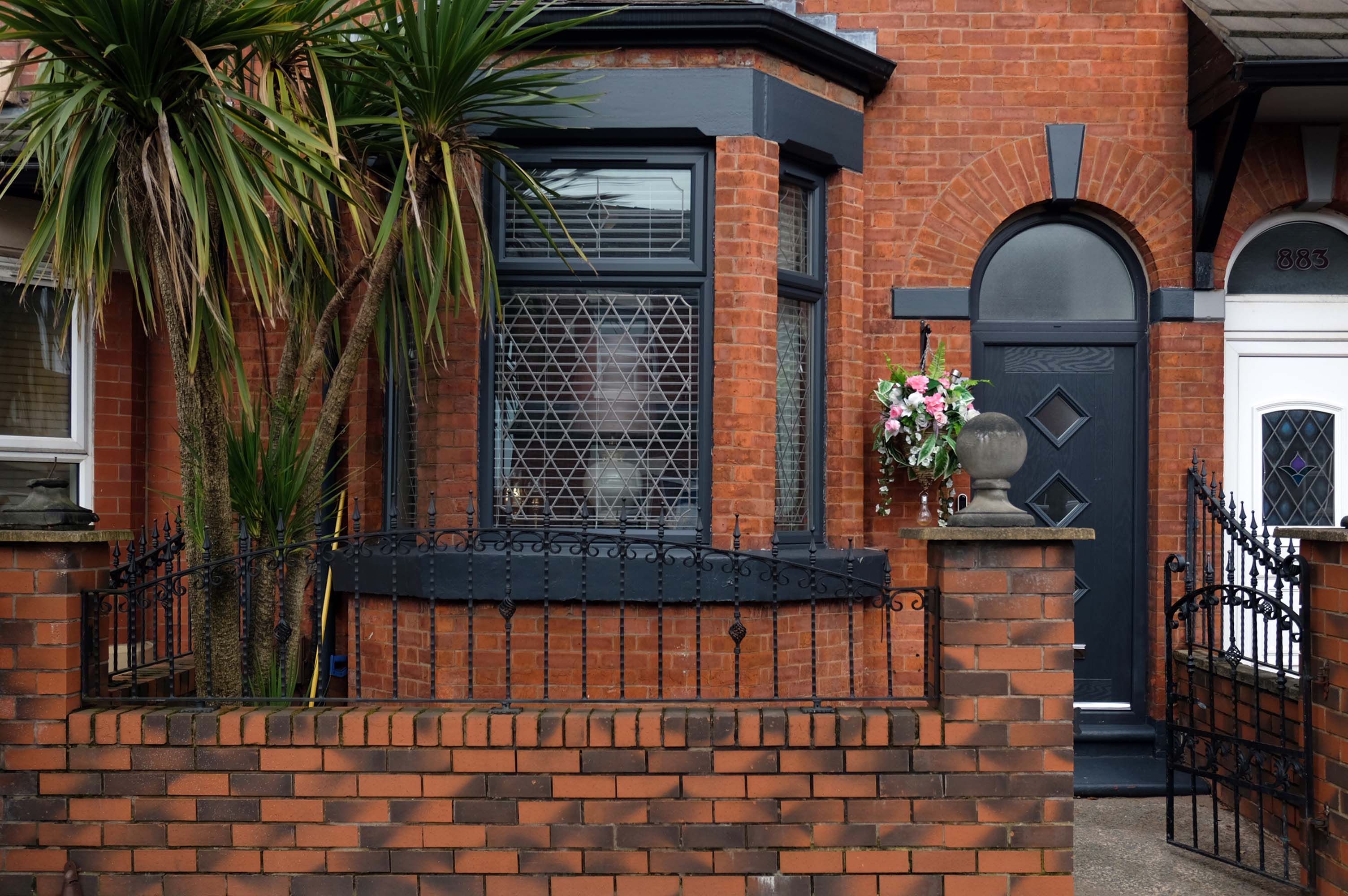
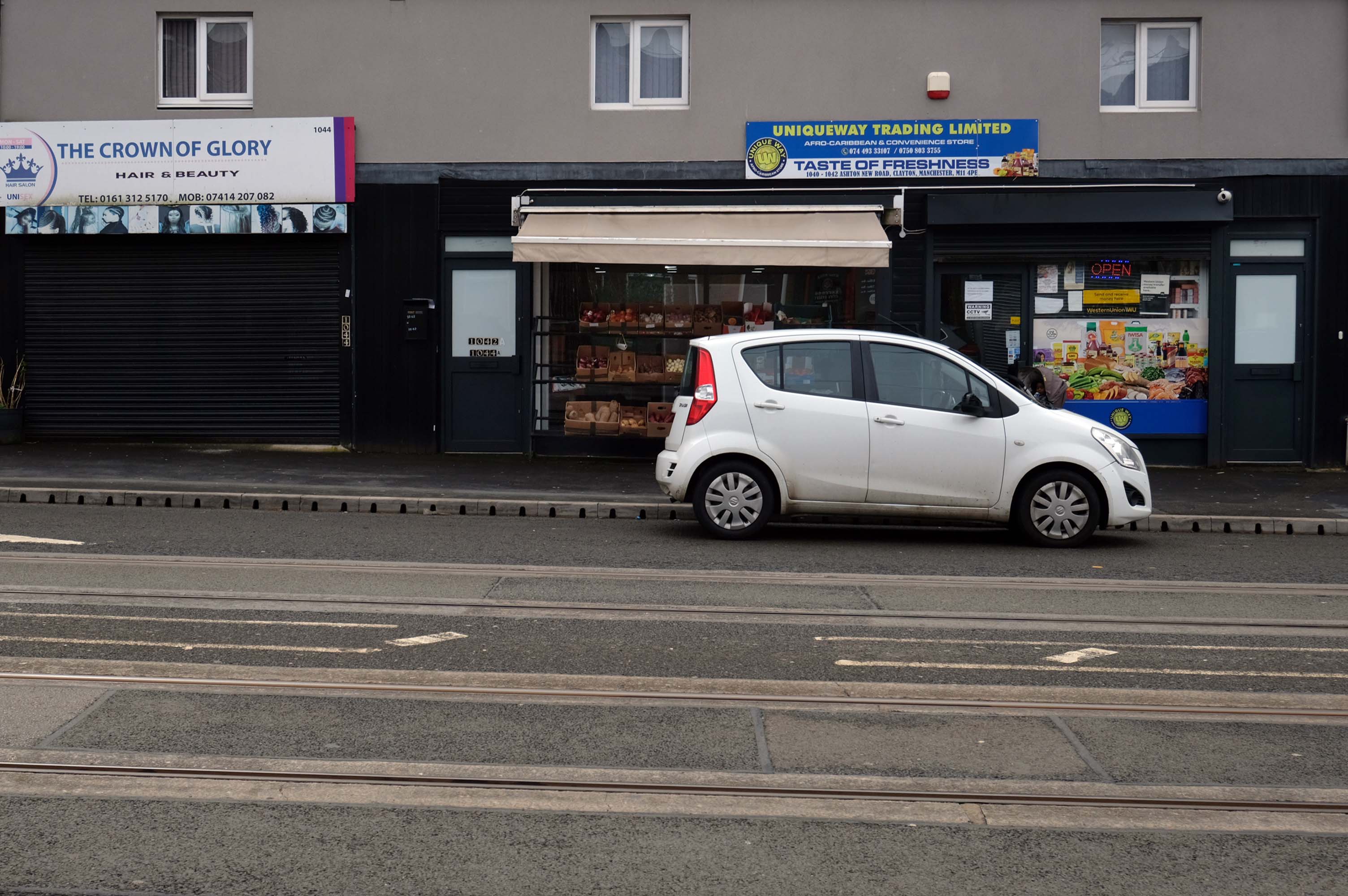
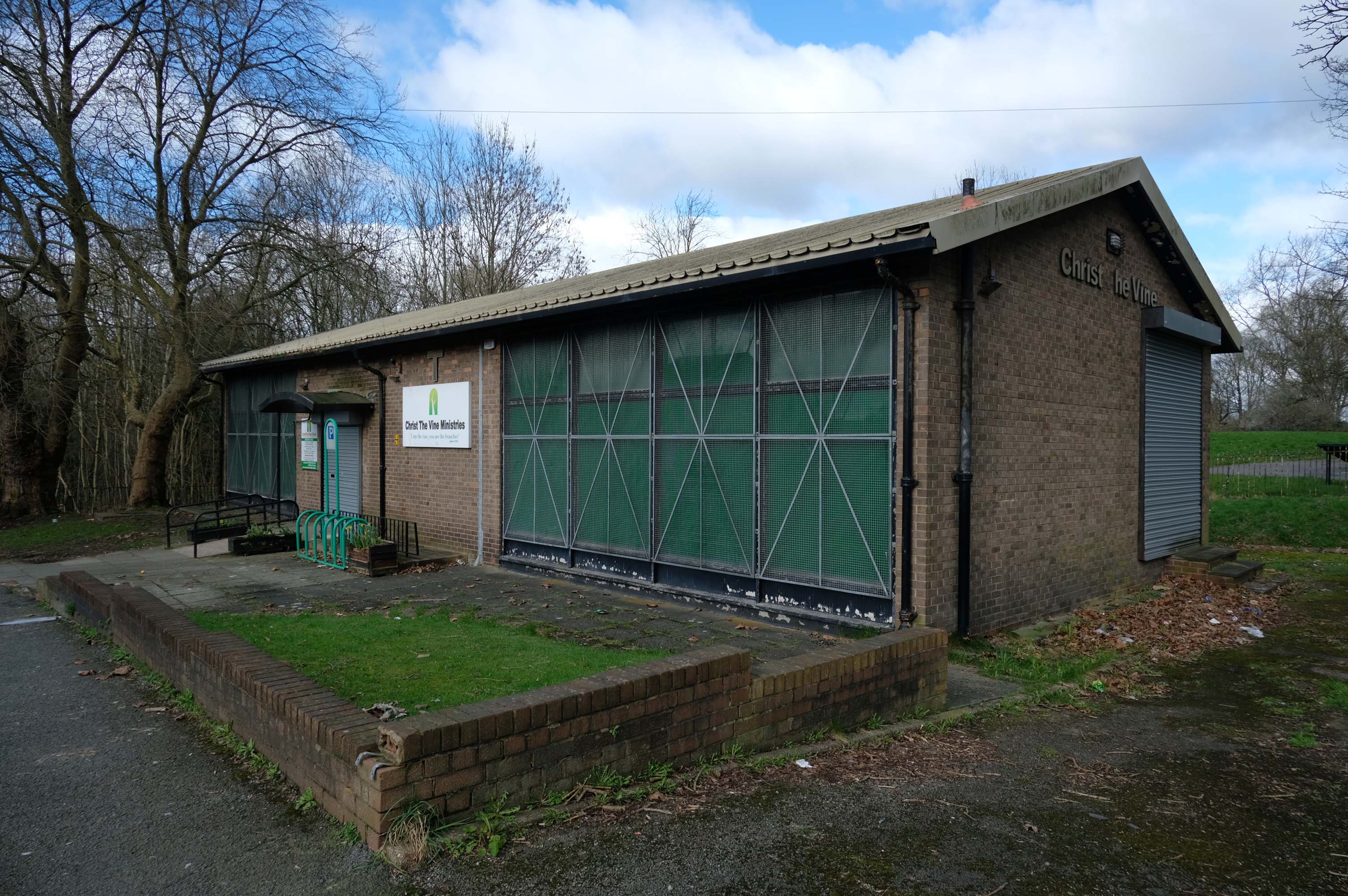
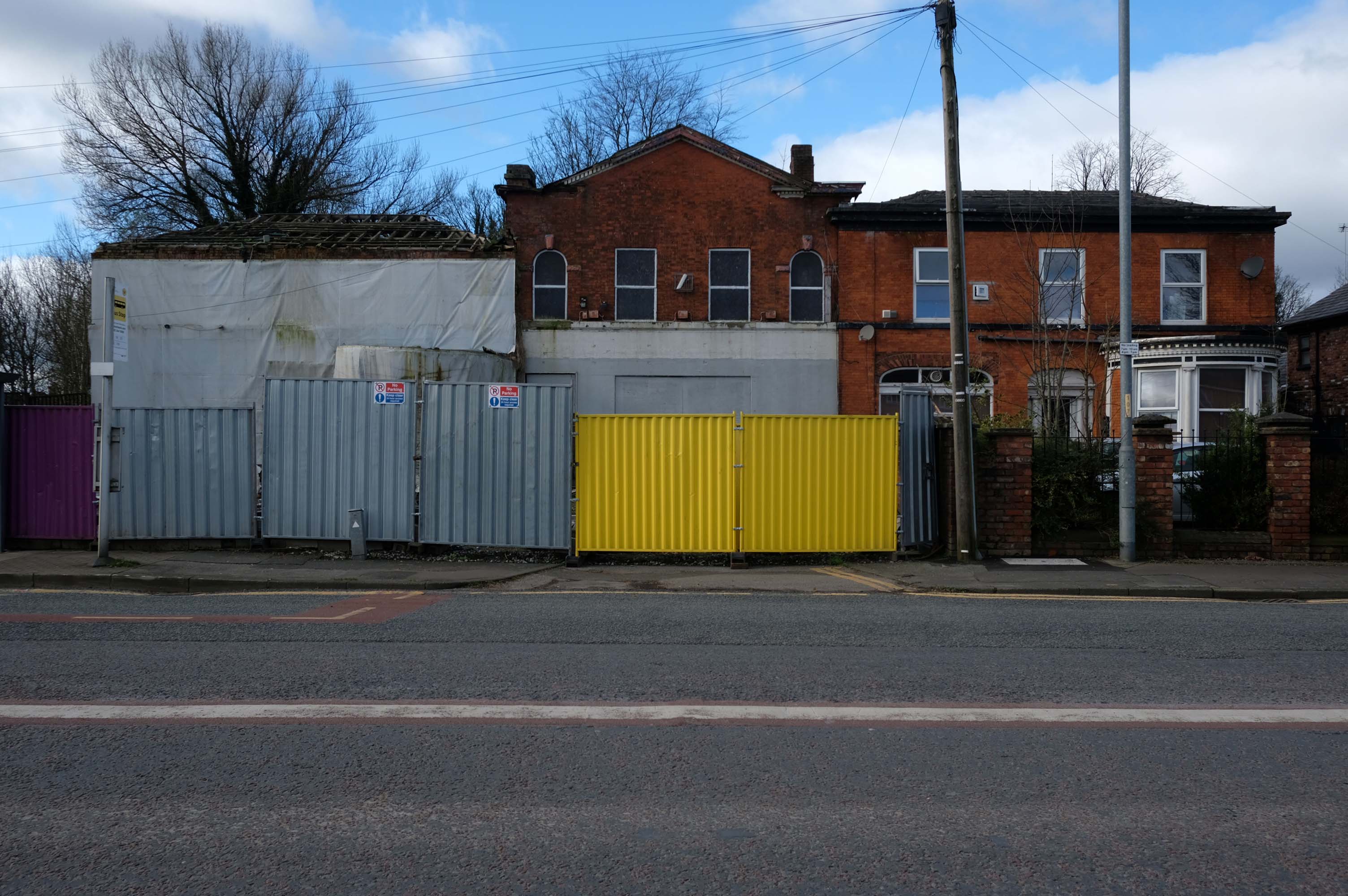
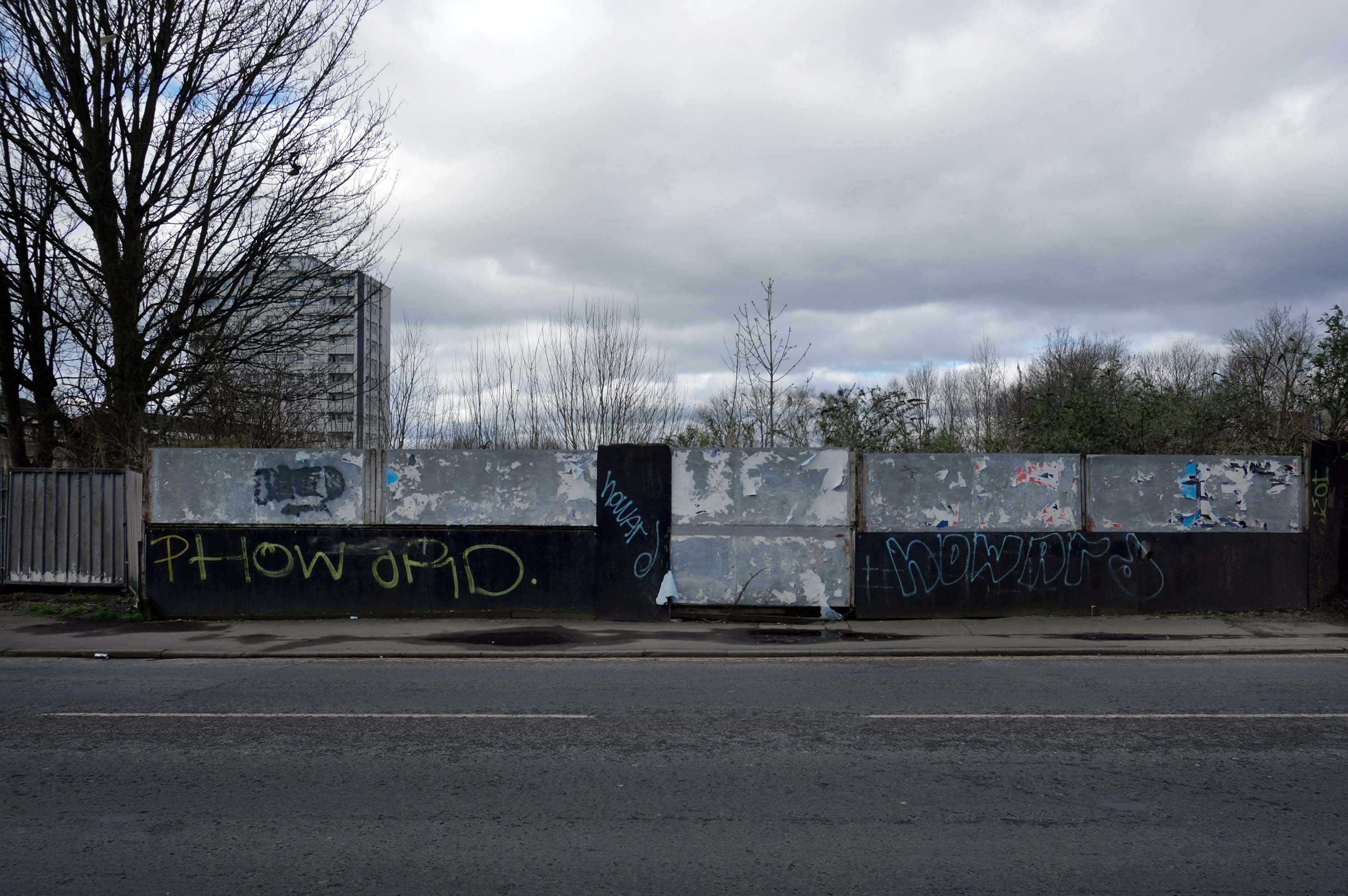
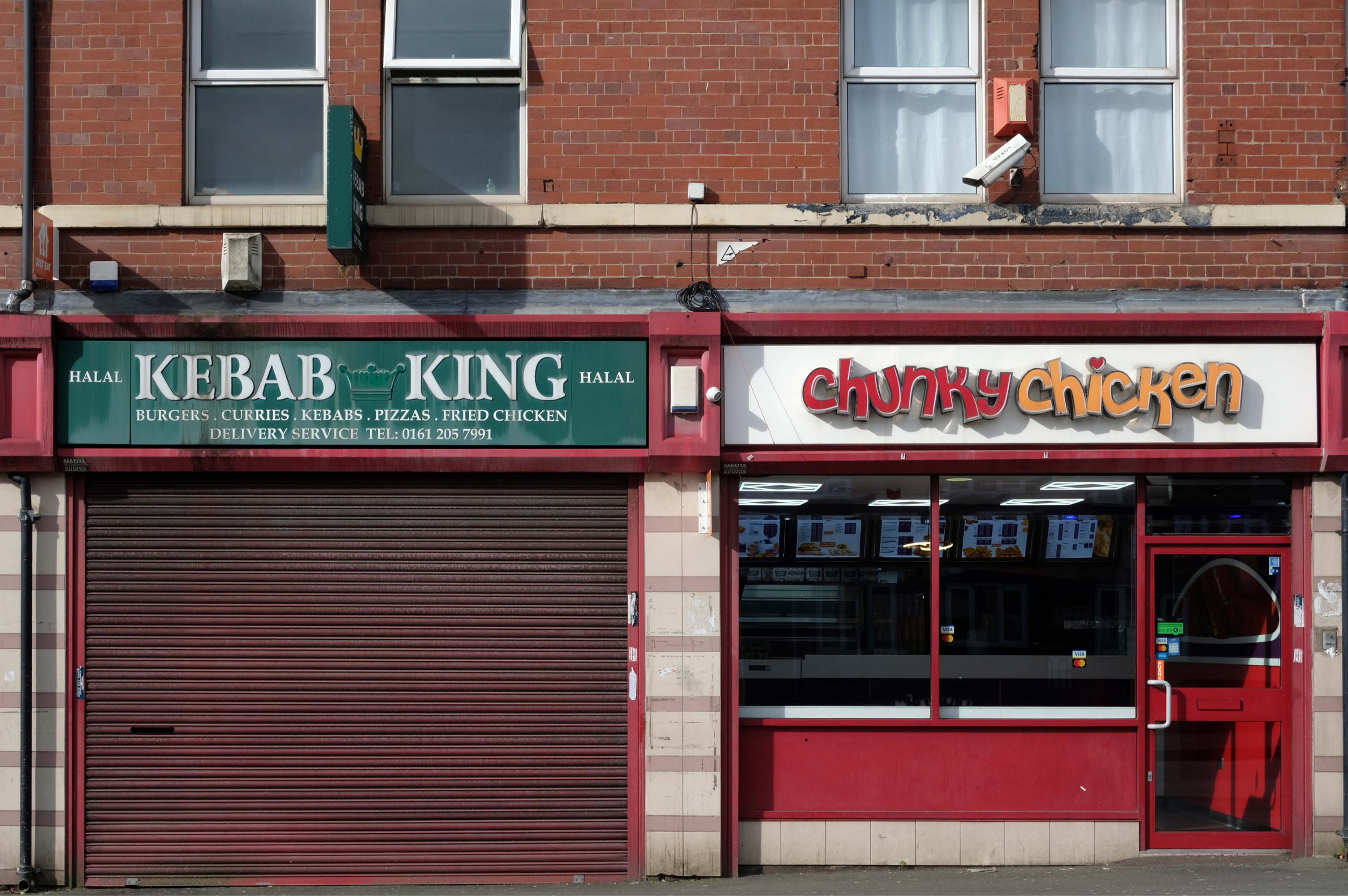
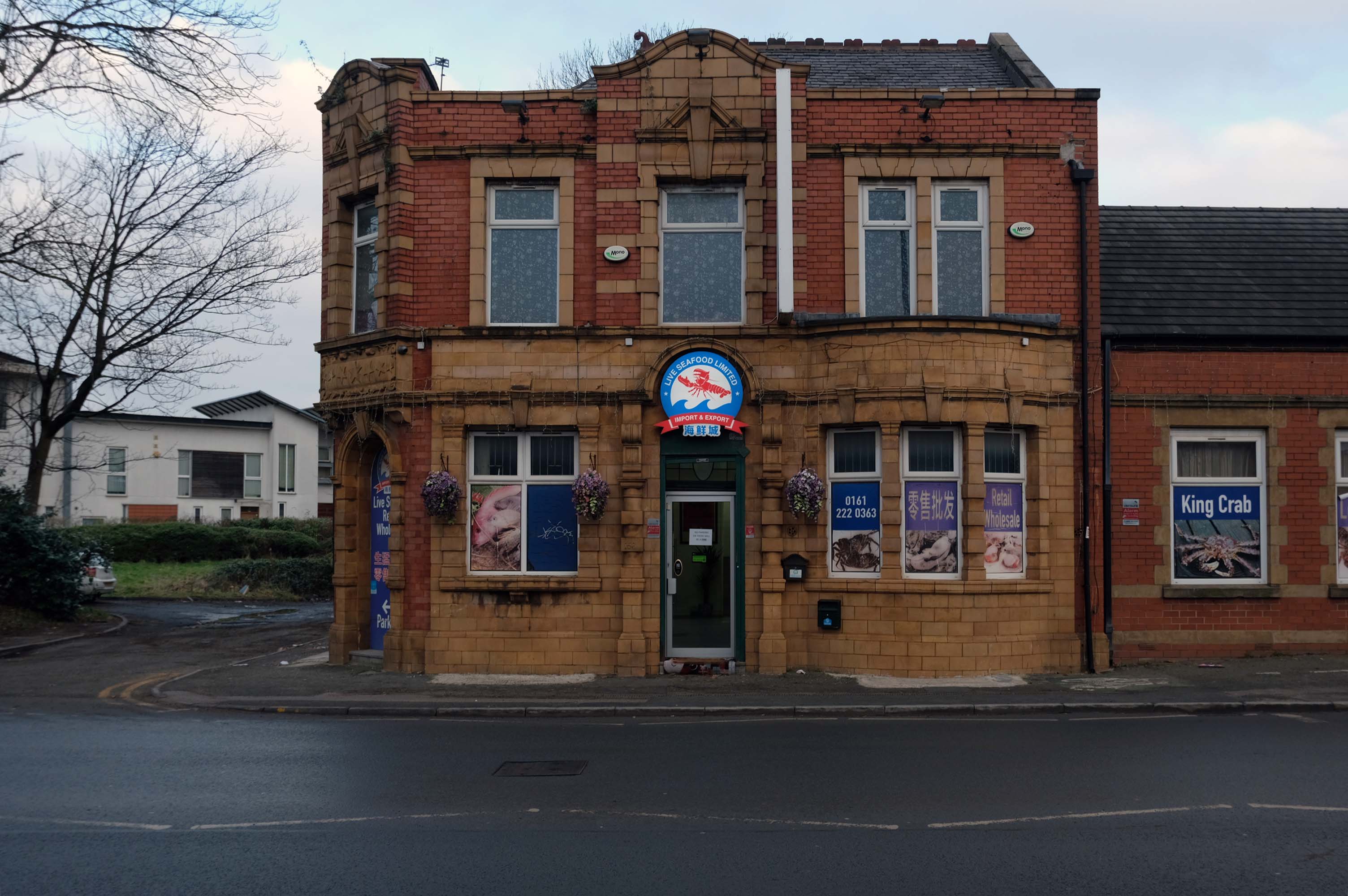
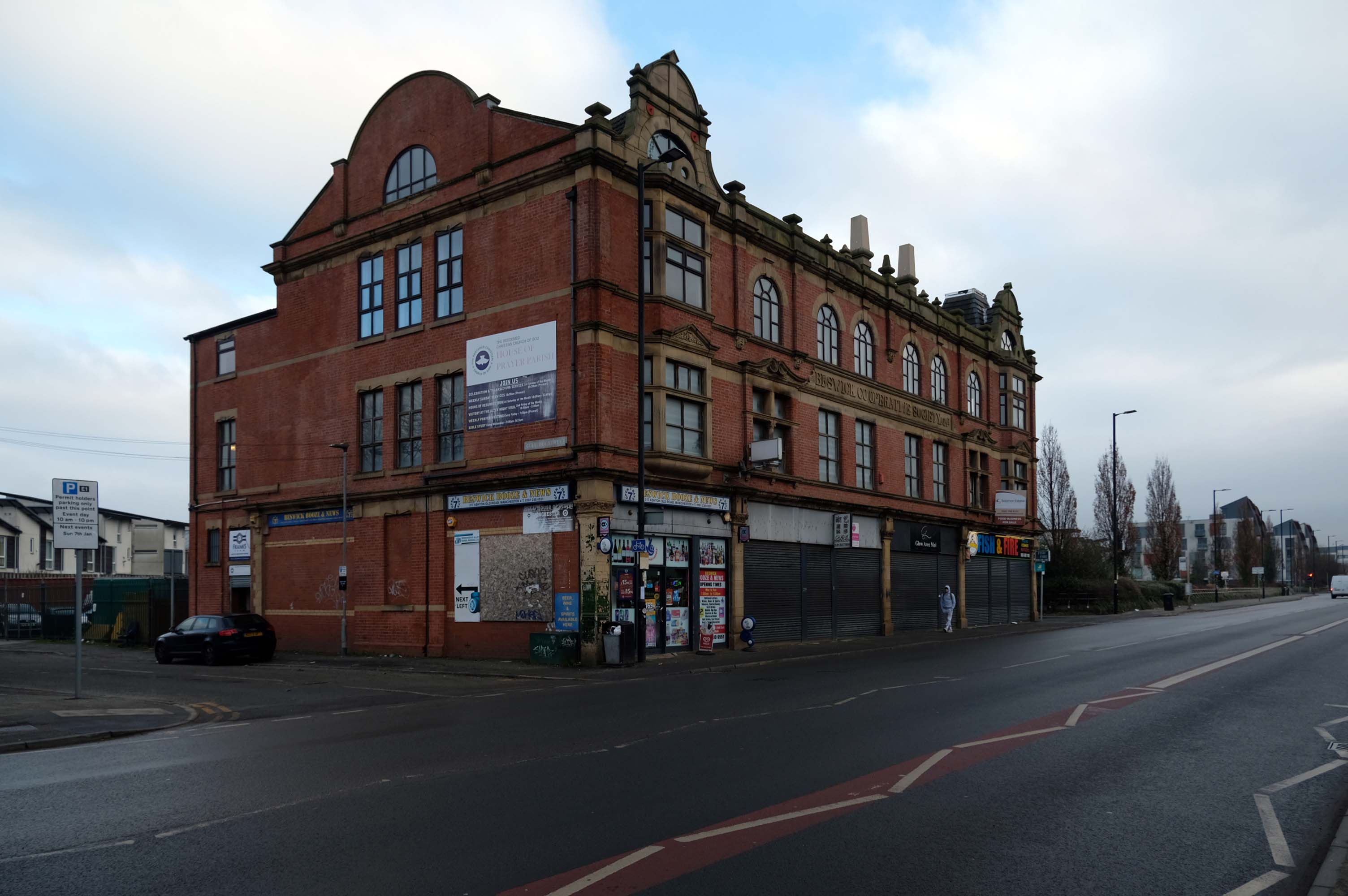
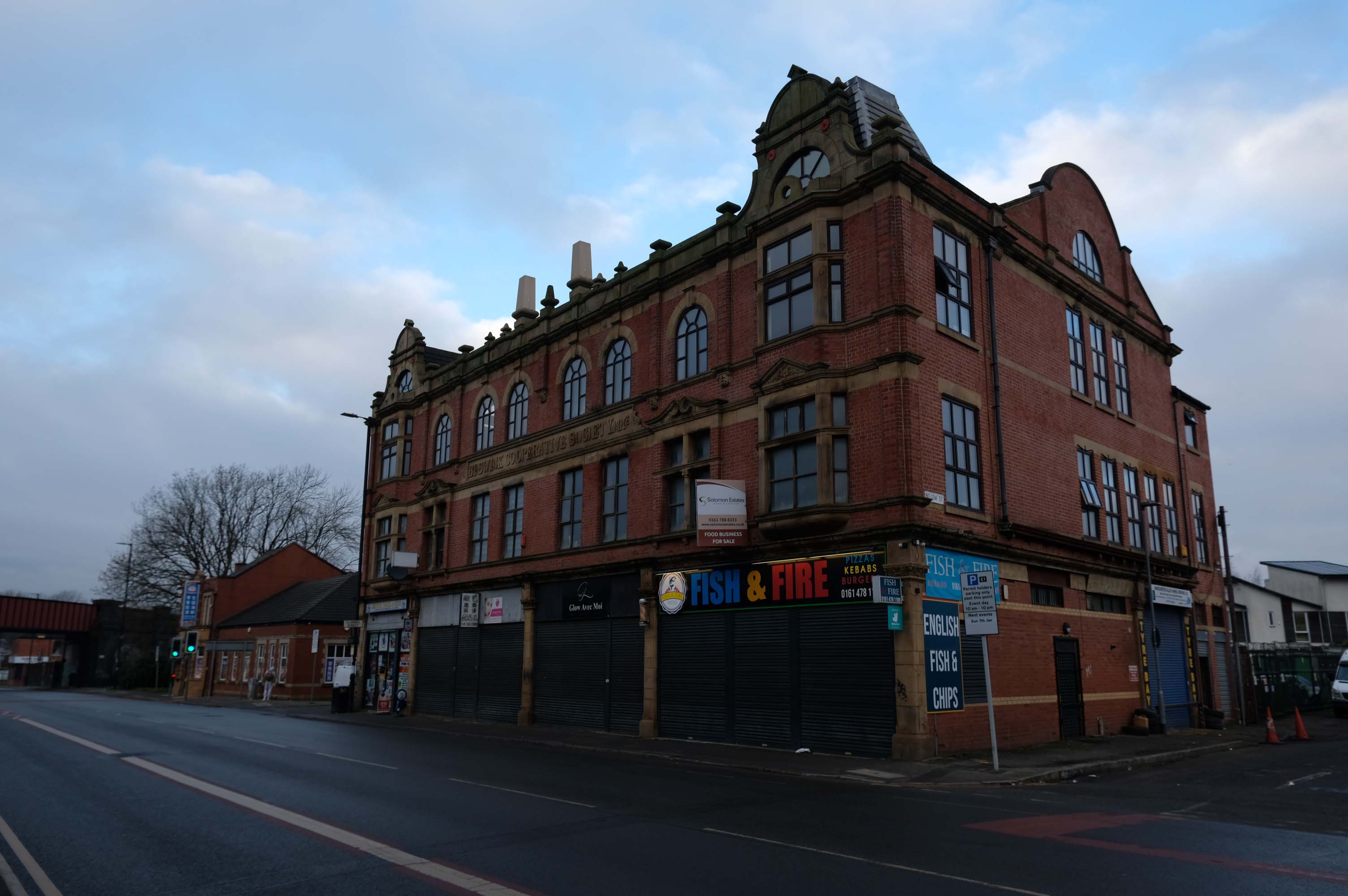
Some things seem to have changed, some things seem to have stayed the same on Ashton New Road.

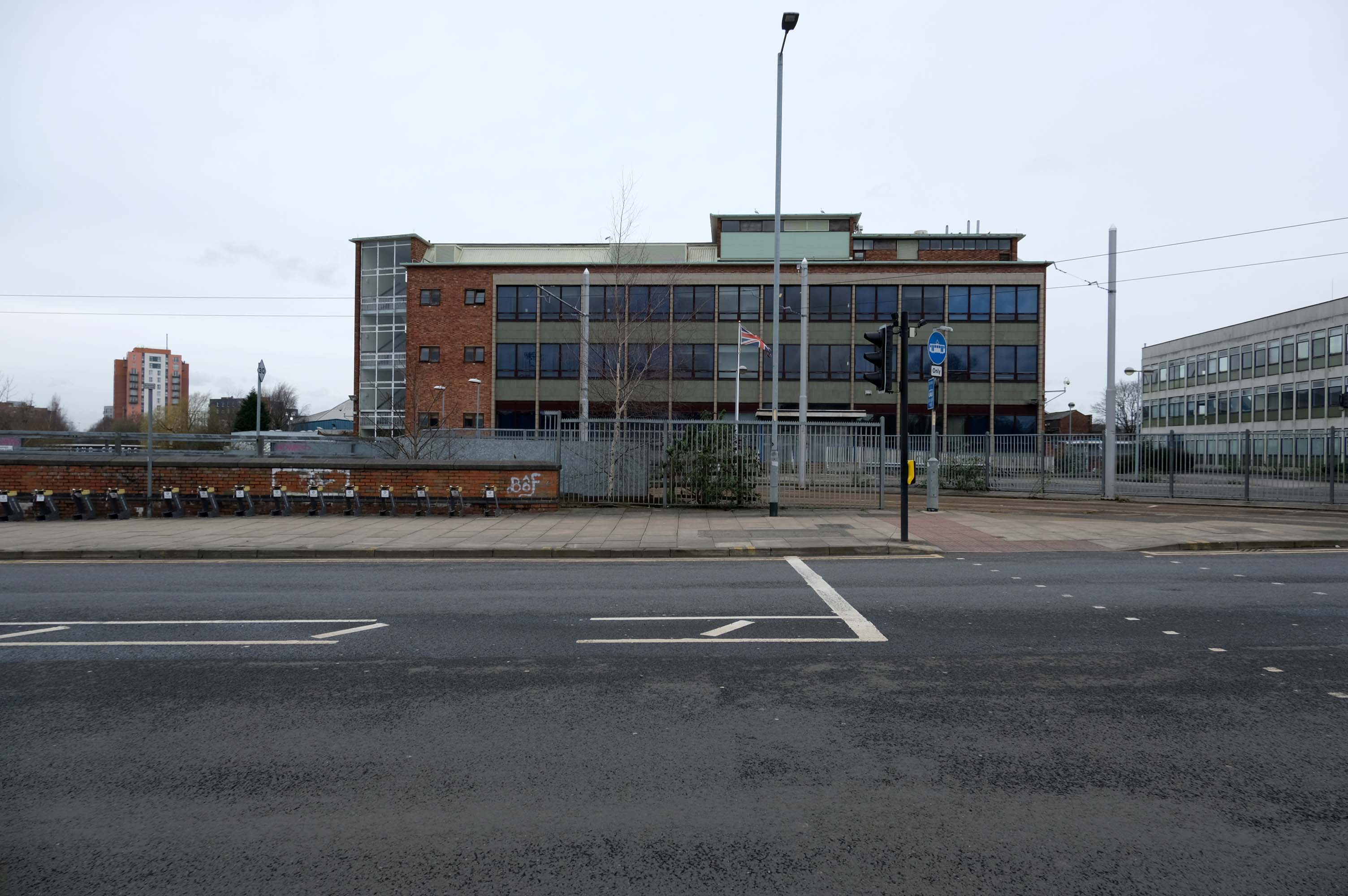
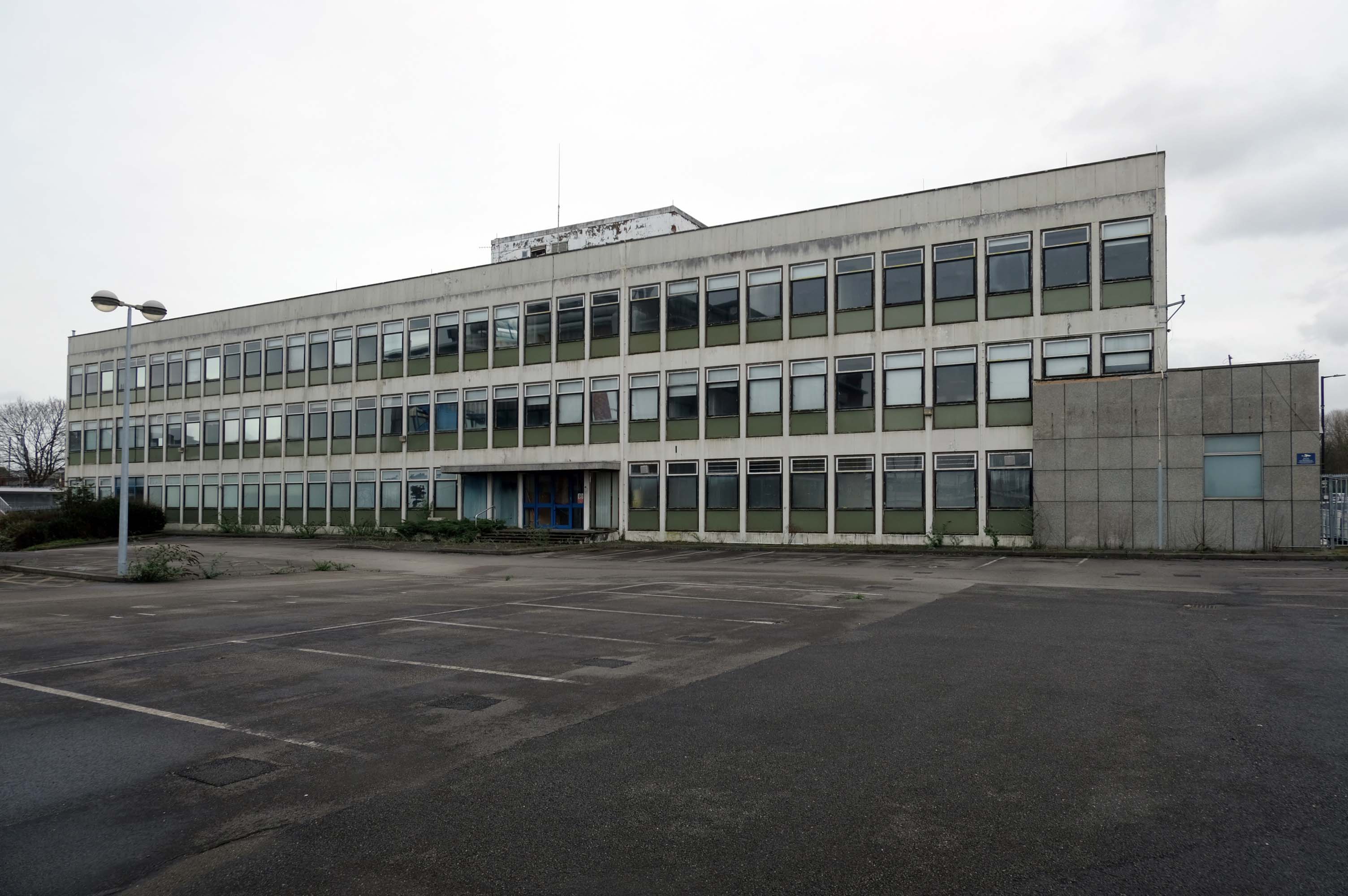
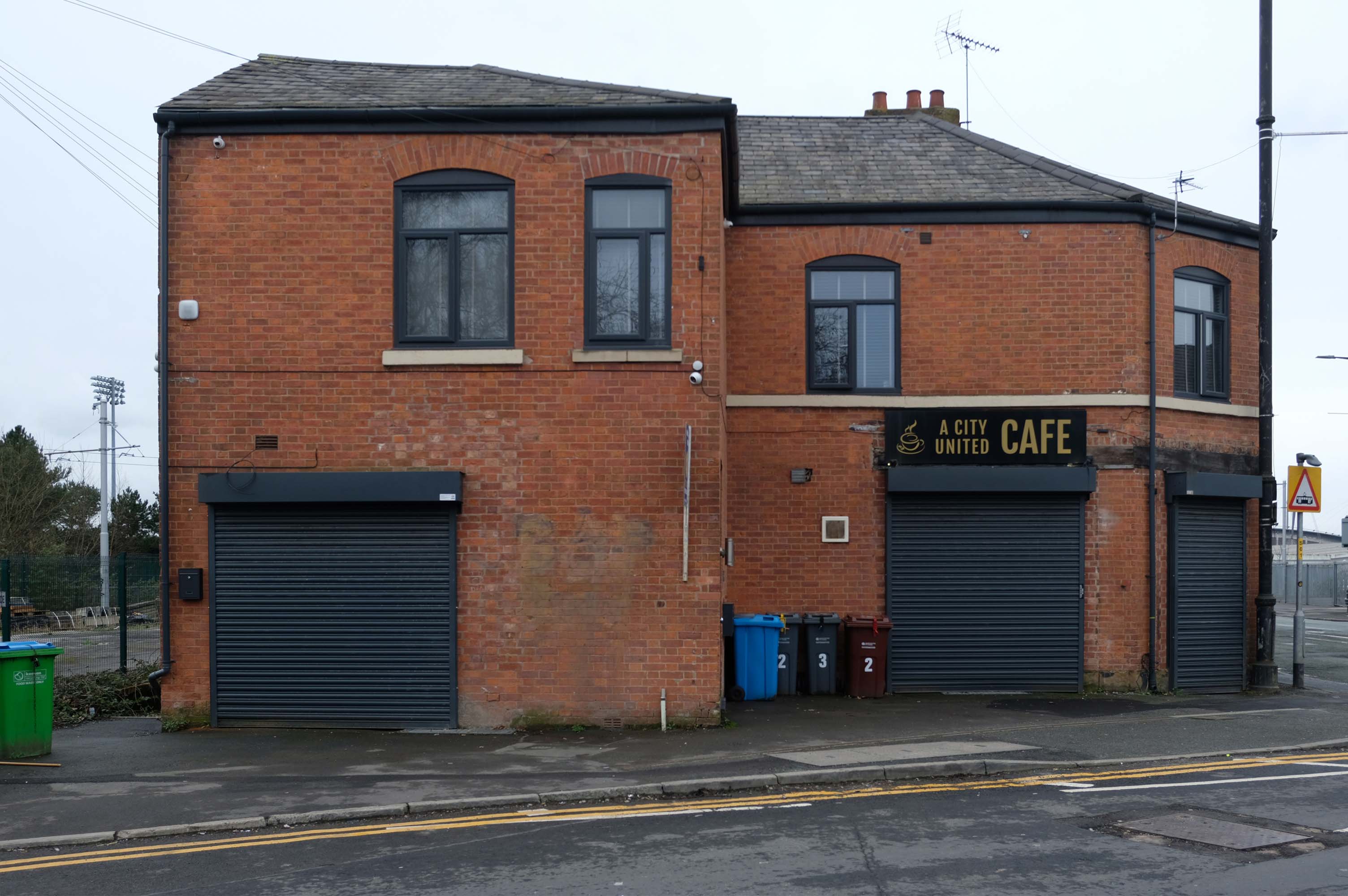
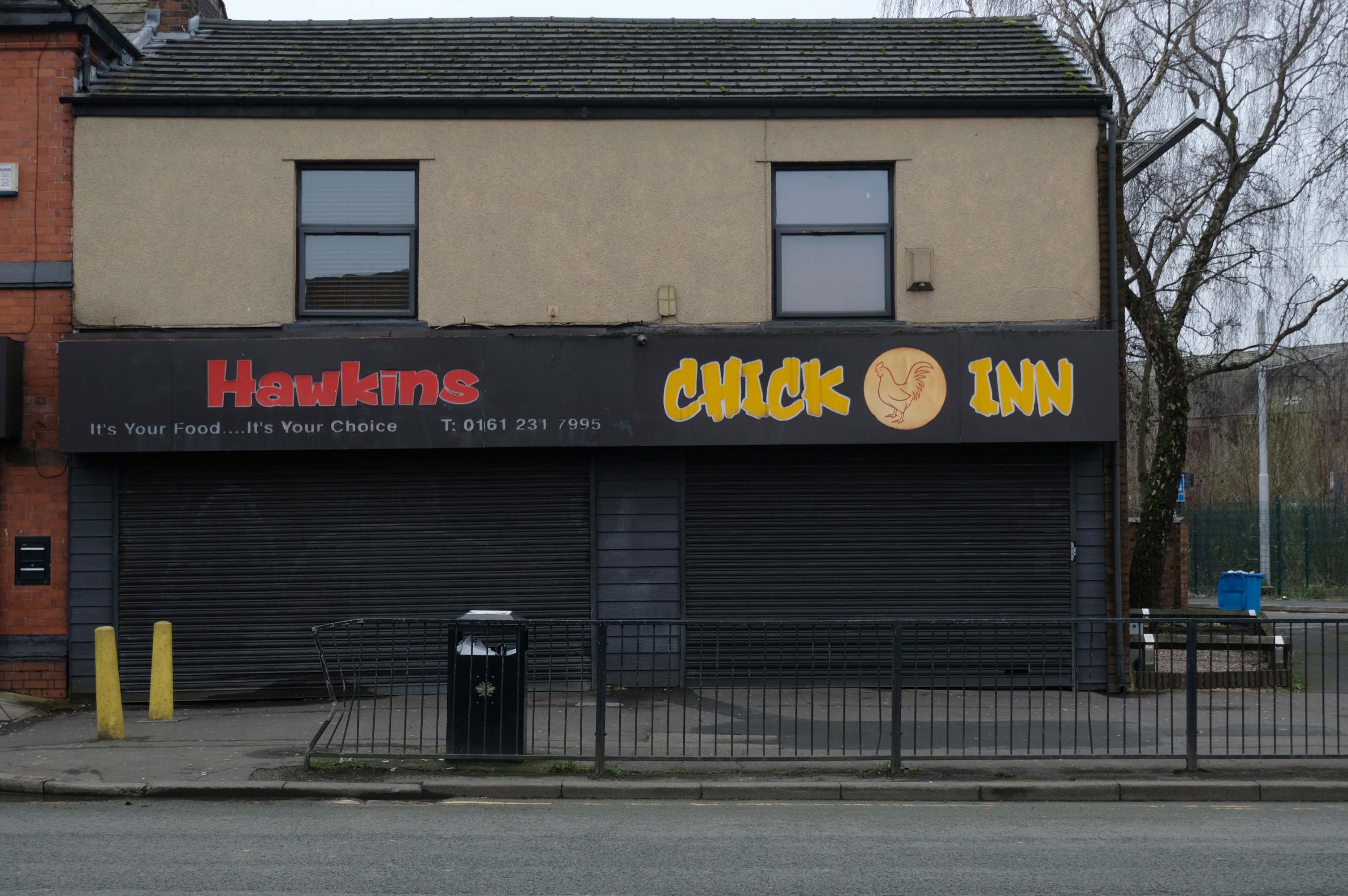
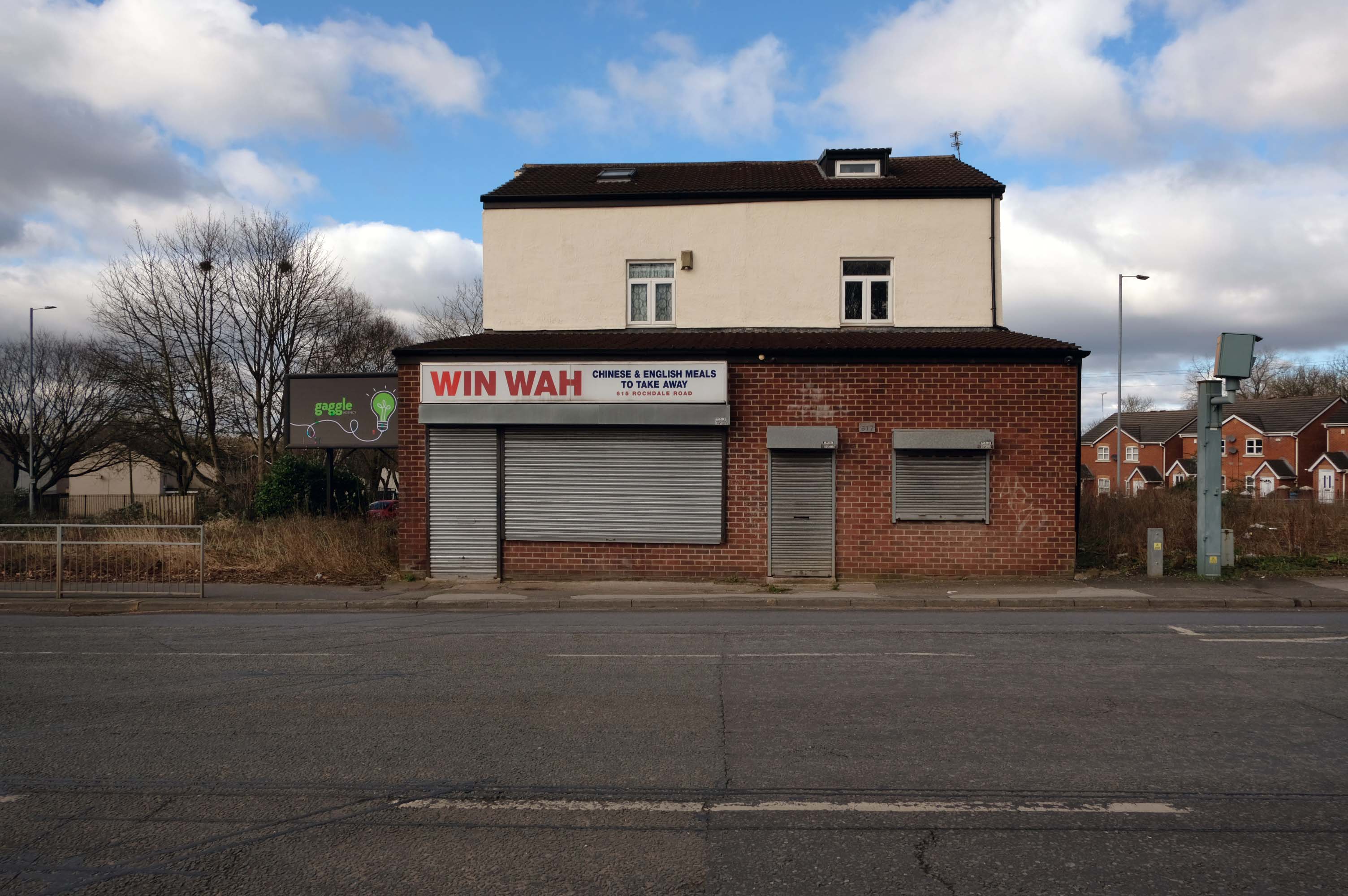
Manchester Arterial 2024 – A664

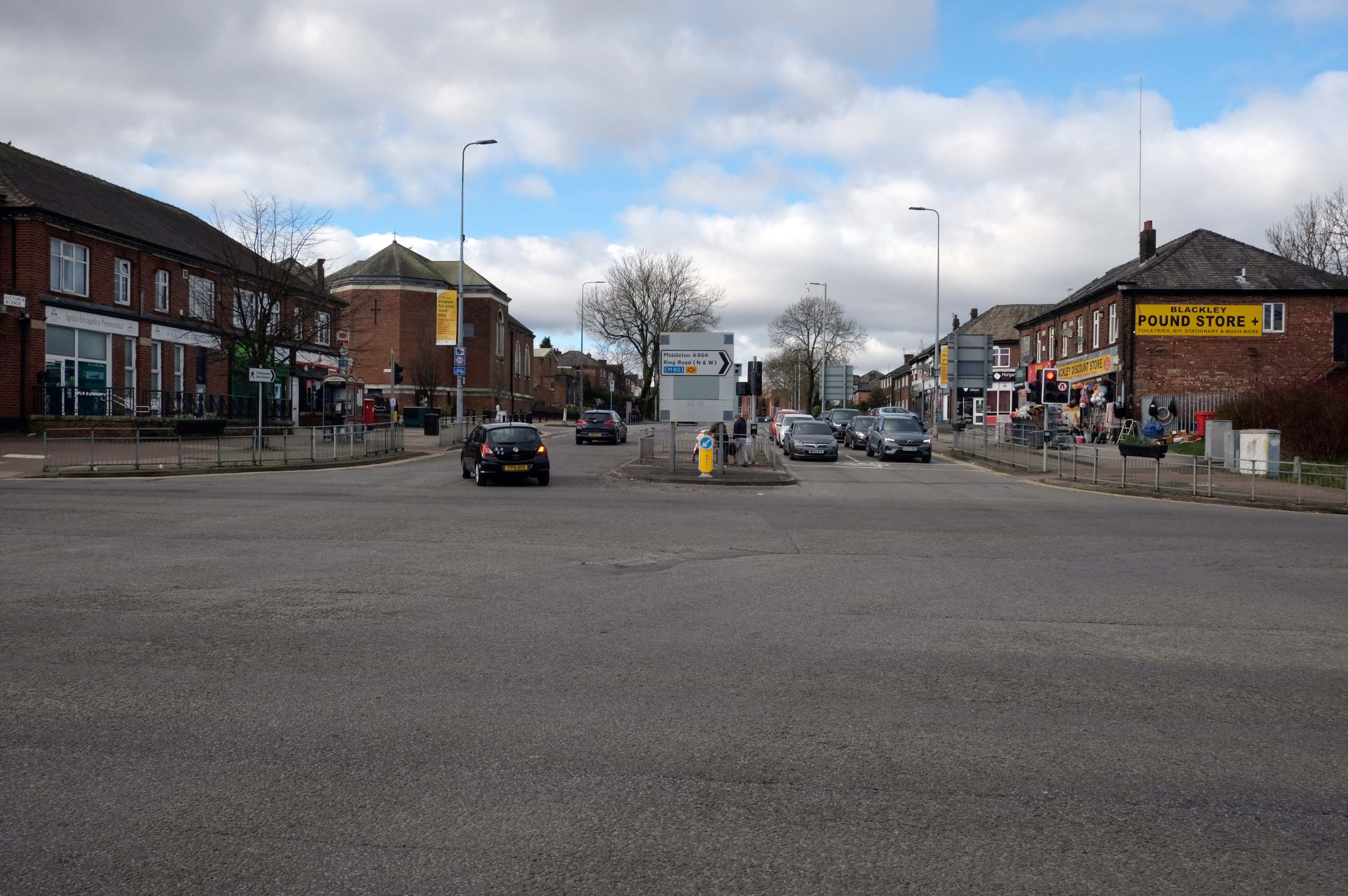
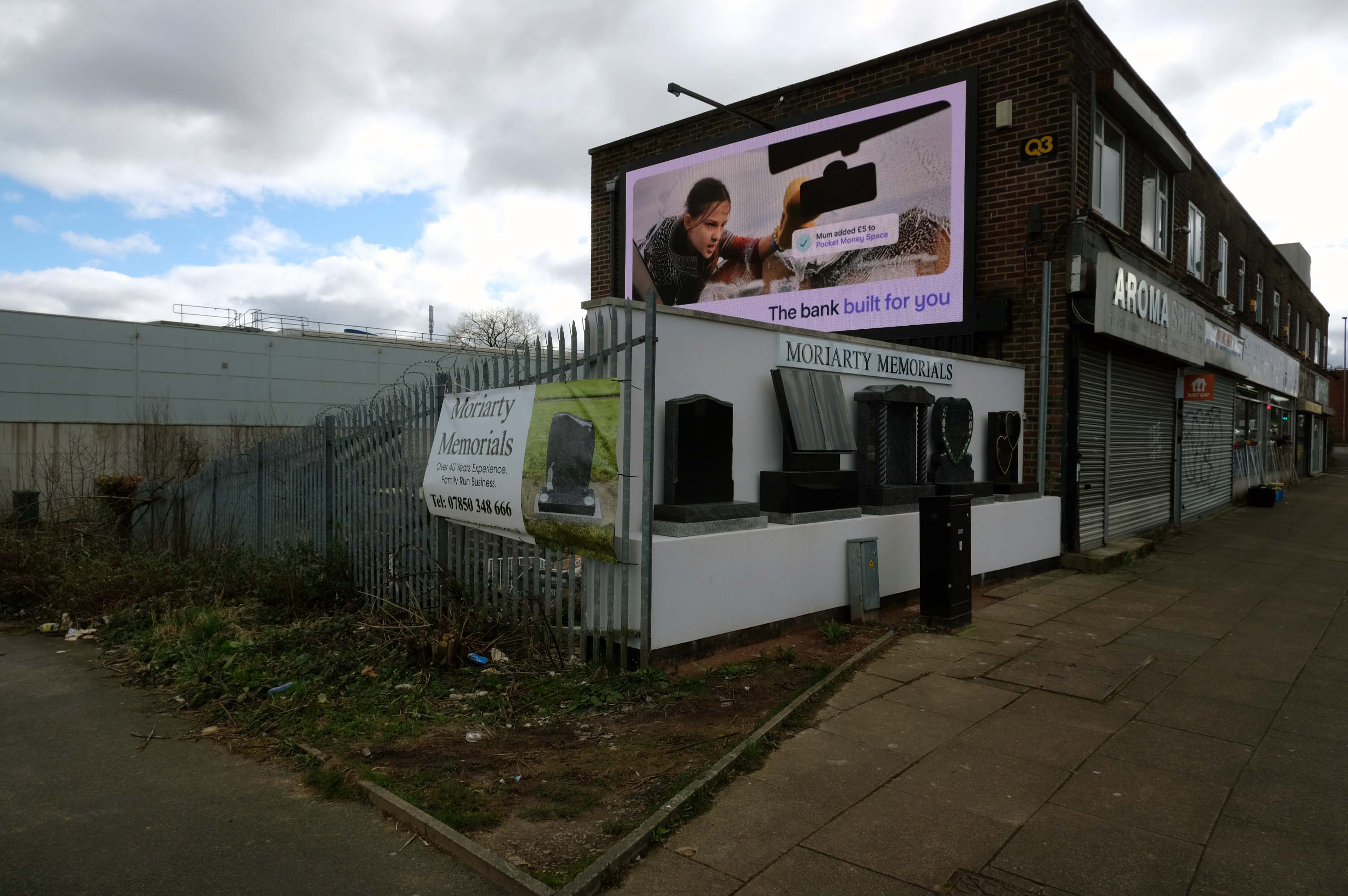
Having photographed the arterial roads of Manchester in 2014, I have resolved to return to the task in 2024.

Some things seem to have changed, some things seem to have stayed the same.

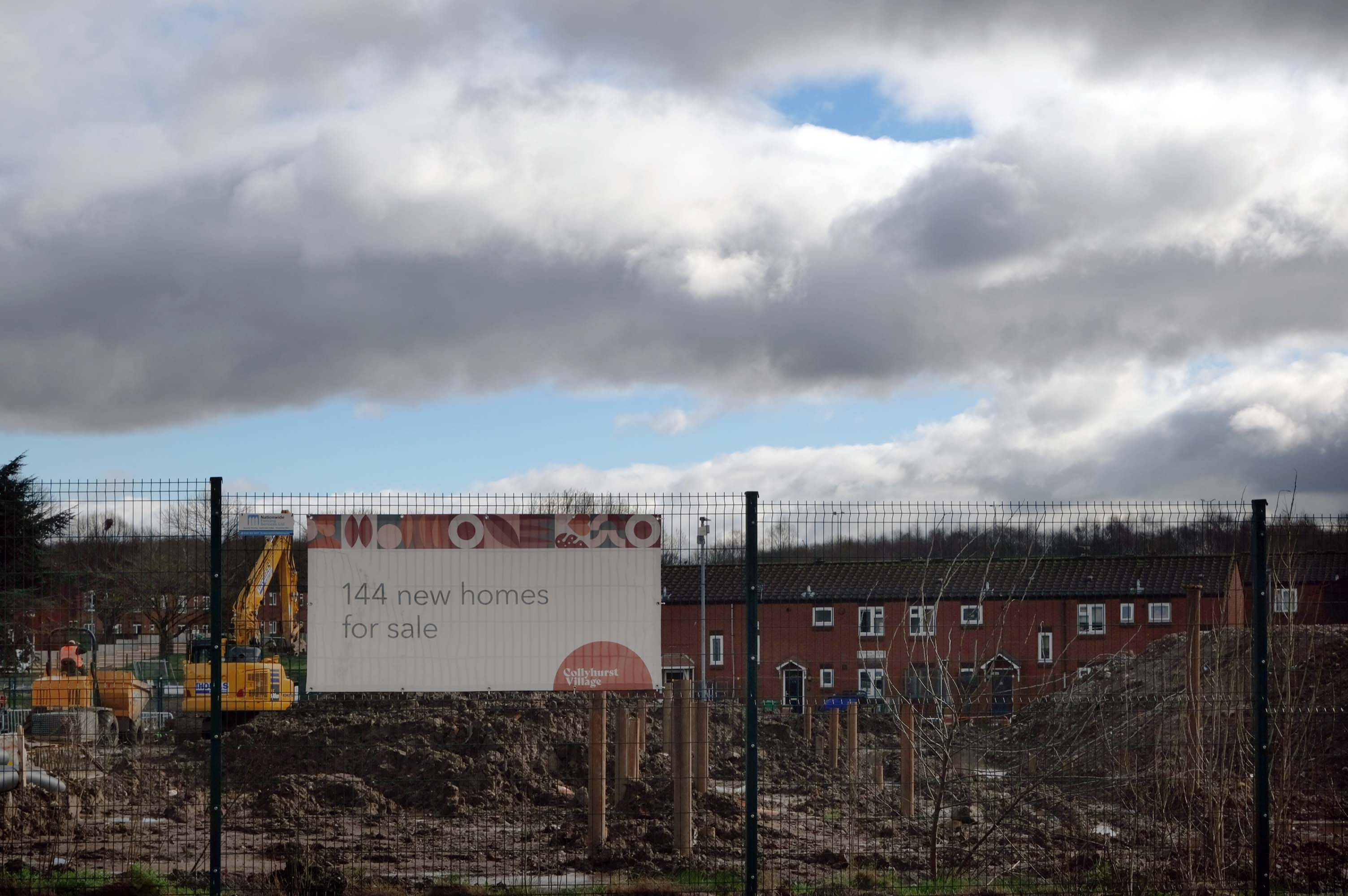
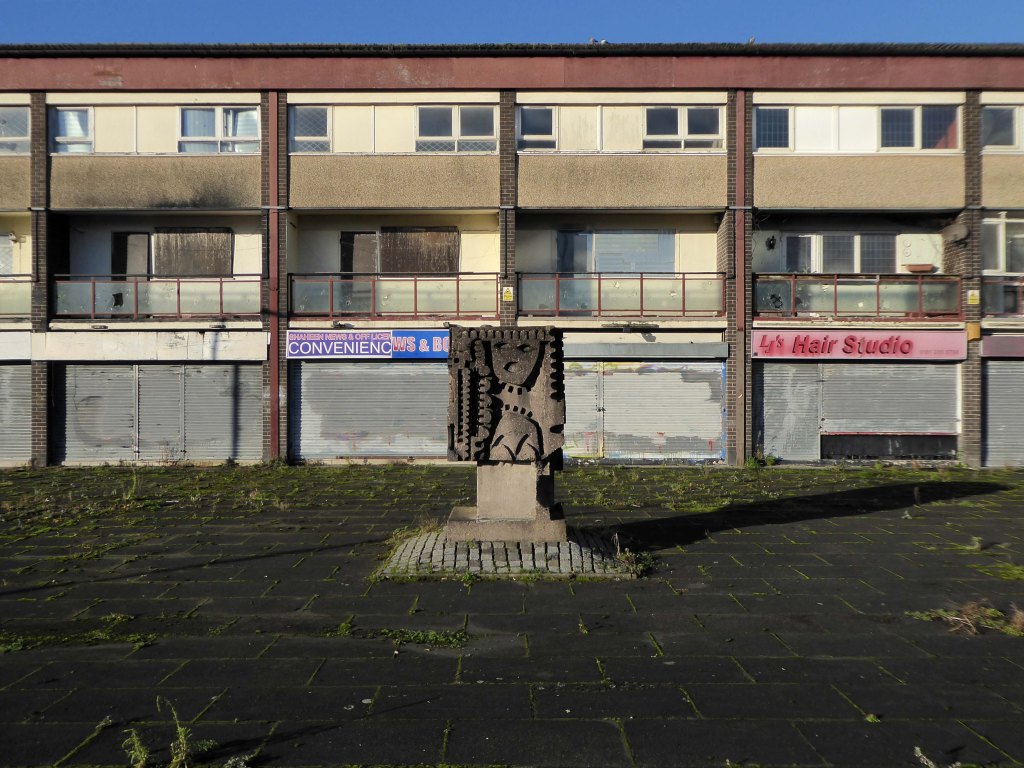
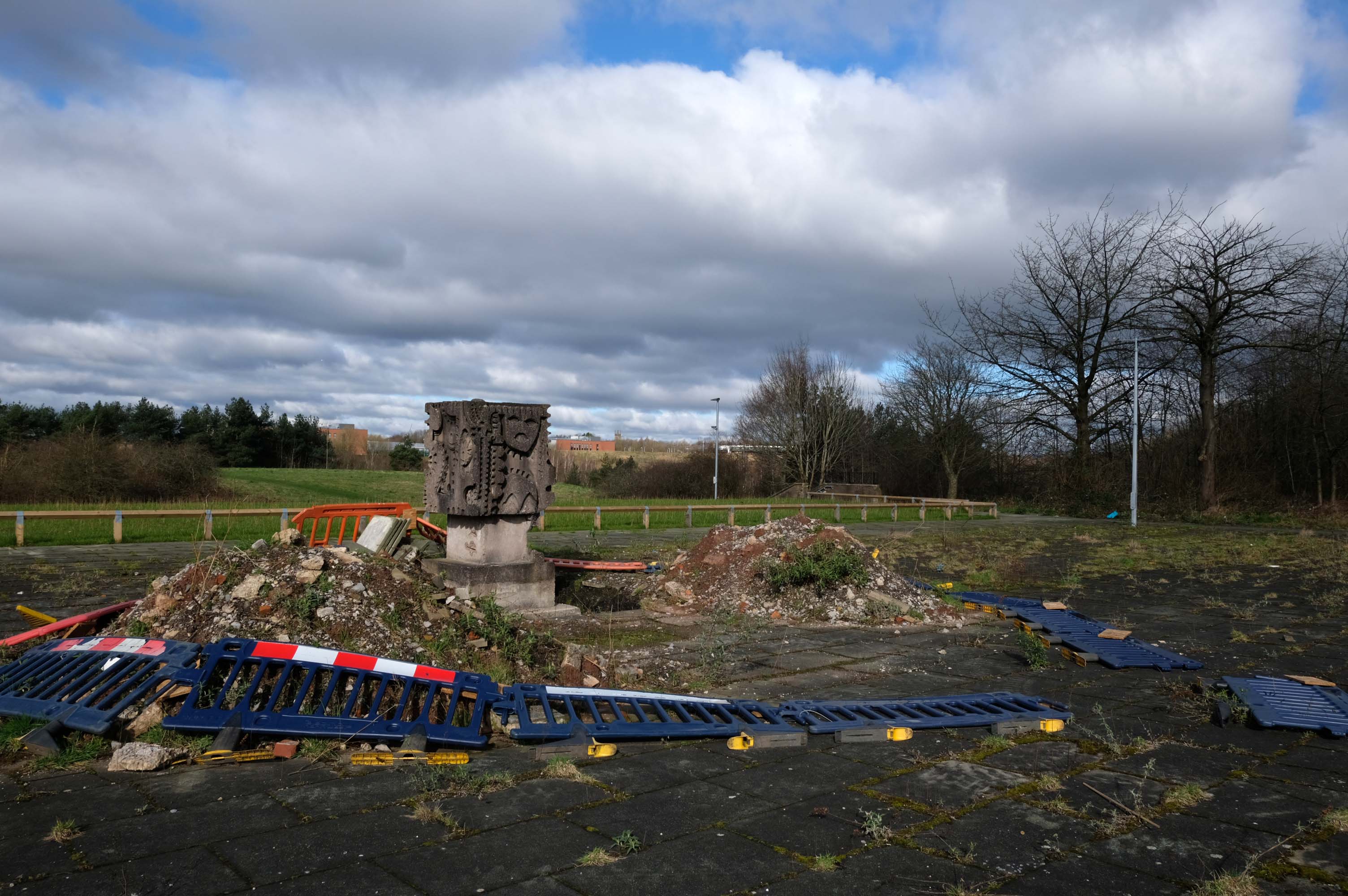
Eastford Square Collyhurst – William Mitchell

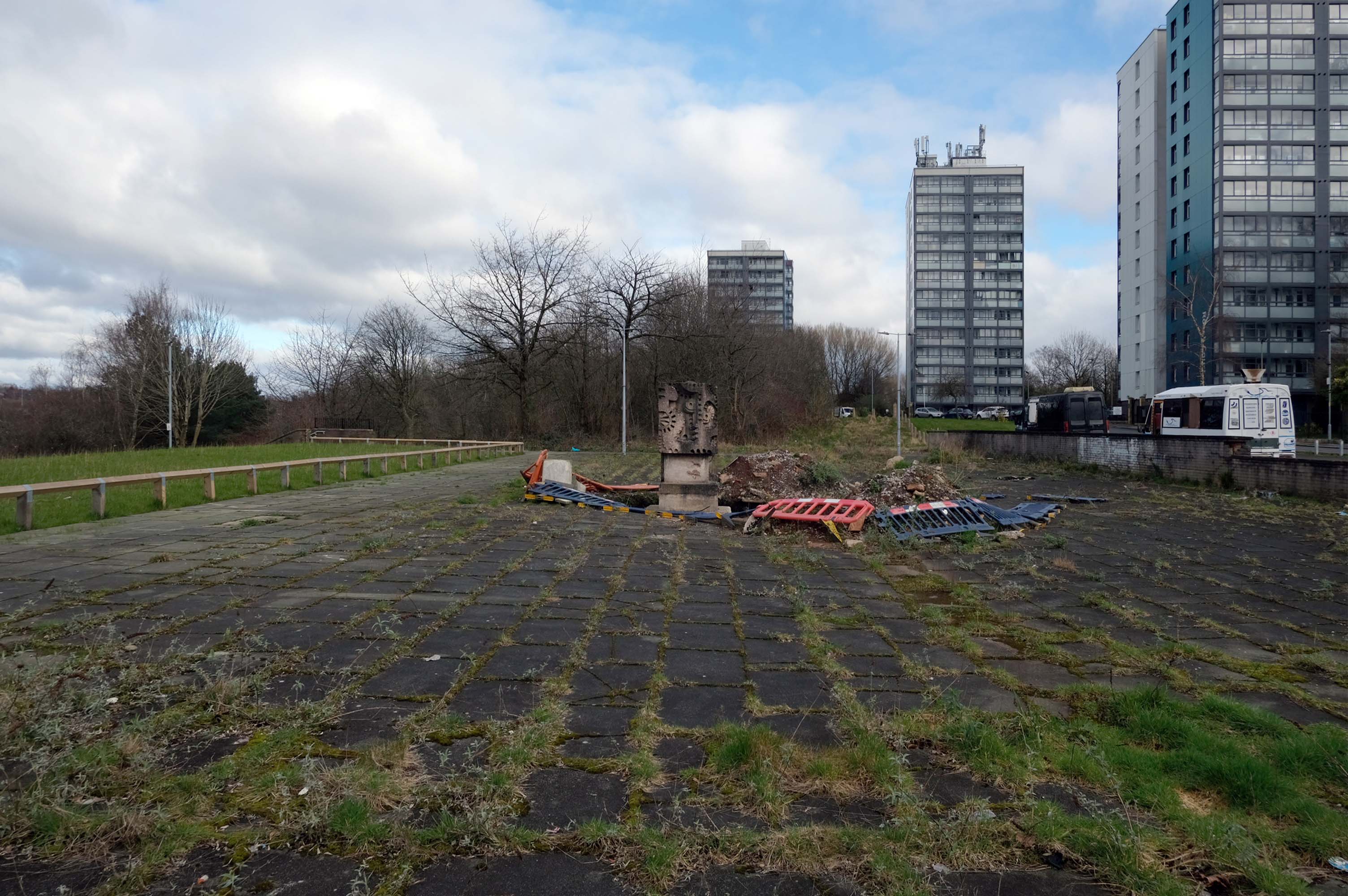
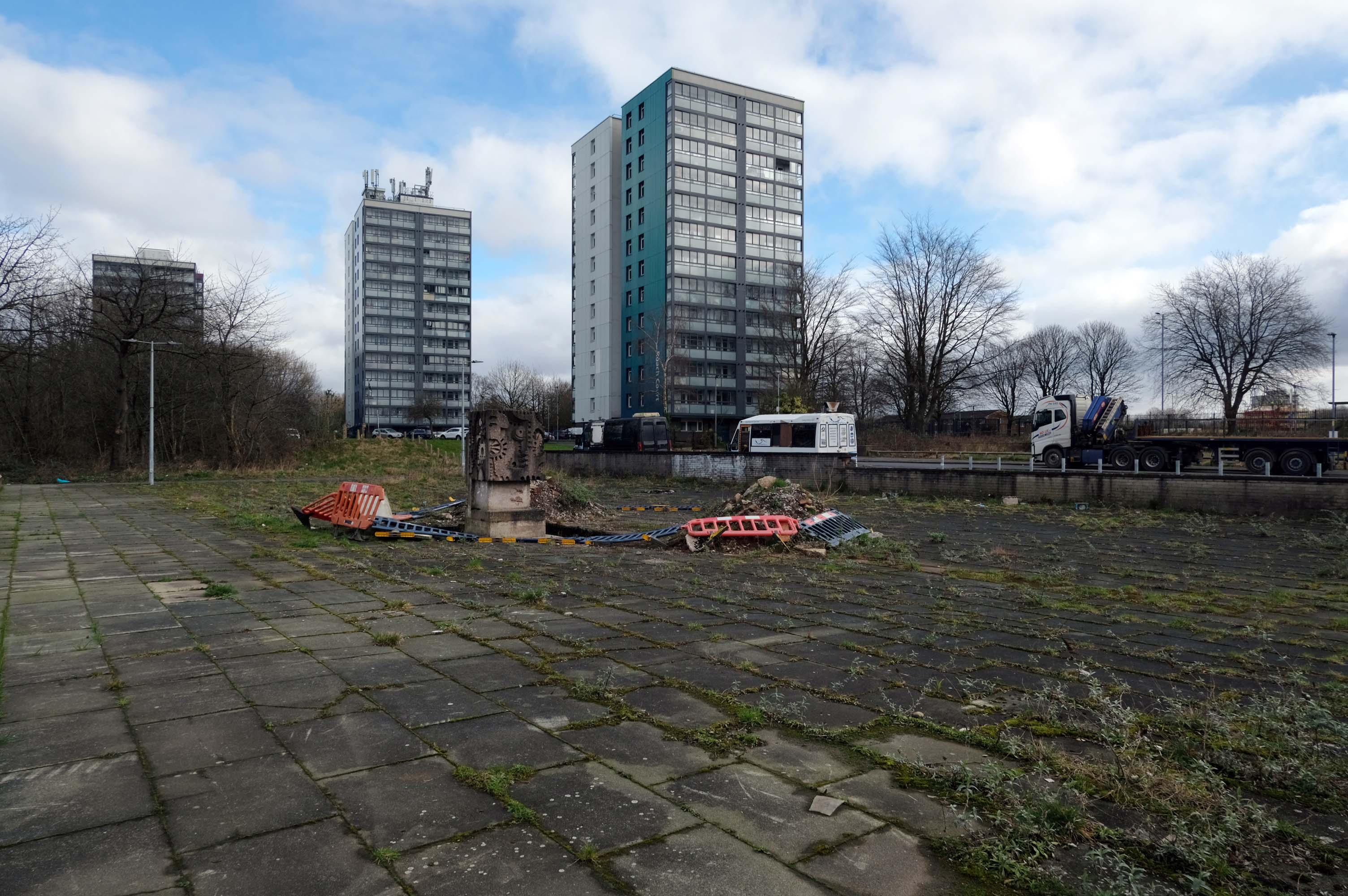
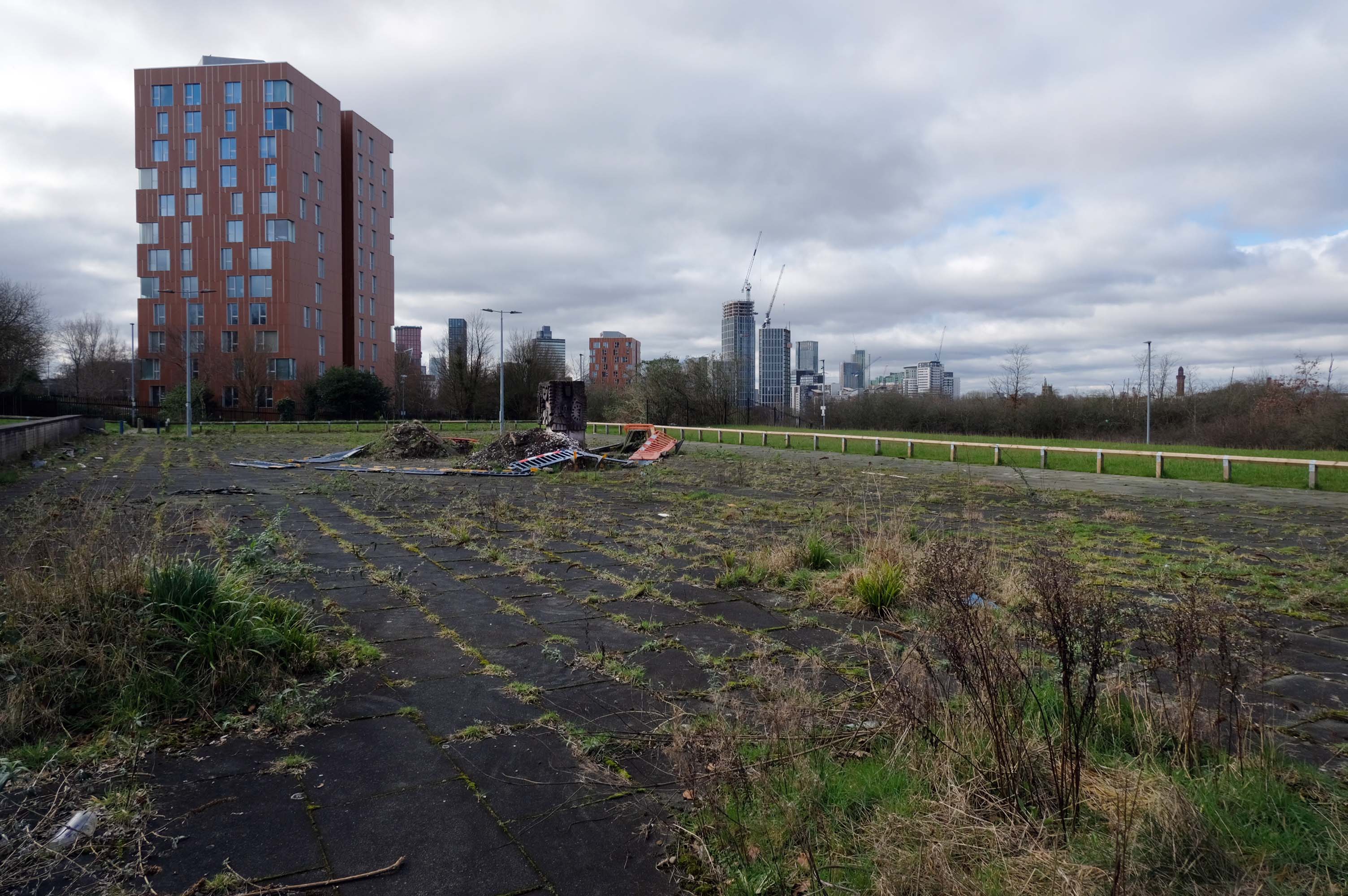
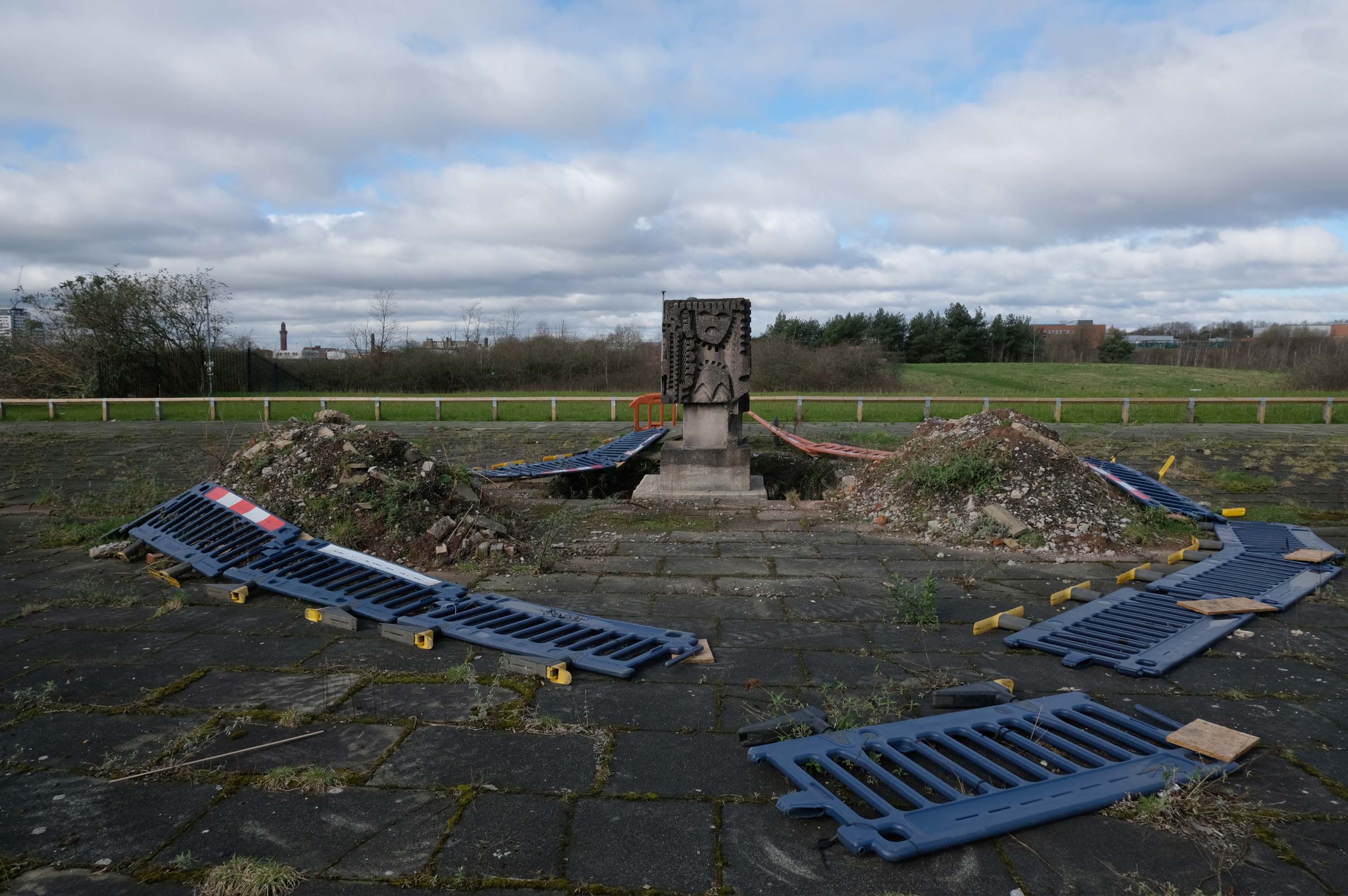
It was 2016 when I first stopped to snap and blog – the shops, homes and William Mitchell concrete sculpture.

By then the missing housing block was already missing.

Returning in 2018 the shops are now shut and the homes stand empty.

In 2019 there’s still nobody home, but the totem is in place.

In 2020 the undergrowth has grown over the square.

It’s 2021 and stasis is the order of the day.

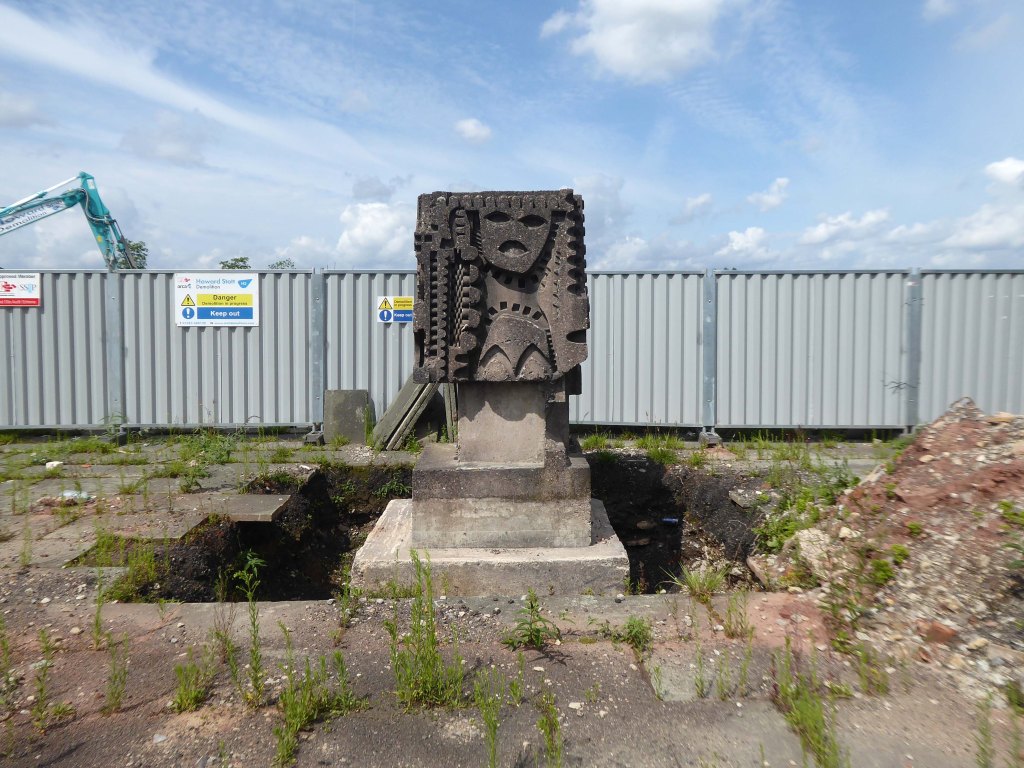
Fast forward to 2023 and the shops and homes are finally demolished – the totem still still in place.

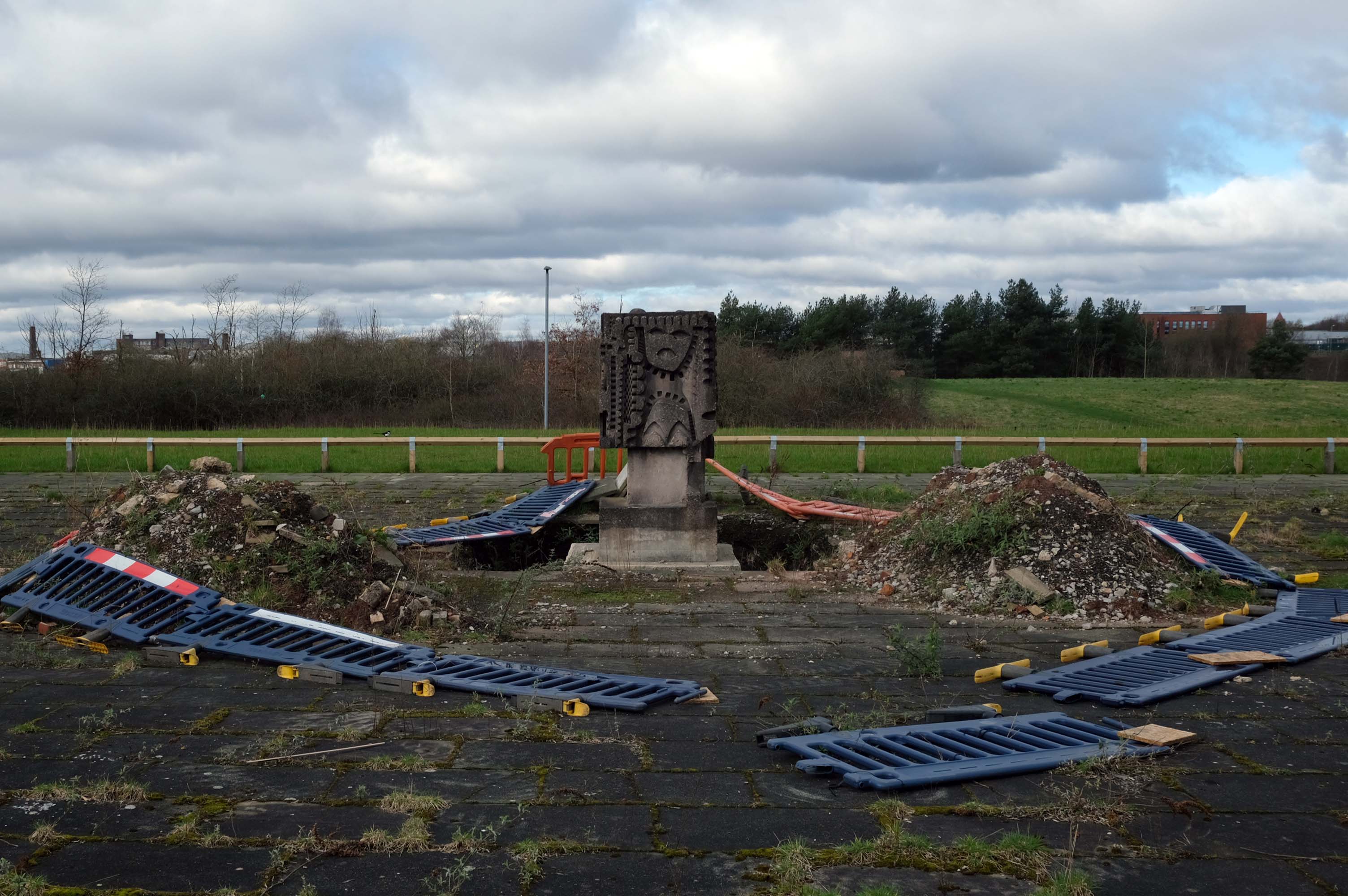
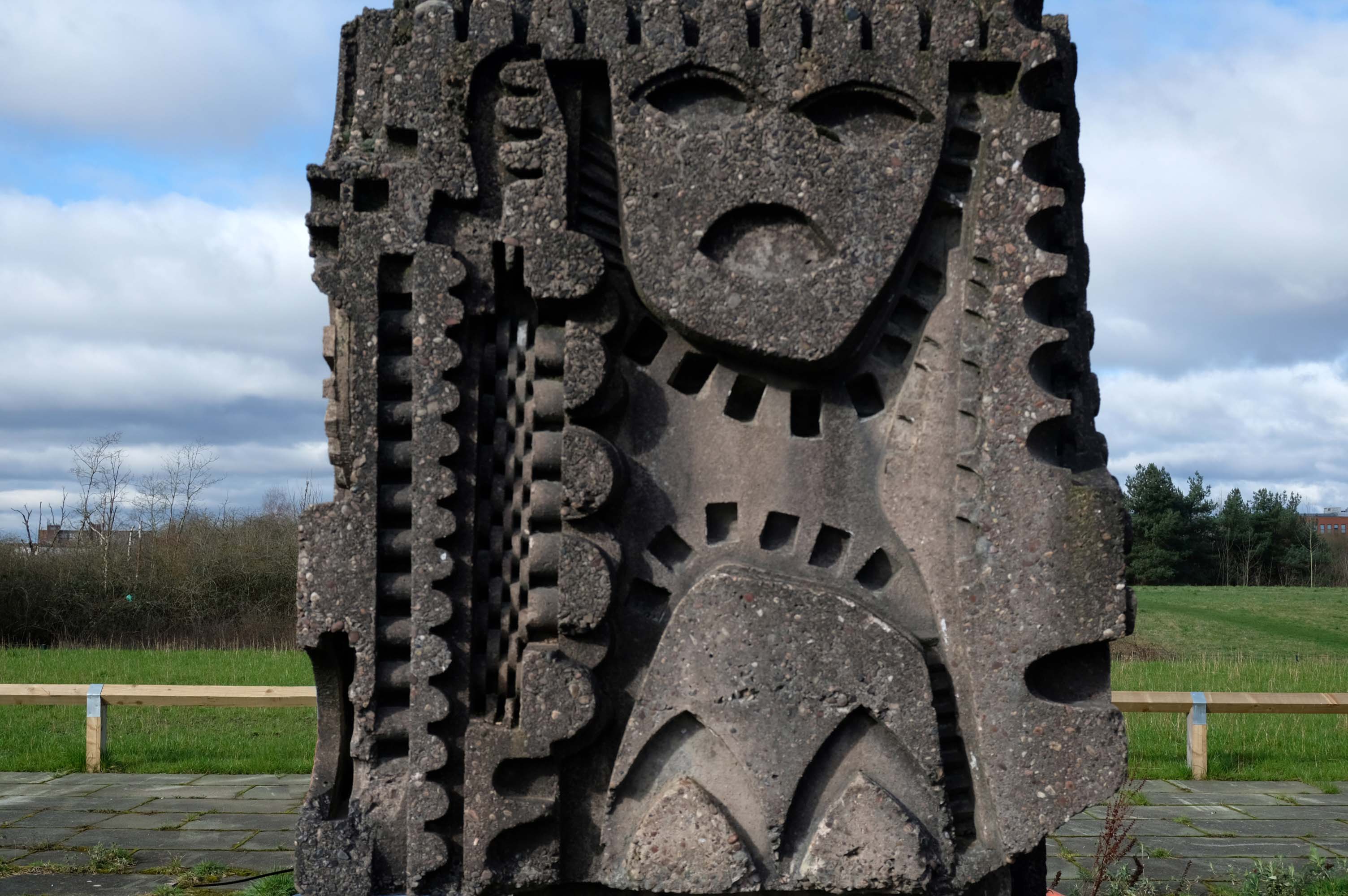
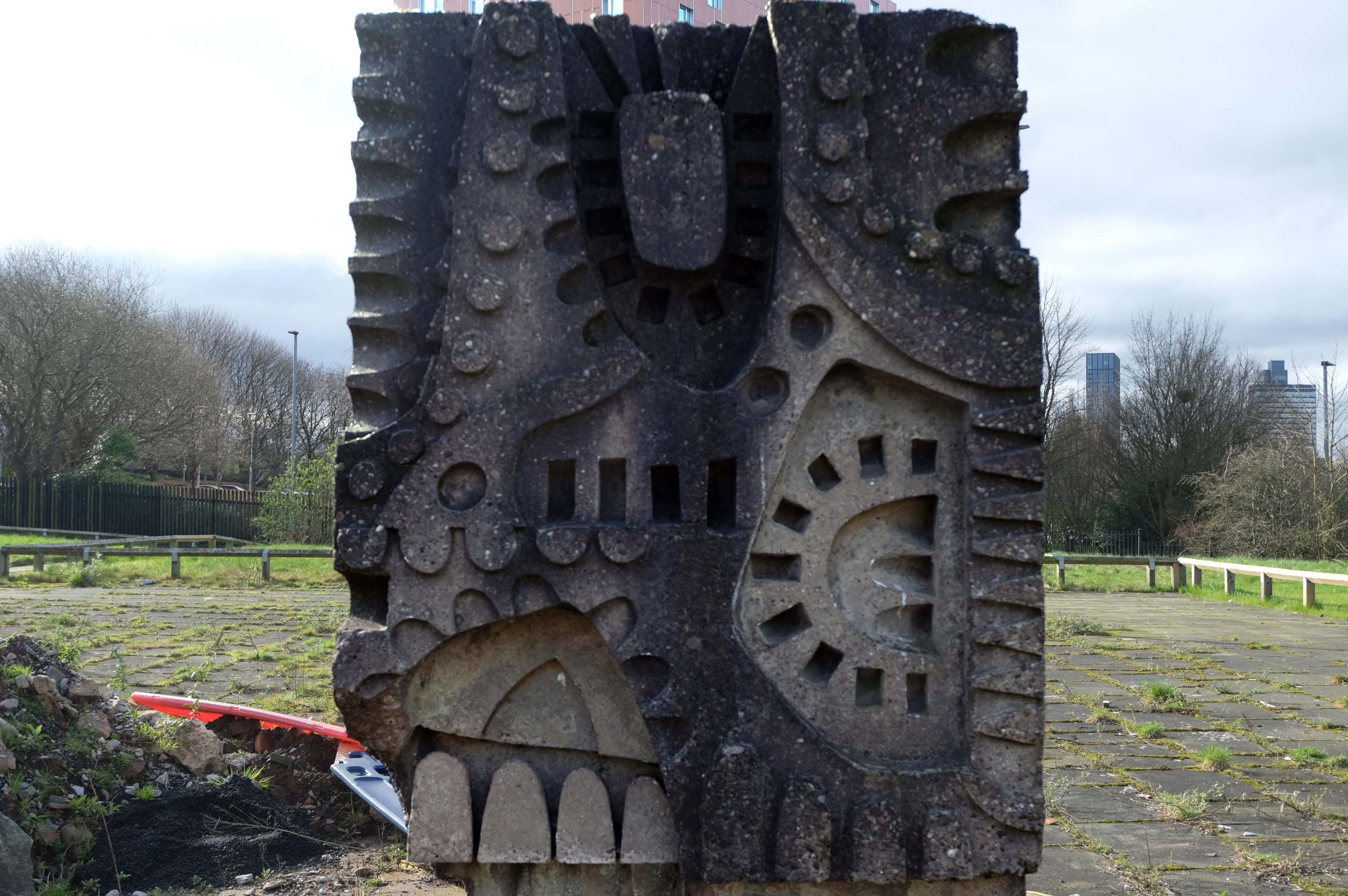
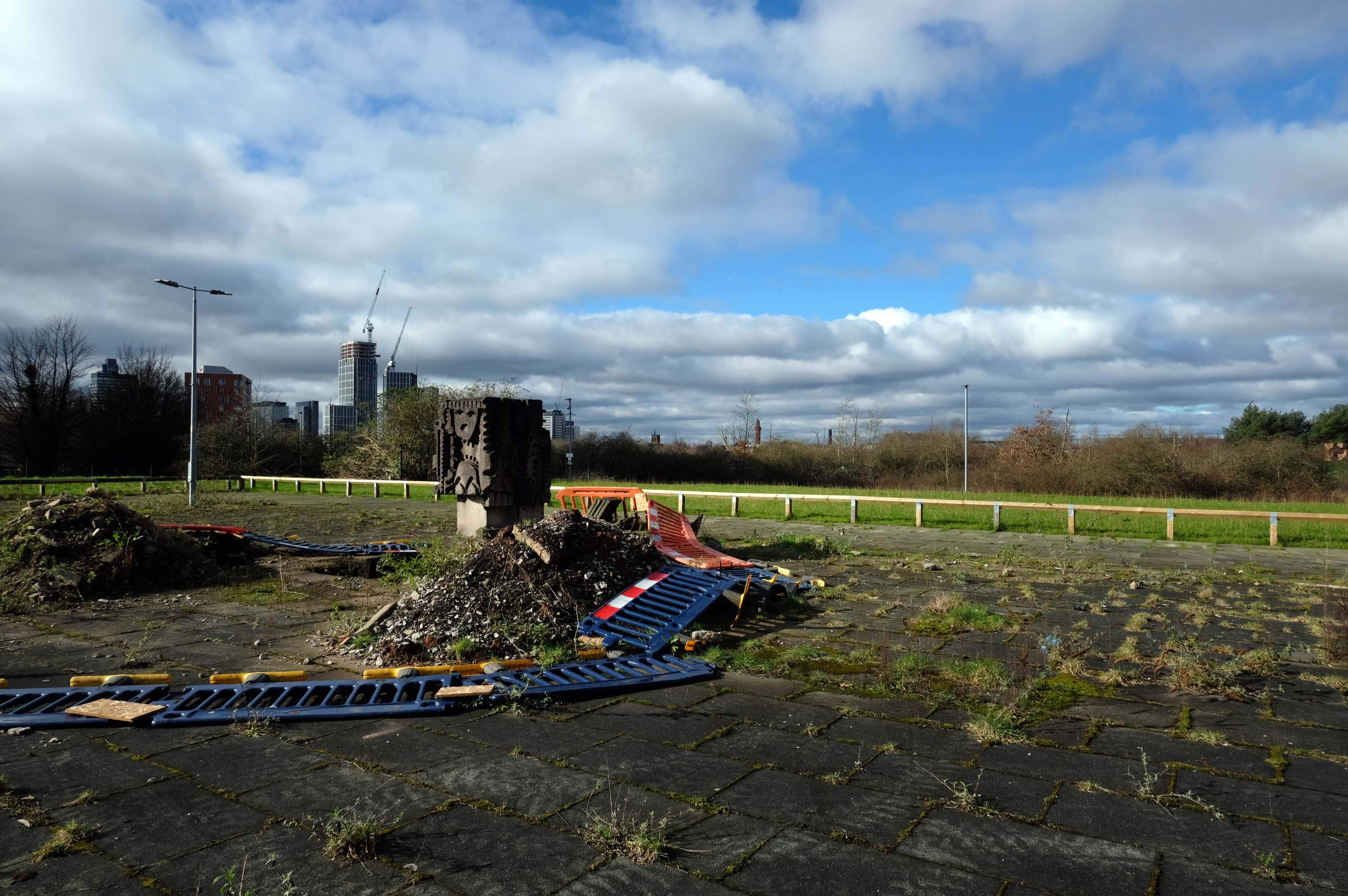
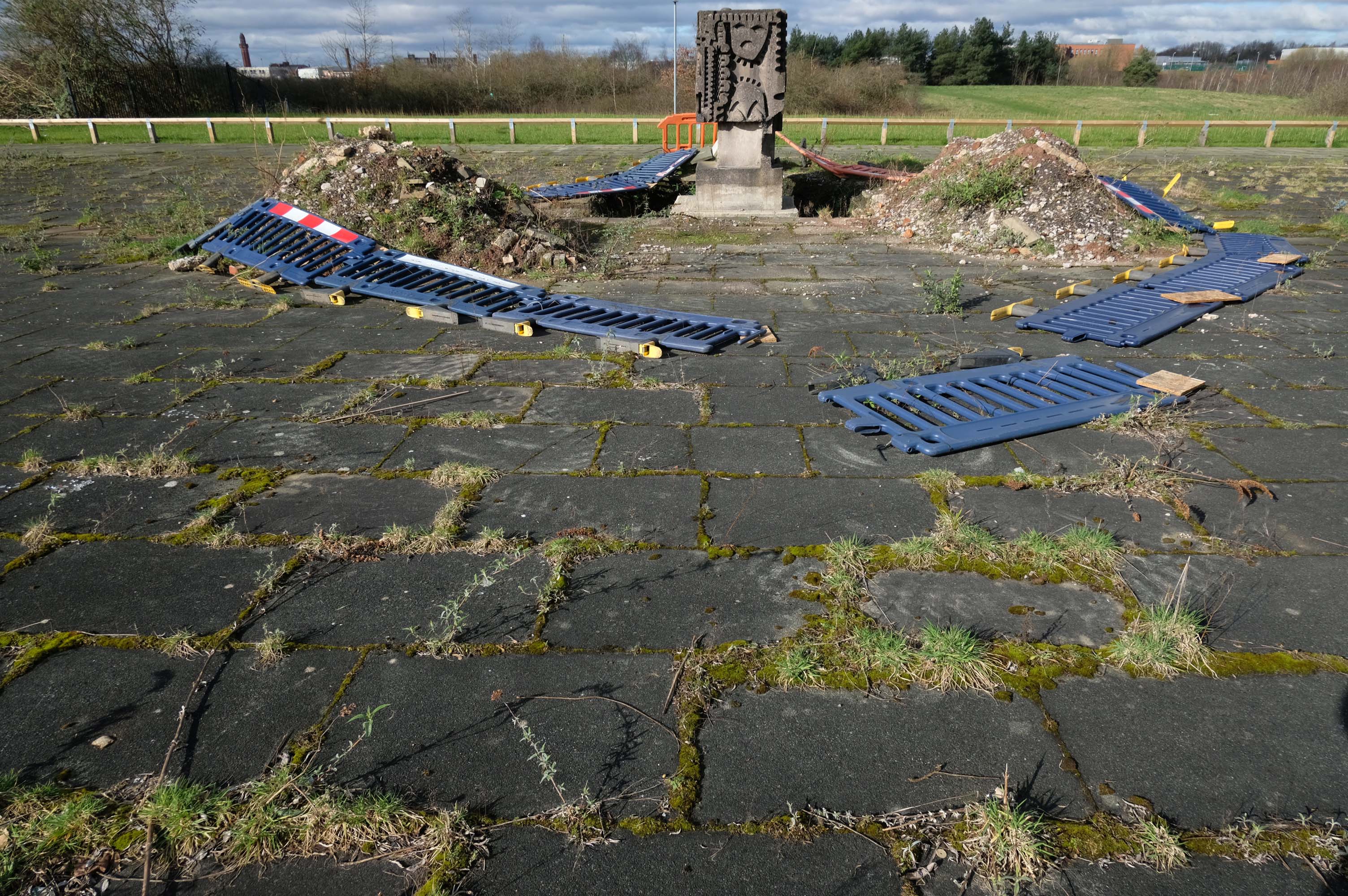
The base has been dug out and the sculpture awaits removal to the adjacent flats.

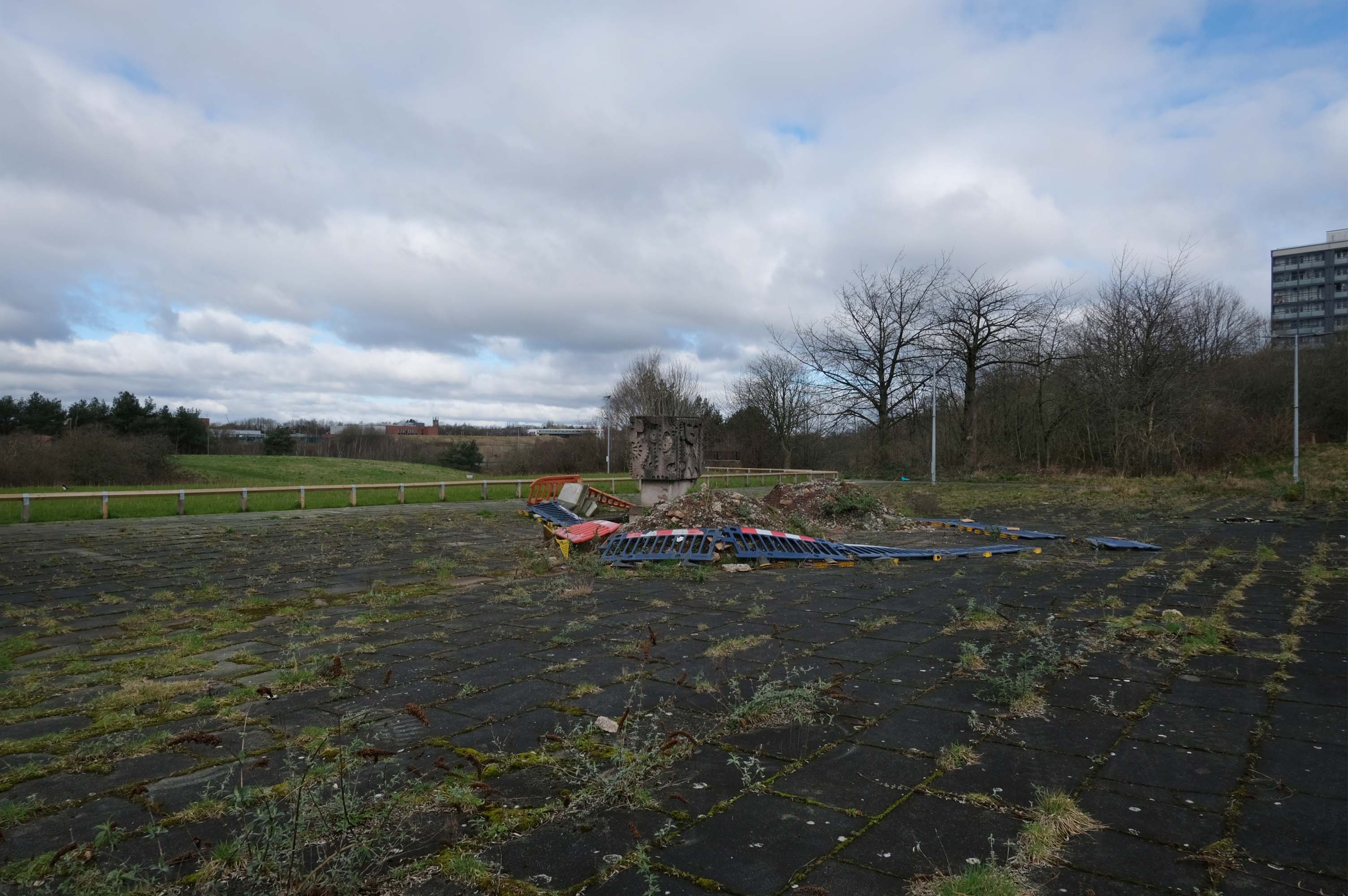
I was told that one estimate for the job was £120,000 – given its weight and location over railway tunnels.

So as of today today 26th February 2024 – ain’t nothing shaking but the weeds twixt the flags.

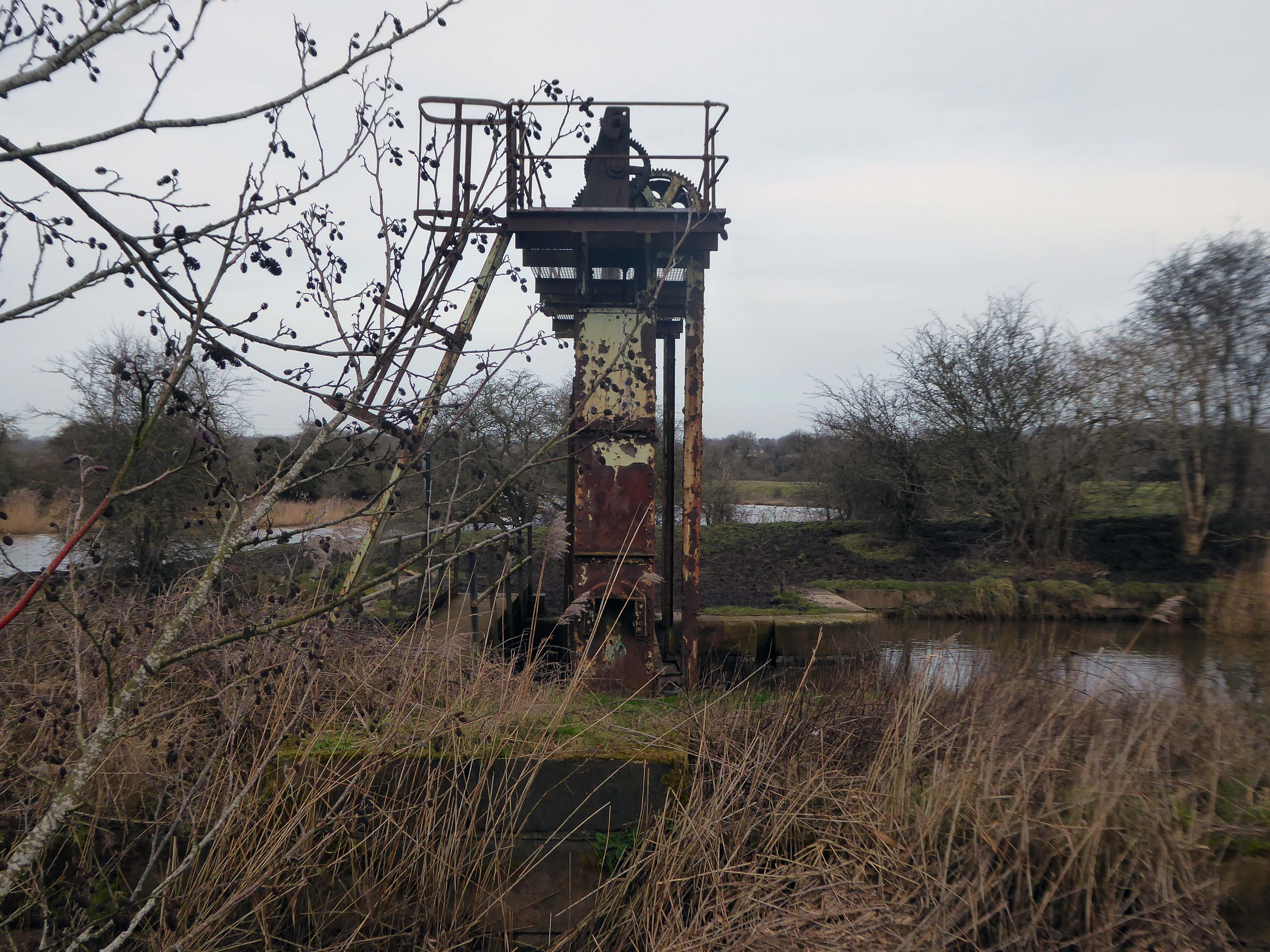
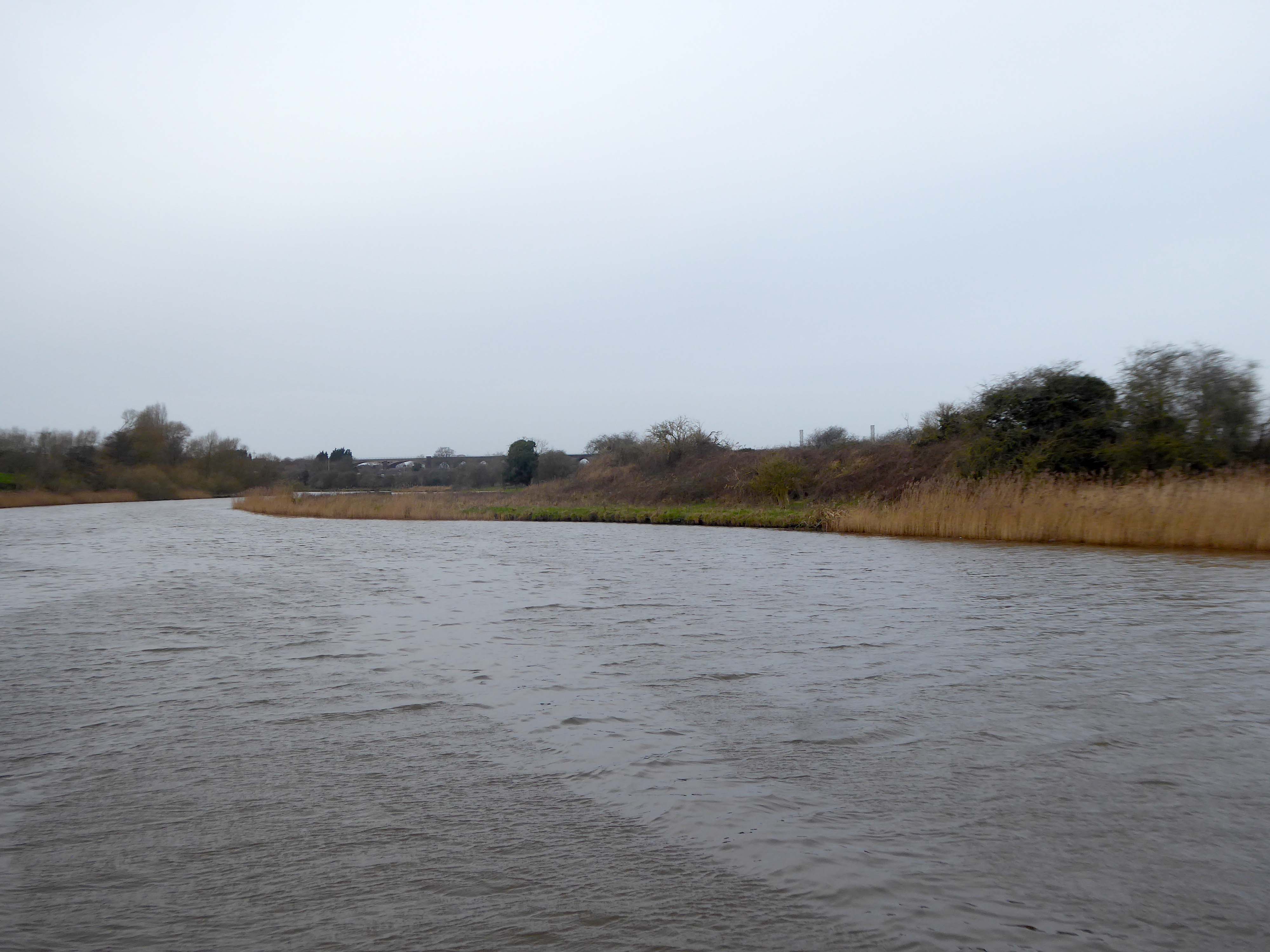
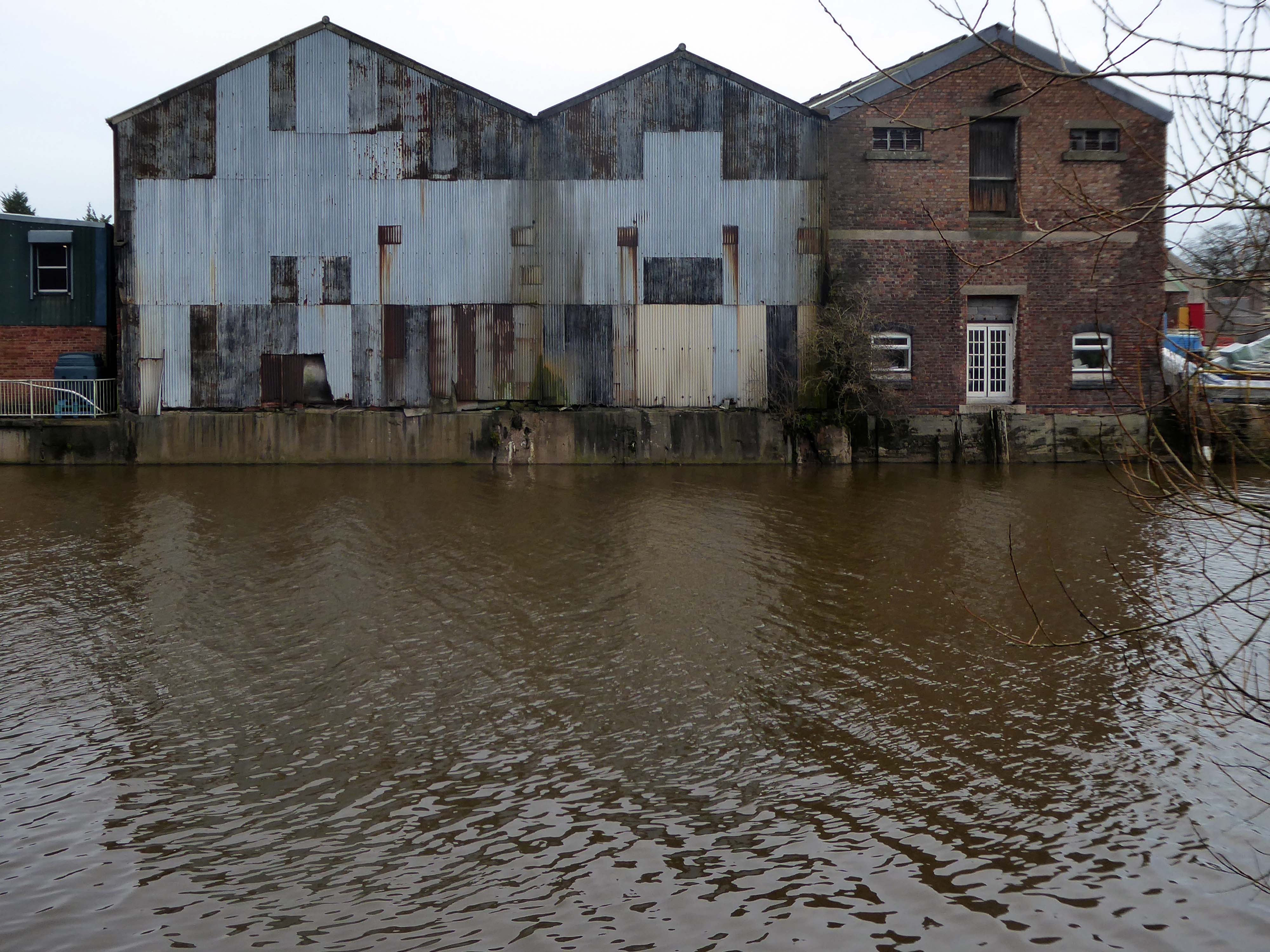
A Short Walk Along The Weaver

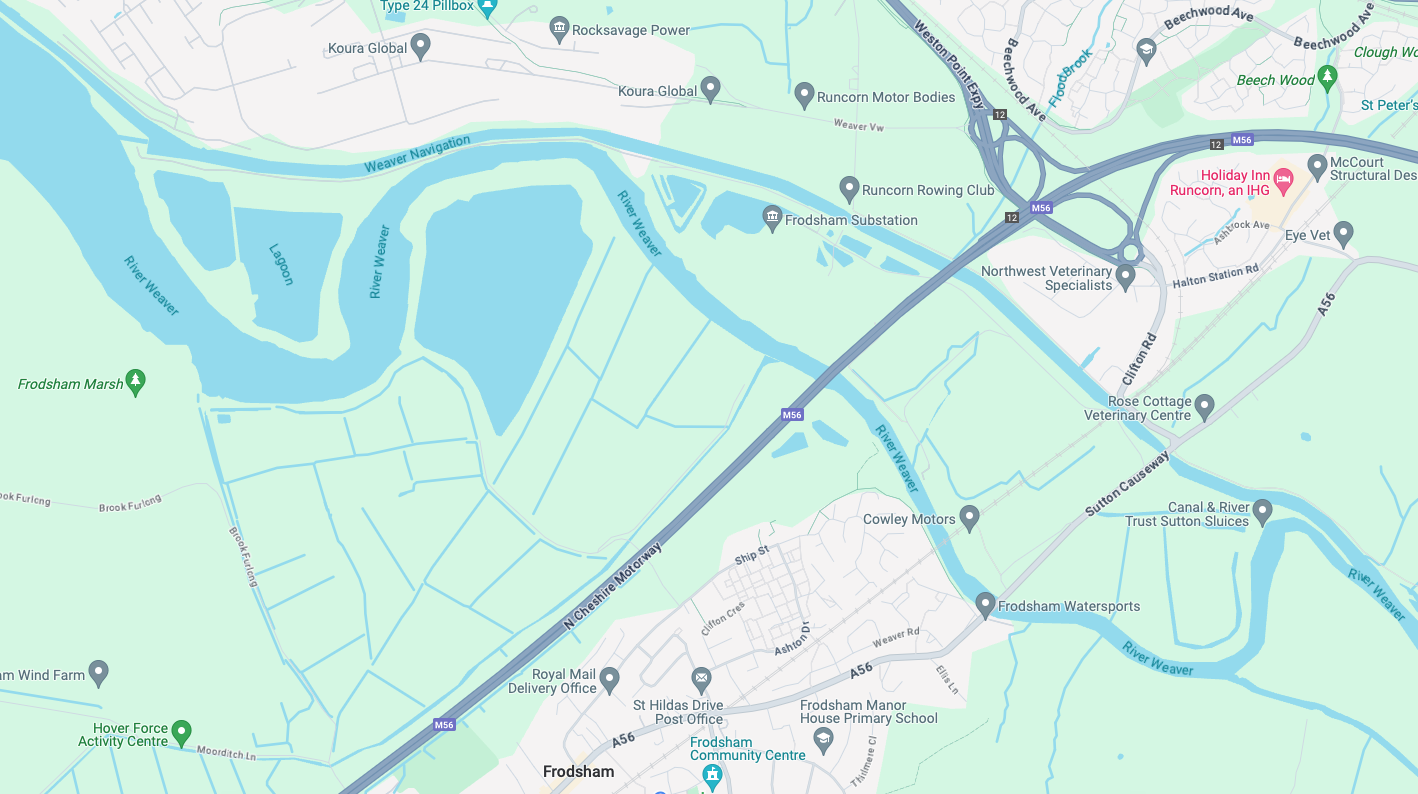
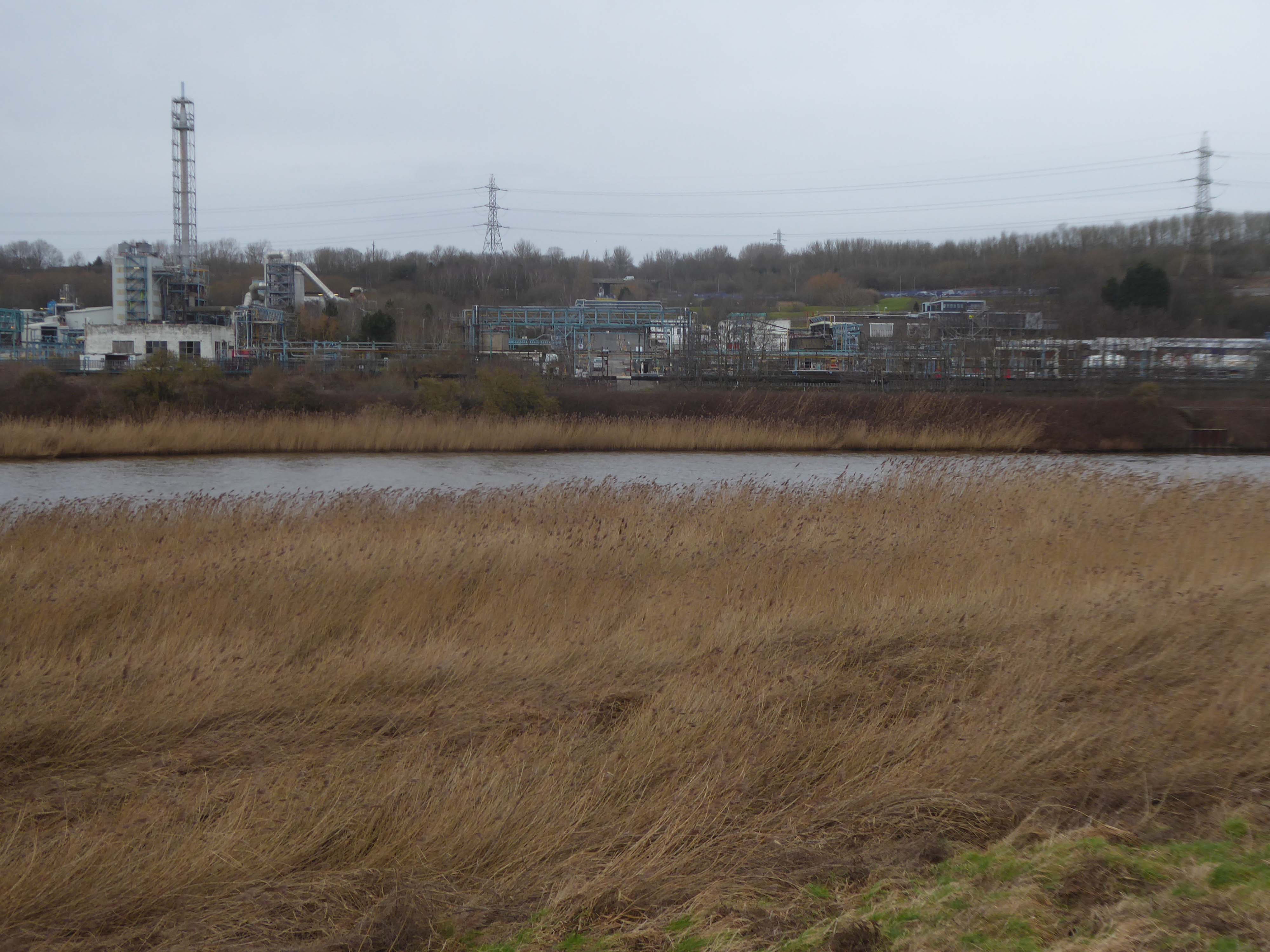
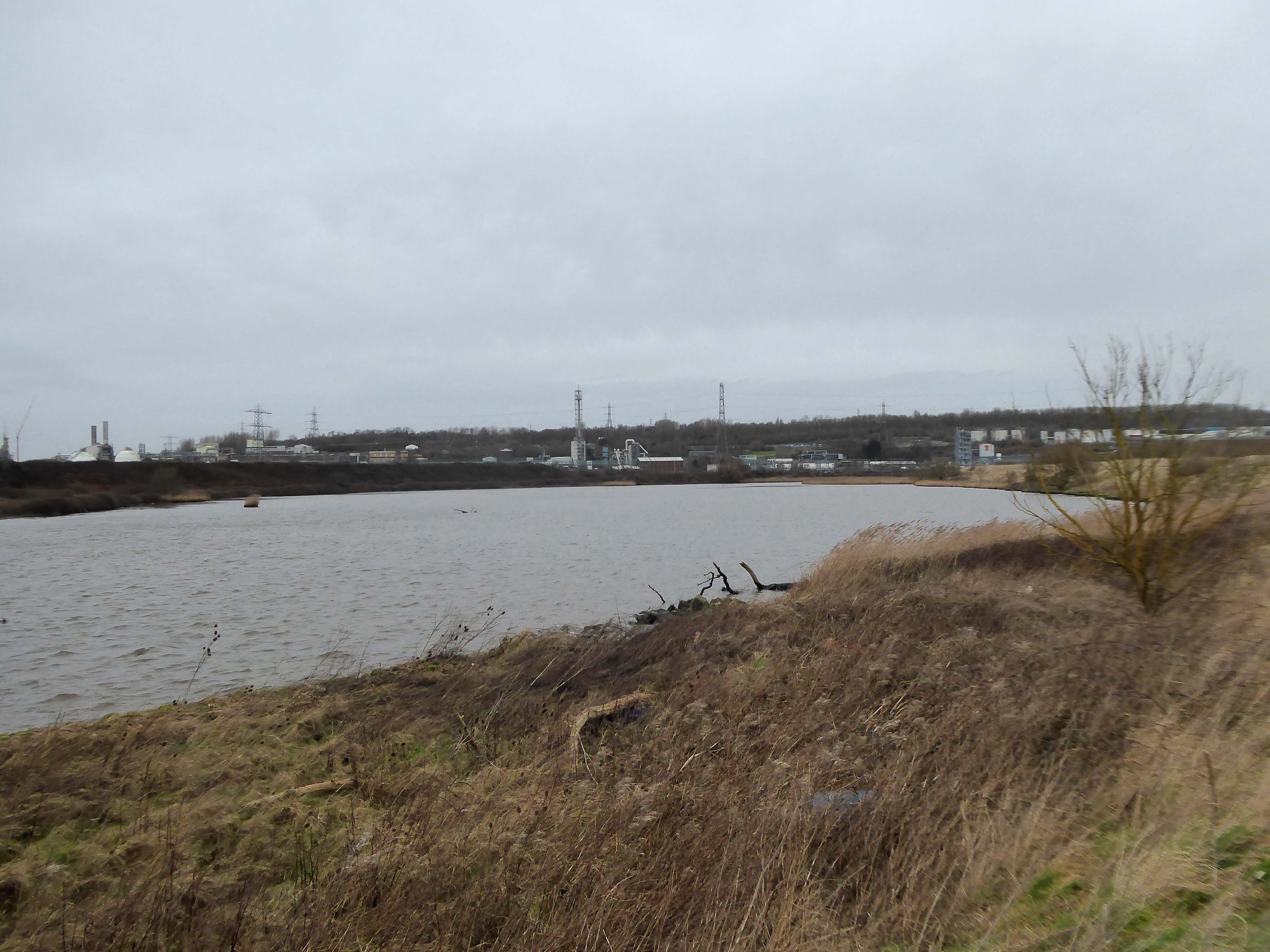
Along with my almost lifelong friend Mr Tim Rushton – I took a trip along a short stretch of the River Weaver, walking from east to west.

River Weaver – rising on the boundary between the counties of Shropshire and Cheshire and then flowing 45 miles north to reach the Irish Sea estuary of the River Mersey to the west of Runcorn.

Below Winsford, the course of the river has been altered several times, by the construction of cuts and locks, to enable small ships to trade on it. The river formerly joined the River Mersey at Weston Marsh, but since the construction of the Manchester Ship Canal, begun in 1887, it has flowed into the canal, from where surplus water enters the Mersey by the Weaver sluices, just upstream of the junction. The tidal river section below Frodsham has been bypassed by the Weston Canal since 1810 and is no longer navigable, as Frodsham Lock is derelict.

Wikipedia

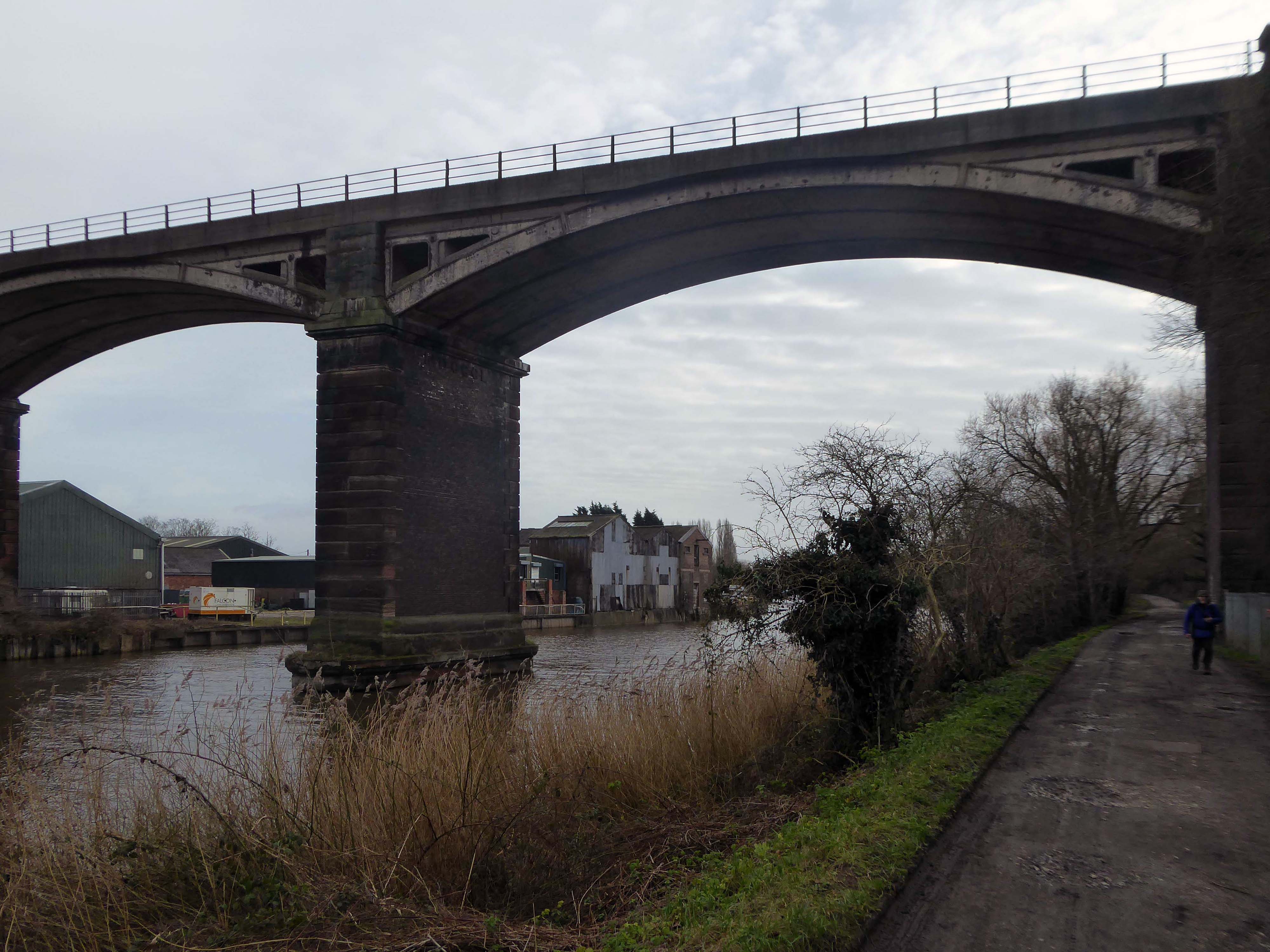
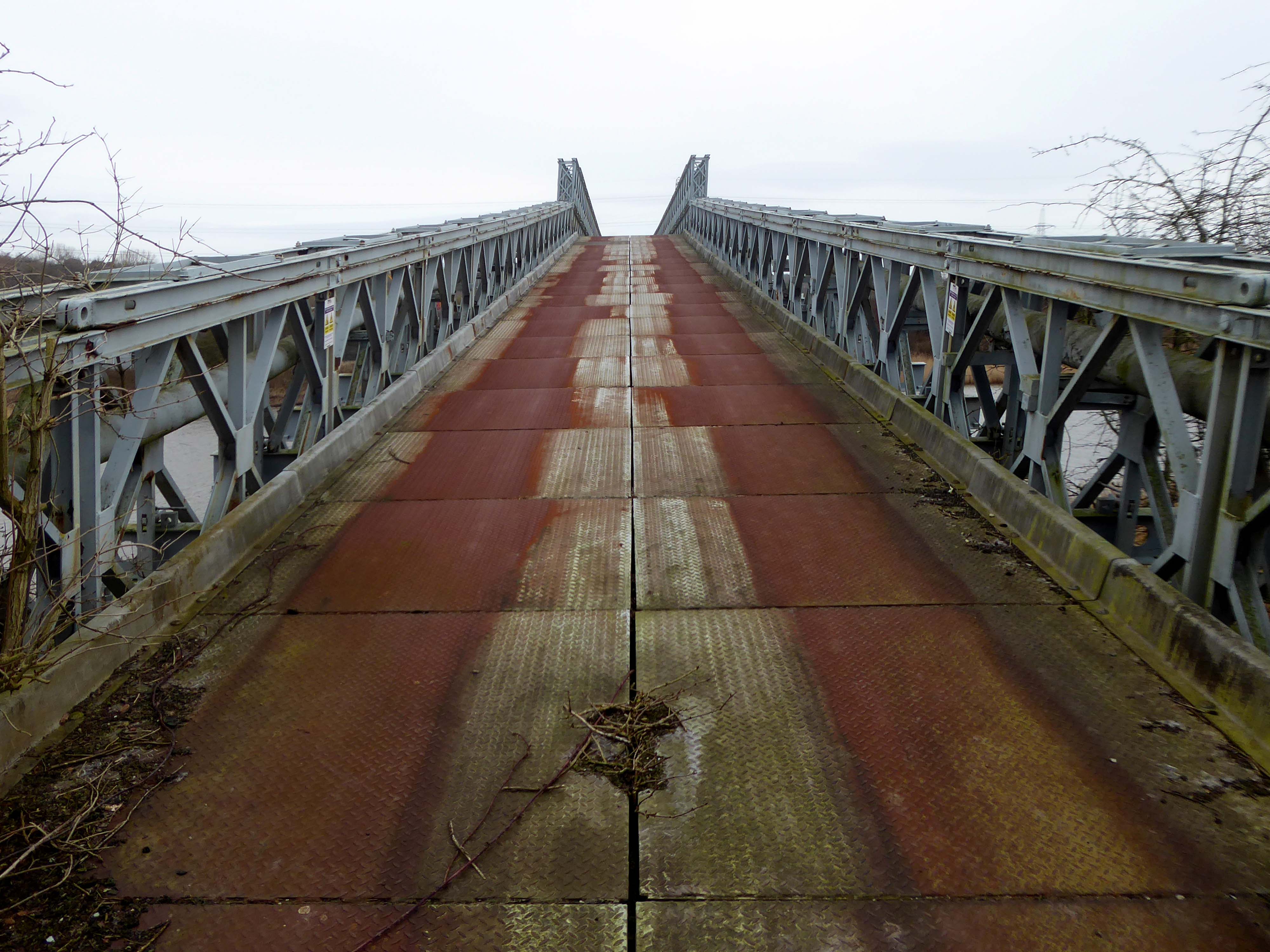
Railway viaduct over River Weaver and adjoining land by A Rendel Engineer and Thomas Brassey, contractor 1848-1850 – for Birkenhead Lancs & Cheshire Junction Railway Co.

Red sandstone, brown brick and cast iron, two segmental-arched iron spans of circa thirty metres over river; two round arches on west bank and twenty one on east bank. Piers to iron spans are rusticated tooled ashlar; the other spans have rusticated voussoirs, pier faces and quoins and rock-faced spandrels with brick reveals, cornice to iron-span piers, plainer imposts to others.

Top of central pier to river modified to take mid C20 concrete track bed.

Grade II Listed

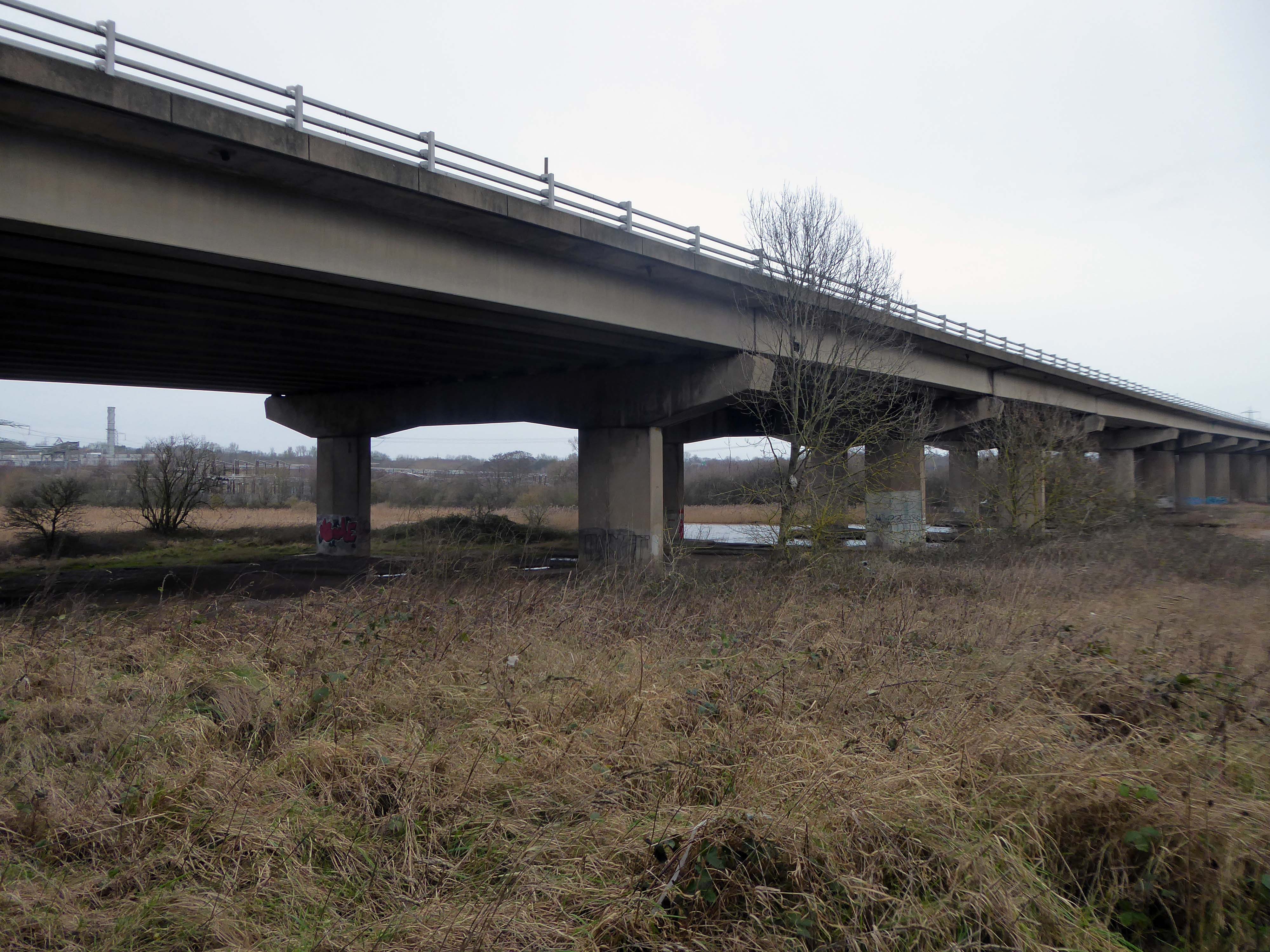
Weaver Viaduct is one of the outstanding features of M56 and its design was approved by the Royal Fine Arts Commission. The three-quarter mile of elevated motorway and approach embankments over the River Weaver and Weaver Navigation Canal opened on 21 February 1971.

Design was by Husband and Co of Sheffield – acting for Department of Environment, who also supervised the project. The contractor was Christiani Shand with a tender price of £3,146,387 in March 1968.

Work began in April 1968 – the eventual cost was put at £3.5 million.

Sabre Roads

Thirty two 125-foot concrete 100-tonne beams were put into place in July 1970; the concrete beams were made by Matthews & Mumby of Windmill Lane Denton. 

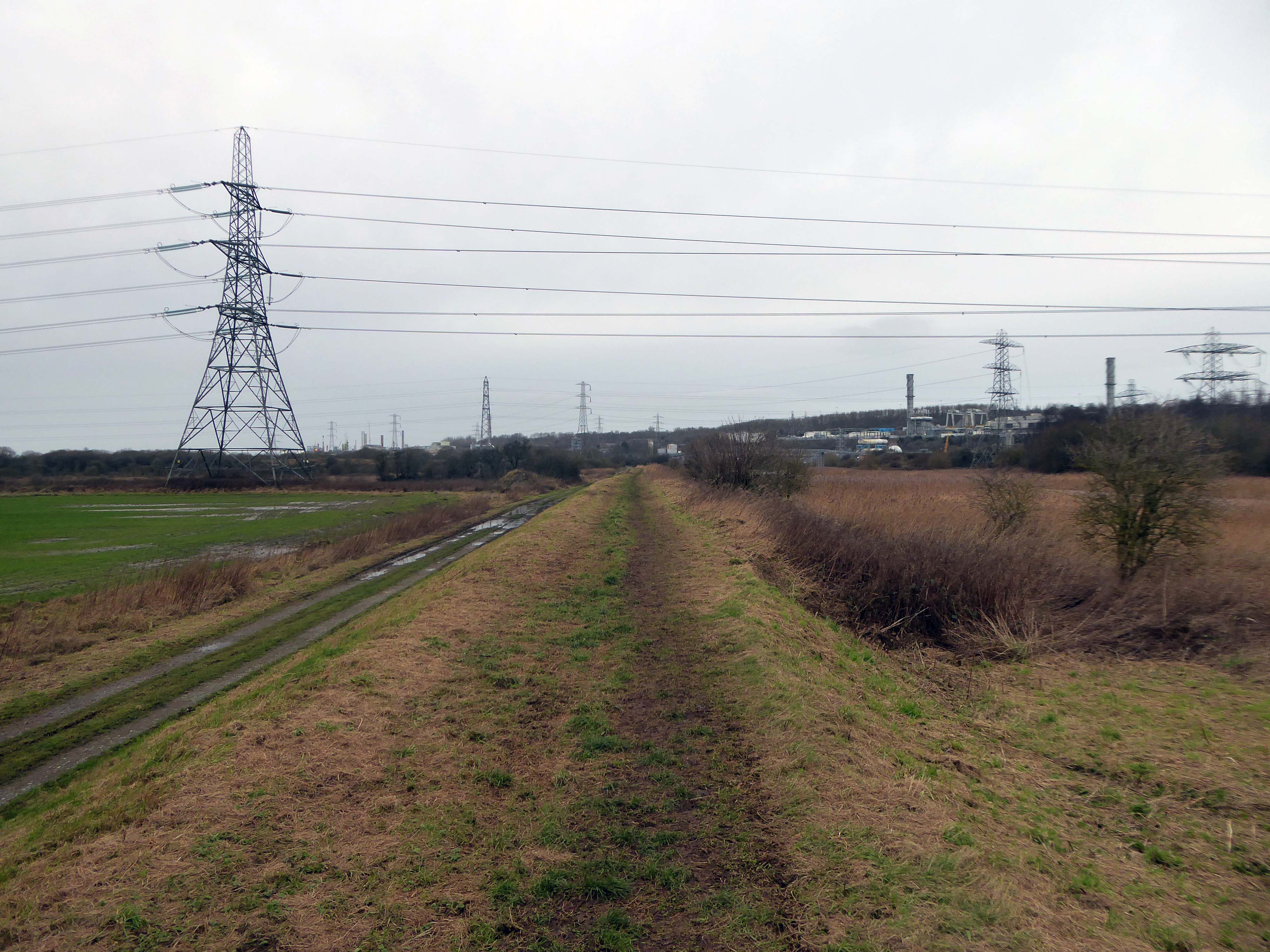
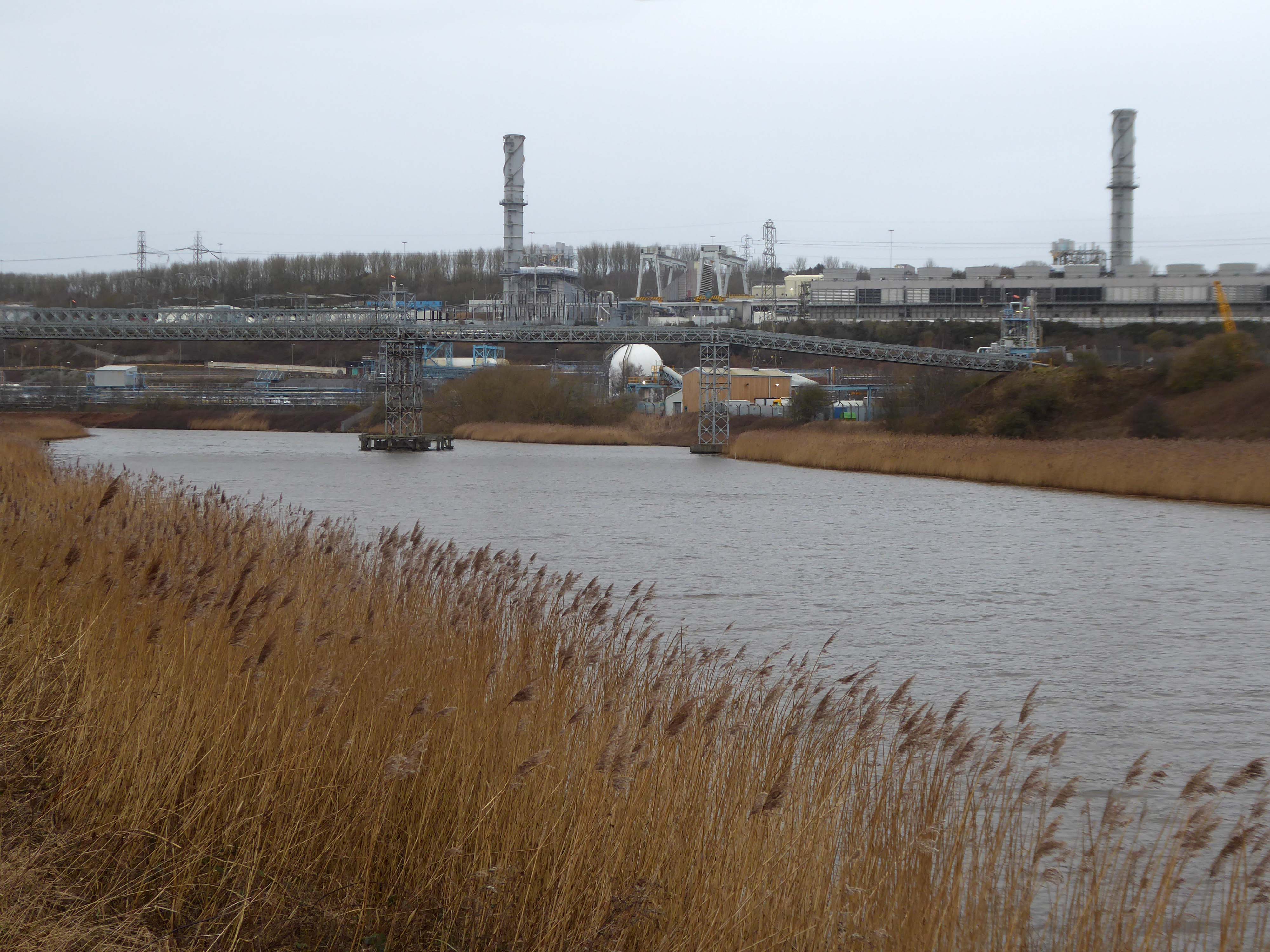
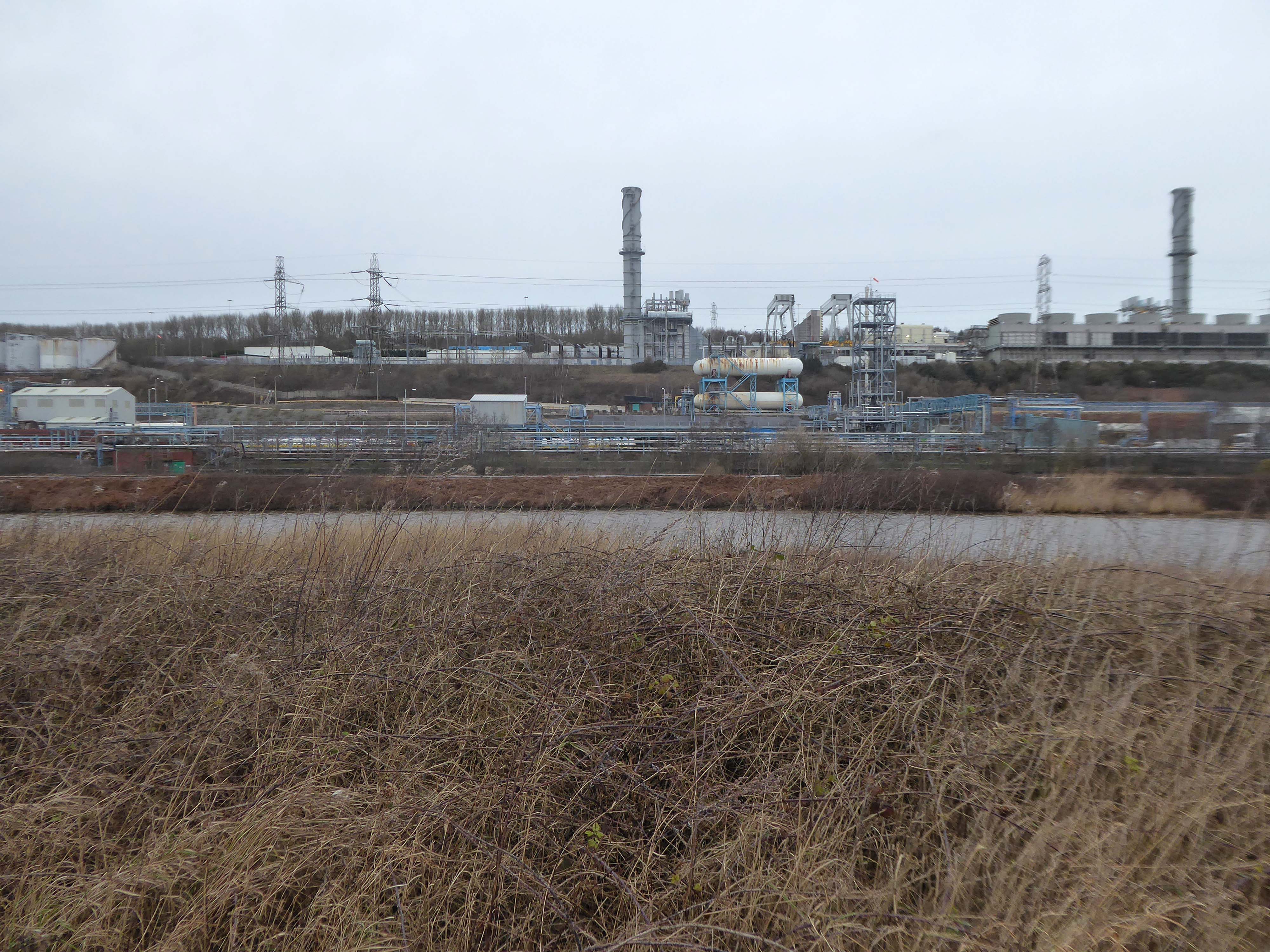
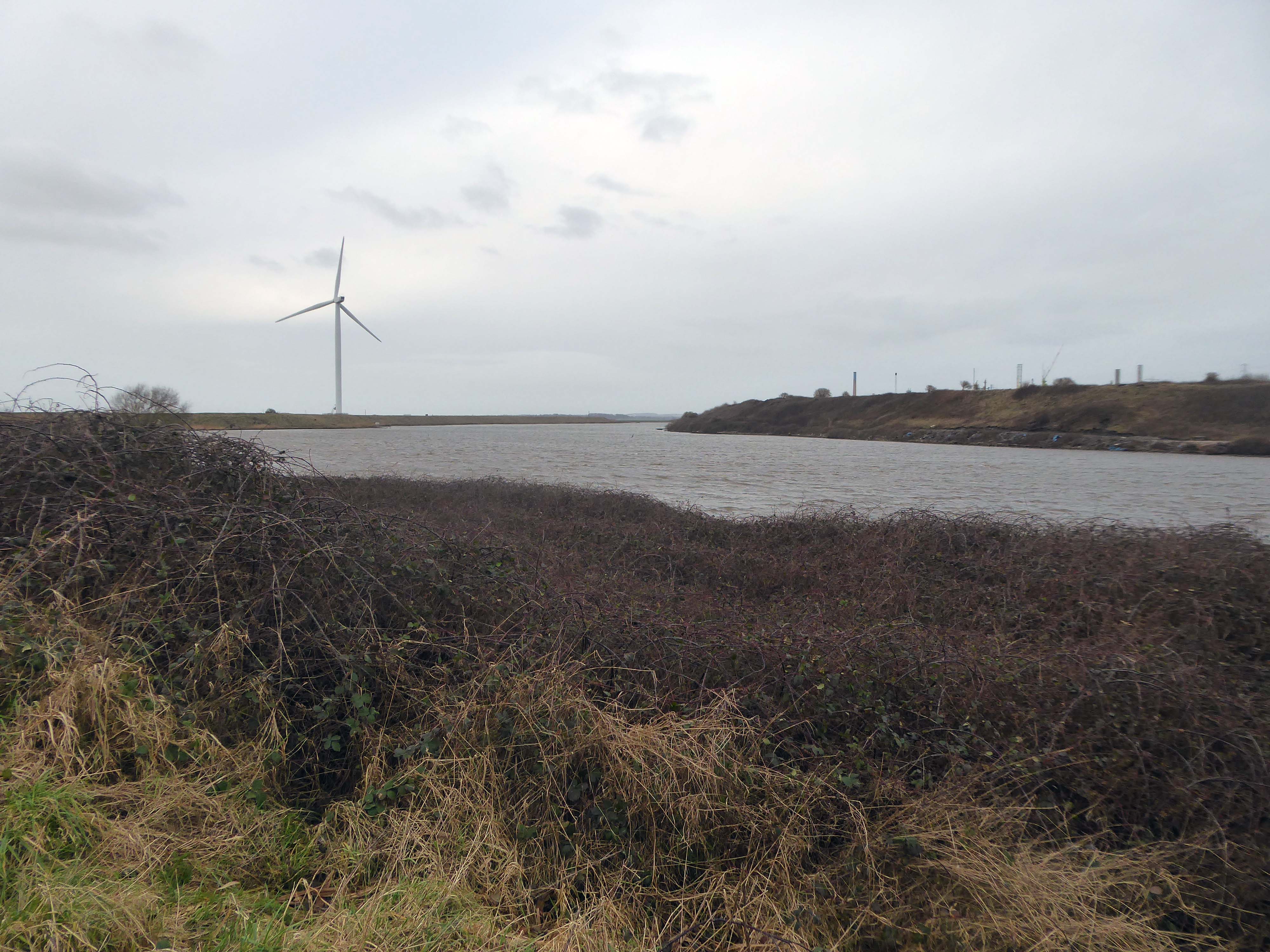
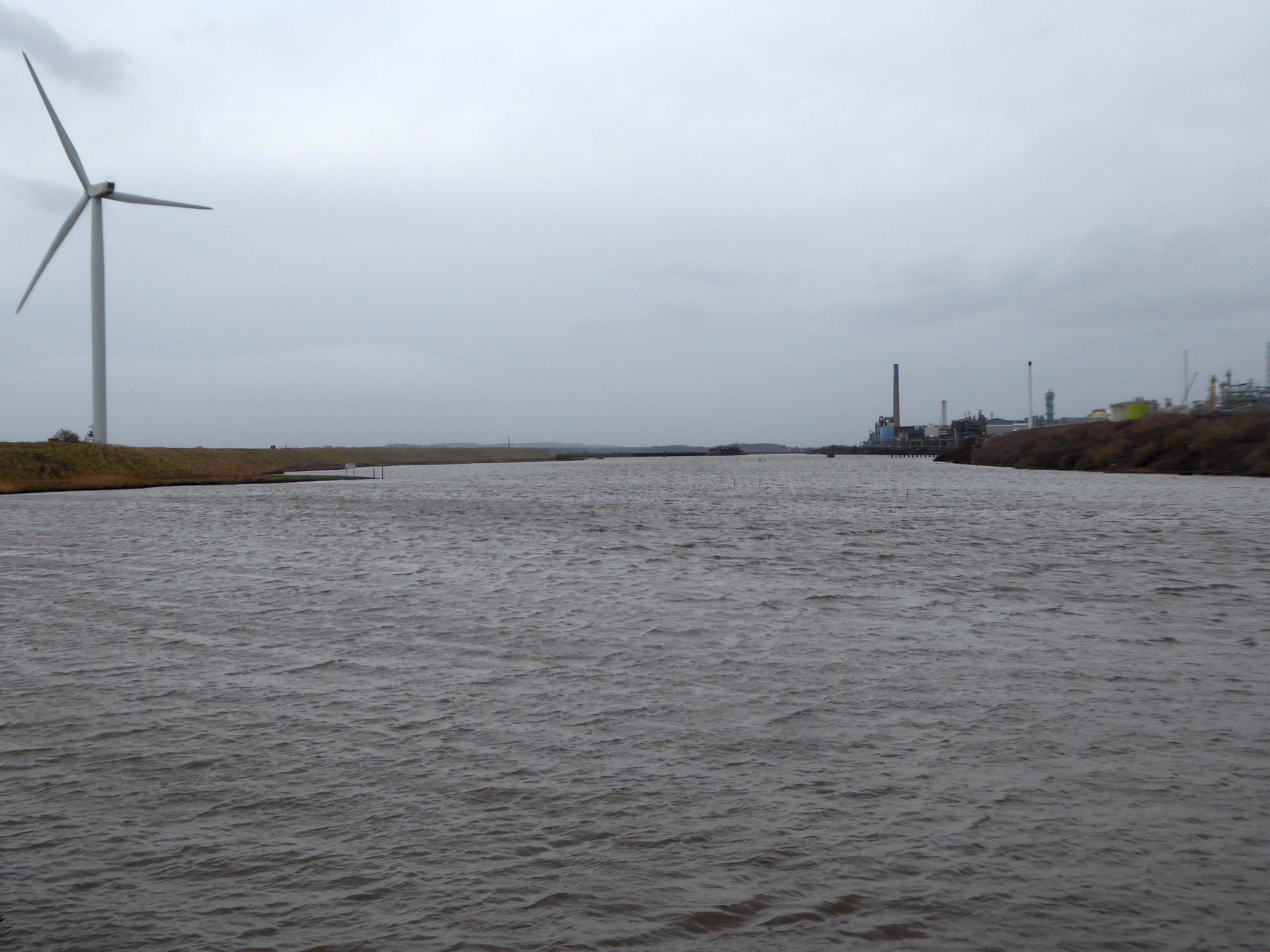
High-Voltage Frodsham SubstationRock Savage power station

Rock Savage Power Station is an 800 MWe gas-fired power station.

It was opened by Queen Elizabeth II on 31 July 1998, and owned by InterGen, a company that is now jointly owned by Ontario Teachers’ Pension Plan and China Huaneng Group, it cost £375m.

It sponsors the Runcorn Jets baseball club, the Highfield Male Voice Choir and the Weston Angling Club.

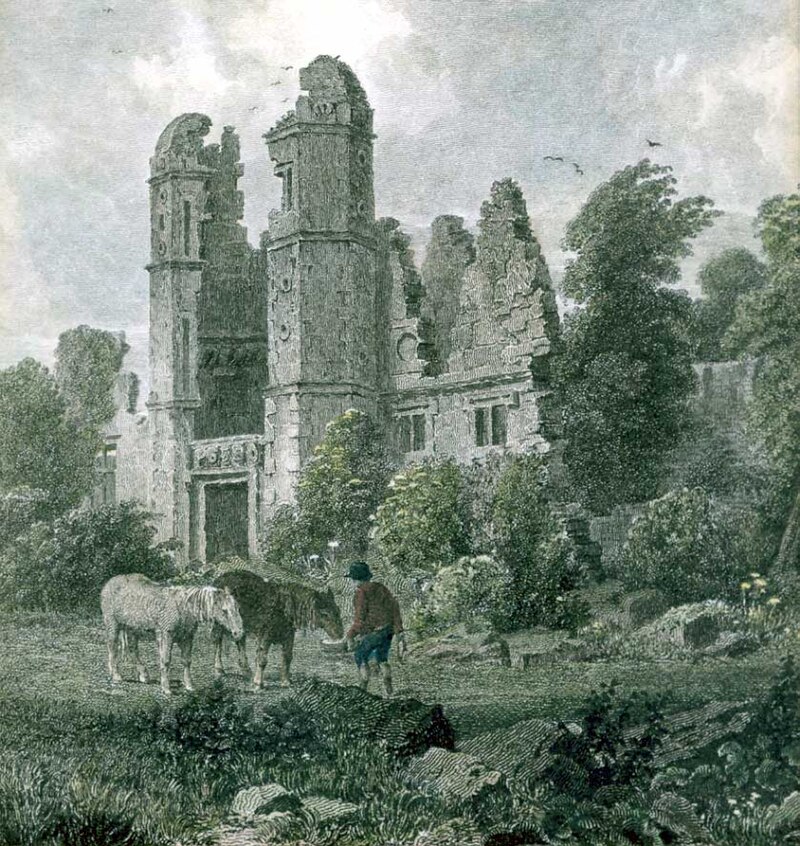
The name comes from the nearby ruined Elizabethan mansion – Rocksavage.

Wikipedia

Koura Global – leader in the development, manufacture, and supply of fluoro products and technologies, opened a new HFA 152a production facility at their Runcorn site in the UK.

Chiesi, the international research-focused pharmaceuticals and healthcare group, signed a commercial agreement to use the new low carbon footprint medical propellant for inhalation product development and clinical trials in 2019.

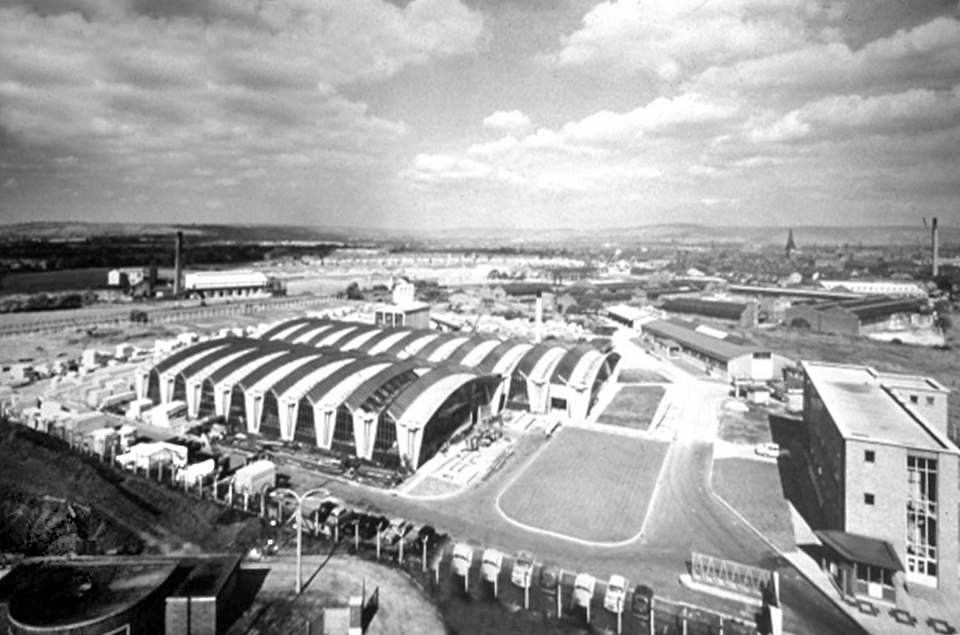
Britain from Above 1948

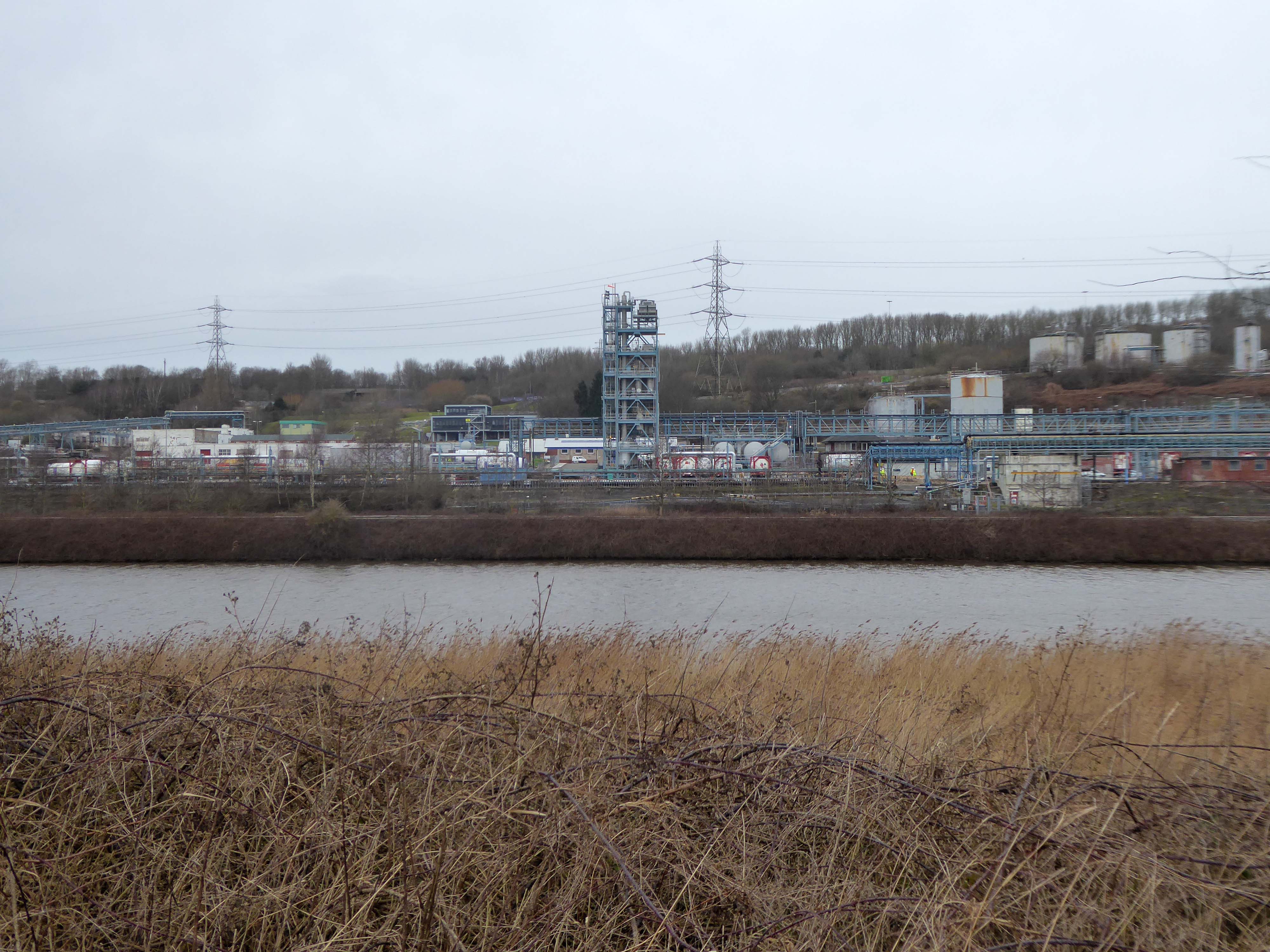
Ineos Chemical Complex formerly ICI Rocksavage Works on the banks of the River Mersey River Weaver and Manchester Ship Canal in Runcorn formerly ICI works of Rocksavage and Castner Kelner Works which produced fluorcarbons such as aerosol propellants dry cleaning solvents and chlorine UK January 2007

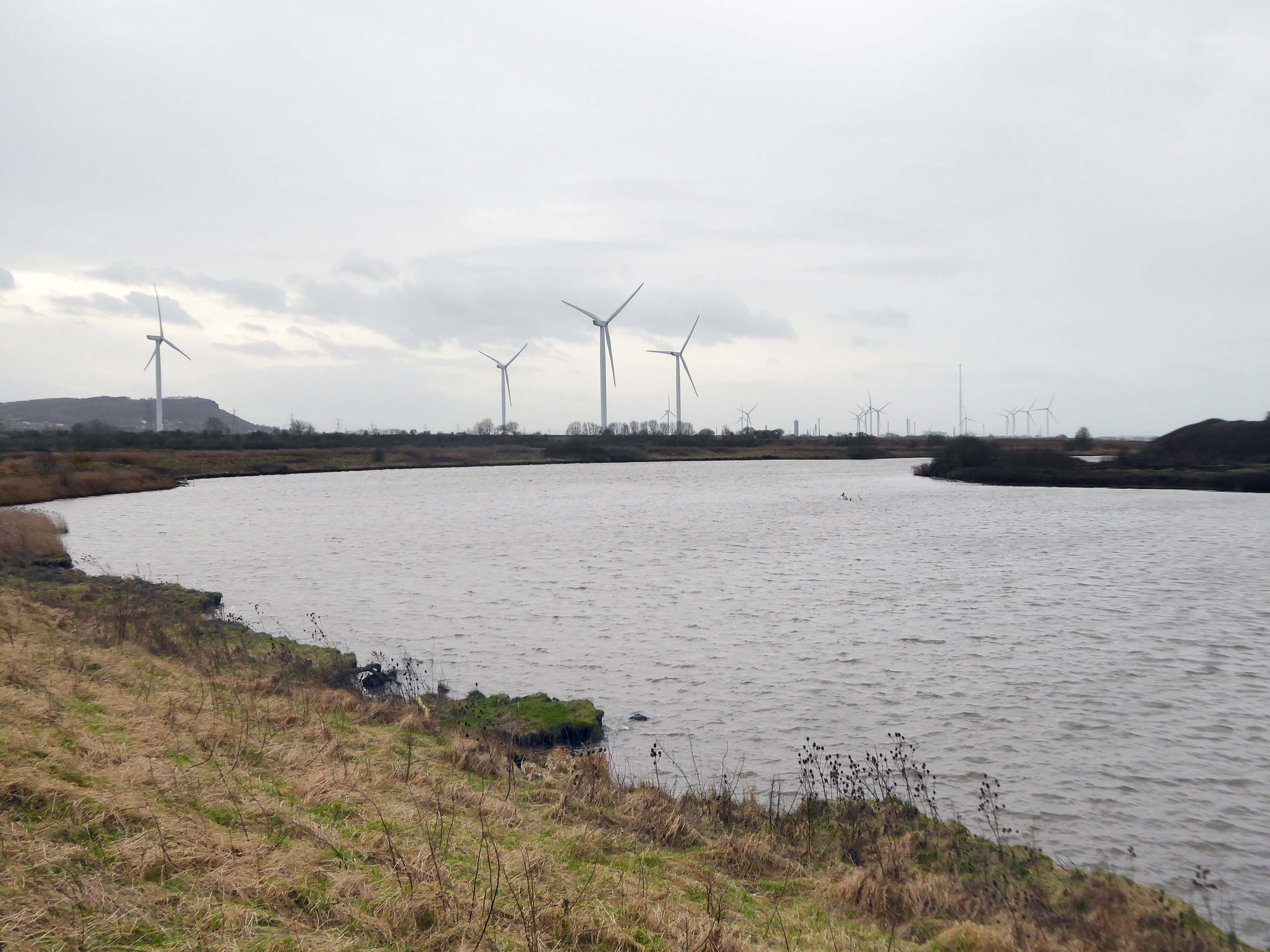
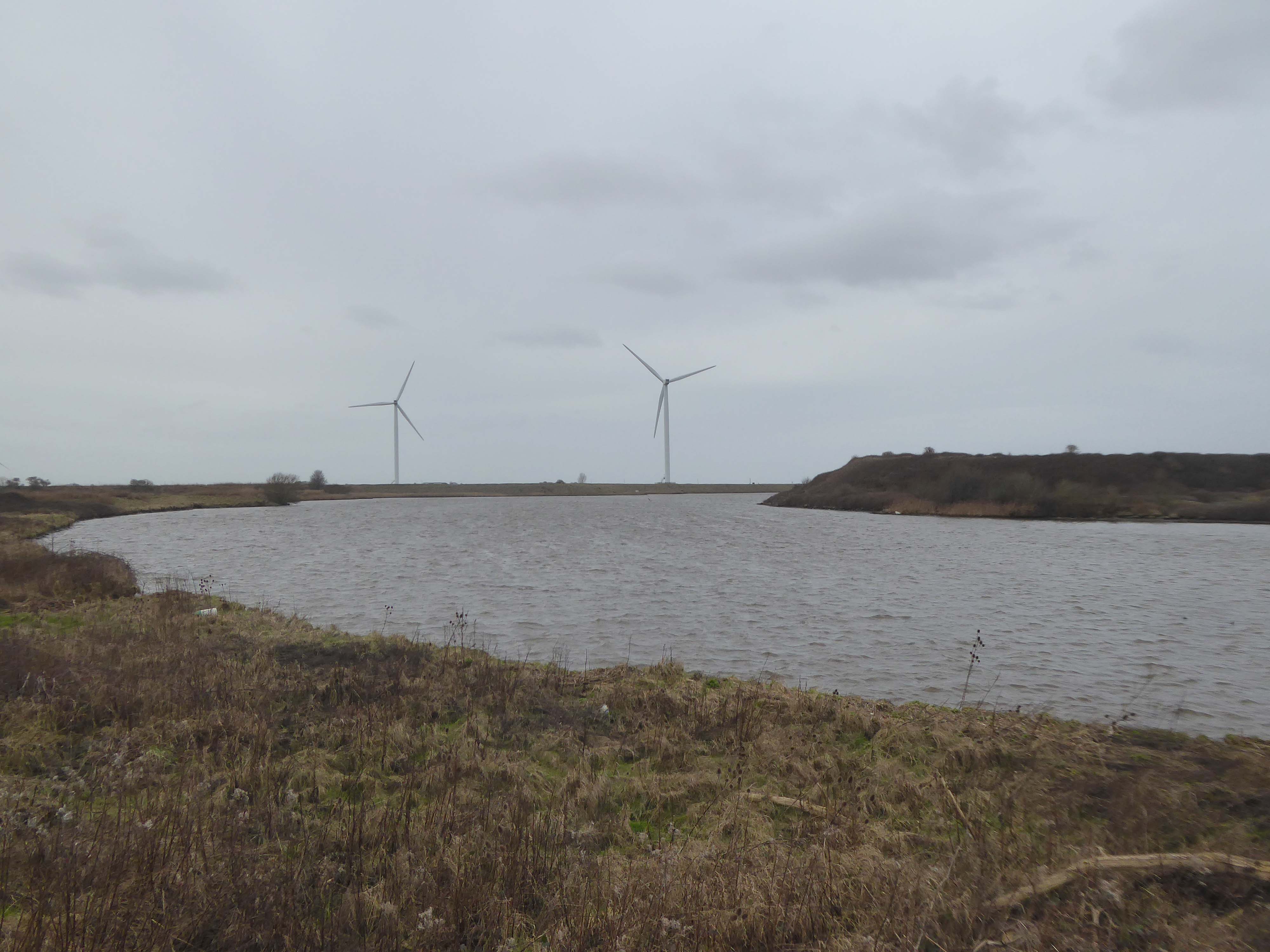
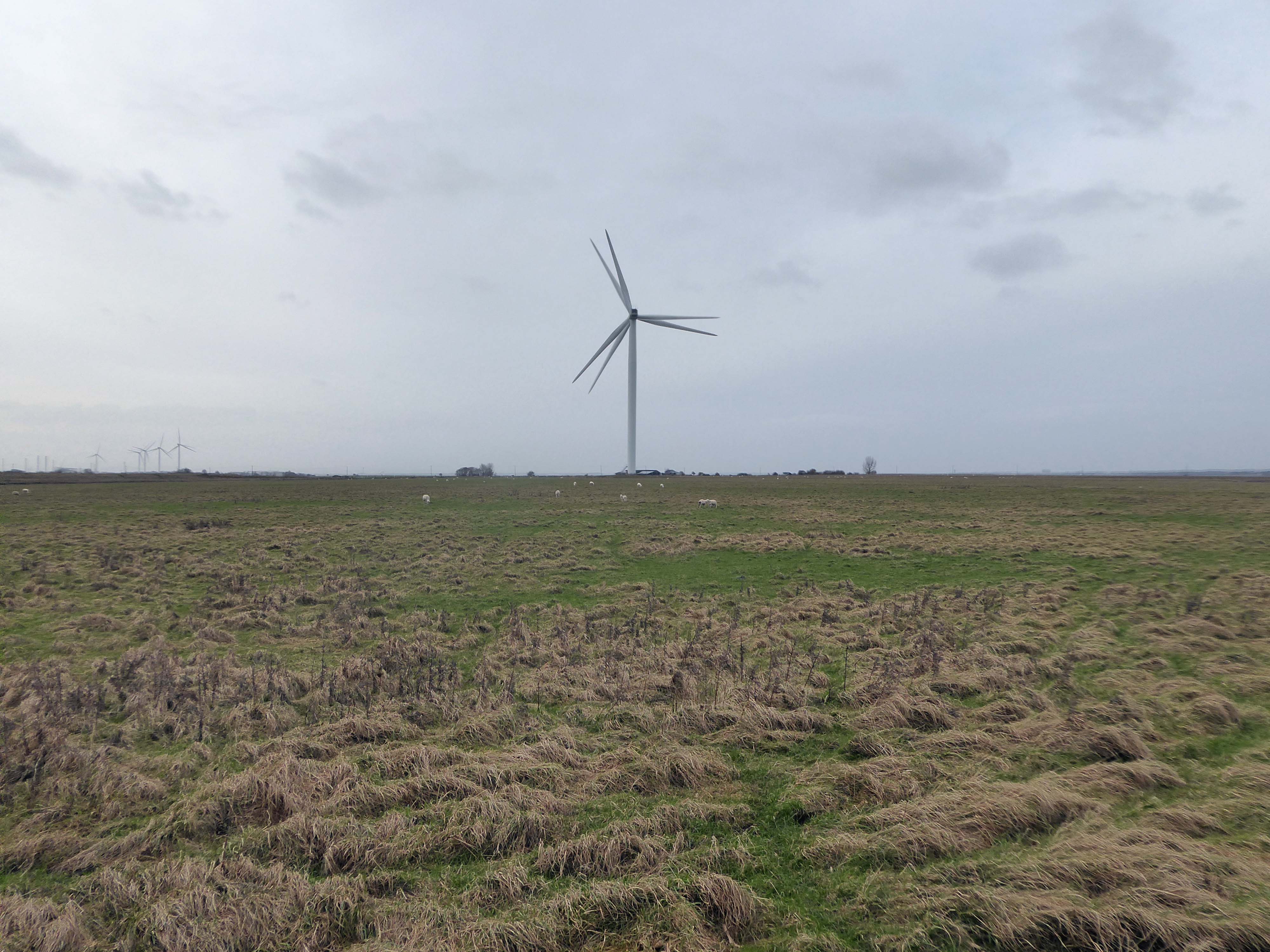
Frodsham Wind Farm is one of England’s largest onshore generating stations, and the largest in the Cheshire region, with an installed capacity of more than 50 MW. Construction of the wind farm began in March 2015 and became fully operational in February 2017.

Tapton Hall – Sheffield

Shore Lane Sheffield S10 3BU

The Masonic Hall has an extension of 1967 by Hadfield Cawkson Davidson & Partners

The Masonic Hall has an extension of 1967 has a concrete mural by William Mitchell.

Symbolising the turmoil and chaos of the outside world, contrasting with the order of the Masonic Temple – a Freemason told me so.

I thought to propose the idea that this may well be a false dichotomy – then thought I’d better not.

These are the constituent panels.

These are the details.

Having been asked to speak to the Sheffield University Alumni Women’s Group – on the subject of Modernist Sheffield, I had easy access to the interior space.

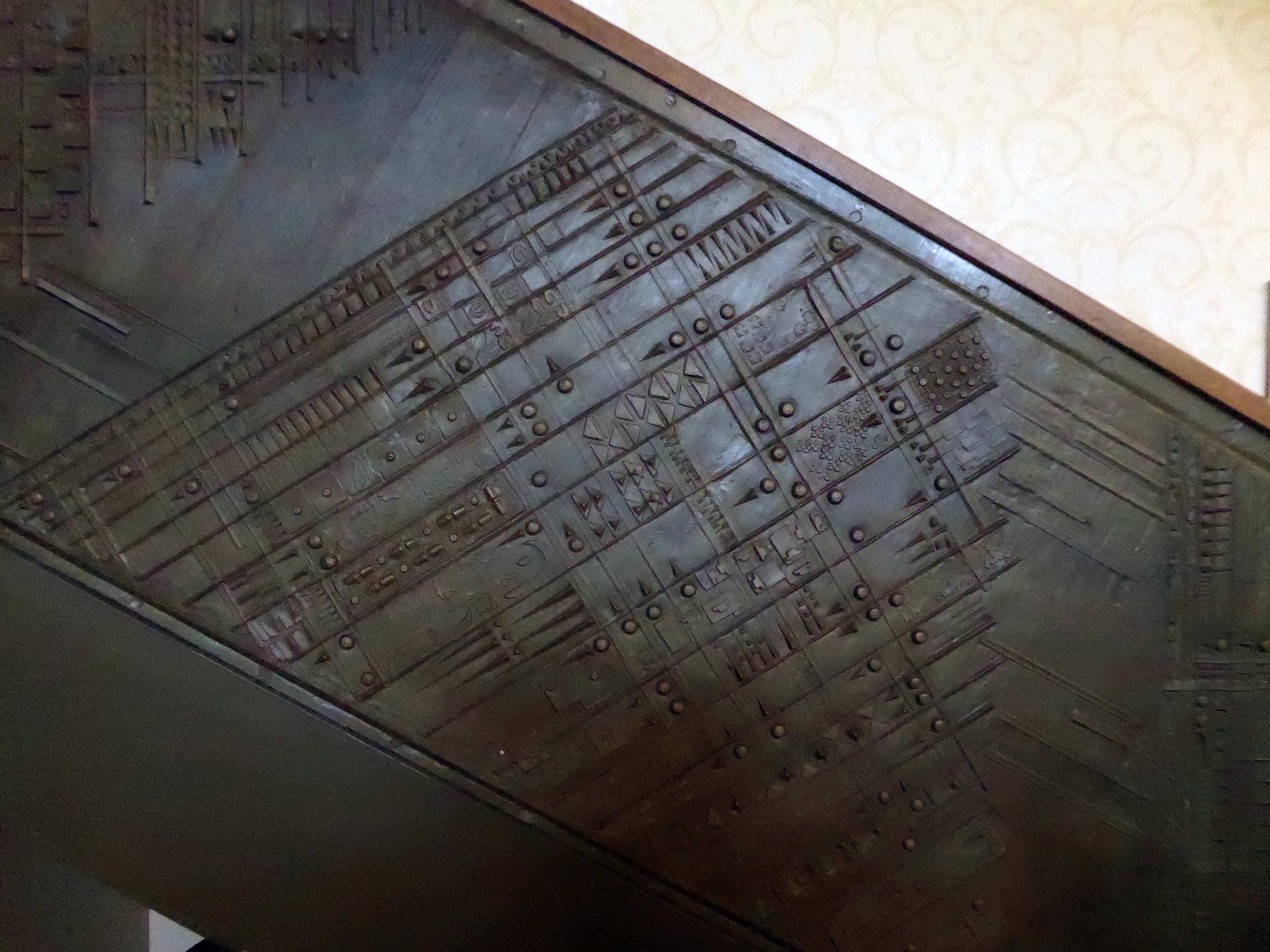
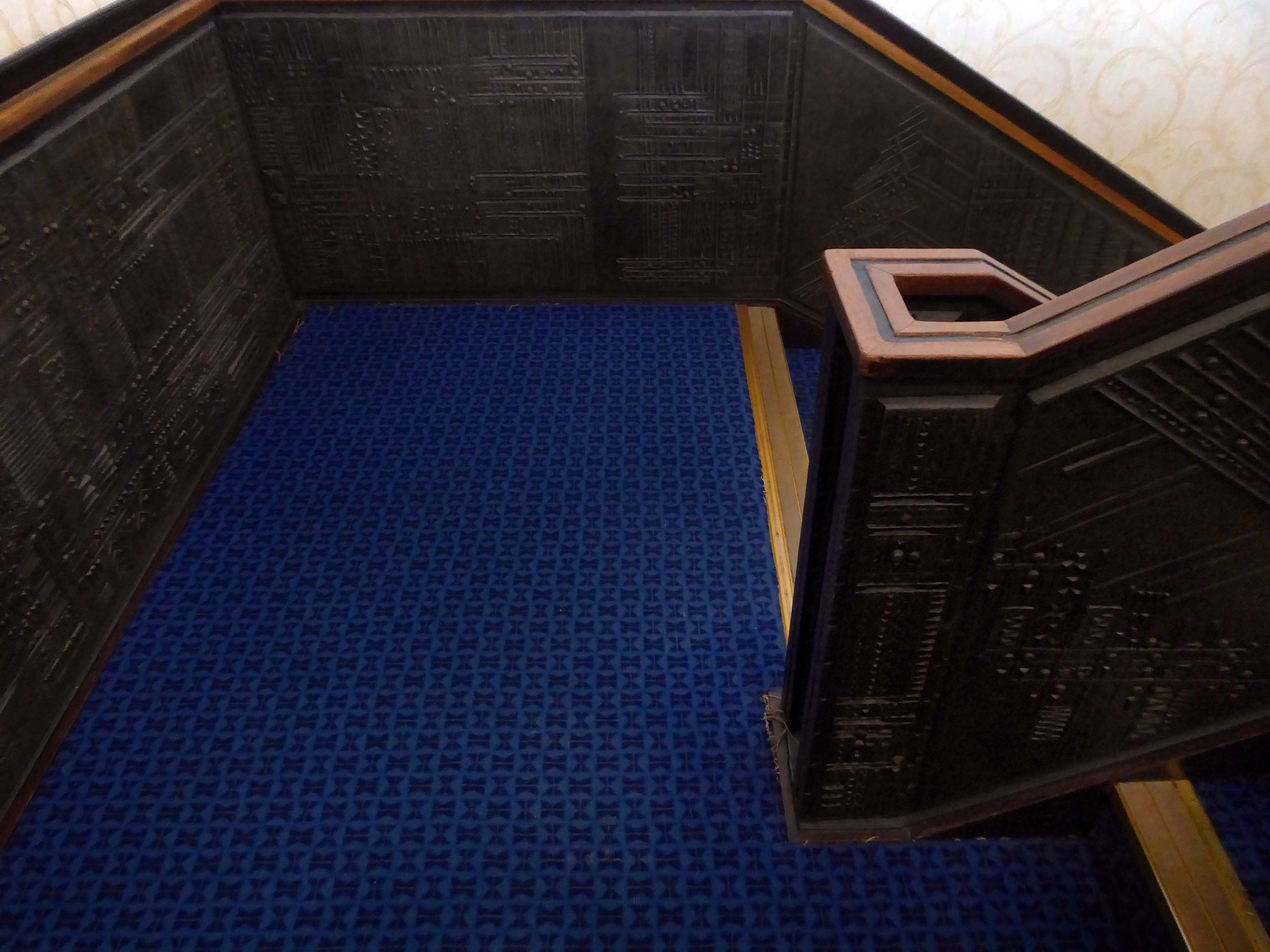
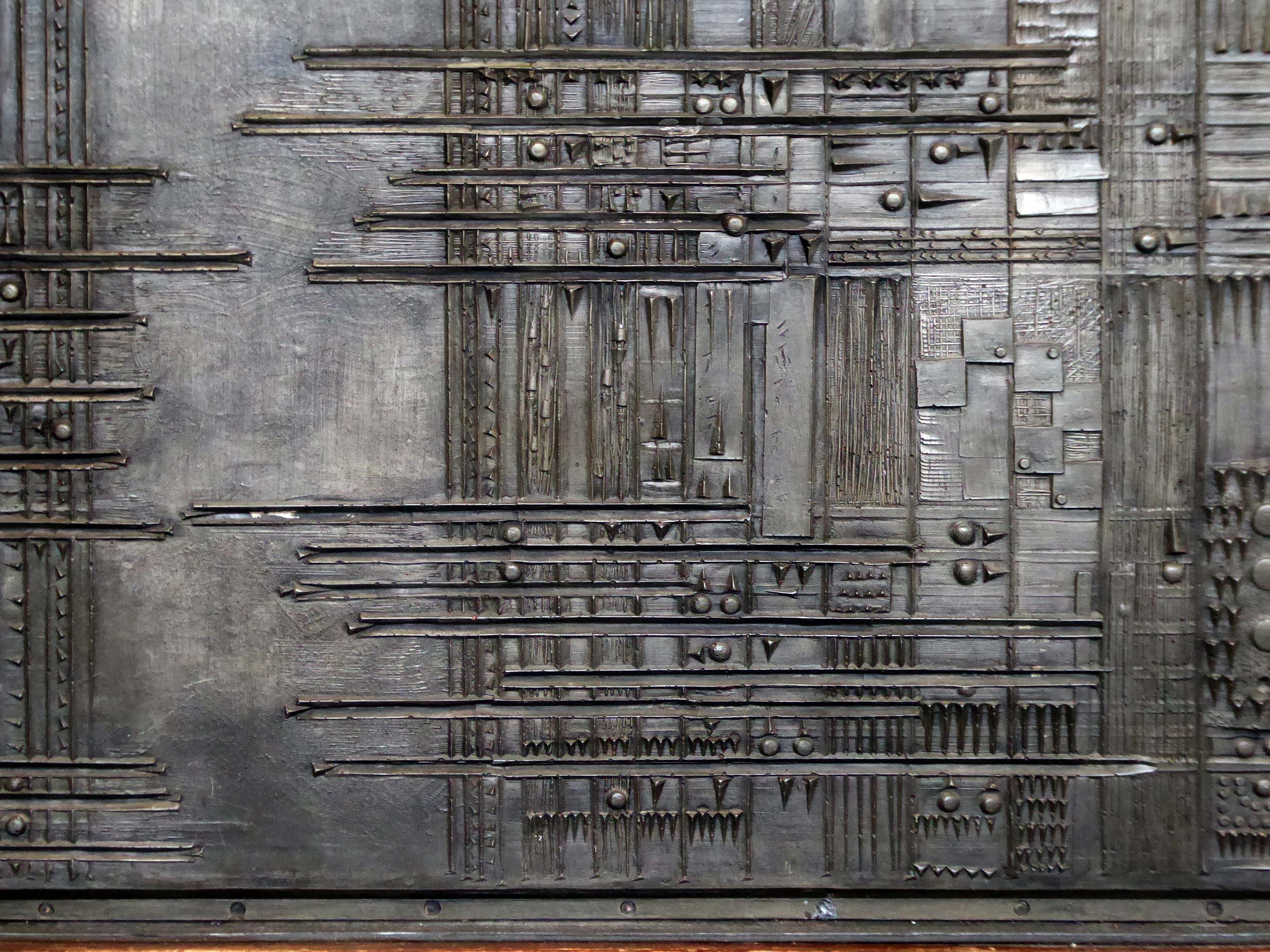
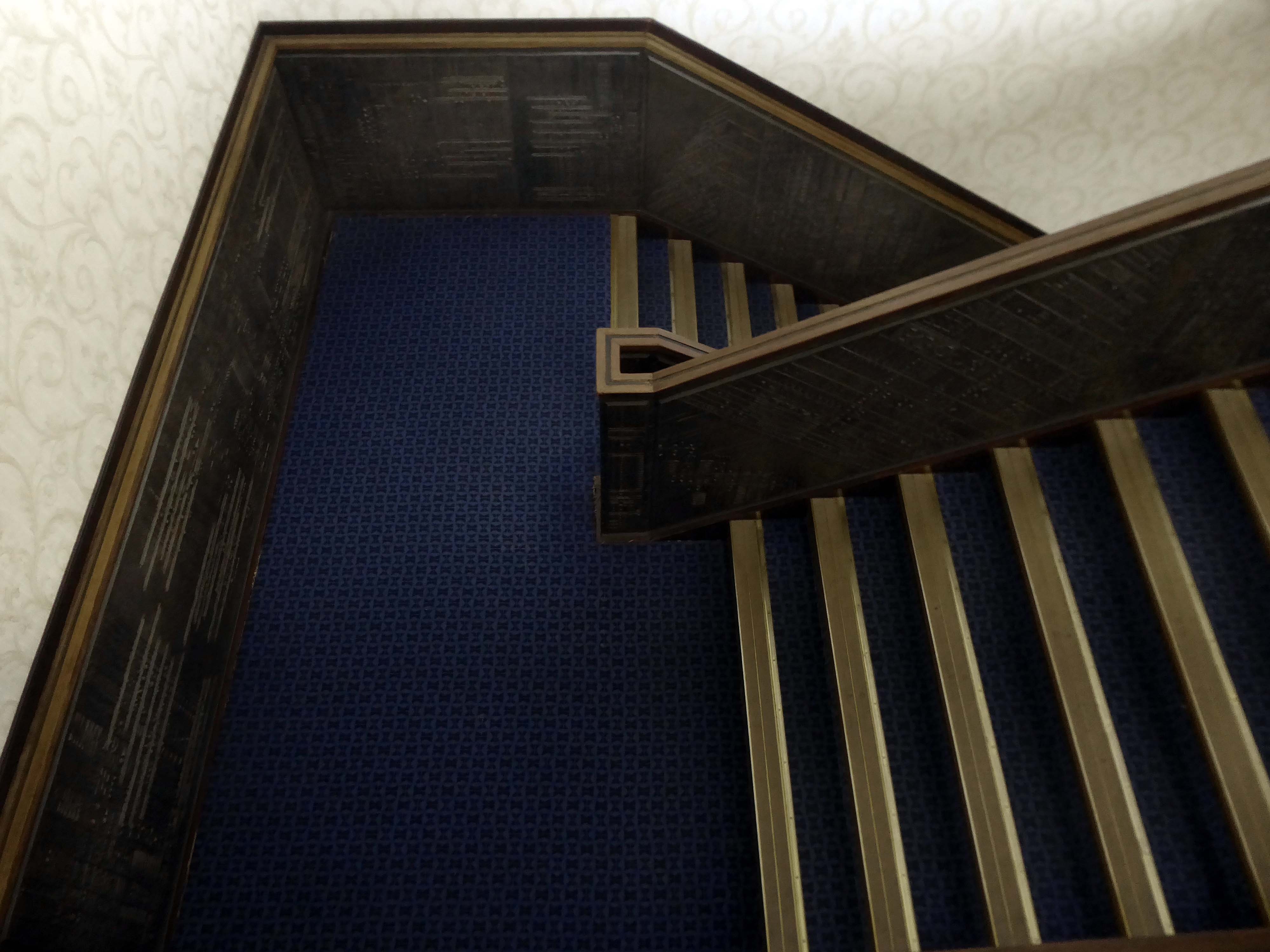
I was ever so excited to discover these decorative panels on the stairway – I assume that they are also the work of William Mitchell.

Nobody knew.

The Masonic Hall is now a venue in addition to being a Masonic Hall.

It was once the home of steel magnate Edward Vickers.

Vickers was a successful miller who invested his money in the railway industry. In 1828 he garnered control of his father-in-law’s steel foundry business, formerly Naylor & Sanderson, and renamed it Naylor Vickers & Co. He went on to be Alderman and the Mayor of Sheffield and was the first President of the Sheffield Chamber of Commerce before he died in 1897.

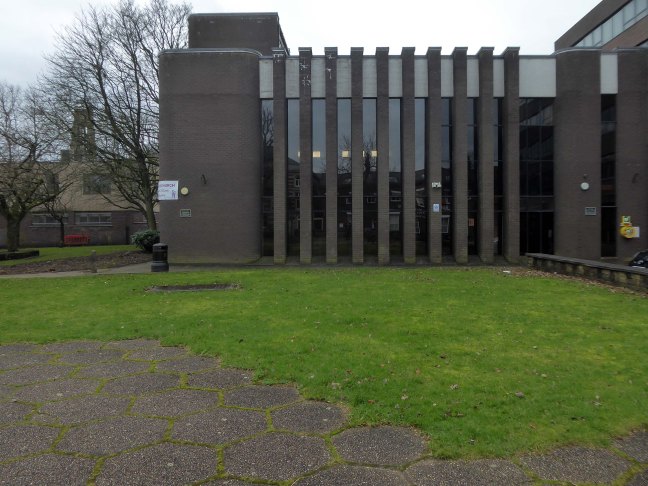
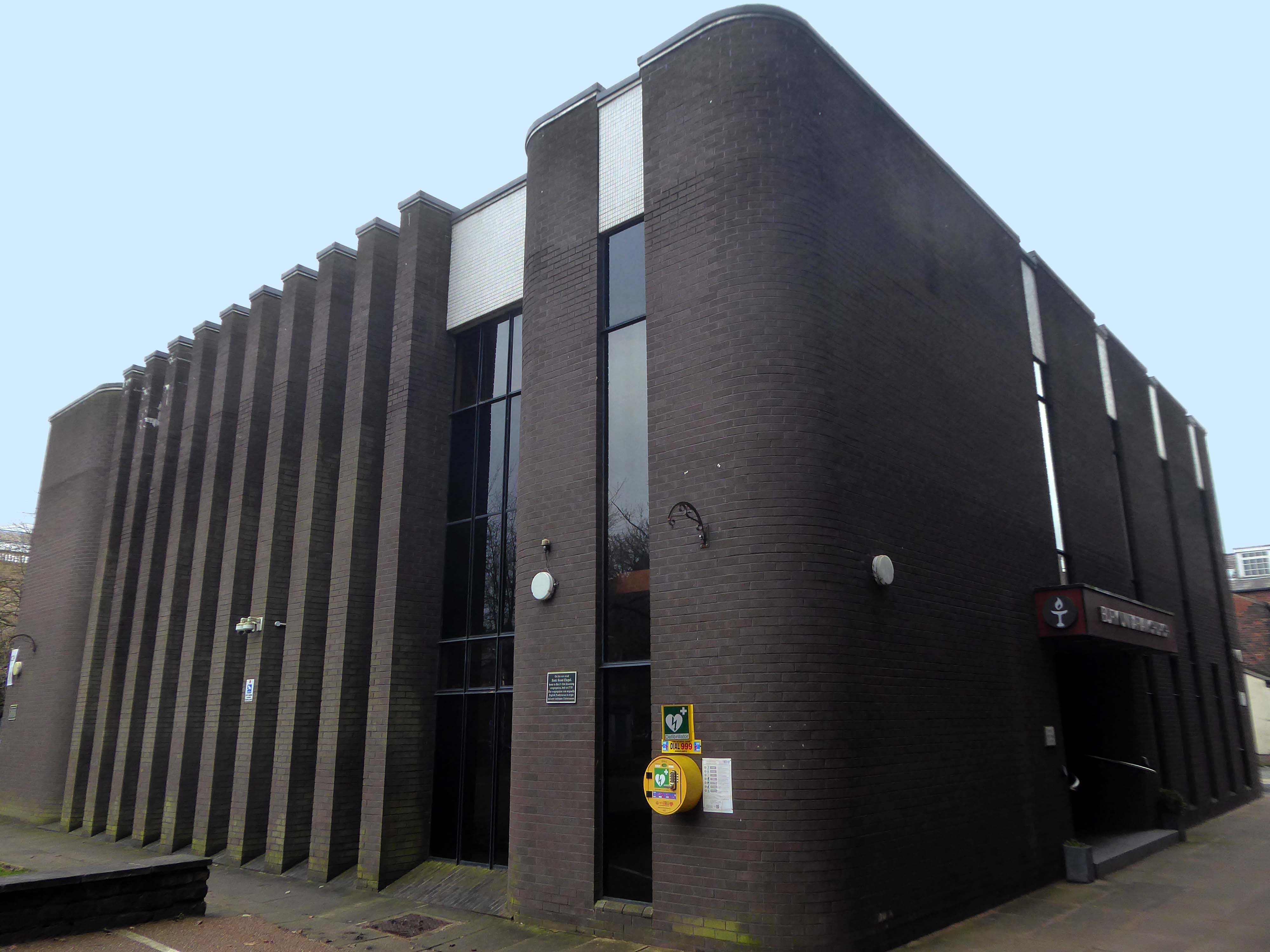
Bury Unitarian Church

1 Bank StreetBuryLancashireBL9 0DN

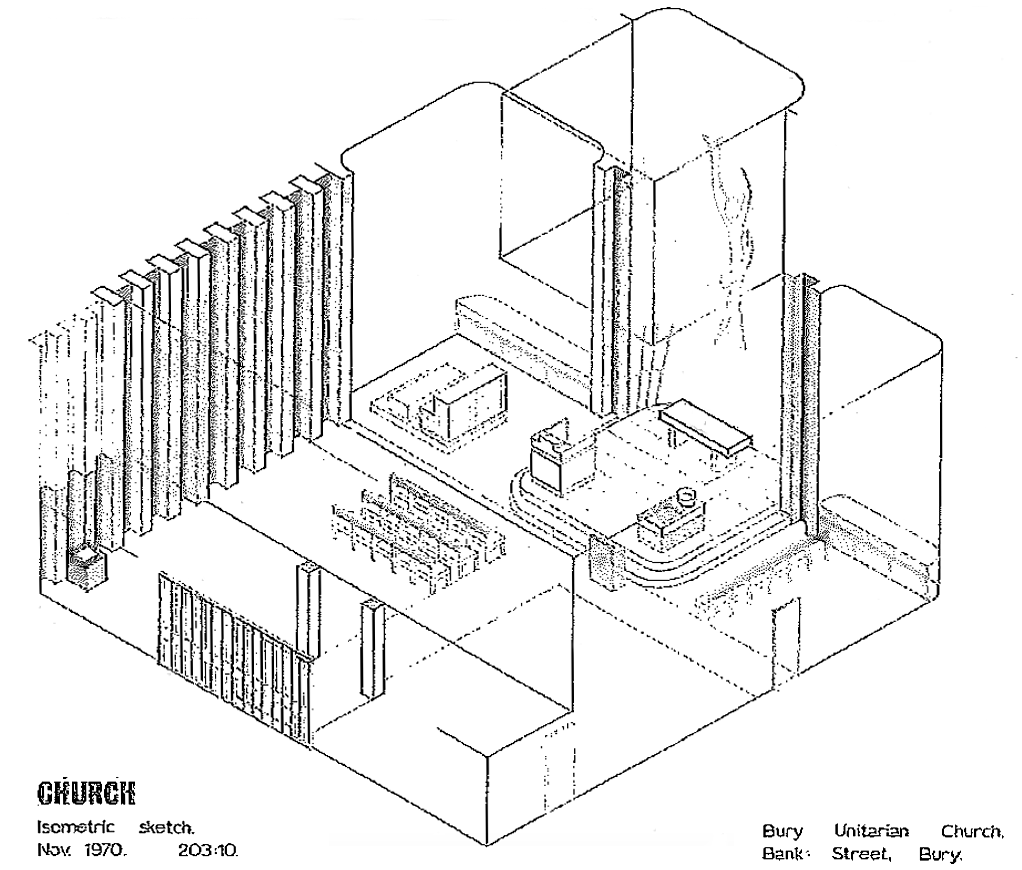
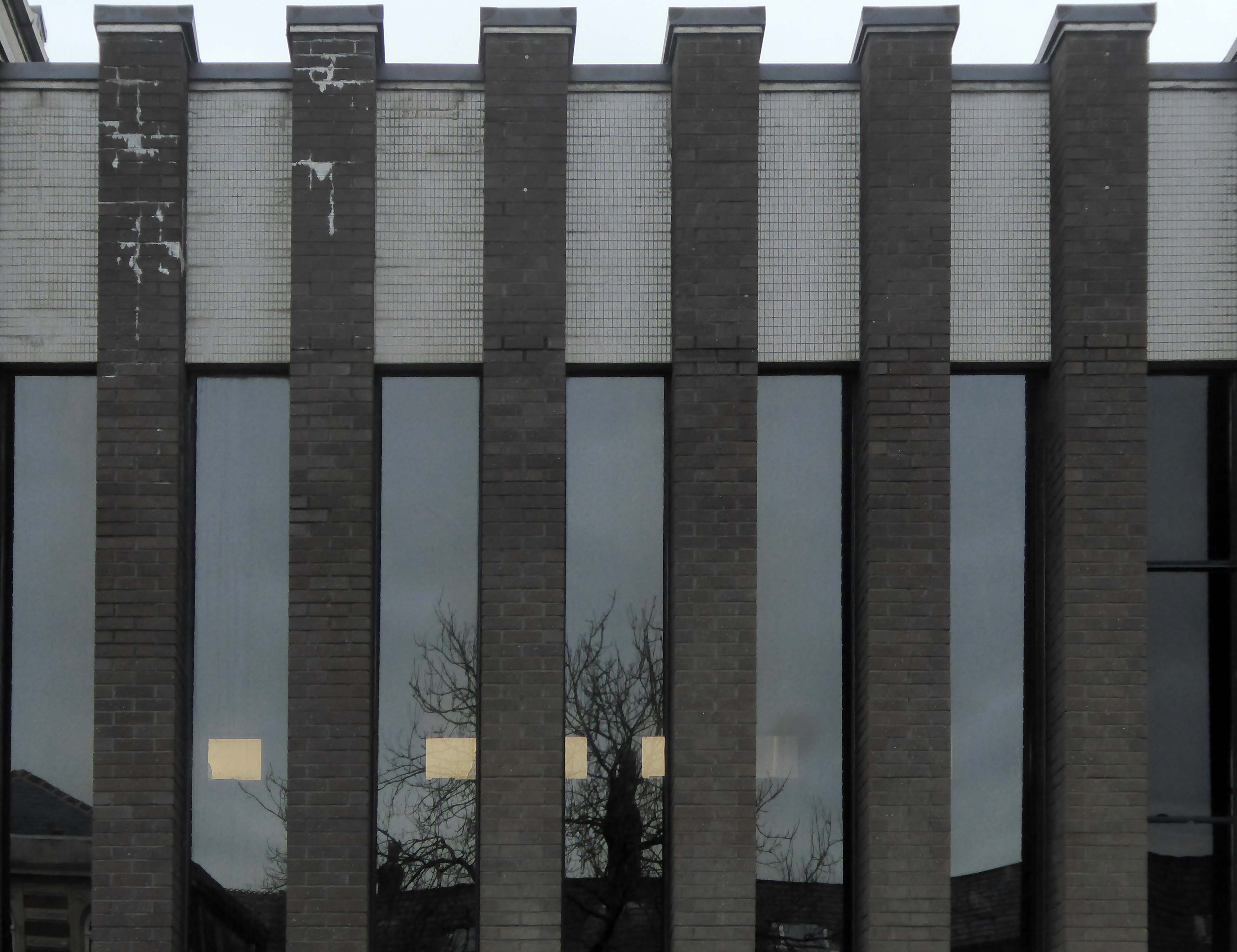
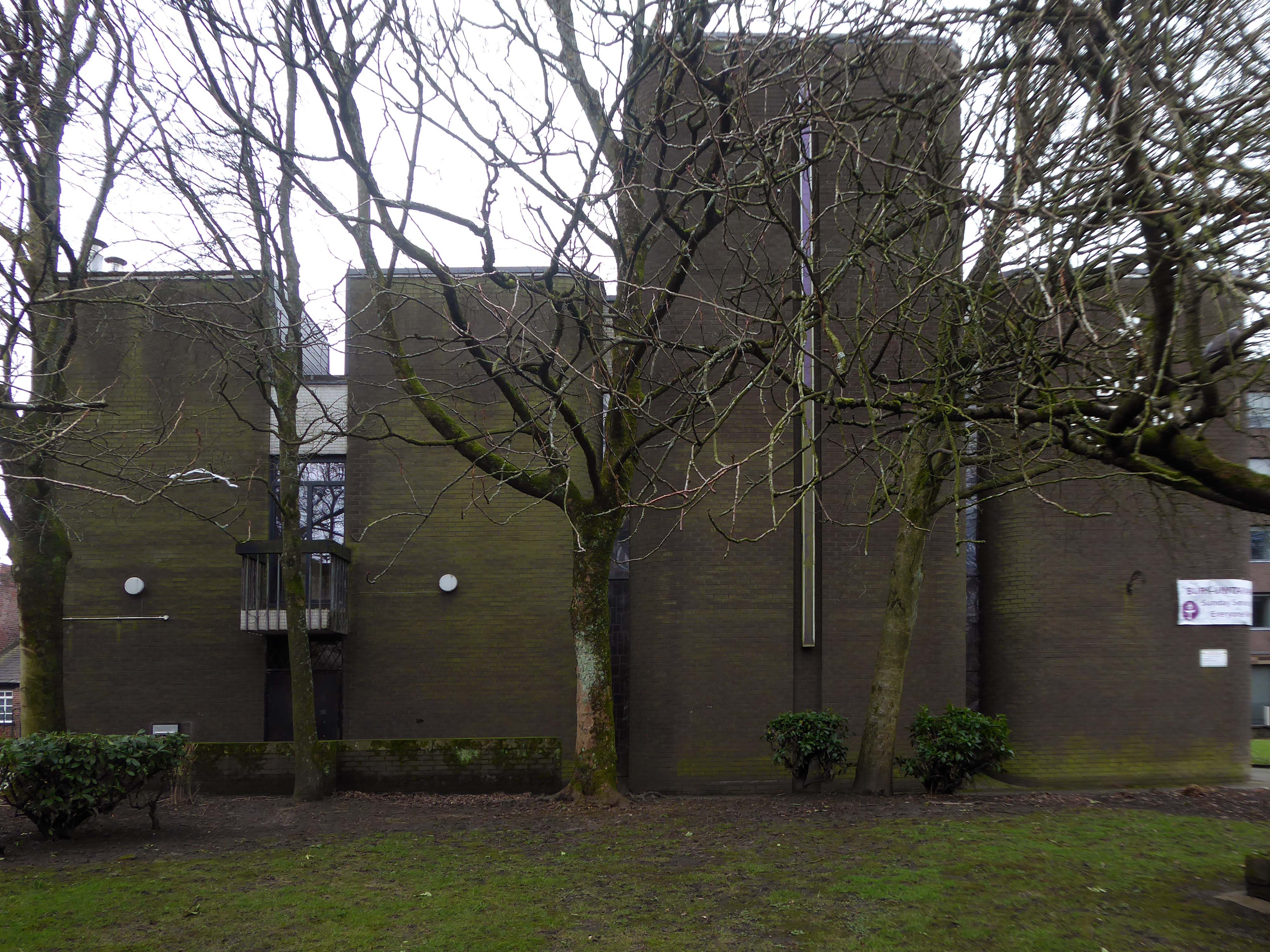
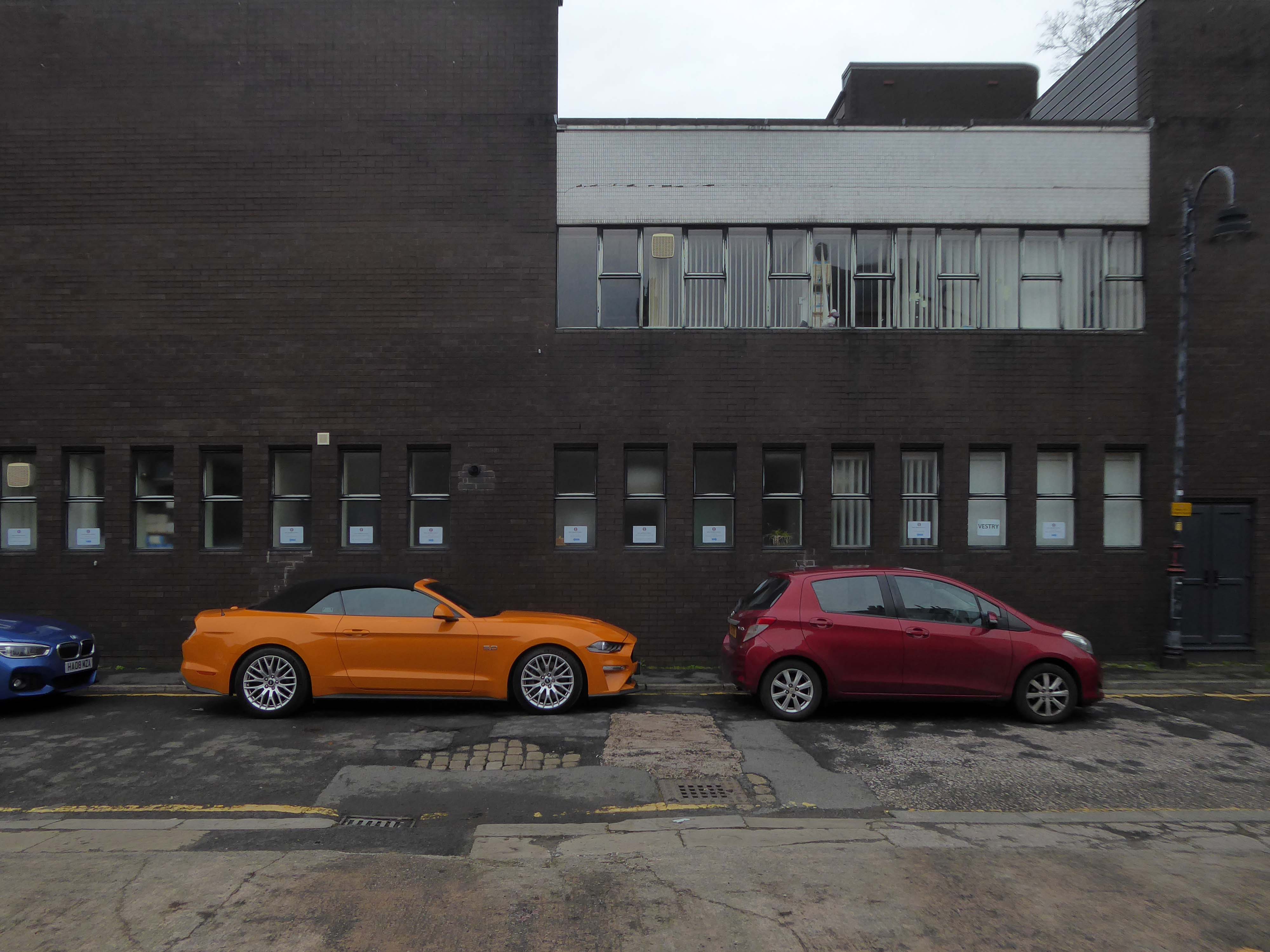
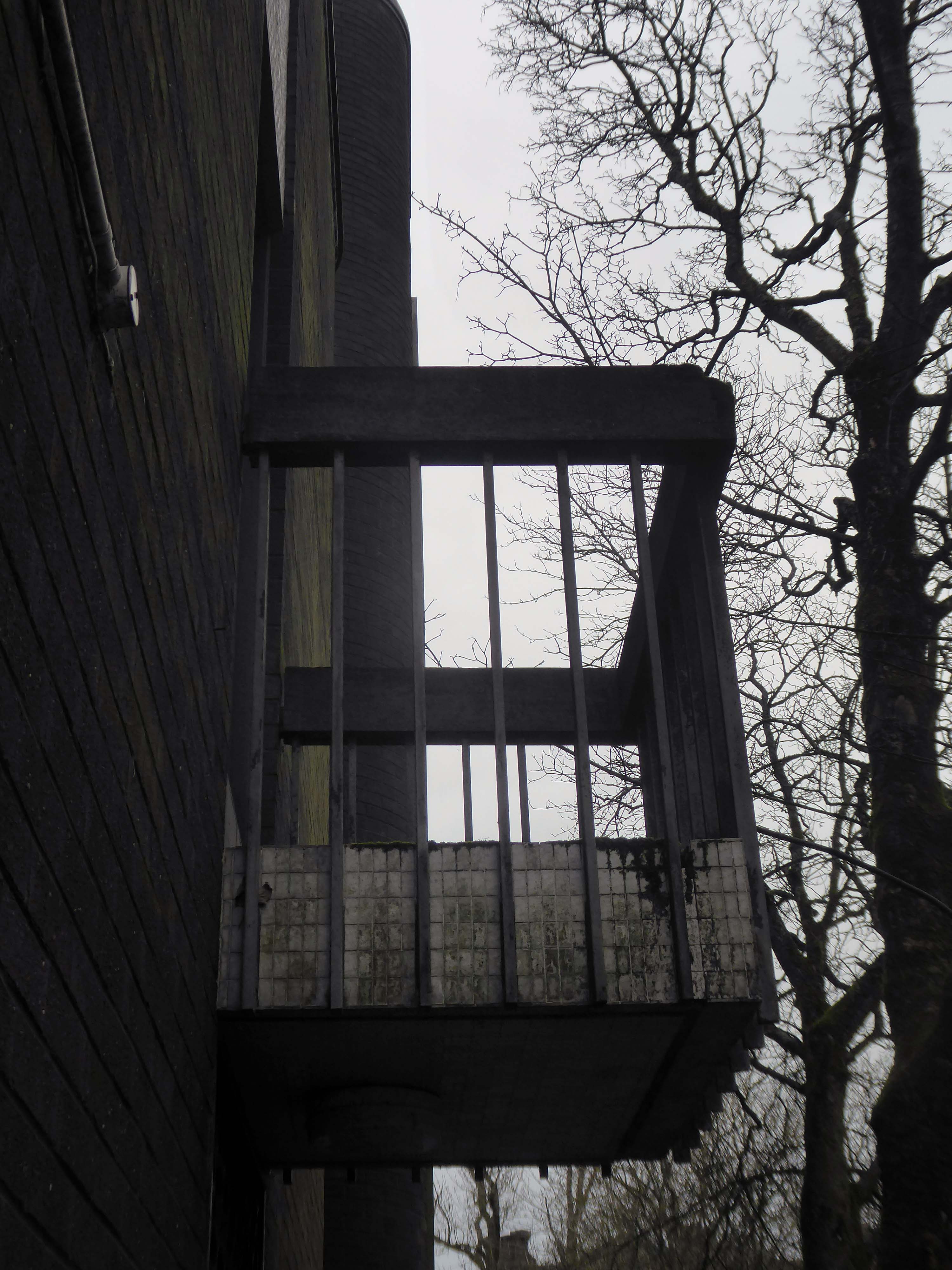
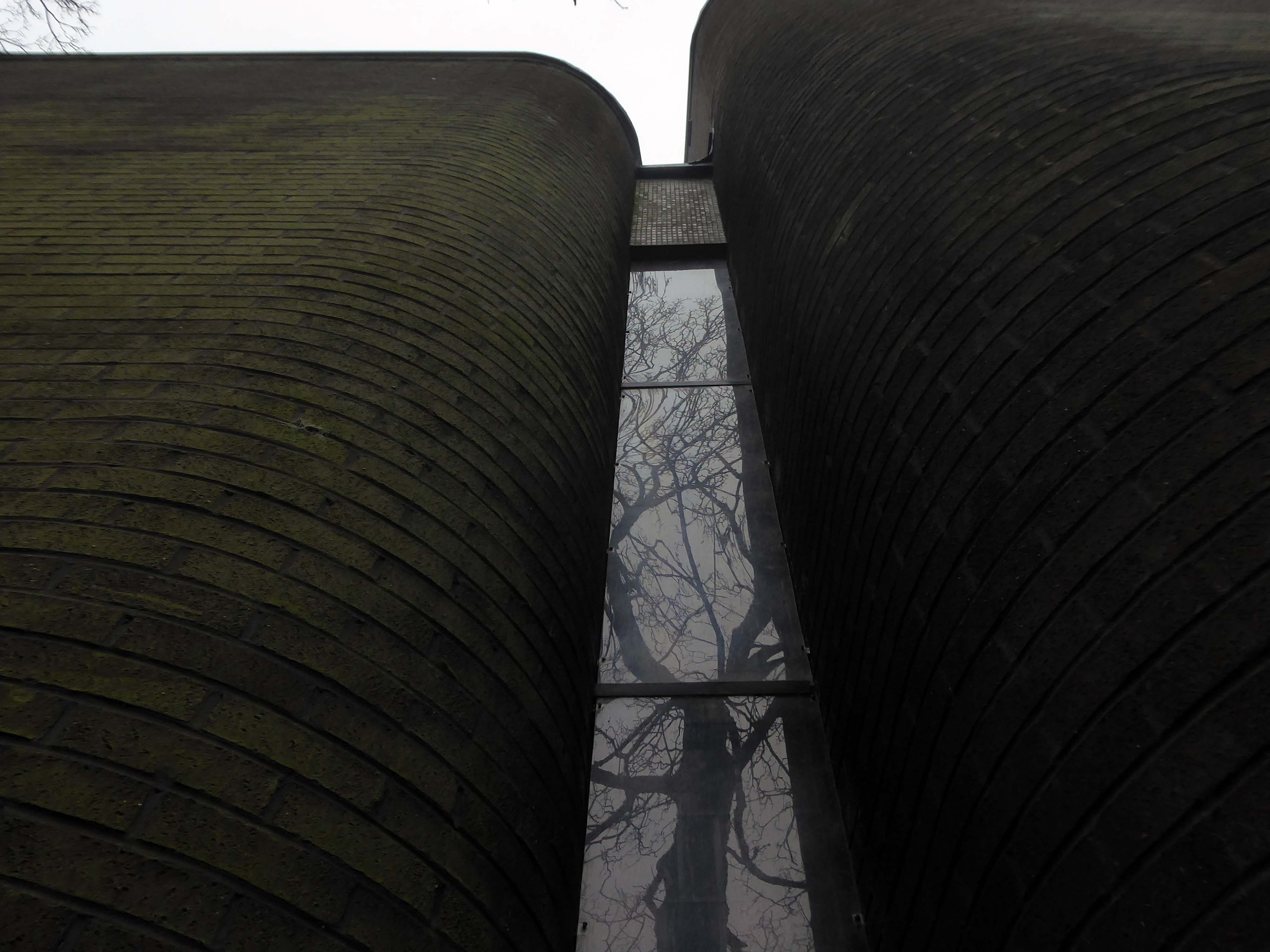
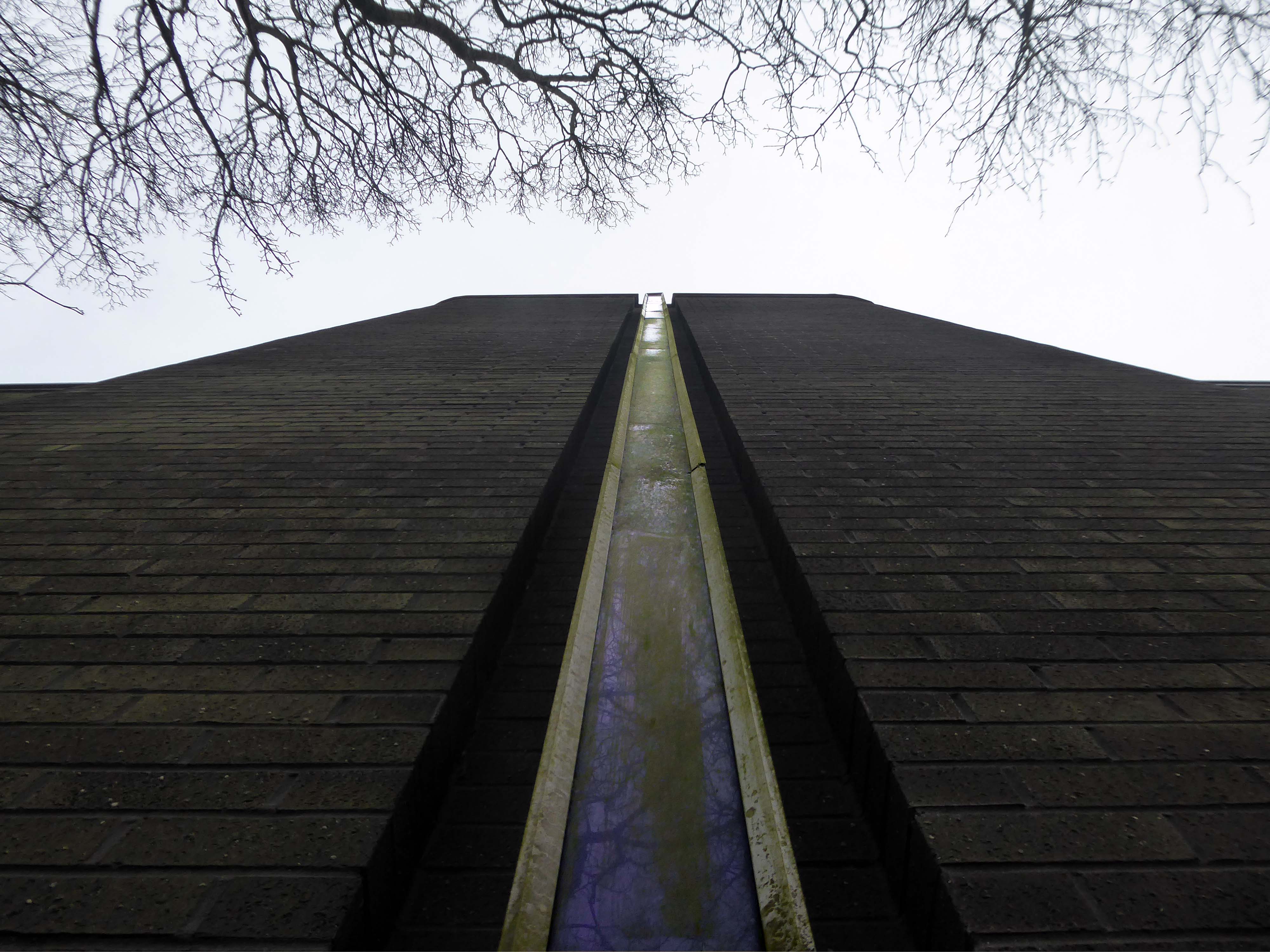
The new Bury Unitarian Church was designed and constructed by local architects James T Ratcliffe.

An interesting article was published at the time in Sacred Suburbs Portfolio, in which the church design was described as:

A well detailed, functional, yet flexible building. 

The church was opened in 1974, with a service of dedication on Saturday, 9th March. The total cost, including furnishings, was £85,000 – It is now valued at about £1.5 million. The Churchwarden and Chairman of Trustees, at that time, was Bernard Haughton, who had succeeded Alex Rogers; he was to serve the Church in those capacities for the next 25 years. He was succeeded by Barbara Ashworth, our immediate past Warden. During this time, notwithstanding persistent problems with water leakage through its flat roof, the church continued to thrive and develop.

Enhancements have been made to improve the comfort and amenities of the building throughout the period with, for example, the installation of an improved heating – system, a sound – enhancement system in the church, and disabled access facilities including a lift to the upper floor. Through the efforts of Barbara Ashworth – past Church Warden, the proliferation of bequests, legacies and trusts which were complicating and restricting church-finances has been rationalised and the financial structure streamlined. Part of the land at Holebottom has been sold for development, and part has been upgraded as a public amenity.

The current congregation is still one of the best supported Unitarian Churches in the country and remains enthusiastic and committed to the Unitarian faith. There are many social groups  including The Women’s League, The Men’s Fellowship, The Luncheon Club the Book Club and most recently, our Camera Club; coffee is served every Saturday morning – a session which welcomes members of the public to the church, some of whom have subsequently become church-members. Frequent social activities are organised by The Efforts Committee and are well-supported by the congregation and their friends and raise money in support of the activities of the church snd local charities.

Church Website

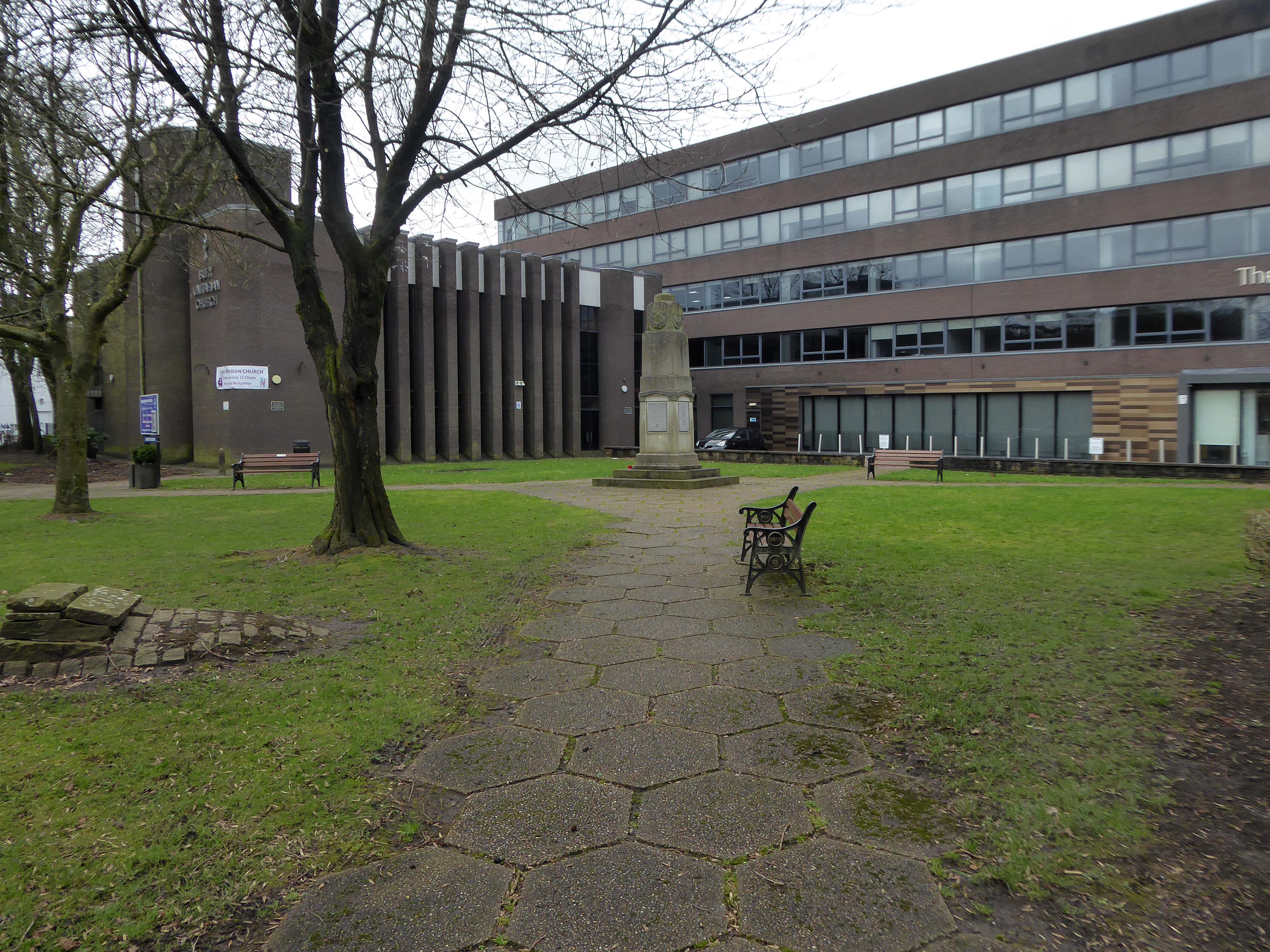
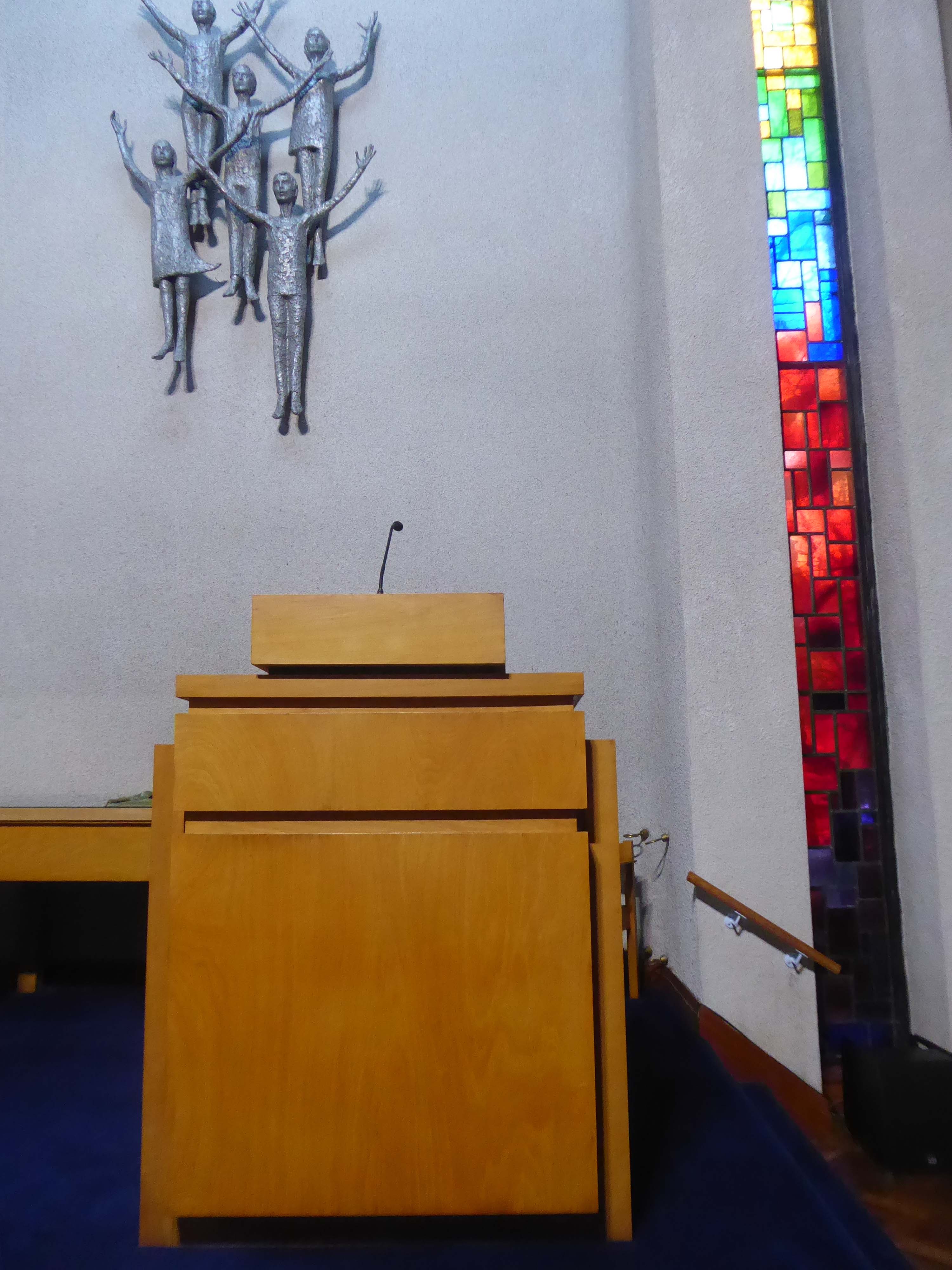
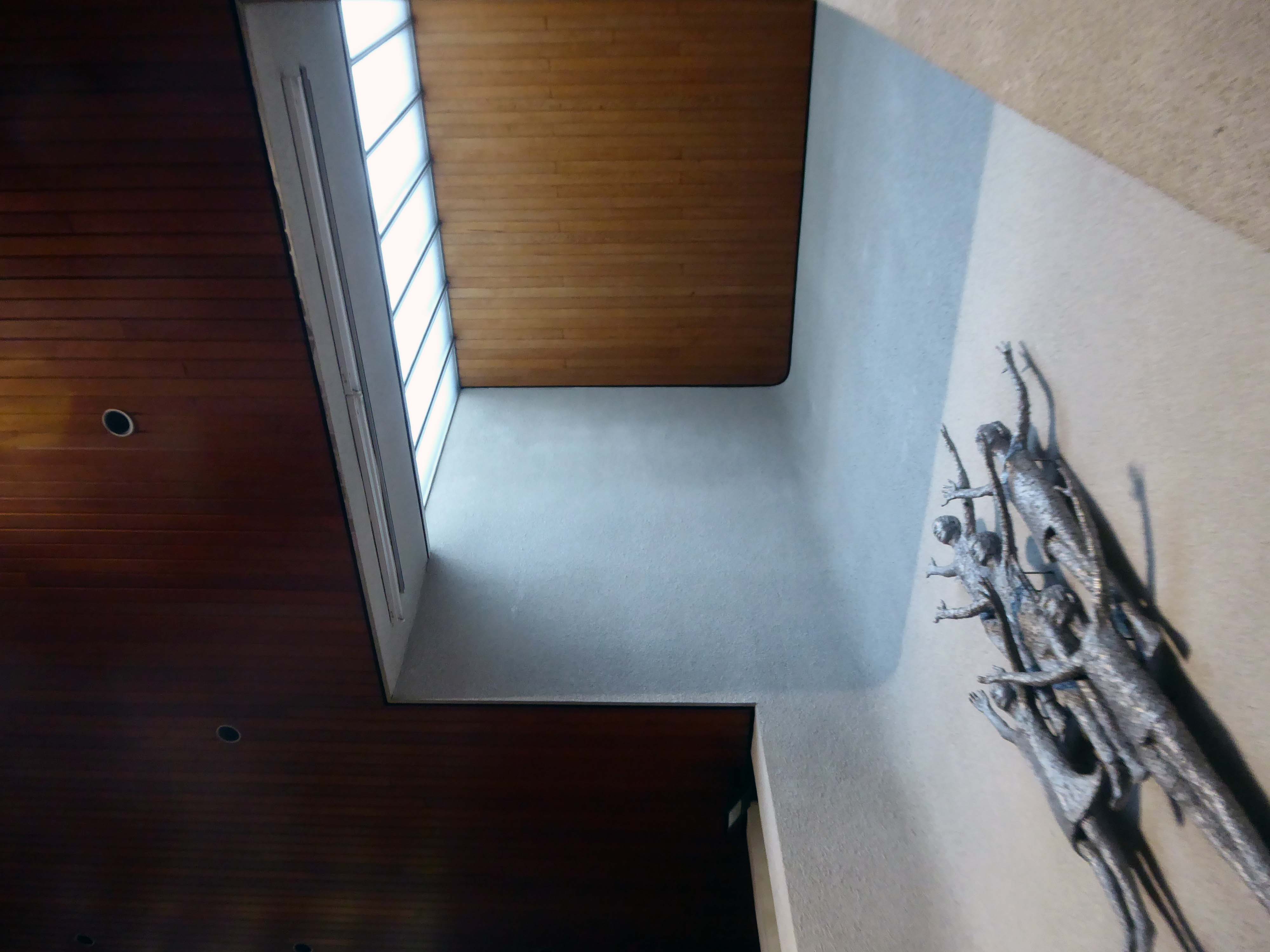
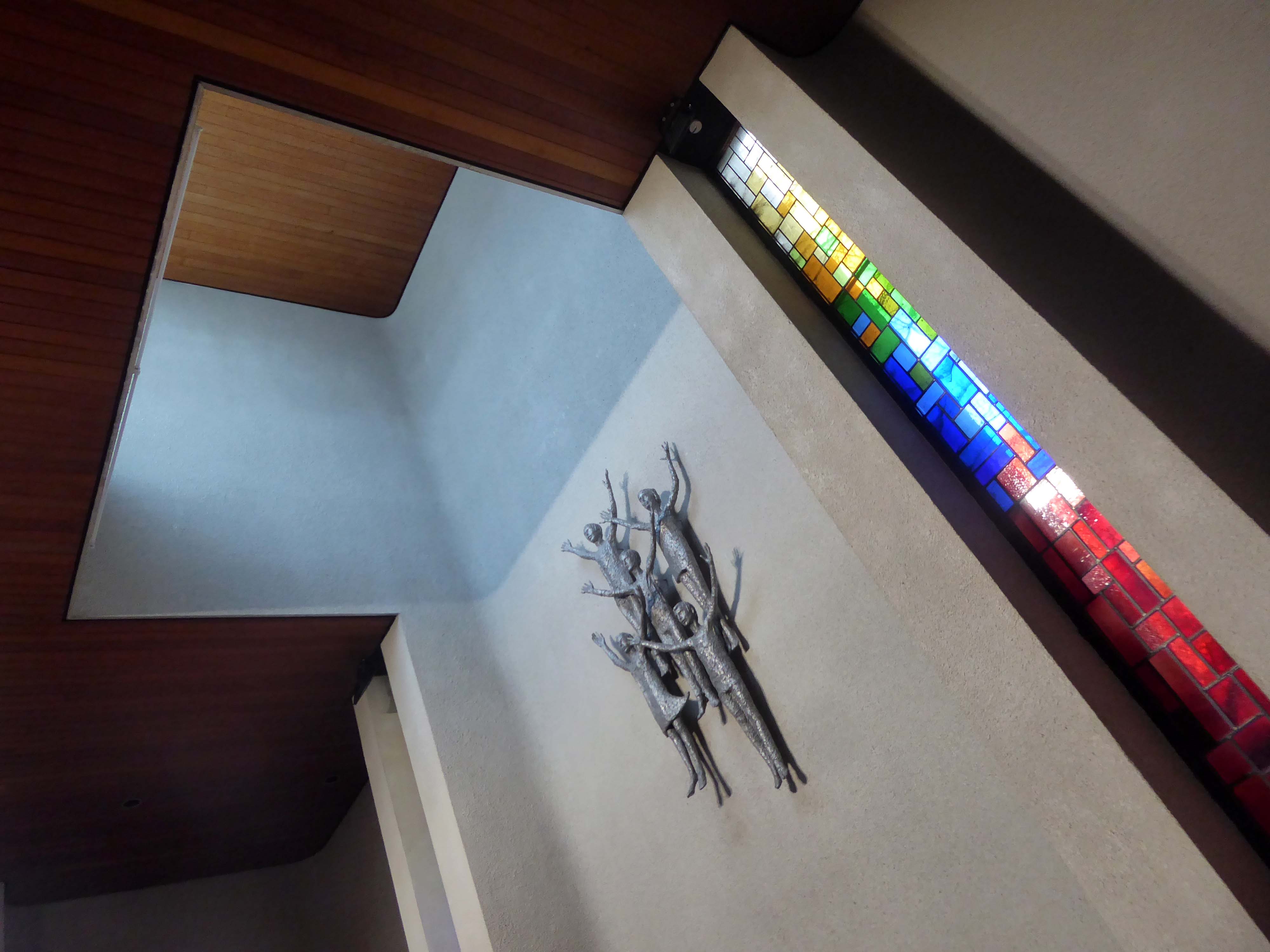
The People Praising by Elizabeth Mulchinock is a 12 foot high original sculpture at the front of the church which represents the family of the church.

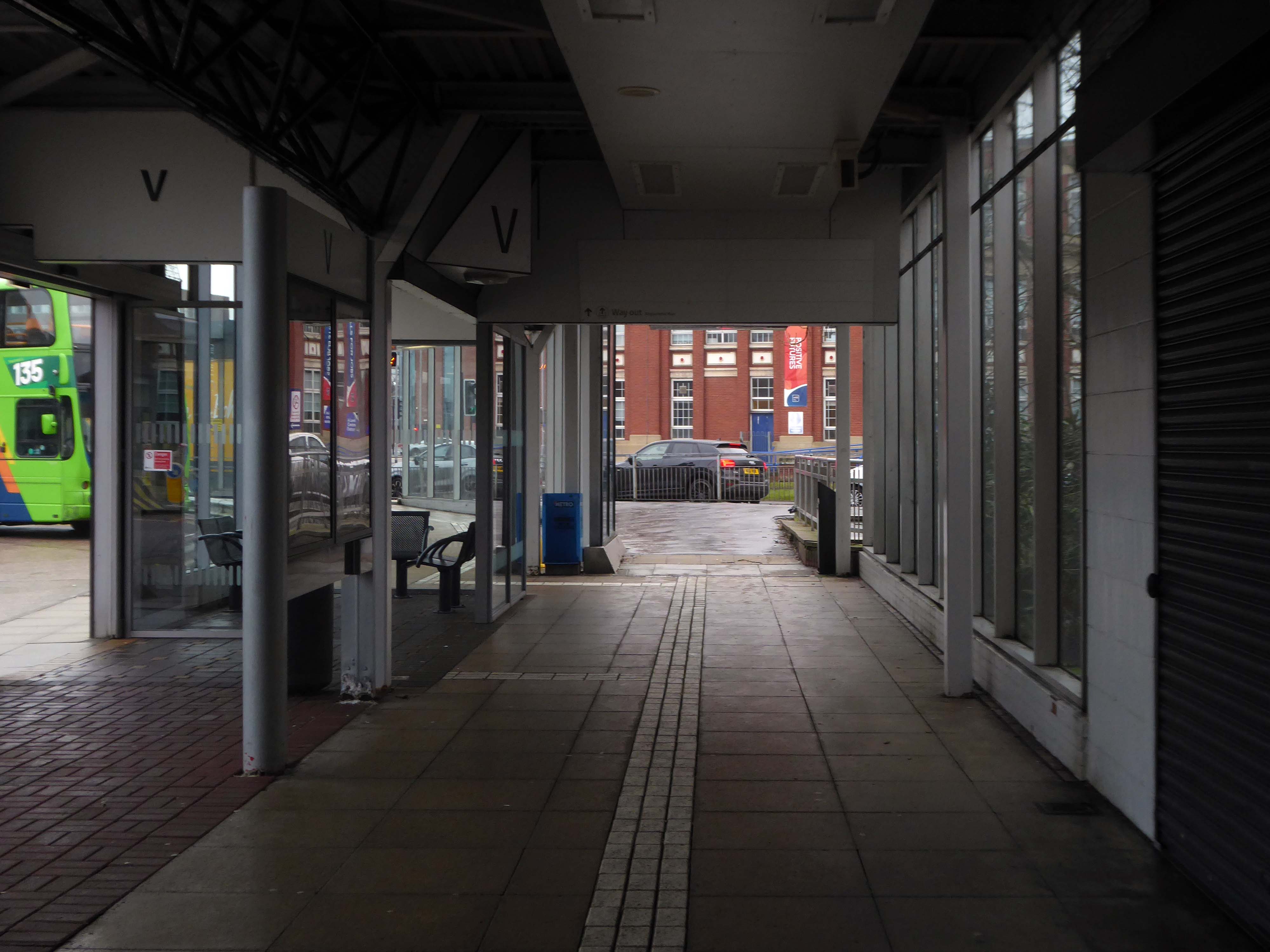
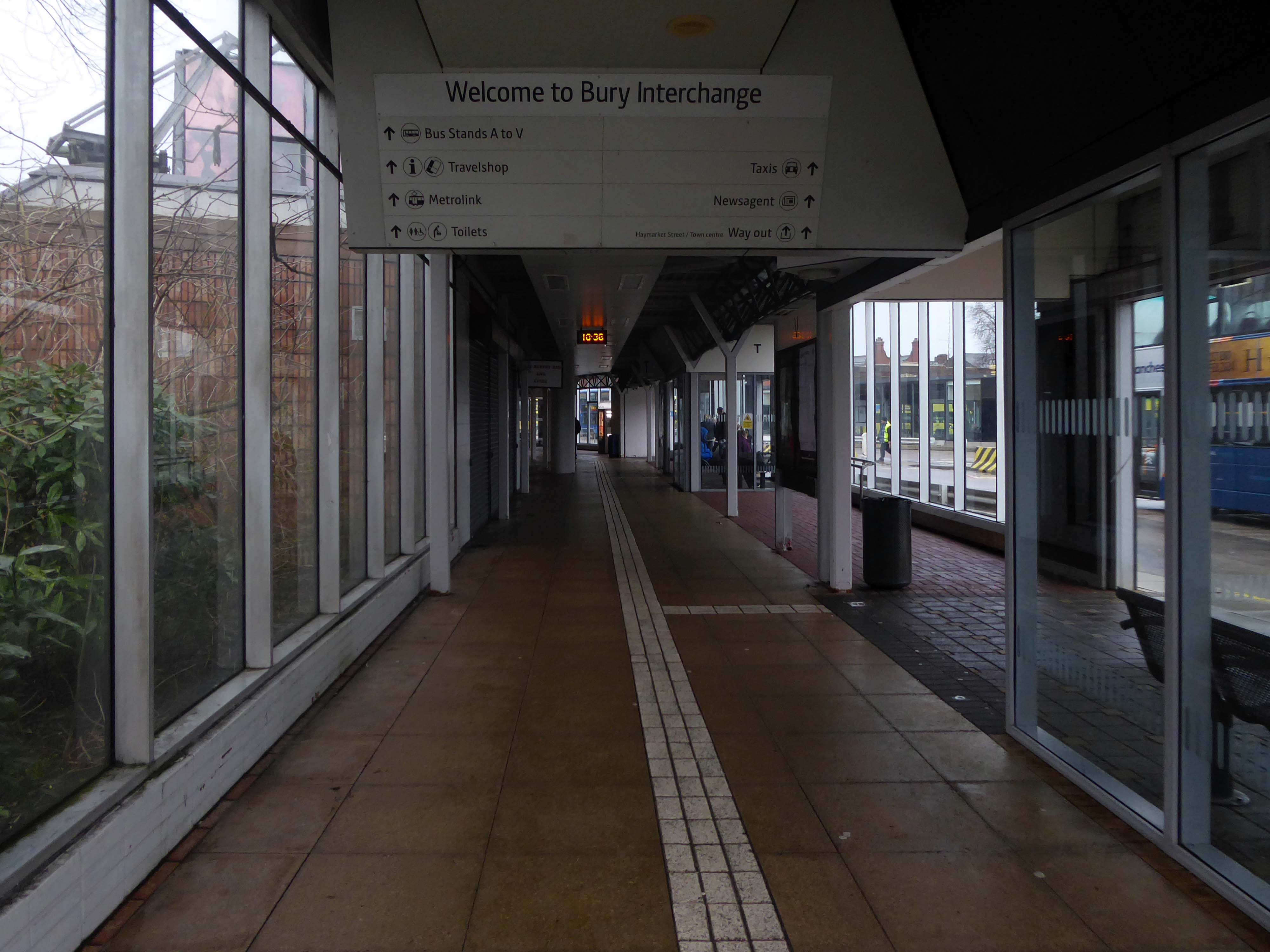
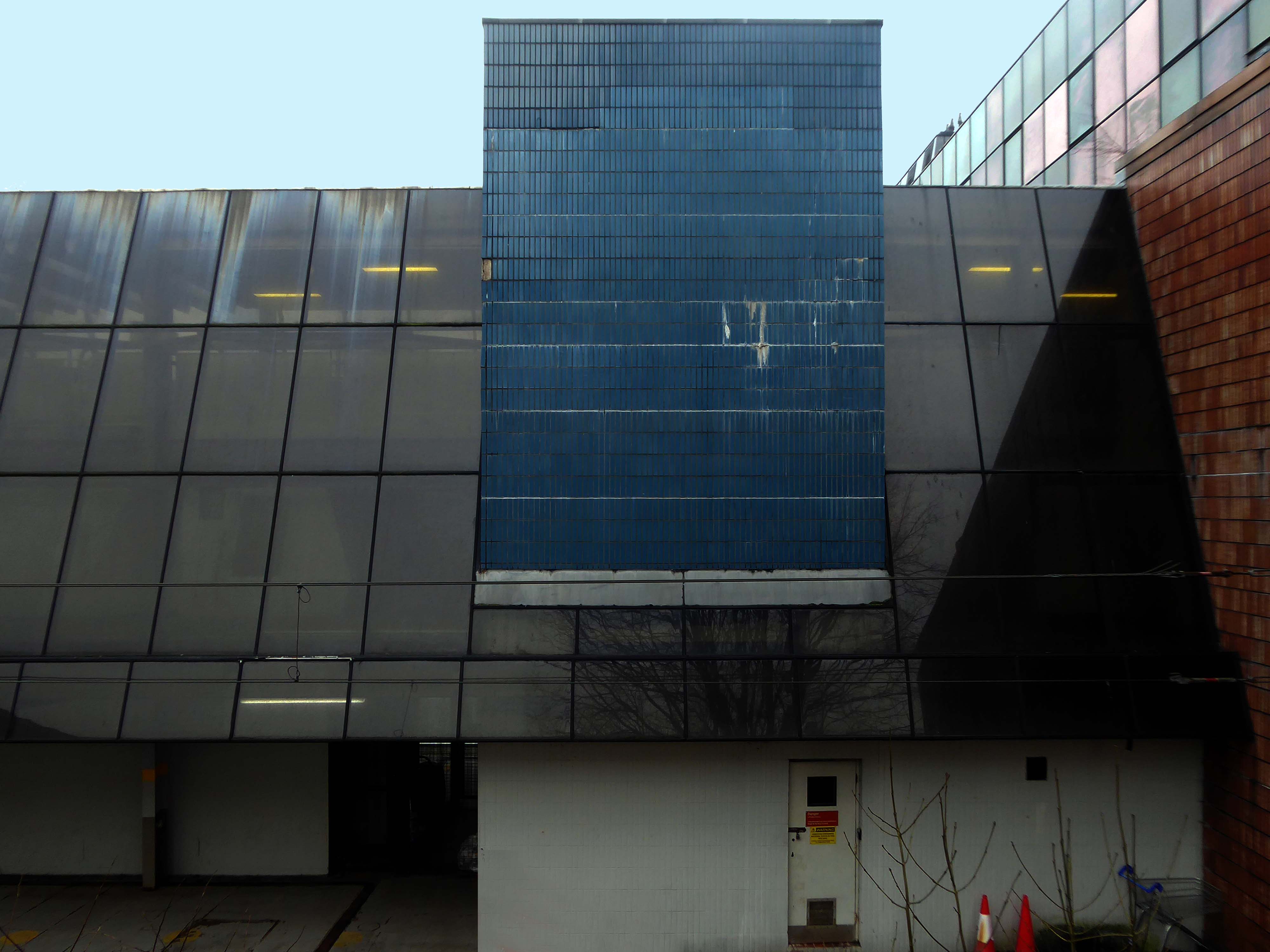
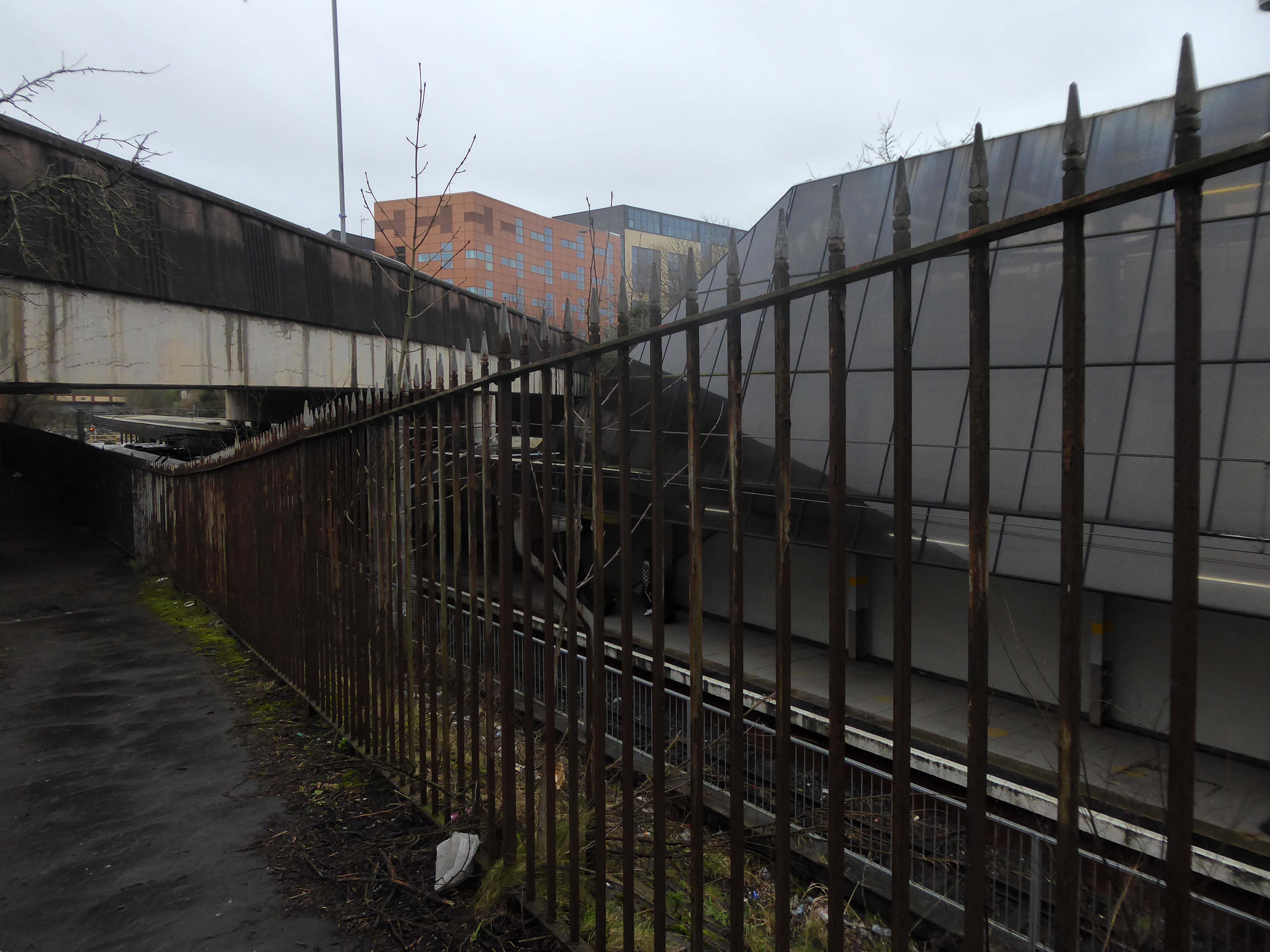
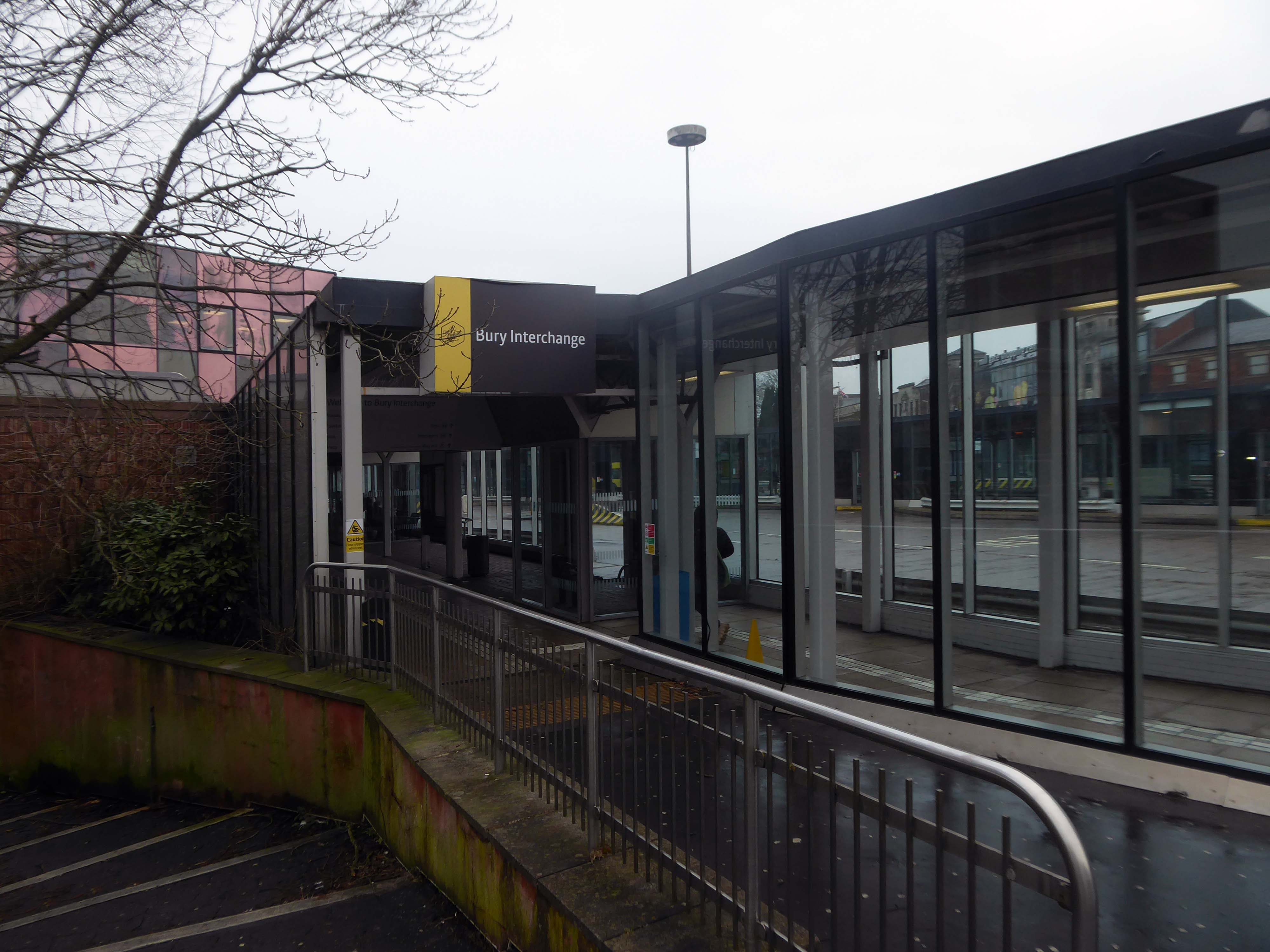
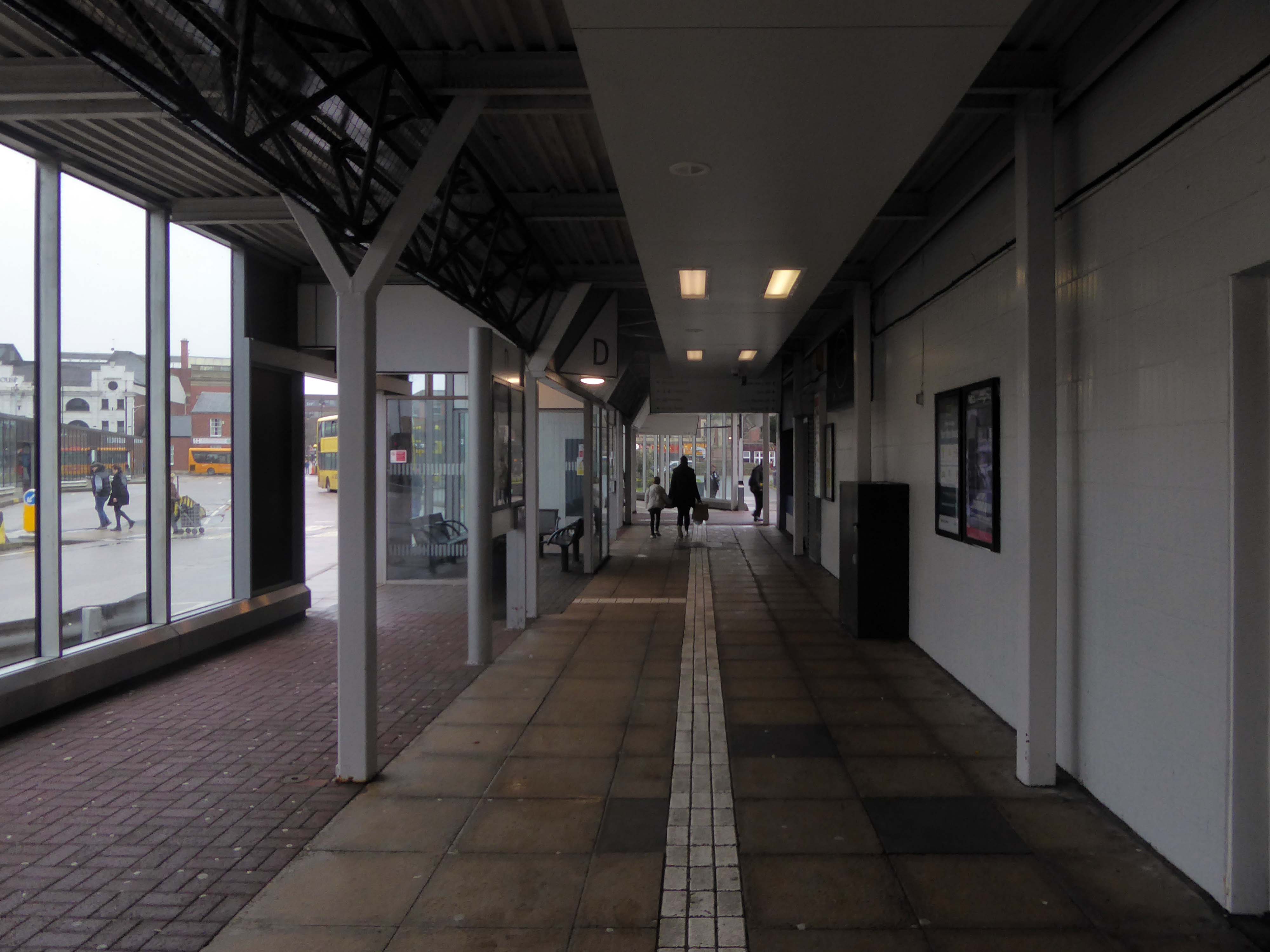
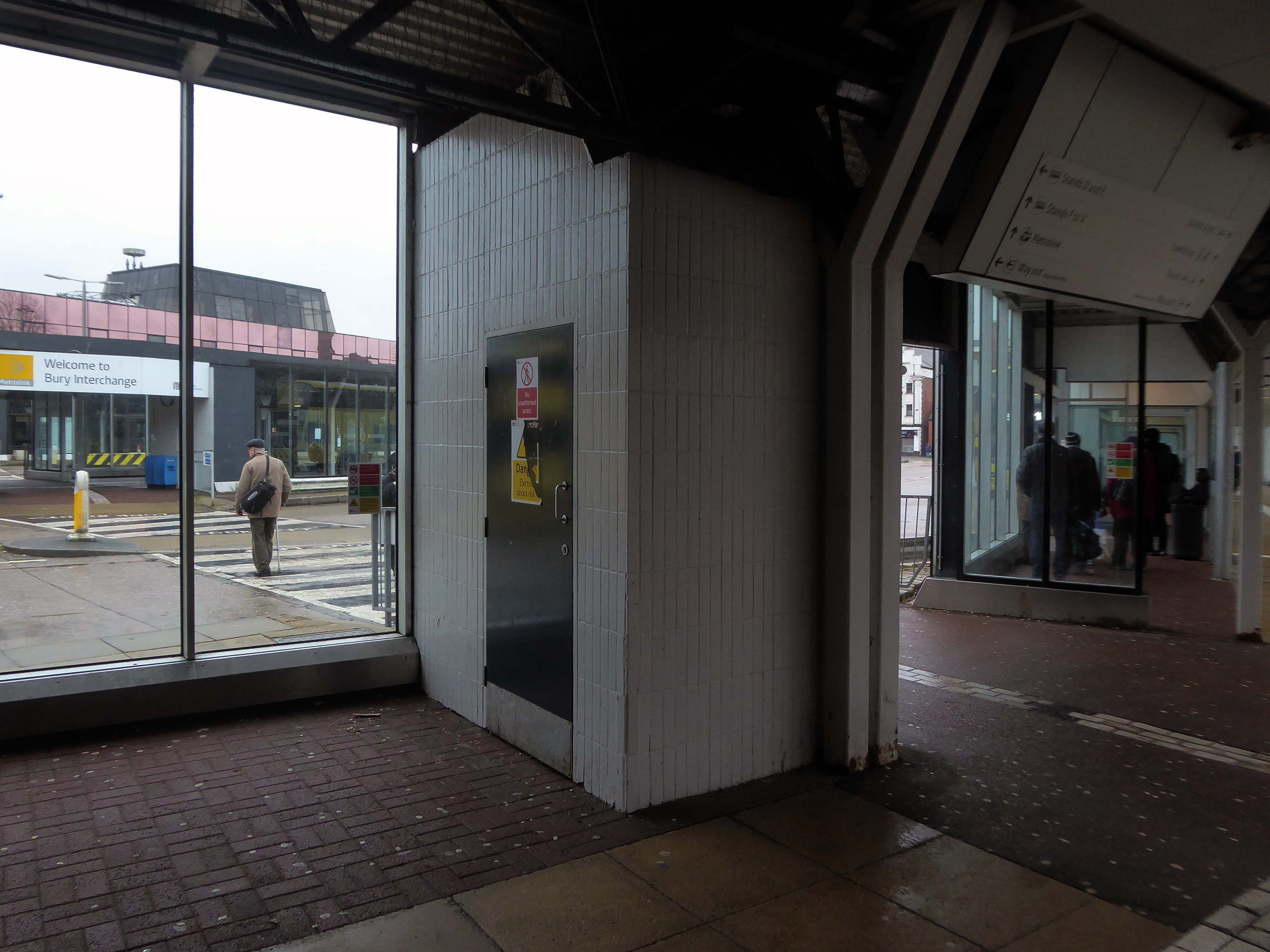
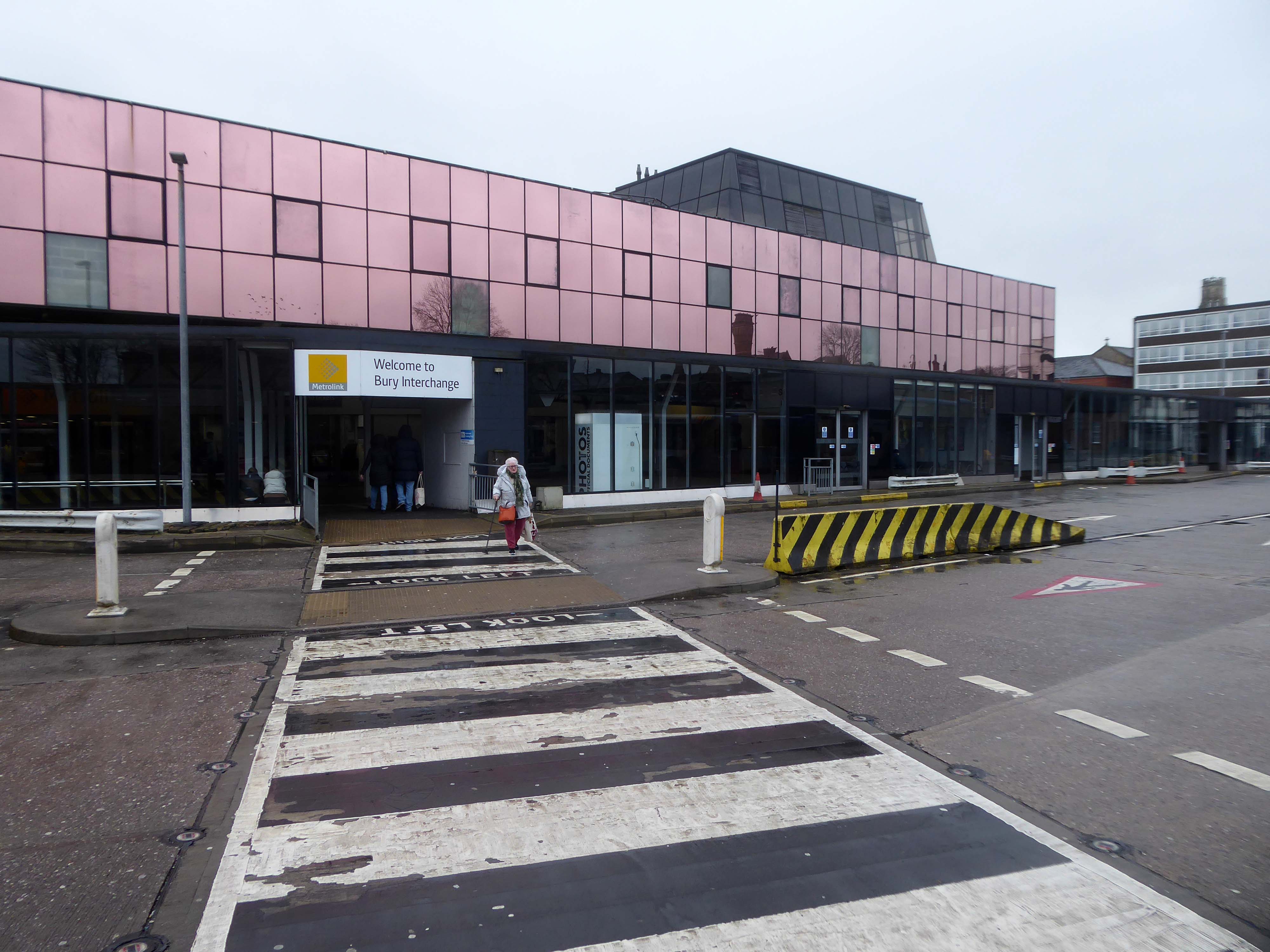
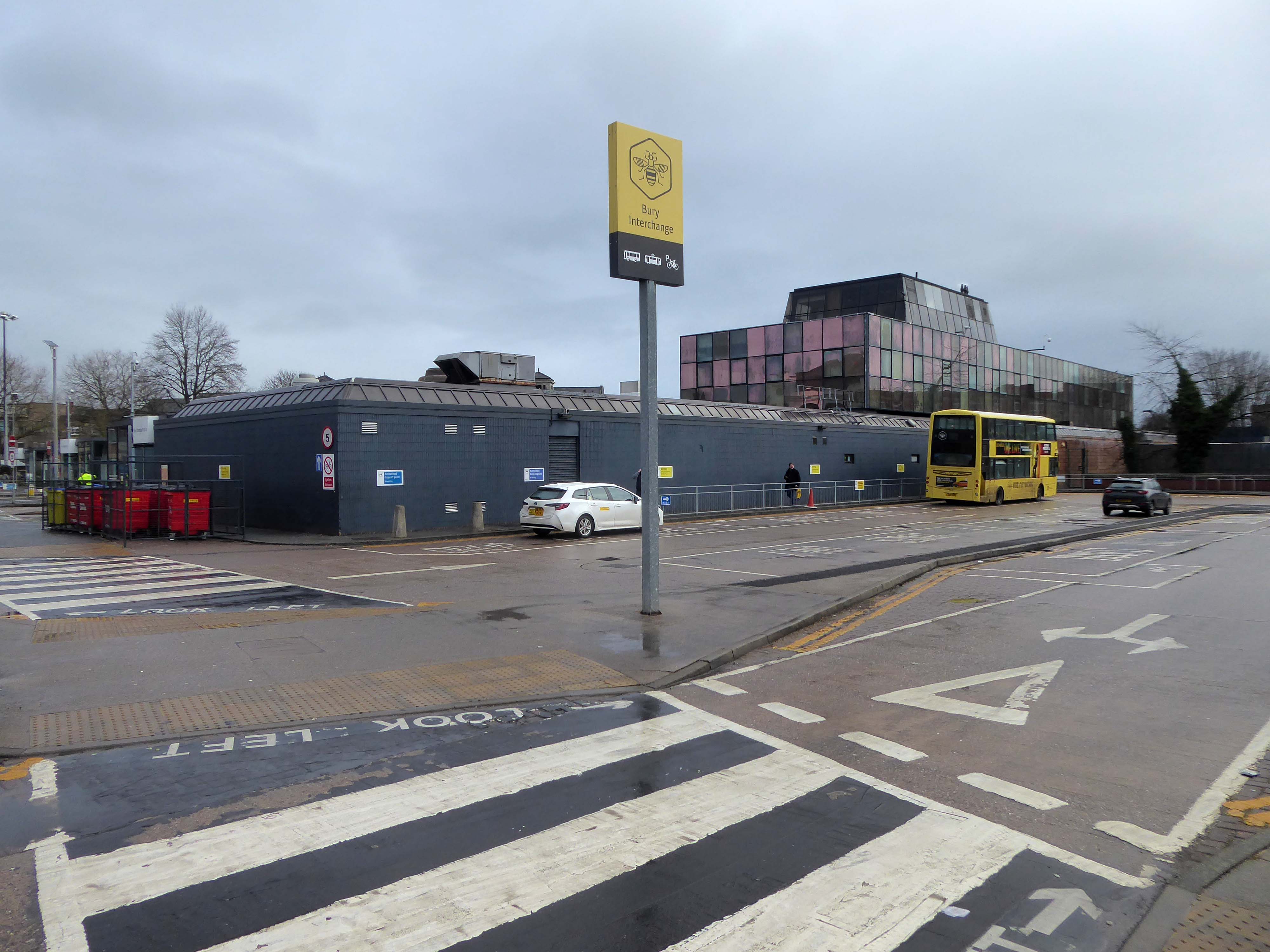
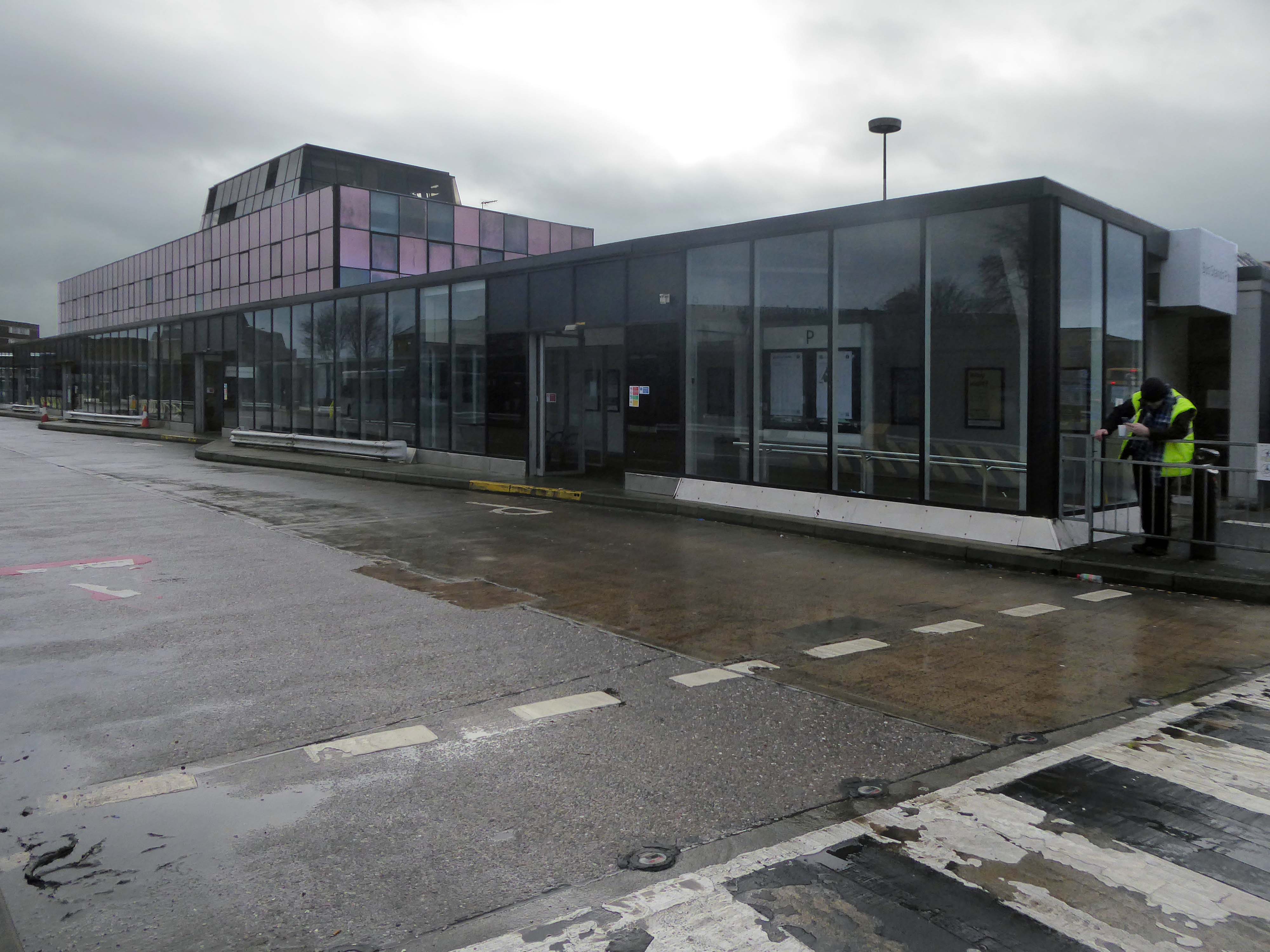
Bury Interchange

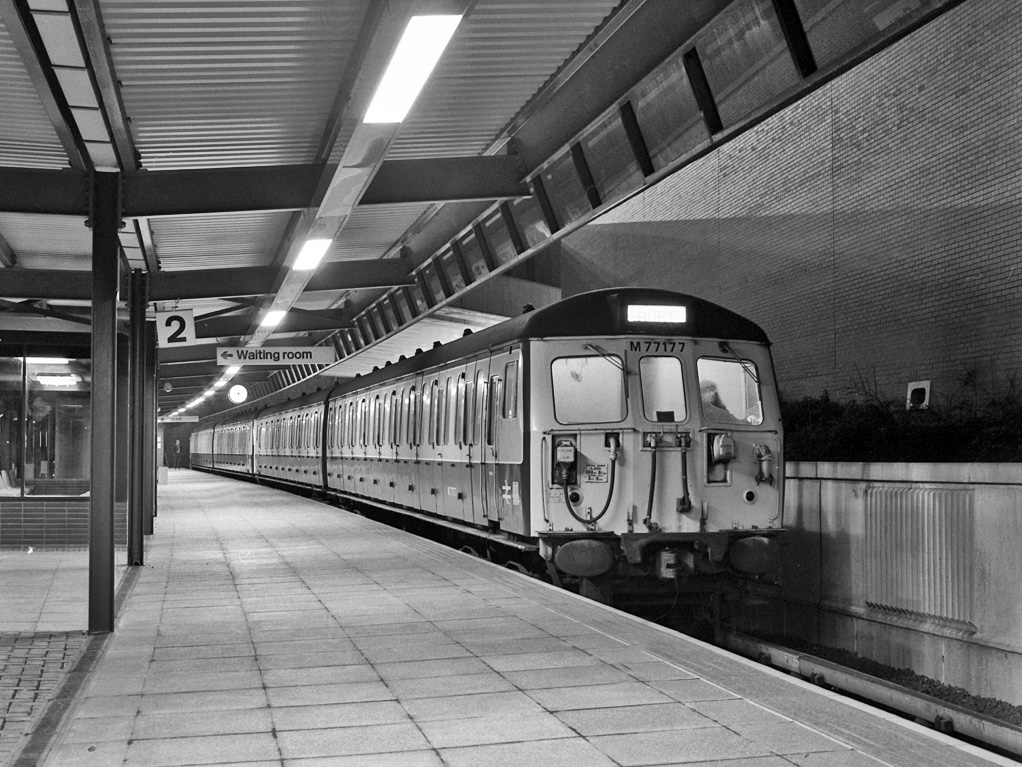
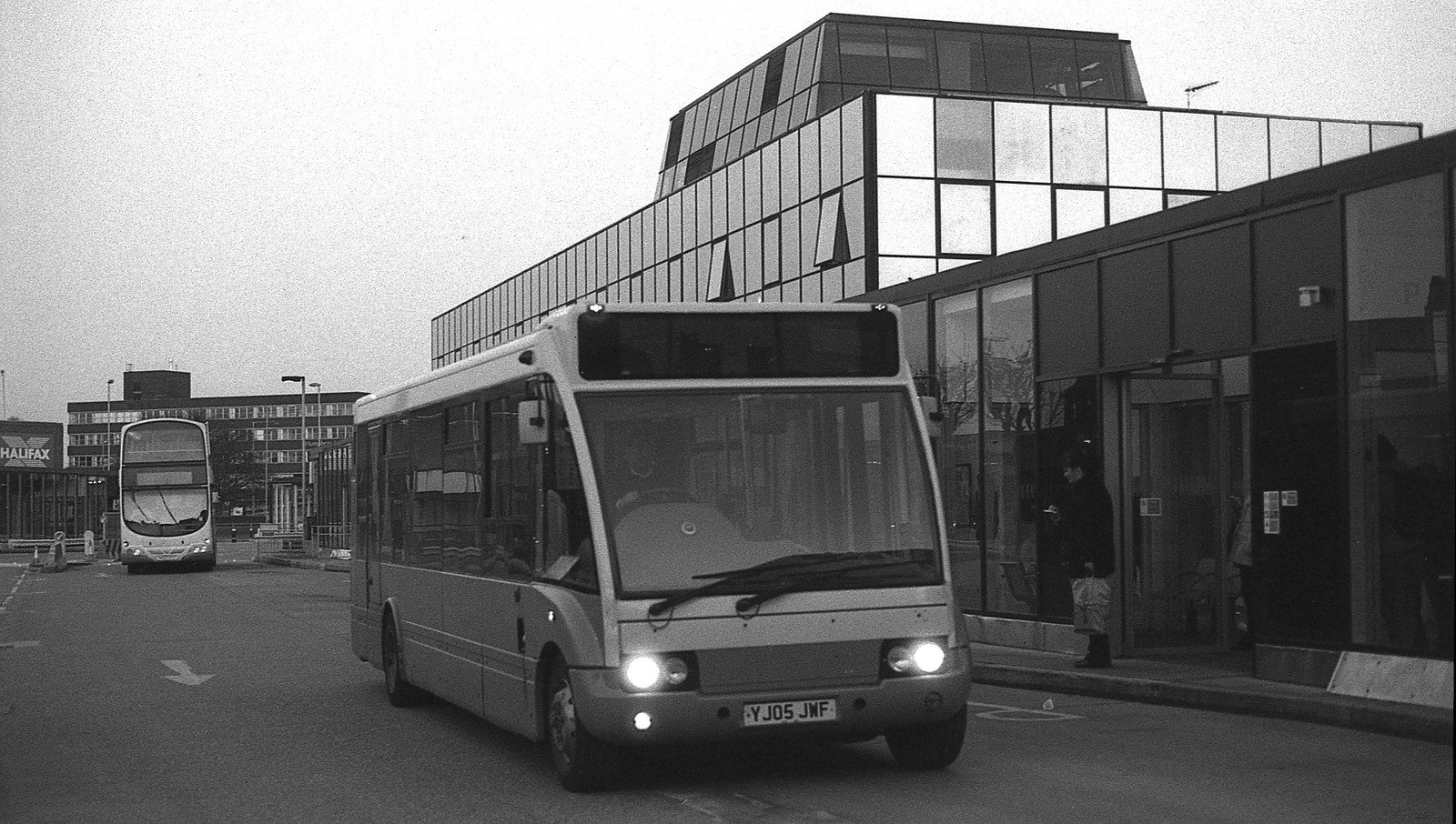
Bury Interchange is a transport hub opened in 1980, it is the northern terminus of the Manchester Metrolink’s Bury Line, which prior to 1992 was a heavy-rail line.

It also incorporates a bus station.

Bury Interchange replaced the bus termini scattered around Bury town centre, notably around Kay Gardens.

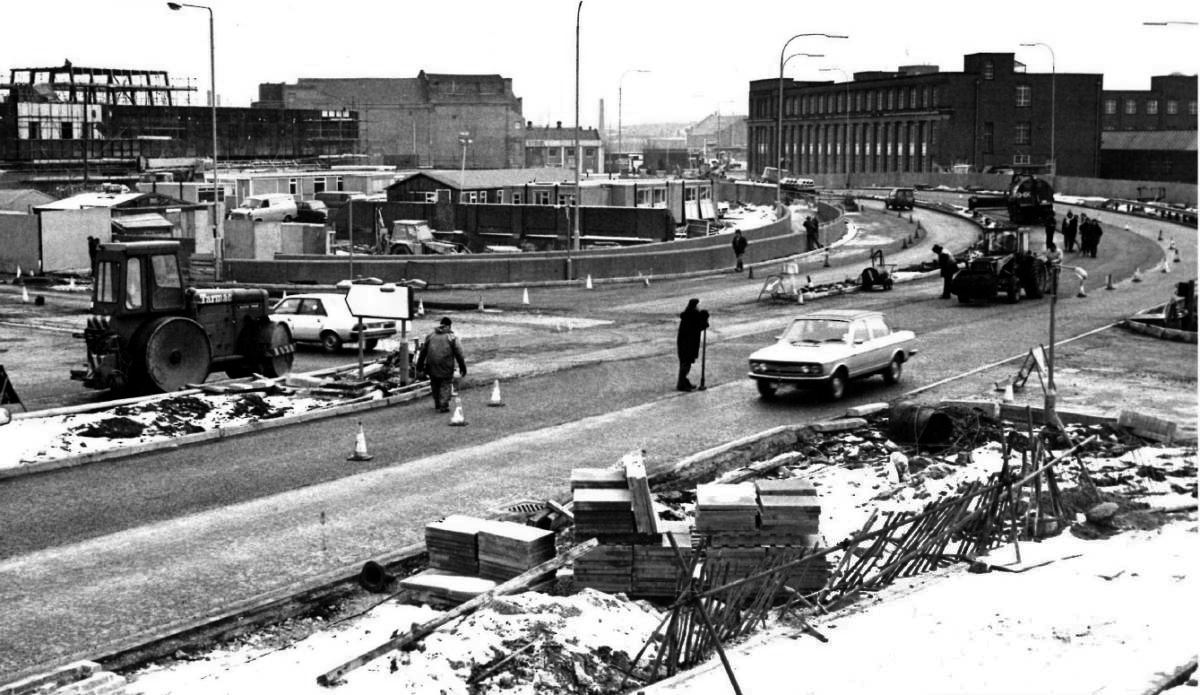
Under construction – January 1979

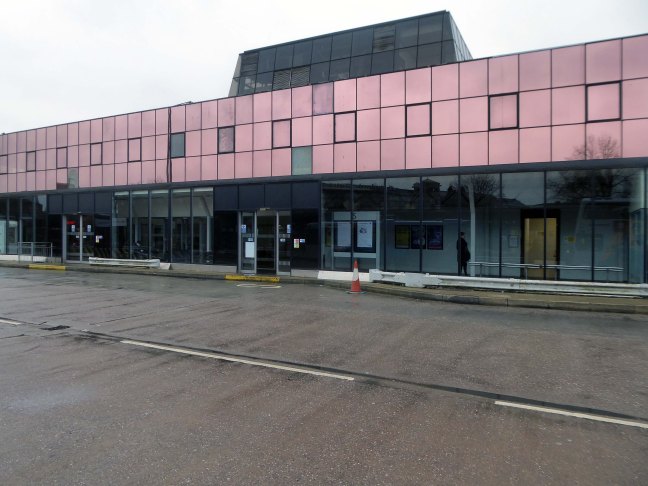
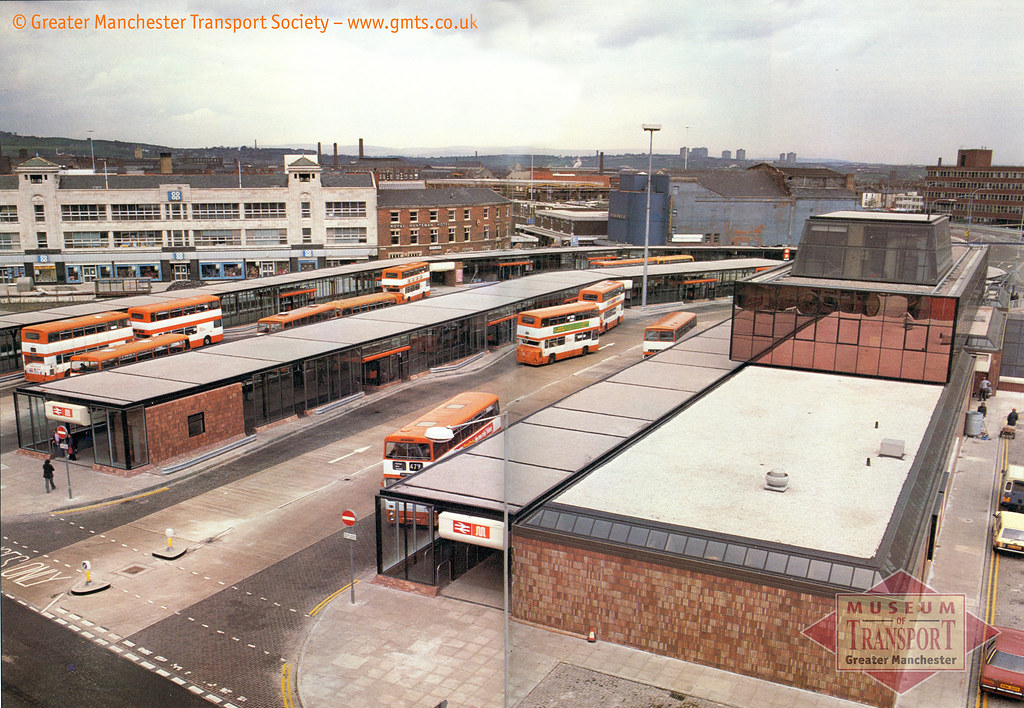
1980 – before the trams.

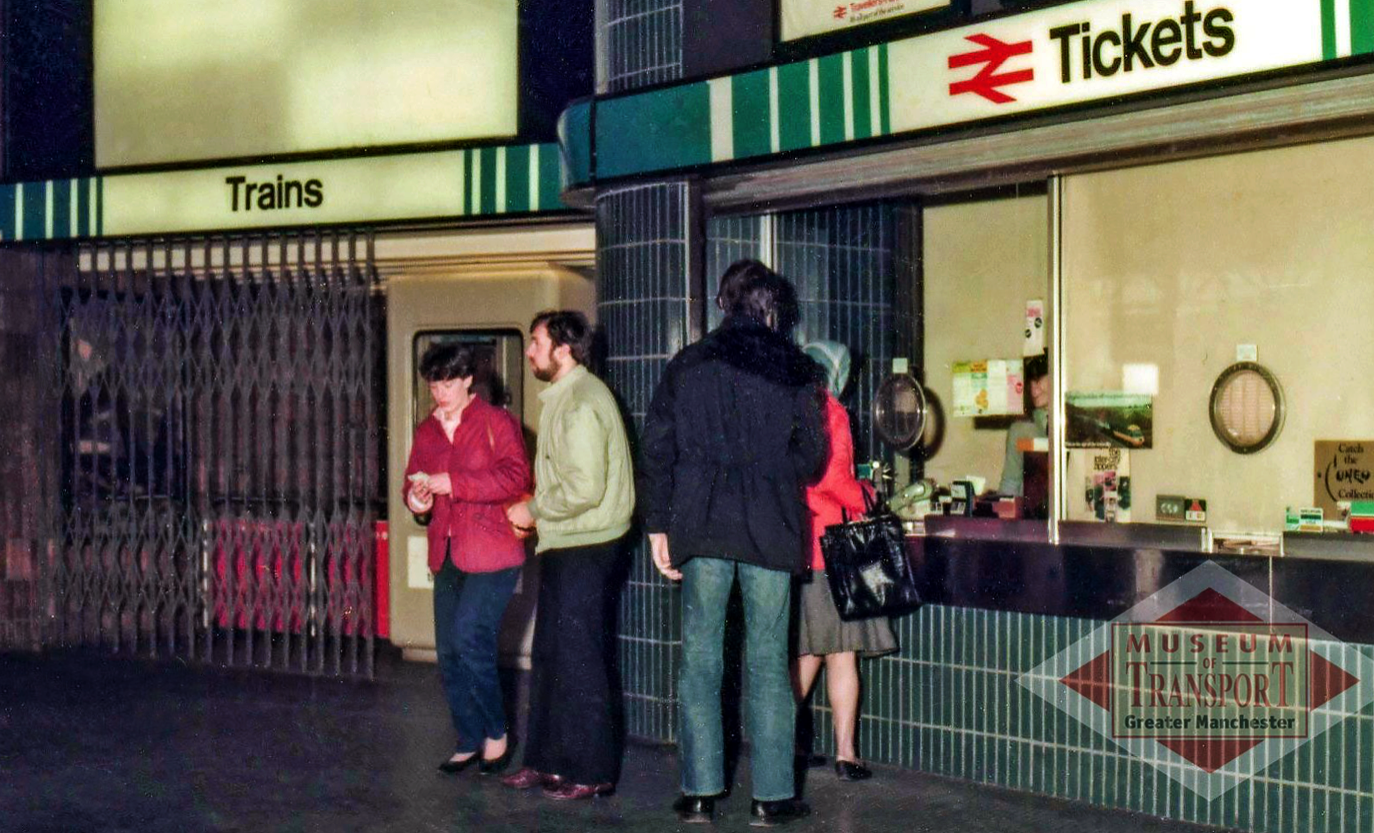
Class 504 units at the interchange in 1983.

2015 – Allen Williams

Bury Interchange was opened by British Rail in March 1980, integrating a new bus station with the northern terminus of the Bury-to-Manchester heavy railway line, a new short spur line was constructed to connect the new station.

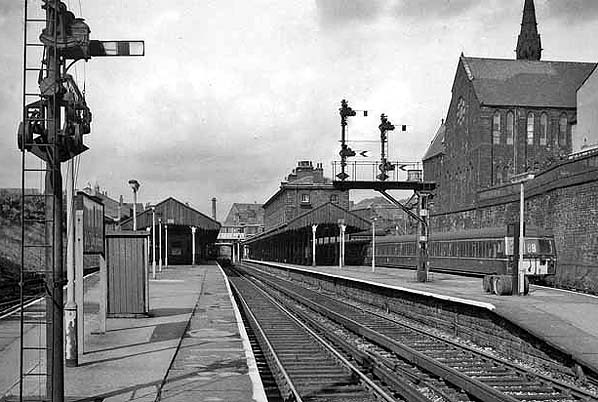
Bury Bolton Street – Ben Brooksbank

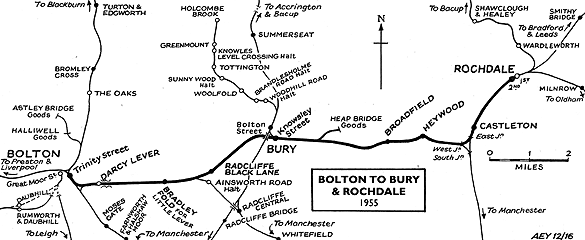
The railway had originally run into Bury Bolton Street which was further away from the town centre, and was closed by British Rail on the same day that Bury Interchange opened.

Wikipedia

An £80m transformation is coming to the Bury Interchange, which will see step-free access at the Metrolink, a “vertical circulation core” to better connect the Metrolink with the bus facility, and an integrated travel hub with spaces for cycle storage.

The work is much-needed, explained Transport for Greater Manchester’s Alan Lowe, he said that the interchange was built in the 1980s and very much is of its time.

It’s not what we need for our customers need.

The new Bury Interchange project is expected to complete at the end of the decade.

Place North West

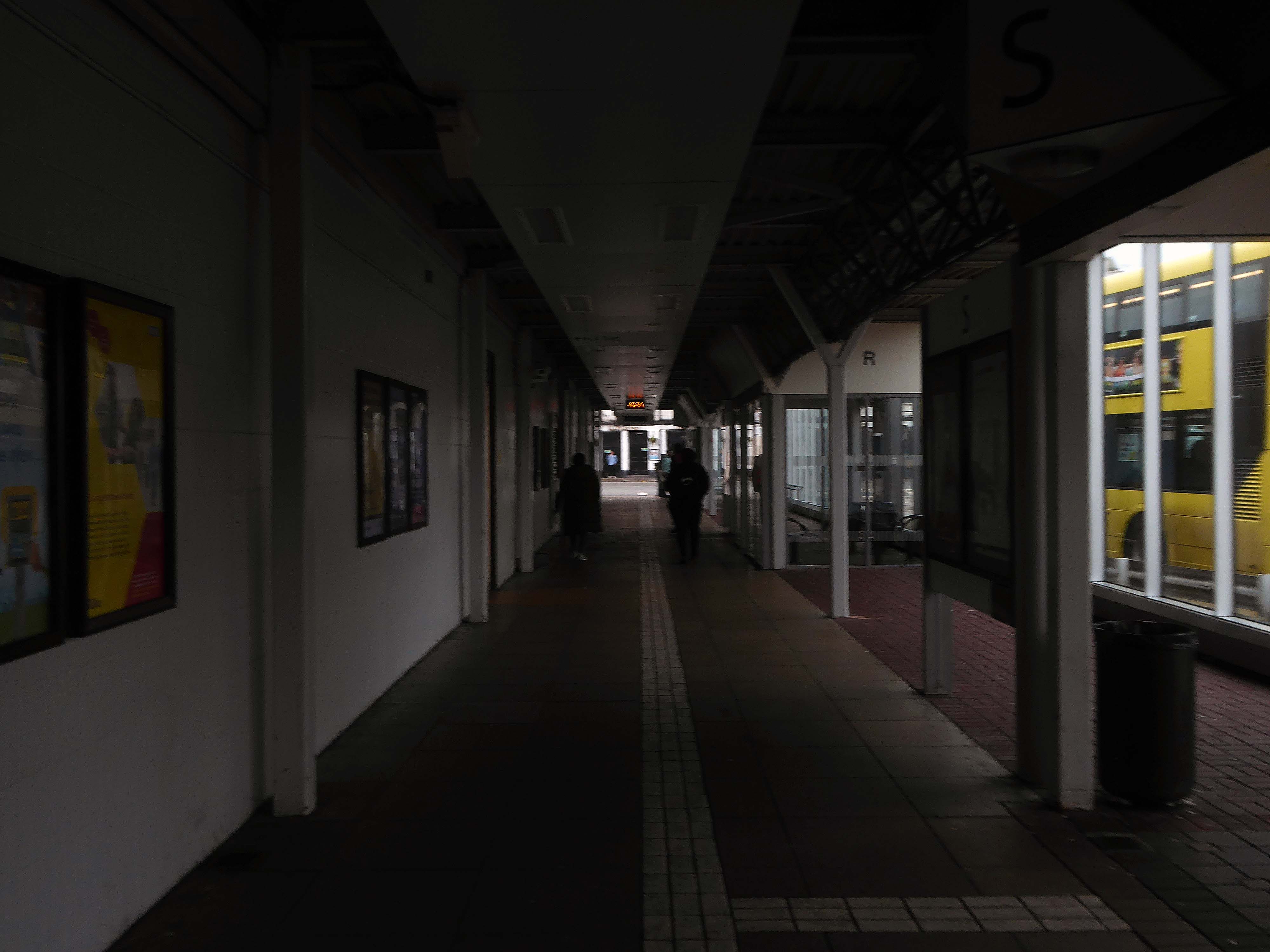
However as of February 2024 – it look like this.

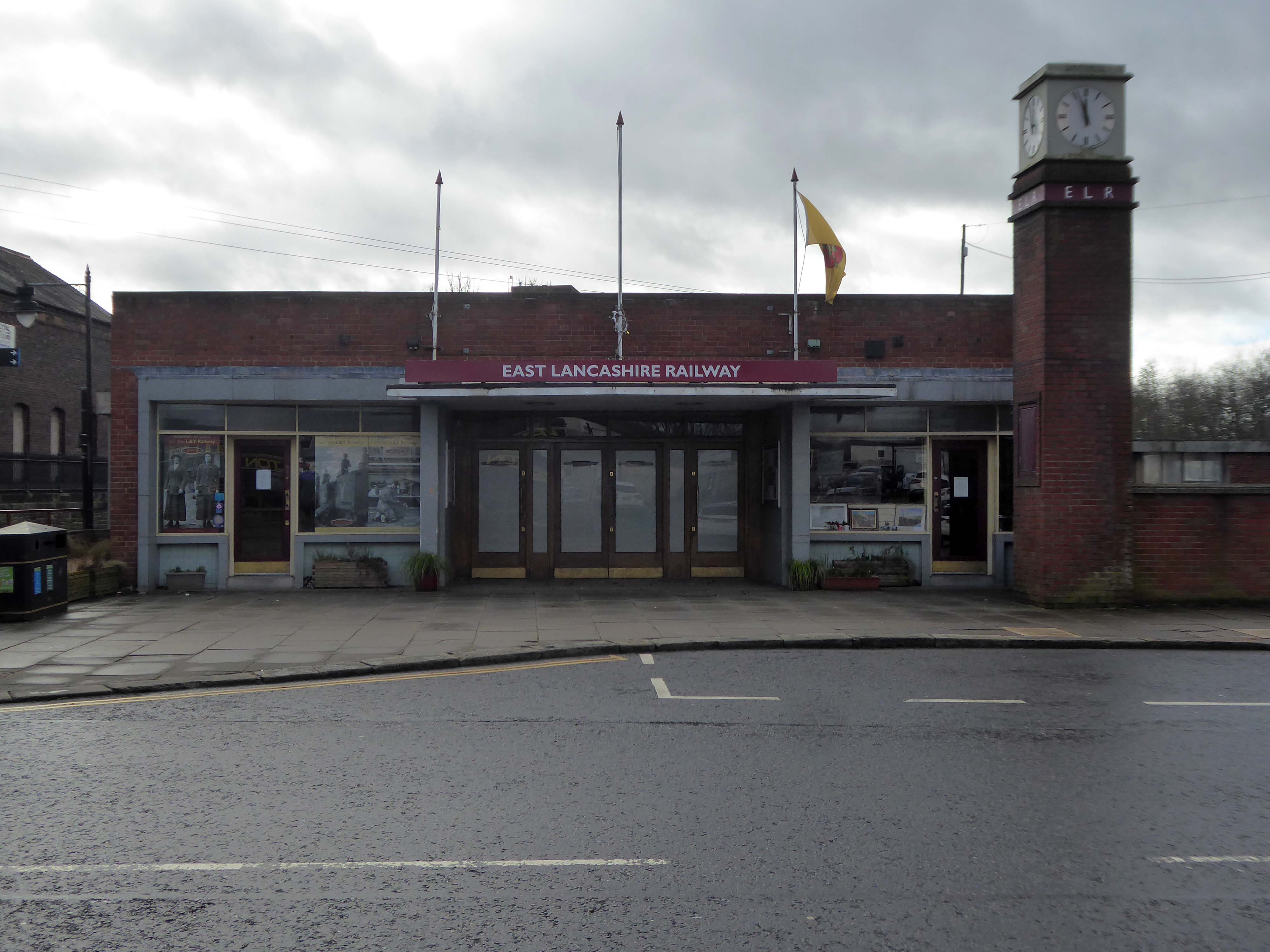
Bury Bolton Street is now operated by the East Lancs Railway.

There are failed plans to reinstate the Bury to Rochdale railway as a Metrolink line.

Bury Knowsley Street railway station.

The line and station were closed on 5 October 1970 as part of continuing cutbacks in British Rail services and the line west to Bolton subsequently dismantled.

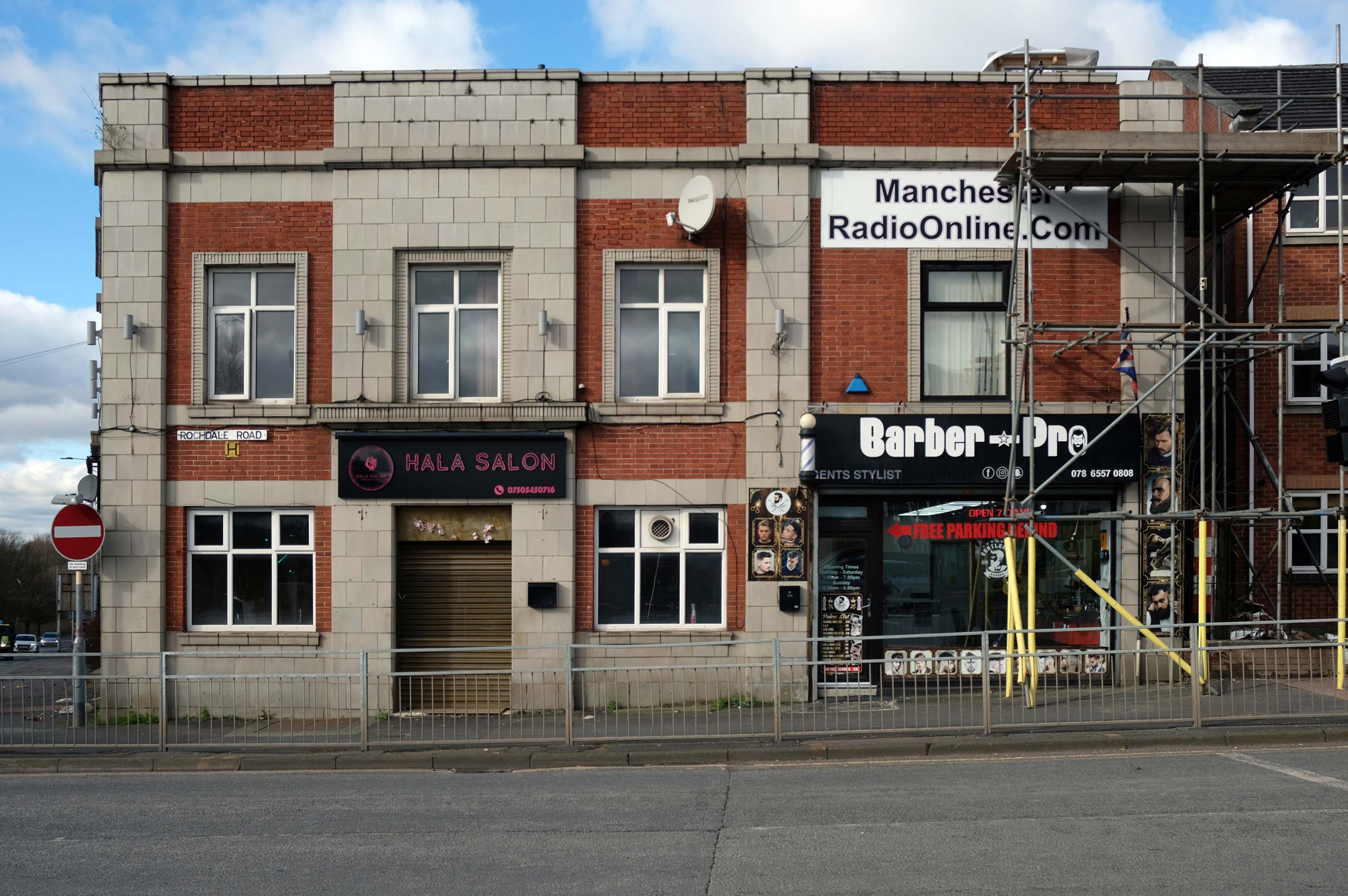
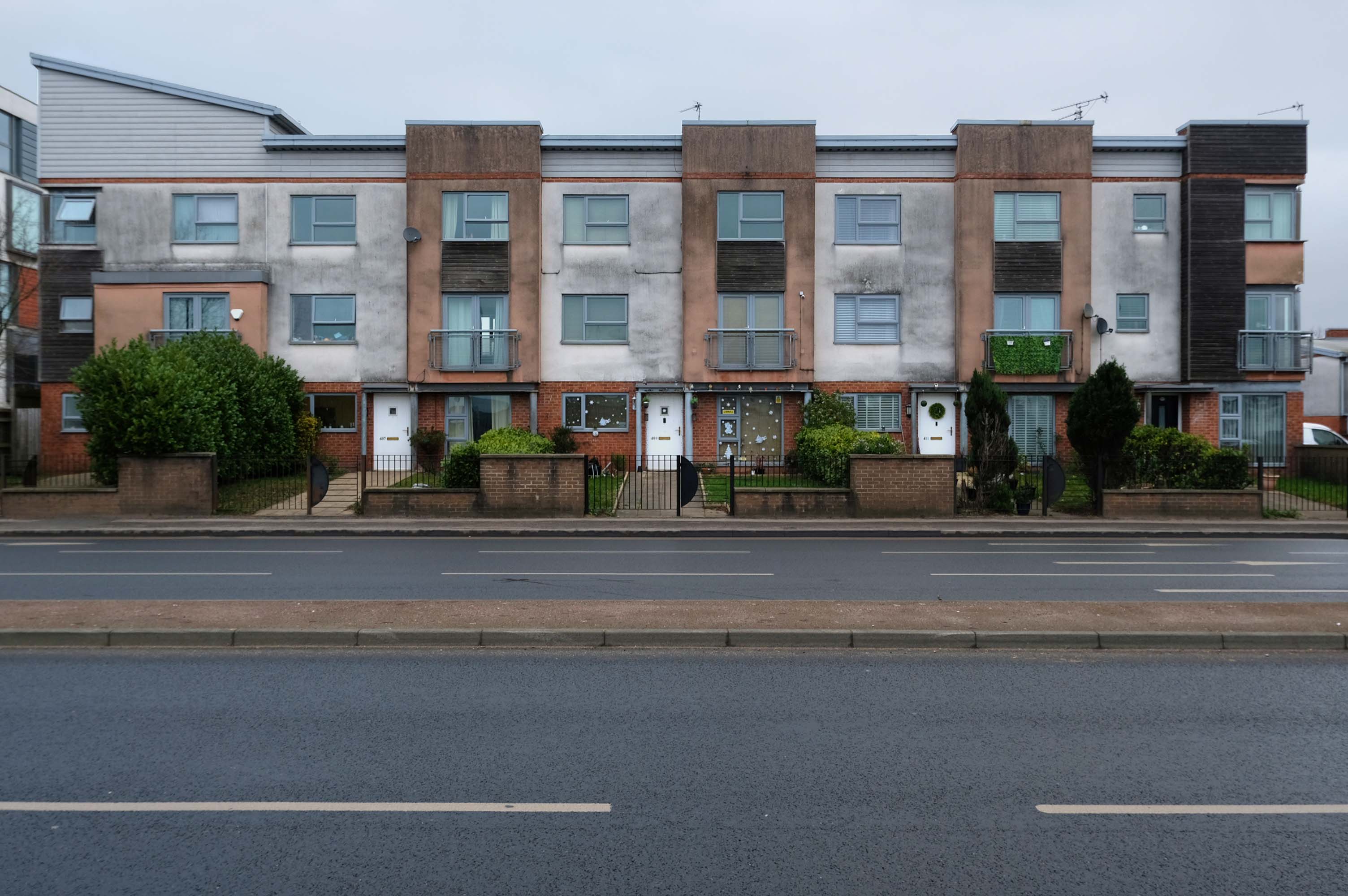
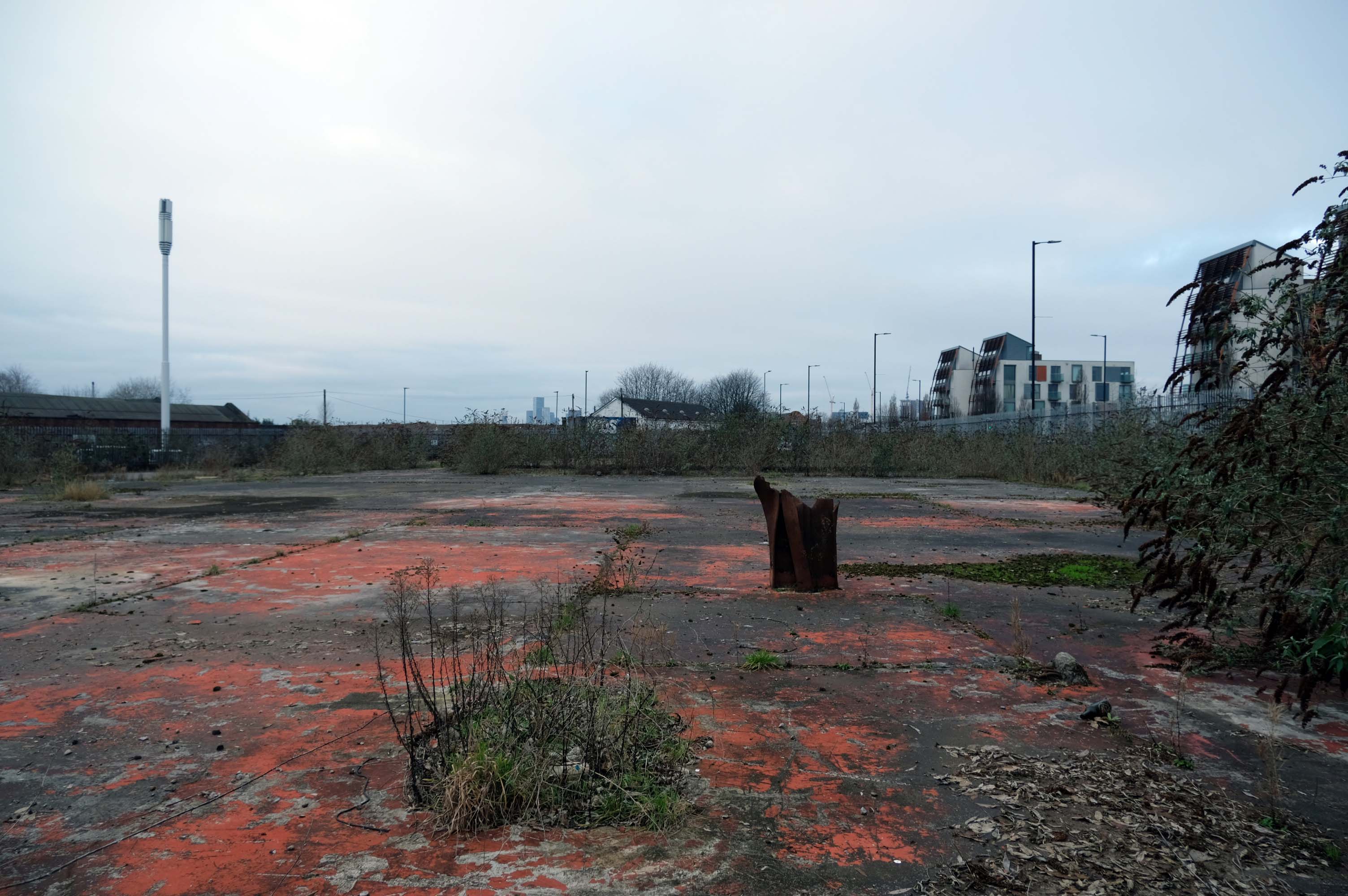
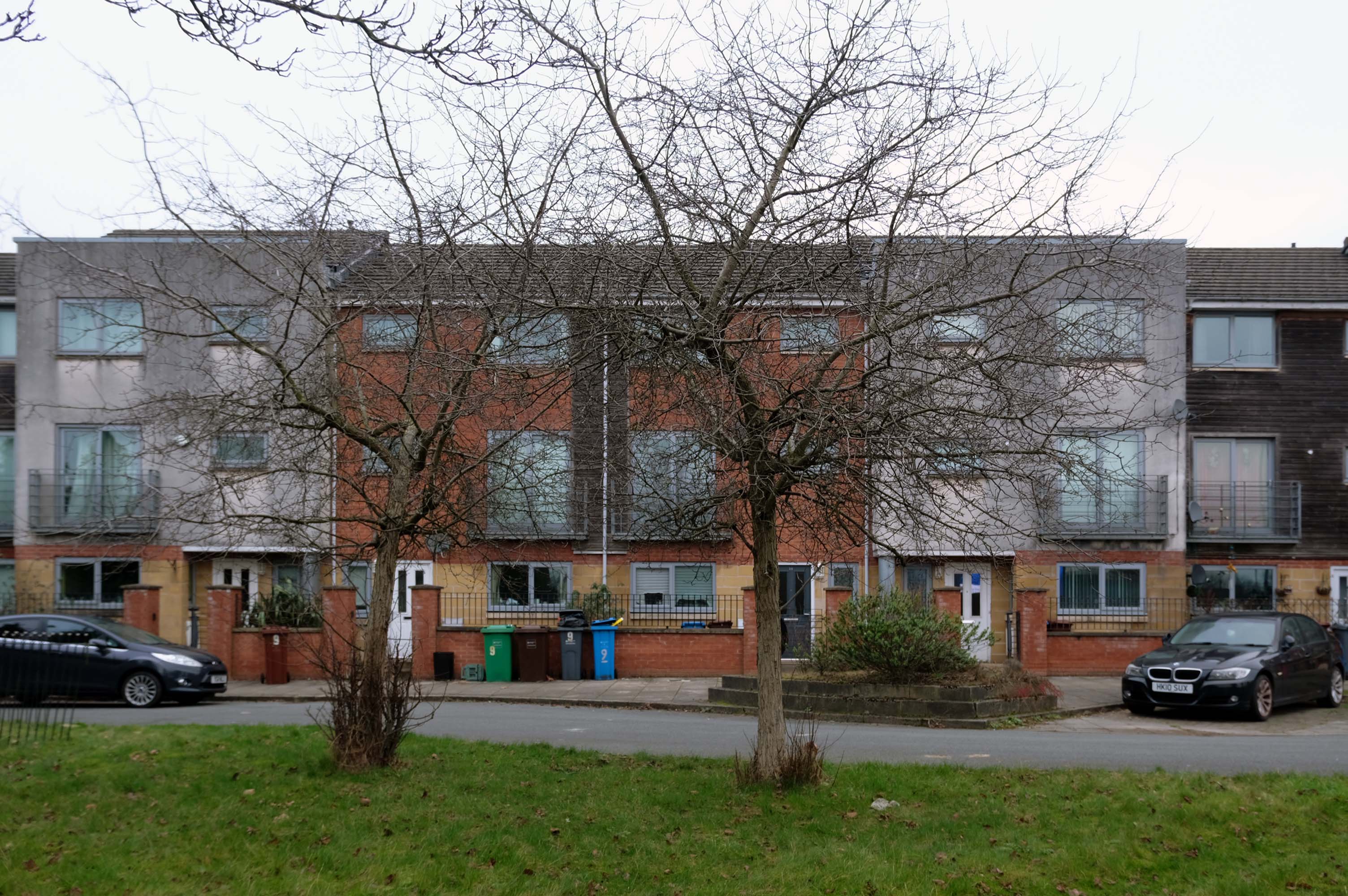
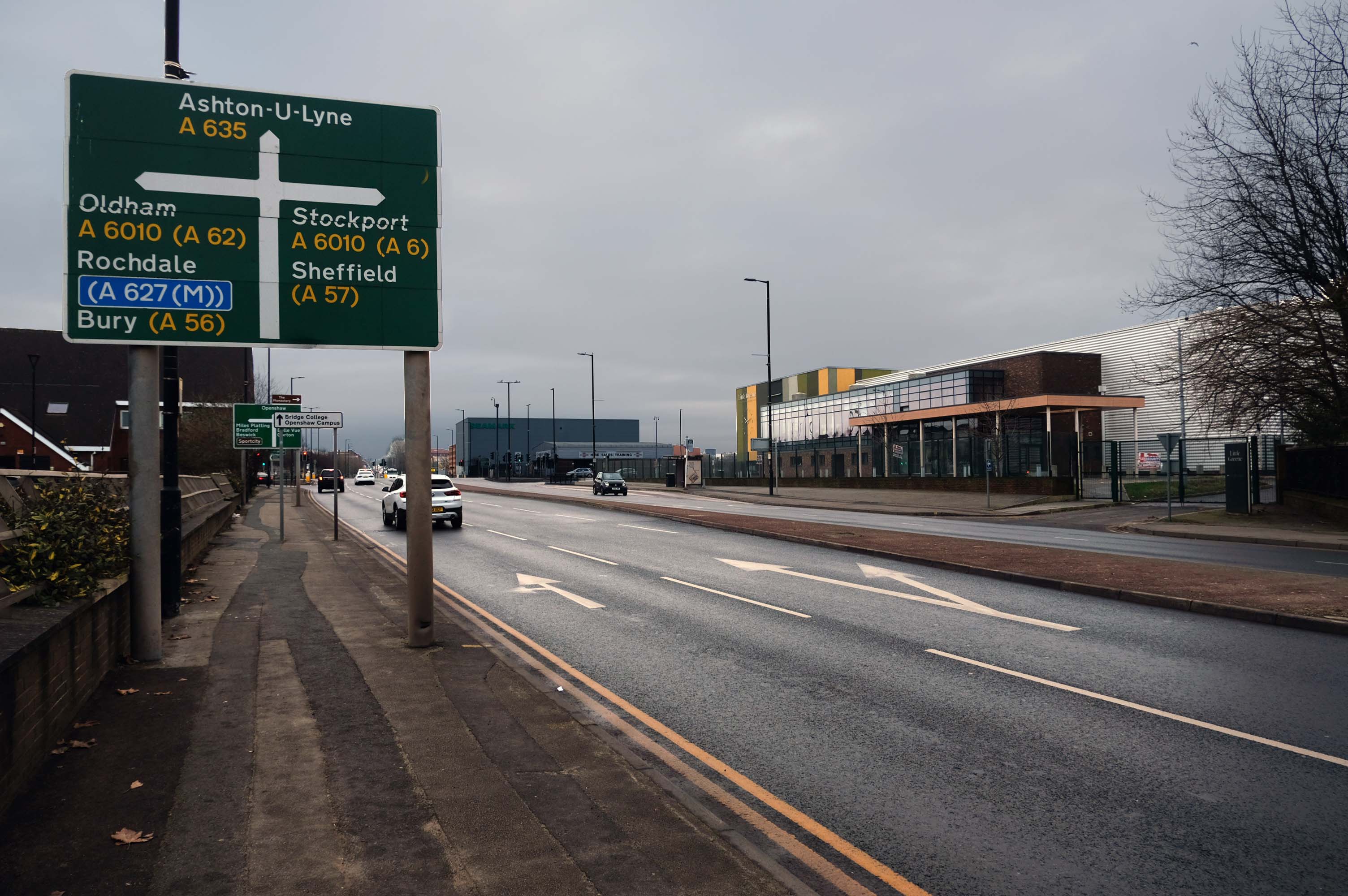
Manchester Arterial 2024 – A635

Having photographed the arterial roads of Manchester in 2014, I have resolved to return to the task in 2024.

Some things seem to have changed, some things seem to have stayed the same.