A mighty river valley was formed in the second Ice Age, as the glaciers receded and rushed seaward.
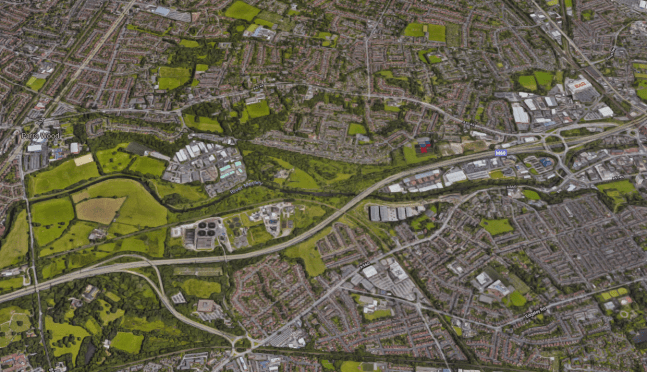
The mighty River Mersey was formed on the eastern edge of Stockport, at the confluence of the Tame and Goyt/Etherow rivers.
Thousands of years in the making, as the water-powered mills of the adjacent Pennine Hills migrate to the lower reaches of the towns, in search of water, workers and steam, the full force of the Industrial Revolution takes shape in the west.
The mixed farming of the alluvial valley, which opens up onto the Lancashire and Cheshire Plains, meets and greets the incursion of dye and brick works, mills and manufacturing.
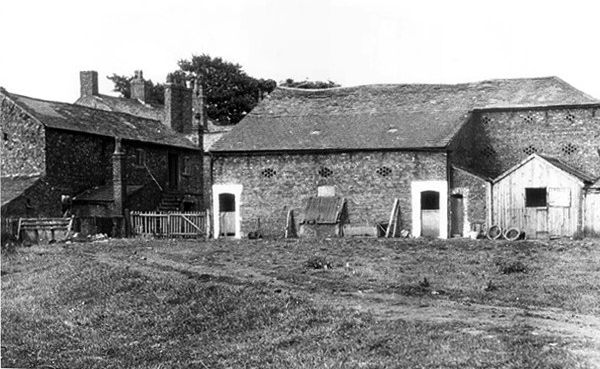
Fred Schofield’s farm 1930
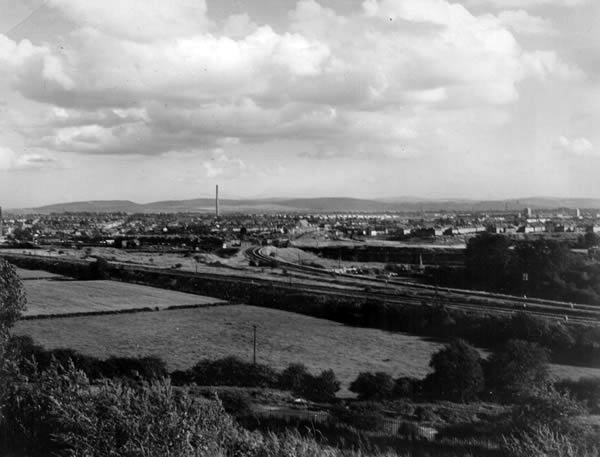
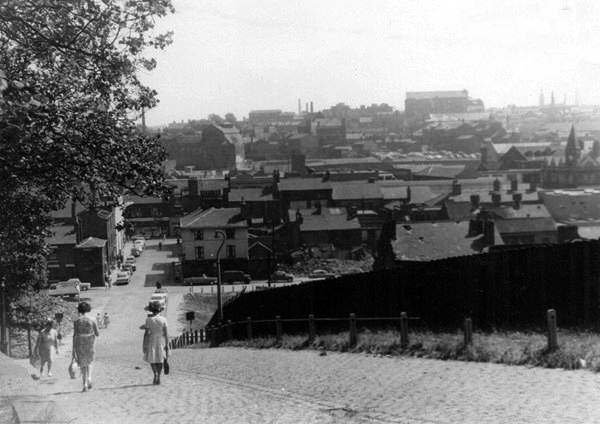
View towards Stockport from Heaton Mersey Park
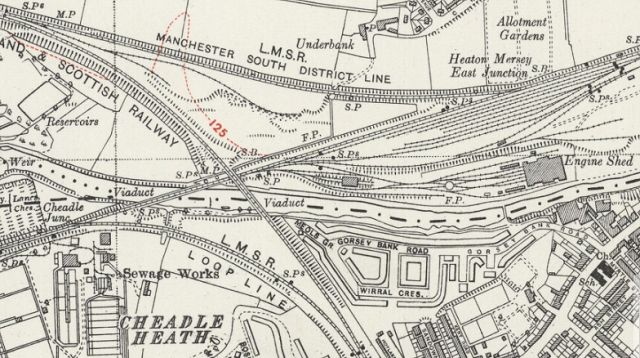
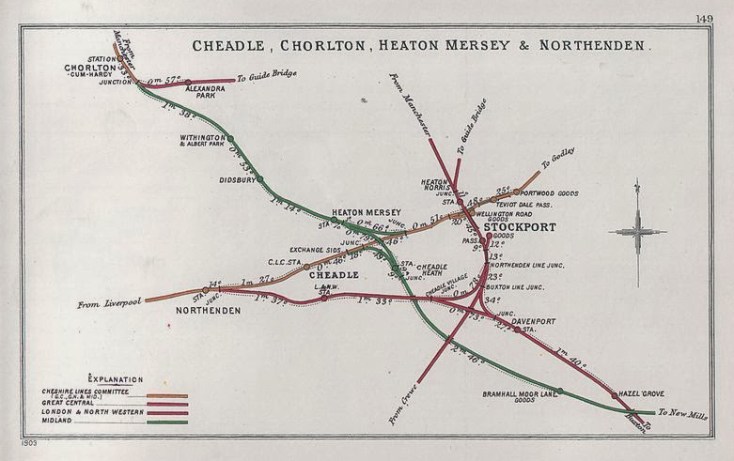
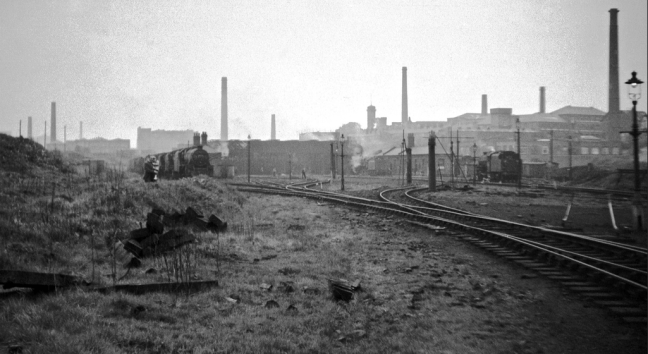
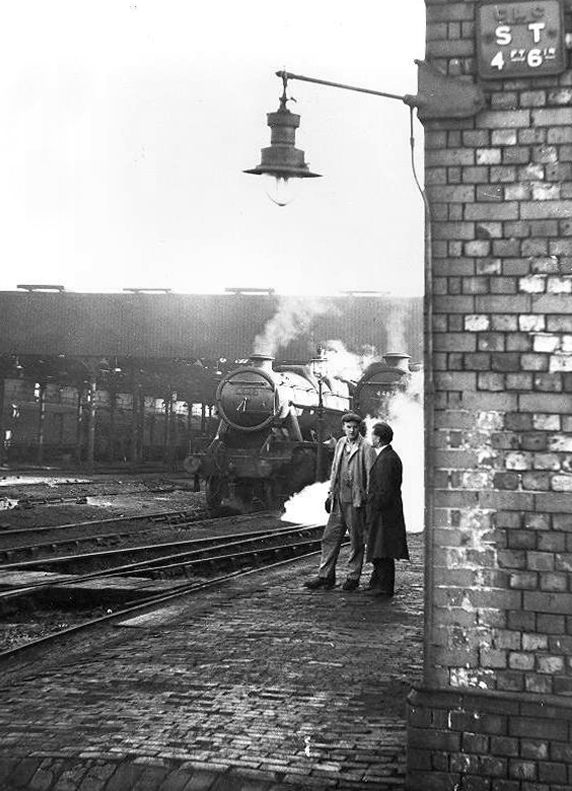
Serviced by a complex and competing rail system based around Heaton Mersey Shed.
Opened in 1889 and served until May 1968 operating steam locomotives to the end -Coded 9F.
Here we were at the centre of a rail hub spreading out in all directions, to and from the ports, cities and resources of the country and beyond.
Great movements of steel, cotton, coal, people and manufactured goods.
Fireman Eddy “Ned” Kelly
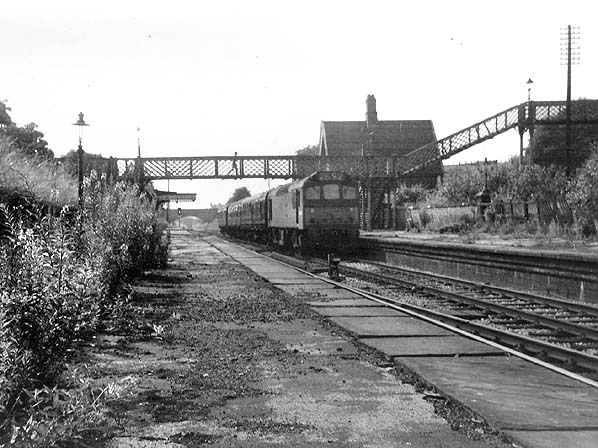
Heaton Mersey railway station was opened on 1 January 1880 by the Midland Railwayand lay on the newly opened line which ran from Heaton Mersey East Junction to Chorlton Junction and on to Manchester Central station.
The station was situated at the southern end of Station Road which still exists. The station was later operated by the London Midland and Scottish Railway and was closed by the London Midland Region of British Railways on 3 July 1961.
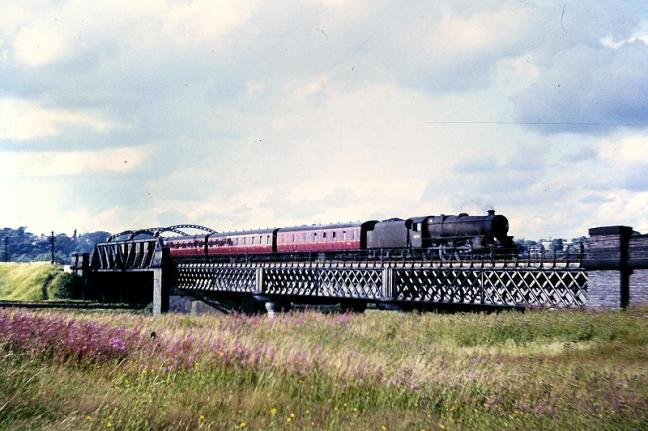
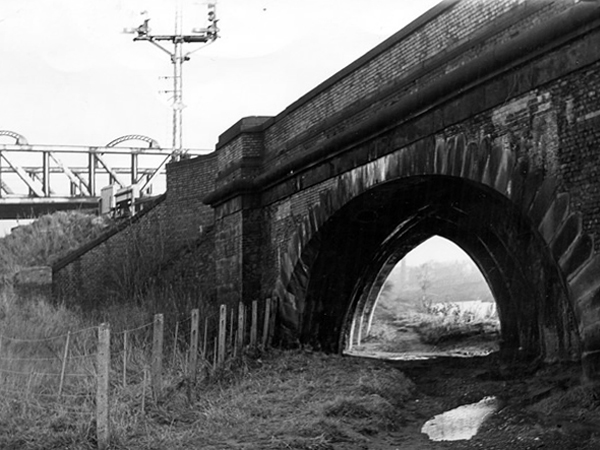
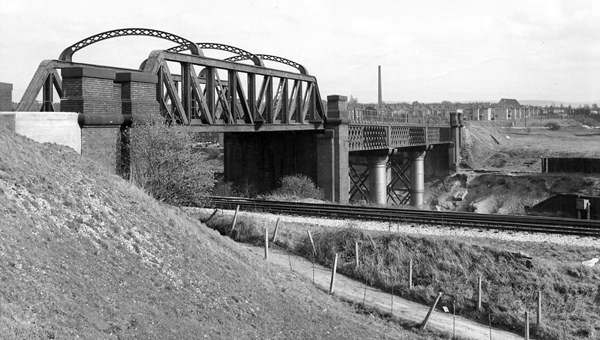
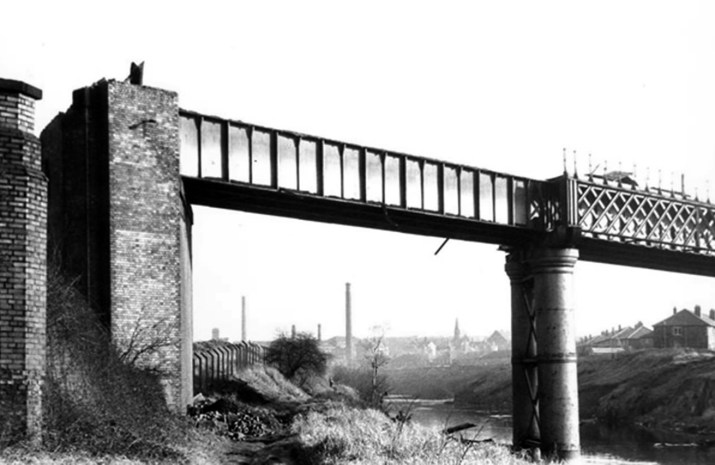
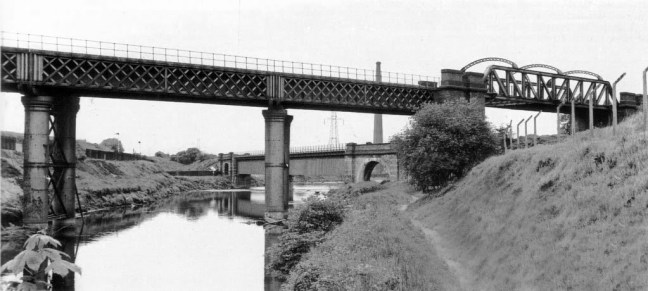
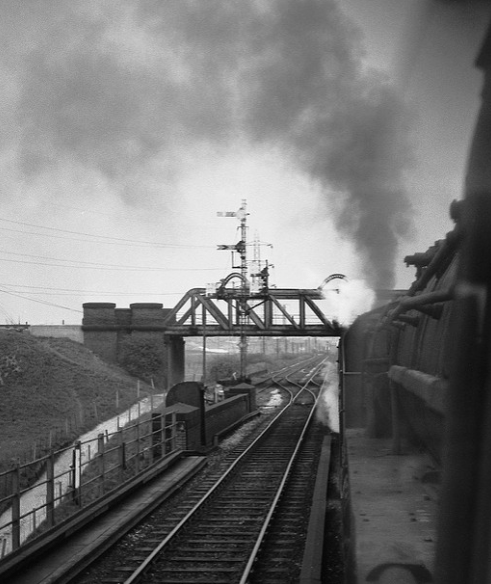
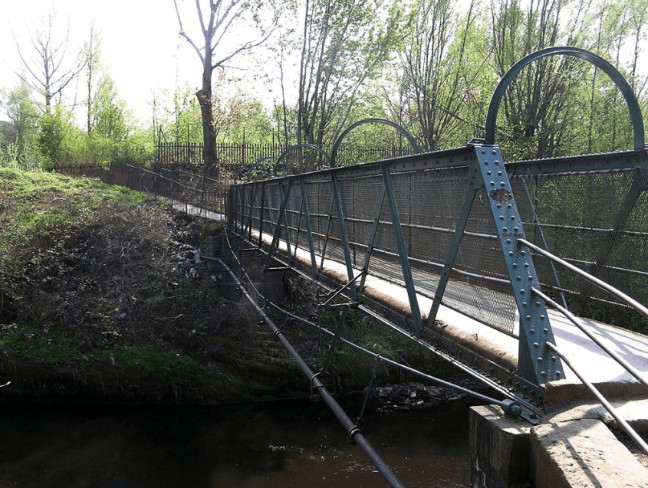
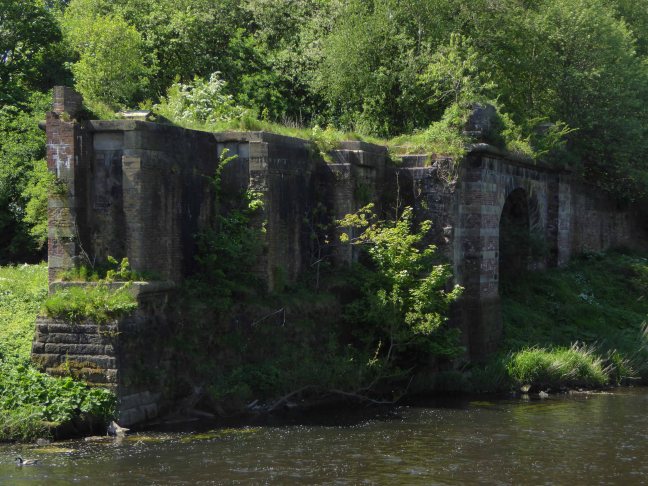
The area was criss-crossed by railways – its bridges traversing the roads, fields and river, dominating the landscape in a wild flurry of steam and smoke.
The end of steam – as drivers, fireman and staff were transferred to Newton Heath, was followed by the slow demise of the rail network, freight moved to road and passengers purchasing their first cars and a passport to illusory freedom.
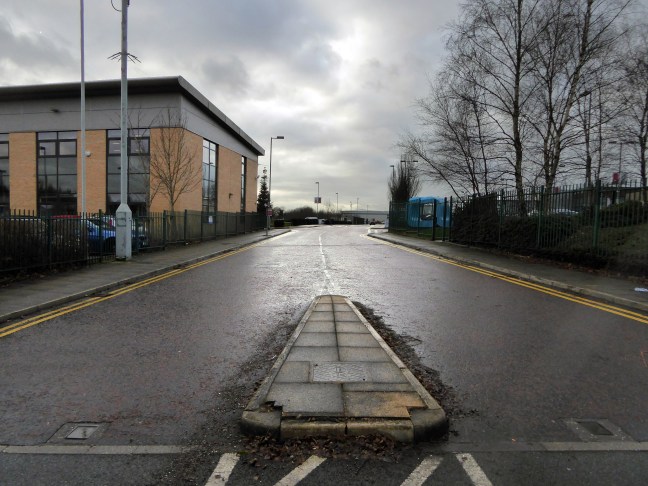
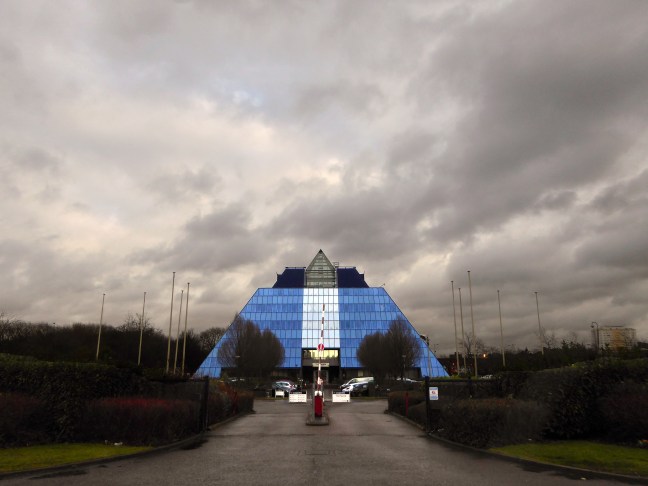
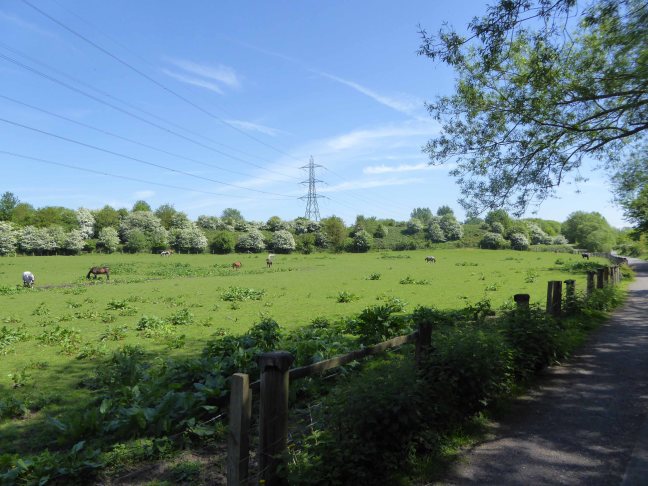
The mighty Mersey is now flanked by newer neighbours, a shiny blue administrativepyramid, business park, car showrooms and nature reserve, the only certainty is change.
Great volumes of earth are moved to from a new topography a topography of leisure – the gentle stroll, jog and cycle replaces the clank of fire doors and shovel on coal.
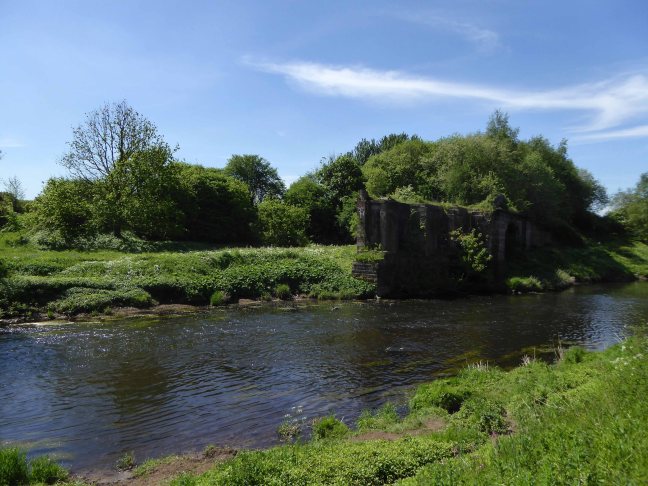
But take a look around you and you will see the remnants of the industrial age, shrouded in fresh hawthorn and enshrined in birch and beech.
To walk this landscape is to traverse geological, agrarian, industrial and post-industrial time – they all coexist and coalesce. Have an eye, ear and heart open to their resonance and presence, transcend time and space in the Mersey Valley today, you’re part of the leisured generation.
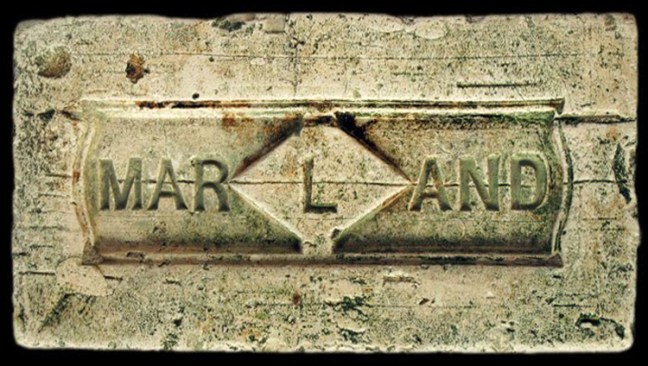
That which we call a brick, by any other name would smell as sweet.
Chancing across a written reference to the Marland Brick in the bookThe Trains Now Departed, I was slightly taken aback – from wither and whence it came and went.
I was aware of the my patronymic local connection:
This most interesting surname is of Anglo-Saxon origin, and is a locational name from Marland, a minor place in the parish of Rochdale, in Lancashire. The placename itself is composed of the Olde English elements “mere”, a lake, pool, and “land”, land.
However:
There are also places called Peters Marland in Devon, recorded as “Merland” in the Domesday Book of 1086 (the site of a church dedicated to St. Peter), and Marlands in Somerset.
So our southern cousins were clay-mongers, manufacturers of fine bricks to boot.
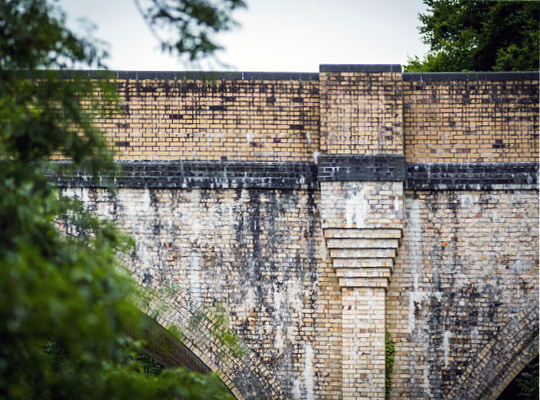
Marland Cream brickwork is a feature of North Devon. The hard cream bricks were made at Marland Moor by a succession of companies using stoneware ball clays dug from the Petrockstowe Basin.
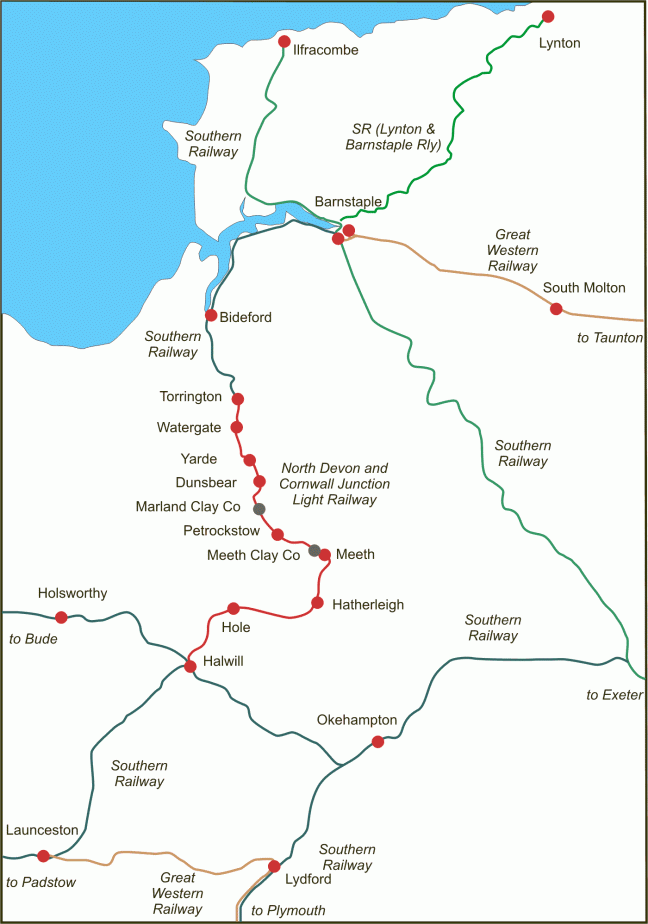
Between Great Torrington and Hatherleigh, in north Devon, lie alluvial deposits of ball clay, a particularly useful clay which first found use for pottery and clay pipes in the seventeenth century. However the remoteness of the location prevented the growth of the industry and by the nineteenth century it only met local needs for pottery and bricks.
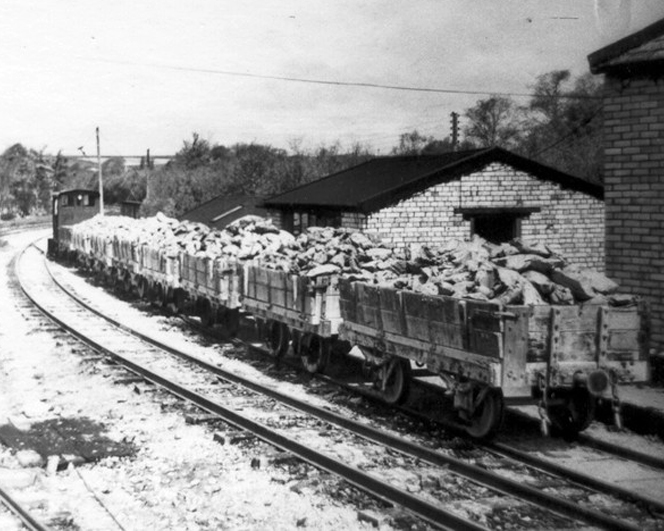
The impetus for the industry came, perhaps, with the opening of the London & South Western Railway to Torrington in 1872 for a few years later the owner of Clay Moor, William A. B. Wren, started to exploit his land. By 1877 he had sunk several pits and erected at the Marland Brick & Clay Works kilns, cottages and stables. Clay was being taken to Torrington station behind a traction engine but over six or so miles of poor quality roads this was not very efficient.
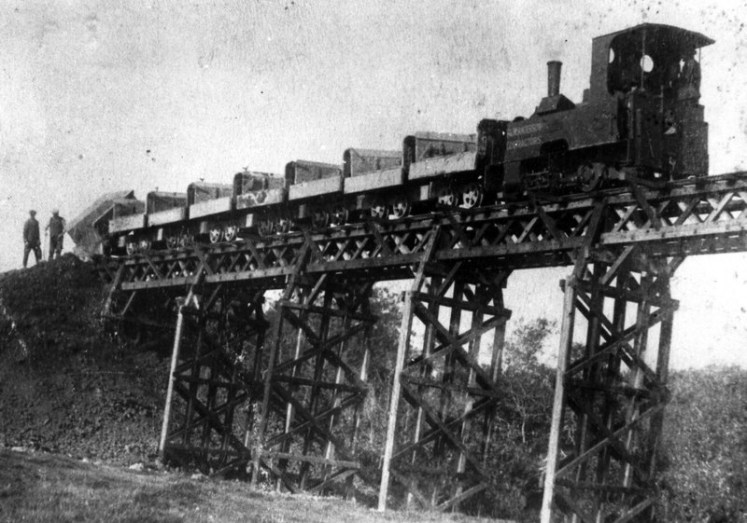
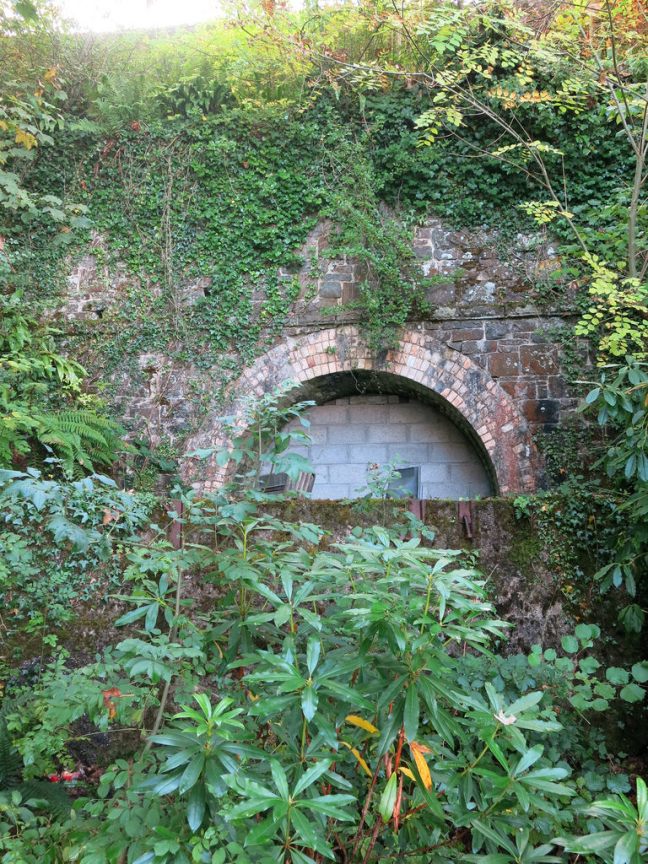
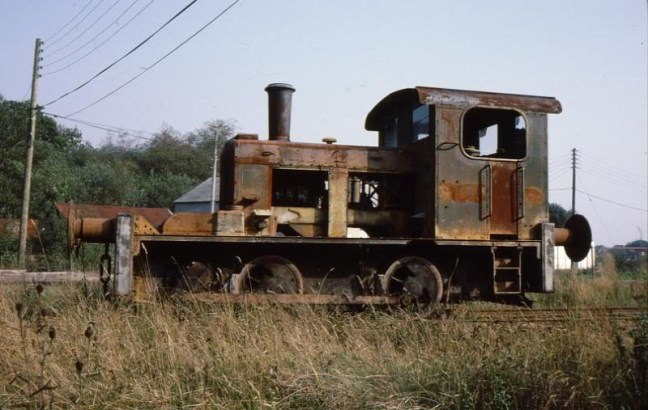
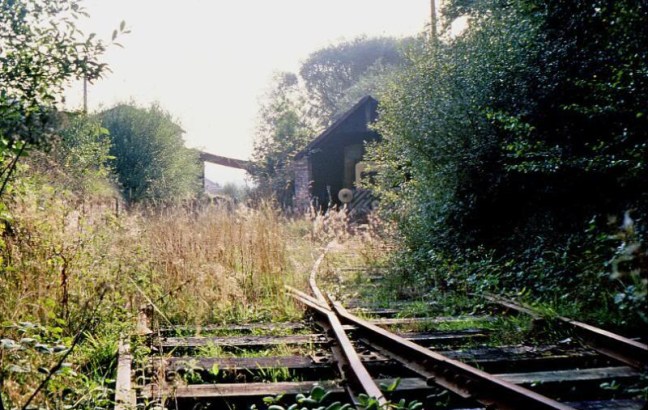
With the coming of the railway to Torrington, in 1881 a private mineral line was built to connect to the Marland area. This led to a great increase in production and was a factor in the opening in 1925 of the North Devon & Cornwall Junction Light railway, between Torrington and Halwill Junction, which superceded the mineral line. Closing to passengers in 1965, the section between Meeth and Barnstable remained open for freight, but by the 1980’s was moribund.
There are still remnants of the Marland Works Branch visible to this day.
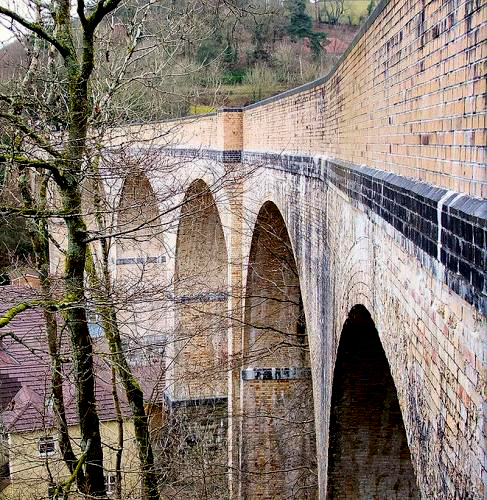
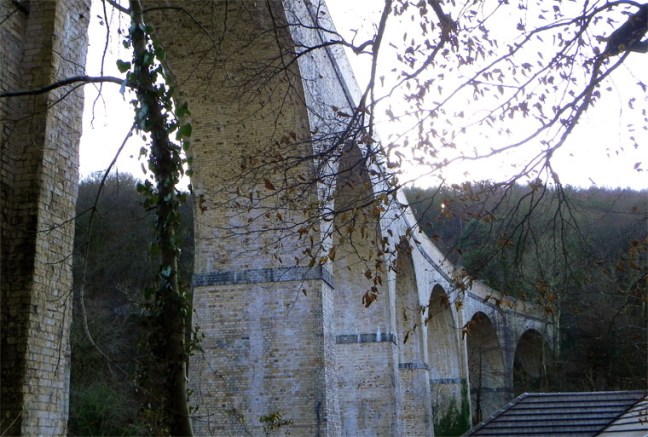
One of our famed family brick built achievements is the Chelfham Viaduct:
A railway viaduct built in 1896-97 to carry the Lynton and Barnstaple Railway across the Stoke Rivers valley. Designed by L&B engineer, FW Chanter, and containing over a quarter of a million Marland bricks, its eight arches – each 42 feet wide and 70 feet high – meaning that the 132-yard long viaduct is the largest narrow gauge railway structure in England.
The L&BR’s peak period came between 1902 and1913 when it carried almost 97,000 passengers a year. Yet the considerable endeavour invested in the railway was not enough to save it; as traffic dwindled, the line succumbed to closure by Southern Railways on 29th September 1935. Most of the trackbed and buildings were sold at auction in 1938. Although Chelfham Viaduct was retained, its parapets were taken down to about one foot above ballast level. In 1943, it featured in a film, The Flemish Farm, representing the Franco-Belgian border.
The structure was granted a Grade II listing on 25th February 1965. In 2000, in partnership with the Railway Heritage Trust and the Lynton & Barnstaple Railway Trust, British Railways Board completed a programme of remedial works.
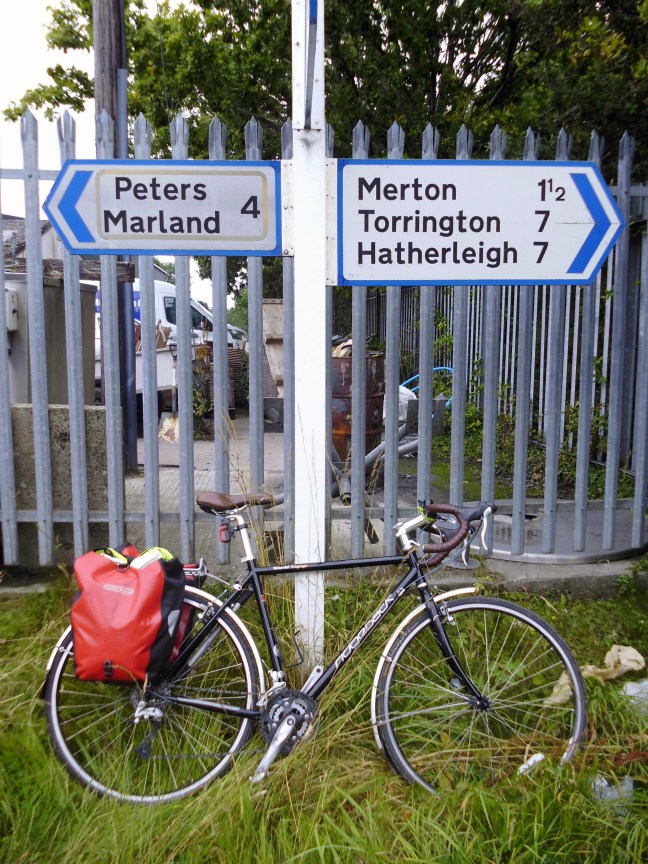
Then later today, casting my mind back to my 2105 cycle tour from Weston Super Mare via Ilfracombe and Plymouth and onward to Hastings, I remembered a former chance encounter.
I had been here before, blissfully unaware of the local family connections along the Tarka Trail – thick as a Devon cream-tea coloured brick.
So when I eventually return to the area to fully explore our family heritage, I shall be sure to doff my cycling cap and smile whilst passing the warm cream expanses of Marland Brick.
And therefore as a stranger give it welcome.
There are more things in heaven and hell, Horatio,
Than are dreamt of in your philosophy.
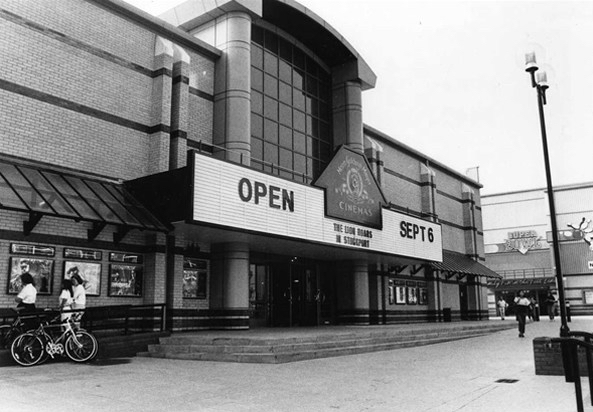
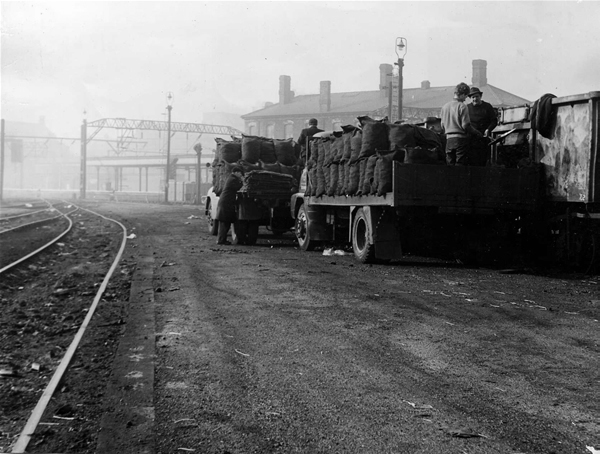
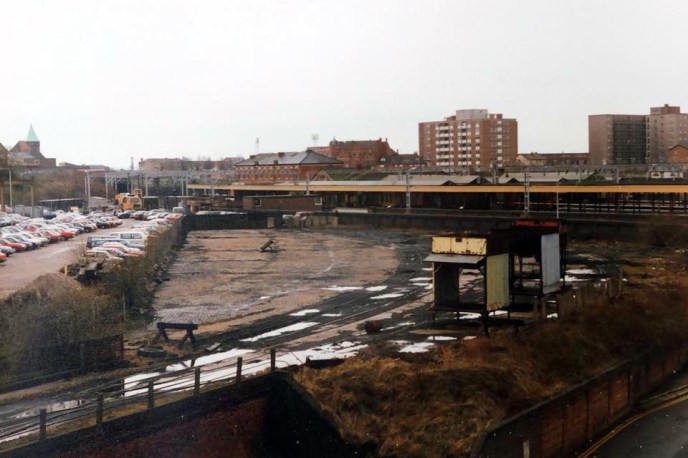
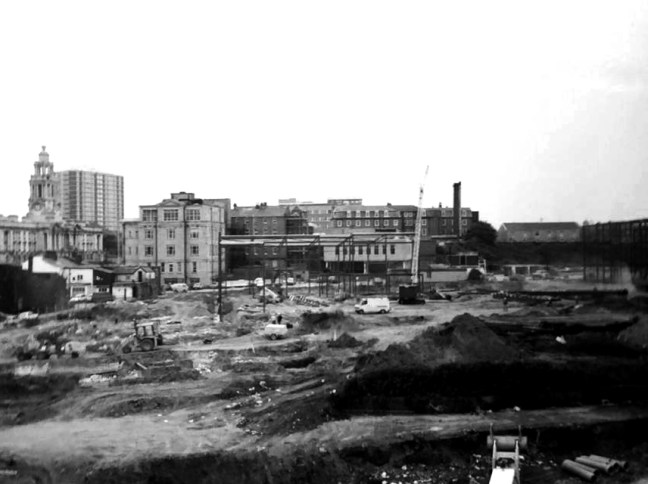
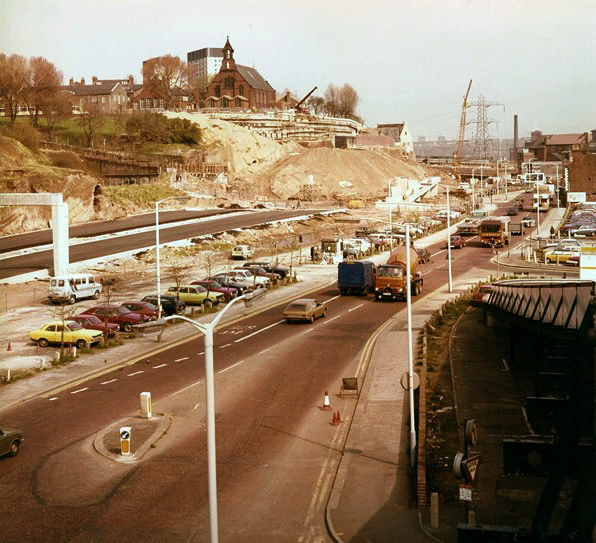
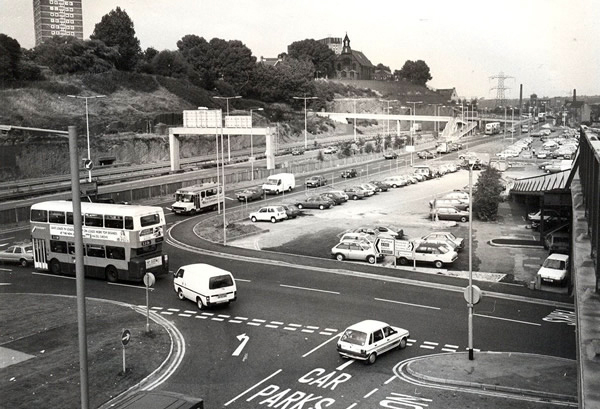
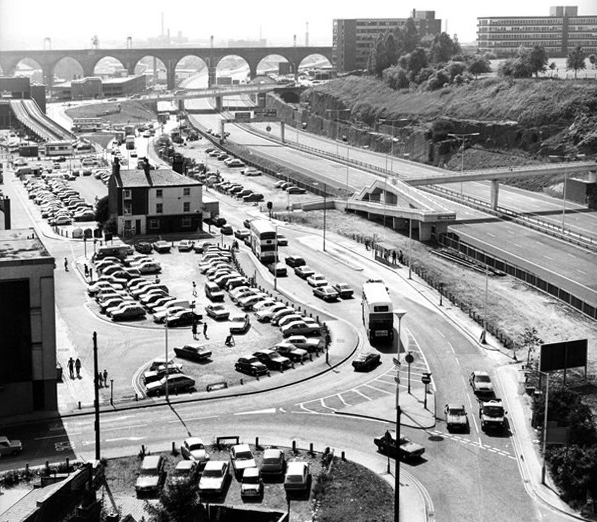
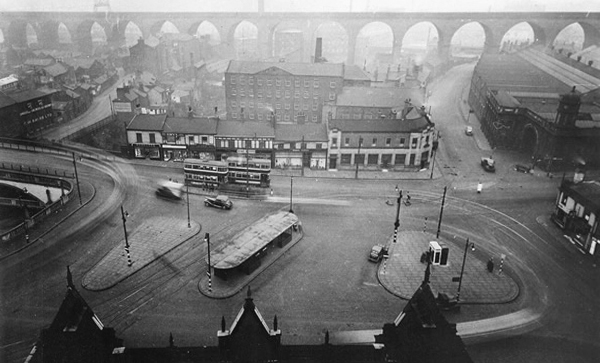
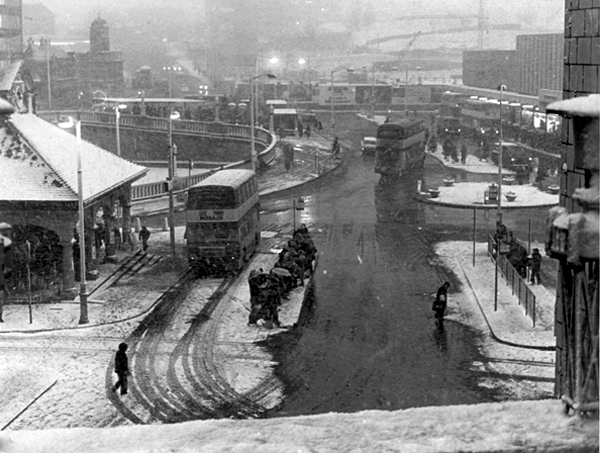
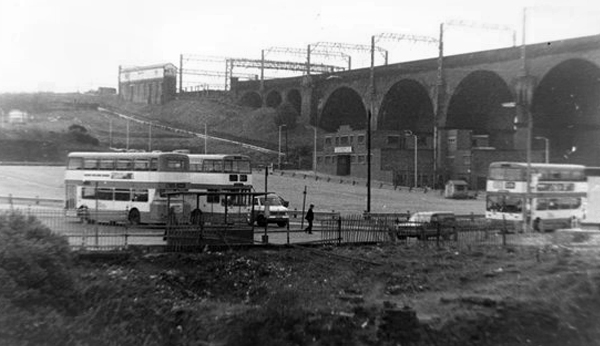
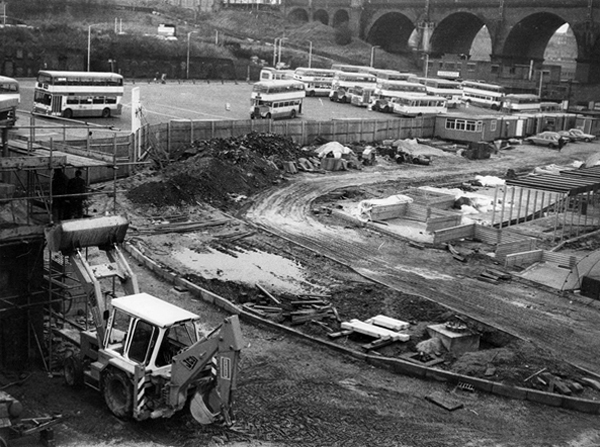
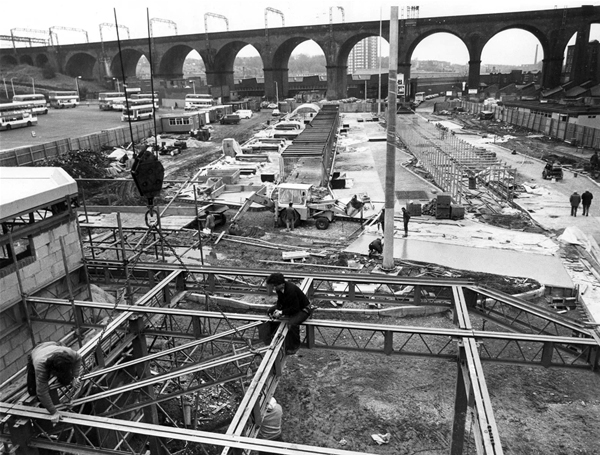
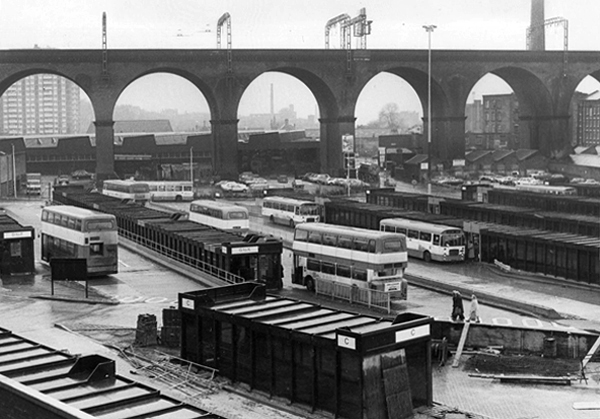
We have seen things come and go in, on and around Stockport Station’s little acre.
From coal drops to tear drops.
Before
During
Archive photographs courtesy of John Eaton
After
The post-industrial leisure complex has come almost full circle – overwritten by the complex needs of the modern day service-worker – Holiday Inn, Espresso Bar and Mini-mart complement the hot-desked, twenty-four hour online access all areas open-plan office operative.
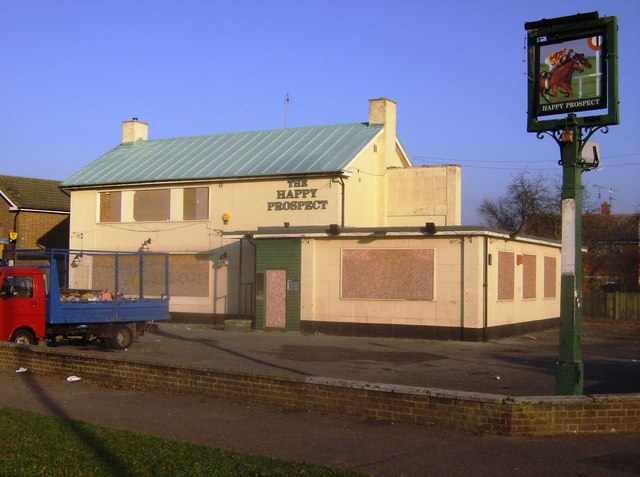
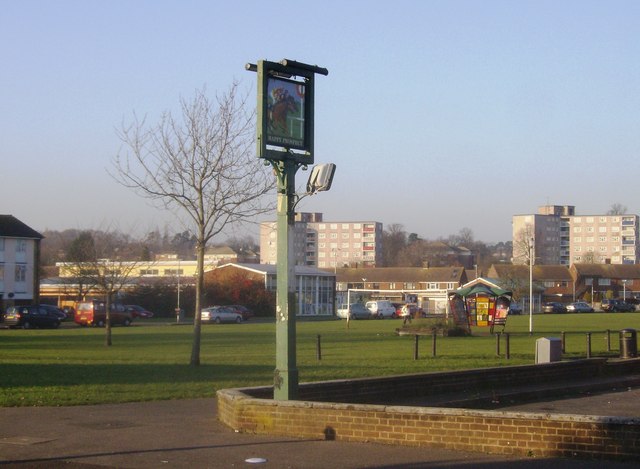
The Happy Prospect, 50 Coronation Square, Reading RG30 3QN
I came here by chance researching Manchester’s Estate Pubs for my blog when up pops The Happy Prospect – what a pleasant surprise!
Having never really visited Reading, this is very much a virtual cut and paste journey through time and space – so apologies in advance for any unforeseen errors.
So let’s see how we got here:
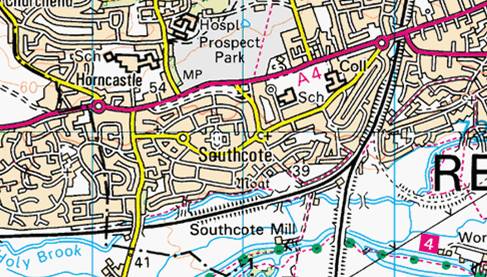
The area was sparsely populated until after the Second World War, though excavations have revealed evidence of Paleolithic and Iron Age activity in Southcote, as well as Roman and Saxon habitation. By the time William the Conqueror undertook the Domesday Survey in 1086, Southcote was sufficiently established to warrant a Lord of the Manor, who at that time was William de Braose. From the 16th century onwards, Southcote Manor was owned by the Blagrave family, who sold the manor house in the 1920s. The area was subsequently developed into housing: much of the land changed from agricultural to residential.
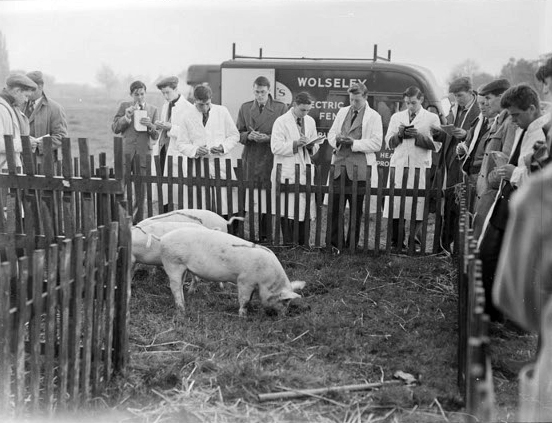
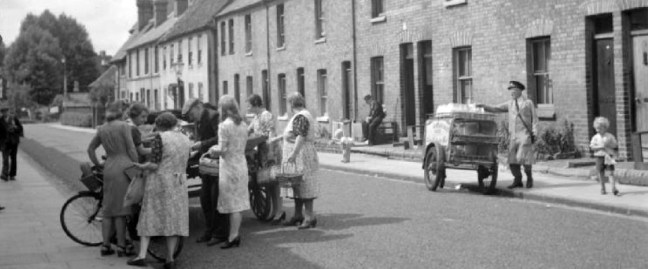
Bucolic scenes of small intimate streets and agrarian activity.
By the advent of World War II, Southcote had begun to experience urban sprawl from Reading and the land bordering the Great Western Railway had begun to be used for housing. Following the war, Denton’s Field on the Bath Road in Southcote was used for celebratory events; Battle of Britain commemorative fêtes were held in September 1949 and 1950, and featured a performance by three Alsatians – Rocky, Lindy and Irma to recognise their work in the war.
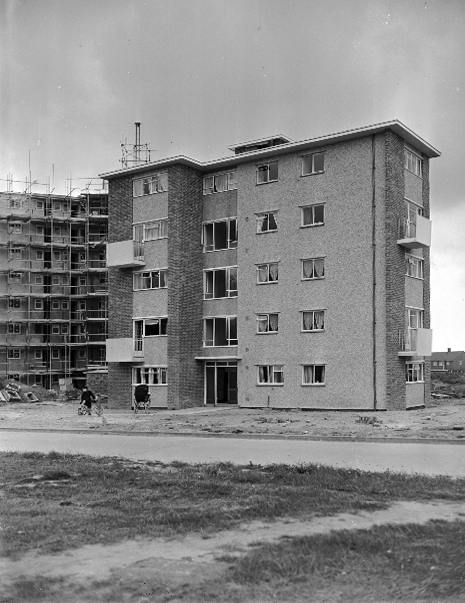
Dragged into the ferment of Mid-Century Modernism with the development of new housing, churches and schools.
In the 1950s, a huge building project centred around Coronation Square, named for the 1953 Coronation of Queen Elizabeth II – with hundreds of council houses built to satisfy post-war demand. The residents of many of these had moved from houses in central and East Reading that fell short of sanitation requirements of the Public Health Act 1875, these were compulsorily purchased and later demolished.
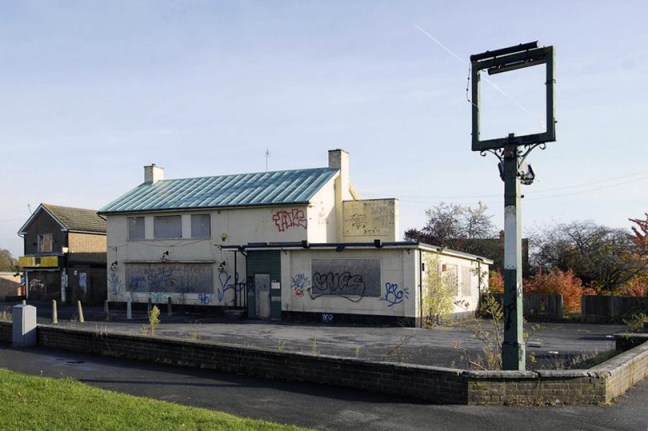
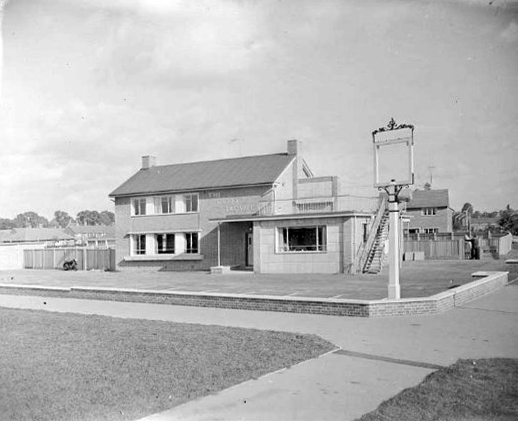
All that was missing was a pub – and so happily the local brewery Simonds built The Happy Prospect.
Architecturally very much in the à la mode manner of the Modernist estate pub, plain well-lit brick, tile and concrete volumes, replete with a low perimeter wall and ample car parking space.
And so for many years the pub prospered – sadly along with so many others of its ilk, the pressures and constraints of social change and economic decline forced closure and demolition despite the protestations of the local community, who fought for its life.
Beverley Doyle, who lives in Southcote, said: “We don’t see the old people anymore because there’s nowhere for them to meet up.They used to be able to come here and play cribbage and cards.There was also Christmas parties and kids’ parties so people could get together and we need something like that again. It was a good pub and we want it back to how it was.”
Campaigner Bobbie Richardson said: “Once you get this place boarded up you wonder what’s going to be next in the community. It starts to look run down and we want to let the owners know Southcote is not a ghetto.”
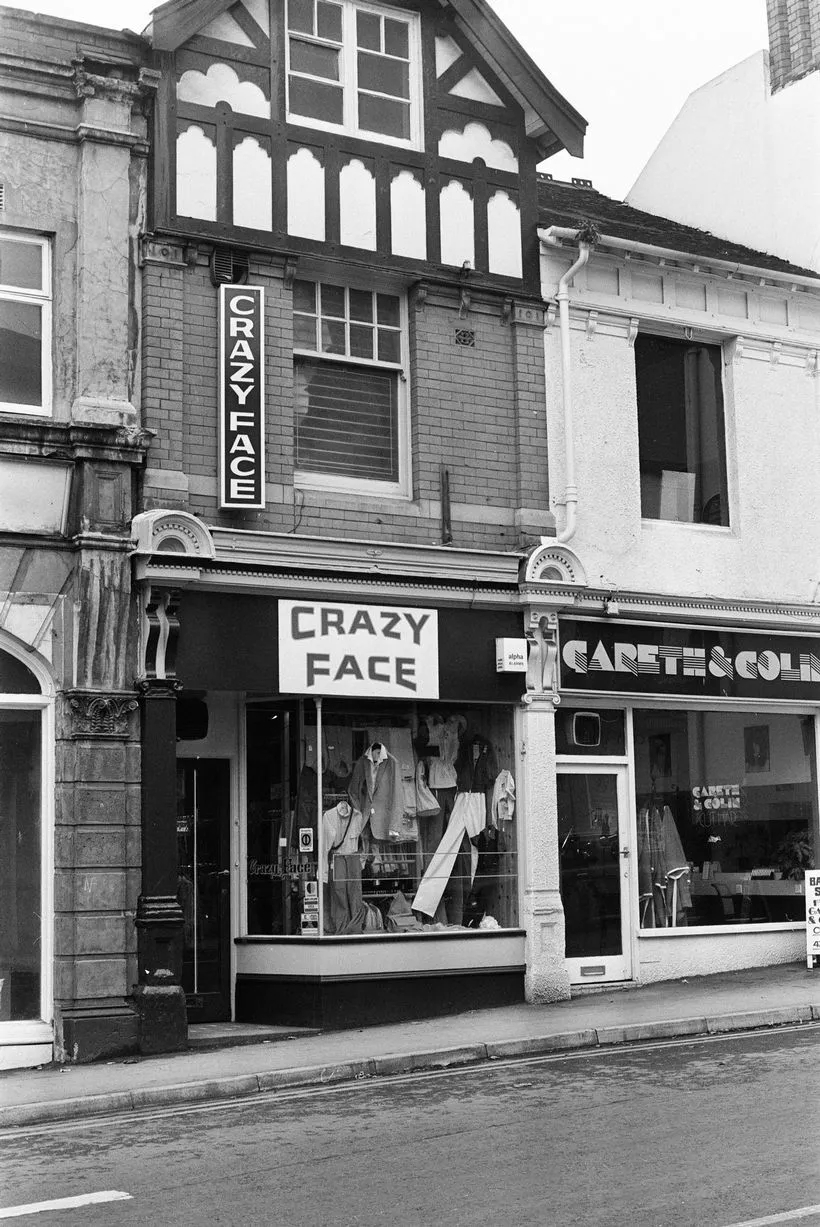
The Crazy Face shop at Tiviot Dale, Stockport, next door to Gareth and Colin’s Hairdressers, part owned by Gareth Evans who managed the Stone Roses. Two shops owned by legendary Manchester band managers side by side!
You see, the thing is, the Crazy Face factory is my story, my history, my childhood memoirs, the location of my earliest adventures. Crazy Face clothing was my Dad’s workplace, his shops, his factory, his vision and it was a real place, it was places, there were several factories and the ‘factory’ was the whole circus of creativity that surrounded him.
Of course Joe Moss was also the manager of The Smiths and latterly was managing Johnny too, in some capacity, in later years, but the Crazy Face story is a whole in which The Smiths are a chapter, so it feels strange to see the Crazy Face name associated with Johnny Marr in this way, as part of his marketing.
David Moss
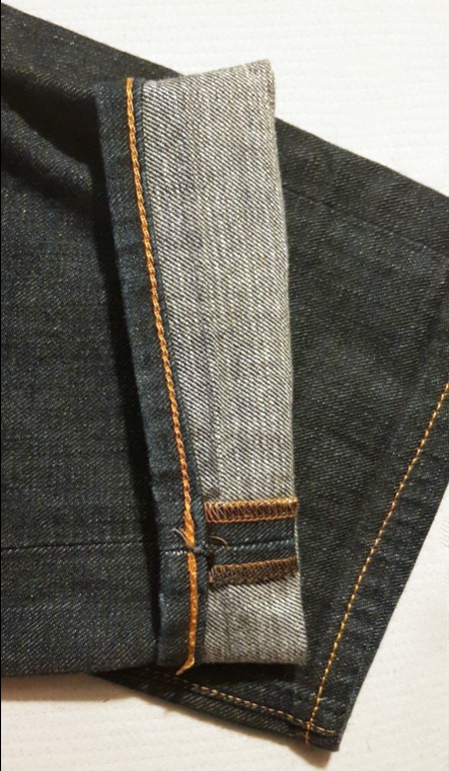
This a tale of times long long ago – in the land that Levi Strauss forgot.
Of British boys and girls with – denim set on destruction.
Born in 1955 I was hurled into the turmoil of the Swinging Sixties, with little or no idea concerning style or fashion. Clothes were hand me down, home made accessories to a guileless life of pre-teen, jean-less hi-jinx.
The Beat Boom, that raging torrent that swamped the North West of England in a swirling vortex of raw R’n’B and indigo trousers changed all that forever.
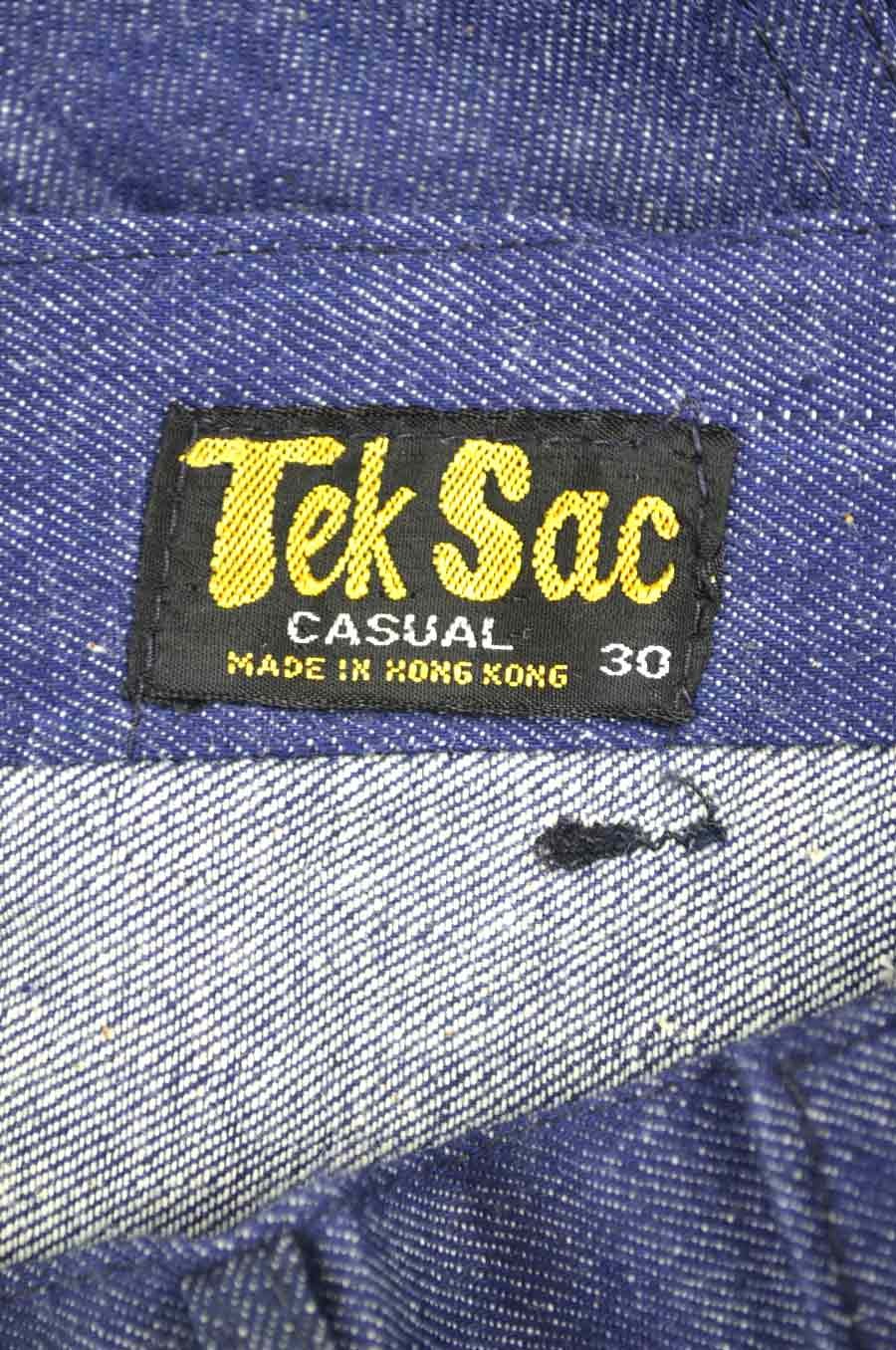
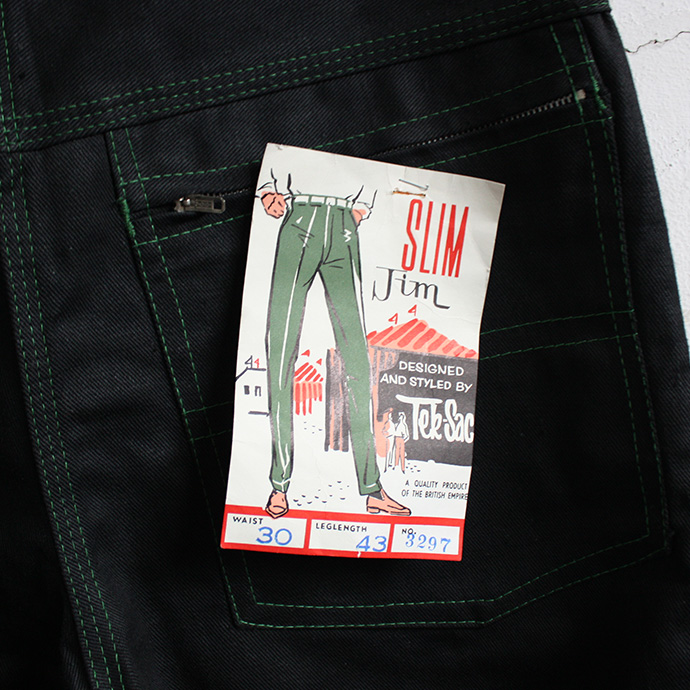
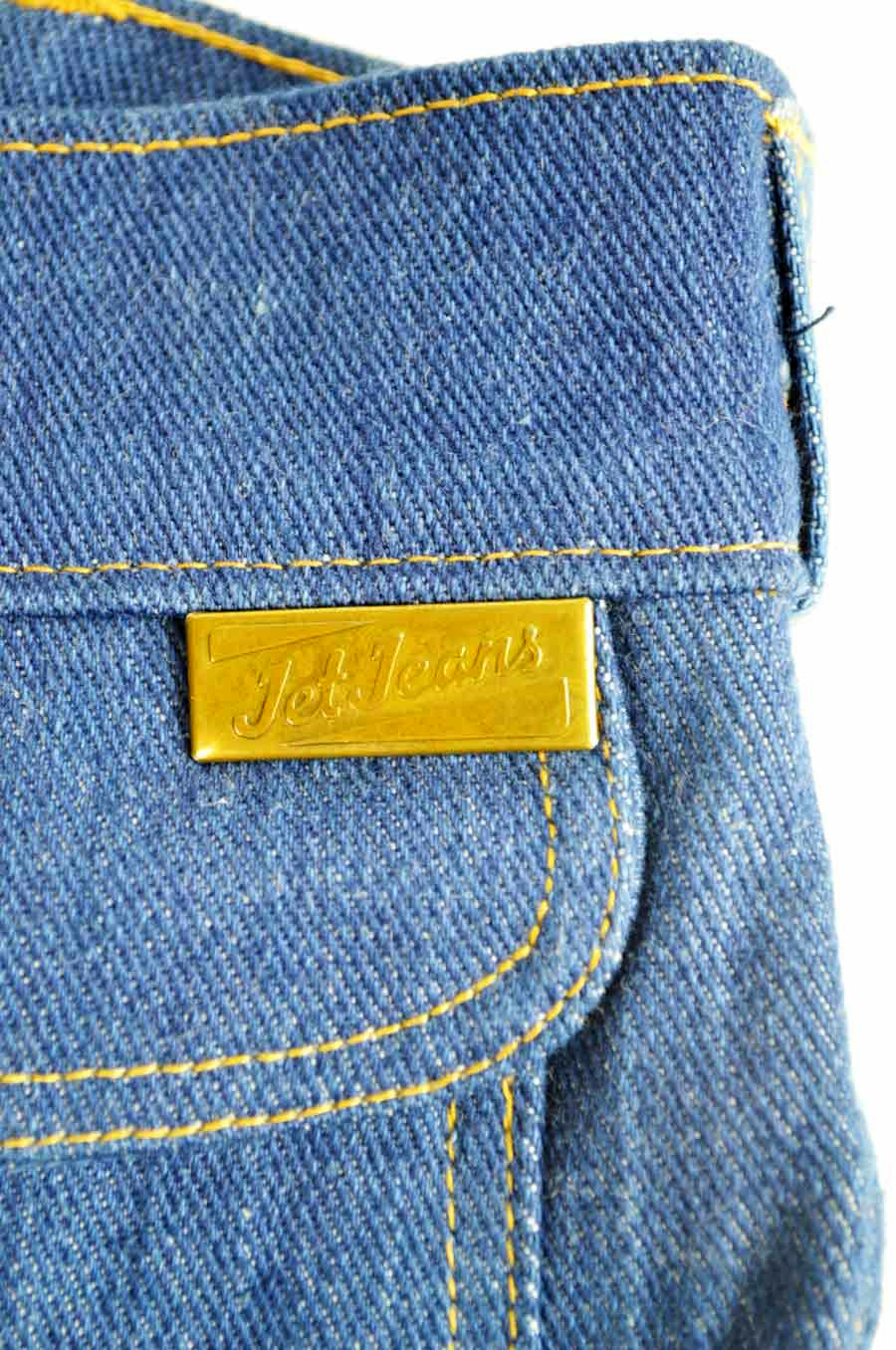
I have no idea just here they came from, or any idea or where they eventually went, but my first pairs of jeans were Tek Sac and/or Jet.
A thin copy of their American cousins, cut and stitched with a casual carelessness from the pale blue gossamer that was Empire Brand cotton, they were pre-worn out, threadbare before you had actually worn them out. Designed to induce a distressed look in the wearer, years before the coming of the distressed look.
Jet seemed to have survived into the 70s – rich in Disco Chic, even warranting their own TV ad – get into Jet Jeans get into Jet.
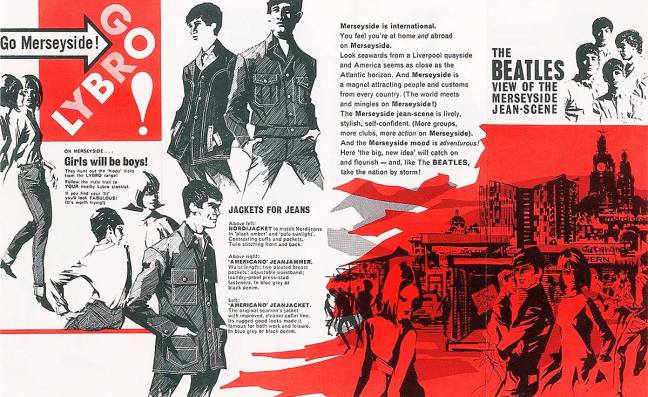
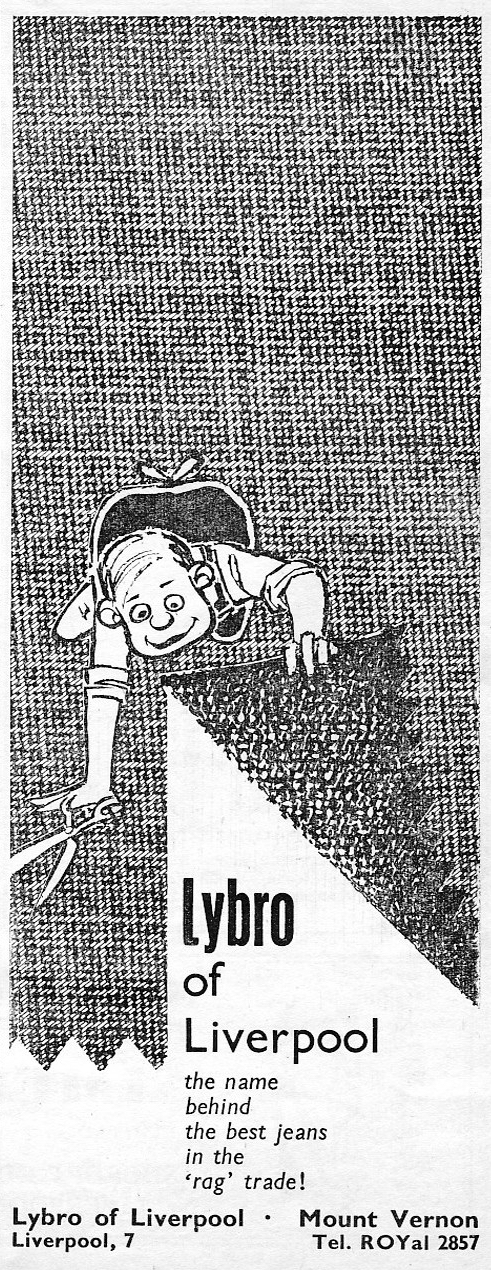
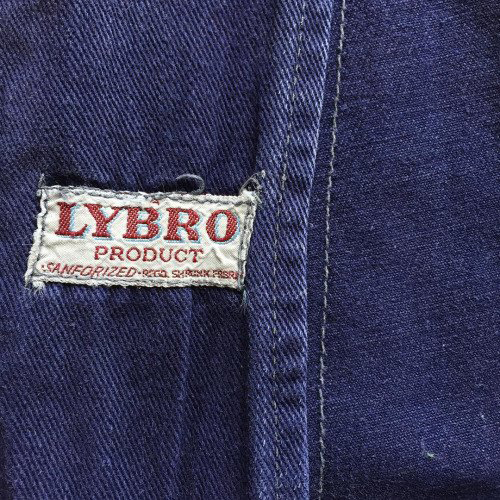
As I remember the first pair of serious branded jeans were local – for famous local people – they were Liverpool made Lybro of Mount Vernon. A slightly heavier denim, styled to suit and fit the lower half of the upwardly-mobile, mobile teenage tearaway.
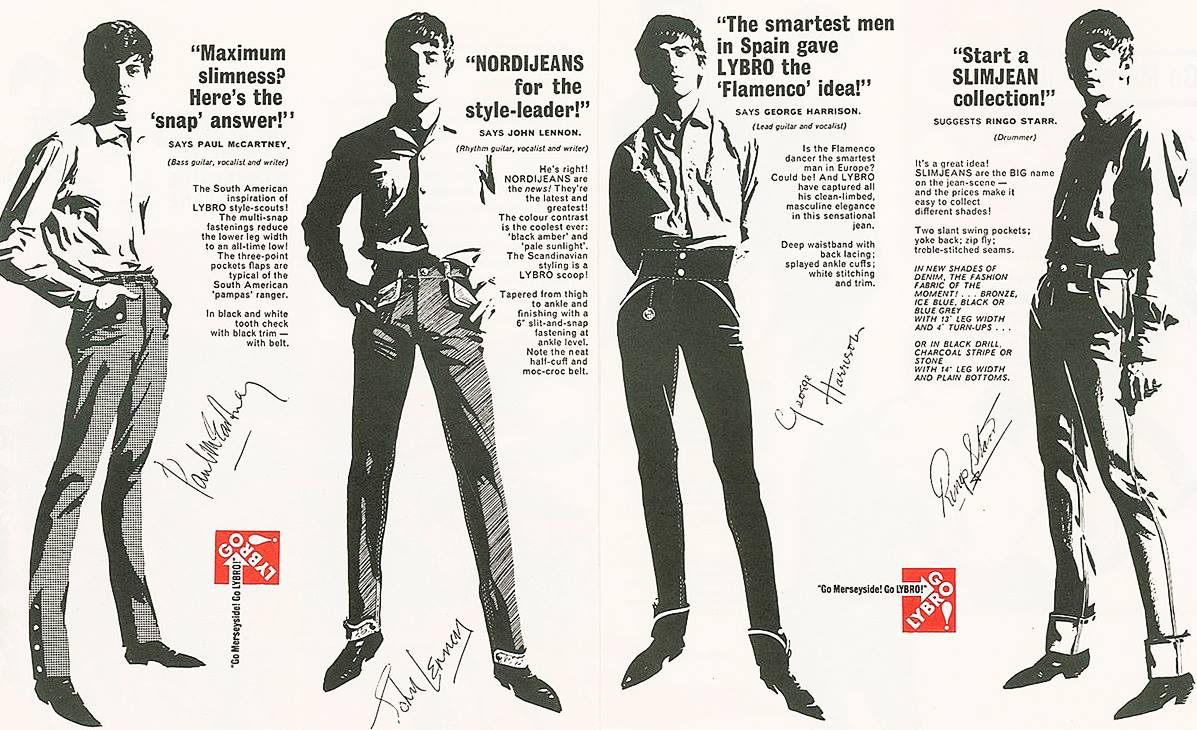
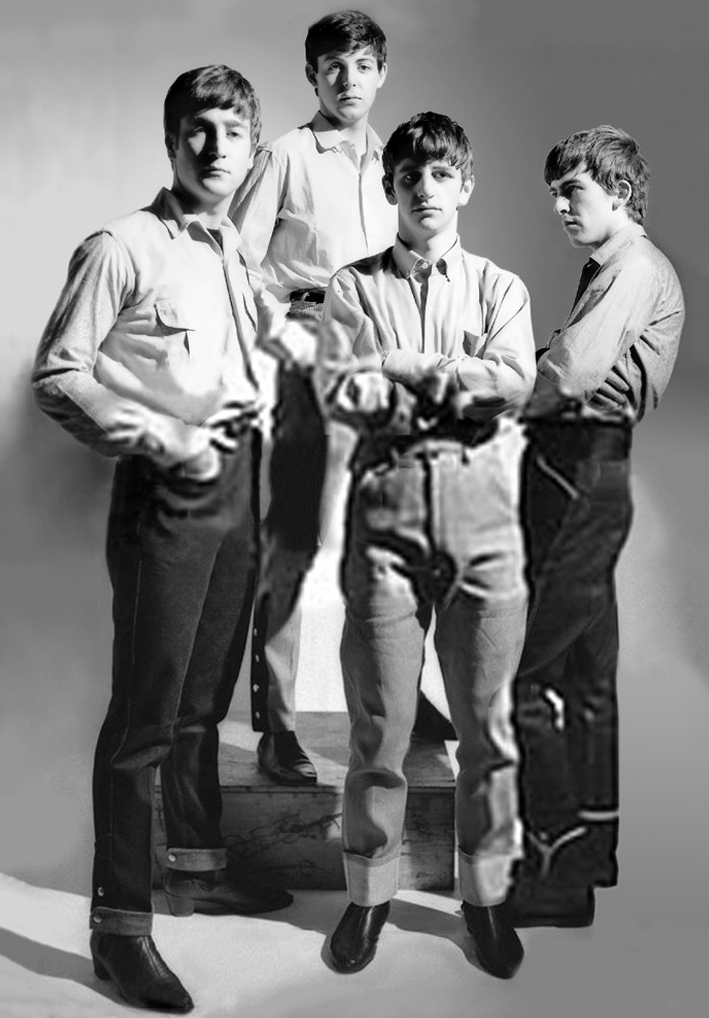
In 1963, a Liverpool jeans company, Lybro Limited, asked if The Beatles would advertise their jeans. The request may either have come through the group’s manager, Brian Epstein – or through their friend at the Cavern Club, DJ Bob Wooler. The advertising agency behind the campaign was Millican Advertising Limited, operating from Liverpool 3.
The original photos came to light in 2004, when photographer Richard Cooper unearthed the pictures in an old file and remembered the shoot on which he worked as a young 20-year-old apprentice at a photo studio in Liverpool’s African Chambers.
The photos formed the basis of drawings used on the final advertisements.
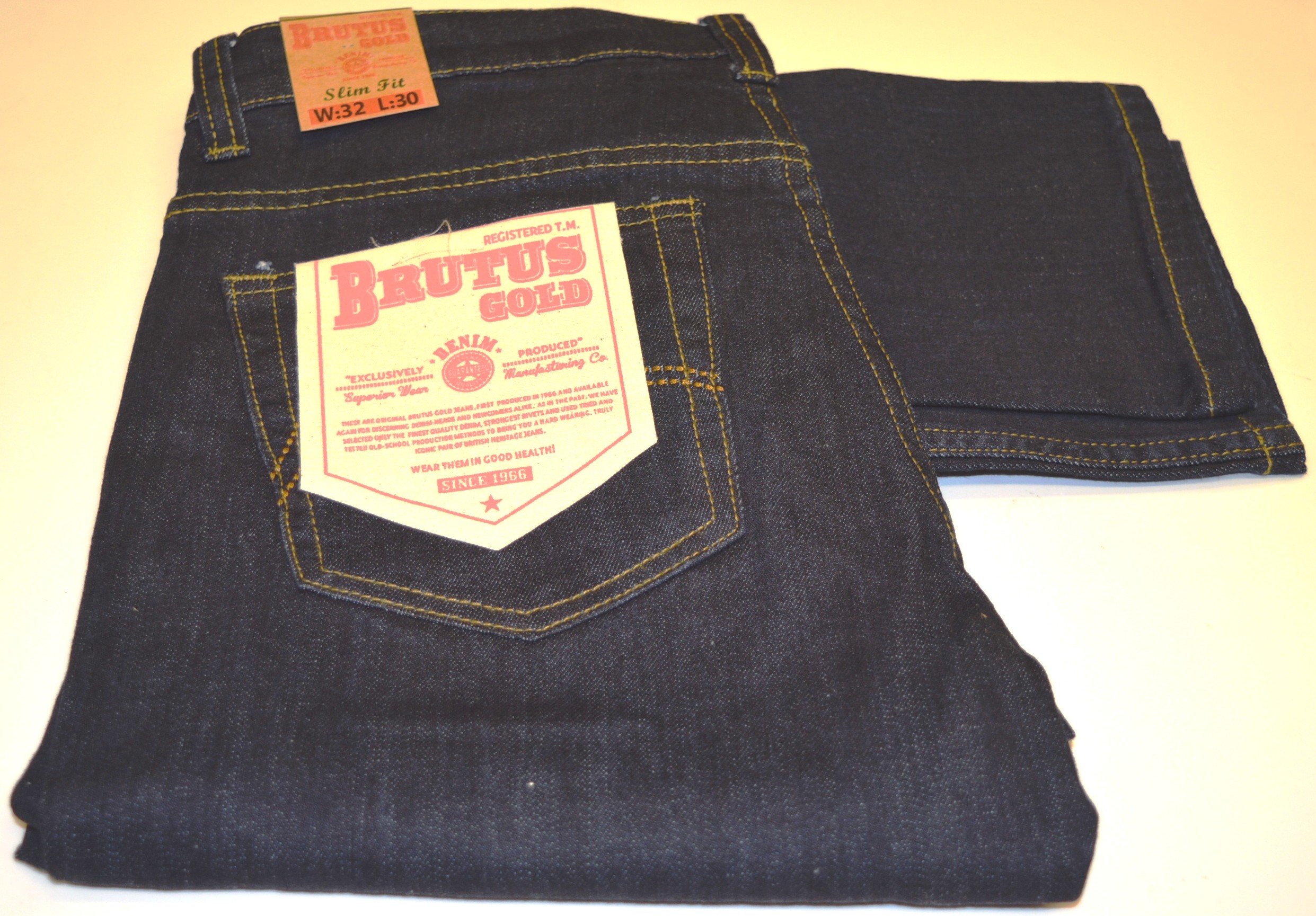
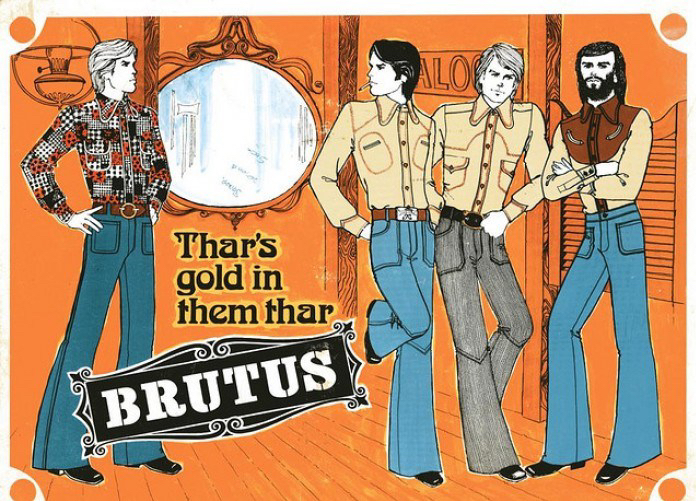
Then along came came Brutus – possibly the first homegrown denim to challenge the American imports for distinctive style and quality.
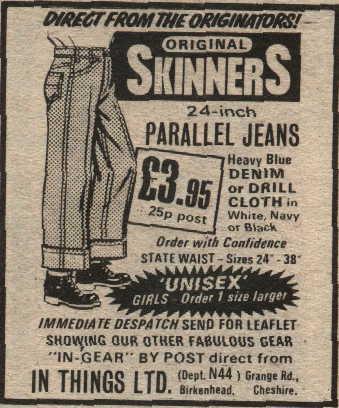
By now flares had flared up like an unwanted rash on the face of the mid-seventies, whilst I remained in a parallel omniverse – constant and true to the parallel cut.
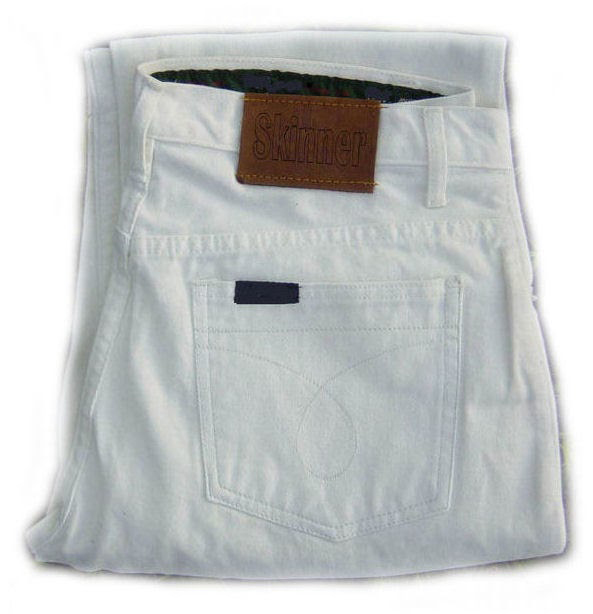
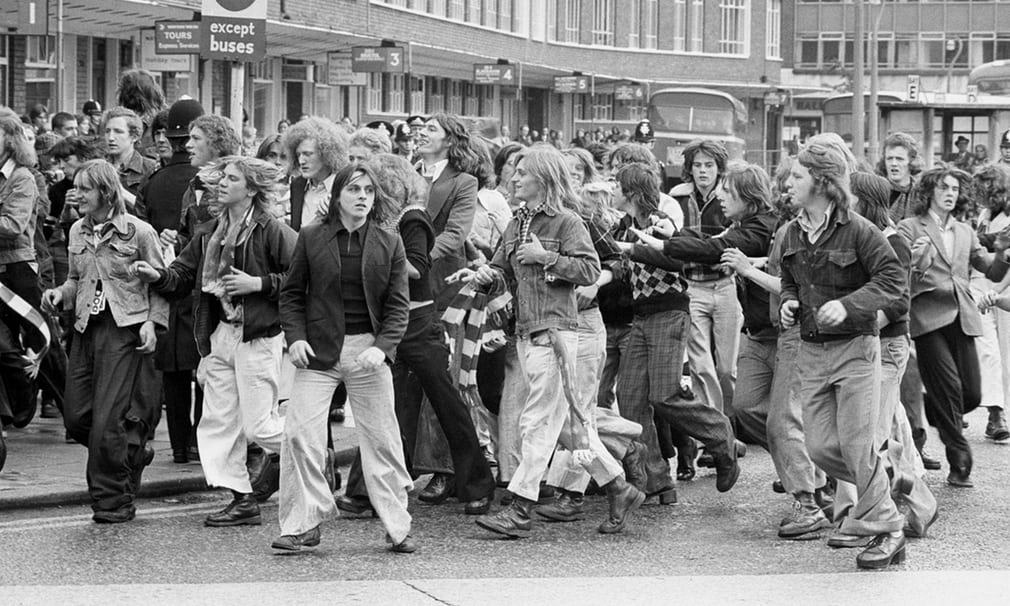
Beloved of the boot-boy and rampaging teenage togger hooligan alike, Skinners ran counter to the ever widening gulf between toe cap and jean hem. I had several pairs in the Seventies, indigo, white and corduroy – we were out, straight and proud.
Less enlightened times produced a rash of Skinner clad misdemeanours on the streets and terraces of this fair Isle.
Manchester United fans in Cardiff 1974
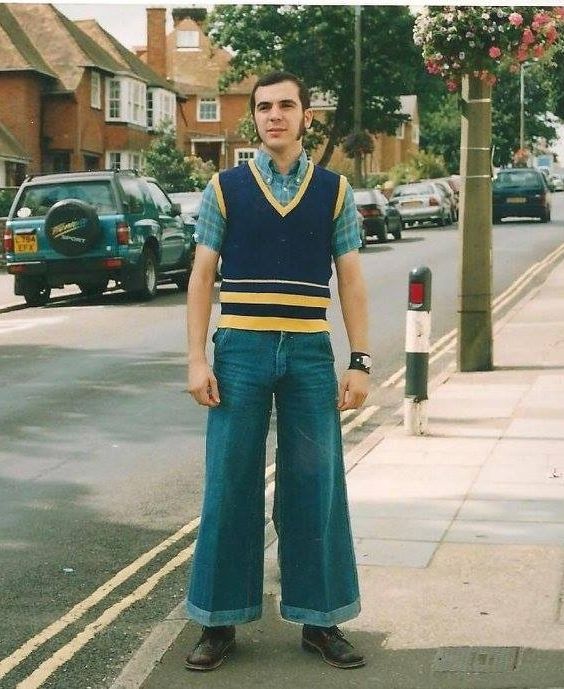
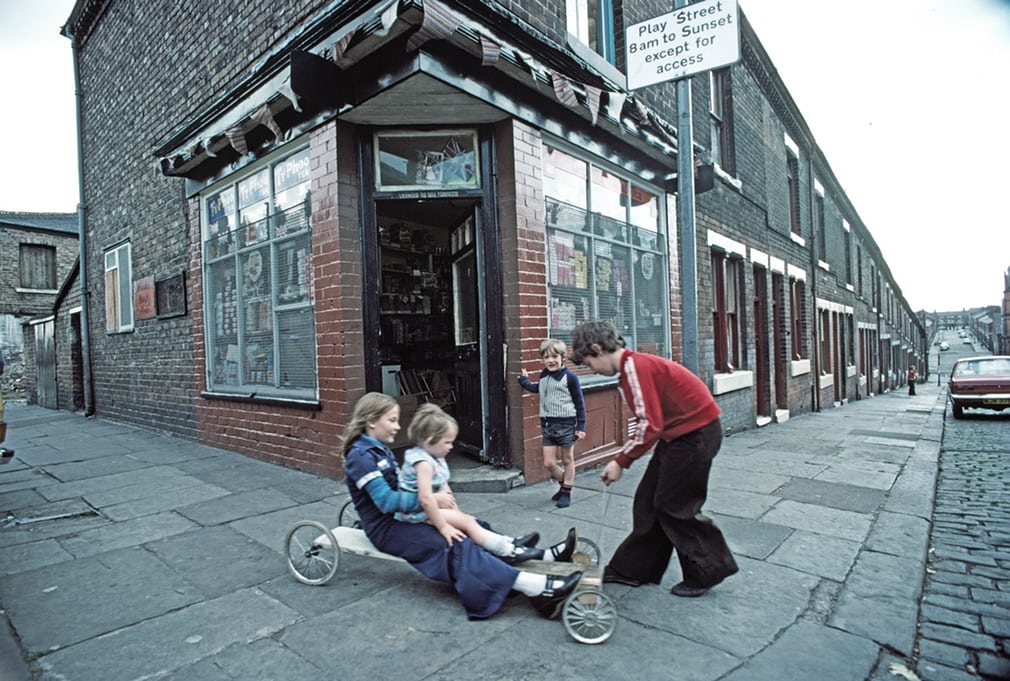
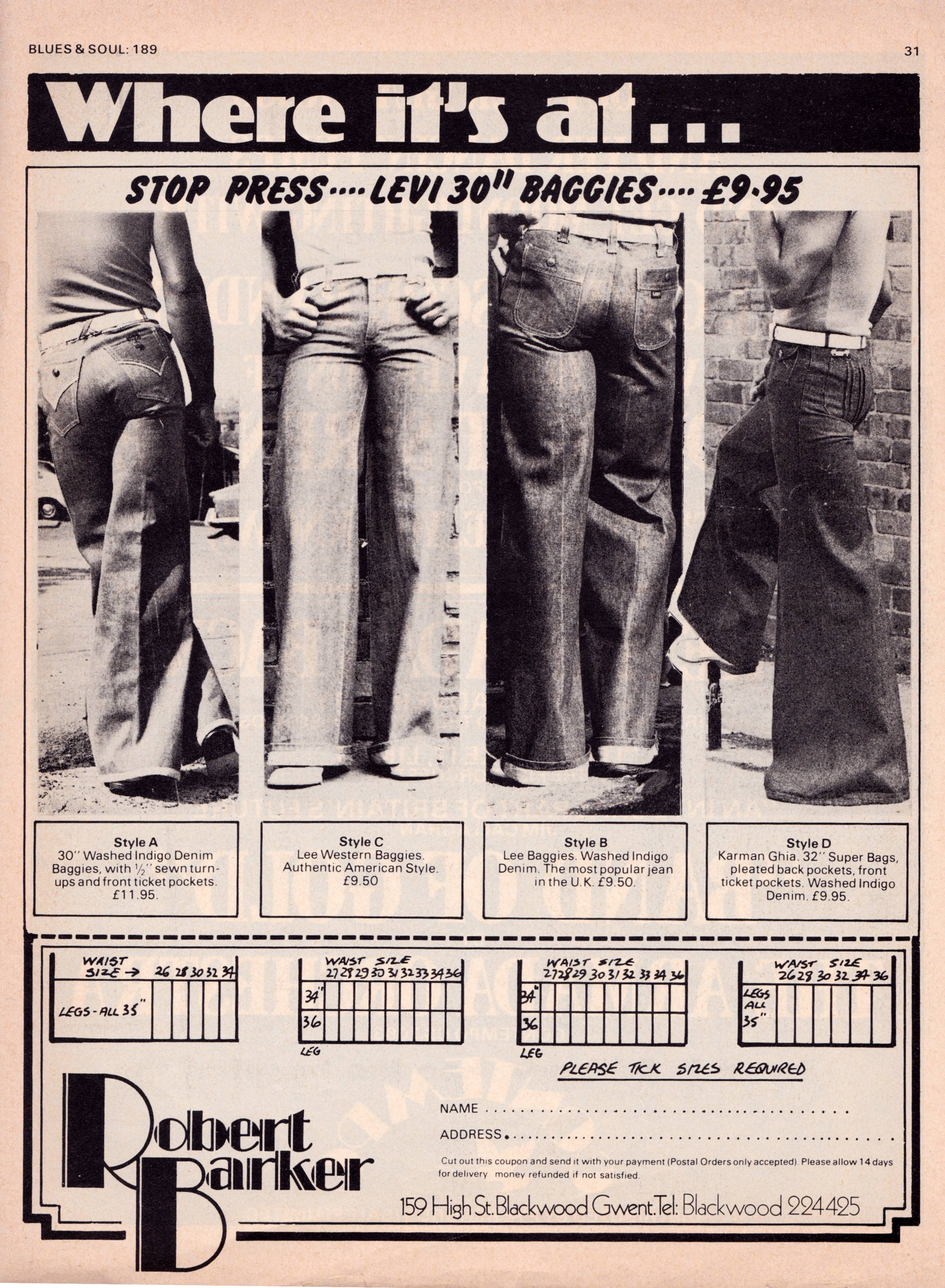
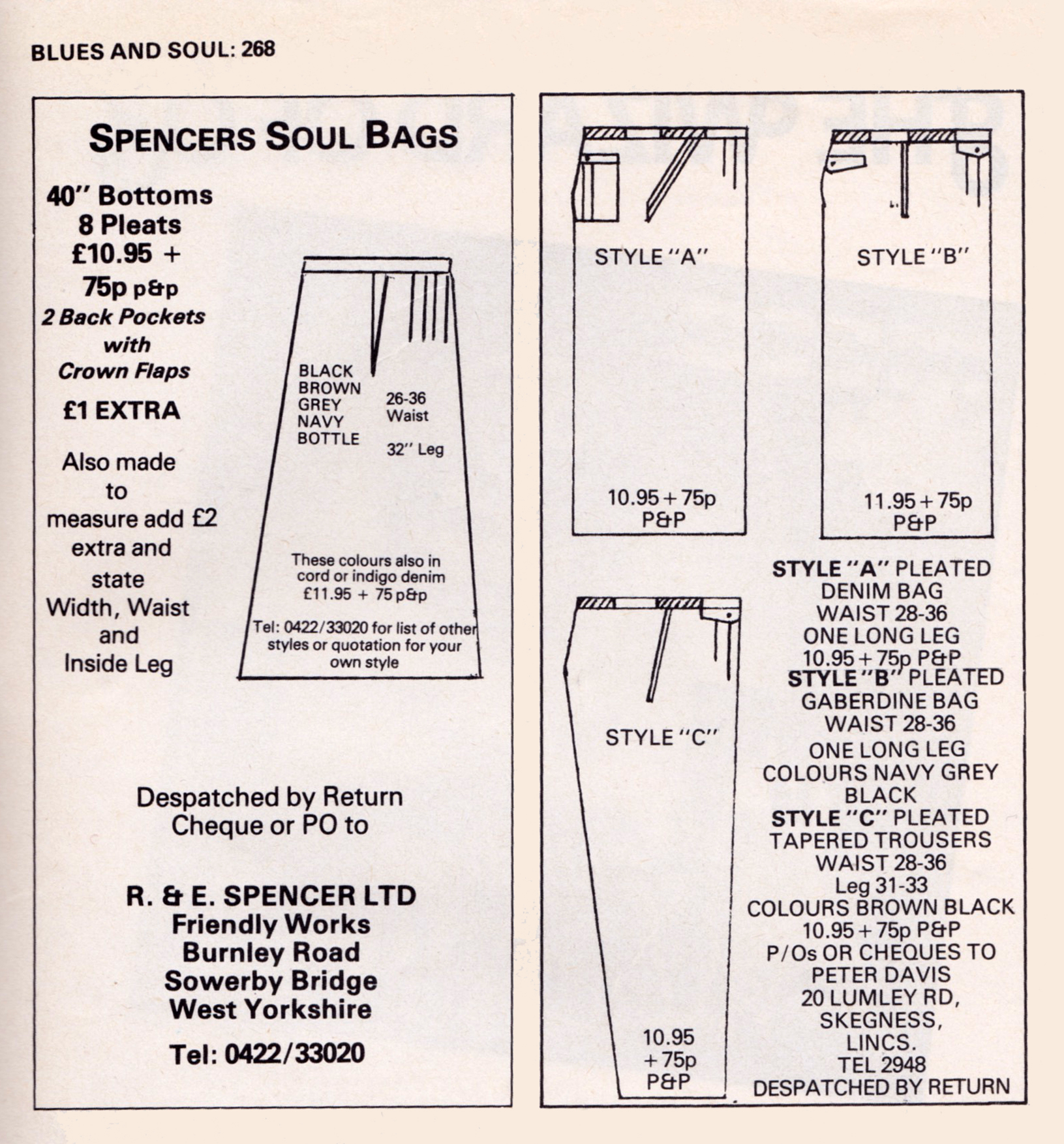
As the Seventies began to collide with the Eighties the upper half of the UK embraced the widest and wildest styles they could find, the northern soul danced to Northern Soul, as jeans, skirts and trousers wrapped and embraced their flailing all-night limbs.
John Bulmer – Manchester 1974
Blues & Soul August 1976
Blues & Soul January 1979
It couldn’t last, we had to take a narrower view in our strides.
The onset of Punk Rock heralded the inception of the skinnier jean – despatching the Hippy flare and Soul Boy bag, indigo to the bargain bins of history.
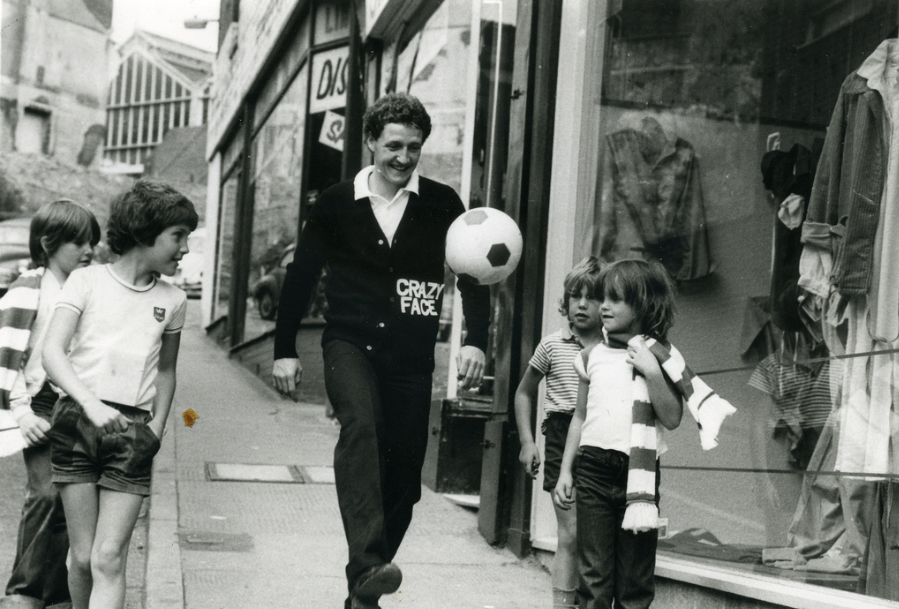
I then began to buy mine from Crazy Face – brainchild of Joe Moss, he had series of Stockport shops on Mealhouse Brow, Lower Hillgate and Tiviot Dale along with Chapel Walks in Manchester – Joe would later find fame managing Manchester pop sensations The Smiths.
Stuart Lee of Stockport County at Mealhose Brow
For years I would wear a wide variety of wide and not so narrow Crazy Face denim – served by fresh-faced, soon to be superstar DJ Jason Boardman.
Nothing last forever and my love affair with home grown denim eventually came to an end, Joe Bloggs, Hooch and Bench largely passed me by.
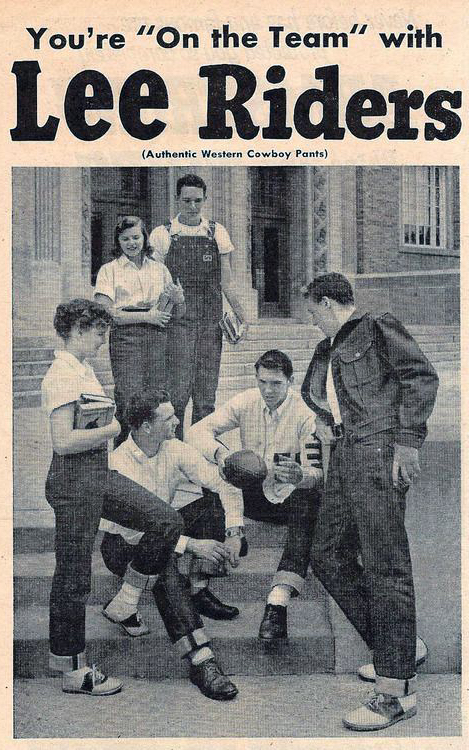
And so our story ends – a Storm Rider in a turn up, I began wearing Lee Jeans and I’ve never looked back, owning several pairs in various states of wash and wear loved, they are now no longer made.
So some ways down the line I’ll have to take a look at what’s shaking – shake down a pair of eBay Tek Sacs and start all over again.
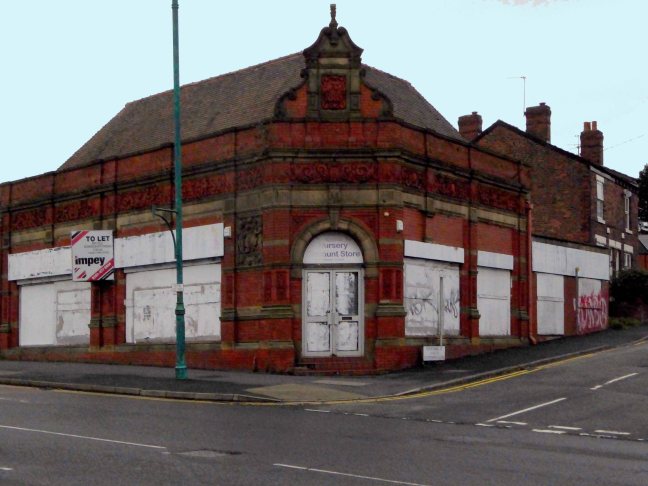
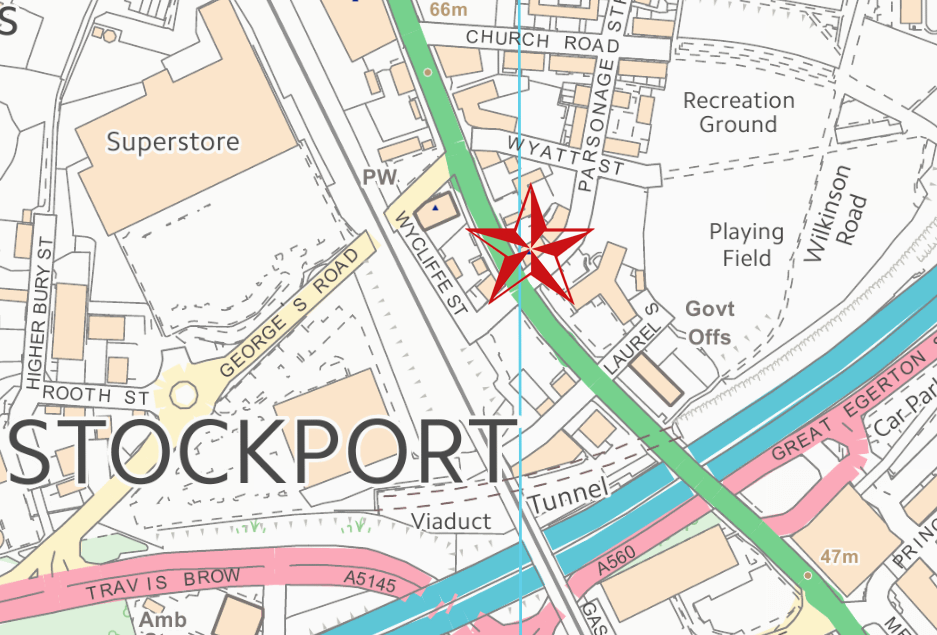
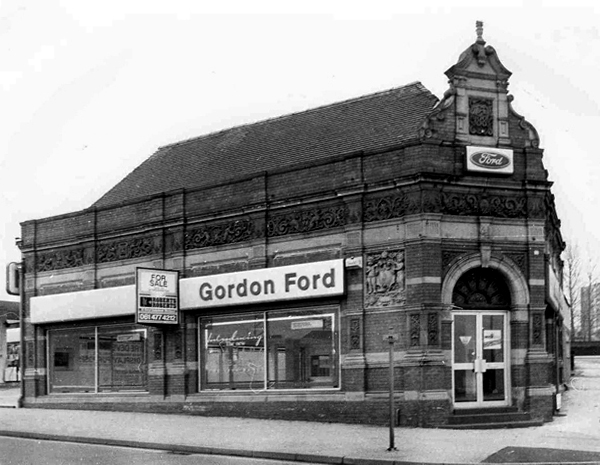
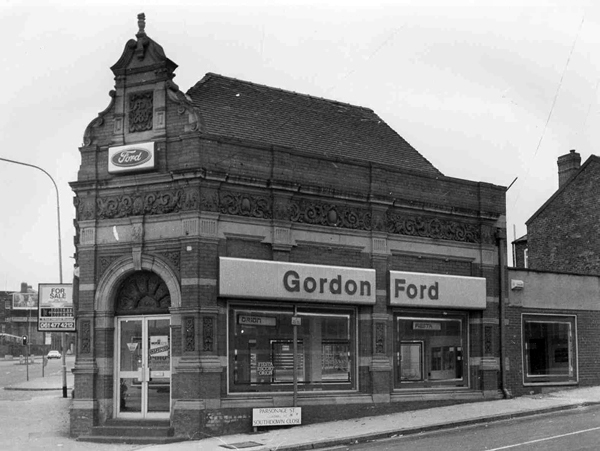
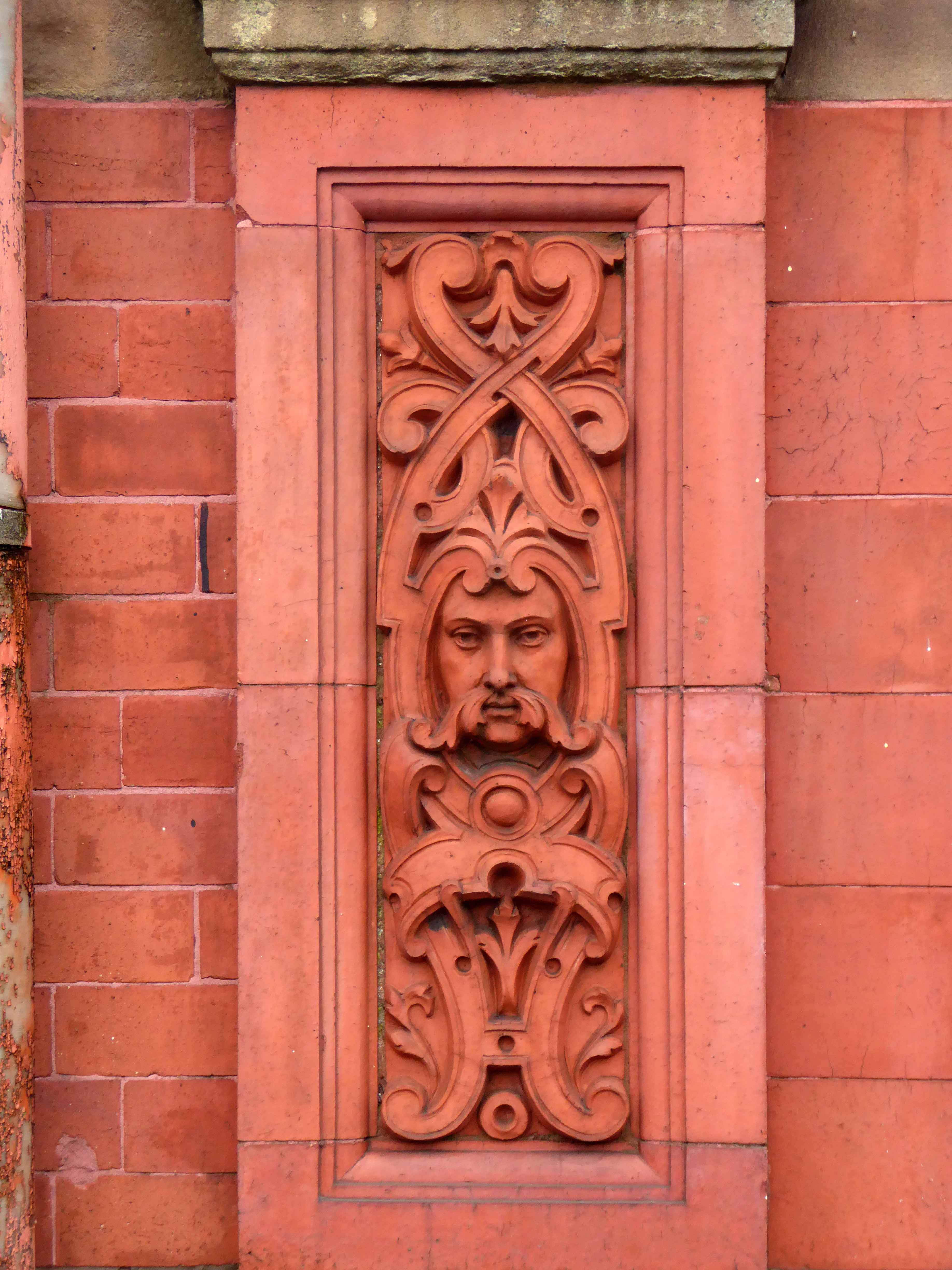
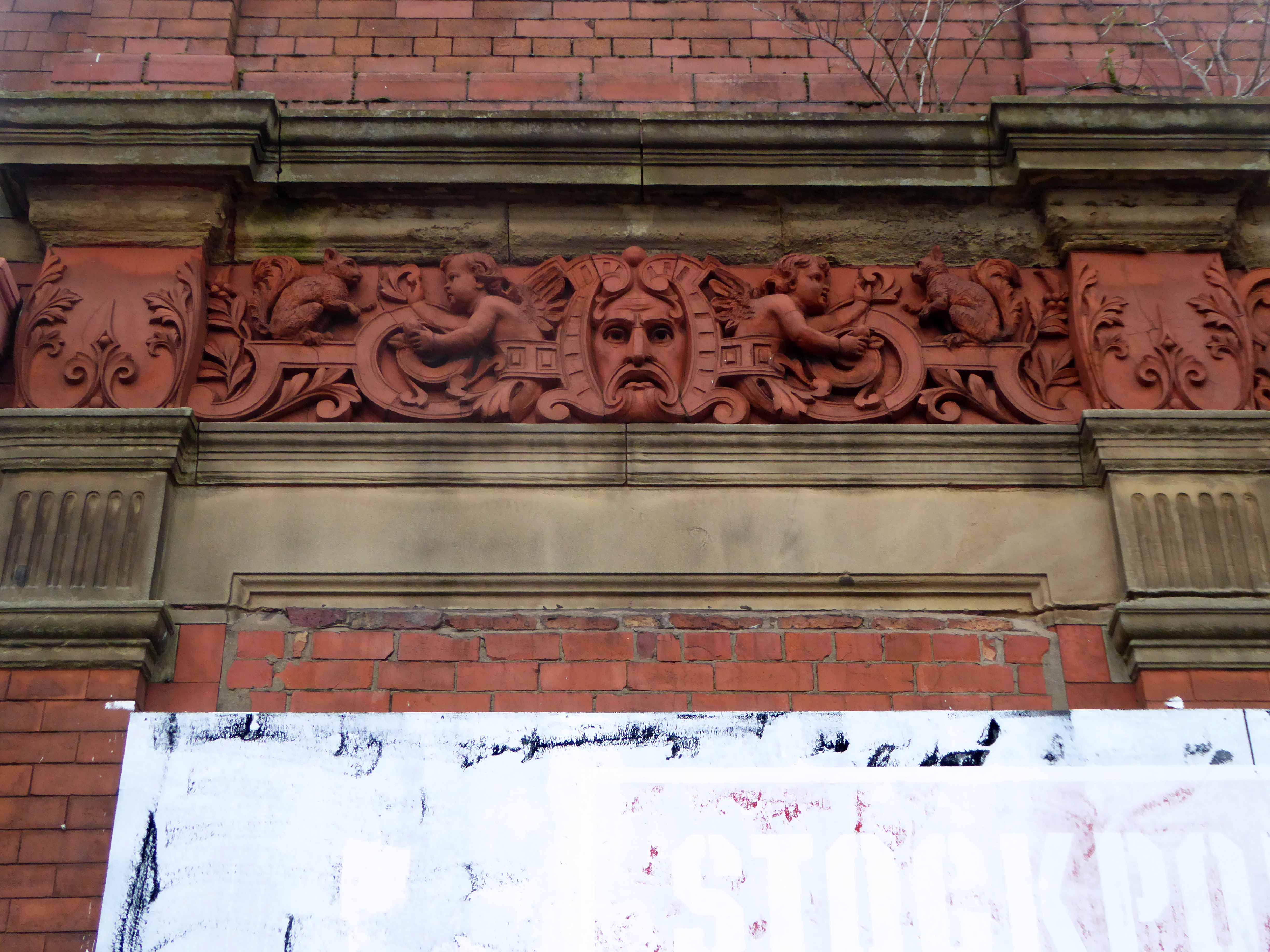
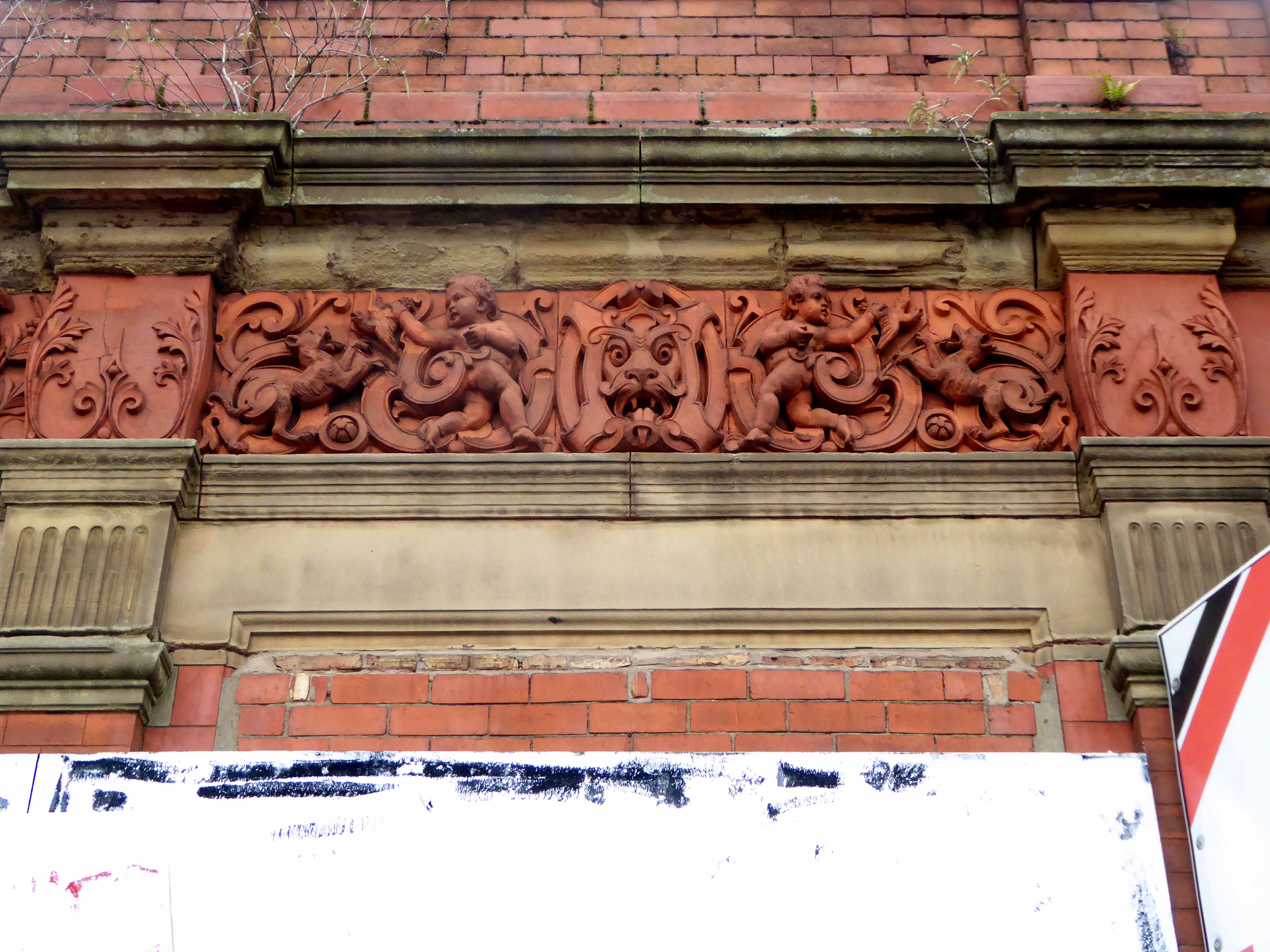
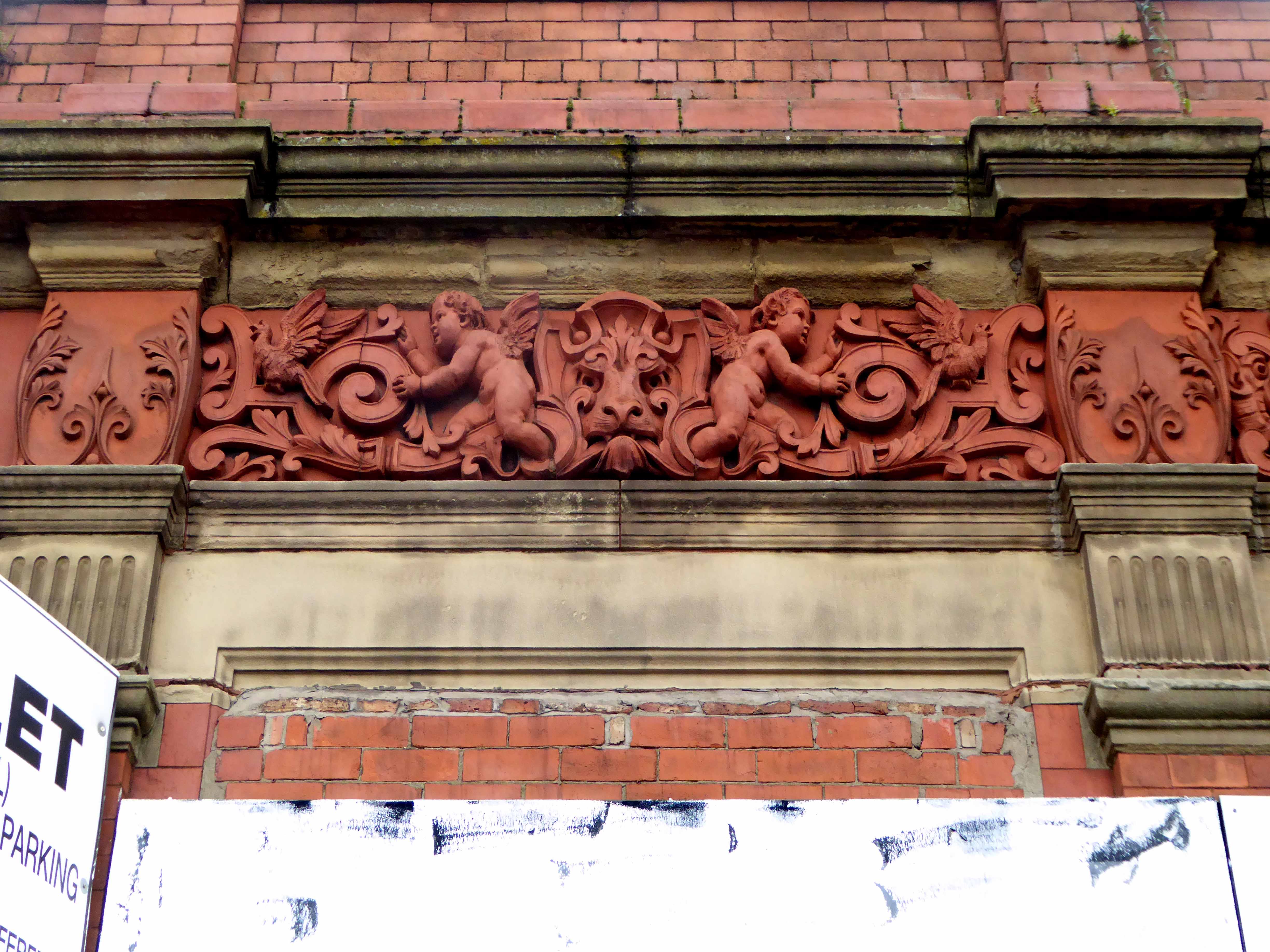
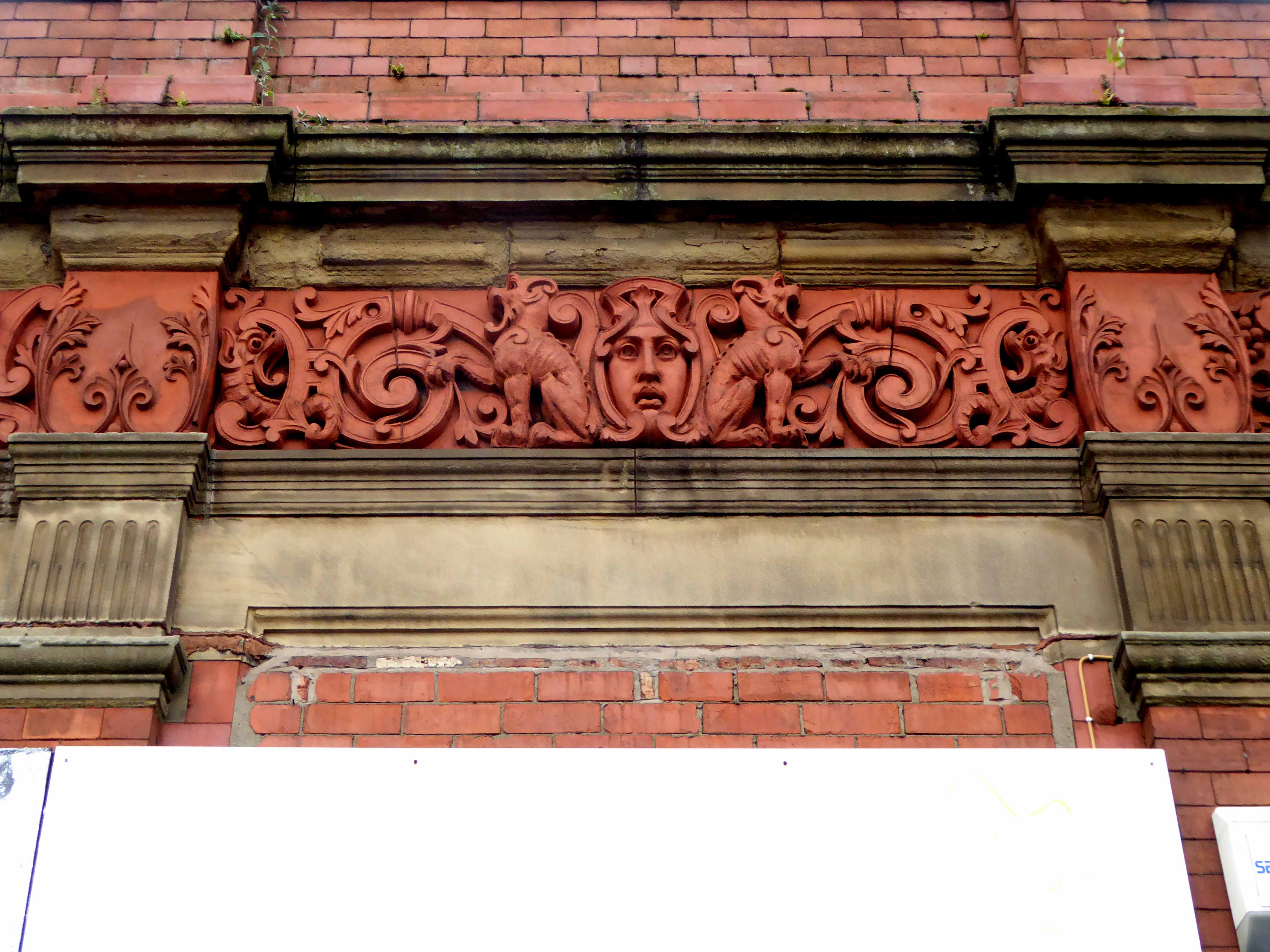
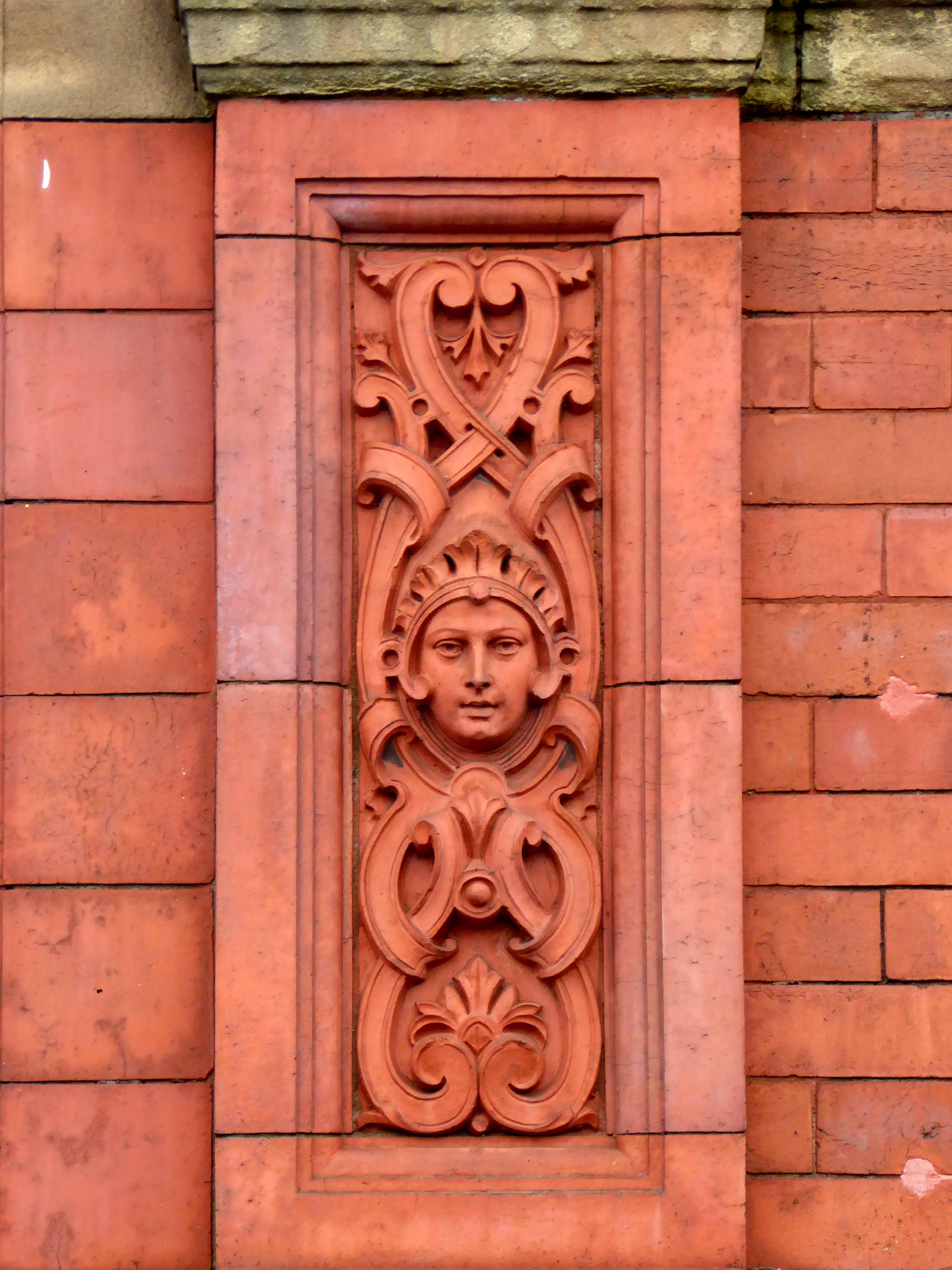
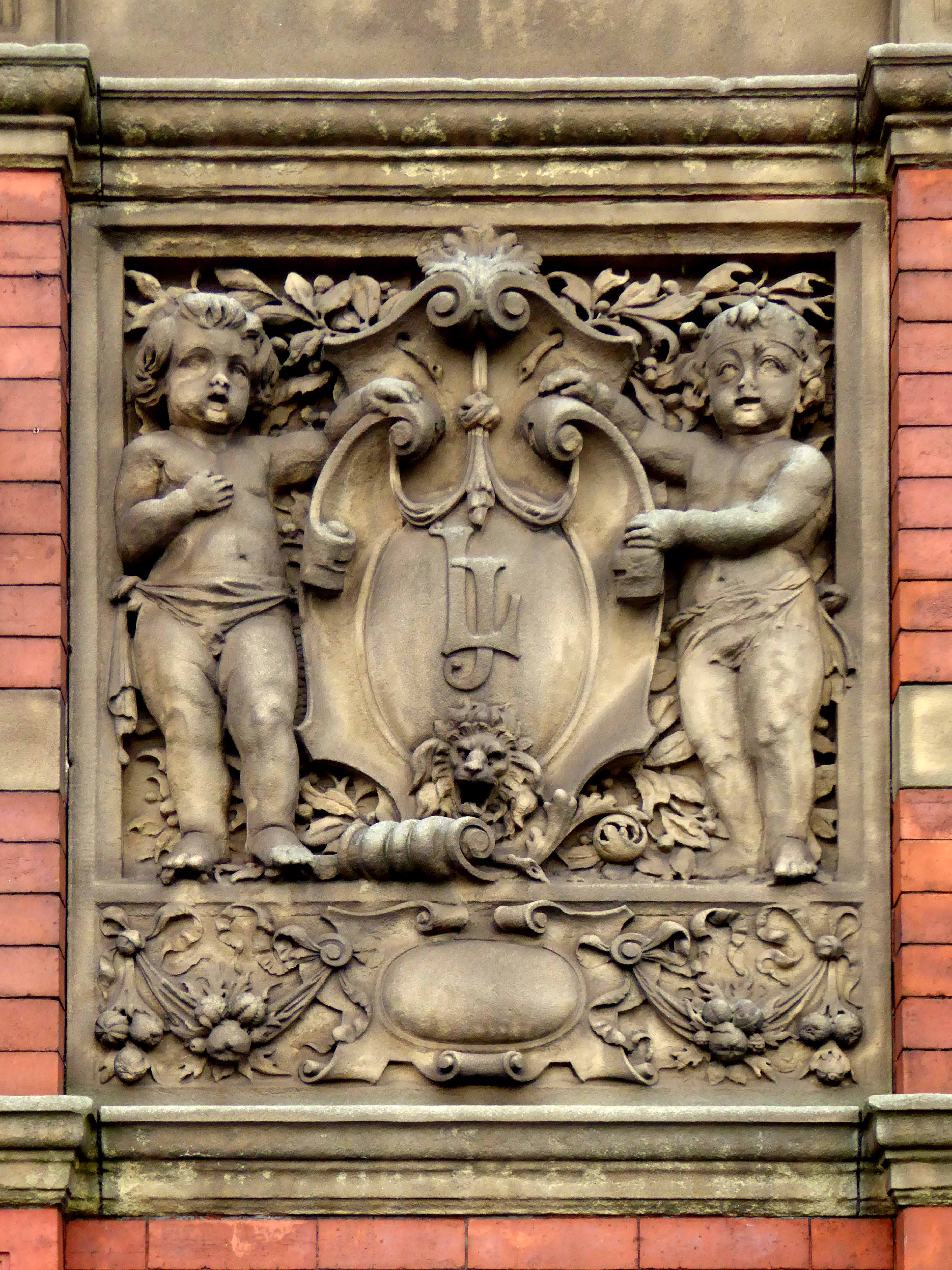
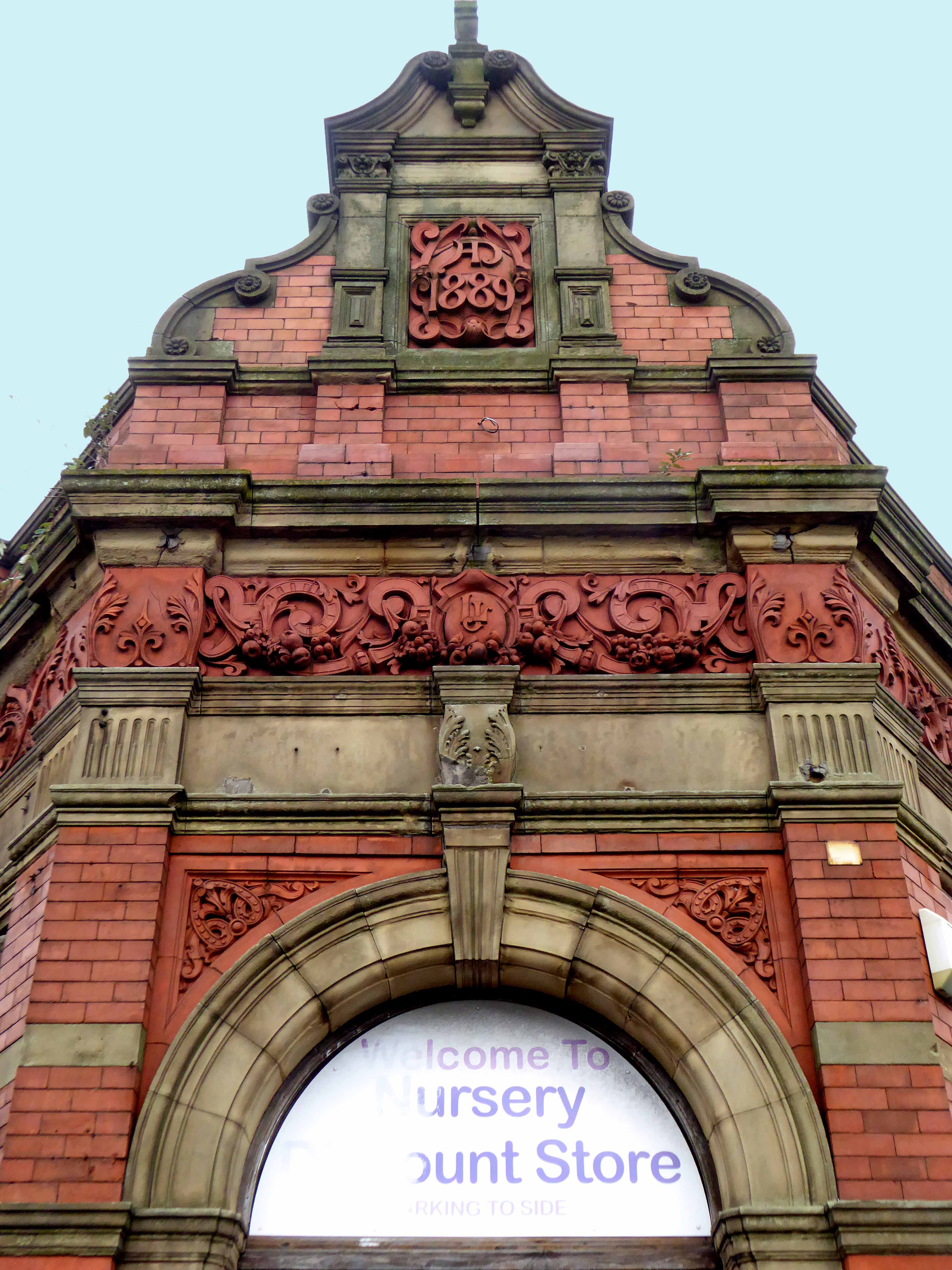
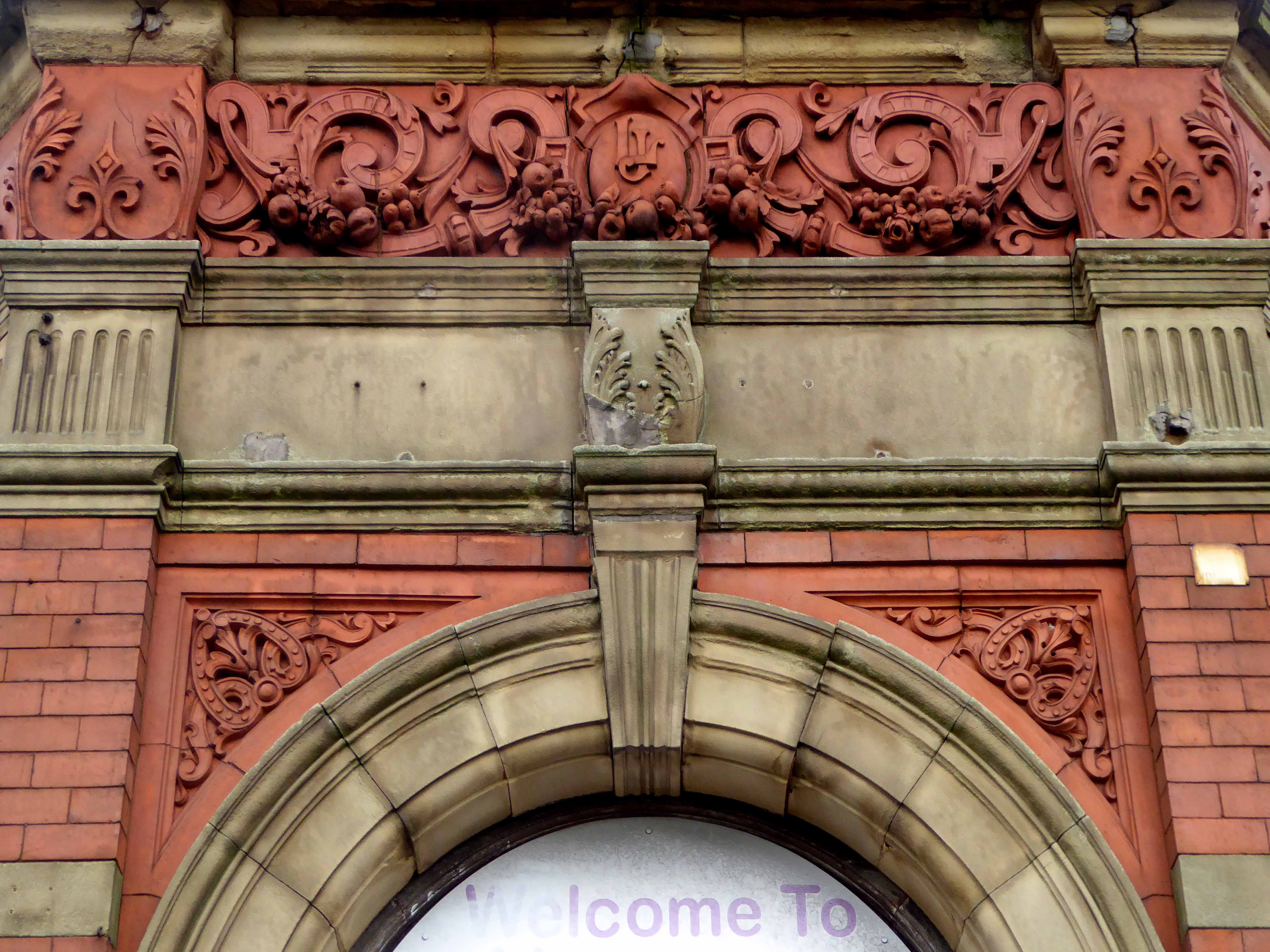
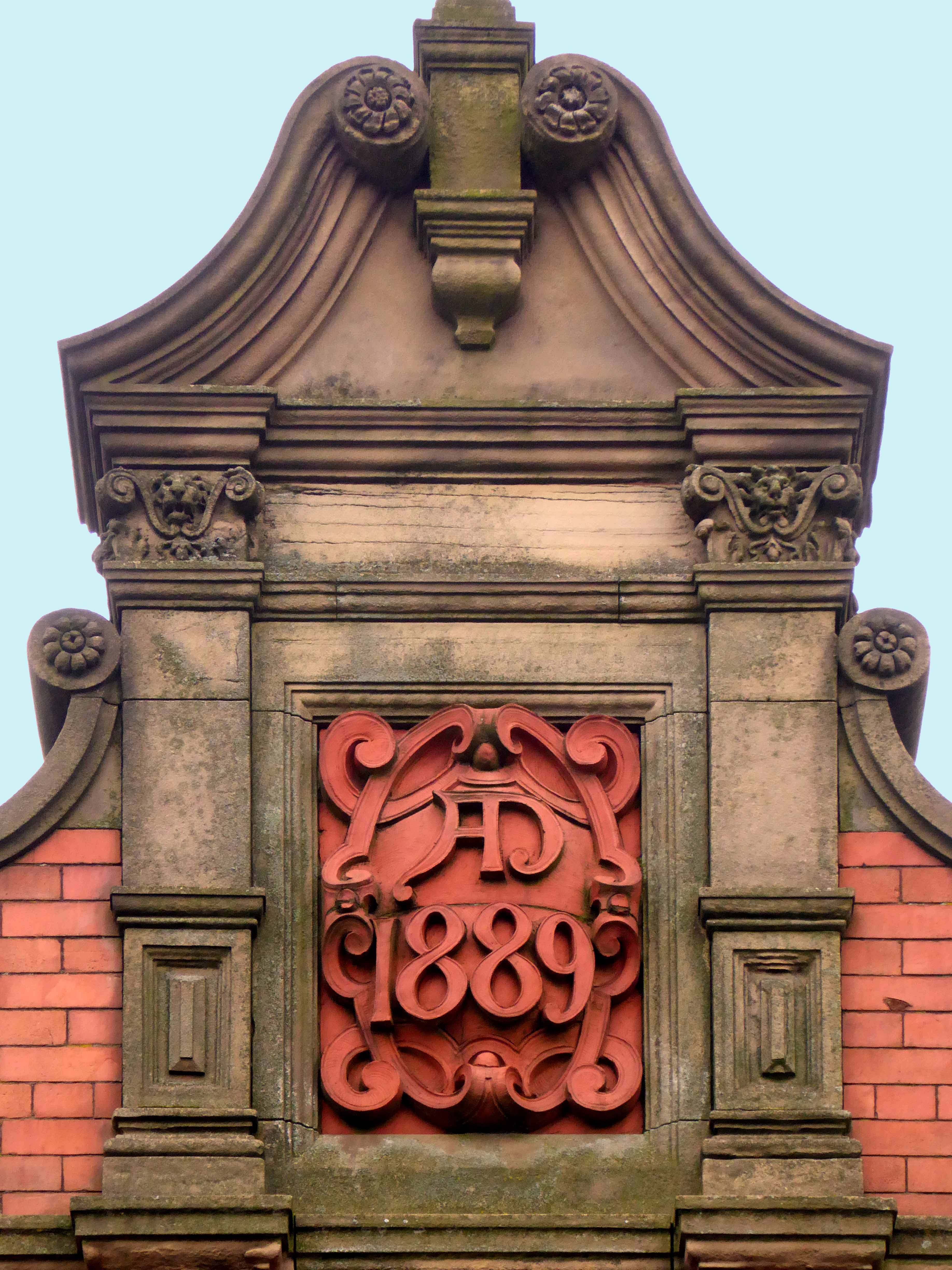
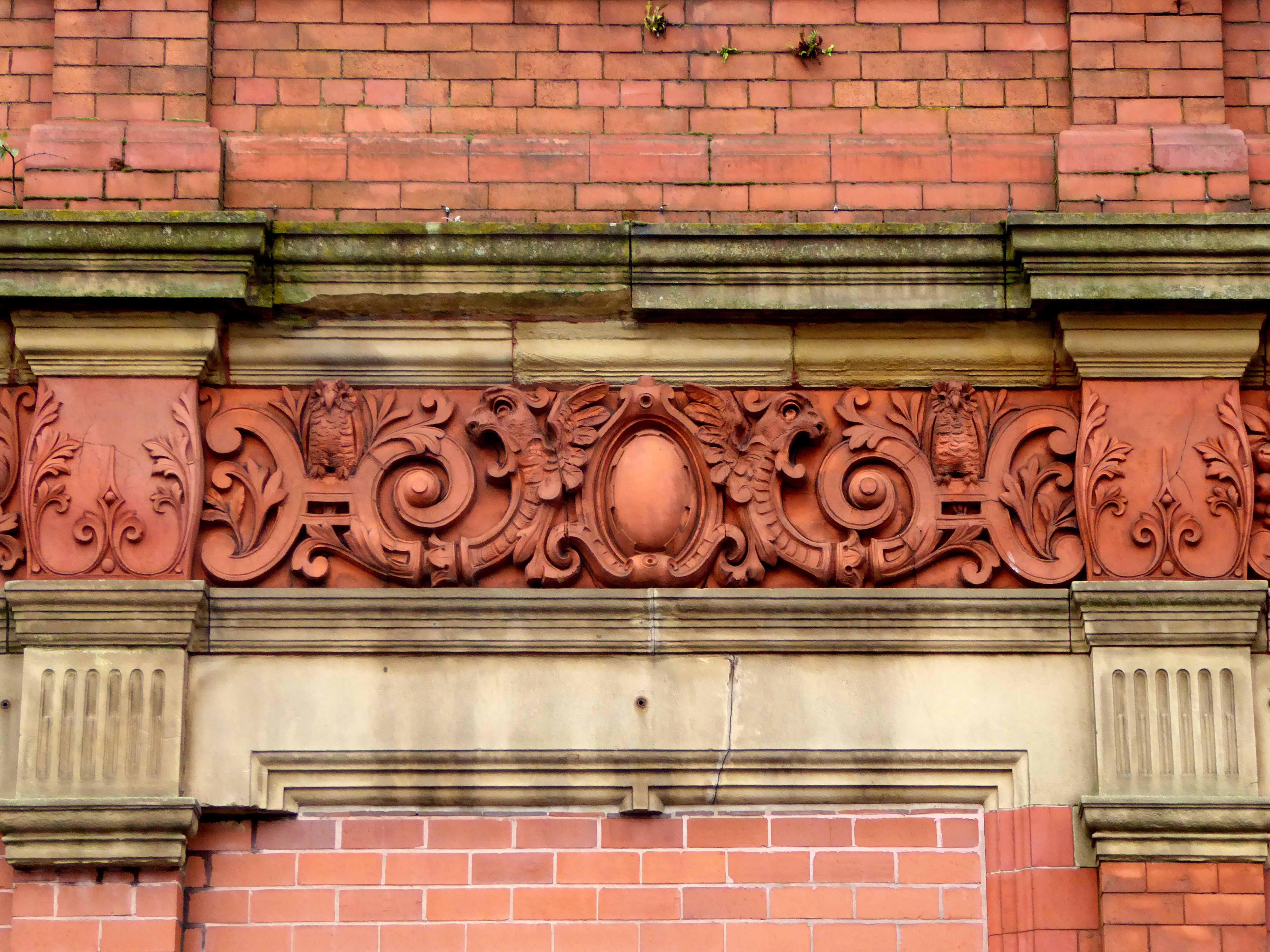
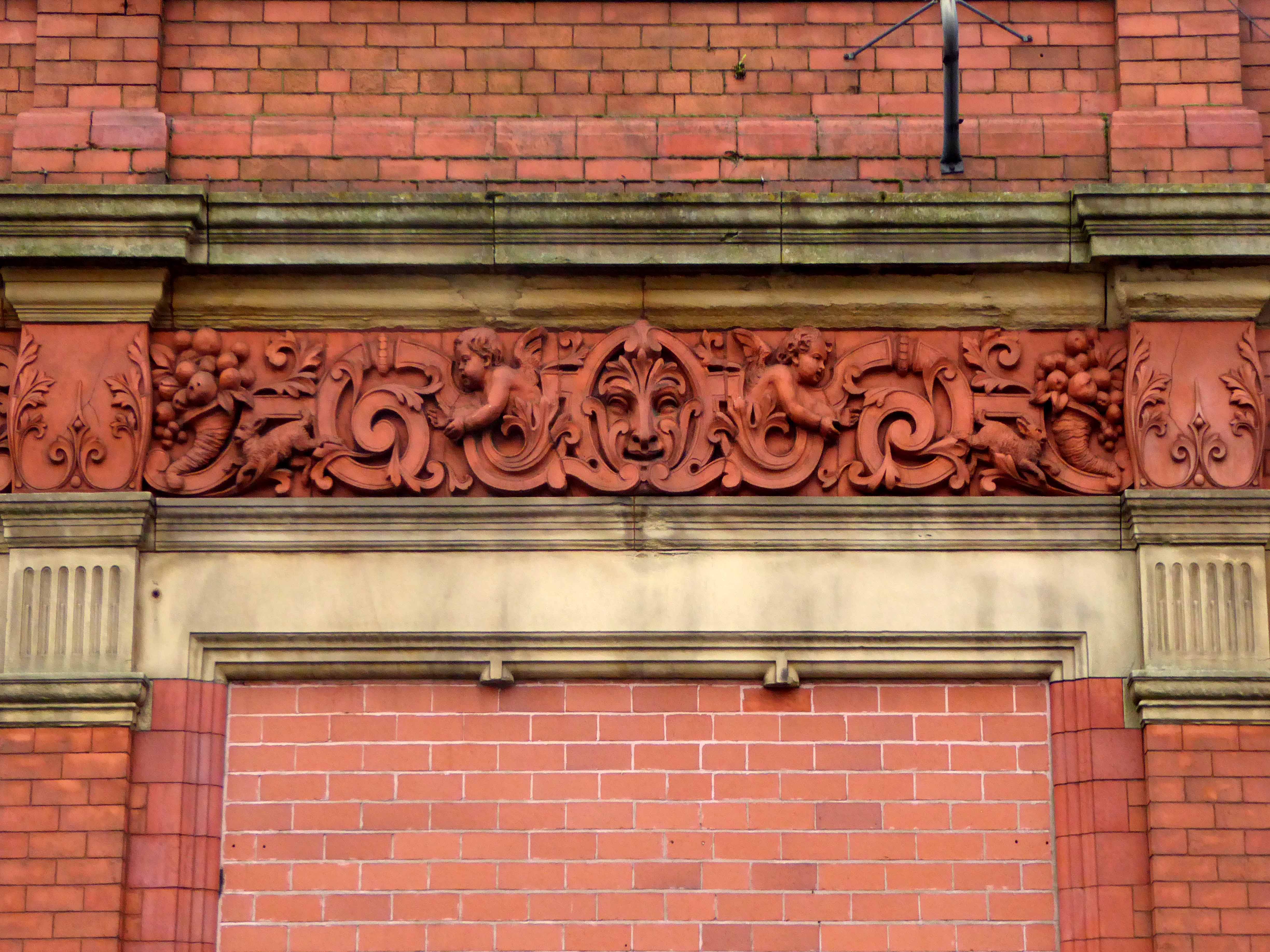
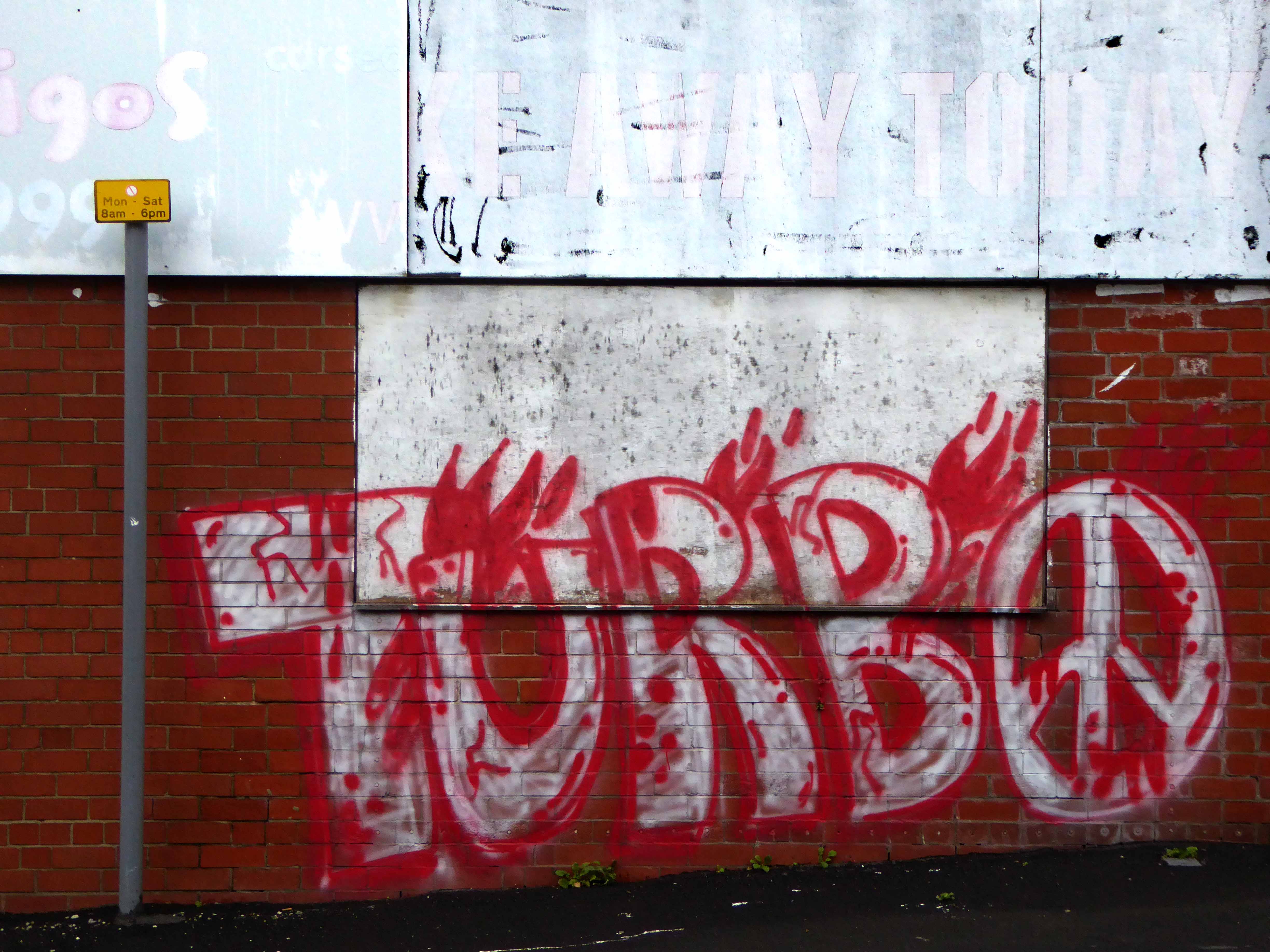
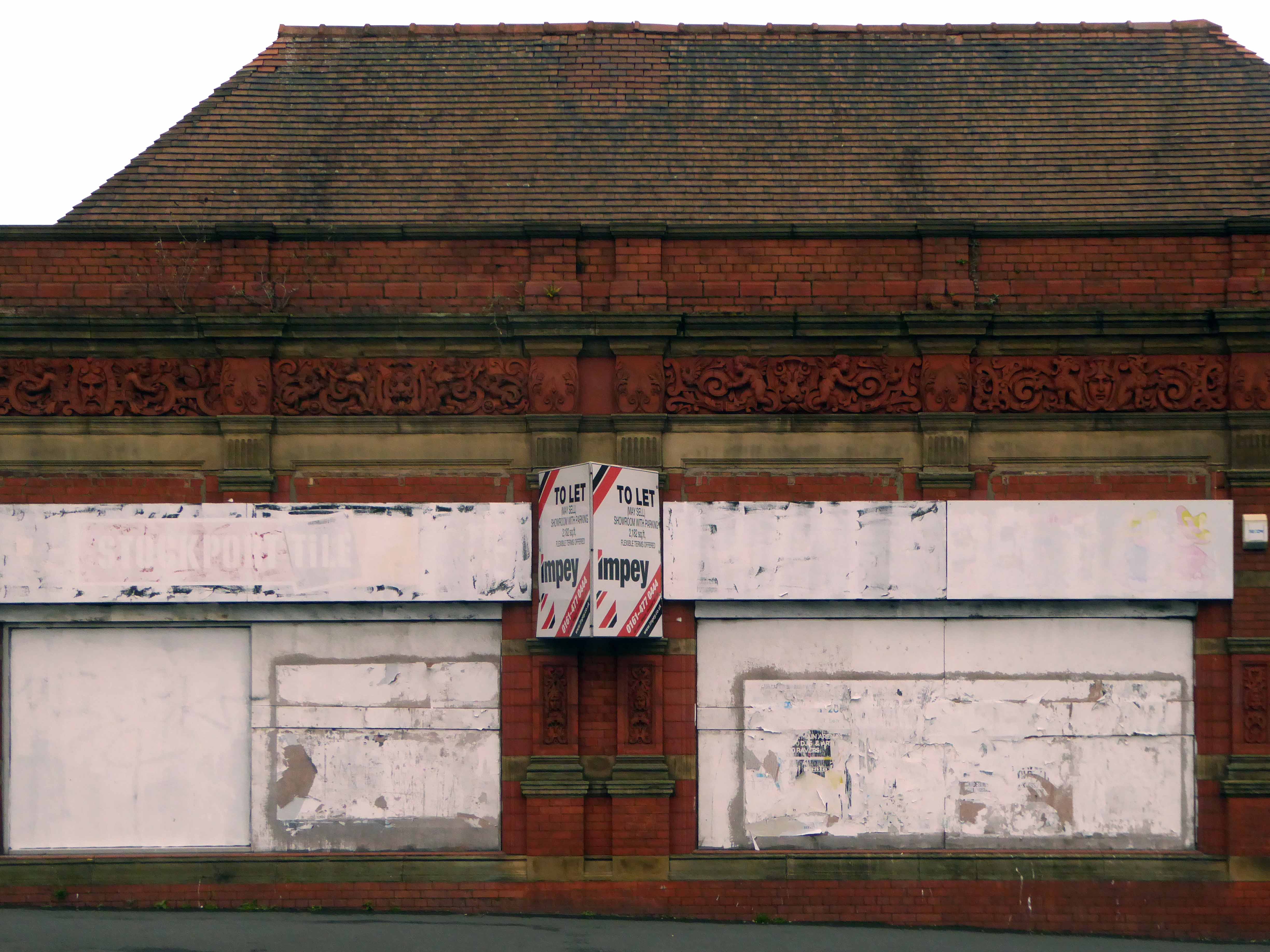
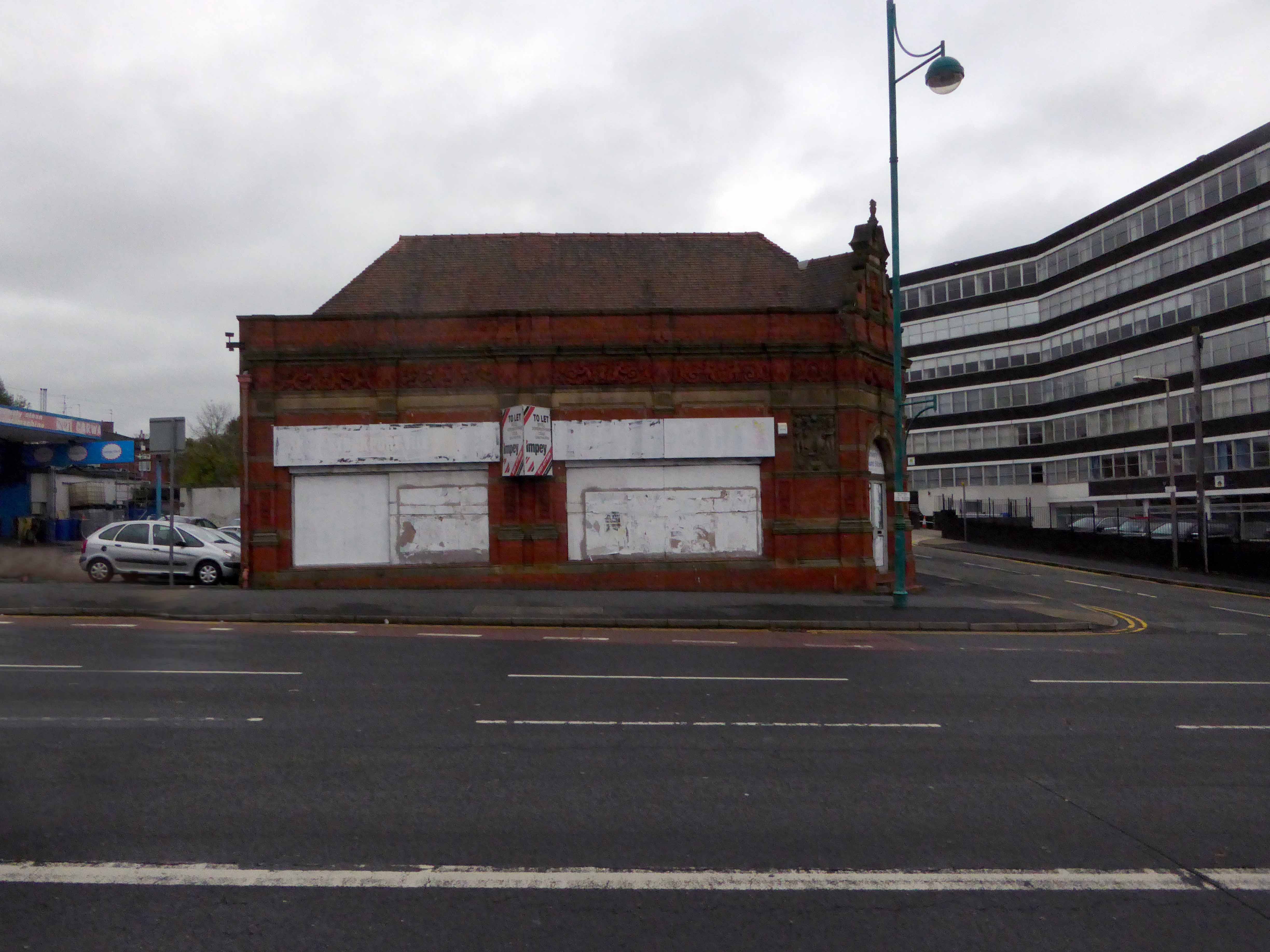
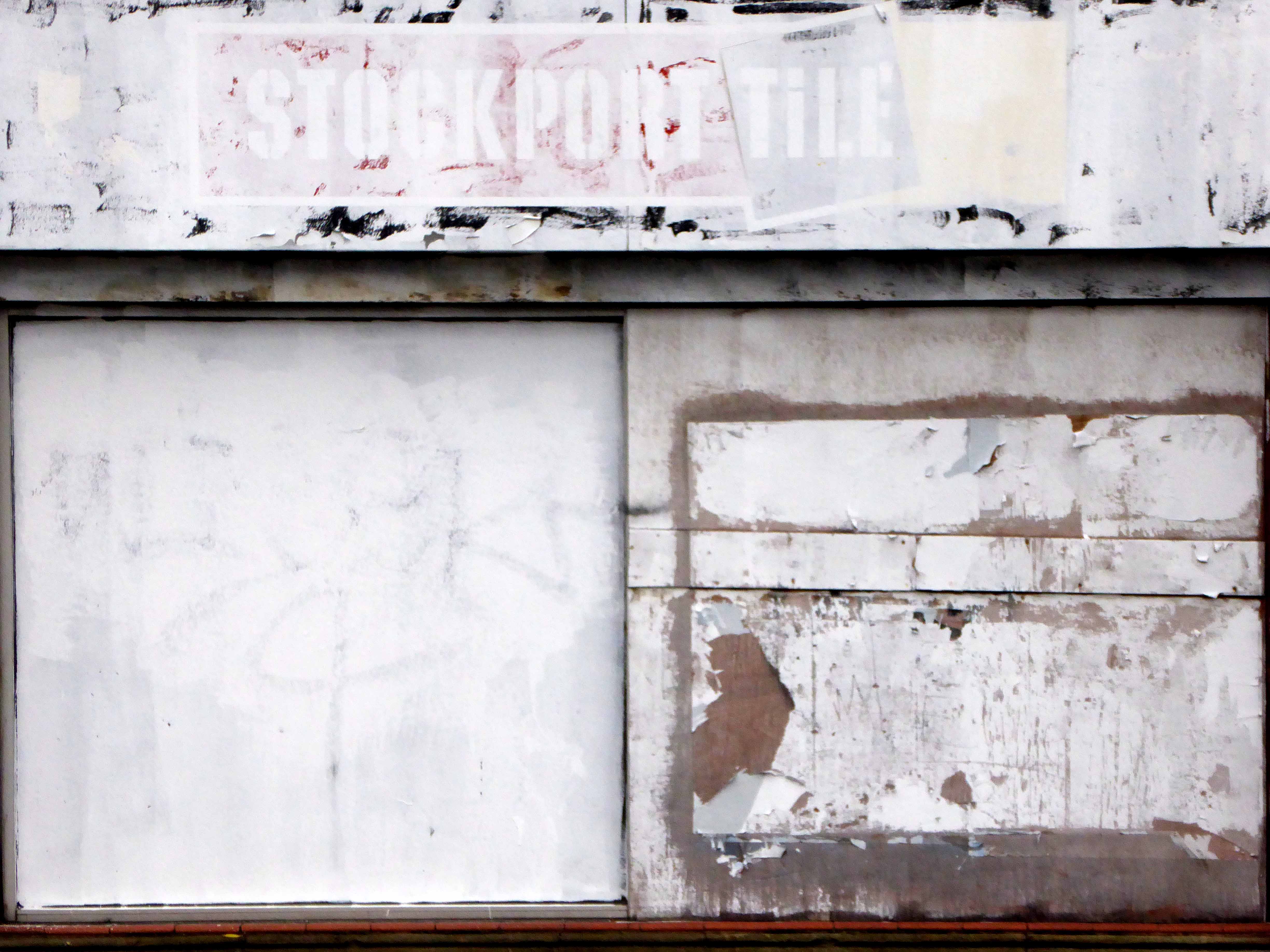
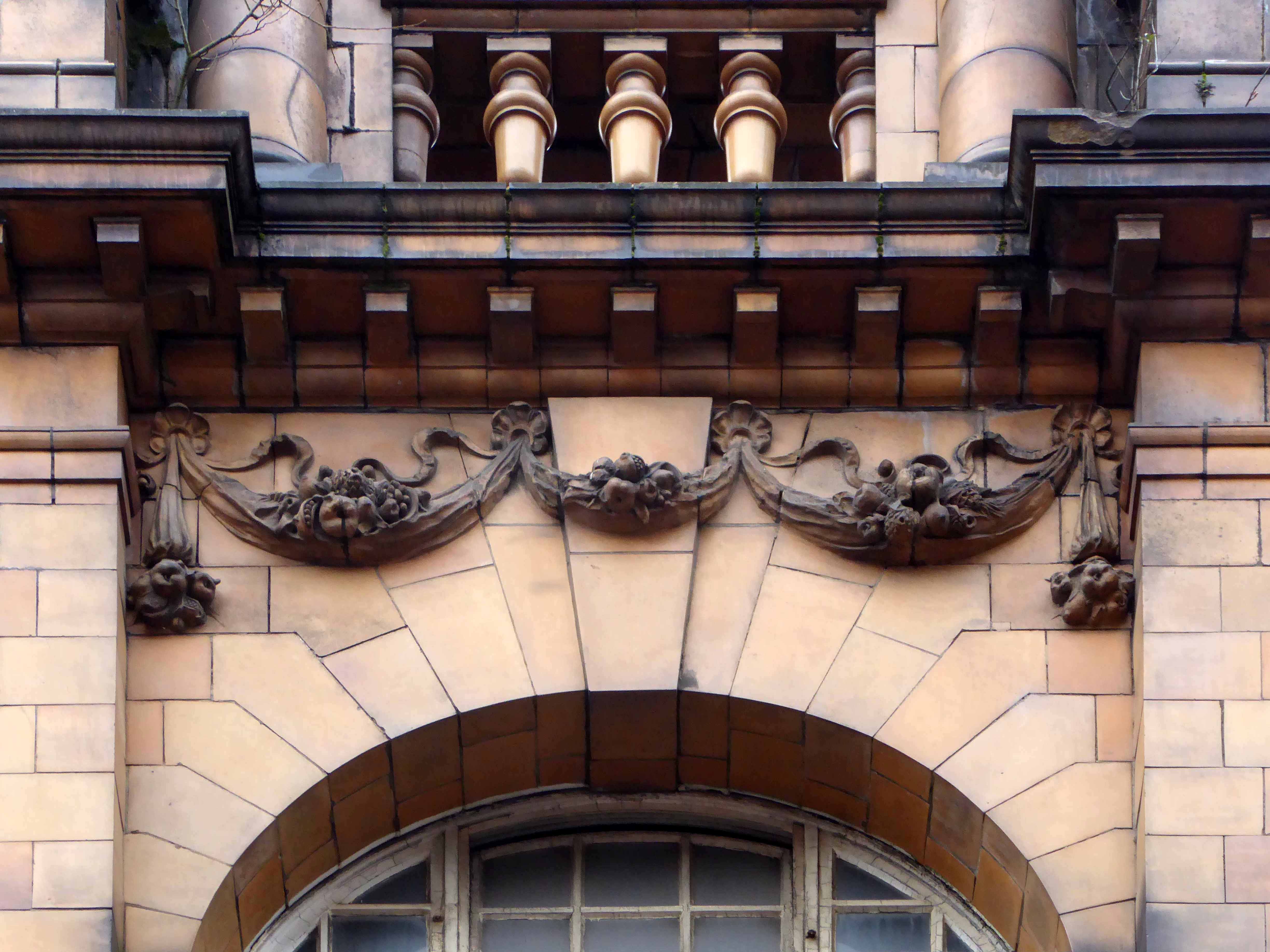
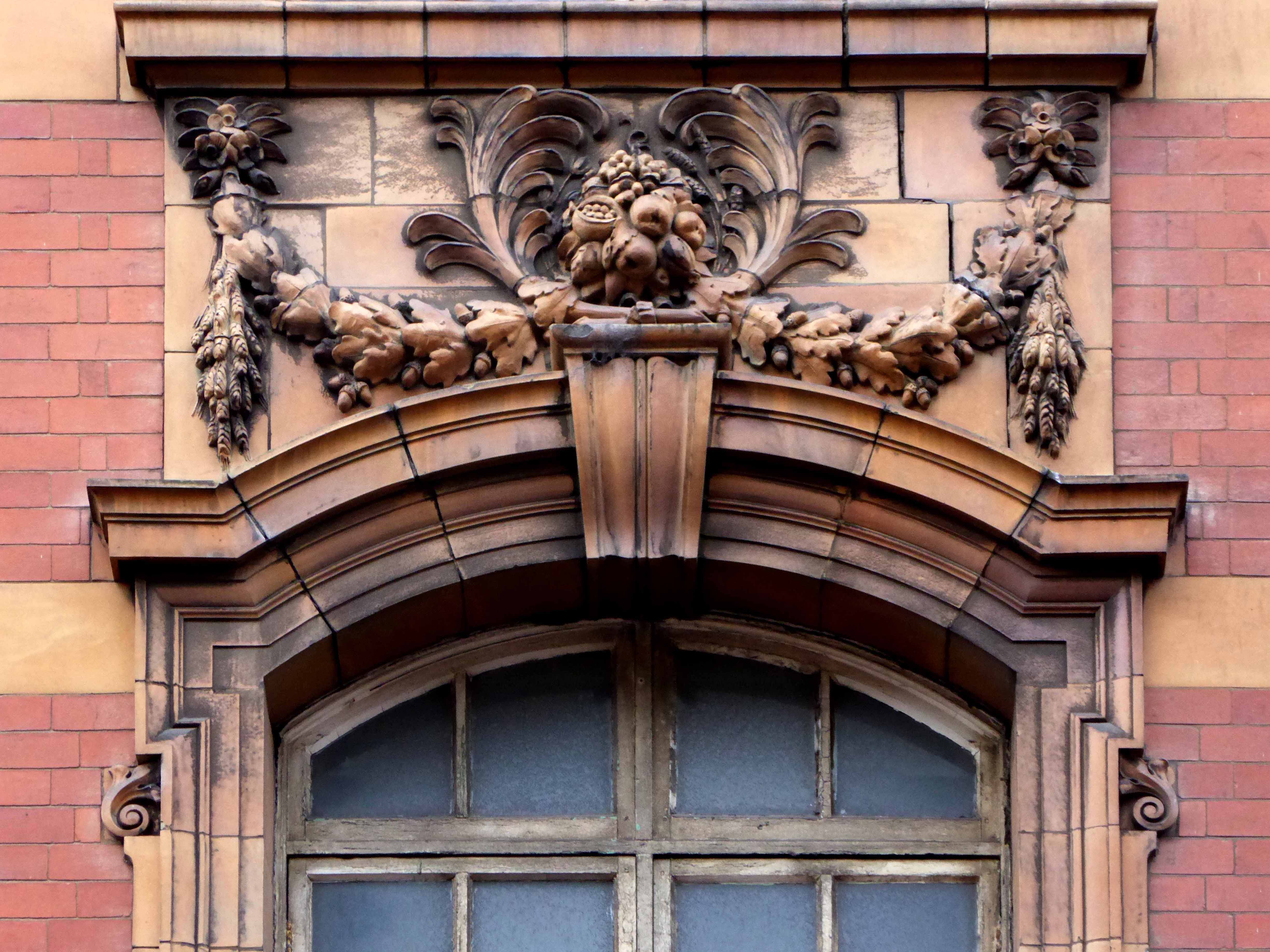
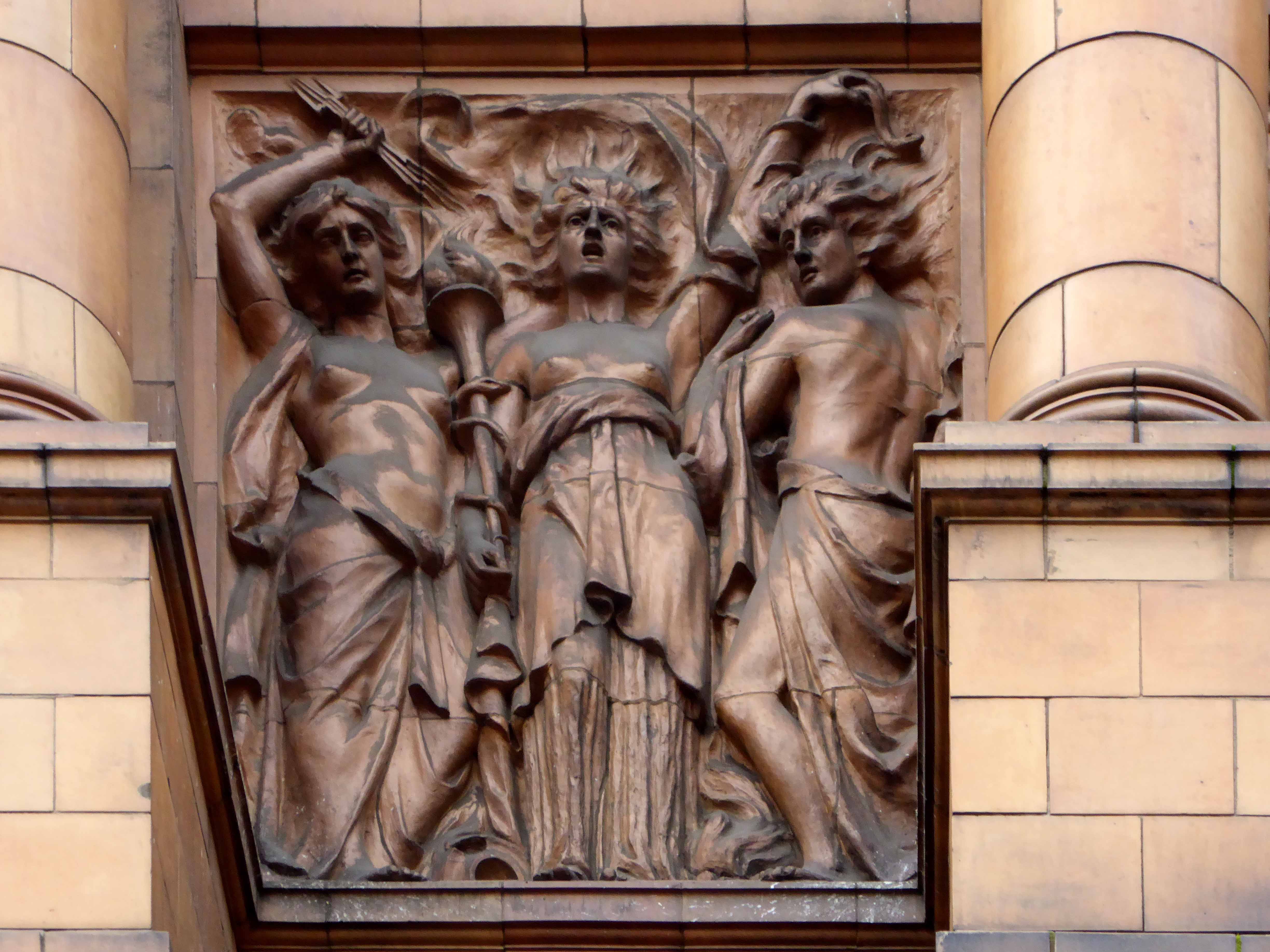
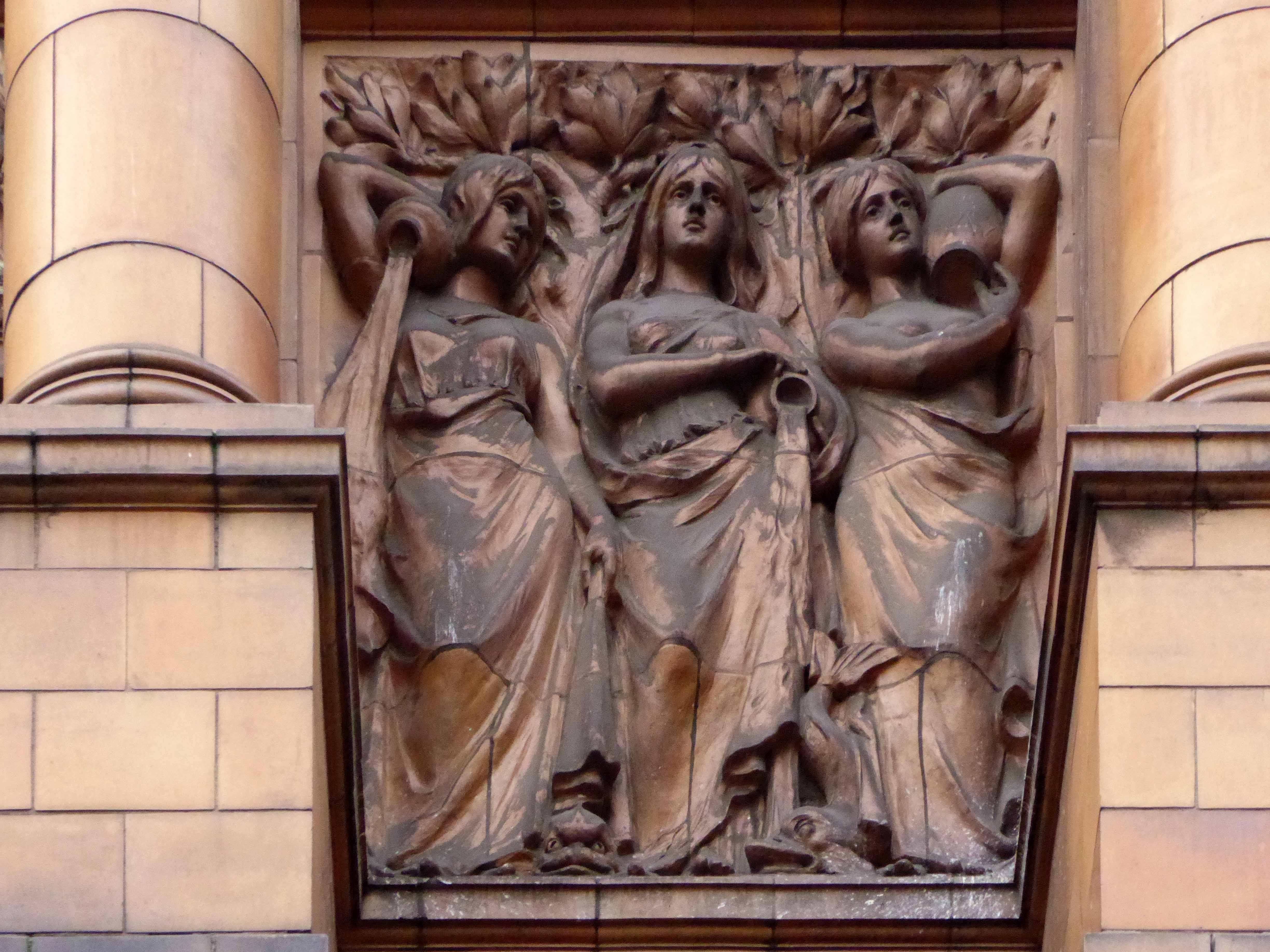
Commercial premises or showroom. Dated 1889. Red brick with stone dressings and terracotta decorative details, tiled roof. Rectangular building of 4 x 3 bays with canted corner entrance. Jacobean style. Single storey articulated by pilasters supporting a sculptured frieze. Doorway with arched head and fanlight. One, two and three-light mullion and transom windows to the Parsonage Street front. The Wellington Road front has two large plateglass windows divided by paired pilasters. The windows have removed two pilasters. Cornice, panelled parapet, aedicule with console supporters, swan – neck pediment and date over the doorway. Tall hipped roof. Very prominently sited and under restoration at the time of inspection.
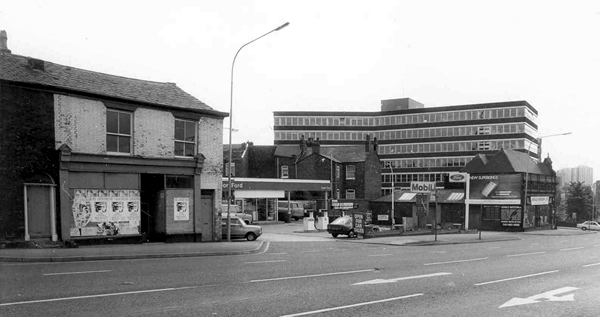
This is a building of some substance, decorated with terracotta work of the highest order, a striking yet diminutive landmark to the north of the town. Situated on a once busy commercial site, where it would have been surrounded by a plethora of retail, industrial and residential property.
My research has shown that its earliest recorded use was under the ownership of JE Jones manufacturing agent for ropes and cords, allied to the local hatting and cotton trades in 1907. Subsequently the base of John Roberts in 1910 – leather merchant, manufacturing belts, strapping and laces – the company also had premises nearby at 138 Heaton Lane.
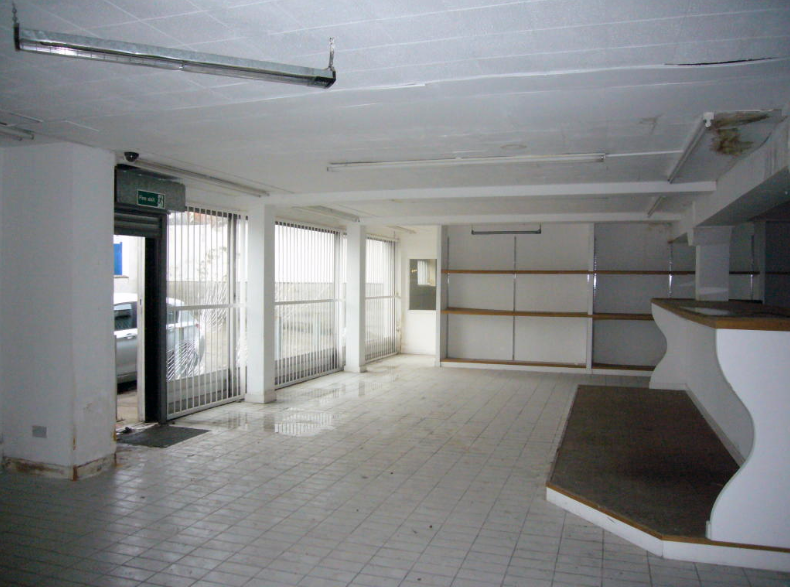
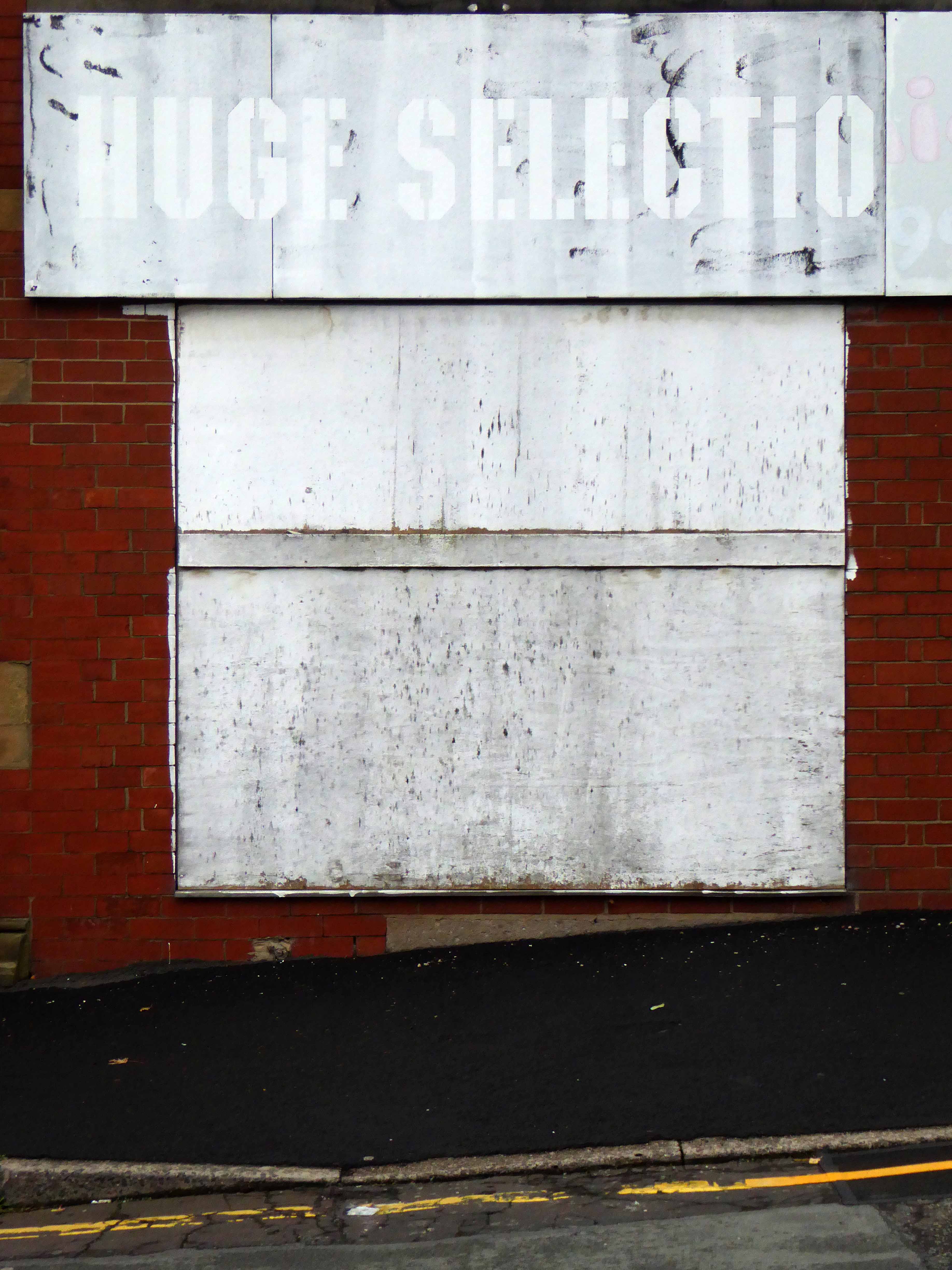
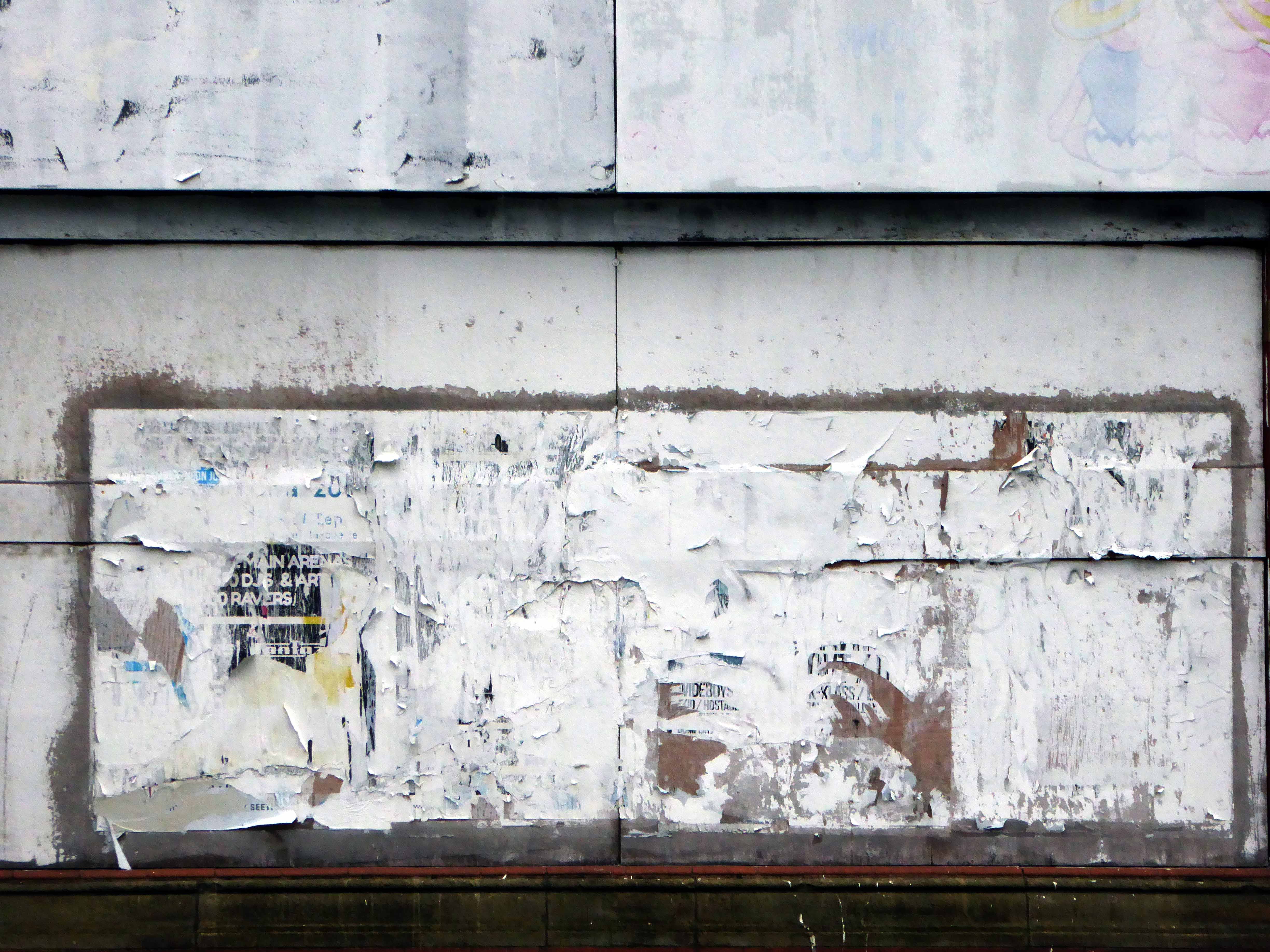
It has latterly been in use as Topp’s Tiles, Gordon Ford and Little Amigos Discount Nursery Store – it is currently empty, shuttered and unloved on off at a rent of £1,833 per calendar month from Rightmove.
As Stockport continues to invest in and develop its town centre, it remains a more than somewhat sorry beacon of decline, an indicator that all too often architecture of local and historic importance, seems to have little or no place, in this thrusting modern milieu.
If passing, pause and reflect on the sense of permanence that imbues this building, in an all too impermanent world.
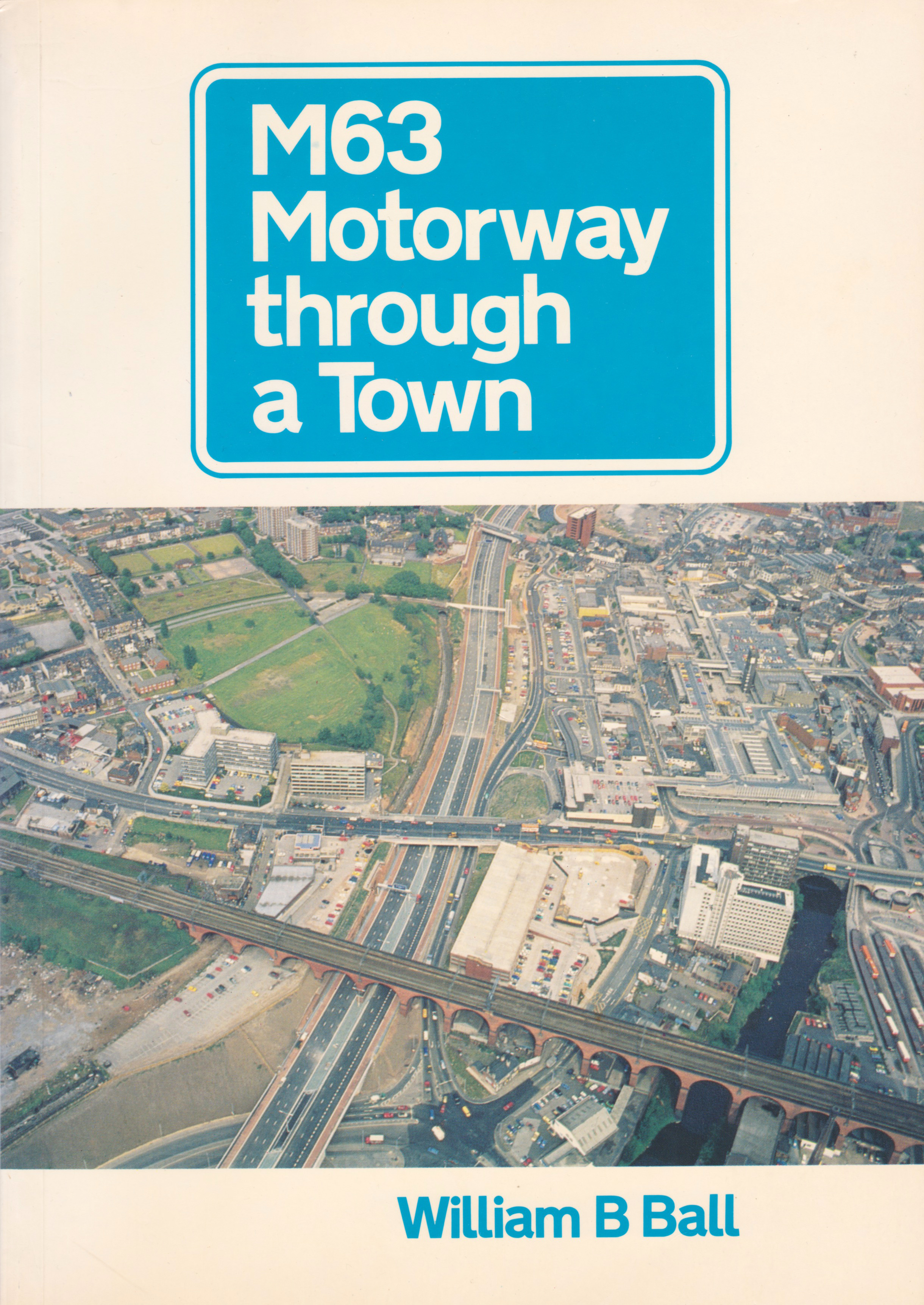
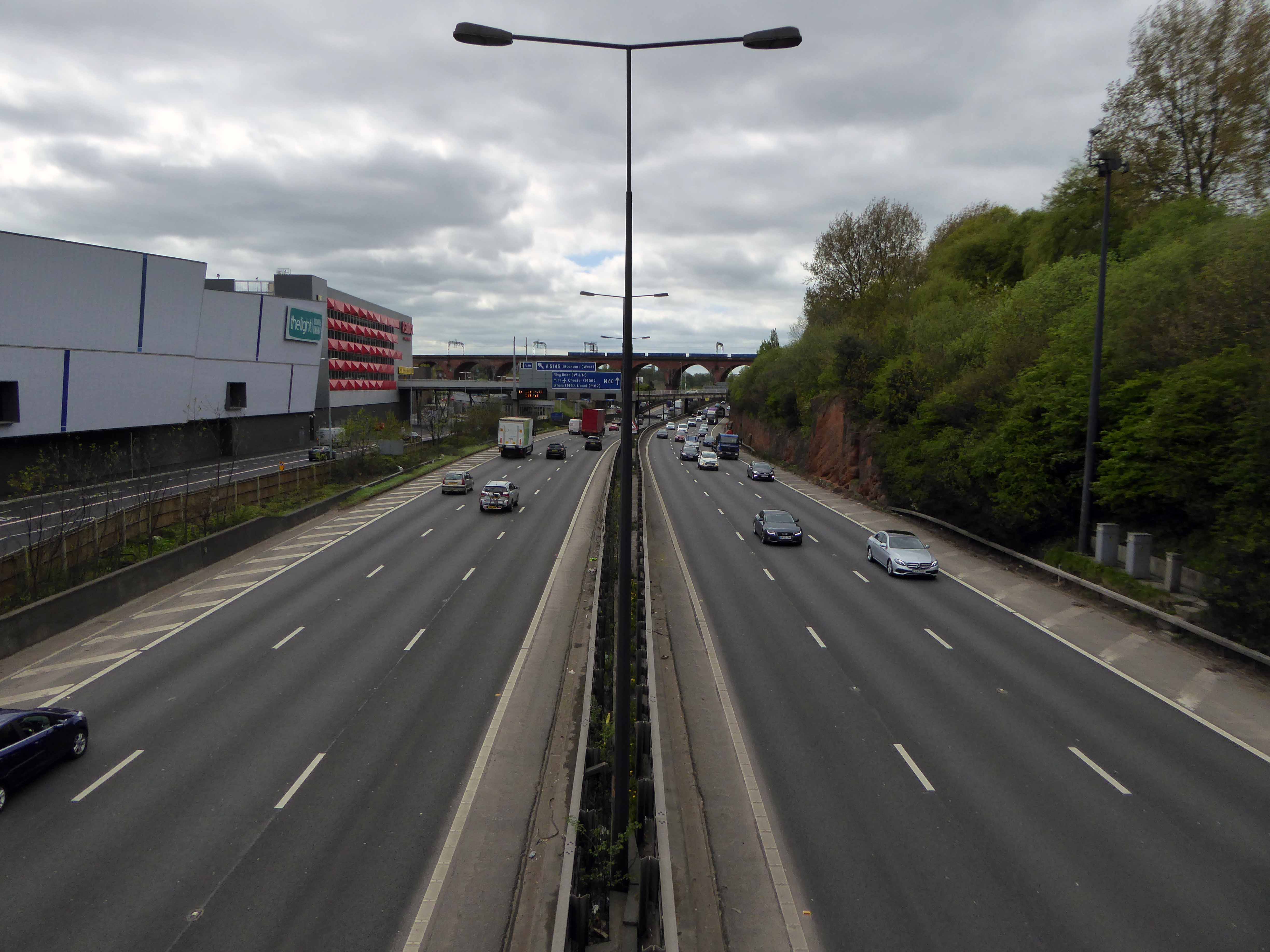
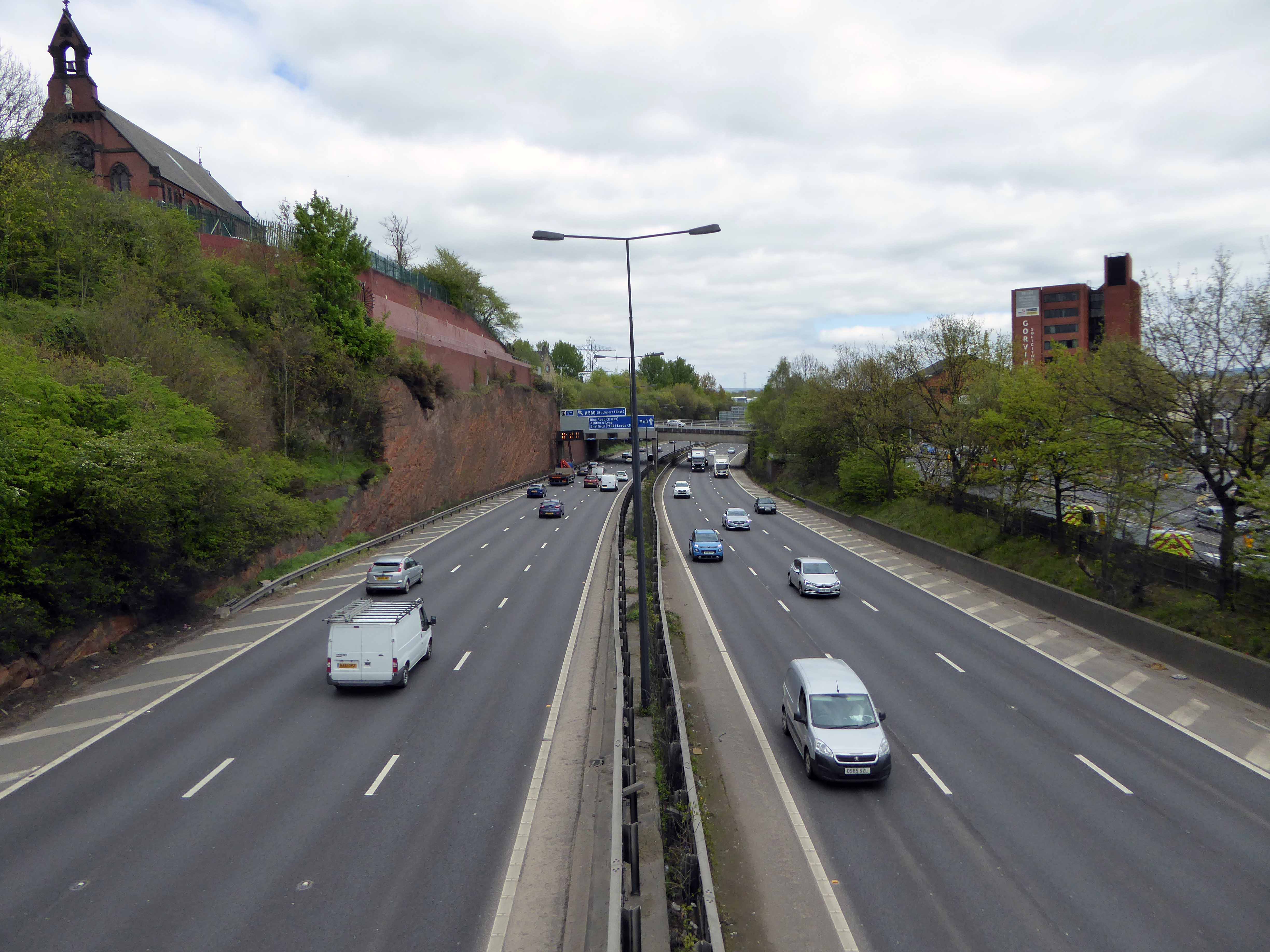
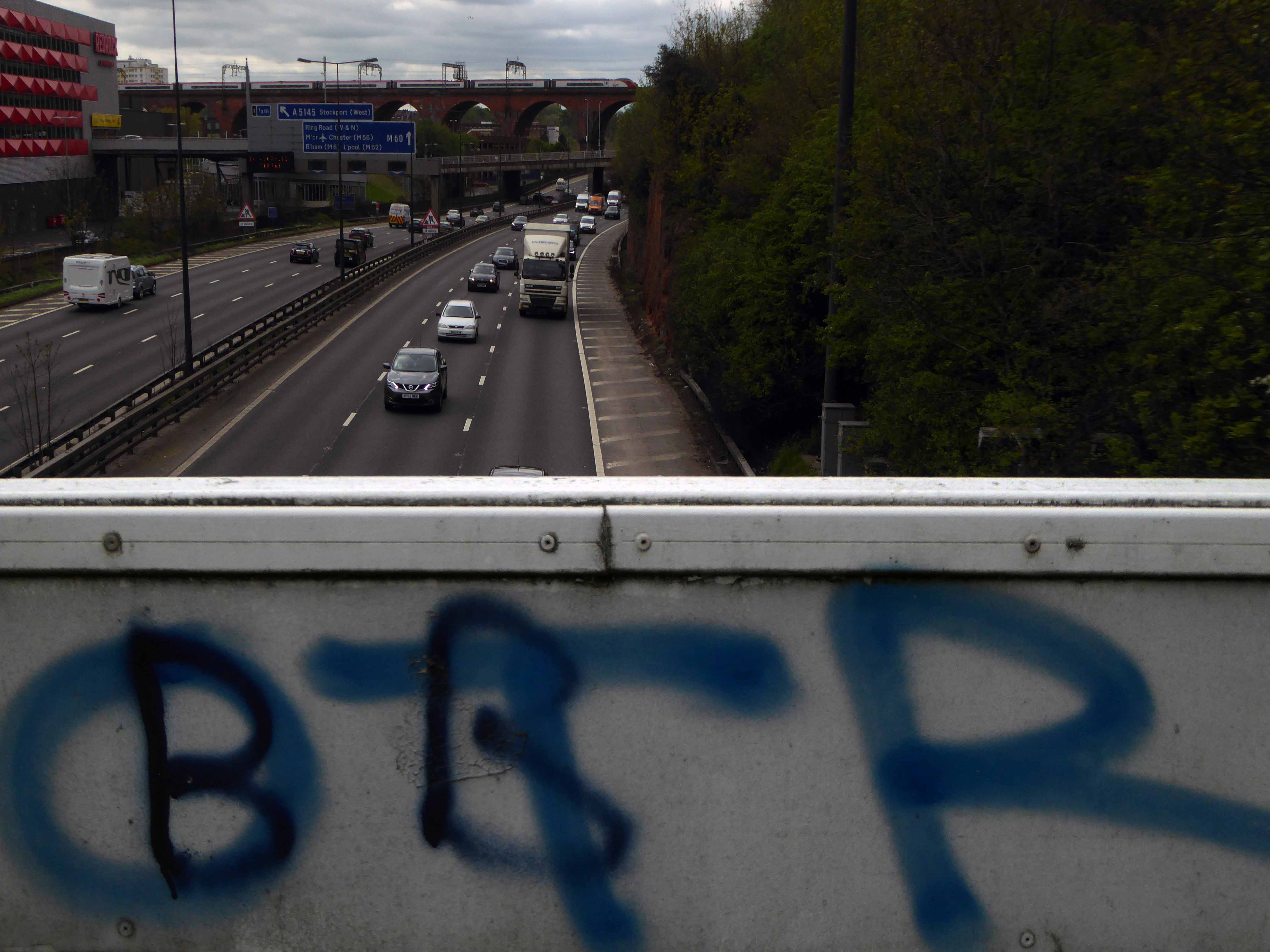
A Moebius Band of motorway formerly known as the M63 wraps and warps itself around the city, ever so conveniently linking the traffic of Greater Manchester with itself.
Ever so conveniently it passes through Stockport – only moments from my home.
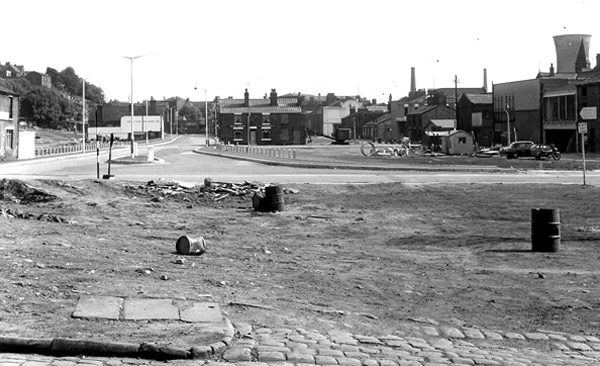
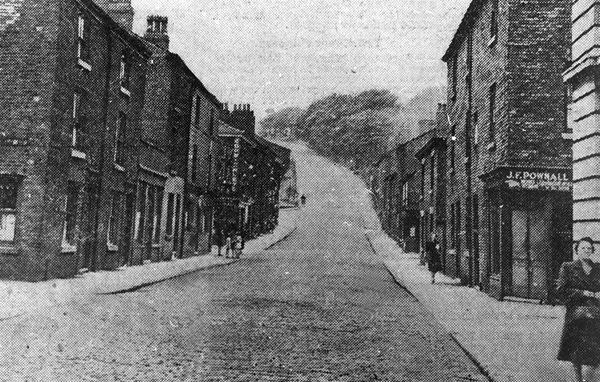
Before the white man came.
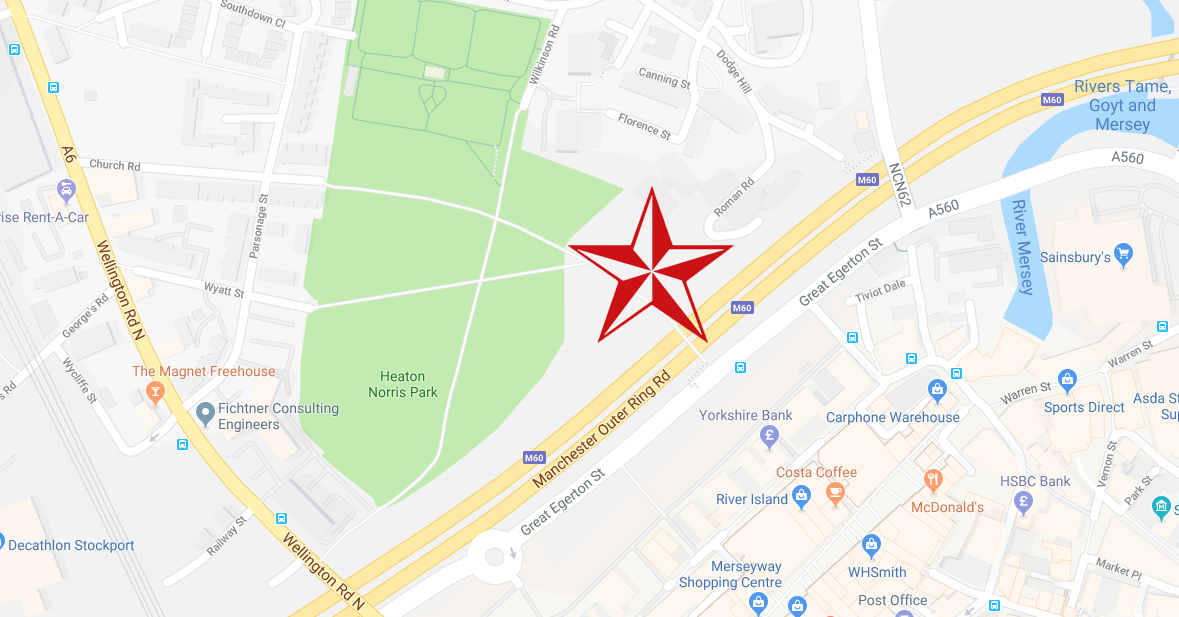
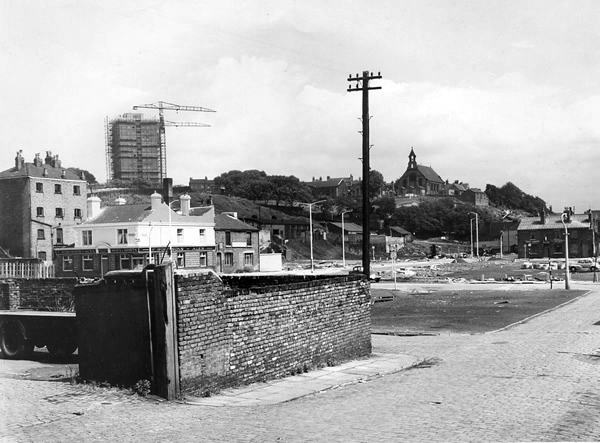
The view from Princes Street along Hatton Street – towards Heaton Norris Rec.
1945
1960
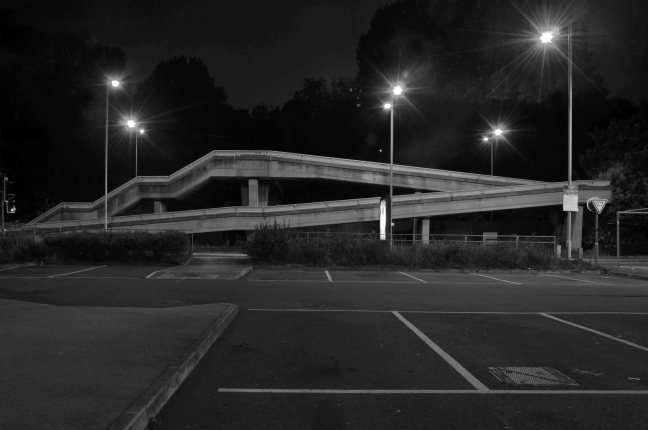
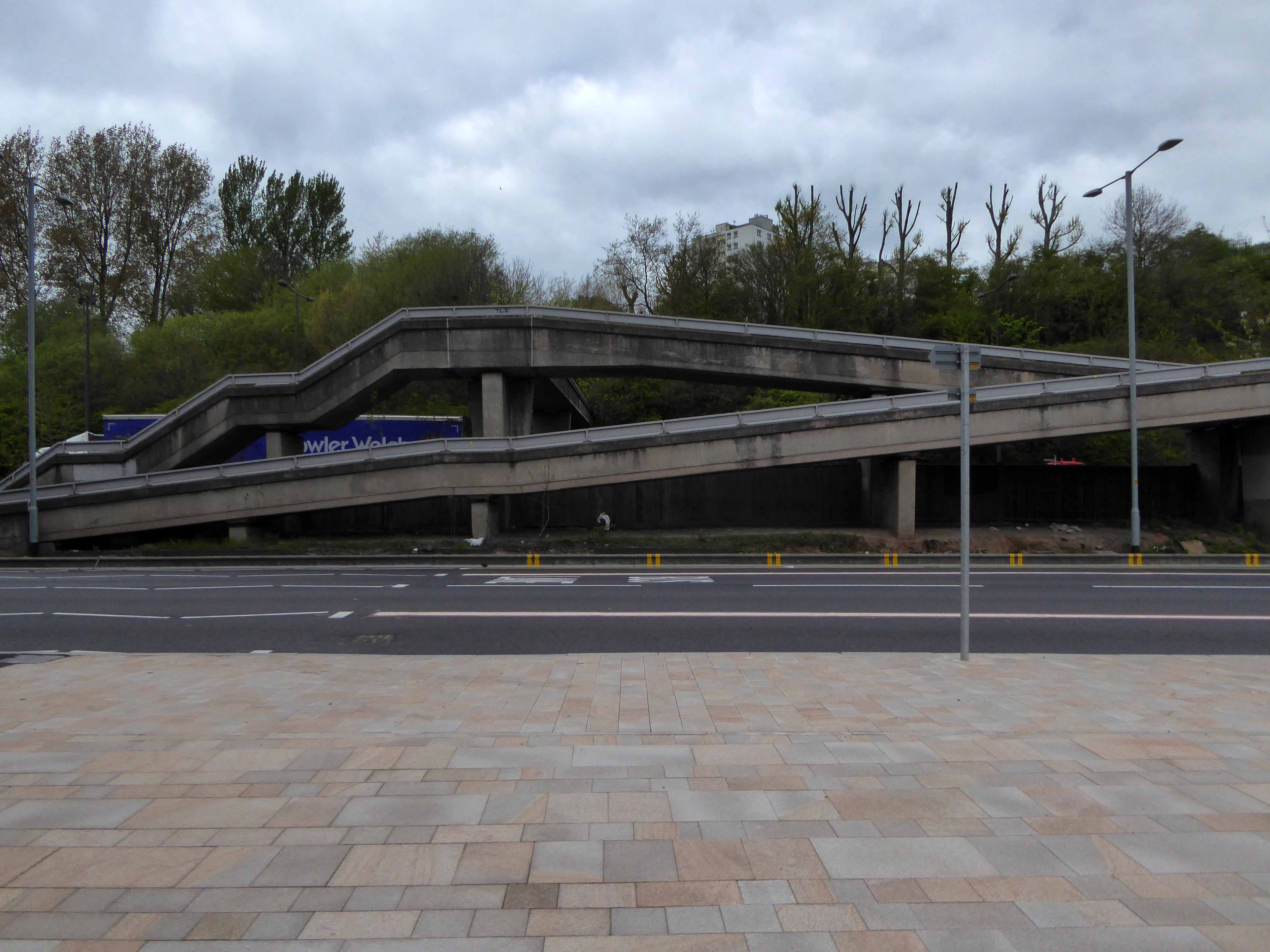
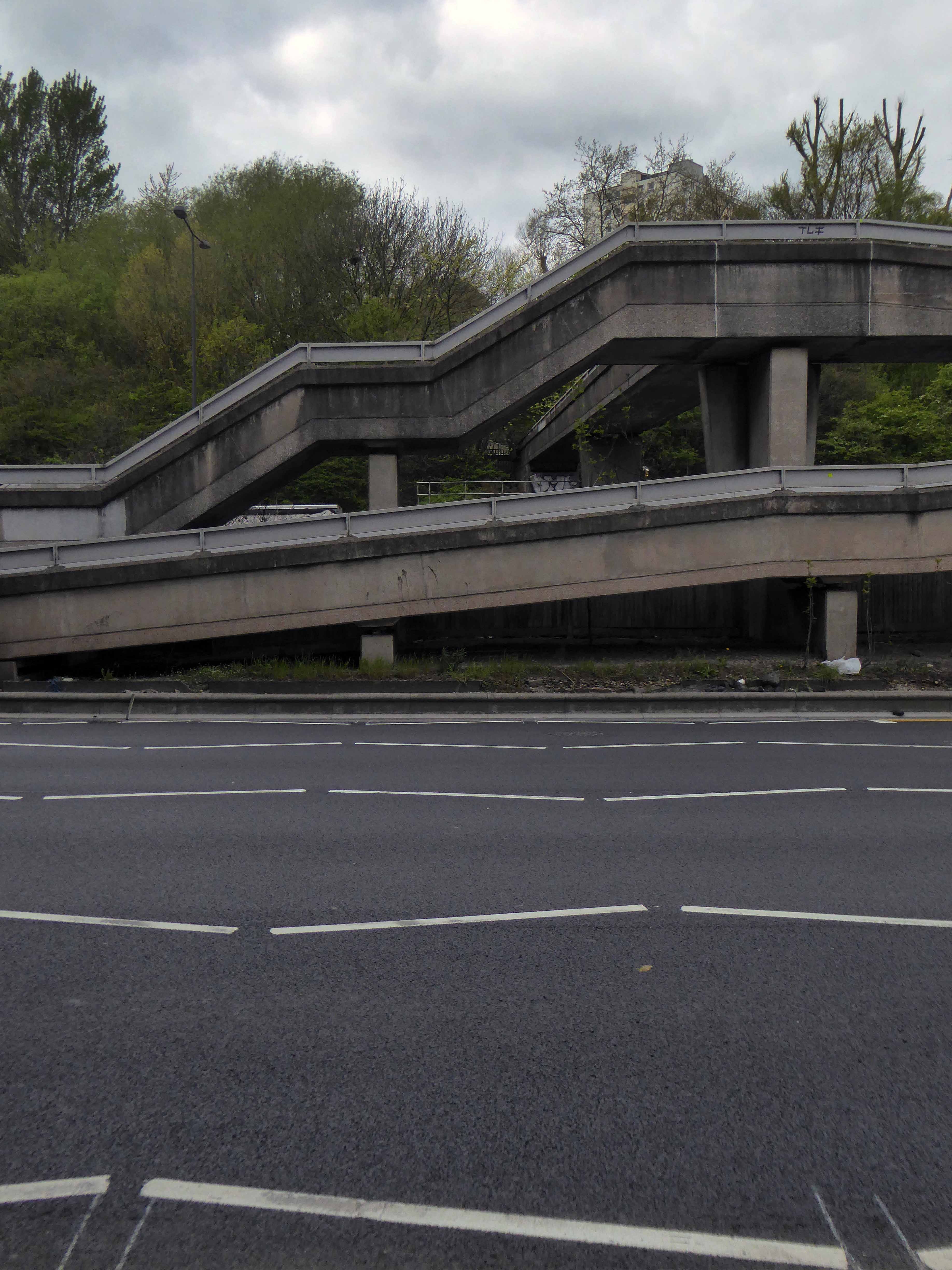
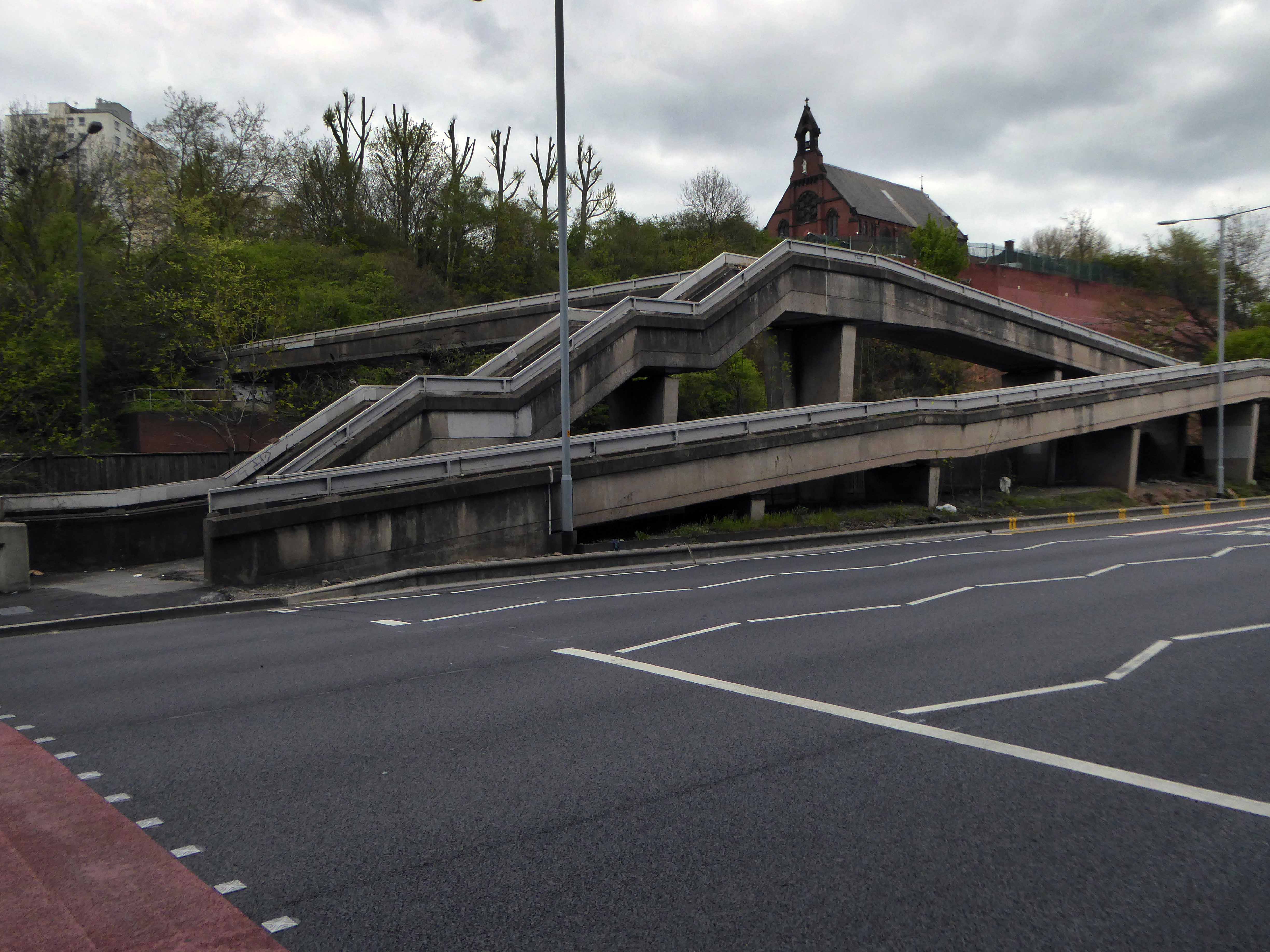
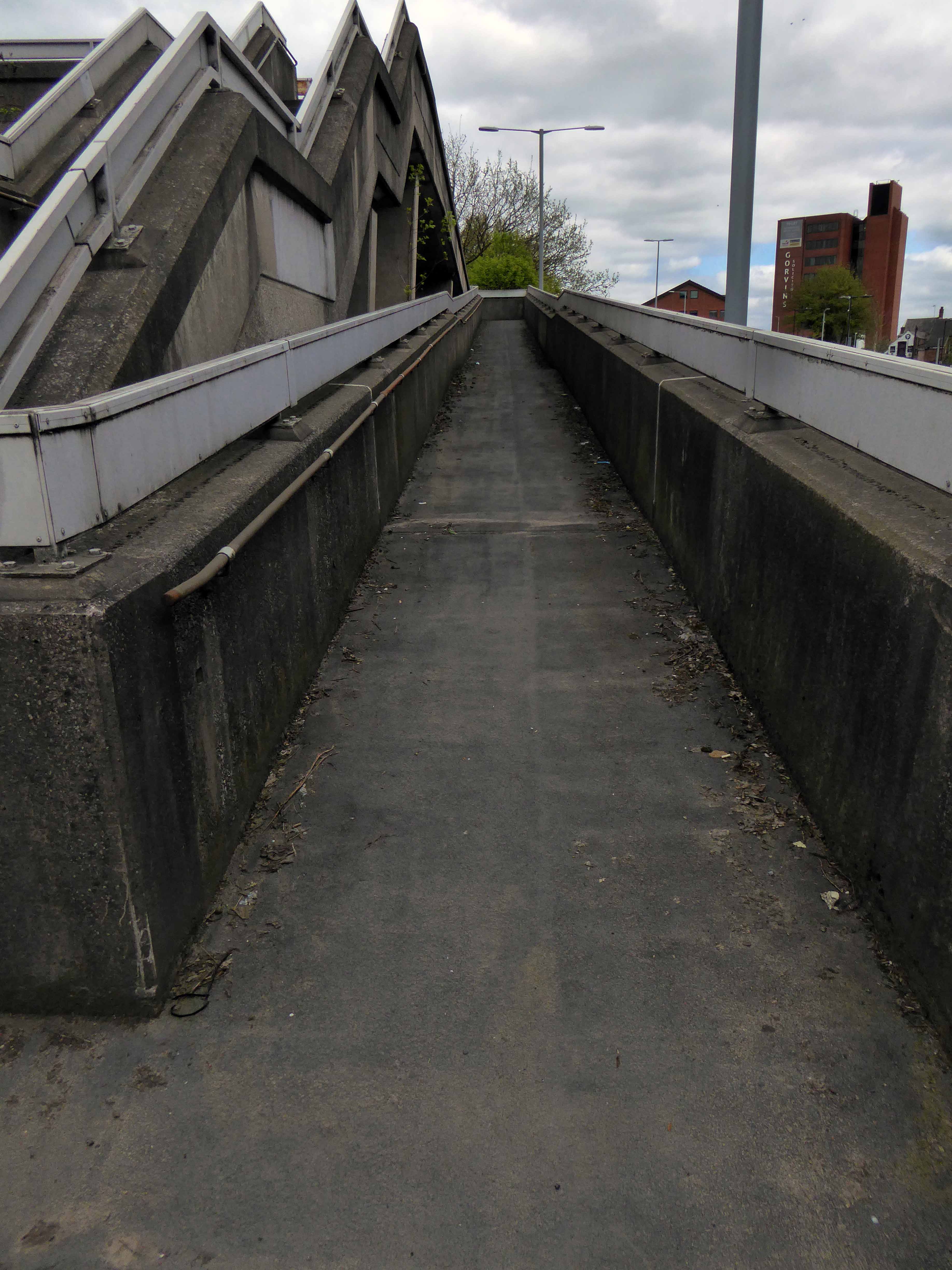
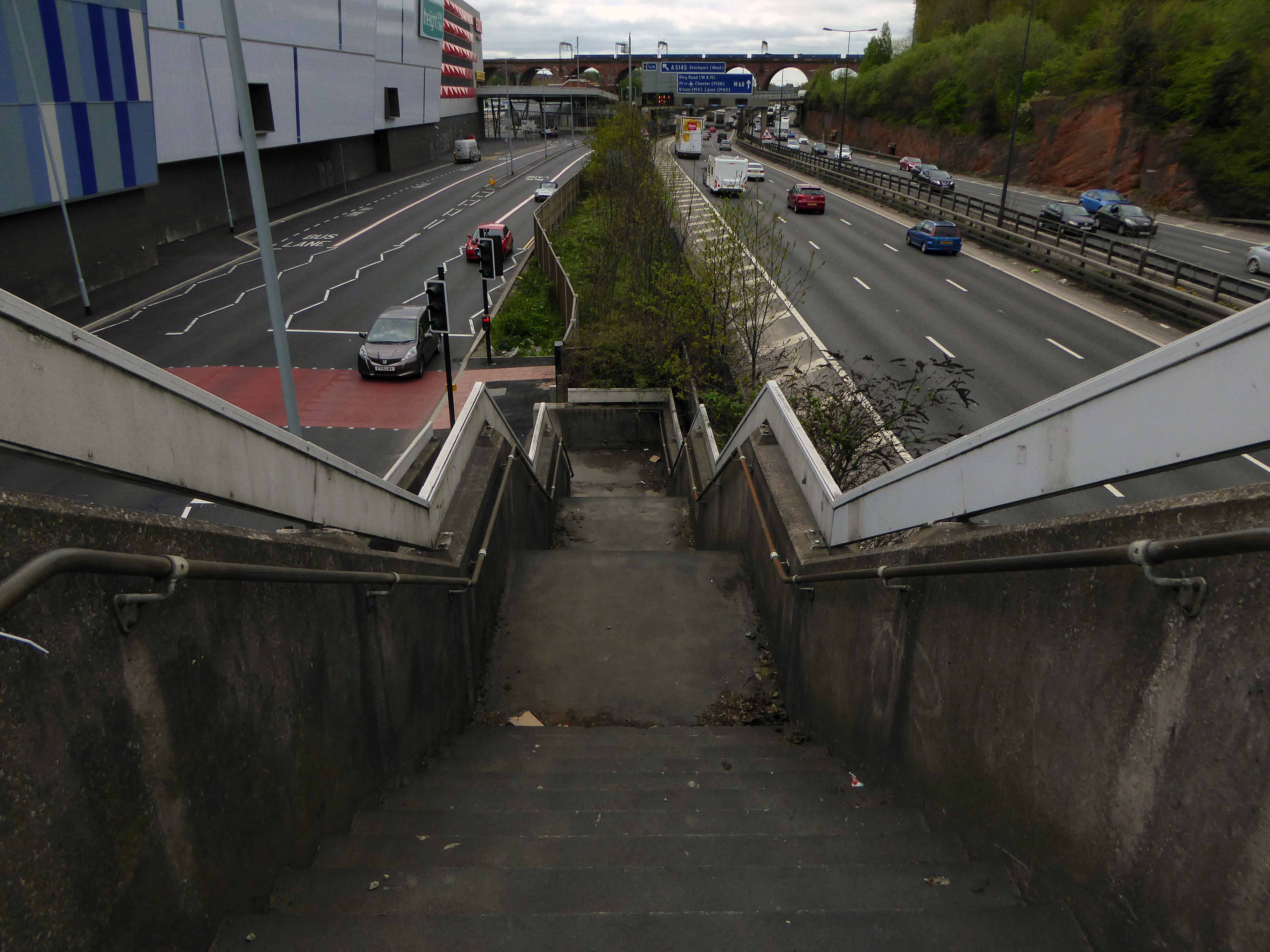
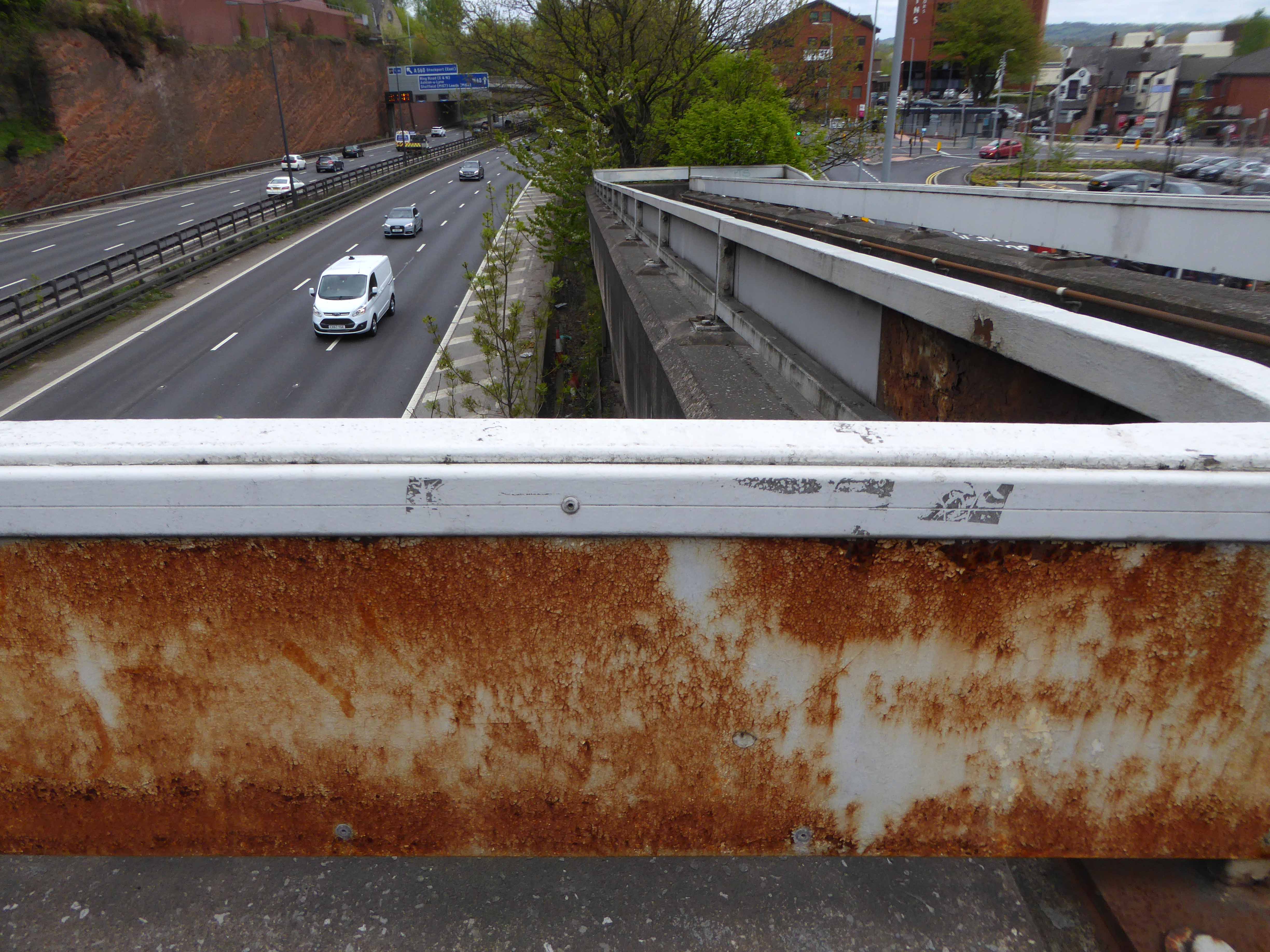
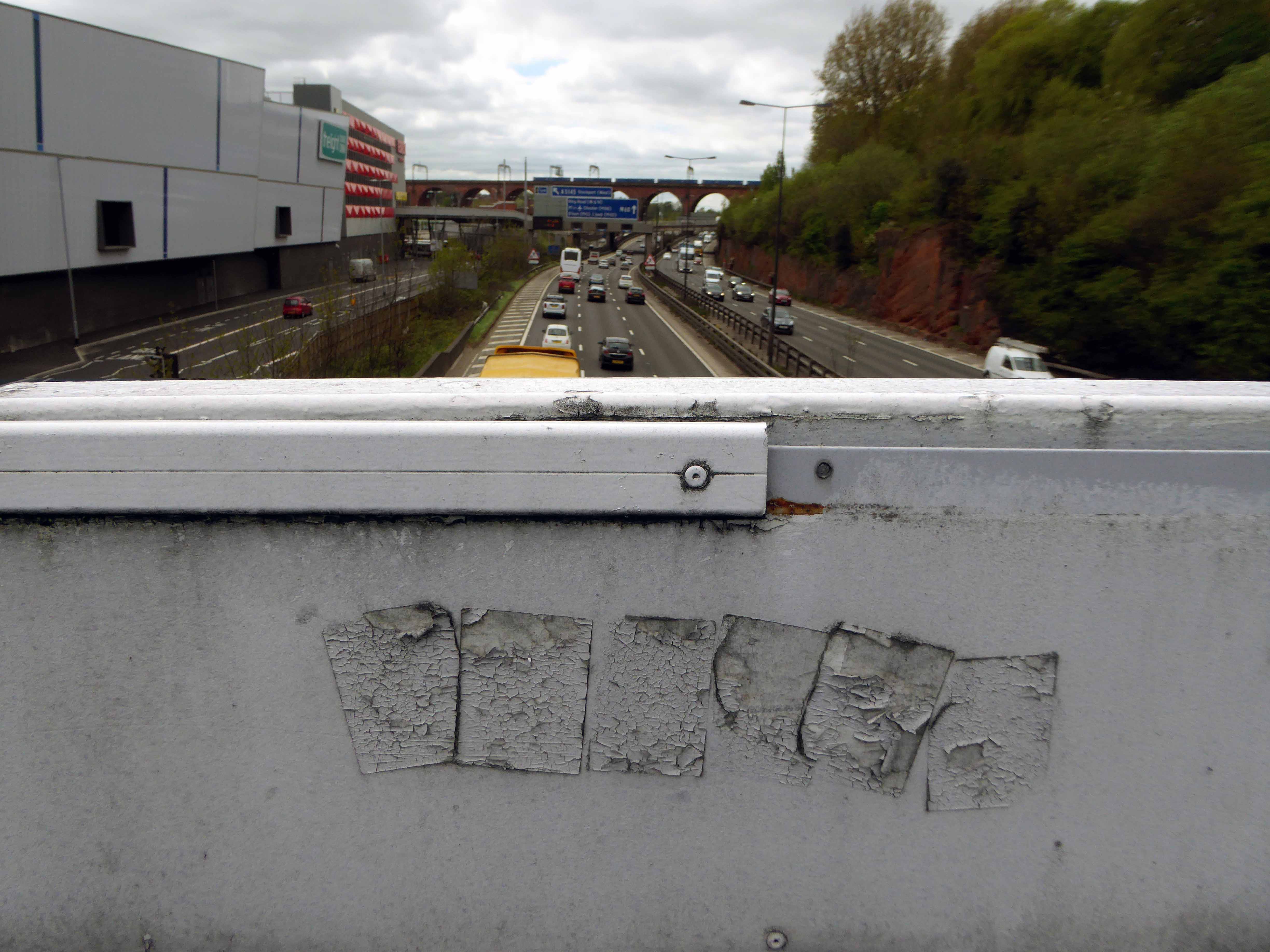
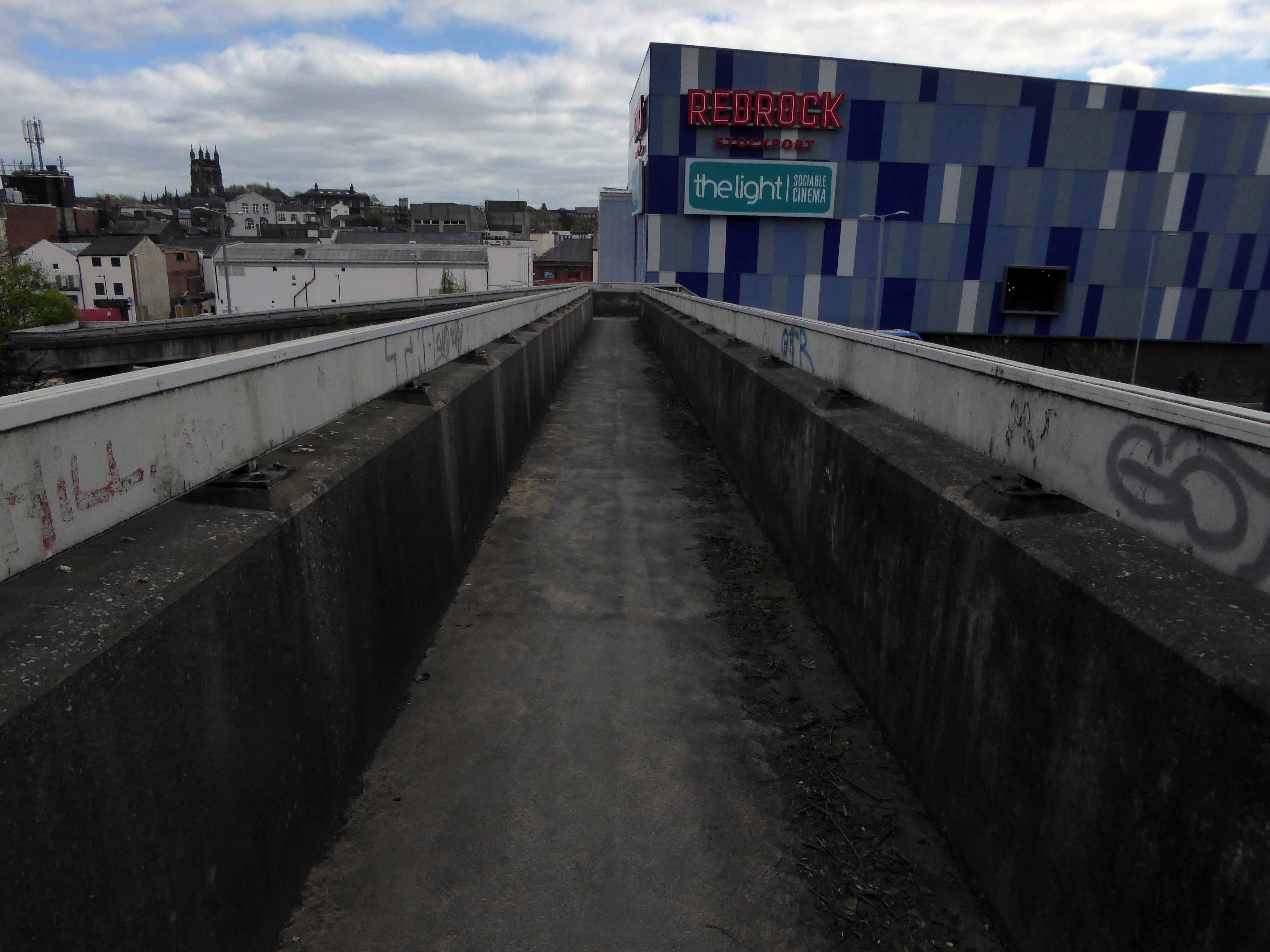
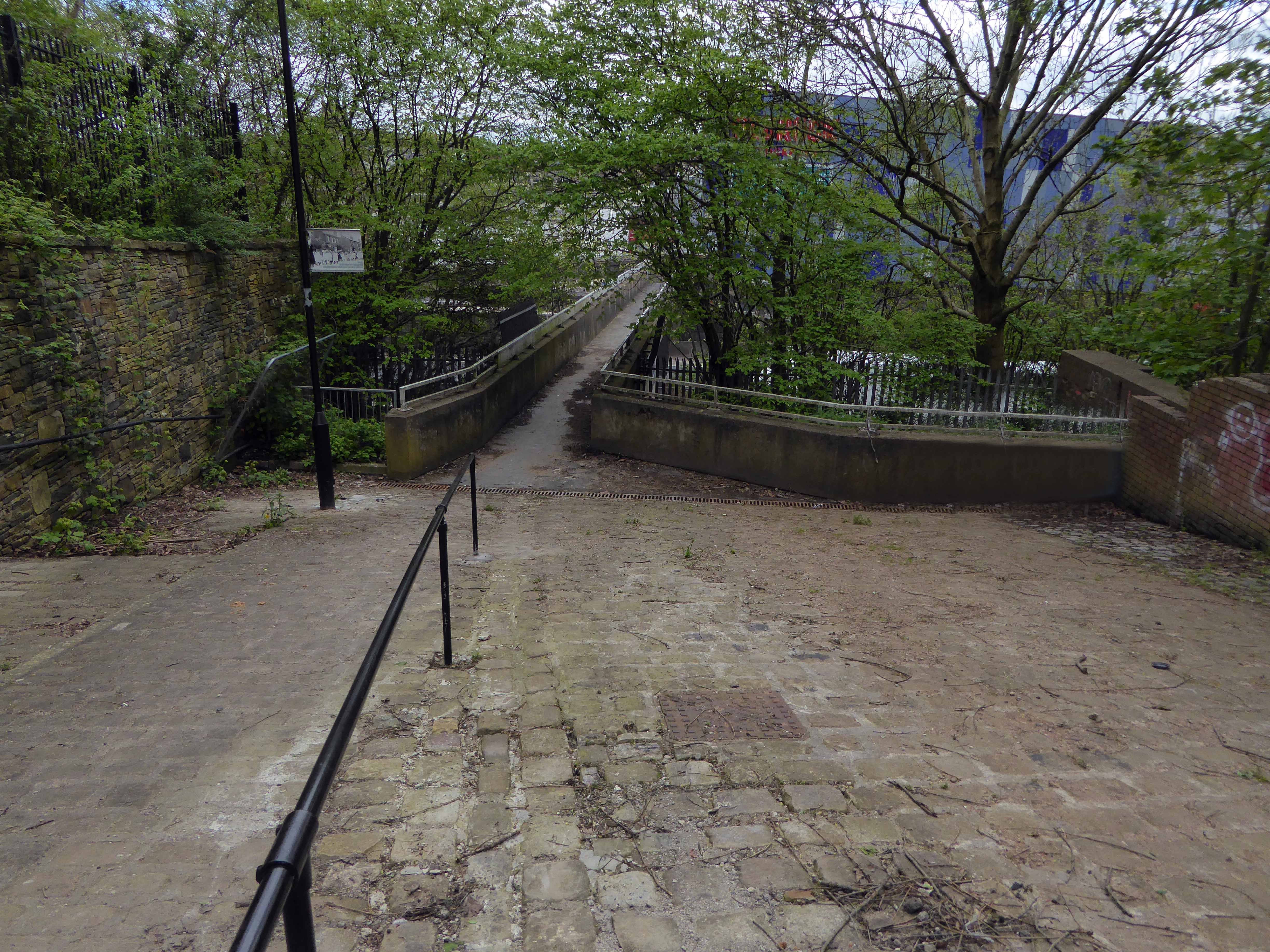
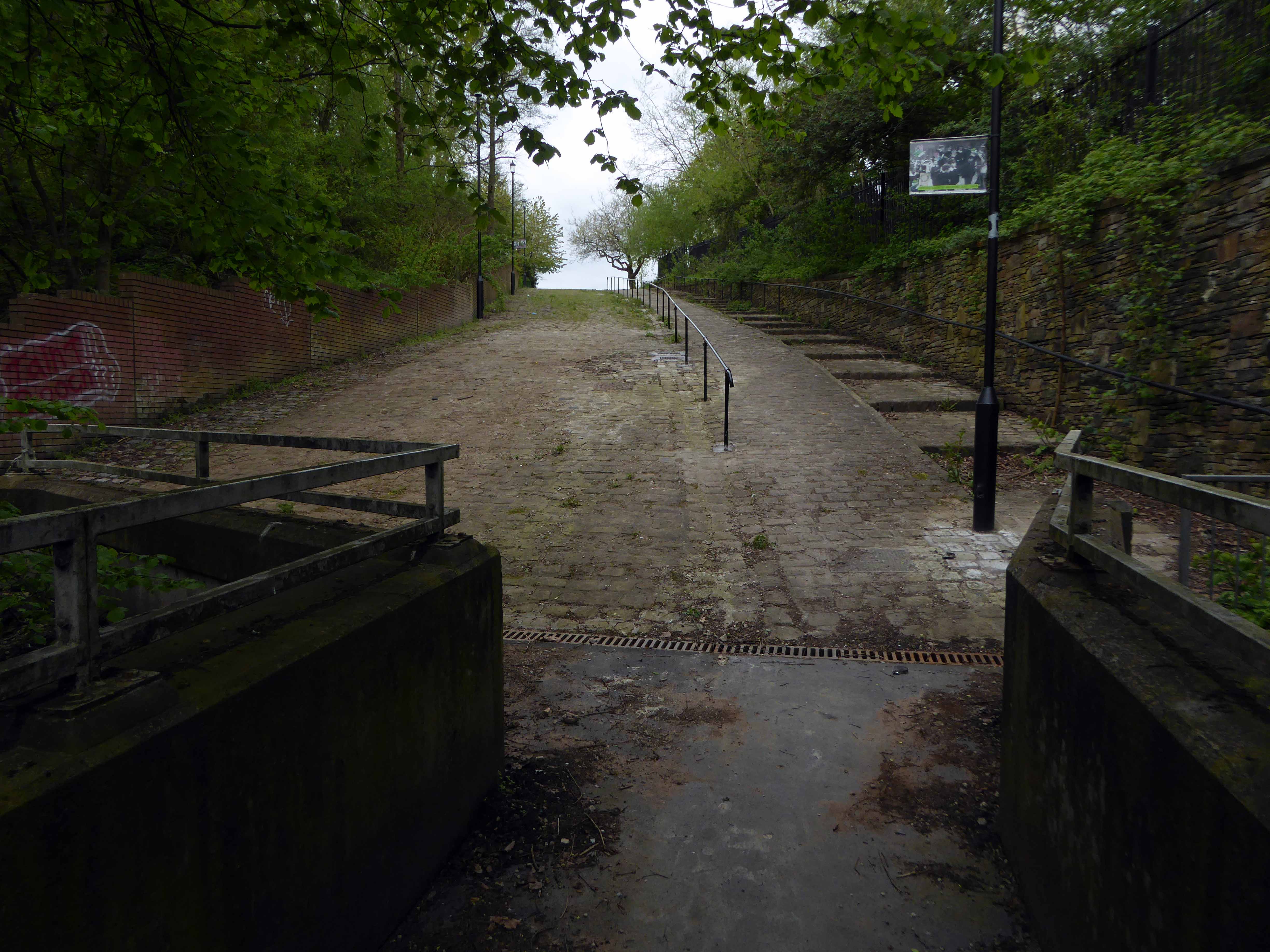
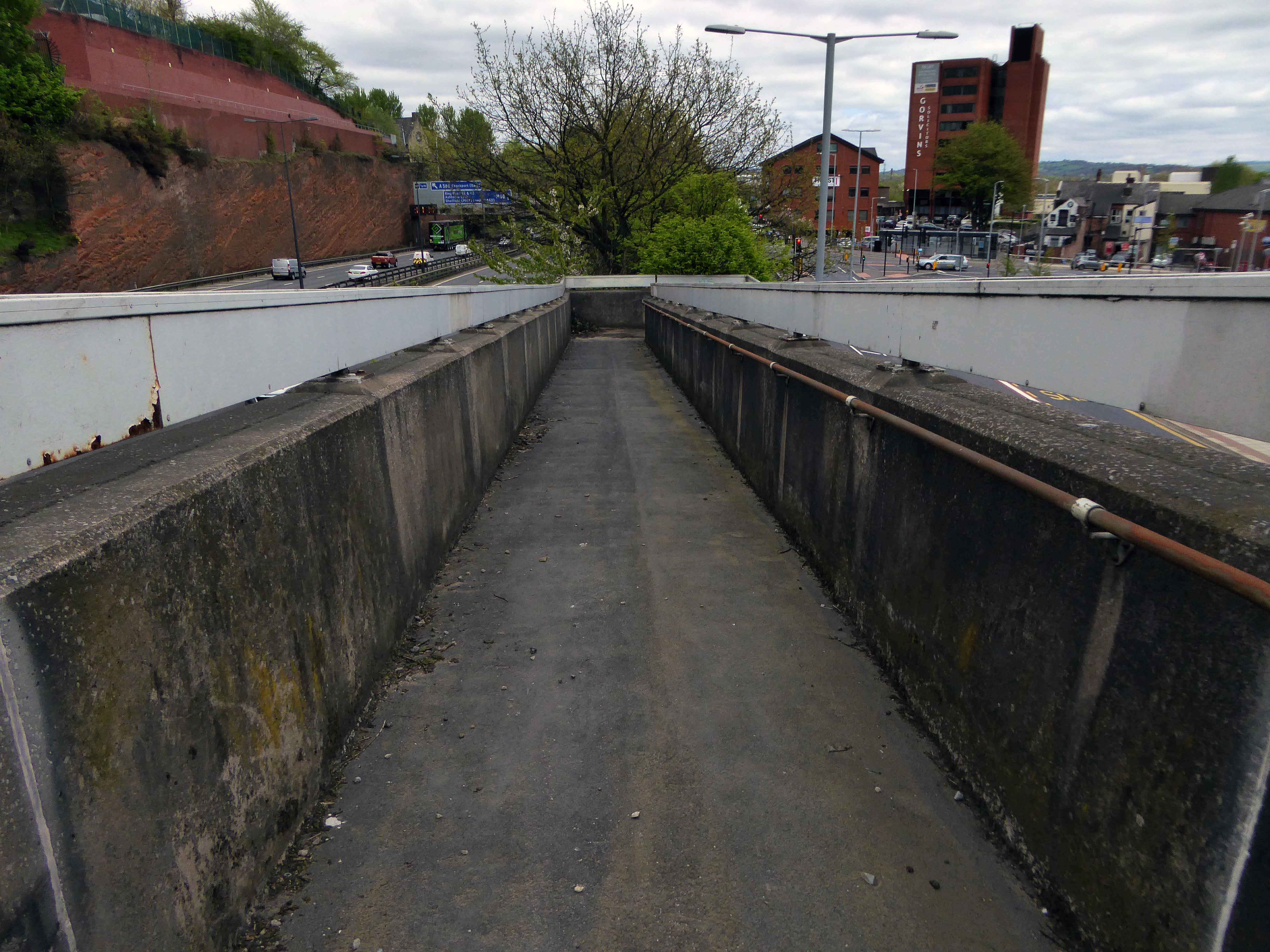
A boon to the modern day motorist, though happily the modern day pedestrian is also catered for in the form of the Hatton Street Footbridge – linking Great Egerton Street below, with Heaton Norris Recreation ground above.
Images TS Parkinson – Stockport Image Archive
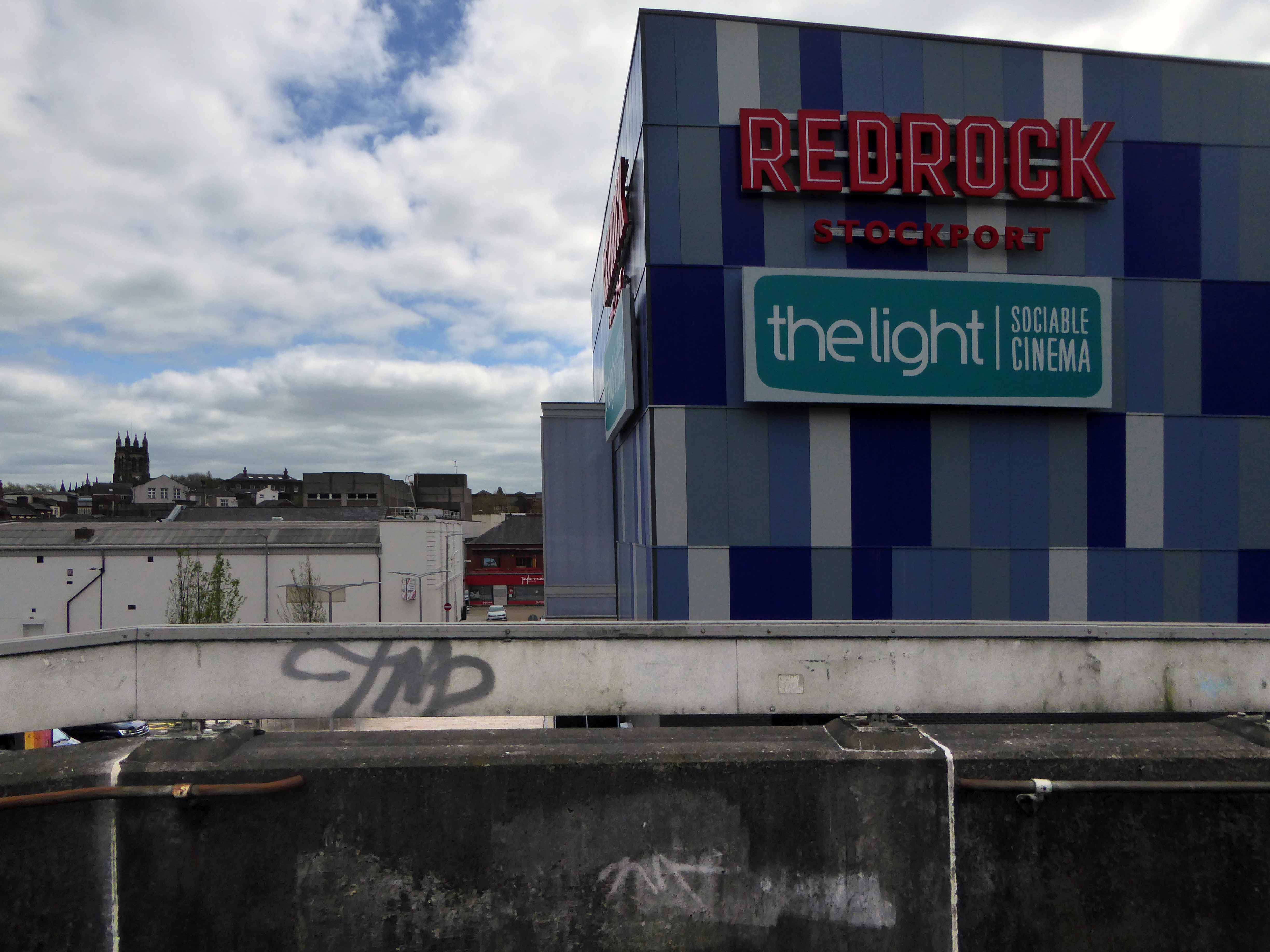
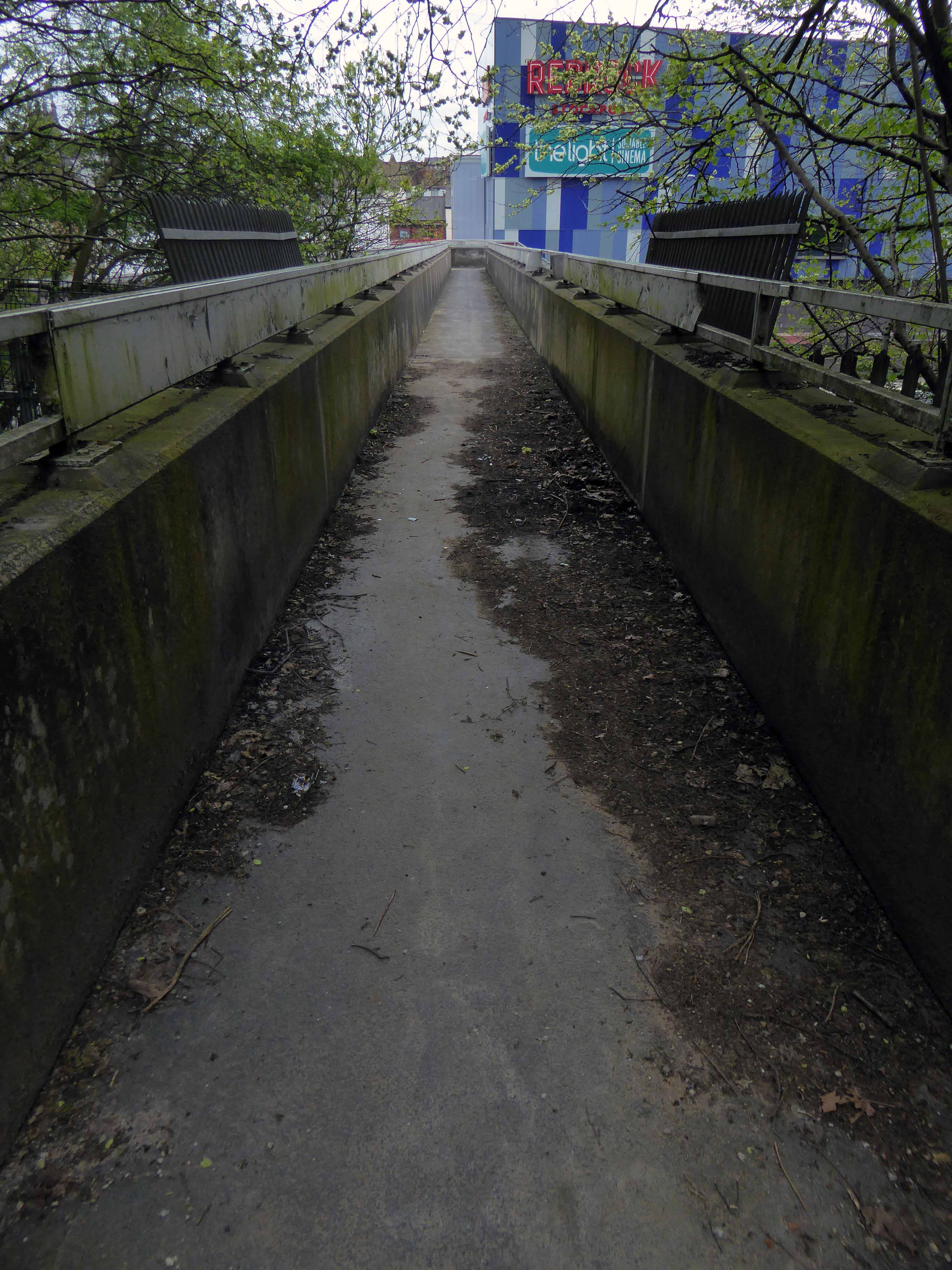
For the past two years the footbridge has been inconveniently closed, during the development of the Redrock Leisure Facility, built on the site of the former car park, in the foreground of the image above. Thus prohibiting the passage from the Post Modern world of the big brash entertainment box, to the leafy cobbled street beyond.
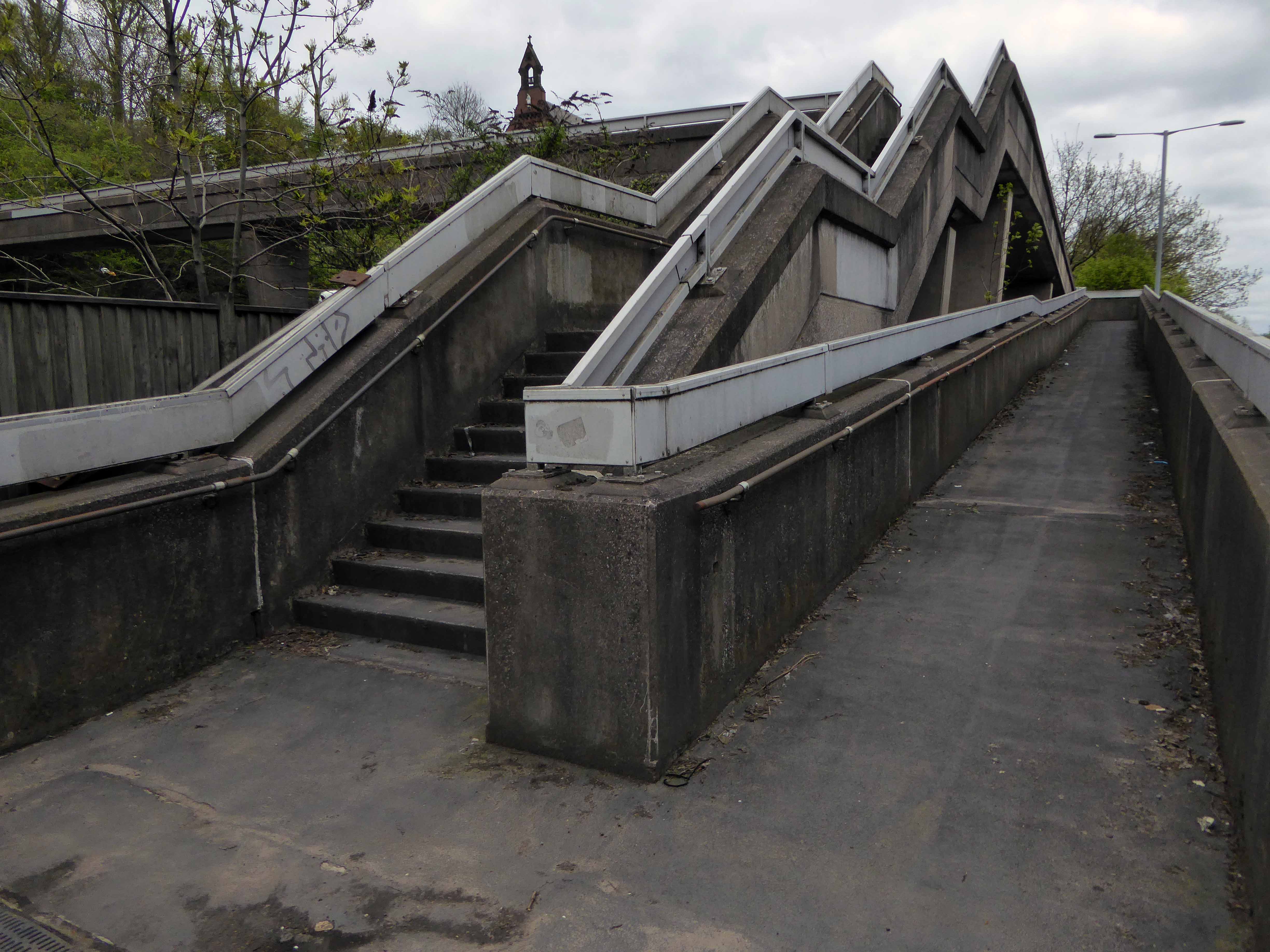
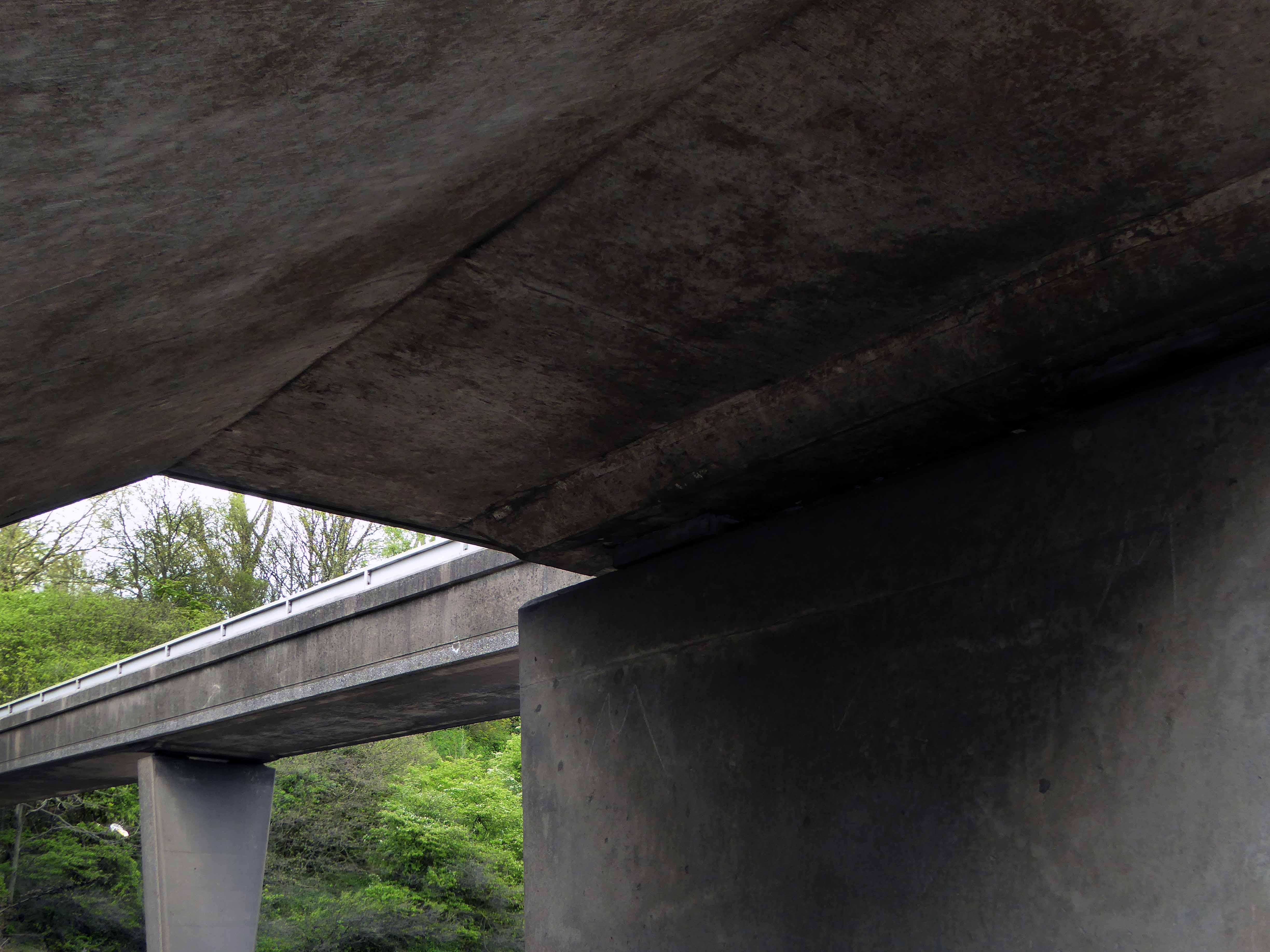
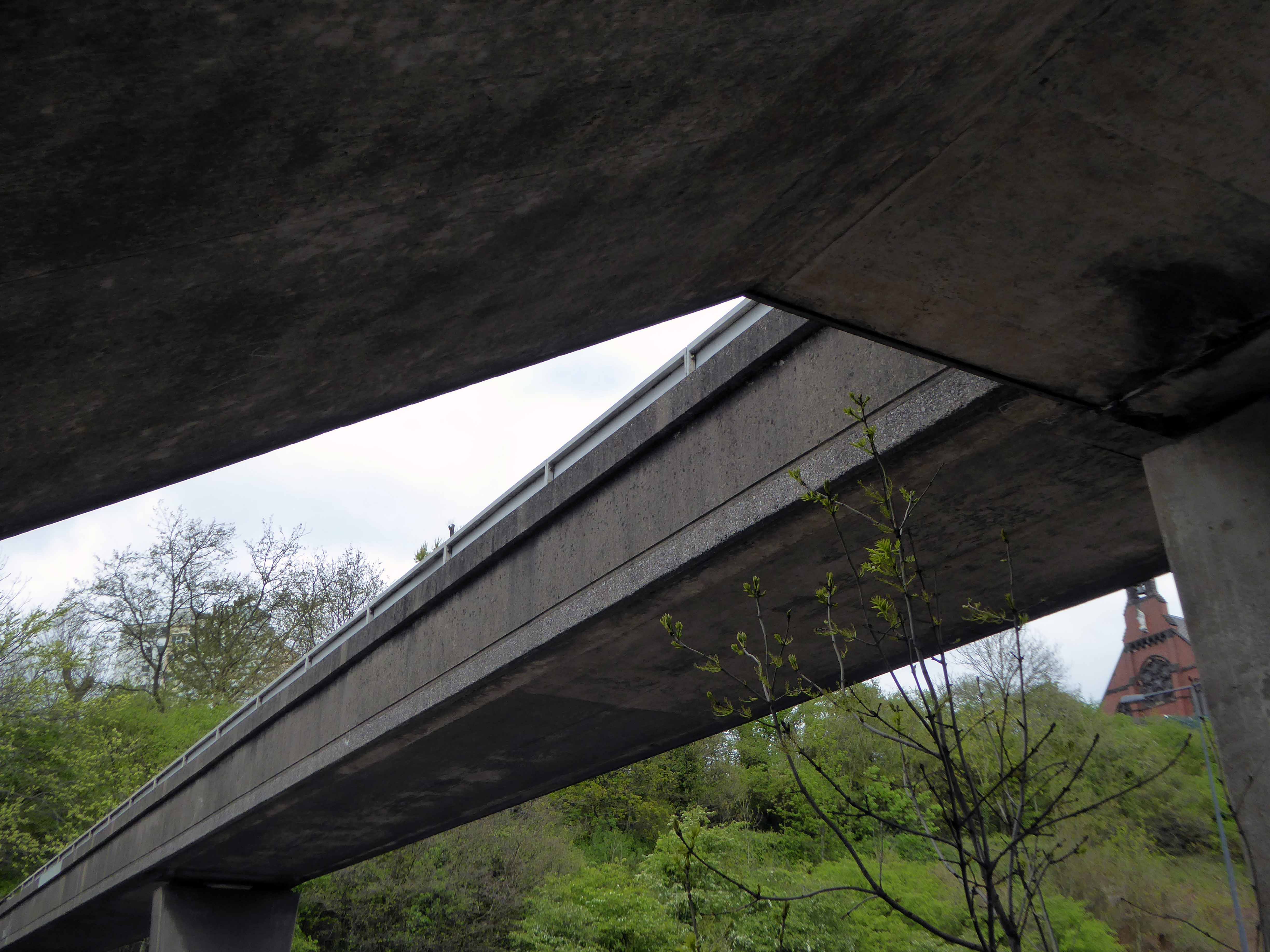
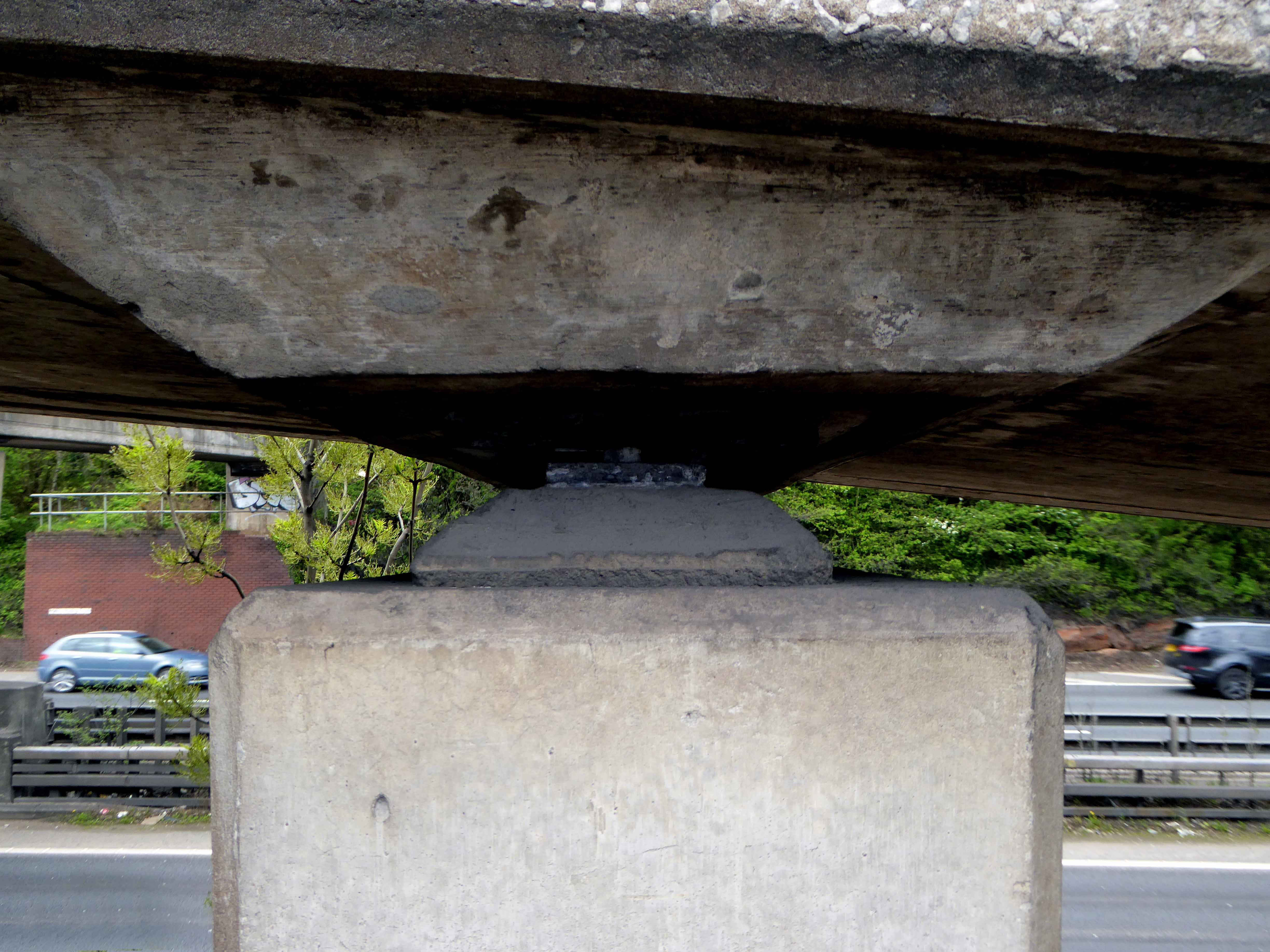
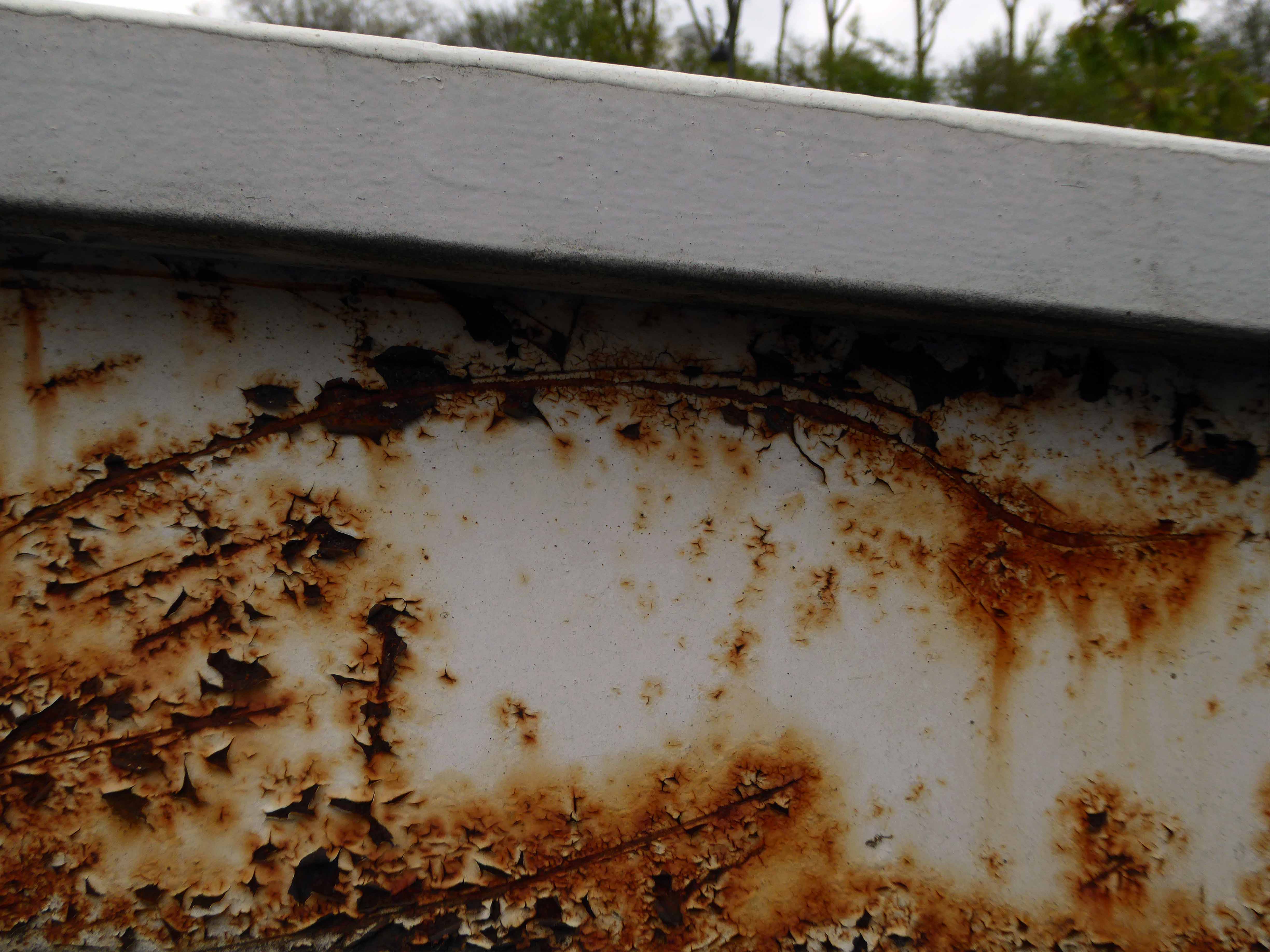
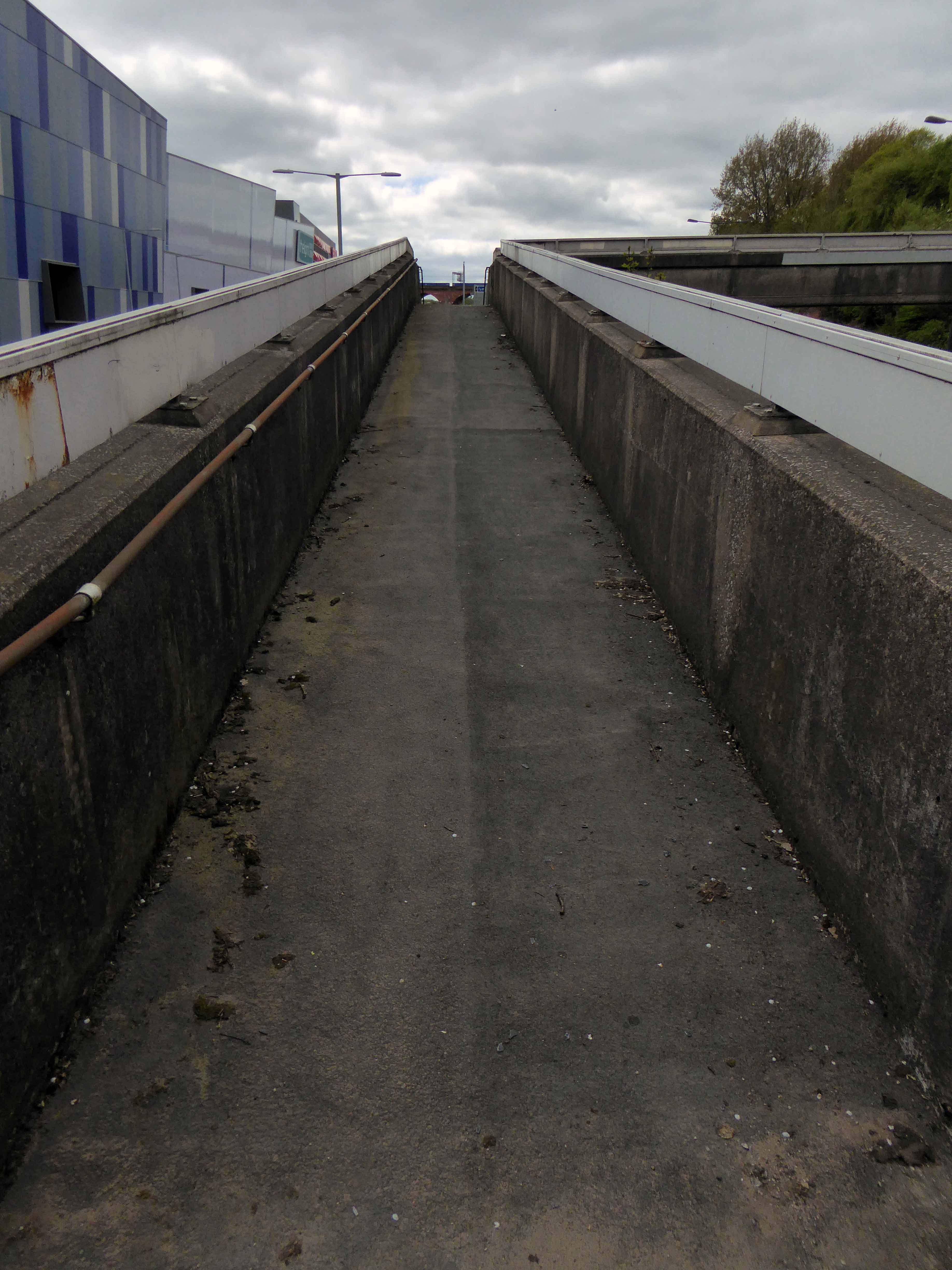
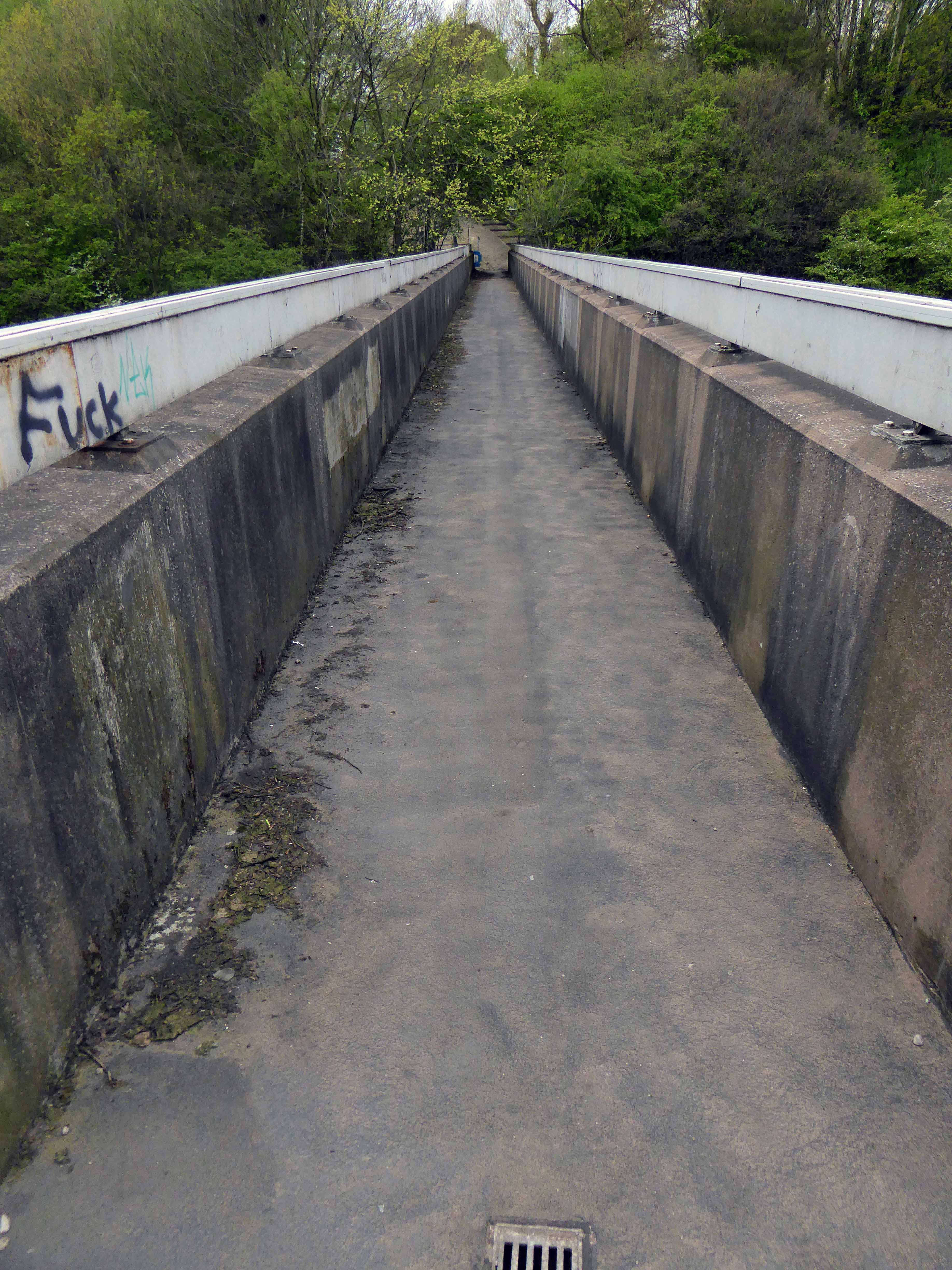
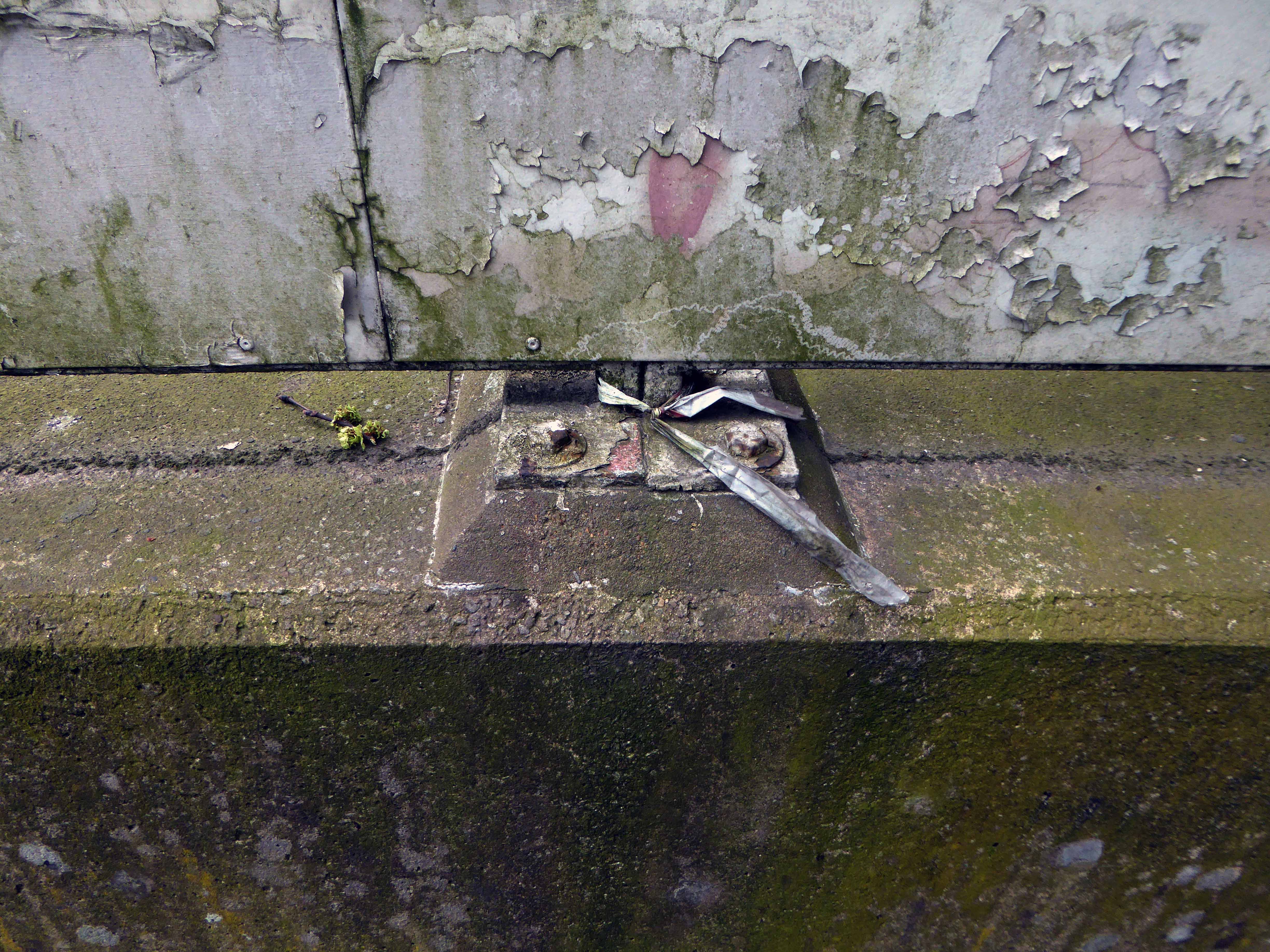
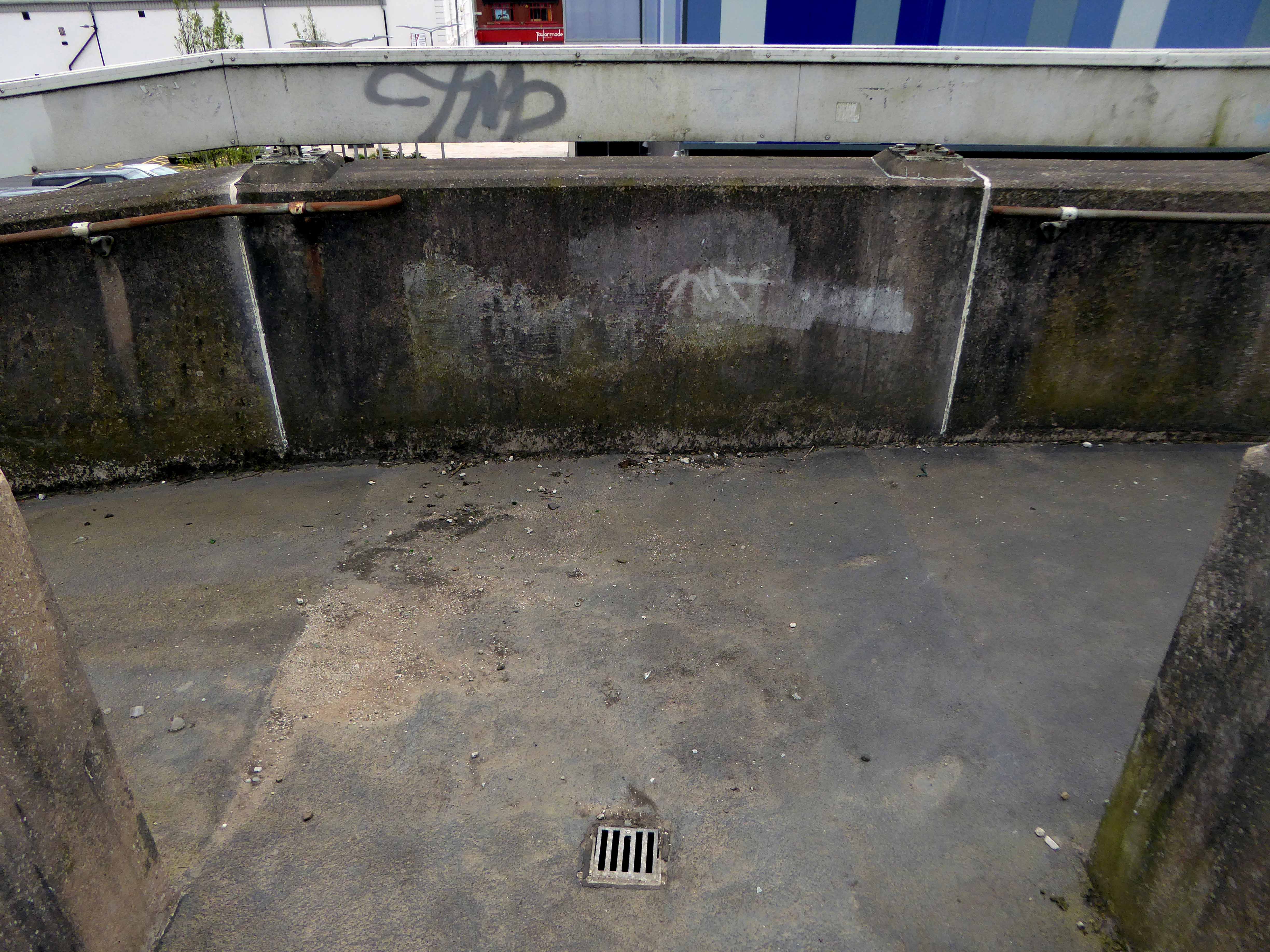
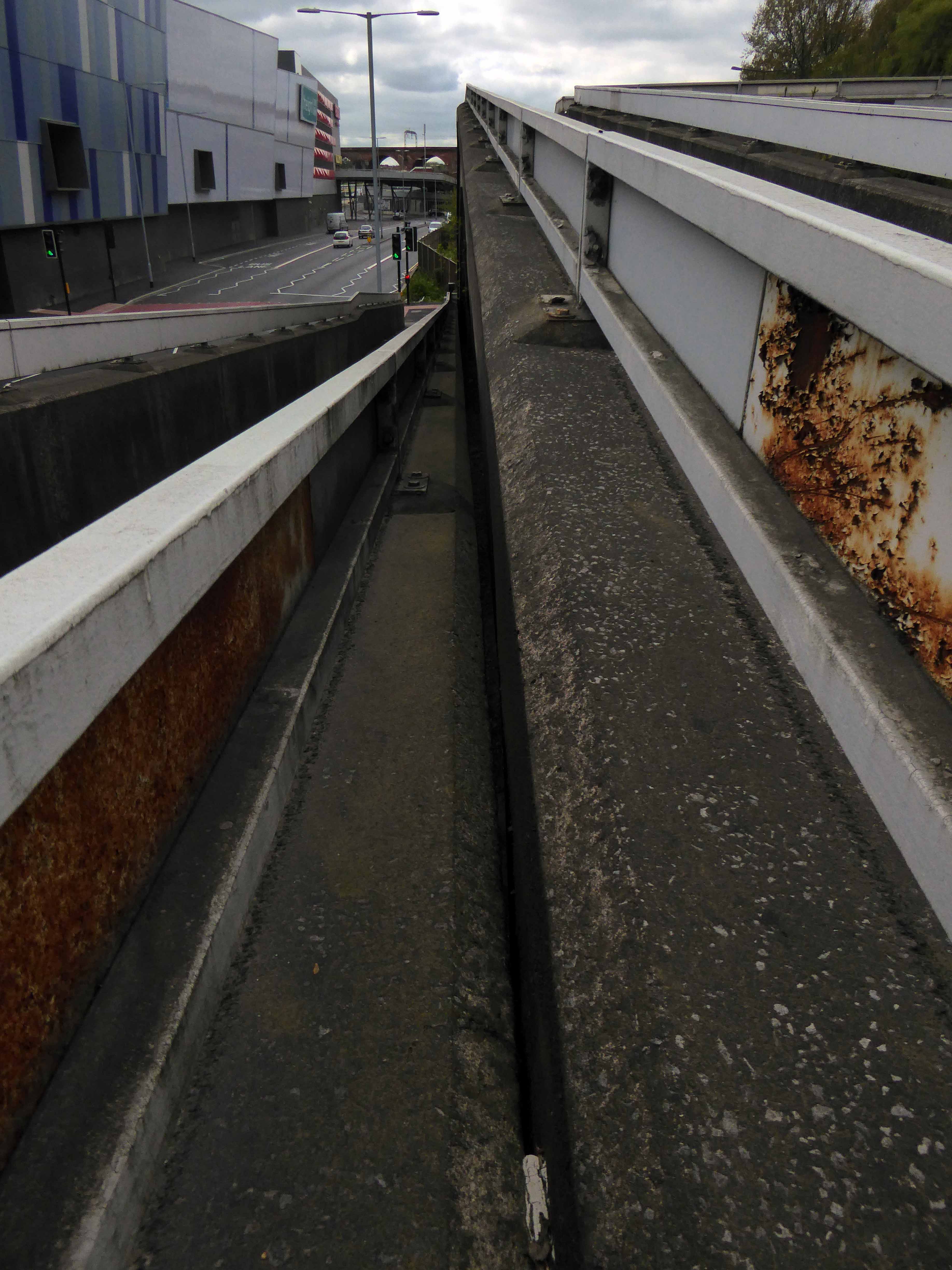
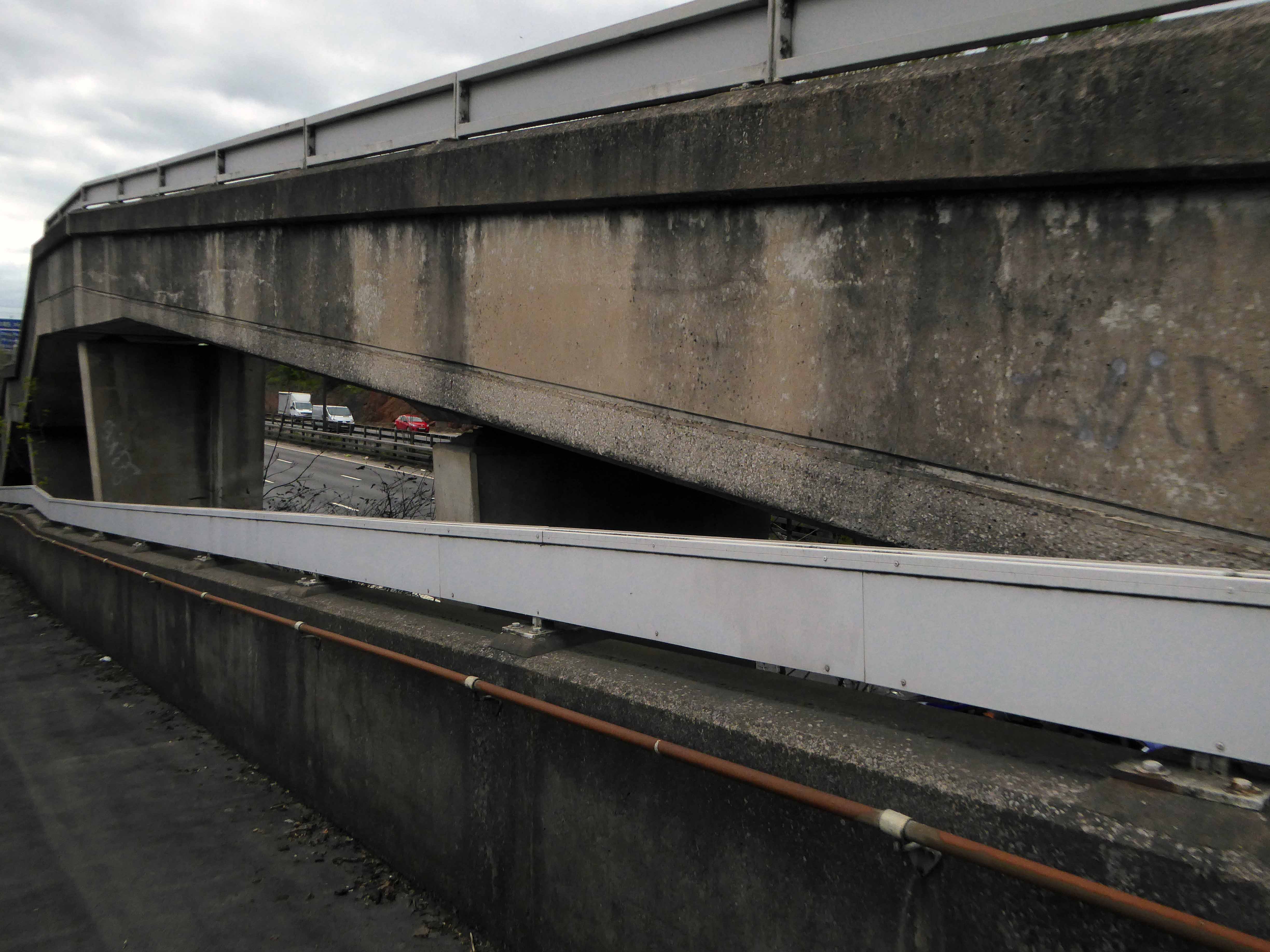
The Hatton Street footbridge has two spans of in-situ u-section deck, is at ground level on the north side, but is reached by steps or ramp from Great Egerton Street on the south.
William B Ball
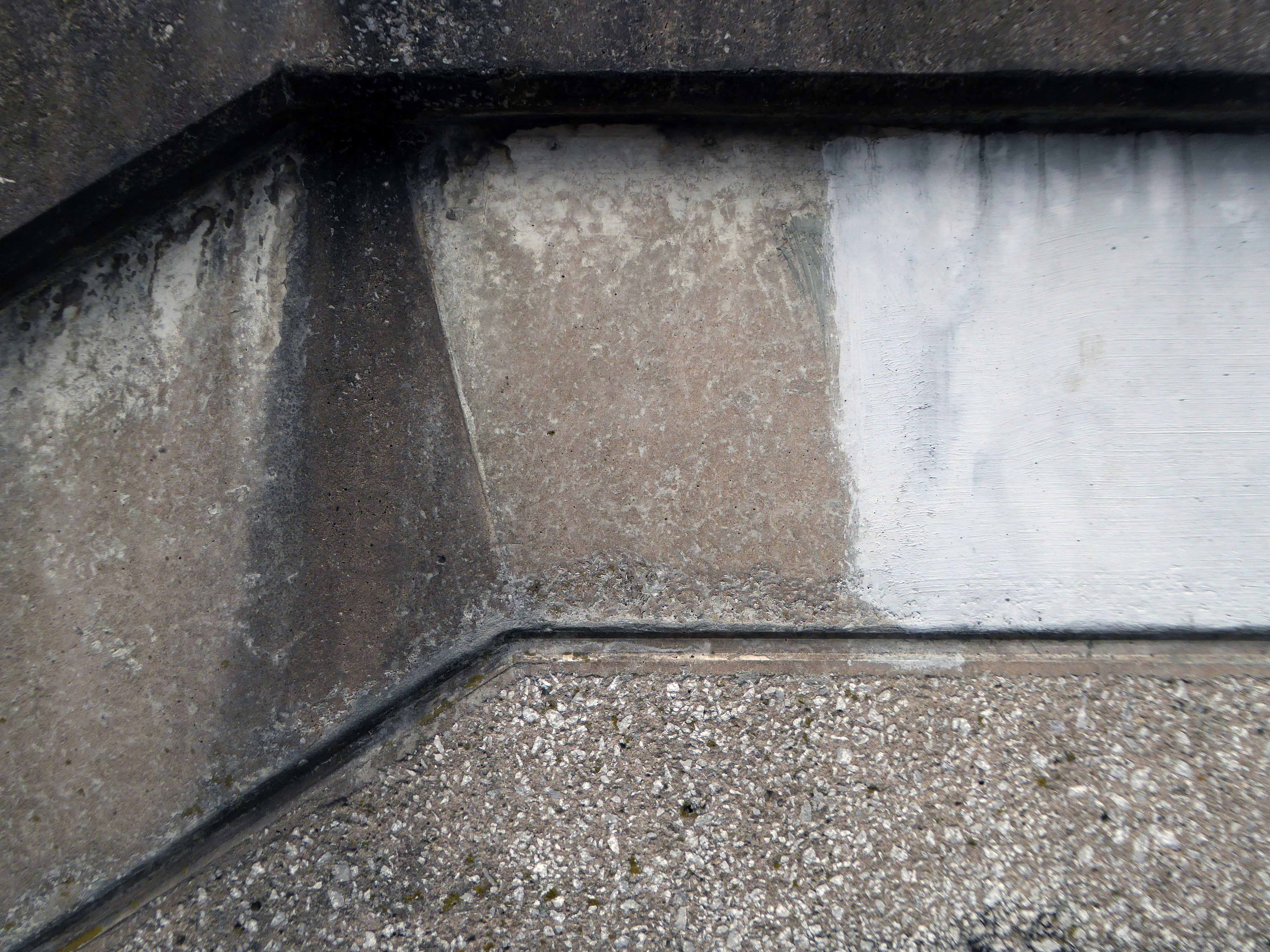
I’m ever so pleased that access has been reinstated, from me it is both fully functional yet imbued with an elegant concrete sculptural grace, worthy of Niemeyer or Lasdun.
So take a walk on the slightly higher side, either way you win.
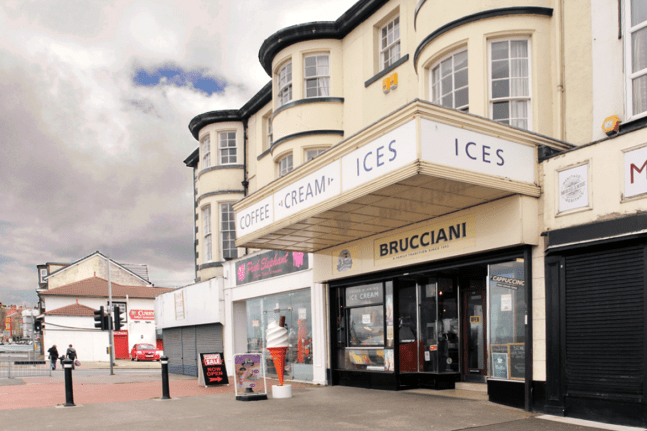
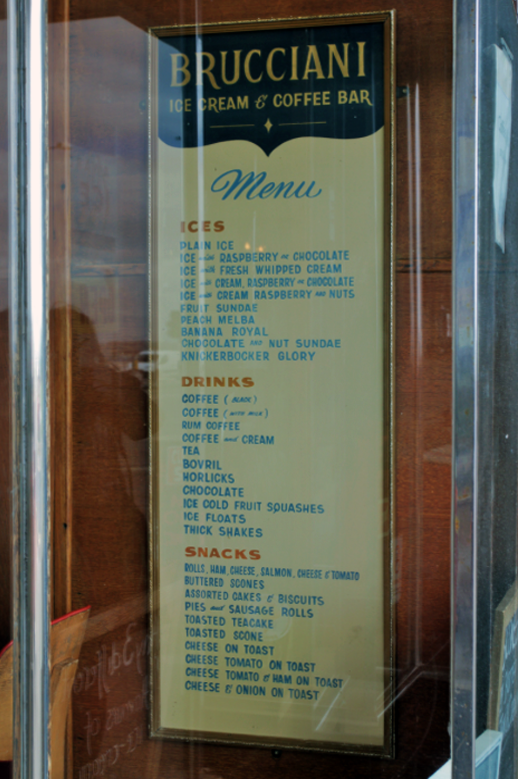
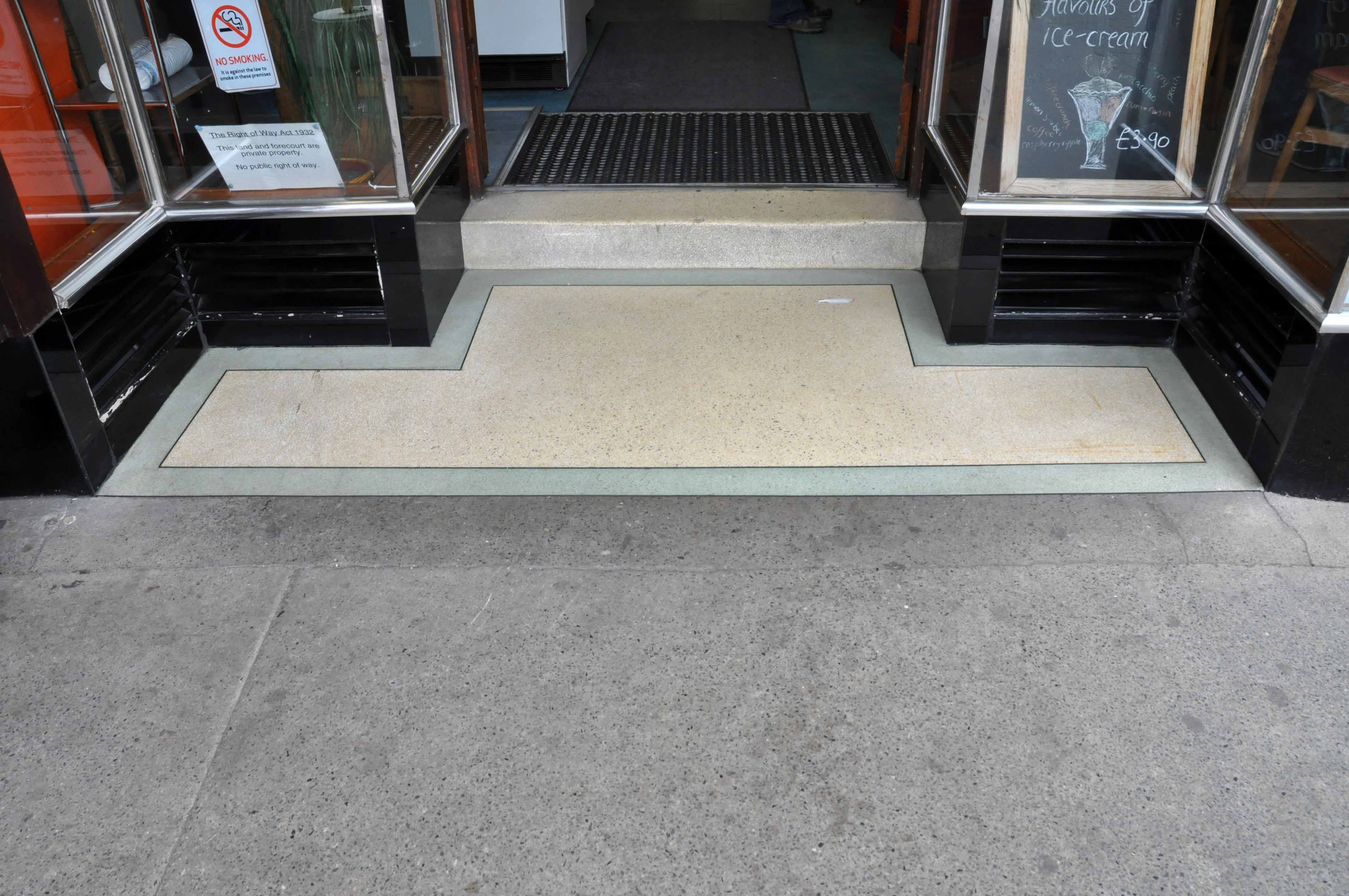
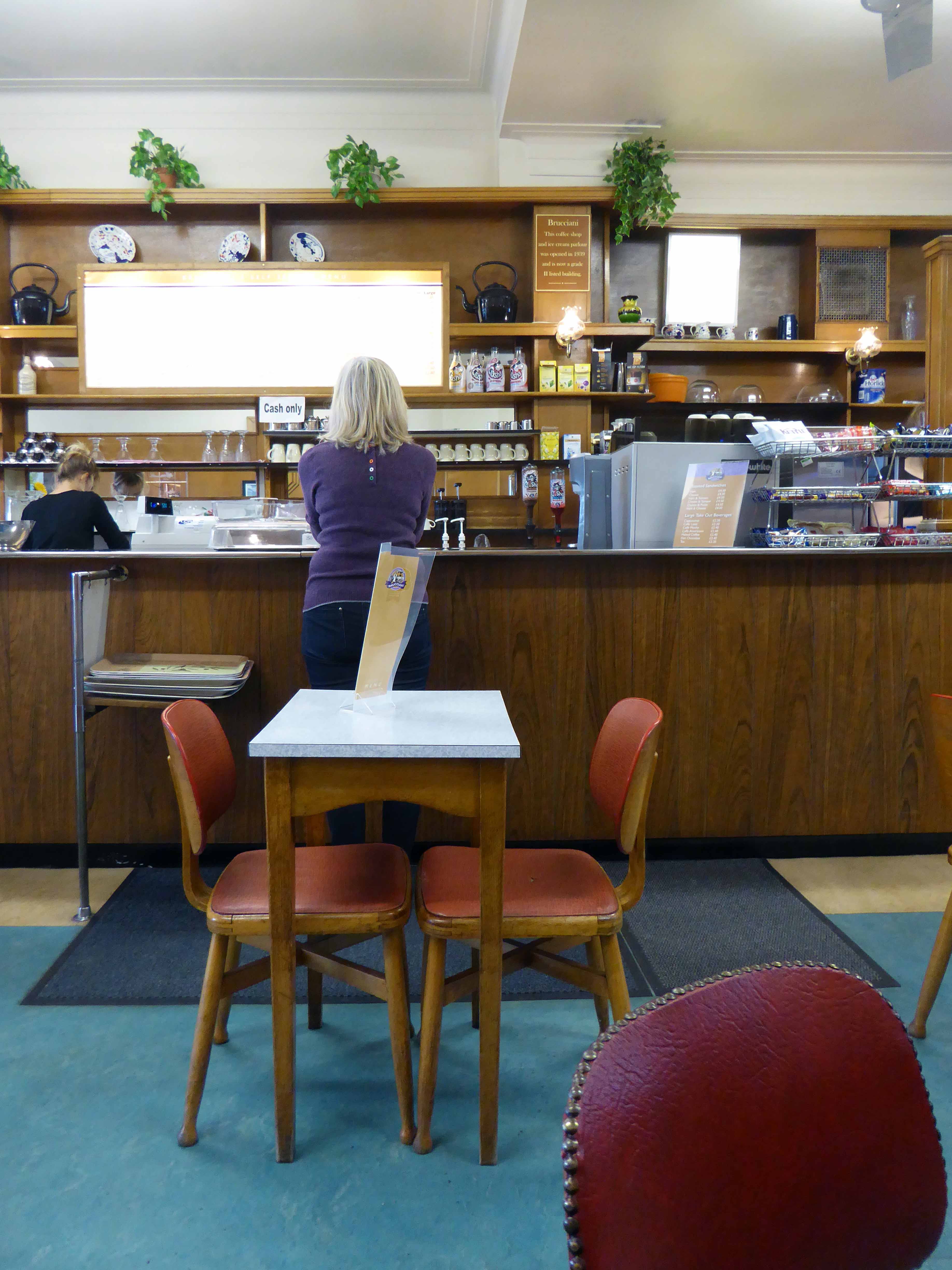
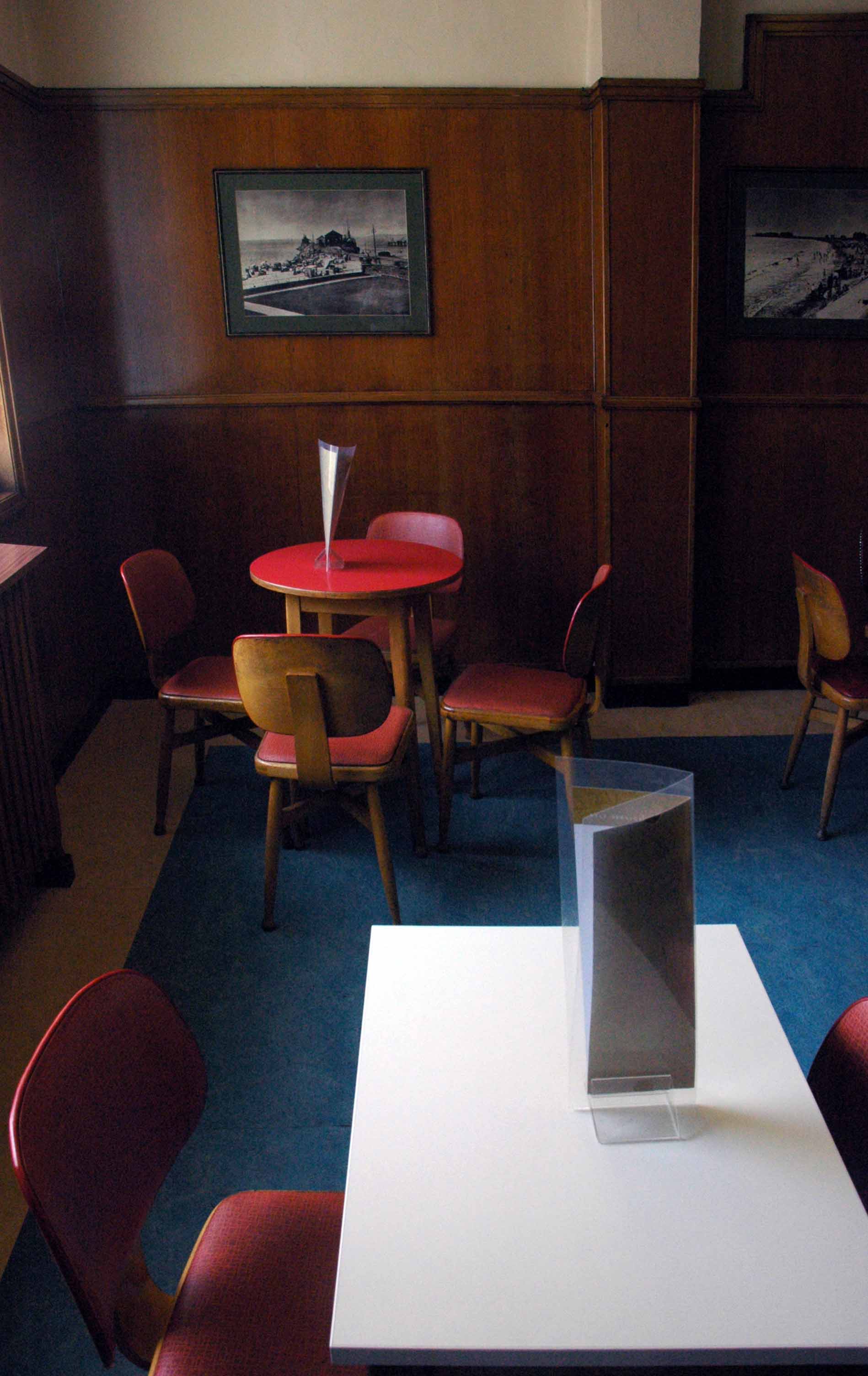
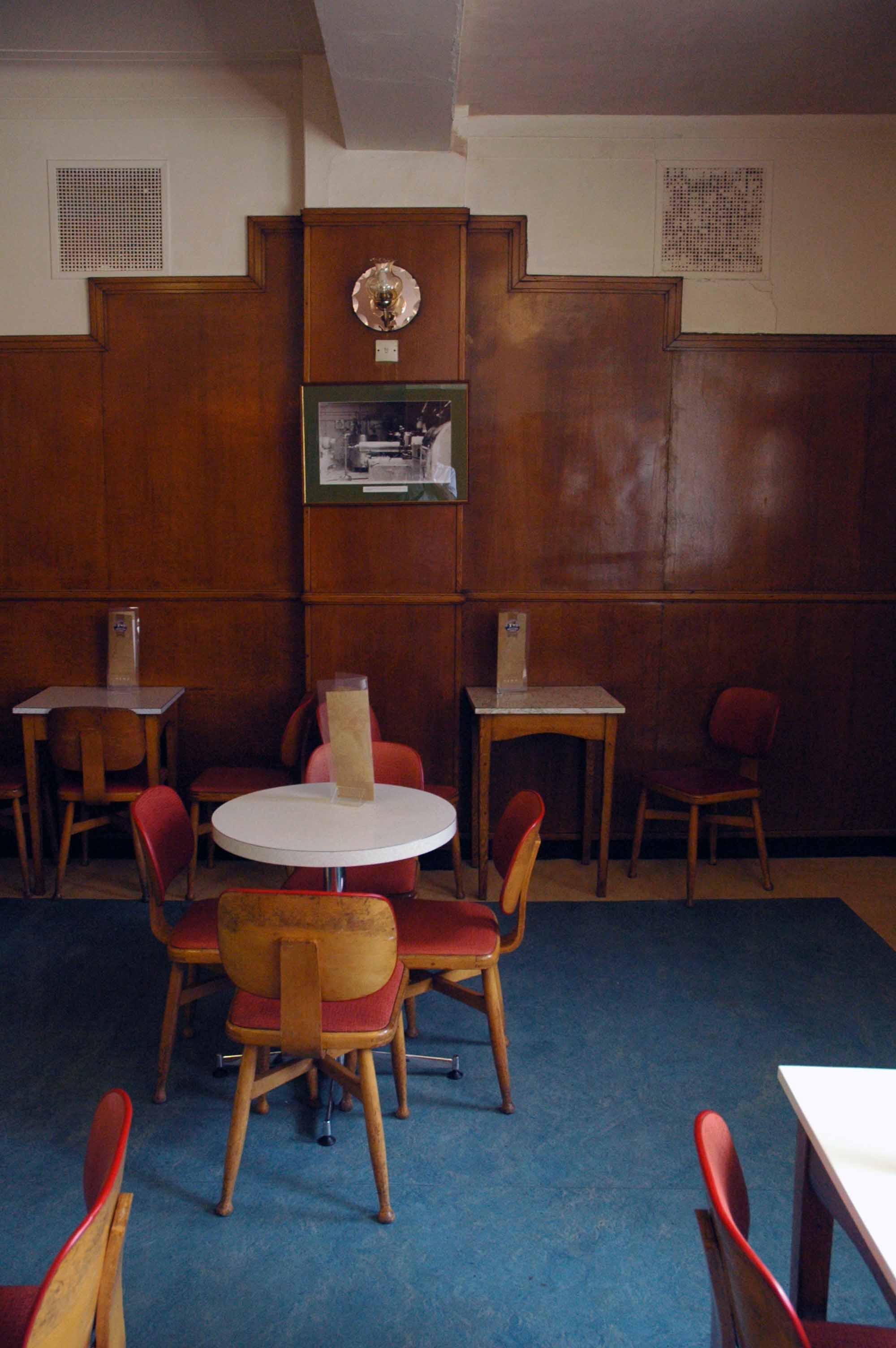
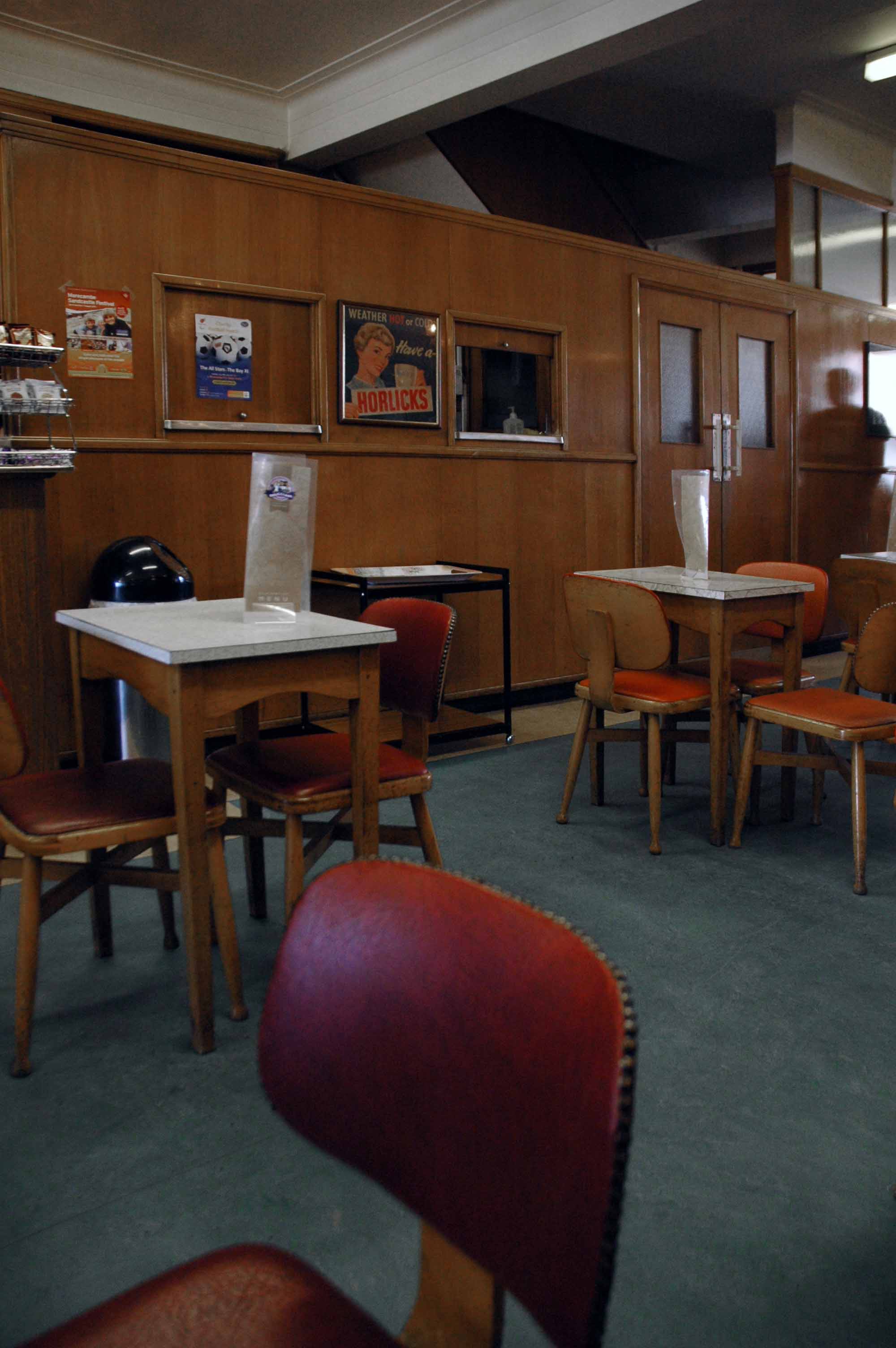
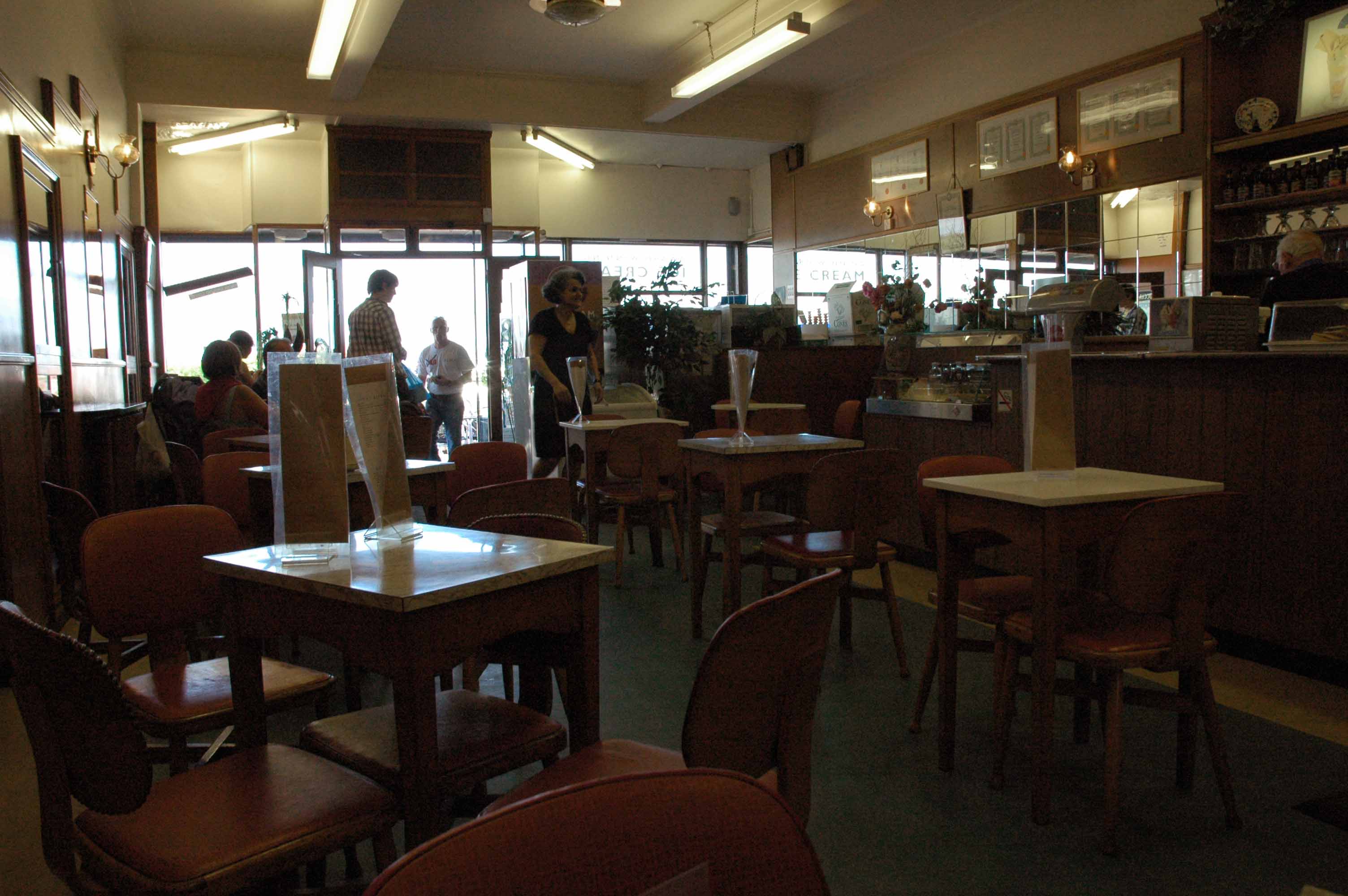
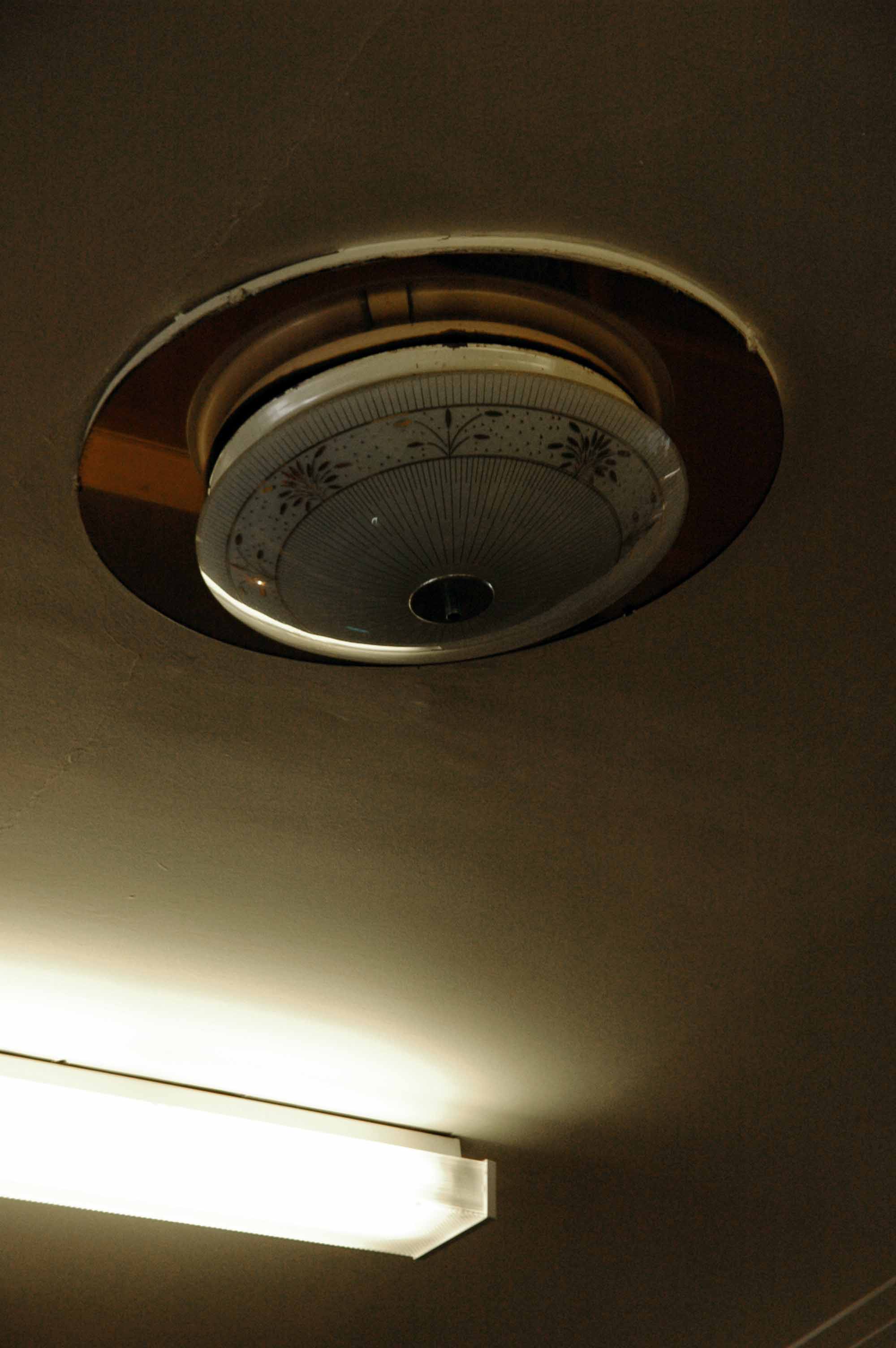
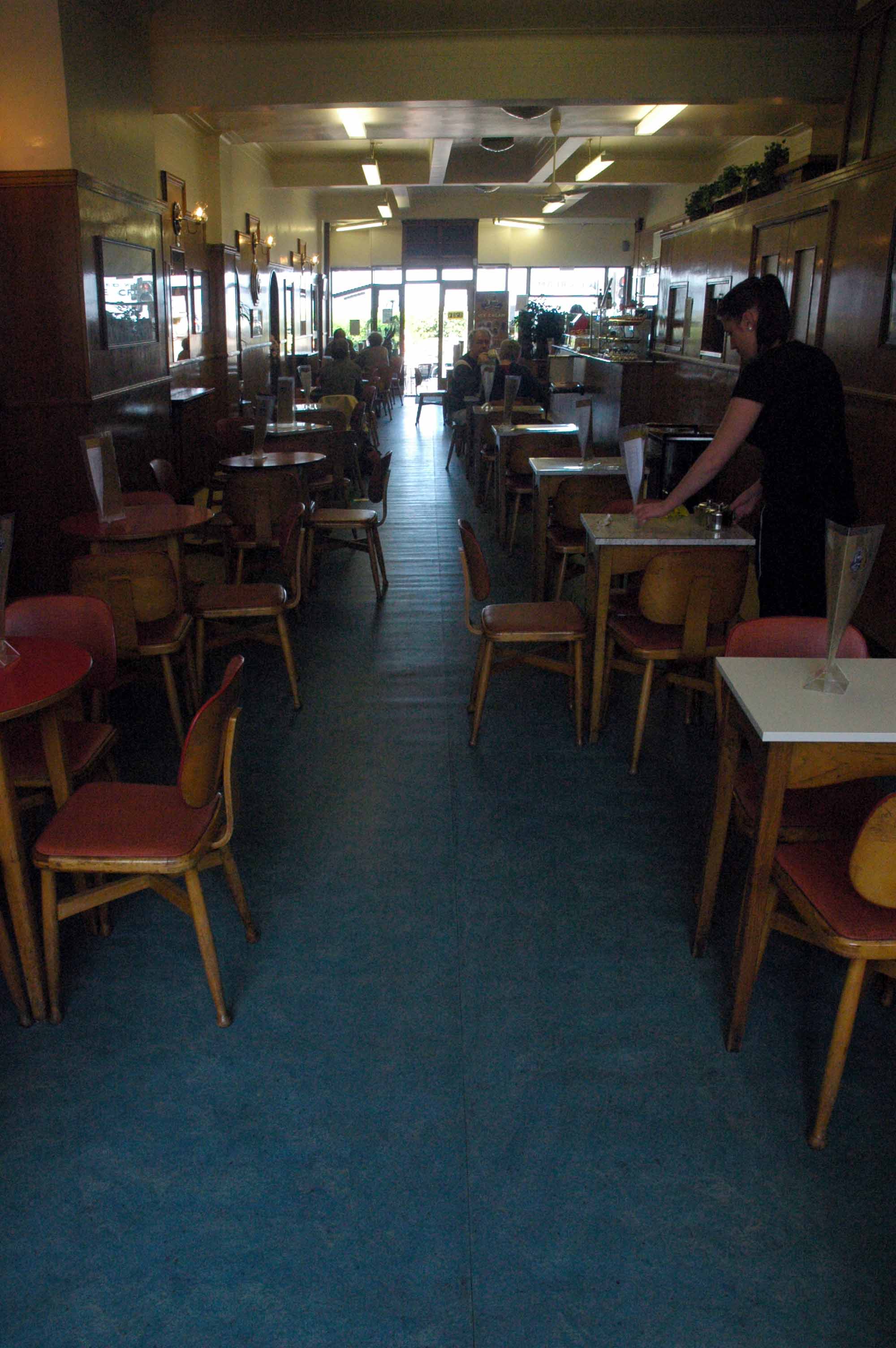
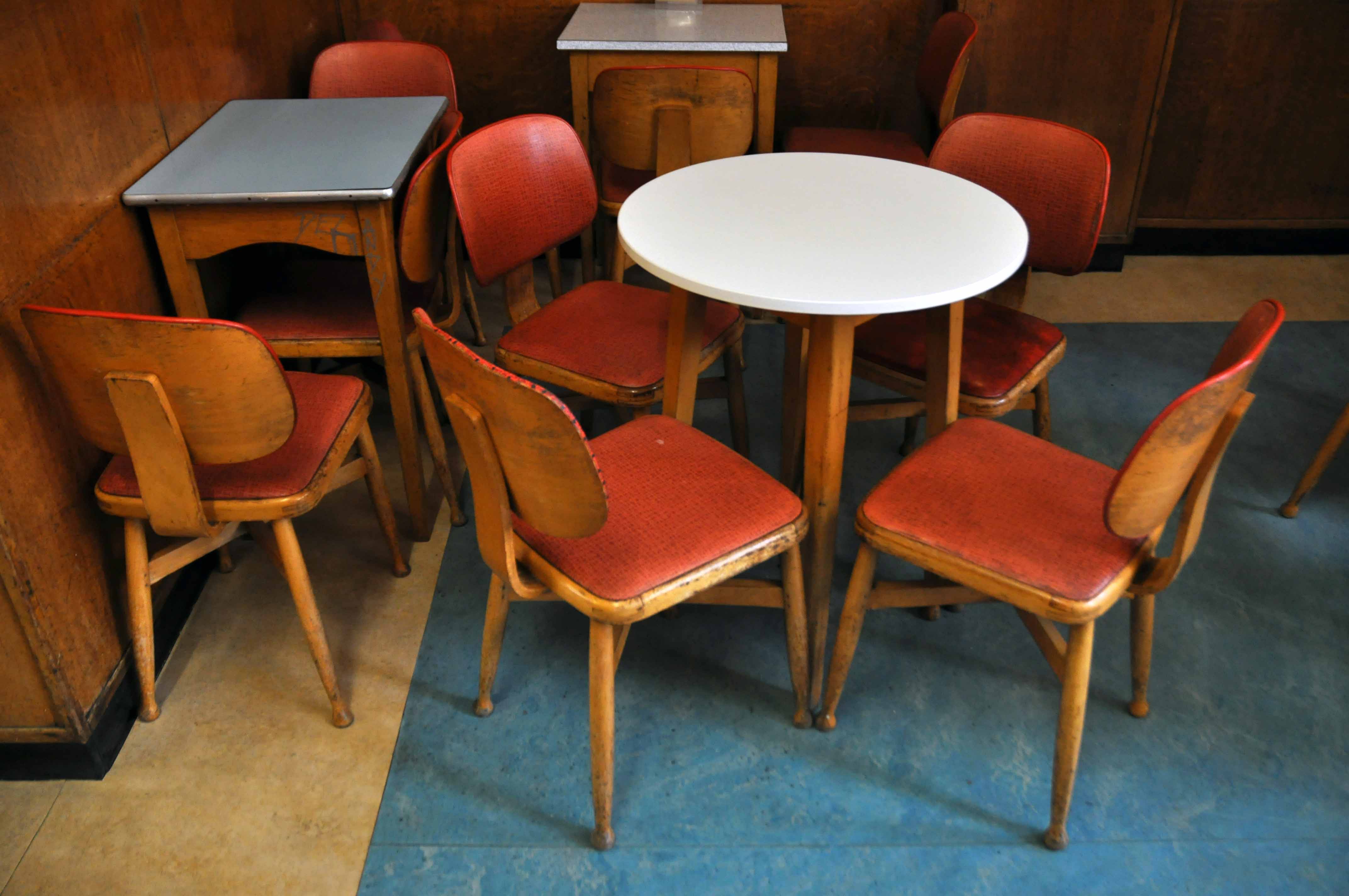
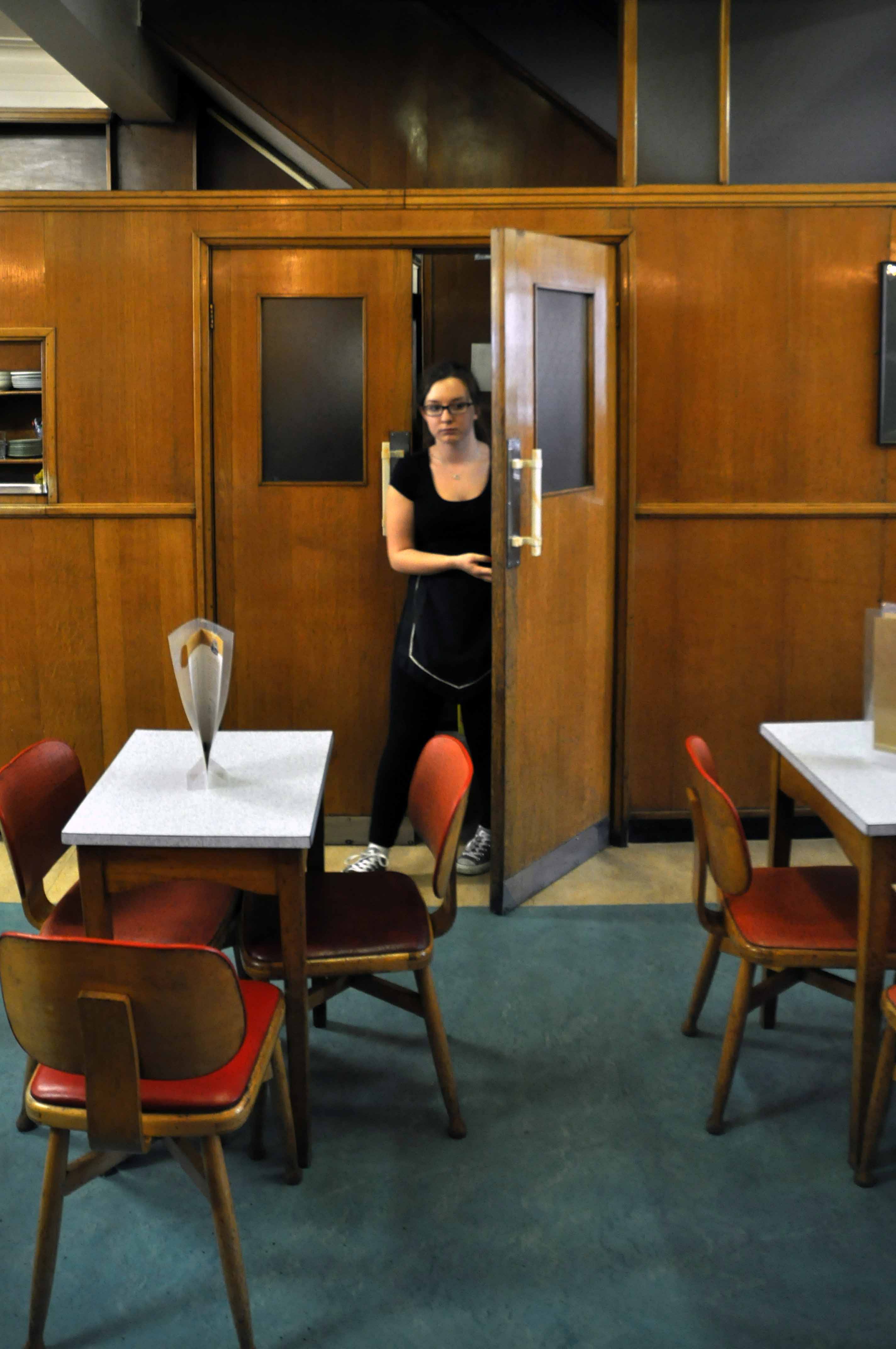
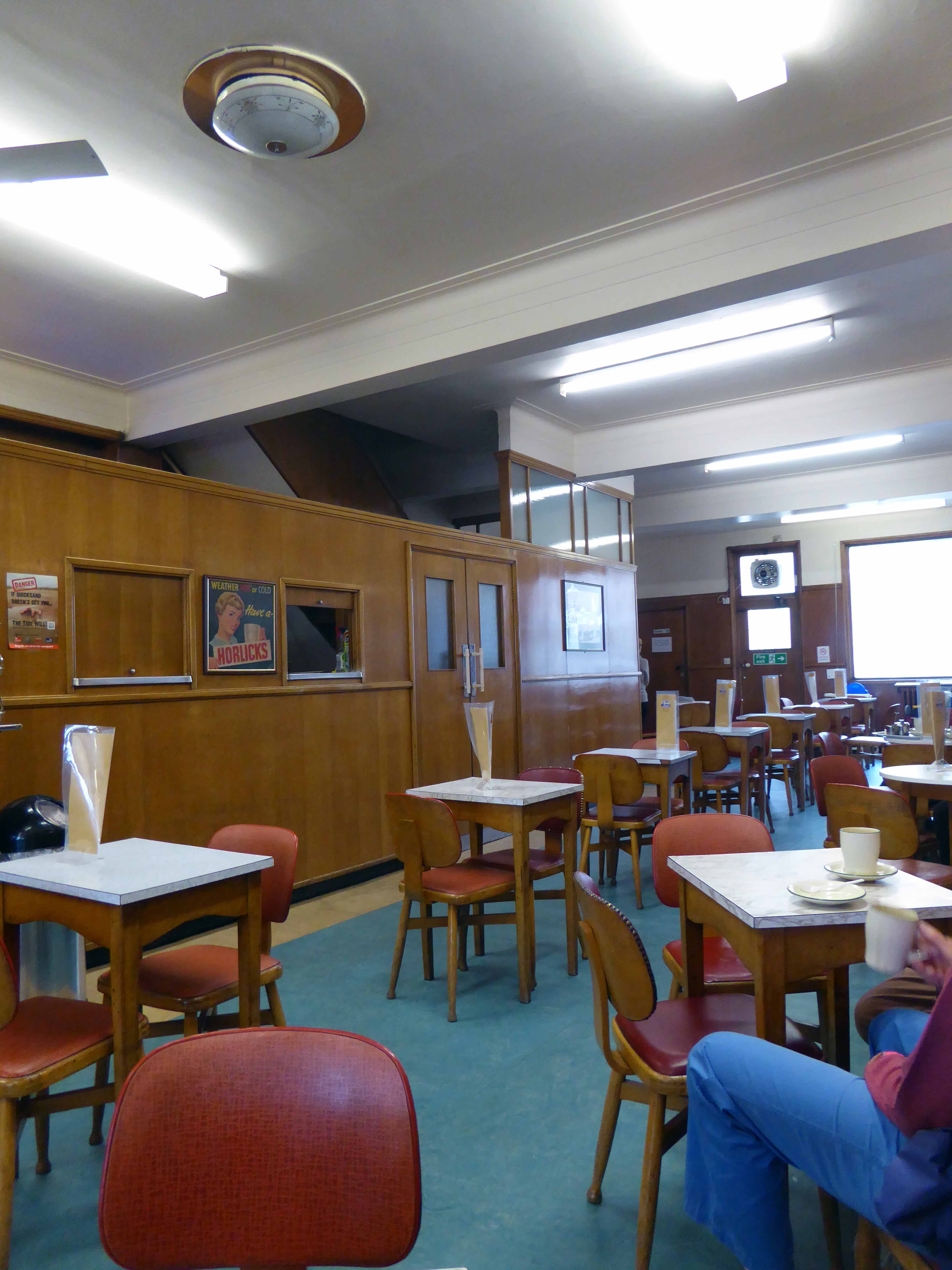
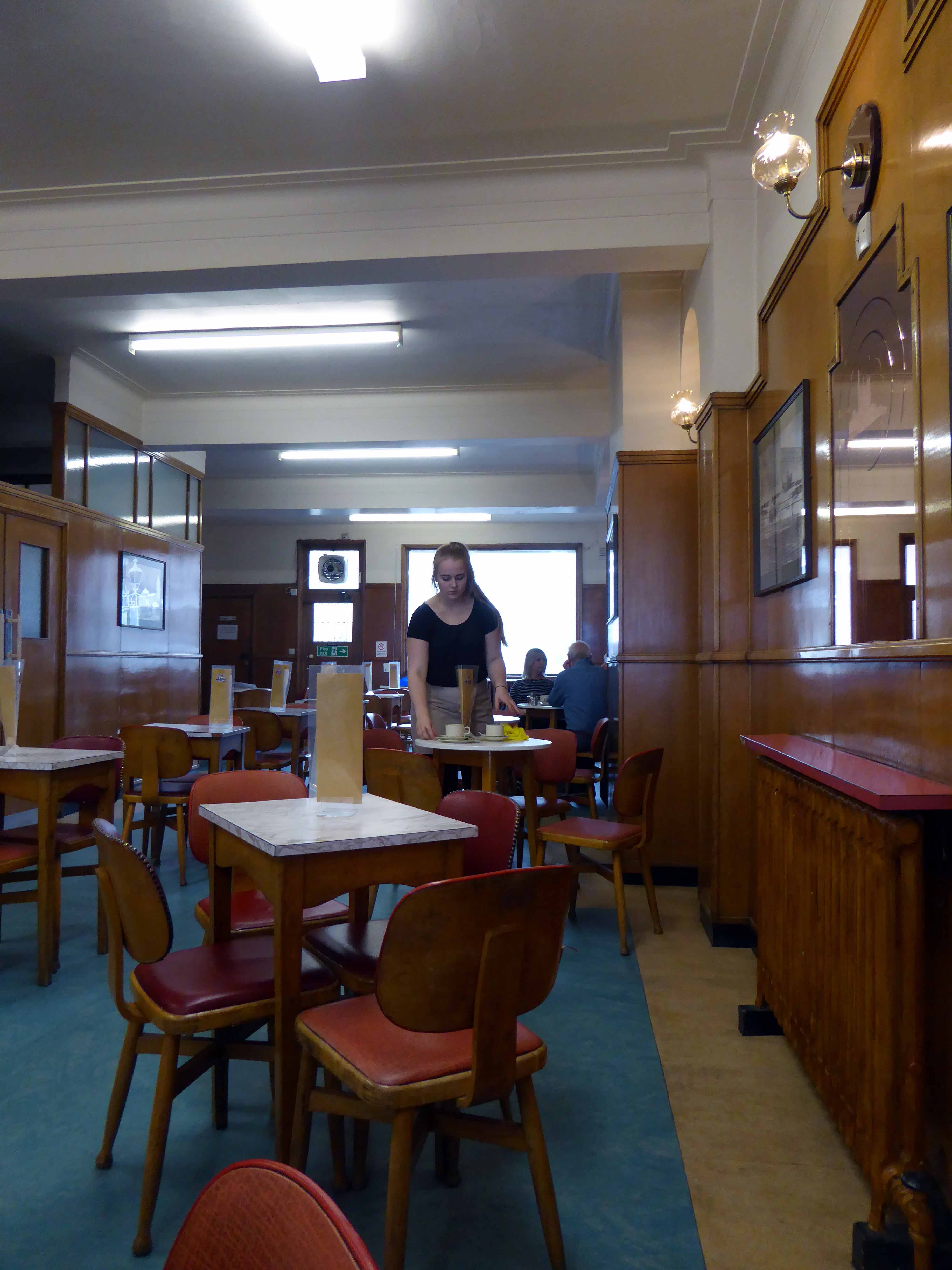
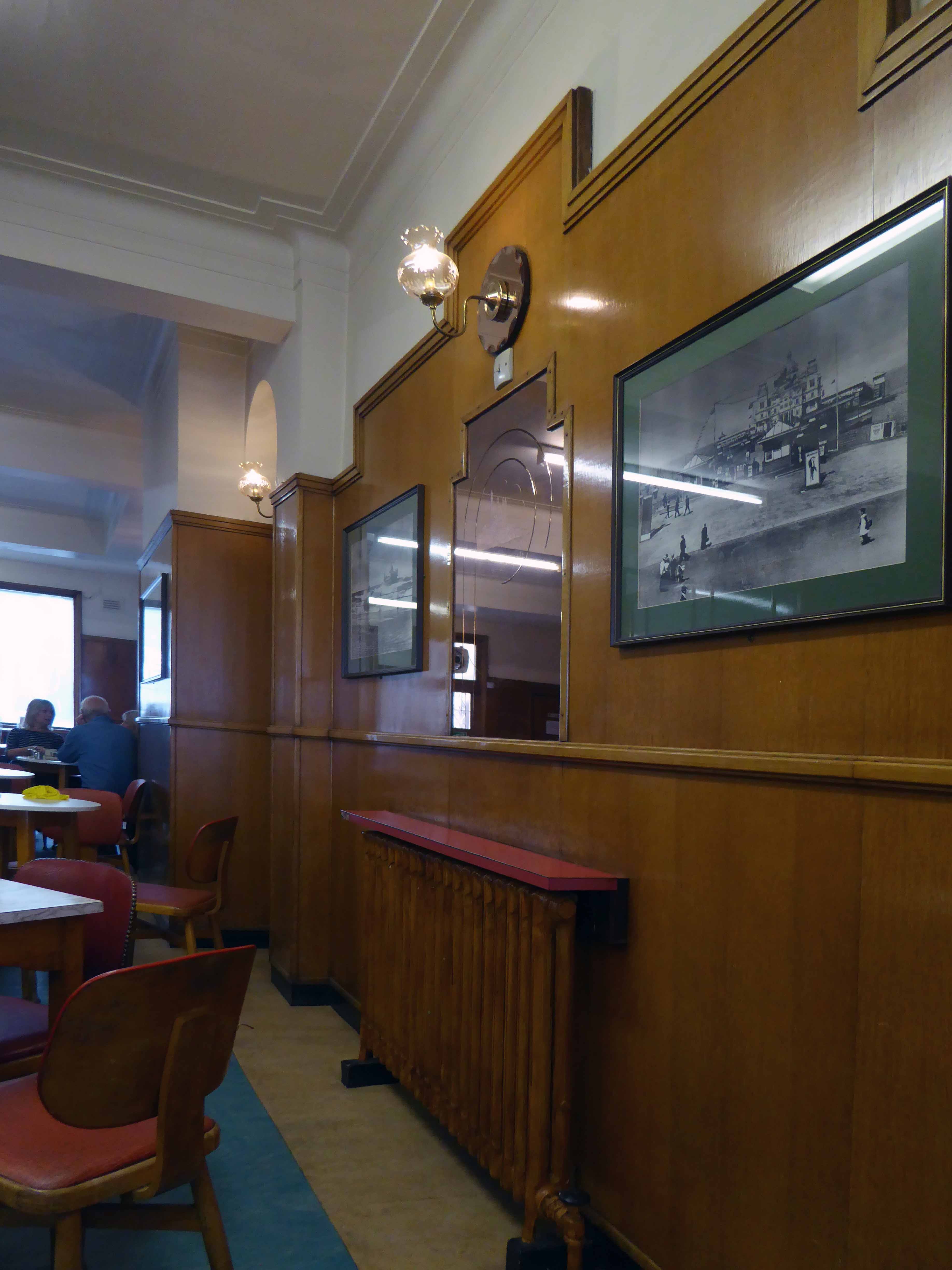
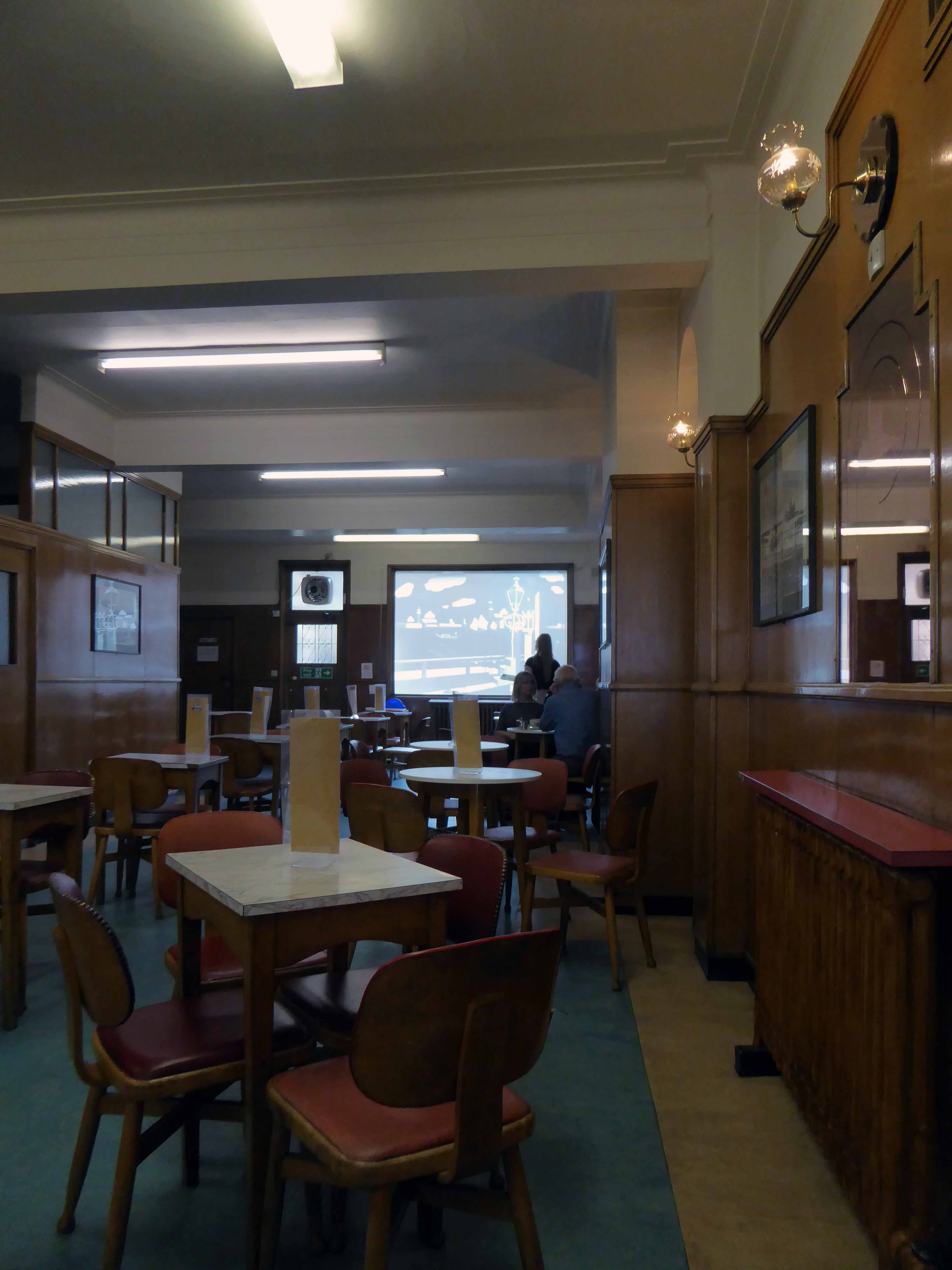
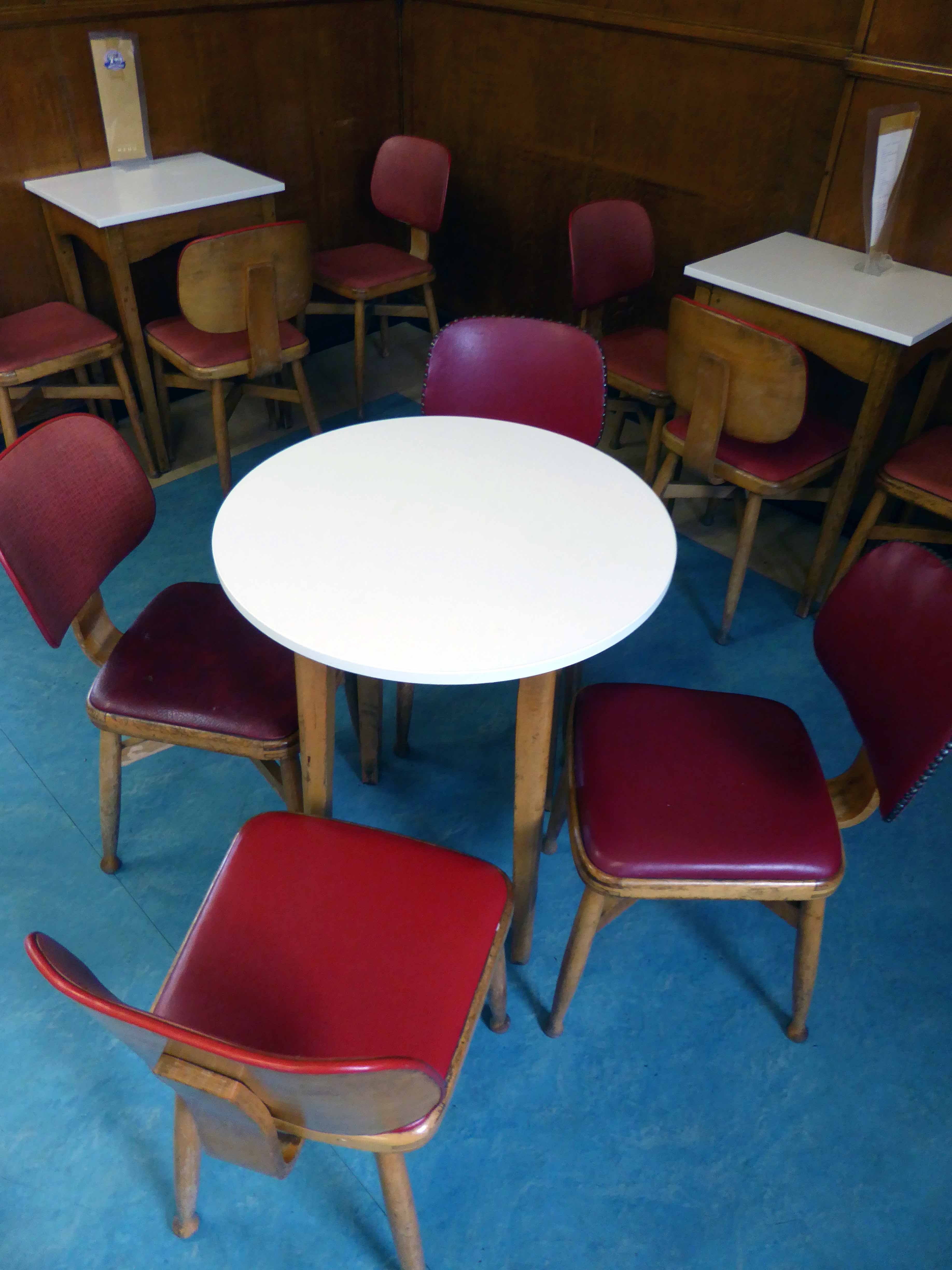
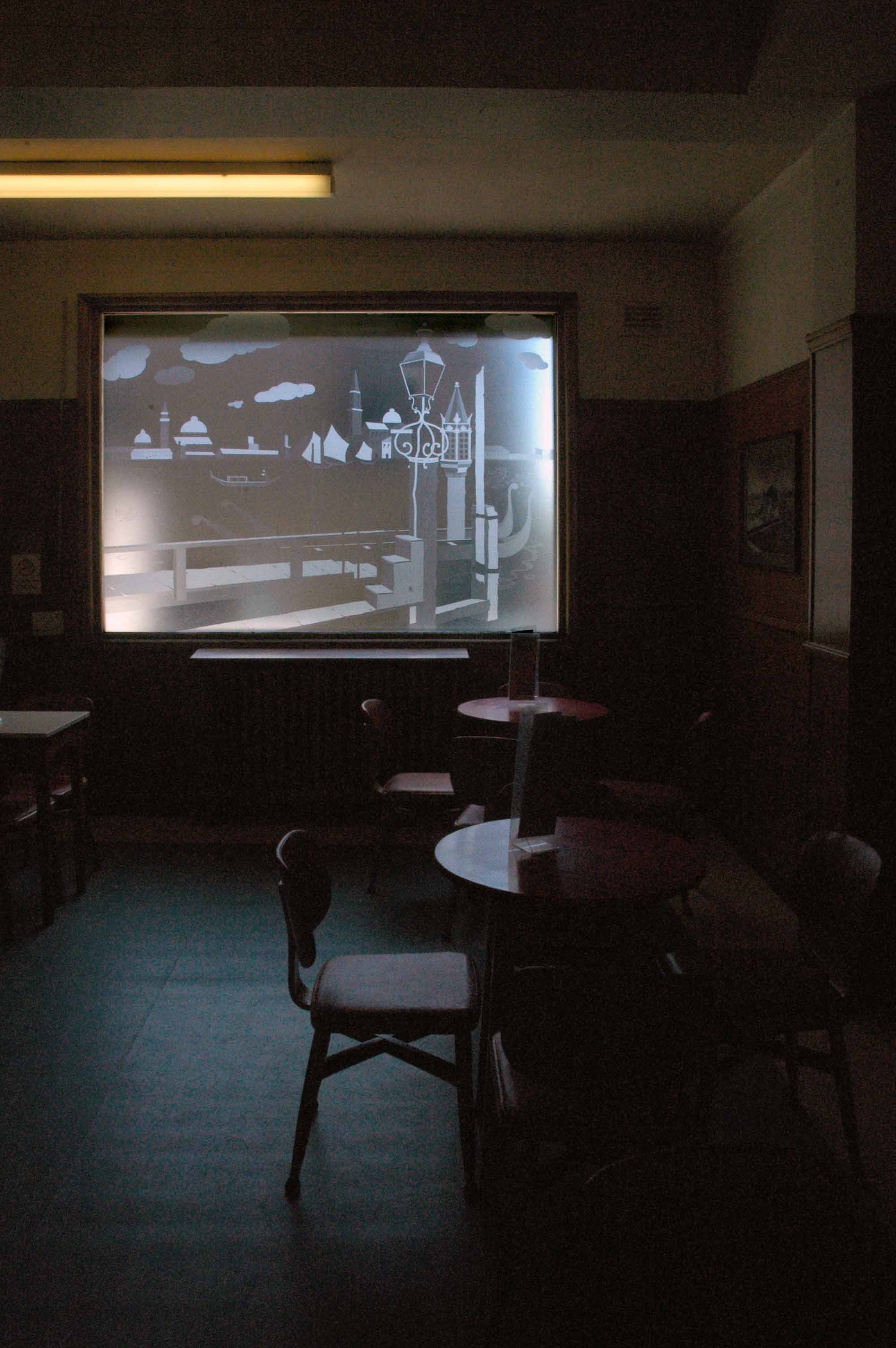
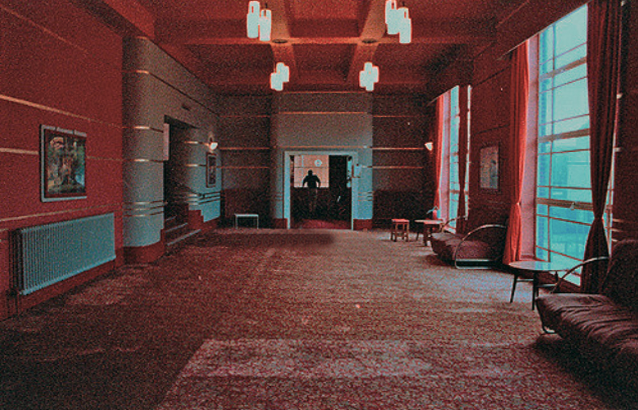
Built on the eve of war in 1939, the local paper feared that Brucciani’s might not be good for the sedate Victorian image of Morecambe and that its presence could be positively harmful to young people. Originally a milk bar, Brucciani’s typifies the simple, geometric ‘high street deco’ styling popular at the time. The brown wood and chrome exterior has black lacquer base panels to the street, porthole lamps above the doors, ziggurat pattern doors, classic deco handles and original menus. The interior preserves extensive wall panelling, a slightly reworked counter, red Formica tables, red upholstered chairs, wall-to-wall etched glass of Venetian canal scenes, mirrors, deco clocks and even the original penny-in-the-slot cubicles in the cloakrooms.
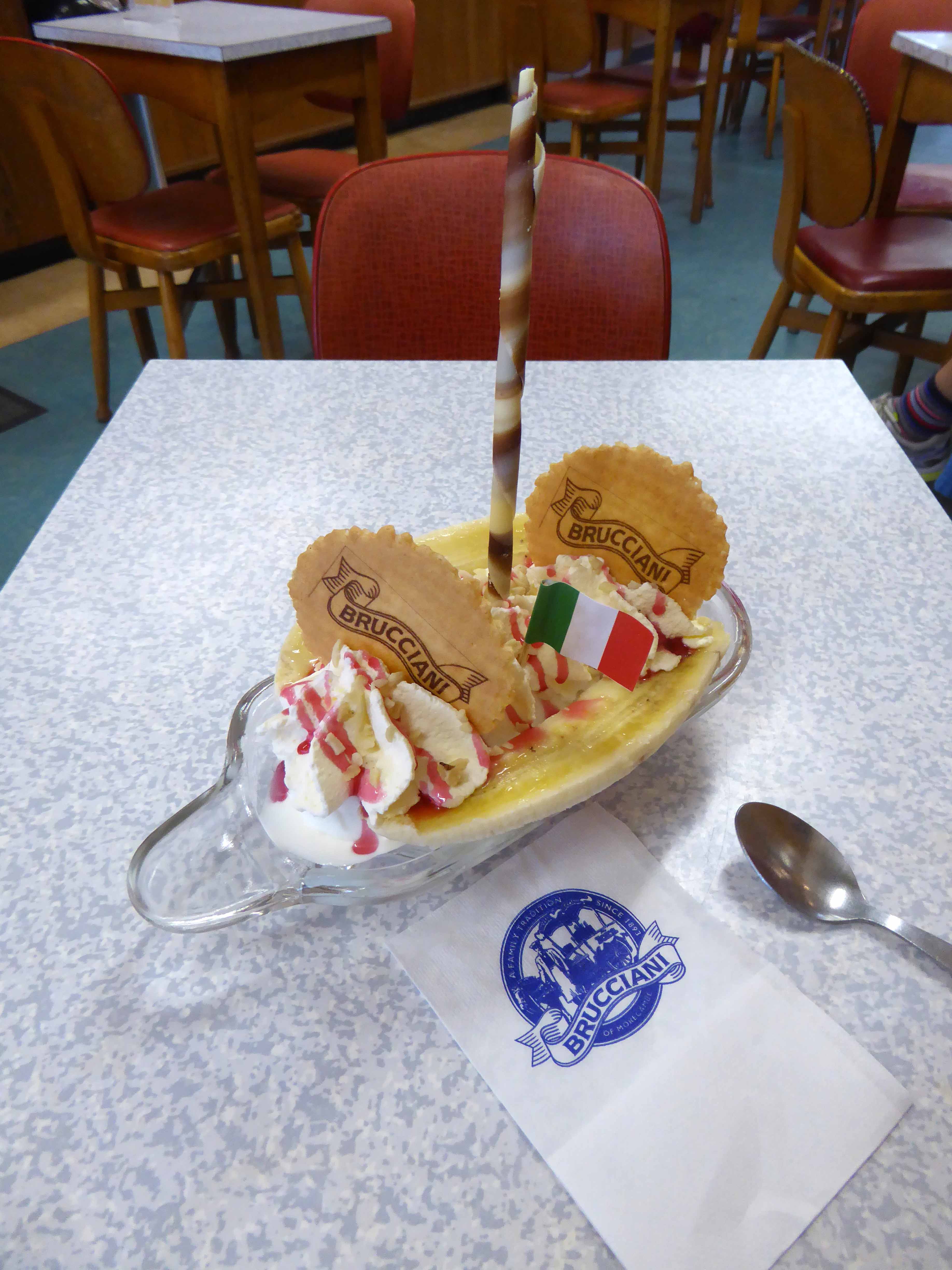
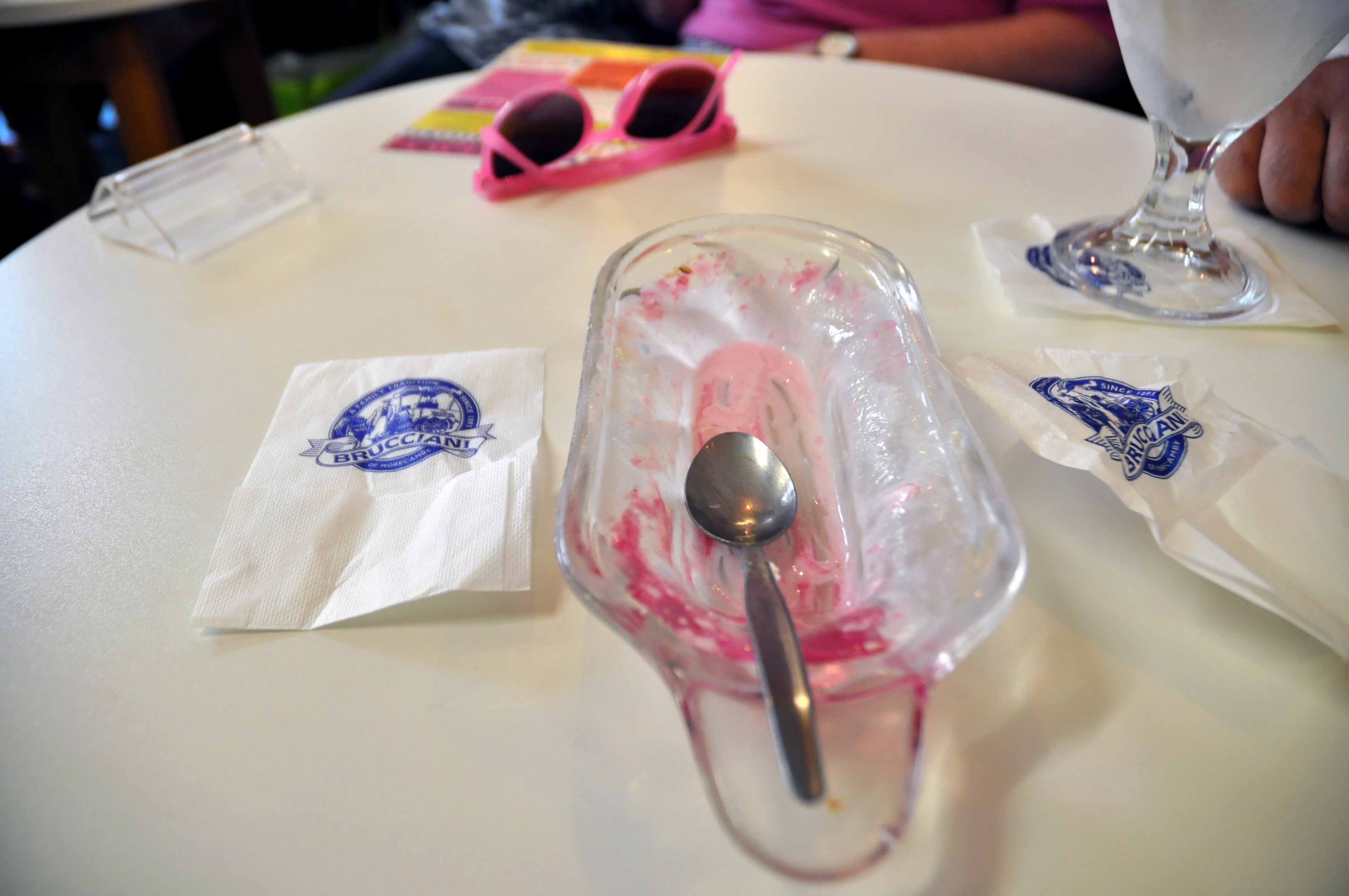
I’ve been coming here for over ten years now, alone or in company, come rain or shine and without fail, as sure as ice is nice, I have a banana spilt – or to be more precise a Banana Royal.
This is a café with a café menu, café furniture, café staff and service.
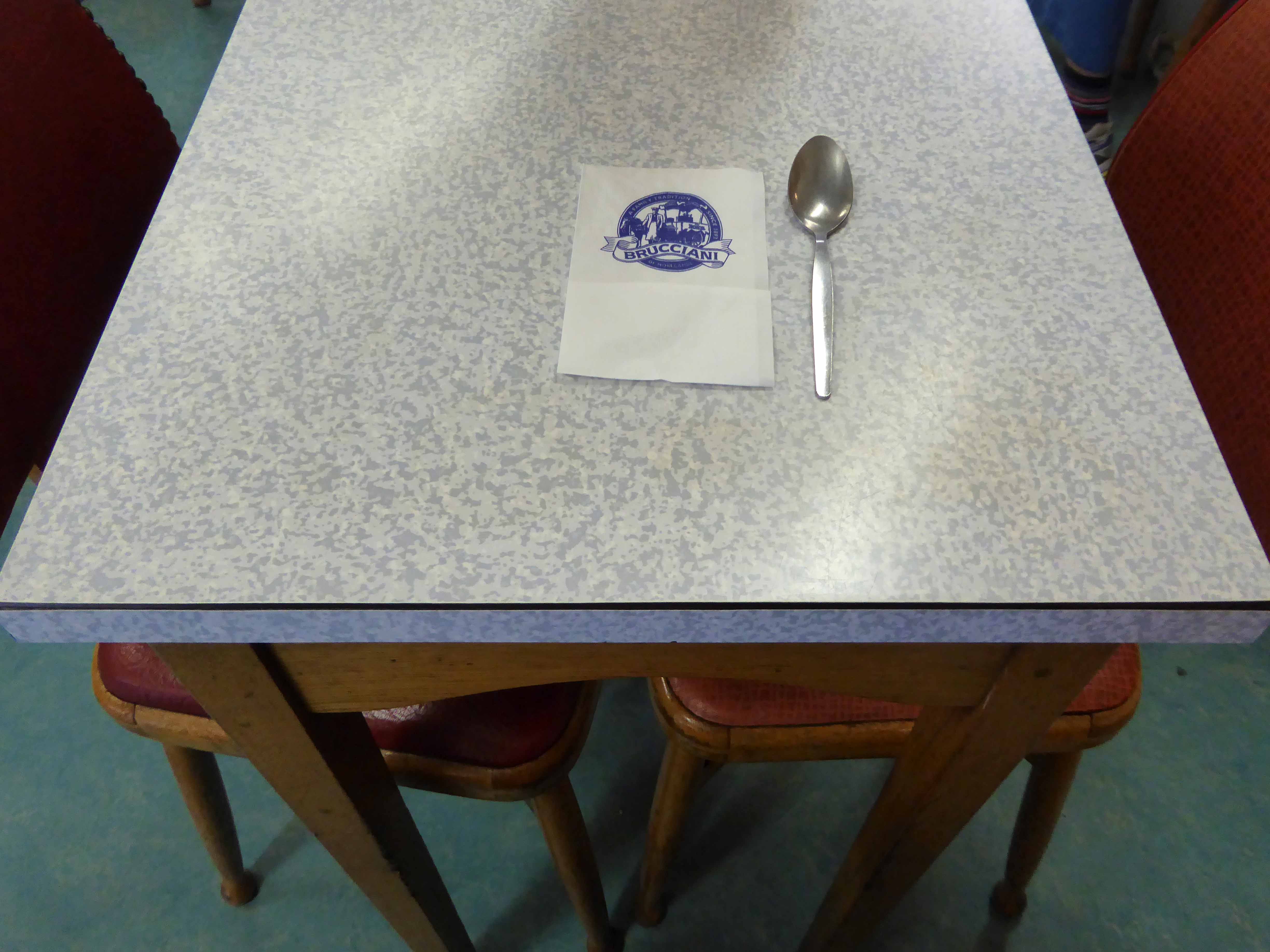
It only ever wanted and wants to be a café, unchanged by the uncaring winds of vicissitude and fashion. To tread the turquoise and tan linoleum, ‘neath the period lighting fixtures and fittings, to be seated on the warm red leatherette, one elbow on the circular Formica table is to enter into into a pact with a perfect past.
It’s on the front you can’t miss it – overlooking the Sunset Bay.
Robert Andrew Bullivant 1910-2001 Harry William Weedon 1887-1970
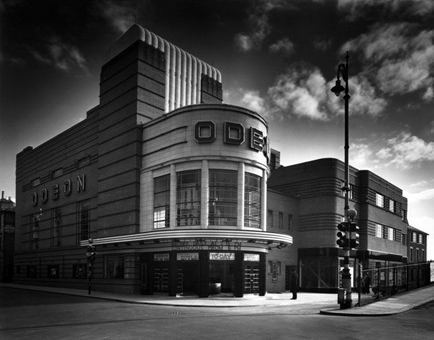
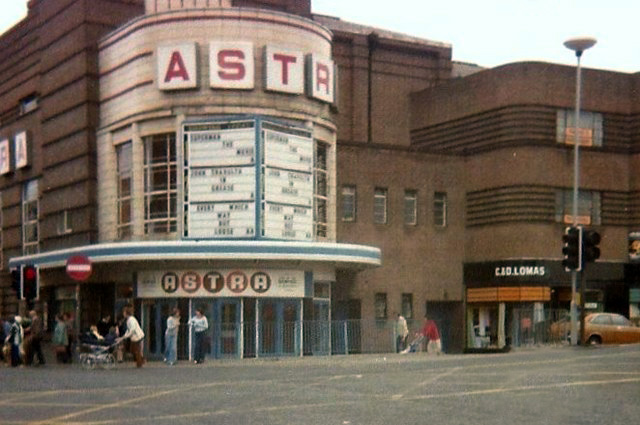
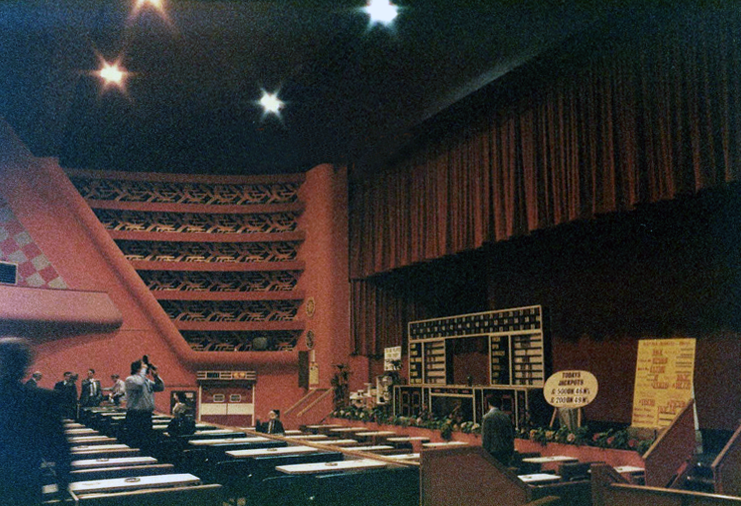
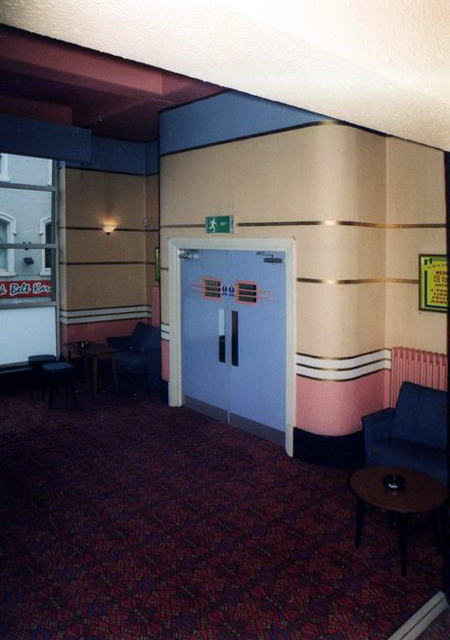
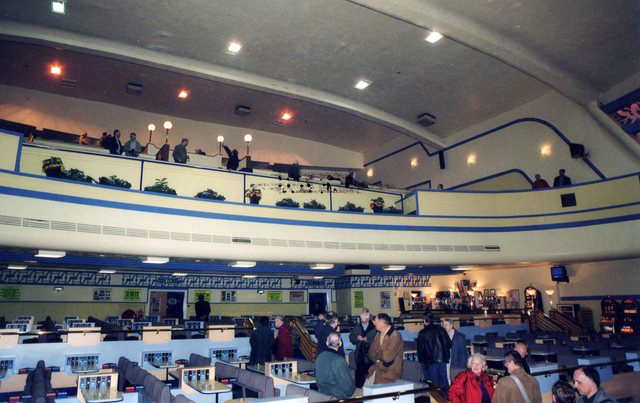
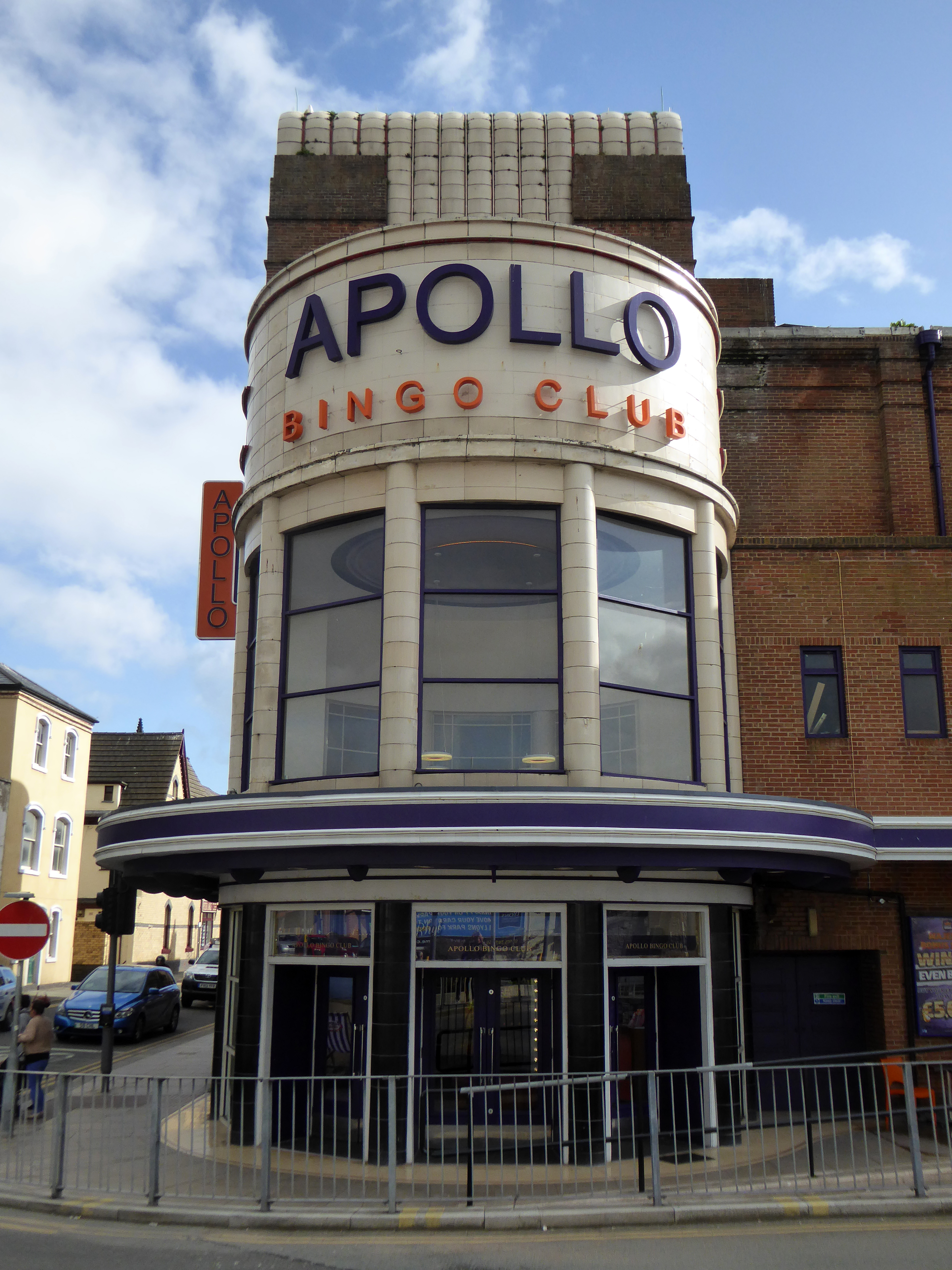
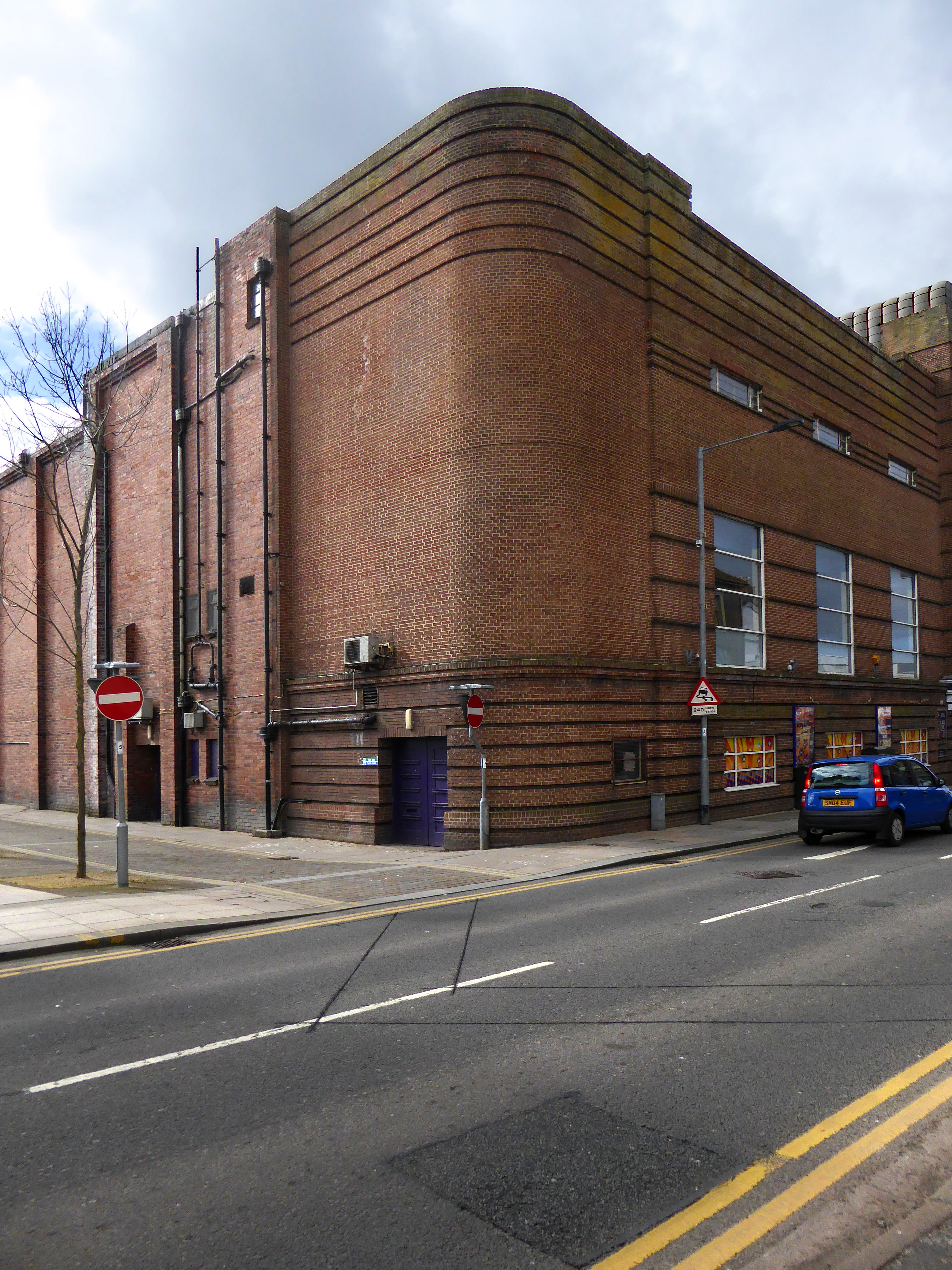
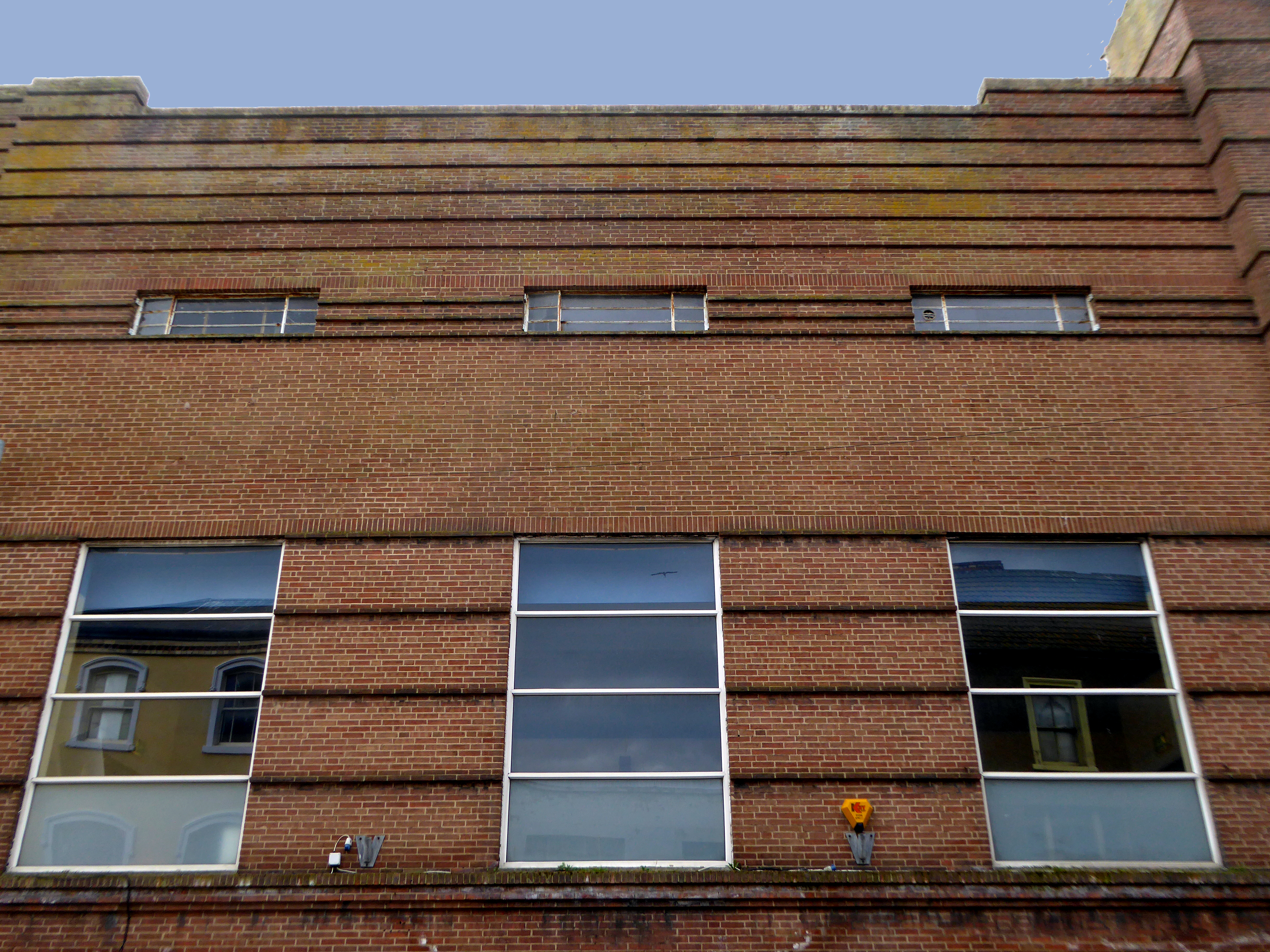
Robert Bullivant joined the Harry Weedon practice in 1935 and was responsible for the design of the Odeons at Chester, York, Burnley, Exeter and Rhyl. Taken over by Hutchinson in 1969, this cinema was renamed Astra. It was made into a triple screen in 1972 and the stalls were later converted for bingo. It was designated Grade II listed status in 1989. The cinemas closed in 1995 and the building reverted to a single auditorium for bingo.
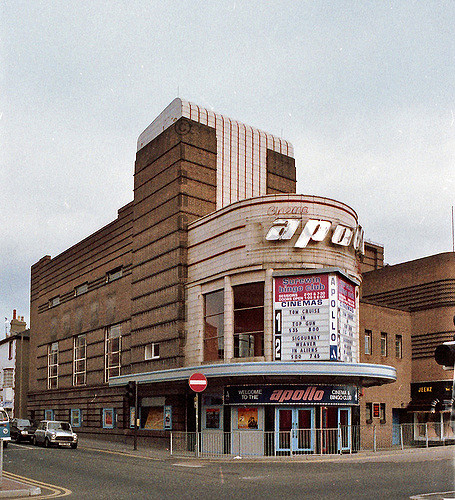
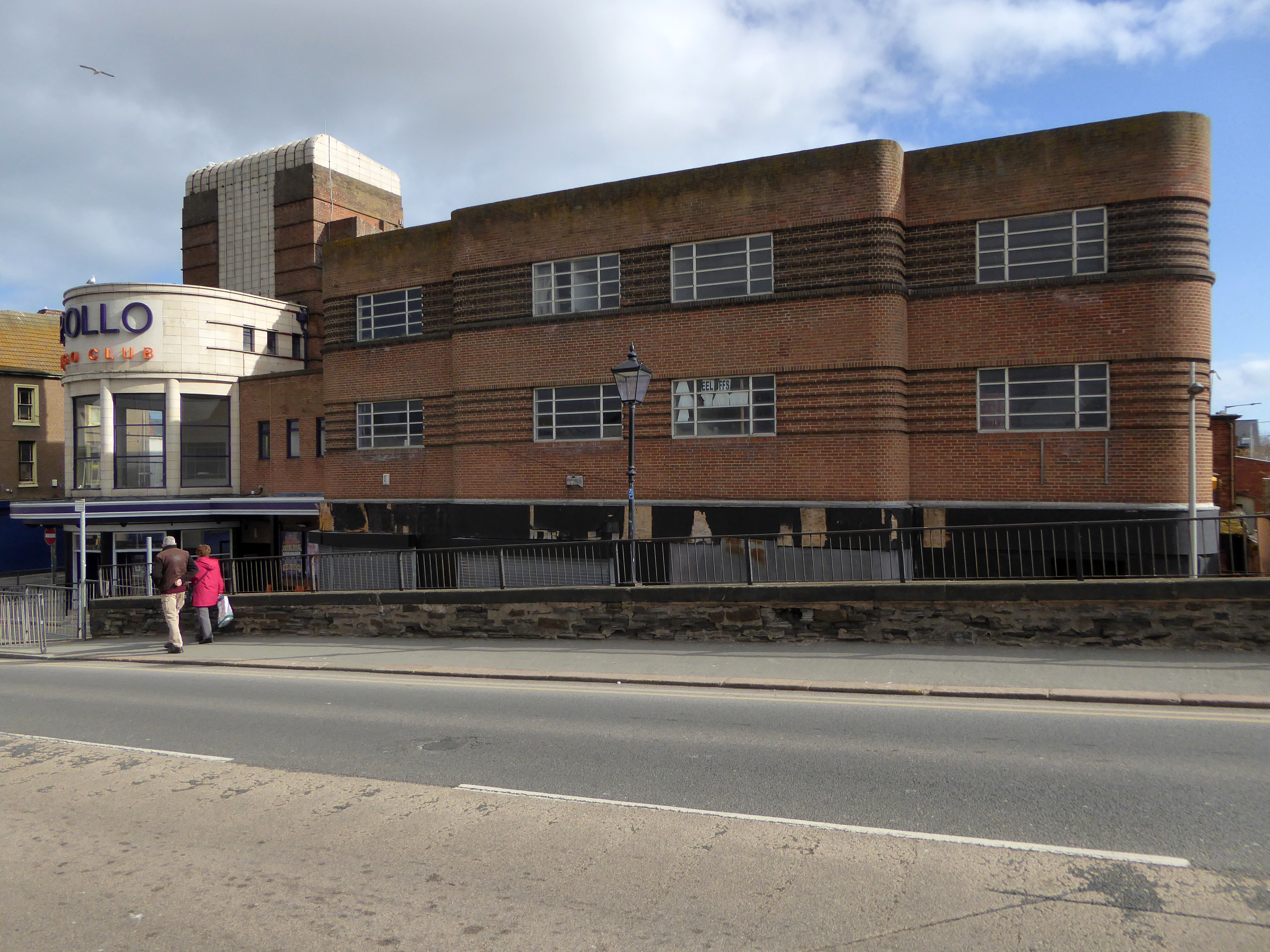
So much of our picture house heritage no longer exists, where once a town or city could support several cinemas of varying scale, architectural merit or style, few now remain intact. Happily the Rhyl Odeon has survived from Astra, Apollo to Gala to the stars and beyond.
Playing to perennially packed houses, the people’s palaces accommodated old and young.
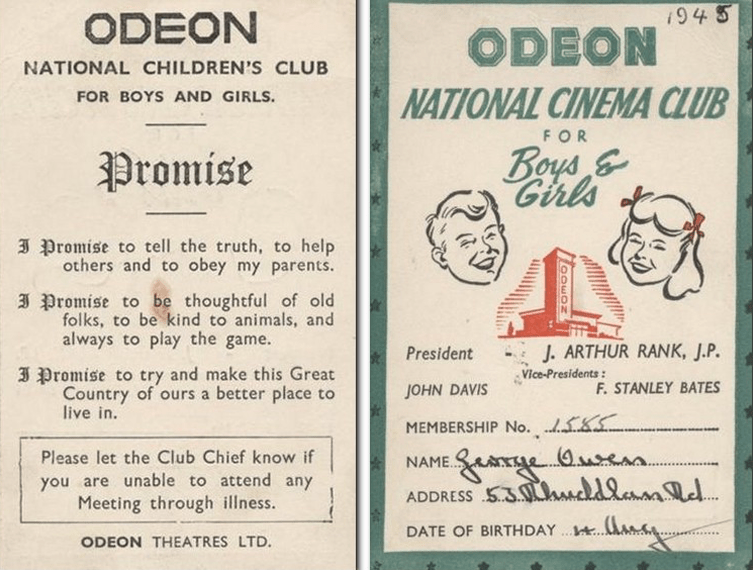
Saturday morning matinees for the boys and girls – making this Great Country of ours a better place to live in.
If memory serves, in the Odeon auditorium to the left of the screen there was a suitably stylish, numberless clock of six-sided shape. In 1972 the Odeon, by then taken over and renamed Astra Cinema, underwent alterations to become the first three-screen complex in Wales: Astra 1, 2 and 3. By the mid 1980s the Odeon/Astra had been taken over by Apollo and was running as two cinemas plus bingo at first – and bingo only since the present Apollo Cinema Complex opened on the prom.
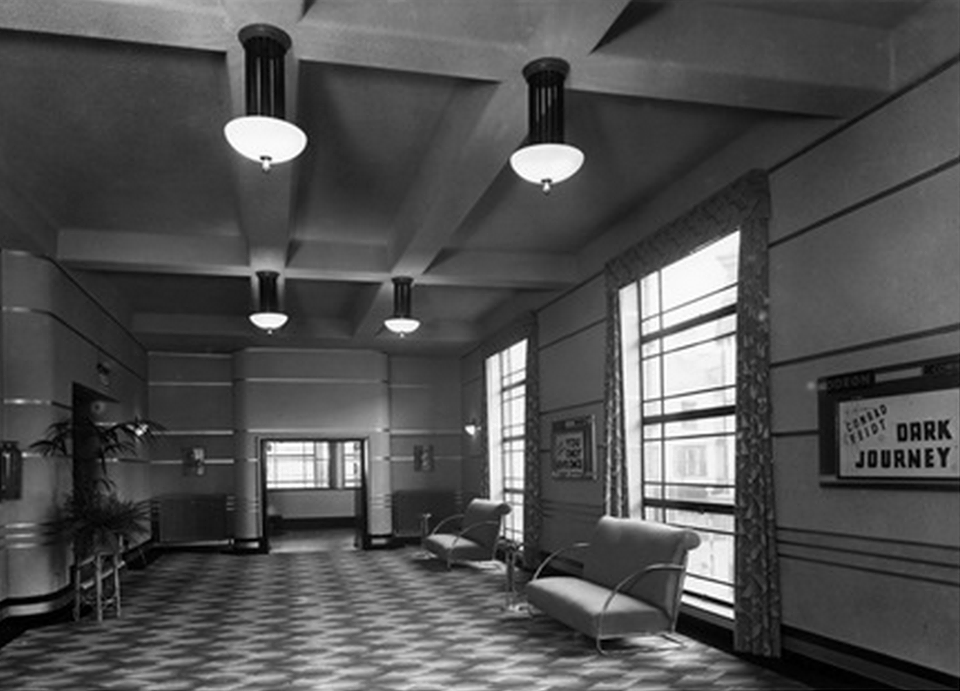
An original Odeon Theatre, built for the Oscar Deutsch Odeon Theatres Ltd. chain, opened on 30th October 1937 with Flora Robson in “Farewell Again”.
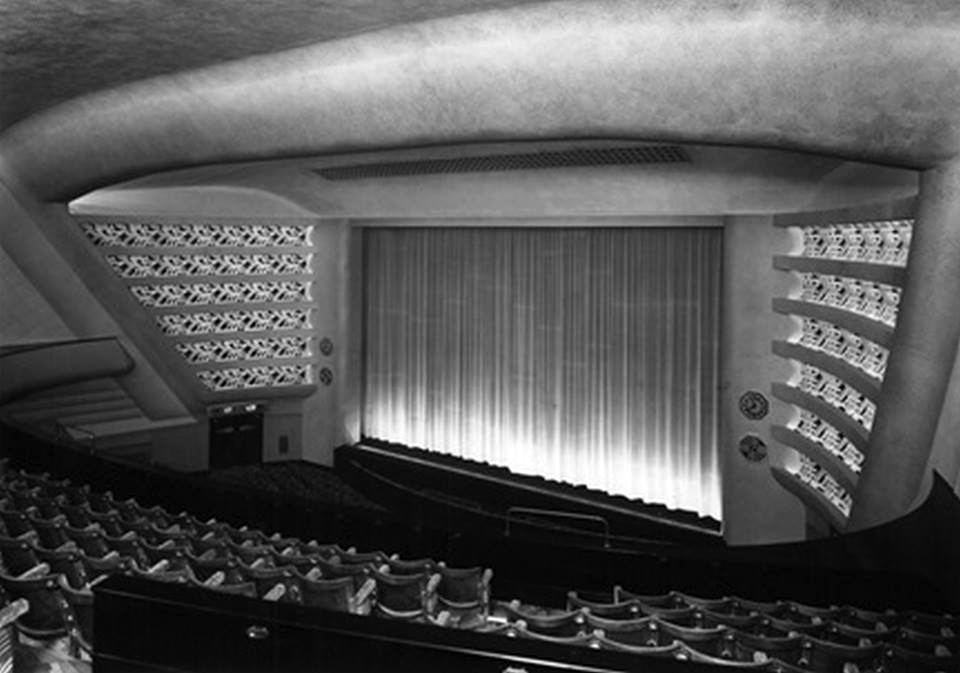
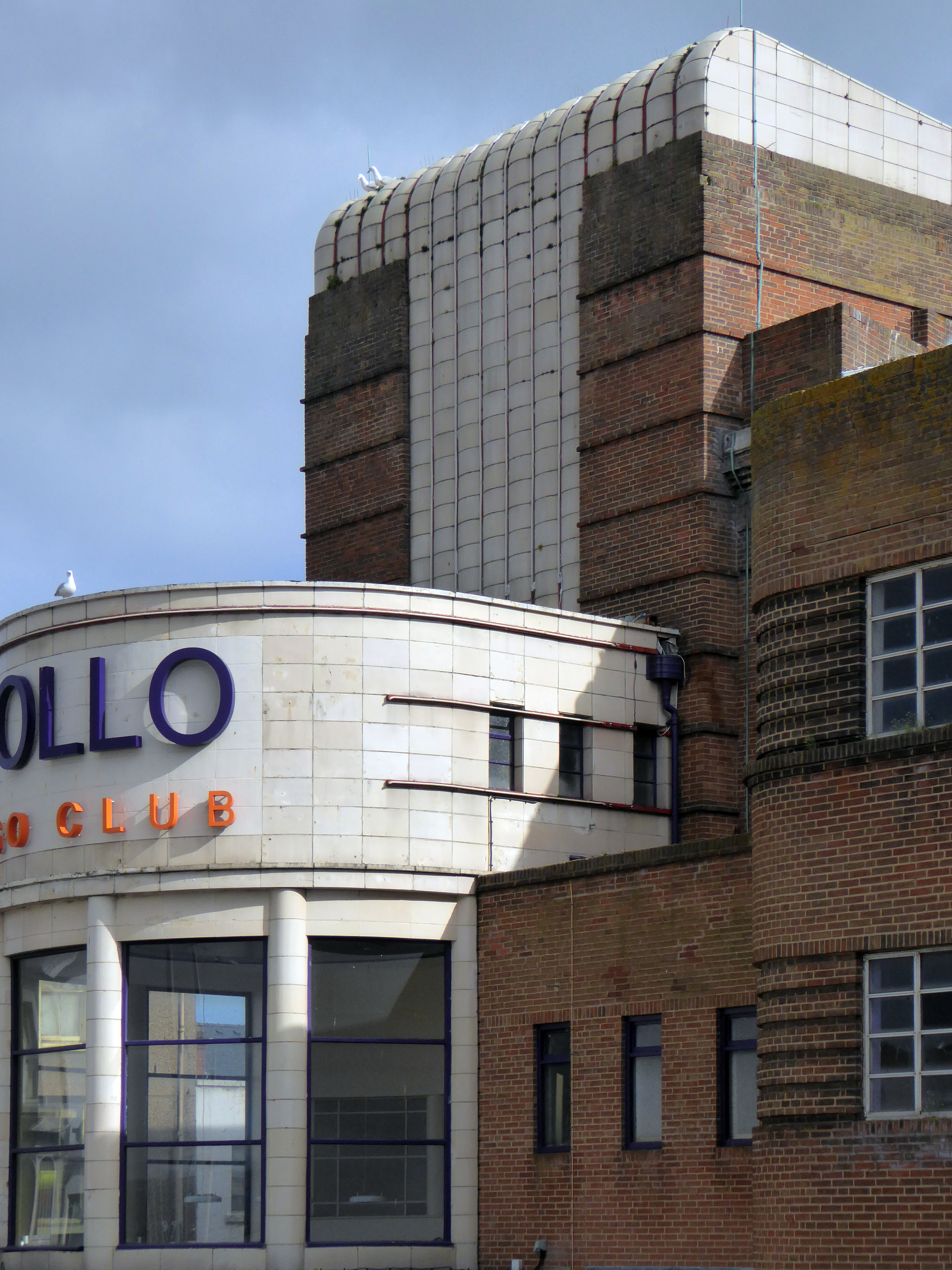
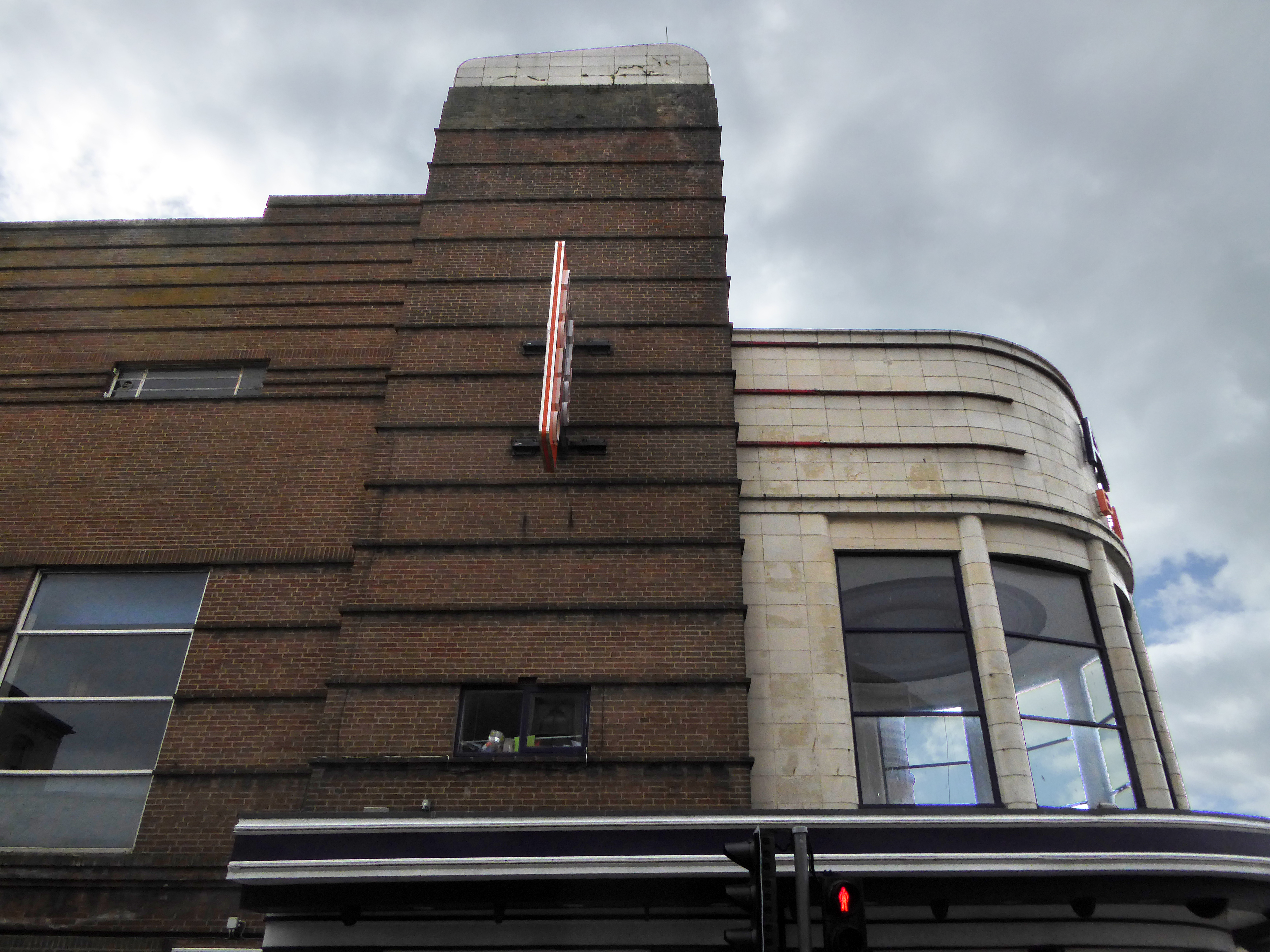
The corner entrance rotunda was lower than the rest of the building and was faced with cream faiance tiles, broken with windows. Behind this was a tower-like feature which contained the main foyer. Seating in the auditorium was provided for 862 in the stalls and 546 in the circle. On each side of the proscenium opening there were large panelled decorative grilles on the splay walls. Lighting in the auditorium was provided by concealed lighting in troughs across the ceiling.
From the 13th October 1969 it was taken over by the Hutchinson Leisure Group and re-named Astra Cinema. They triplexed the cinema from 24th April 1972 with seating for 750 in the former stalls and two mini screens seating 250 and 225 in the former circle. Later, the stalls screen was converted into a bingo club, whilst the two mini cinemas continued on film.
In the late-1980’s the building was taken over by Apollo Leisure UK Ltd. and it was re-named Apollo Cinema. The two mini cinemas were closed in October 1995 and the building was de-tripled into one space again, becoming the Apollo Bingo Club, which remains open today.
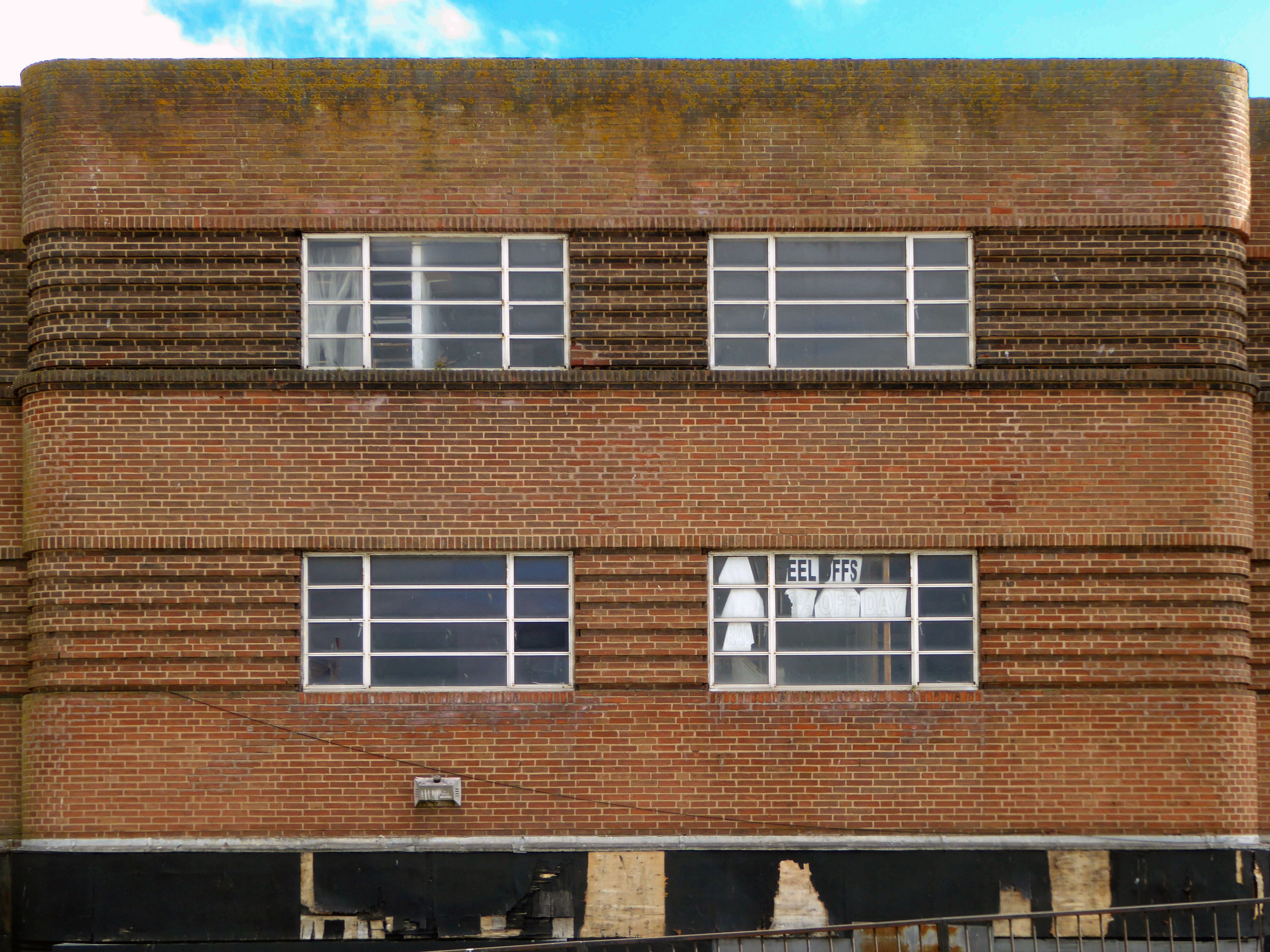
From 4th January 1989, the former Odeon Theatre was designated a Grade II Listed building.
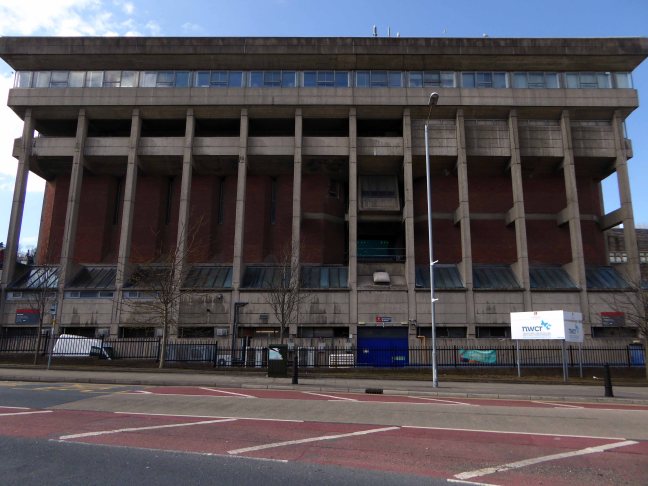
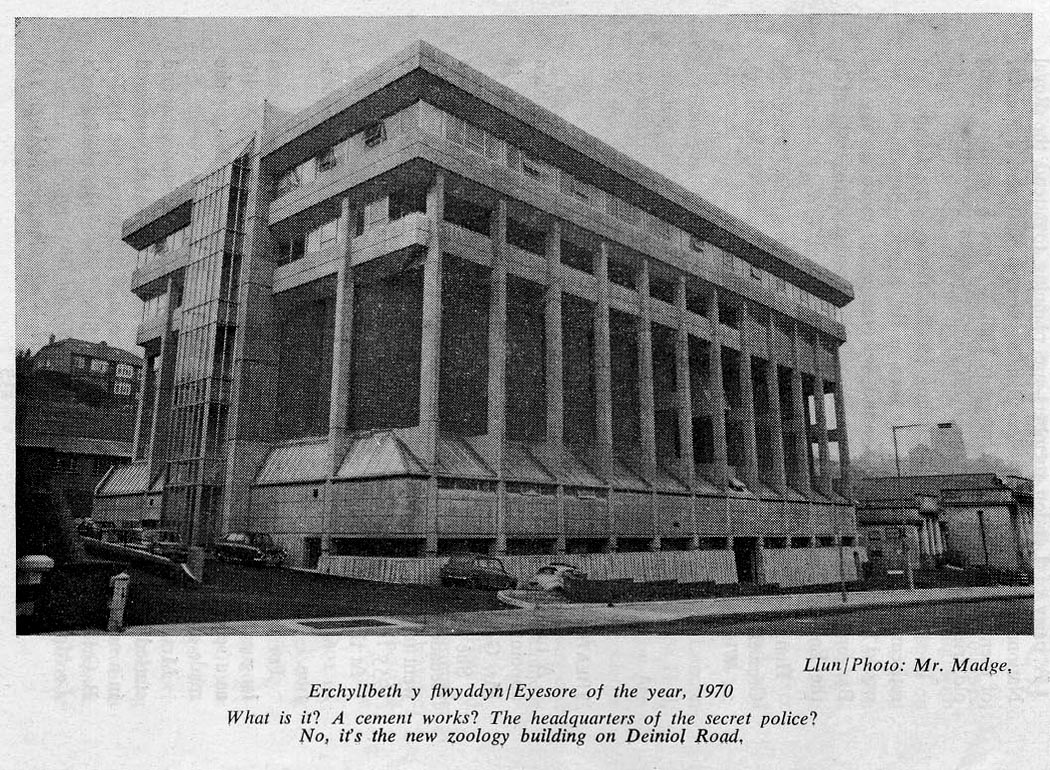
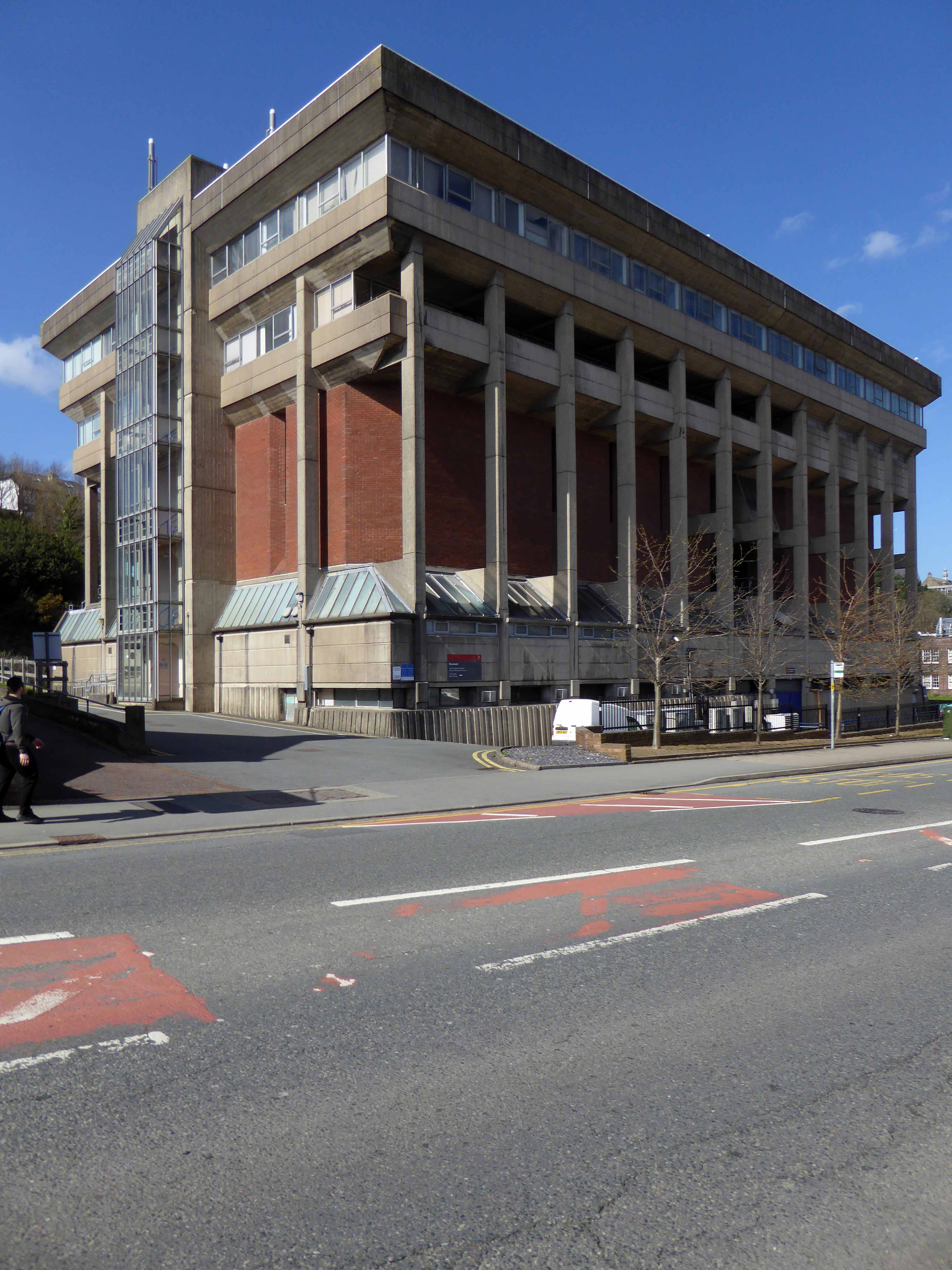
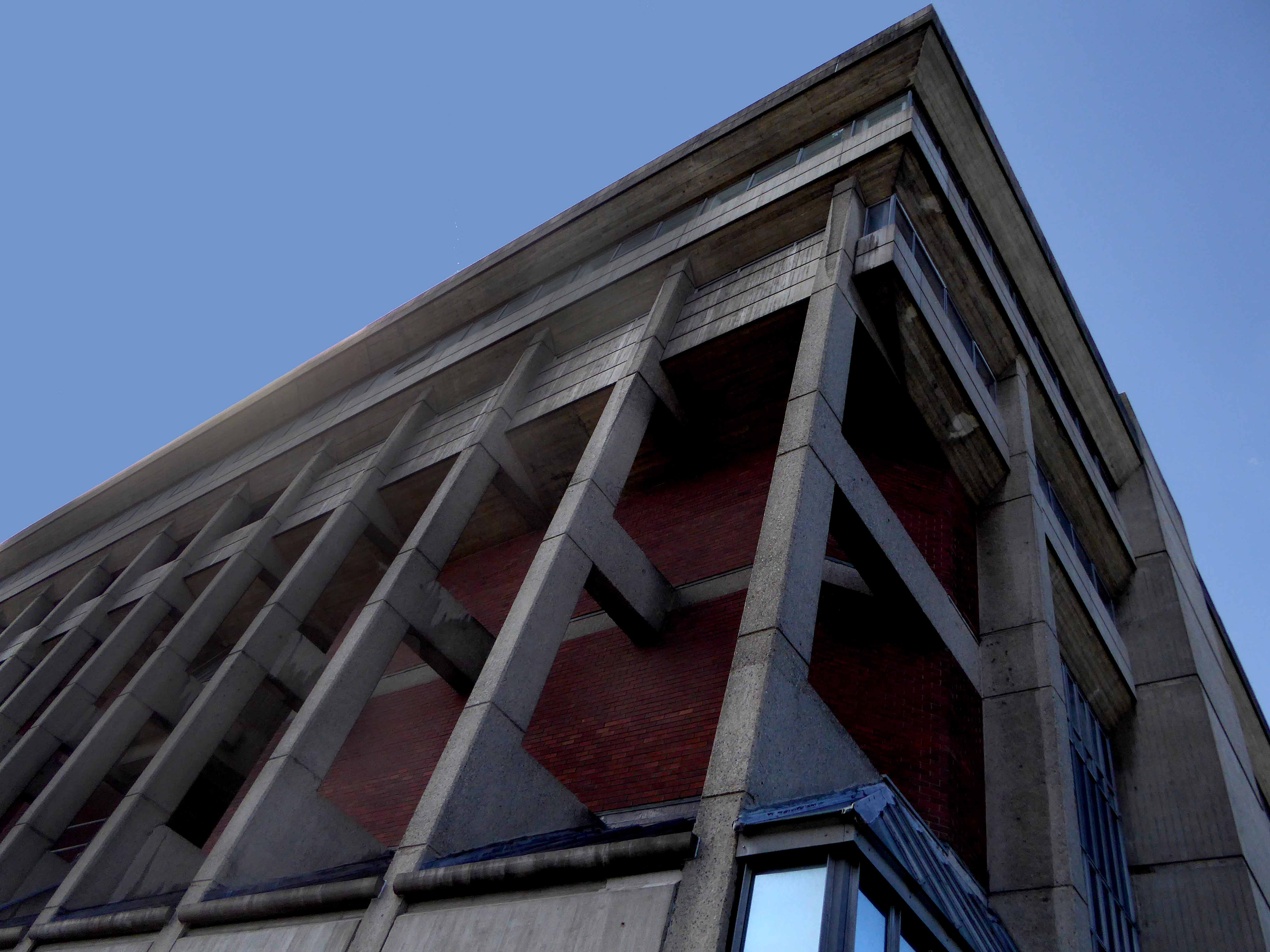
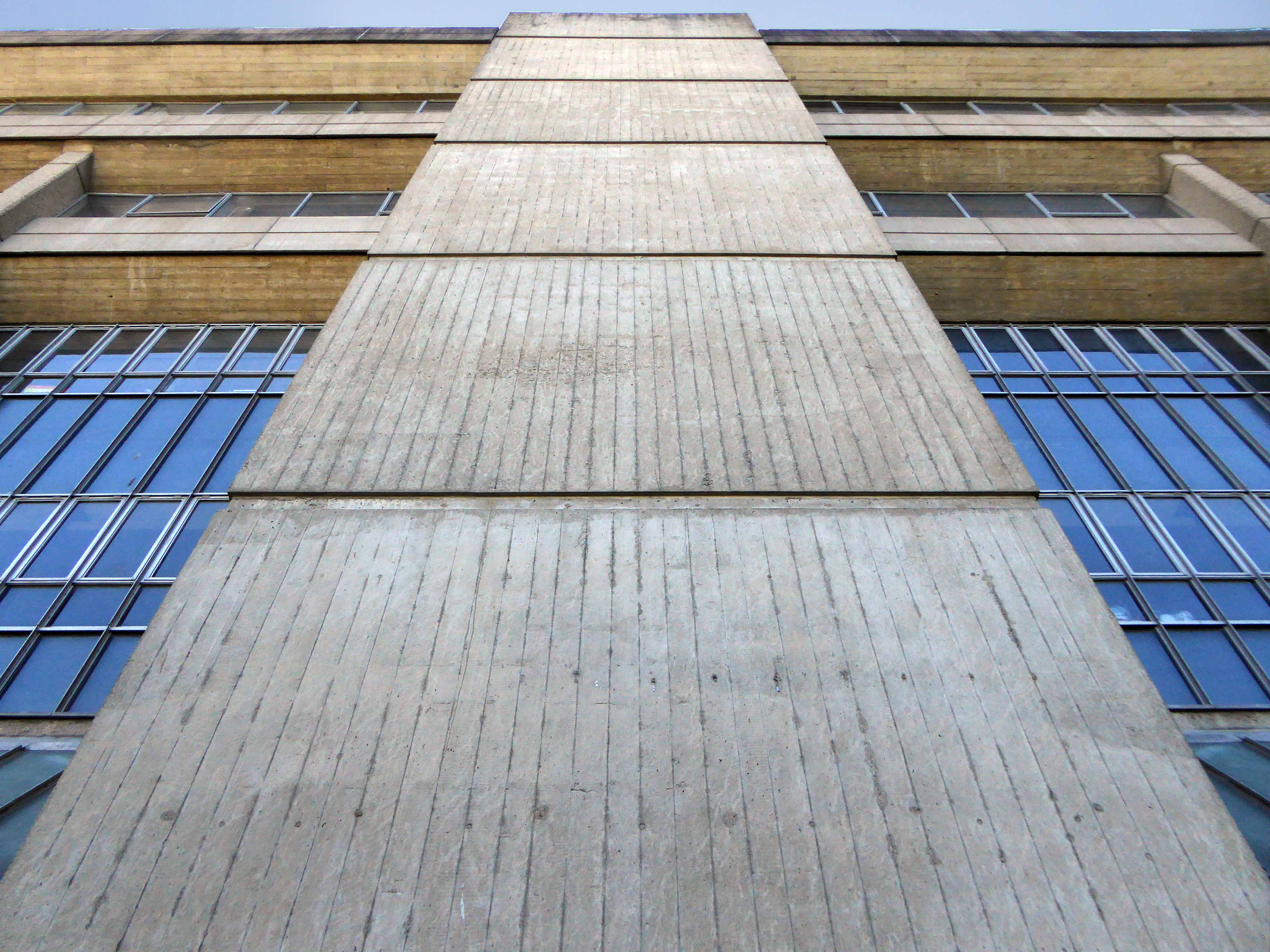
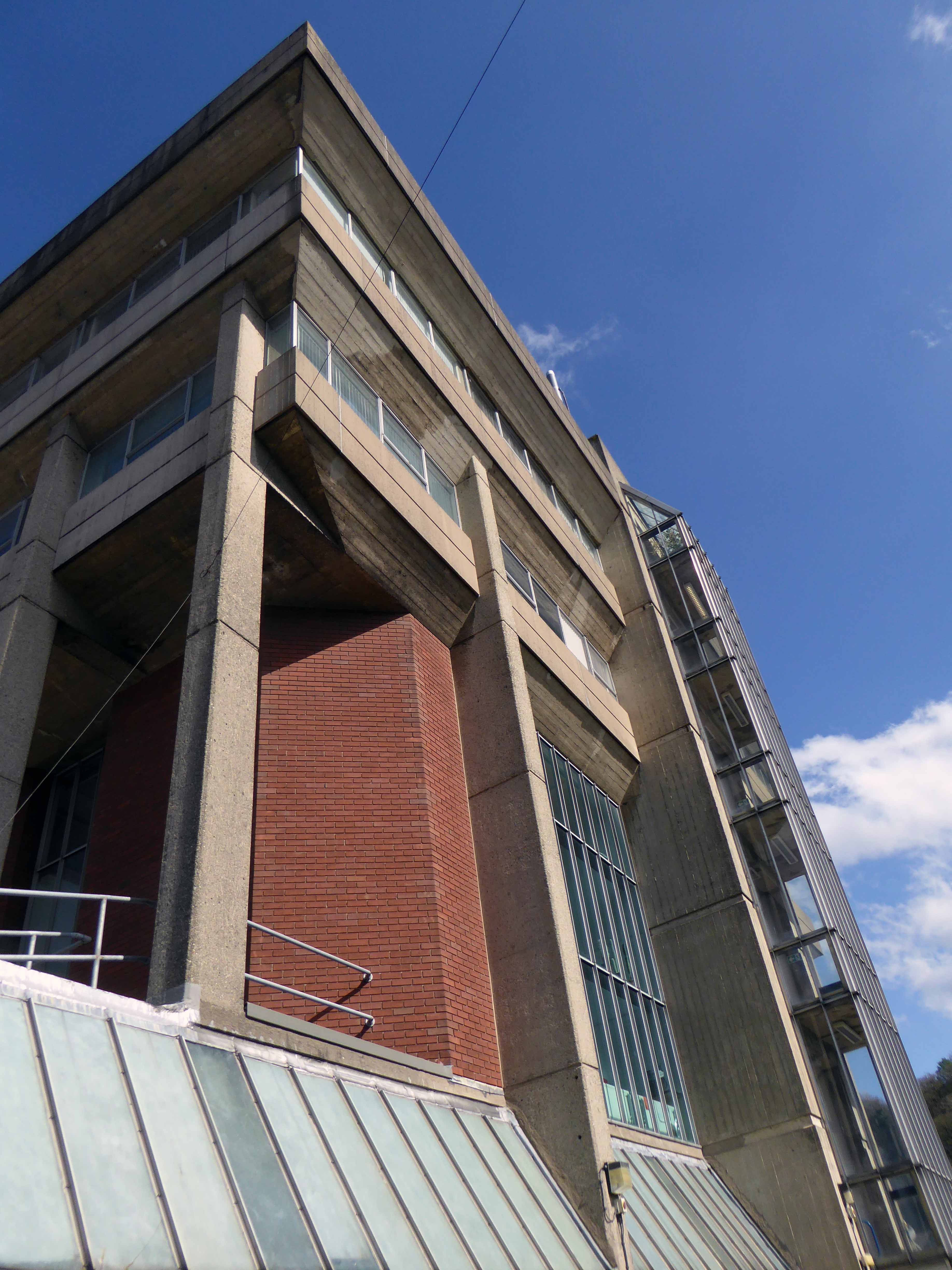
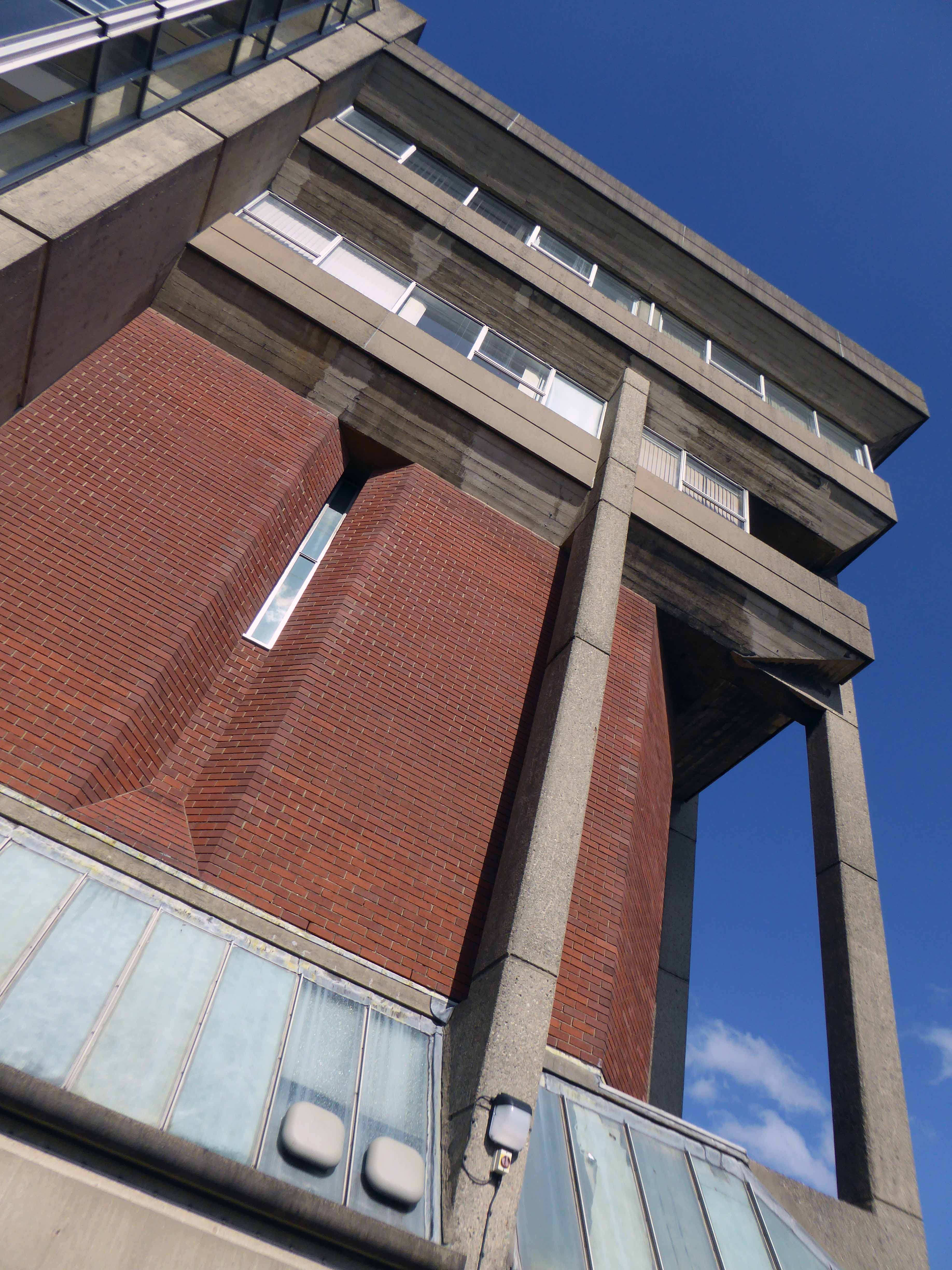
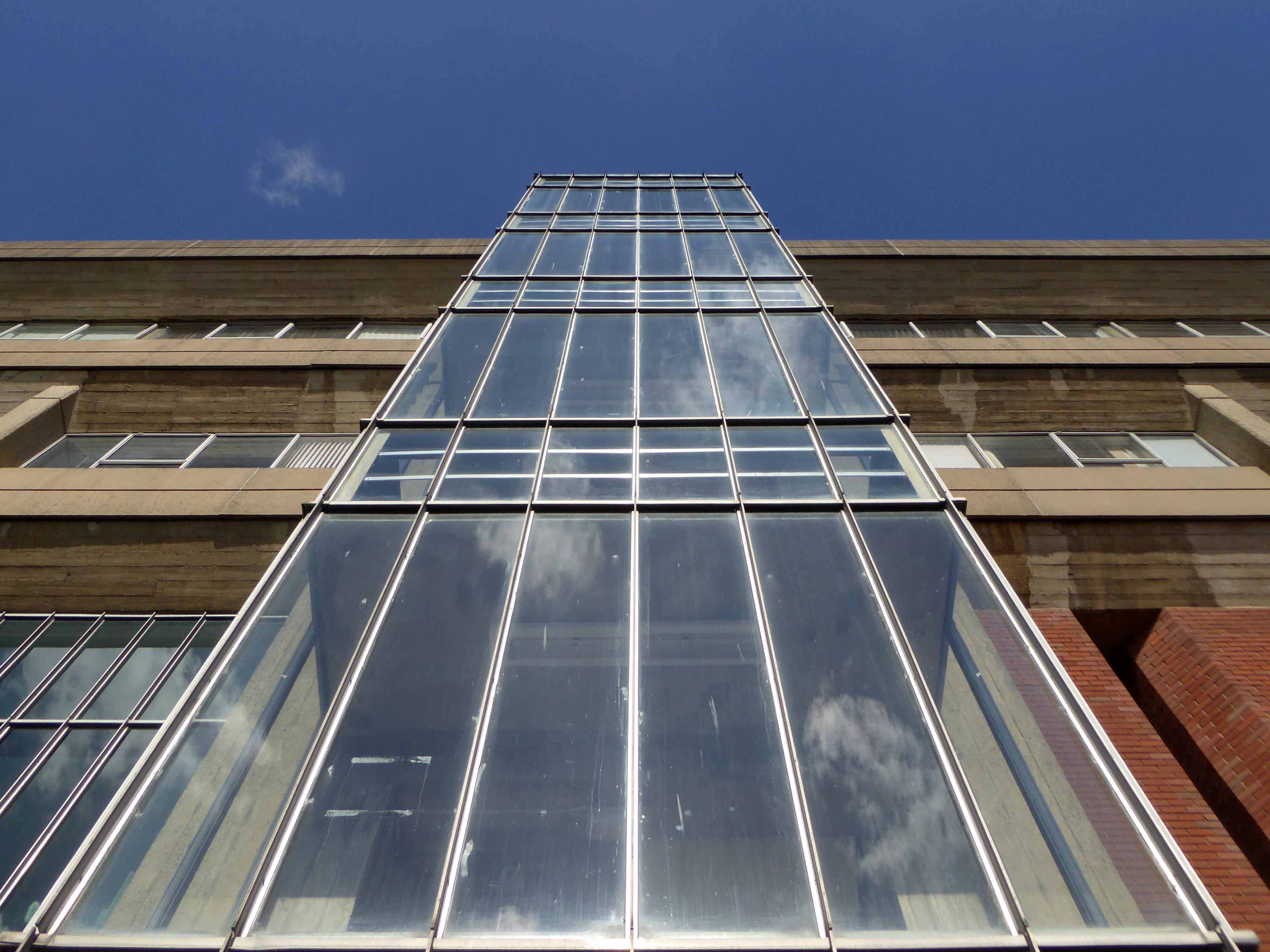
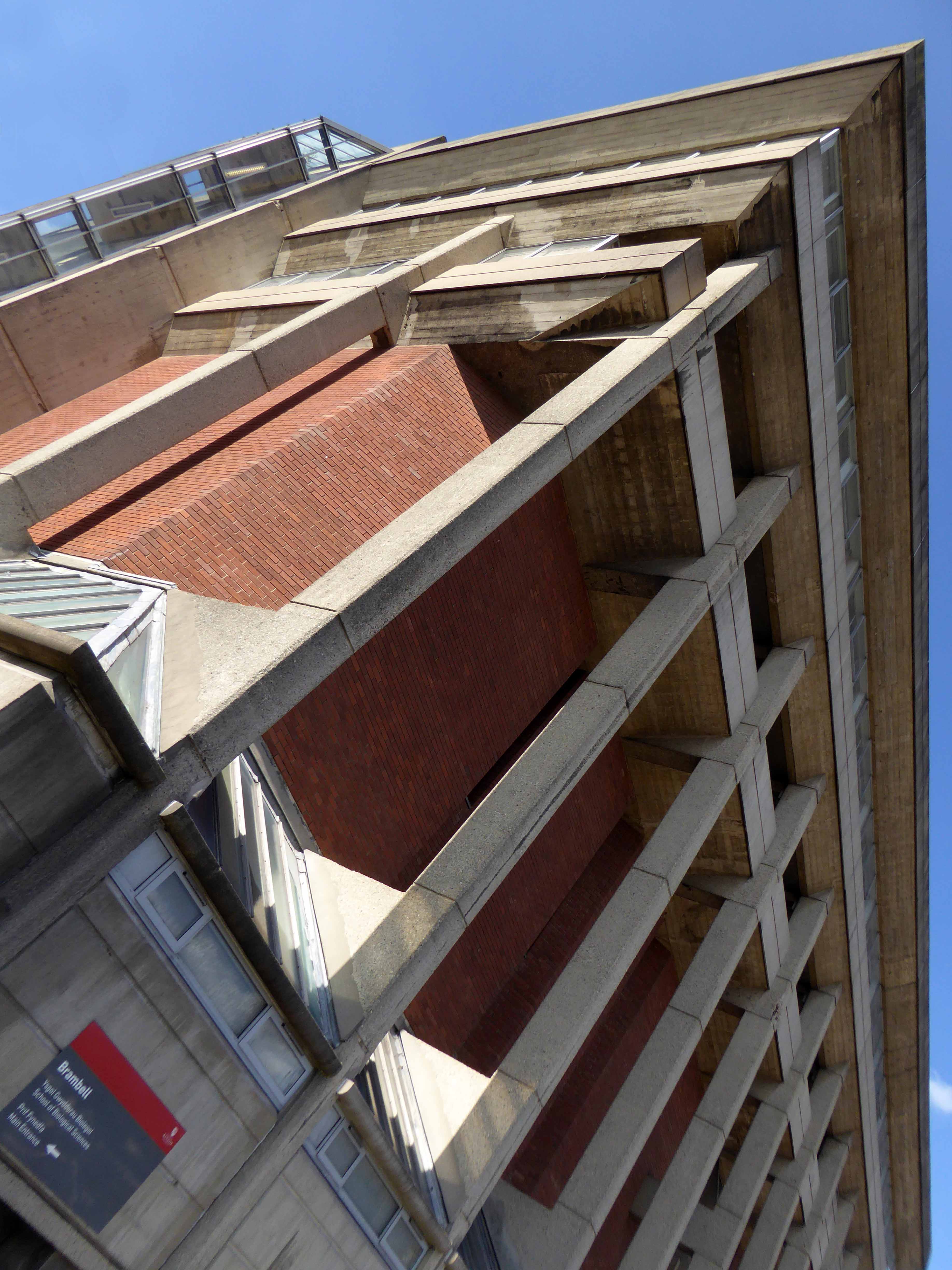
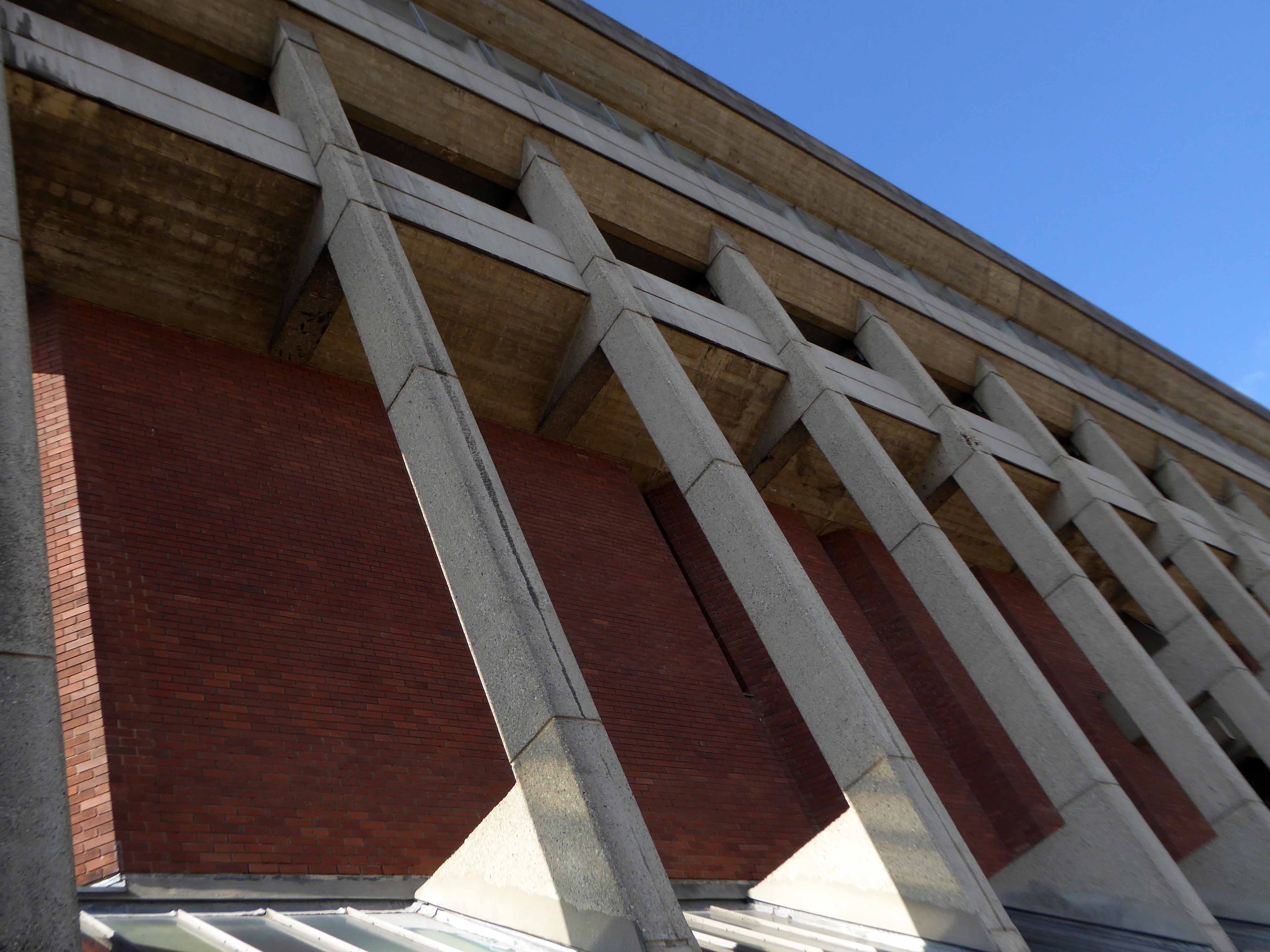
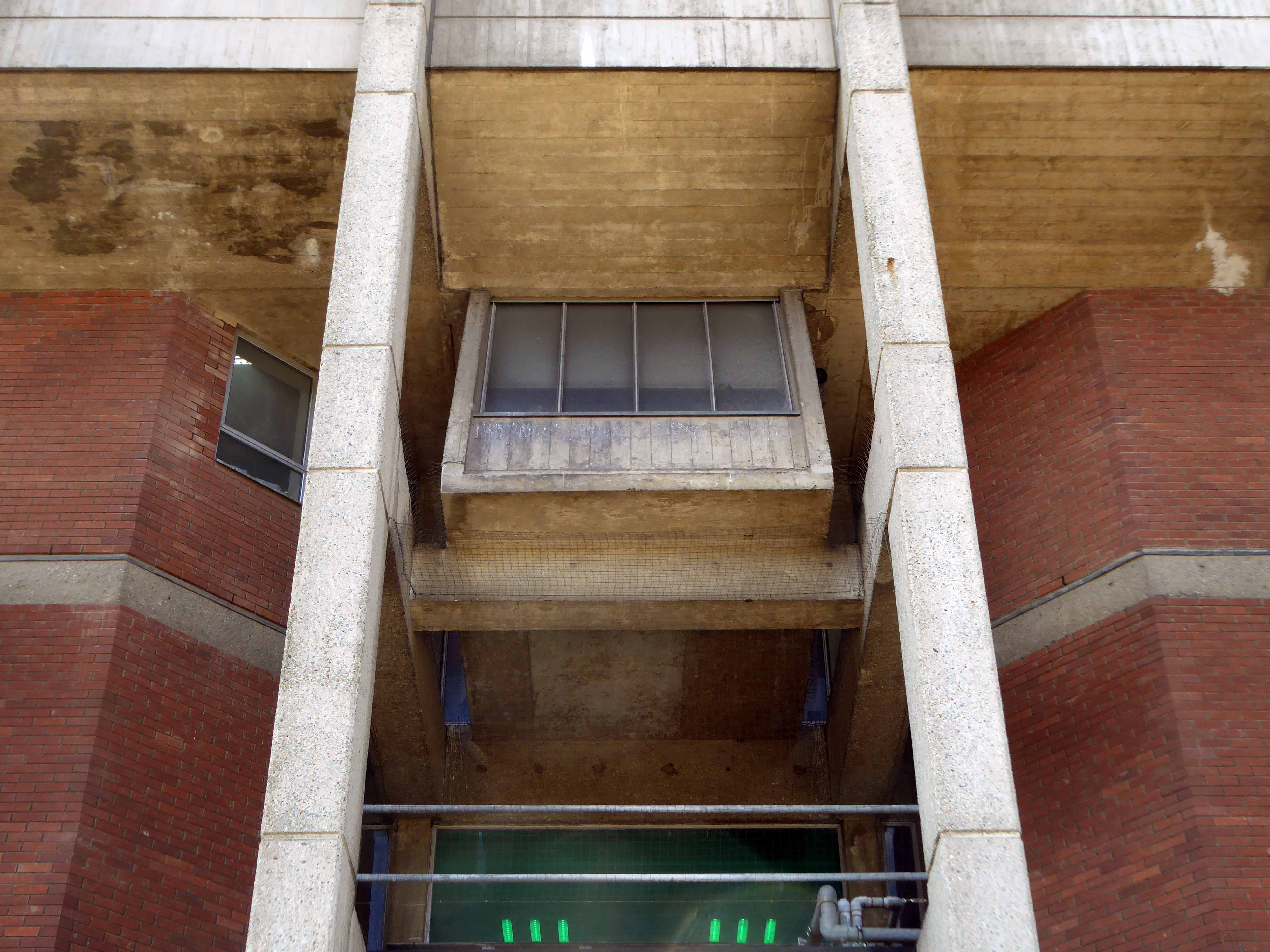
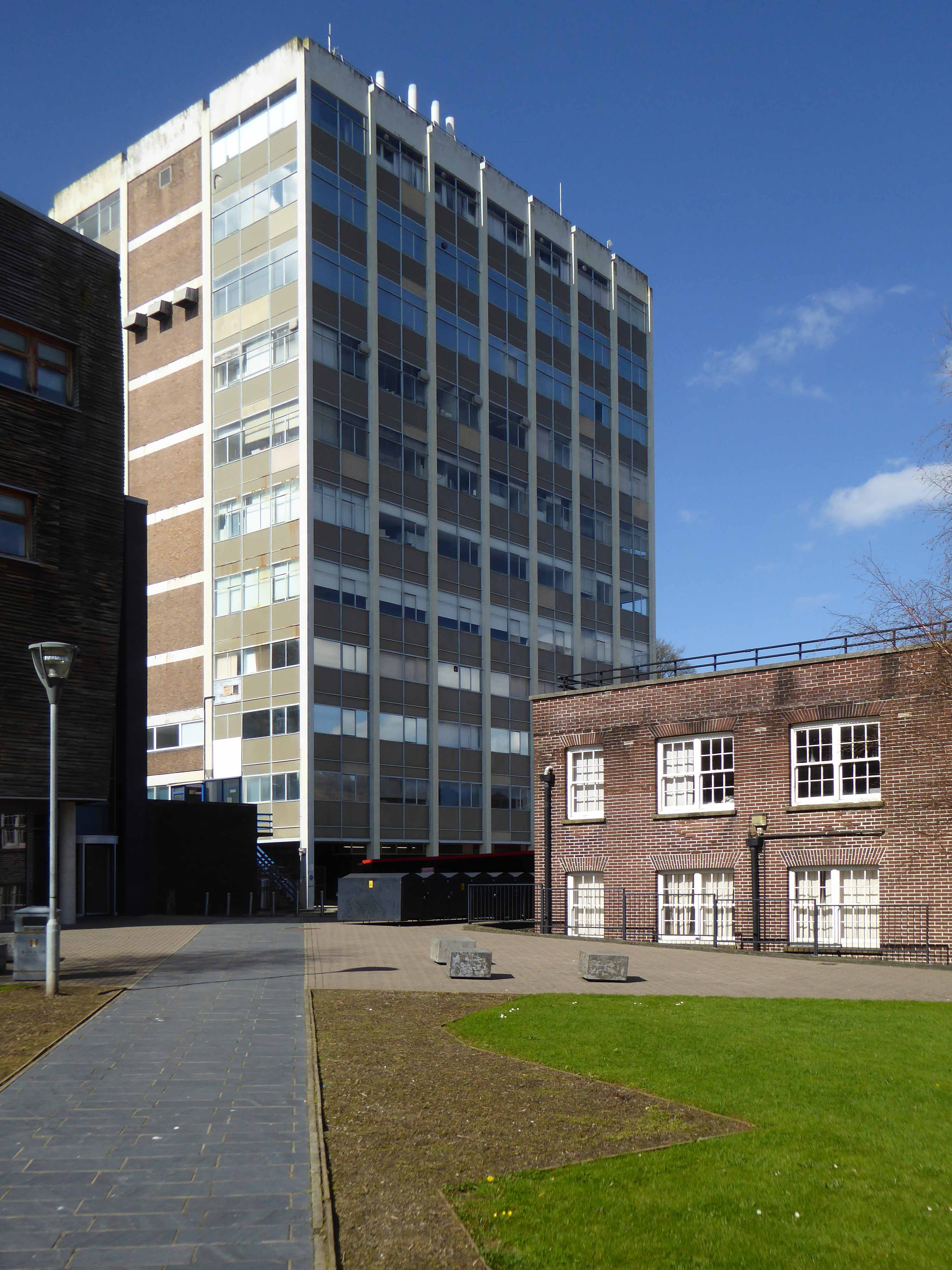
Sited on Deiniol Road Bangor, the 1970’s laboratory building of the University is often cited as the ugliest building in Britain.
Erchyllbeth y flwyddyn posits Mr Madge.
It was never going to win that many friends in a city of Victorian brick and stone.
In 1962, architects Sir Percy Thomas and Son unveiled a masterplan for what the Daily Post described as a “space-age university college”, with the whole science campus rebuilt in several modern orthogonal blocks of five to ten storeys in height. Detailed planning of the Brambell Laboratory for the zoology department began in 1966, led by partner William Marsden, with Malcolm Lovibond and Keith Mainstone. It was officially opened by Lord Zuckerman, Chief Scientific Advisor to the UK Government, on 9 November 1971.
The University along with the GPO have dragged Bangor kicking and screaming into the Twentieth Century, dotting the landscape with post war architecture.
Suffice to say that it has survived the slings and arrows of cultural and local vocal criticism and continues to function as a scientific research centre of some standing.
Still standing.
In 2025 the Brambell Laboratory – derided as ‘Eyesore of the year’ upon its completion – and the University’s New Arts building have become the latest post-war listings in Wales, designated Grade II and Grade I respectively.
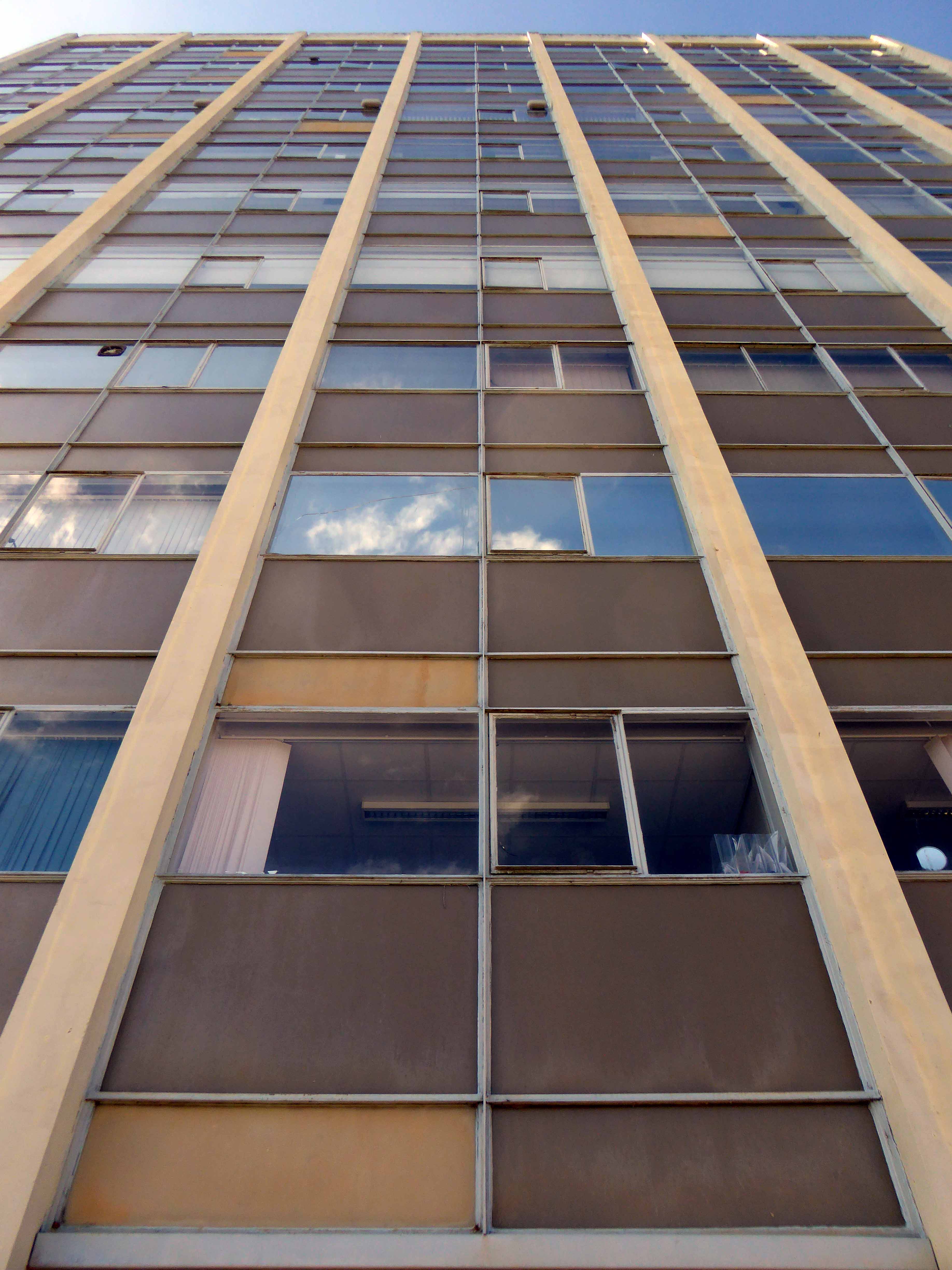
And as an addendum the adjacent and equally surviving Chemistry Tower seems to have weathered the winters of discontent.
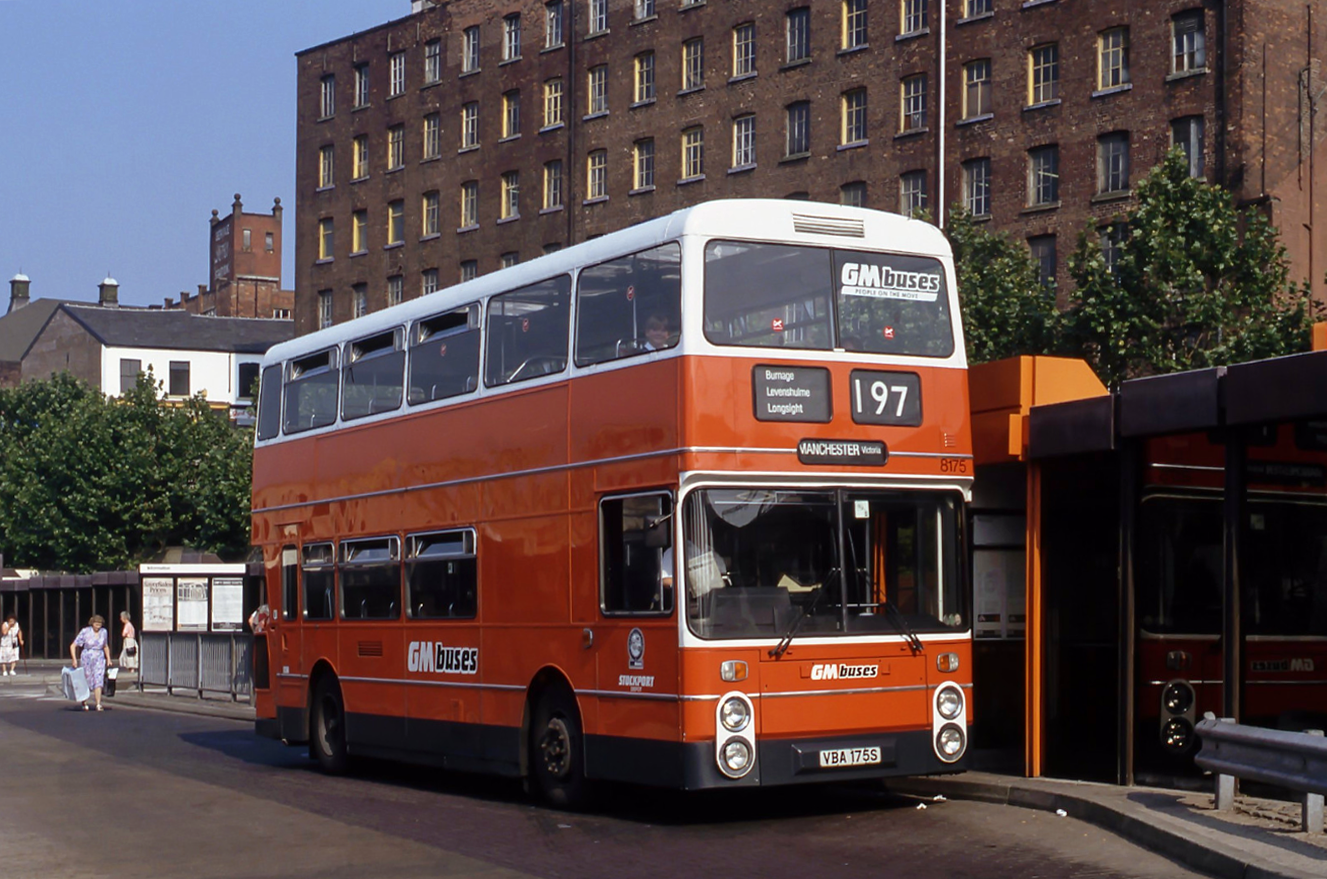
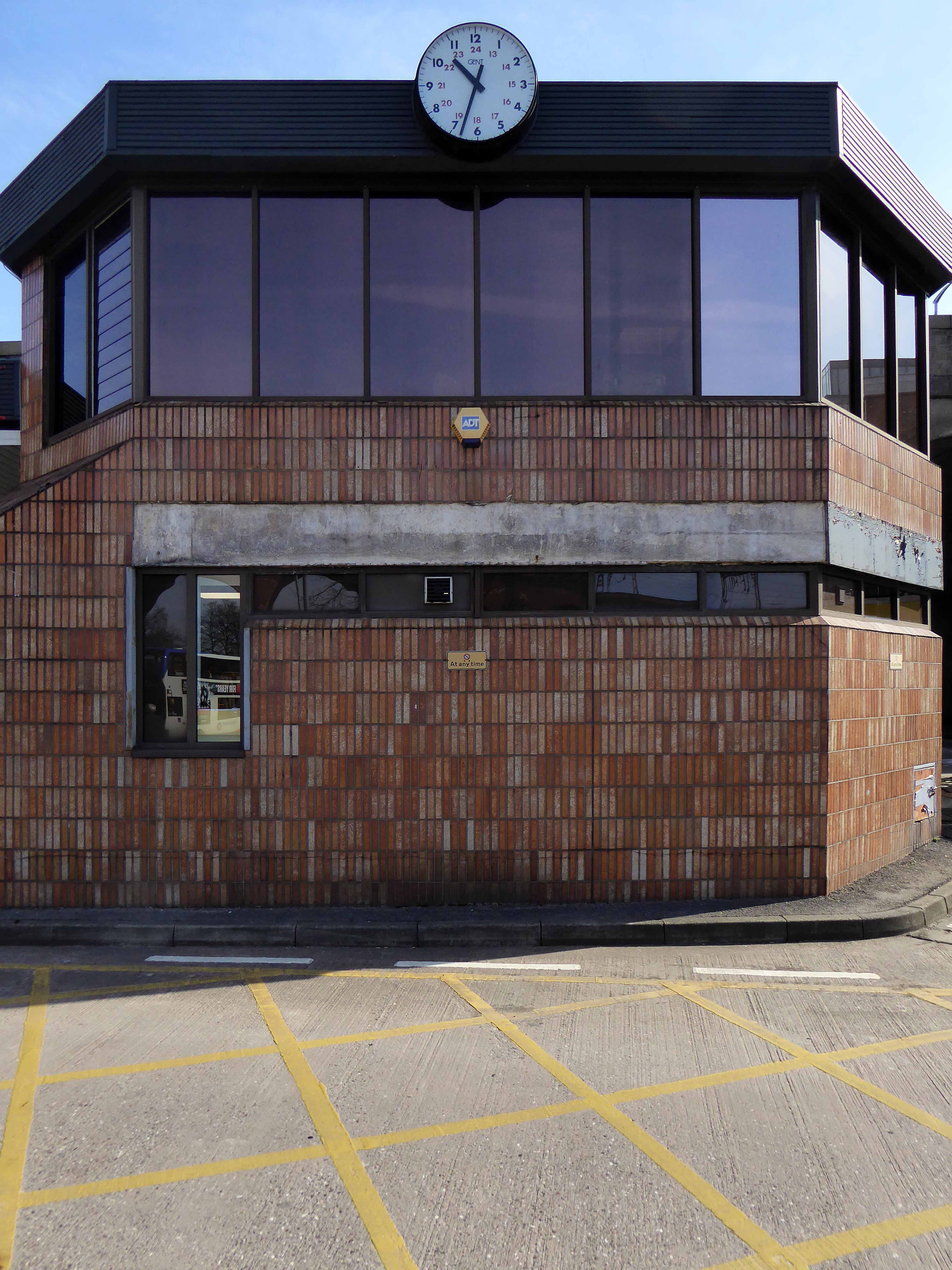
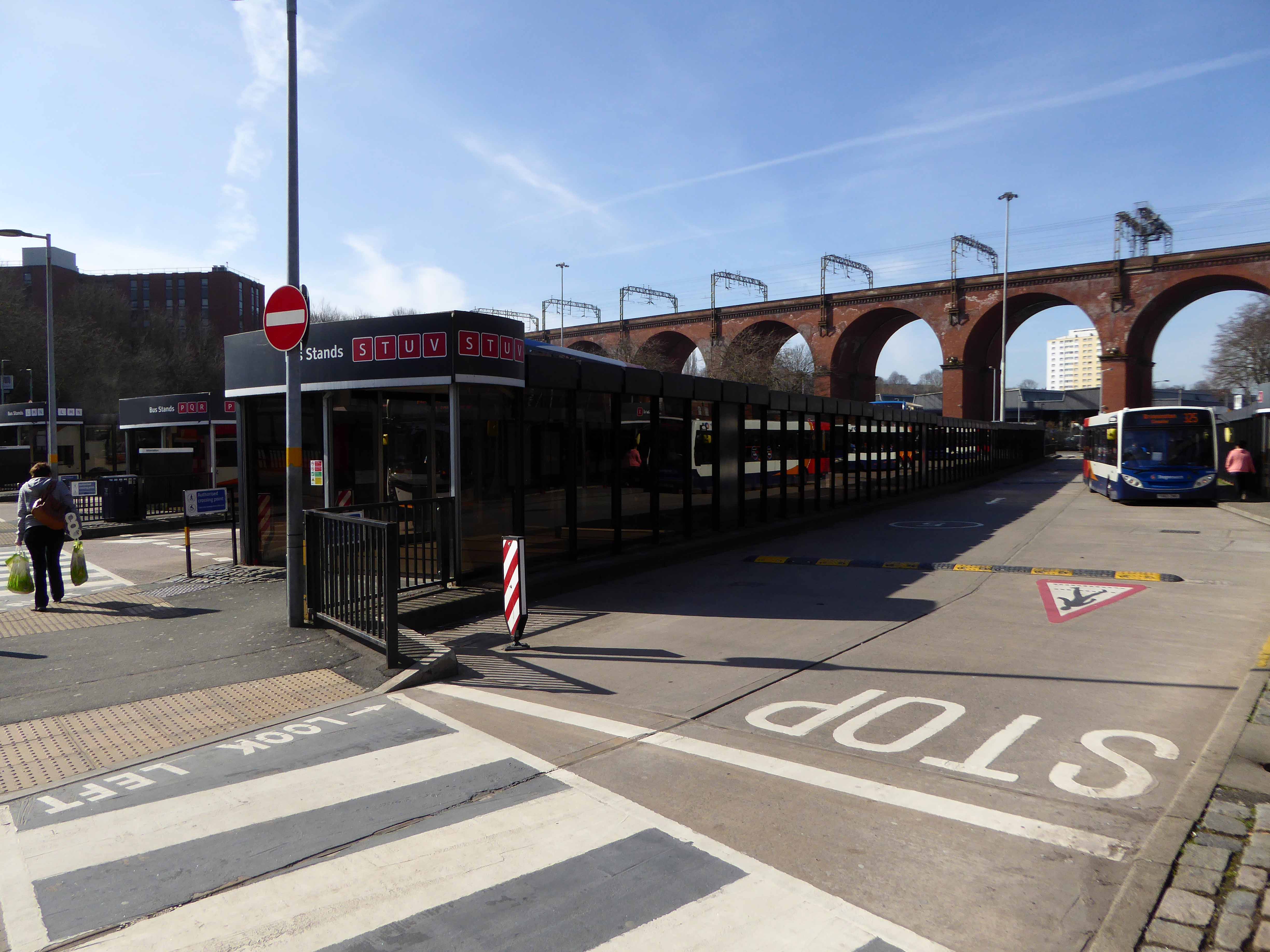
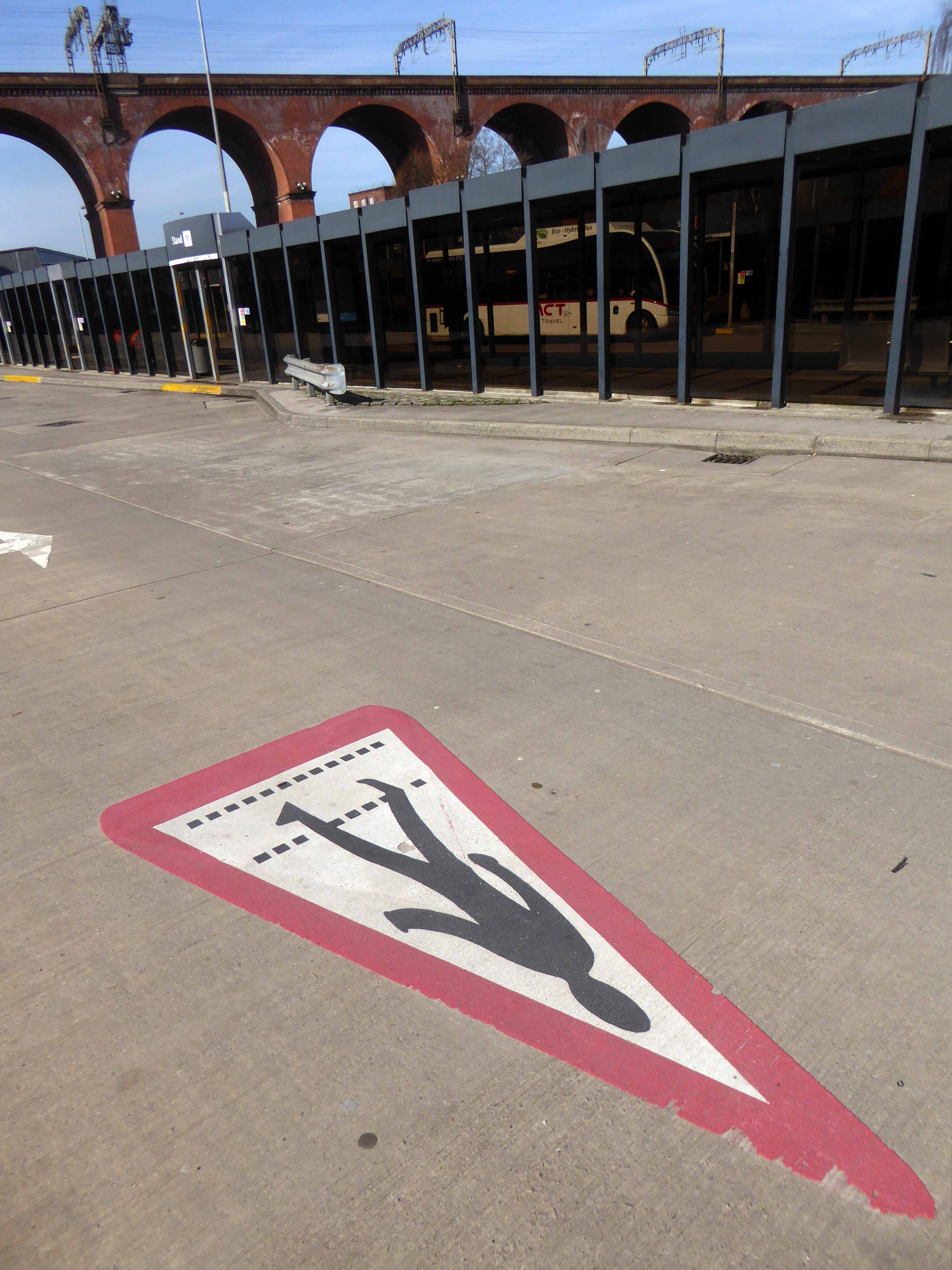
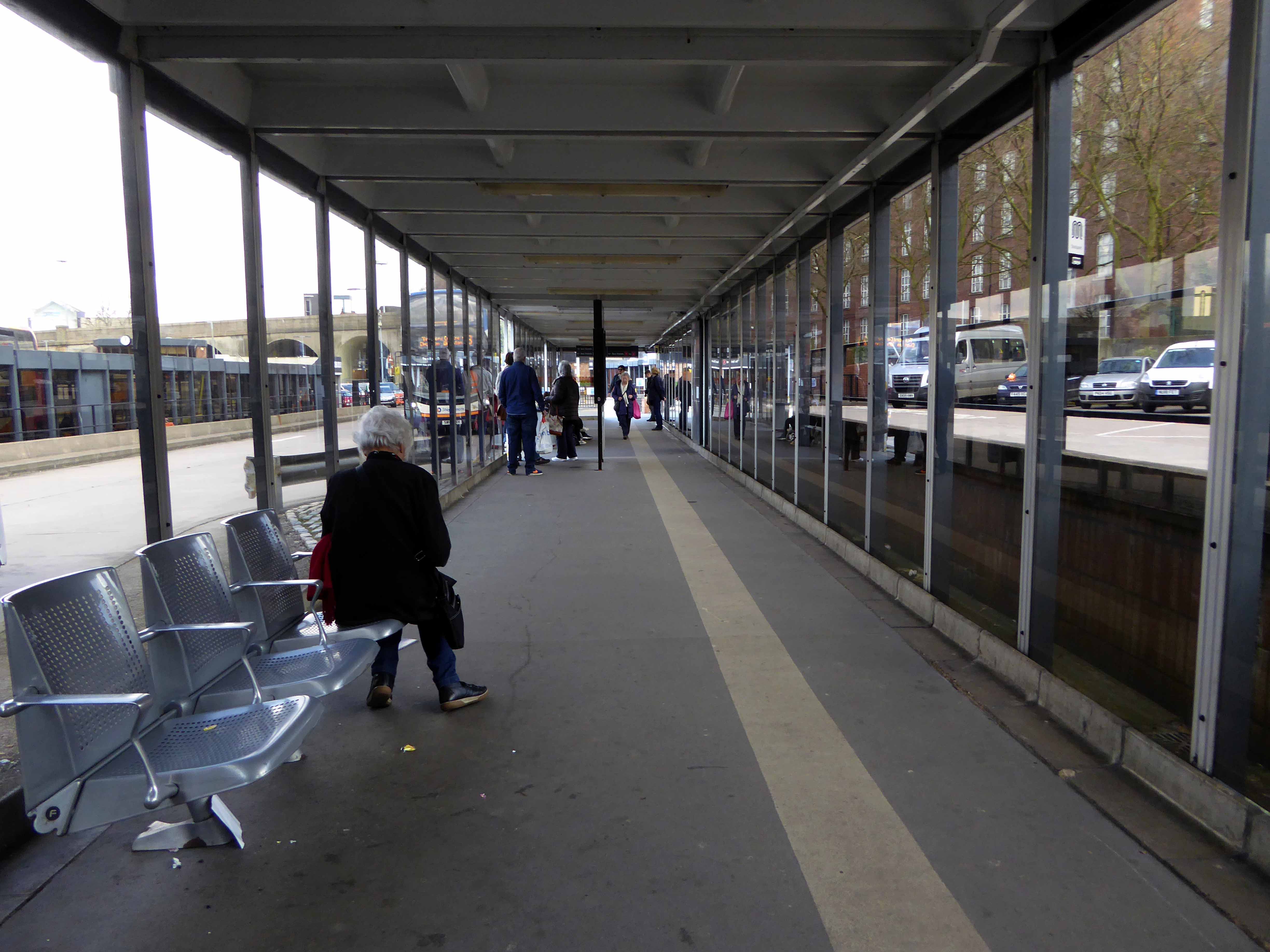
From the early part of the Twentieth Century trams and then buses stopped and started in Mersey Square, affording limited succour, space or shelter for the weary traveller.
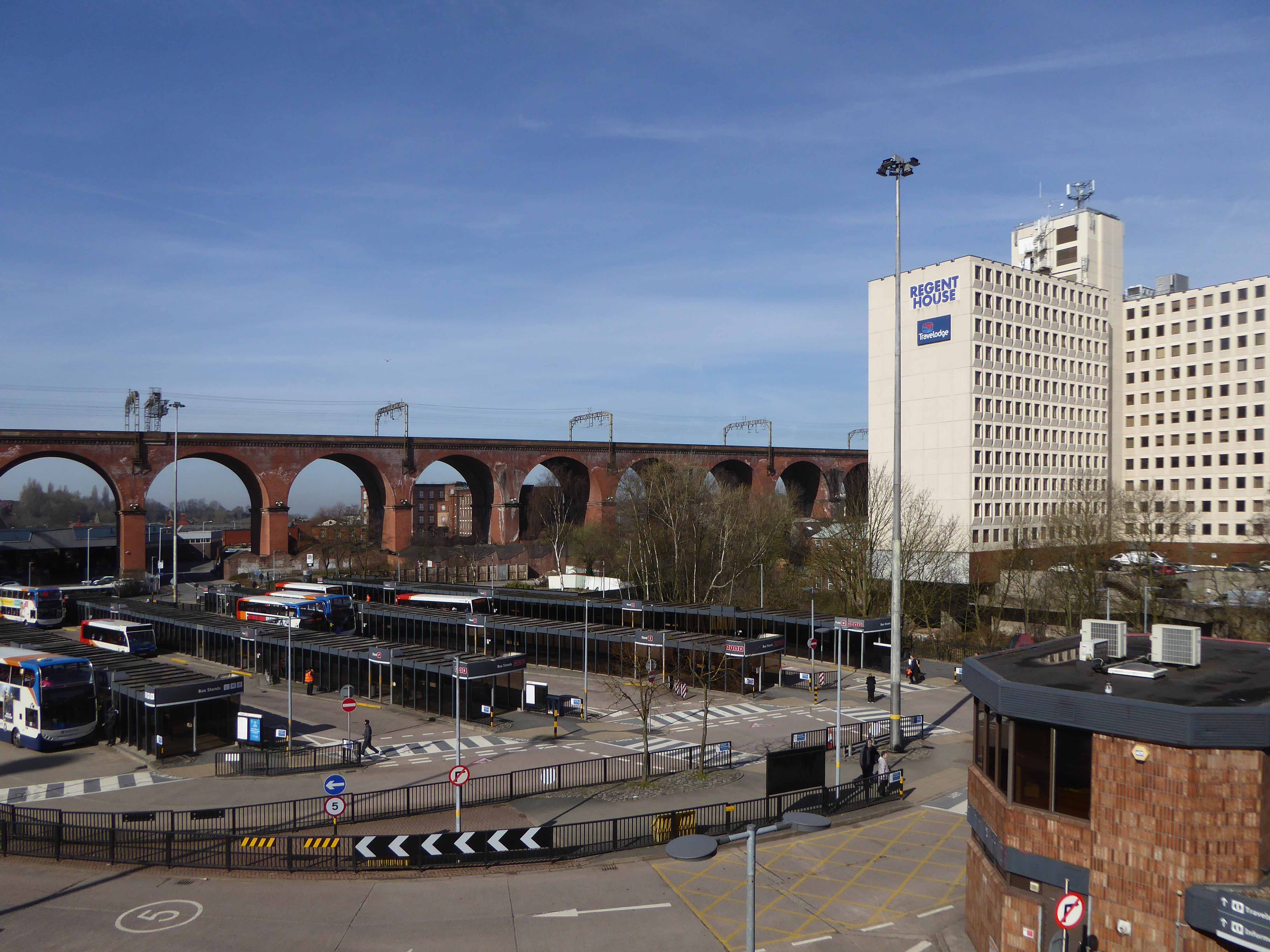
View from the Fire Station Tower.
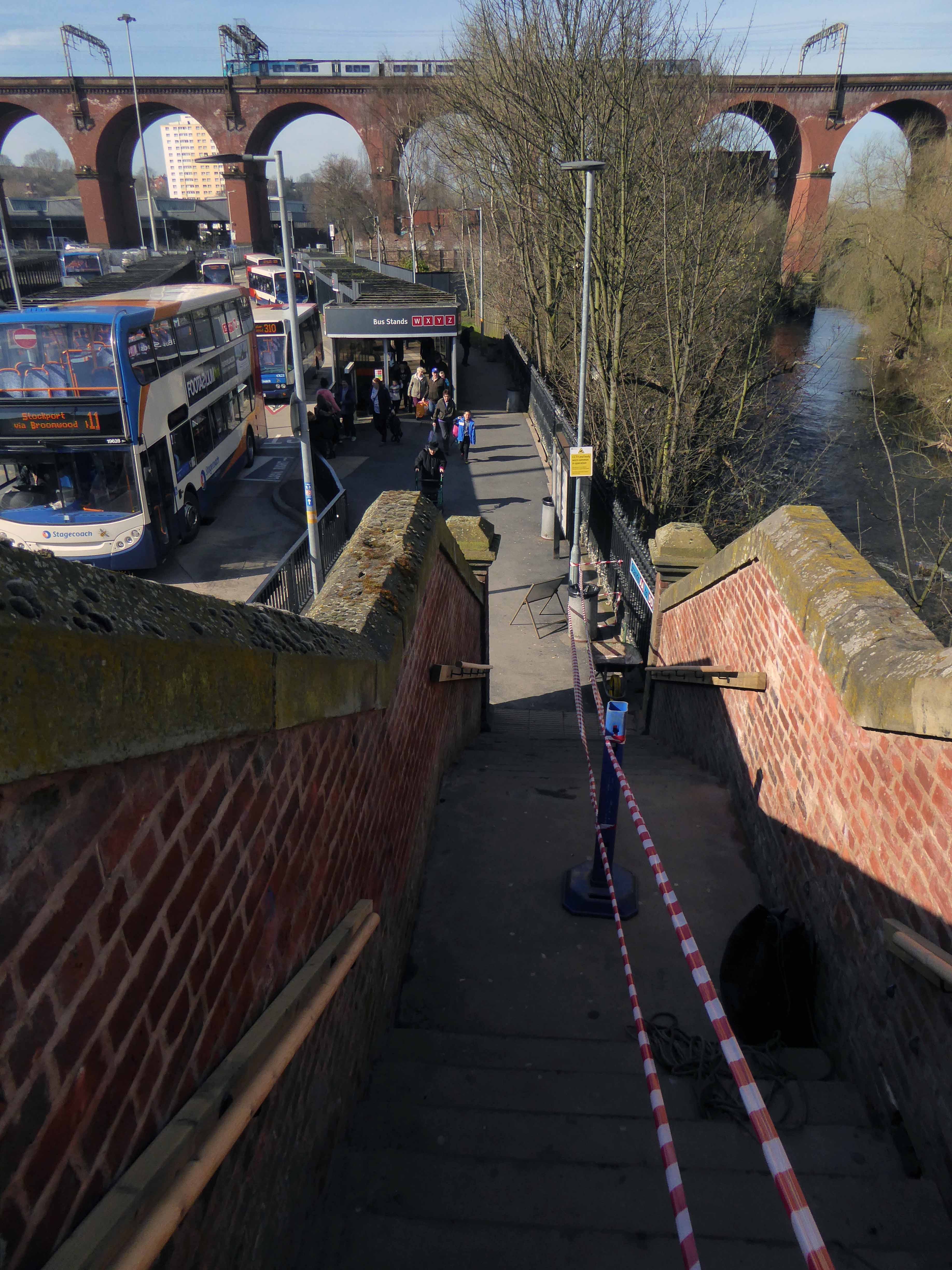
View from the Plaza Steps.
The land where the bus station currently stands was then owned and used by North Western Buses – a rather large and uncultivated plot.
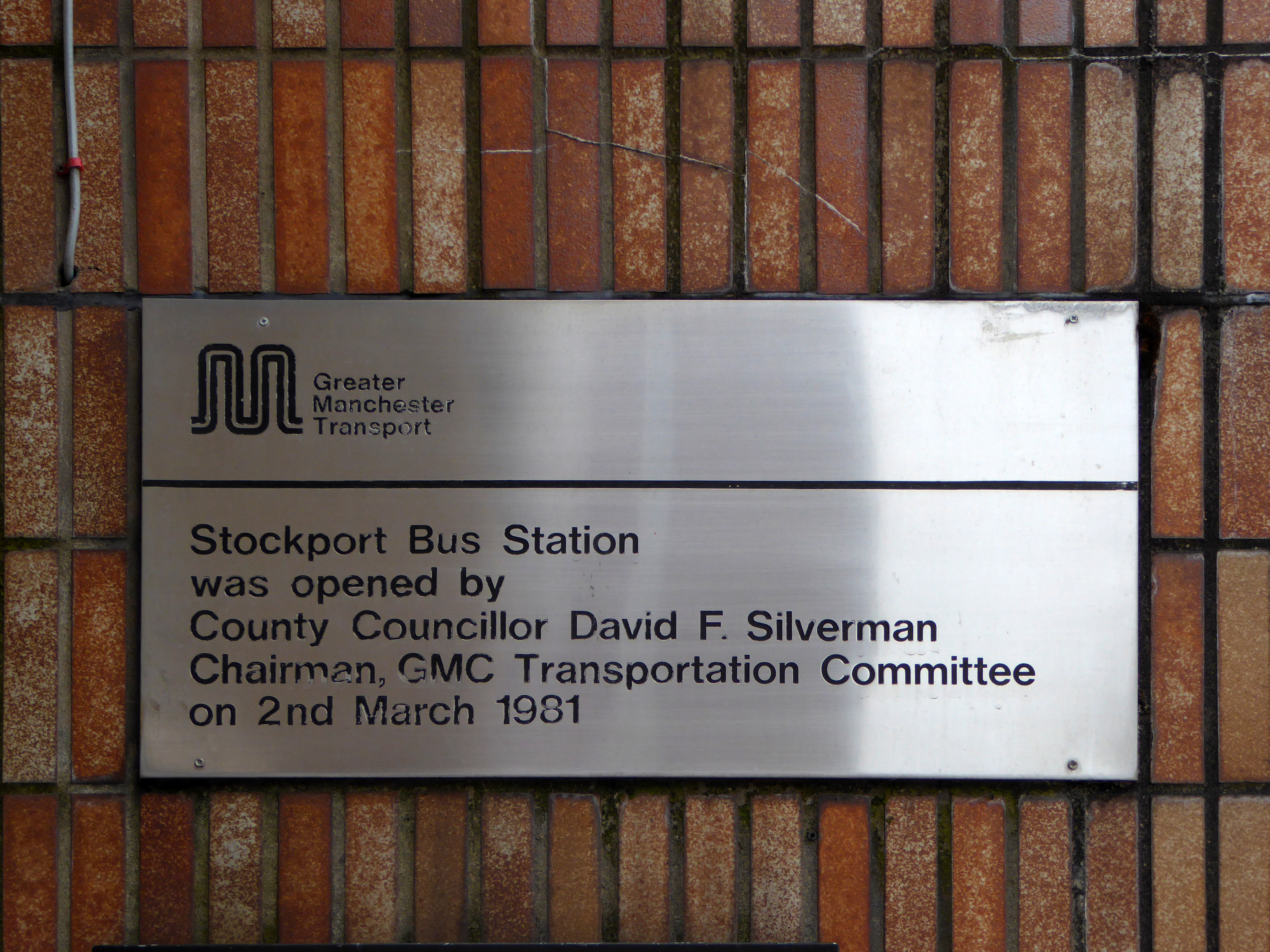
Work began in April 1979 on a brand new bus station, the first stage finally opening on March 2nd 1982.
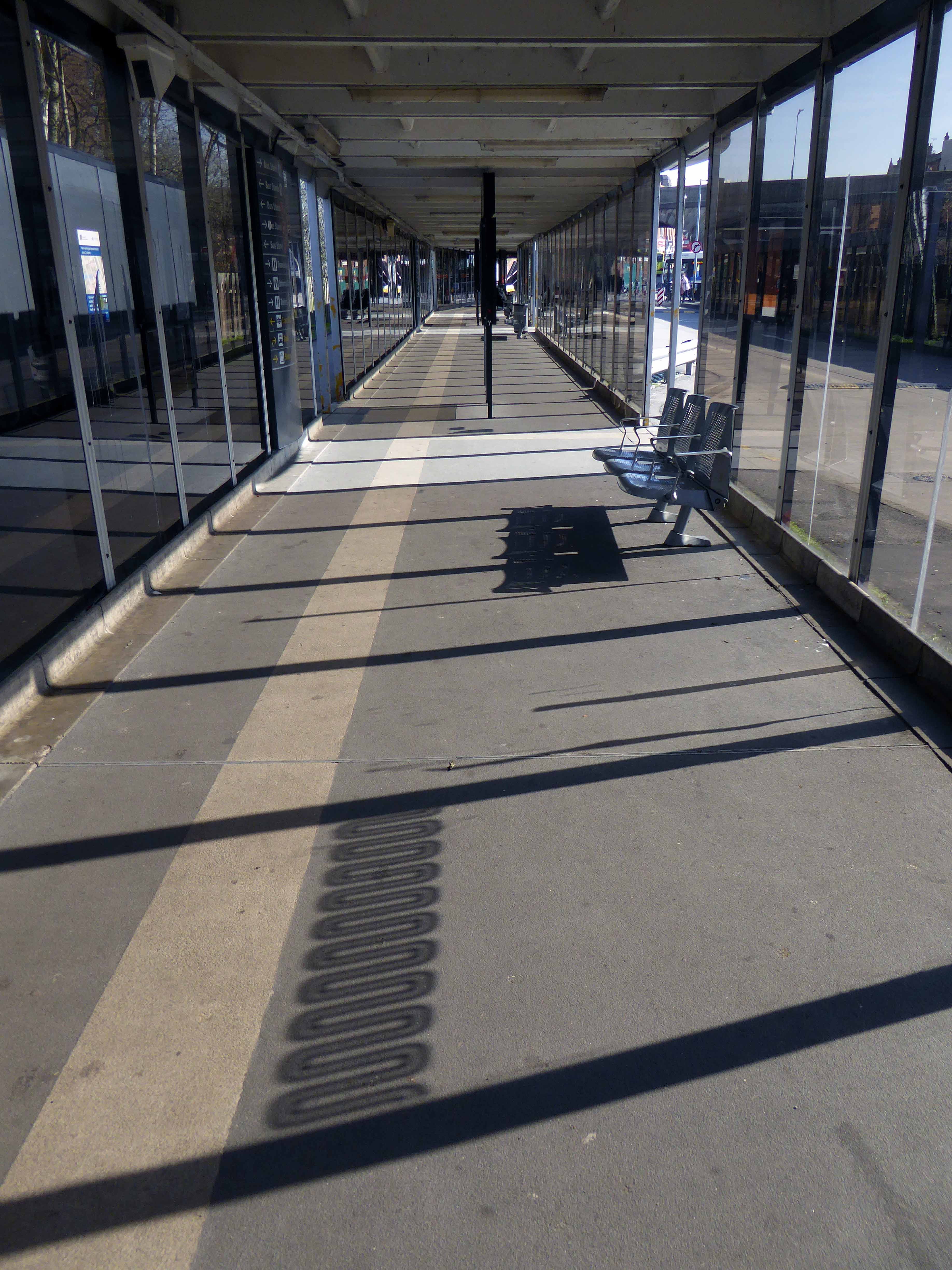
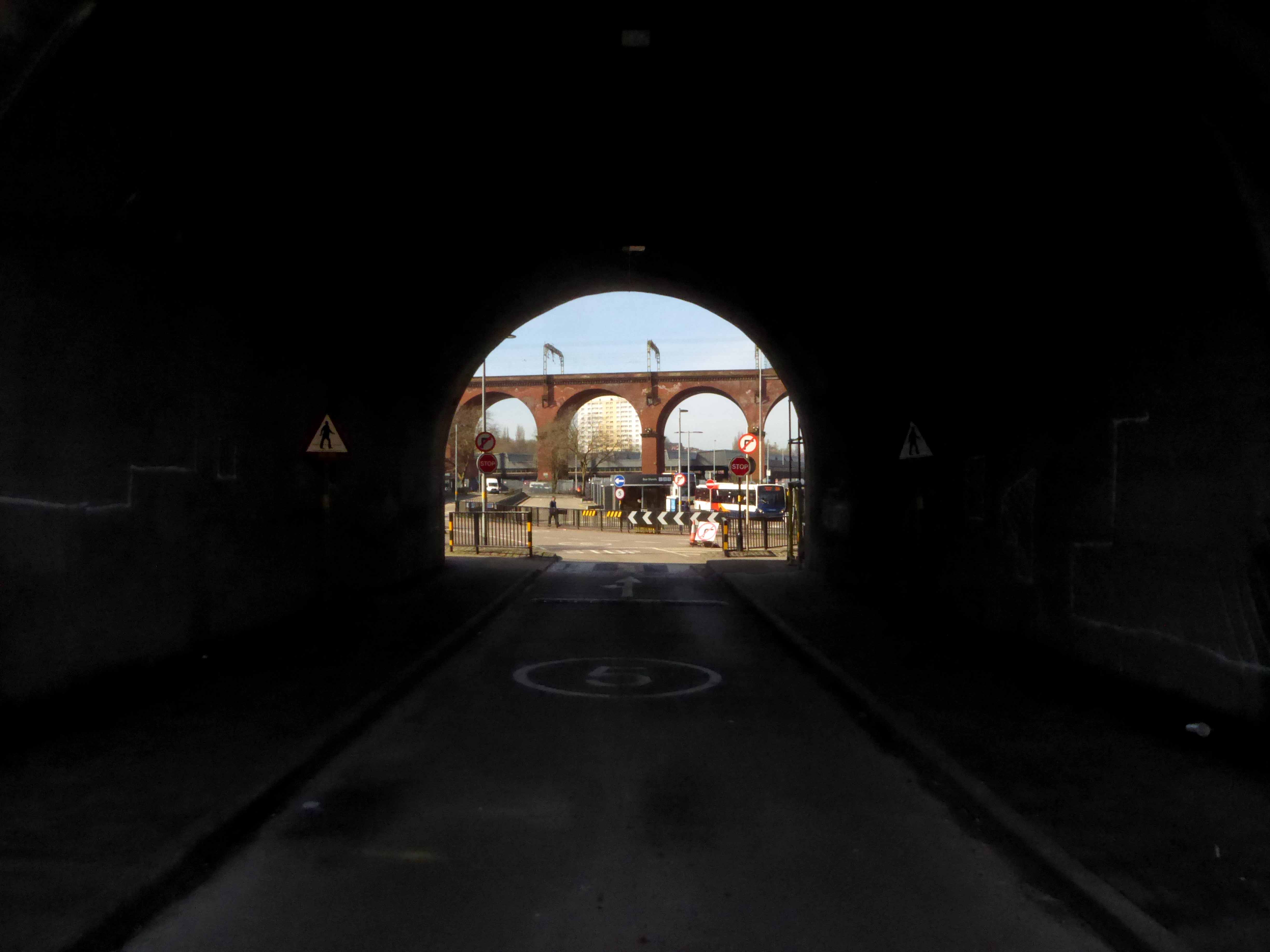
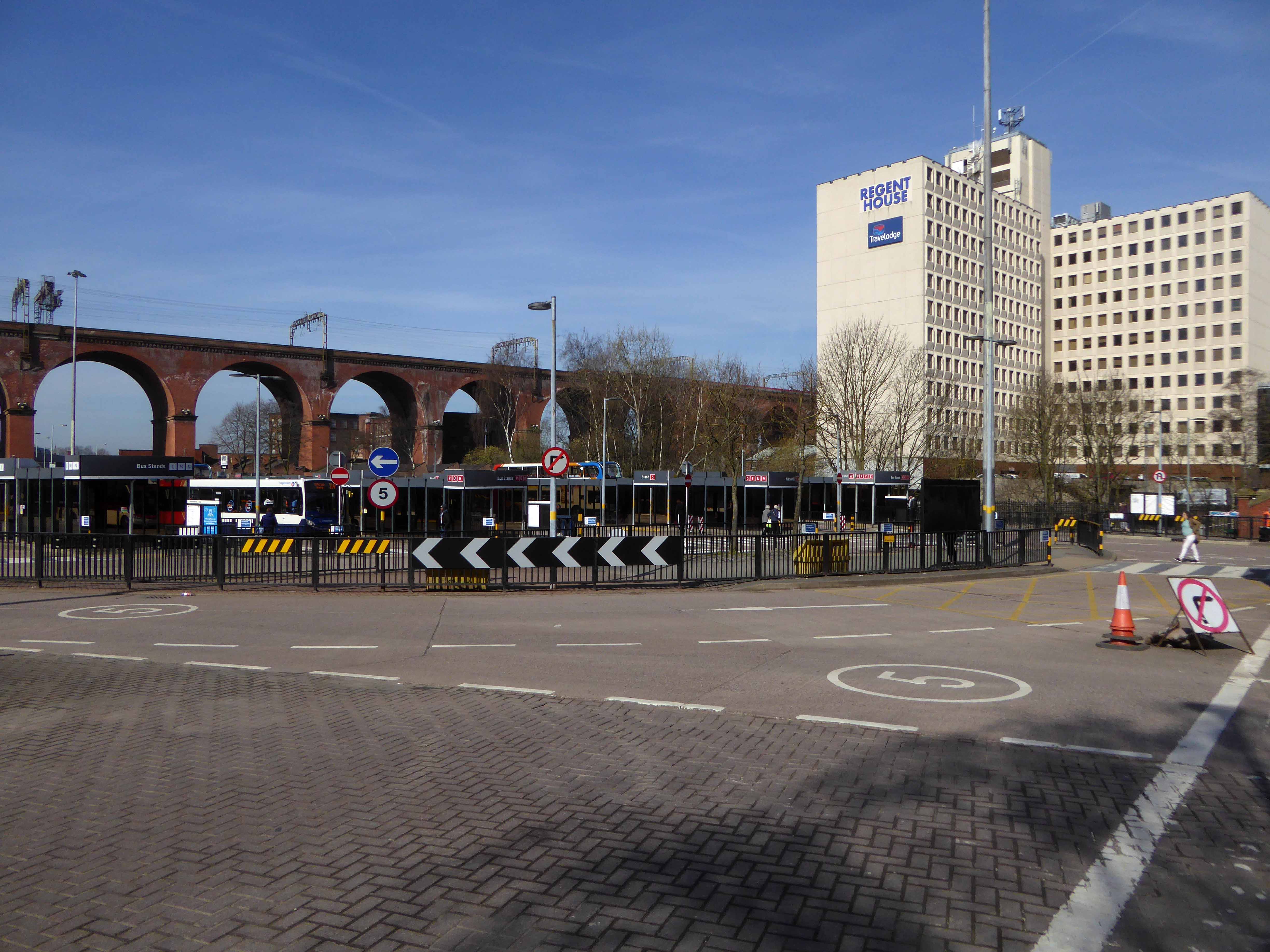
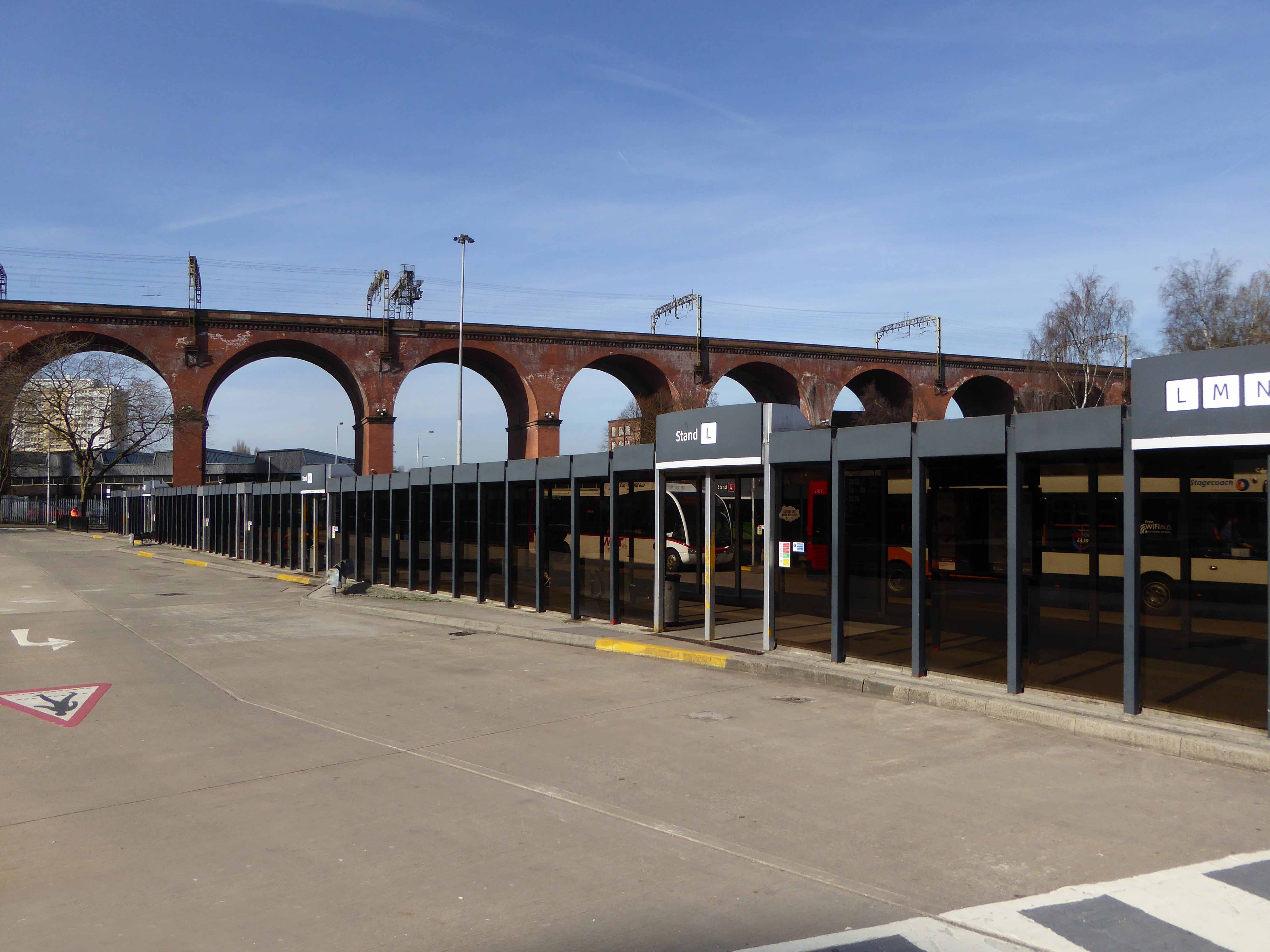
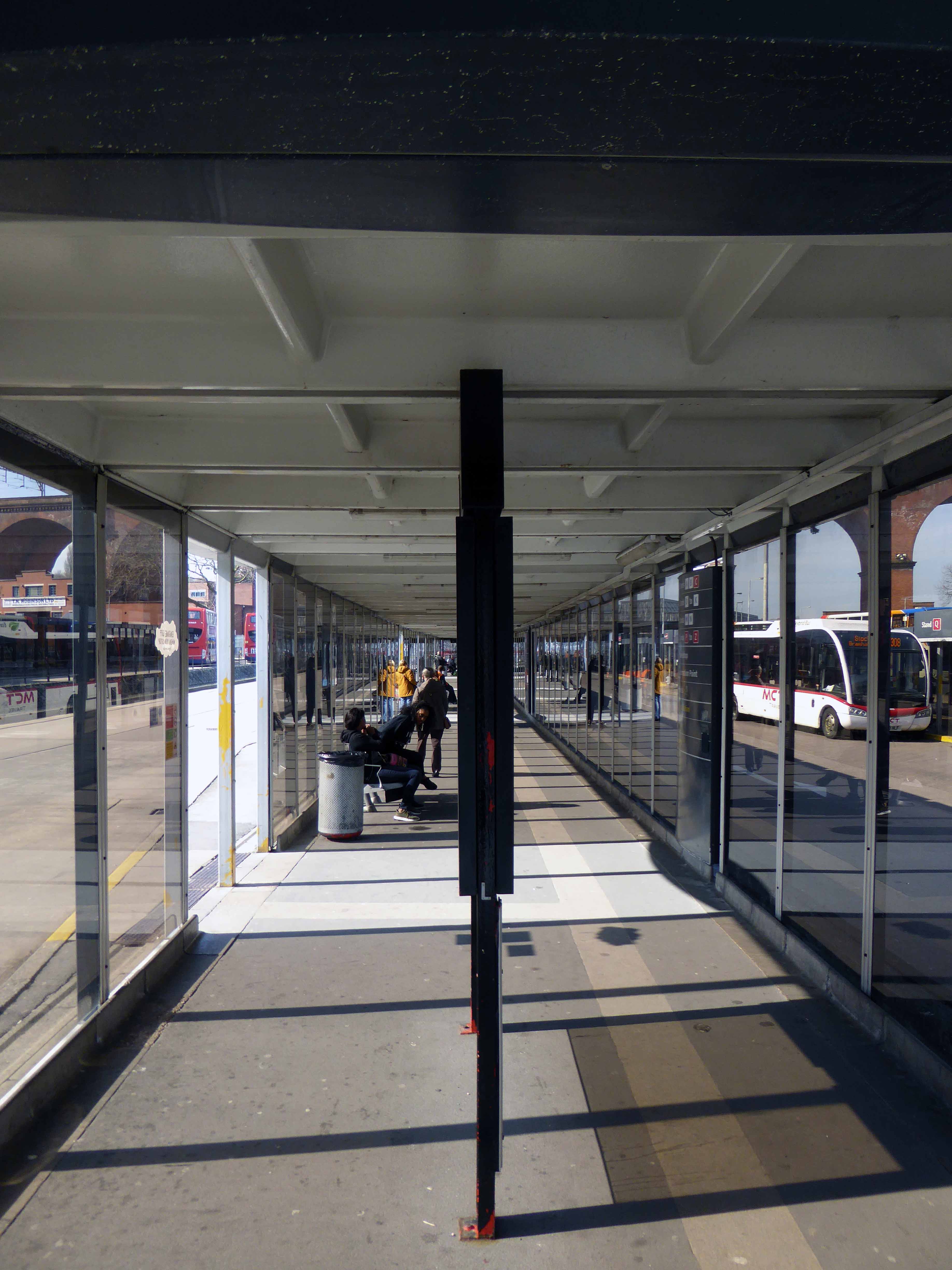
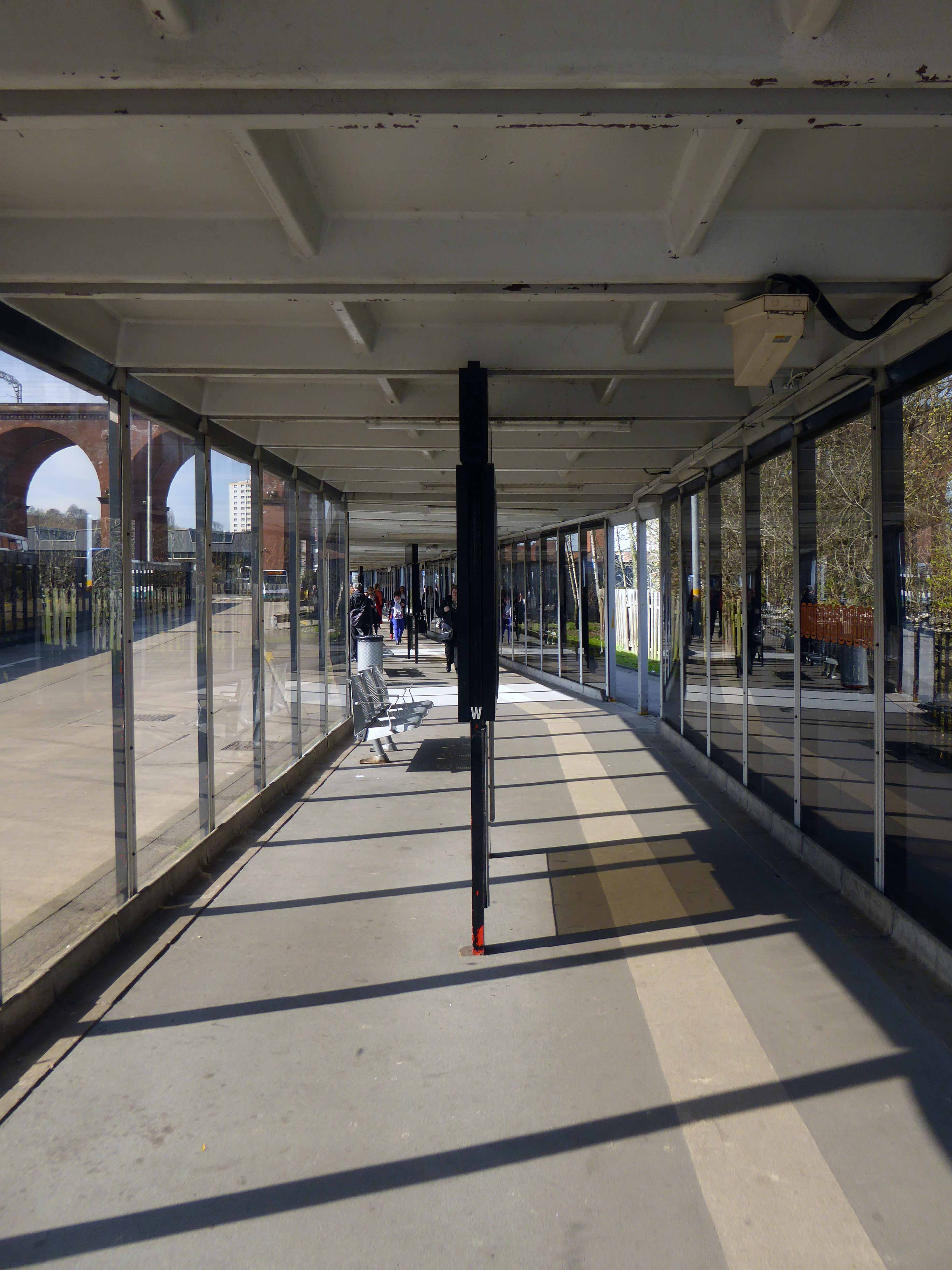
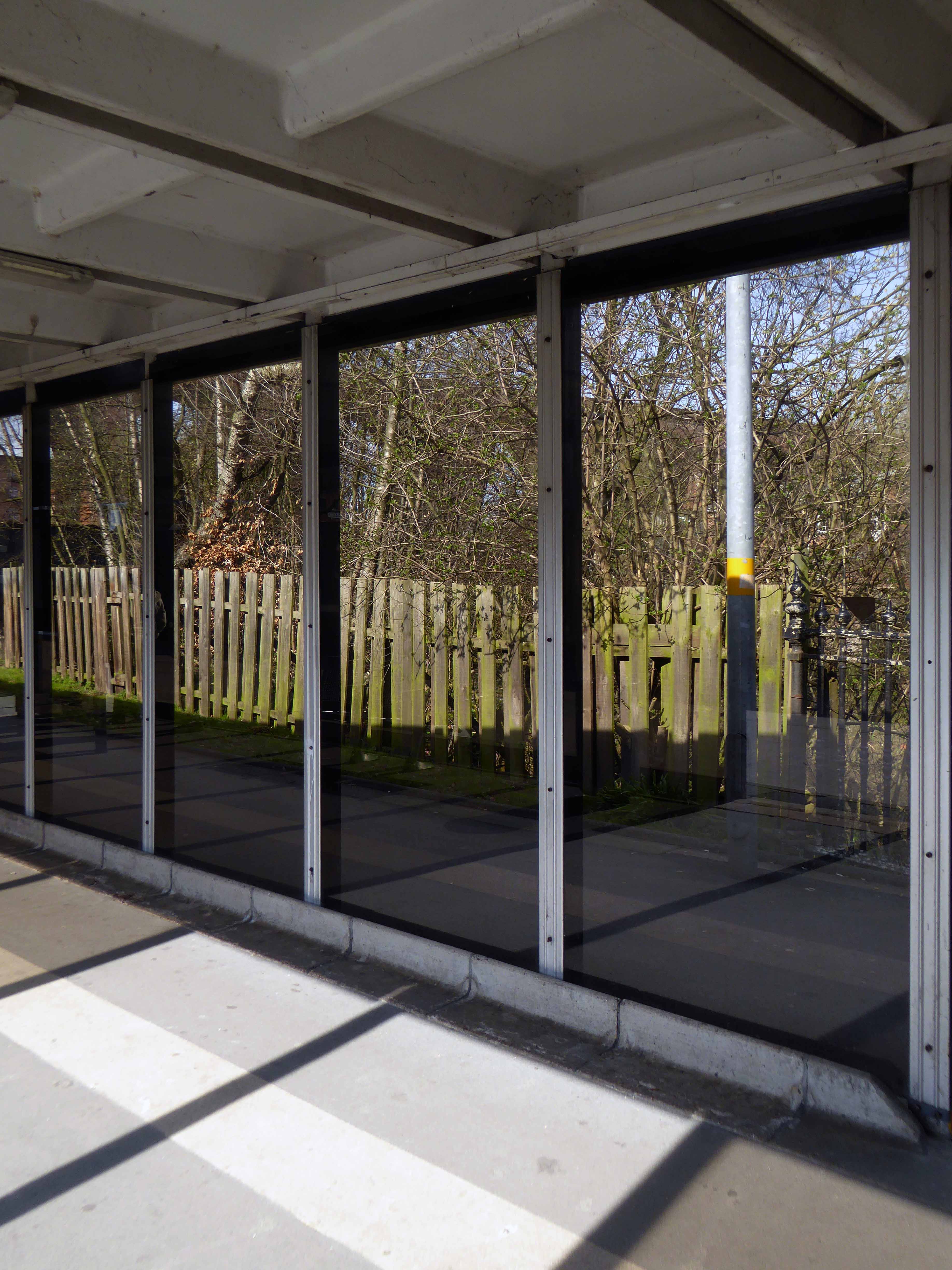
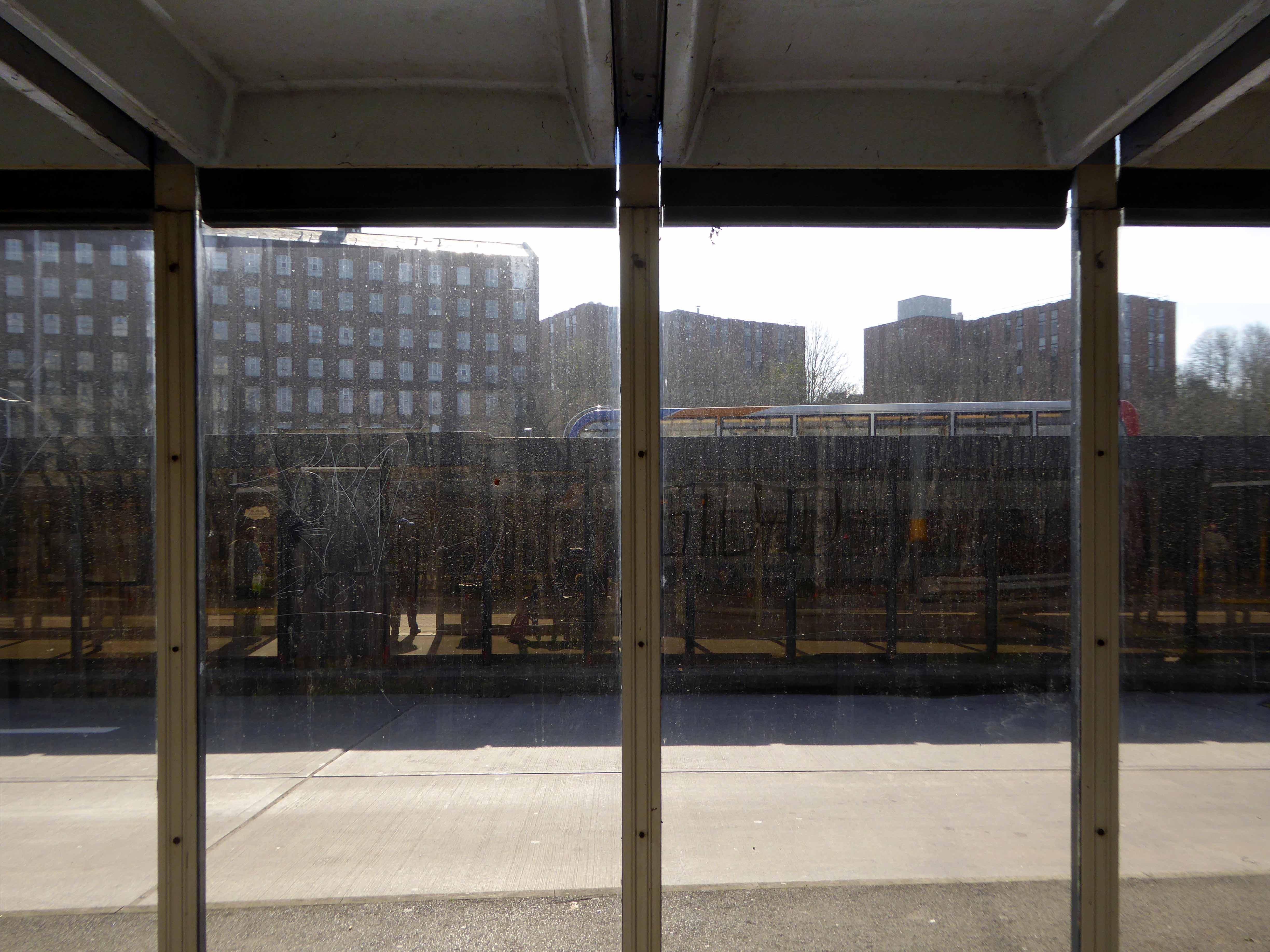
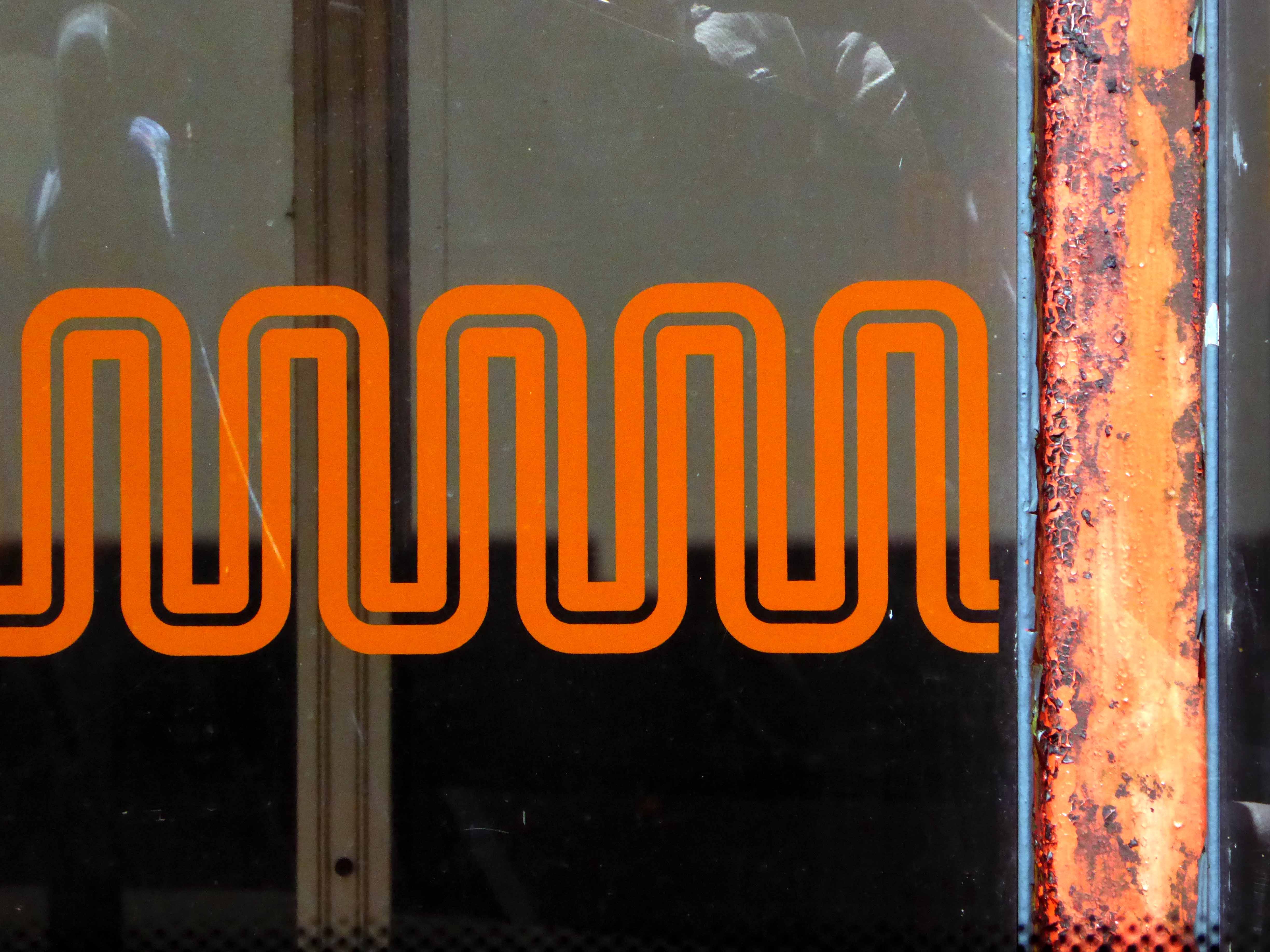
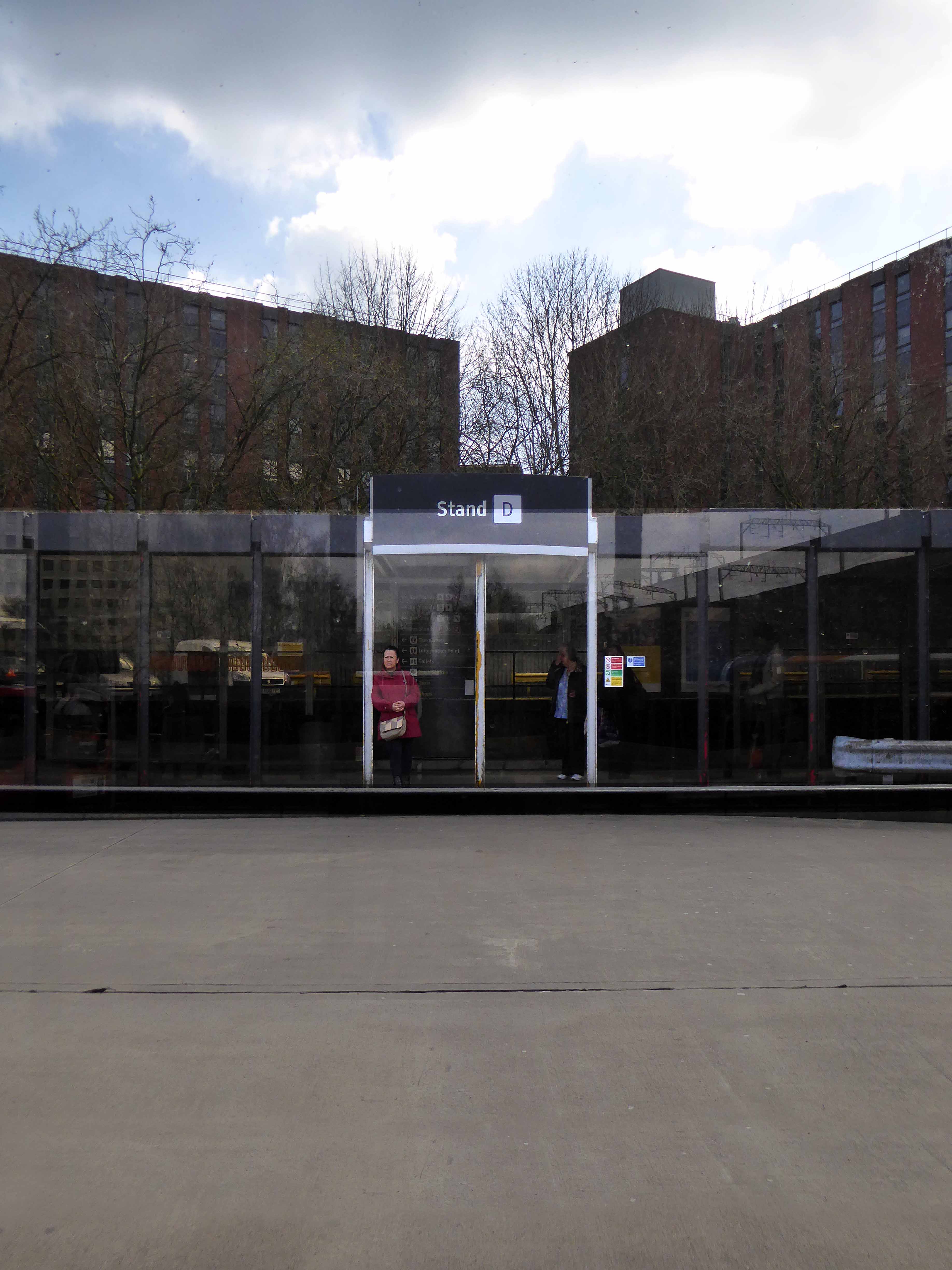
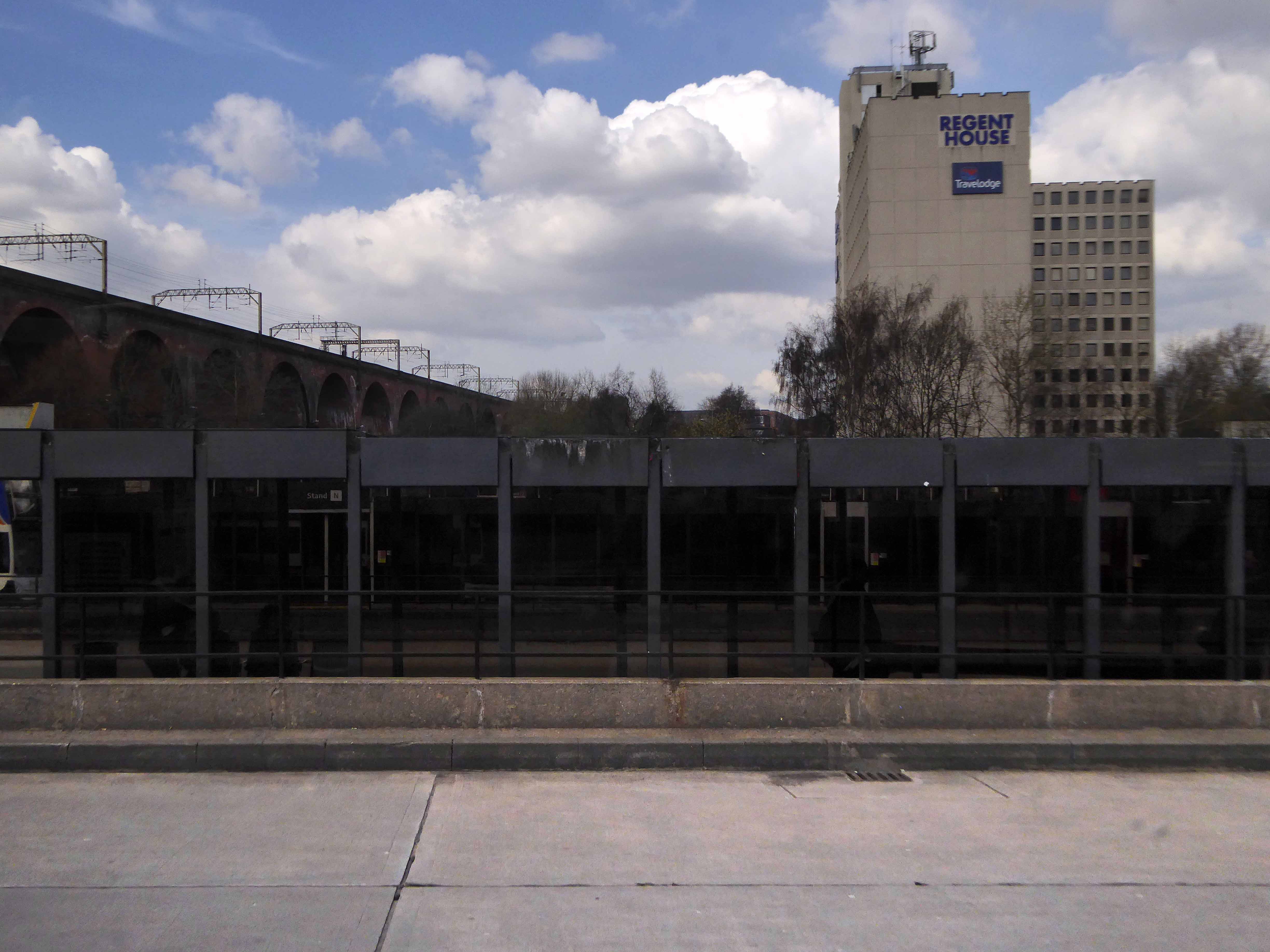
Slowly emerging from the rough ground – a series of glass and steel boxes worthy of that master of minimalism Ludwig Mies van der Rohe, a Neue Nationalgalerie in miniature.
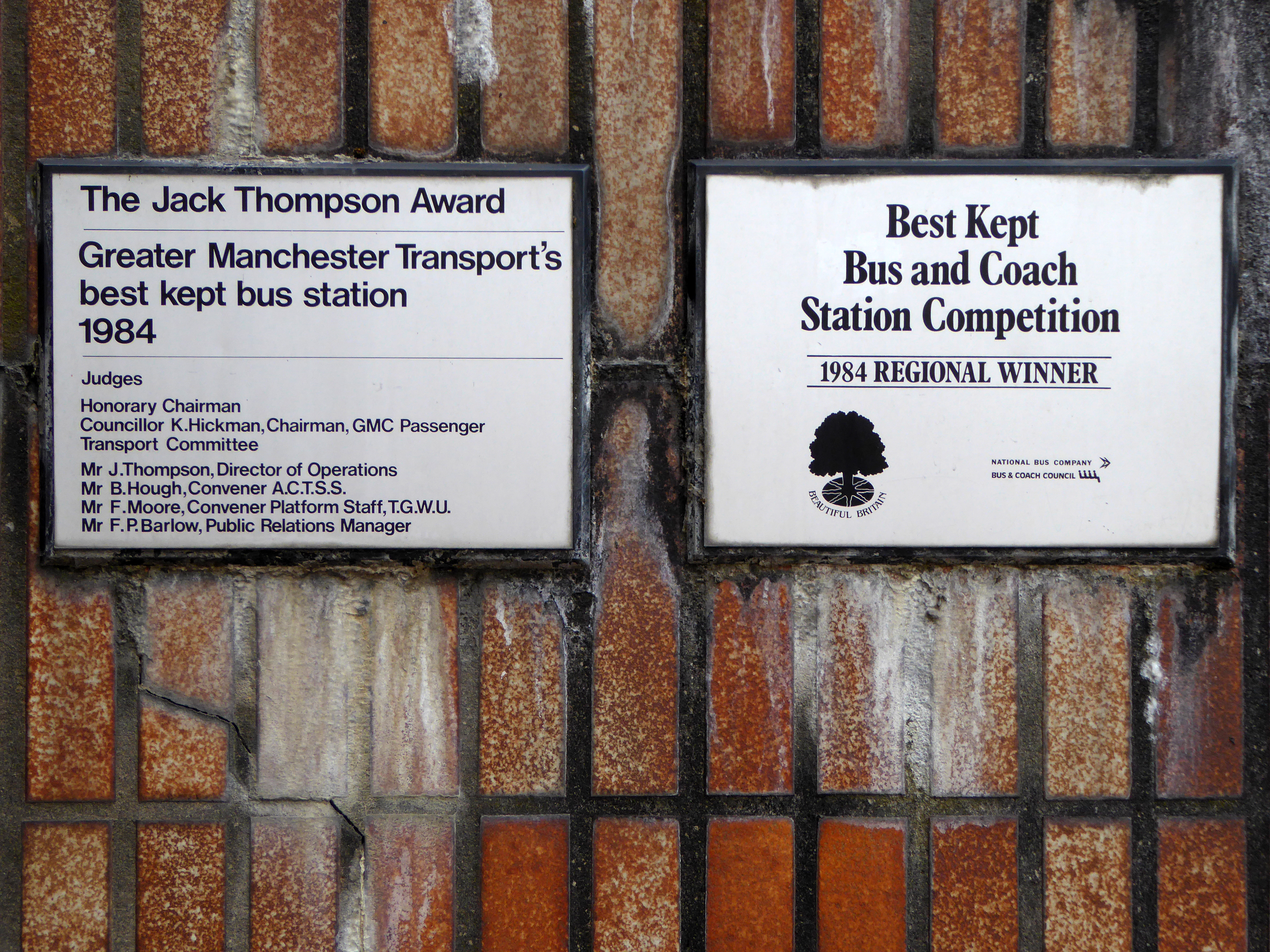
It has stood and withstood the winds of change and perfidious public transport policy, the privatisation of the service, snatched greedily from local authority control.
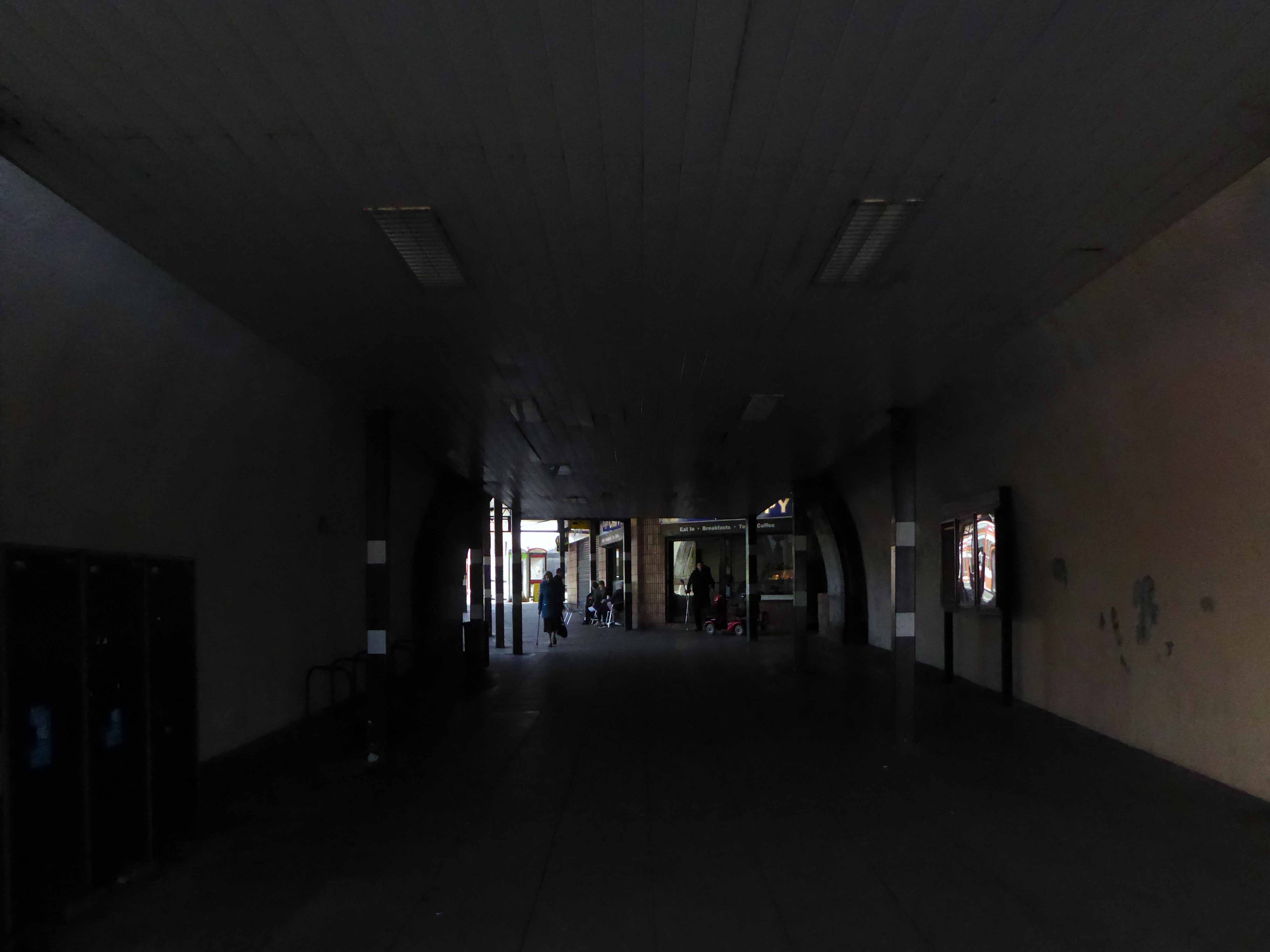
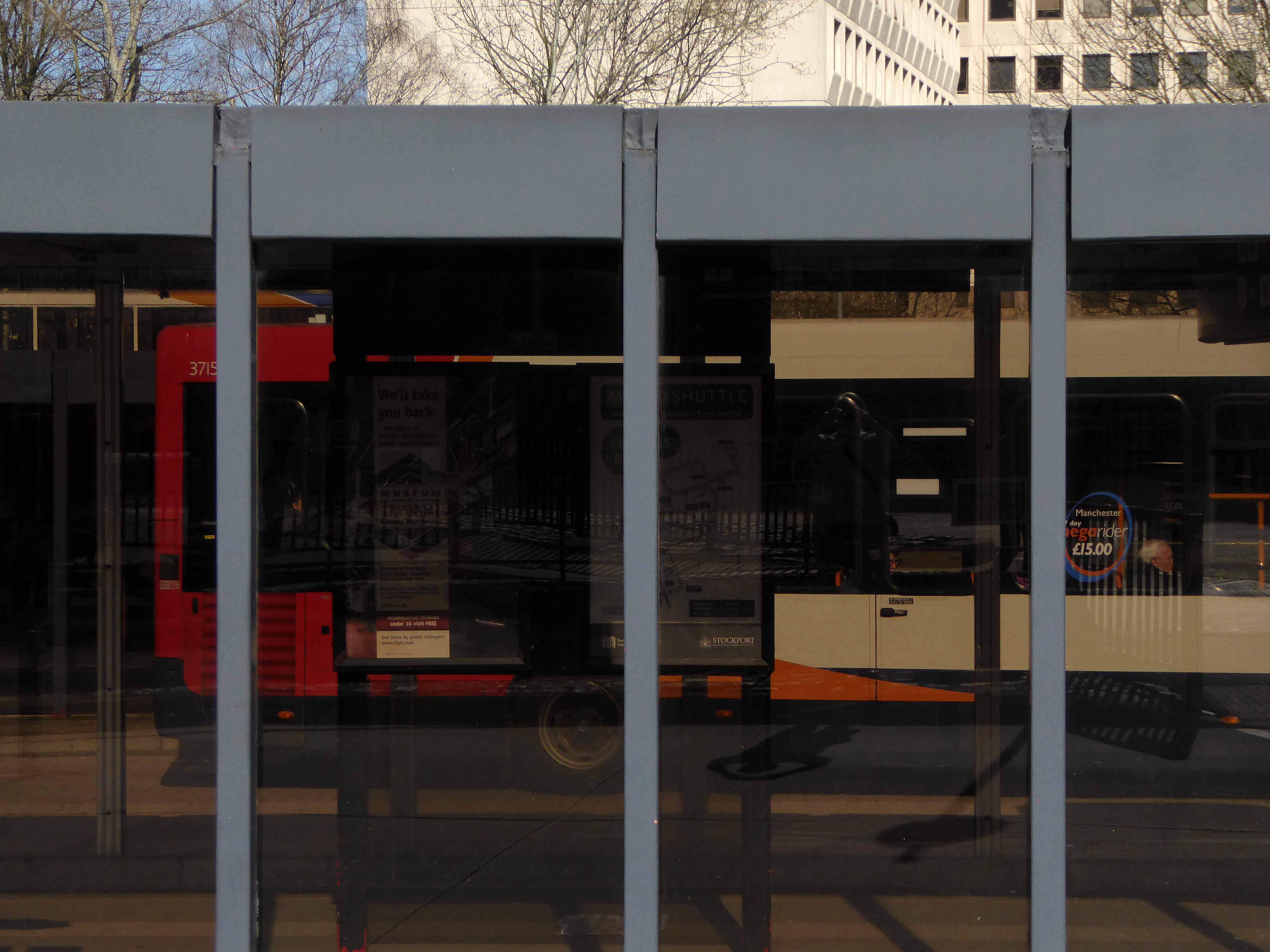
Passengers have met and parted, whilst buses of every hue and stripe have departed from these draughty boxes.
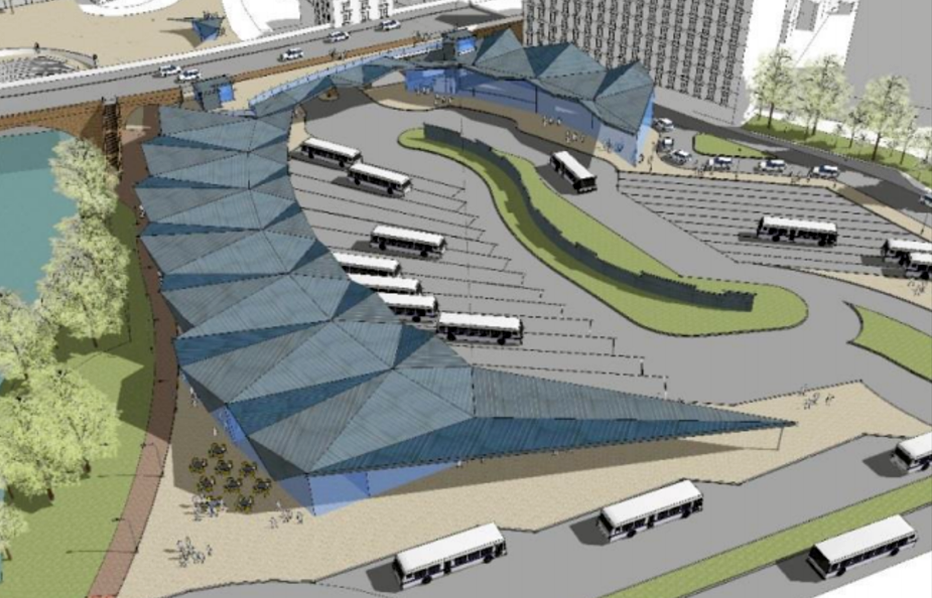
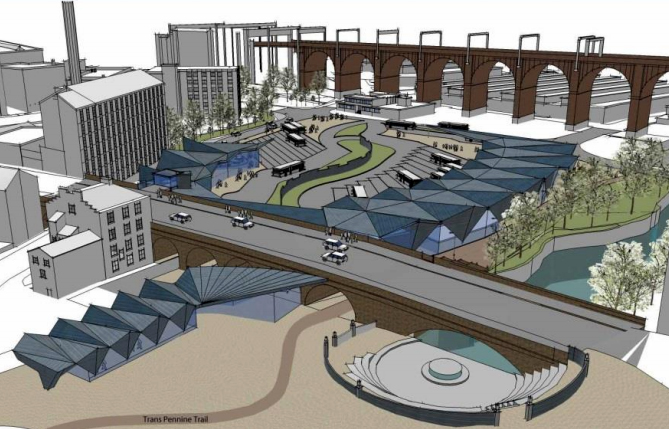
There are now plans for imminent demolition and rebuilding – shaping a transport hub fit for the Twenty First Century – Space Age forms for a brave new world.
A new £42m transport interchange in Stockport town centre has taken a step forward after the local council agreed key measures to back the project.
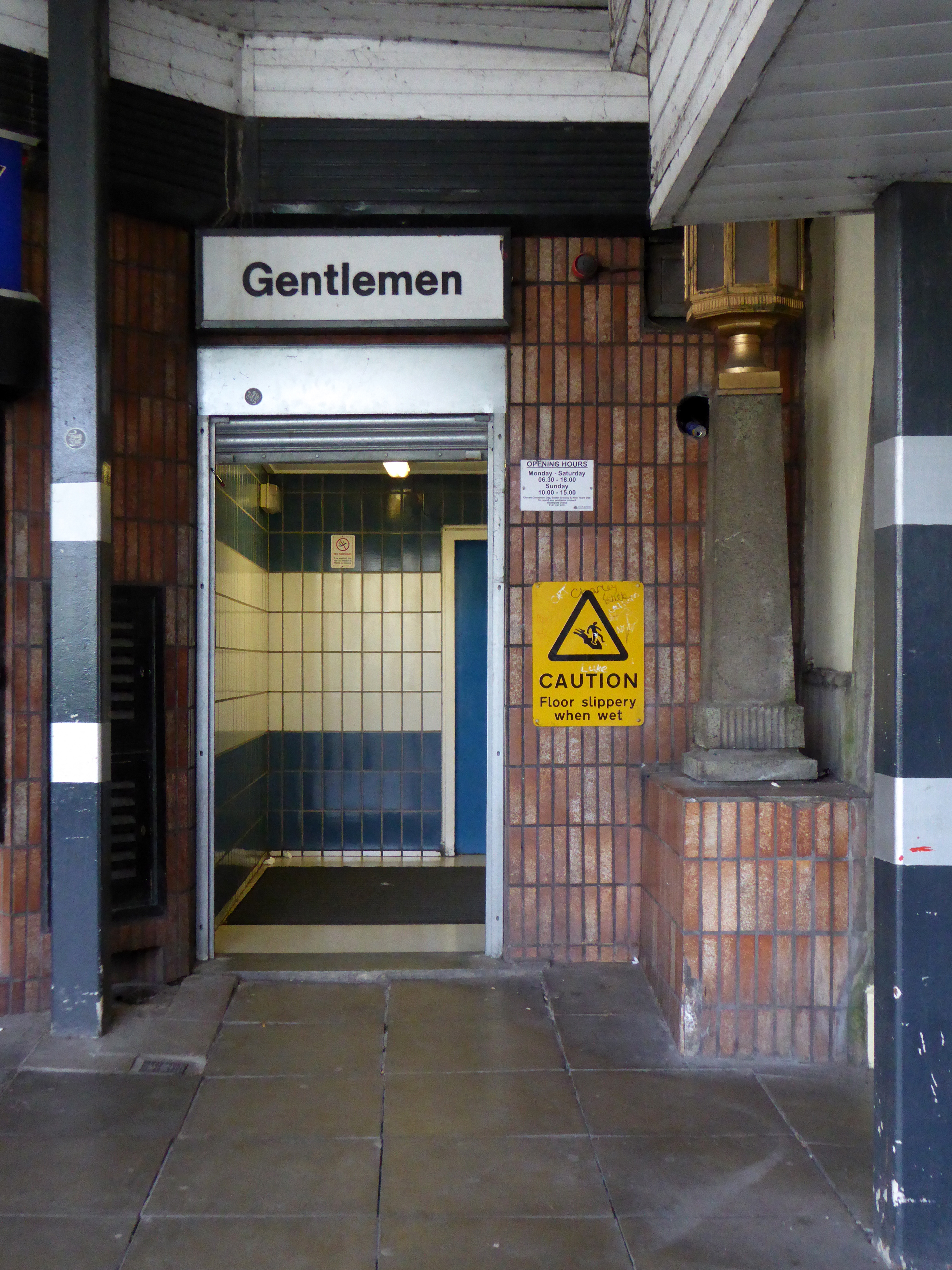
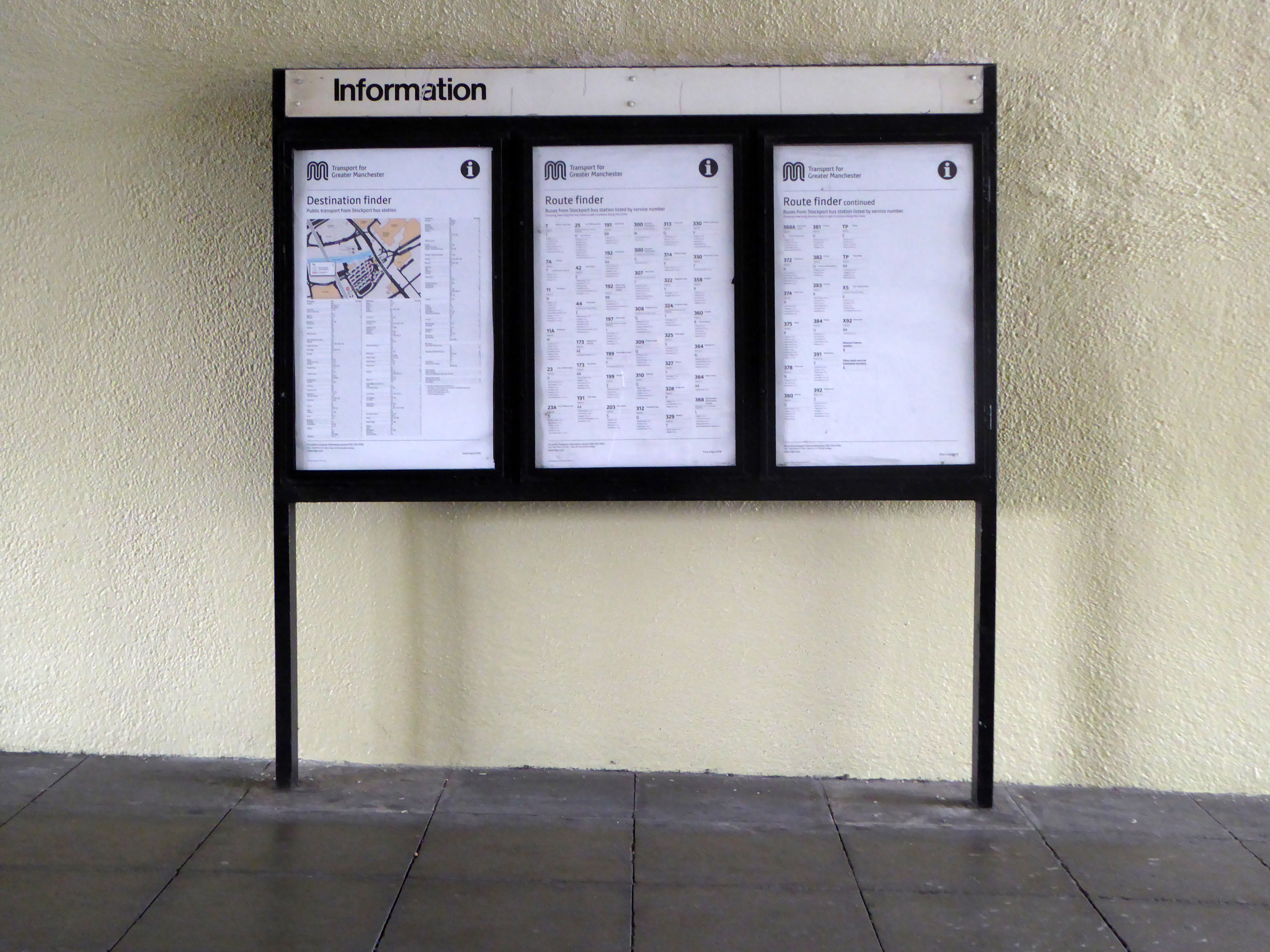
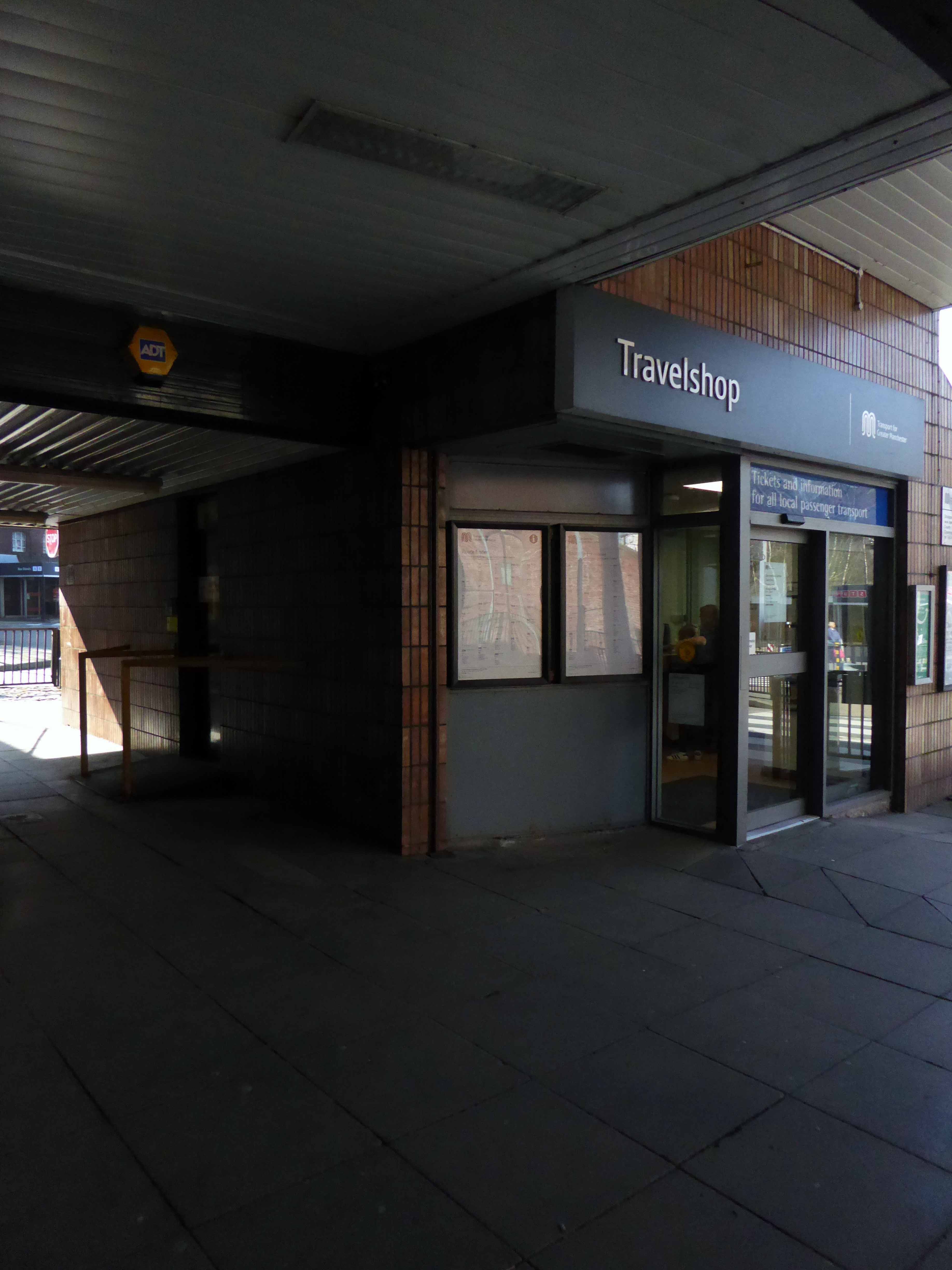
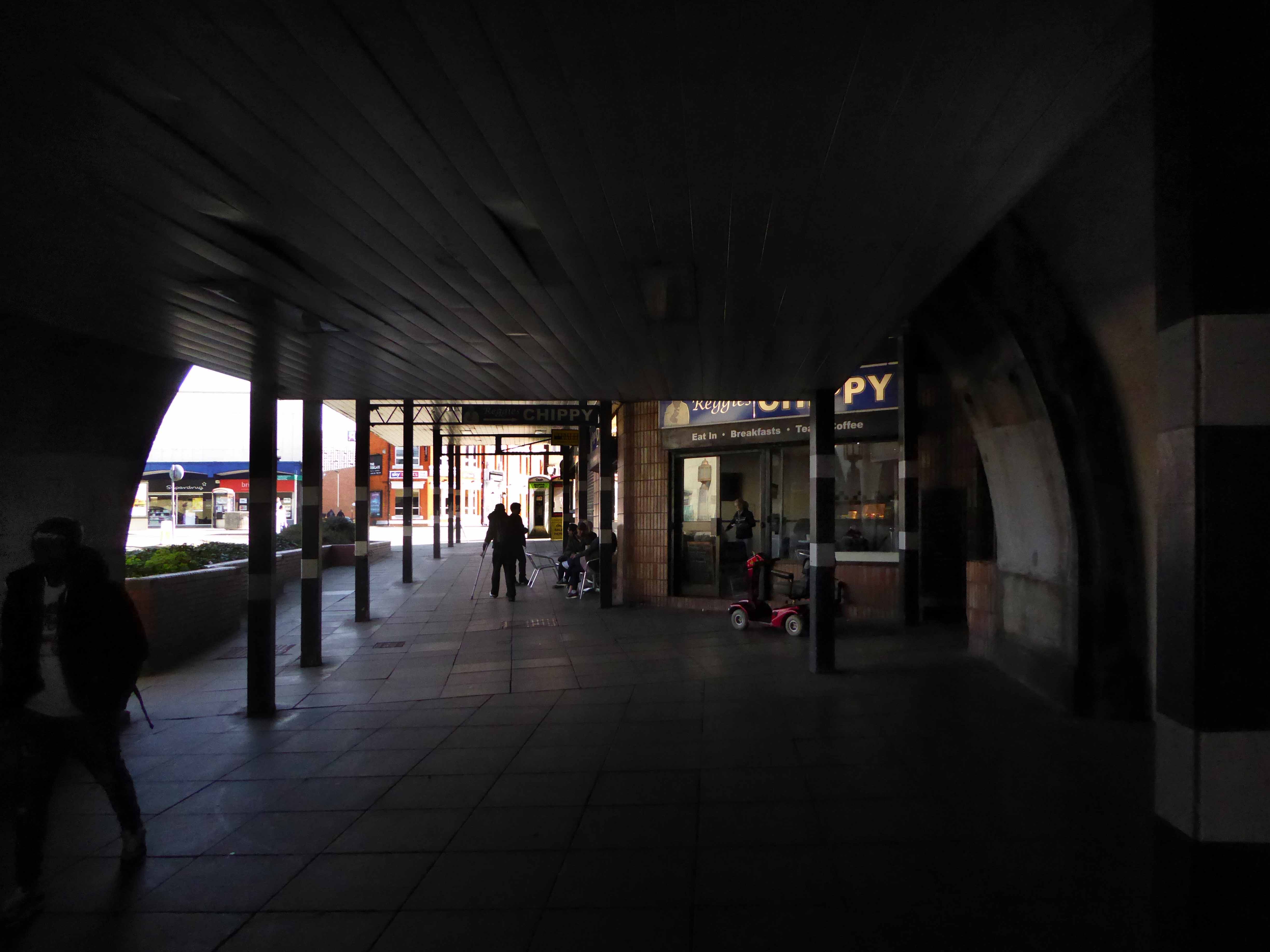
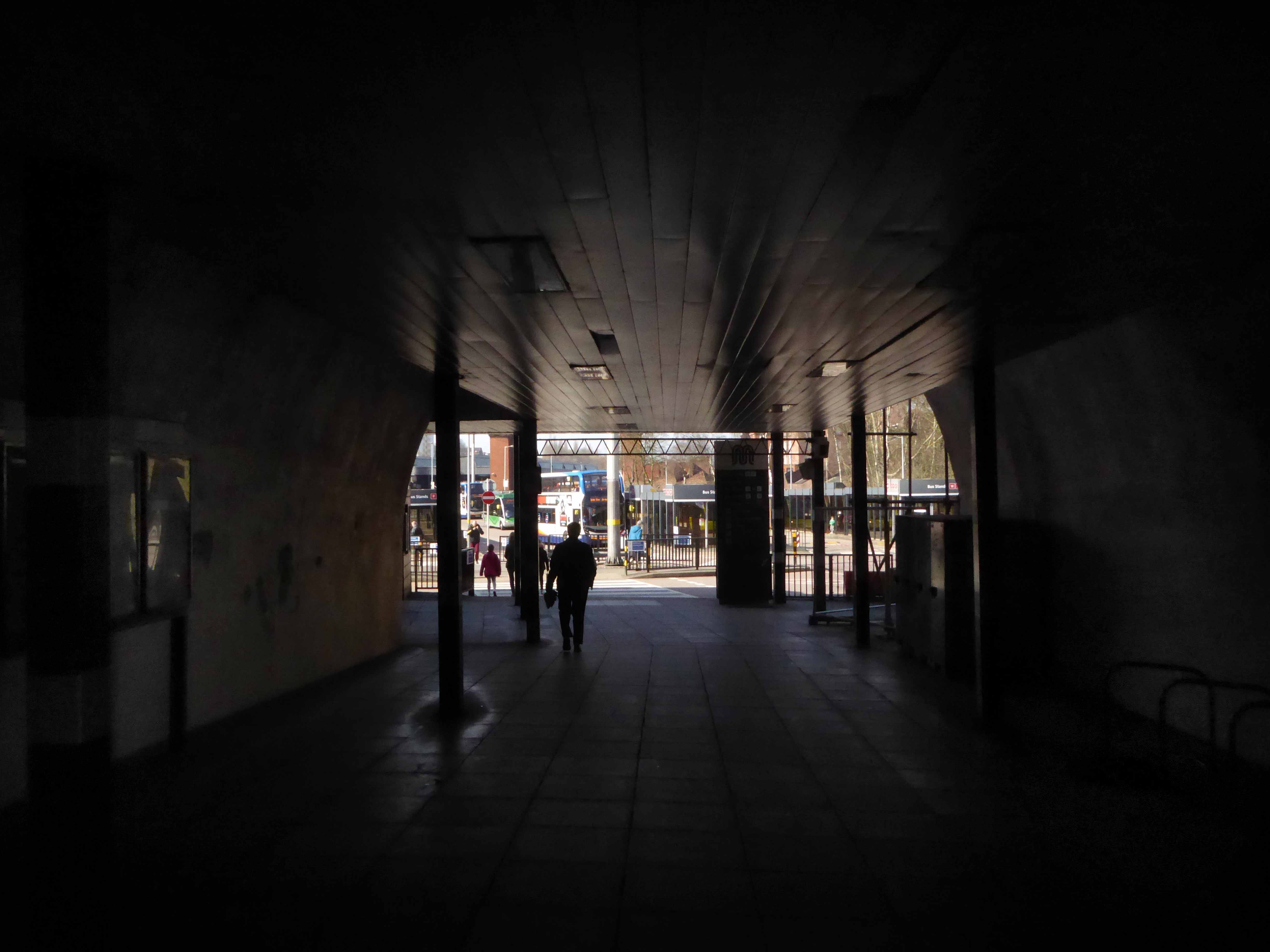
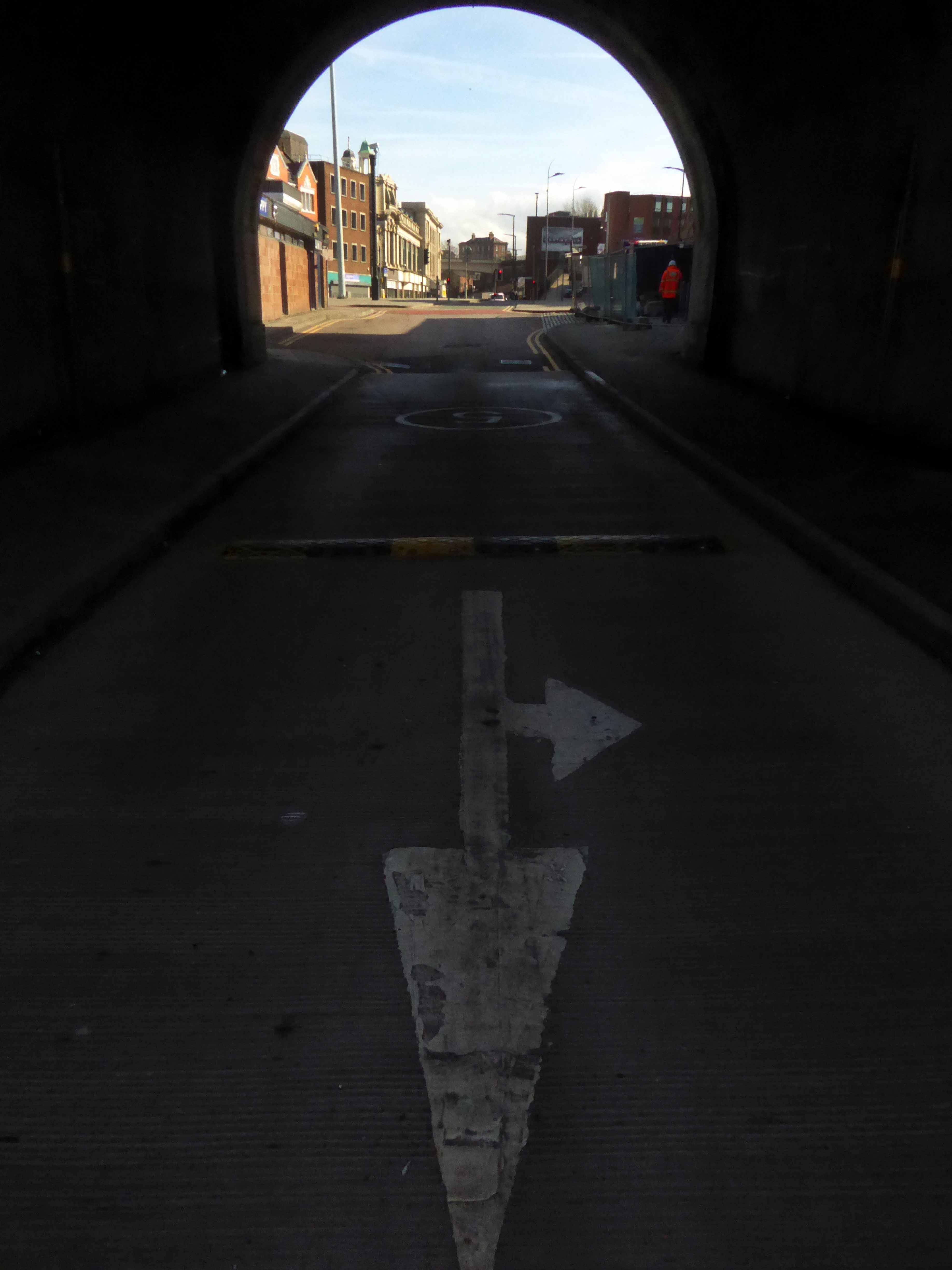
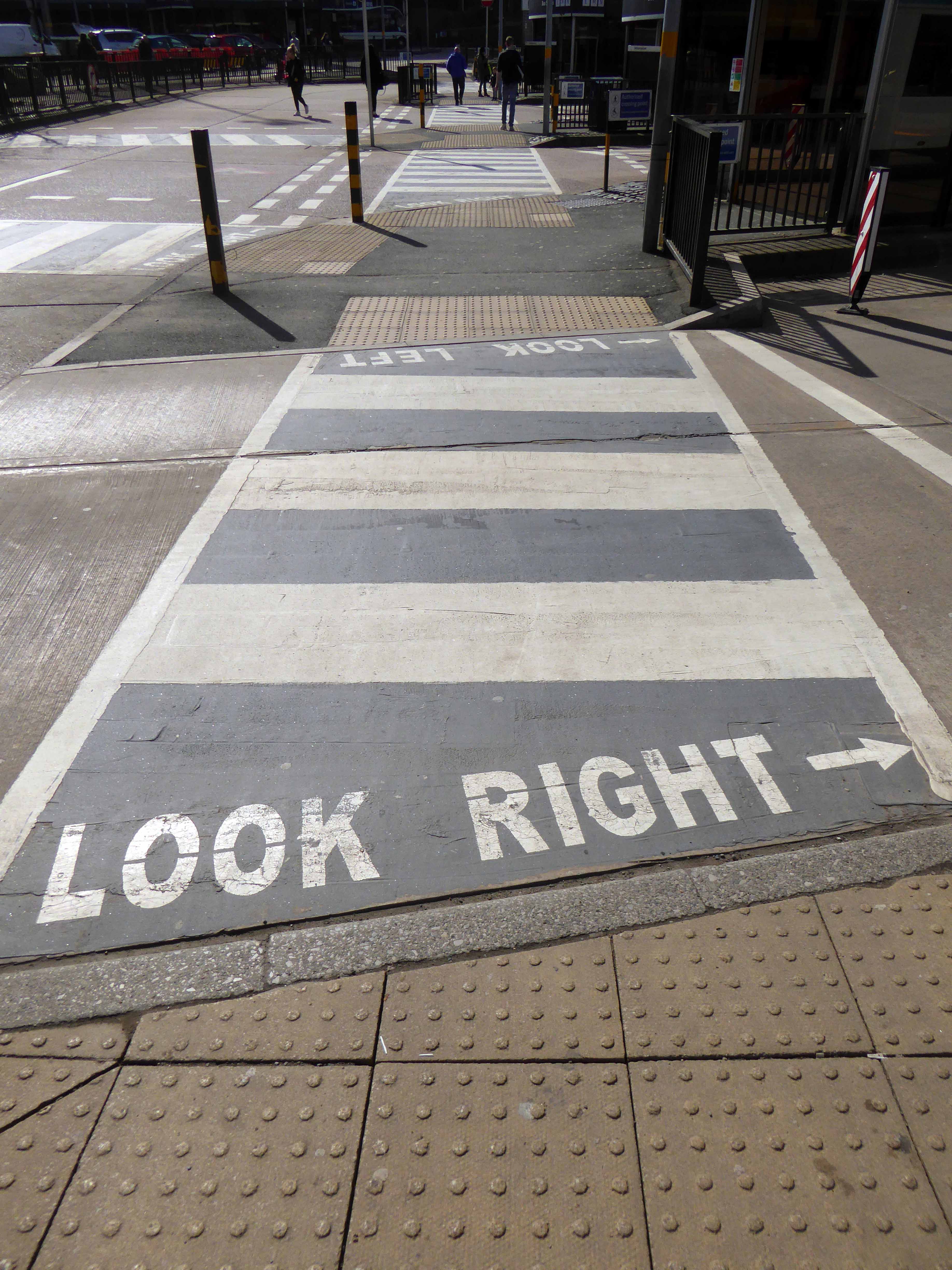
April 9th 2017 here is my photographic record of the Bus Station, I’ve been, gone and come back again countless times through the years.
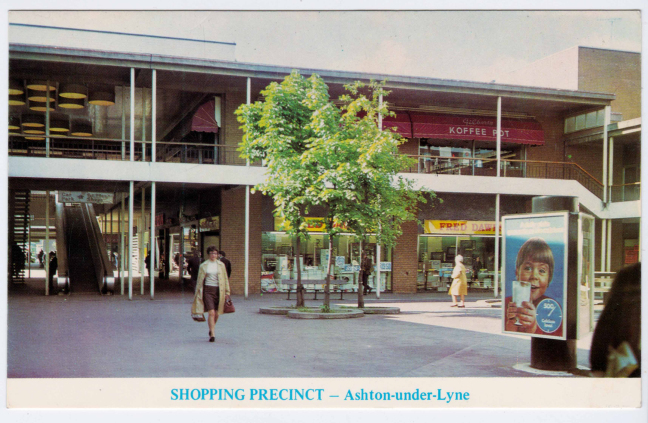
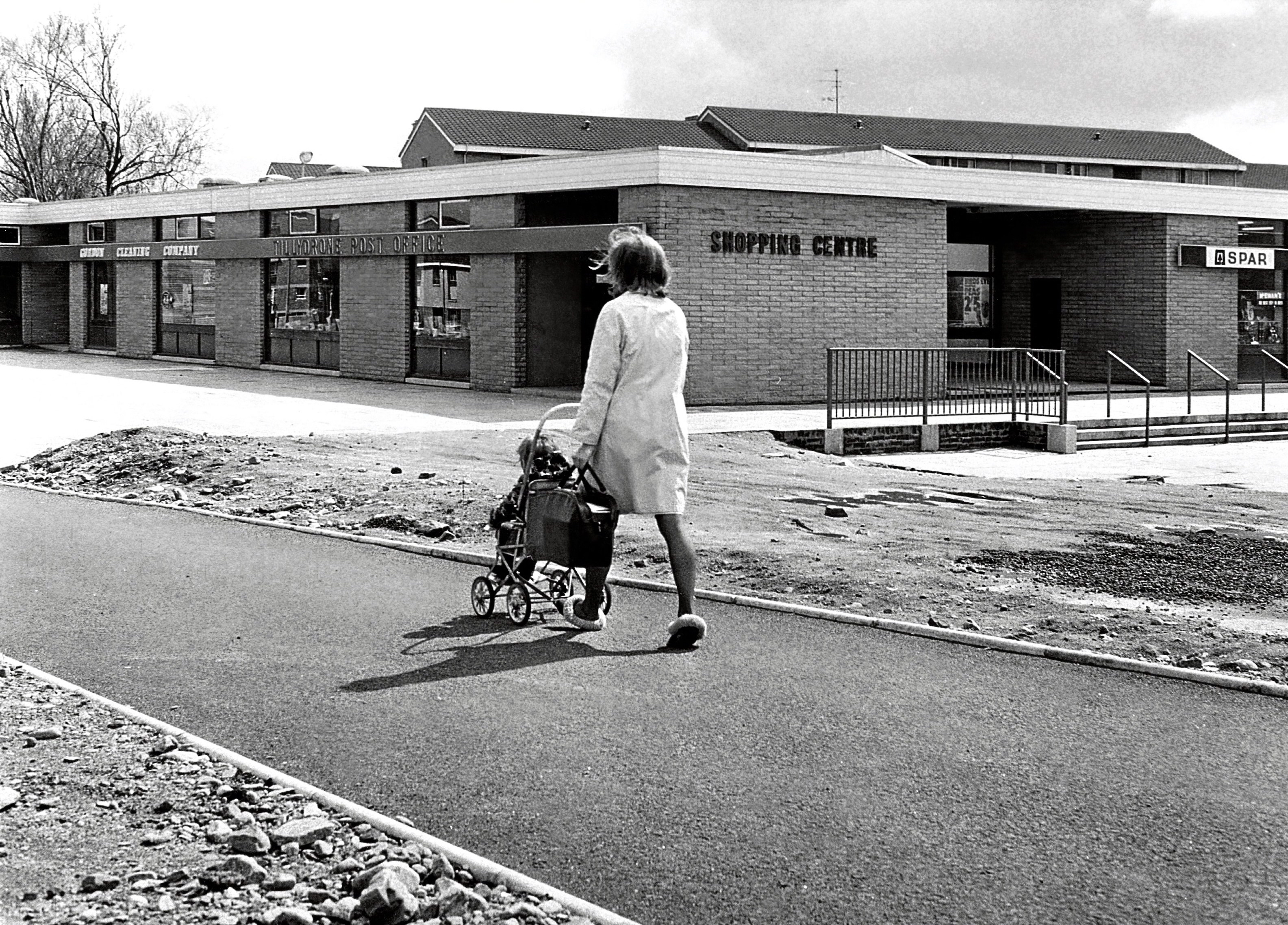
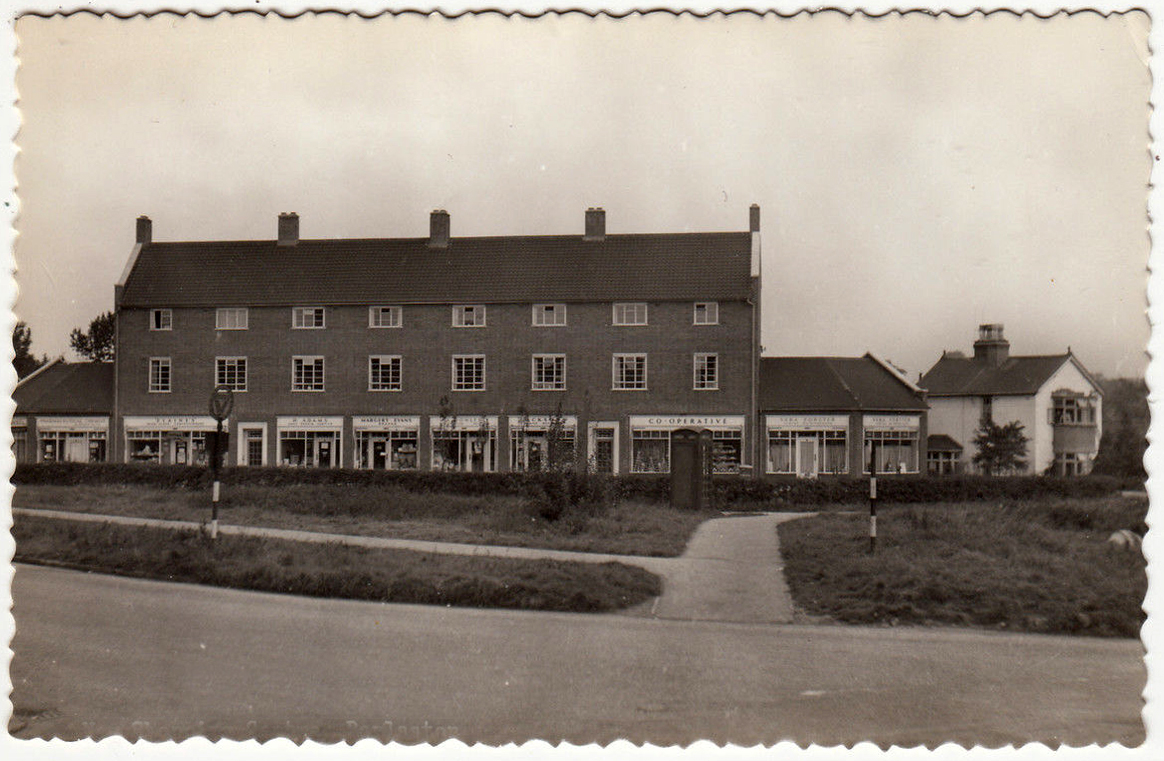
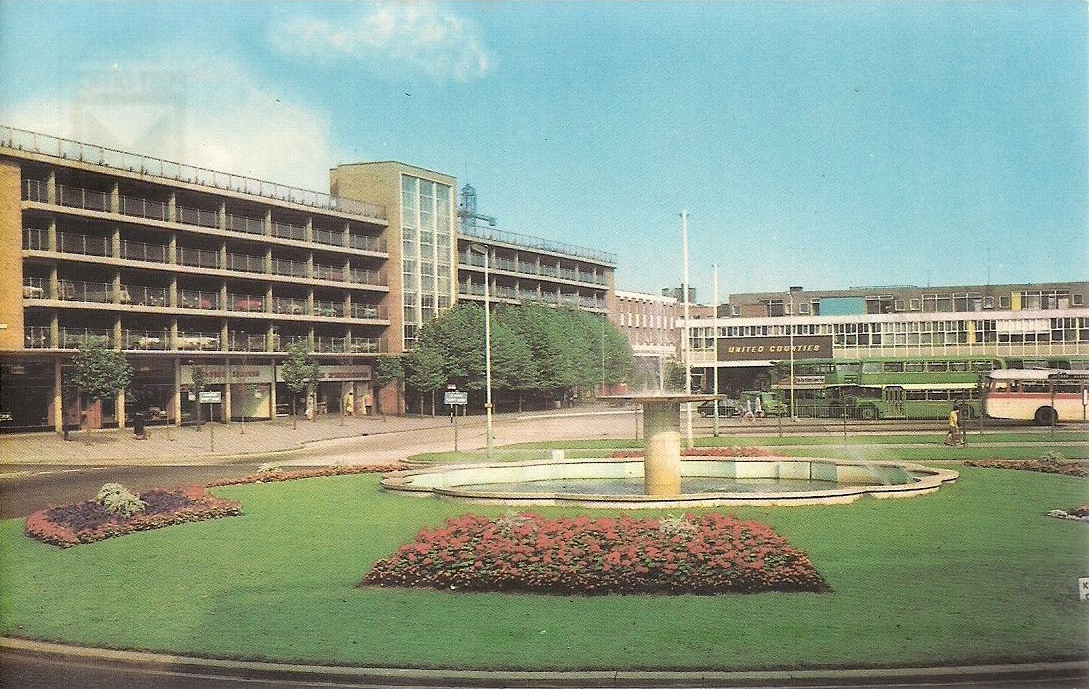
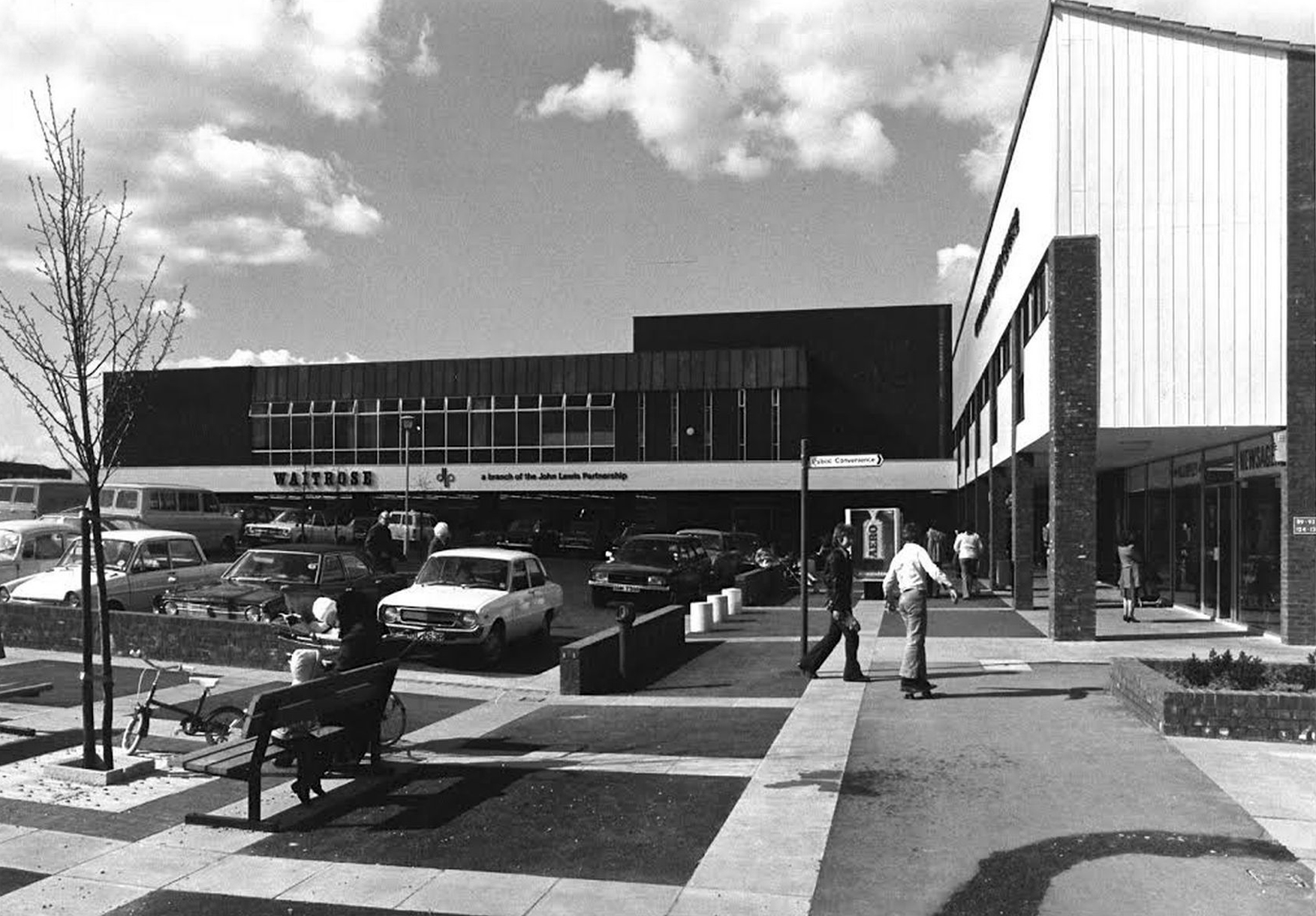
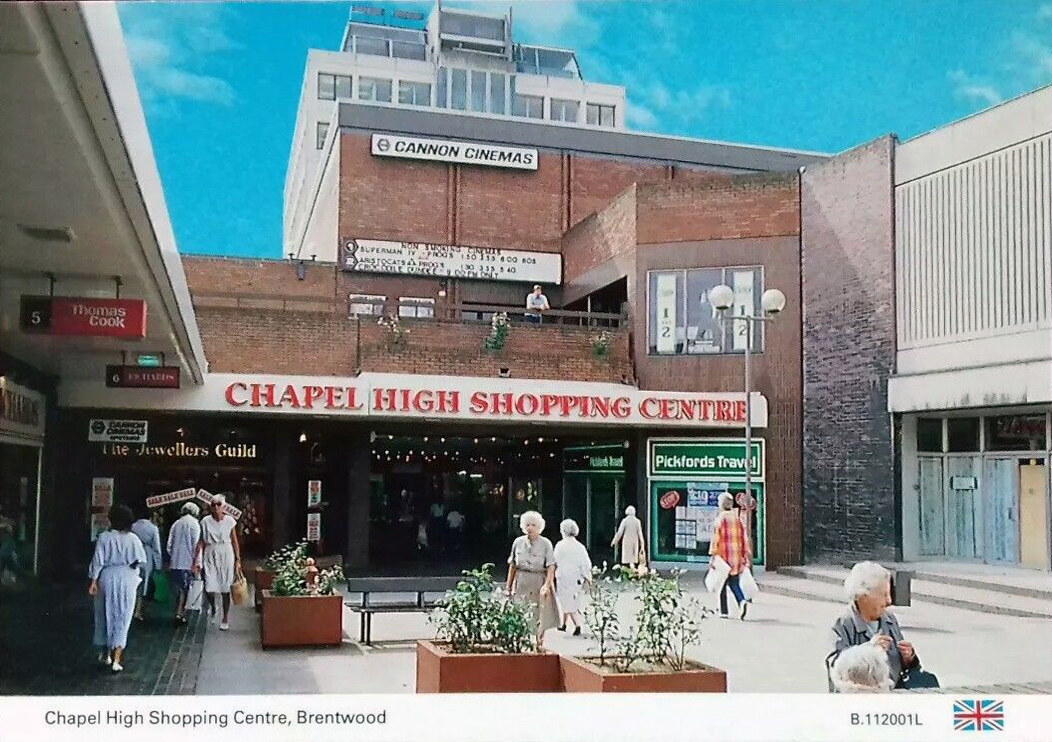
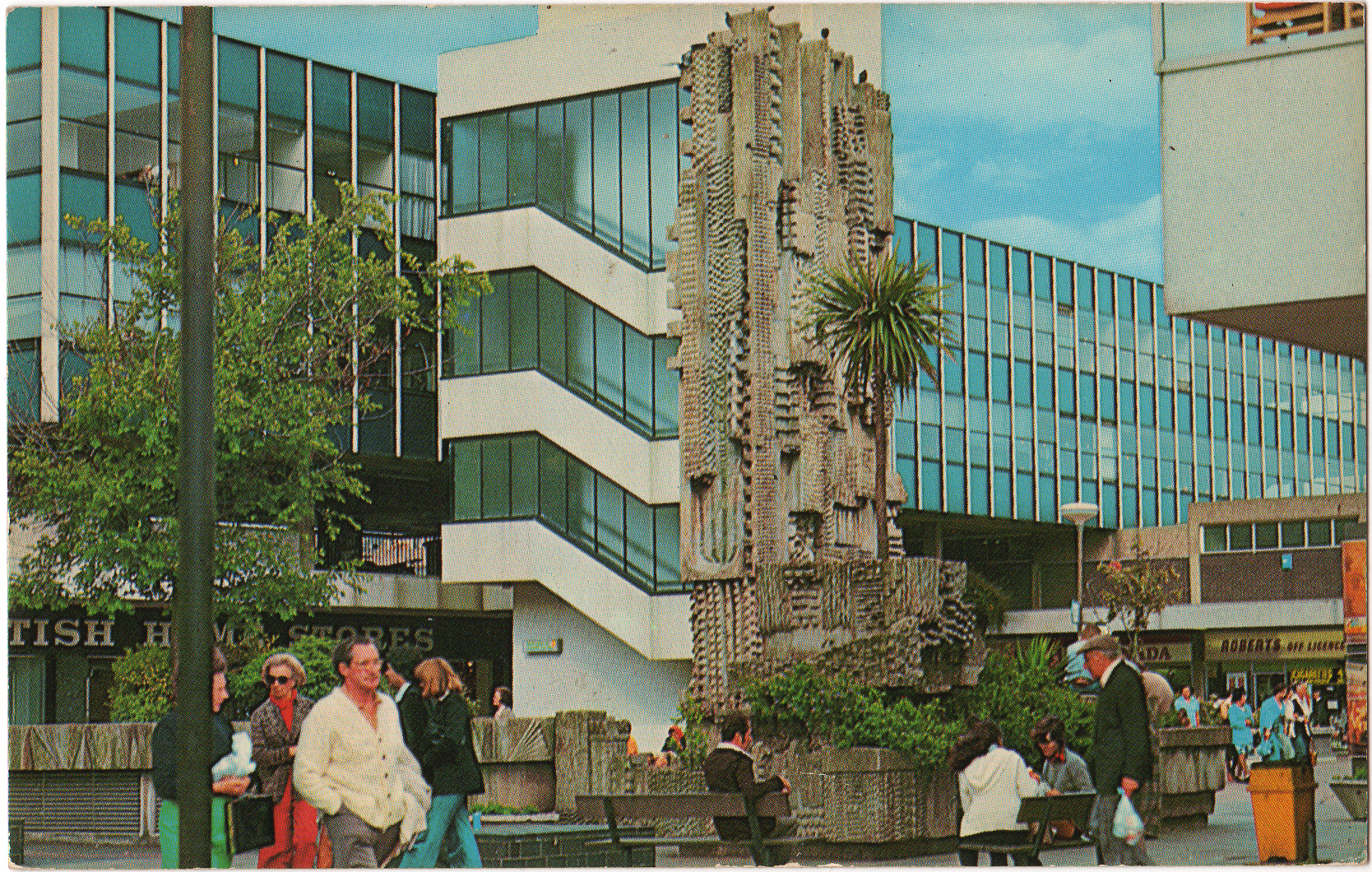
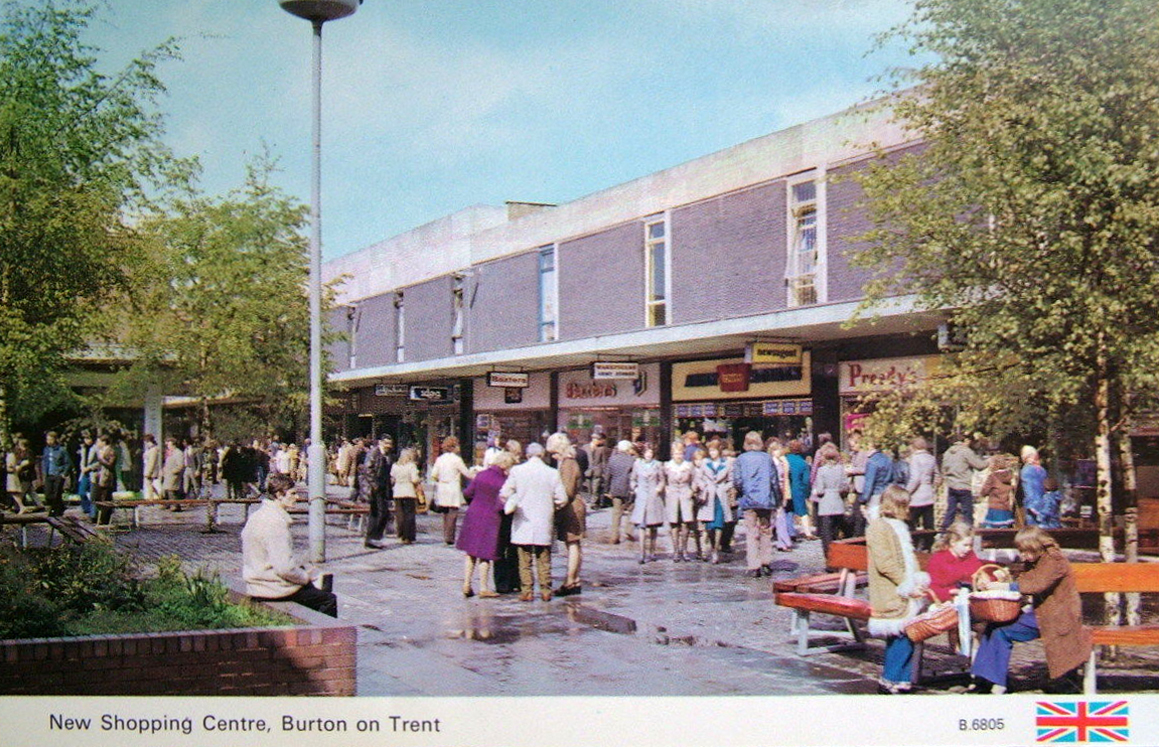
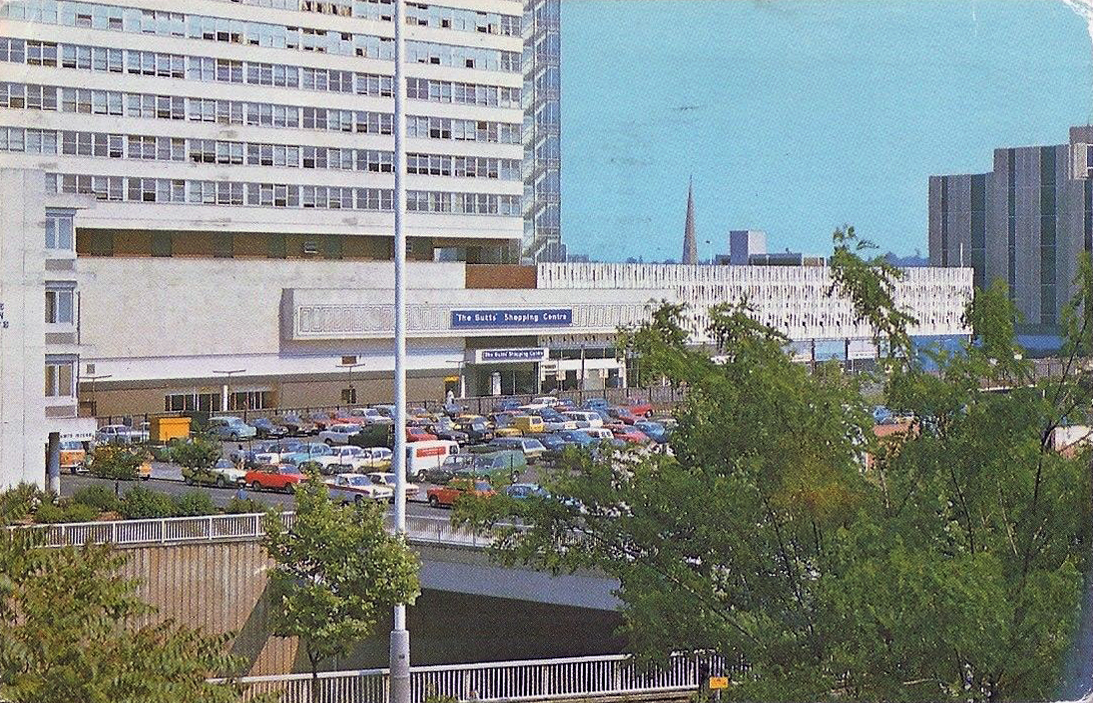
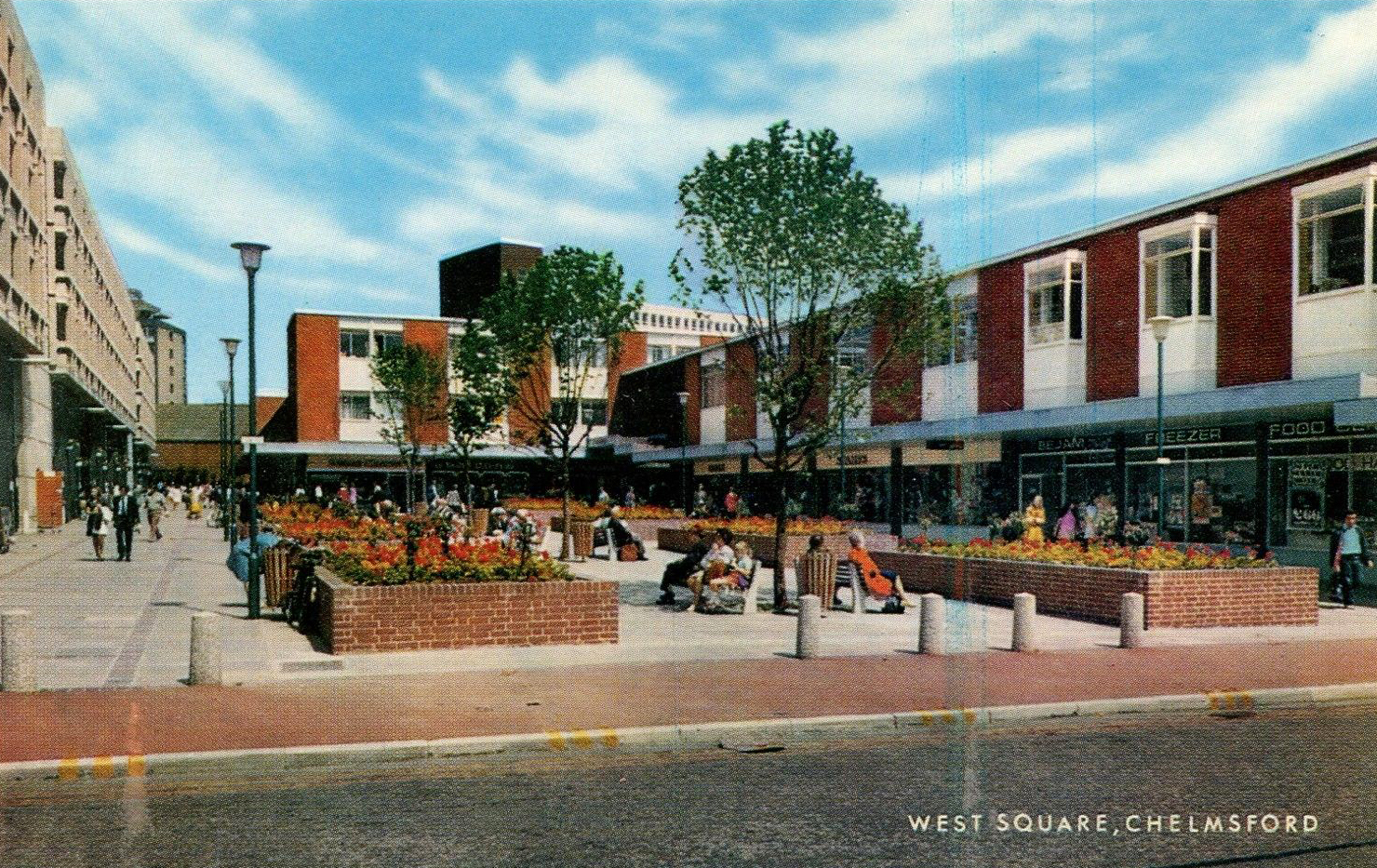
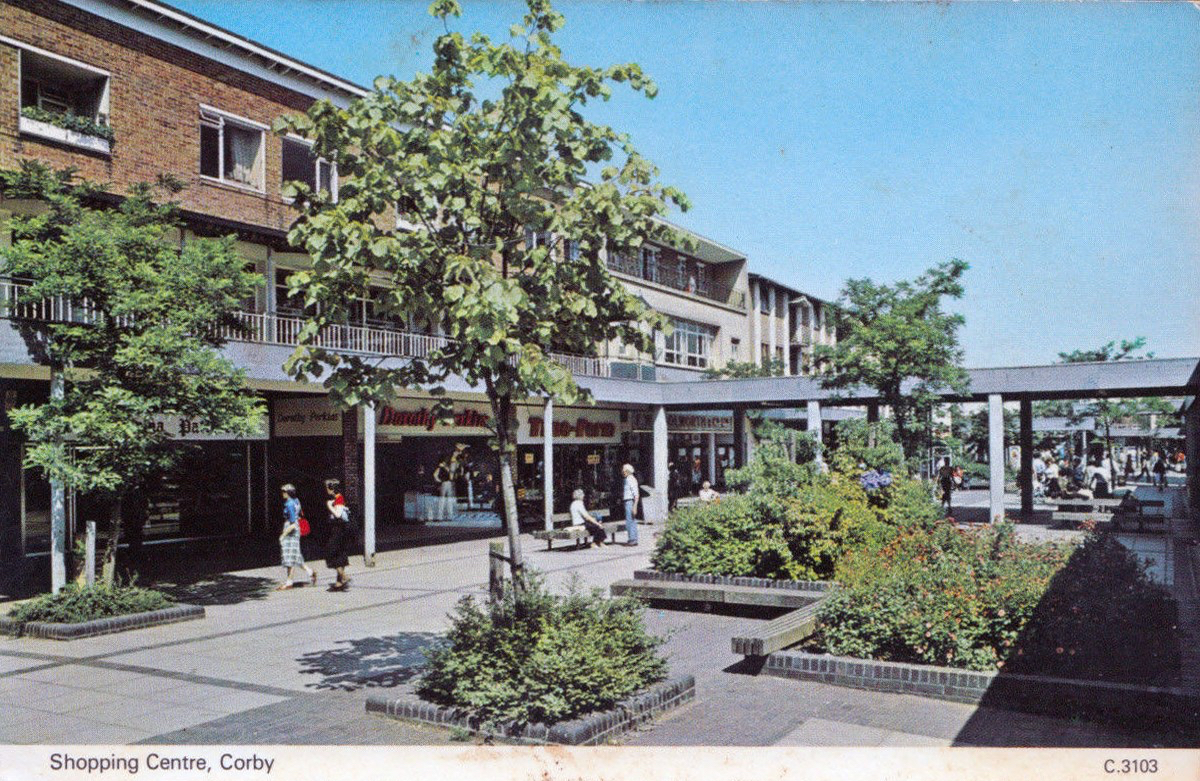
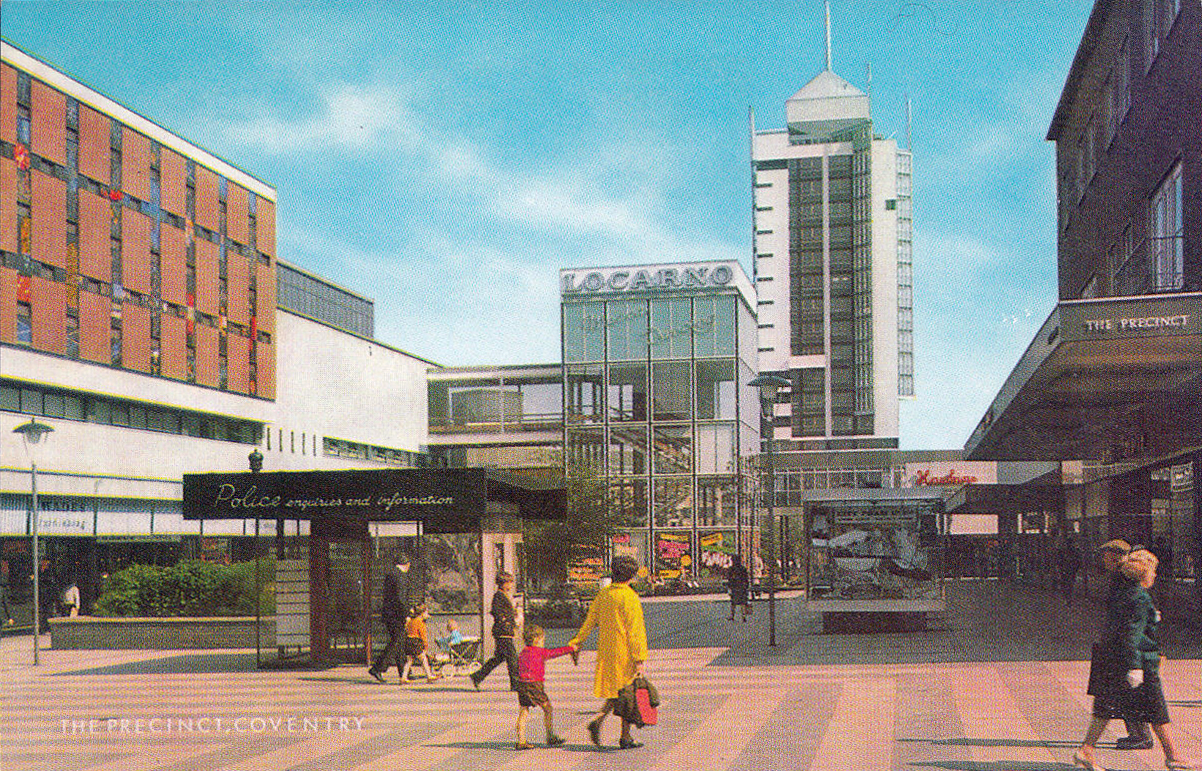
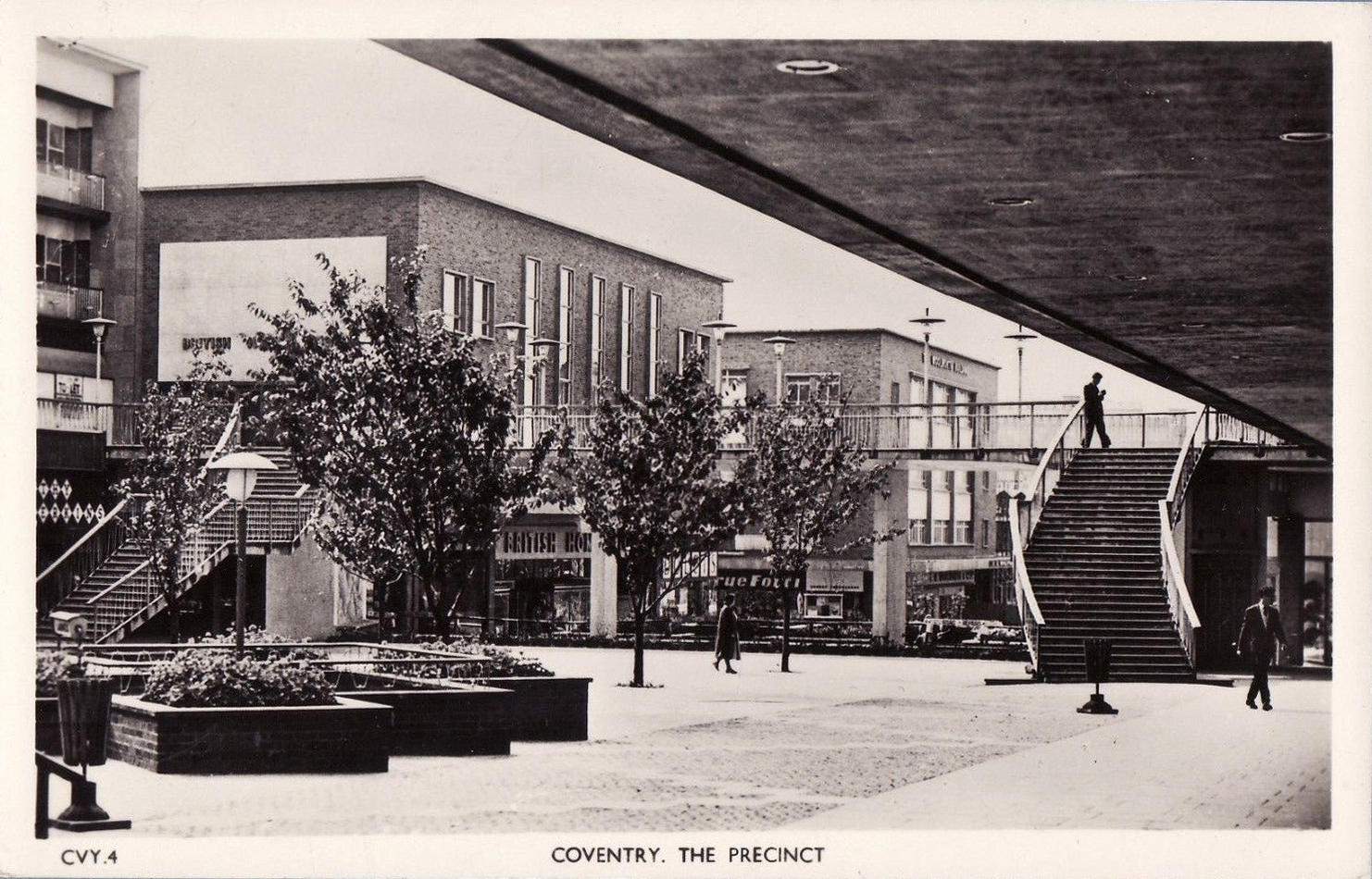
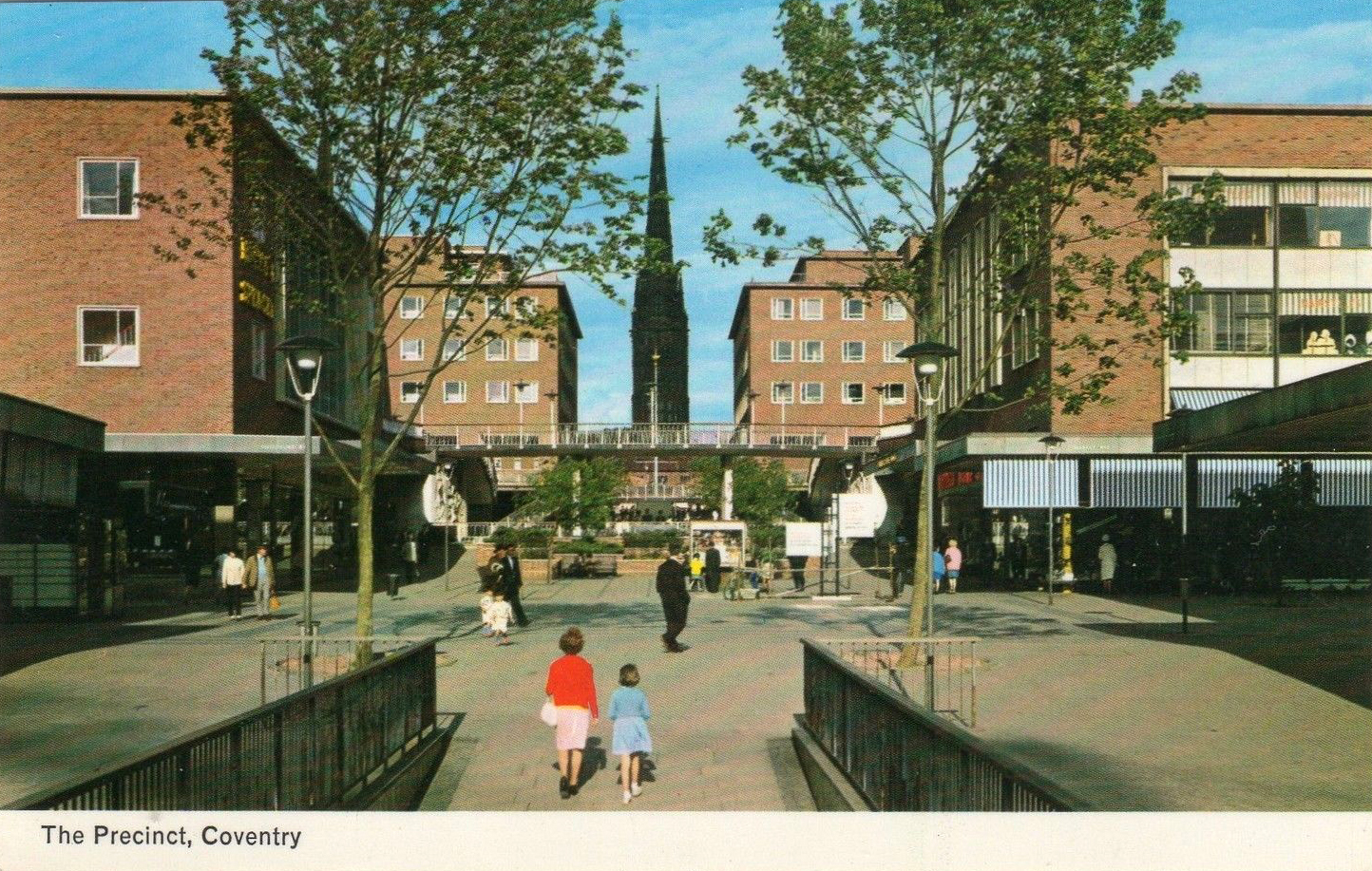
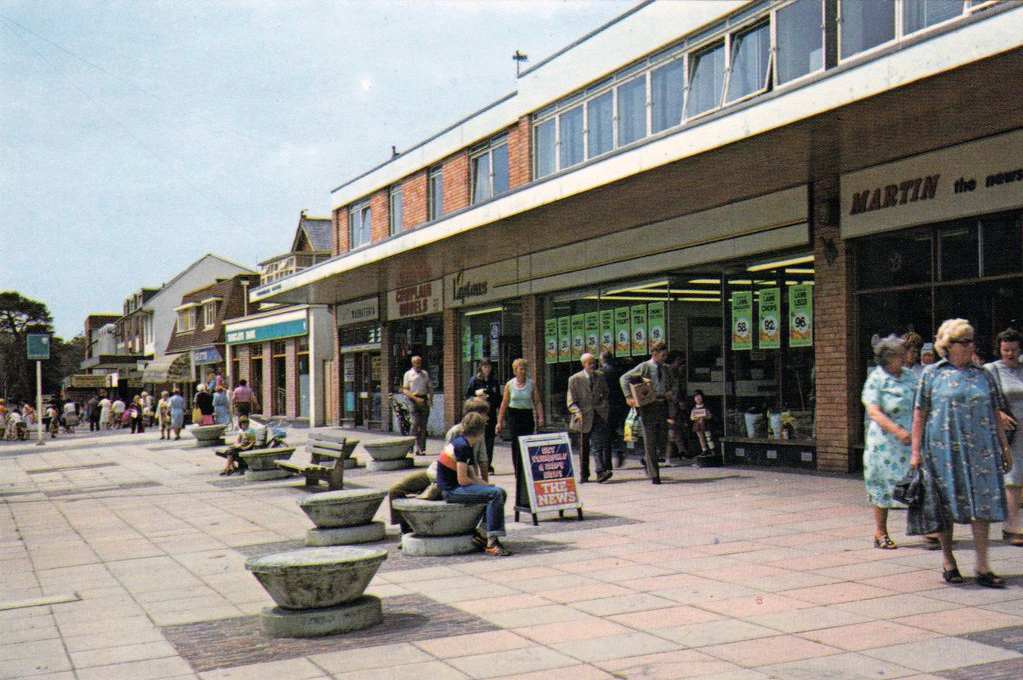
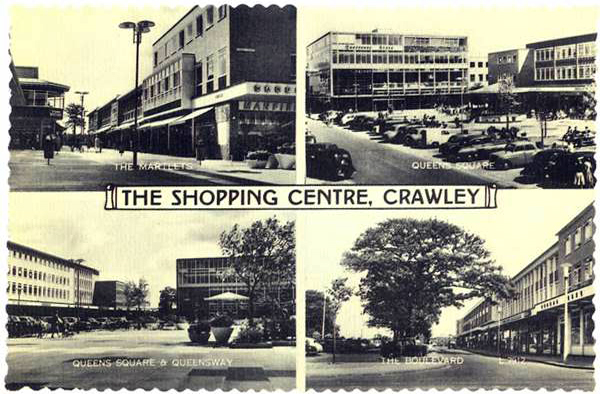
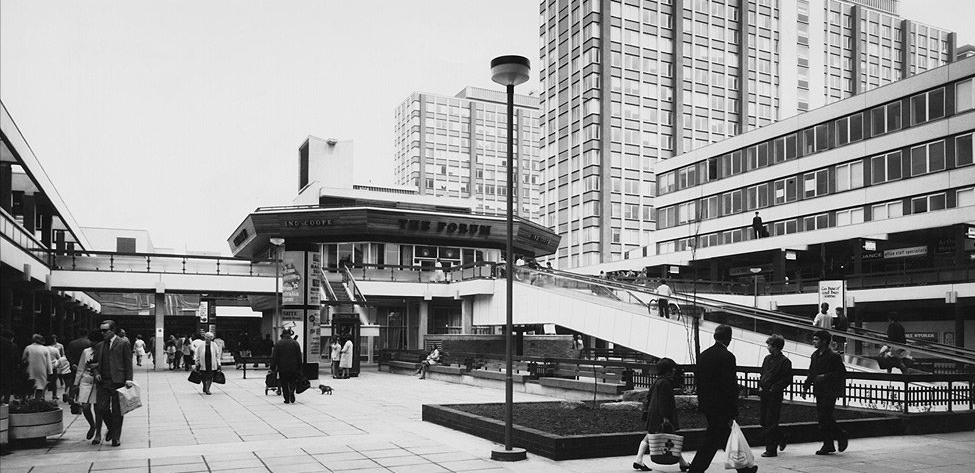
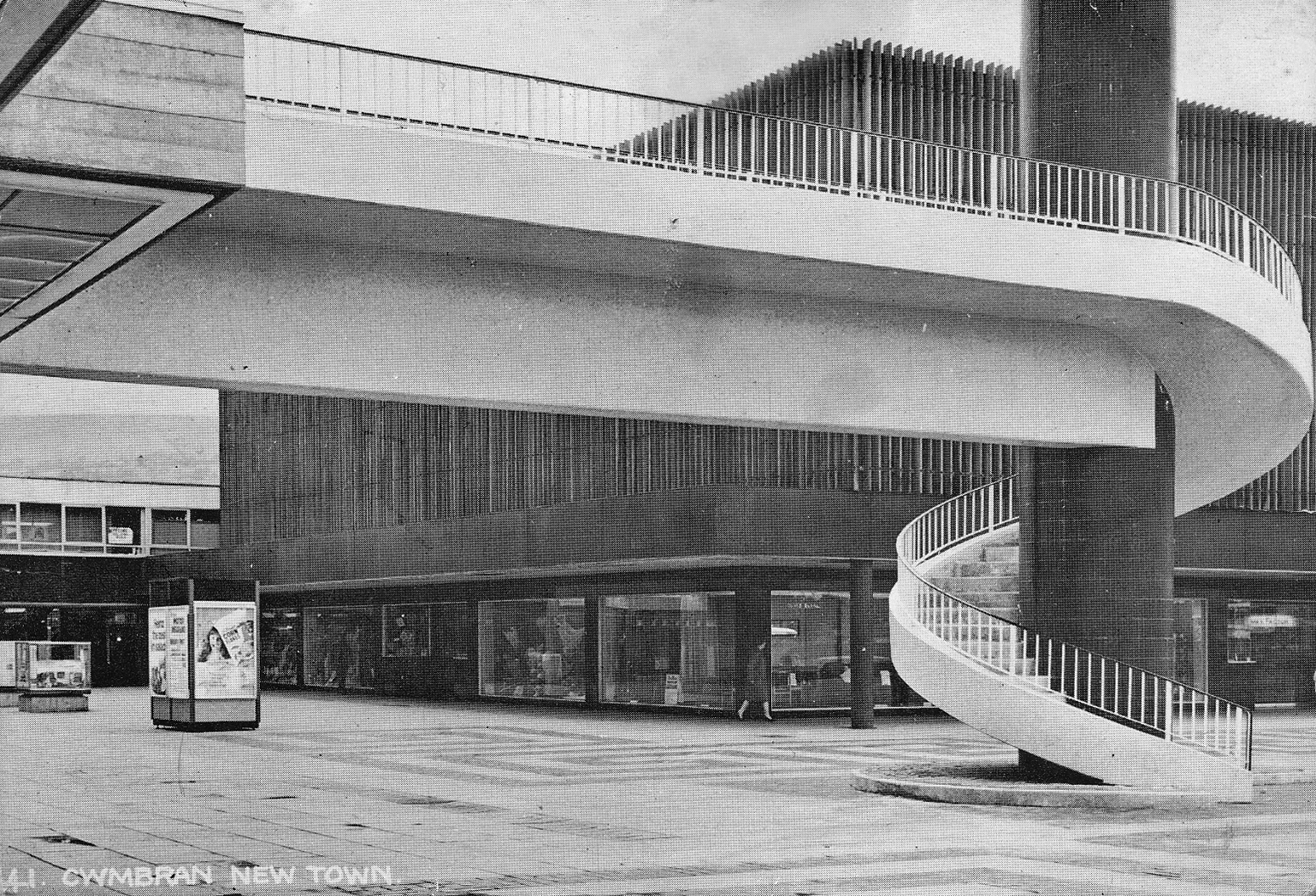
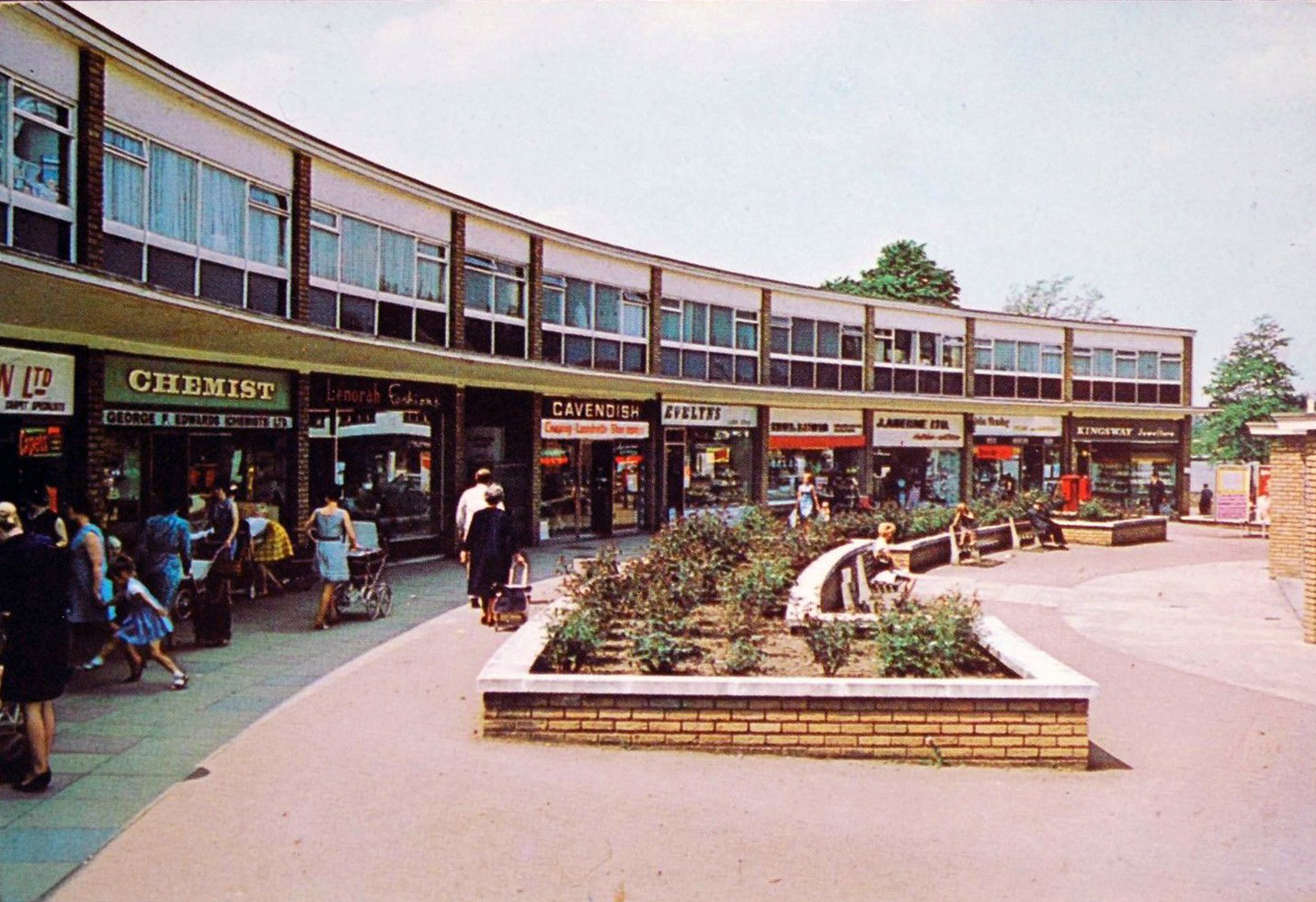
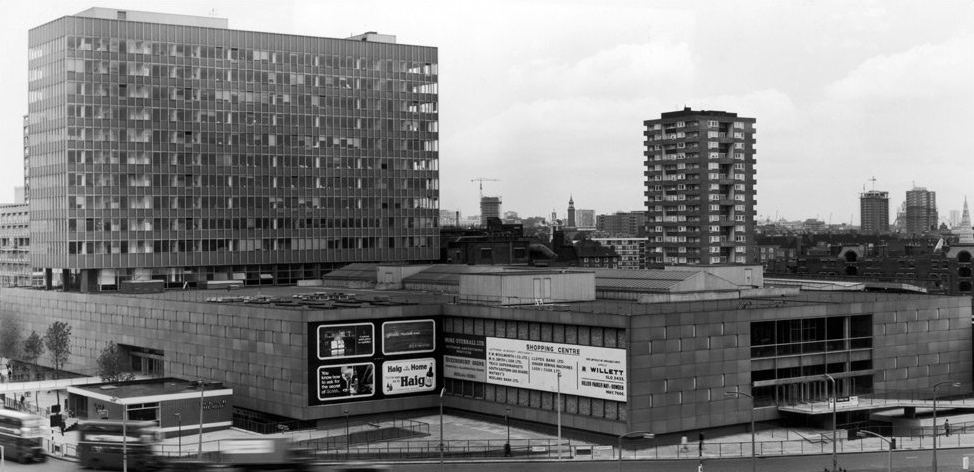
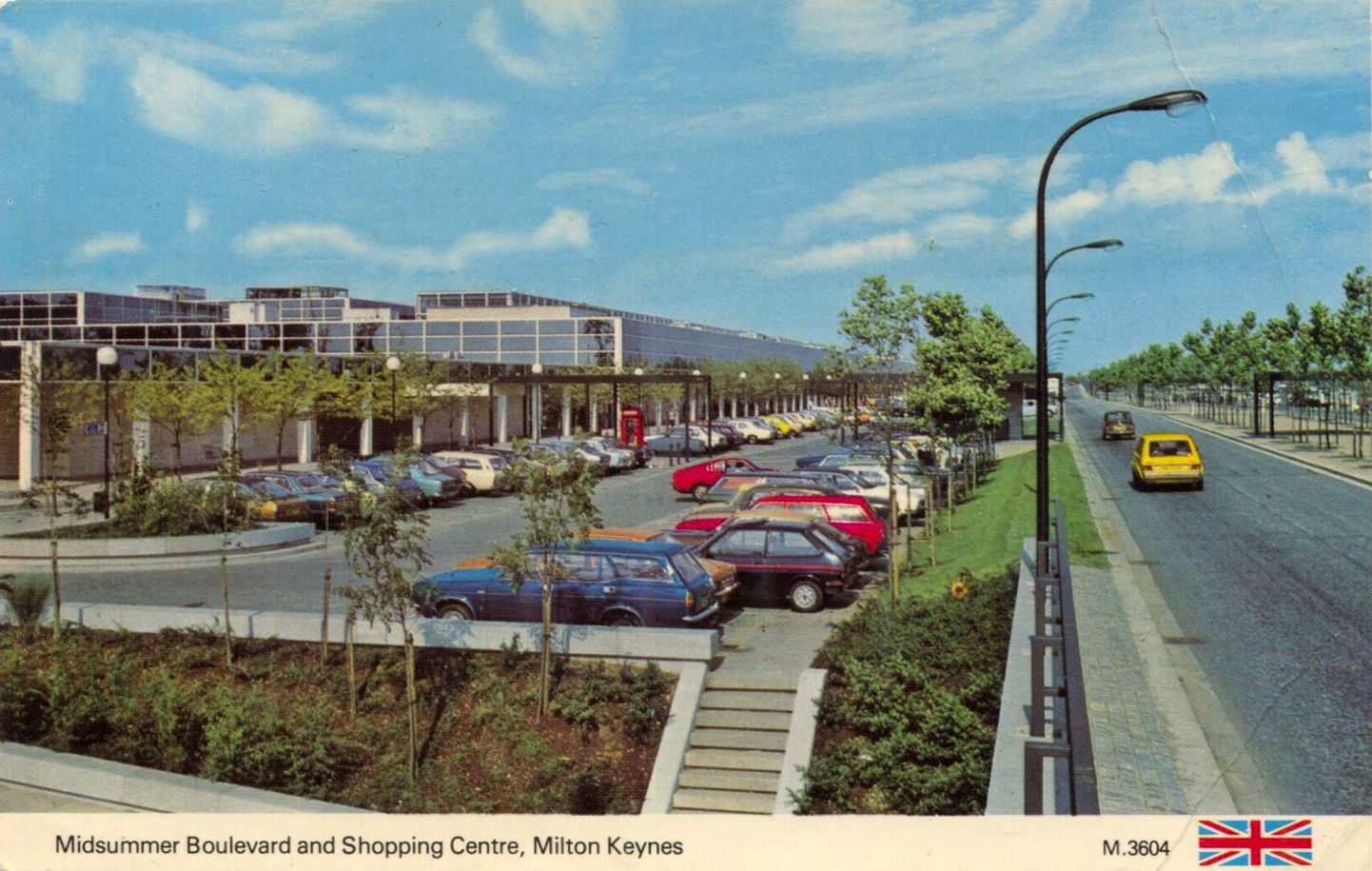
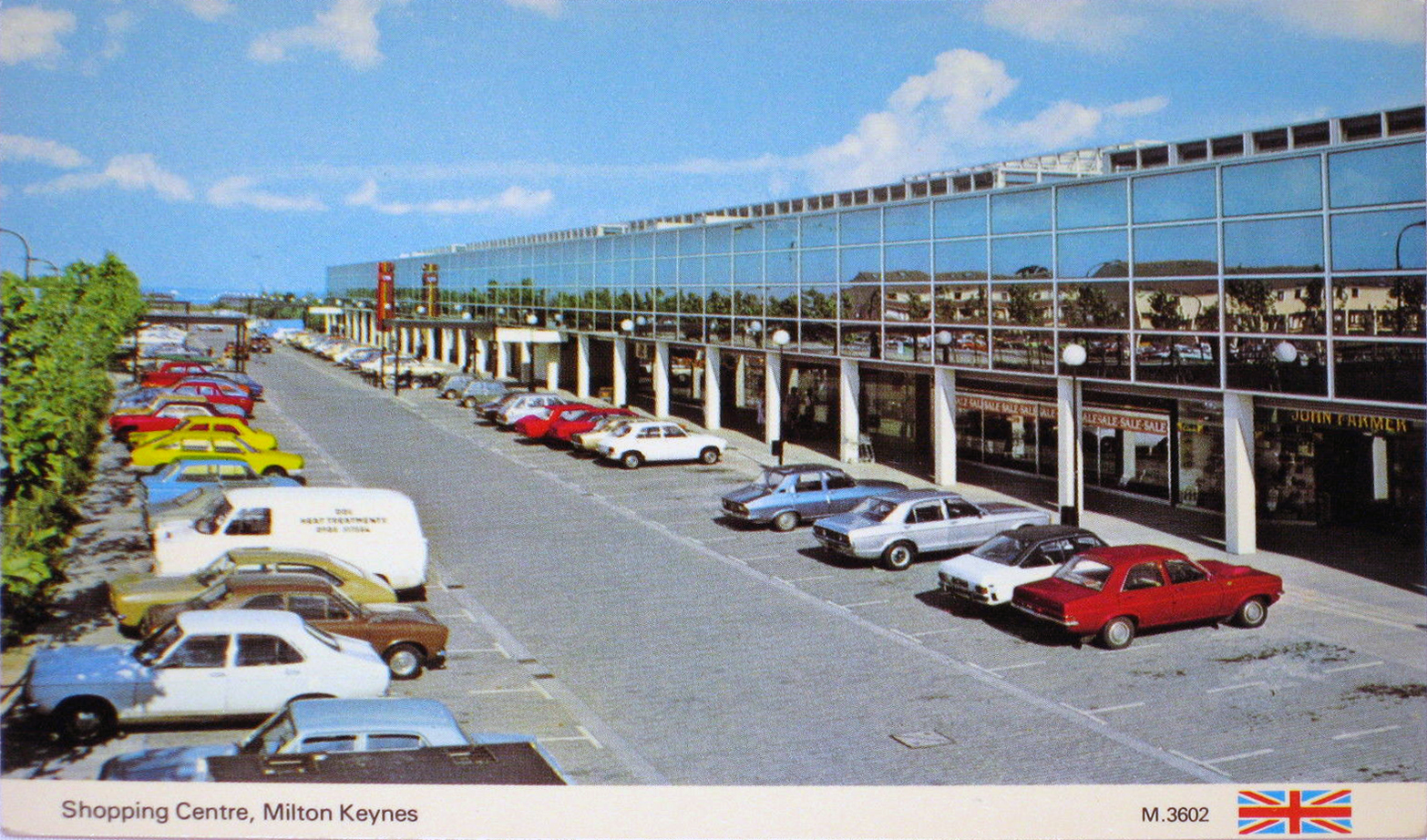
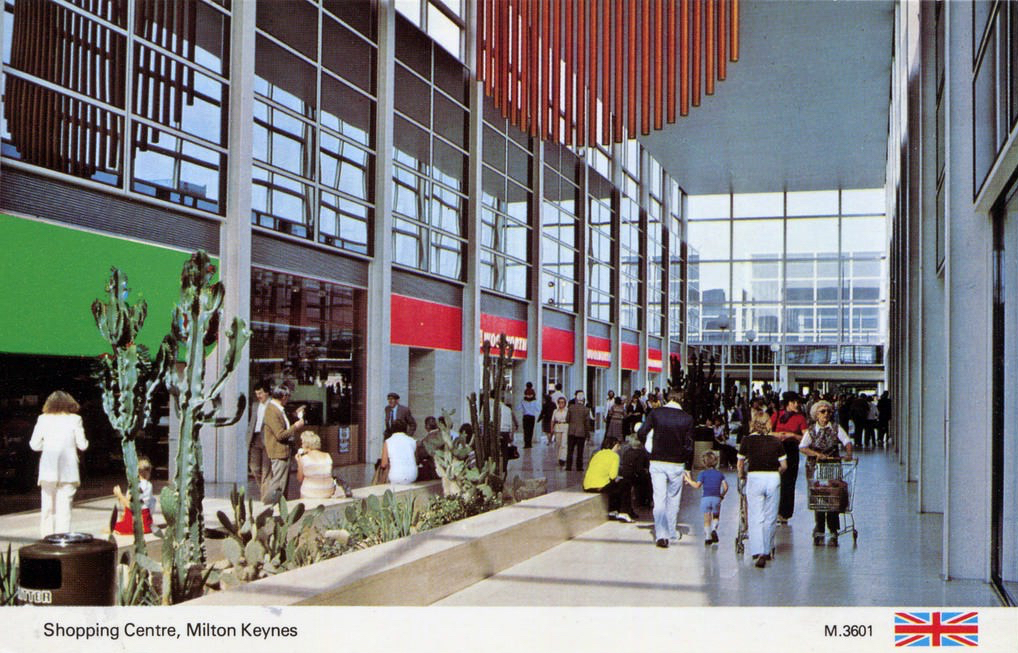
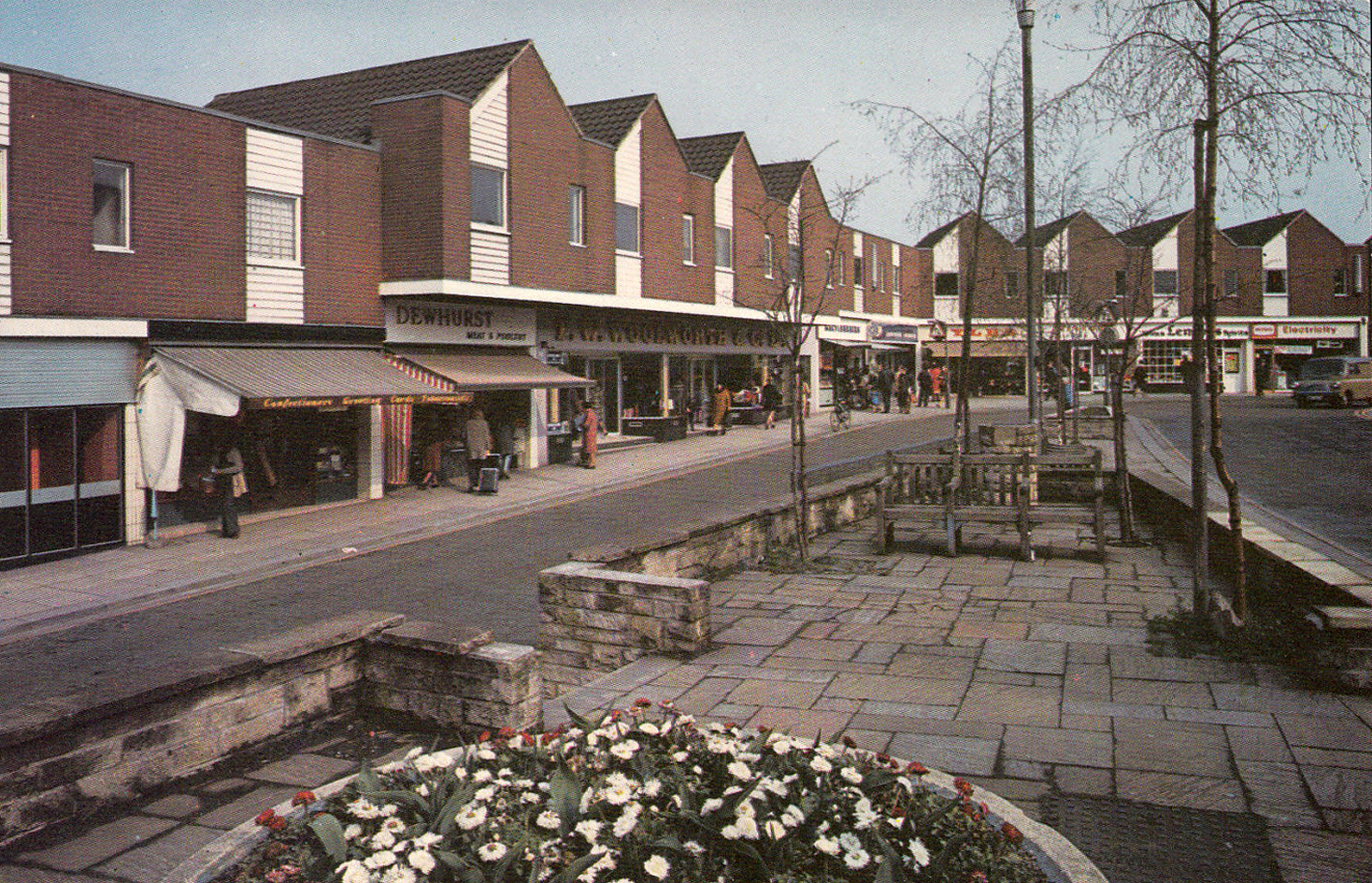
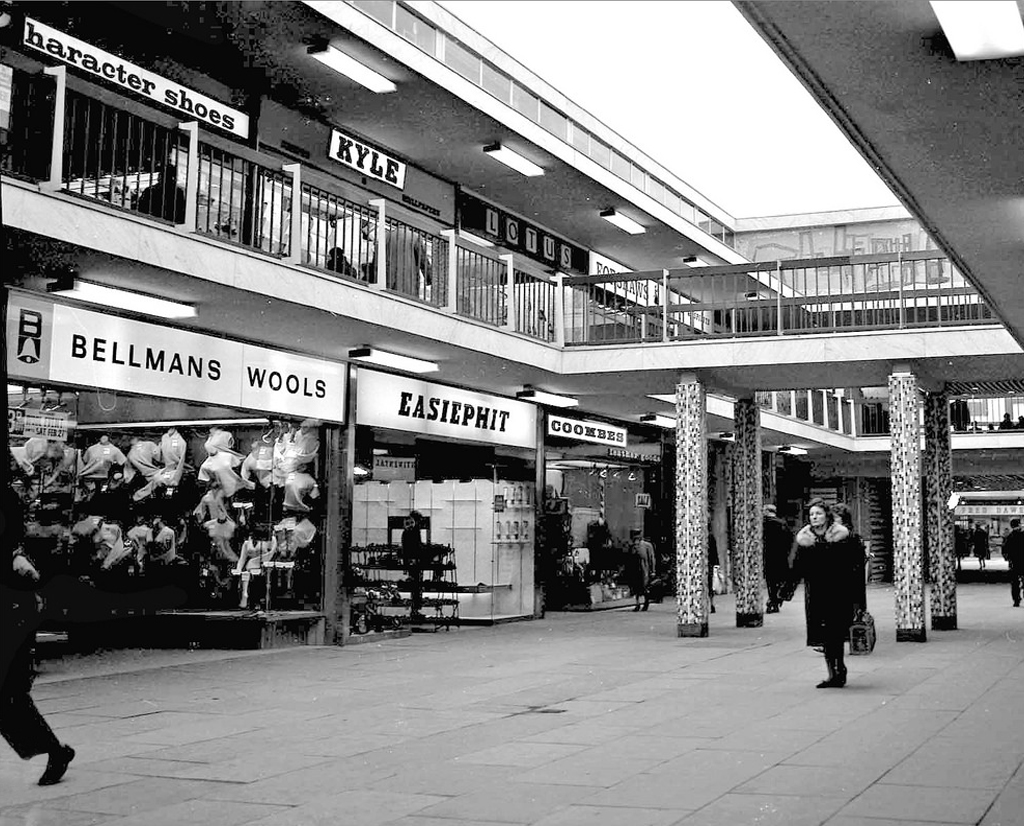
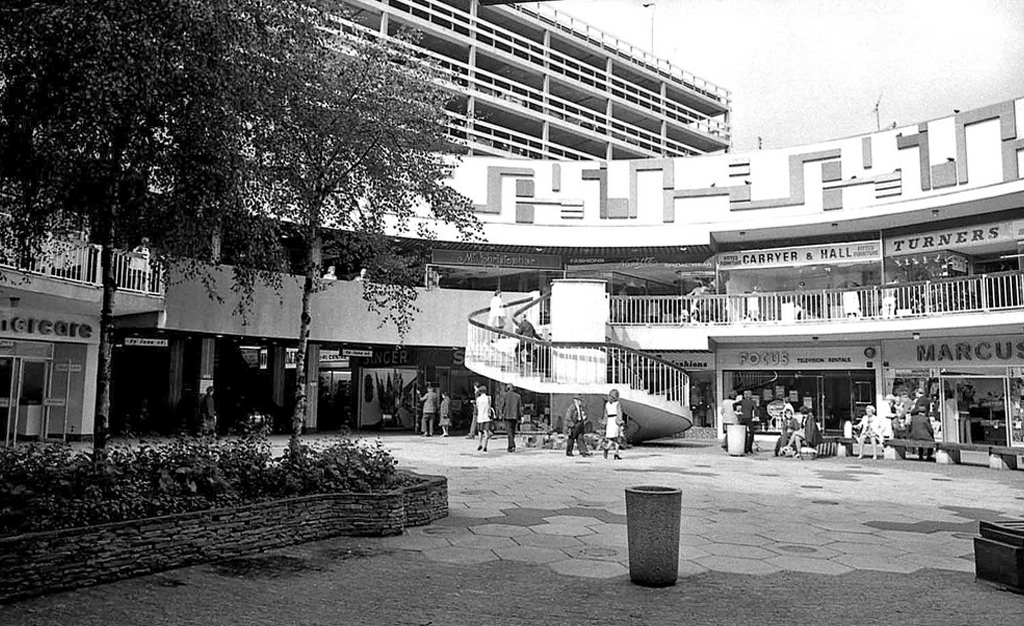
I was brought up with Sixties’ shopping precincts and centres, they are so very dear to my heart, I spent my teenage years here in Ashton, Stalybridge, and latterly in Stockport’s Merseyway.
I’ve visited Hanley,Preston,Salford, and Coventry in search of a certain something – that exciting sweeping swoop of concrete, brick, glass and steel. Underpasses with overarching designs and luxurious layouts of leisurely interlocking levels. Each one different in a different way yet essentially similar – embodying a sense of civic pride, a sense of the future realised.
1571 – The Royal Exchange, a trading market in the City of London, is officially opened by Elizabeth I. Above the open-air piazza where dealers buy and sell commodities, there is a two-storey shopping mall, with 100 different kiosks – making it Britain’s first shopping centre.
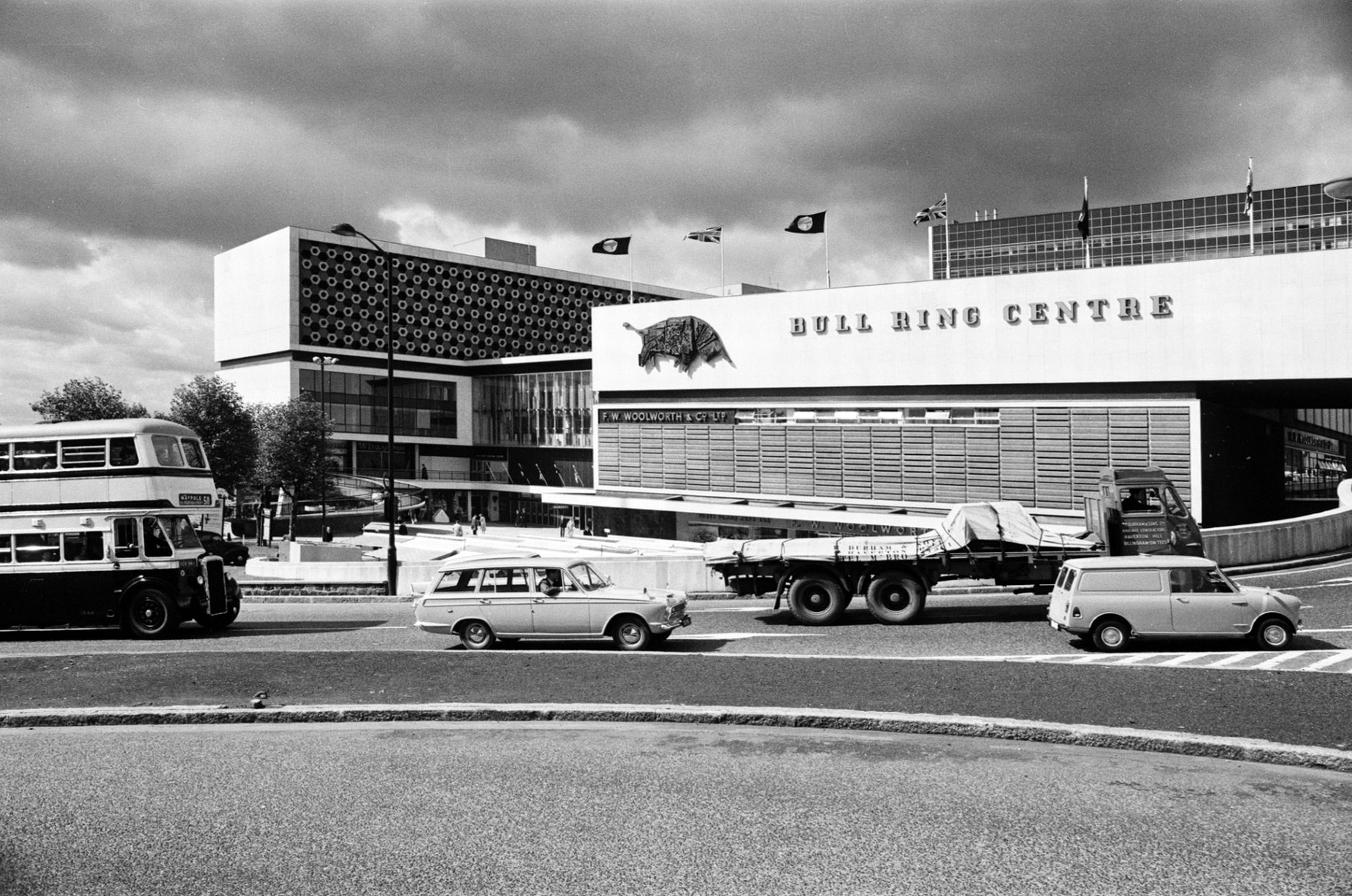
1964 – It was a monument to provincial pride in reinforced concrete and glass. When the Duke of Edinburgh opened the Birmingham Bull Ring in May 1964, it was the largest indoor shopping centre in Europe, with a total floor area of 23 acres. Inspired by American suburban malls, the Bull Ring promised coatless shopping in an air-conditioned, temperature-controlled hall maintained at late-spring level.
2017 – Many are now no more, or redeveloped beyond recognition. The integrity of the architecture, street furniture, public art, space and usage a thing of folk memory.
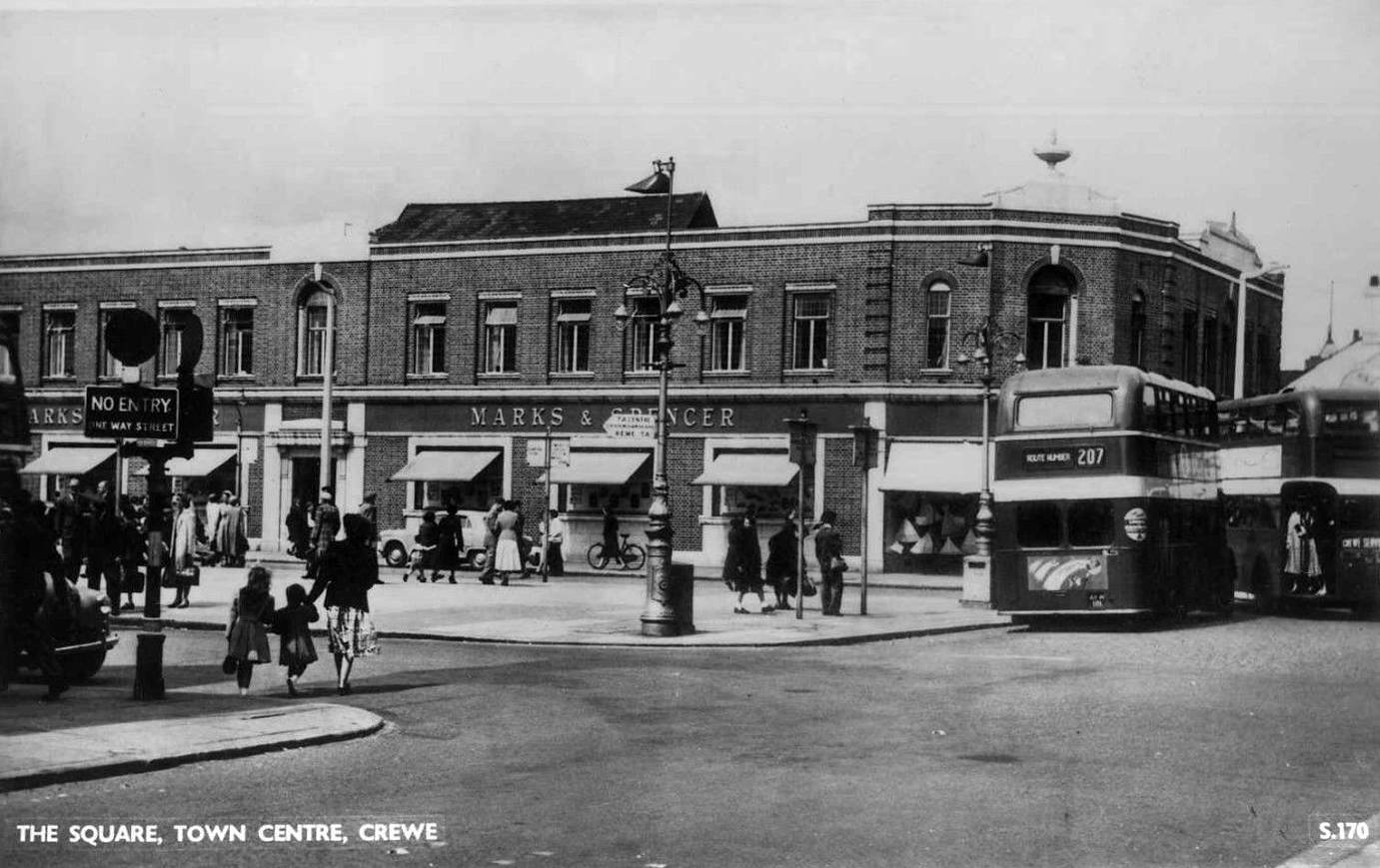
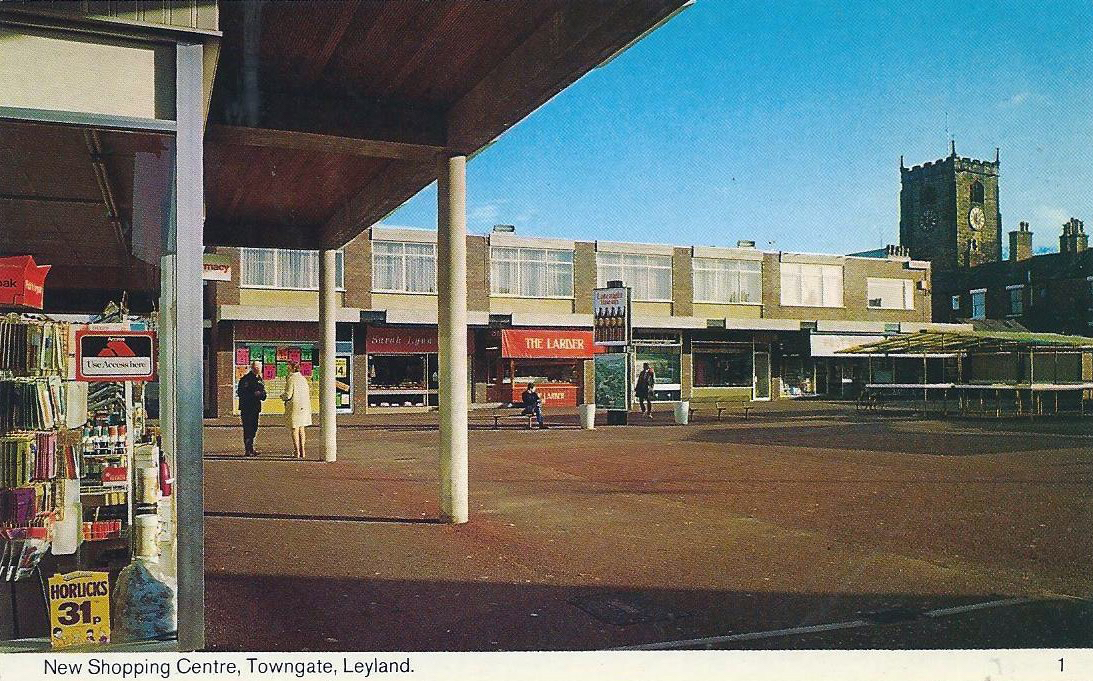
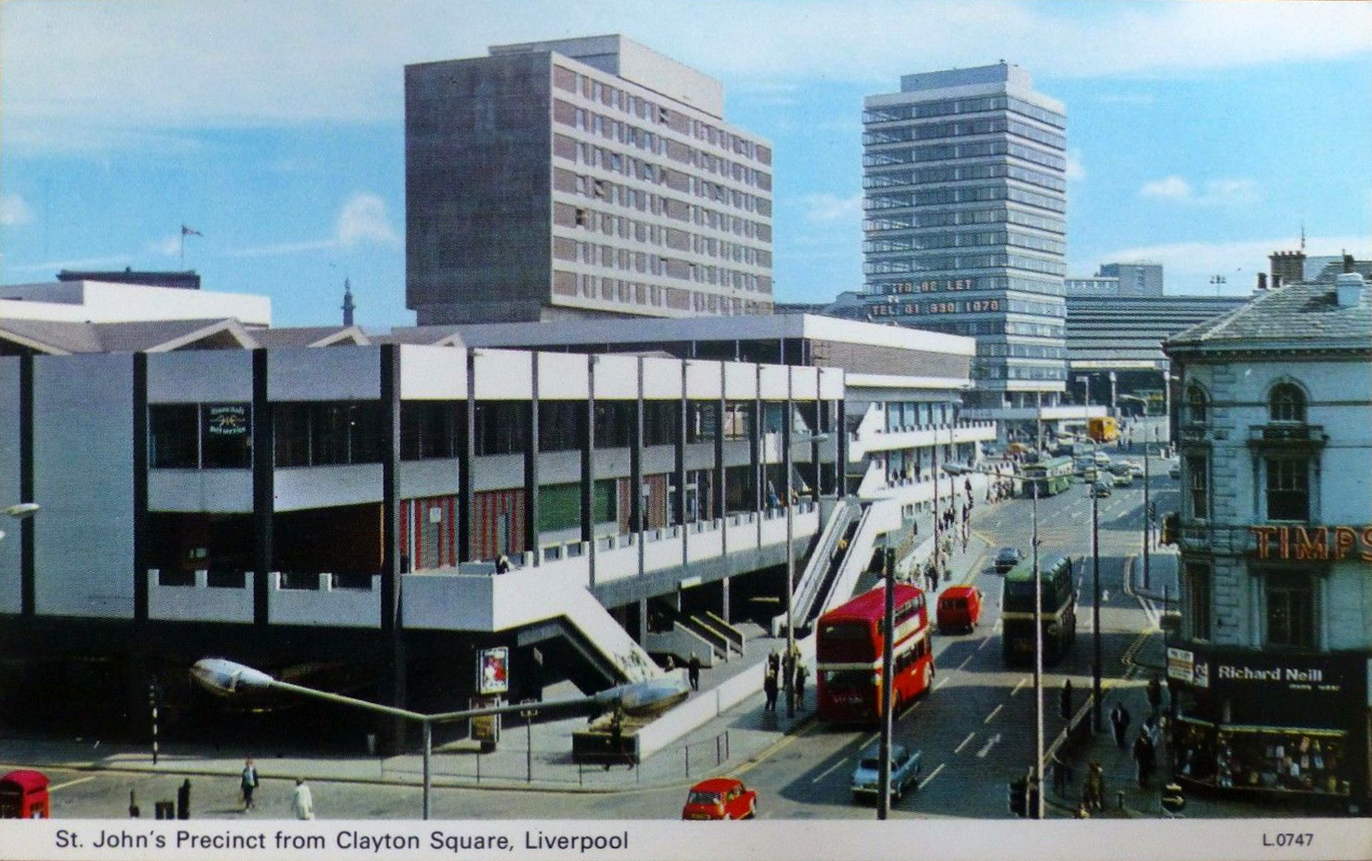
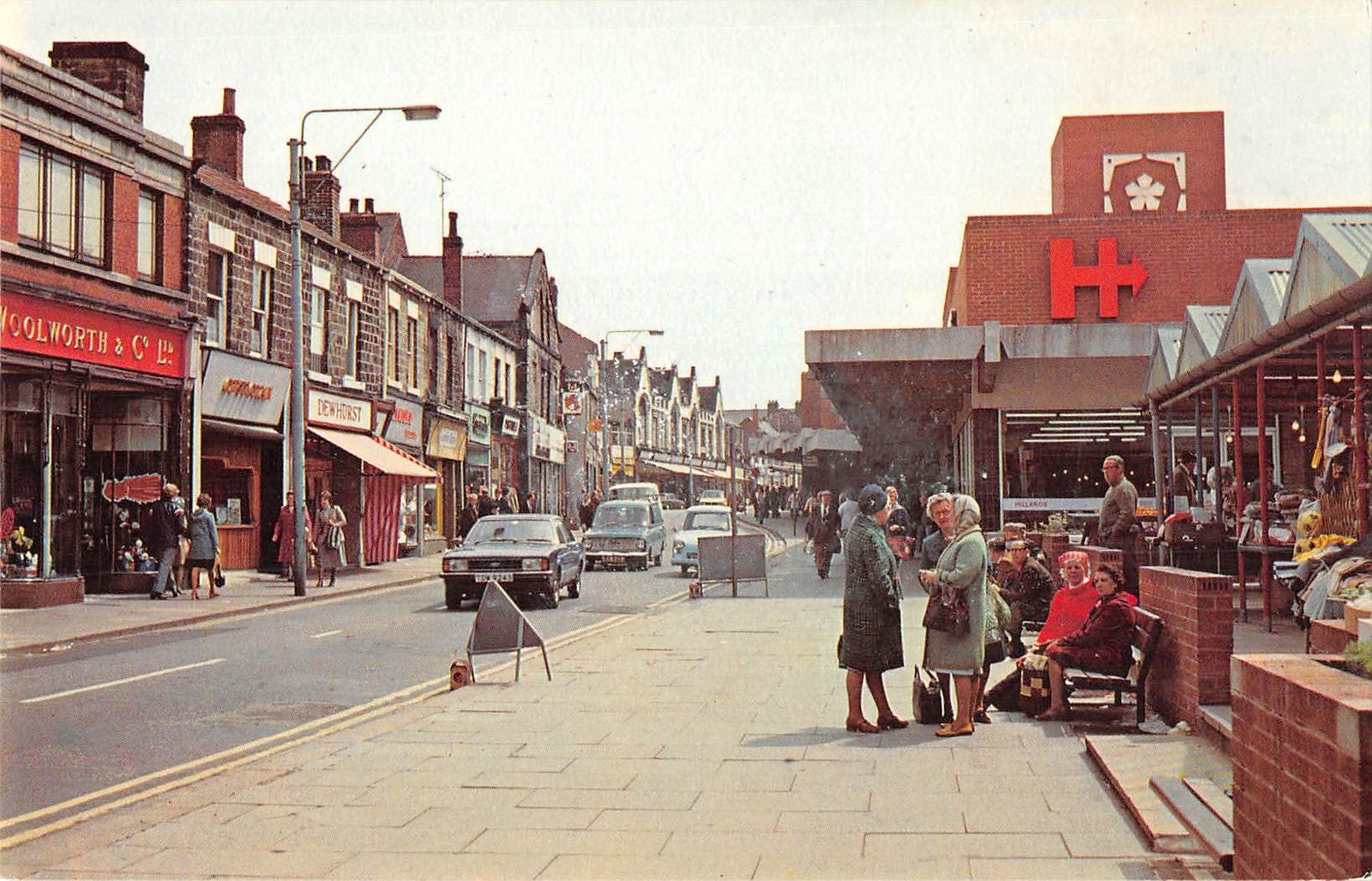
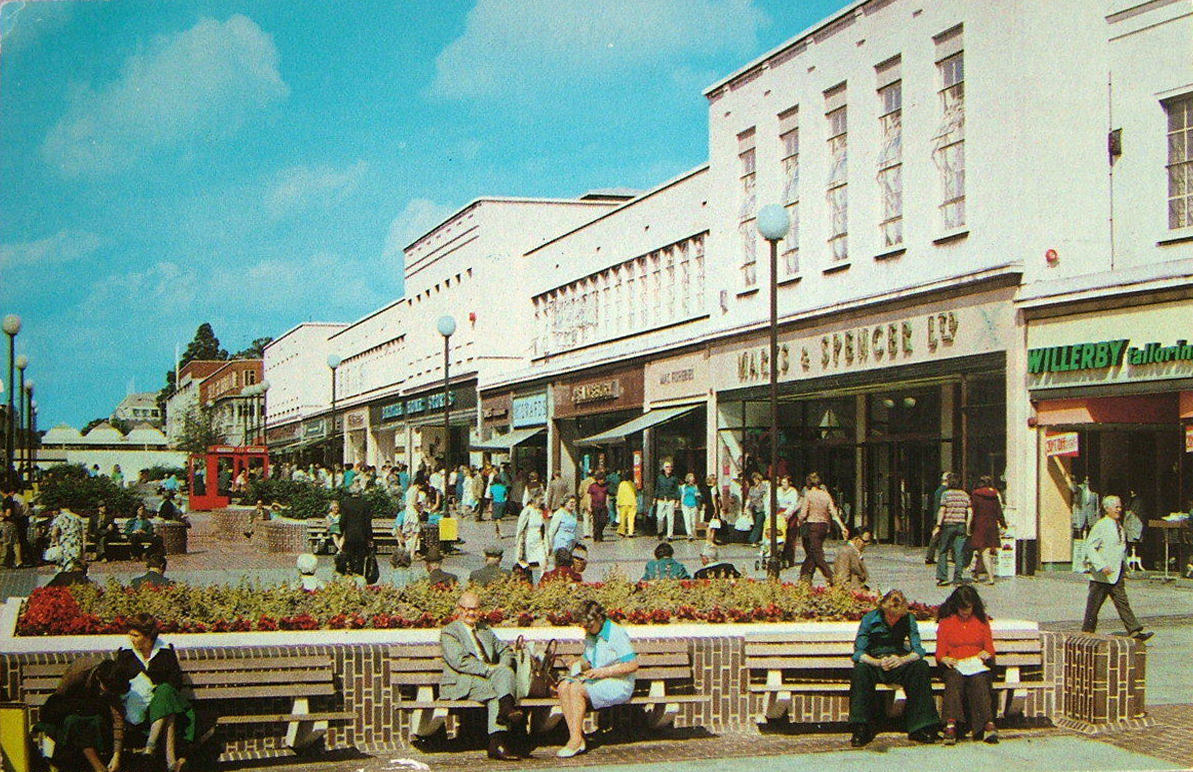
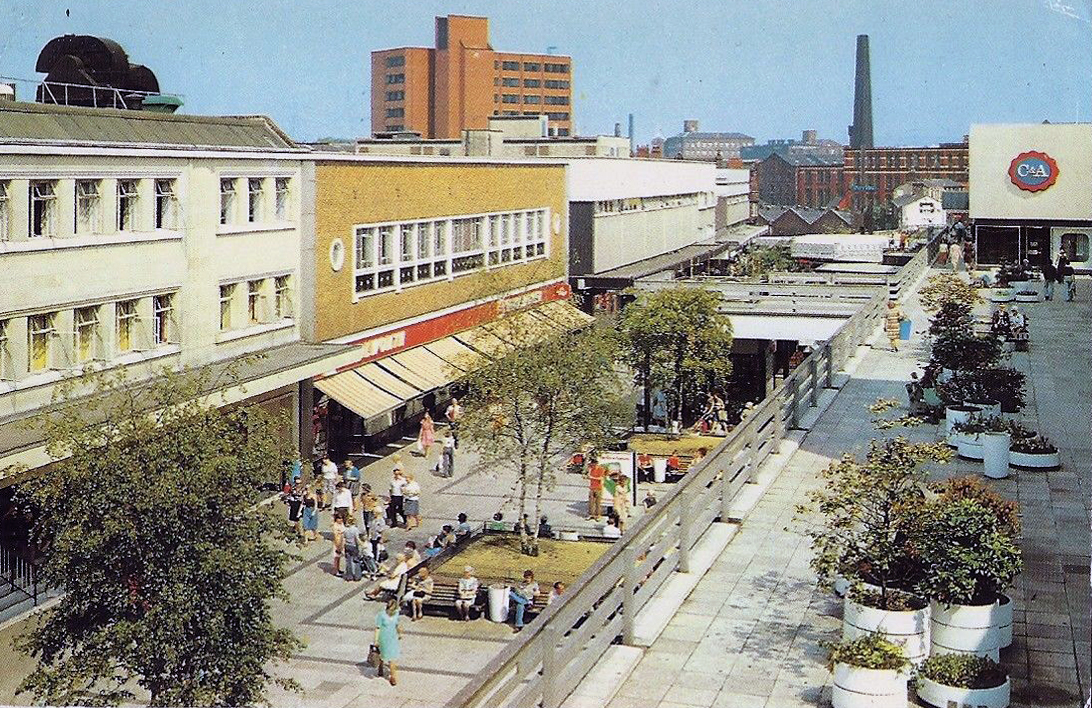
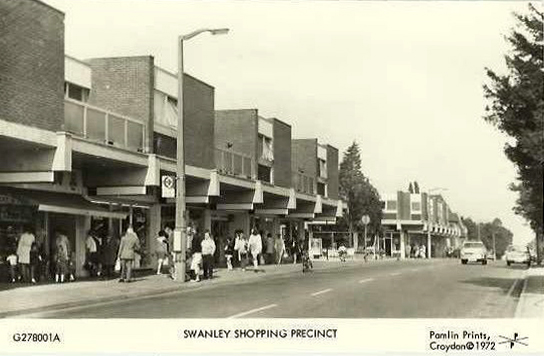
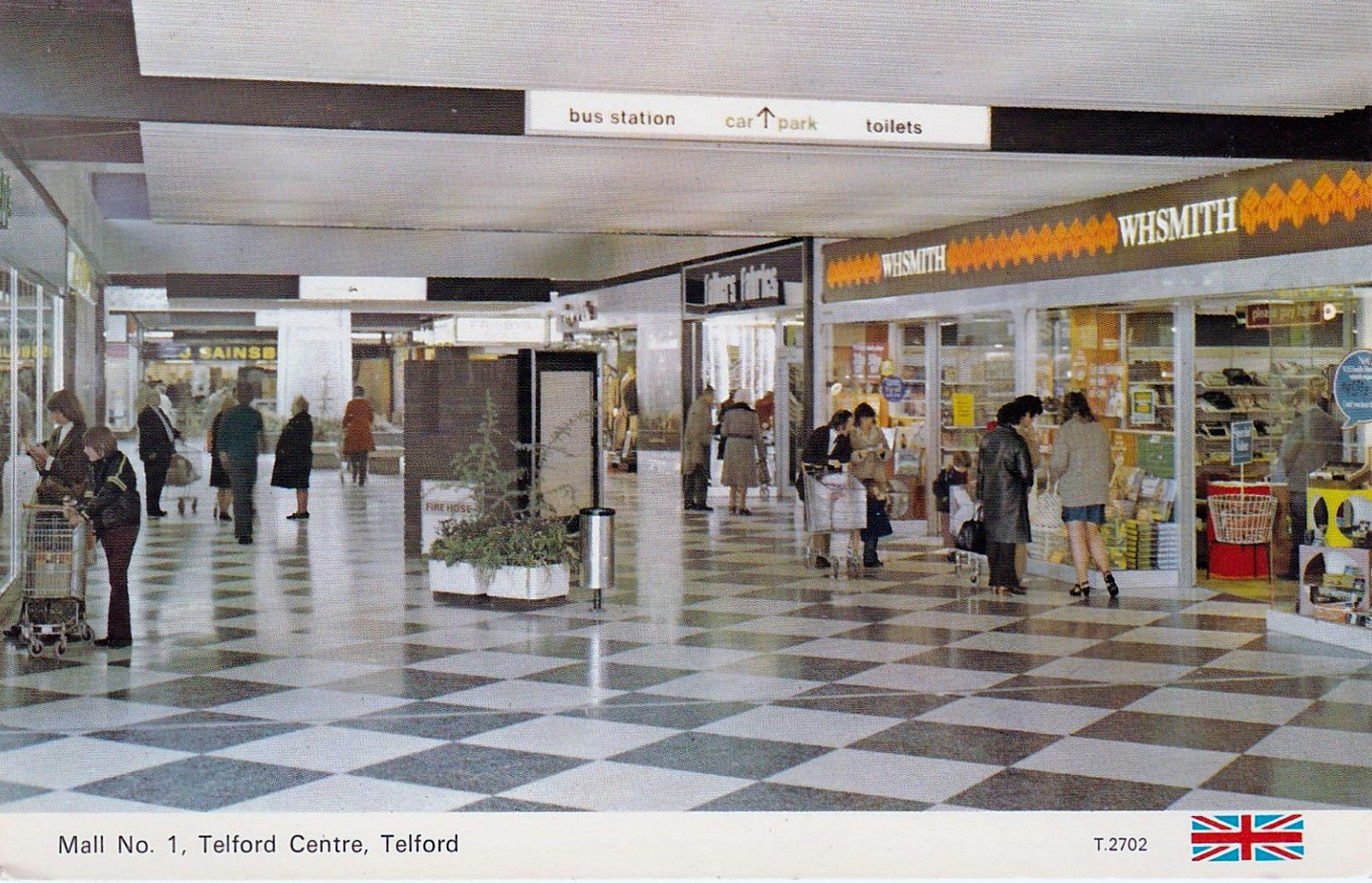
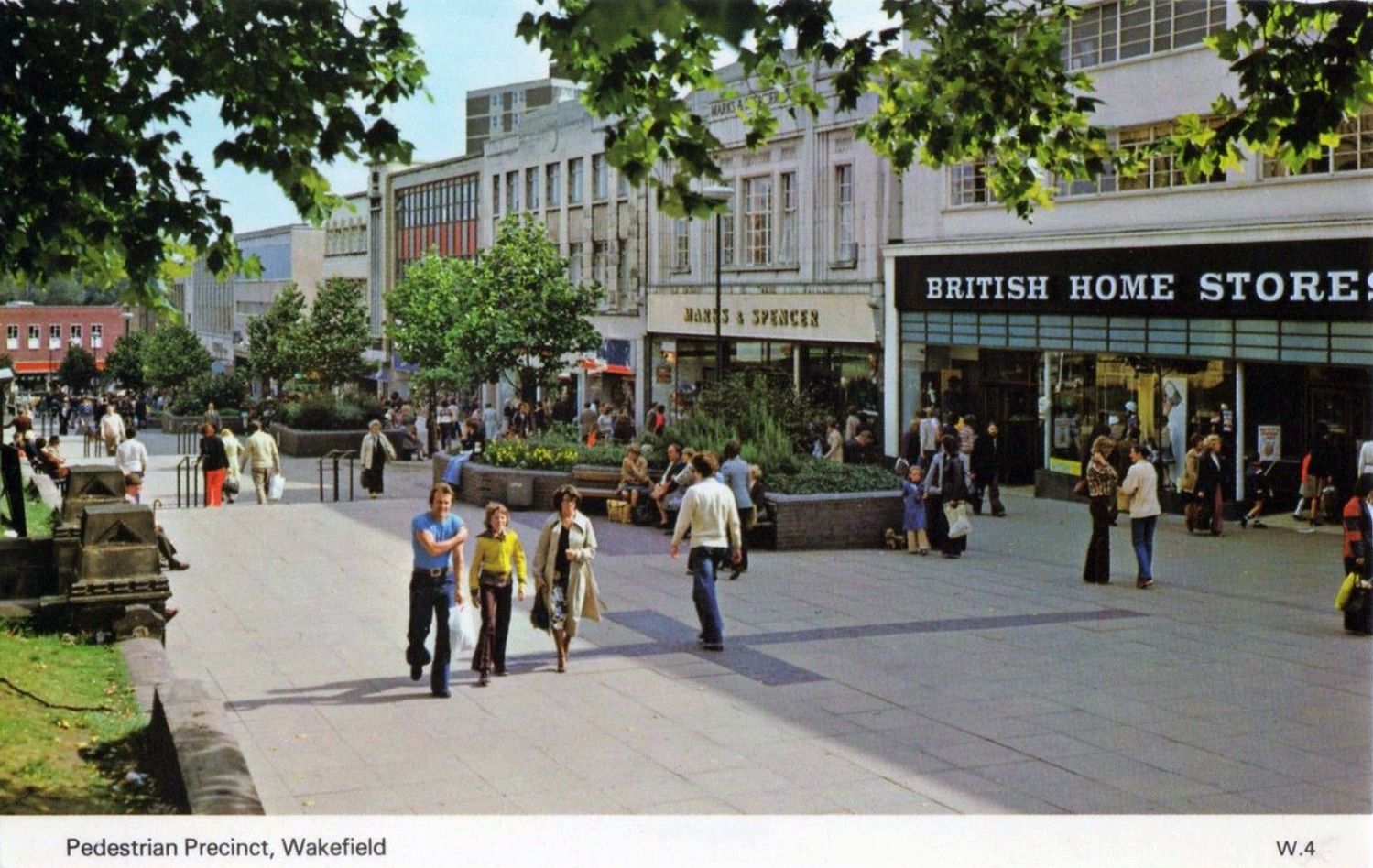
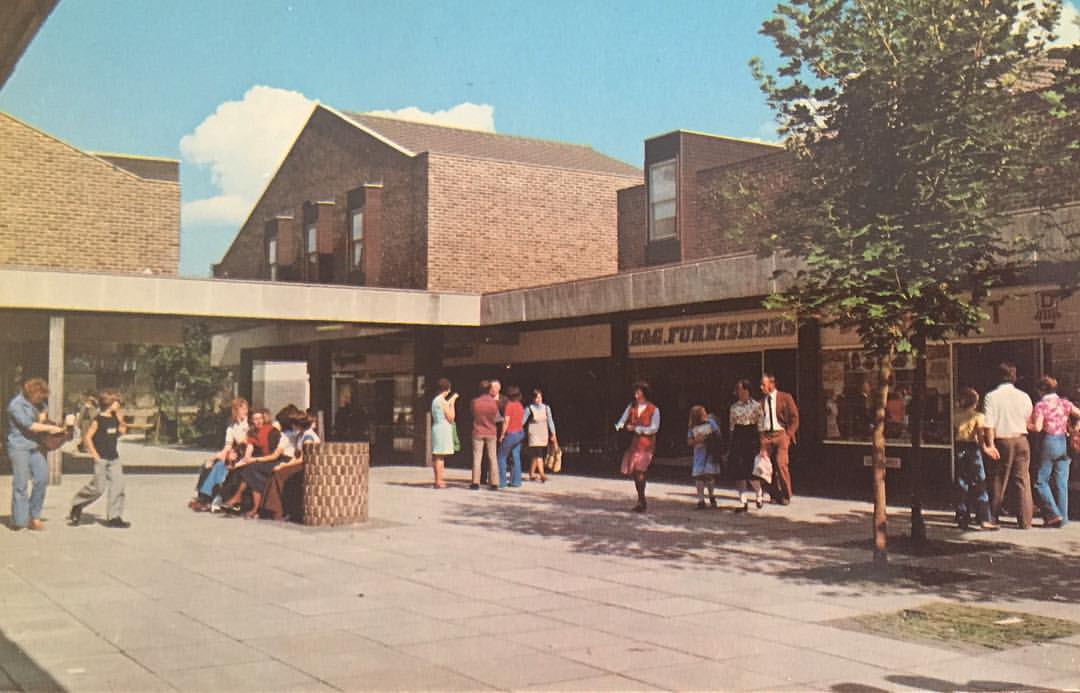
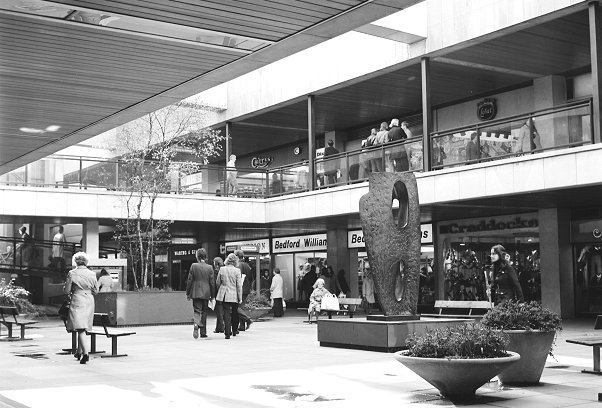
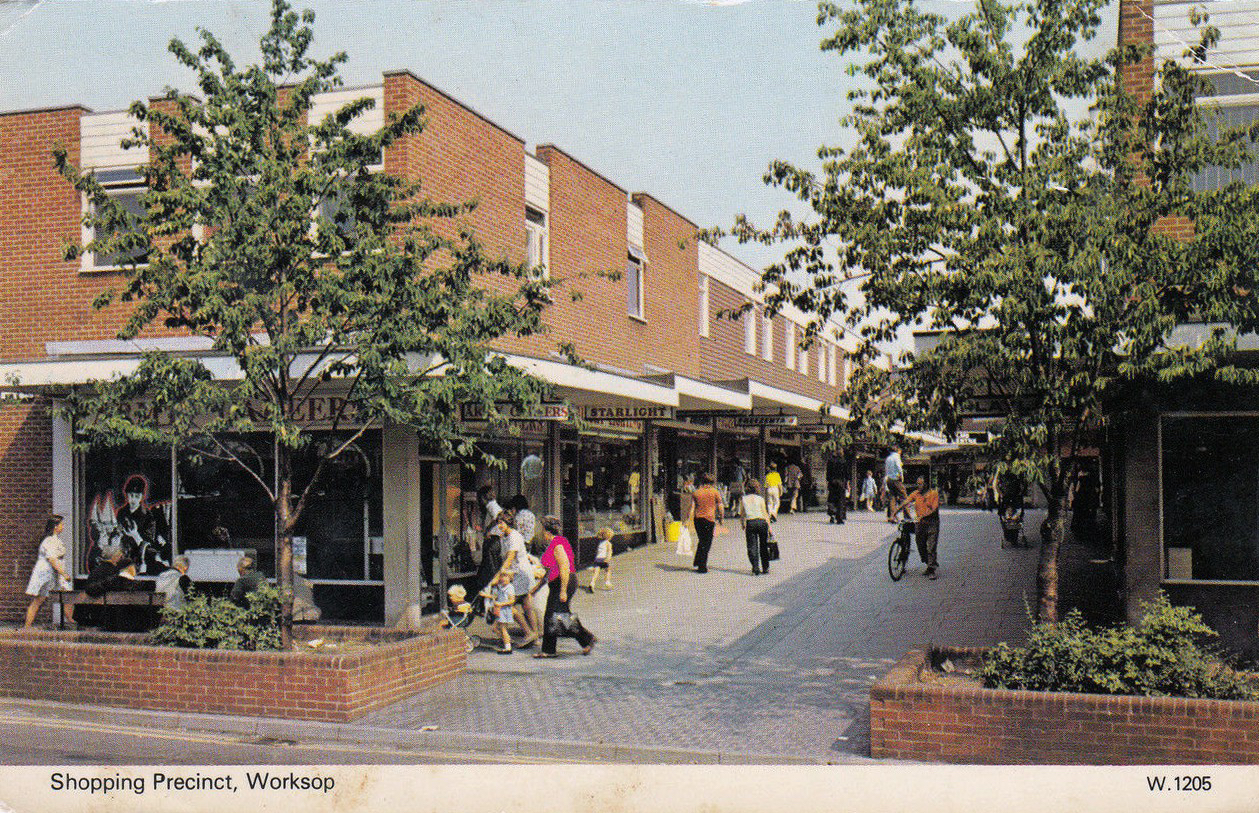
So come with me now on a whirlwind picture postcard tour of this Nation’s saving grace – it’s modernist shopping spaces.
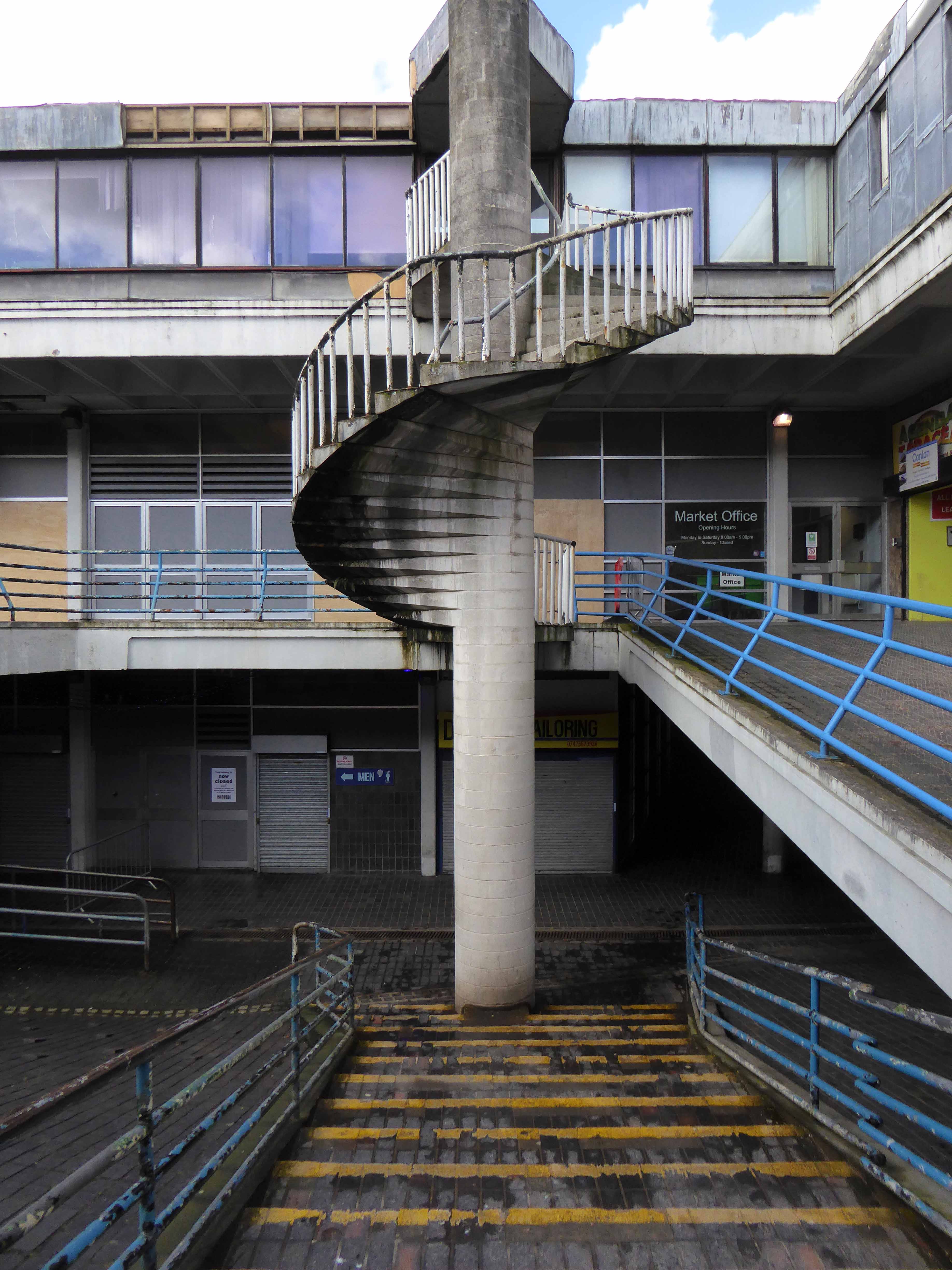
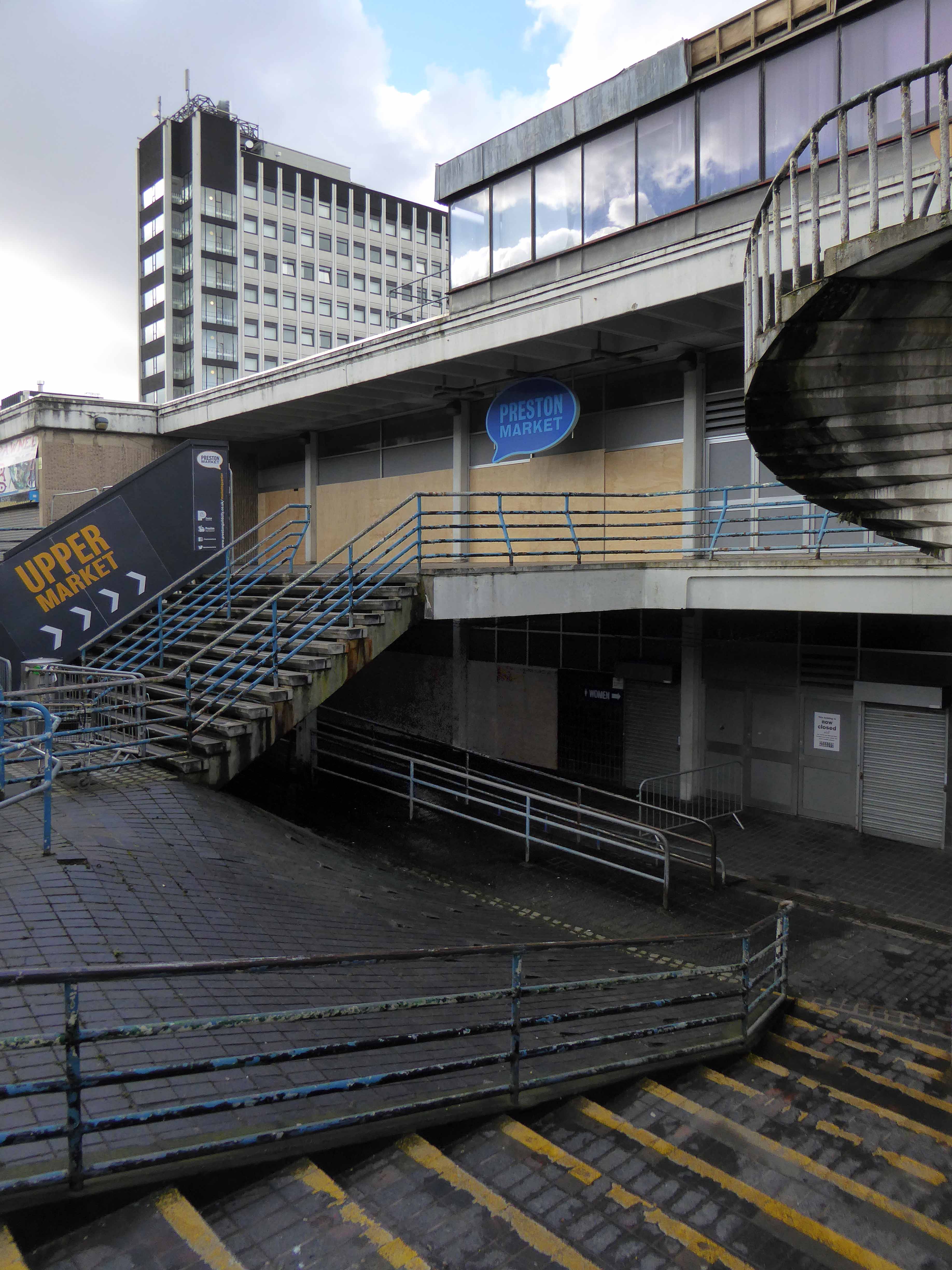
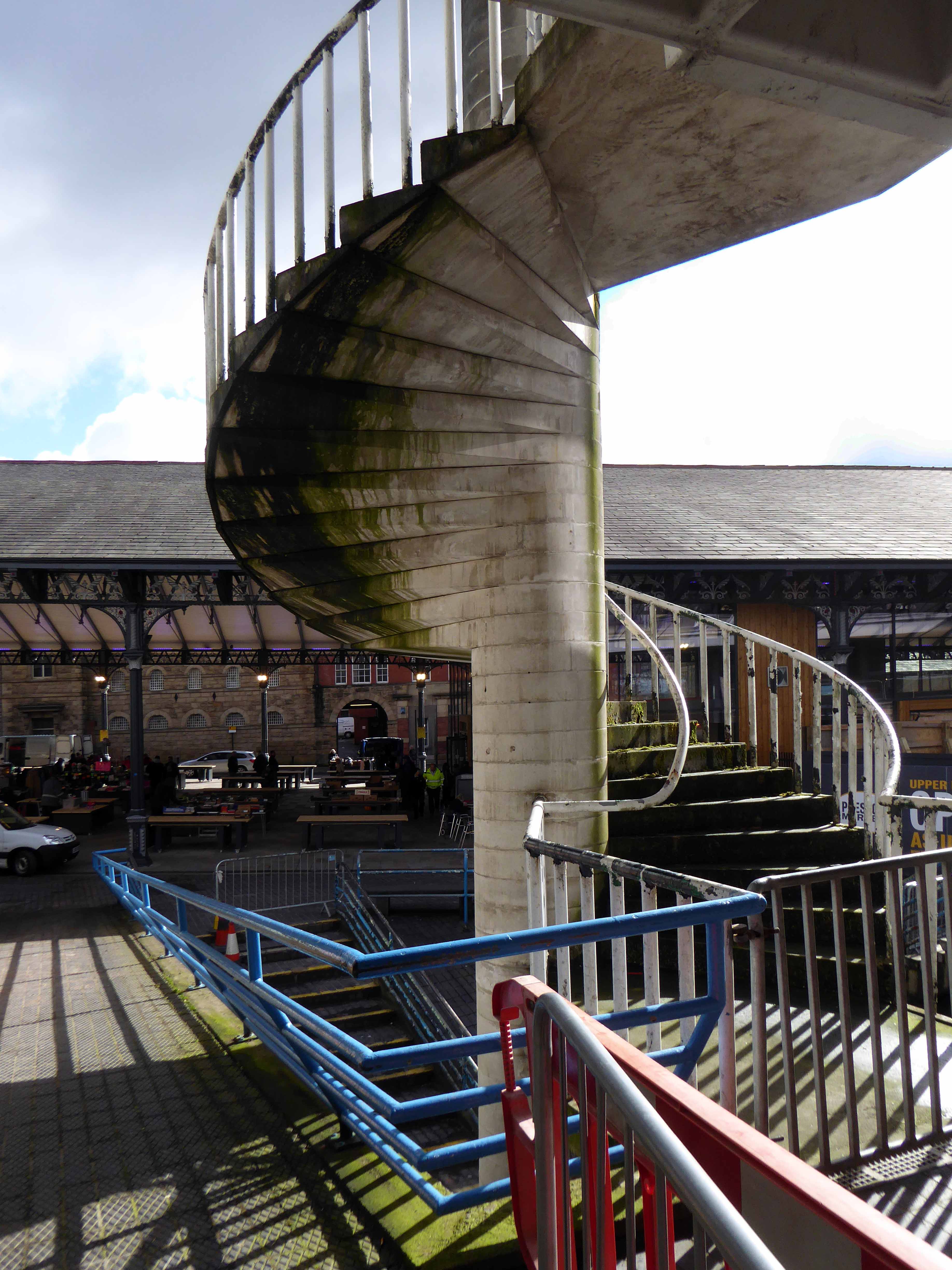
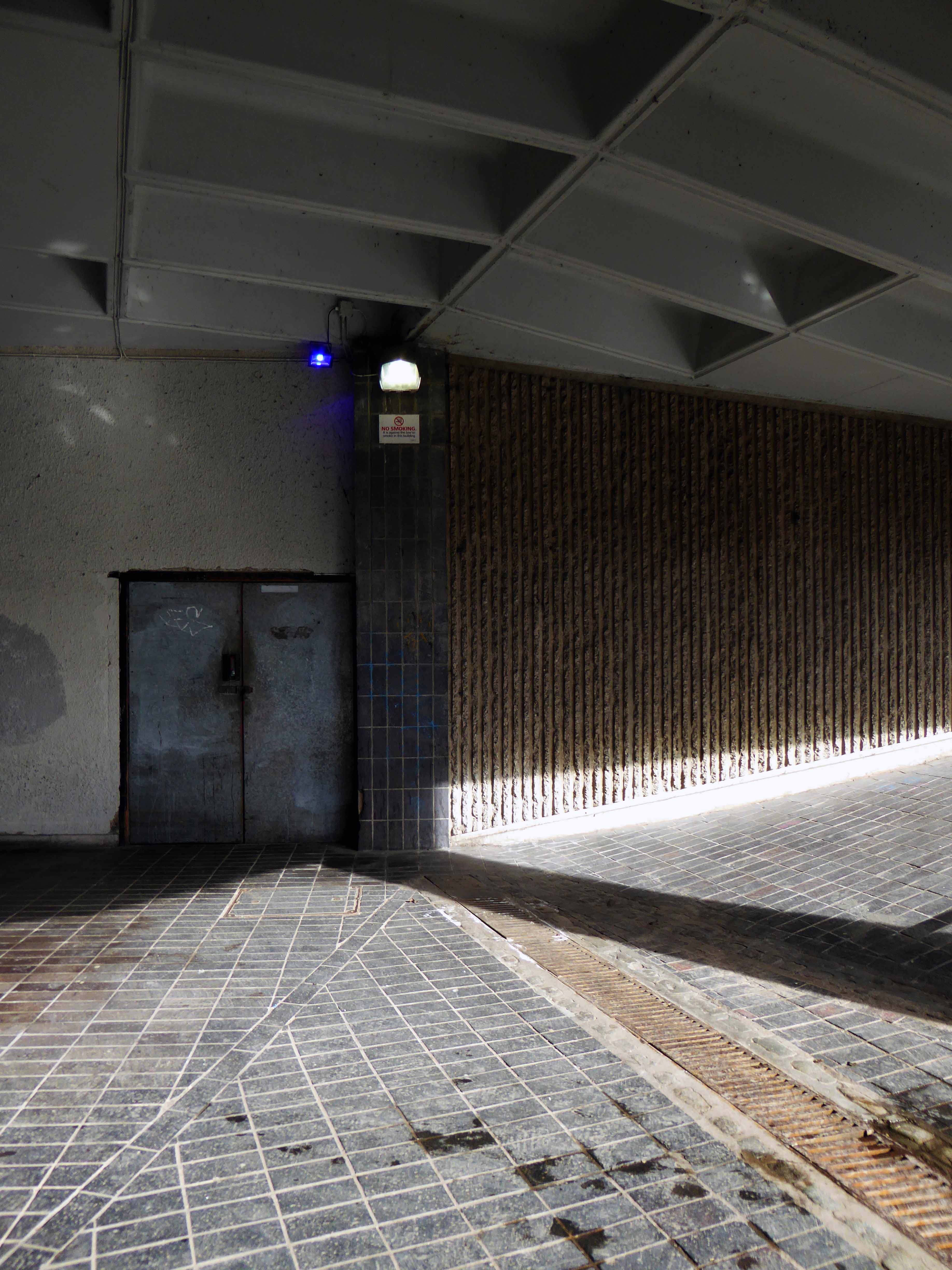
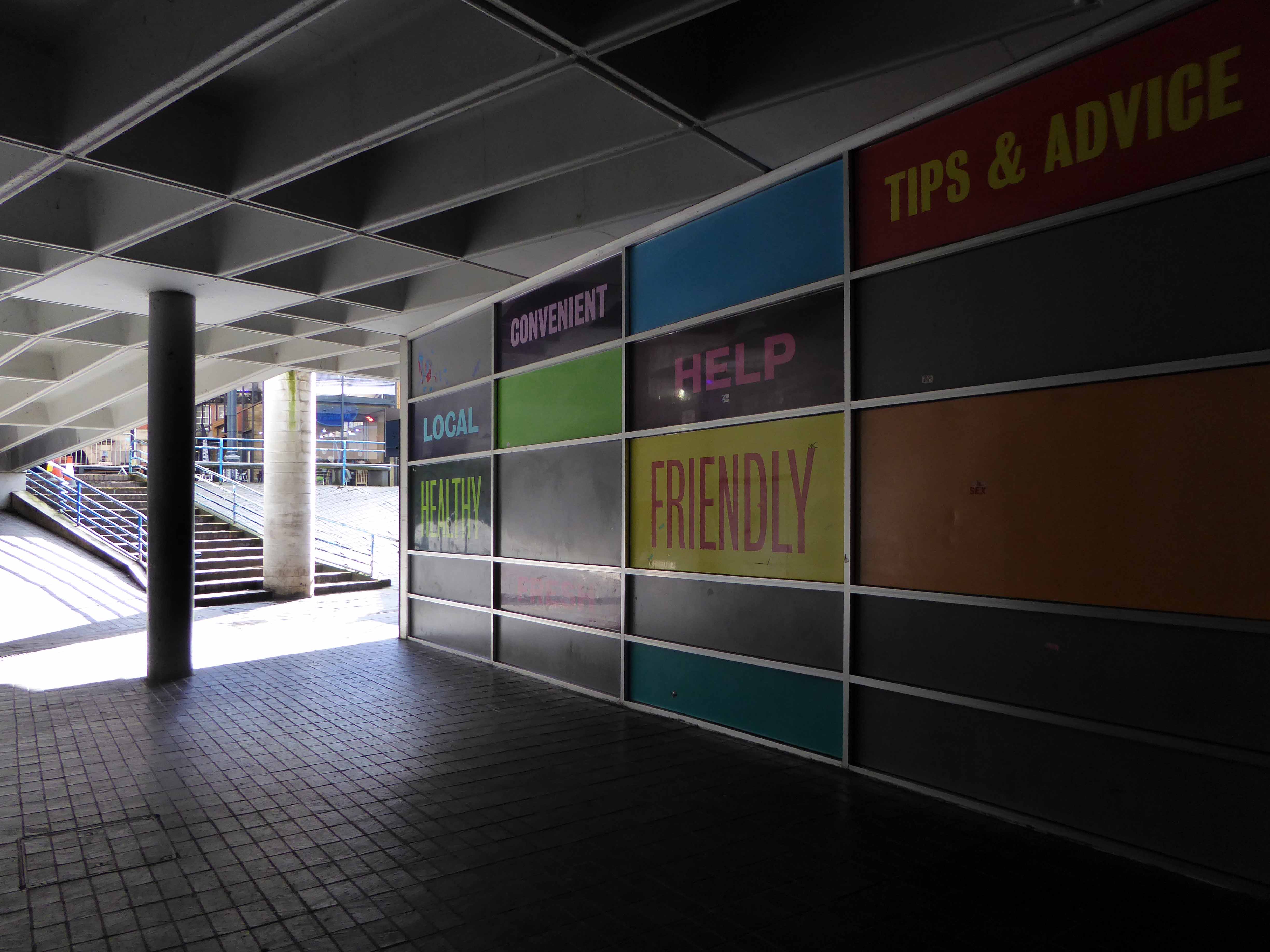
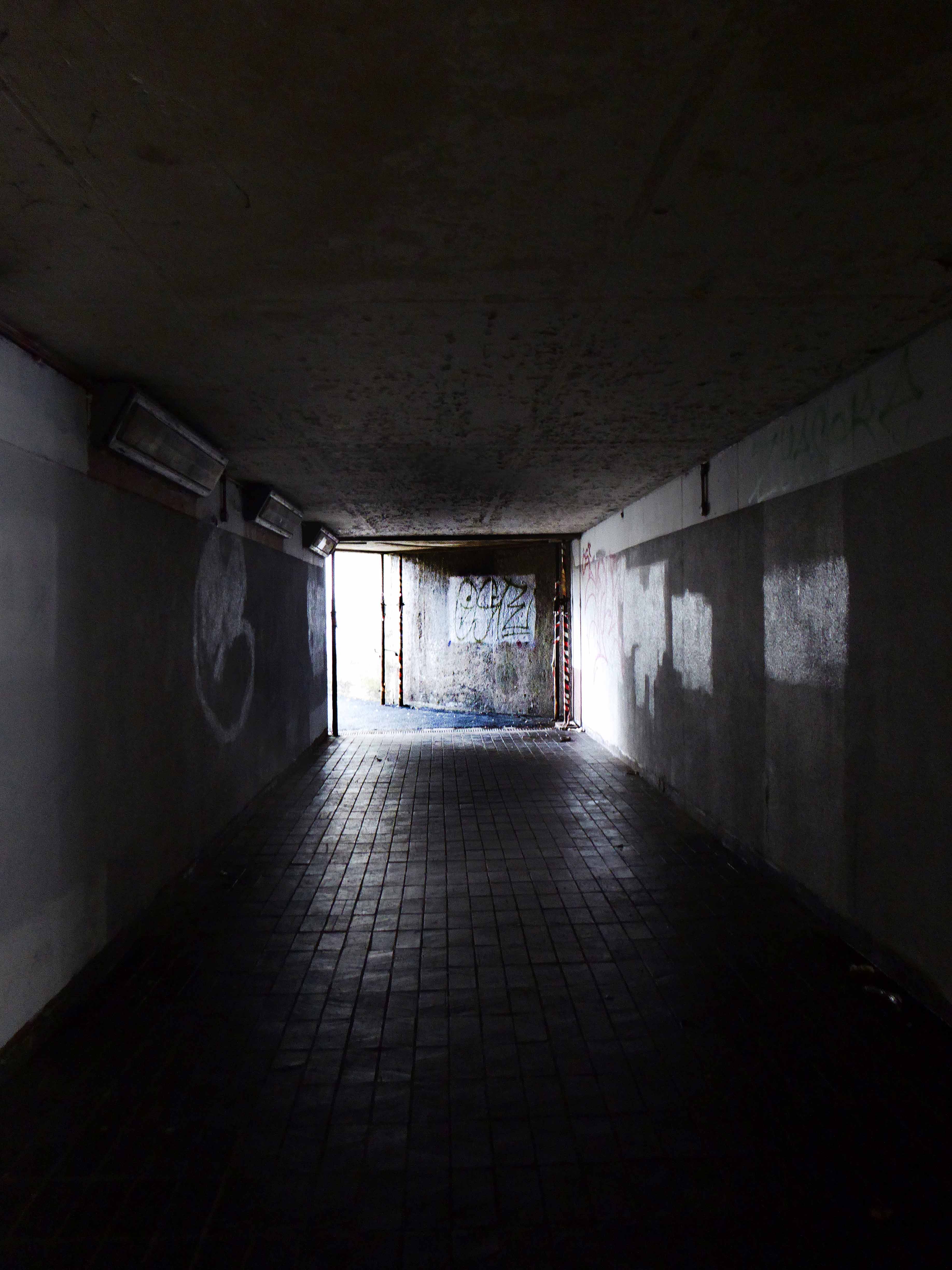
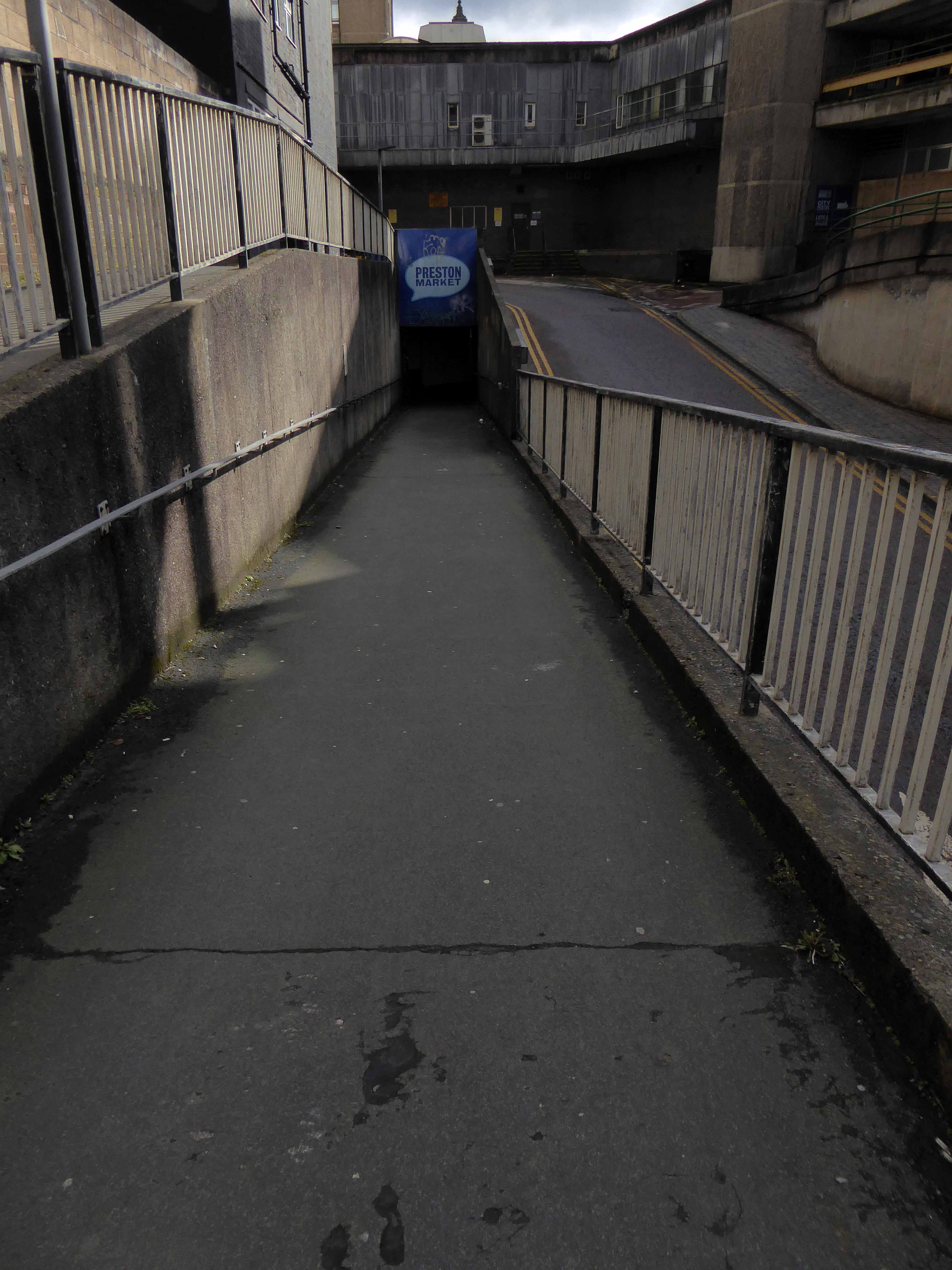
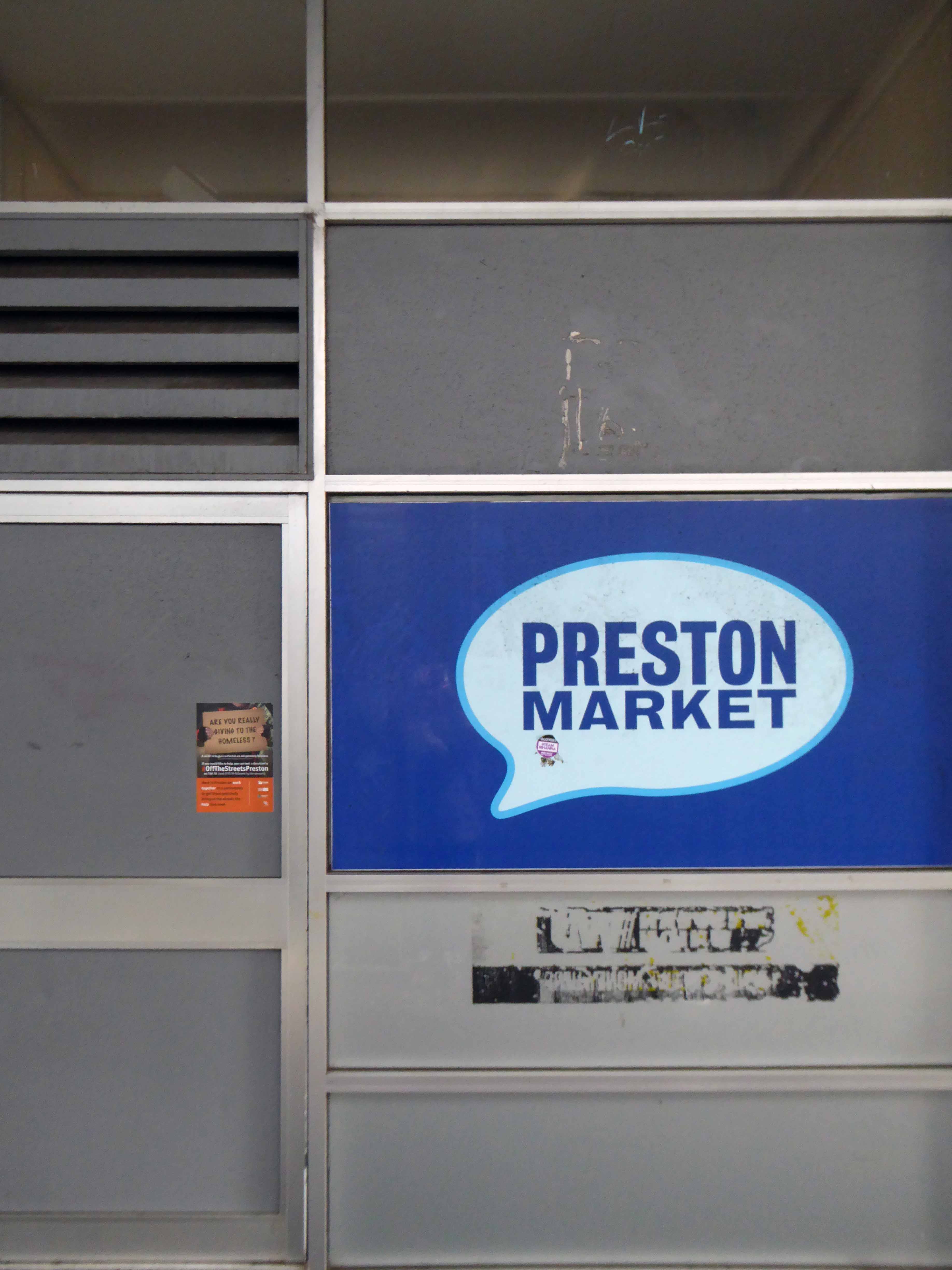
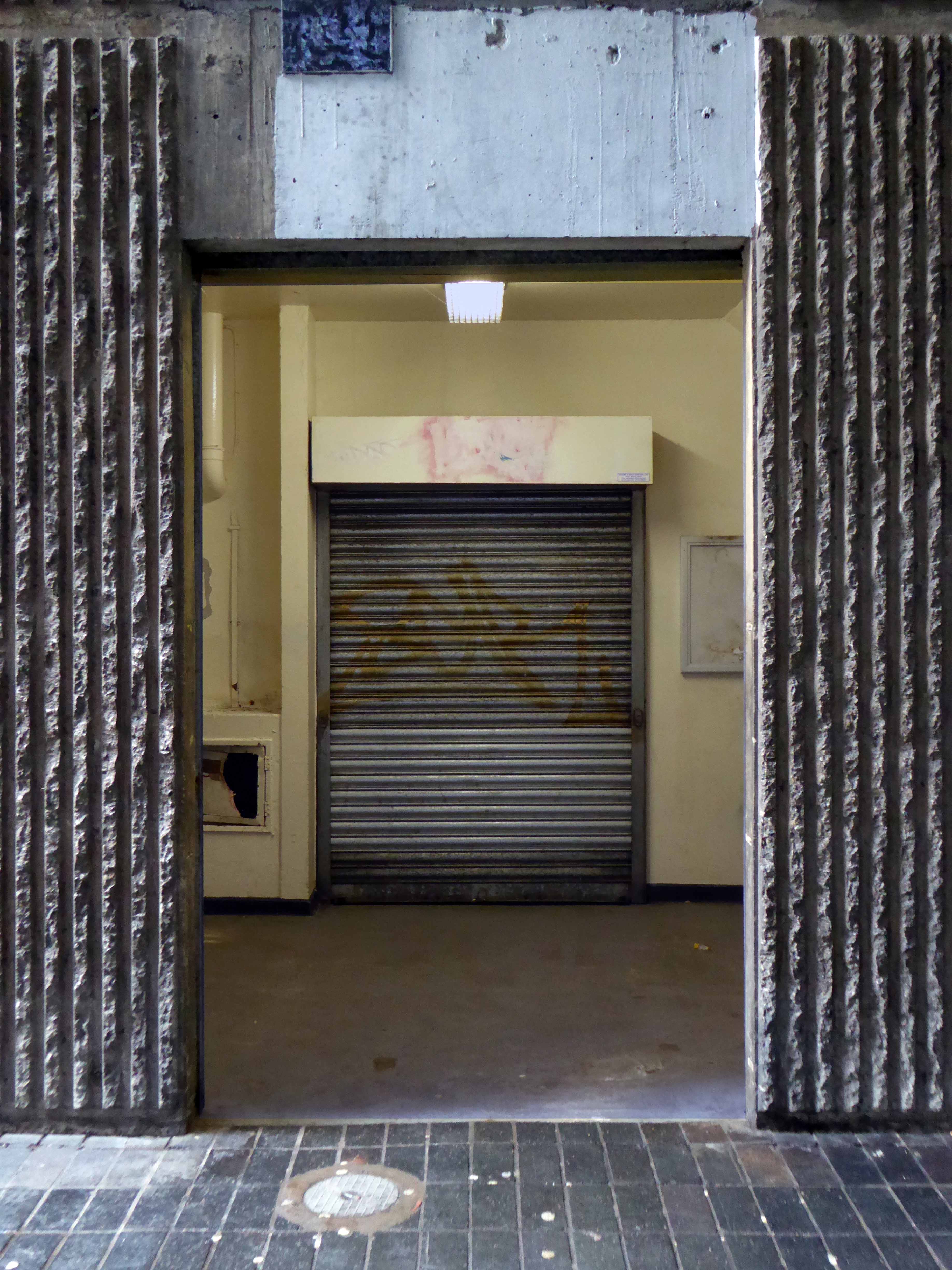
I’ve been here, before recording the prelude to the epilogue, here at Preston’s Indoor Market.
So on my return this February, I find that the inevitable end, is indeed now past nigh.
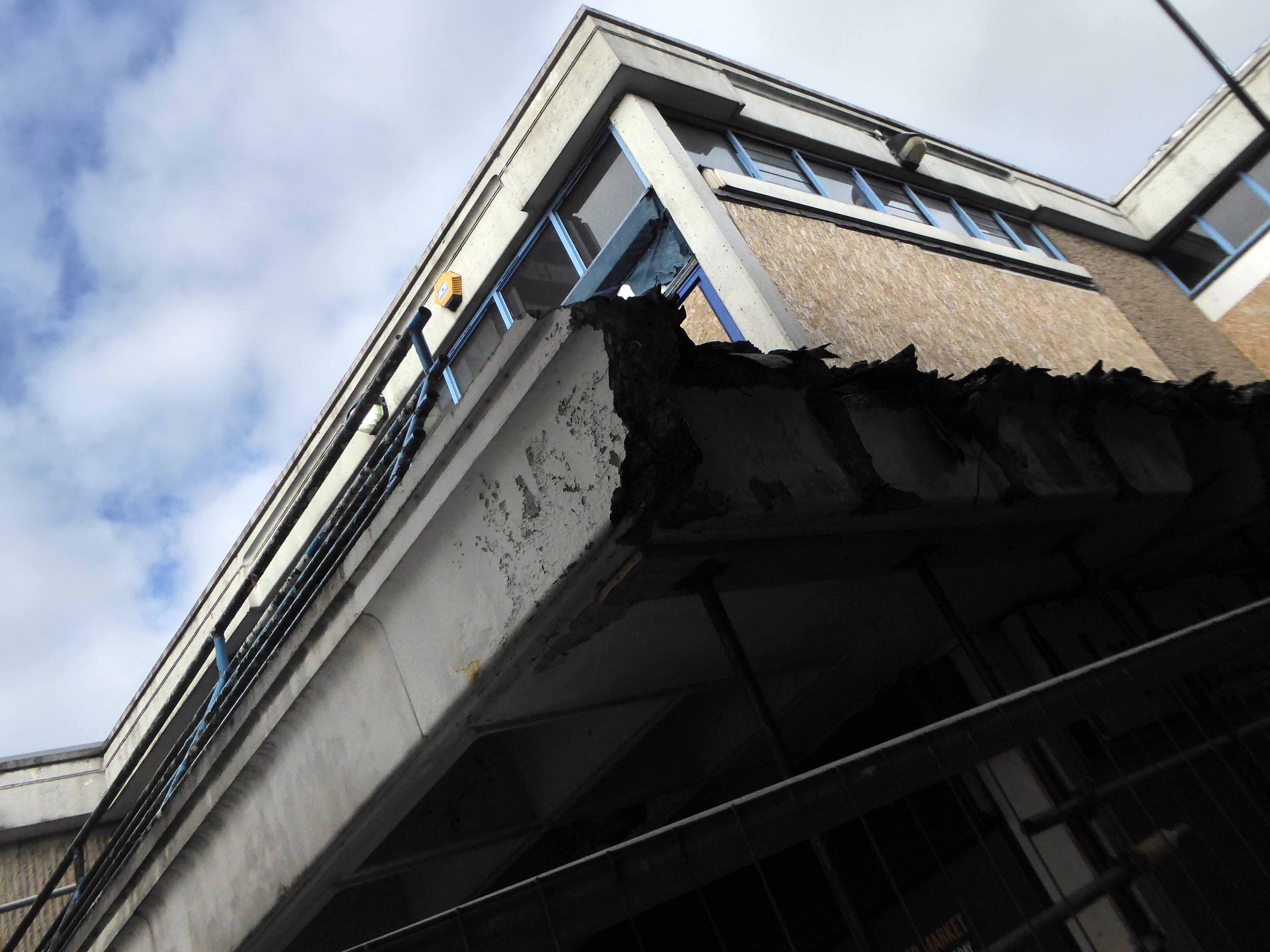
Boarded and shuttered awaiting demolition – Waiting for The Light to shine:
Preston City Council has granted planning permission to Muse Developments’ £50m cinema-led leisure scheme in the city centre.
Muse is working in partnership with the council on the plans, made up of an 11-screen cinema operated by The Light, seven family restaurants, a 593-space multi-storey car park and public realm improvements.
The project forms part of the wider regeneration of the Markets Quarter which includes the full refurbishment and redecoration of the grade two-listed market canopies and the construction of a glazed Market Hall.
Preston to their credit have become an exemplar for inward urban regeneration, and the work undertaken so far in the market area is bringing new life and trade to the area.
That said, it is always saddening to see the architecture of the Sixties swept aside.
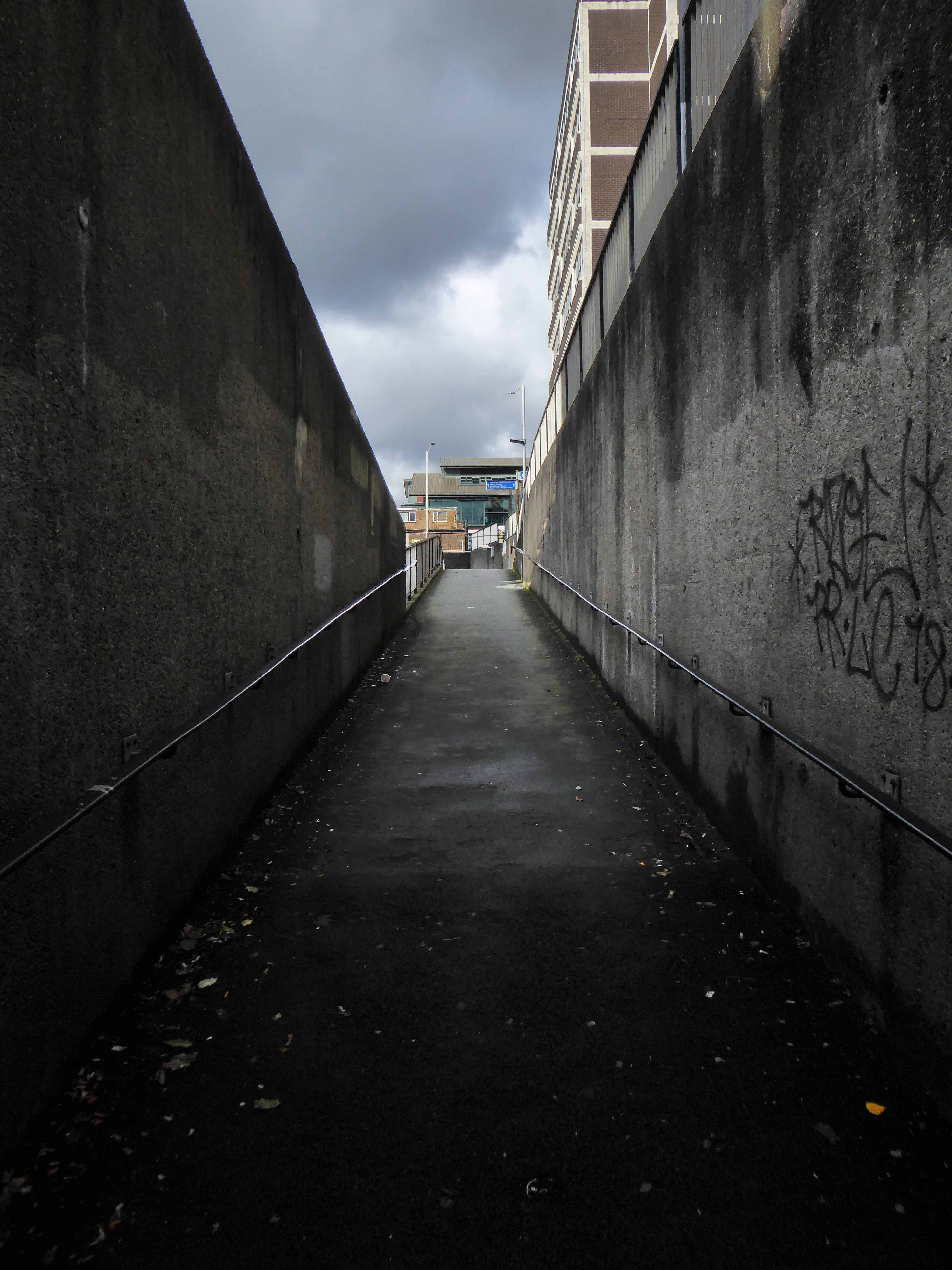
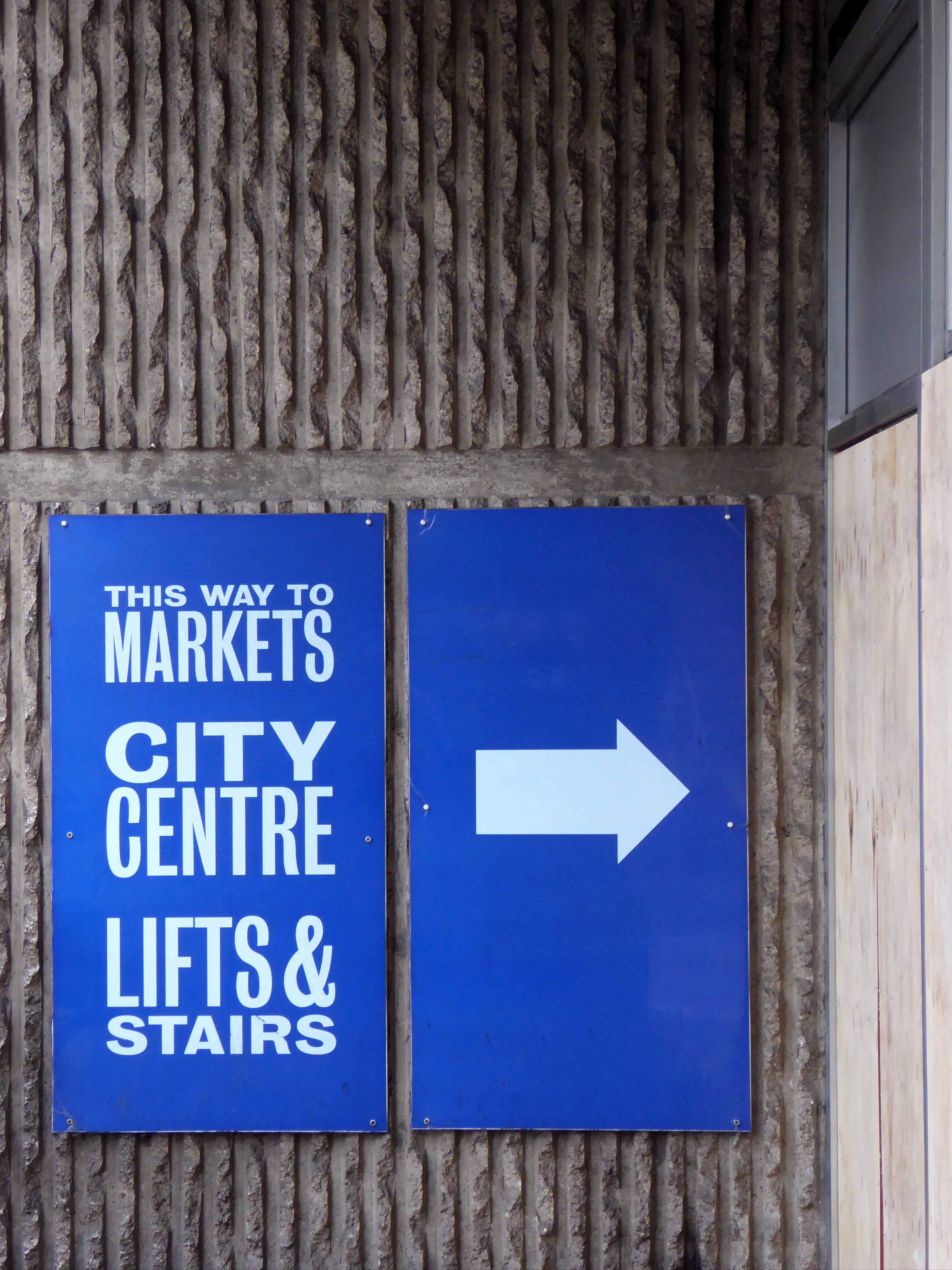
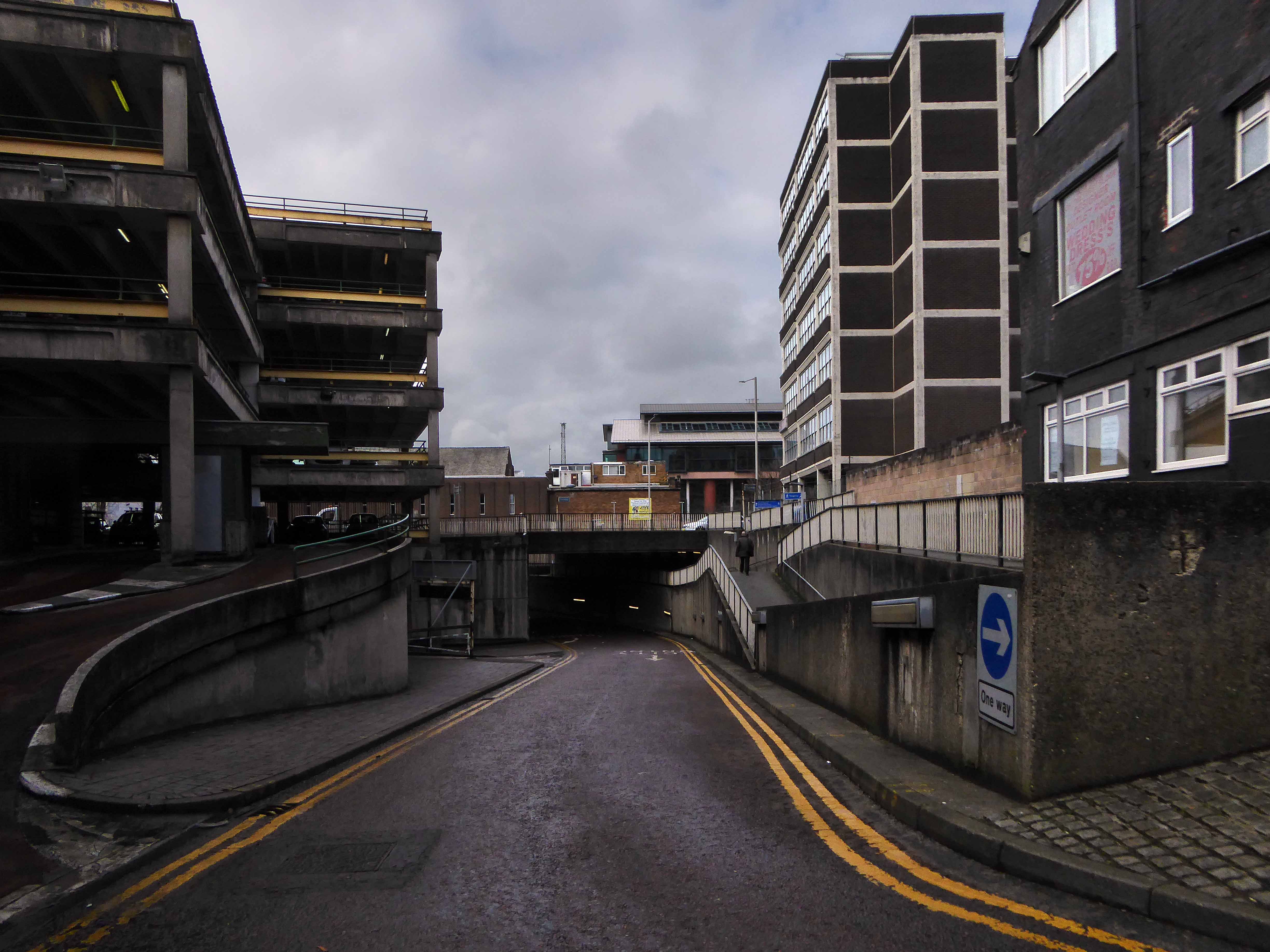
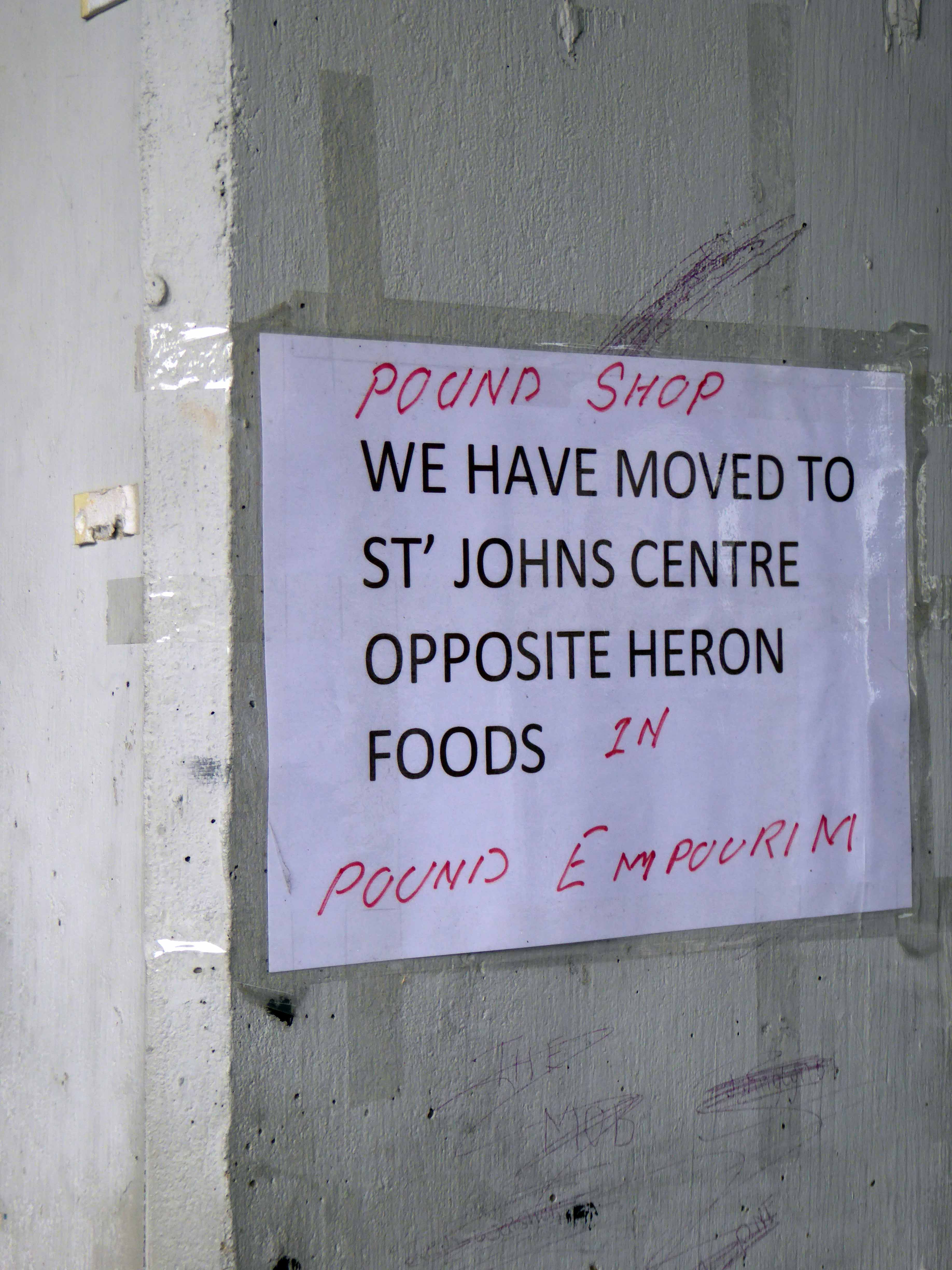
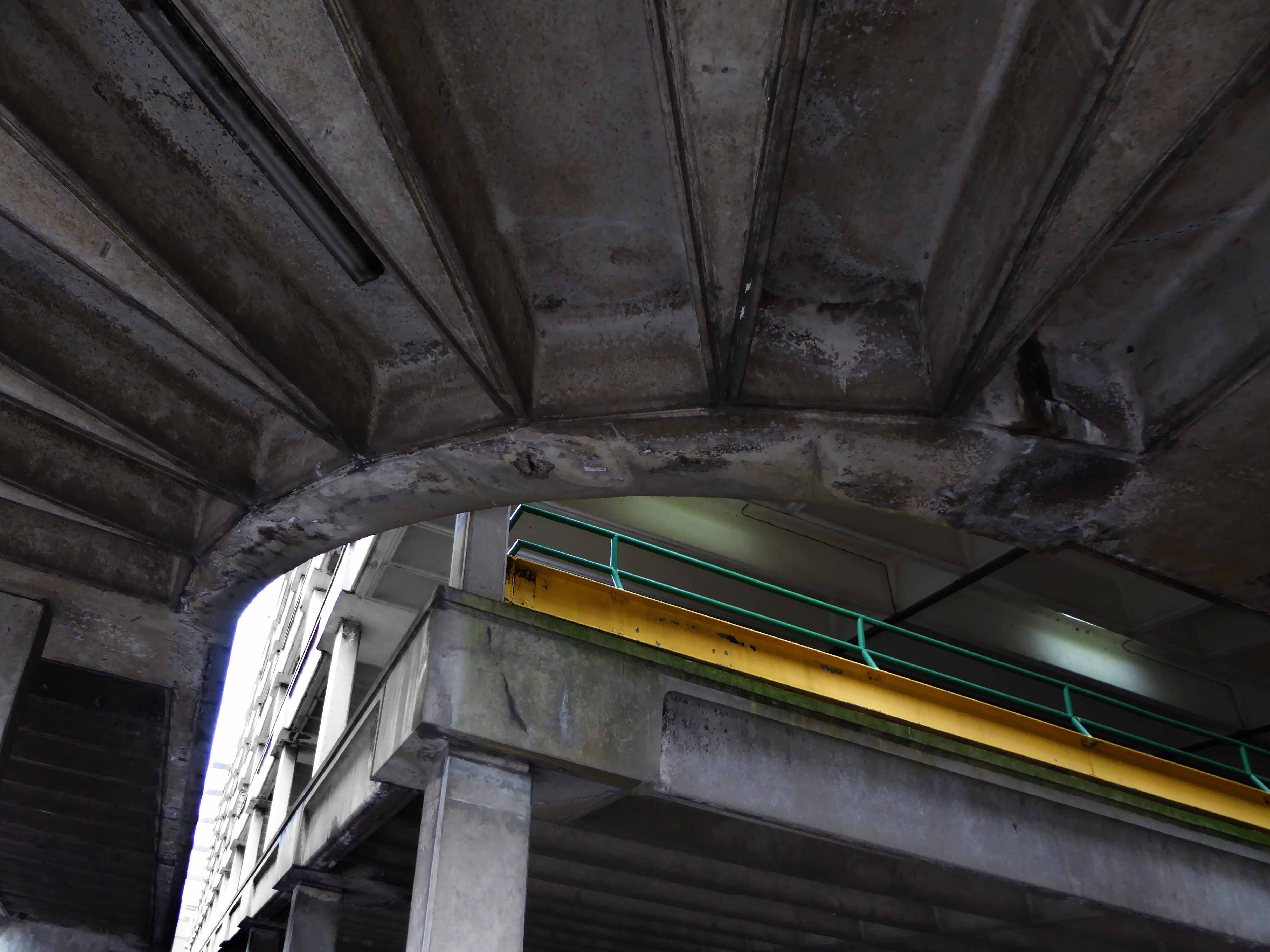
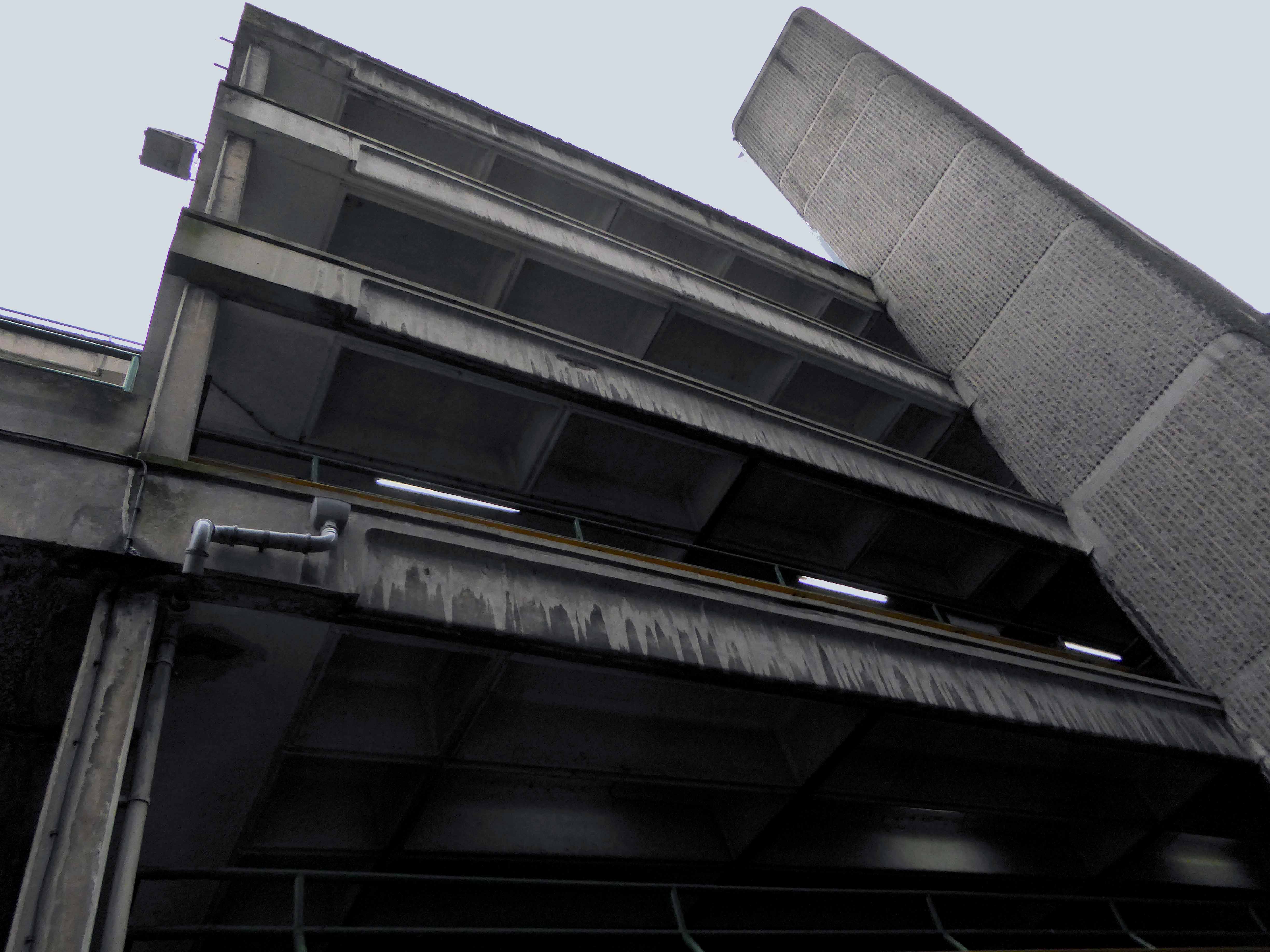
So come take one last wander through the concrete warren of ramps, underpasses and tunnels of the unwanted indoor market.
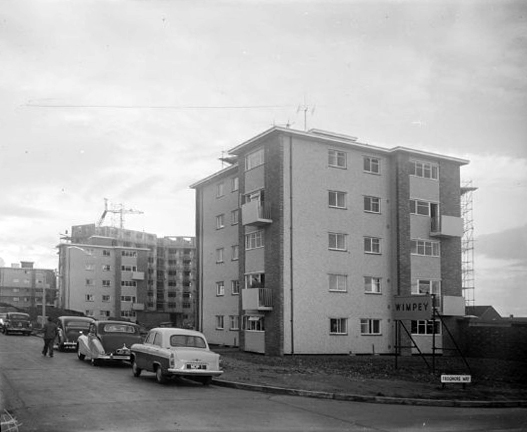
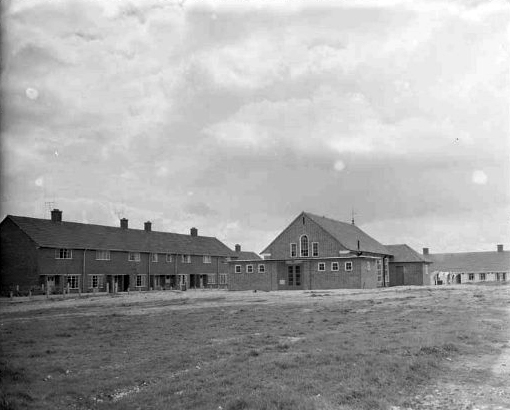
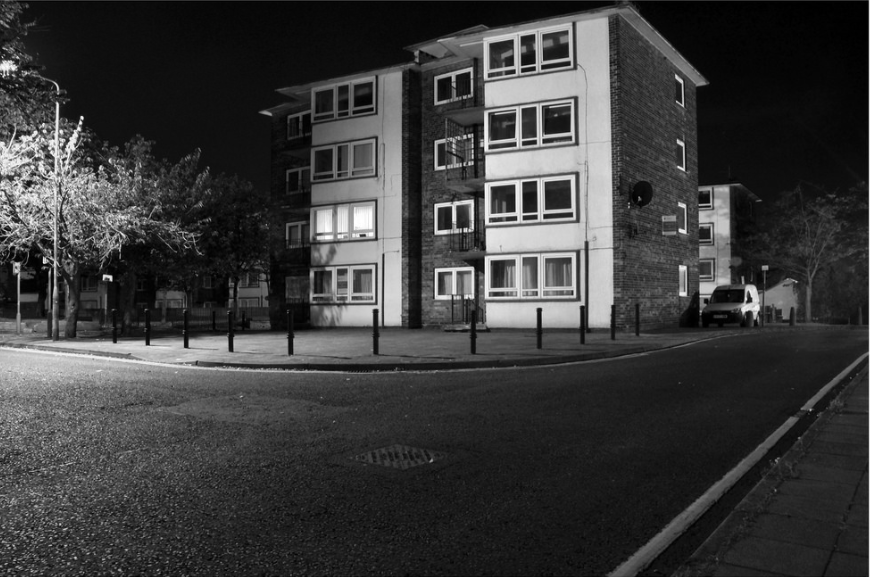
A small but important group of post-war council houses – very much in an inter-war European manner, homes to a settled community of cheerful, chatty residents.
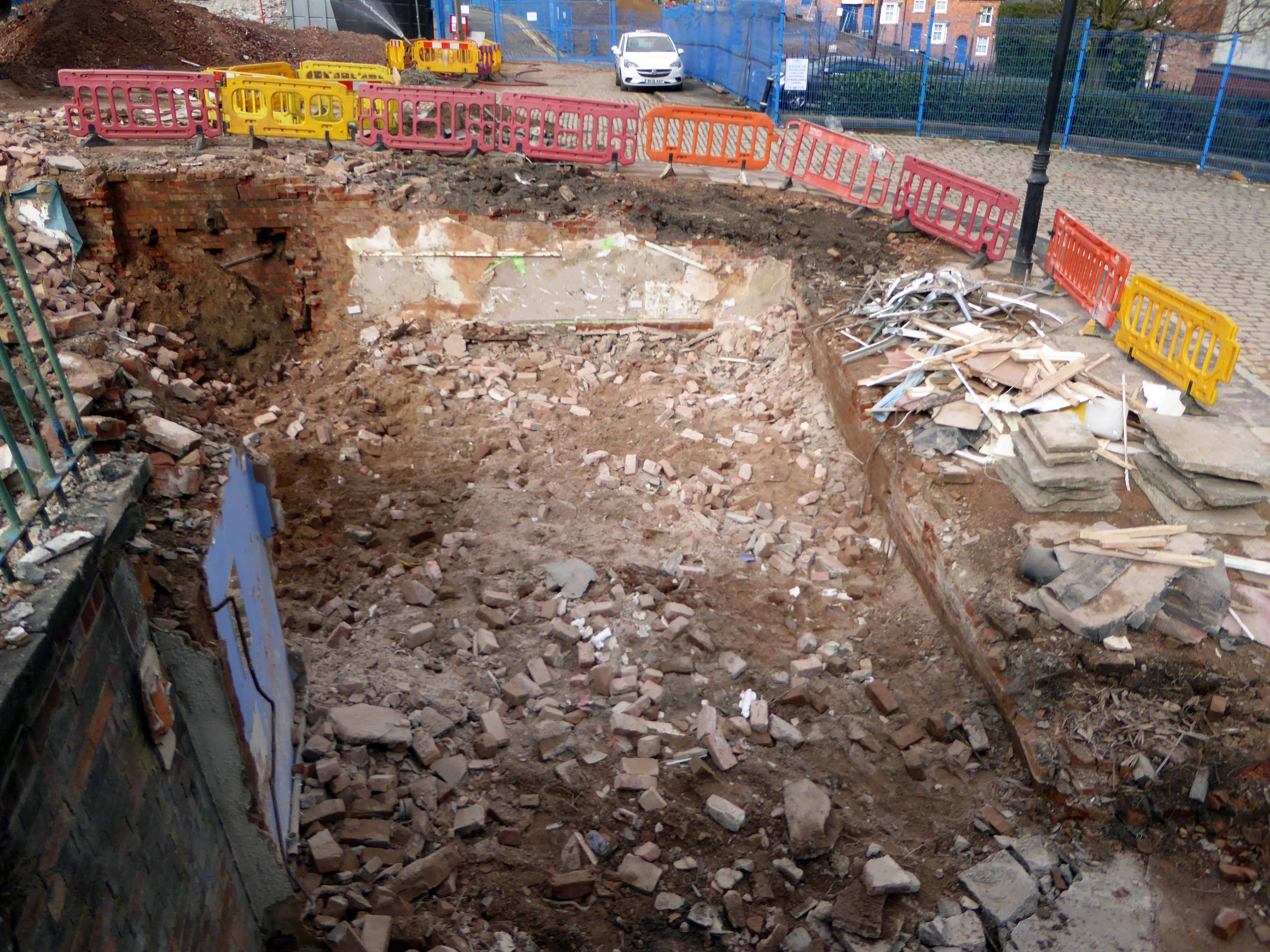
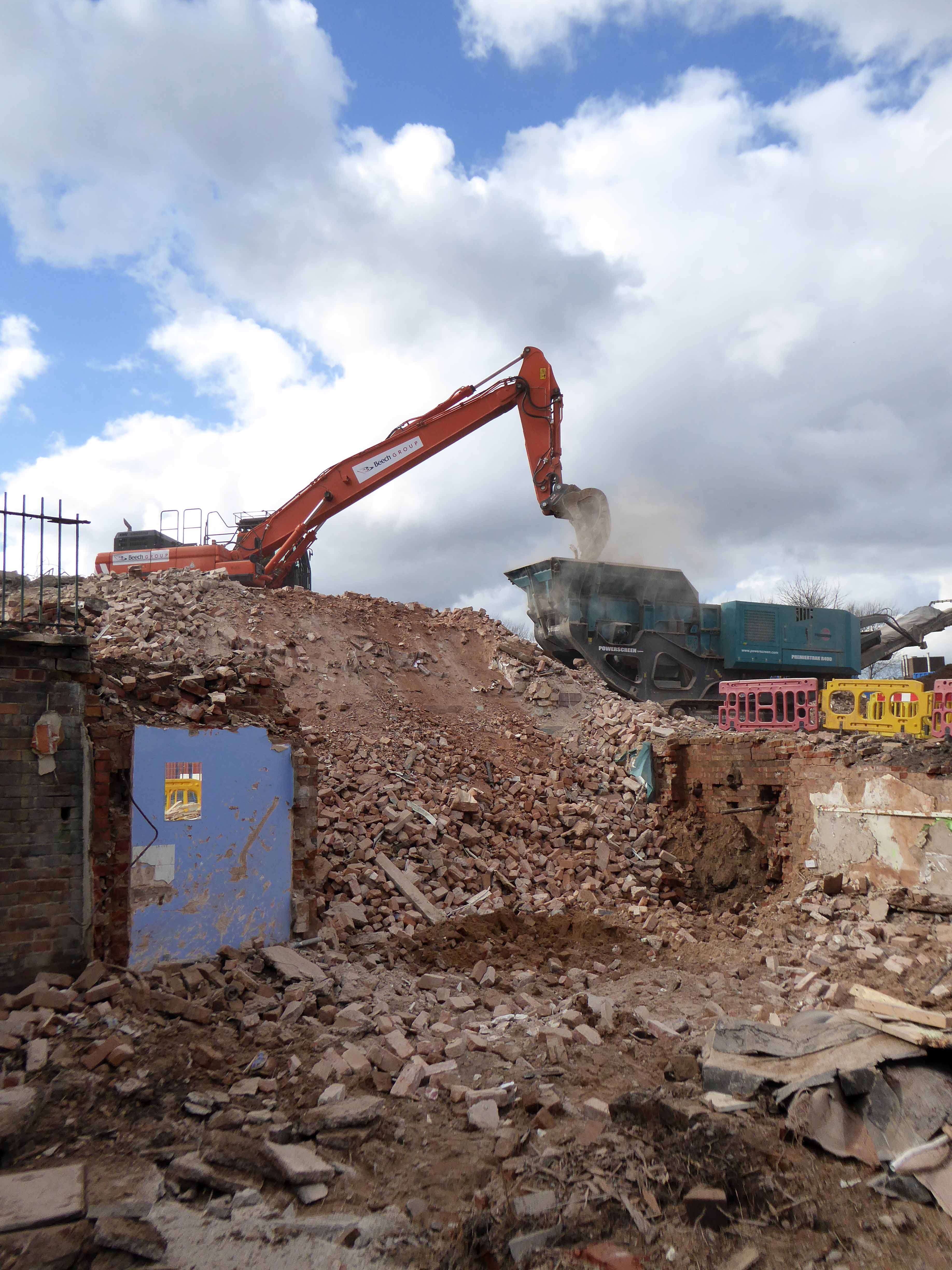
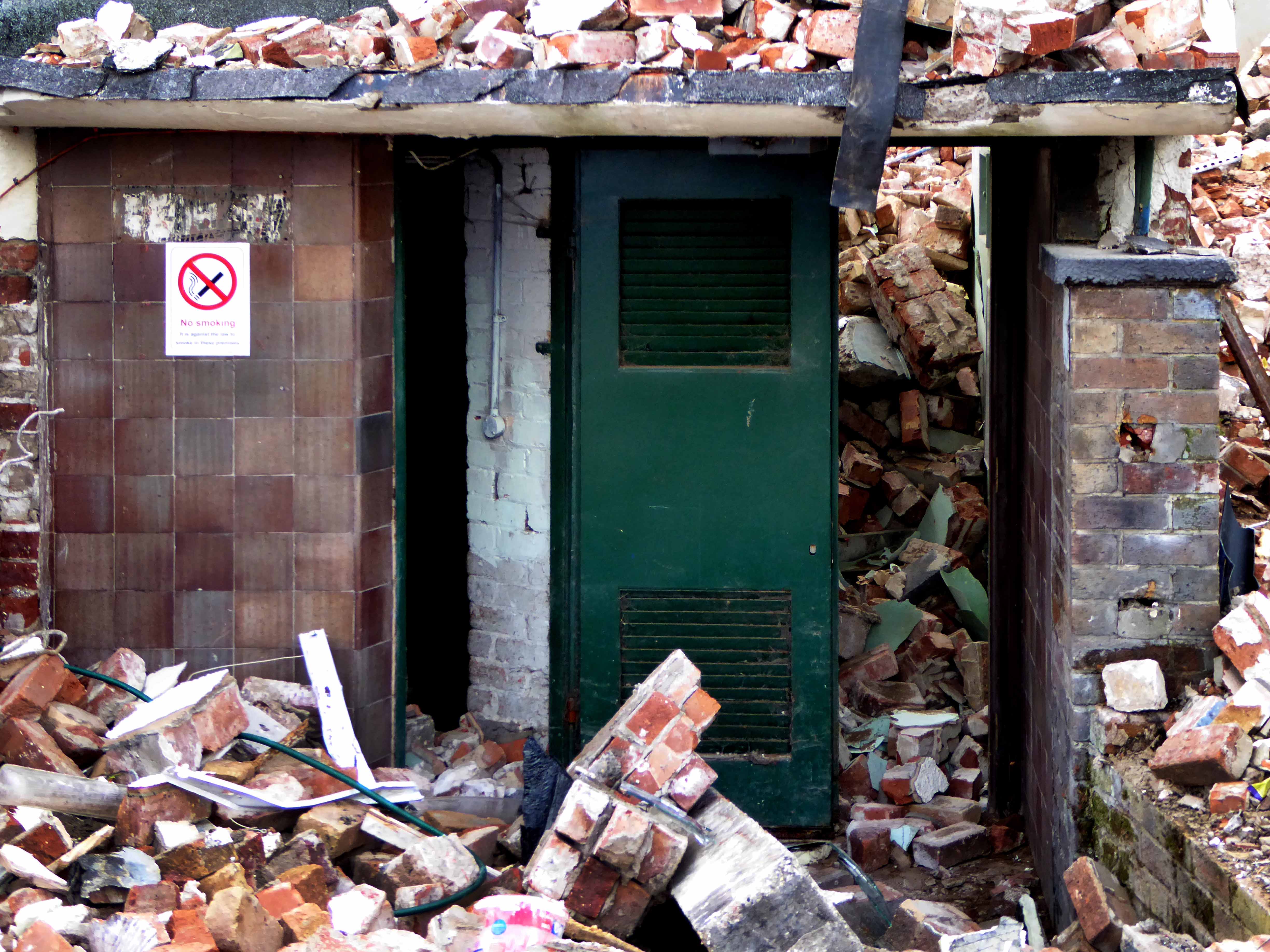
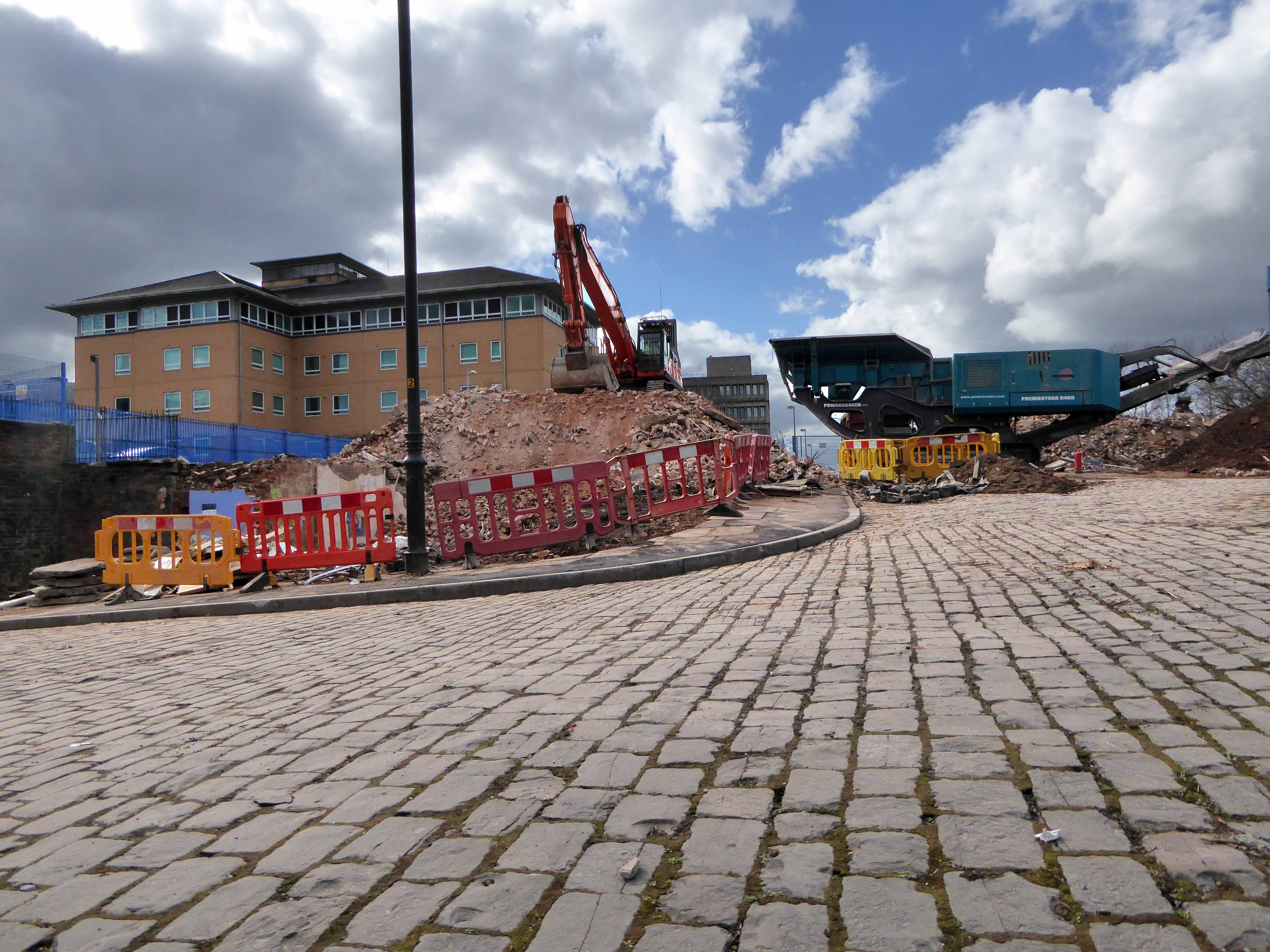
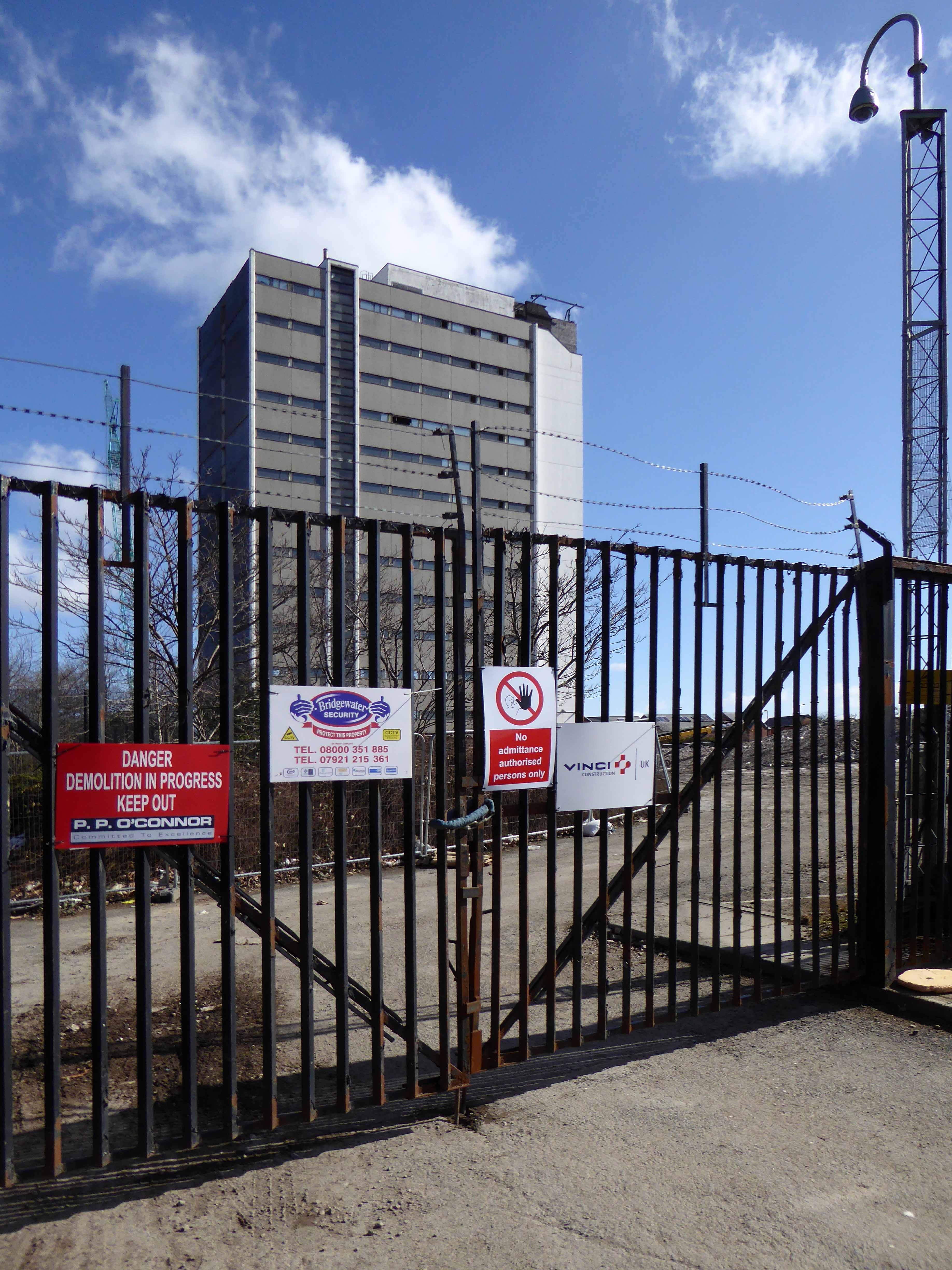
The local authority tinned them up some year ago, ahead of a series of redevelopment proposals – last week that redevelopment reached its logical conclusion.
Demolition.
Whilst accepting the necessity for change, I also recognise the need to preserve what is best of the past, rather than replacing it with the present day architecture of cautiously consensual pastiche.
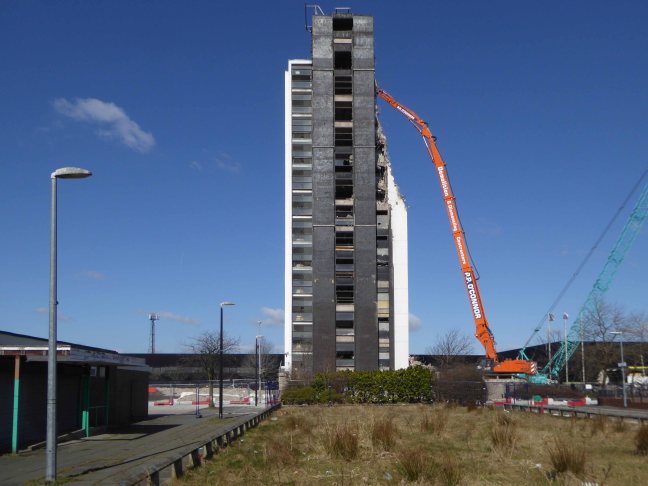
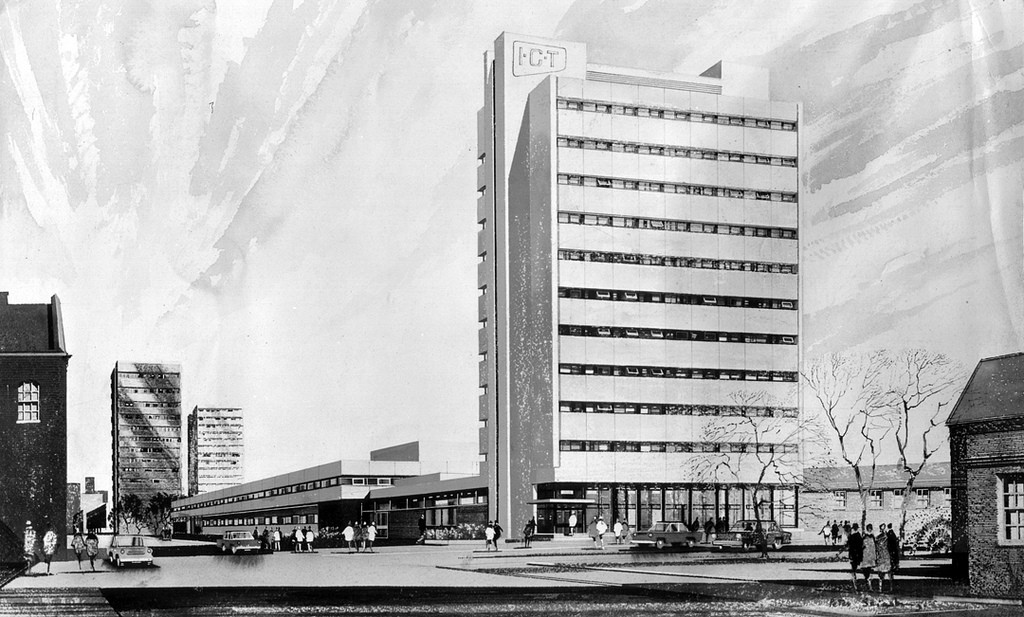
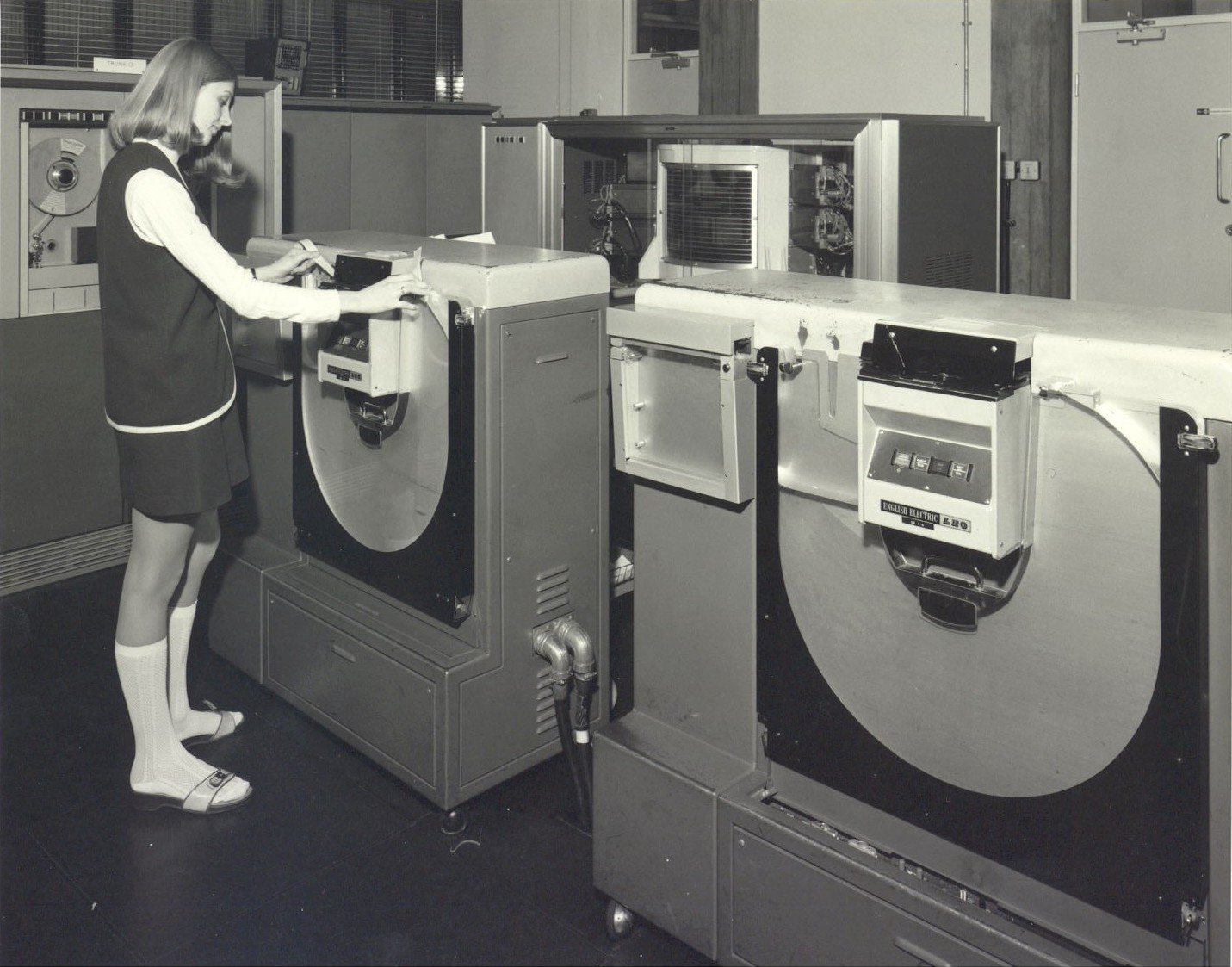
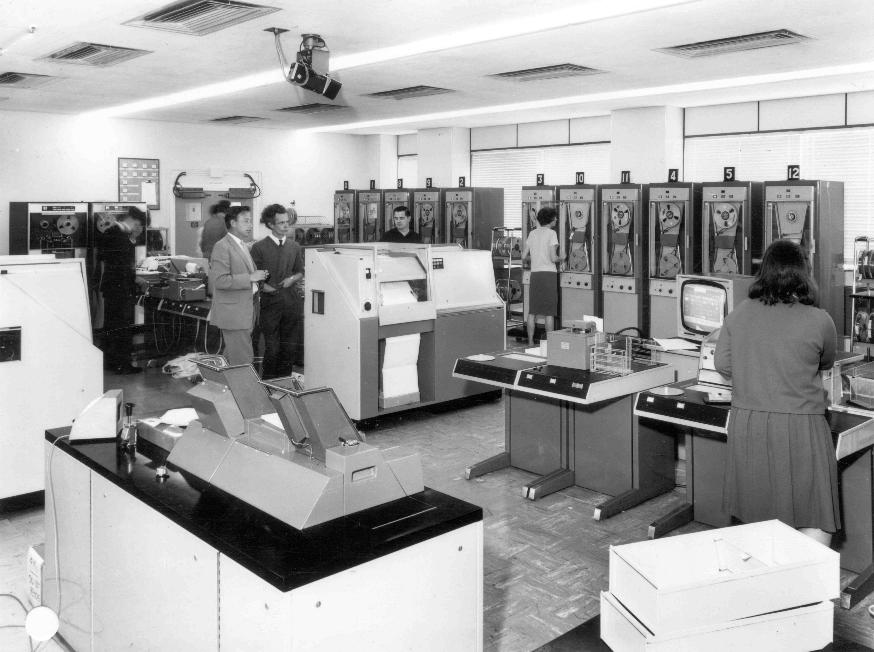
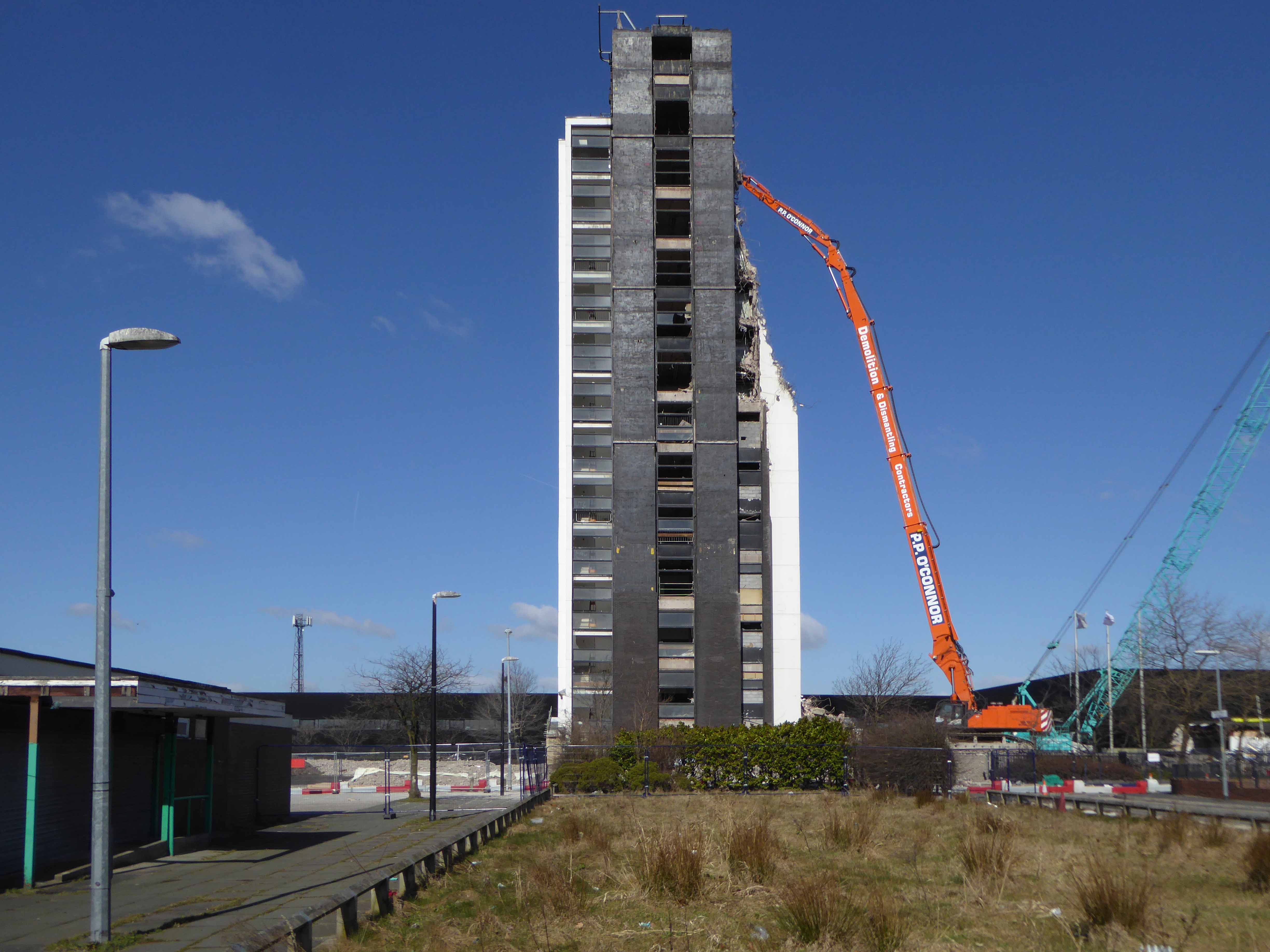
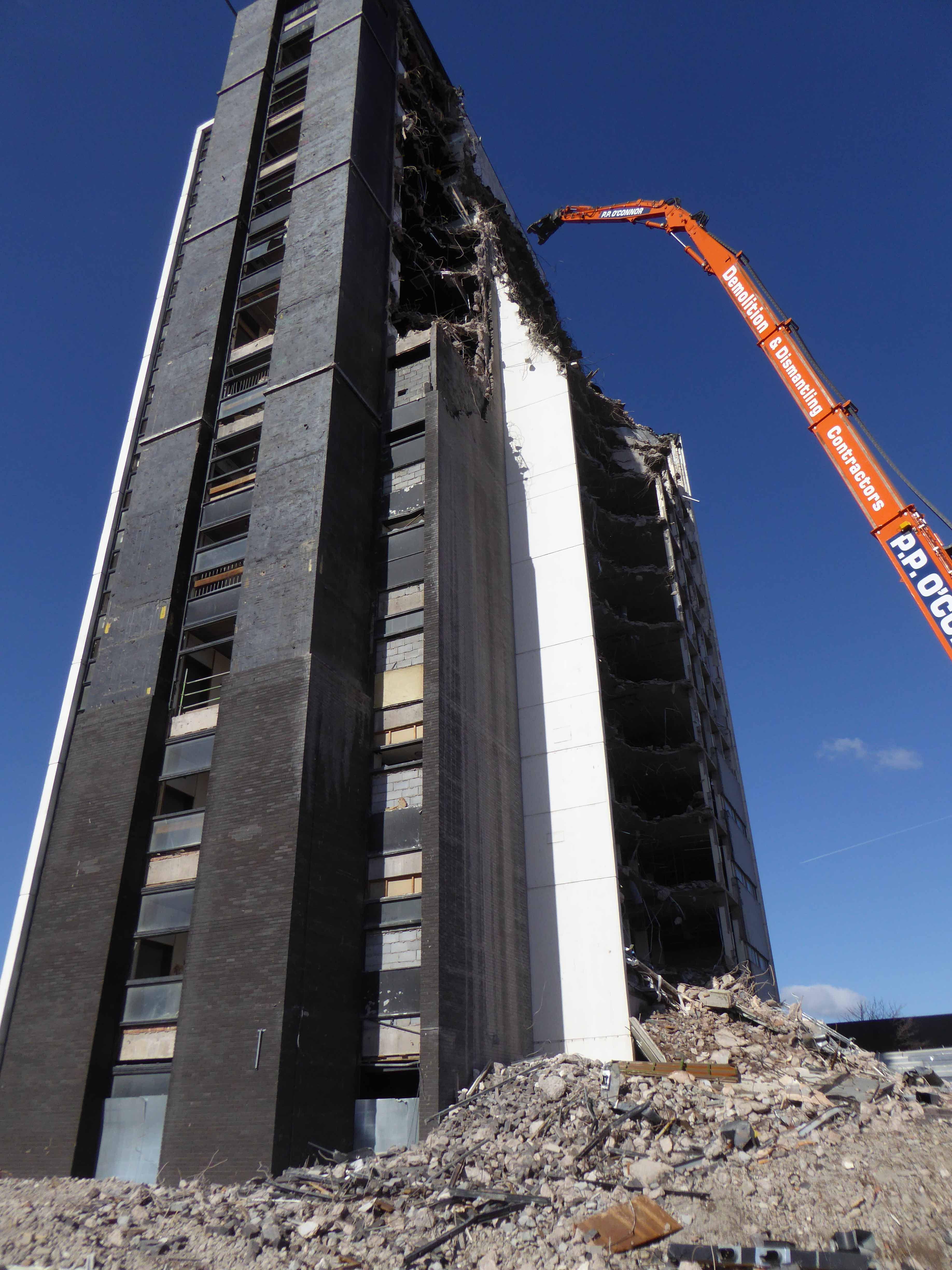
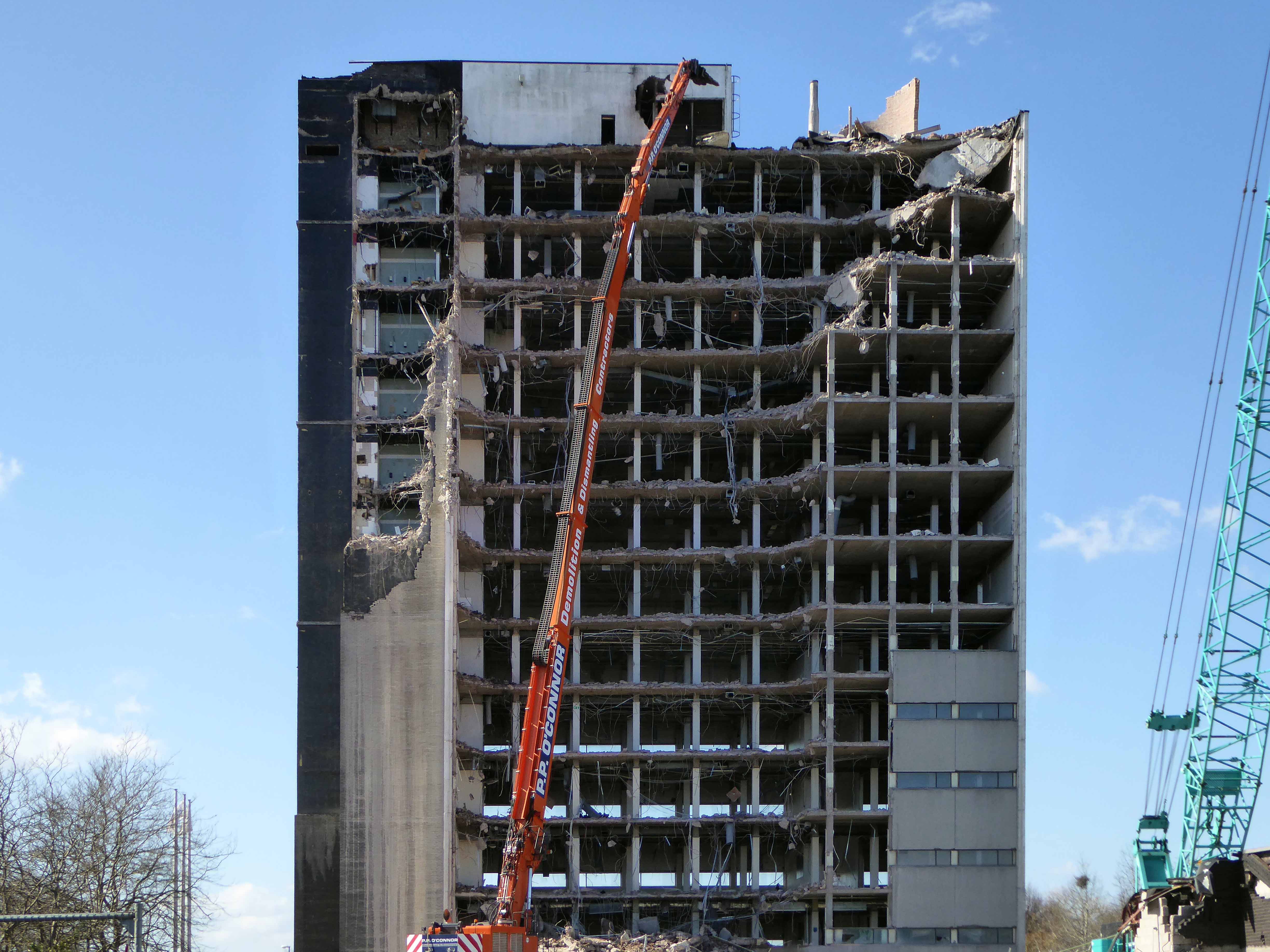
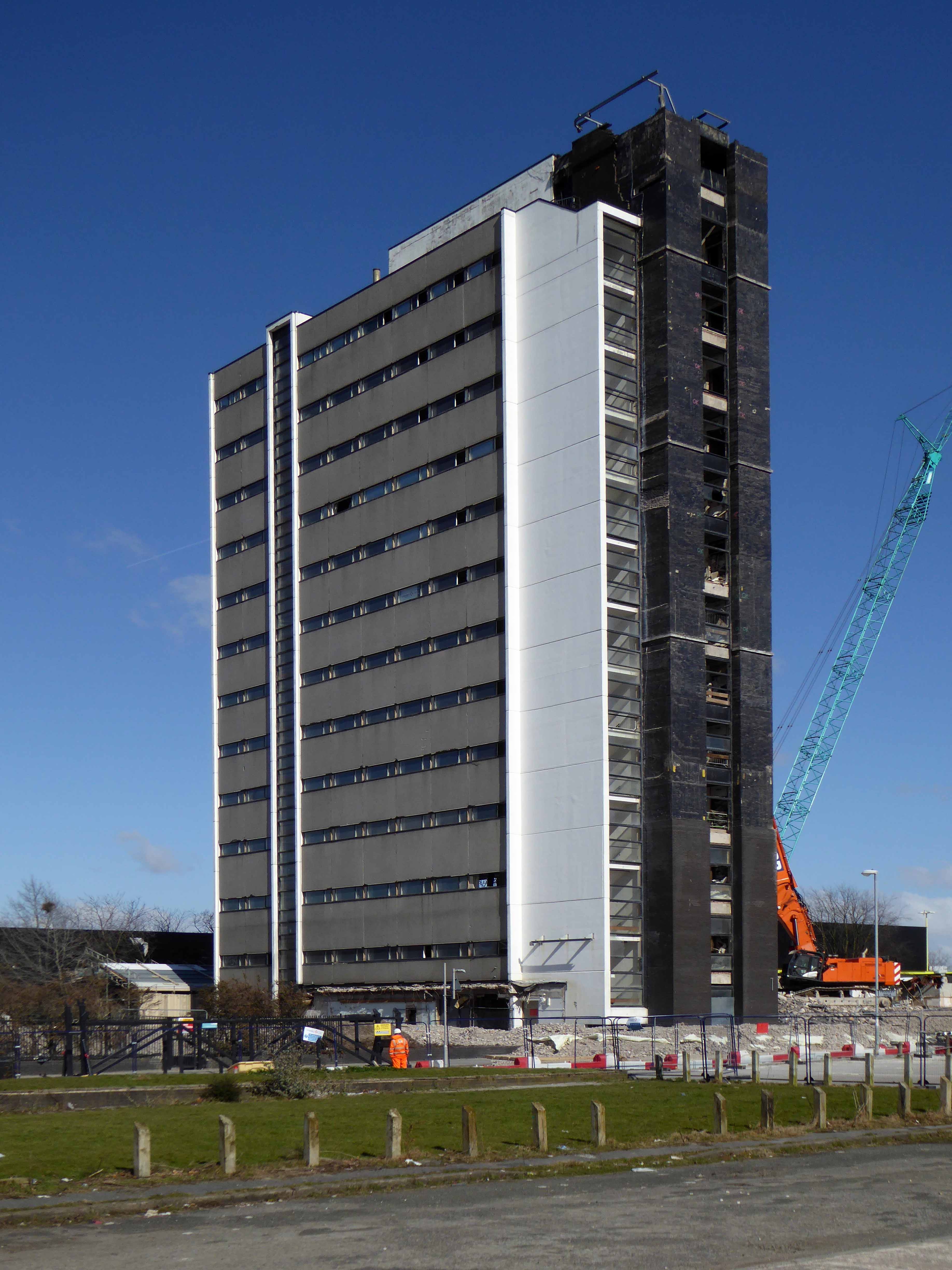
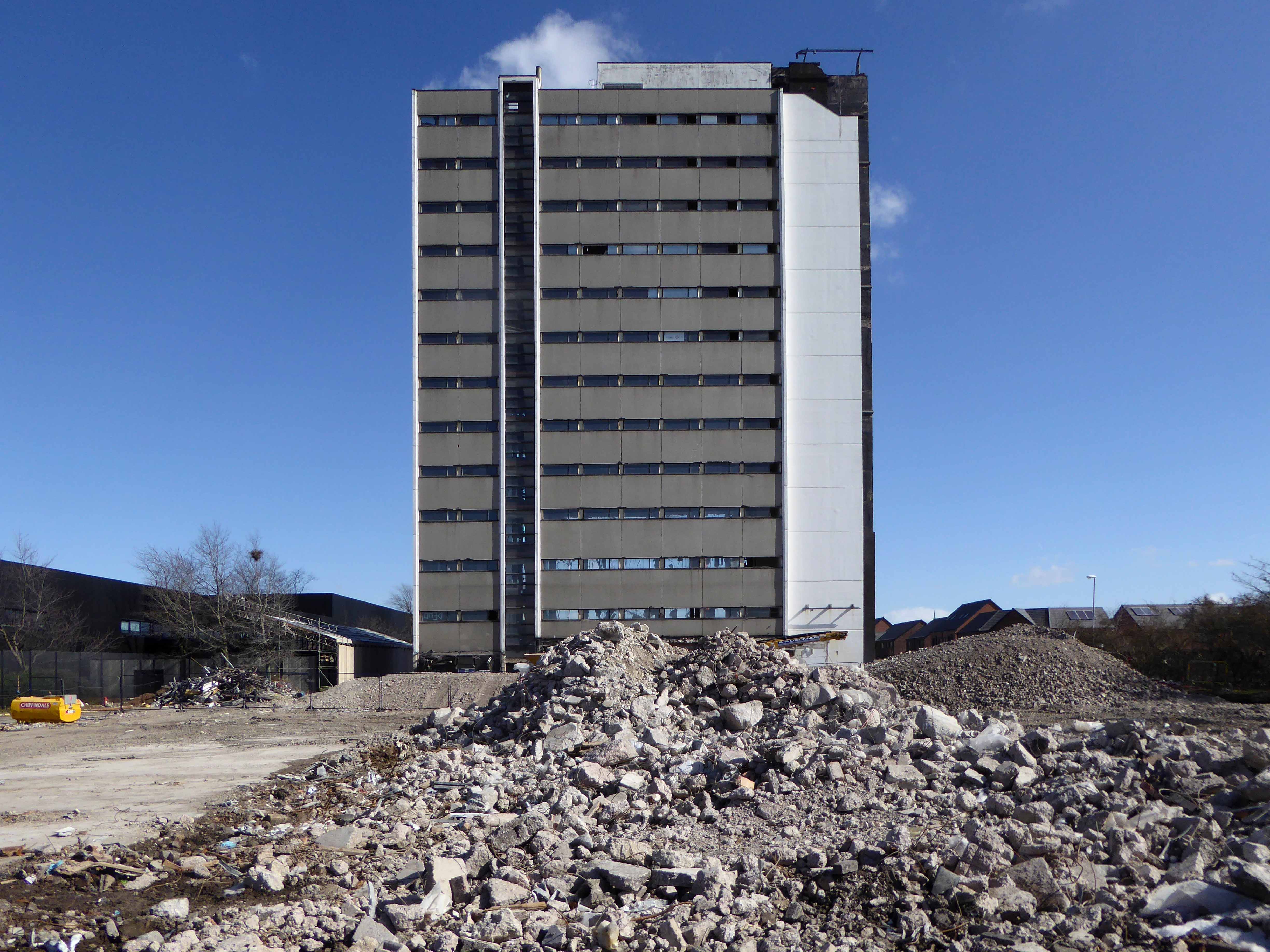
Designed by architects Cruickshank and Seward in the Sixties, to house the cutting-edge computing power of the time, the ICT later ICL Tower, towered over Wenlock Way, Gorton in East Manchester.
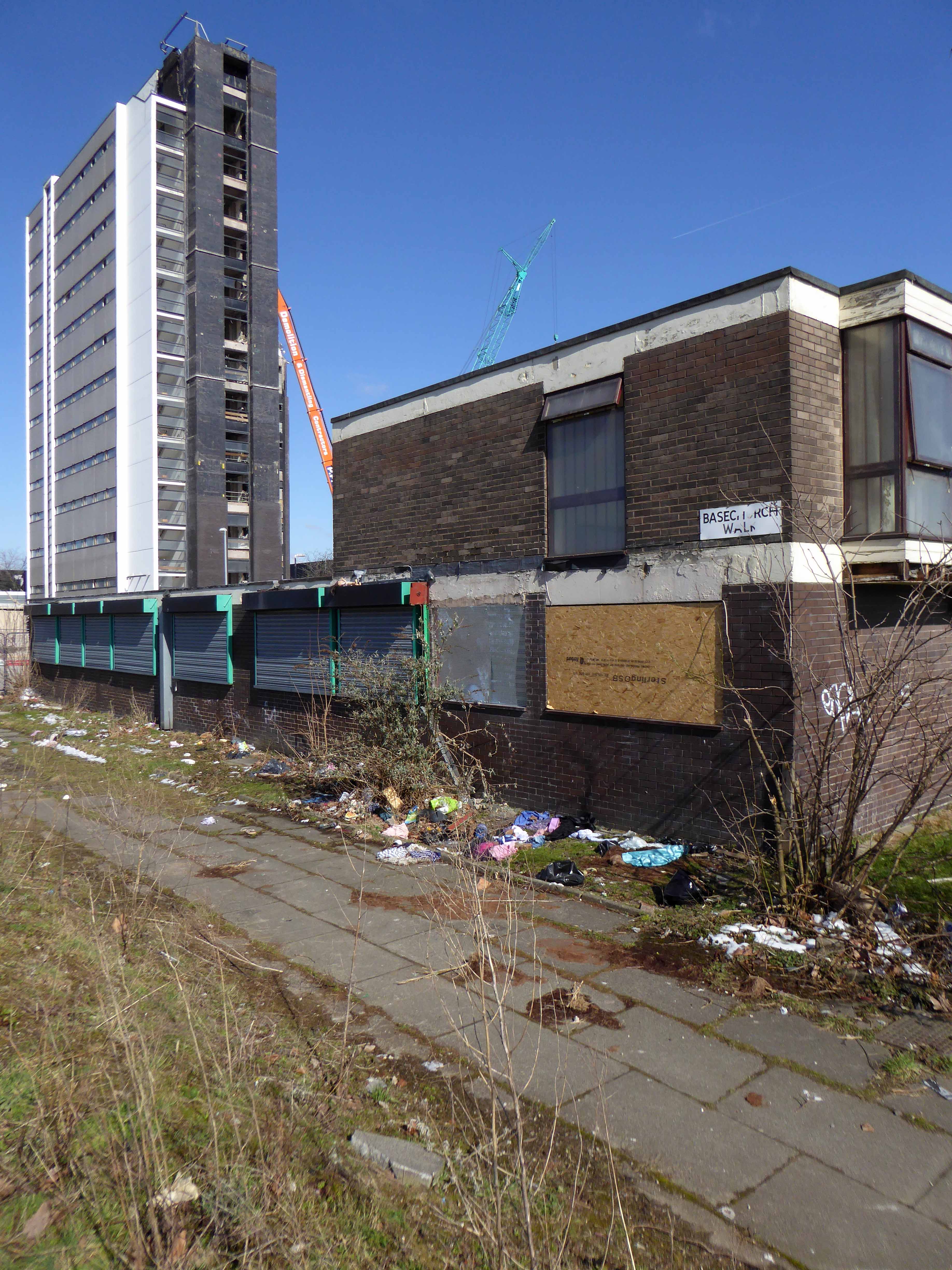
A landmark for many from bus, train, car, Shanks’s pony or low flying VC10.
A place of work for thousands.
At a time when modern technology looked a little like this:
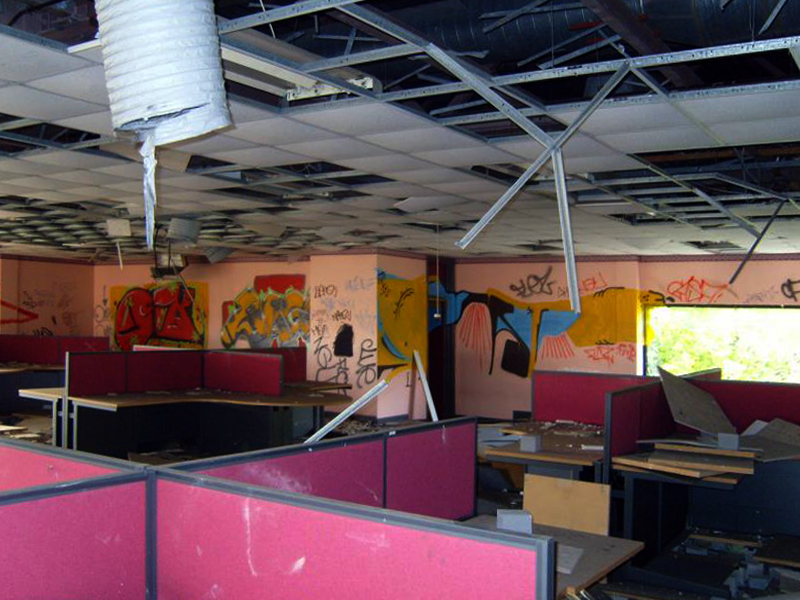
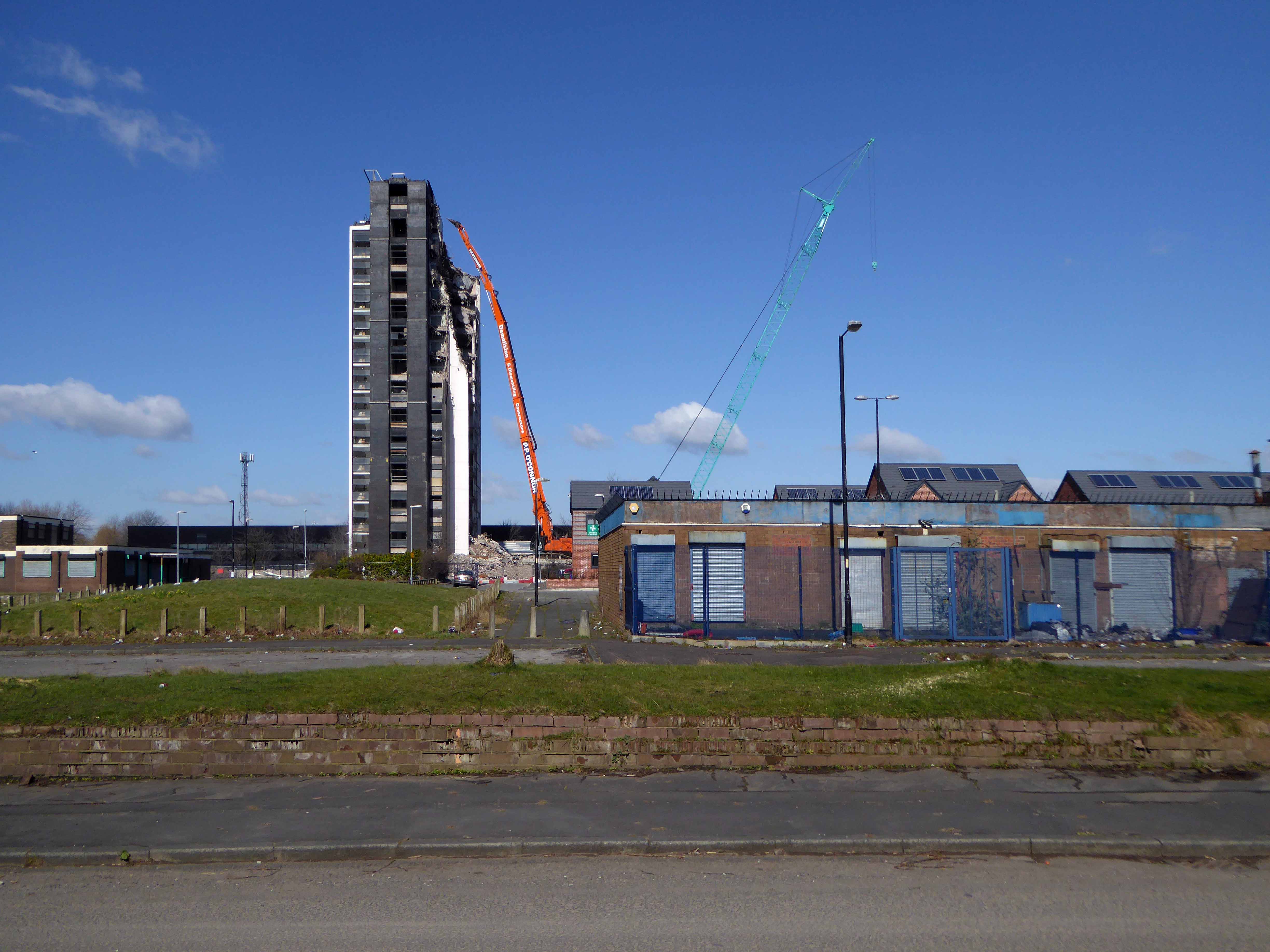
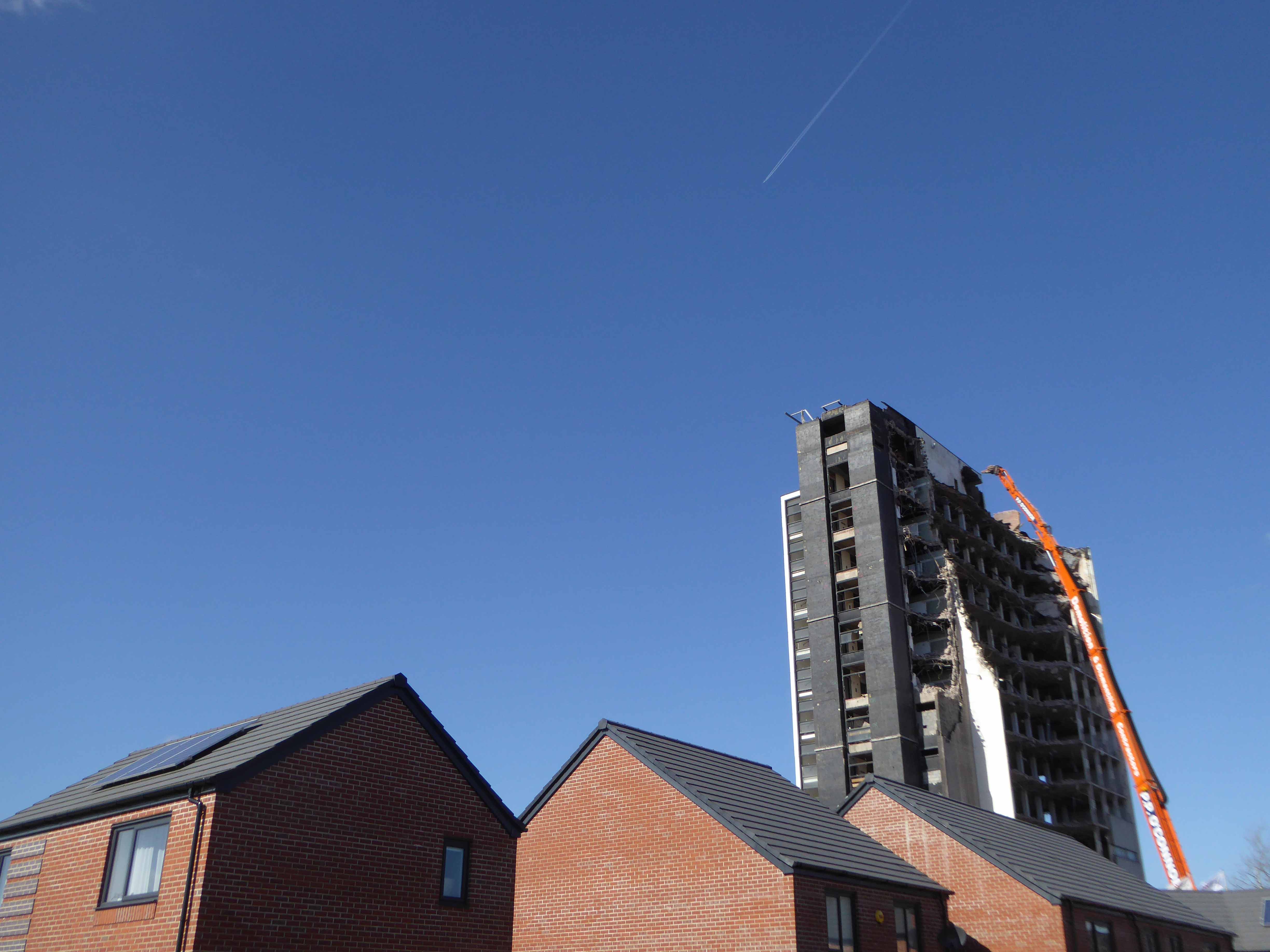
Sadly ending like this:
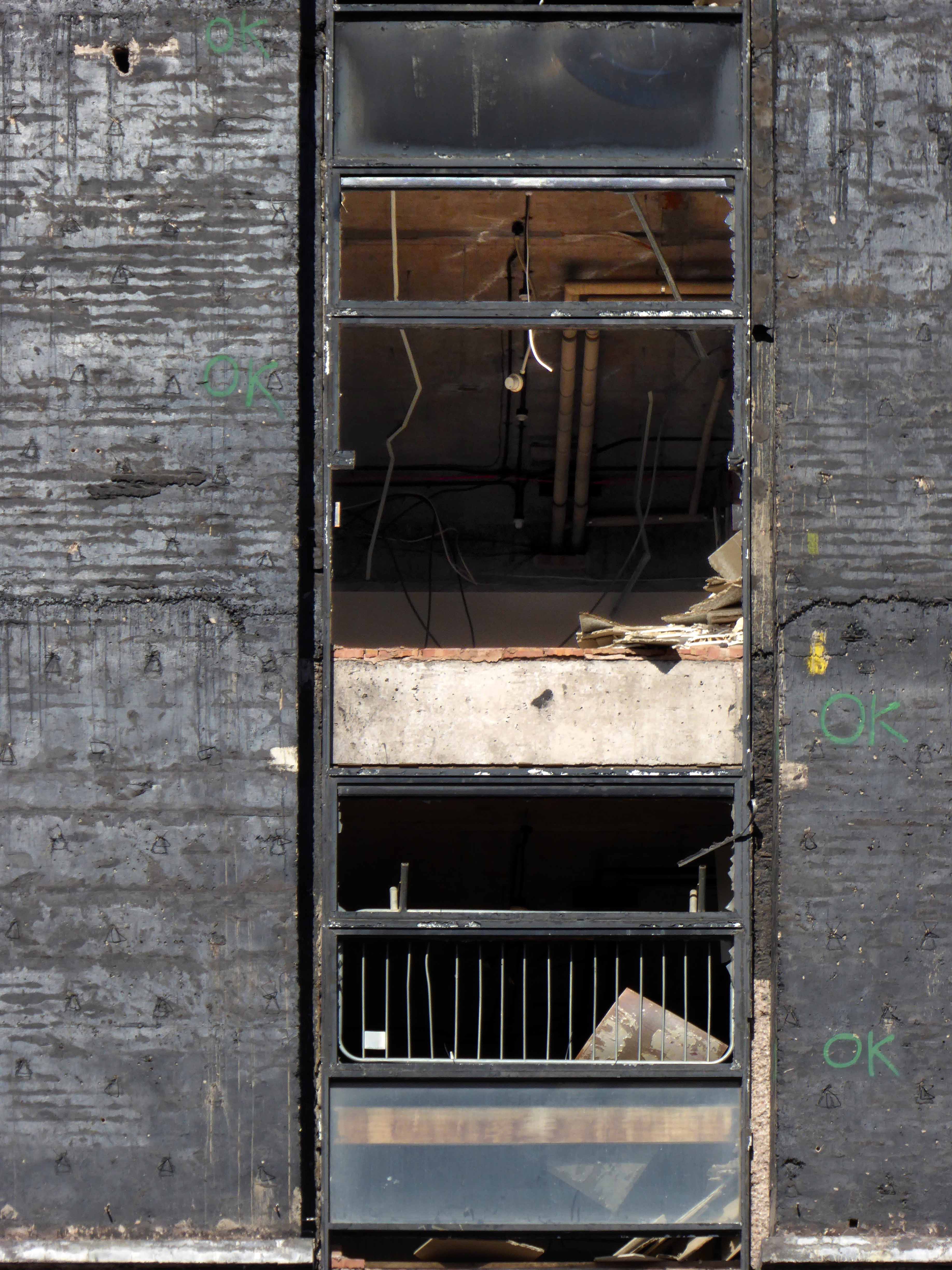
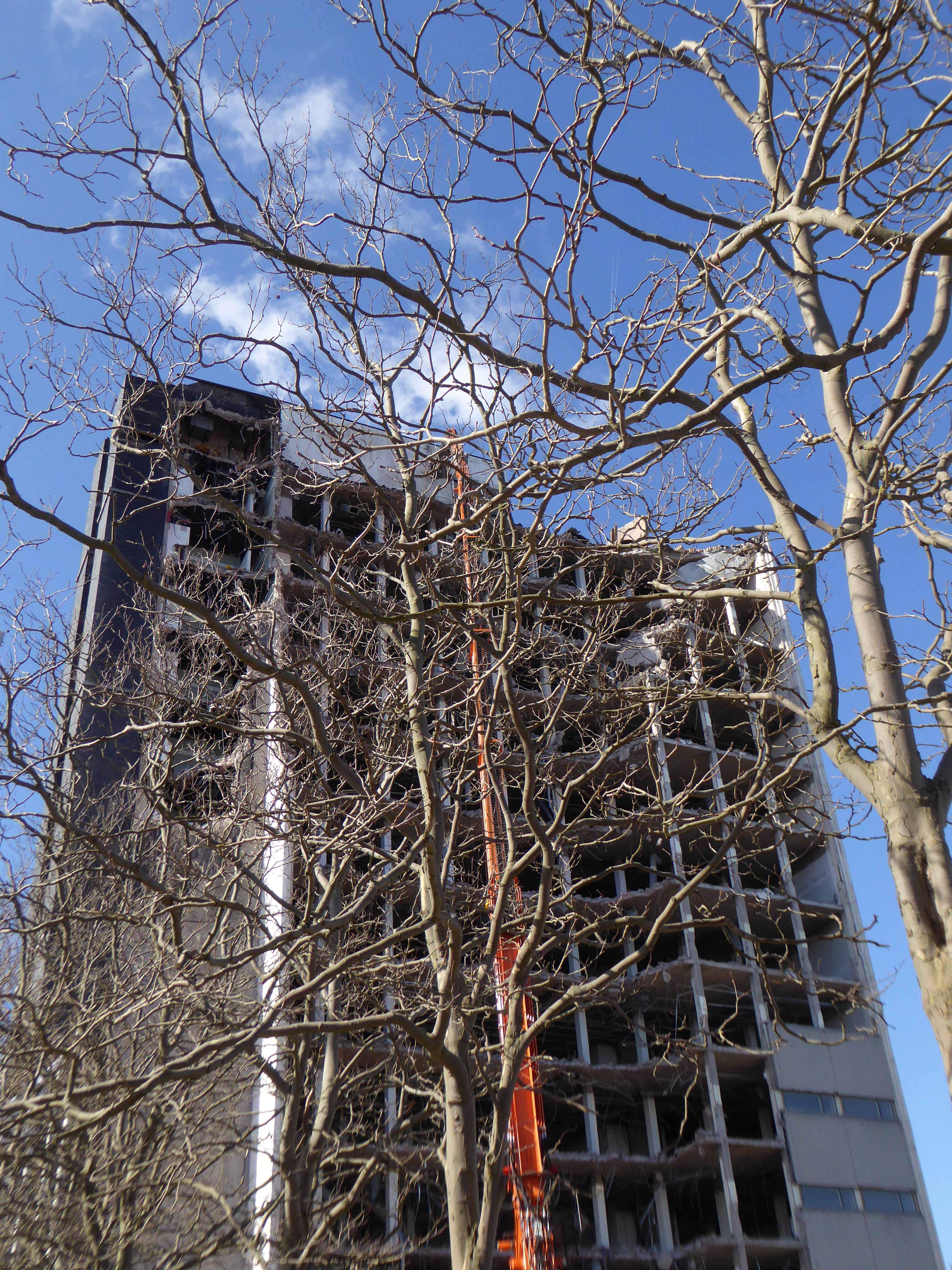
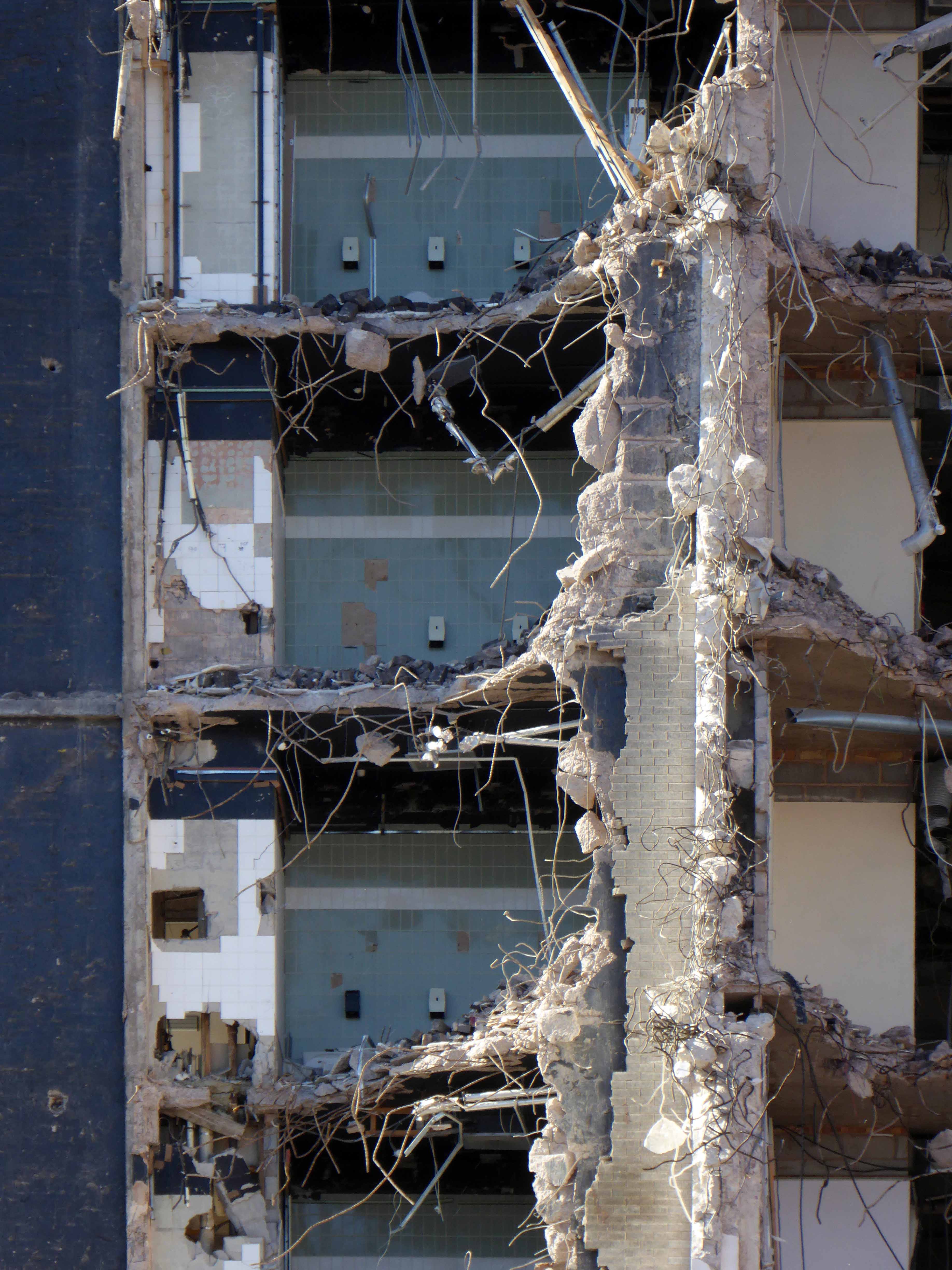
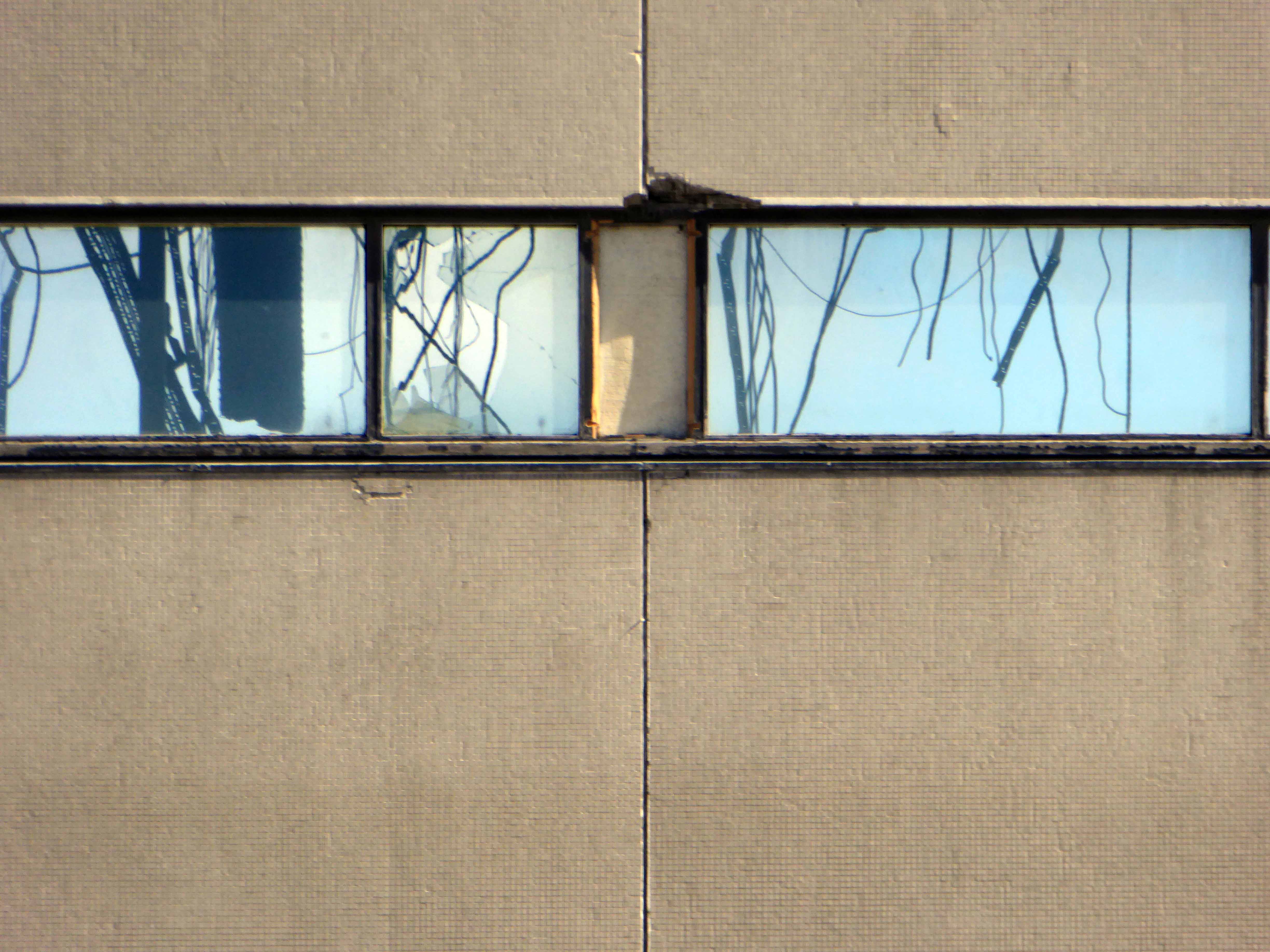
Two weeks into the demolition process the east elevation is no more, revealing a concrete honeycomb of torn steel and fresh air.
A few weeks time and it will be little more than so much dust and memories.
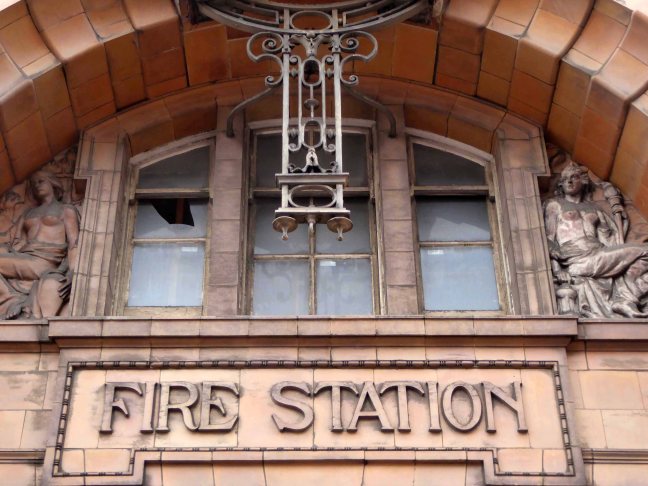
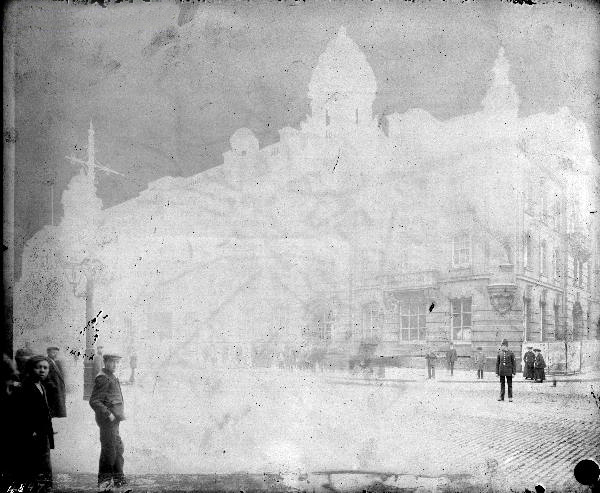
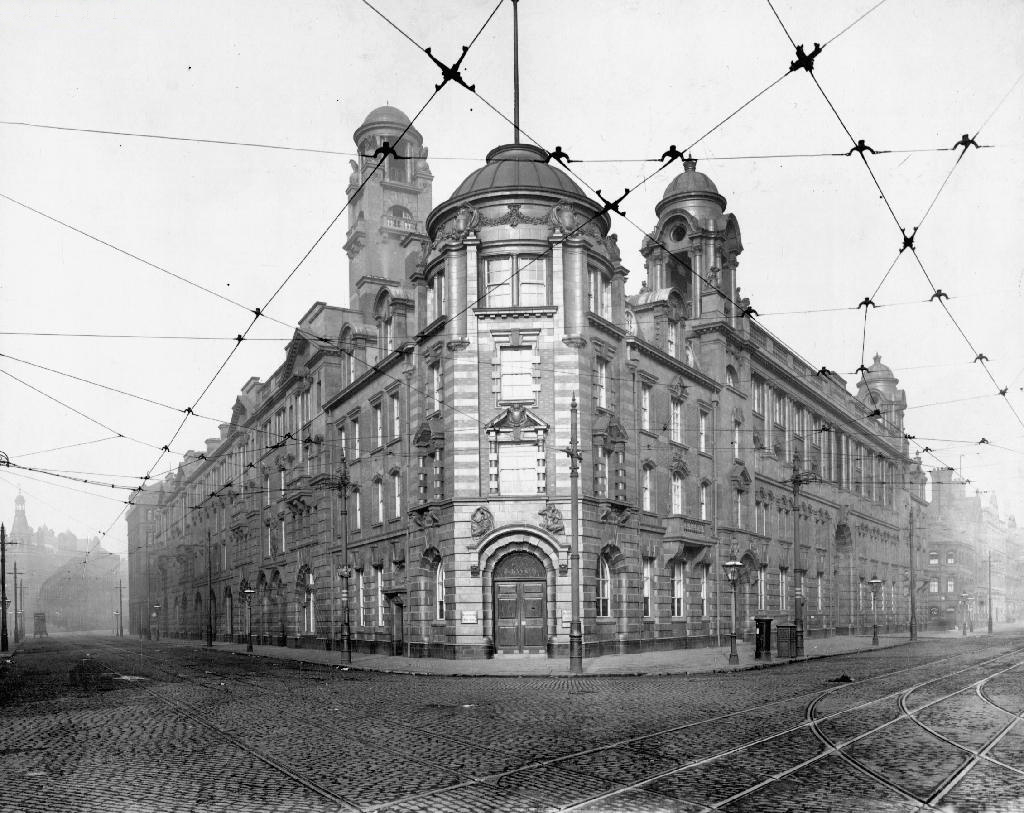
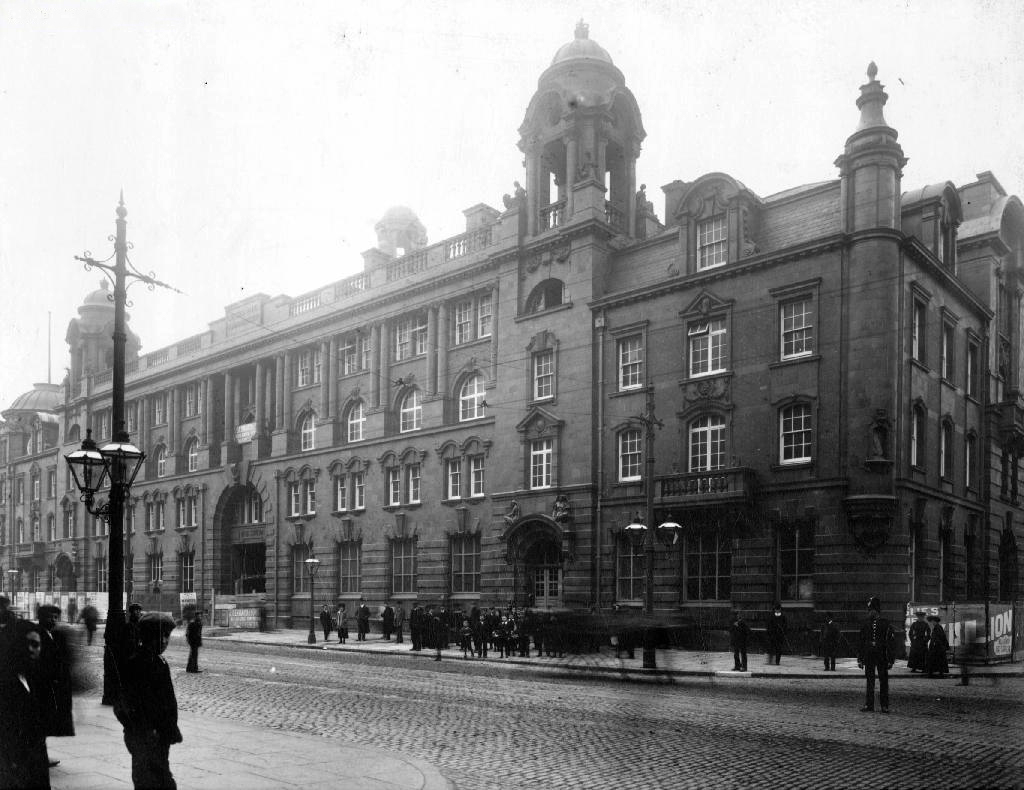
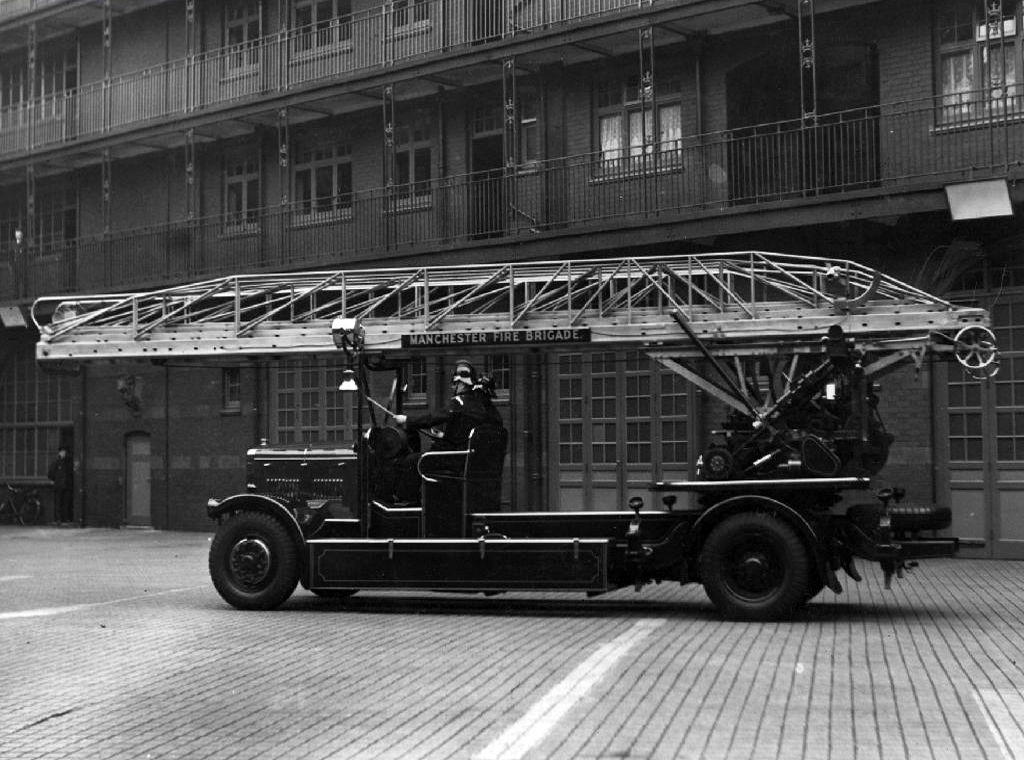
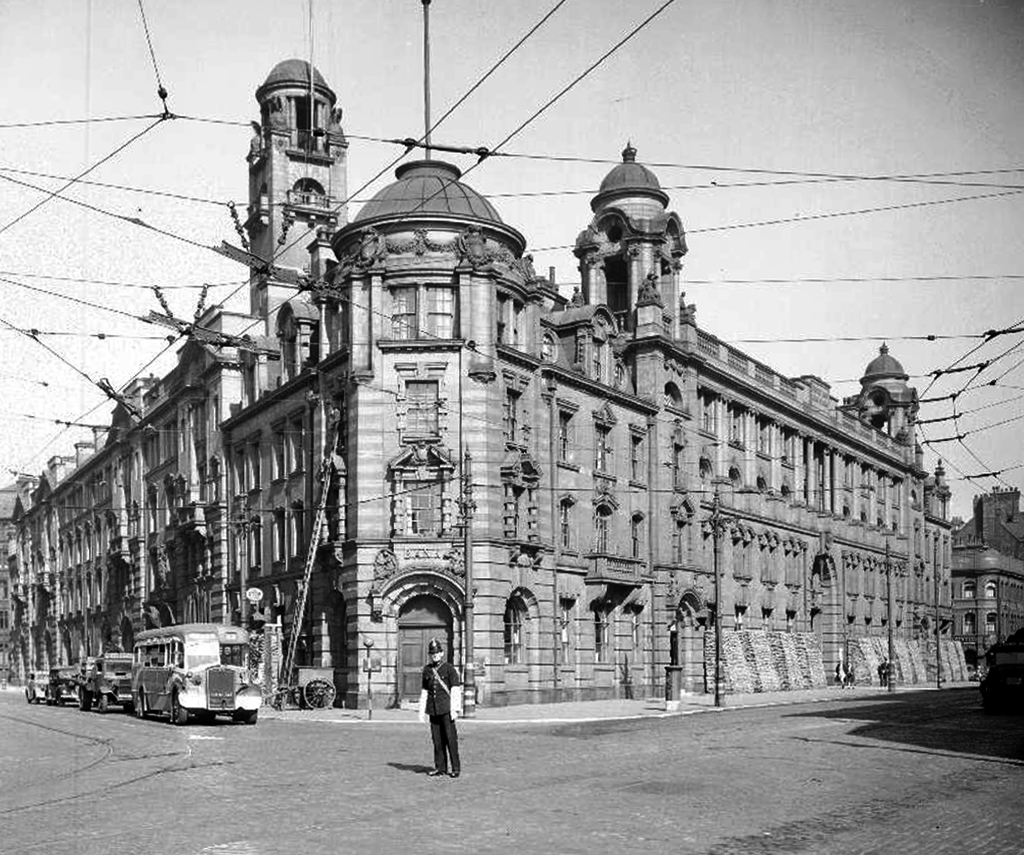
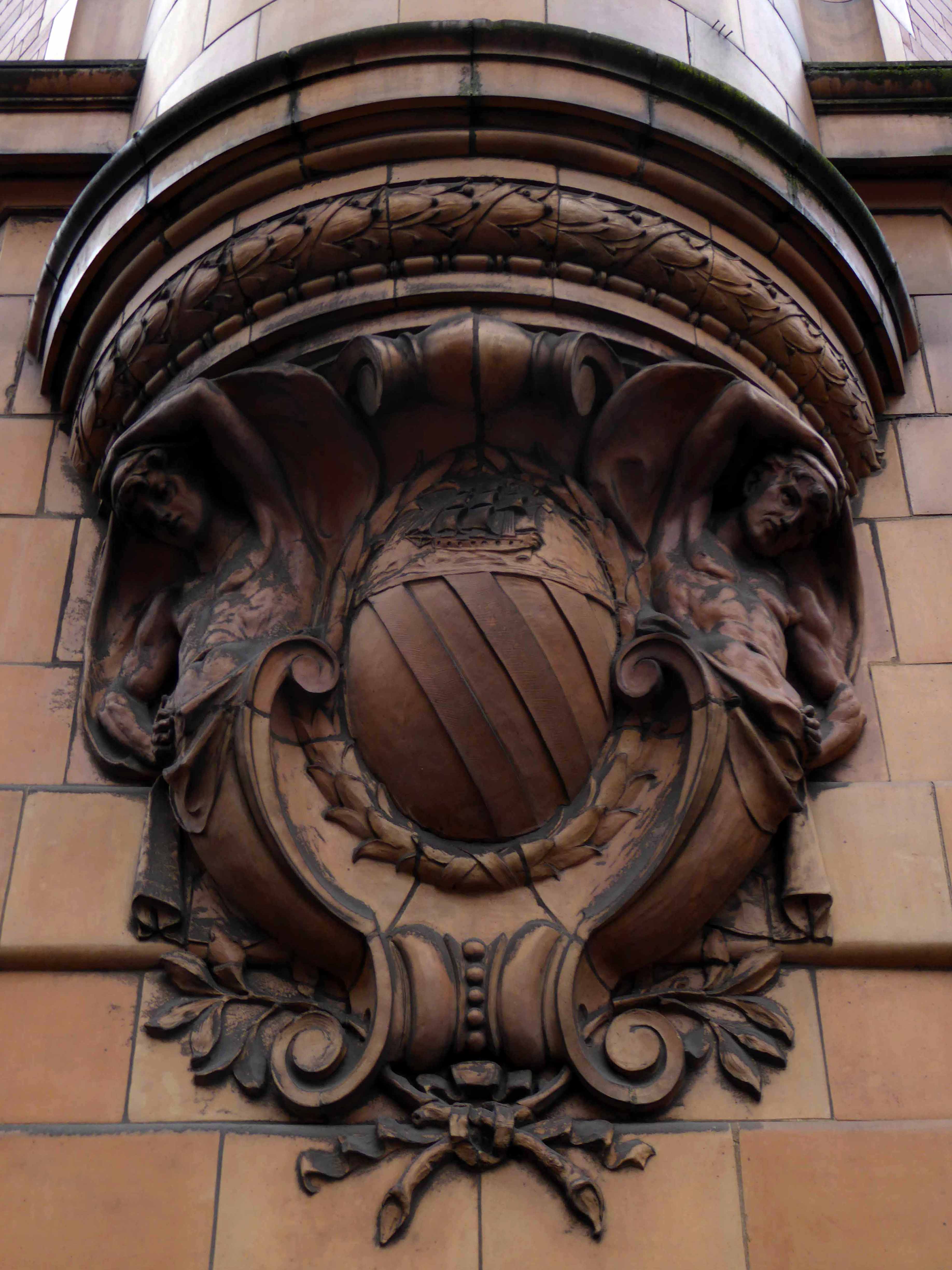
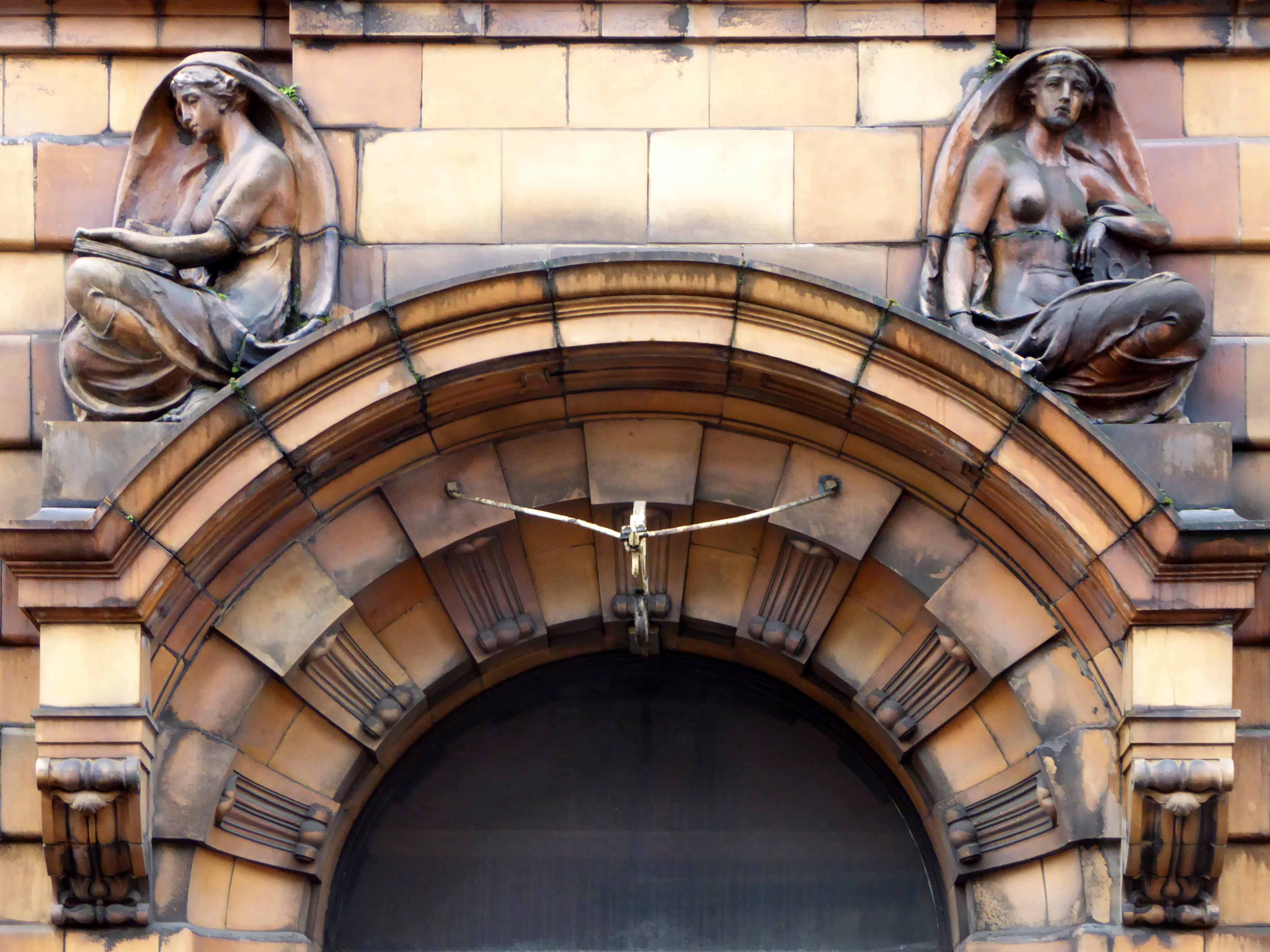
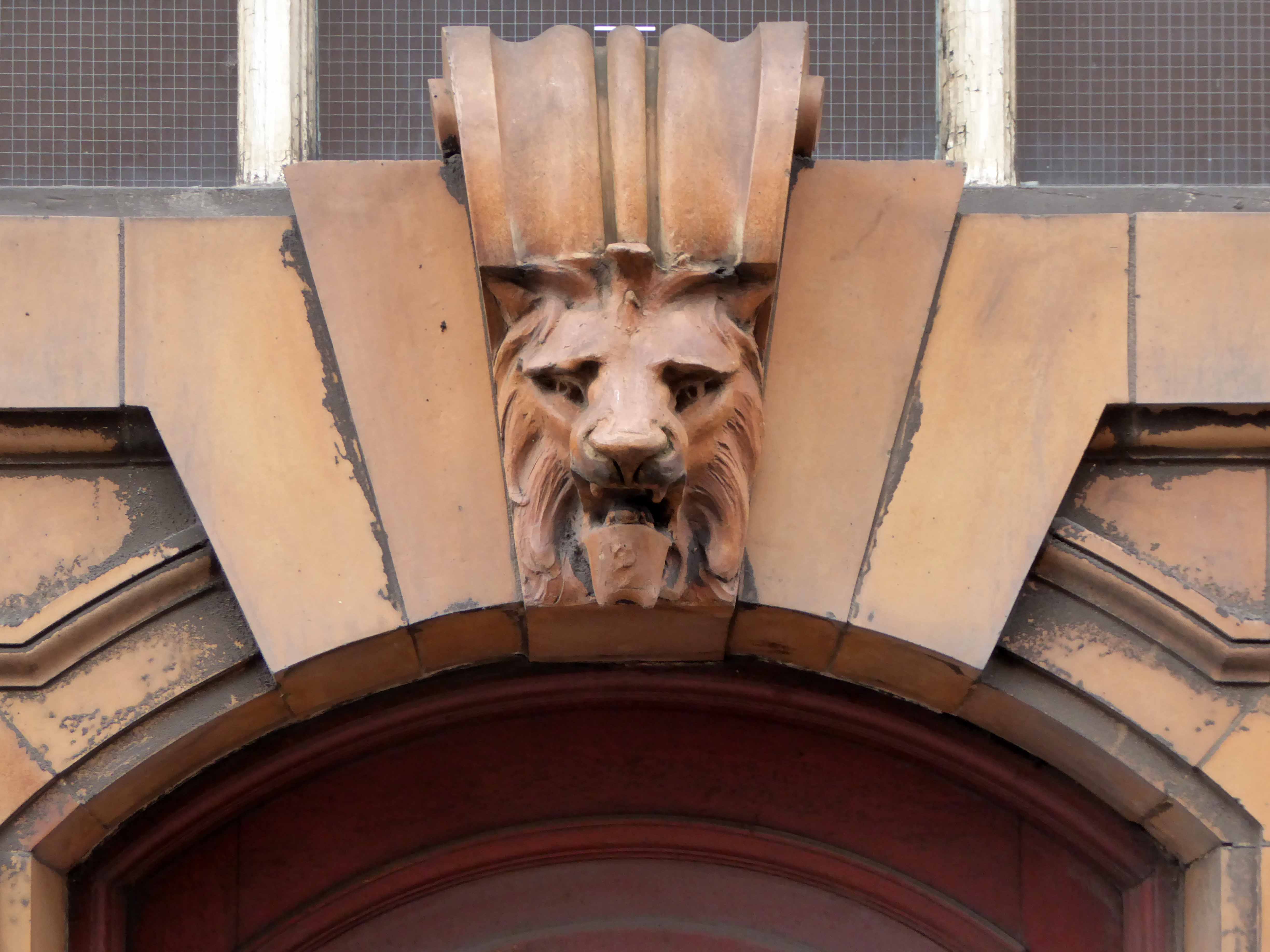
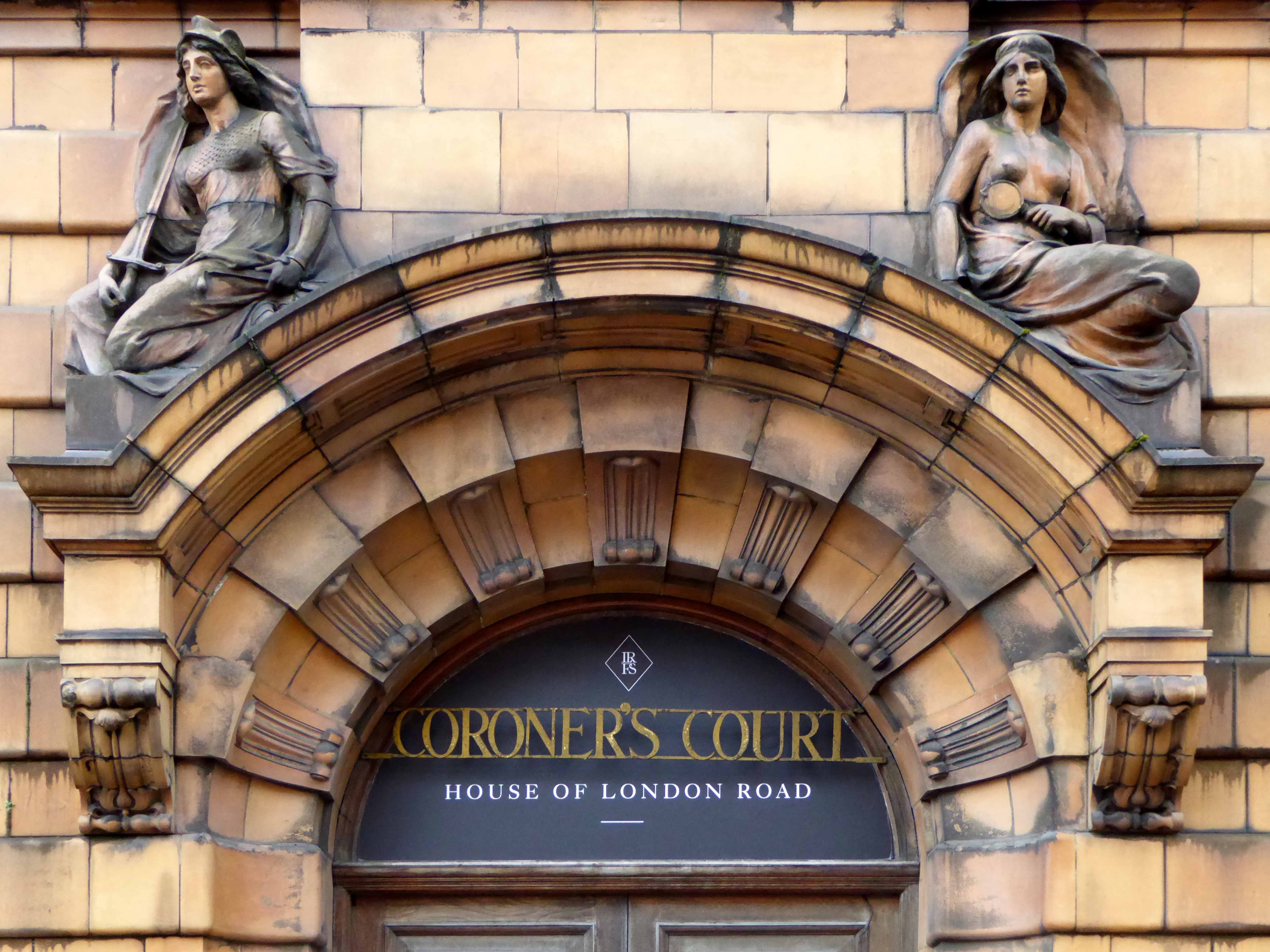
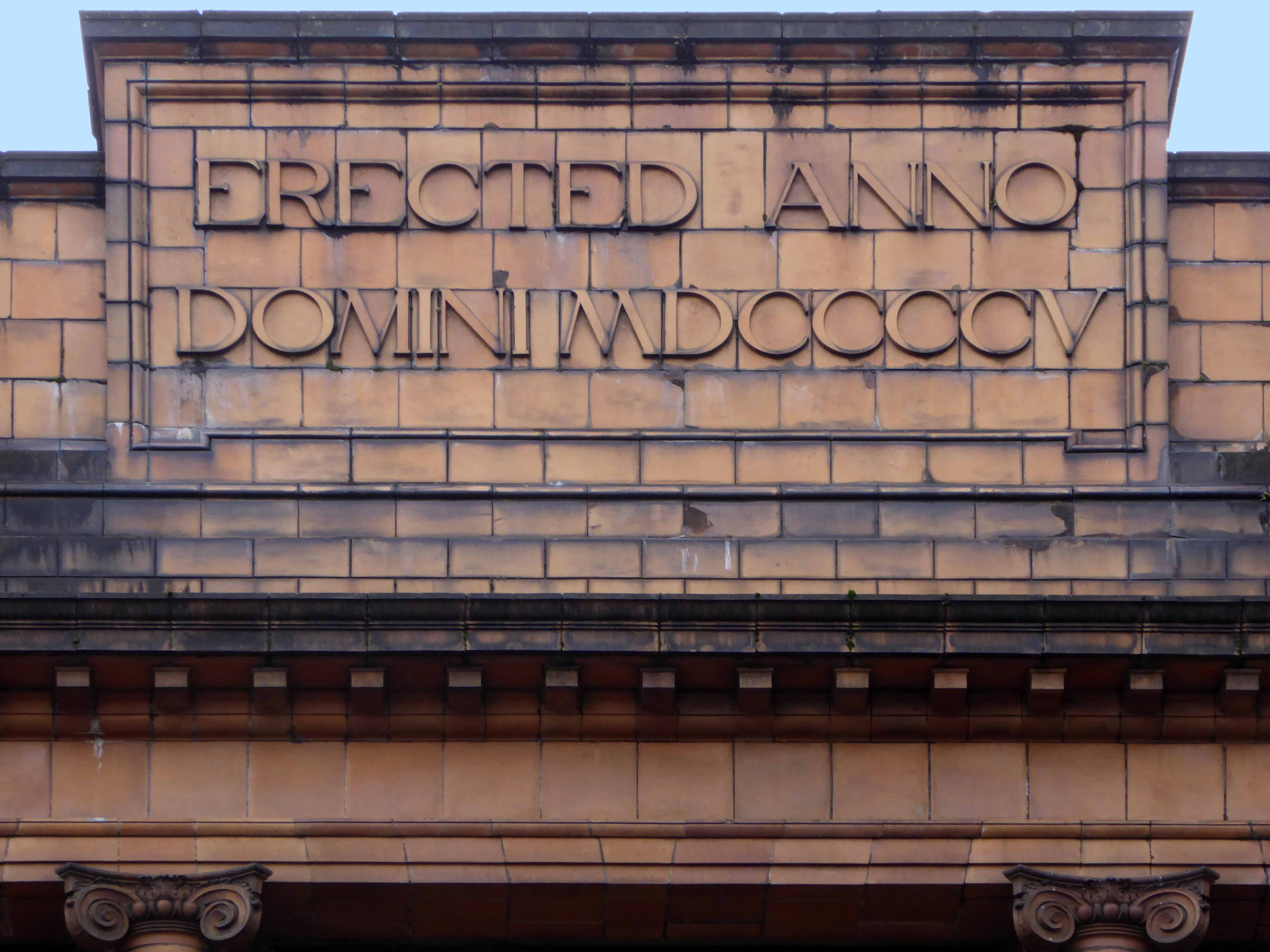
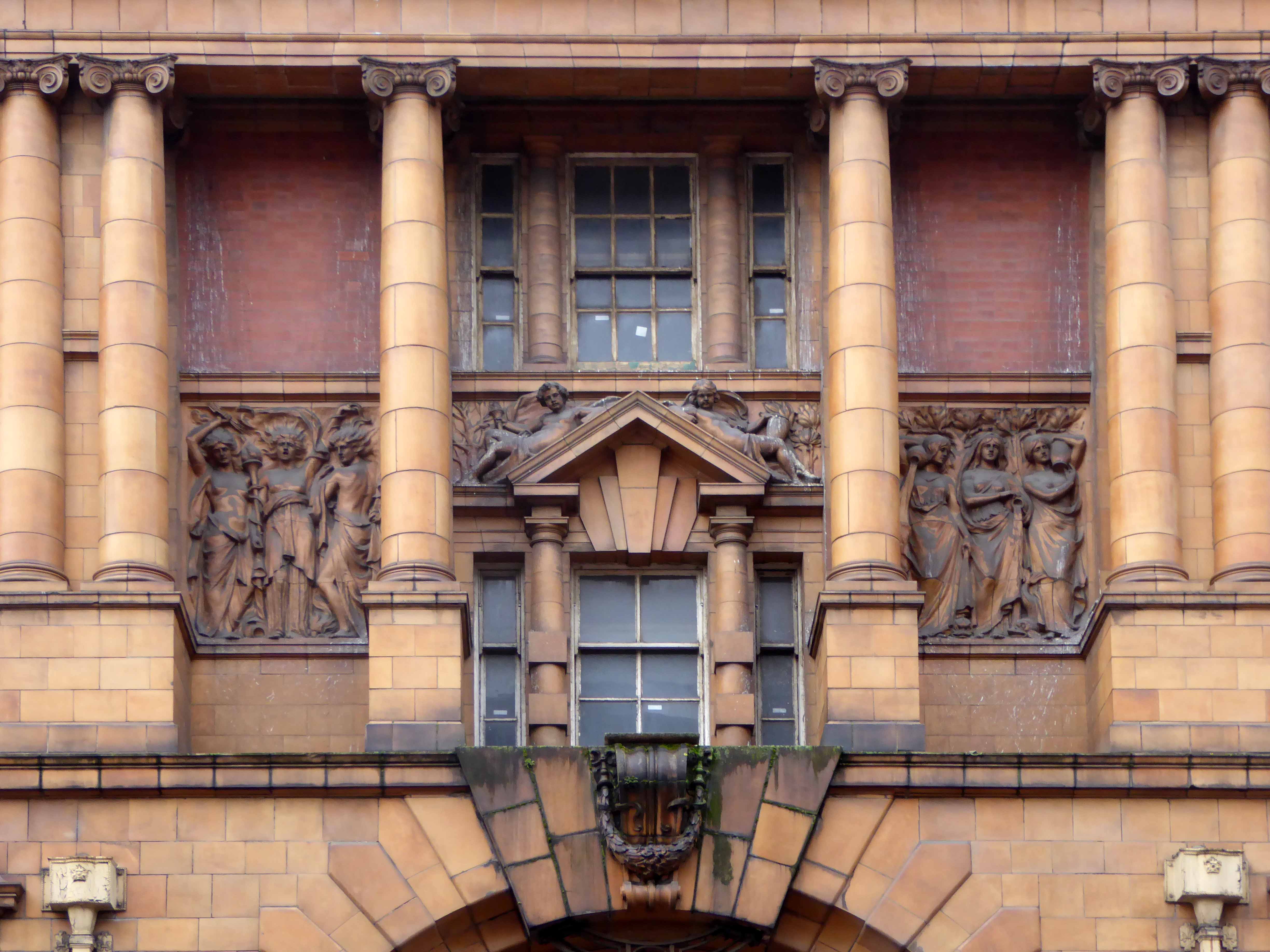
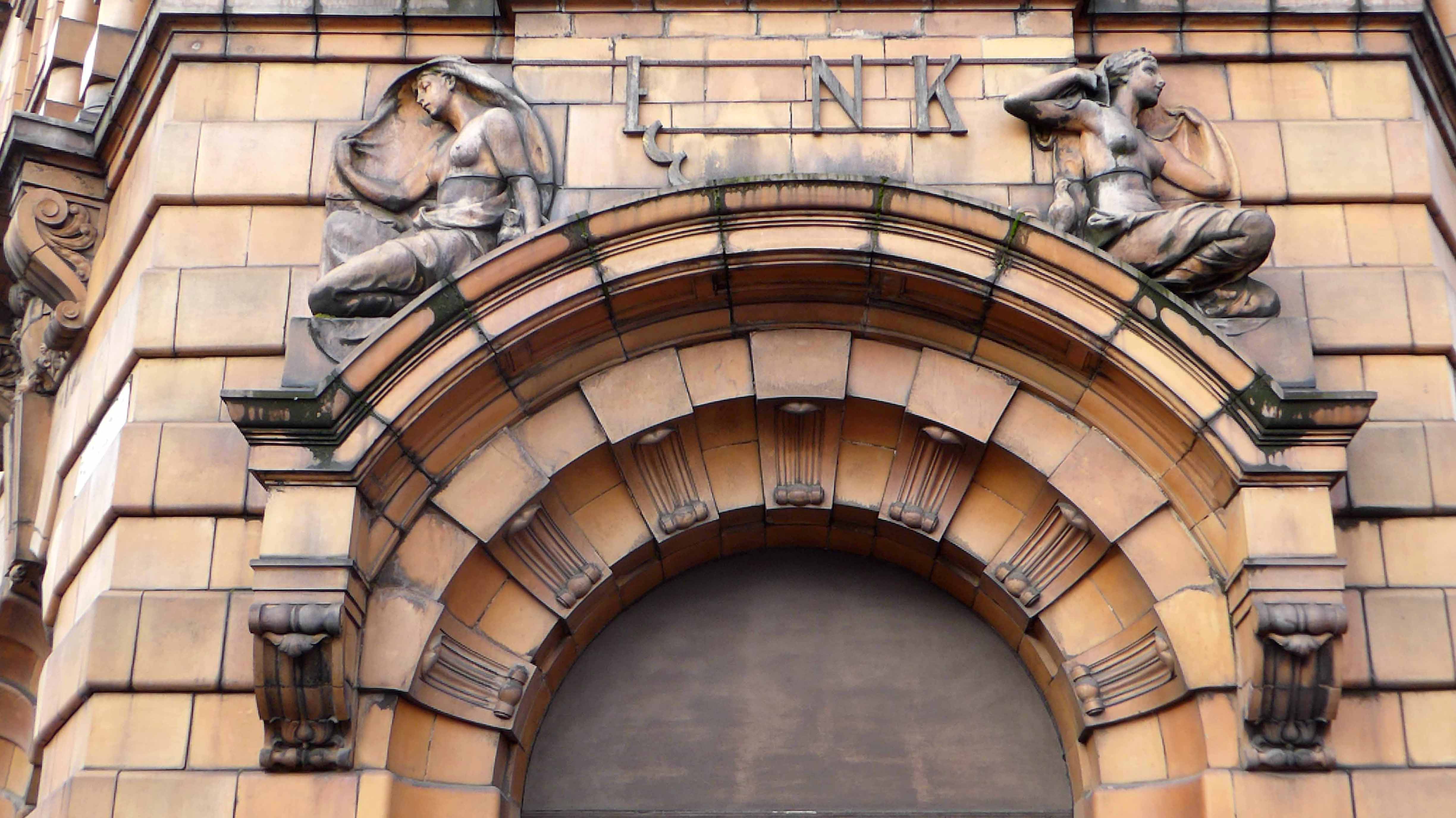
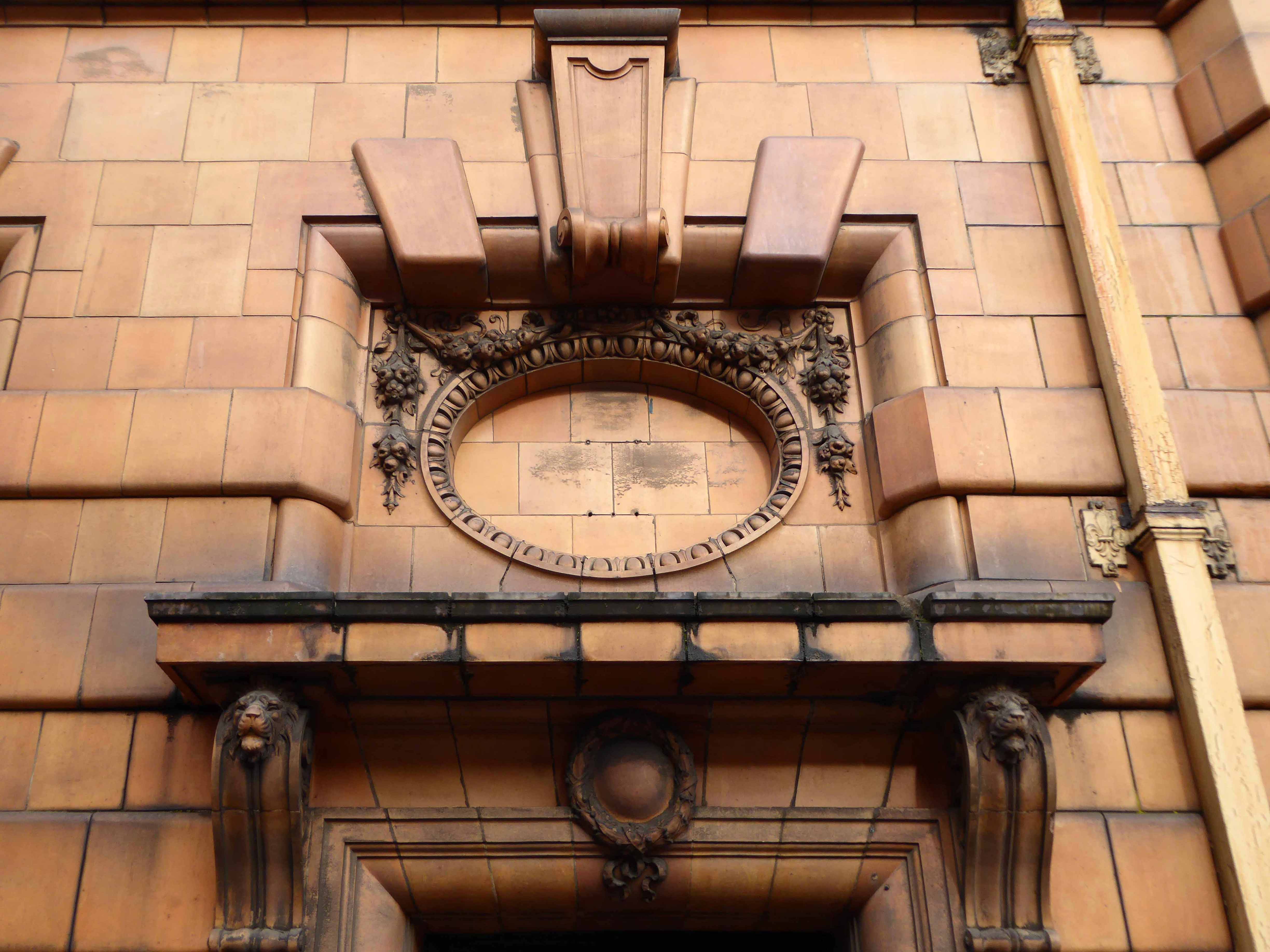
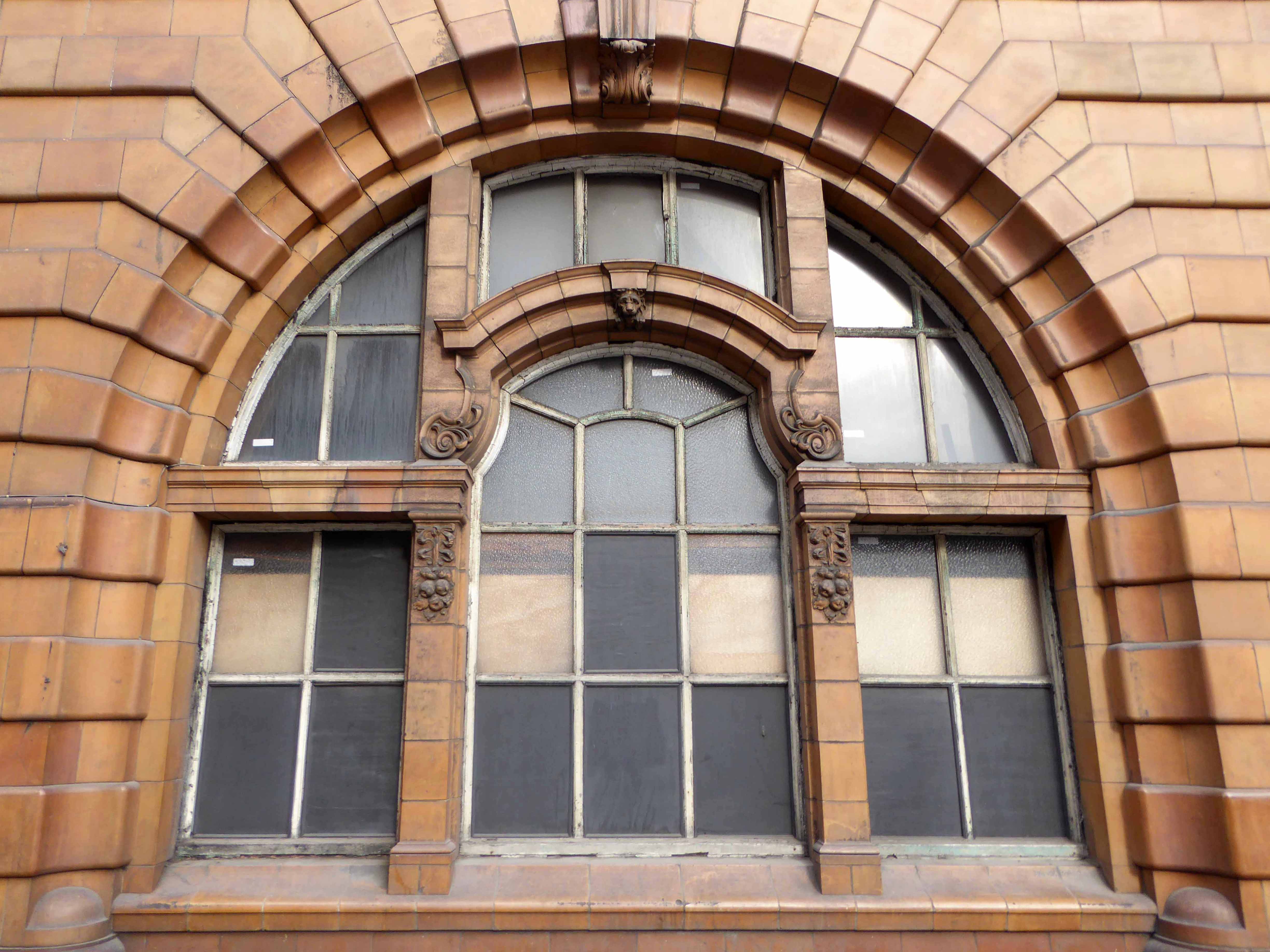
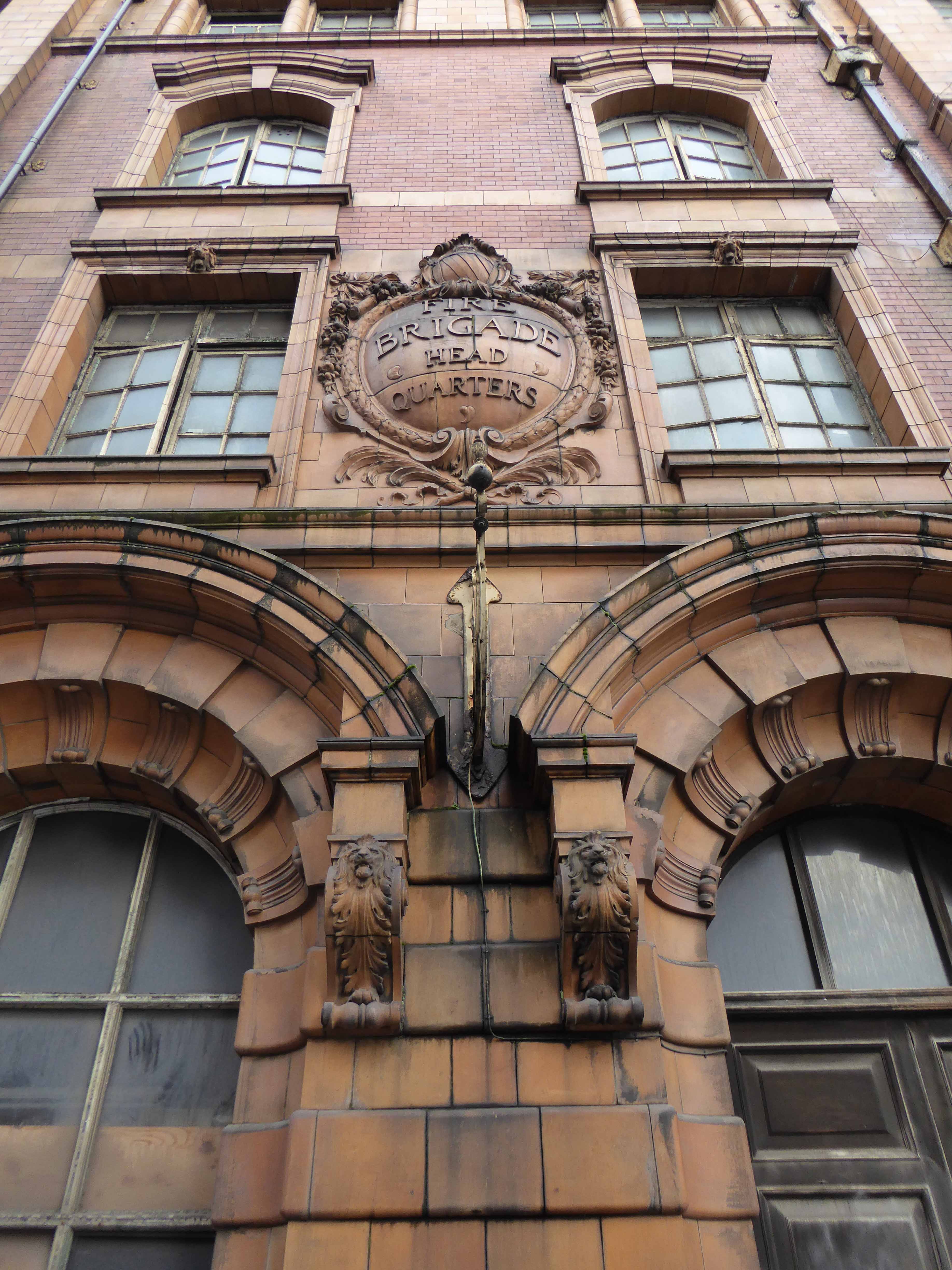
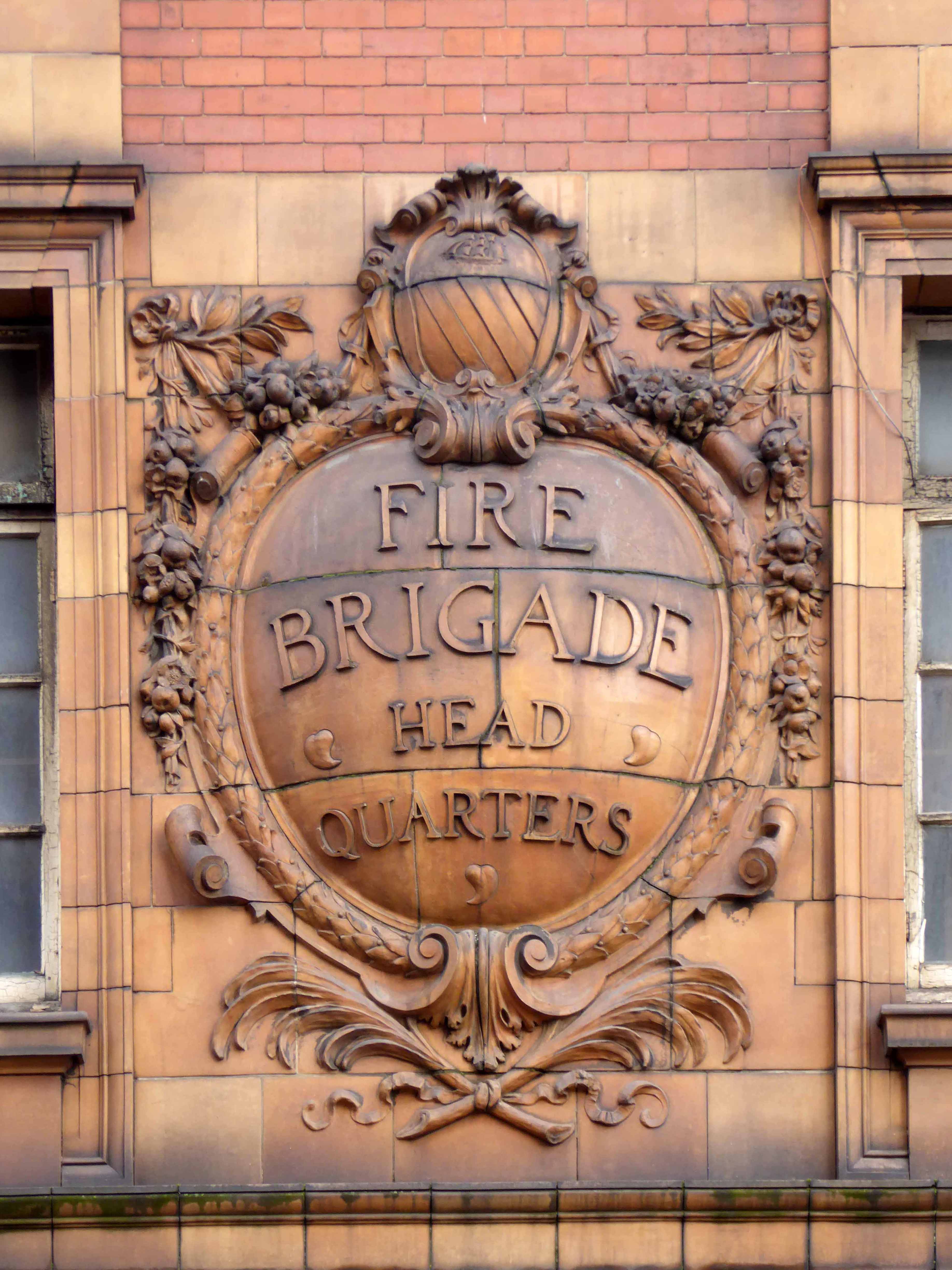
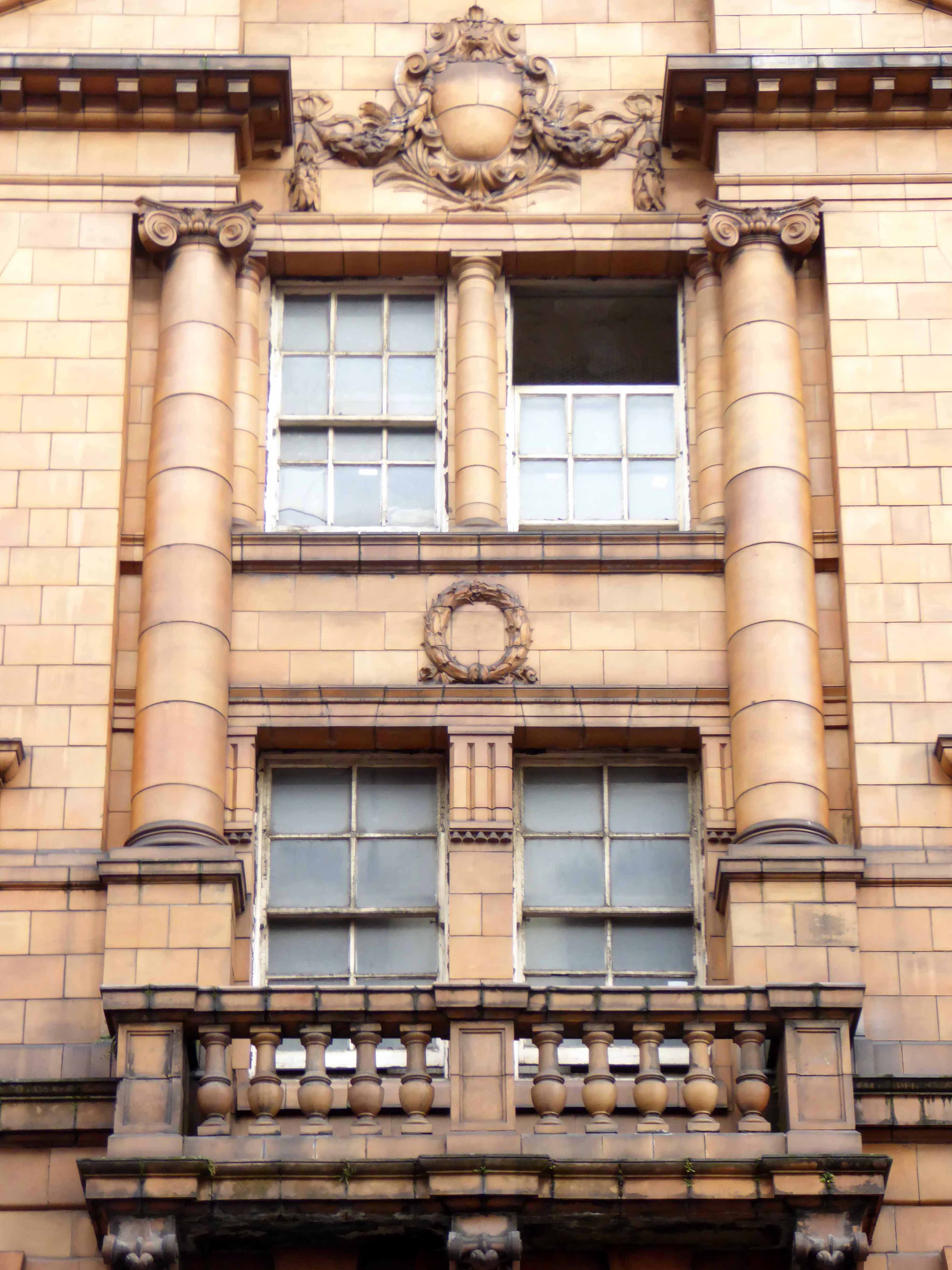
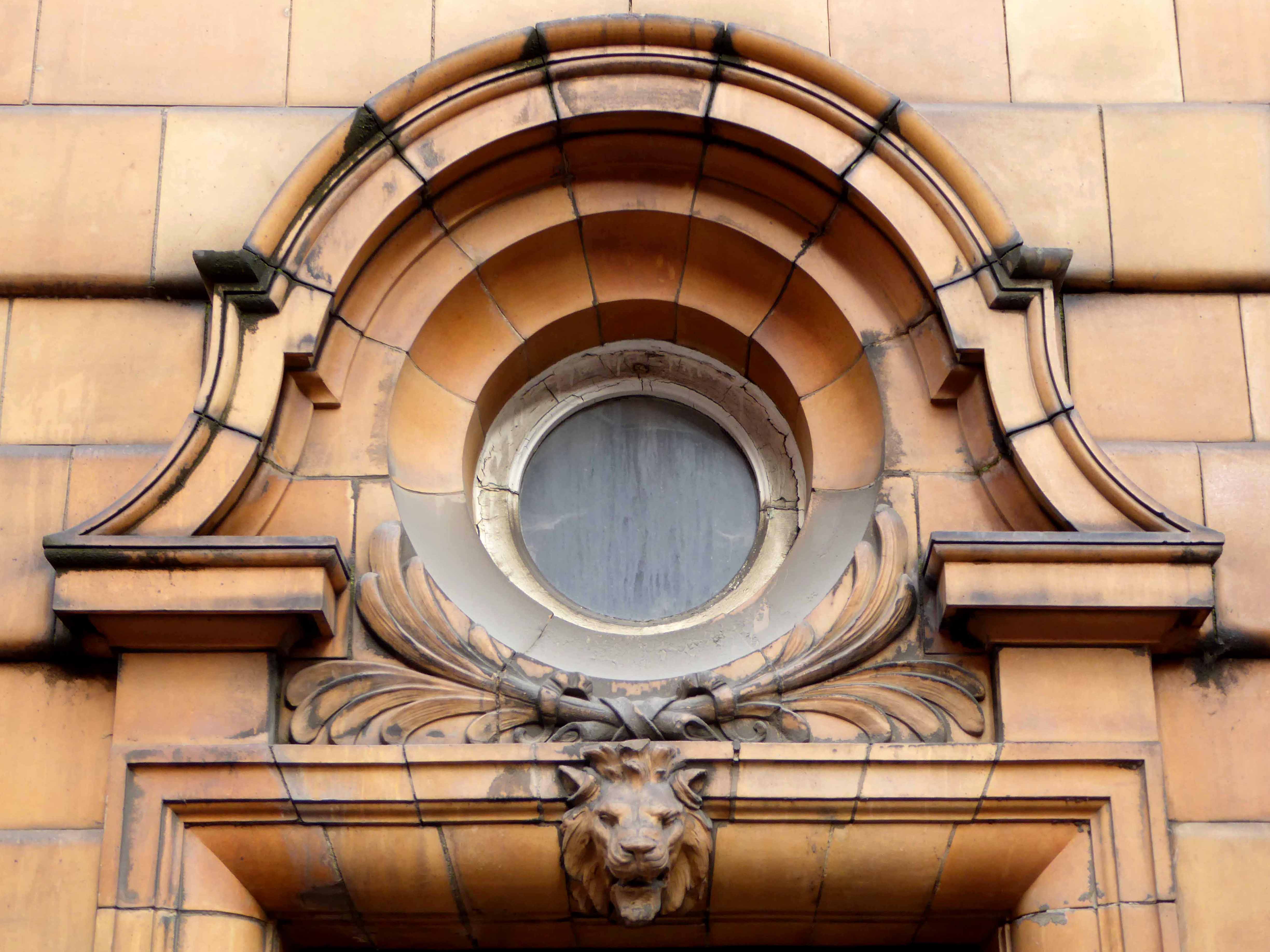
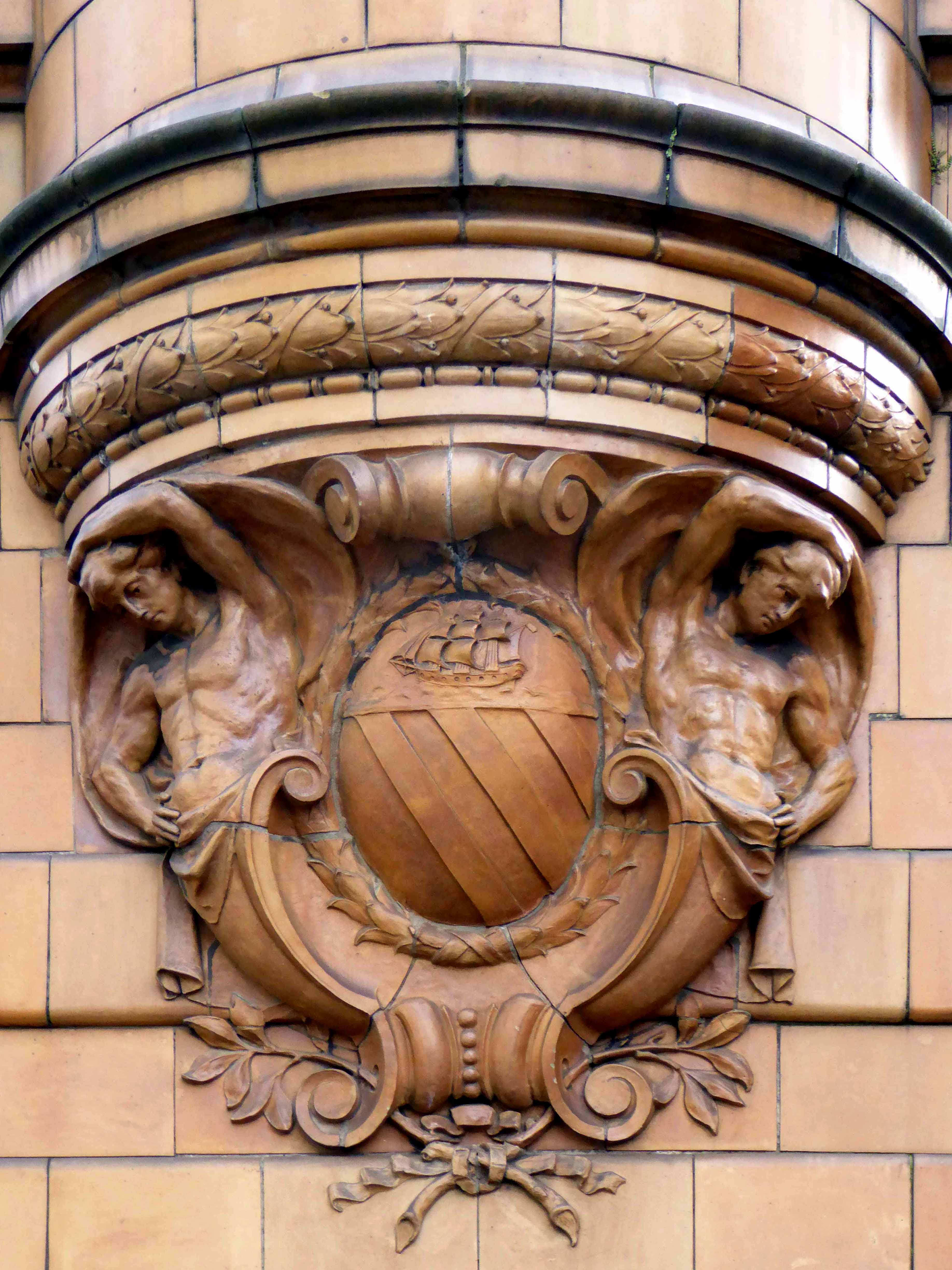
London Road Fire Station is a former fire station in Manchester, England. It was opened in 1906, on a site bounded by London Road, Whitworth Street, Minshull Street South and Fairfield Street. Designed in the Edwardian Baroque style by Woodhouse, Willoughby and Langham in red brick and terracotta, it cost £142,000 to build and was built by J. Gerrard and Sons of Swinton. It has been a Grade II* listed building since 1974.
Despite its listing and prominence, opposite the rear corner of Piccadilly Station, this honeyed and red ochre delight has suffered nought but the indignity of abandonment since its closure in 1986, changing hands as quickly and venally as a worn deck of cards
The finest fire station in this round world stands empty.
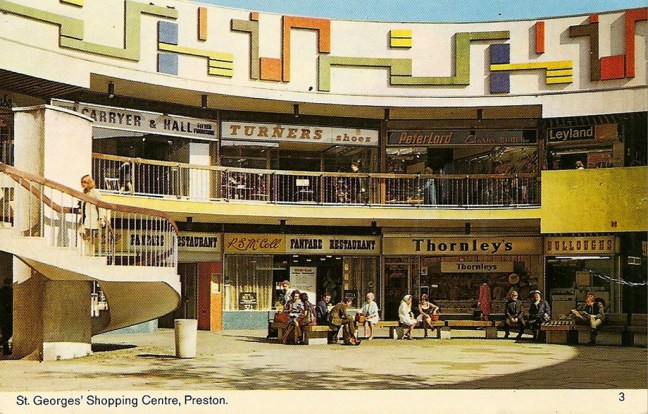
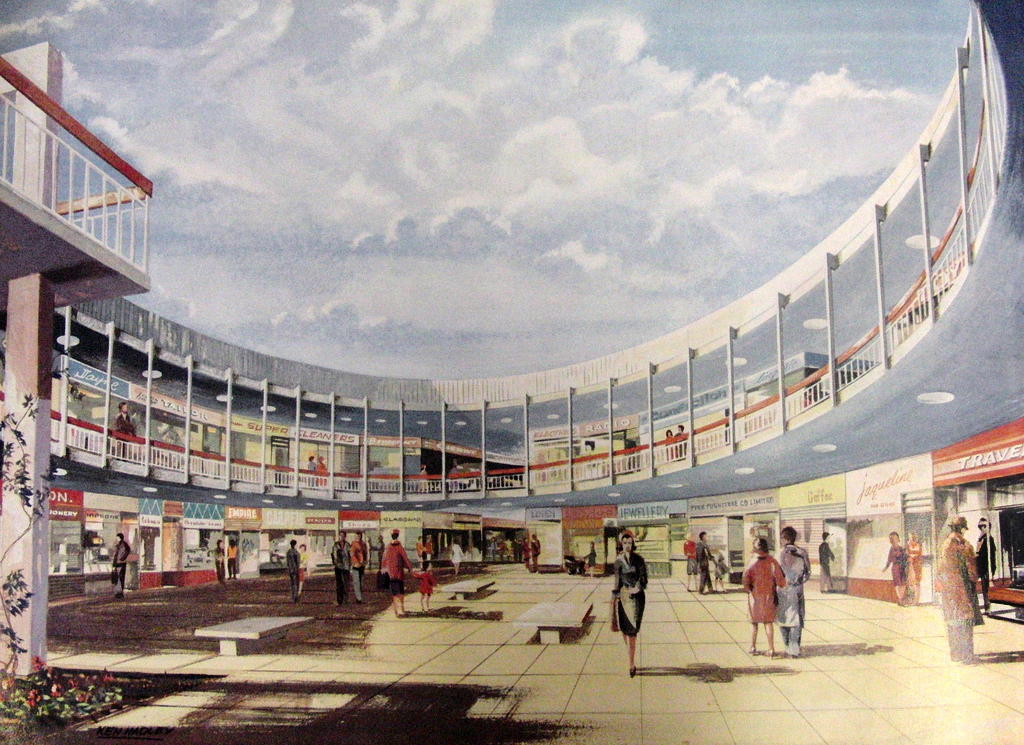
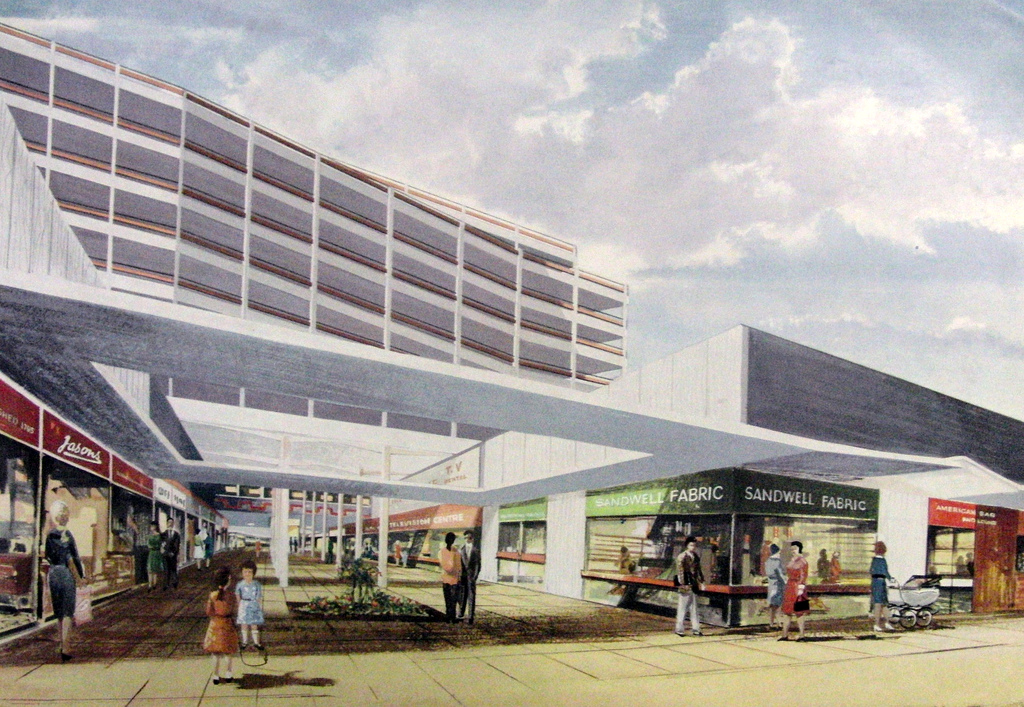
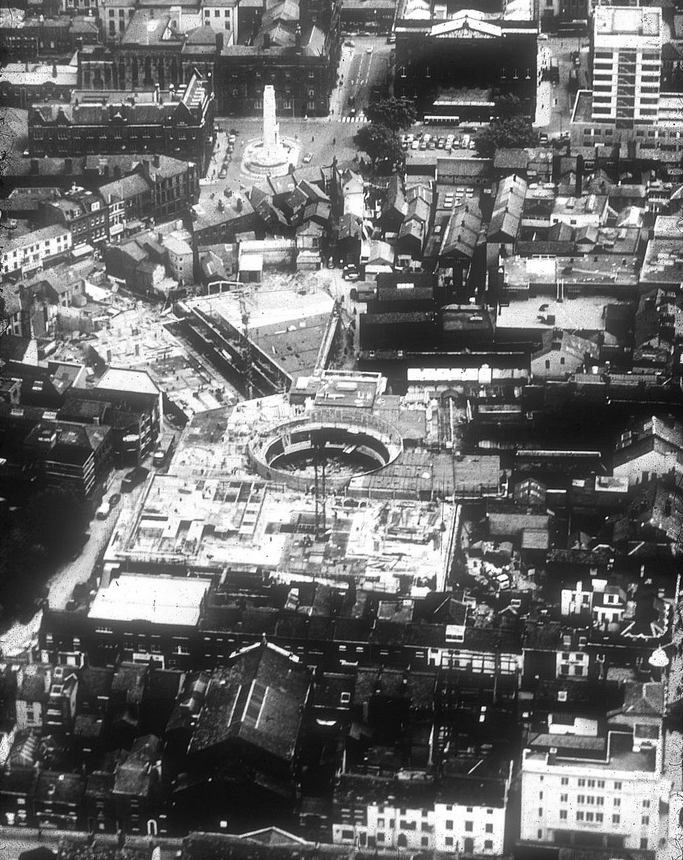
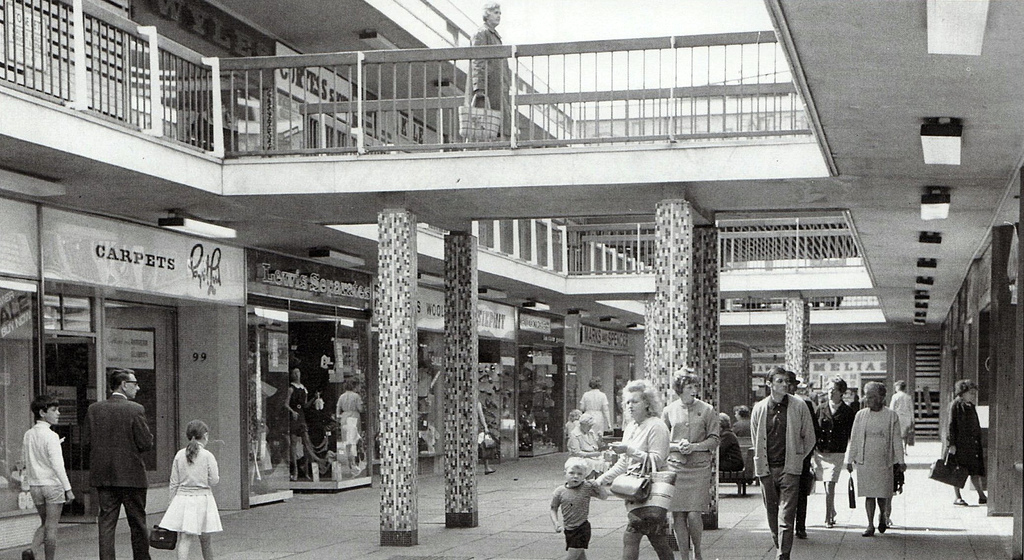
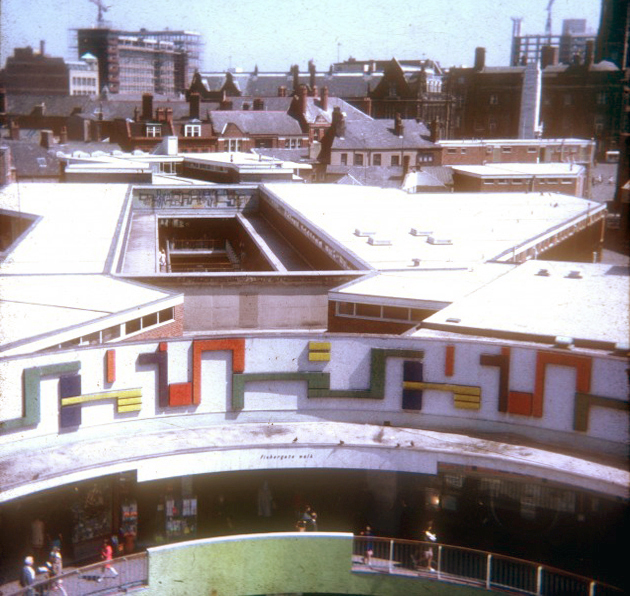
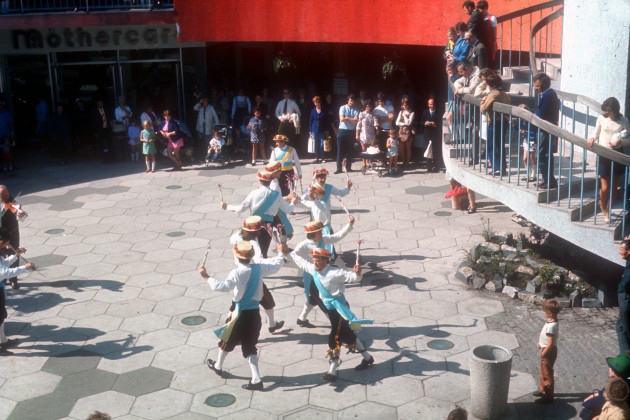
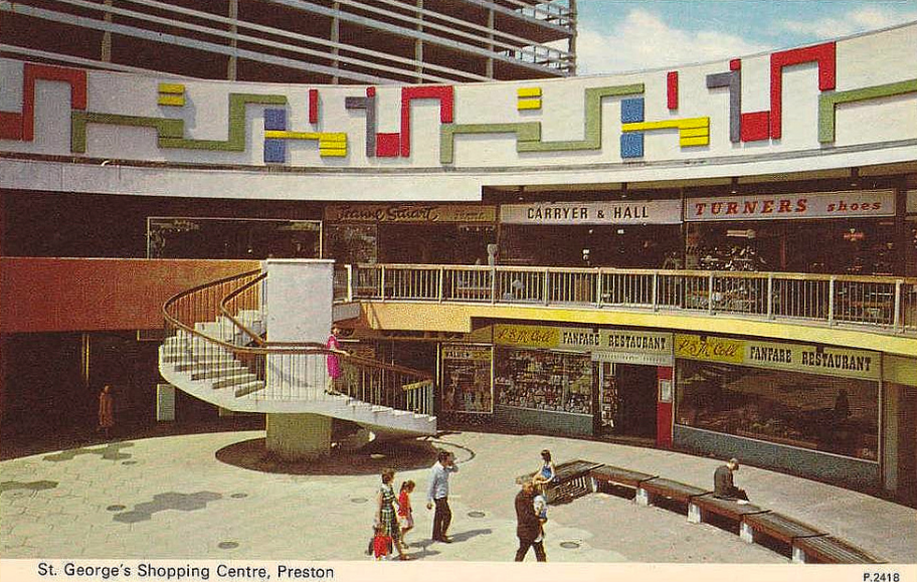
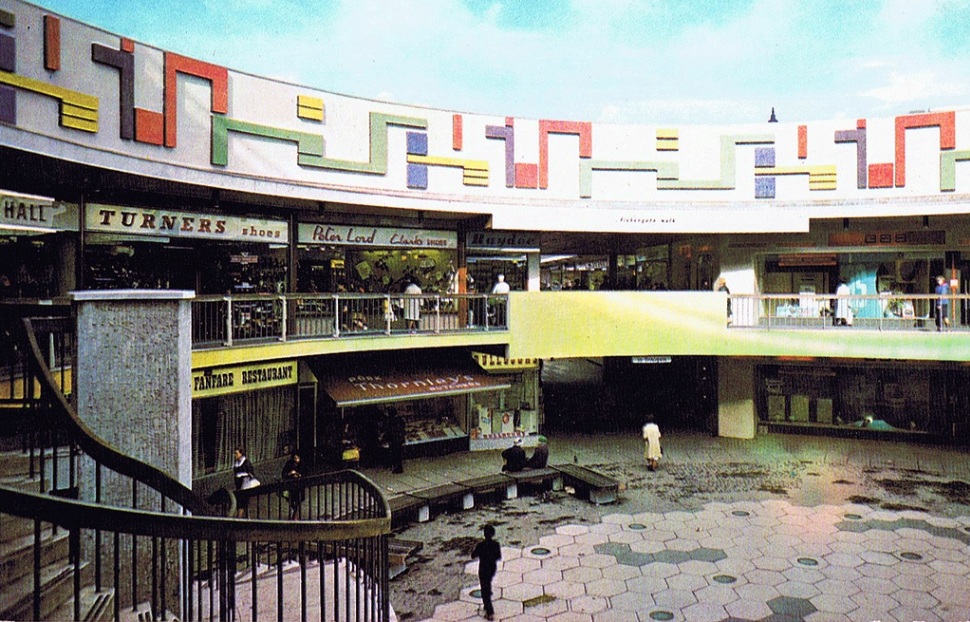
Once upon a time the future was shop-shaped and utopian, the Modernist reliefs a welcome relief from post-war doom and gloom, public decorative art was off the ration for good, or so it seemed. Small retail units, housed small local operators, their shiny well-washed fascias, glowing with graphic pride and diversity, slab serif and decorative script the order of the day.
Architects J Seymour Harris and Partners envisaged a brave new water-coloured open-aired world for the grey austerity-tinted folk of Preston.
And lo it came to pass and underpass – the future was here yesterday.
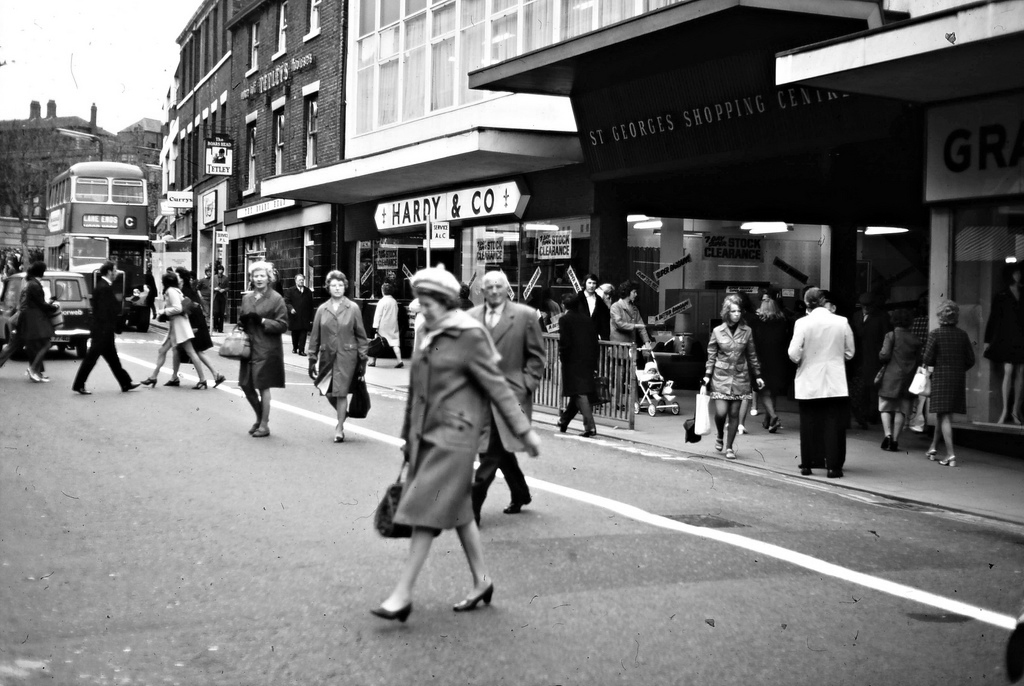
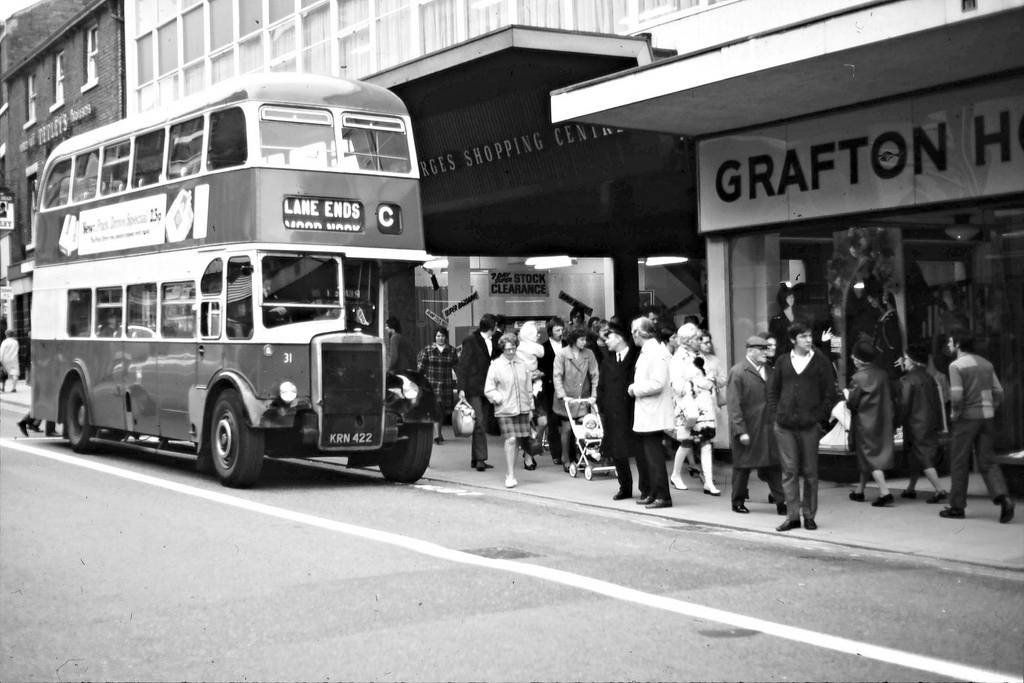
Get off the bus on Fishergate and walk right on in.
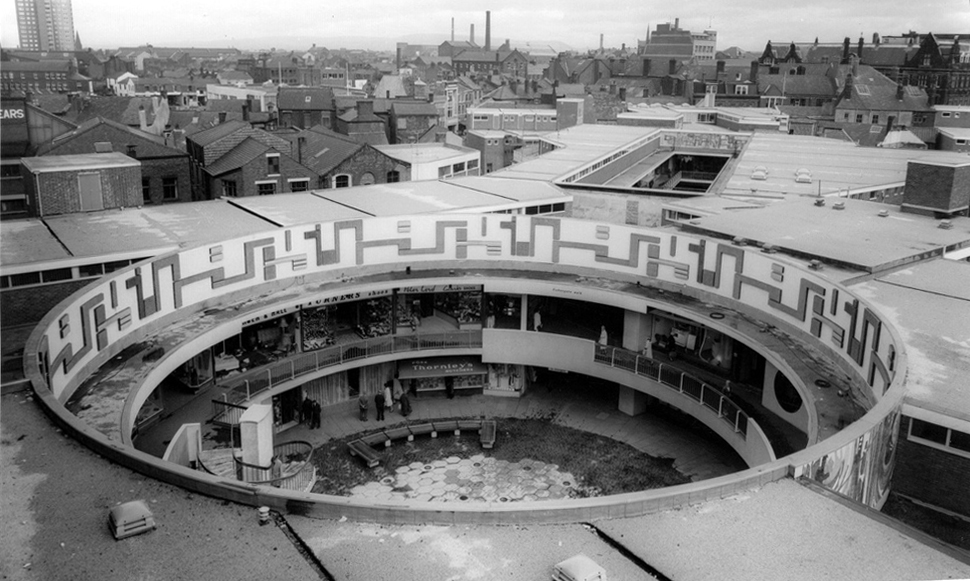
The shopping centre opened on 22 March 1966 as St George’s Shopping Centre.
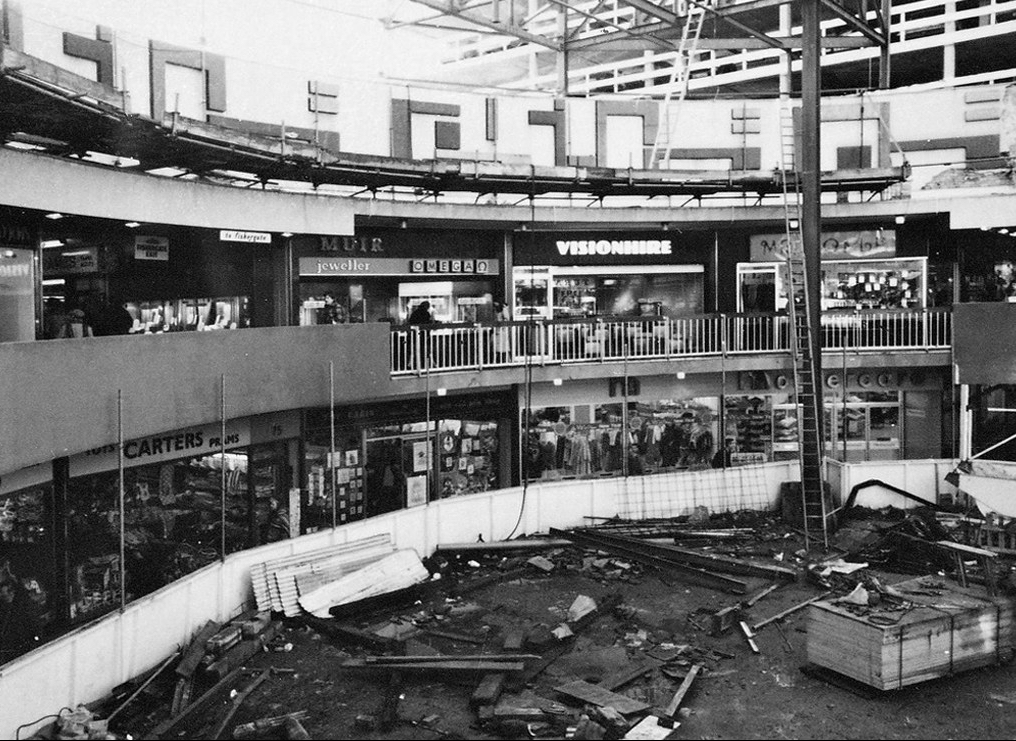
It was originally an open air centre, and was roofed over during refurbishment in 1981. It was further refurbished in 1999.
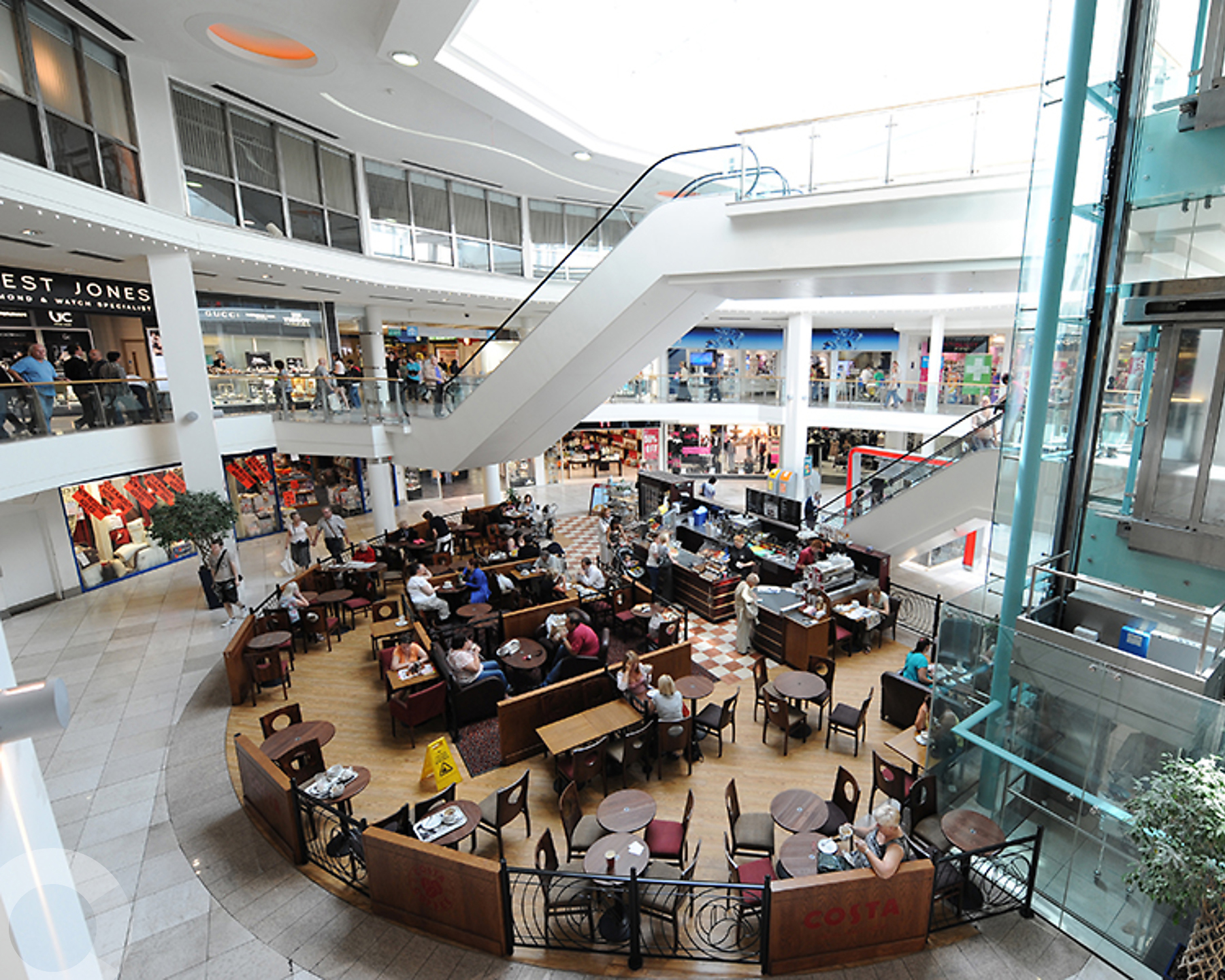
In May 2004, when The Mall Company took over the centre, they were greeted with an ageing shopping centre. The shopping centre was rebranded as The Mall, and a massive development scheme was planned. Small stalls, main shops, cafes, restaurants, toilets, and escalators were overhauled.
In March 2010, the shopping centre was acquired by Aviva Investors for £87 million. In September 2010, The Mall was rebranded under its original name St George’s Shopping Centre.
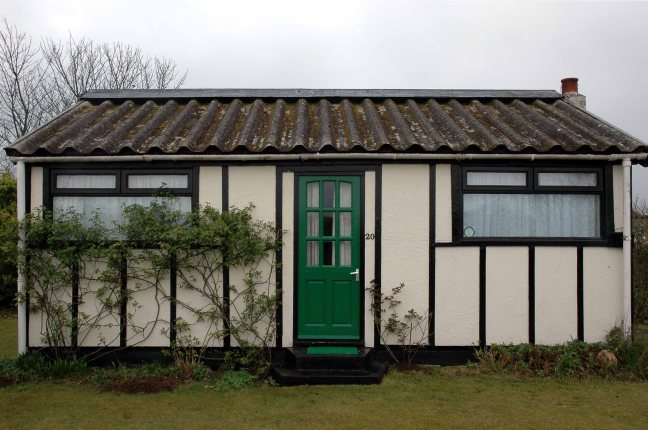
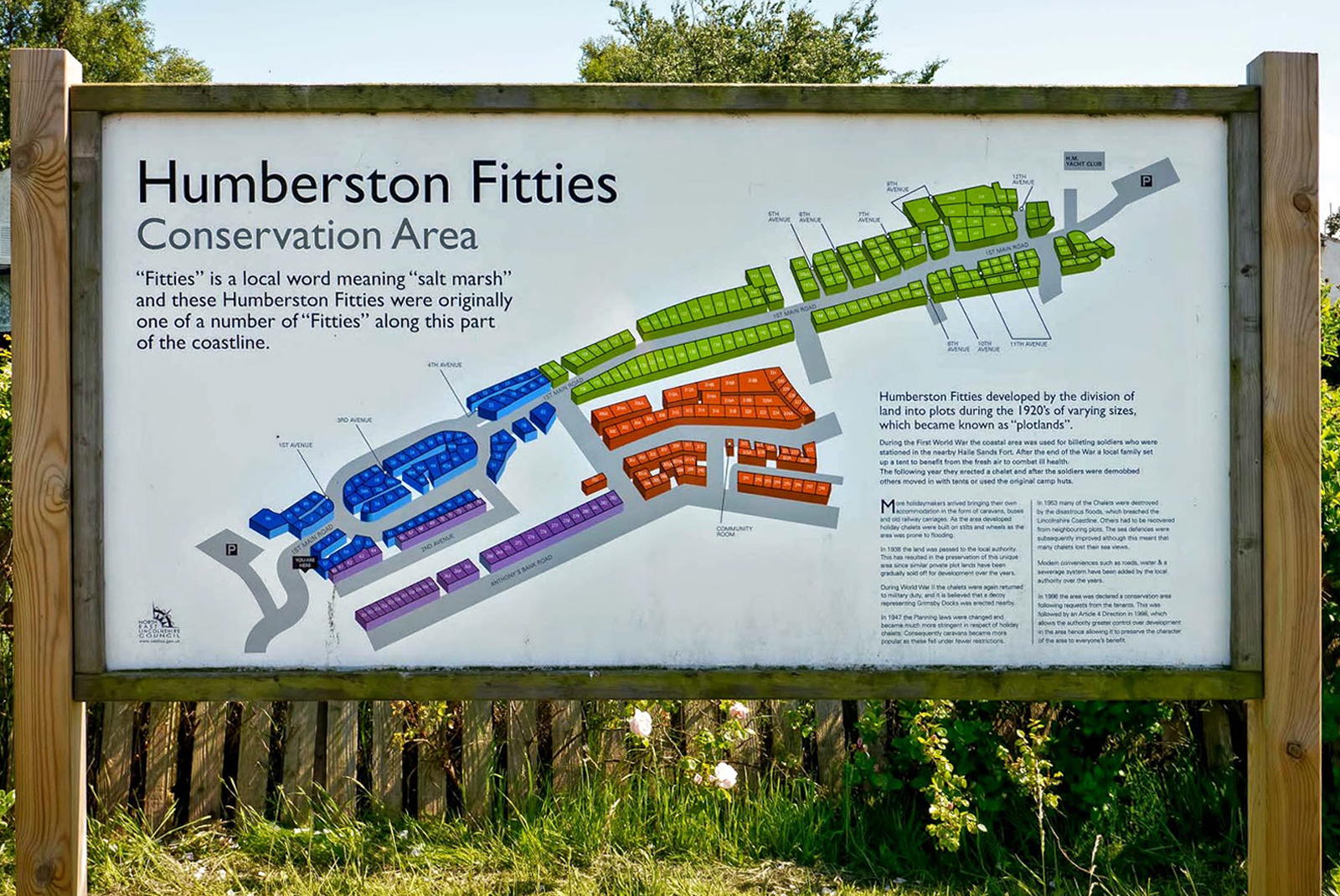
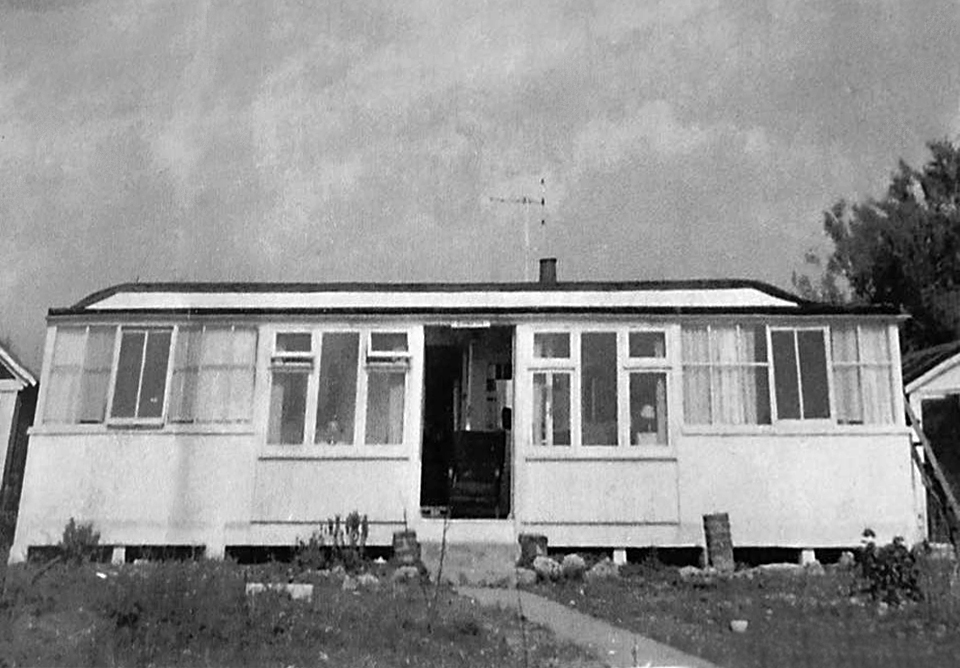
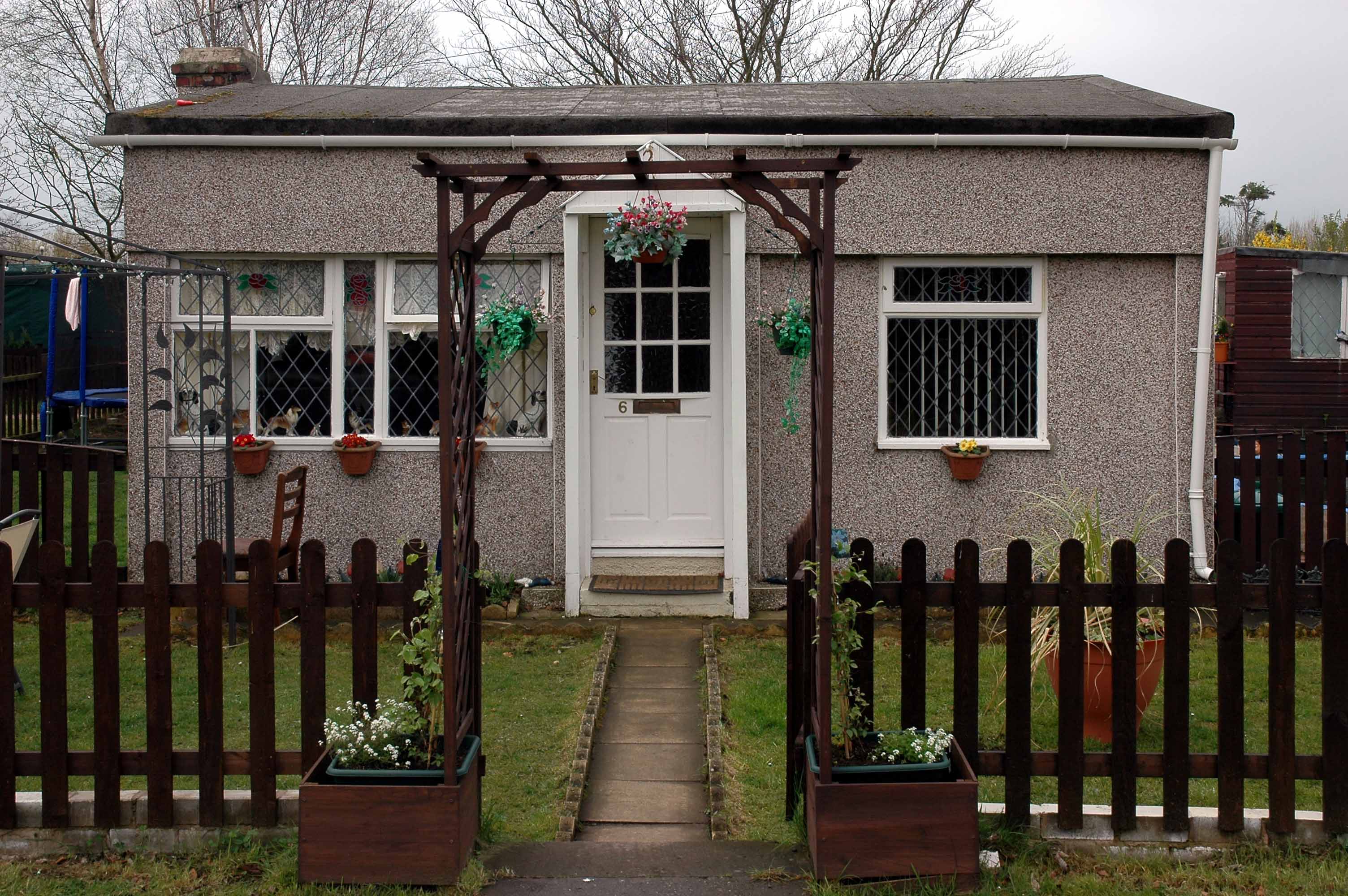
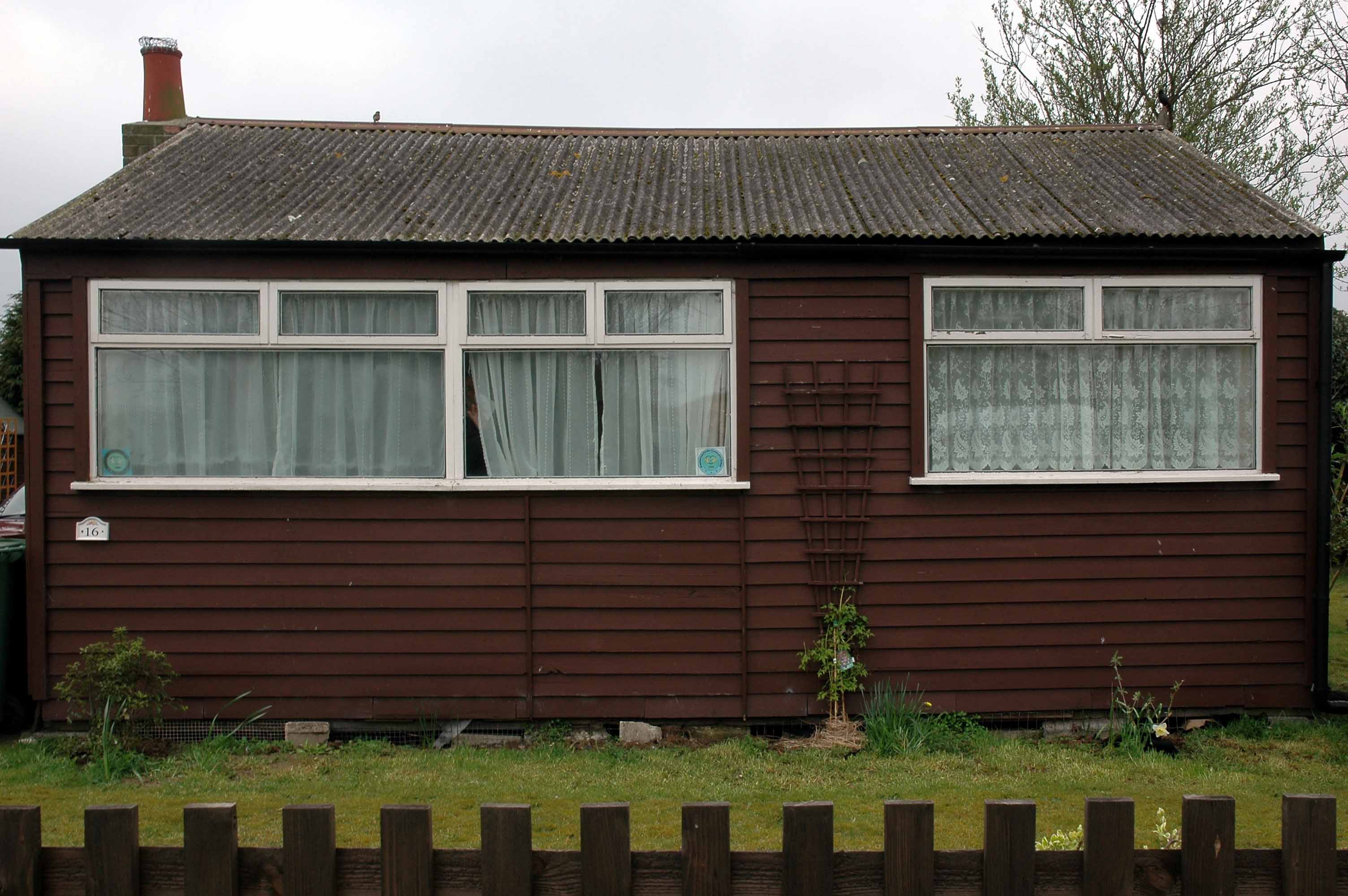
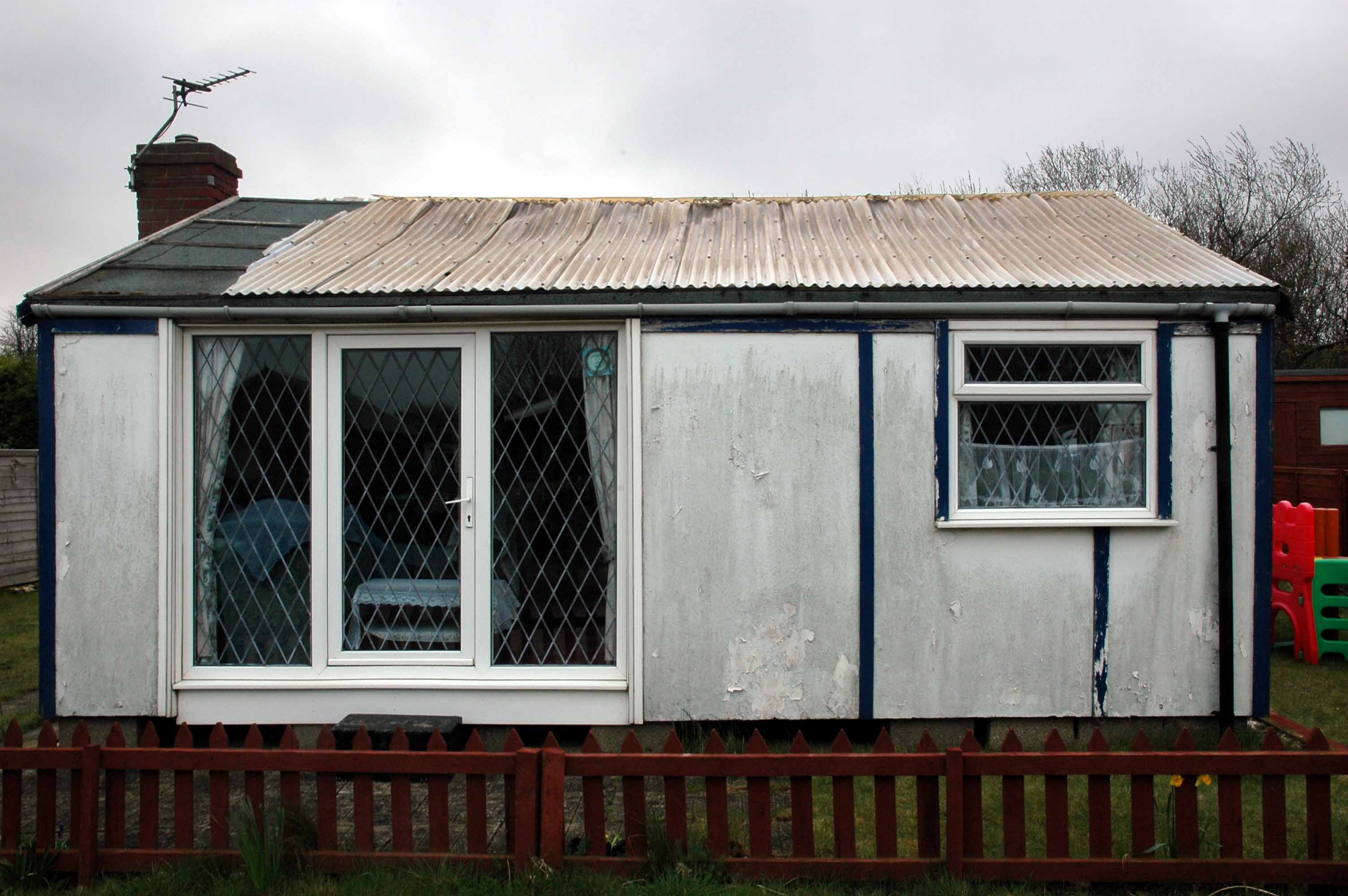
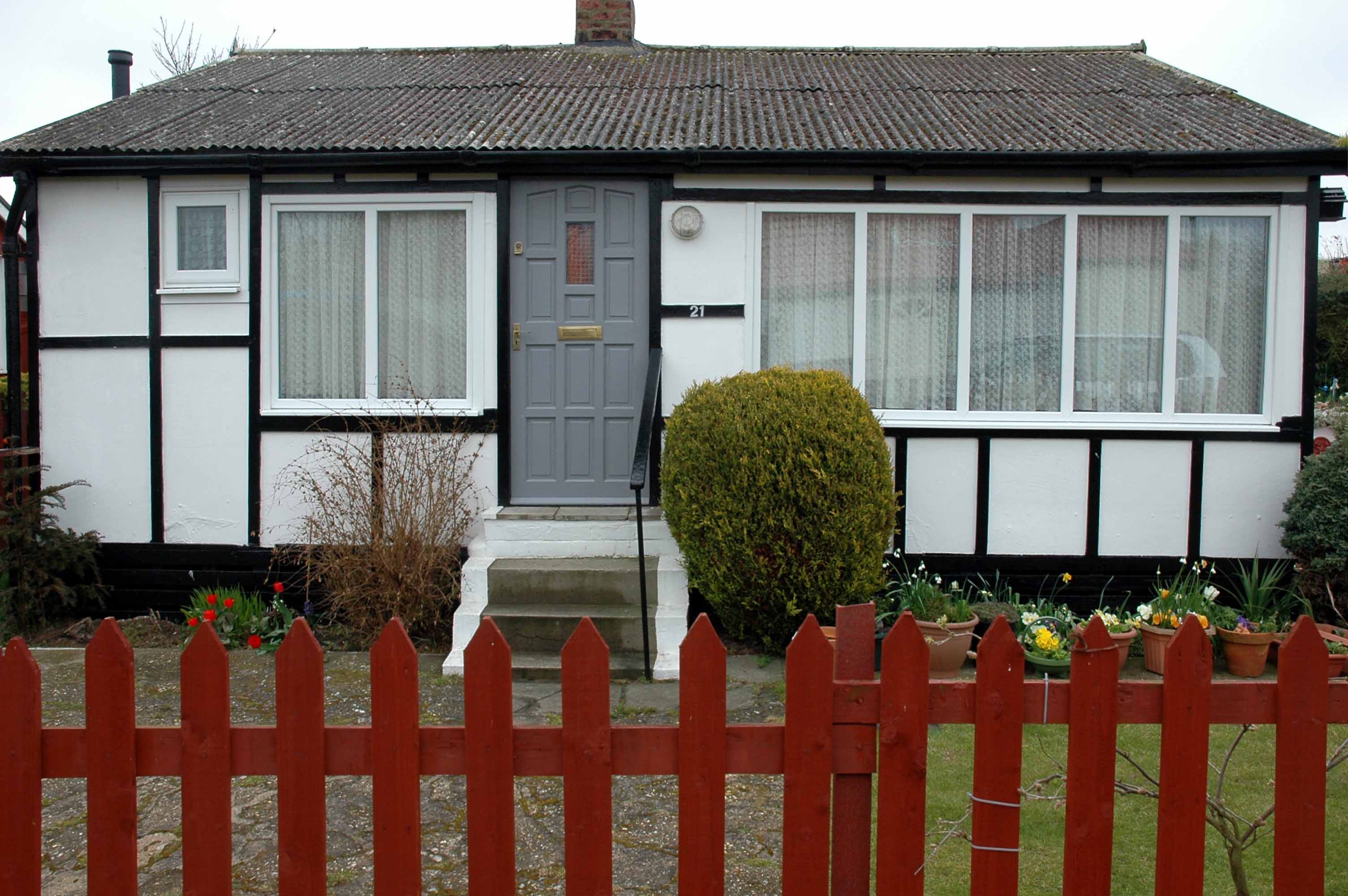
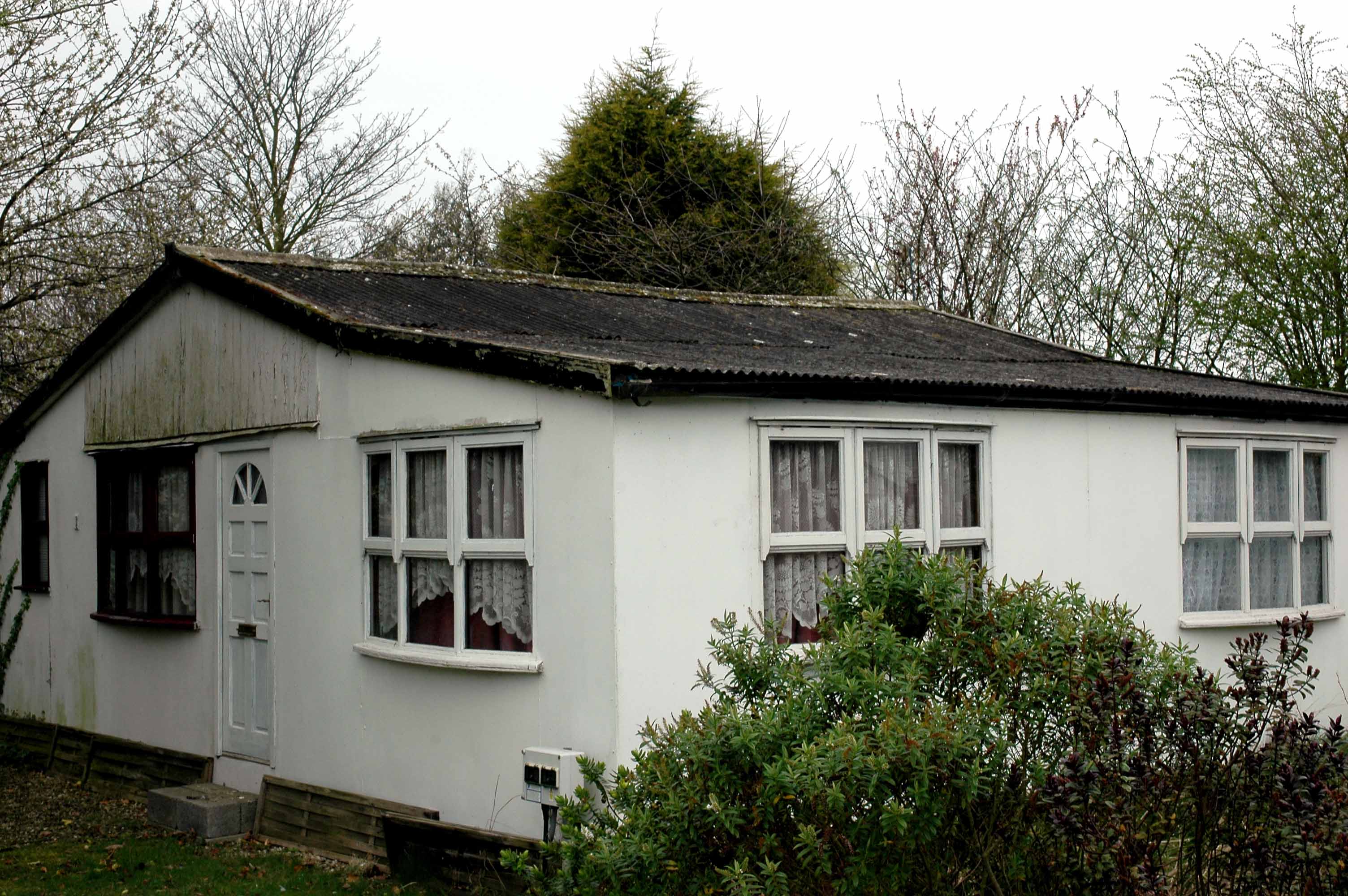
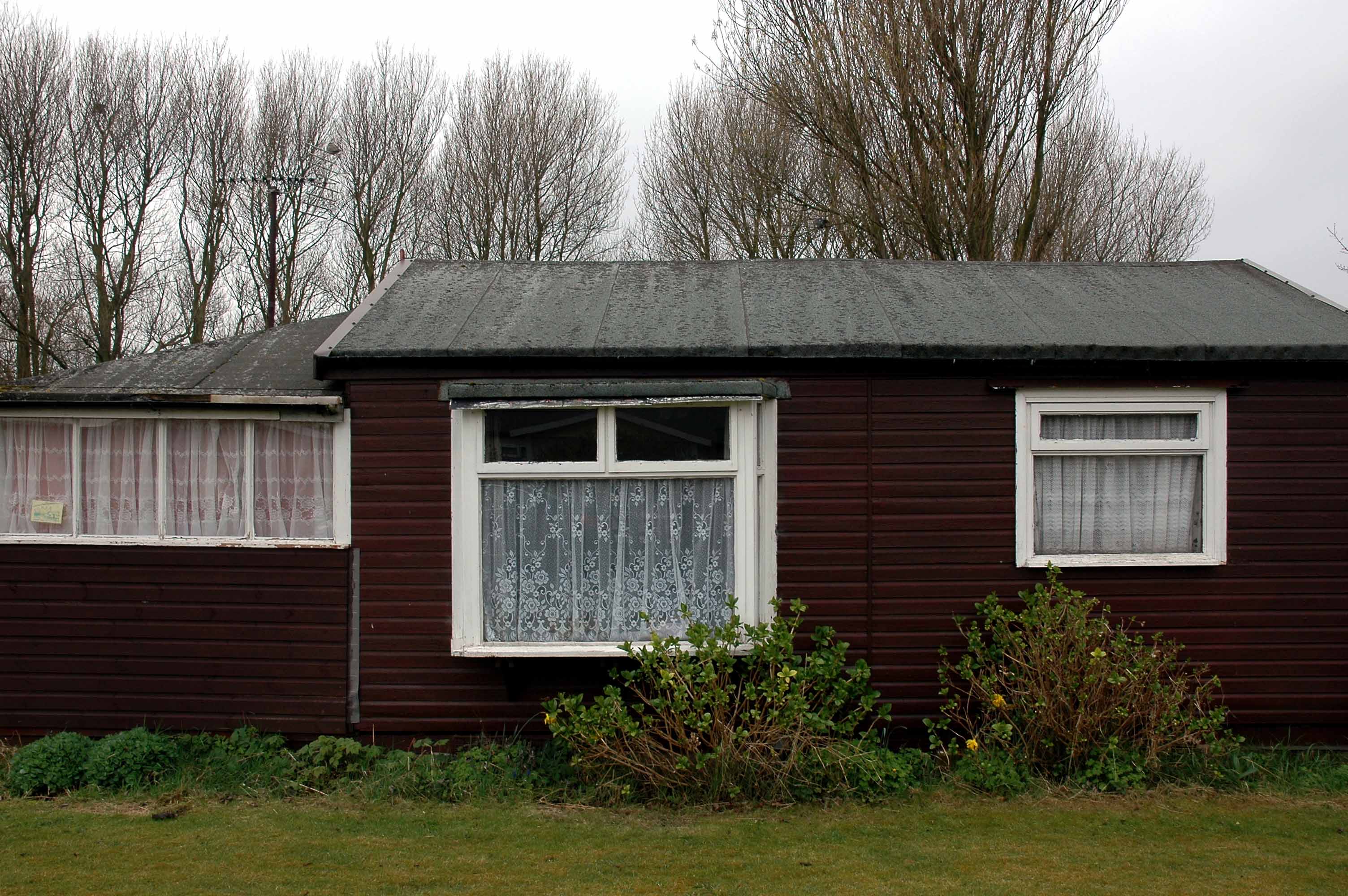
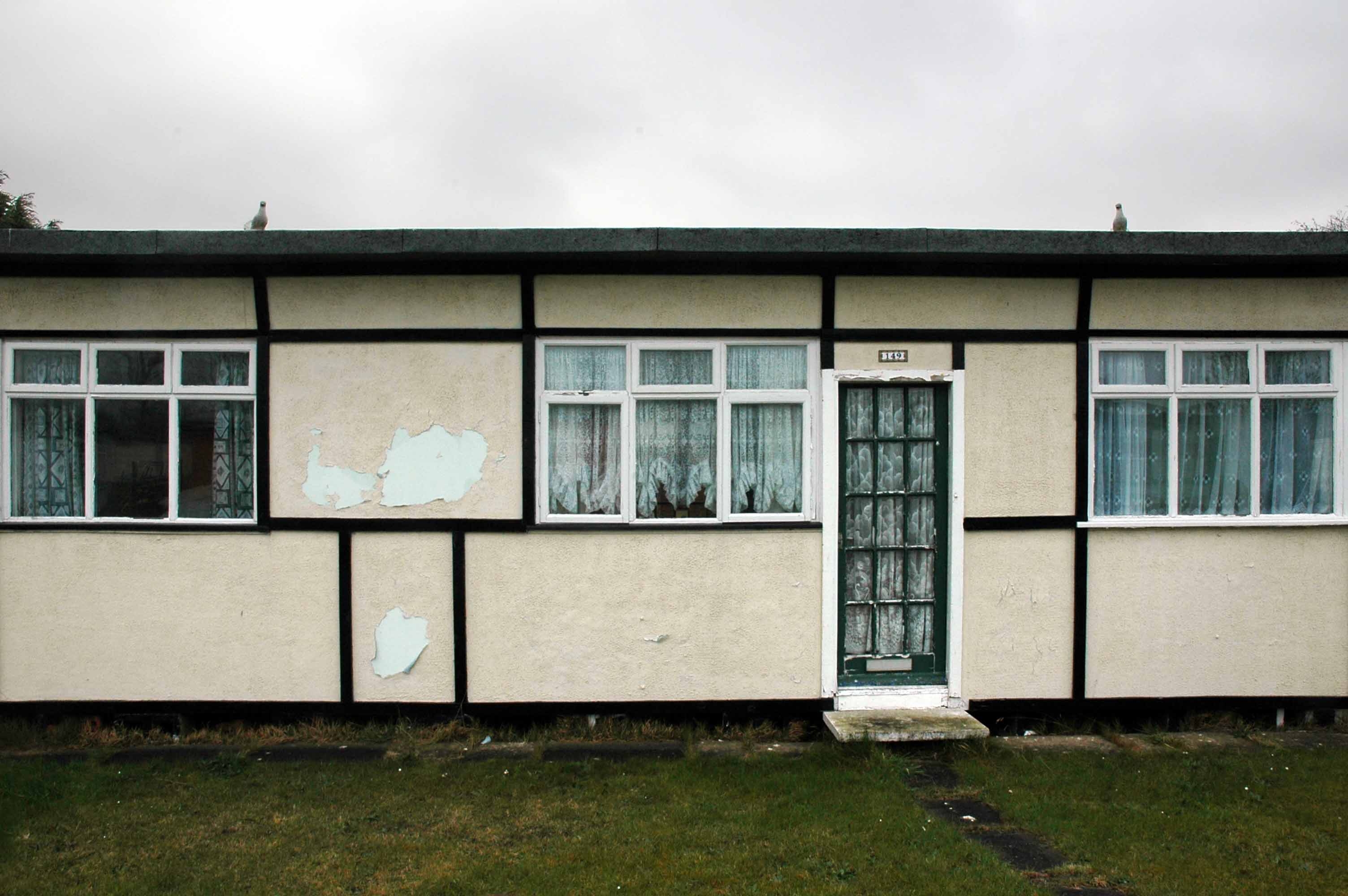
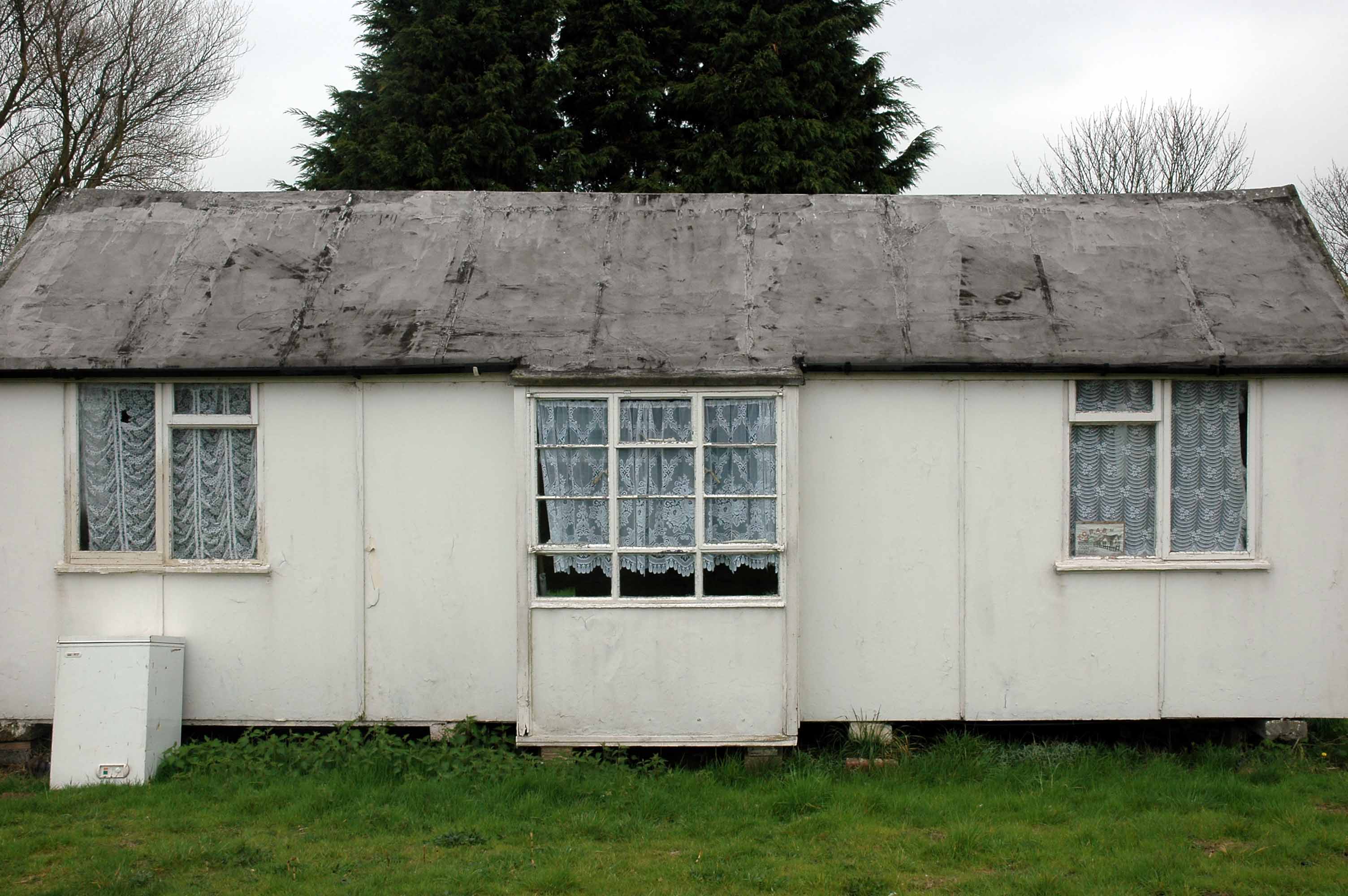
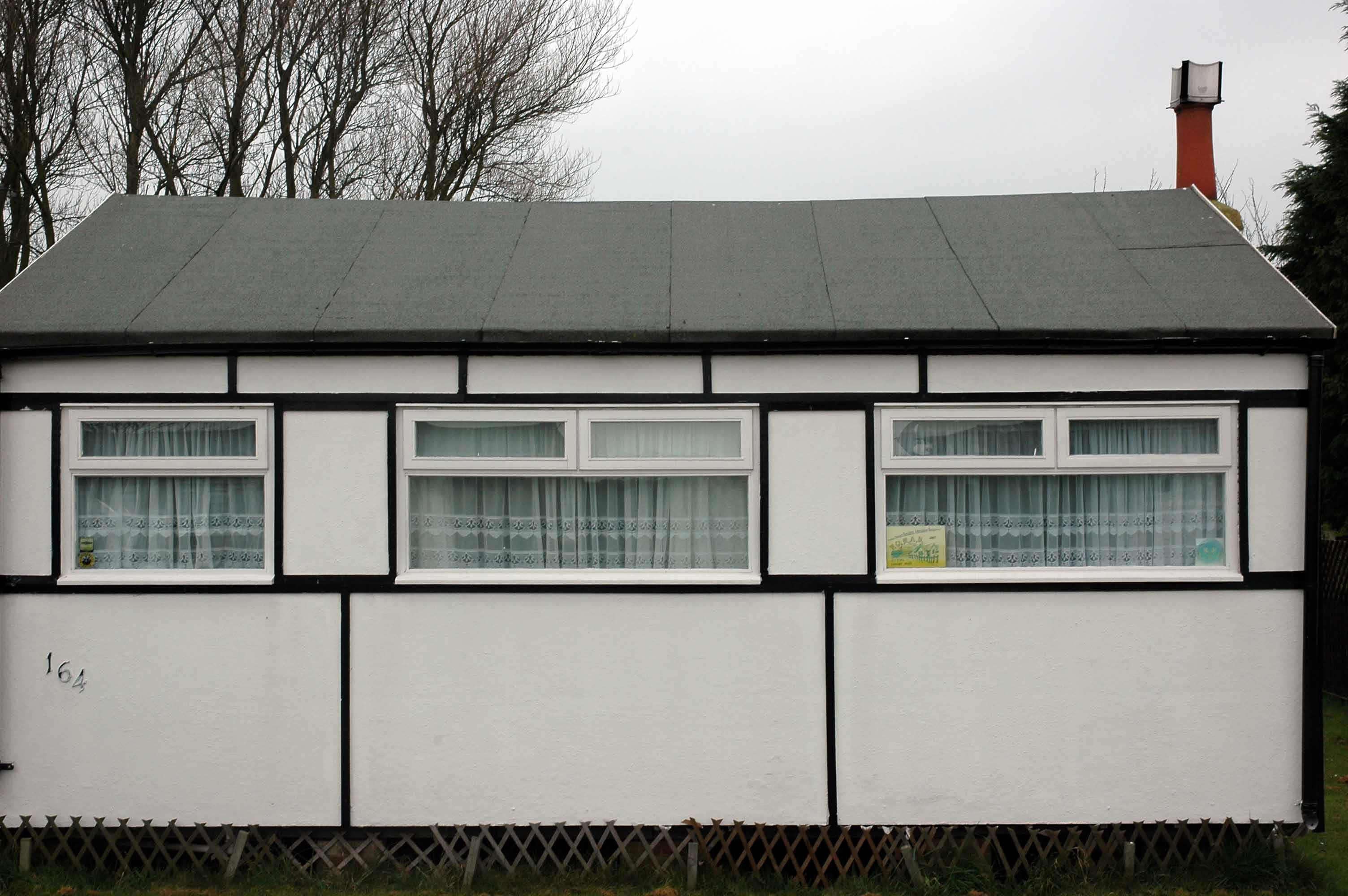
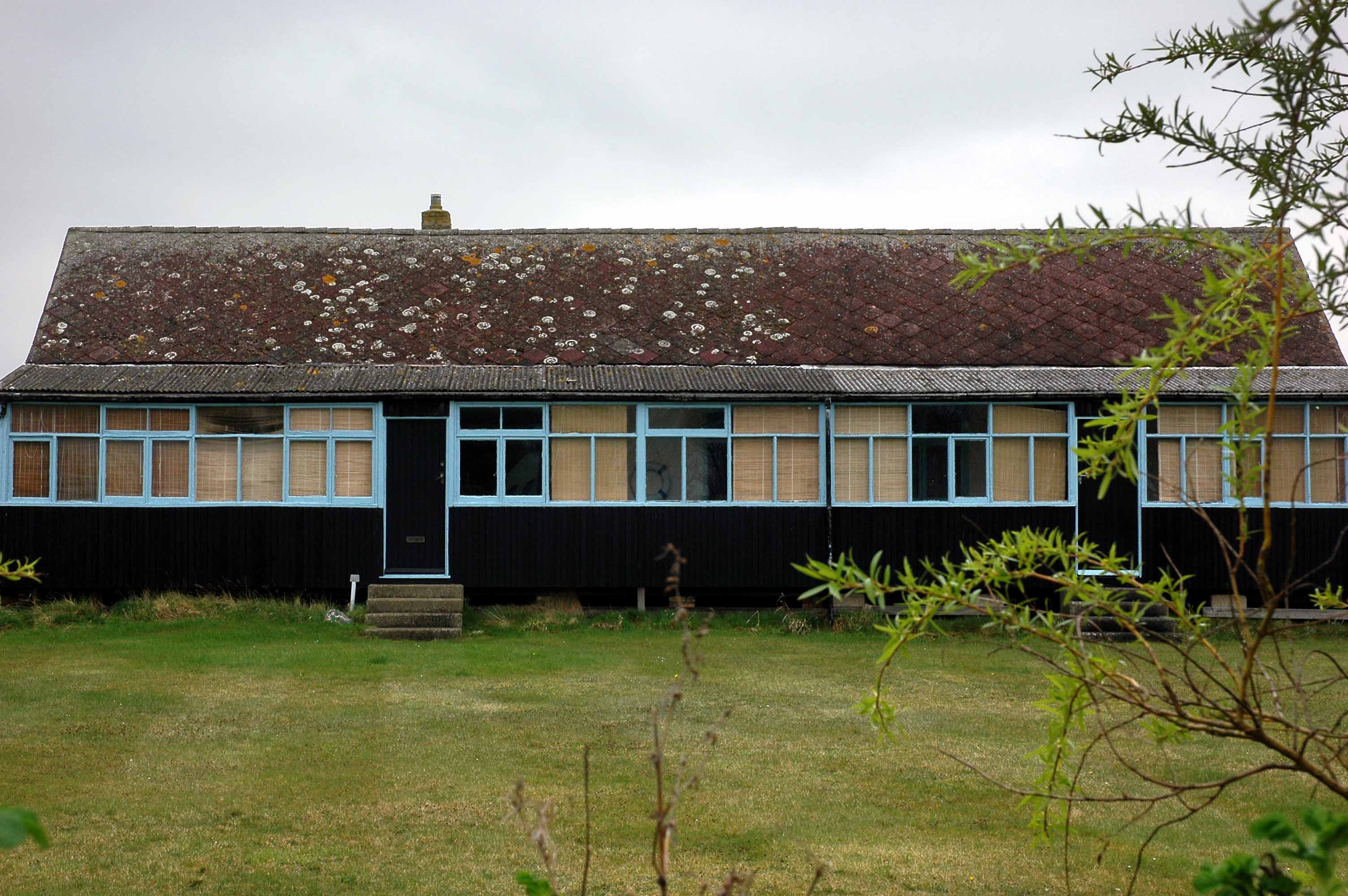
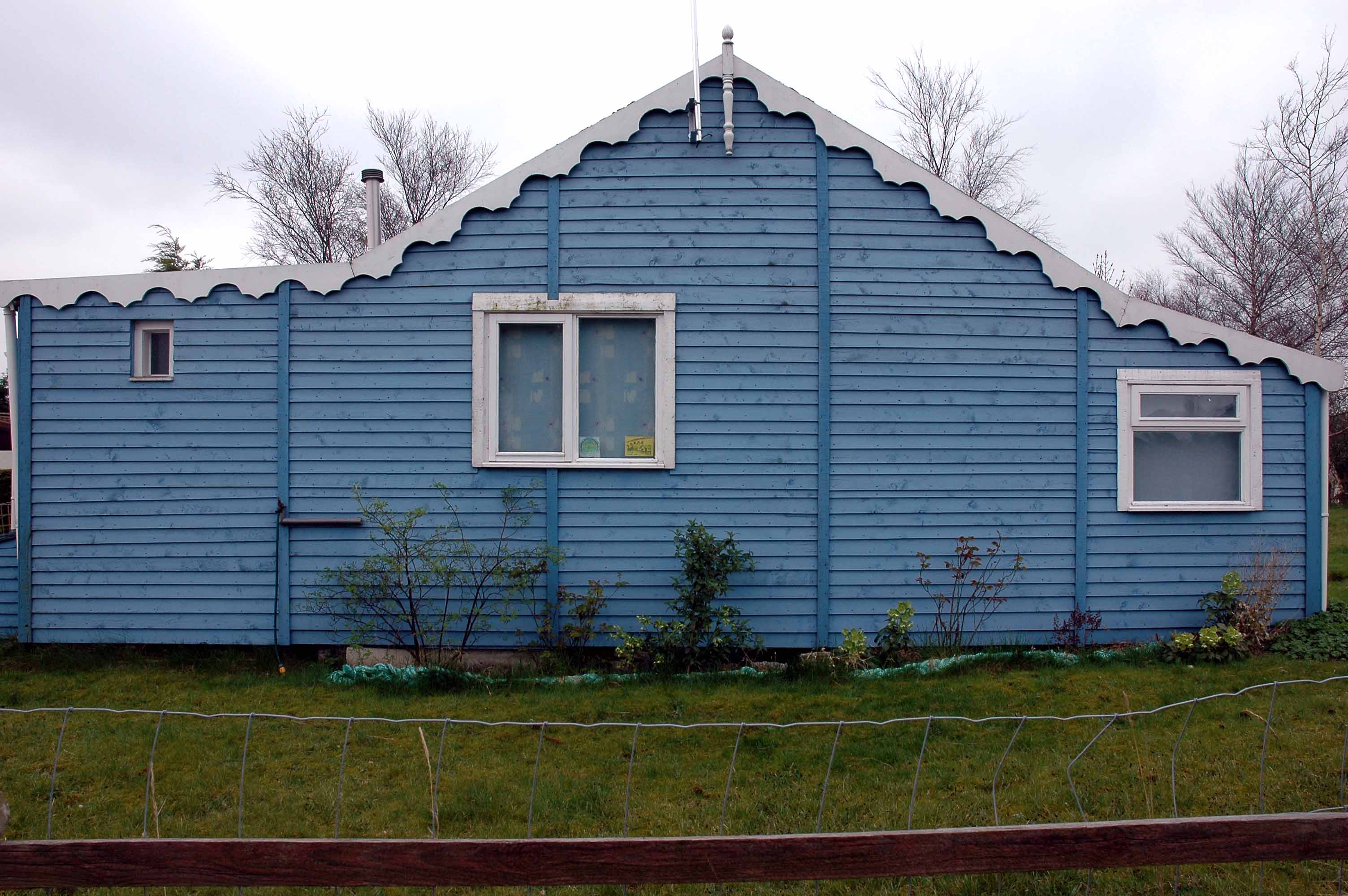
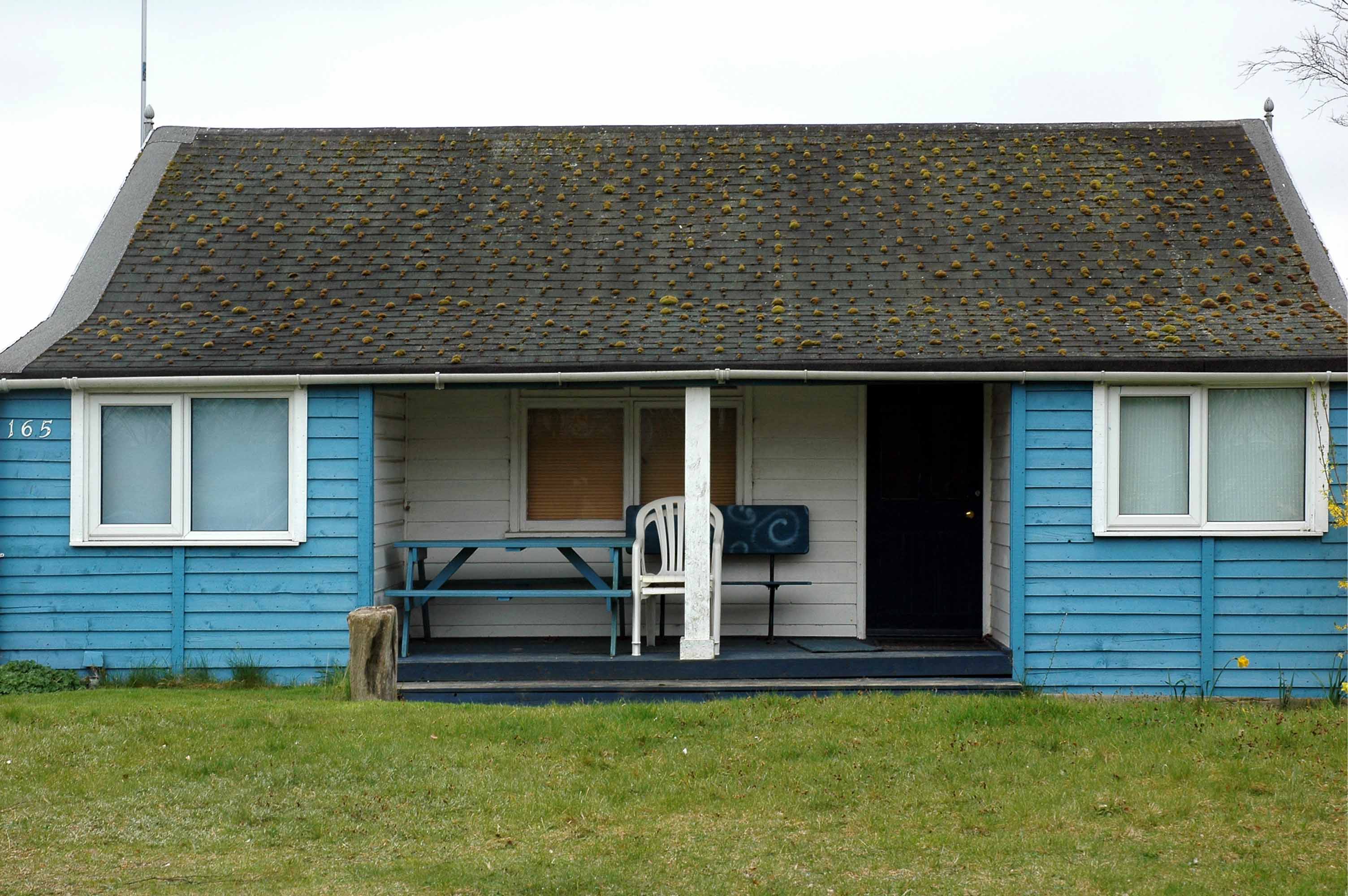
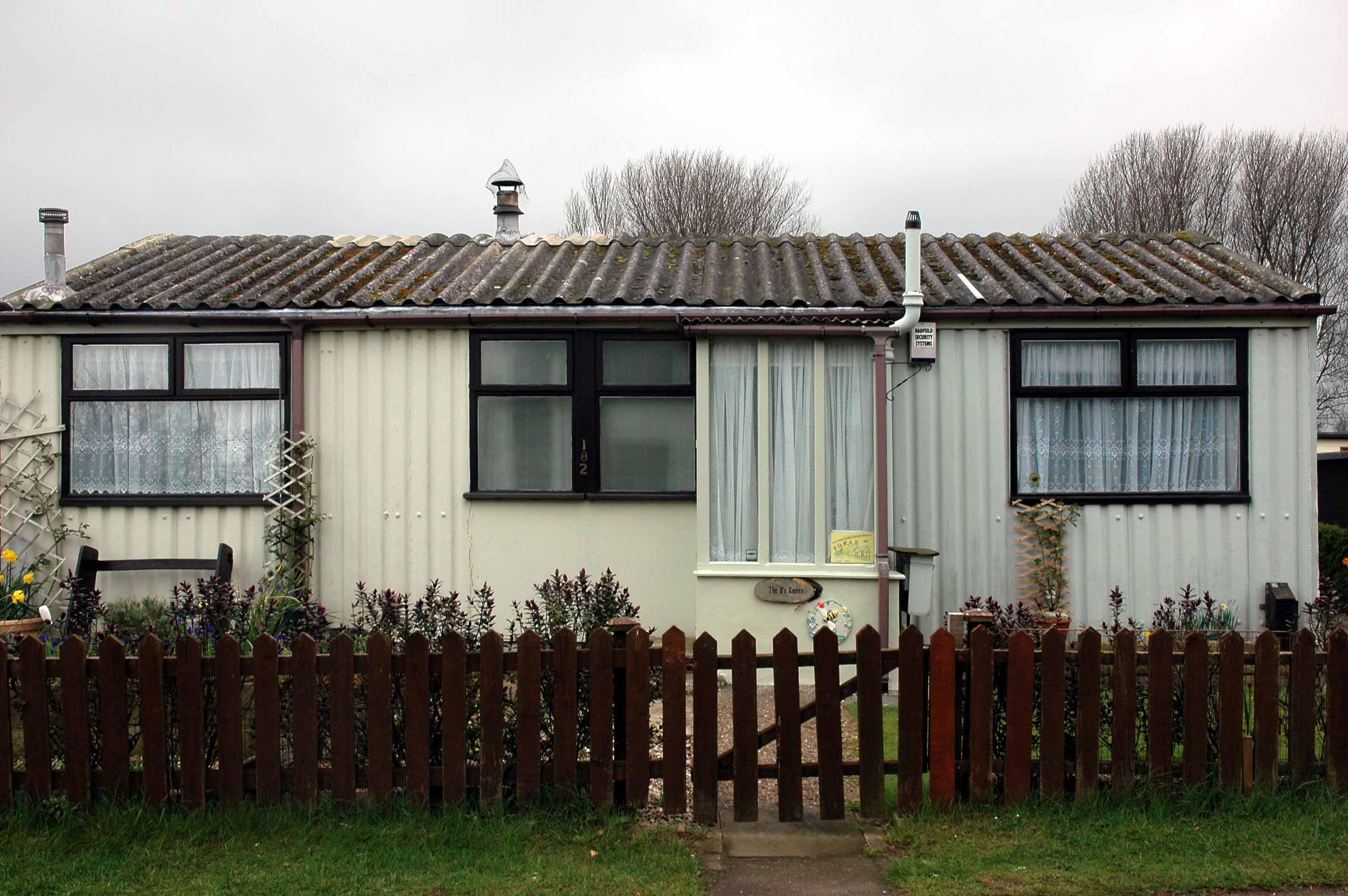
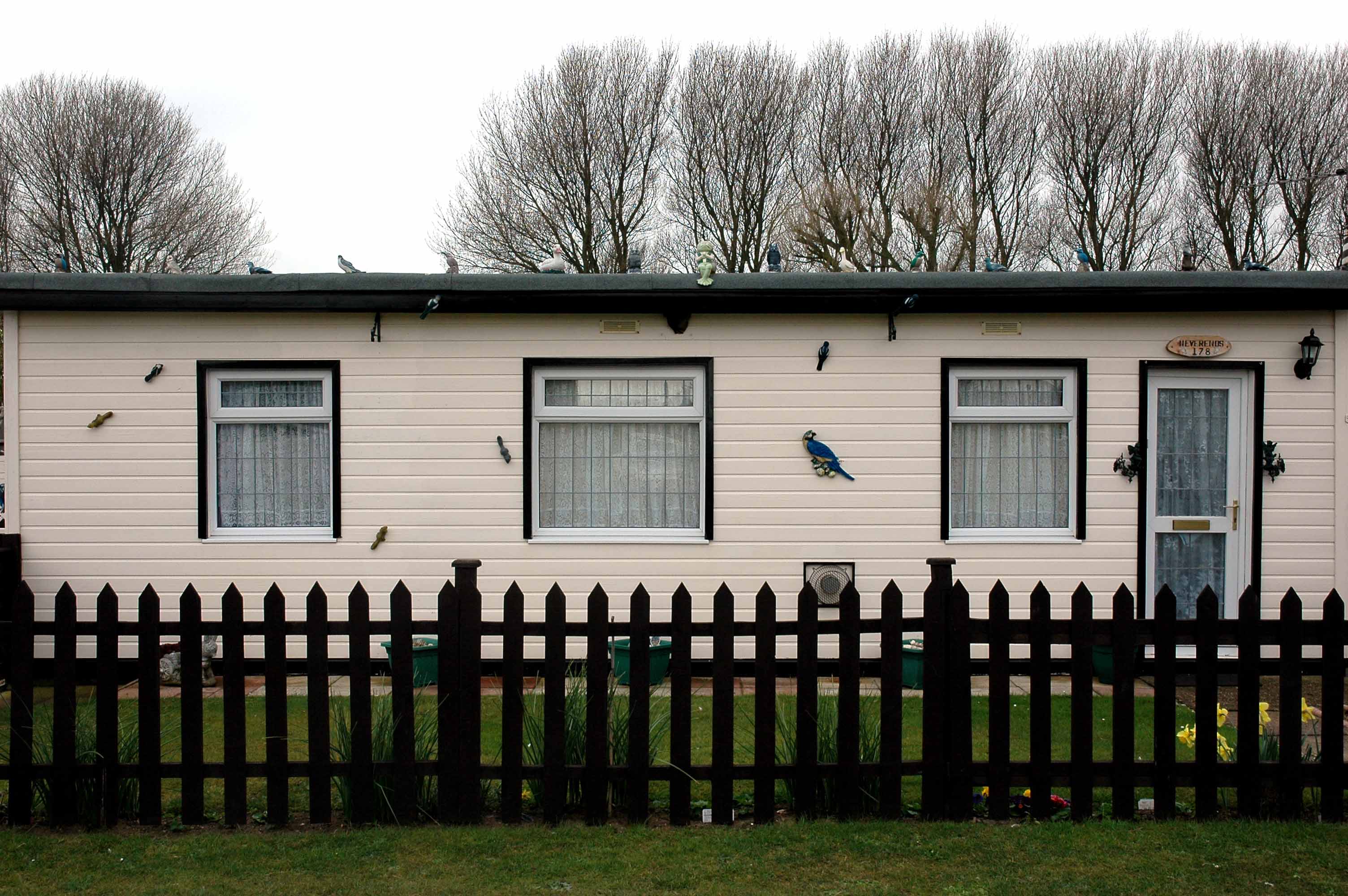
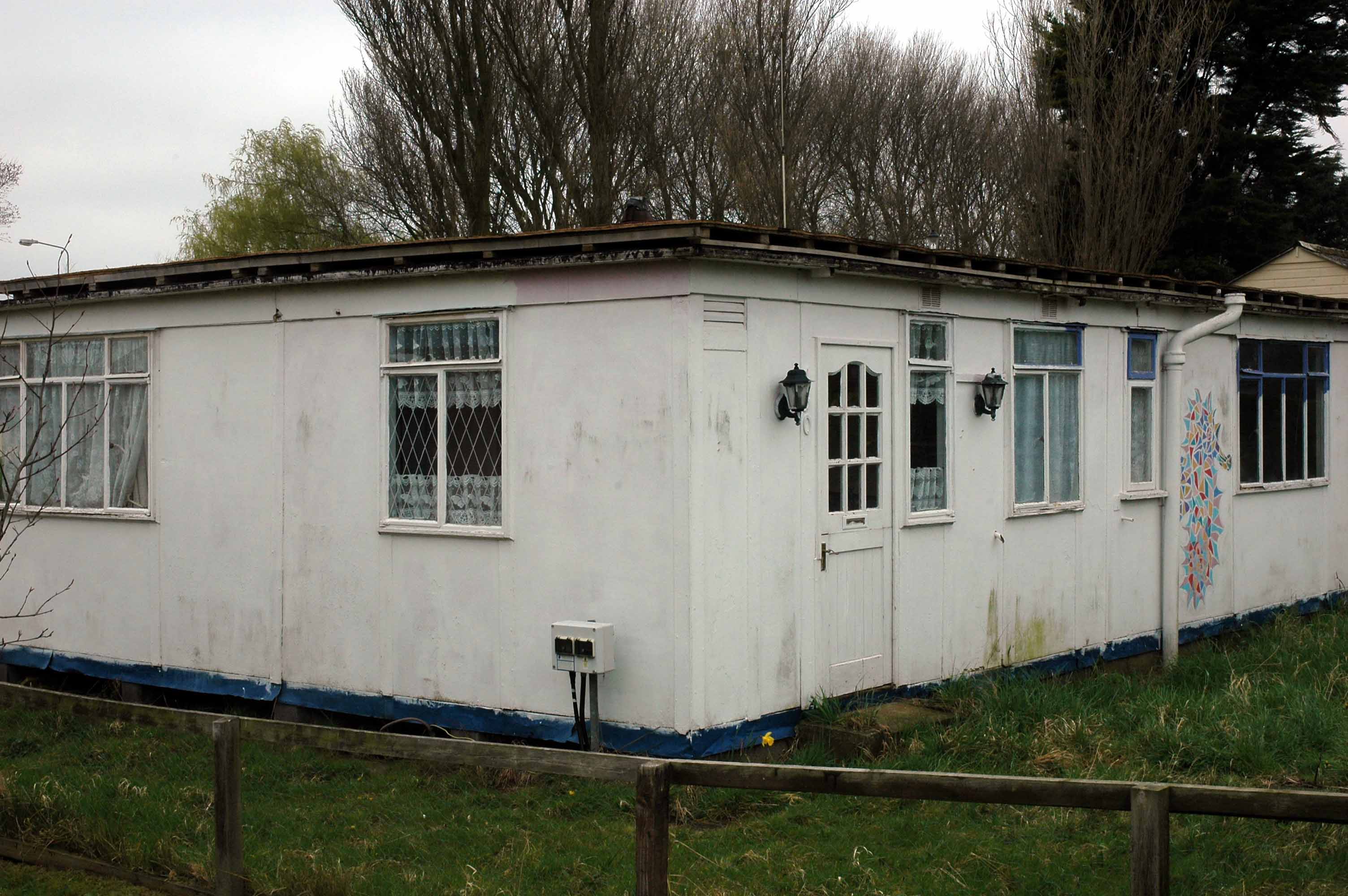
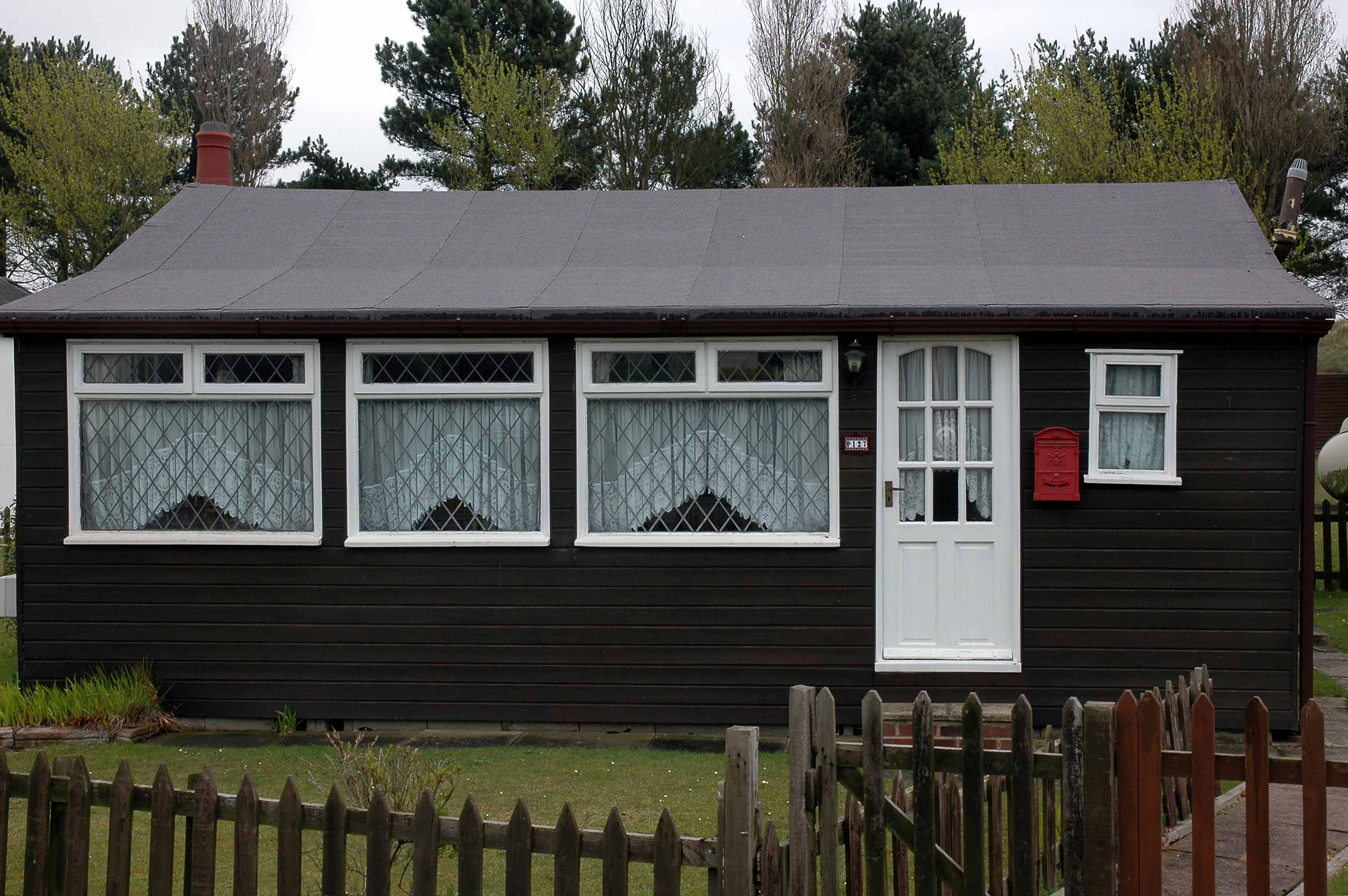
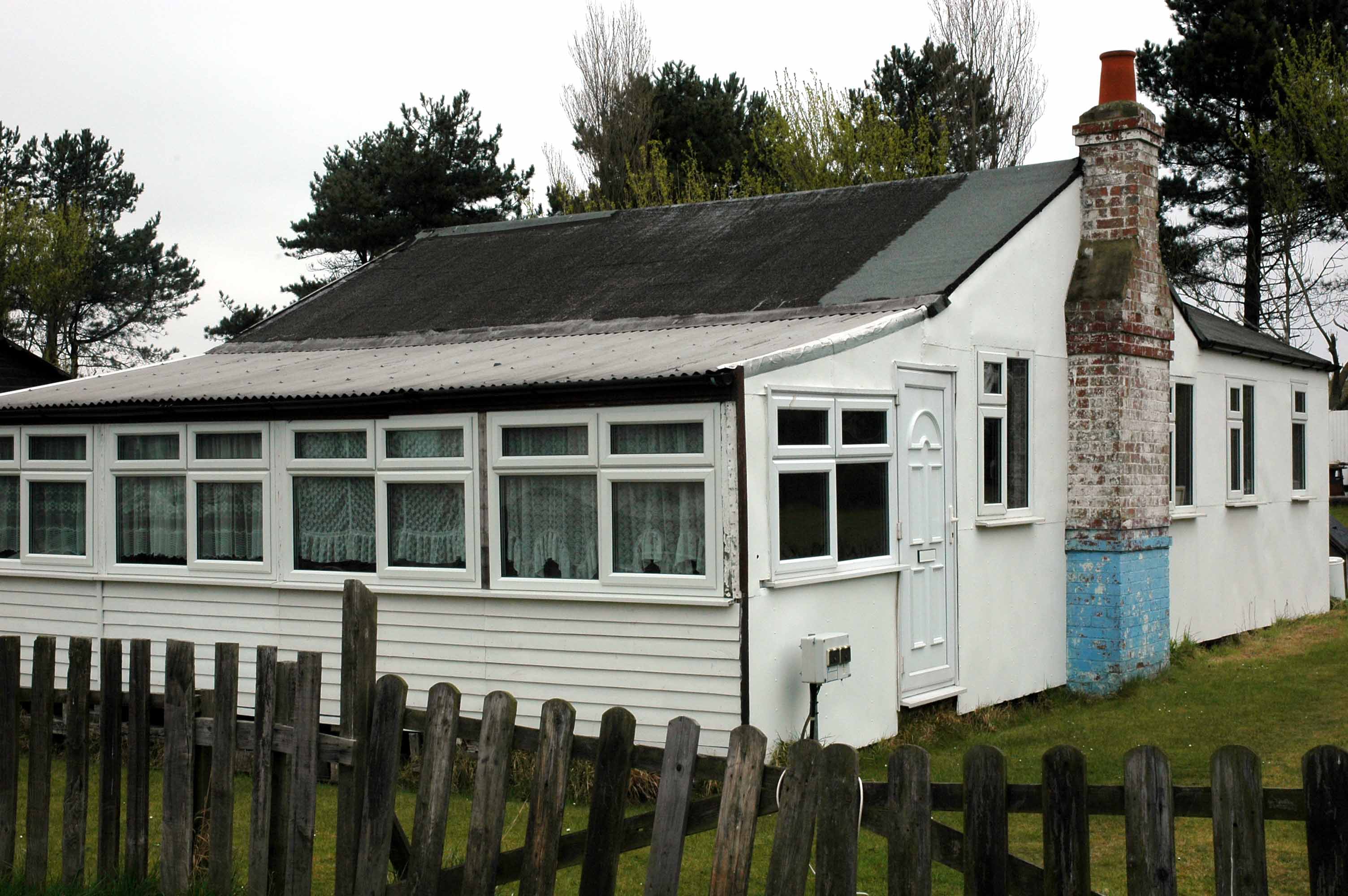
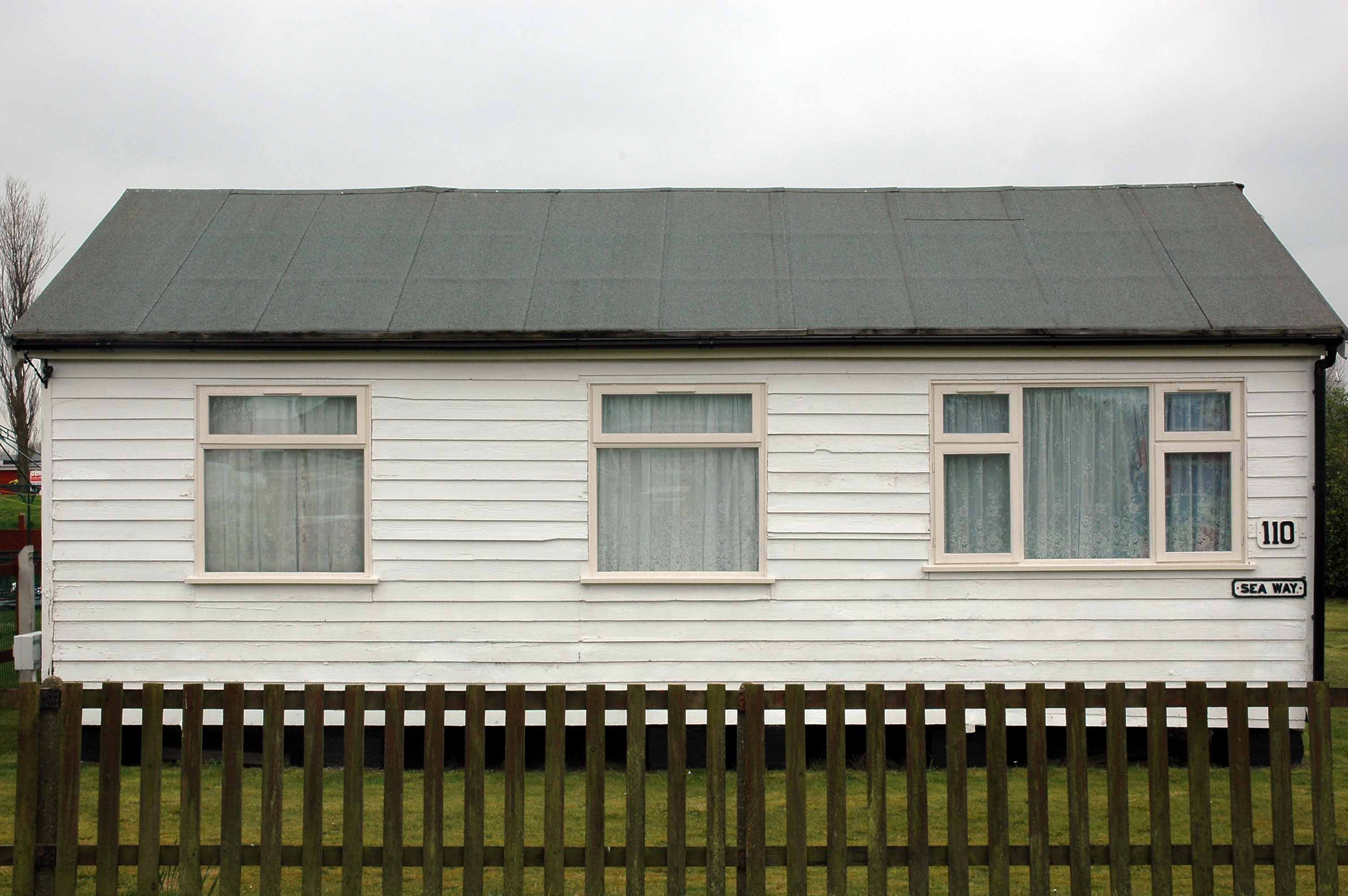
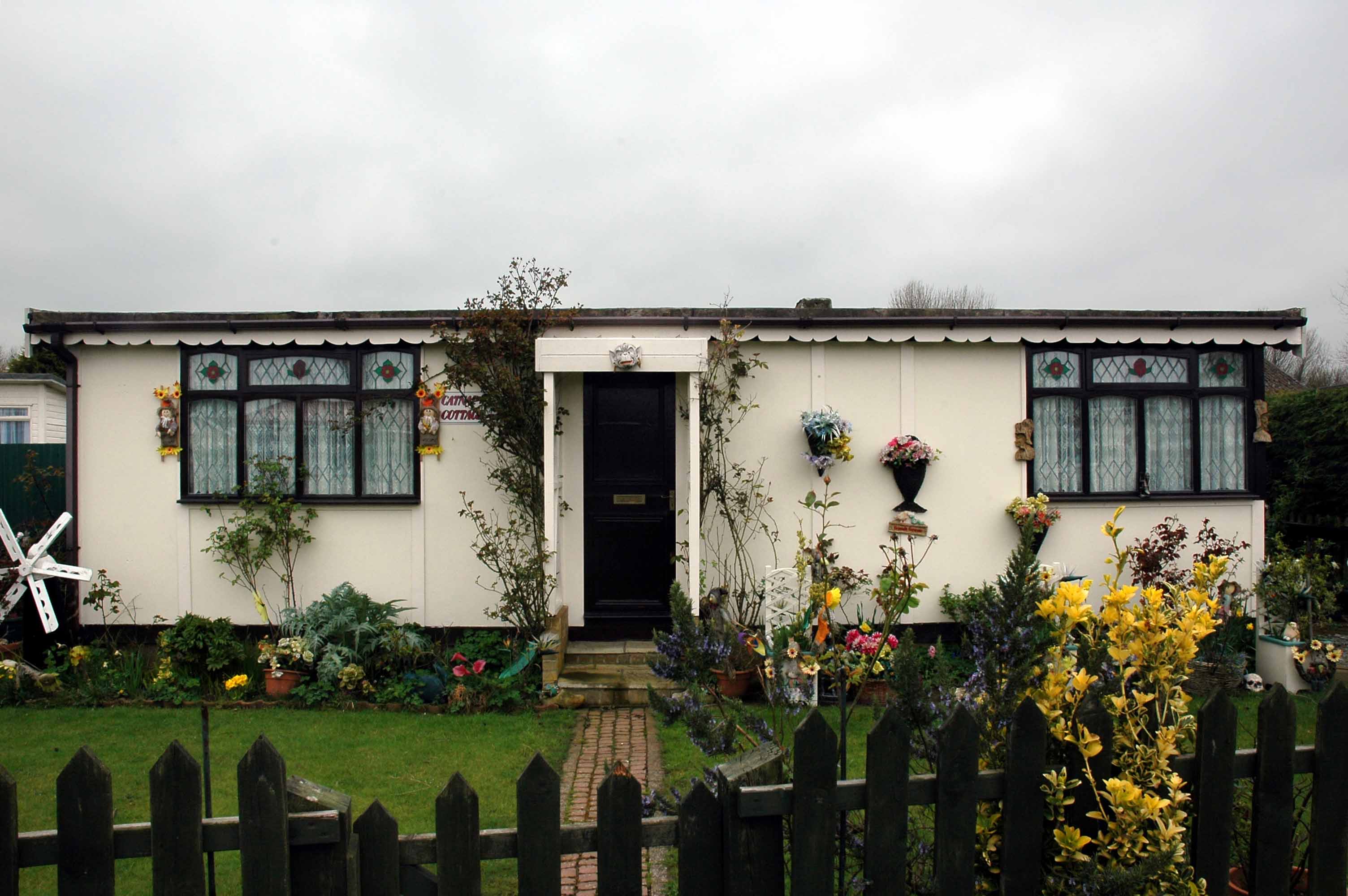
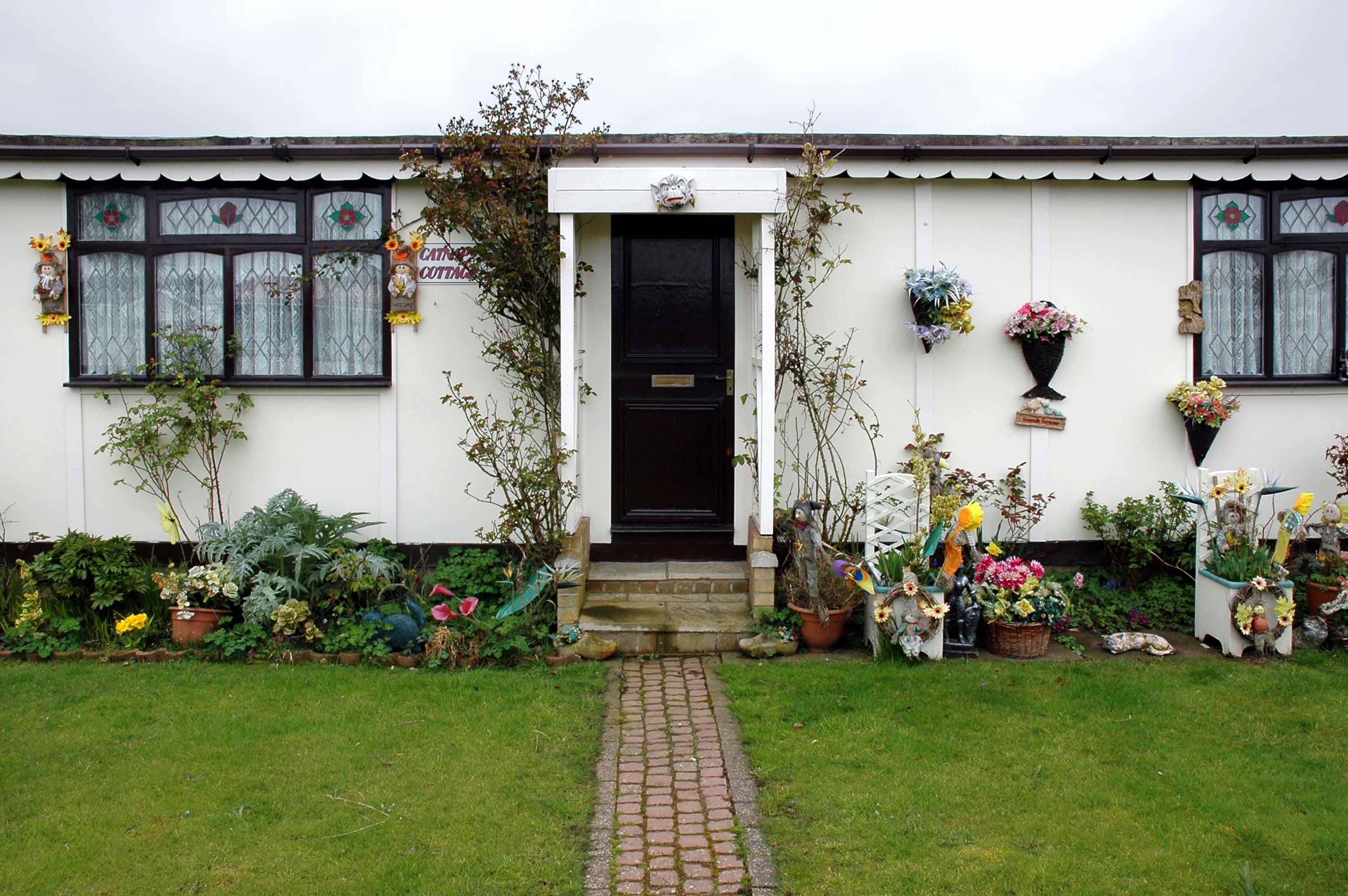
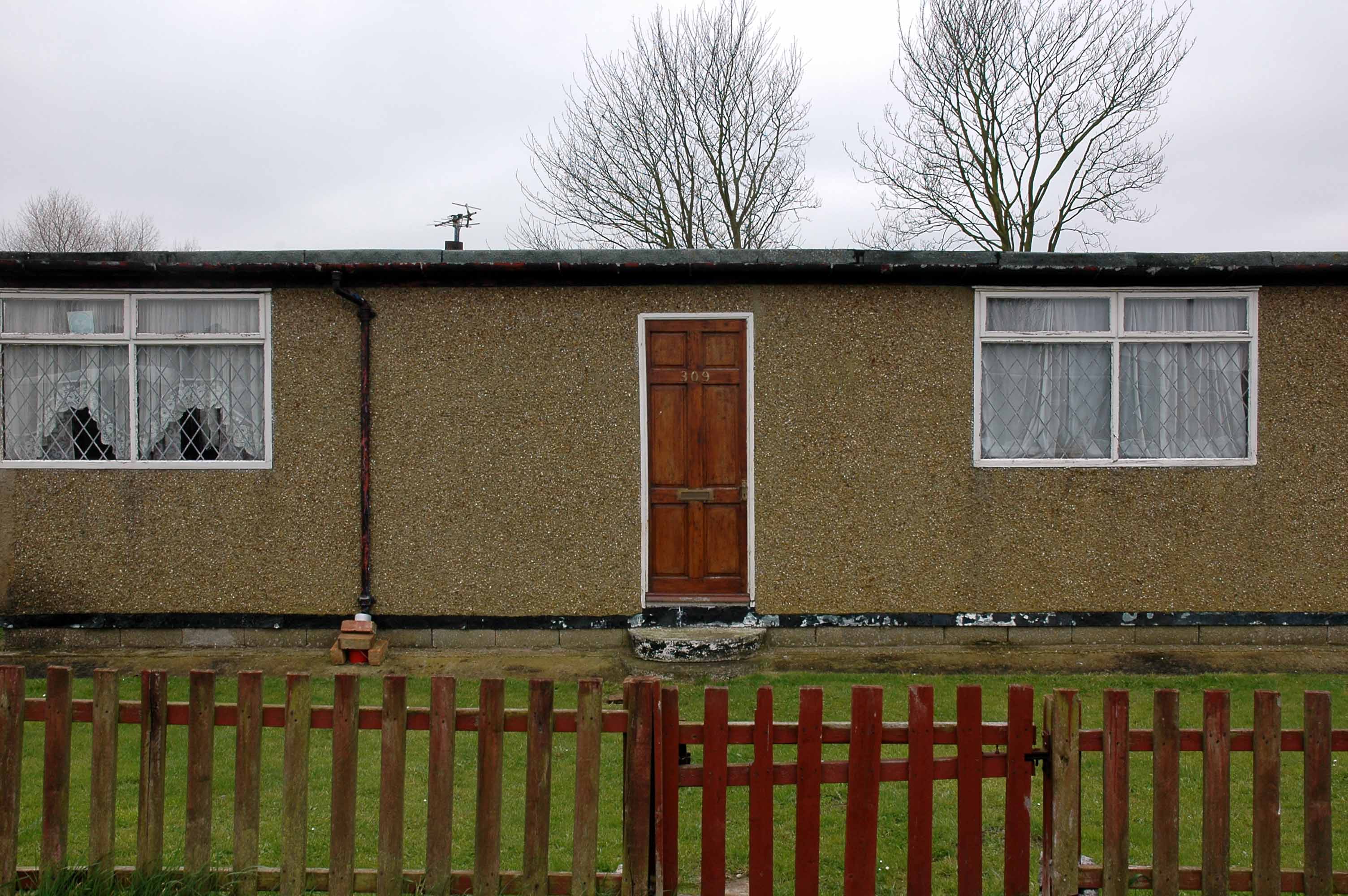
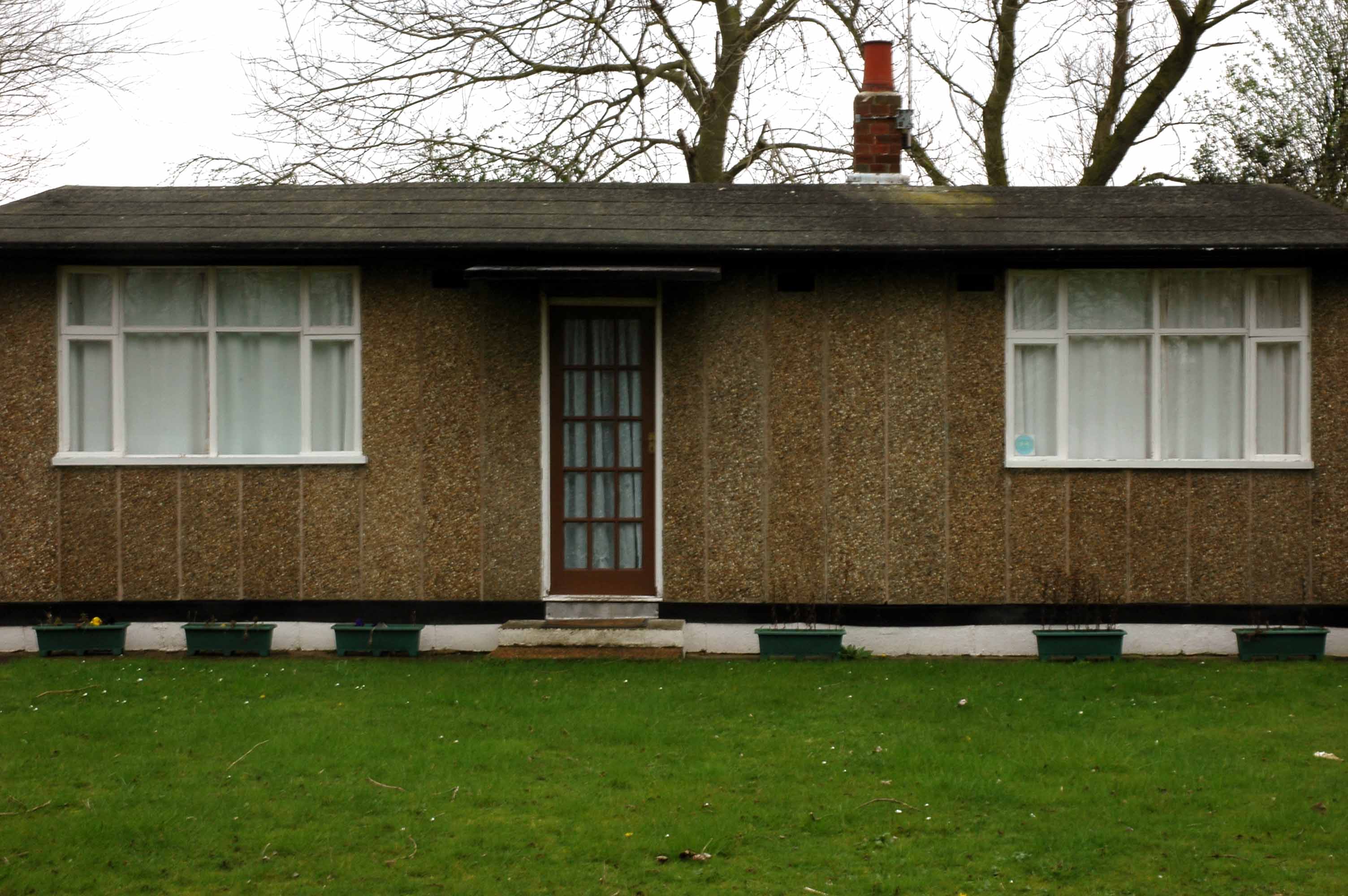
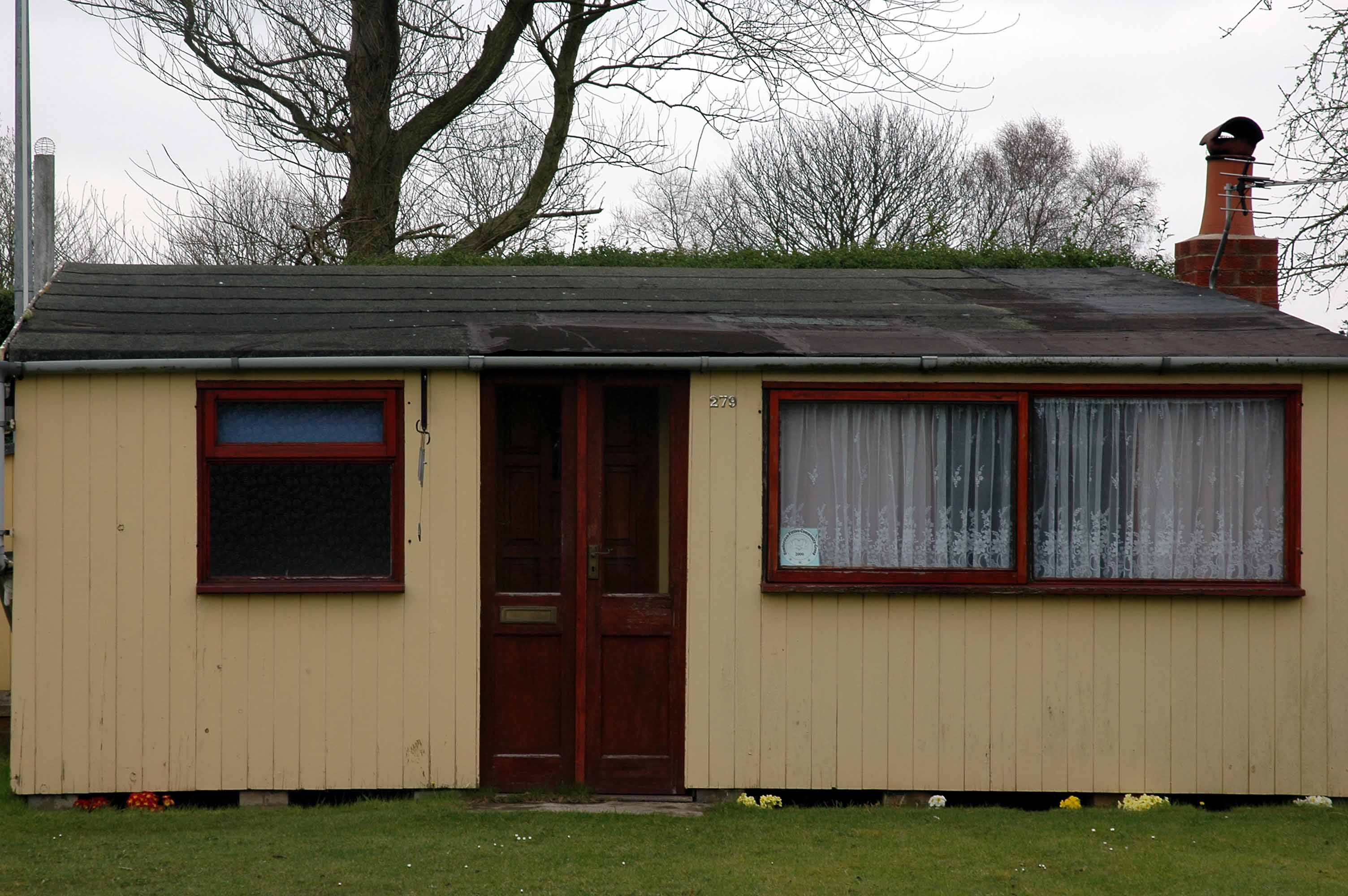
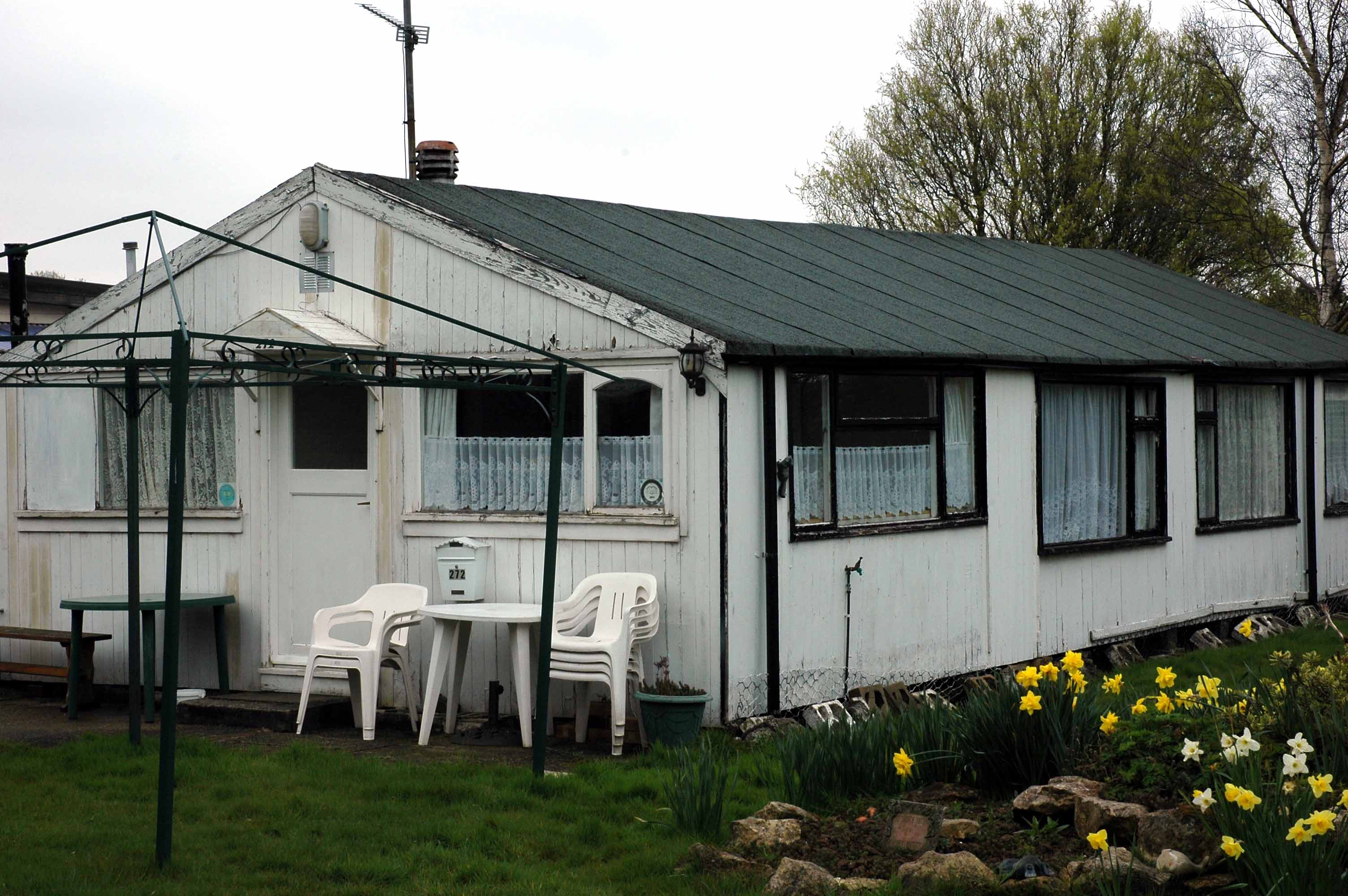
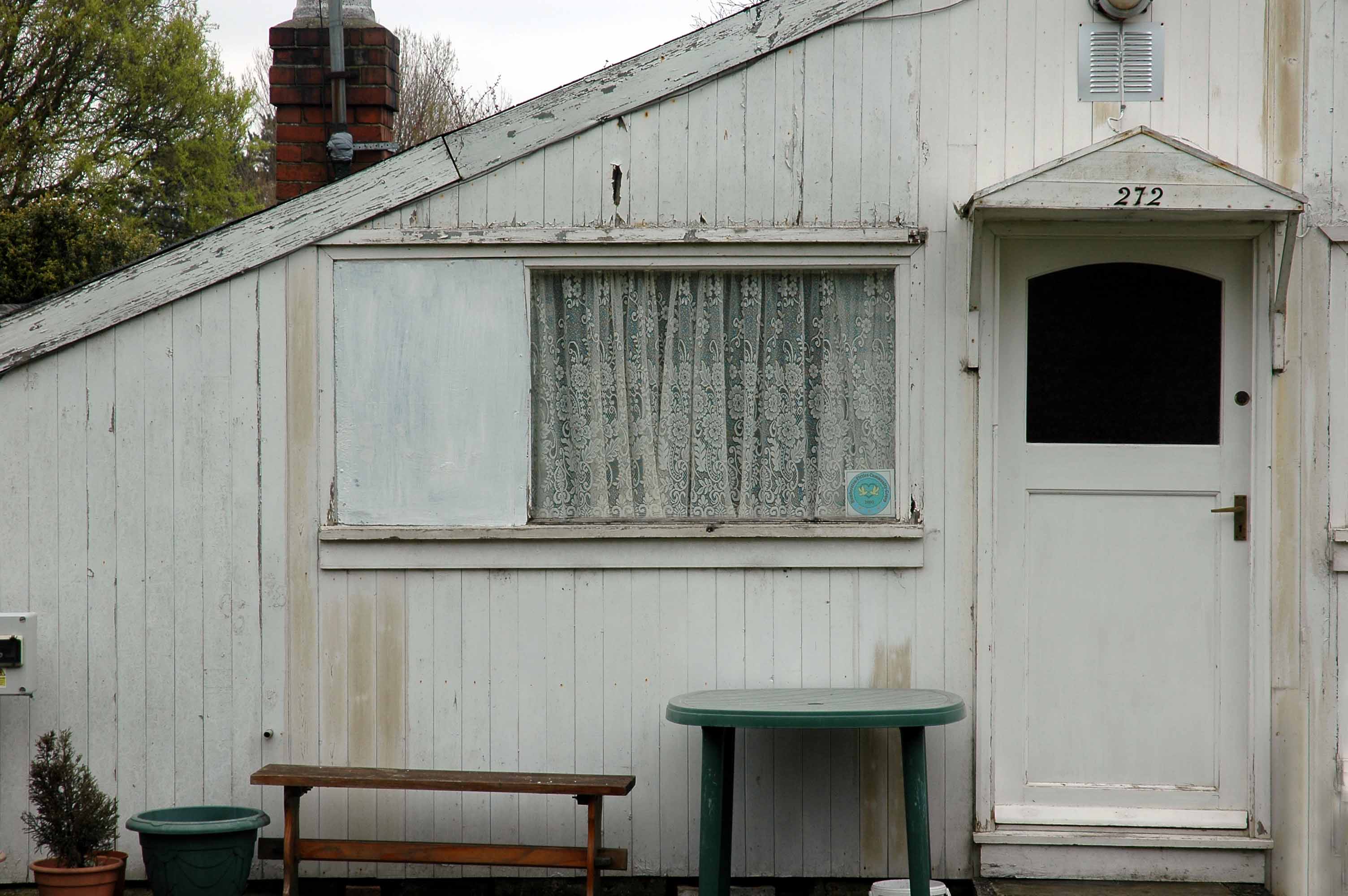
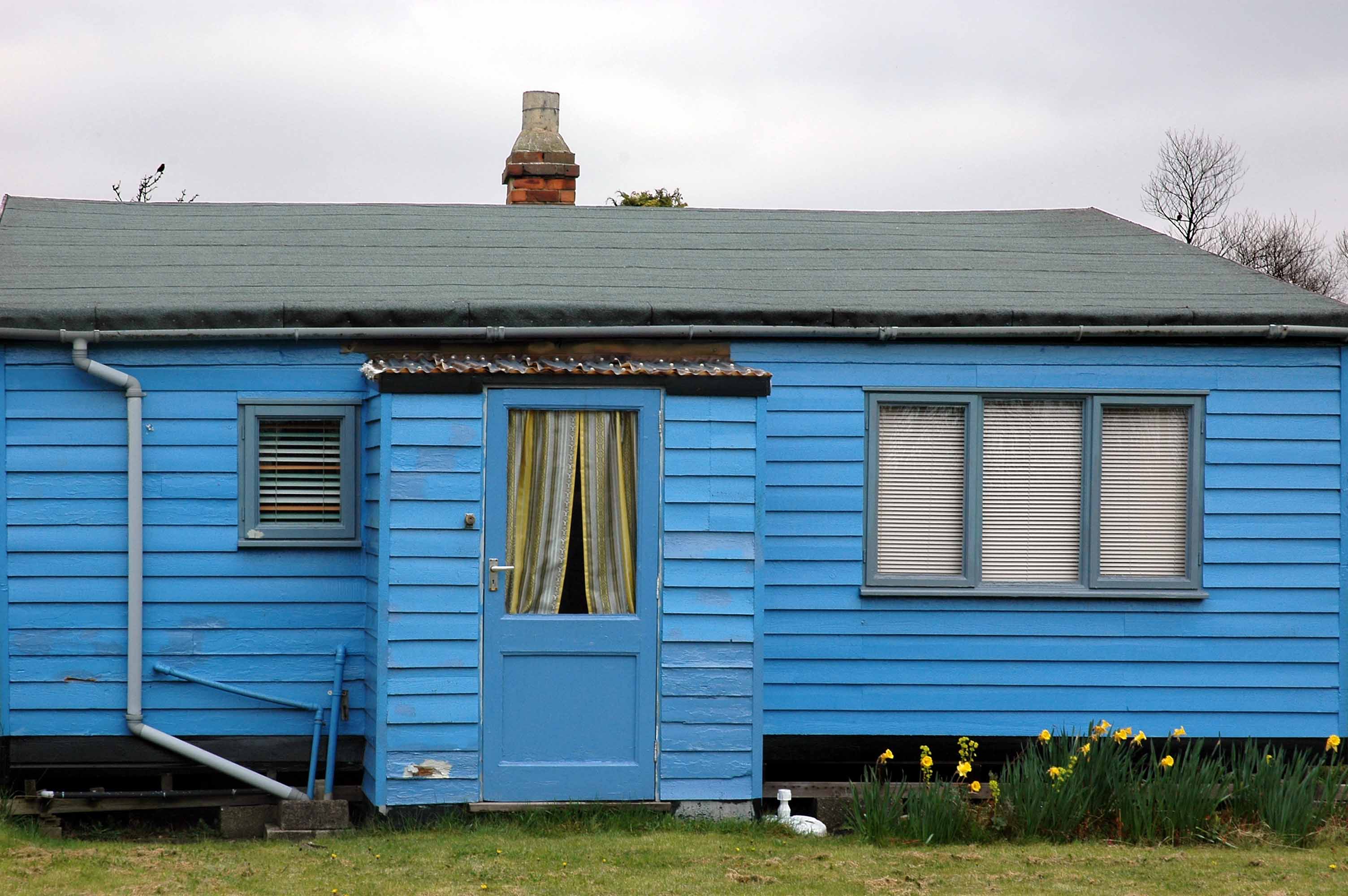
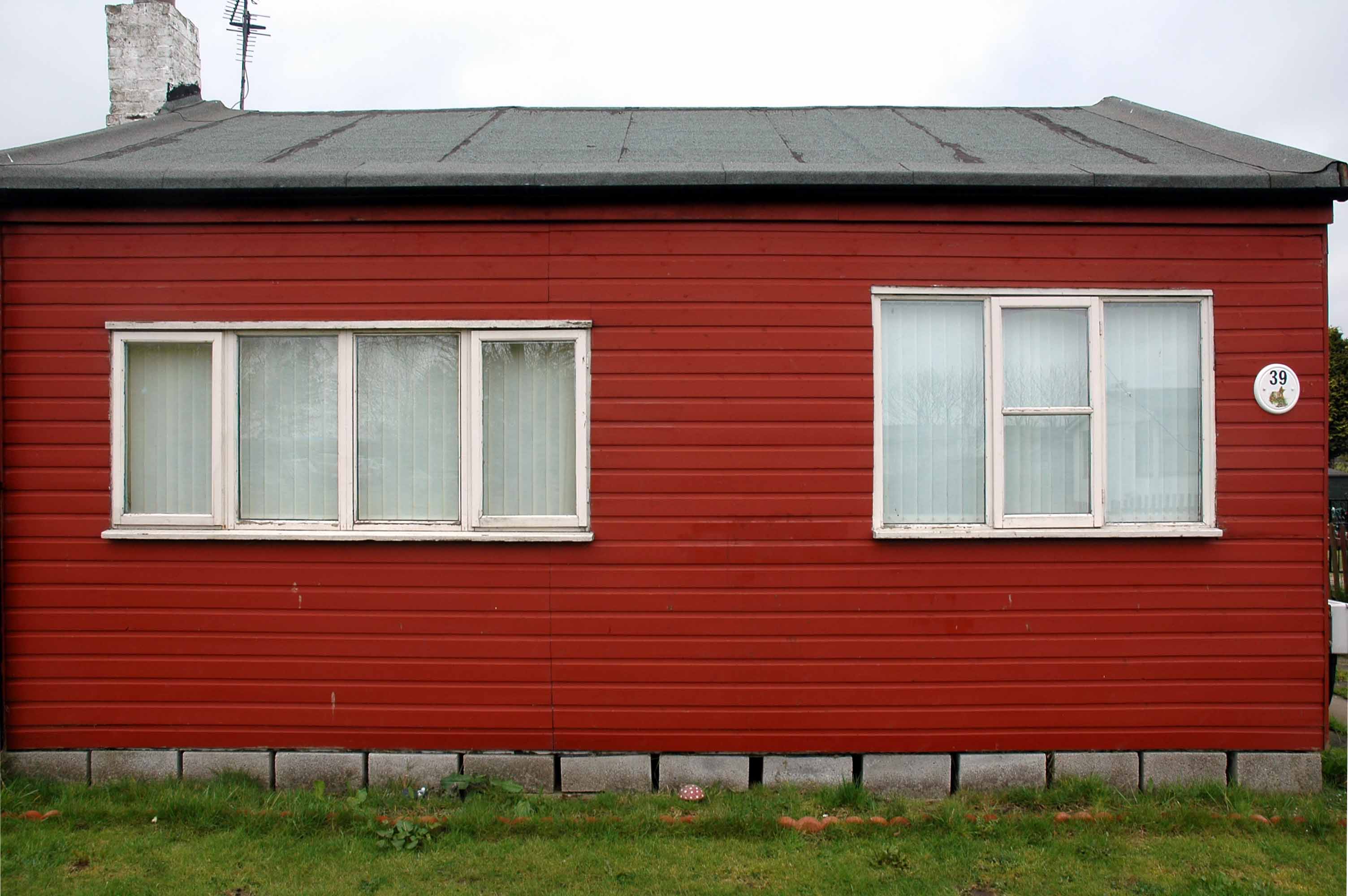
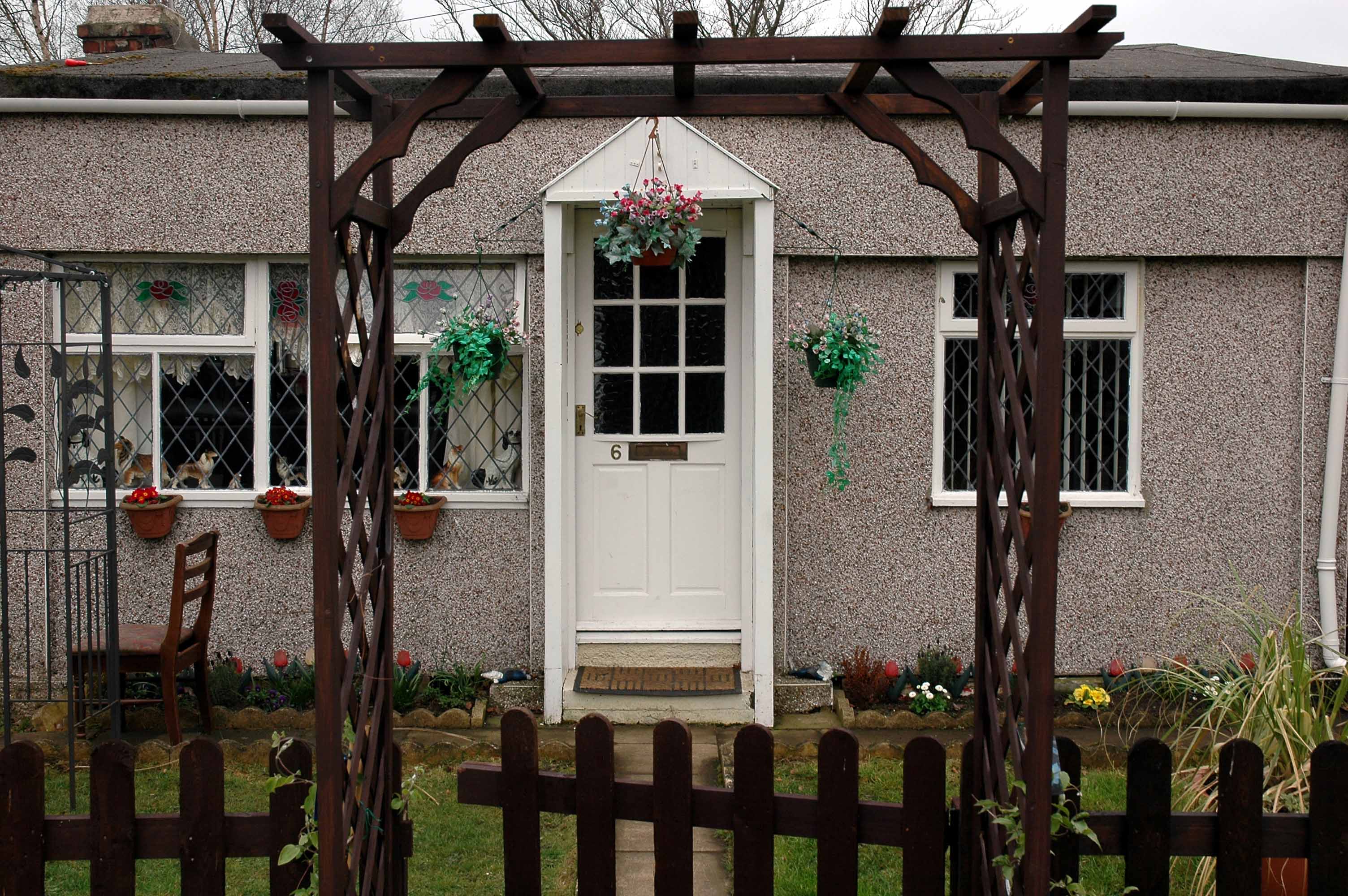
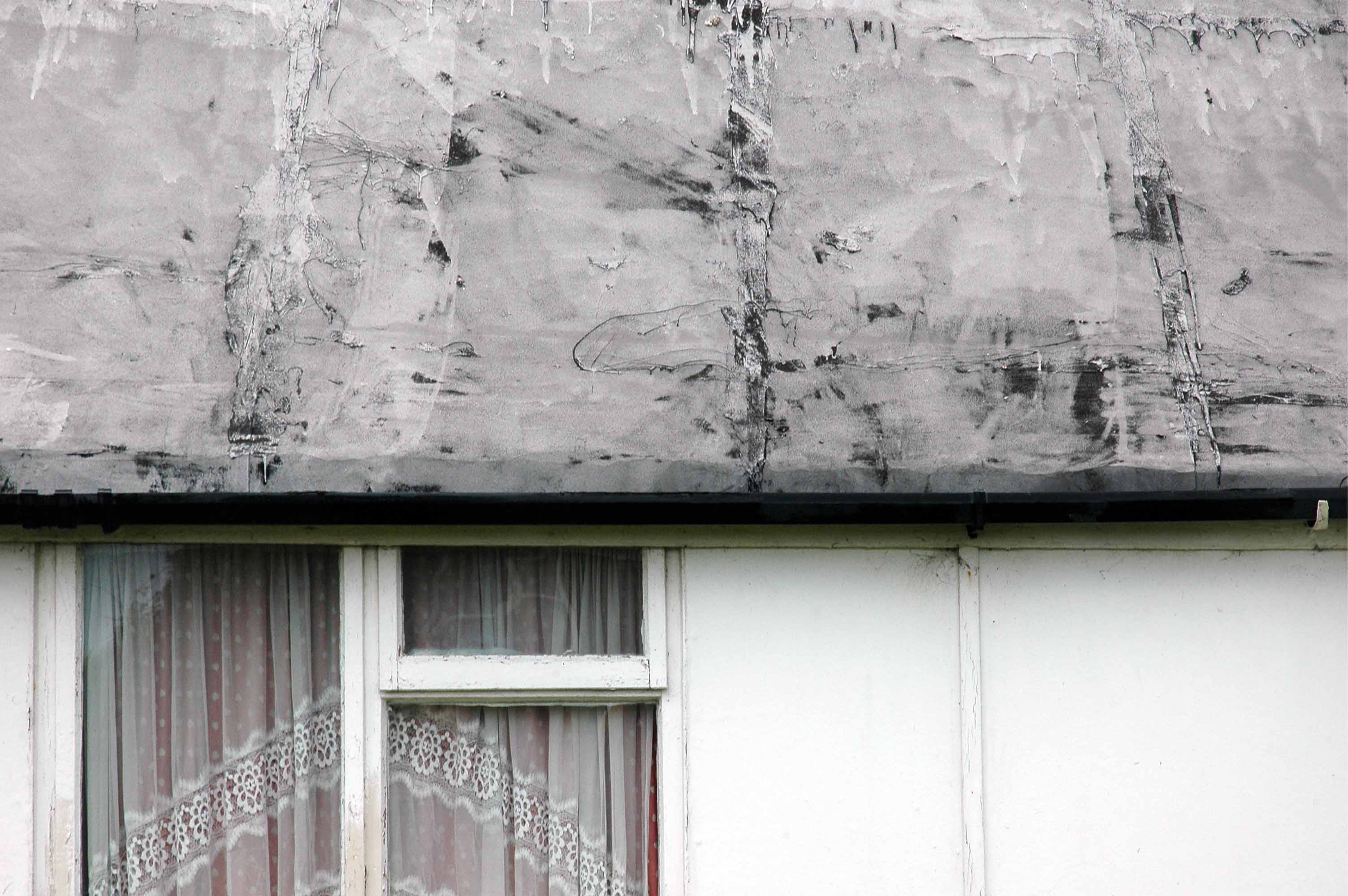
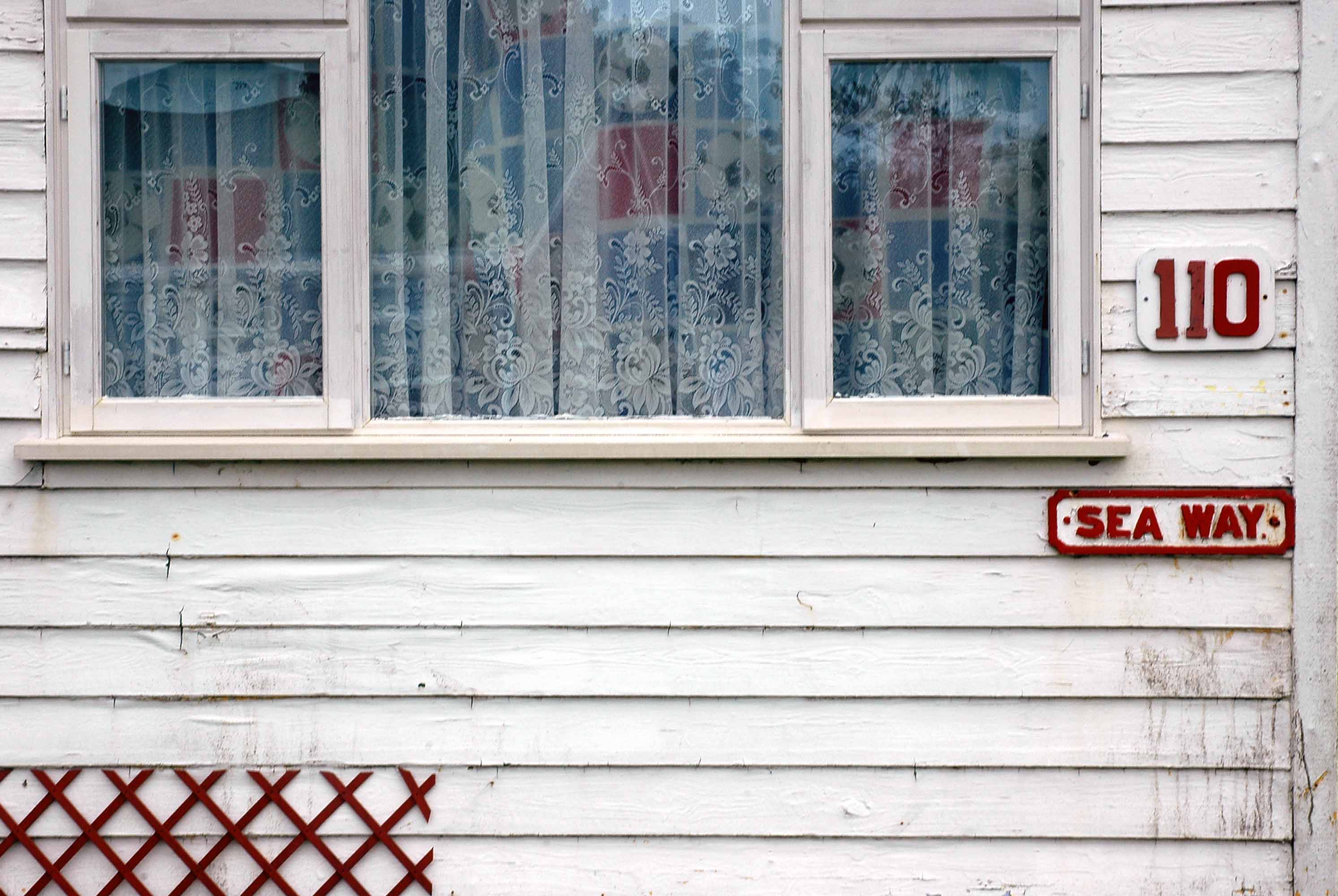
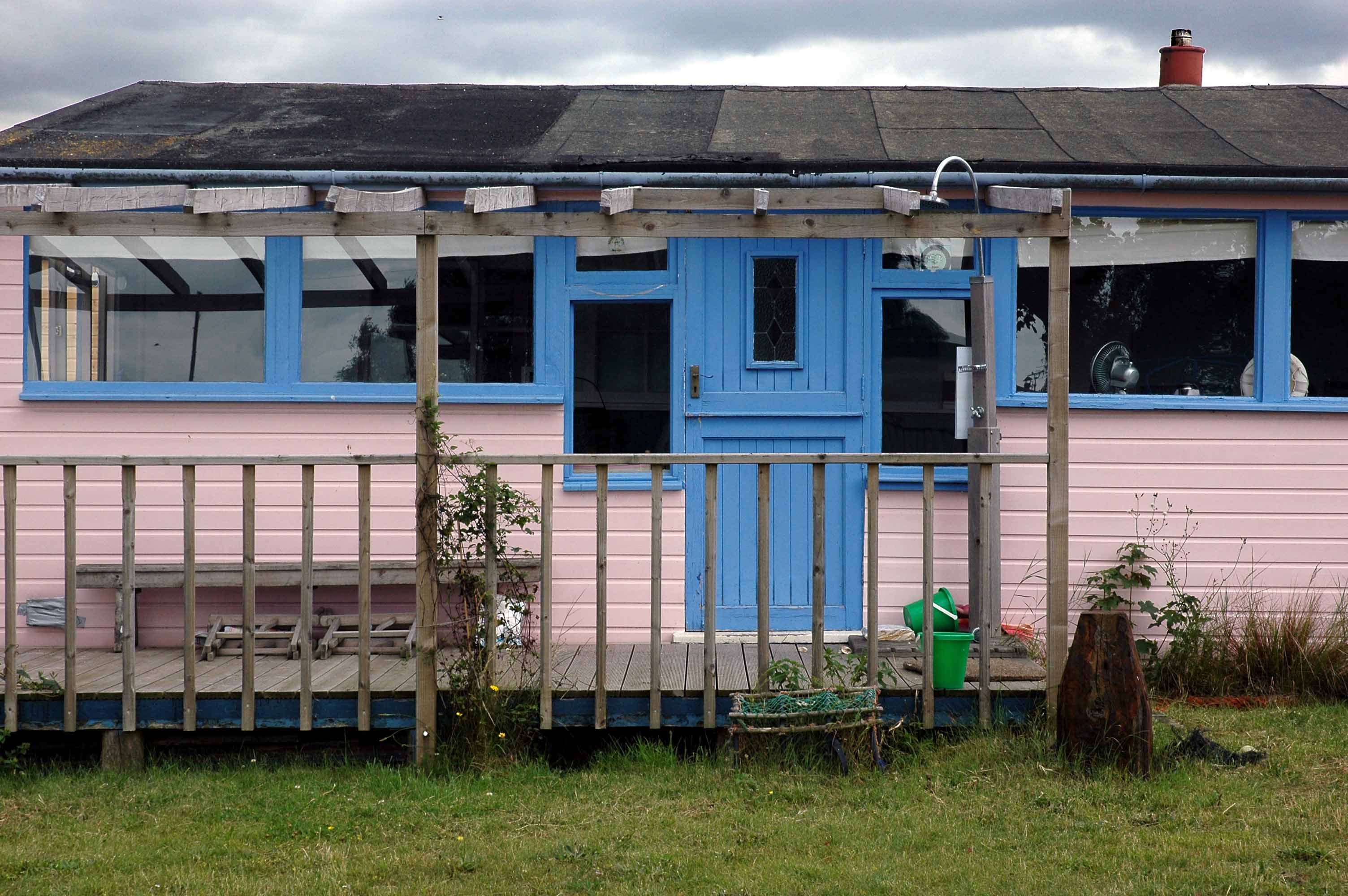
Betwixt and between the two world wars, the shortage of housing for the homeless, hopeless and dispossessed lead to an acceleration in the building of an informal architecture – the so-called Plotlands.
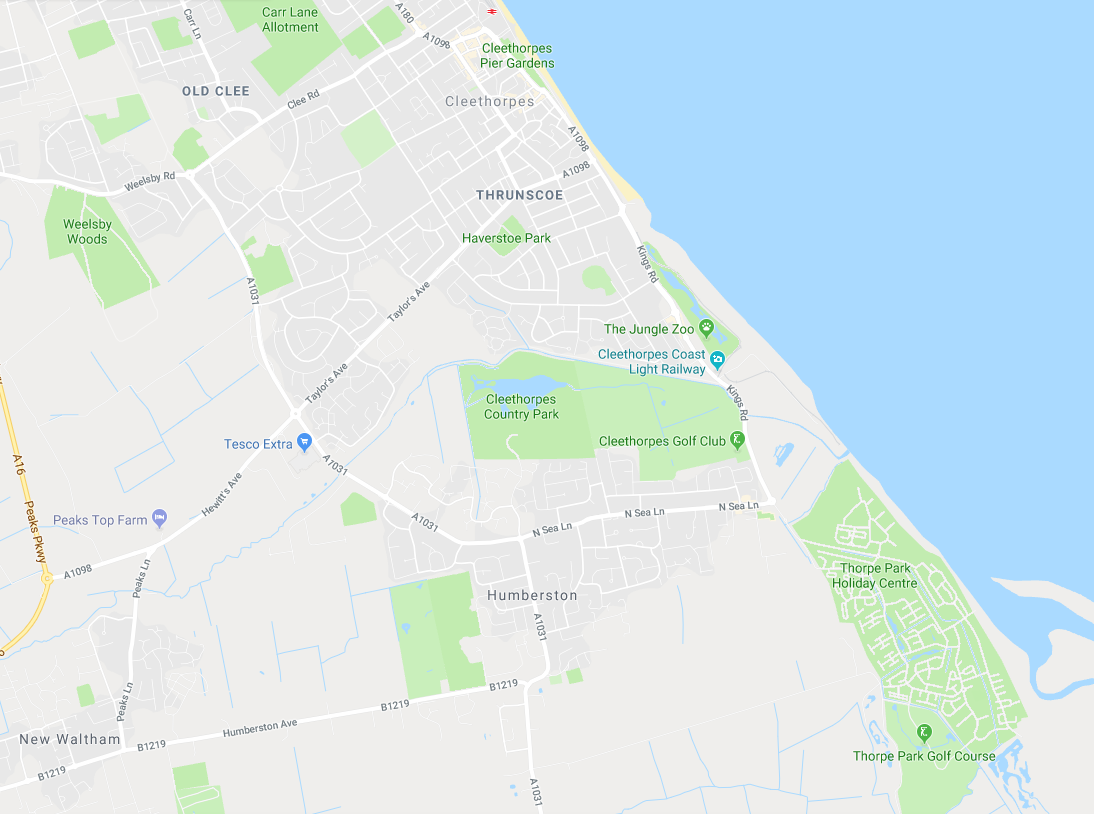
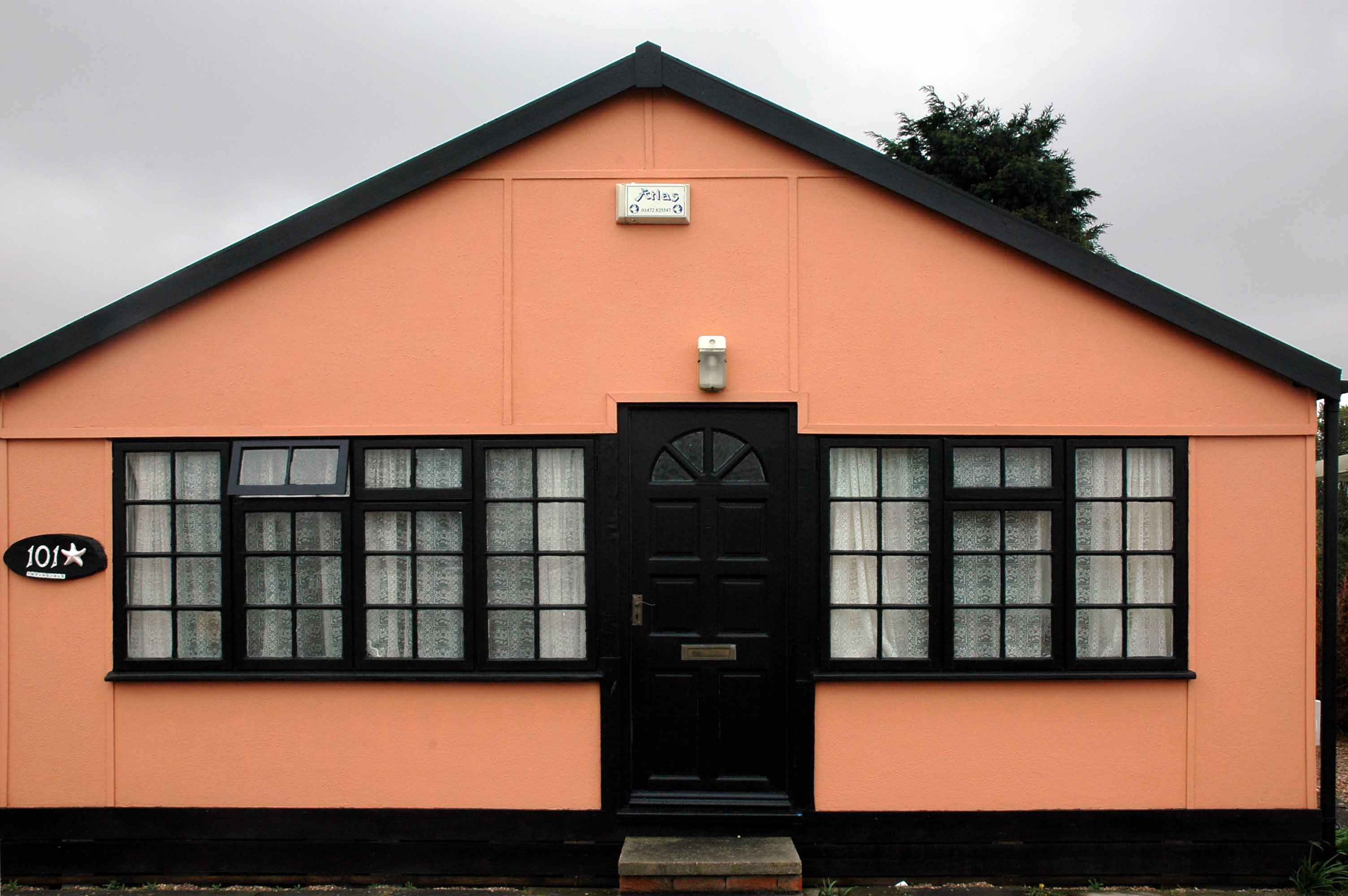
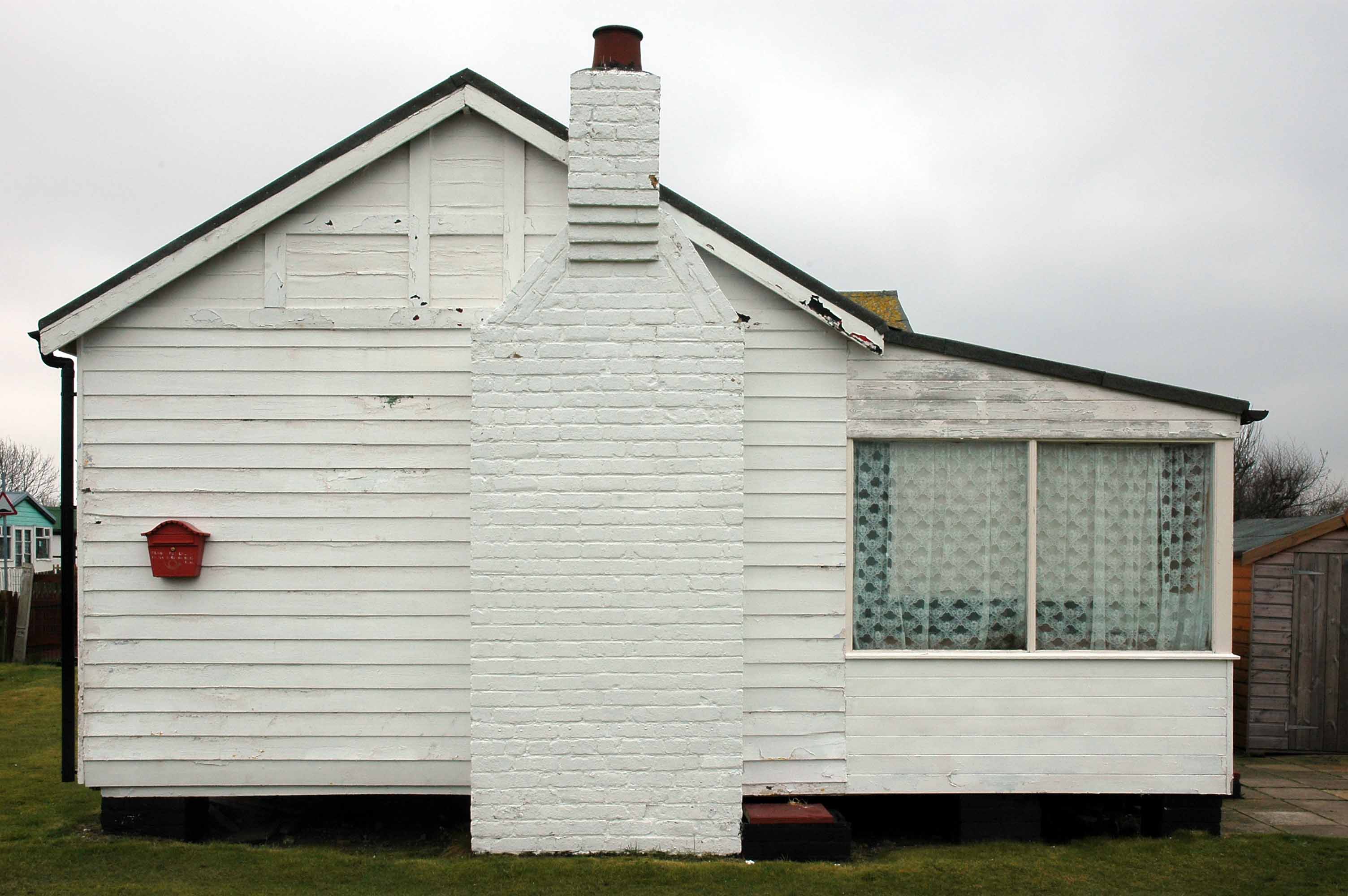
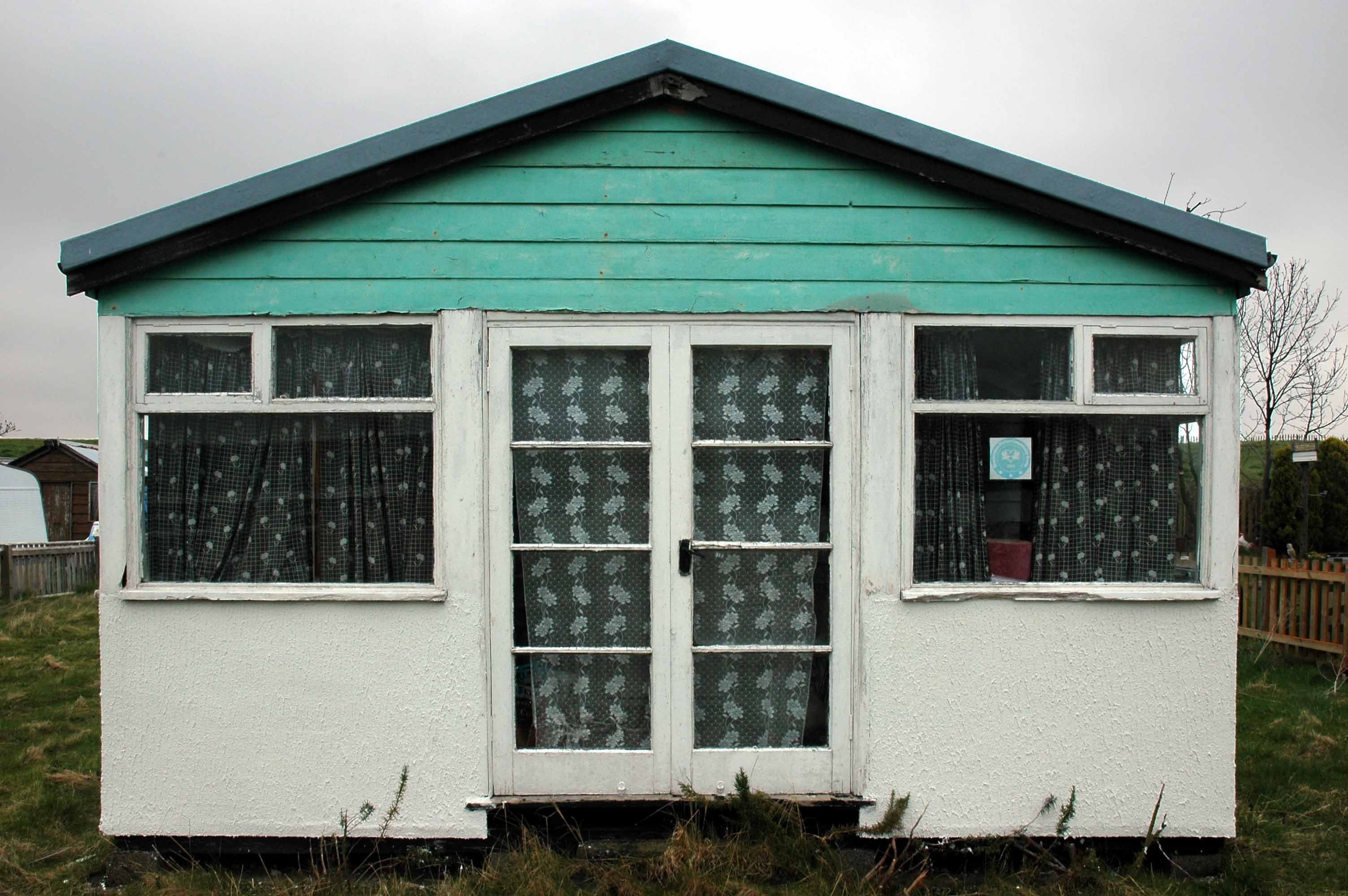
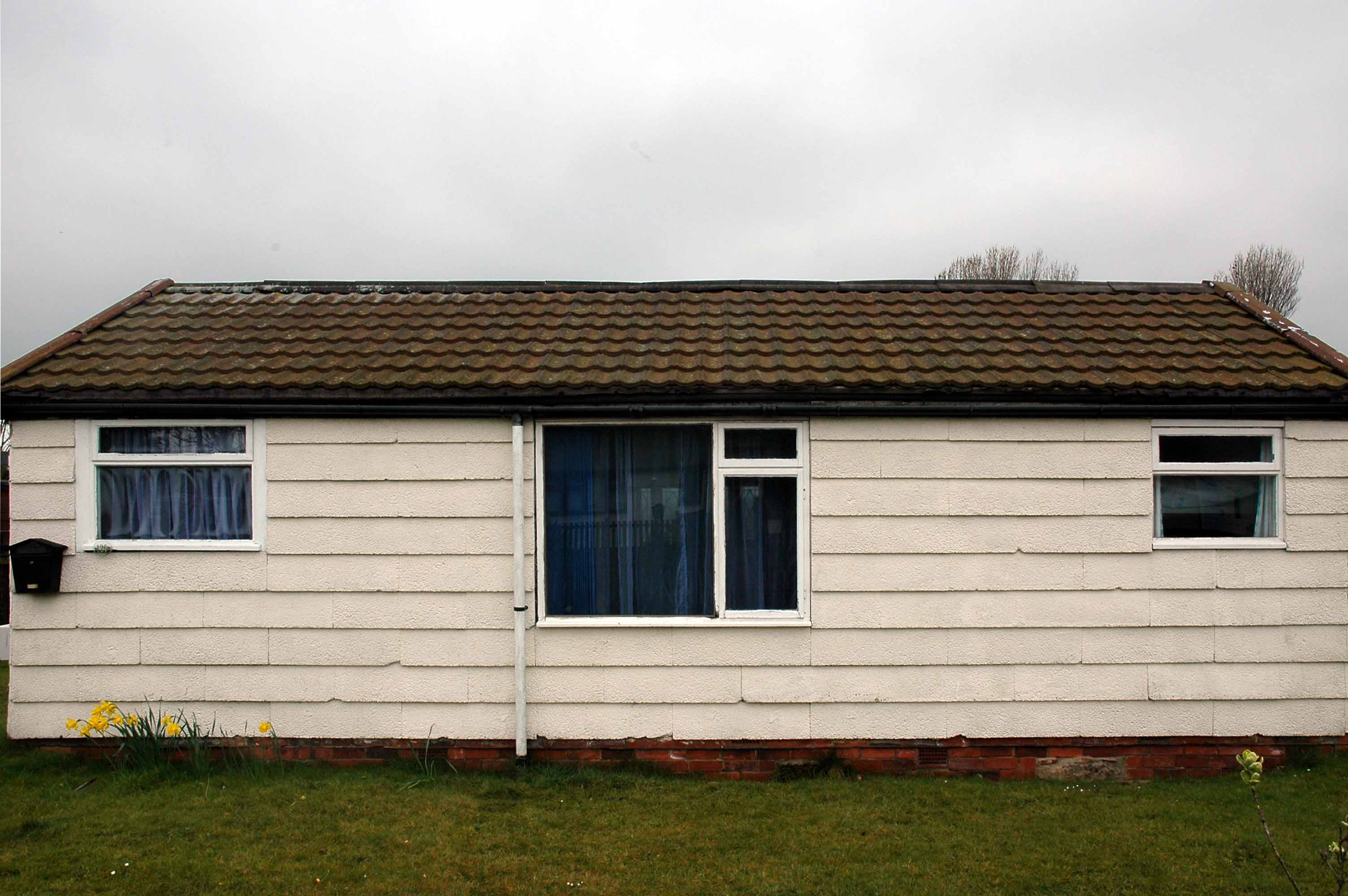
One such area and precious survivor from the last century is the Humberston Fitties – situated to south of Cleethorpes, preserved in time by the happy homesteaders.
Though under threat from Local Authority negligence or intervention, three hundred and twenty chalets prevail – against the incursion of planning regulations, building specs and a lack of respect.
I feel a real affinity for all Plotlands, having spent many summers in the converted Pagham railway carriage, belonging to my Aunty Alice and Uncle Arthur. They relocated to the south coast seeking cleaner air for Arthur’s ailing, industrialised northern lungs, thus prolonging his life.
Tamarisk – Pagham
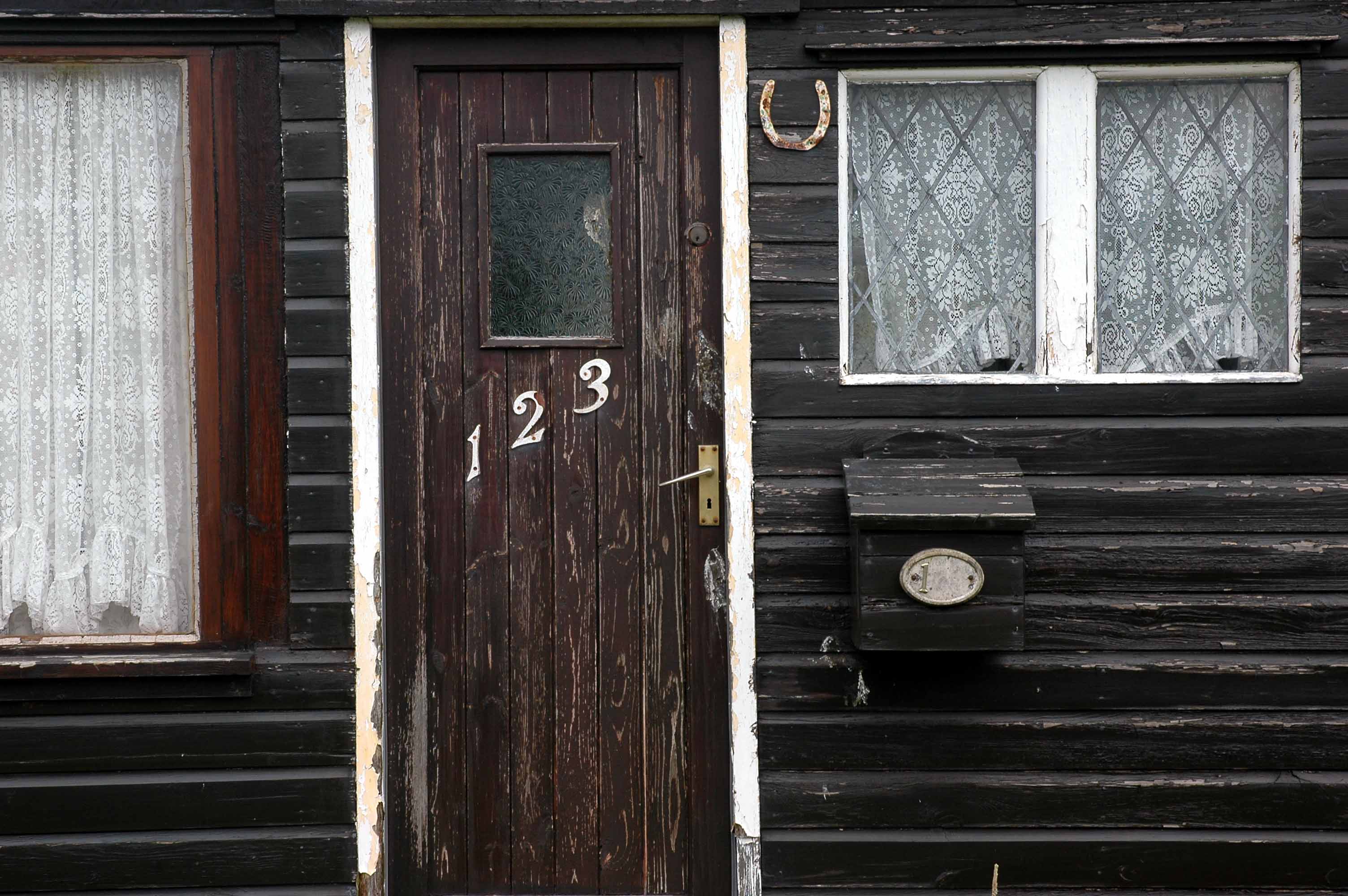
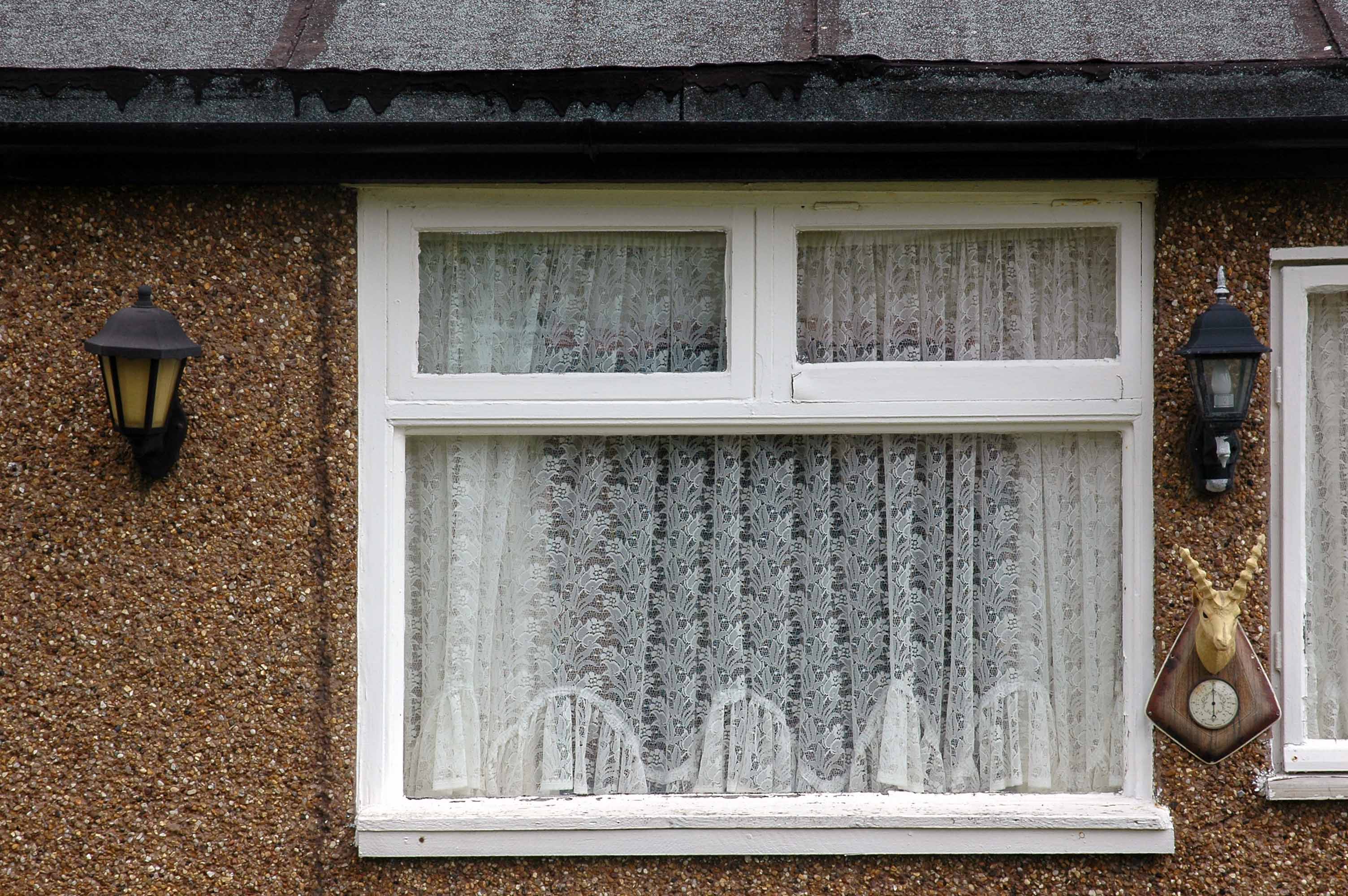
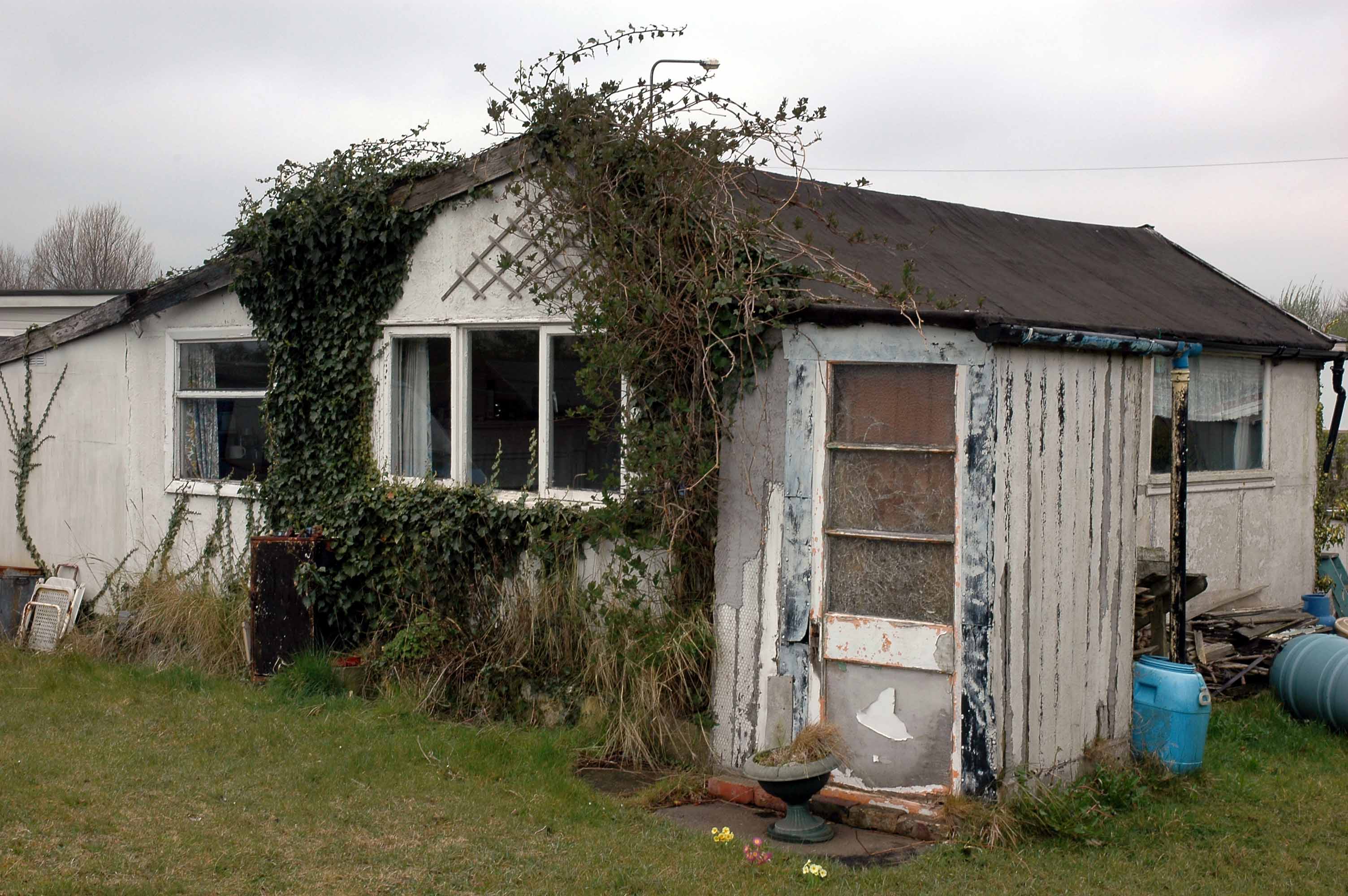
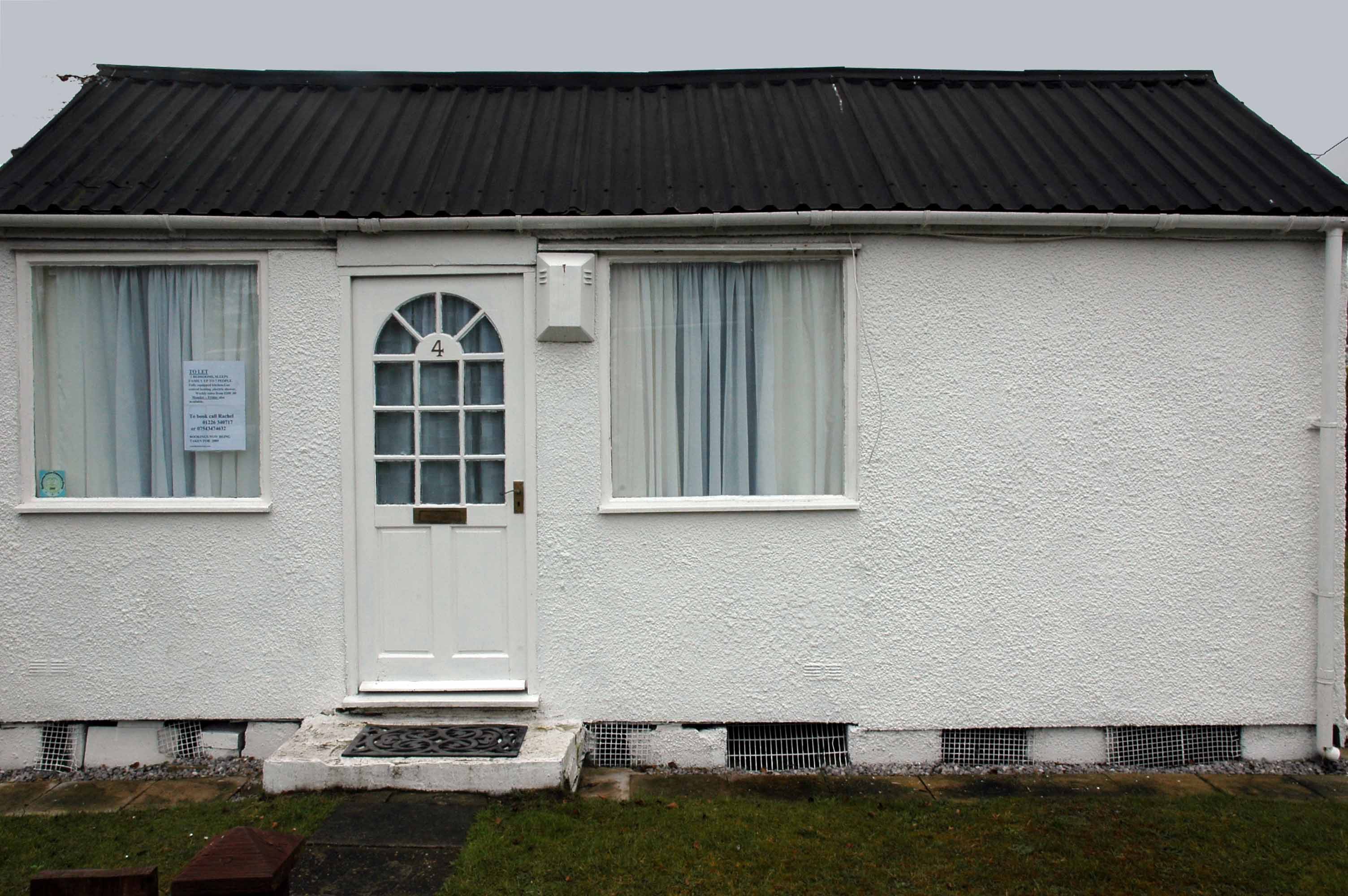
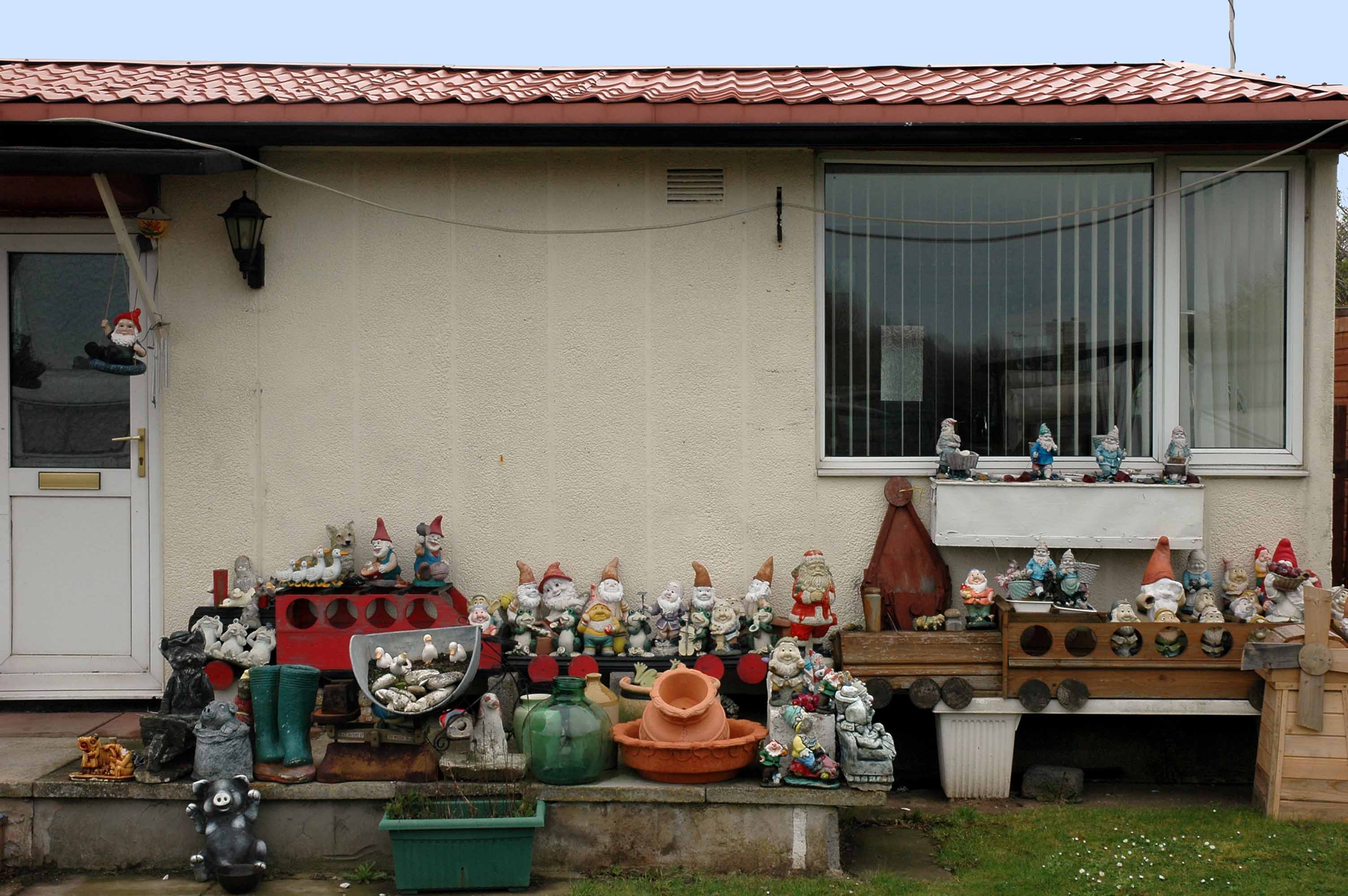
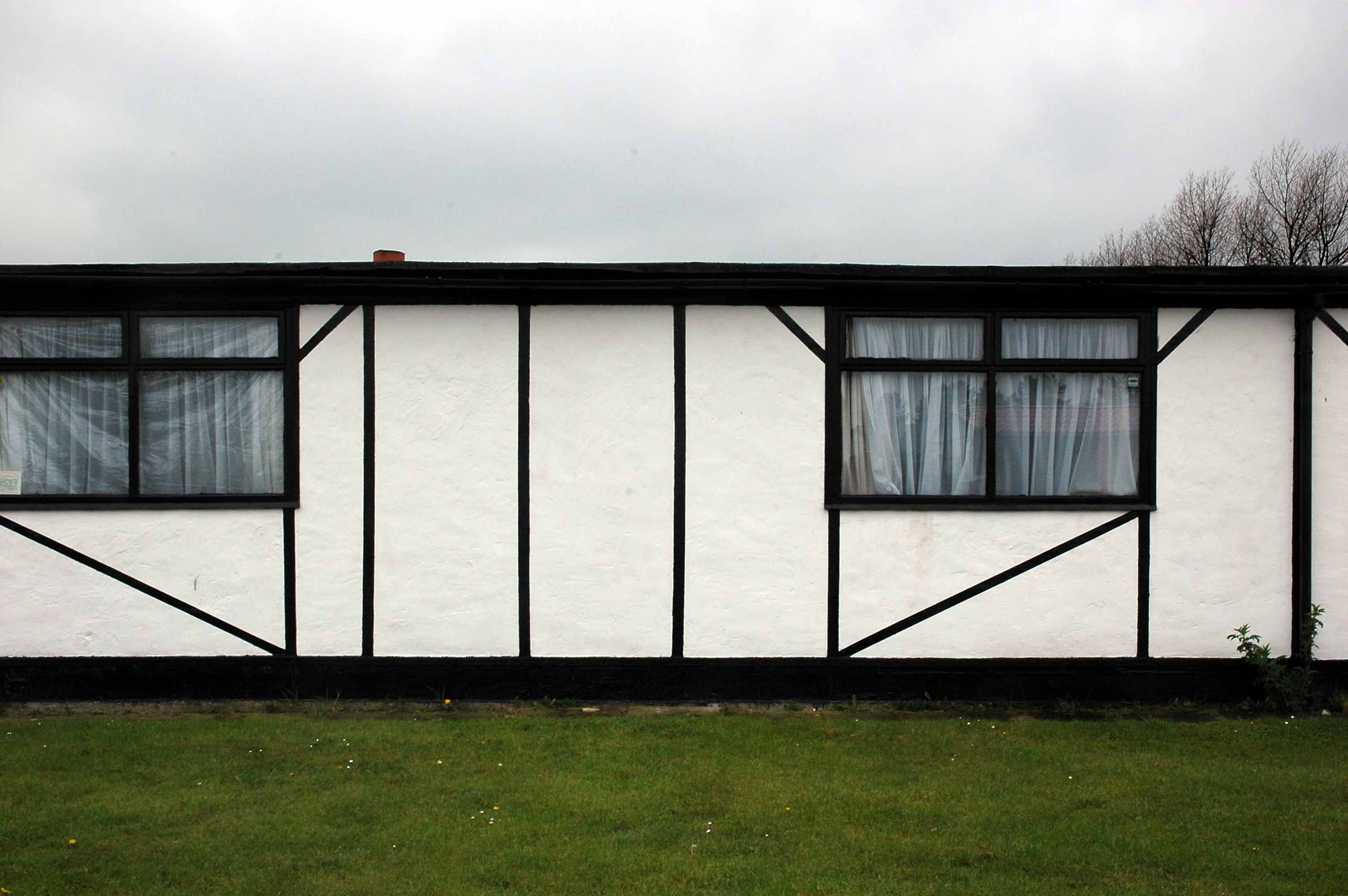
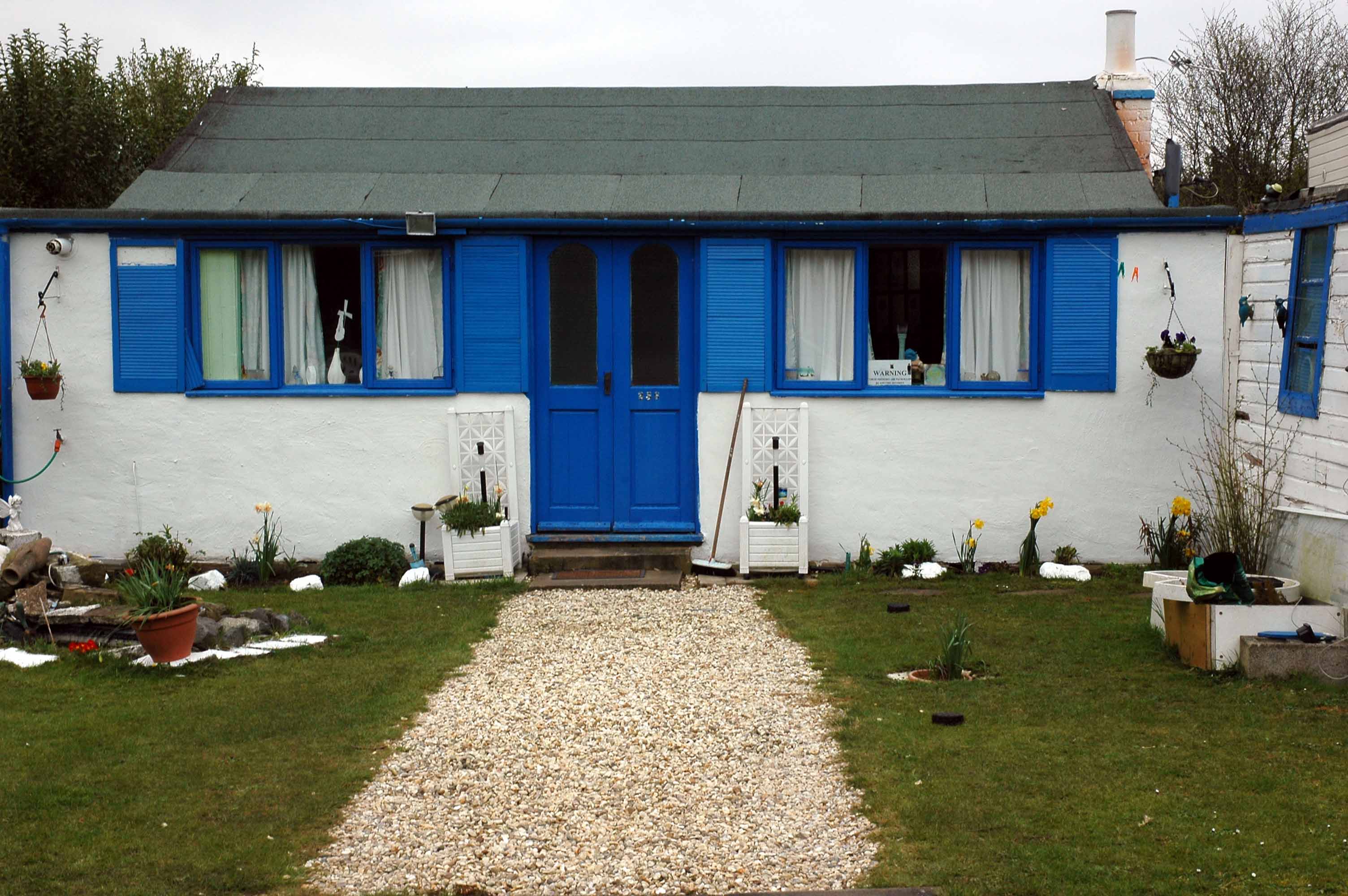
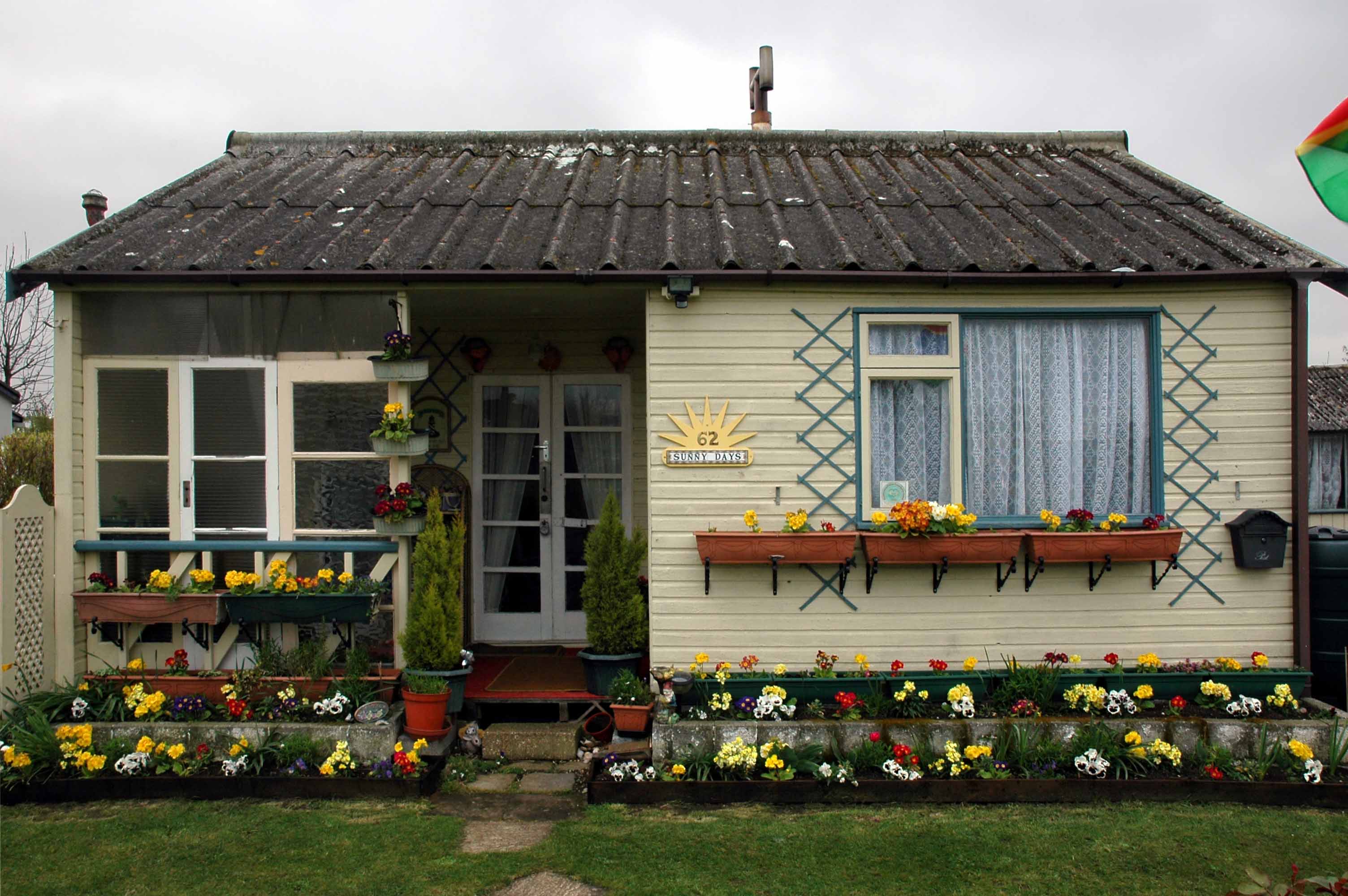
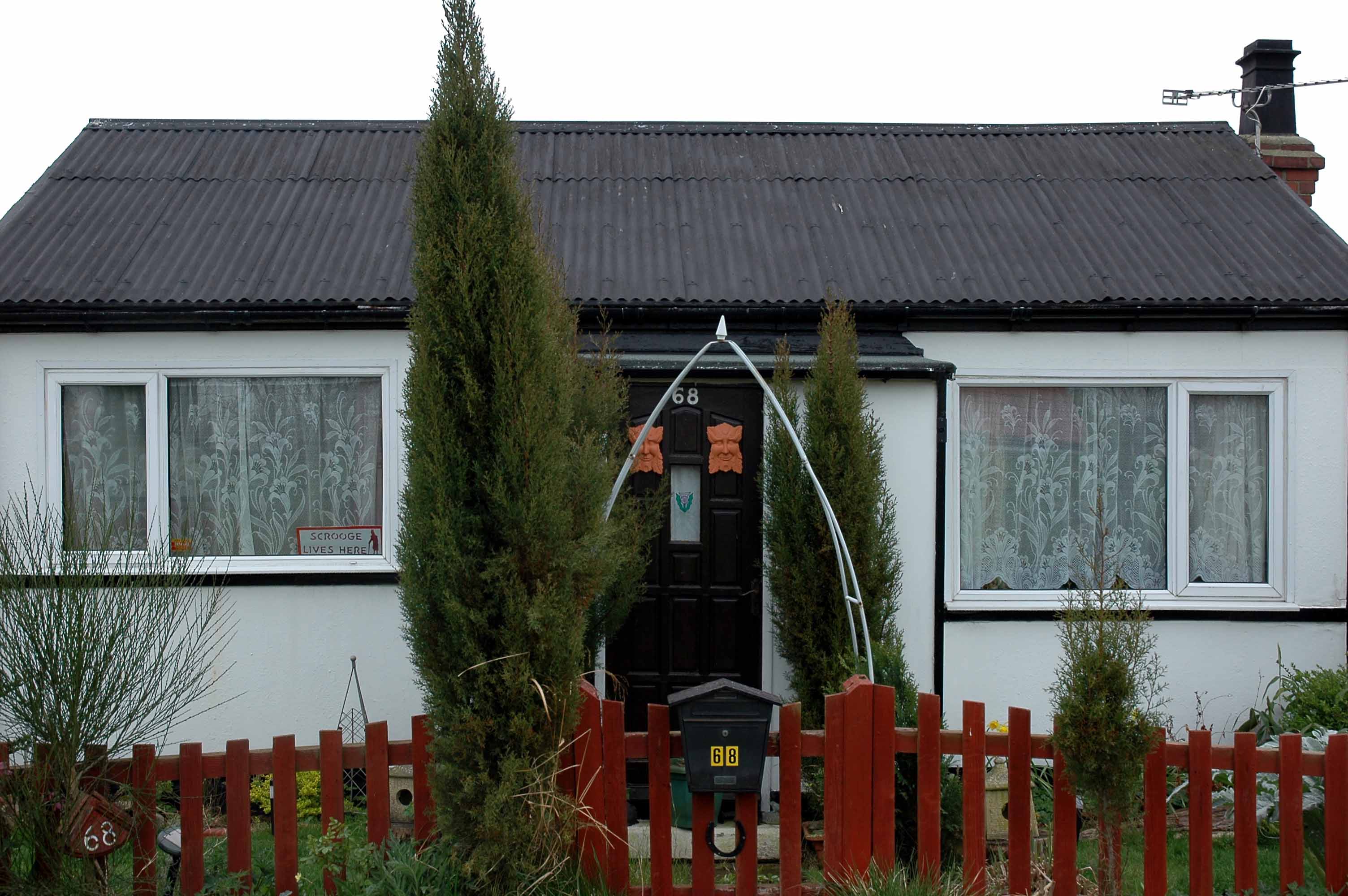
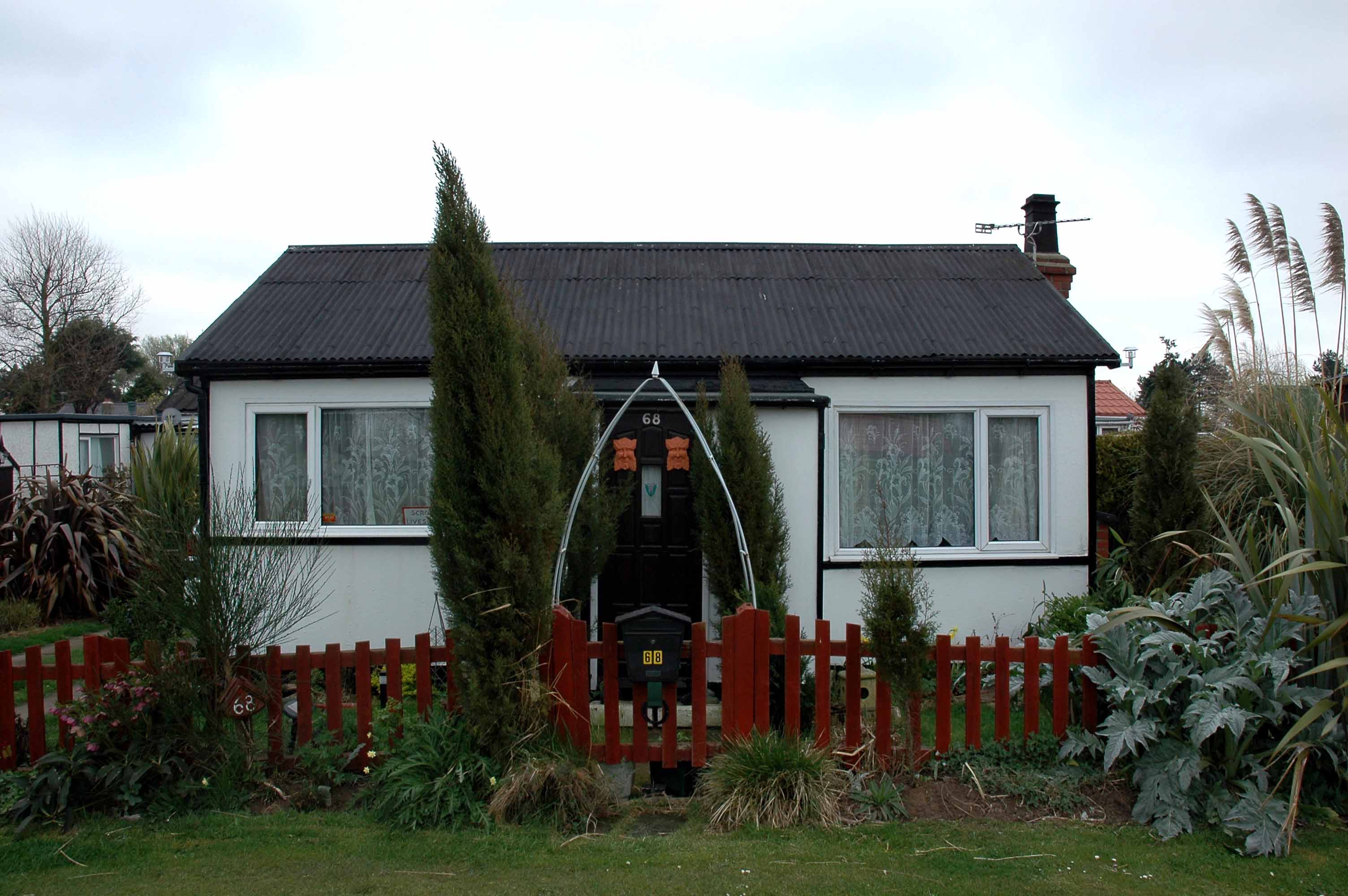
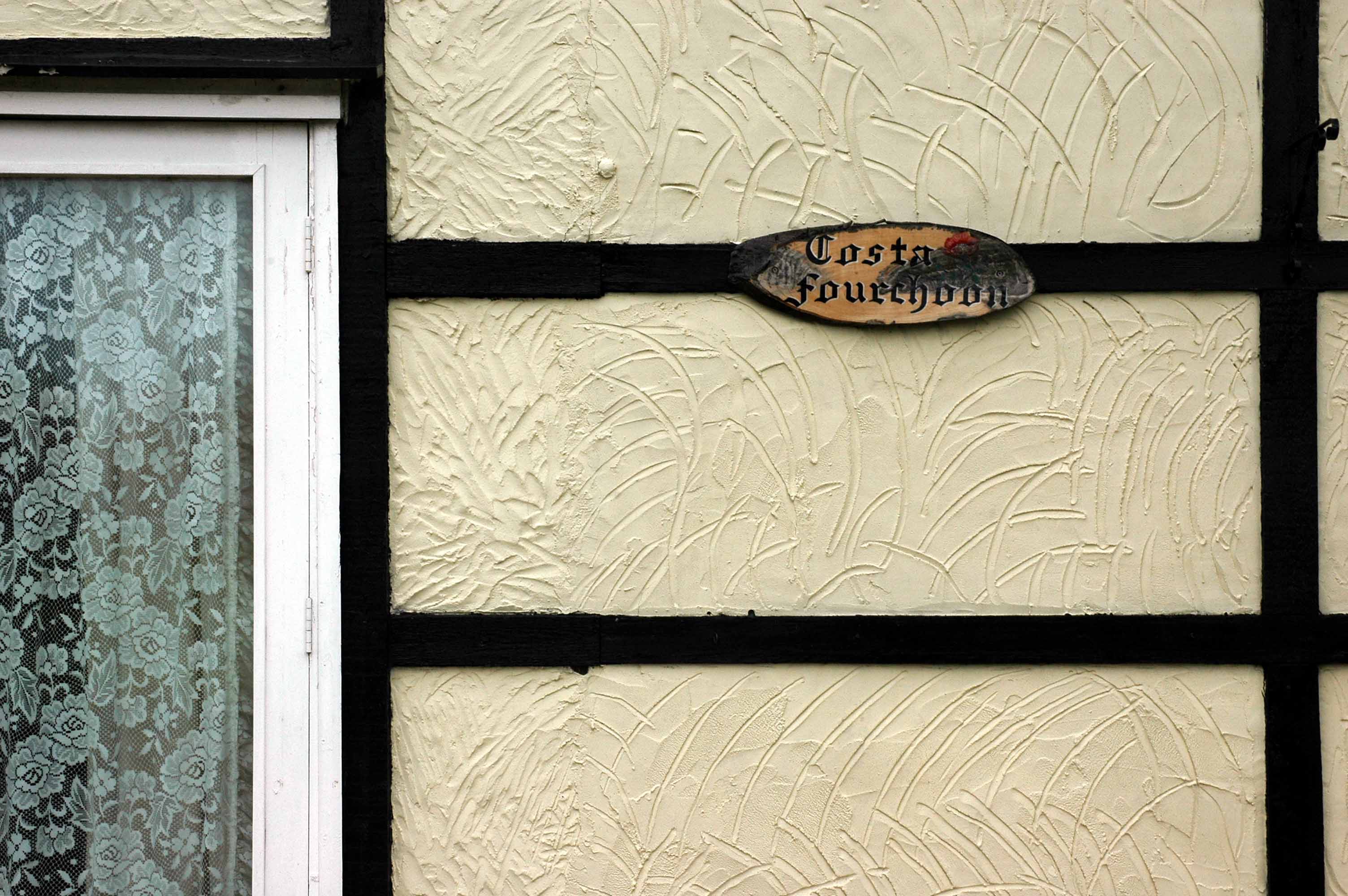
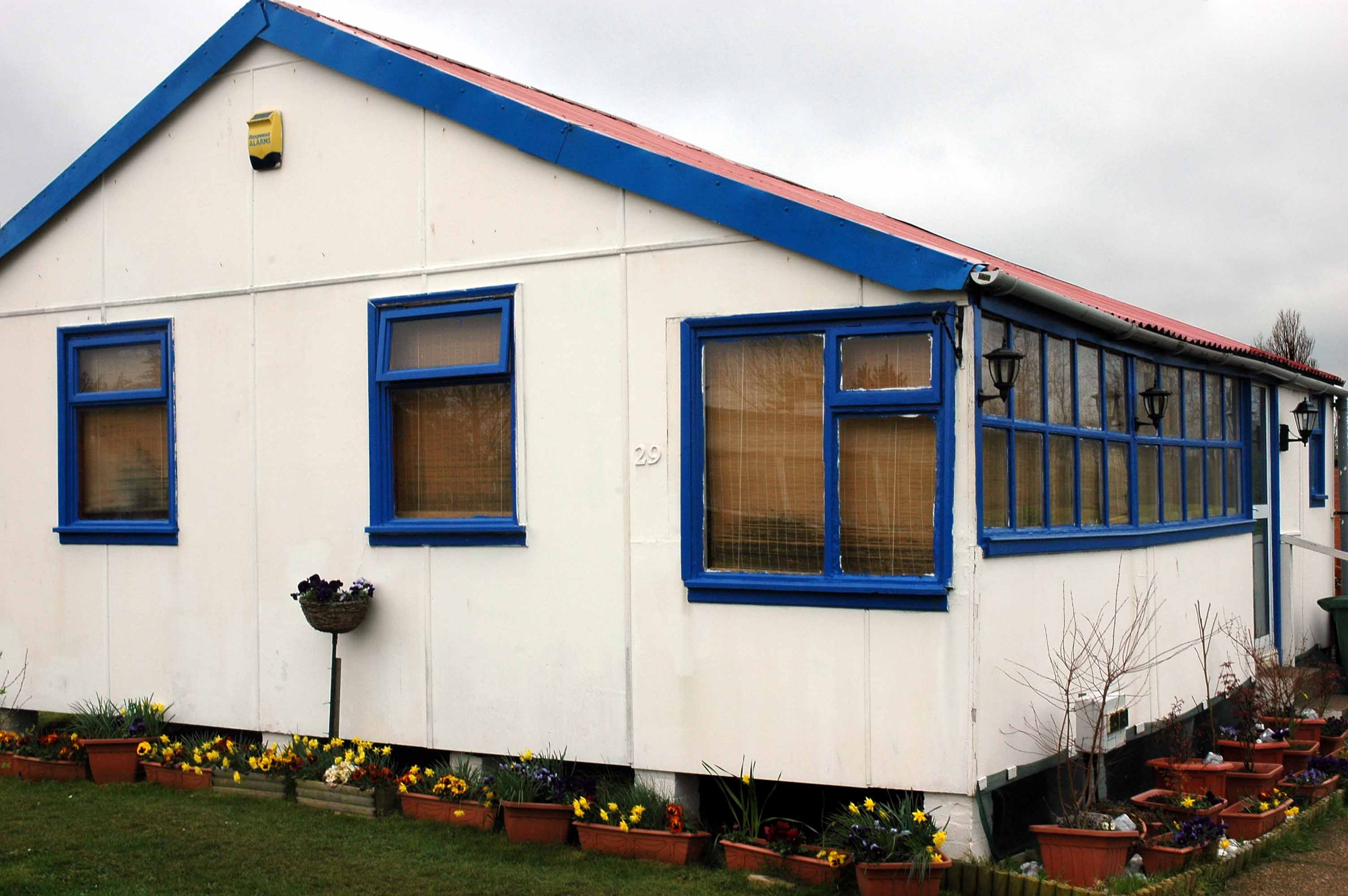
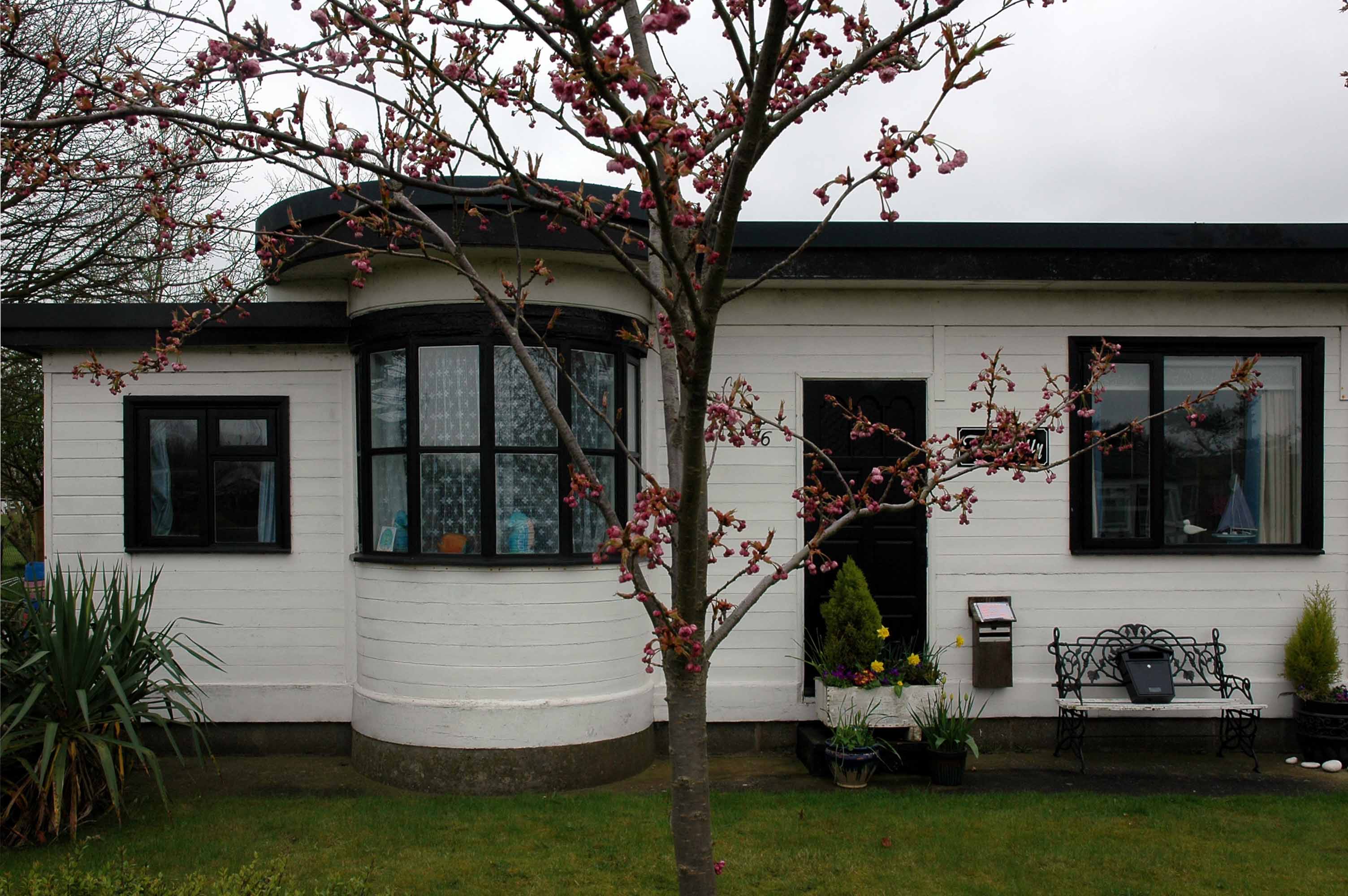
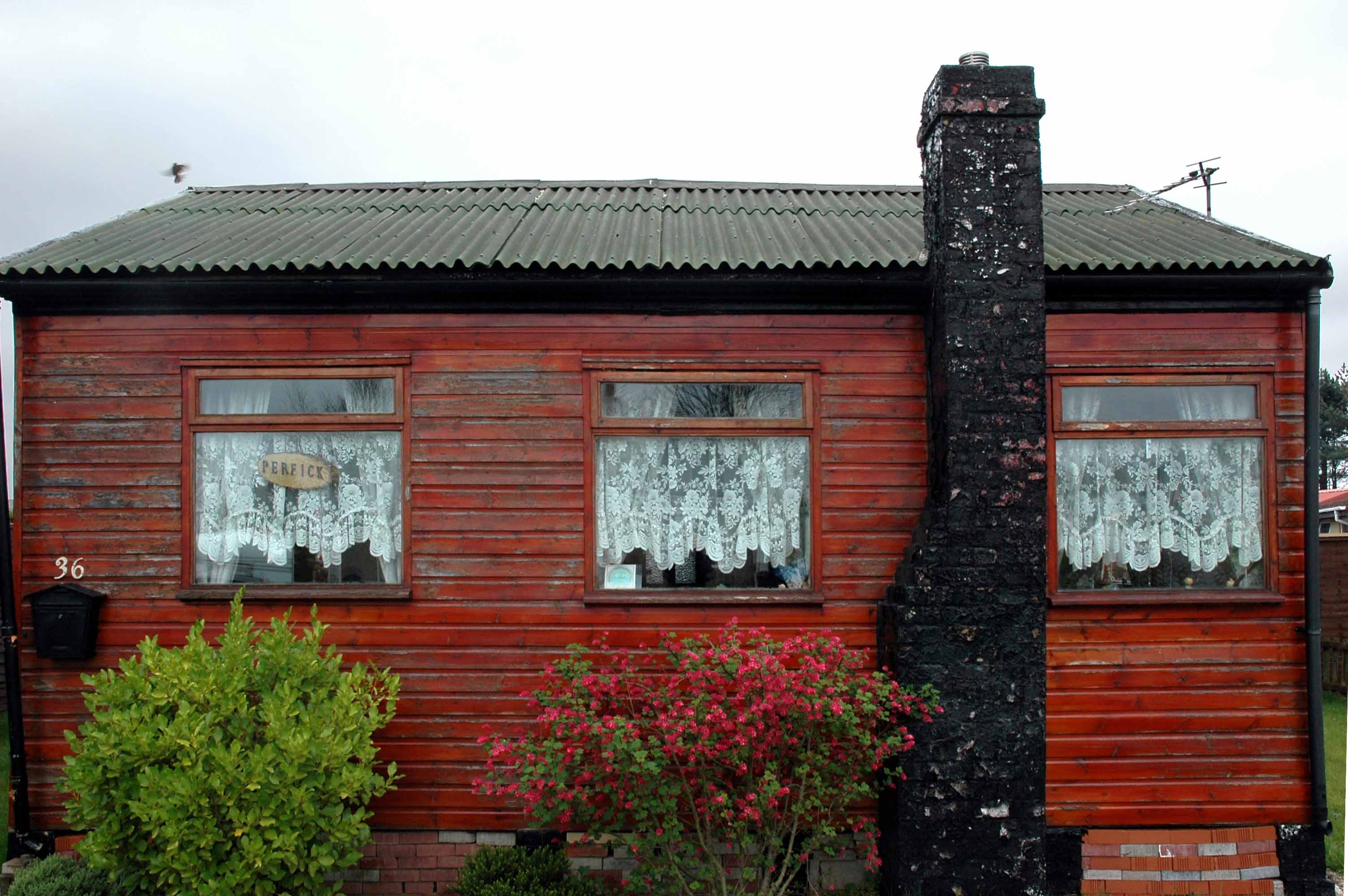
So here are the photographs I took on a visit to The Fitties in July 2008, I walked the home made roads, amazed by the vigour and variety of shape, size, personal affectation and practical pragmatism, of this all too human architecture.
This is a particular form of independent minded Modernism – hand-forged from the vernacular.
It is better to have your head in the clouds, and know where you are, than to breathe the clearer atmosphere below them, and think that you are in paradise.
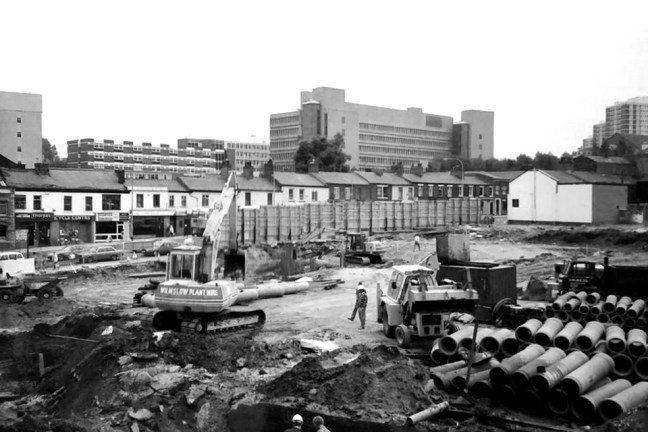
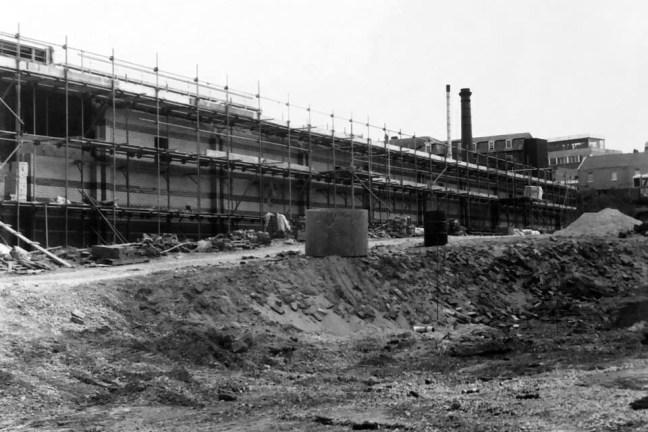
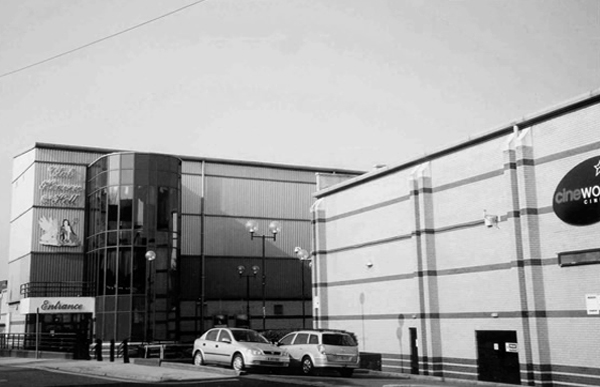
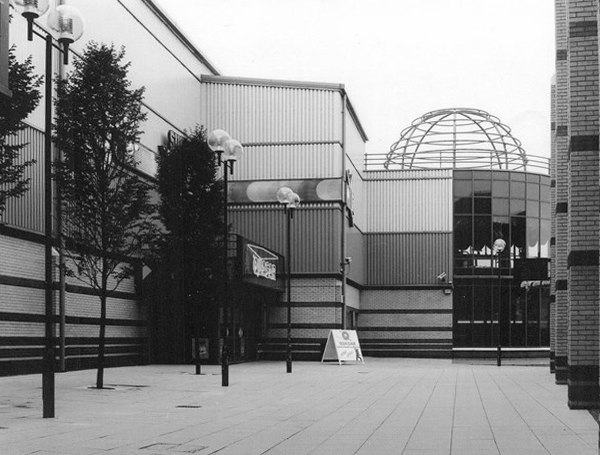
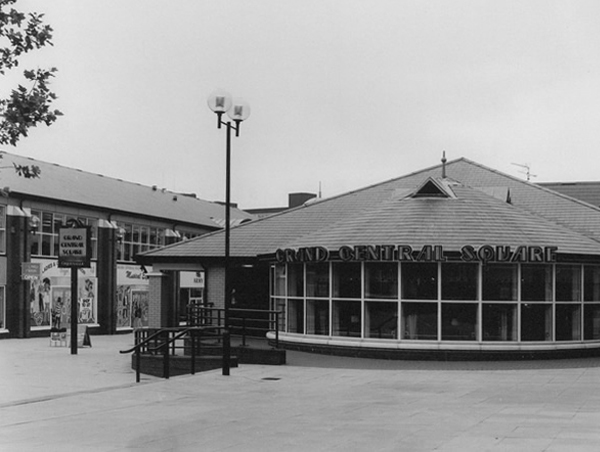
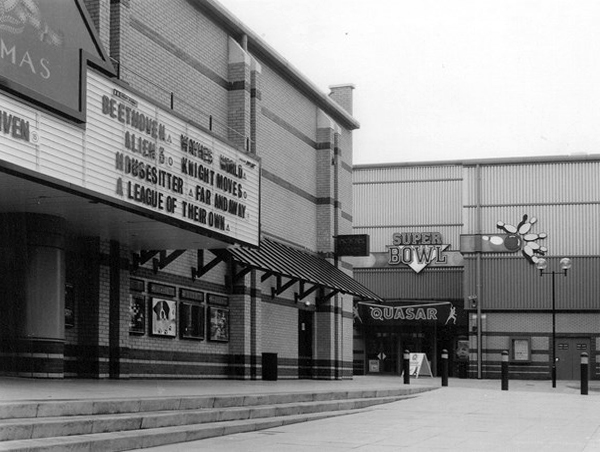
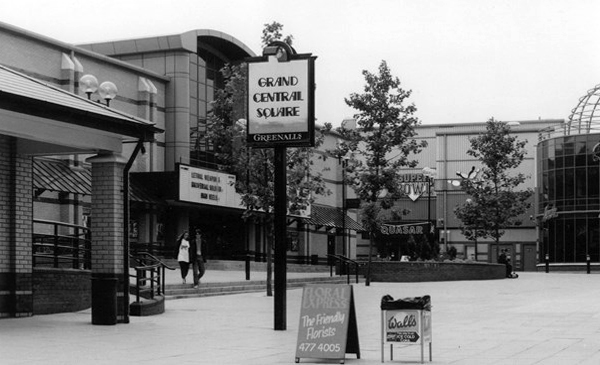
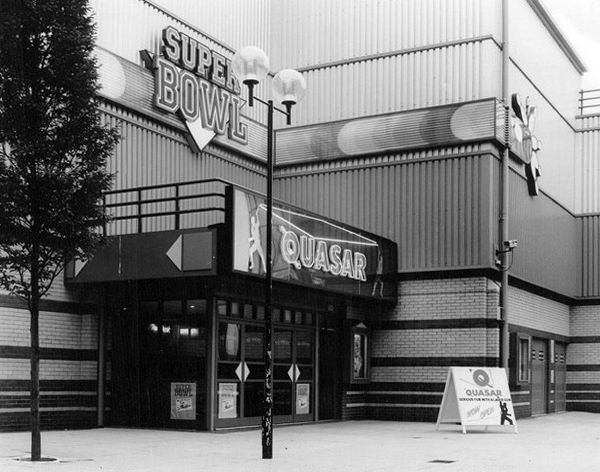
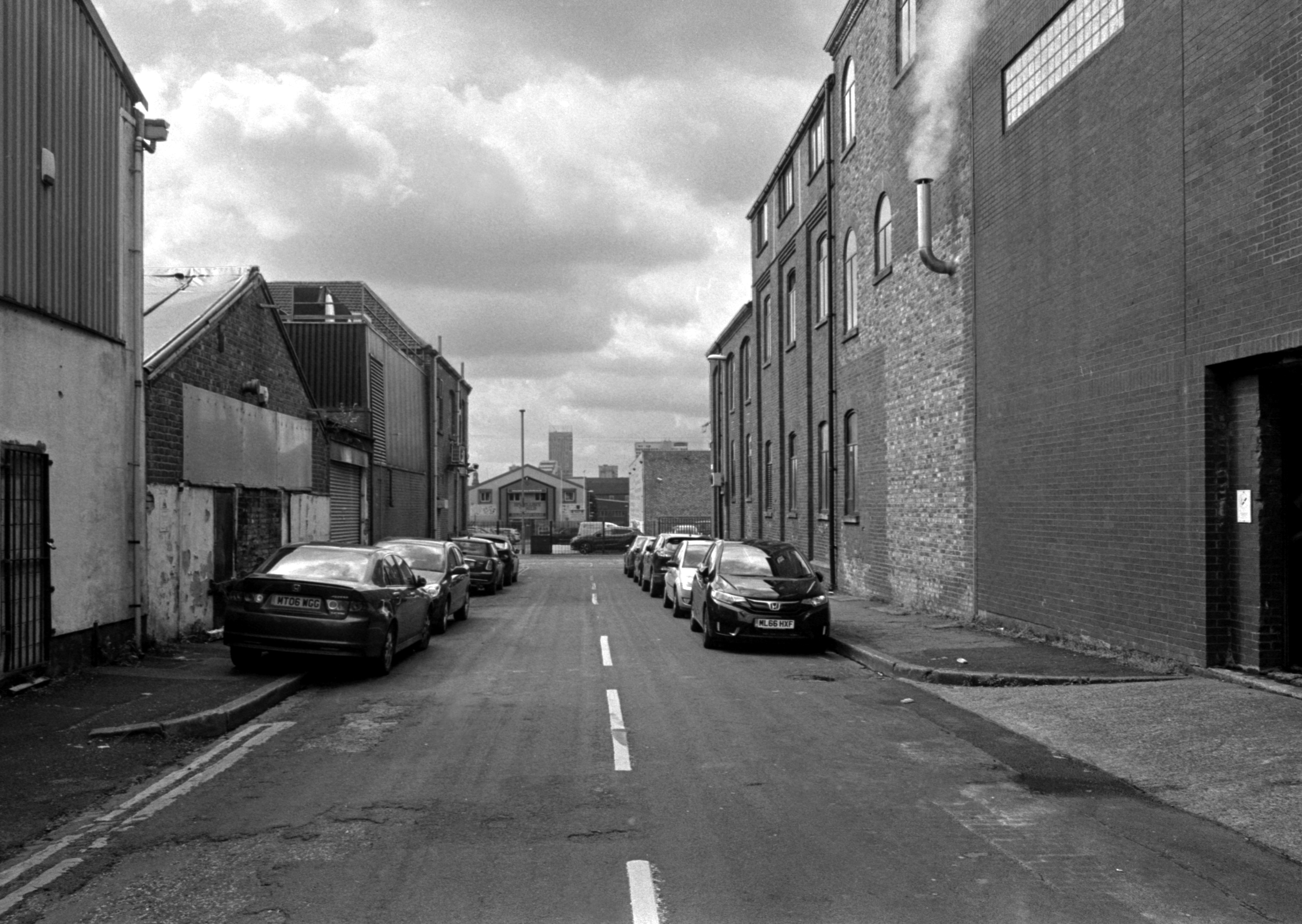
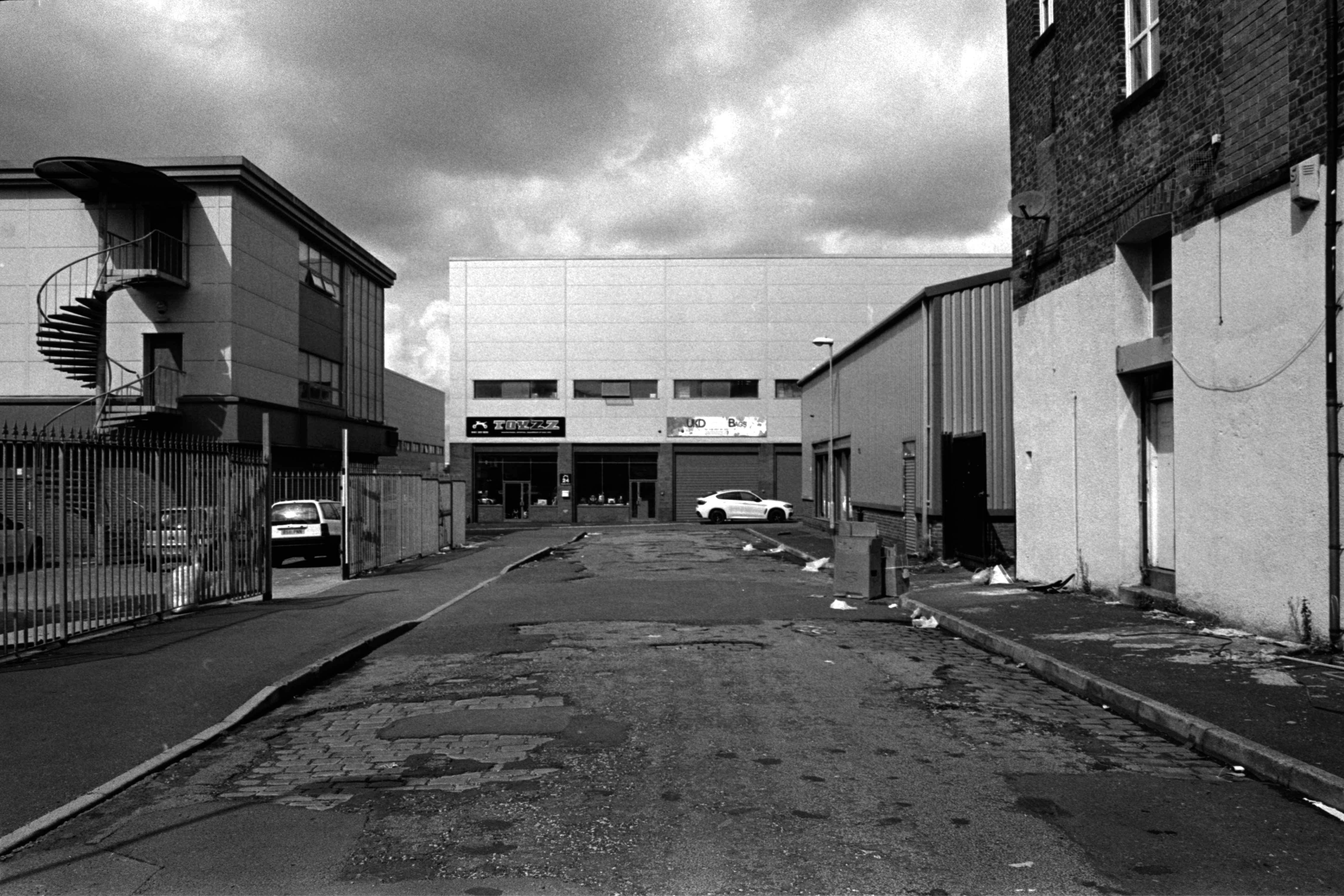
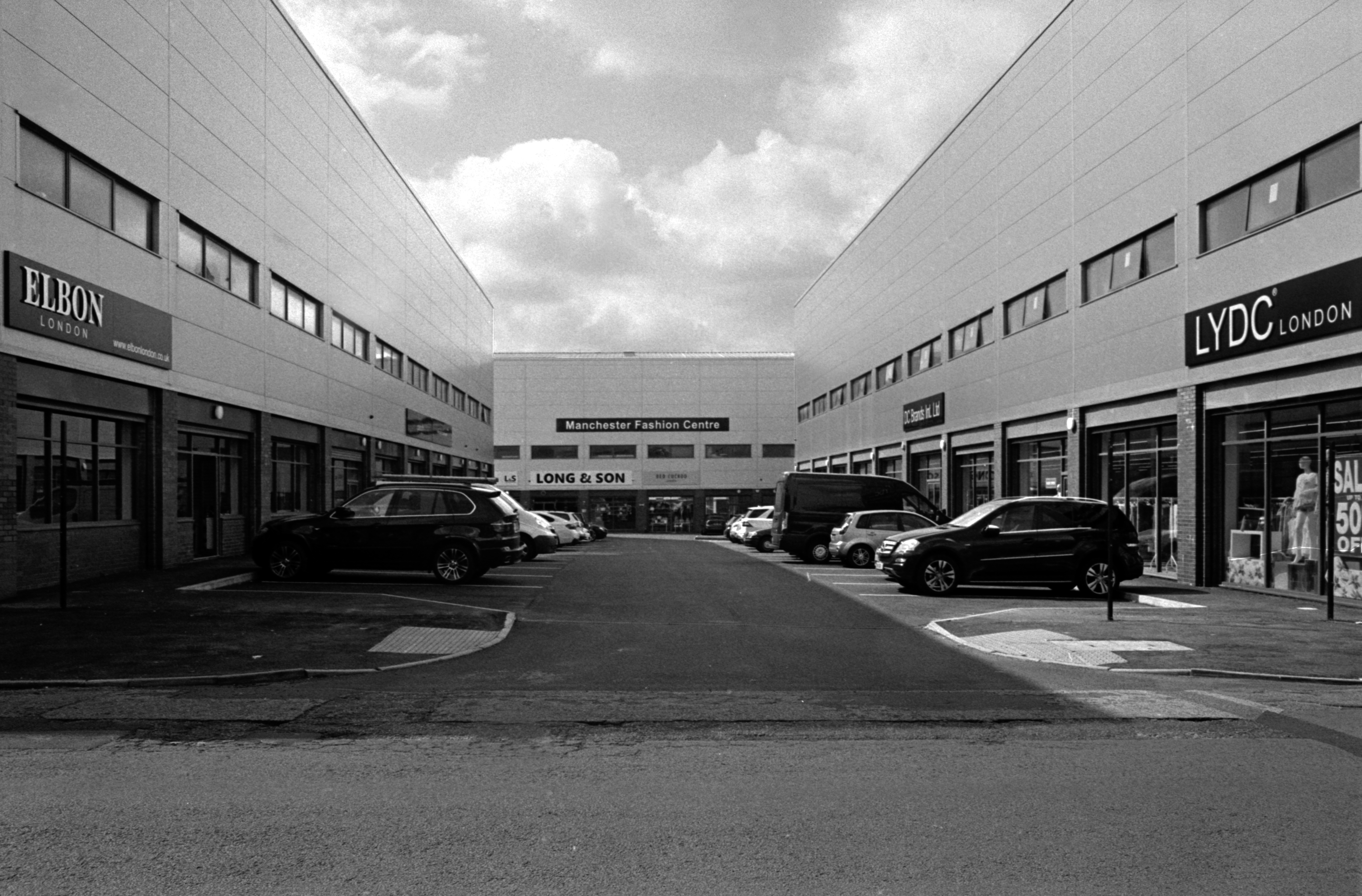
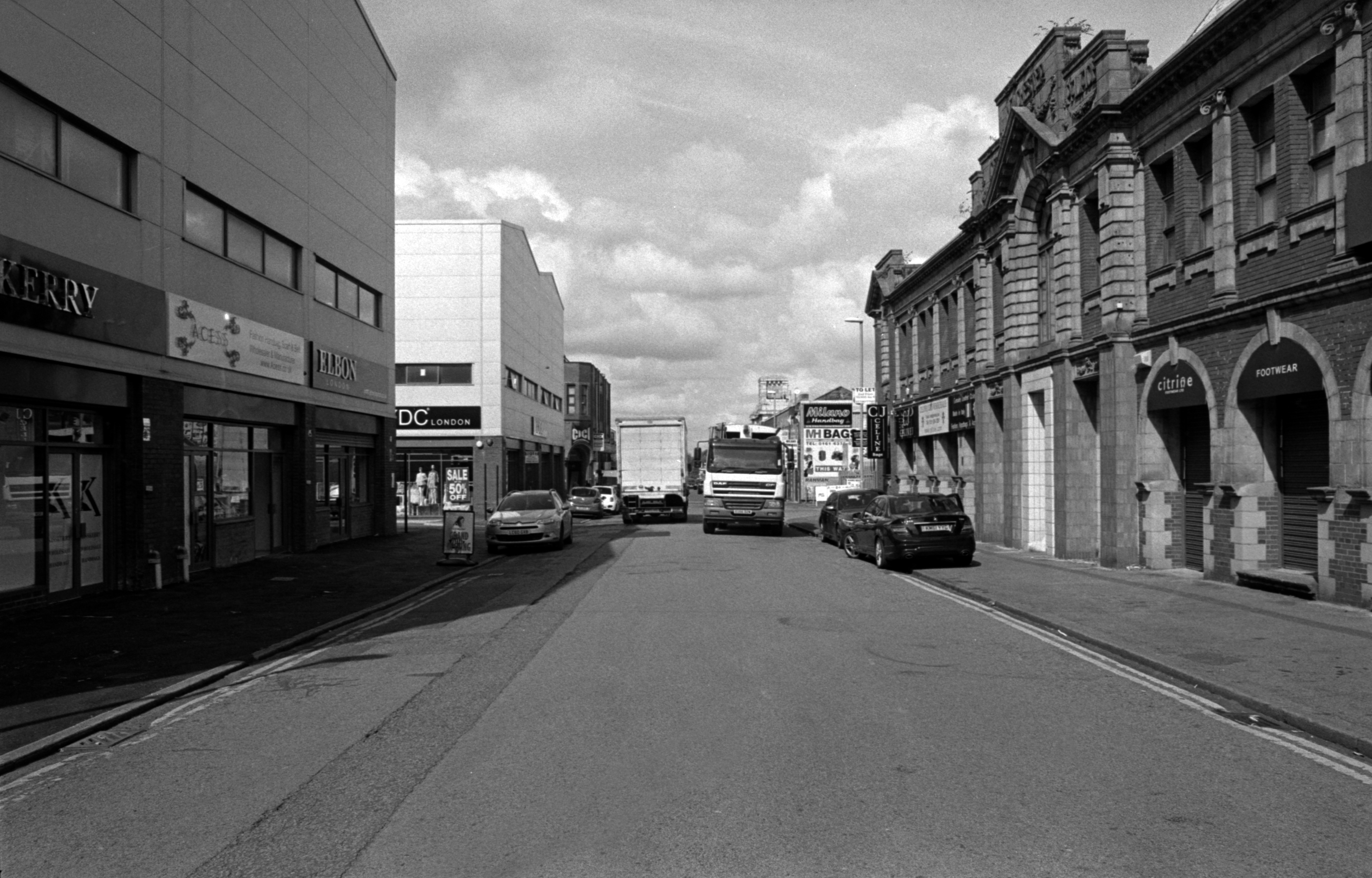
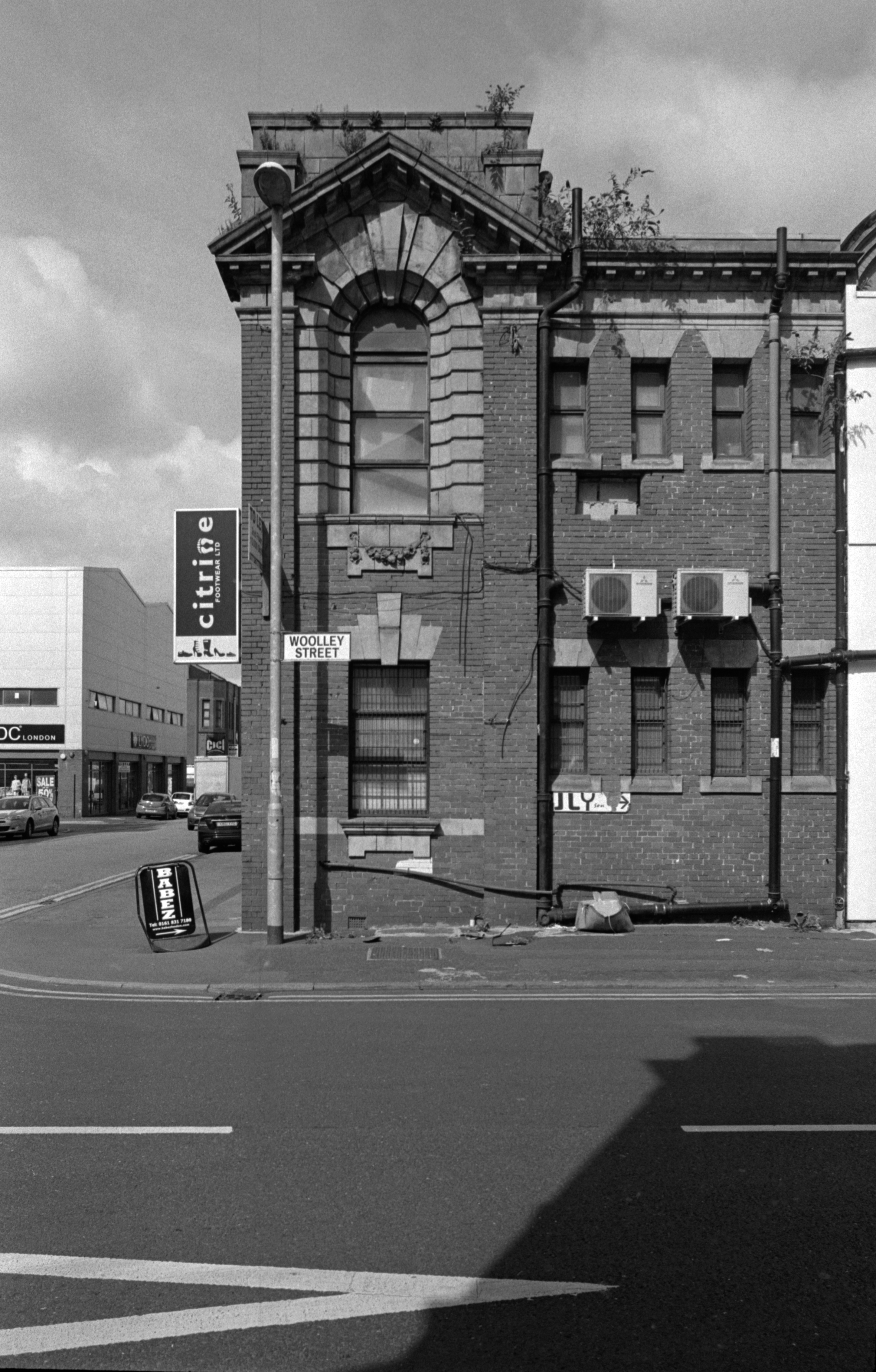
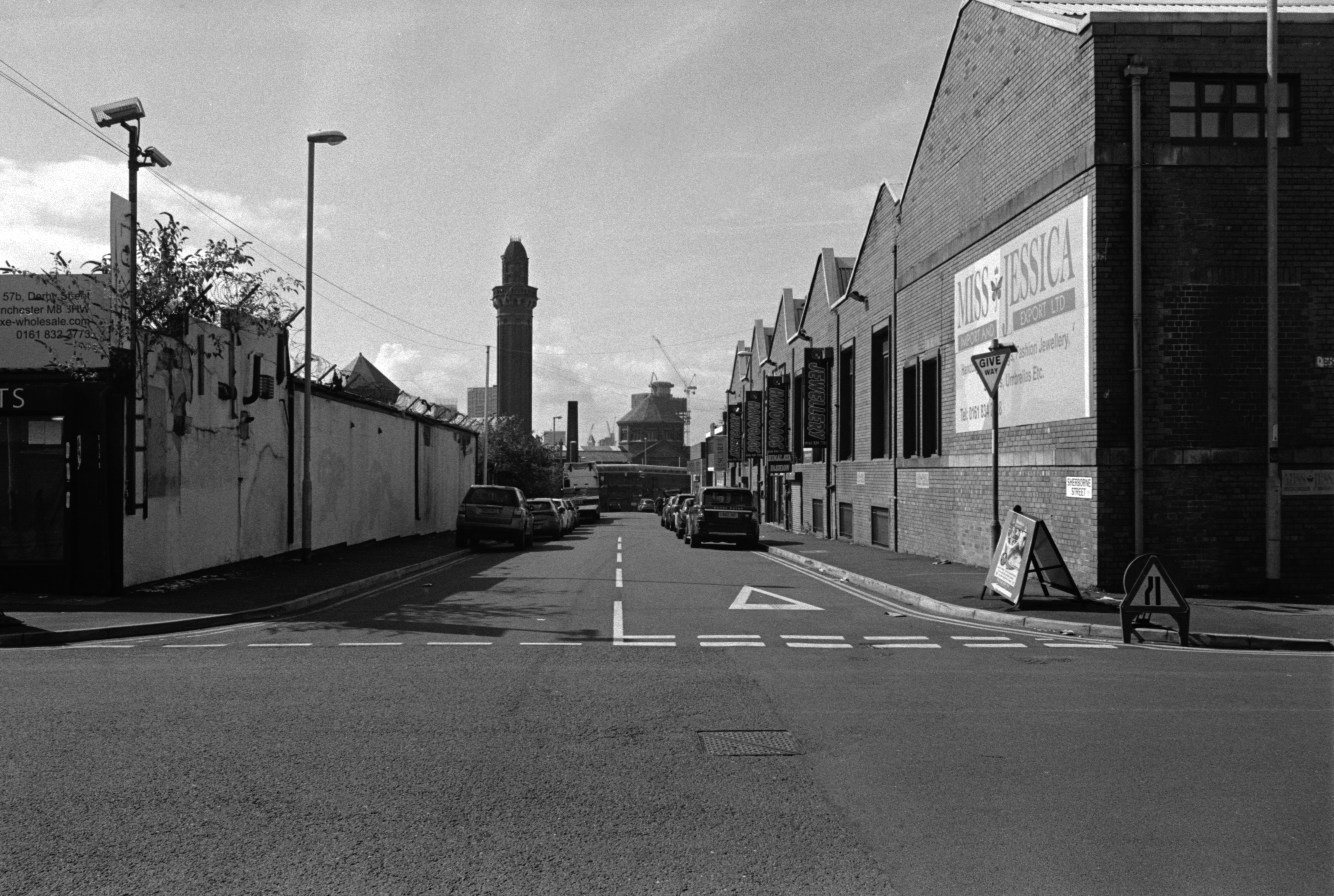
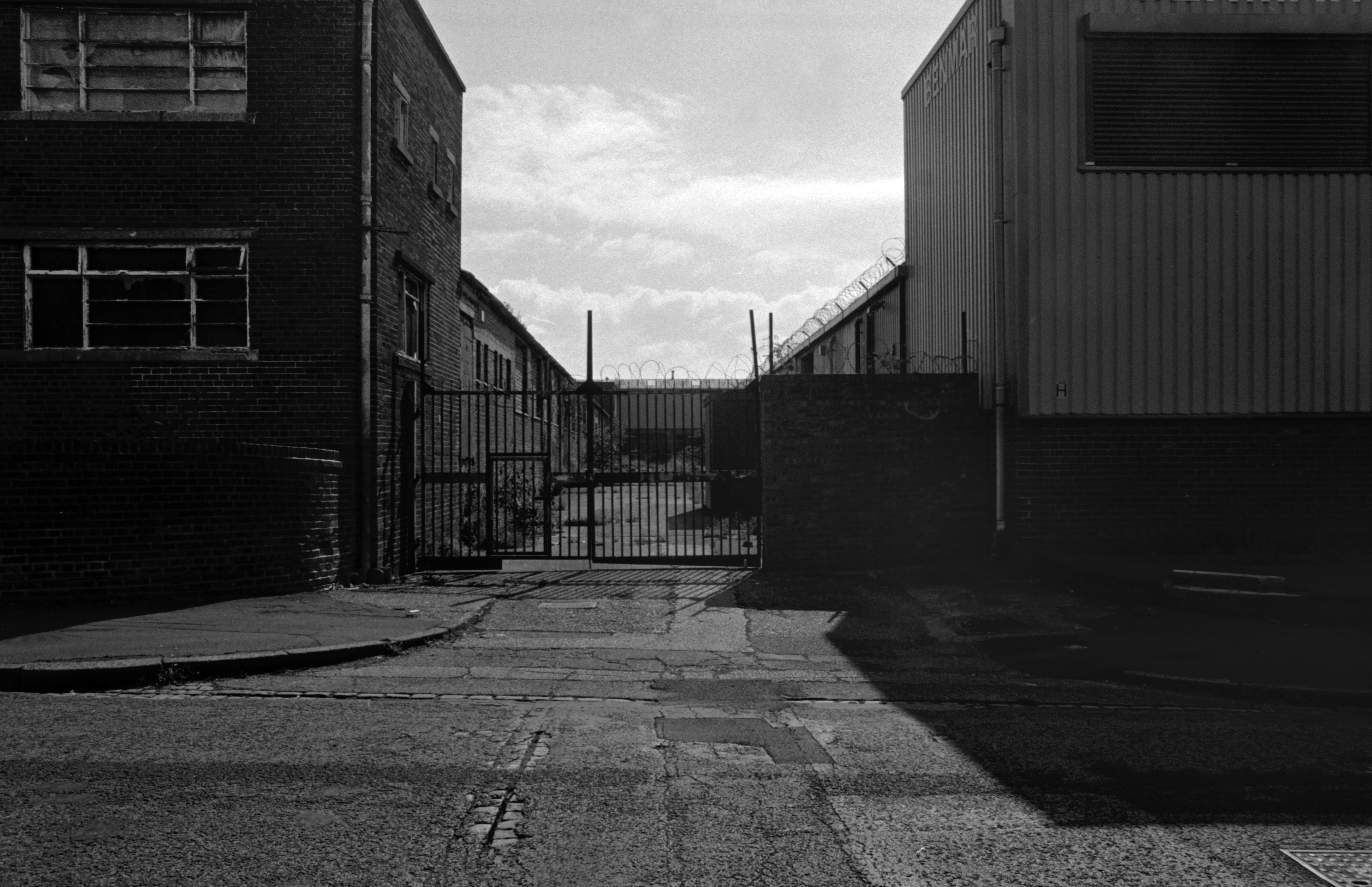
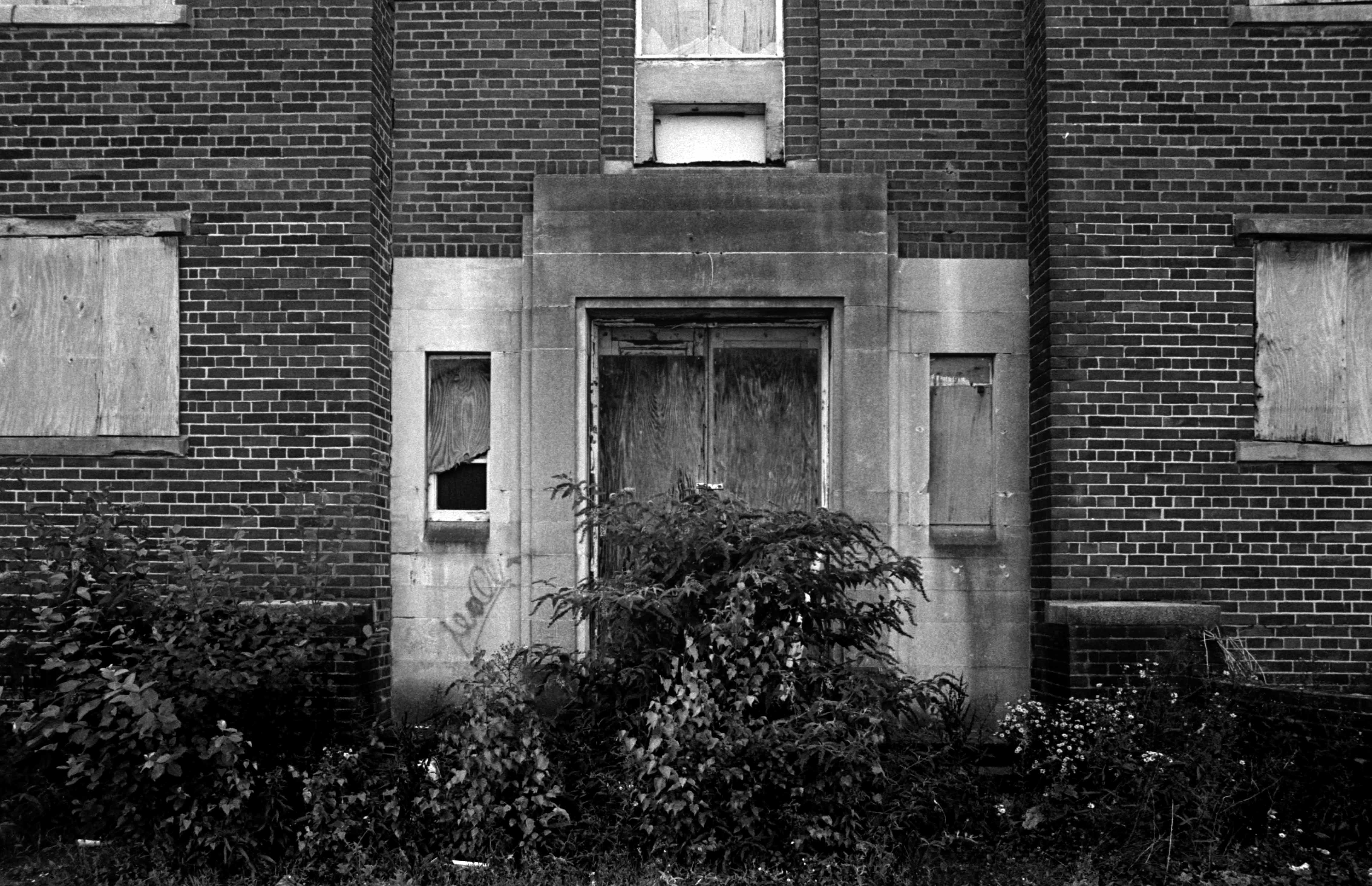
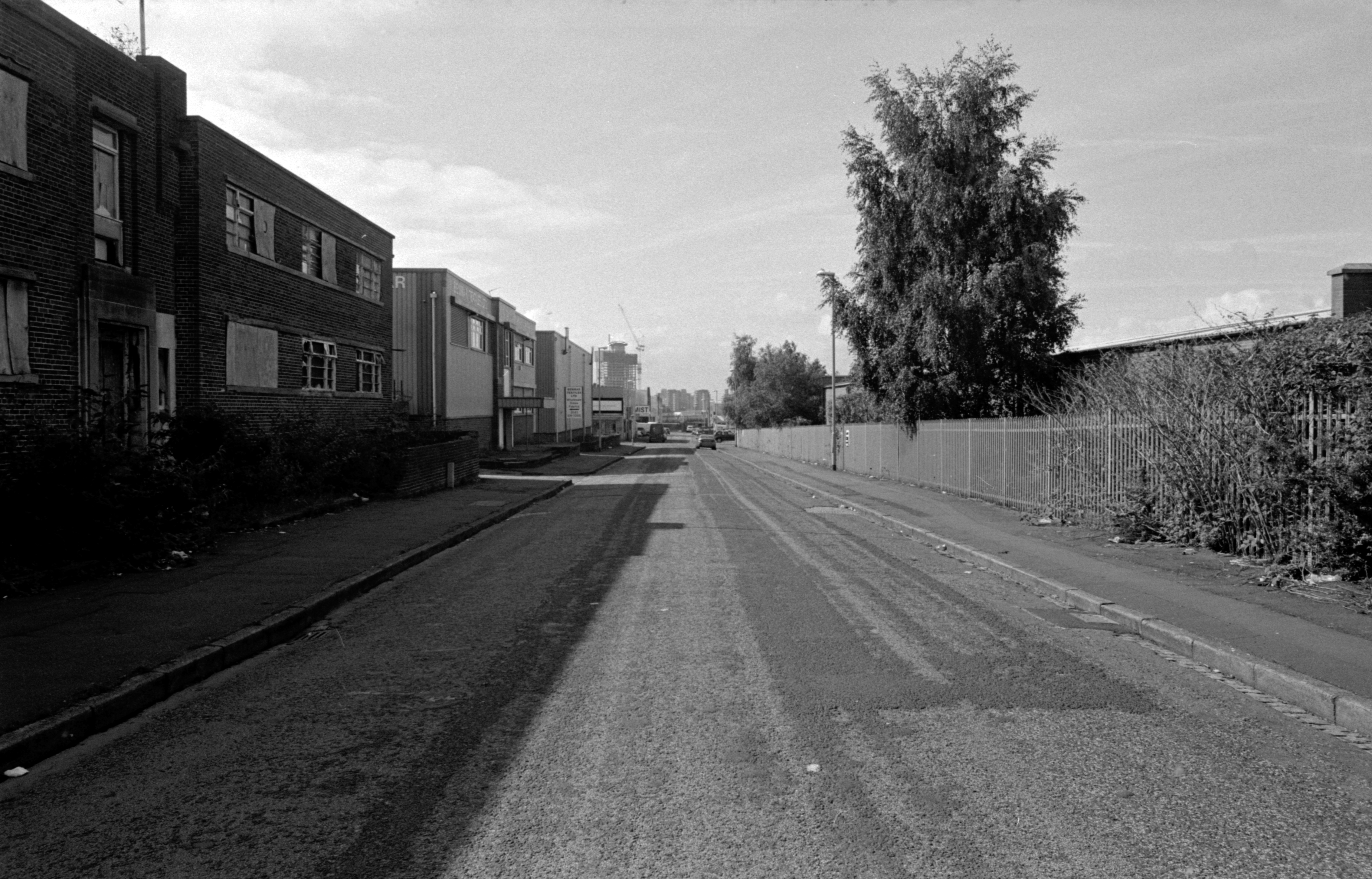
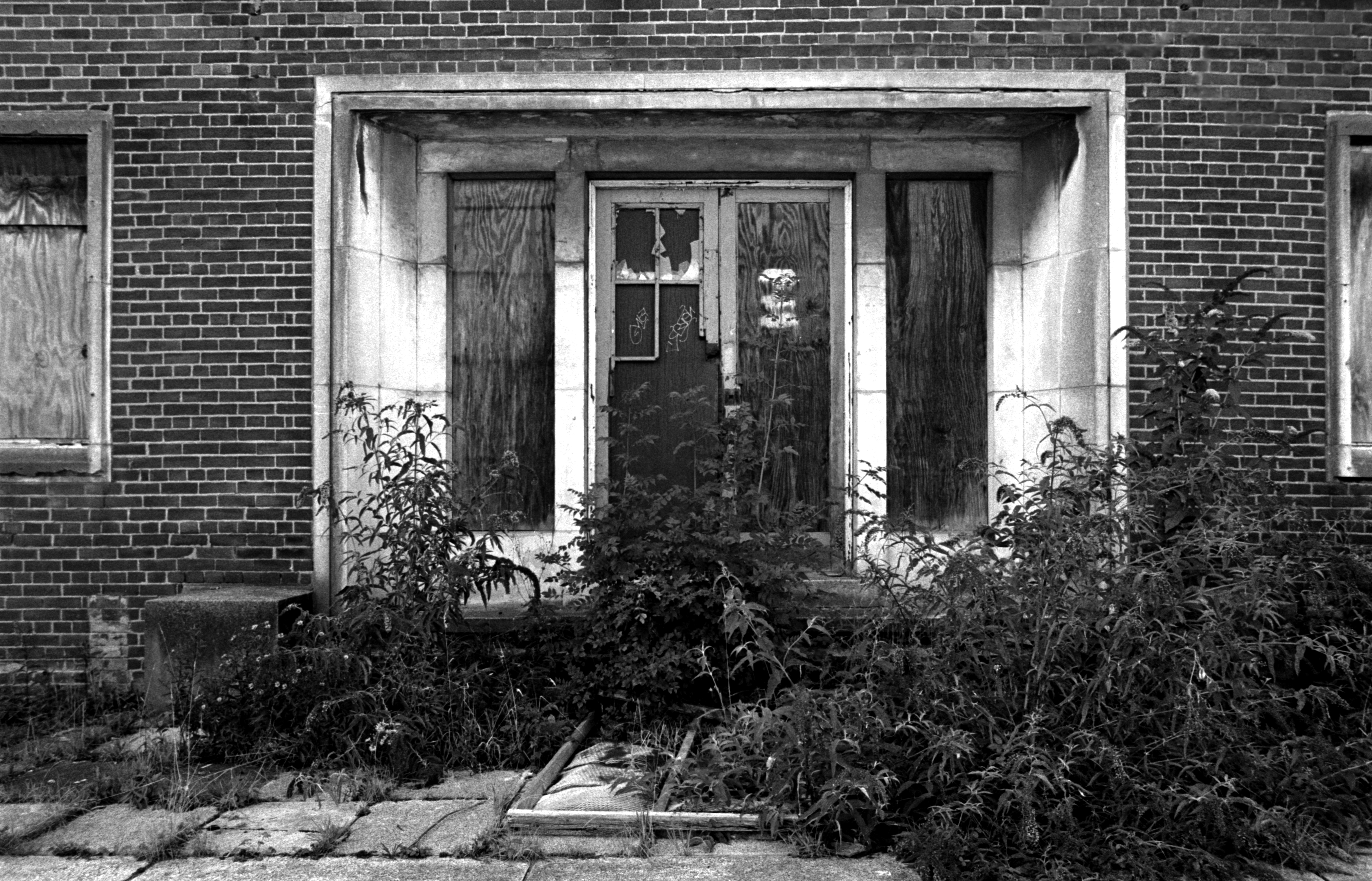
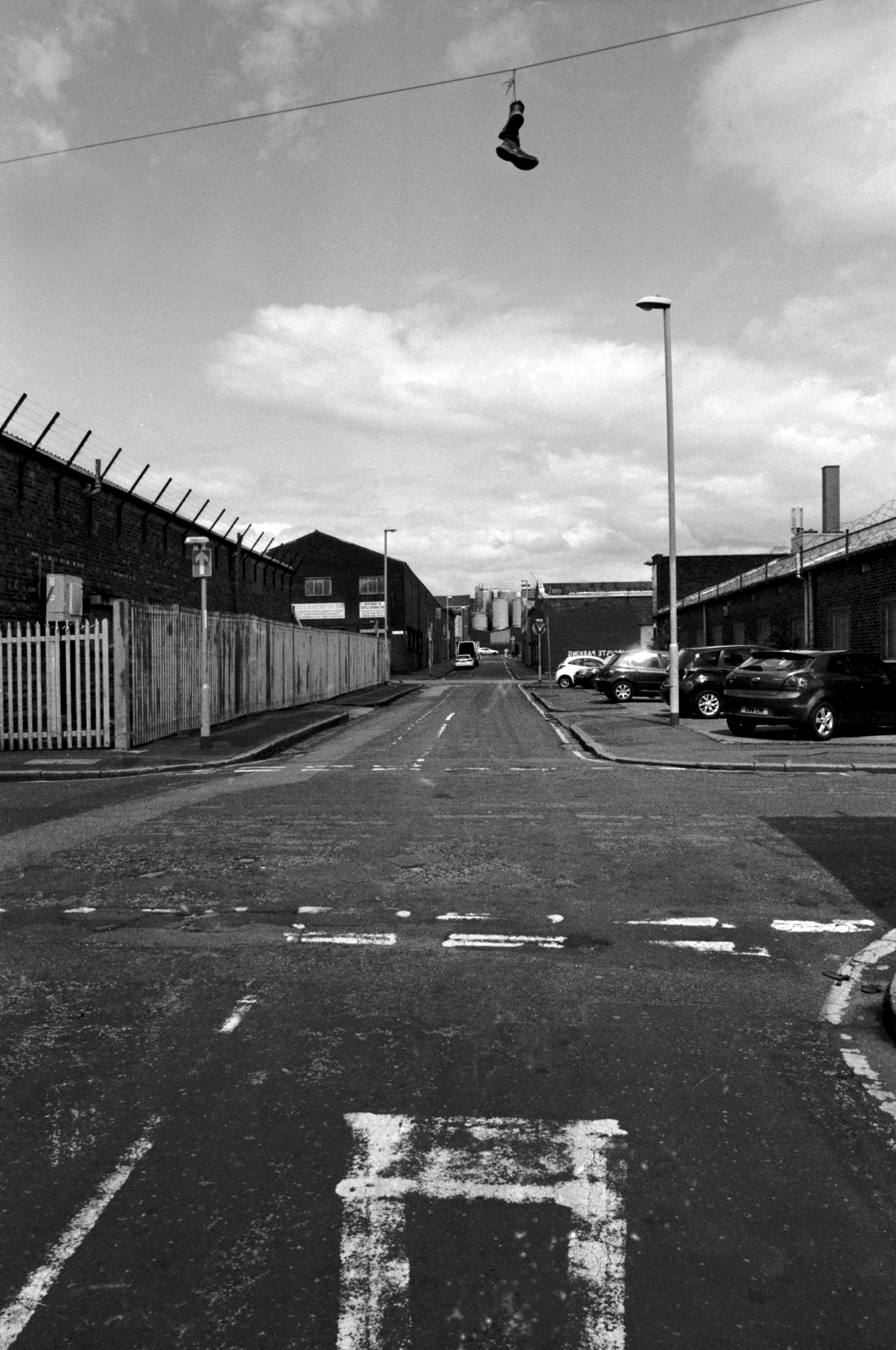
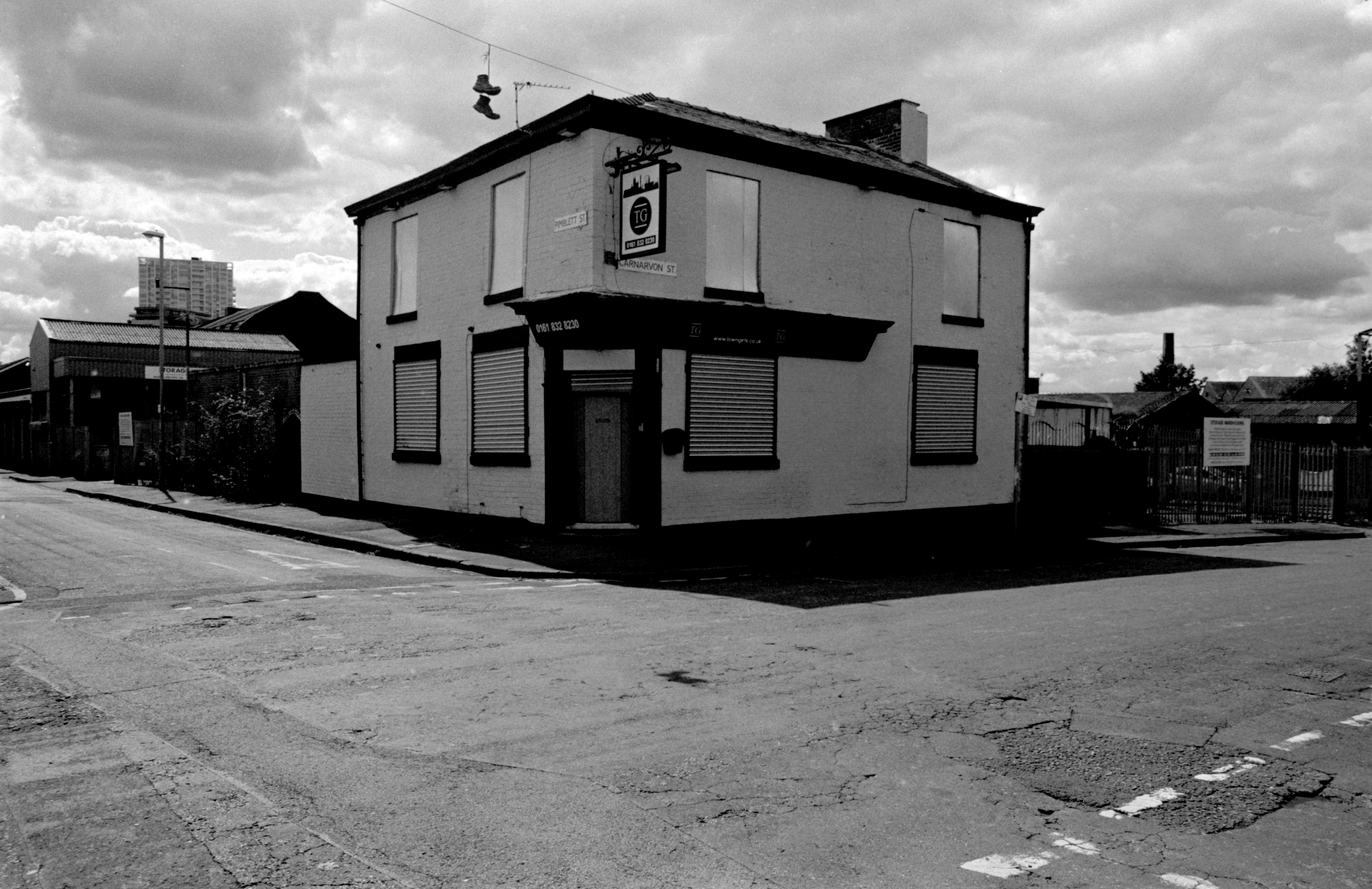
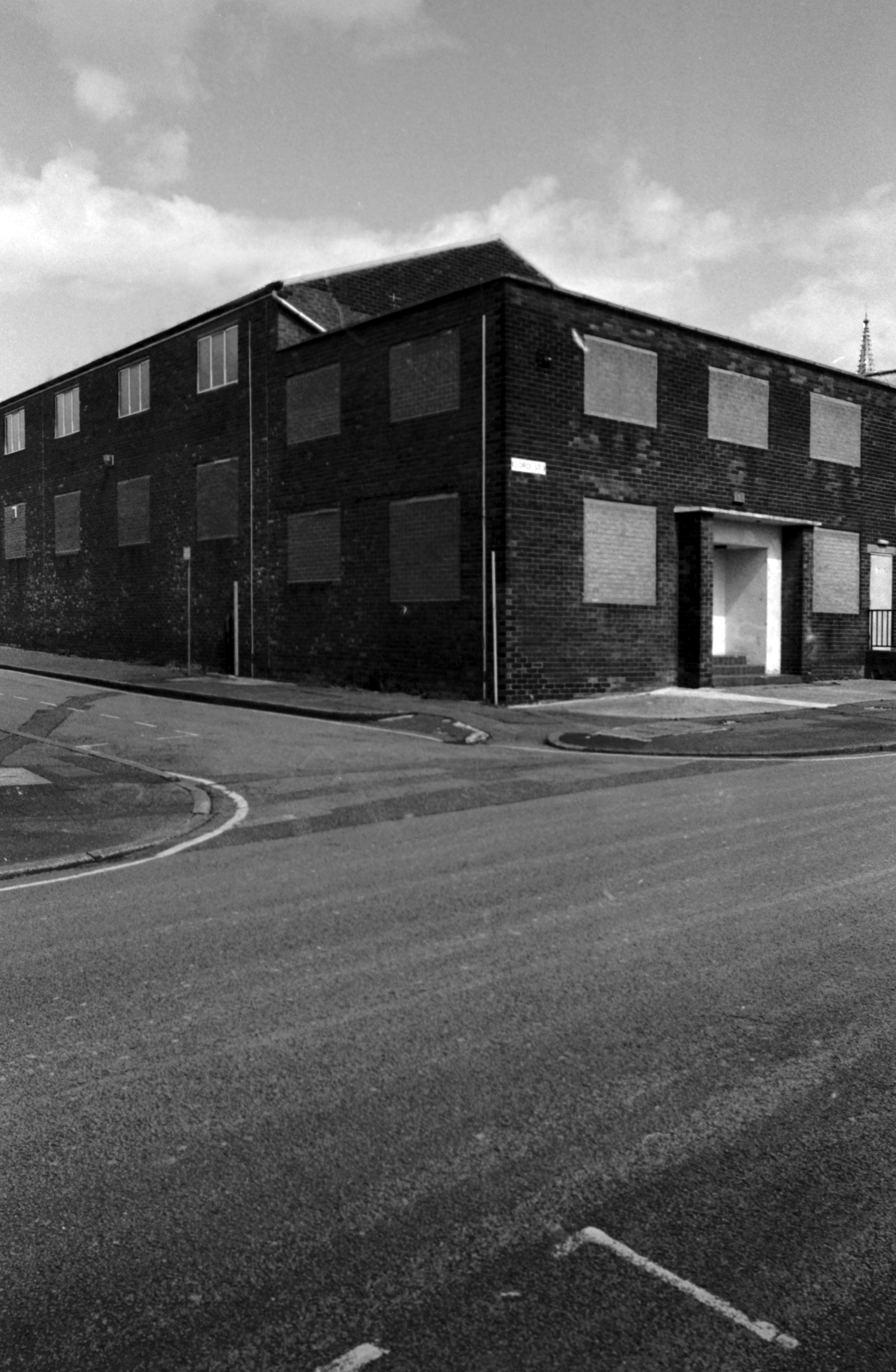
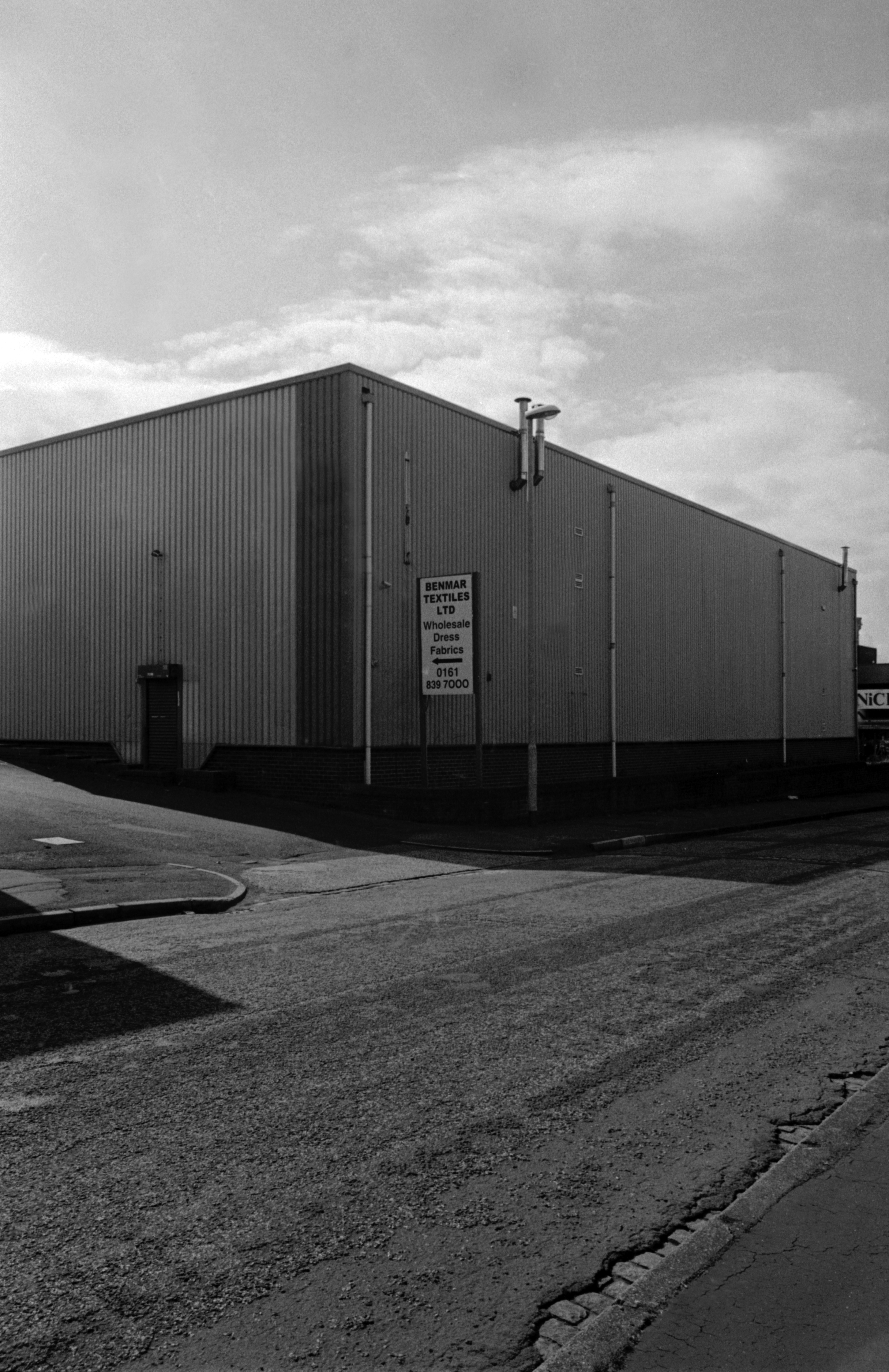
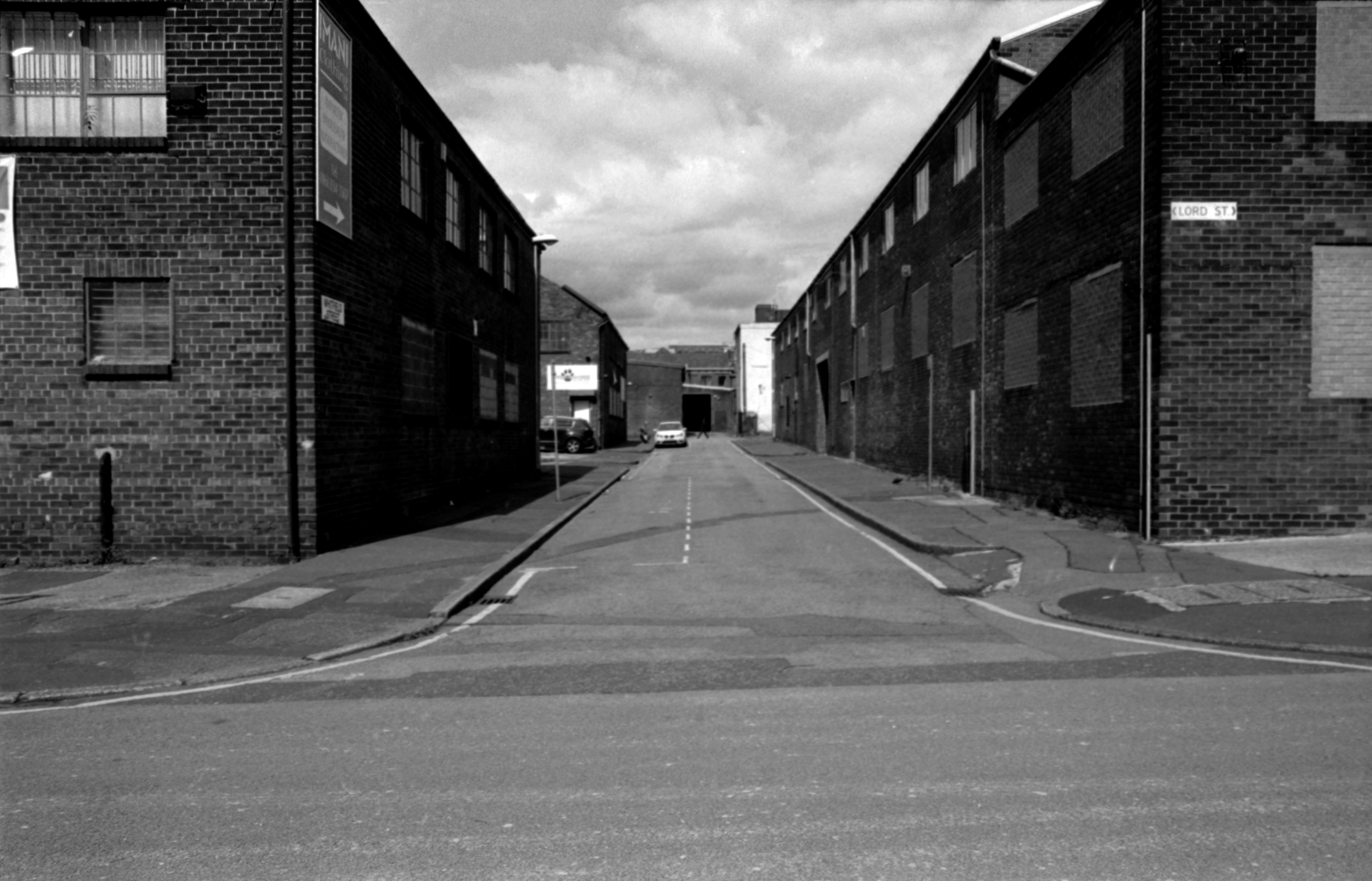
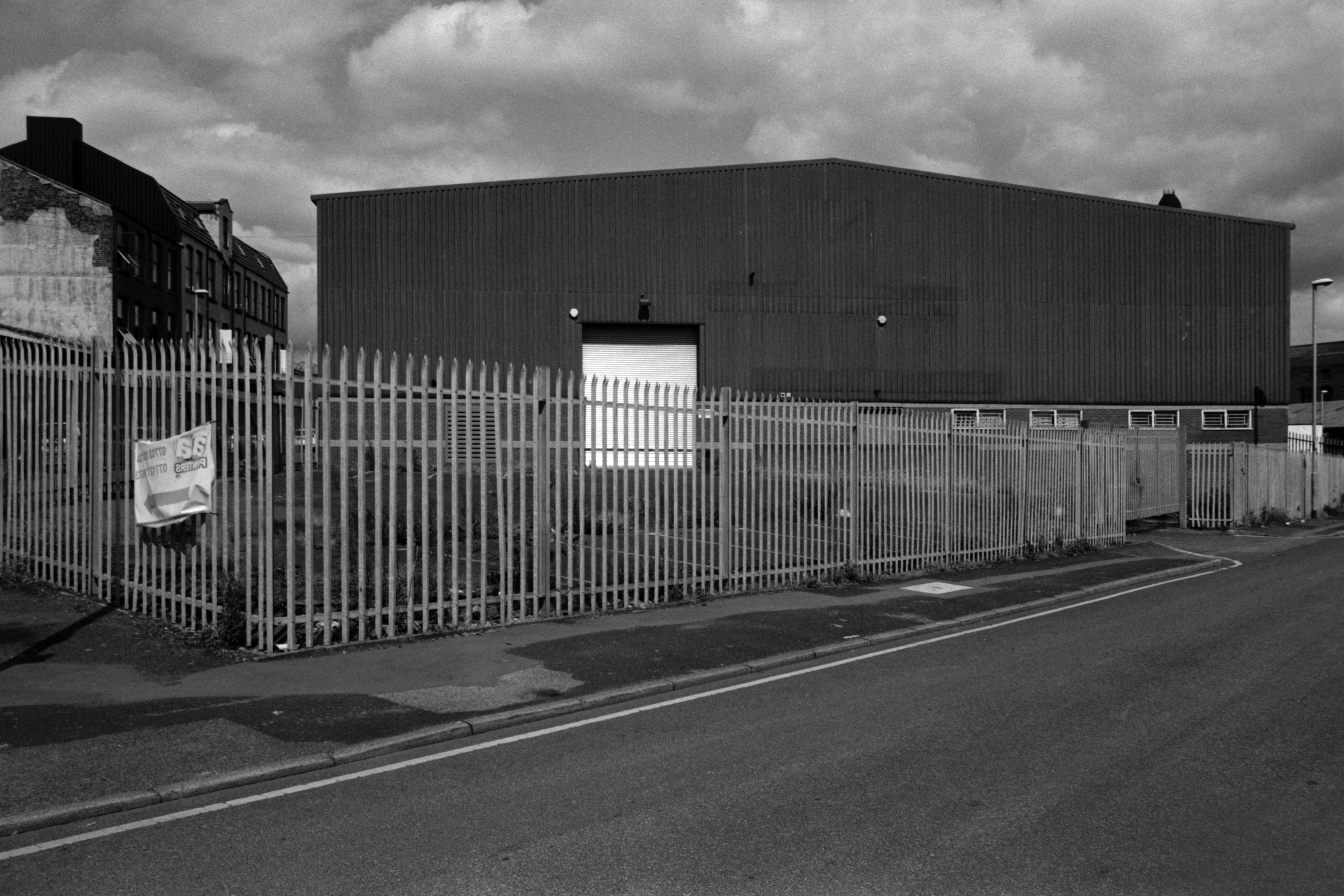
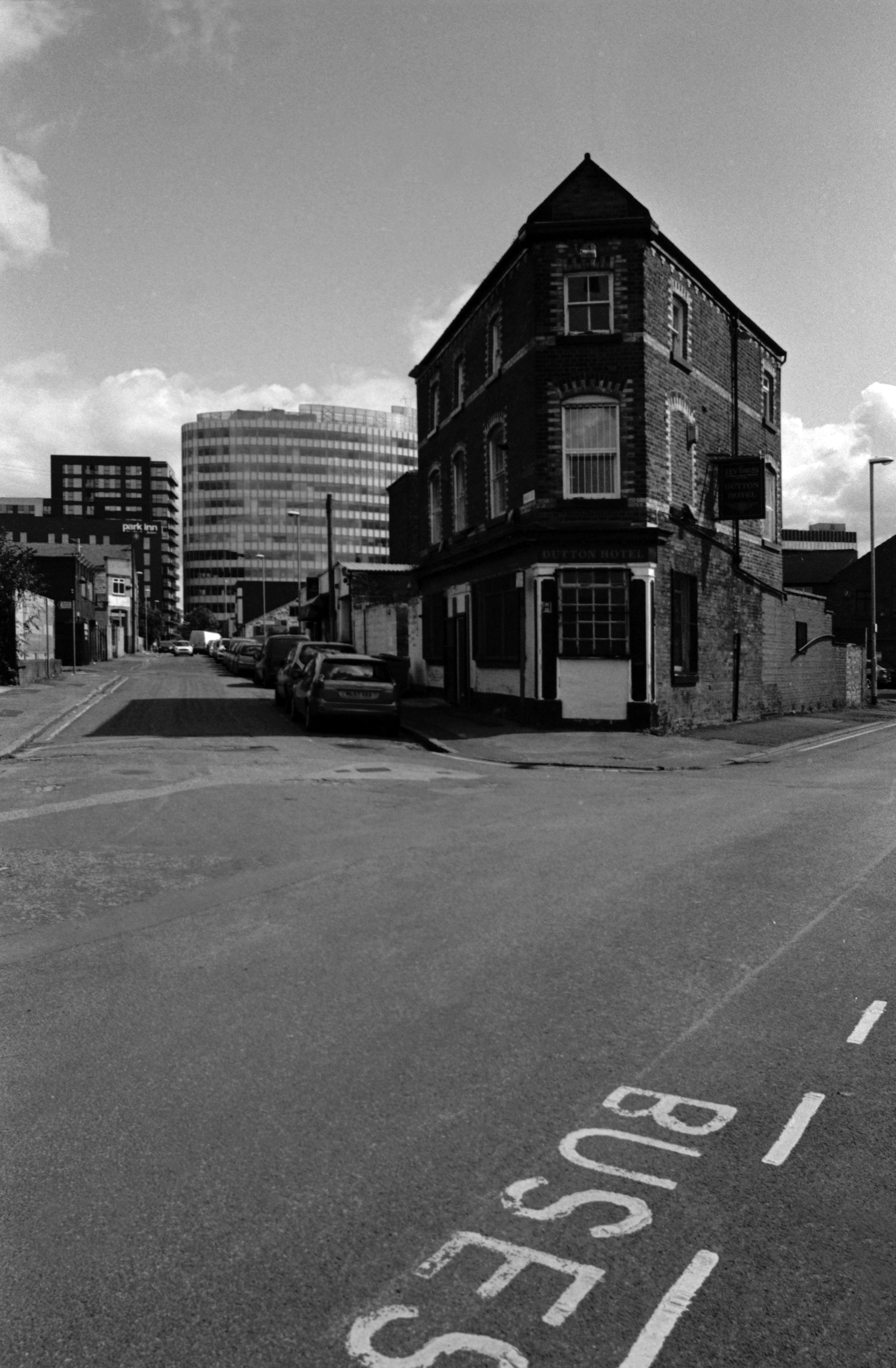
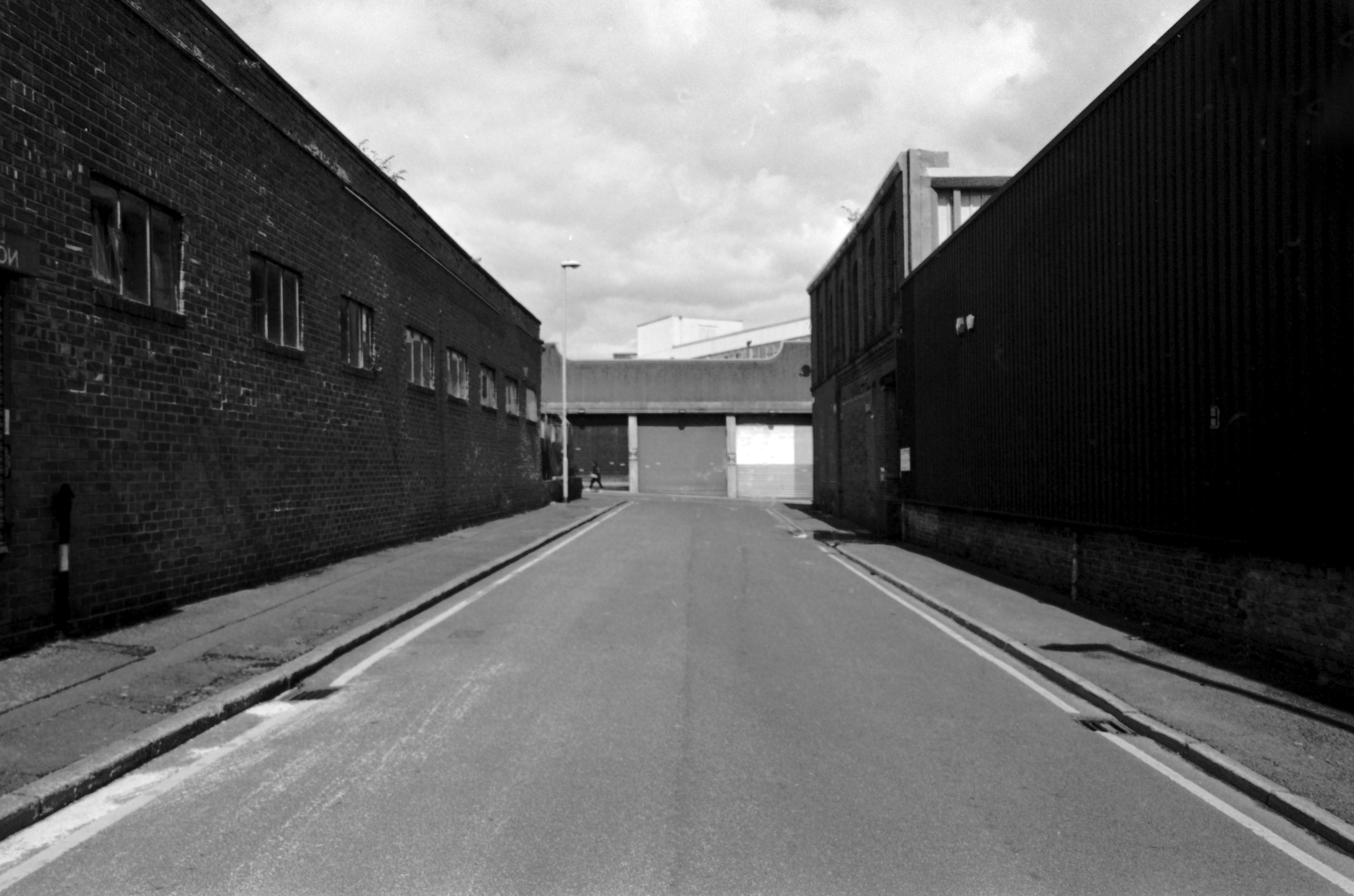
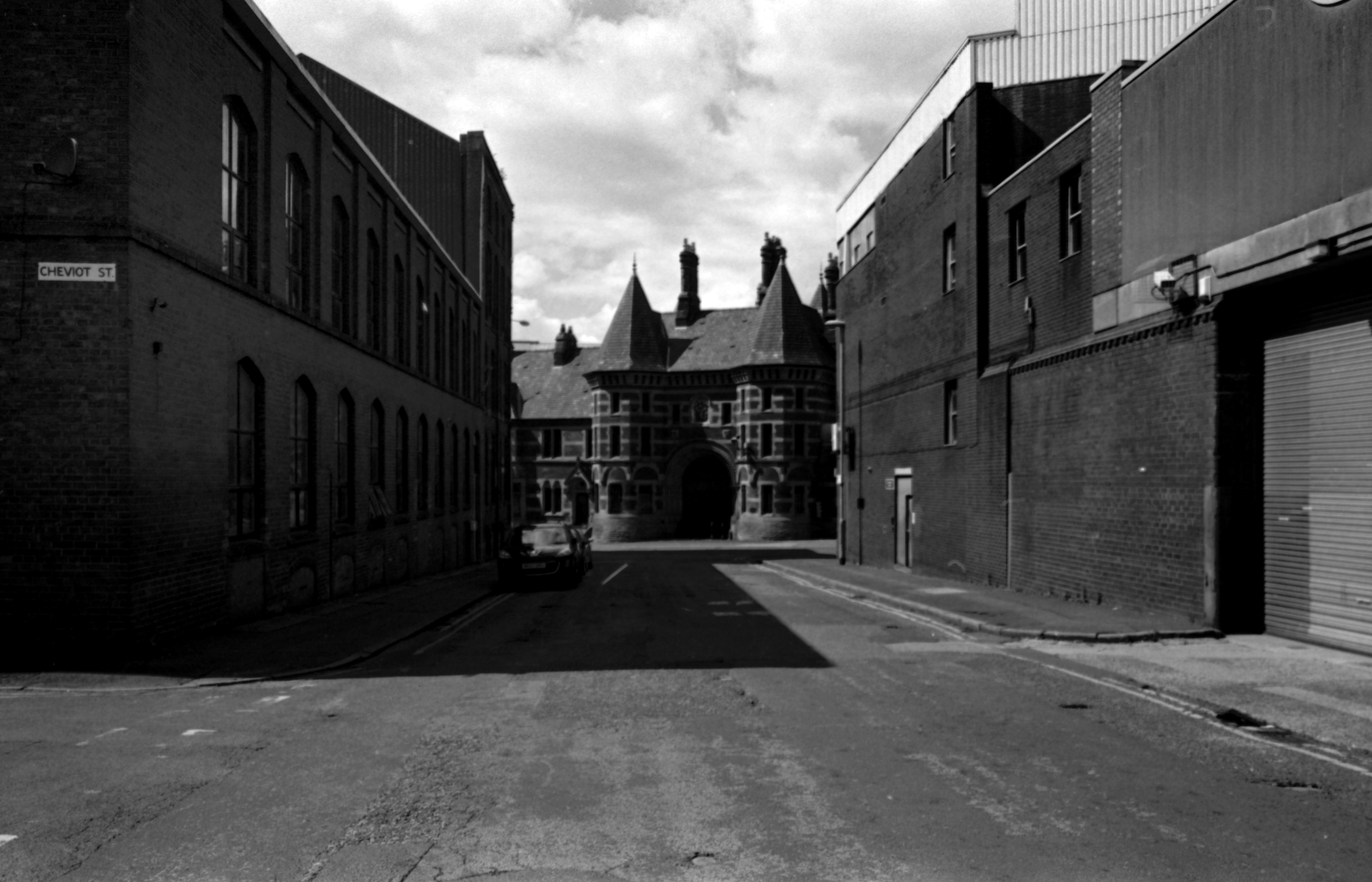
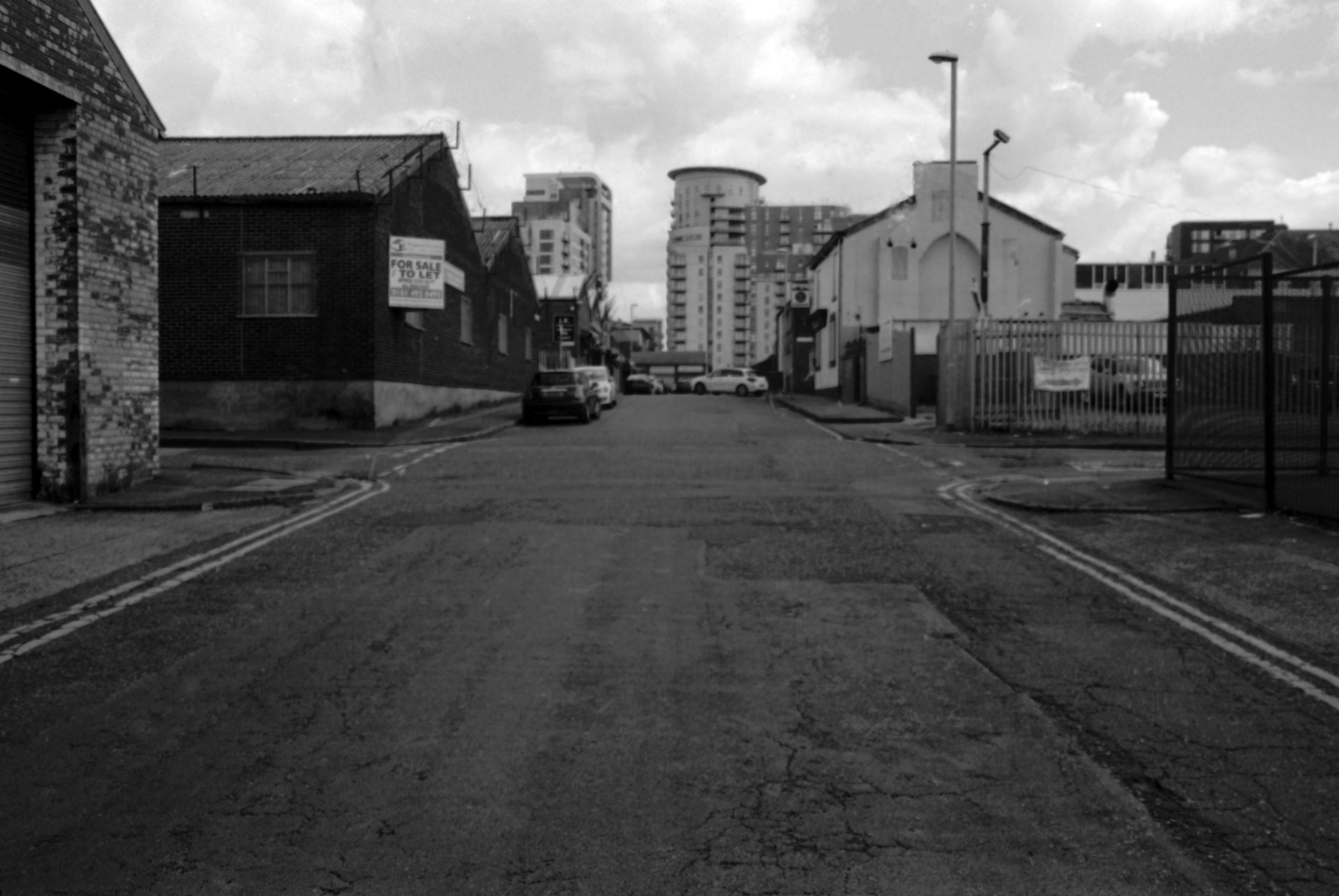
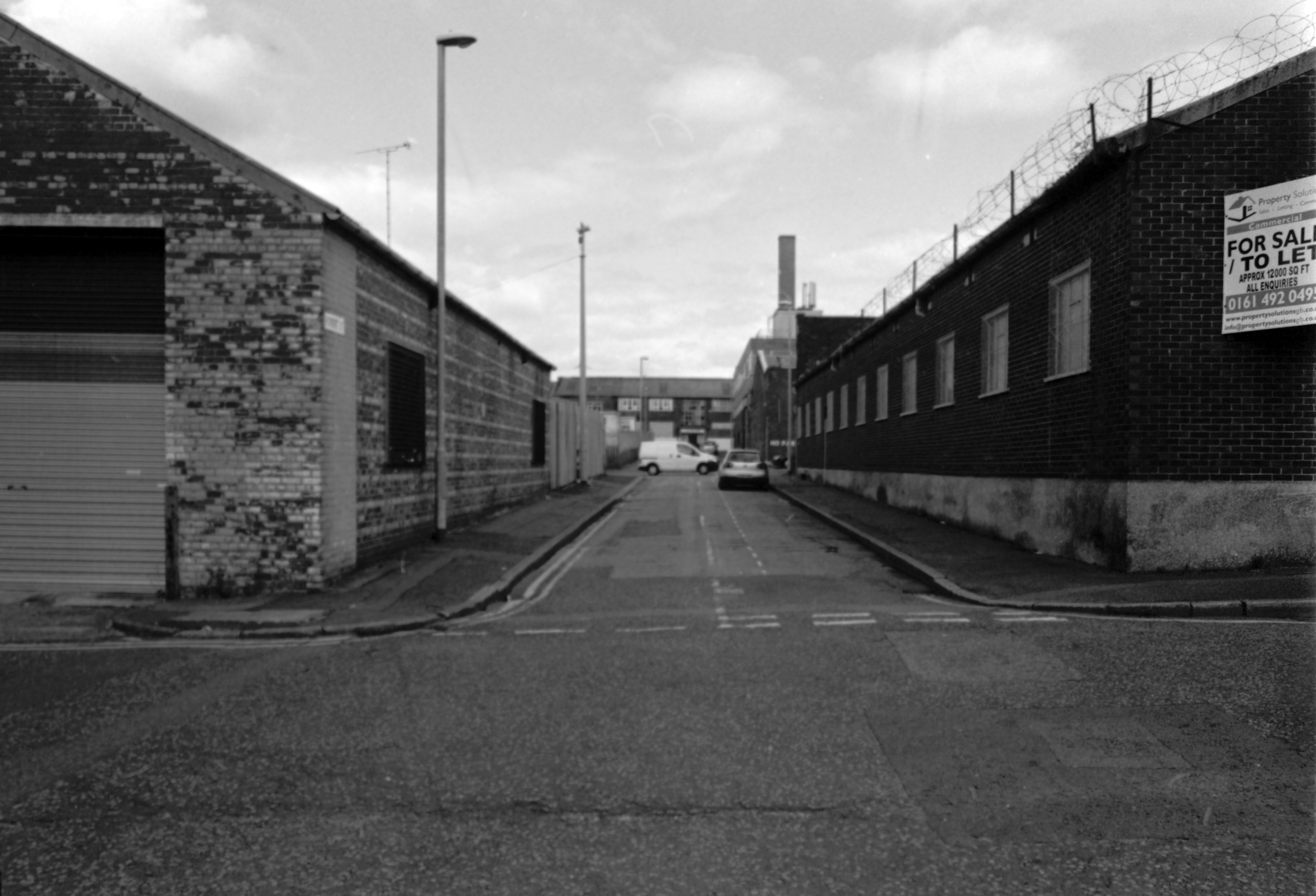
I’ve been here for the last fifteen years on and off, snapping away, capturing something of the area’s ever changing moods, the old, the new, the borrowed and the blue.
On this occasion I have chosen to work on black and white film – the medium conveying something timeless, at a time when things are forever changing.
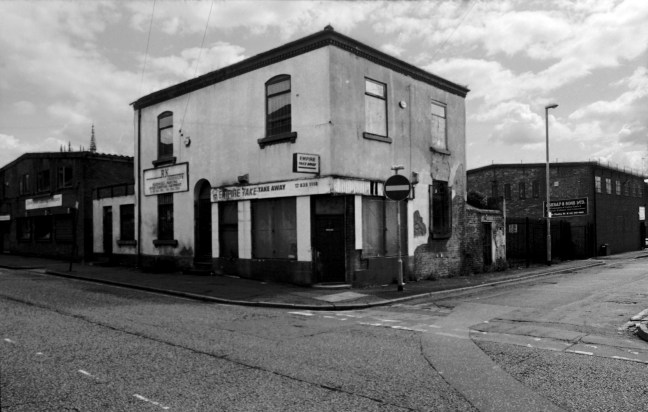
Let’s take a contradictory look and walk around those familiar, unfamiliar streets of Strangeways – where colourfully clad industrial barn, collides with blackened brick and stone behemoth.























![photo[1]](https://modernmooch.com/wp-content/uploads/2018/05/photo1.jpg?w=648)




































 Modern Mooch