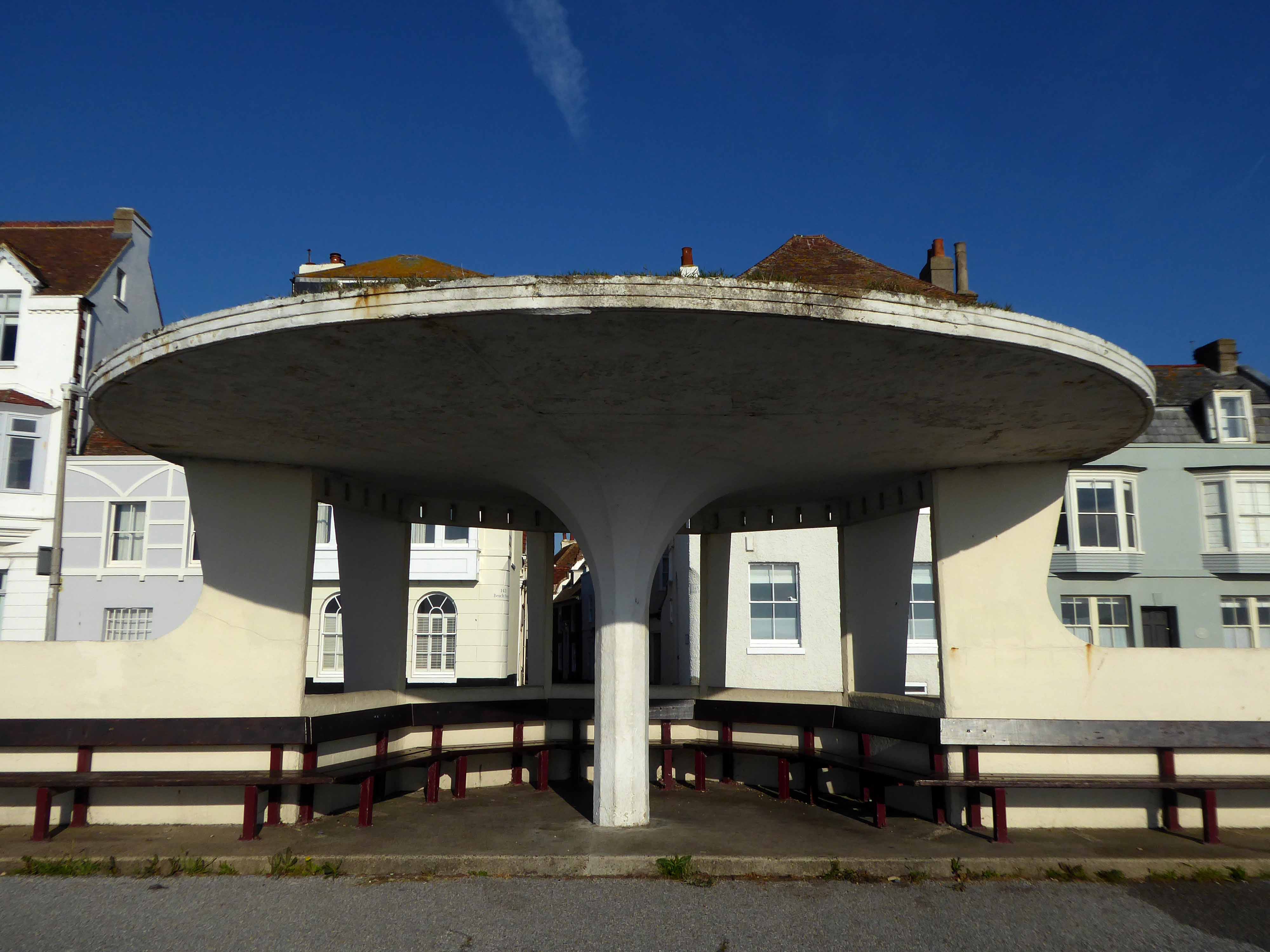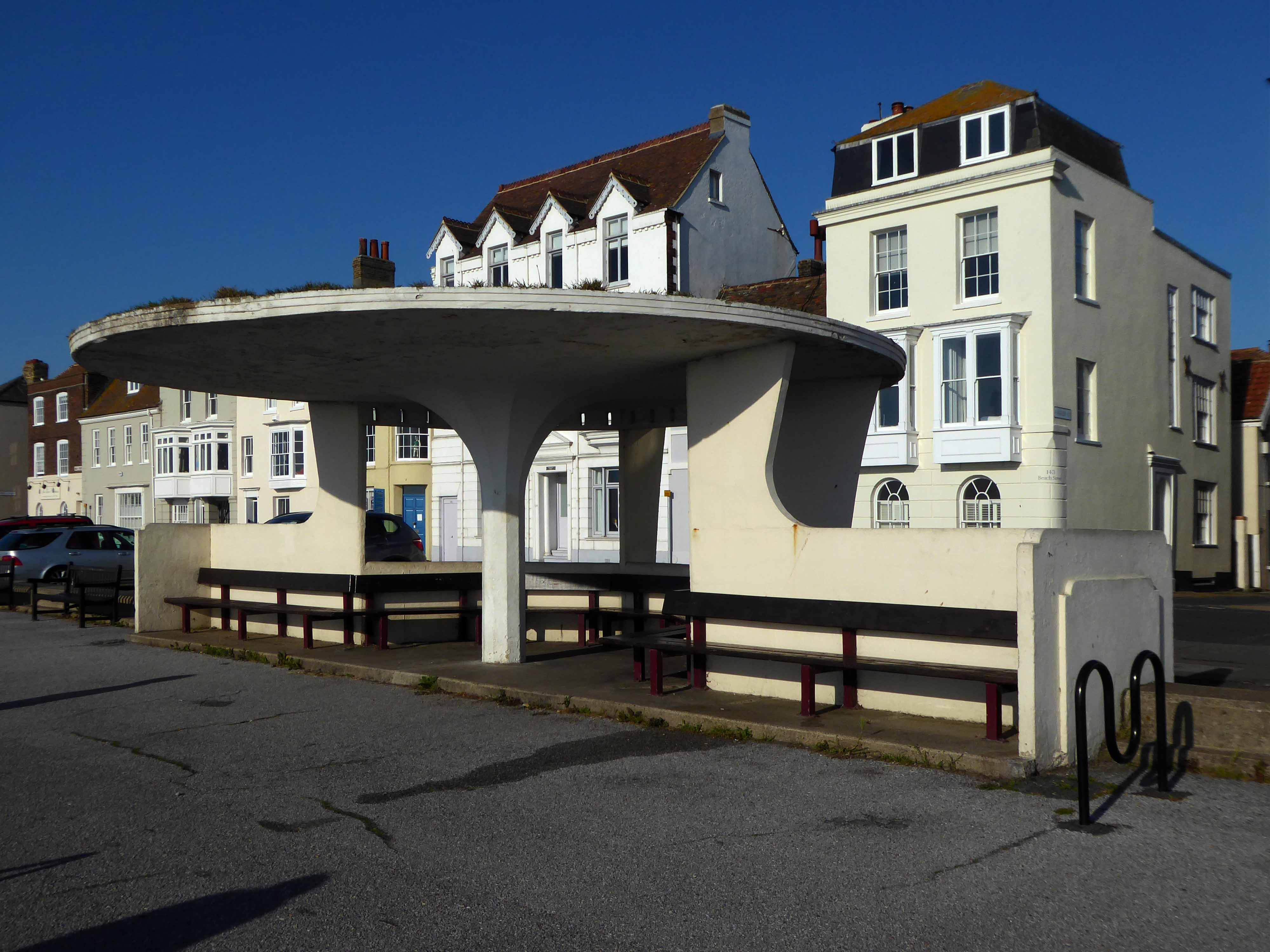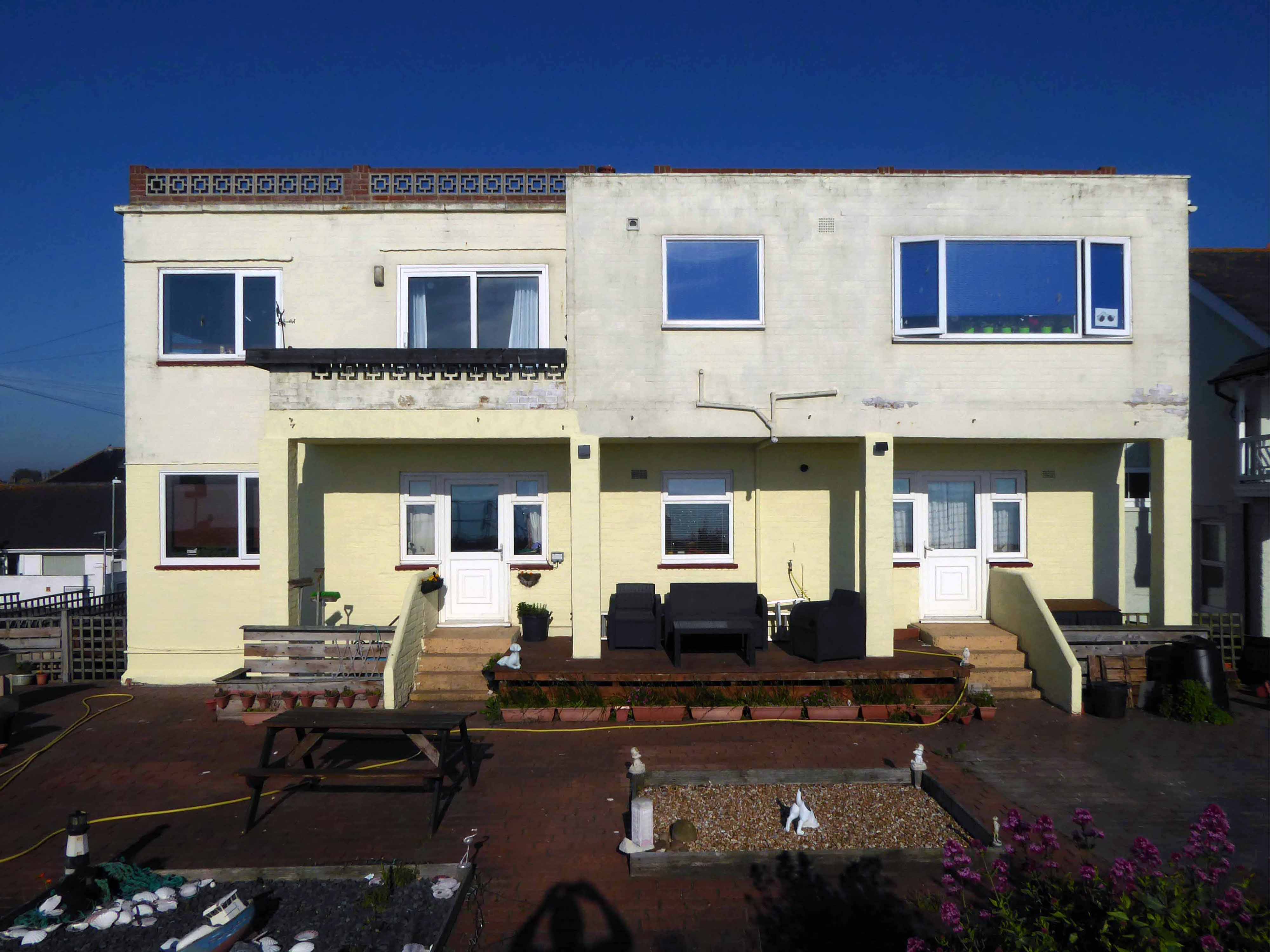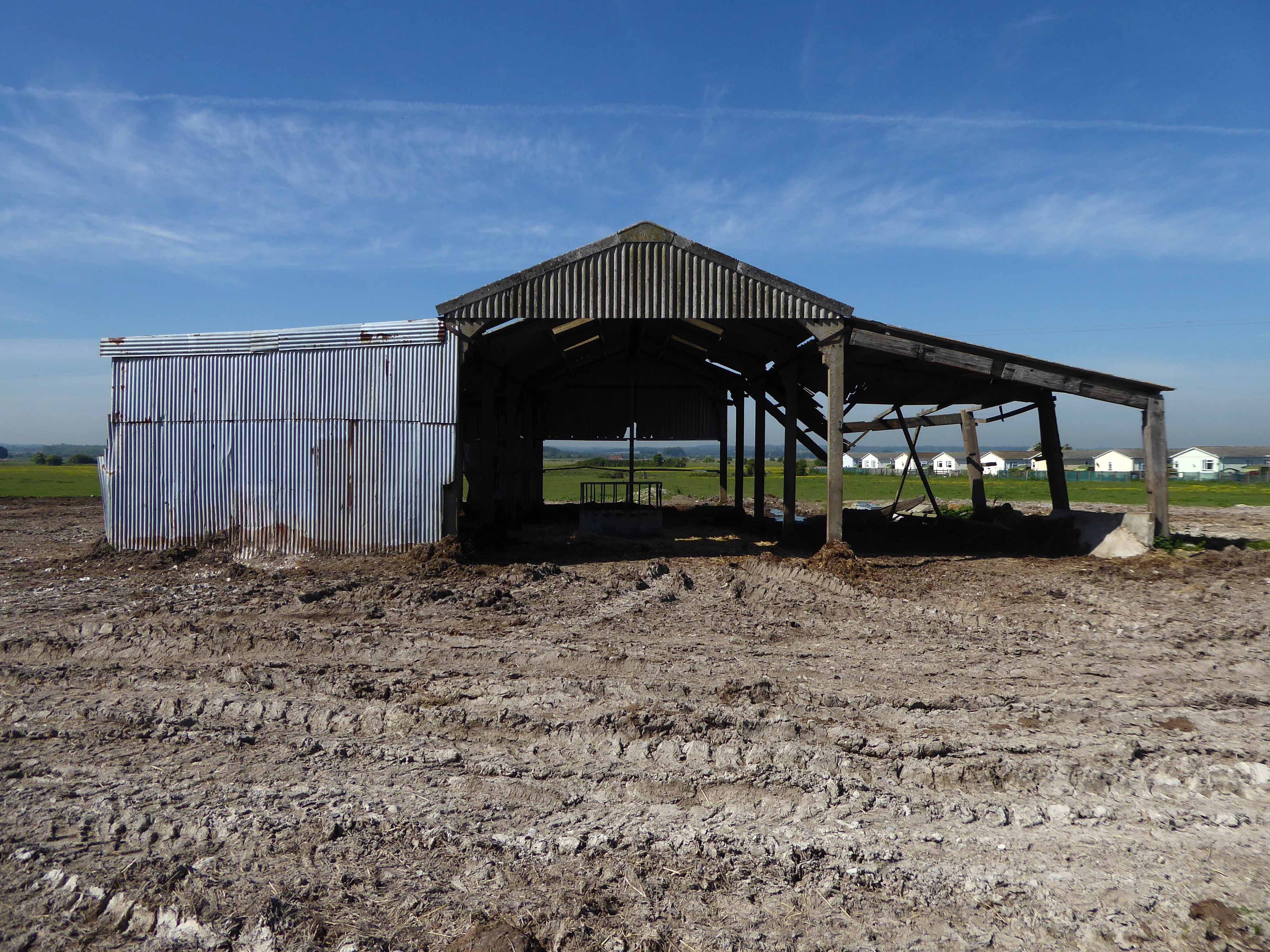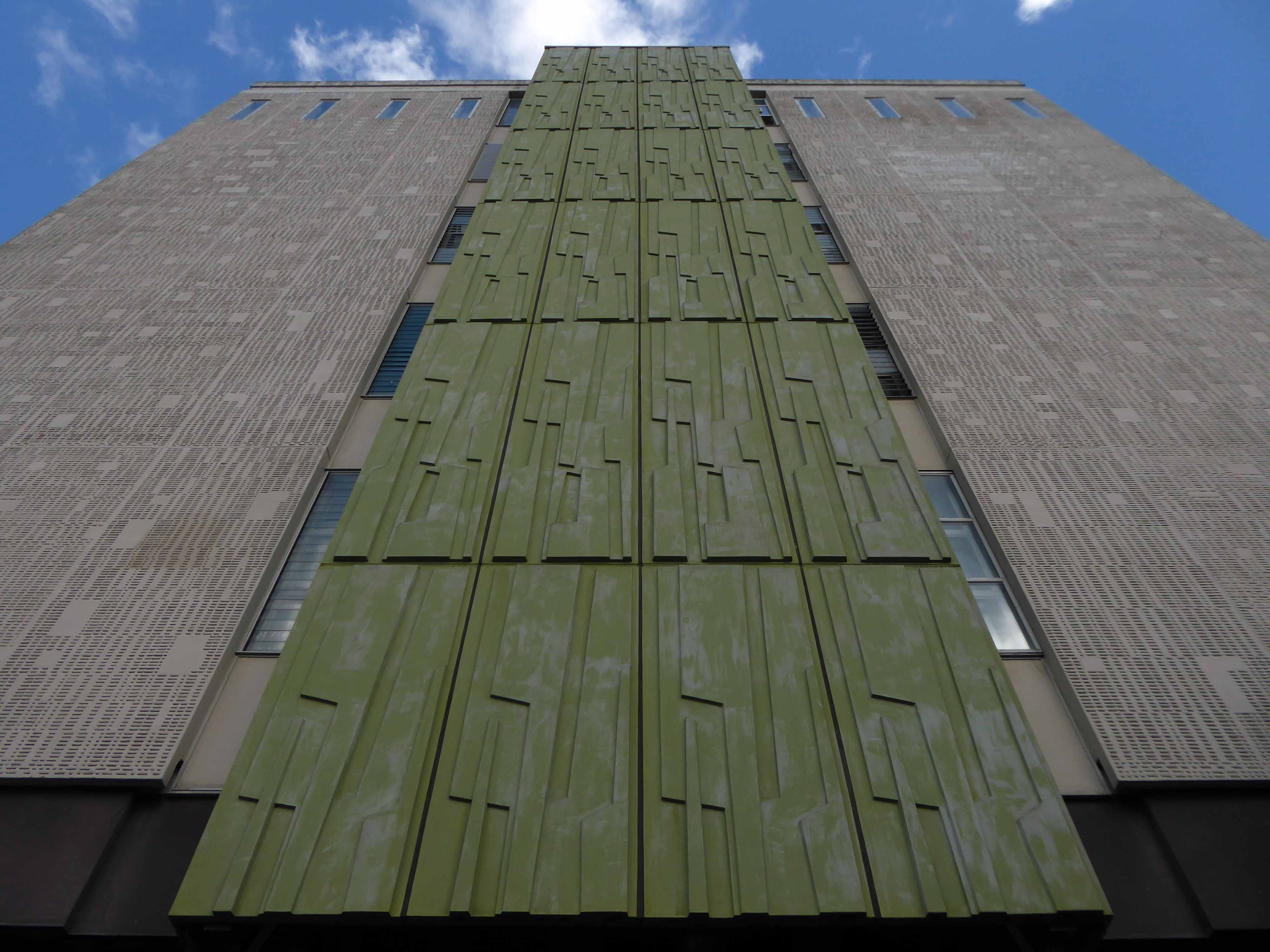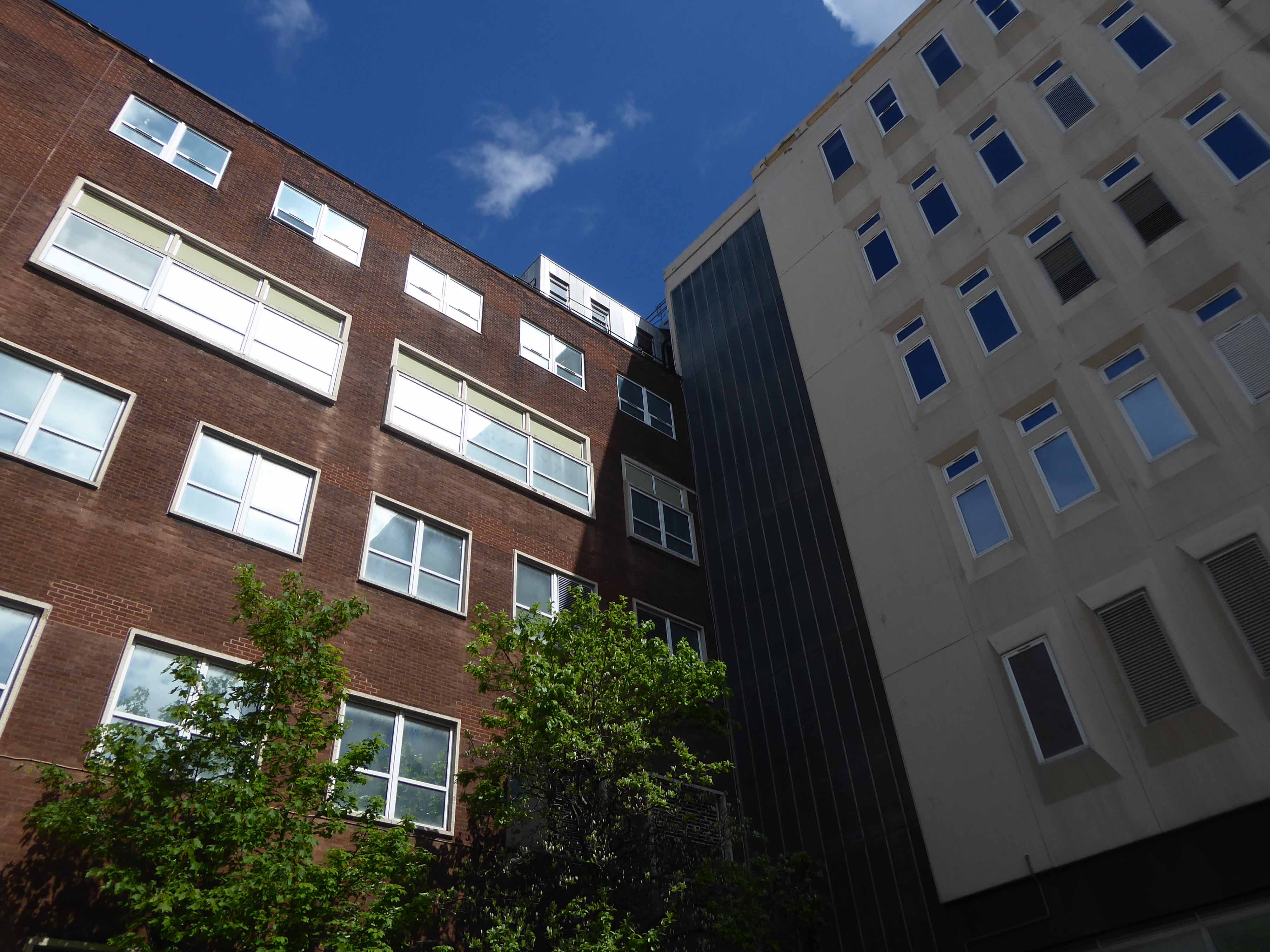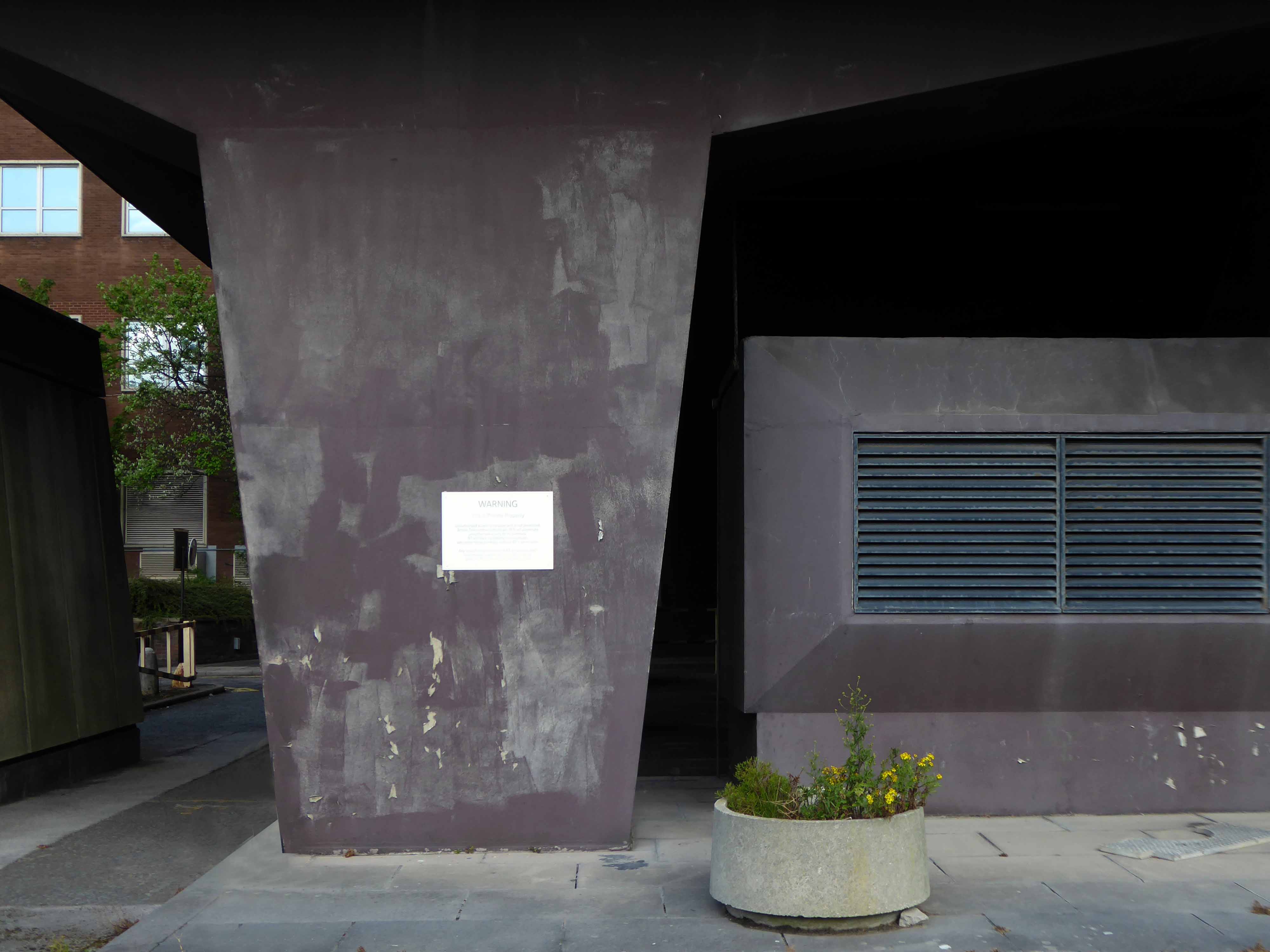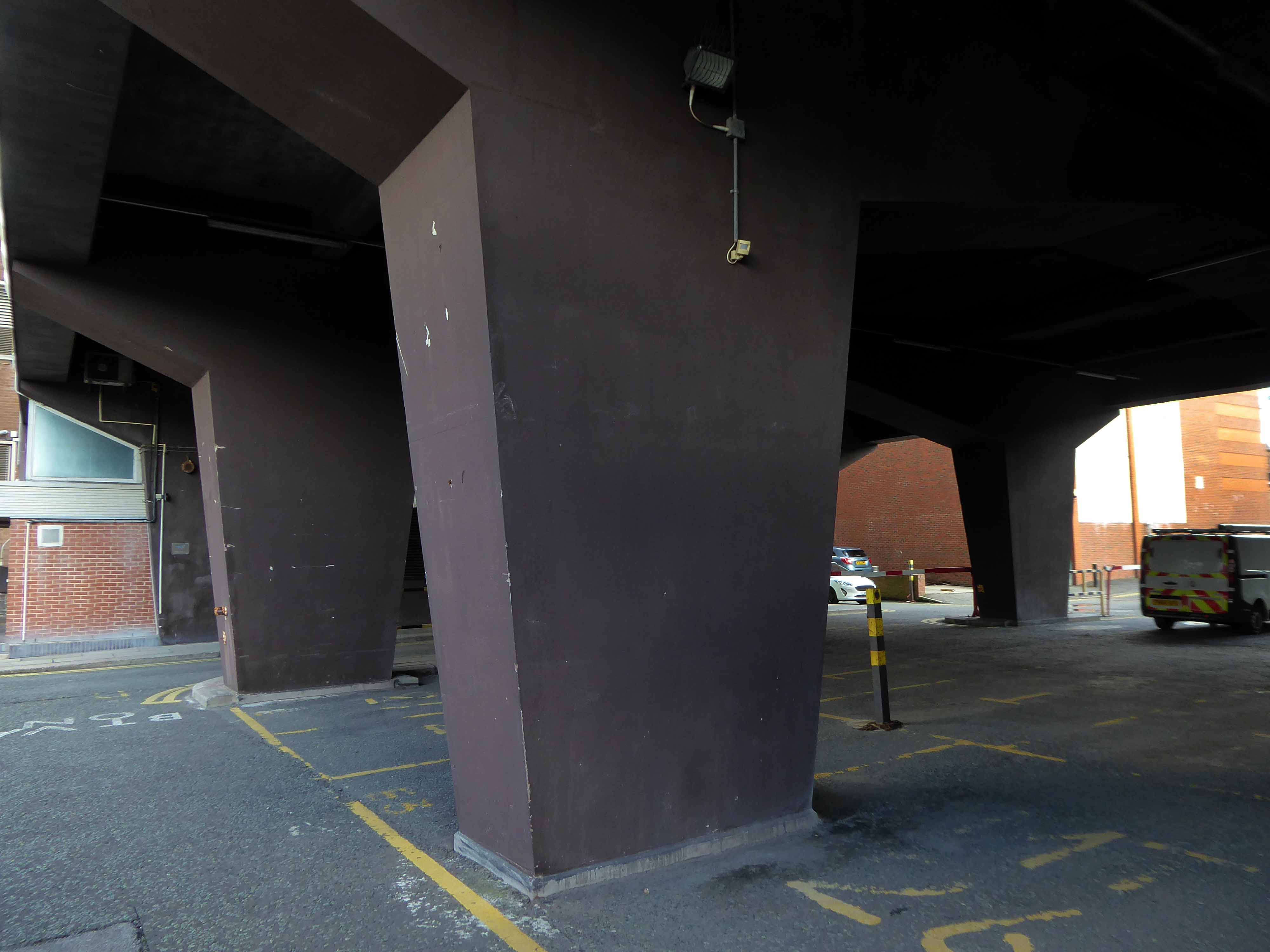
Ernest Whiteley – Bridlington

67 Promenade Bridlington YO15 2QE

Ernest Whiteley opened the shop on Easter Sunday 1901

His first week’s taking were £7 14s 1d.

He thought that he had done very well – says granddaughter Ann Clough.

Grandad lost his sight in 1940, I became his eyes. When he lost his sight and he handed over the till keys to mother, they had a little weep. He handed over to my mother because father had died three months before.

Ann has run the shop for the last sixty years, along with Sue, a full-timer for some thirty years.

The rep isn’t coming any more, ordering is online, that’s no good to us.

This is a cash only low-tech, high stock operation.

If they don’t have it – it probably doesn’t exist.

Along with Walton’s of Ashton under Lyne and the Wool Shop of Exmouth, this is one of a kind. A family business lovingly preserved and well run, trading traditional goods, in a kind and caring manner, to happy shoppers.

From the outside little has changed sine the 1930s, wide glass, well arranged windows, displaying a wide array of wondrous haberdashery.

All contained within an arcade with Art Deco detailing.

There are many, many mannequins from another age.

One man from Scotland stayed for hours, he had a fetish for the mannequins, we couldn’t get rid of him.

The side of the shop is largely given over to net curtains of every size, shape and design, labelled Monica, Daisy, Andrea, Vicky or Sarah.

The names were chosen by Sue, it’s a lot easier for people to say, I want Vicky, 36 deep, than the one with the squiggly flowers, or to remember the manufacturer’s number.

Inside is a haven of domesticity, dusters abound, along with all the other attendant cloths and towels to ensure household cleanliness.

Not forgetting the correct clothing for those domestic chores.

The original display units are a delight.

Almost every surface is awash with lady’s unmentionables – winter draws on, wrap up.

There are covers and doilies of every description.

And the finest display of sensibly priced handkerchiefs, fancy and plain.

Every sign and tag hand written with pride.

It was, as ever a privilege and a joy to spend a short time in another world, thanks ever so to Ann and Sue for their time and patience.

If your passing pop in spend a pound or two – I bought three dish cloths.

One customer told me he was going to a party dressed in a white mini-dress, purple wig, thigh boots and black tights, he came to look at nighties and tried one on in the changing cubicle. You’ve got to be broad-minded. It can be very disconcerting when you hear a man zipping up a corset.

Yorkshire Post

Ann Clough and her grandfather Ernest.

Water Pumping Plant – Bridlington

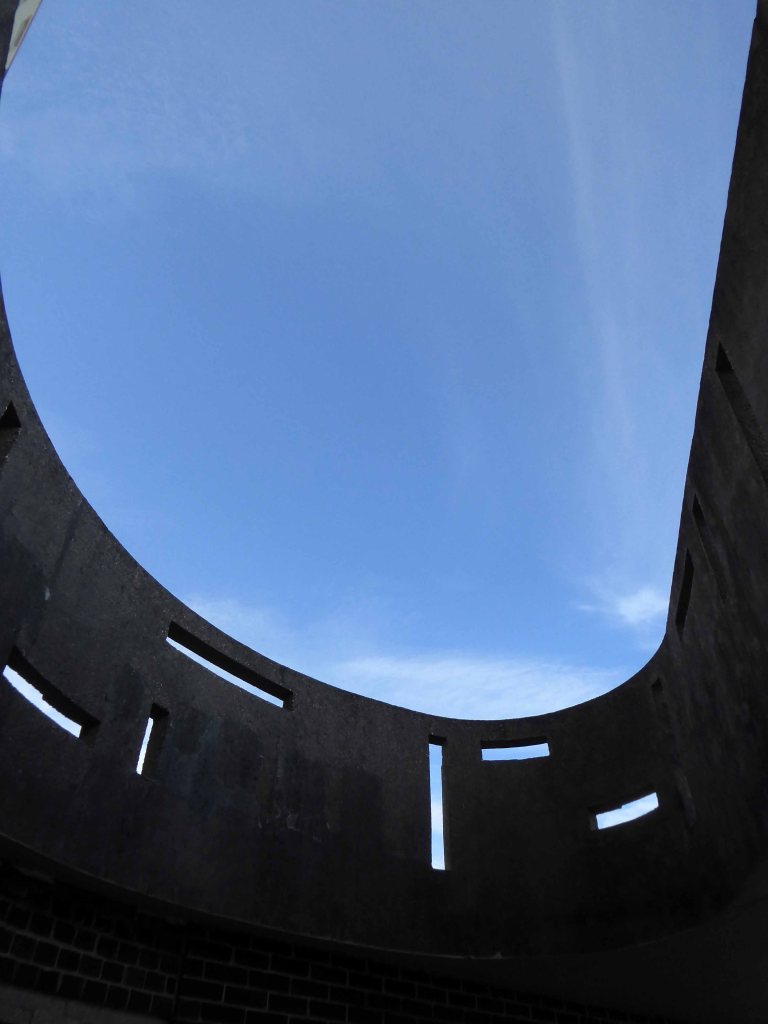
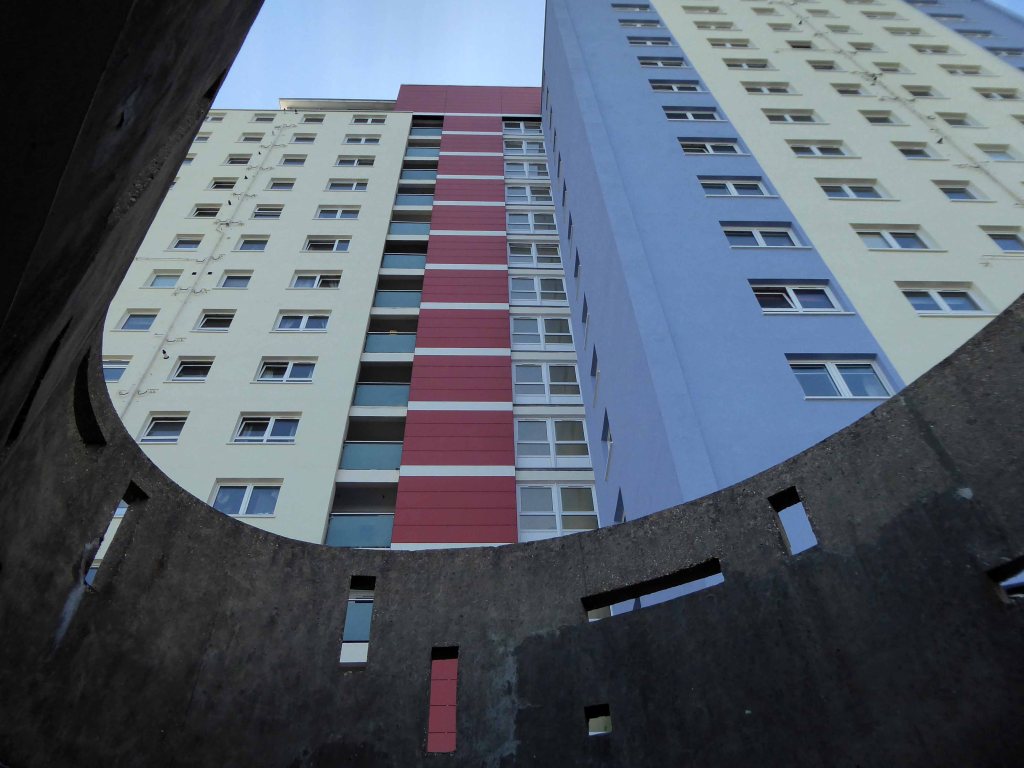
Walking the wet walkway of Bridlington’s south shore, I was pleasantly surprised by this semi-distant concrete construction.

Which cleverly accommodates a convenient public convenience.

The pumping station is the most immediately obvious aspect of the scheme , situated as it is on the promenade.

Hanson UK supplied the concrete, with a range of complex mixes required.

You’re trying to make concrete with as little water in it as possible, but it still has to move to be placed into position. The only way to achieve this is with powerful admixtures, which deflocculate the cement despite the lack of water in it to lubricate it.

This difficulty also applied to almost all the concrete above ground level for durability reasons – anything that could come into contact with seawater had to be able to withstand it.

The final major complication was the aesthetic requirements from the local council. All the visible concrete had to match an older Victorian Spa, located a little way up the beach, which had previously been refurbished using Hanson concrete.

We were asked to match the colour, shading and texture of the new concrete to the spa.

The team was forced to use white cement, which had been used in the spa, but because of durability requirements they needed to use a cement replacement to improve the overall chemical resistance of the product. They used ground granulated blast furnace slag to replace 55 per cent of the white cement, which is white in colour itself. This had the added sustainability benefit of replacing imported white cement with a local waste byproduct.

Hanson UK

All this to house the Yorkshire Water treatment plan and allow Bridlington to regain its Blue Flag status.

The extended pipework carrying the waste water far far away.

At the Headworks the Arup design concept was to extend the pumping station using pre-cast concrete panels that are sensitive to the existing facade. The development of 2015 succeeds in integrating a Brutalist aesthetic, into a largely Victorian setting. Incorporating several levels of seating and associated street furniture, affording some shelter and clear sight lines with transparent panels.

UK Water Projects

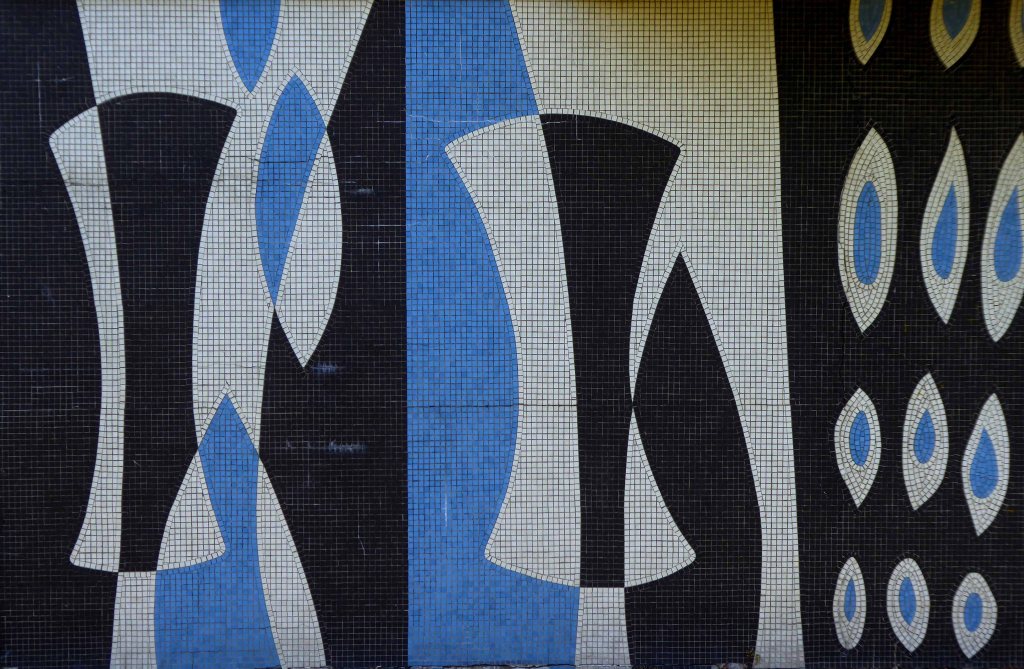
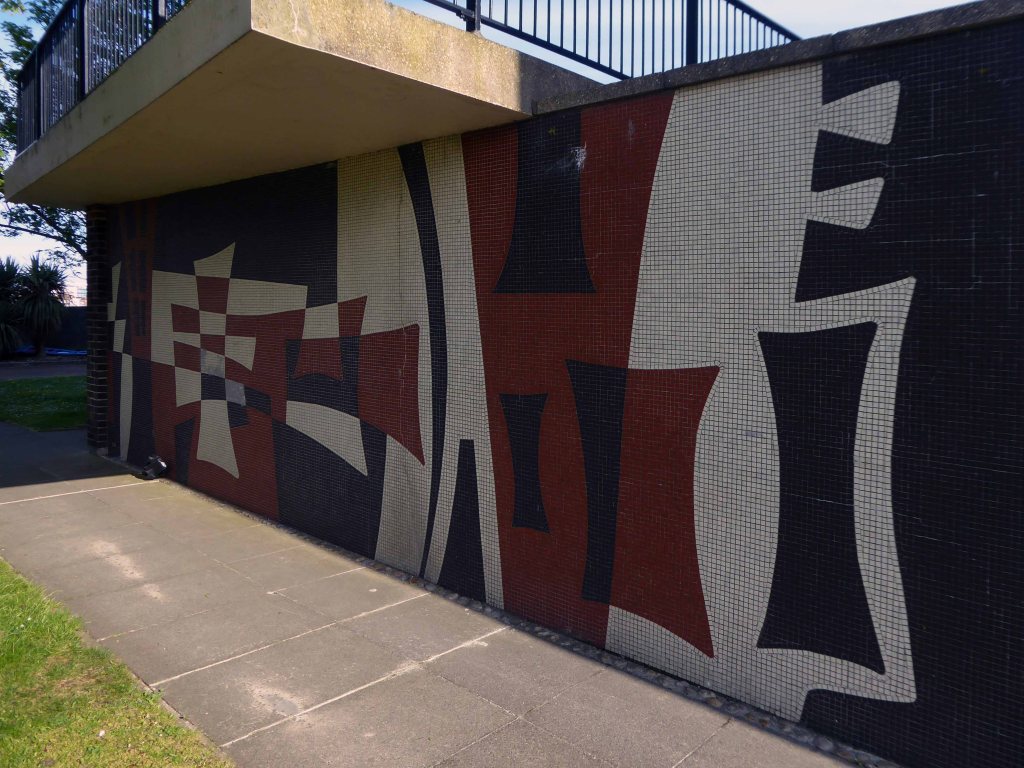
The artwork in front of the huts on Bridlington Promenade by Rachel Welford looks fantastic. The huts built by our contractors Morgan Sindall Grontmij (MGJV) were completed in August and they’re available for hire through the East Riding of Yorkshire Council. The beach huts are larger than the other beach huts on the Promenade and include disabled access and are especially suitable for family groups. Complementary artwork, also designed by Rachel Welford has been incorporated in the glass balustrade in front of the huts.

Yorkshire Water

Doncaster Modernism – Revisited

Having taken a tour around town last year, we are now revisiting Doncaster on a socially distanced Manchester Modernist walk.

Arriving by train at 8.30, just in time to check out the new lighting scheme in the station foyer.

Replacing the previous lighting.

Which in turn replaced the original Thirties lighting.

The forecourt redevelopment is a work nearing completion.

I was on my way to Intake by bus so it’s off on the 66 from the Frenchgate Inetrchange.

An urban environment so anonymous, that it can only just recognise itself. I was helpfully informed by two radio controlled security guards that photography was illegal.

More Interzone than Interchange.

Here are my transgressive snaps, I made my excuses and left – on the next available 66.

Decanting from the single decker I made my way across the way to All Saints, a George Pace church of 1956.

Built on the foundations of an unrealised Neo-Romanesque church of 1940, but reorientated east/west.

I legged it back to catch the bus back, the returning 66, much to the surprise of the surprised driver, making his return journey.

Jumping the 41A to Scawsby, displaying my risible home-printed map to the driver, requesting a shout when we arrived at the indicated destination, which he was unable to discern, and which I had failed illustrate.

I had contrived to arrive at the end of the line, a bit part player in a non-existent Béla Tarr film.

The heavy rain continued to fall.

I followed the bus route back to the Church of St Leonard and St Jude on Barnsley Road.

Following a thorough tour inside and out, I returned promptly to the town centre, on the limited stop express X19.

And hotfooted it to the Waterdale Centre, a work in progress, the CGI figures being as yet, a mere figment of the development officer’s fevered dreams.

Doncaster Council documents from the planning application for the demolition say, that while the exact project is not yet fully in place, discussions are taking place with the council on the project and grant funding is being sought to help the future regeneration scheme. But the council has said it supports schemes that would revitalise the Waterdale Centre area for retail, leisure, and tourism uses.

The centre is now owned by the Doncaster-based property firm Lazarus Properties, who bought it from the Birmingham firm St Modwen.

Lazarus director Glyn Smith said his firm had faith in the local economy of Doncaster town centre, even though larger multinationals seemed to be shying away.

Doncaster Free Press

The former ABC/Cannon Cinema

The ABC was built by Associated British Cinemas(ABC) as a replacement for their Picture House Cinema which had opened in 1914. It opened on 18th May 1967 with Omar Sharif in Doctor Zhivago presented in 70mm. Designed with 1,277 seats arranged in a stadium plan by the architectural firm Morgan & Branch, with input by architects C. ‘Jack’ Foster & Alan Morgan. It was decorated in a modern 1960’s style.

Closed in January 1981 for conversion into a triple screen it re-opened on 9th April 1981 with seating in the 3-screens.

The Cannon Group took control in the mid-1980’s and it was re-named Cannon and it closed on 18th June 1992, screening its opening film “Doctor Zhivago”.

The building has stood empty and unused since then, but in 2007, it was bought by Movie World for just £150,000. It is reputedly being re-modeled with extra screens added, however by 2009, only a clean-up of the interior has been achieved. The building sits empty and unused in 2020.

Cinema Treasures

The delayed opening of the new Savoy Complex will no doubt inform the future of the Cannon.

It’s a familiar tale of the local authority, developers, leisure and retail outlets chasing dreams, cash and hopefully pulling in the live now pay later public.

It’s all part of the Doncaster Urban Centre Masterplan which will transform the way Doncaster looks and the way residents and businesses use the city core.

The area is a pivotal point, I sincerely hope that the Waterdale Centre is revived, along with the adjacent Civic Quarter car park.

Refurbished in 2011 by Potter Church and Holmes since closed.

I noted the restrained Modernism of the National Spiritualist Church.

The service begins with a short prayer. The congregation sings three songs during the service using music that most people would recognise. There is usually a short reading or lesson on something to do with spiritualism or events in the world. There is also a talk by the guest medium who use their inspiration or intuition to compose an uplifting address.

Then the business of contacting the spirit world begins.

Along with its curious relief panels.

Back around to the back of the Waterdale and the surviving former bank fascia, civic offices and library.

Back through the Waterdale to discover the saddest of retail archeology.

The long lost tiled café wall and a mysterious porch.

A gloomy end to a very wet day.

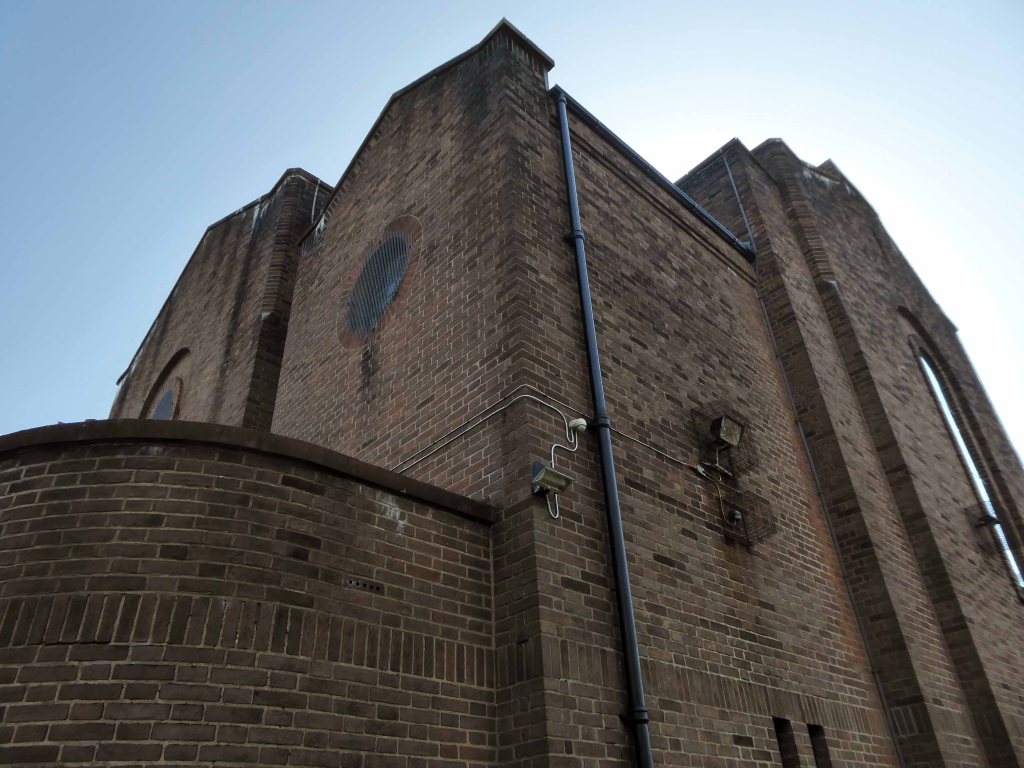
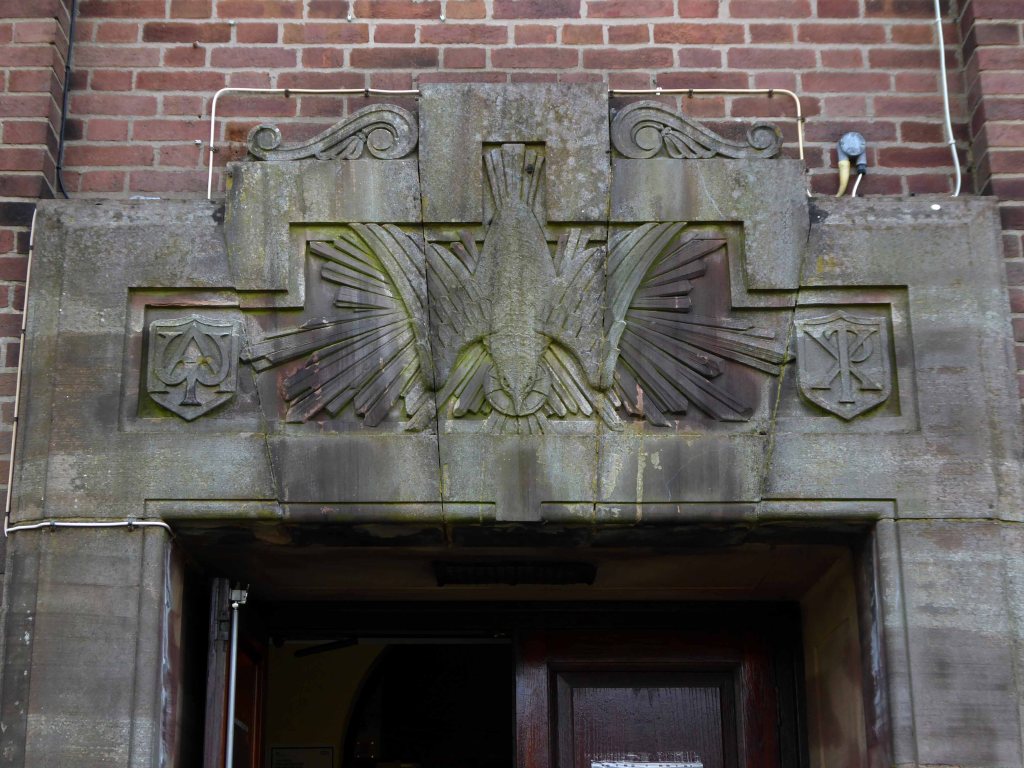
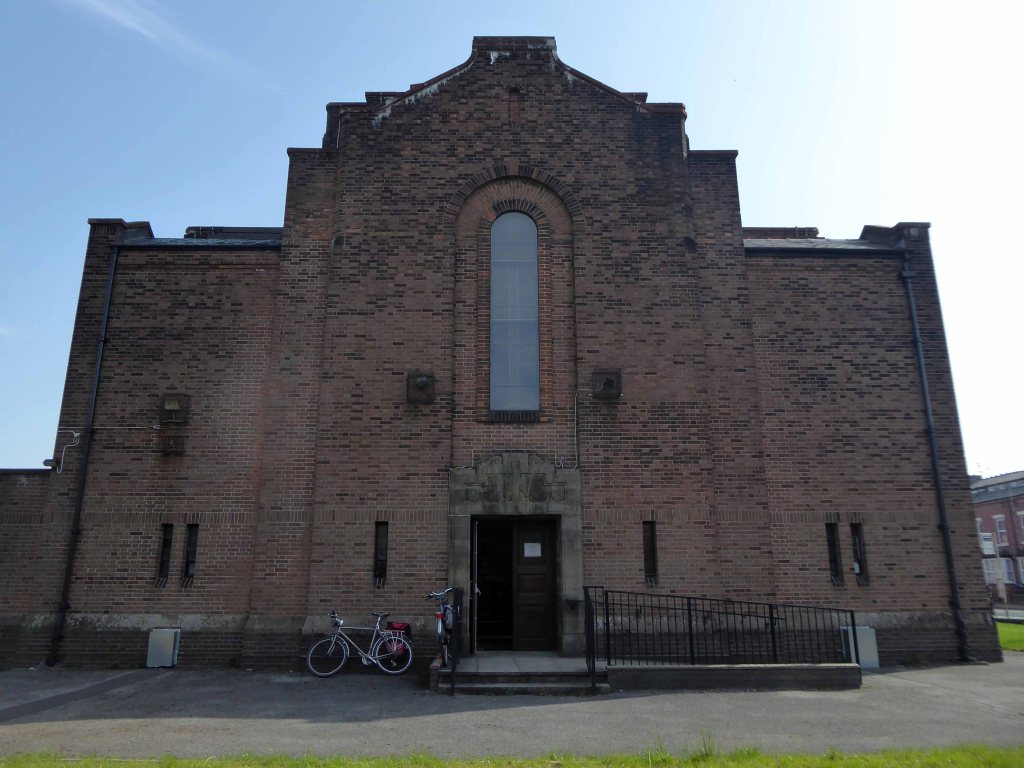
Church of St Leonard and St Jude – Doncaster

Barnsley Road Doncaster DN5 8QE

Constructed 1957 – 1963

Another church by architect George Pace – along with William Temple Wythenshawe, St Saviours Bradford, St Marks Broomhill and the Church of St Mark Chadderton.

They are all built in his distinctive manner, brick and concrete, steel, wood and glass. Often working within tight budgets, respectful of the Christian Church’s early heritage, expressing mass and volume with simple geometry.

The exterior skin pierced by multiple rectangular windows, the interior revealing an elegant calm space with attendant simple decorative elements and fittings.

The body of the church has two asymmetric orthogonal outriders and a tall bell tower.

The transept chapel

The chancel and apse has a raised roof with a glazed face.

Let’s literally take an anti-clockwise look around the outside.

I was warmly welcomed by The Revd David D’Silva, Curate-in-Charge and kindly given free access to the church’s interior.

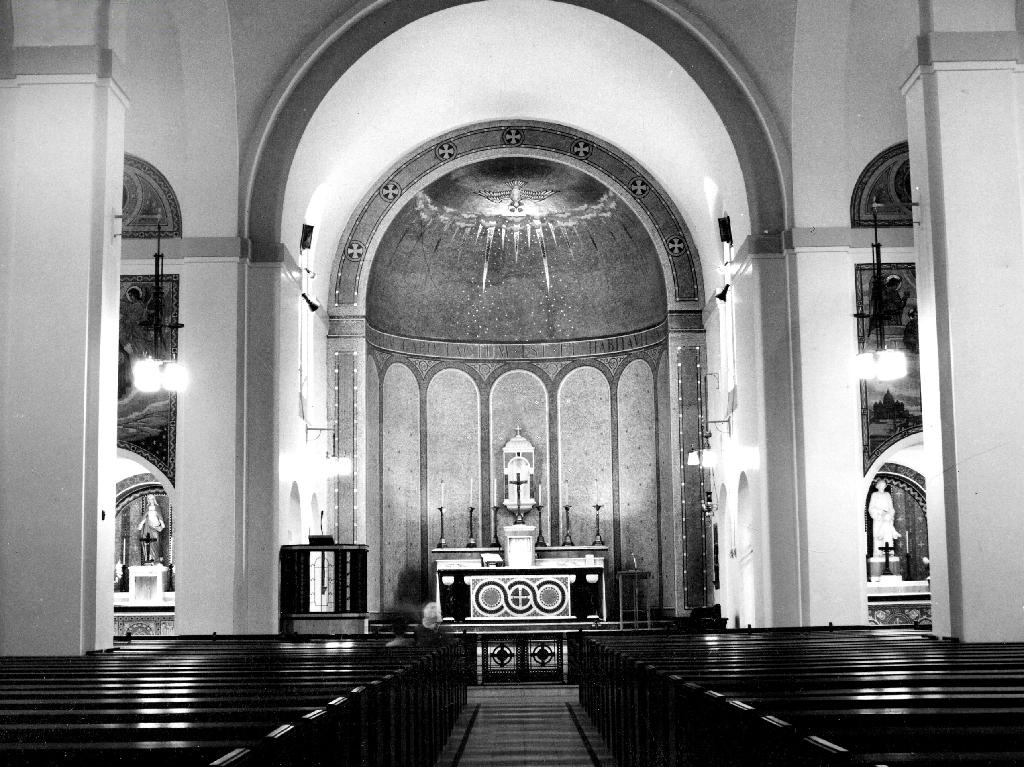
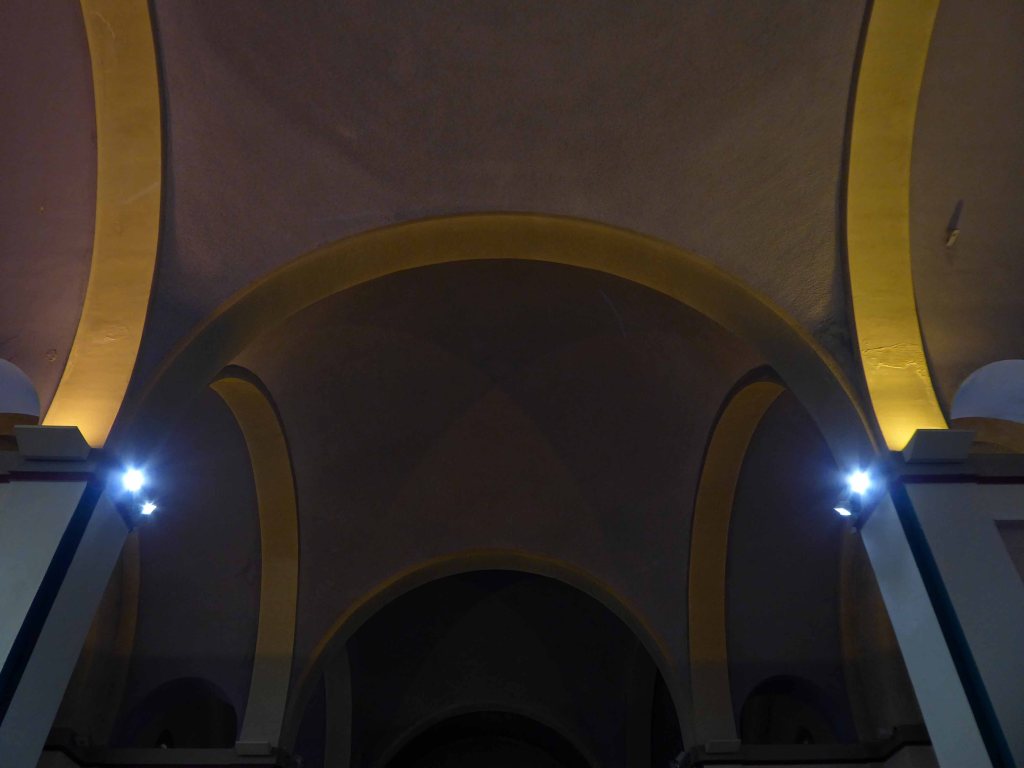
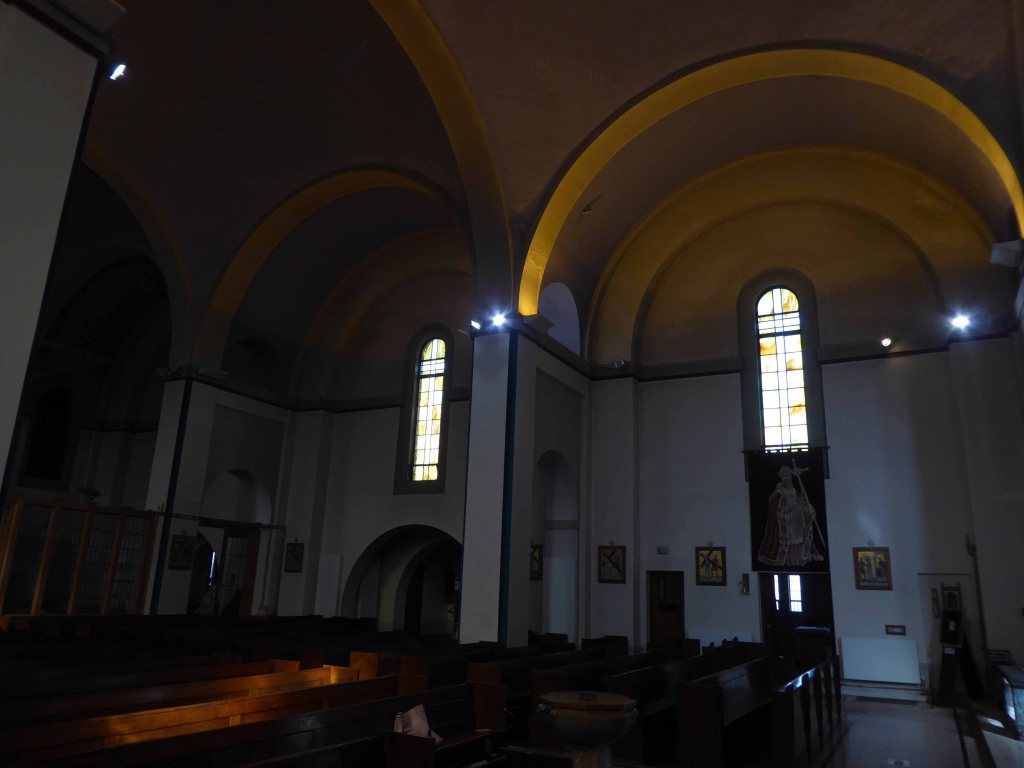
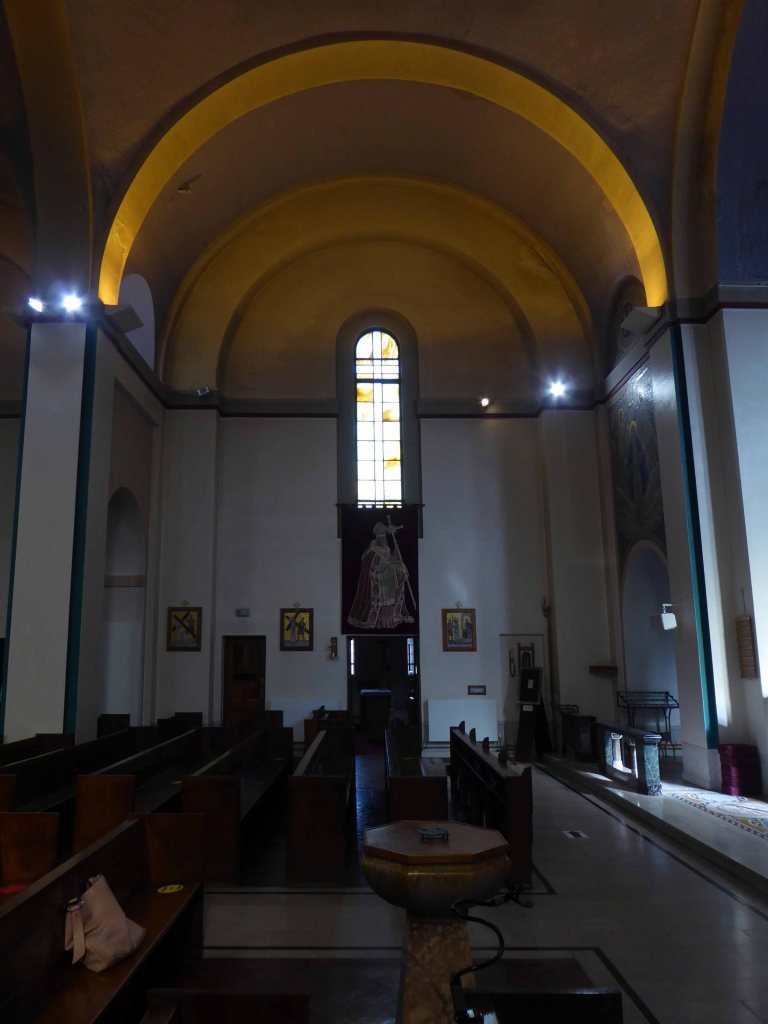
The wooden framed roof supported by huge parabolic arches of laminated timber.

There are retrieved pews, temporarily reordered to accommodate Covid requirements.

Pugin statuary.

Pace’s own detailed design work in the altar screen and crucifix.

A Mediaeval font.

Light enters from several sources on three elevations.

And through the glazed area of the raised gable.

A delightful morning’s work visiting this well used and cared for church.

South Bay Scarborough – Chalets

The world is inherently unstable, along comes a train a resort appears, along comes a ‘plane a resort disappears, along comes a virus and people disappear.

Whole chunks of the land fall in the sea, eventually.

The South Bay Gardens were slipping away.

Some of the oldest sun bathing chalets almost became an Arts Hub.

Seaside chalets were under threat, with the cause believed to be the failure of a retaining wall.

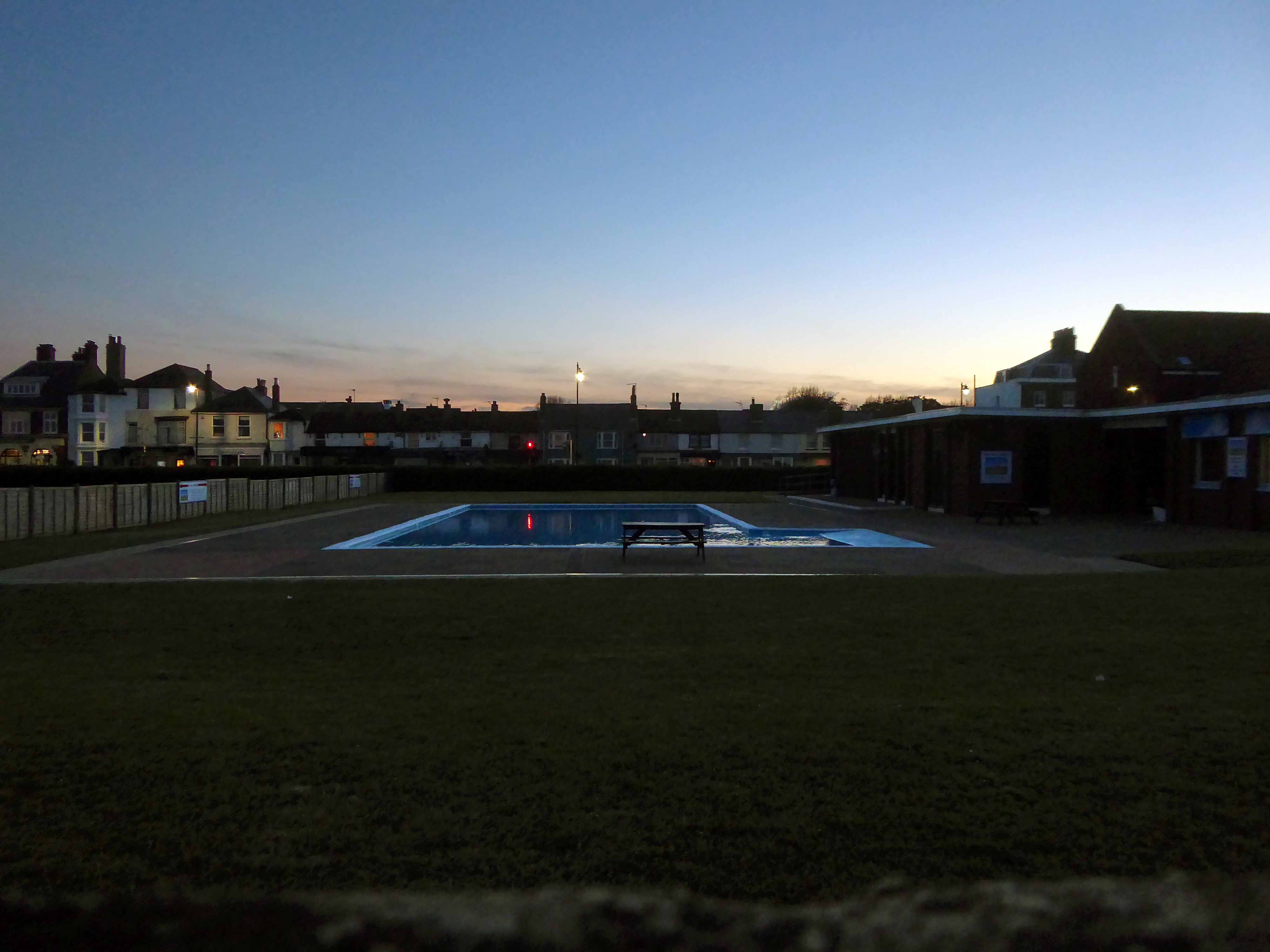
The swimming pool has been and gone, only an empty shell remains.

There are speculative plans and piecemeal repairs, but these are difficult times, and attracting substantial finance and flocks of tourists to revitalise the town, is no simple matter.

From 2011 I have visited South Bay, intrigued by all the above, but there’s a special place in my heart for these concrete chalets.

They never get a mention.

Here they are some years ago.

The primary coloured paint almost still fresh on their well locked doors.

They stand forlorn on the concrete shore overlooking an indifferent North Sea, hoping for a future in an uncertain age.

As I snapped I chatted to a local ANTIFA Anarcho Punk – ex Mansfield Miner and political activist, he feared that they would be swamped by some tidal wave of gentrification.

If so when, not soon.

As a post script I have been informed that the site was used as a kid’s den in the CBBC TV series All at Sea!

Scarborough Technical College

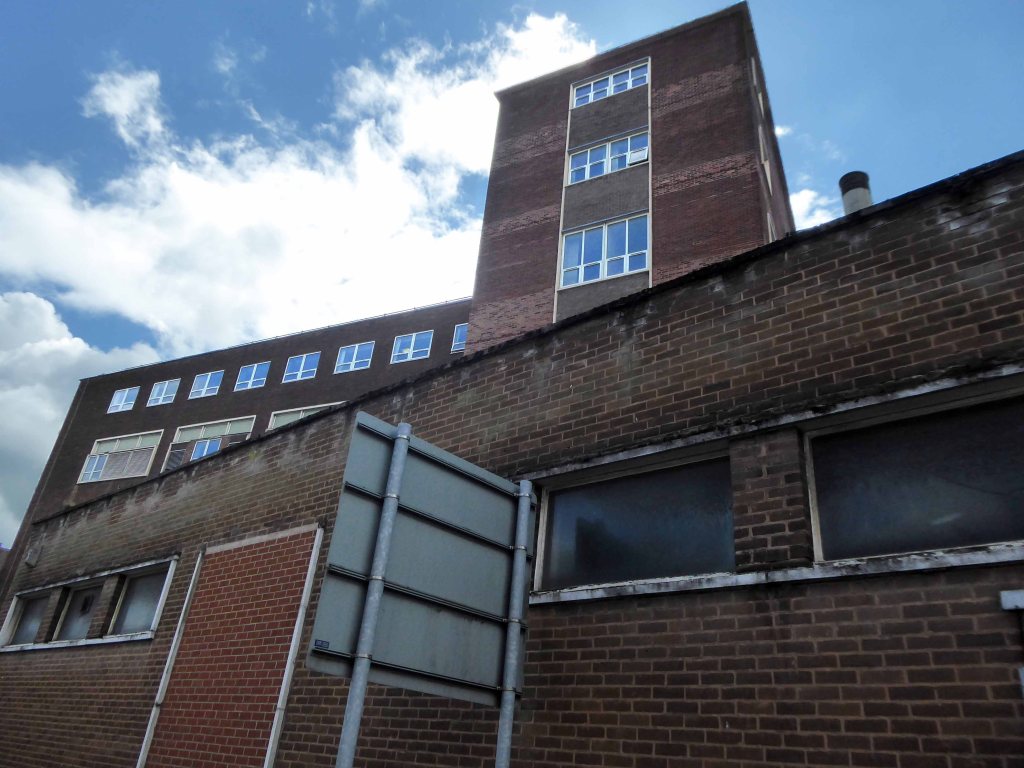
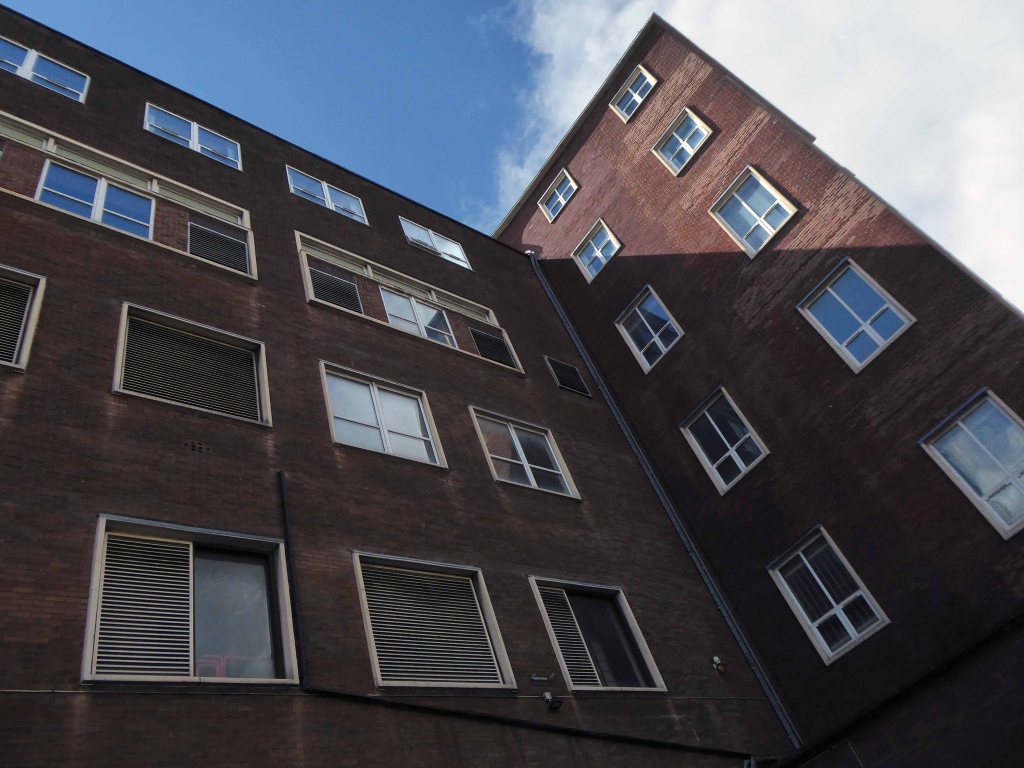
Gollins Melvin Ward & Partners 1961

Scarborough TEC formerly known as Yorkshire Coast College, Scarborough Technical College, Scarborough Technical Institute, and Scarborough School of Art is a further education college located on Lady Edith’s Drive Scarborough. It is a constituent college of the Grimsby Institute of Further & Higher Education.

Yorkshire Coast College was originally an independently controlled institution, but due to consistently poor results and long-term financial difficulties was taken over by the Grimsby Institute in January 2010.

In November 2016, the name was changed from Yorkshire Coast College to Scarborough TEC, with the TEC standing for Training, Education, Careers.

Wikipedia

Now it’s closed, the land to be sold for a housing development.

Colleges, once under the stewardship of the local authority are now independent businesses and as such subject to mergers and acquisition, for better or for worse.

1961

This is a building of architectural significance, GMW being responsible for several other ground breaking curtain wall towers and blocks – including Castrol House, now Marathon House one of the first curtain wall buildings in the UK, along with the Arts Tower in Sheffield.

In August 2015, GMW was taken over by another business, Scott Brownrigg, “as part of plans to move into the airport sector.”

It represents a time when vocational education was in the ascendancy, building for a manufacturing future with forward thinking, open, democratic and accessible architecture.

That optimism along with the attendant architecture are no longer, it seems – dish of the day.

It was a proud boast for many people in Scarborough that Robert Allen Palmer, the pop music icon, was raised and schooled there. Robert went to Scarborough Boys’ High School and studied art at Scarborough Technical College.

Photograph copyright Brian Cooke 2011

He played in his his first band there, The Mandrakes evolving from a gathering of pupils from the Scarborough High School for Boys during the summer of 1964.  Meetings and practice under the work in progress title of The Titans, first in the crypt of a church and then a former chicken hut, took place.  Allen – to become Robert in 1969 Palmer, joined after a successful audition and the first gig took place in a local youth club towards the end of the year.

British Music Archive

Robert’s Mum says fame never changed him, “He never seemed any different, he took us on Concorde two or three times and the Orient Express and we always celebrated birthdays, anniversaries and Christmas, everything, together.”

BBC

So I bowled up last Thursday following a tip from local lad Mr Ben Vickers, it rained and rained, armed with a Poundland one pound umbrella I took my chances and took some snaps.

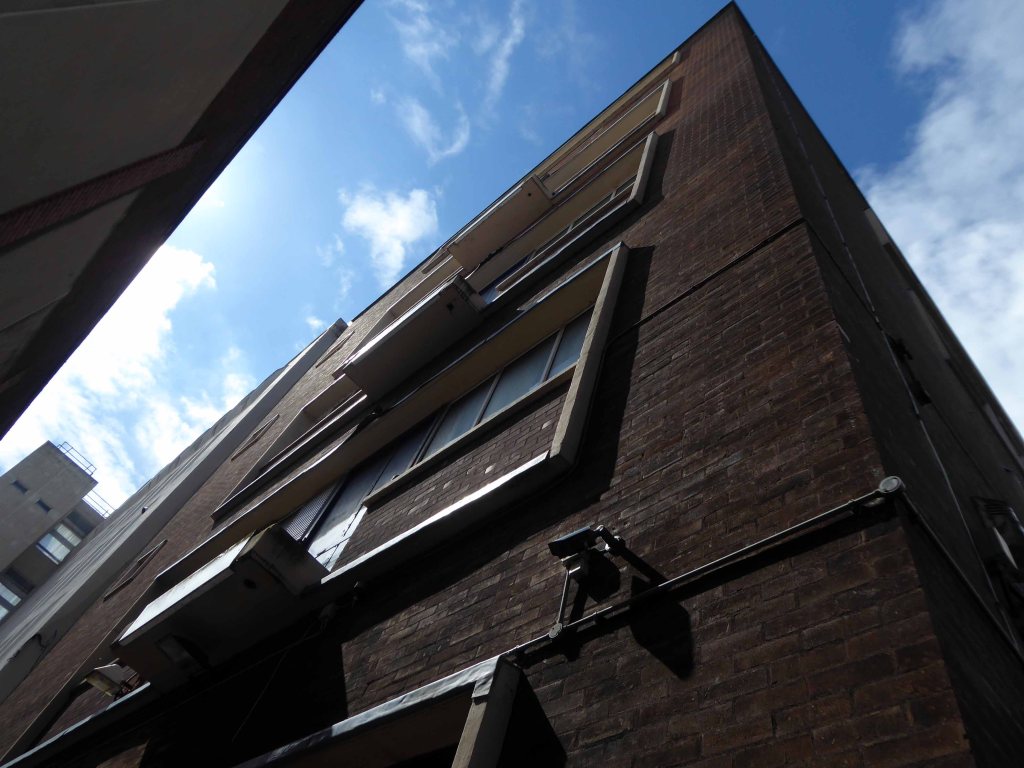
Broken and boarded windows, spooky drips dripping and ghosts for company, heavy hearted marking the passing of an abandoned future and rapidly receding past.

The Trawl – Bridlington

5-7 Cliff Street Town Centre Bridlington YO15 2NJ

The best chippy in Bridlington

I first bowled up in 2011 – walking the wild streets of East Yorkshire – eager to eat.

I was instantly enchanted by your fragrant fish and chips, peg board menu and marvellous tiles.

It would have been rude not to walk right in, sit right down and order a Haddock Special with tea – so I did.

Delightful.

Fast forward to 2014 and here we are again, some minor adjustments to prices and layout, but essentially business as usual.

One more time please – a Haddock Special with tea.

2020 and this time it’s serious I’m going in, armed with an insatiable curiosity, a Panasonic Lumix TZ70 and a healthy appetite – in that order.

I ordered a Haddock Special with tea.

The food was as ever superb, served with winning smile and cooked to perfection by the same owner who had dealt a winning hand nine years ago.
Whilst I awaited my food, I sat patiently taking in my surroundings and a few snaps.
Noting the notice my host observed that she loved children but couldn’t eat a whole one.

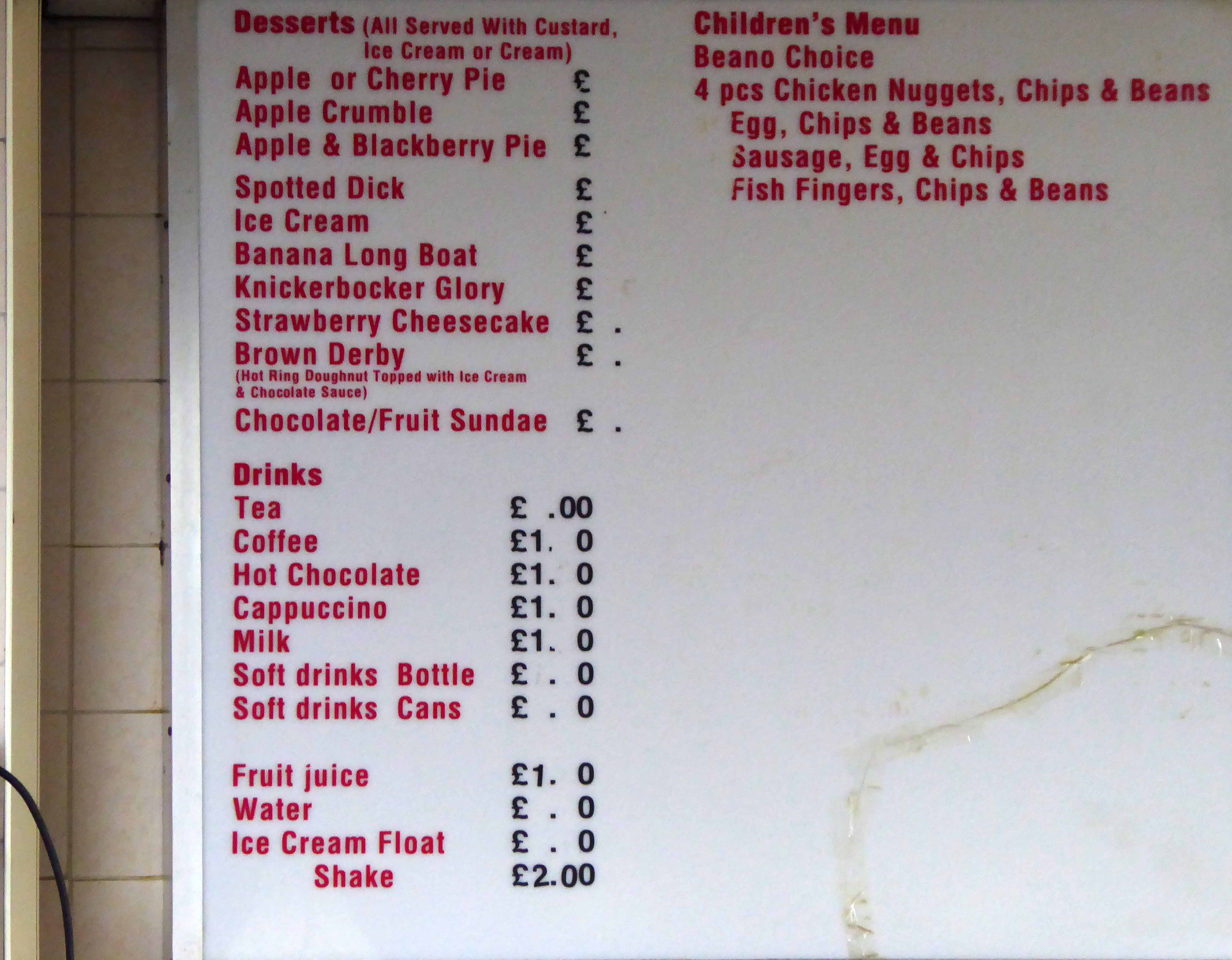
For the very first time I noticed the illustrative pictorial panels adorning the range counter.

And the menu above the entrance.

Replete, enough is as good as a feast – I complimented the chef, thanked all and sundry, exited stage right.

Once out on the streets once more, I surveyed the fascia, its tiles and newish fascia.

One thing is for sure I will return, if the good Lord’s willin’ and the creeks don’t rise.

So a big Bird goodbye from the old fish.

And hello to the new.

Beeversleigh Flats Clifton Rotherham

What’s got six faces and several legs and stands next to Clifton Park?

The Beeversleigh tower block that’s what!

Built between 1968-71.

Main contractors J. Finnegan it’s thirteen storeys high – housing forty eight dwellings.

Tower Block

It can be seen clearly from the town below, Rotherham’s only high rise.

I wandered on.

With an unusual exterior grid of concrete encasing the central hexagonal structure, creating balconies which encircle the homes.

Perched on two levels of concrete columns, on a sloping site.

Looking luminous on a bright August morning.

I was enchanted and amazed, taking time to walk around look and snap.

Peck House Rotherham

Peck House, a long vacant commercial property on a prominent route into Rotherham, could be flattened for redevelopment as the owners begin discussions with the Council over its future.

The building on Eastwood Trading Estate, and its unique stylings, was the headquarters of Joseph Peck departments stores
.

Rotherham Business News 2017

The owners of the site, Backer Electric, occupy the adjacent building where they continue to manufacture heating elements, supplying products in high volume to the majority of household brand names. Options to reuse Peck House and the site have been investigated for a number of years.

A structural survey was carried out which found the building to be structurally sound and secure and therefore the Council has not been in a position to insist on its demolition.

In 1985, plans came forward to change of use of the retail/wholesale store to a church. In 2004, outline plans were submitted for a development including a hotel, restaurant, hot food takeaway and petrol station for the wider area. In 2014, Peck House was one of a number of sites discounted as the location for a new £5m primary school.

As of Wednesday 26th August 2020 it’s still there underdeveloped and overgrown.

In the company of local resident Helen Angell and having become aware of the site through the paintings of Mandy Payne and the photographs of Sean Madner – I was eager to pay a visit.

Joseph Peck departments stores originated in Rotherham in the late 1800s and had branches in Worksop, Barnsley and Sheffield.

I have only been able to find evidence of the Sheffield store – which may not be linked.

Though there are references to a Rotherham store on Bridgegate.

Joseph Peck was in Bridgegate in Rotherham, and in the late 40’s at Christmas, they had a grotto and a Father Christmas. The queues of parents and children would go down the yard and up Bridgegate. My mum and dad always took my brother and I to see Father Christmas and get a present from him. The store was a department store selling just about everything that was available just after the war. Mum took my brother and I coming up to one Christmas, she was trying to find a bicycle for my brother and I, but they didn’t have one. As we came out of the store, one of old fashioned three wheel railway delivery lorries was just pulling out of the yard. On the back was a blue bike. Mum stopped the driver and asked him where he was taking it. He told her ‘Redgates at the bottom of Ecclesall Road in Sheffield. She shouted ‘Taxi’, and told the driver to ‘follow that lorry’. Just before the lorry arrived on The Moor, she told the taxi driver to overtake the lorry and go to Redgates. We rushed in, she found the manager and asked him about the bike. He hadn’t known that one was being delivered so Mum told him she’d have it without even asking the price. The lorry driver didn’t even have to take it off the lorry, and delivered it to our house next day.

My elder brother had it first, then me, then my younger brother, and finally our young sister. It was still being used when I flew the nest in 1959. 

Merry Christmas everybody.

Sheffield Forum

So here we are confronted with some tip top architectural type high atop the low-rise industrial facility.

What’s more there is a panel of ceramic tiles many with a pronounced profile in relief – a fugue in lemon, grey and a deep Prussian Blue.

No reference to the manufacturer or date online sadly, suffice to say that they are truly enchanting – look!

Rotherham Underpass #3

First there was the first, then secondly the second – this is the third and last underpass.

A fitting finish to the series as we pass through the final subterranean frontier out into the clear light of the South Yorkshire day.

Each one is a neglected gem of municipal modernism, the underpass a feature under threat, the pedestrian often subsumed by the drive to accommodate the motor car.

As of last Wednesday, we all seem to have tenuously hung on in there.

Oh we’ll hear the thunder roar, feel the lightning strike.
At a point we’ll both decide to meet at the same time tonight
.

Rotherham Underpass #2

Having posted the first underpass – let’s take a look at the second.

Orange on white, circles within circles squared.

Rotherham Underpass #1

I had seen a photograph posted by Mandy Payne of an underpass in Rotherham – illustrating a delightful concrete relief.

Enlisting the assistance of friend and local resident Helen Angell, we set out on a mission to visit the roundabout in back of the big Tesco, which housed the three underpasses.

This is the first – painted white, well whiteish – more than somewhat disabused by the passage of time and the passage of users of the underpass.

Brute and angular, incised and cursive and currently lacking authorship or attribution.

Russell Gardens – Stockport

I live just around the corner and often walk by, intrigued by this small rectangle of rectangular sheltered homes, I chose to take a closer look.

On adjoining Craig Road there are a group of interwar semi-detached homes, social housing built in 1930, facing on to open ground which leads down to the Mersey.

There is an arc of post war social housing on Hamilton Crescent, which surrounds Russell Gardens.

The homes that constitute Russell Gardens built in 1947 were illustrated in the town’s 1948/49 guide book, considered to be something of value.

Designed as a diminutive Garden Village, smaller in scale to those found in Burnage or Fairfield, but based on the principle of shared green space and community services.

In the 1970s the land to the south, now occupied by the Craig Close development, was yet to be built upon.

And the Cadbury Works still stood close by on the Brighton Road Industrial Estate:

Built in the late 1800s this was originally Silver Spoon (Pan) Fruit Processing Works, then in the 1920s was Faulders’ Cocoa and Chocolate Works. By the 1930s it was Squirrel Chocolate Works and in 1960s became a distribution depot for Cadbury’s. A friend remembers playing among the pallets of the ‘chocolate factory’ in the 1950s. Later it was occupied by small businesses. The works comprises a large rectangular block with sawtooth roof, and central entrance house with tall chimney. The adjacent rail line, built in 1880, branched into the site.

28 Days Later

Recently replaced by a car dealership.

Though many of the surrounding homes were sold off during the Right to Buy era:

After the election of May 1979 a new Conservative government drafted legislation to provide a Right to Buy but, because this would not become law until October 1980, also revised the general consent (May 1979) to enable sales with higher discounts matching those proposed in the new legislation. The numbers of sales completed under this general consent exceeded previous levels. Between 1952 and 1980 over 370,000 public sector dwellings were sold in England and Wales. Almost a third of these were in 1979 and 1980 and it is evident that higher discounts generated and would have continued to generate higher sales without the Right to Buy being in place.

Russell Gardens remains the estate of Stockport Homes managed as sheltered housing for the over 60s.

  • Retirement housing
  • 33 one bedroom flats built in 1947
  • Non-resident part time management staff and Careline alarm service
  • Lounge, Laundry, Garden

The houses are now some fifty years old and in good order, the residents with whom I spoke, seemed more than happy with their homes.

Would that more and more affordable homes for folks of all ages could be built.

The post-war consensus and political will that created this upsurge in construction, has been swept away by market forces.

Let’s take a look at the vestiges of more enlightened times.

Holloway Wall – 2020

Of course I’ve been here before – and you may have as well.

And I’ve been to Huyton too.

Tony Holloway’s work also illuminates the windows of Manchester Cathedral.

As well as the panels of the Faraday Tower, just the other side of UMIST.

The wall is listed, fenced and obscured by the gradual incursion of assorted greenery.

It’s beginning to attract moss, amongst other things – just not like a rolling stone.

Like nearly everything else, it looks different each time you pass by, more or less light, new tags and signs – so here it is as of Saturday 13th June 2020.

Locked in during the lockdown.

Deneway Stockport

Deneway almost but not quite, literally on my doorstep:

High above the Mersey Valley and 70 meters above sea level Deneway Estate stands proud, affording views of the Pennine White Peak to the south east and nothing but some other houses in all other directions.

Built in 1964, by architects Mortimer & Partners it was an award winner from the word go – coming first in an Ideal Homes sponsored competition.

Very much in the tradition of the Span Estates, it consists of small groups of two and three storey terraced homes, with communal open, well tended front gardens. At the entrance to the estate stands a single low tower block of flats.

The architecture sits quietly and confidently in the landscape, well behaved, prim and proper. Interiors are open plan and afforded ample daylight by generous windows. Detailing is tiled and wood panelled, with low pitched roofs.

Jump the train, walk, cycle, bus or tram, but arrive with eyes and heart wide open to enjoy this suburban gem – it’s right up my street.

This was my very first piece that appeared on the old Manchester Modernist site way back in 2014.

Six years later I walked up the road again and found the flats clad in a funny colour cladding and the plaques moved, much else was as was. I assume, that under deed of covenant, fencing and guerilla gardening within open areas is verboten, along with fancy extensions.

The estate therefore retains its original integrity.

The sun in the meantime however – had gone in.

Here are the pages of Ideal Home which featured this award winning estate.

Wythenshawe Park – Bowls Pavilion

We were on a journey – retracing the route of Yuri Gagarin’s 1961 visit to Manchester, from Ringway to Brooks Bar.

Then all of a sudden we weren’t, having deviated from Princess Parkway into Wythenshawe Park.

Missing the opportunity to pass under the underpass.

A collective decision was made to pass under the cantilevered and much revered bowls and tennis pavilion.

The building opened in 1960, designed by L.C. Howitt City Architect.

In striking contrast to Wythenshawe Hall of 1540 – recently restored following an arson attack, the bowls and tennis pavilion shows no inclination toward Tudor-bethan revivalism.

Sleek and aloof, supported by a single piloti, offering elevated and ground level views of the sporting areas.

Archive photographs of 1969 from the Local Image Collection.

Time, central government austerity and changes in leisure habits have not been kind to the building.

The manufacturers of security railings, grilles and shutters however, have continued to prosper unfettered.

A sadly tamed and poorly fed creature, standing next to the un-mown lockdown crown green arenas.

We were nonetheless arrested by what was and what may yet still be.

Yuri Gagarin’s Manchester Route 2019

This is the journey made by Comrade Yuri Gagarin 12th July 1961 – as detailed in my previous post.

This is that same journey by bike and my observations of 19th August 2019.

Original Terminal Building LC Howitt and SG Besant Roberts 1962

Ringway Road

Shadow Moss Road

Simonsway

Brownley Road

St Andrews ChurchJCG Prestwich and Son 1960

St Luke The Physician – Taylor and Young 1938-9

Altrincham Road

Church of the Latter Day SaintsTP Bennet and Son 1964

Princess Parkway

St Ambrose  Reynolds & Scott 1956

Barlow Moor Road

Manchester Road

Upper Chorlton Road

Chorlton Road

Imperial Picture Theatre – W.H. Matley 1914

I had wrongly assumed for months that this was the AUFW Offices it wasn’t – it’s two doors down, the other side of the Imperial.

The stonework above the door is a clue, thanks awfully to my observant comrades – July 12th 2020.

The 59th anniversary of Yuri’s visit.

Yuri Gagarin Manchester 1961

Exactly three months to the day after his flight in Vostok I had ushered in a new age of space exploration, on 12 July 1961, the trim figure of Yuri Gagarin strode down the gangway of a British Viscount airliner and walked briskly out across the runway of Manchester airport towards a sea of expectant faces, and flashing camera bulbs.

Working Class Movement Library

There are many excellent accounts of his visit – for a detailed view Gurbir Singh’s book Yuri Gagarin in London and Manchester is hard to beat.

It is from this source that I was able to retrace Yuri’s journey, from the then Ringway Airport, to the offices of the AUFW at Brooks Bar.

Archive photographs – Local Image Collection

Thousands lined the wet streets of Manchester that day as he passed by in his beige open topped Bentley – standing proud waving to all and sundry.

This is Yuri’s journey via the Manchester Local Image Collection.

A loose approximation of what he may have see on that day in 1961.

We were allowed out of Brownley Green school to line the road as he passed, great memories.

I stood on Chester Road with my mum, I was 4 years old, but still remember it.

At that time, I was a student, working my socks off in the Central Library, I went outside into St. Peter’s Square to watch him pass, he gave everyone a big smile.

Still tell my children, tiny at the time – you saw the first man in space, I remember his smile.

Worked in an office in Albert Square – had a grandstand view of him arriving at the Town Hall.

I can remember a police escort taking Yuri to Albert Square via Princess Parkway through Withington, Fallowfield and Moss side, there were hundreds of people lined up watching a waving at him.

When Gagarin visited Manchester he was given a bronze bust of Lenin made by the Amalgamated Union of Foundry Workers. Four were made in total and my Dad owns one of them.

My Grandad’s funeral was on the day he came, as we passed down Altrincham Rd onto the Parkway policemen who were holding back the crowds saluted, he would have loved it.

Yeah I seen him stood up in a big car with a green uniform on. It was going down Brownley Rd passing Meliden Crescent heading for the Airport in Wythenshawe, I was about 6 years old.

Working for Manchester Parks as a 20 yr old on Princess Parkway and he came past me as I was mowing the grass, in an open top Rolls or Bentley, he saluted me personally as he passed, of course I stood to attention and returned the salute – Magic Moment

Ringway Road

Shadow Moss Road

Post-war social housing

Simonsway

Brownley Road

St Andrews Church JCG Prestwich and Son 1960

Housing built 1934

1960 development

St Luke The Physician1938-9 by Taylor and Young

Benchill Hotel – demolished Autumn 2012

Altrincham Road

Royal Thorn – demolished 2001

Princess Parkway

St Ambrose A well-detailed, relatively modest post-war design by Reynolds & Scott, with an impressive and largely unaltered vaulted interior.  The dedication relates to St Ambrose Barlow, a Catholic martyr from nearby Barlow Hall. 

Barlow Moor Road

The Oaks demolished in the early 1990s following a brief life as the Sports Bar

Manchester Road

The Seymour – demolished 2002

Upper Chorlton Road

The Whalley Hotel closed in 2014

Chorlton Road

Imperial Picture Theatrewas opened in 1914. Seating was provided in stalls level only. It had a 5 feet deep stage and two dressing rooms. There was also a café in the cinema. Around 1929 it was equipped with a Western Electric sound system.

Architect W.H. Matley

The Imperial Picture Theatre was closed on 15th January 1976 with Charlotte Rampling in Caravan to Vaccares and Jean-Claude Brialy in A Murder Is a Murder Is a Murder.

Cinema Treasures

164 Chorlton Road Hulme Manchester – offices of the Amalgamated Union of Foundry Workers, it was at their invitation that Yuri had visited Manchester.

Burnage Garden Village Again

I was last here in 2016 on a much brighter, blue skied day in March.

2020 mid-lockdown and overcast, I took a walk to take another look.

There is a perennial appeal to this well ordered island of tranquility, an archetypal suburbia incubated in 1906, a copy book estate.

The housing estate of 136 houses known as Burnage Garden Village, a residential development covering an area of 19,113sqm off the western side of Burnage Lane in the Burnage ward. The site is situated approximately six kilometres south of the city centre and is arranged on a broadly hexagonal layout with two storey semi-detached and quasi detached dwelling houses situated on either side of a continuous-loop highway. The highway is named after each corresponding compass point with two spurs off at the east and west named Main Avenue and West Place respectively. Main Avenue represents the only access and egress point into the estate whilst West Place leads into a resident’s parking area.

The layout was designed by J Horner Hargreaves. Houses are loosely designed to Arts and Crafts principles, chiefly on account of being low set and having catslide roofs.

At the centre of the garden village and accessed by a network of pedestrian footpaths, is a resident’s recreational area comprising a bowling green, club house and tennis courts. The estate dates from approximately 1906 and was laid out in the manner of a garden suburb with characteristic hedging, front gardens, grass verges and trees on every street. 

Verges and paving were freshly laid, hedges and gardens well tended, cars parked prettily.

The central communal area calm and restful, but lacking the clunk of lignum vitae wood on jack, hence the scorched earth appearance of the normally well used crown green.

A detailed appreciation the estate is available here.

Let’s take a leisurely look.

Concrete Garages

In casual conversation with Mr Matt Rettalick, at the Manchester Modernist HQ our attention casually turned to the topic of the prefabricated concrete garage.

I thought little more of it until yesterday, I then I resolved to get to the bottom of the matter.

Joseph Monier was a gardener and his idea was to develop permanent planters at a low price. In 1867, he patented different products made of reinforced concrete.

Pre-Cast History

Precast panelled buildings were pioneered in Liverpool 1905. The process was invented by city engineer John Alexander Brodie, a creative genius who also invented the idea of the football goal net. The tram stables at Walton in Liverpool followed in 1906. The idea was not taken up extensively in Britain. However, it was adopted all over the world, particularly in Eastern Europe and Scandinavia.

Wikipedia

The first concrete kit garages appeared in 1952, manufactured by Marley, earlier models had been constructed from wood, asbestos, corrugated iron or galvanised steel.

The sunrise became a common symbol of inter war optimism.

The increase in car ownership, the growth in the DIY ethic and the lack of an integrated garage, drove the demand for a pre-cast concrete auto-haven at the end of the drive.

They became a staple of the small ads.

Easy terms built to last.

Kenkast is the name which for me resonates down through the years, though there were it seems, several other manufacturers.

Batley Garages 128 Colledge Road Holbrooks Coventry Warks

Introducing the ultra-modern sprung up and over doors.

And a slap in the face for the truth to materials merchants.

Bowmonk Garages Spring Gardens Doncaster Yorks

Built to last.

A gorgeous Profil/Stymie Bold Italic banner and the promise of the only concrete garage that doesn’t look prefabricated – the ultimate status symbol.

C&R Garages Northowram Halifax

Compton Garages Fenny Compton Leamington Spa Warks

Coombe Construction Malden Road New Malden Surrey

Cradwill Tiles Ltd Kettering Northants

The garage of the future.

Dencroft Garages Bradford Road Batley

Established 1948 and still in business.

Kencast Astley Manchester

Marley South Ockendon Romford

Still in business and responsible through time for a range of products and the development of the DIY Super Store.

Still standing.

Silver Mist Brockham Betchworth Surrey

J Thorn & Sons Brampton Road Bexleyheath Kent

Also supplying an exciting array or industrial buildings.

S Wernick & Sons still very much in business

We now live in an age of endless non-stop domestic extension, all of the above are reminders of an age when extra external domestic space was added over a weekend, with help from a friend.