Where The Gas Works Wasn’t – Stockport

1878 Gas making at Portwood commenced

1969 Old retort house demolished

1988 Gas holder number 3 dismantled

2003 Last aerial view showing the gasometers in the raised position

2019 Removal of gas holders 2 & 3

Thanks to 28 Days Later

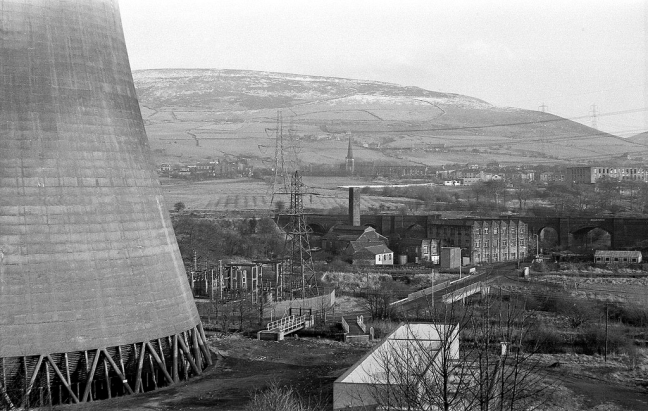
The area was formerly a dense web of housing and industry.

With the gas works at its heart .

High speed gas once the fuel of the future is almost a thing of the past. Coal Gas produced in coke retorts long gone, North Sea Gas hissed off.

Low carbon heating will replace domestic boilers from 2025, the need for gas storage holders is minimal.

Goodnight Mr Therm.

There are currently 53 listed holders on the Historic England site.

Some have been repurposed – WilkinsonEyre has completed work on Gasholders London; a development of 145 apartments within a triplet of listed gasholder guide frames.

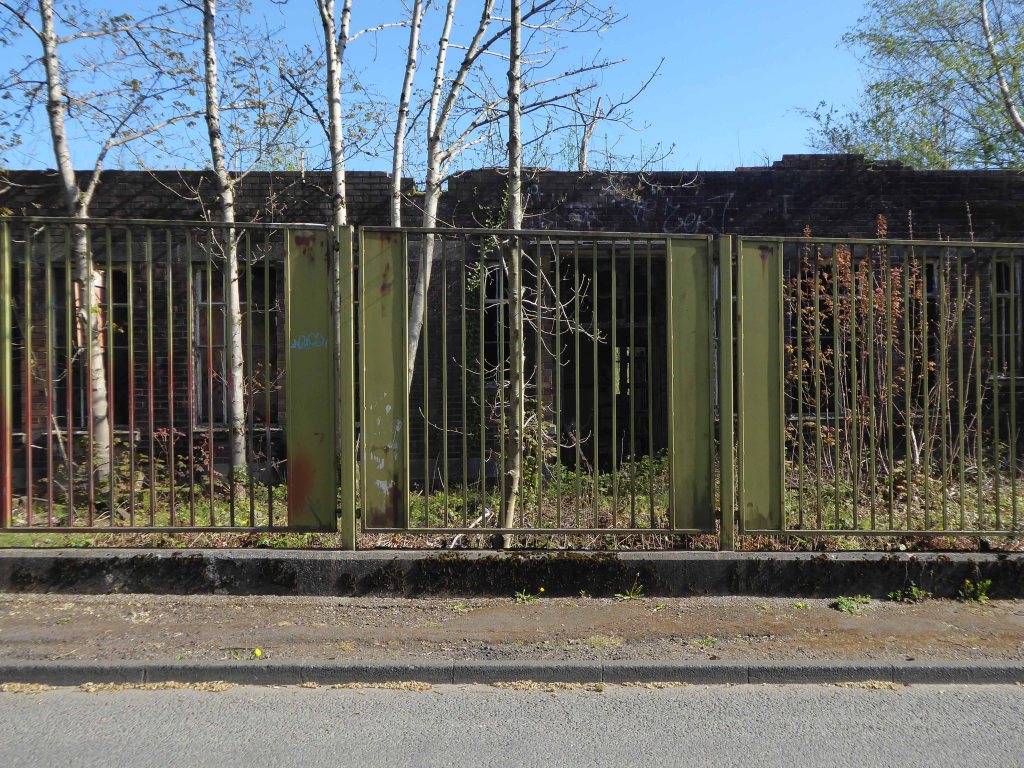
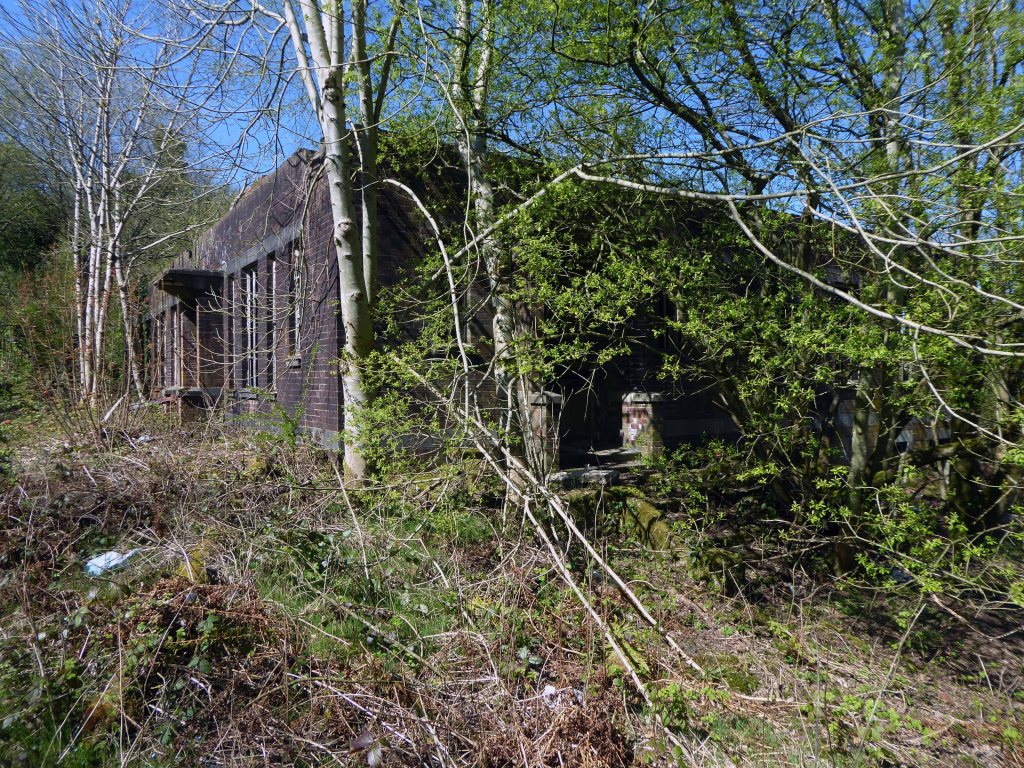
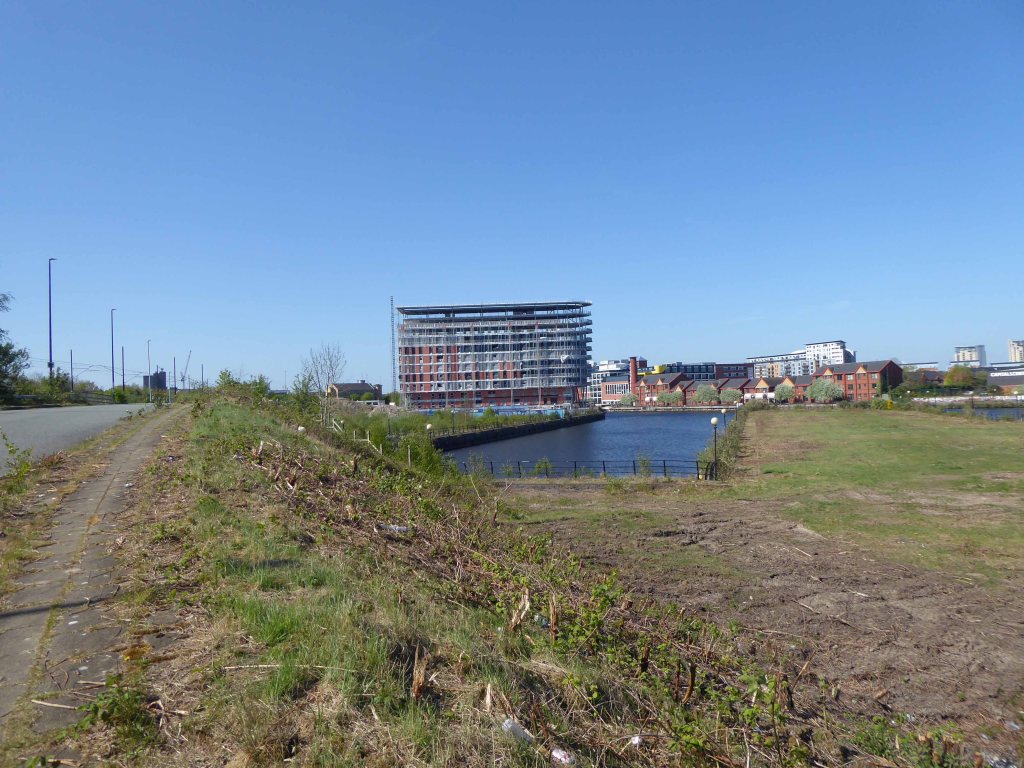
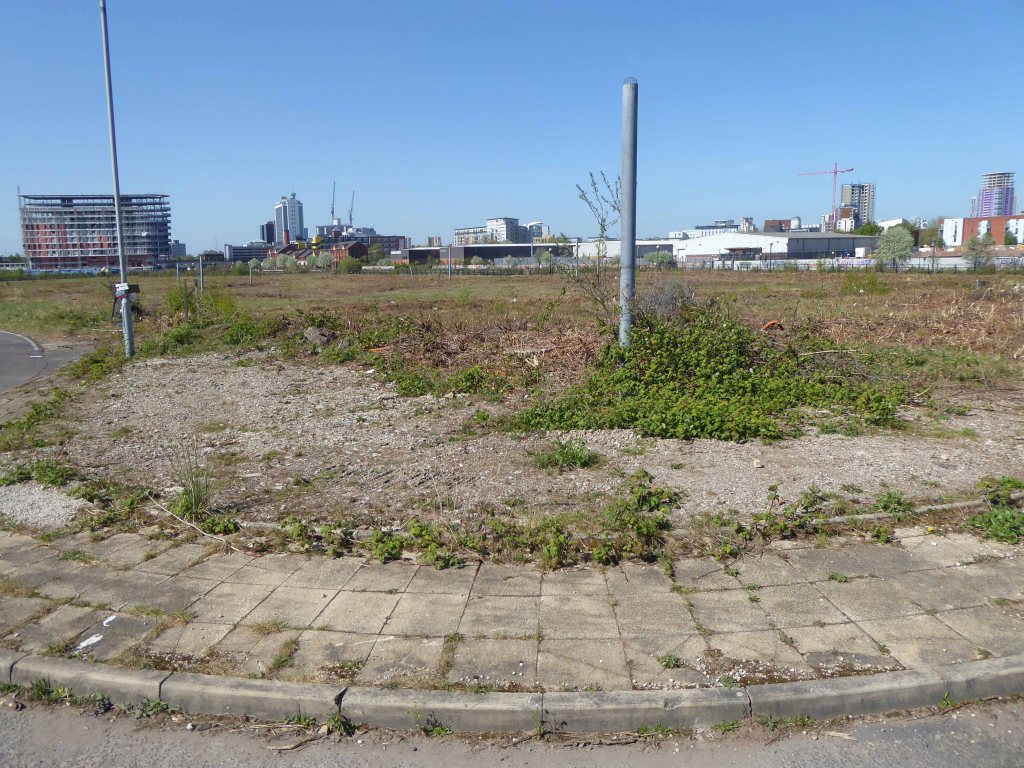
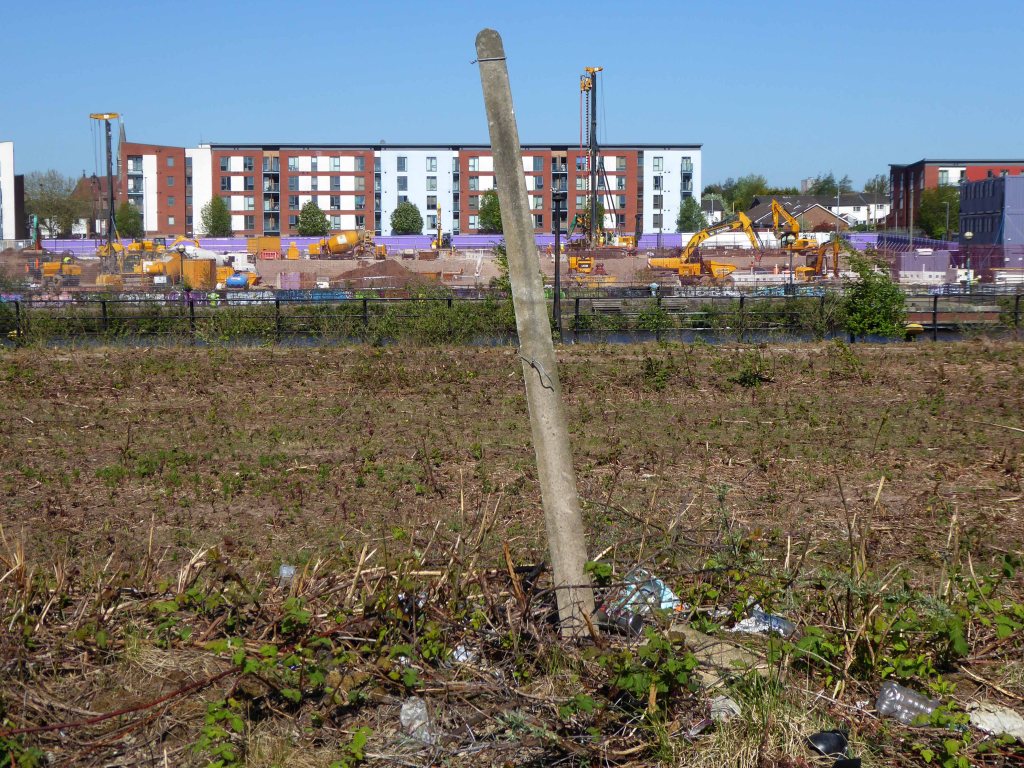
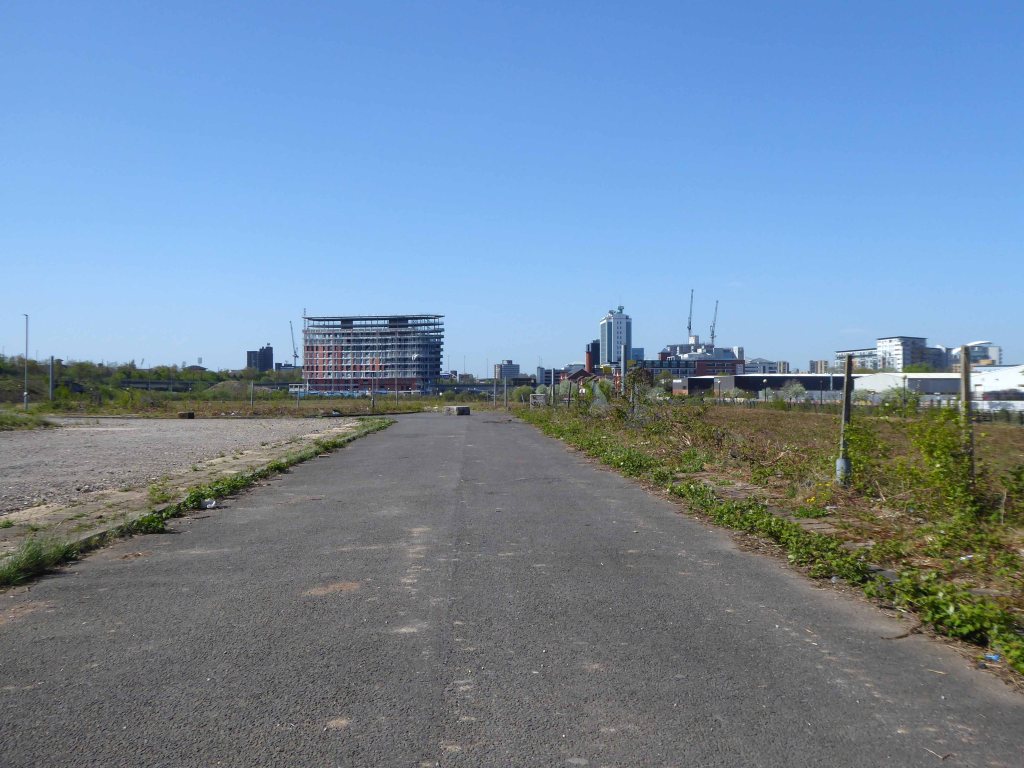
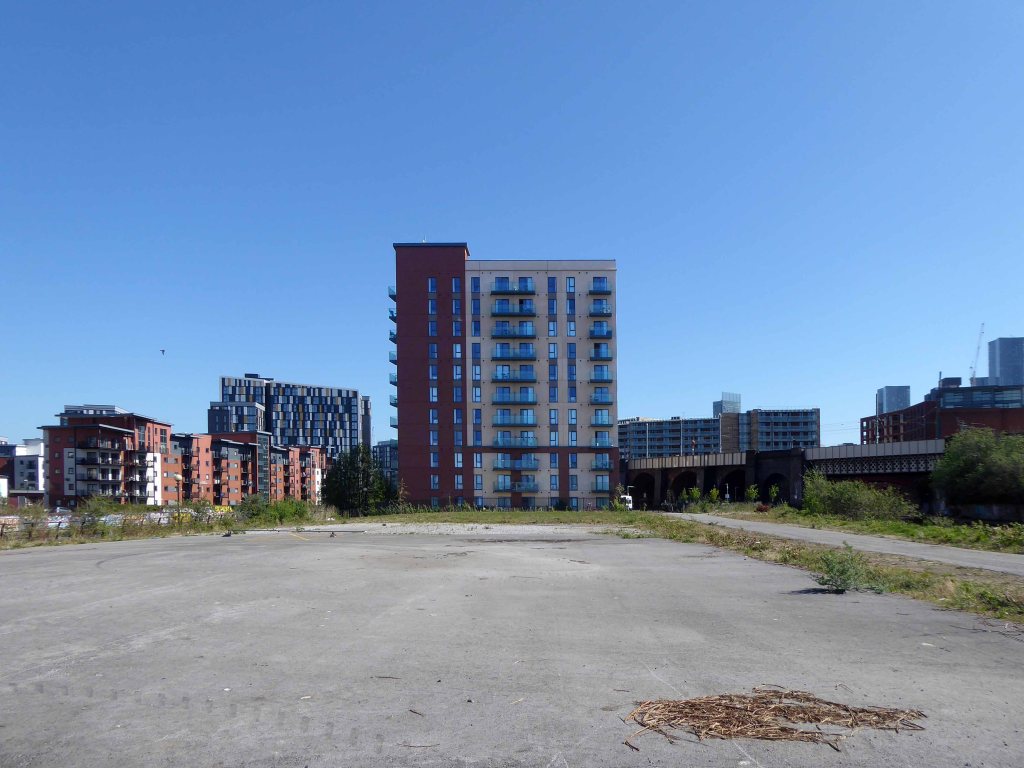
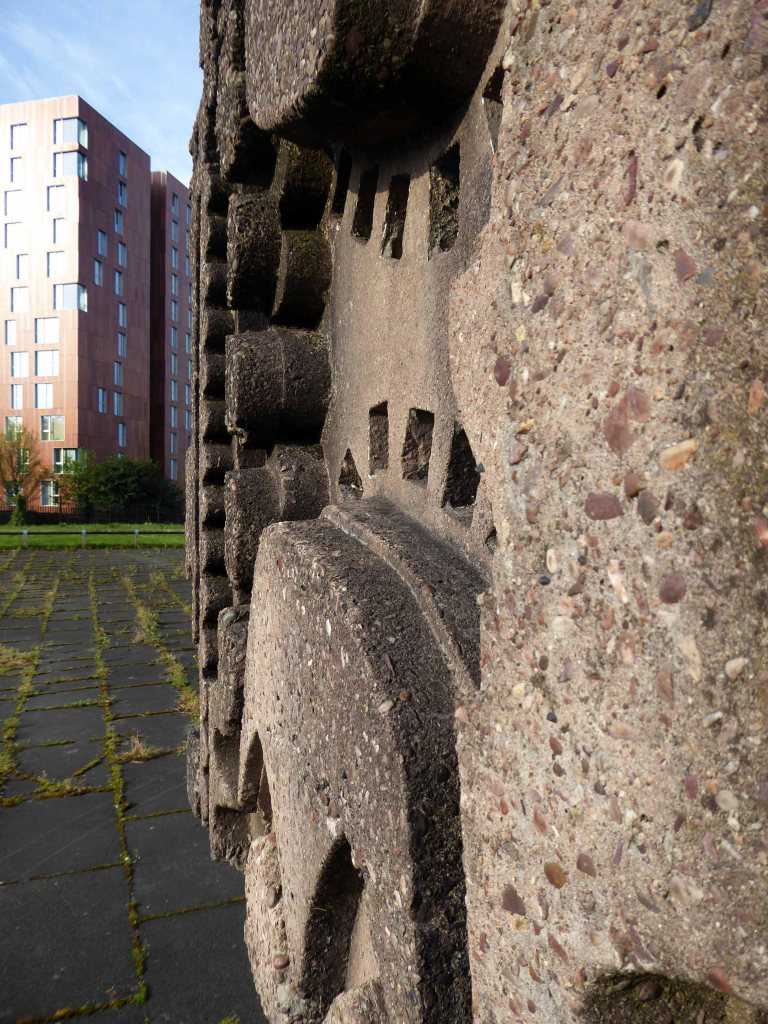
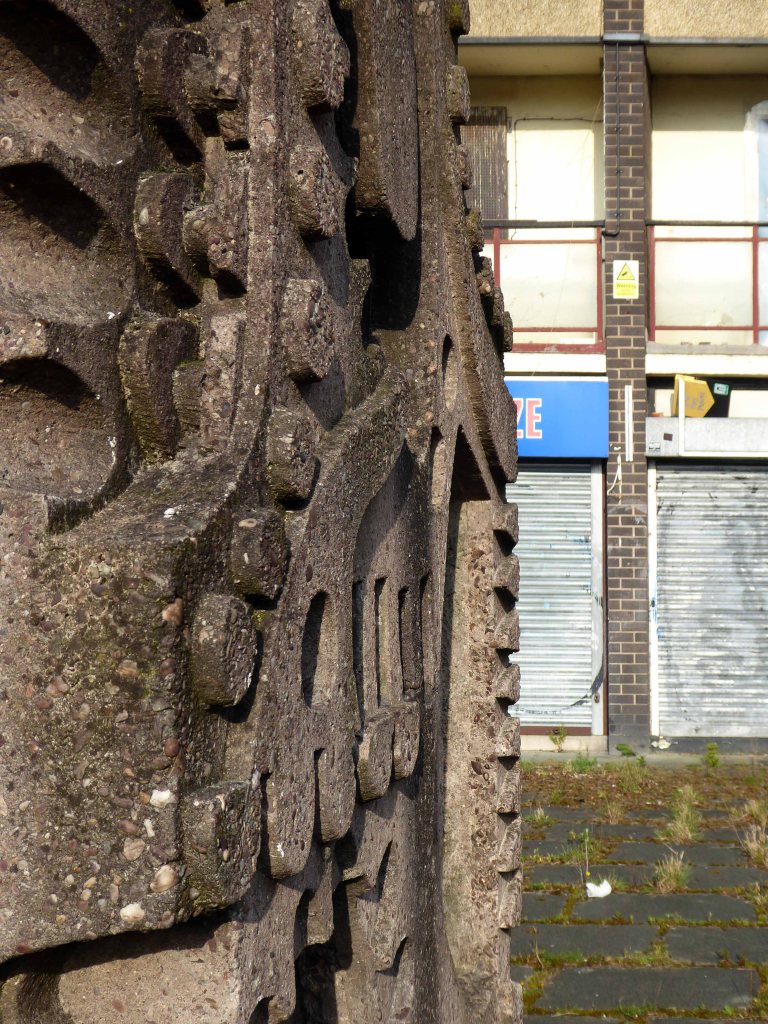
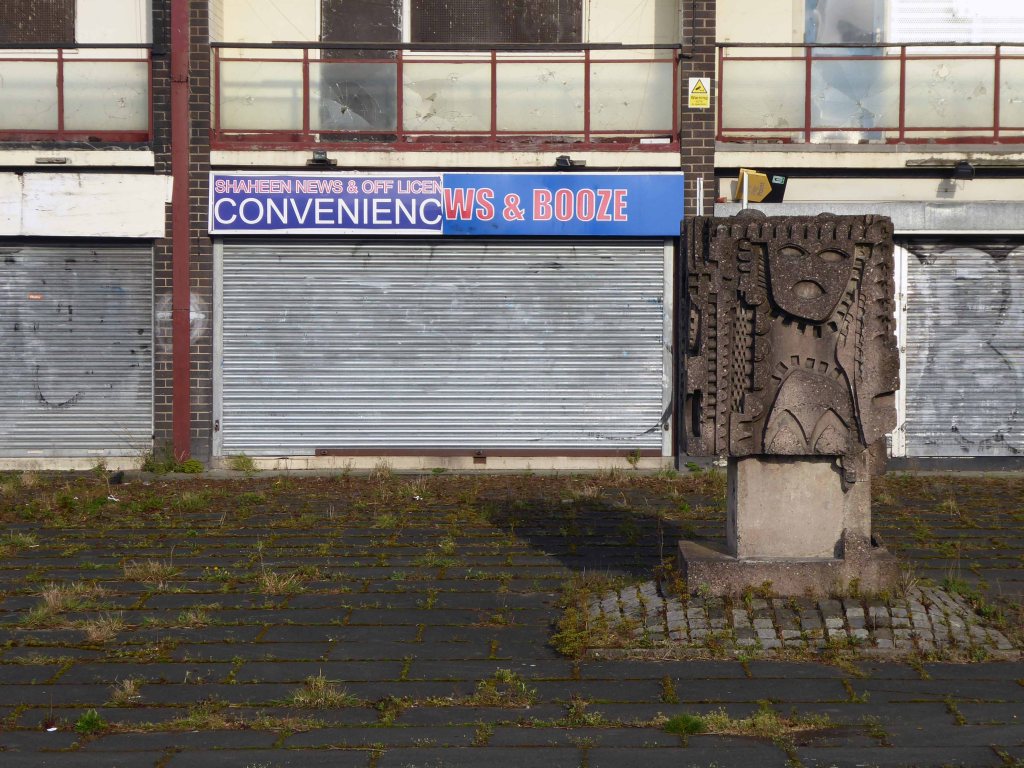
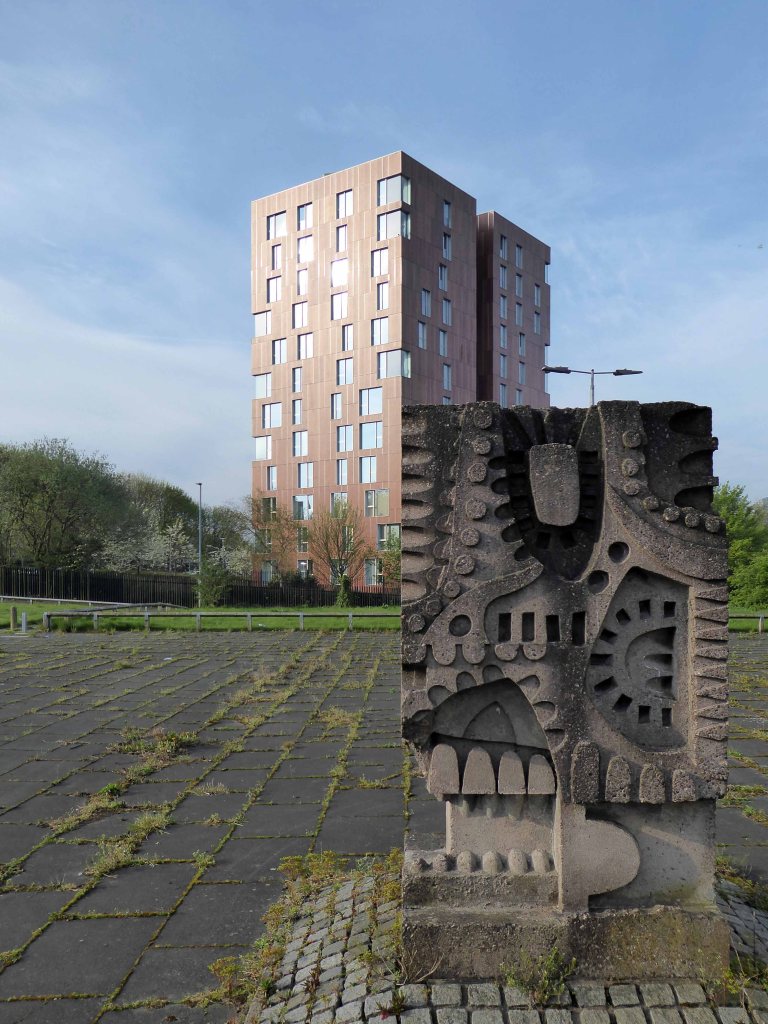
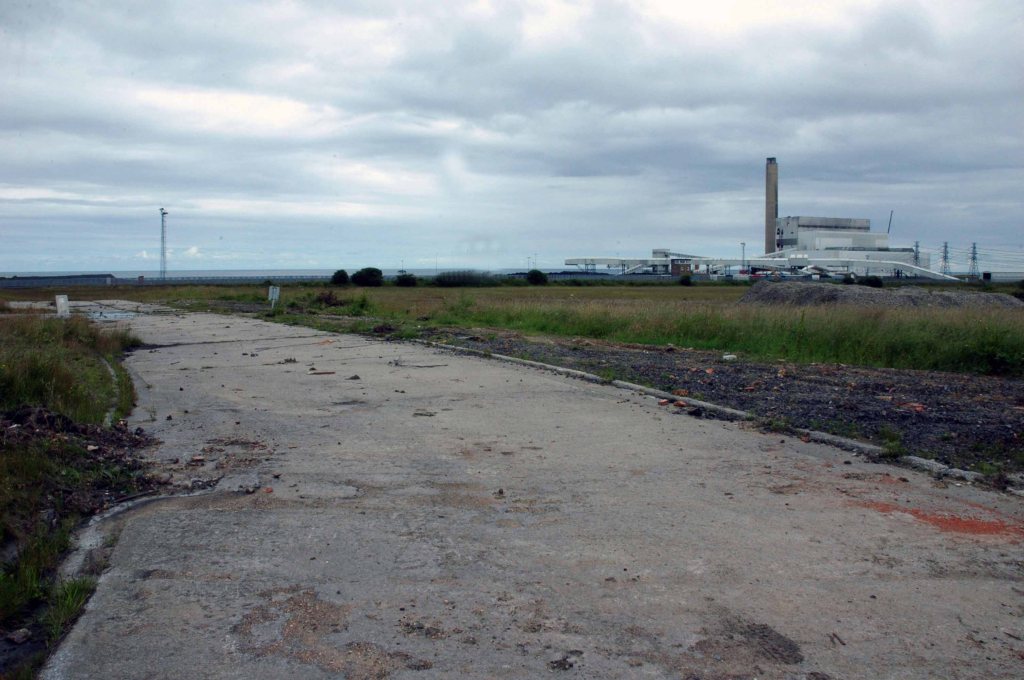
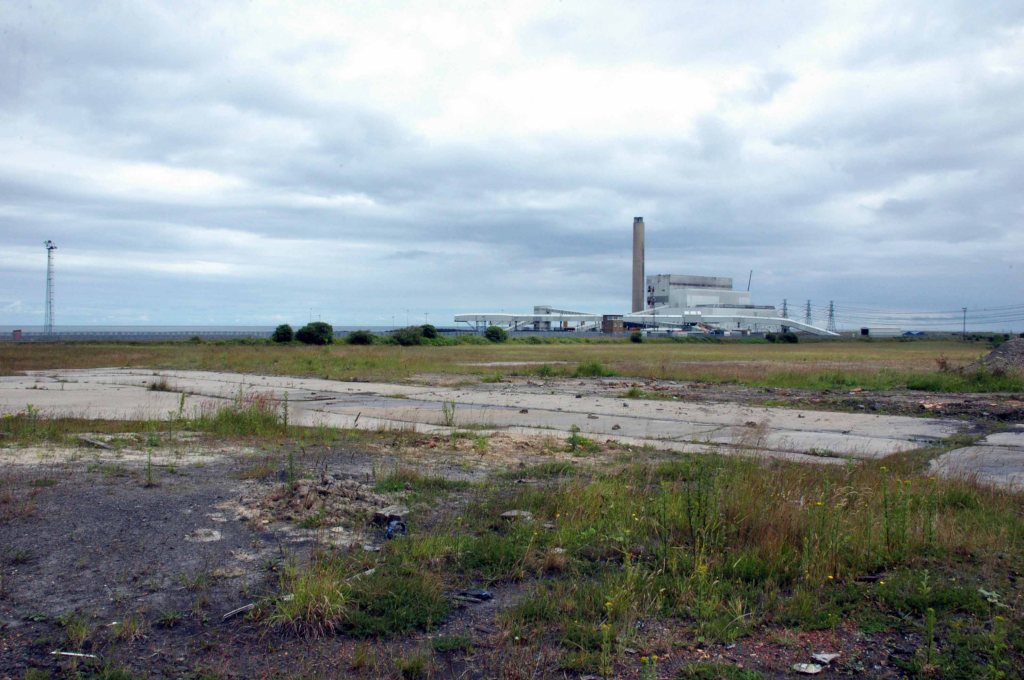
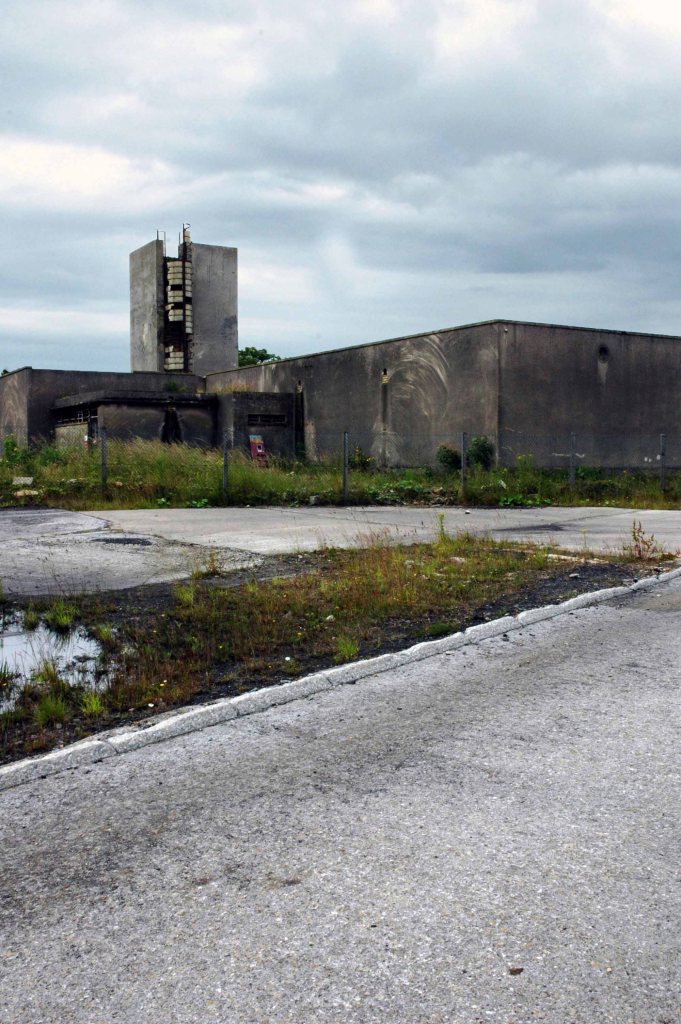
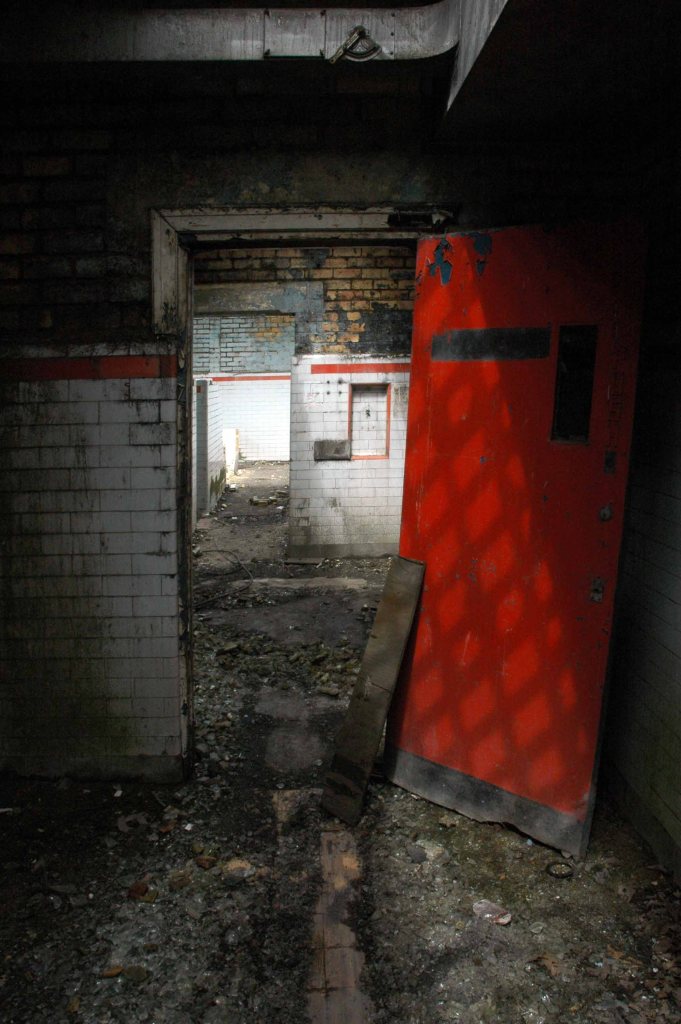
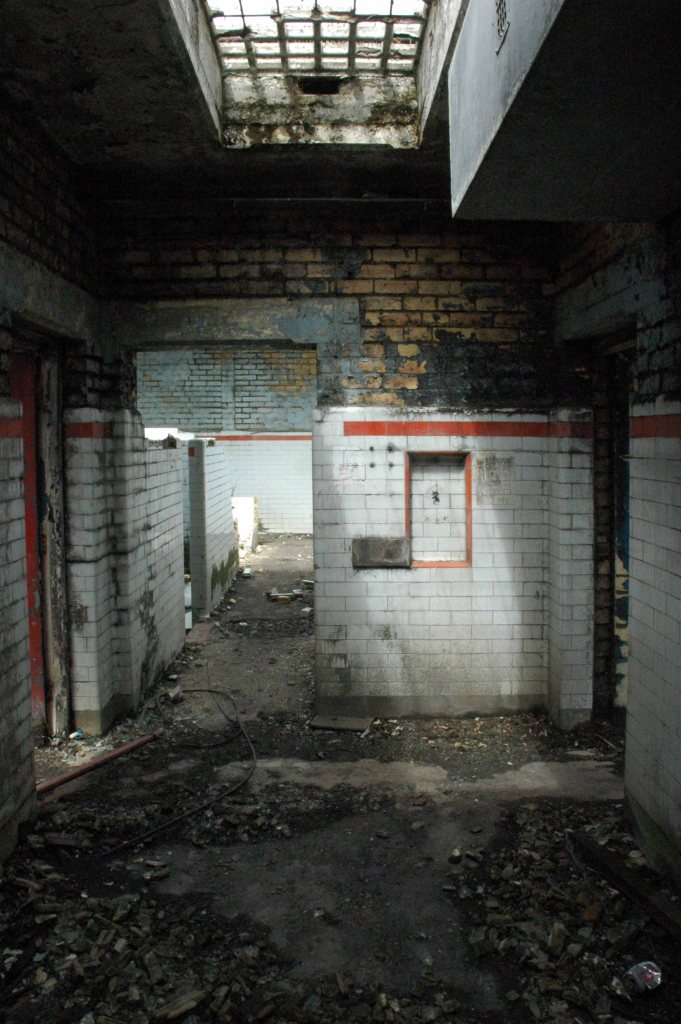
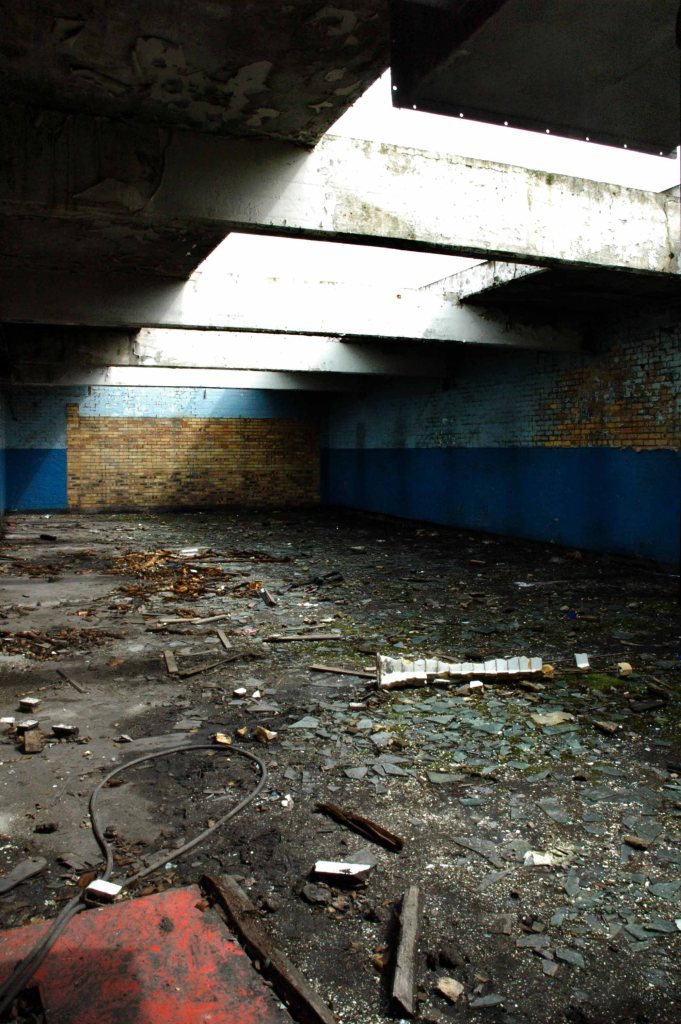
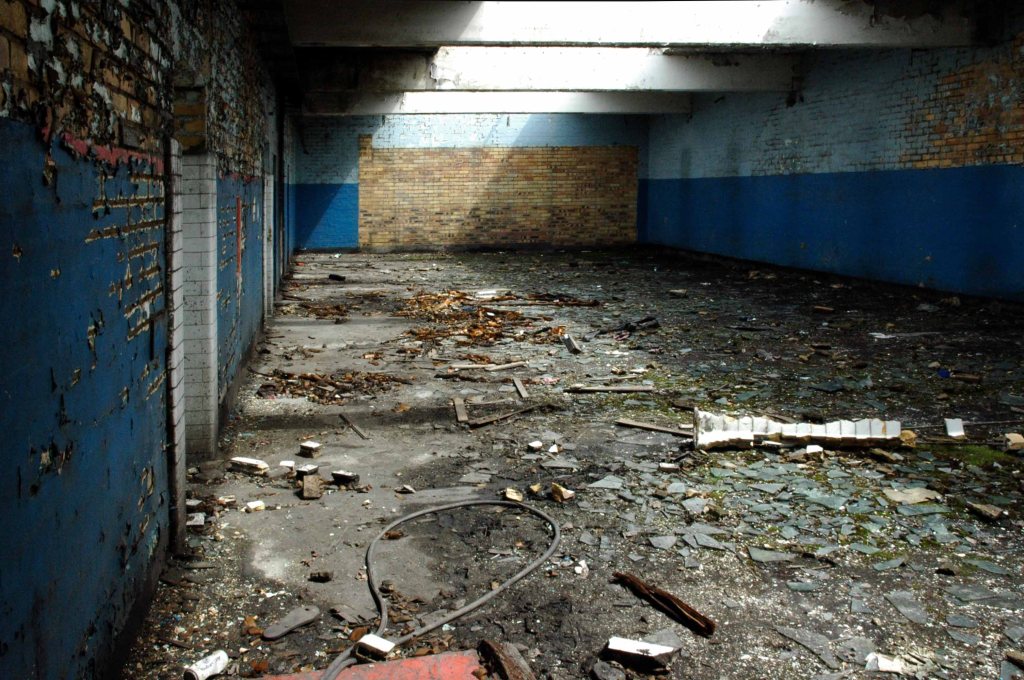
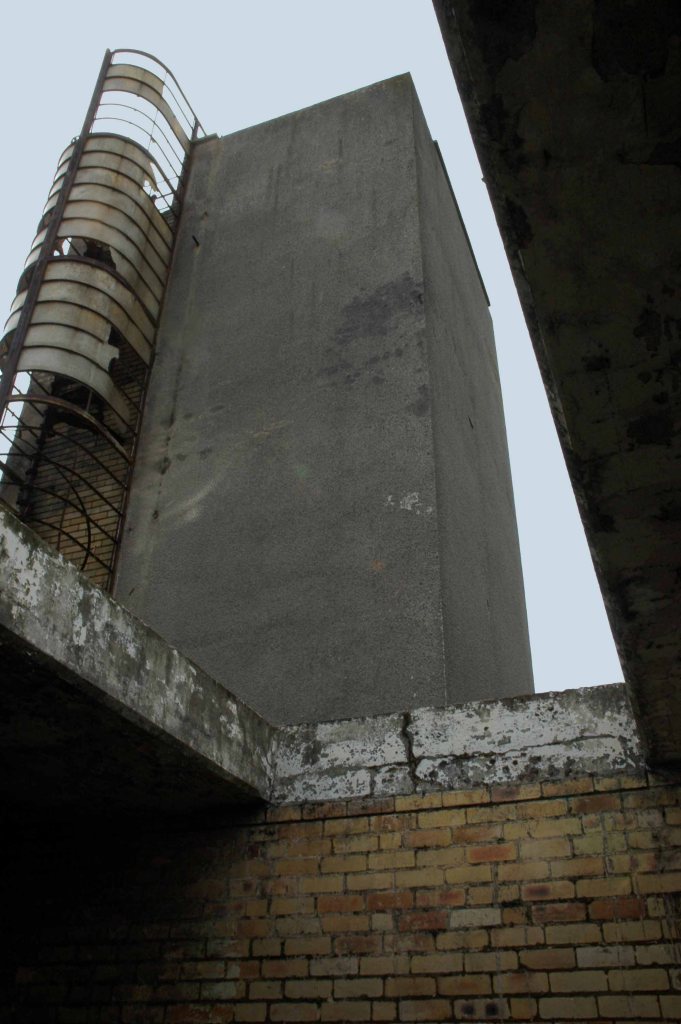
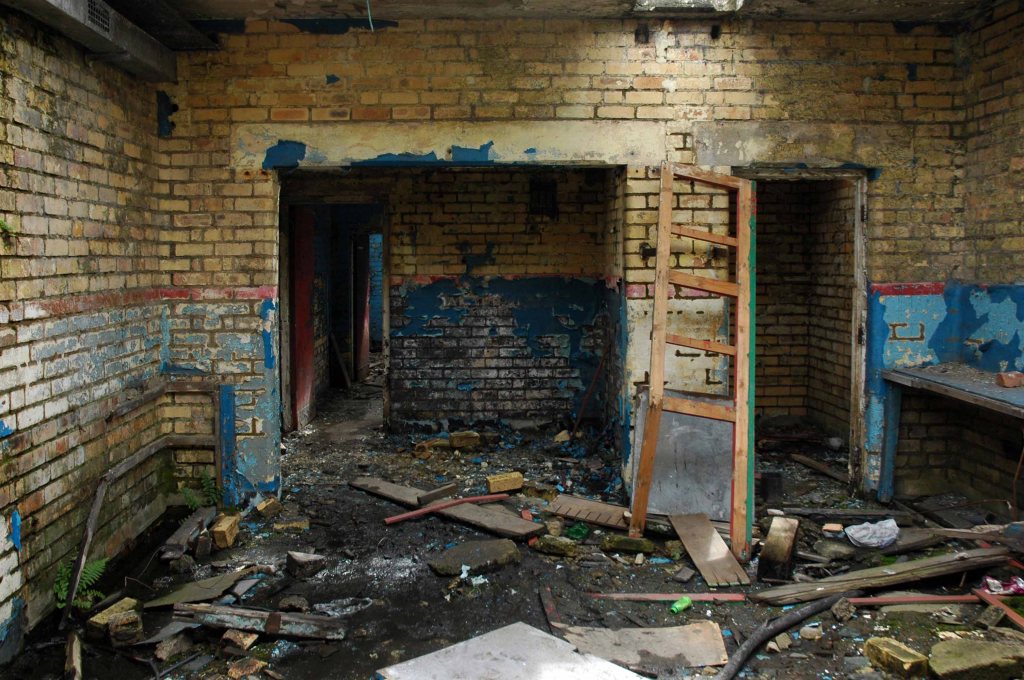
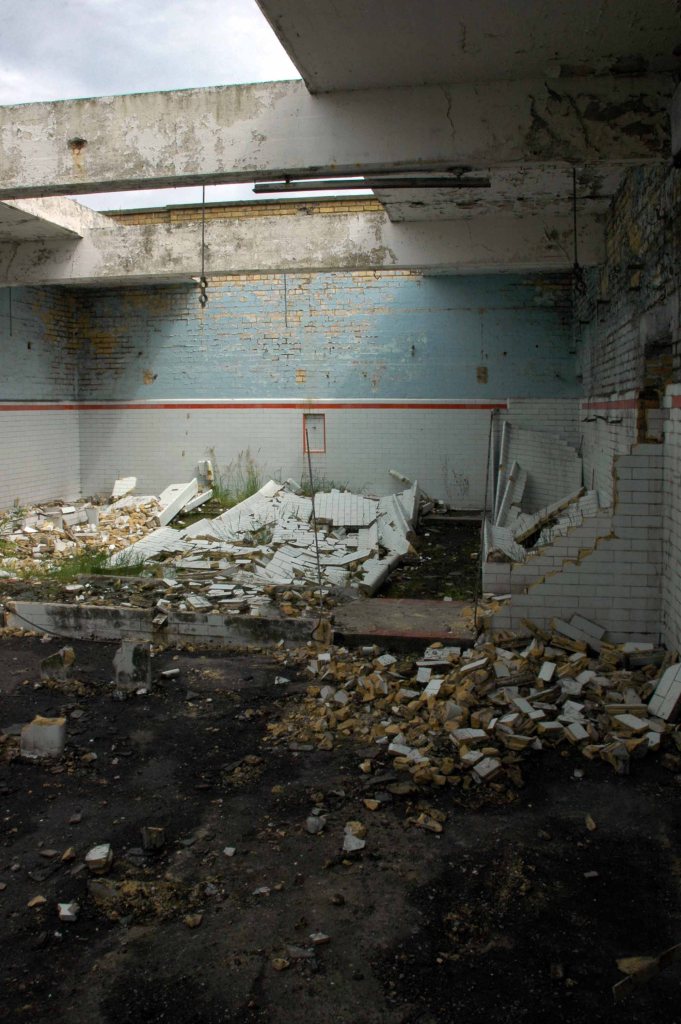
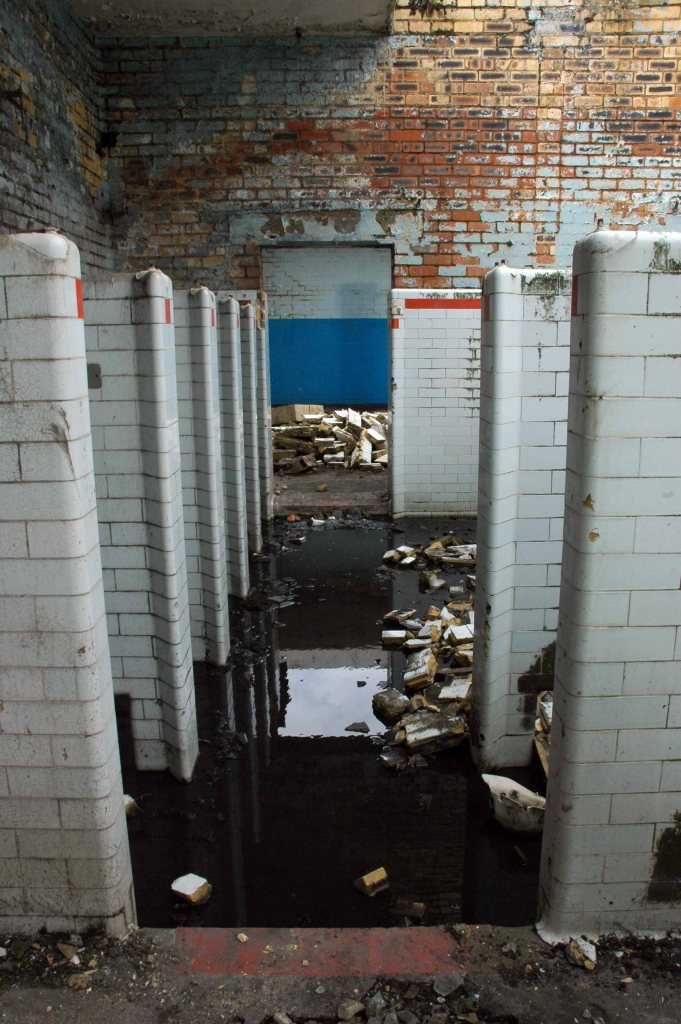
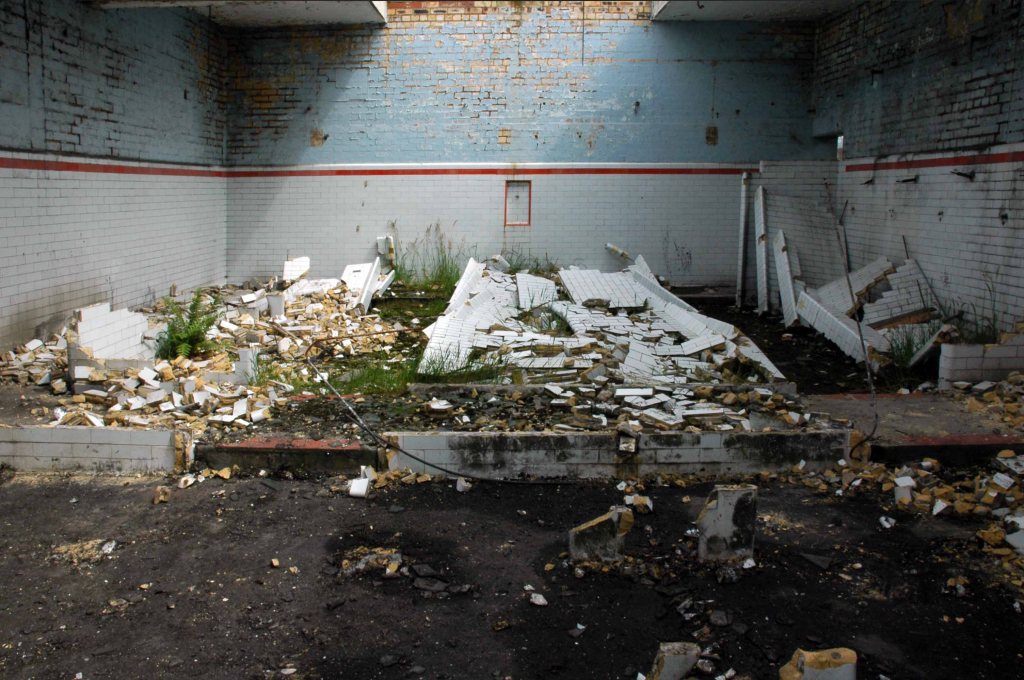
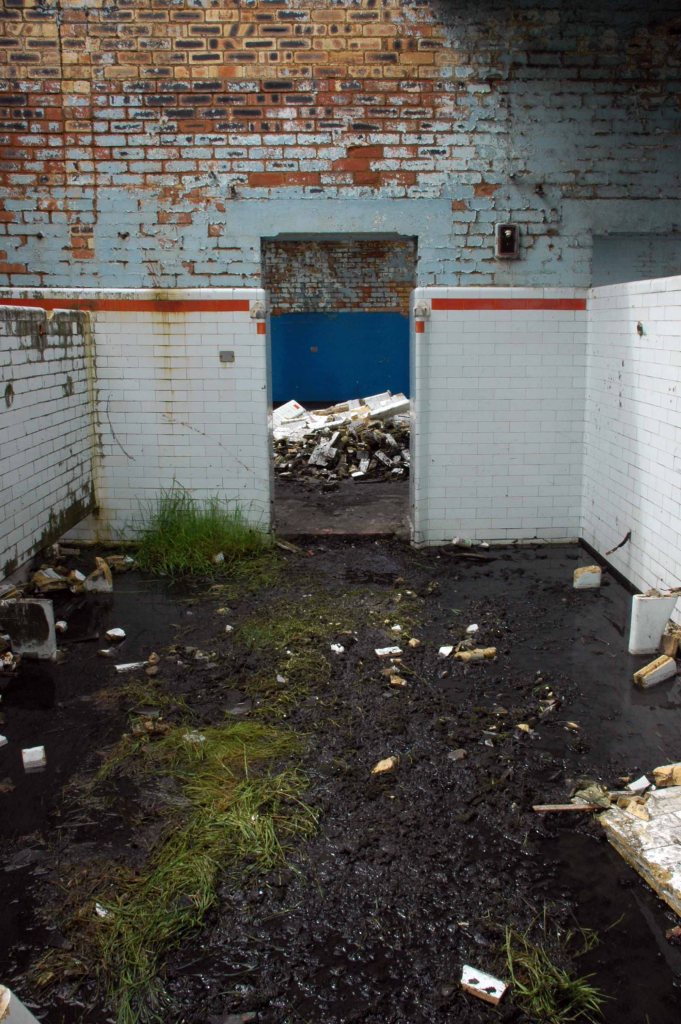
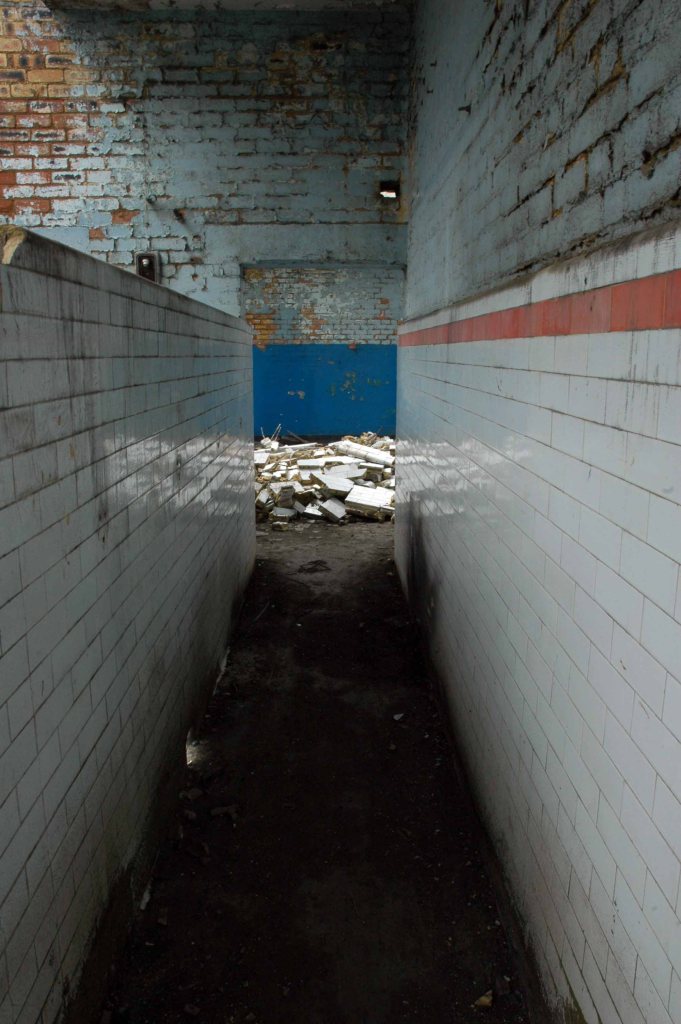
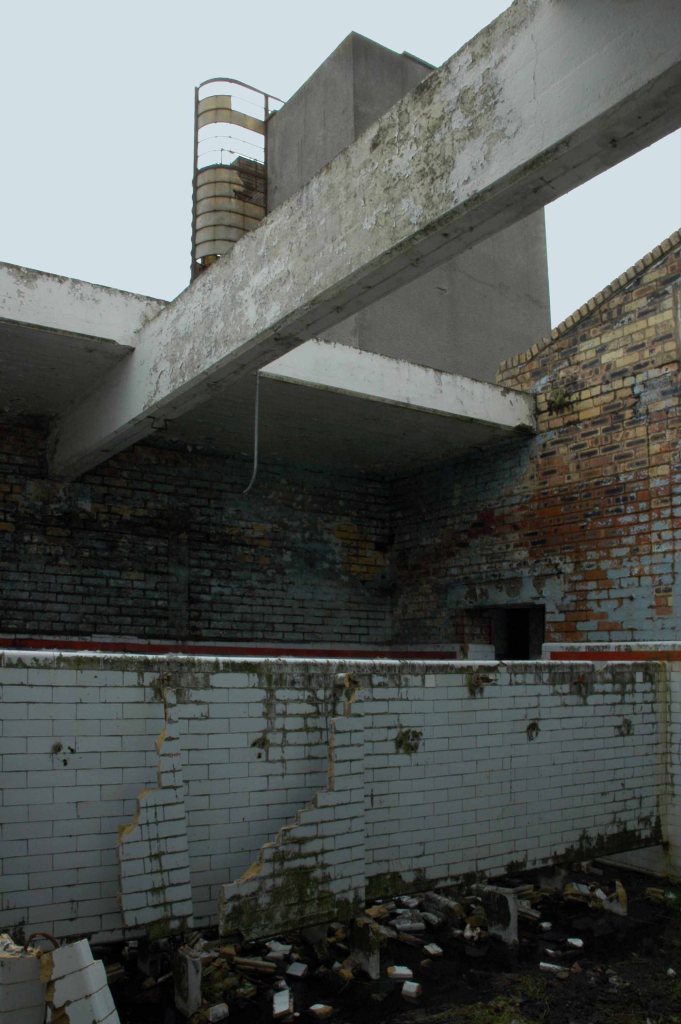
Little now remains of the Portwood Gas Works.

These are the rearranged remnants re-sited by Dunelm Mill – it’s curtains for our industrial heritage.

What’s left?

This is now the province of Securitas and Peel Holdings.

Your business is unique, so we don’t offer a one-size-fits-all.

Instead, we layer six Protective Services for your complete security. 

Unlock six Protective Services

One of the UK’s largest retail parks, Stockport Retail Park benefits from a strategic location on the M60 Manchester orbital motorway making it one of the city’s most accessible parks. The park forms a natural extension to the town centre, offering a wide range of uses from value convenience to fashion and home as well as a number of cafés and restaurants.

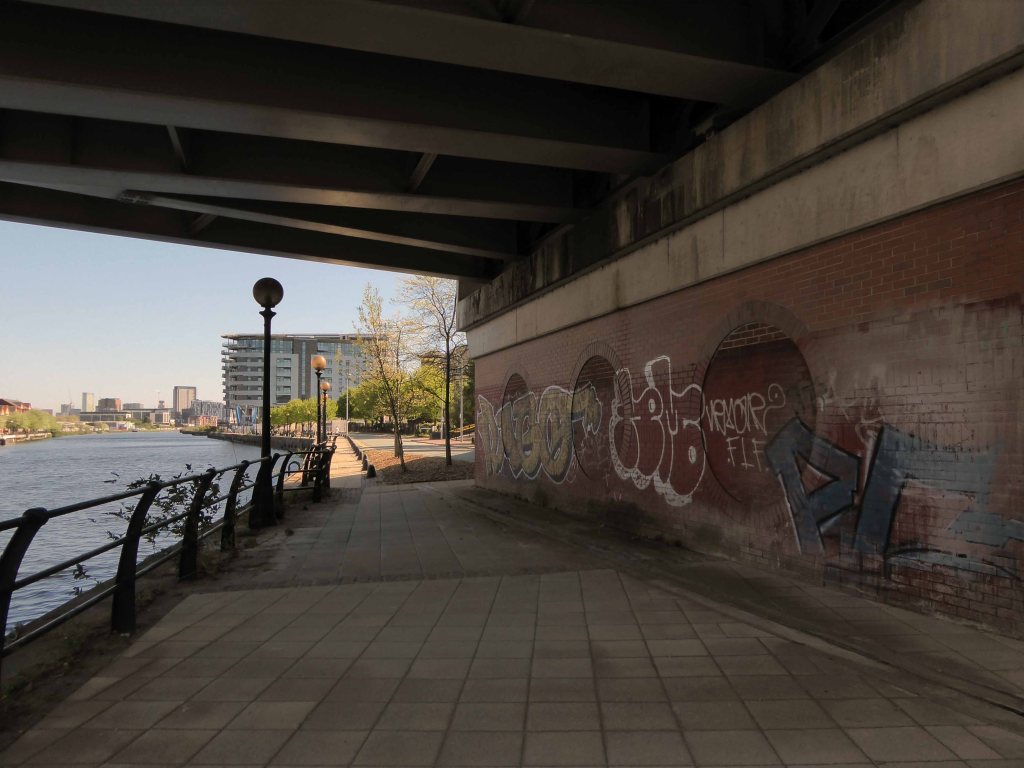
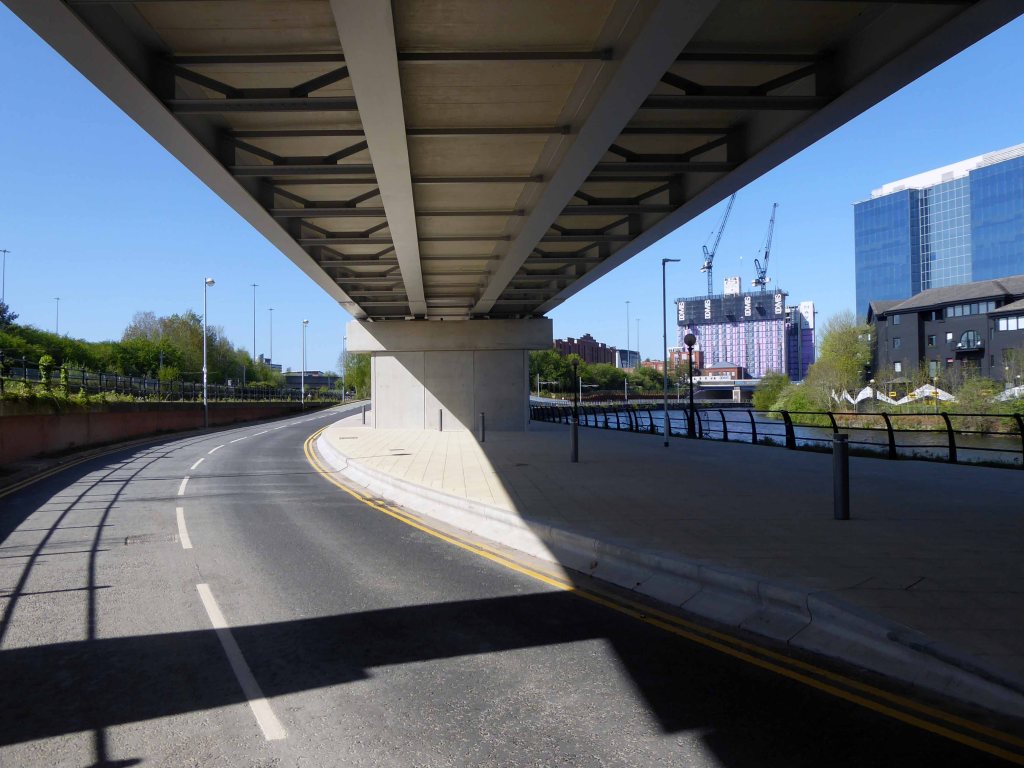
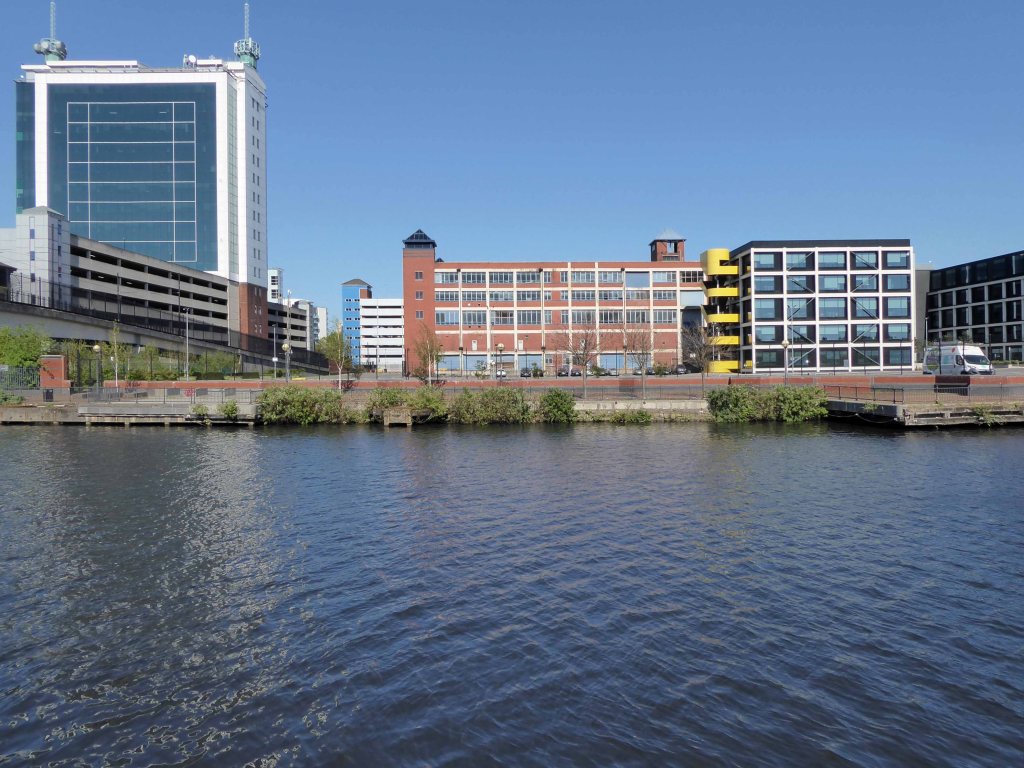
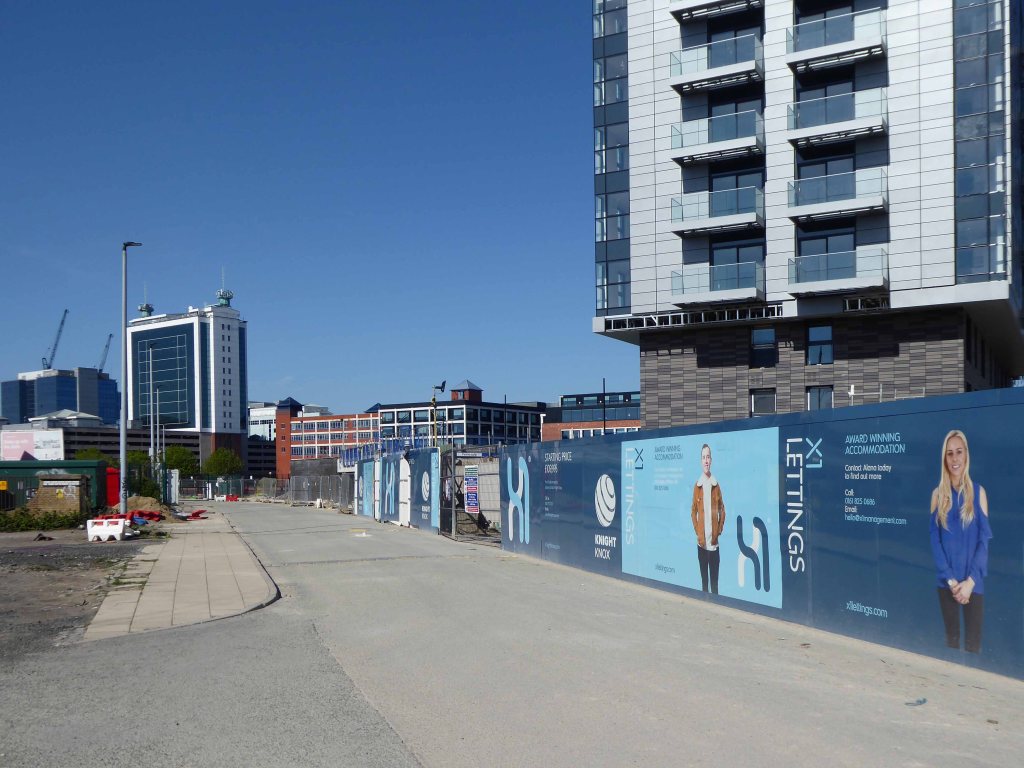
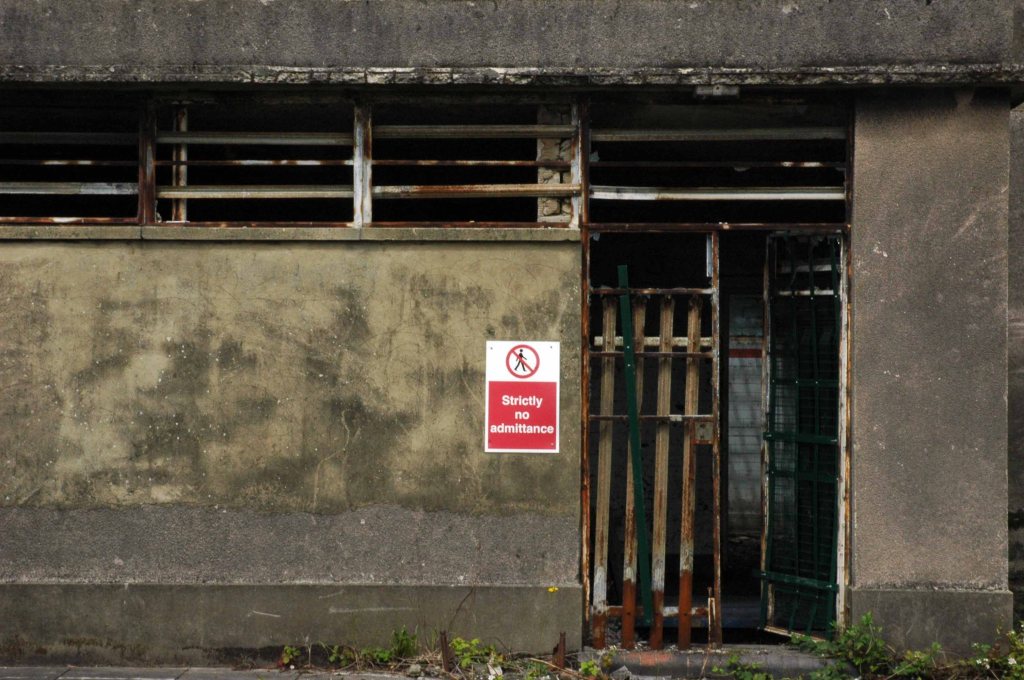
This is the post industrial landscape of consumption and its infrastructure that faces the defunct and mothballed site, whatever next?

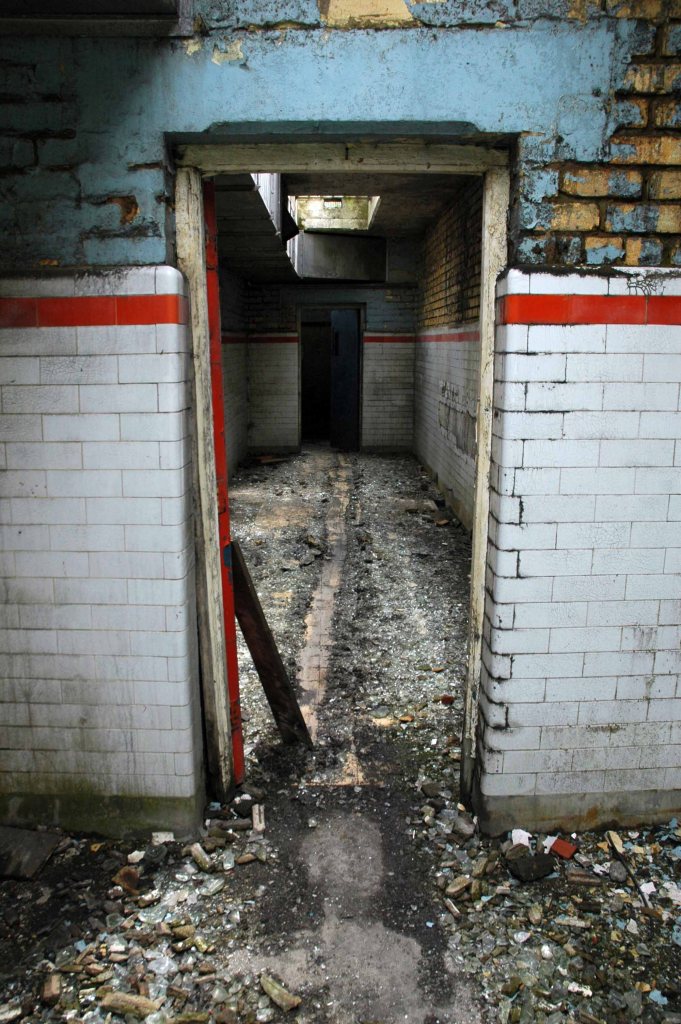
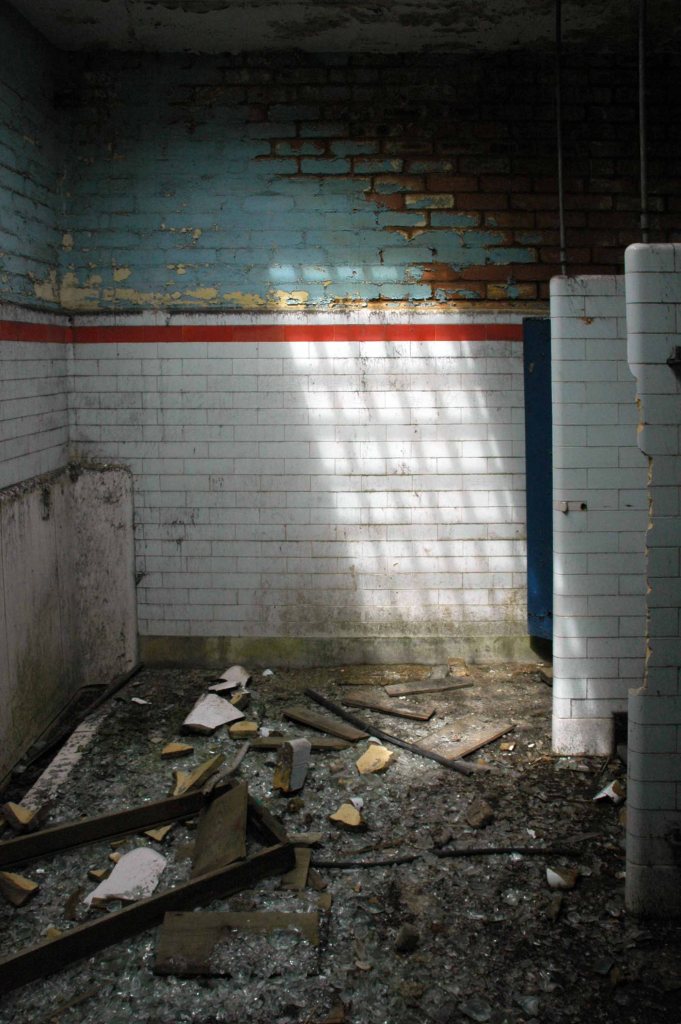
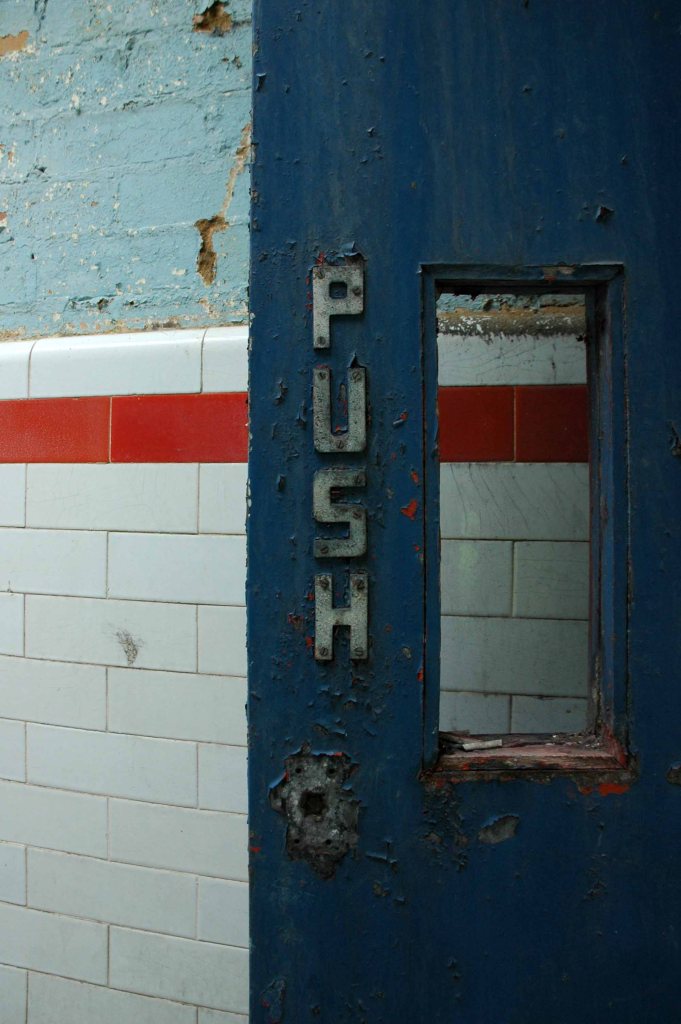
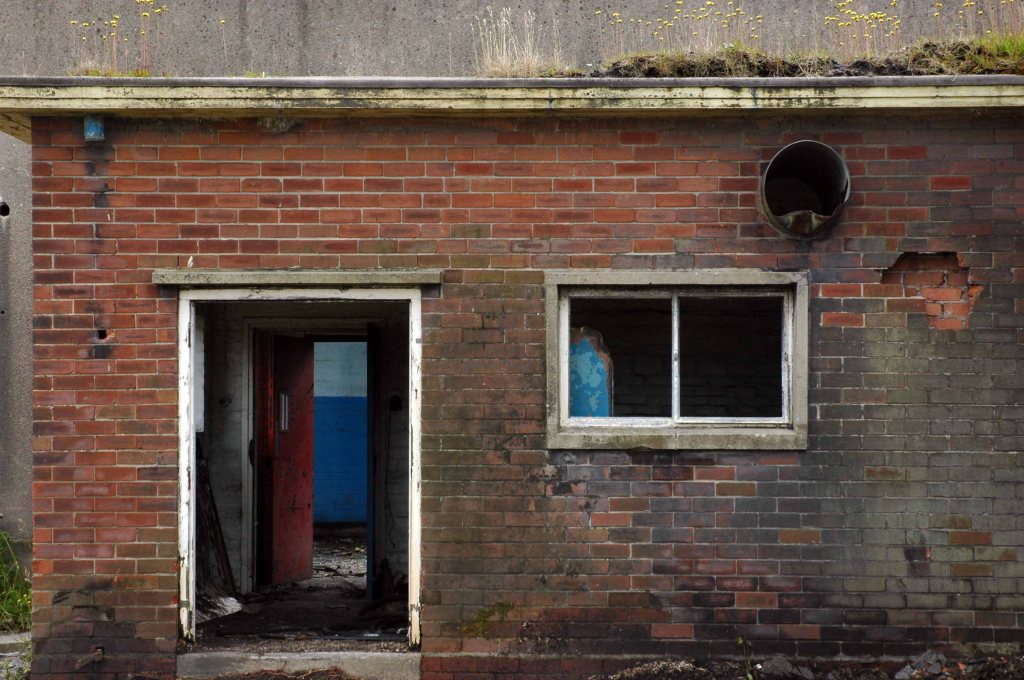
Hartshead Power Station – Offices

We have of course been here before, to see a concrete bus shelter and a derelict control room.

All that is solid melts into air as Marx and Marshall Berman told us.

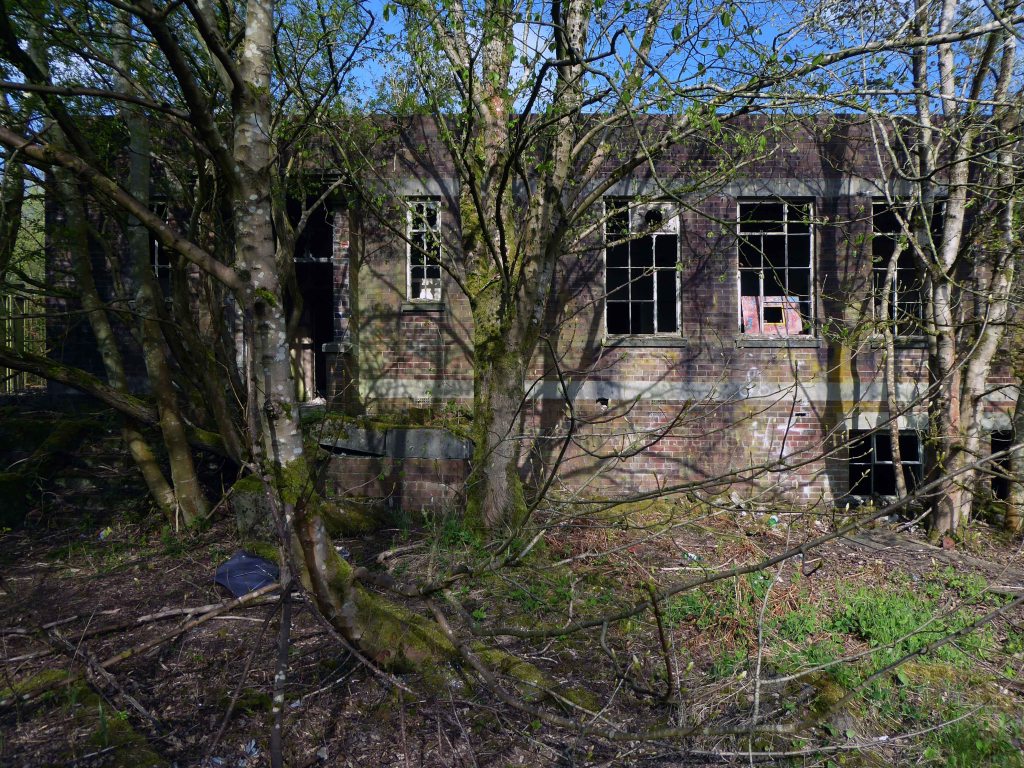
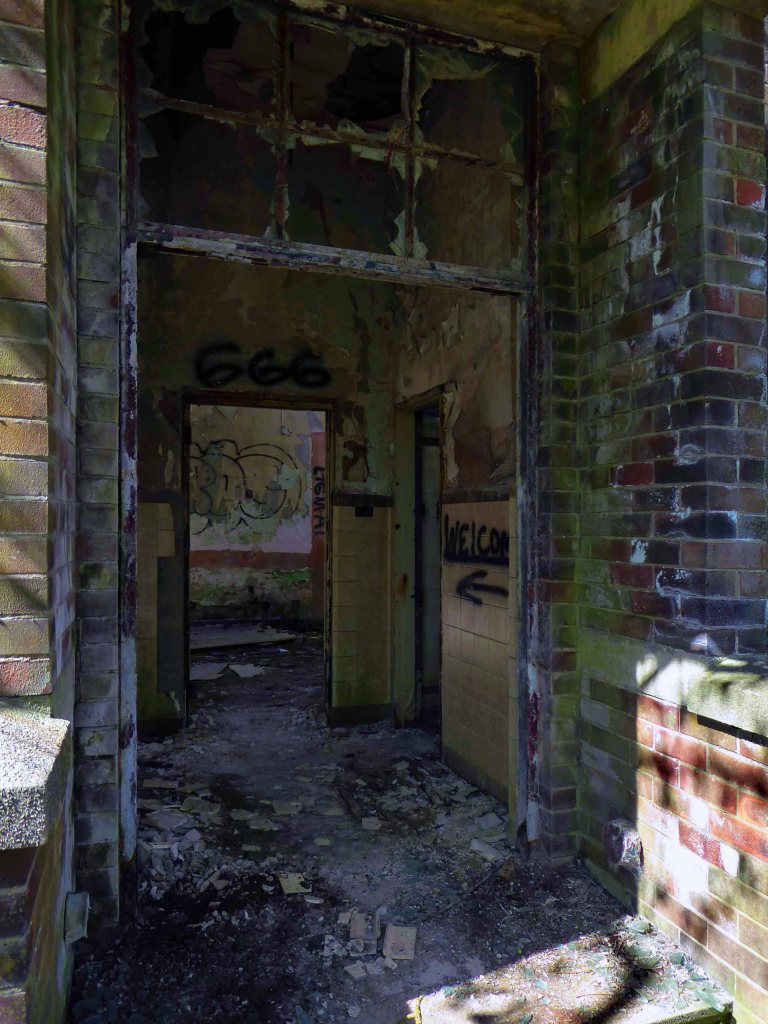
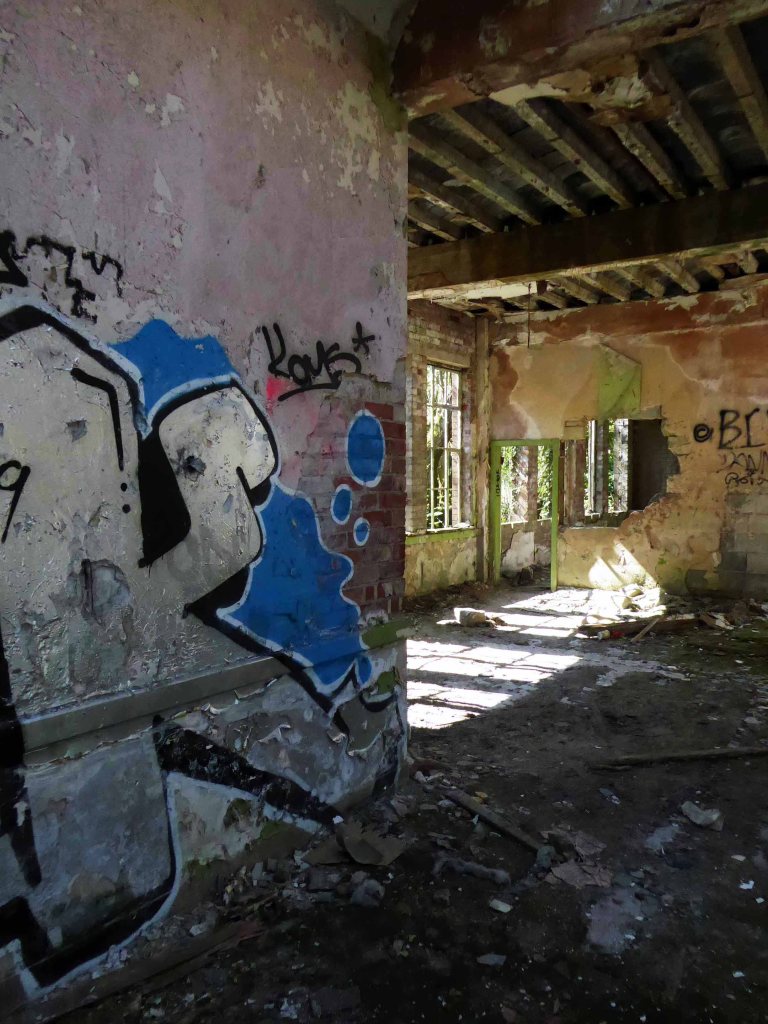
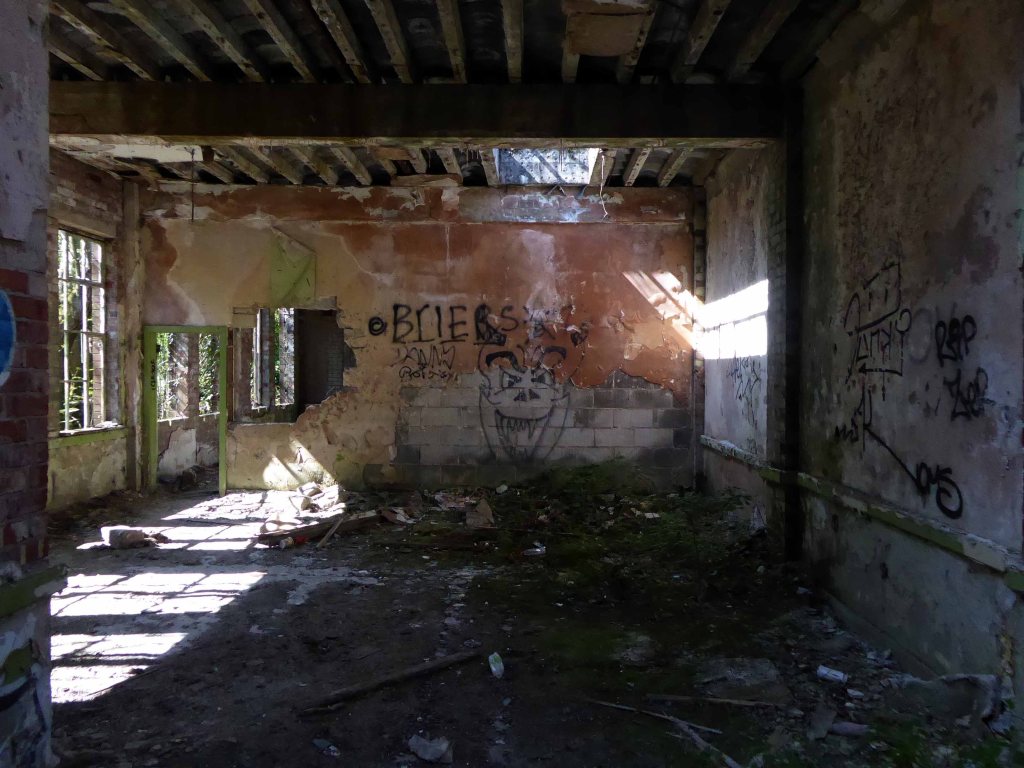
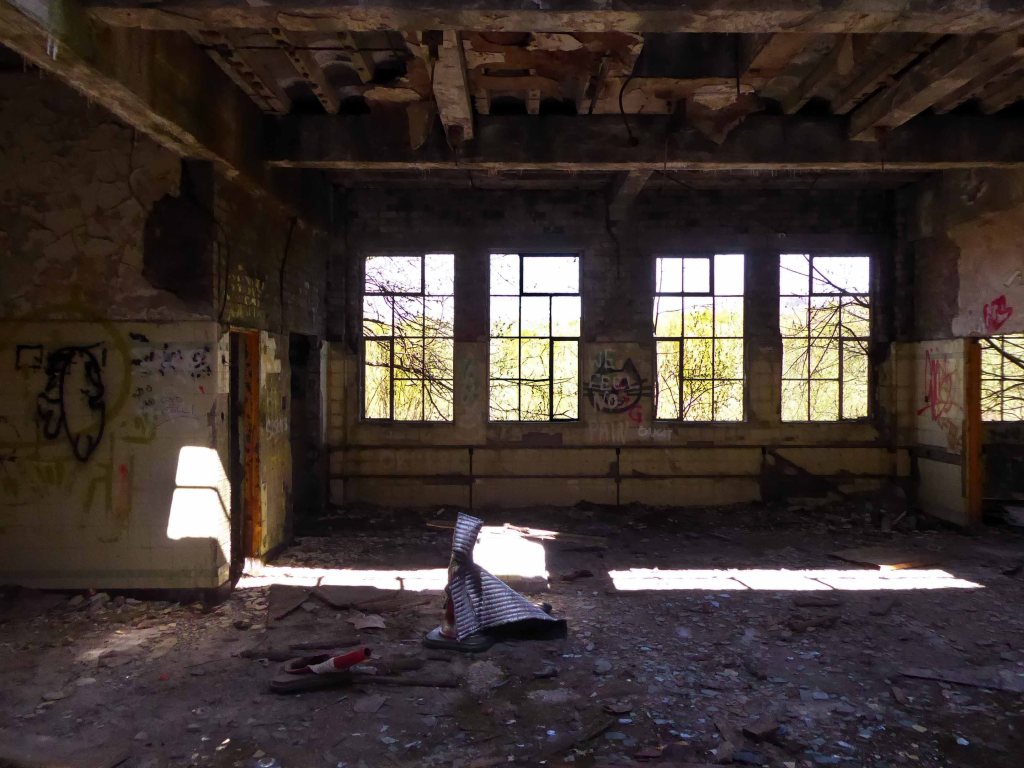
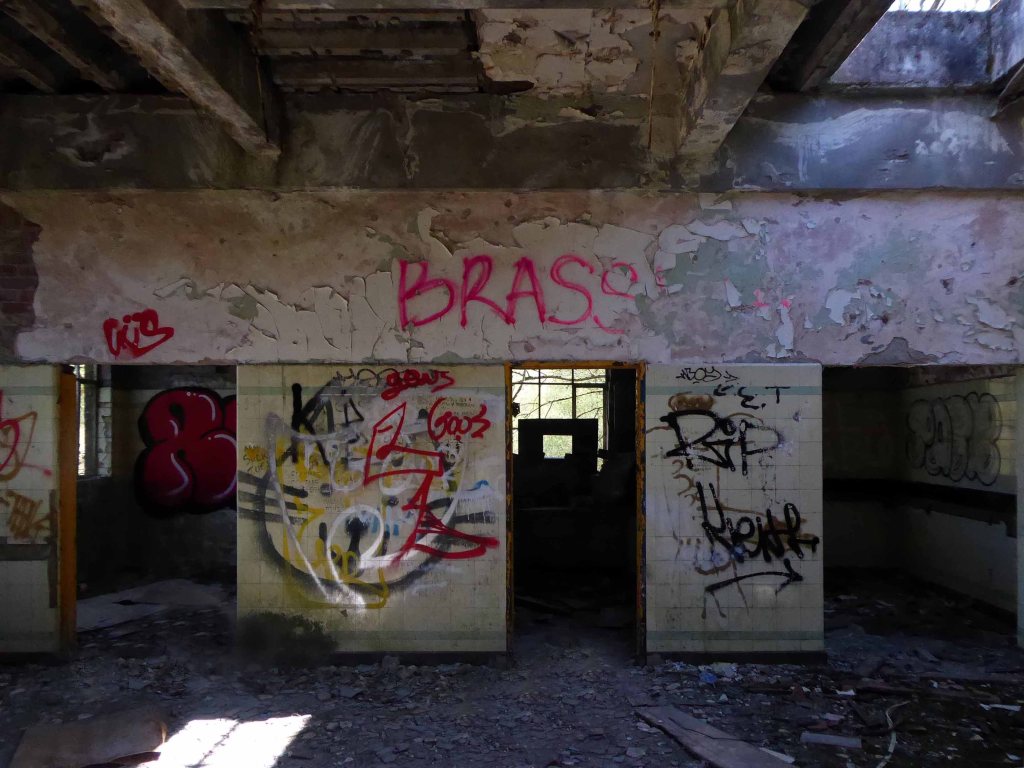
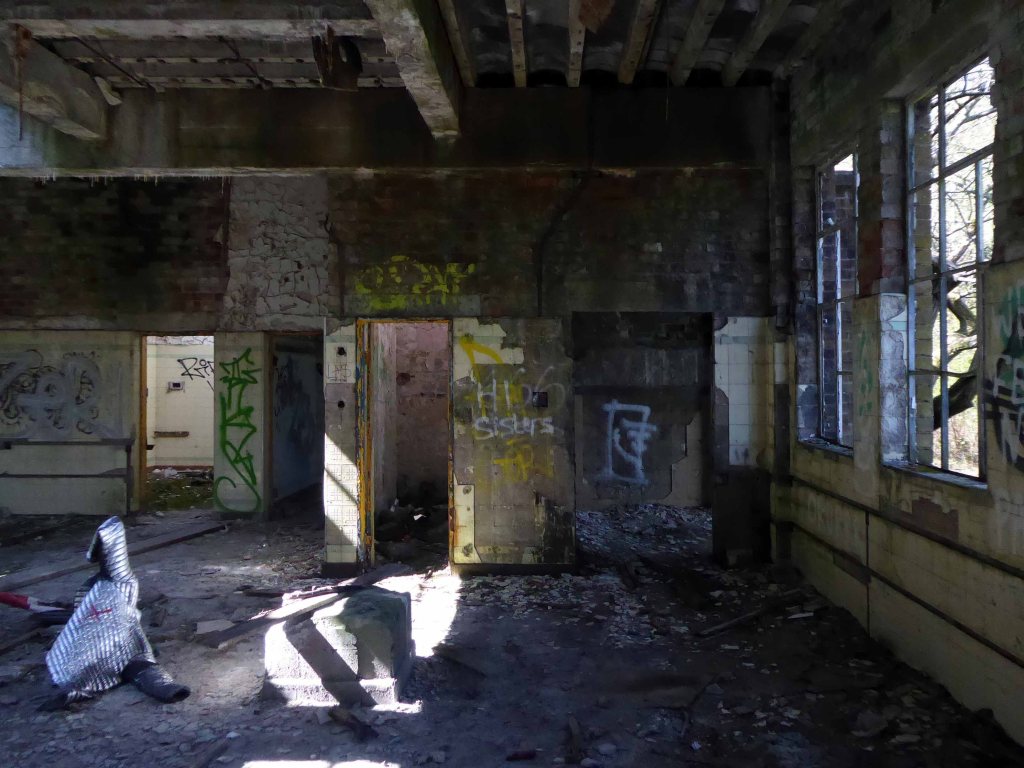
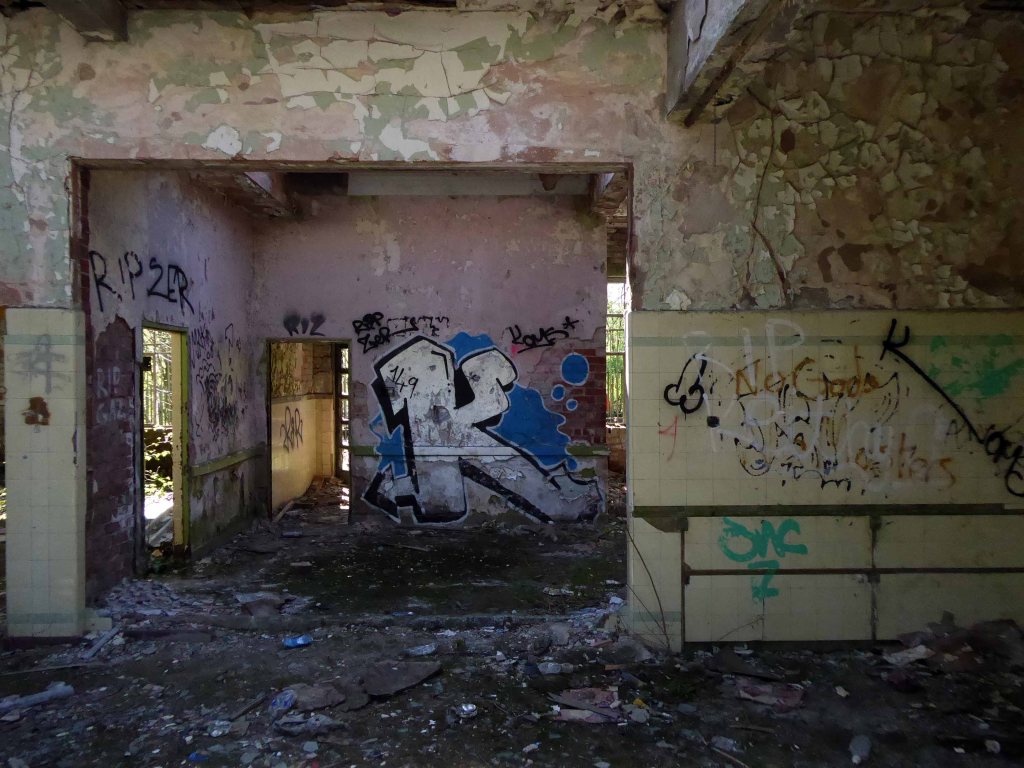
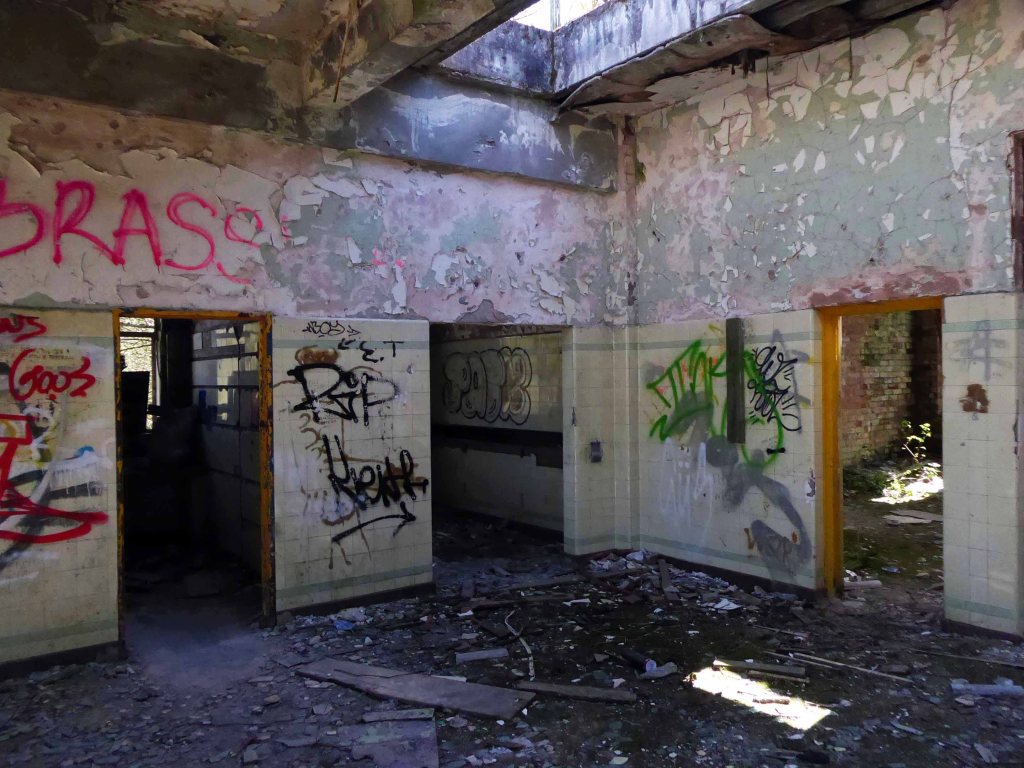
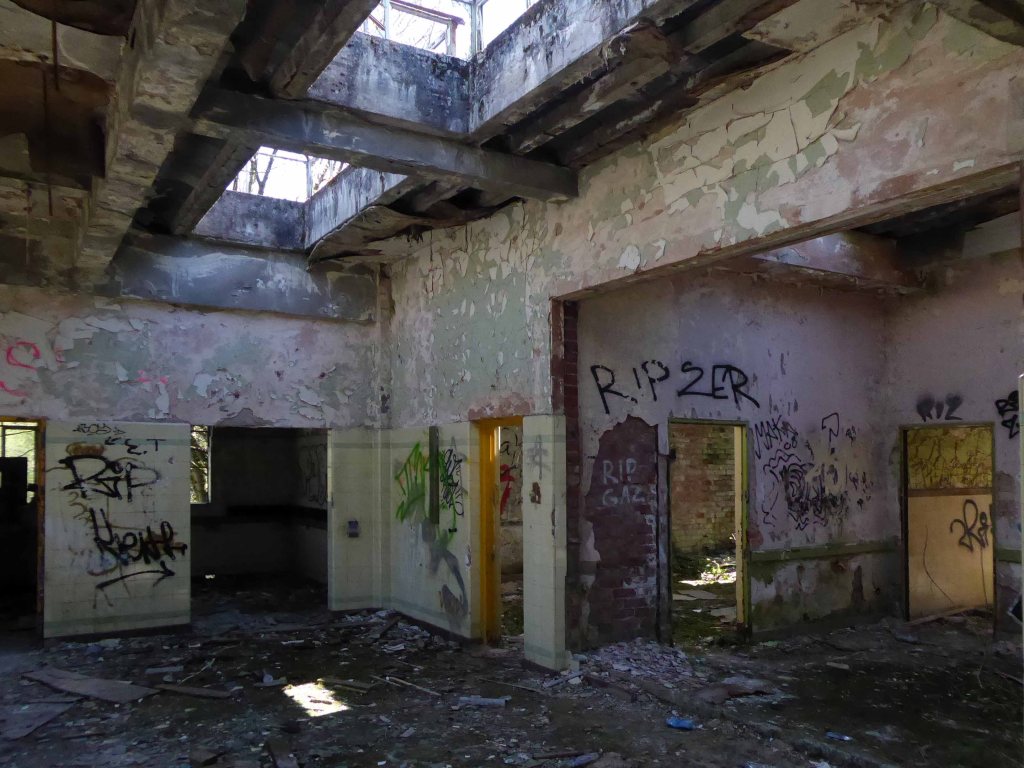
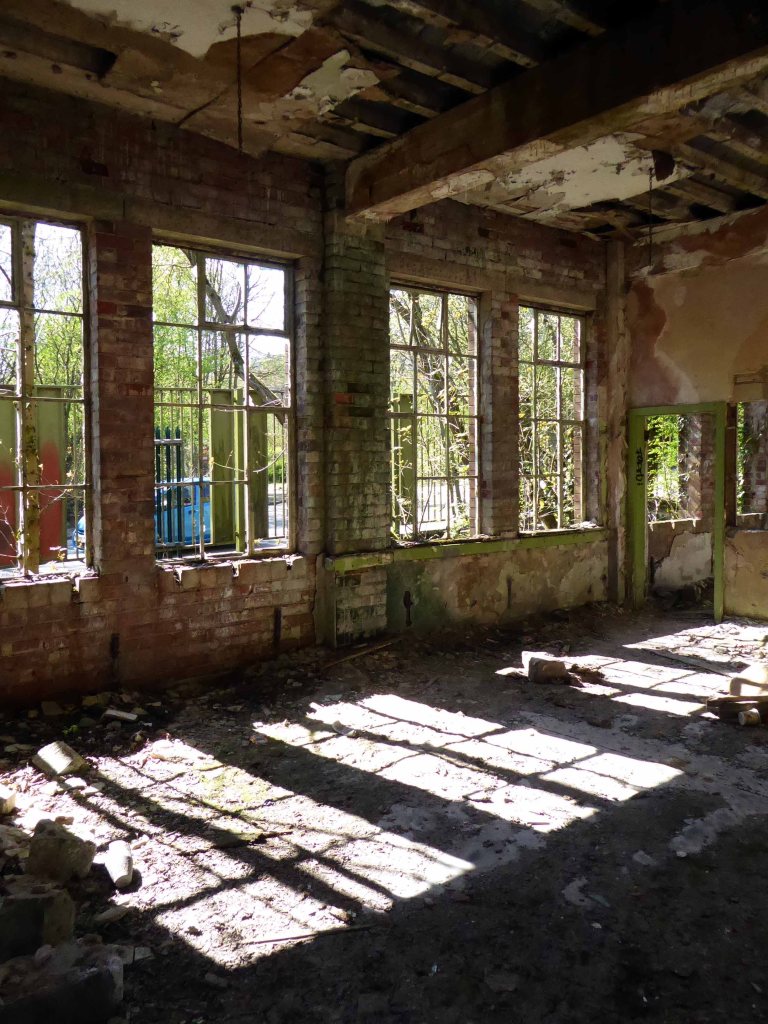
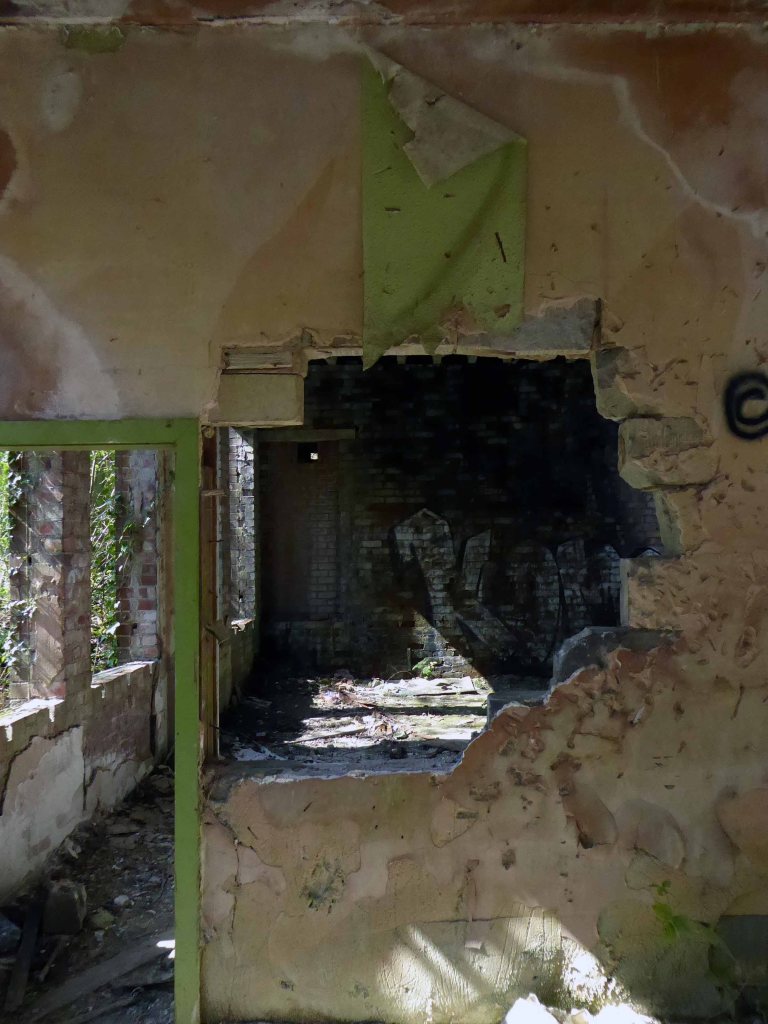
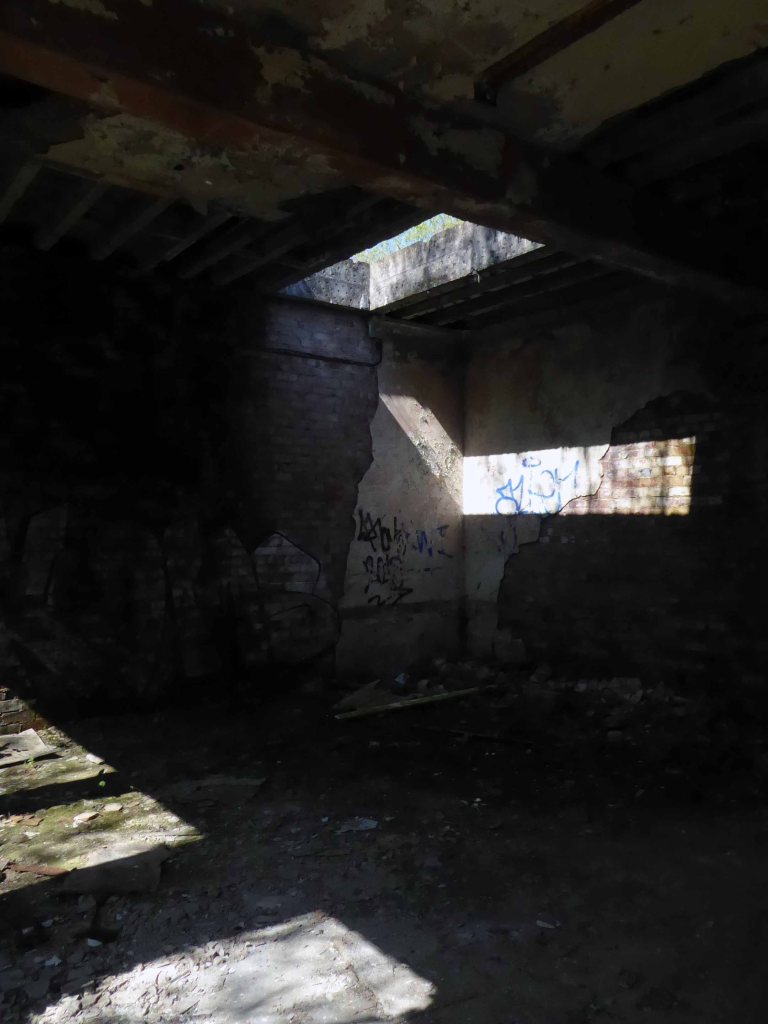
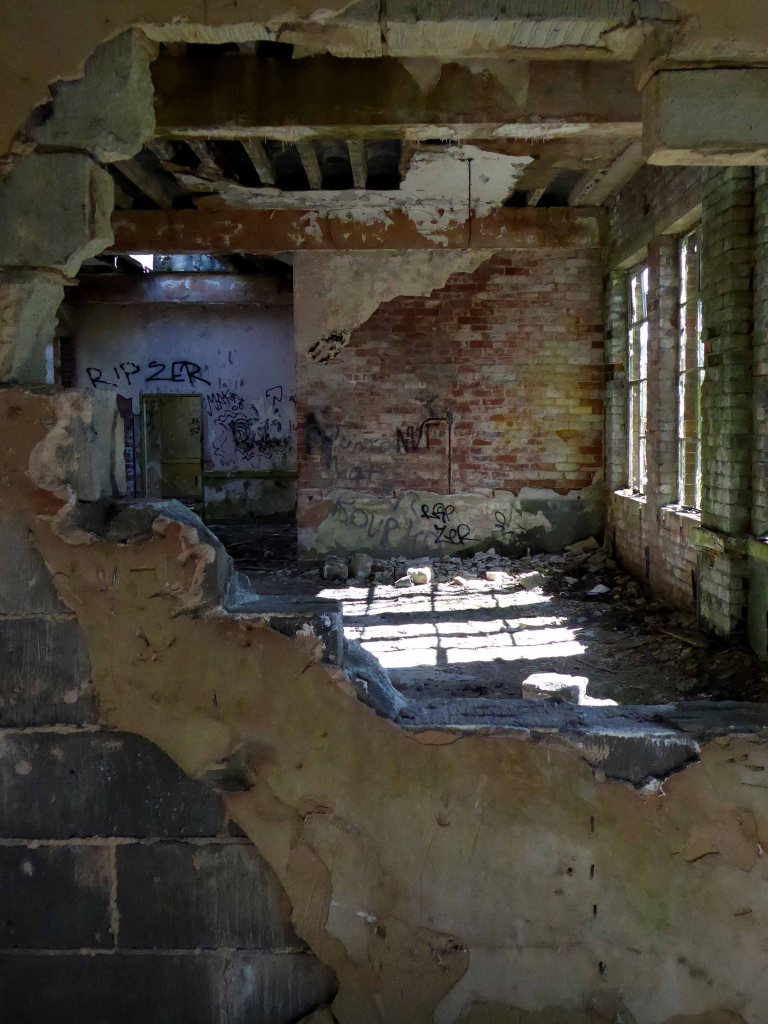
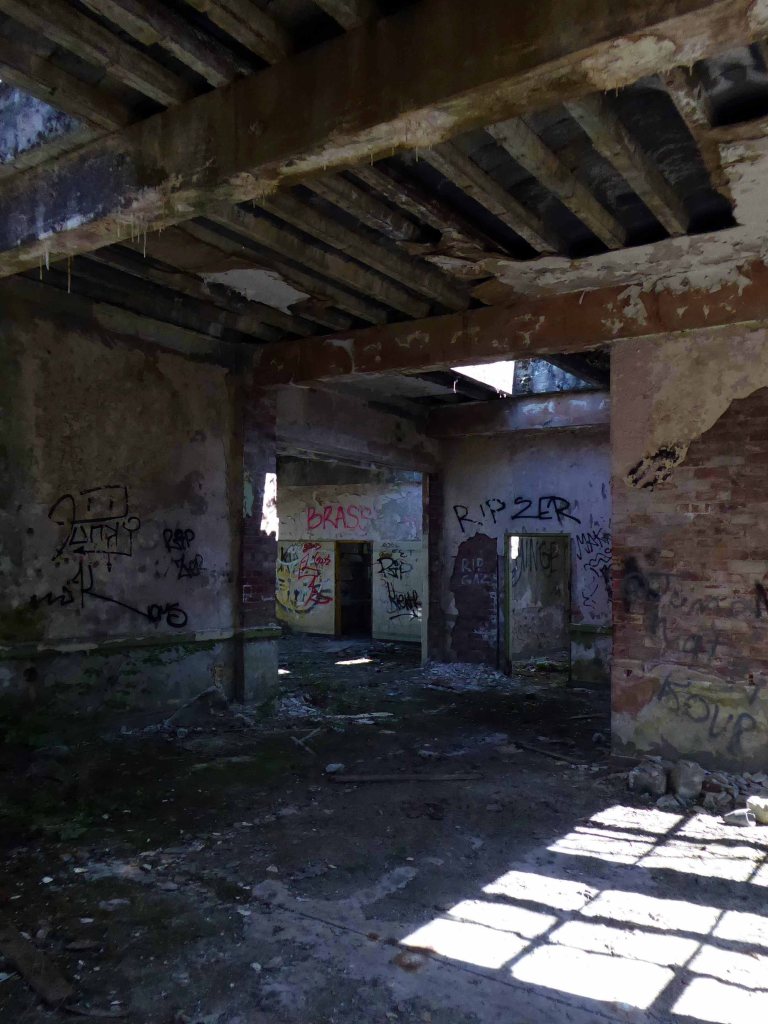
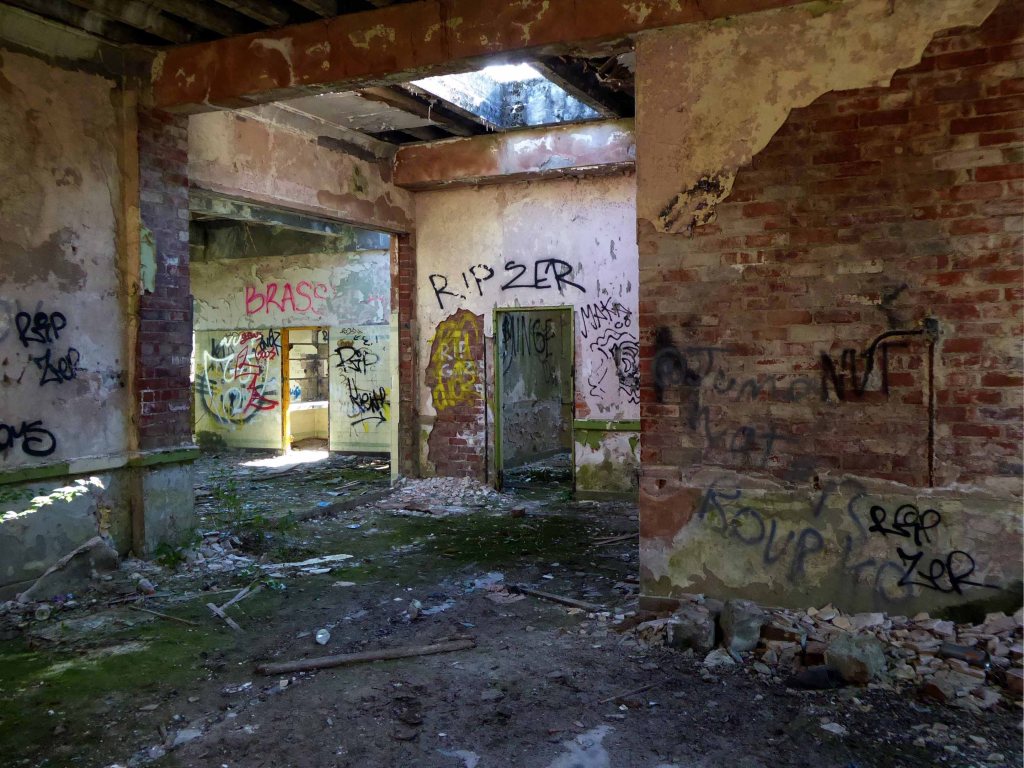
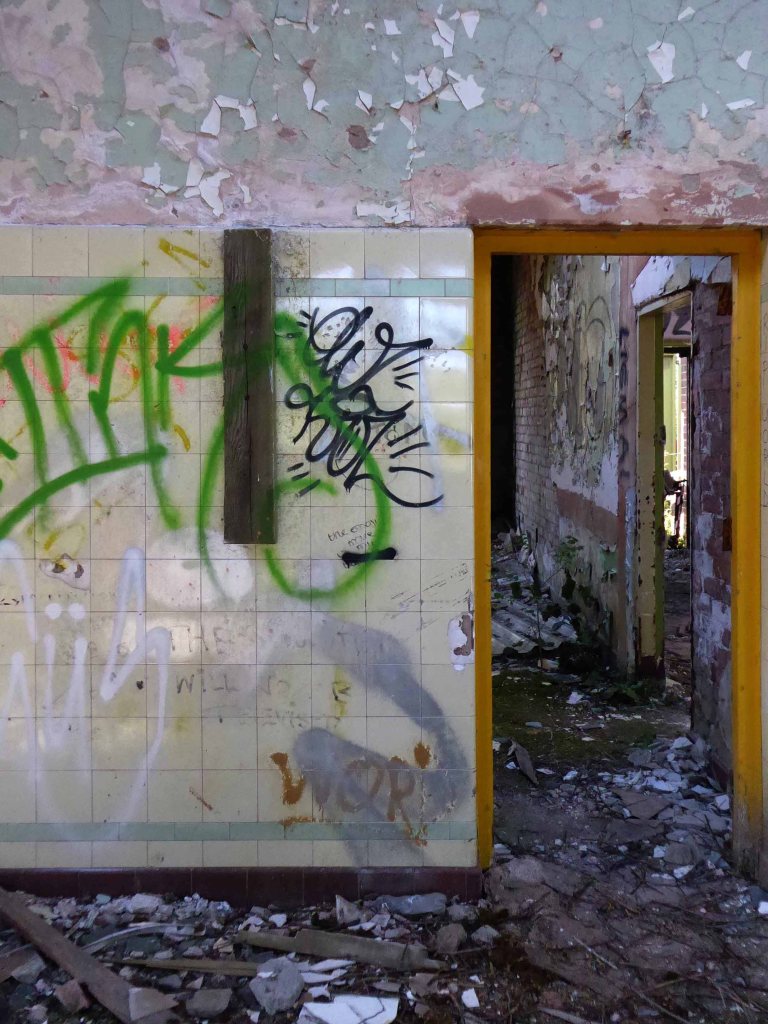
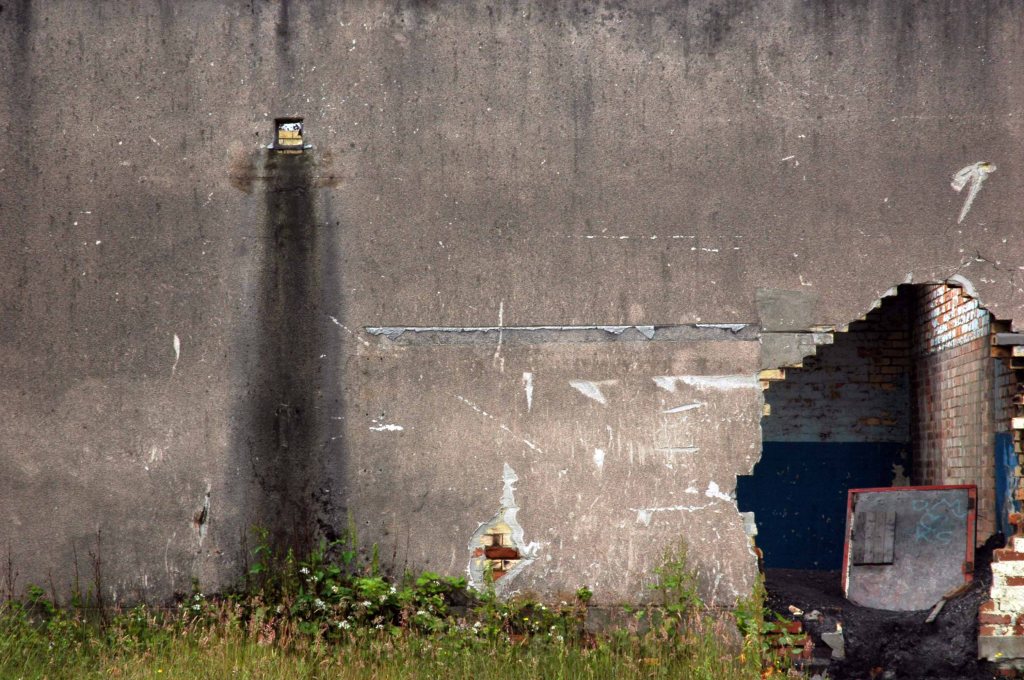
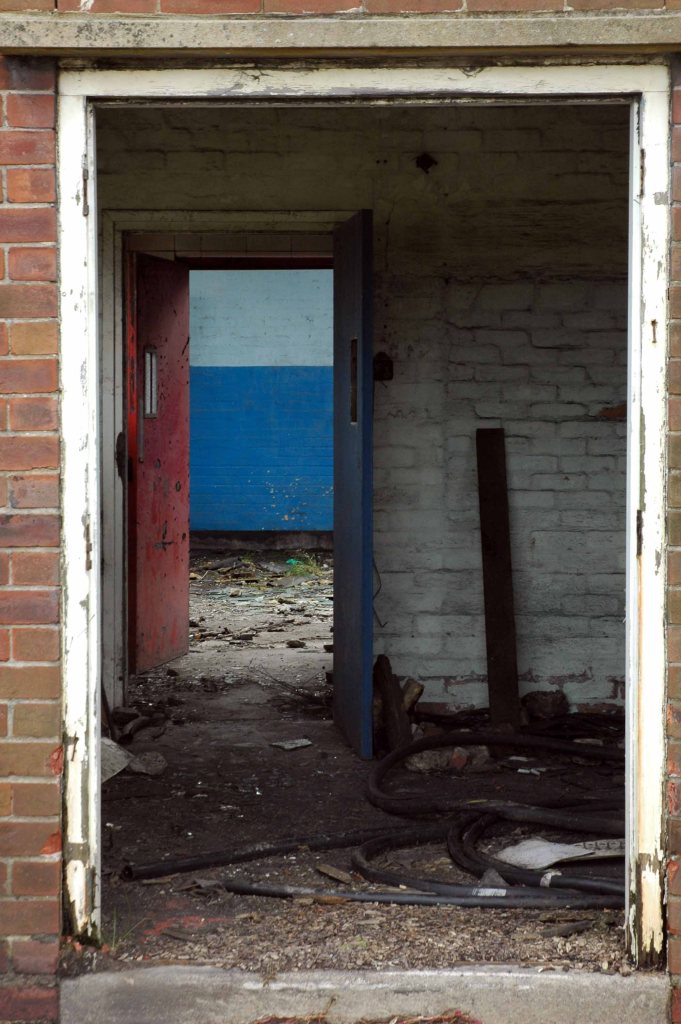
Though remnants remain – this is a short journey through a hole in fence, down into the warren of power station offices past.

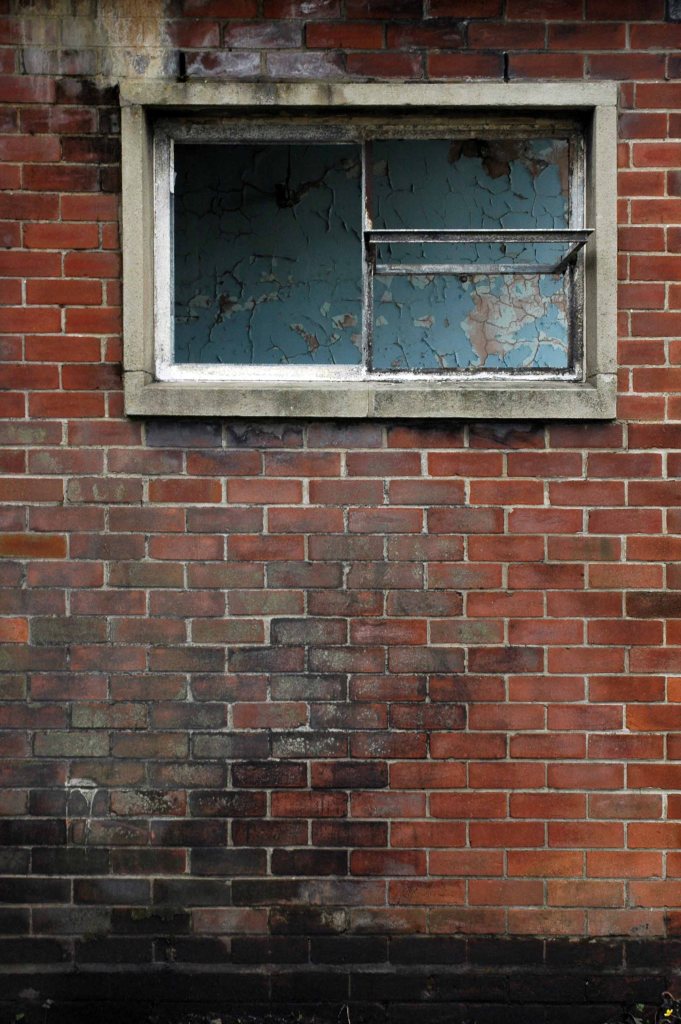
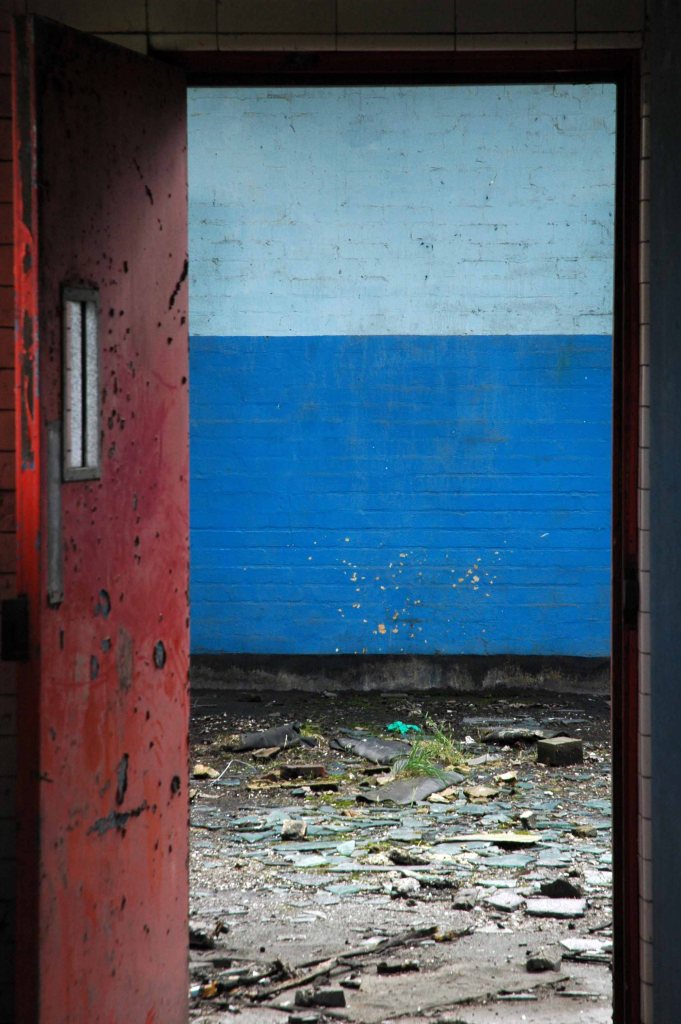
They have been stripped of their former use and meaning, transformed into a transitory art performance space, paint and plaster now peeling, appealing to the passing painter, partially reclaimed by nature.

Let’s tag along:

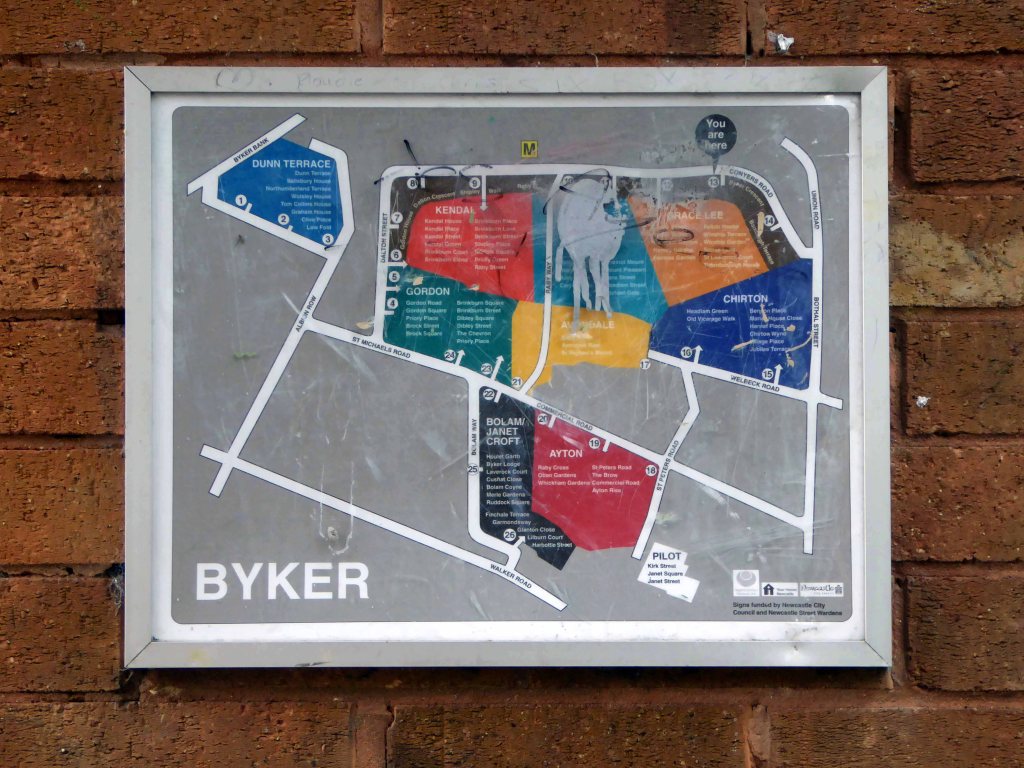
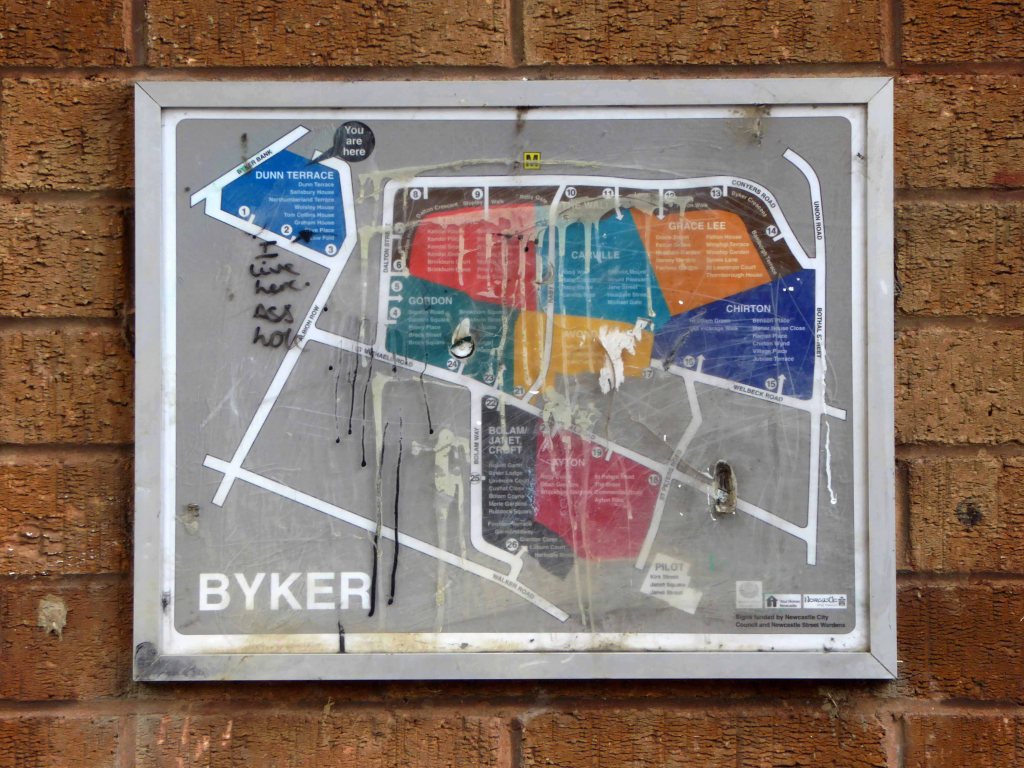
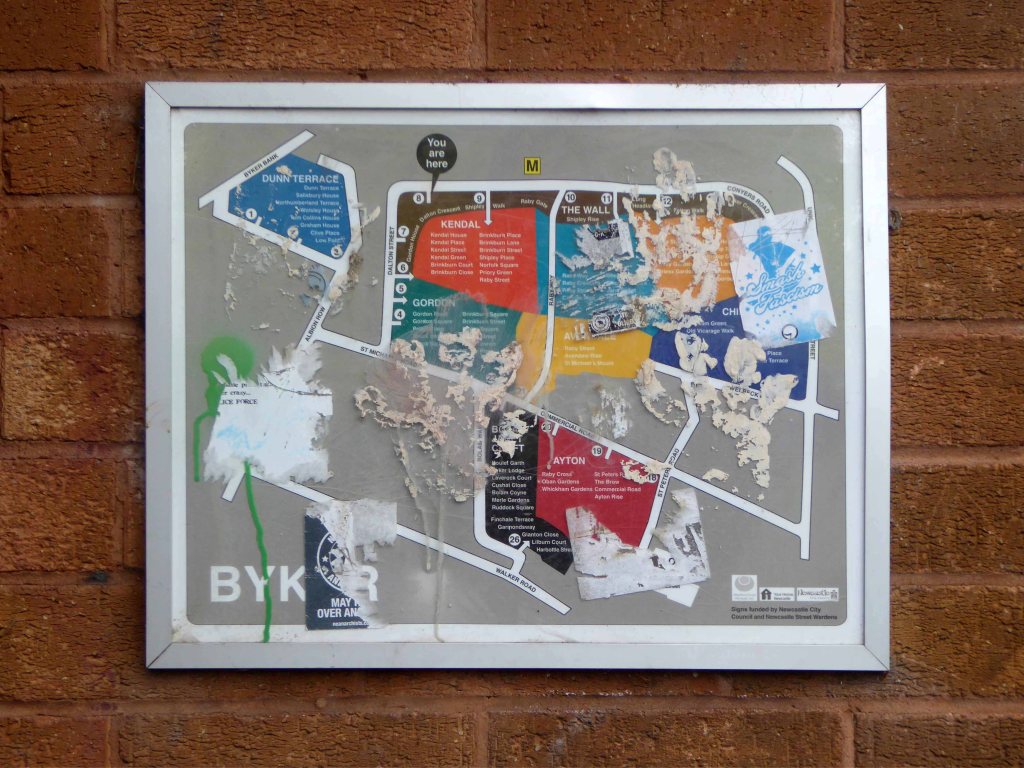
Byker Estate – Newcastle upon Tyne

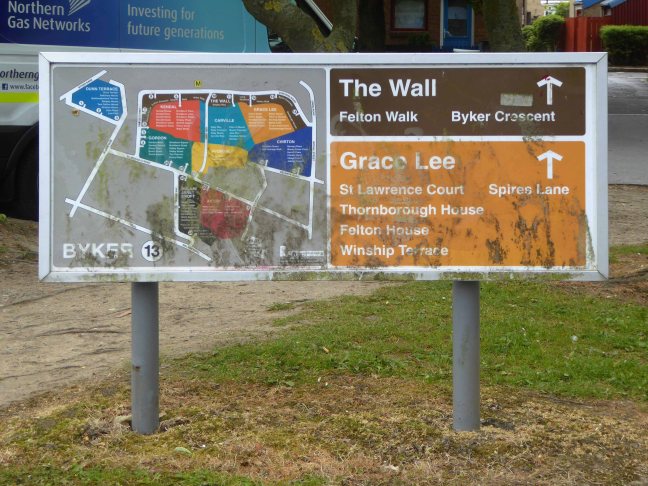
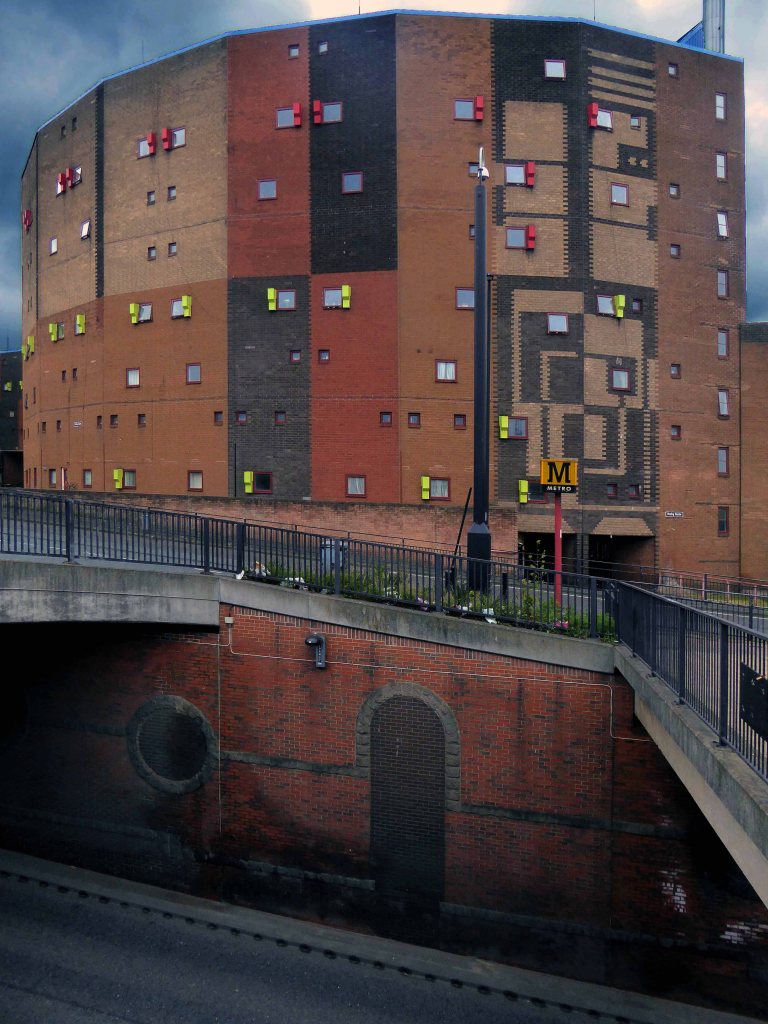
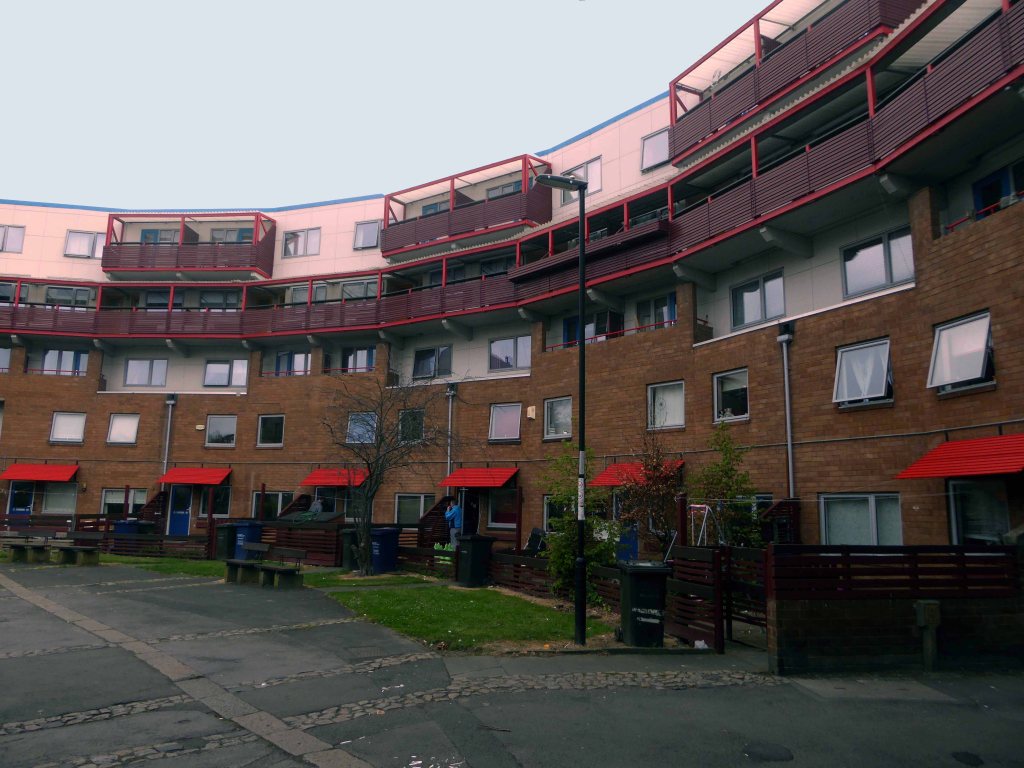
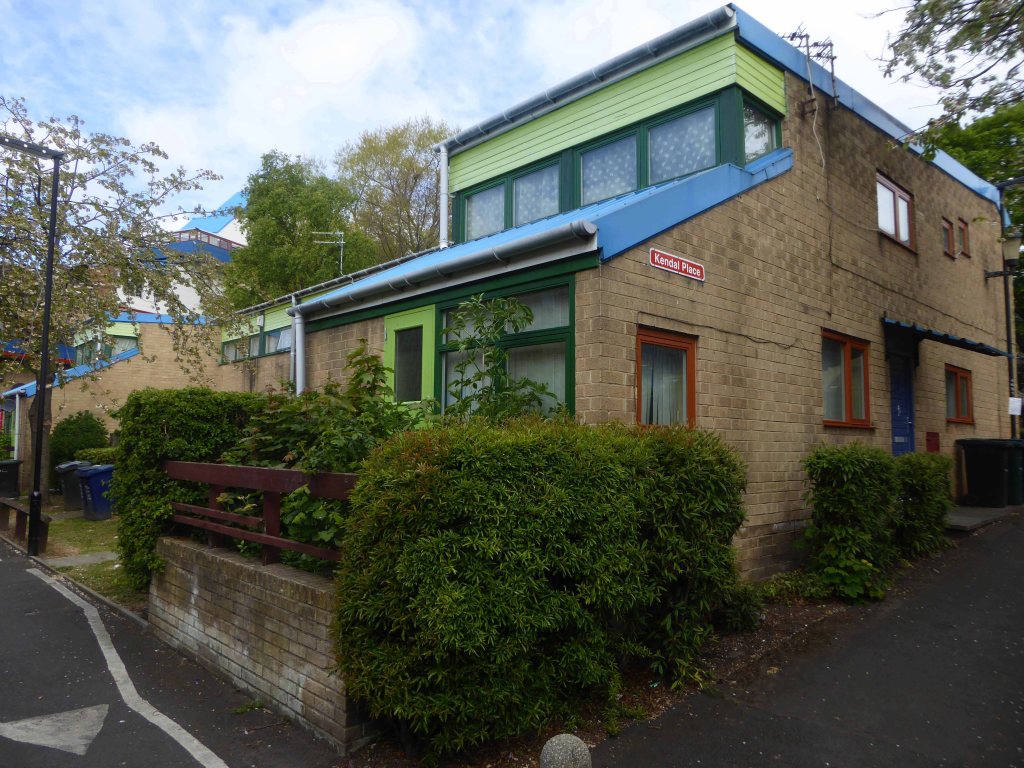
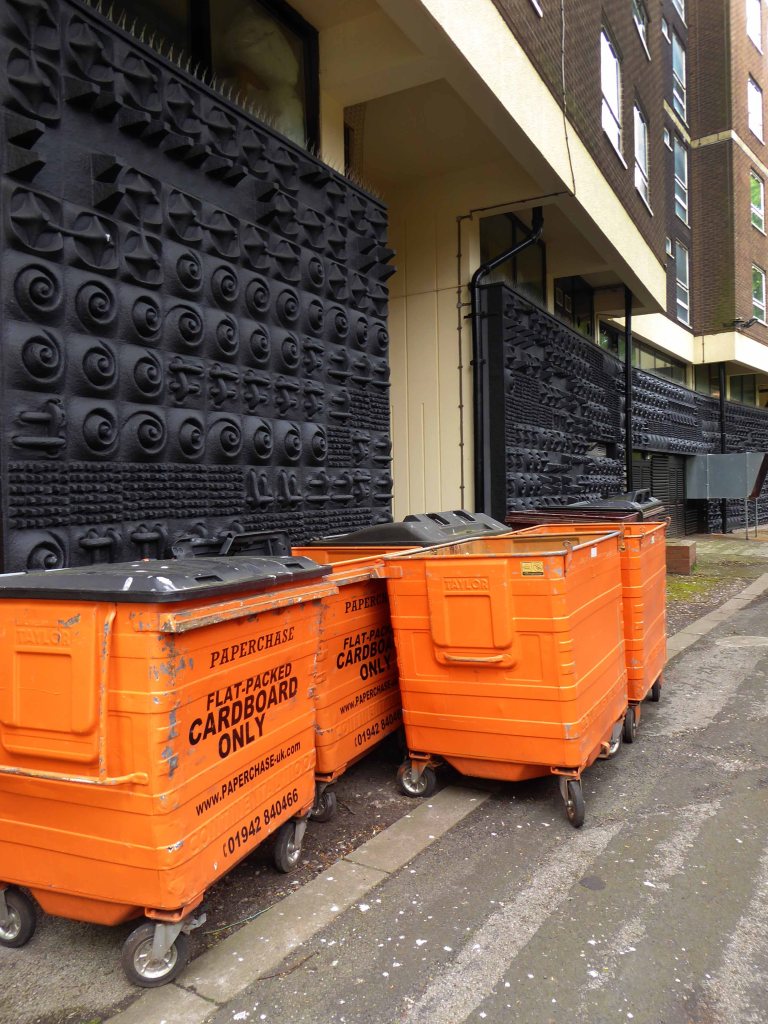
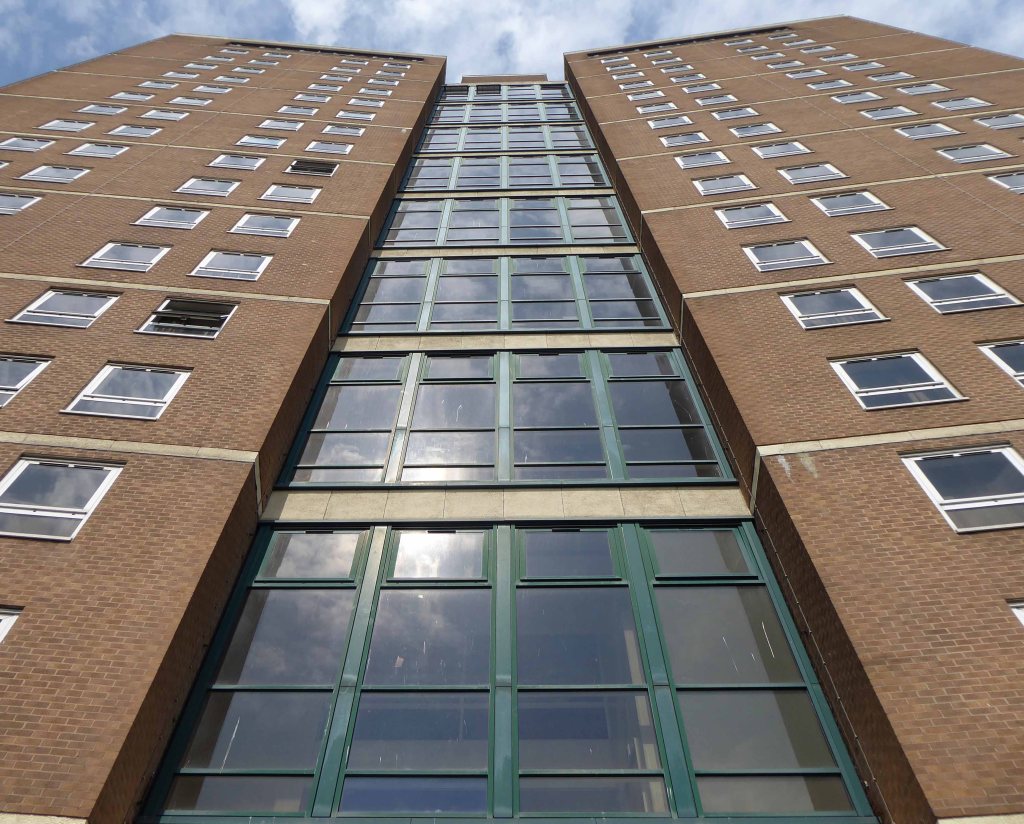
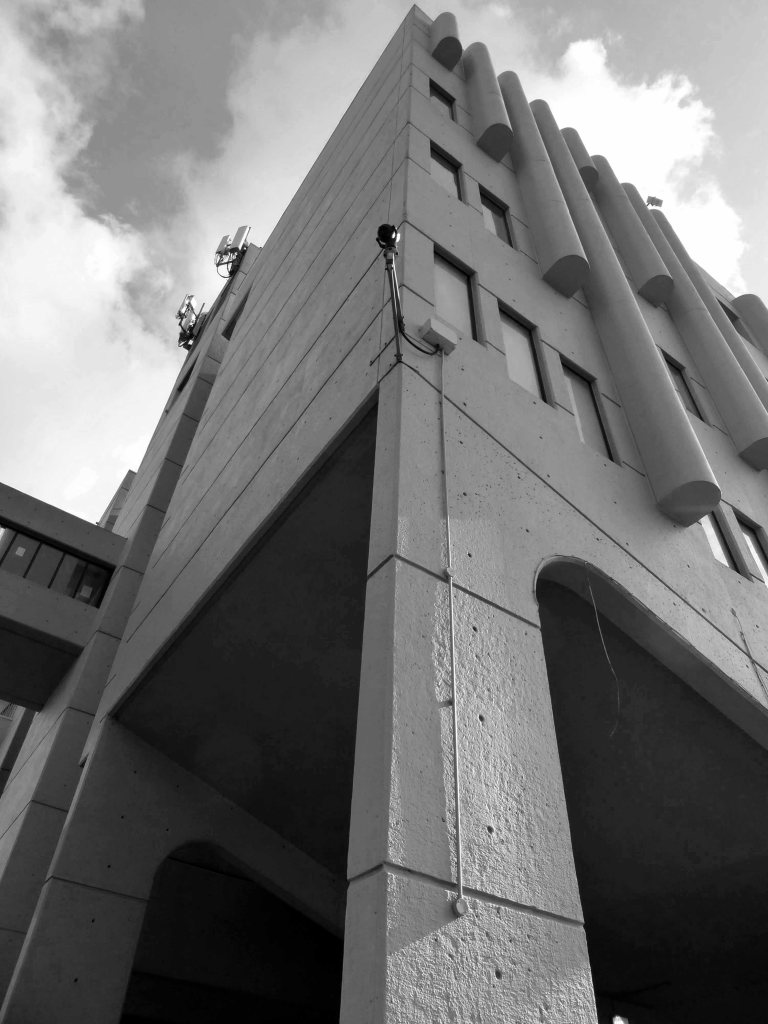
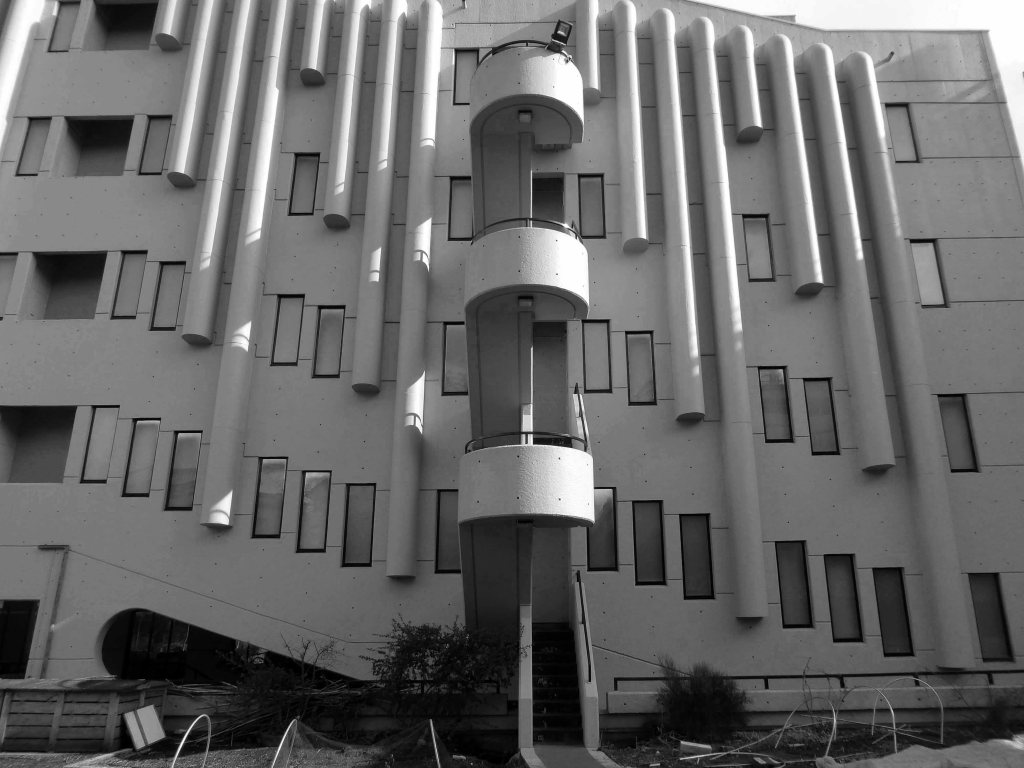
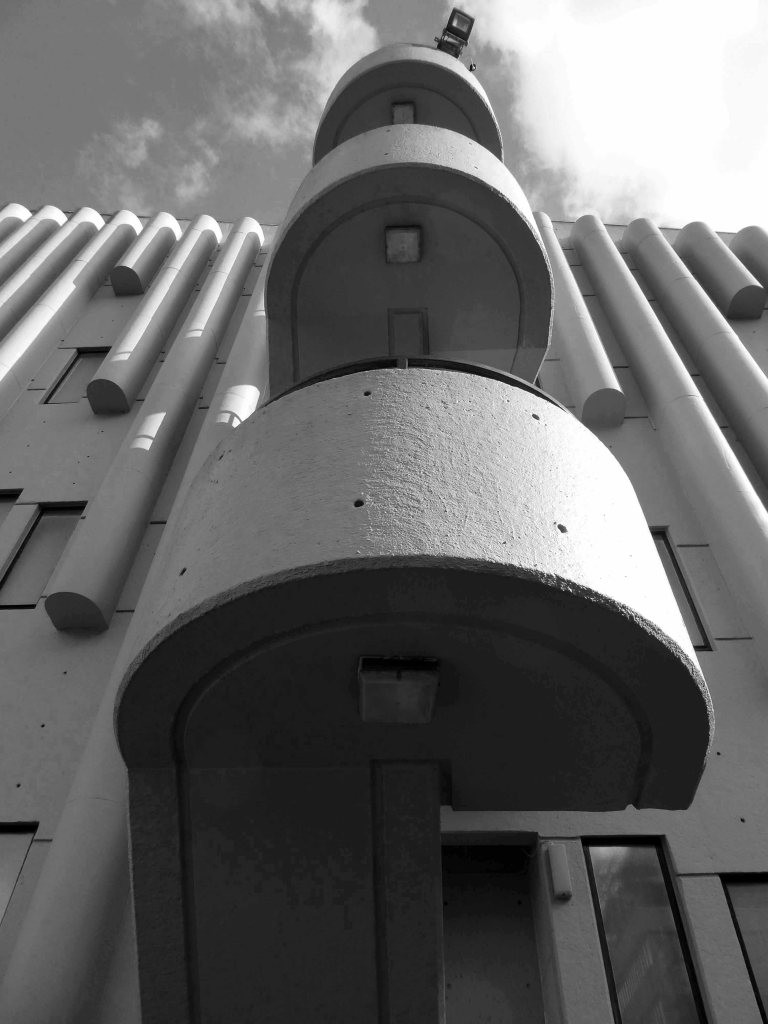
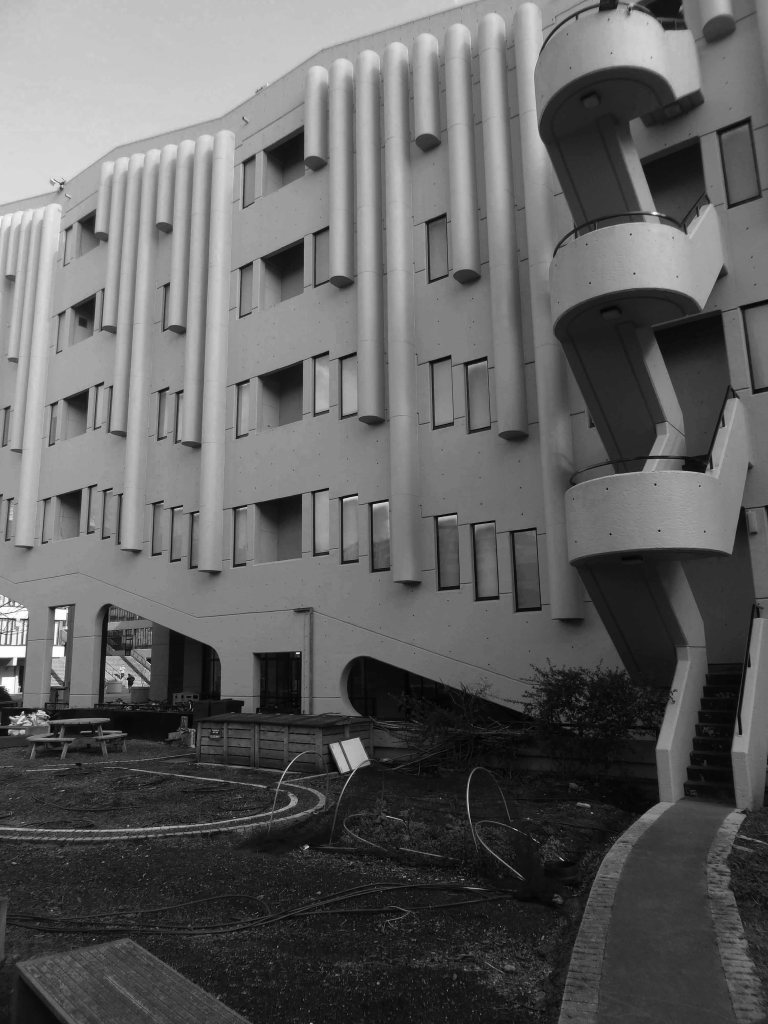
The Wall, along with the low rise dwellings built to its south, replaced Victorian slum terraced housing. There were nearly 1200 houses on the site at Byker. They had been condemned as unfit for human habitation in 1953, and demolition began in 1966.

The new housing block was designed by Ralph Erskine assisted by Vernon Gracie. Design began in 1968 and construction took place between 1969 and 1982. The architects opened an office on site to develop communication and trust between the existing residents. Existing buildings were to be demolished as the new accommodation was built.

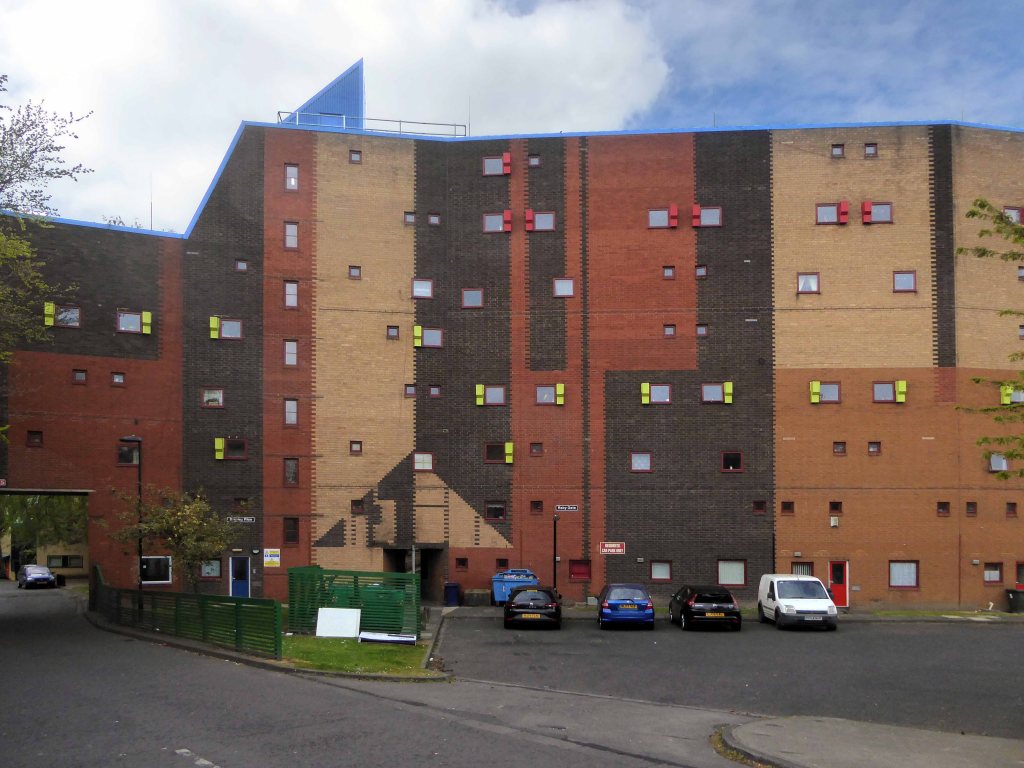
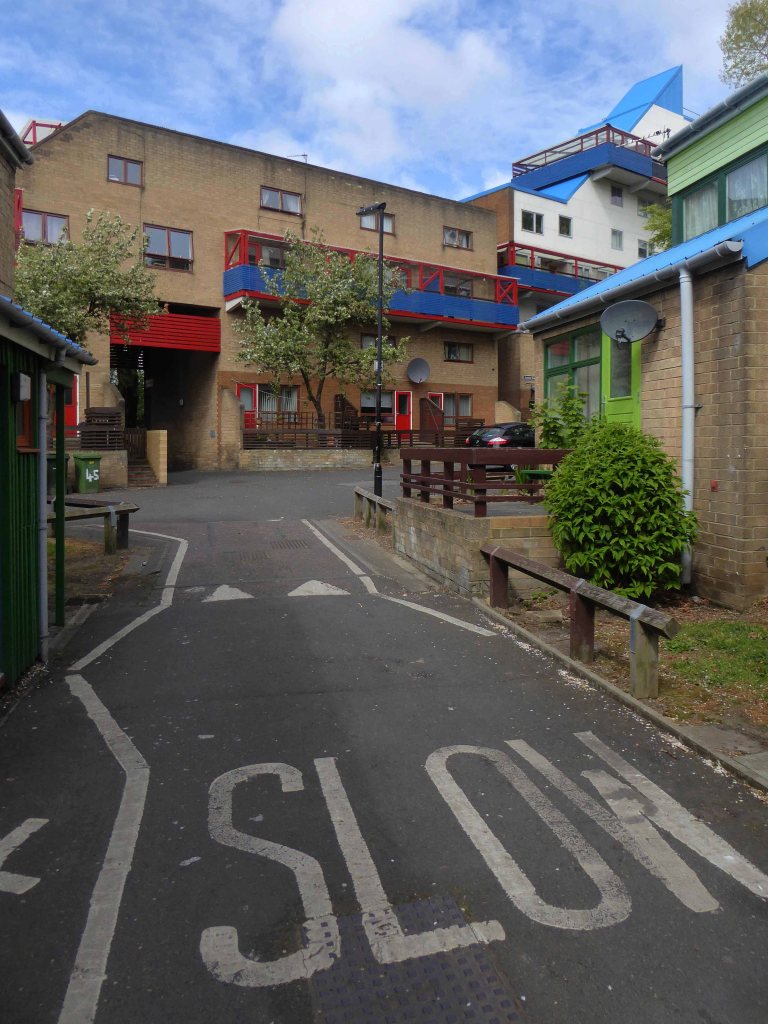
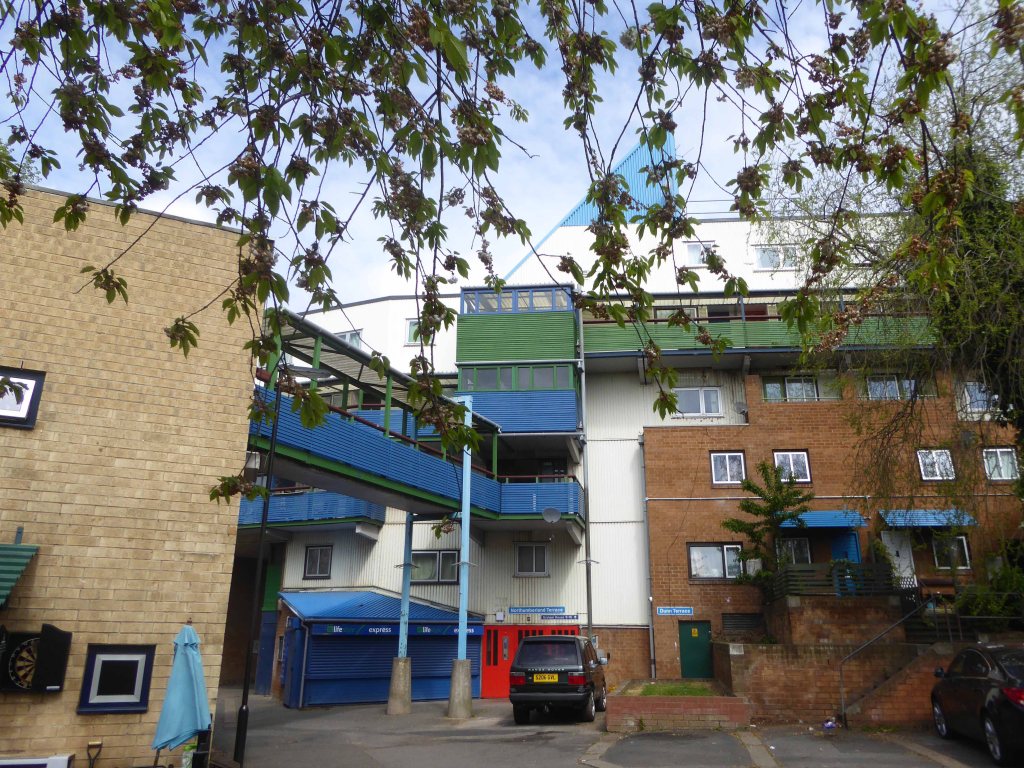
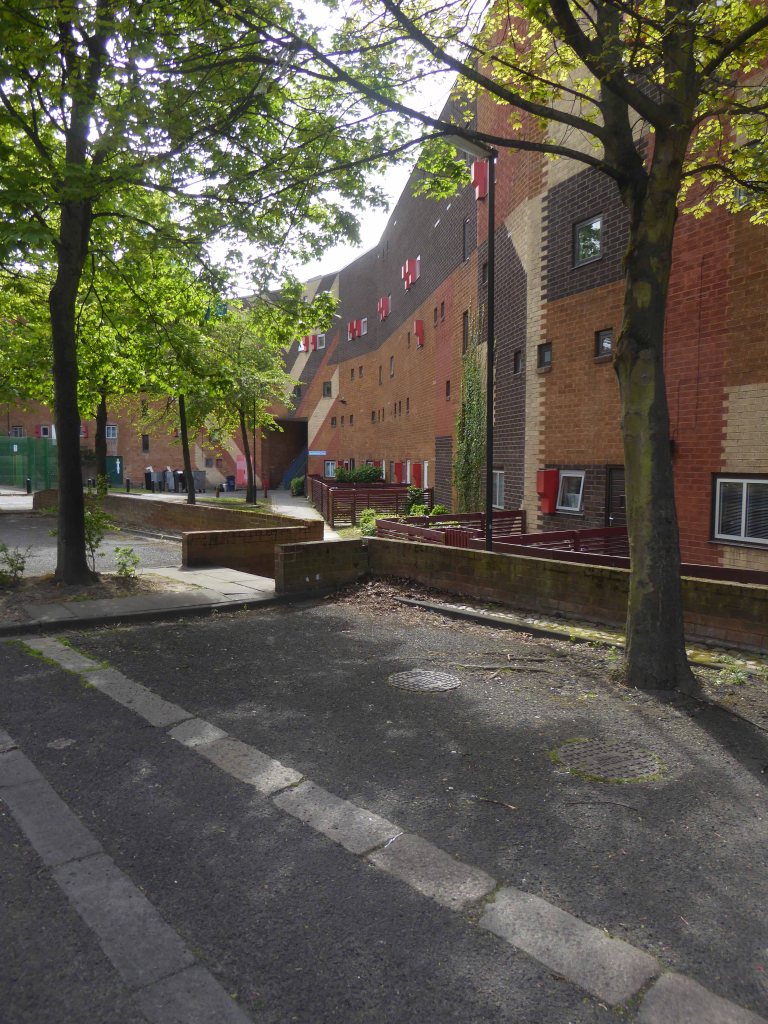
The new high-rise block was designed to shield the site from an intended motorway, which eventually was never built. Construction materials for Byker Wall were relatively cheap, concrete, brick and timber. Surfaces were treated with bright colours, while brick bandings were used on the ‘Wall’ to indicate floor levels.

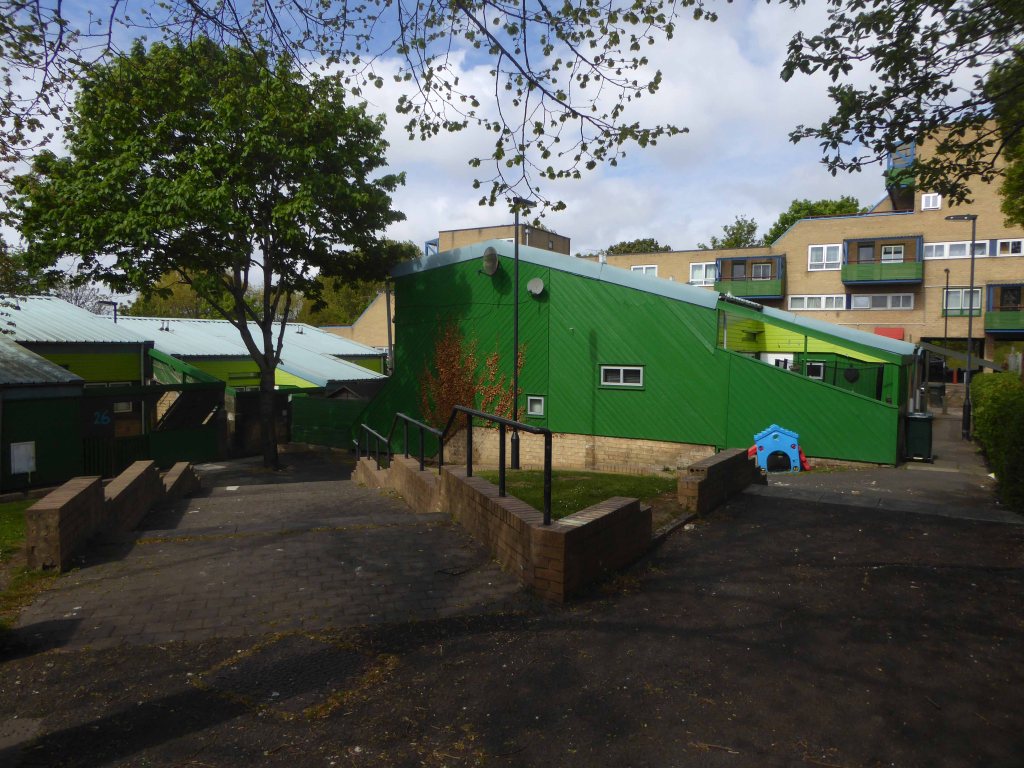
Its Functionalist Romantic styling with textured, complex facades, colourful brick, wood and plastic panels, attention to context, and relatively low-rise construction represented a major break with the Brutalist high-rise architectural orthodoxy of the time.

Wikipedia

There area has been well documented over time, notably by photographer Sirkka-Liisa Konttinen.

It’s reputation has had its ups and downs but most recently:

It’s been named the UK and Ireland’s best neighbourhood – it’s got top schools, friendly neighbours and community art classes – alongside high levels of poverty.

Chronicle

It has been lauded by Municipal Dreams

When Historic England awarded Byker its Grade II* listing in 2007, they praised both its ‘groundbreaking design, influential across Europe and pioneering model of public participation’.  The estate’s main element, the Byker Wall, is  – like it or loathe it – an outstanding piece of modern architecture.  The conception and design of the estate as a whole was shaped by unprecedented community consultation.  

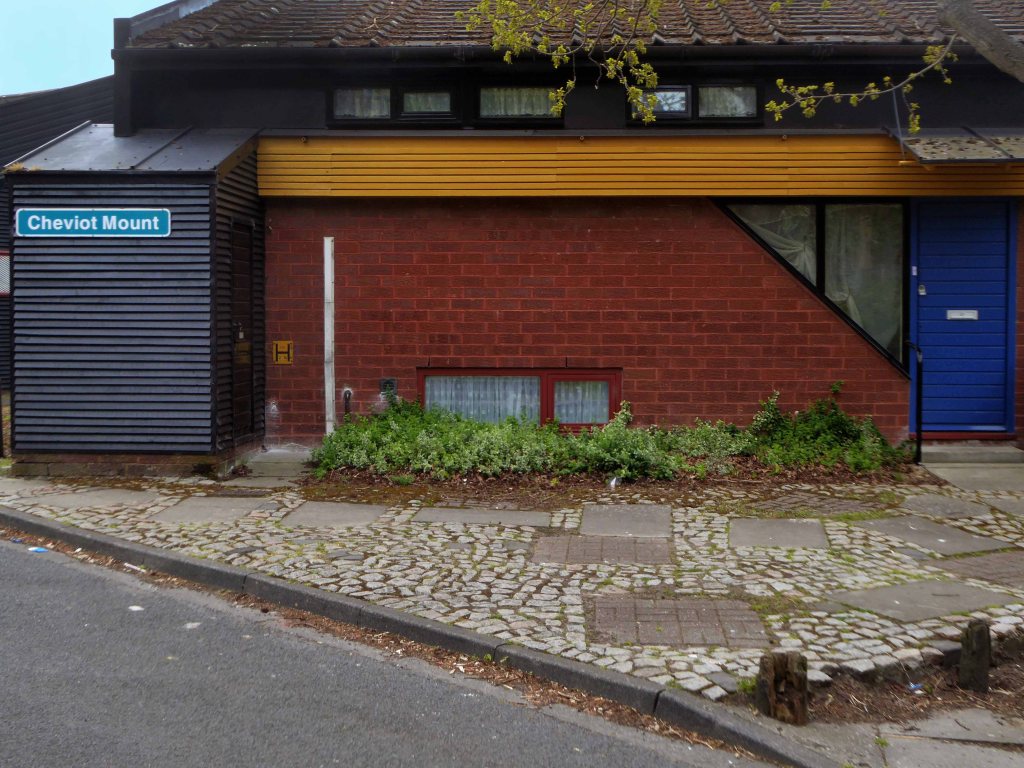
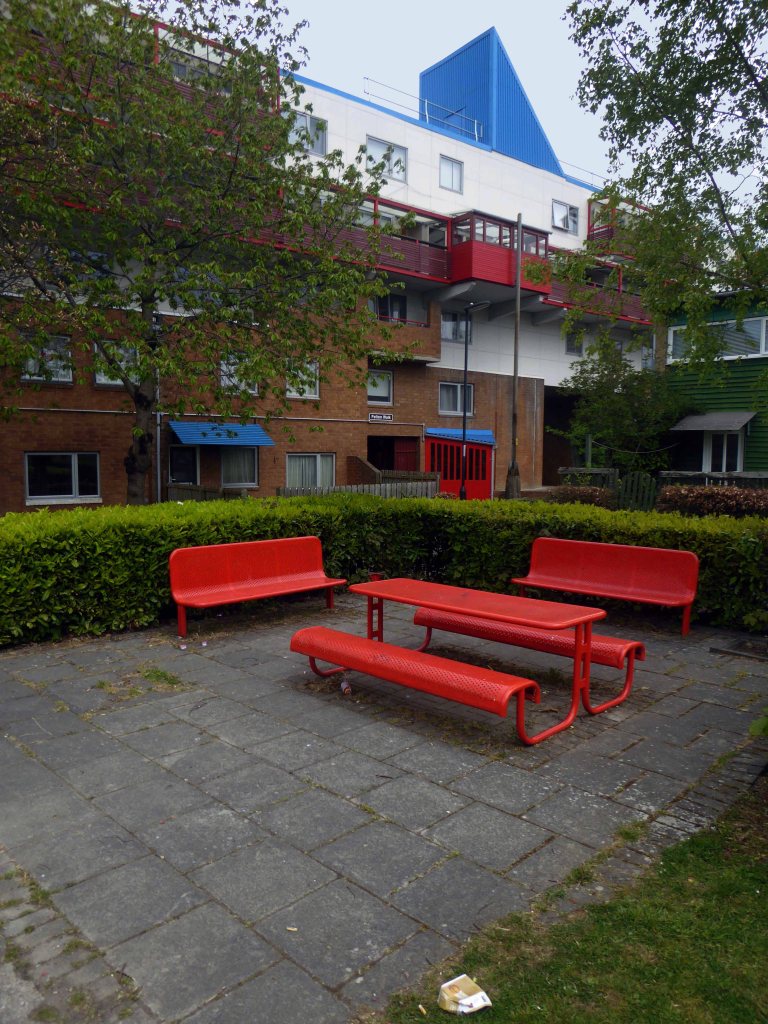
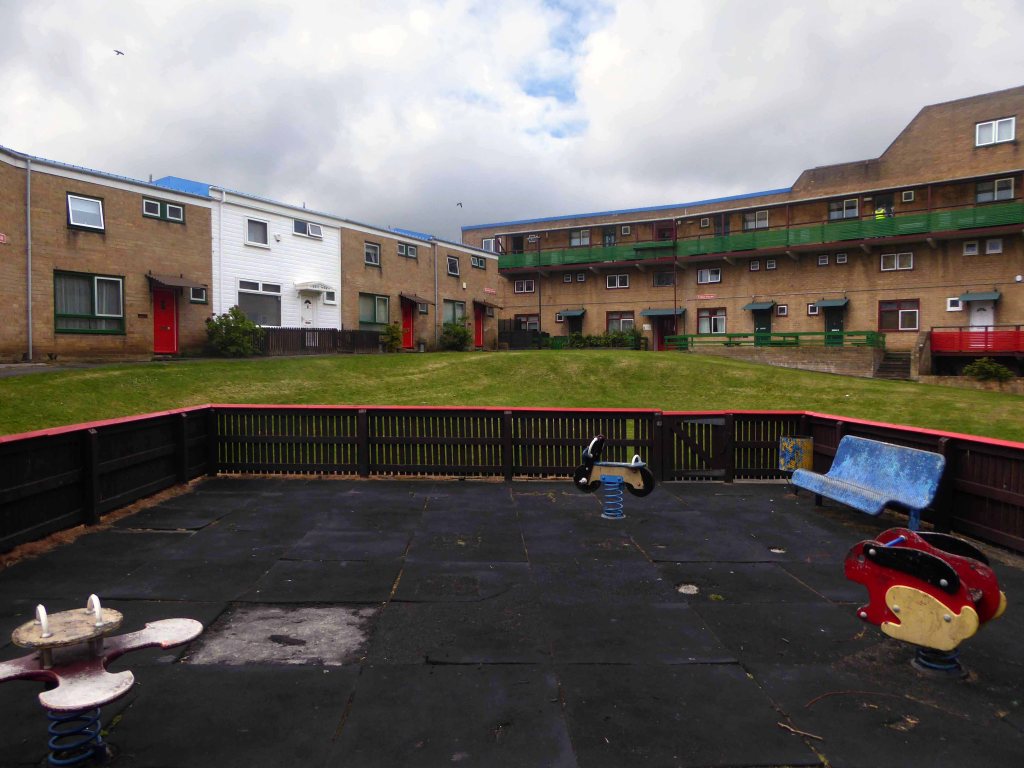
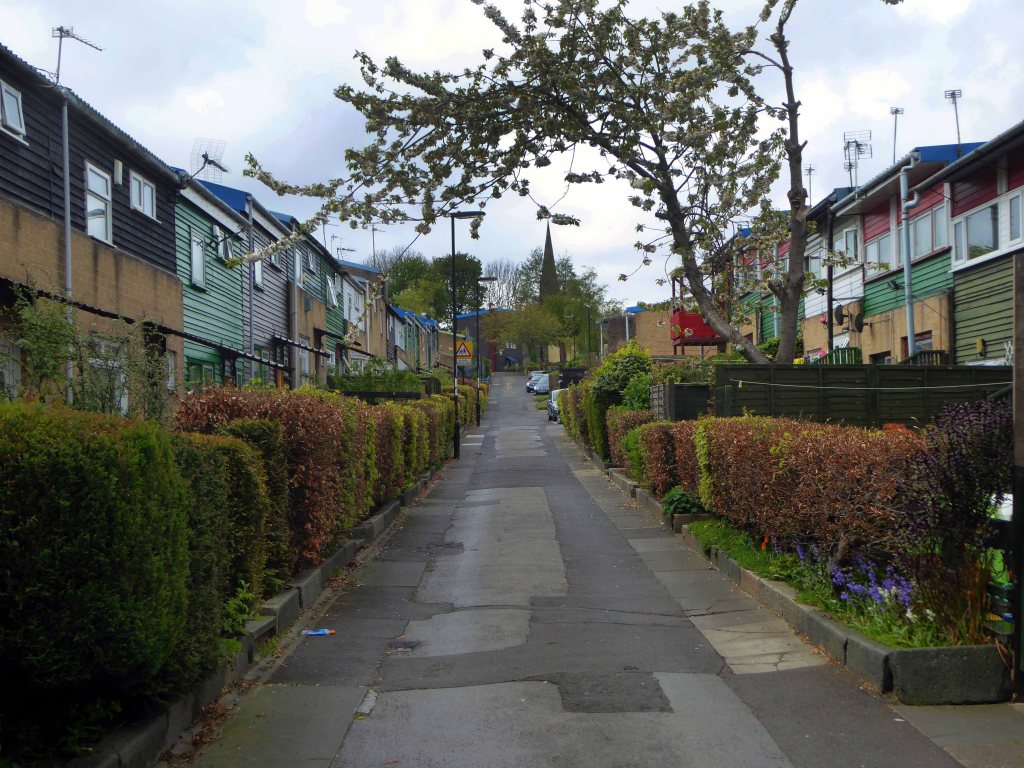
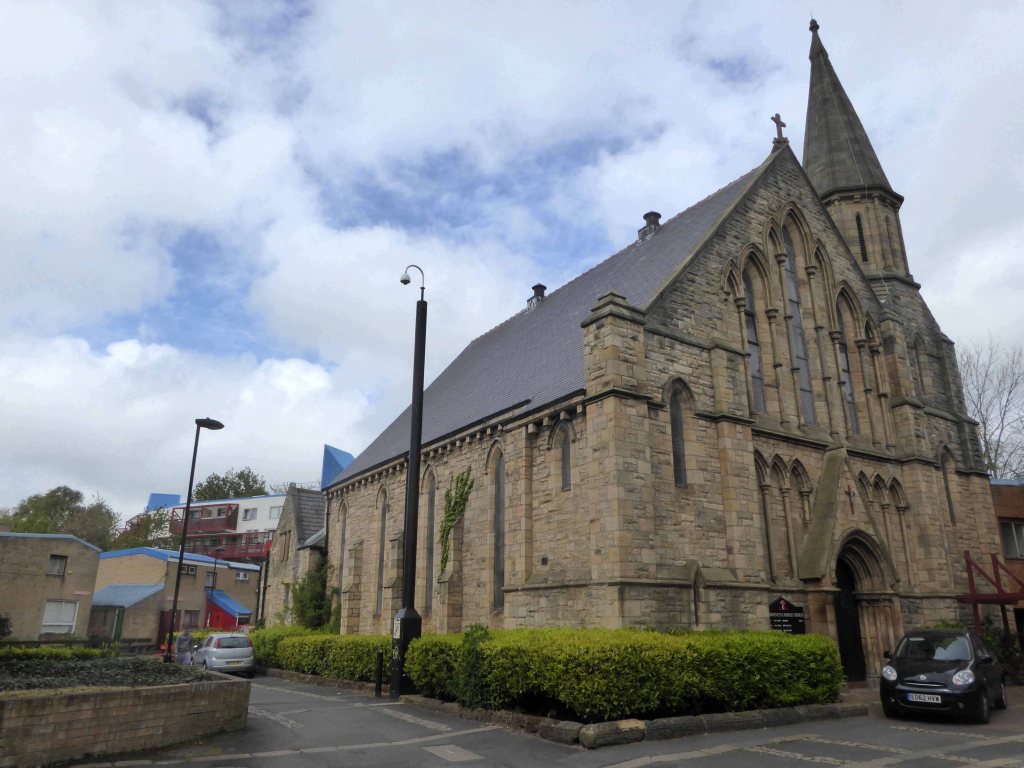
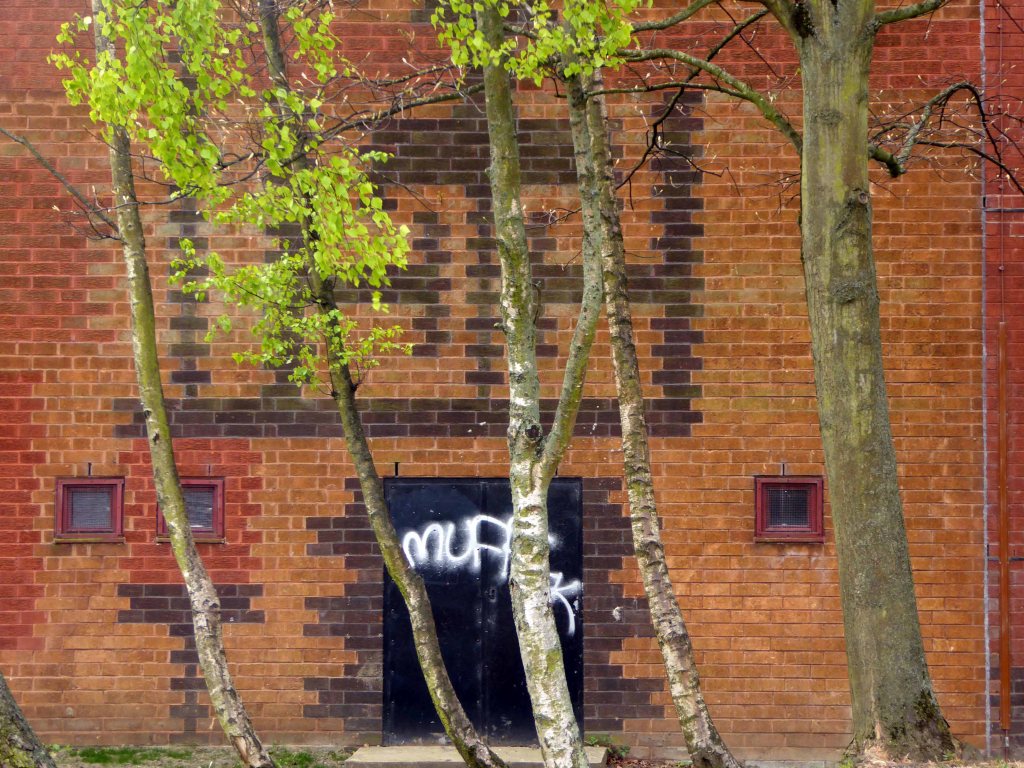
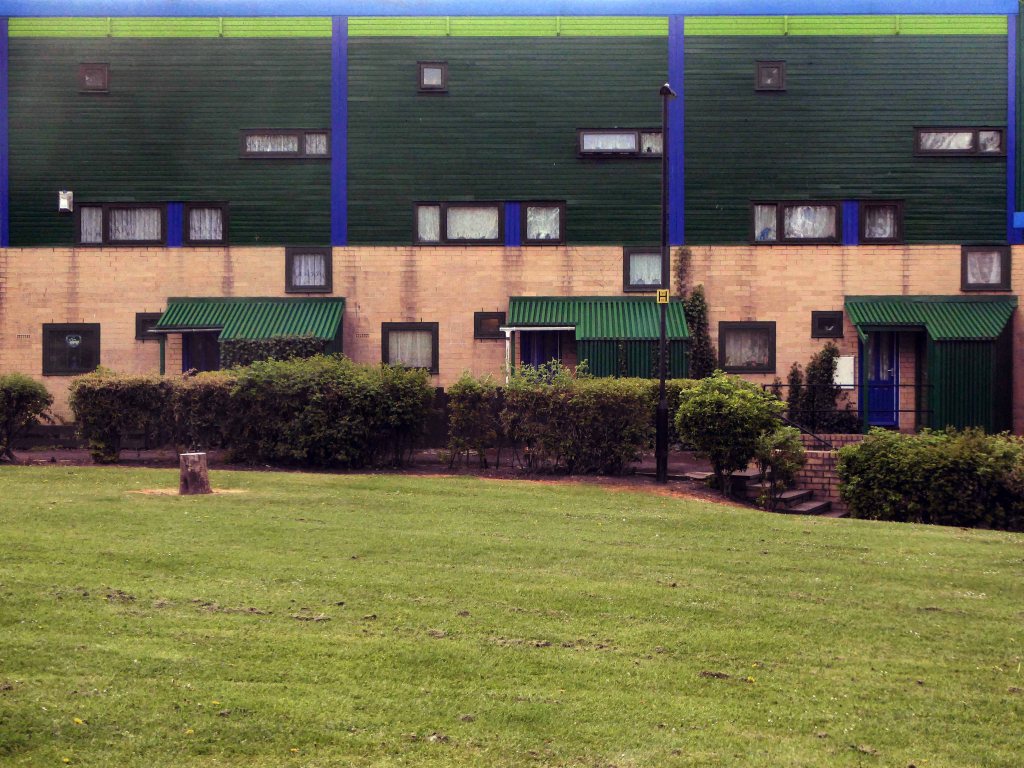
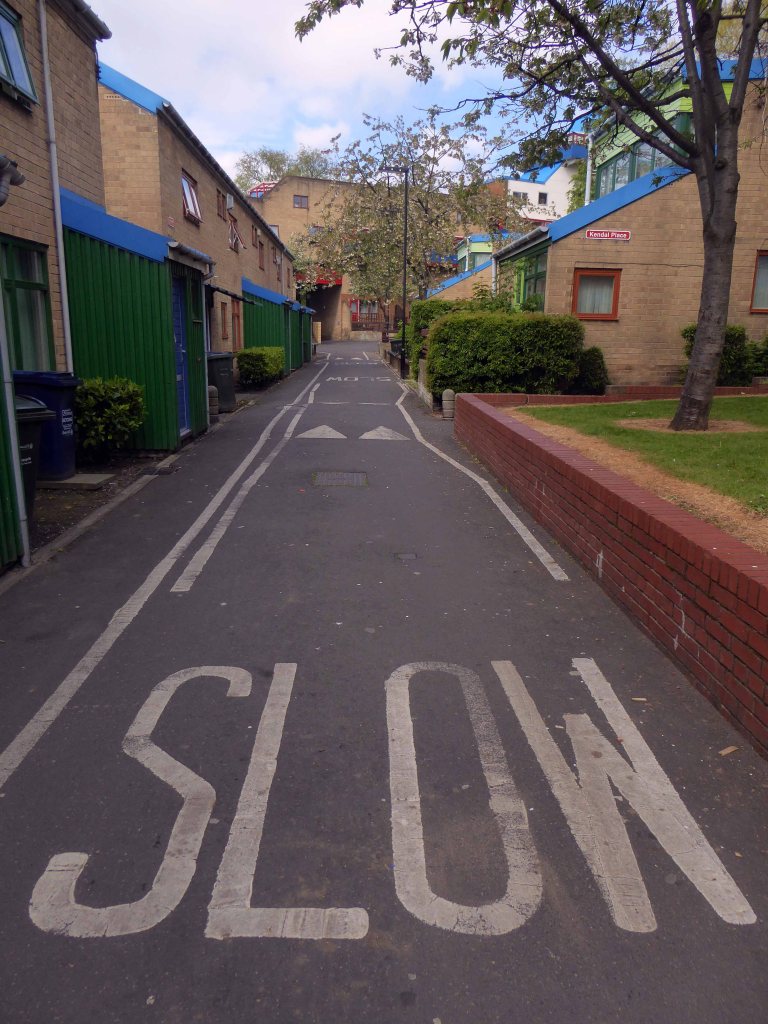
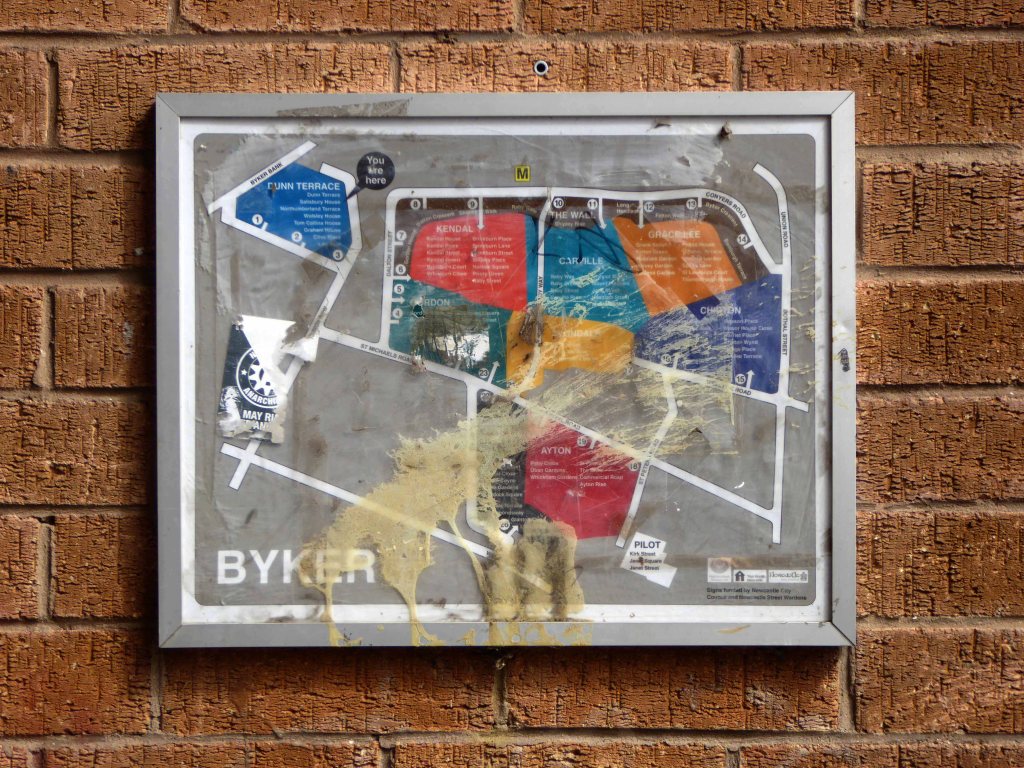
I went for a walk around one morning in May 2017, the photographs are in sequence as I explored the estate. It’s hard to do justice to the richness and variety of architecture in such a short time, but I only had a short time.

St Christopher RC – Ashton under Lyne

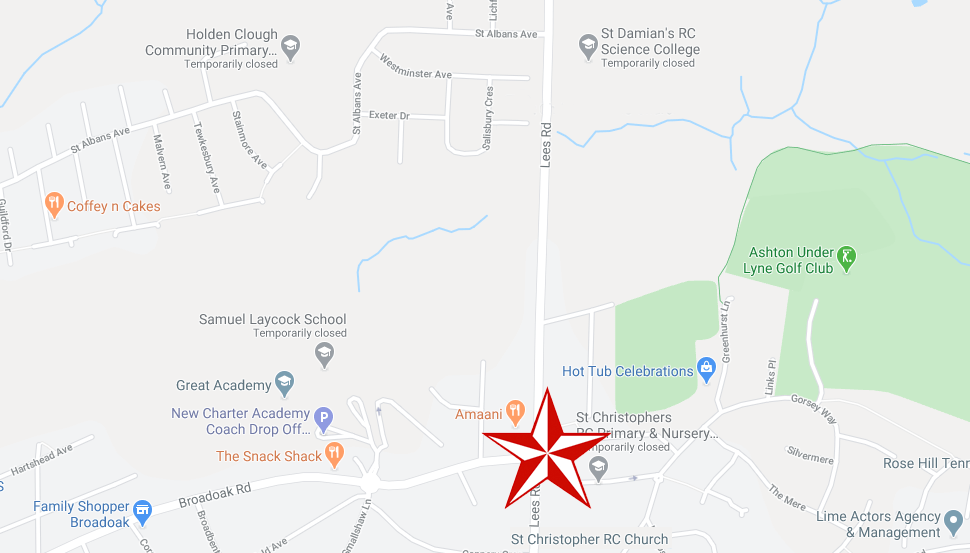
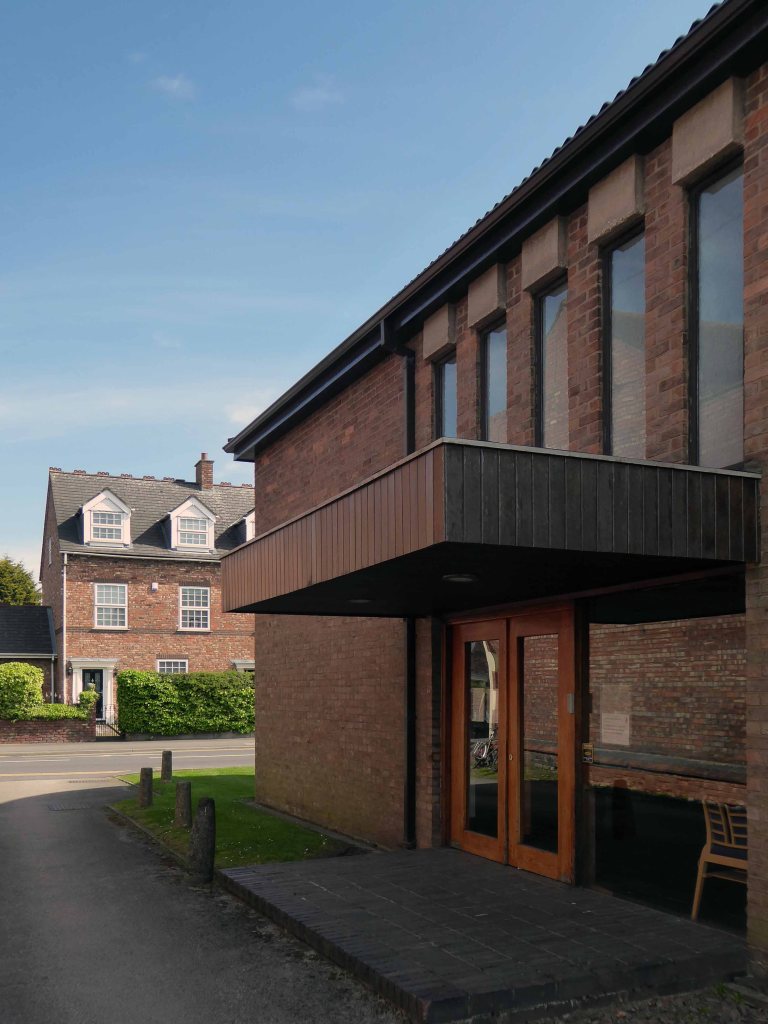
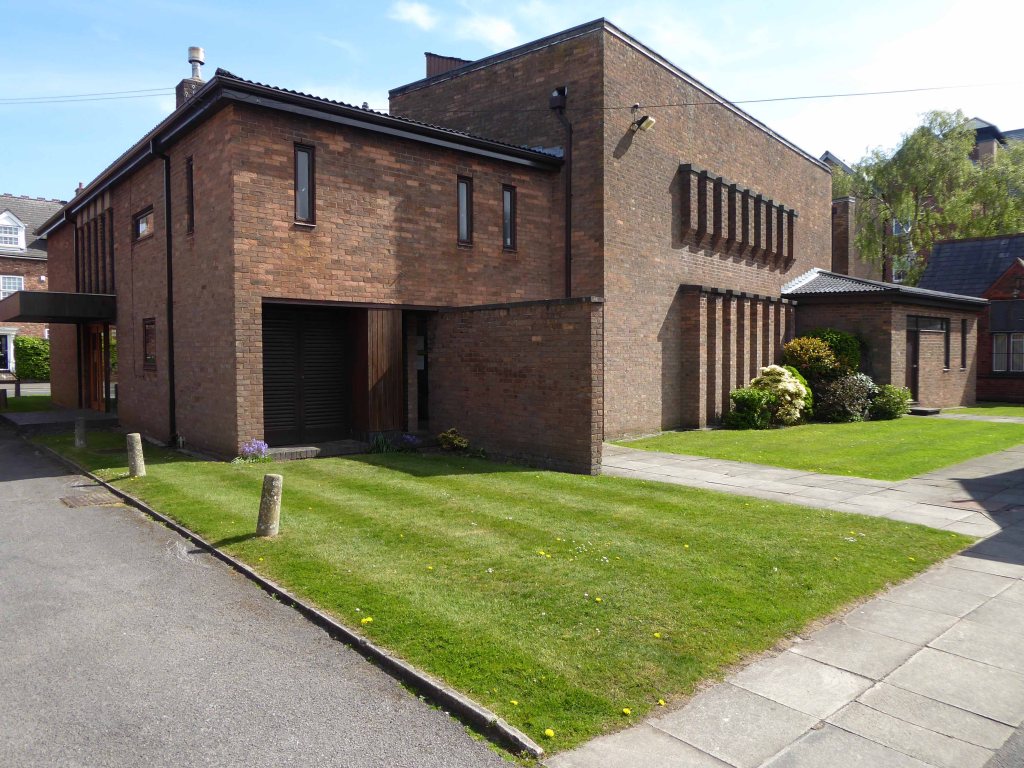
Lees Road Ashton-under-Lyne OL6 8BA

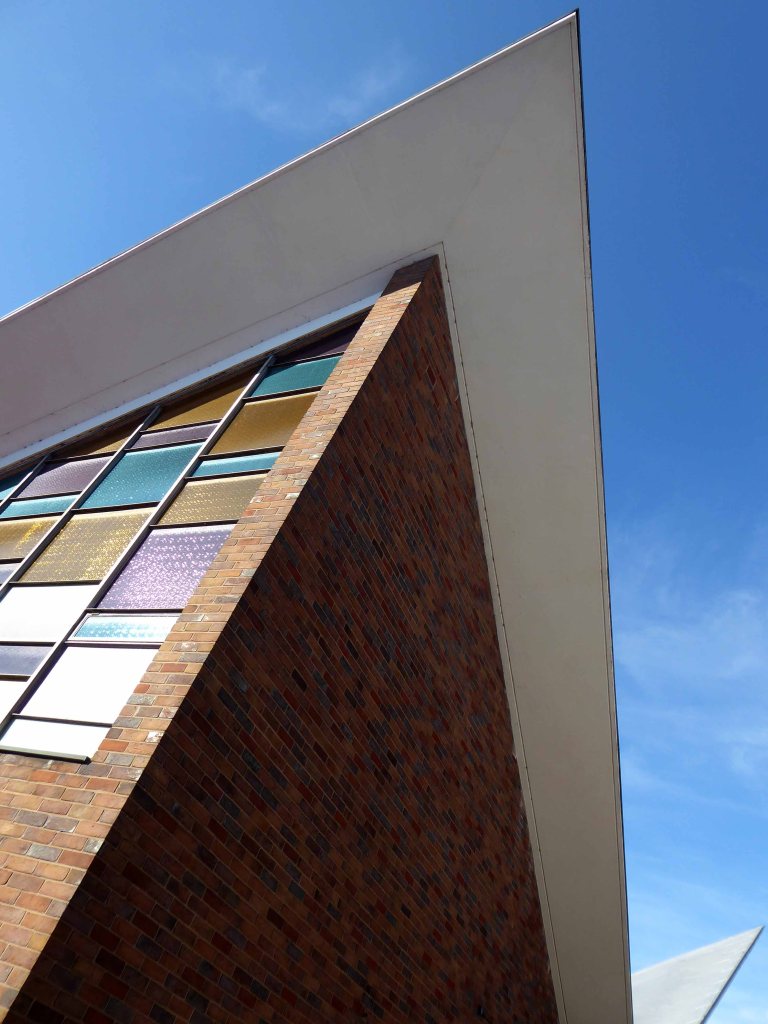
Architect: Francis A. Kerr 1955

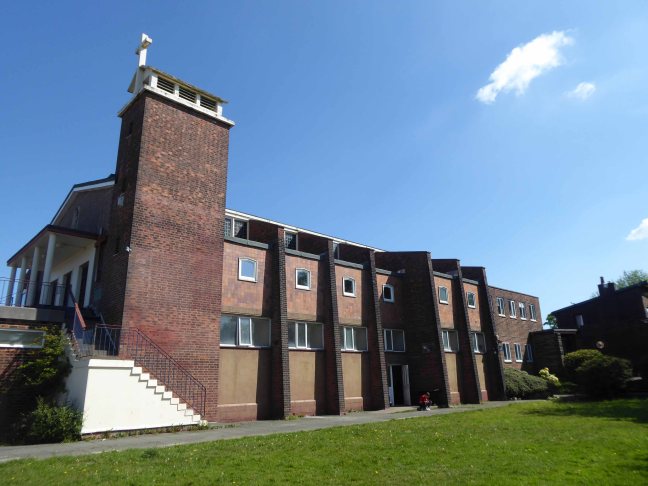
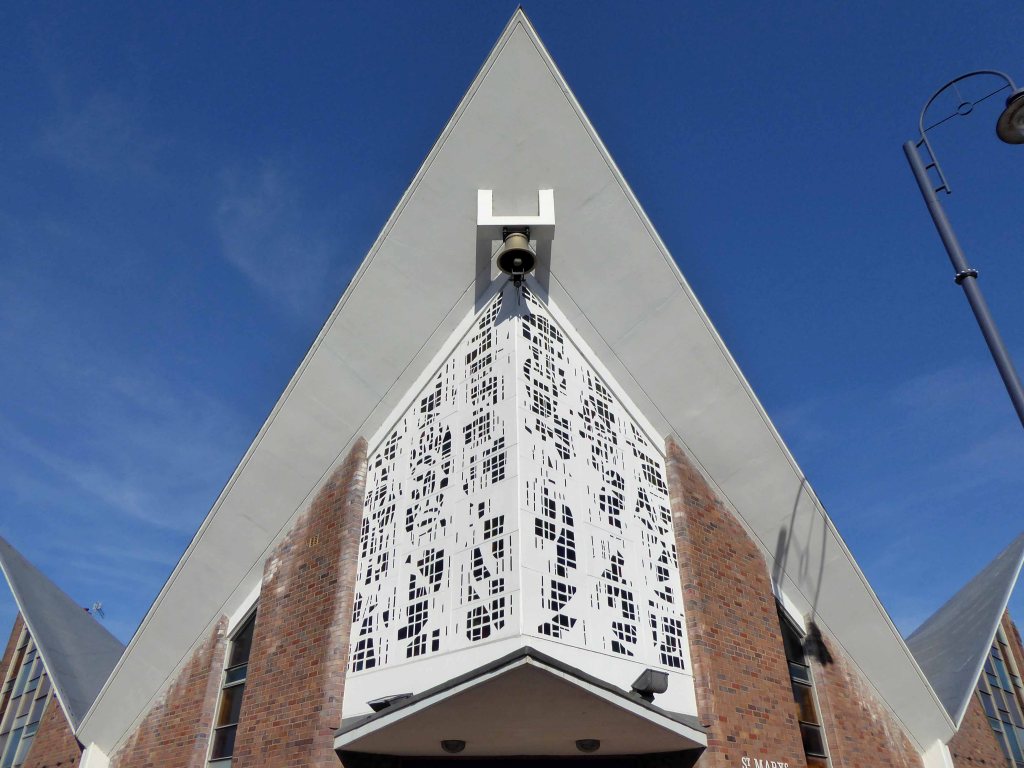
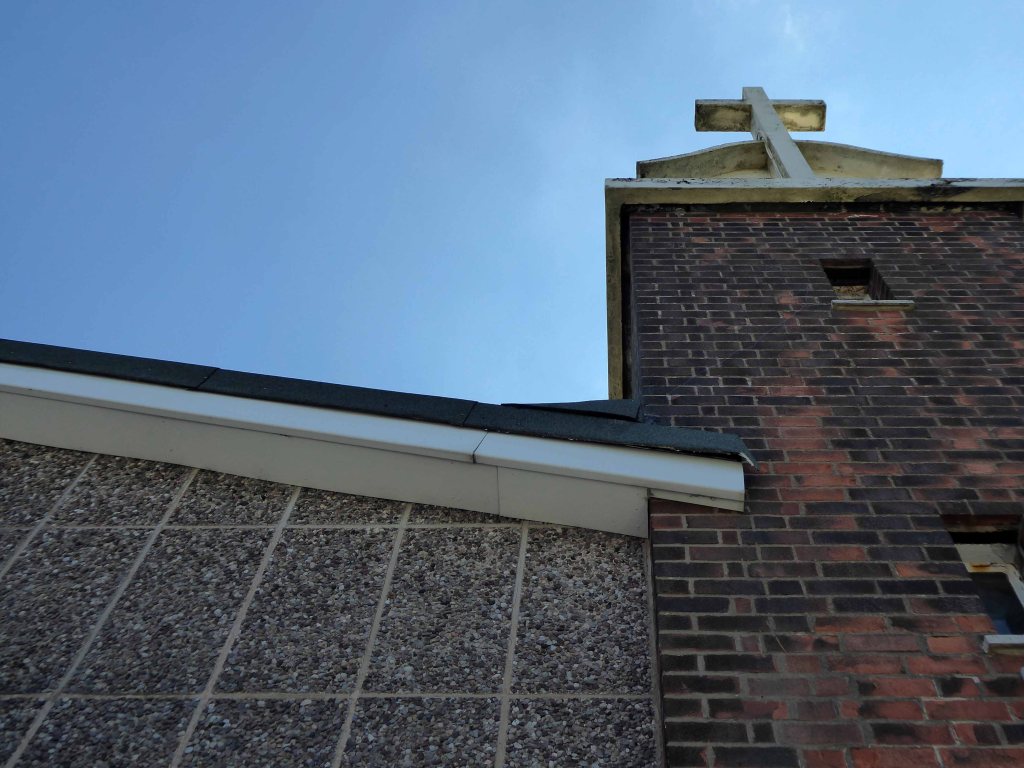
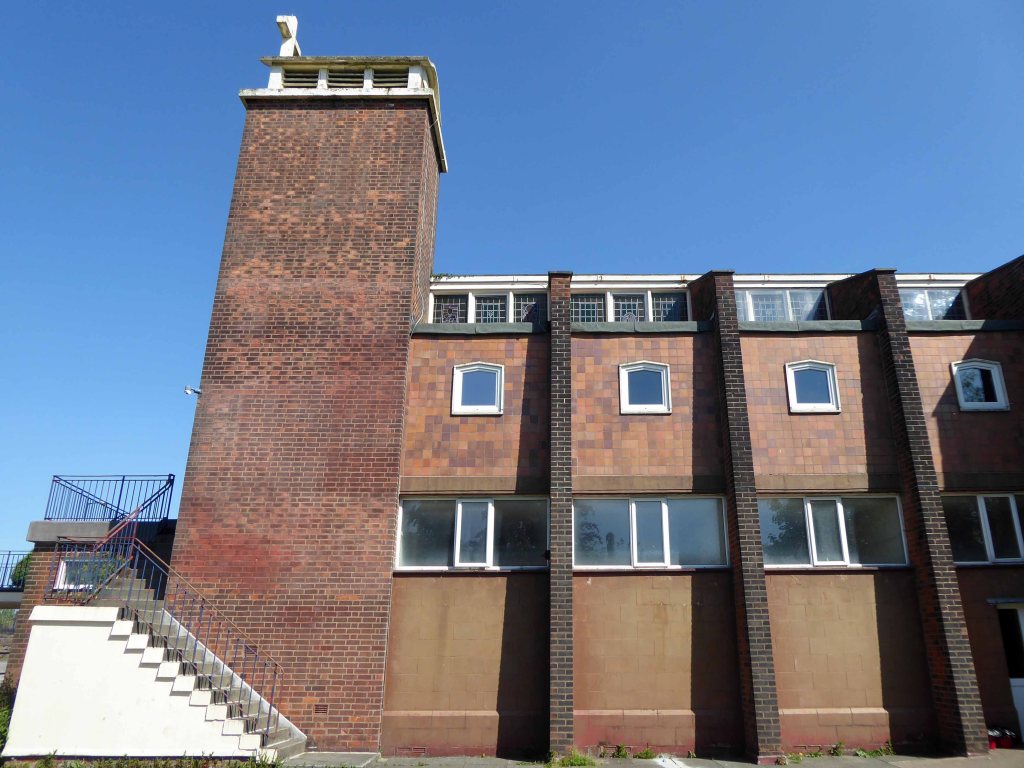
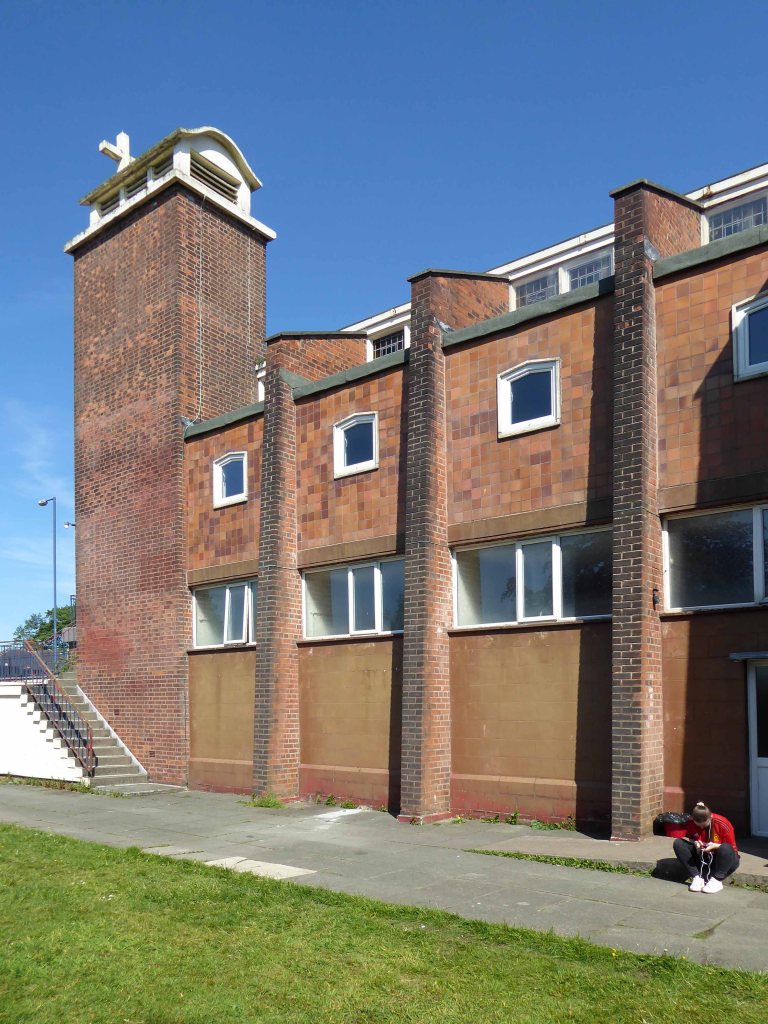
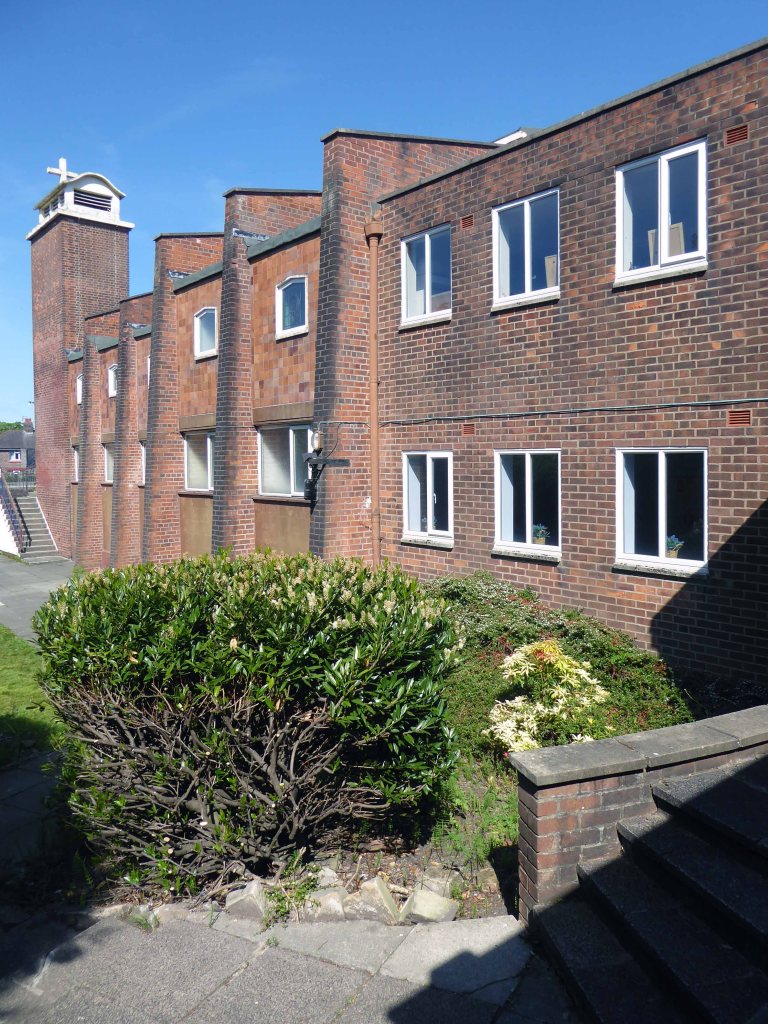
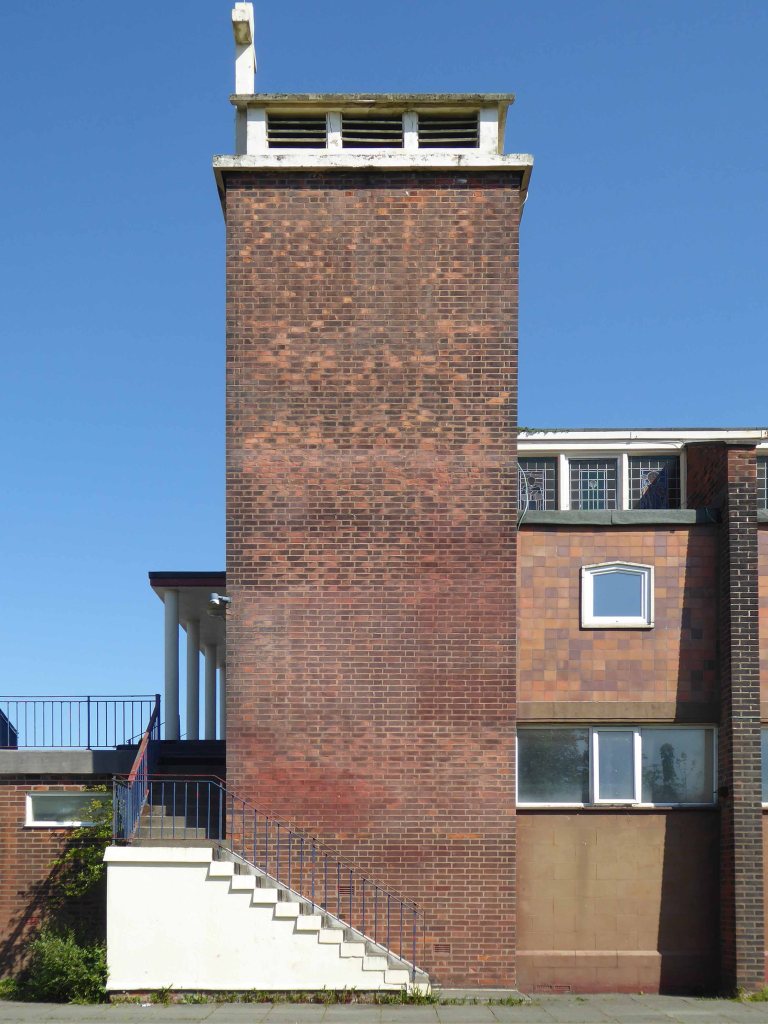
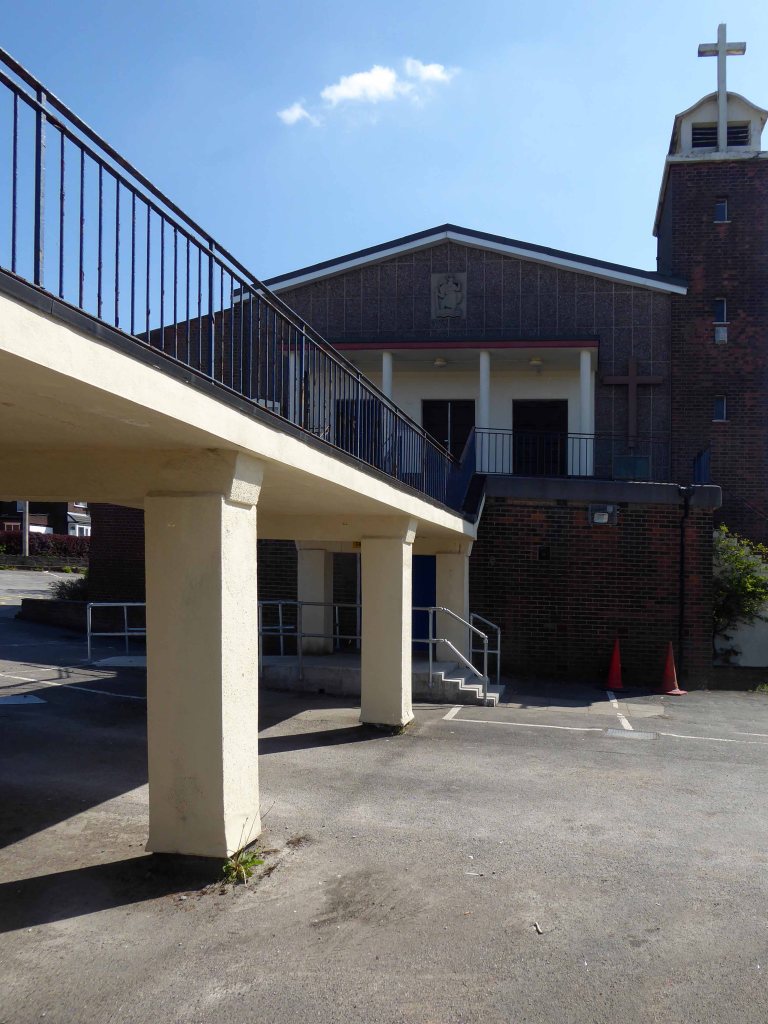
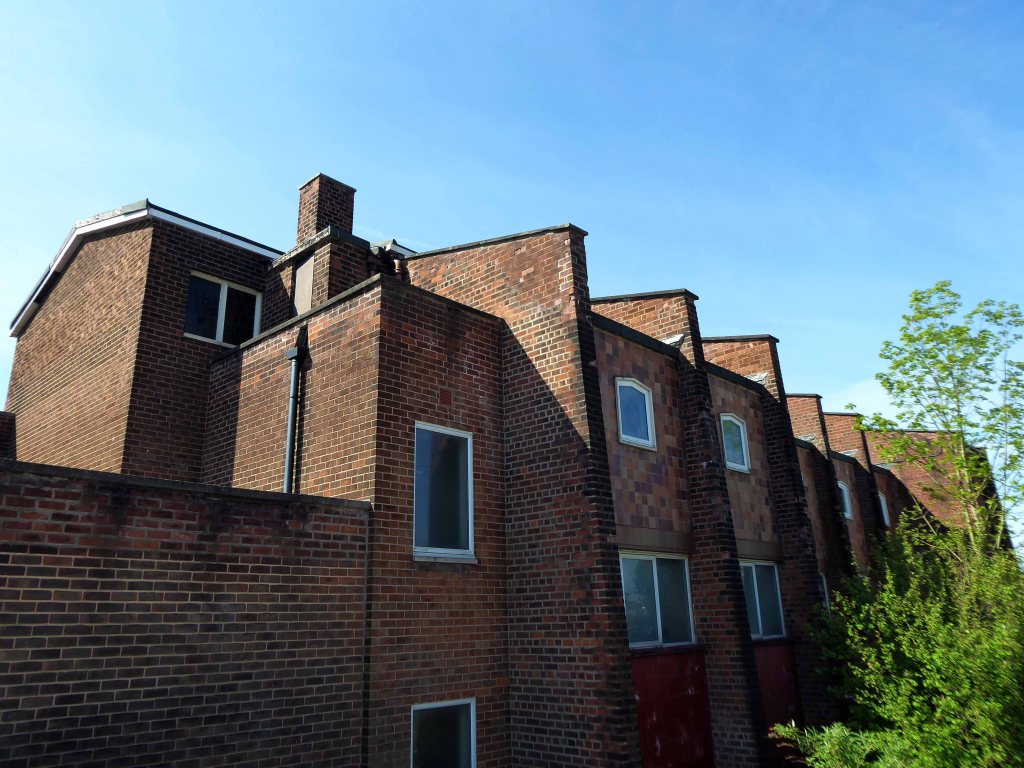
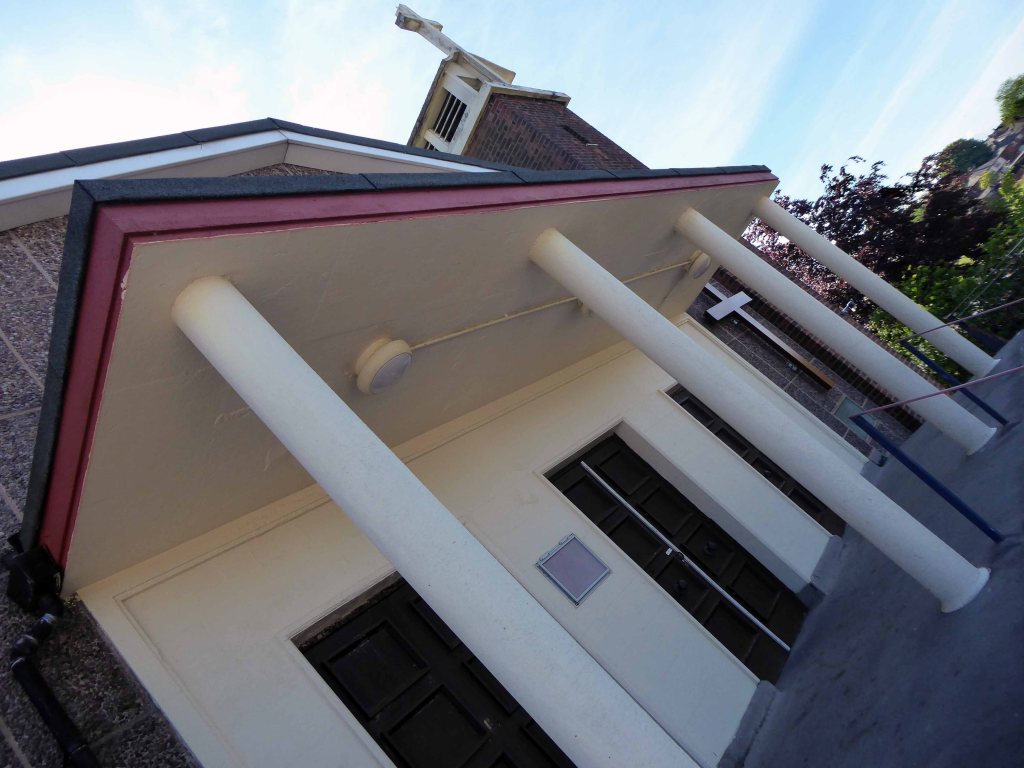
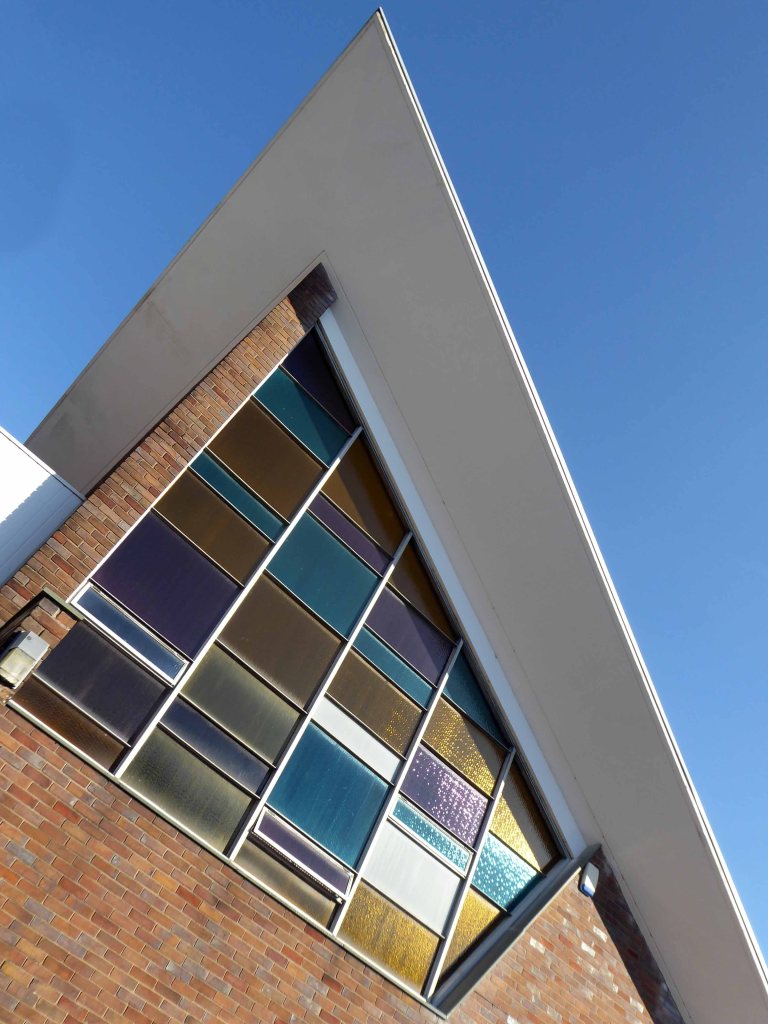
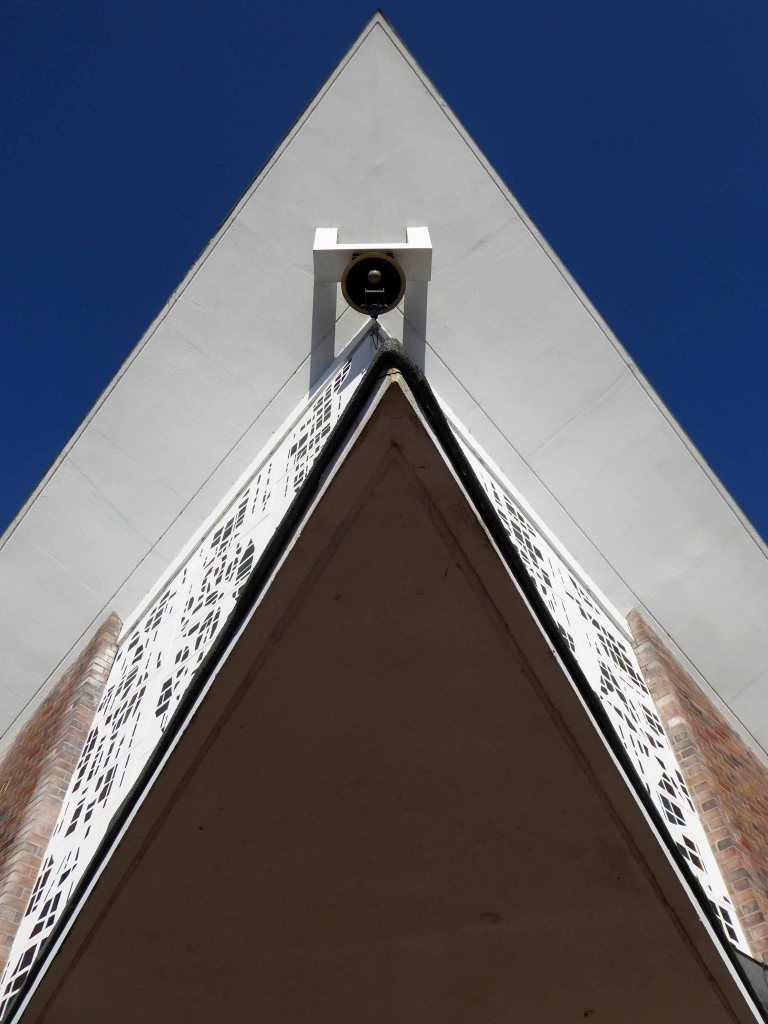
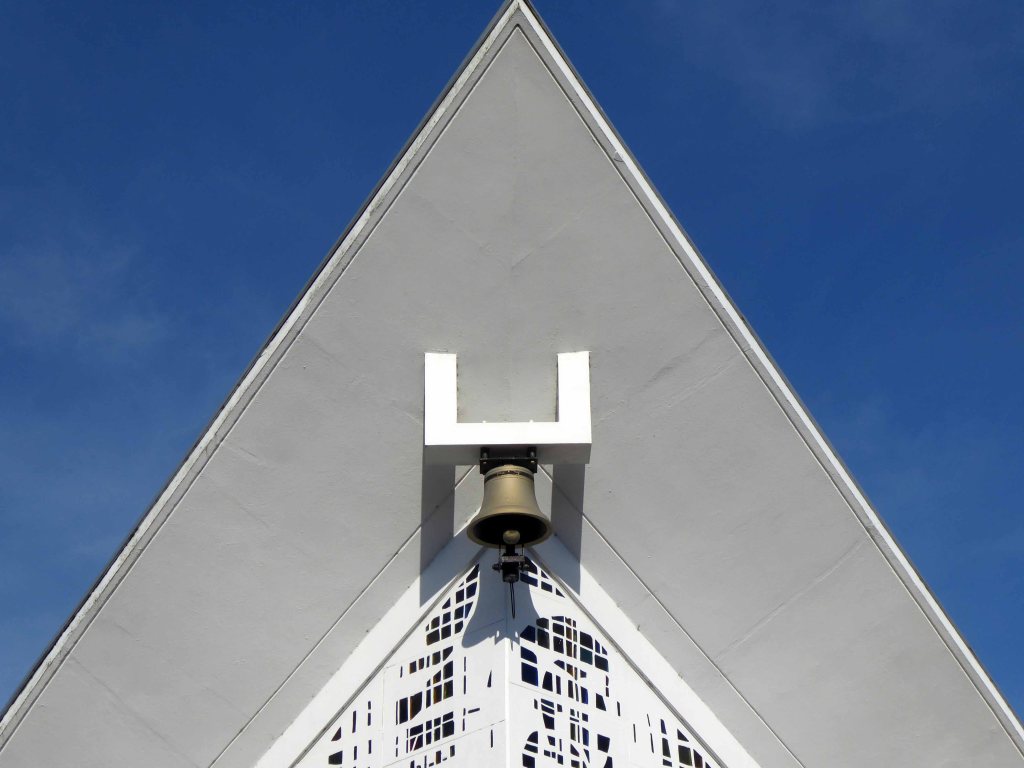
A post-war design consisting of an upper church over a lower hall, the prominent campanile making it something of a local landmark. The portal frame construction, materials and design are standard for the time. The interior has been reordered but retains some original furnishings. 

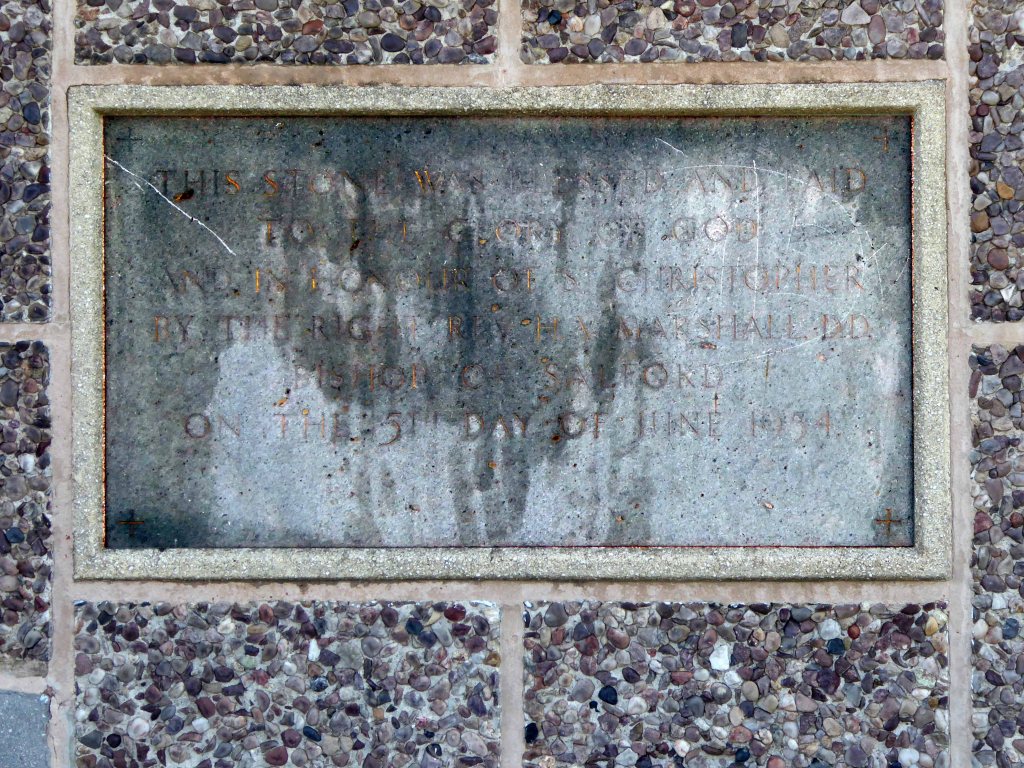
A new post-war parish was created to serve the growing residential area in Hurst Cross, previously served from St Anne’s, Ashton. Fr Kelly built the new church, whose foundation stone was blessed by Bishop Marshall on 5 June 1954.  The first Mass was held on Easter Monday, 1955. 

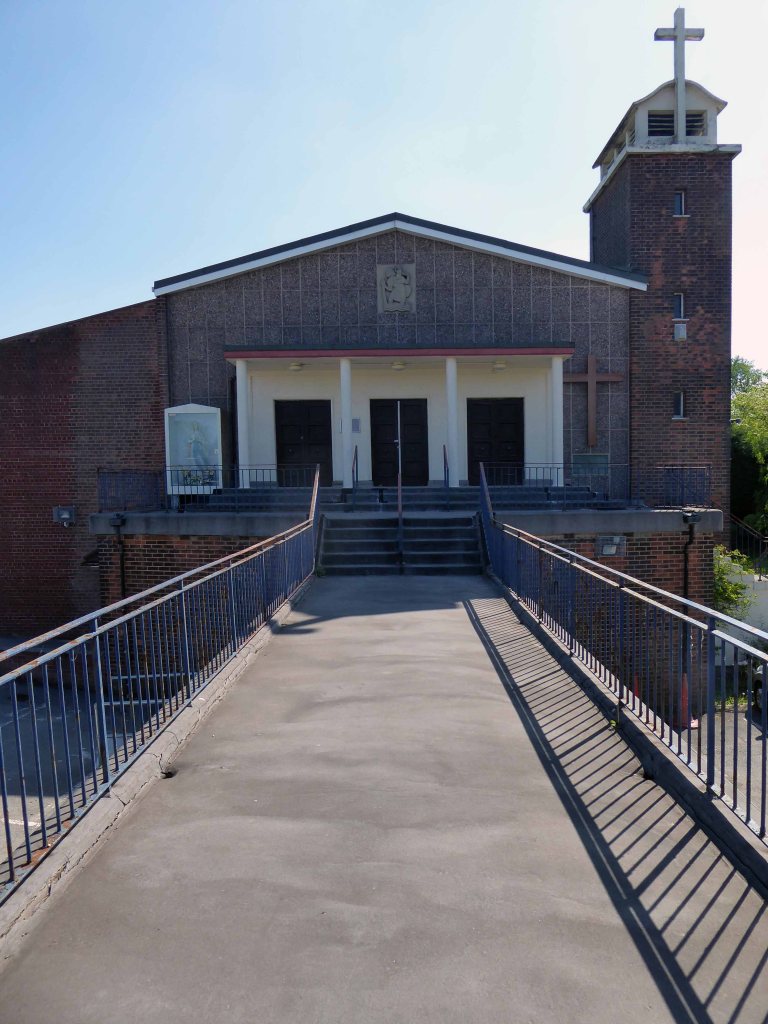
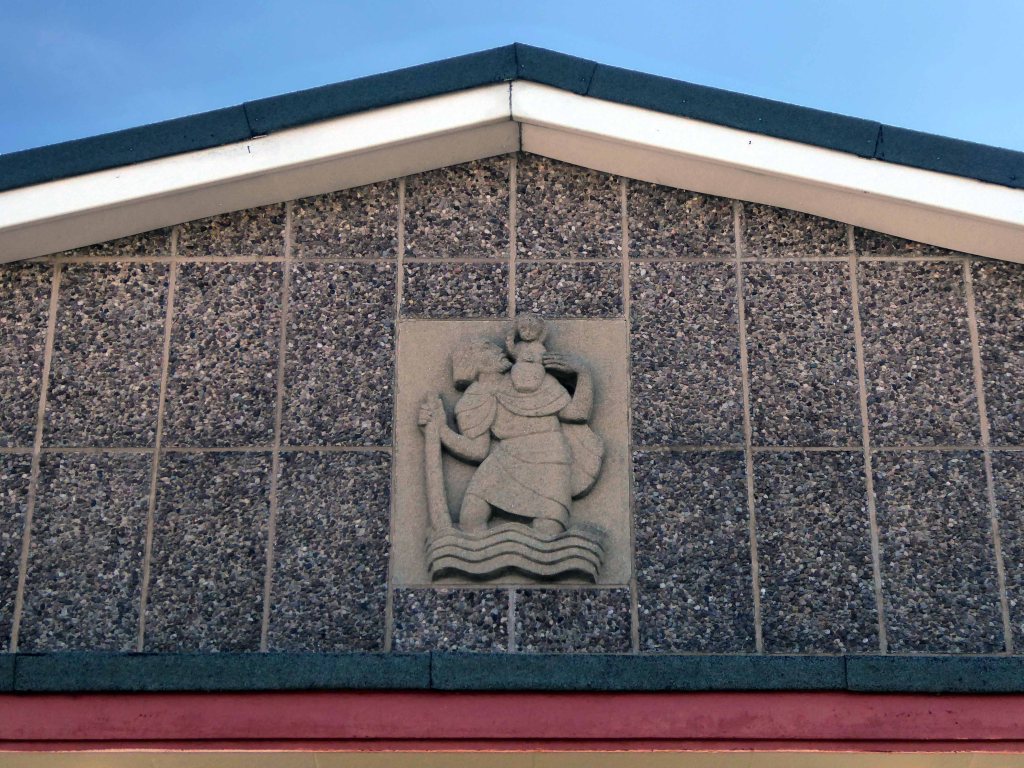
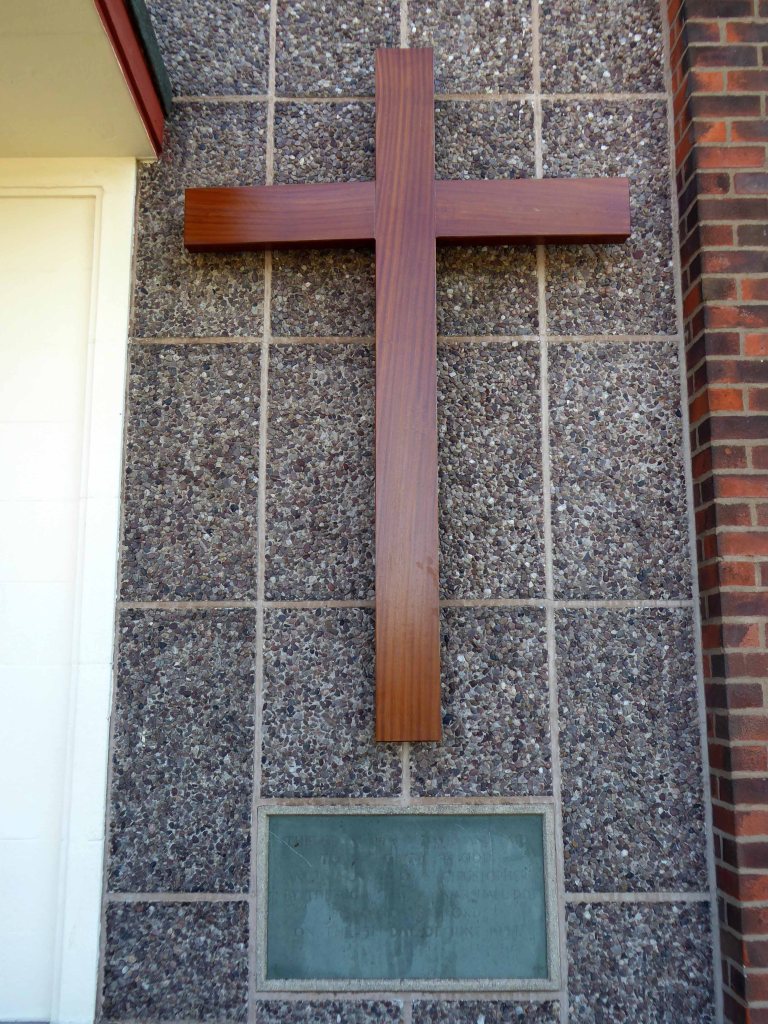
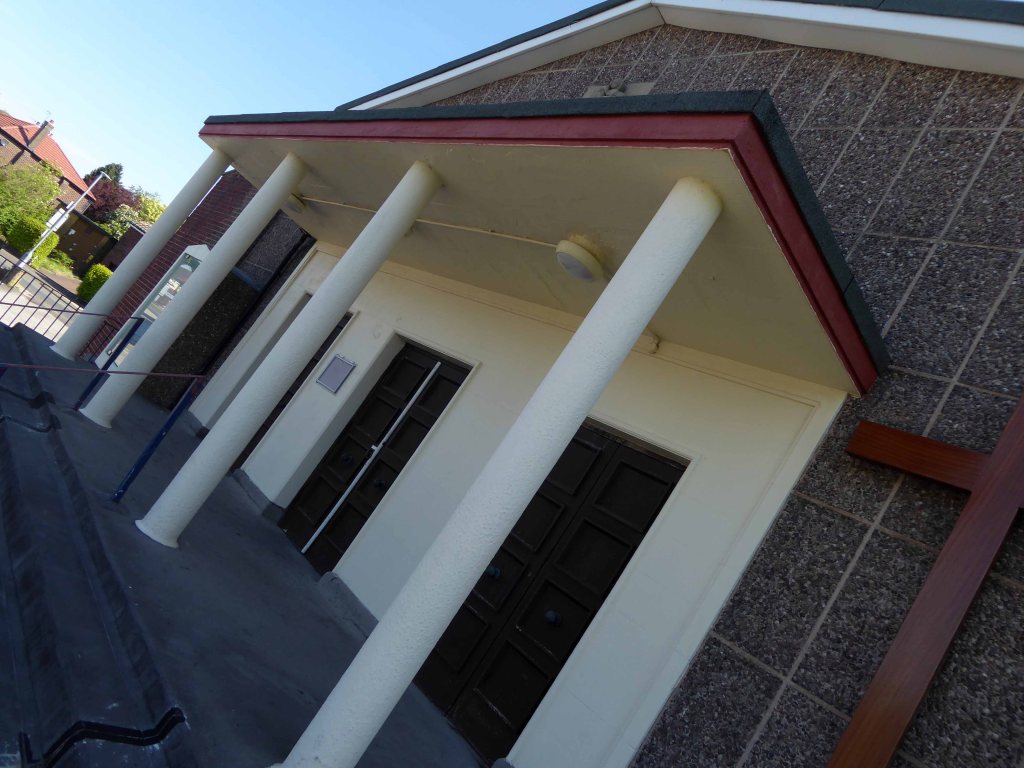
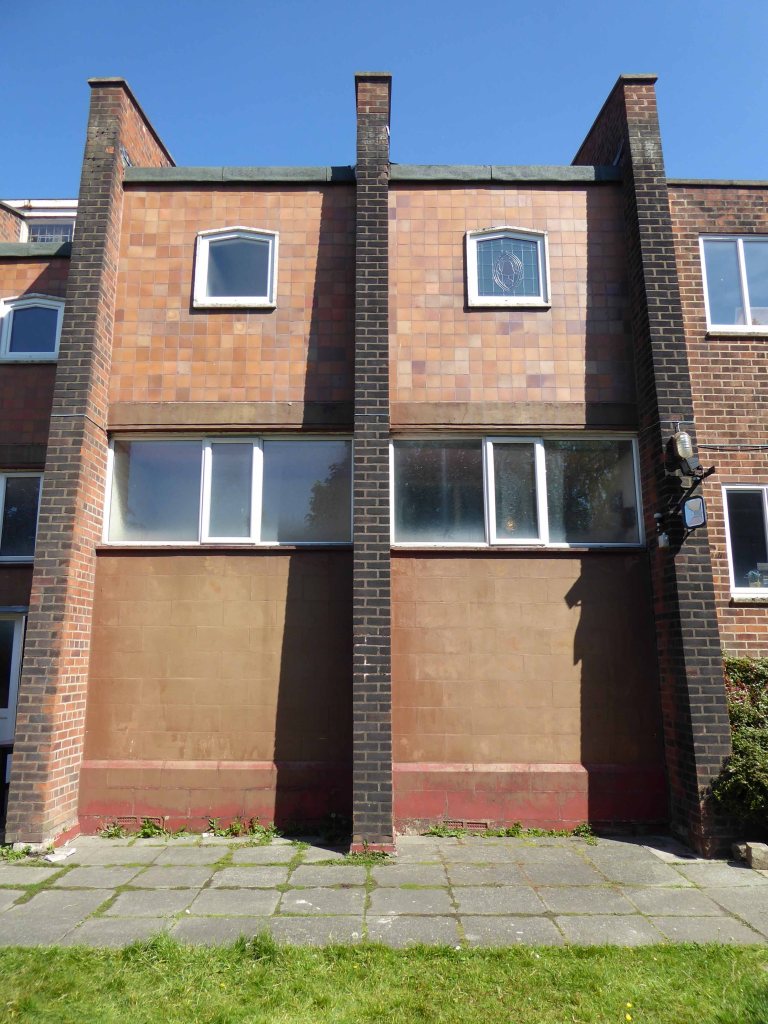
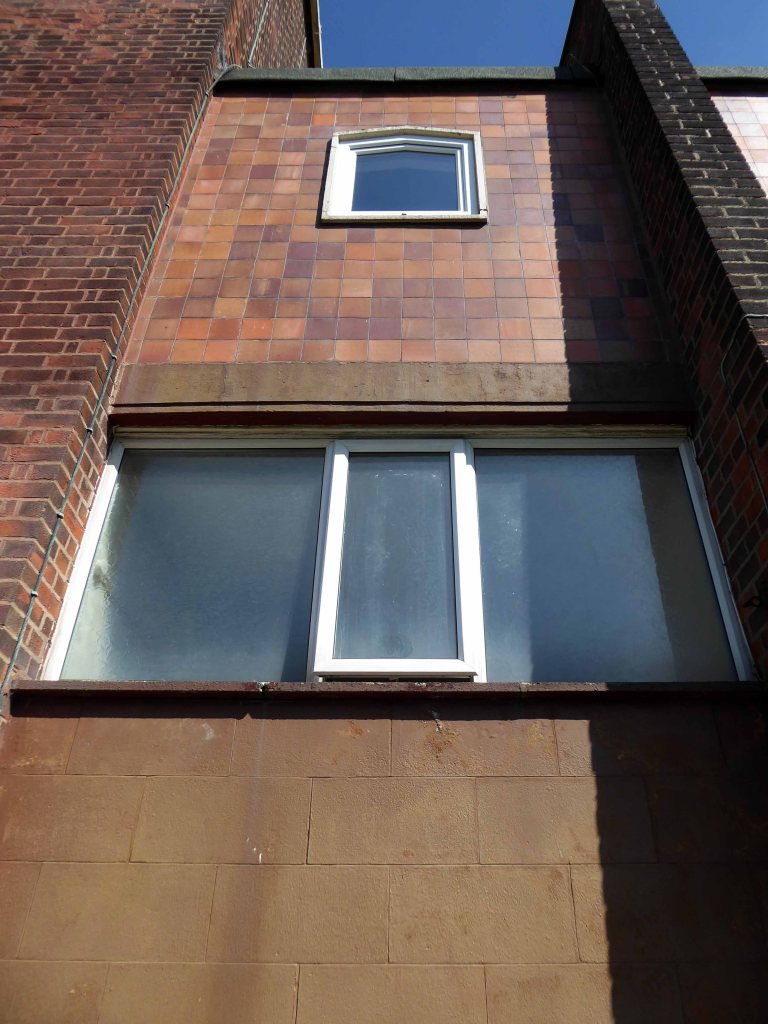
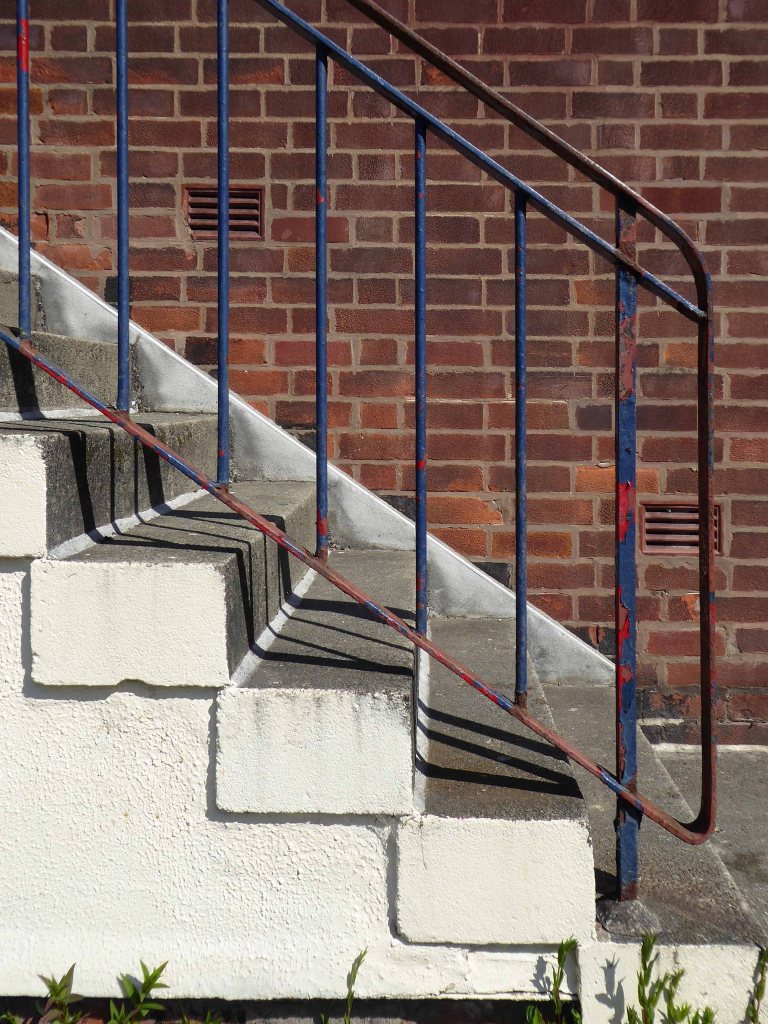
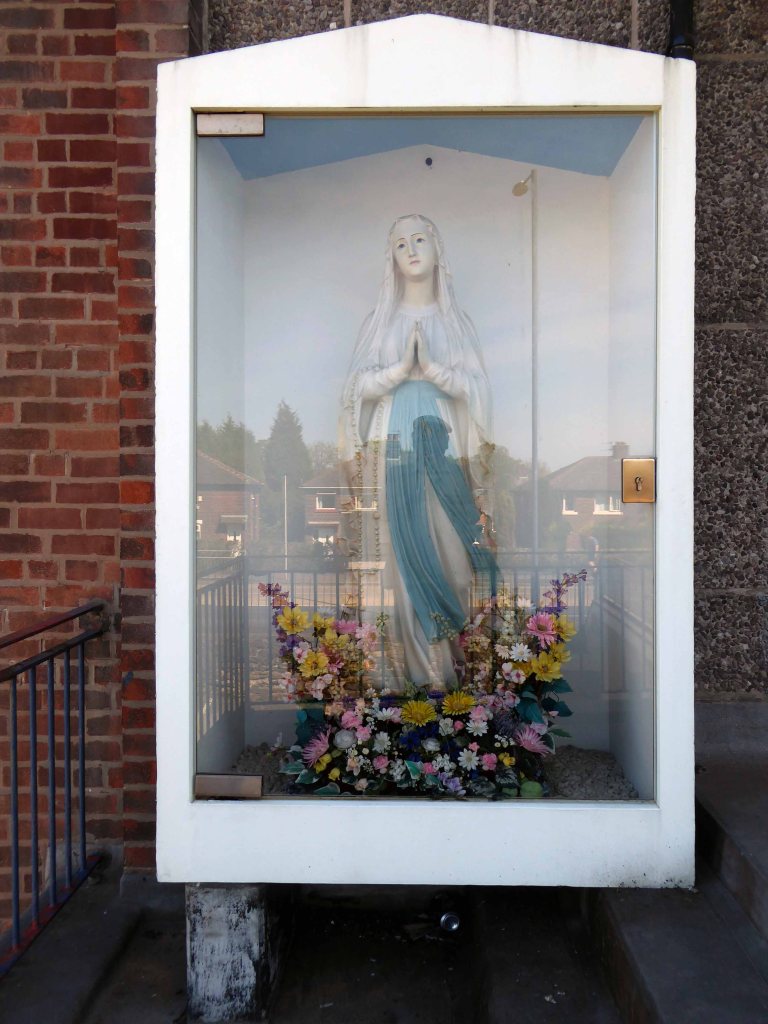
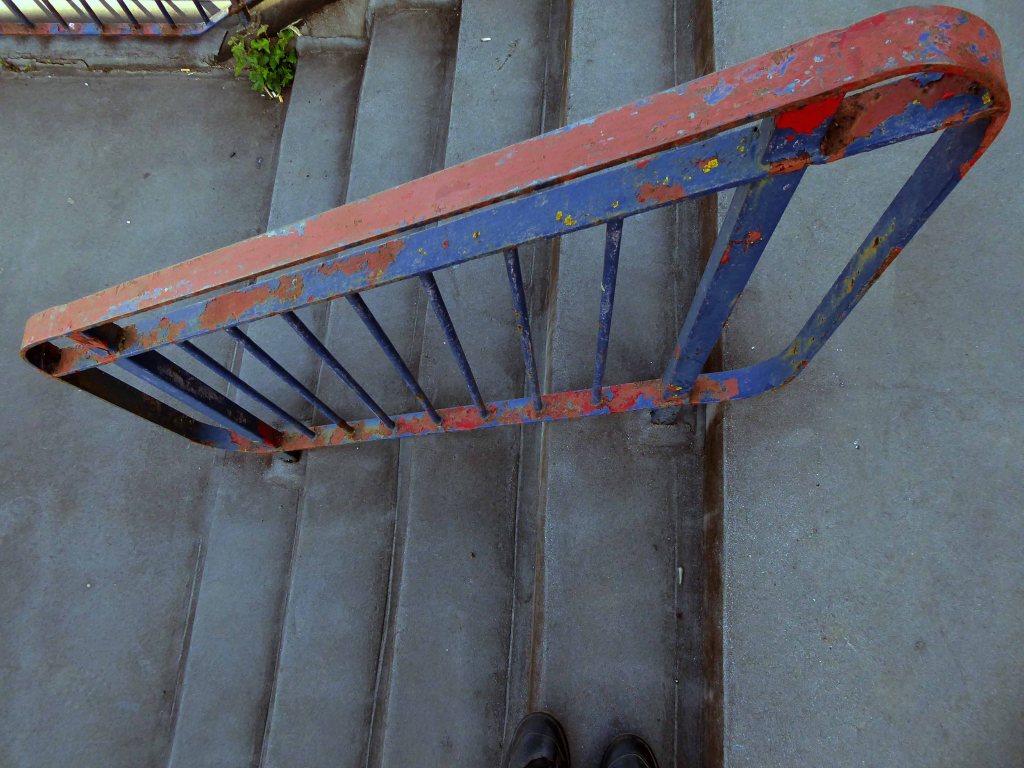
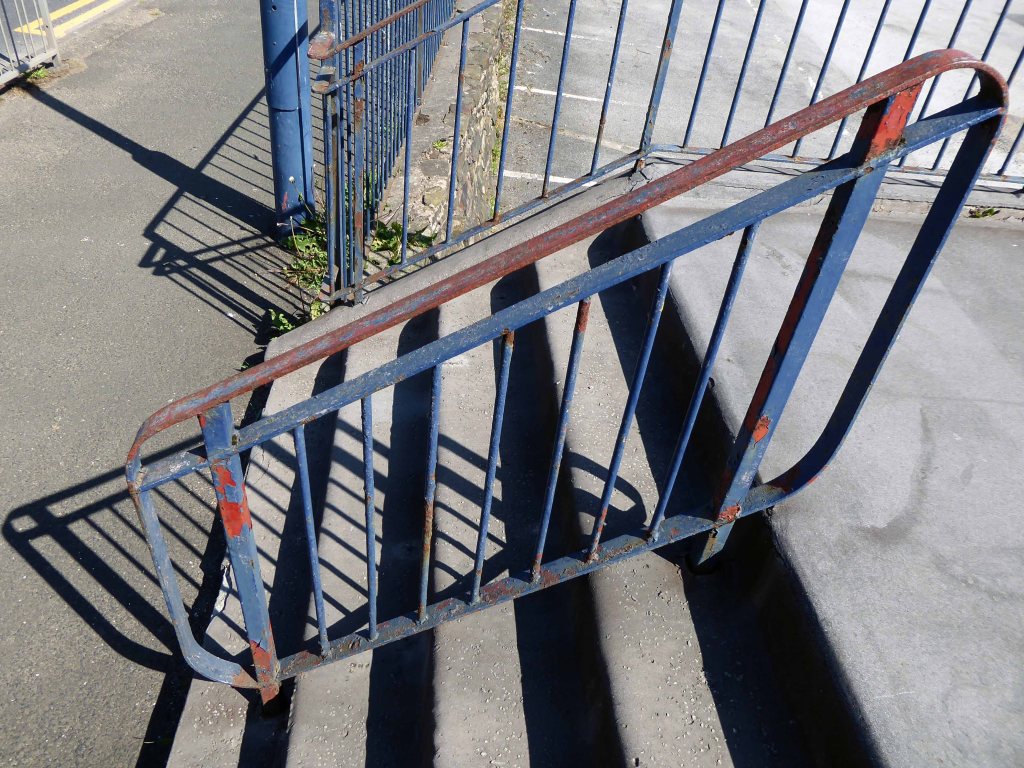
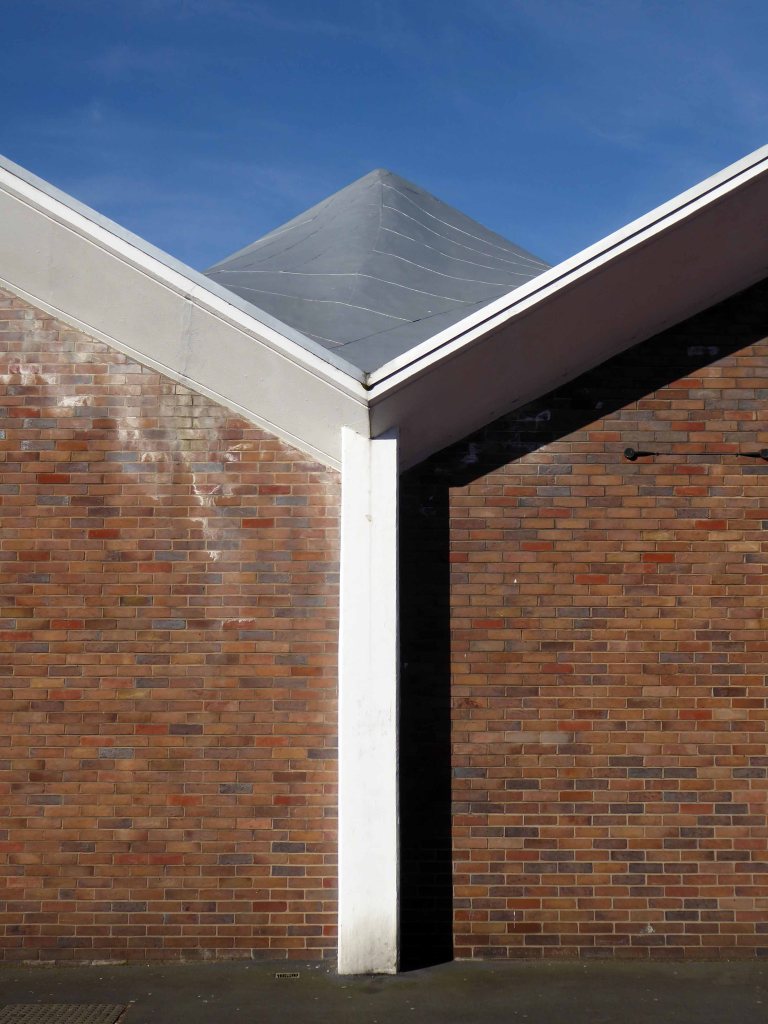
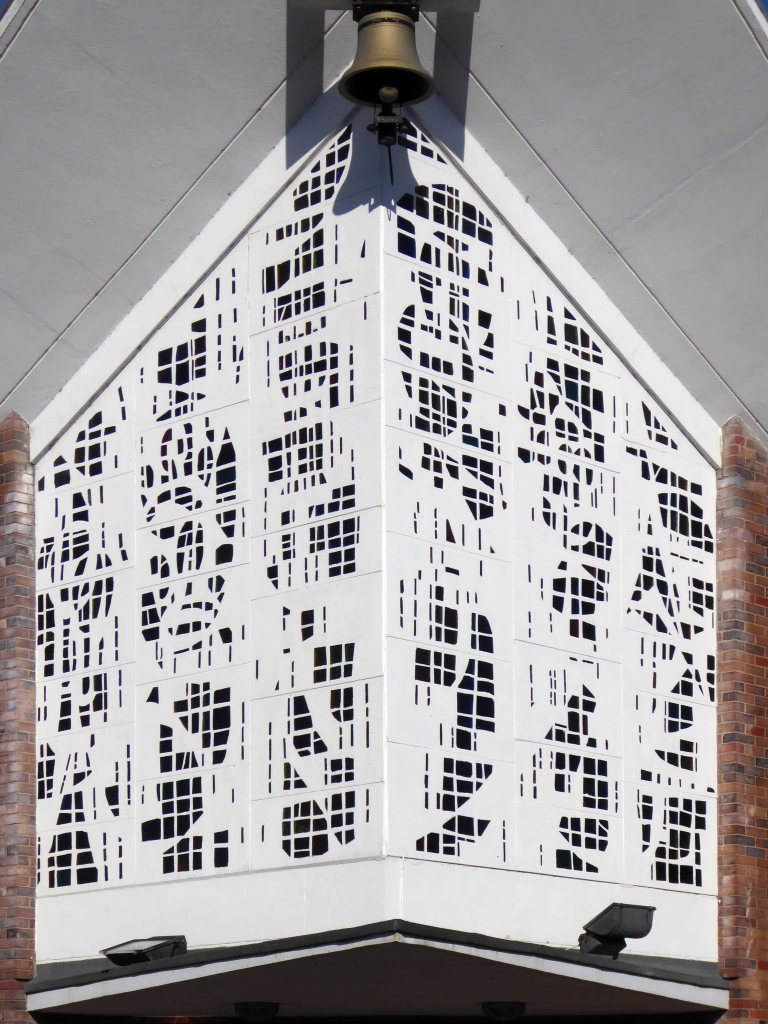
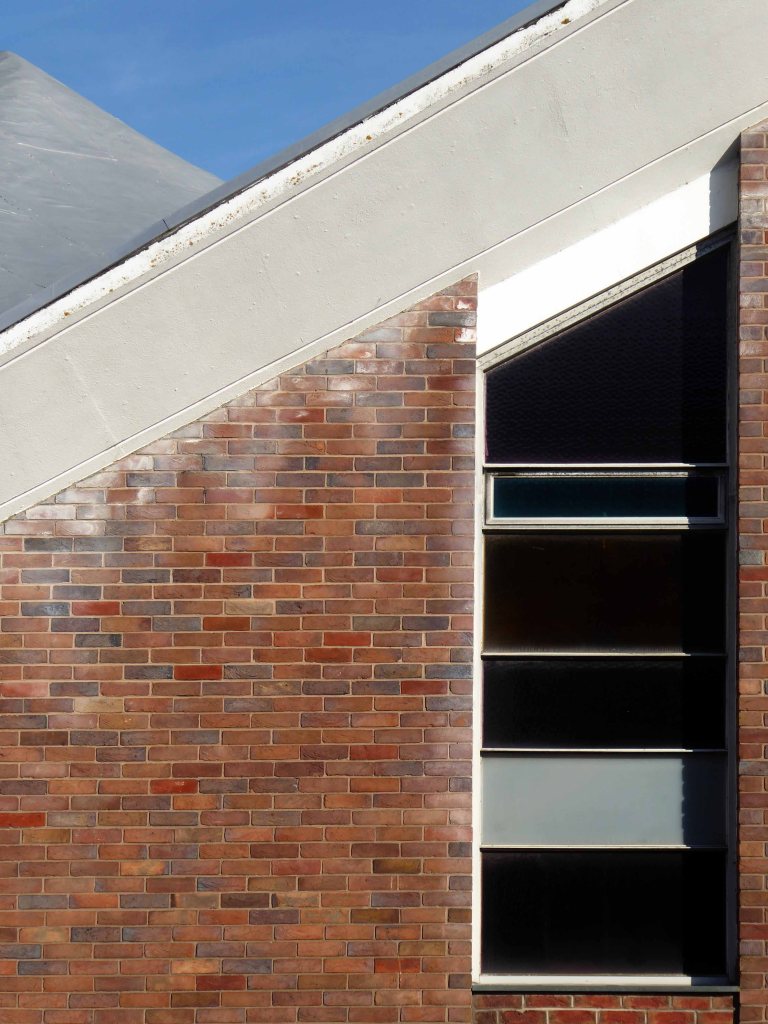
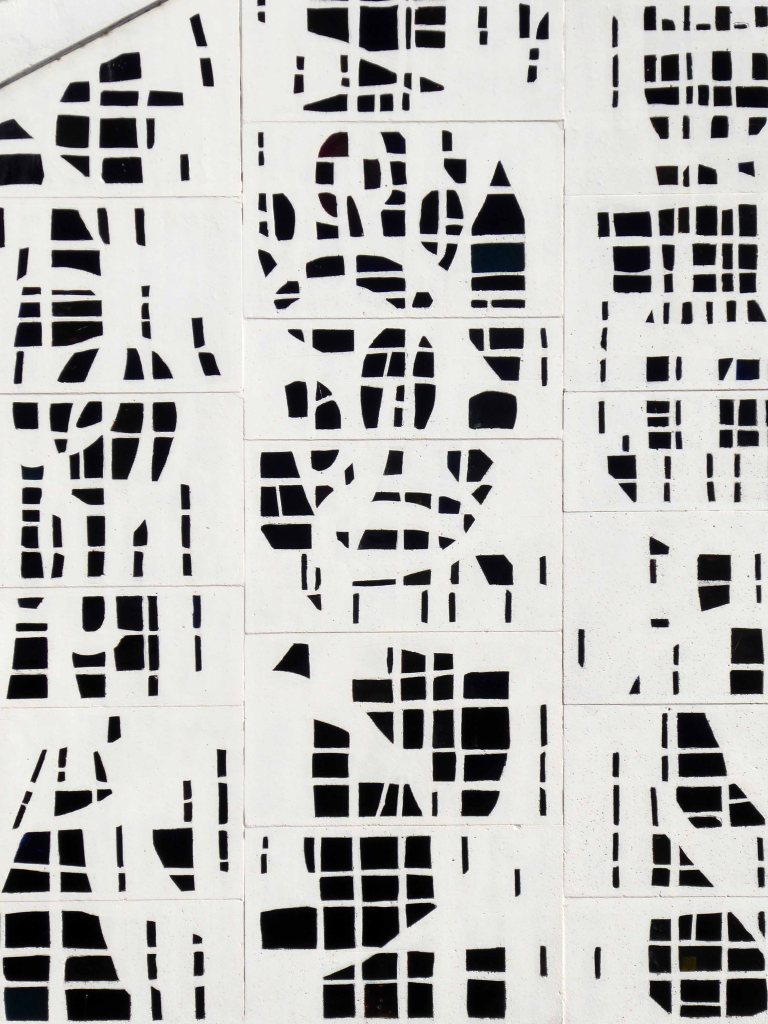
The church is conventionally orientated with the sanctuary to the east. Less conventionally, it is a two-storey building, with a ground floor parish hall and a first floor church. The church is reached from Lees Road by a reinforced concrete bridge and steps. A brick campanile marks the southwest corner. The structure of the portal-framed building is expressed externally by raking brick buttresses to side elevations.  The west gable end is faced in aggregate panels with a concrete relief depicting St Christopher over a plain three-bay flat-roofed portico.  The aisles are faced in ceramic tiled panels to the upper level with render to the parish hall level. The nave is lit by three-light clerestory windows with smaller windows to the aisles. The shallow-pitched roof is laid with mineral felt.  A two-storey block containing a large sacristy connects to the contemporary presbytery.

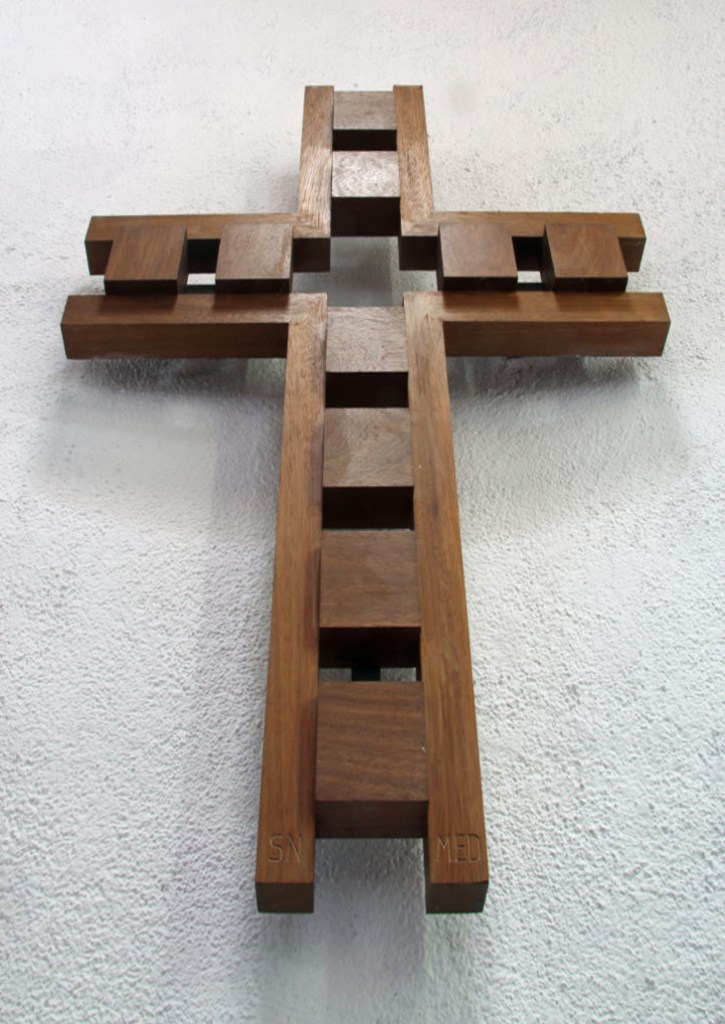
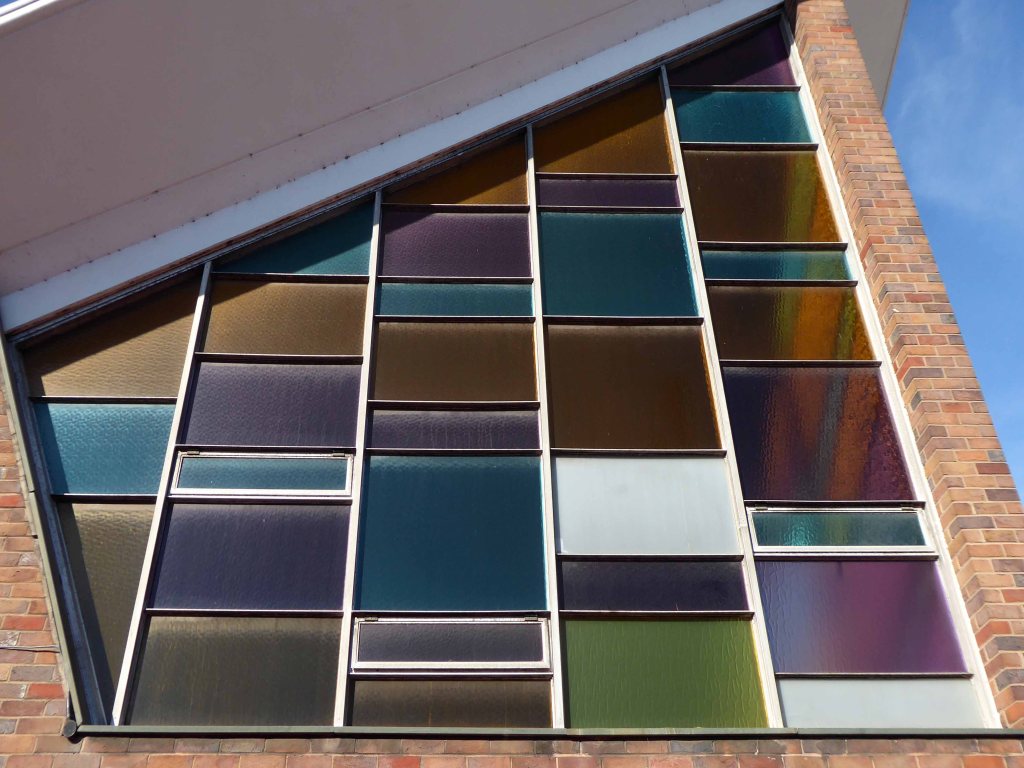
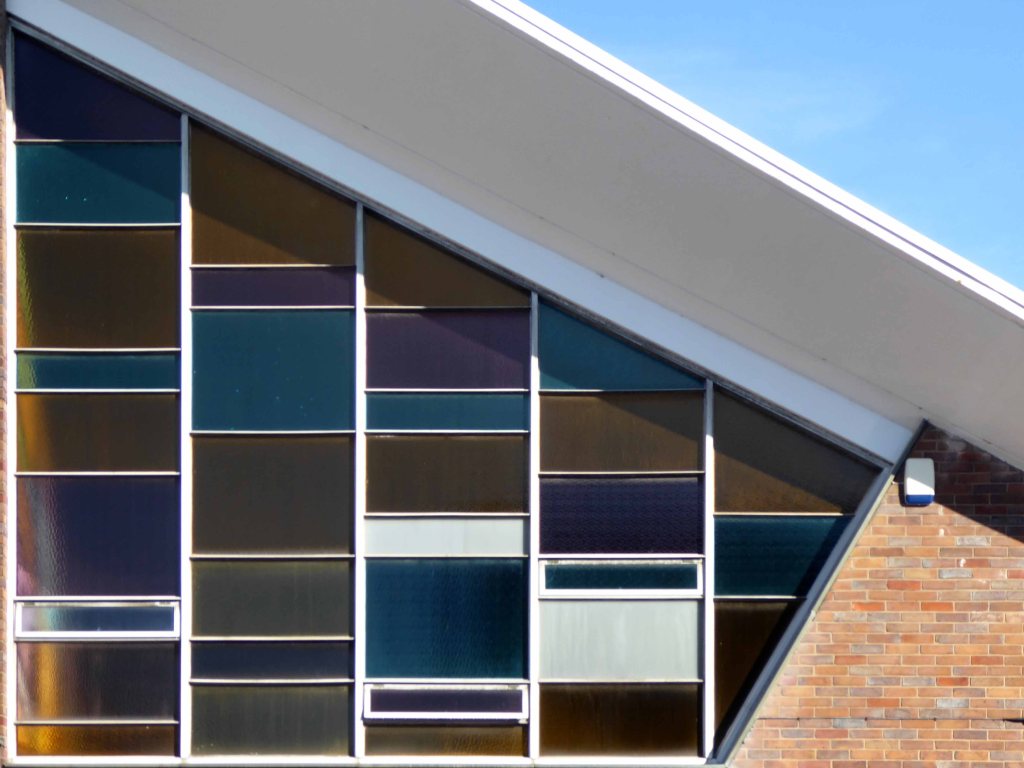
Inside, the six-bay upper church has a plain west gallery above a narthex with glazed screen. The aisles have arcades of square brick piers and plain plastered walls. The clerestory windows are leaded with coloured glass margins. The ceiling is lined with acoustic panels and the concrete floor is laid with carpet or linoleum tiles. The reordered sanctuary retains the original polished concrete altar in a forward position; the 1950s altar rails and pulpit have been removed. The east wall is now hung with wallpaper, but was originally fair-faced brick; the Crucifix and painted timber high altar canopy are part of the original arrangement.  The side chapels also retain original 1950s polished concrete altars. The octagonal font with oak cover dates from the late nineteenth or early twentieth century, of unknown provenance. The hardwood pews were designed for the church.

Taking Stock

I have known this church for some fifty years – living just up the road.

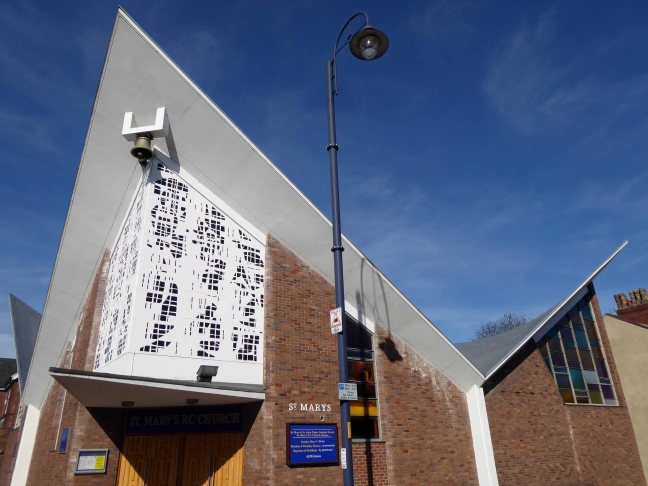
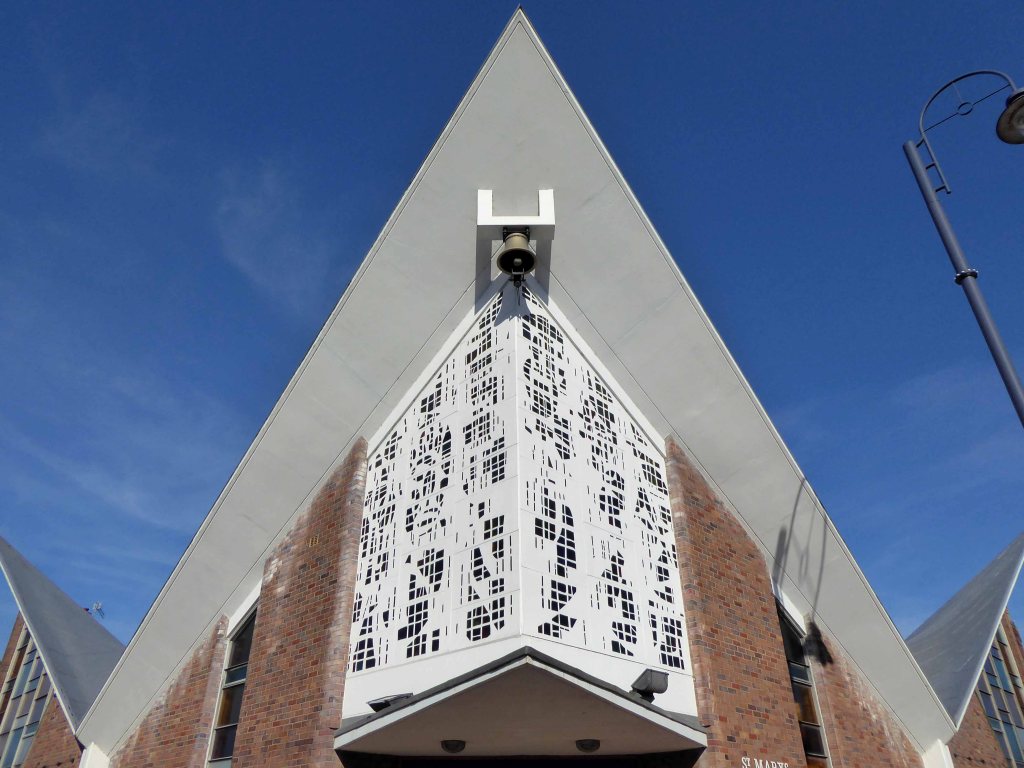
It was probably along with St Mary’s Denton my first experiences of Modern Architecture.

I went to the youth club in the social area beneath the church.

St Mary

It is typical of the Italianate styling of the time, a functional mix of glass brick and concrete, far from ostentatious – and sitting comfortably in its setting.

On the day of my visit the country is in lockdown, Mass suspended and the body of the church used as a homeless shelter, prior to rehousing – signs of the times.

Beanland House No 2 – Ashton under Lyne

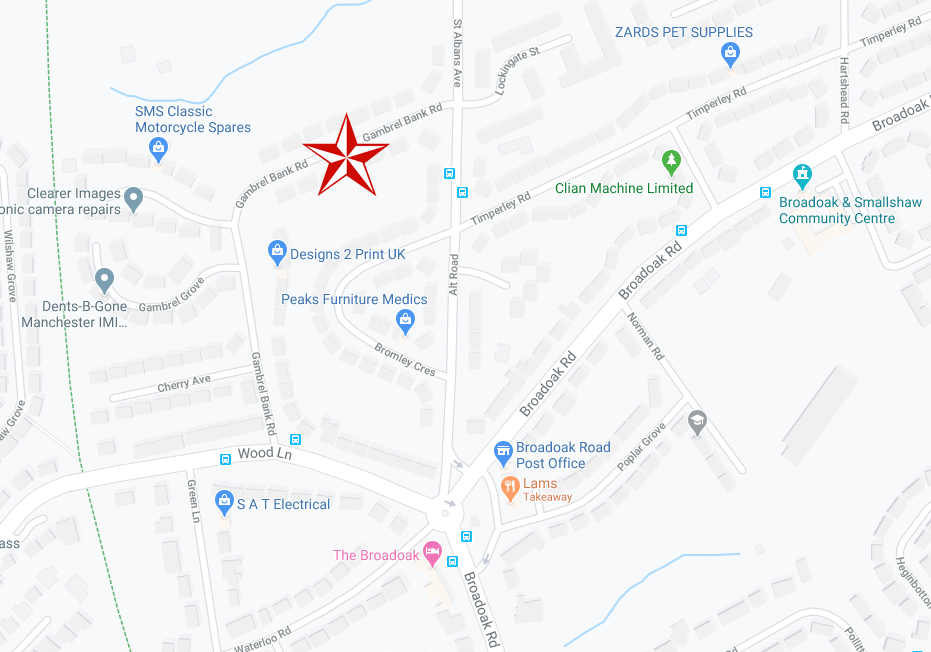
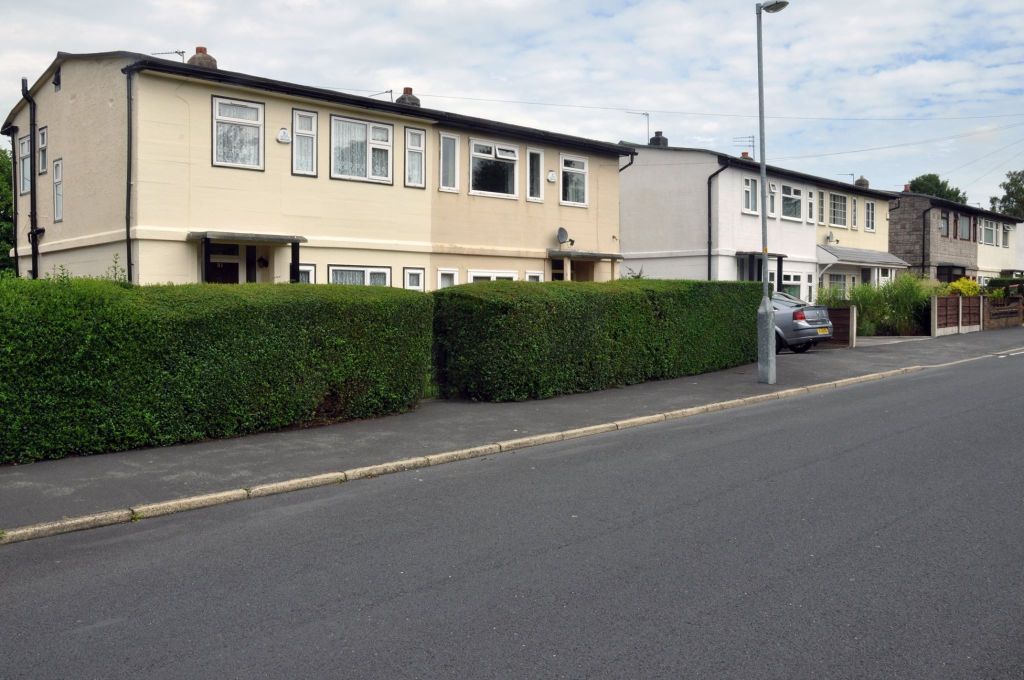
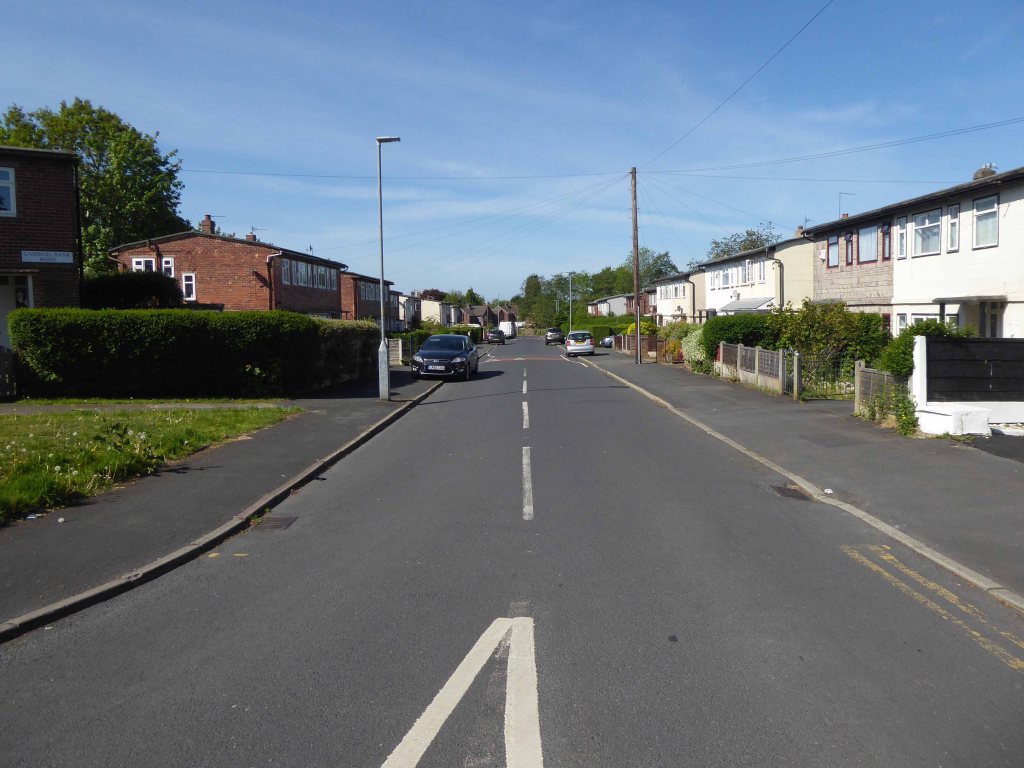
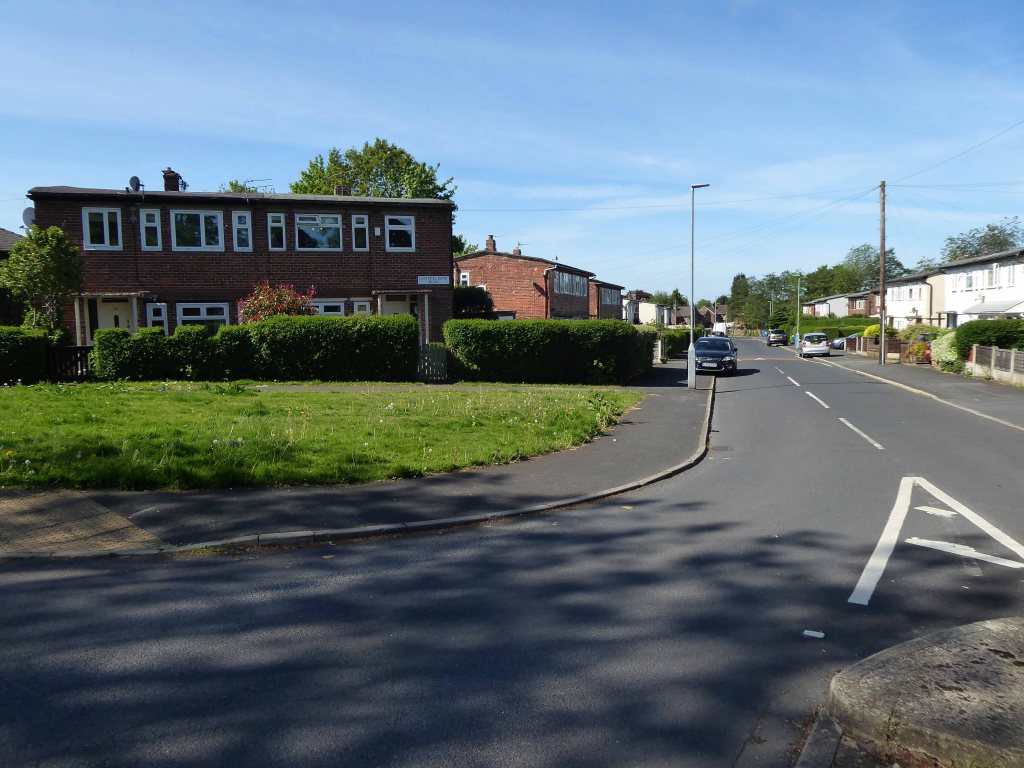
Gambrel Bank Road Ashton under Lyne

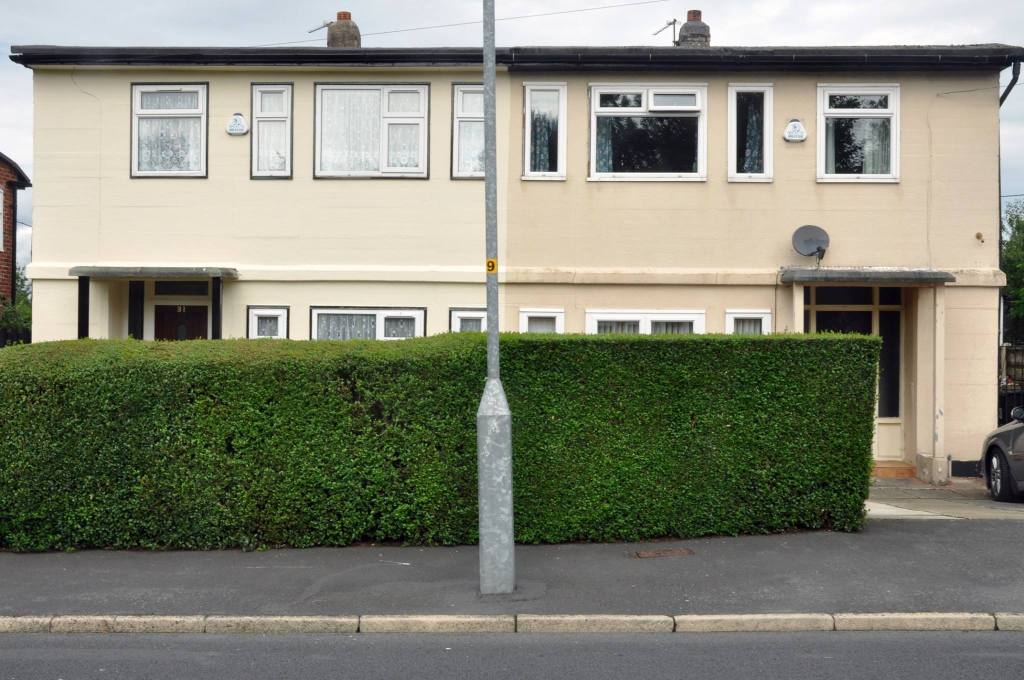
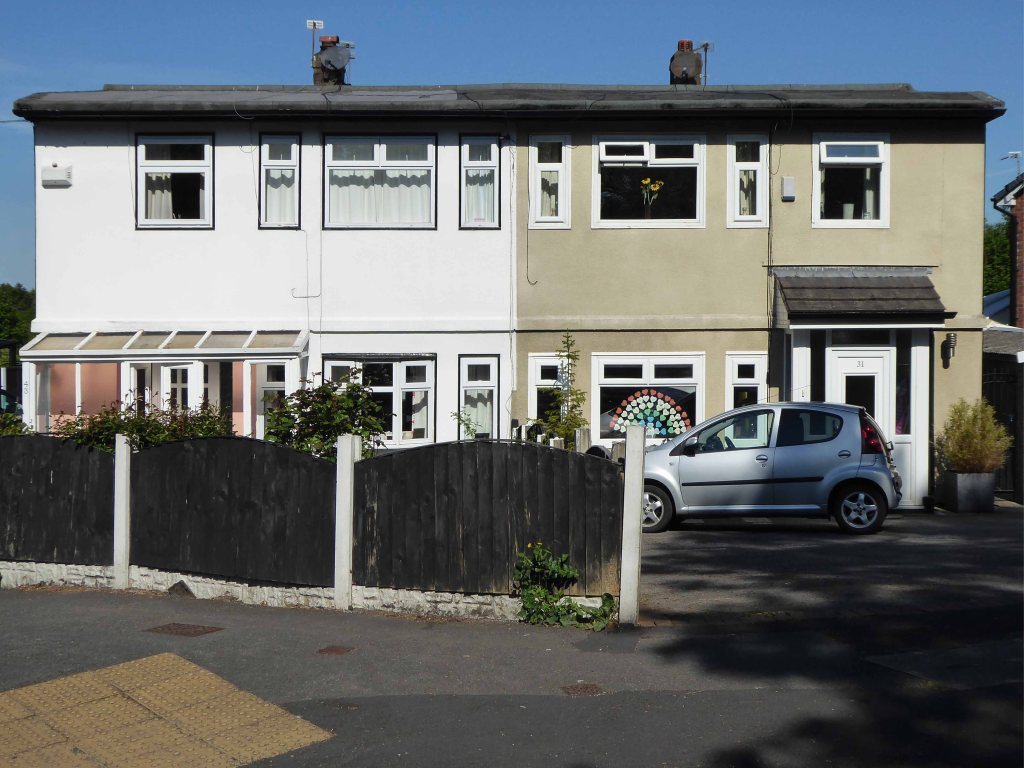
I have been here before in 2015 en passant, snapped the homes chatted to a resident and off, she had informed me that they had been post-war experimental concrete homes.

I thought no more about it – but subsequently I did, returning to the road to take another look.

Here’s one I didn’t make earlier.

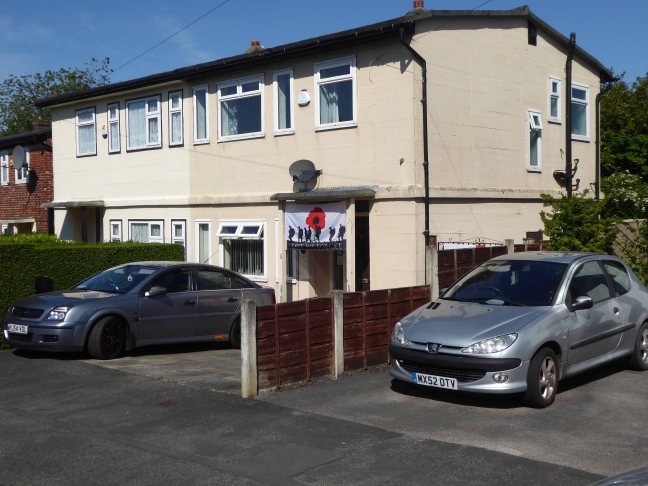
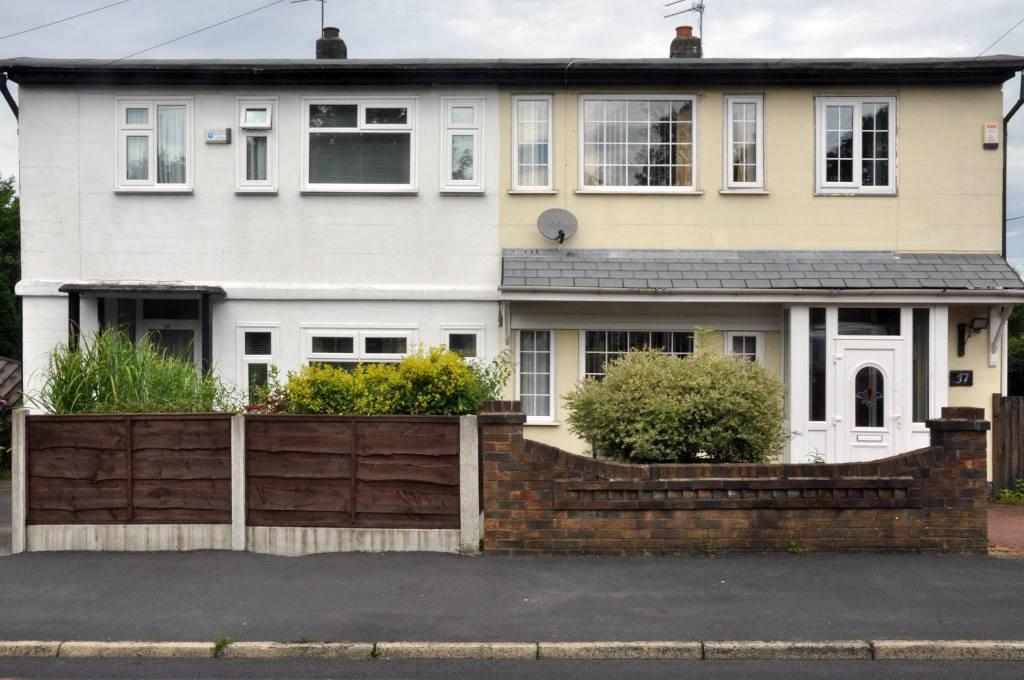
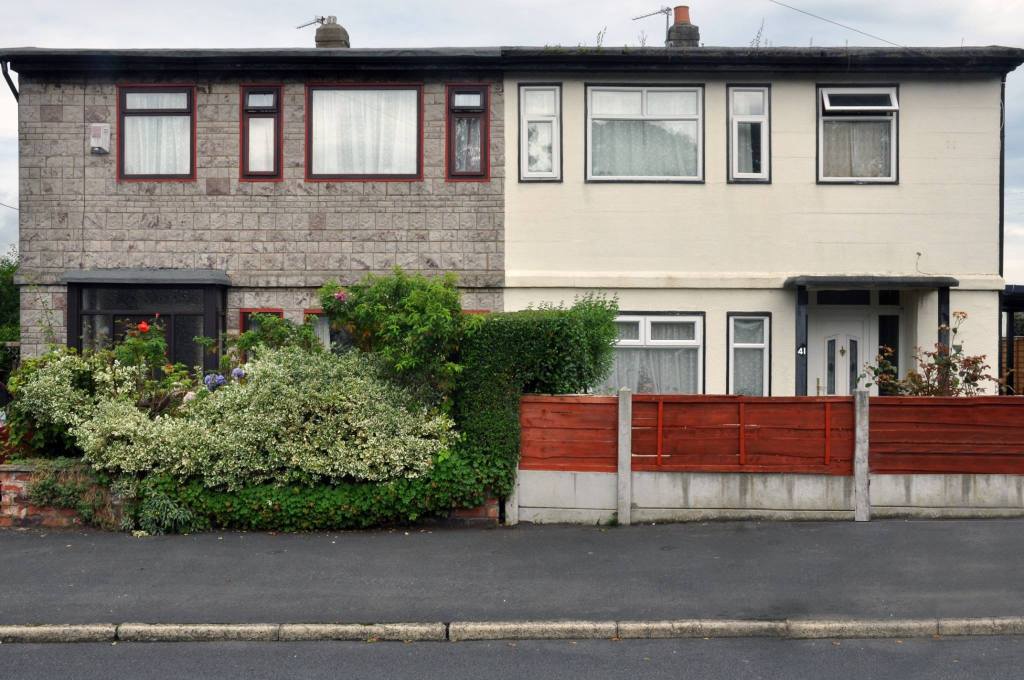
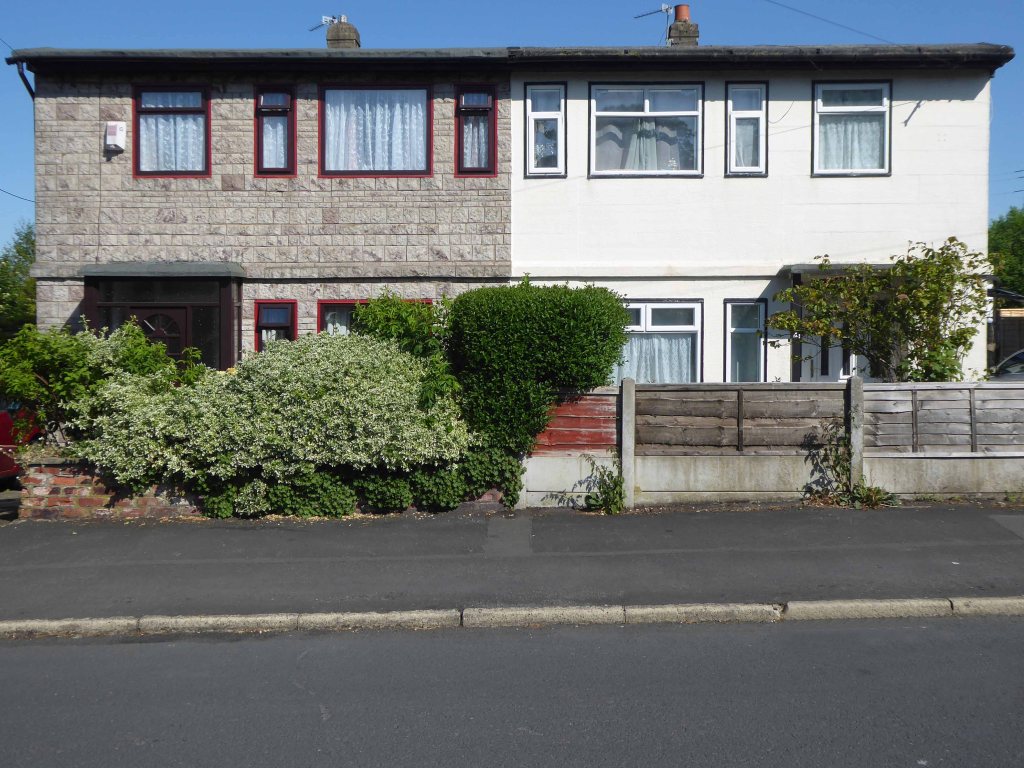
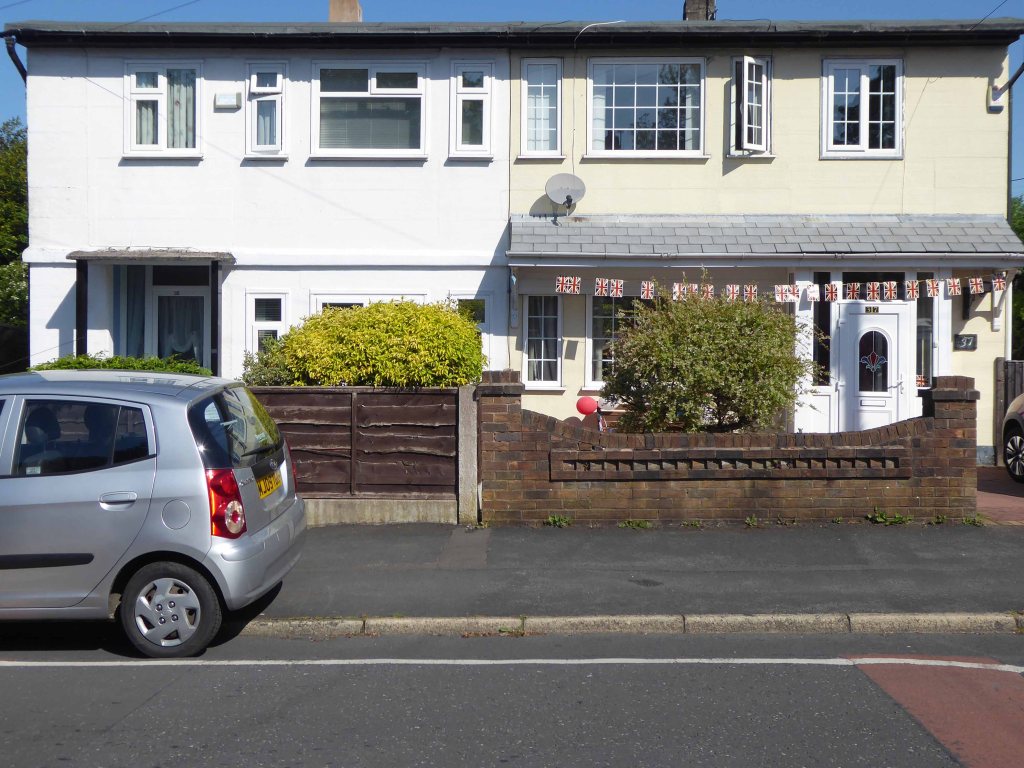
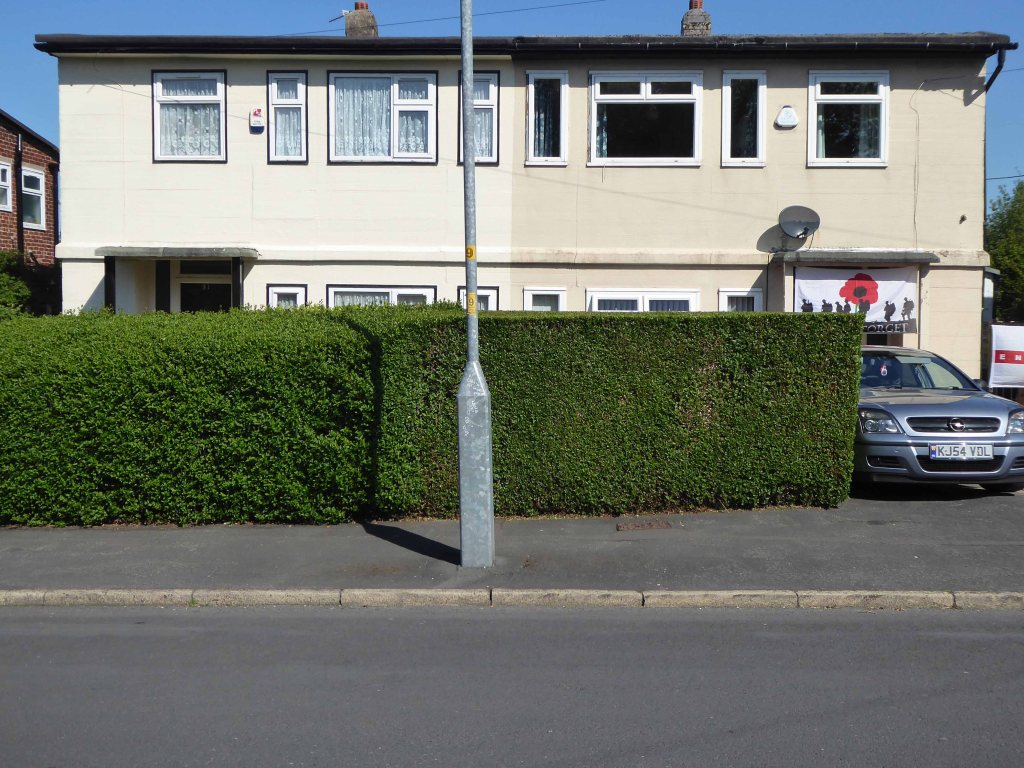
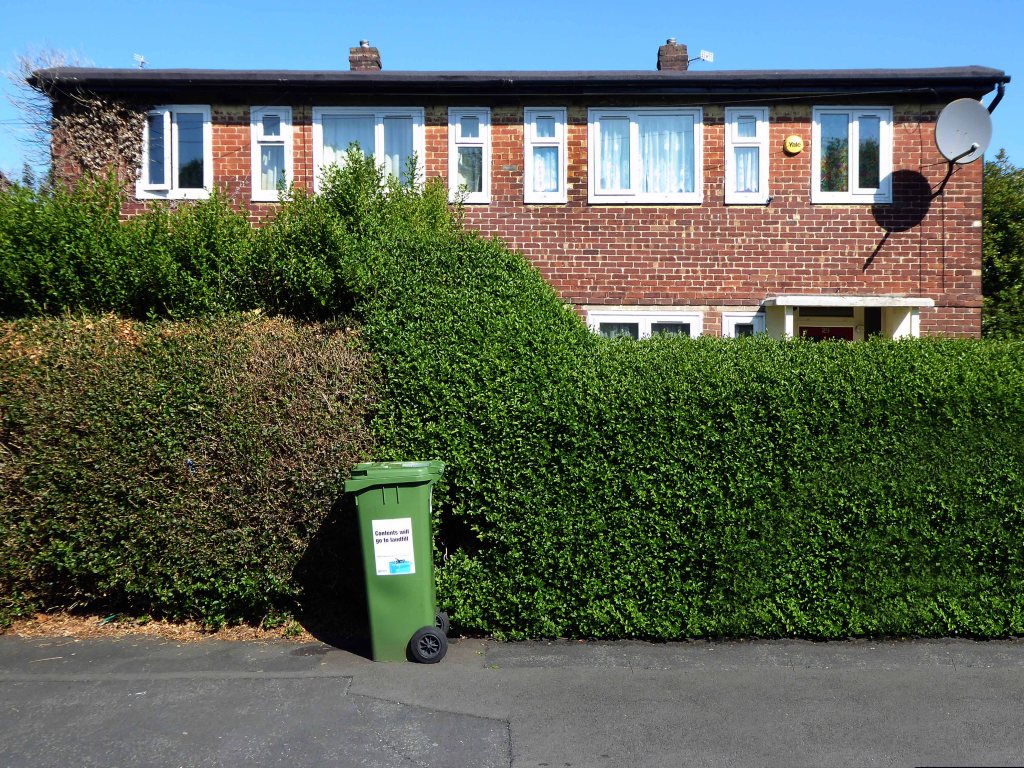
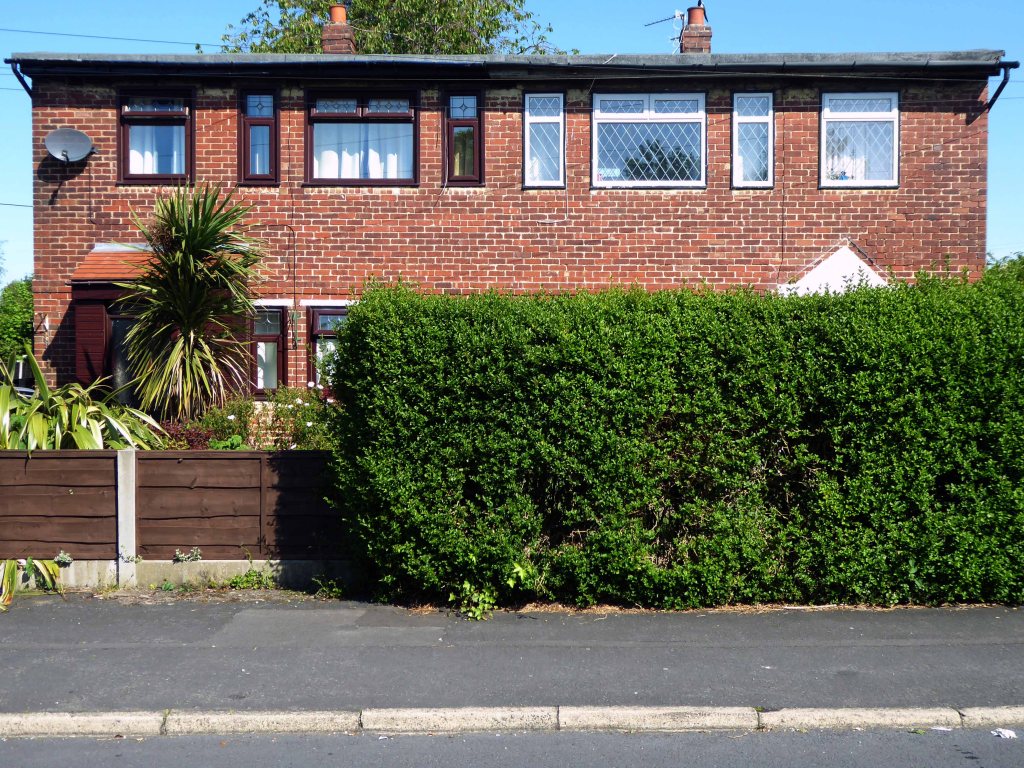
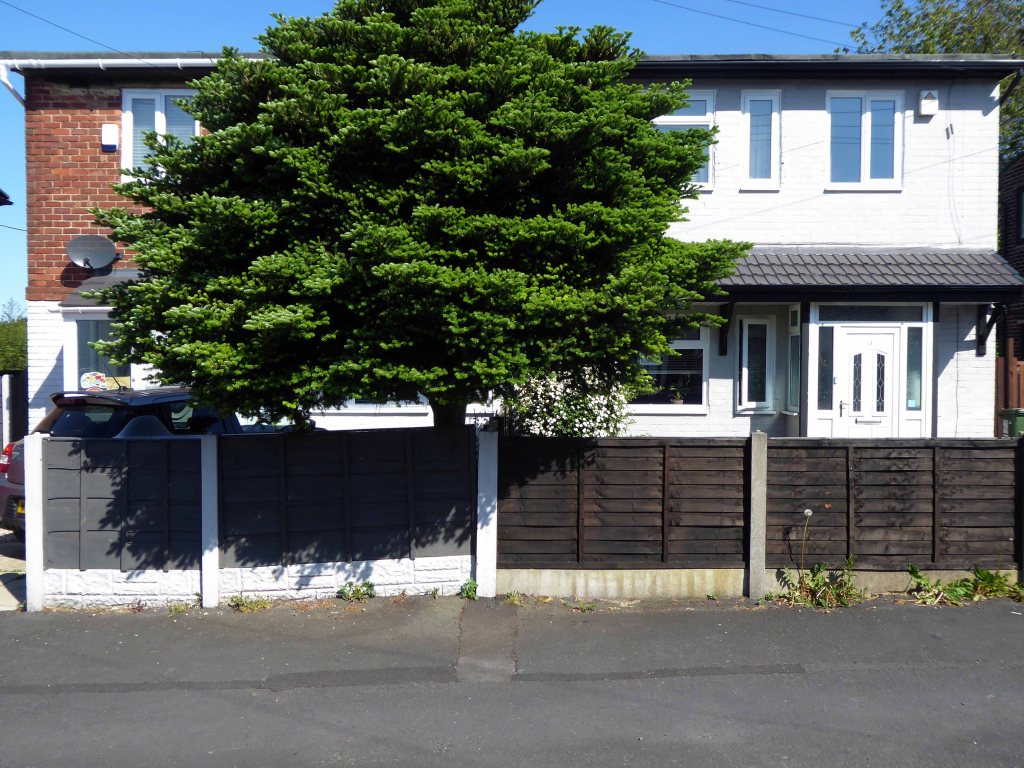
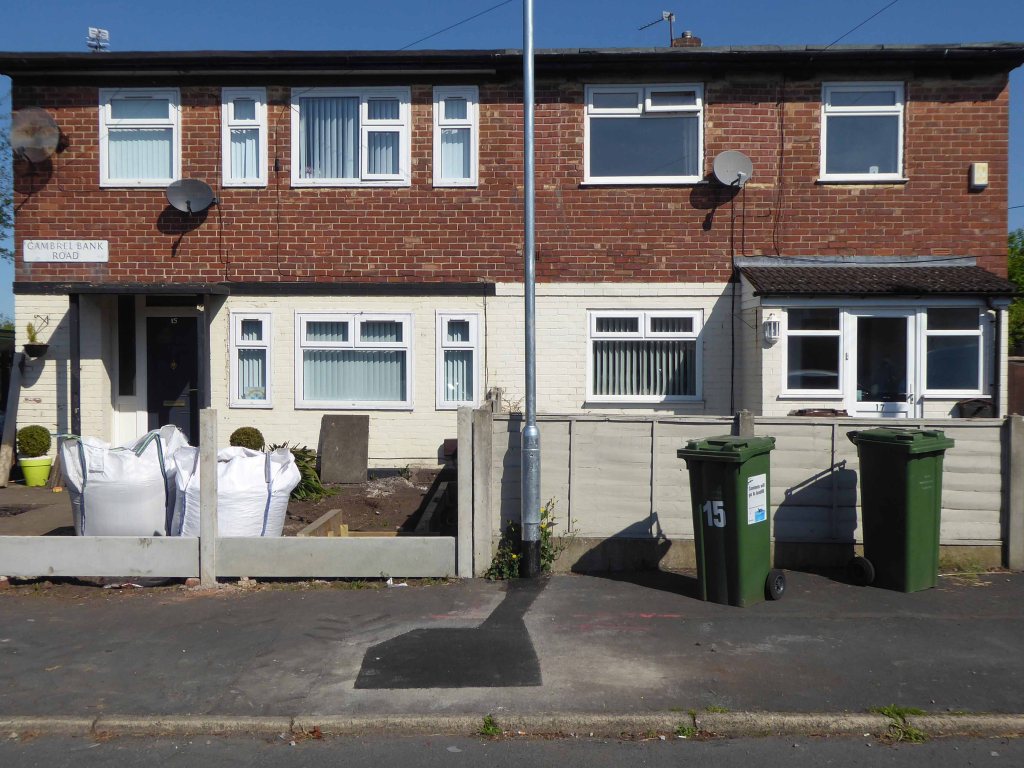
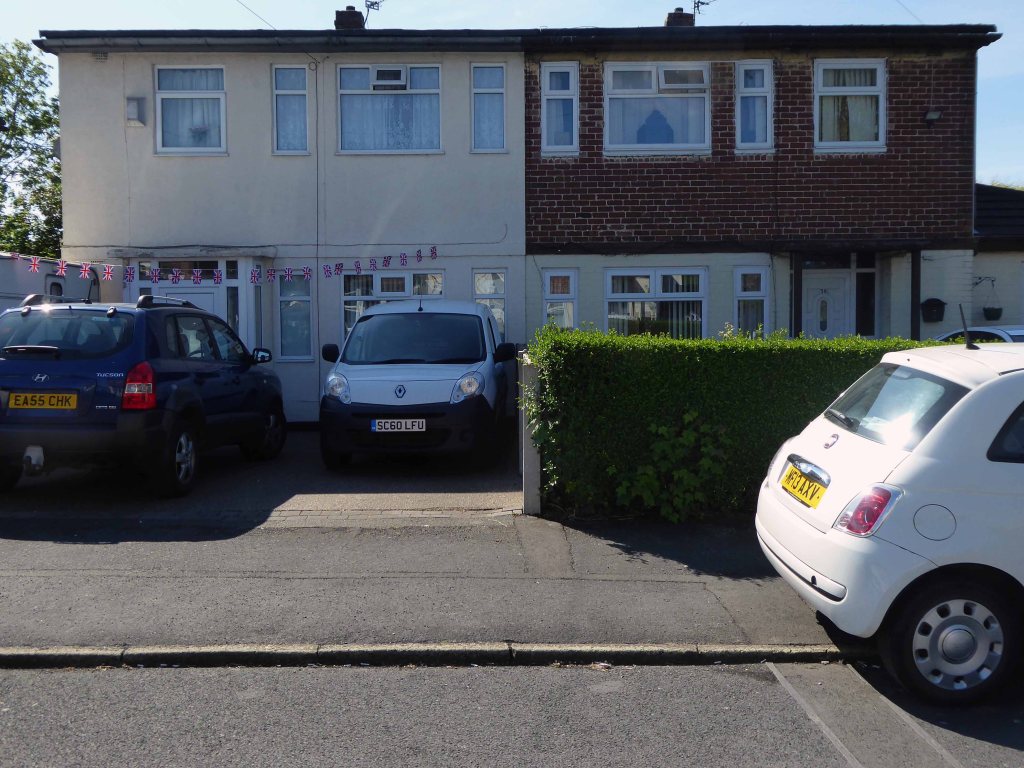
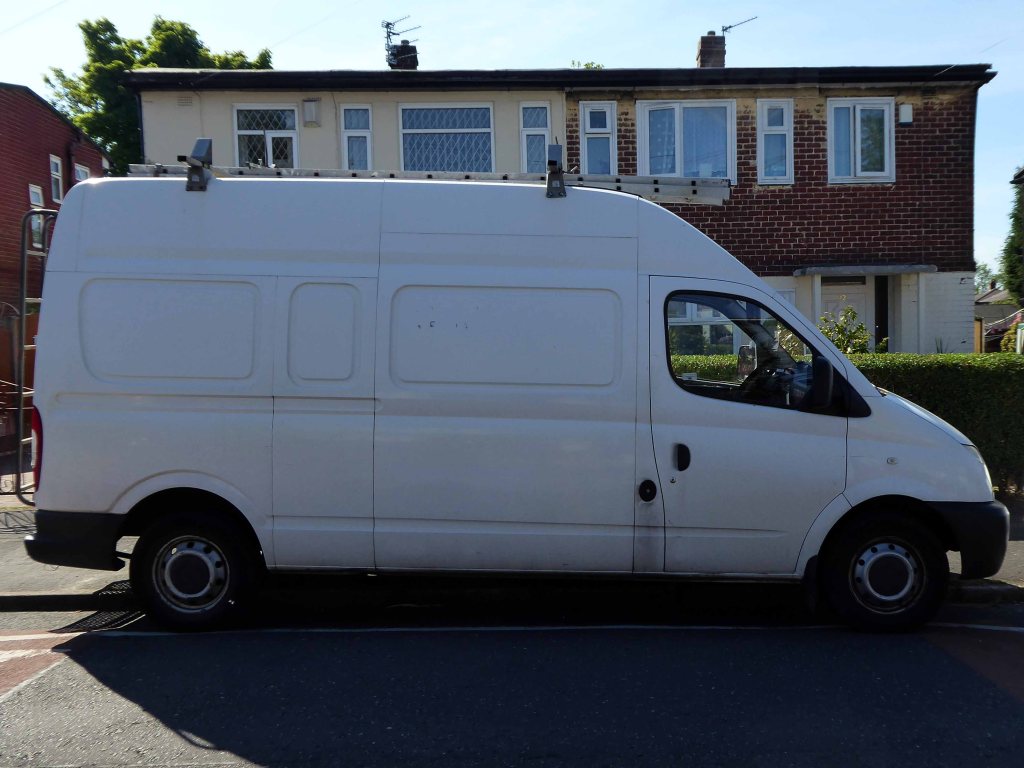
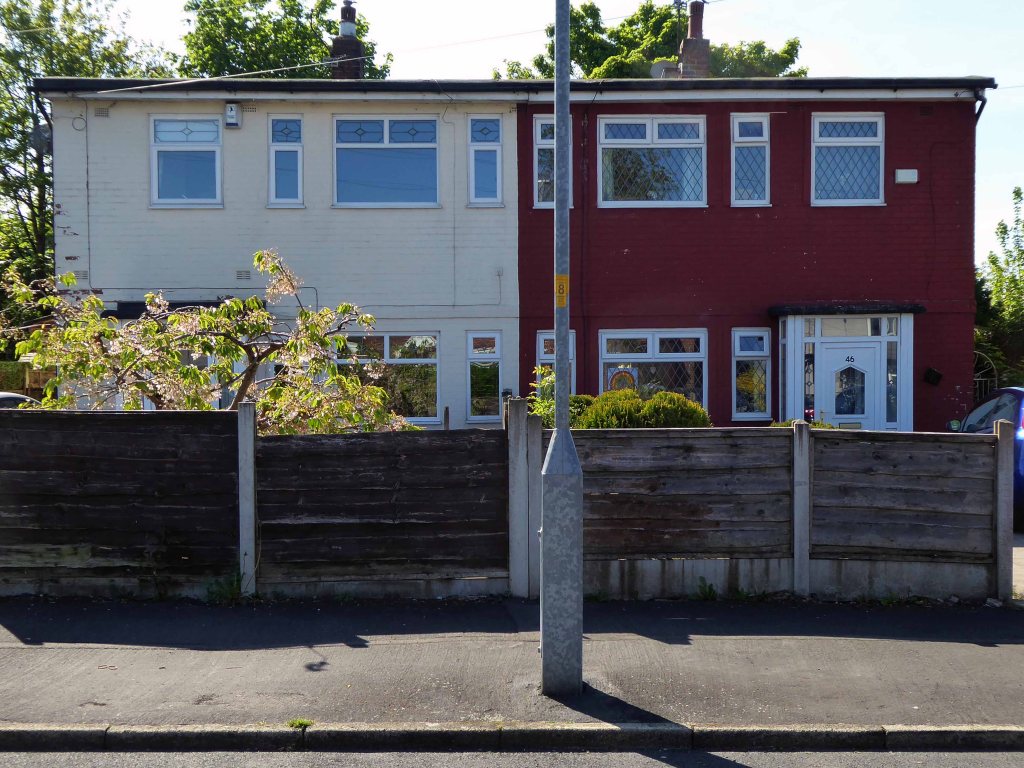
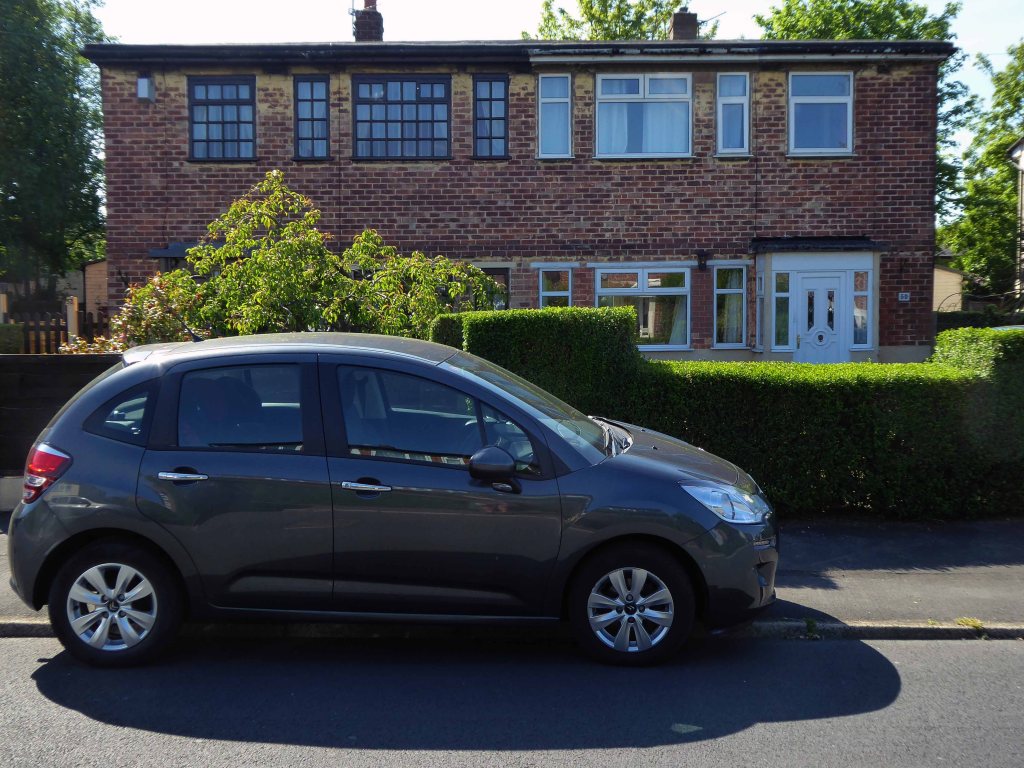
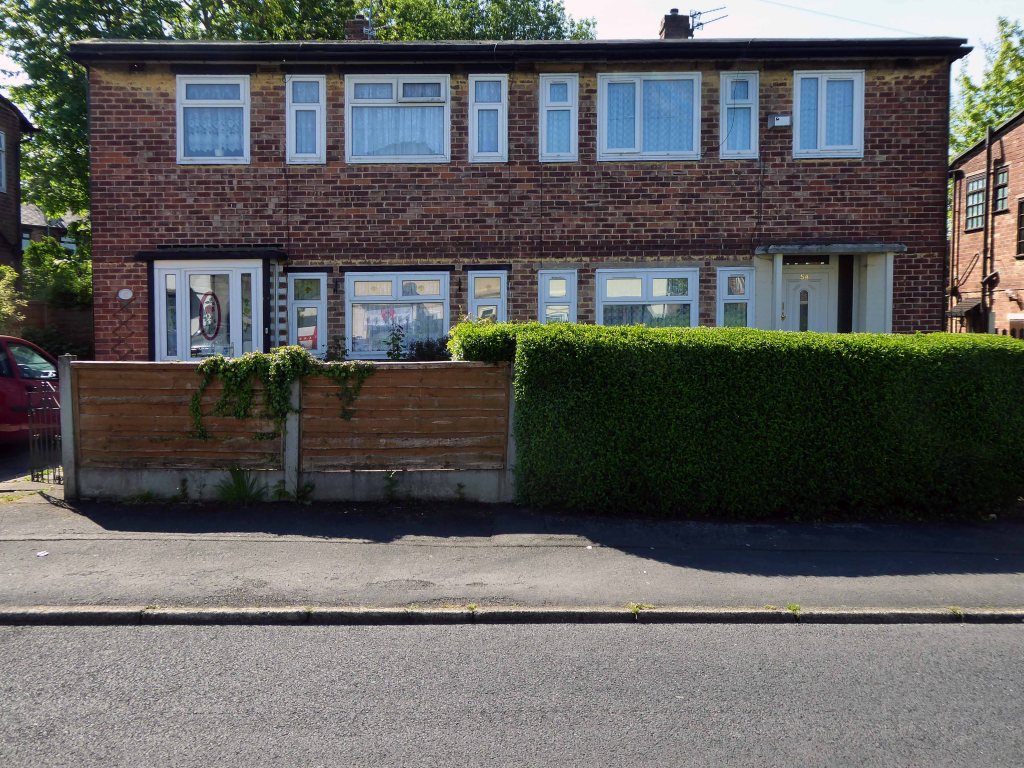
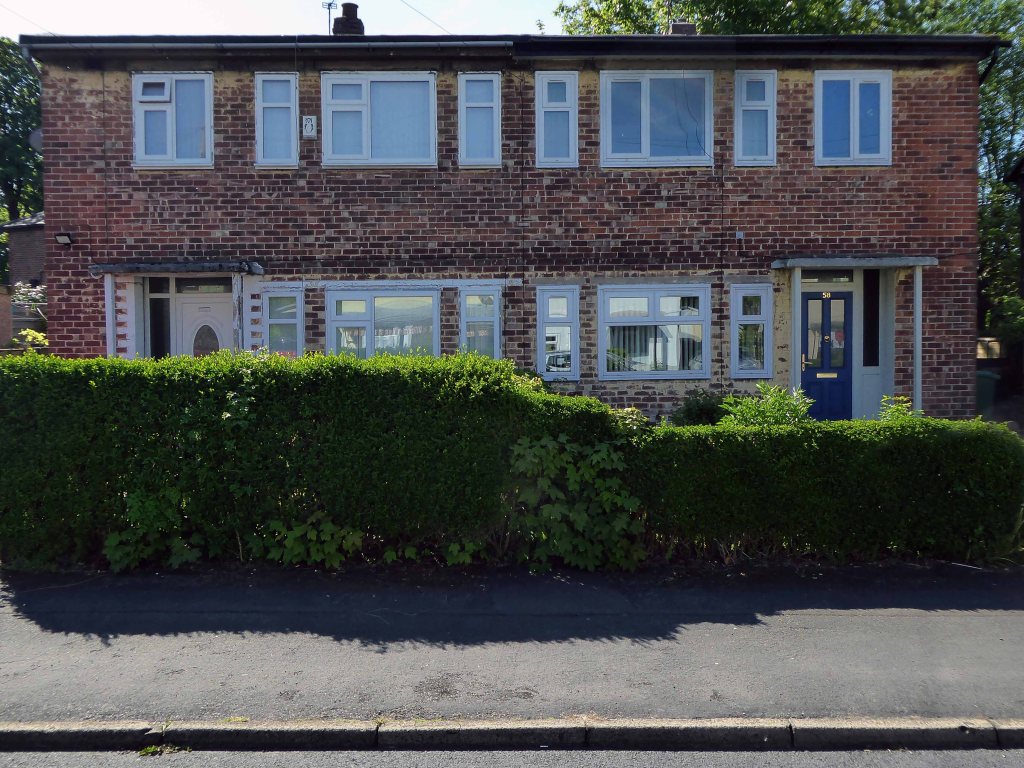
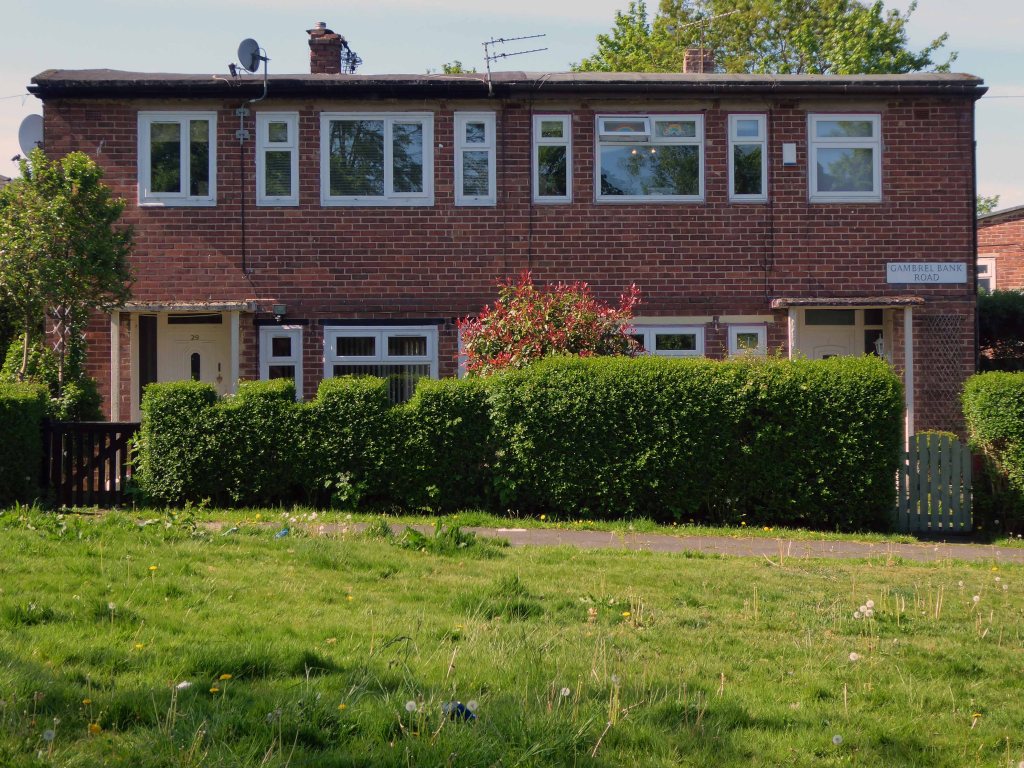
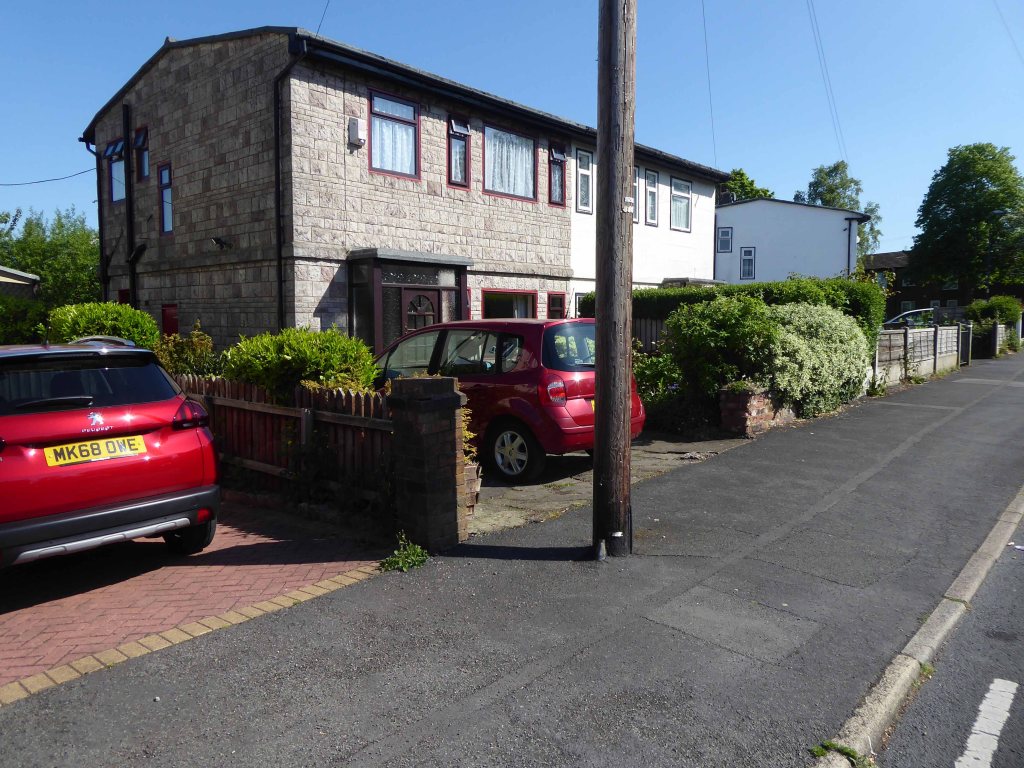
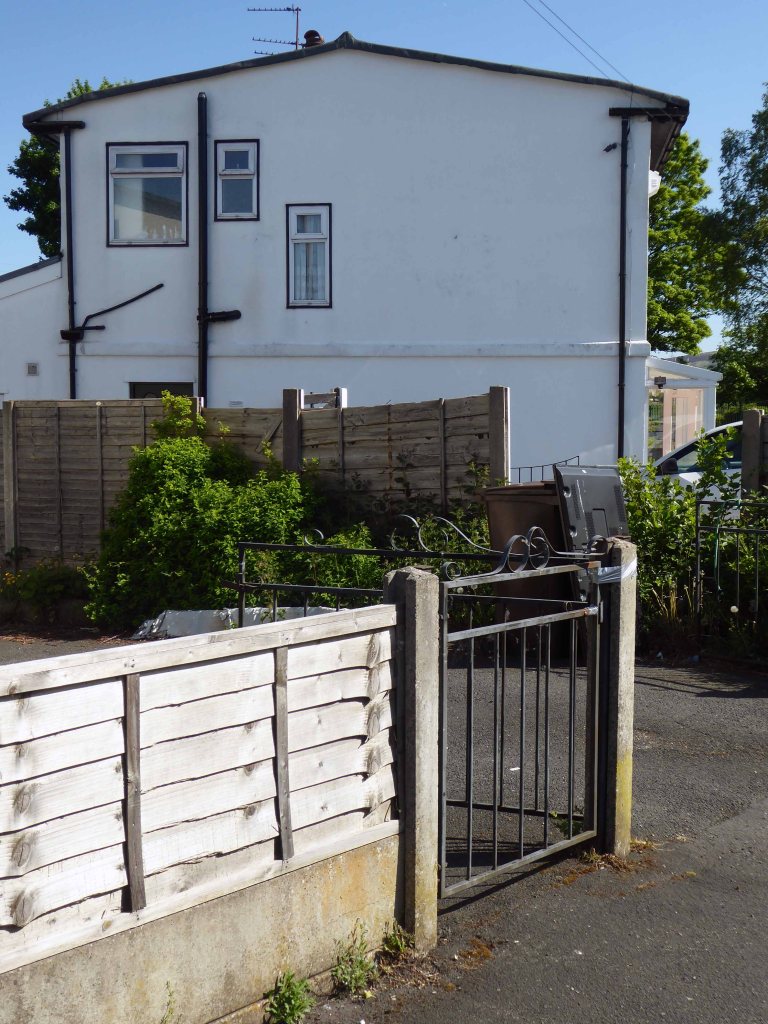
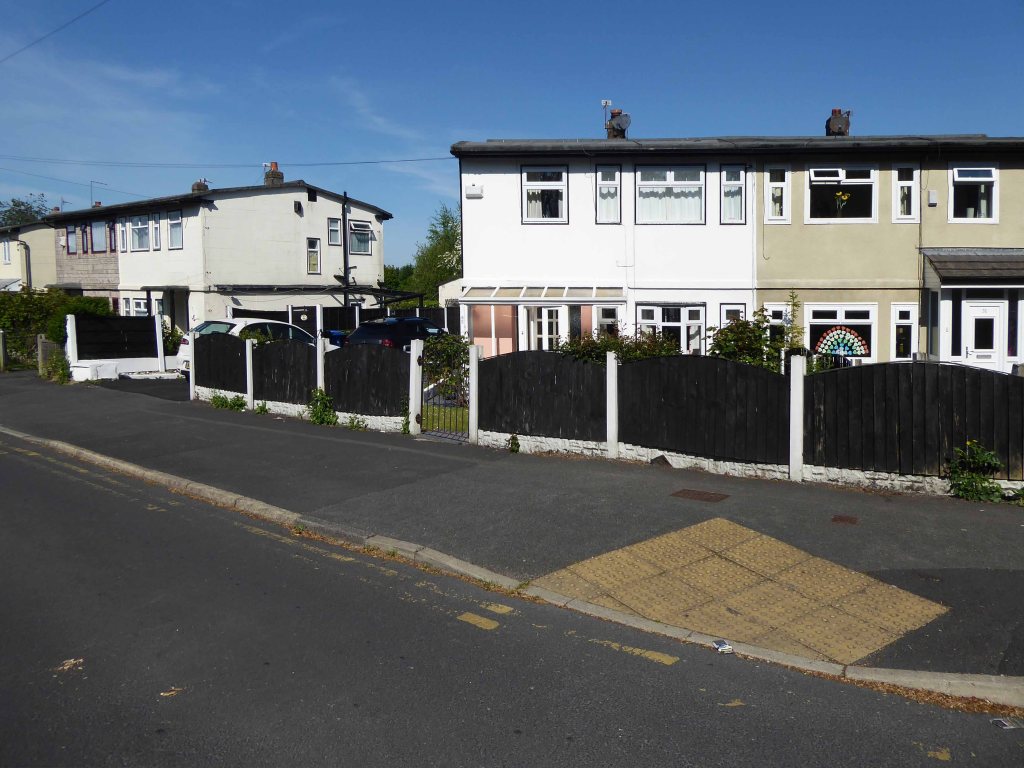
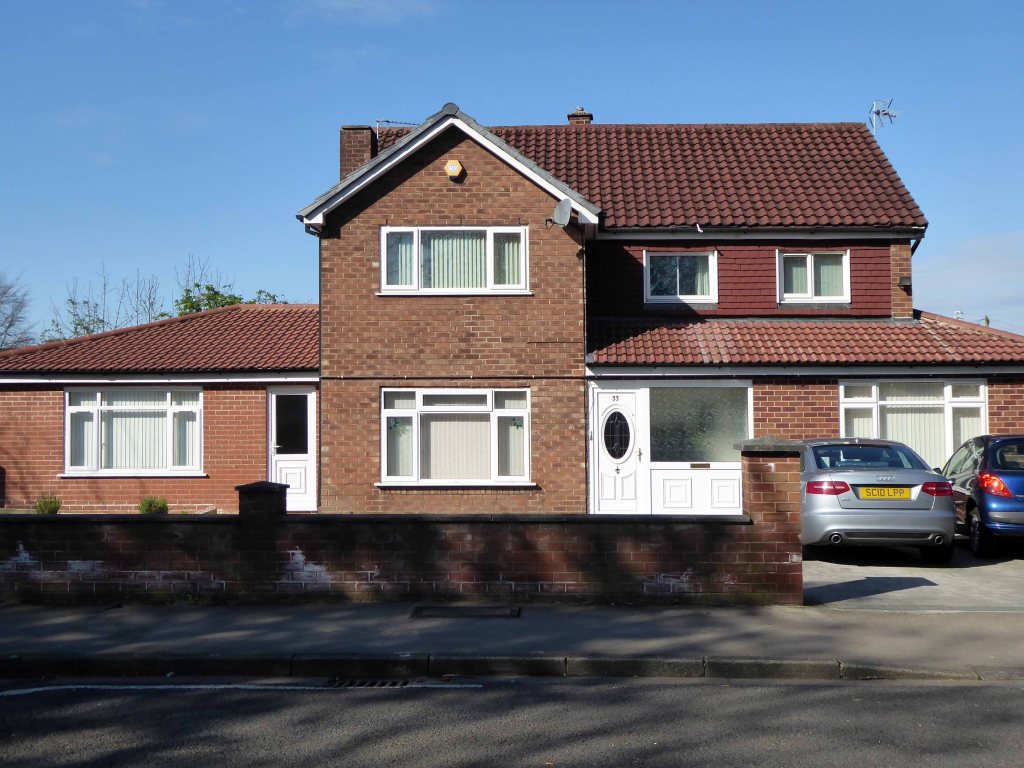
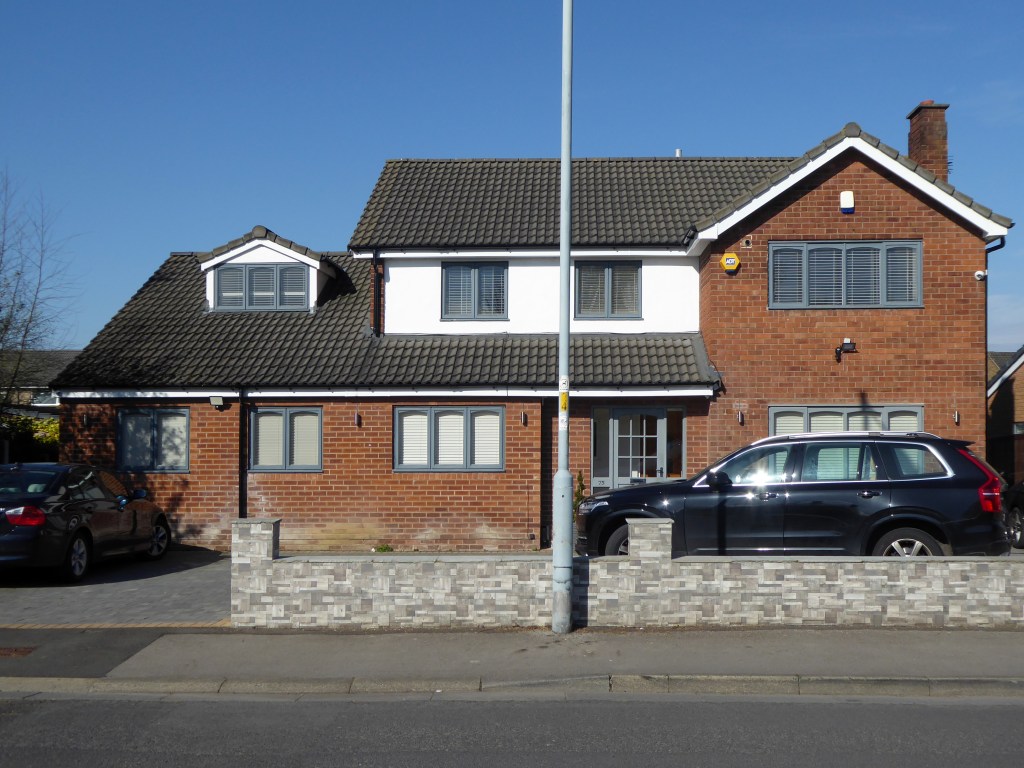
There are four semi detached homes constructed from concrete, rendered painted and clad over the years, windows replaced, additions and amendments made.

Though the basic design characteristics have been retained.

There are no local archival images or histories, I assume that they were post-war, an addition to the inter-war Smallshaw council estate.

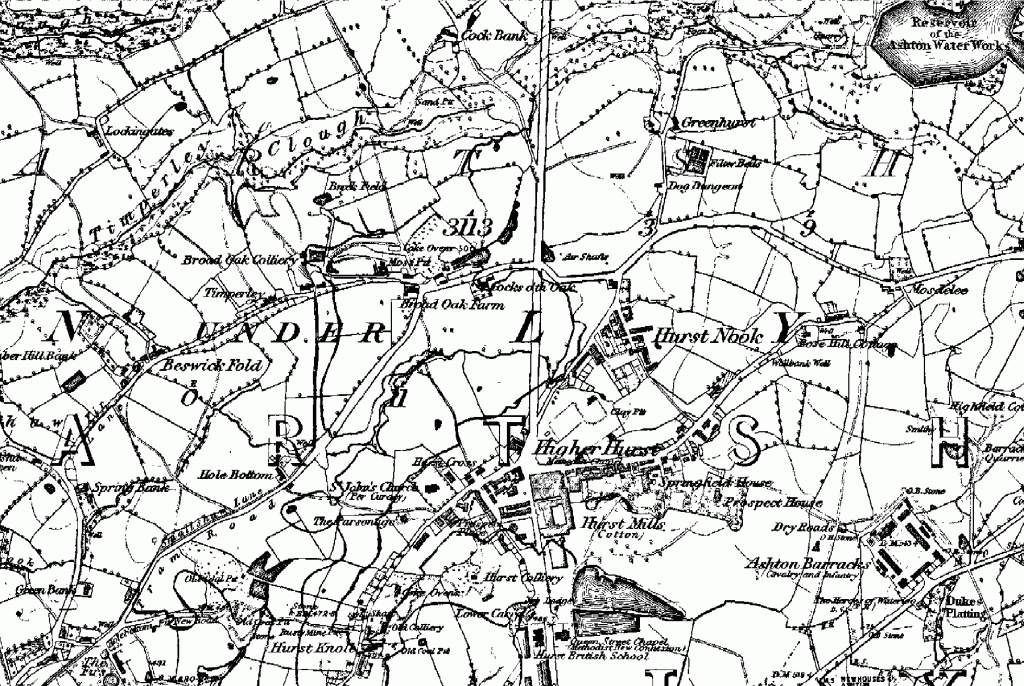
In an area which in 1848 was given over to mining and agriculture.

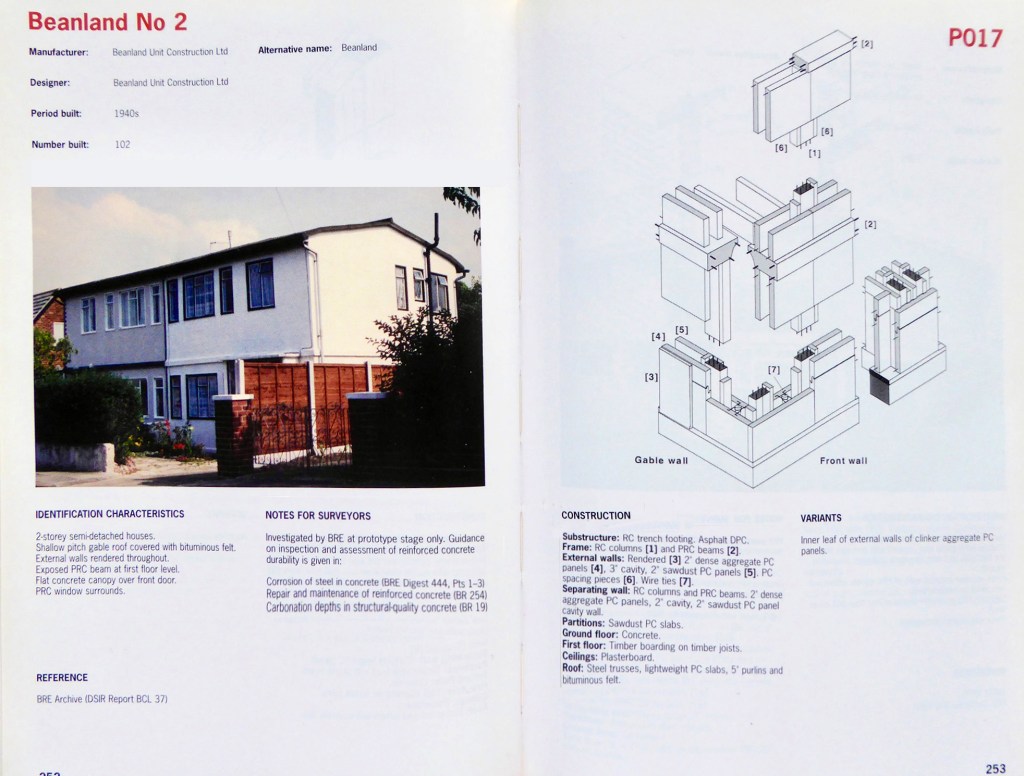
I have subsequently learnt from an online contact Mr Sid Cat, that the homes are Beanland No 2.

They are listed on the BISF site – 102 were built.

More than this I cannot say – further searches for Beanland proving largely fruitless.

In addition there are also several semi detached houses of identical shape and proportion faced in brick – why?
Suffice to say here we are now and here they all are.

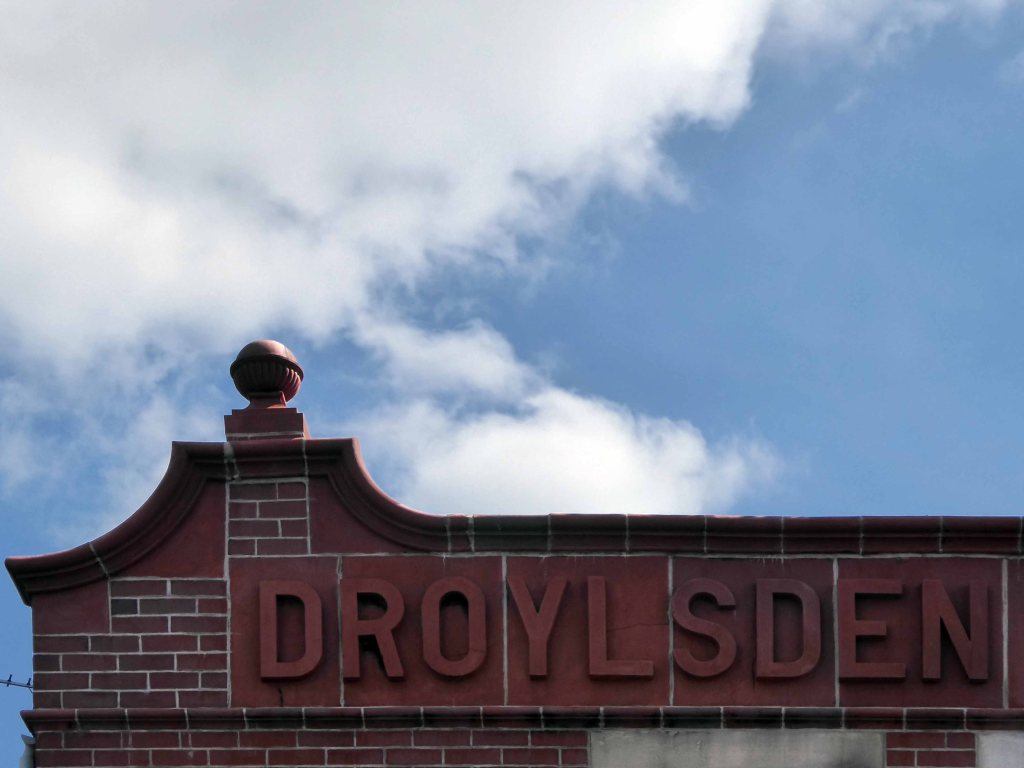
Ravensbury Street – Droylsden Cooperative Society Store

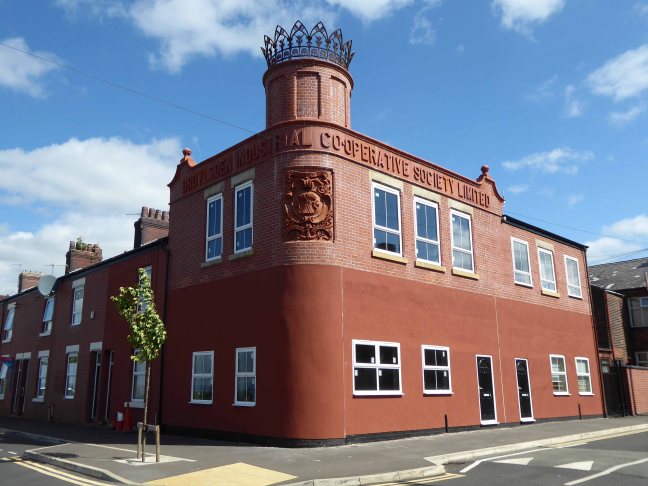
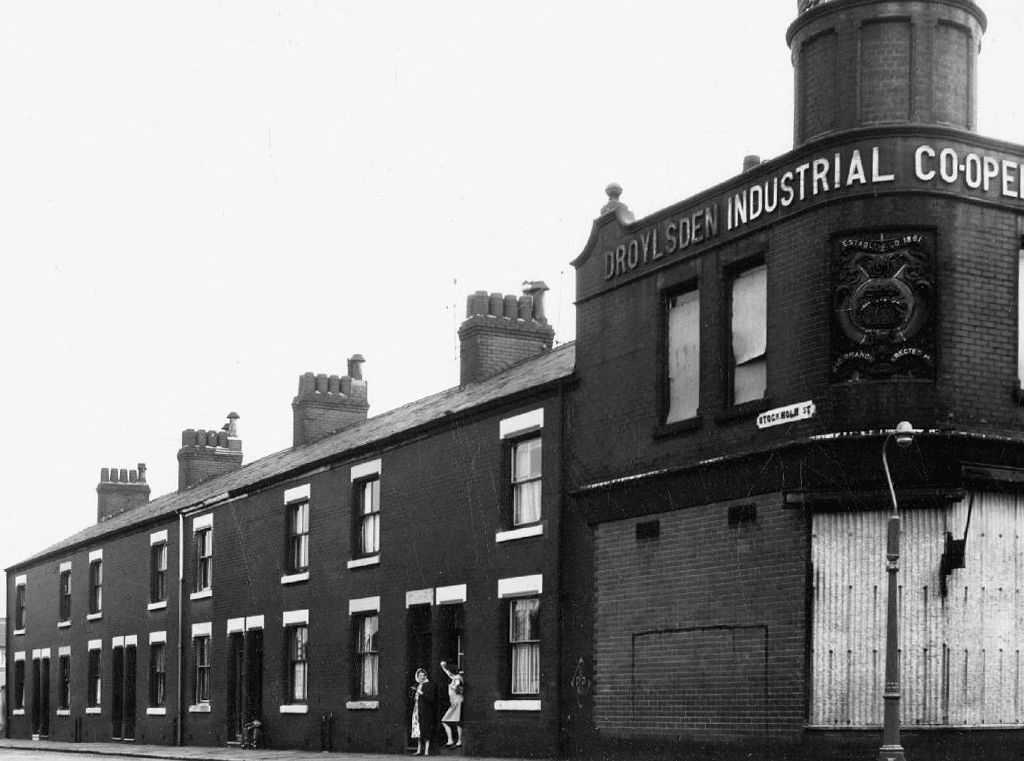
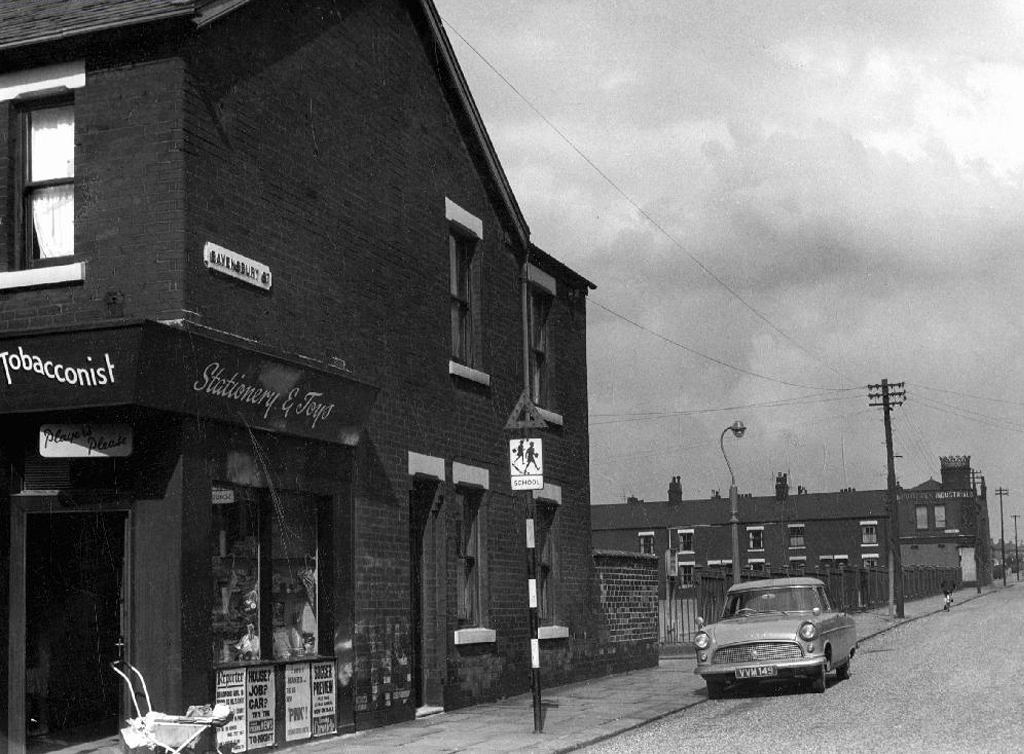
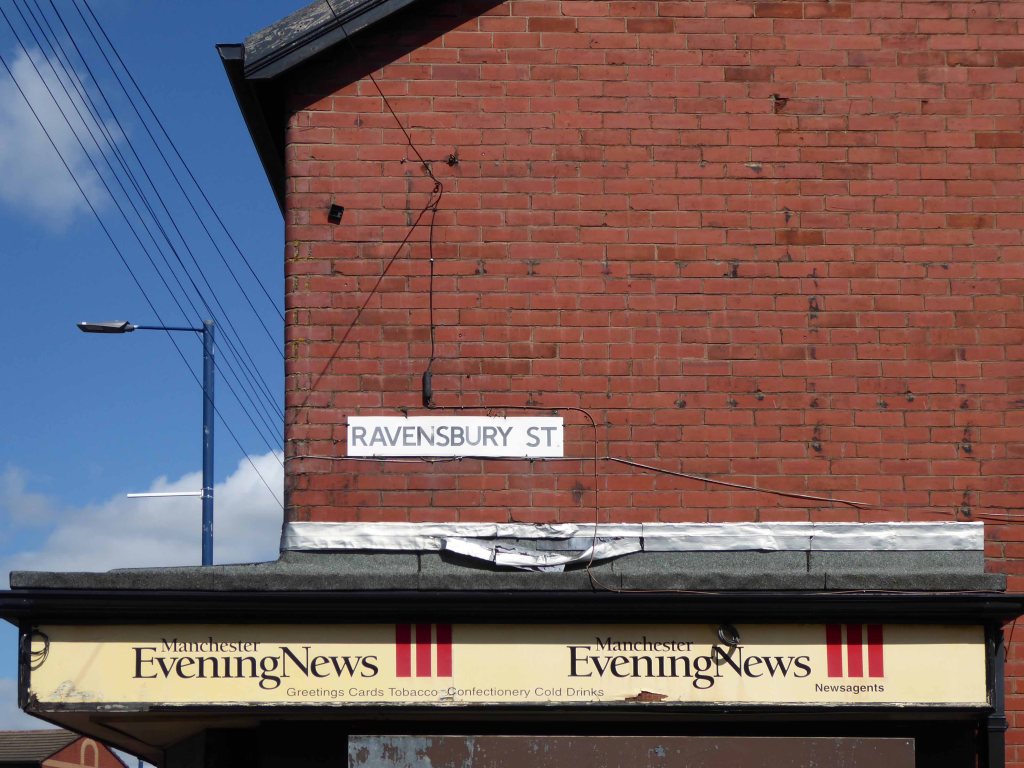
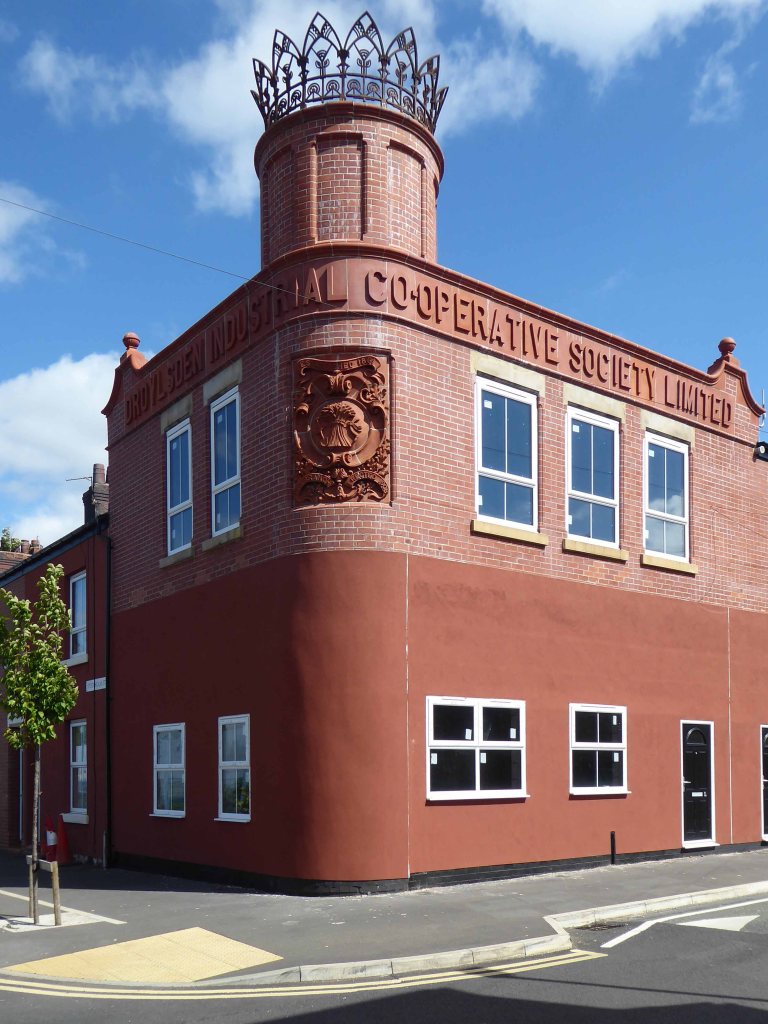
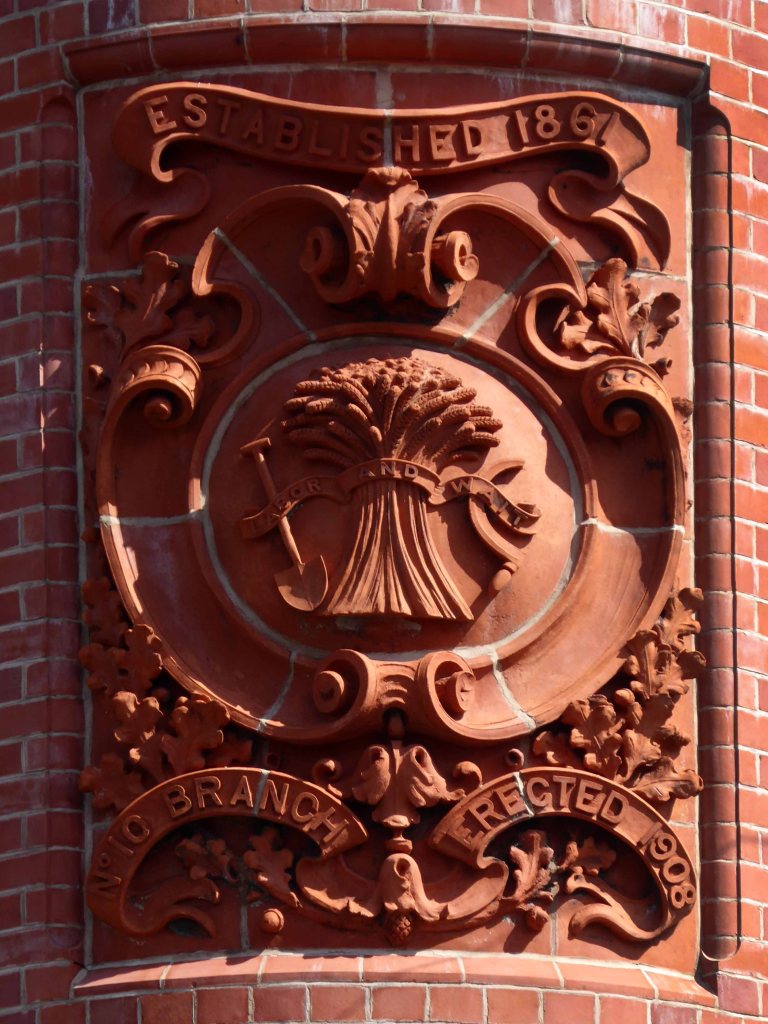
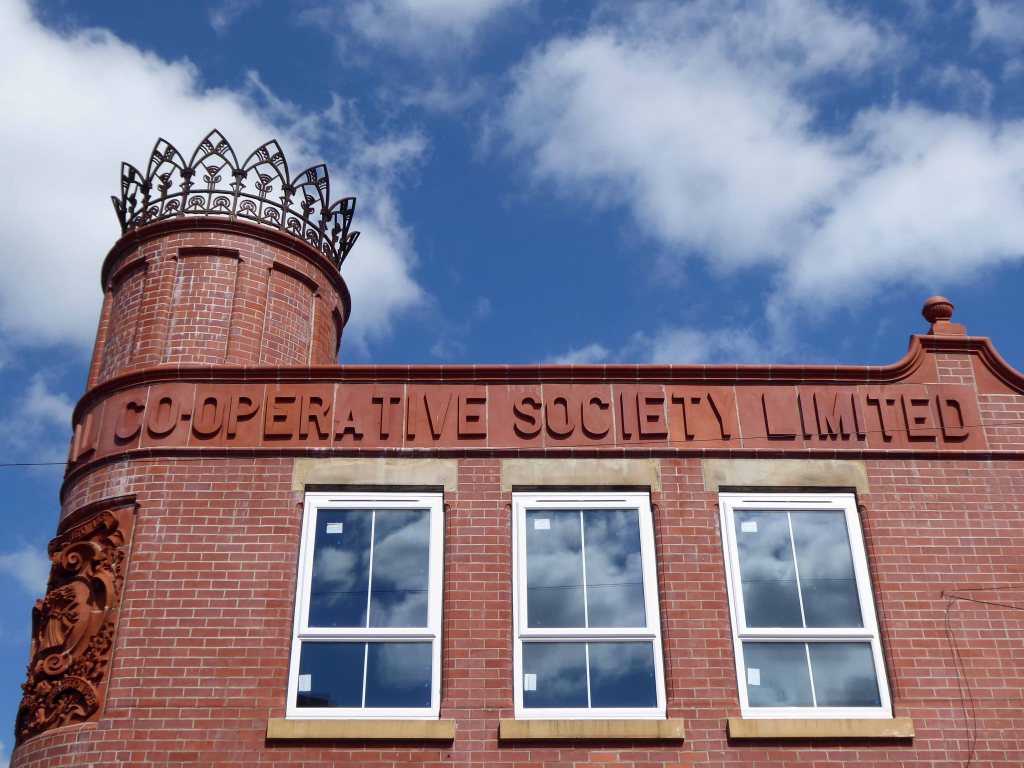
On the corner of Ravensbury and Stockholm Street Clayton Manchester there stands a Cooperative Shop of 1908.

We have previously visited another fine example on Northmoor Road.

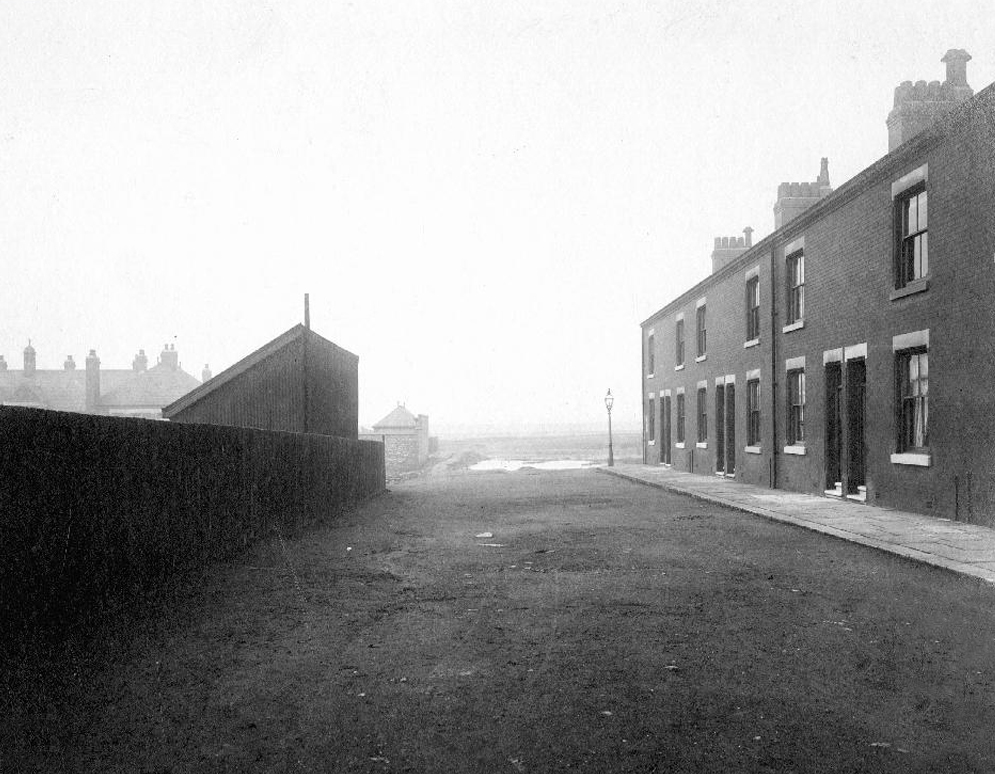
In 1902 the area is still set to open ground.

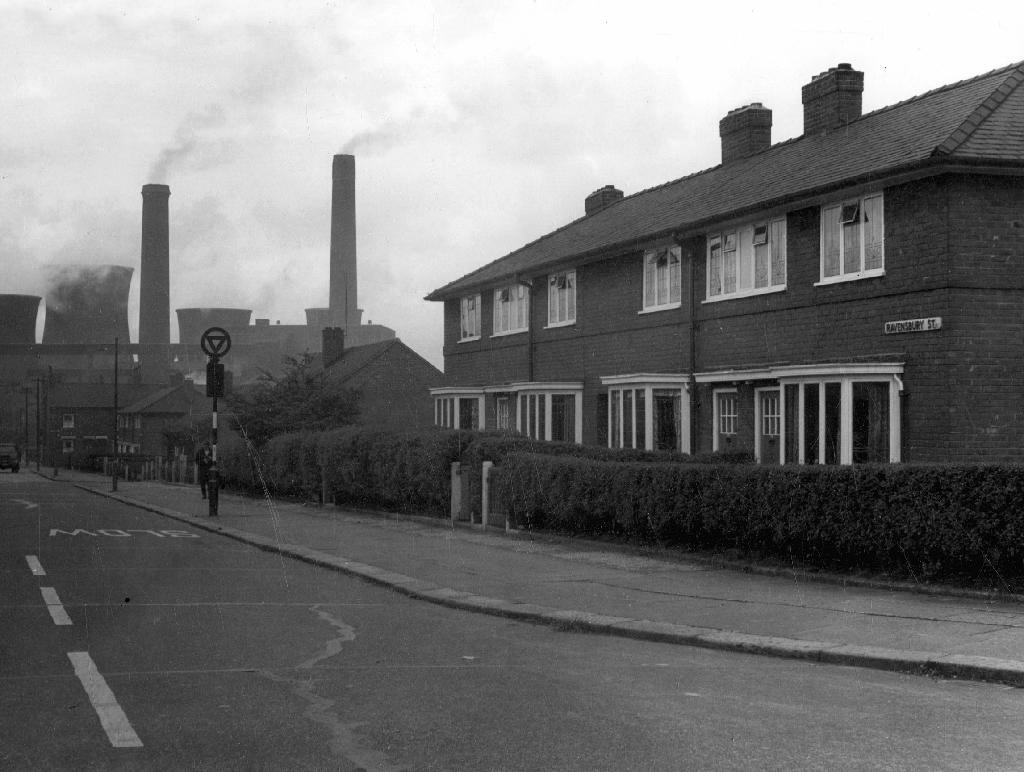
This Manchester Local Image Collection photograph of 1912 shows new terraced homes emerging to meet the housing needs of the world’s first industrial city.

Stockholm Street

Here is the street in 1965 the shop already shut.

The corner shop on Bank Street still trades.

The Stuart Street Power Station does not.

Changing patterns in shoppers habits sealed the fate of many local and corner shops, as larger supermarkets opened, increased mobility and car ownership became more common.

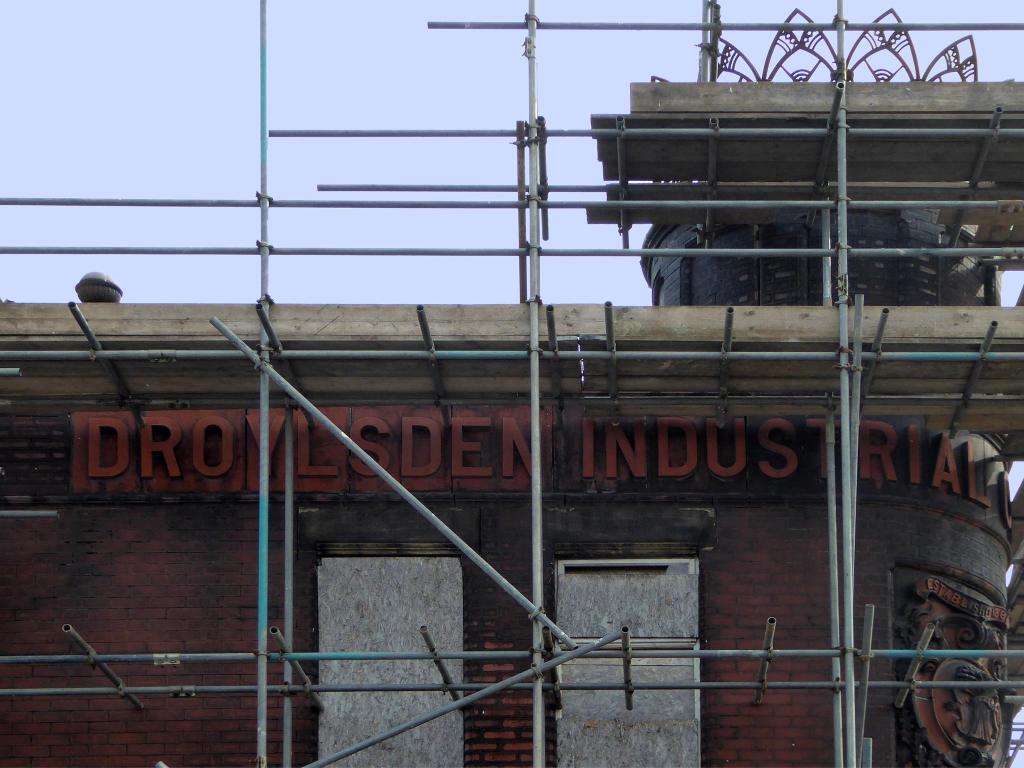
When I first visited the building was undergoing renovation work.

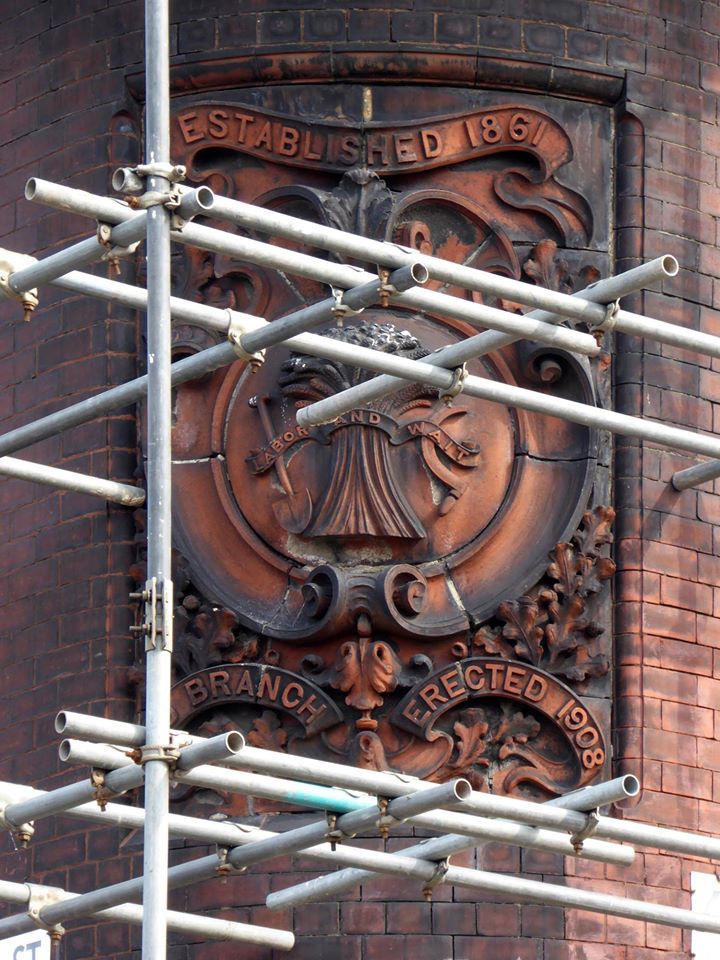
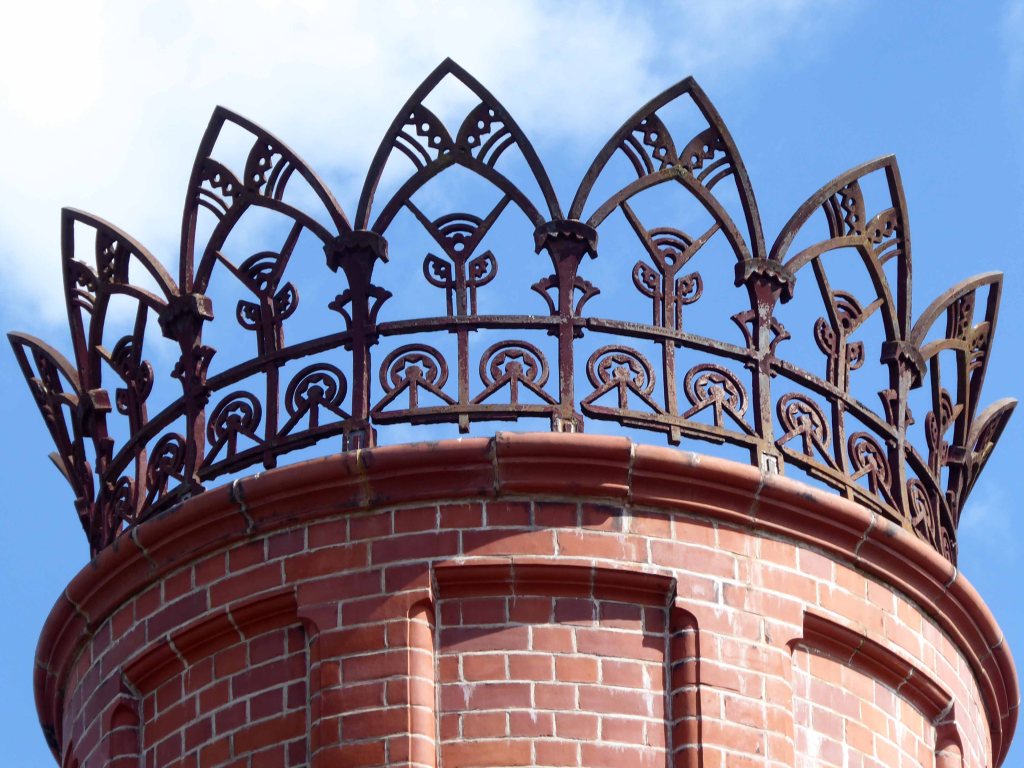
The beautiful terracotta tile work and corona obscured by scaffolding .

I returned last week to find the job almost done – converted to flats, in an area which has seen a great deal of improvement to the general housing stock, paving and street furniture.

A joy to see a fine building almost returned to its former glory, with a much needed social purpose, reviving the city’s western edge.

Mitzi Cunliffe – Owen’s Park #2

293 Wilmslow Rd Fallowfield Manchester M14 6HD

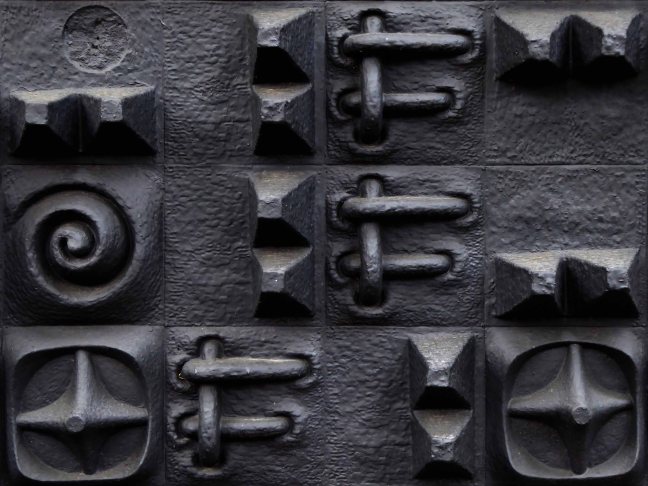
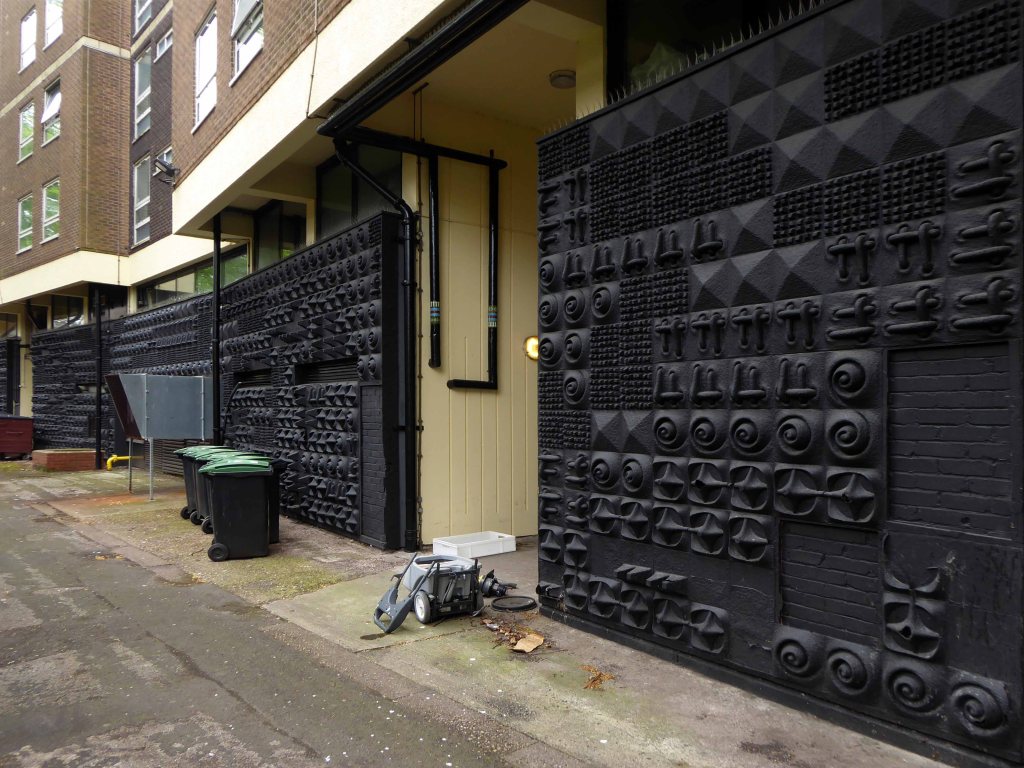
We have of course been here before visiting Mitzi Cunliffe and her work – Cosmos

Mitzi Solomon Cunliffe January 1st 1918  December 30th 2006

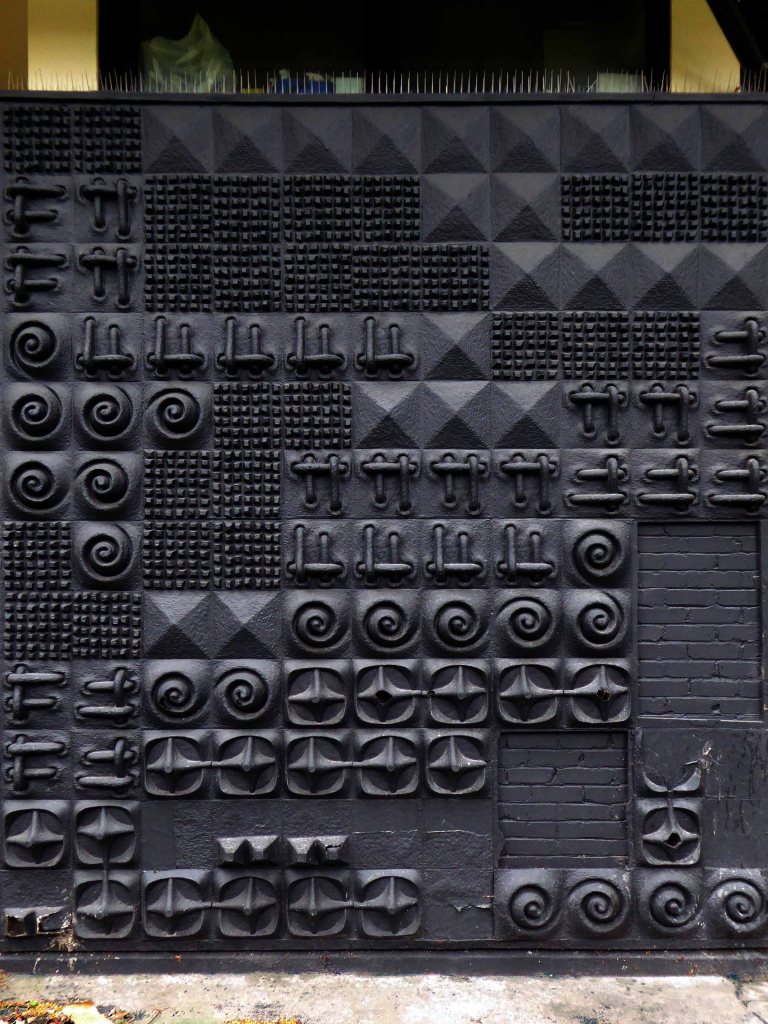
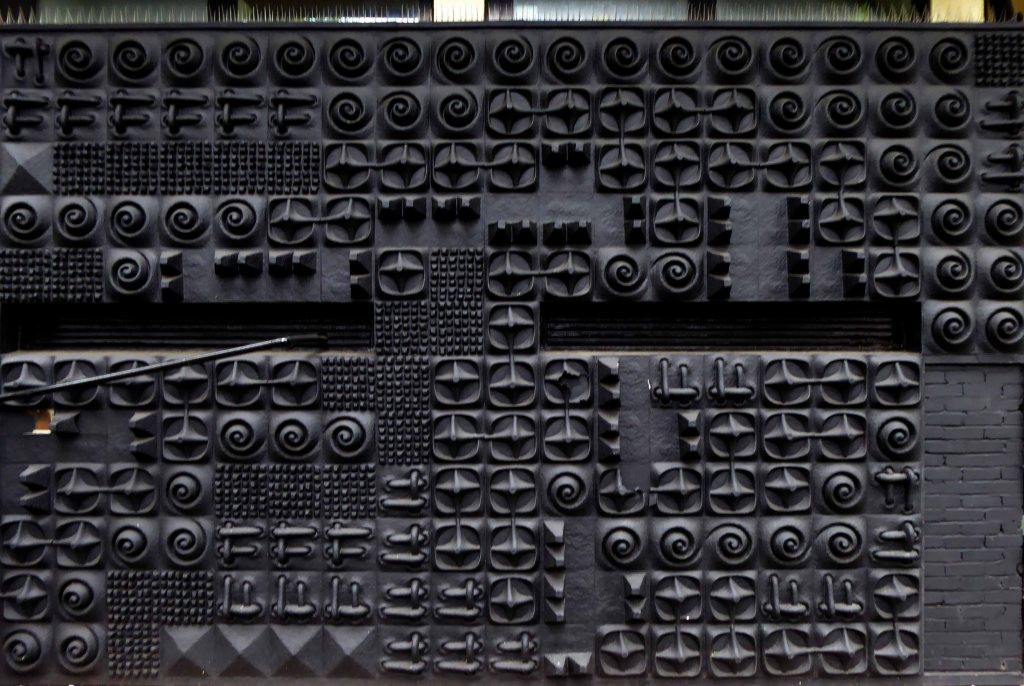
This time we are taking a peek around the back.

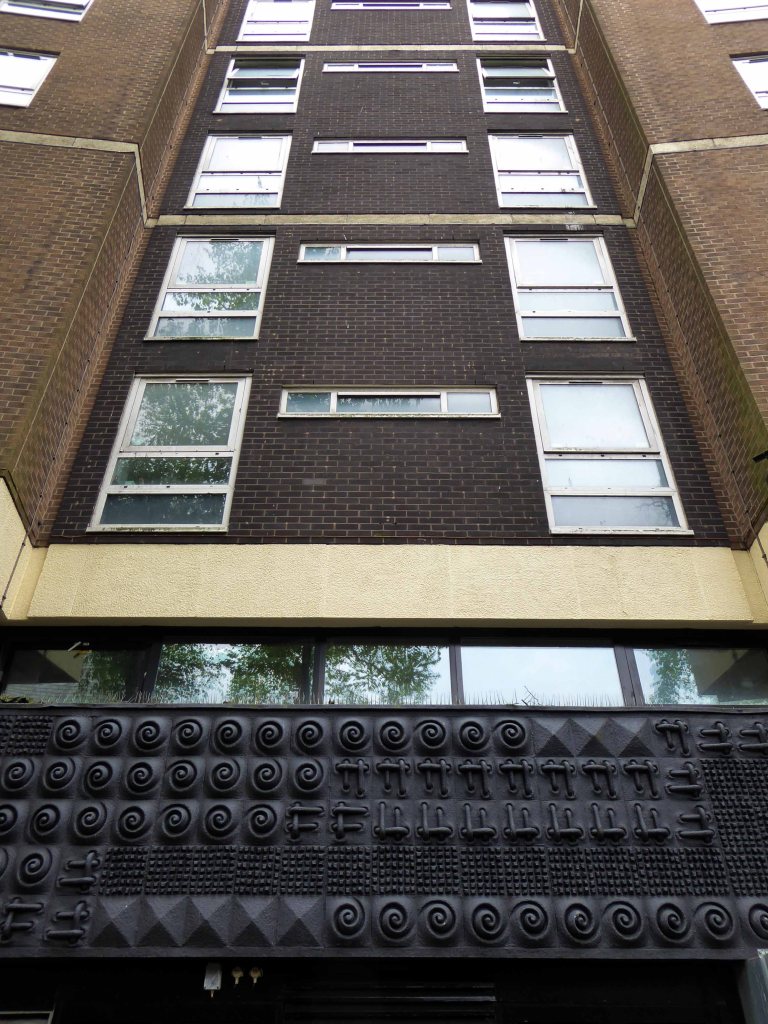
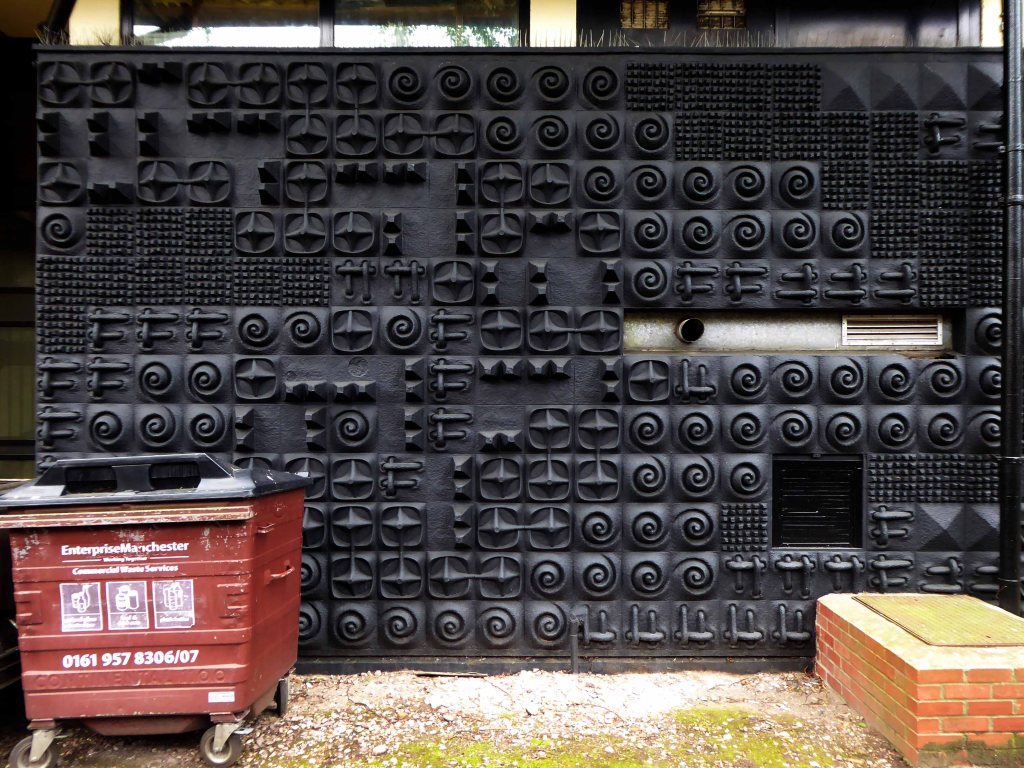
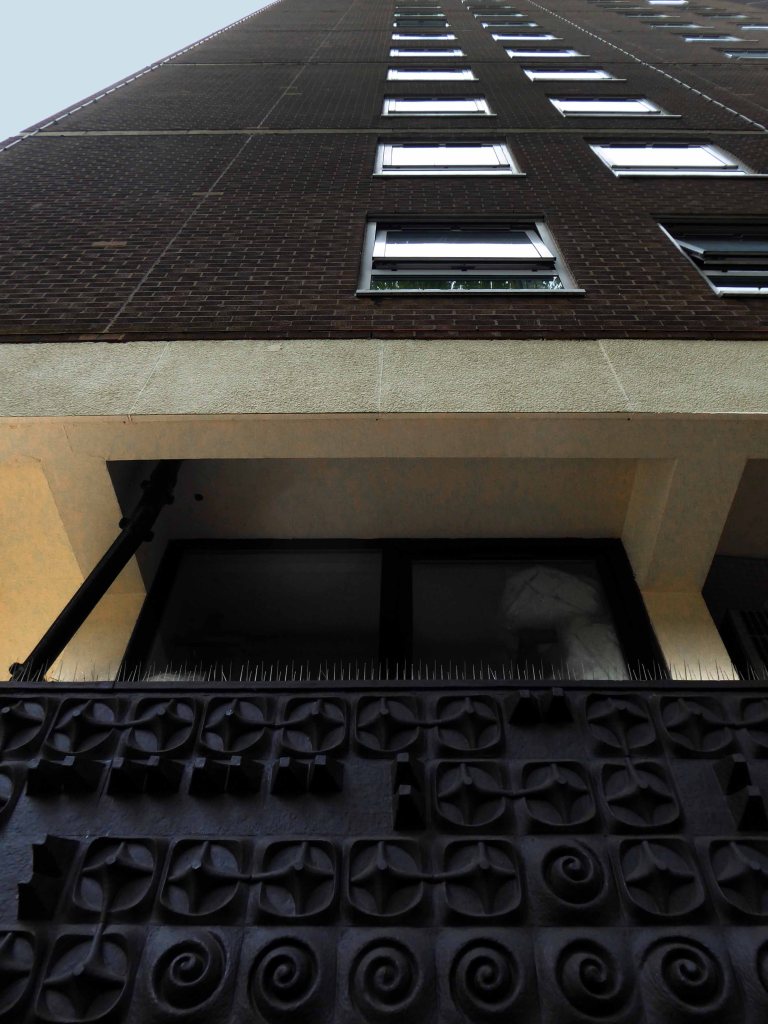
Having passed by on the top deck deck of the 42 on my way home to Stockport, I espied an extension of the sculpture to the rear of the tower.

I vowed to return!

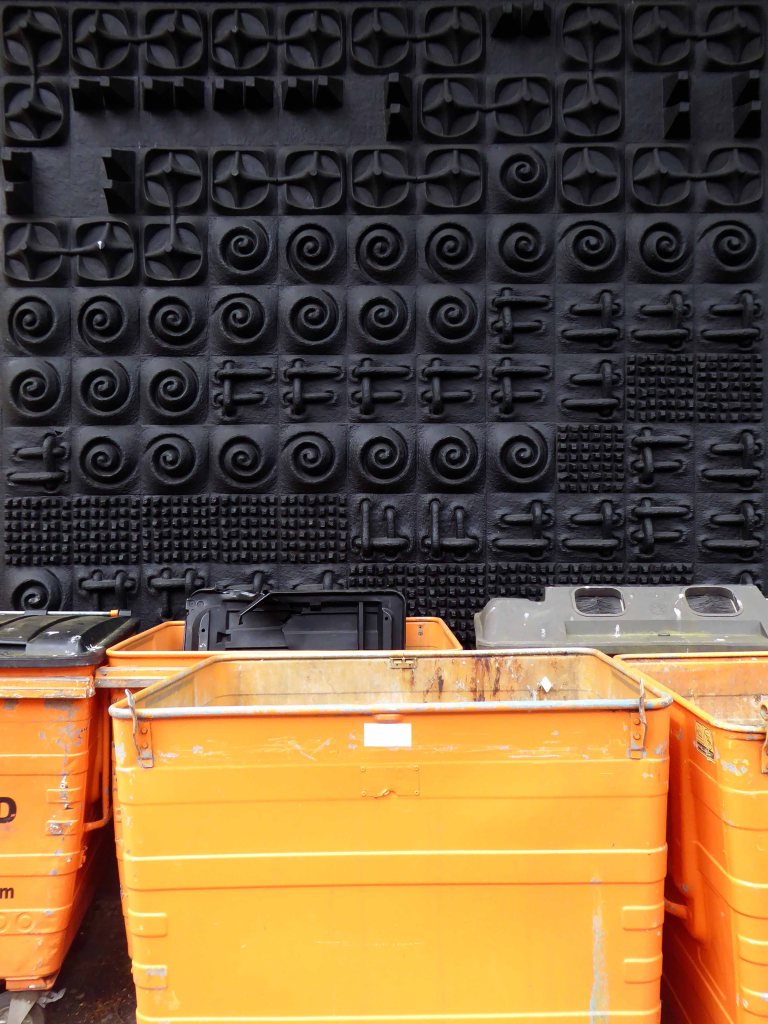
Fighting through extraction units, wheelie bins, hoppers, plus a disused and disabused vacuum cleaner, I found myself in the narrow service area, where I did my best to get back from the wall, hard against the chain link fence.

The things you do.

For some much needed light relief, air and open space I revisited the front face of the tower.

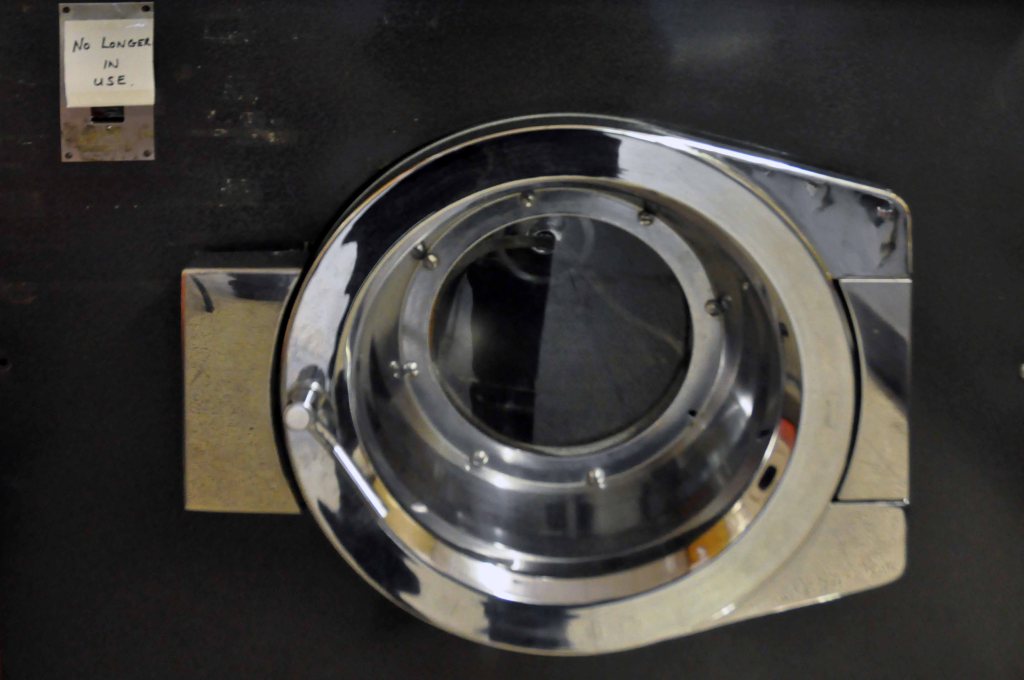
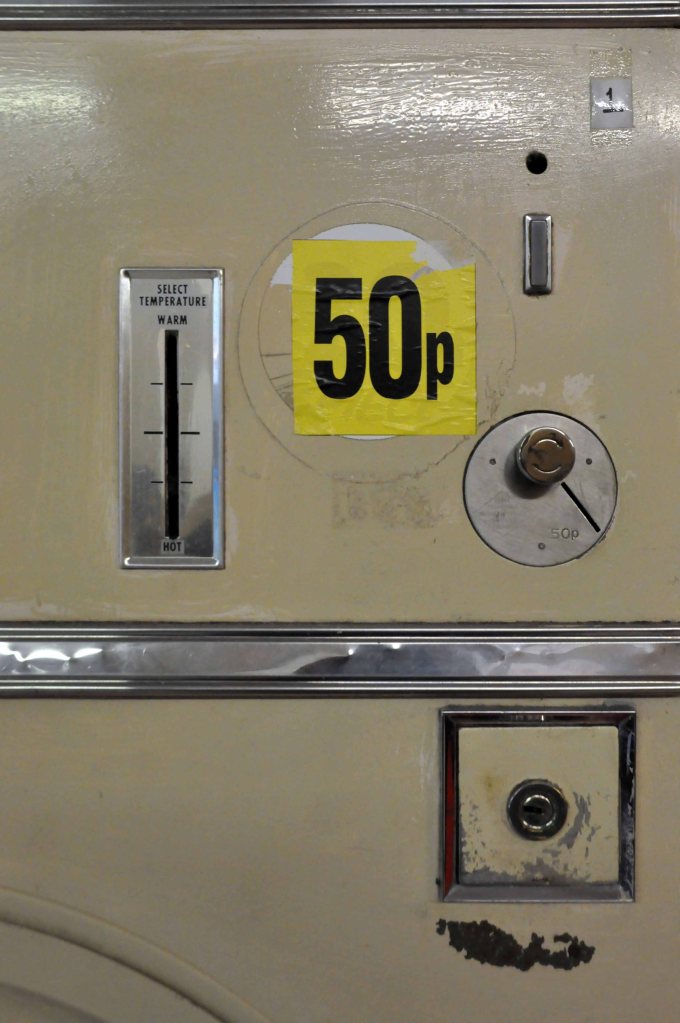
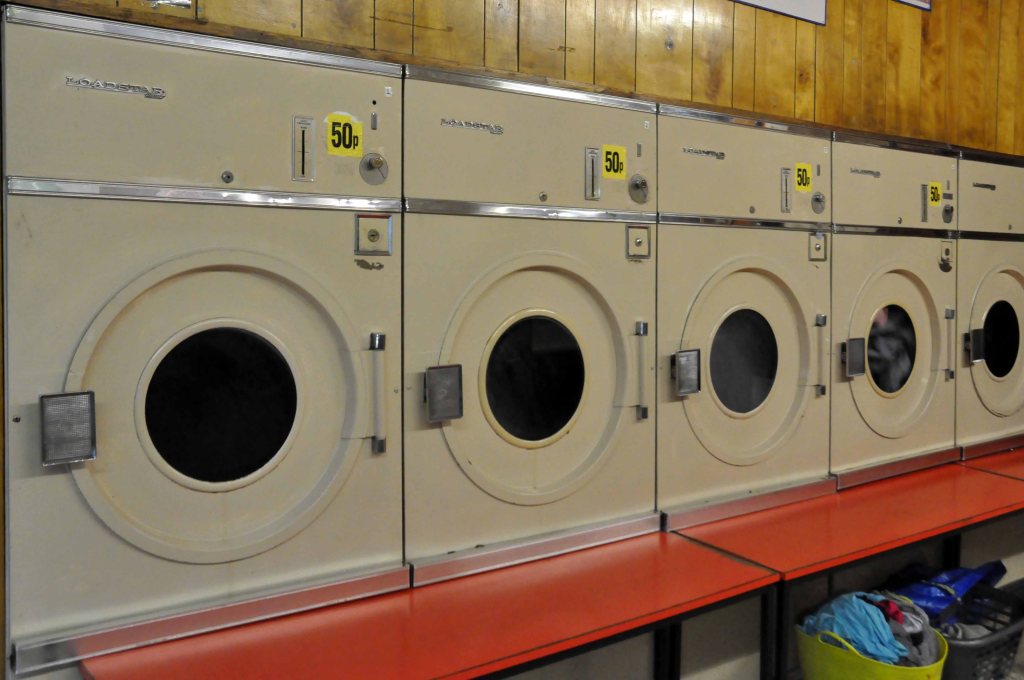
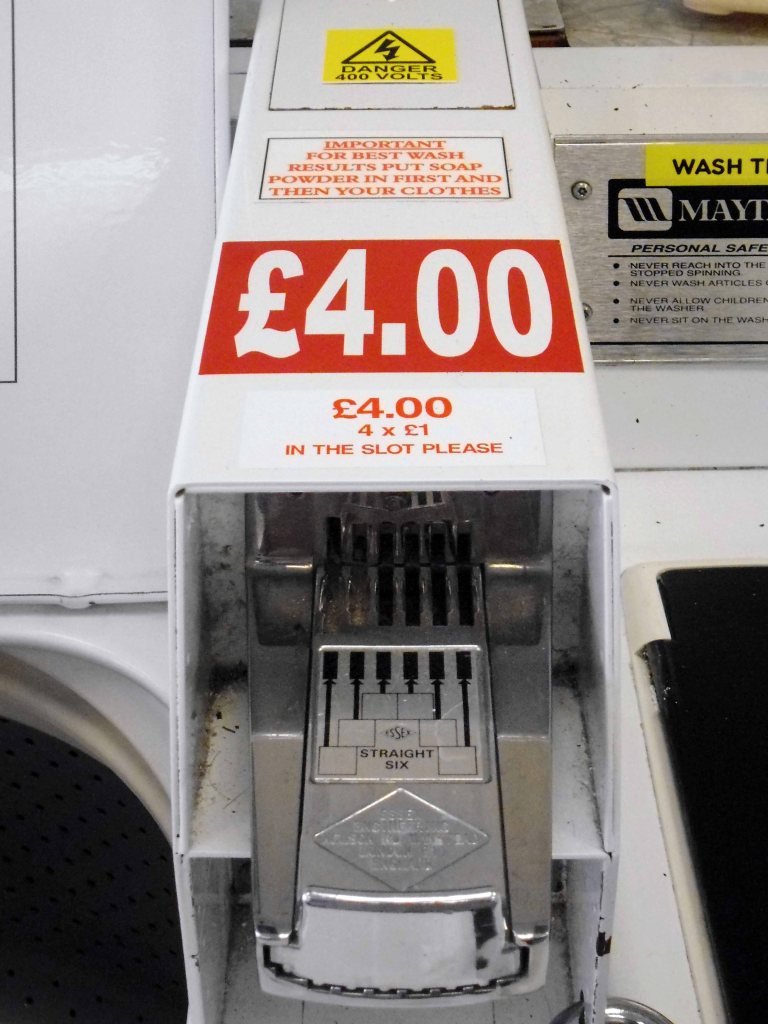
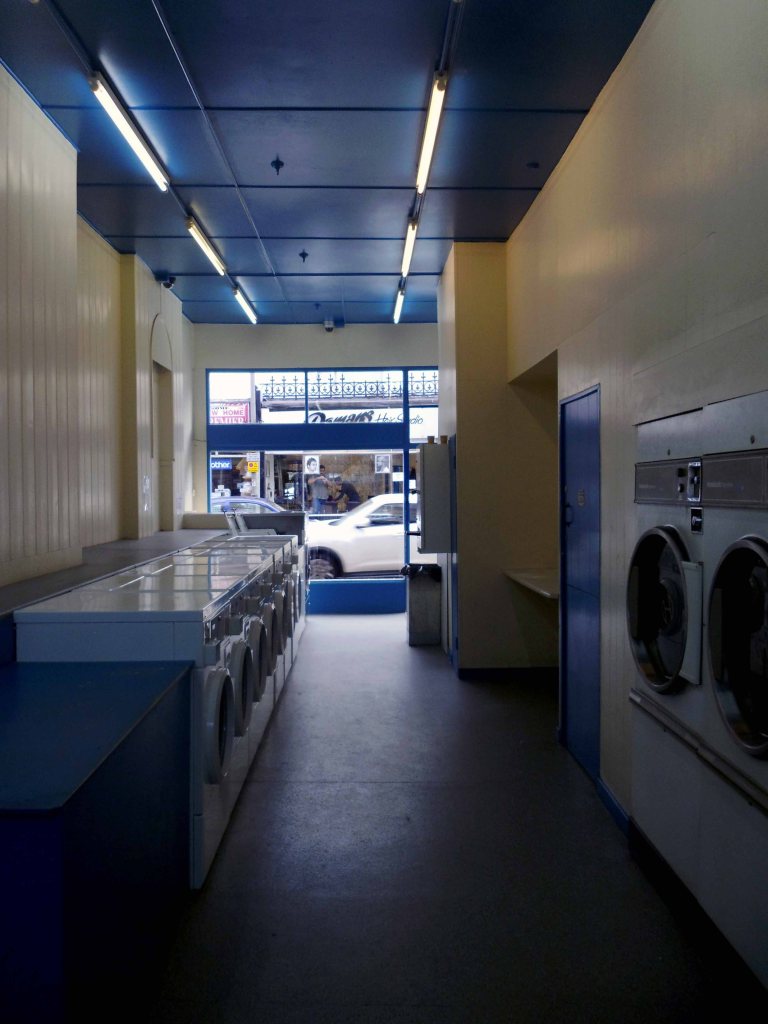
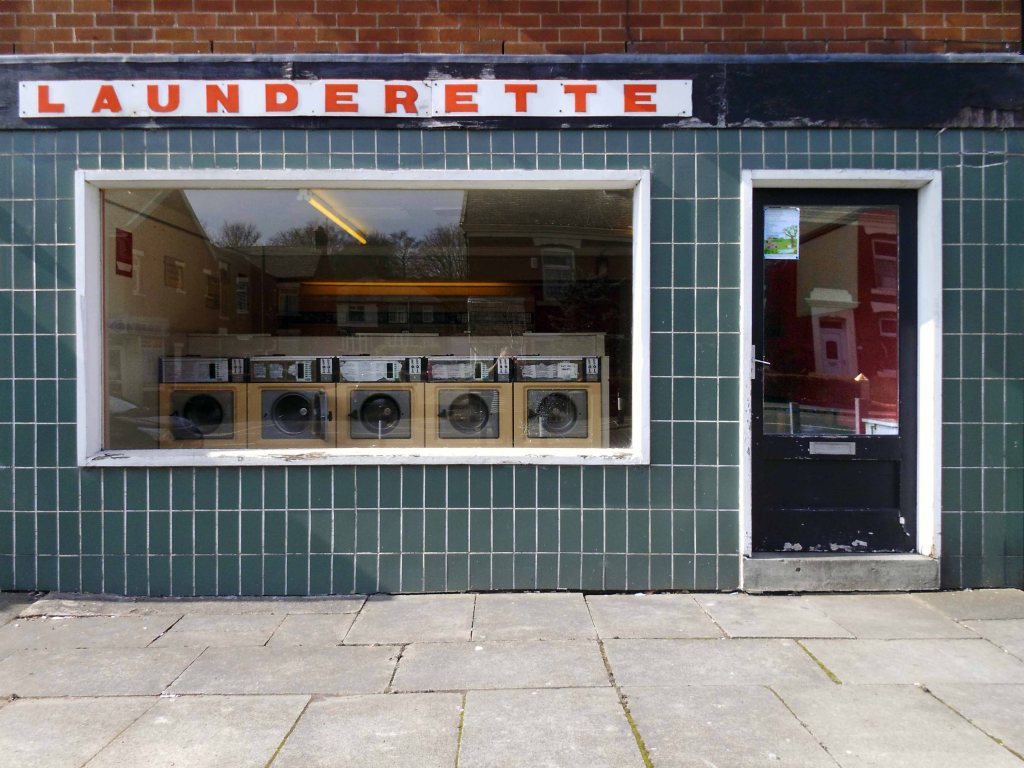
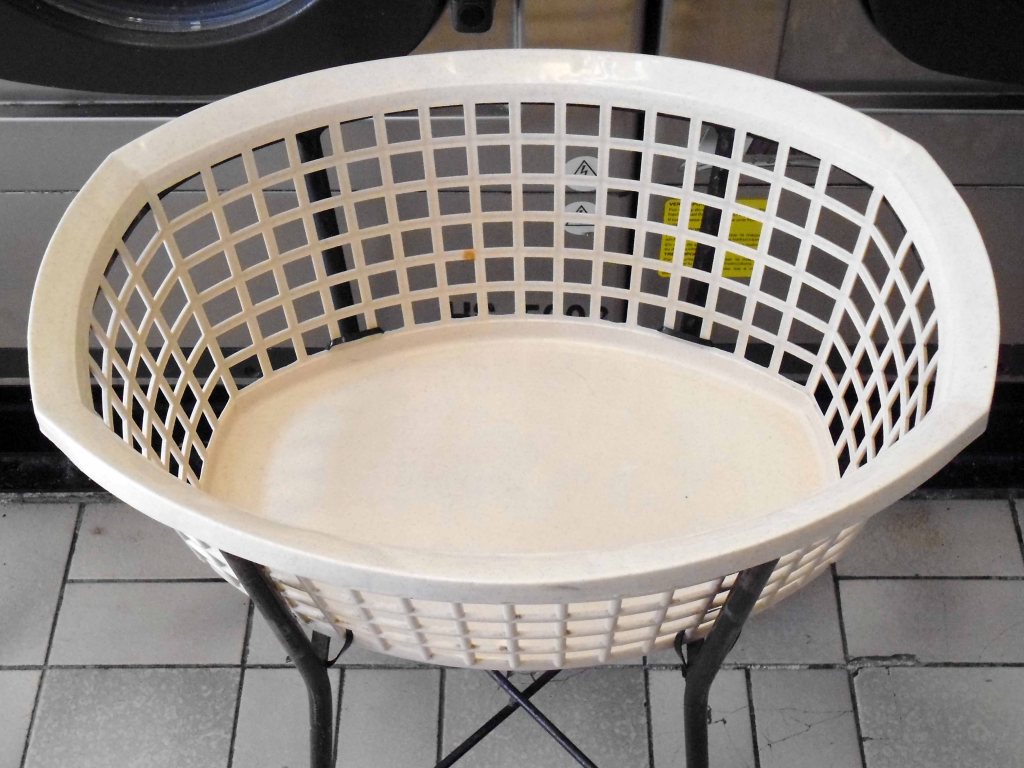
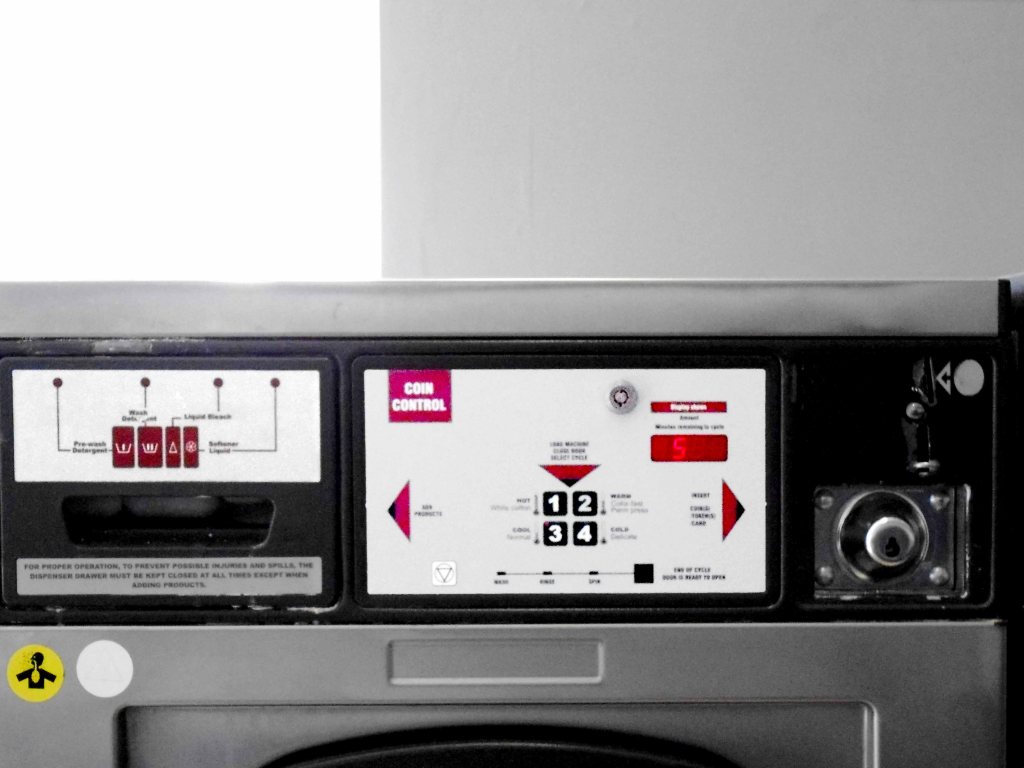
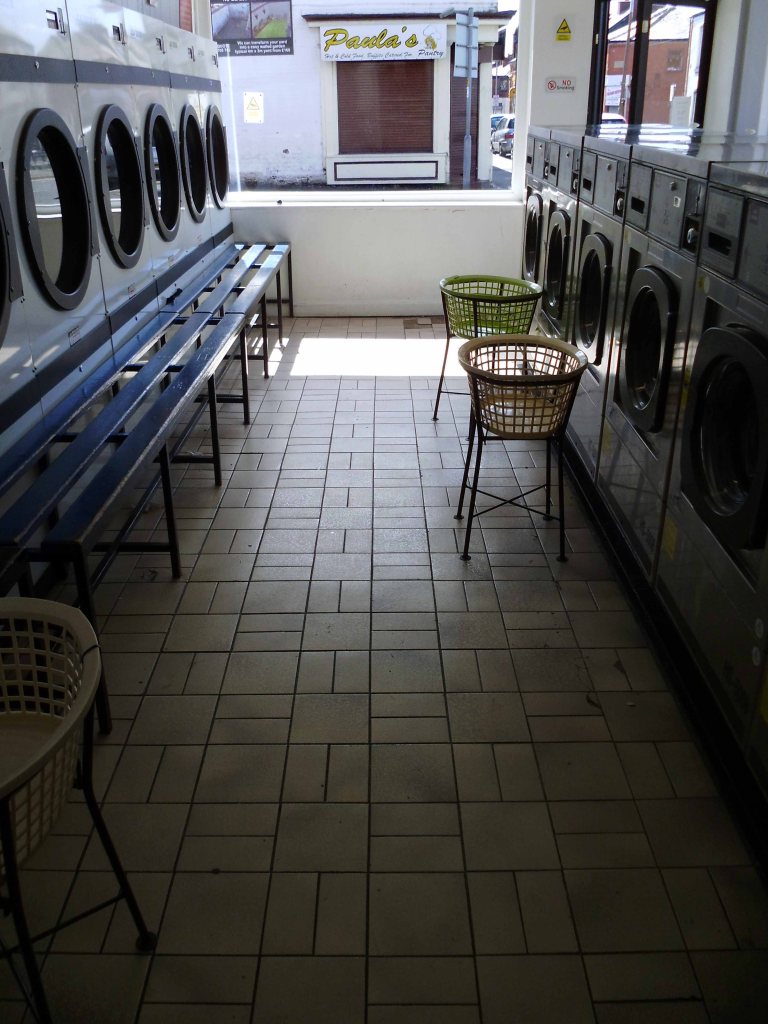
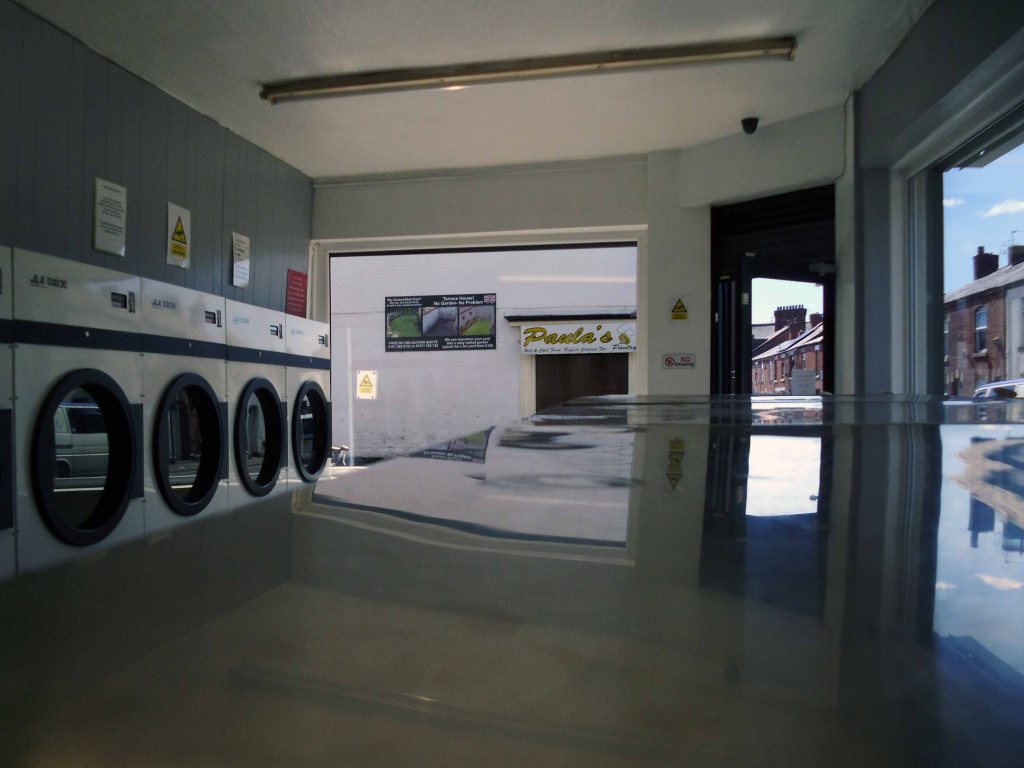
eight laundrettes

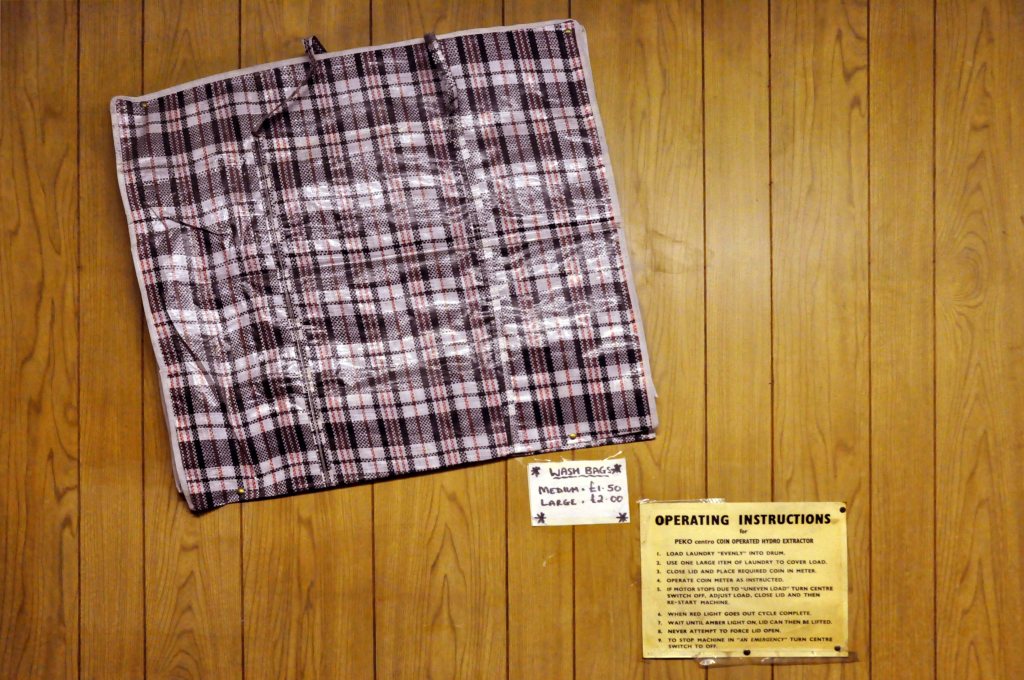
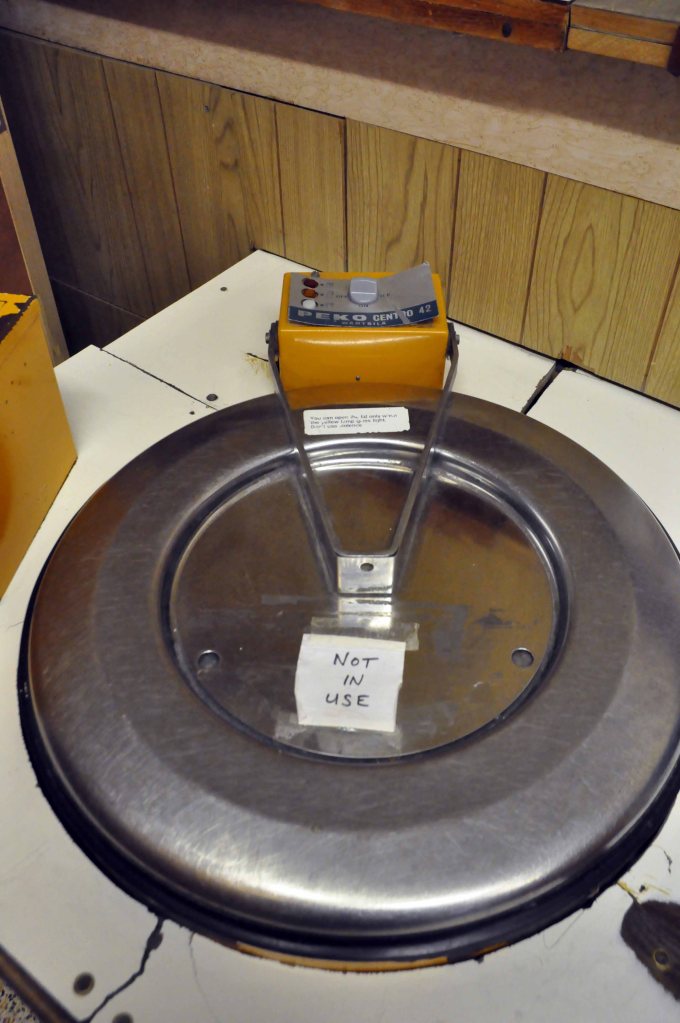
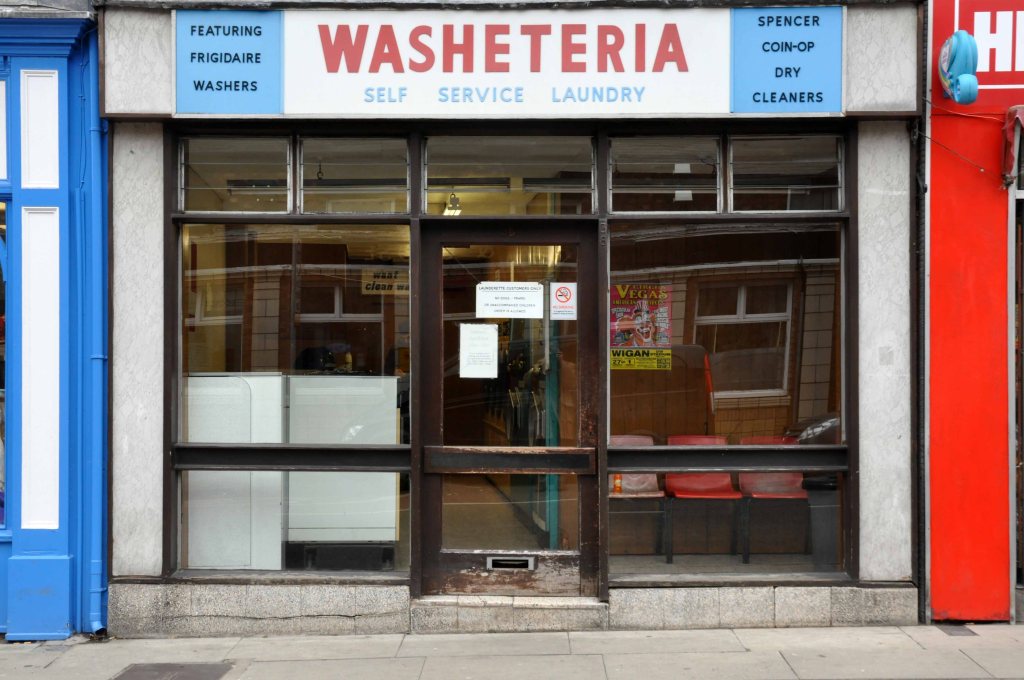
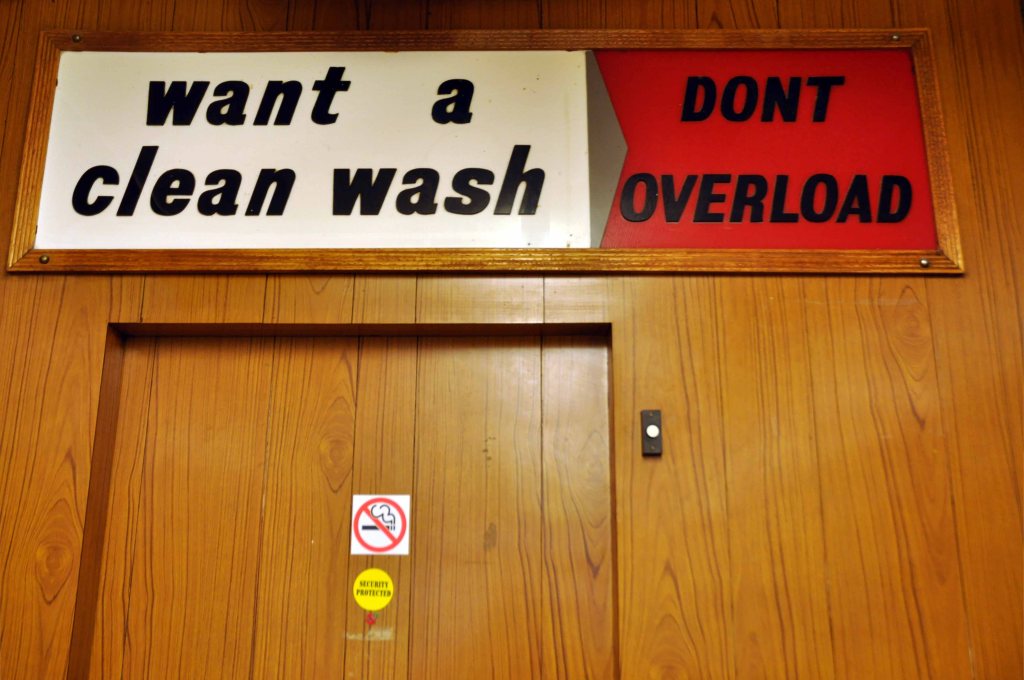
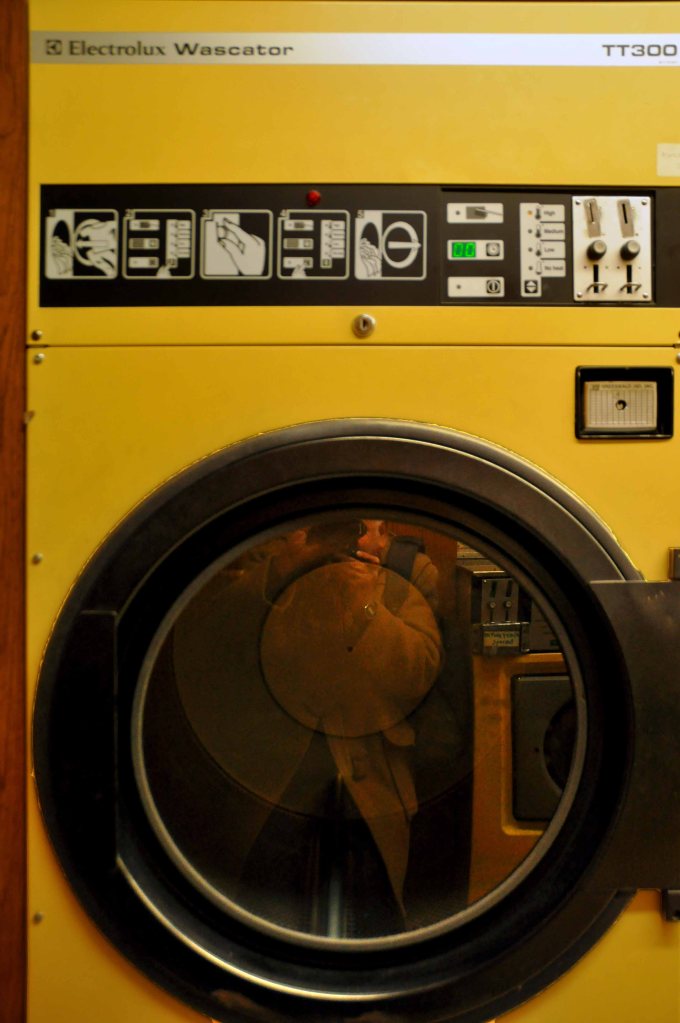
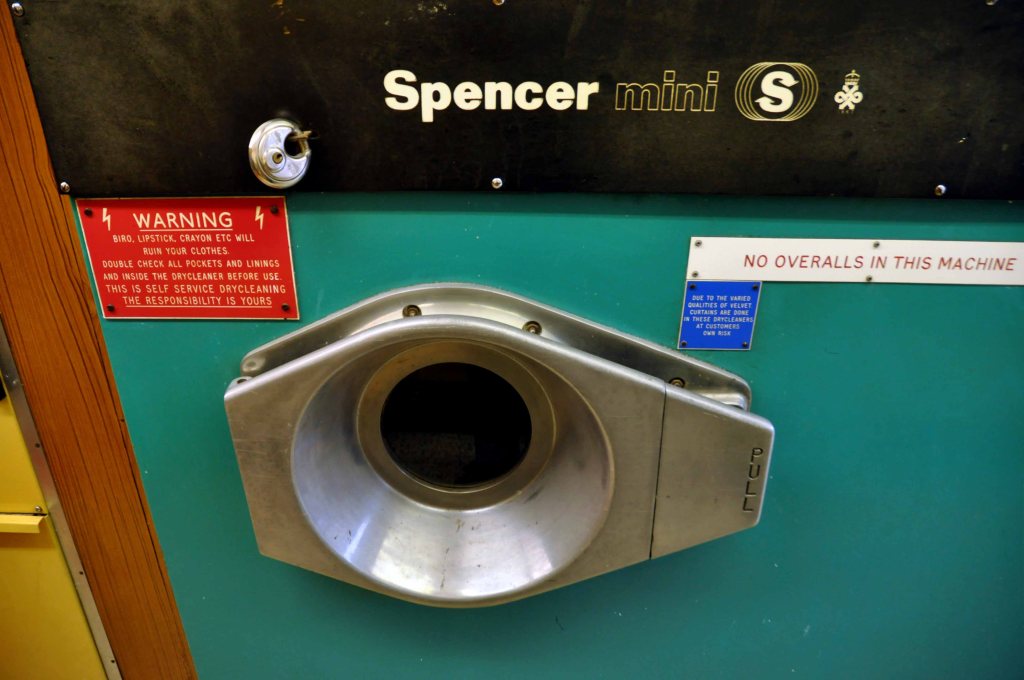
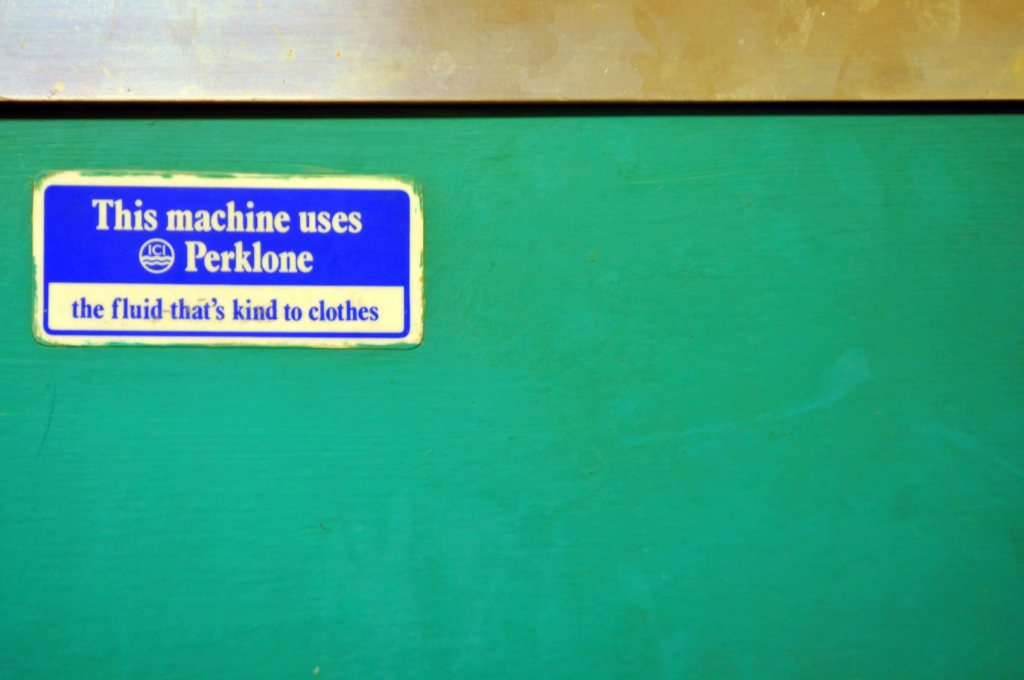
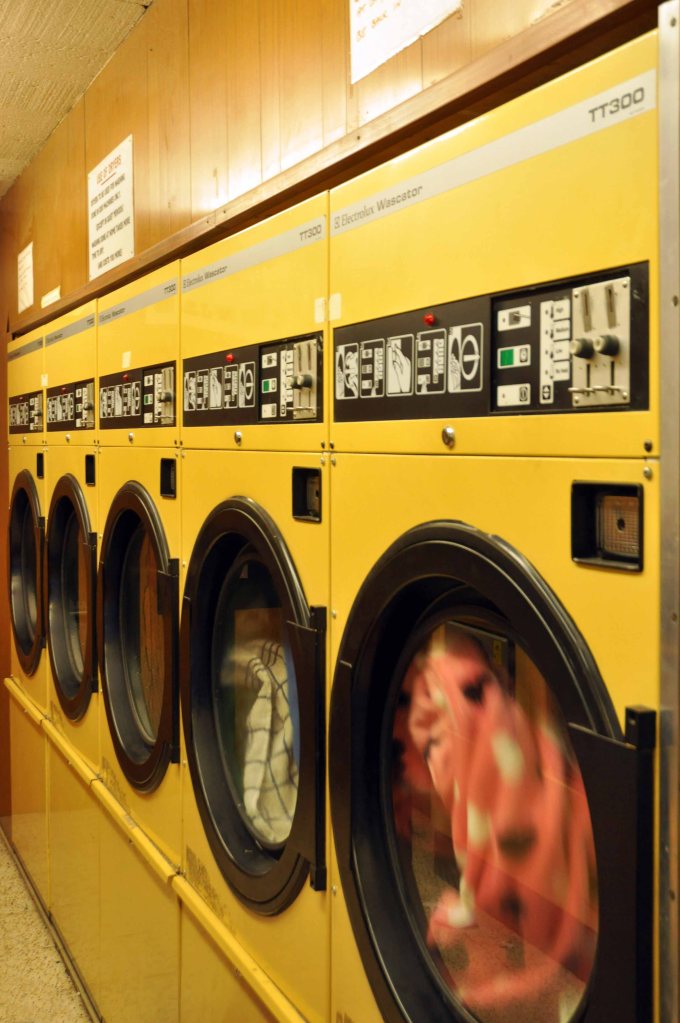
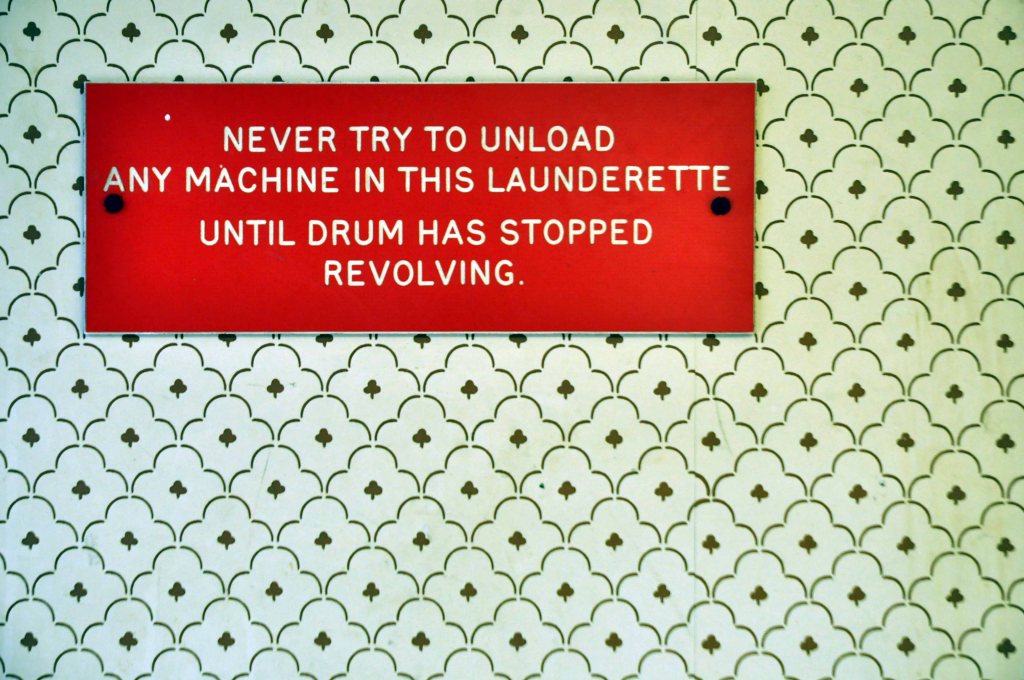
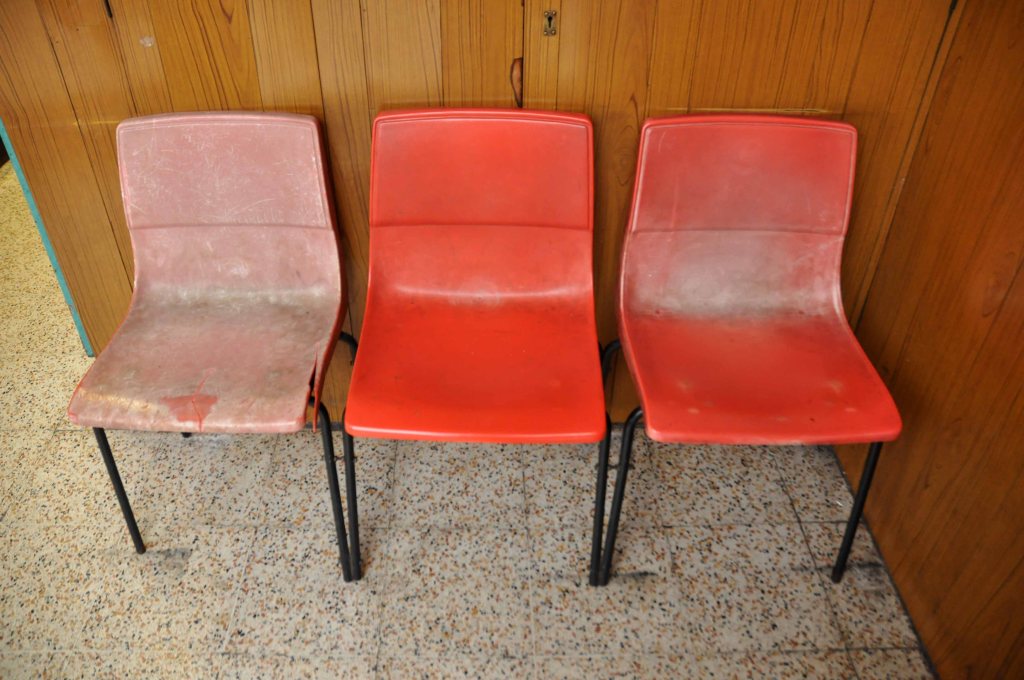
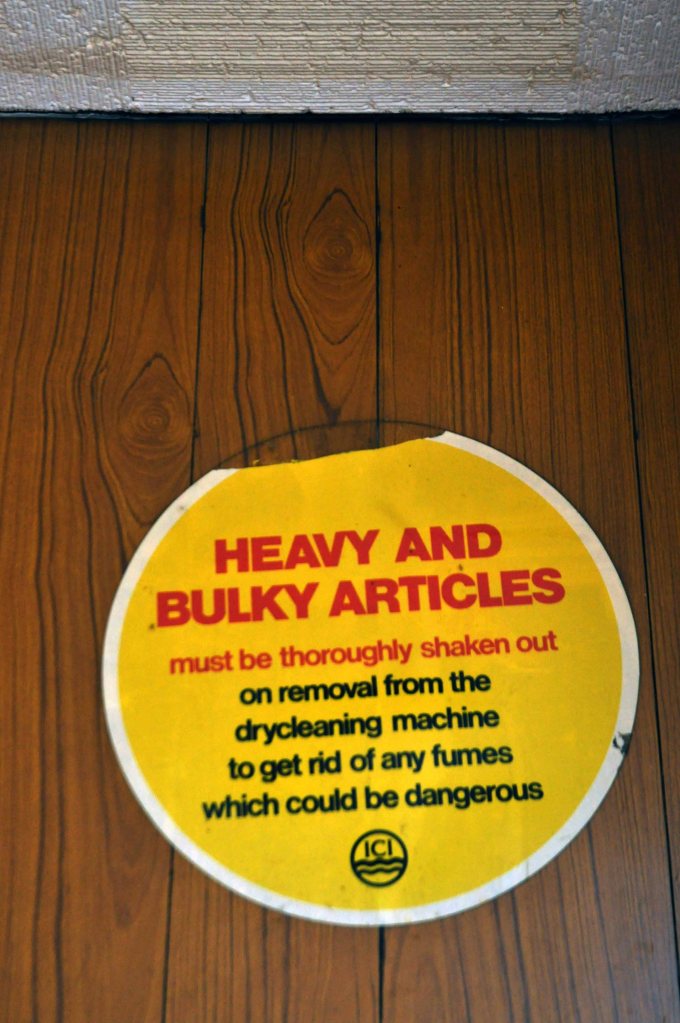
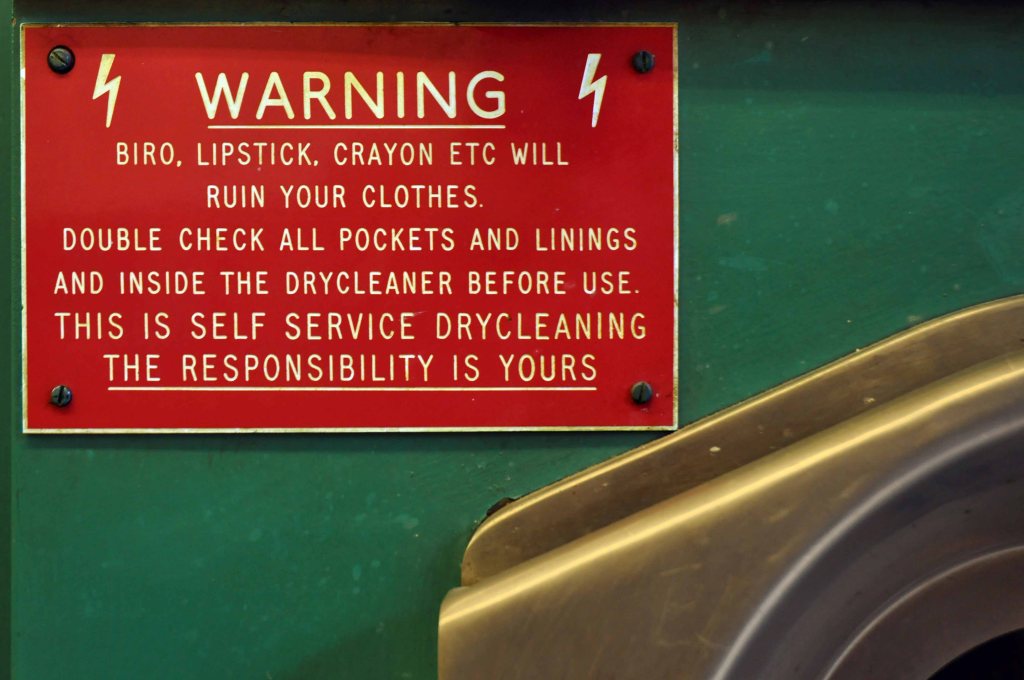
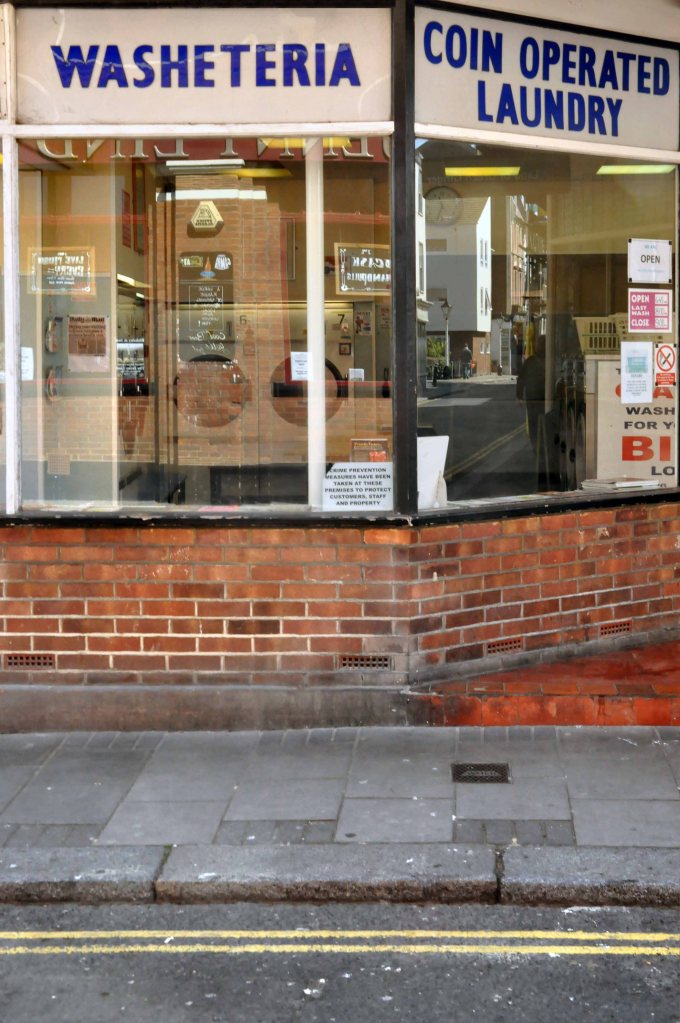
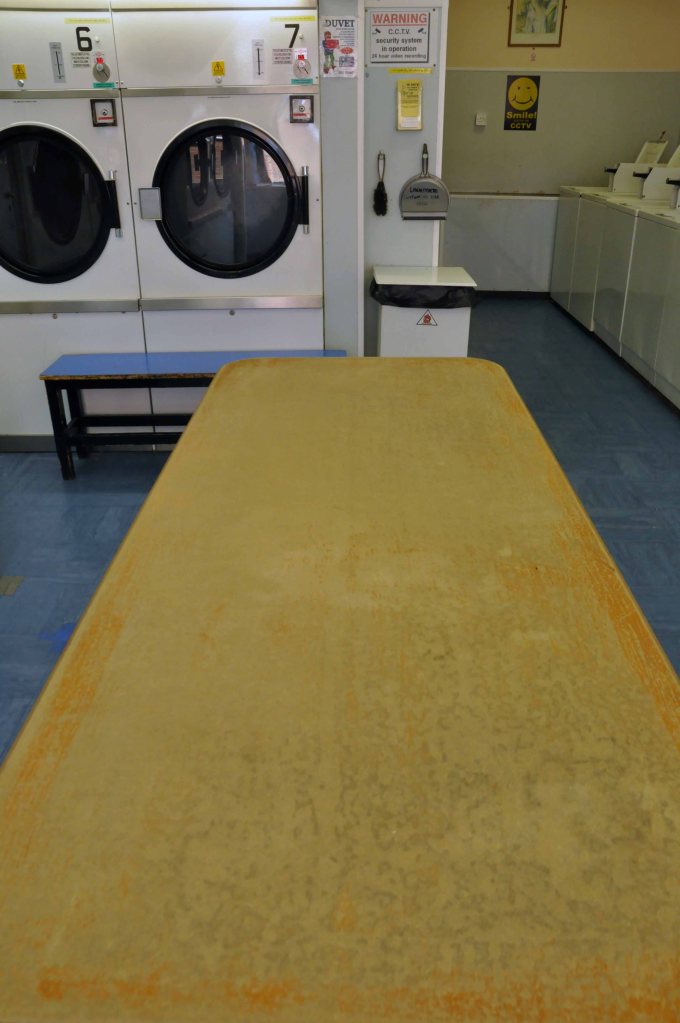
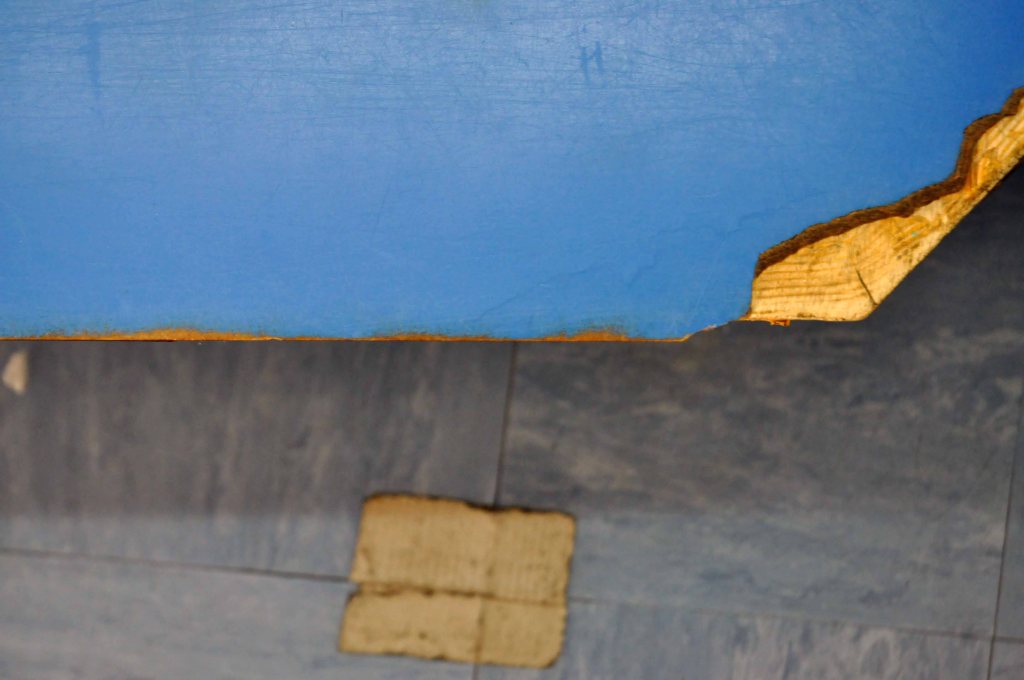
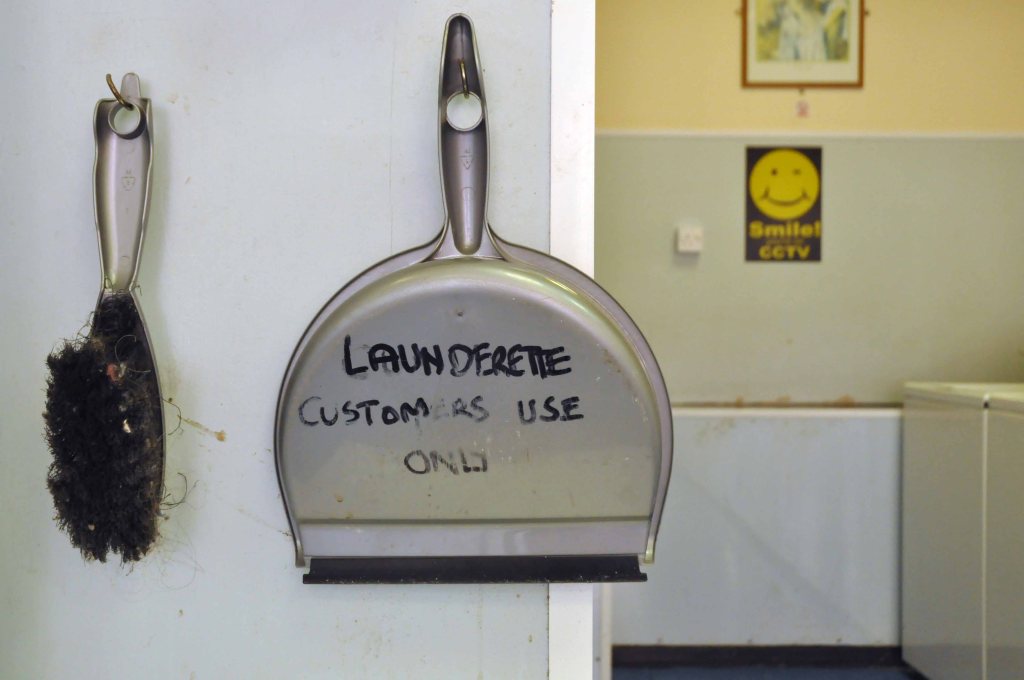
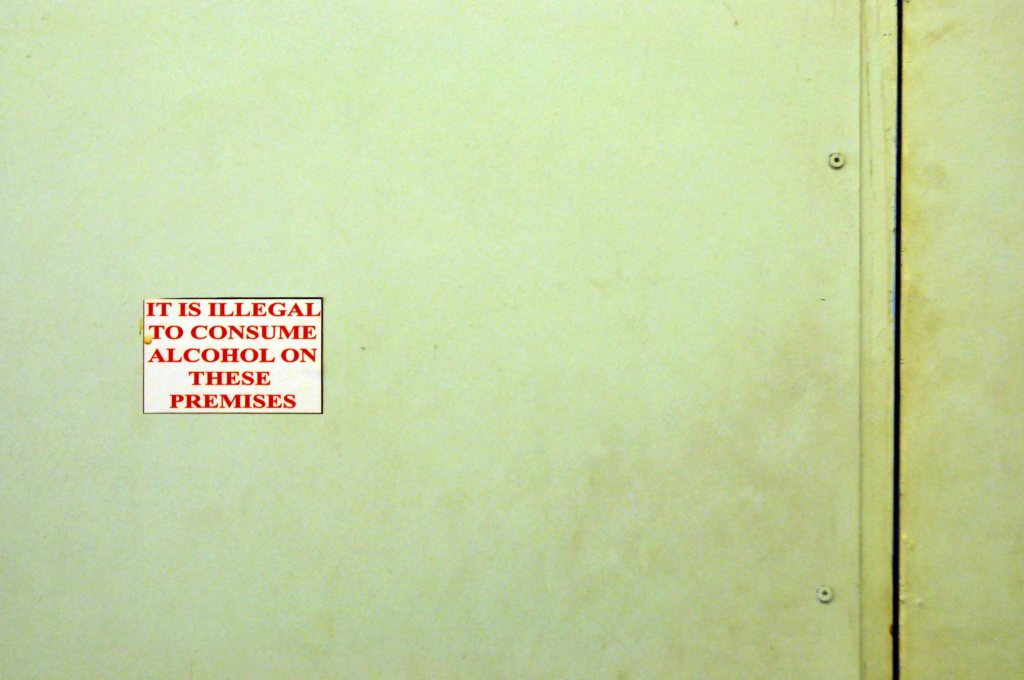
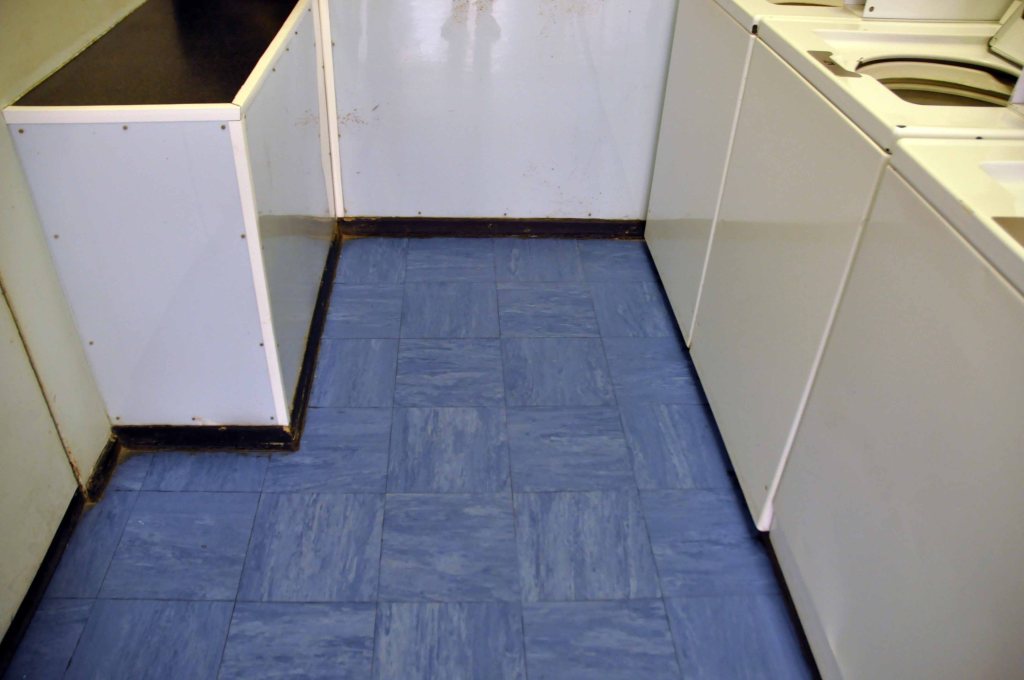
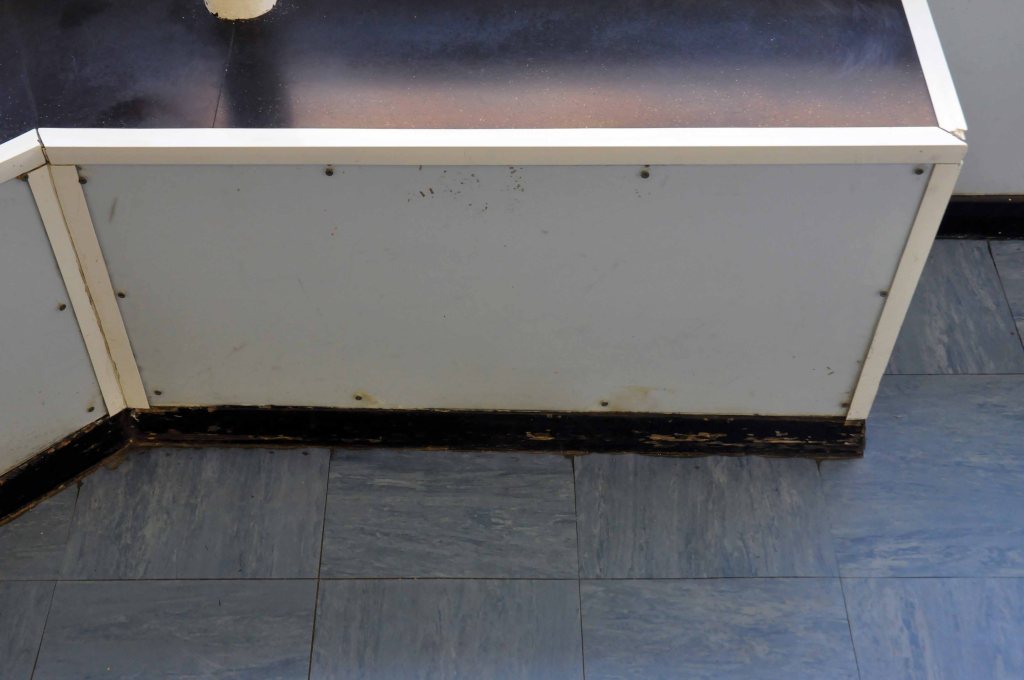
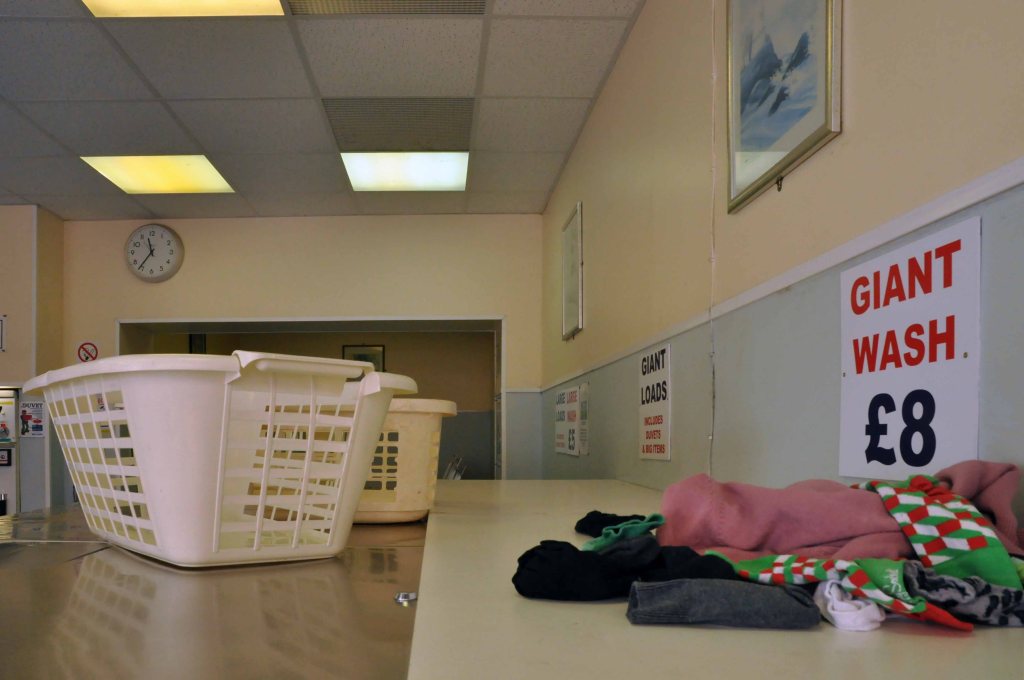
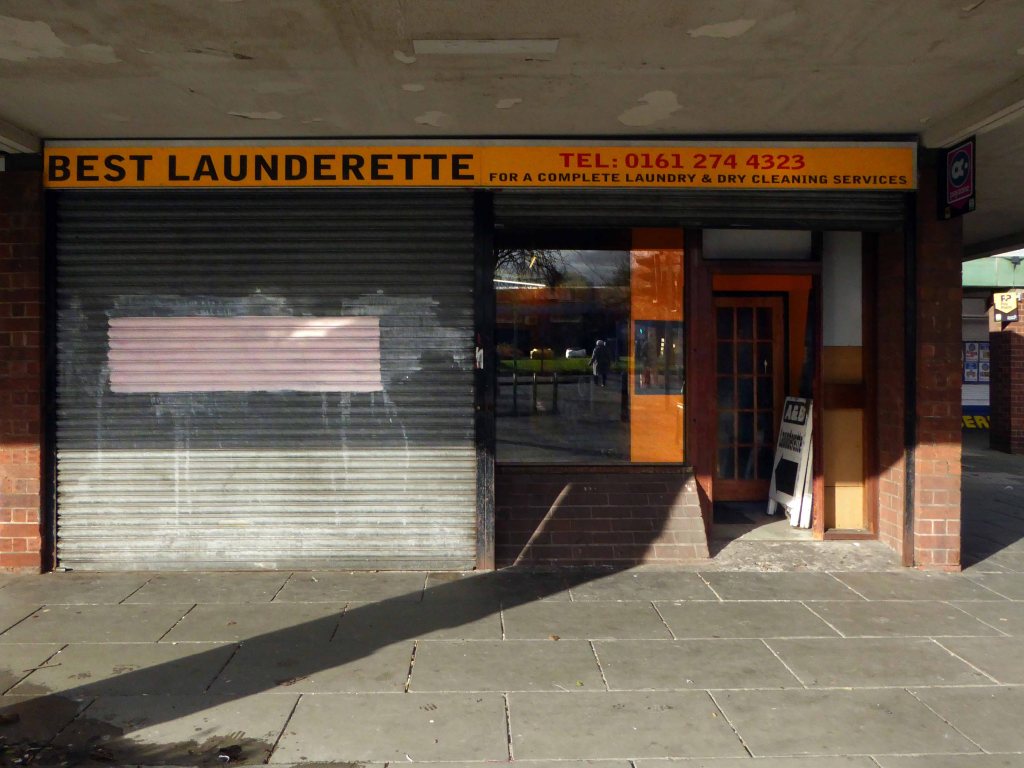
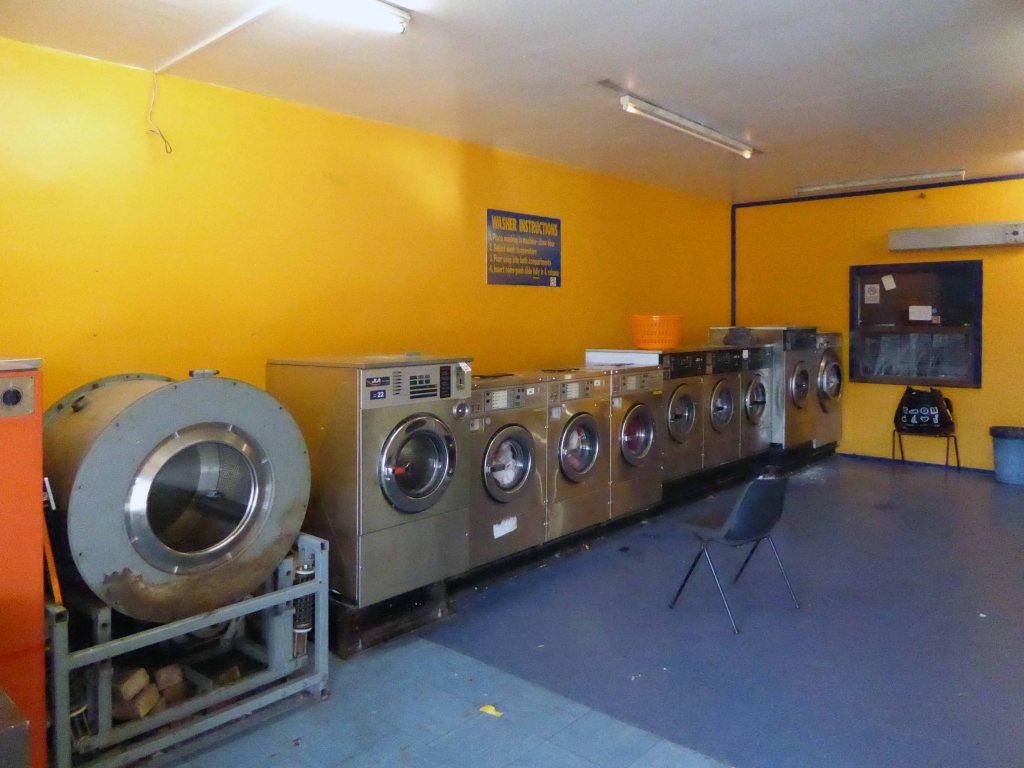
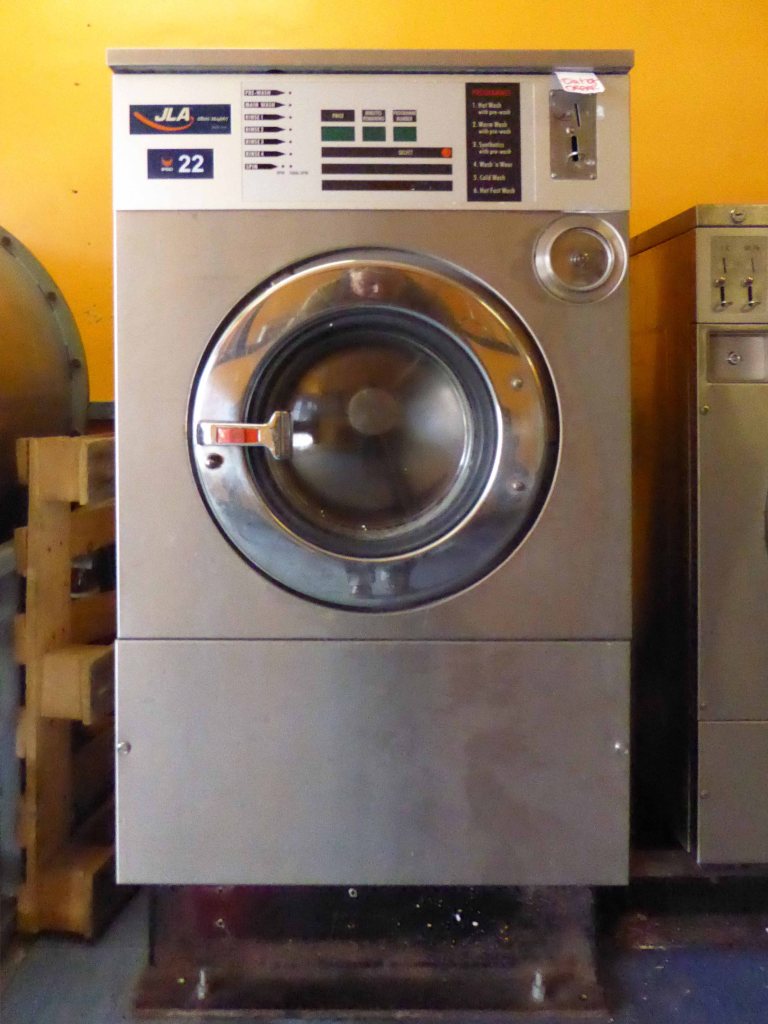
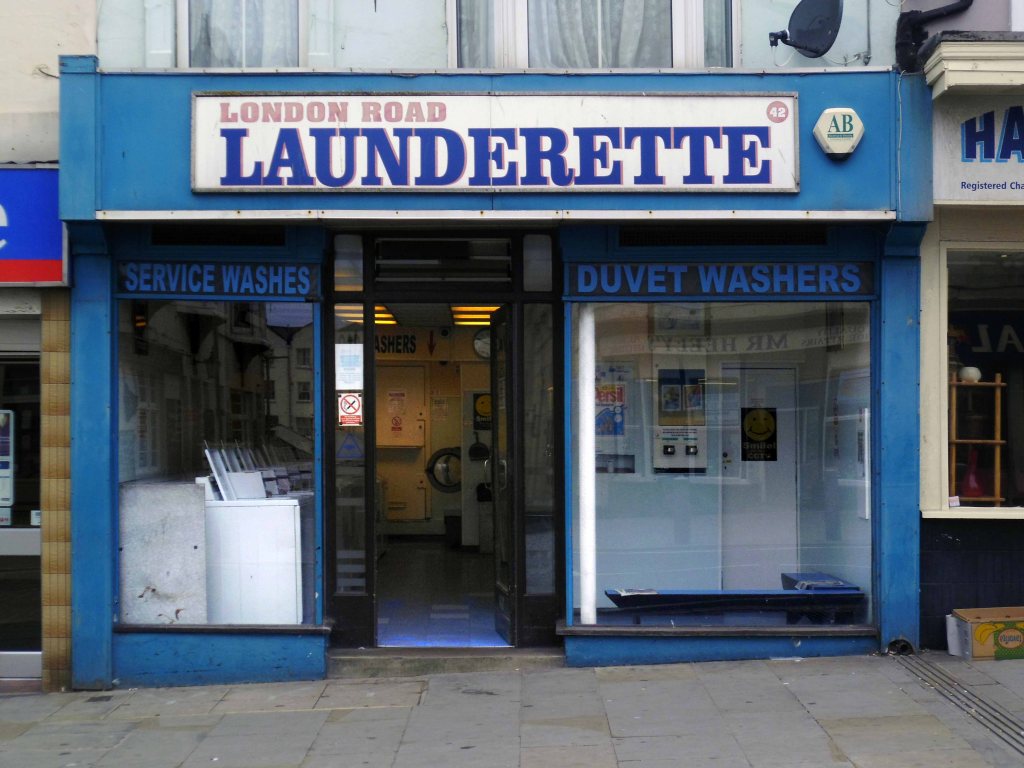
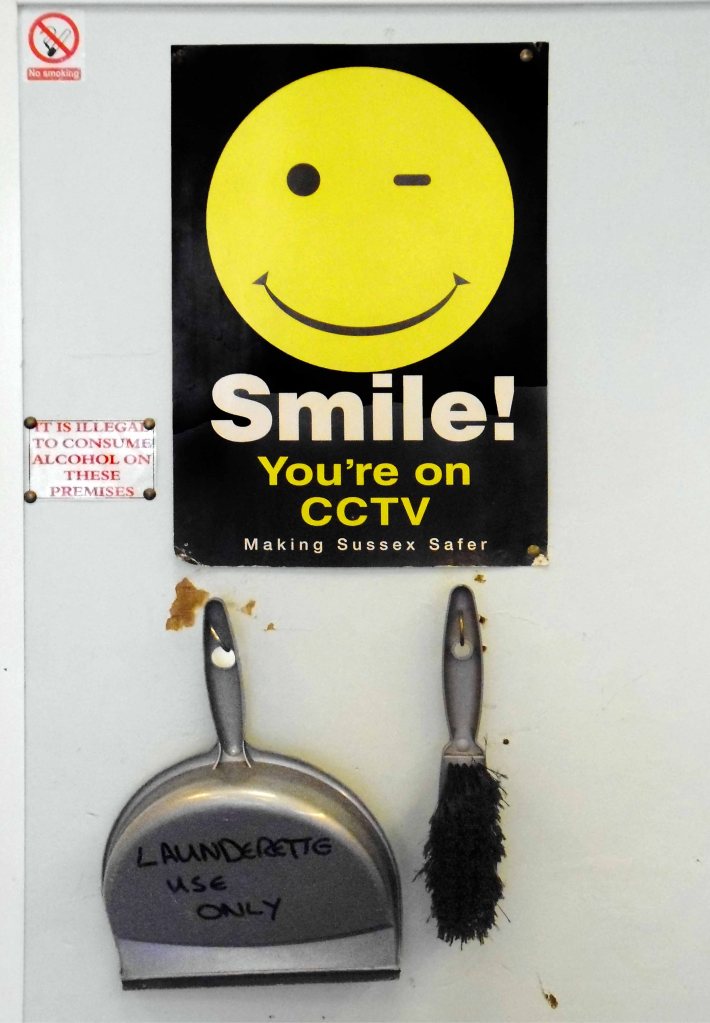
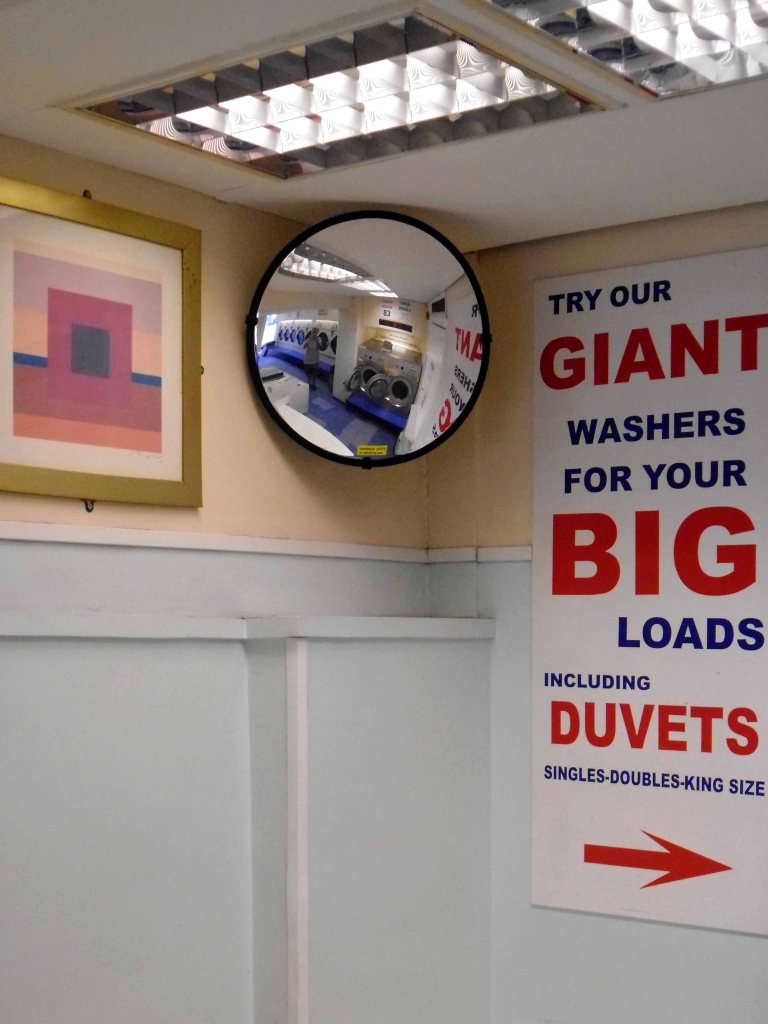
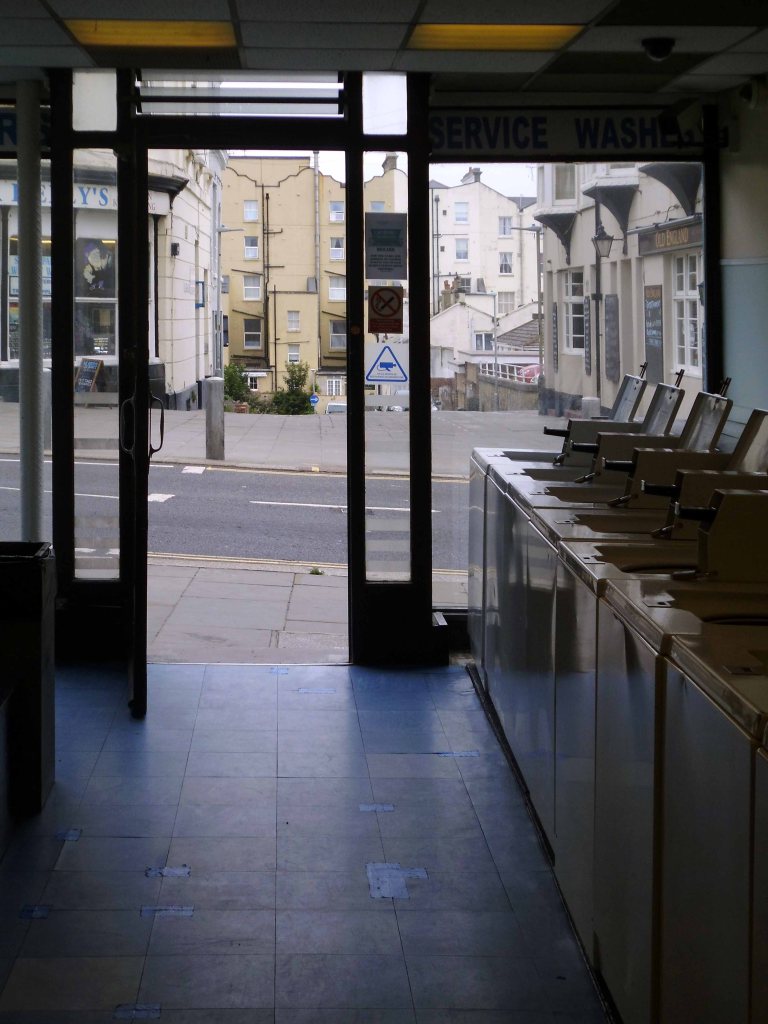
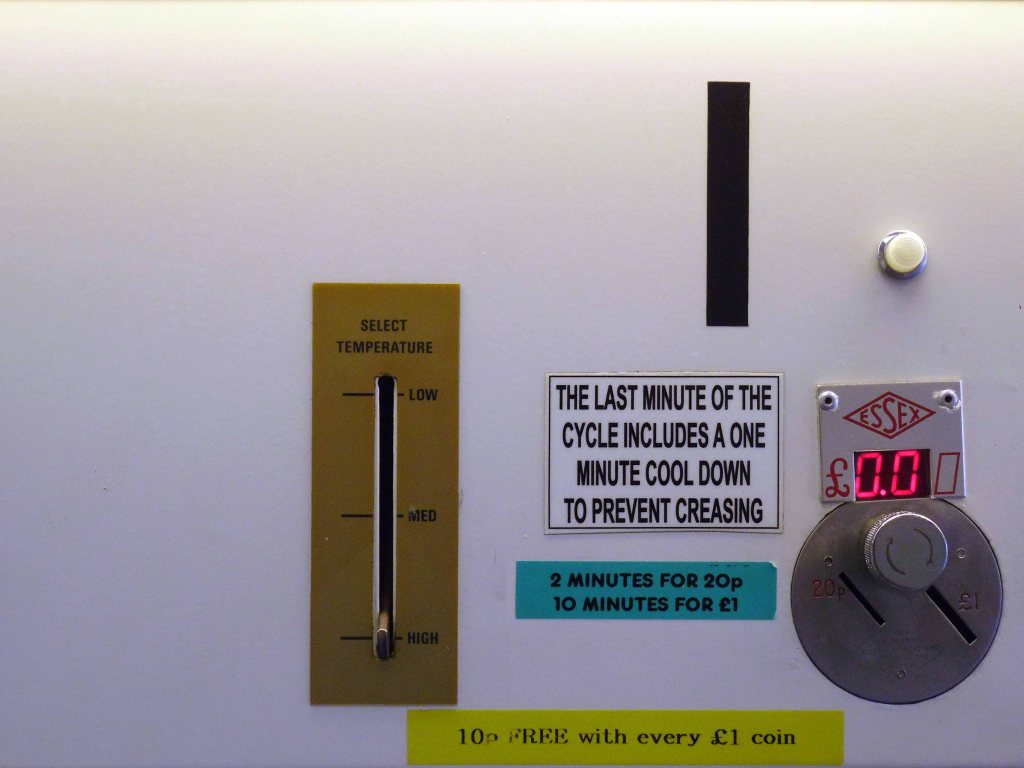
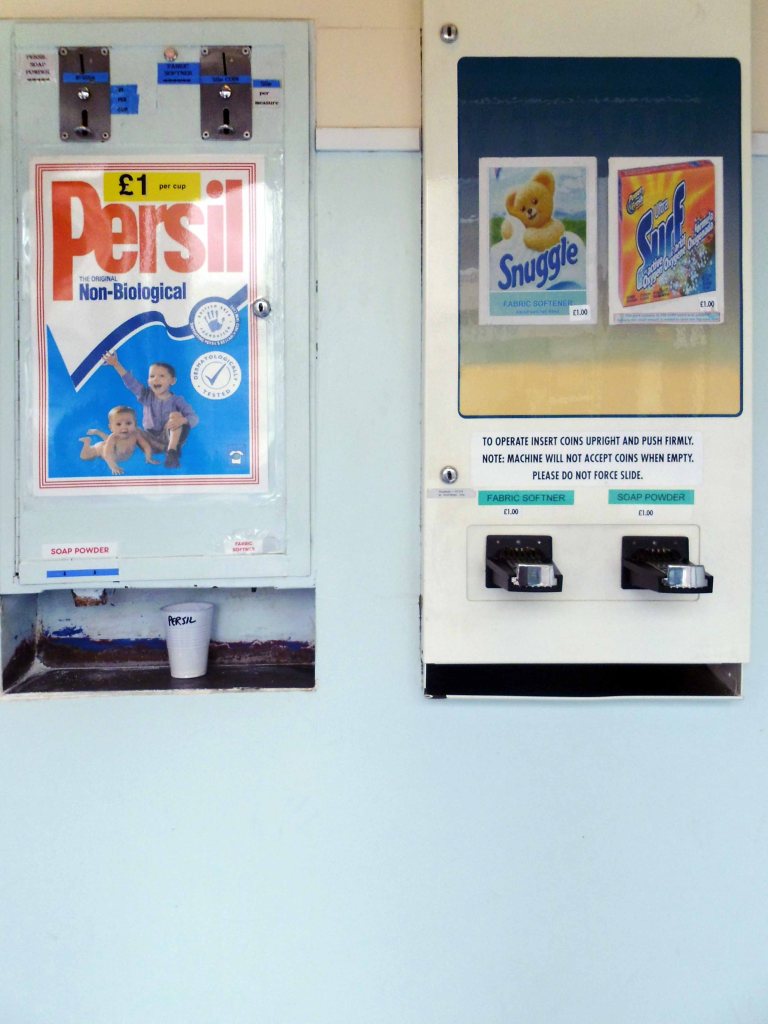
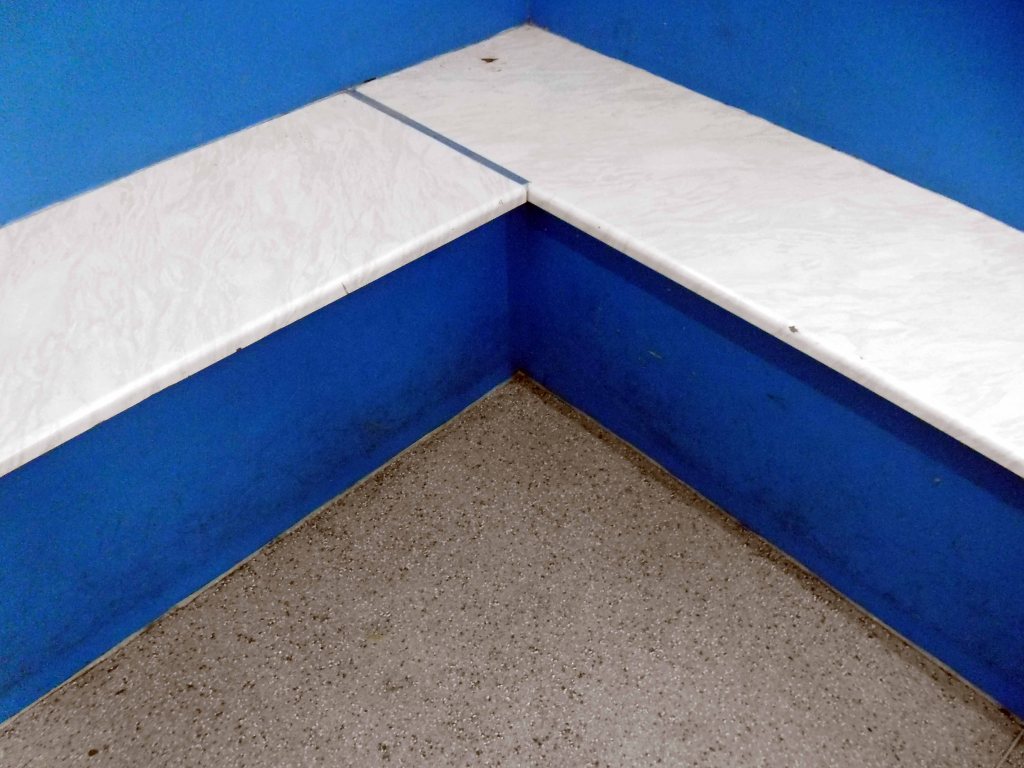
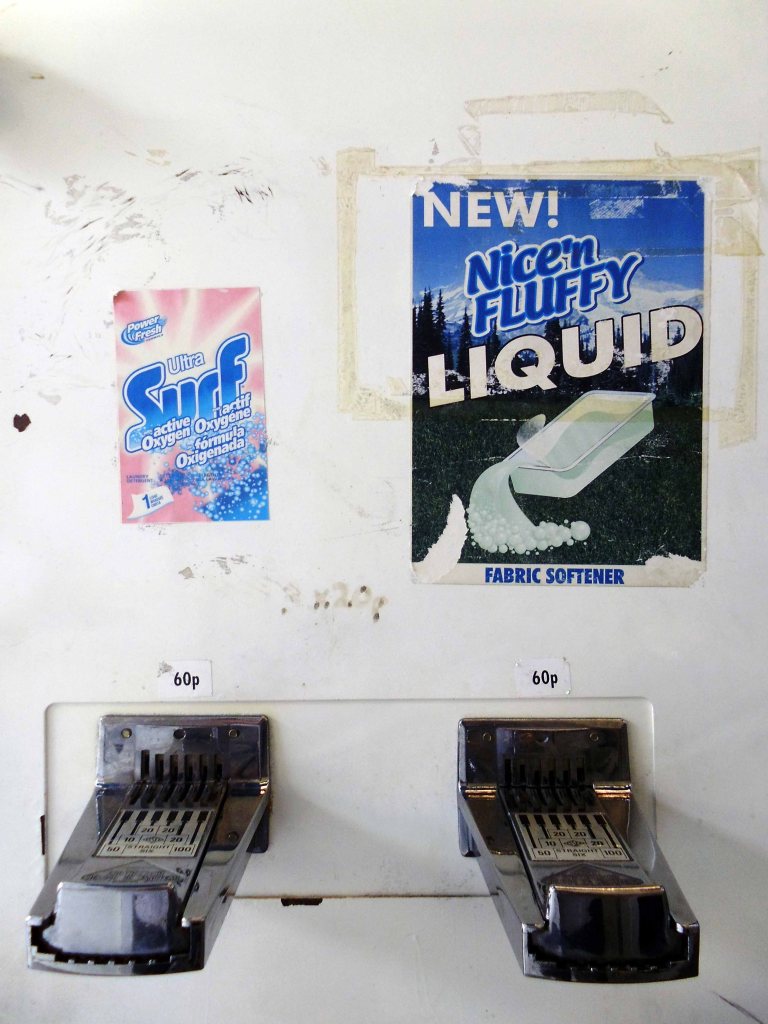
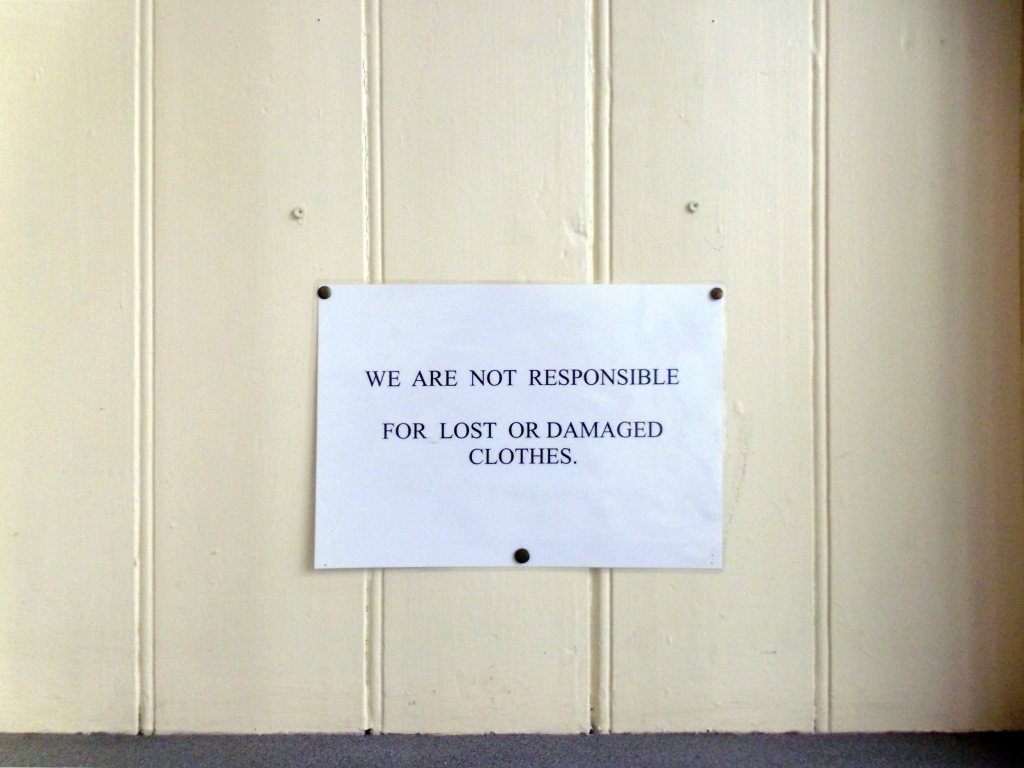
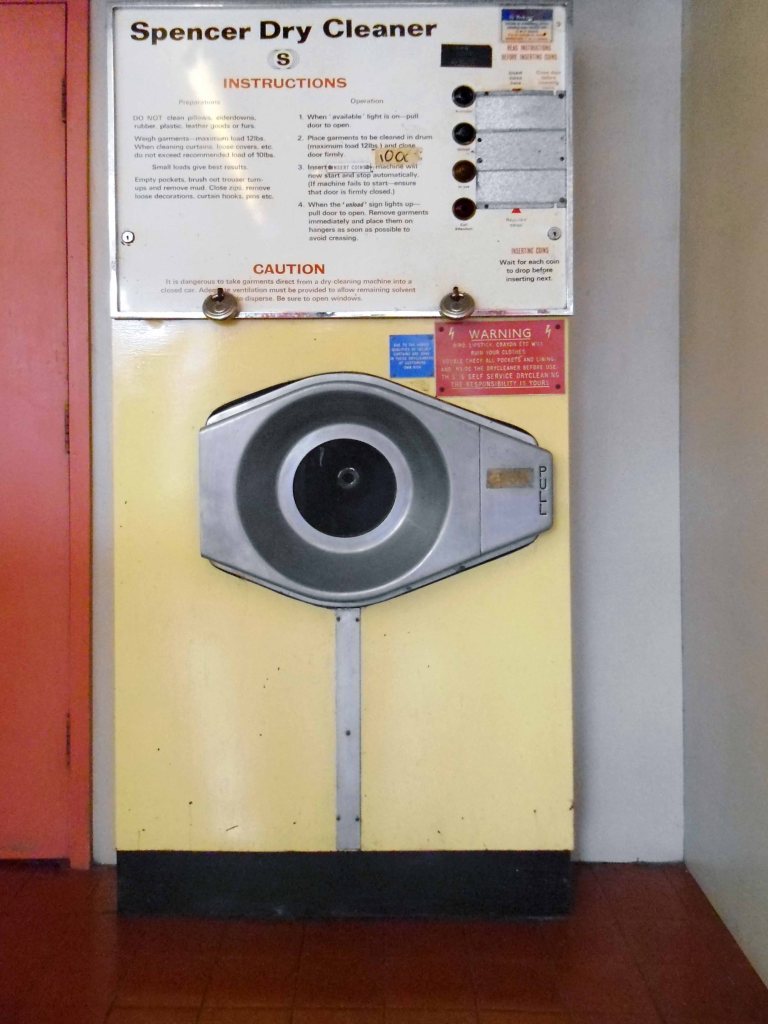
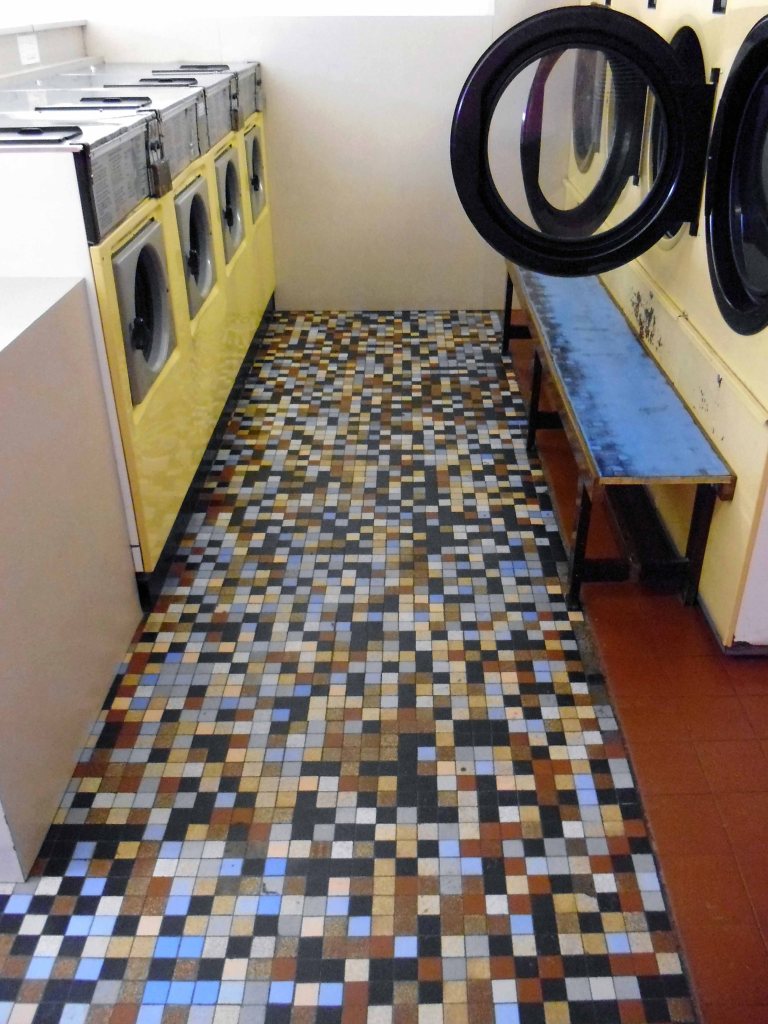
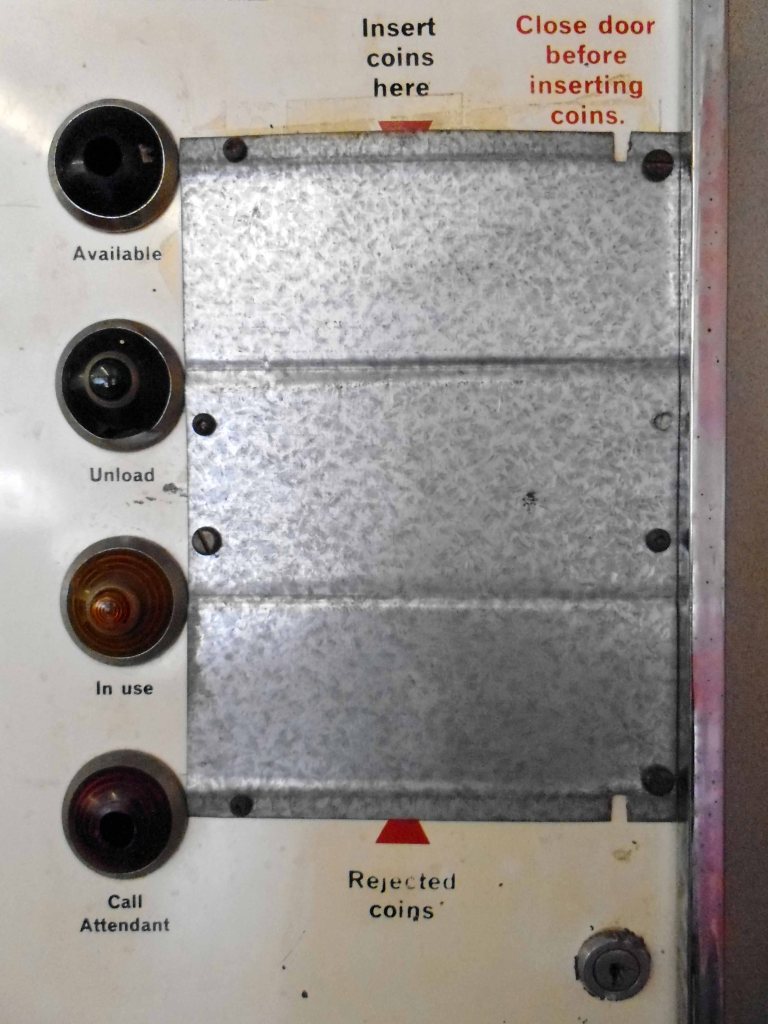
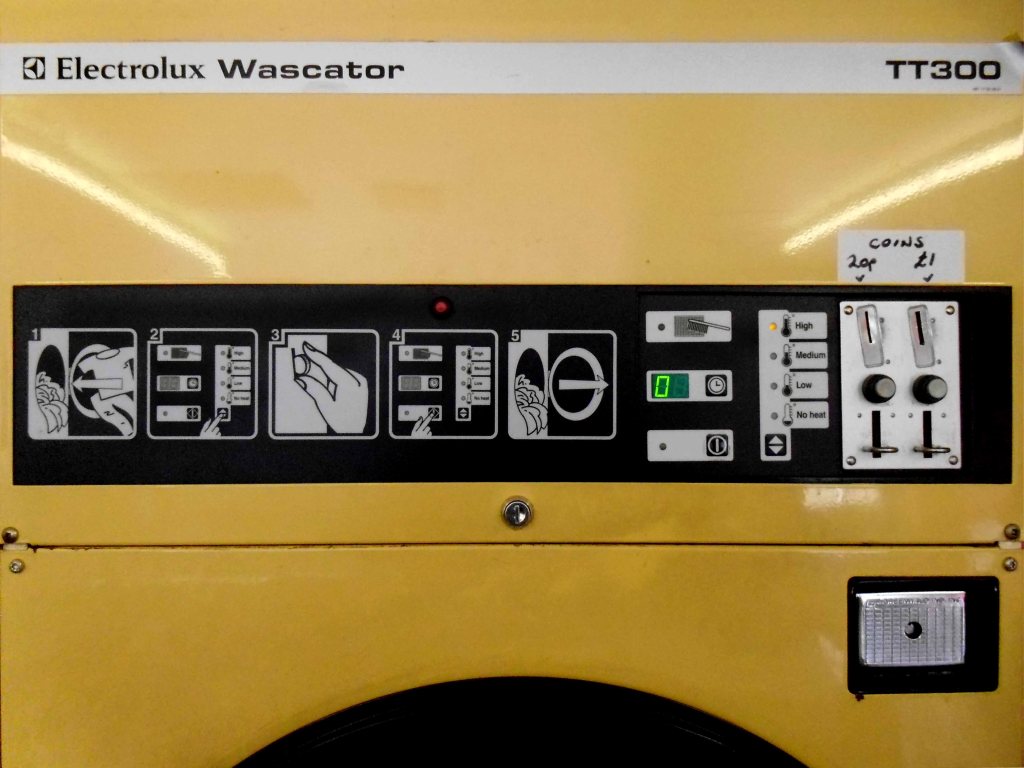
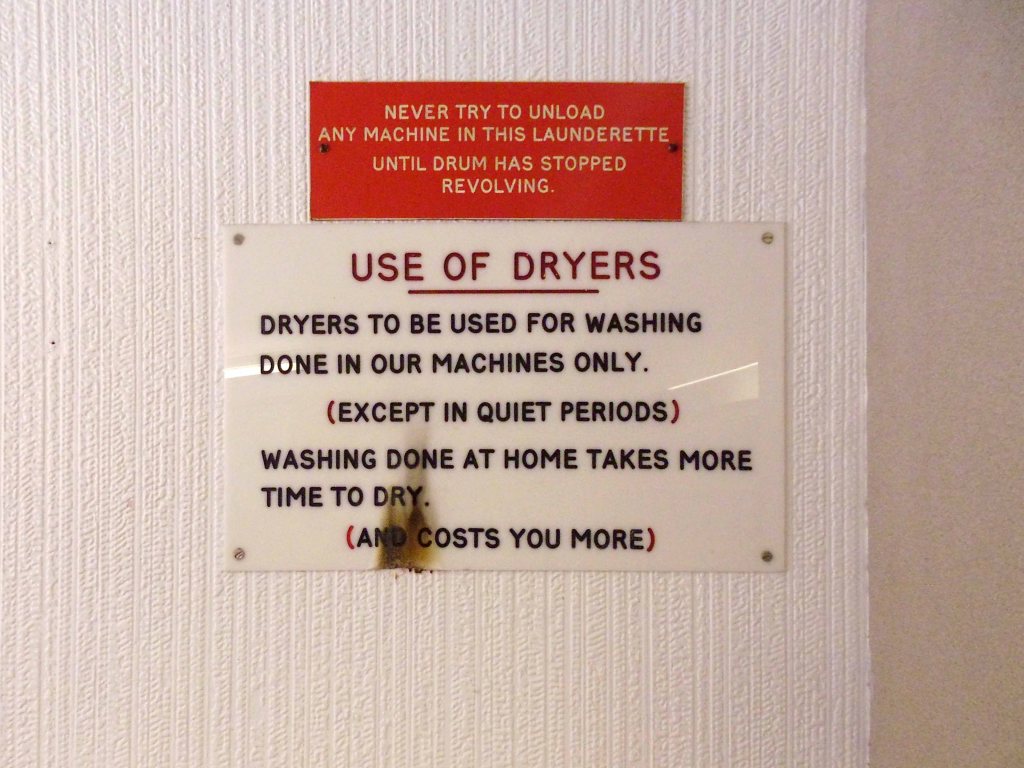
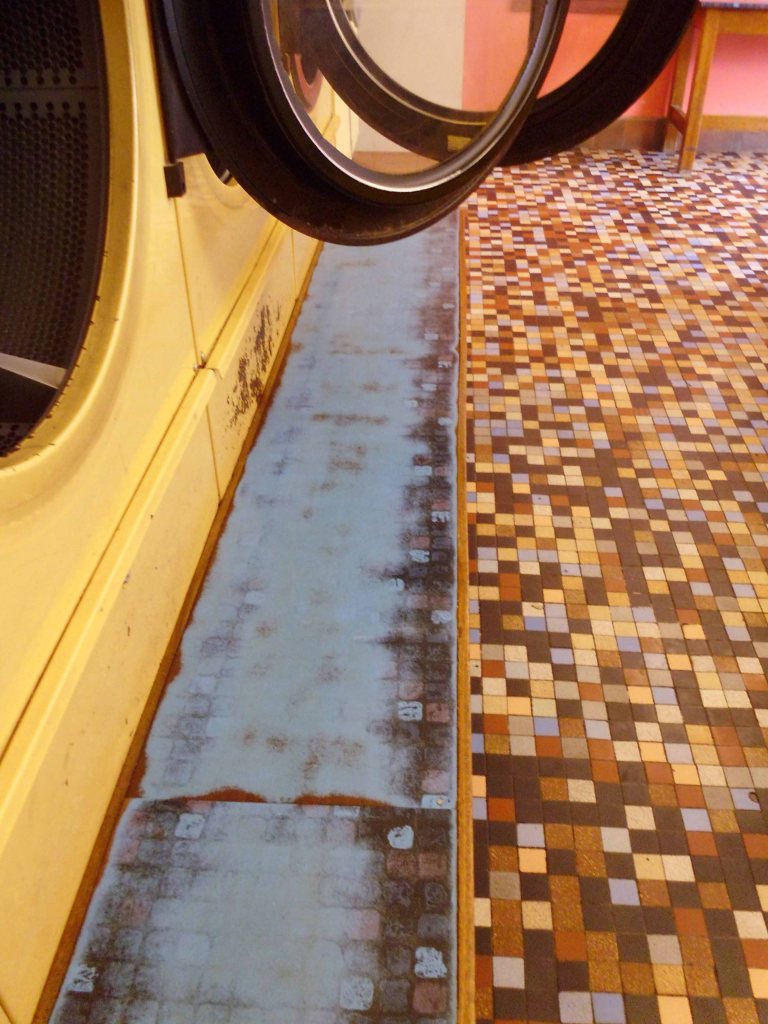
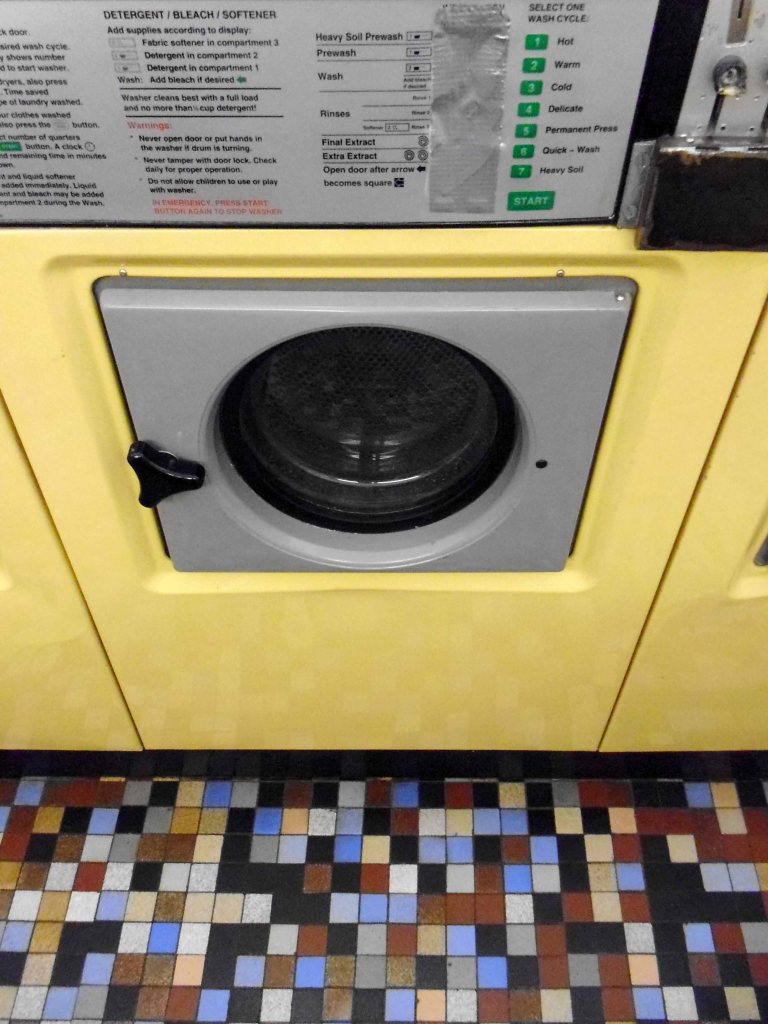
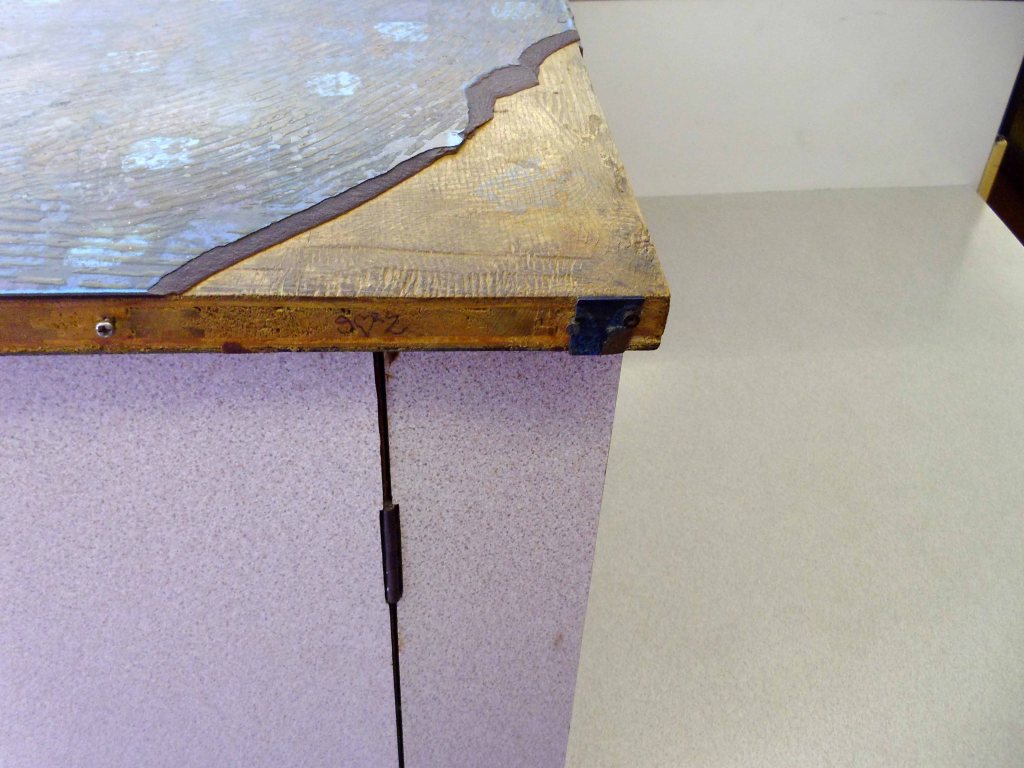
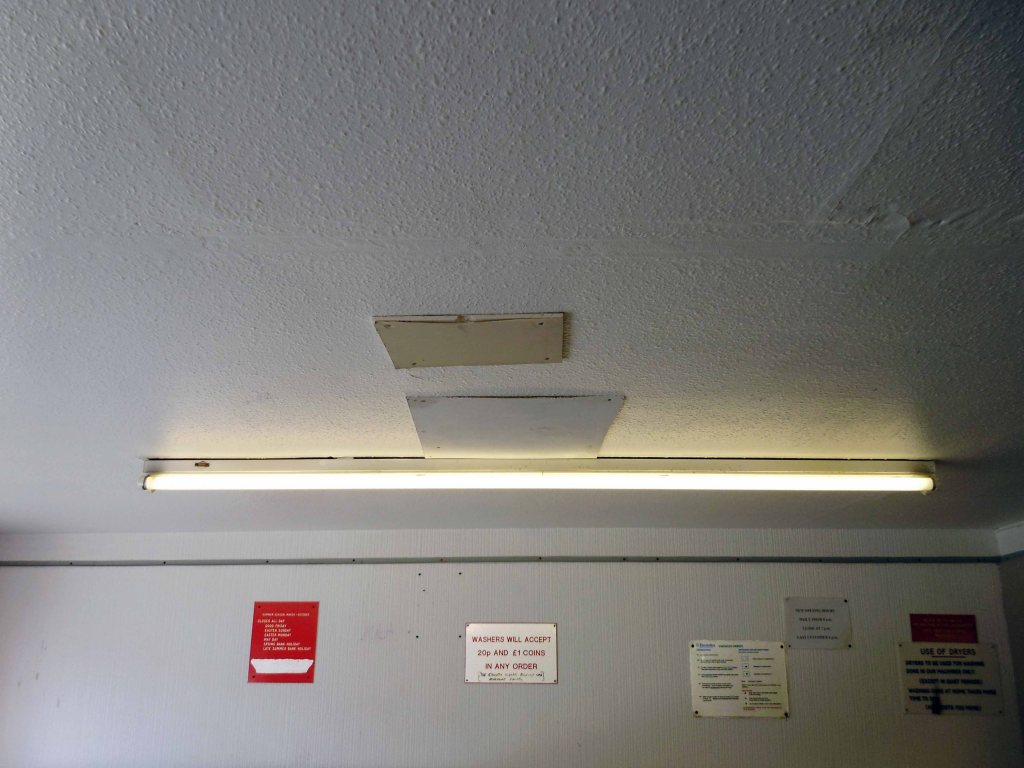
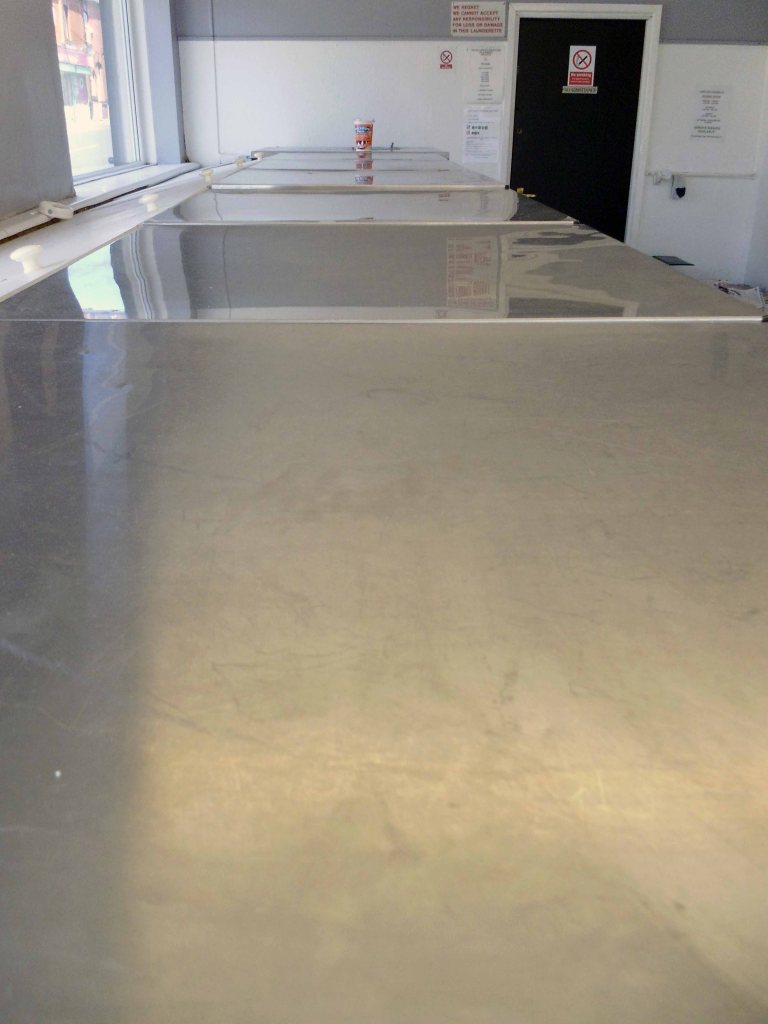
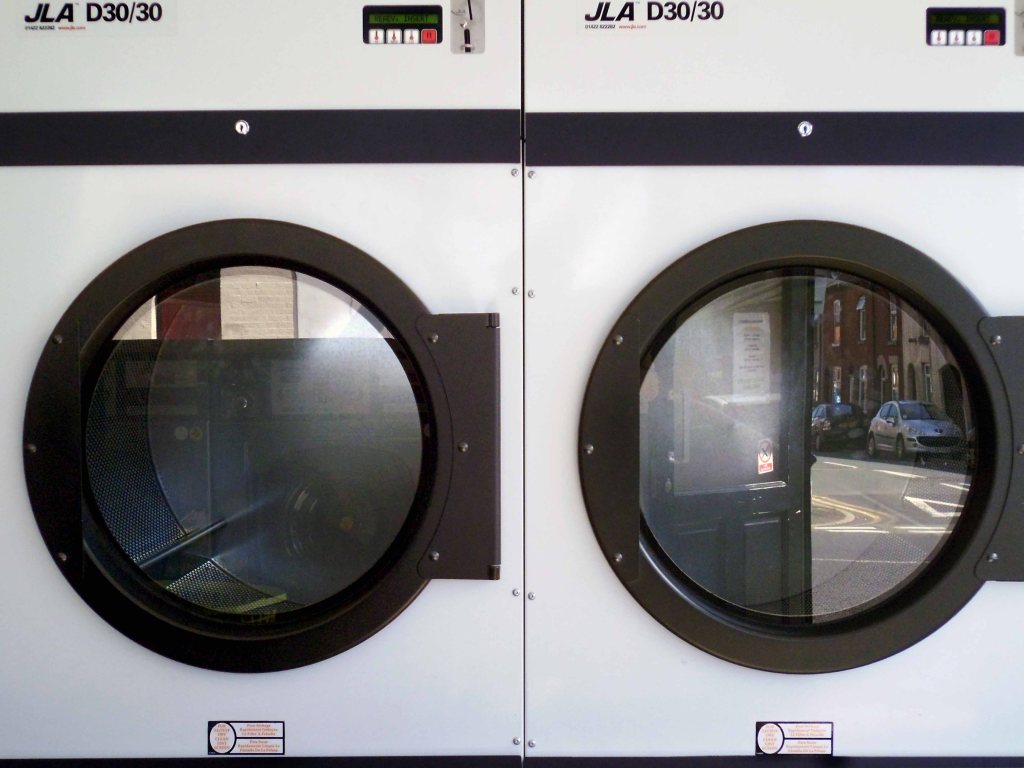
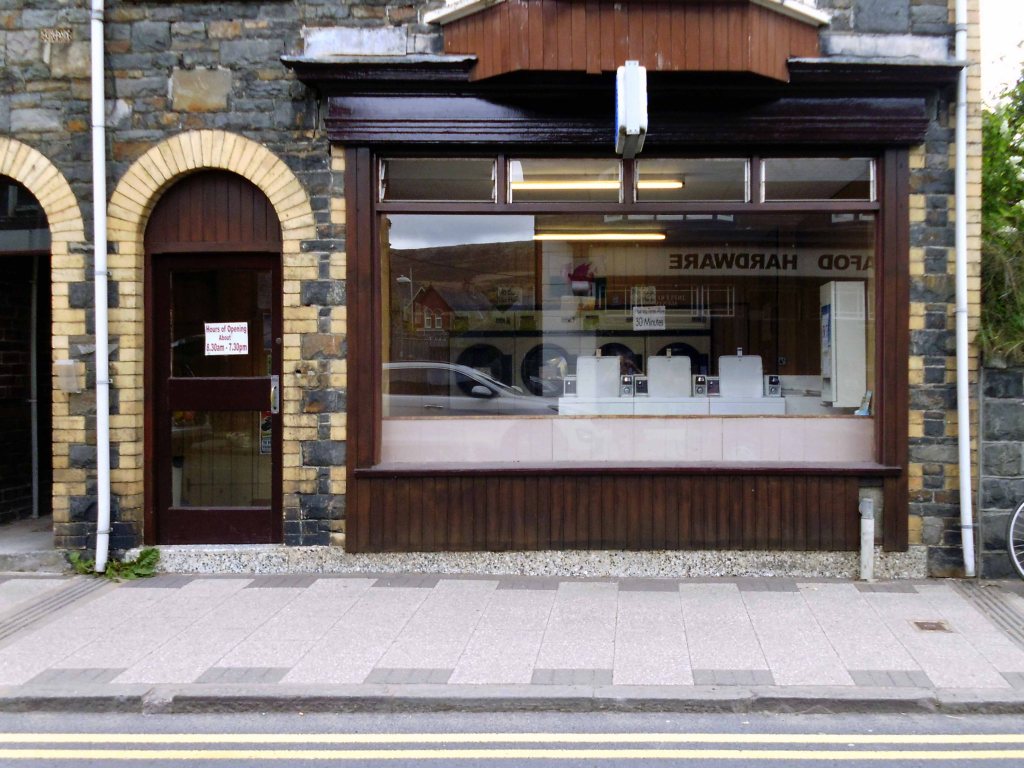
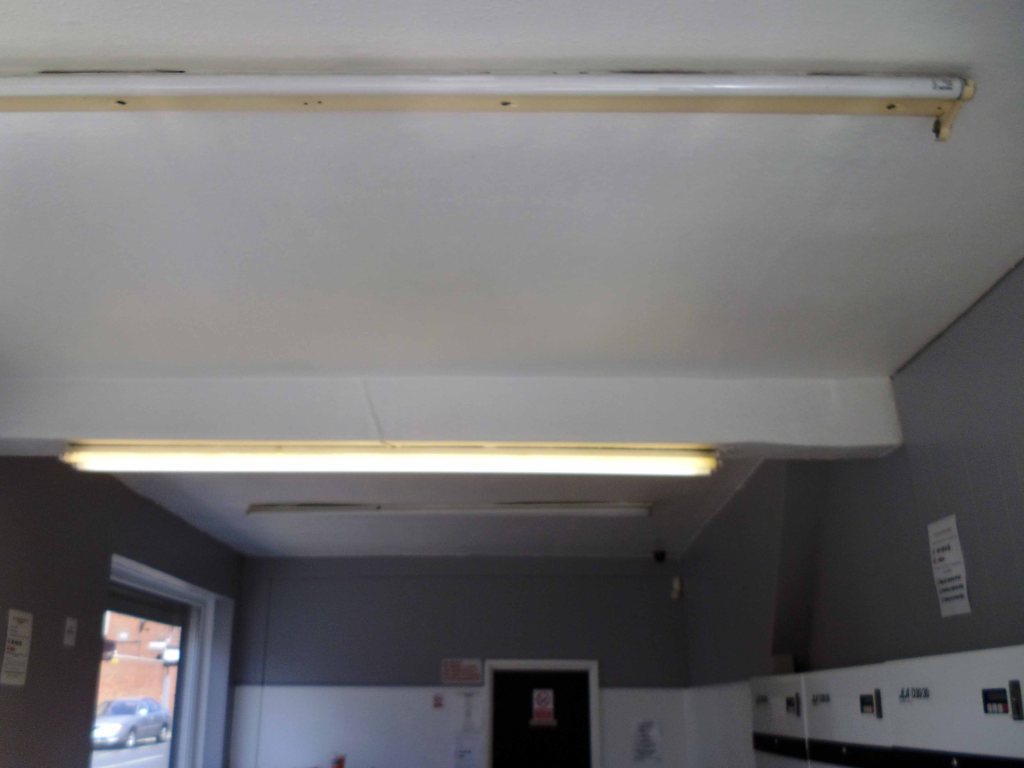
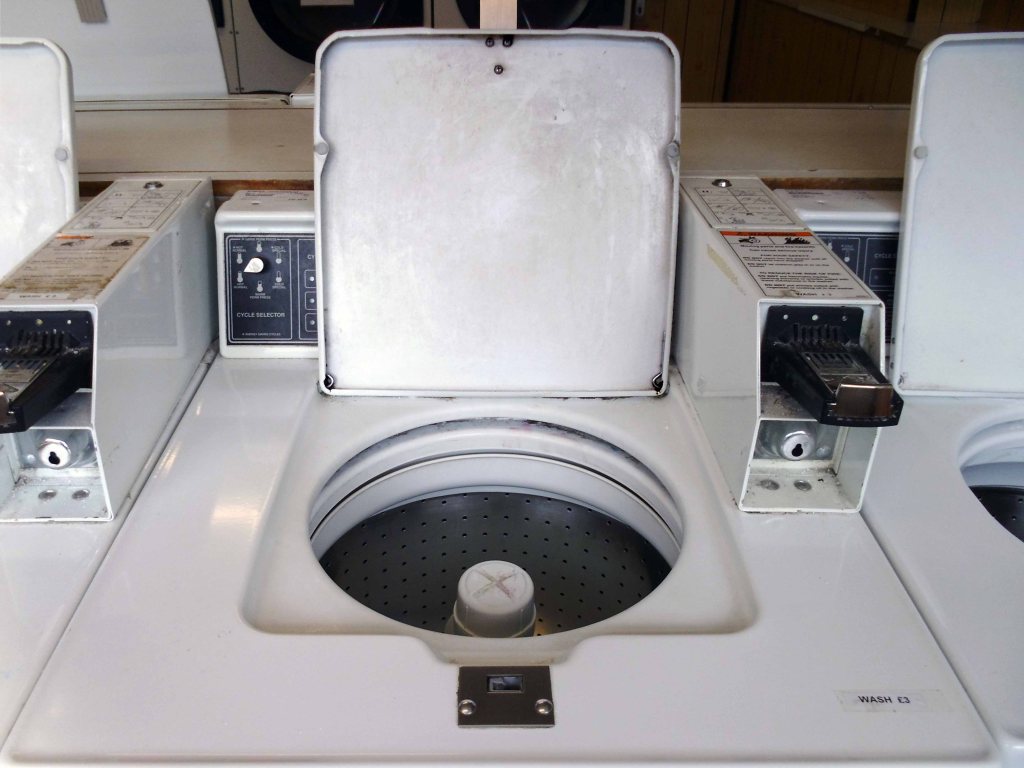
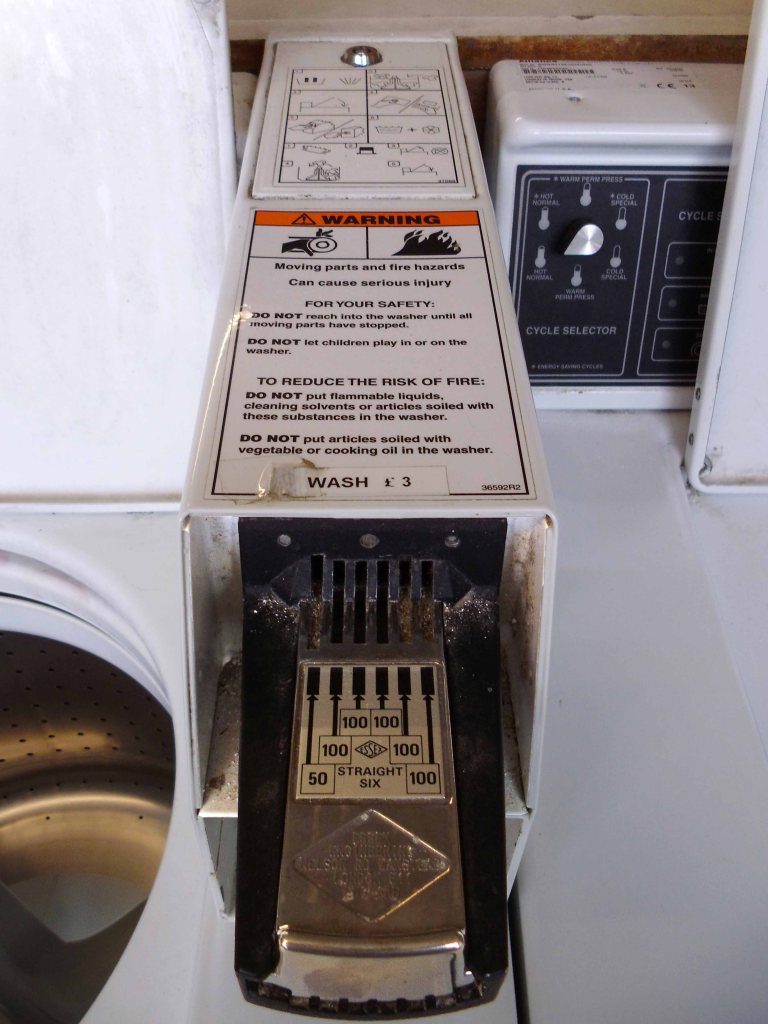
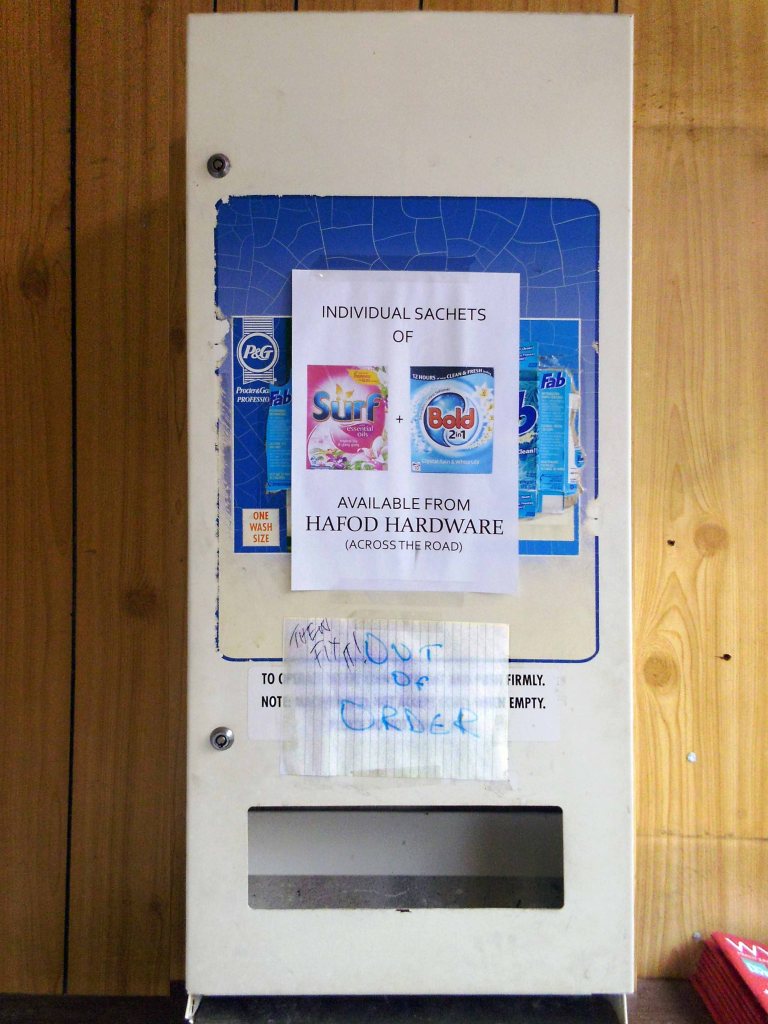
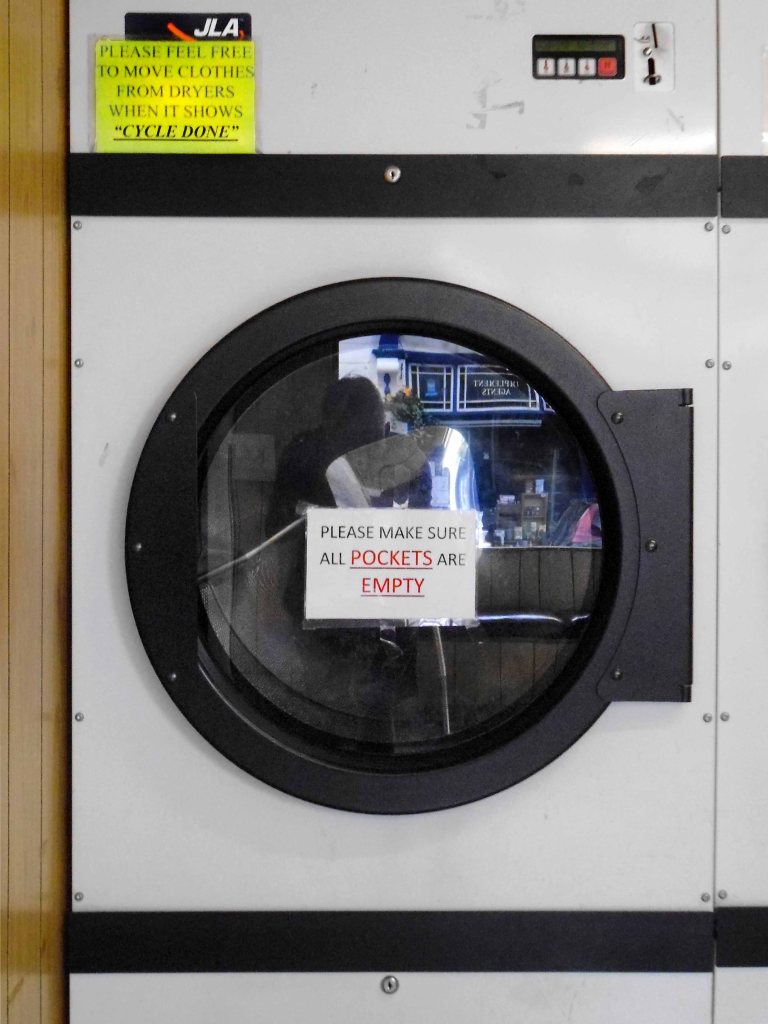
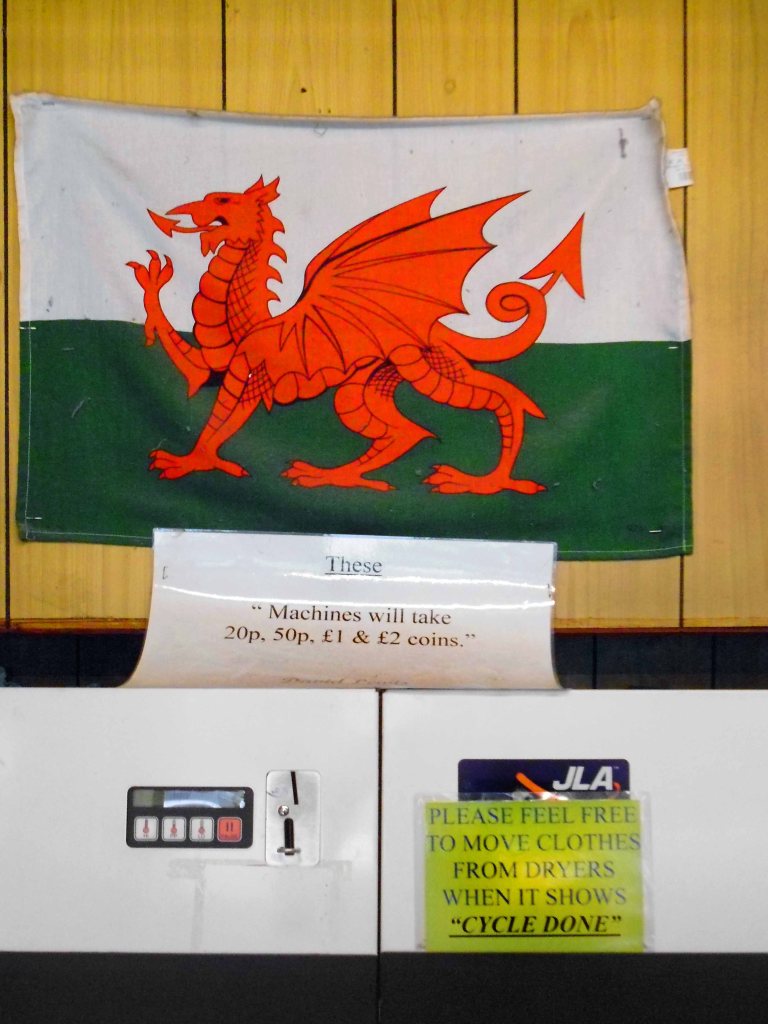
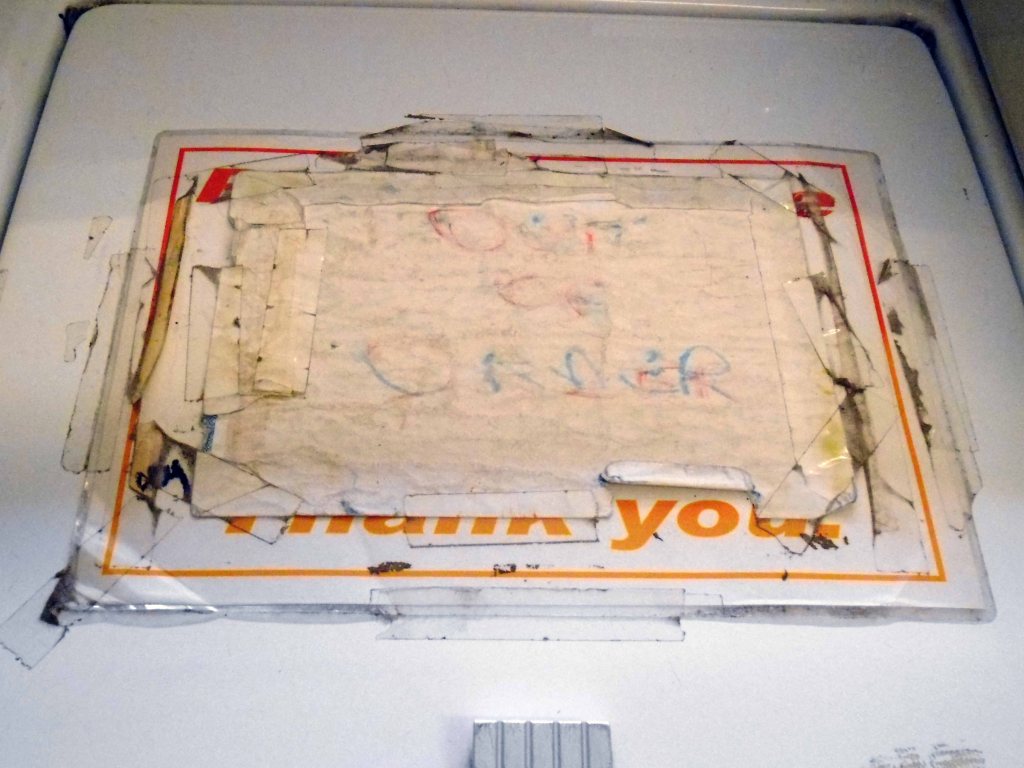
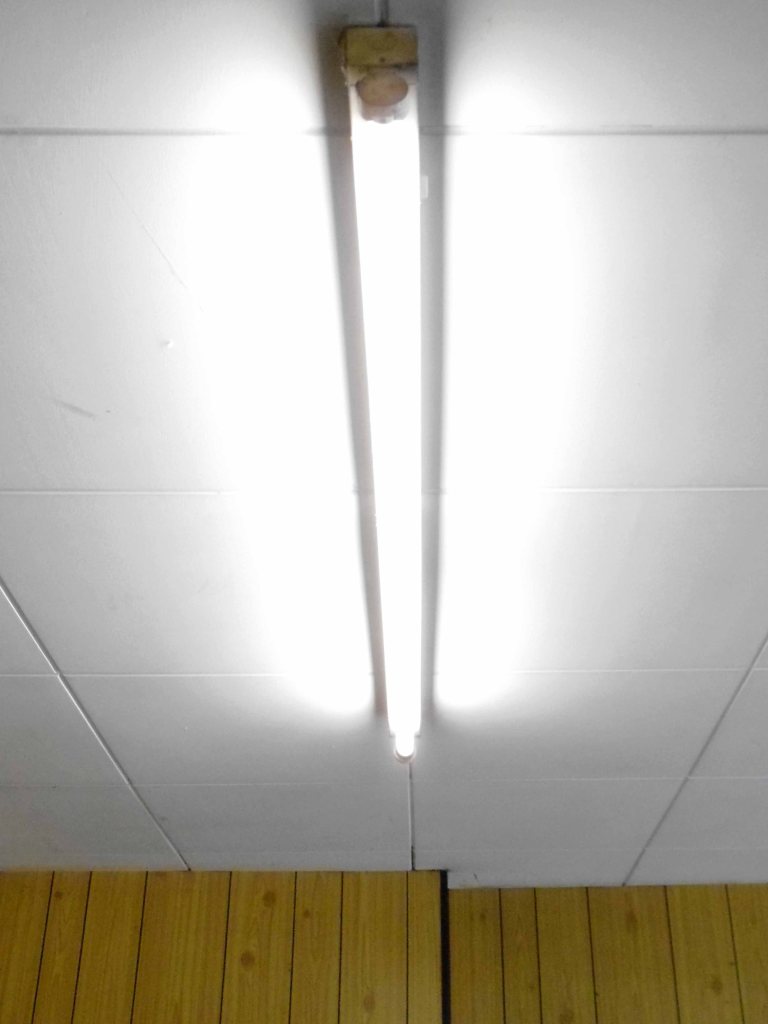
It began on an aimless walk out of Wigan on through Frimley, I found heaven on earth in the warm enfolding arms of the Washeteria. A perfectly preserved fascia, interior and machines, more by diffident neglect than good management. Signature wood effect and patterned Formica panelling, over earnest signs demanding the highest standards of personal conduct, etched in thick discoloured coloured plastic, abound on every surface. Stuttering strip lighting and a stone cold linoleum floor. A dull white ceiling, with a surface texture formed from deep frozen ennui.

Three years later I had visited and snapped several examples, all with their own uniques characteristics though all contributing to a typology. 

In the United Kingdom known as launderettes or laundrettes, and in the United States, Canada, Australia, New Zealand as laundromatsor washeterias.

George Edward Penury created the word laundromat for Westinghouse. 

According to NALI – the National Association of the Launderette industry, numbers peaked at12,500 in the early 80s but have since dwindled to just 3,000. 

The first UK launderette – alternative spelling: laundrette. was opened on May 9th 1949 in Queensway London.

Come with me now and relive those warm damp languorous moments as we visit eight laundrettes.

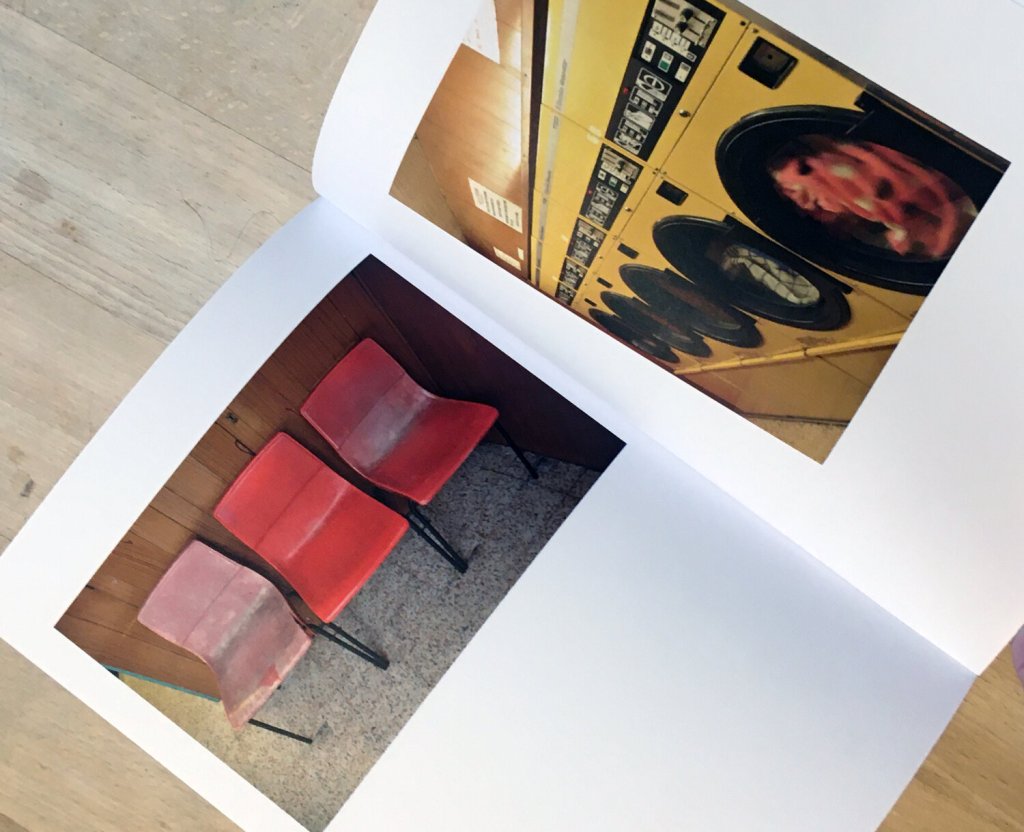
All the books sold out in three hours – so here’s your chance to flick through the virtual pages as the prewash finishes.

Pomona – Manchester

The River Irwell bisects Salford and Manchester, joining the rivers Irk and Medlock, and then turns west toward Irlam, as part of the Manchester Ship Canal. Its course ends just east of Irlam, where it empties into the Mersey.

Urban development is ever so often dependent upon rivers – for sustenance, commerce and amusement. The Irwell and latterly the developments of the canal system has provided all of these in superabundance.

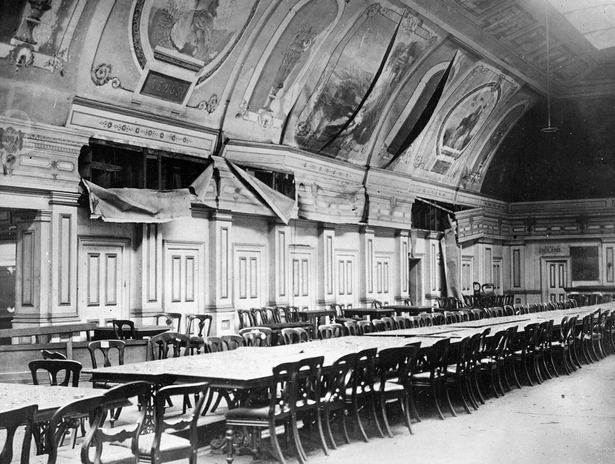
By 1870 the Pomona Gardens is thriving , boasting a concert hall and banqueting suite – further details here from Skyliner.

In the summer of 1887, a nearby chemicals factory exploded, damaging the palace – the area was under threat and destined to rot away to obscurity: the following year the gardens closed forever.

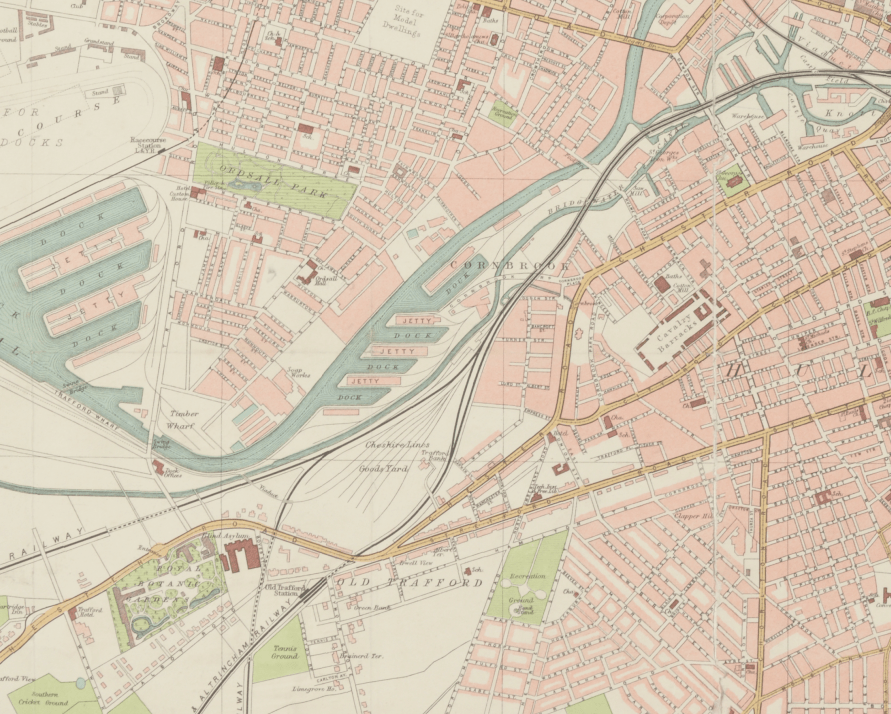
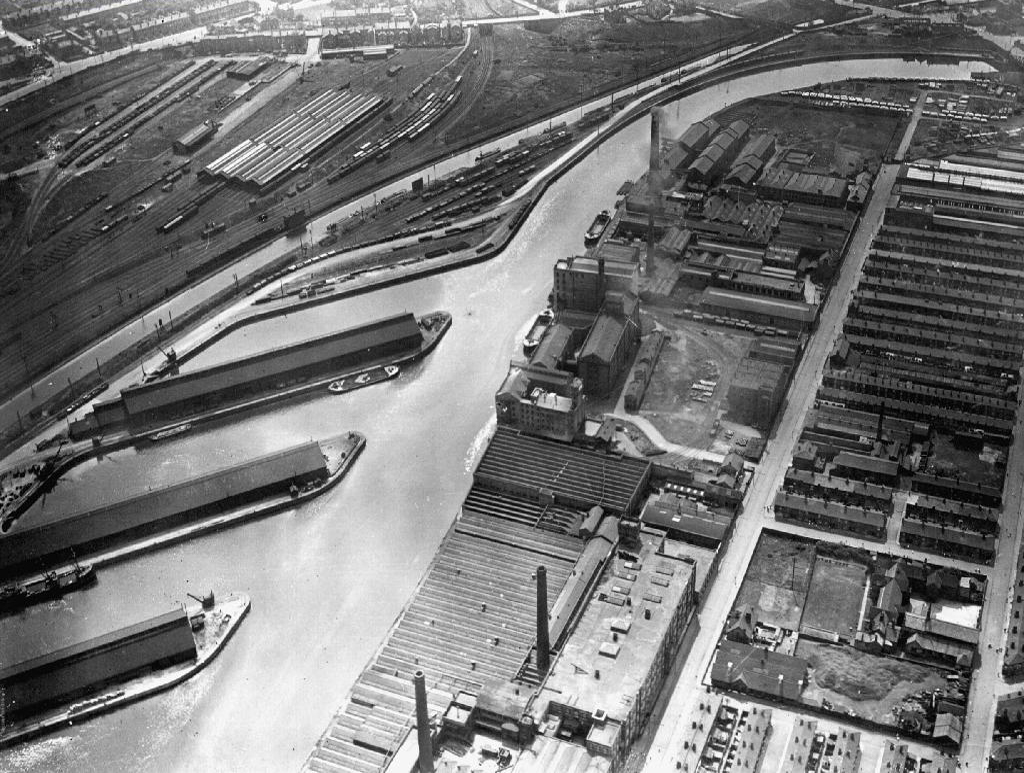
By 1900 the Ship Canal, docks and railways had arrived – Manchester and Salford are at the centre of an unprecedented growth in manufacture and trade.

1891
1923
1950

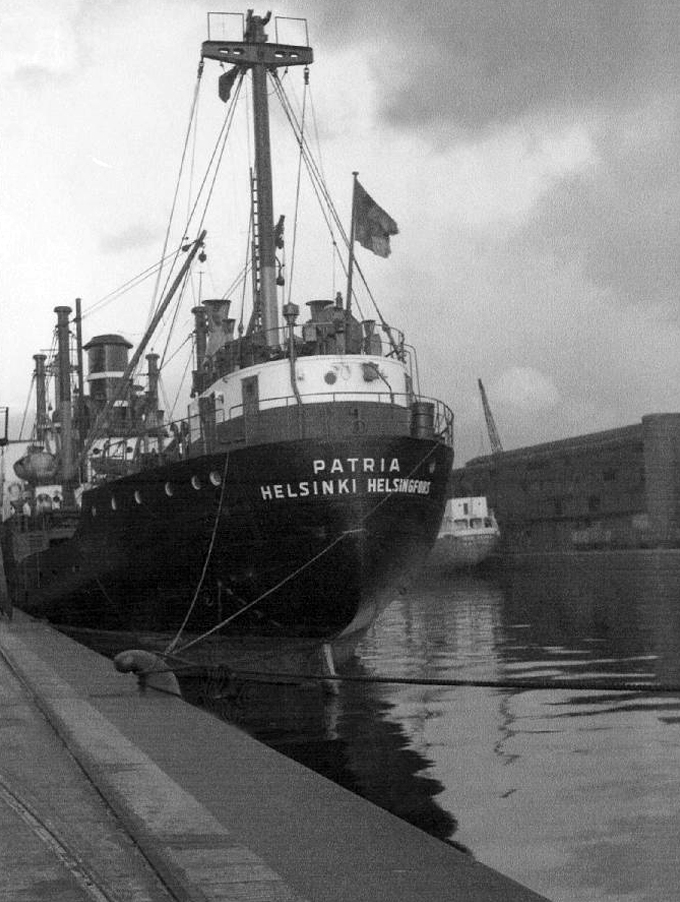
During the 1970’s the docks began a rapid decline, largely due to containerisation. The increasing size of freight-carrying ships meant they could no longer navigate the ship canal and this, combined with increased trading with Europe and the east, saw use of Manchester Docks decrease. In 1982 the remaining docks closed and the area became derelict. Recognising the need to redevelop the area, Salford City Council purchased the docks in 1984 using a derelict land grant. The Salford Quays Development Plan was adopted in May 1985, proposing complete reclamation and development of the area for commercial, residential and leisure use.

Wikipedia

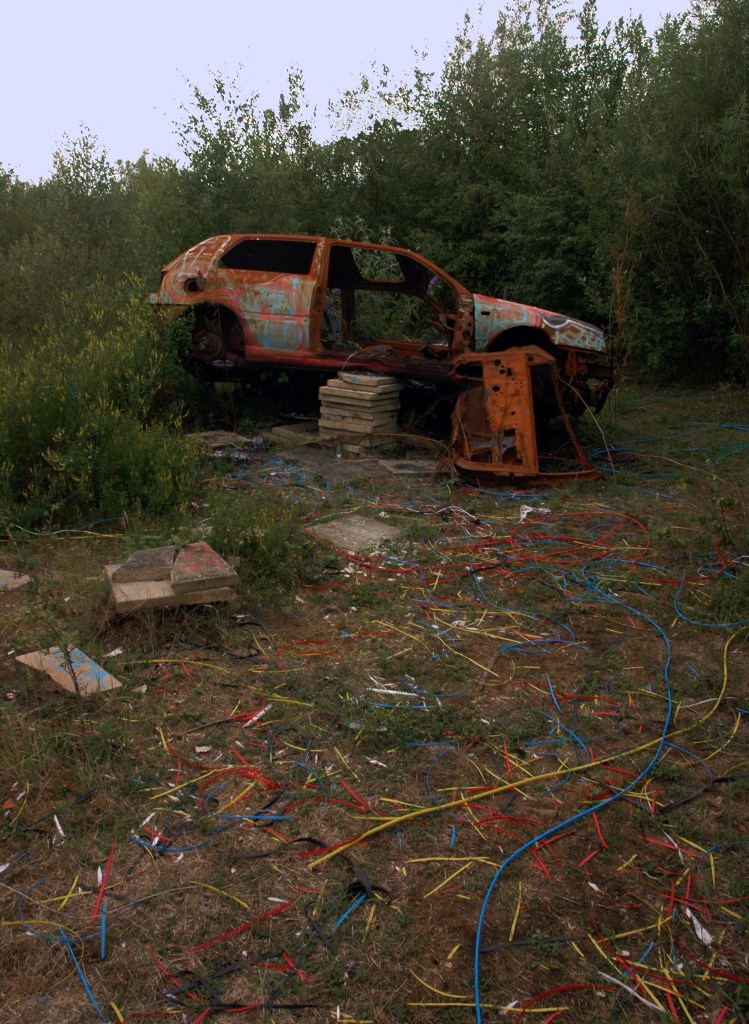
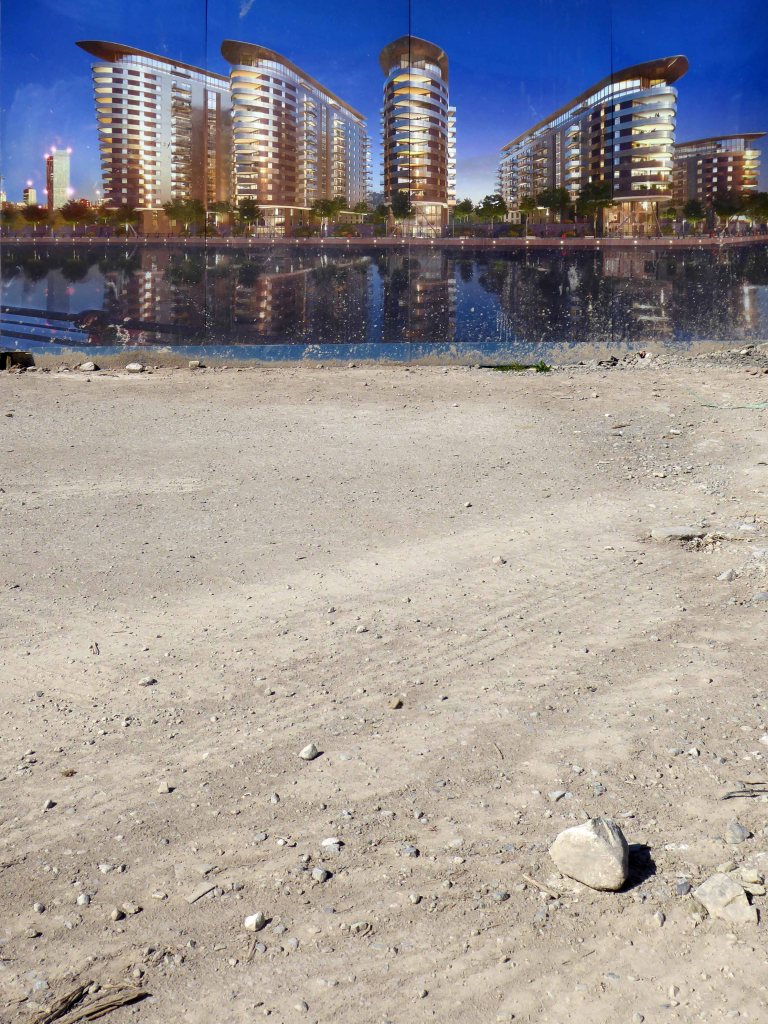
Manchester and Salford begin the long haul from post industrial decline to service centred cities – there were even seeds sewn for the development of a luxury marina. When I first visited Pomona the area was seriously overgrown and the underground wiring stripped out.

2010
2010
2020

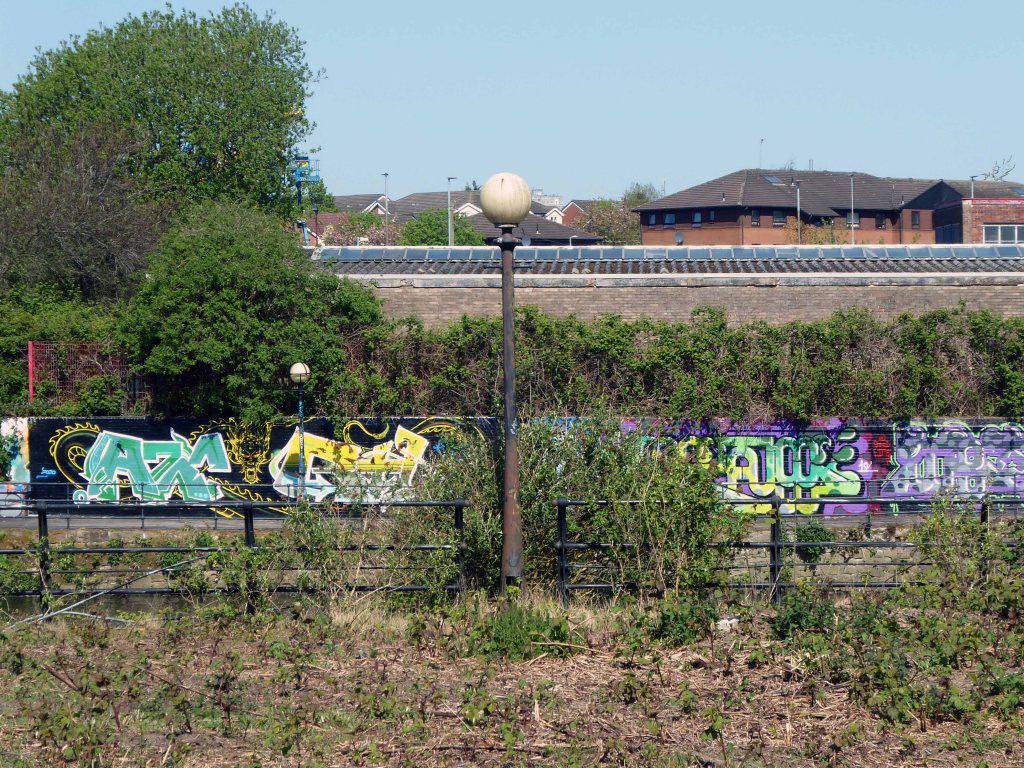
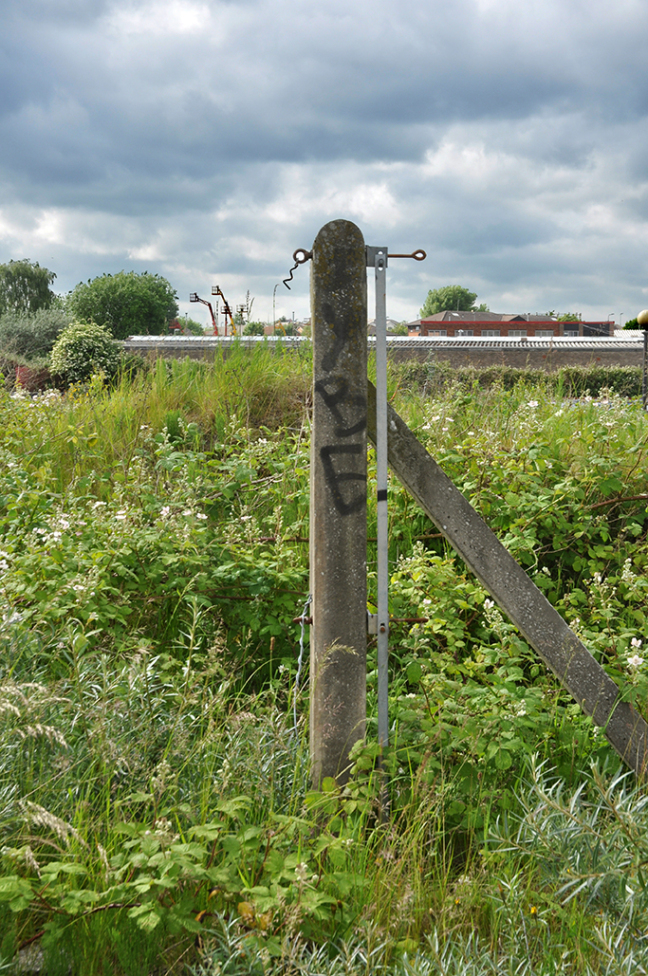
Remnant of the initial scheme – pedestrian access, balustrade and lighting.

What would poor old Pomona make of all this?
There was a failed attempt to prevent further development and return the area to nature. Peel Holdings prevailed and pressed on relentlessly with their programme of urbanisation.

I have posted concerning Pomona posts previously.

So it’s April 2020 – I’m on my way from somewhere else to somewhere else, I’ll cut across Pomona Island – the building site is in lockdown – ain’t nobody home.

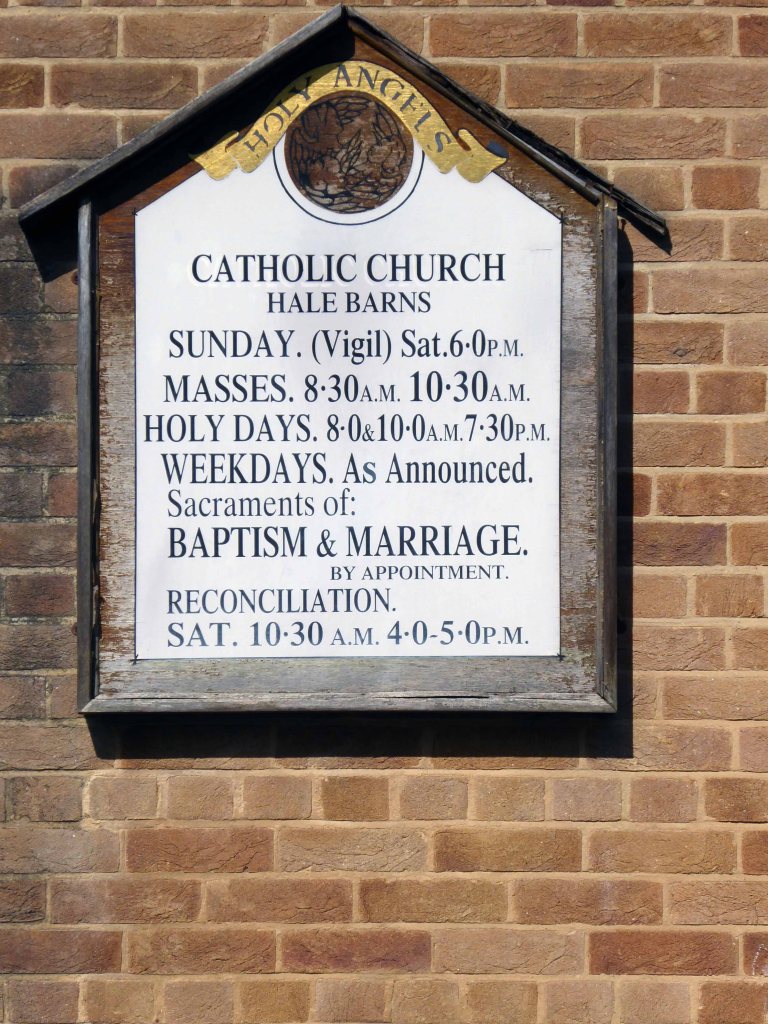
Holy Angels – Hale Barns

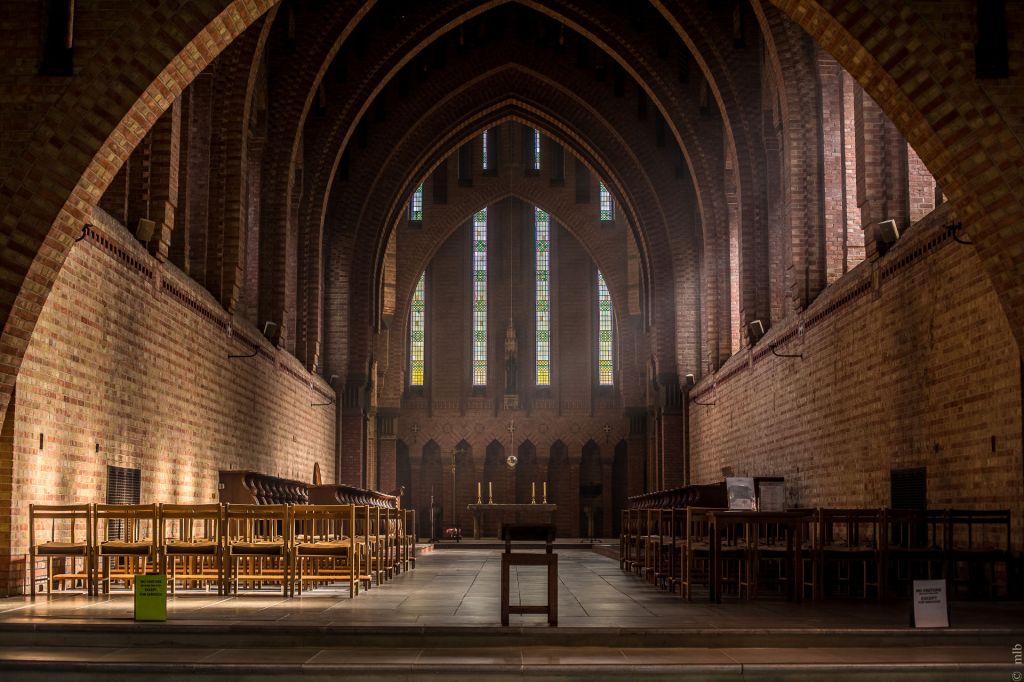
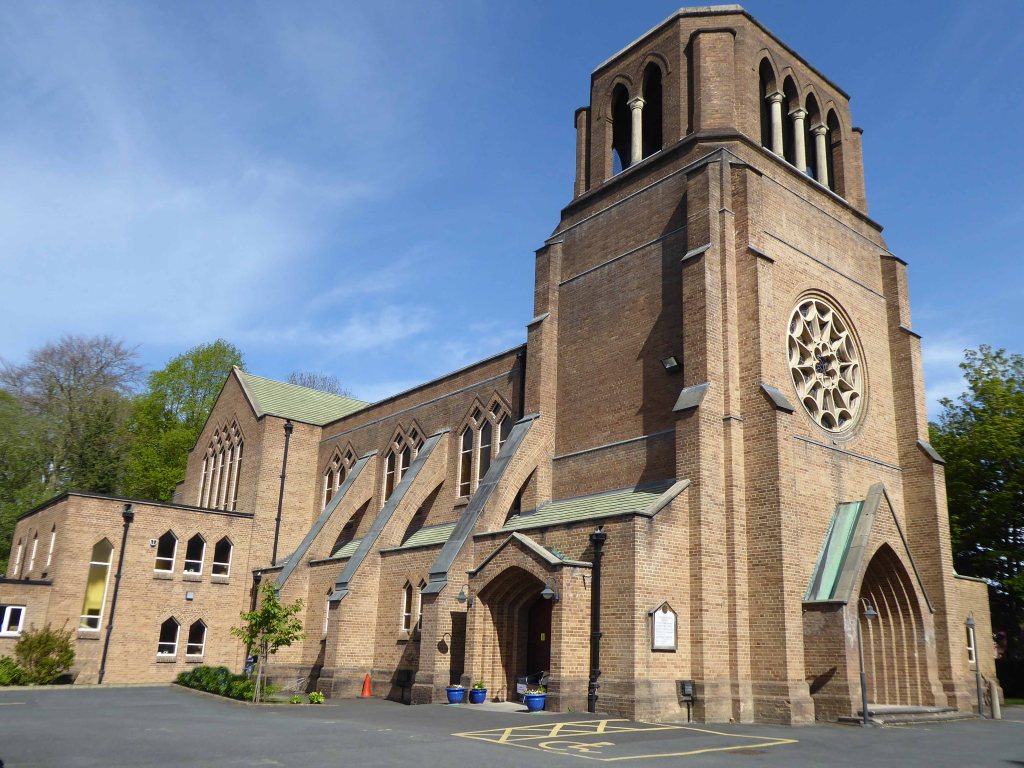
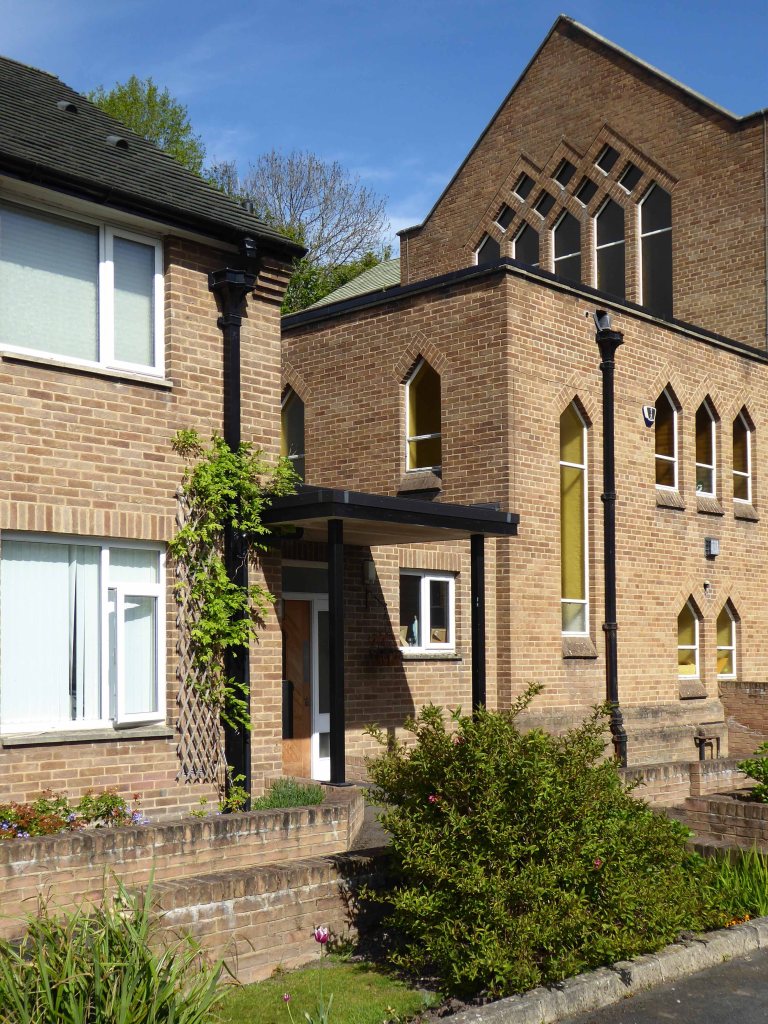
The magnum opus of the architect Arthur Farebrother, who was a parishioner. The church is executed in monumental style and has a powerful and little-altered interior which owes a debt to Dom Paul Bellott’s design for the Benedictine Abbey of Quarr, Isle of Wight.

The parish was formed in 1958 and fundraising for building a church started almost immediately. The church was designed by Arthur Farebrother, a parishioner, and the contractors were Browns of Wilmslow, a craft firm with a high reputation particularly for woodwork and carving. The building was finally opened in 1964.

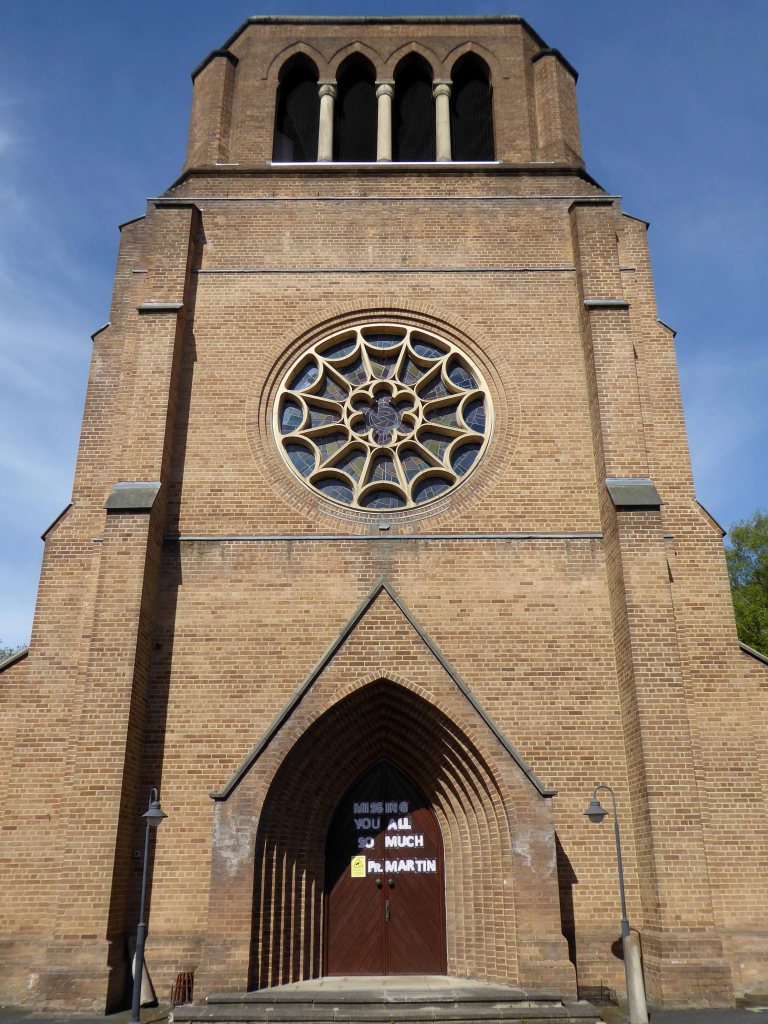
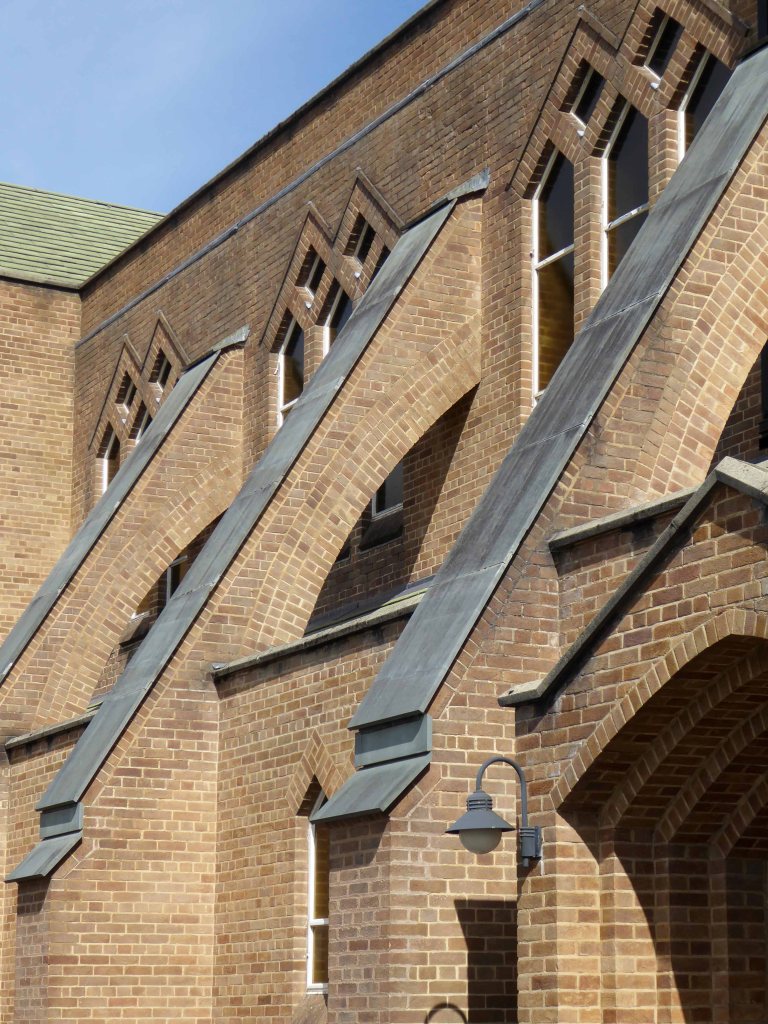
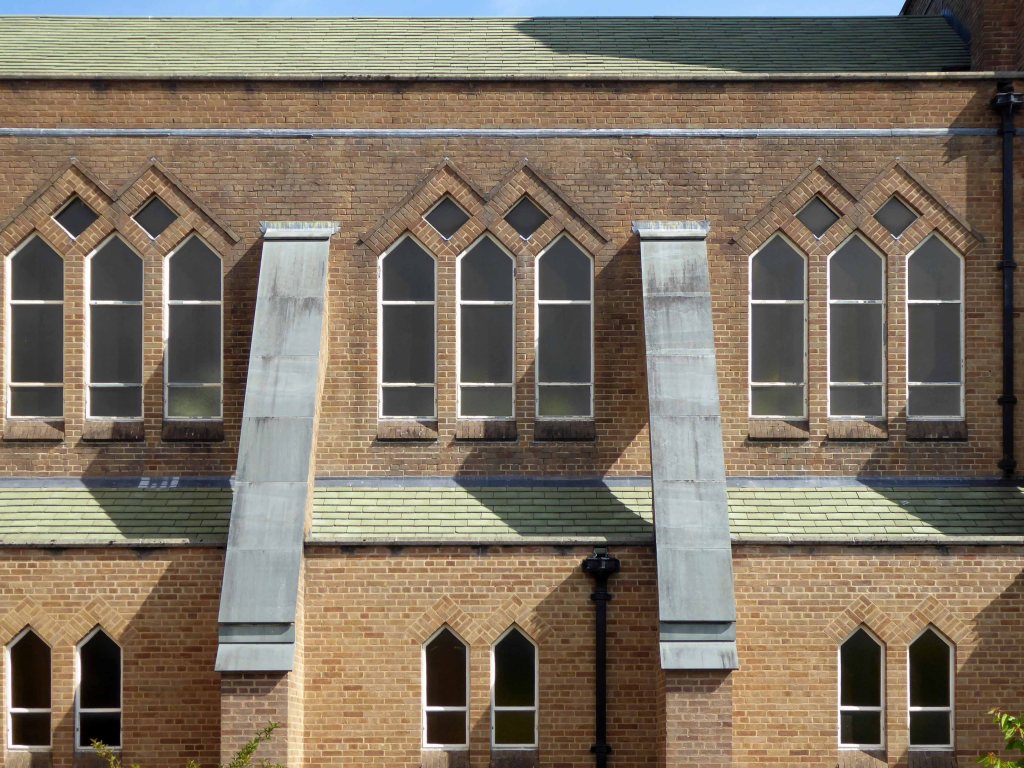
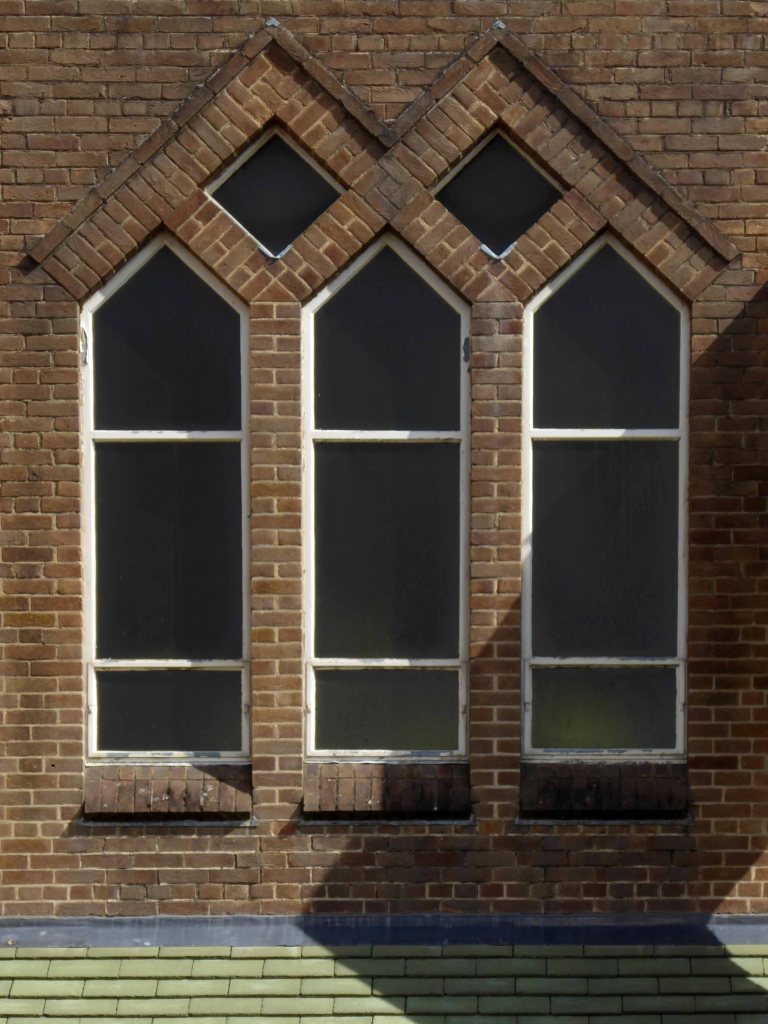
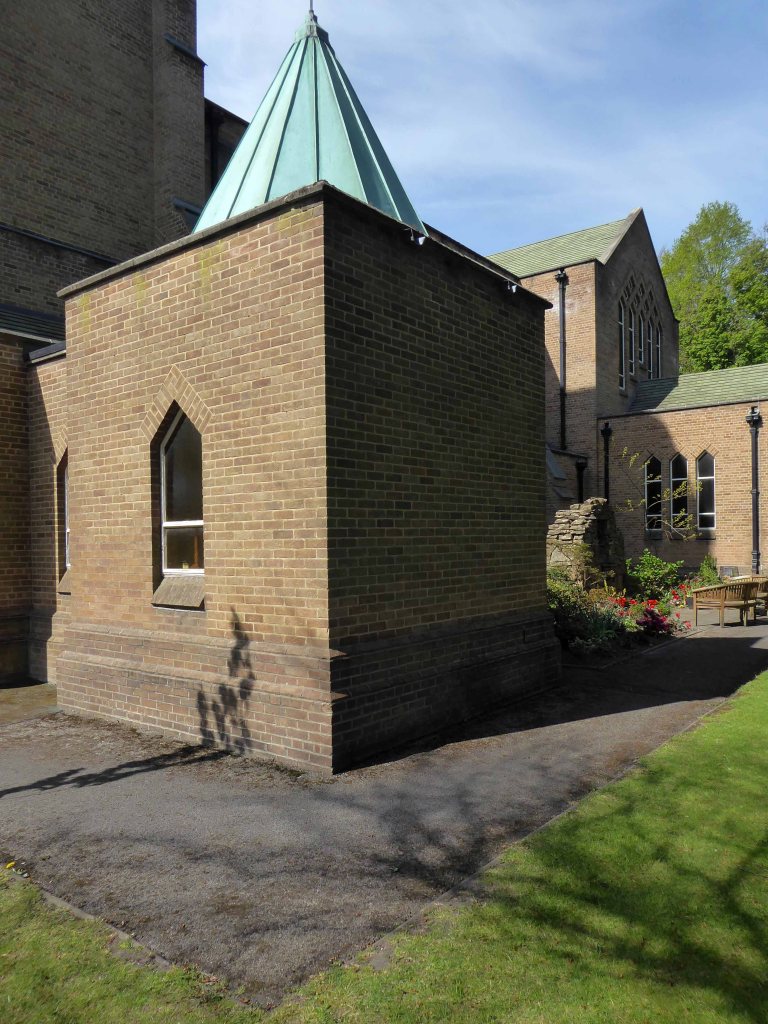
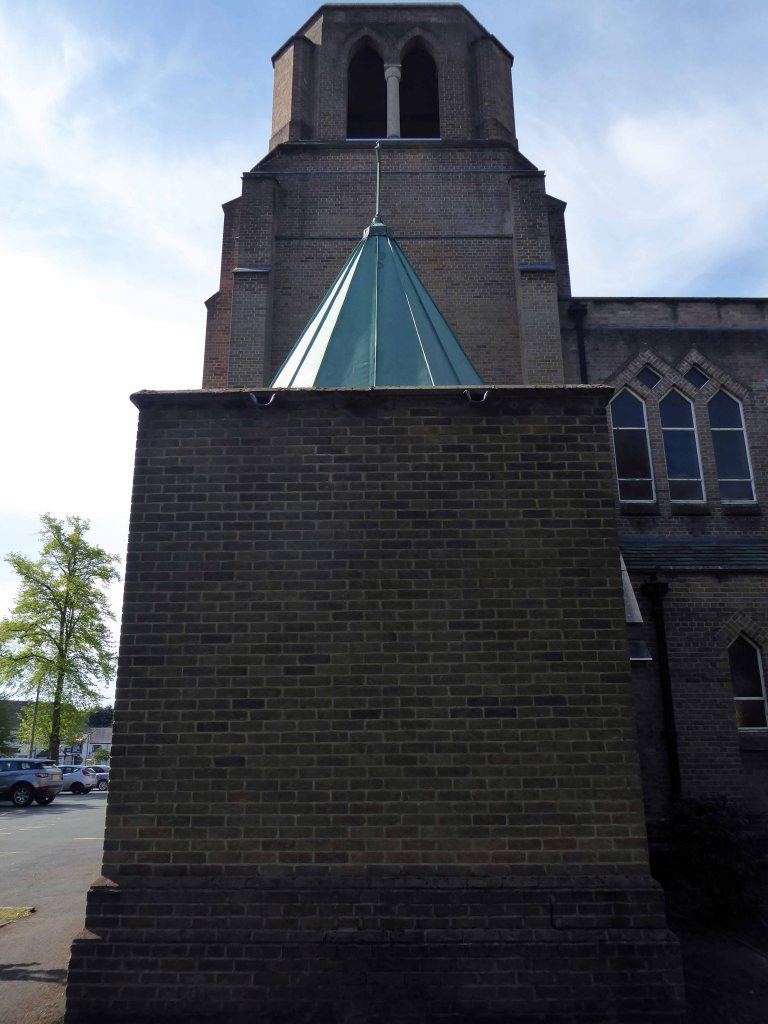
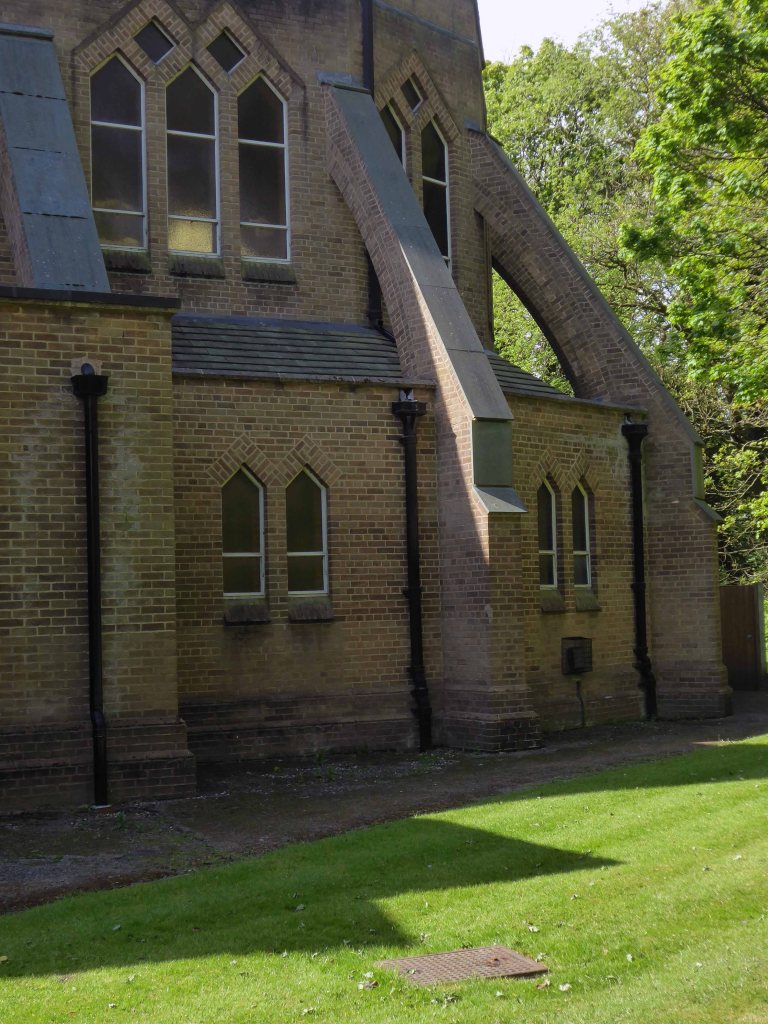
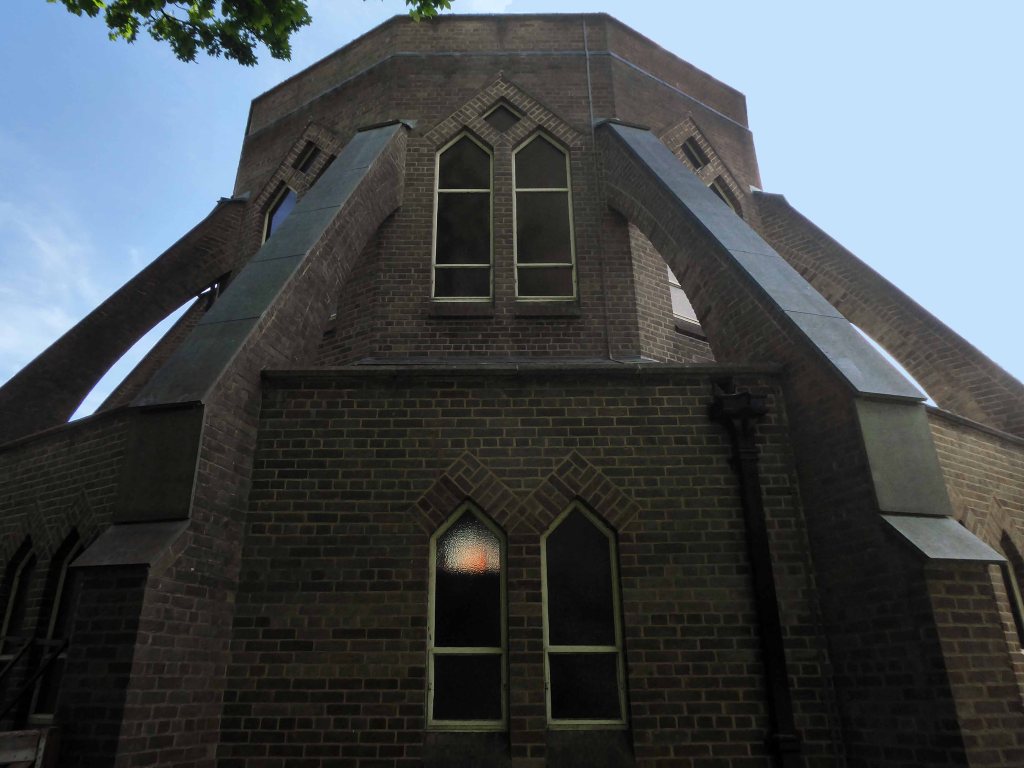
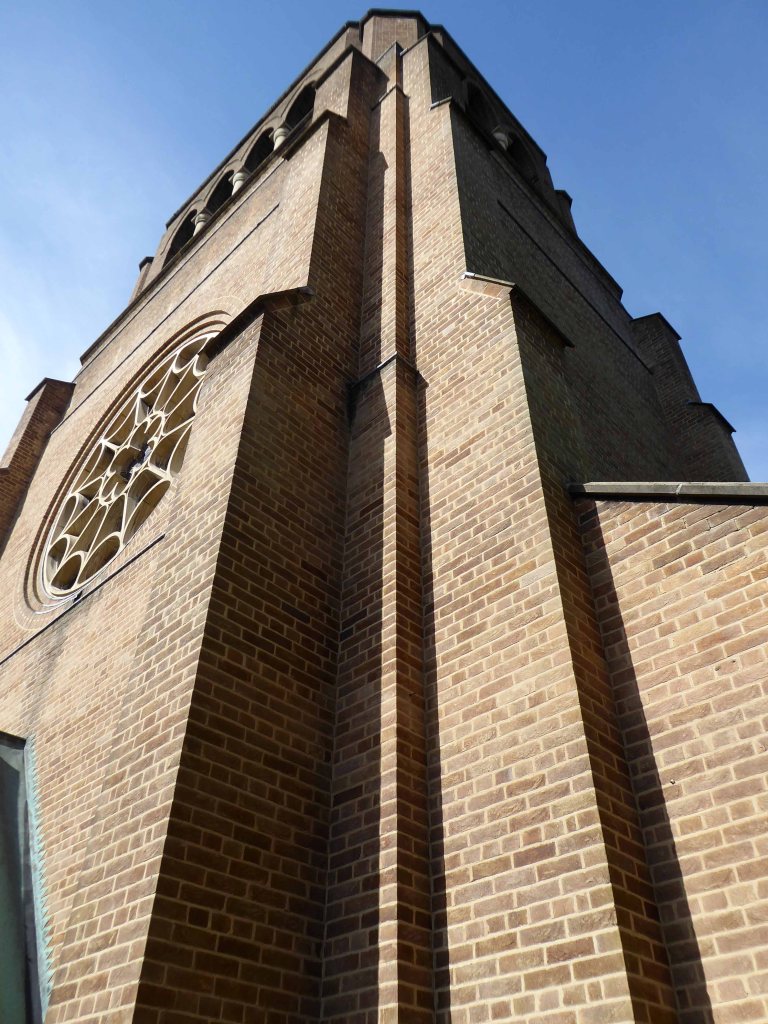
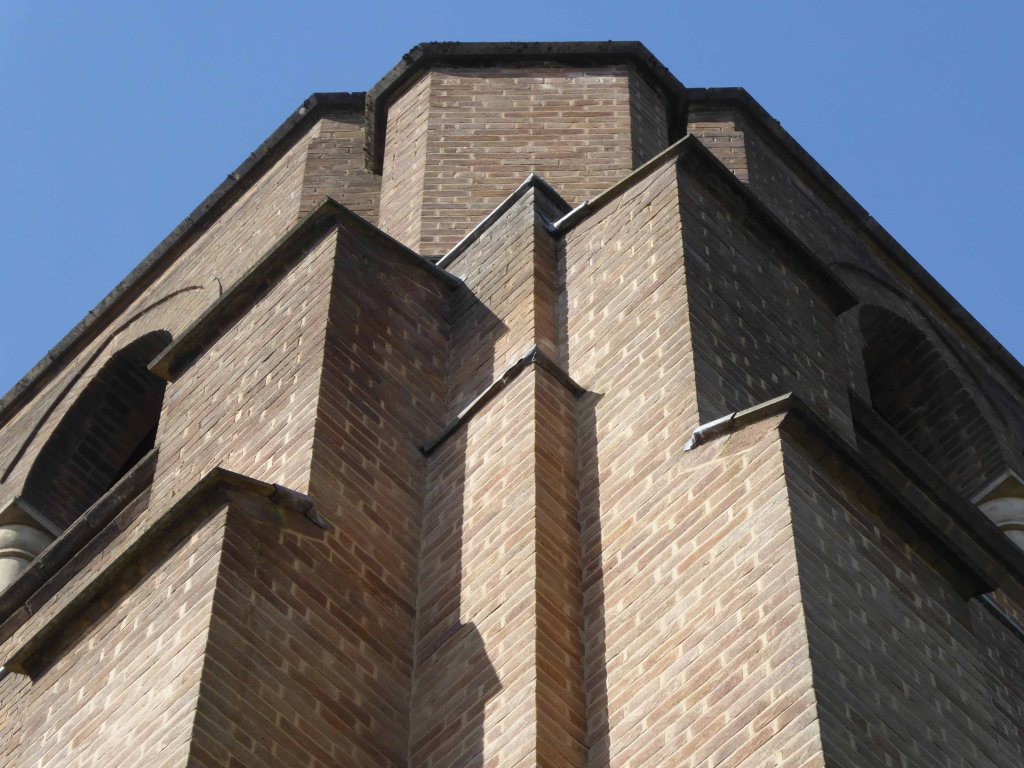
Holy Angels is a building of great presence, of pale brick executed in free early Gothic style with Romanesque overtones. It has a powerful pylon-like west tower, transeptal chapel, attached southwest baptistery with a conical copper-clad roof, and a plain presbytery attached on the north side. The interior is dominated by the powerful brick arches which continue into the ceiling as vaulting. Narrow processional aisles and ambulatory. The north side confessionals are framed by a timber surround. Elevated forward altar with choir seating around in an arc. The simple modern furnishings are probably original.

Taking Stock

I was in search of All Saints just along the way in Hale Road, but came upon Holy Angles looming large on the corner.

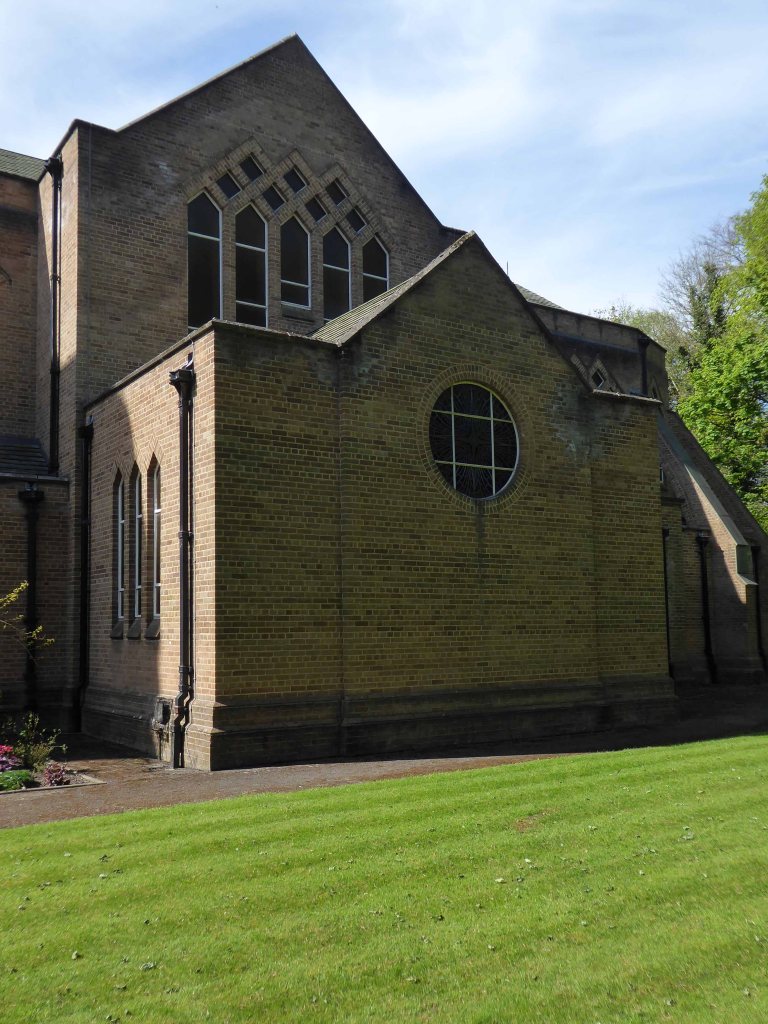
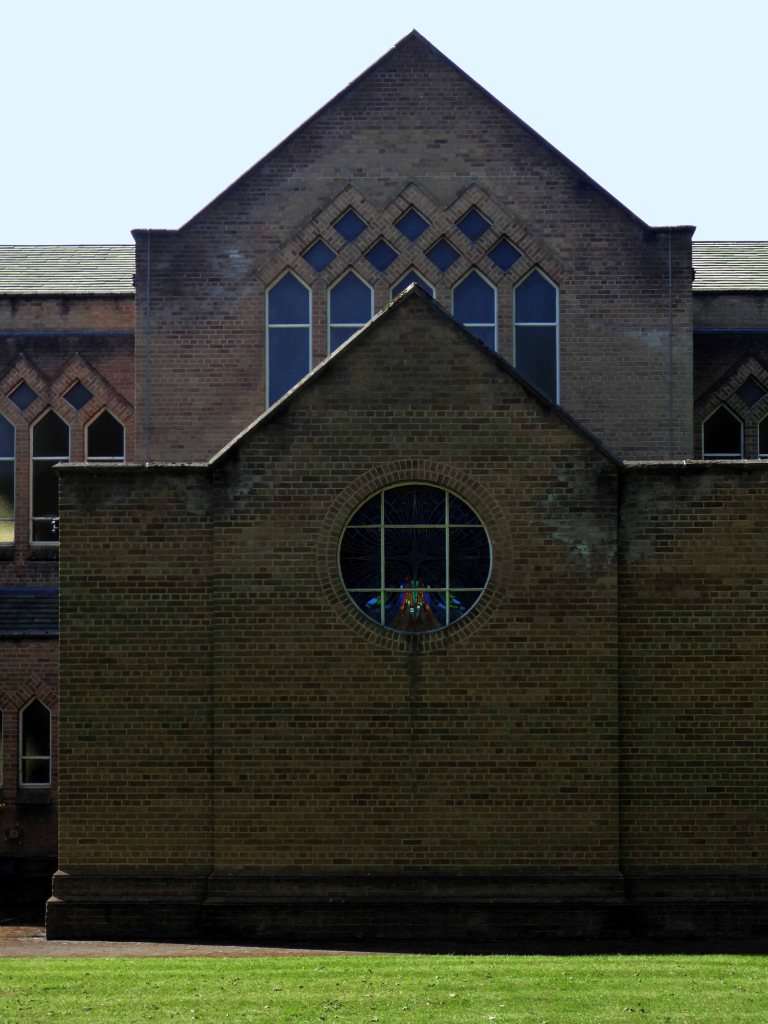
A commanding essay in pale brick, though referencing architecture of the Middle Ages, it has a transitional modernity in its angular Arts and Crafts details.

All Saints Church – Hale Barns

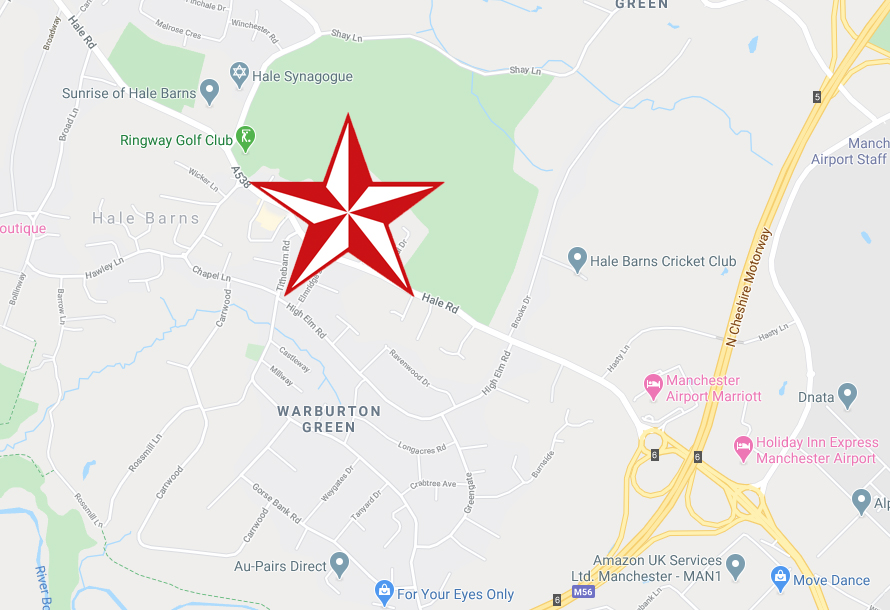
Hale Rd Hale Barns Altrincham WA15 8SP

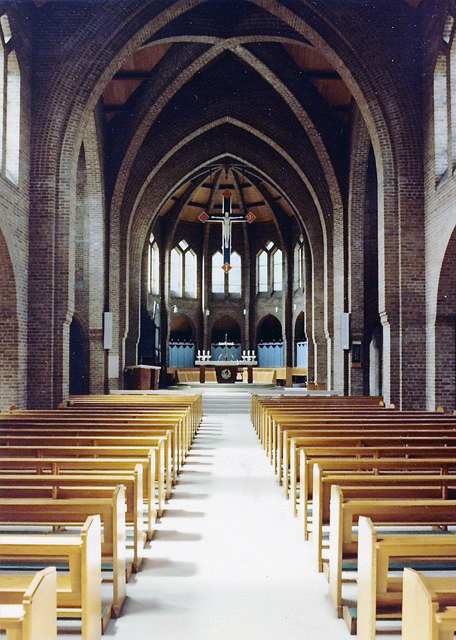
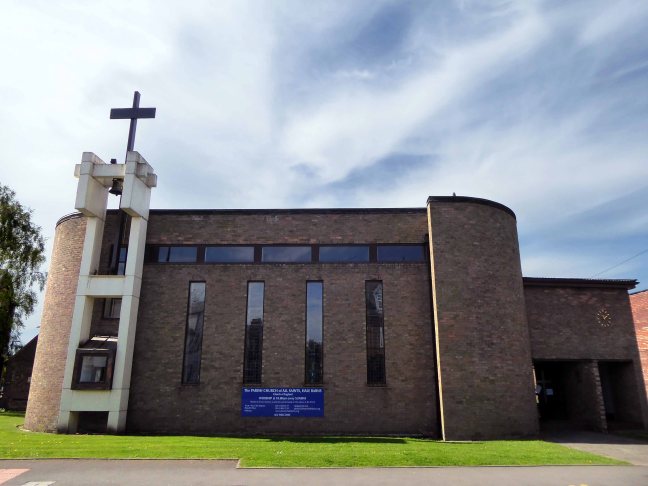
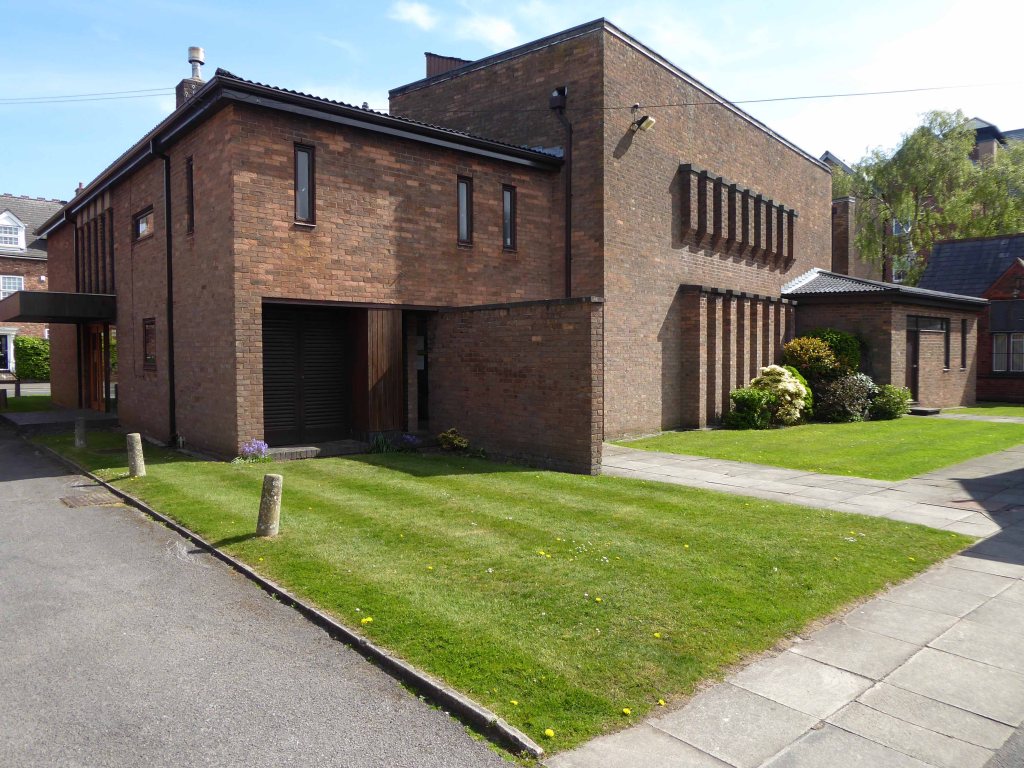
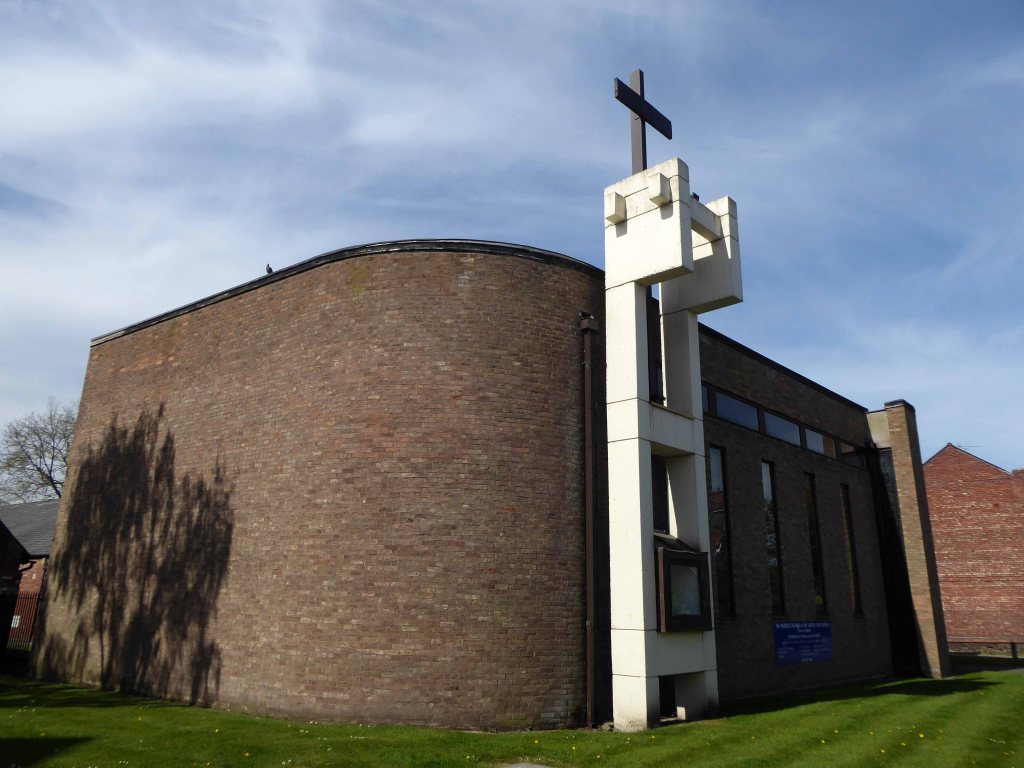
As Hale Barns grew in the 1950s and 1960s it was clear that the small daughter church was less than adequate in terms of size and facilities, and under the leadership of the Rev Fred Cox, the then Vicar, a new church was planned for the site. Designed by Brian Brunskill, All Saints Church was consecrated in 1967.

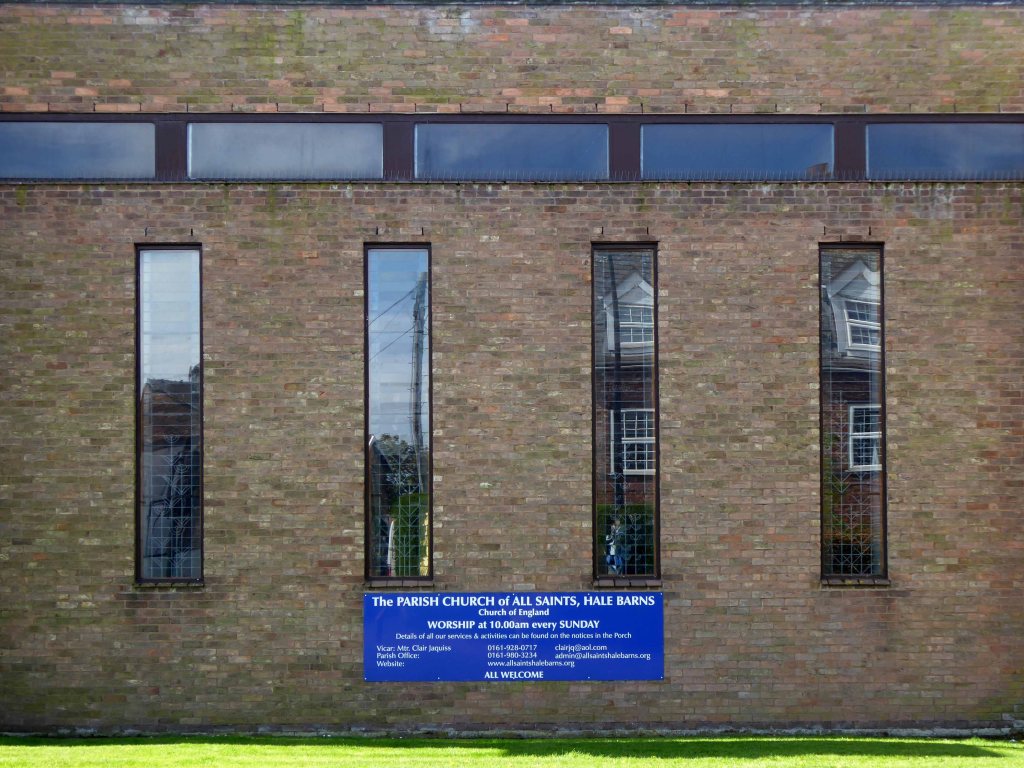
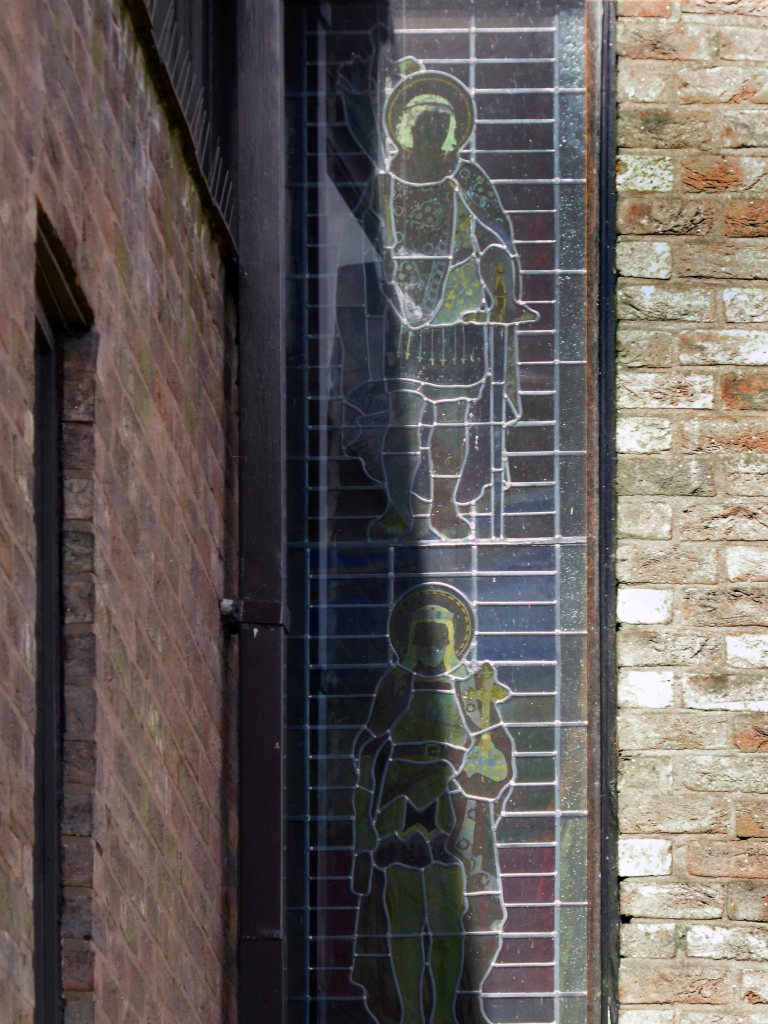
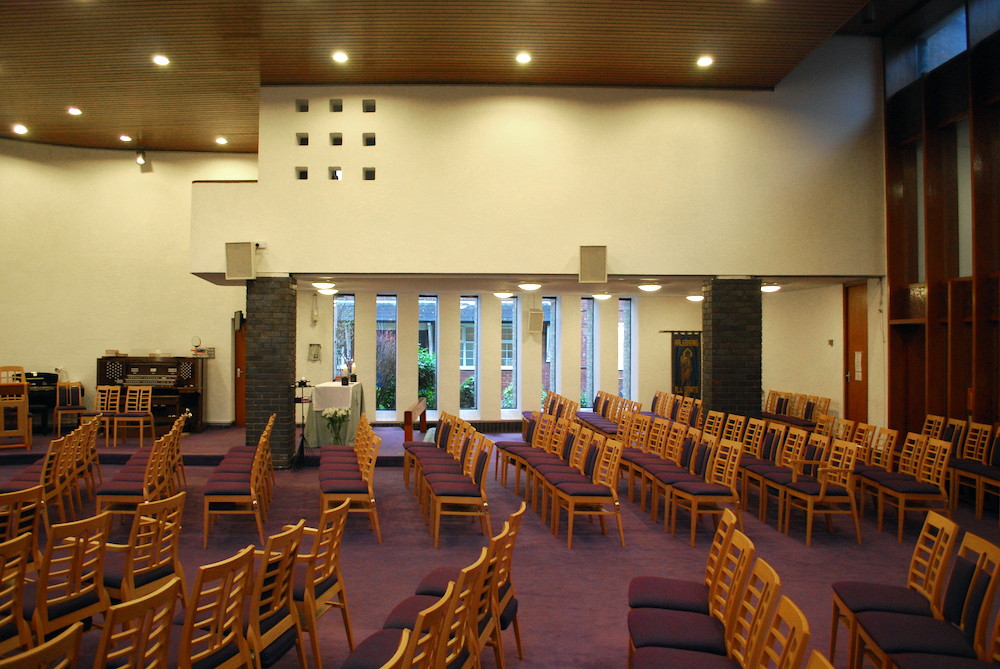
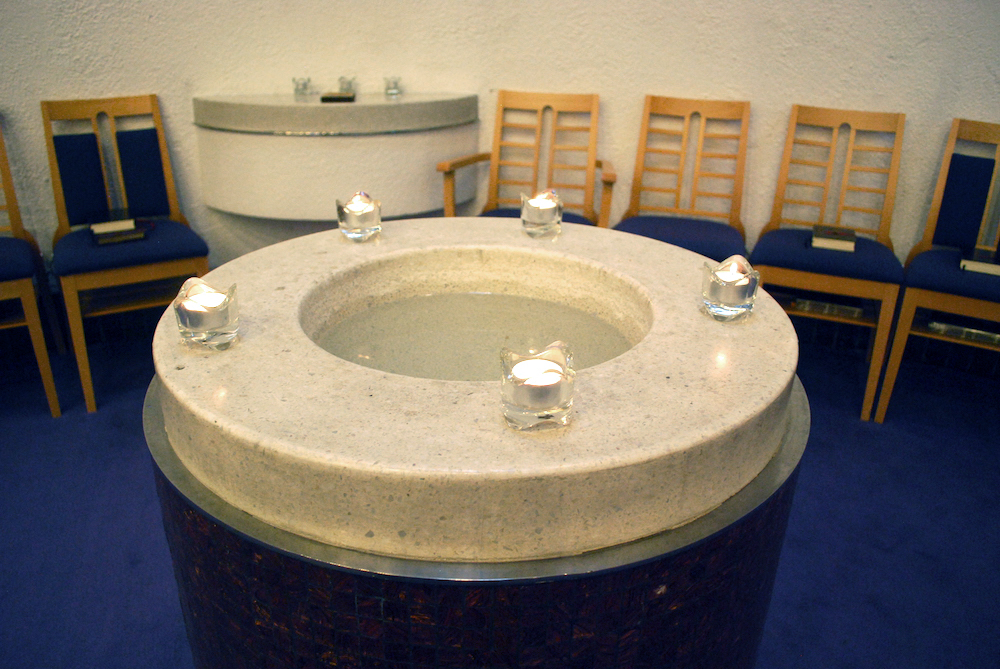
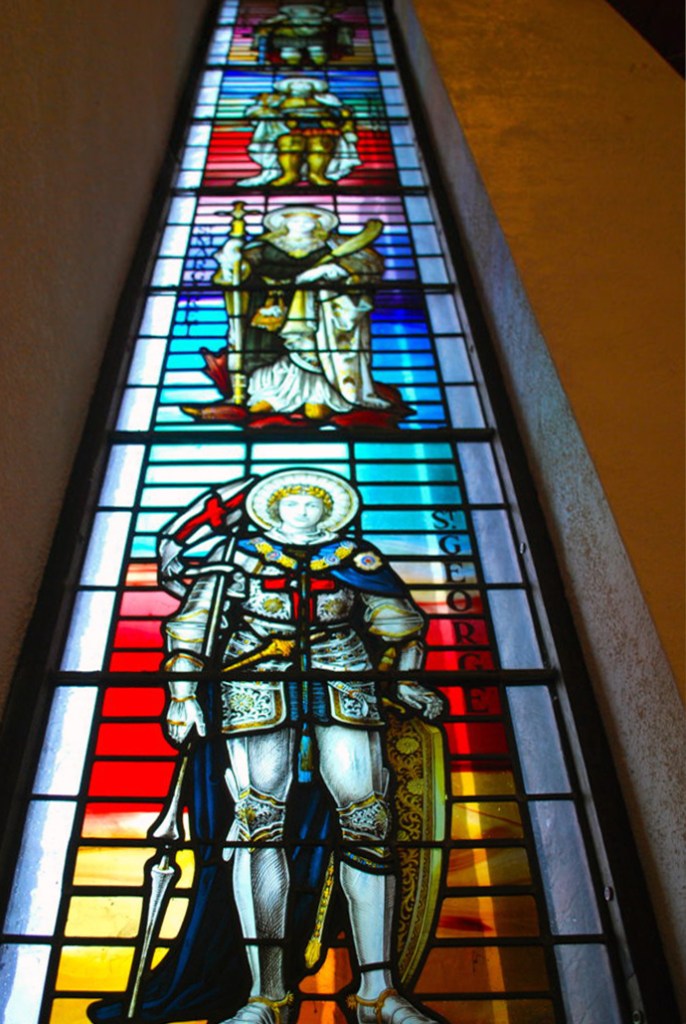
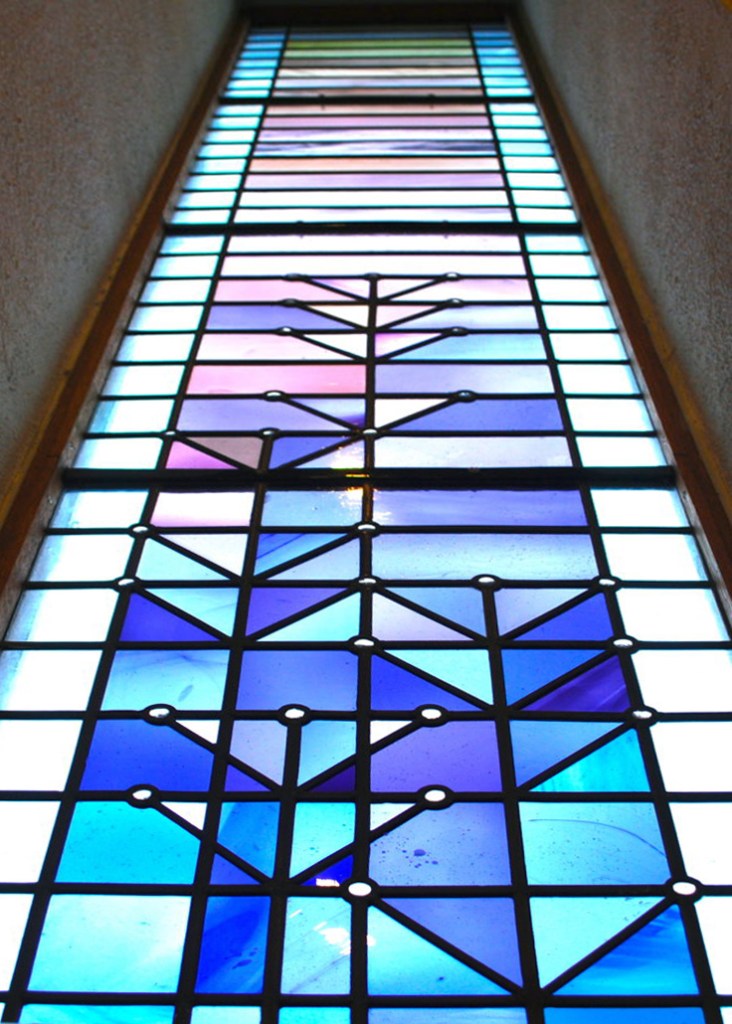
Outside it can seem a rather stark building, of brown brick, set back from the busy Hale Road but inside it is full of light and space.  The influence has clearly been that of the French architect Le Corbusier, and there is a wonderful interplay of curved and straight walling.  At first there was no stained glass, but in the early 1980s glass by the Japanese artist Sumiko was installed in the north windows.  This includes a stylised tree-of-life design. In the baptistry there is some Victorian glass brought from St Mary’s Church.

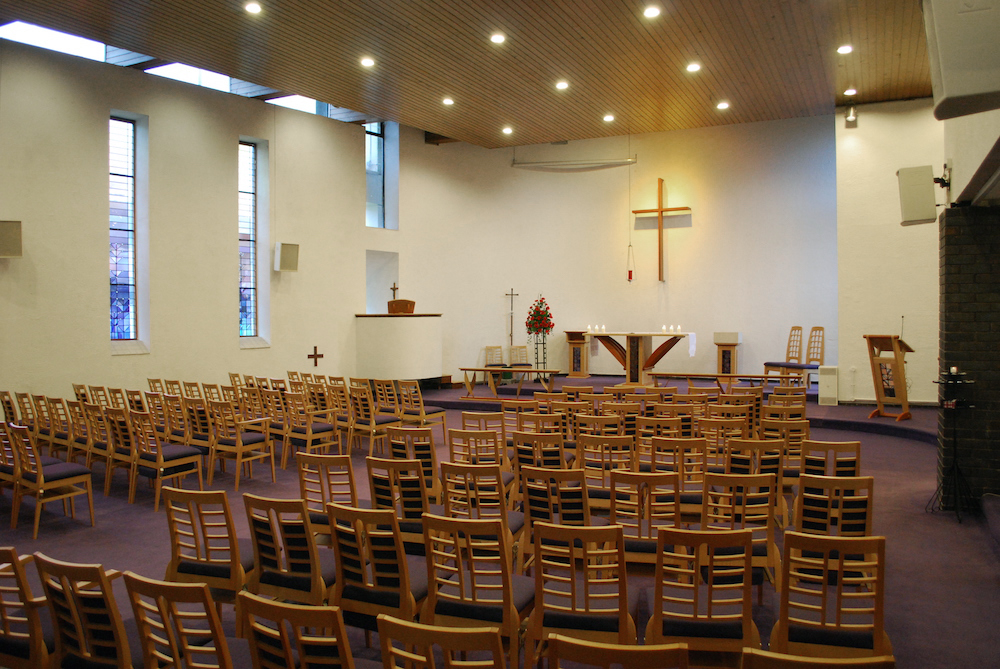
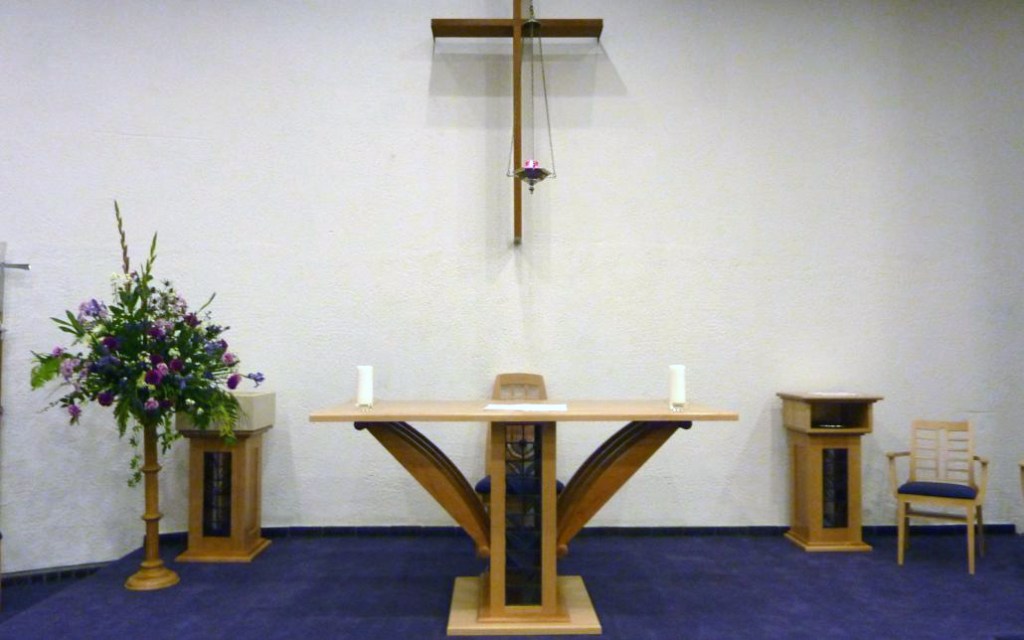
In 2009 a radical and daring re-ordering of the building was completed. The church was carpeted and new furniture of high quality, designed and made by Treske, woodcarvers  of Thirsk, North Yorkshire, was installed.  The tree-of-life design in the 1980s glass has been echoed in the glass inserts to the Lectern and High Altar and also in the metal uprights of the Altar Rail.  All the fittings are moveable, giving a flexible space.  This flexibility give opportunities to explore how the building itself can enrich worship at different seasons of the Church’s year. 

All Saints

My first time in Hale Barns – hence my first visit to All Saints.

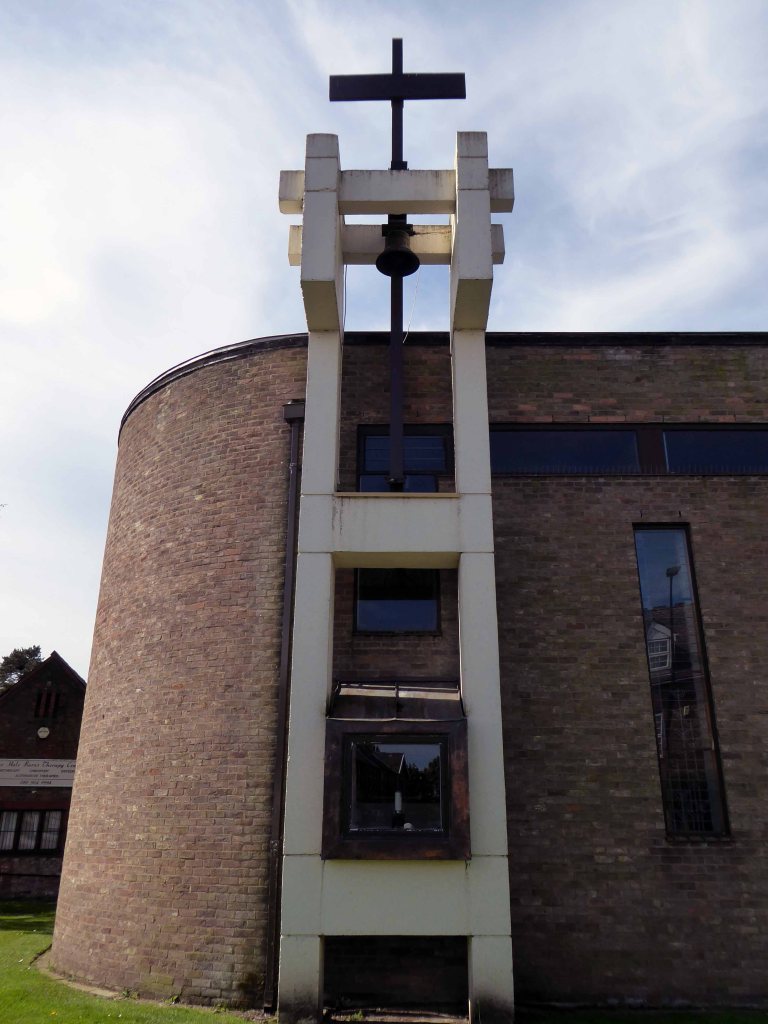
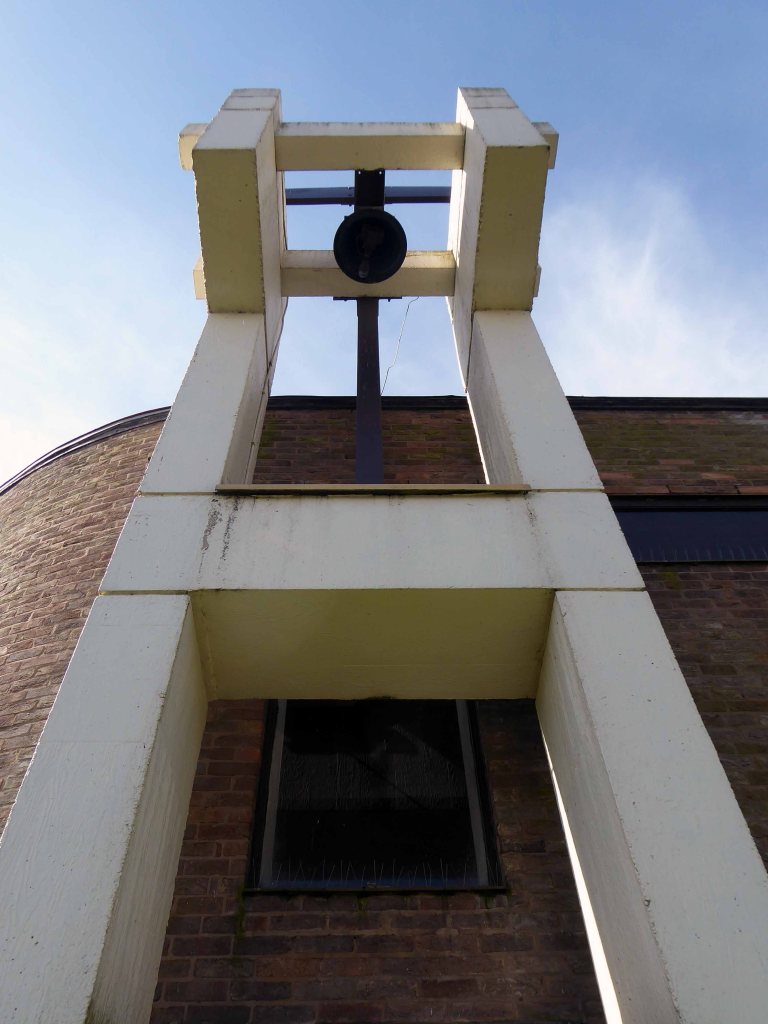
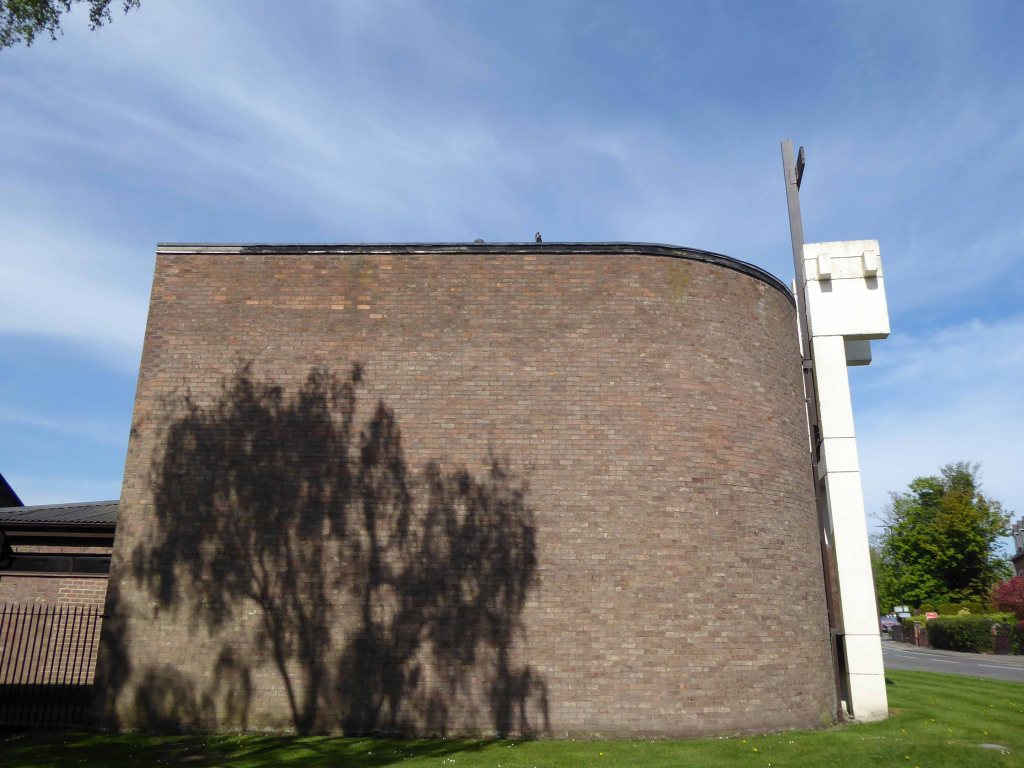
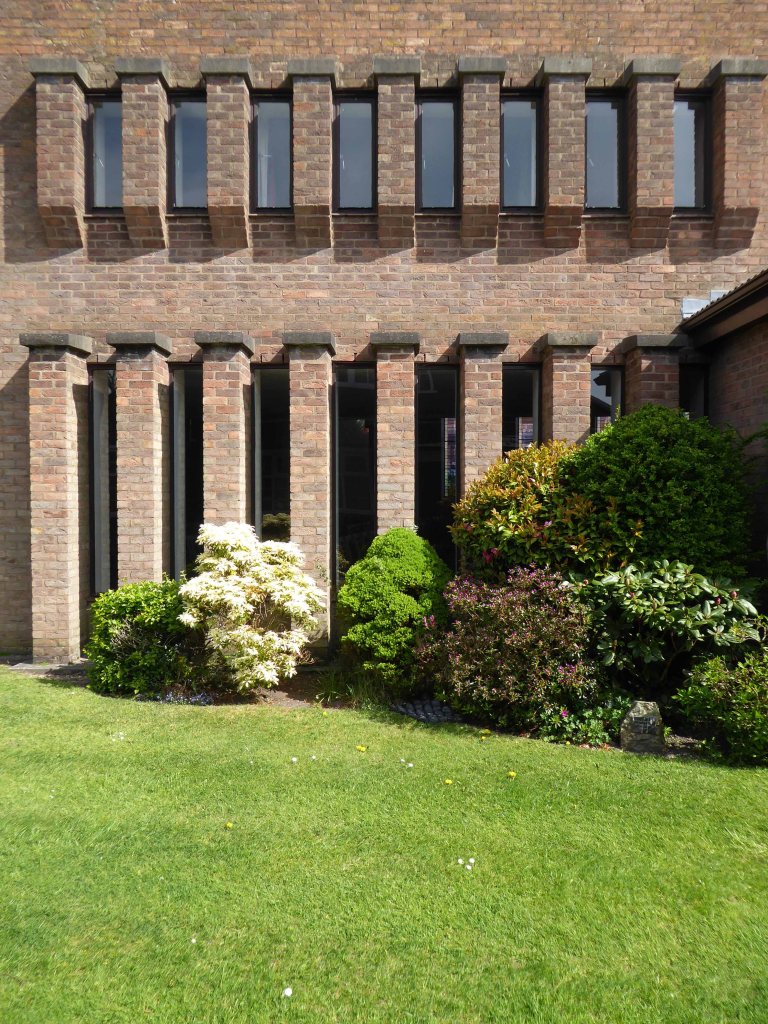
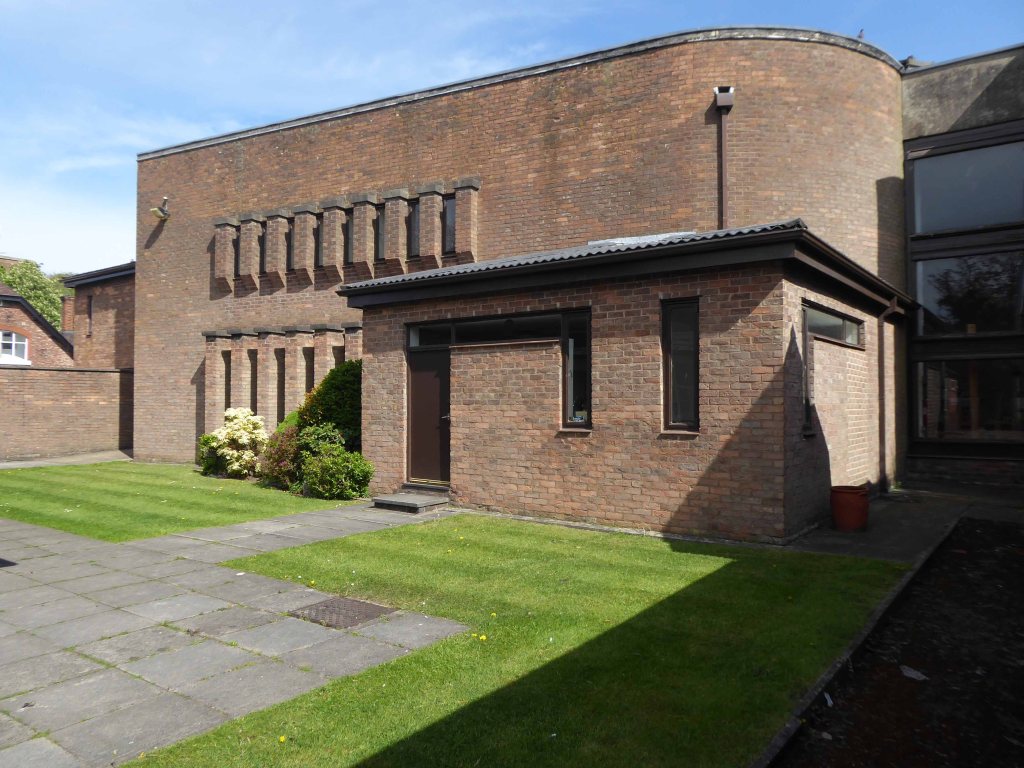
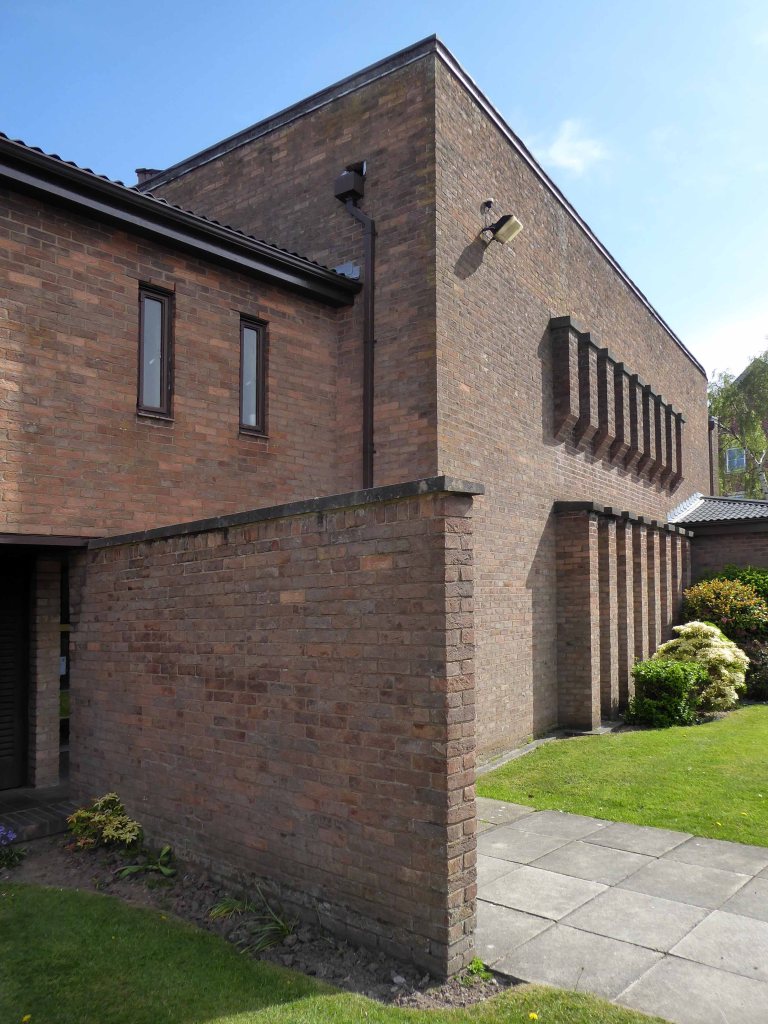
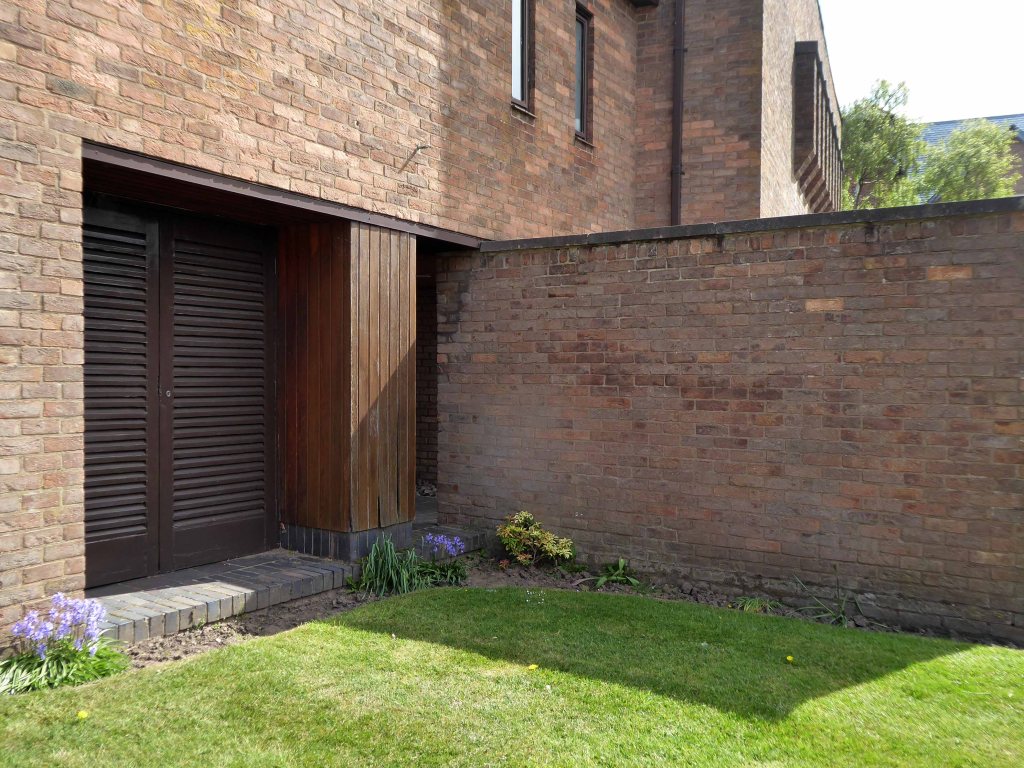
Small in scale, but large in ambition – a wonderful exercise in the calm controlled use of brick, rich in small details, along with an expressive mix of warm curves within a rigid grid.

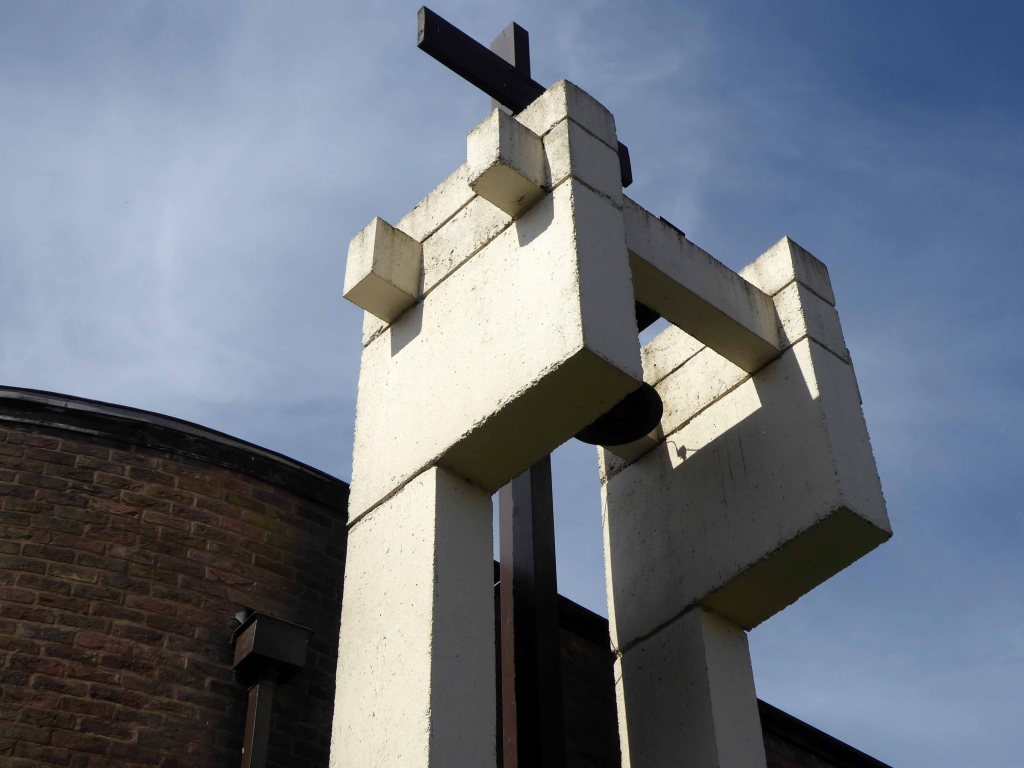
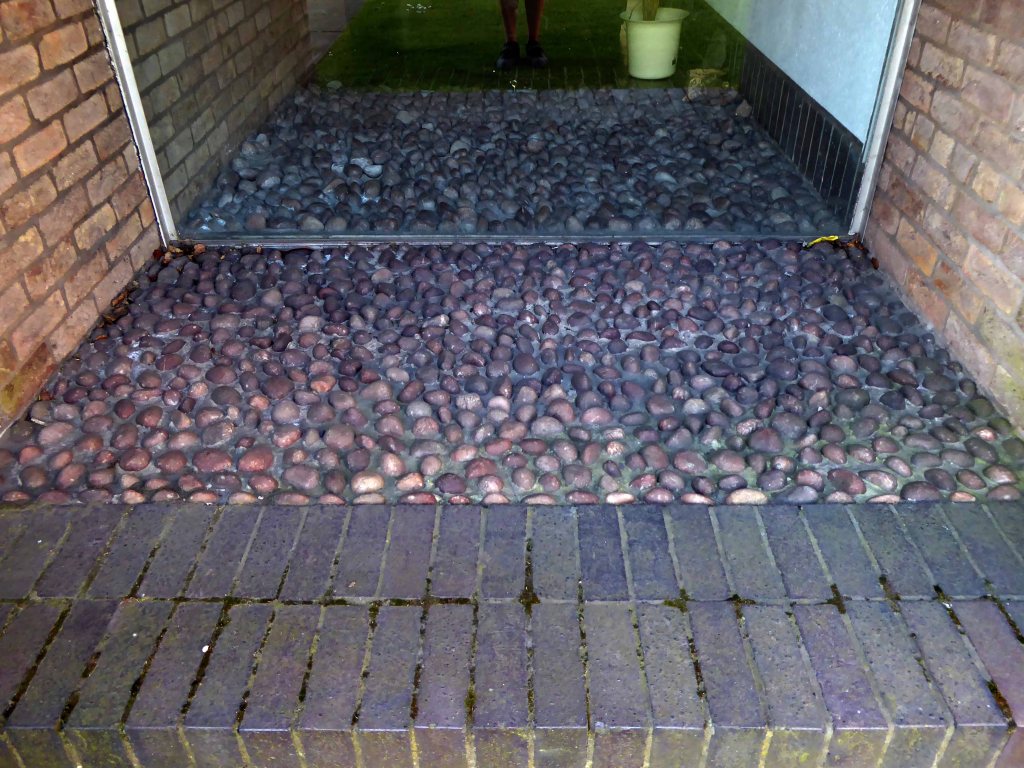
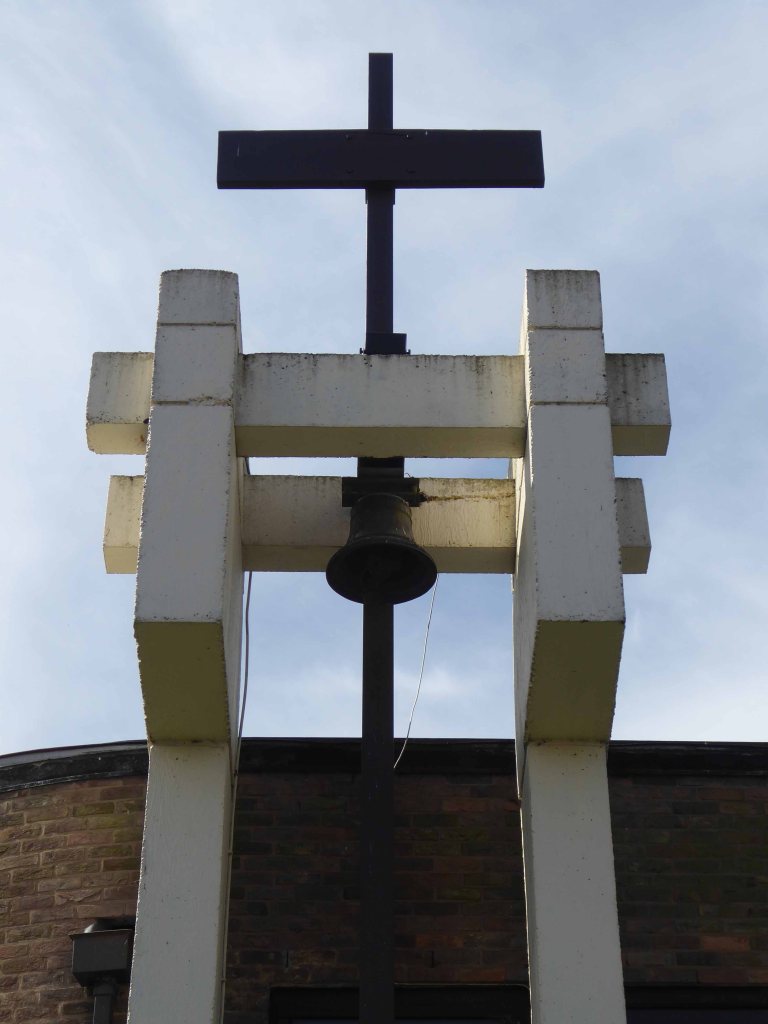
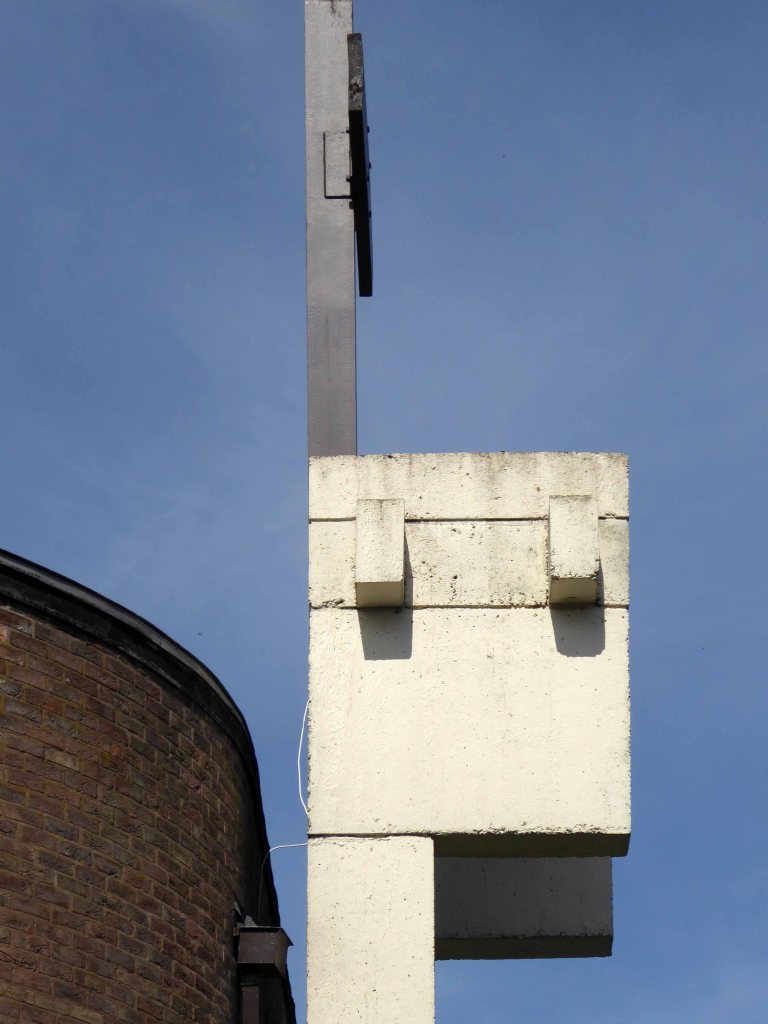
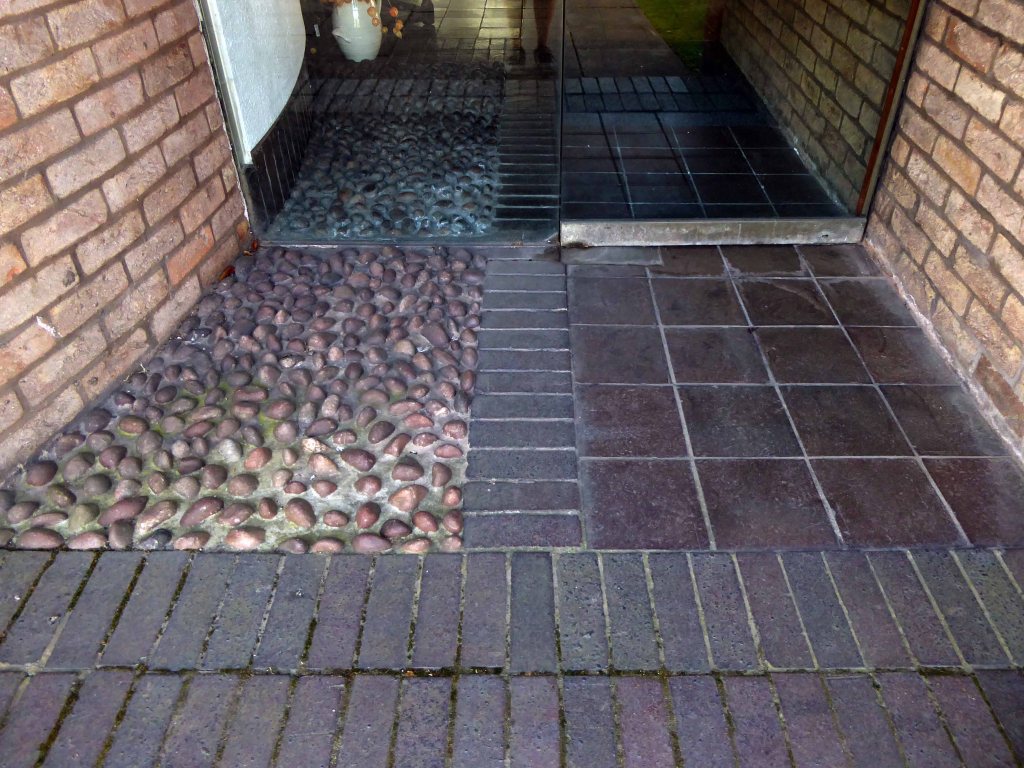
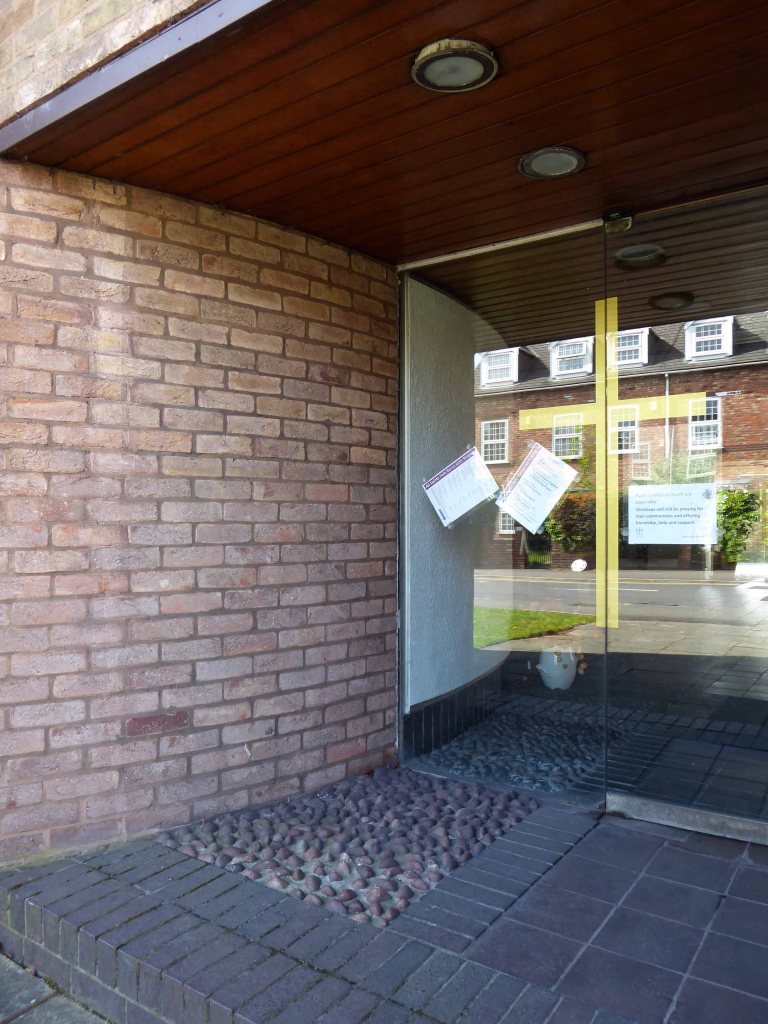
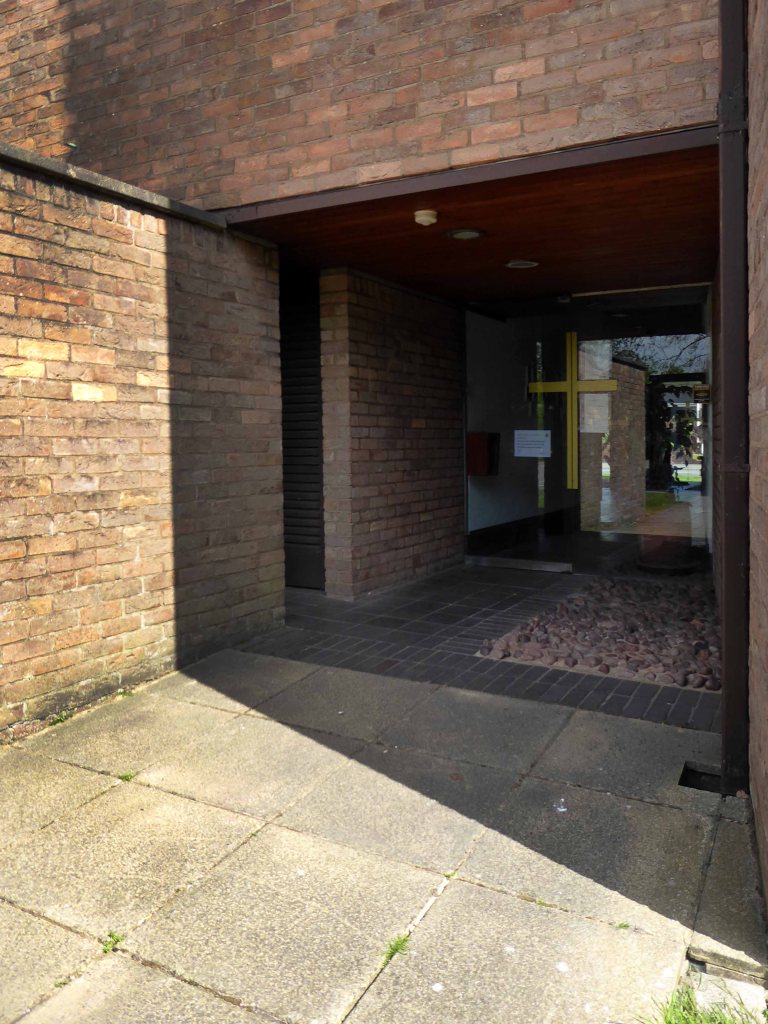
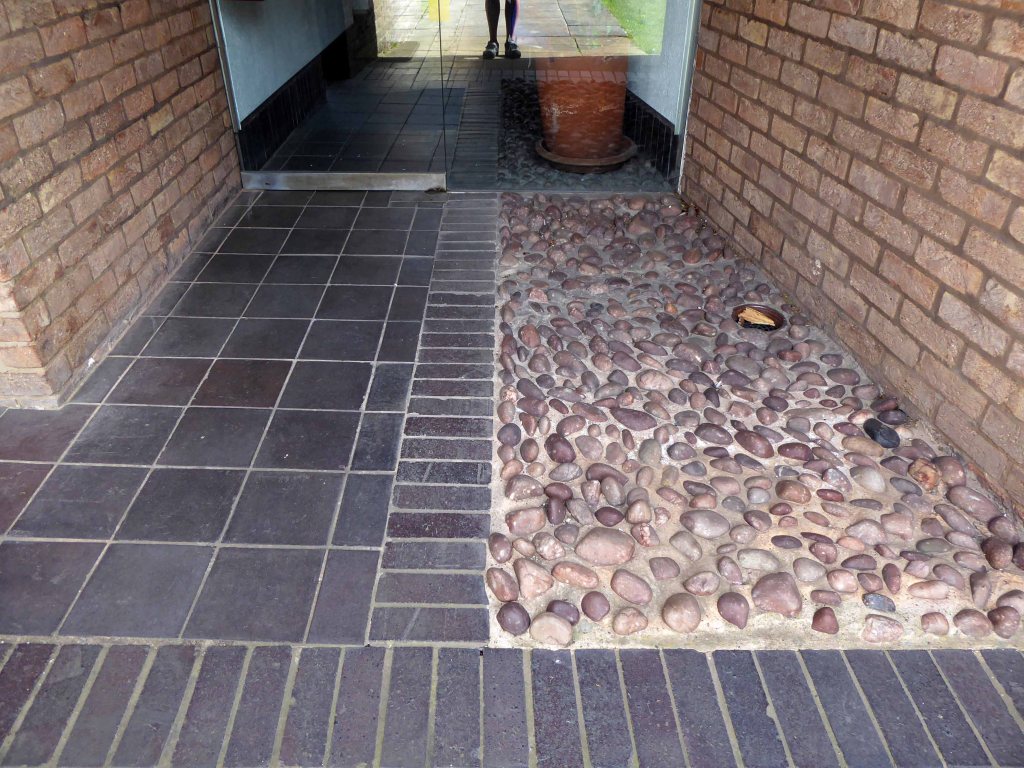
Of particular note is the sculptural concrete bell tower, the exterior use of pebbles in the porch which flow into the interior space, along with a discrete palette of grey tiling.

It demands to be circumnavigated – fresh surprises await around each turn, simple hard landscaping of flags, softer restrained planting and open areas of lawn, so very well tended.

Let’s take a look around.

Here are some images of the reworked interior taken from the All Saints gallery.

Renold House

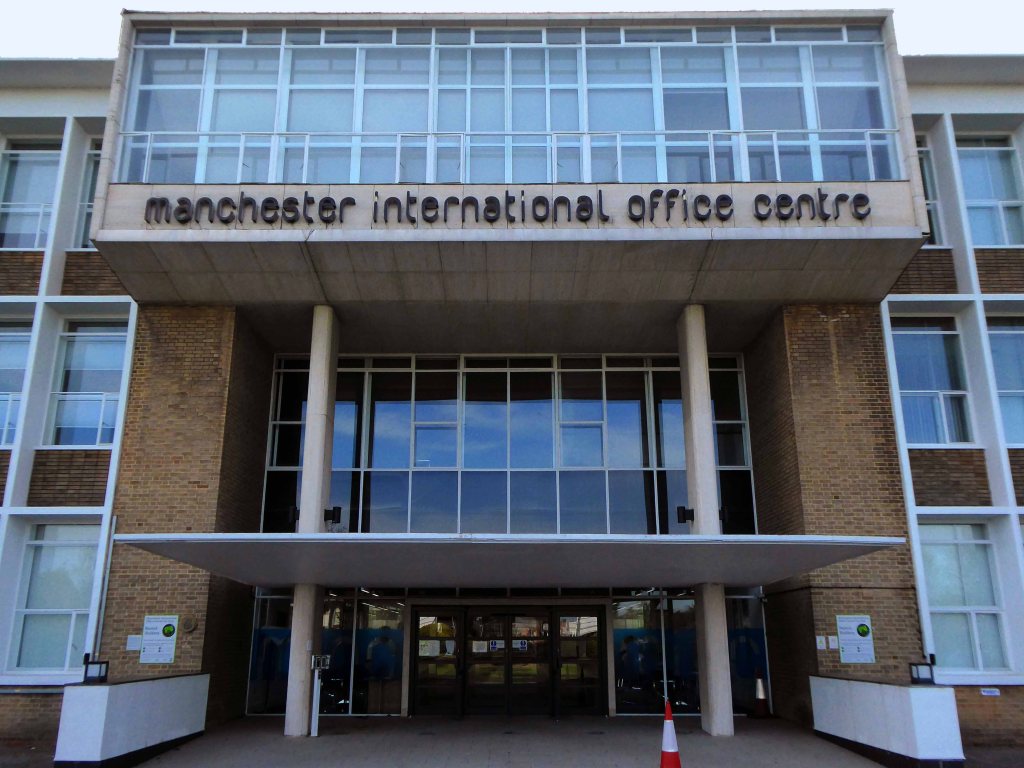
Manchester International Office Centre
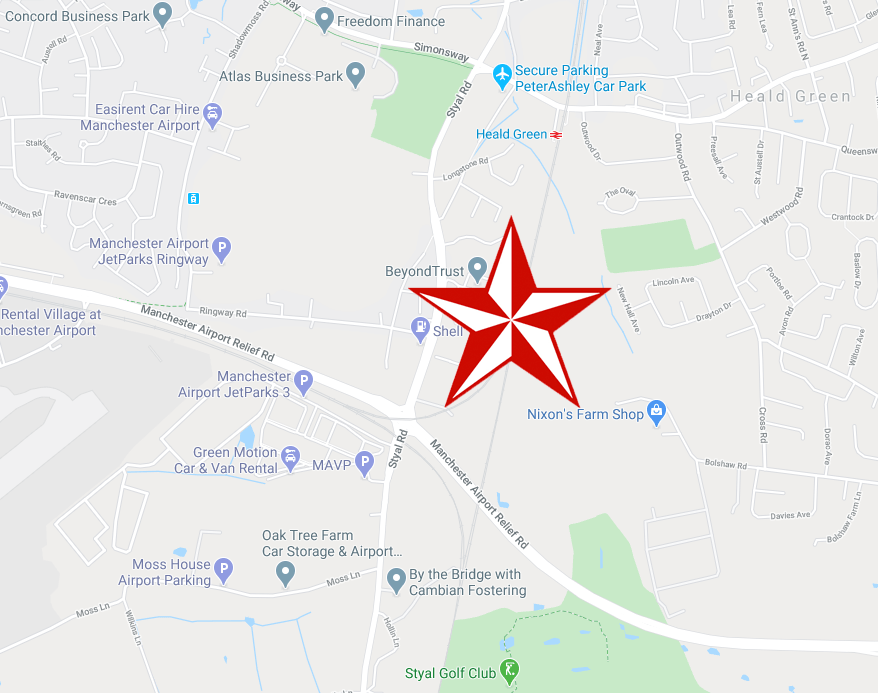
11 Styal Rd Wythenshawe Manchester M22 5WB

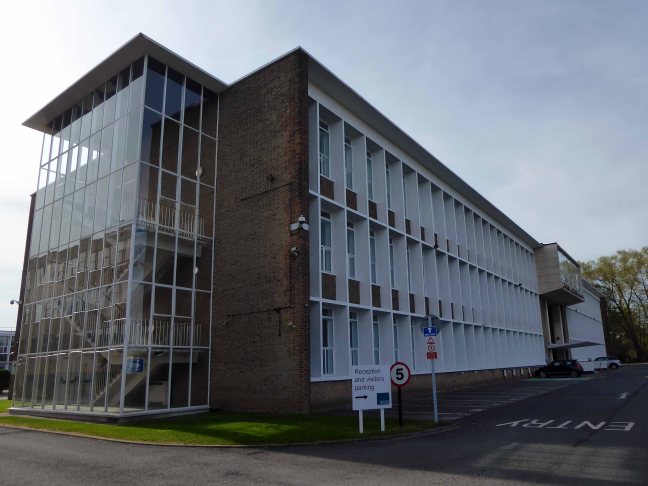
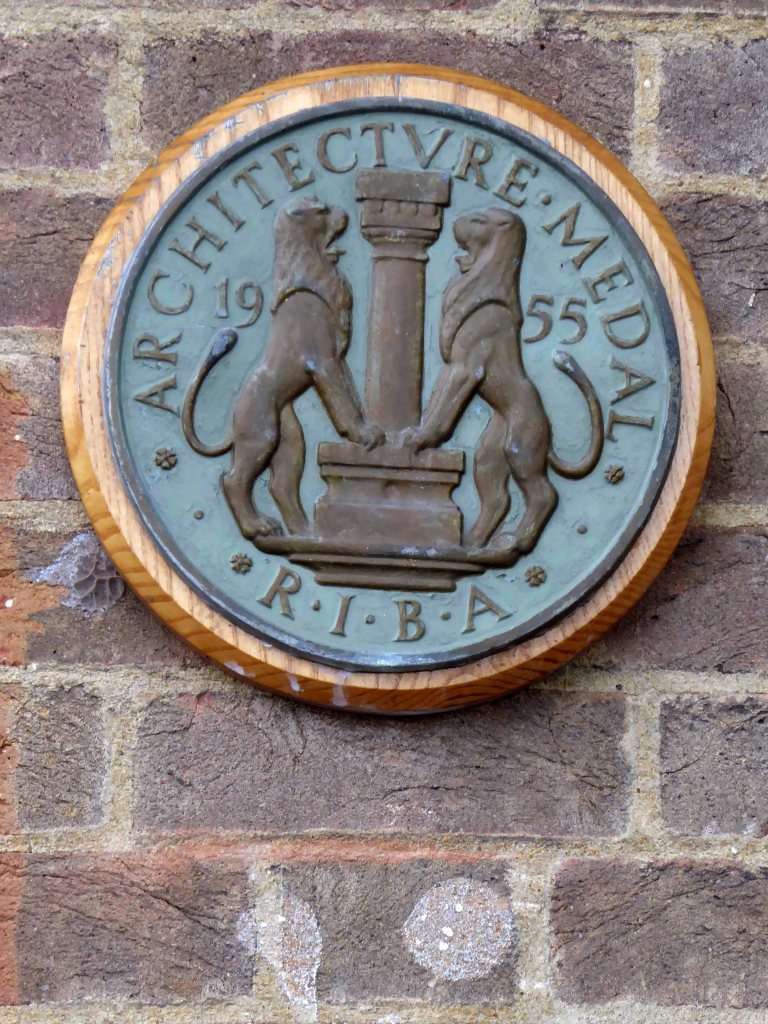
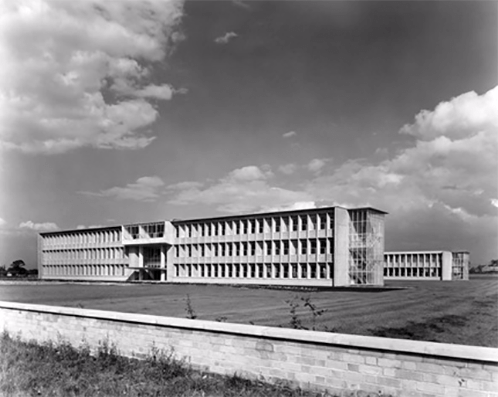
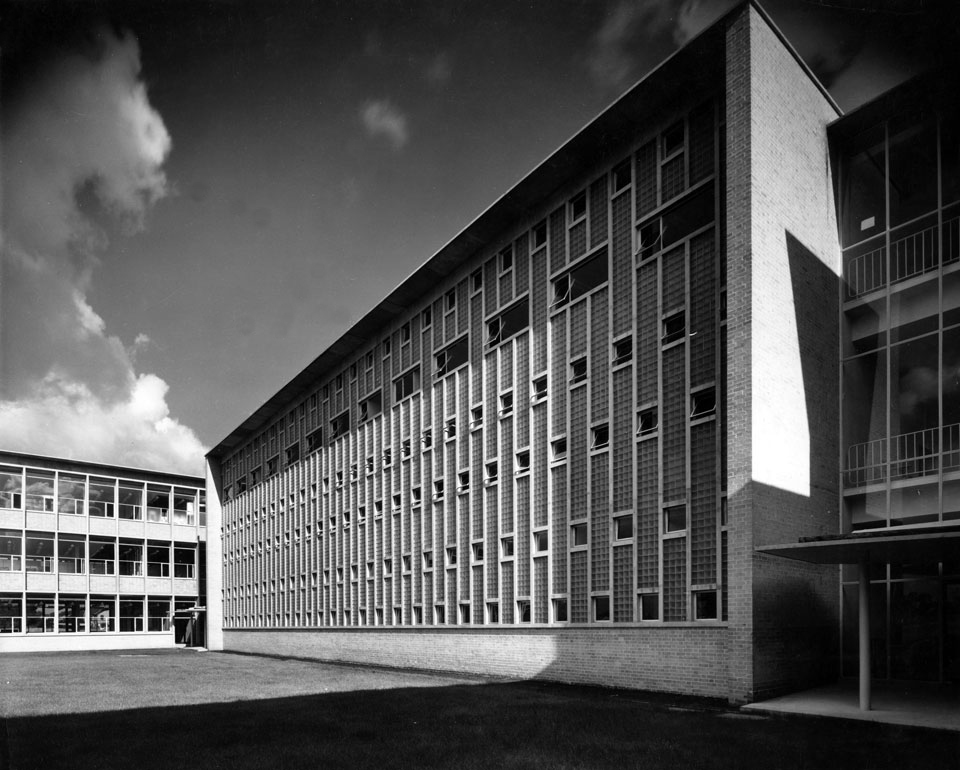
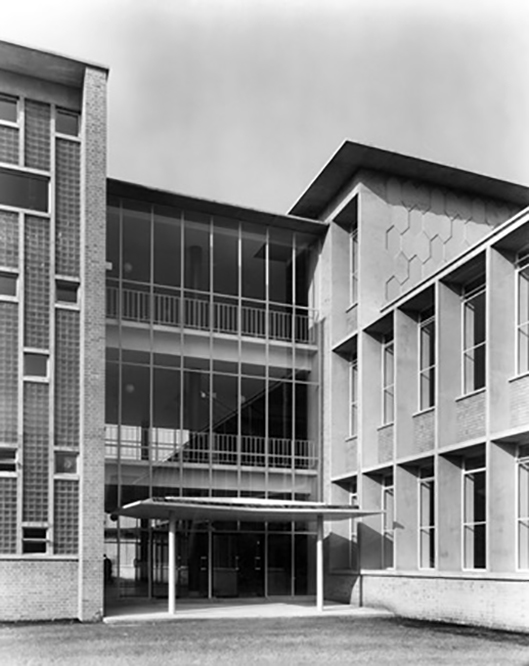
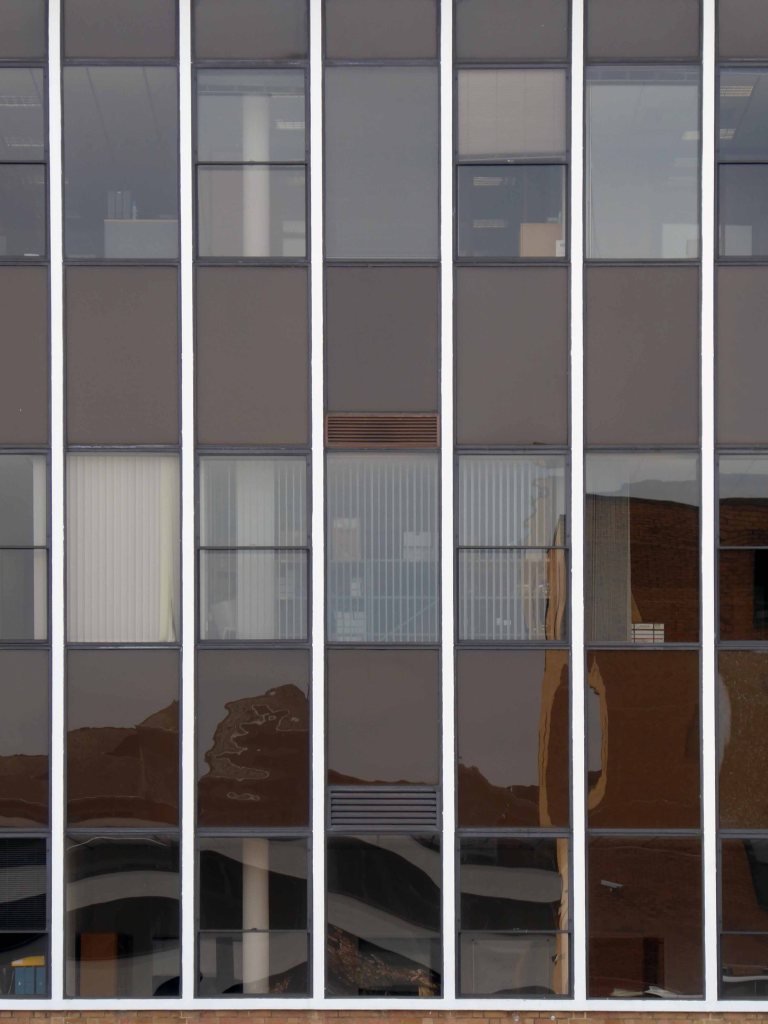
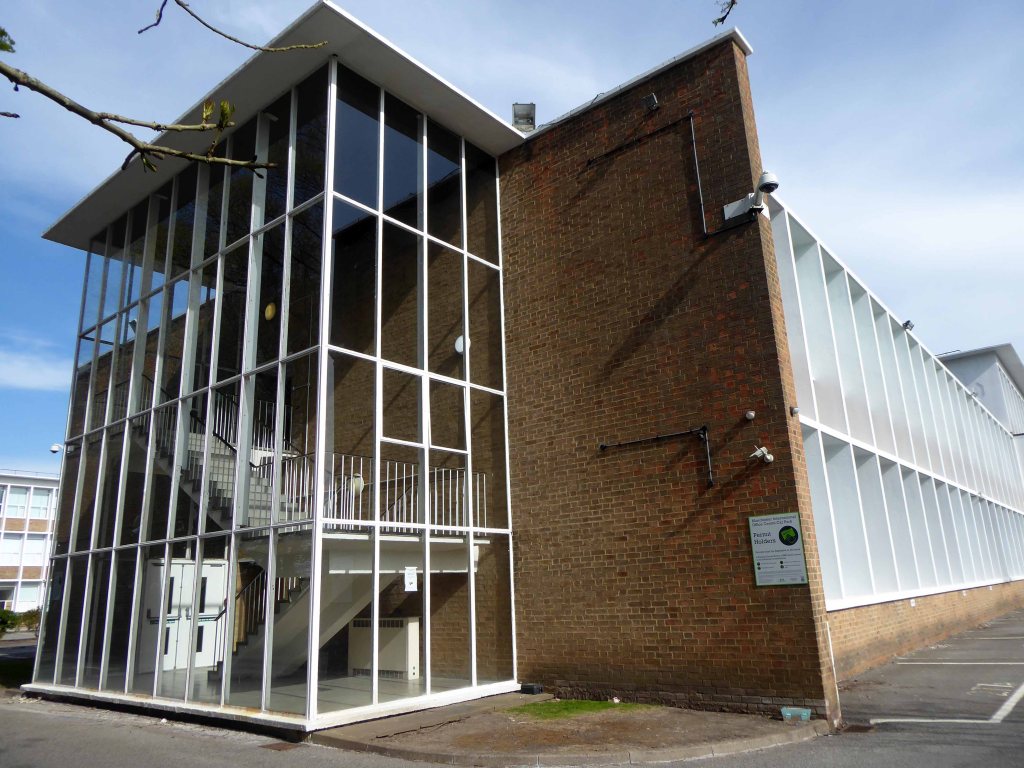
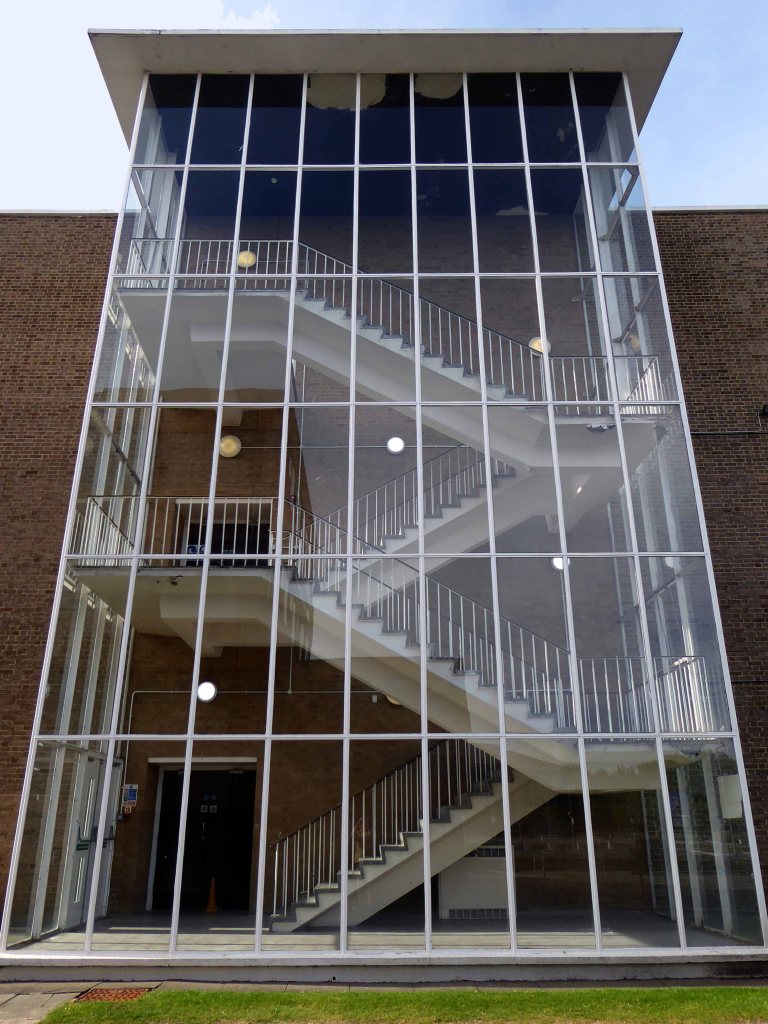
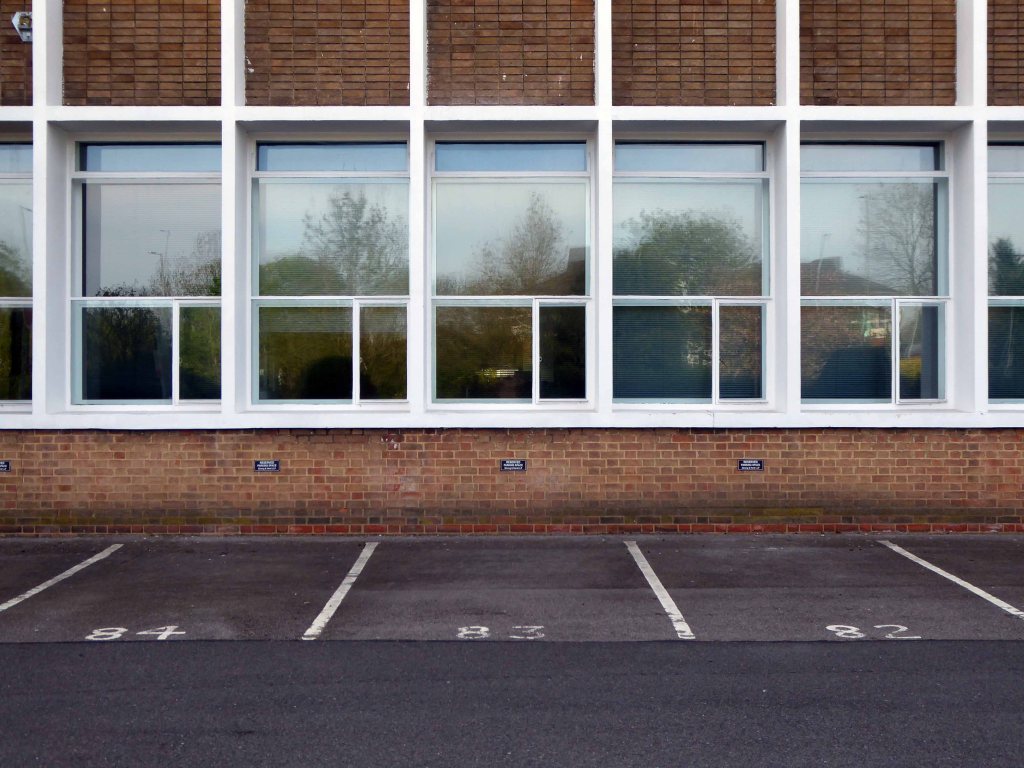
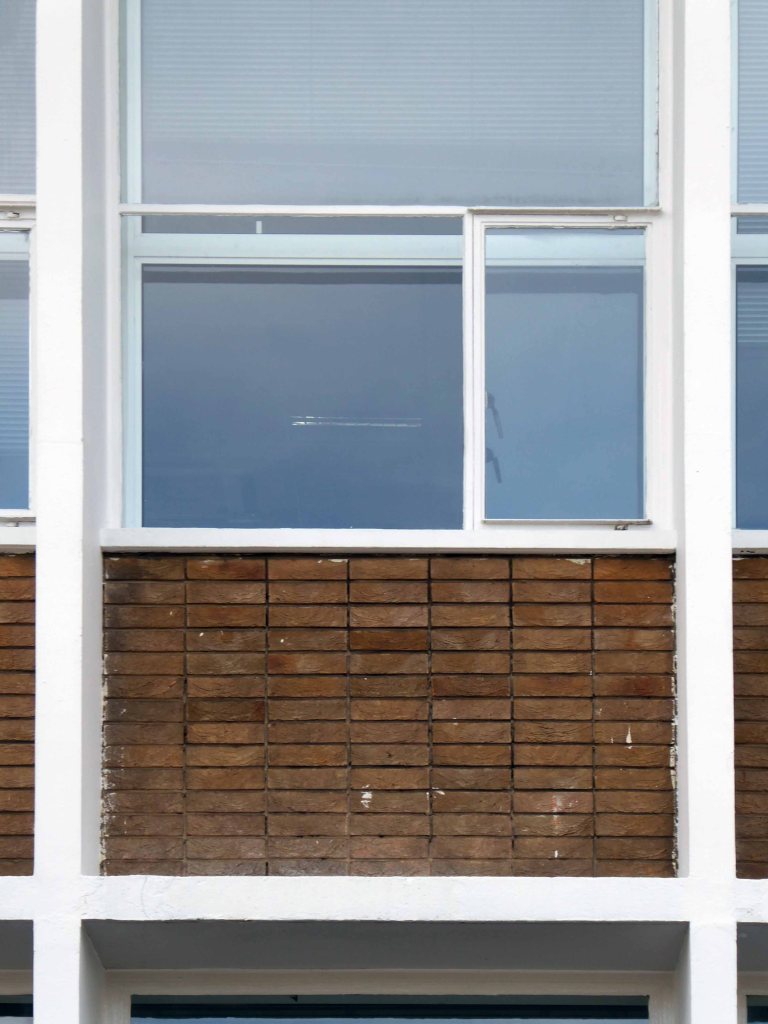
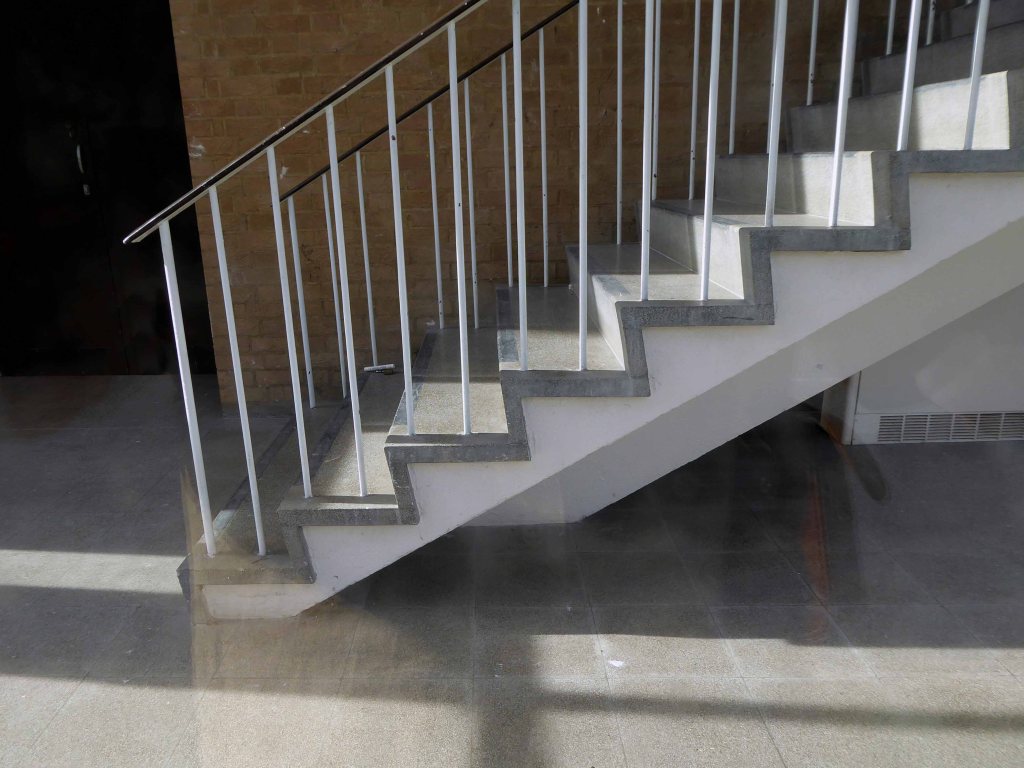
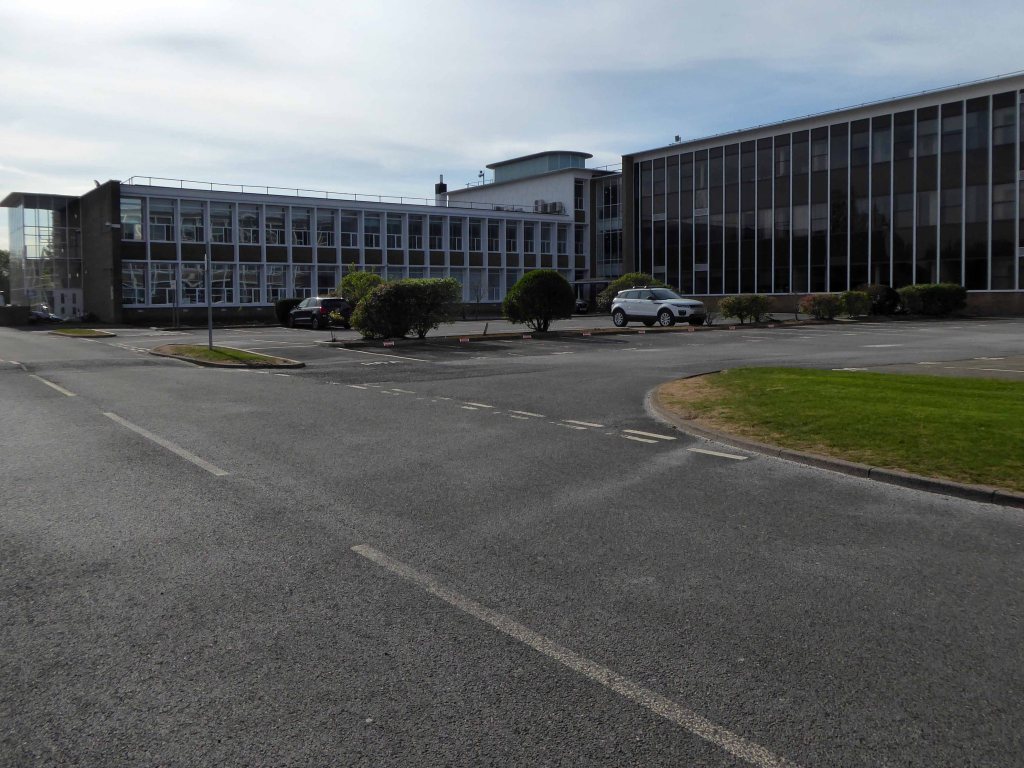
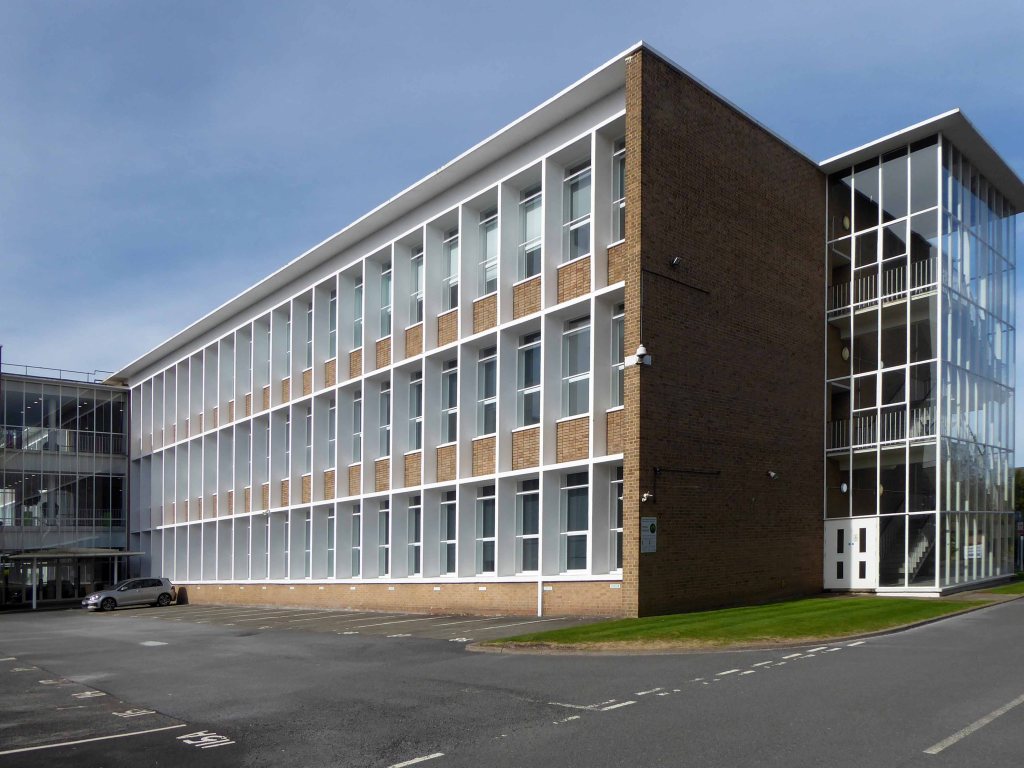
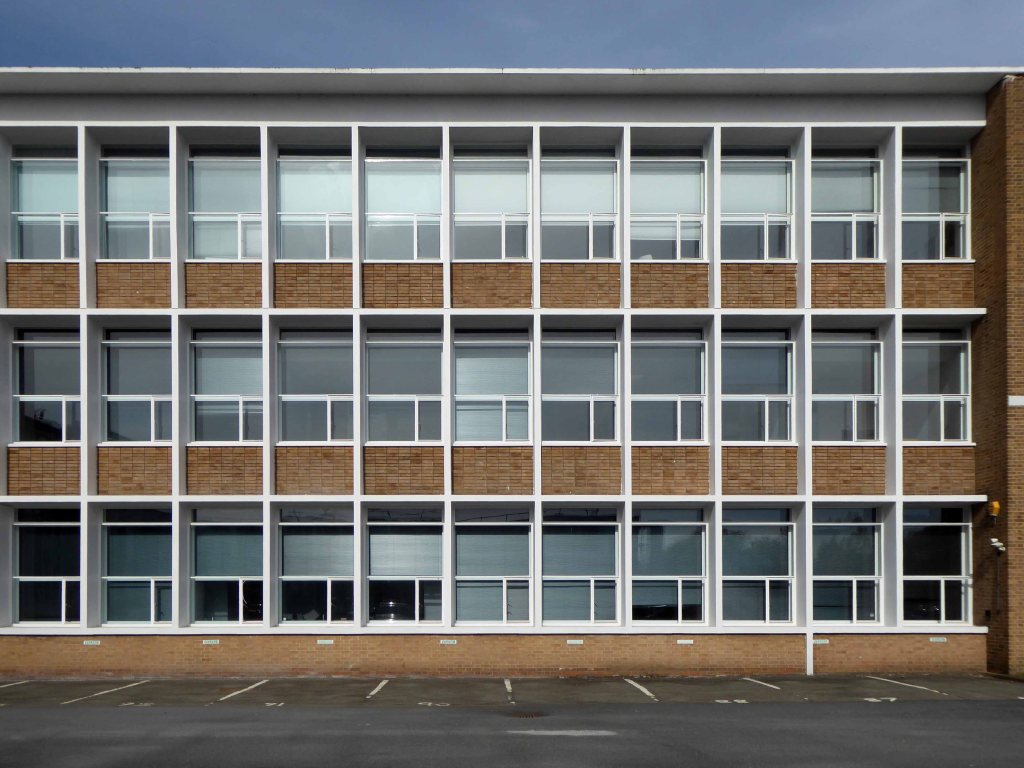
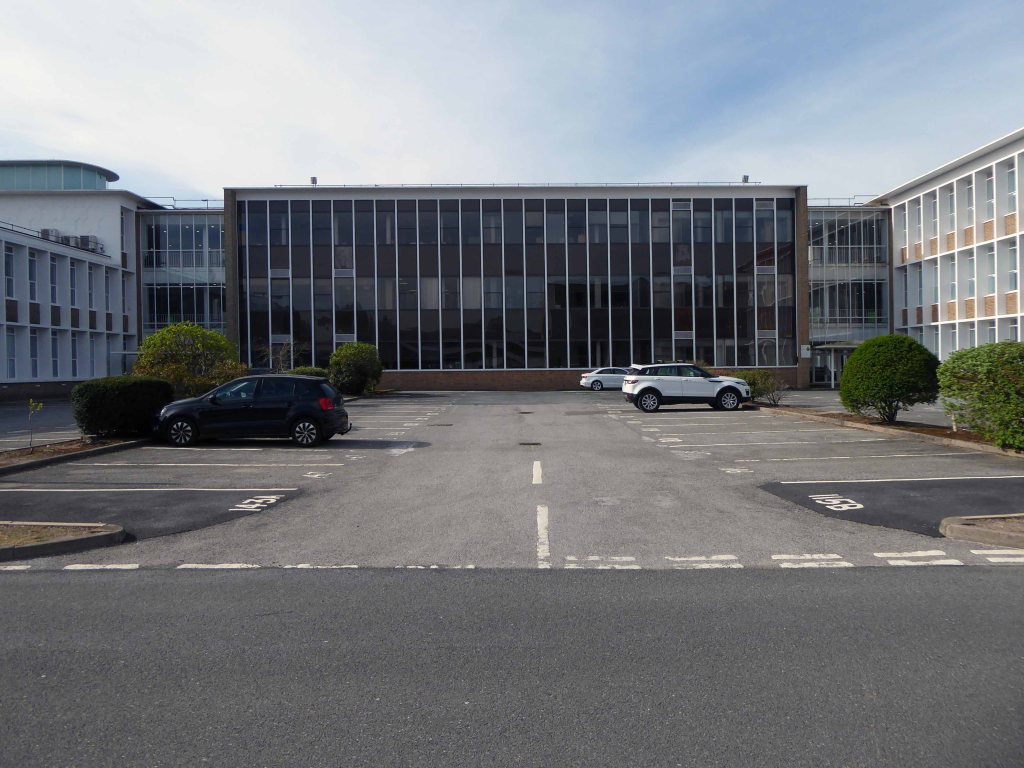
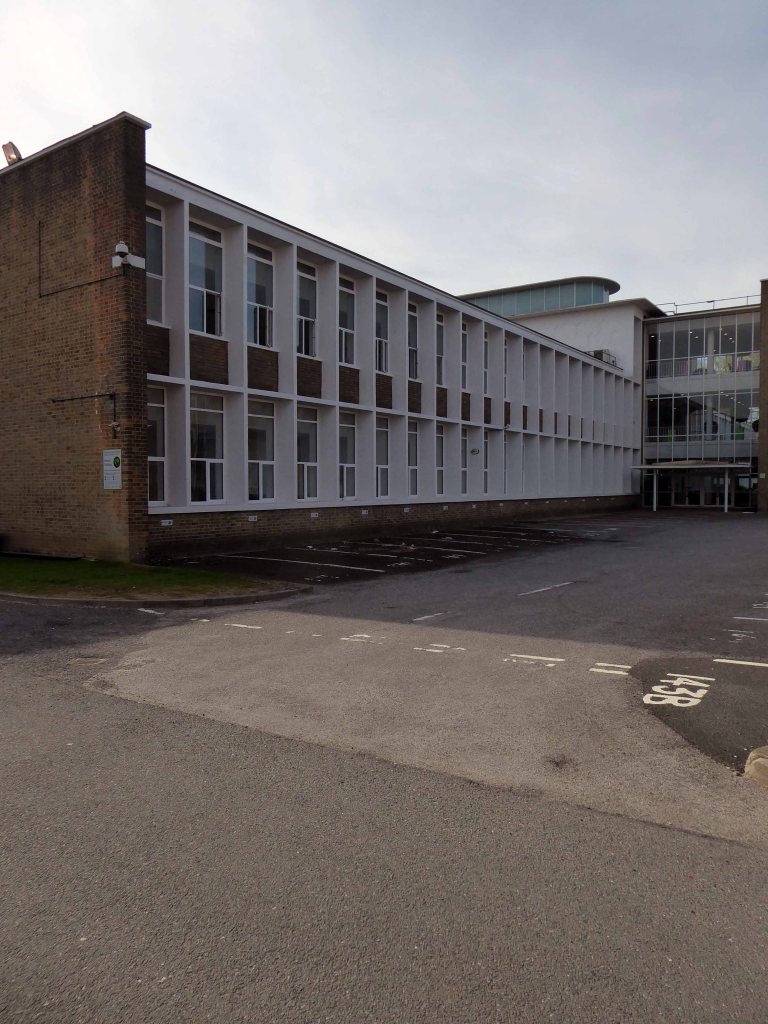
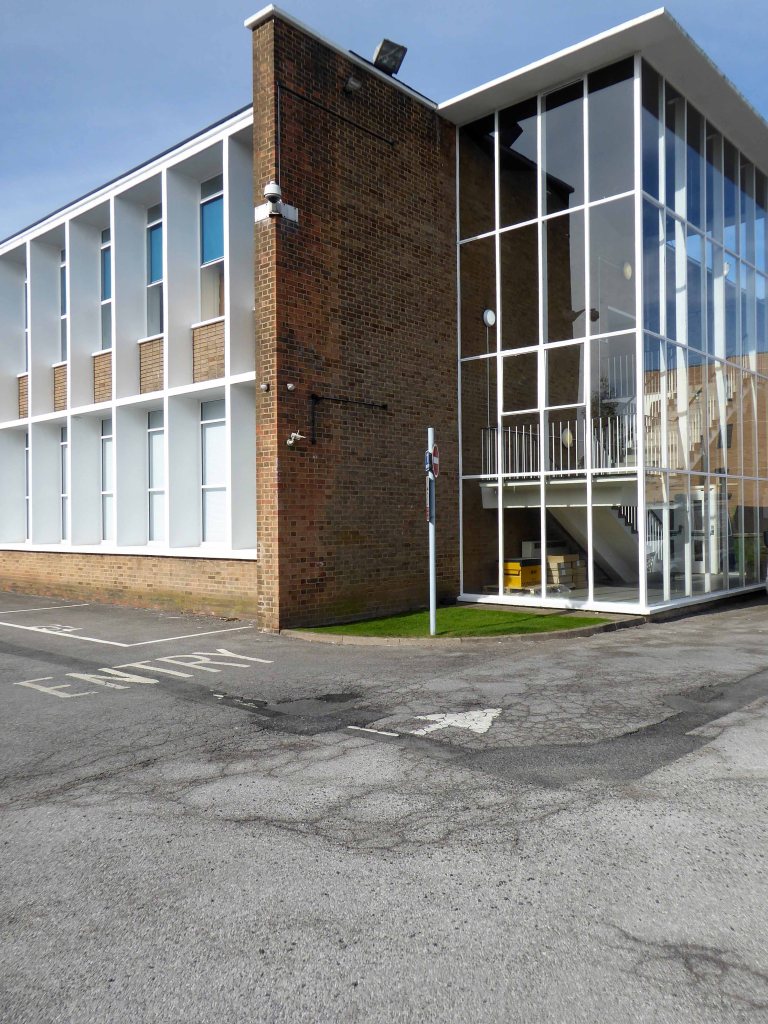
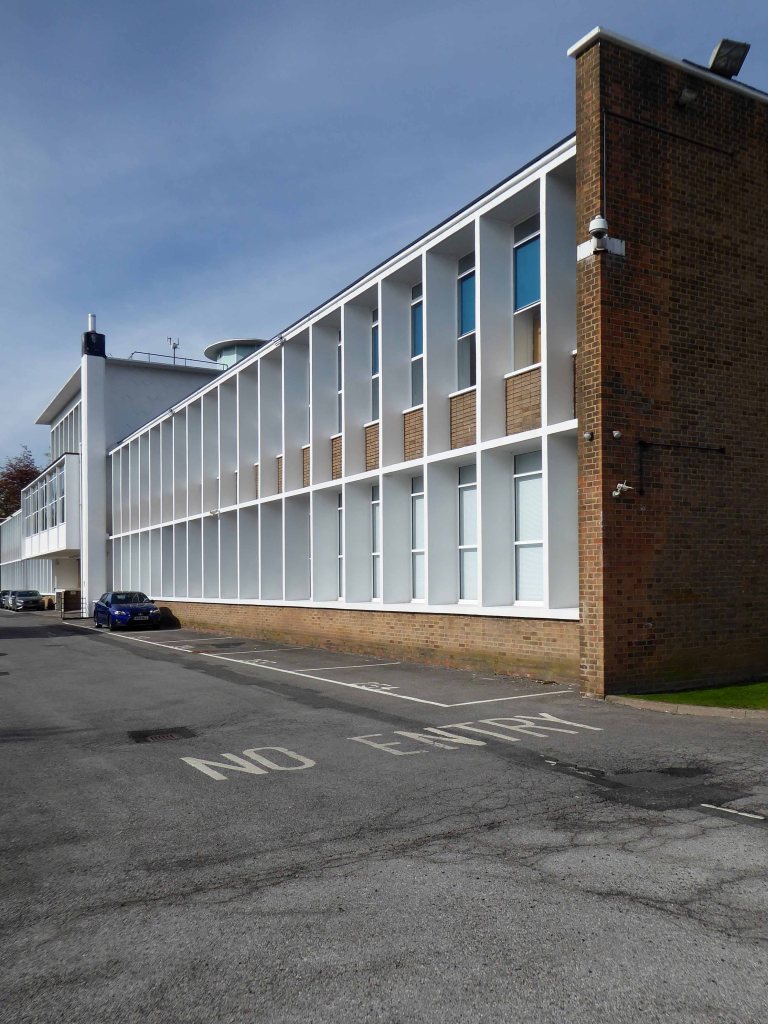
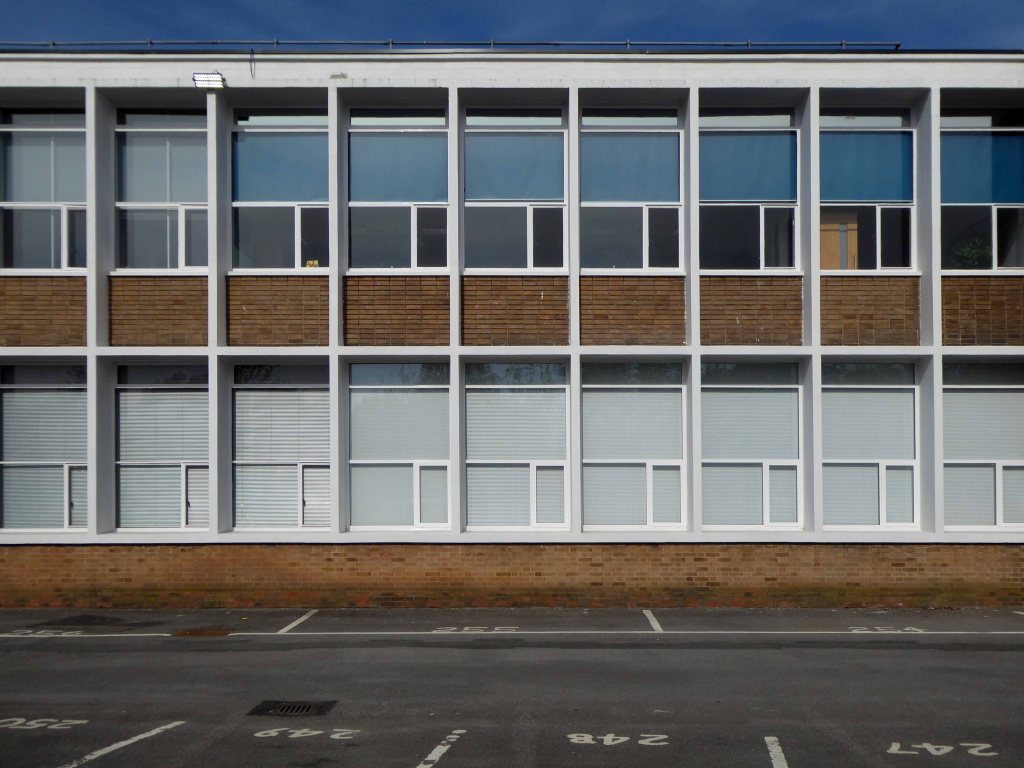
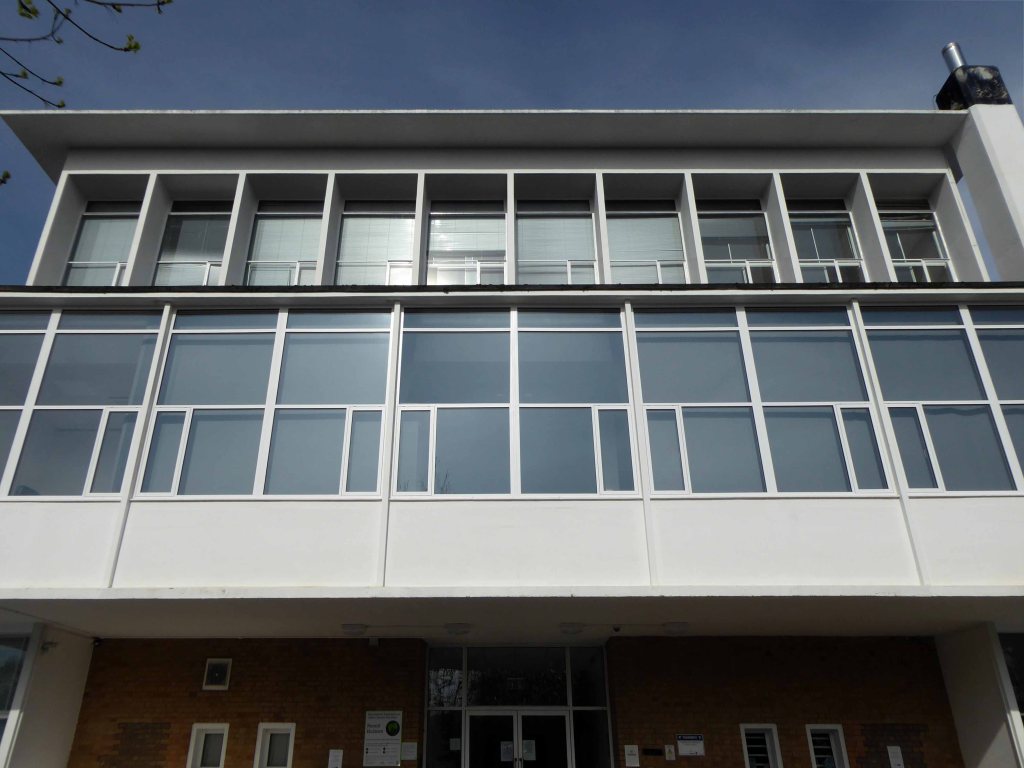
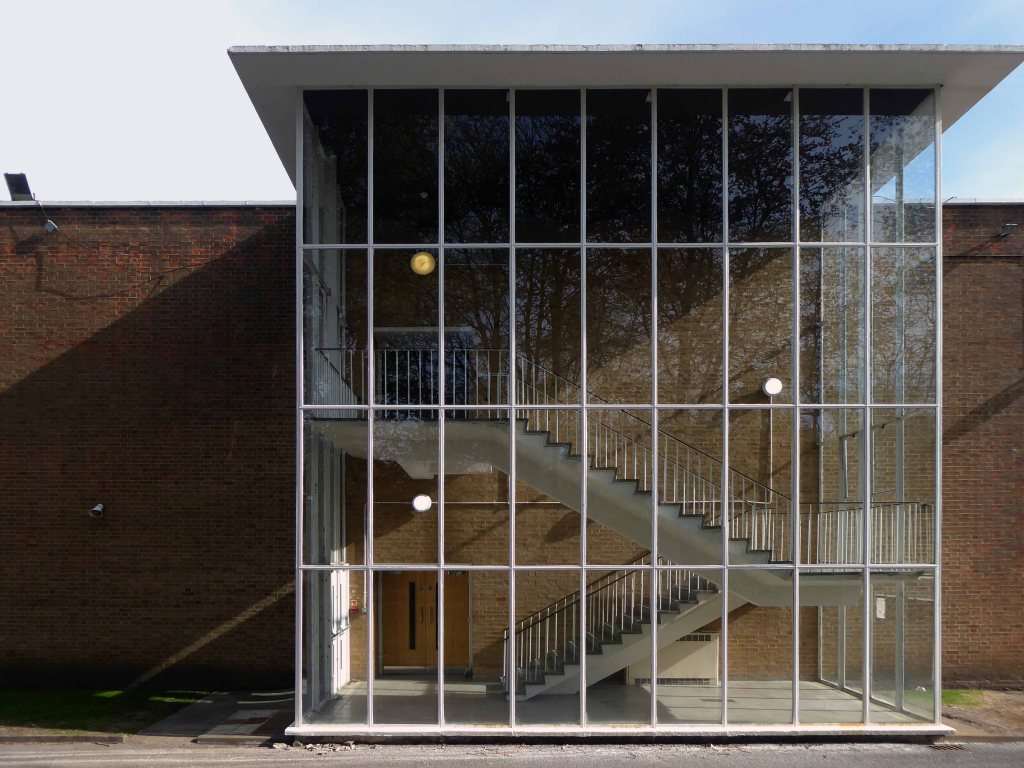
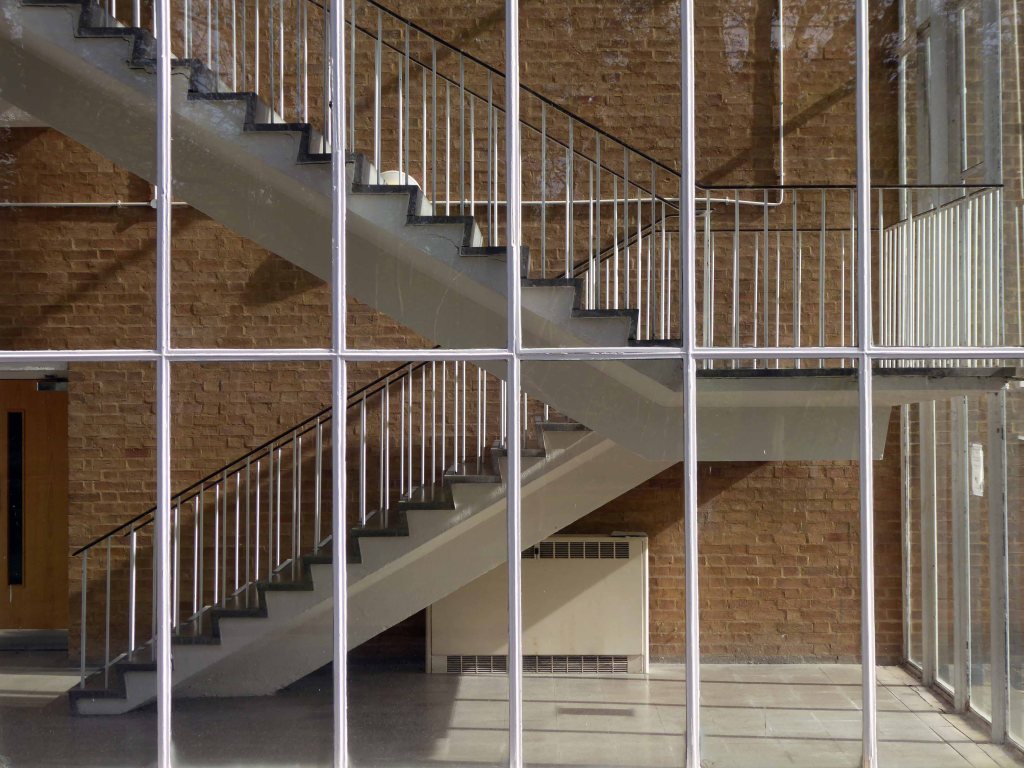
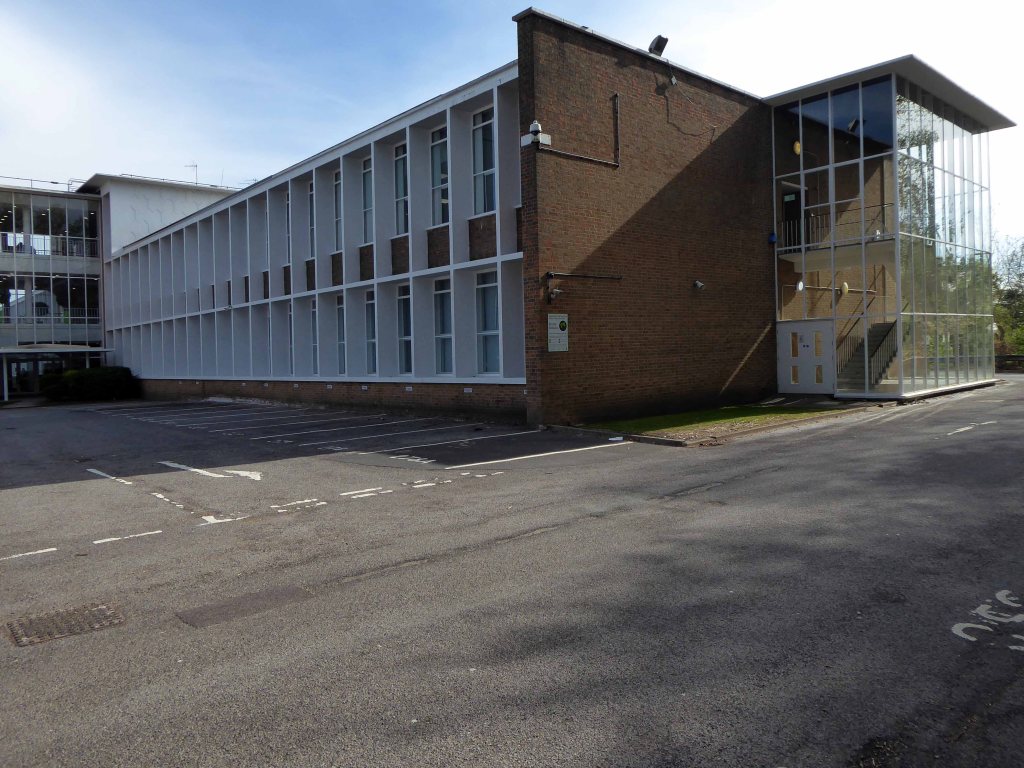
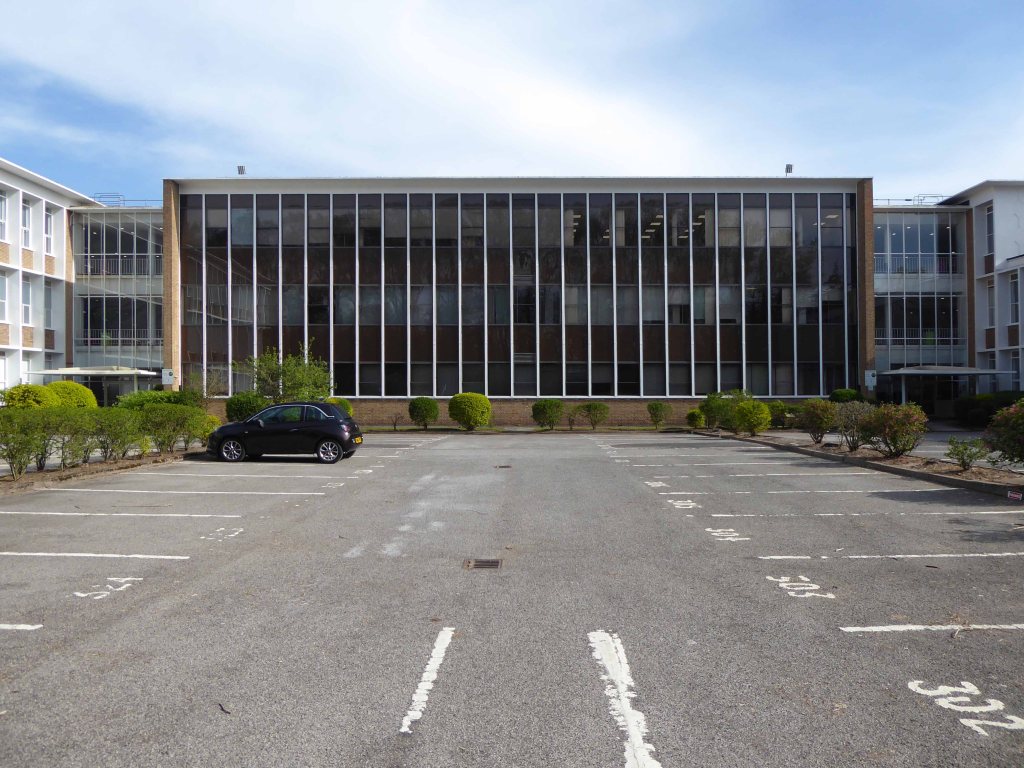
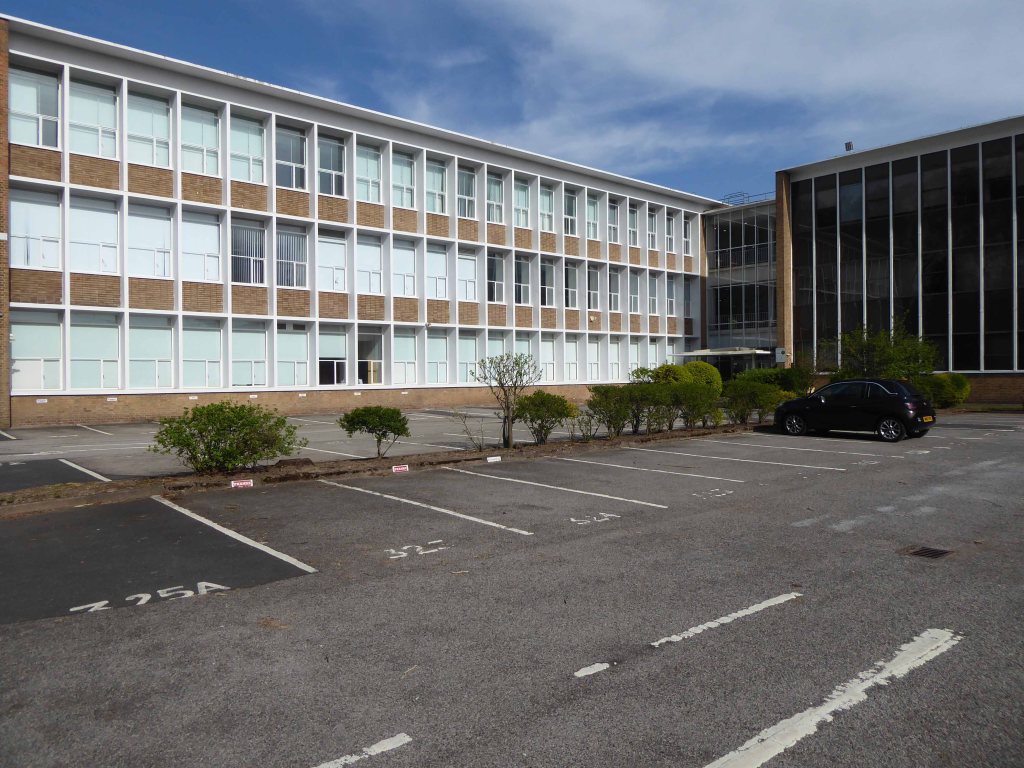
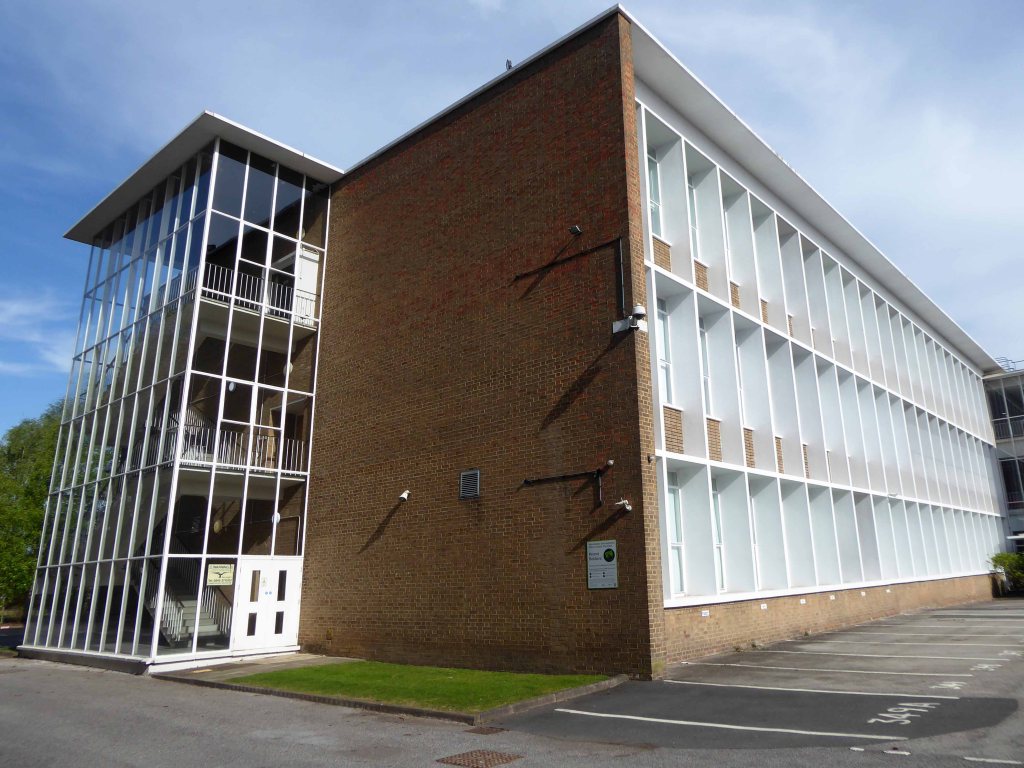
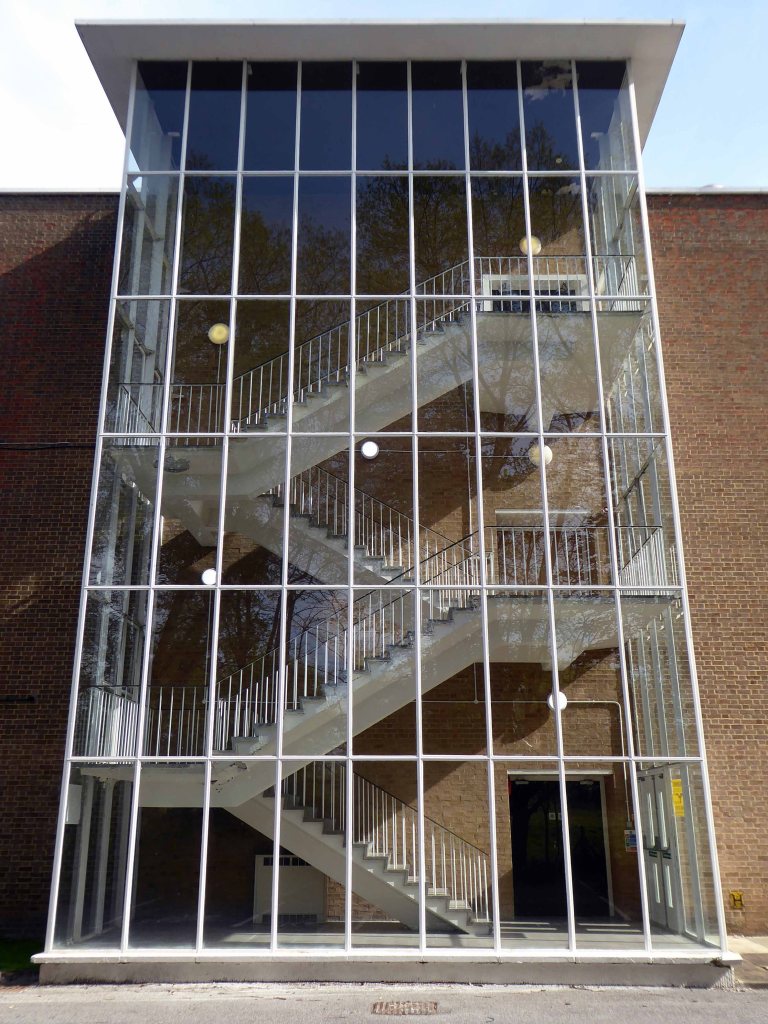
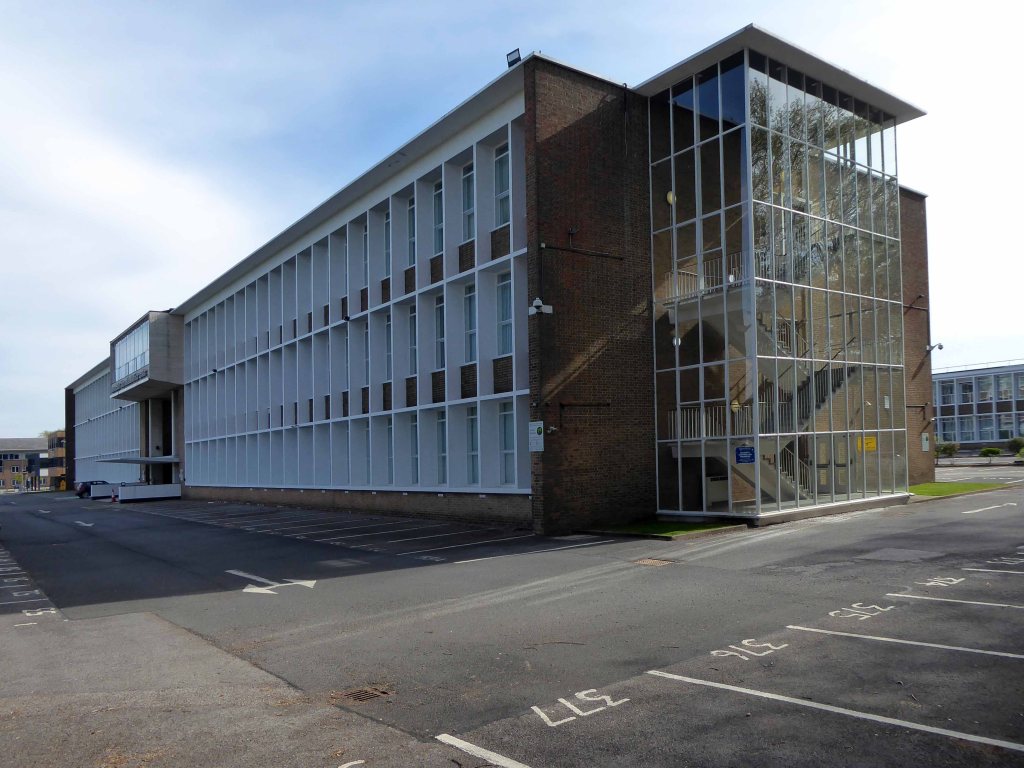
Renold Chains were once a huge firm employing thousands in south Manchester, their main factory at Burnage, now demolished to make way for a supermarket. This grouping was designed as the administrative headquarters for the company and was in receipt of an RIBA Architecture Bronze Medal in 1955. The scheme, of two parallel wings connected by a central hub running perpendicular, now seems fairly pedestrian, though still exudes some presence by virtue of the evident control in the design and construction of relief within the main façade. This building, though, actually points toward the moment where Cruickshank & Seward were turning, with the rest of the profession, toward new engineered, curtain walling solutions. The three storey glazed stair towers are made of a relatively fine steel section glazing bar and are clearly expressed at the ends of the blocks; these perhaps pre-empt the altogether more refined towers at the Renold Building and Roscoe Building of the Universities. The third floor boardroom was also positively expressed as a curved solid, cantilevered above the entrance canopy. That the building was developed in such close proximity to the airport has ensured its continued viability as office and conferencing space. The firm also delivered the adjacent building for the same client in the 1970s.

Mainstream Modern

Four weeks into a pandemic – cycling somewhere else. I turned off and into the grounds of the former Renold House, currently trading as Manchester International Office Ccentre.

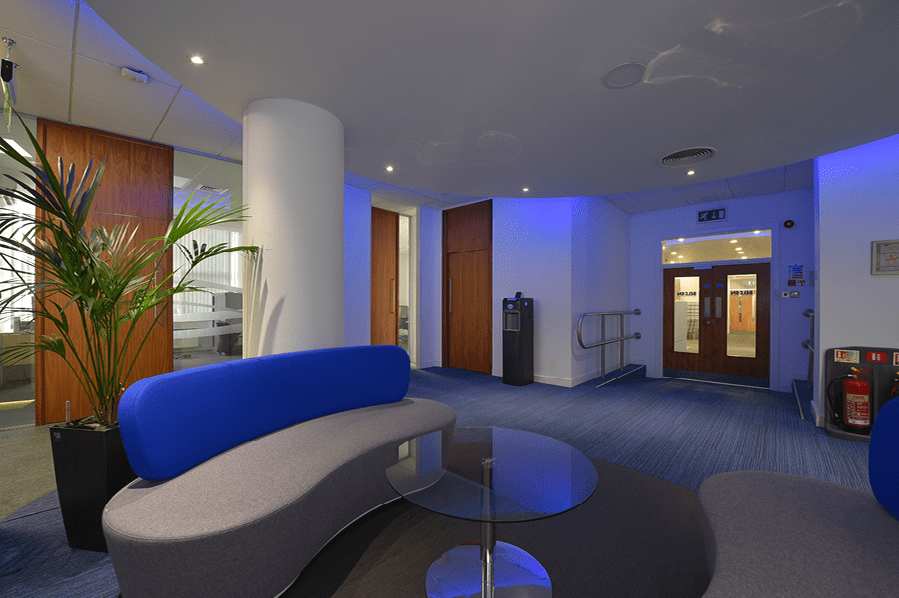
Manchester International Office Centre (MIOC) is a prominent landmark office building extending to some 100,000 sq ft which provides occupiers with high quality space ranging from suites of 450 to 8,000 sq ft.

The building has undergone a complete internal transformation with a total refurbishment of the reception and common areas. The office suites provide a superb working environment in line with the demands of todays occupier.

On arriving home I hungrily rustled up a few RIBA Archive images from 1954.

Much remains intact – though gone is the concrete grid and glass brick insertions of the 1954 central section – replaced with a slick glass and steel skin.

And there are unpleasant intrusions made by the fitting of contemporary security and lighting – using intrusive exterior conduit.

It’s a sunny day with a southwest light – there’s nobody about, let’s take a look around.

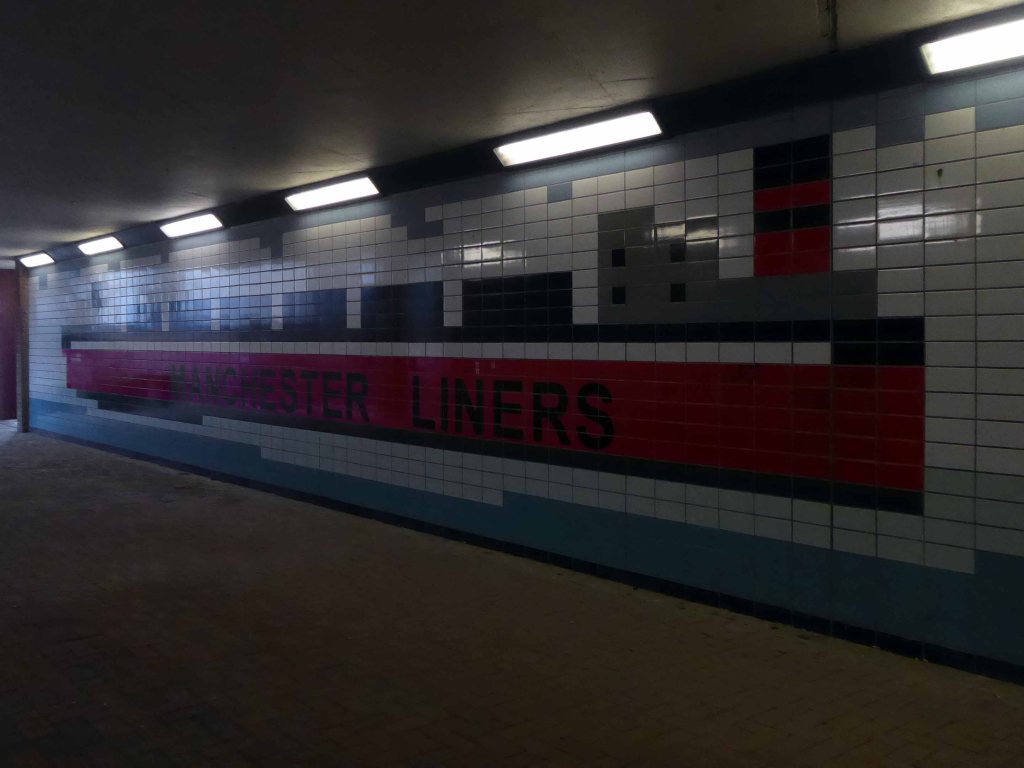
Manchester Liners – Tiles

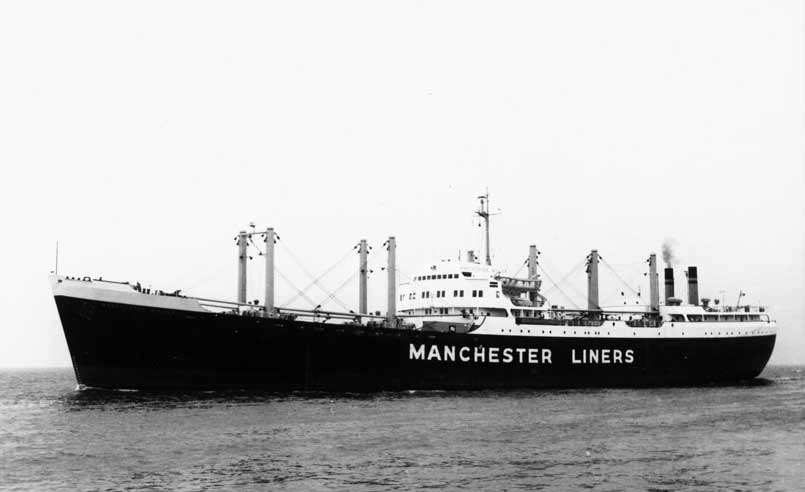
In 1898 Manchester Liners Ltd was launched, four second hand ships were purchased and the company naming policy of applying the prefix Manchester was established.

The company began to operate services to Canada and the USA. Manchester Liners started WW1 with 15 ships in its fleet. During the war 10 ships were lost to enemy action, but because of the purchase of replacements the fleet was at 12 in 1918. At the outbreak of WW2, Manchester Liners had 10 ships in service. War losses were 7 ships, but the delivery of war-standard ships maintained the fleet at 8, which was sufficient to resume a weekly service to Canada.

The Manchester dockworkers strike record became so bad, that in 1973 the company decided to move half of its container services to Felixstowe. Furthermore, to obtain lower costs per unit, container ships were becoming bigger than the Canal limits.

History

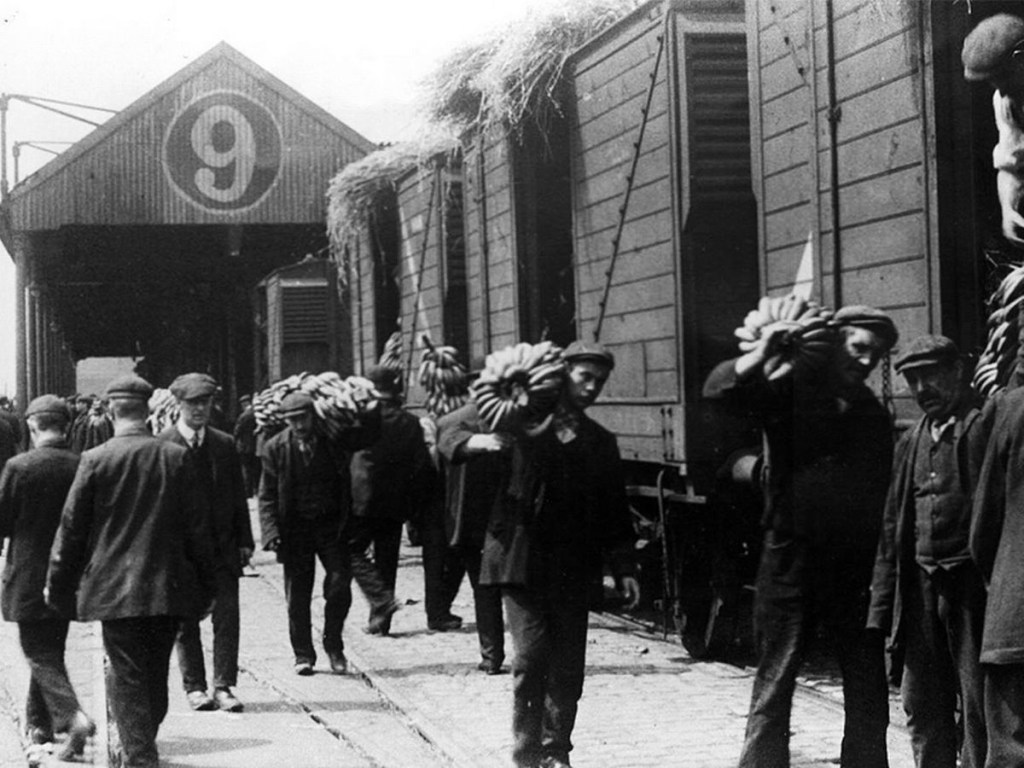
This was a history of economic growth and prosperity, for some. Tangible commerce, the wealth of a nation built on making things, moving things. Cranes, ships, stevedores and sailors, the world and his wife converging at the base of the Manchester Ship Canal.

All this is long gone, containerisation, recession and state engineered shifts in global manufacture and trade.

They took away the cranes.

The area is now awash with intangible activity – what goes on behind the smoked and mirrored glass?

Just who is moving what around, how, where and why?

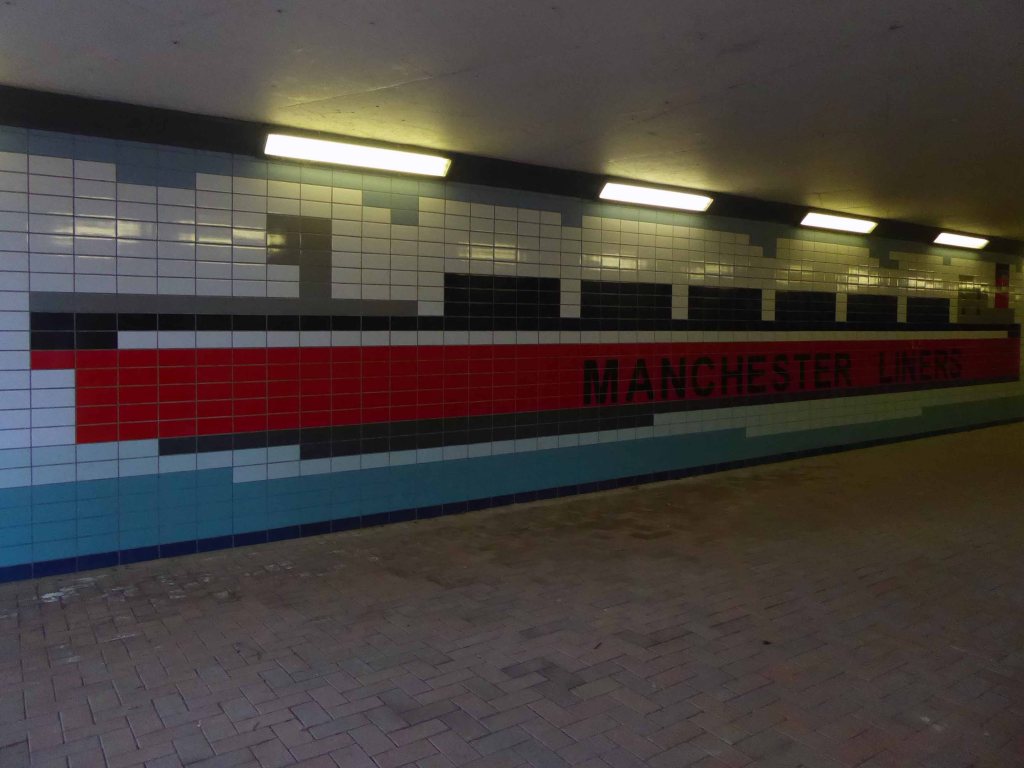
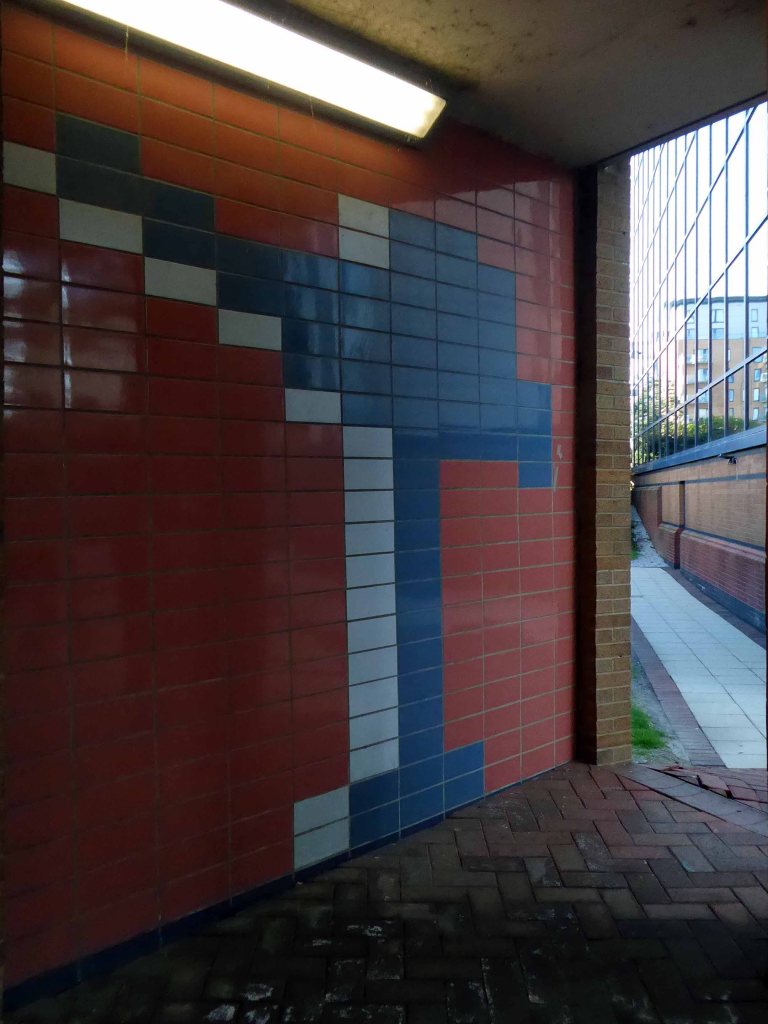
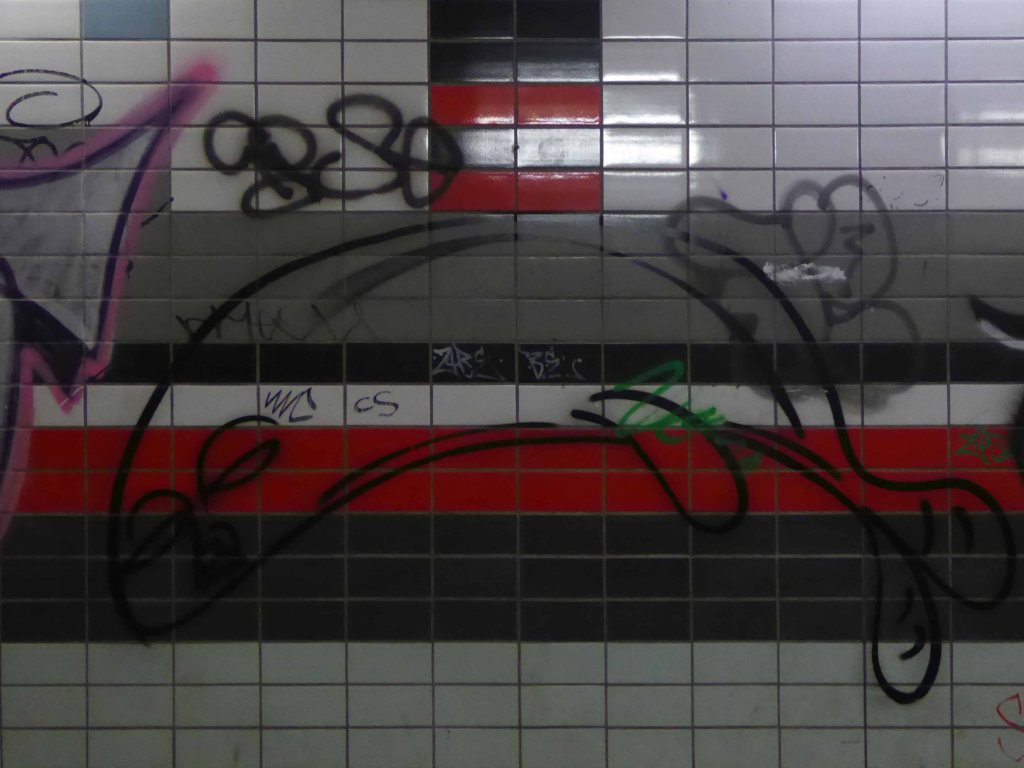
But hidden away between here and there is a tiled underpass.

A permissive path.

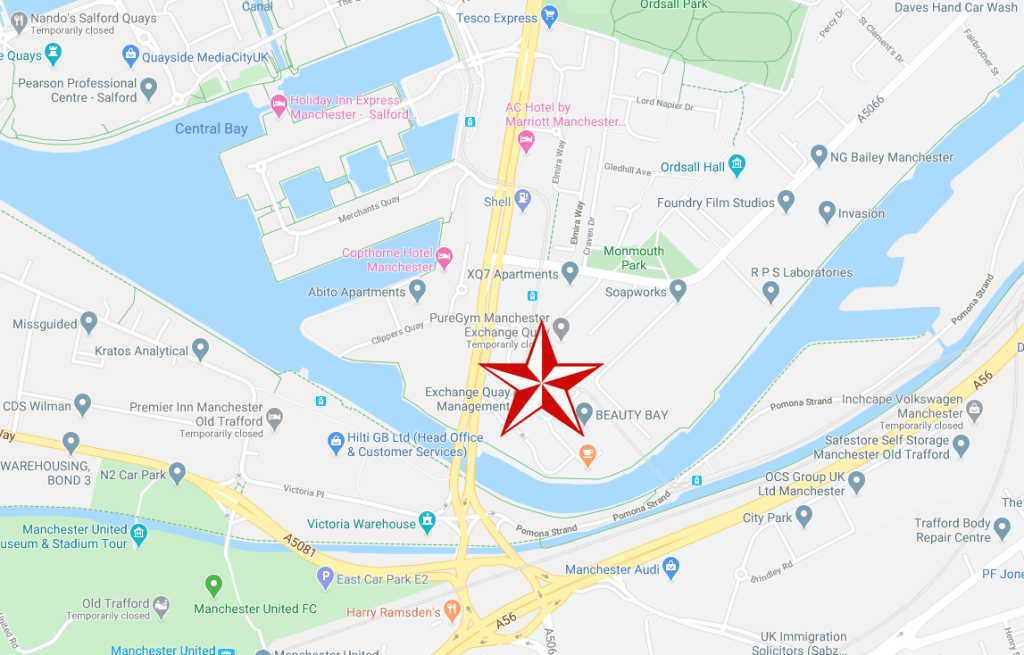
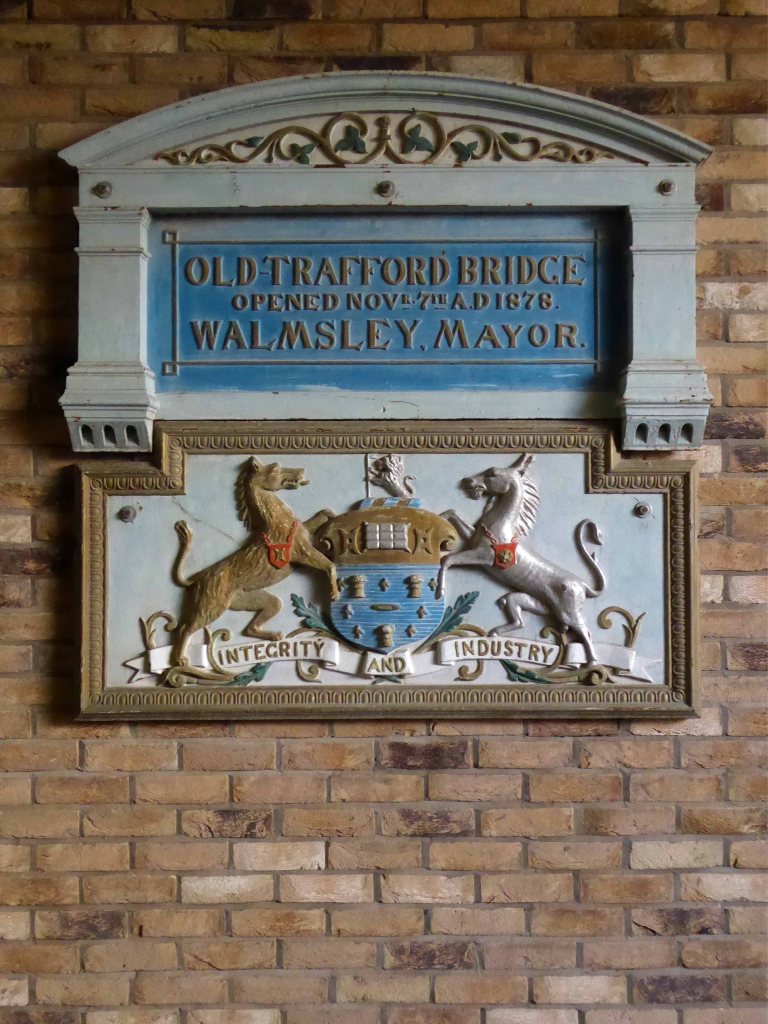
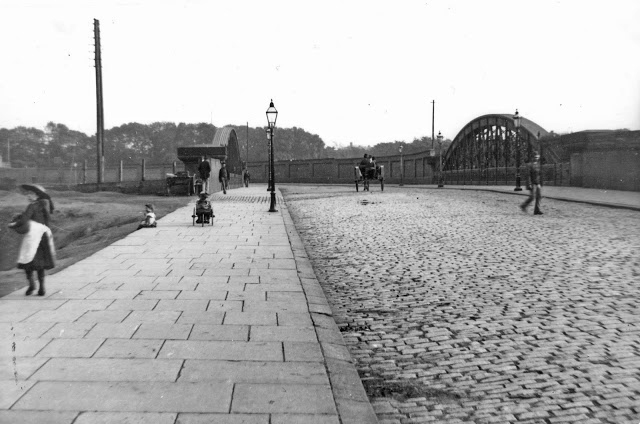
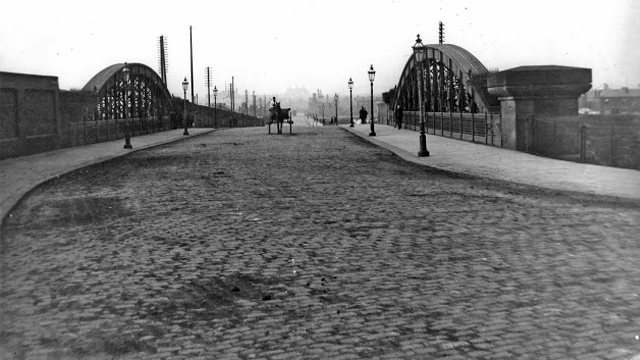
Where once there was a bridge – before the Manchester Ship Canal was built, the course of the River Irwell was approx. 50-100 yards further north of where the Ship Canal now passes under Trafford Road. This plaque is next to a pedestrian tunnel under Trafford Road, roughly on the line of the old navigation.

Archive photographs Salford History

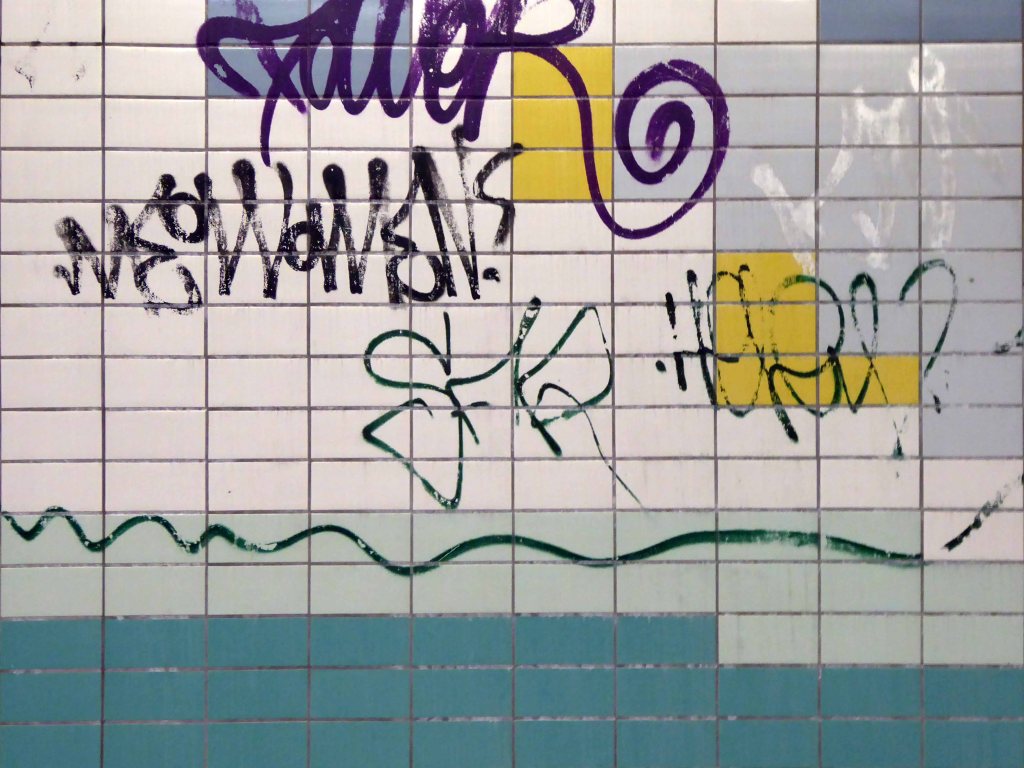
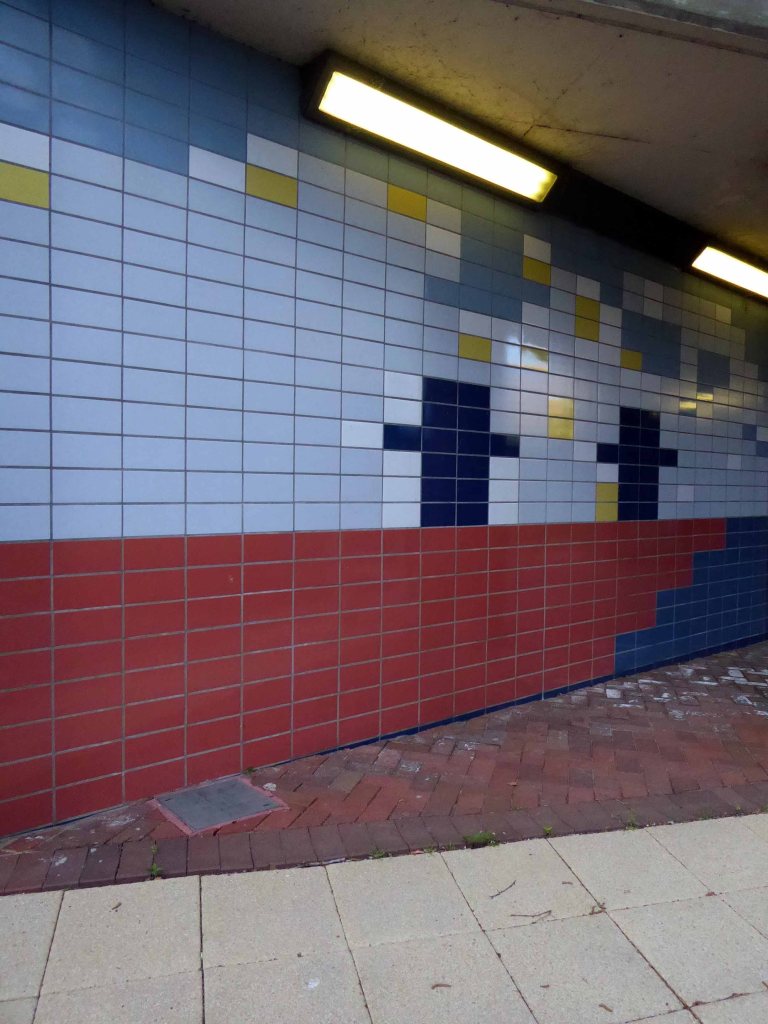
So here it is a hidden, harshly lit, slightly disabused tribute to the brave souls who sailed the seven seas, stayed ashore, weighed, loaded and shifted stuff.

We all deserve a better deal.

William Mitchell – Collyhurst

It’s April 2020 and I’m here again.

Having been before and before and before.

It’s lockdown so we can’t go far, so from home in Stockport to Collyhurst is within my daily exercise allowance.

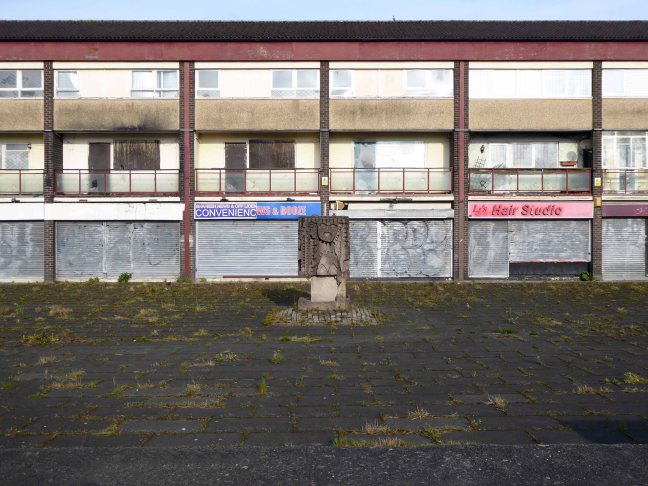
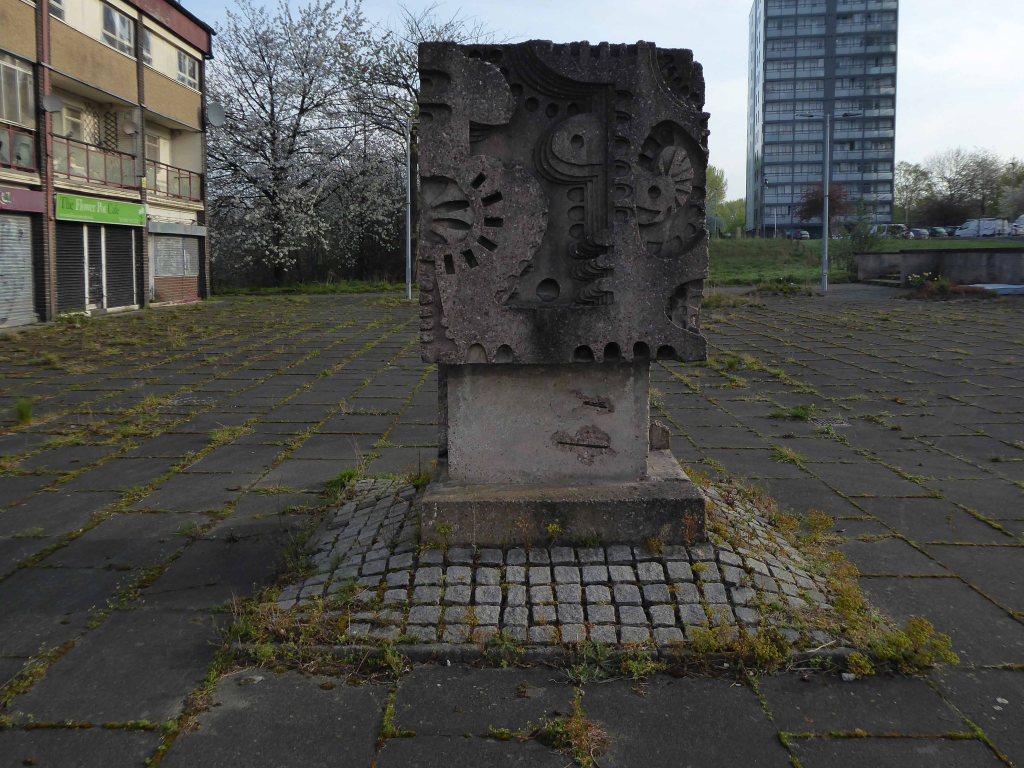
There is talk of relocation for the diminutive Mitchell totem, but as of today no sign of any action – all is in abeyance.

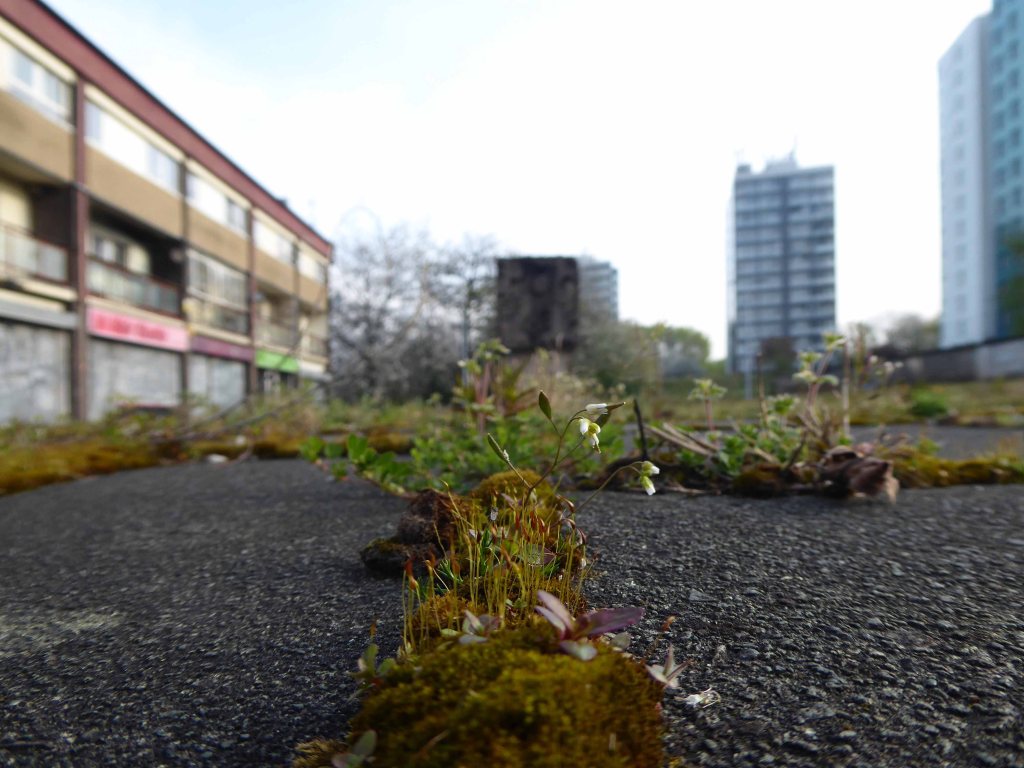
What we do see is the encroachment of flora, cleaner air, low or no level human activity encourages growth between the cracks.

And at the base of the plinth

I took the opportunity to get in close.

Move around in a merry dance.

Quite something to spend time in an ever changing urban space – devoid of company, save for the calming sound of birdsong and the distant rumble of a distant train.

Lynemouth Pithead Baths

Pithead Baths 1938 by FG Frizzell.

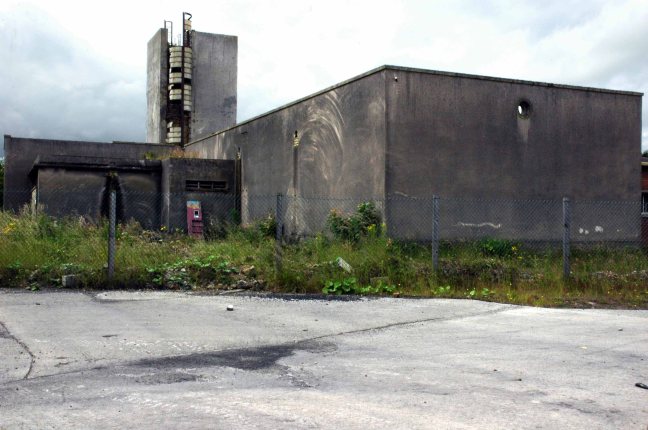
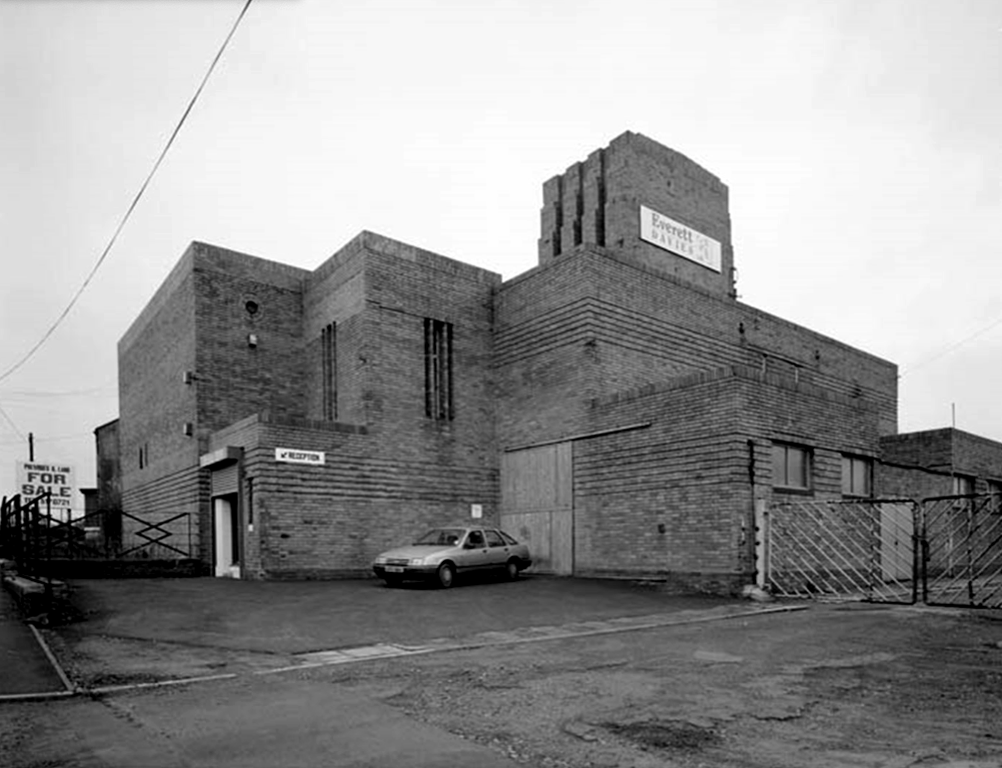
Pebbledashed over white brick. Roofs part concrete slab, part glazed behind parapet. Irregular plan, Modern Movement style. Group of blocks of varying height round tall central tower with rounded, glazed stair turret. Walls mainly sheer, with plinth and slight roof projection.

Long block on east of tower has central south projection with glazed, banded steel double door under high strip of windows beneath eaves overhang. Taller storeroom to west has similar doors in 2 recessed banded glazed bays; and abuts on south-east corner of tower. Similar double doors in base of tower. Large lower south-western canteen wing abuts on west side of tower and has banded glazing around two sides above a projecting sill. Slightly-projecting 3-bay office section to north has steel cross casements; on its return another casement and a door with hollow-chamfered jambs and flat hood. Taller bath block behind. Wave pattern on rainwater heads.

Listed 18th December 1985 Historic England

FG Frizell was also responsible for the Elemore Colliery Pithead Baths in James Terrace Sunderland.

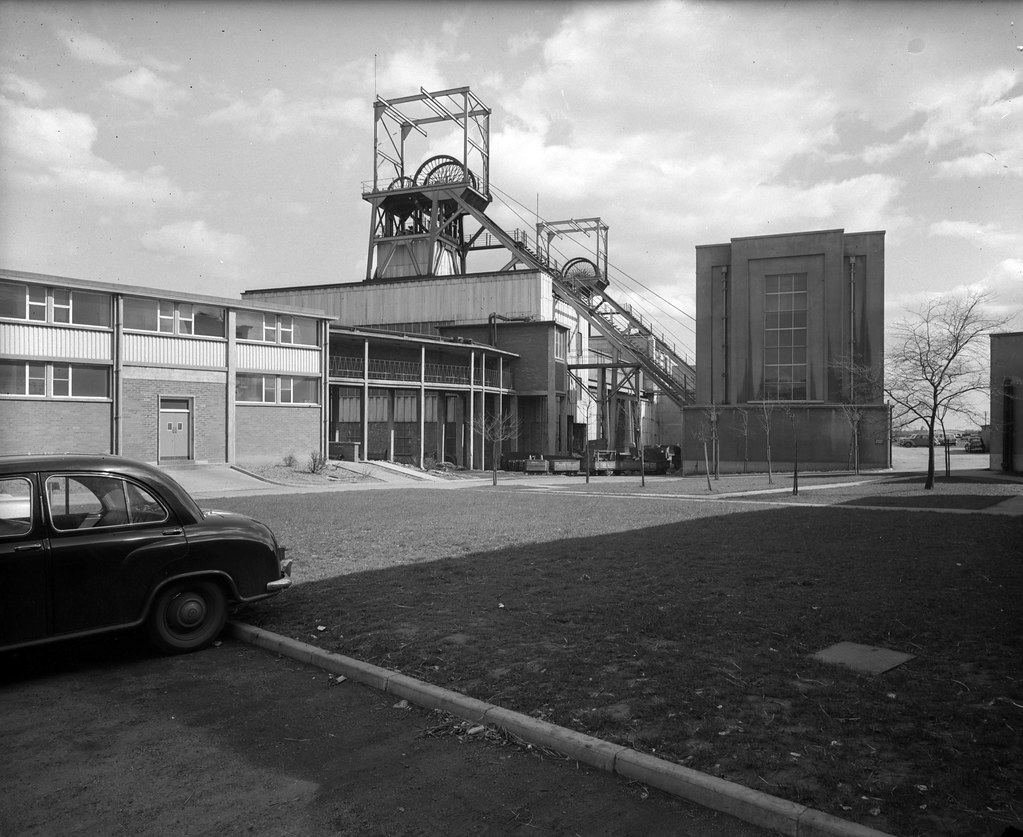
This is the youngest colliery in the neighbourhood, having commenced operations for the Ashington Coal Co Lt. in 1934. The shafts, which are situated comparatively near to the coast, are two in number, and both were sunk to the High Main seam level, which is 486 ft from the surface. The downcast No. 1 is 18 ft in diameter and is used for coal-raising on two shifts per day, and the upcast, which has a diameter of 15 ft, is used for ventilation and emergency man riding only.

The seams being worked are the High Main, the Diamond, the Main, and the Yard. Each of these seams shows practically the same nature of roof and floor as throughout the two neighbouring collieries and the distance between the seams is also comparable. They are, of course, found at slightly greater depths at Lynemouth, the Yard seam, for example, being 660 ft. below the surface near to the shafts, as compared with some 300 ft. at Ellington.

Durham Mining Museum

April 1962

It was one of Britain’s largest collieries until it was closed in 1994.

I was cycling the coast in July 2012 and happened by, seeing the tower of the baths from an adjacent path, passing by the faded signage.

Into the raw expanse of a now empty post-industrial landscape.

And on towards the bath house.

I am not by nature an urbex urban explorer, simply an explorer.

Entering the open site, I was well aware of the significance of the building and its history – working lives that had constructed the baths, entered and left through those very same doors.

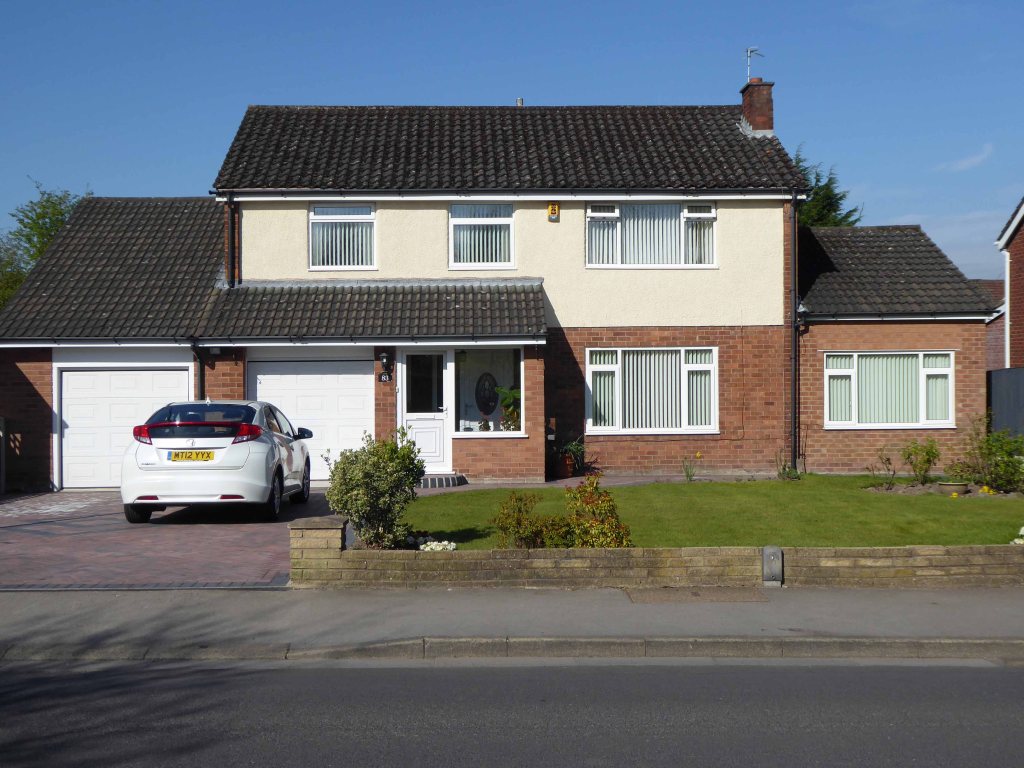
Homes of Distinction – Heald Green

We begin our journey through bricks and mortar, domestic fashions and fads, time and tide in Rainham.

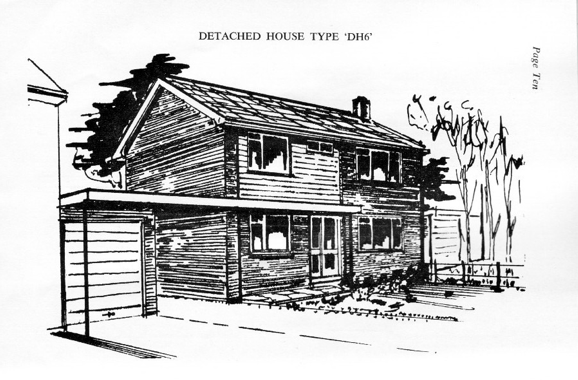
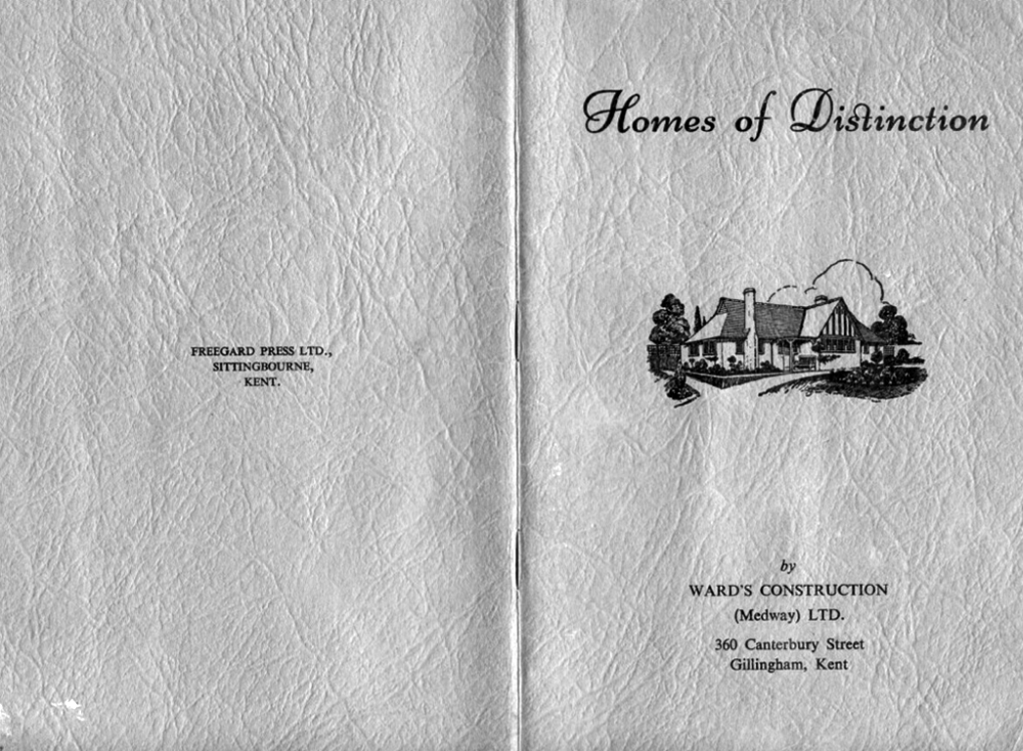
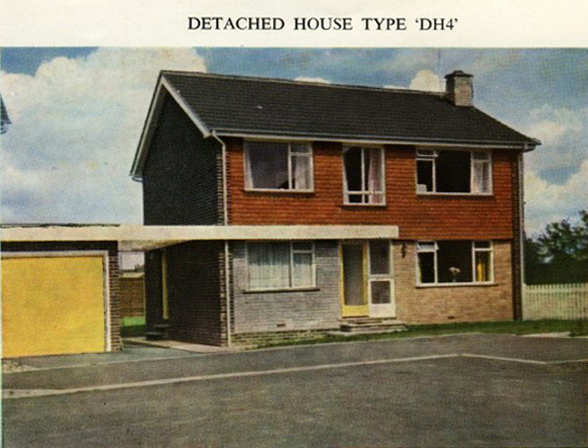
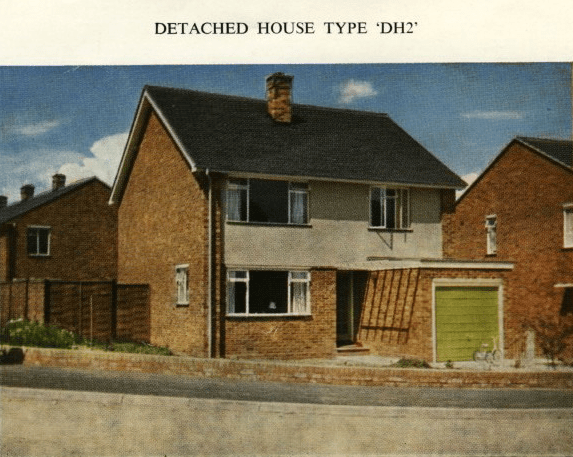
Ward’s Construction, along with many others throughout the country, offer the aspirational suburbanite an opportunity to own the very latest in modern design.

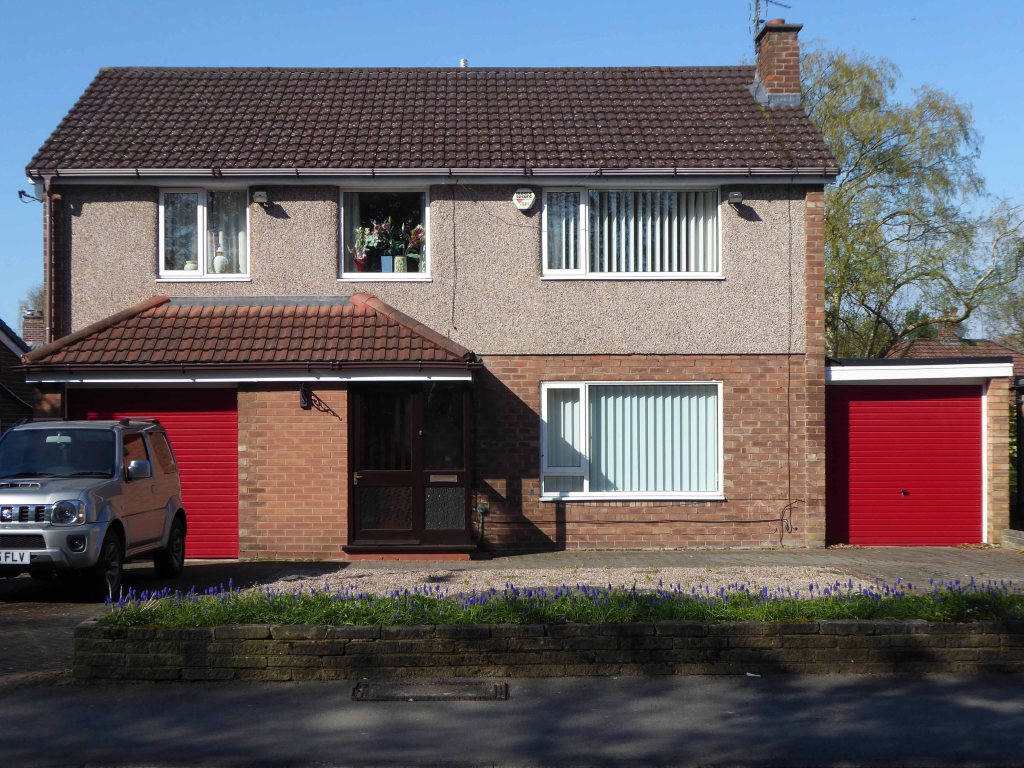
Large open plan rooms lit by large open glazed windows, quality cladding – mixing traditional materials with go ahead get it now design. Double fronted, remote garage, modest manageable, grassed gardens.

For those on slightly more limited means the DH2 offers affordable modernity, along with everything you would expect from a Ward’s Home.

Homes of distinction.

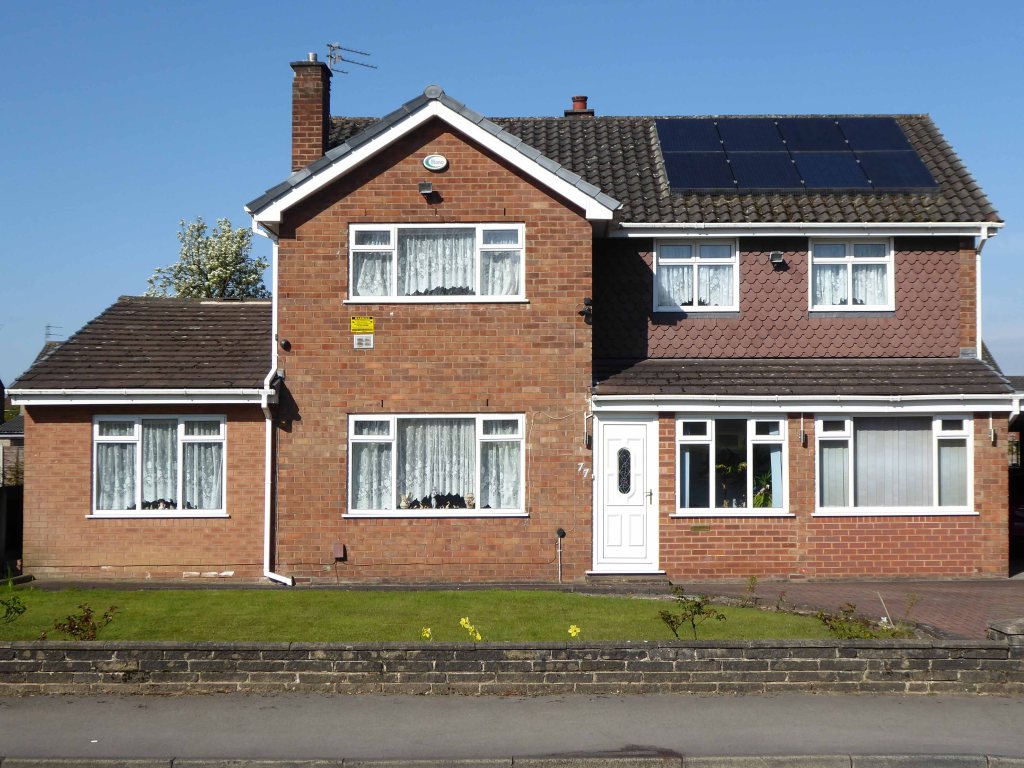
Fast forward to April 2020 – St Ann’s Road Heald Green Cheshire

National Cycle Route 558 brings me here – sanctioned lockdown exercise for the mobile moocher.

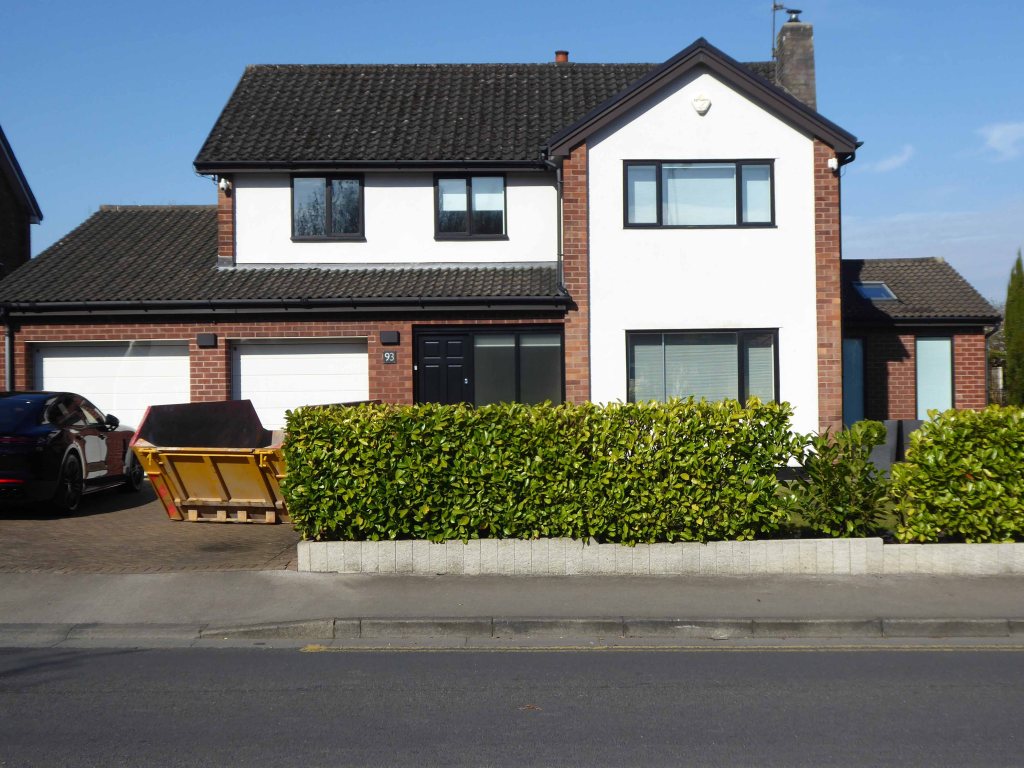
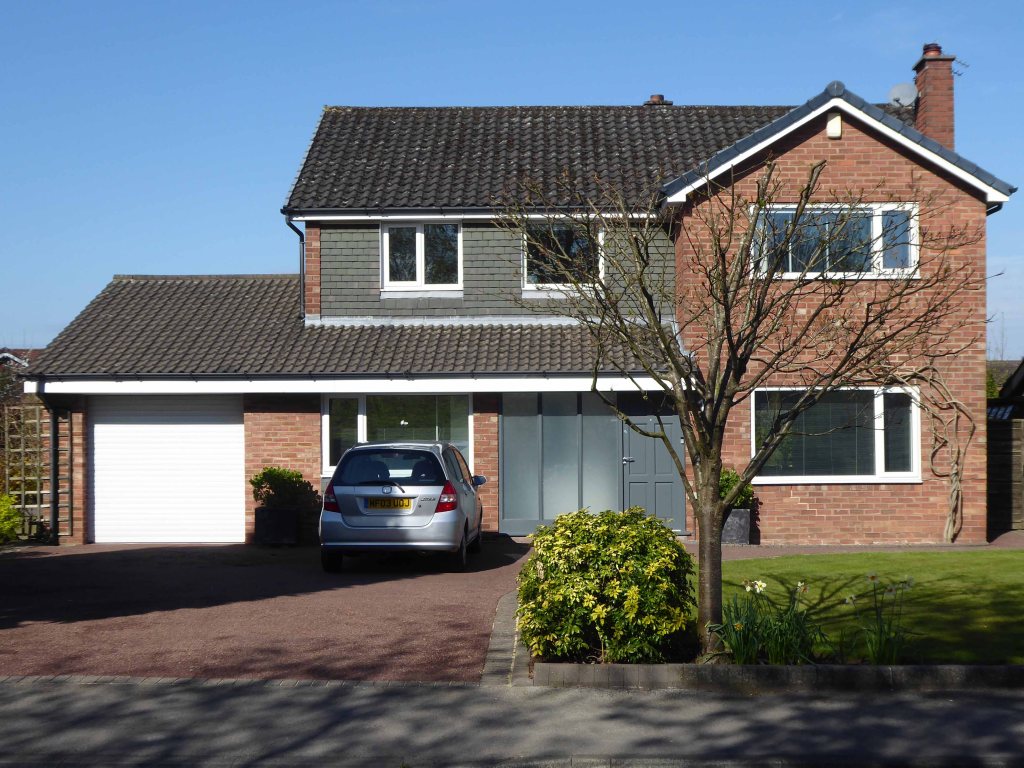
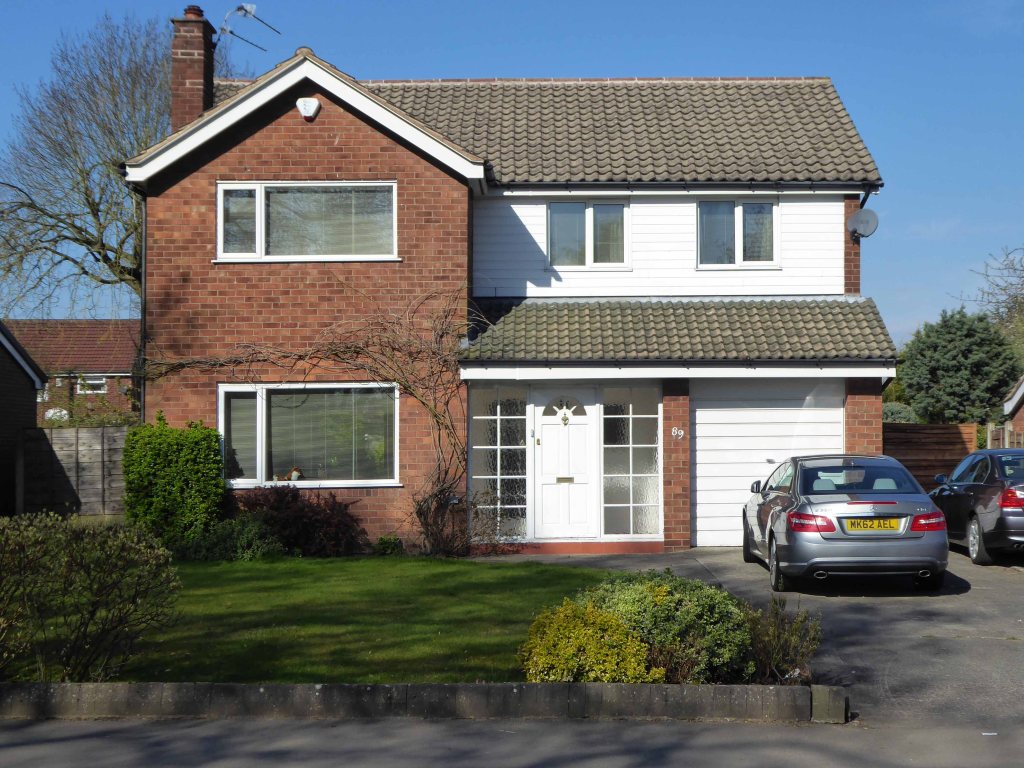
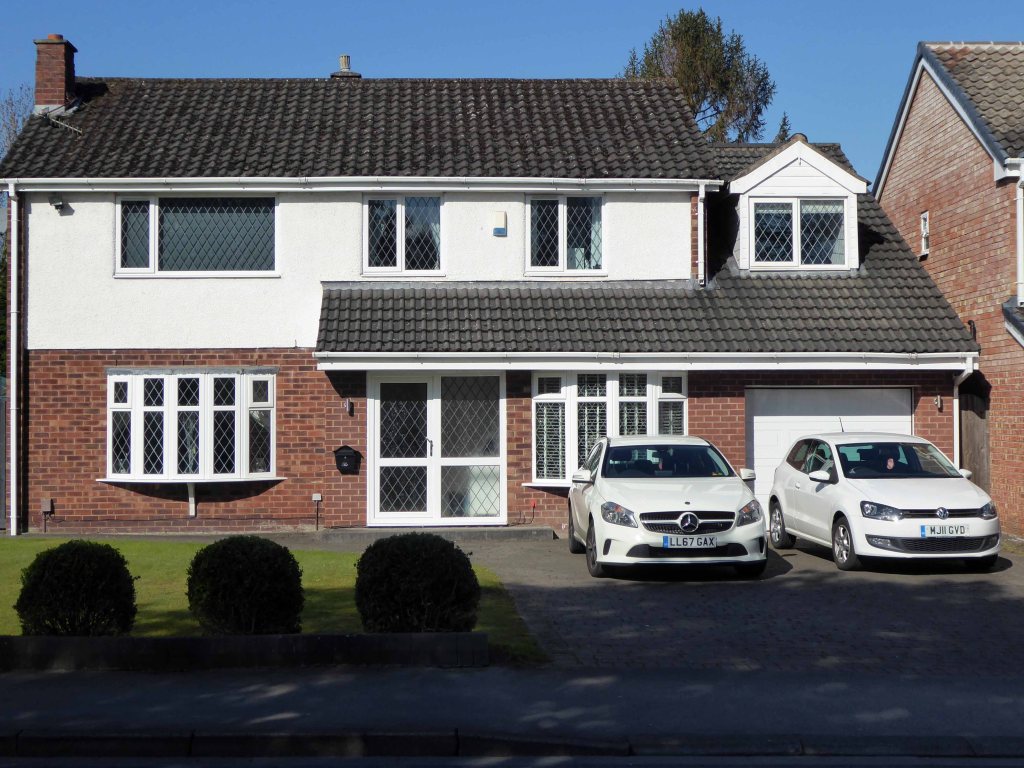
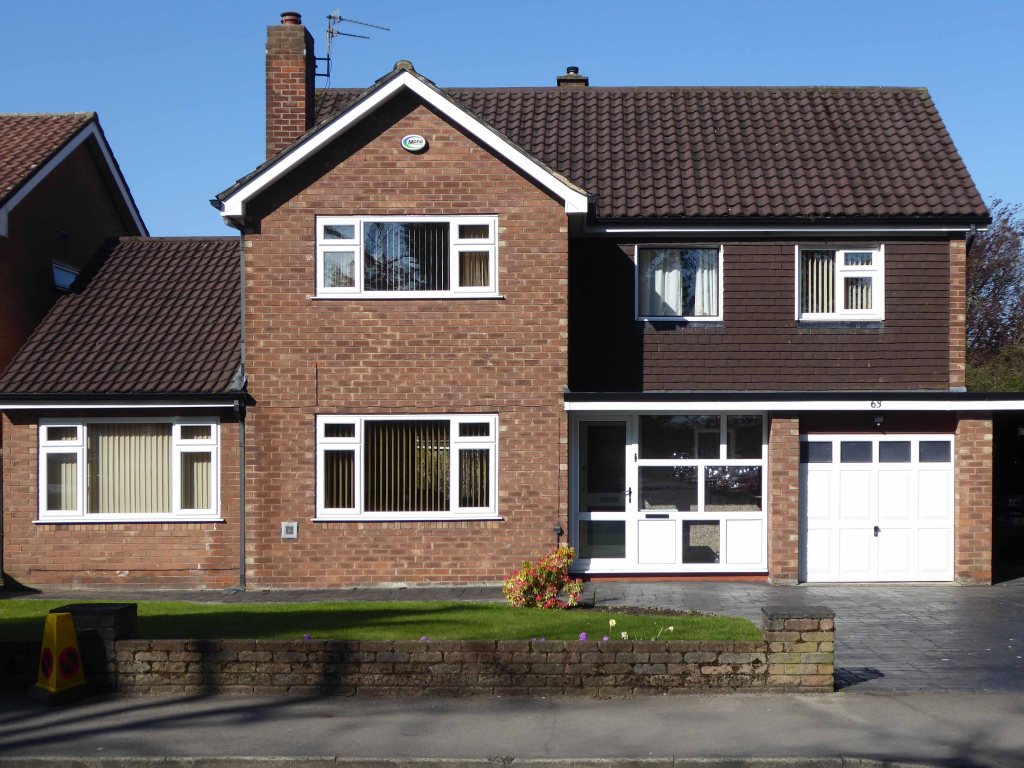
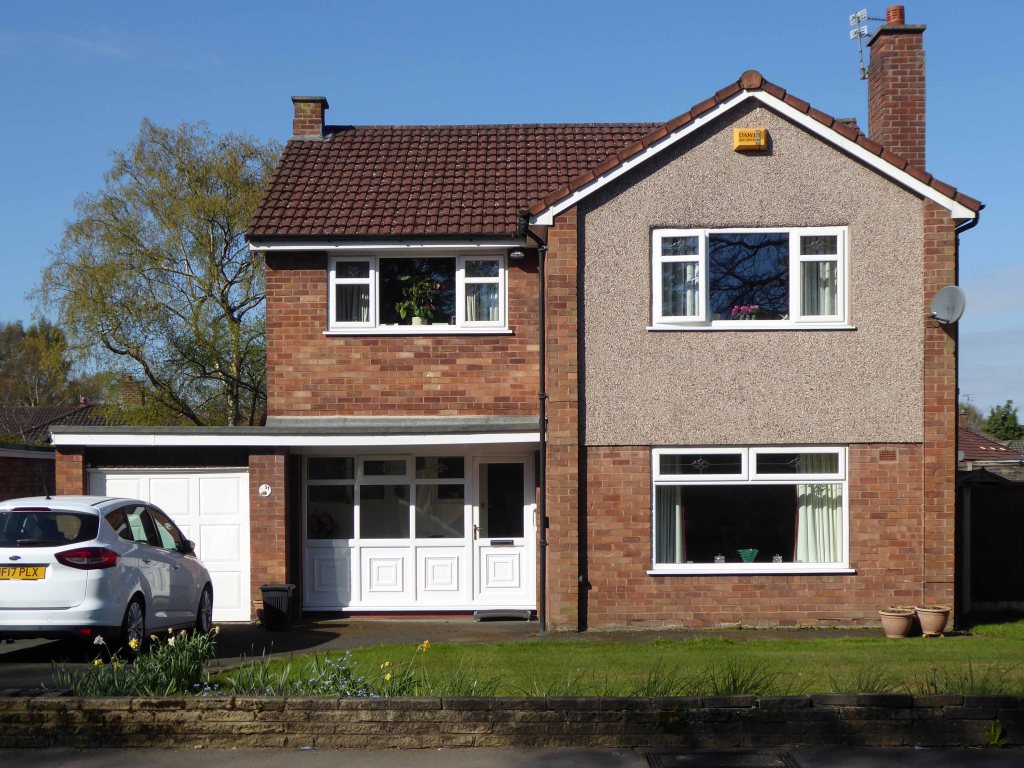
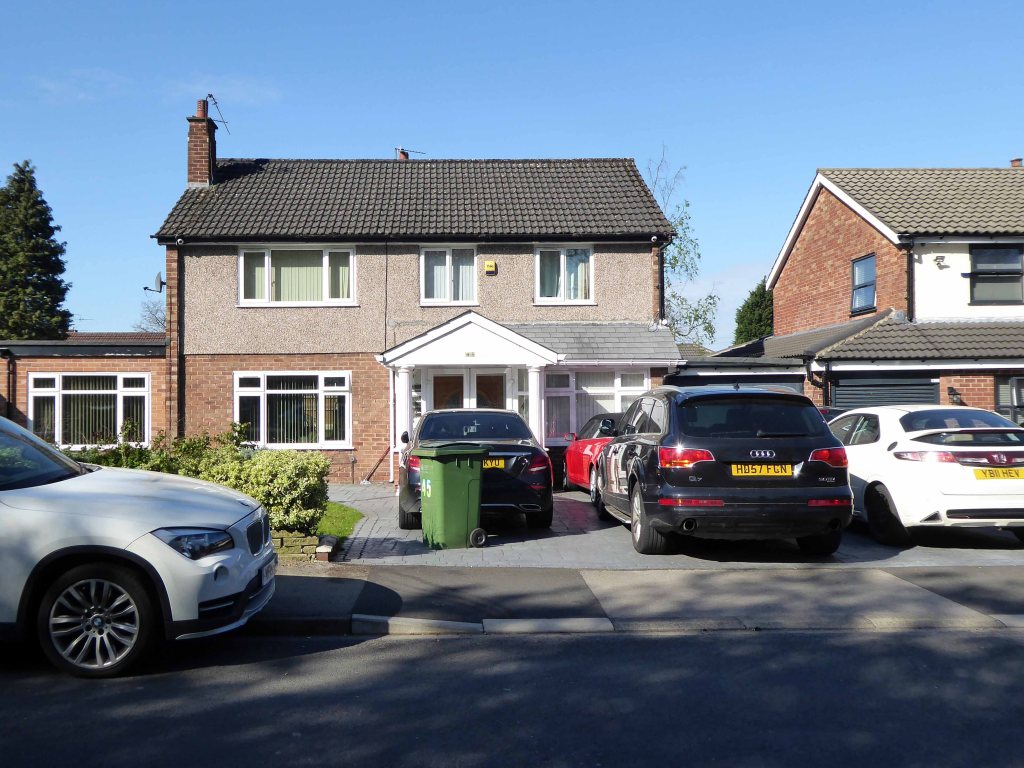
In the sixty or so years that have passed something has happened to those suburban dream homes.

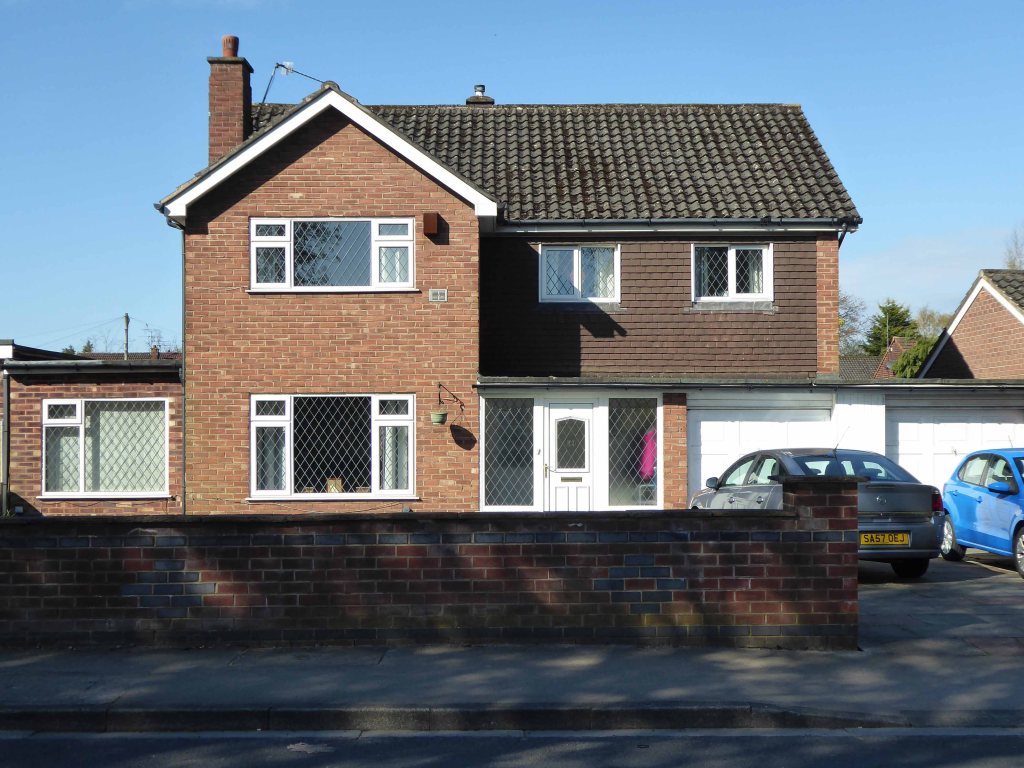
An ever expanding middle class fuelled by bigger pay packets, low, low, lower taxation and bumper inheritance payouts, wants more.

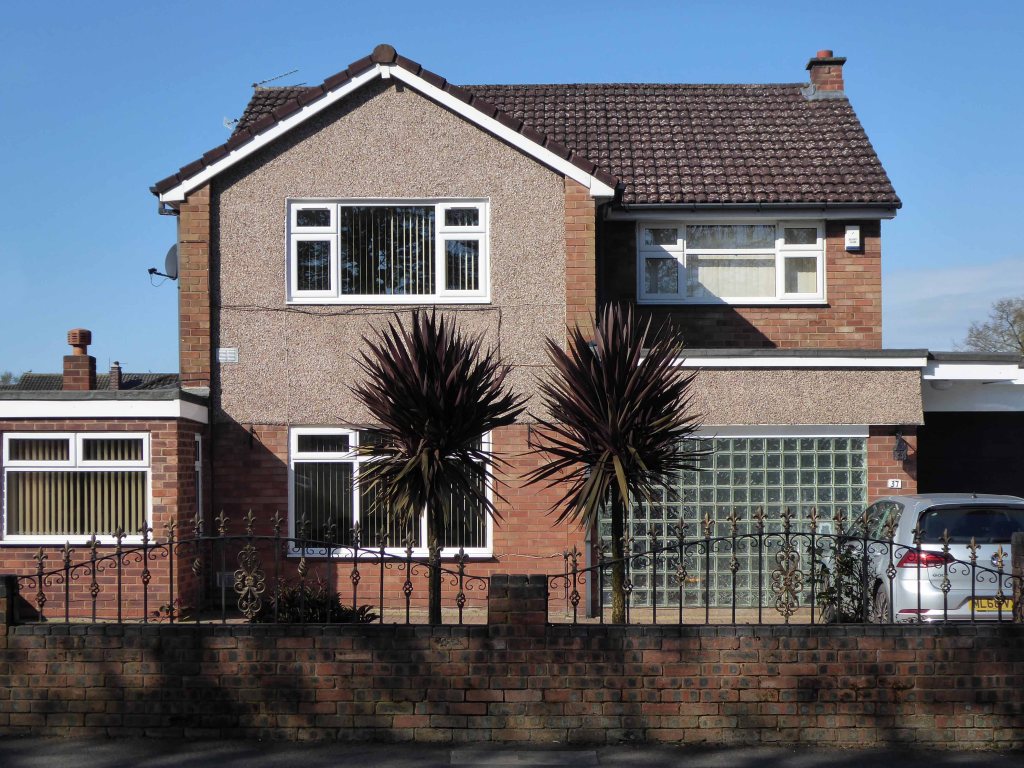
More house, more car, more style – conspicuous consumption of everything and more – extend yourself, express yourself!

Right here in one unexceptional road is the apotheosis of today’s Homes of Distinction.

Stopford House – Again and Again

Third time around – on a late lockdown April evening.

I’ve been here before and before, yet I come back again and again.

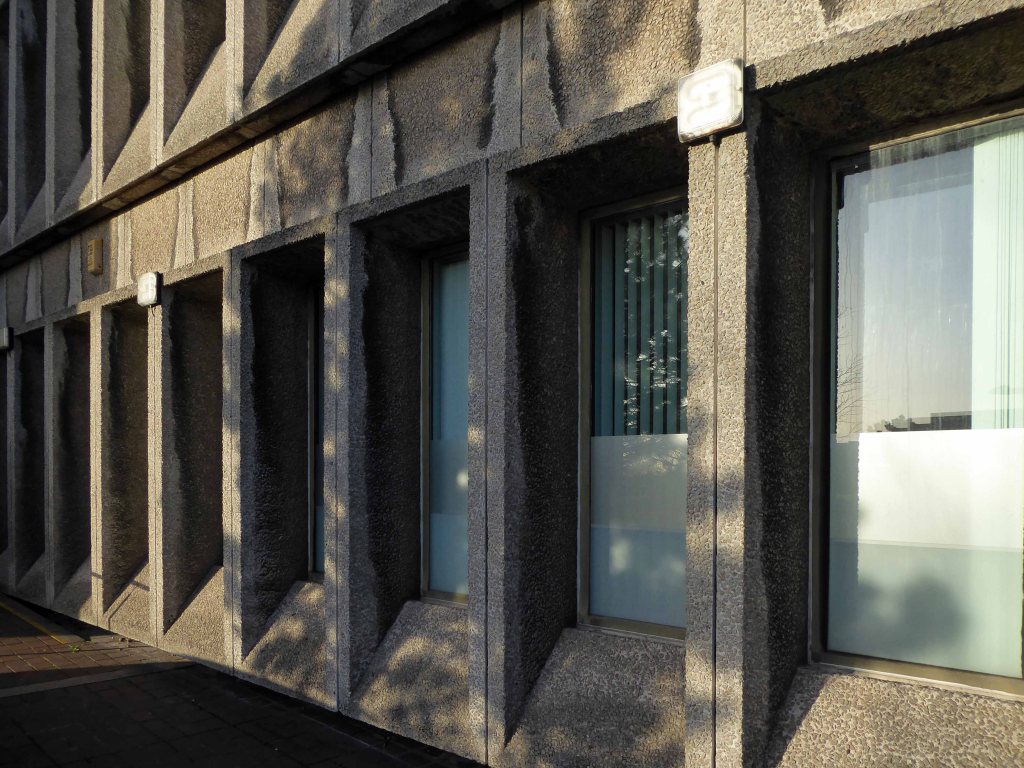
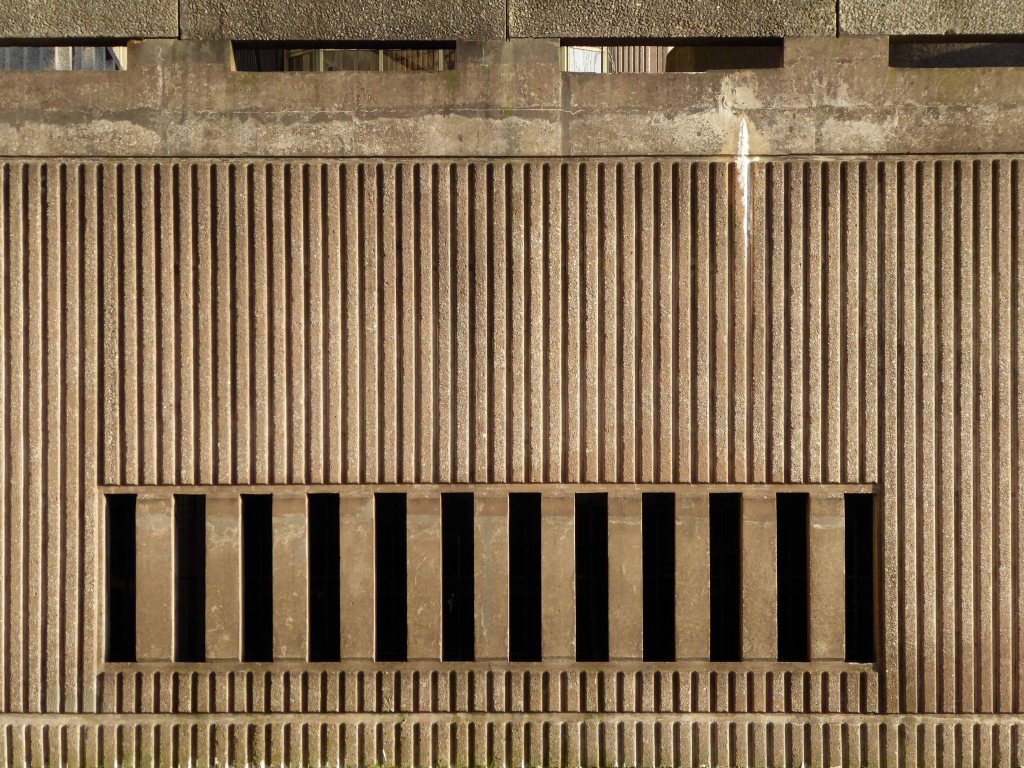
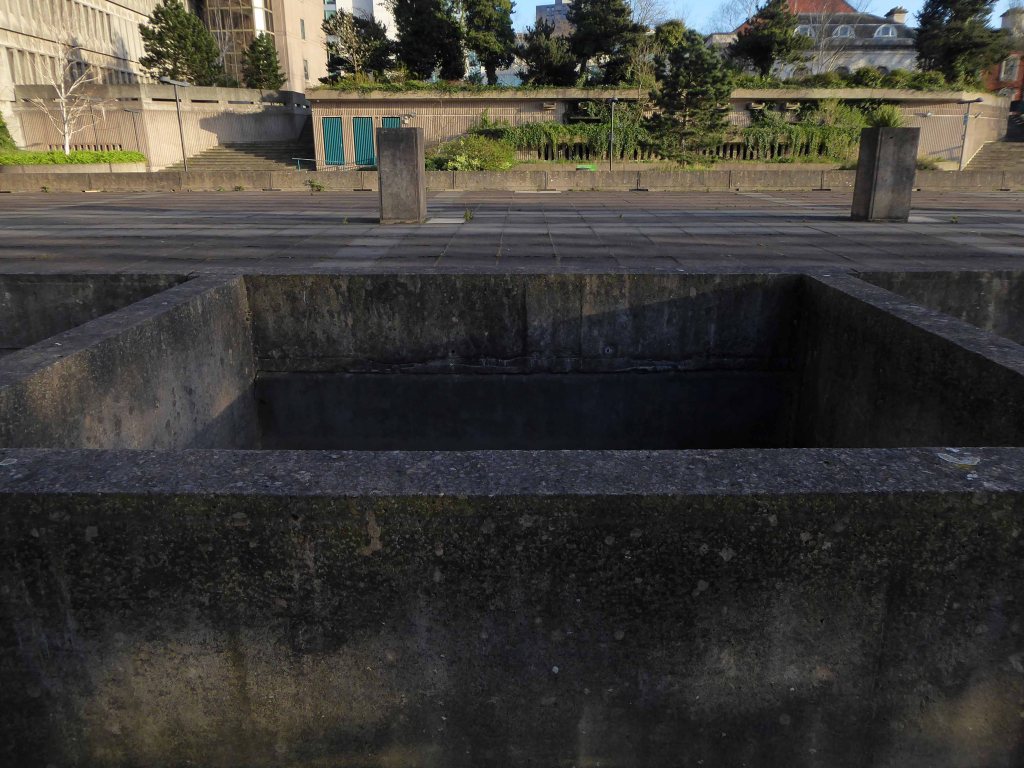
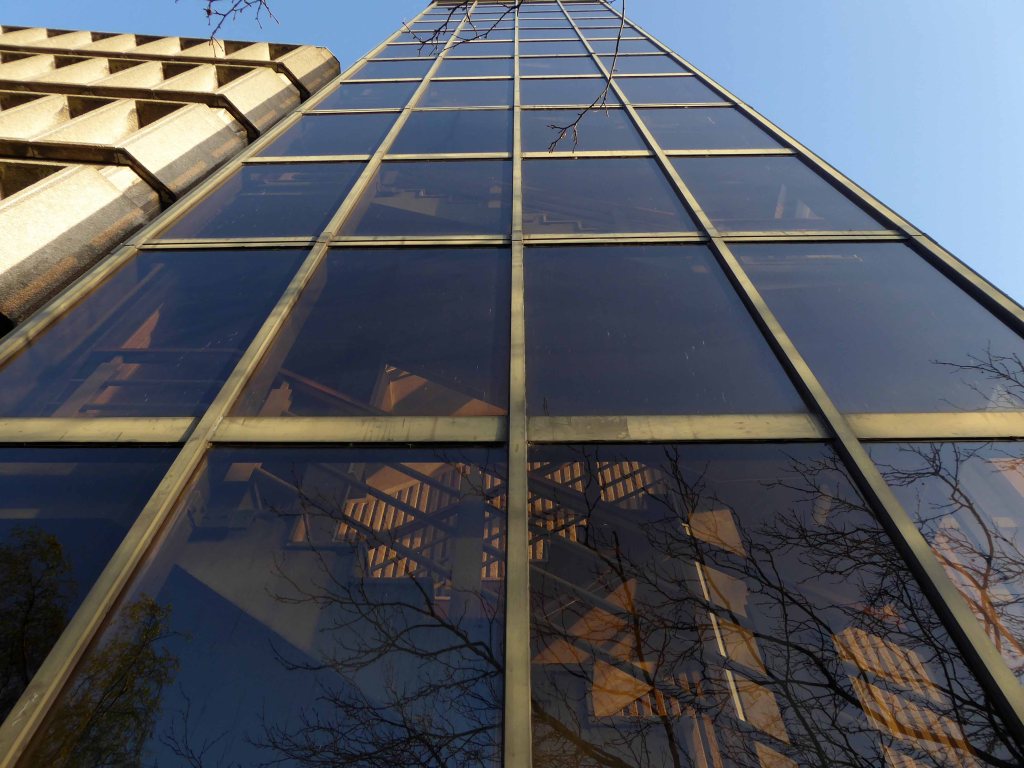
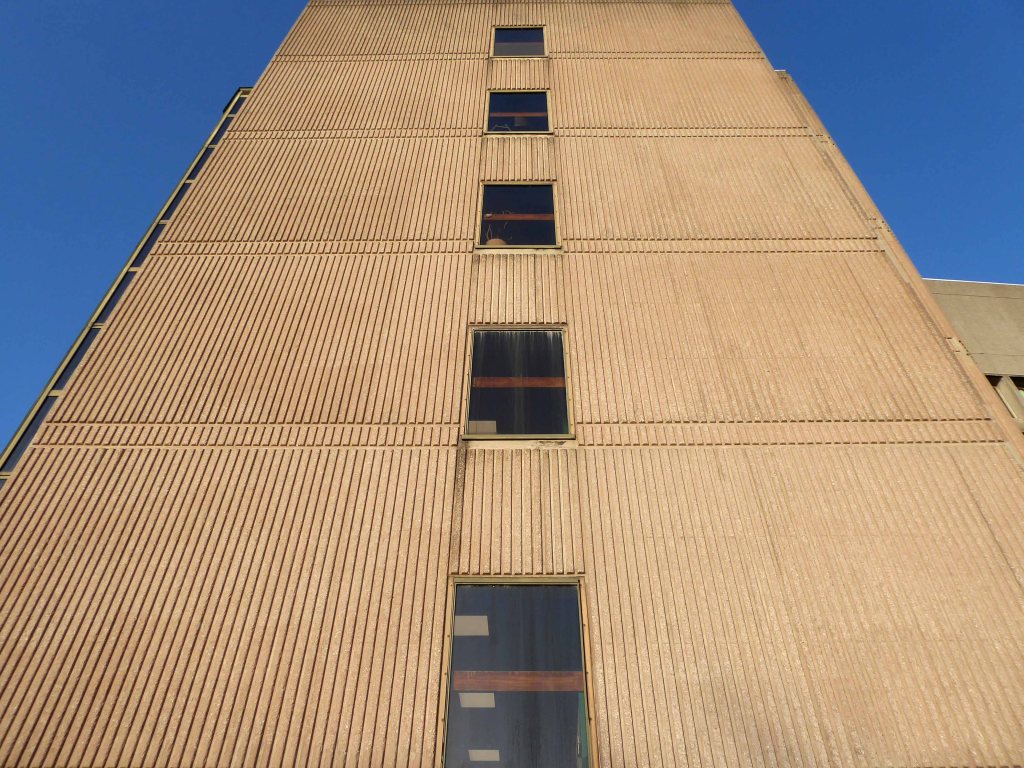
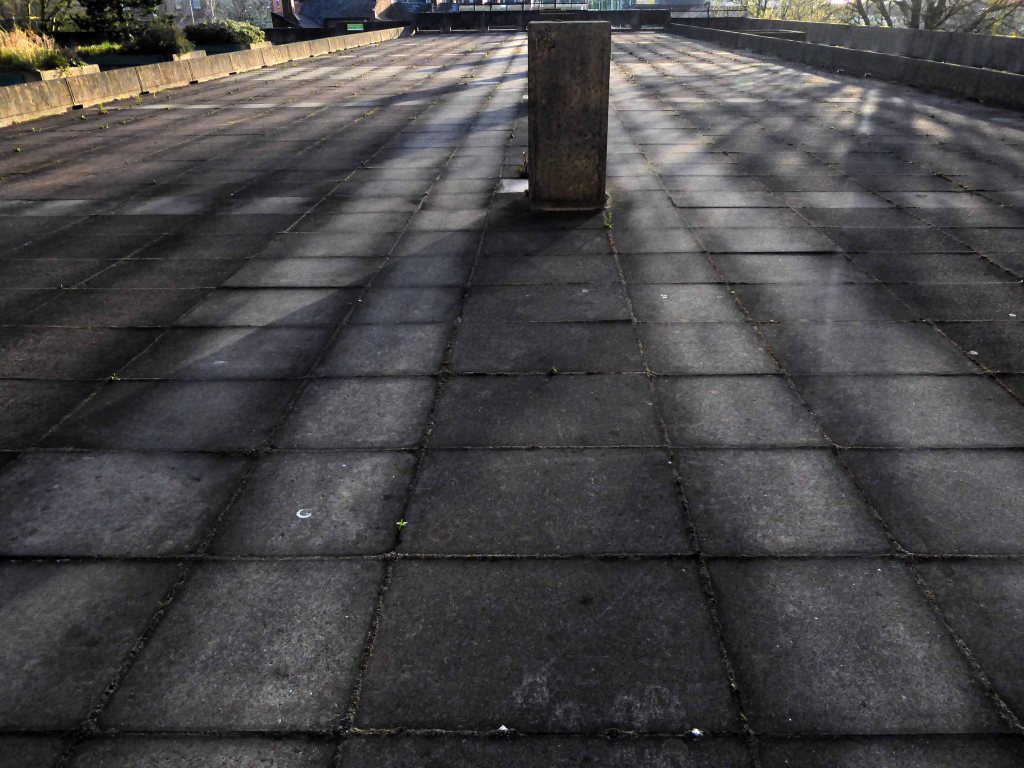
It’s different every time, deserted at the best of times, during the worst of times it seems even more so – not a soul in sight. The low warm sun affords the bare concrete a pale pink and orange glow.

The mix contained coarse aggregate from the Scottish Granite Company of Creetown, a fine Leemoor sand from the Fordamin Company, together with white cement.

So here we are again, again:

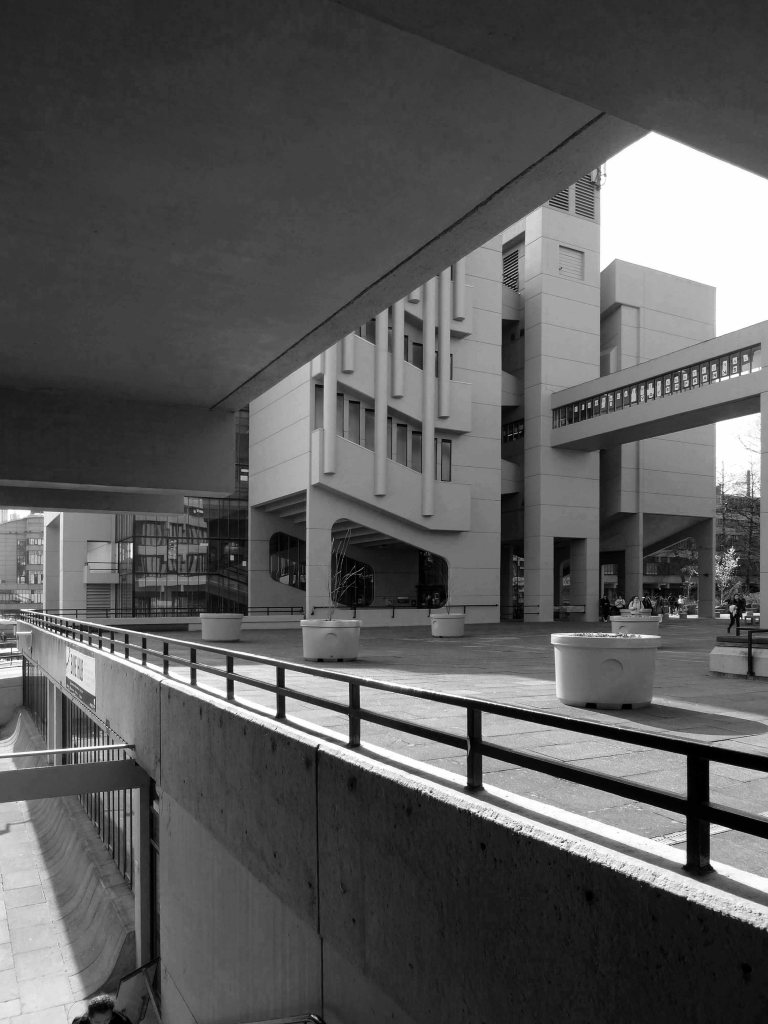
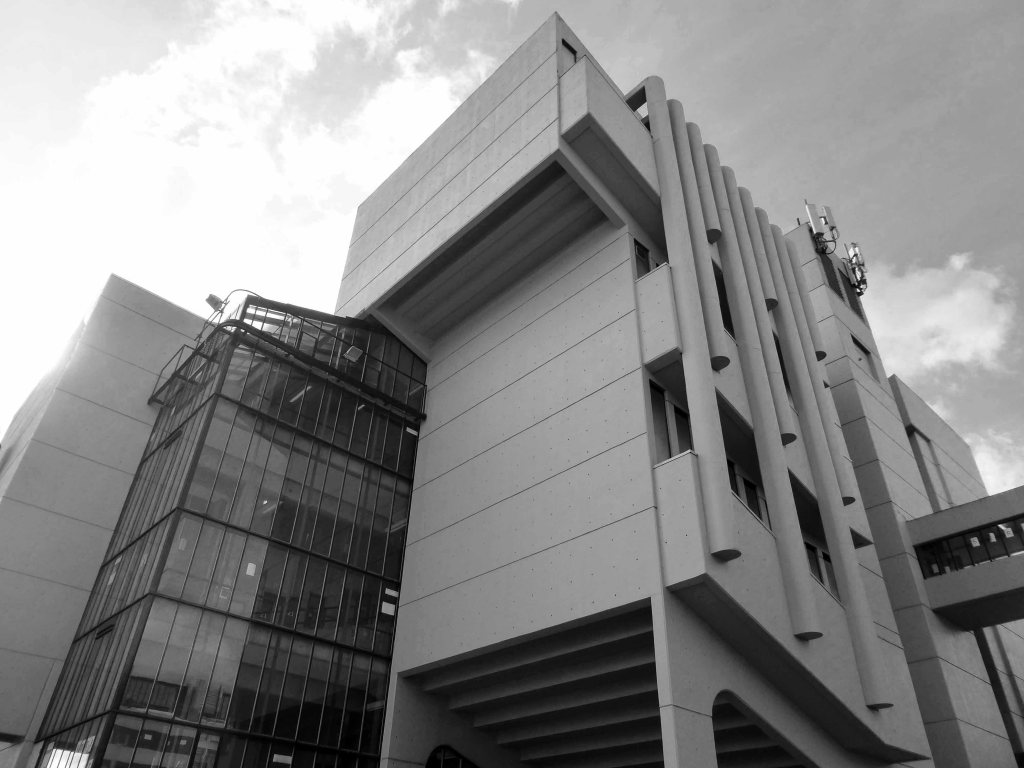
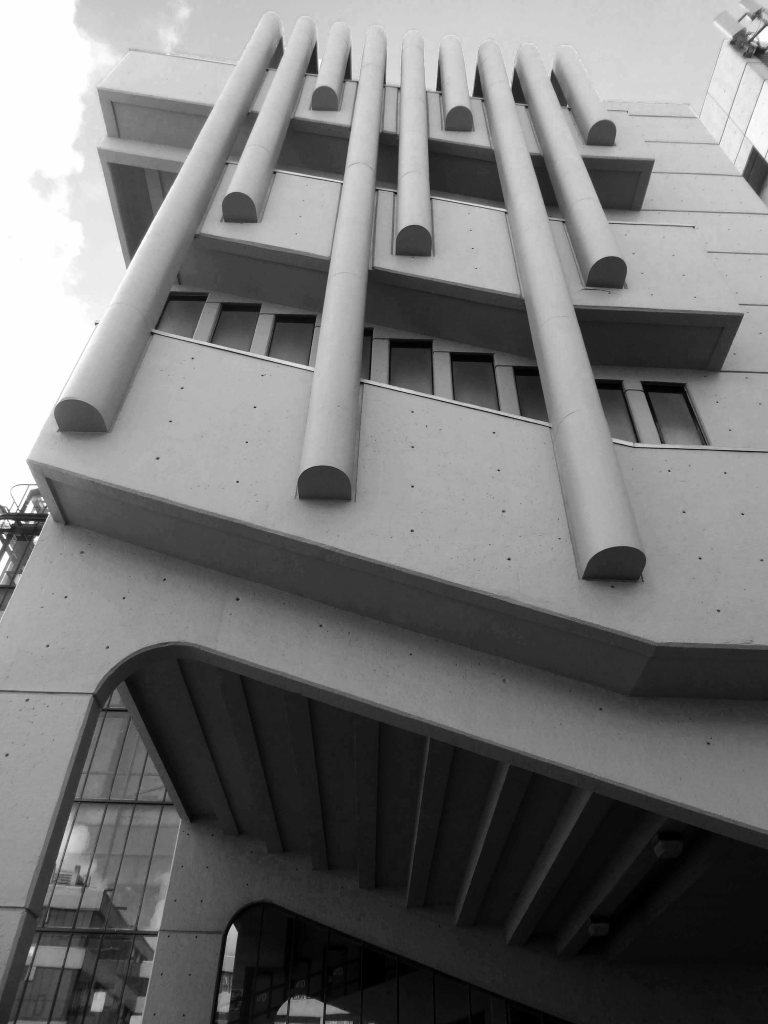
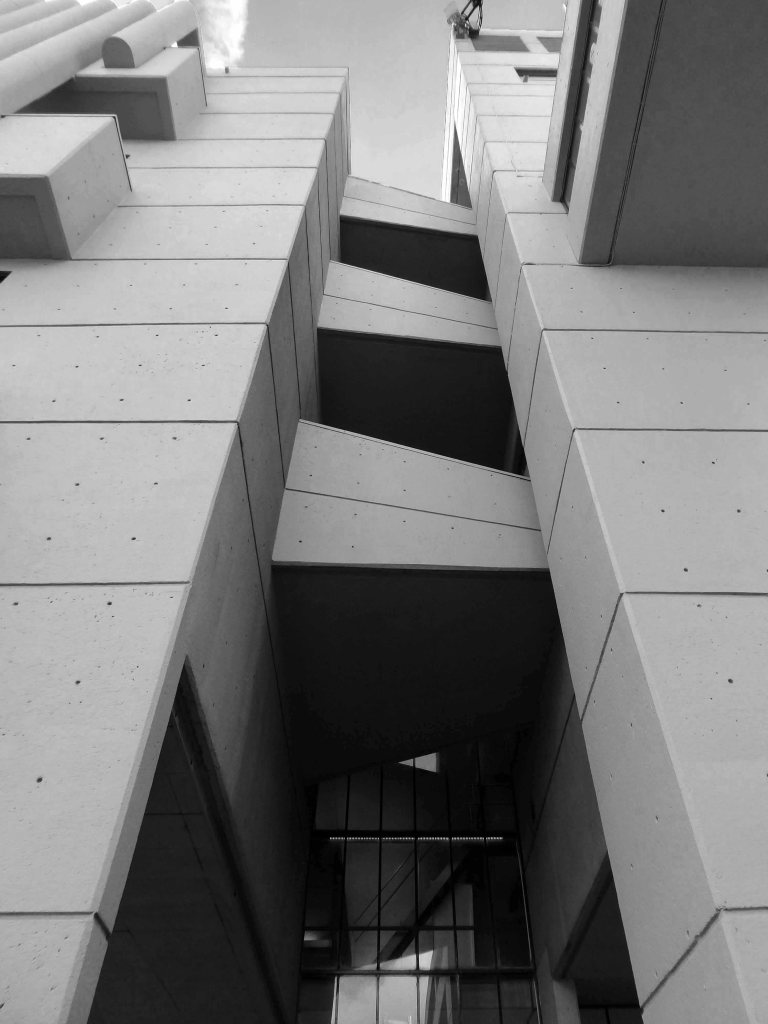
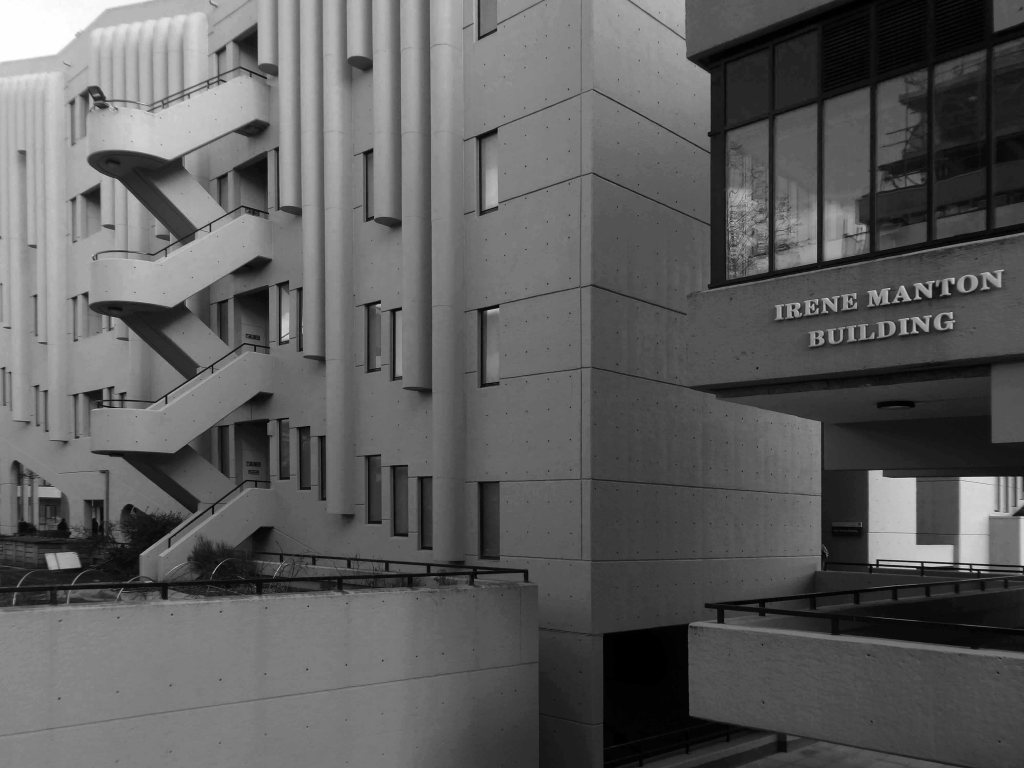
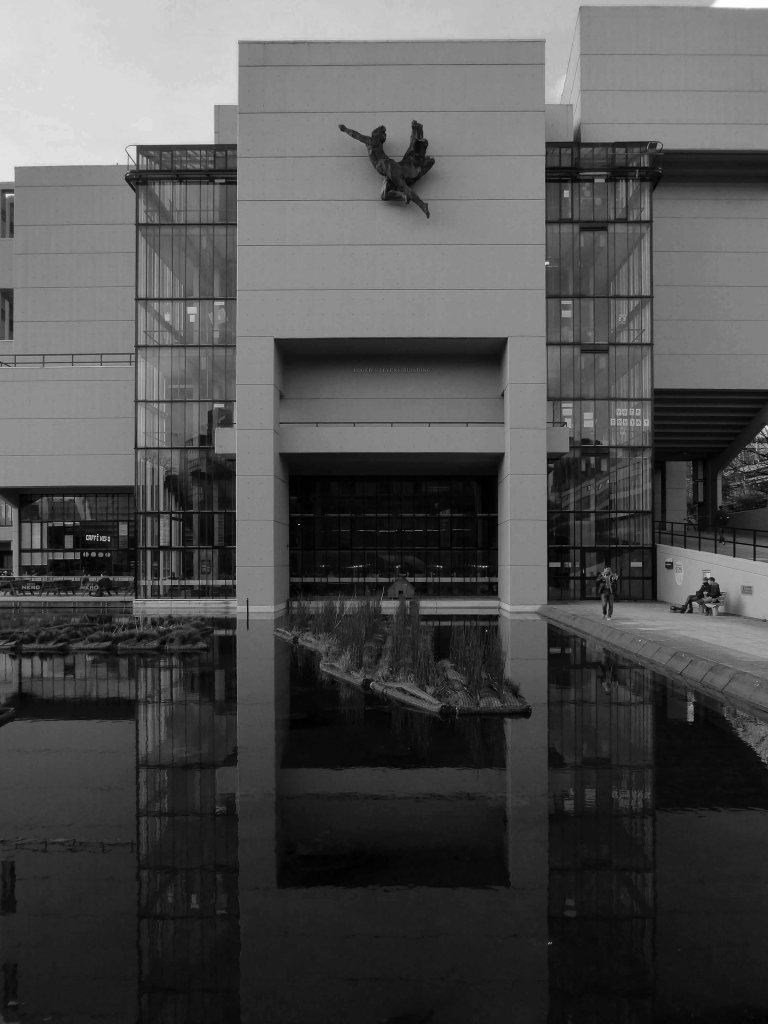
Leeds University – Roger Stevens Building

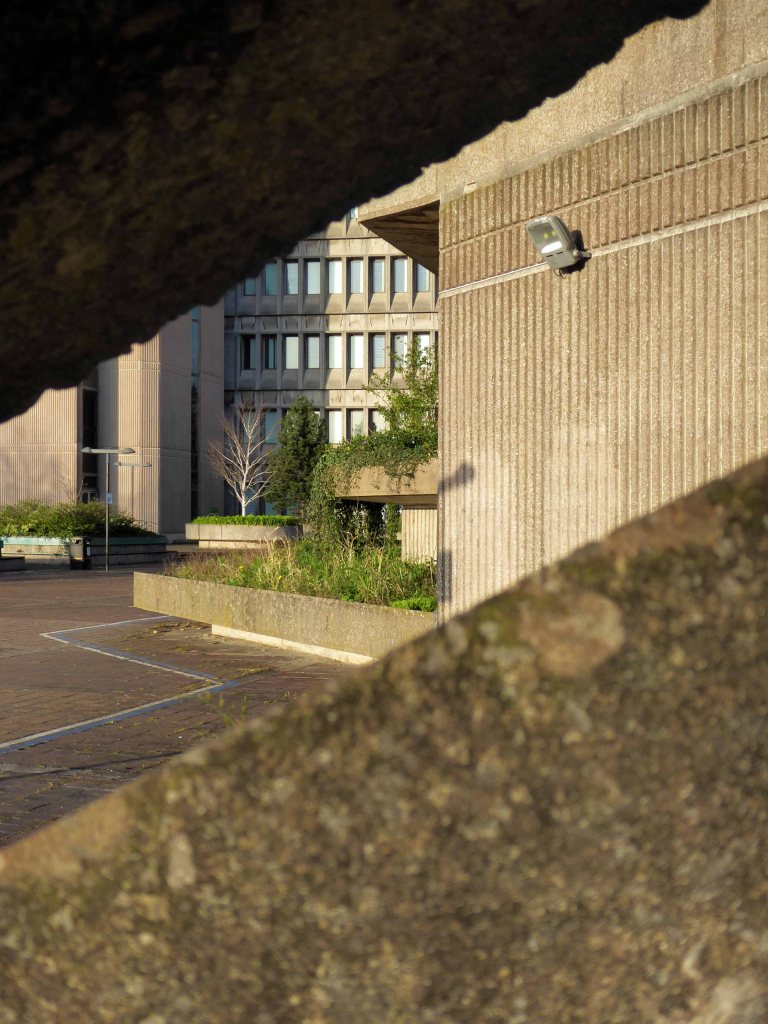
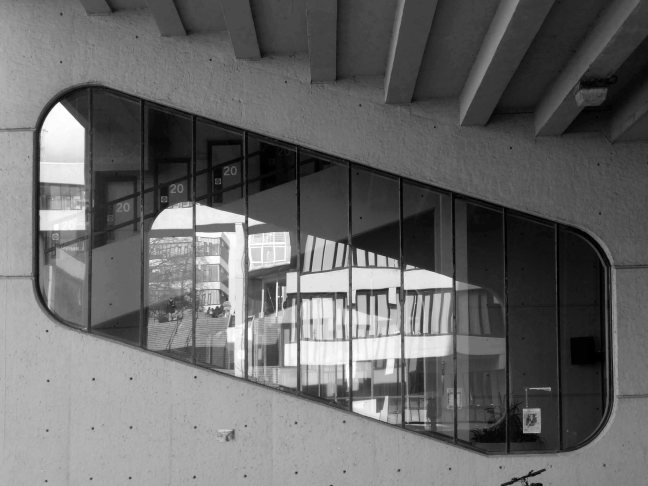
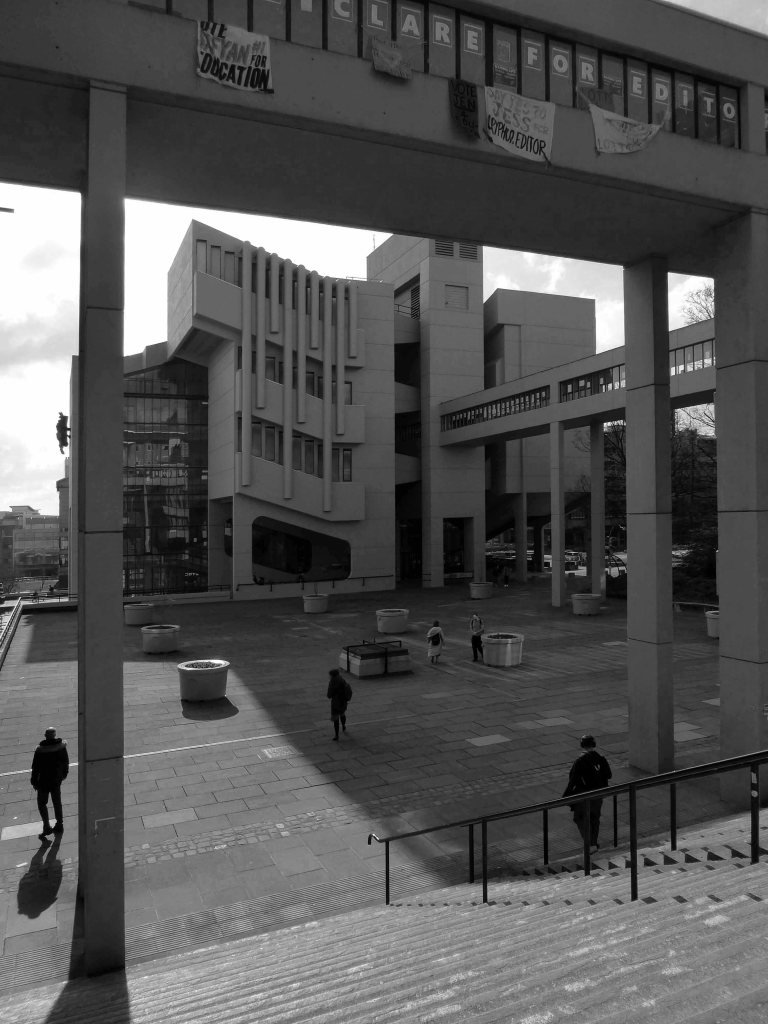
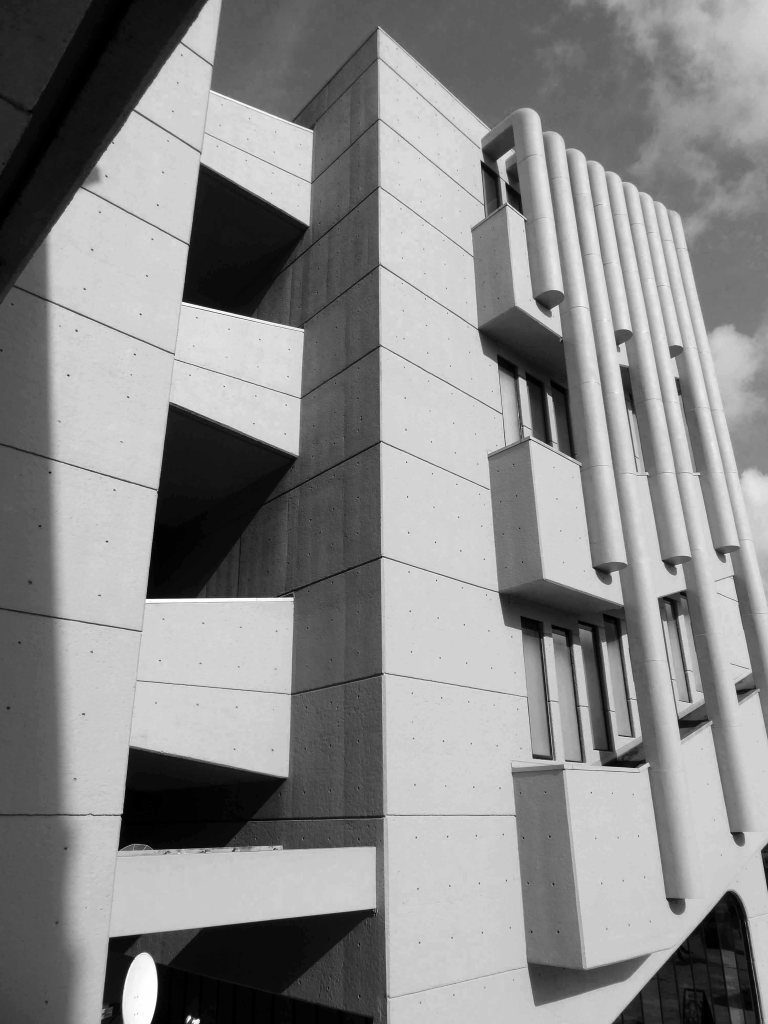
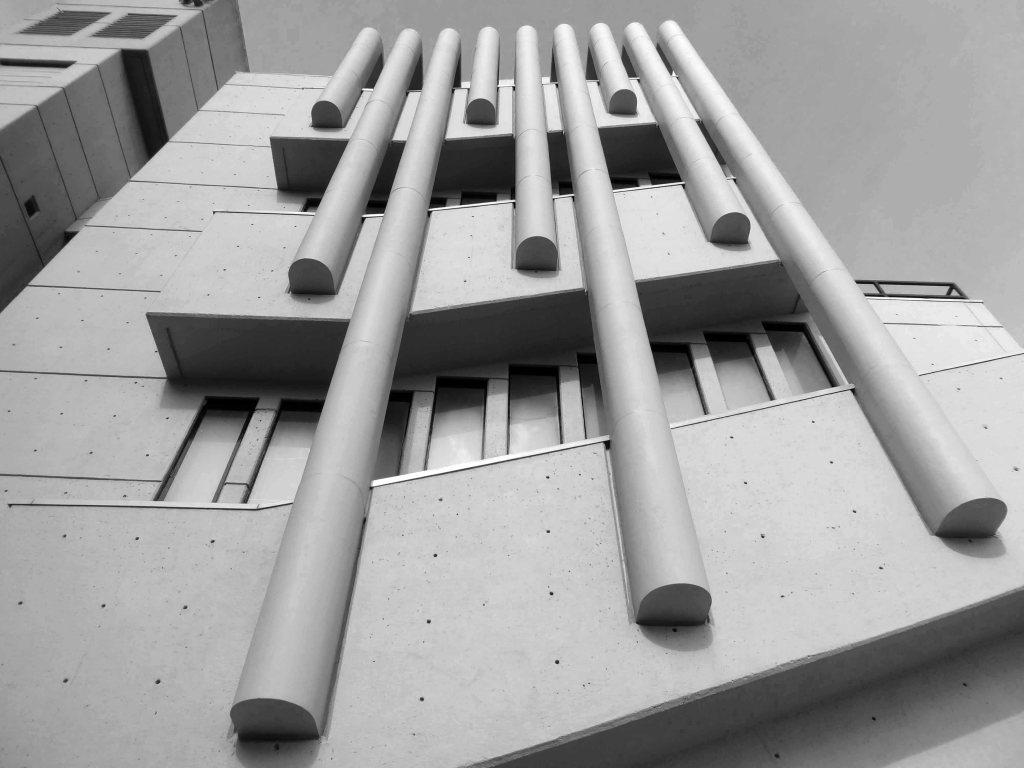
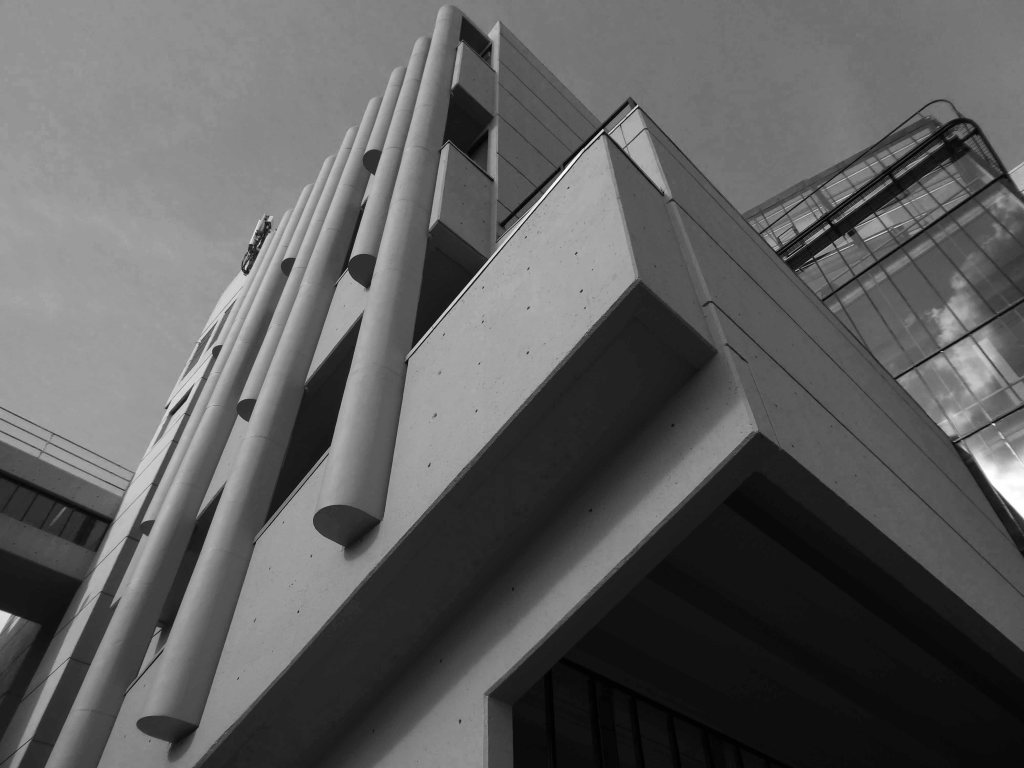
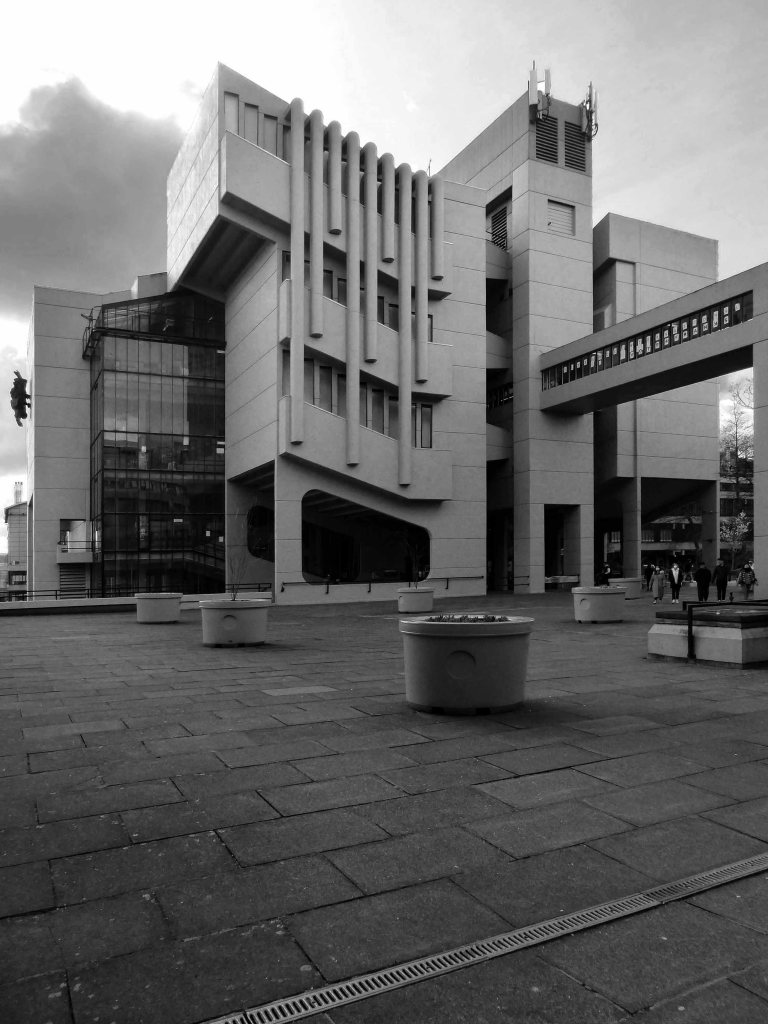
The Roger Stevens Building 1970 – by Chamberlin, Powell and Bon for Leeds University South Campus is designated at Grade II

The building represents the high point of their Leeds University work.

Architecture: the building is an outstanding and individual design with bold external shapes and carefully designed interiors

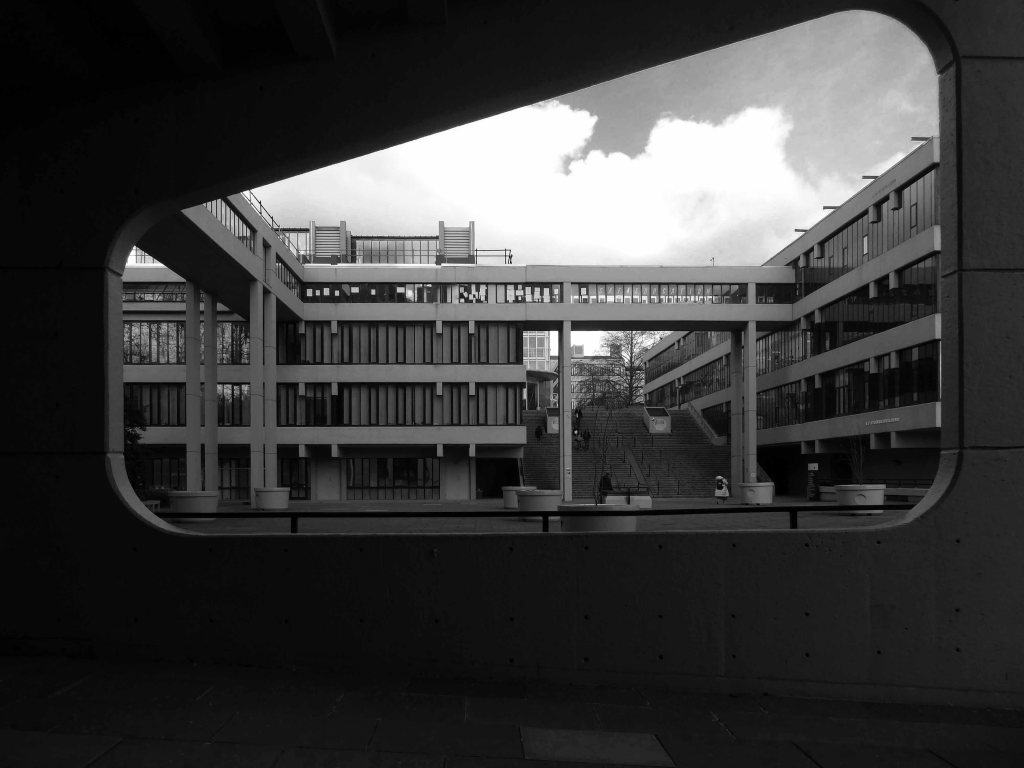
Planning: the internal spaces are the result of extensive research on the requirements of the university and introduce innovative and influential features such as individual doors into the lecture theatres, and external links intimately with other buildings on the campus by means of multi-level walkways

Intactness: despite the changing requirements of universities, the building has remained largely unchanged, proving the success of its design

Group Value: the building provides a fitting centrepiece to the group of university buildings on the South Campus at Leeds, also recommended for designation.

Historic England

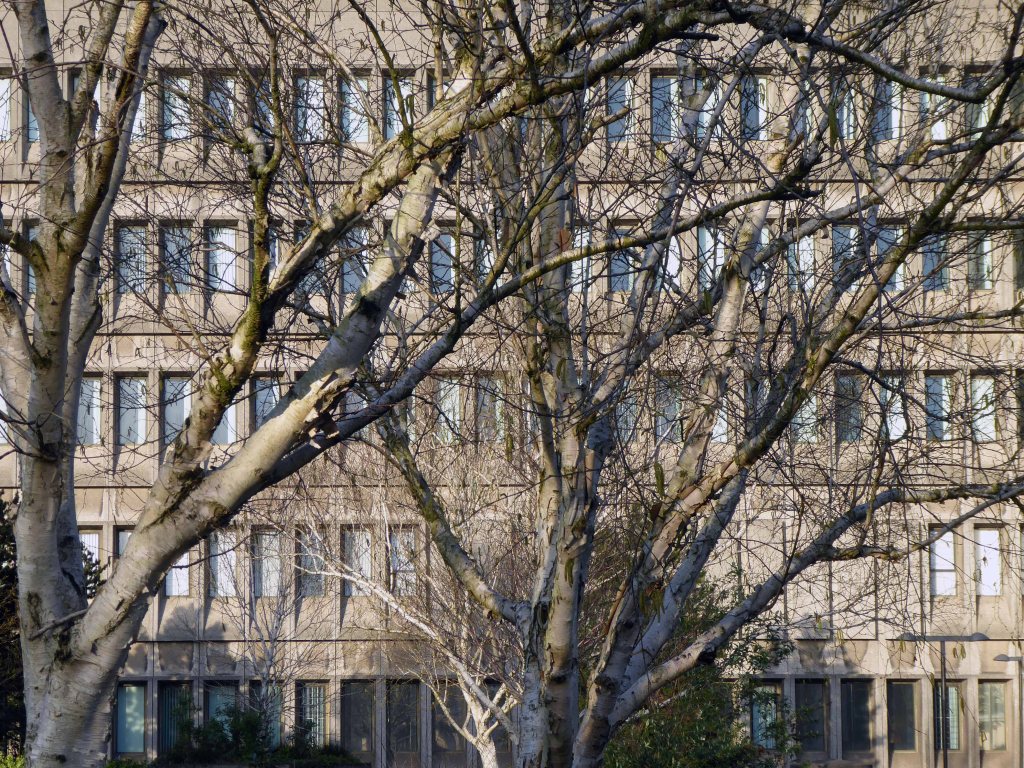
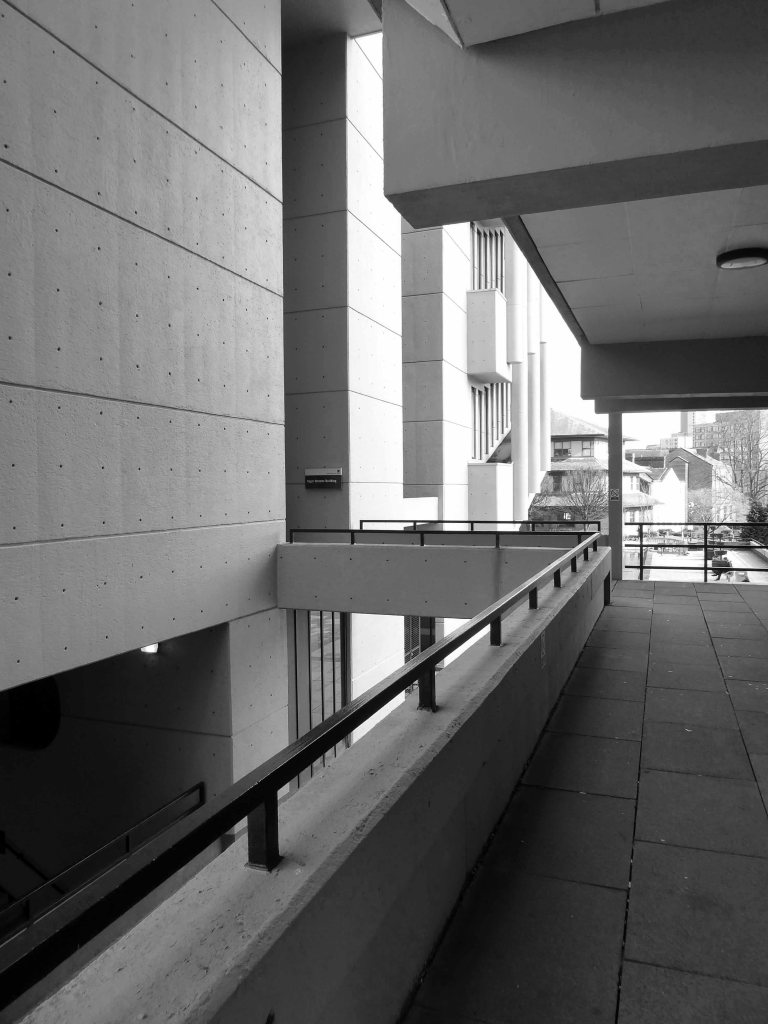
I was asked by the Leeds Modernists to put together a walk which avoids the the Roger Stevens Building, so I did just that.

That didn’t stop me visiting the site on the day of my visit.

This is what I saw:

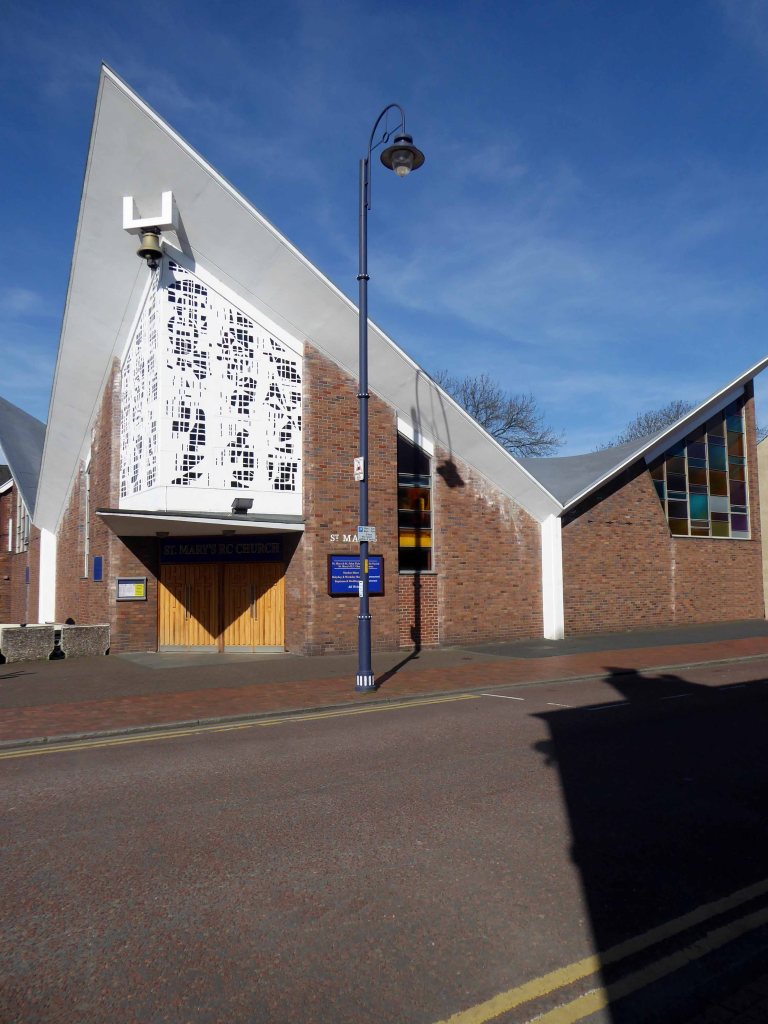
St Mary’s RC Church Denton – Again

I’ve visited before and posted a post previously.

That’s no reason not to pay another visit, especially on a sunny lockdown day – so here we are again on Duke Street.

All masses suspended, life on hold – let’s take a look around:

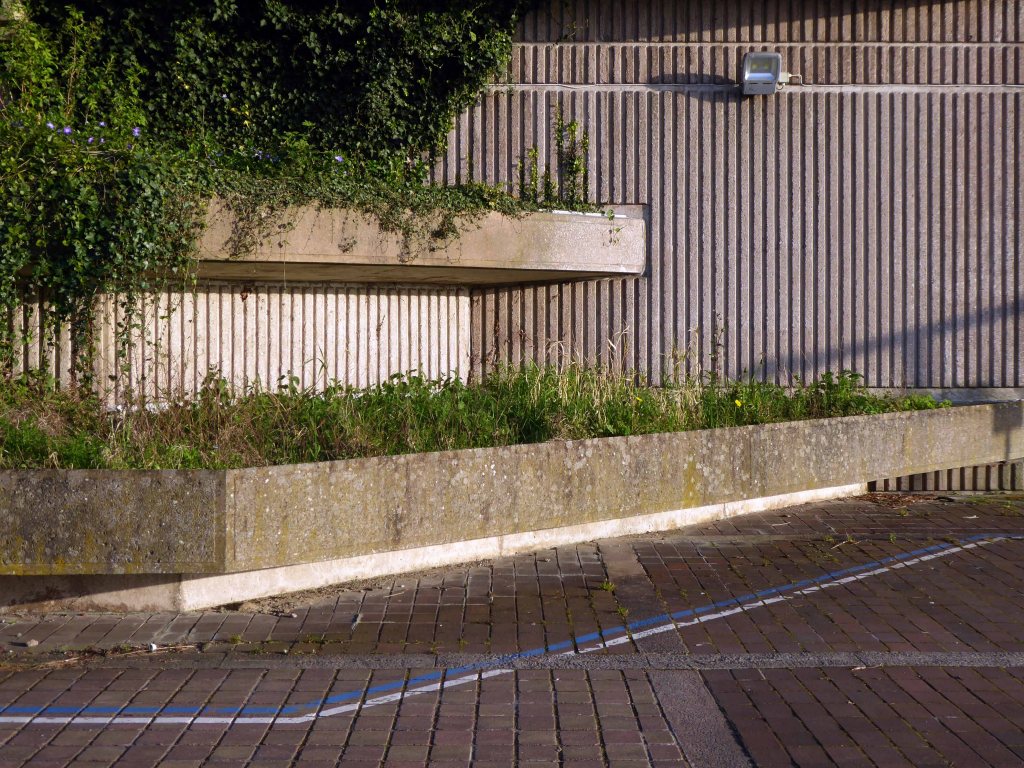
Civic Centre – Plymouth

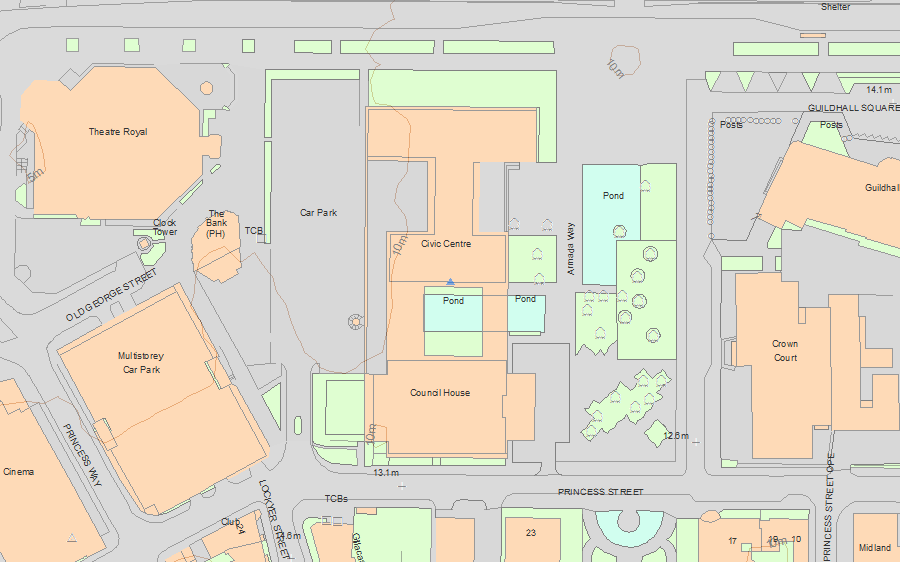
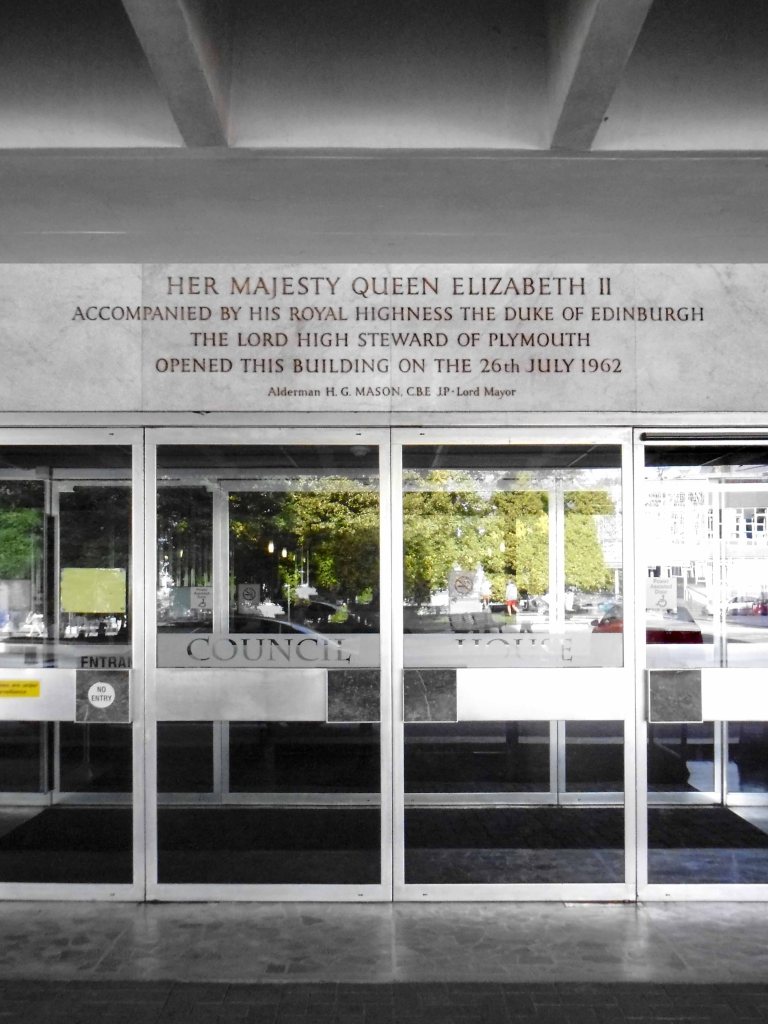
Council House former Civic CentreArmada Way Plymouth PL1 2AA

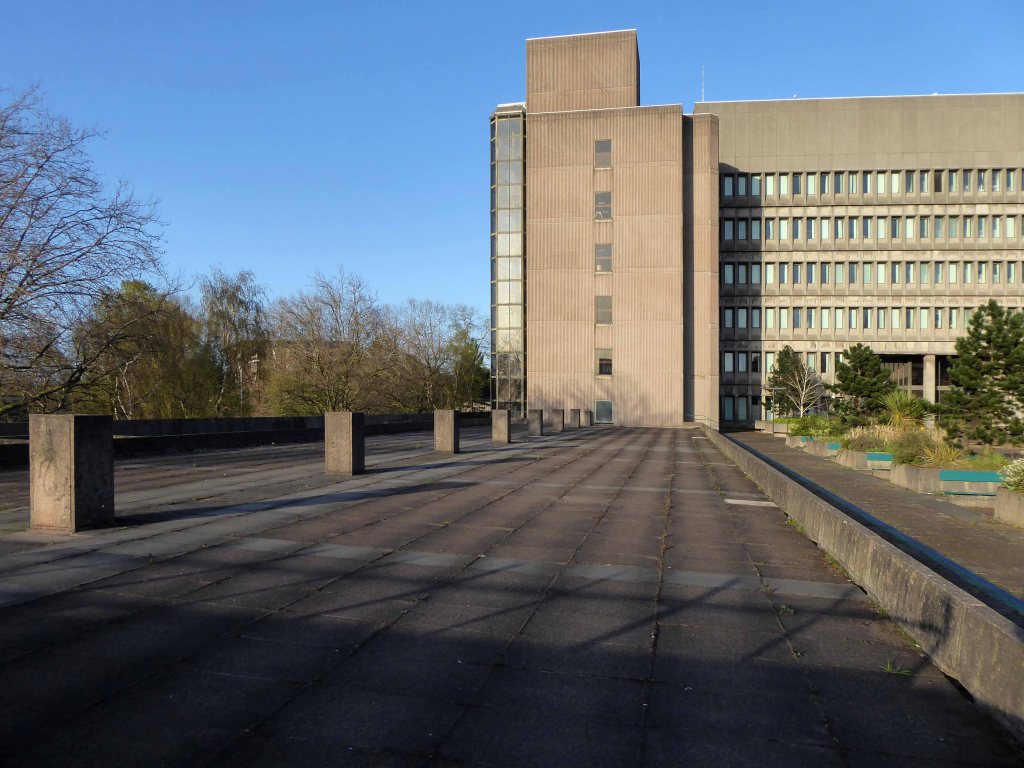
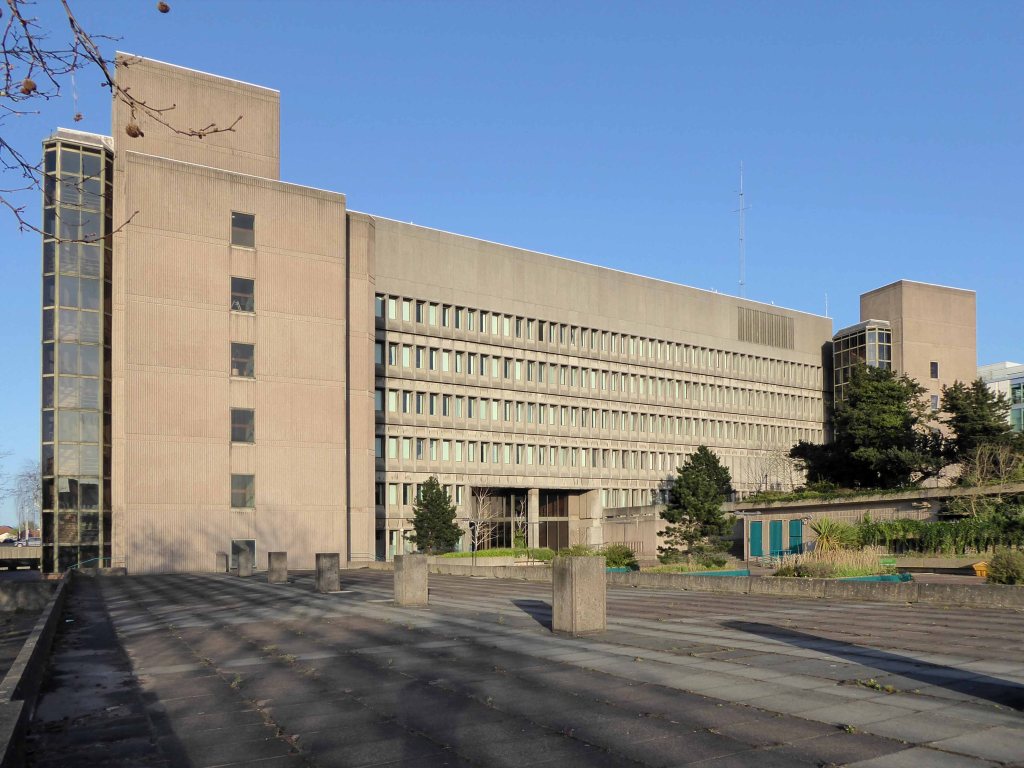
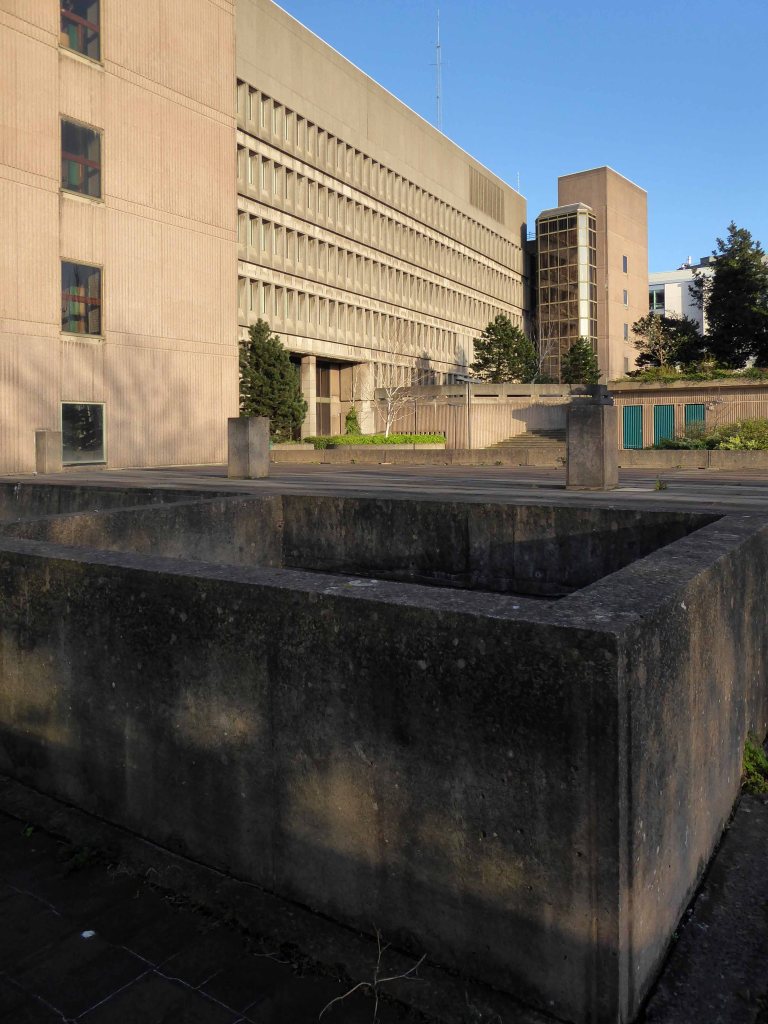
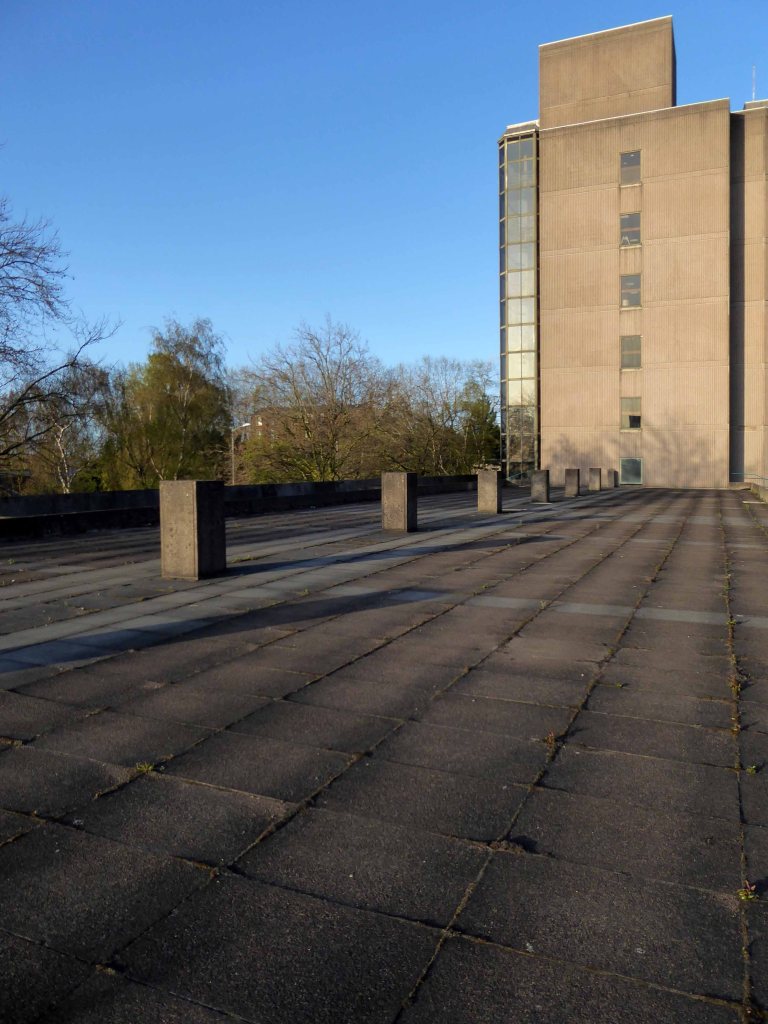
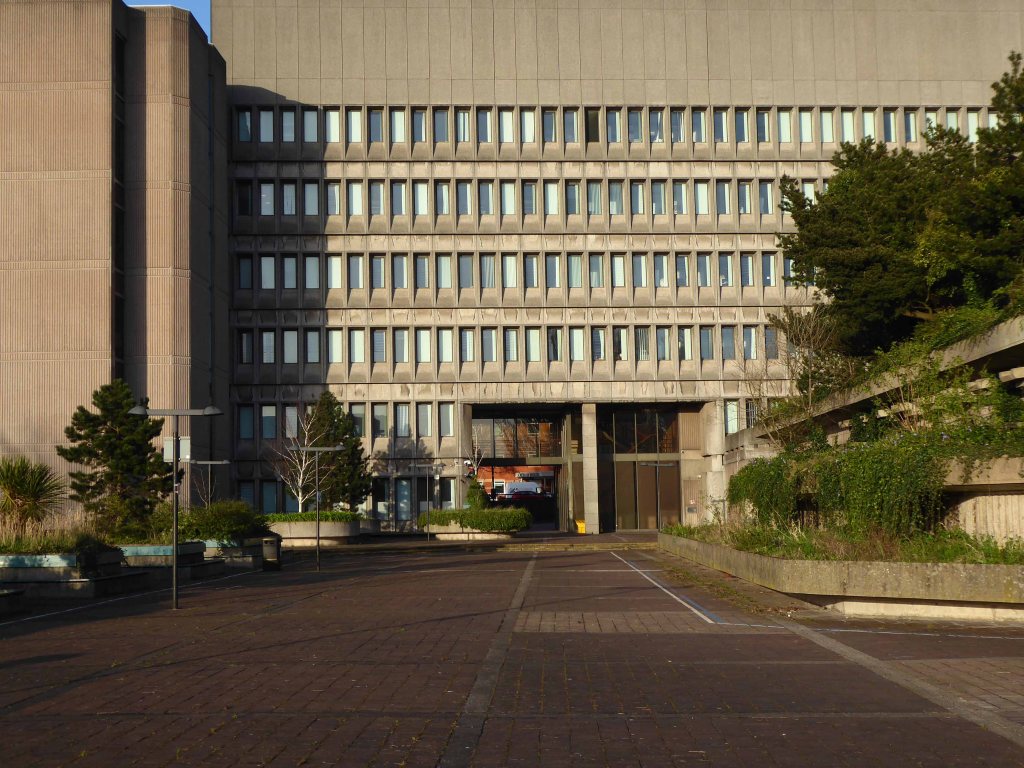
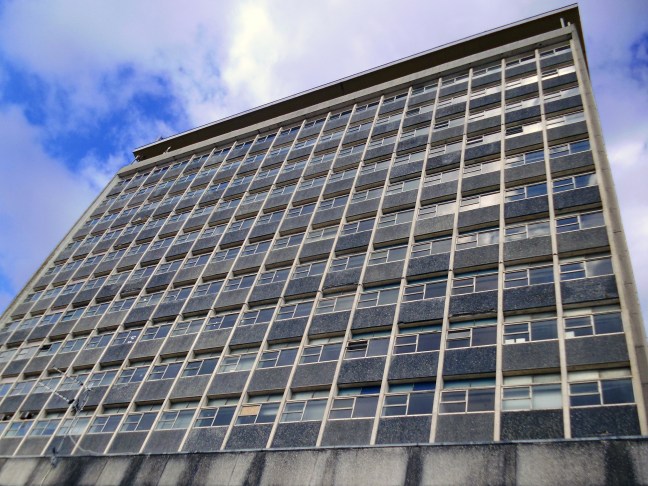
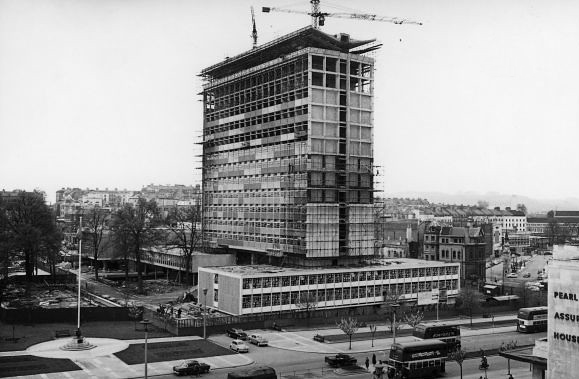
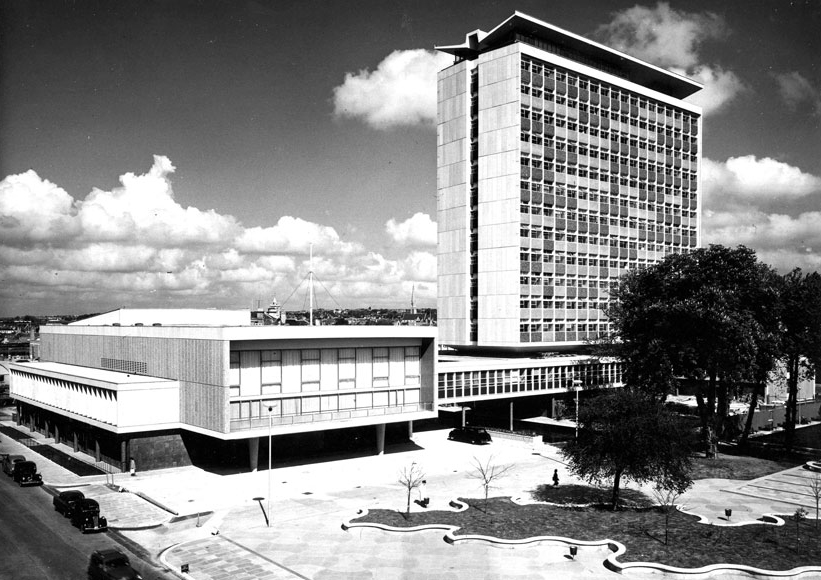
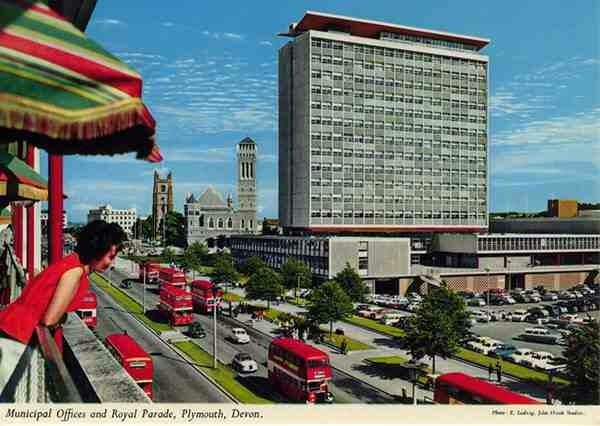
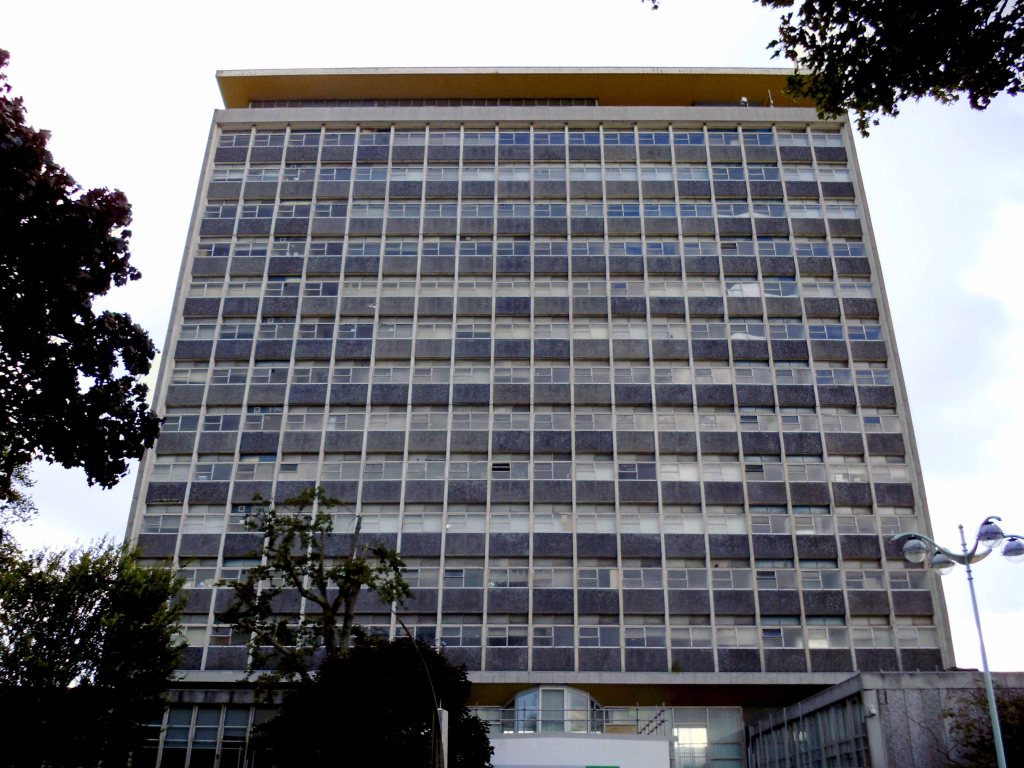
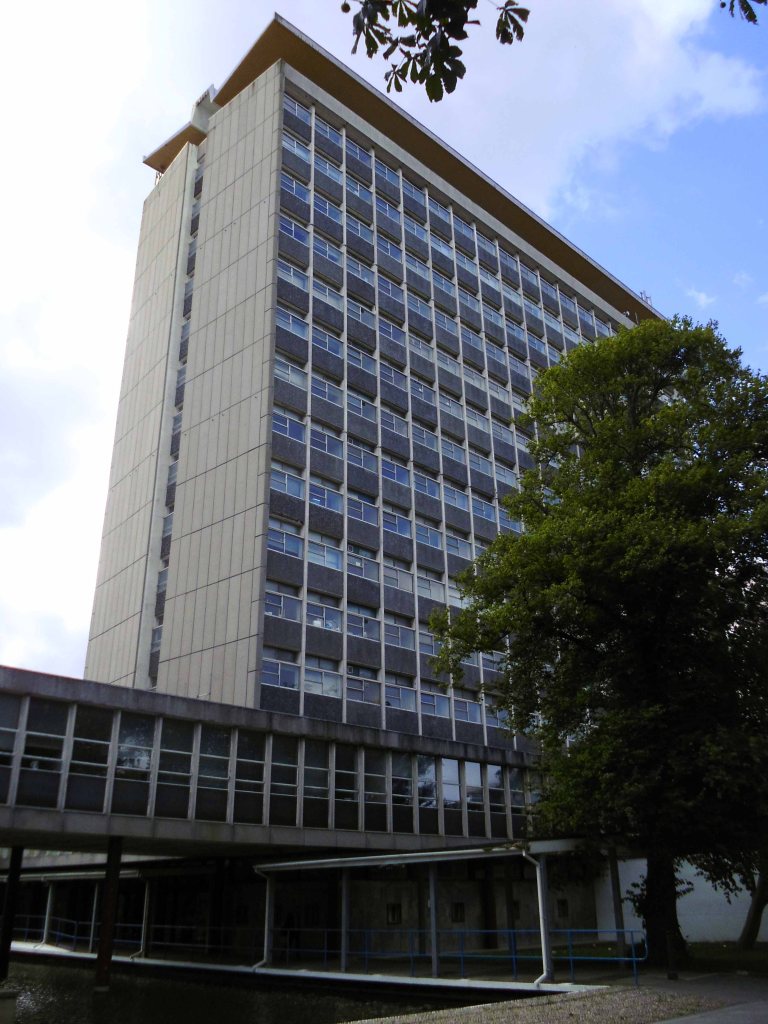
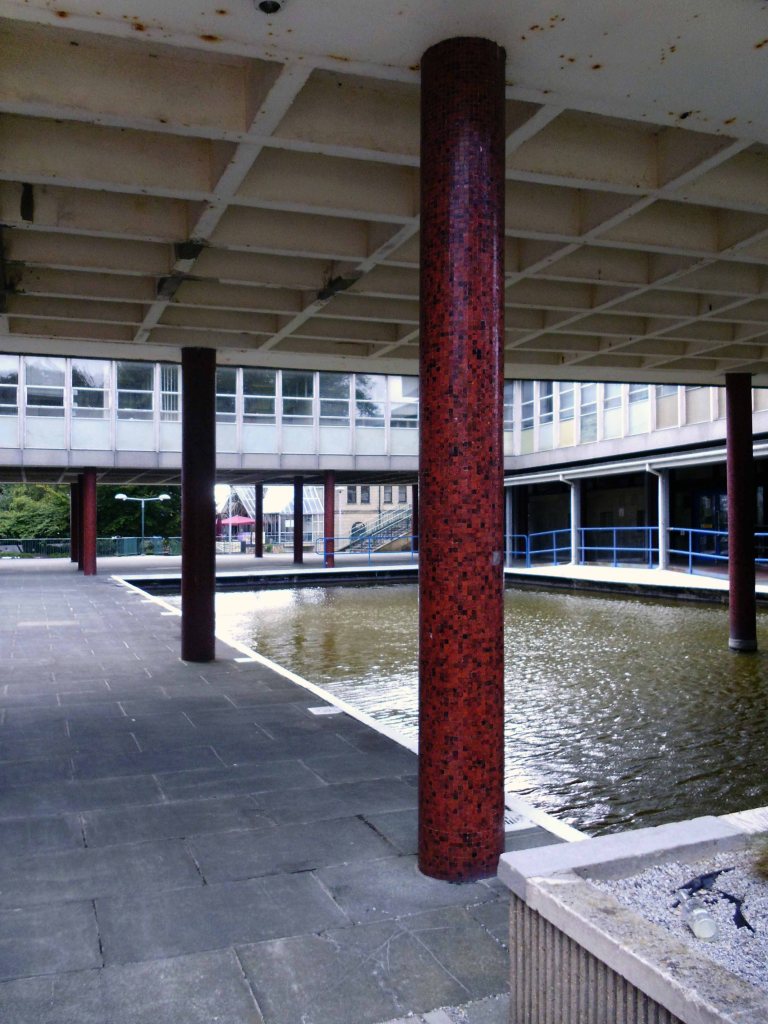
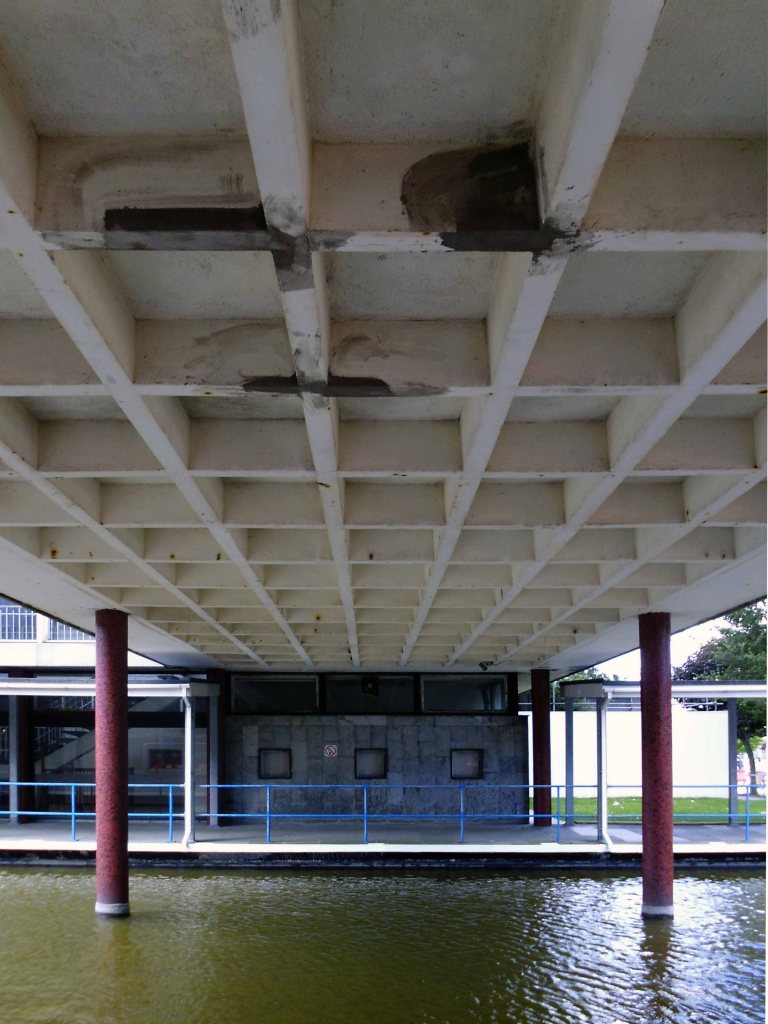
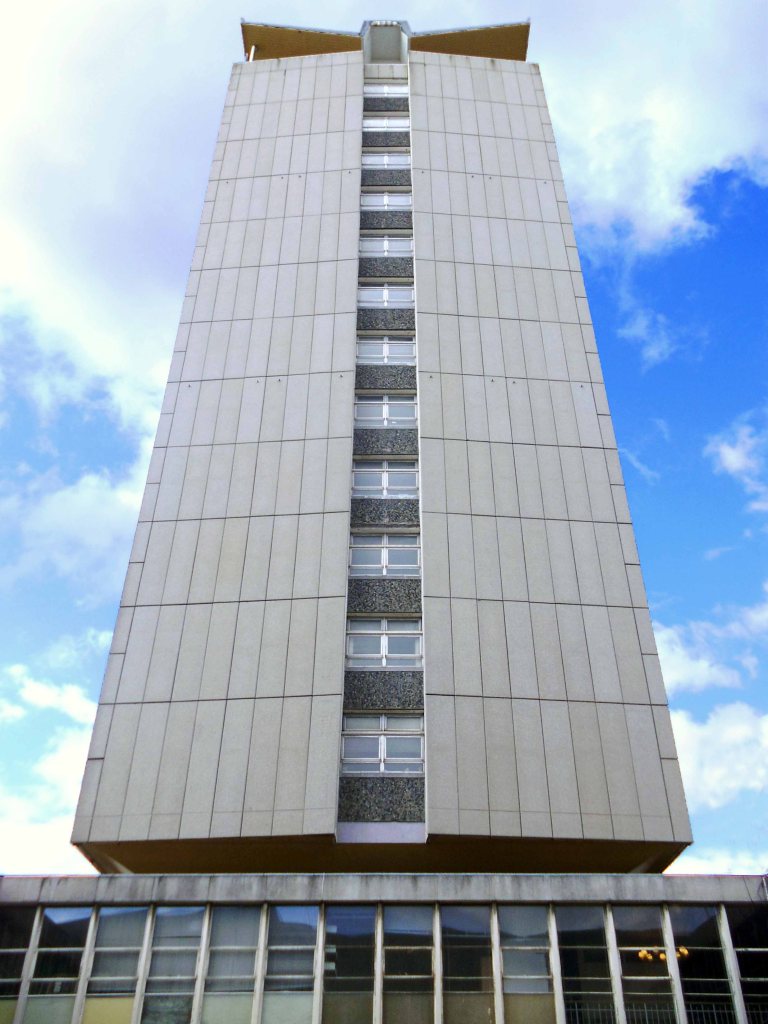
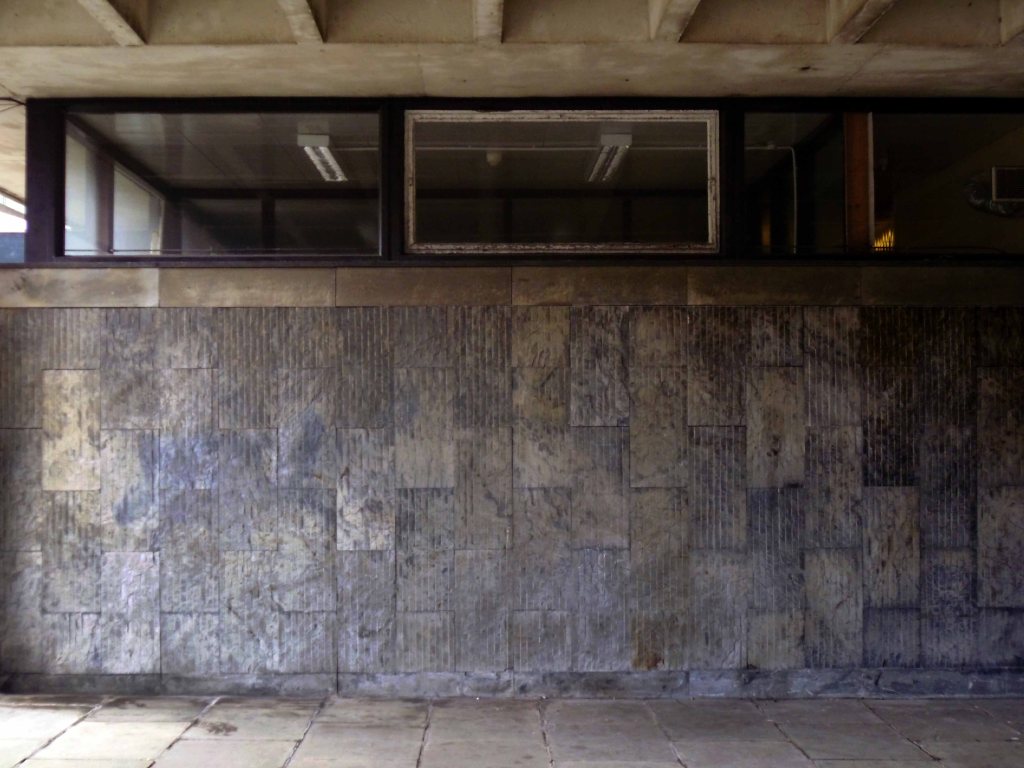
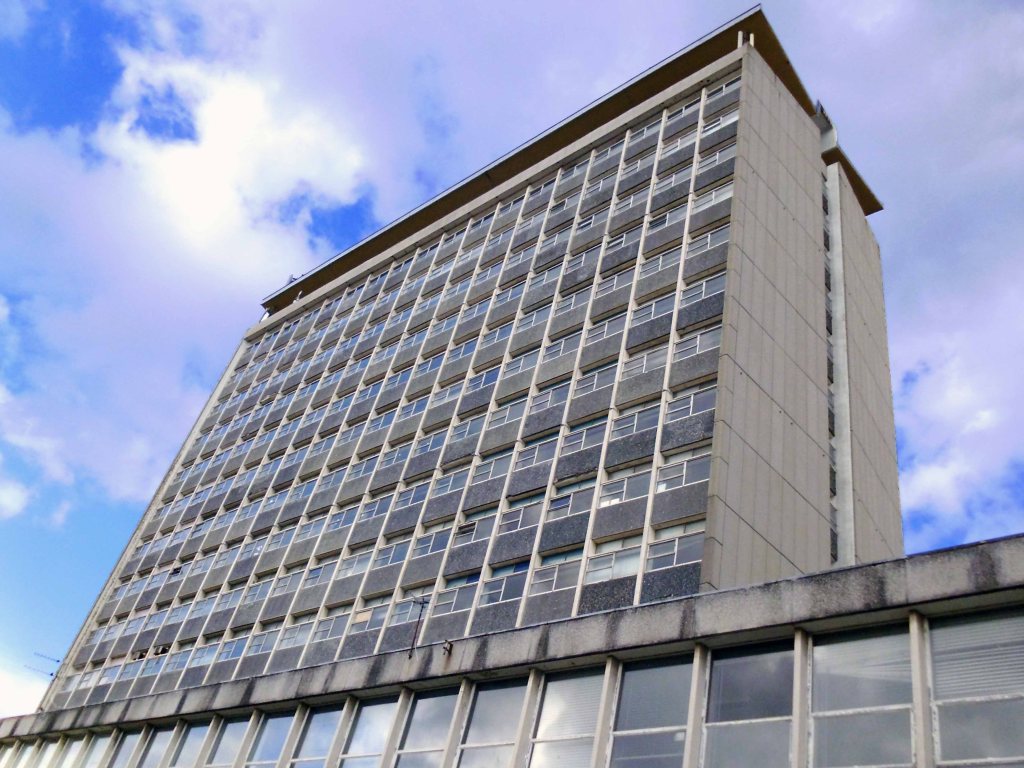
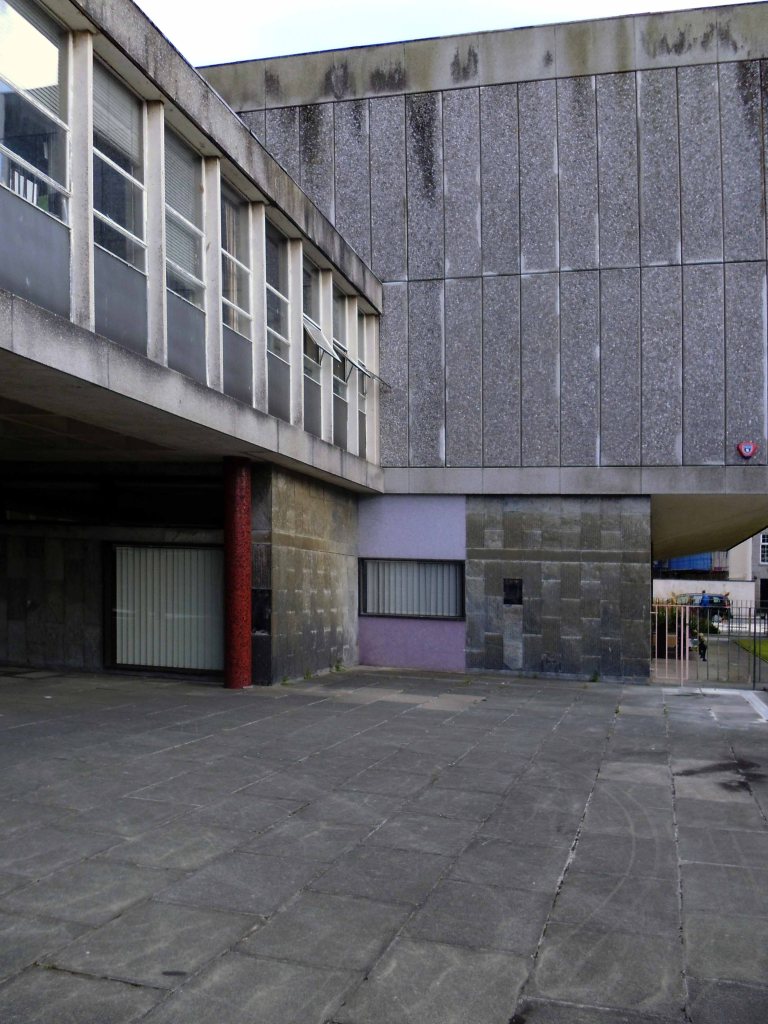
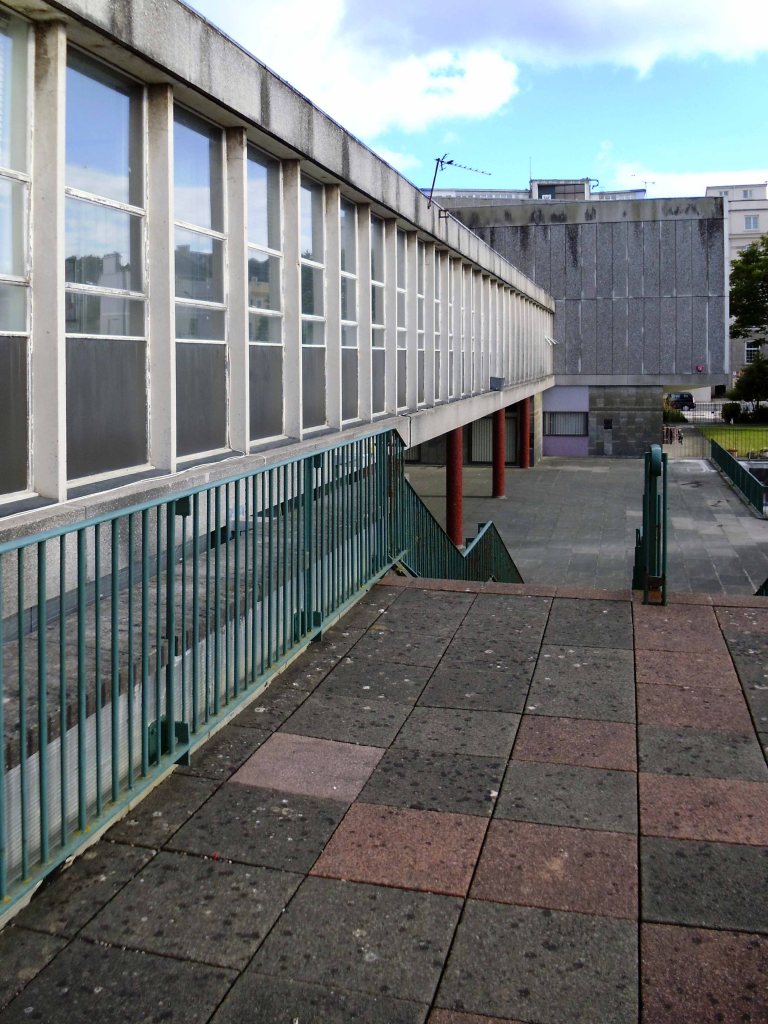
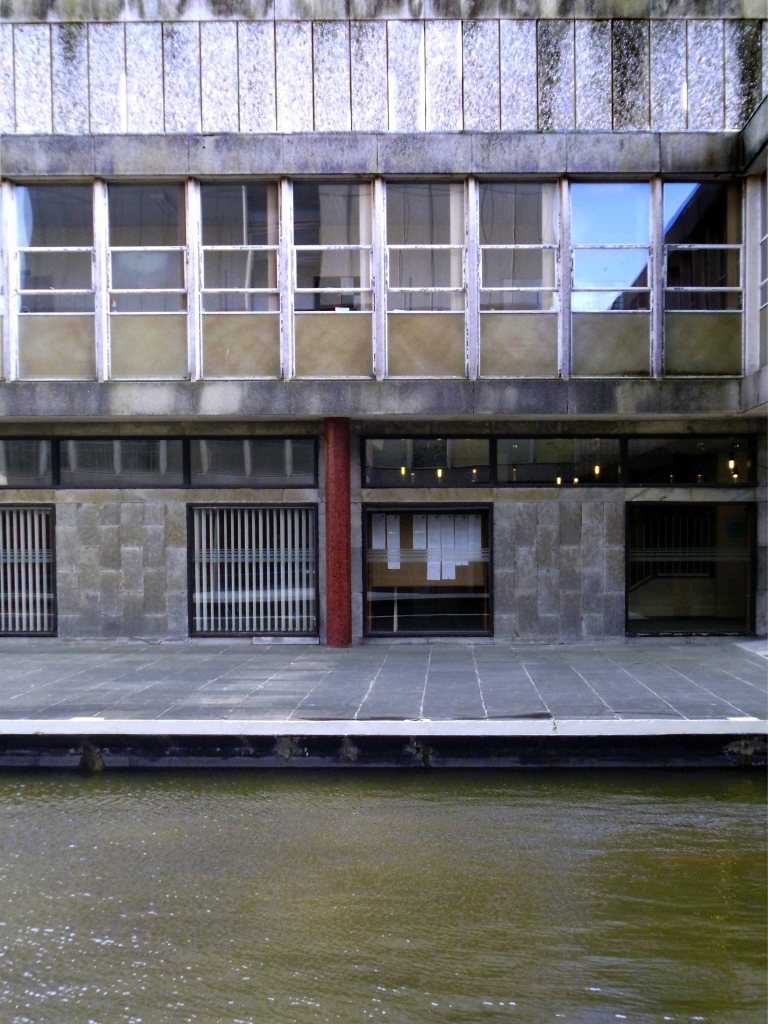
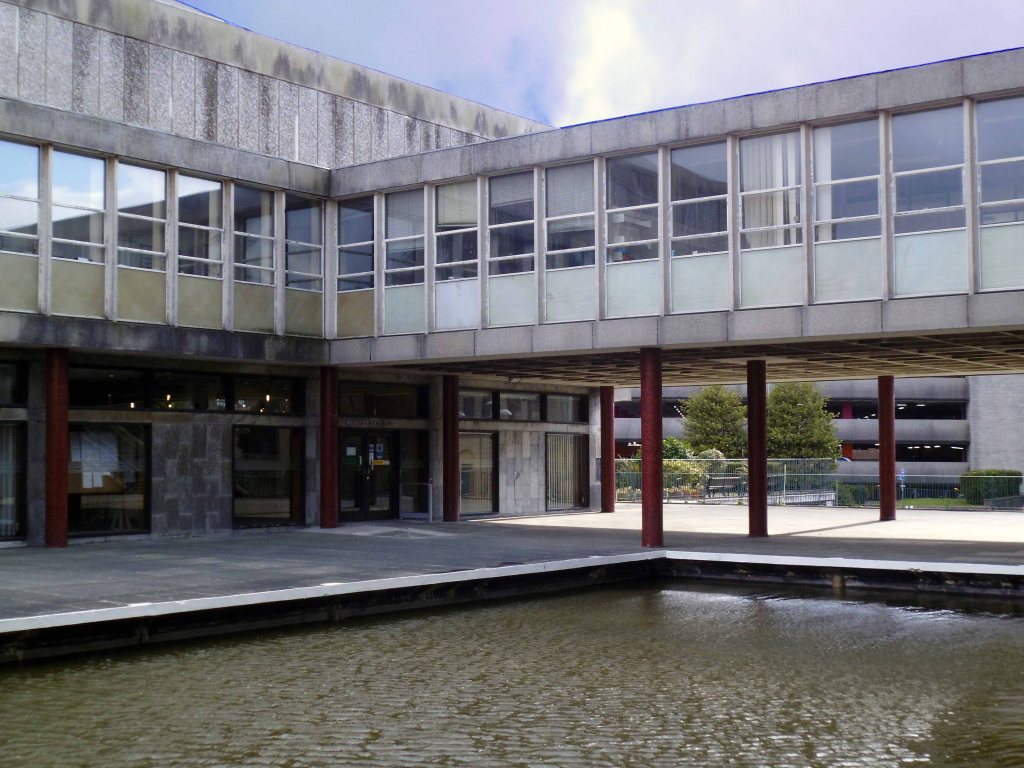
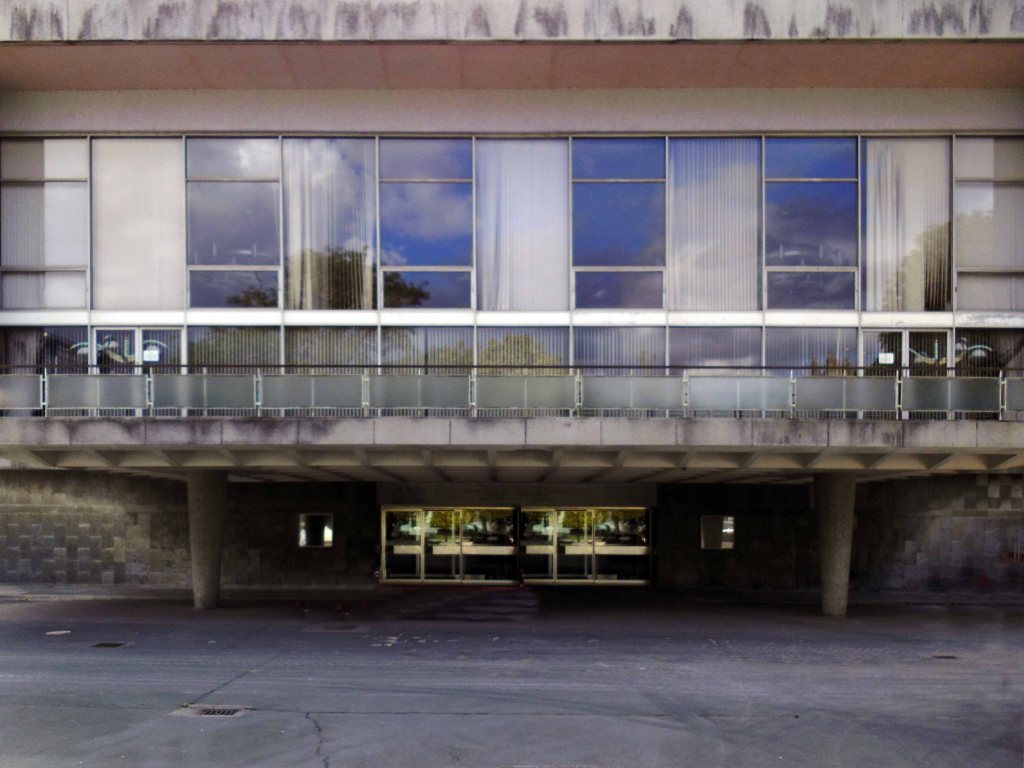
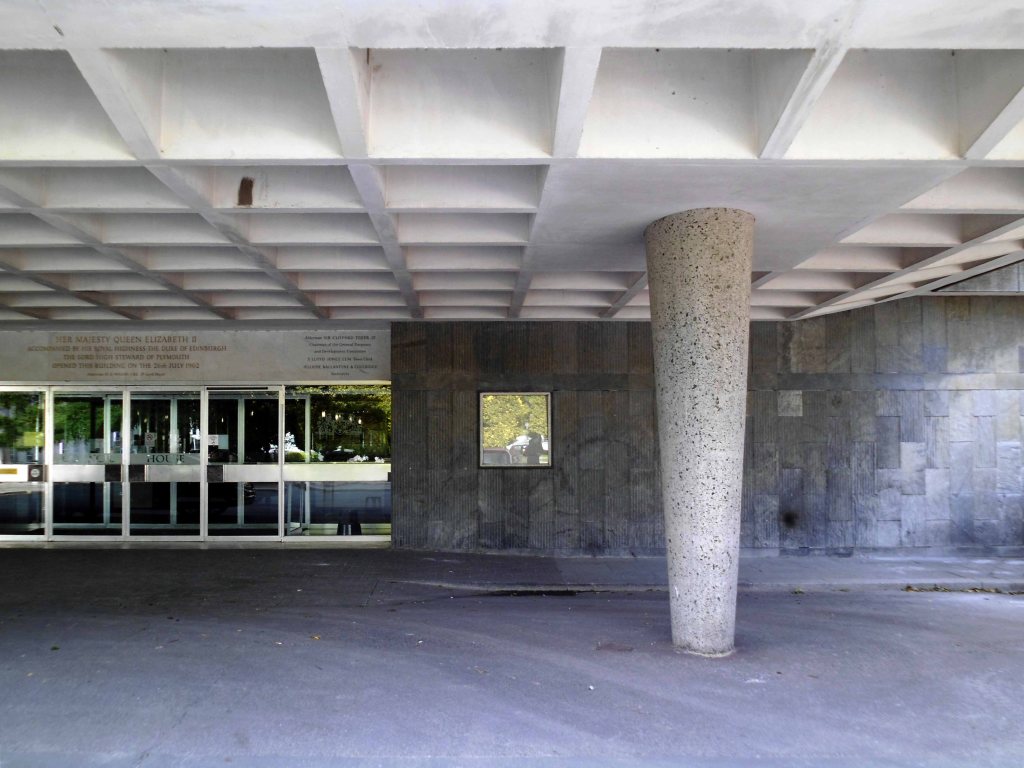
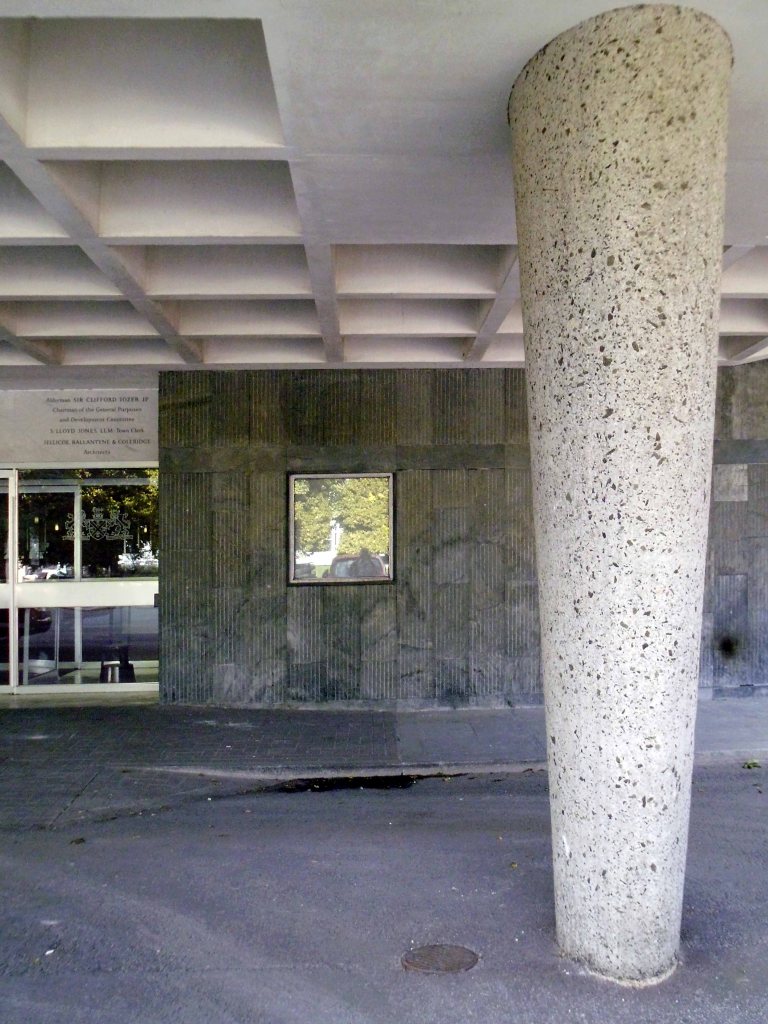
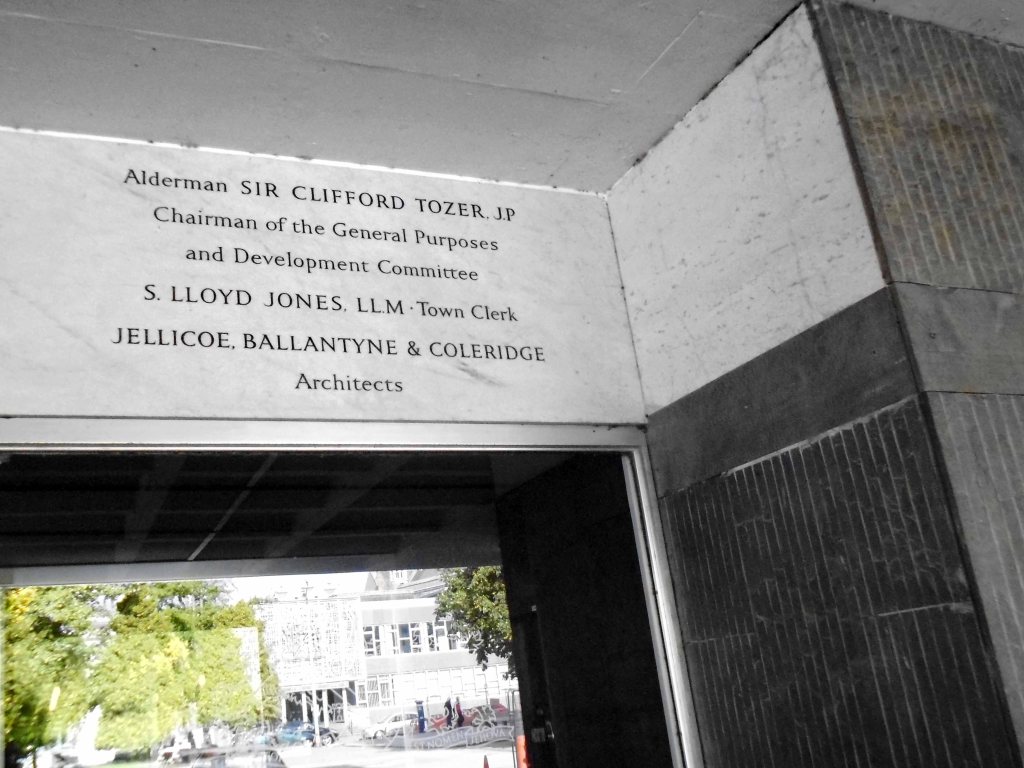
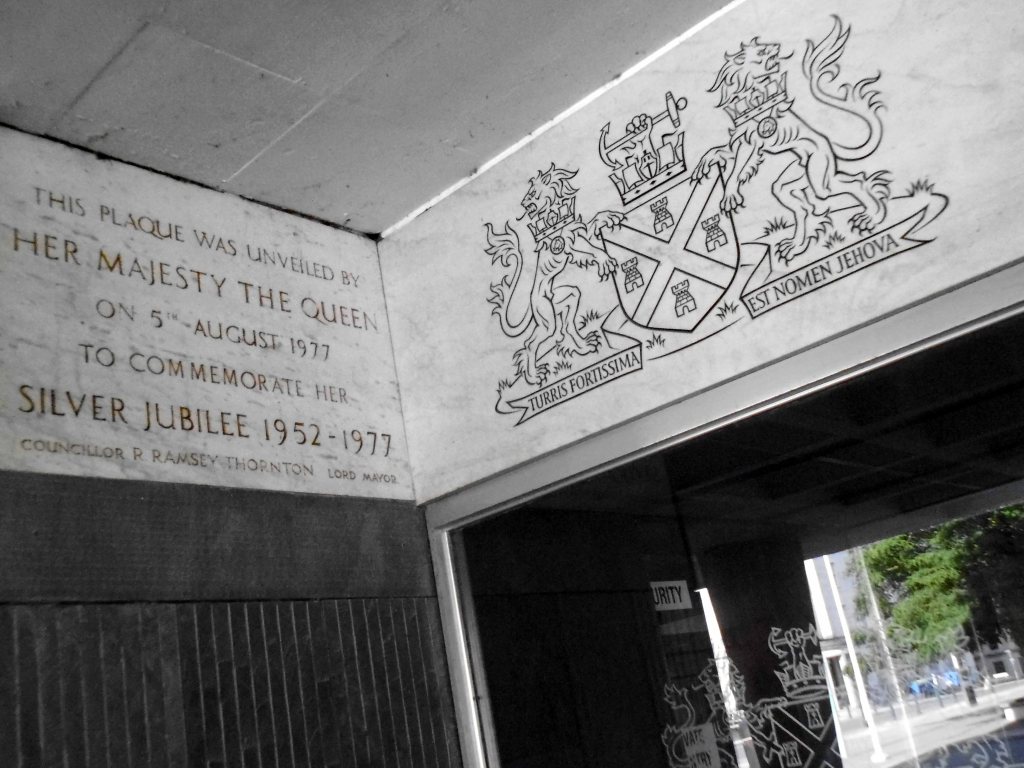
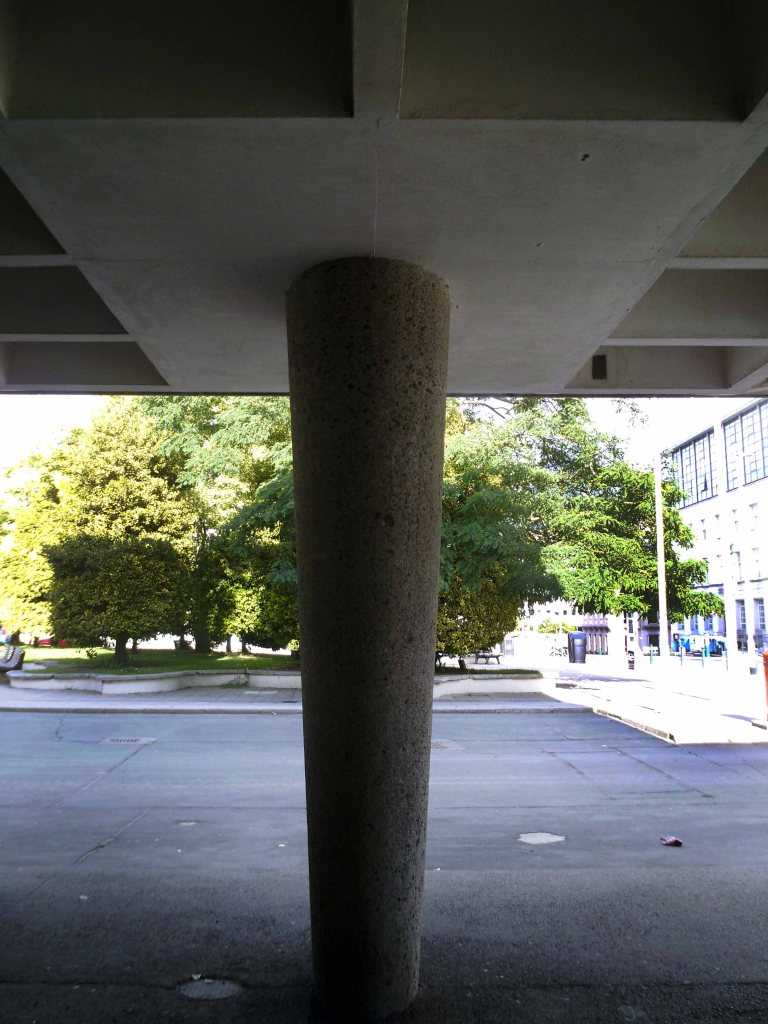
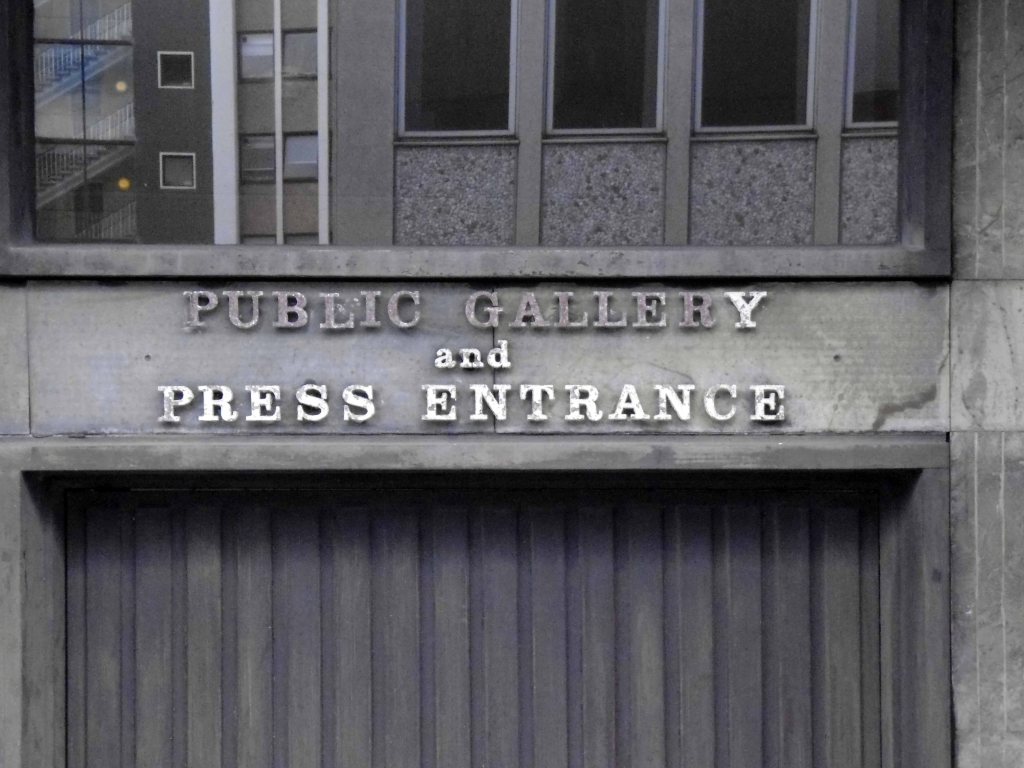
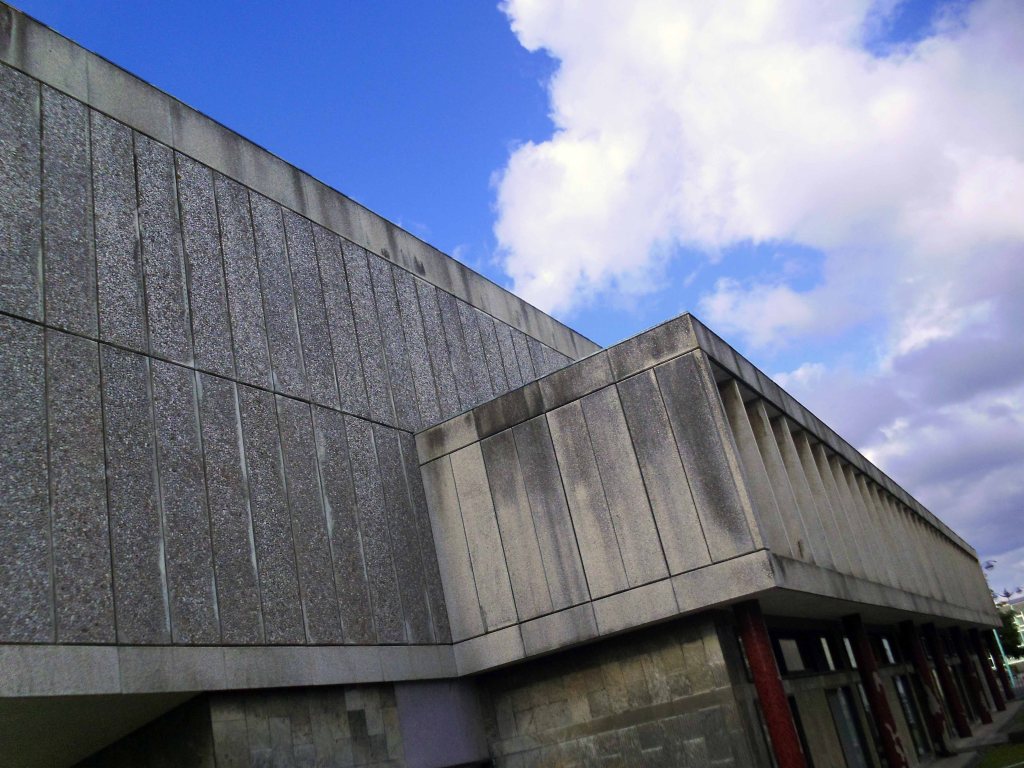
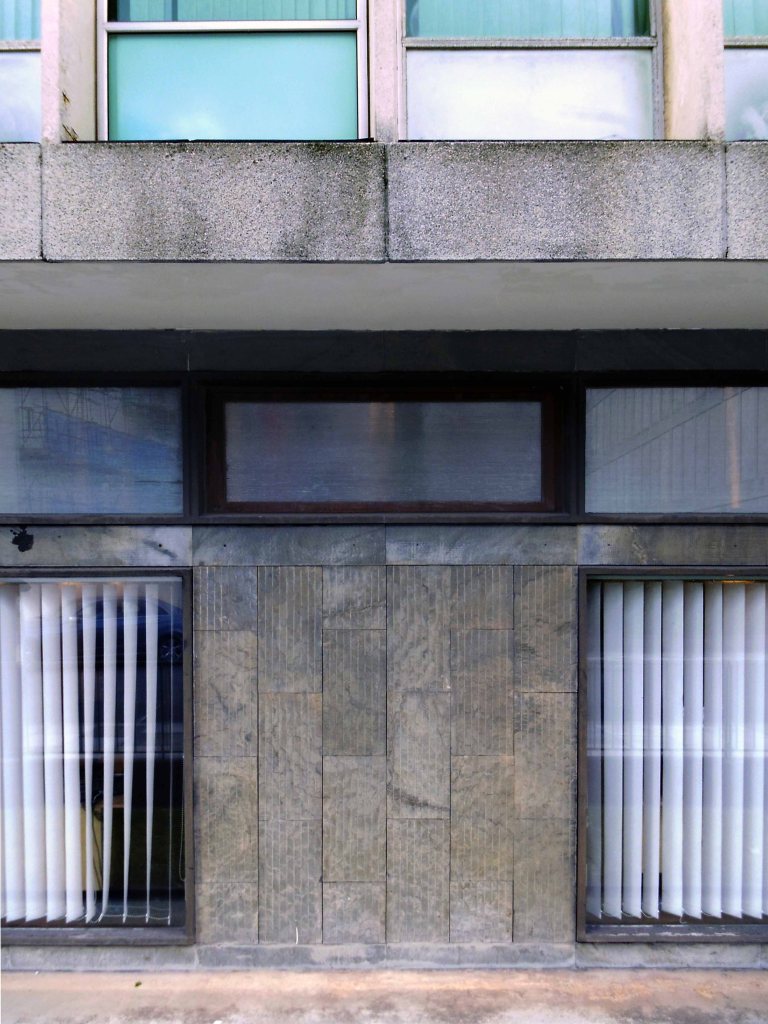
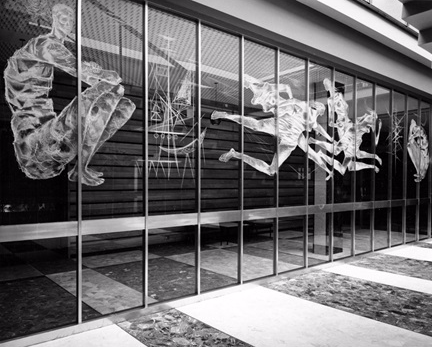
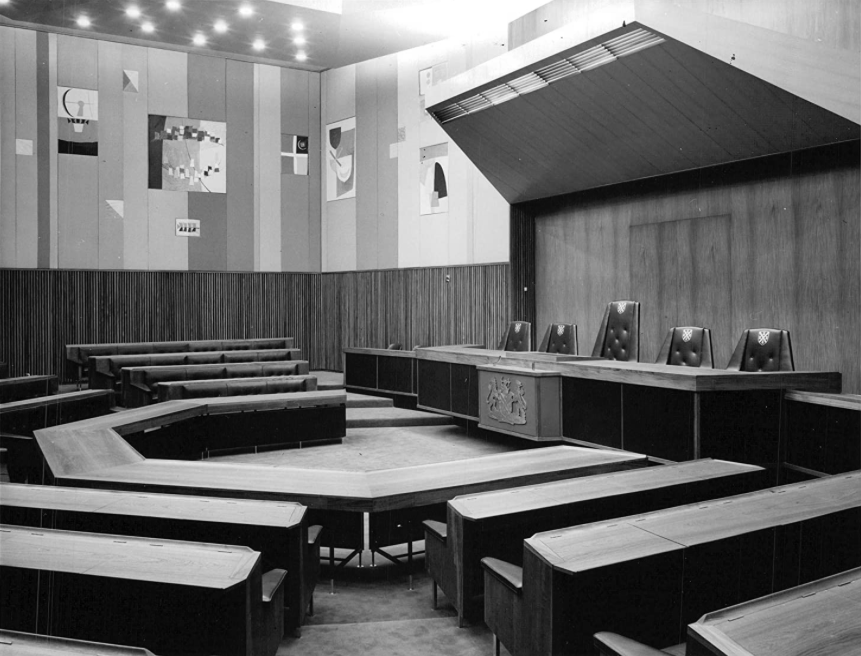
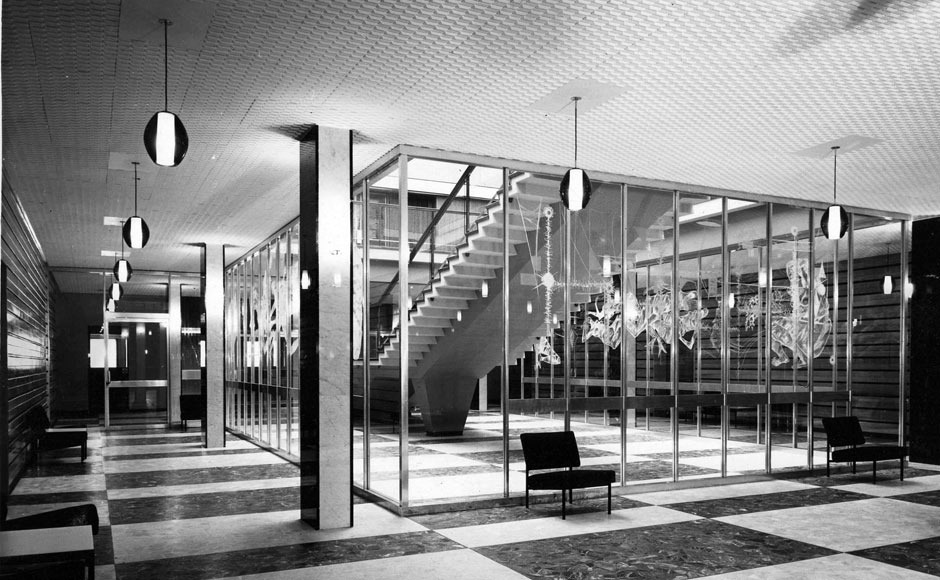
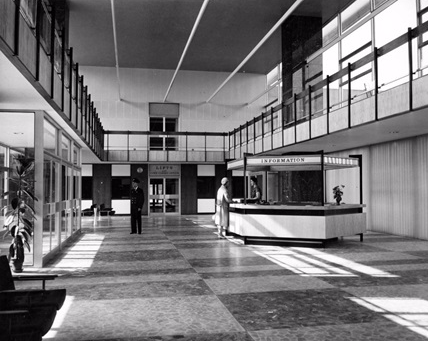
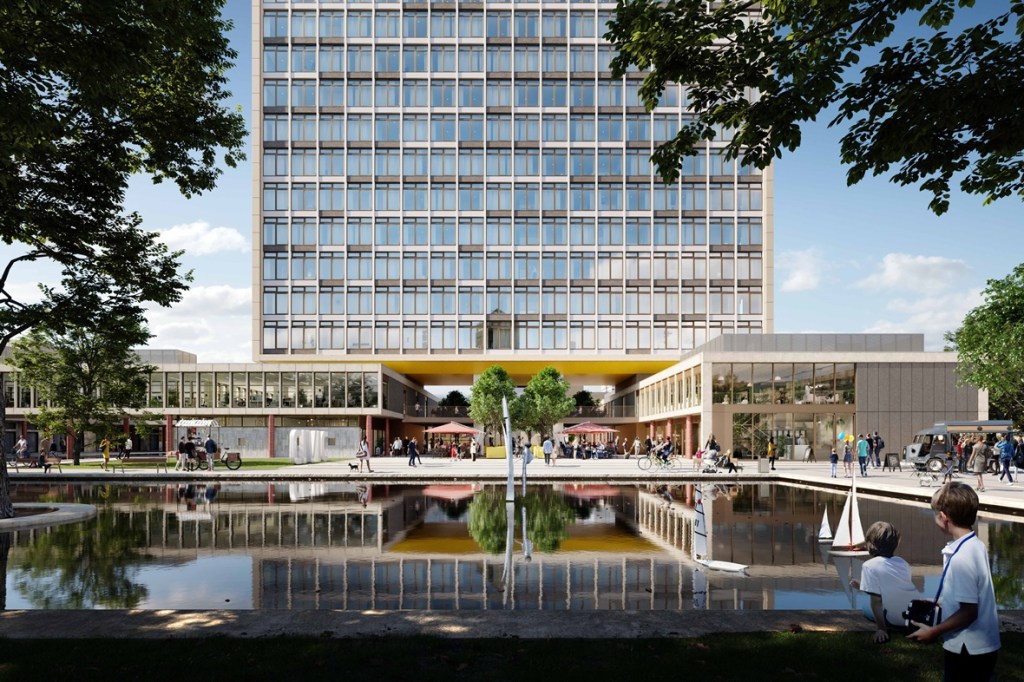
Former Civic Centre 1958-62 by Jellicoe, Ballantyne and Coleridge with city architect HJW Stirling. In-situ concrete structure with pre-cast aggregate panels. It comprises a fourteen storey slab block on a raised raft foundation which straddles a two storey block to the north and a bridge link to the two storey Council House to the south. The bridge link is elevated on pilotis to create an open courtyard with a reflecting pond, part of the designed landscape of the civic square. 

Current listing June 10th 2007 Historic England

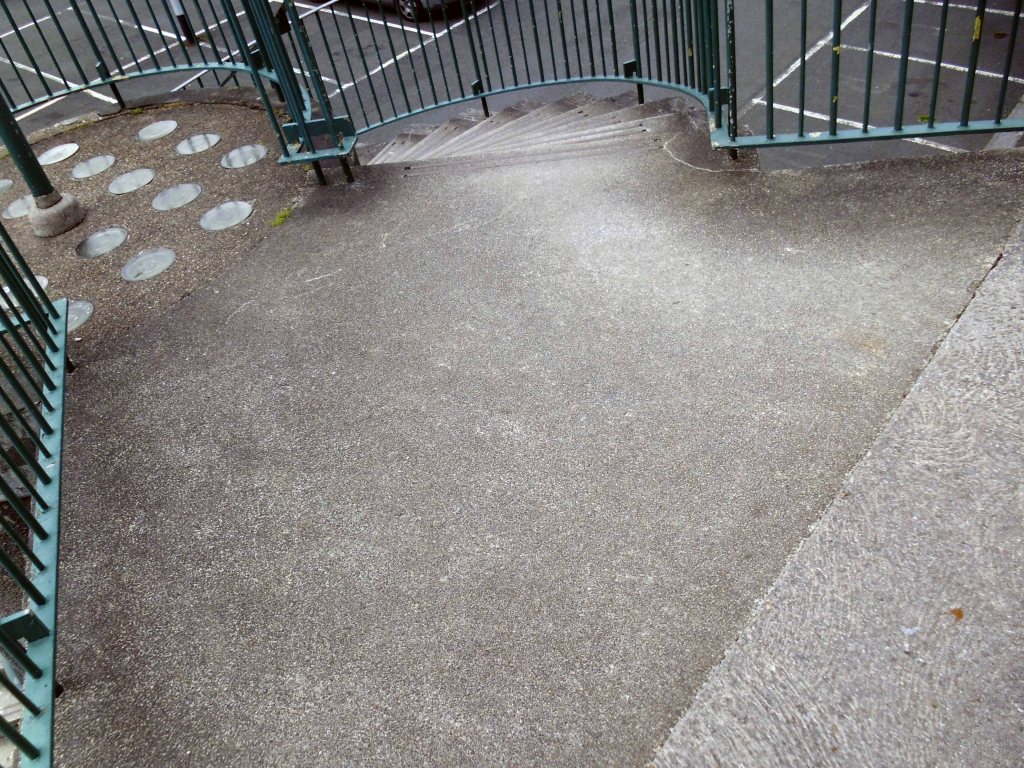
I rode into town on my bicycle en route from Weston super Mare to Hastings one sunny afternoon in 2015. The pictures I took that day were largely left untouched, until today. I was prompted by an online postcard search to finally put them to some good use.

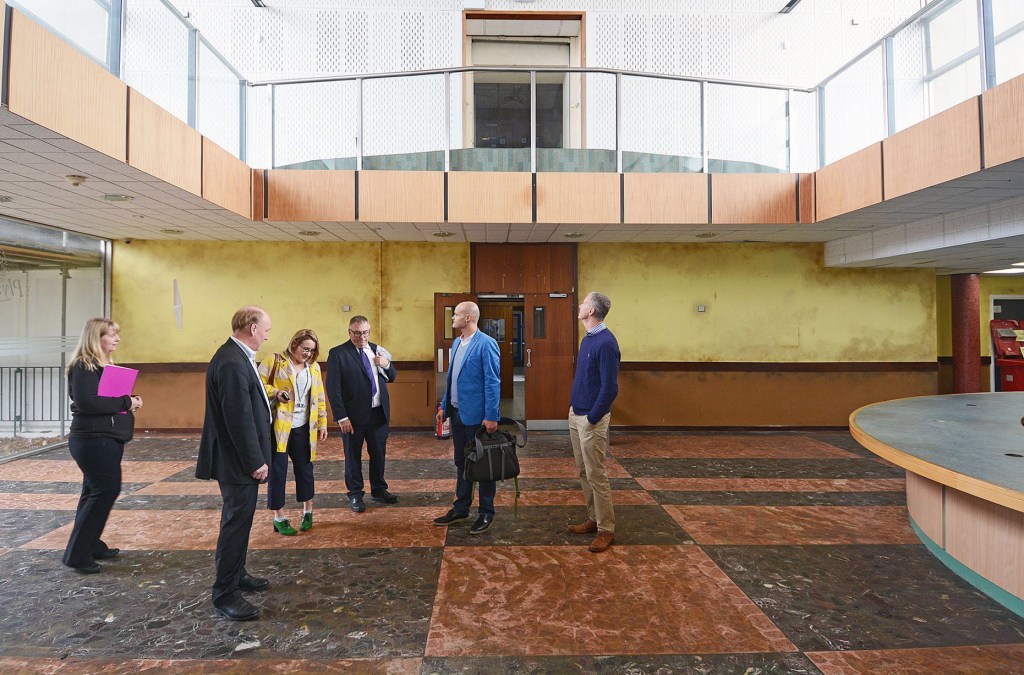
On the day of my visit the building was well and truly closed, and its future uncertain.

I took my time and explored the site, here is what I saw:

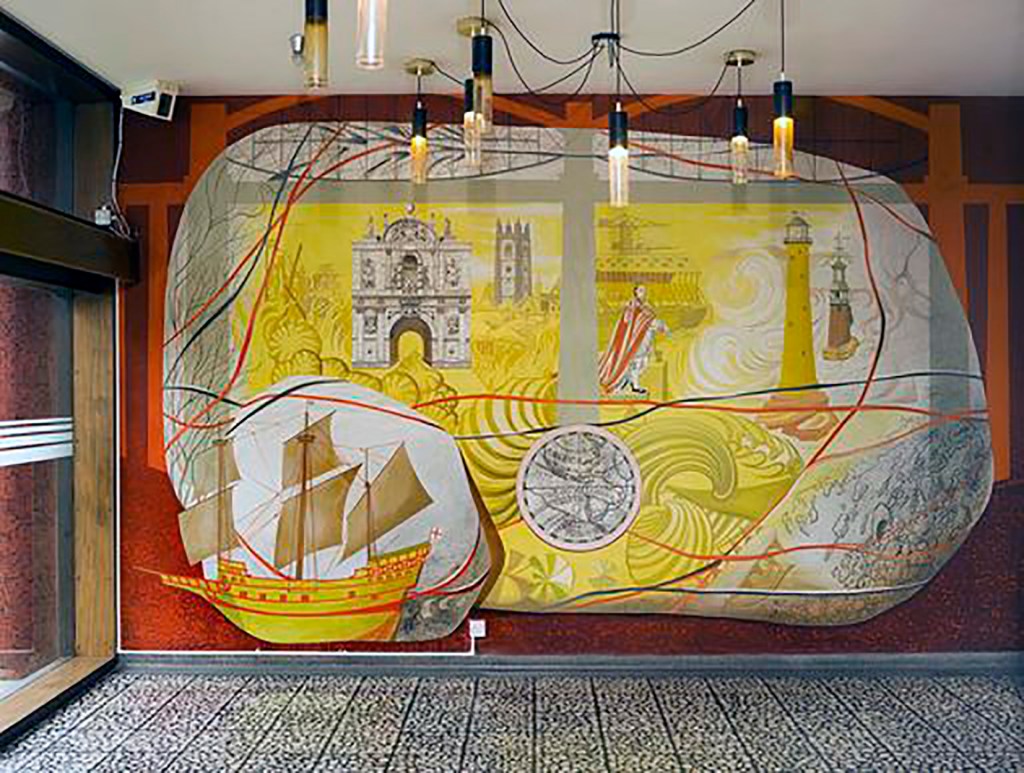
I subsequently found archival image of the interior – including examples of applied decorative arts.

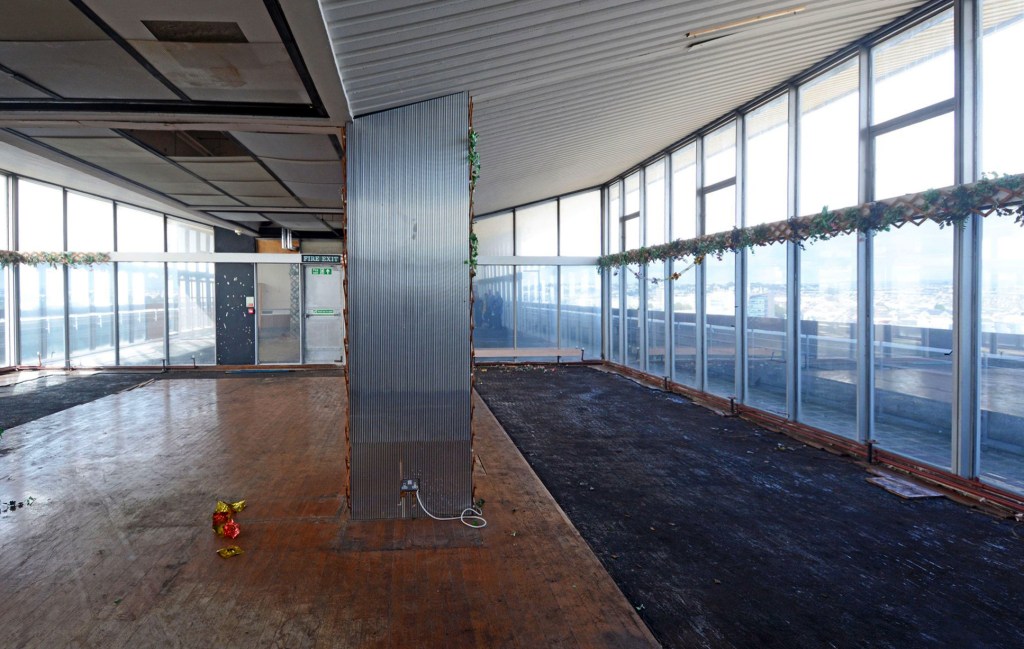
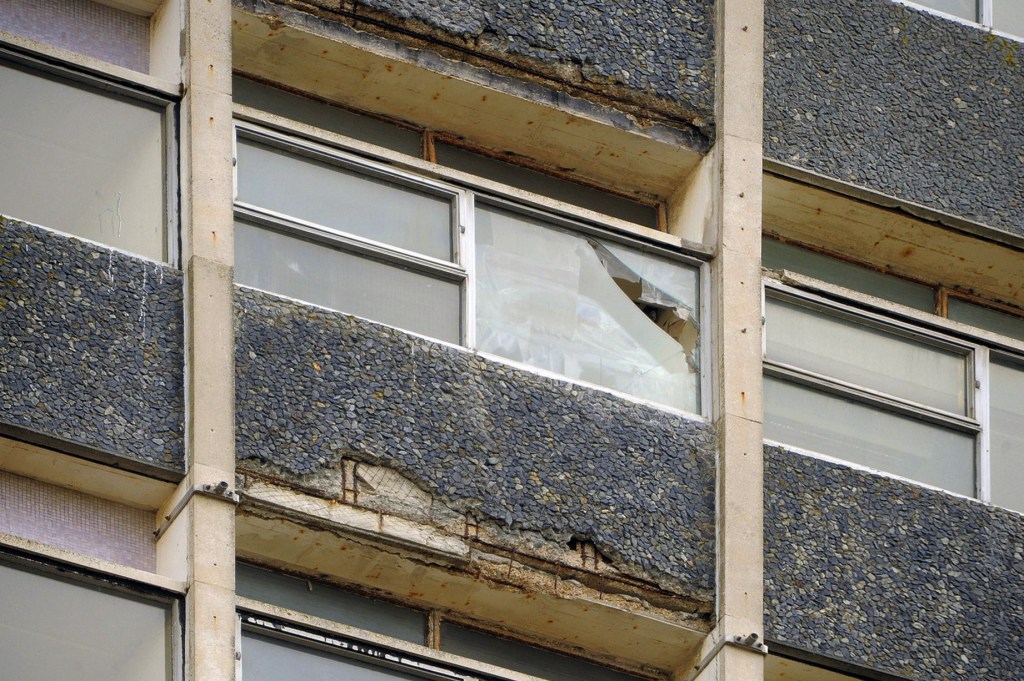
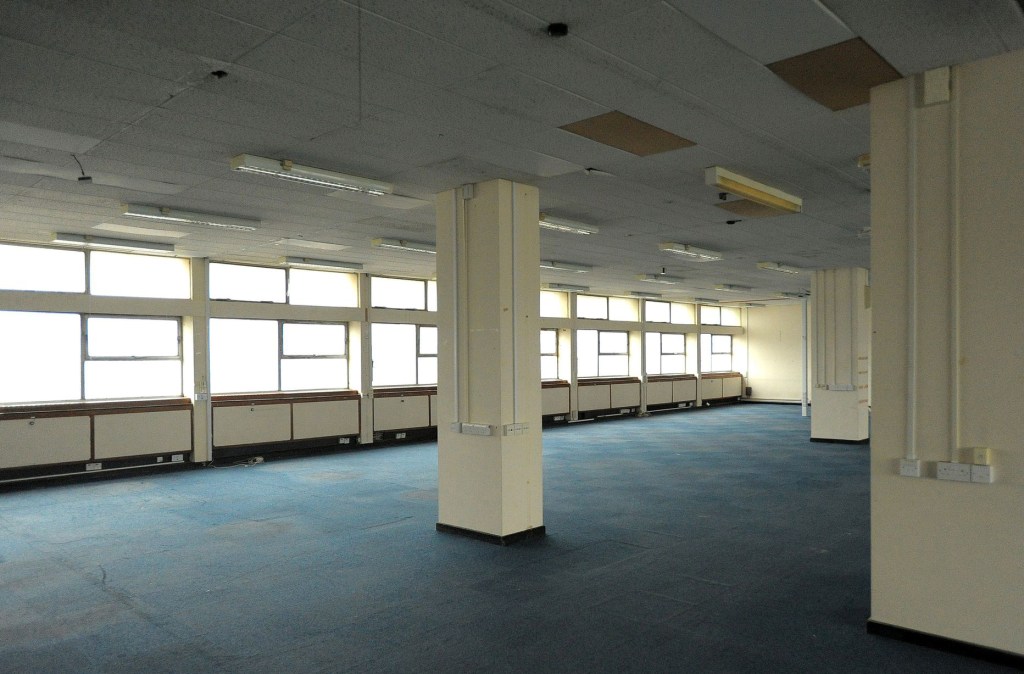
The building has suffered of late, from poor maintenance and general neglect.

Love it or hate it, it’s one of Plymouth’s most iconic post-war buildings – and it towers over the city centre. But the Civic Centre has been empty since 2015, with sad images revealing parts of the outside literally crumbling.

Today is the day Plymouth will finally discover what developer Urban Splash plans to do with the landmark 14-storey tower block it bought for £1.

Plymouth Herald

Urban Splash are in the house – plans are to go ahead.

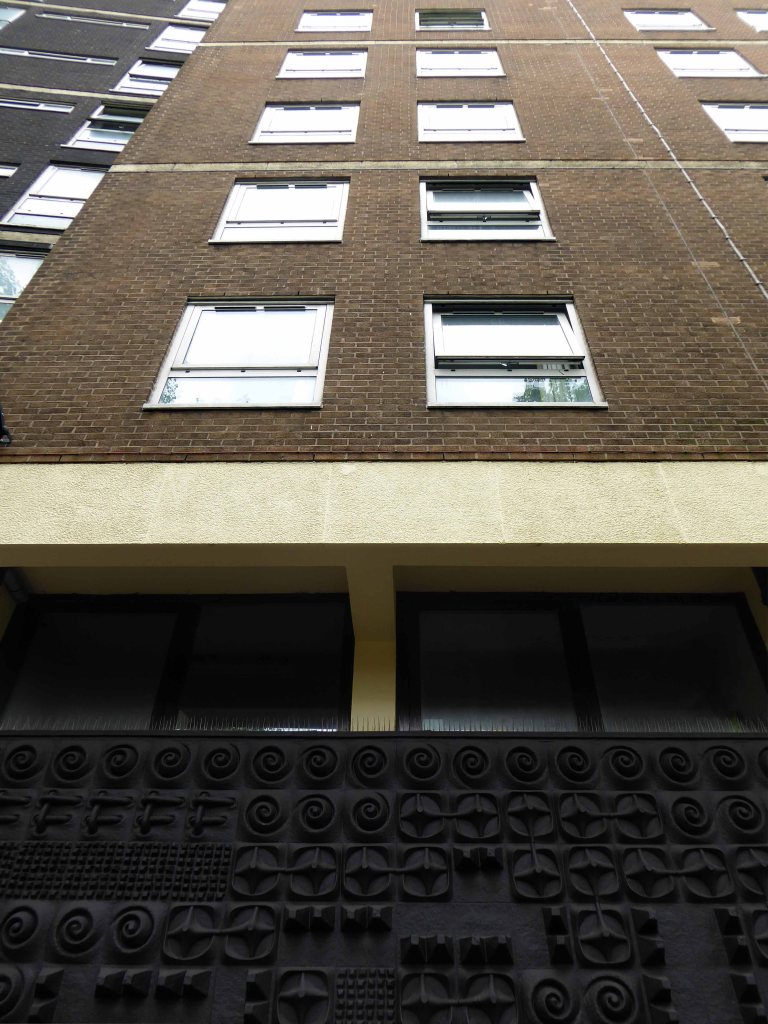
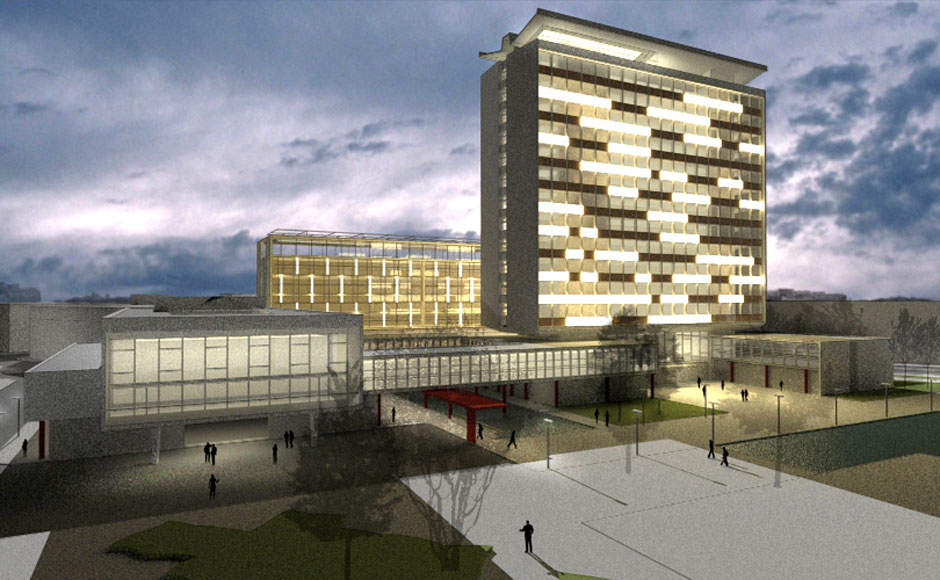
The proposal, by Gillespie Yunnie Architects, will see the 14-storey former council headquarters converted into 144 one and two-bedroom flats with the ground floors of the lower blocks providing about 4,600m² of office, retail and leisure space.

Unanimously approved last week, the scheme will open up the ground floor, making it ‘an active public space filled with outside seating for cafés, bars and restaurants’ and reuse the existing landscaped pools, while creating new pedestrian connections through the scheme from the Theatre Royal and Civic Square.

Architects Journal