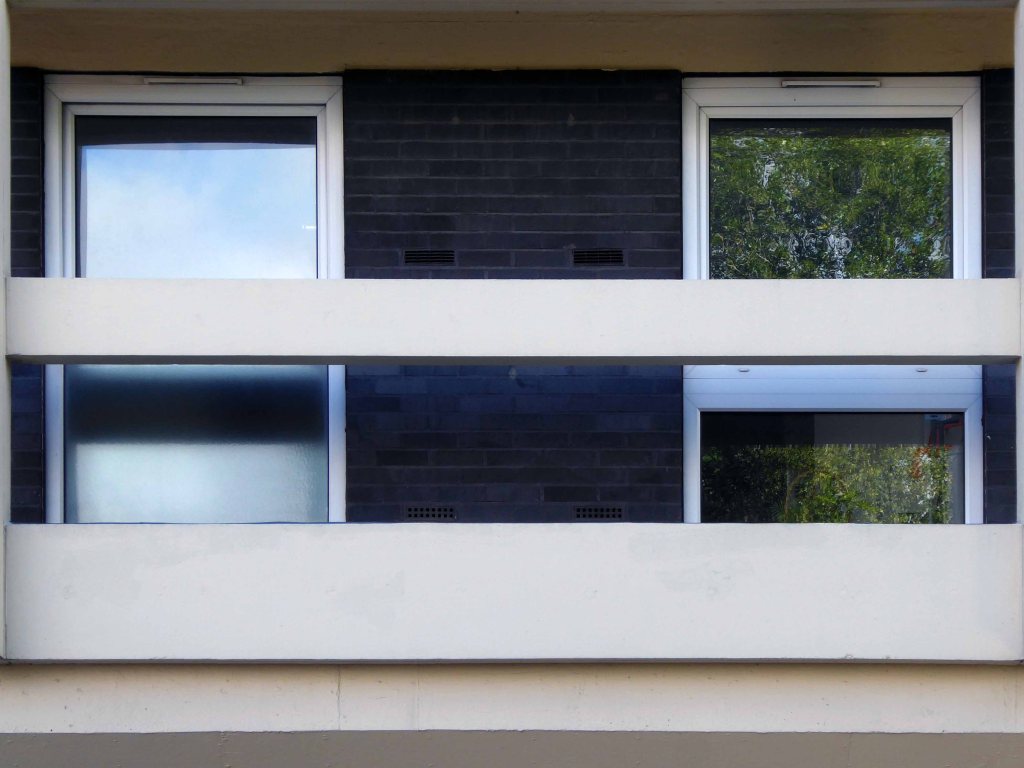
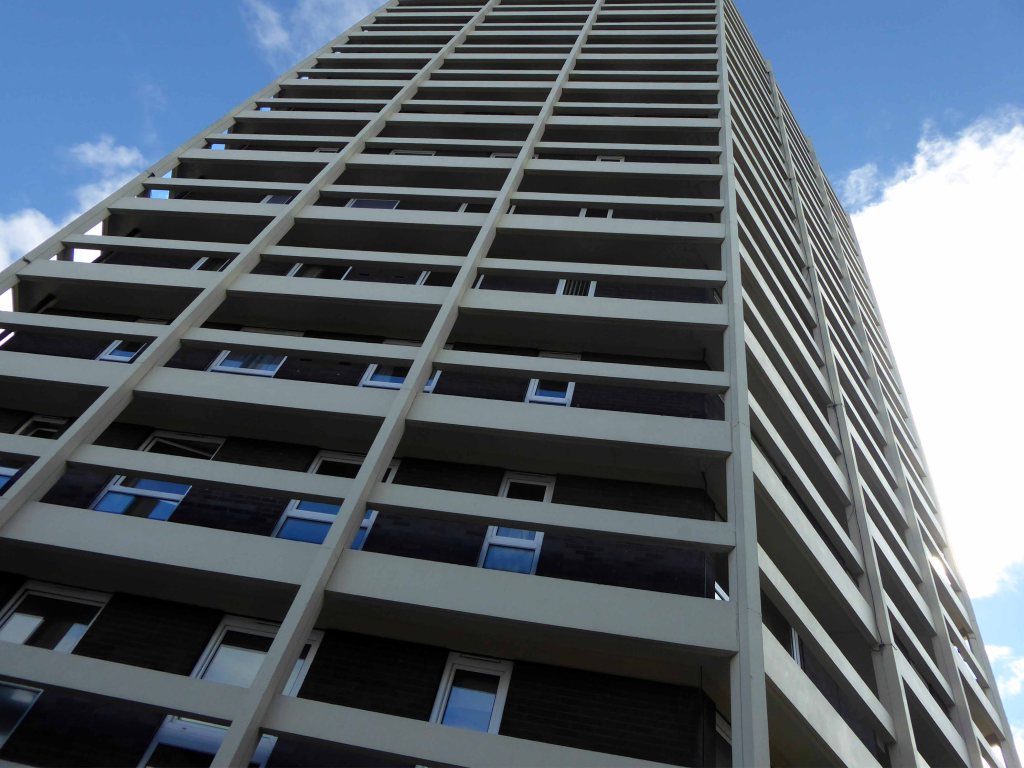
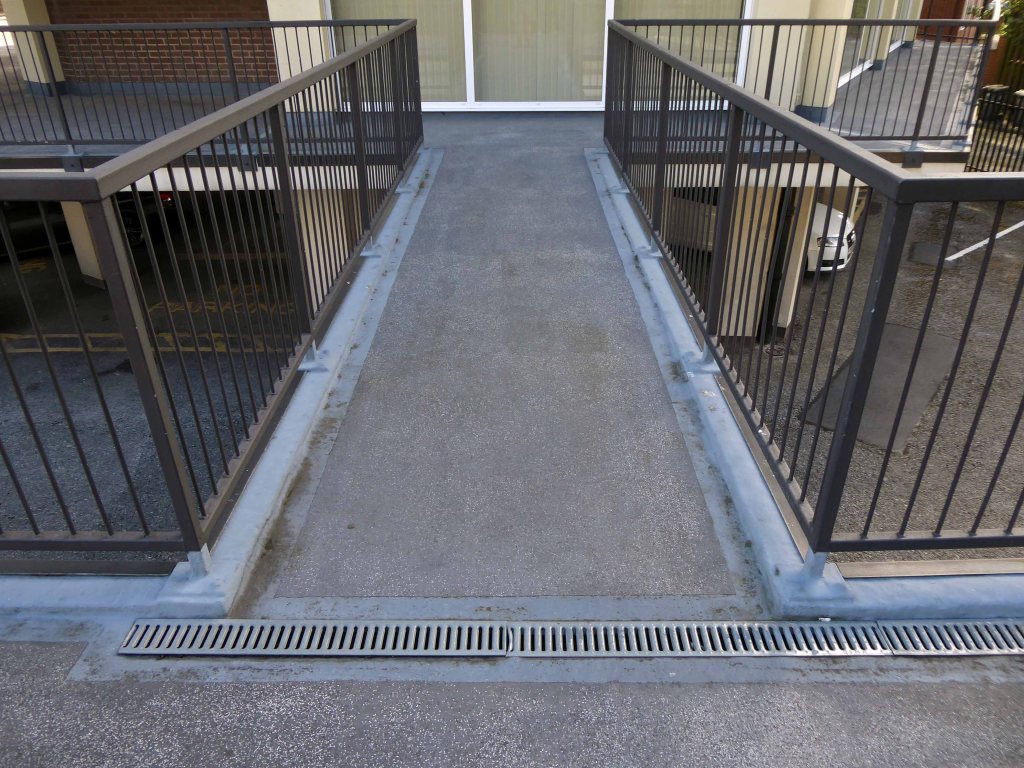
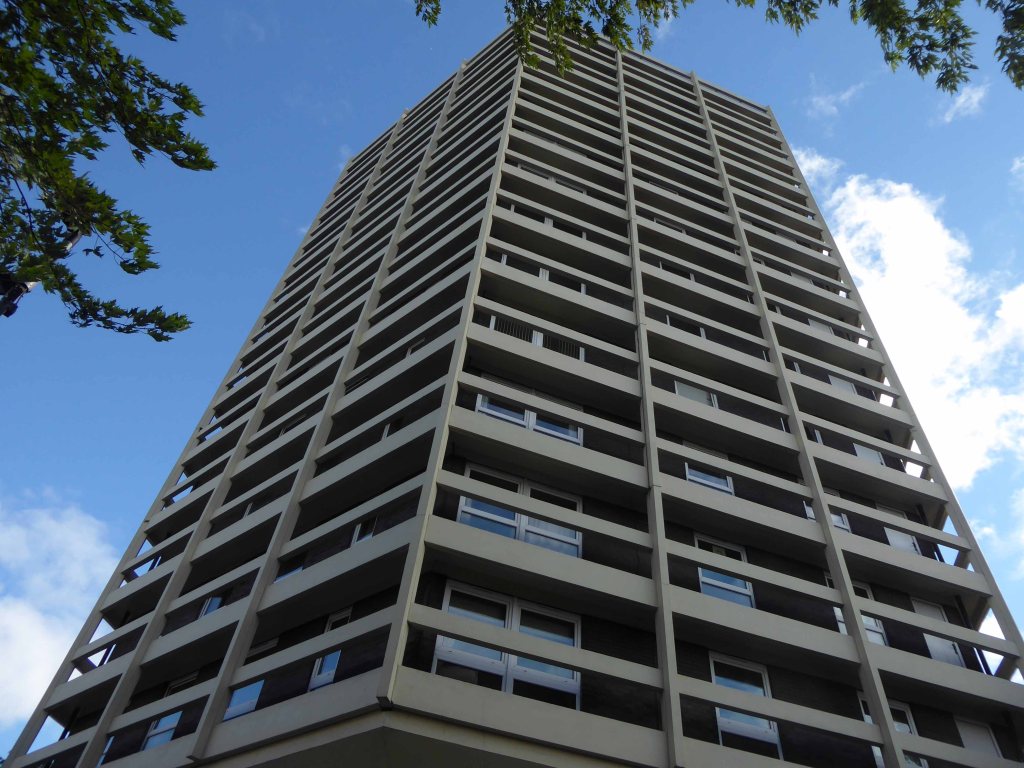
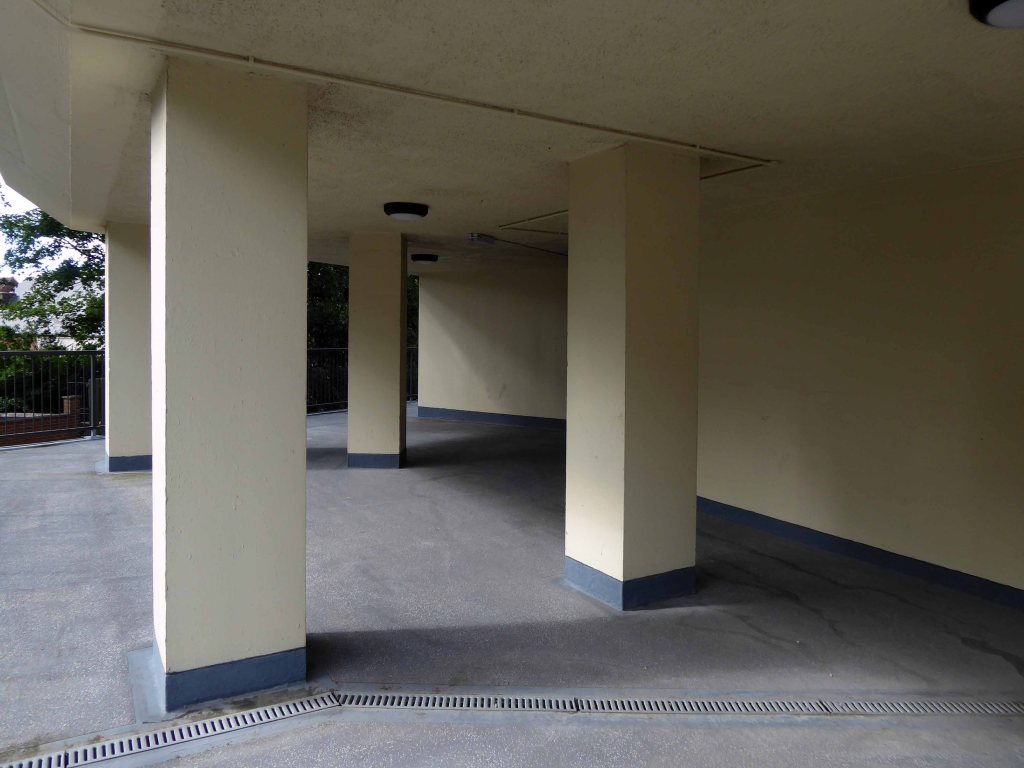
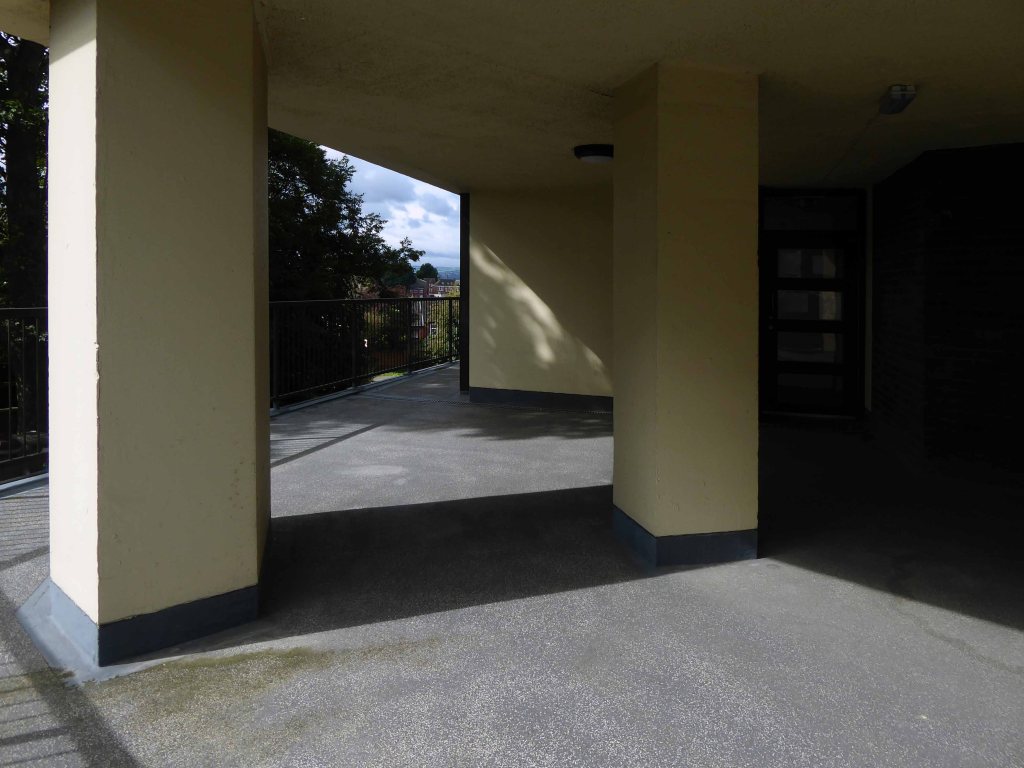
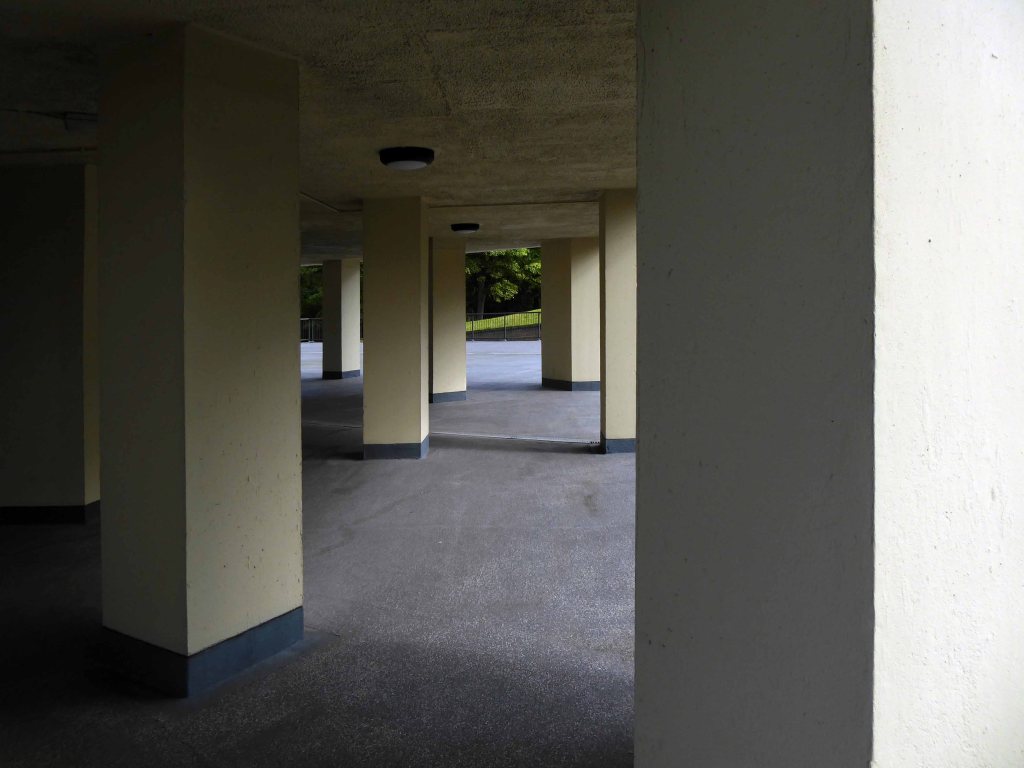
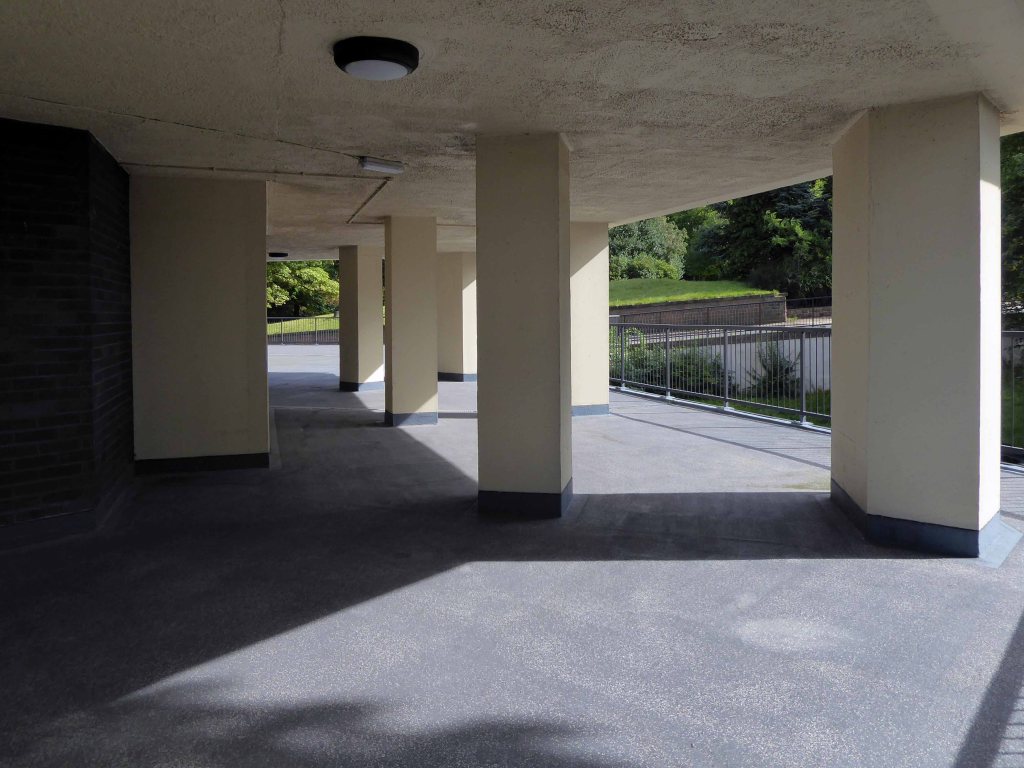
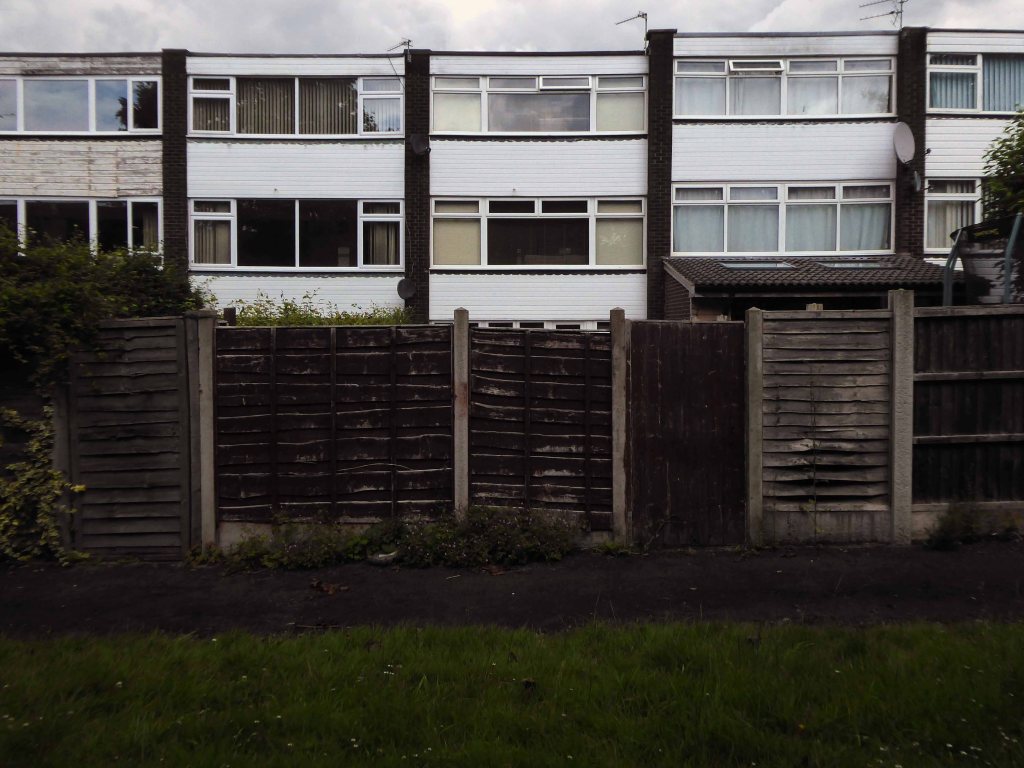
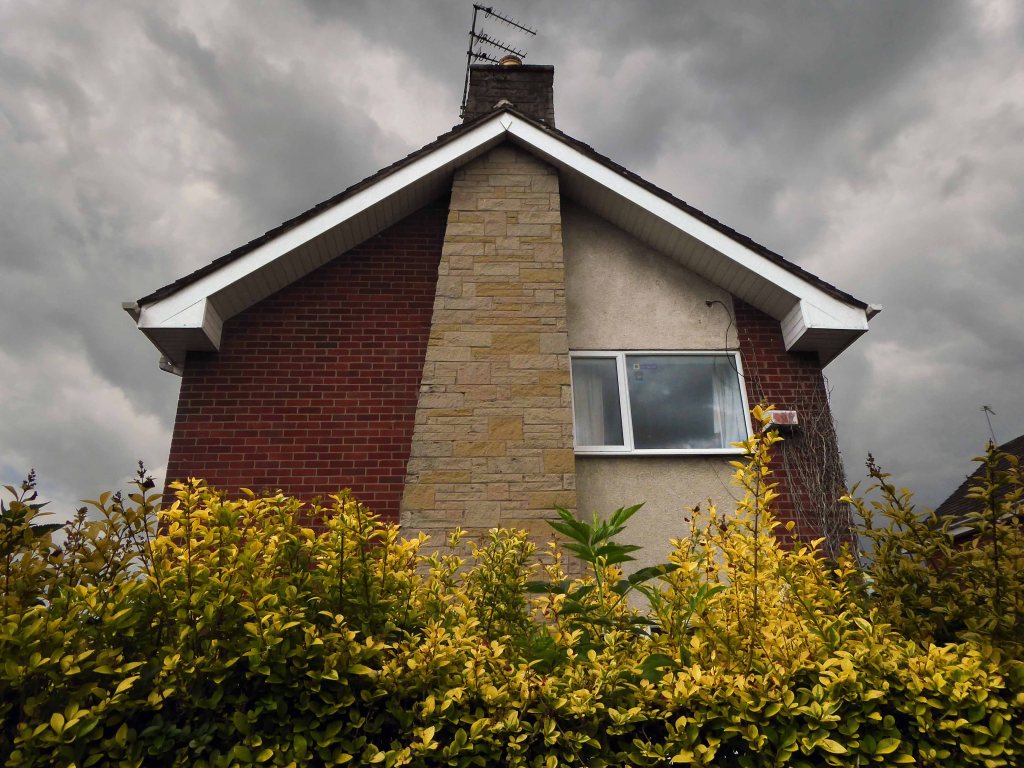
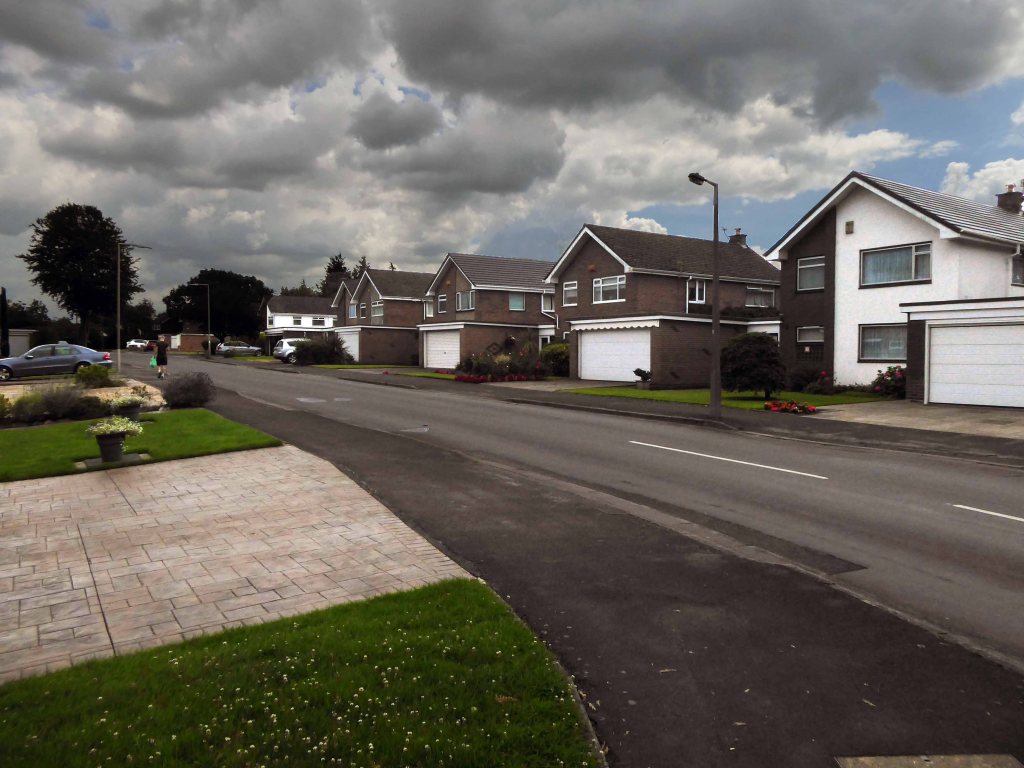
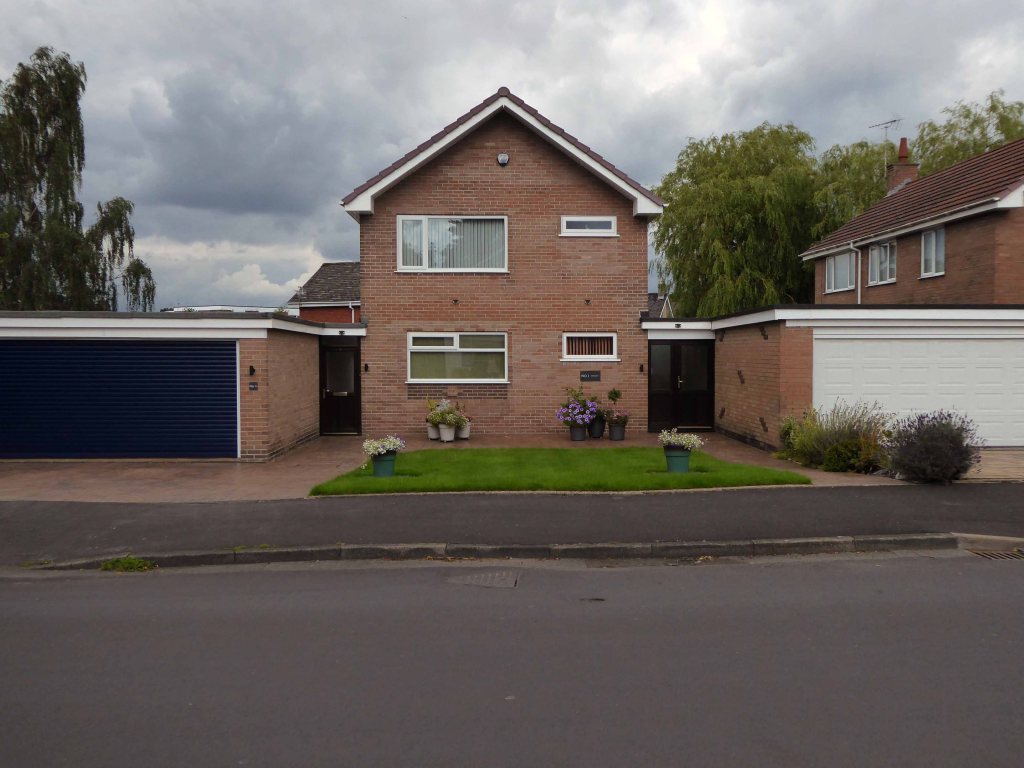
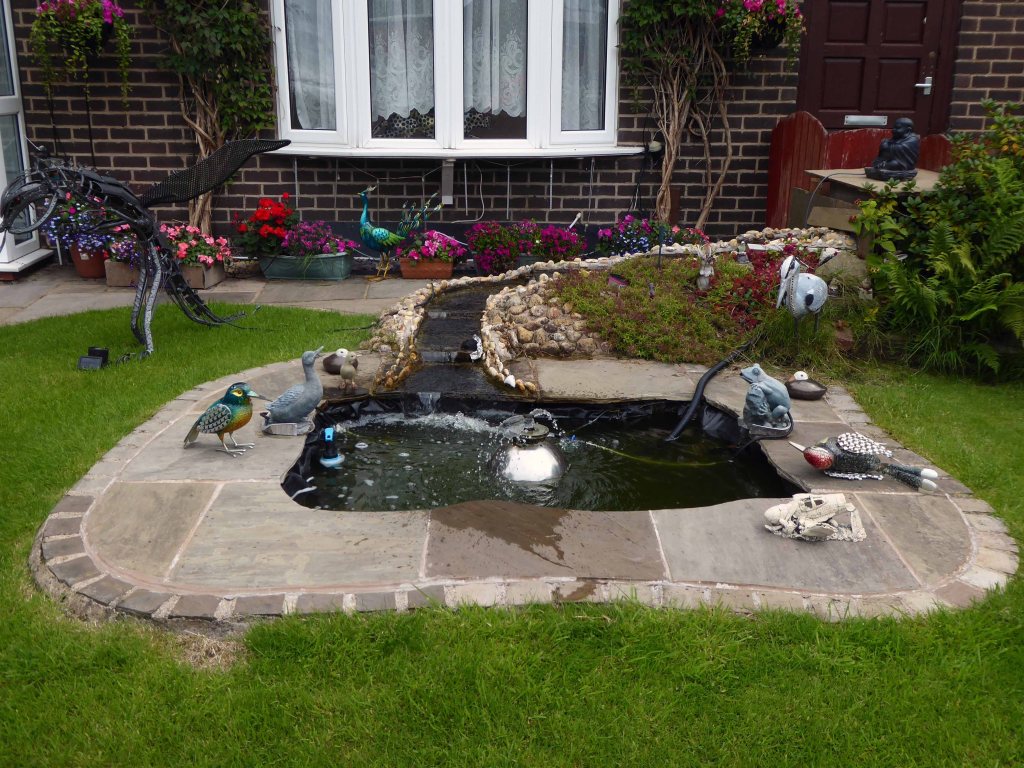
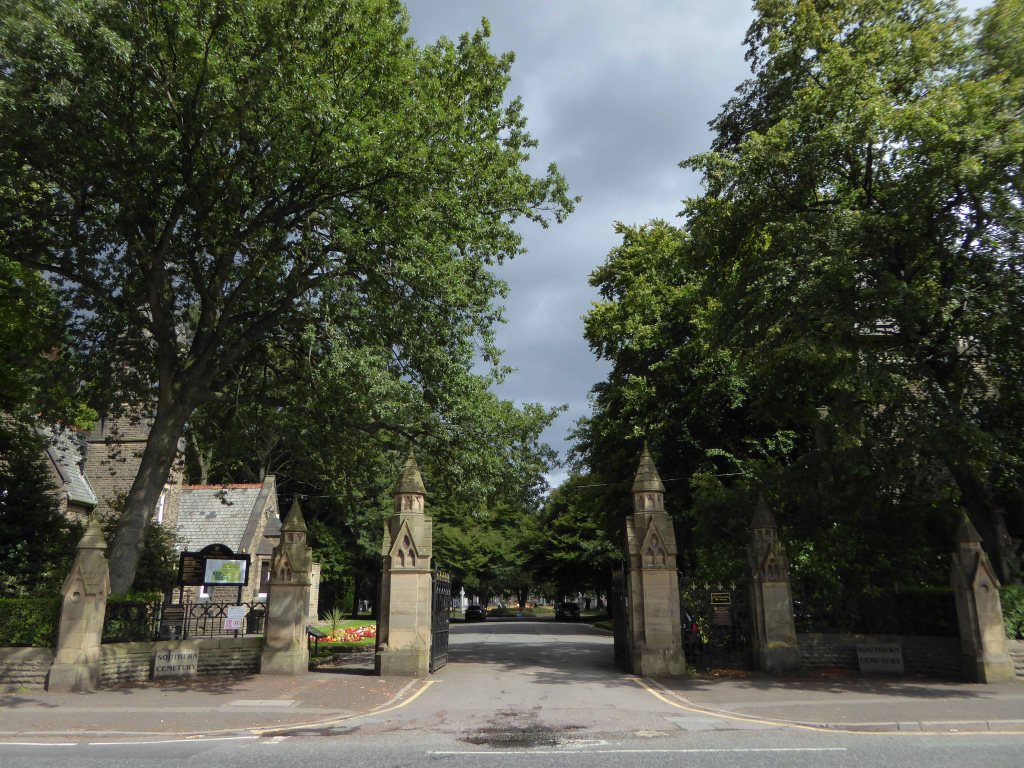
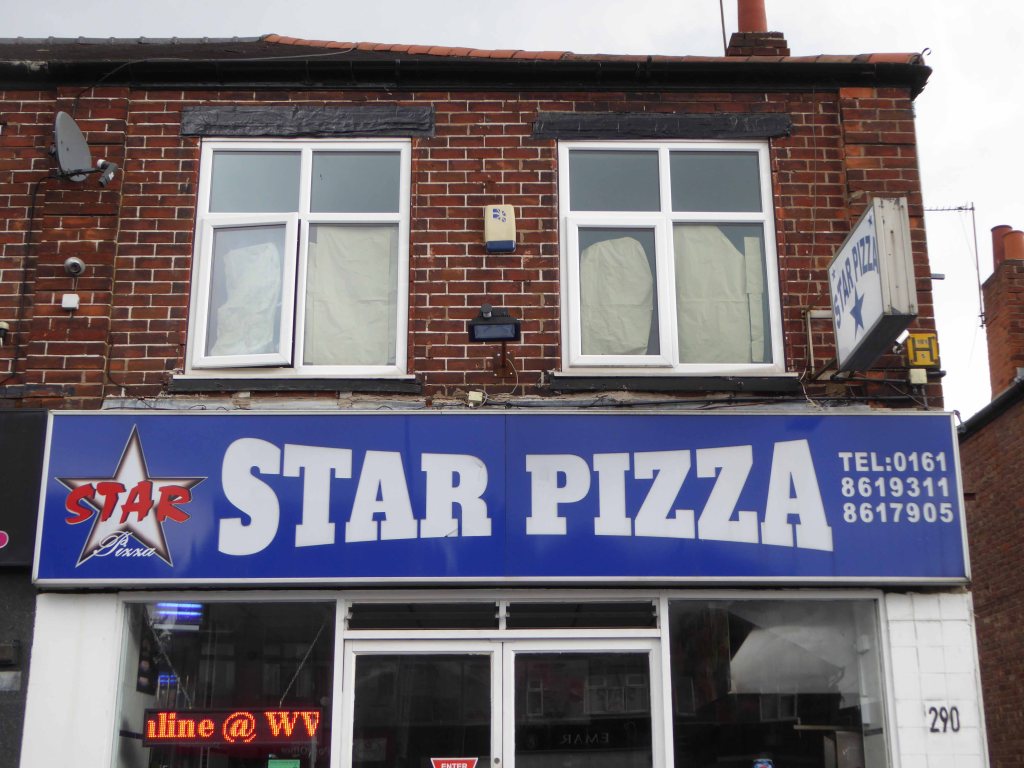
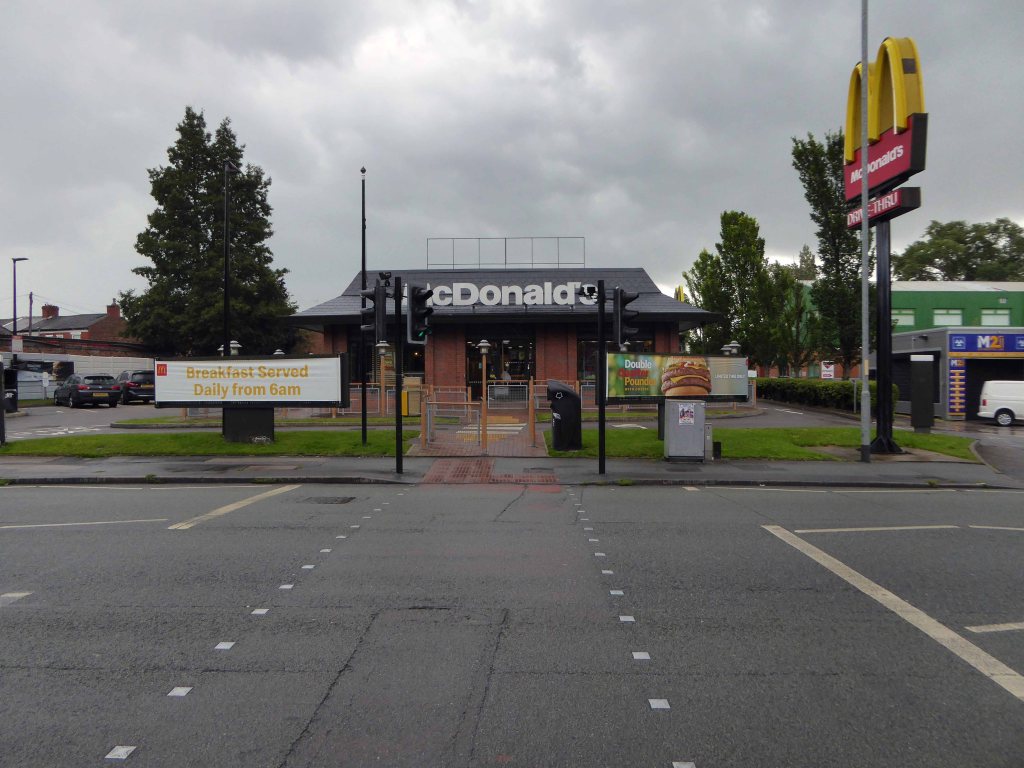
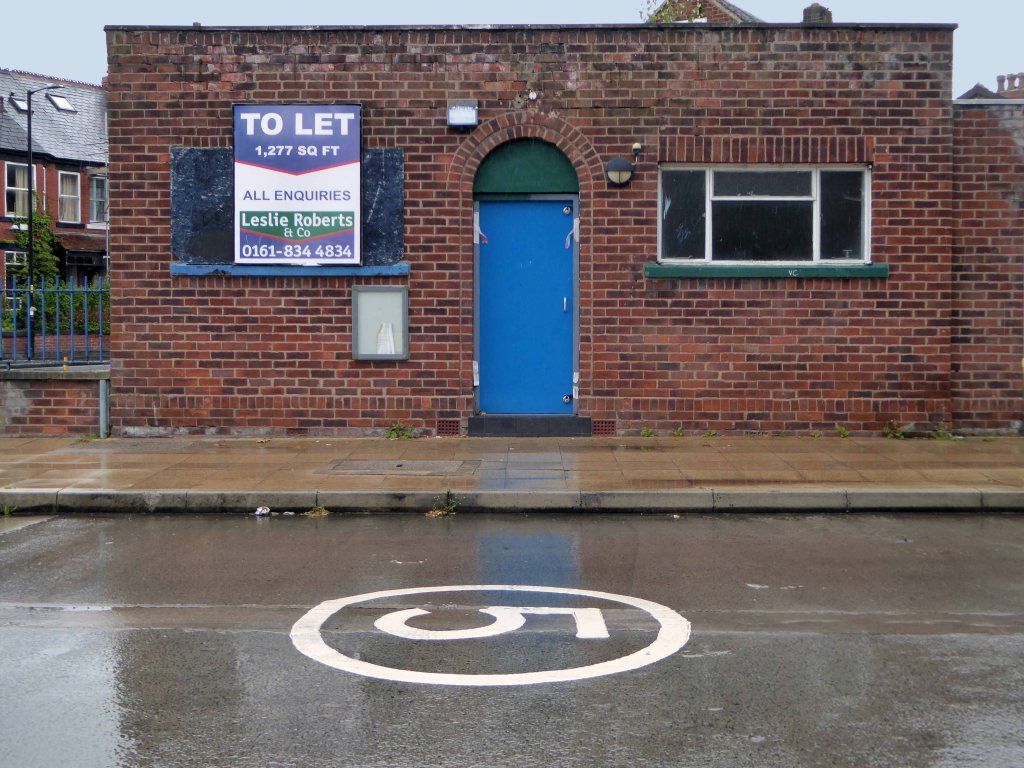
Avoiding heavy showers and even heavier seas, I’m here again.
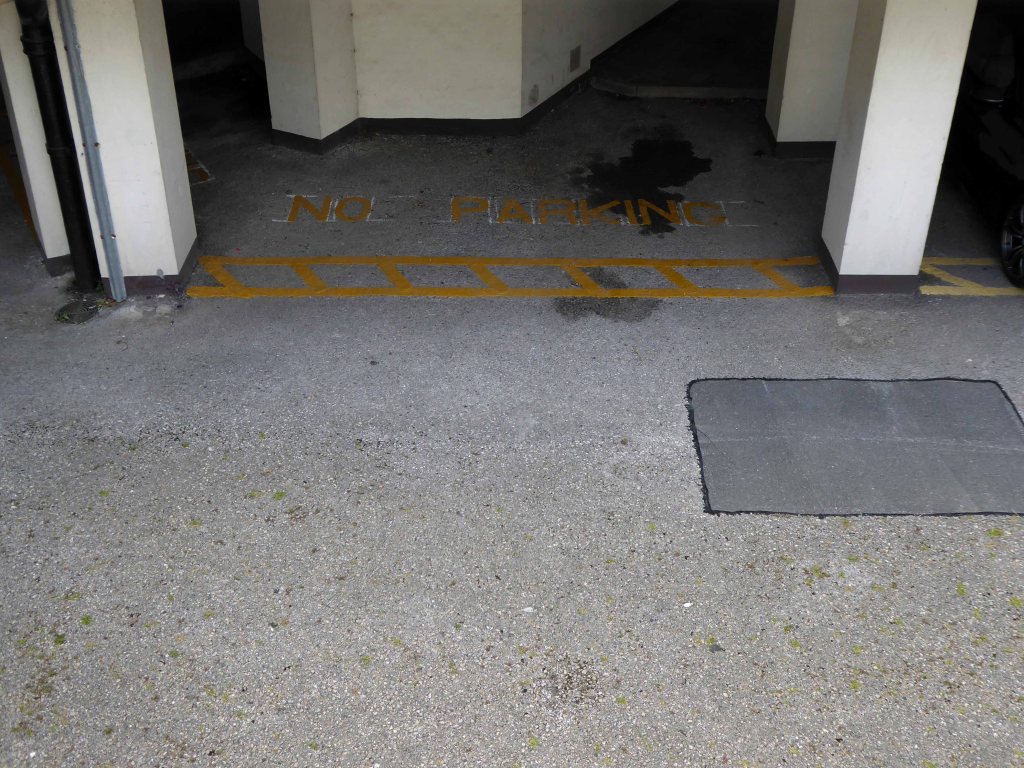
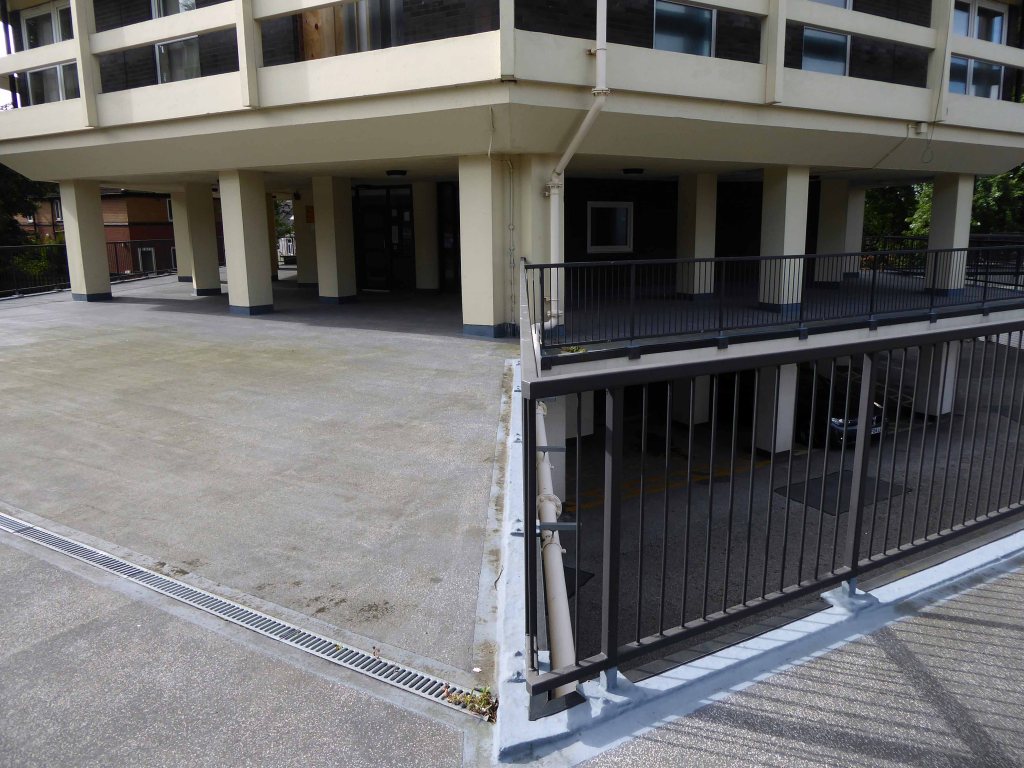
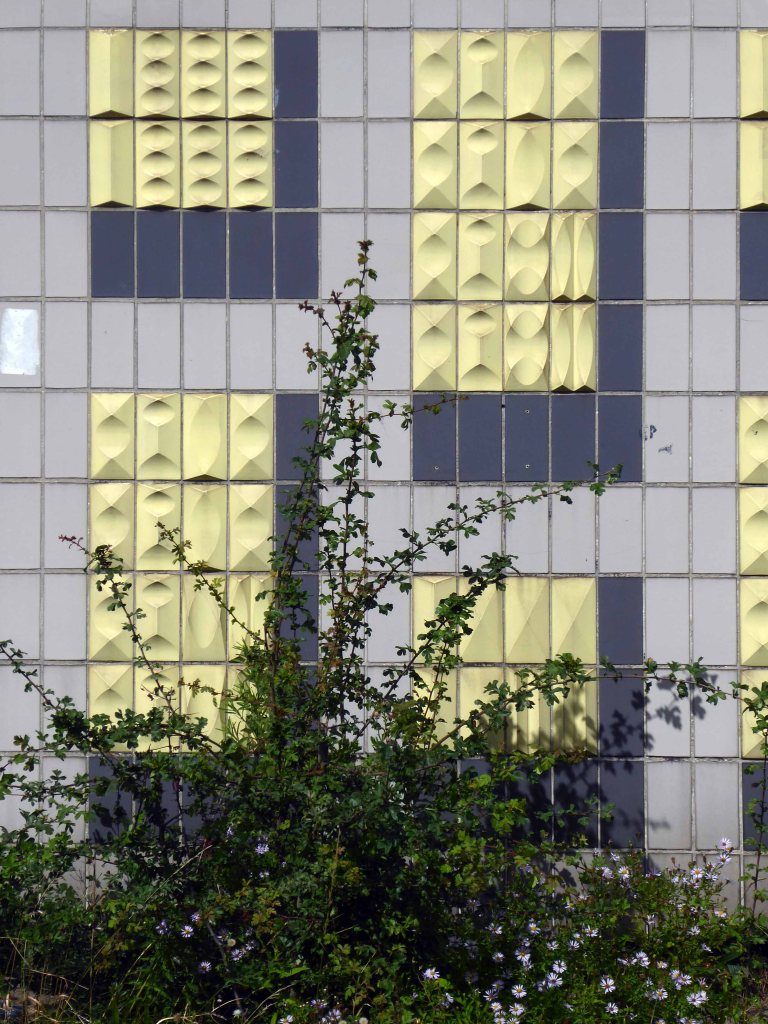
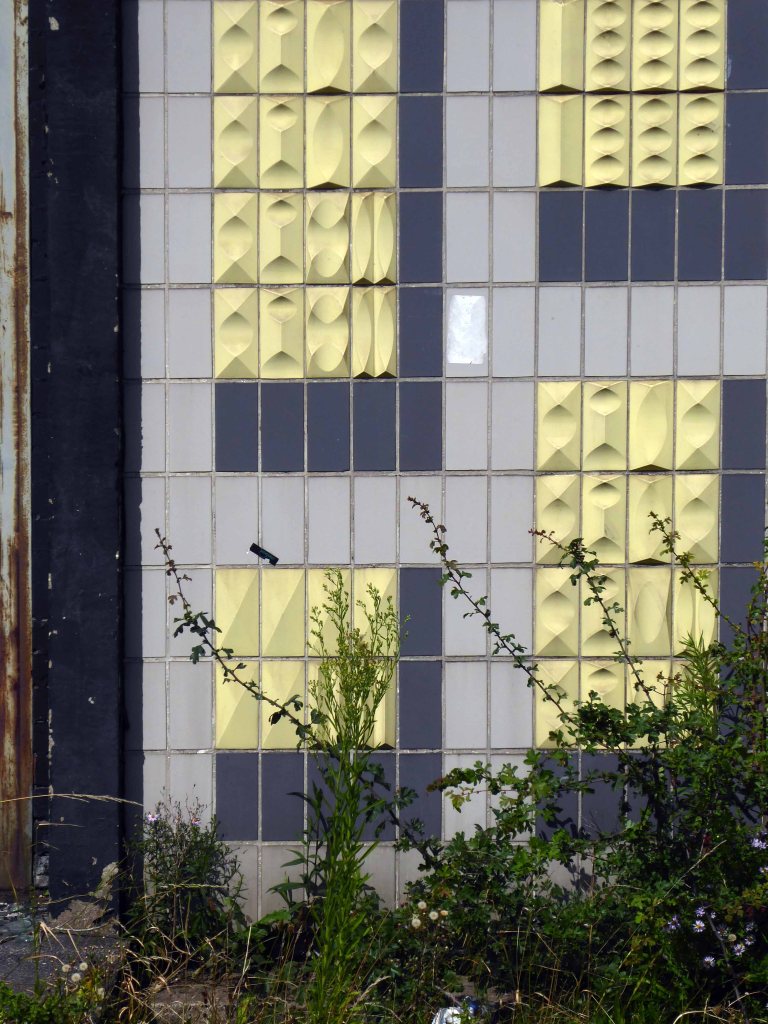
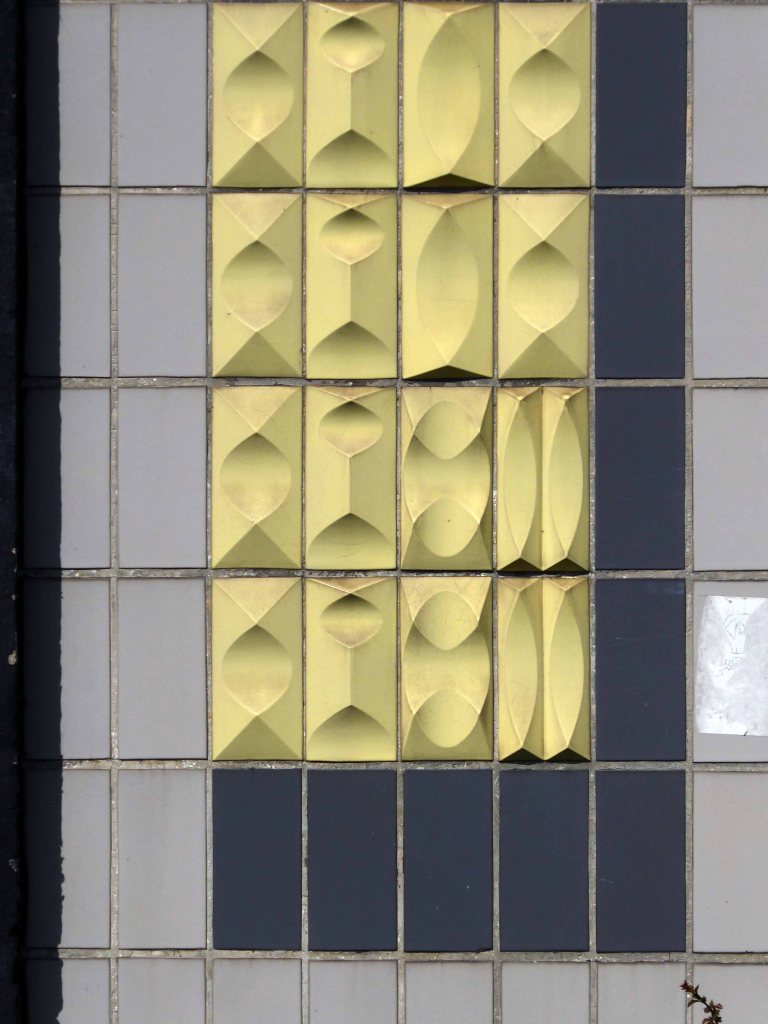
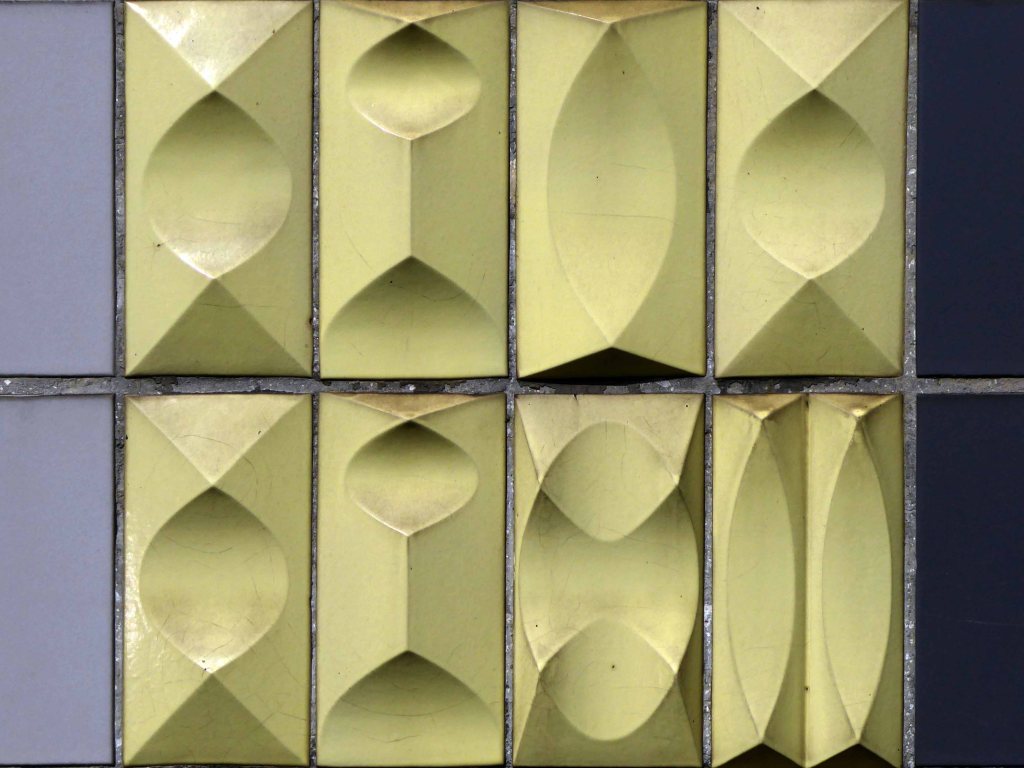
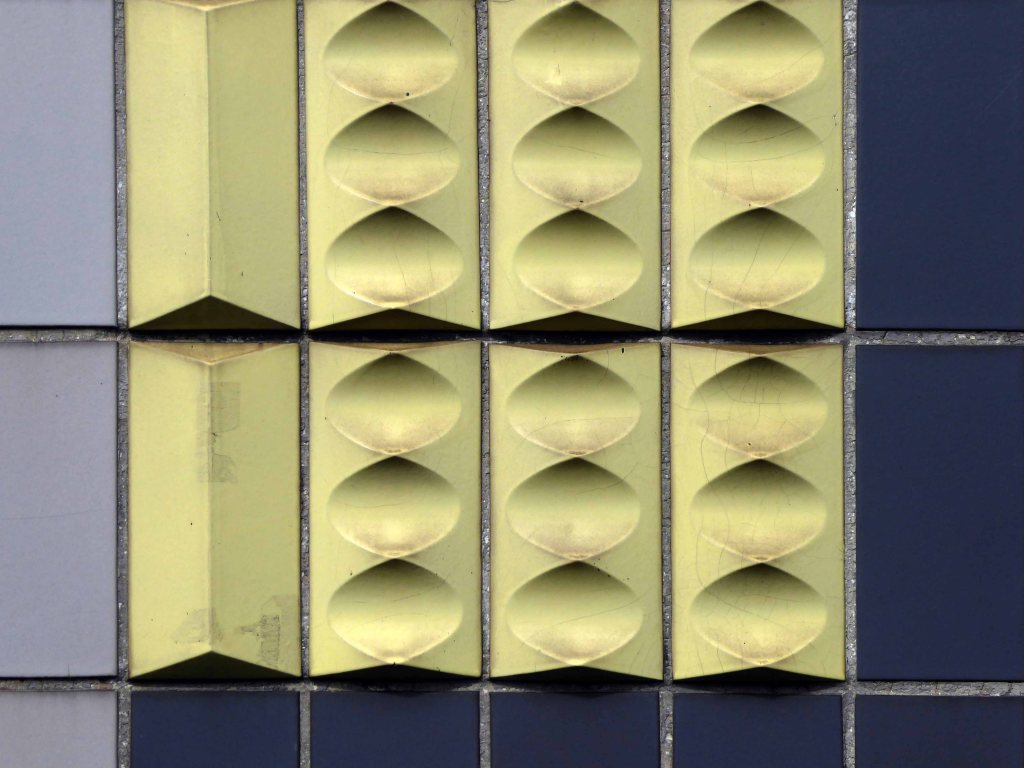
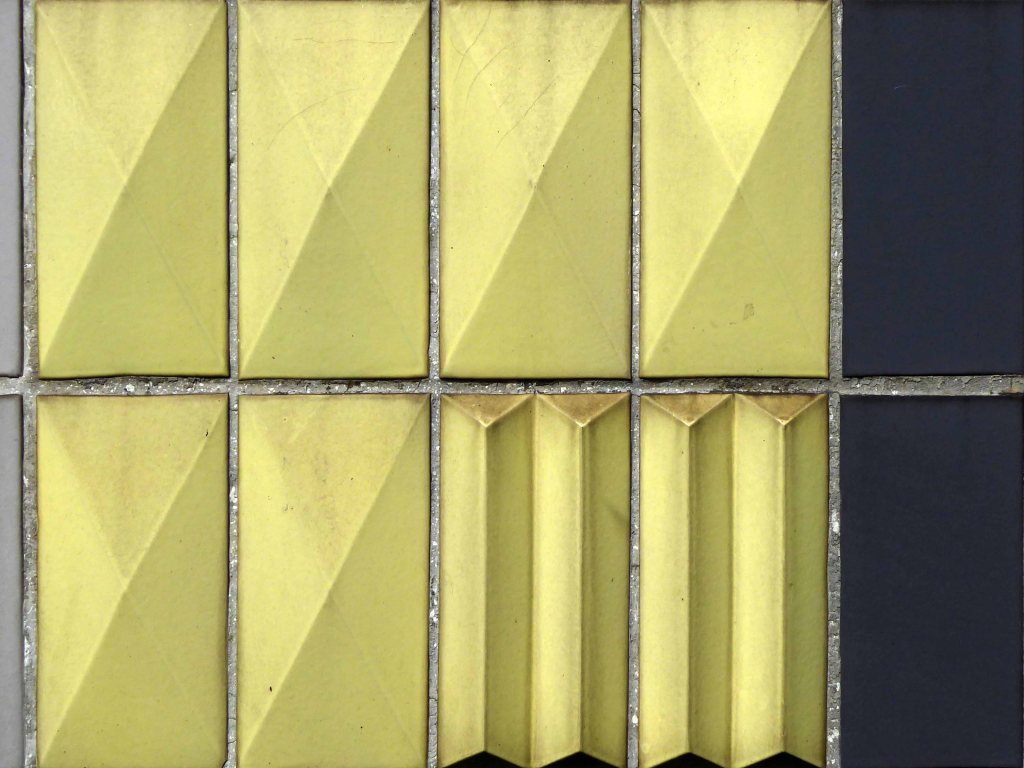
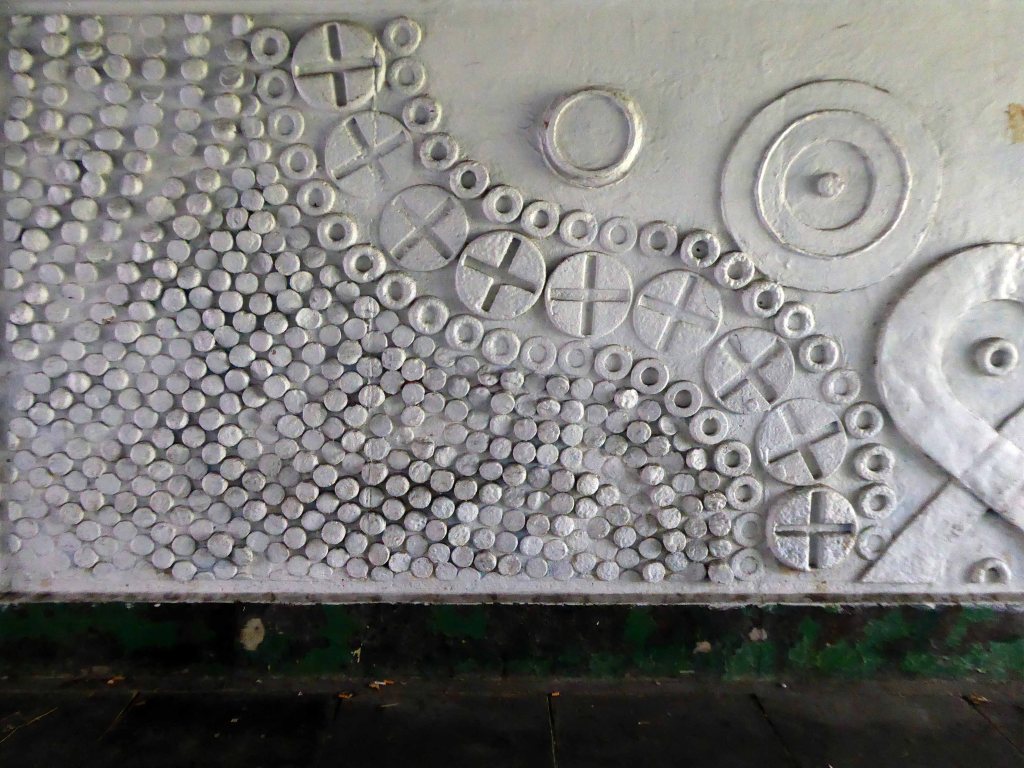
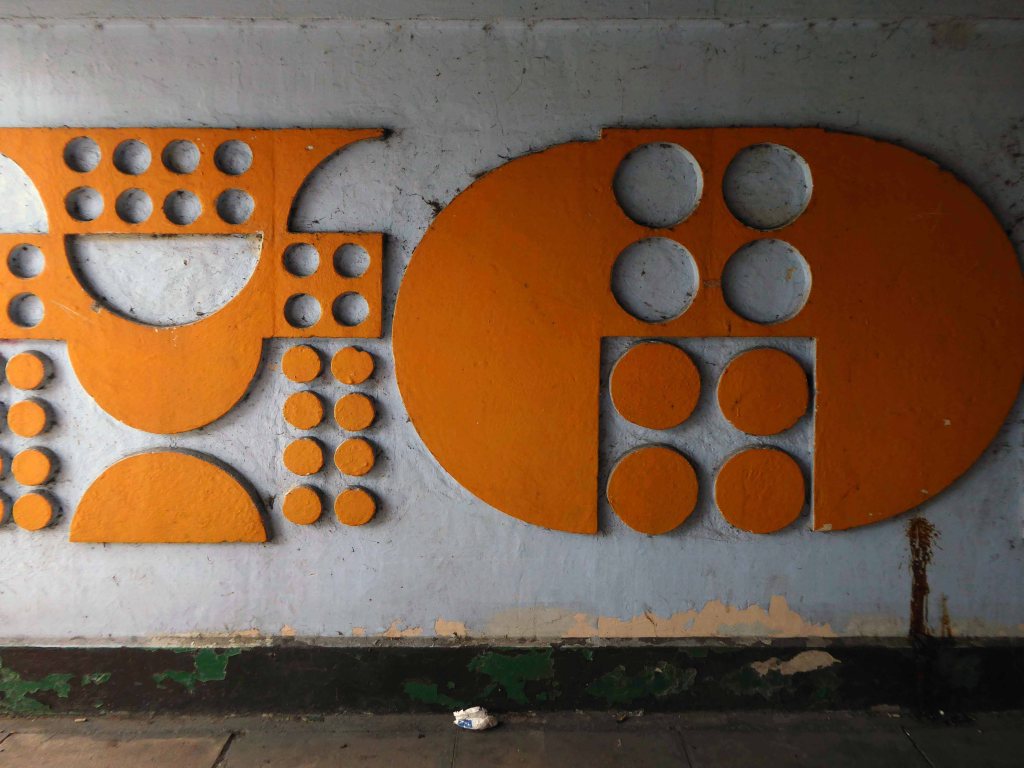
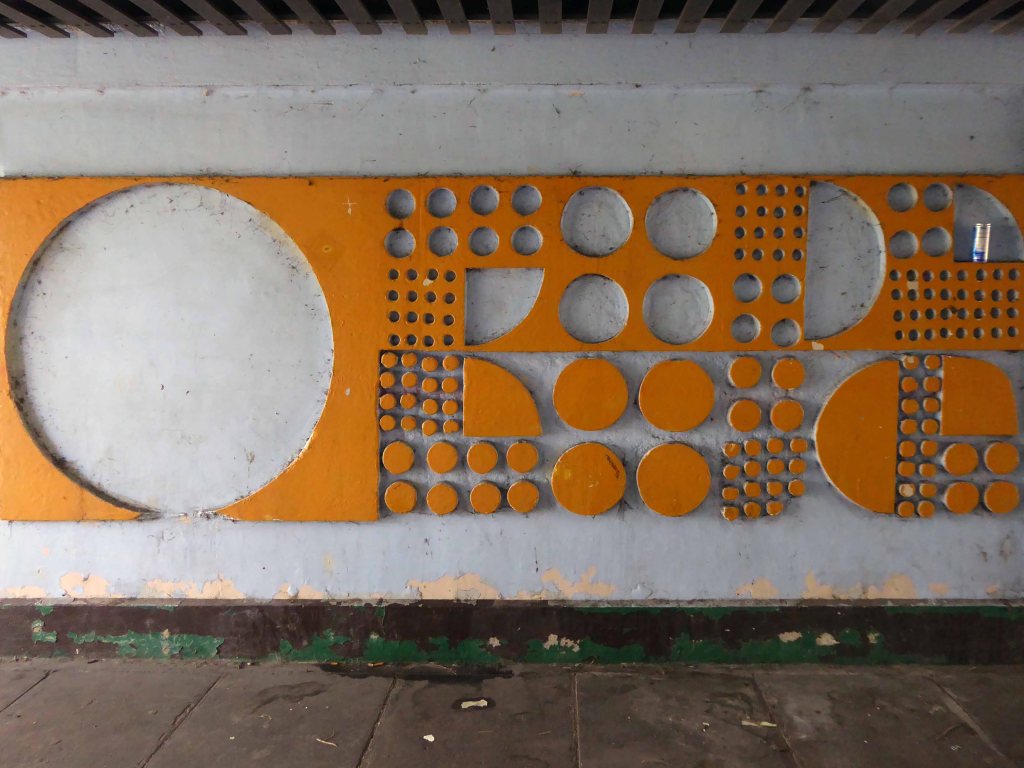
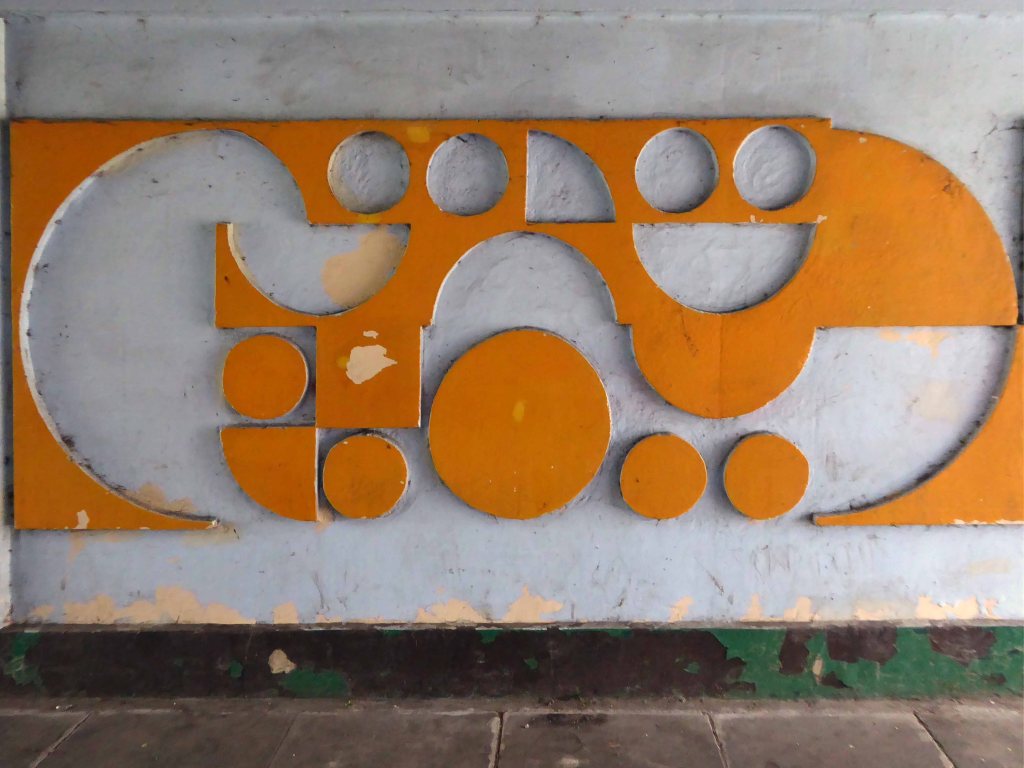
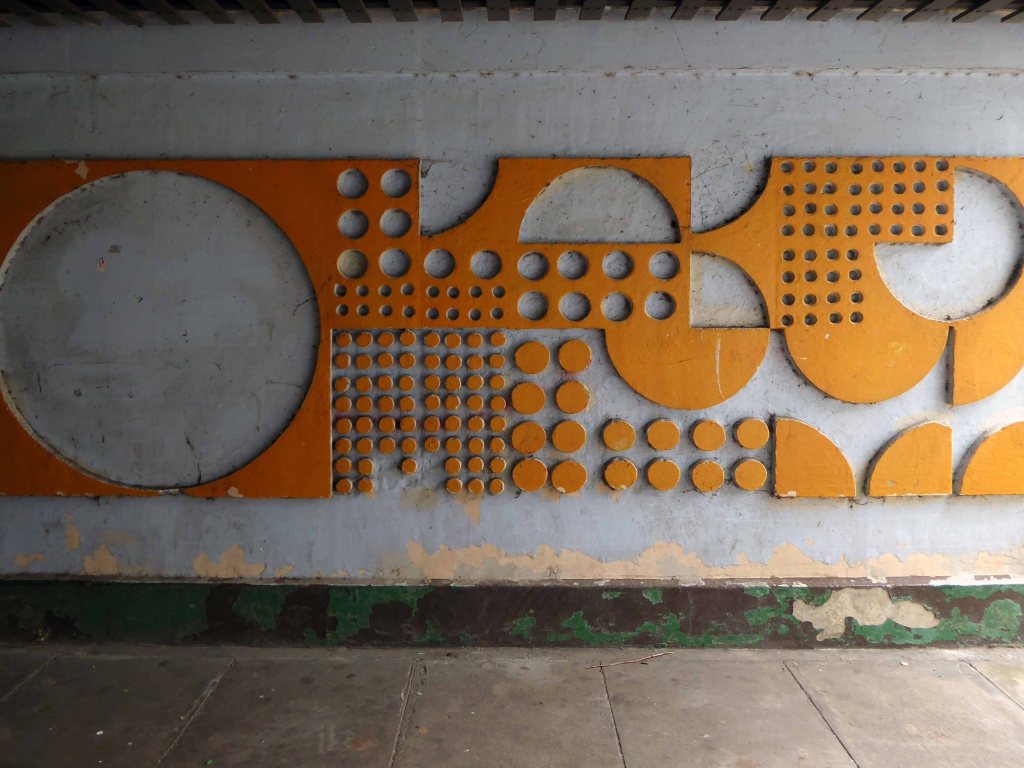
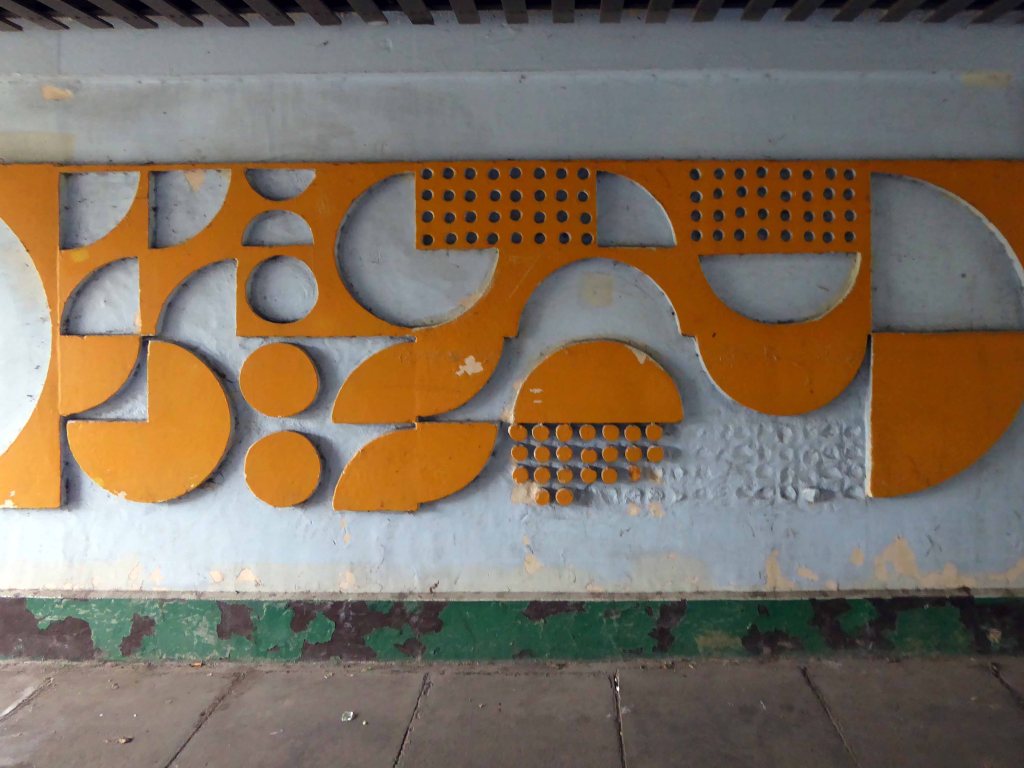
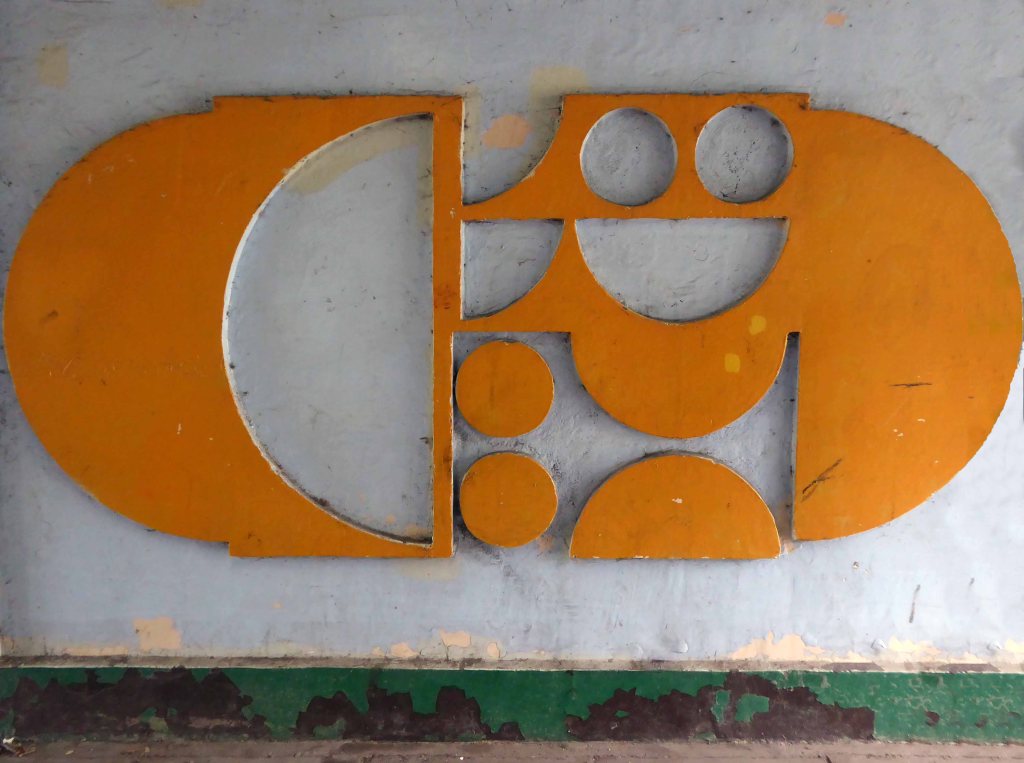
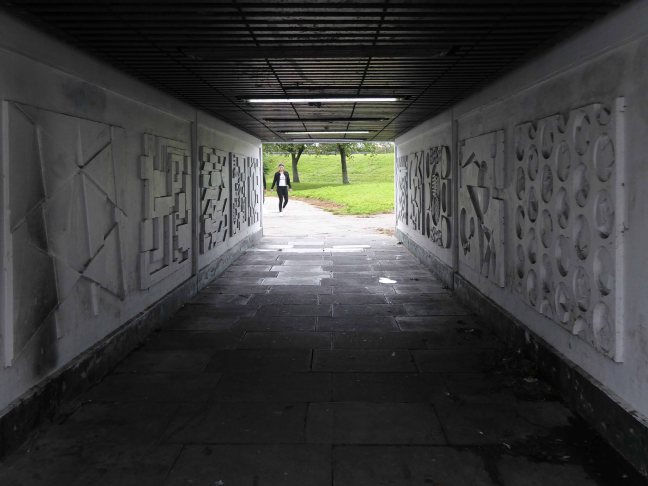
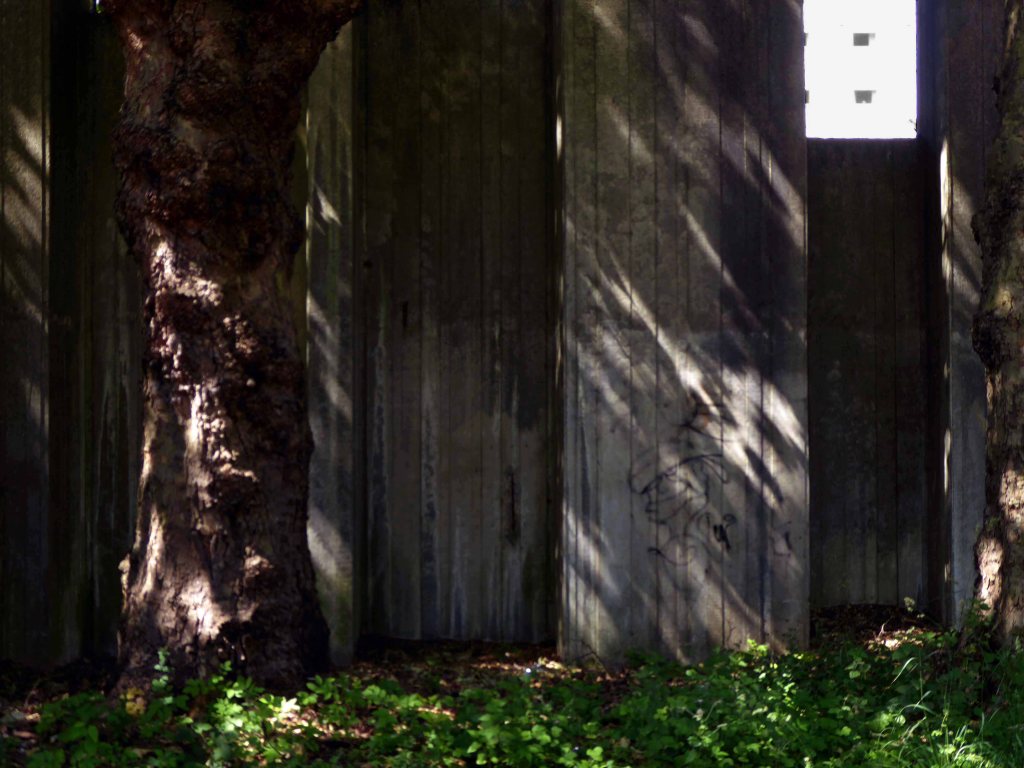
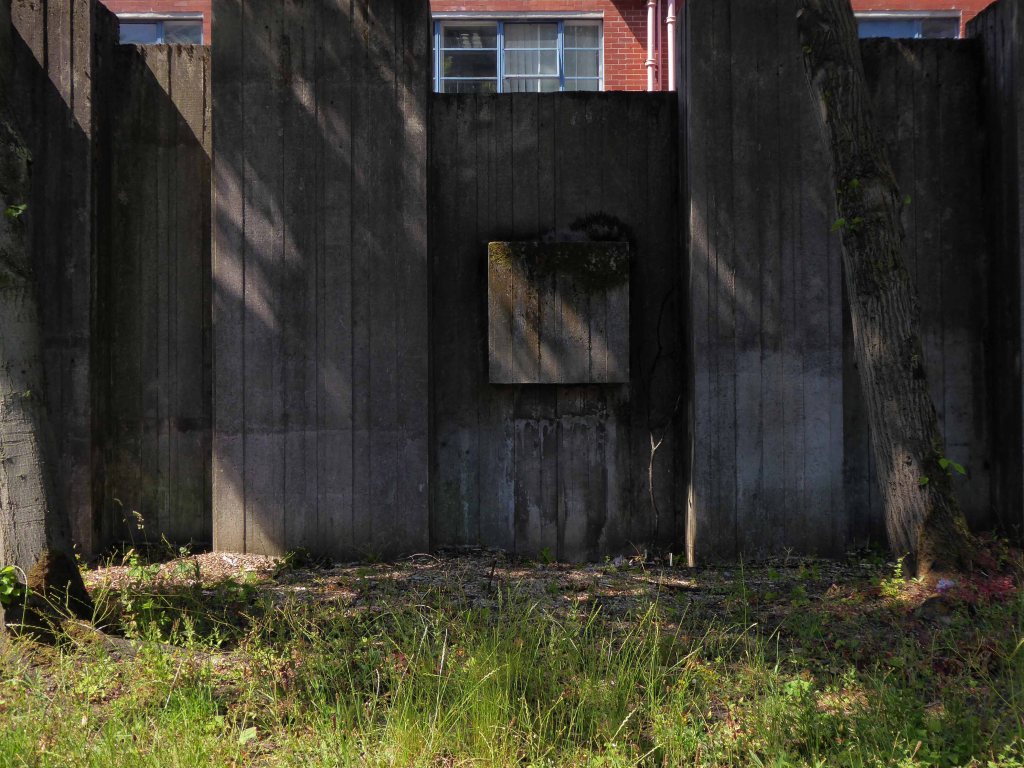
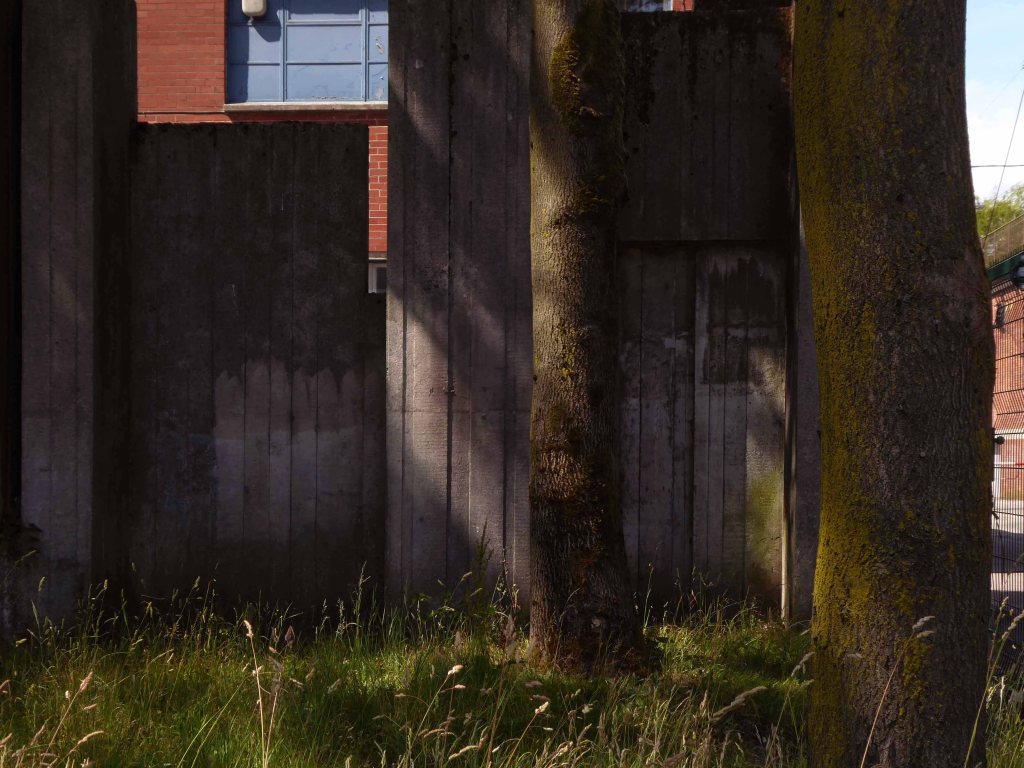
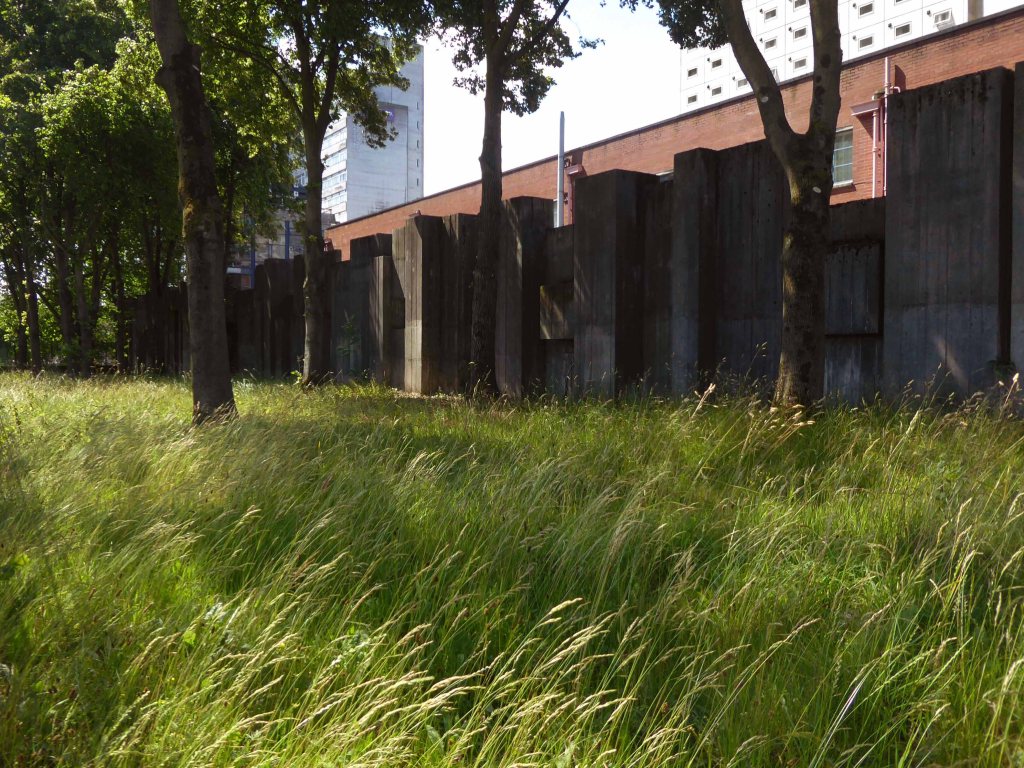
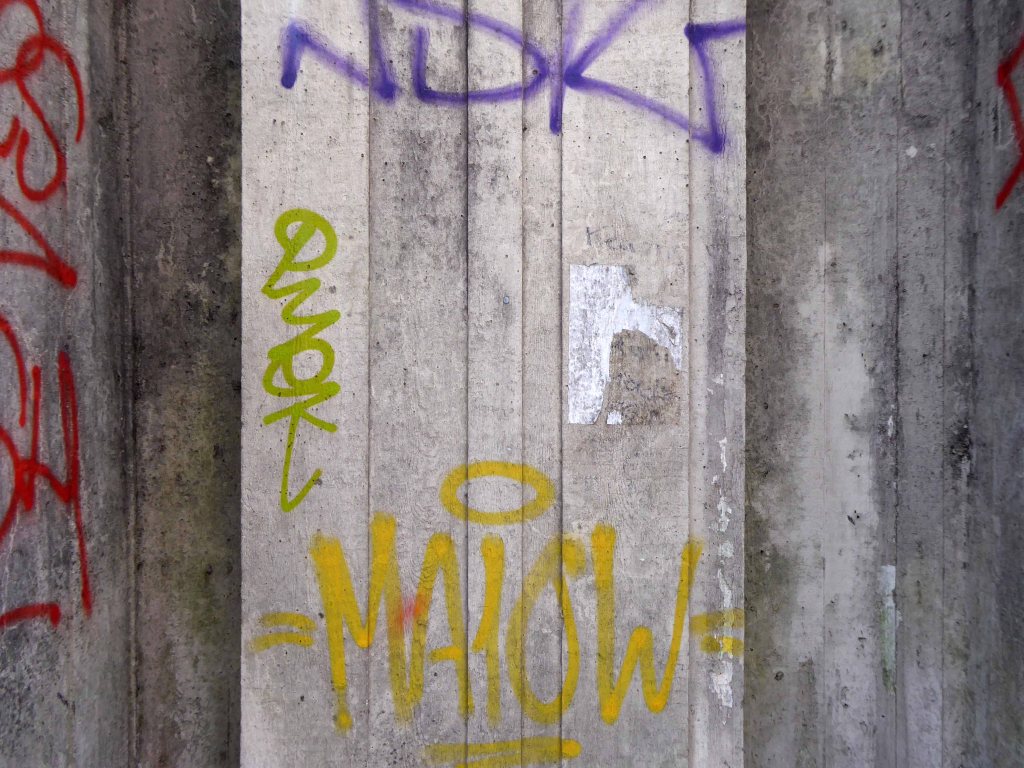
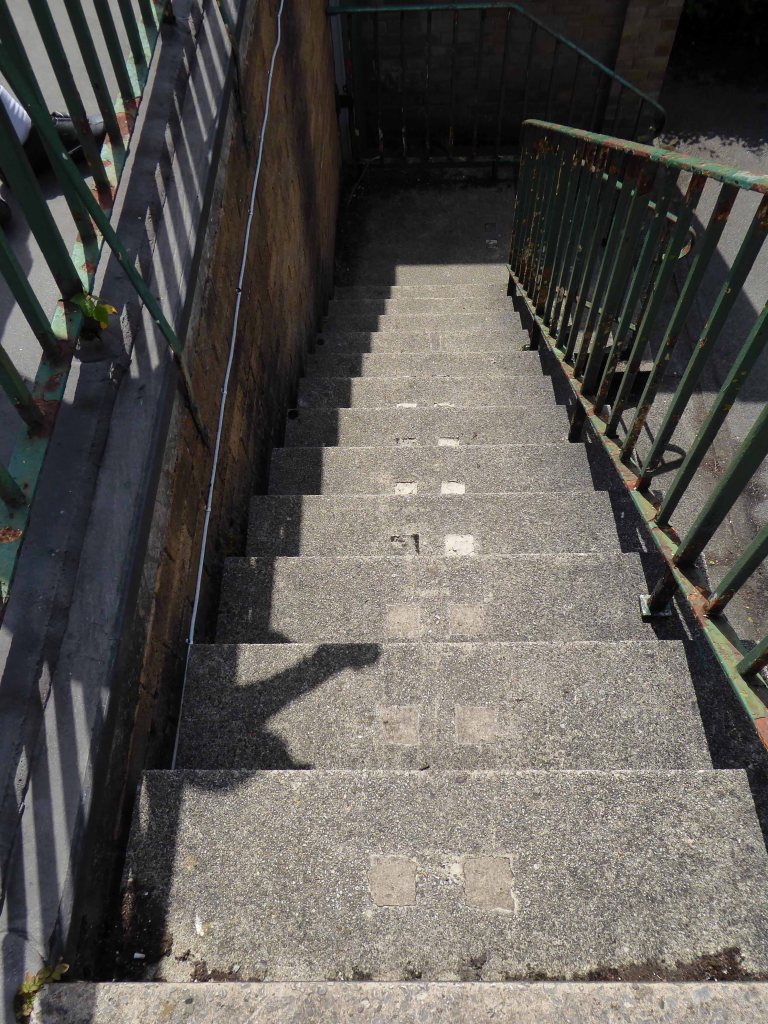
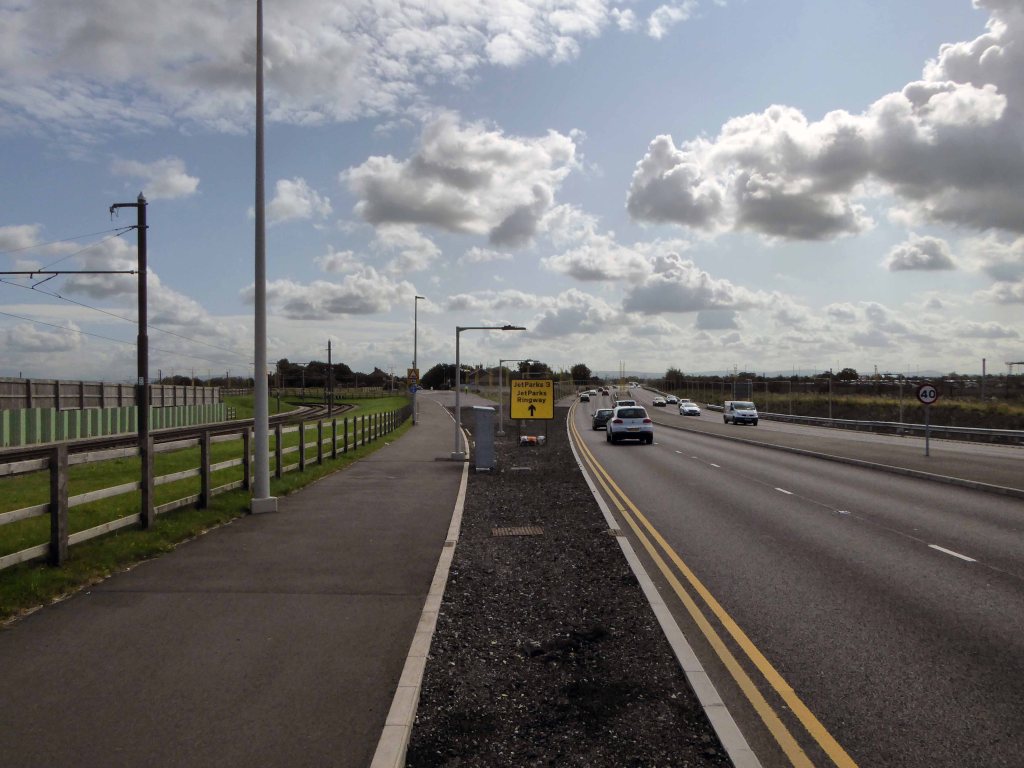
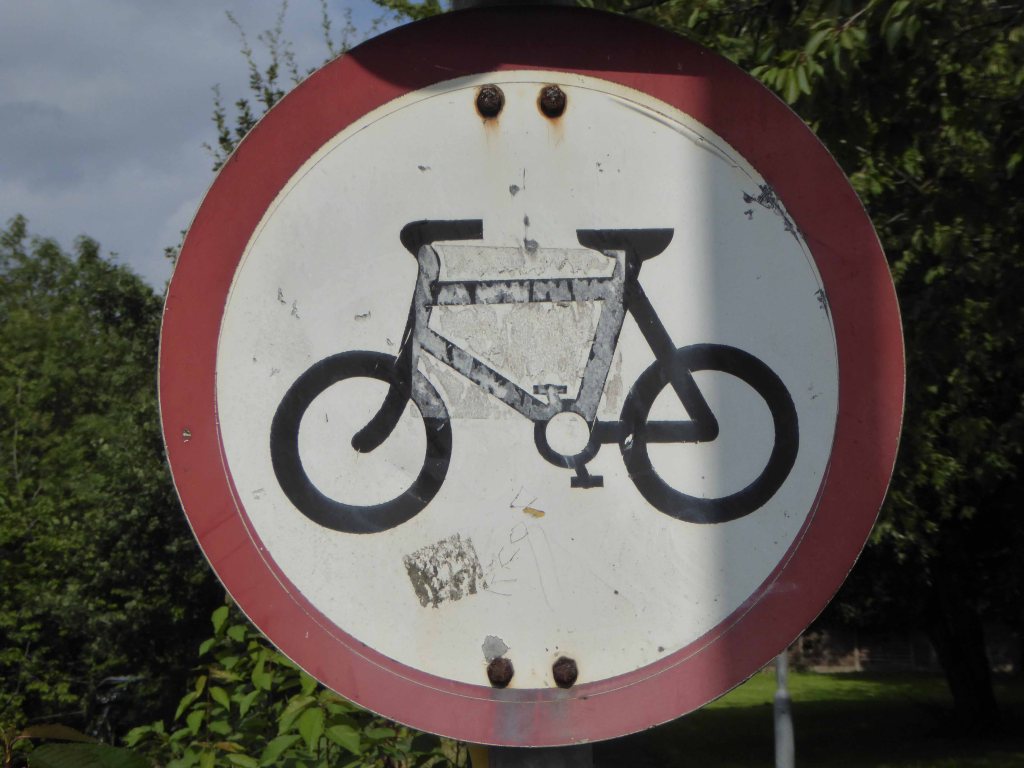
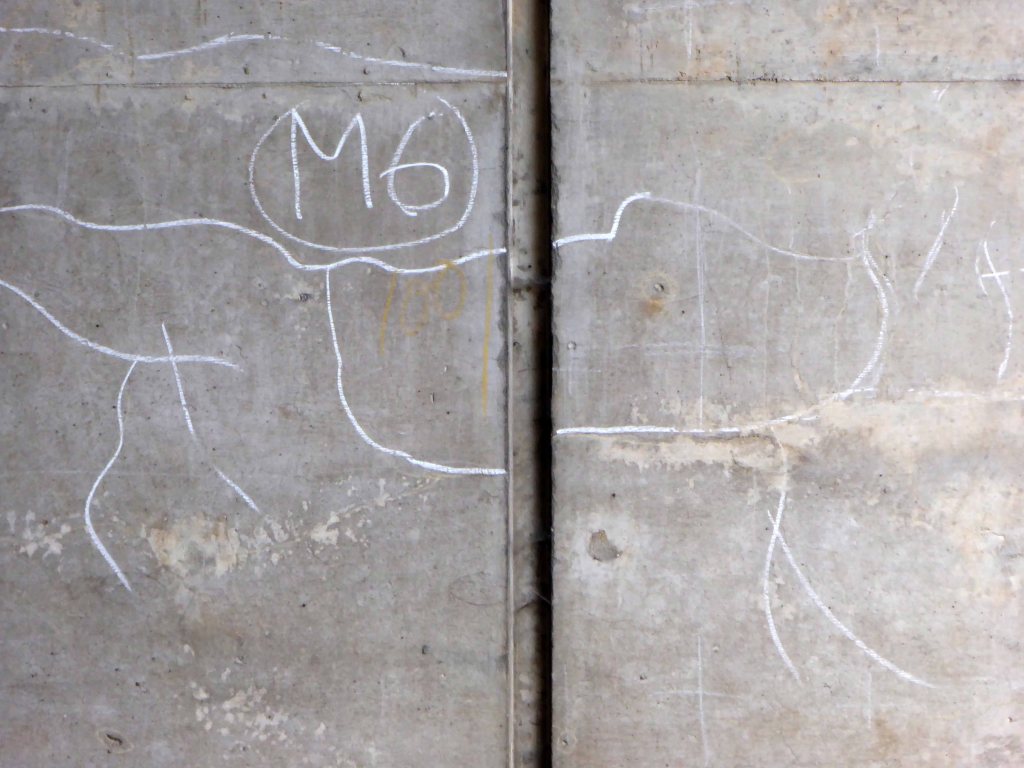
Three ways in and out of a doughnut on Scarborough’s South Bay.
One way in and out of the North Sea.
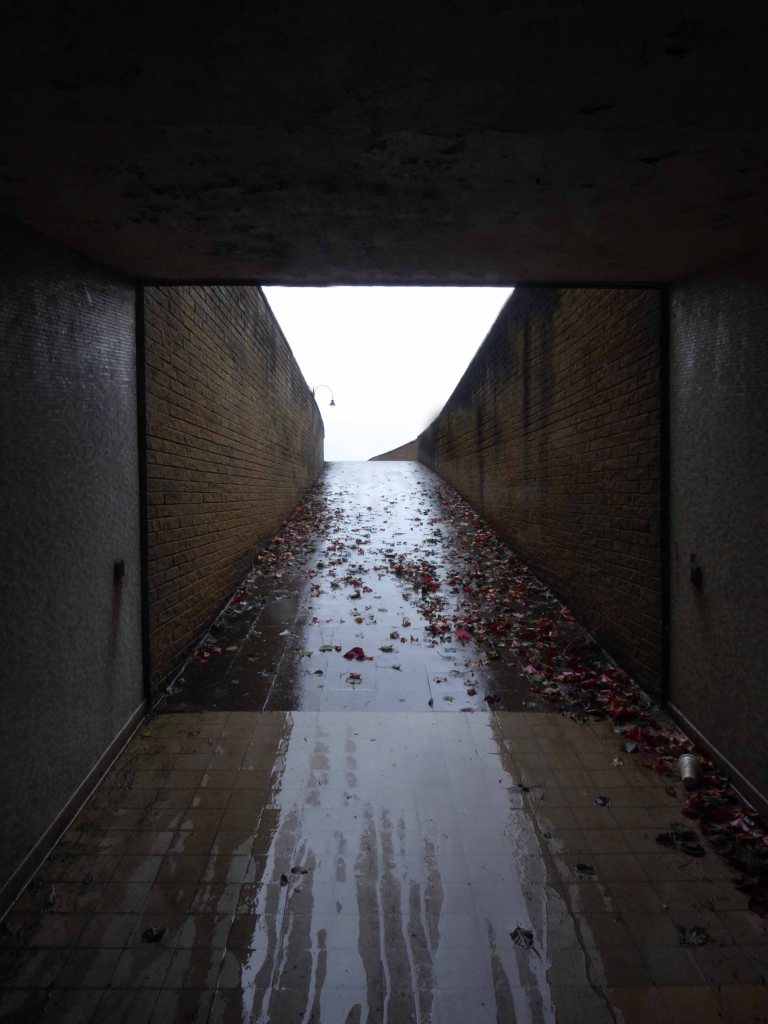
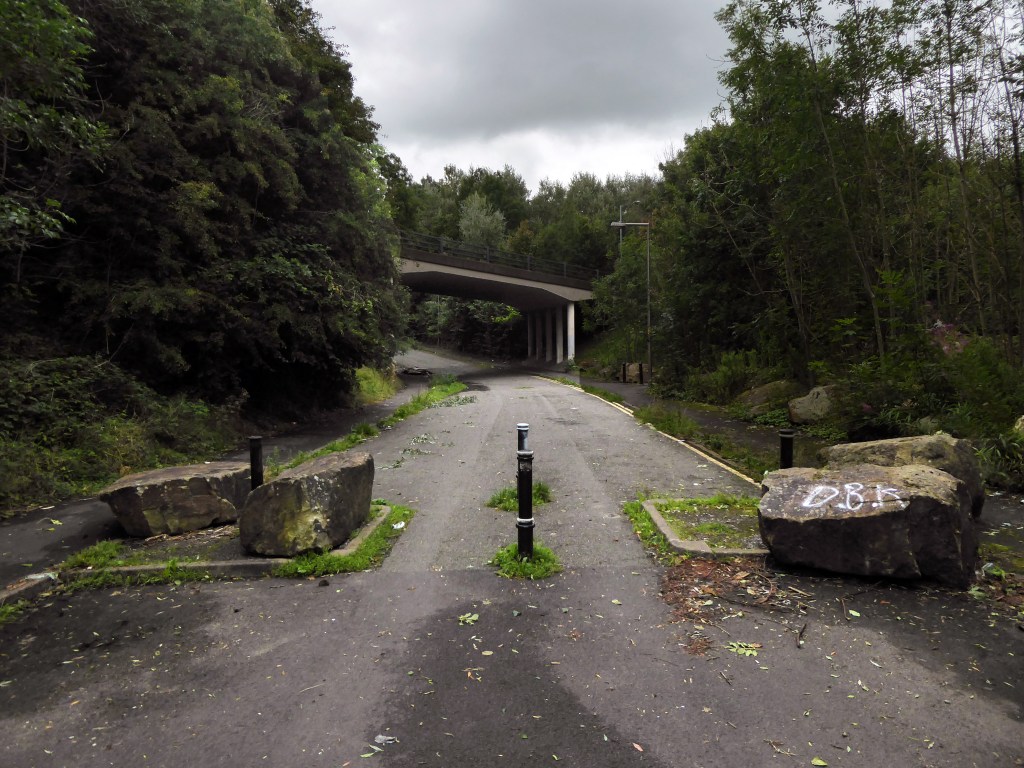
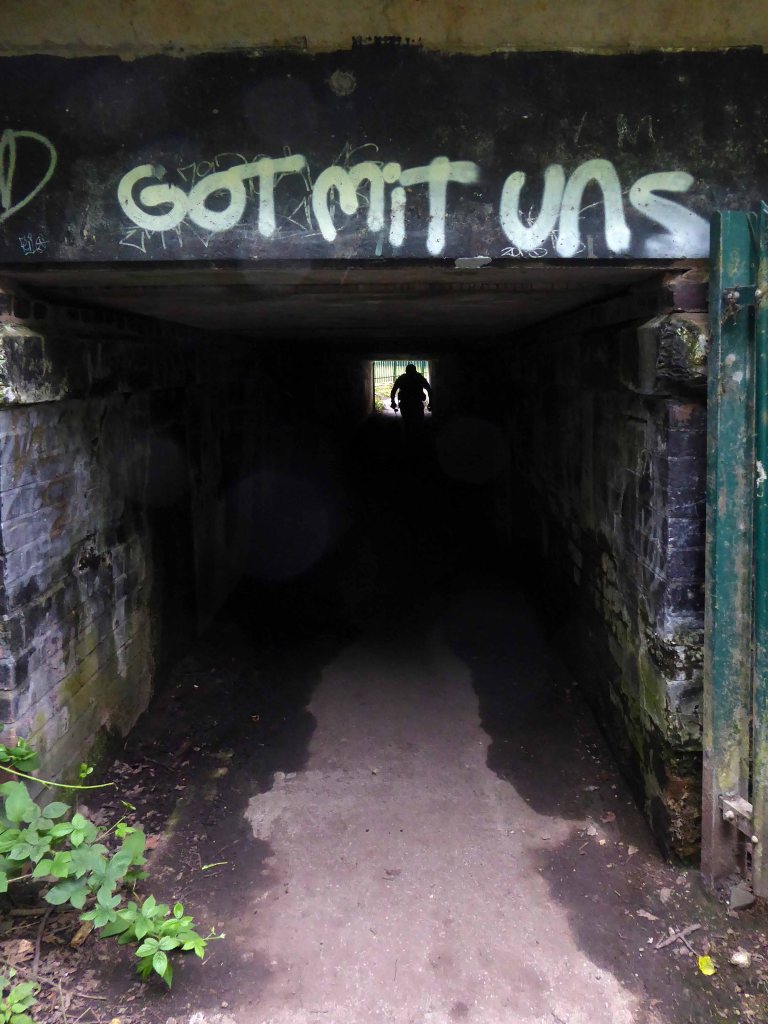
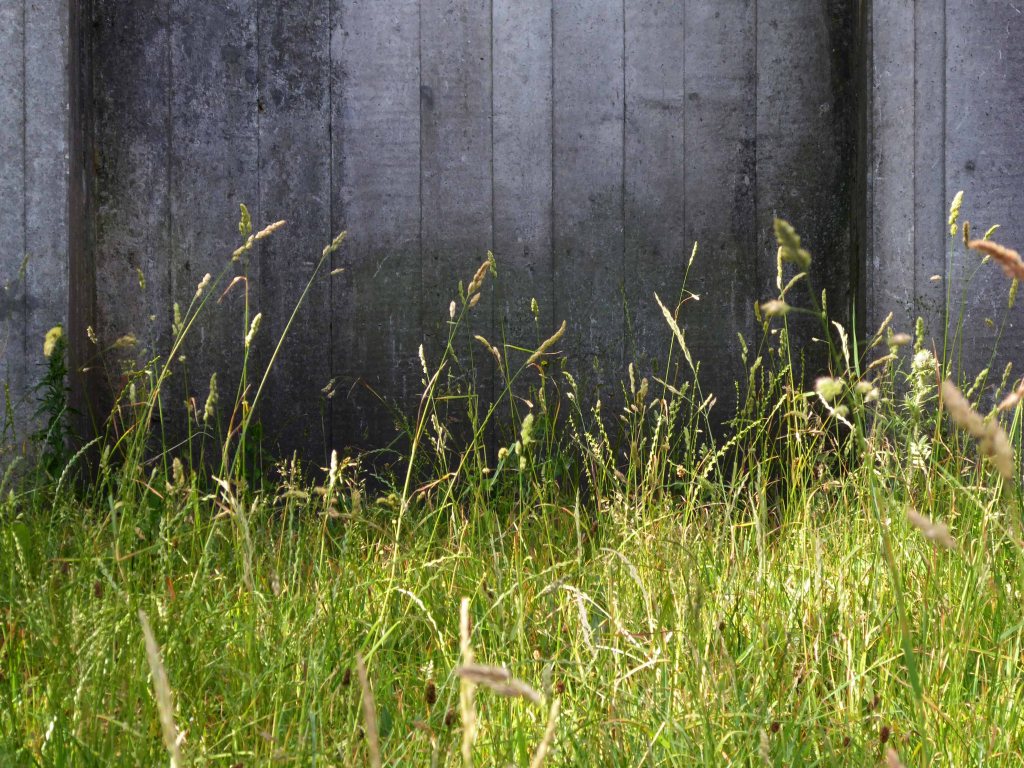
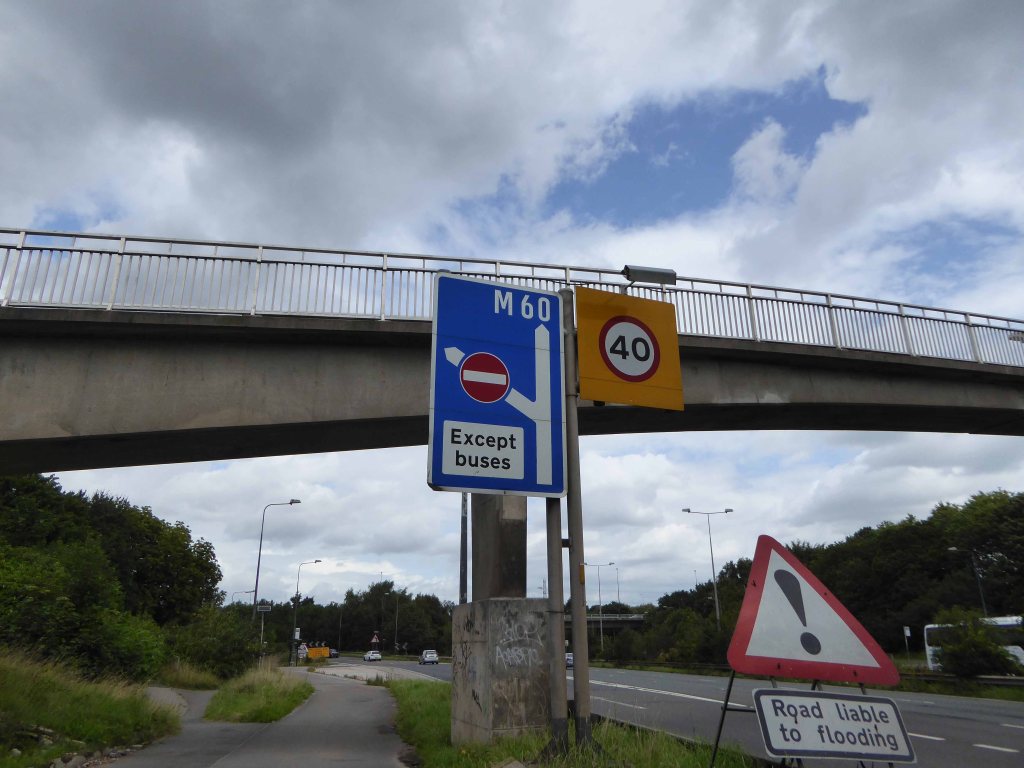
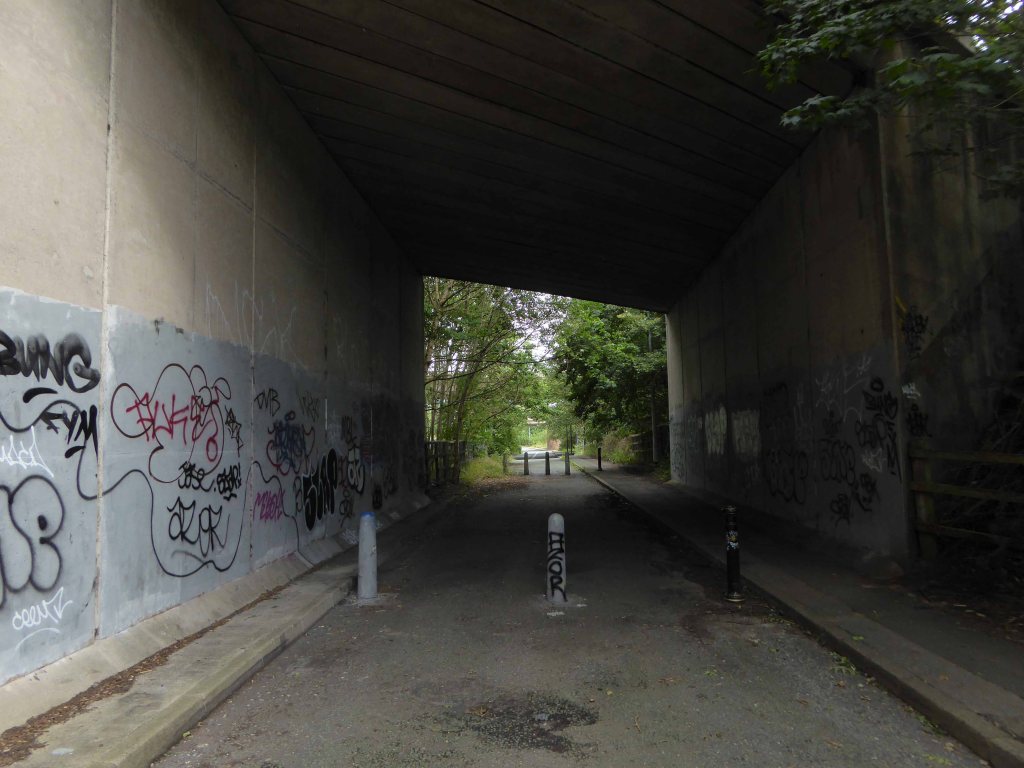
The underpass it seems is generally under threat, unsafe, often unloved and underground – often underused.
Once thought to be the answer to the threat posed to the pedestrian, by increased motor traffic, they are now deemed unsafe – poorly lit, badly maintained and scenes of anti-social activity.
Havens for those who are a threat to themselves.
Don’t let that put you off, get down and get with it!
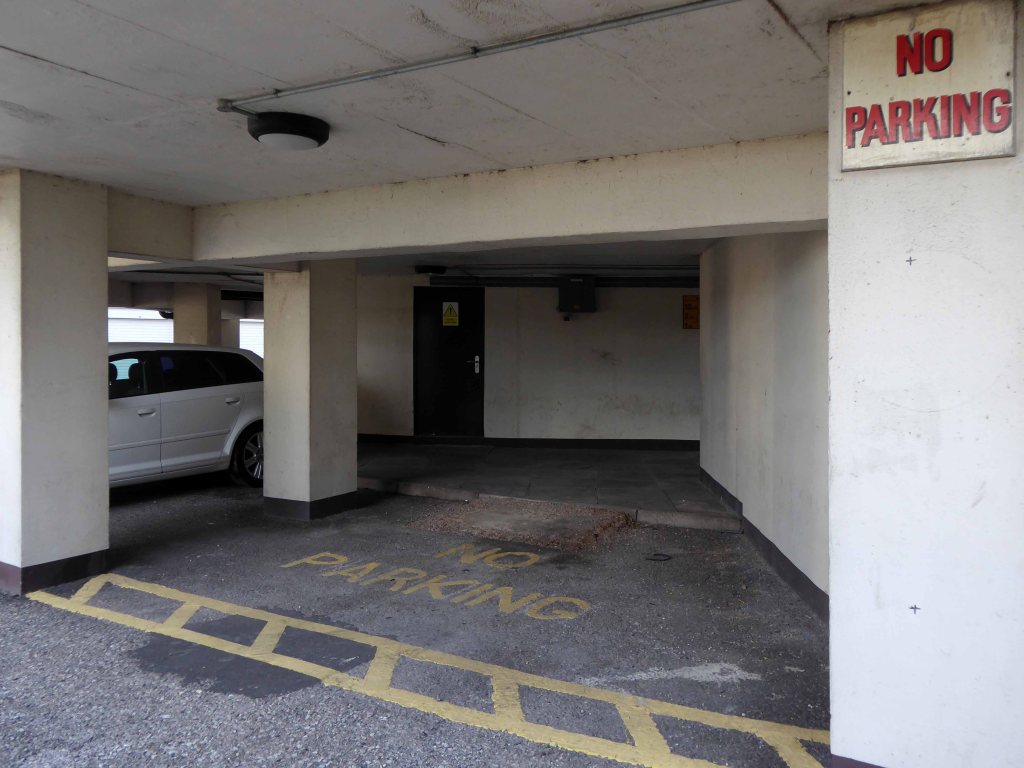
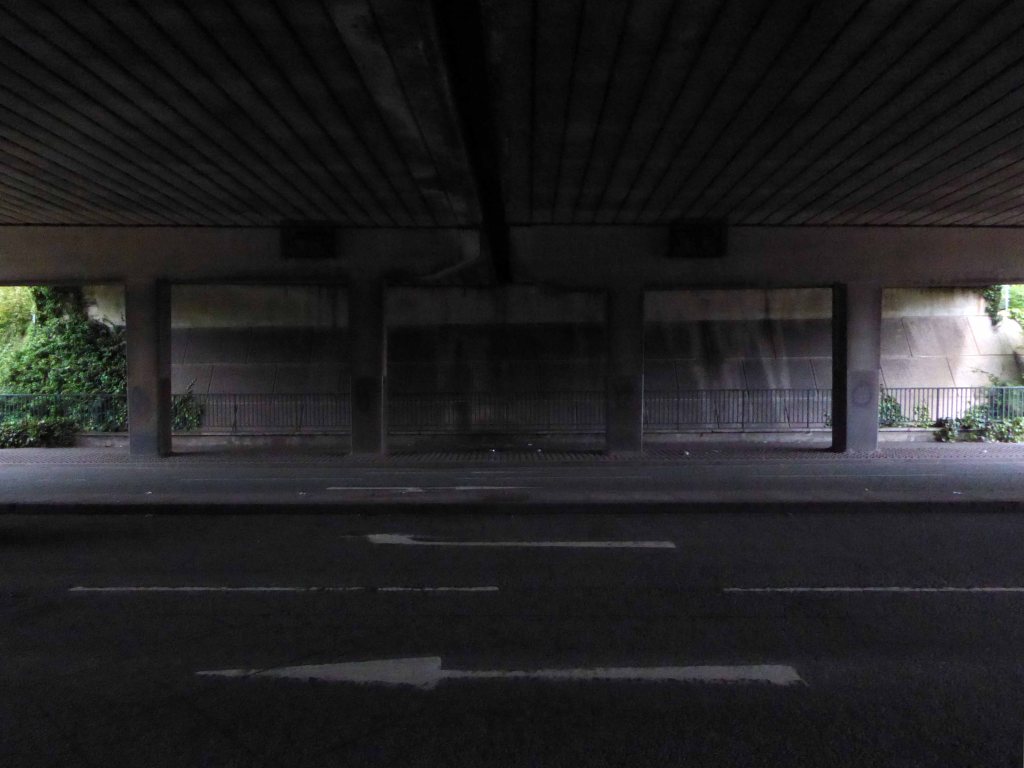
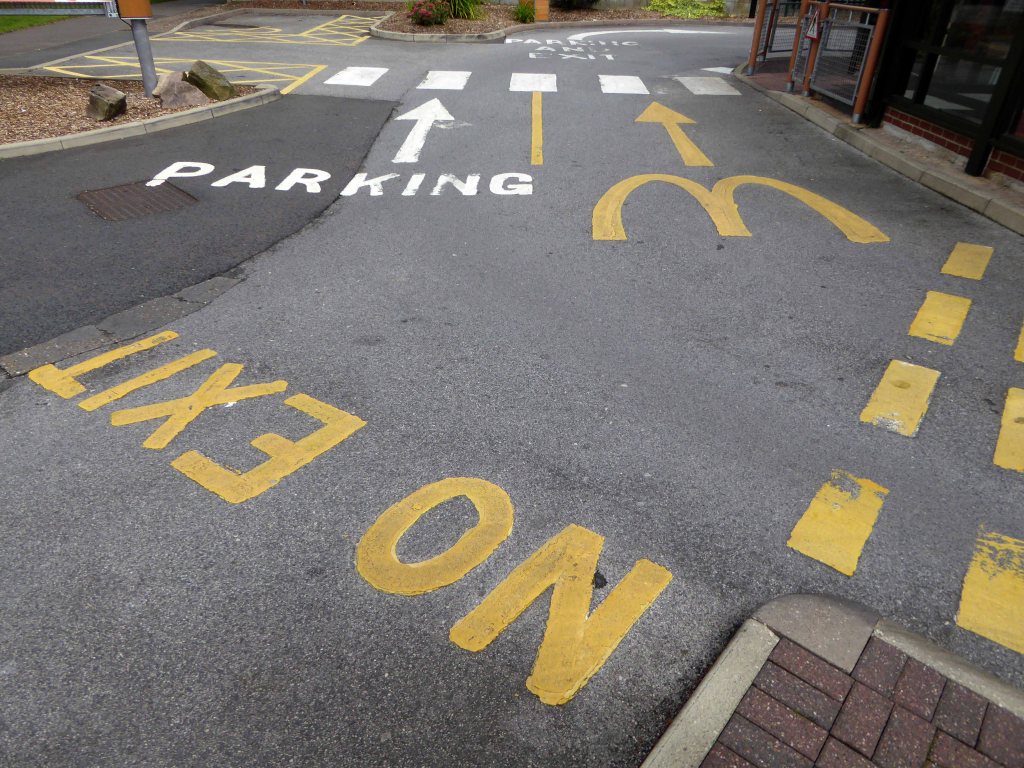
Why not treat yourself to a walk around the South Bay Underground Car Park?
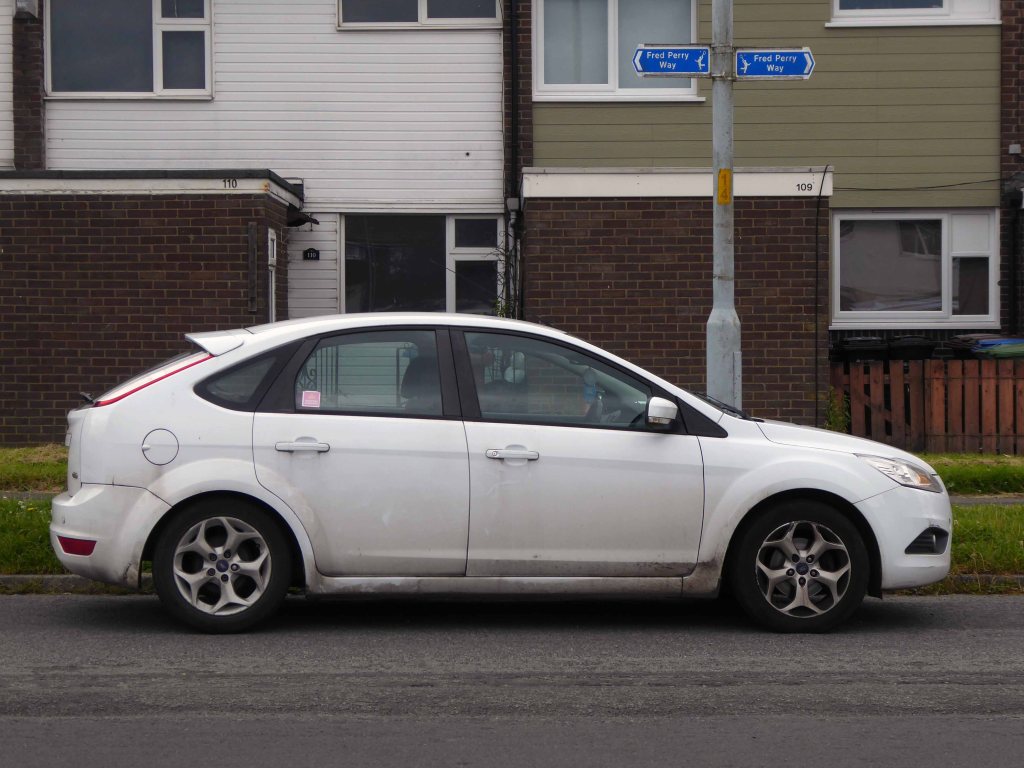
Once a rare sight on our roads the ubiquitous SUV reigns supreme on our suburban streets – the level of UK car debt currently stands at £73 Billion.
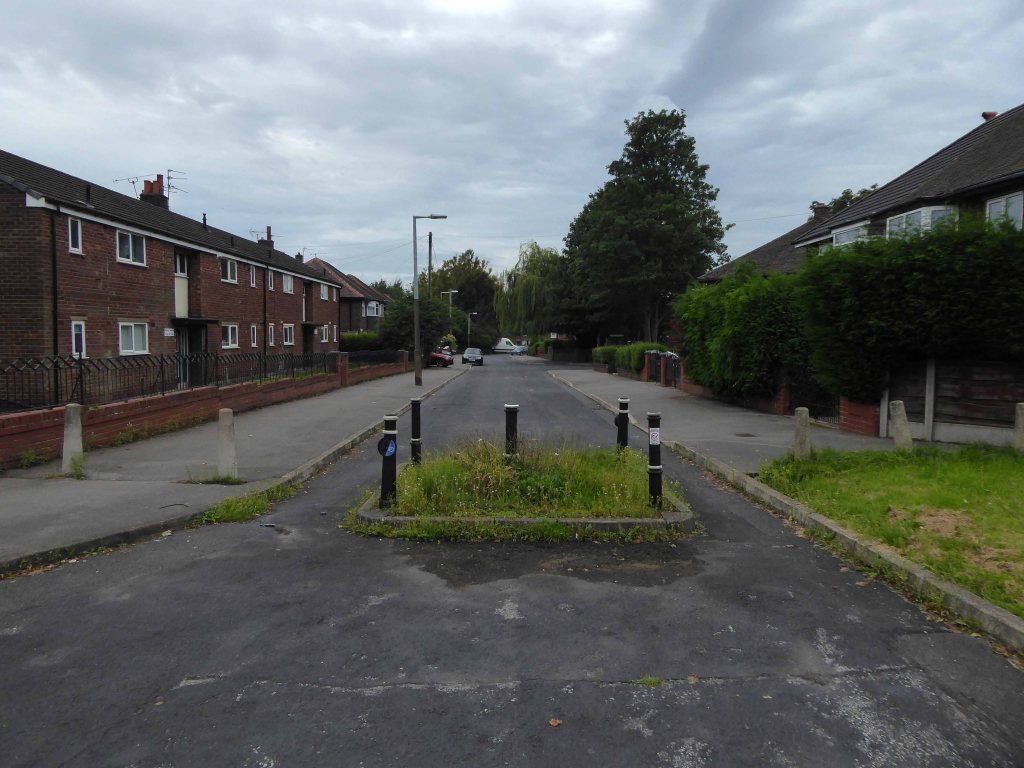
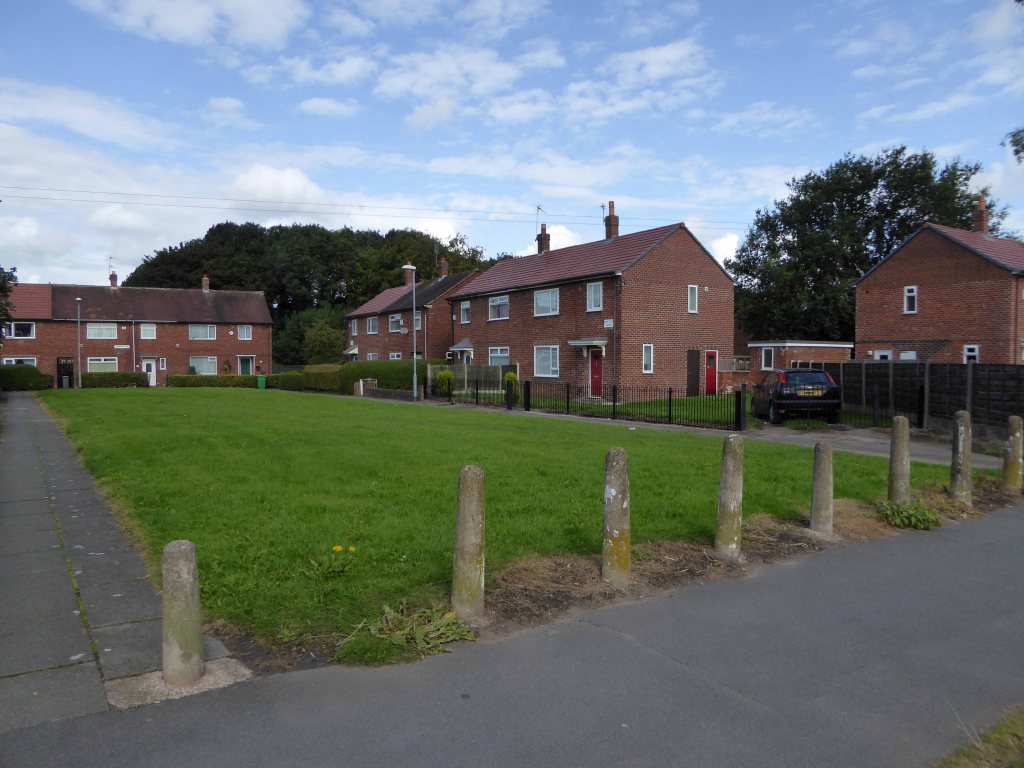
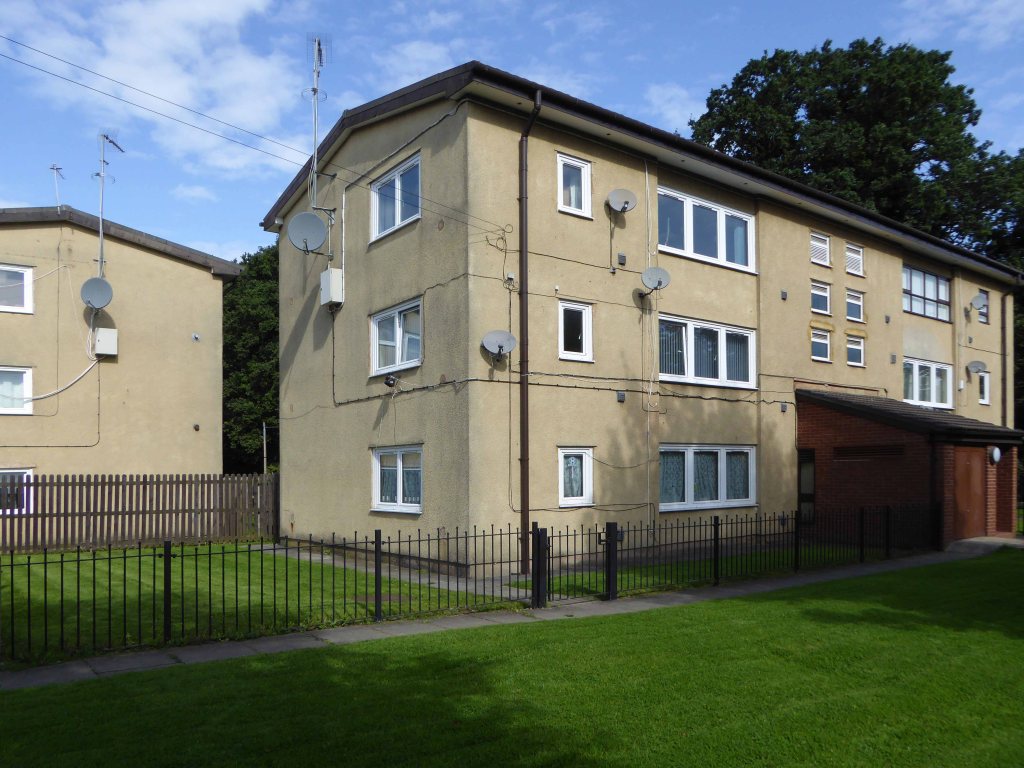
We weaved in and out of the highways and byways of South Reddish.
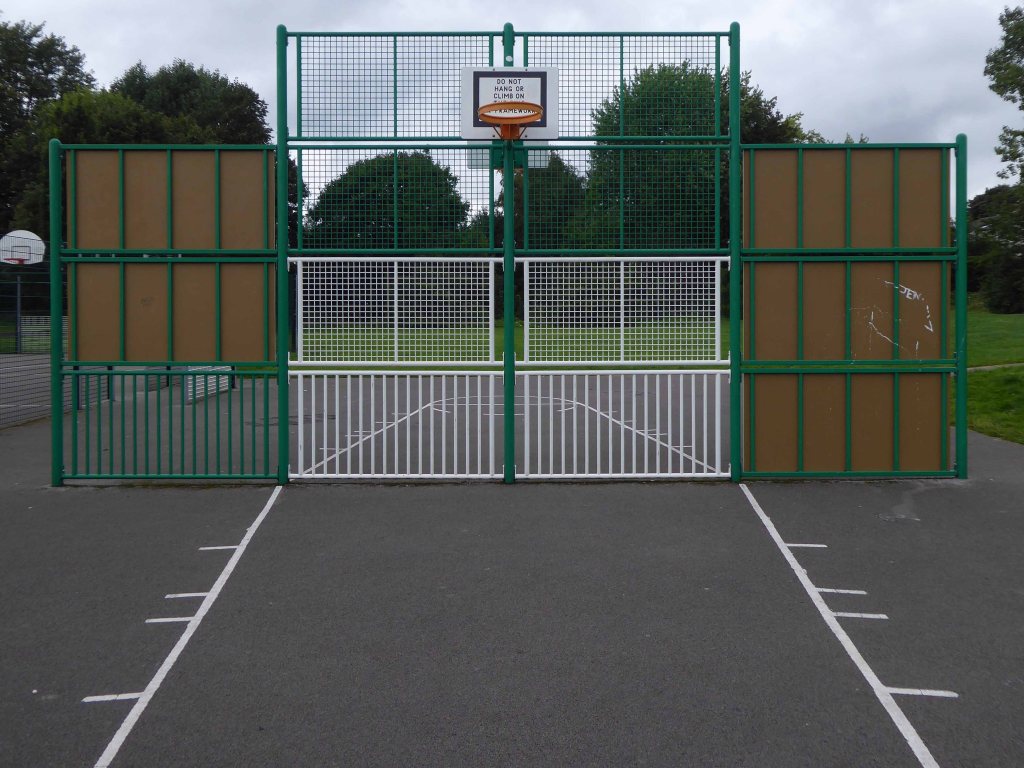
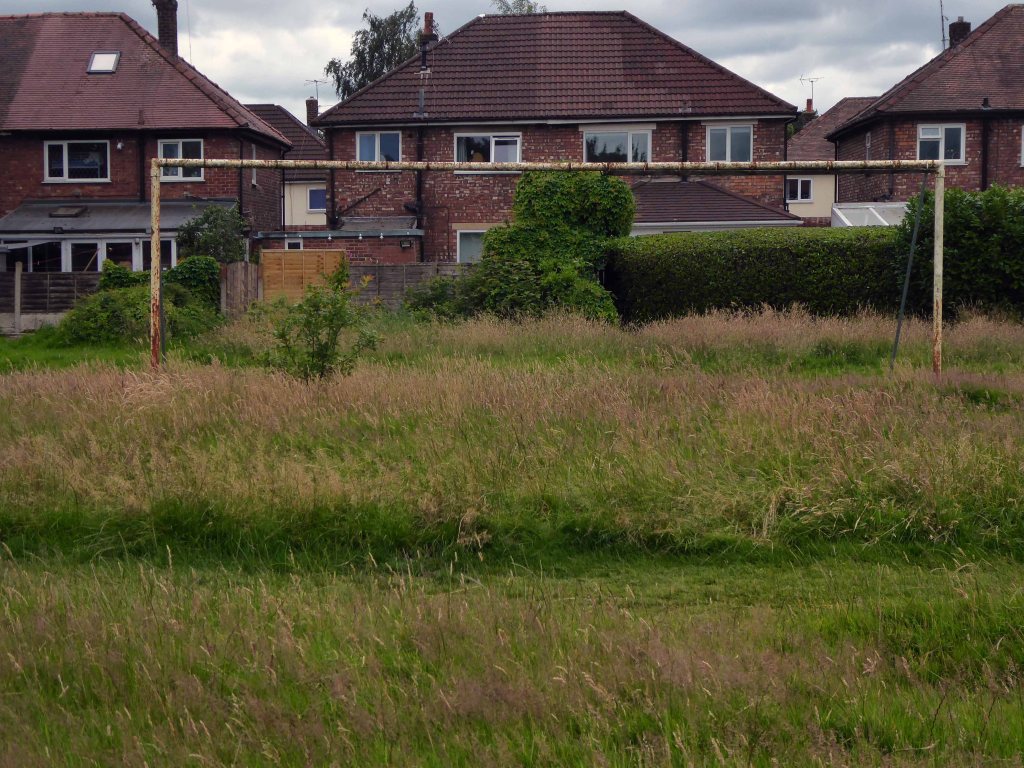
Through Unity Park where the goals are lower than low.
The hoops are higher.
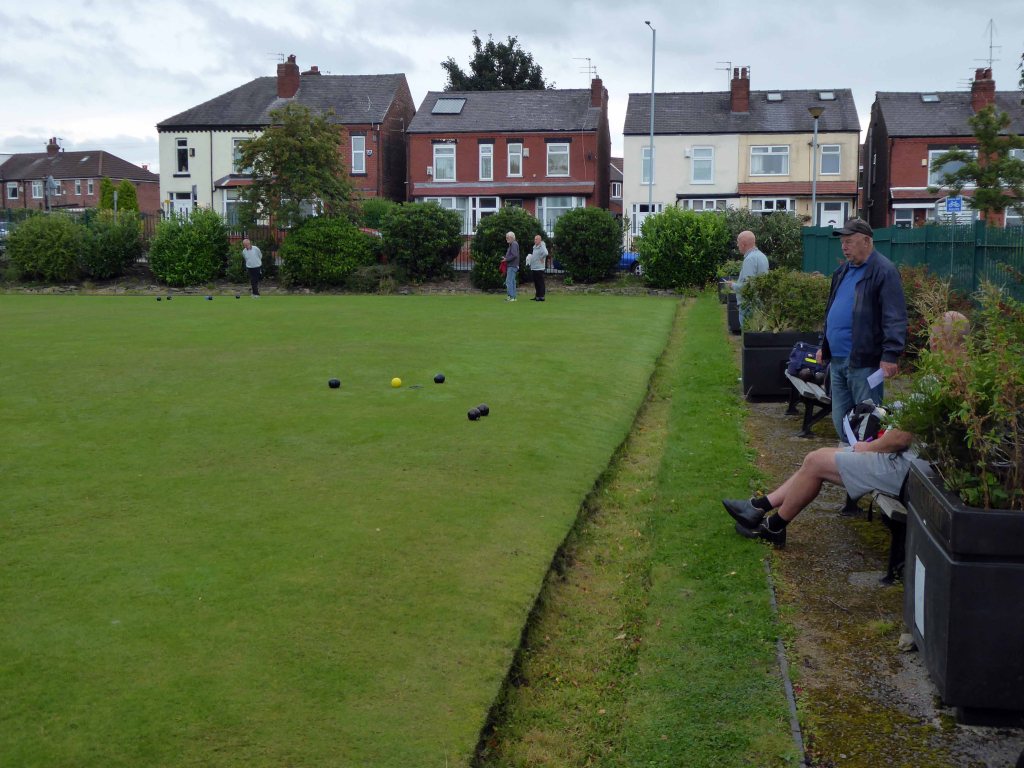
And the bowls are rolling.
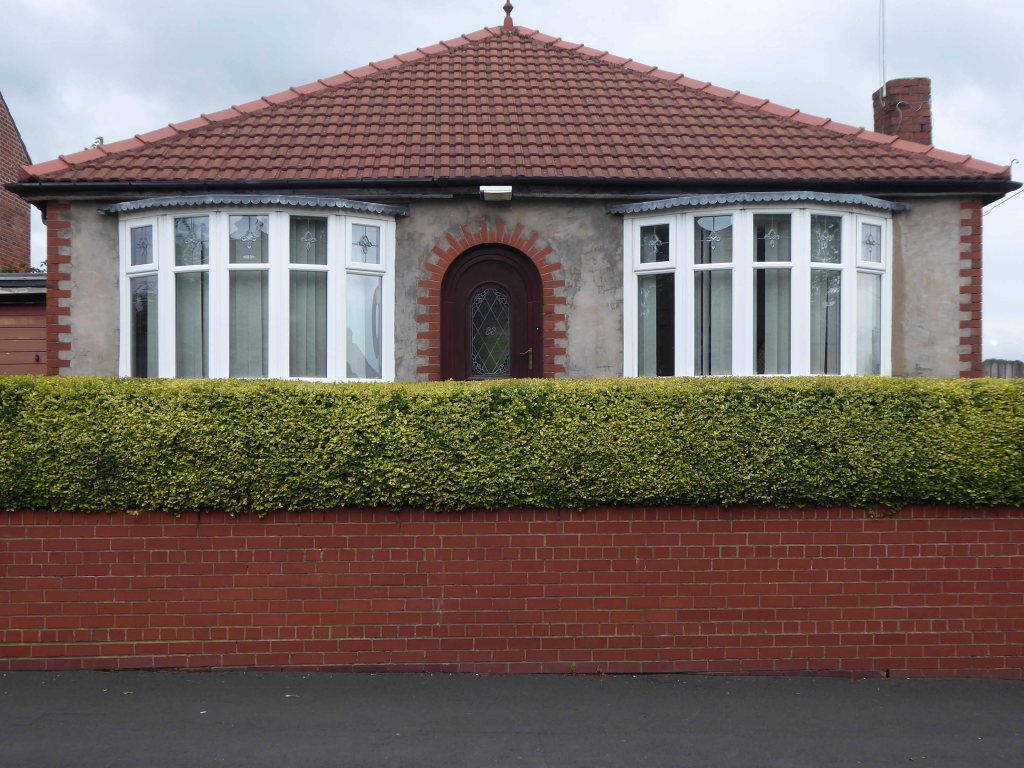
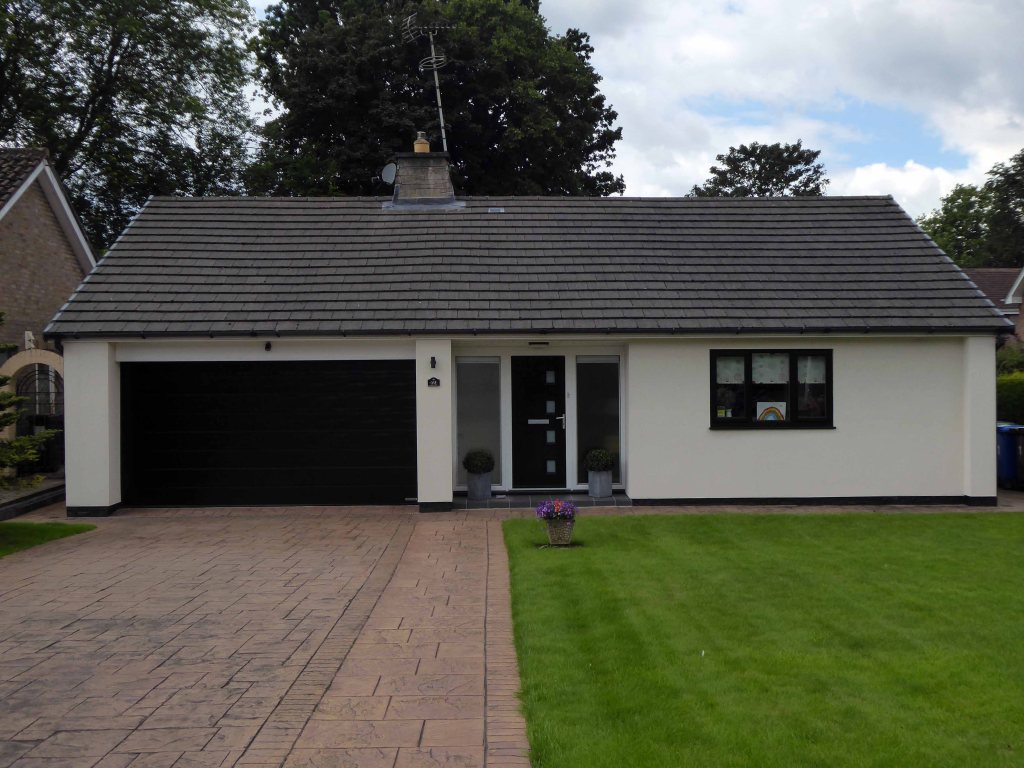
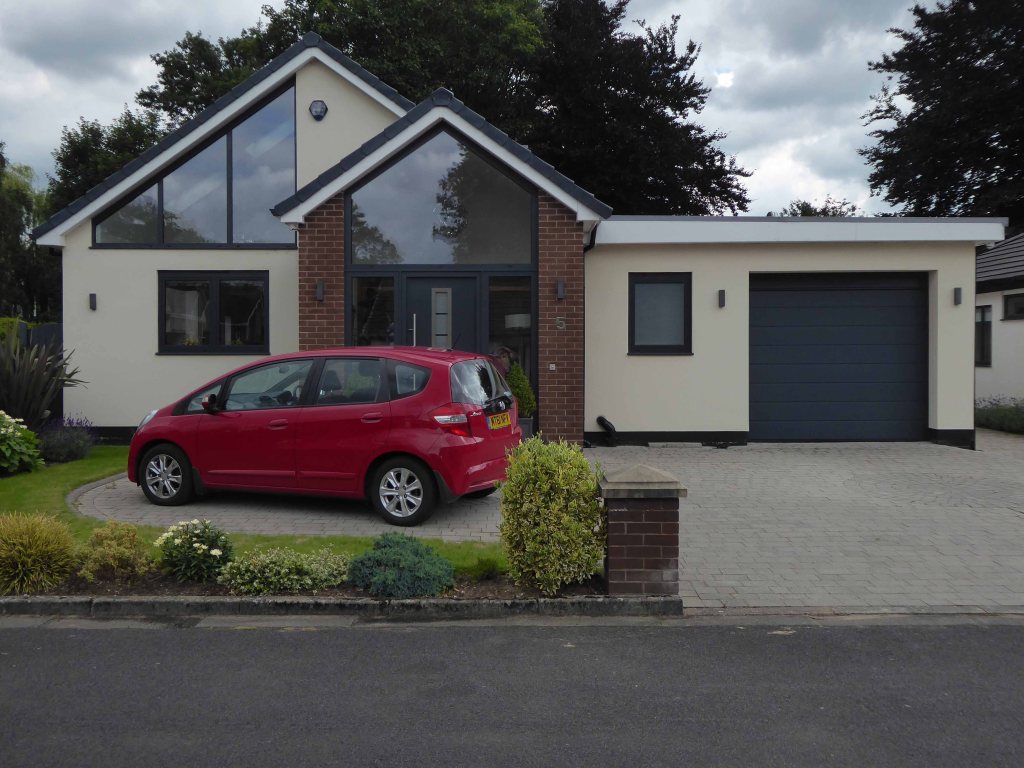
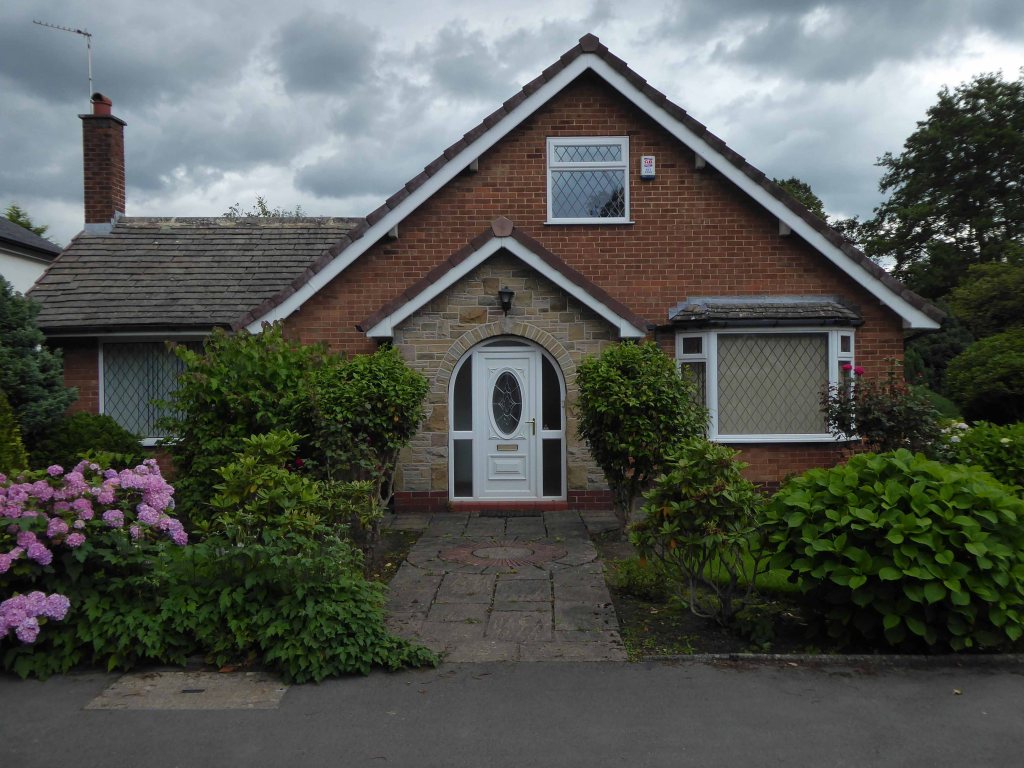
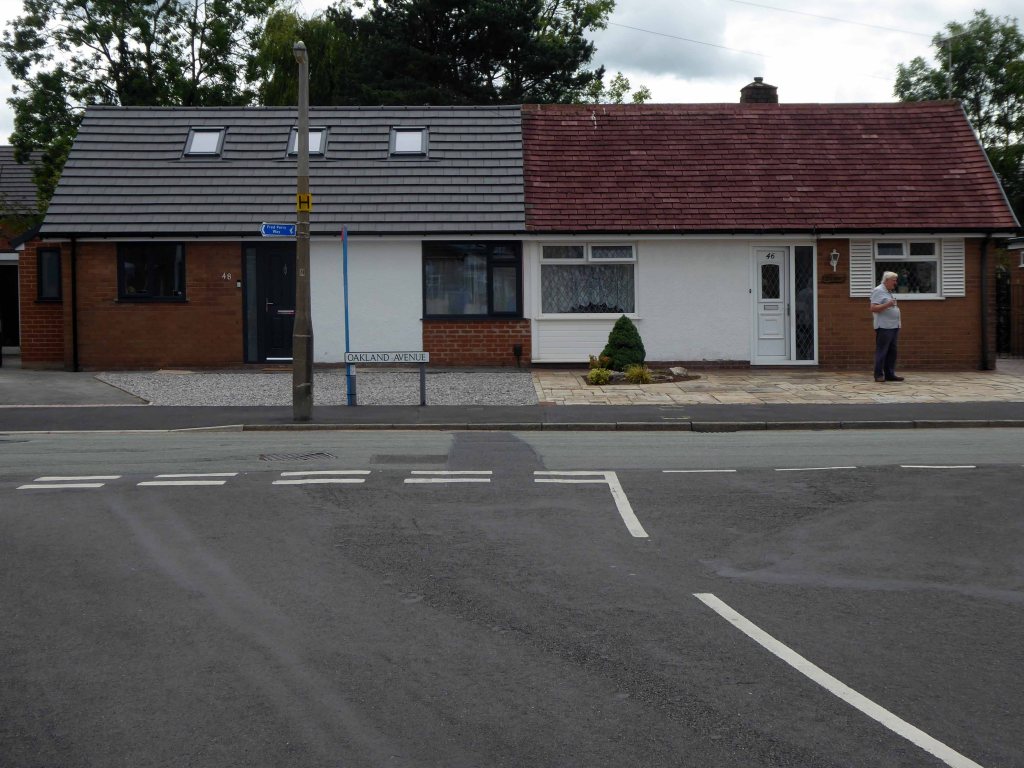
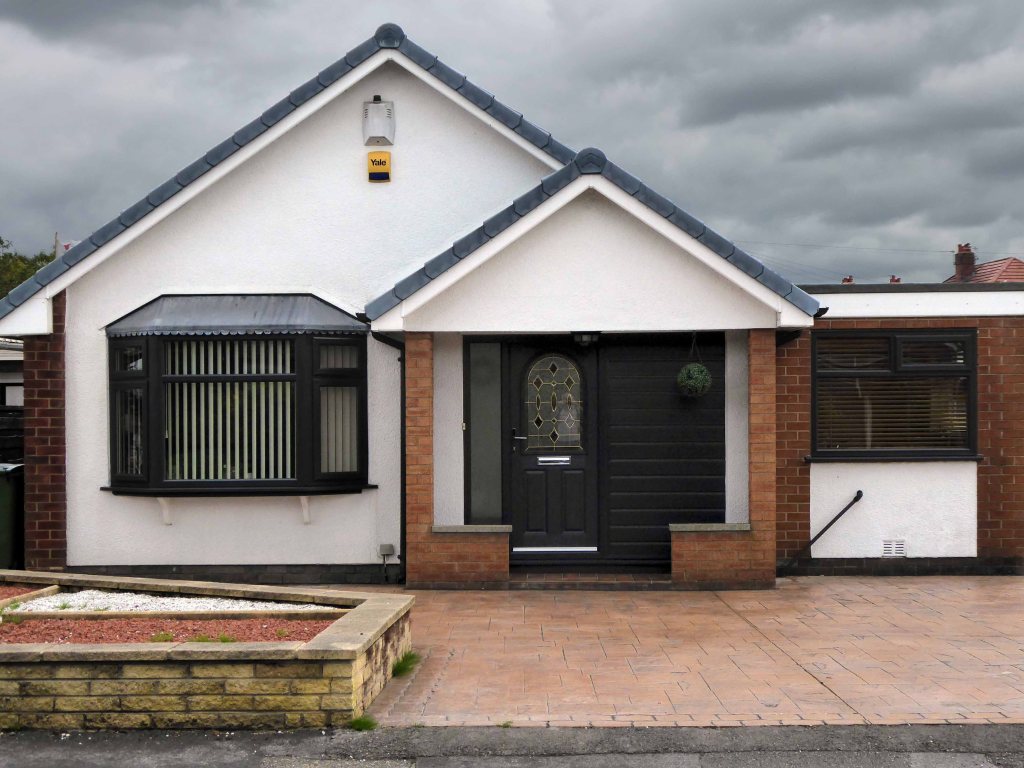
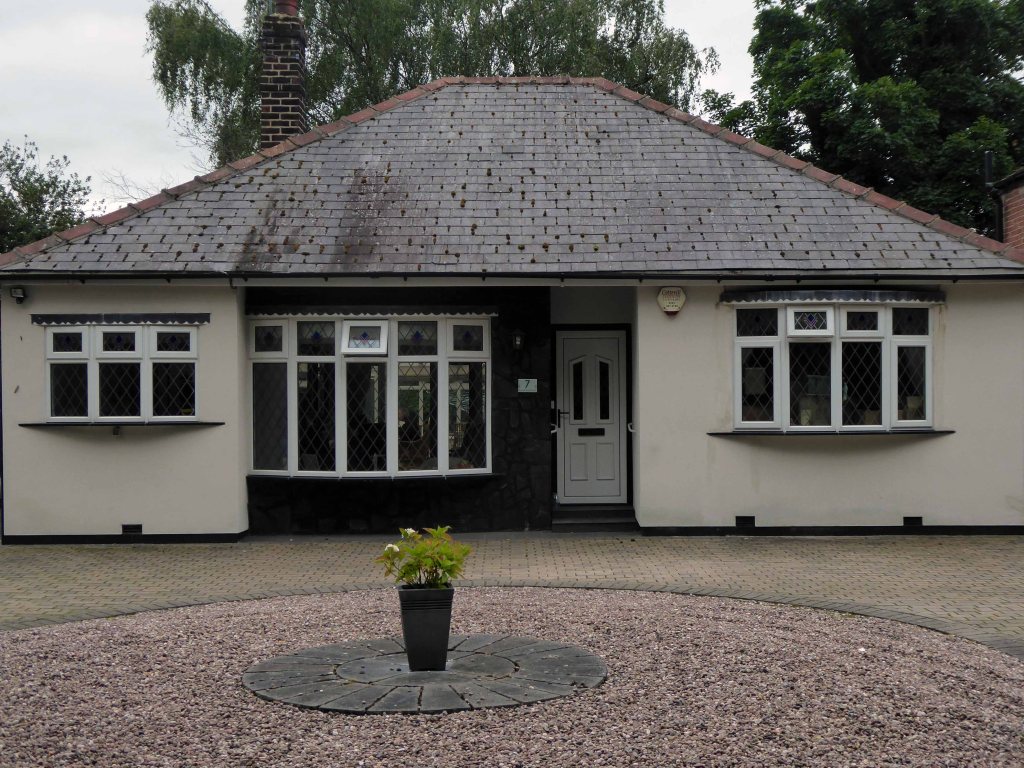
Past the perfect Platonic bungalow.
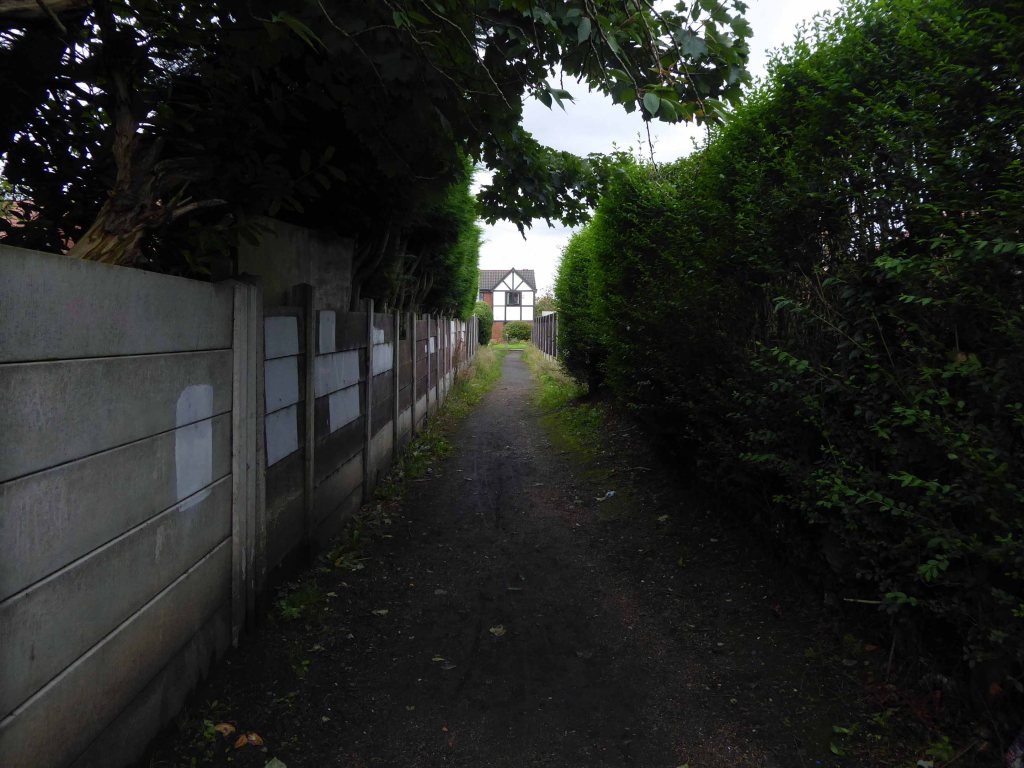
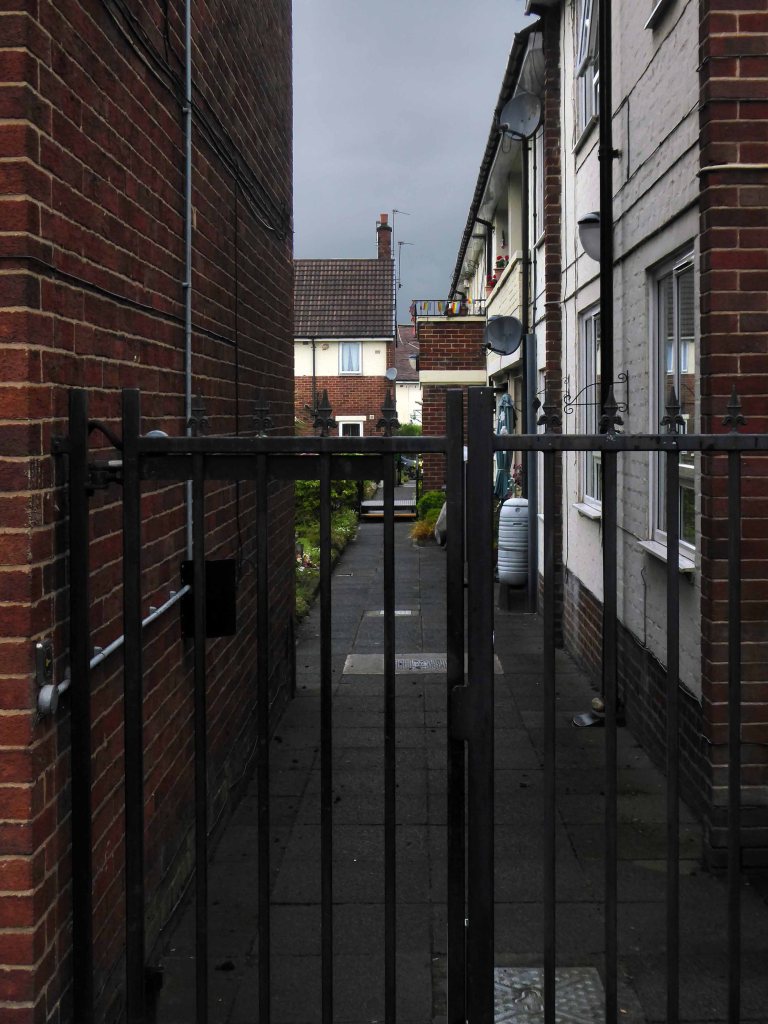
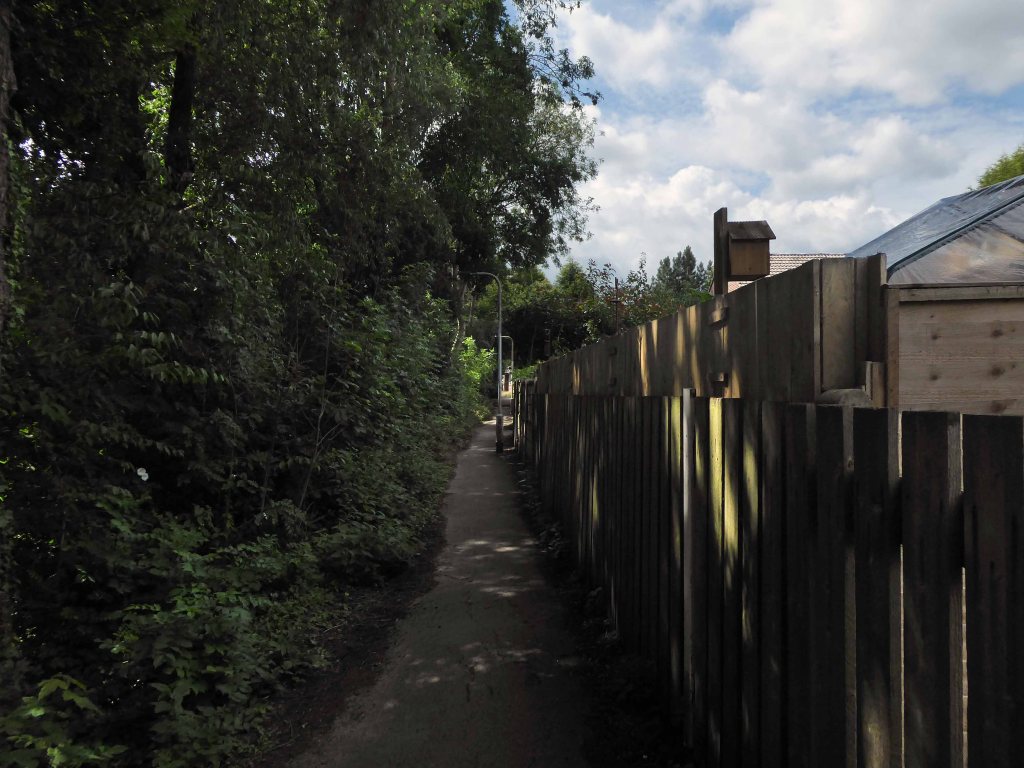
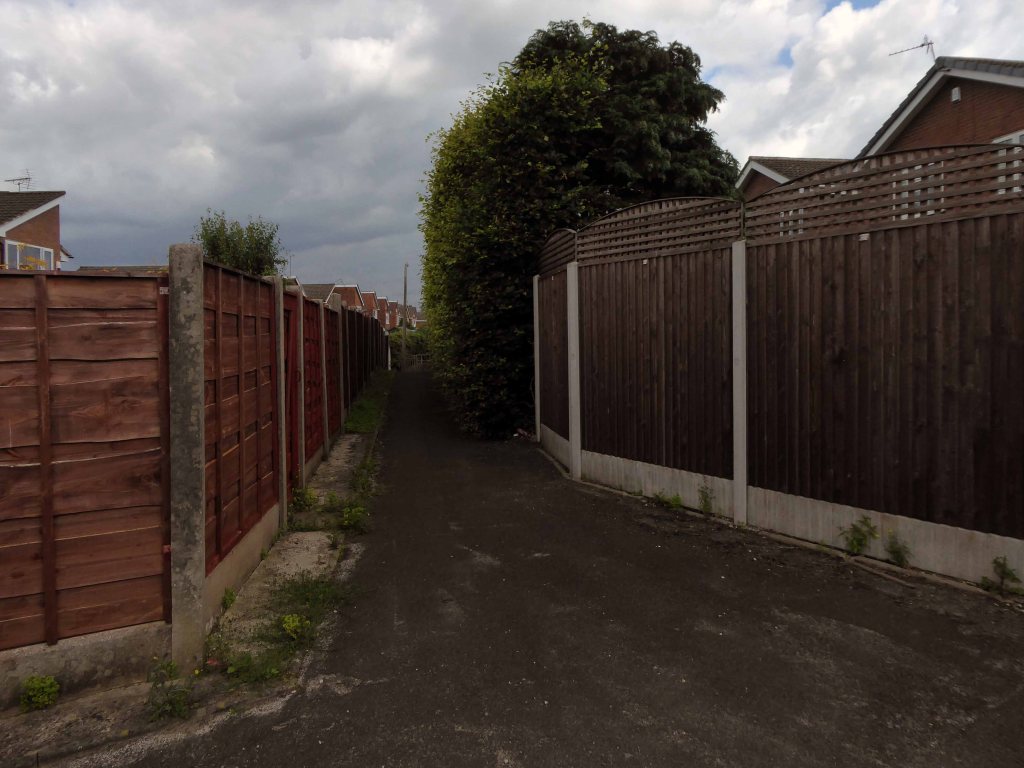
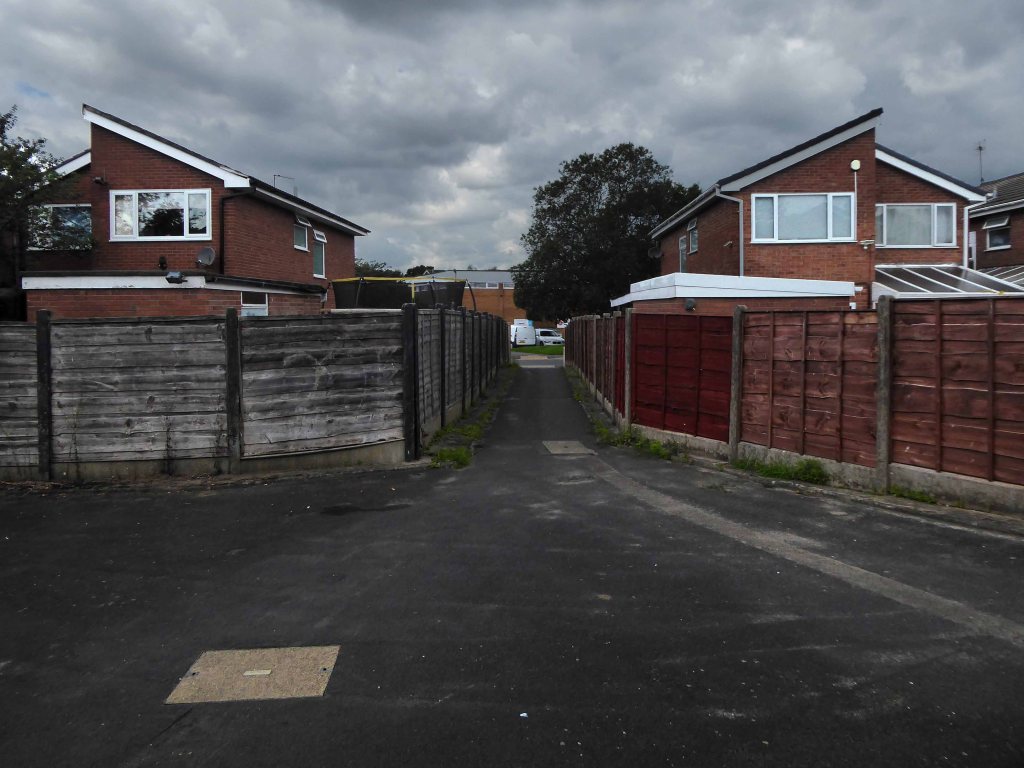
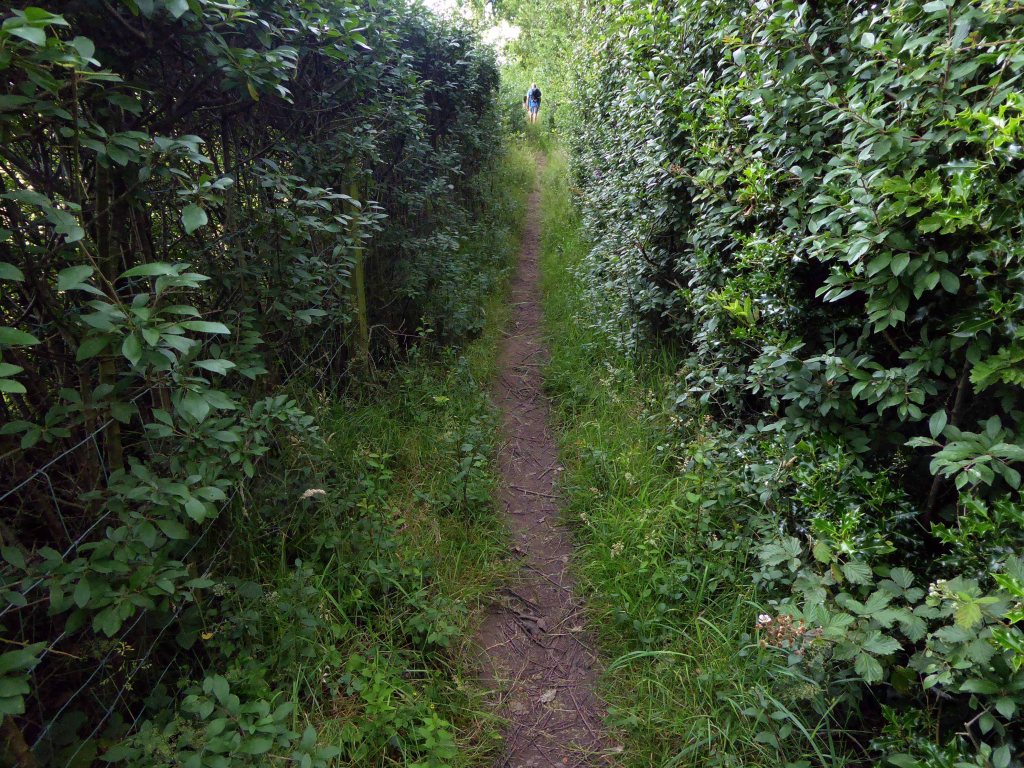
Taking the well worn path betwixt and between the houses.
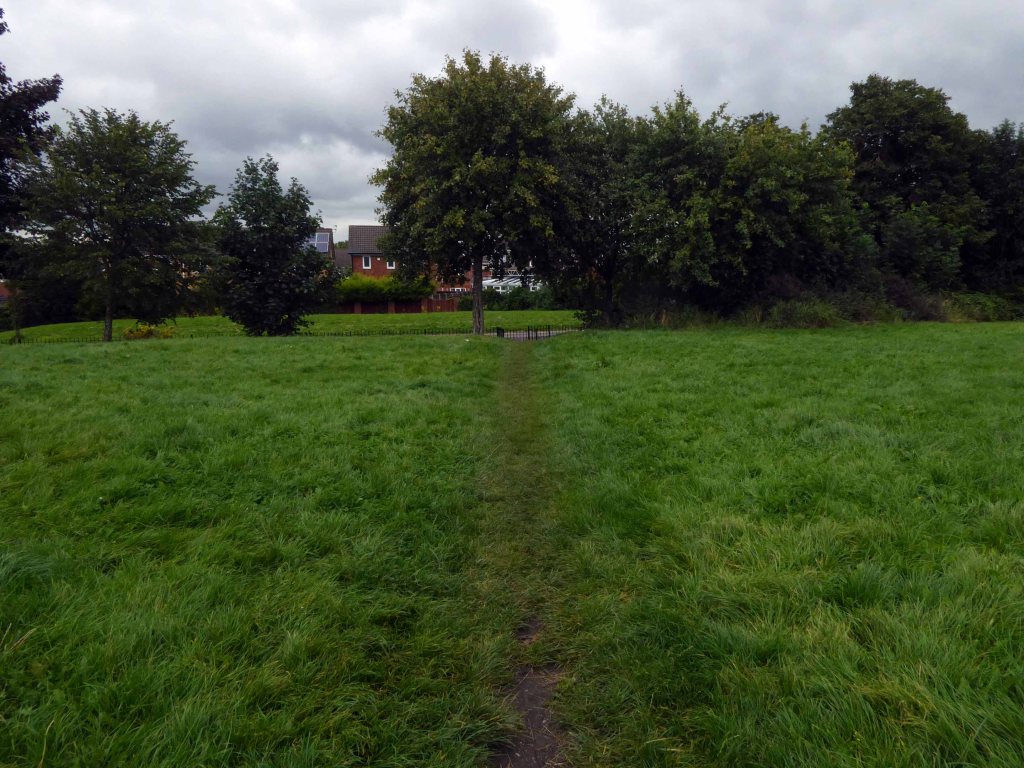
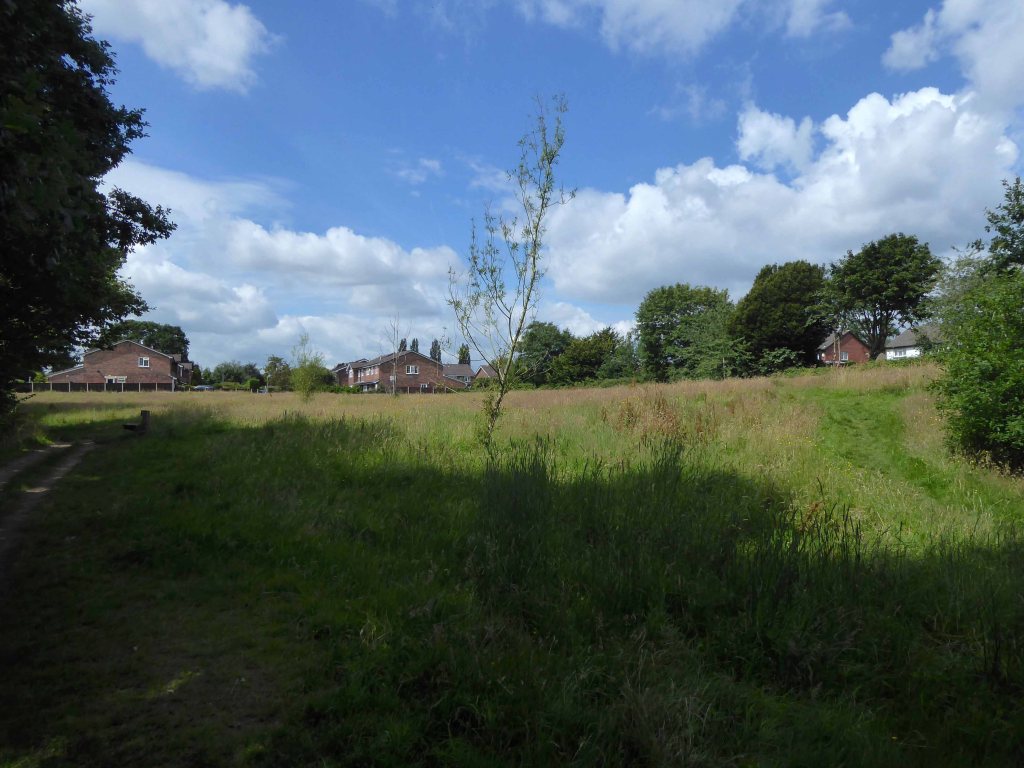
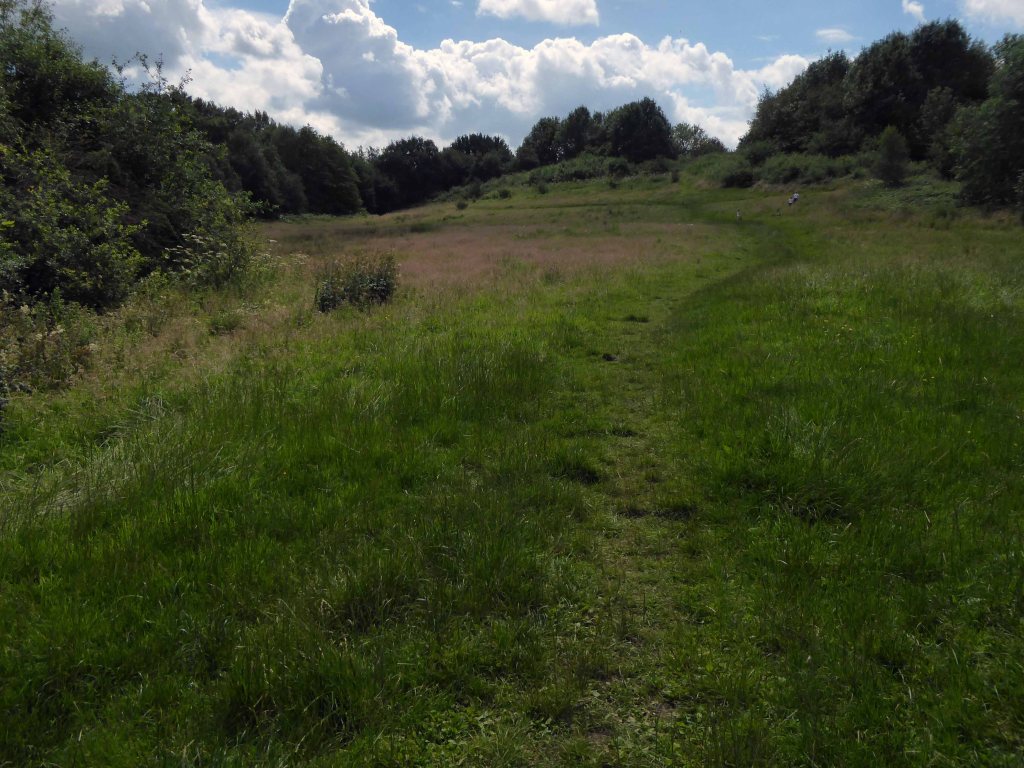
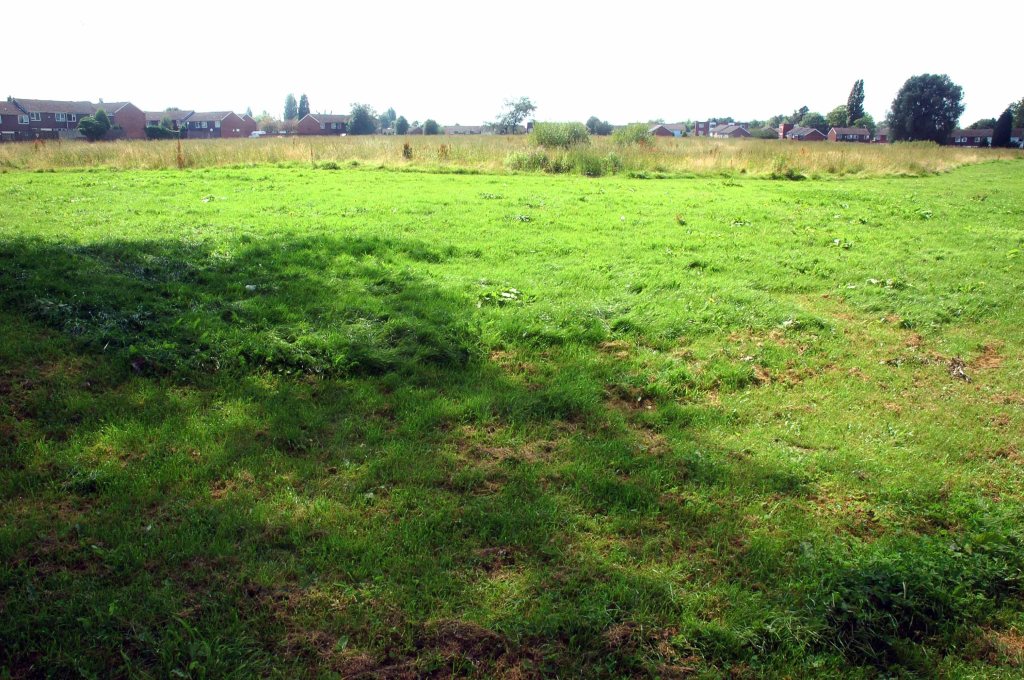
Crossing open country.
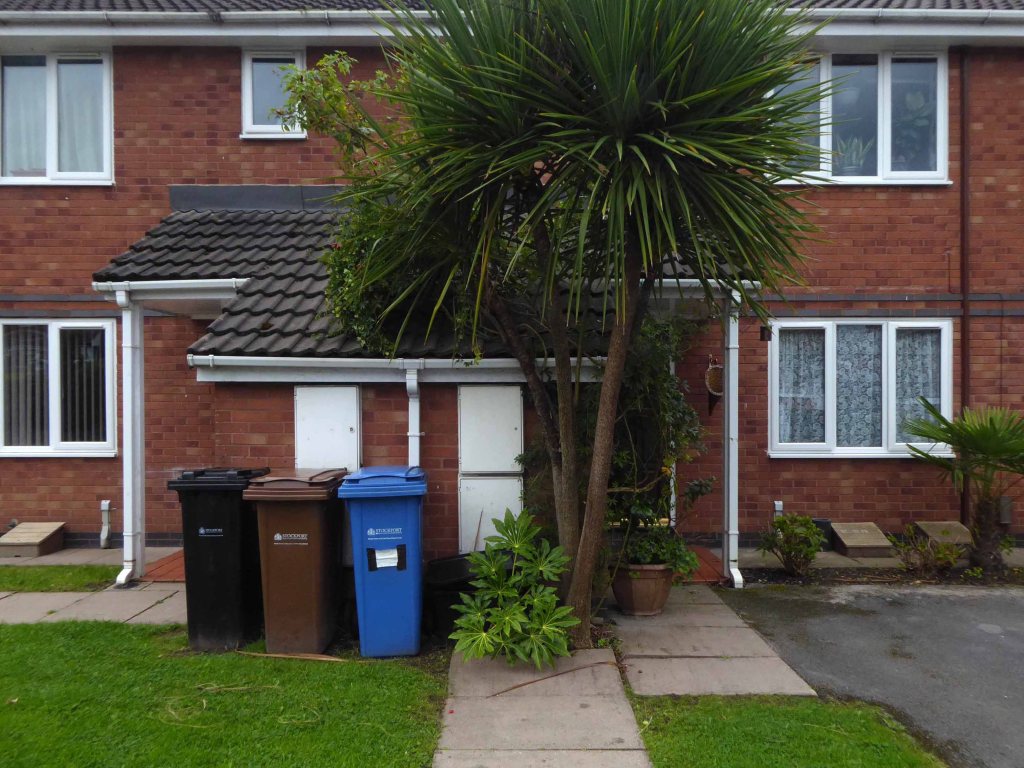
Encountering exotic planting worthy of the French Riviera.
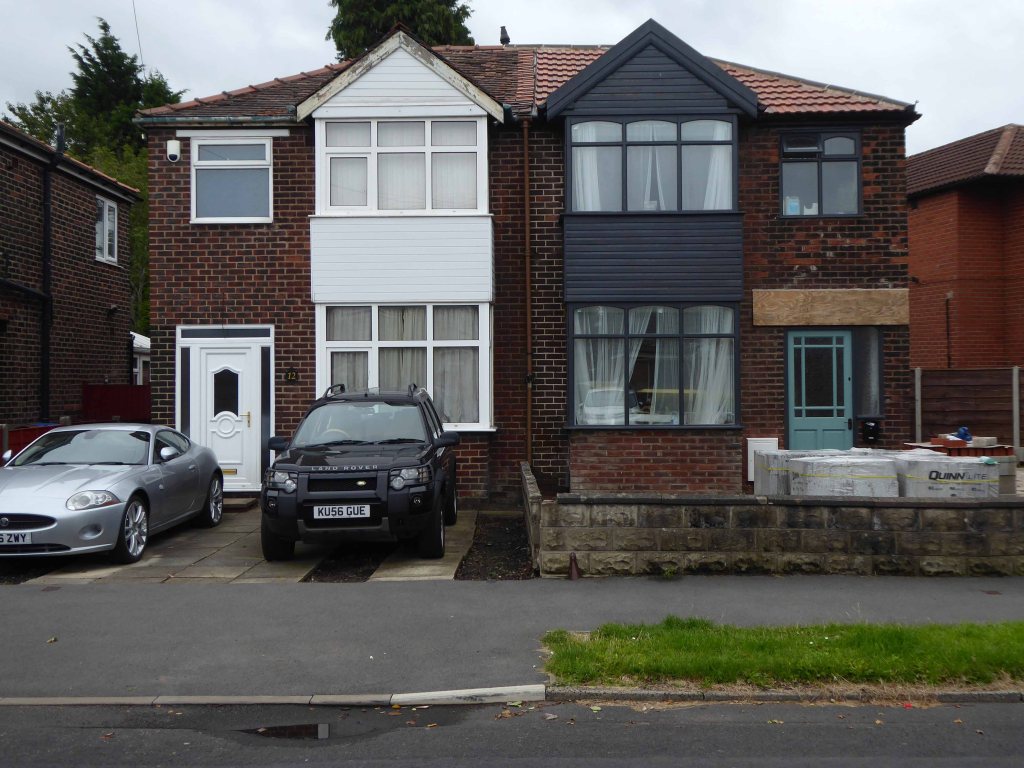
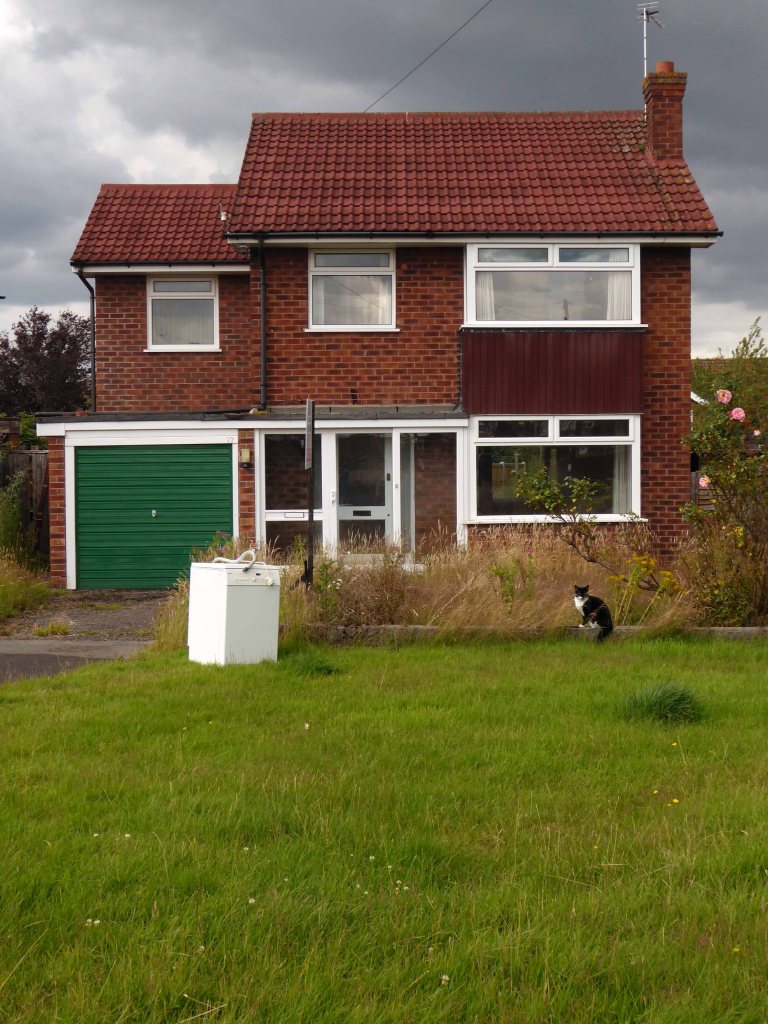
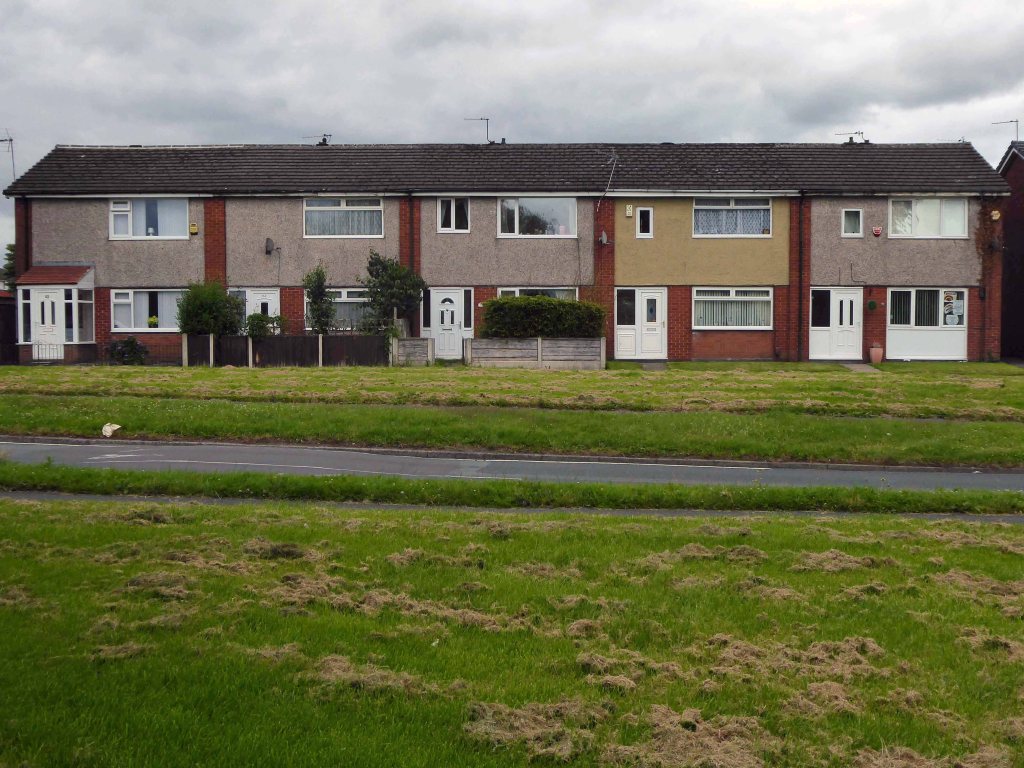
Noting the voguish transition of the local semi-detached housing from white to grey and the now familiar sight of the Range Rover in the former front garden.
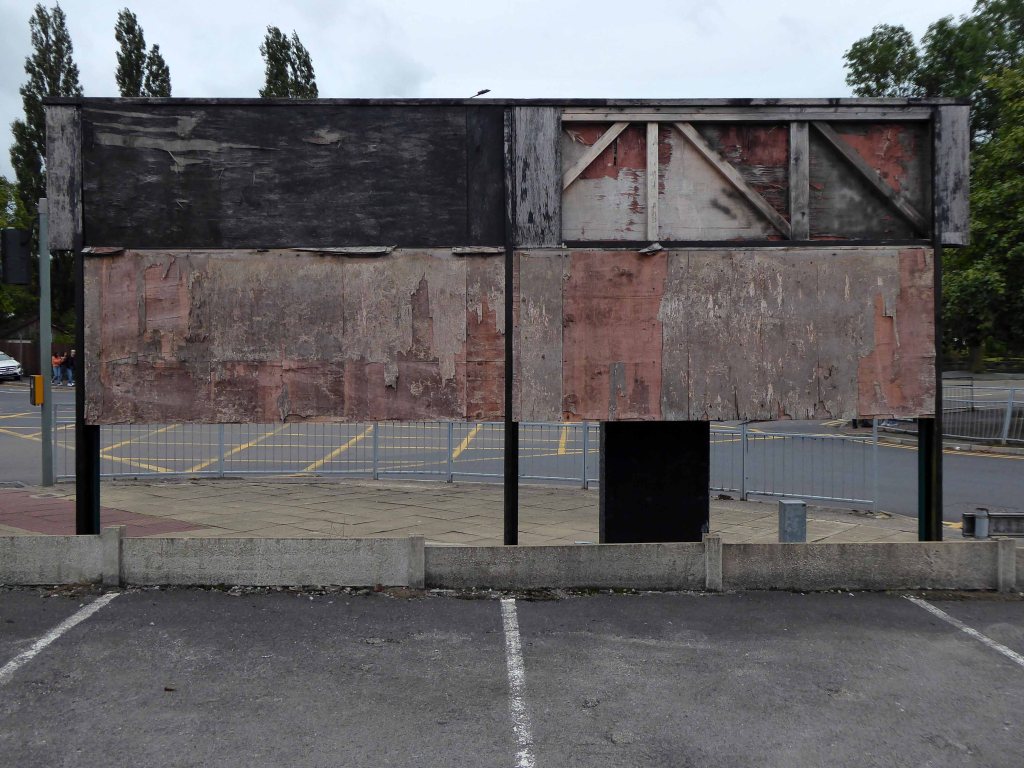
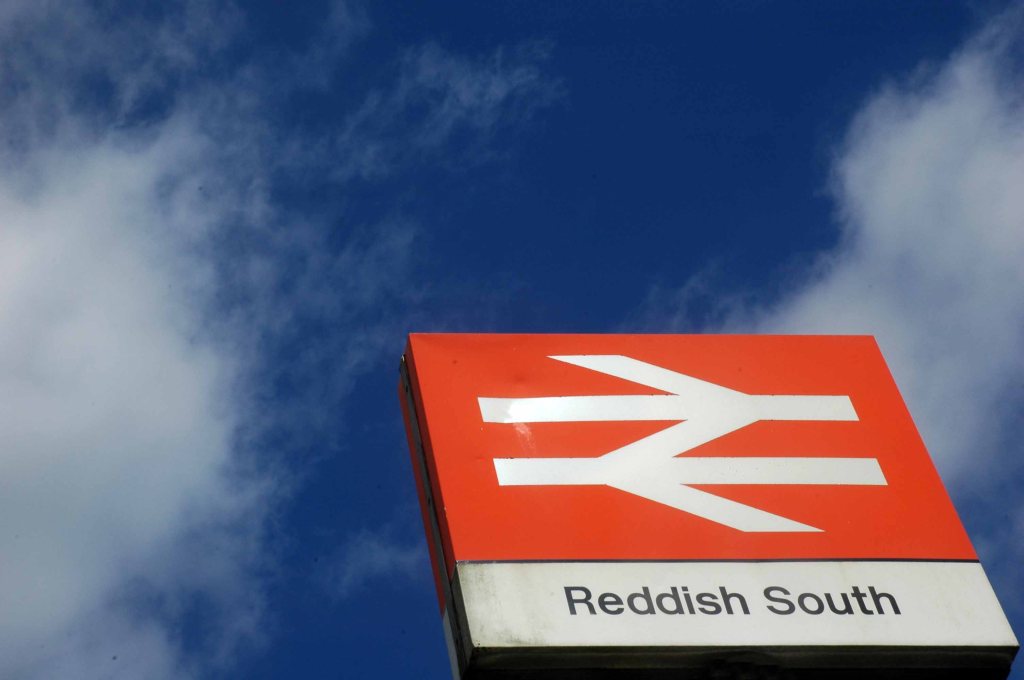
The reverse of a roadside sign can often be far more interesting and attractive than the obverse face.
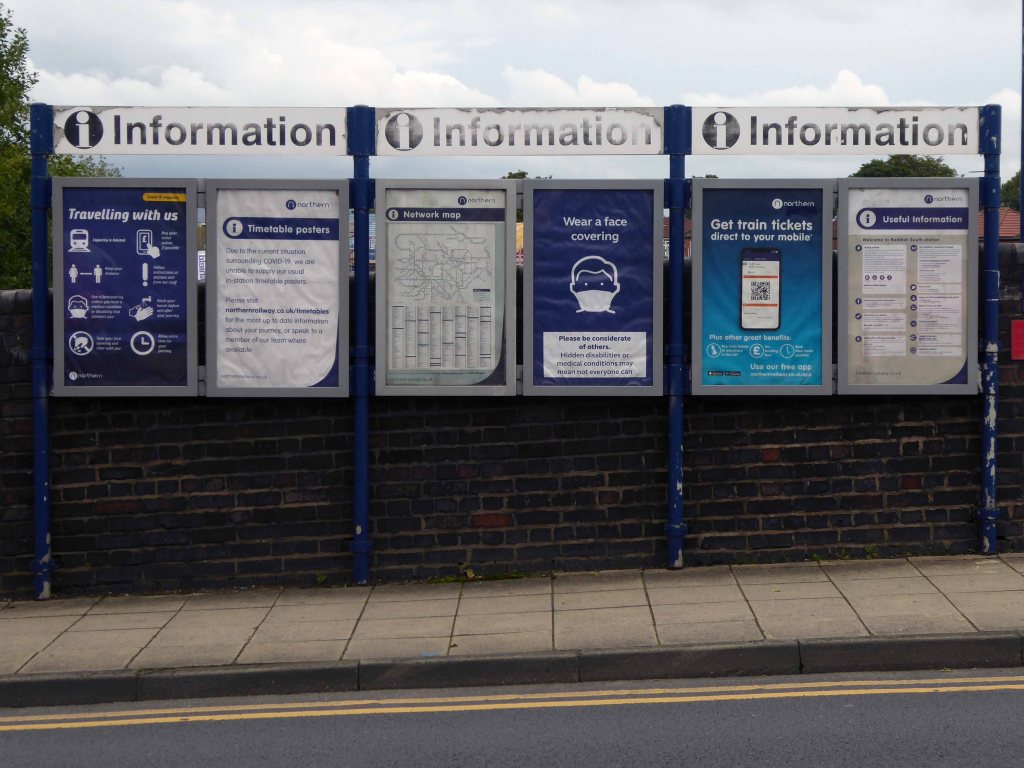
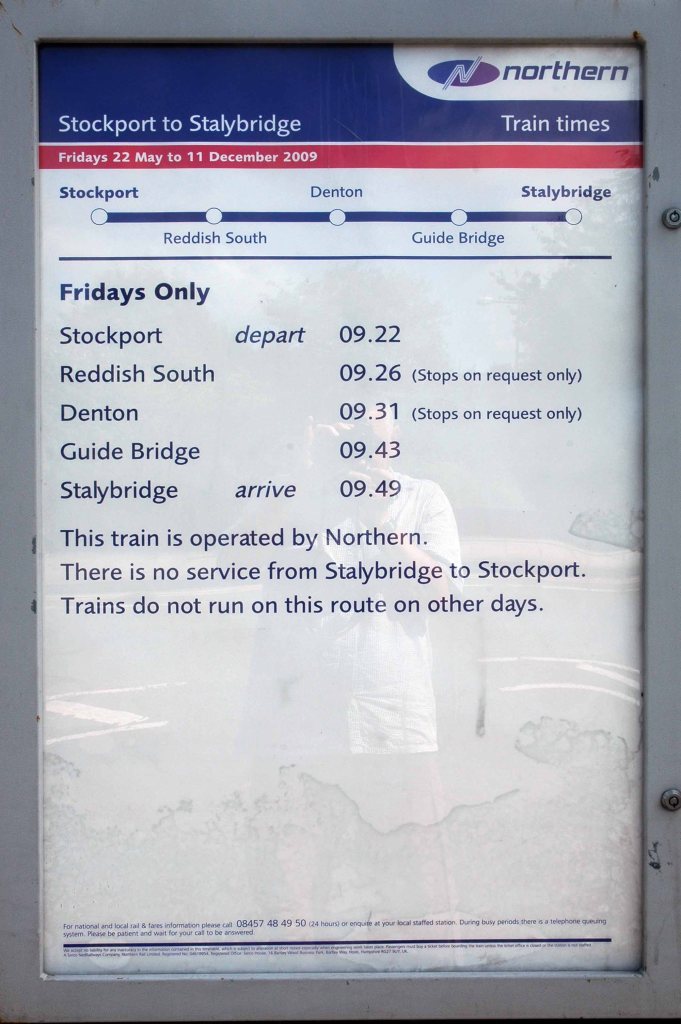
Reddish South Station sustained by the once a week parliamentary train, on the Stockport to Stalybridge Line, coincidentally the only time, as a goods guard, I ever worked a passenger train, was along here, one Christmas long ago.
We stopped at Denton, a request stop, the seasonally boozy passenger gave me a fifty pence tip.
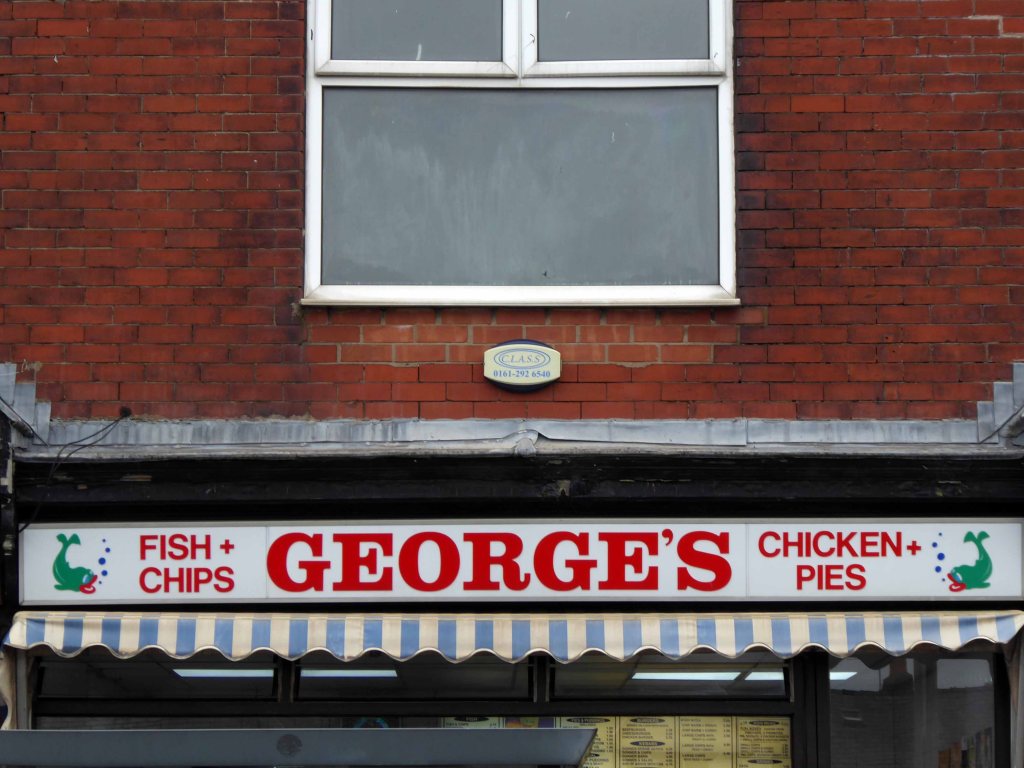
George’s – where I bought a bag of chips on the way back, great chips, friendly and safe service with a smile.
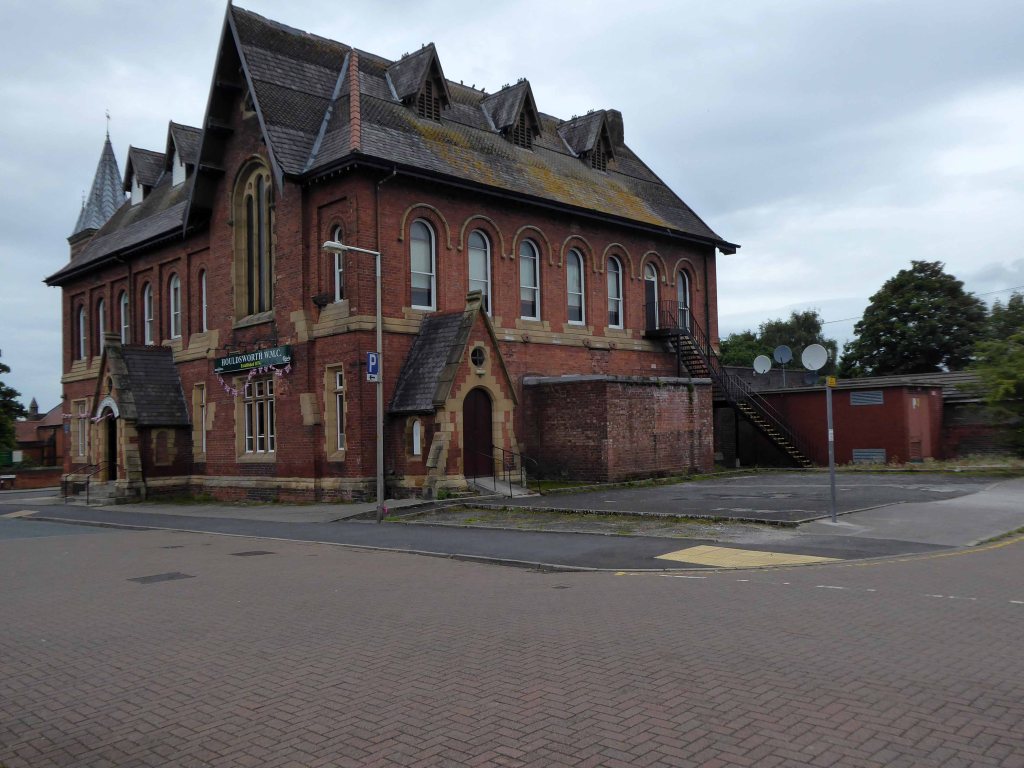
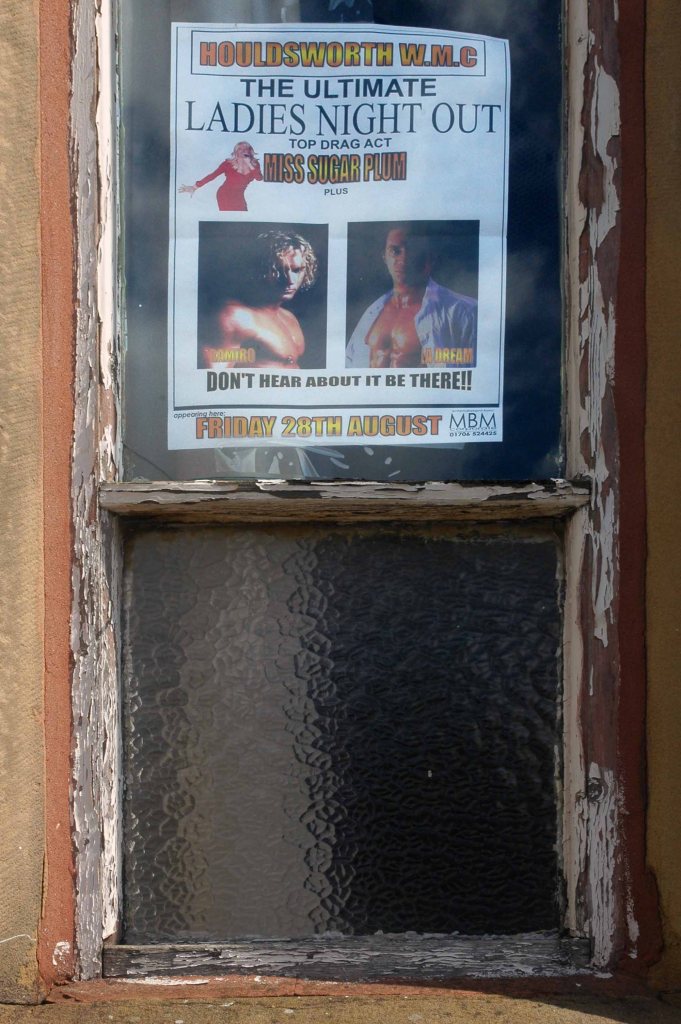
Houldsworth Working Mens Clubdesigned by Abraham Henthorn Stott forming part of the model community developed by the late-C19 industrialist Sir William Houldsworth, which included cotton mills, workers’ housing, school, church and a park.
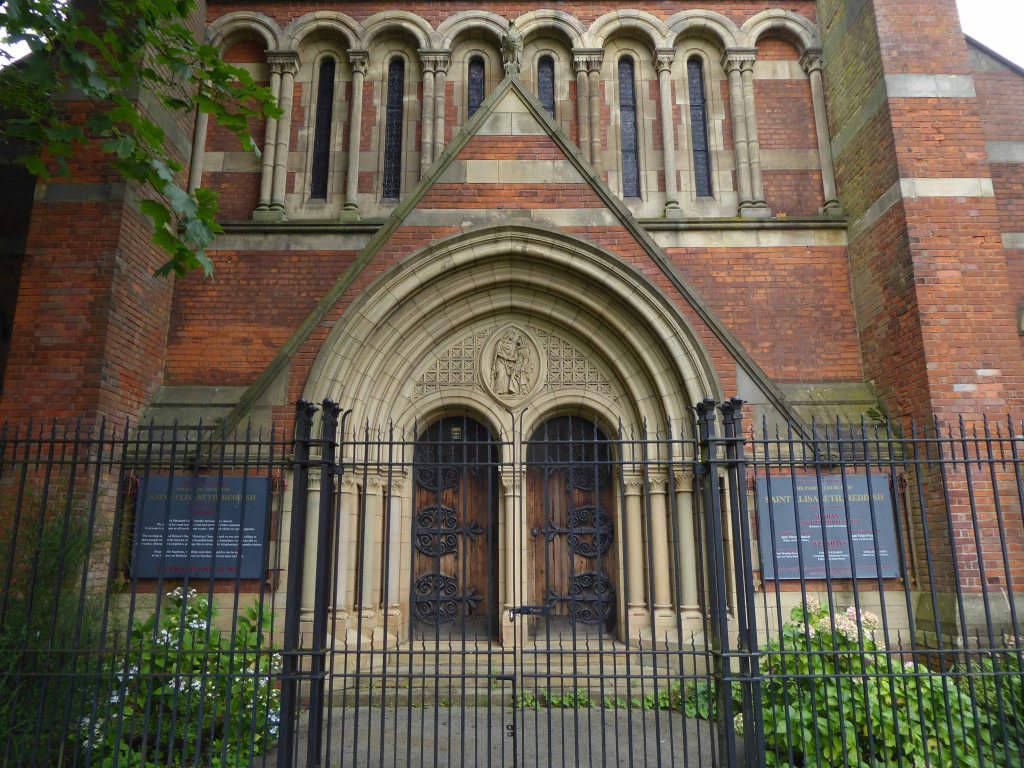
Church of St Elisabeth 1882-3, by Alfred Waterhouse one of the finest Victorian churches in the country – both of the buildings are Grade II Listed.
Over the way the former Victoria Mill, converted into apartments.
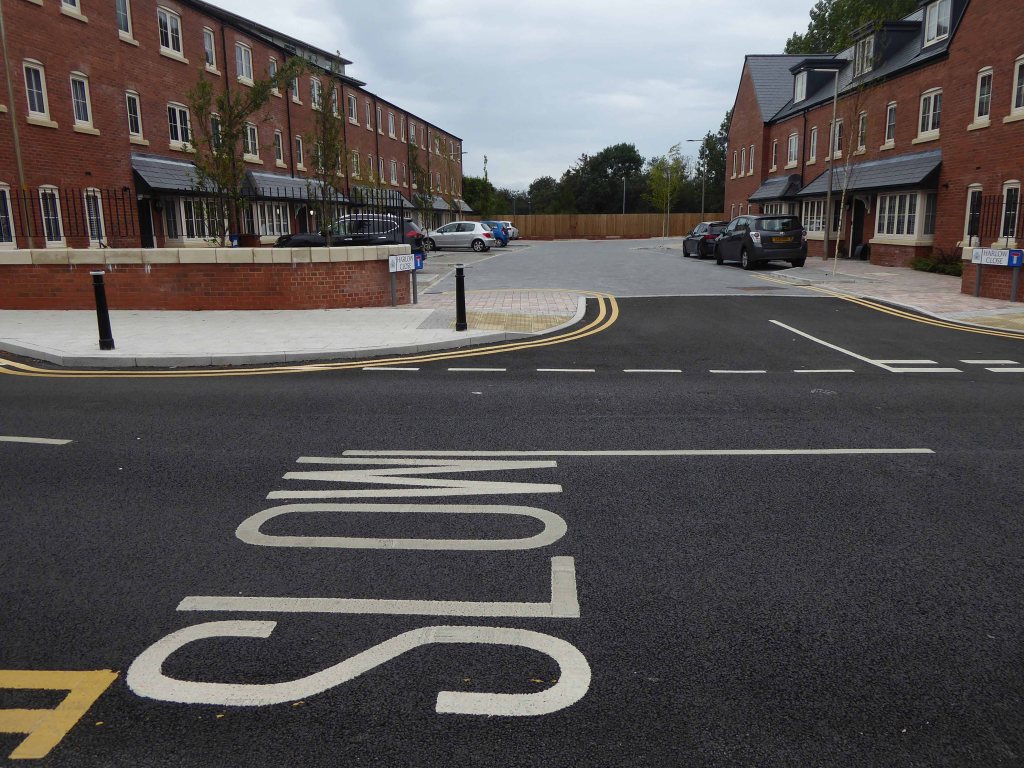
With adjoining new build.
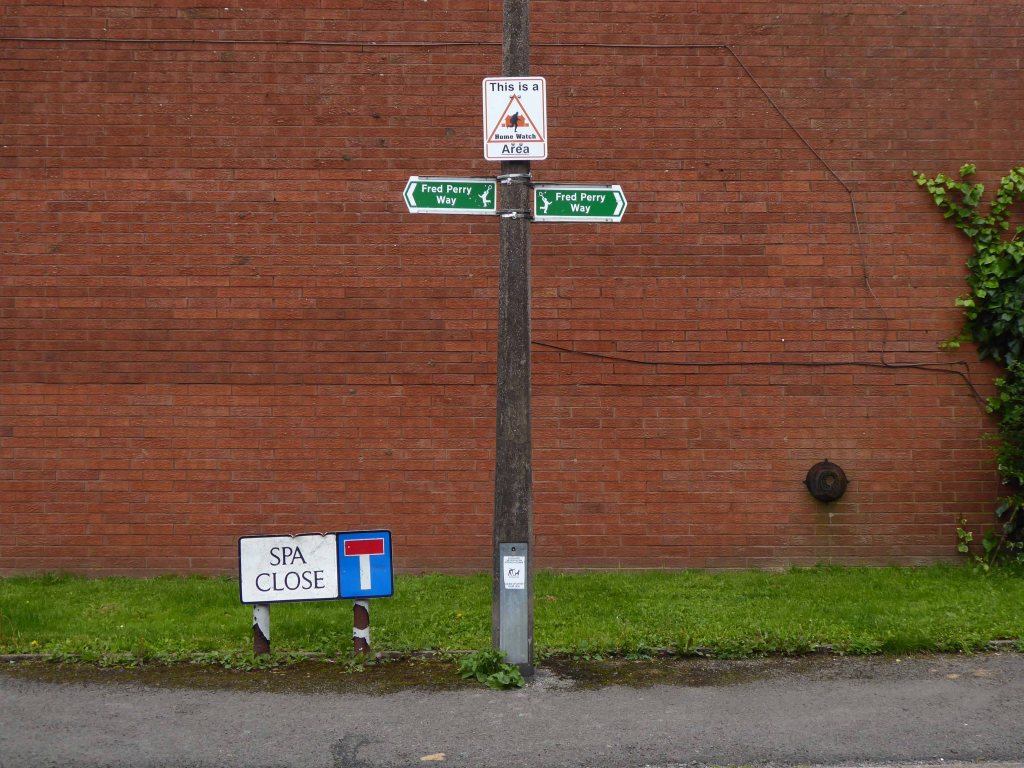
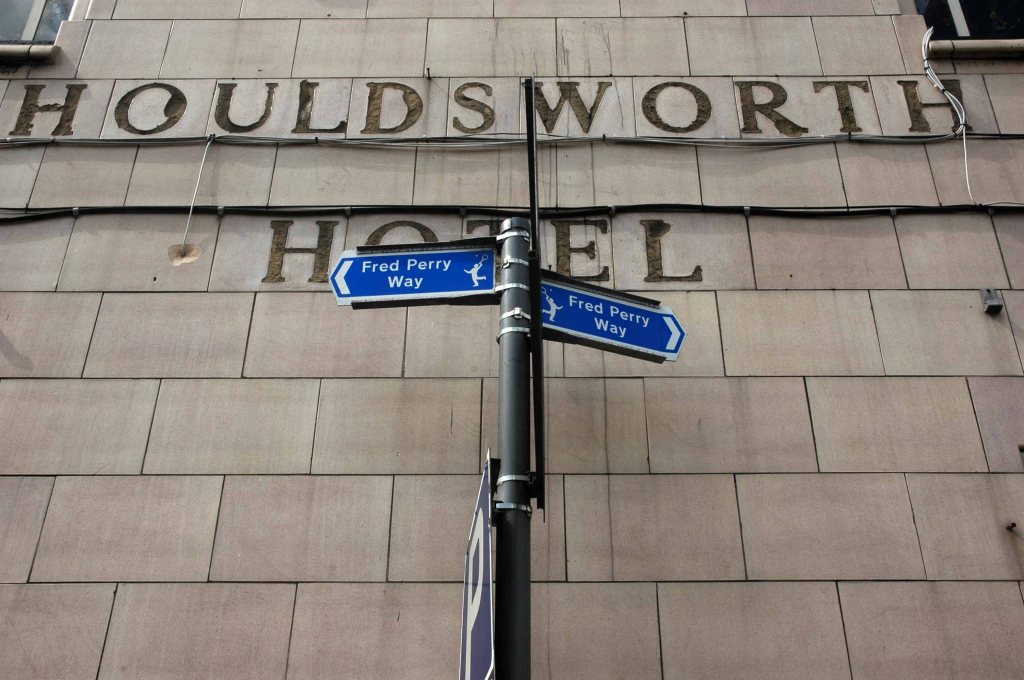
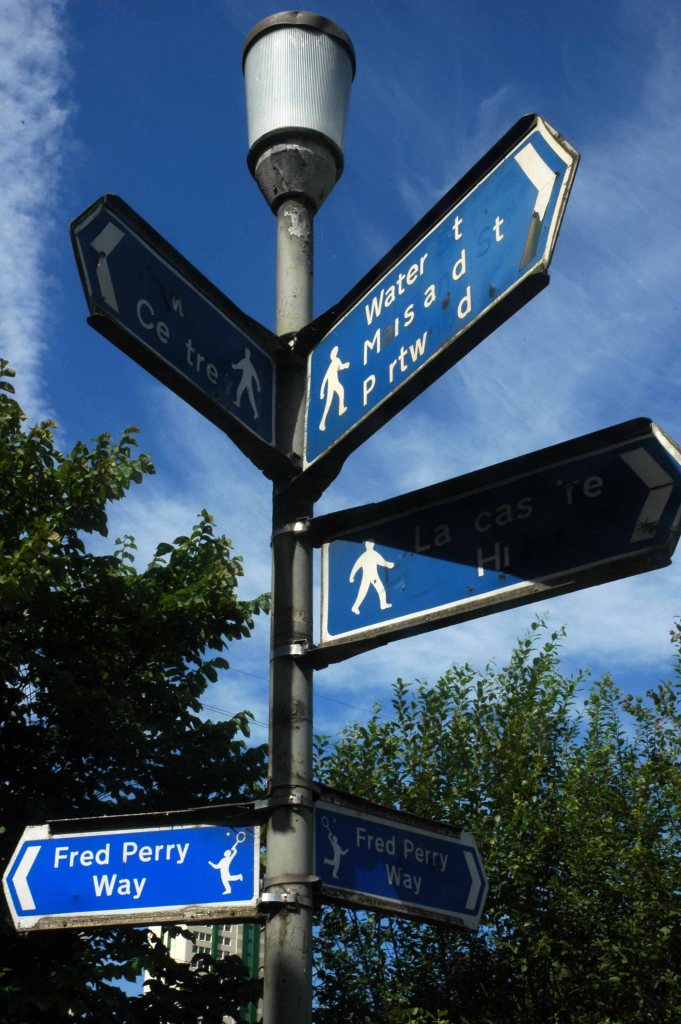
We faithfully followed the signs, noting a change from blue to green.
Somewhere or other we went wrong, our luck and the signs ran out, we instinctively headed north, ever onwards!
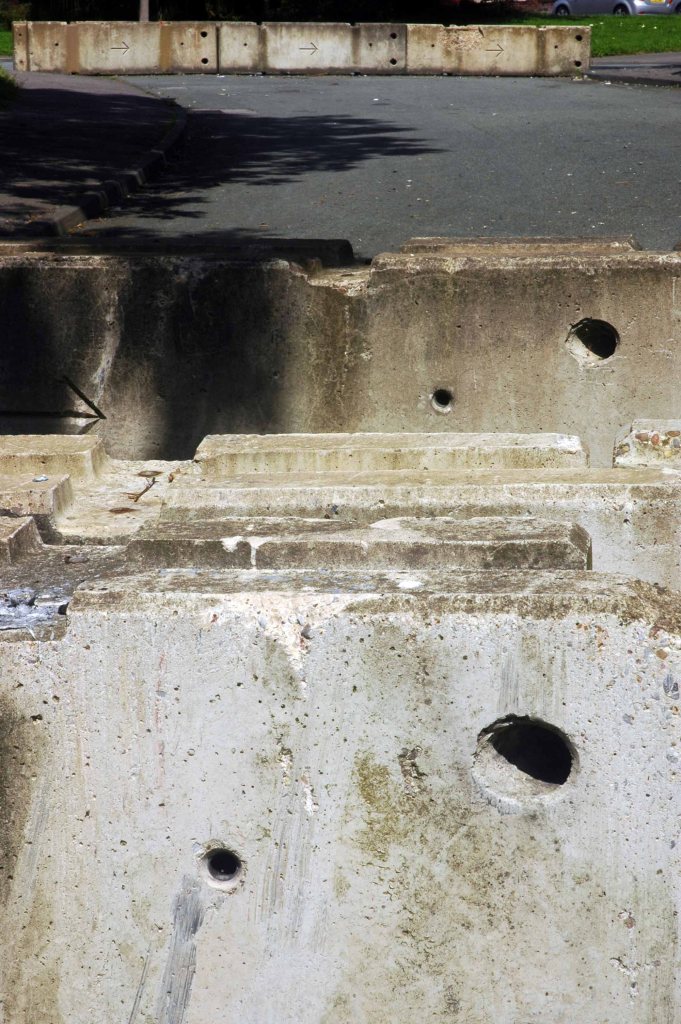
Traversing the Great Wall.
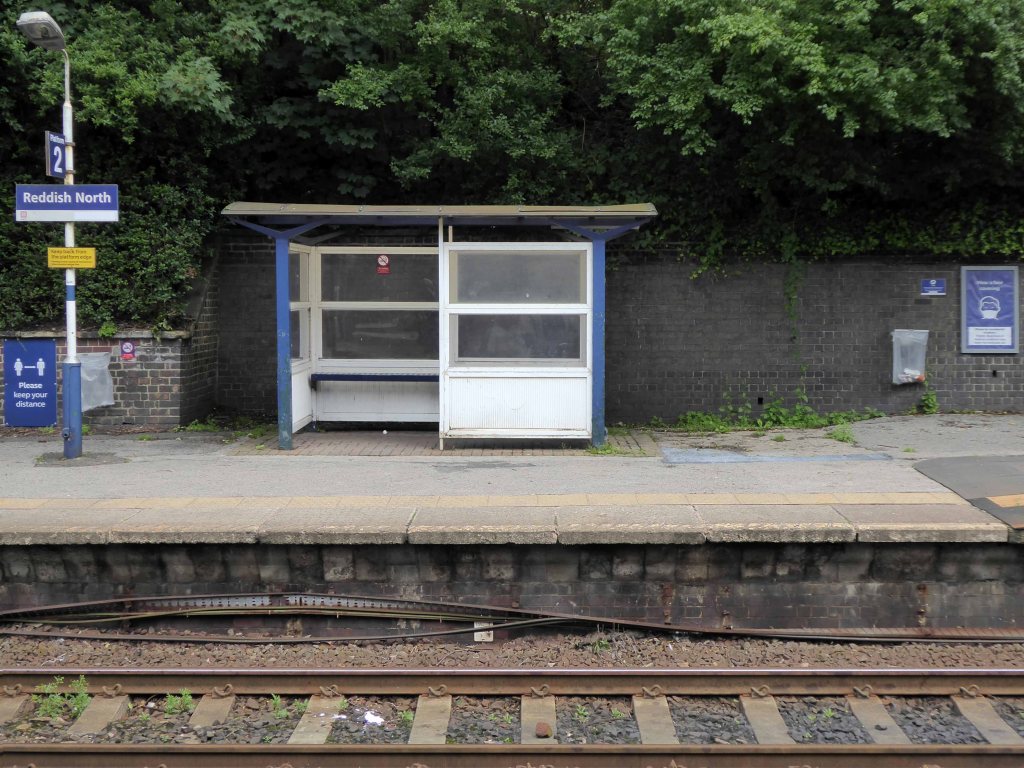
Mistakenly assuming that the route ended or began at Reddish North Station that’s where we landed.
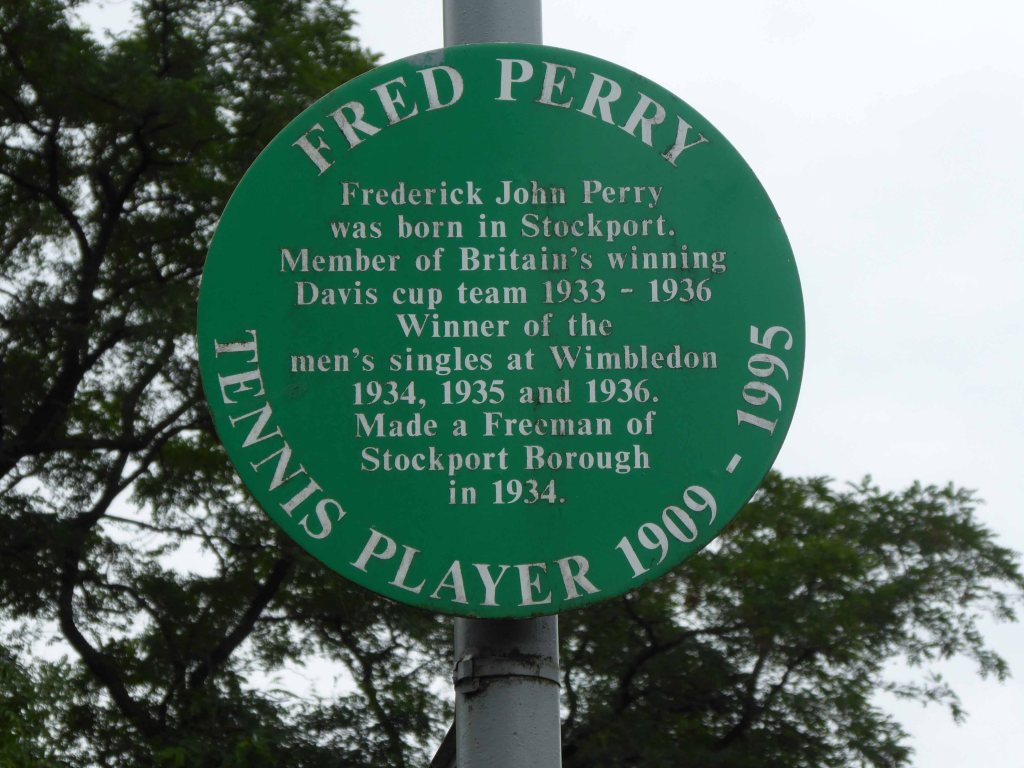
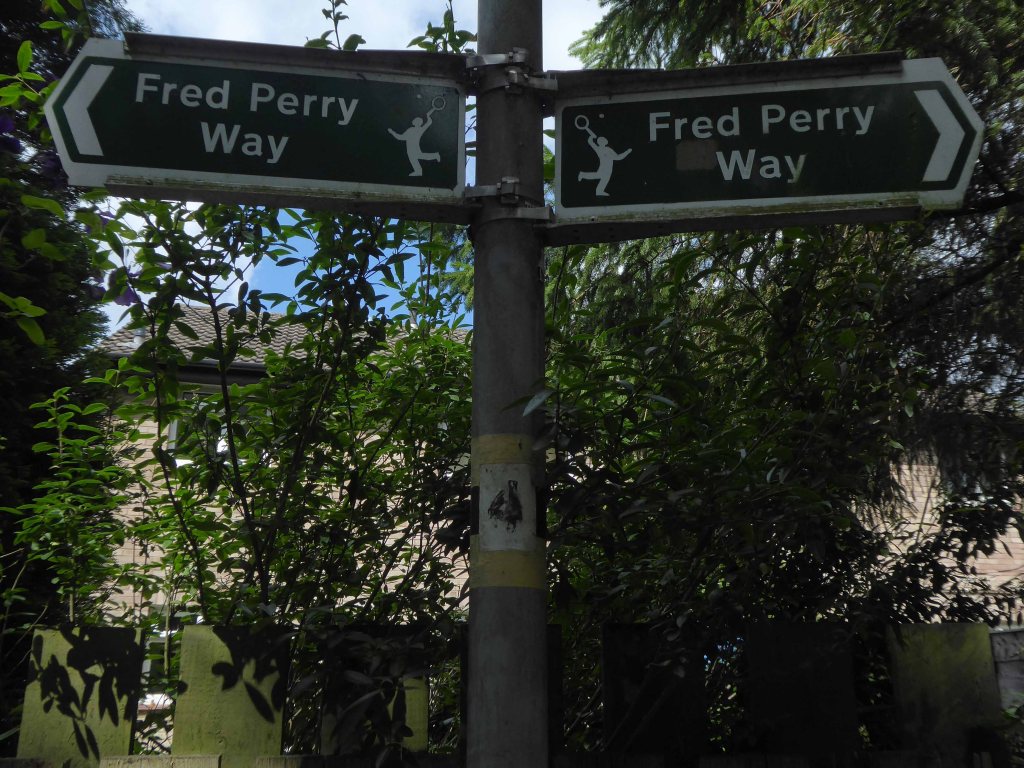
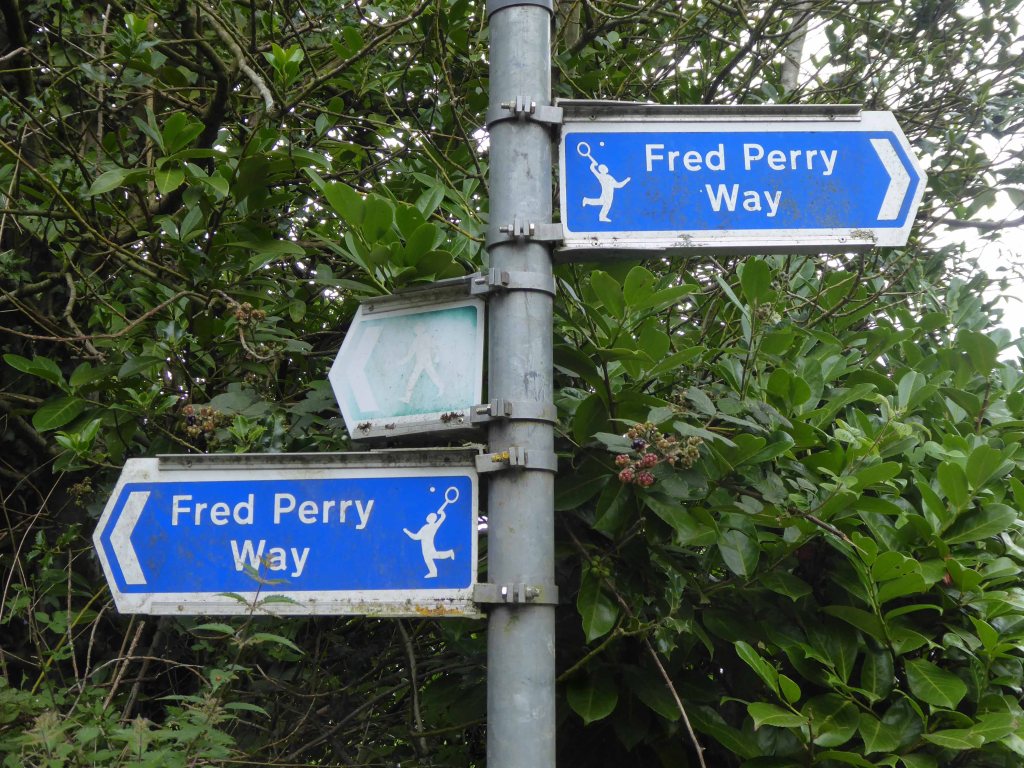
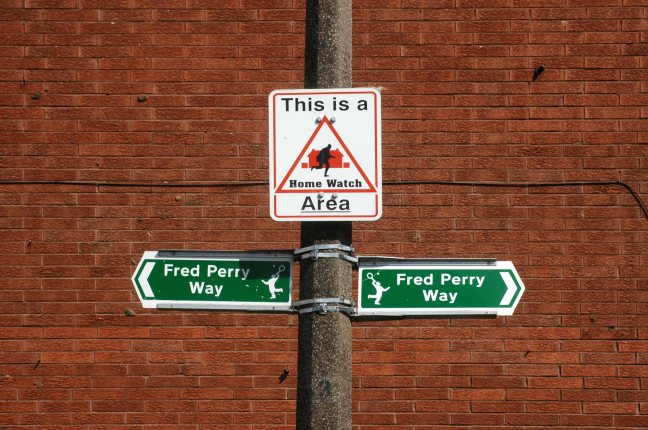
Back tracking intrepidly along the road we found the source of the Fred Perry Way.
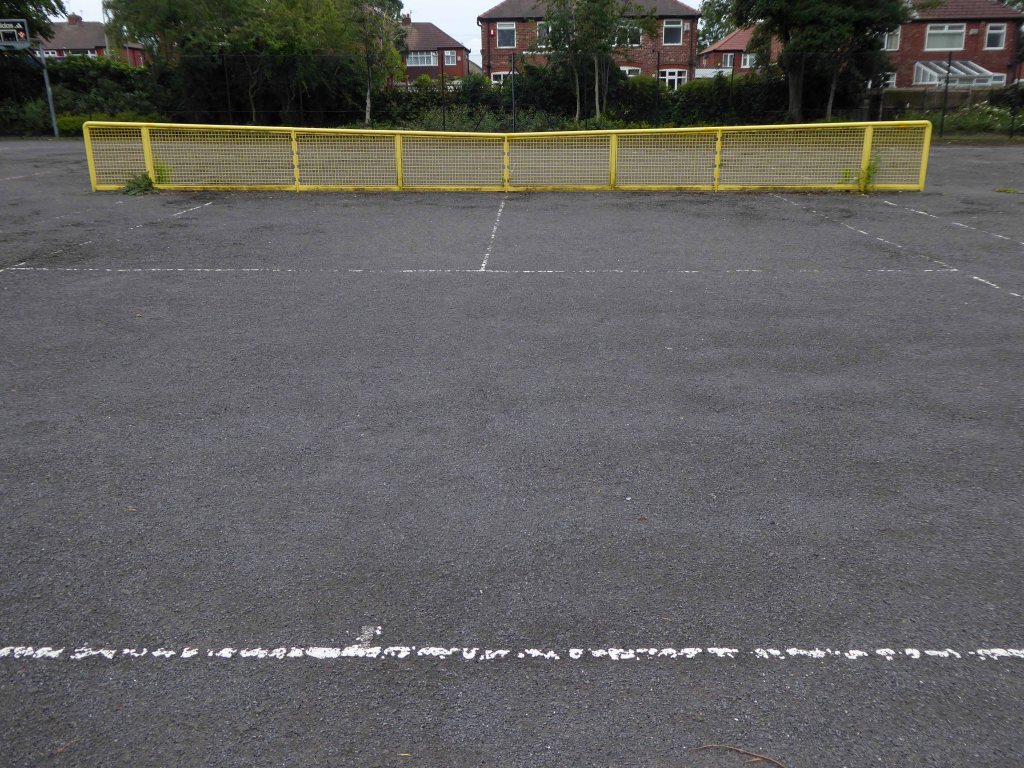
In the North Reddish Park – where tennis can still be played today albeit with a somewhat functionalist net, on an unsympathetic surface.
Journey’s end.
To forget, you little fool, to forget!
D’you understand?
To forget!
You think there’s no limit to what a man can bear?
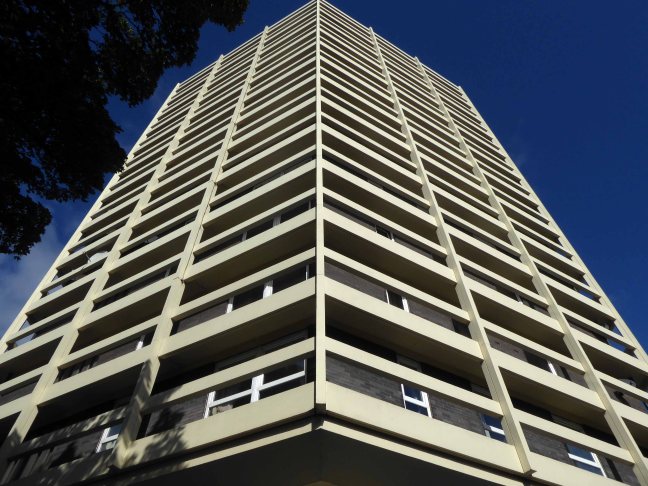
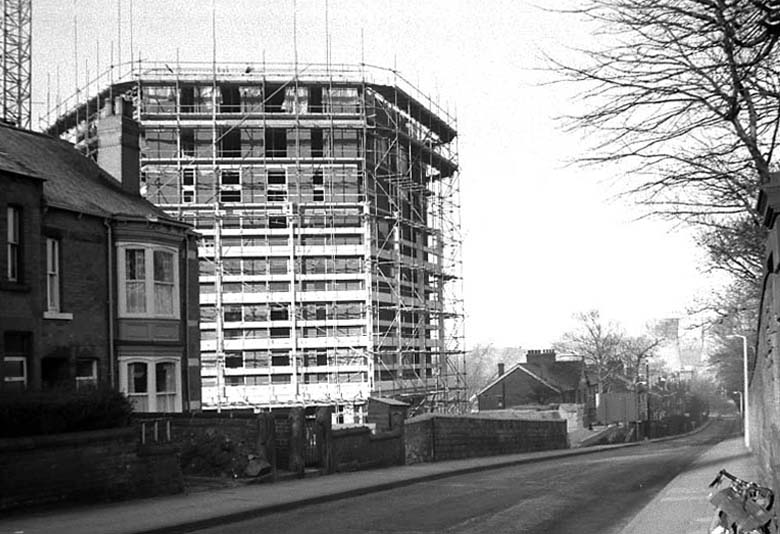
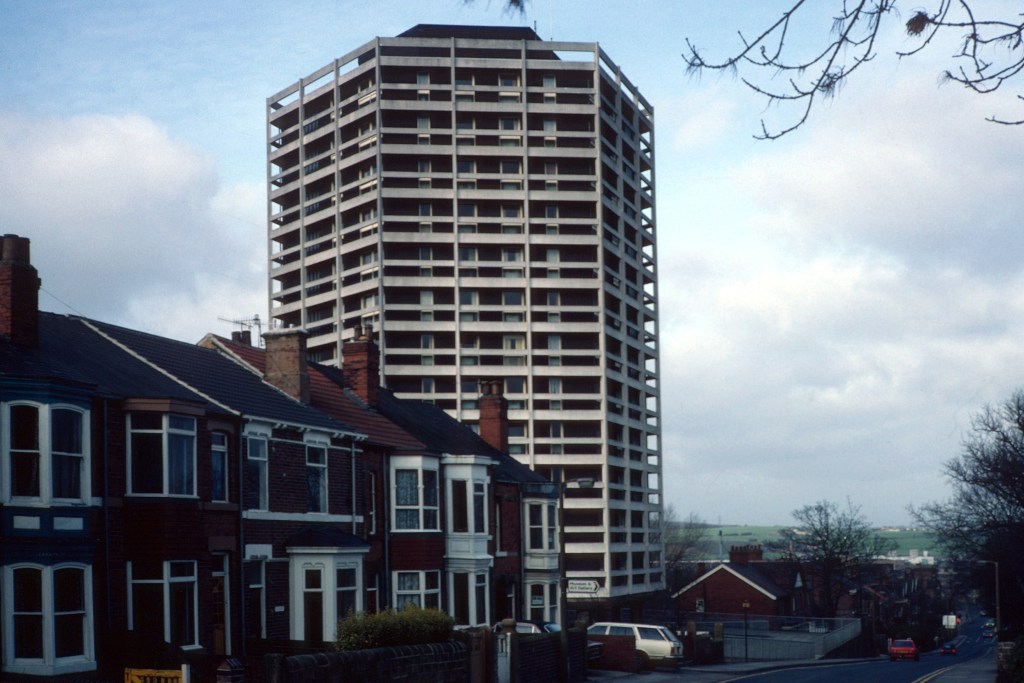
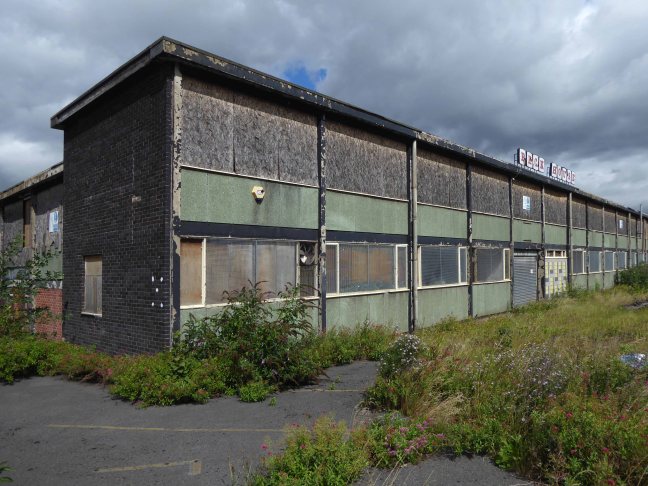
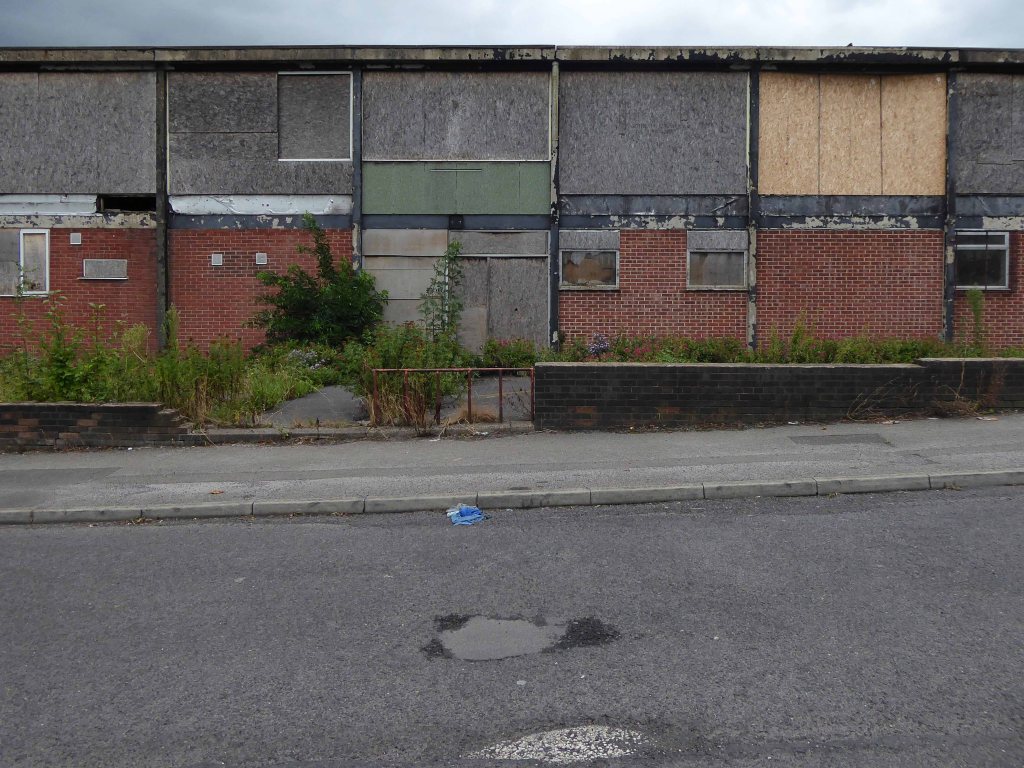
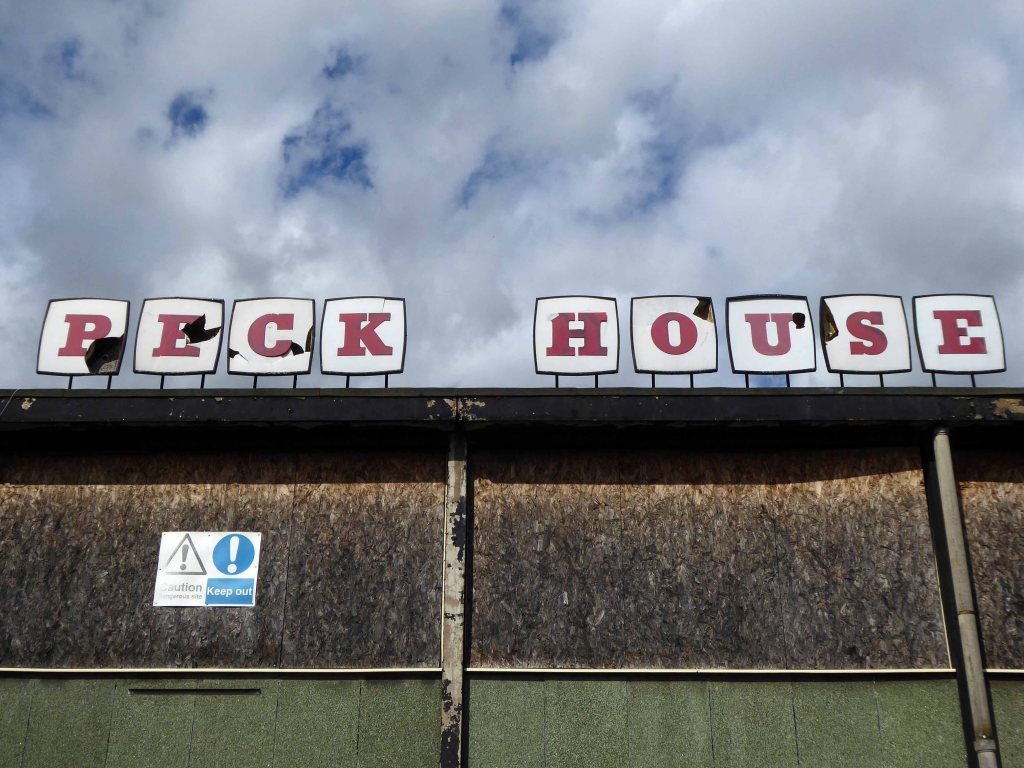
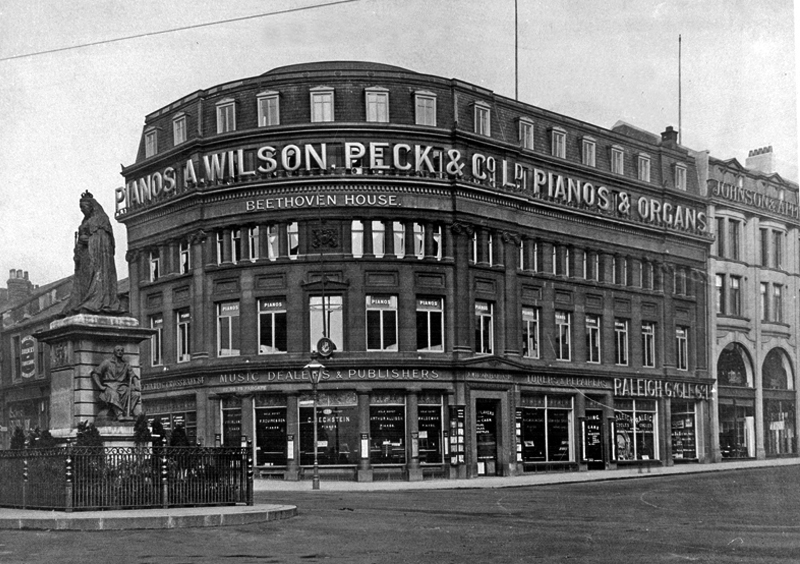
Peck House, a long vacant commercial property on a prominent route into Rotherham, could be flattened for redevelopment as the owners begin discussions with the Council over its future.
The building on Eastwood Trading Estate, and its unique stylings, was the headquarters of Joseph Peck departments stores.
The owners of the site, Backer Electric, occupy the adjacent building where they continue to manufacture heating elements, supplying products in high volume to the majority of household brand names. Options to reuse Peck House and the site have been investigated for a number of years.
A structural survey was carried out which found the building to be structurally sound and secure and therefore the Council has not been in a position to insist on its demolition.
In 1985, plans came forward to change of use of the retail/wholesale store to a church. In 2004, outline plans were submitted for a development including a hotel, restaurant, hot food takeaway and petrol station for the wider area. In 2014, Peck House was one of a number of sites discounted as the location for a new £5m primary school.
As of Wednesday 26th August 2020 it’s still there underdeveloped and overgrown.
In the company of local resident Helen Angell and having become aware of the site through the paintings of Mandy Payne and the photographs of Sean Madner – I was eager to pay a visit.
Joseph Peck departments stores originated in Rotherham in the late 1800s and had branches in Worksop, Barnsley and Sheffield.
I have only been able to find evidence of the Sheffield store – which may not be linked.
Though there are references to a Rotherham store on Bridgegate.
Joseph Peck was in Bridgegate in Rotherham, and in the late 40’s at Christmas, they had a grotto and a Father Christmas. The queues of parents and children would go down the yard and up Bridgegate. My mum and dad always took my brother and I to see Father Christmas and get a present from him. The store was a department store selling just about everything that was available just after the war. Mum took my brother and I coming up to one Christmas, she was trying to find a bicycle for my brother and I, but they didn’t have one. As we came out of the store, one of old fashioned three wheel railway delivery lorries was just pulling out of the yard. On the back was a blue bike. Mum stopped the driver and asked him where he was taking it. He told her ‘Redgates at the bottom of Ecclesall Road in Sheffield. She shouted ‘Taxi’, and told the driver to ‘follow that lorry’. Just before the lorry arrived on The Moor, she told the taxi driver to overtake the lorry and go to Redgates. We rushed in, she found the manager and asked him about the bike. He hadn’t known that one was being delivered so Mum told him she’d have it without even asking the price. The lorry driver didn’t even have to take it off the lorry, and delivered it to our house next day.
My elder brother had it first, then me, then my younger brother, and finally our young sister. It was still being used when I flew the nest in 1959.
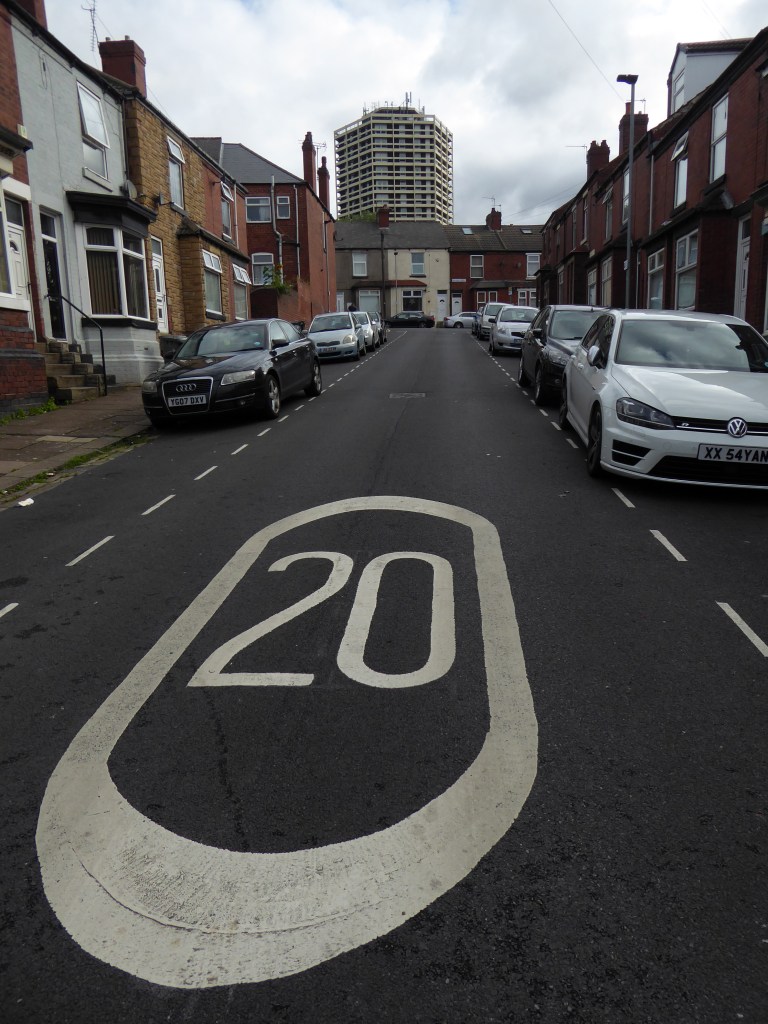
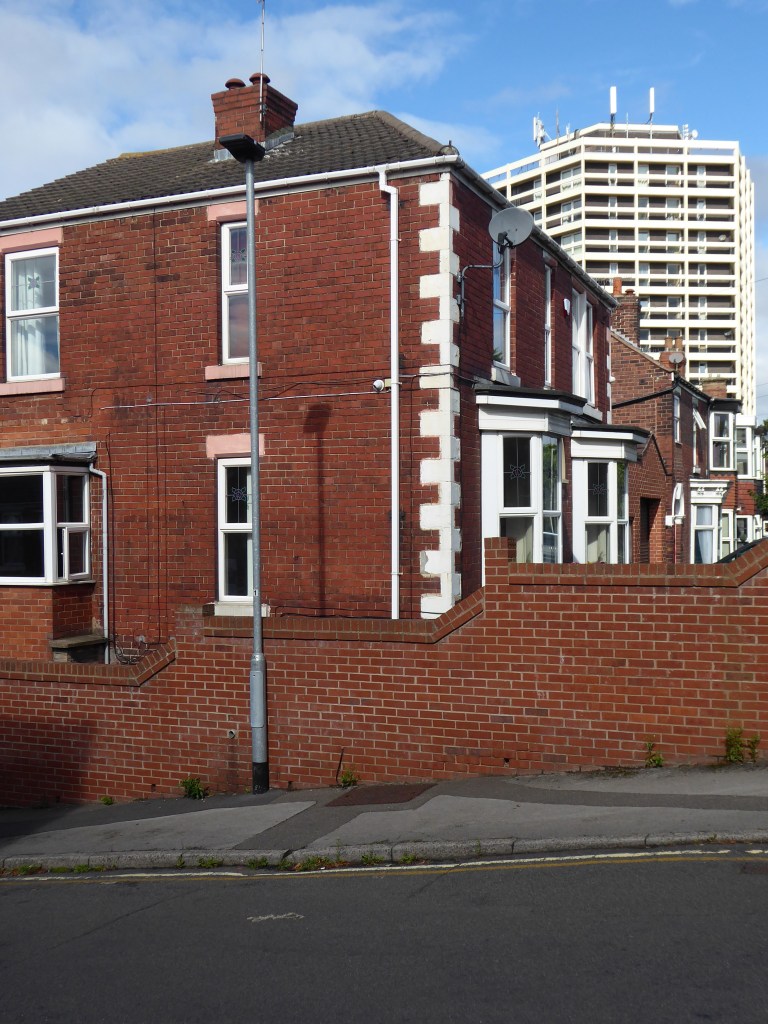
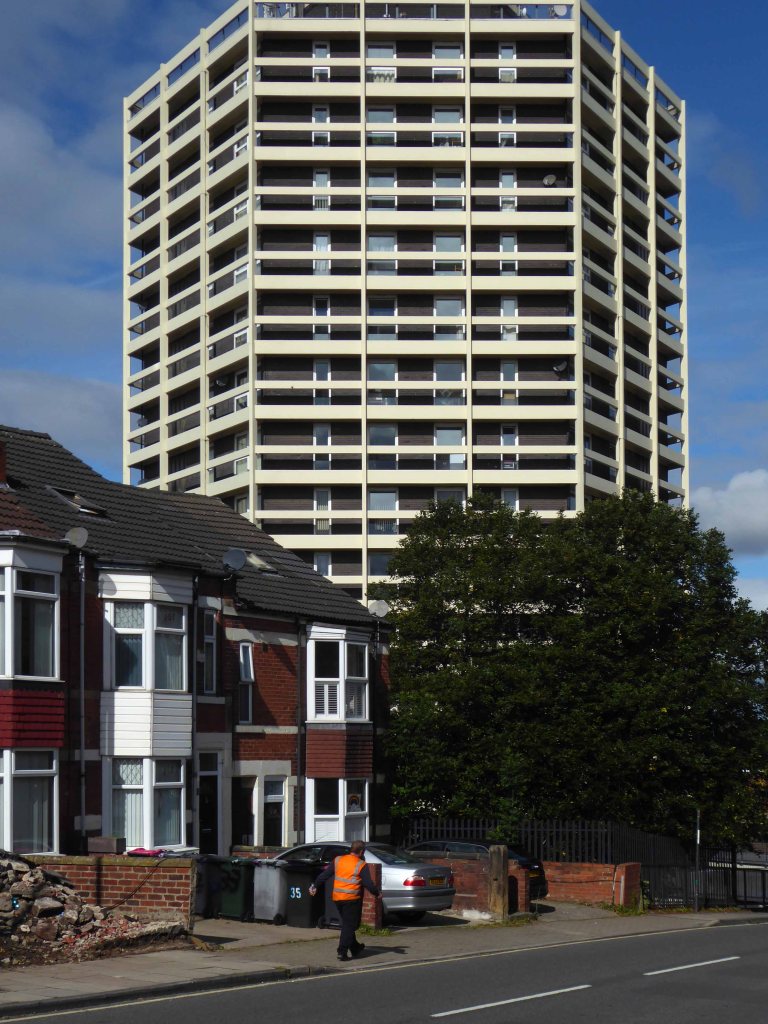
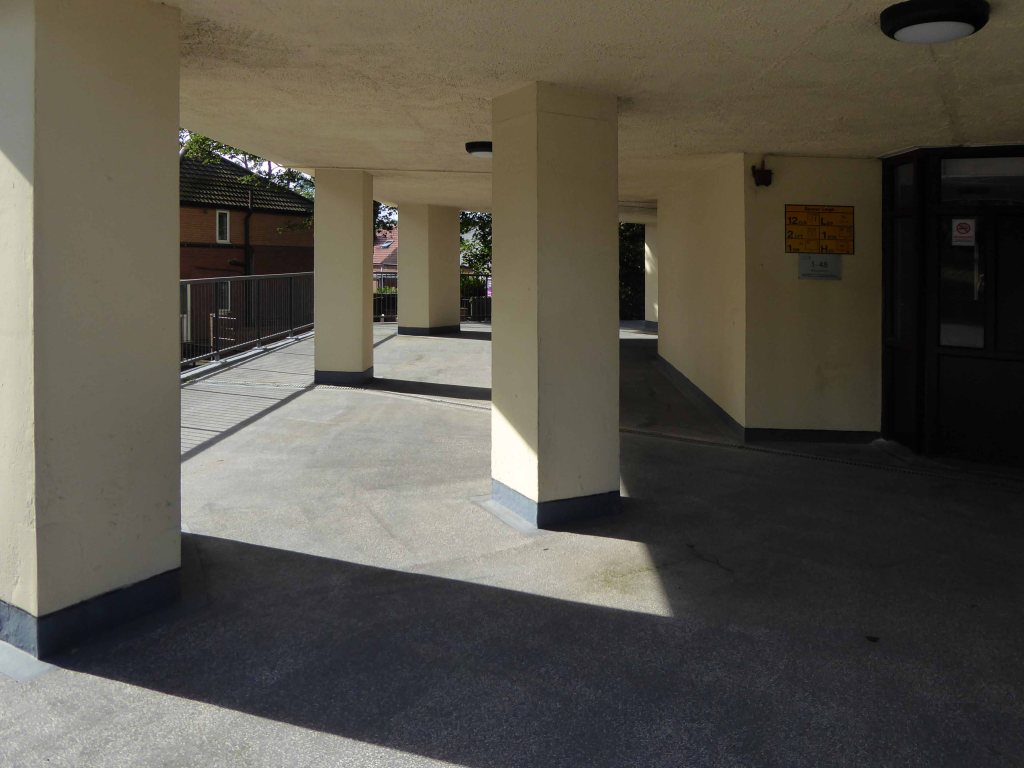
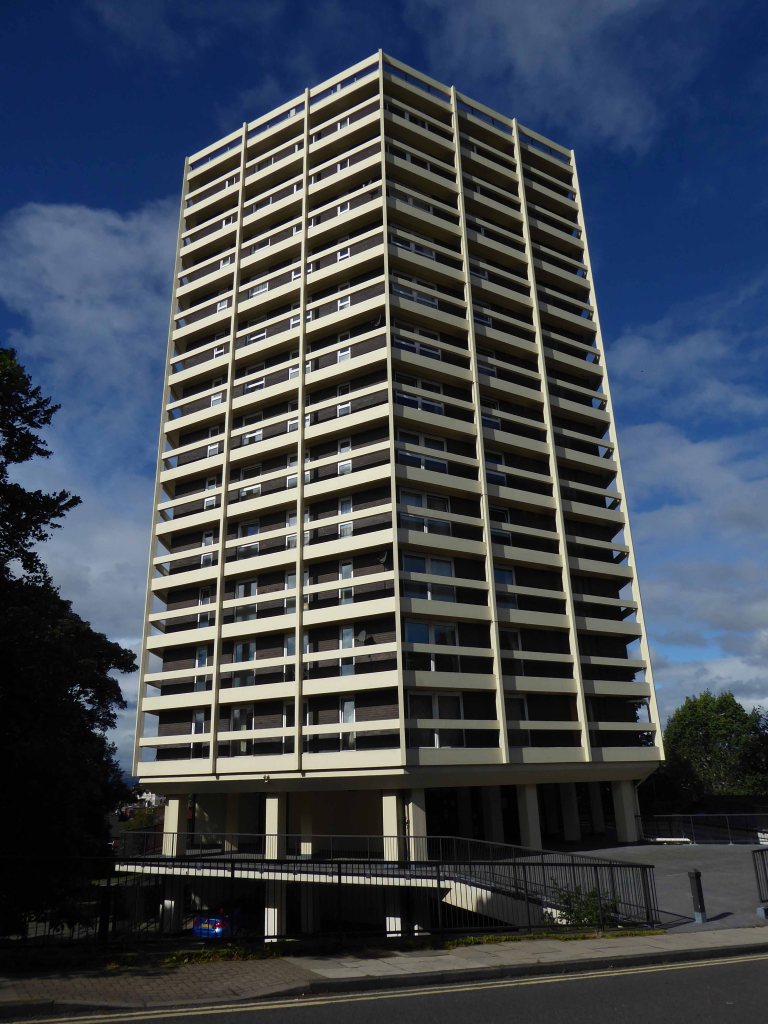
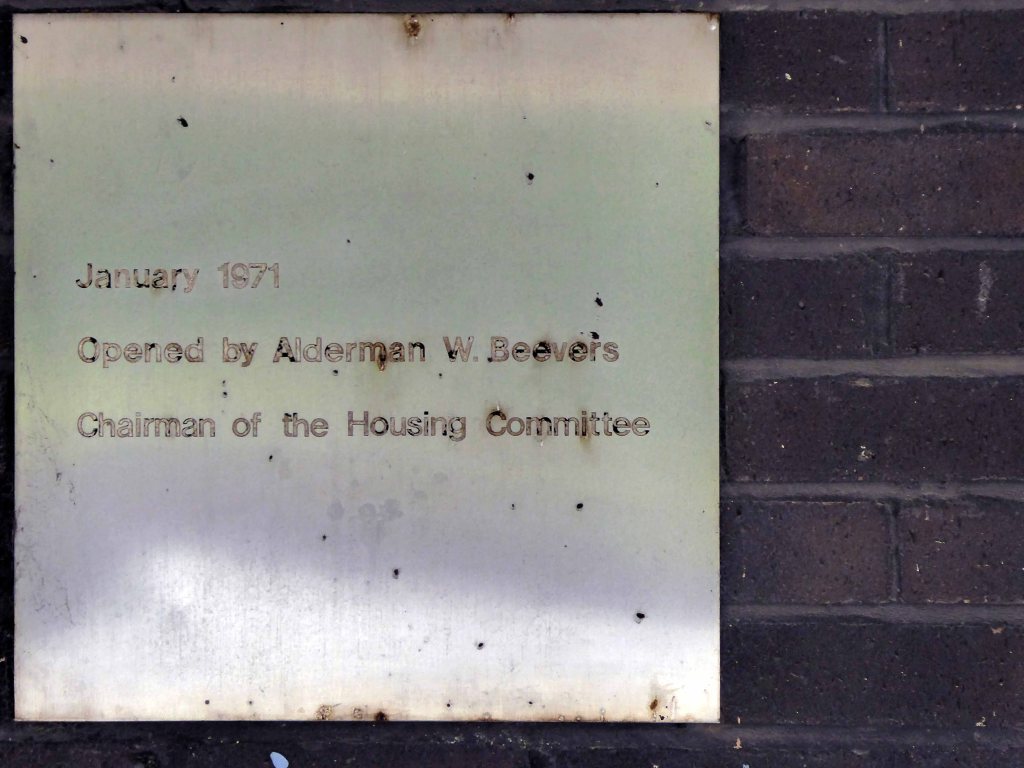
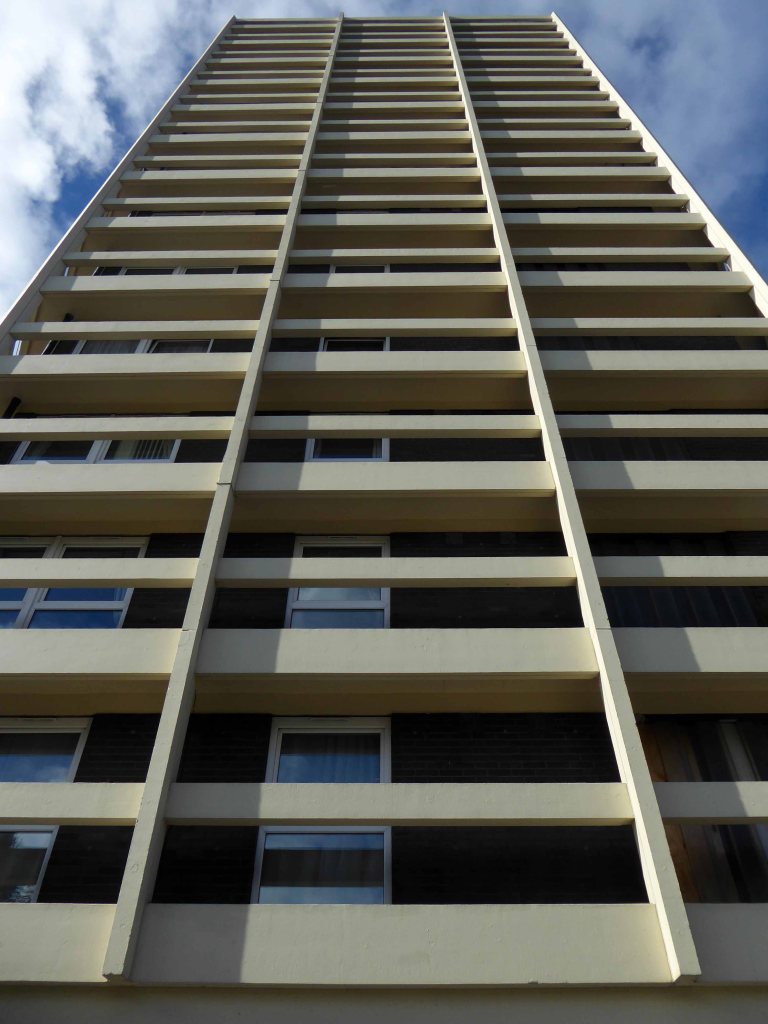
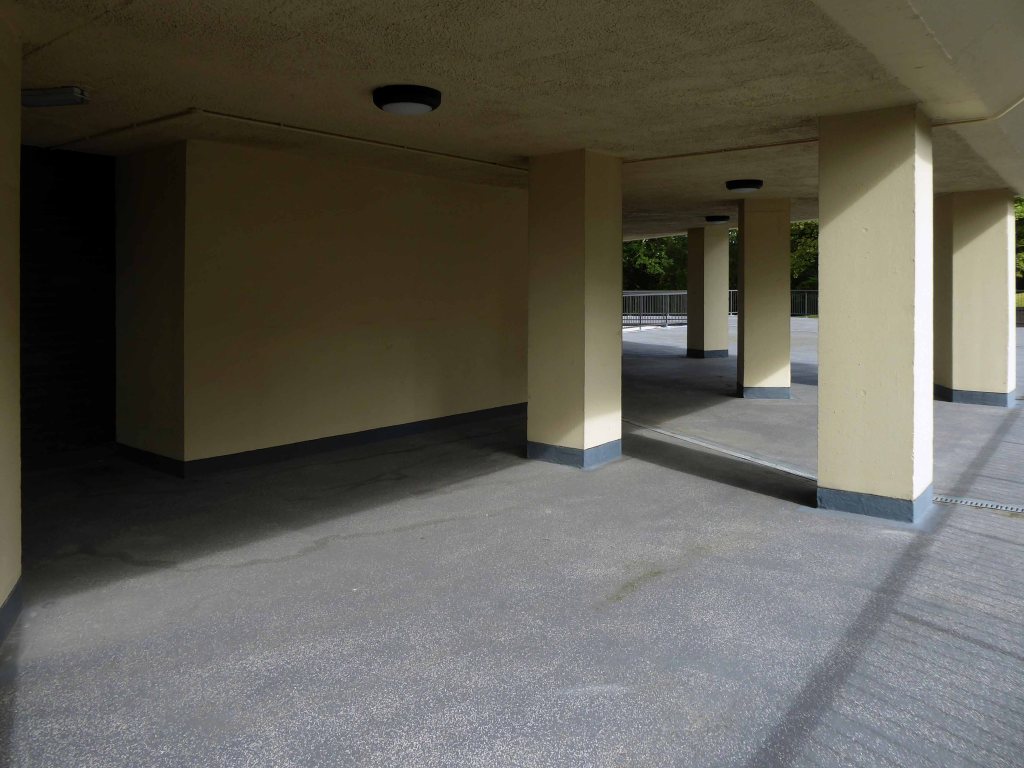
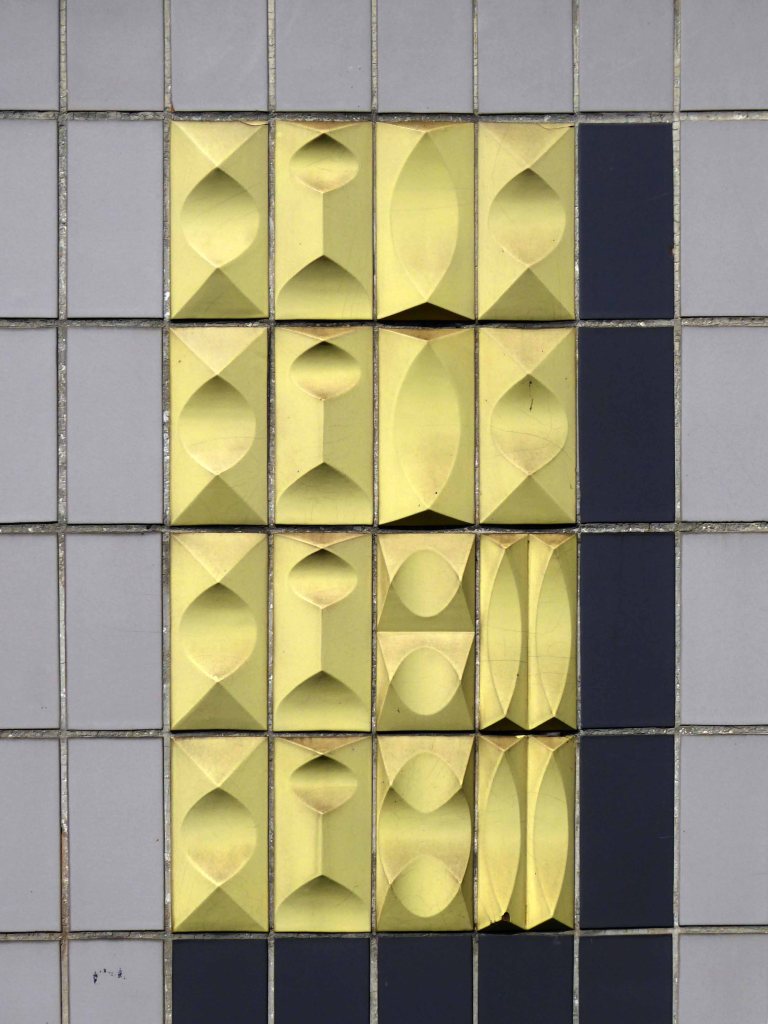
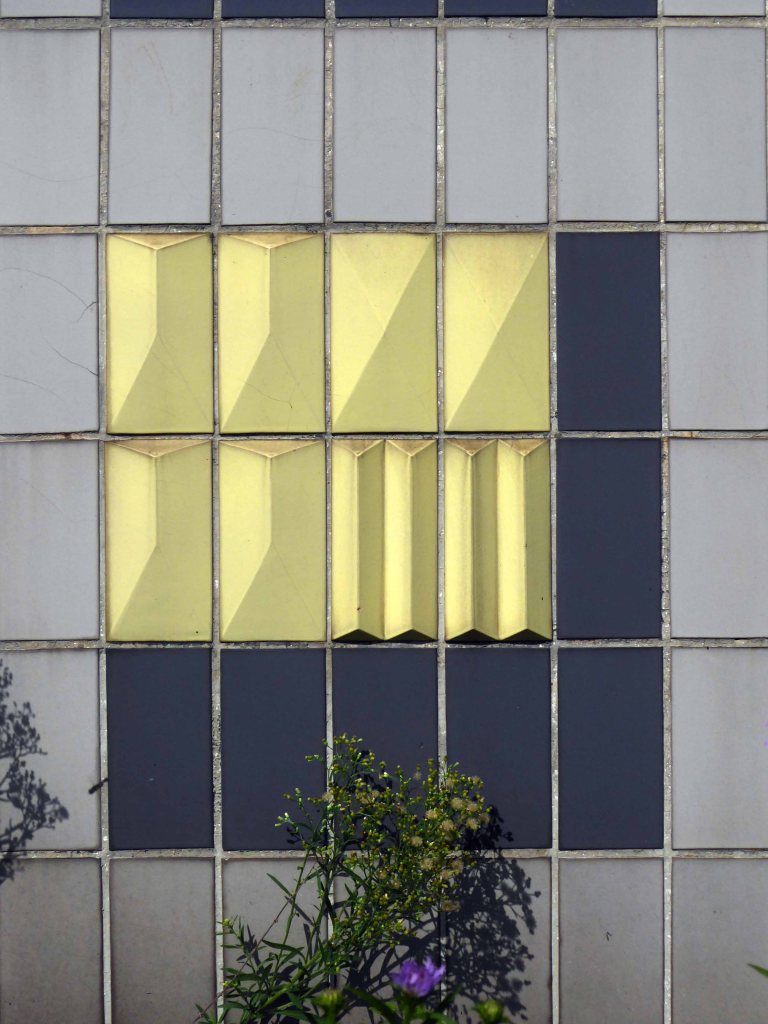
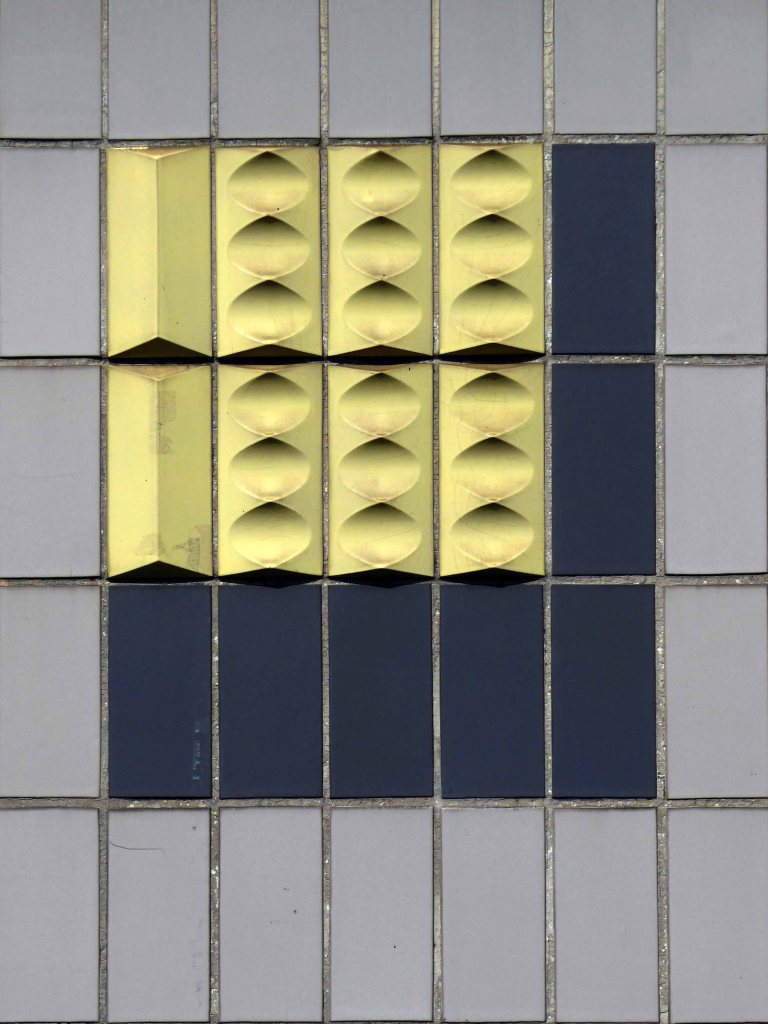
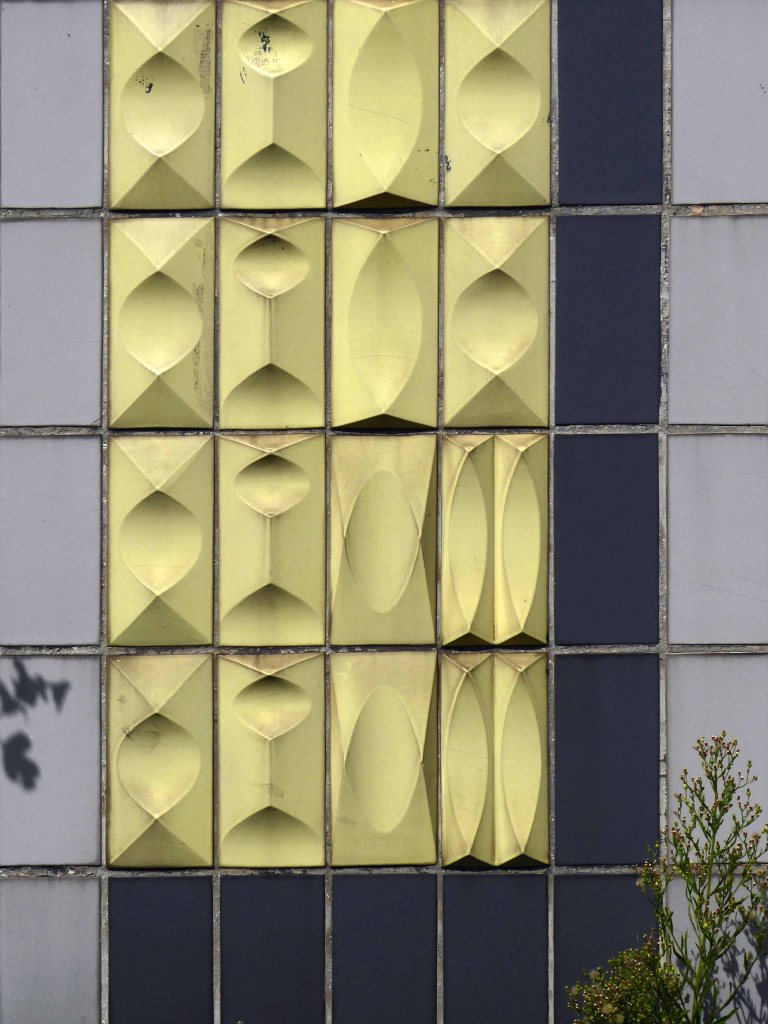
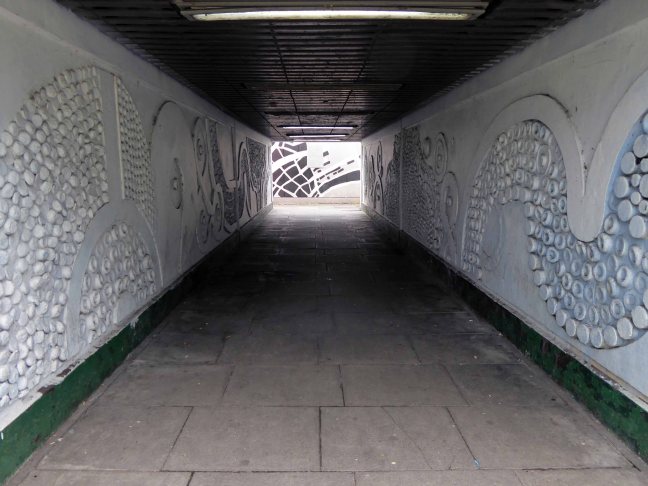
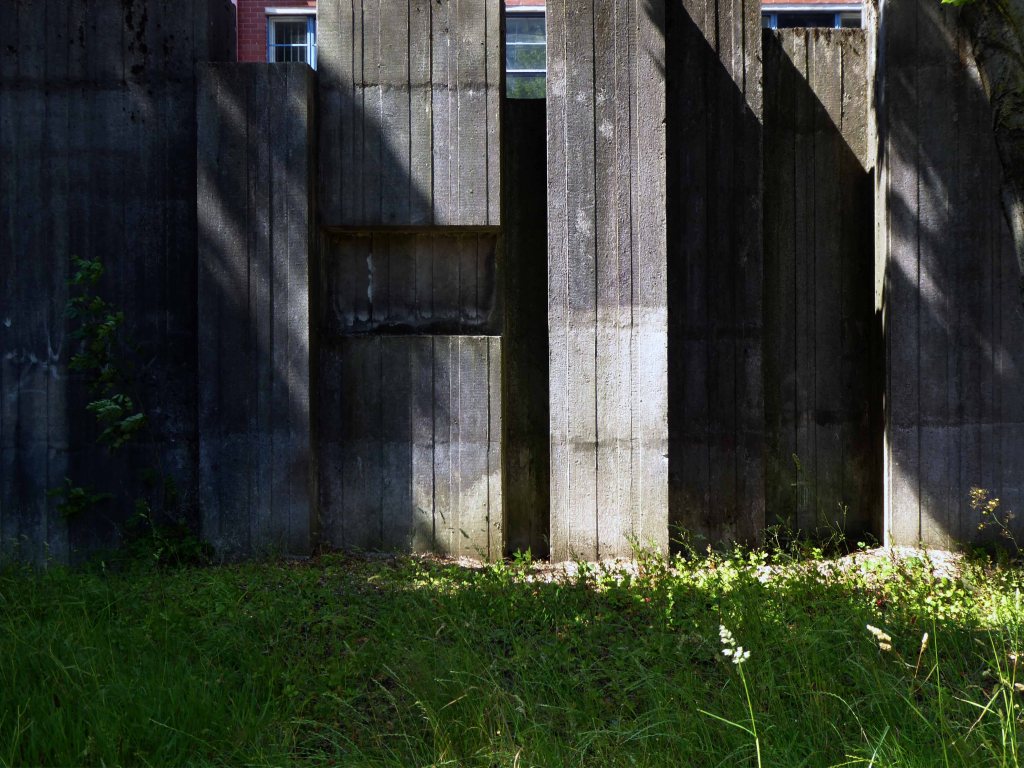
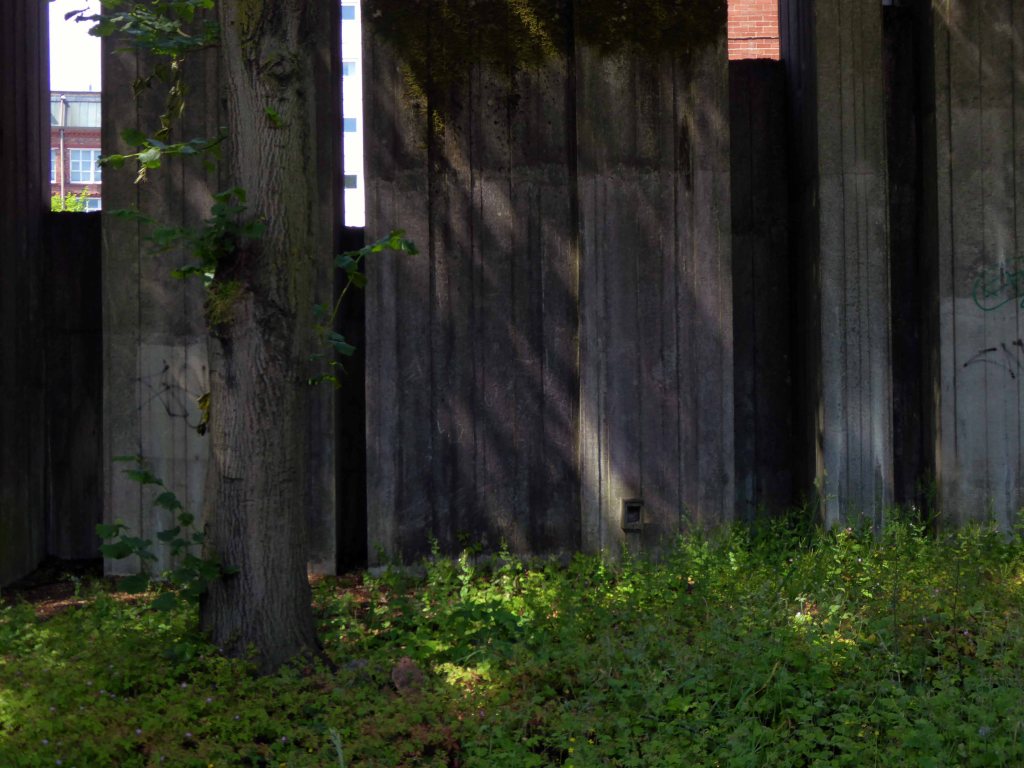
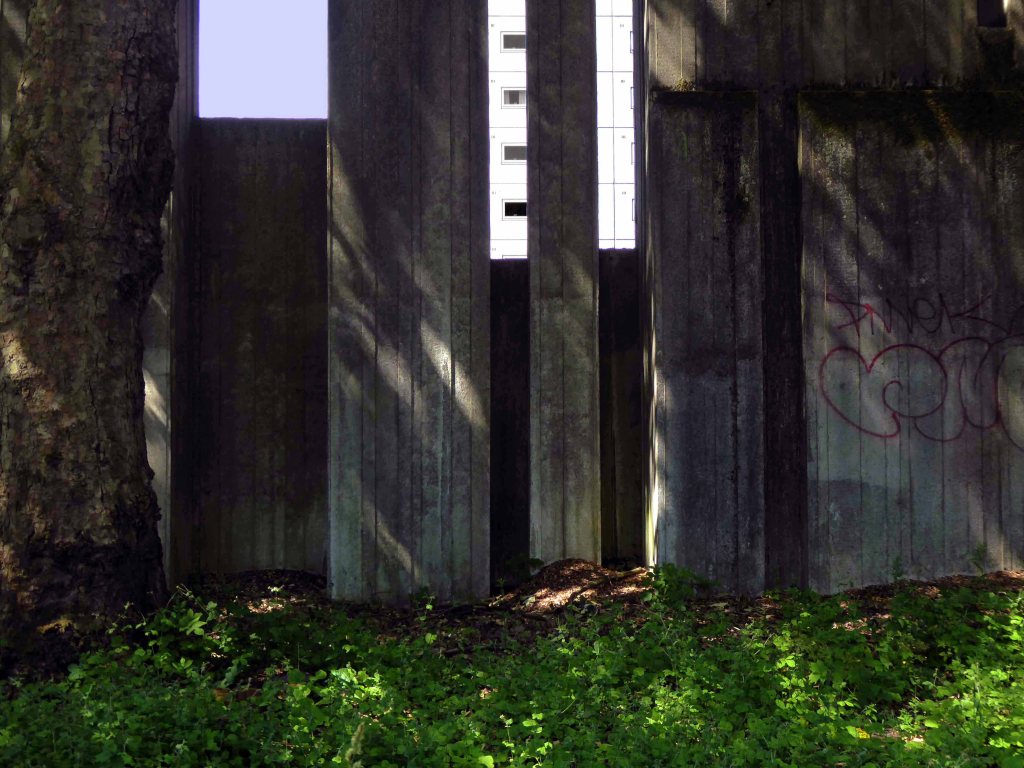
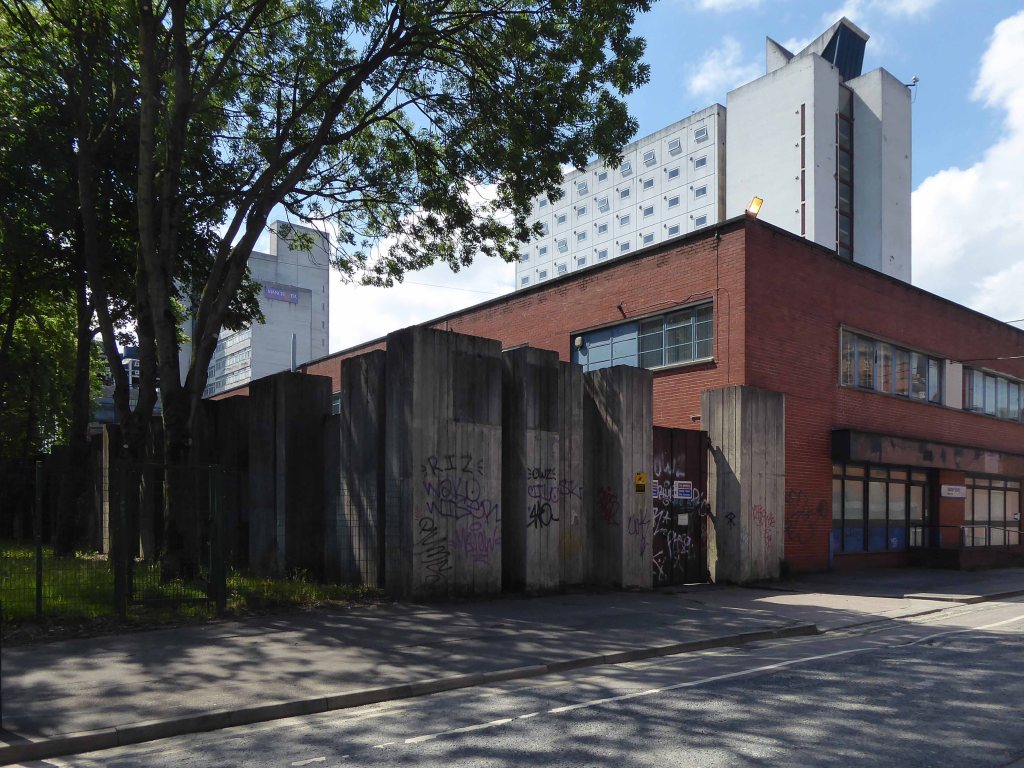
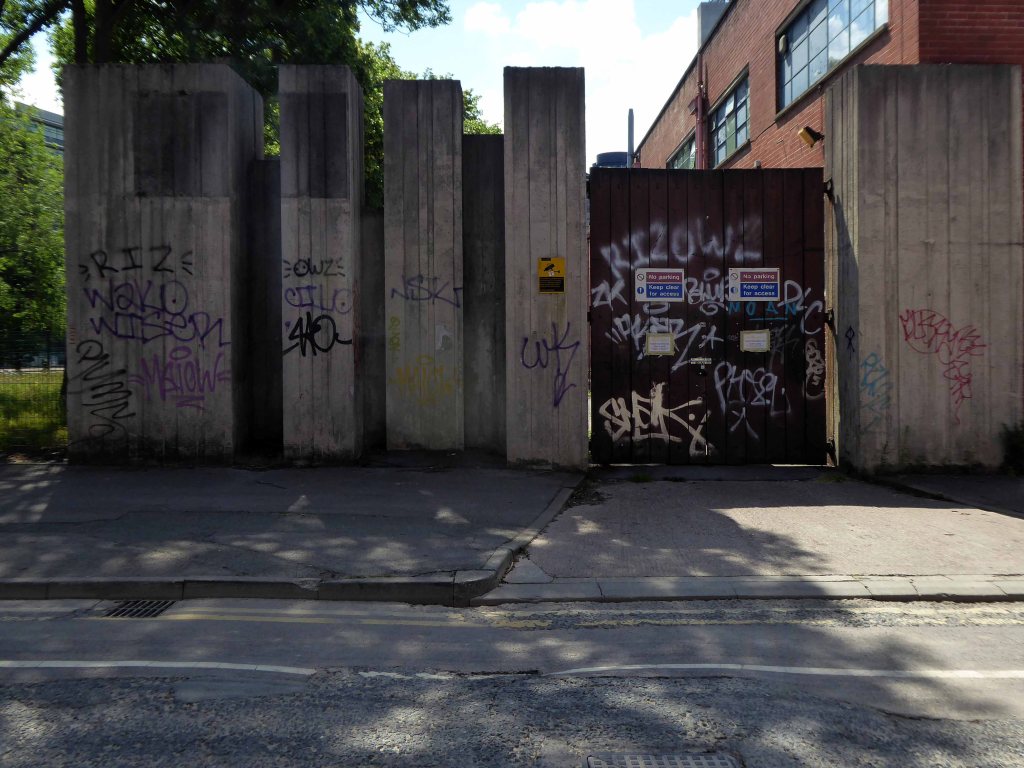
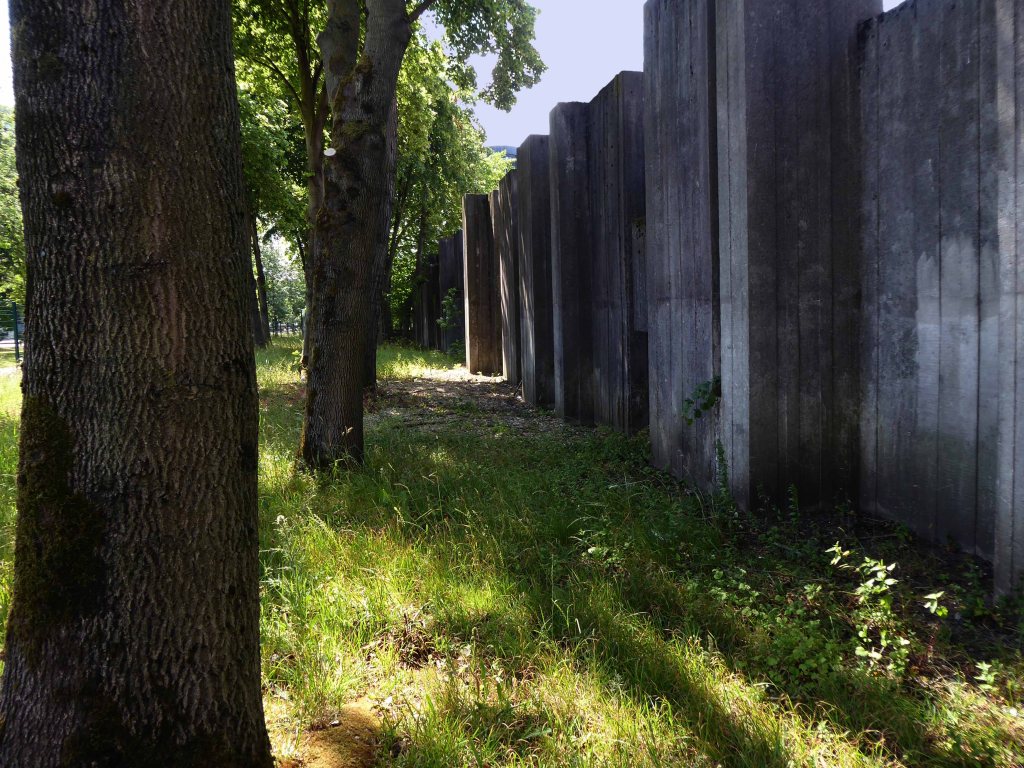
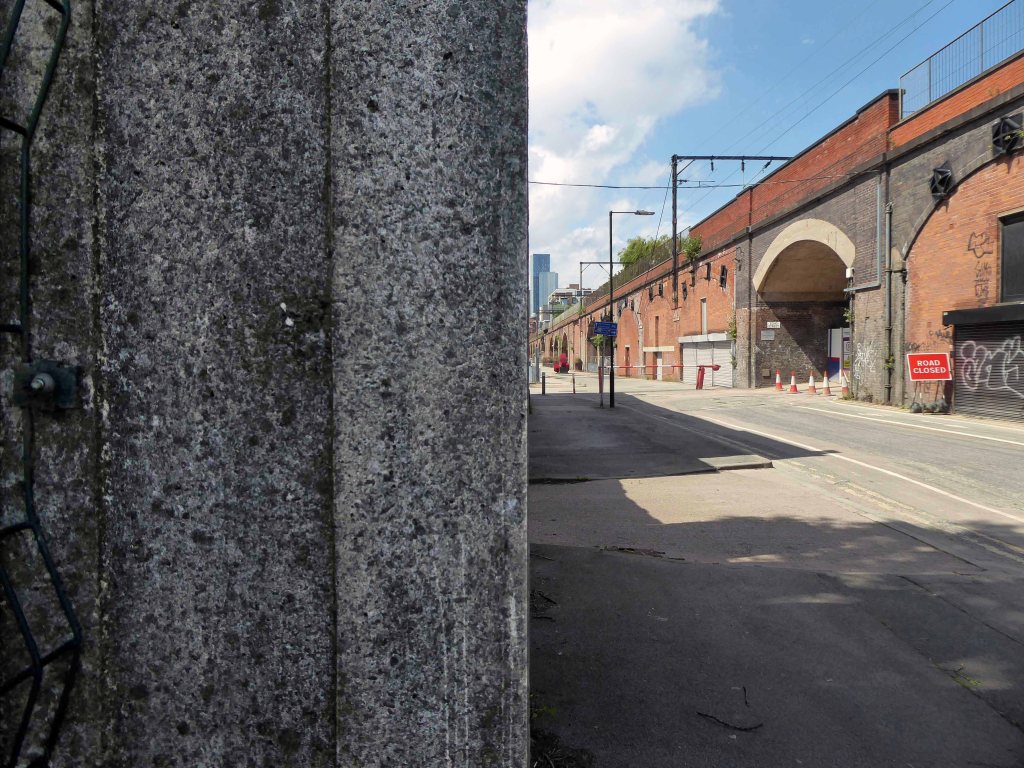
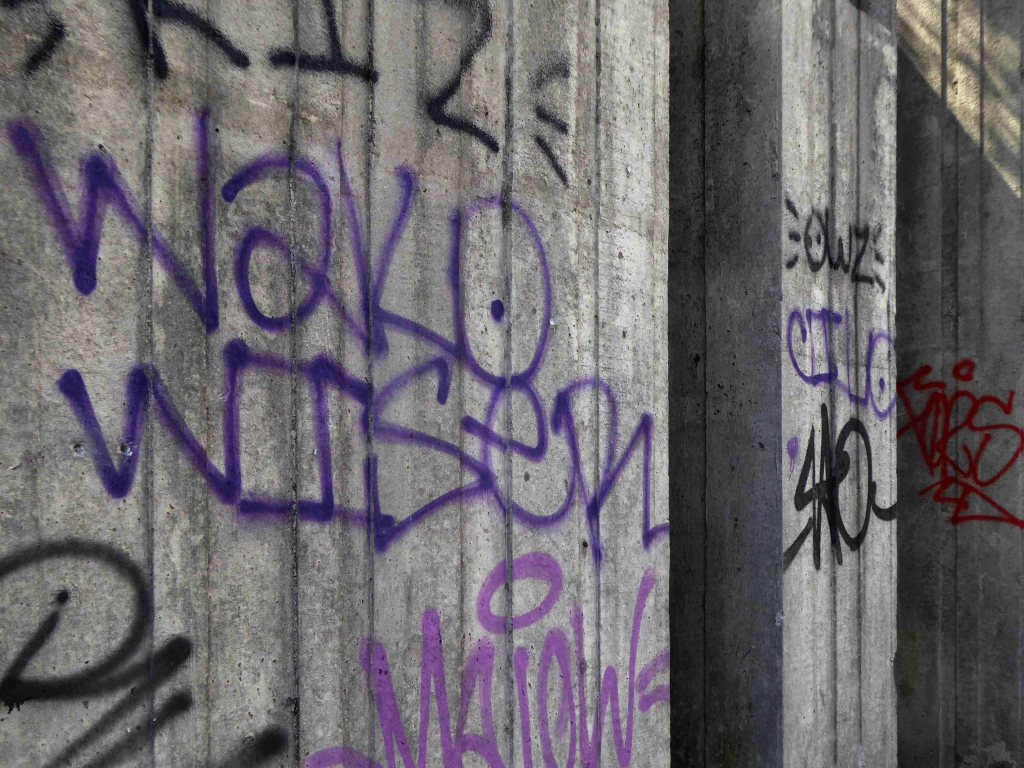
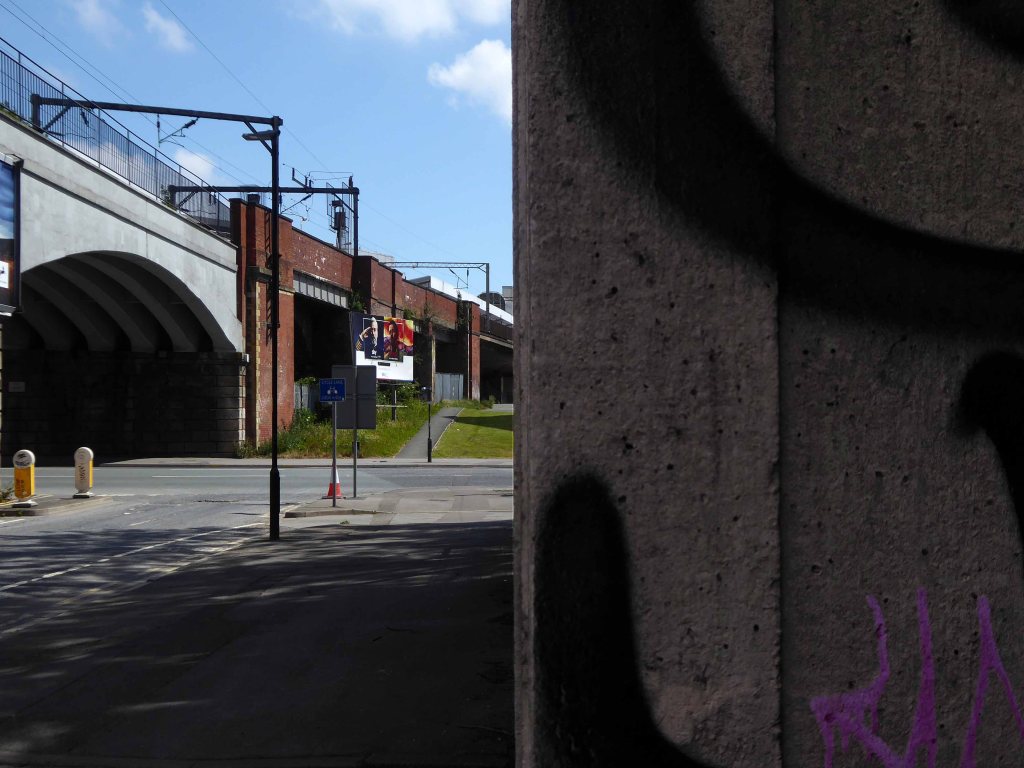
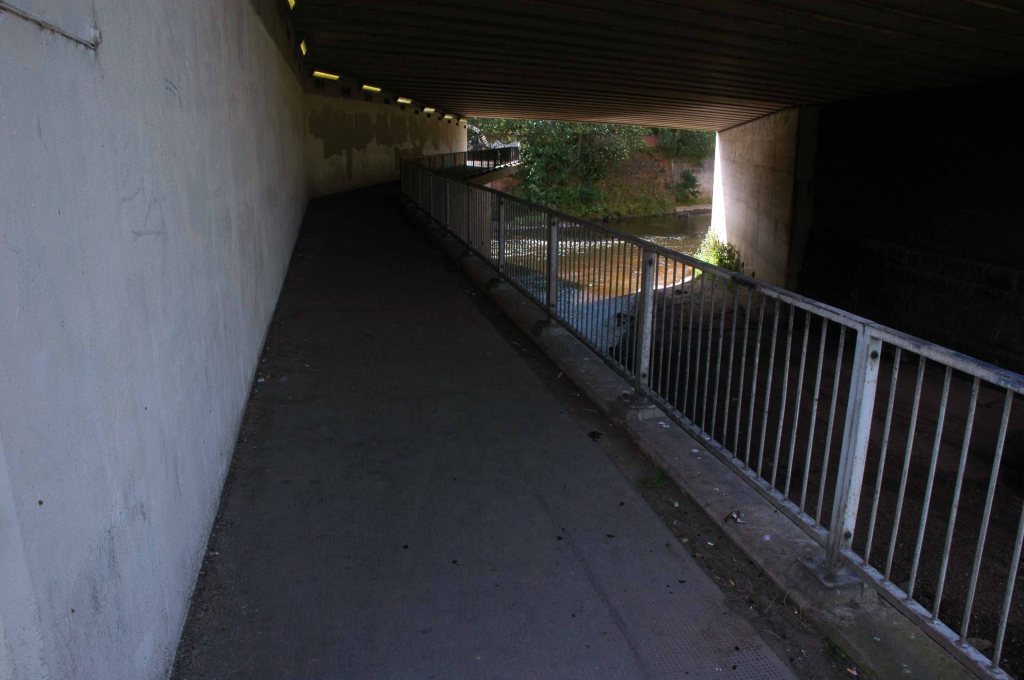
First there was the first, then secondly the second – this is the third and last underpass.
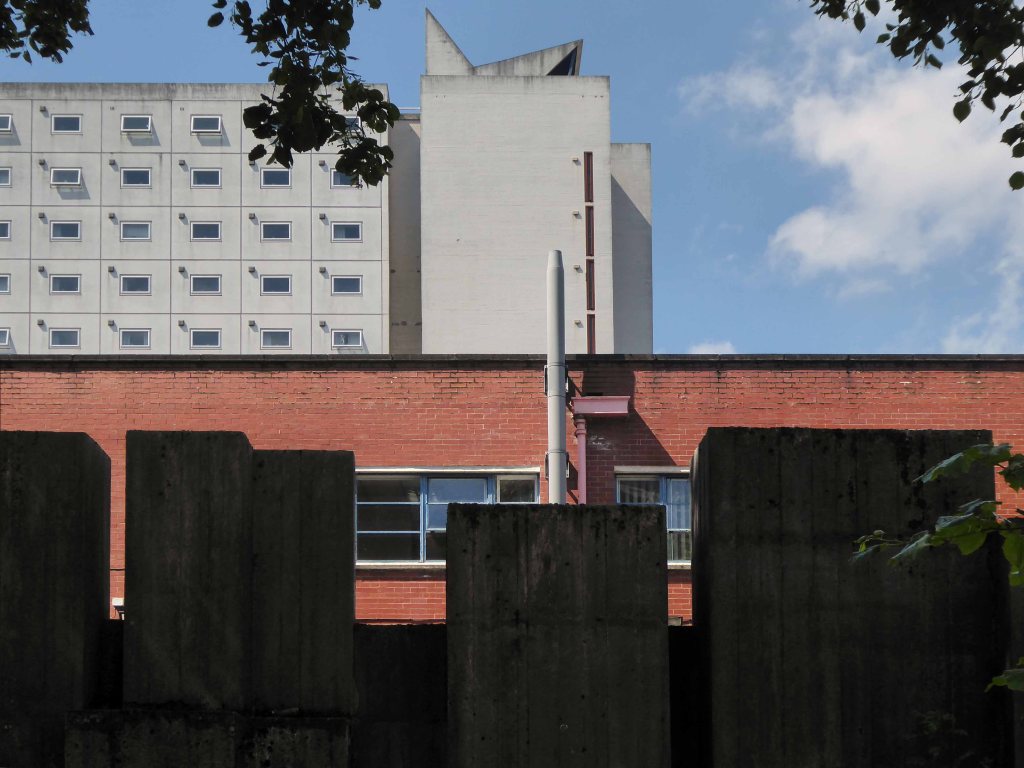
A fitting finish to the series as we pass through the final subterranean frontier out into the clear light of the South Yorkshire day.
Each one is a neglected gem of municipal modernism, the underpass a feature under threat, the pedestrian often subsumed by the drive to accommodate the motor car.
As of last Wednesday, we all seem to have tenuously hung on in there.
Oh we’ll hear the thunder roar, feel the lightning strike. At a point we’ll both decide to meet at the same time tonight.
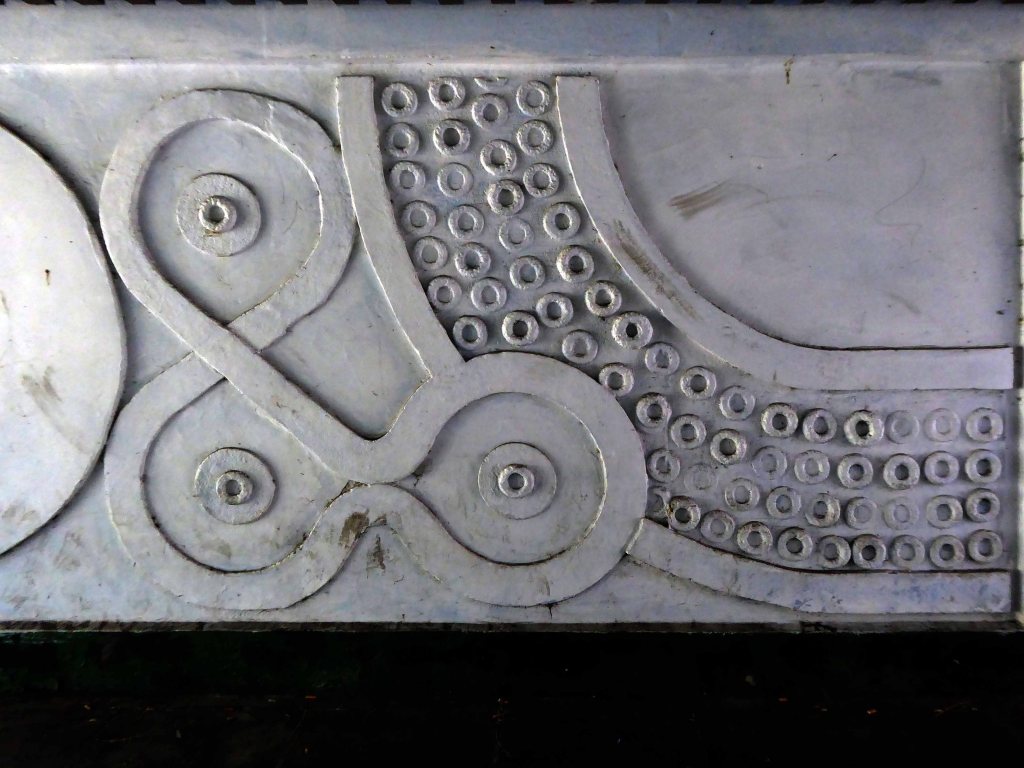
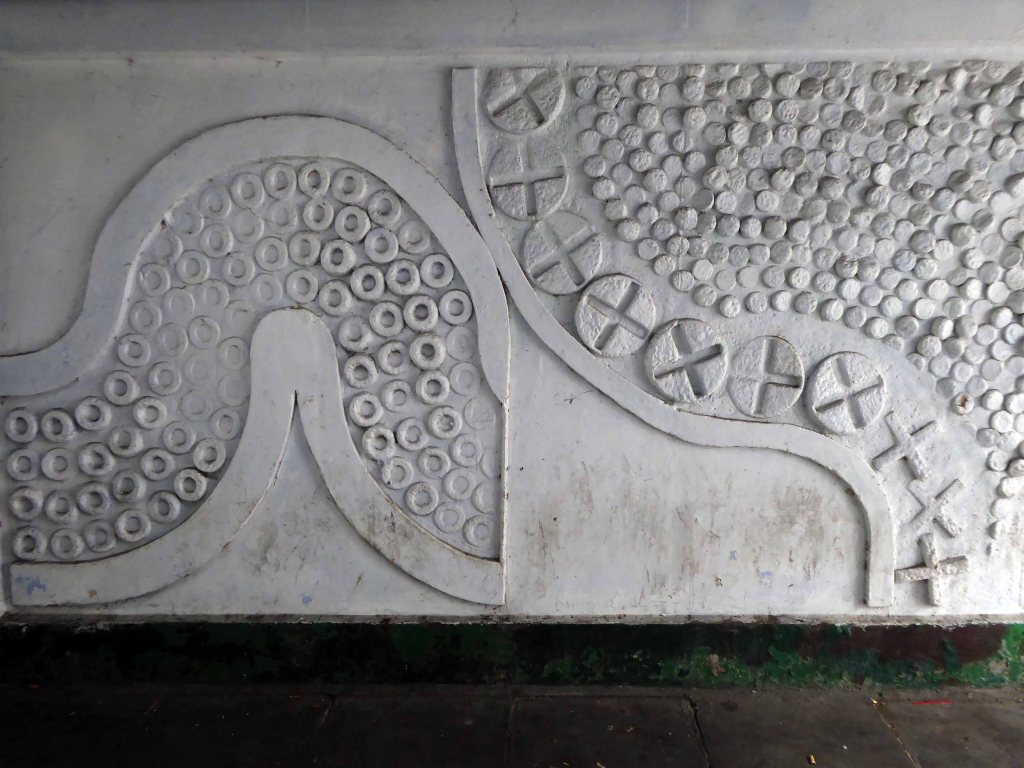
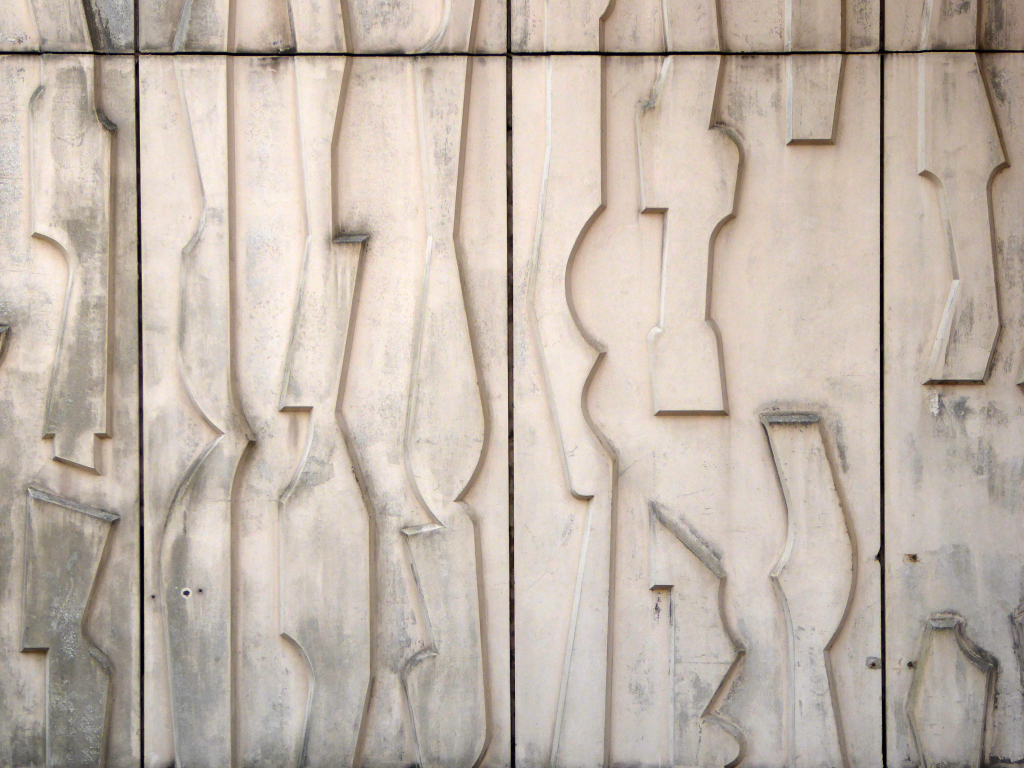
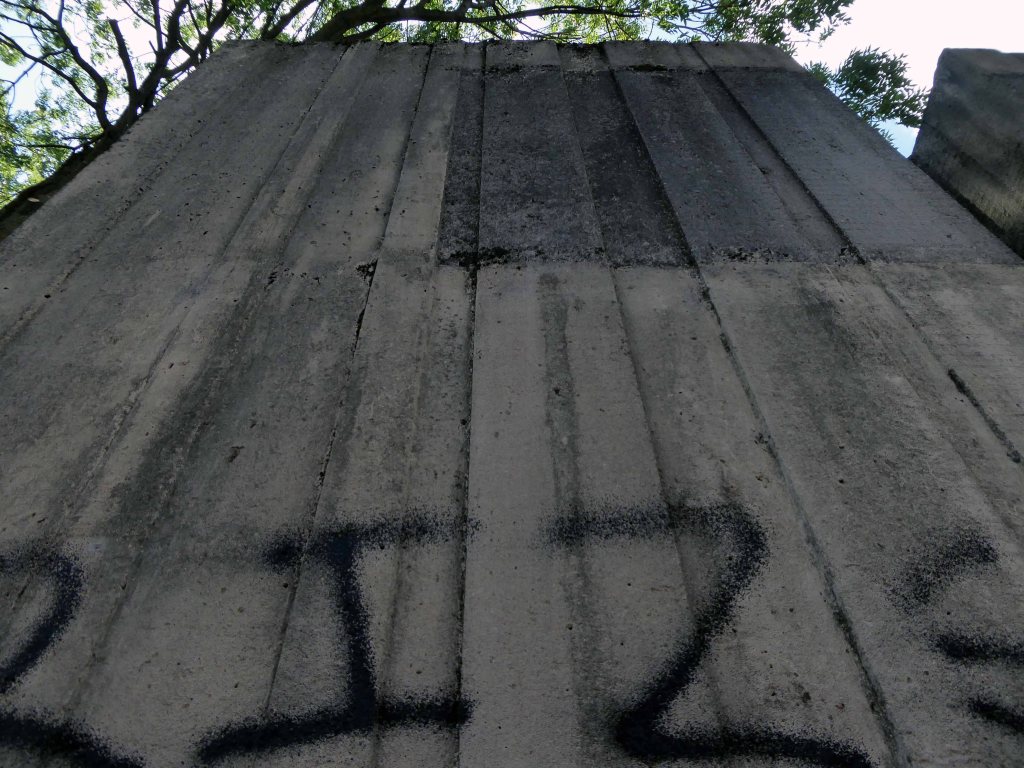
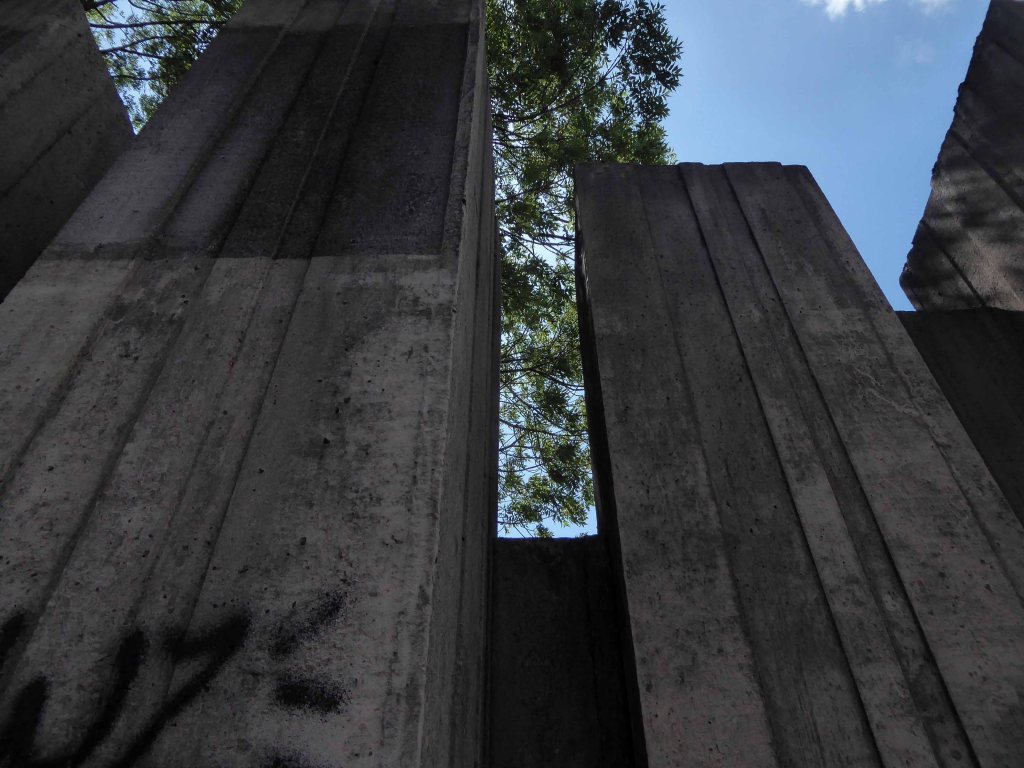
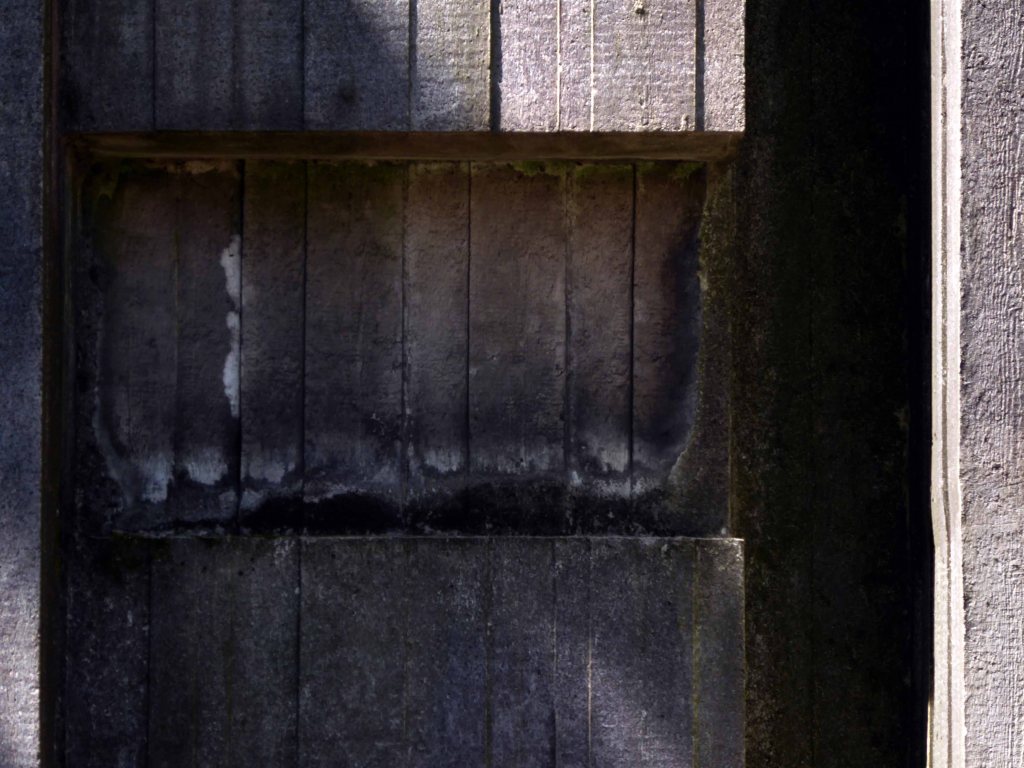
I had seen a photograph posted by Mandy Payne of an underpass in Rotherham – illustrating a delightful concrete relief.
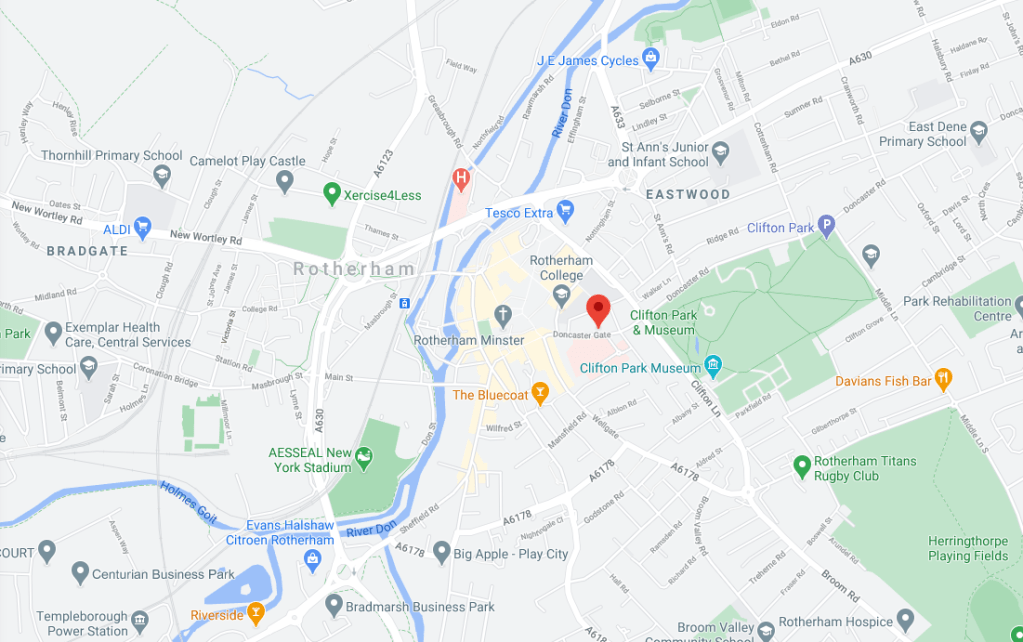
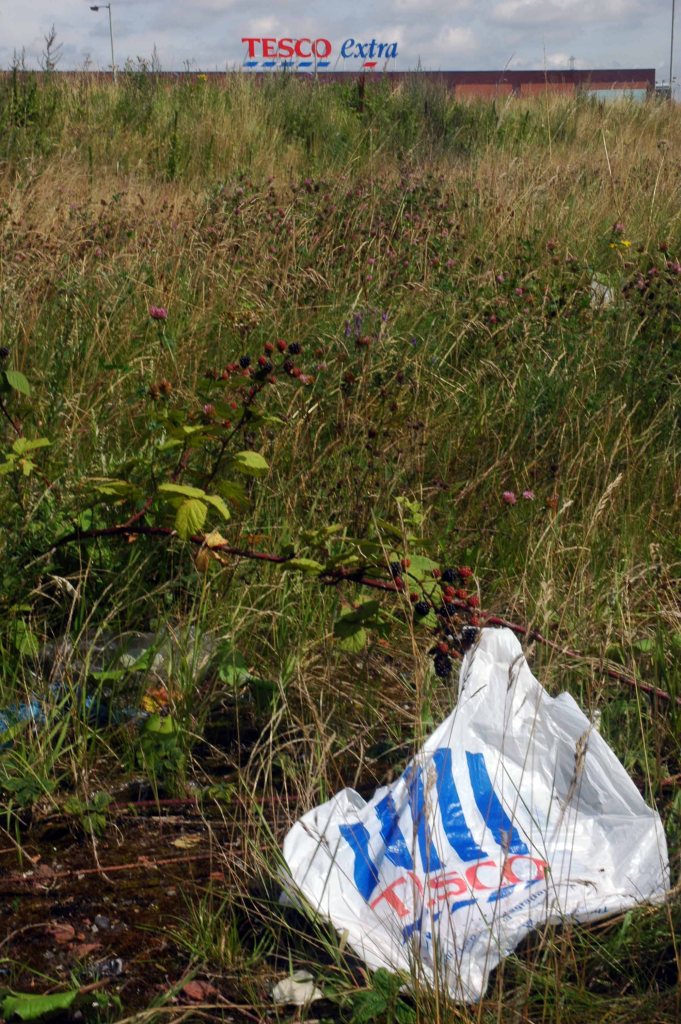
Enlisting the assistance of friend and local resident Helen Angell, we set out on a mission to visit the roundabout in back of the big Tesco, which housed the three underpasses.
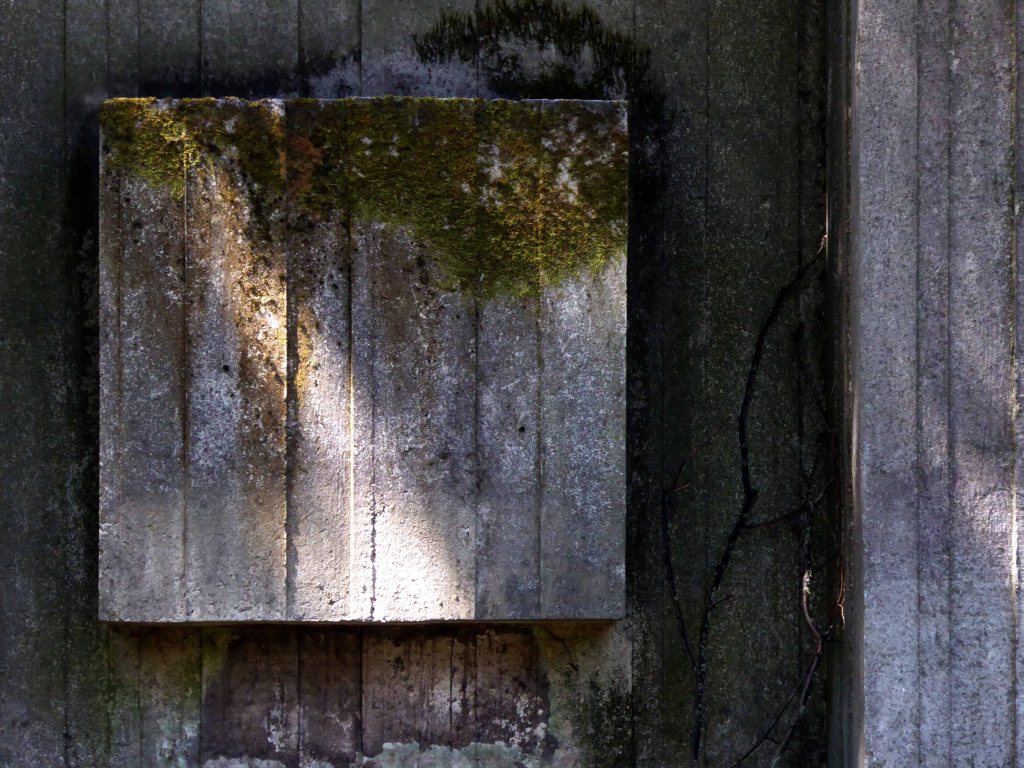
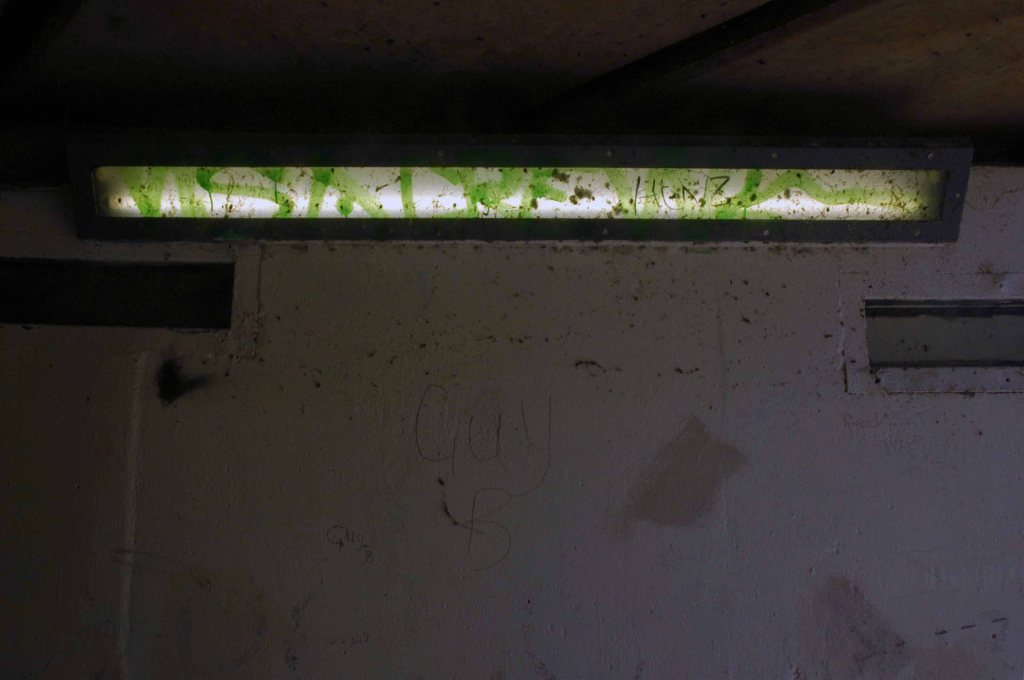
This is the first – painted white, well whiteish – more than somewhat disabused by the passage of time and the passage of users of the underpass.
Brute and angular, incised and cursive and currently lacking authorship or attribution.
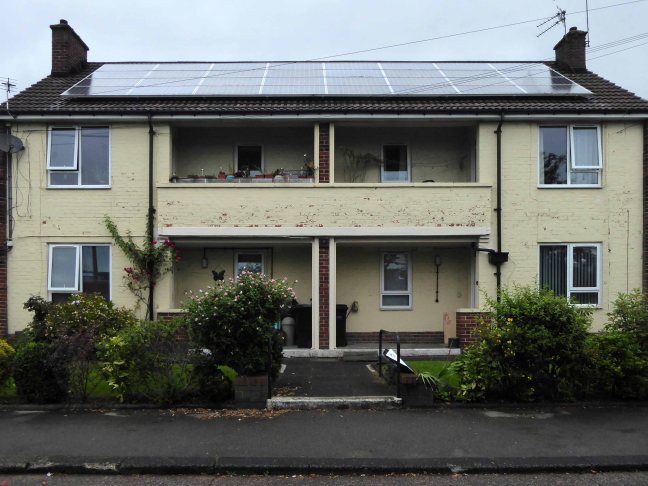
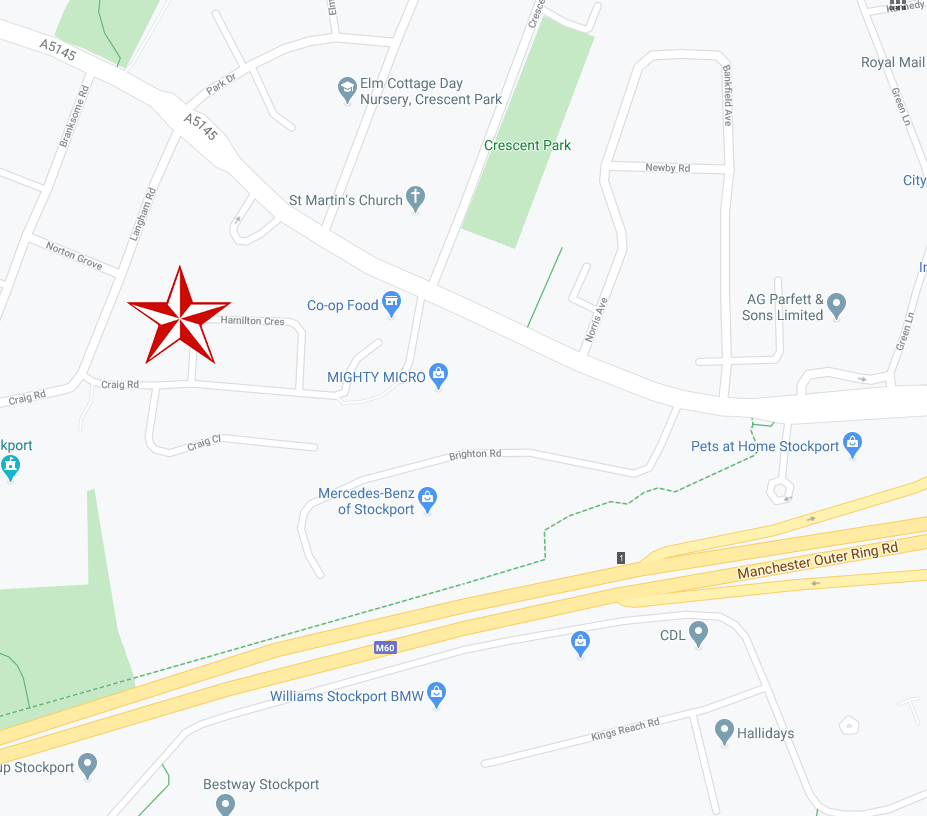
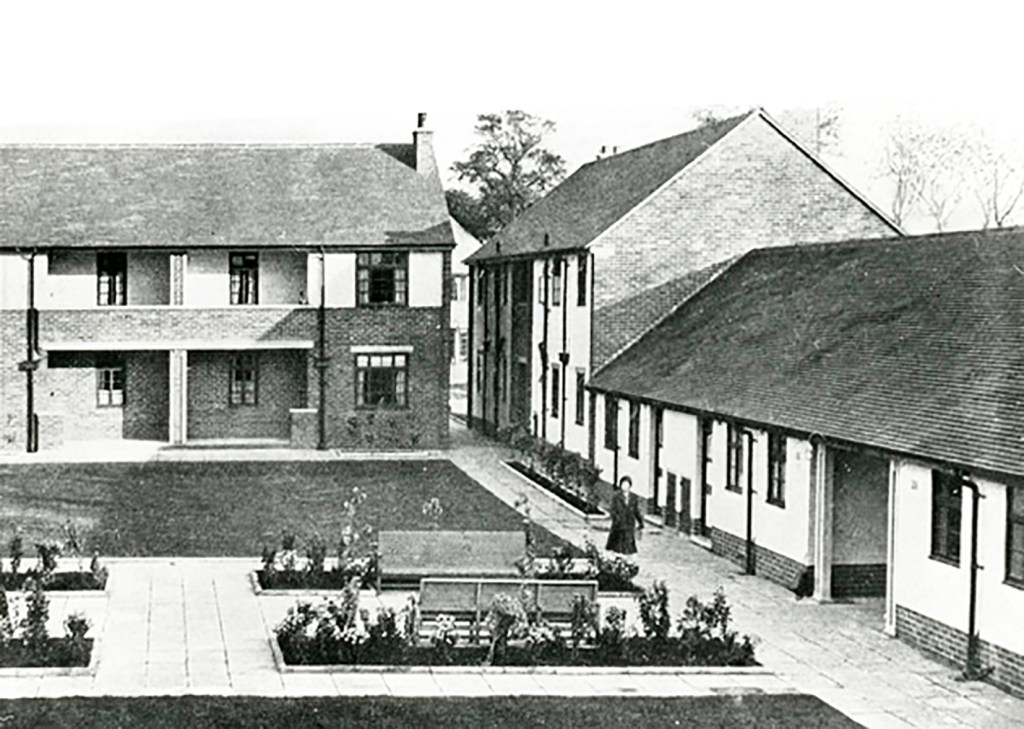
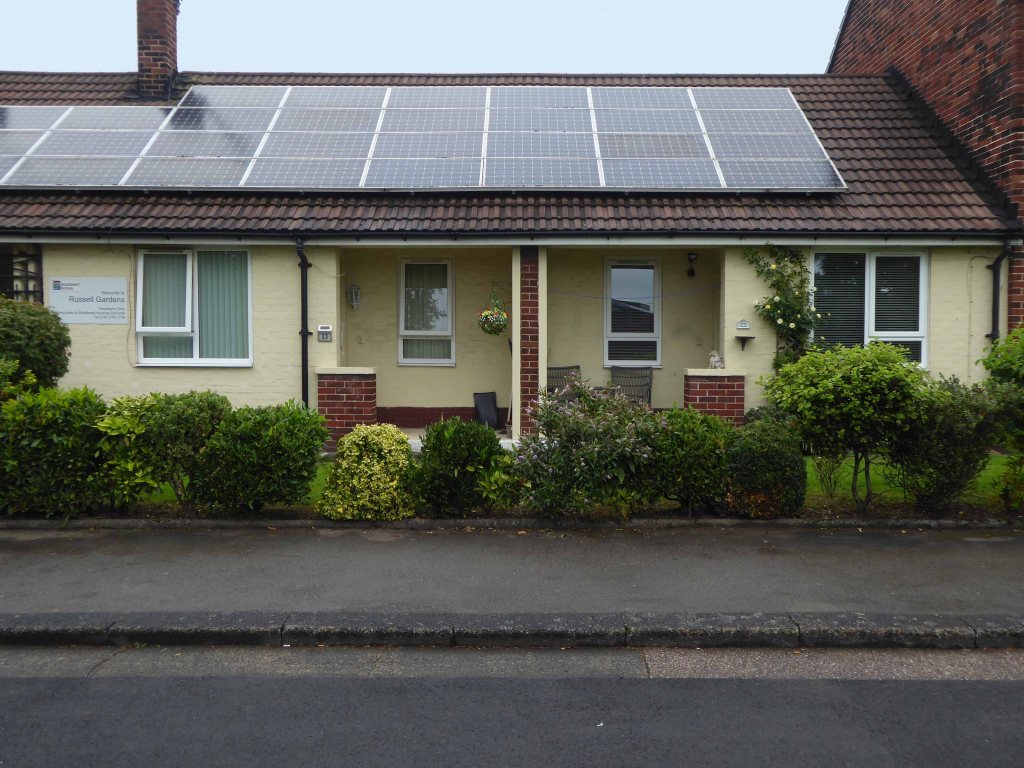
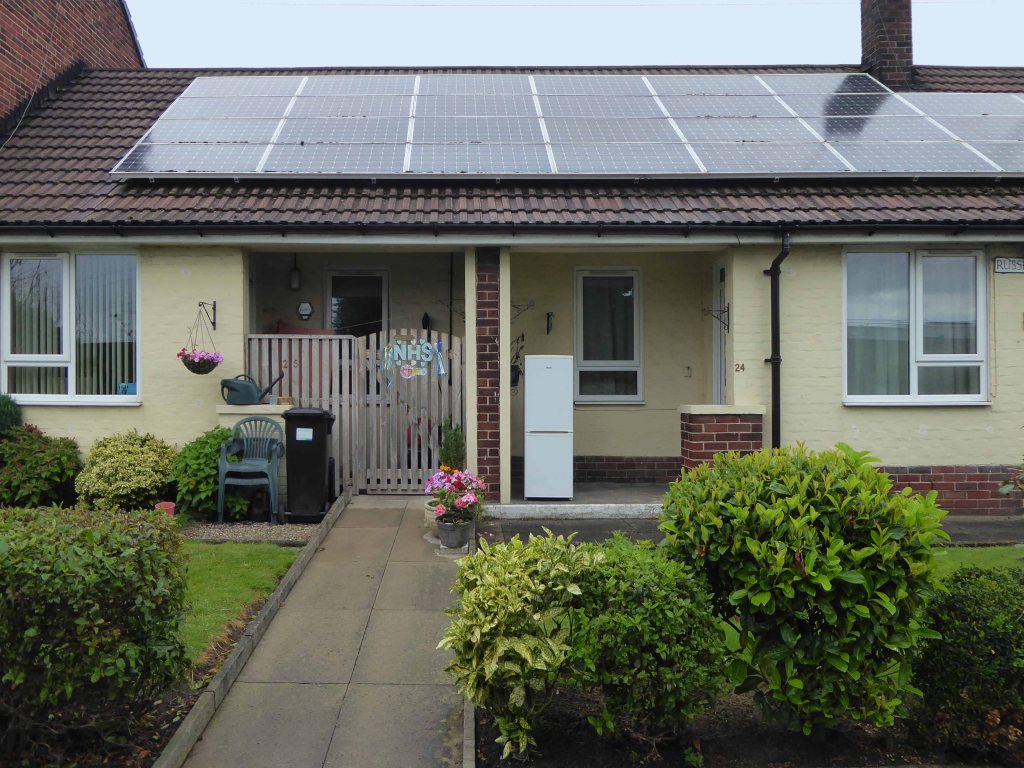
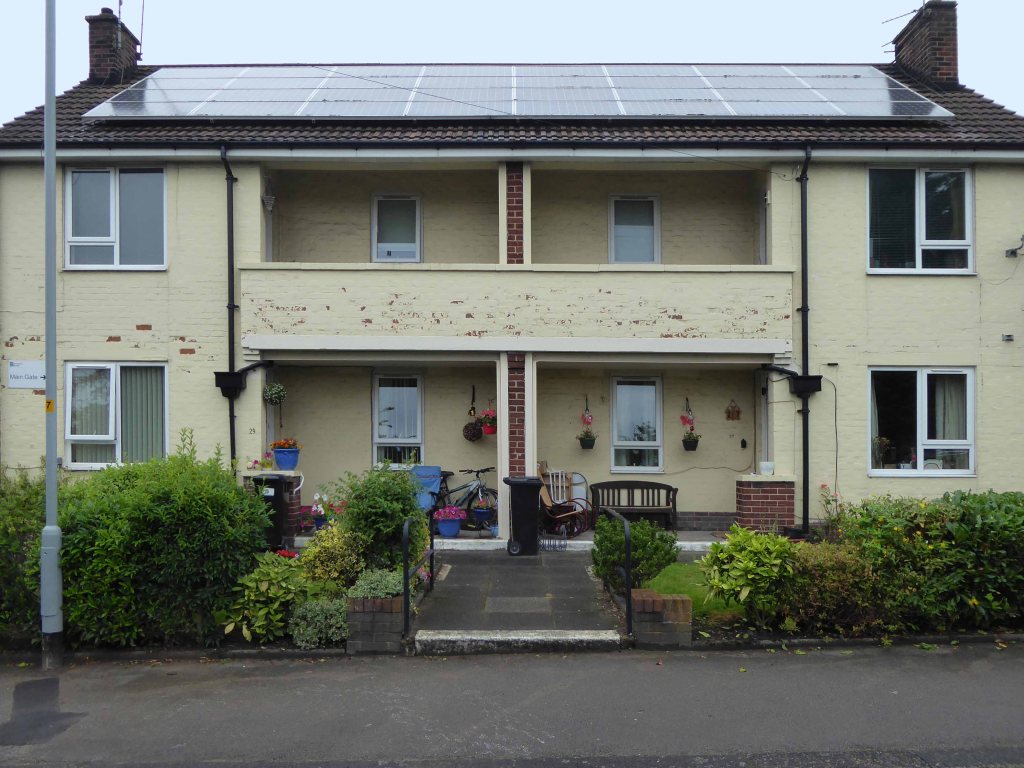
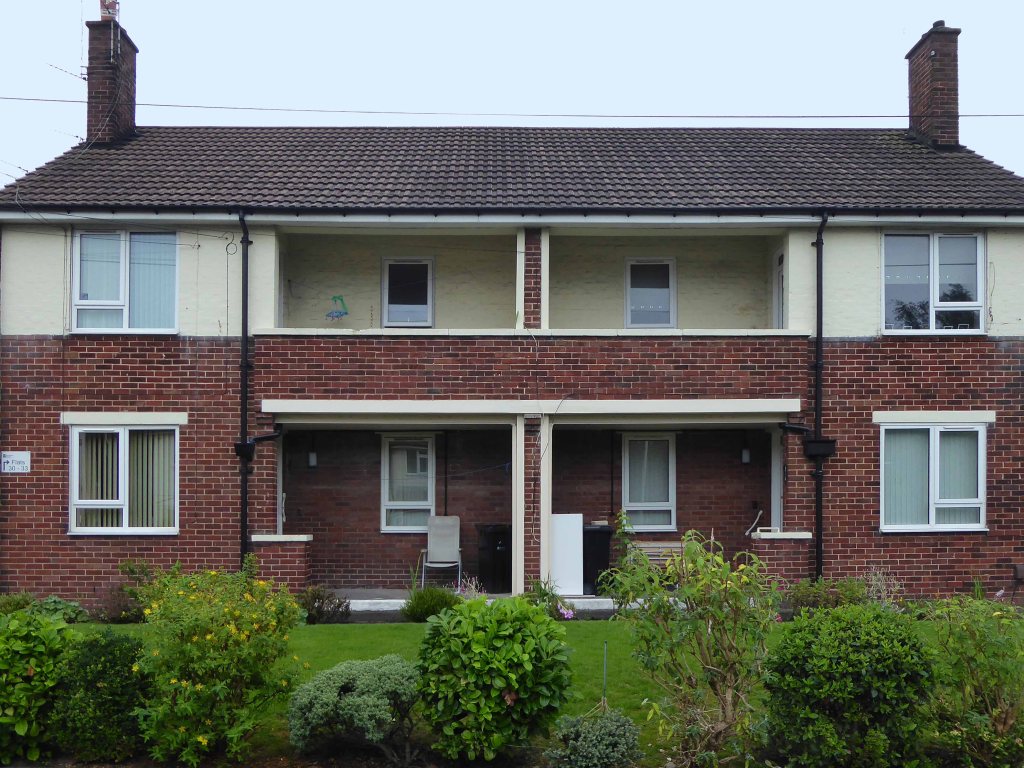
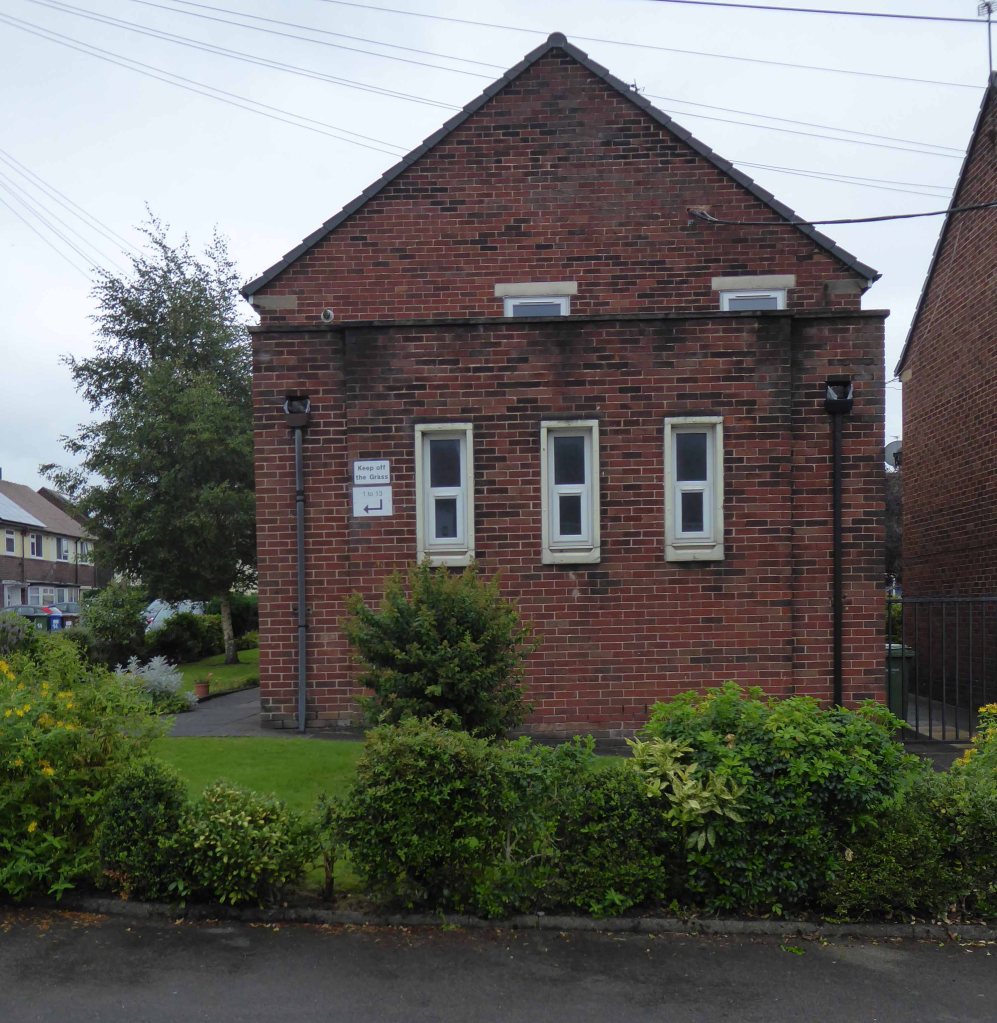
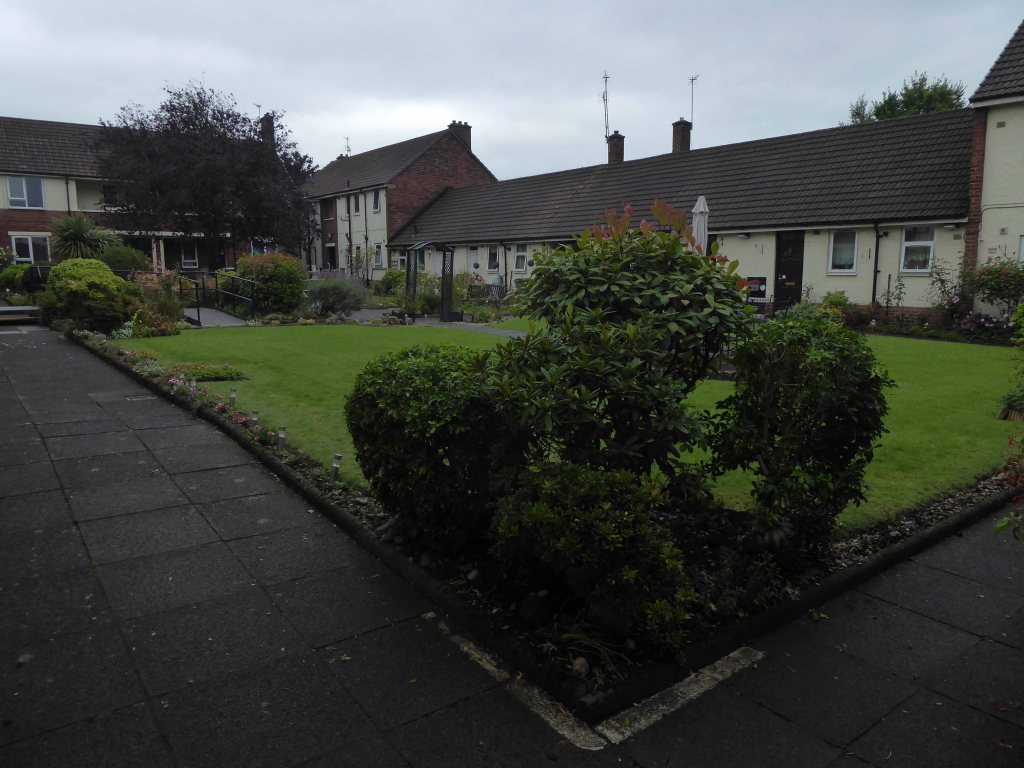
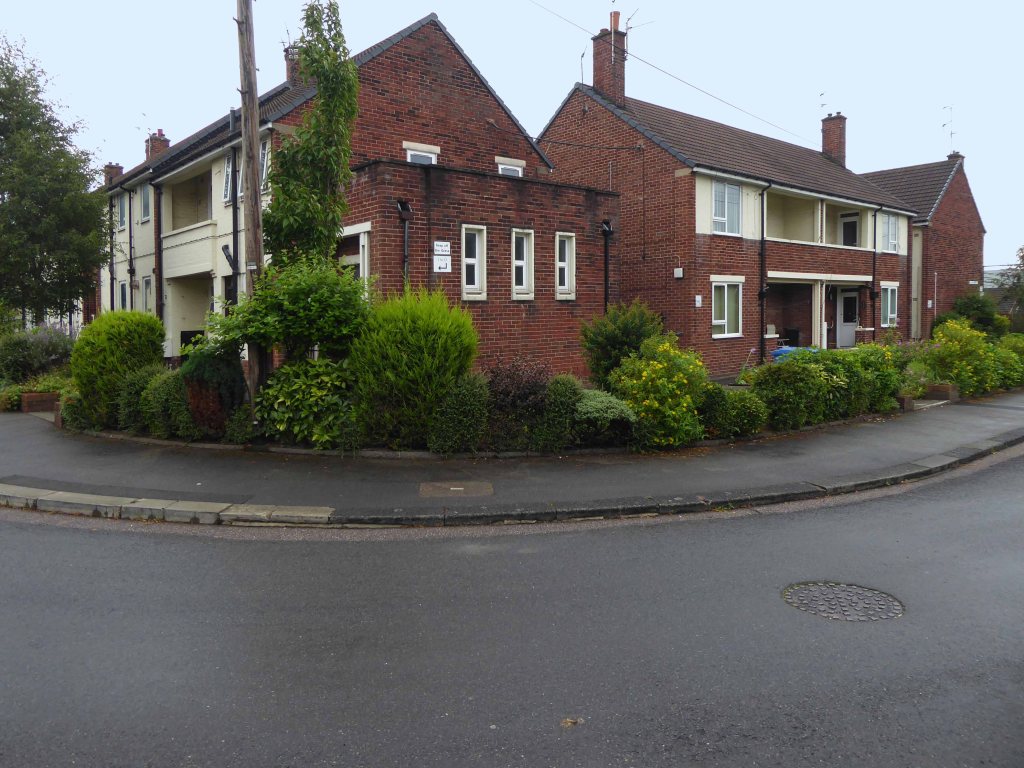
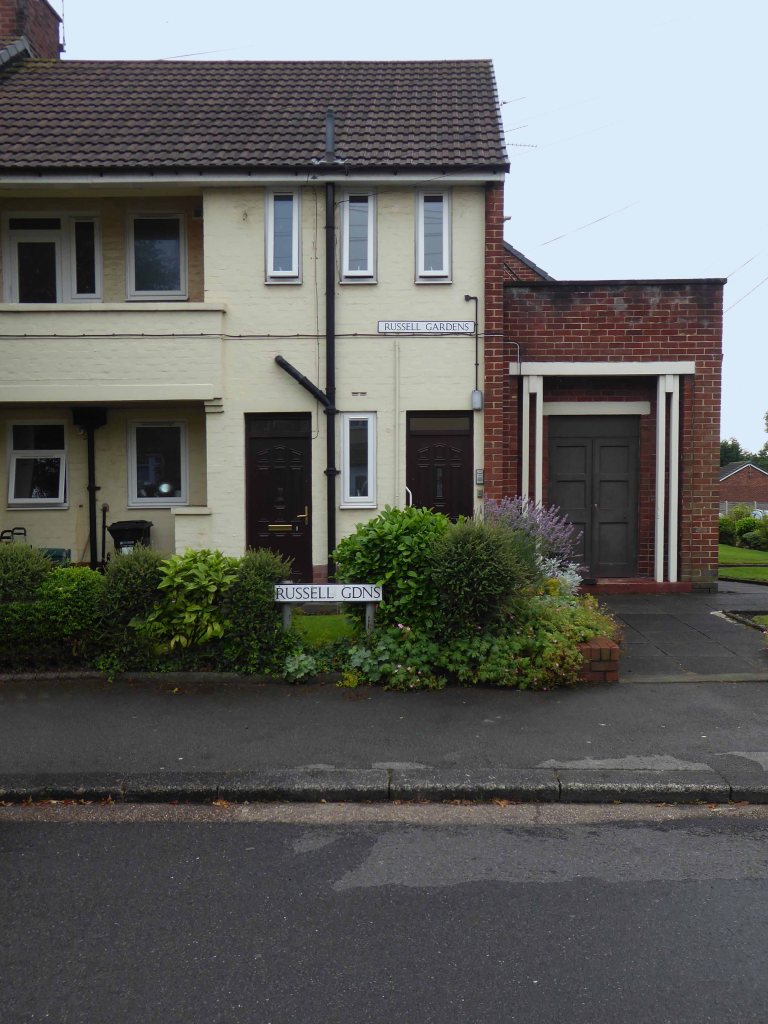
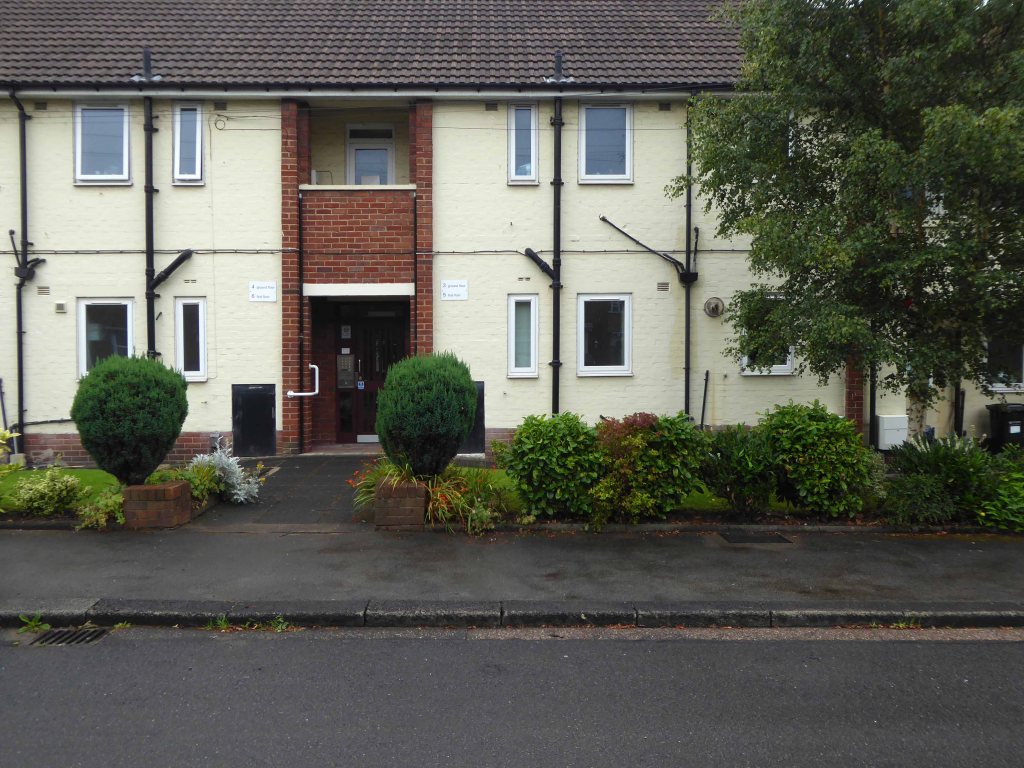
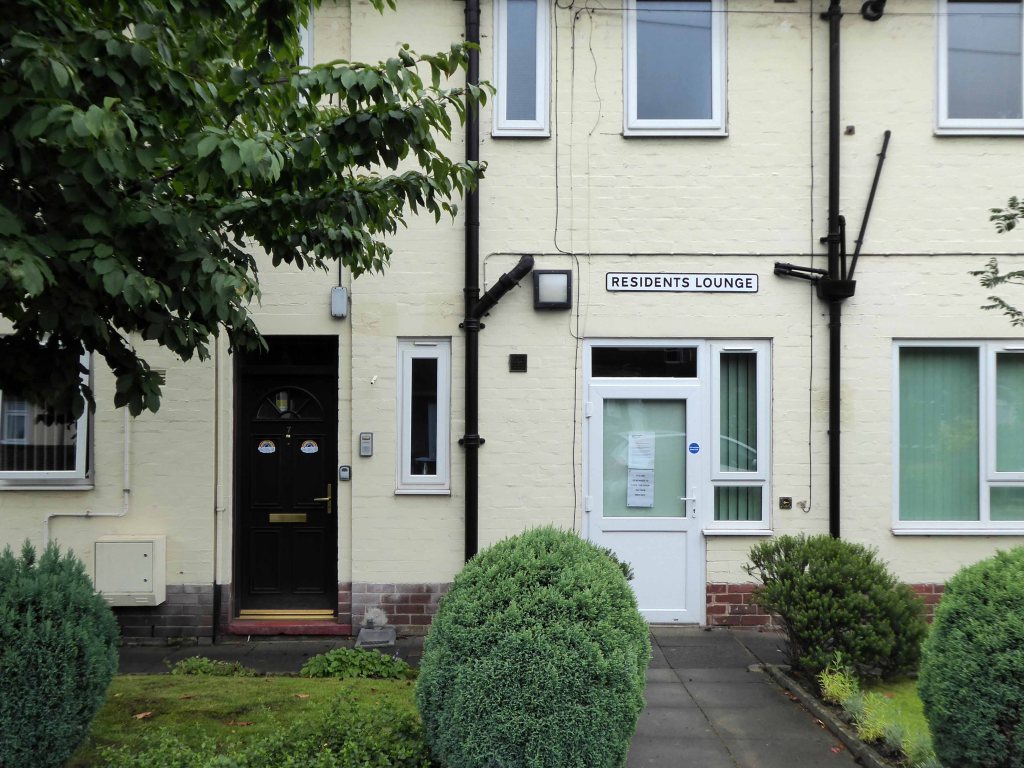
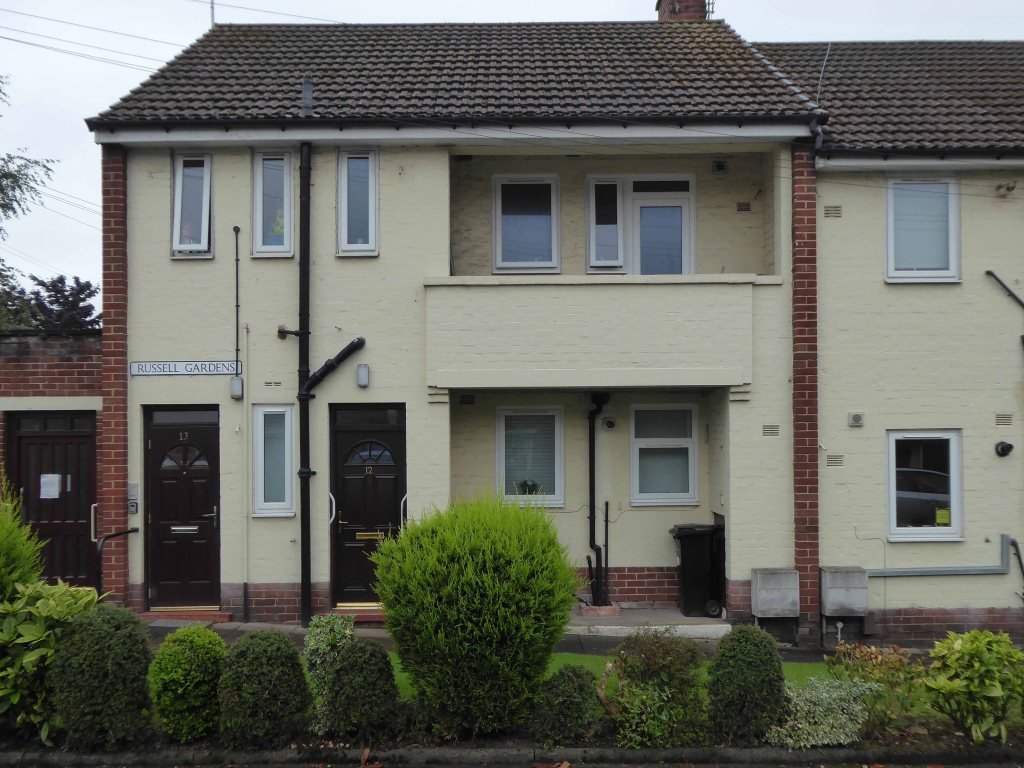
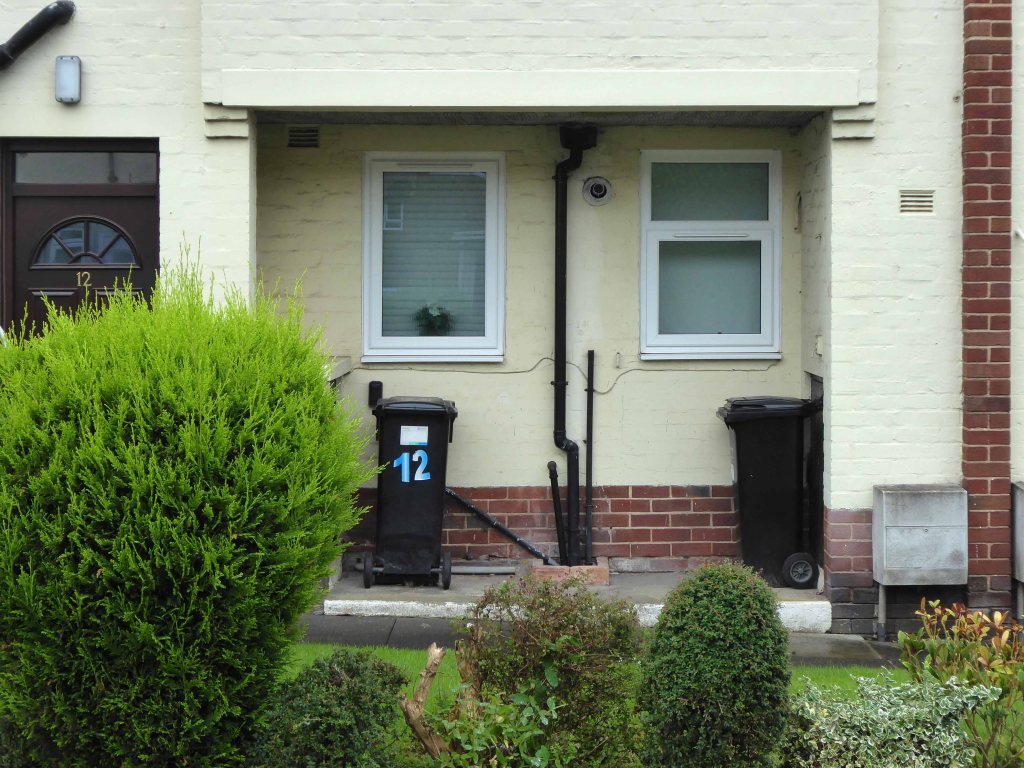
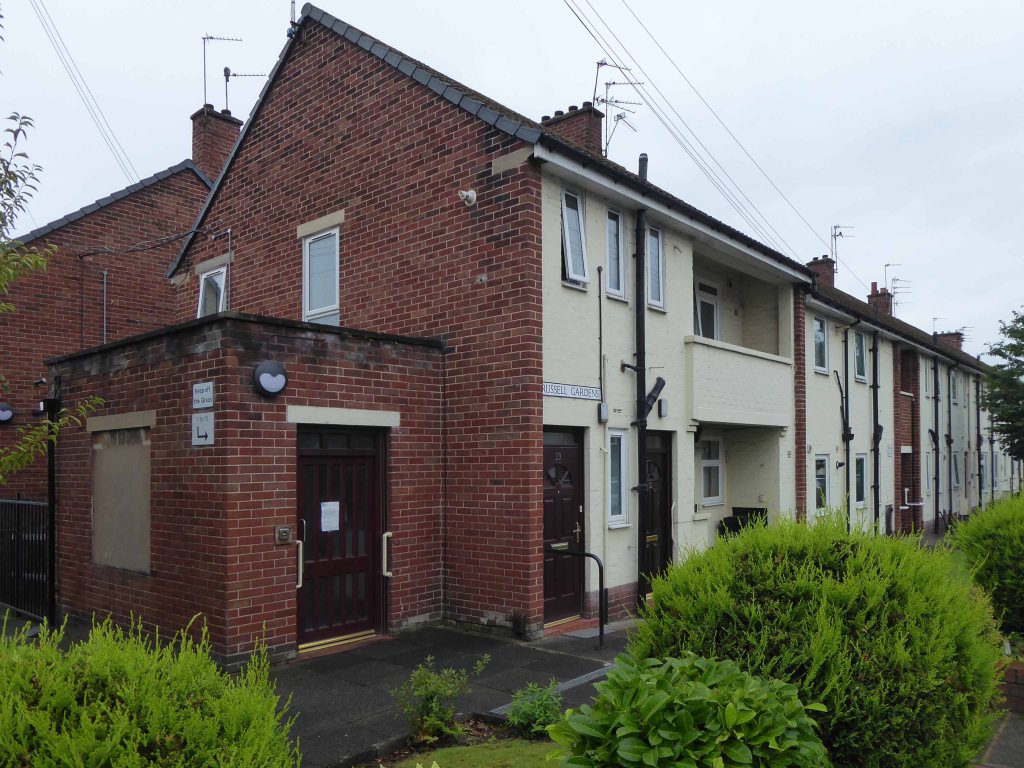
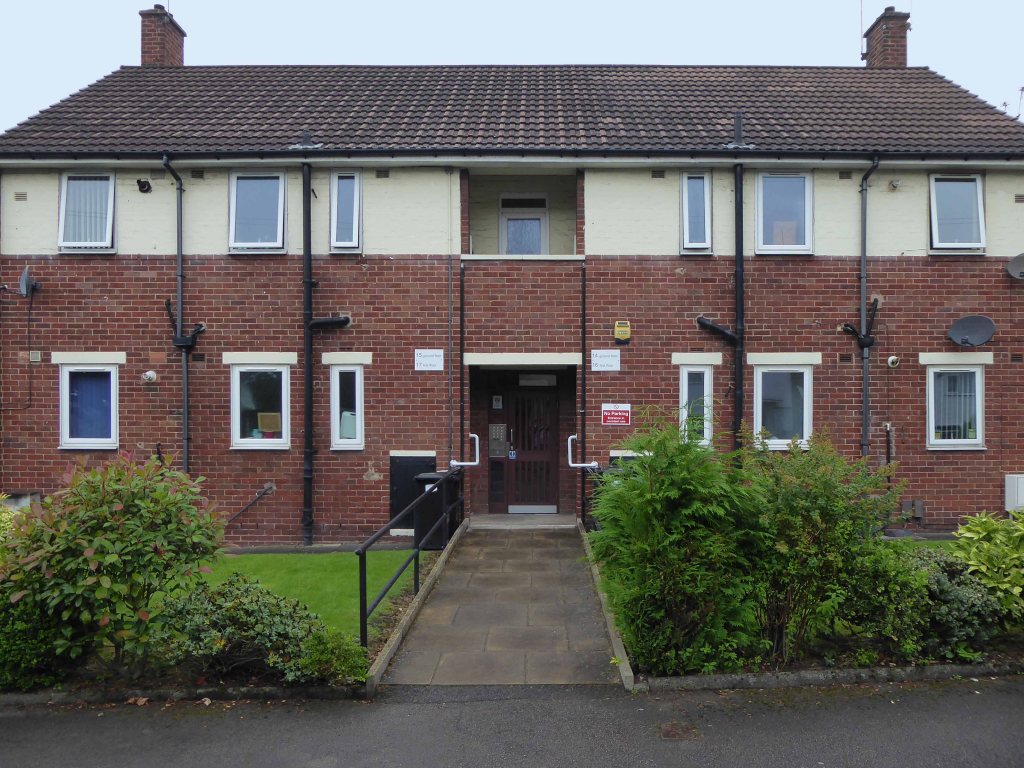
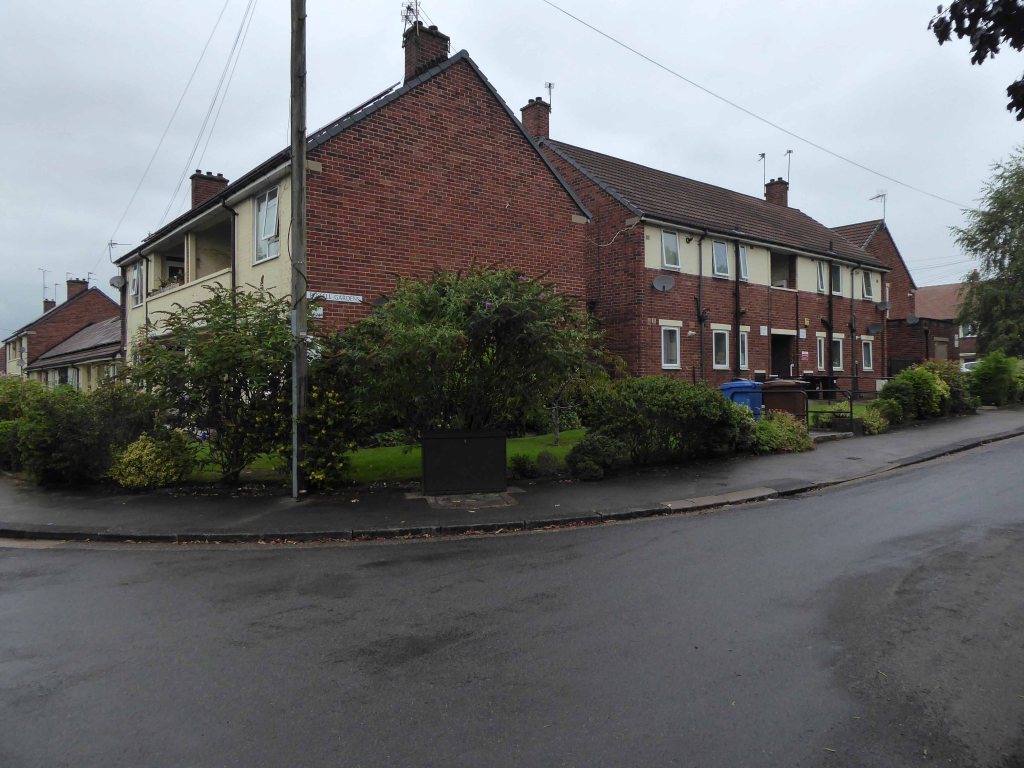
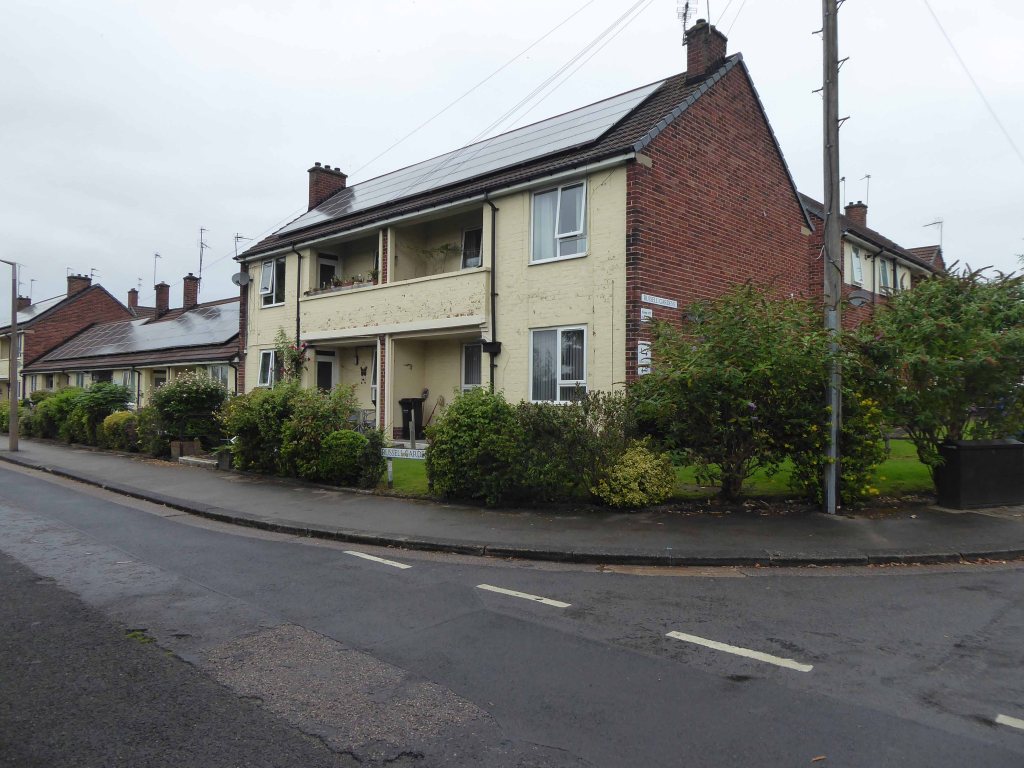
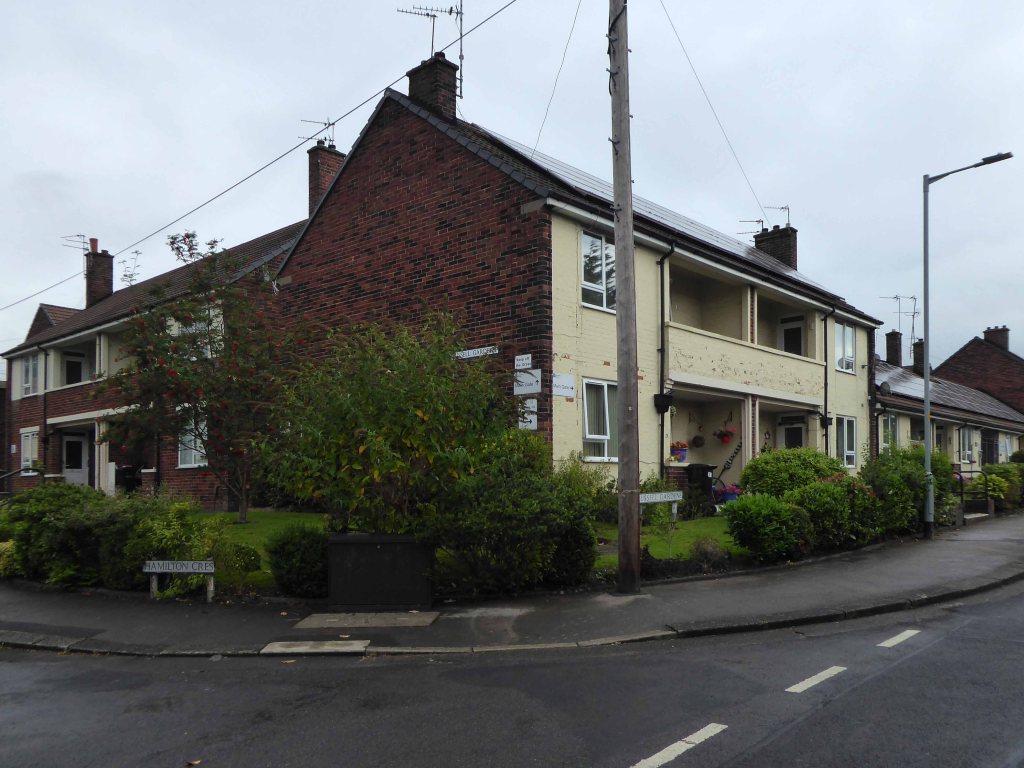
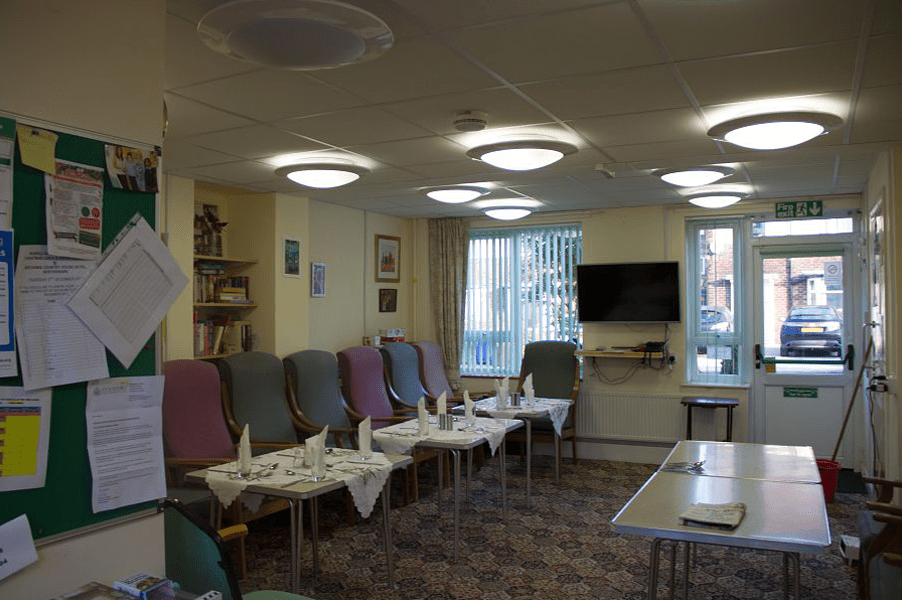
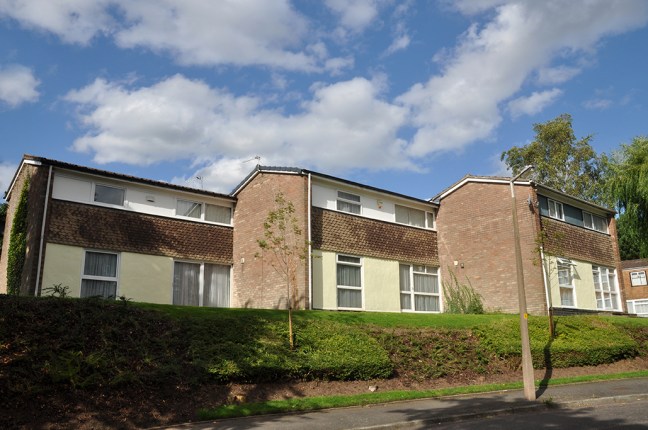
I live just around the corner and often walk by, intrigued by this small rectangle of rectangular sheltered homes, I chose to take a closer look.
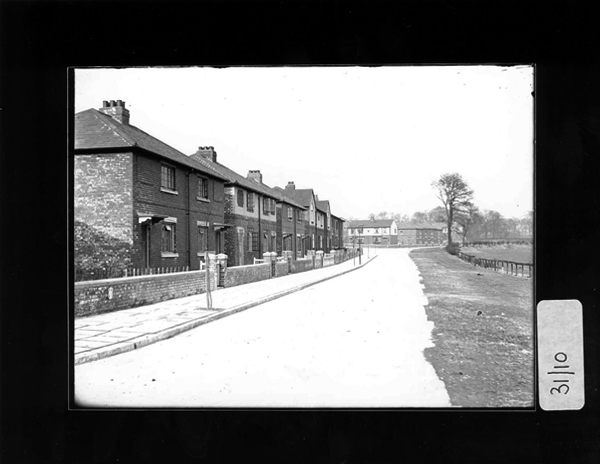
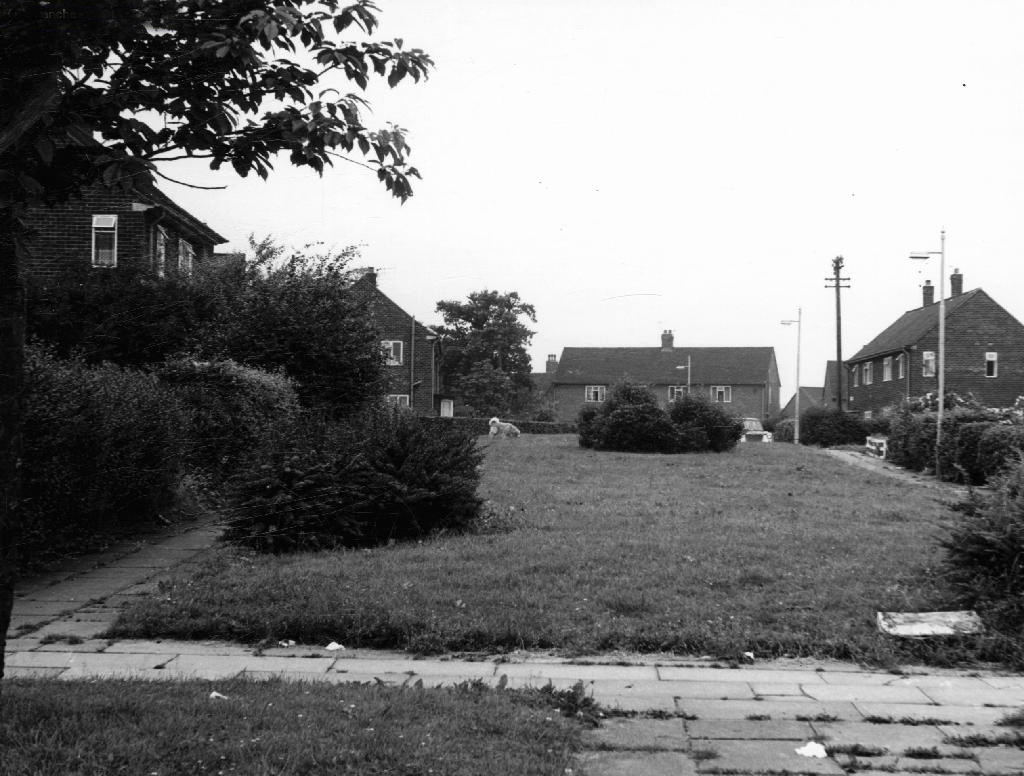
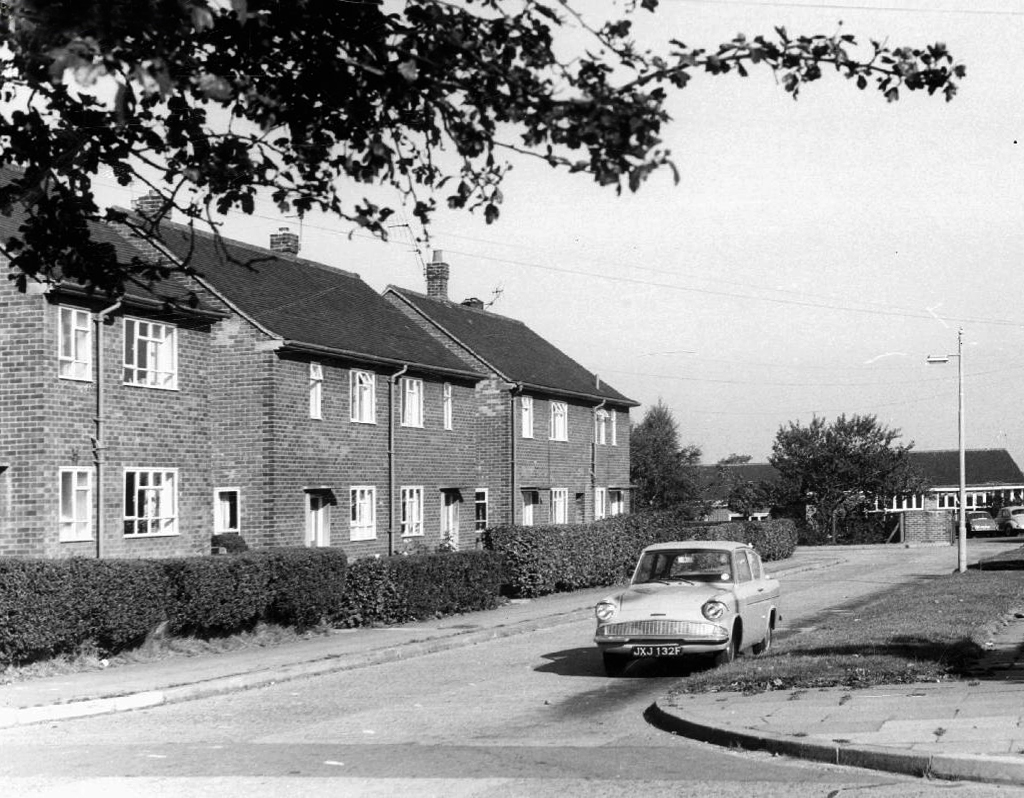
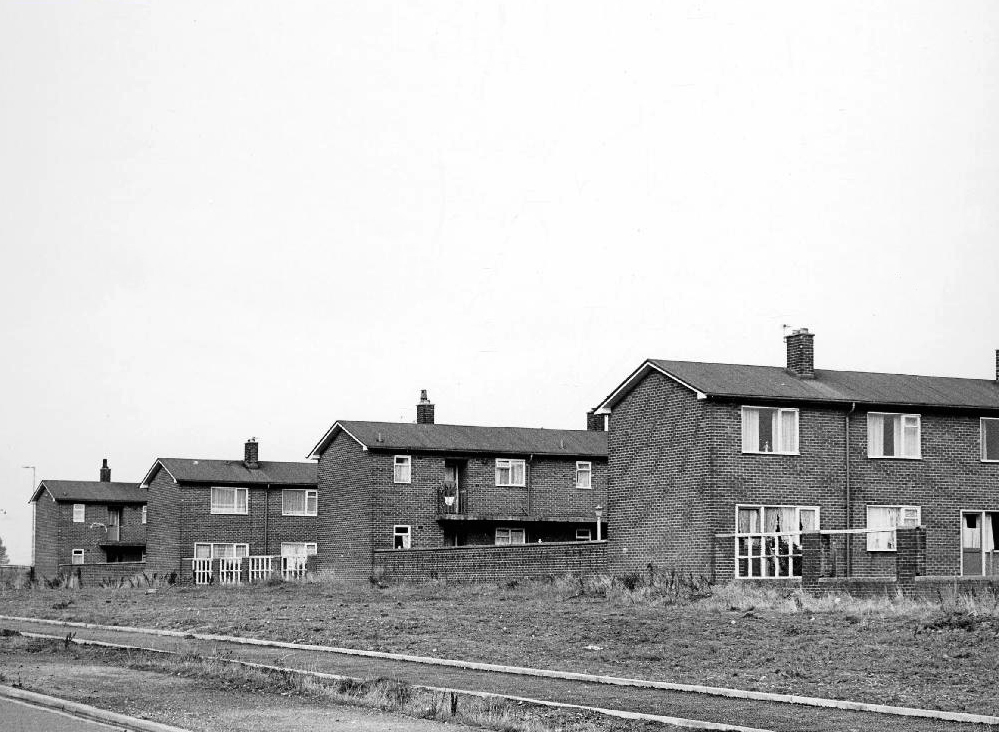
On adjoining Craig Road there are a group of interwar semi-detached homes, social housing built in 1930, facing on to open ground which leads down to the Mersey.
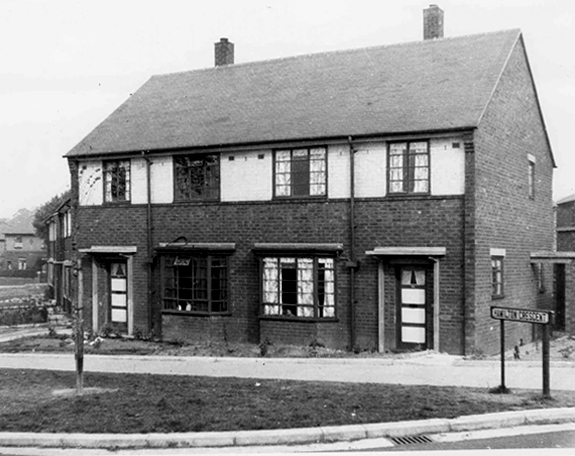
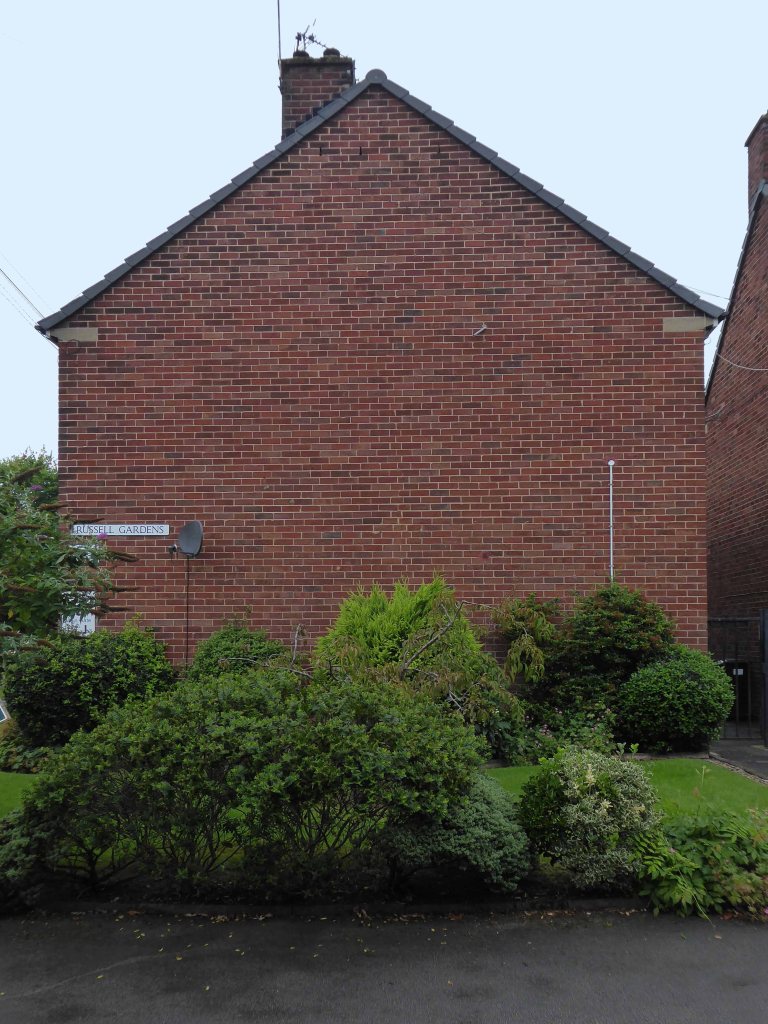
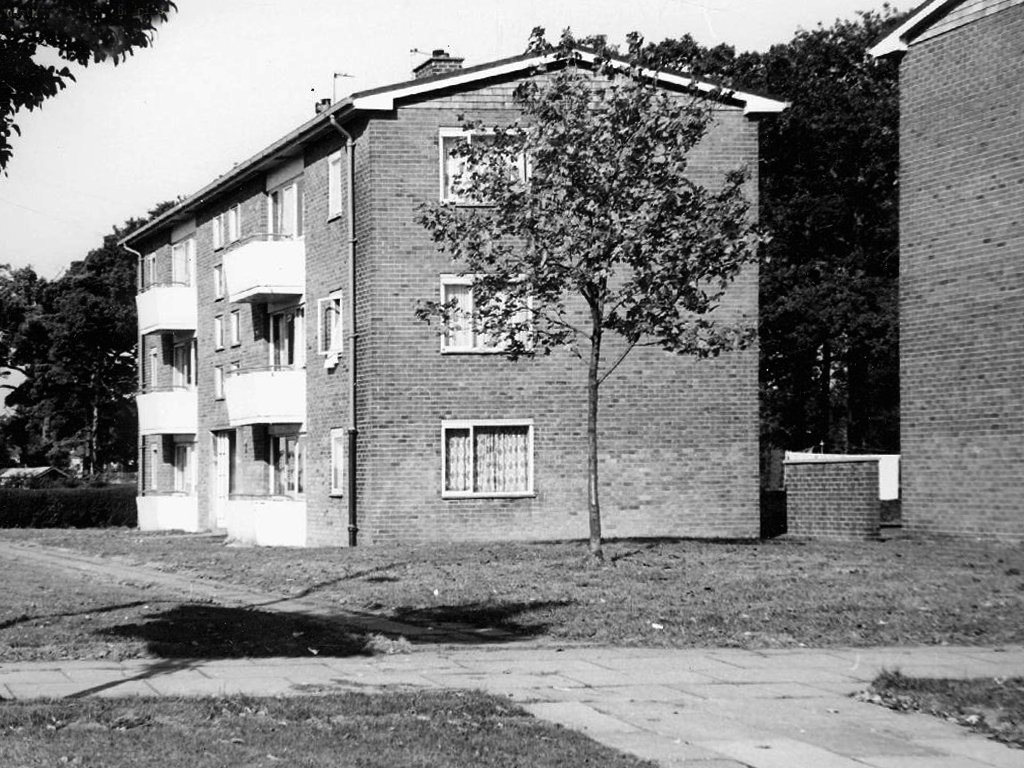
There is an arc of post war social housing on Hamilton Crescent, which surrounds Russell Gardens.
The homes that constitute Russell Gardens built in 1947 were illustrated in the town’s 1948/49 guide book, considered to be something of value.
Designed as a diminutive Garden Village, smaller in scale to those found in Burnage or Fairfield, but based on the principle of shared green space and community services.
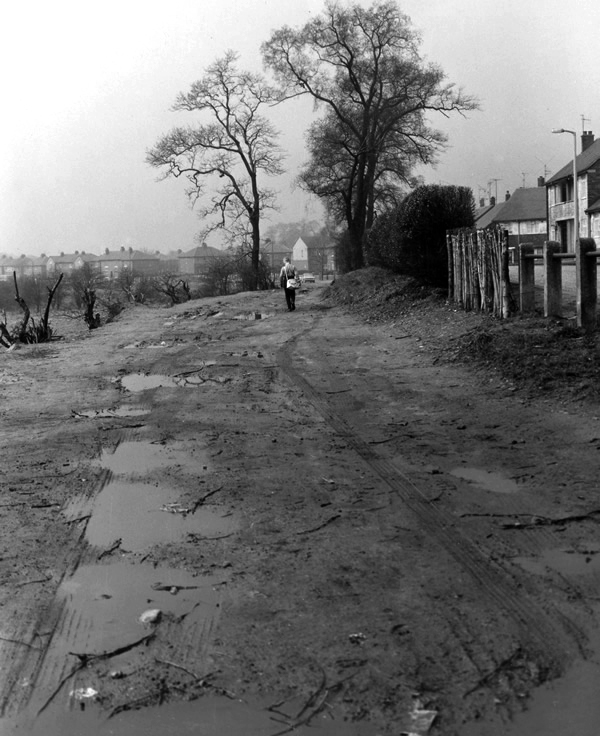
In the 1970s the land to the south, now occupied by the Craig Close development, was yet to be built upon.
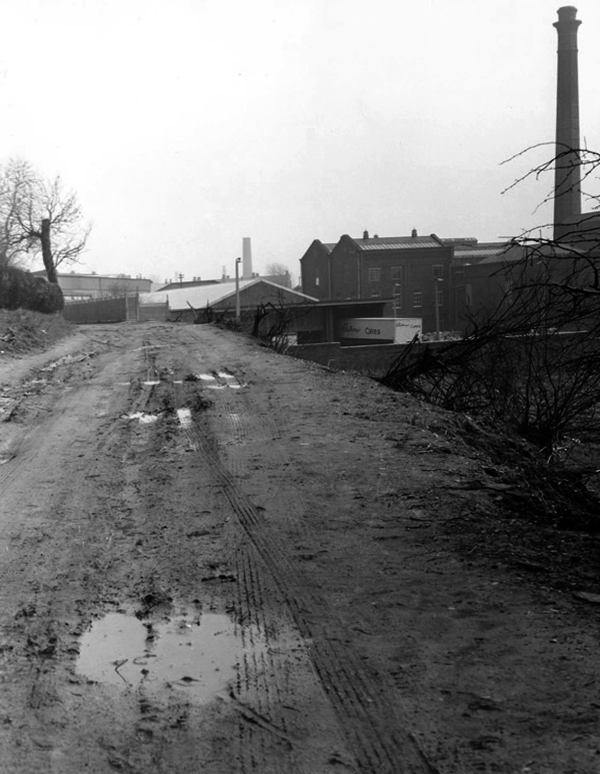
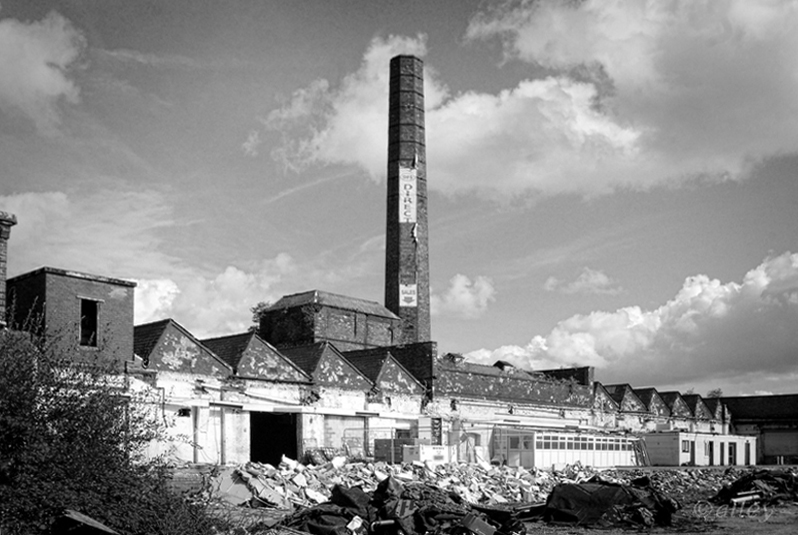
And the Cadbury Works still stood close by on the Brighton Road Industrial Estate:
Built in the late 1800s this was originally Silver Spoon (Pan) Fruit Processing Works, then in the 1920s was Faulders’ Cocoa and Chocolate Works. By the 1930s it was Squirrel Chocolate Works and in 1960s became a distribution depot for Cadbury’s. A friend remembers playing among the pallets of the ‘chocolate factory’ in the 1950s. Later it was occupied by small businesses. The works comprises a large rectangular block with sawtooth roof, and central entrance house with tall chimney. The adjacent rail line, built in 1880, branched into the site.
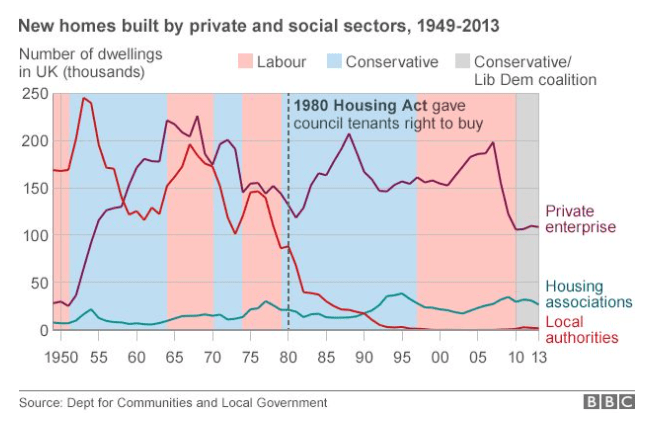
Though many of the surrounding homes were sold off during the Right to Buy era:
After the election of May 1979 a new Conservative government drafted legislation to provide a Right to Buy but, because this would not become law until October 1980, also revised the general consent (May 1979) to enable sales with higher discounts matching those proposed in the new legislation. The numbers of sales completed under this general consent exceeded previous levels. Between 1952 and 1980 over 370,000 public sector dwellings were sold in England and Wales. Almost a third of these were in 1979 and 1980 and it is evident that higher discounts generated and would have continued to generate higher sales without the Right to Buy being in place.
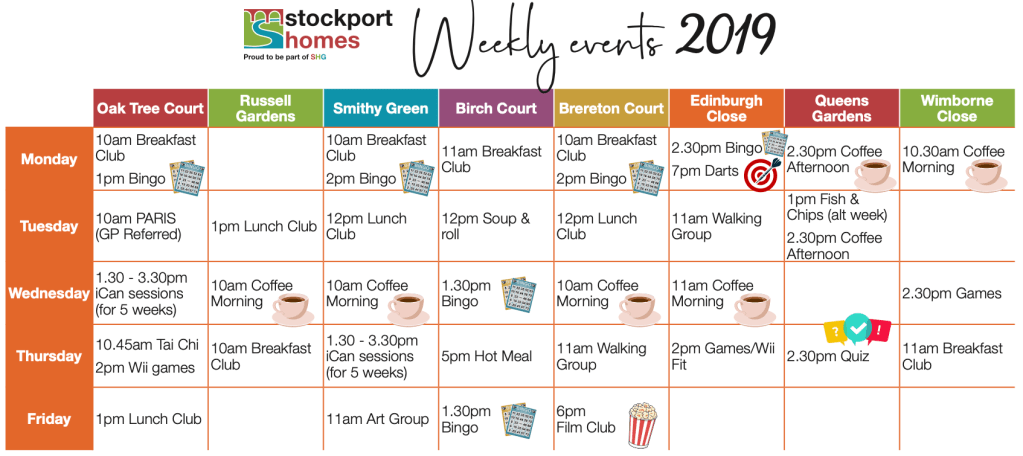
Russell Gardens remains the estate of Stockport Homes managed as sheltered housing for the over 60s.
Retirement housing
33 one bedroom flats built in 1947
Non-resident part time management staff and Careline alarm service
Lounge, Laundry, Garden
The houses are now some fifty years old and in good order, the residents with whom I spoke, seemed more than happy with their homes.
Would that more and more affordable homes for folks of all ages could be built.
The post-war consensus and political will that created this upsurge in construction, has been swept away by market forces.
Let’s take a look at the vestiges of more enlightened times.
Having started in the middle, let’s fast forward to the end – the beginning will have to wait.
We take up our walk along Fred’s Way once more by Mirrlees Fields.
Following the brook along the narrow shallow valley, betwixt and between houses.
Briefly opening out into green open space.
Crossing the road and entering the detached world of the detached house.
No two the same or your money back!
Diving feet first into Happy Valley, home to the Lady Brook stream.
And quickly out again.
Emerging once again into the space between spaces.
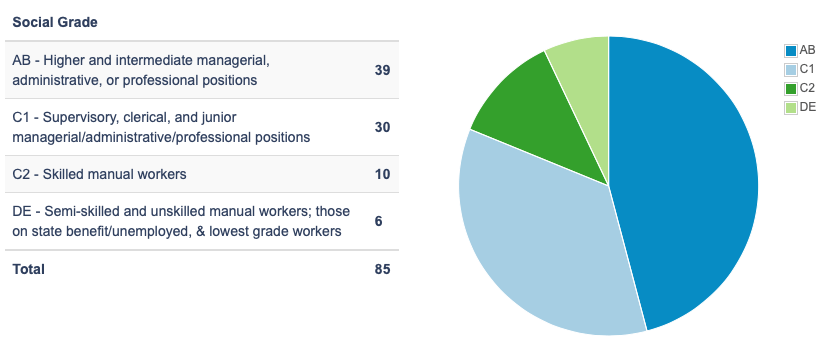
The suburban idyll of the Dairyground Estate home to very few semi-skilled and unskilled manual workers; those on state benefit/unemployed, and lowest grade workers.
But home to an interesting array of Post War housing.
Including examples of the style de jour, à la mode conversions and updates extended and rendered, black, white and grey symbols of success or extensive extended credit facilities.
Though the more traditional fairy tale variant still has a space and place, in the corner of some well behaved cul de sac.
Under the railway – through a low tunnel darkly.
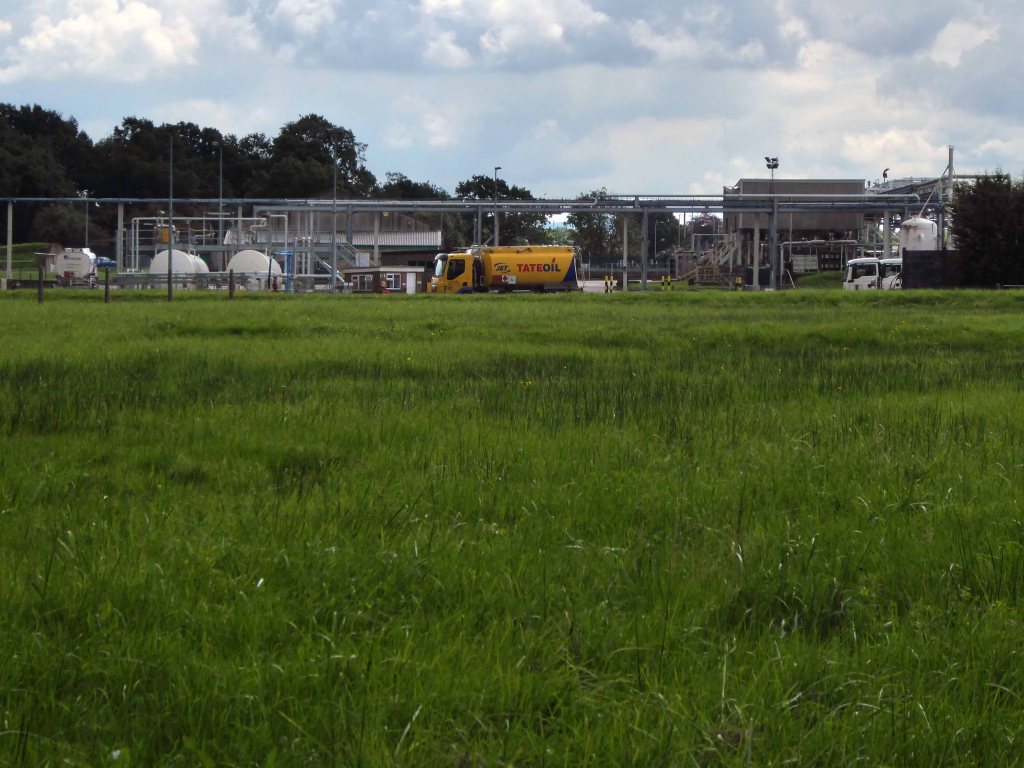
We struck oil, black gold, Texas Tea – Tate Oil.
The area of Little Australia – so called as all the roads are named after towns in Australia, is bordered by the West Coast Main Line to the north, the Bramhall oil terminal to the east, Bramhall village centre to the west and Moorend Golf Club to the south.
We emerged into a warren of obfuscation, dead ends and conflicting signs, having made enquiries of the passing populace, we realigned with the new bypass.
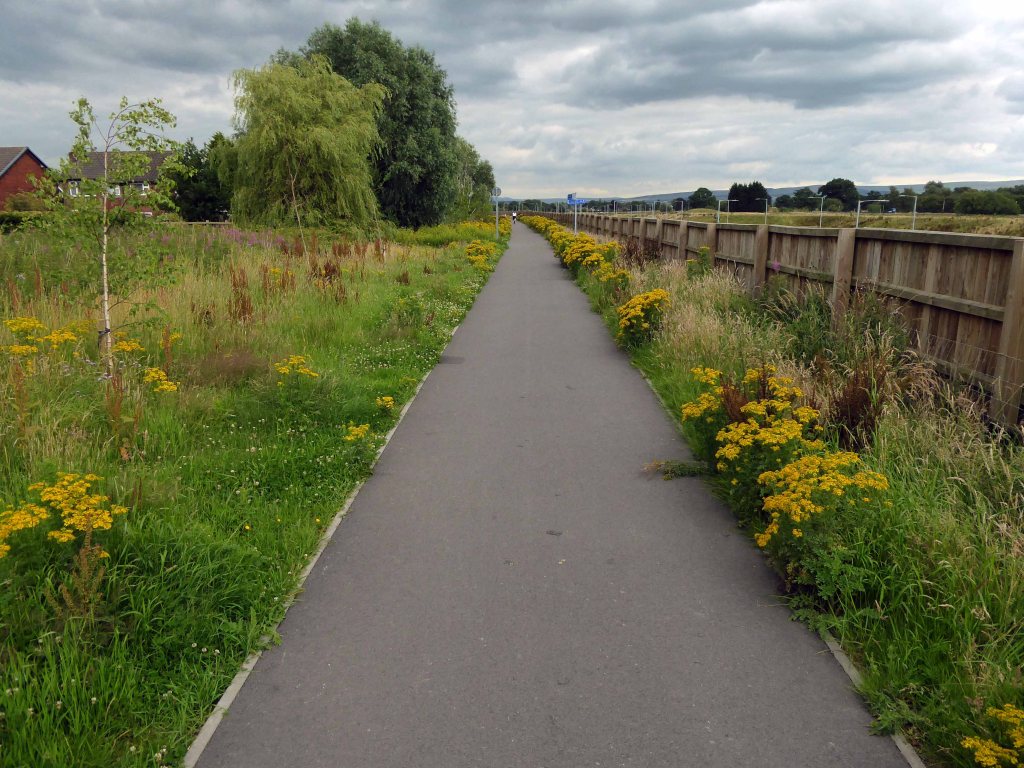
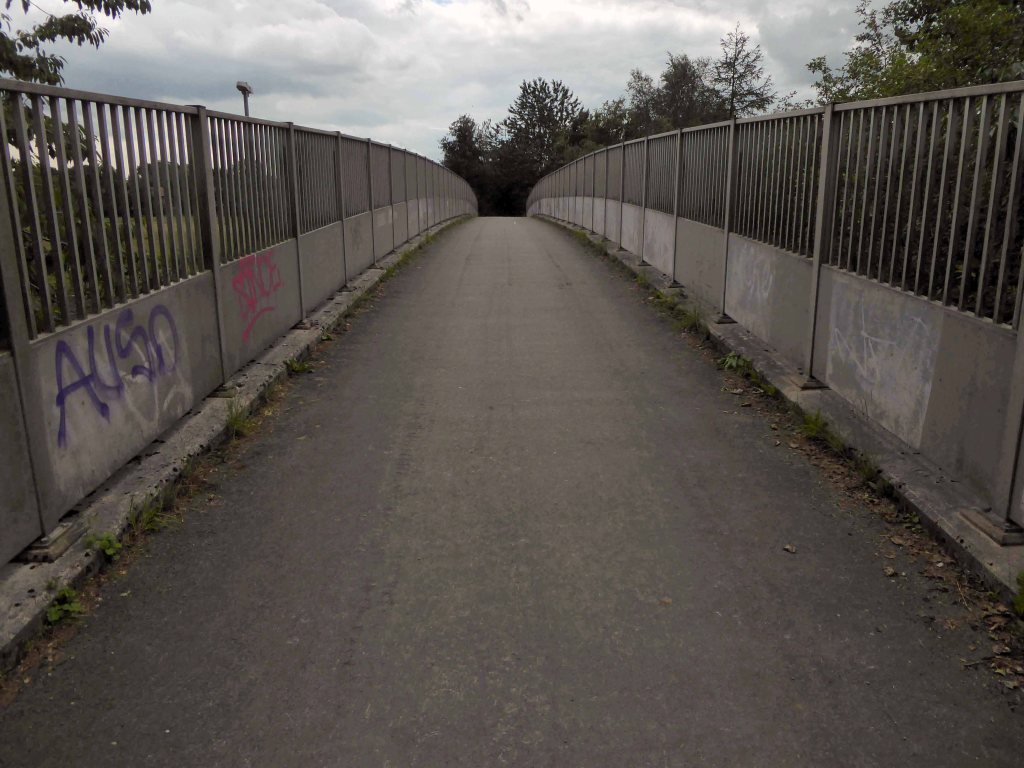
Passing over the conveniently placed footbridge over the bypass and beyond.
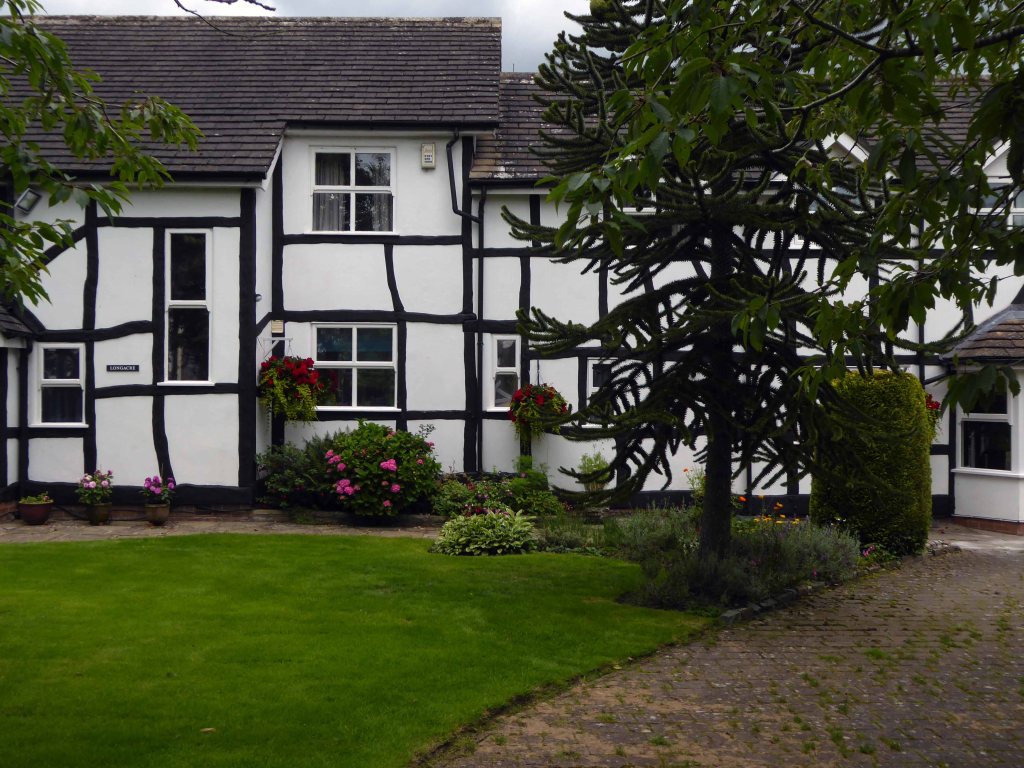
Emerging amongst faux beams and real Monkey Puzzles.
It was at this point that, unbeknownst to us, we followed a twisted sign, misdirecting us along an overgrown path – to Handforth.
We failed, in the end we failed to arrive to arrive at the end.
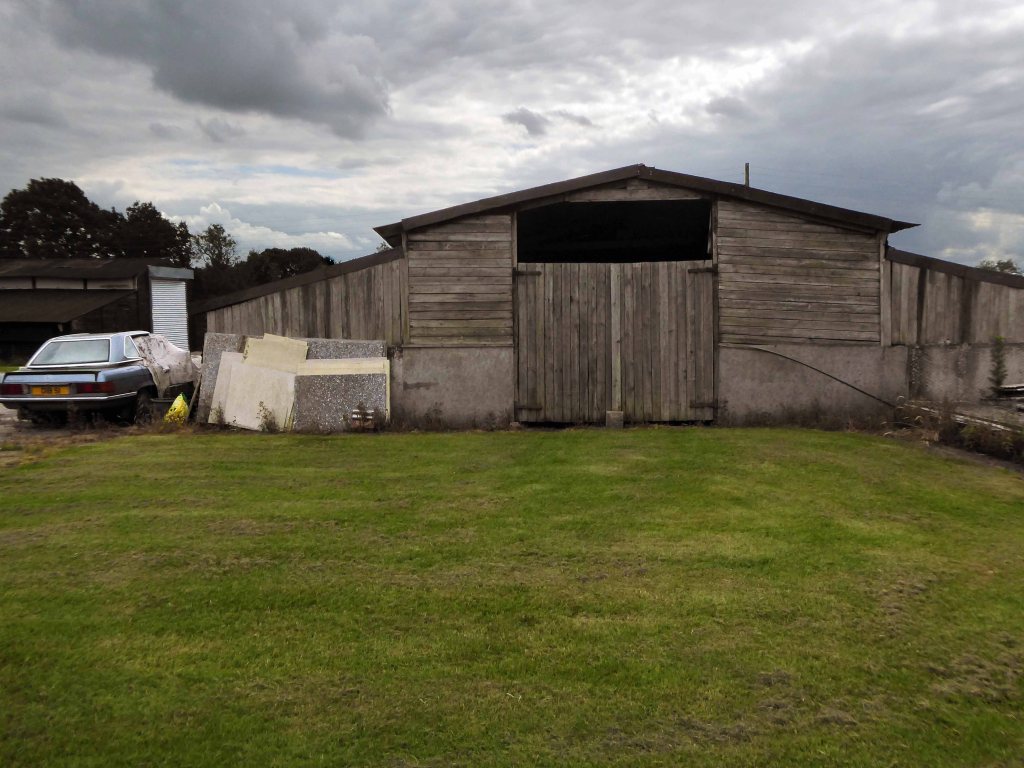
Heading west like headless chickens towards the Turkey Farm.
Making our way mistakenly to Handforth Dean Retail Park – rear of.
Crossing slip roads with no pedestrian access and the forbidden territory of an industrial sized gymnasium car park.
Woodford will just have to wait, another day another dolorous excursion.
I’ll do anything twice or more – so here we are again, this time on foot.
Let’s start at the very beginning, a very good place to start – in the middle, the section from the town centre to Hazel Grove.
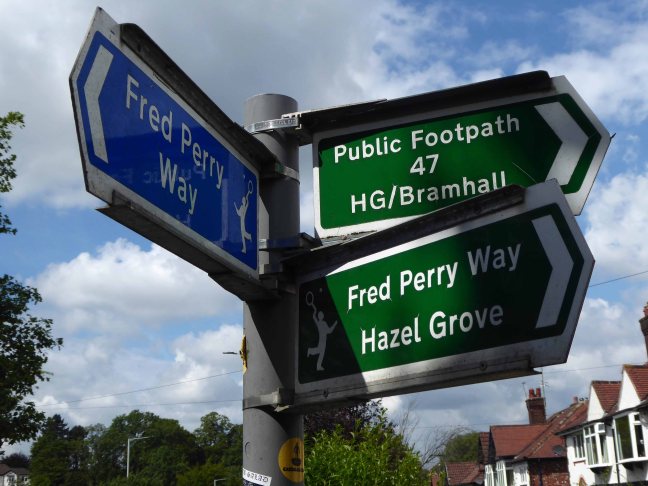
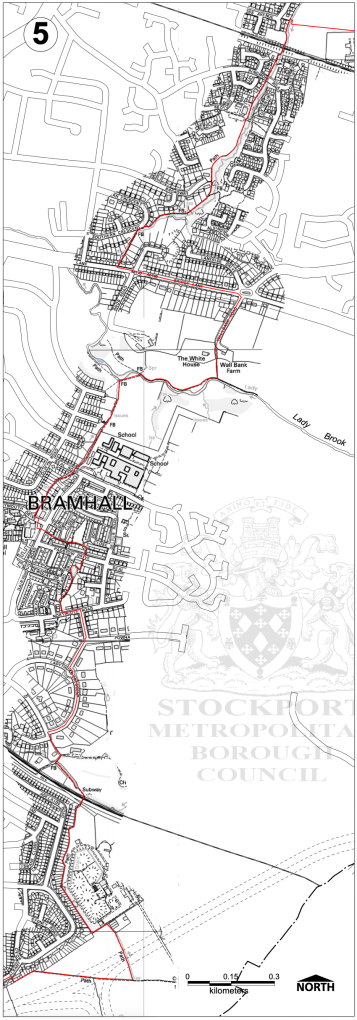
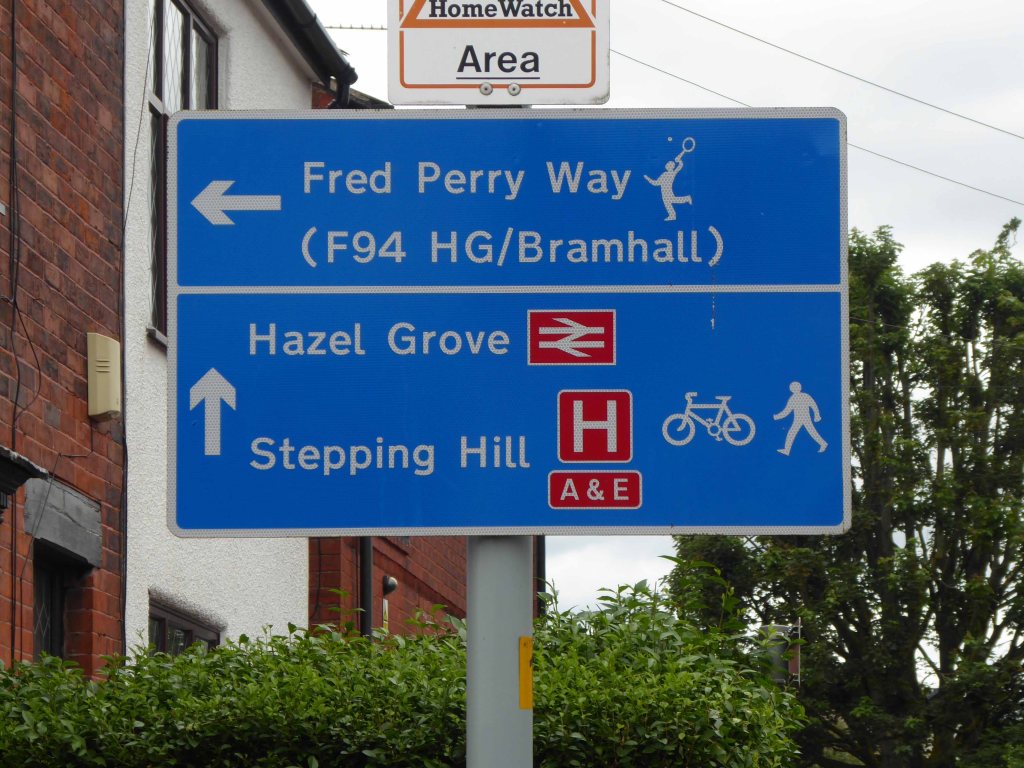
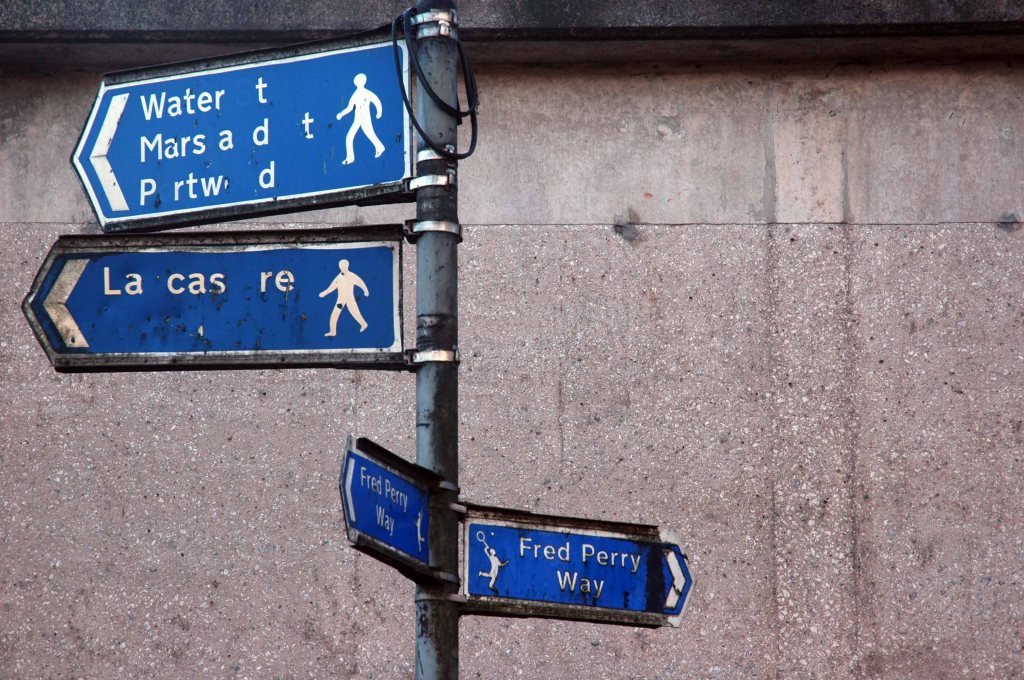
Maps are available here for free – we declined the offer, deciding to follow signs instead, many of which were missing or rotated, the better to misinform and redirect – such is life.
We are mostly lost most of the time, whether we like it or know it or not.
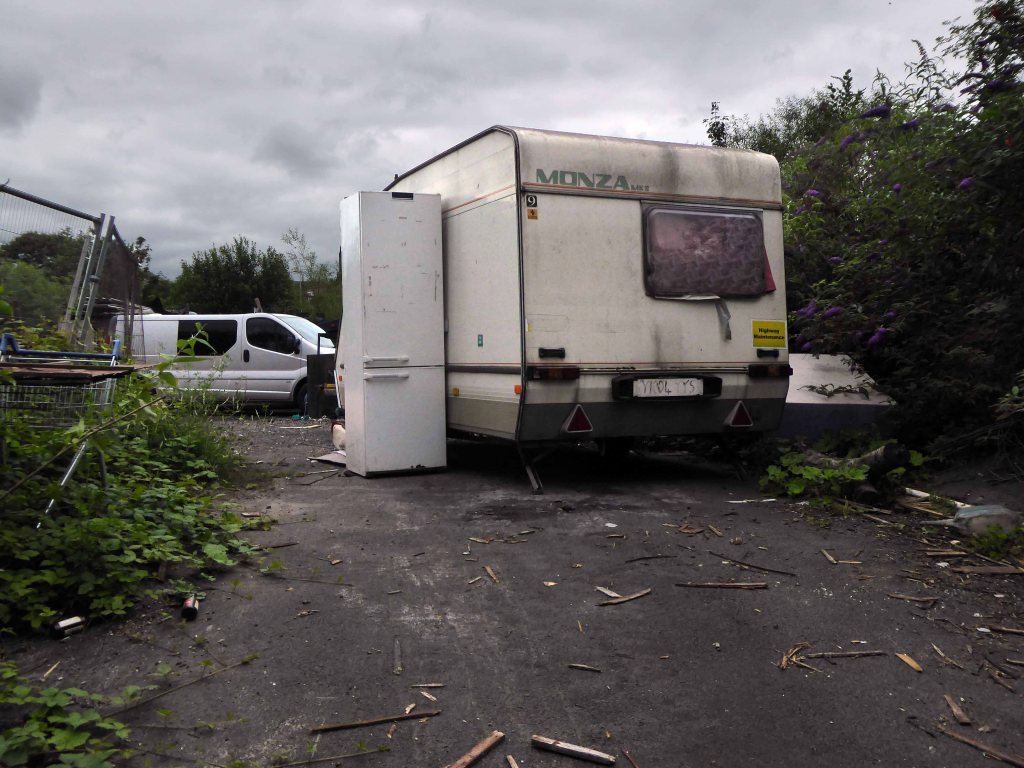
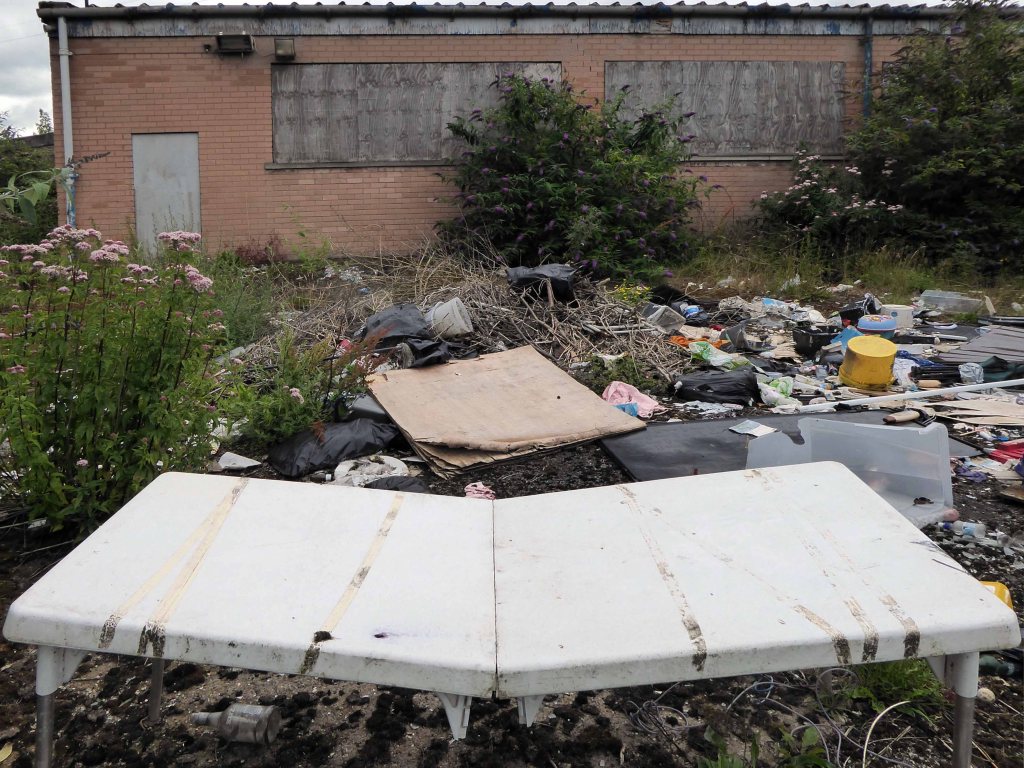
We begin at the confluence of the rivers Mersey and Goyt – which no longer seems to be a Way way, the signs having been removed, and proceed down Howard Street, which seems to have become a tip.
The first and last refuge for refuse.
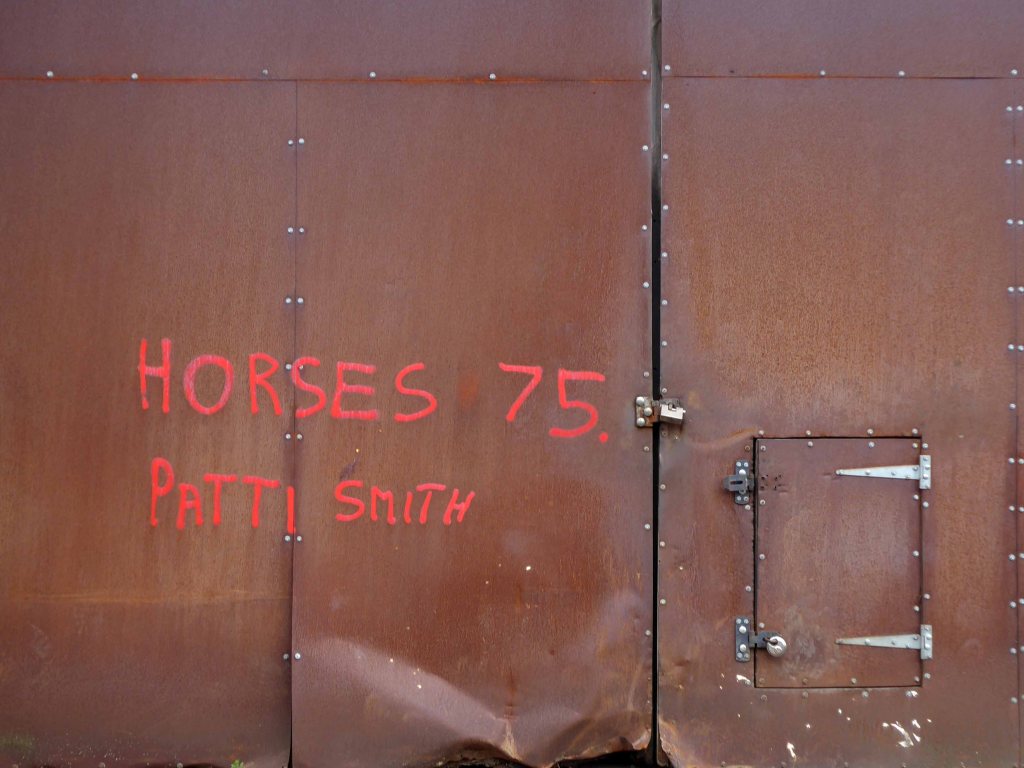
Passing by the kingdom of rust – Patti Smith style.
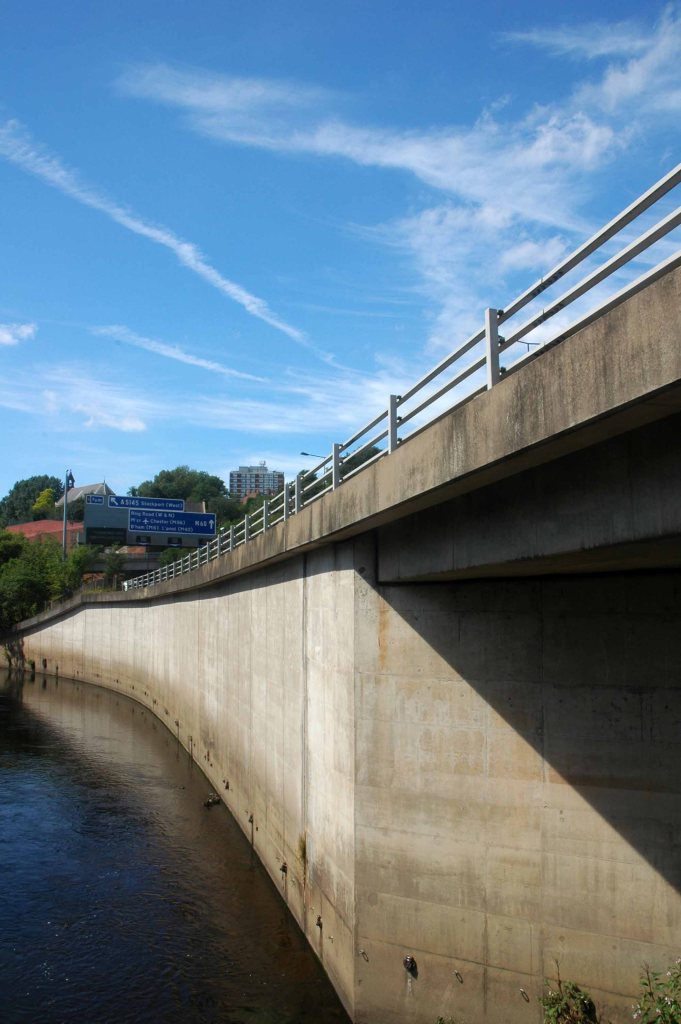
Passing under the town’s complex internal motorway system by underpass.
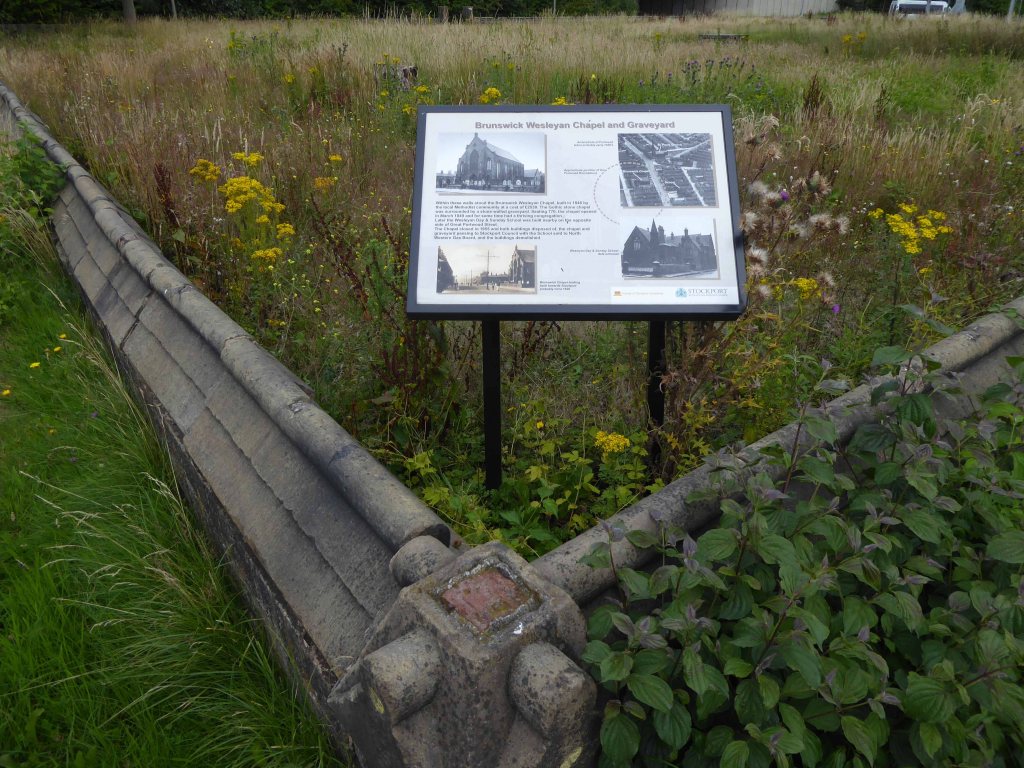
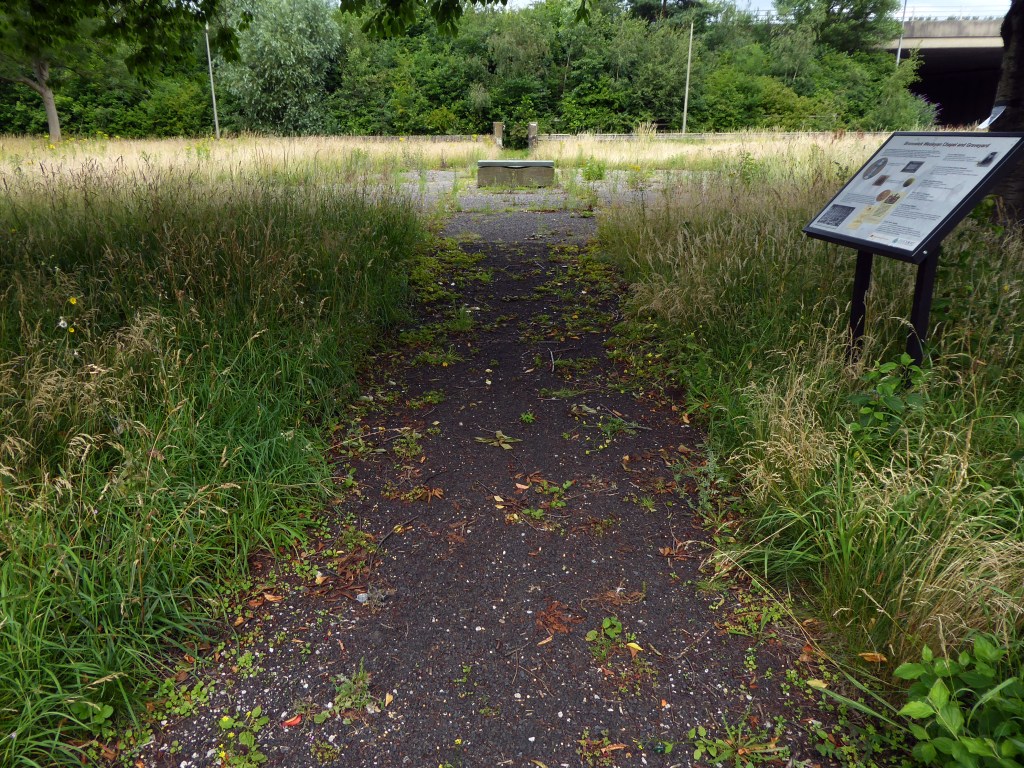
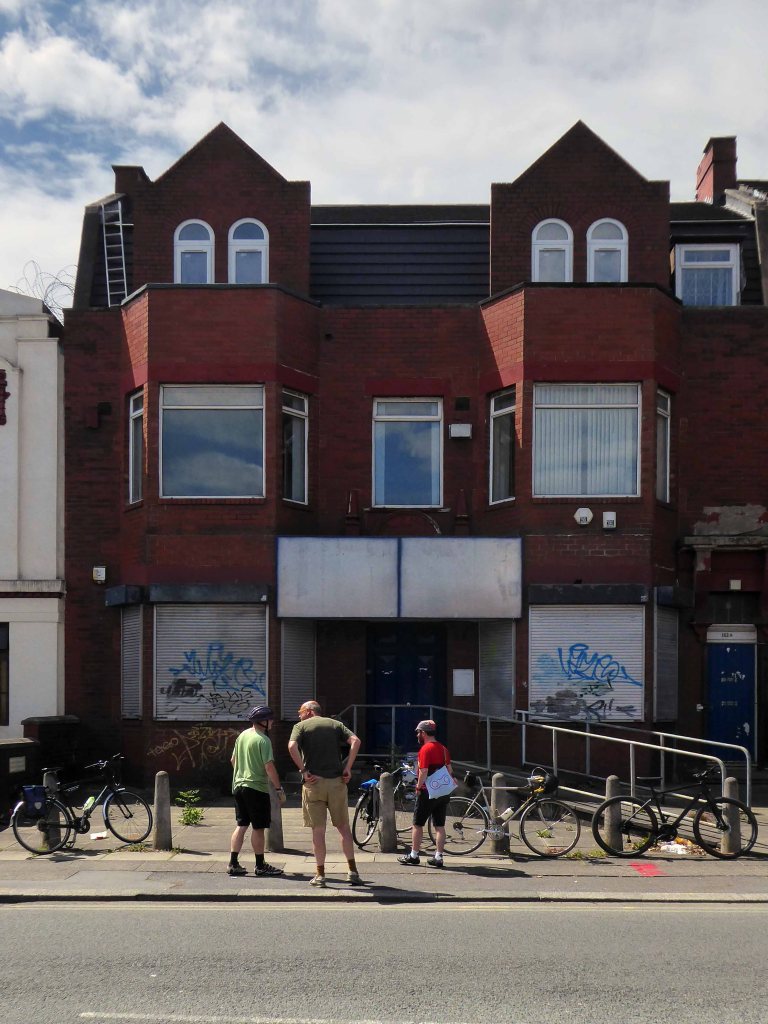
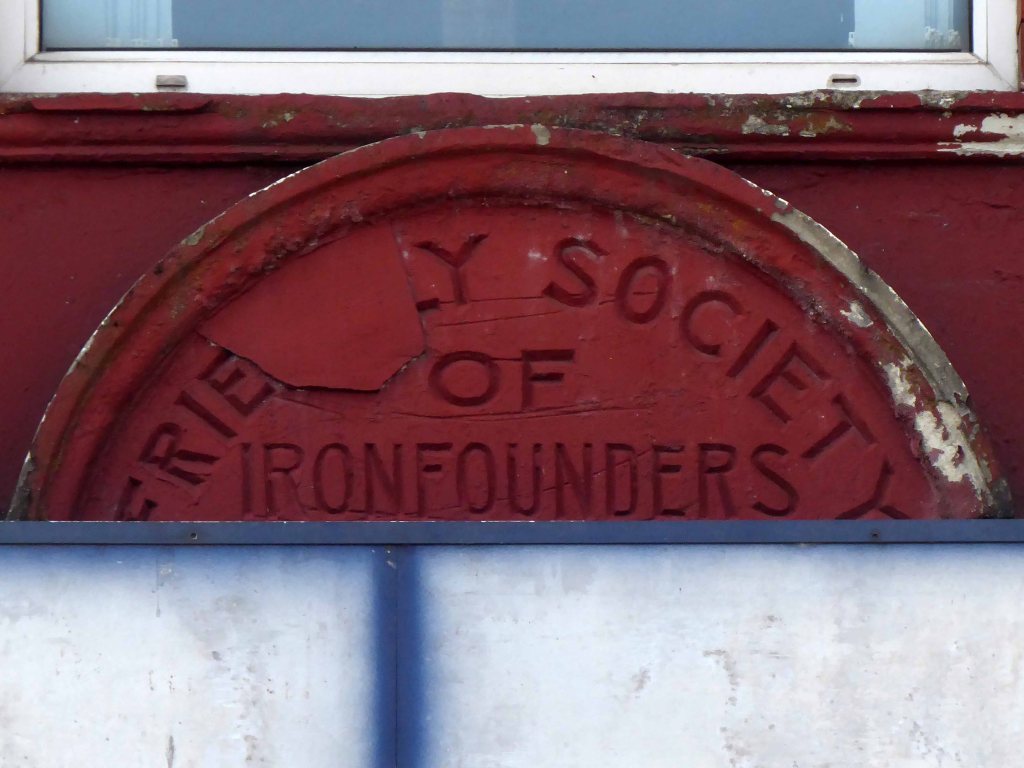
Almost opposite the entrance to the museum, now set in shrubbery, are the foundations, laid in September 1860, of what was to be a forty metre high Observatory Tower. Despite a series of attempts, funds for the tower could not be raised and the ‘Amalgamated Friendly Societies of Stockport’ eventually had to abandon the idea.
Historic England
Out east and passing alongside the running track.
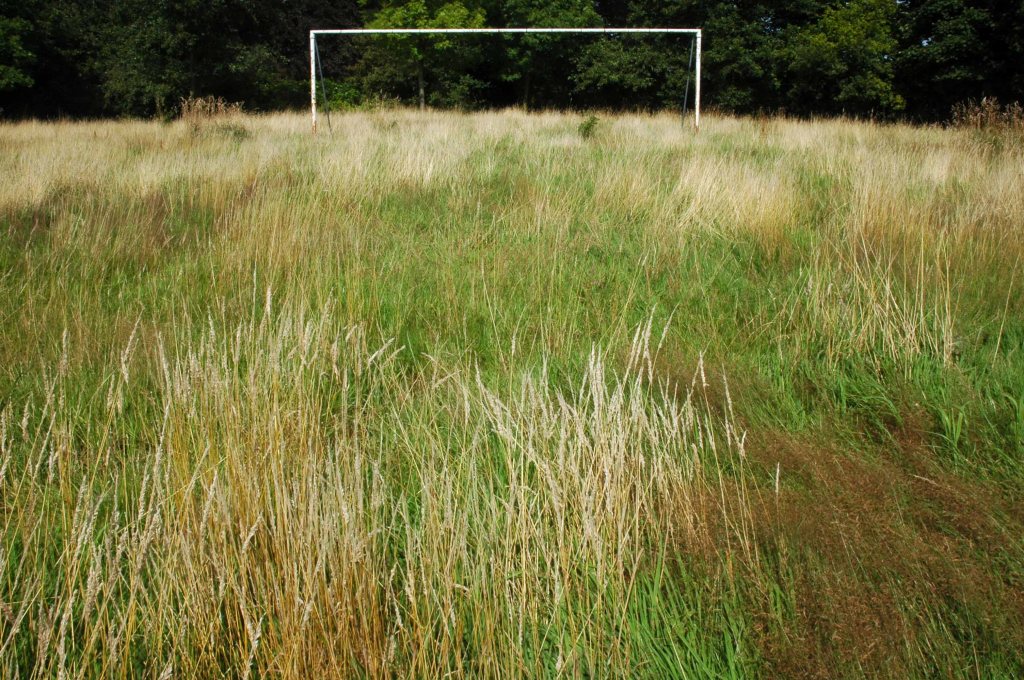
Lush meadows now occupy the former football field, twixt inter-war semis and the woodland beyond.
Out into the savage streets of Offerton where we find a Buick Skylark, incongruously ensconced in a front garden.
The only too human imperative to laugh in the face of naturalism.
We have crossed over Marple Road and are deep in the suburban jungle of mutually exclusive modified bungalows.
Off now into the wide open spaces of the Offerton Estate – the right to buy refuge of the socially mobile, former social housing owning public.
People living on Offerton Estate have been filmed for a programme entitled ‘Mean Streets’ which aims to highlight anti-social behaviour in local communities.
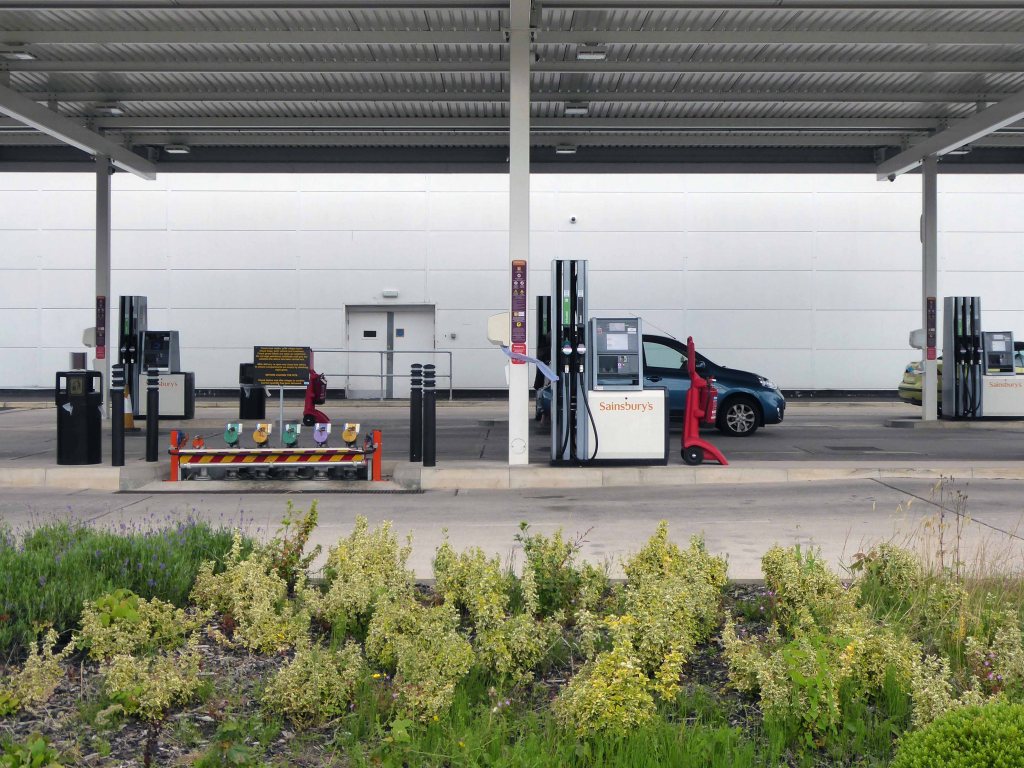
The next thing we know we’re in a field, a mixed up melange of the urban, suburban and rural, on the fringes of a Sainsbury’s supermarket filling station.
We cross the A6 in Hazel Grove and here for today our journey ends
Ignoring the sign we went in the opposite direction.
As we reach the edge of Mirrlees Fields – the site of the only Fred Perry laurel leaf logo emblazoned way marker.
The Fields are currently designated as a green space and are not available for residential development. But MAN would like to overturn this designation for over one third of the Fields.
MAN Energy Solutions UK is the original equipment manufacturer of Mirrlees Blackstone diesel engines.
Before the Blackstone MAN came in 1842 – the fields were all fields.
The Cheshire Lines Committee CLC operated Stockport, Timperley and Altrincham Junction Railway line from Portwood to Skelton Junction, a section of what became the Woodley to Glazebrook line.
It remained a part of the CLC, which was jointly owned from 1923 by the London and North Eastern Railway and the London Midland and Scottish Railway , until 1948 when it became part of the British Railways London Midland Region.
Closed in 1982, following the demise of the Woodhead route; the track was subsequently lifted in 1986.
in the age of steam mainline St Pancras trains and local stoppers flew by.
My interest lies in the small portion of track at the end of Georges Road – I worked as a Guide Bridge goods guard in and out of the scrap yard there, in the Seventies.
Now I walk past almost every day and it’s almost all gone.
The bridge which it supported now demolished, time called long ago in the long lost Gardeners Arms – originally a Bell’s Brewery pub latterly a Robinsons house.
What remains is a triangular island faced in glazed and blue engineer’s brick, topped out with trees.
I have entertained the idea of accessing the area by ladder, exploring and possibly setting up camp – though I think the proximity to an almost constant flow of traffic, would prove less than commodious.
It evokes for me an elevated affinity with Ballard’s Concrete Island.
He reached the foot of the embankment, and waved with one arm, shouting at the few cars moving along the westbound carriageway. None of the drivers could see him, let alone hear his dry-throated croak, and Maitland stopped, conserving his strength. He tried to climb the embankment, but within a few steps collapsed in a heap on the muddy slope.
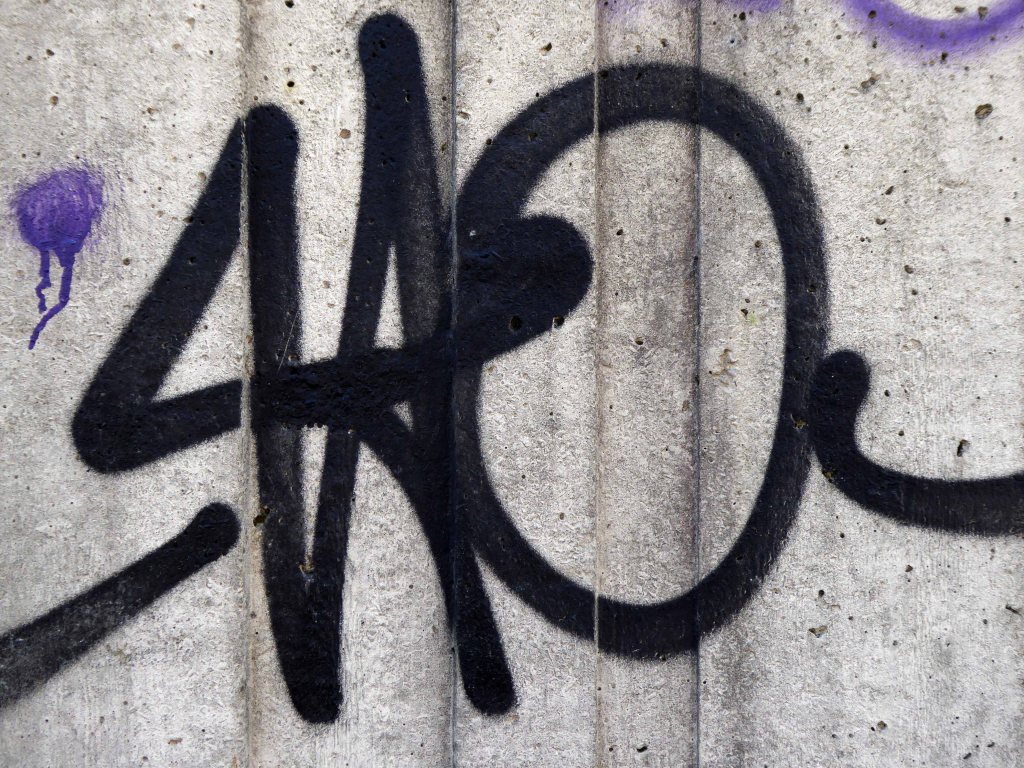
So here it is as is complete with tags, signs, cracks and all.
It remains as a monument to those who built and worked on the railway.
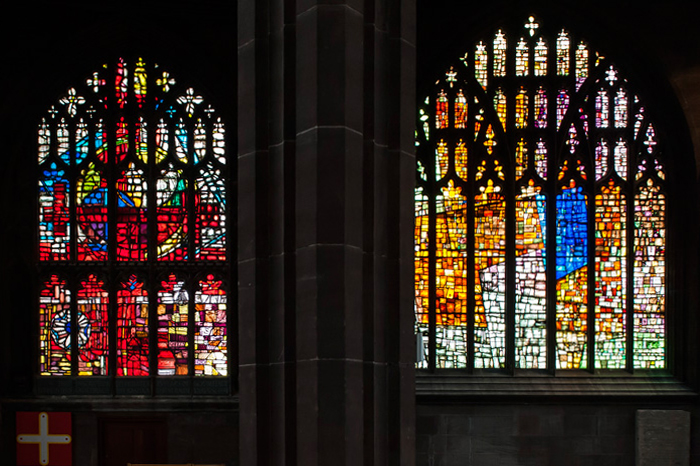
Tony Holloway’s work also illuminates the windows of Manchester Cathedral.
As well as the panels of the Faraday Tower, just the other side of UMIST.
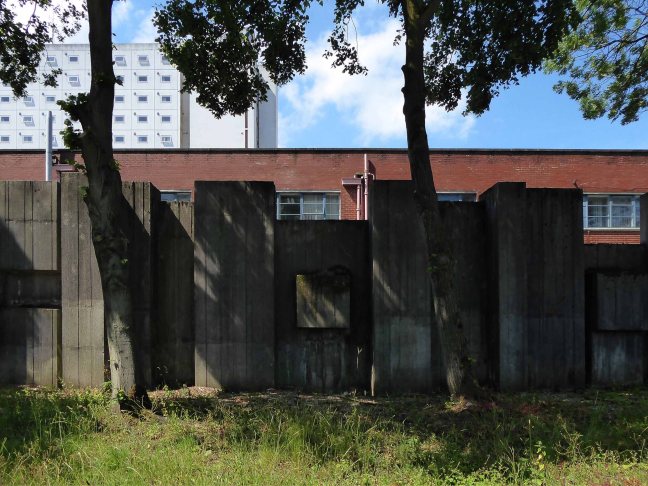
The wall is listed, fenced and obscured by the gradual incursion of assorted greenery.
It’s beginning to attract moss, amongst other things – just not like a rolling stone.
Like nearly everything else, it looks different each time you pass by, more or less light, new tags and signs – so here it is as of Saturday 13th June 2020.
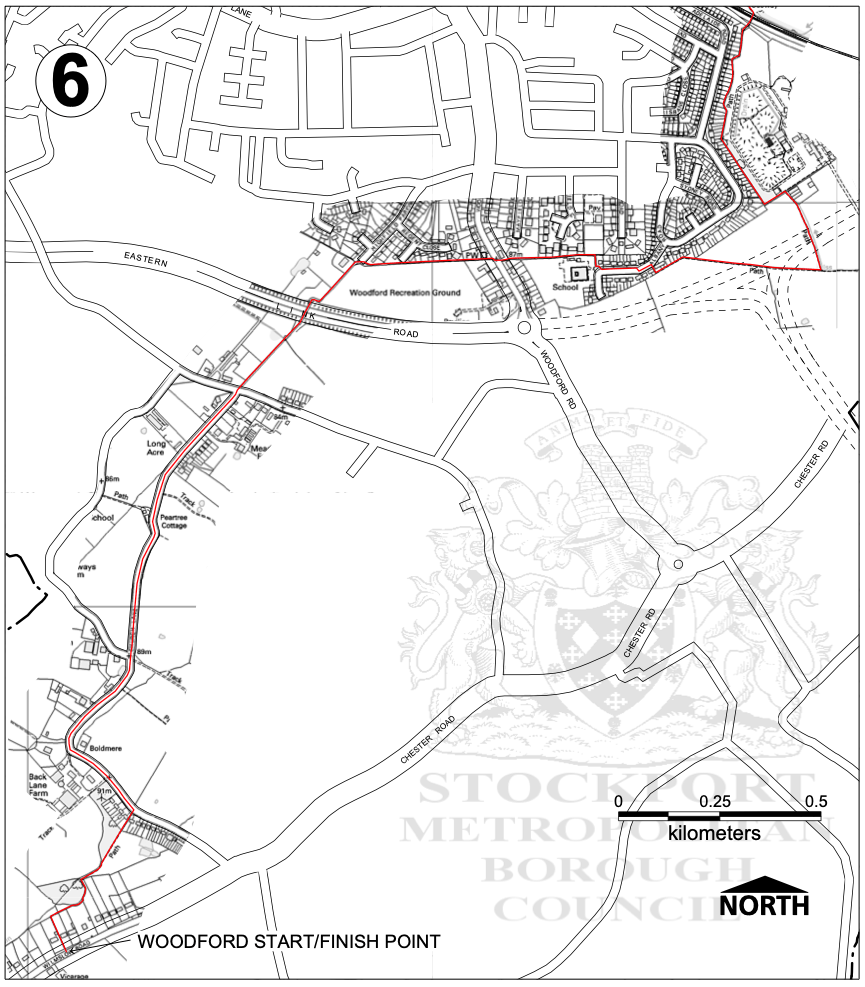
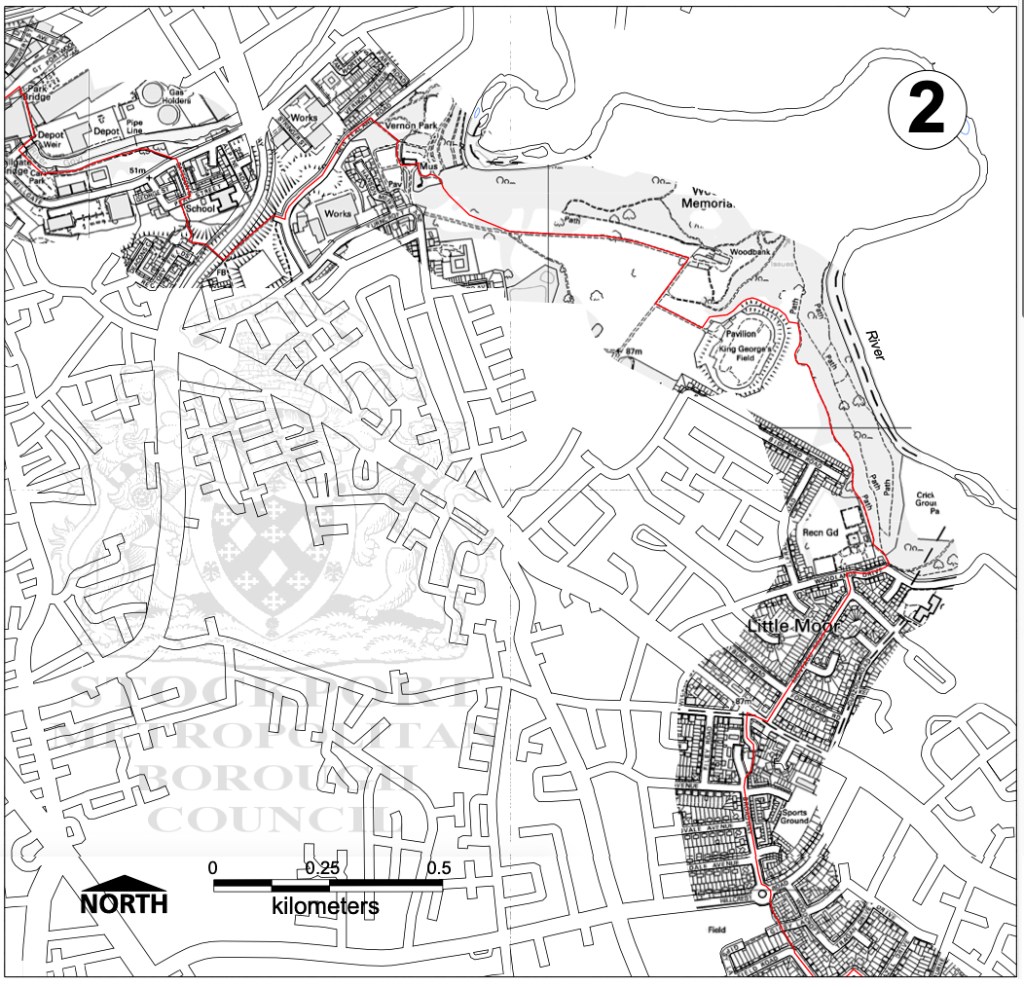
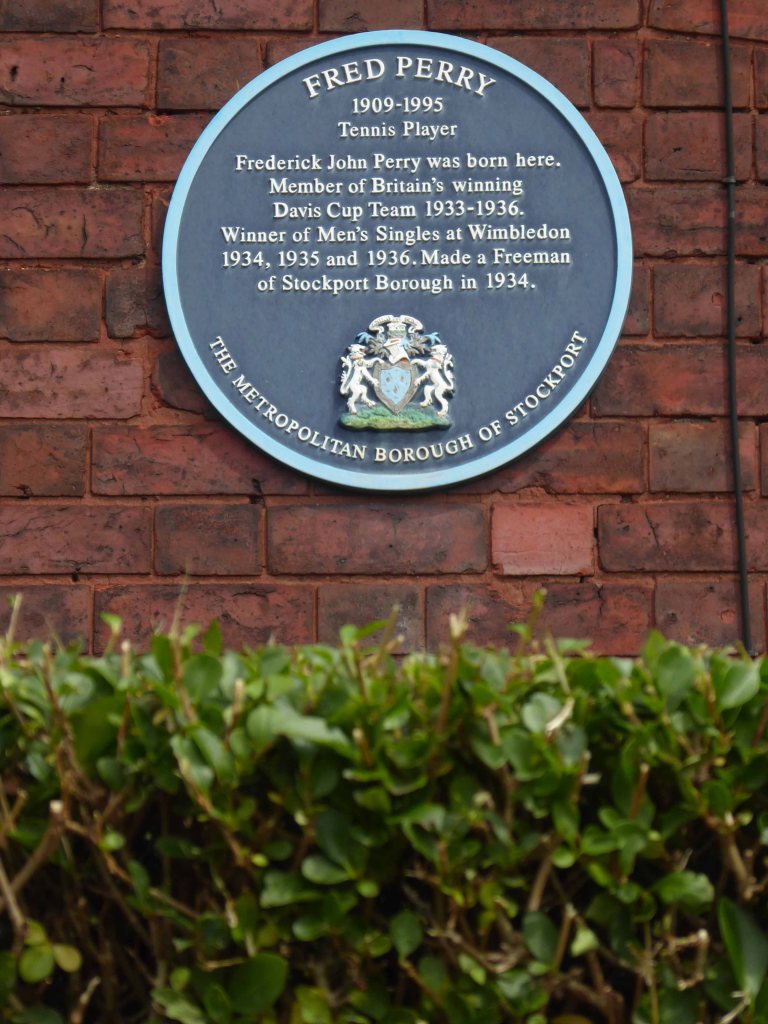
Some time ago in Stockport Fred Perry was born, lived and moved away – in pretty rapid succession. Nevertheless the Borough claims him as their own and to celebrate the fact, they have devised a Way.
Not the way or an away day but a named way, the Fred Perry Way.
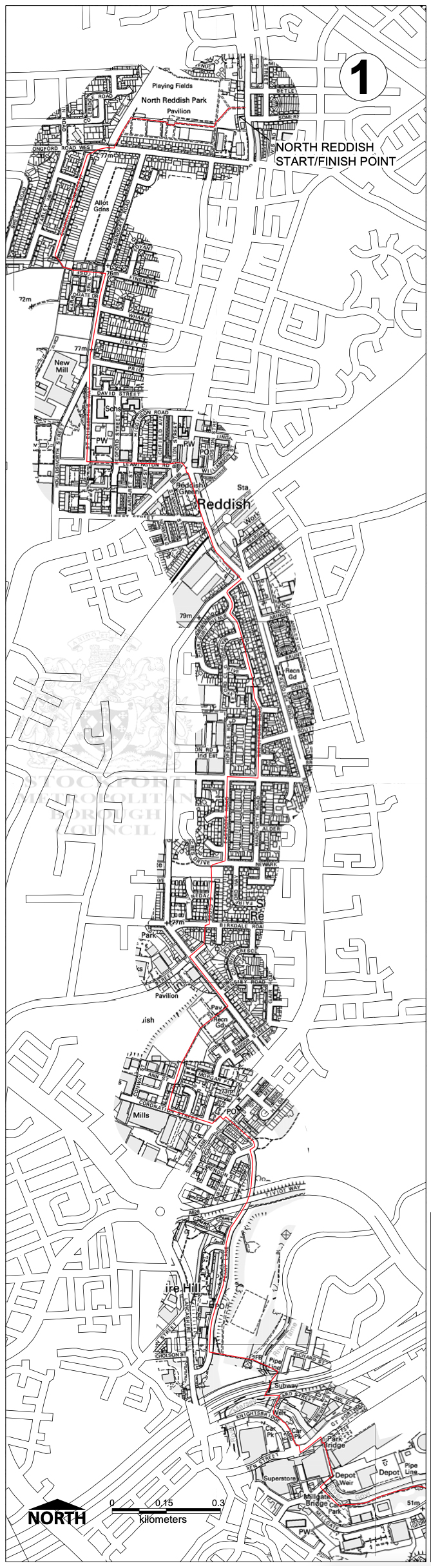
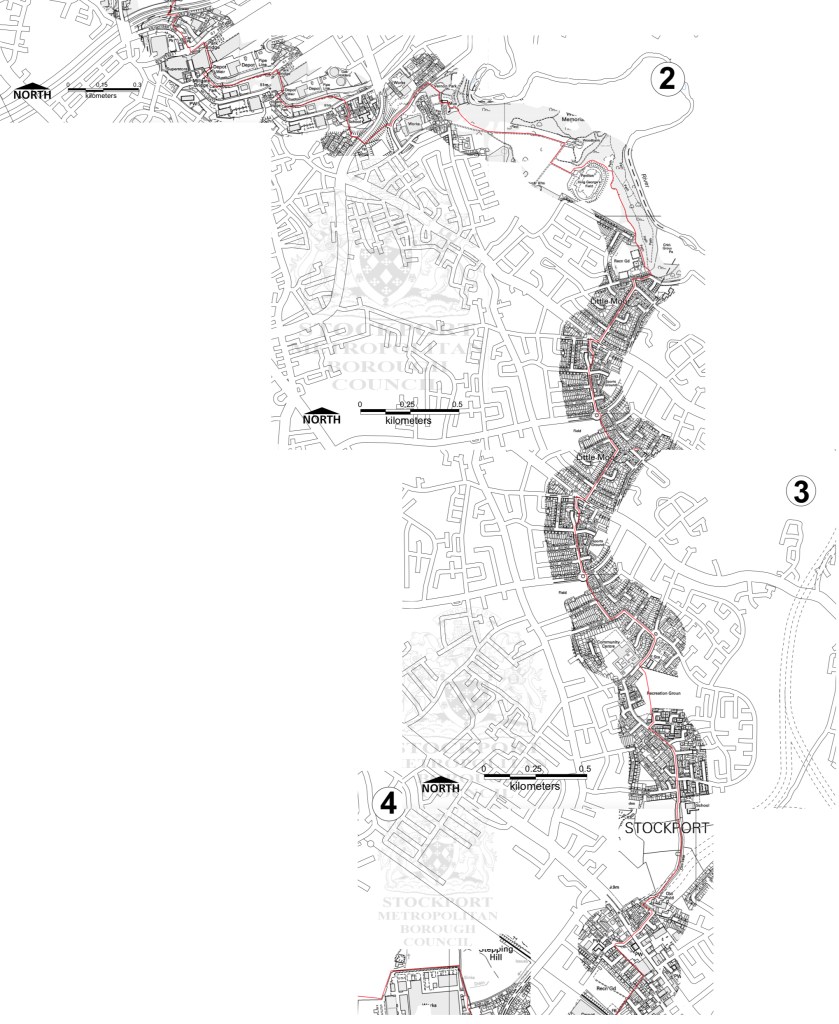
Stretching from North Reddish in the north to Woodford in the south – zigging and zagging through and across highways and byways, avenues and alleyways.
Combining rural footpaths, quiet lanes and river valleys with urban landscapes and park lands.
For the long distance walker it may be useful as a link route. The Fred Perry Way provides a link between the Bollin Valley Way, and through that, the North Cheshire Way, and via a short link between Mottram & Woodford, the Tame Valley Way and Etherow Goyt Valley Way at Stockport. A full crossing of historical North Cheshire could be devised, linking Black Hill & Crowden on the Pennine Way with Hilbre Island, utilising also the Wirral Way/Wirral Shore Way.
Deneway almost but not quite, literallyon my doorstep:
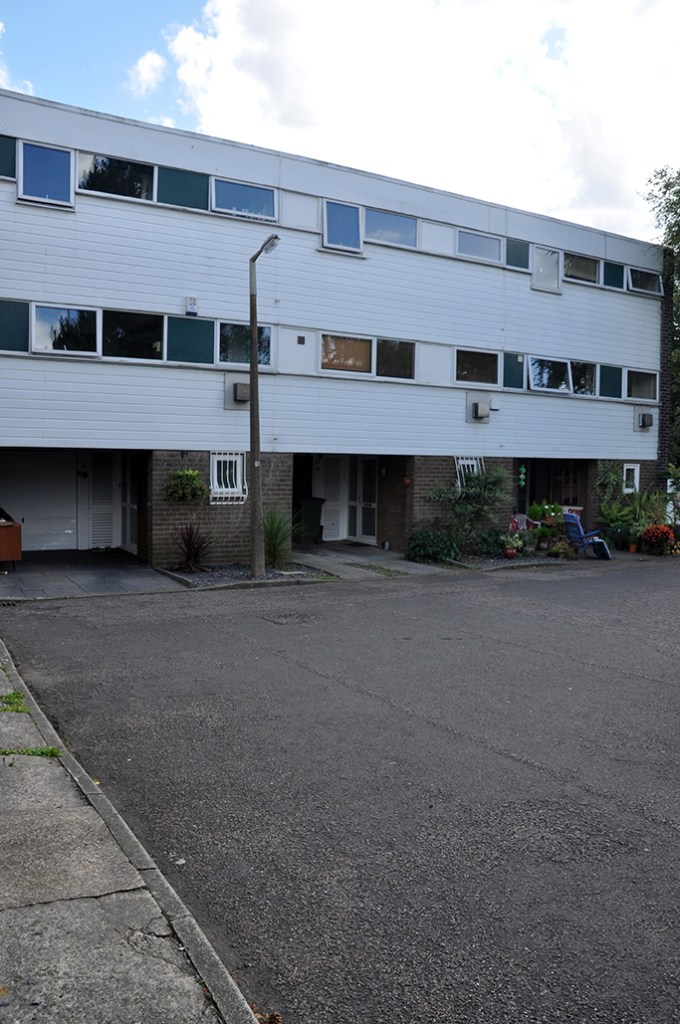
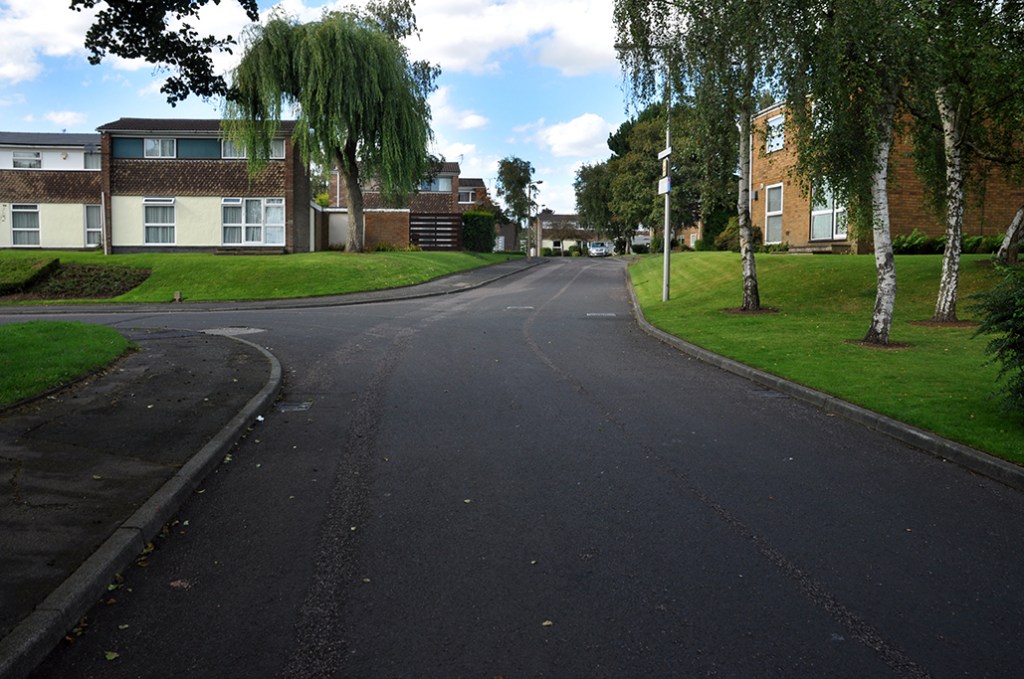
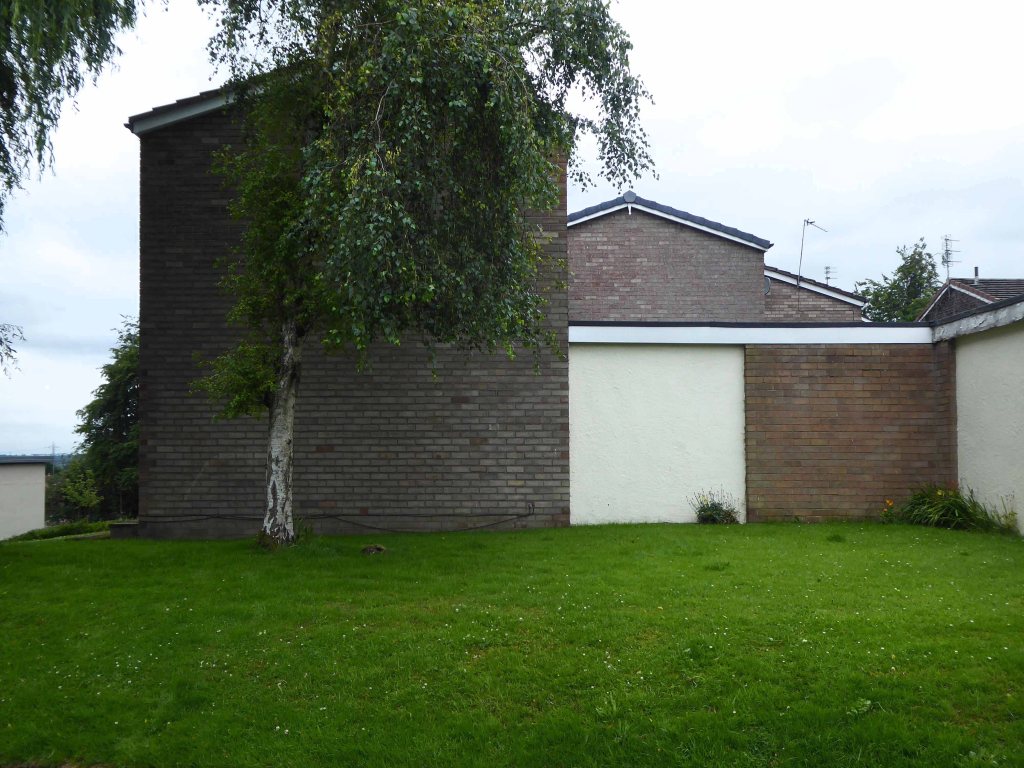
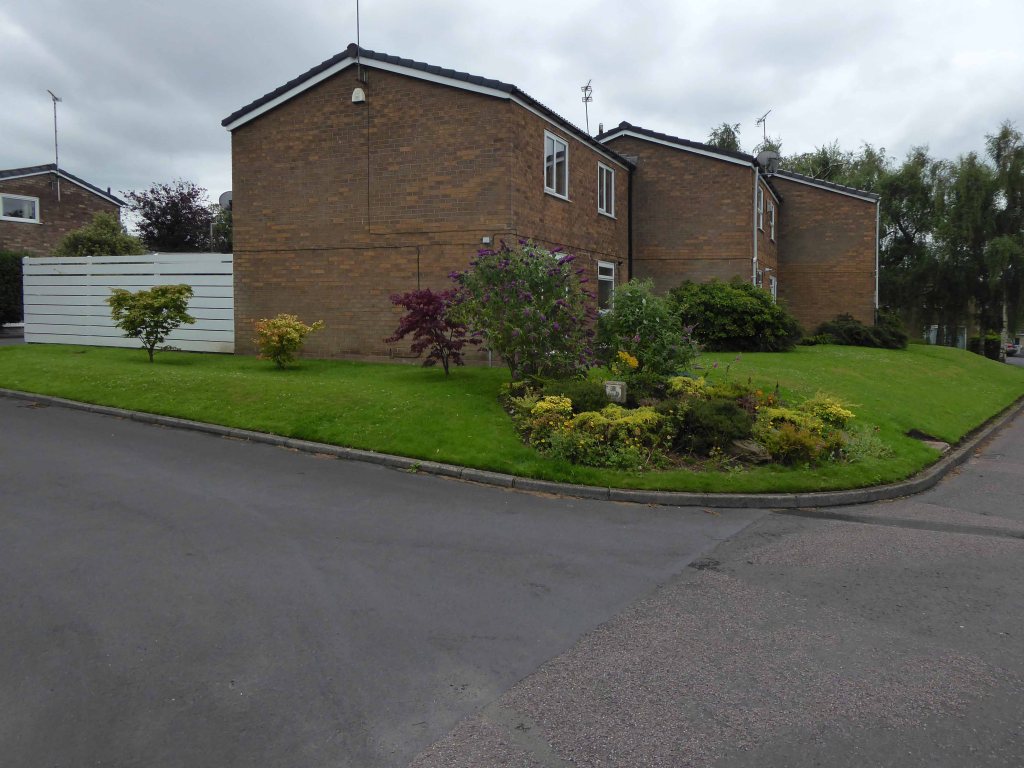
High above the Mersey Valley and 70 meters above sea level Deneway Estate stands proud, affording views of the Pennine White Peak to the south east and nothing but some other houses in all other directions.
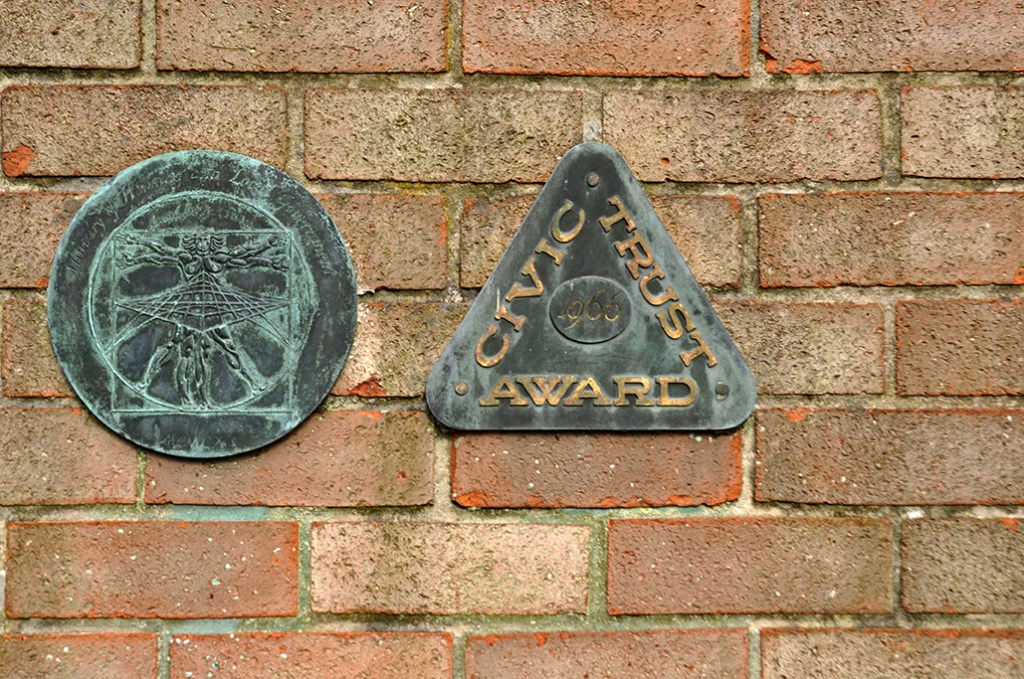
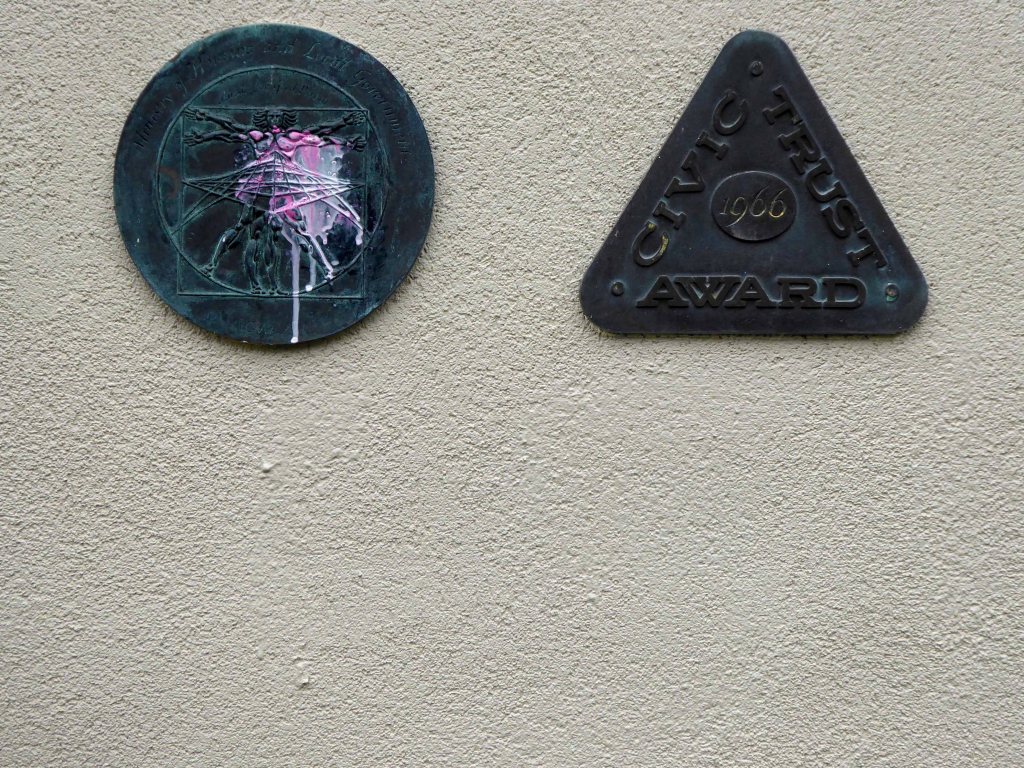
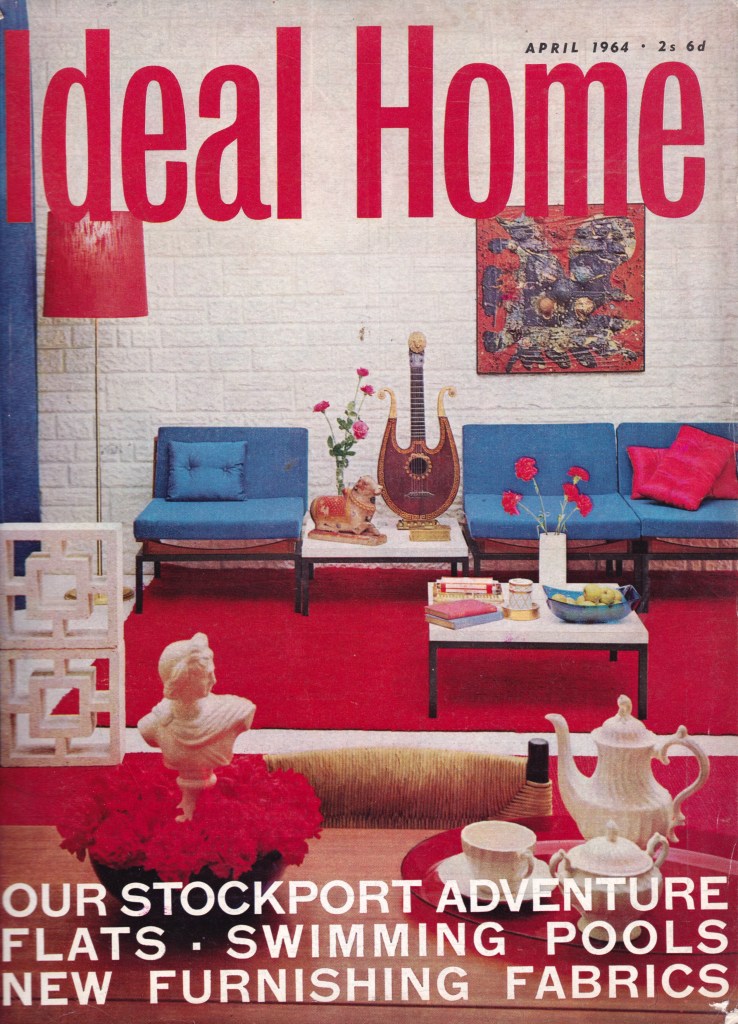
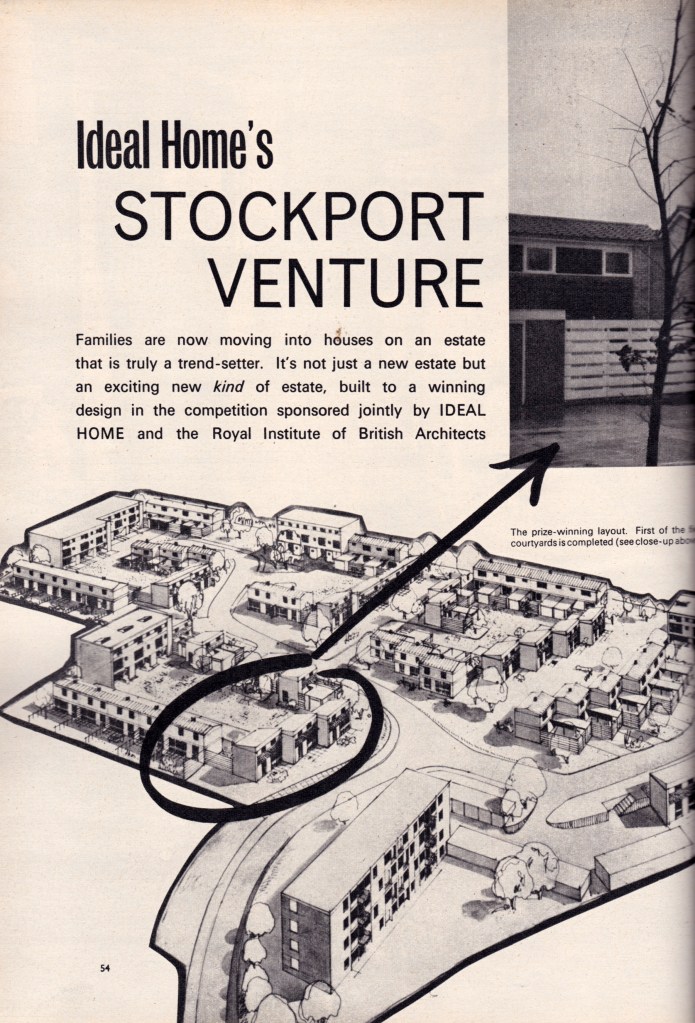
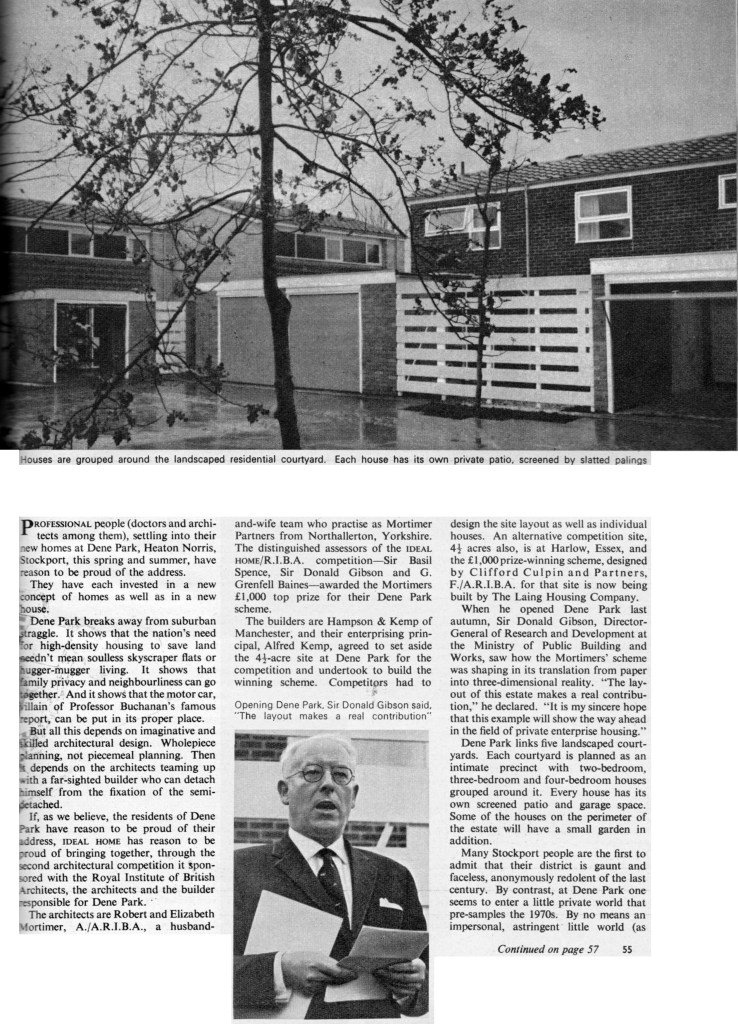
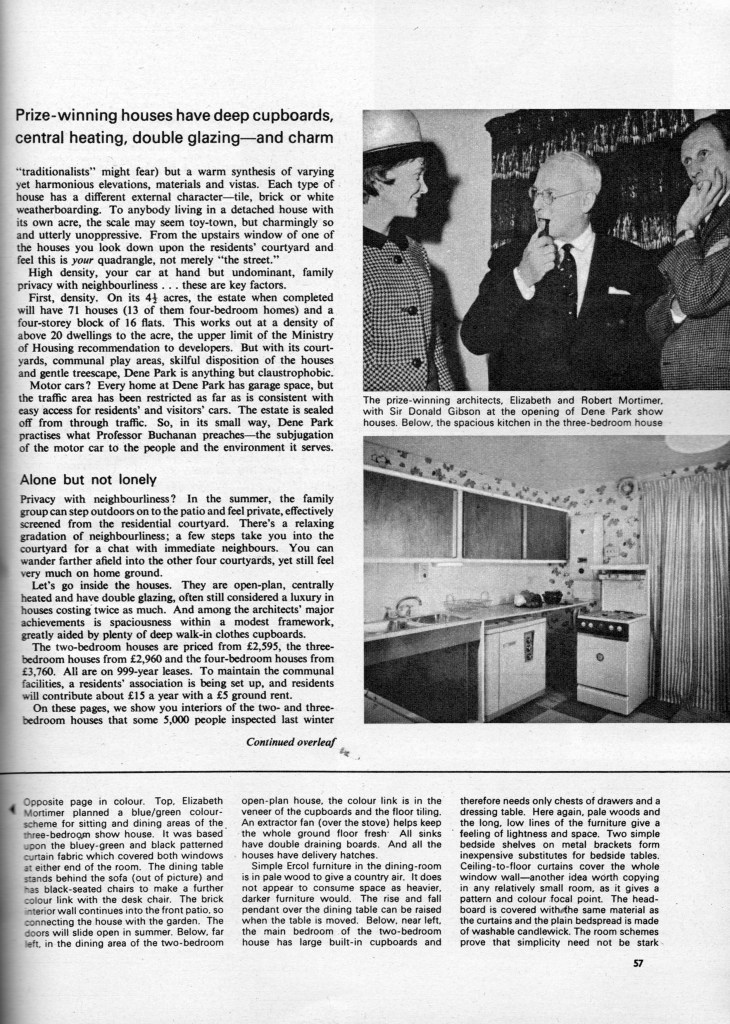
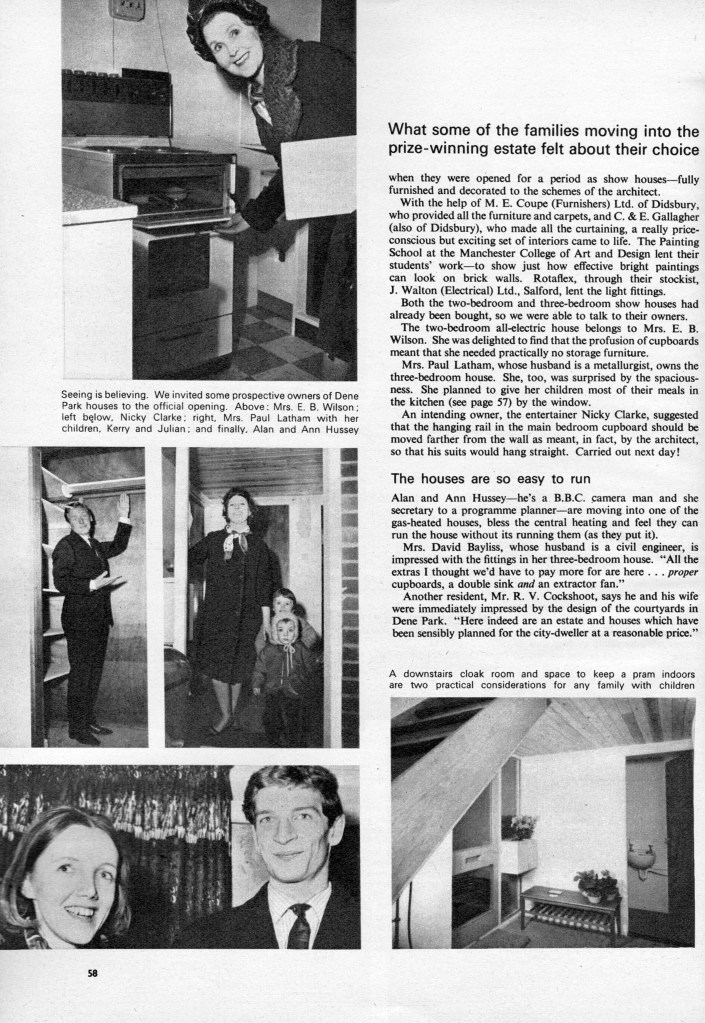
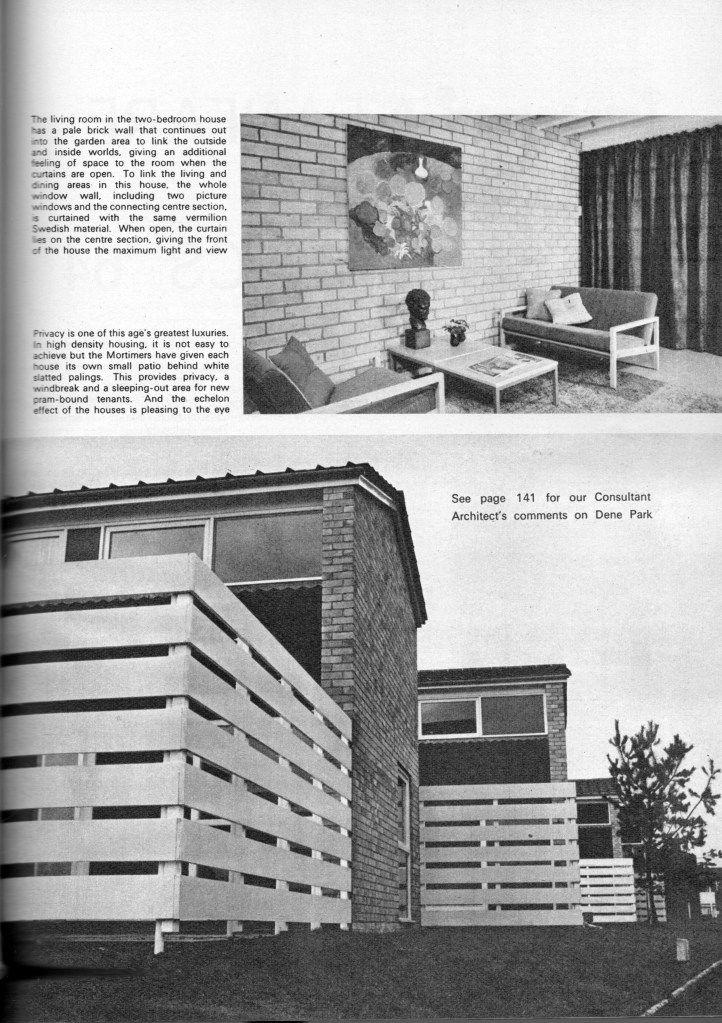
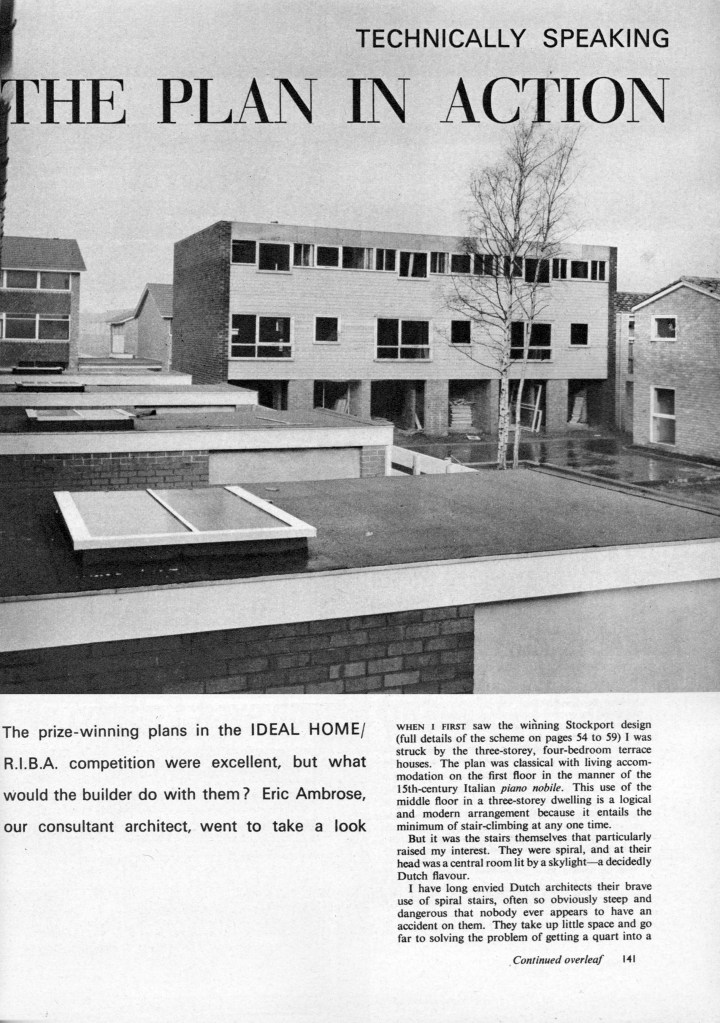
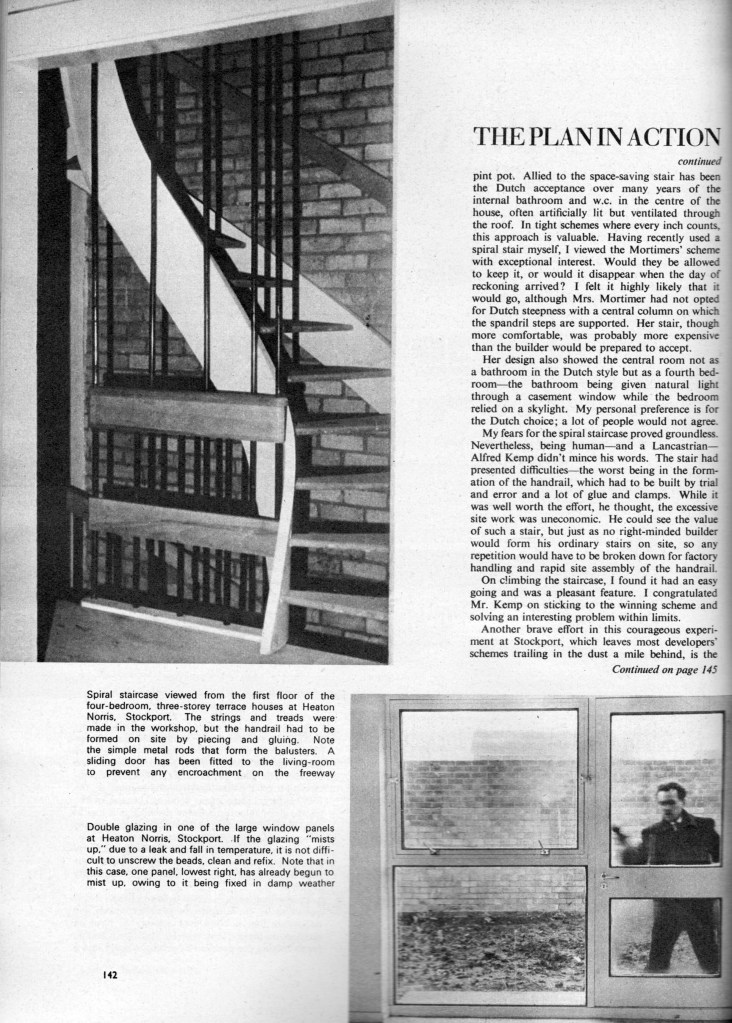
Built in 1964, by architects Mortimer & Partners it was an award winner from the word go – coming first in an Ideal Homes sponsored competition.
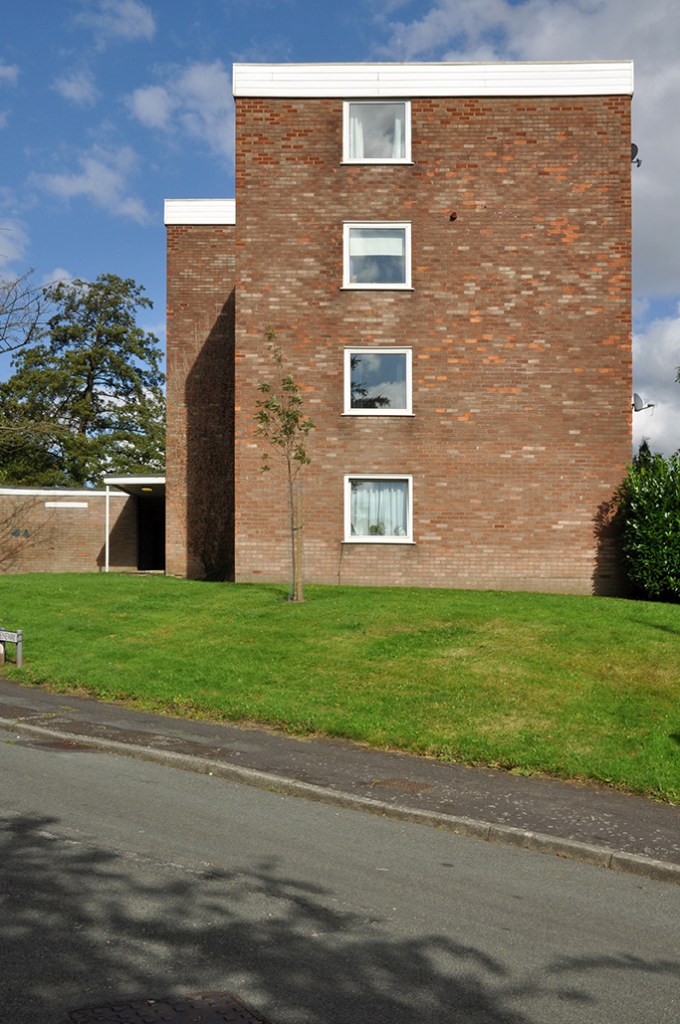
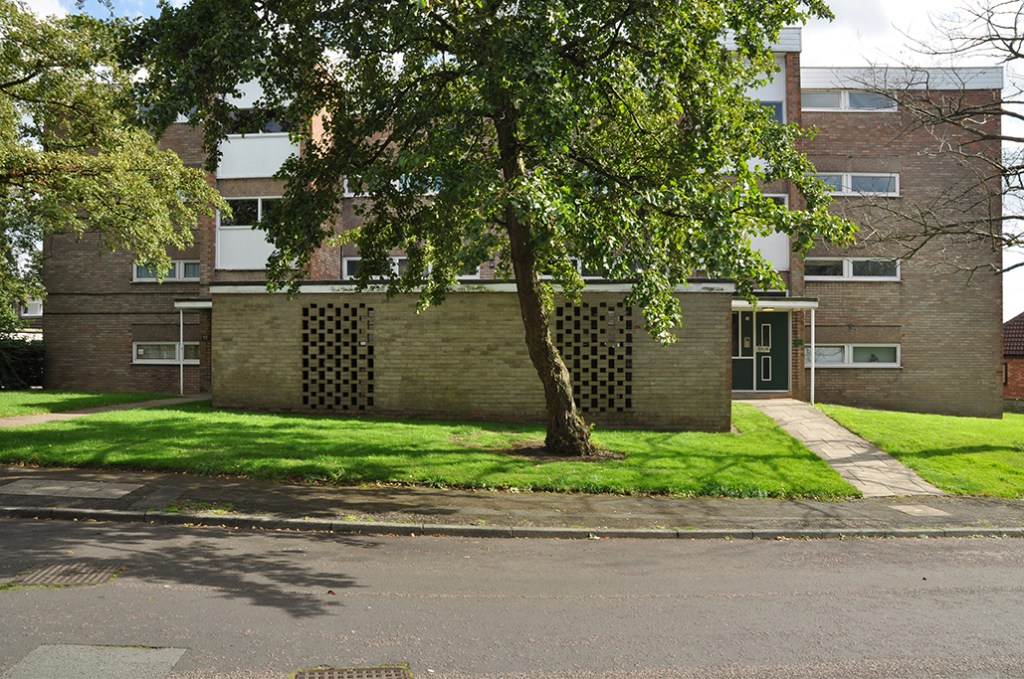
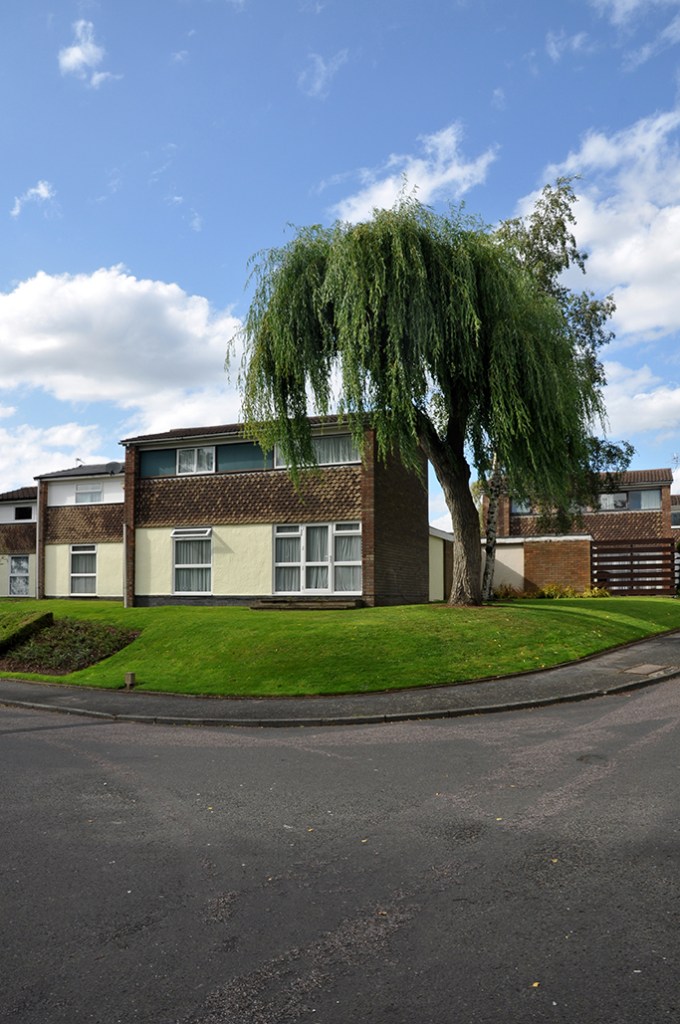
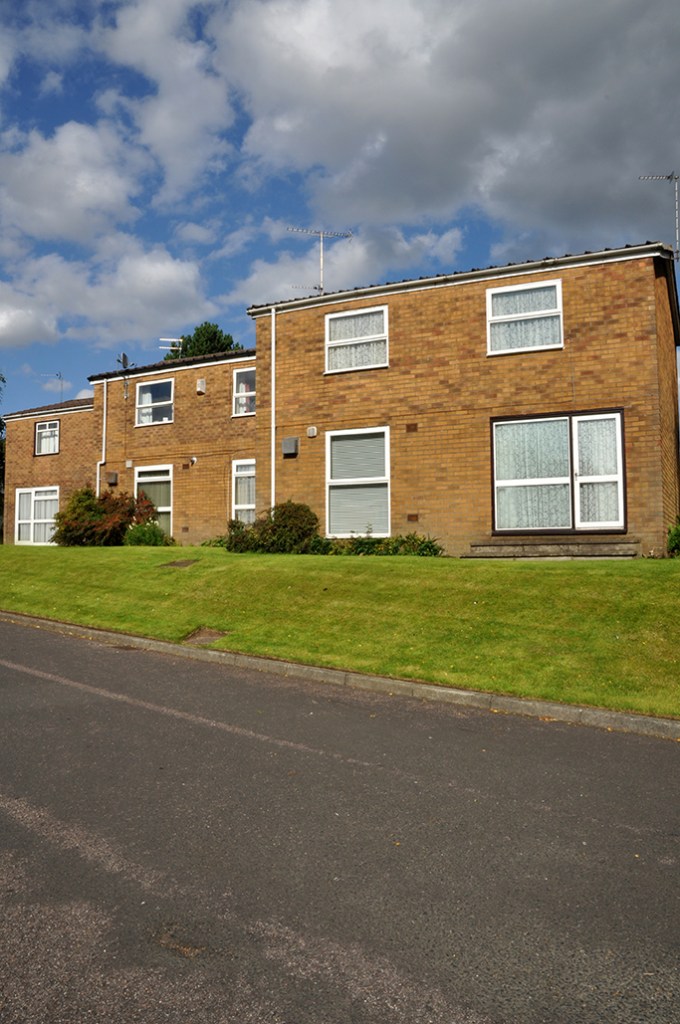
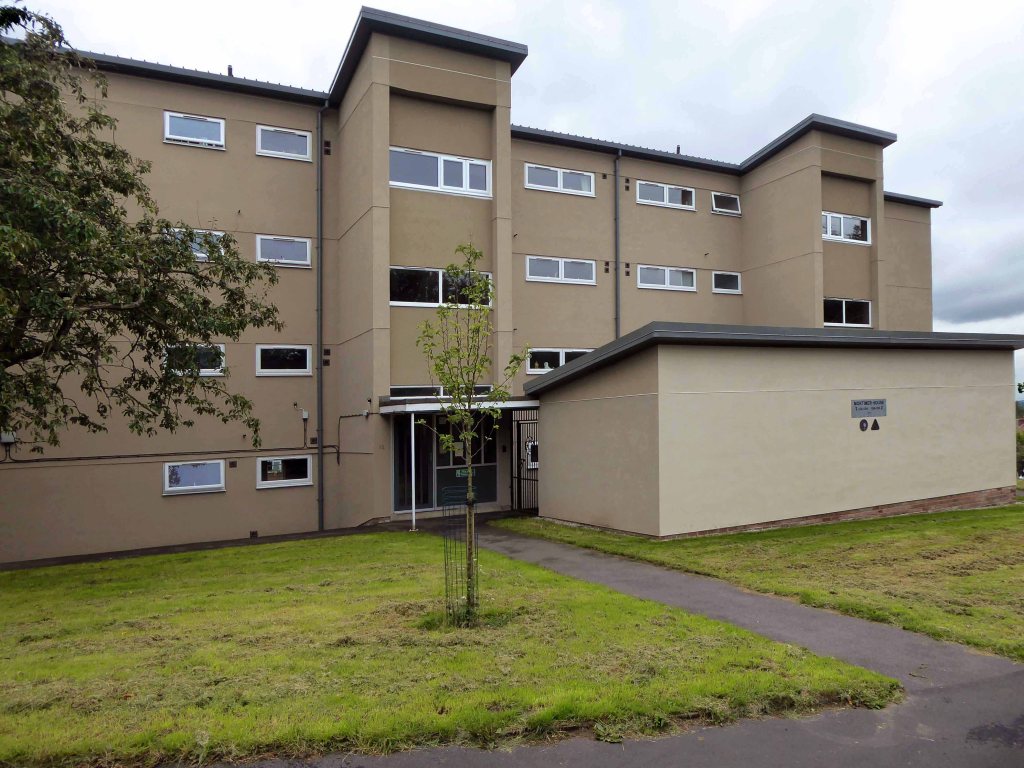
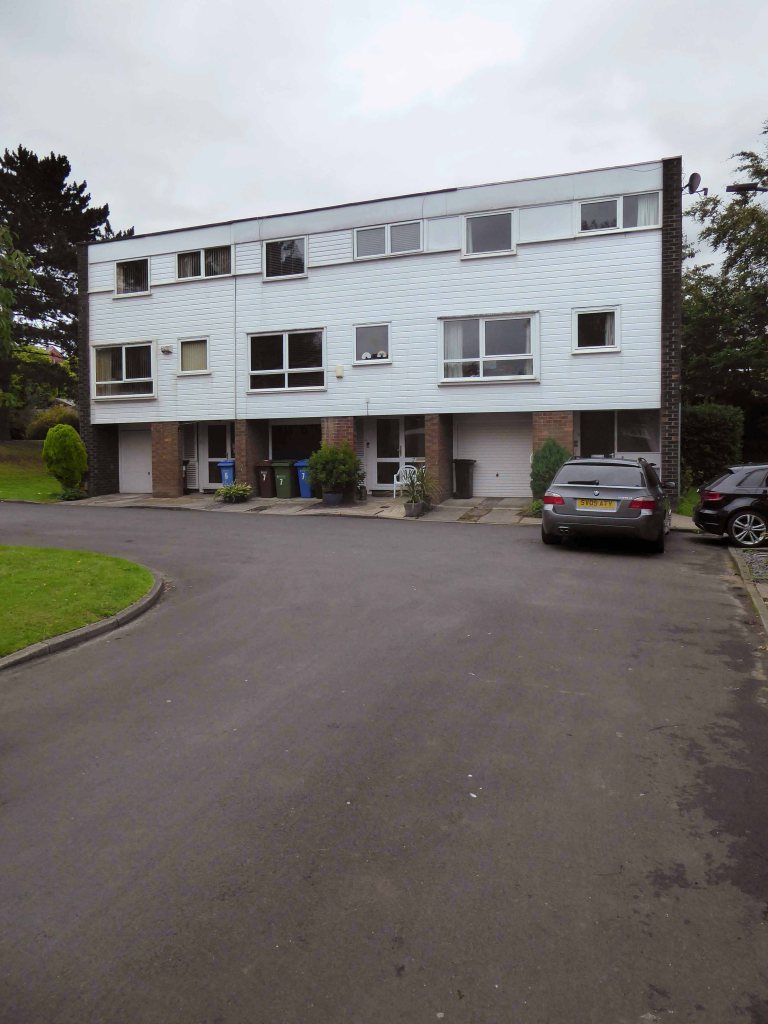
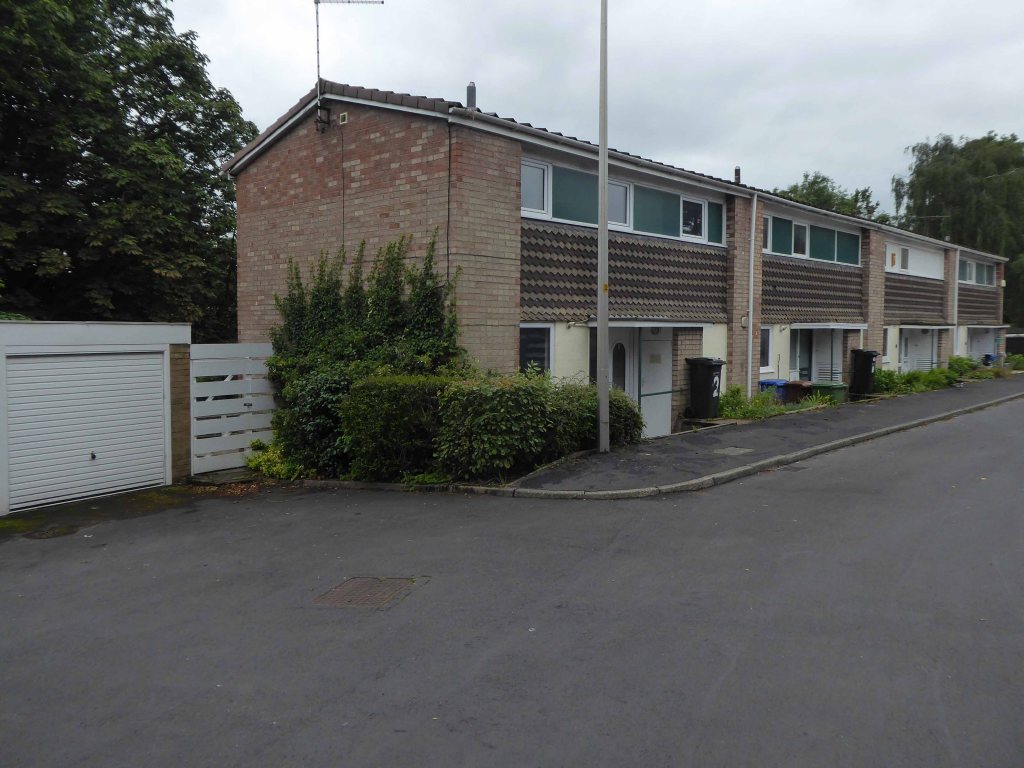
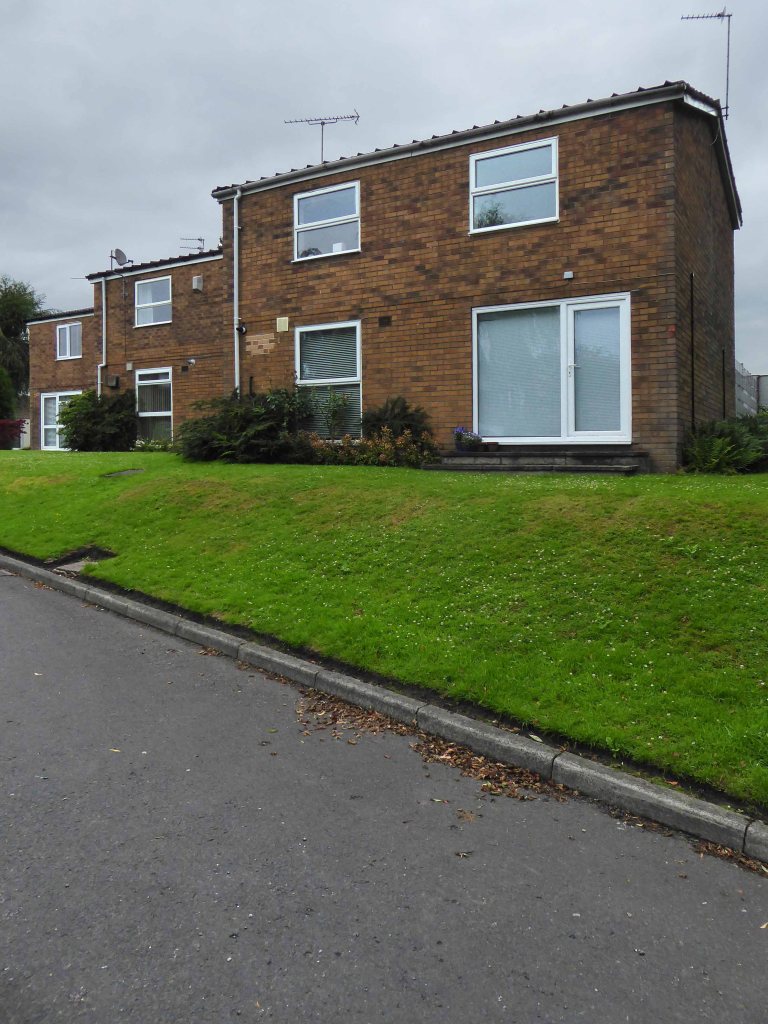
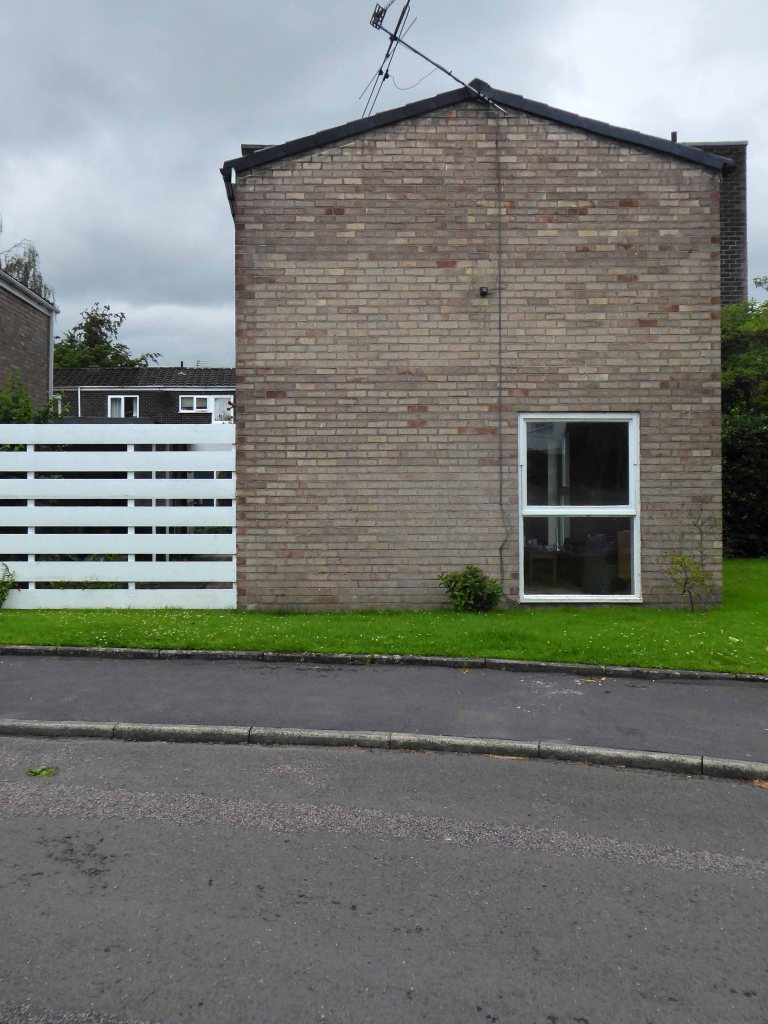
Very much in the tradition of the Span Estates, it consists of small groups of two and three storey terraced homes, with communal open, well tended front gardens. At the entrance to the estate stands a single low tower block of flats.
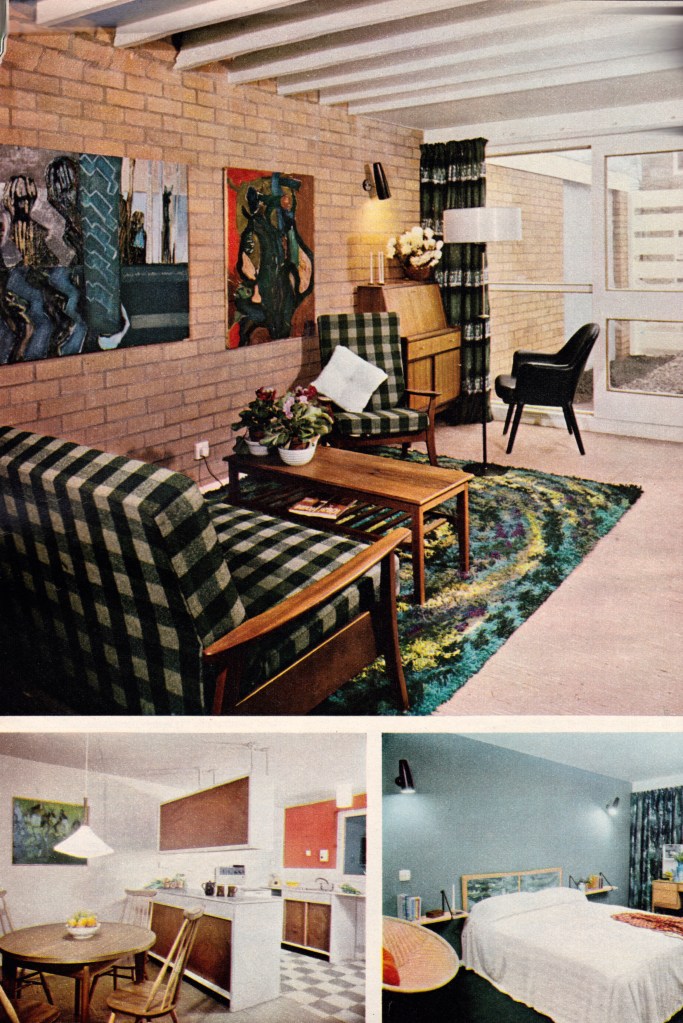
The architecture sits quietly and confidently in the landscape, well behaved, prim and proper. Interiors are open plan and afforded ample daylight by generous windows. Detailing is tiled and wood panelled, with low pitched roofs.
Jump the train, walk, cycle, bus or tram, but arrive with eyes and heart wide opento enjoy this suburban gem – it’s right up my street.
This was my very first piece that appeared on the old Manchester Modernist site way back in 2014.
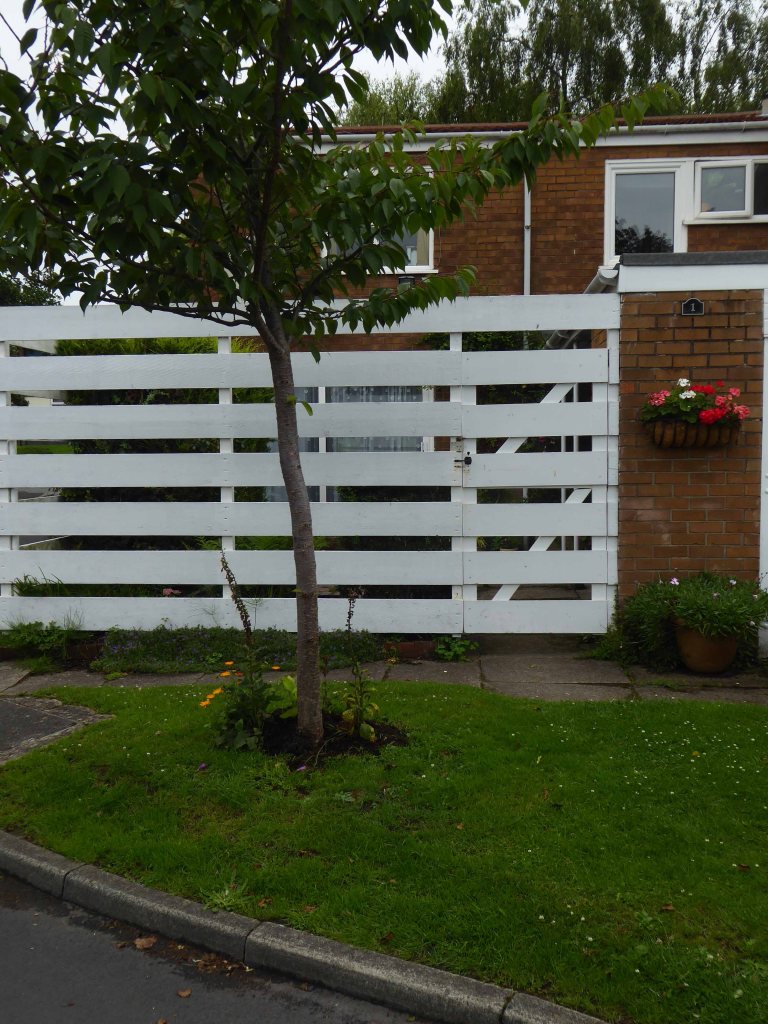
Six years later I walked up the road again and found the flats clad in a funny colour cladding and the plaques moved, much else was as was. I assume, that under deed of covenant, fencing and guerilla gardening within open areas is verboten, along with fancy extensions.
The estate therefore retains its original integrity.
The sun in the meantime however – had gone in.
Here are the pages of Ideal Home which featured this award winning estate.
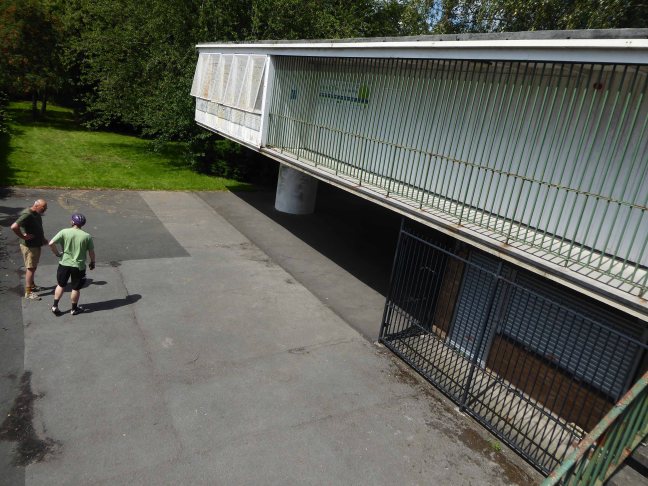
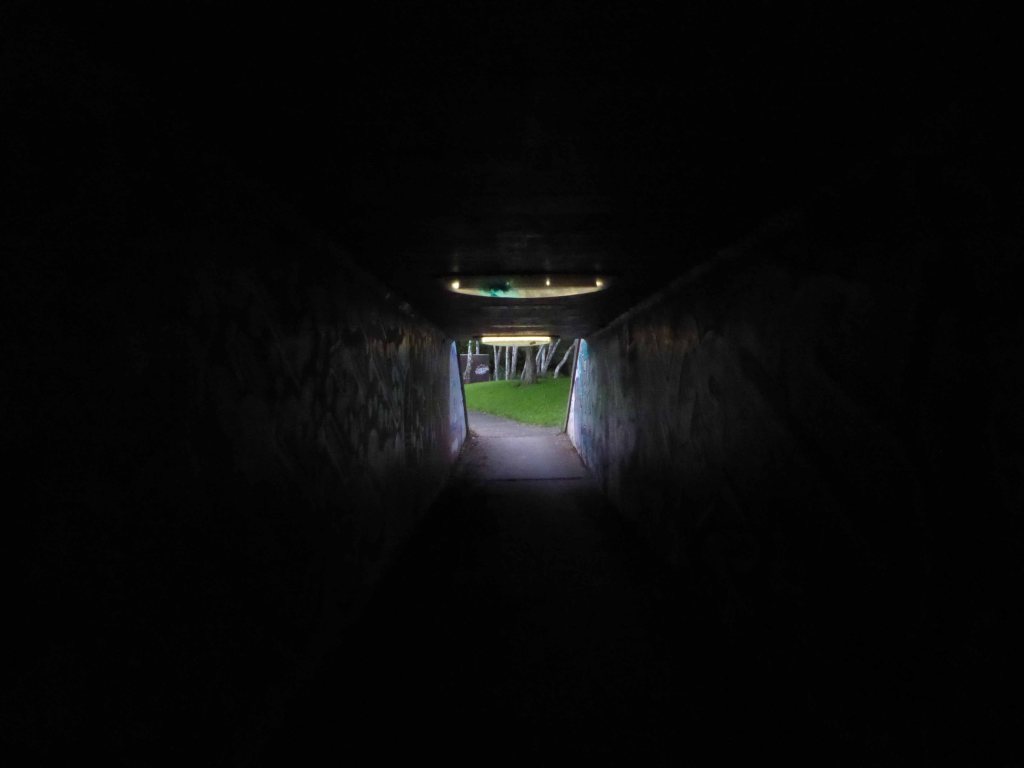
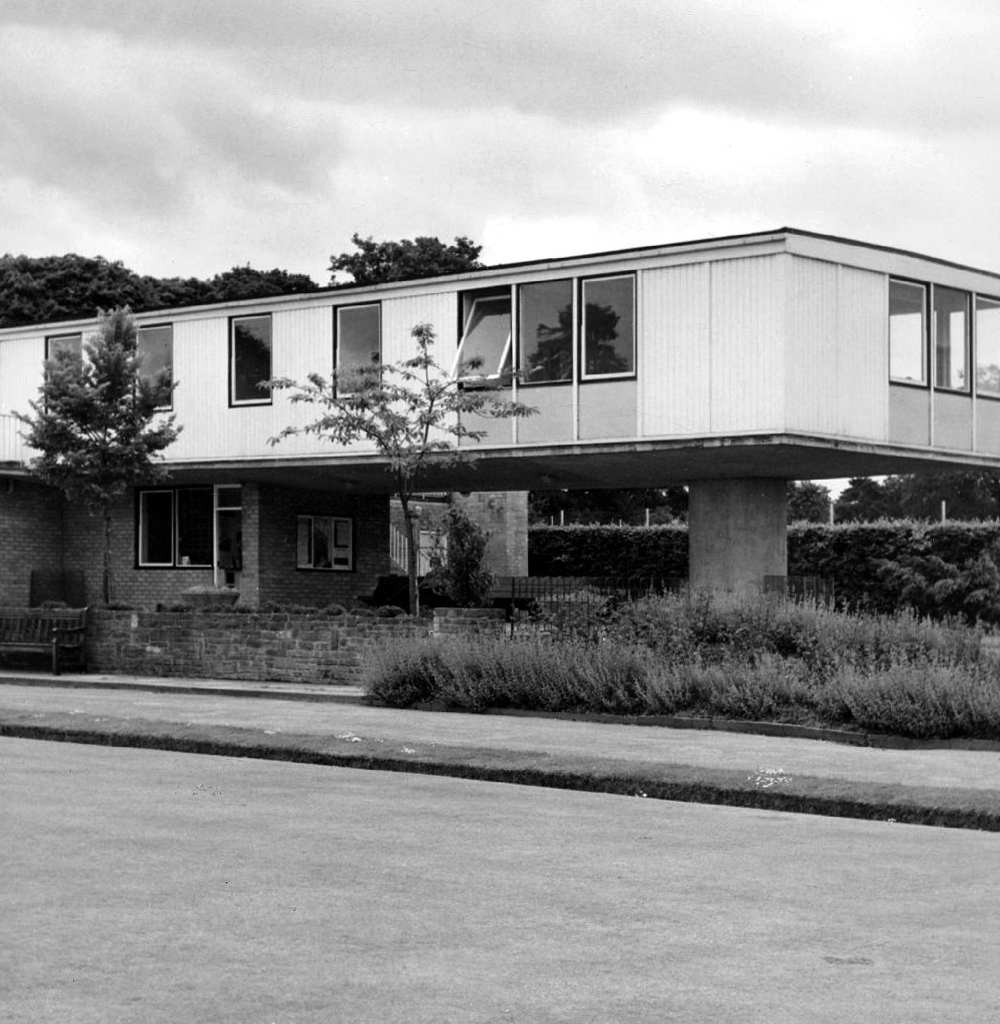
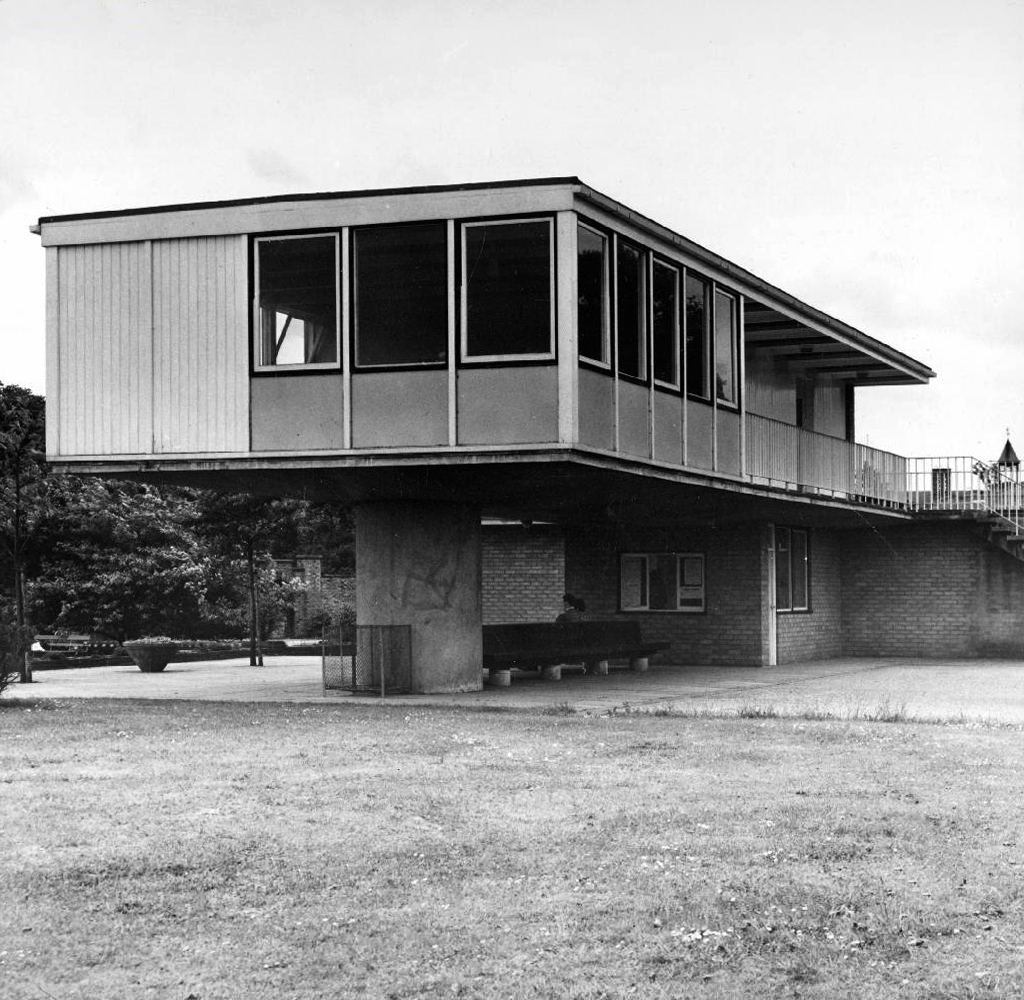
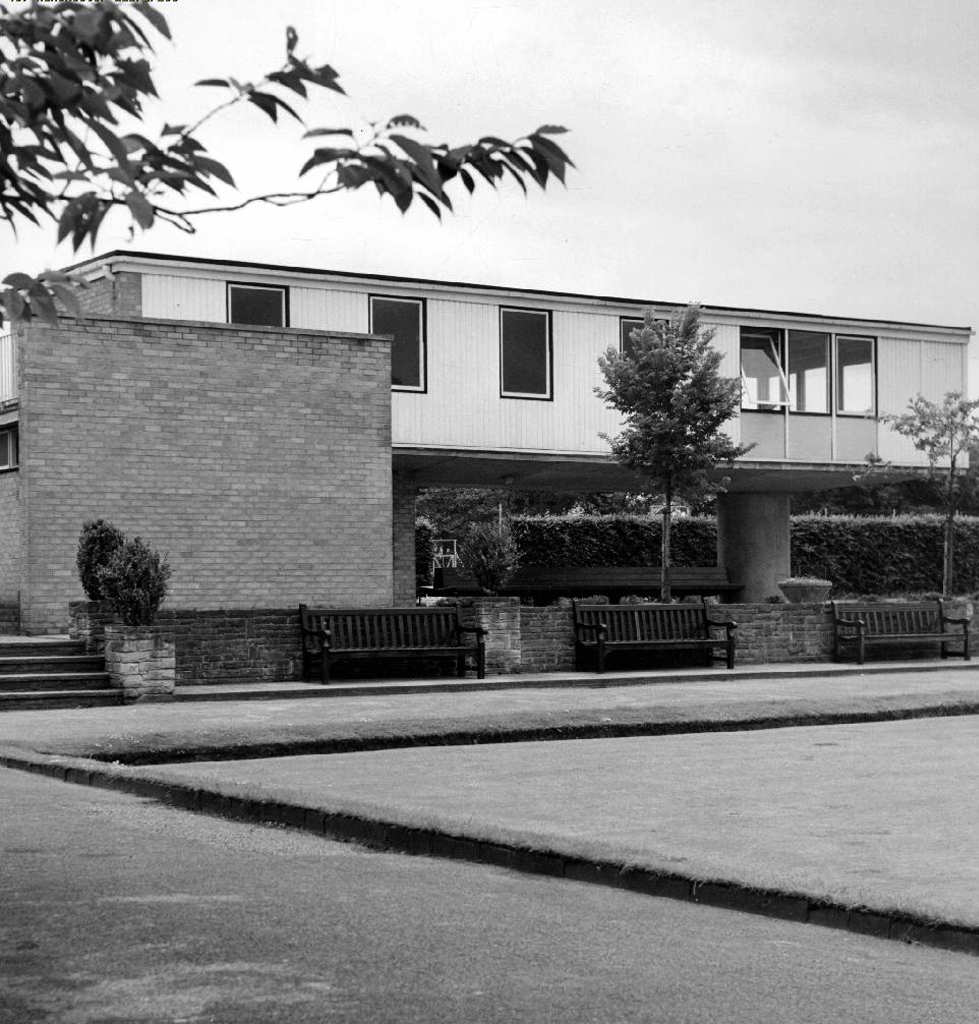
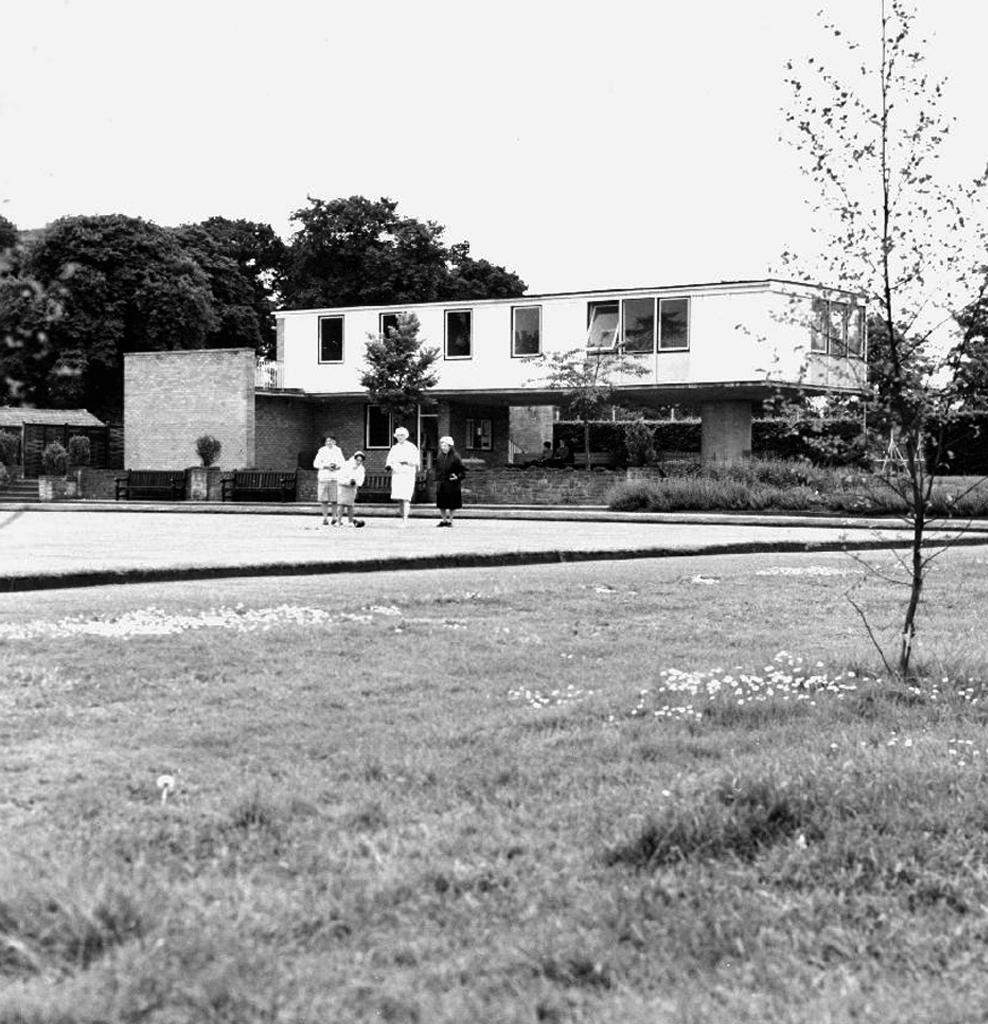
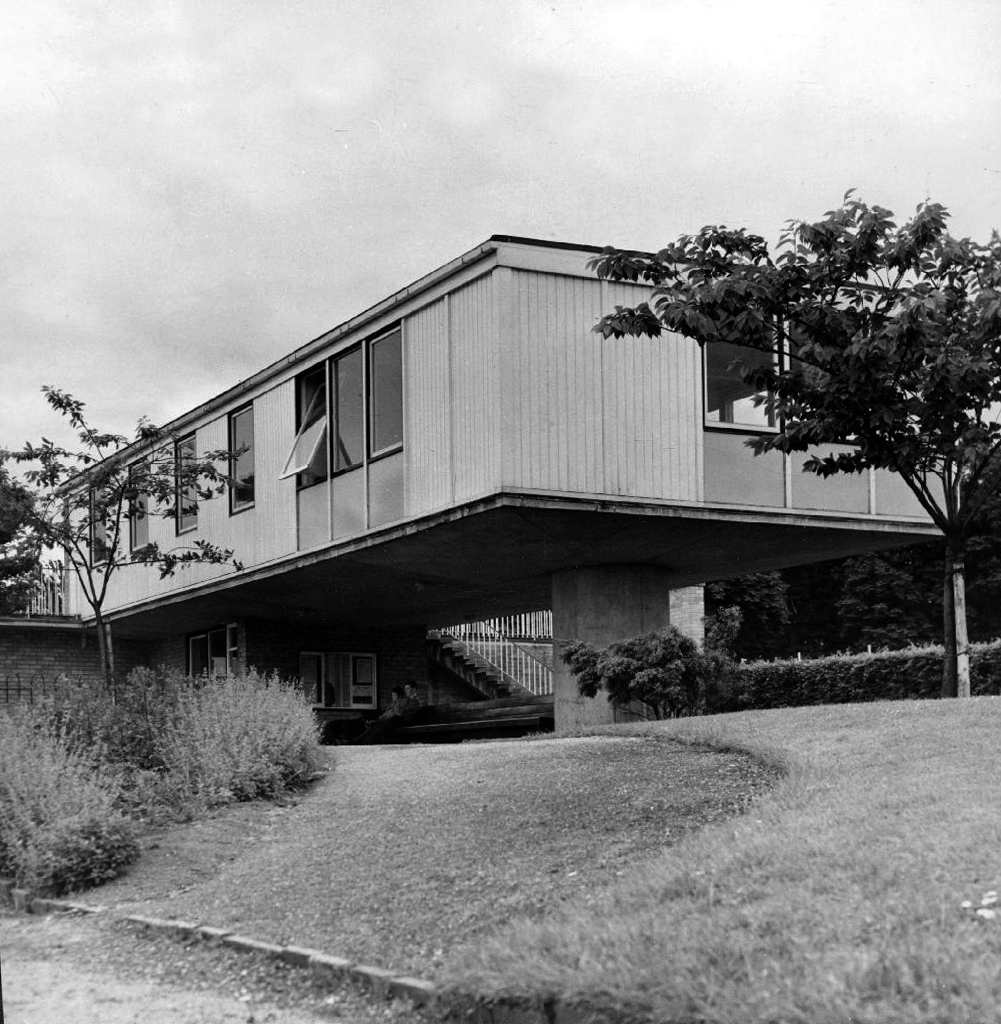
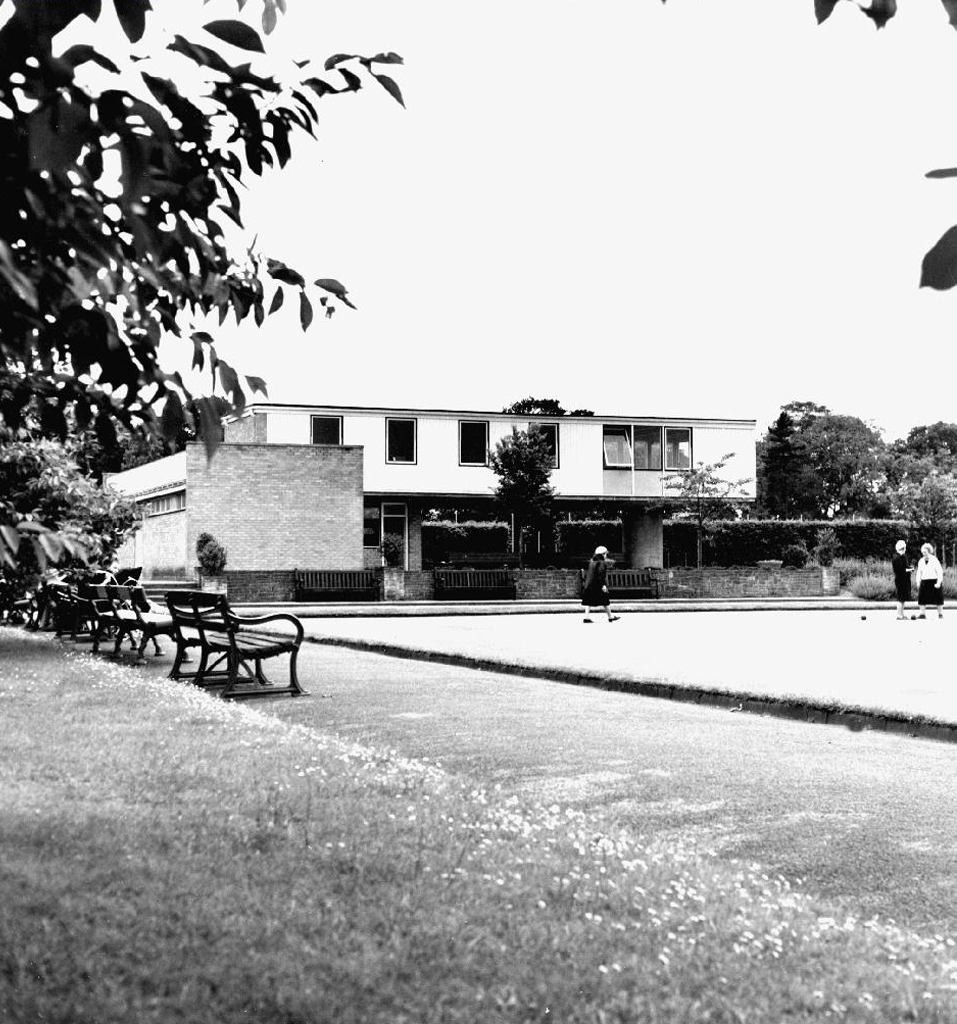
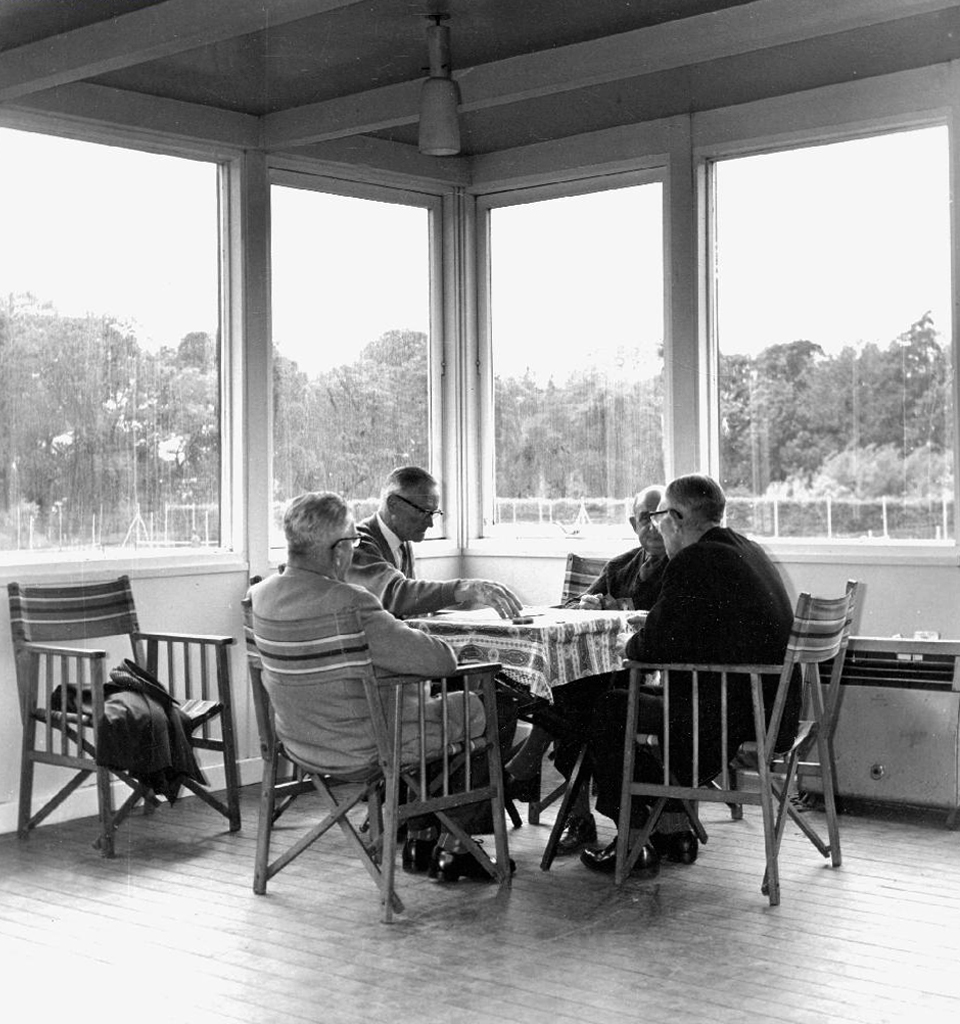
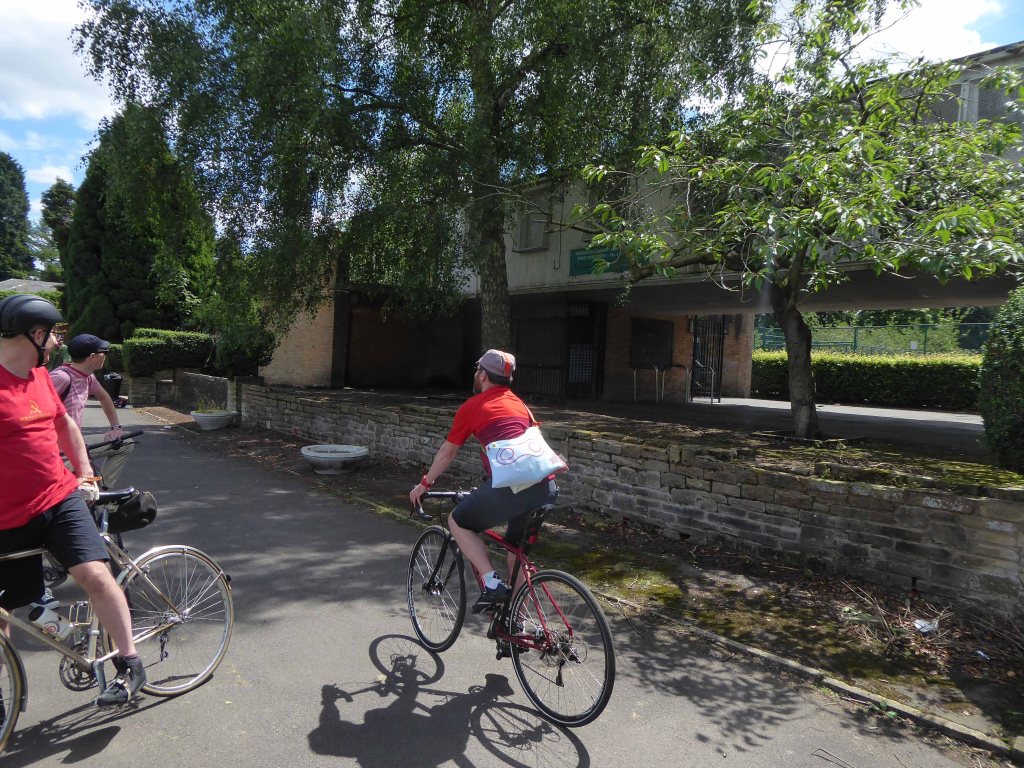
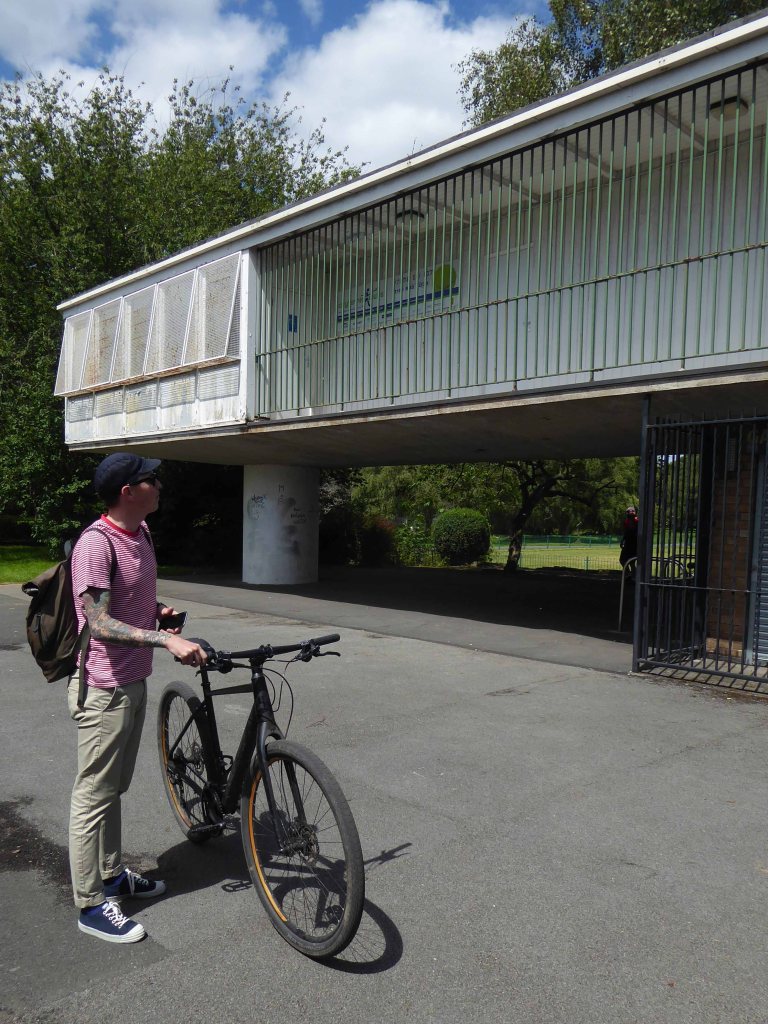
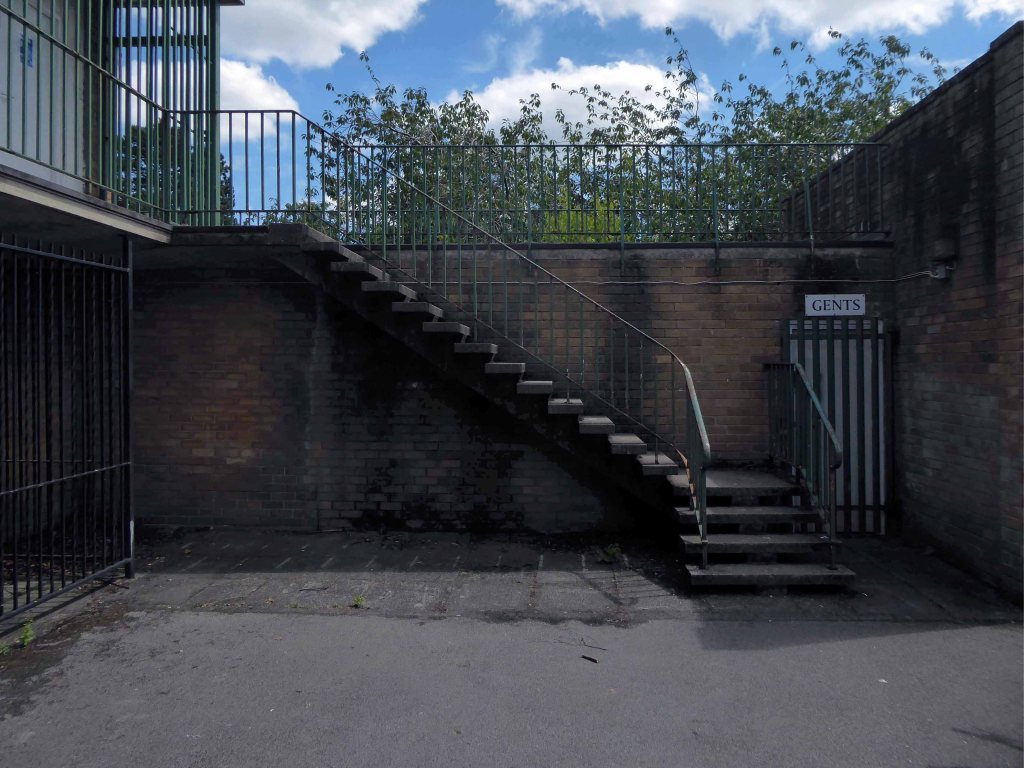
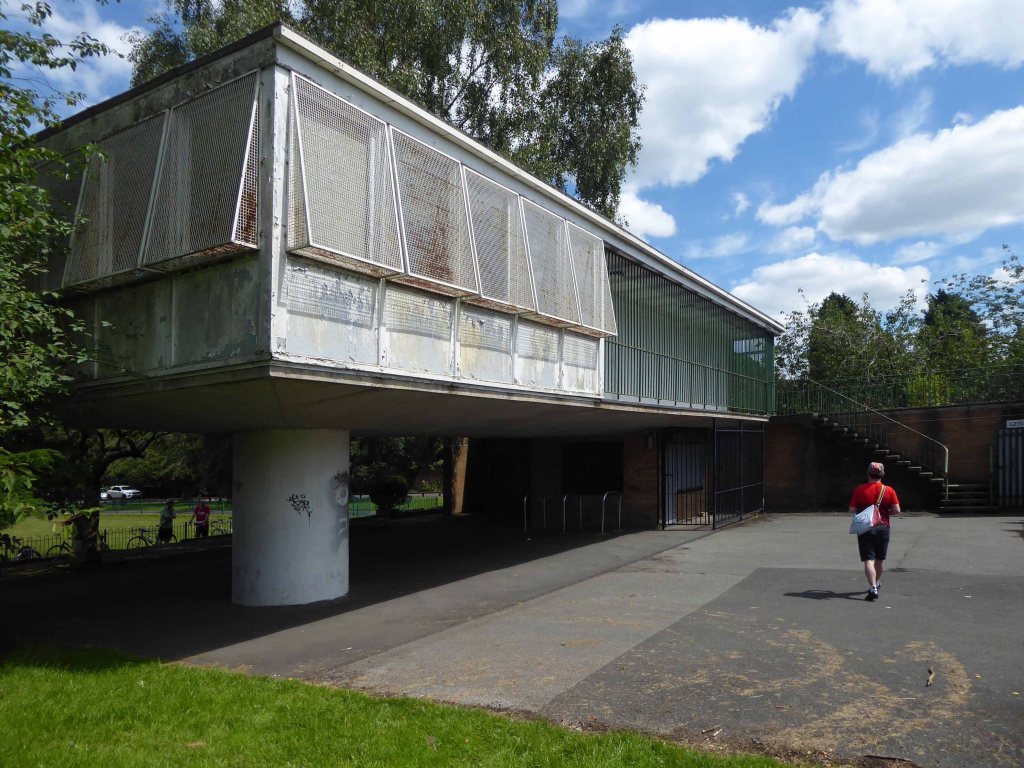
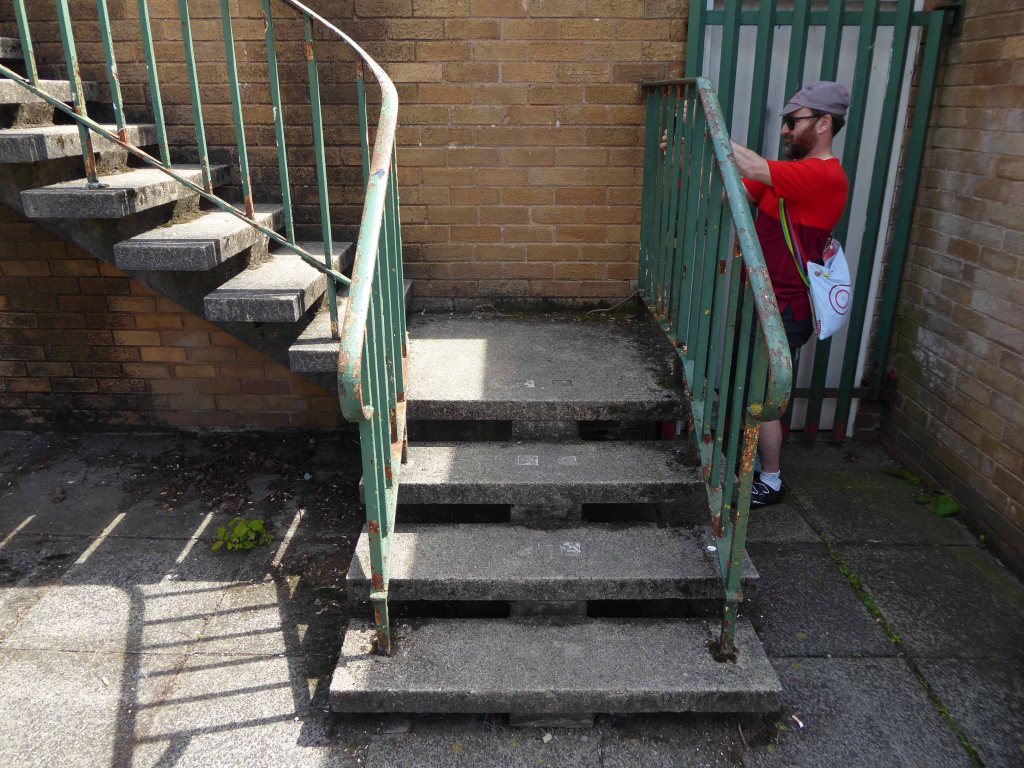
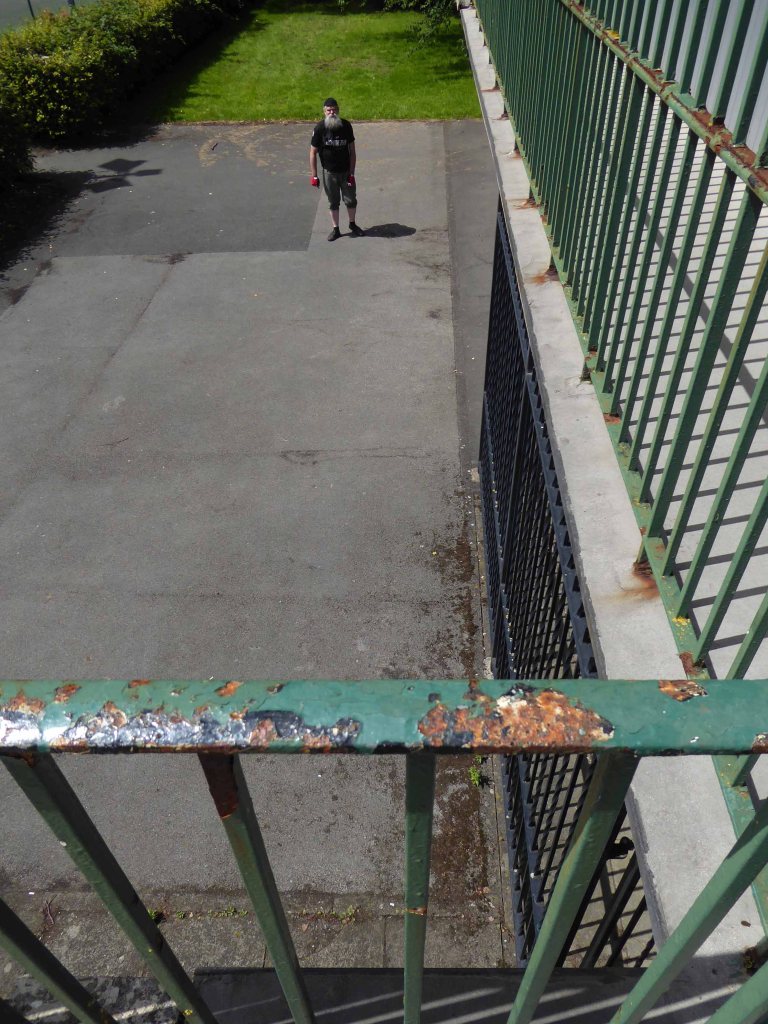
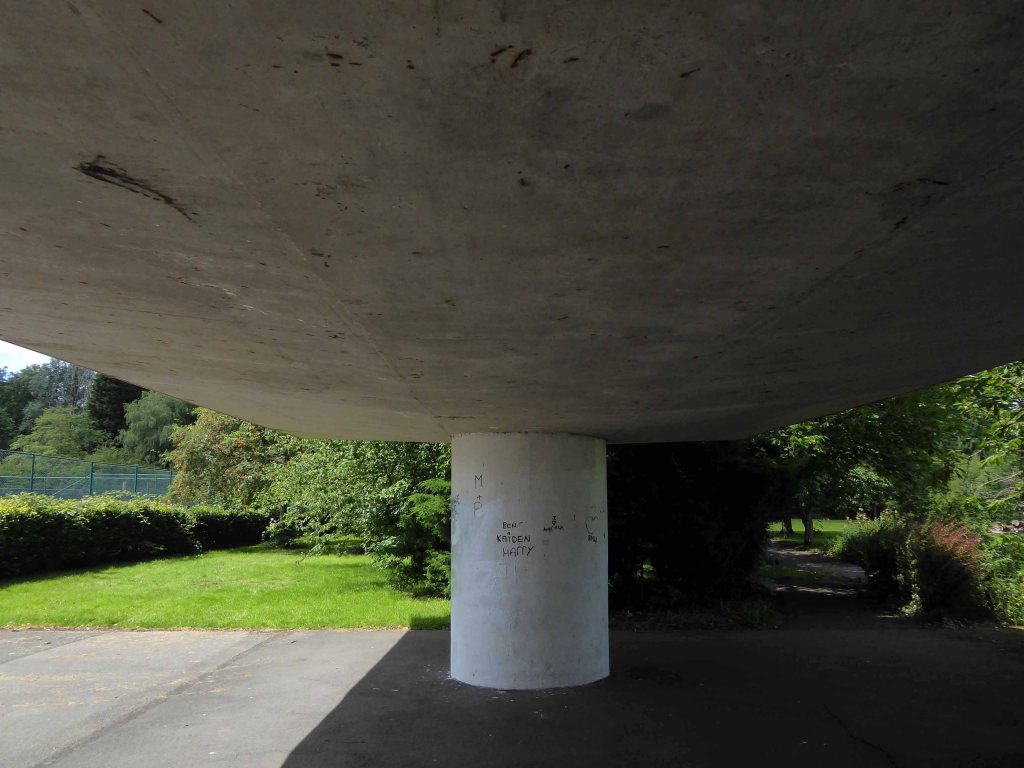
A collective decision was made to pass under the cantilevered and much revered bowls and tennis pavilion.
The building opened in 1960, designed by L.C. Howitt City Architect.
In striking contrast to Wythenshawe Hall of 1540 – recently restored following an arson attack, the bowls and tennis pavilion shows no inclination toward Tudor-bethan revivalism.
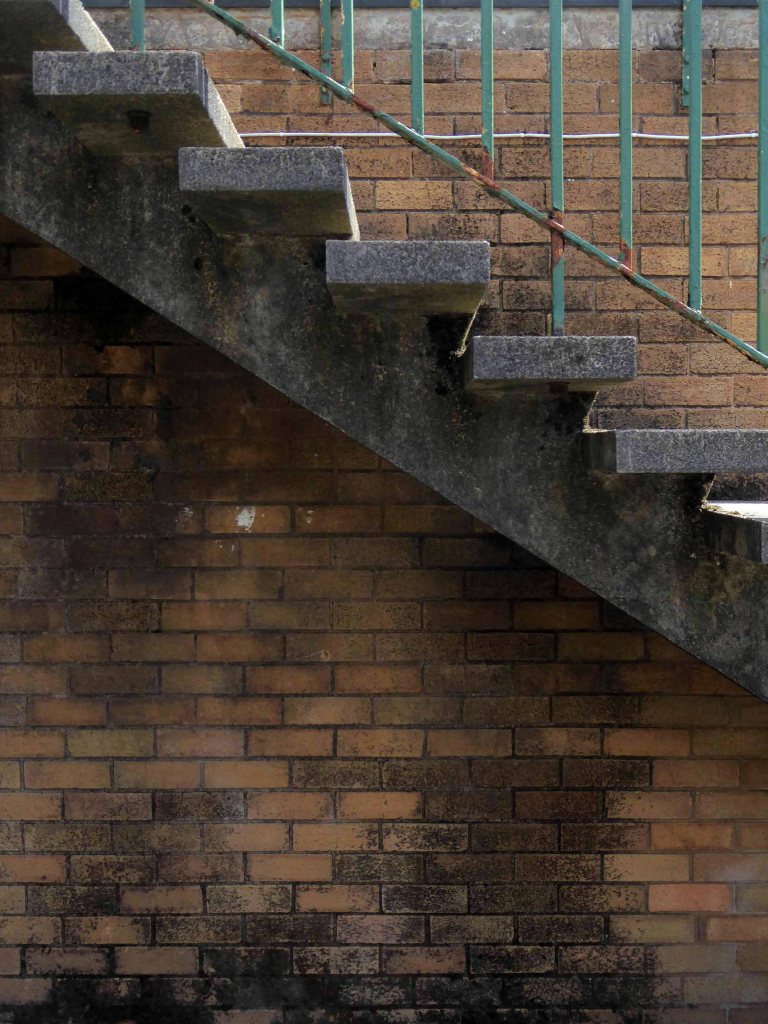
Sleek and aloof, supported by a single piloti, offering elevated and ground level views of the sporting areas.
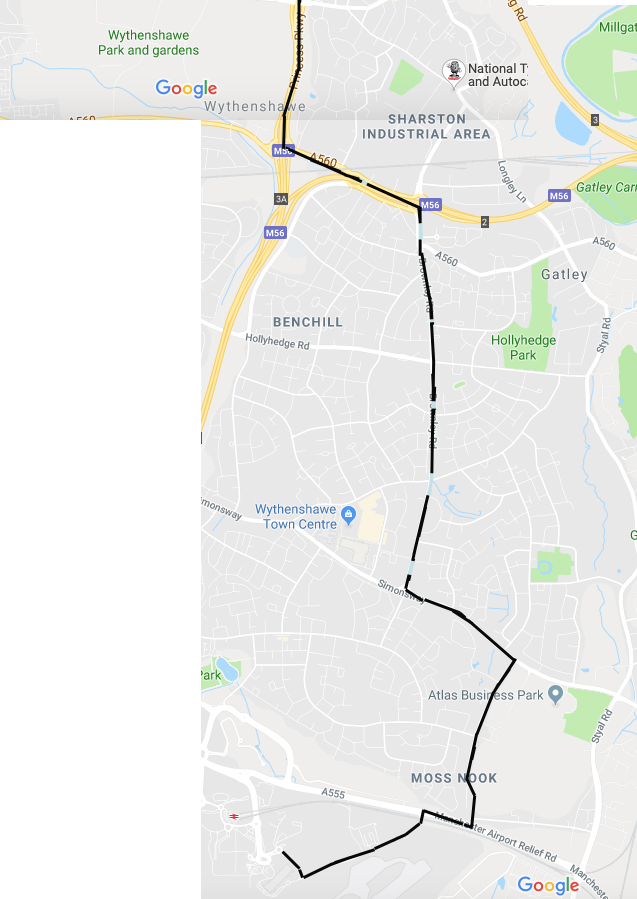
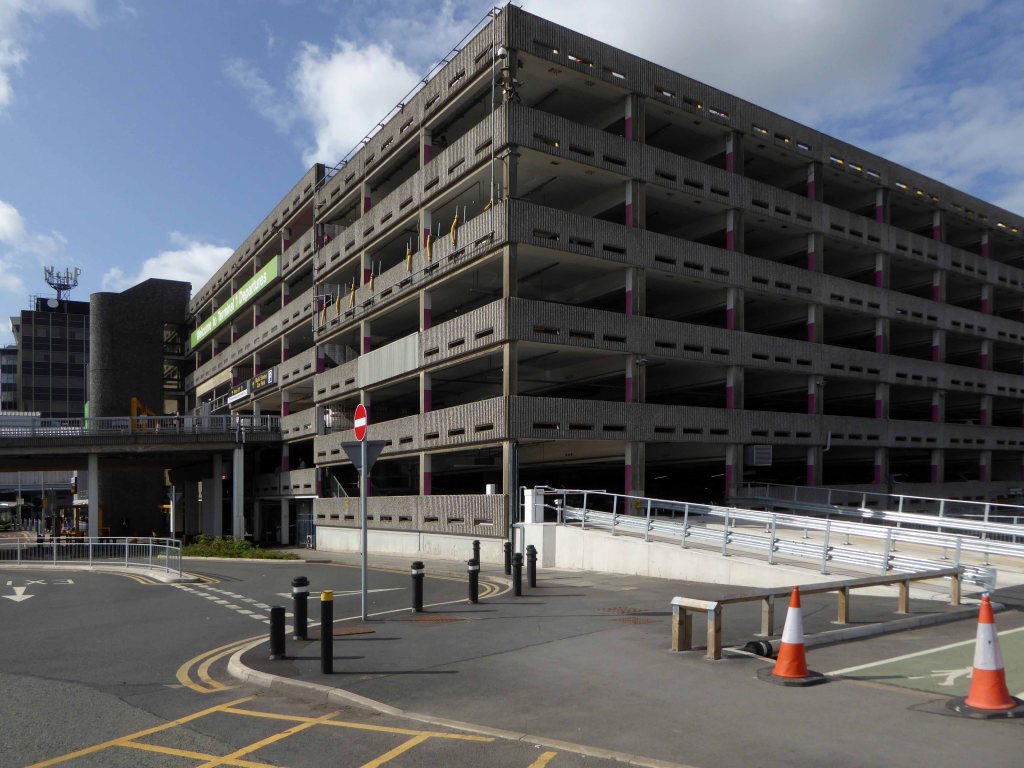
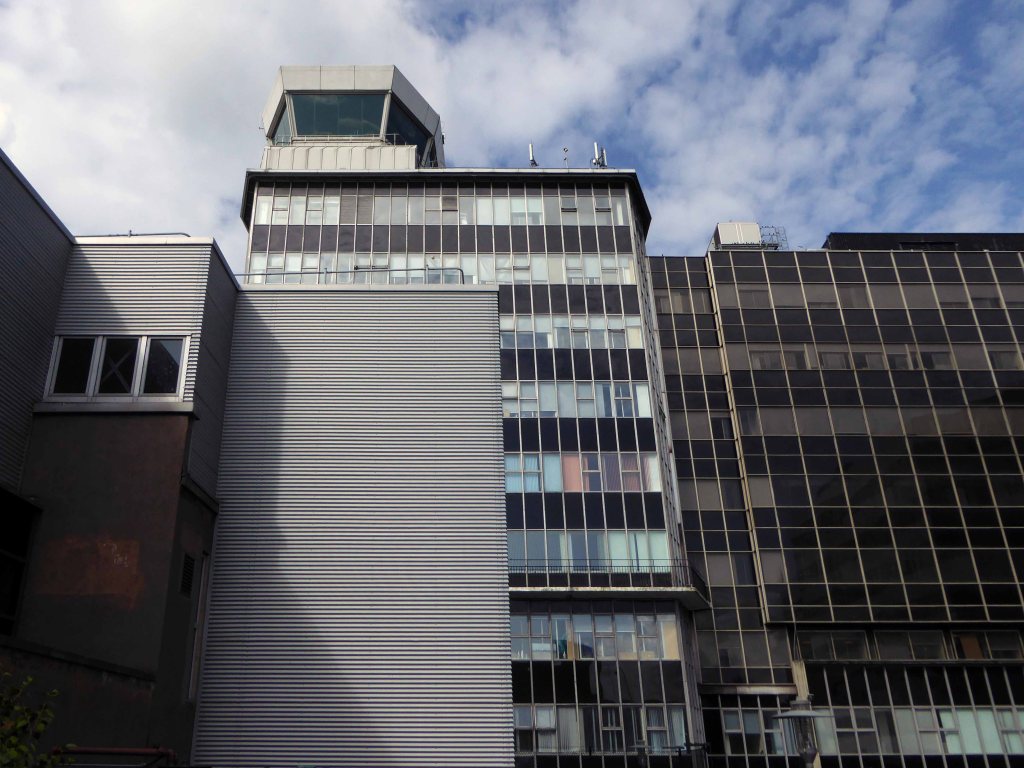
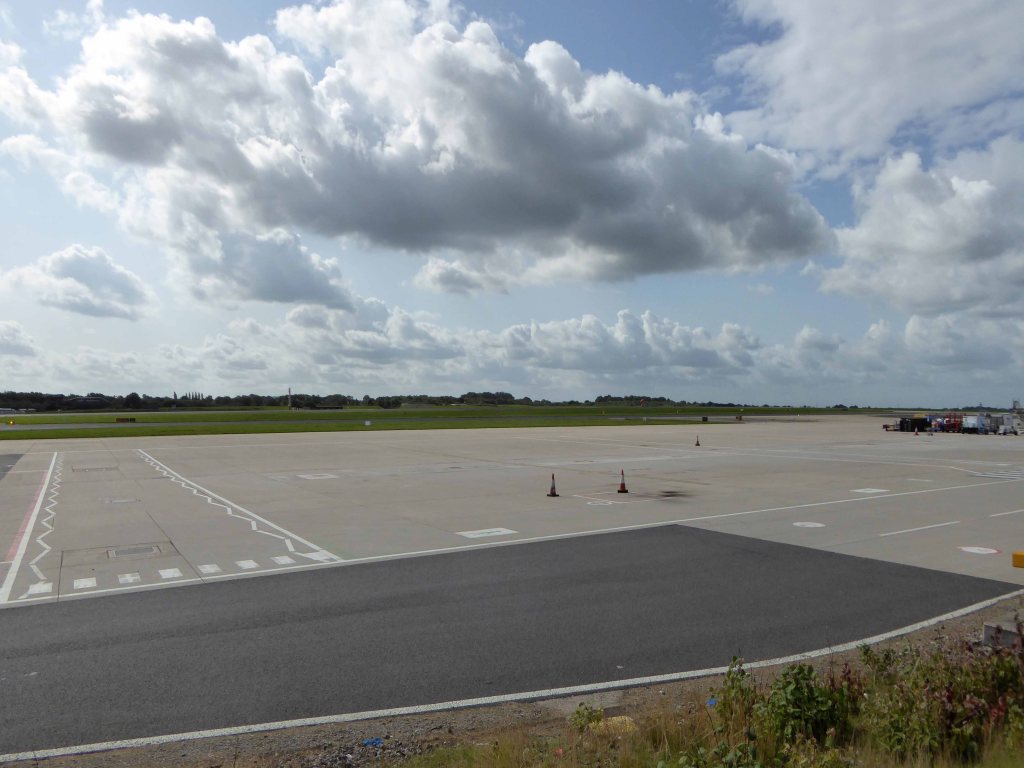
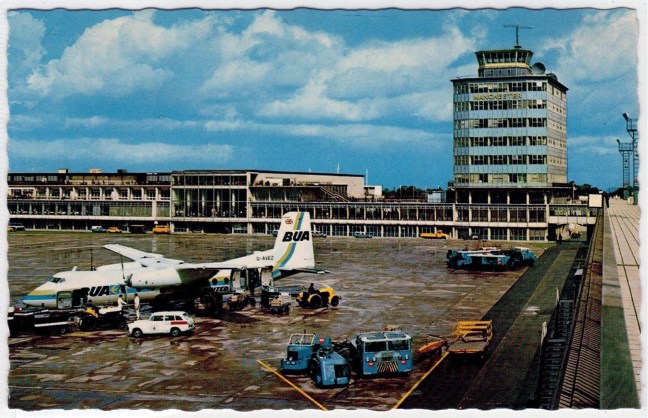
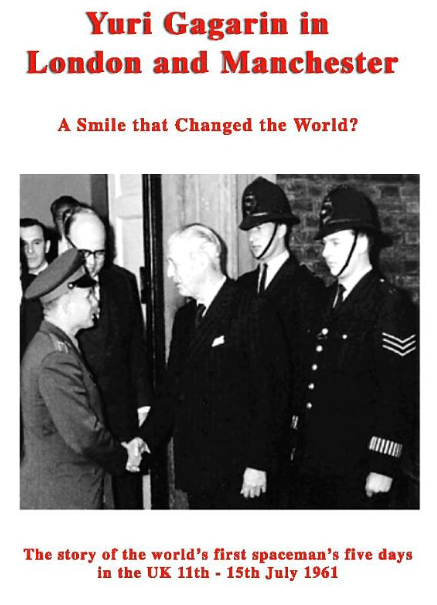
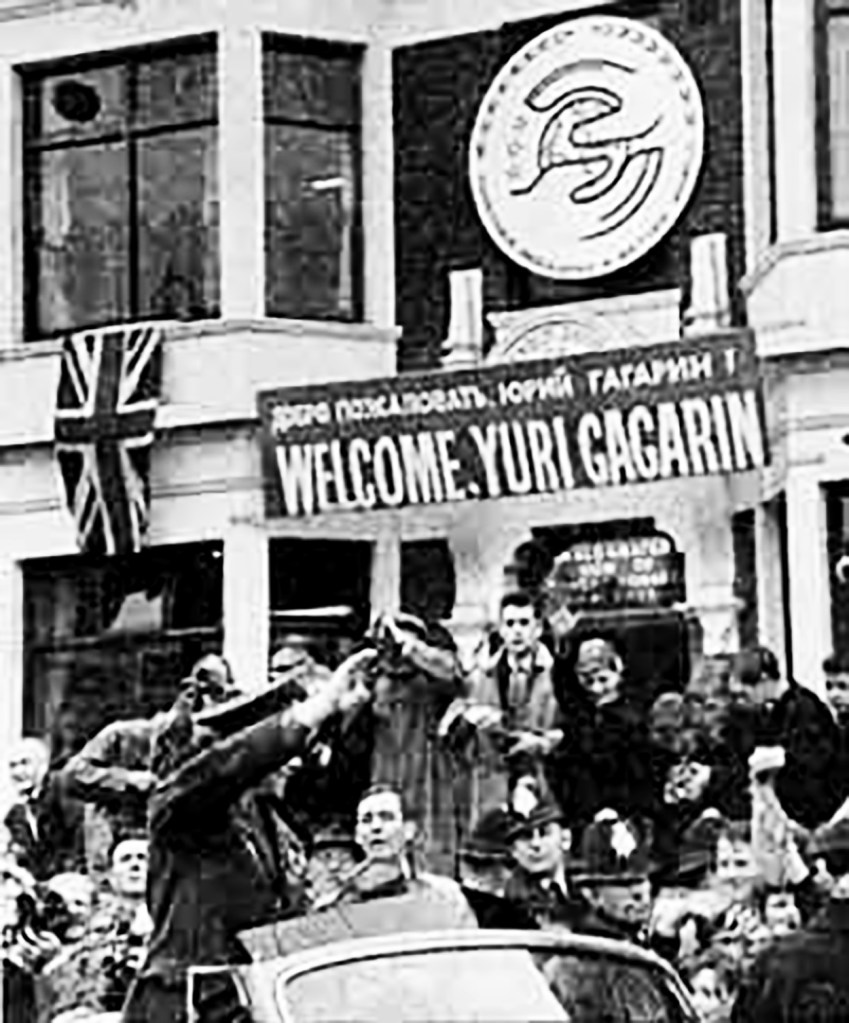
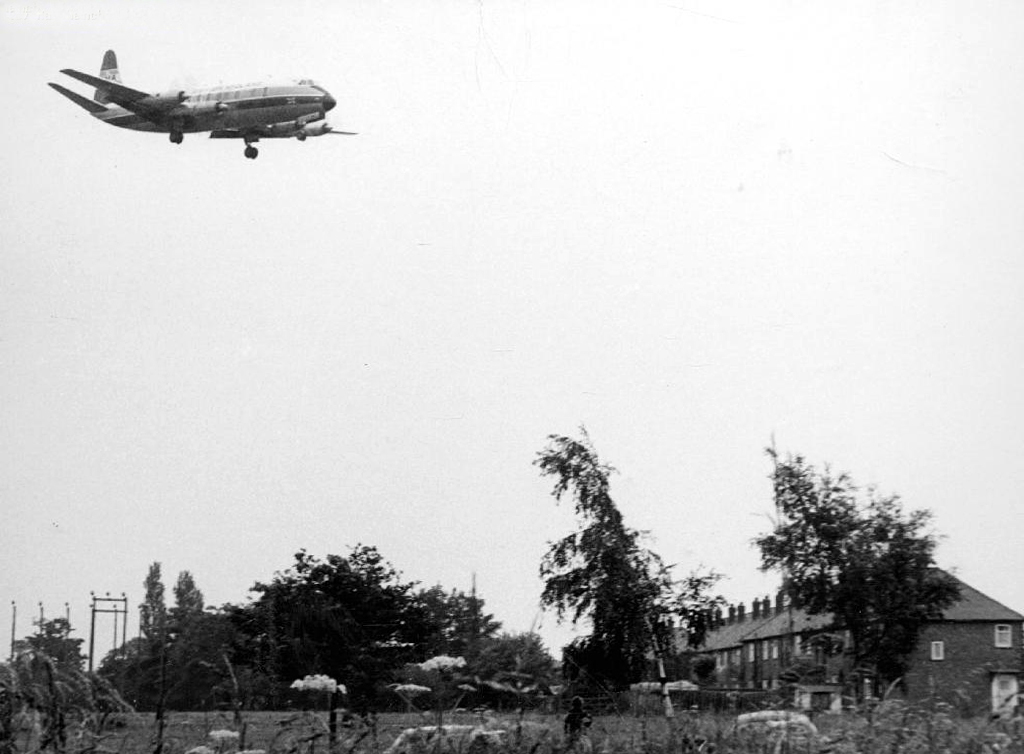
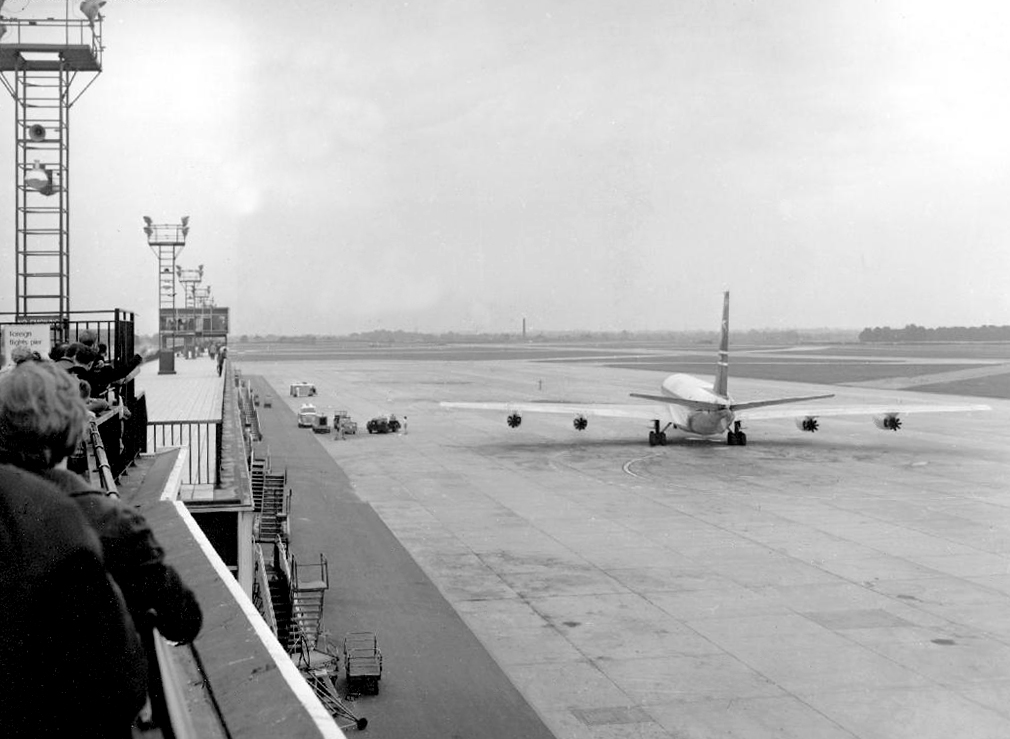
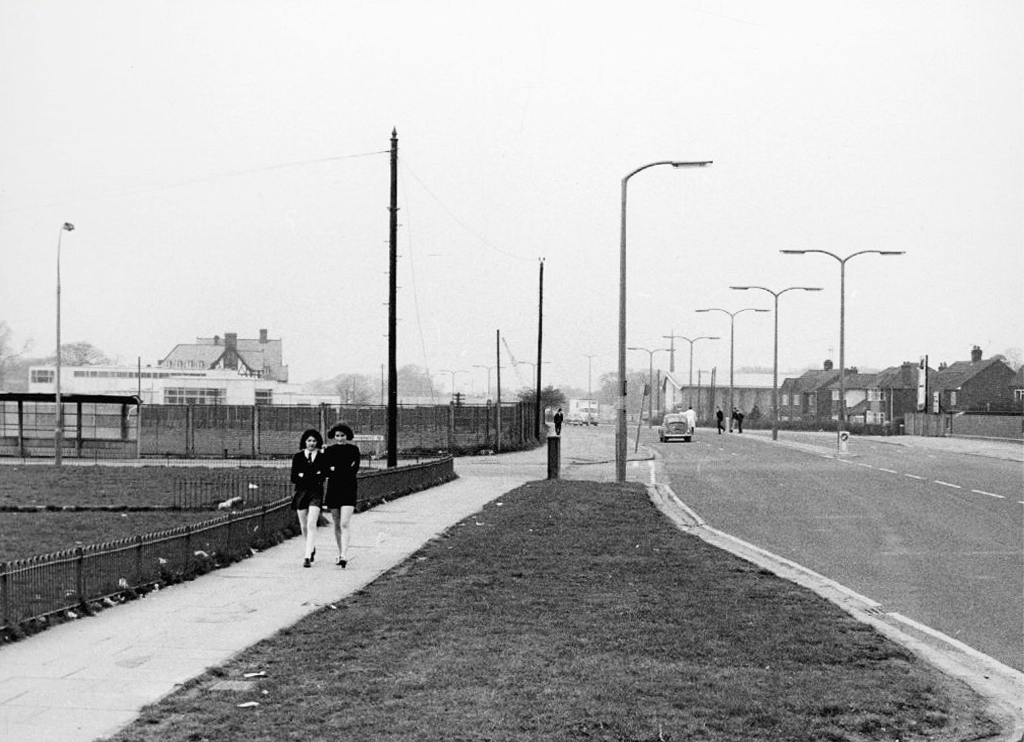
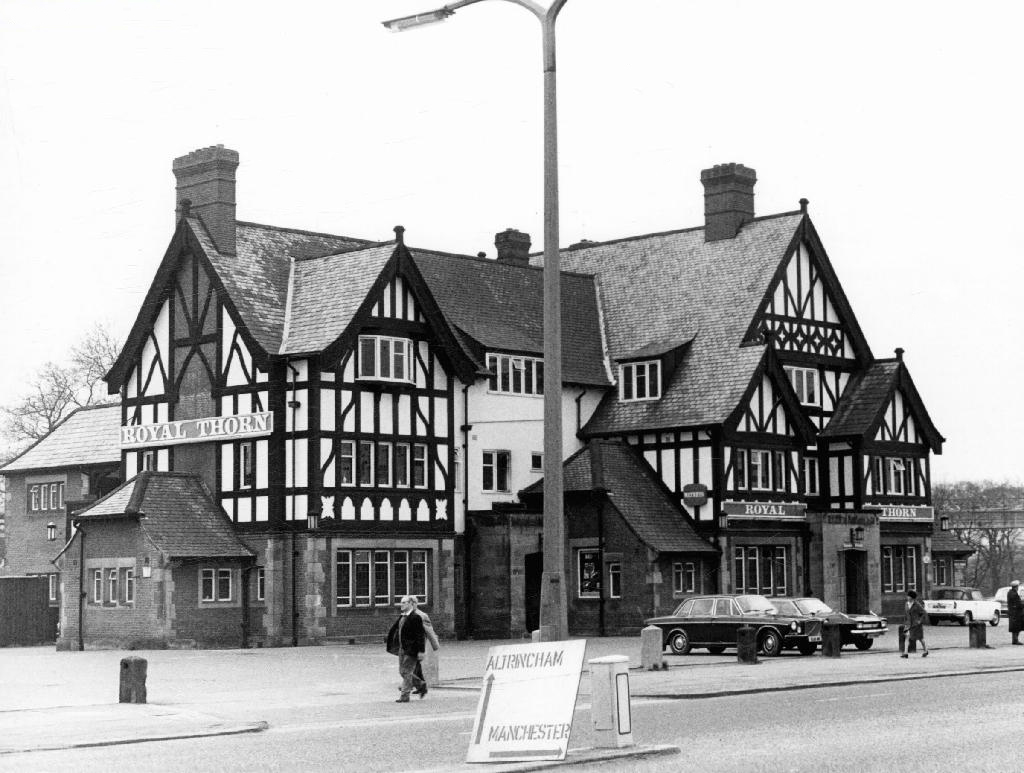
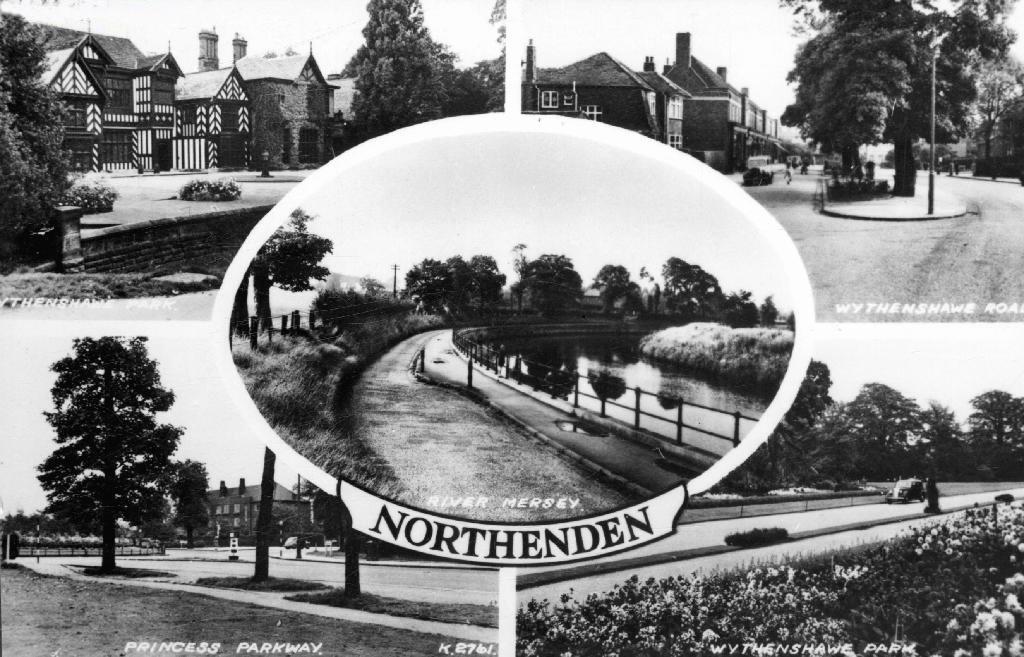
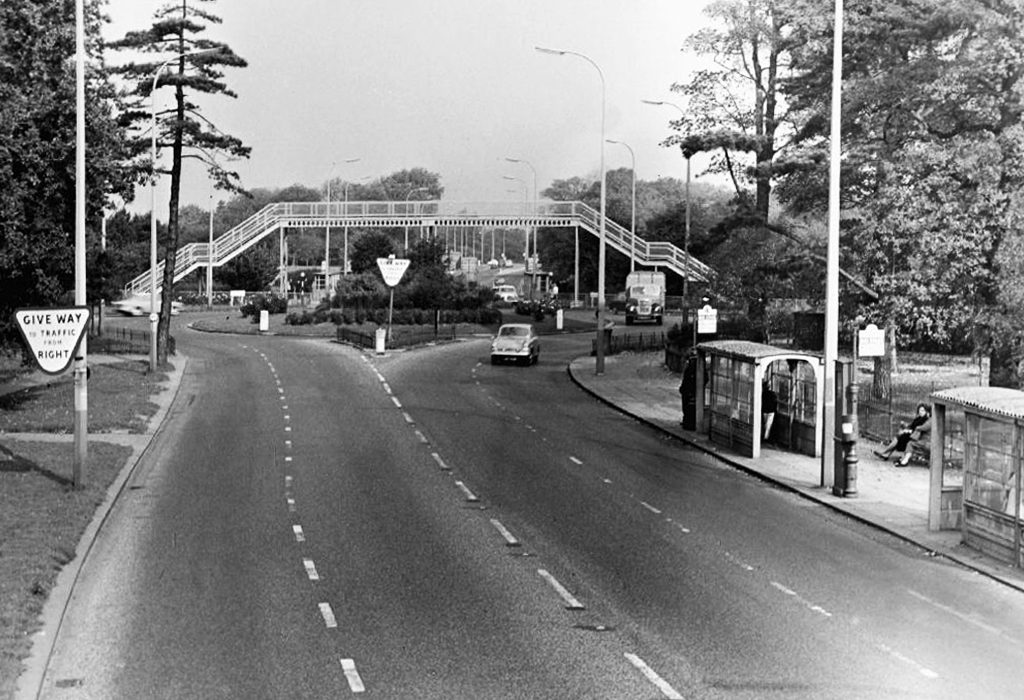
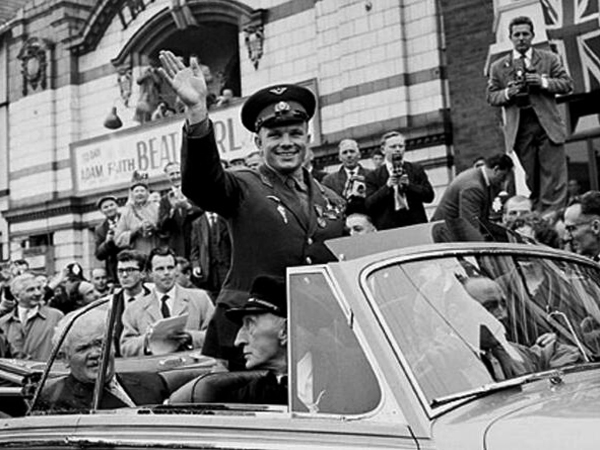
Exactly three months to the day after his flight in Vostok I had ushered in a new age of space exploration, on 12 July 1961, the trim figure of Yuri Gagarin strode down the gangway of a British Viscount airliner and walked briskly out across the runway of Manchester airport towards a sea of expectant faces, and flashing camera bulbs.
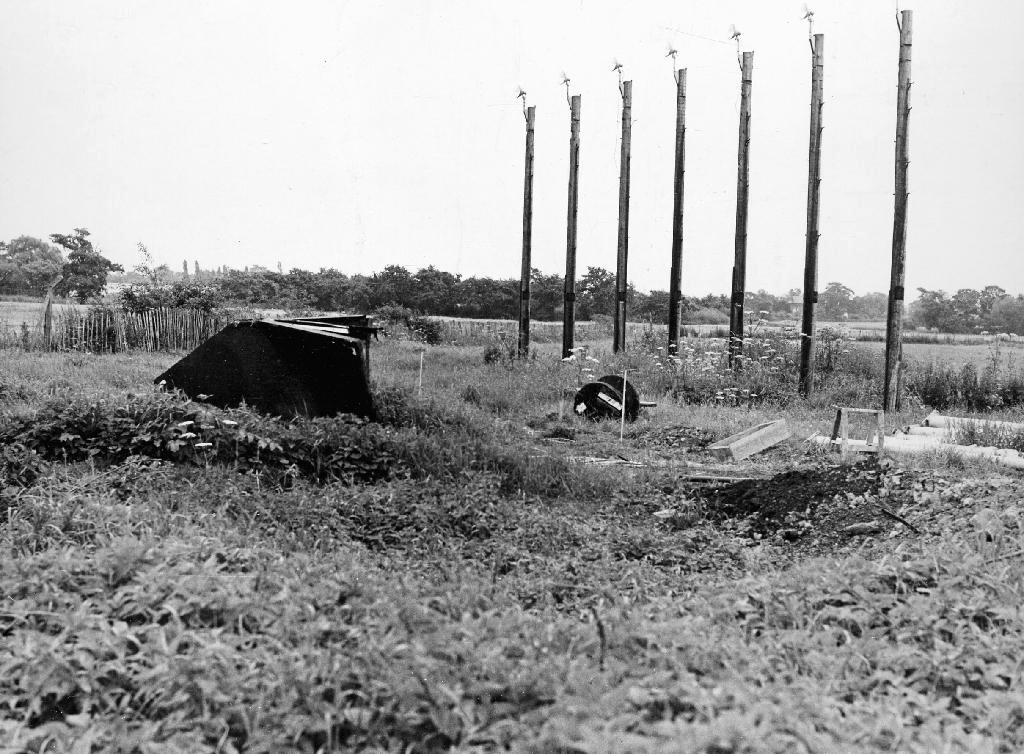
A loose approximation of what he may have see on that day in 1961.
We were allowed out of Brownley Green school to line the road as he passed, great memories.
I stood on Chester Road with my mum, I was 4 years old, but still remember it.
At that time, I was a student, working my socks off in the Central Library, I went outside into St. Peter’s Square to watch him pass, he gave everyone a big smile.
Still tell my children, tiny at the time – you saw the first man in space, I remember his smile.
Worked in an office in Albert Square – had a grandstand view of him arriving at the Town Hall.
I can remember a police escort taking Yuri to Albert Square via Princess Parkway through Withington, Fallowfield and Moss side, there were hundreds of people lined up watching a waving at him.
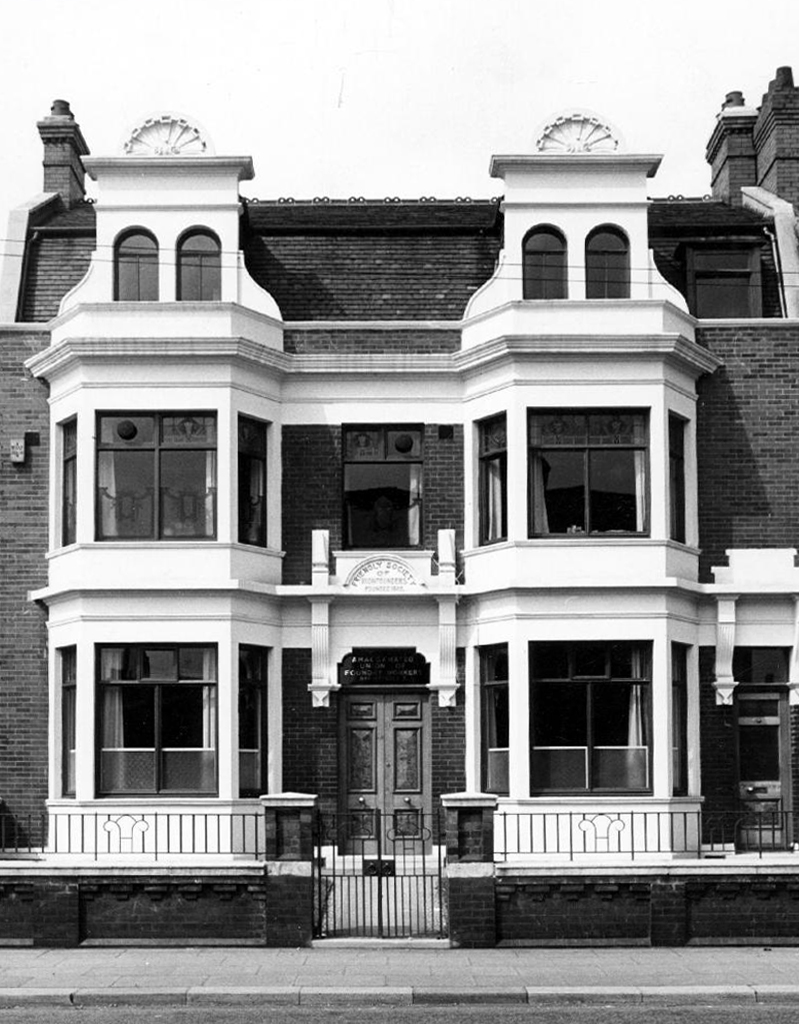
When Gagarin visited Manchester he was given a bronze bust of Lenin made by the Amalgamated Union of Foundry Workers. Four were made in total and my Dad owns one of them.
My Grandad’s funeral was on the day he came, as we passed down Altrincham Rd onto the Parkway policemen who were holding back the crowds saluted, he would have loved it.
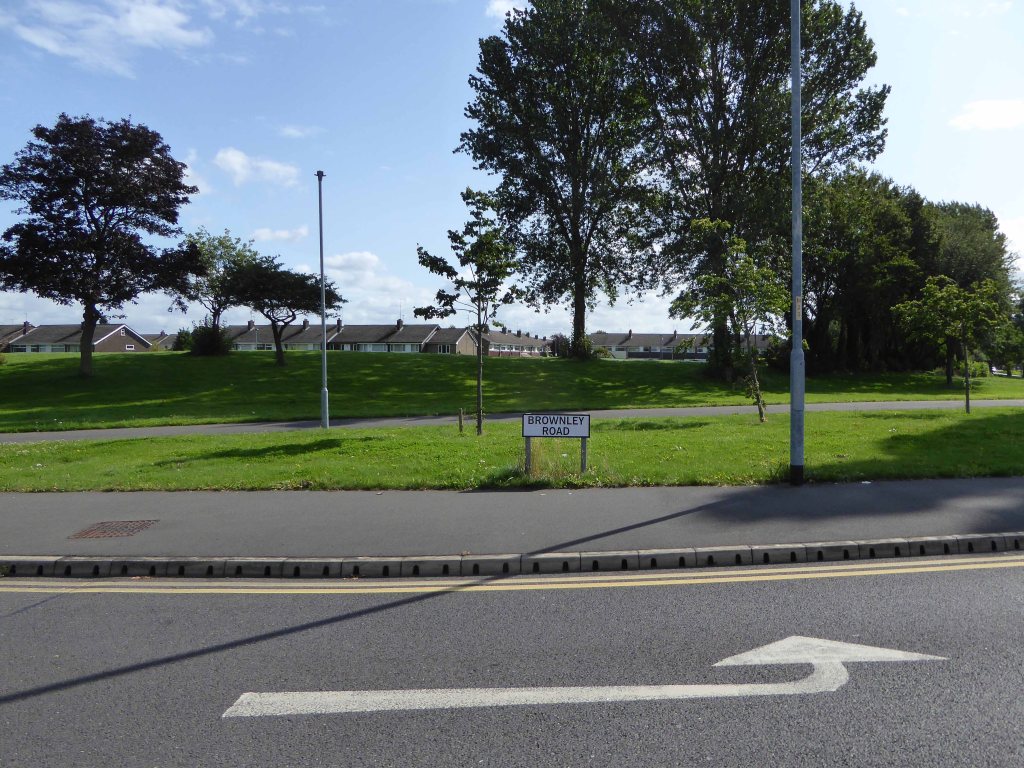
Yeah I seen him stood up in a big car with a green uniform on. It was going down Brownley Rd passing Meliden Crescent heading for the Airport in Wythenshawe, I was about 6 years old.
Working for Manchester Parks as a 20 yr old on Princess Parkway and he came past me as I was mowing the grass, in an open top Rolls or Bentley, he saluted me personally as he passed, of course I stood to attention and returned the salute – Magic Moment
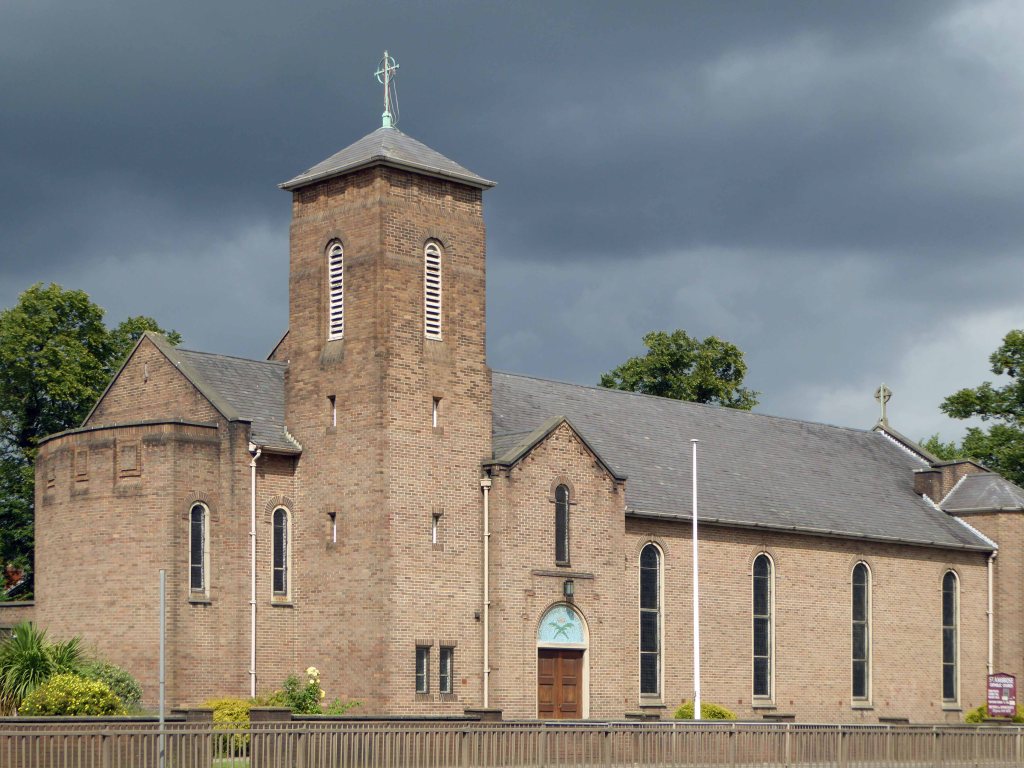
St AmbroseA well-detailed, relatively modest post-war design by Reynolds & Scott, with an impressive and largely unaltered vaulted interior. The dedication relates to St Ambrose Barlow, a Catholic martyr from nearby Barlow Hall.
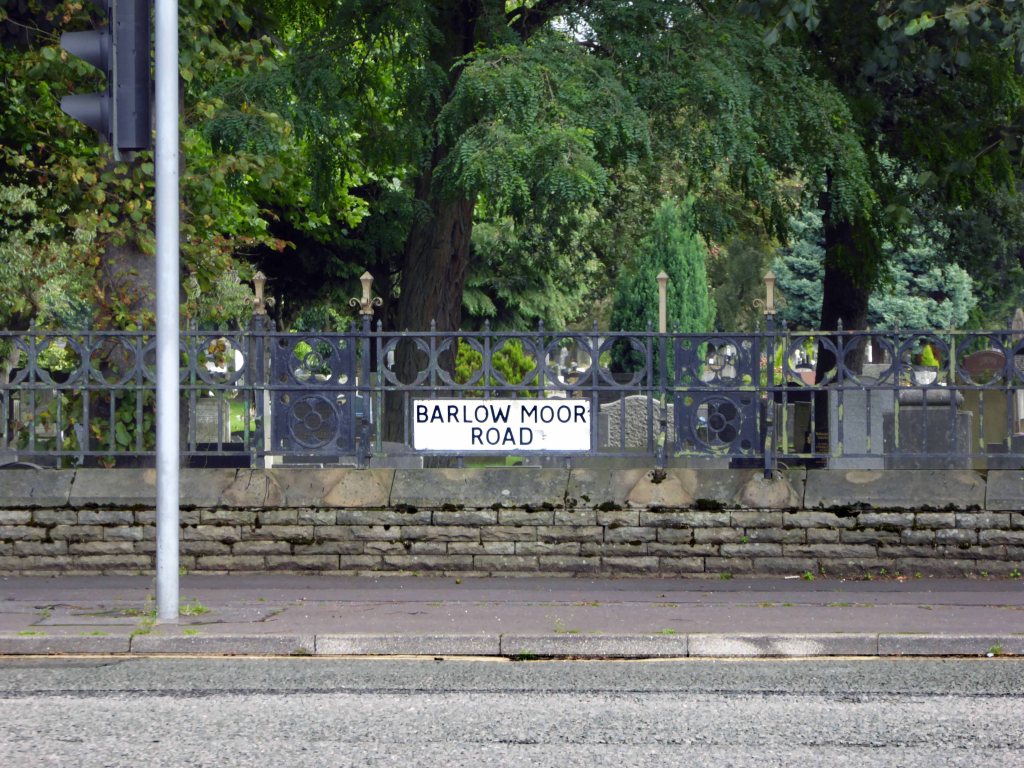
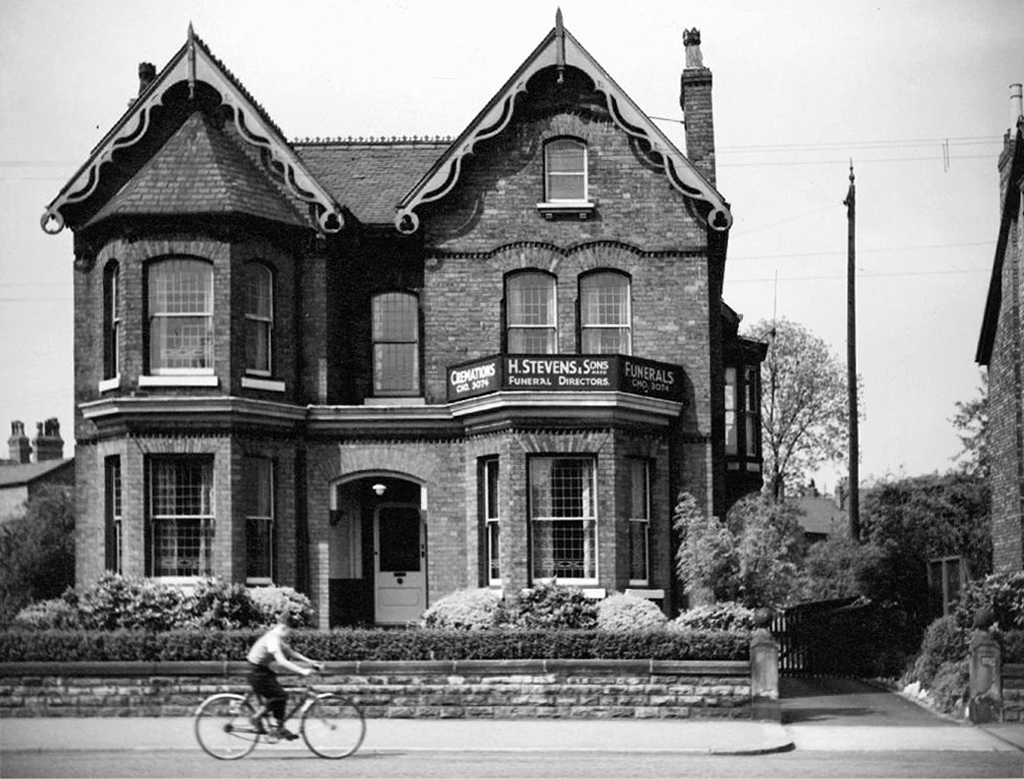
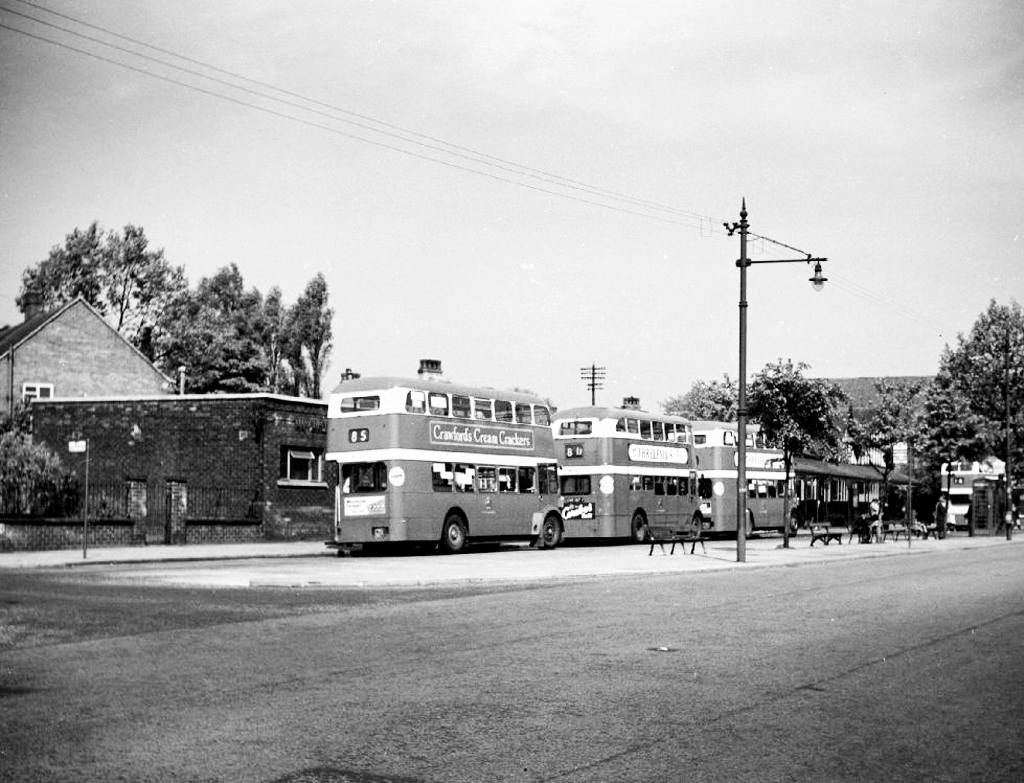
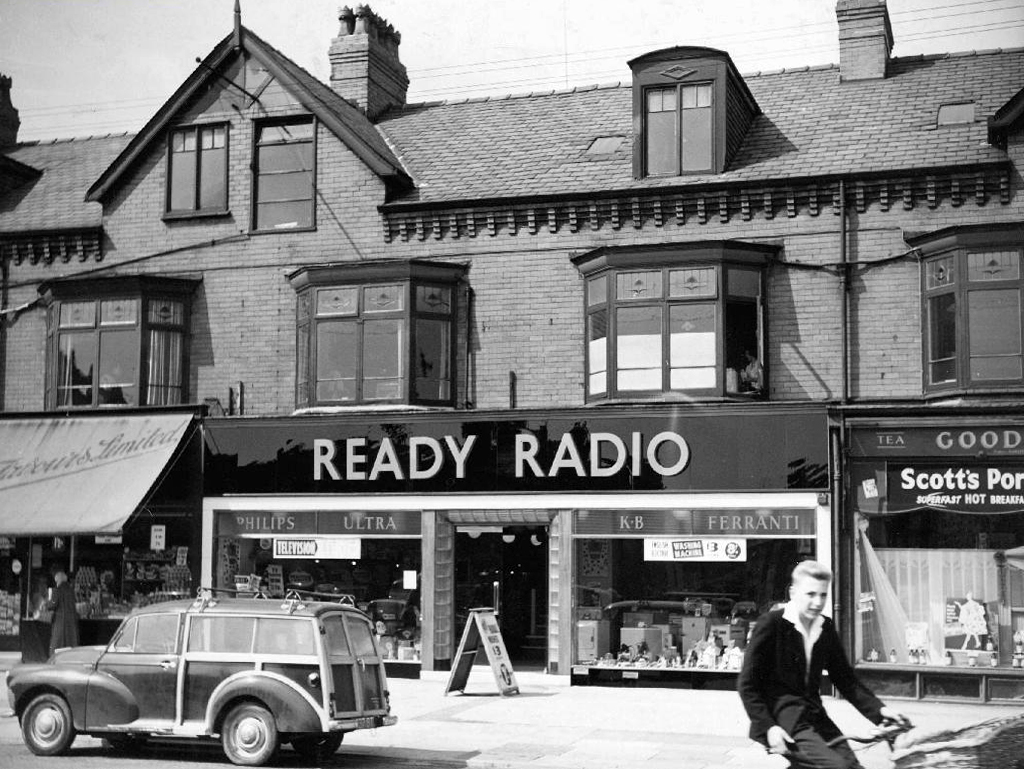
Barlow Moor Road
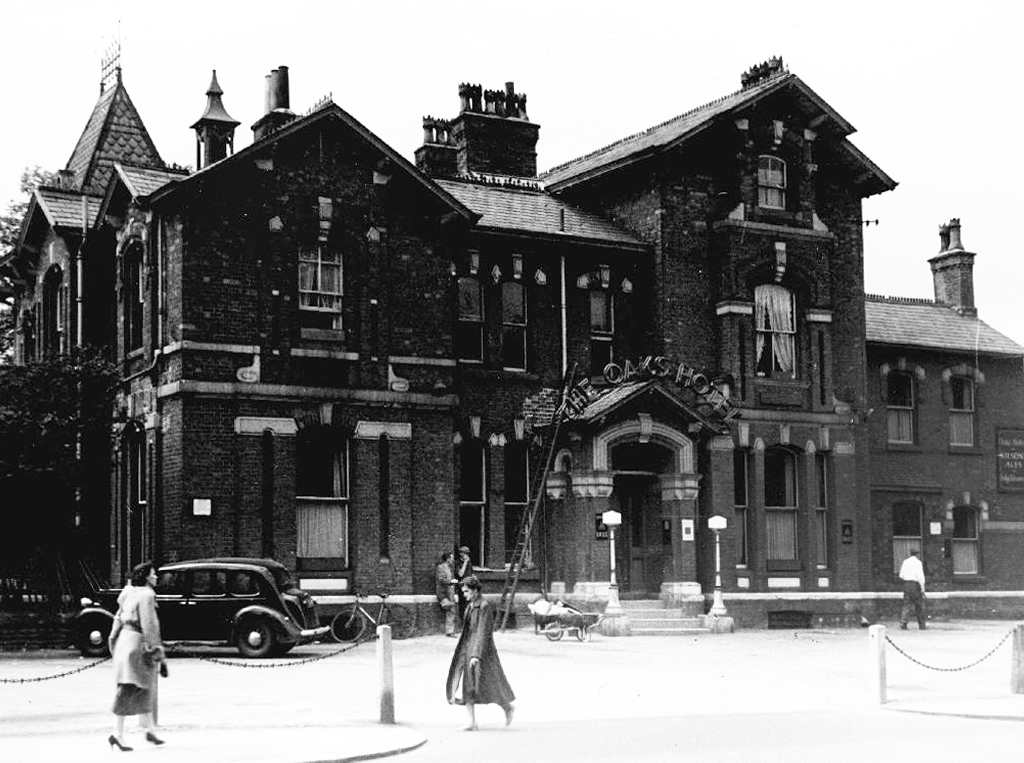
The Oaks demolished in the early 1990s following a brief life as the Sports Bar
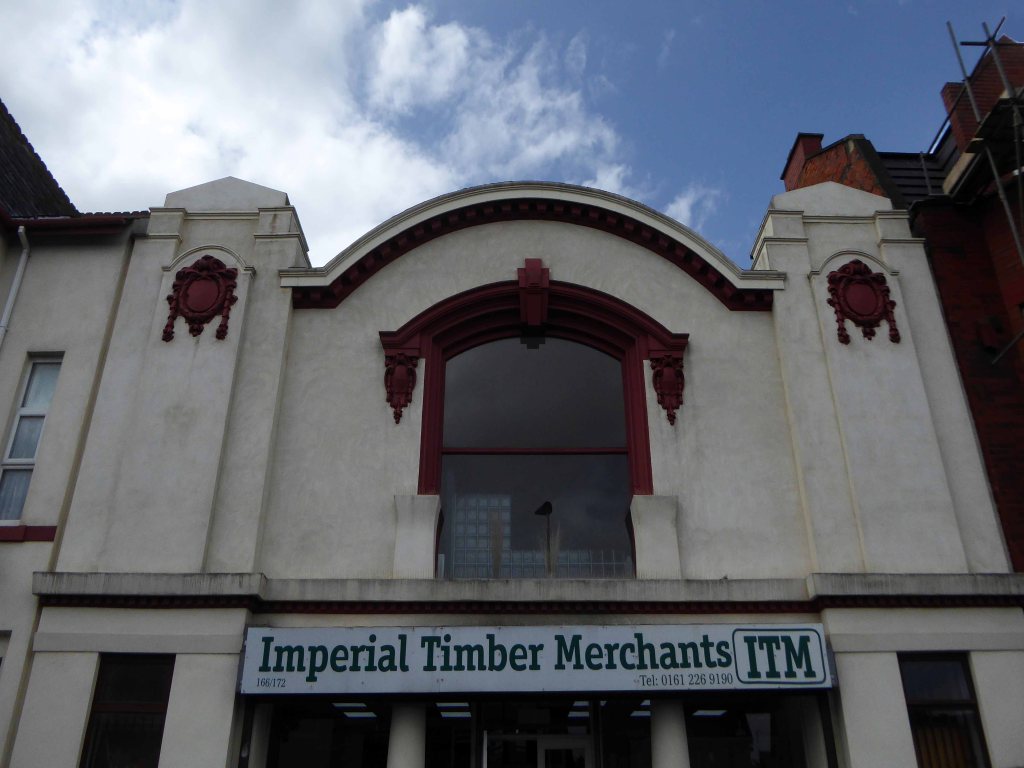
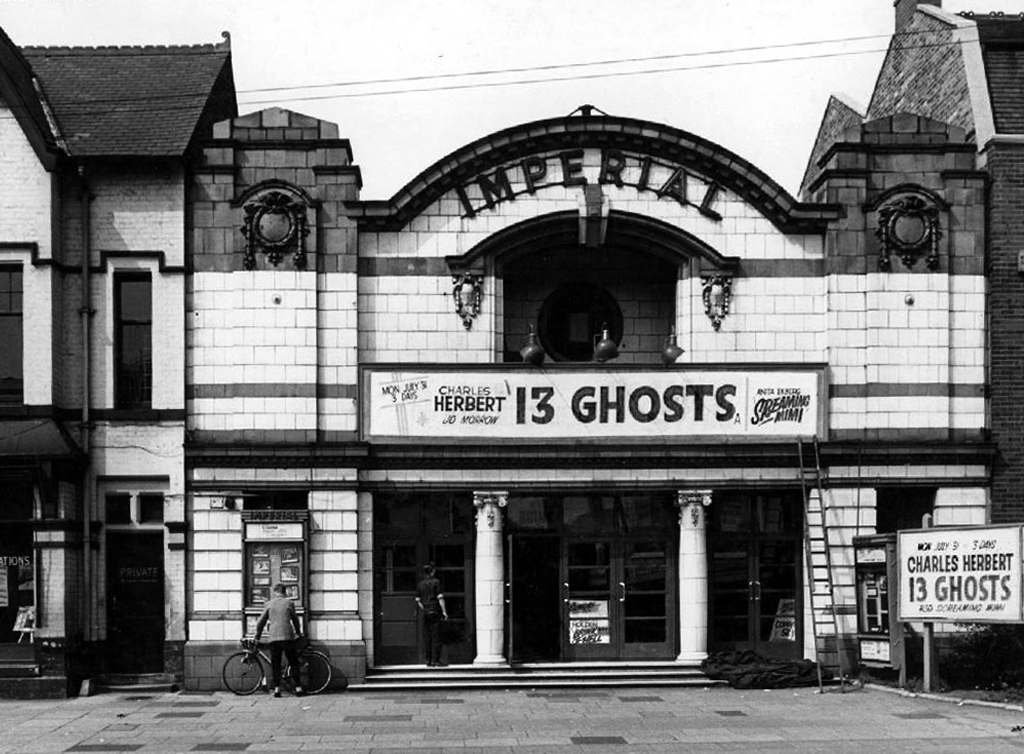
Imperial Picture Theatre – was opened in 1914. Seating was provided in stalls level only. It had a 5 feet deep stage and two dressing rooms. There was also a café in the cinema. Around 1929 it was equipped with a Western Electric sound system.
Architect W.H. Matley
The Imperial Picture Theatre was closed on 15th January 1976 with Charlotte Rampling in Caravan to Vaccares and Jean-Claude Brialy in A Murder Is a Murder Is a Murder.
I was last here in 2016 on a much brighter, blue skied day in March.
2020 mid-lockdown and overcast, I took a walk to take another look.
There is a perennial appeal to this well ordered island of tranquility, an archetypal suburbia incubated in 1906, a copy book estate.
The housing estate of 136 houses known as Burnage Garden Village, a residential development covering an area of 19,113sqm off the western side of Burnage Lane in the Burnage ward. The site is situated approximately six kilometres south of the city centre and is arranged on a broadly hexagonal layout with two storey semi-detached and quasi detached dwelling houses situated on either side of a continuous-loop highway. The highway is named after each corresponding compass point with two spurs off at the east and west named Main Avenue and West Place respectively. Main Avenue represents the only access and egress point into the estate whilst West Place leads into a resident’s parking area.
The layout was designed by J Horner Hargreaves. Houses are loosely designed to Arts and Crafts principles, chiefly on account of being low set and having catslide roofs.
At the centre of the garden village and accessed by a network of pedestrian footpaths, is a resident’s recreational area comprising a bowling green, club house and tennis courts. The estate dates from approximately 1906 and was laid out in the manner of a garden suburb with characteristic hedging, front gardens, grass verges and trees on every street.
Verges and paving were freshly laid, hedges and gardens well tended, cars parked prettily.
The central communal area calm and restful, but lacking the clunk of lignum vitae wood on jack, hence the scorched earth appearance of the normally well used crown green.
In casual conversation with Mr Matt Rettalick, at the Manchester Modernist HQ our attention casually turned to the topic of the prefabricated concrete garage.
I thought little more of it until yesterday, I then I resolved to get to the bottom of the matter.
Joseph Monier was a gardener and his idea was to develop permanent planters at a low price. In 1867, he patented different products made of reinforced concrete.
Precast panelled buildings were pioneered in Liverpool 1905. The process was invented by city engineer John Alexander Brodie, a creative genius who also invented the idea of the football goal net. The tram stables at Walton in Liverpool followed in 1906. The idea was not taken up extensively in Britain. However, it was adopted all over the world, particularly in Eastern Europe and Scandinavia.
The first concrete kit garages appeared in 1952, manufactured by Marley, earlier models had been constructed from wood, asbestos, corrugated iron or galvanised steel.
The sunrise became a common symbol of inter war optimism.
The increase in car ownership, the growth in the DIY ethic and the lack of an integrated garage, drove the demand for a pre-cast concrete auto-haven at the end of the drive.
They became a staple of the small ads.
Easy terms built to last.
Kenkast is the name which for me resonates down through the years, though there were it seems, several other manufacturers.
We now live in an age of endless non-stop domestic extension, all of the above are reminders of an age when extra external domestic space was added over a weekend, with help from a friend.