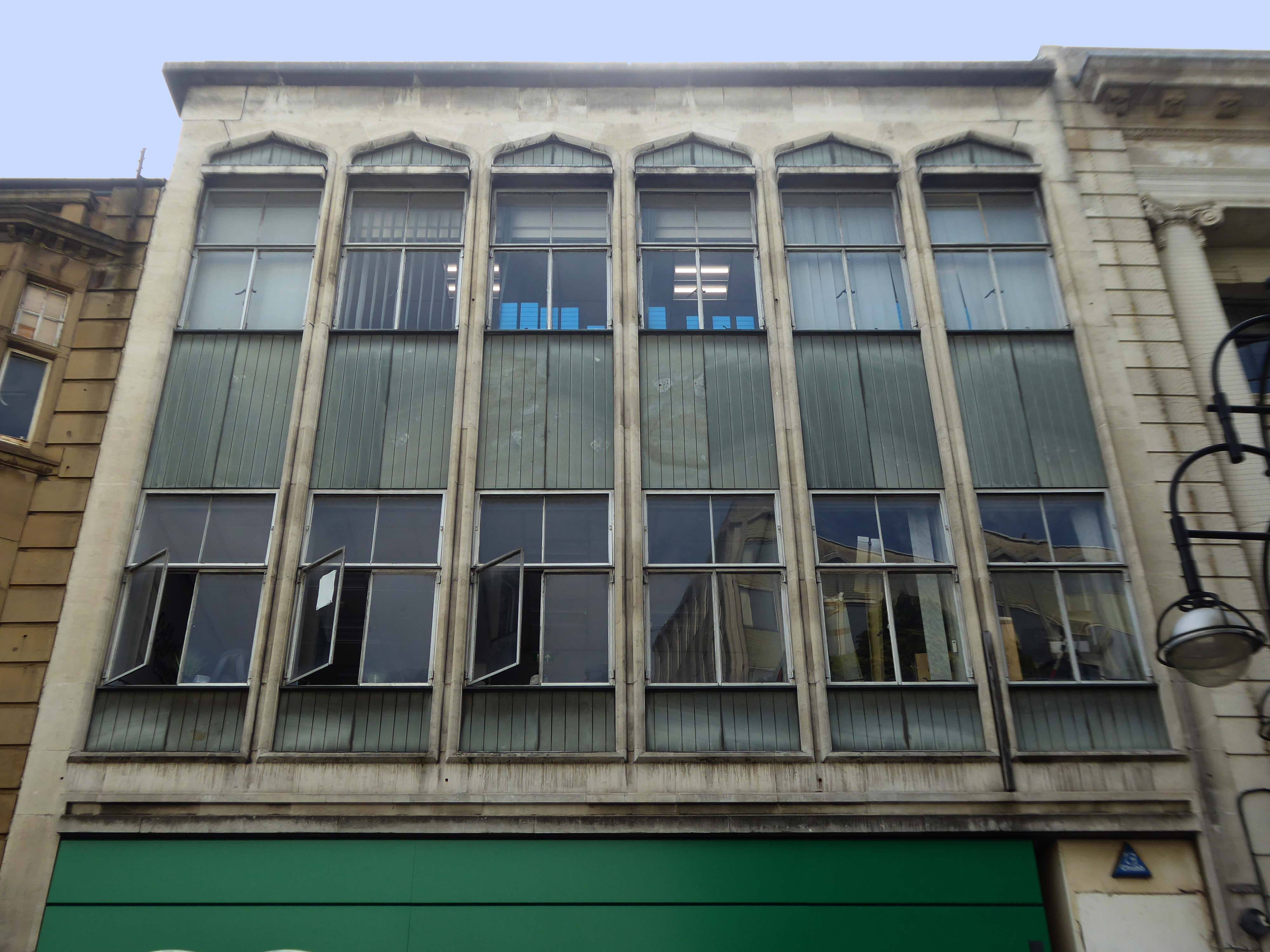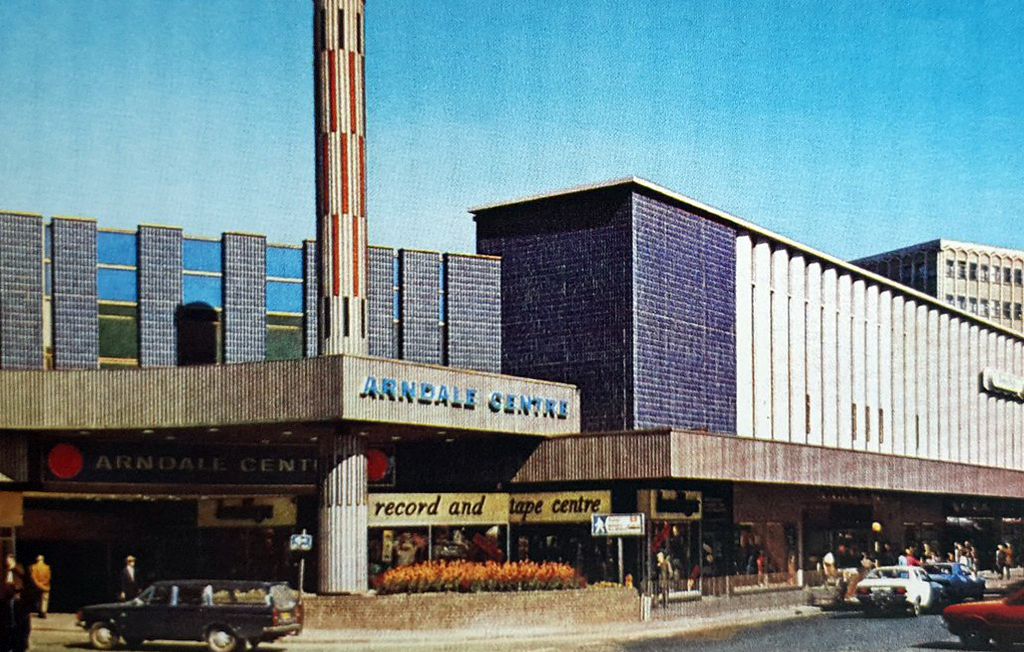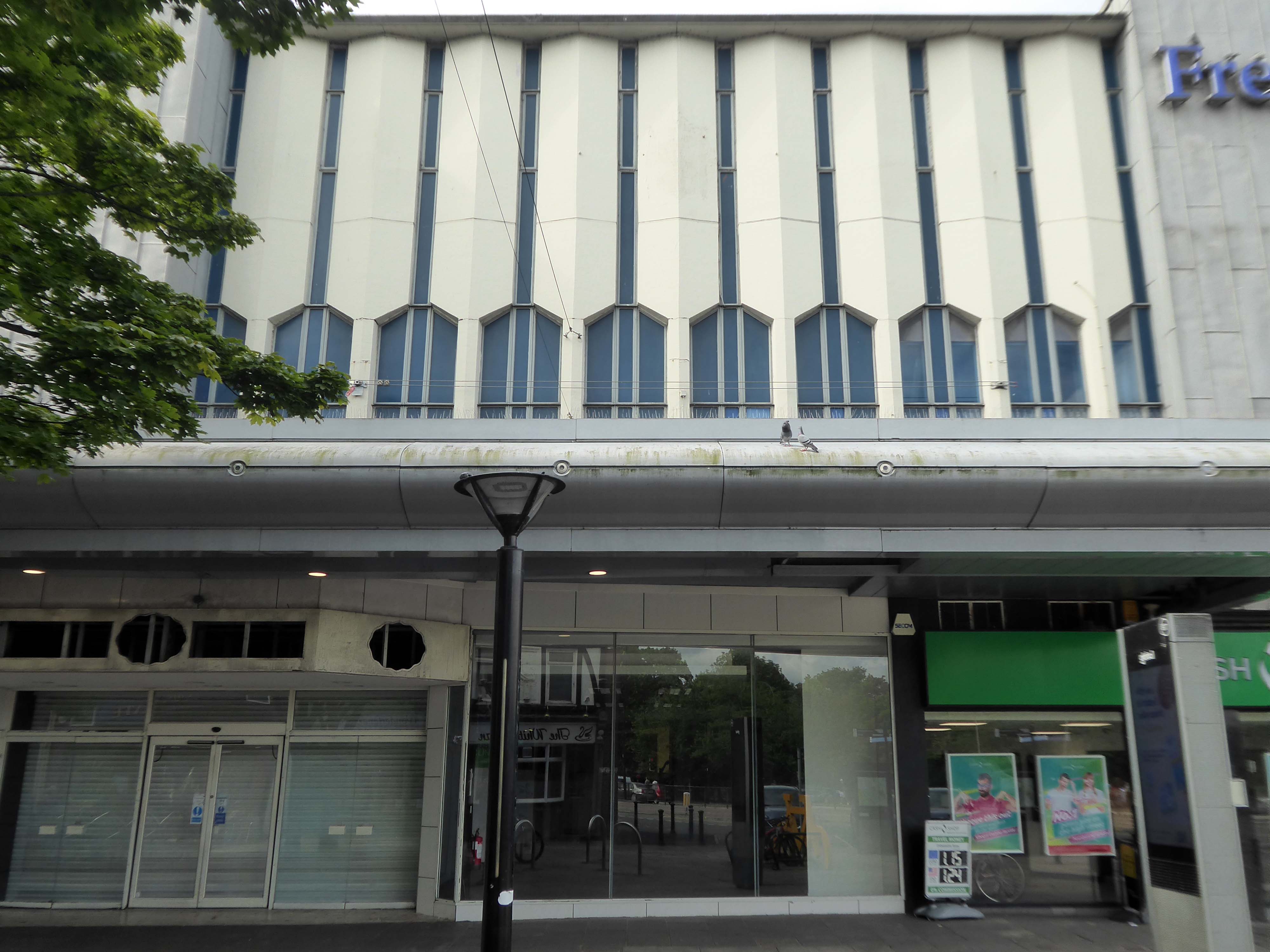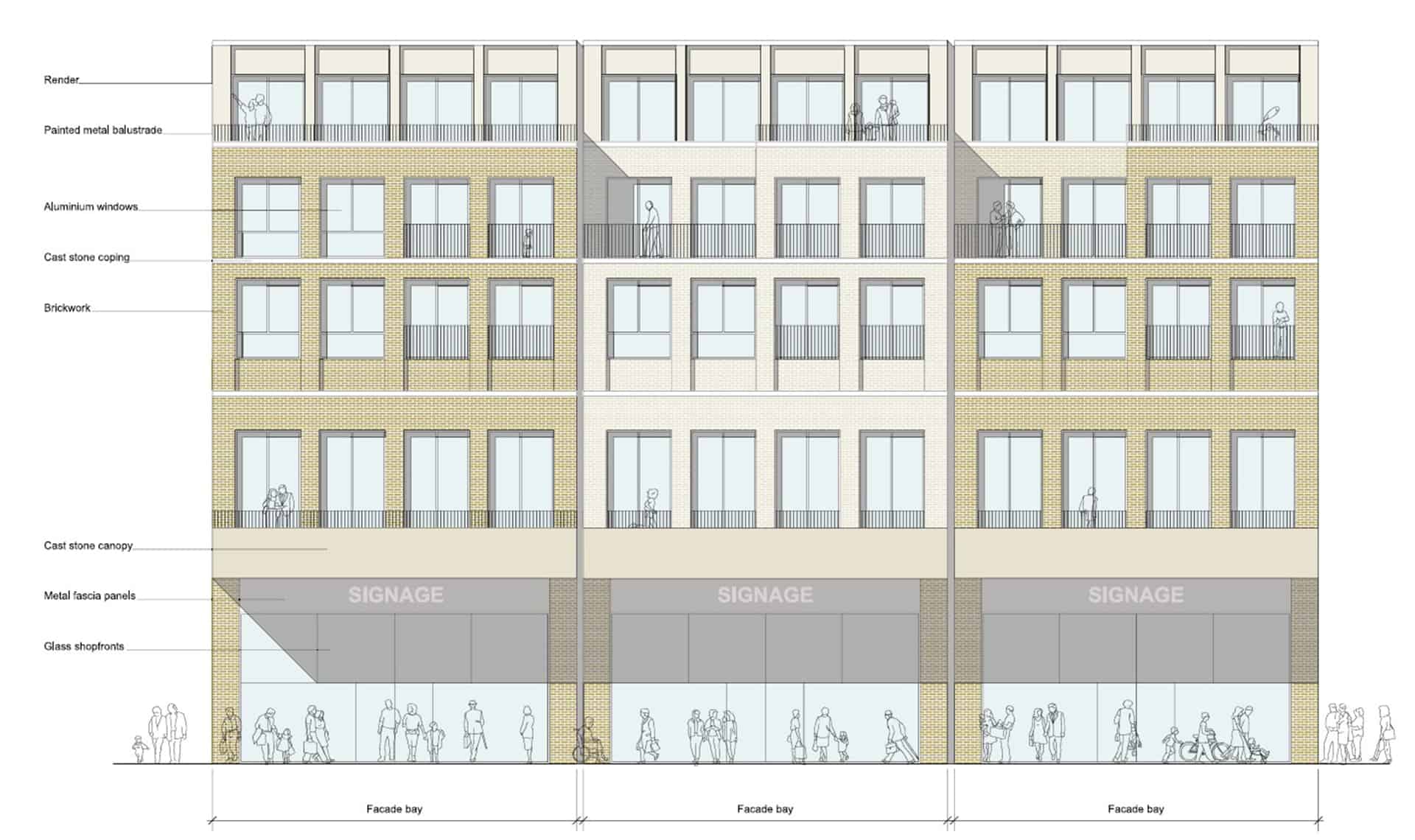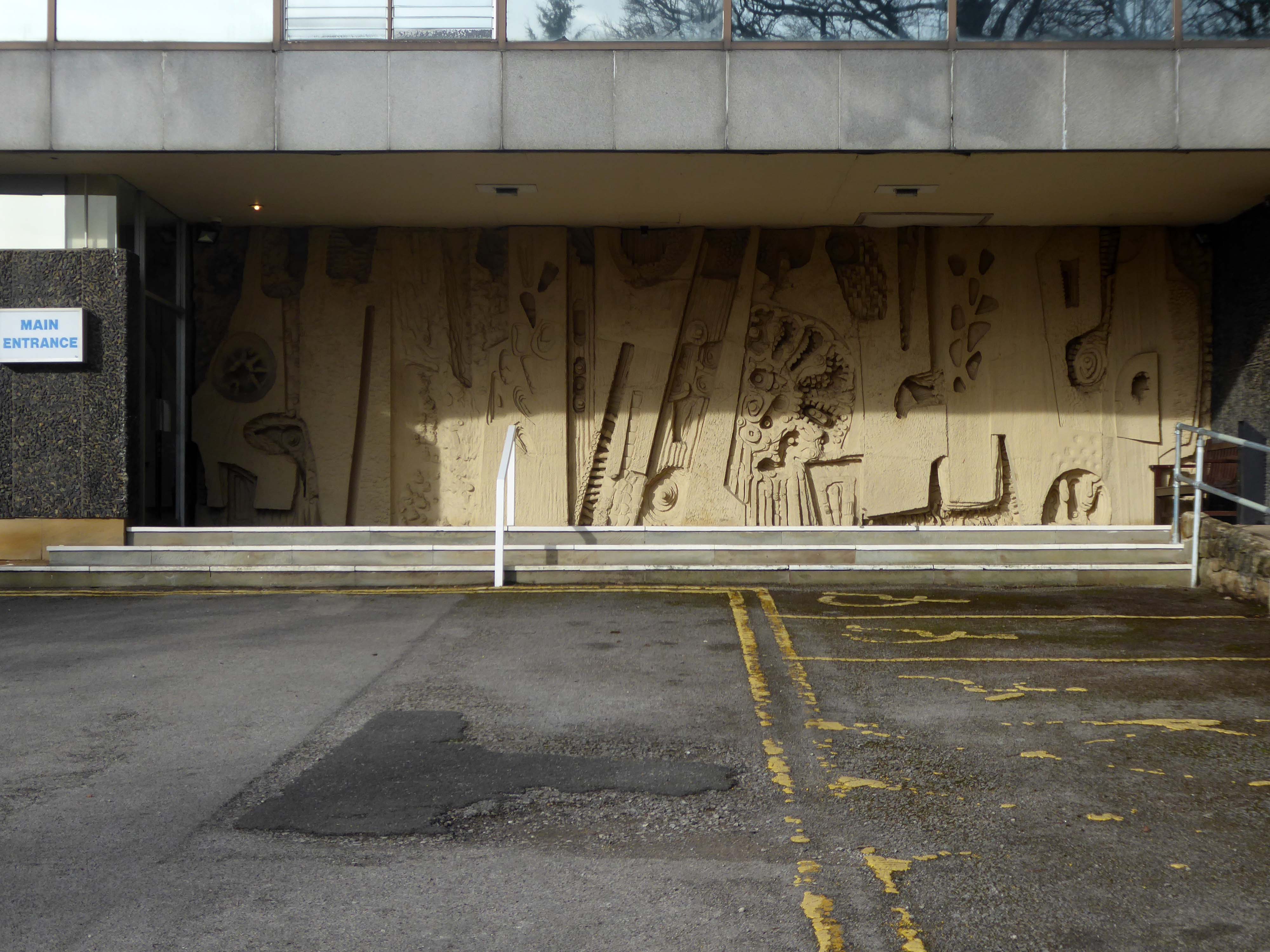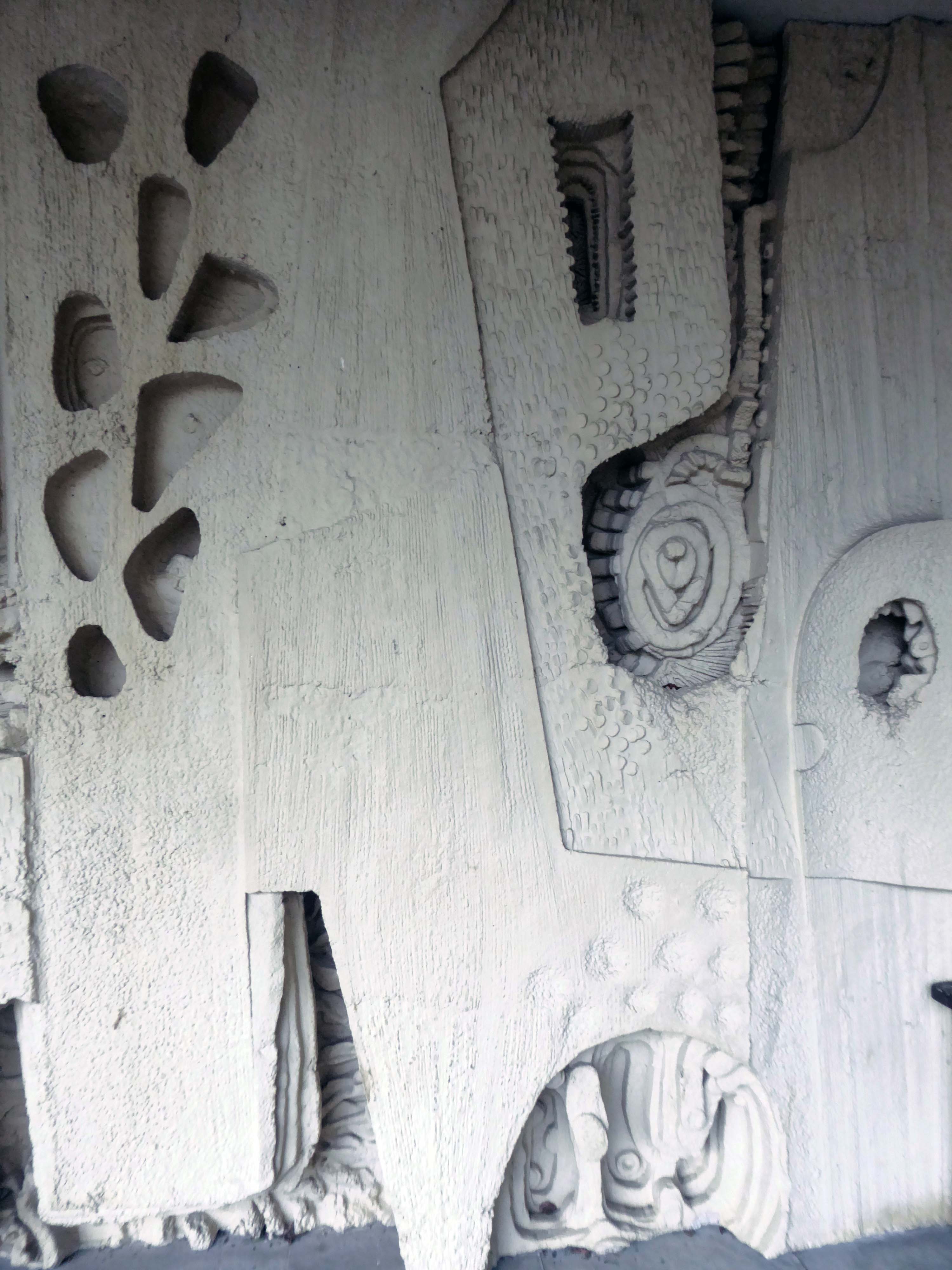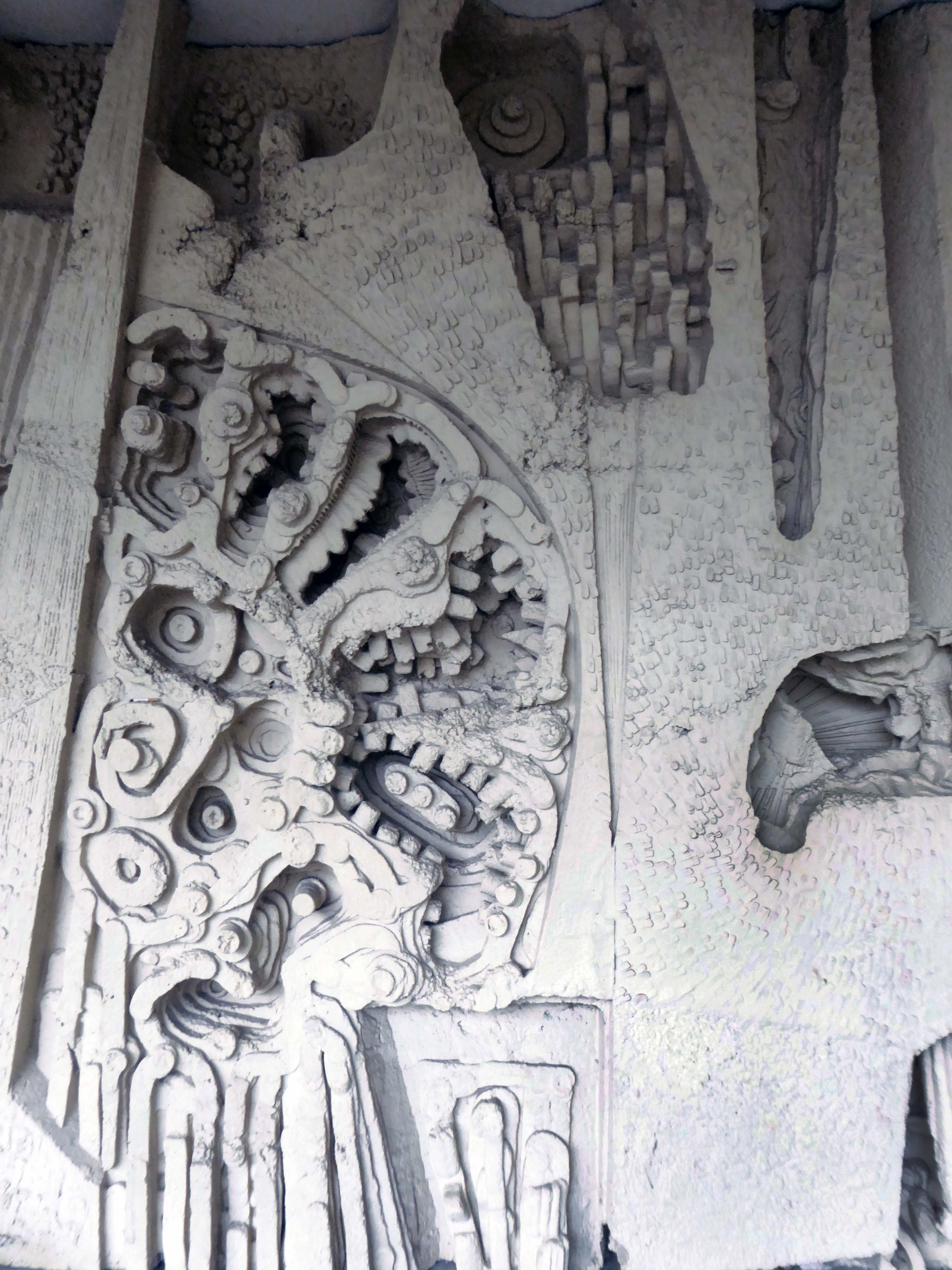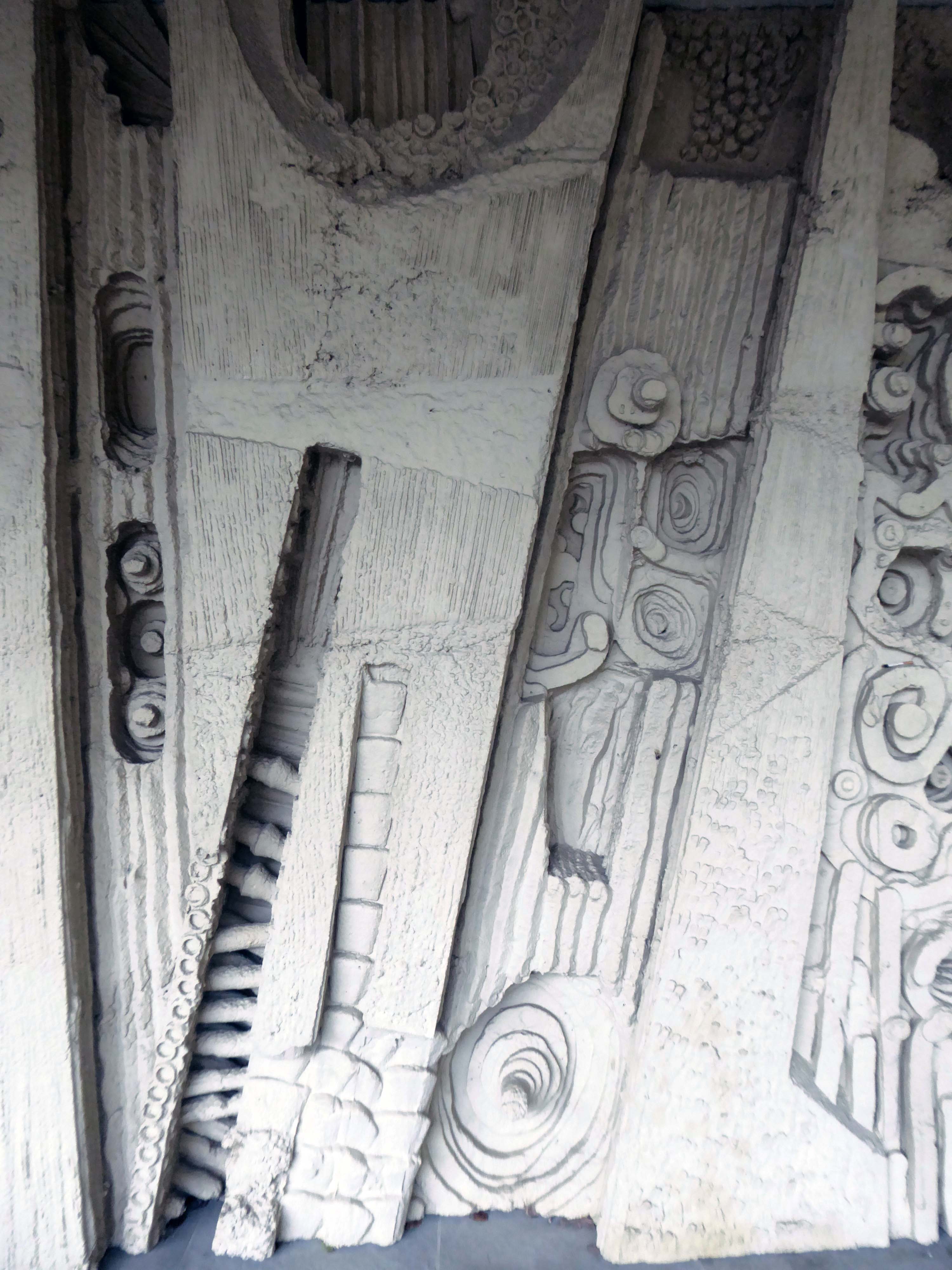
Bradford Revisited

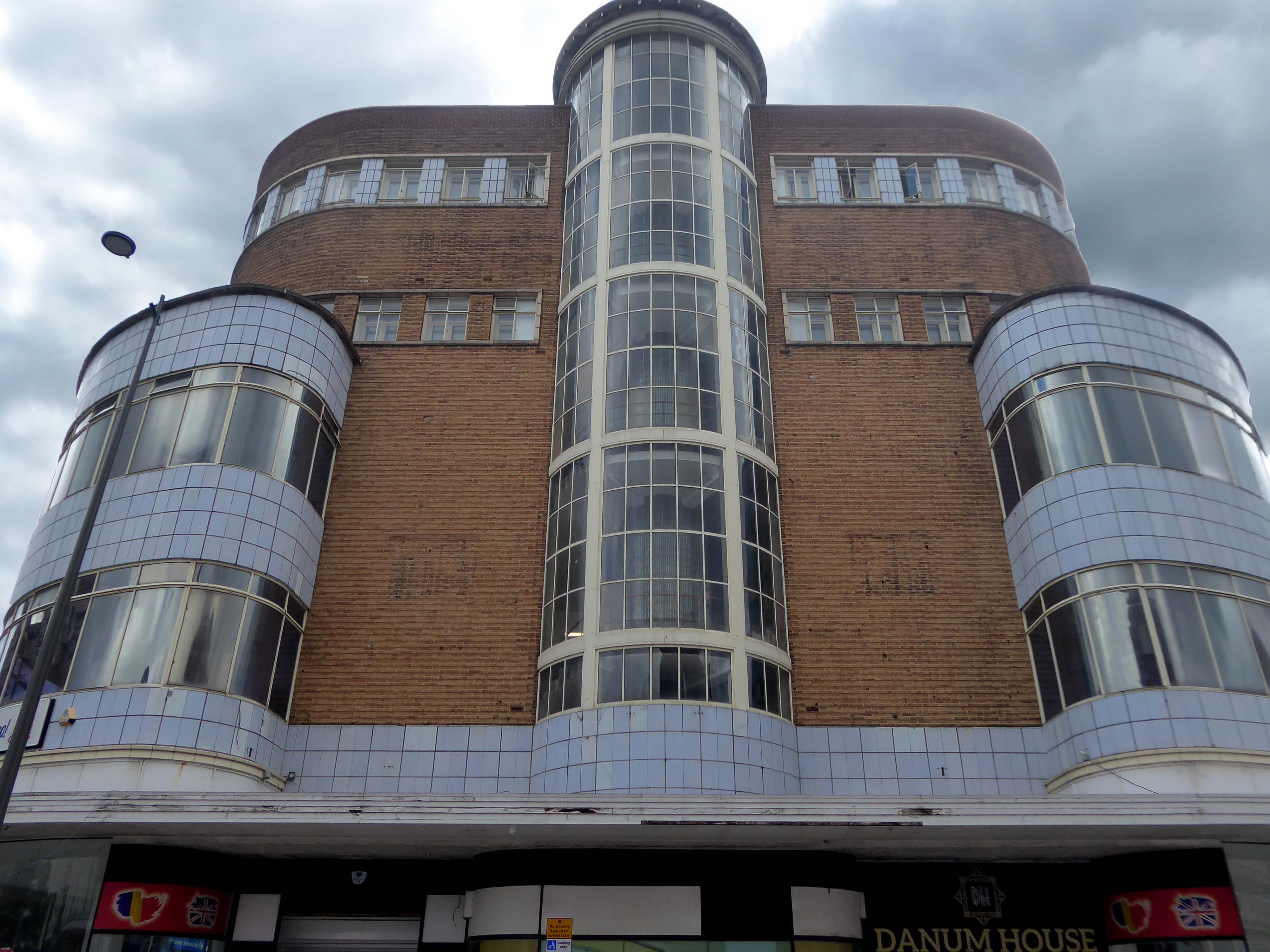
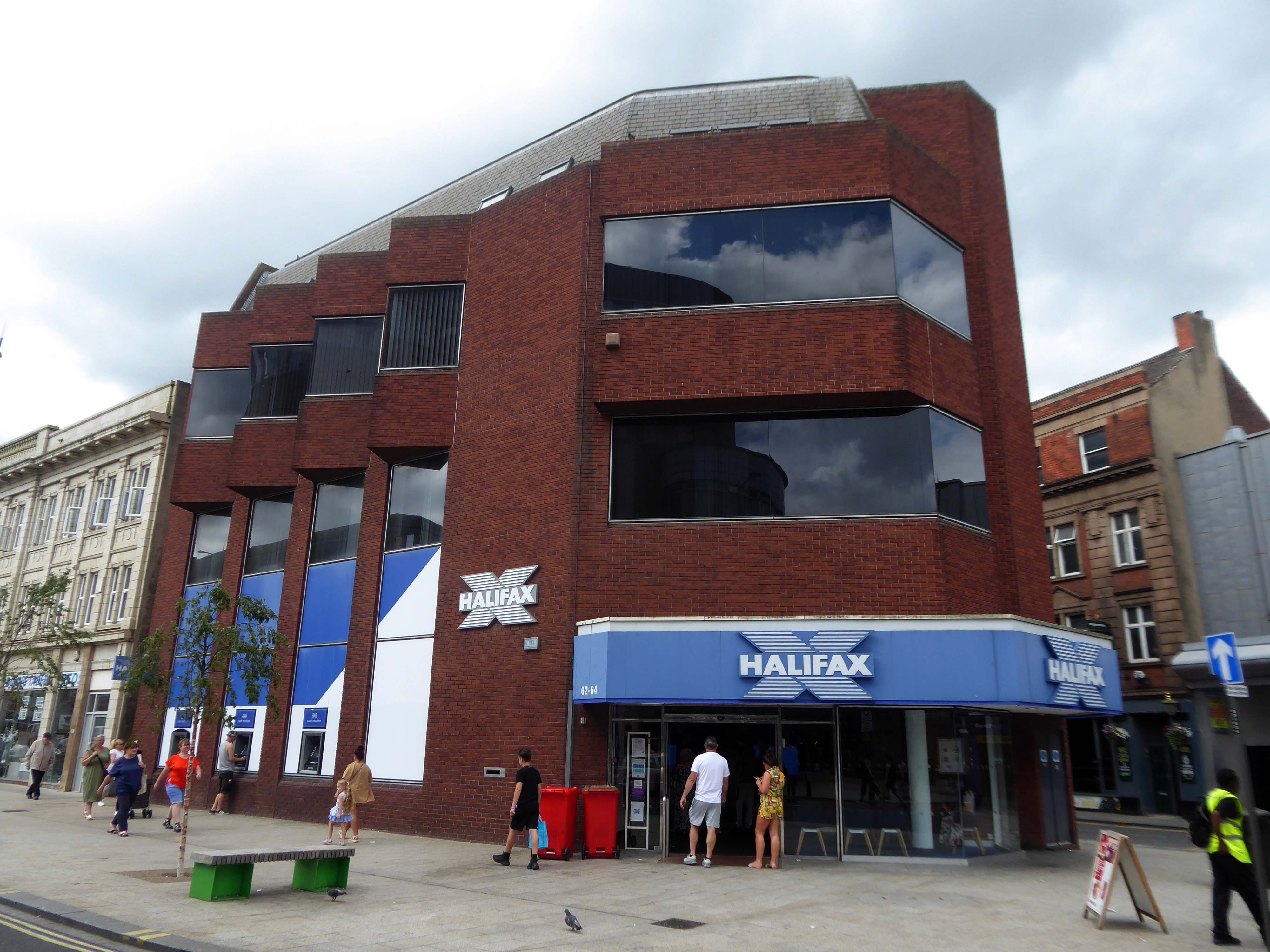
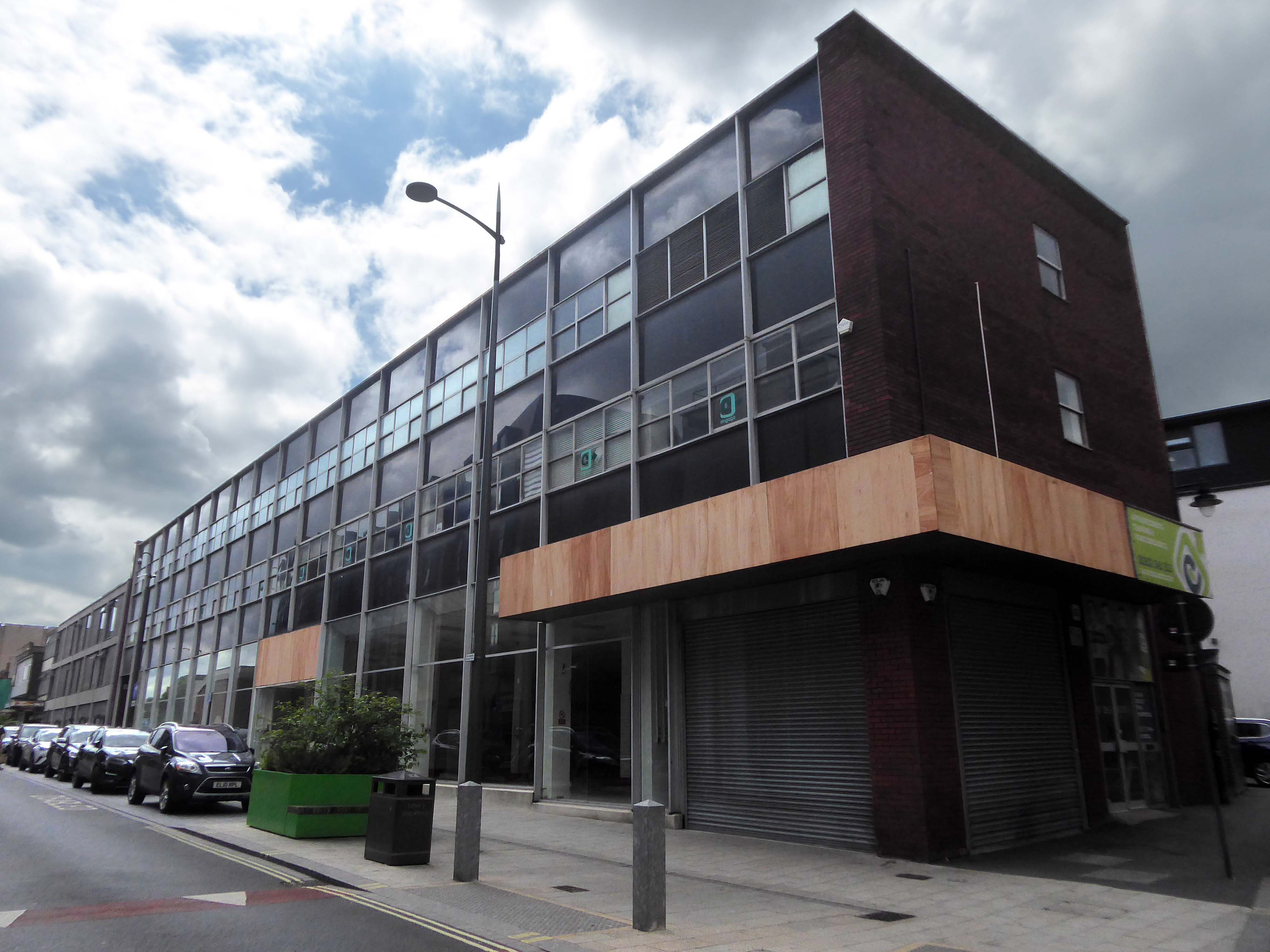
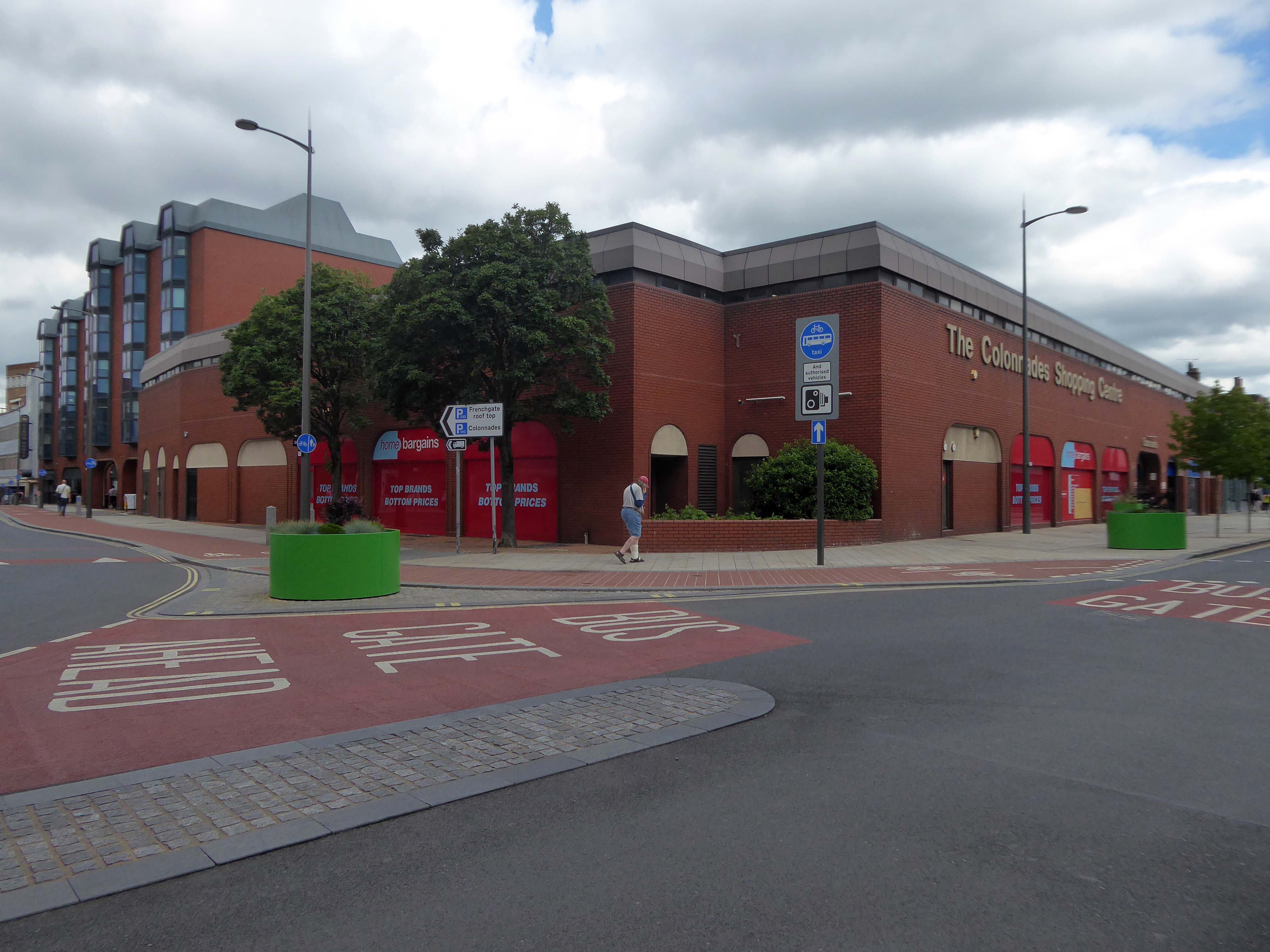
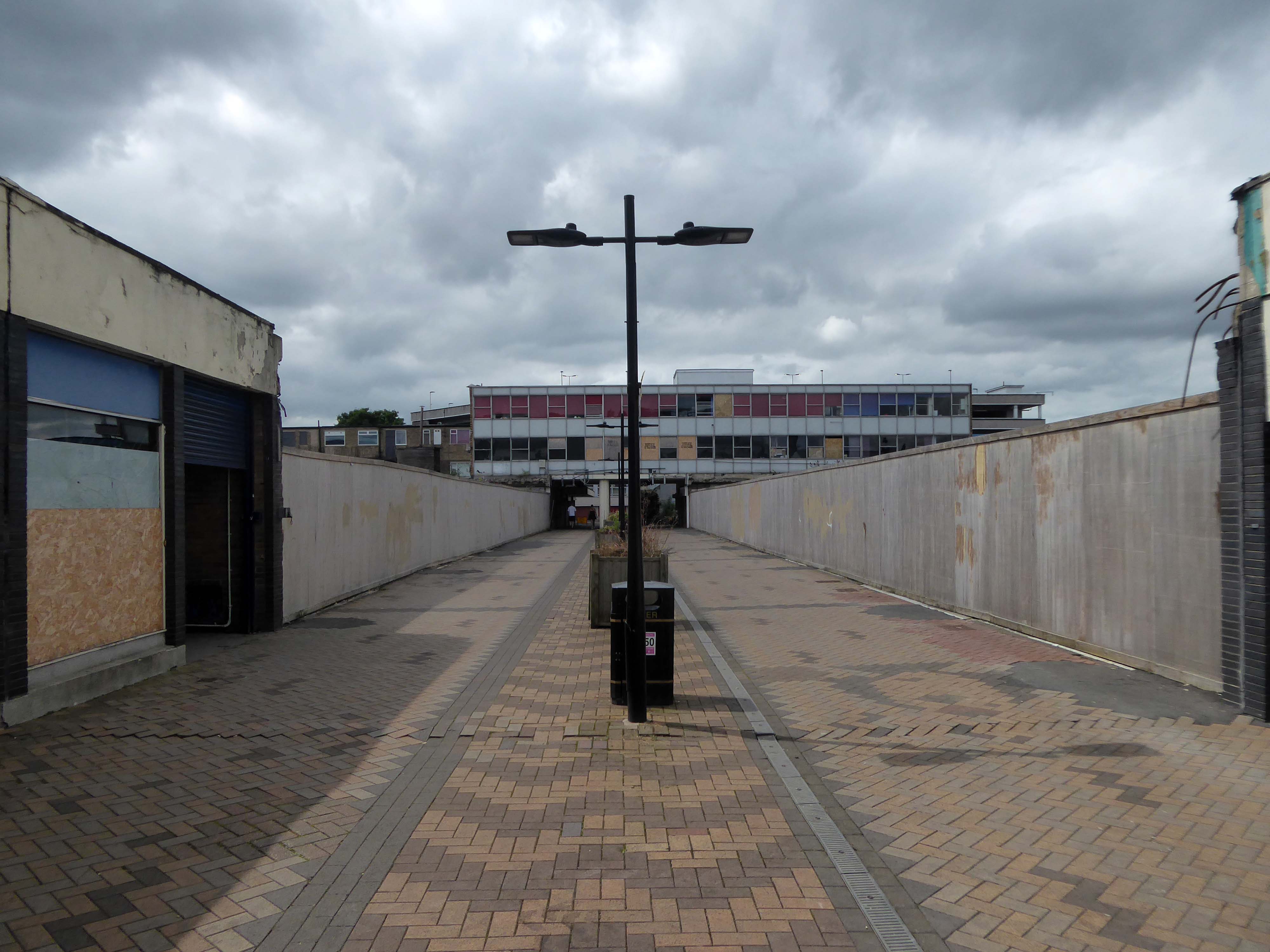
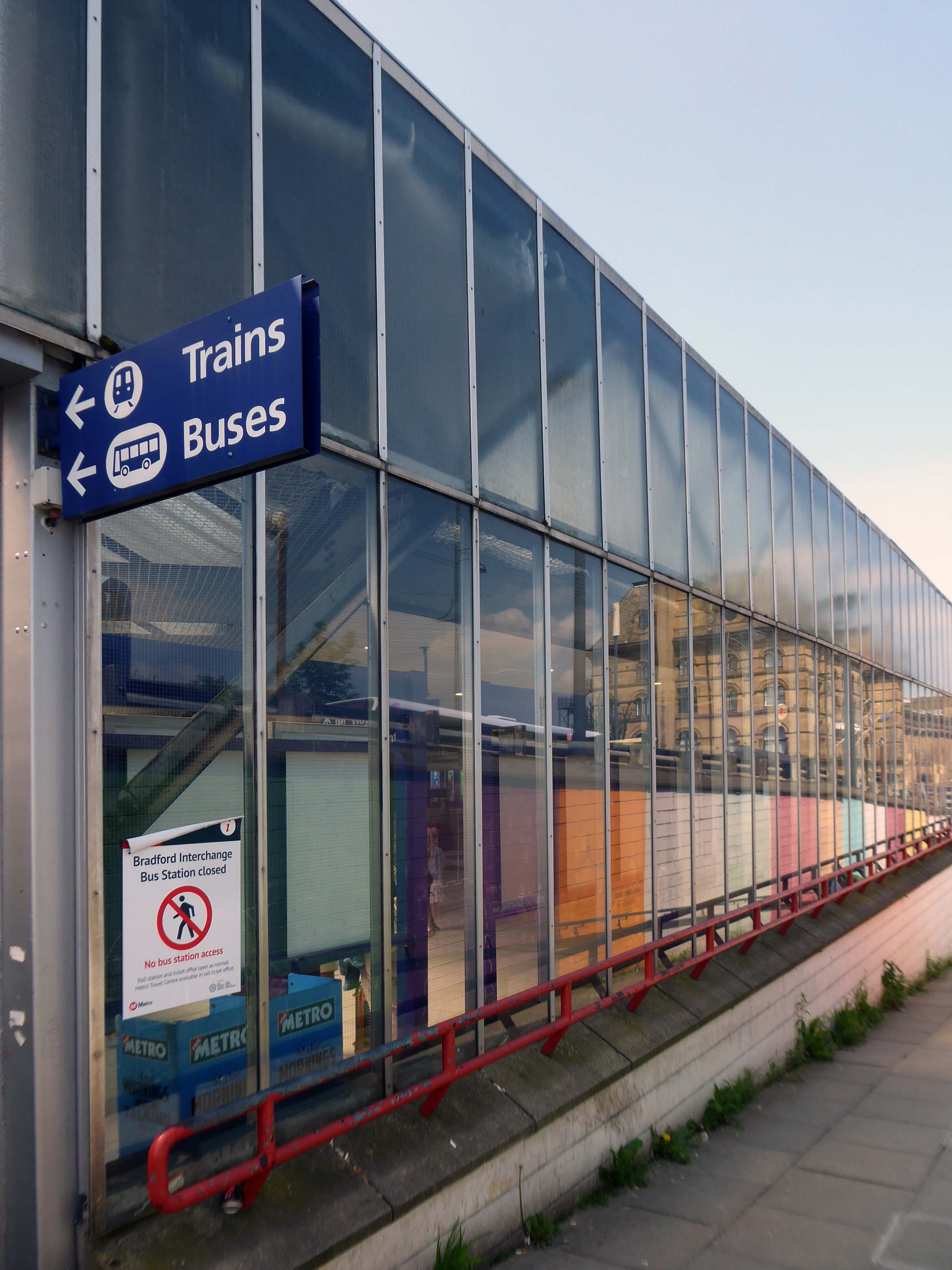
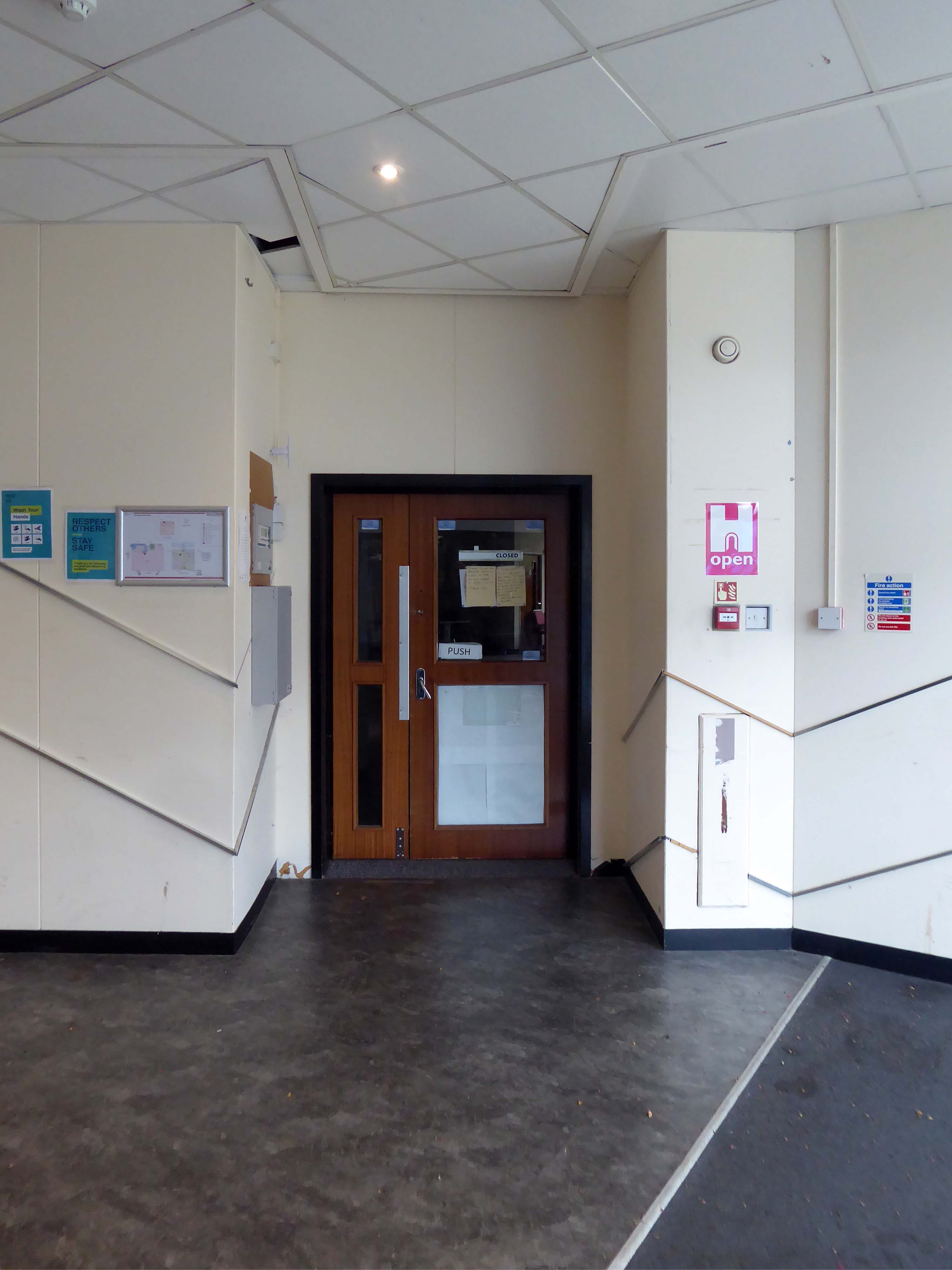
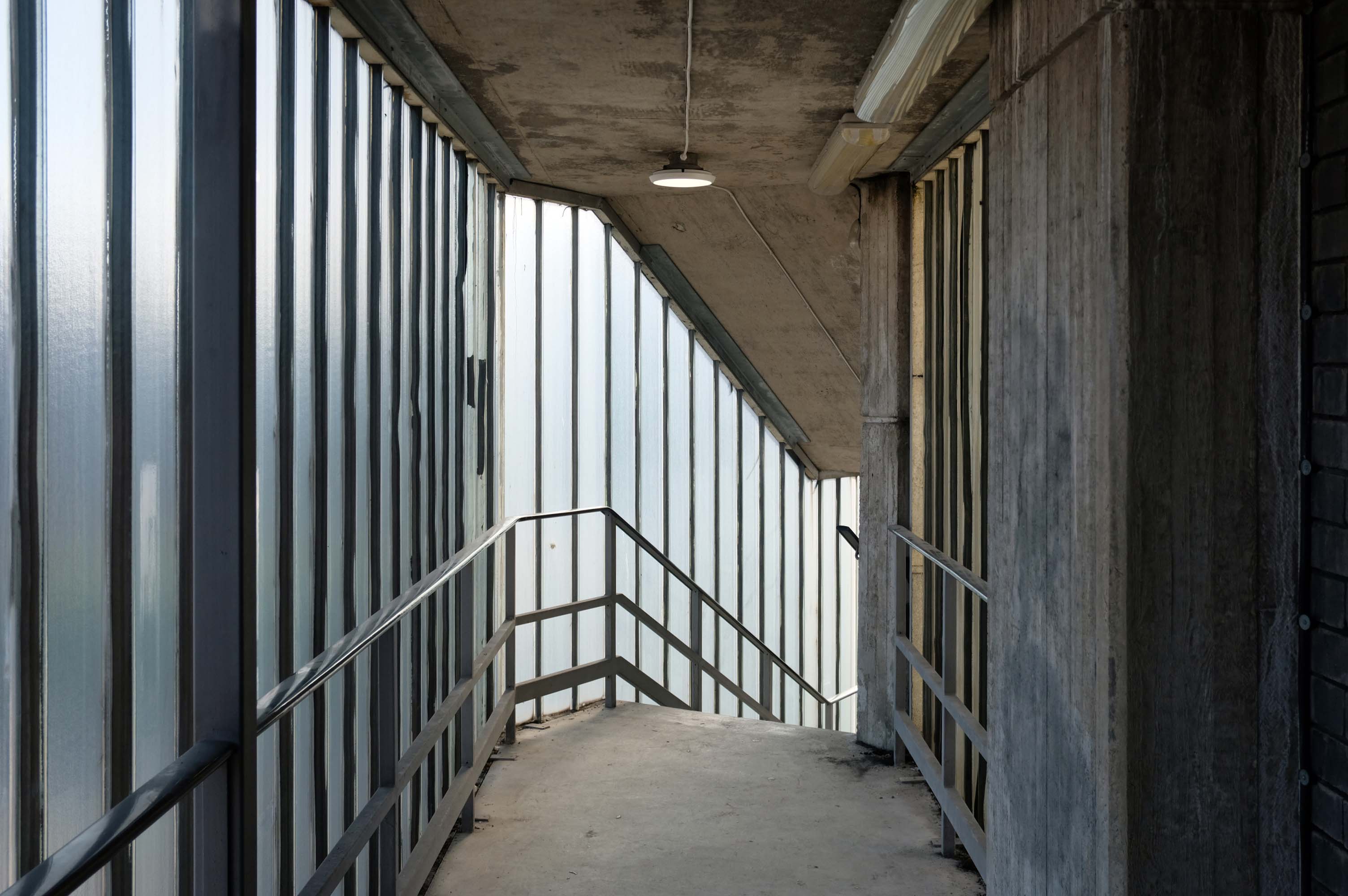
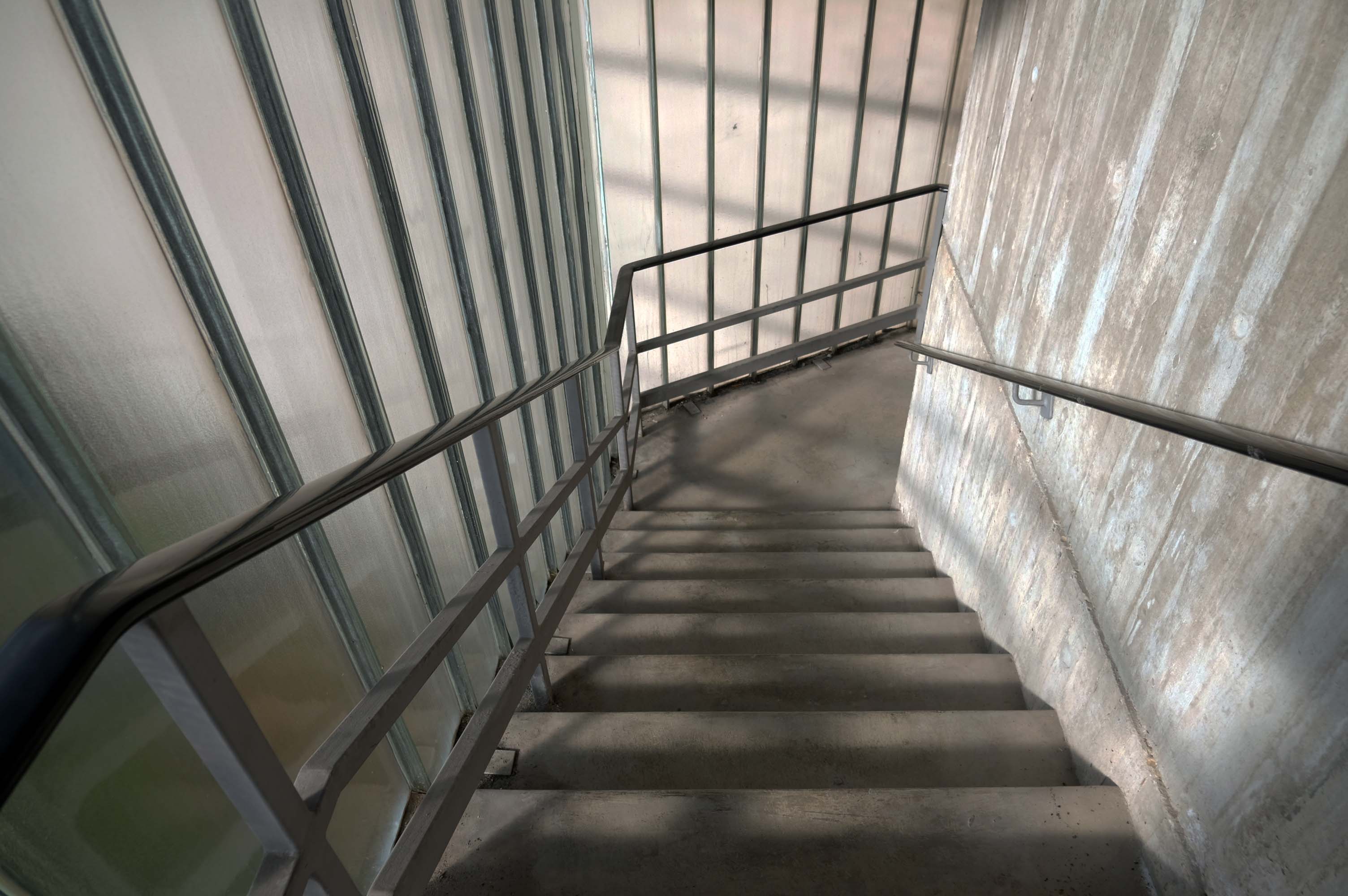
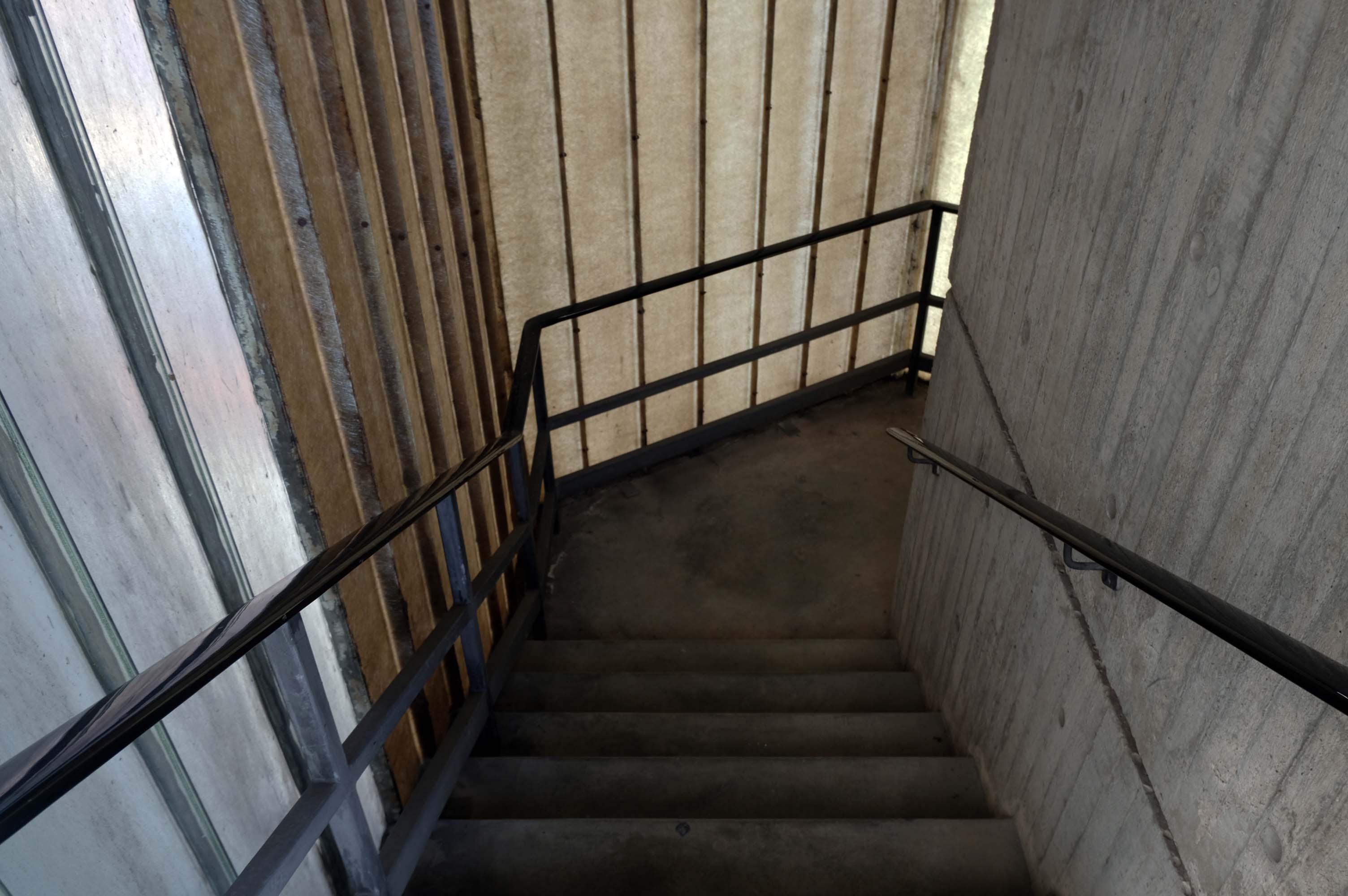
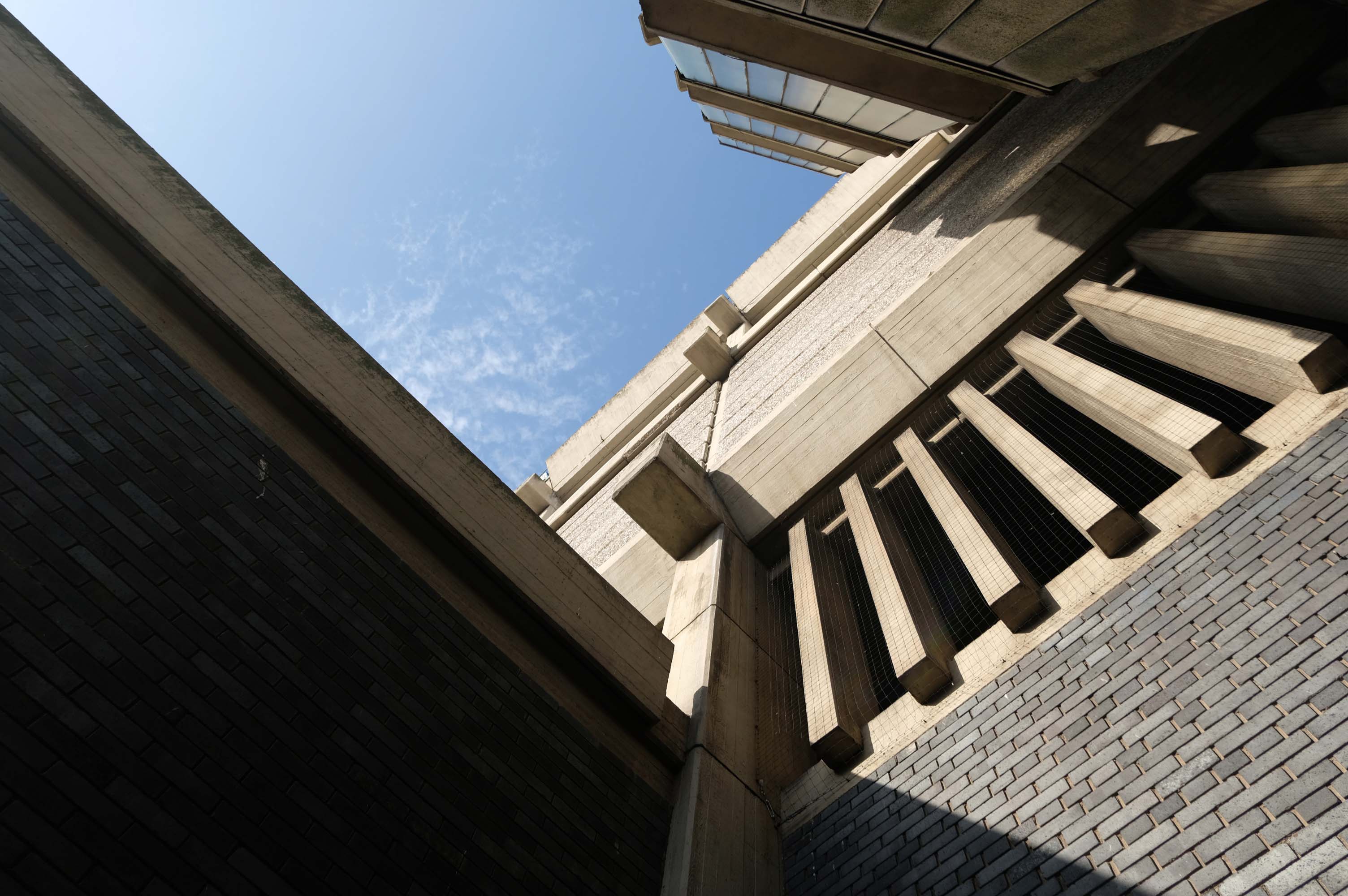
We arrive at and begin our journey at the Interchange – the bus station is closed, along with the station entrance.

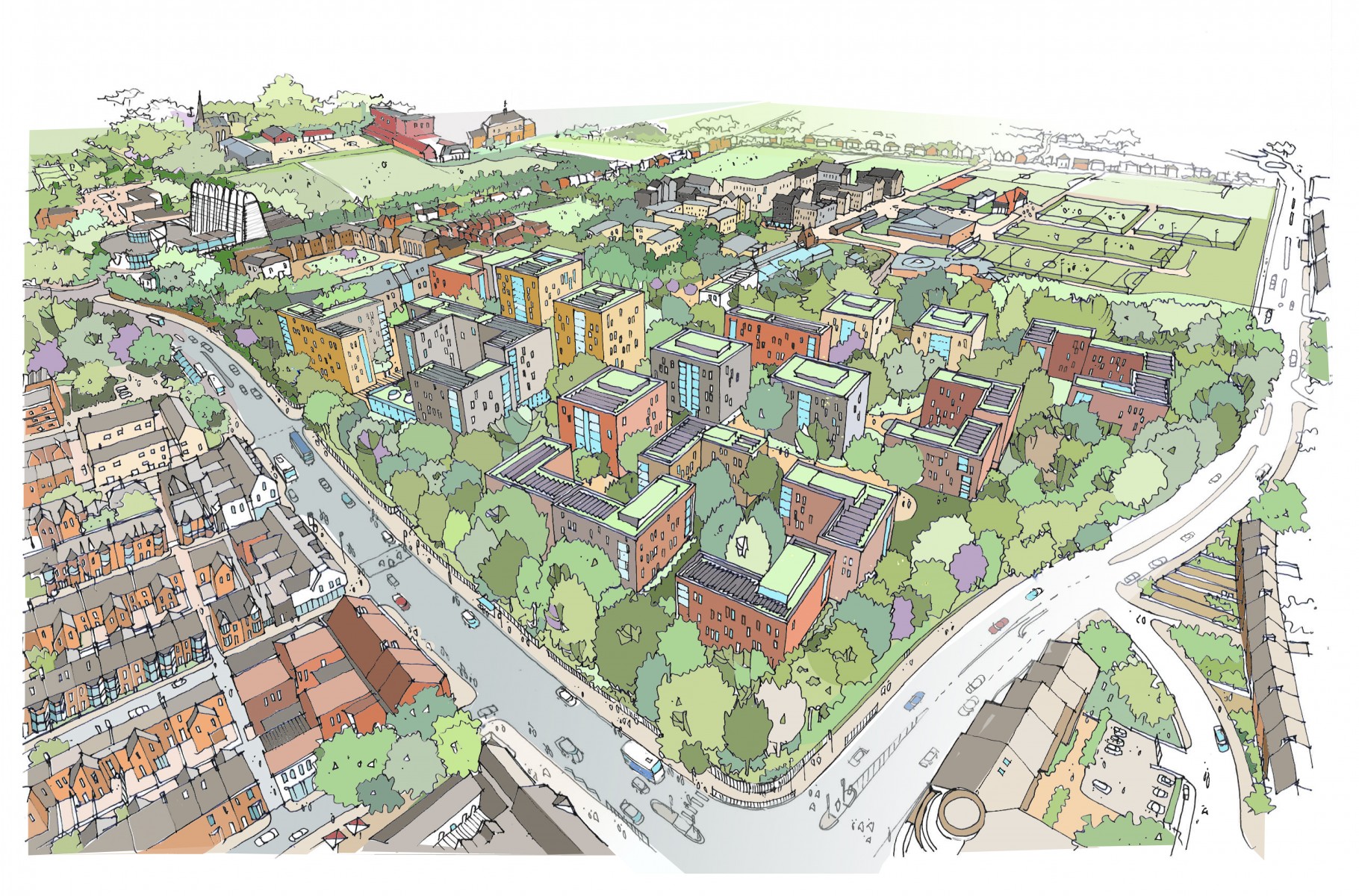
Bradford accepts that it is a part of the Northern Supercity stretching from Coast to Coast – Liverpool to Hull. Every existing town and new settlement must be unique. People belong to their own hotspot as well as Coast to Coast. Bradford as a dispersed centre will give it individuality as well as becoming synonymous with the whole new city. Bradford is a mini version of the whole. It is composed of a series of mini hotspots which will each act as a focus for each square kilometre.
Bradford has the topography to allow every citizen to wake up to a view – both physical and mental. Their collective ambition can create a place of extraordinary difference.

Will Alsop

We have of course been here before.

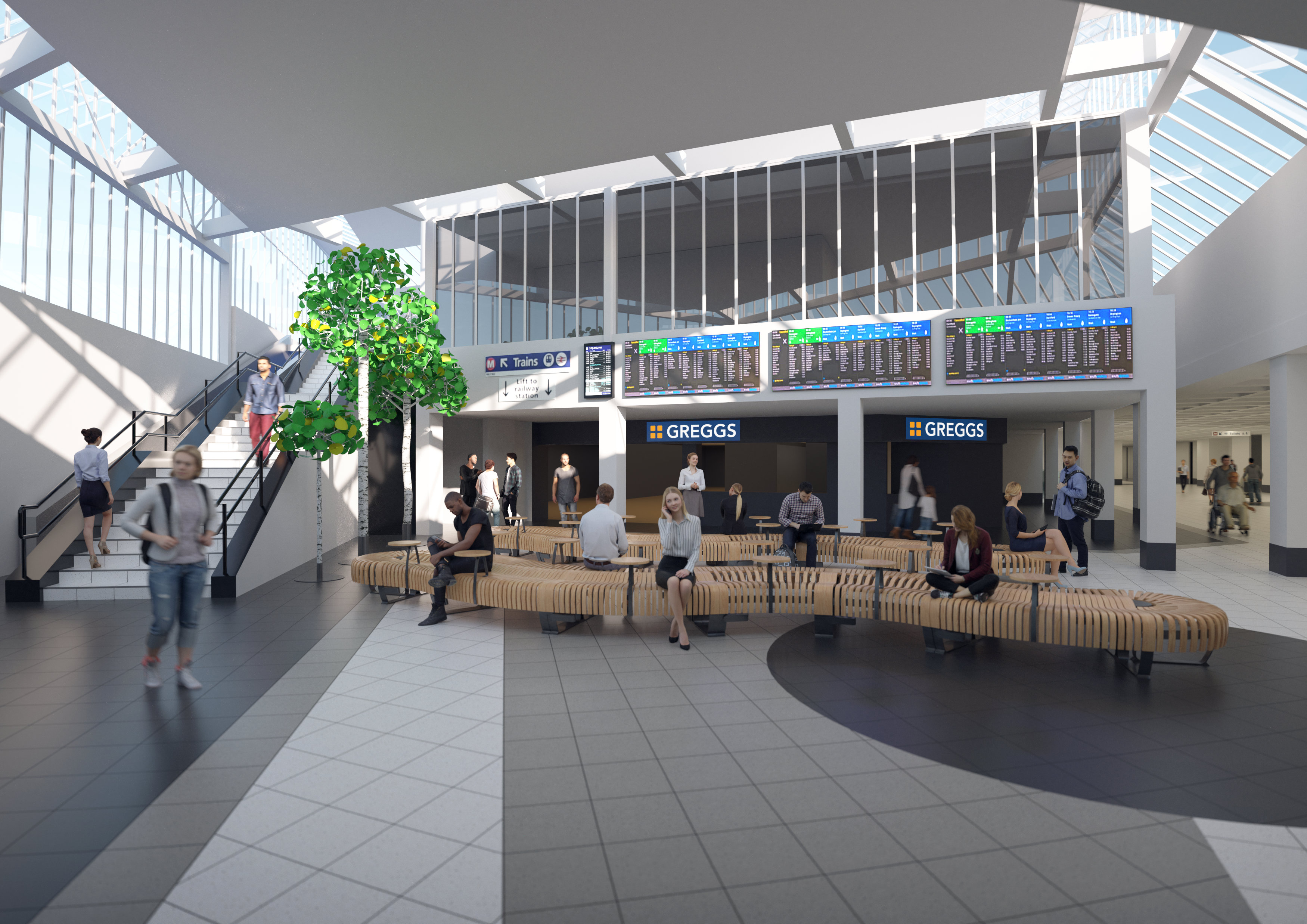
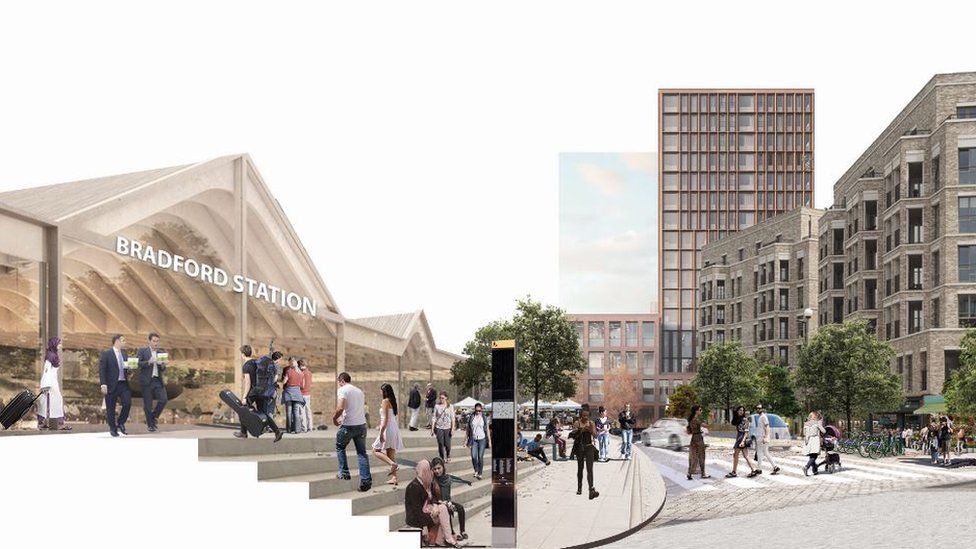
Bradford Interchange will get a new entrance and other improvements to bring it up to standard, the city council said. 

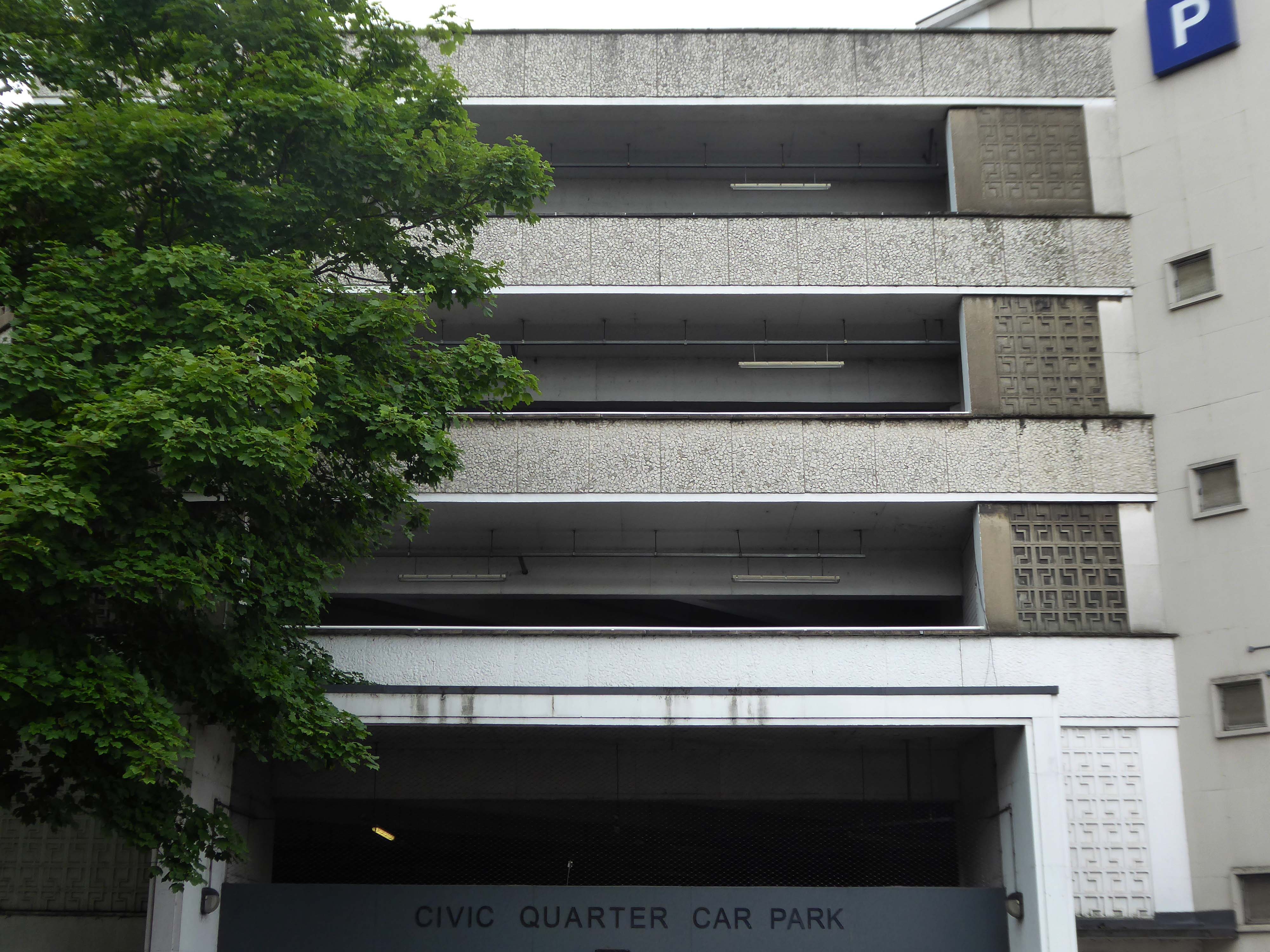
The NCP car park on Hall Ings would be demolished to create a new pedestrianised entrance.

BBC

The Interchange opened in 1971 was the first of its kind in the country, designed by the BR regional team headed by RL Moorcroft and the City Architect.

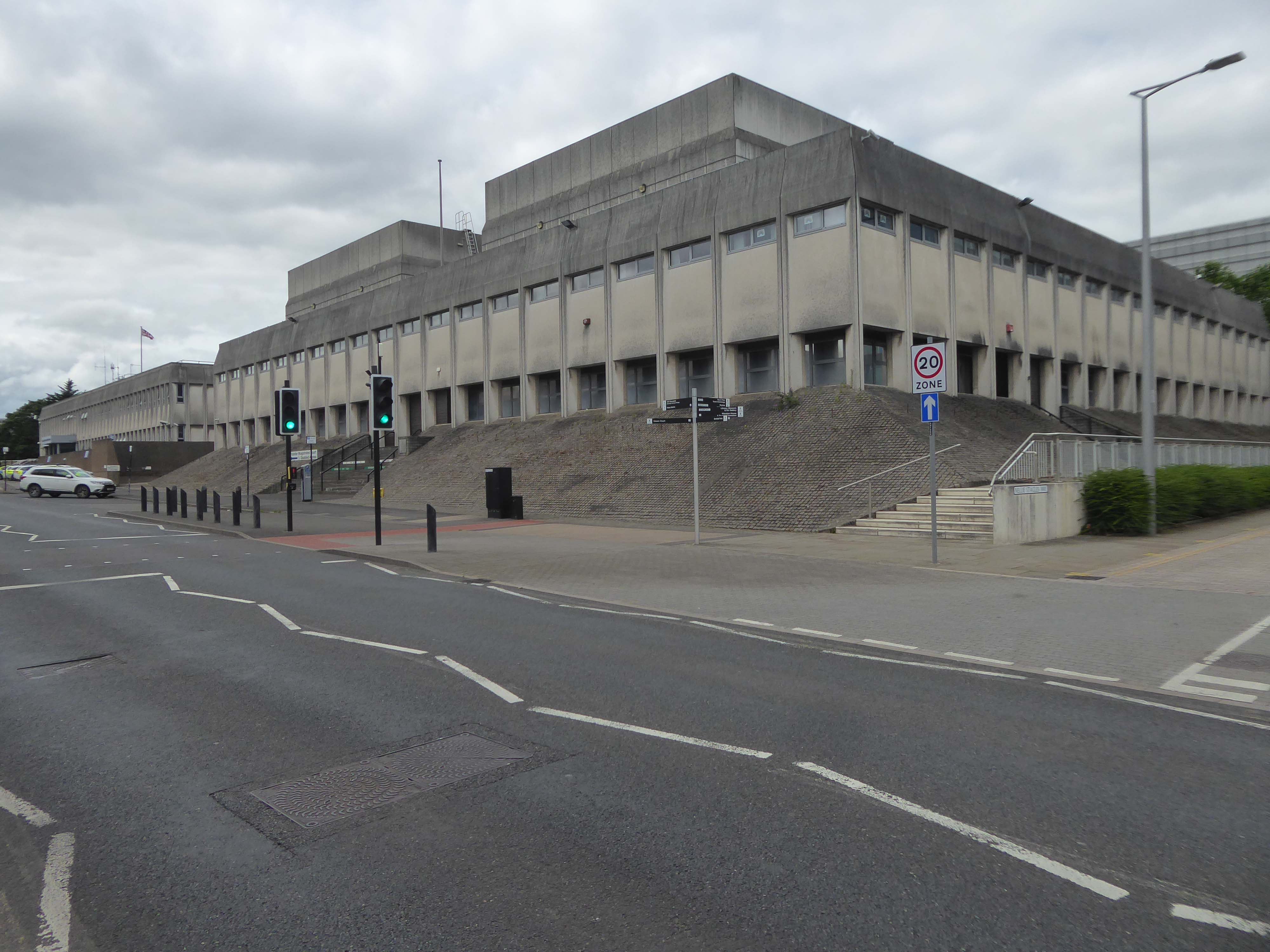
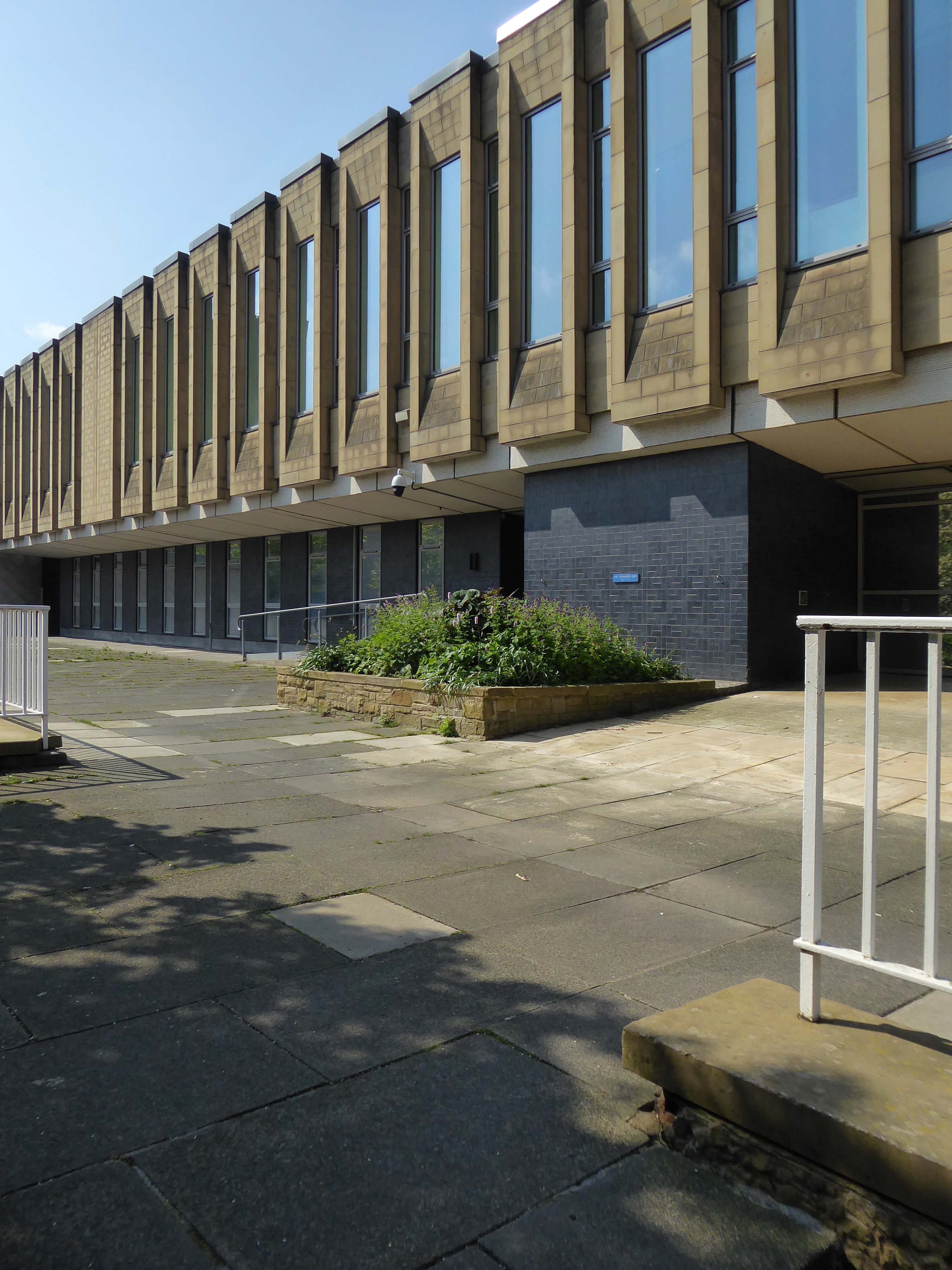
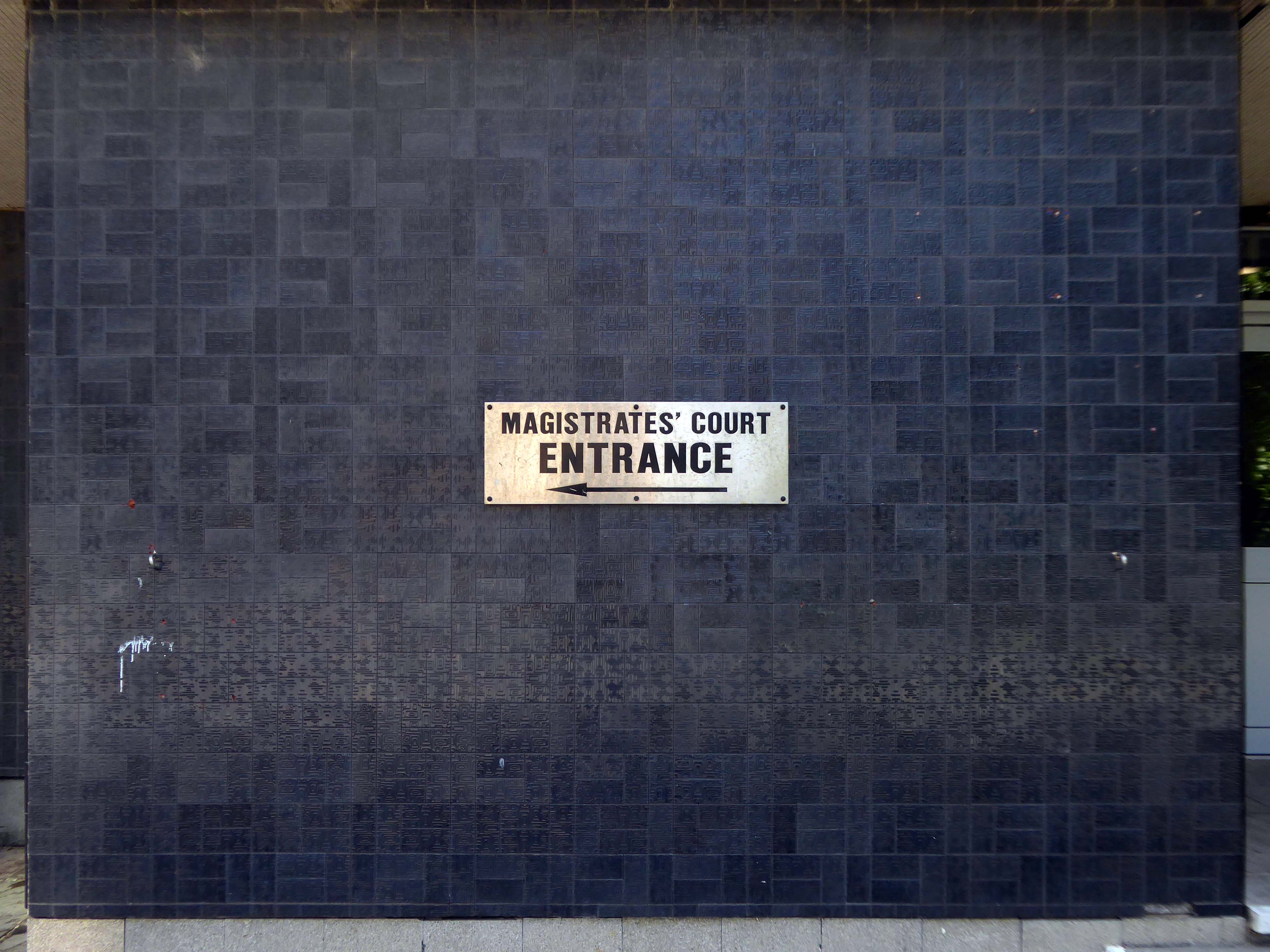
Onward to the Magistrates’ Courts designed by City Architect Clifford Brown in 1972.
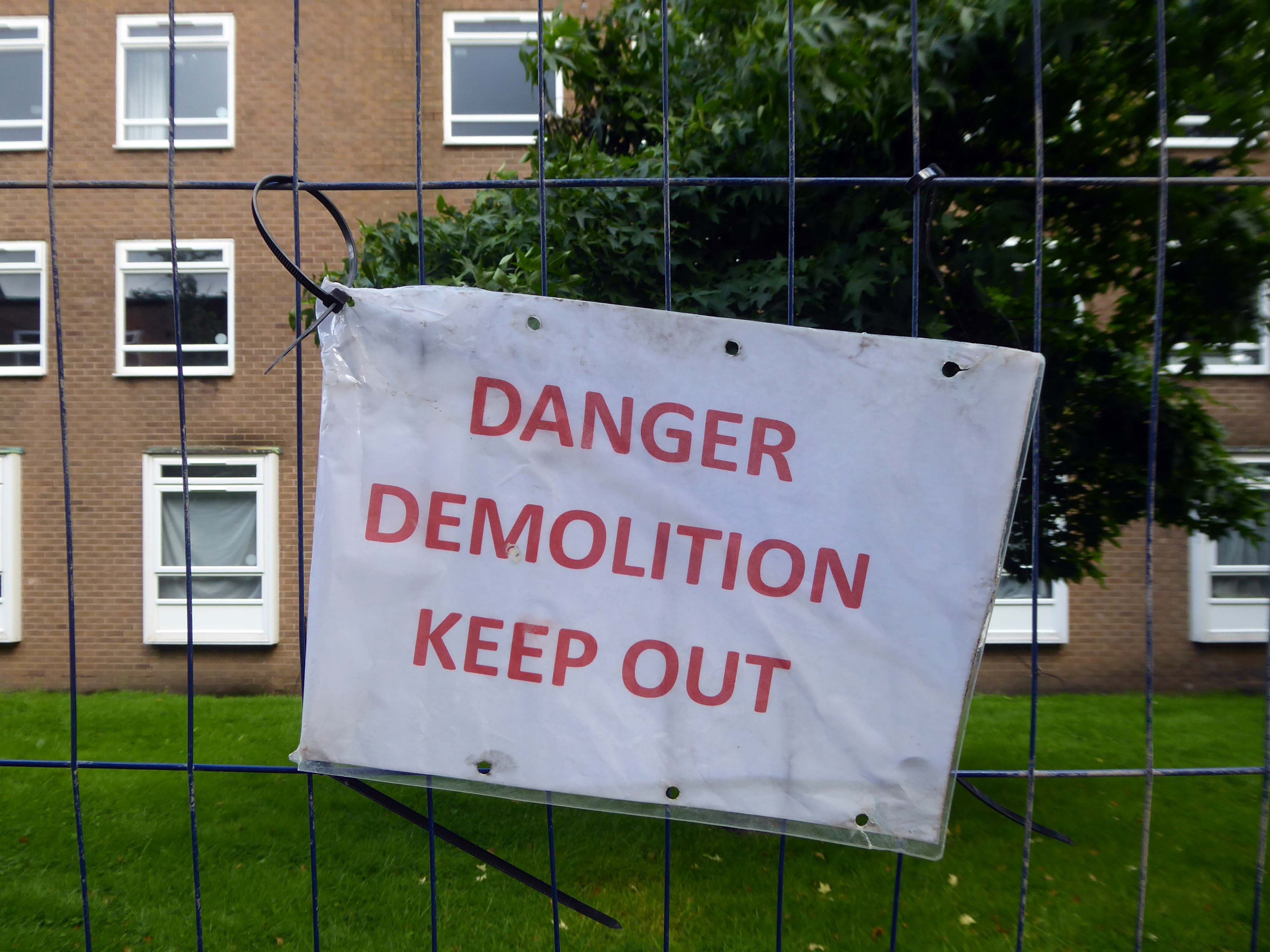
Bradford is in the process of paving and puzzling pedestrians, as it becomes City of Culture in 2025.

So we wind our way over the inner ring road, advisedly avoiding the filled in underpasses.

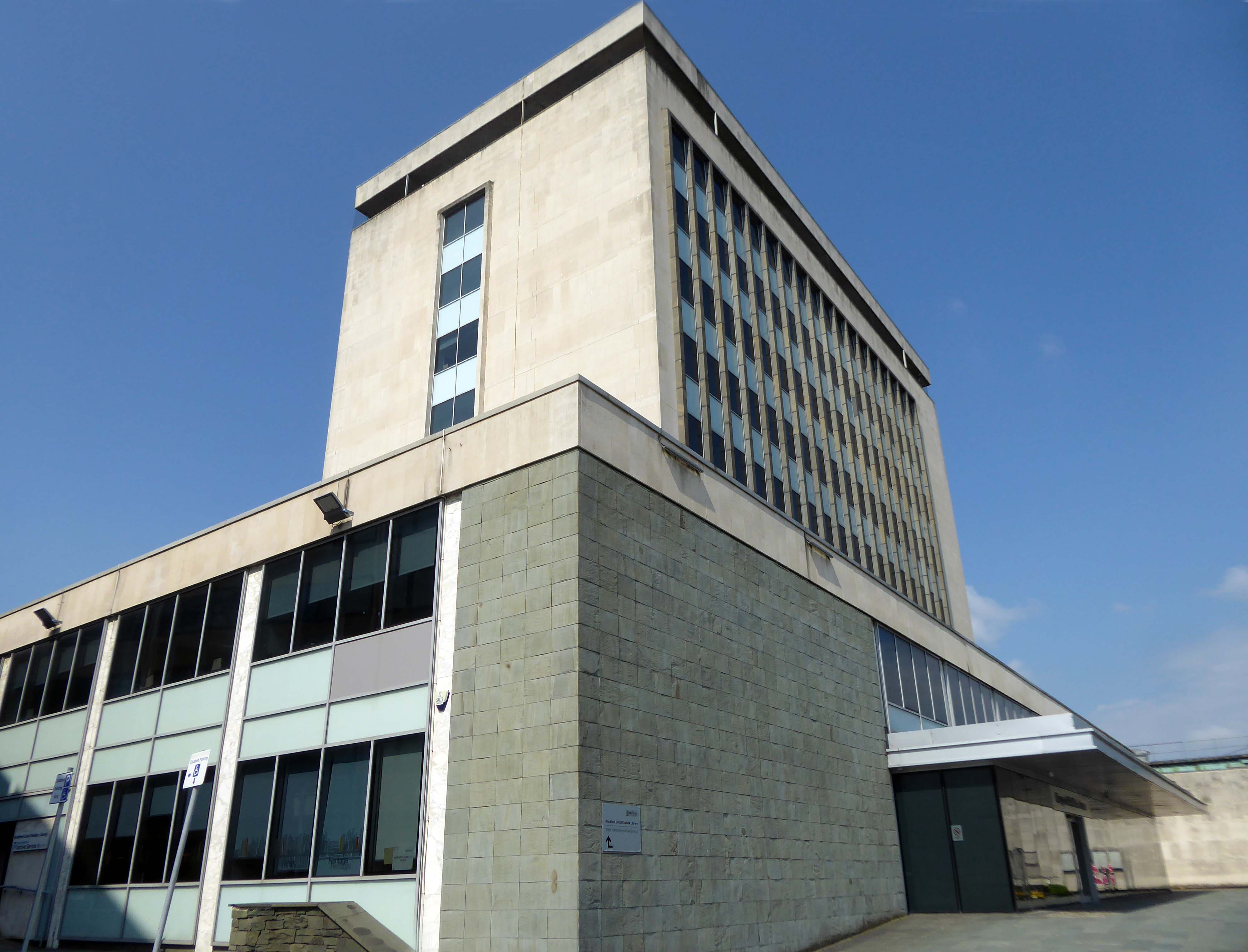
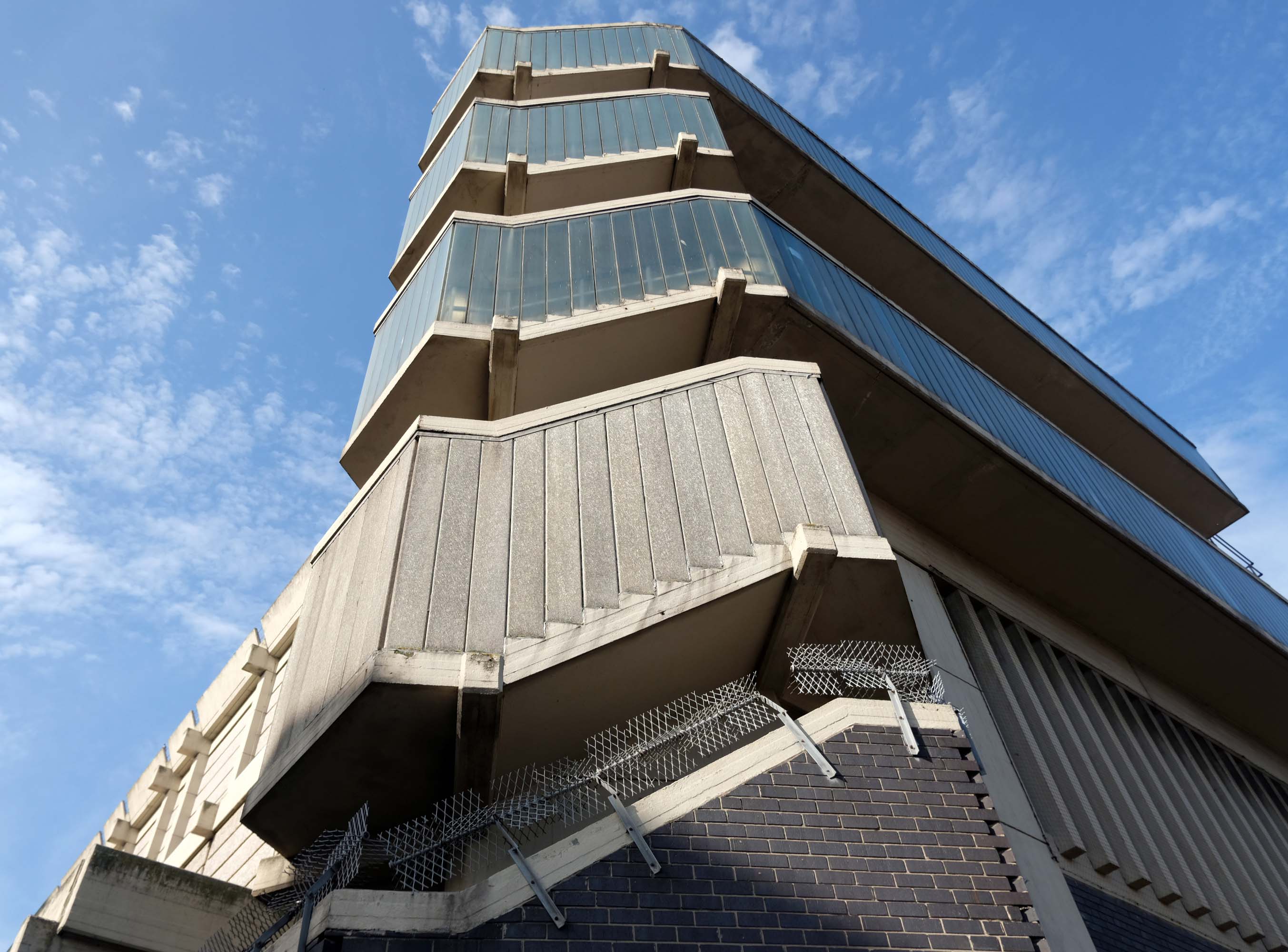
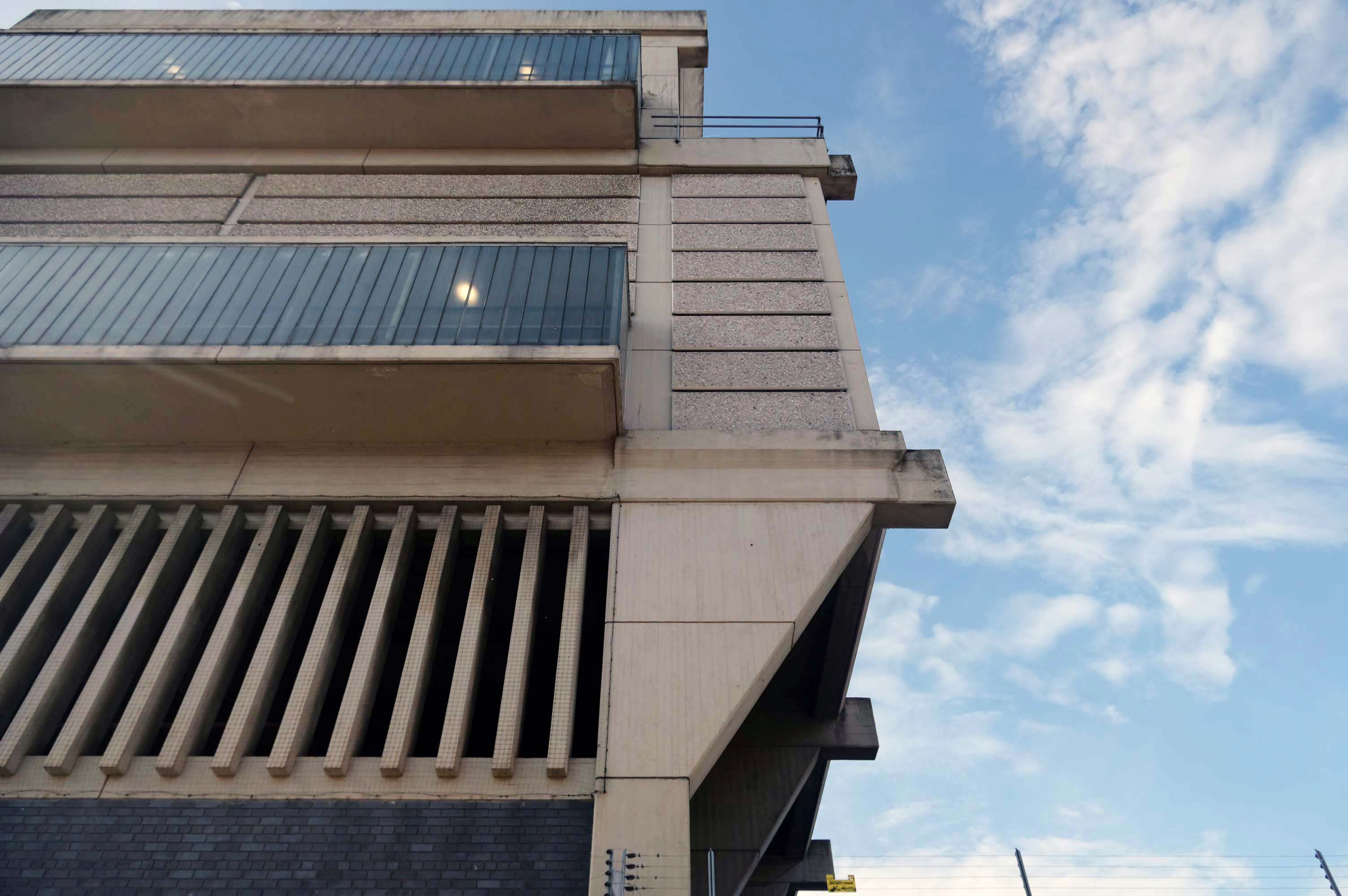
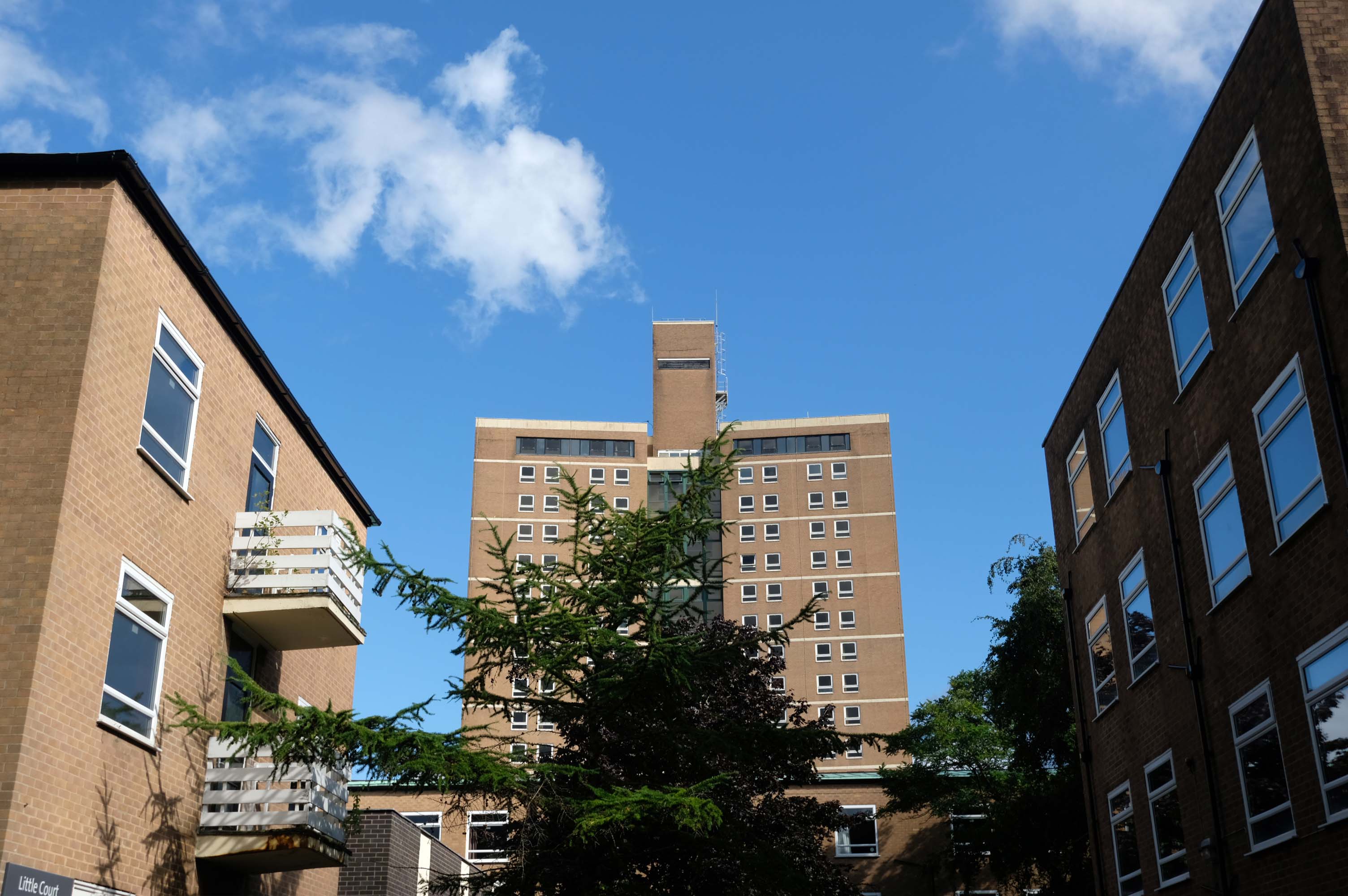
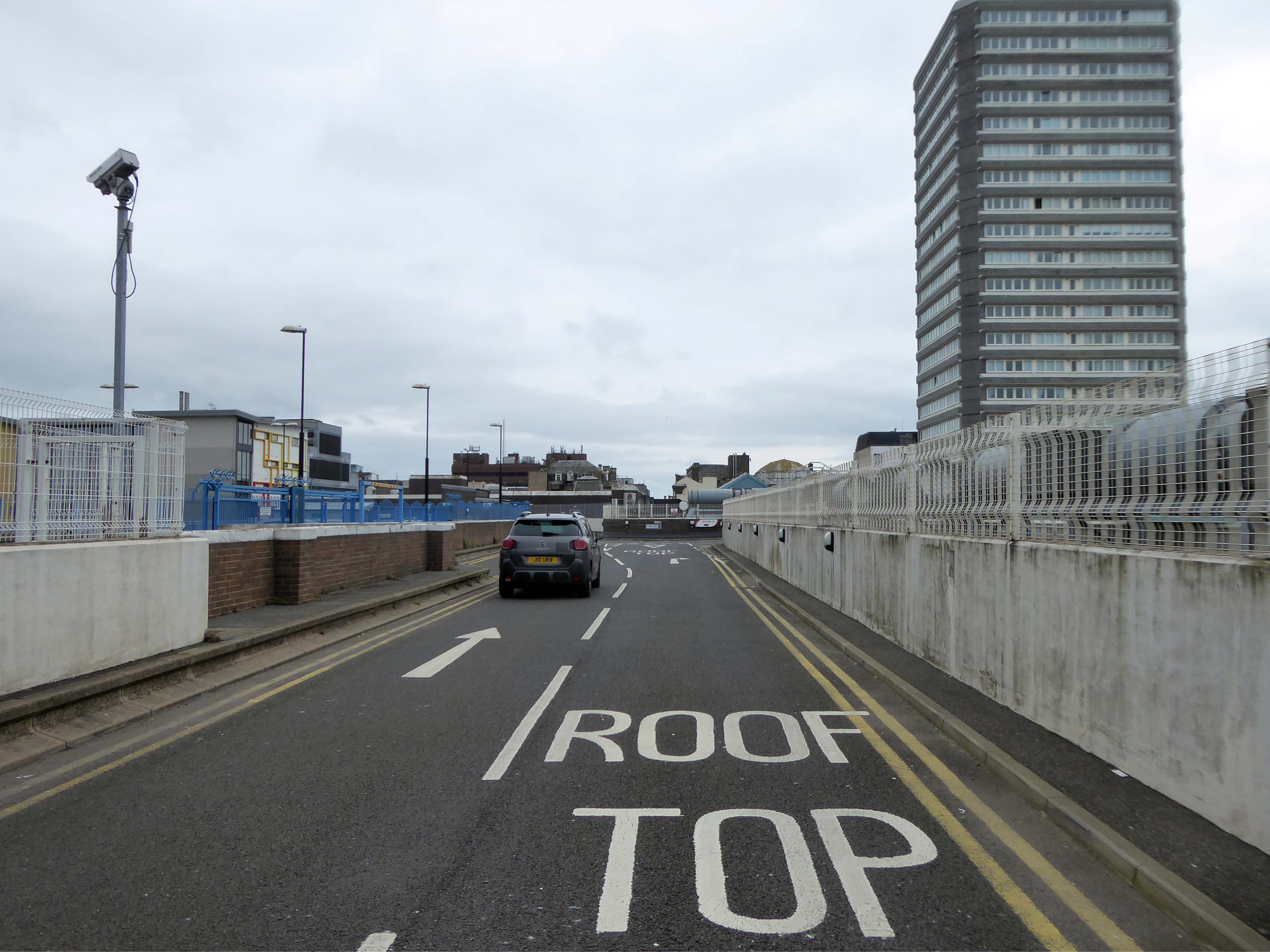
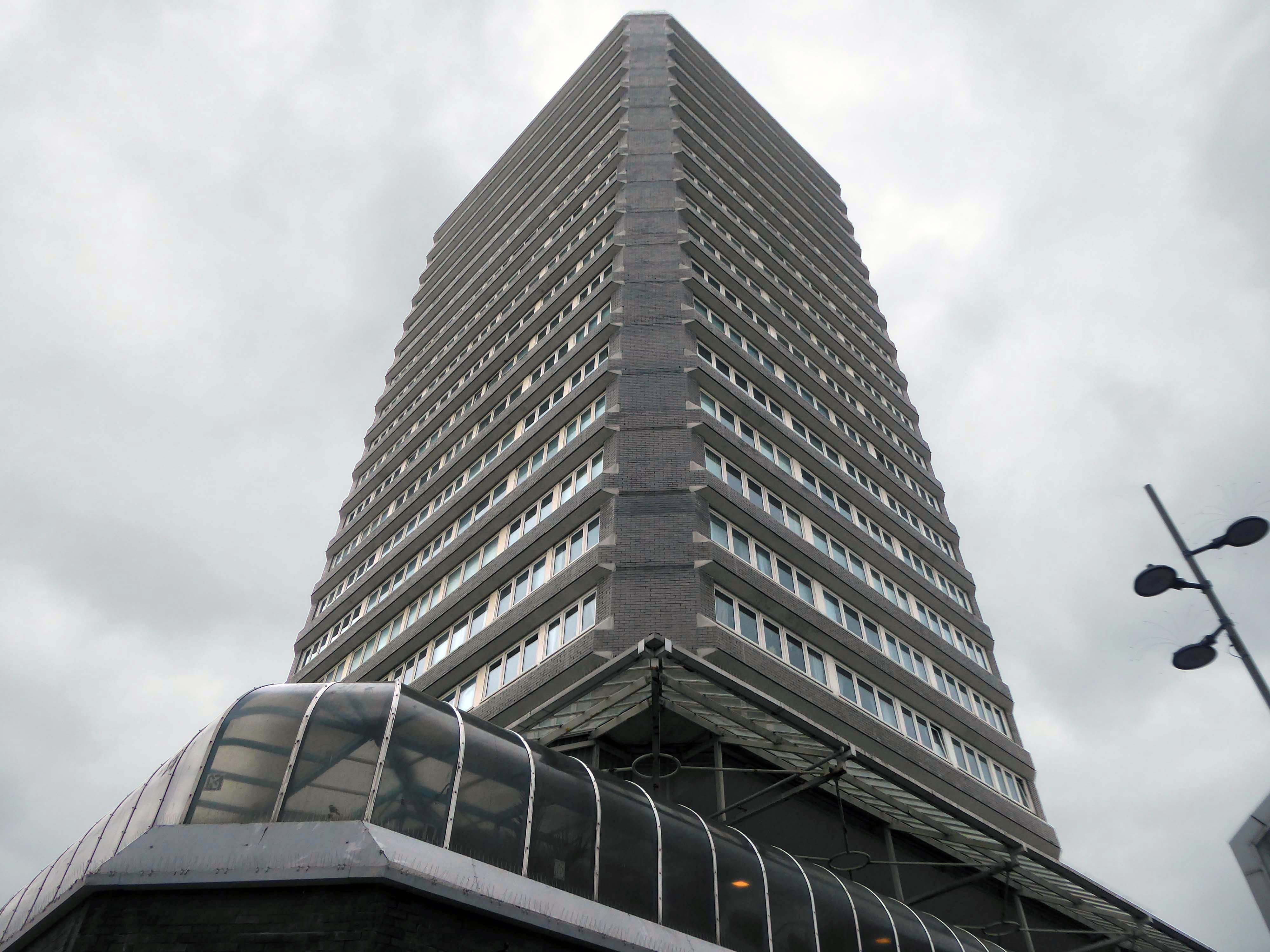
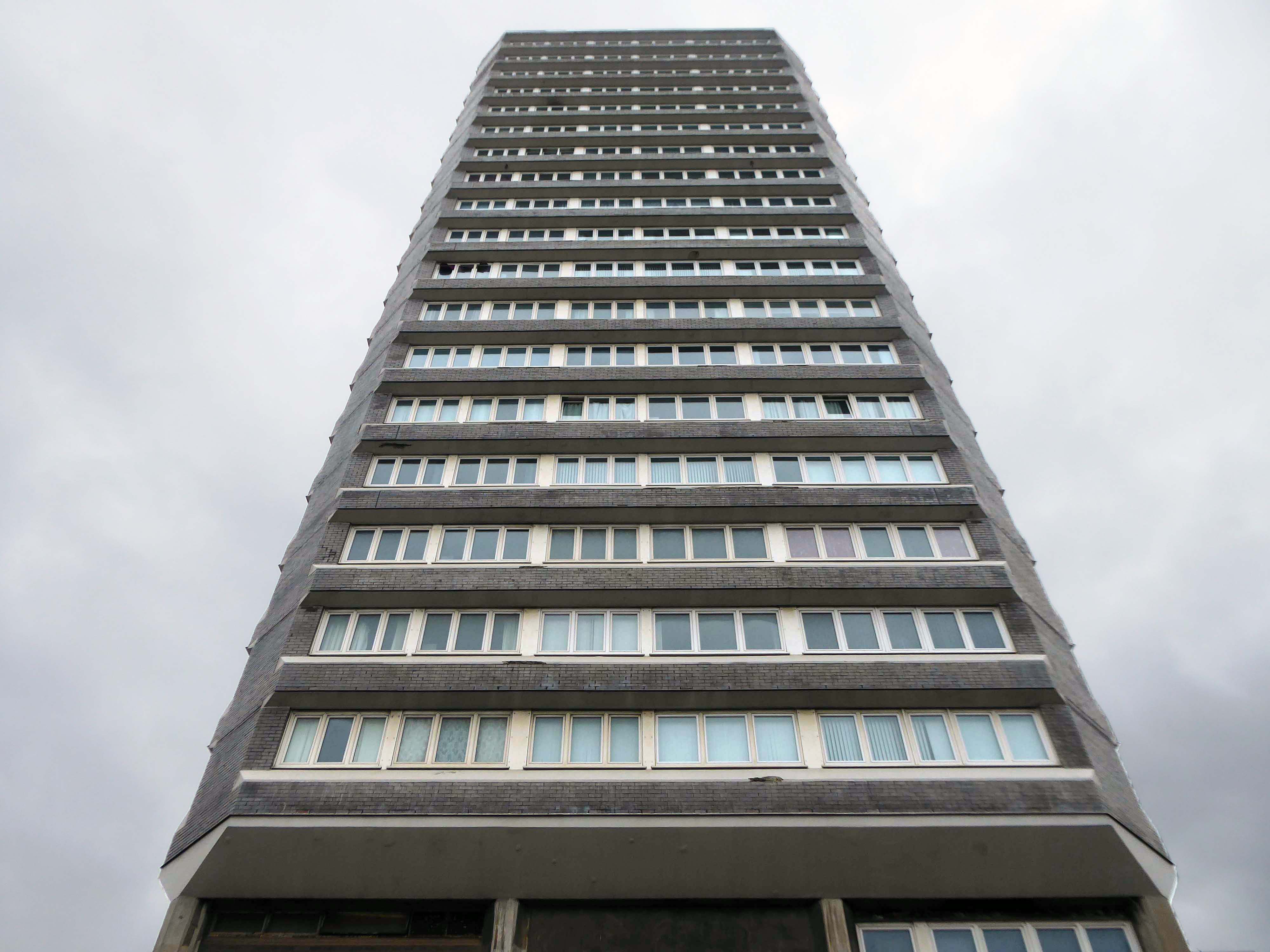
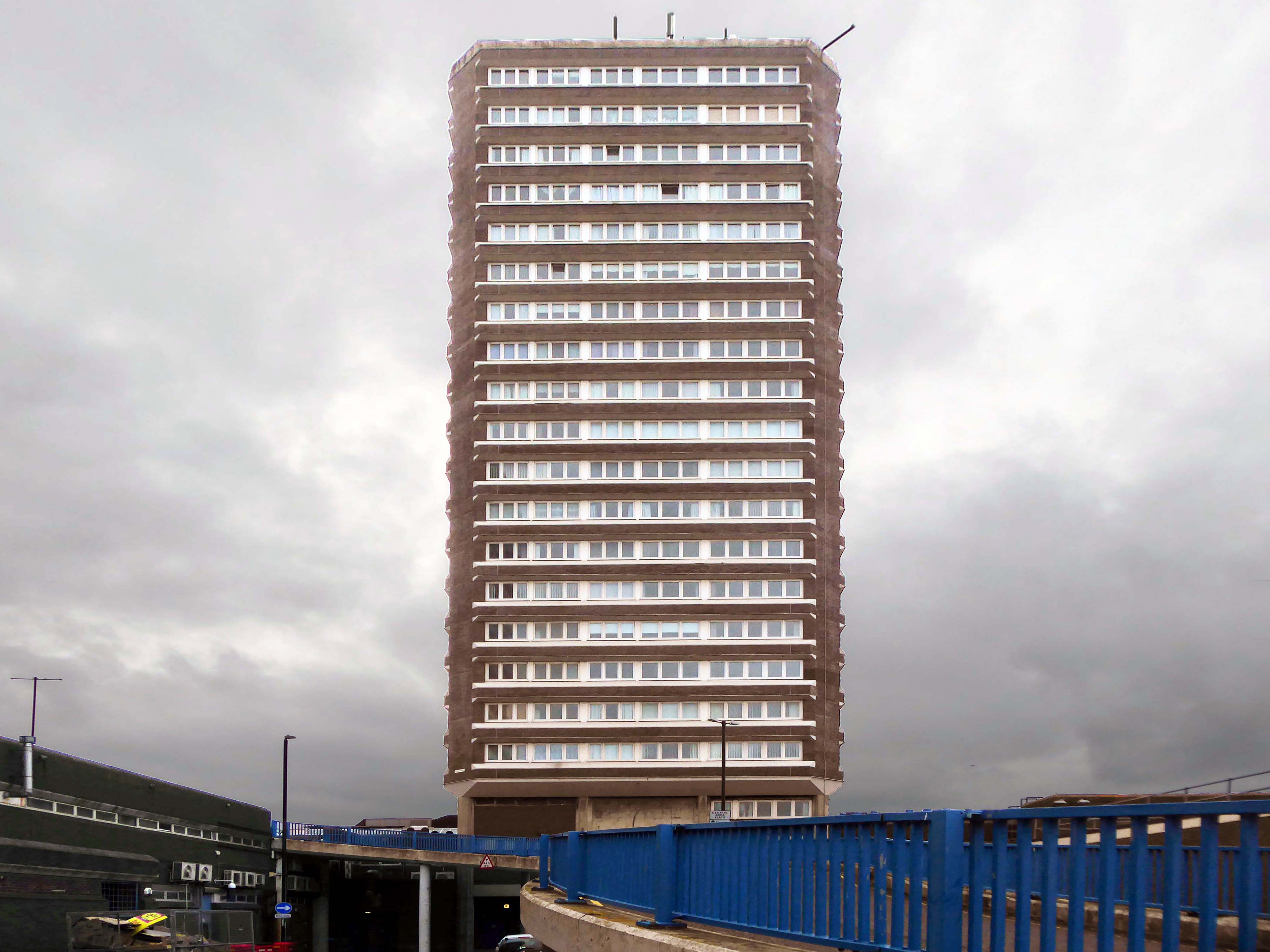
The former Central Library awaits us, designed in 1965 by Clifford Brown – a striking podium and tower, currently home to council offices.

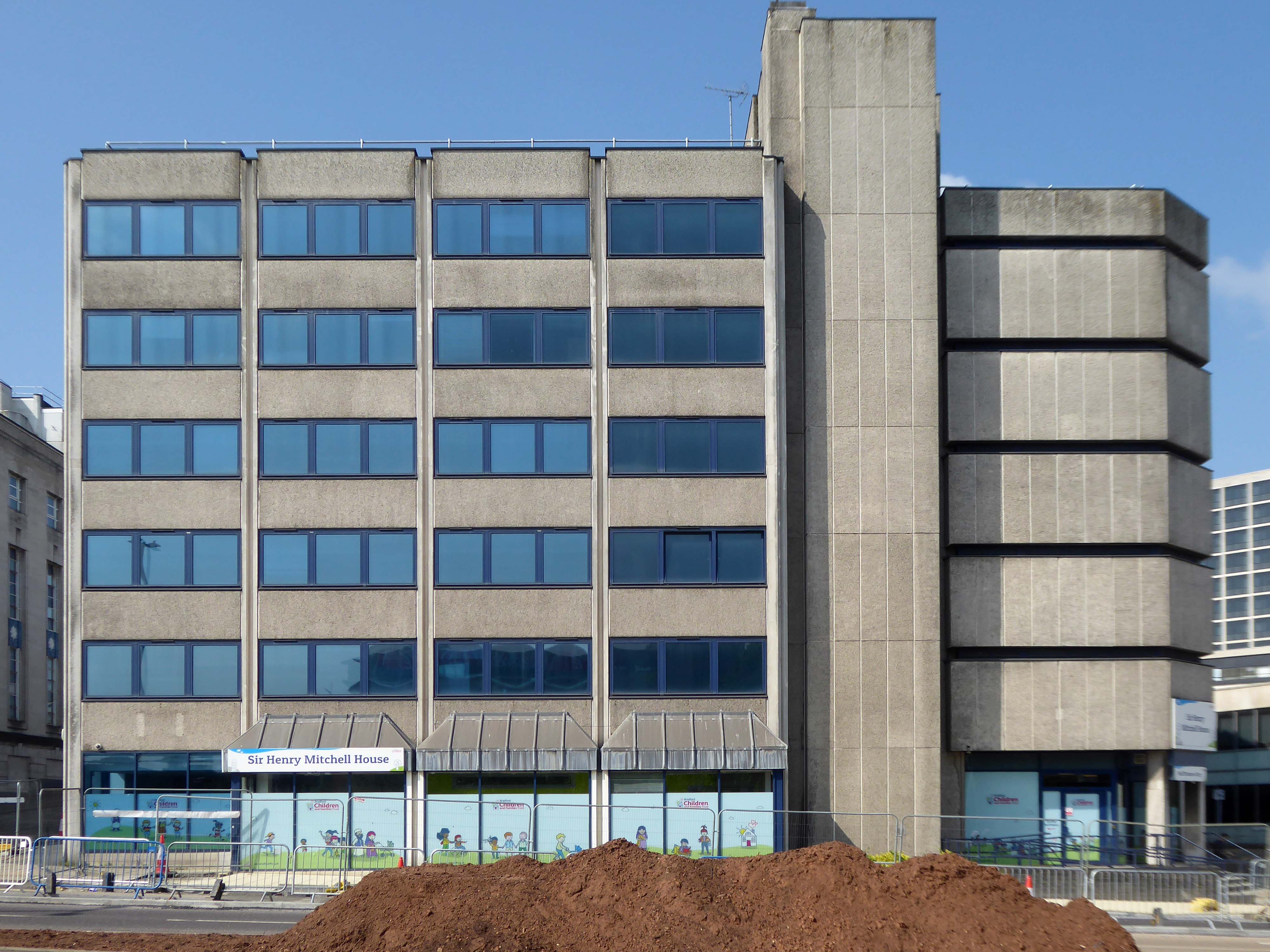
Next door the Sir Henry Mitchell House home to the Children’s Services.

Sir Henry Mitchell 1824 1898 was a mill owner and Mayor.

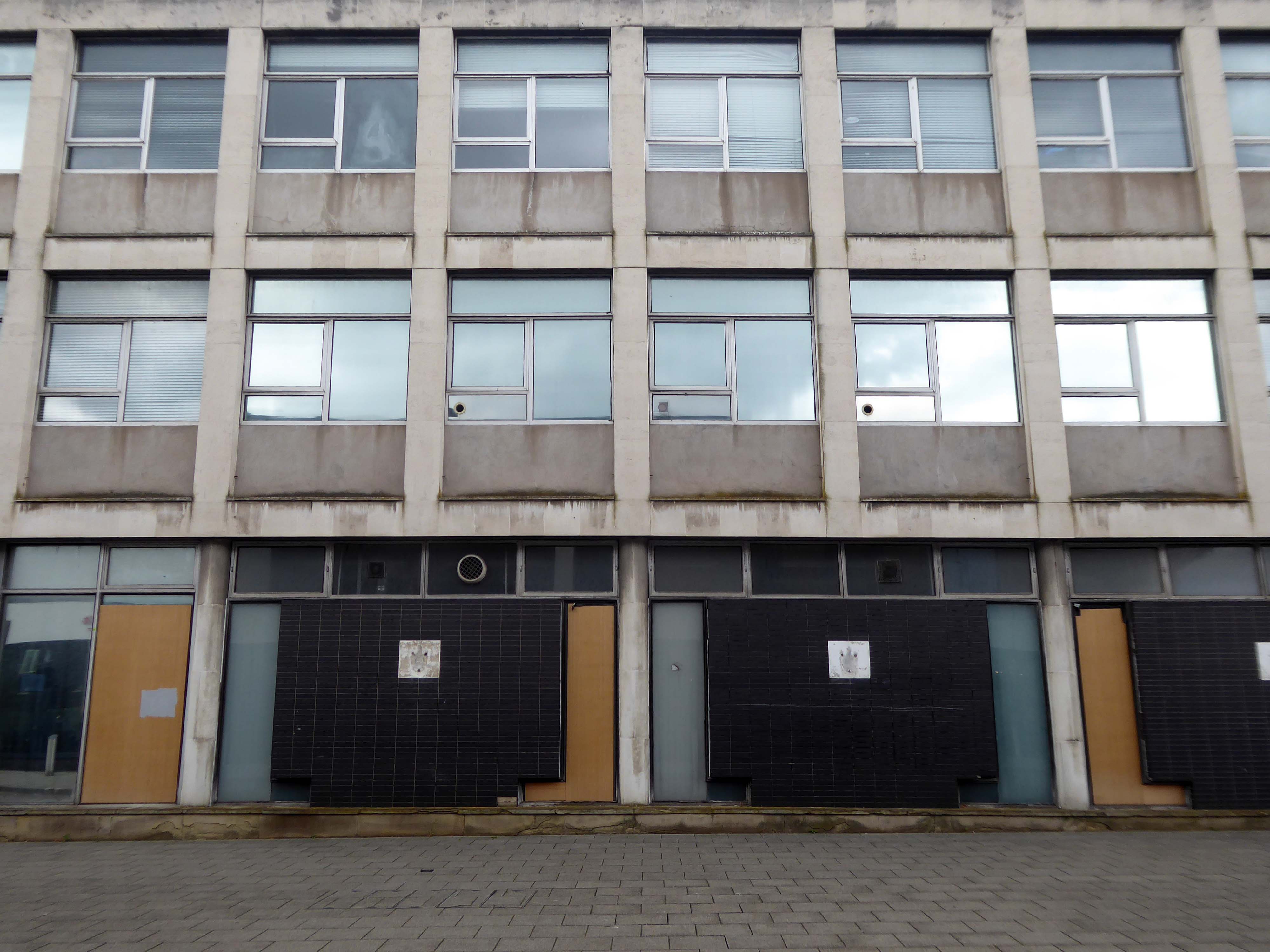
Moving further along the Telephone Exchange of 1936, design by architect FA Key.

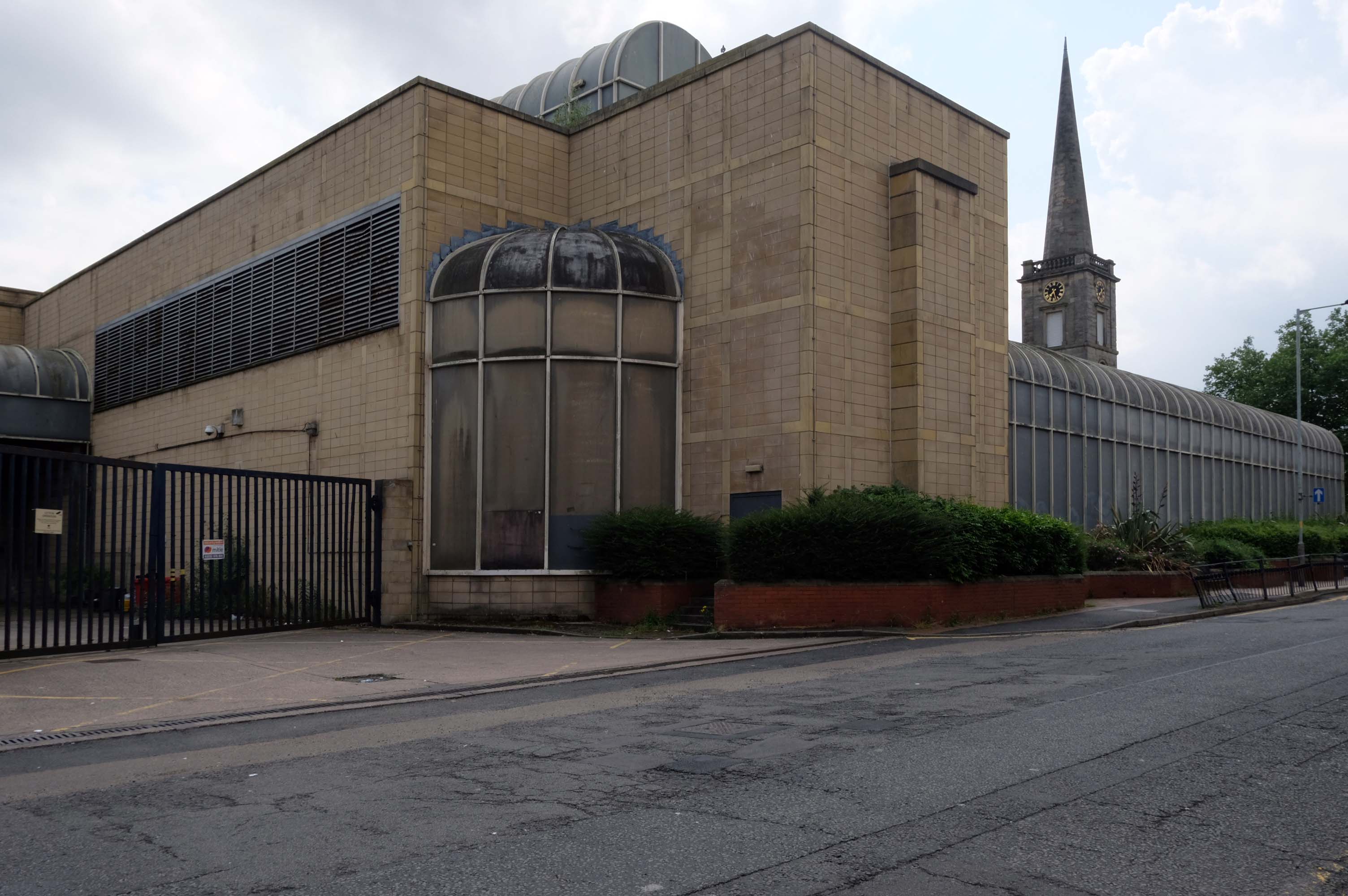
Partner to the Telephone Exchange of 1976 by architect Trevor H Hanson for PSA

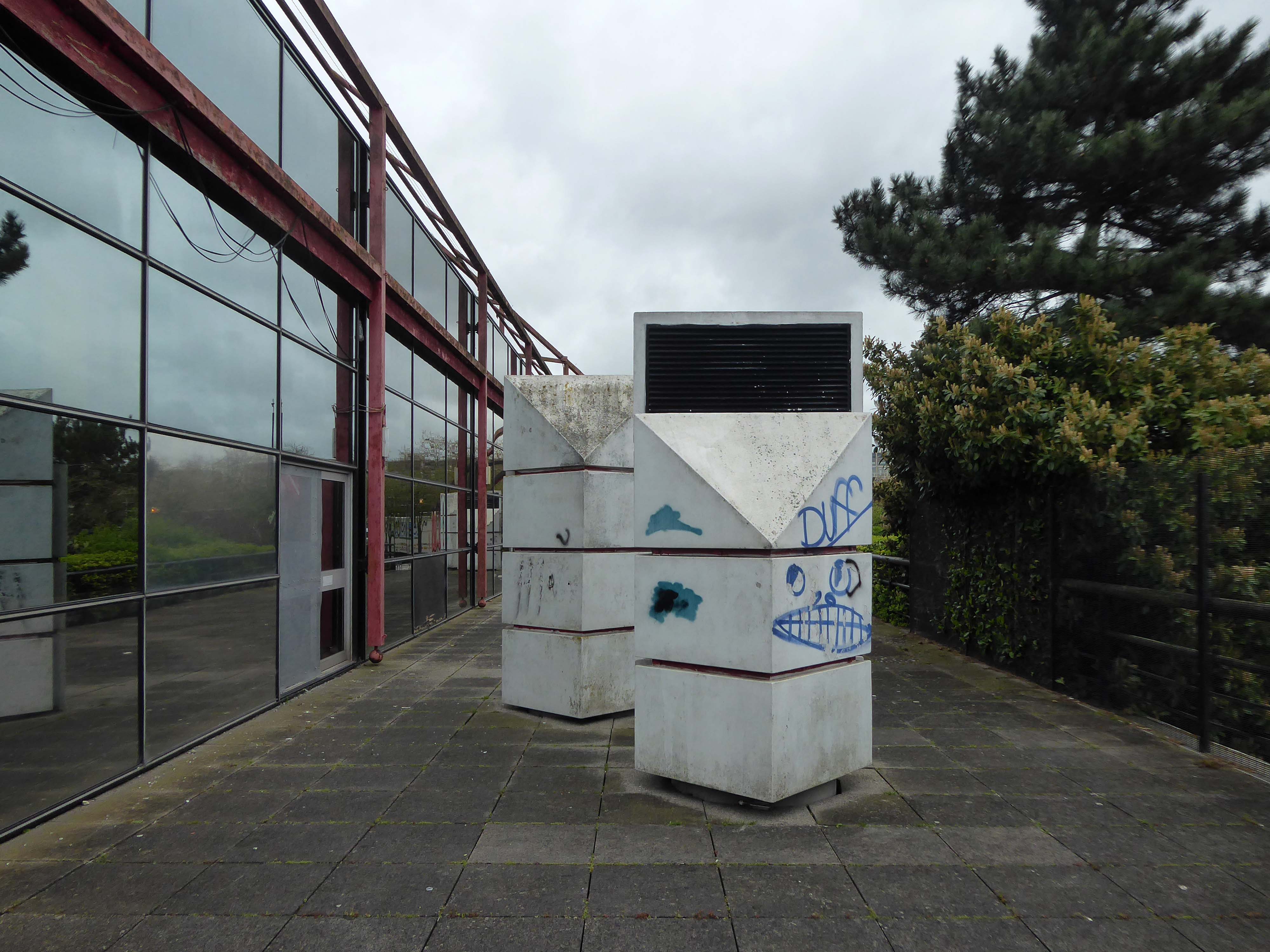
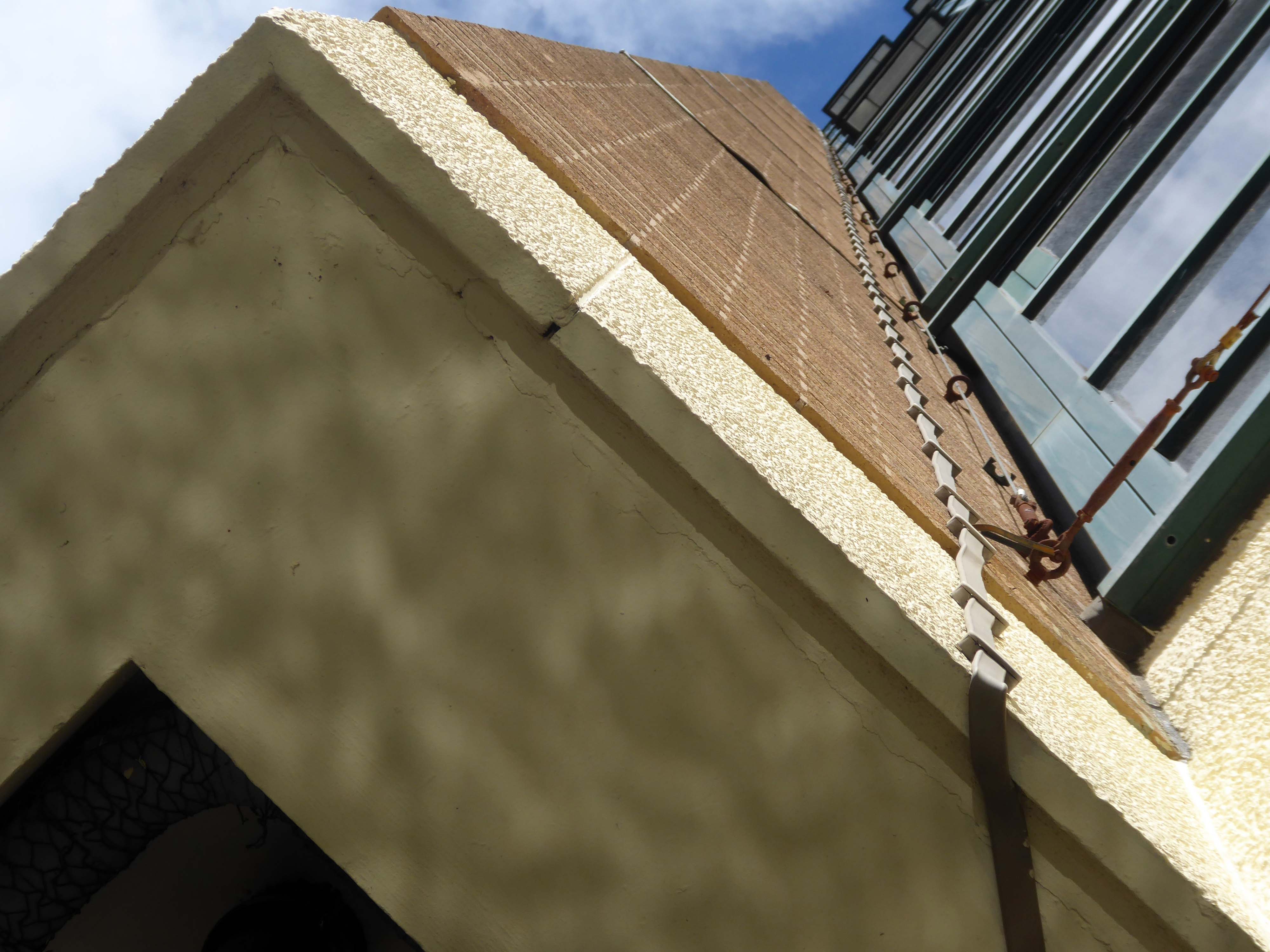
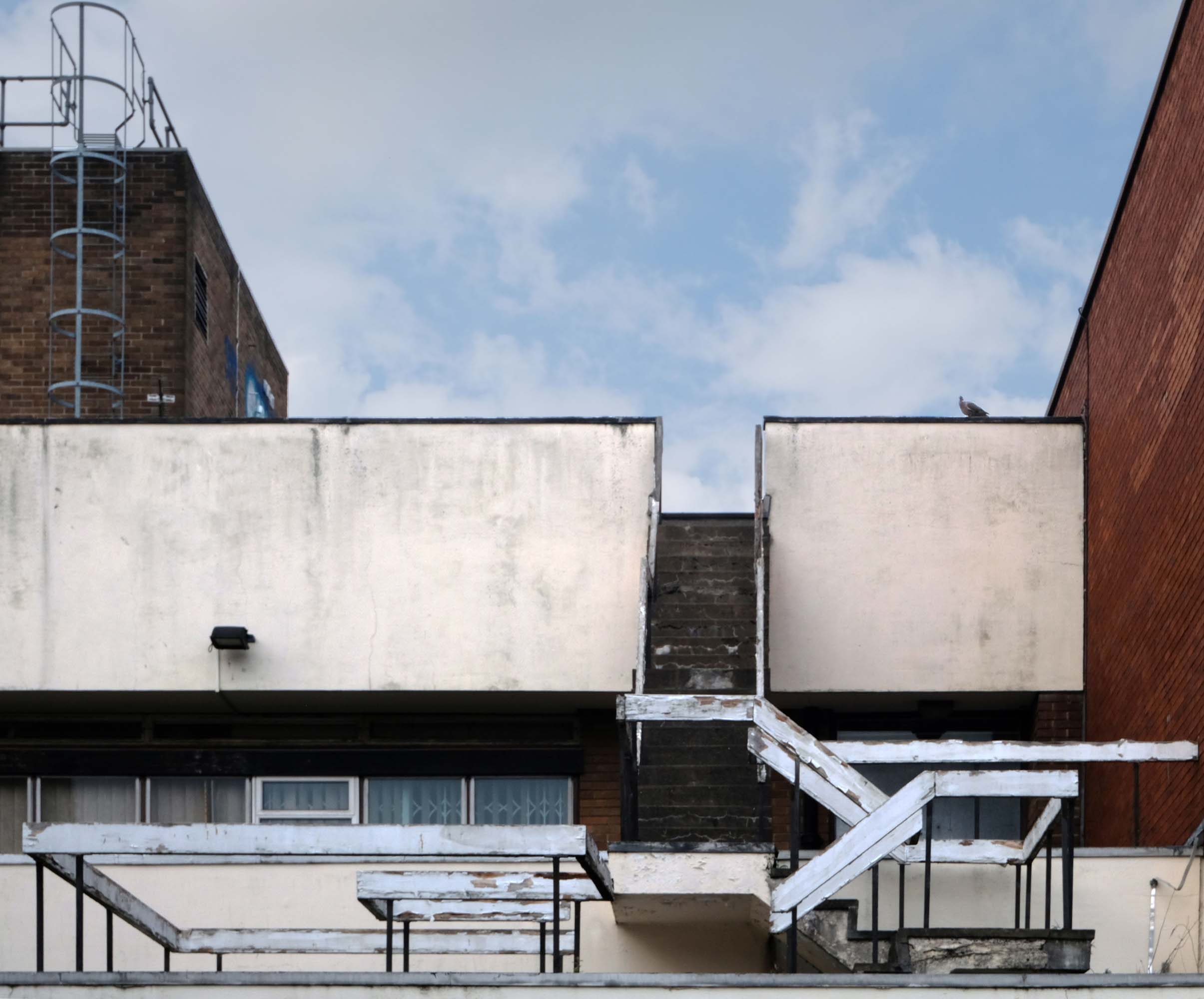
The gates were open and we were afforded a view of these delightful vents.

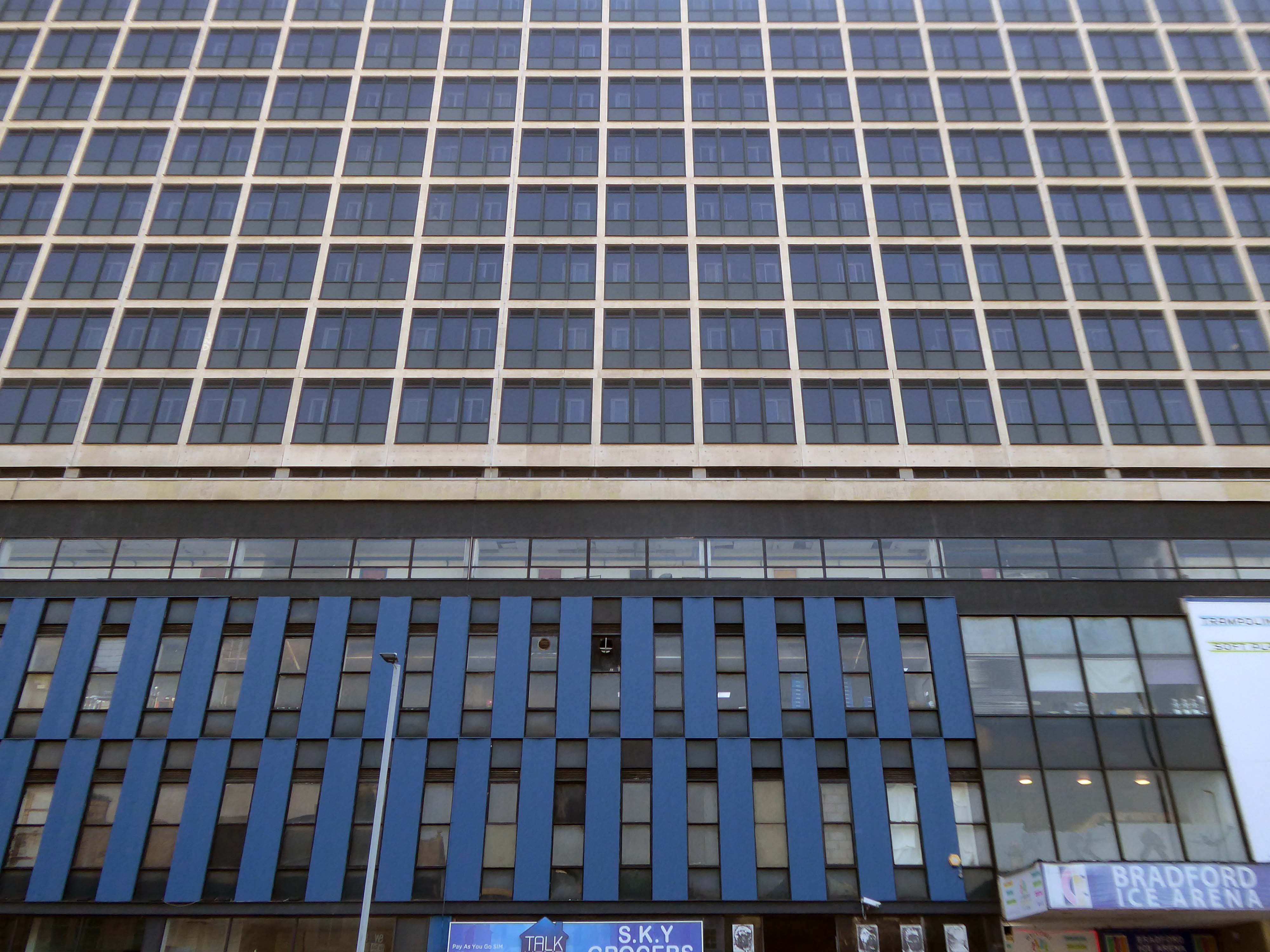
Next to the Ice Arena topped off with Wardley House – Sanctuary accommodation for key workers and students.

Wardley House is equipped with all the modern amenities you need for a comfortable and connected life as a key worker. The rent includes high-speed broadband and building-wide Wi-Fi, utility bills, and contents insurance. Our top-notch facilities comprise a large common room with a pool table, flat-screen TV, and live BT Sport – the perfect social space.

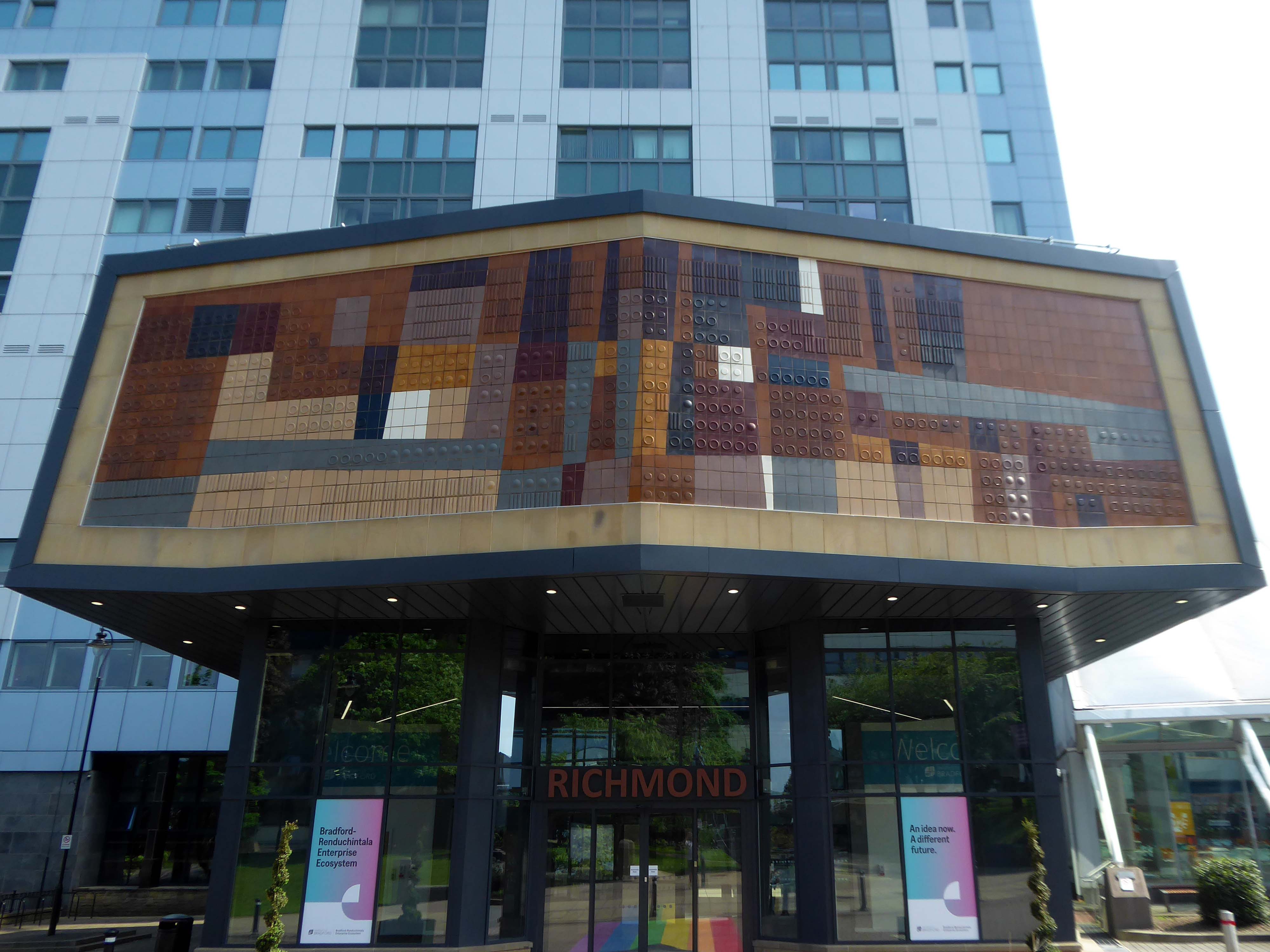
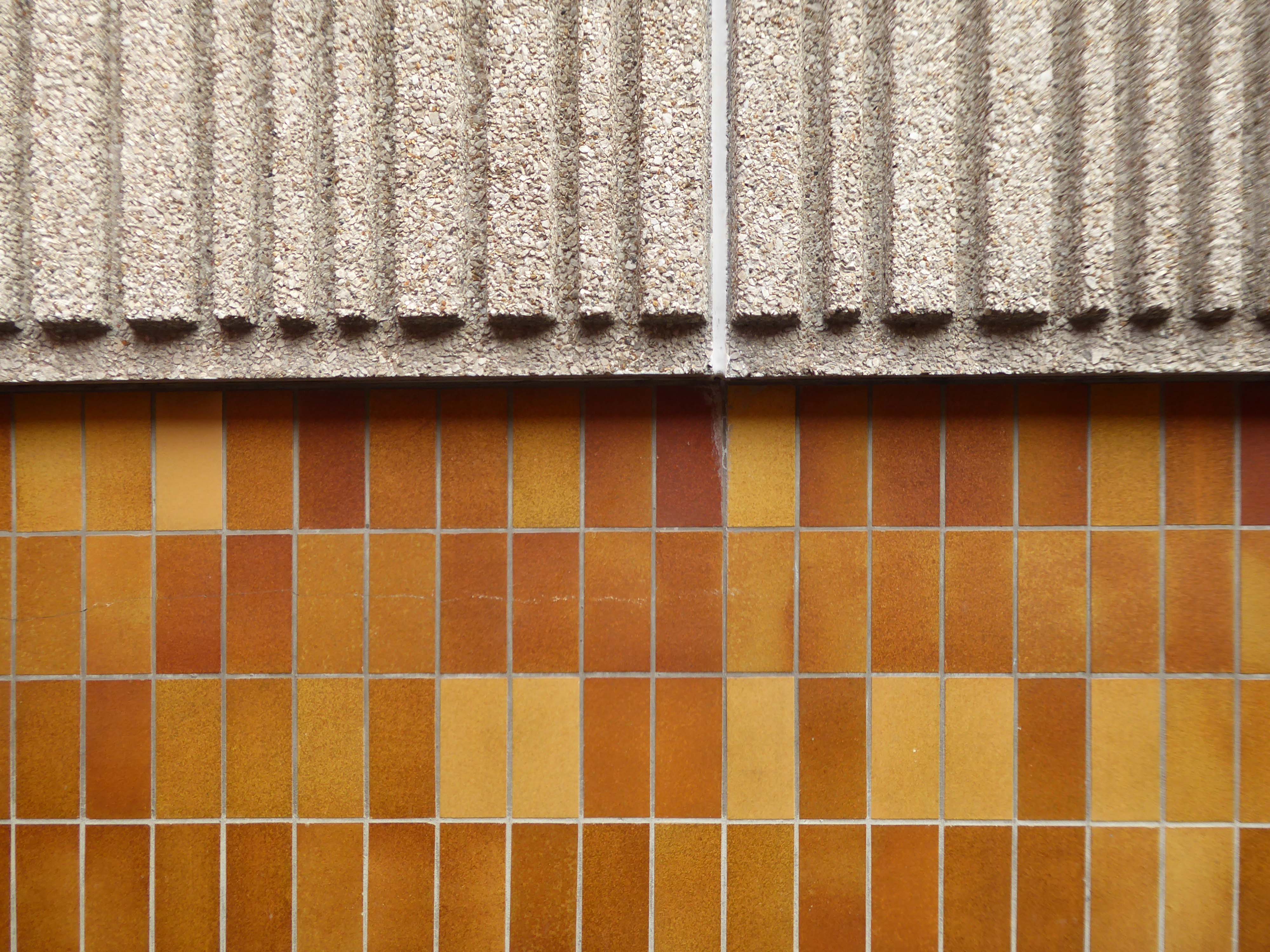
Up the hill and around the bend to the University of Bradford – the main Richmond Building fronted by Joe Mayo’s tiles.

At the University of Bradford our focus is on creating the conditions for social, cultural and economic impact. We will achieve this by using our proud heritage as a springboard and remaining steadfast in our commitment to equality, diversity and inclusion. We will harness our strengths in research, innovation, teaching and partnerships to extend our reputation, influence and impact. All of this will create a values-led culture that is inclusive and effective in enriching lives and benefitting society.

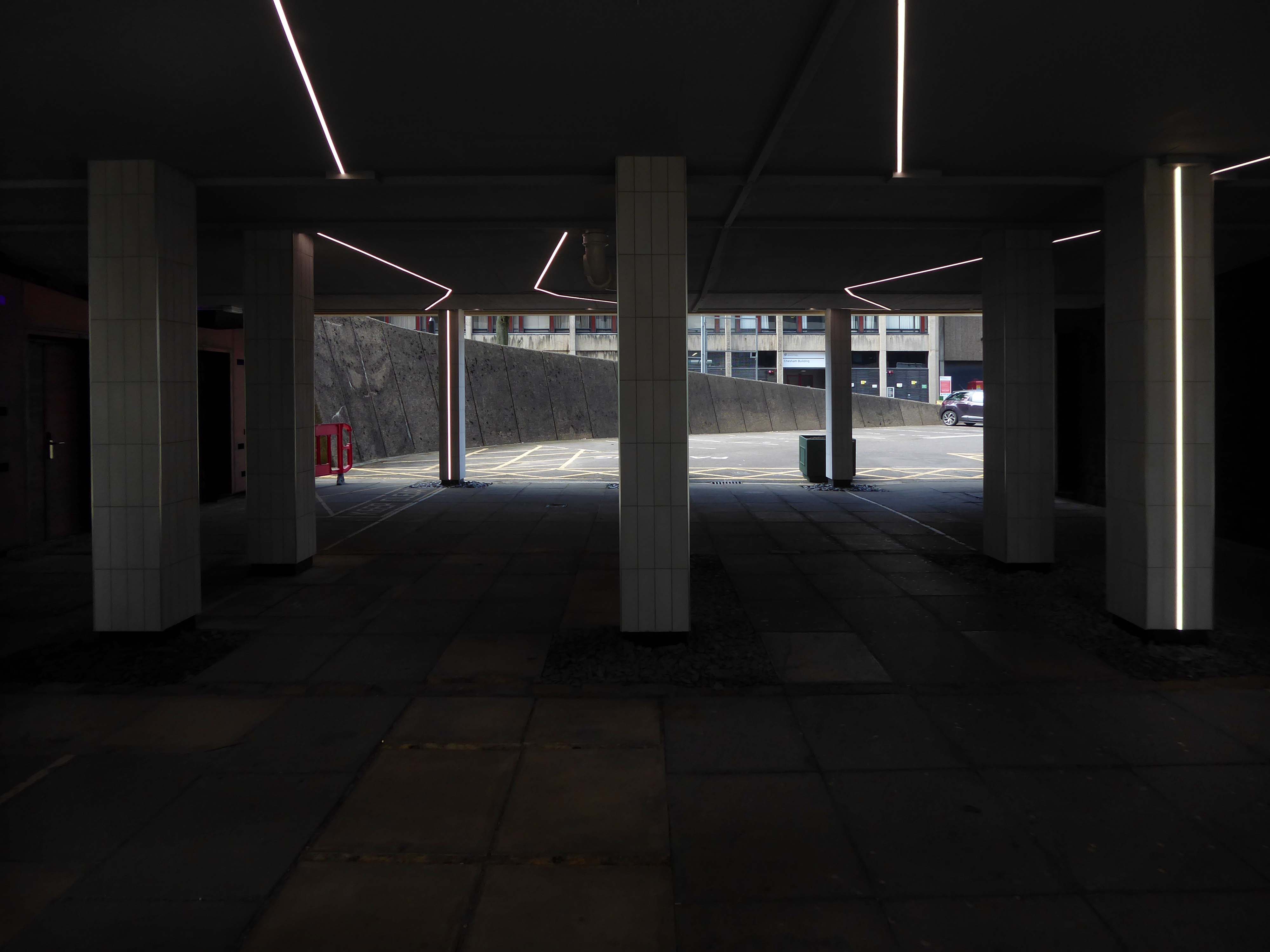
The undercroft has undergone a major refurb rethink – transformed into a Goth Disco.

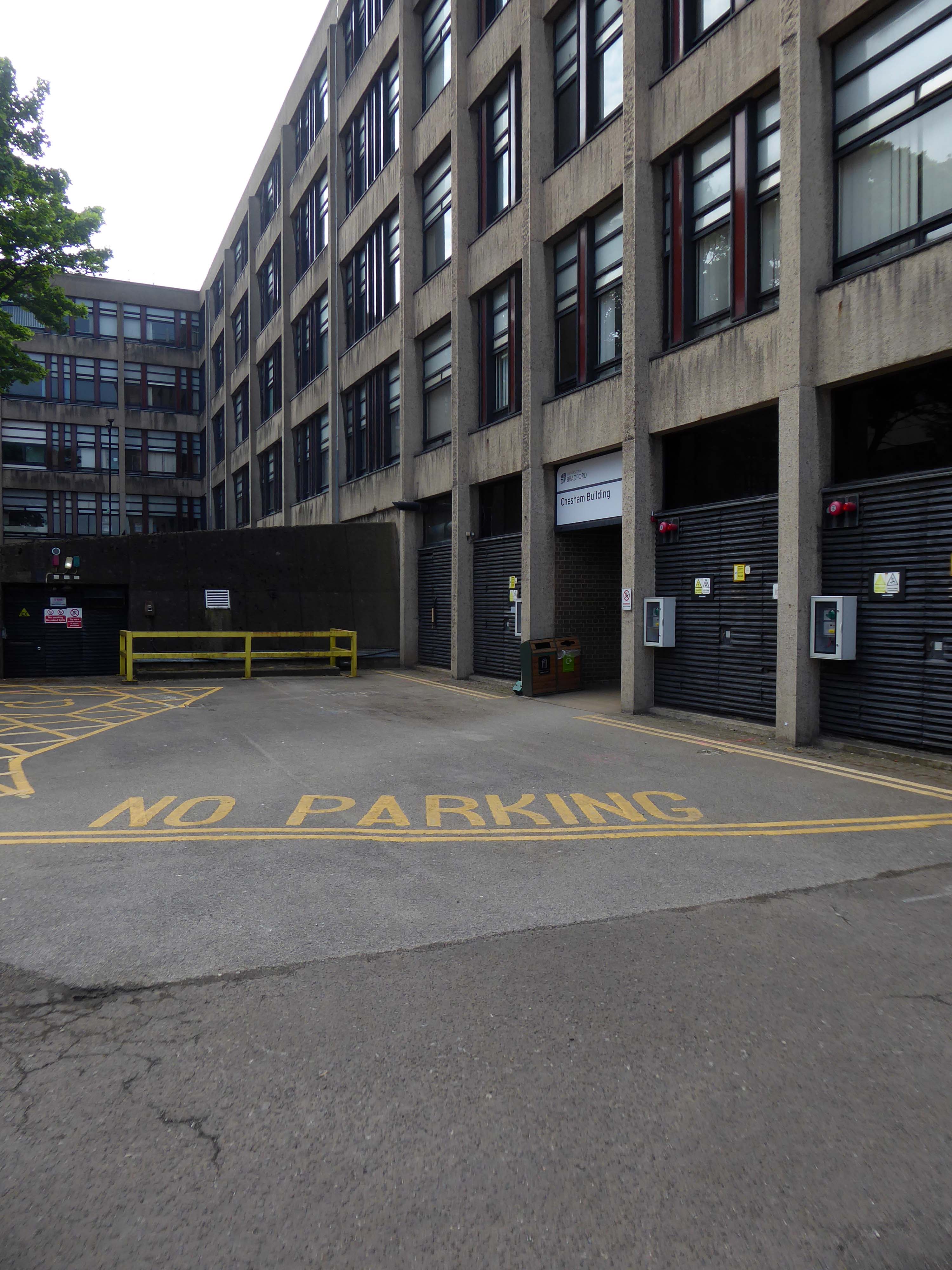
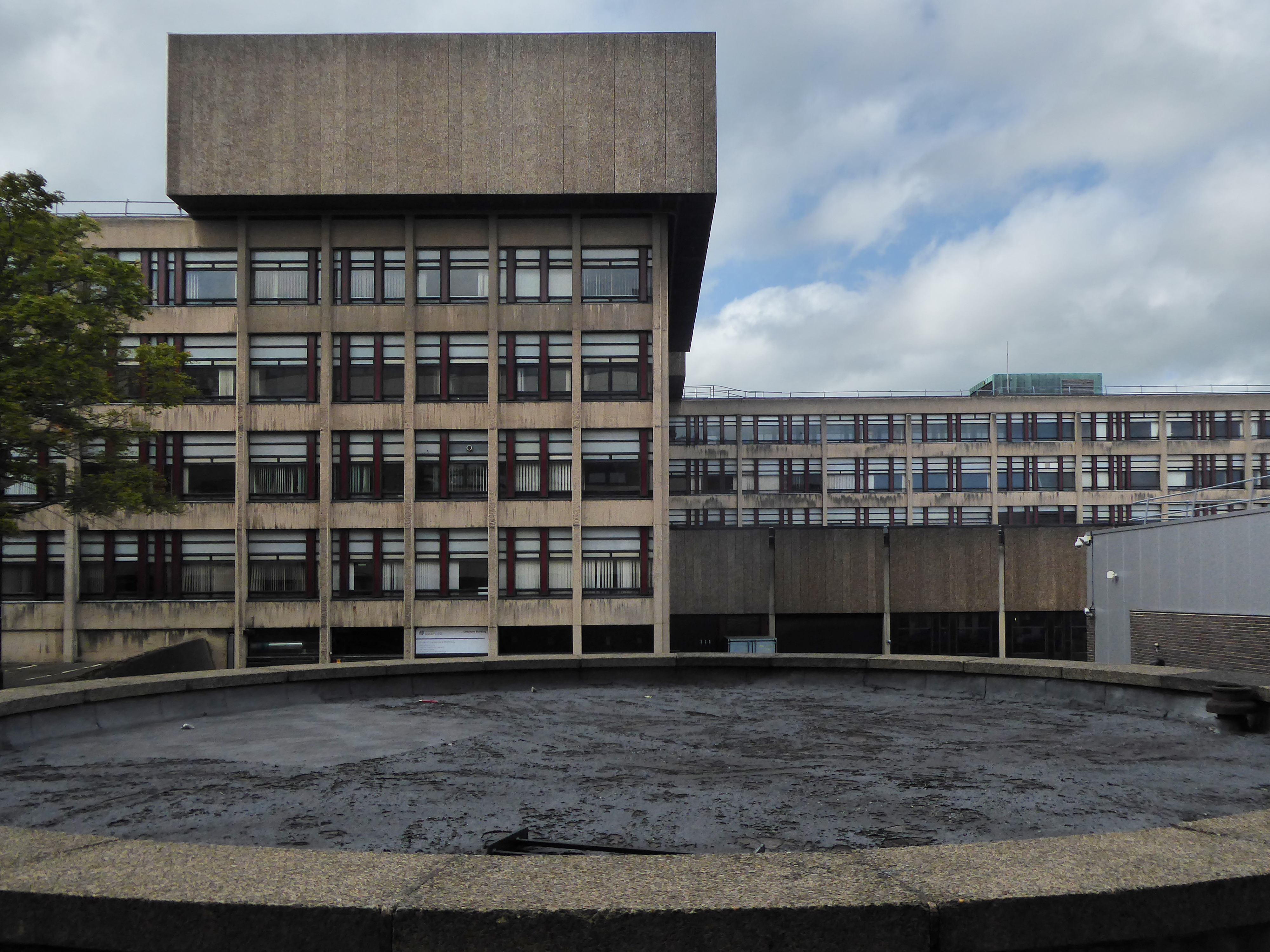
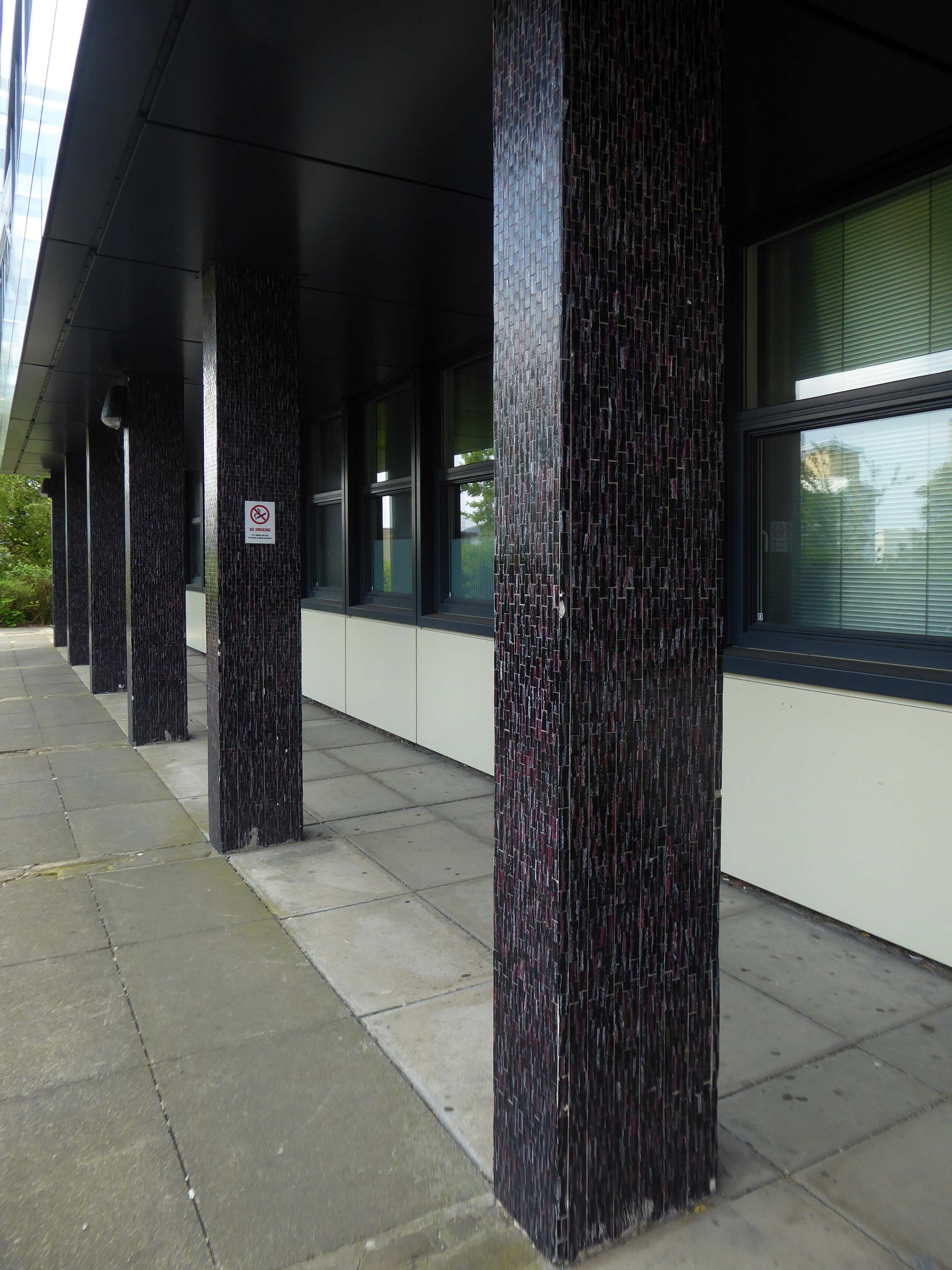
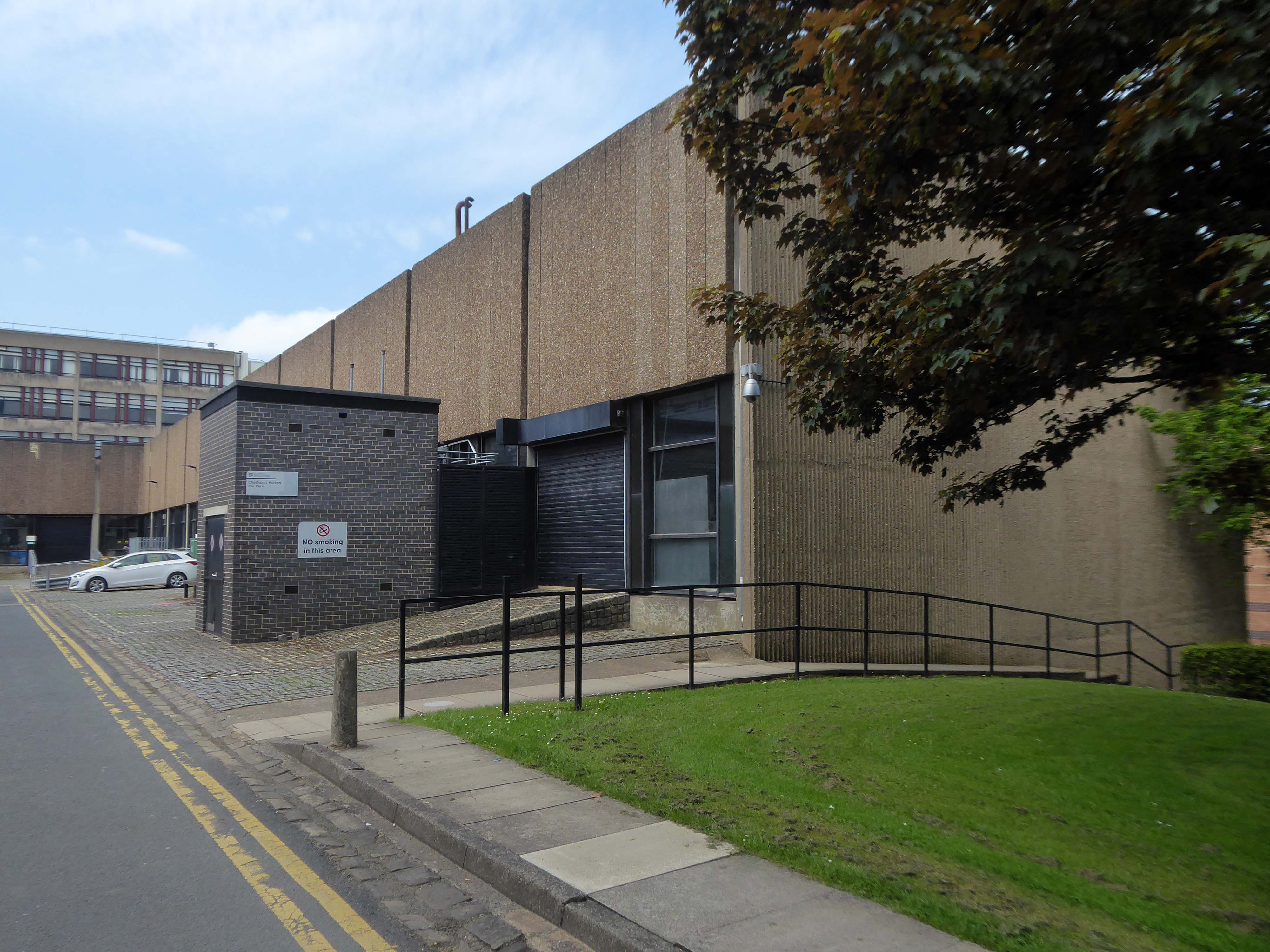
We emerge unscathed into the clear light of day and the BDP designed Chesham and Horton blocks.

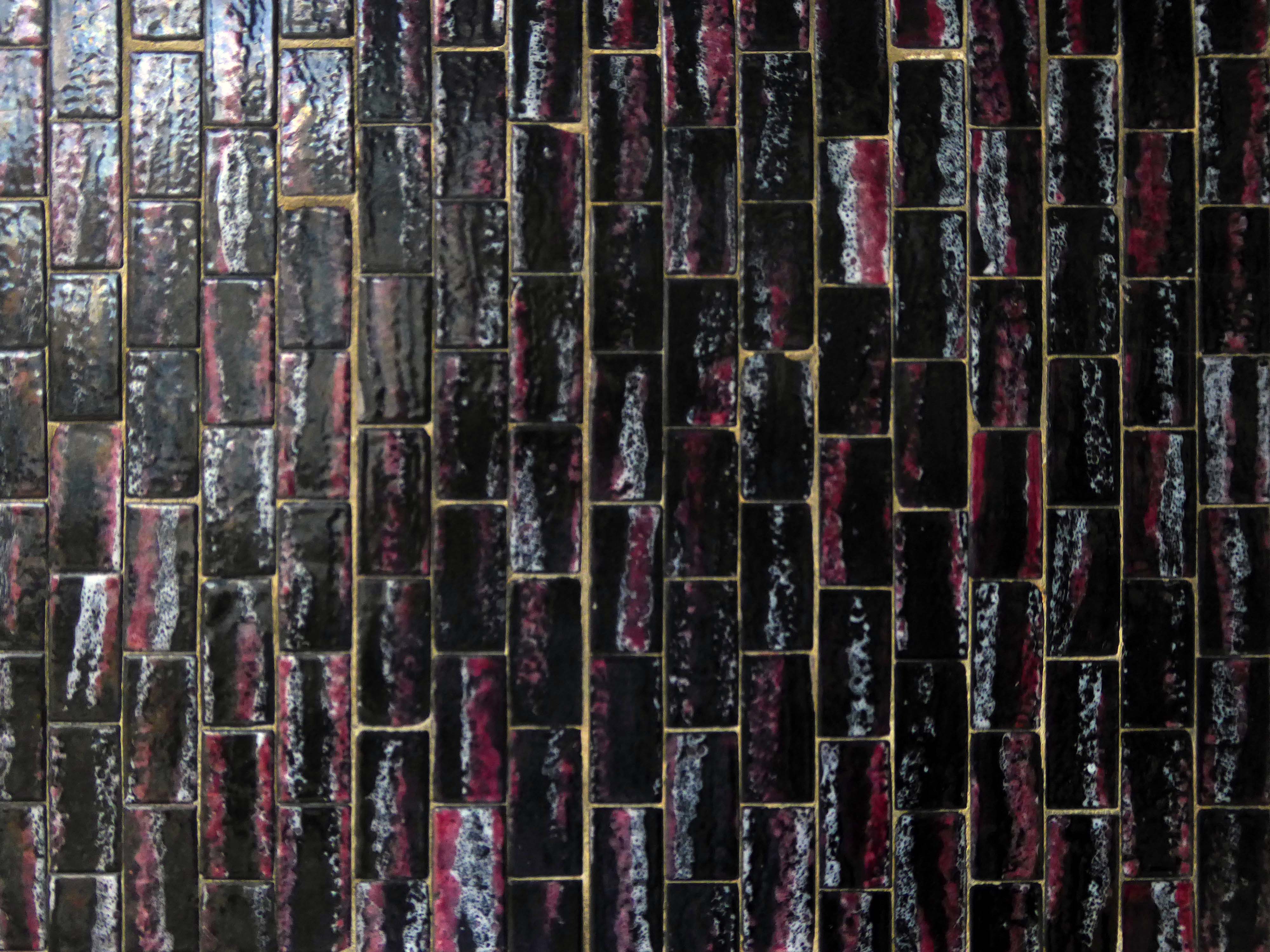
The mosaic covered columns remain unclad.

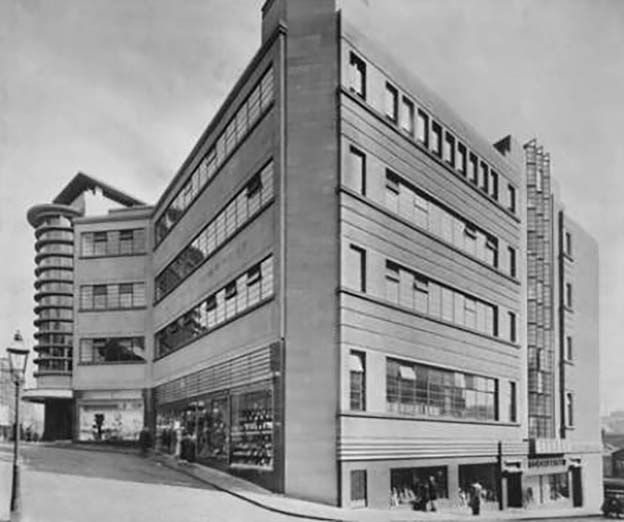
Let’s hop to the Grade II-listed Co-op designed by CWS in house architect WA Johnson and JW Cropper in 1935.

Architect W A Johnson worked for the Cooperative Wholesale Society from 1899 until 1950. He was heavily influenced by the German architect Erich Mendelsohn after 1930, evident in his embrace of the International Modernist style. Johnson travelled widely in Germany and Holland, and Mendelsohn’s Schocken store in Stuttgart 1928 is quoted as being a particular inspiration for the Bradford Co-op.

Demolished despite protests in 1960.

In 2019 the Architectural Heritage Fund announced a £5,000 Project Viability Grant to Freedom Studios Ltd.

The money funded a viability study to investigate the potential of building becoming a multi-use cultural hub.

As of May 2024, sadly there is no cultural hub.

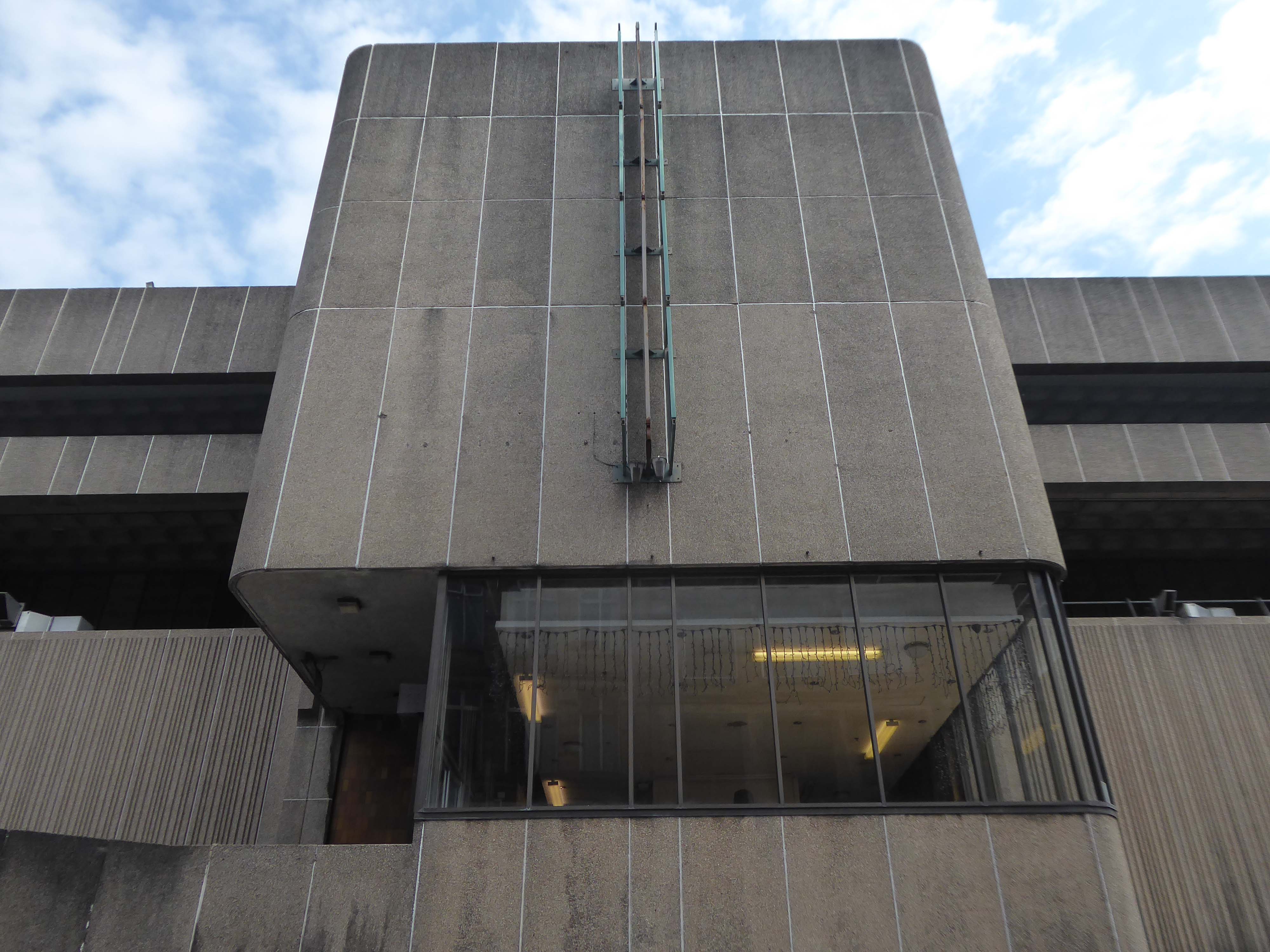
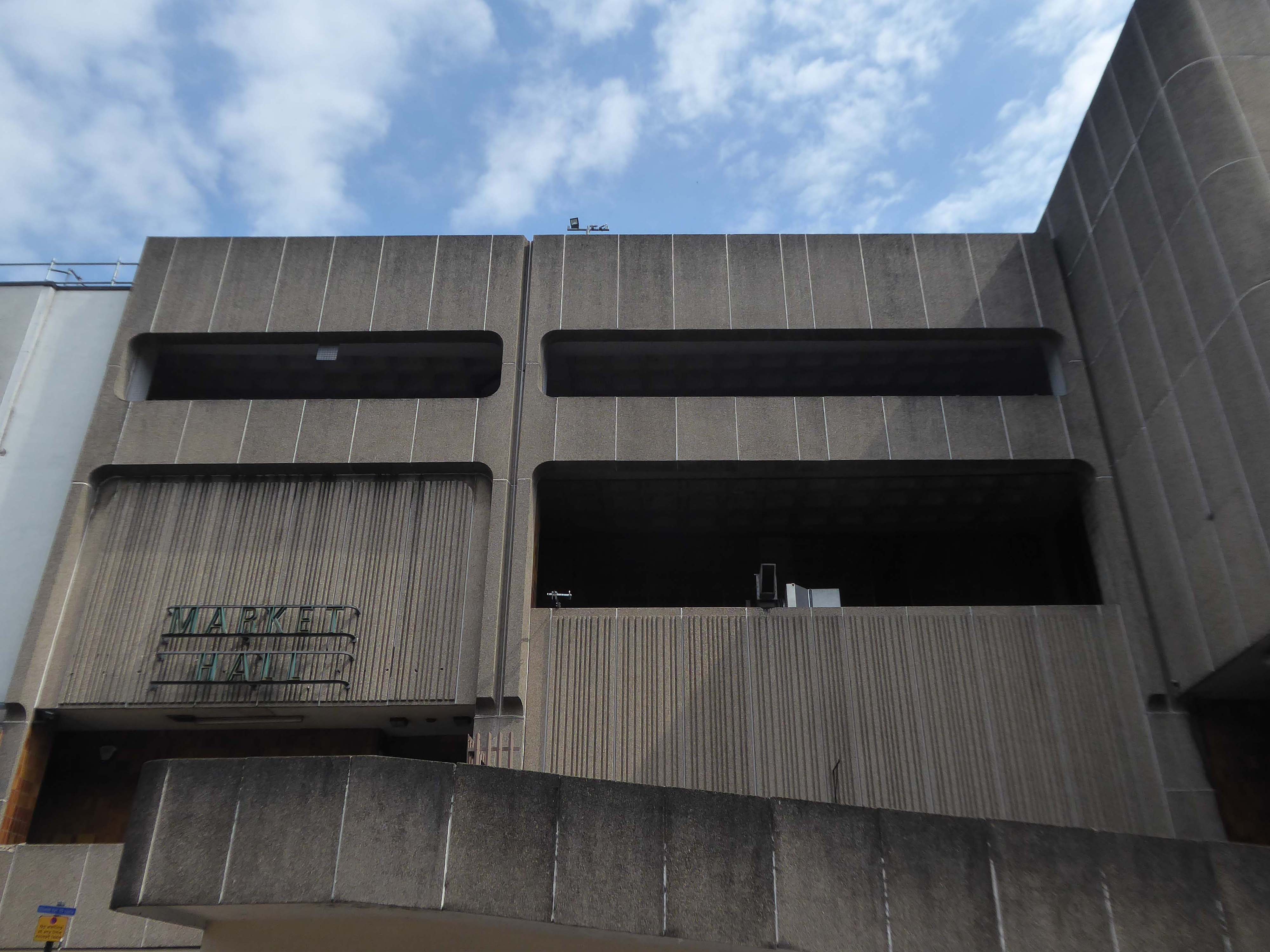
Next we hot foot it to the Kirkgate Centre and Market – John Brunton and Partners 1975.

In 1979, the building won a European award from the International Council of Shopping Centres.

But the Historic England report described its design as mundane and repetitive.

Janice Ivory and Lisa Donison didn’t hold back in their criticism of the centre in its current state.

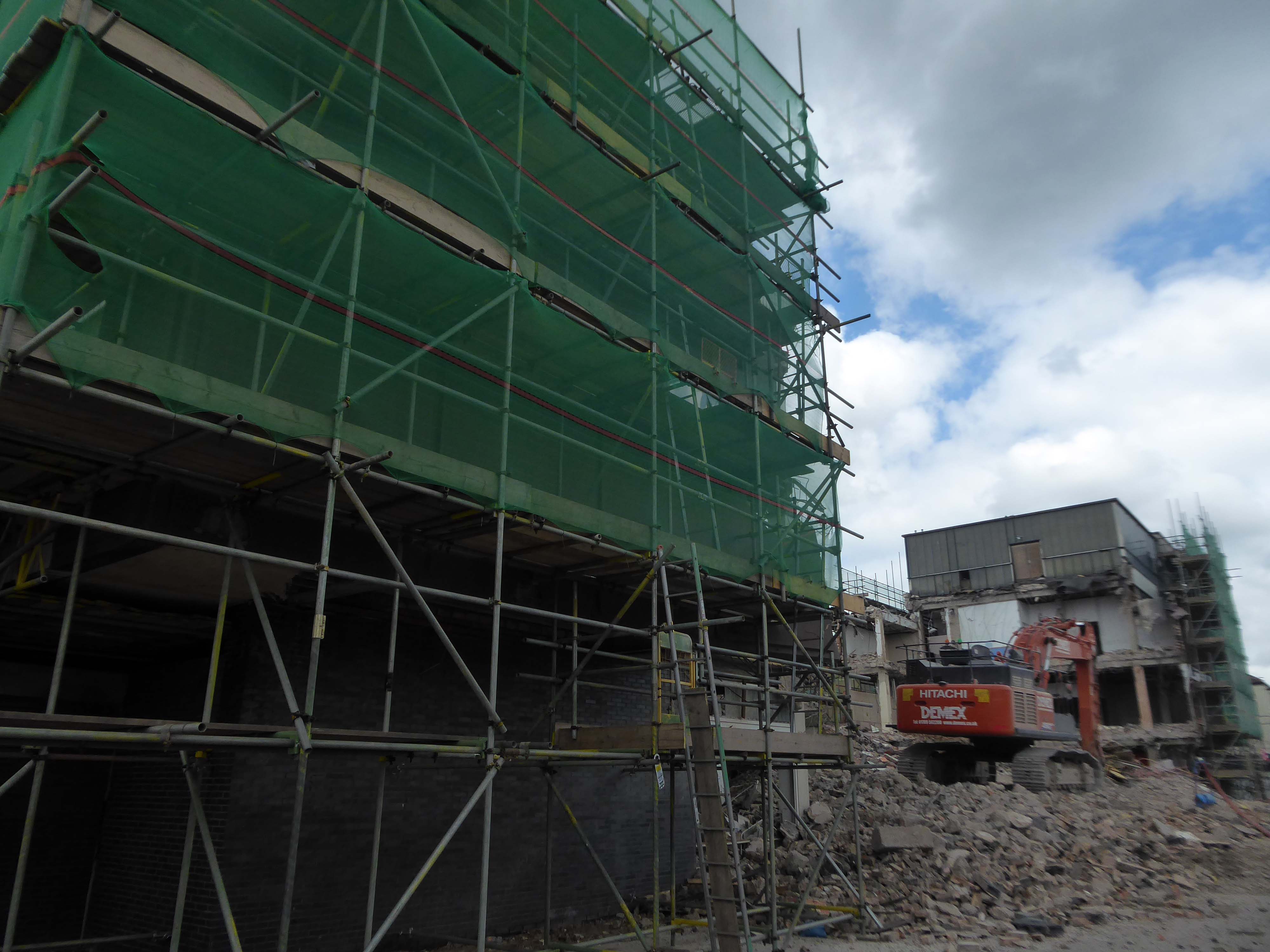
Thank God for that, was Janice’s reaction to the news the building was set to be bulldozed, although an exact date for its closure remains unknown.

It’s just a concrete monstrosity, she said of its design, which Historic England said was lacking architectural flair.

It’s just an ugly building, added Lisa.

Once dubbed Bradford’s space age retail destination, Kirkgate Shopping Centre will soon be no more. 

The city centre landmark, which opened for business as an Arndale in 1976, has been denied listed status by Historic England – paving the way for its demolition.

BBC

Geoffrey Cowley from Wibsey, who was in town for an eye appointment, said demolishing it:

Might be the right thing to do.

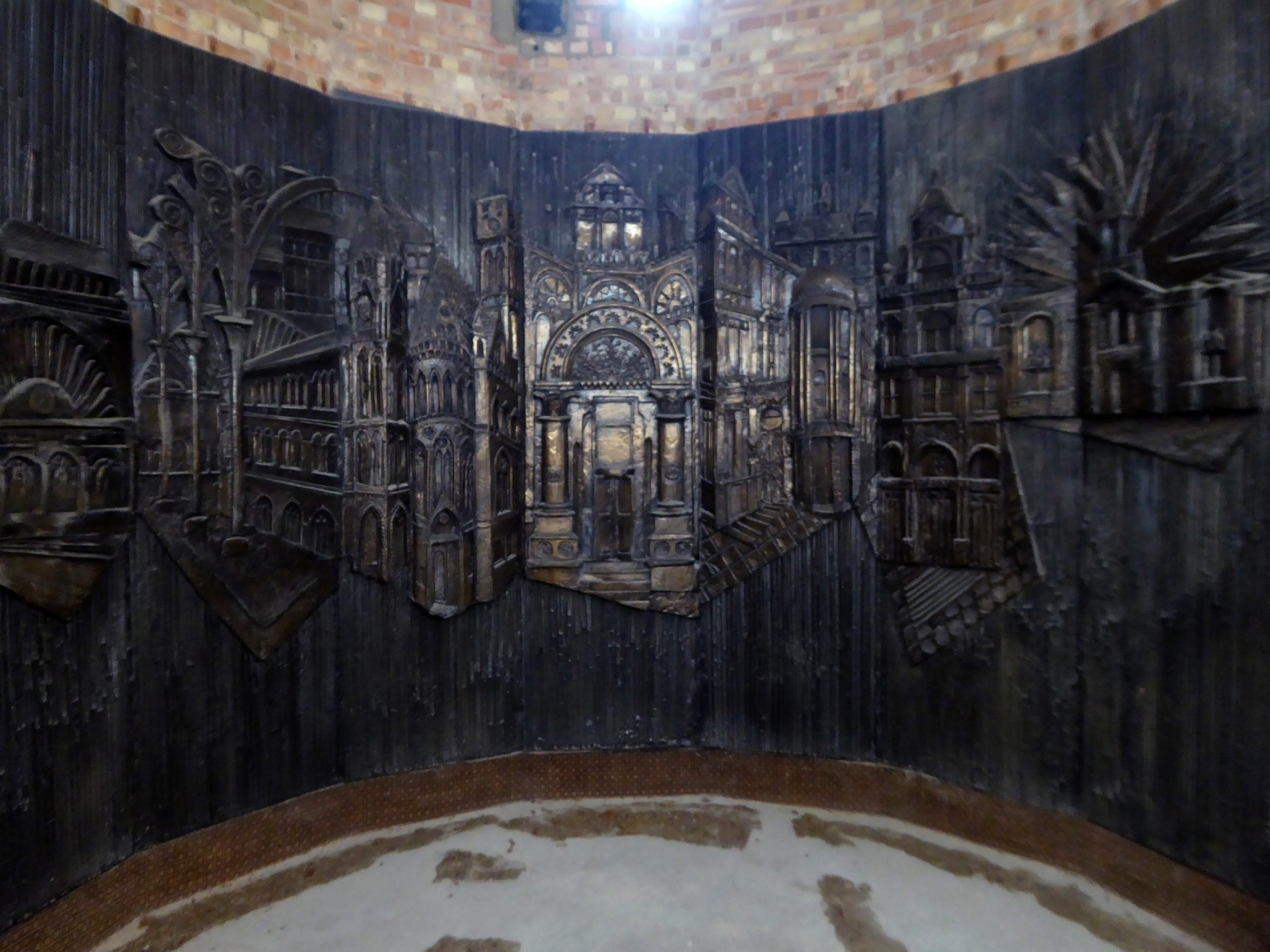
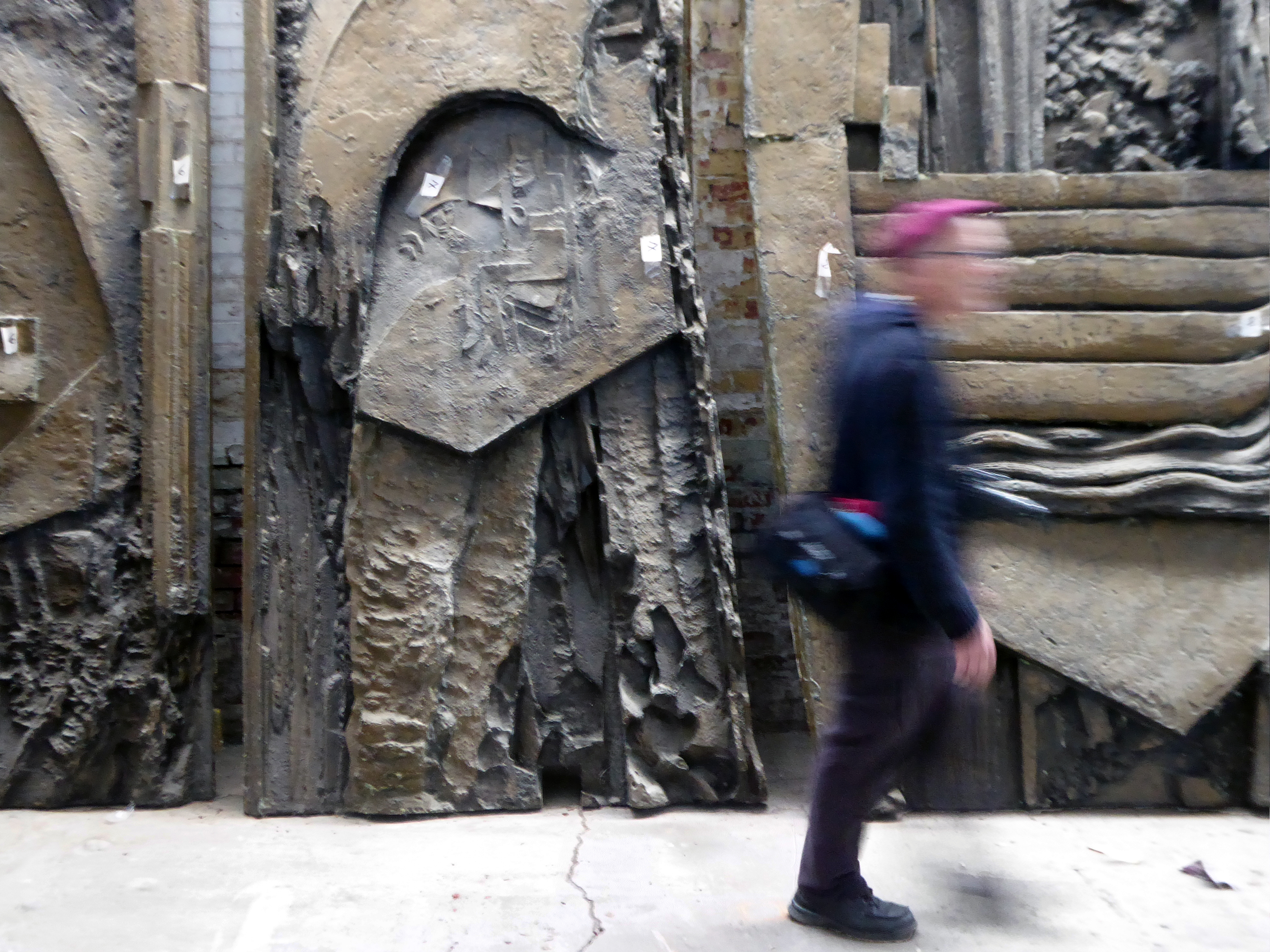
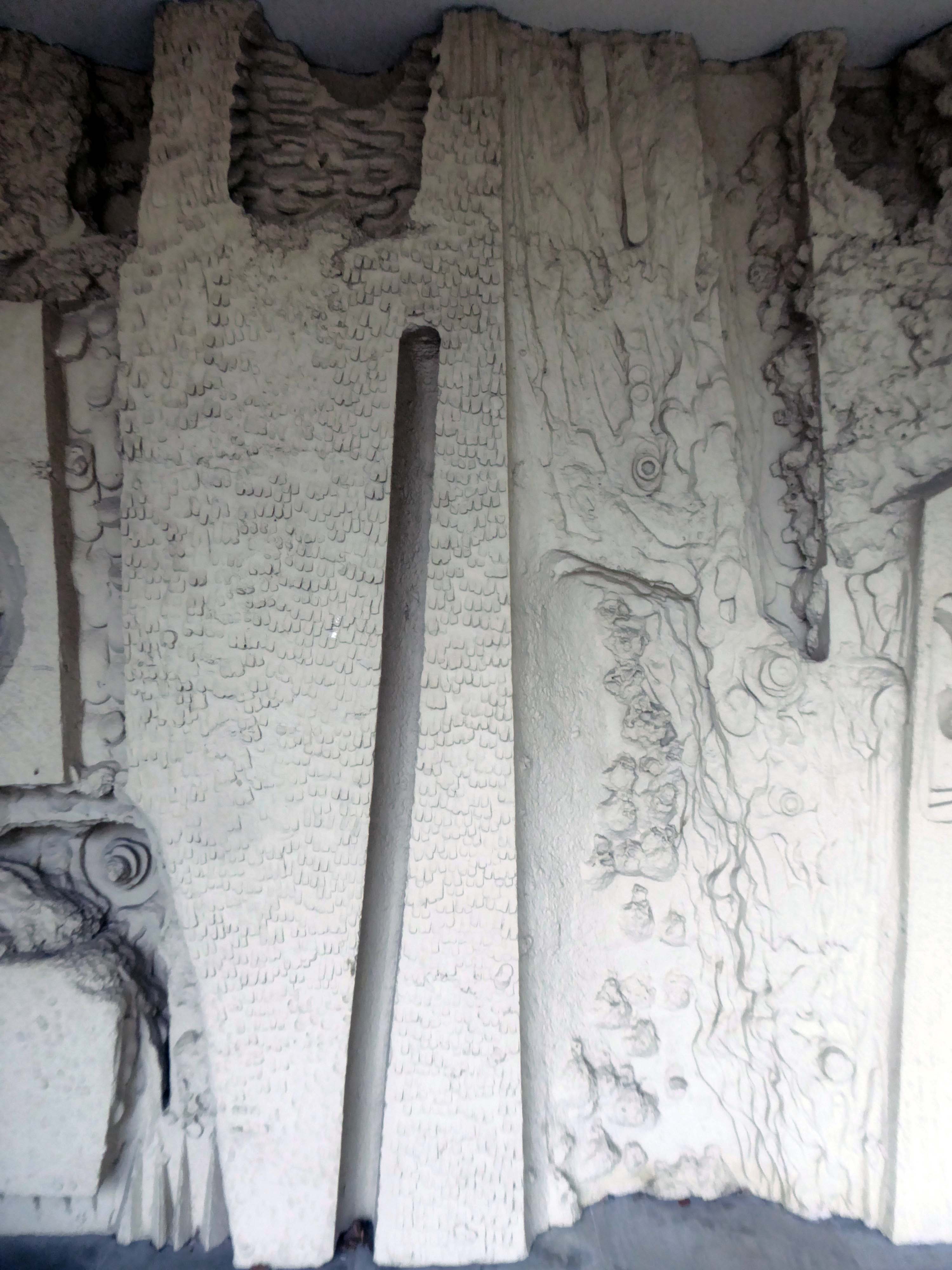
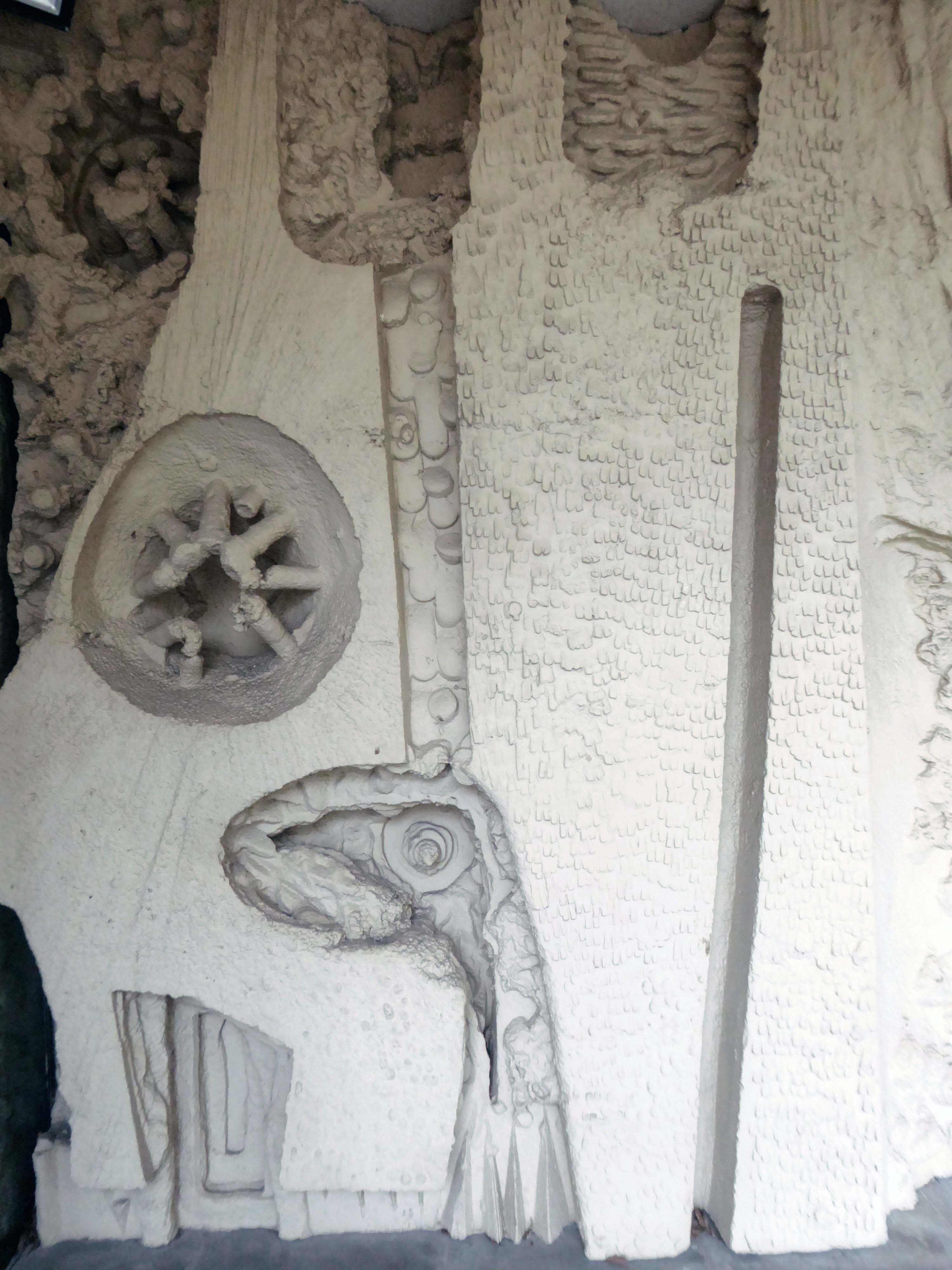
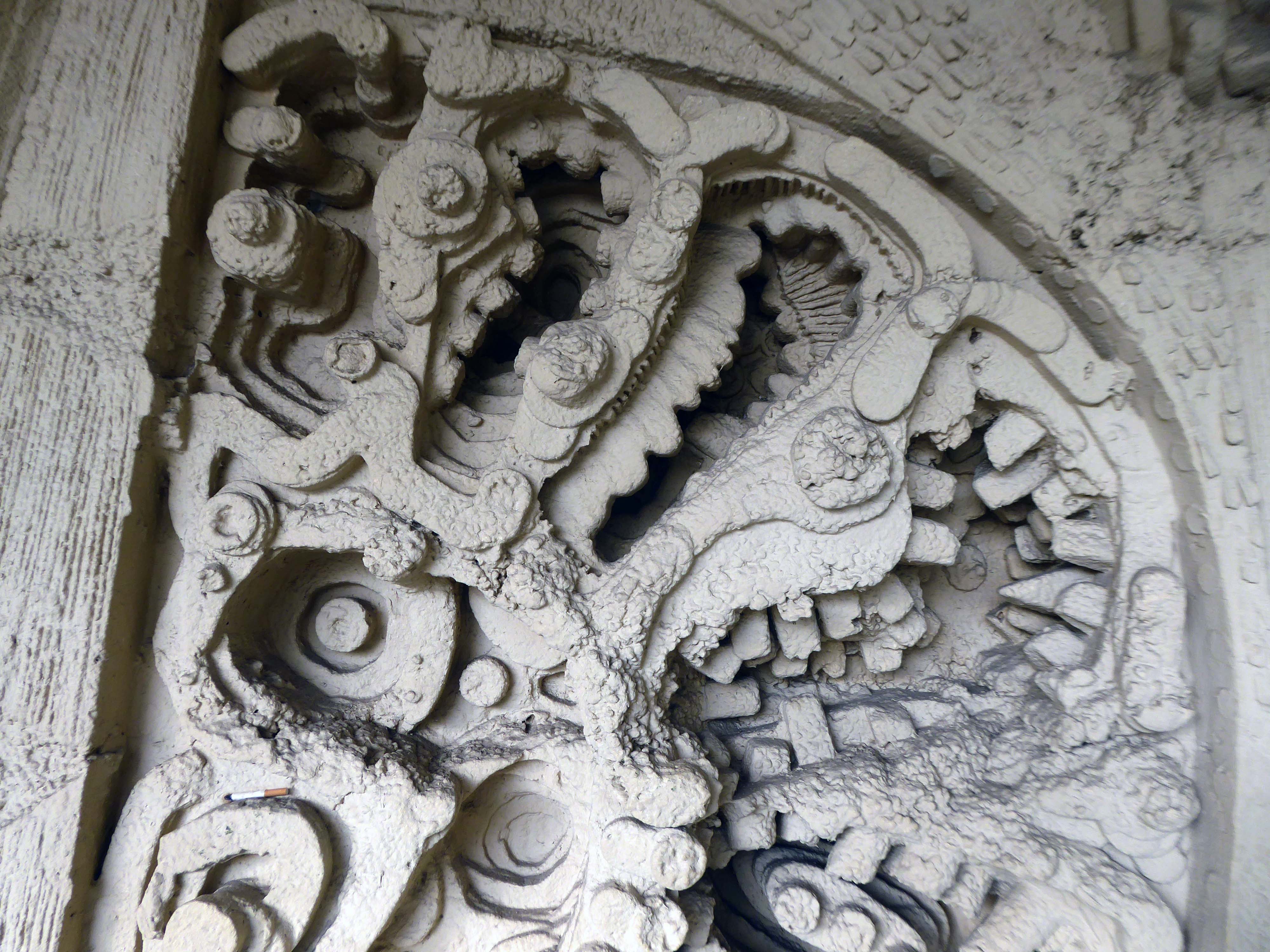
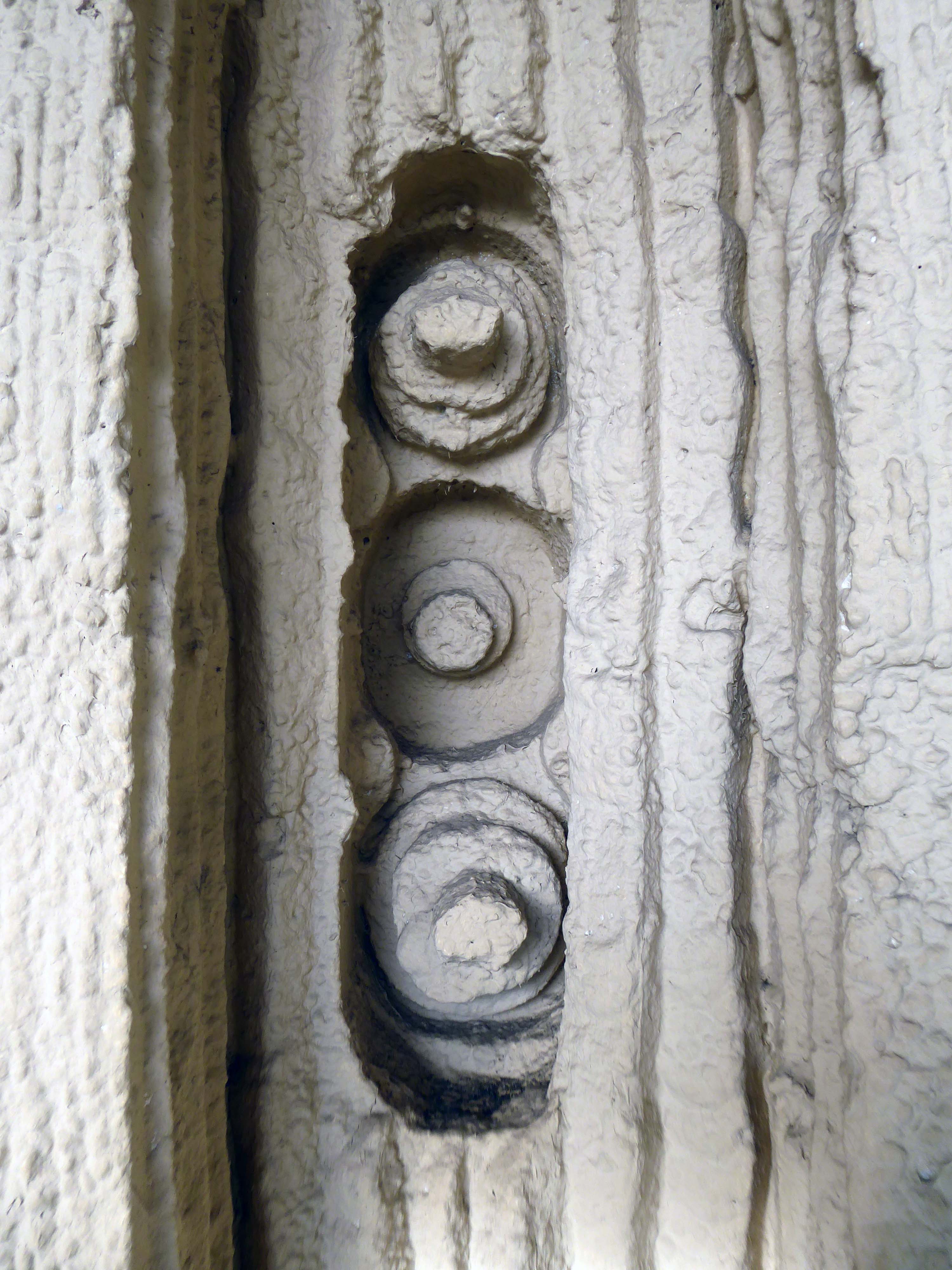
There are plans to remove and display the William Mitchell panels along with these other examples of his work.

In-situ at Highpoint.

In storage – removed from the Bradford And Bingley Building Society.

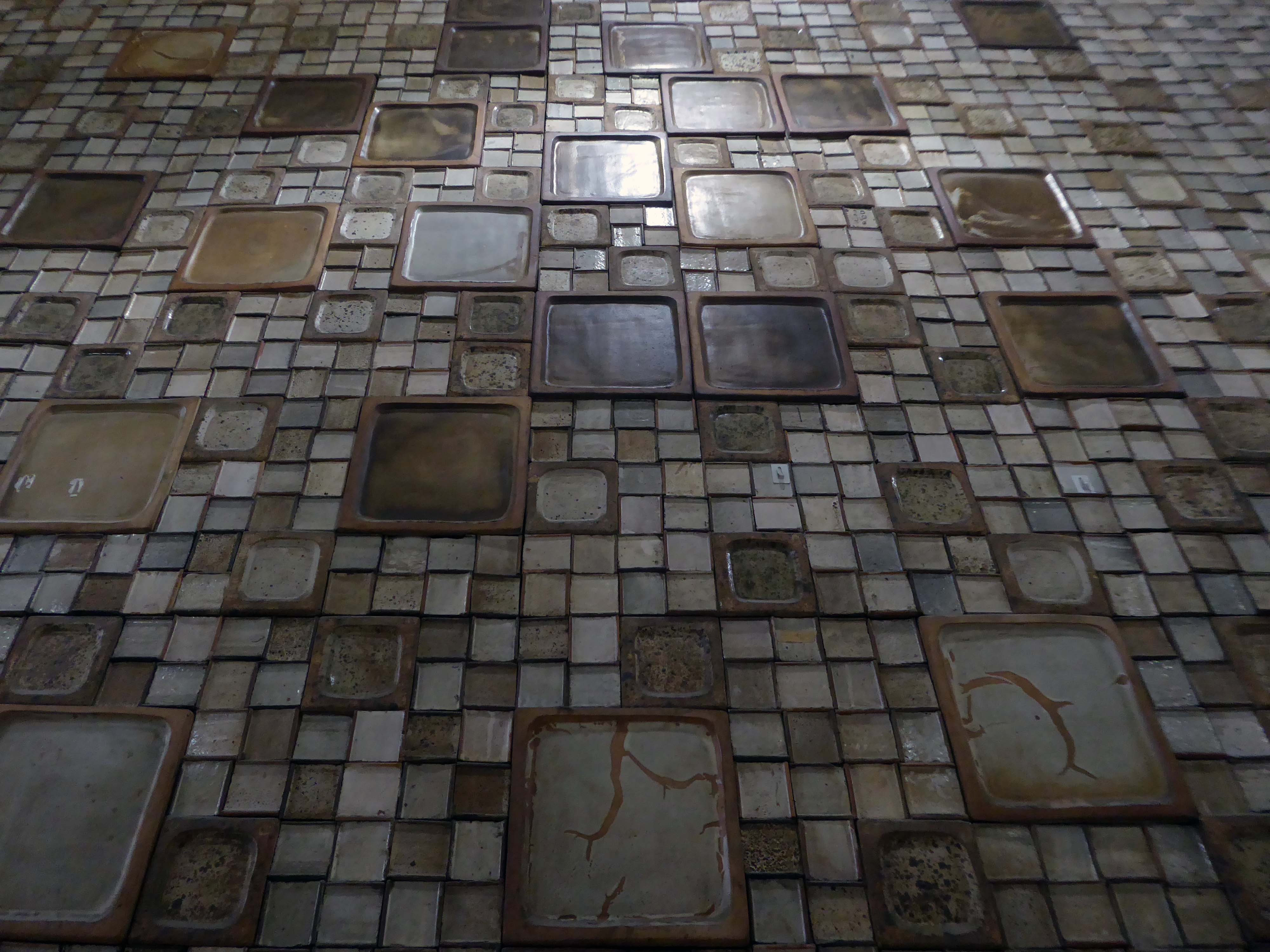
Artist Bernd Trasberger plans an artistic project, which involves repurposing Fritz Steller’s tile works.

As Ken Kesey so rightly said – Further!

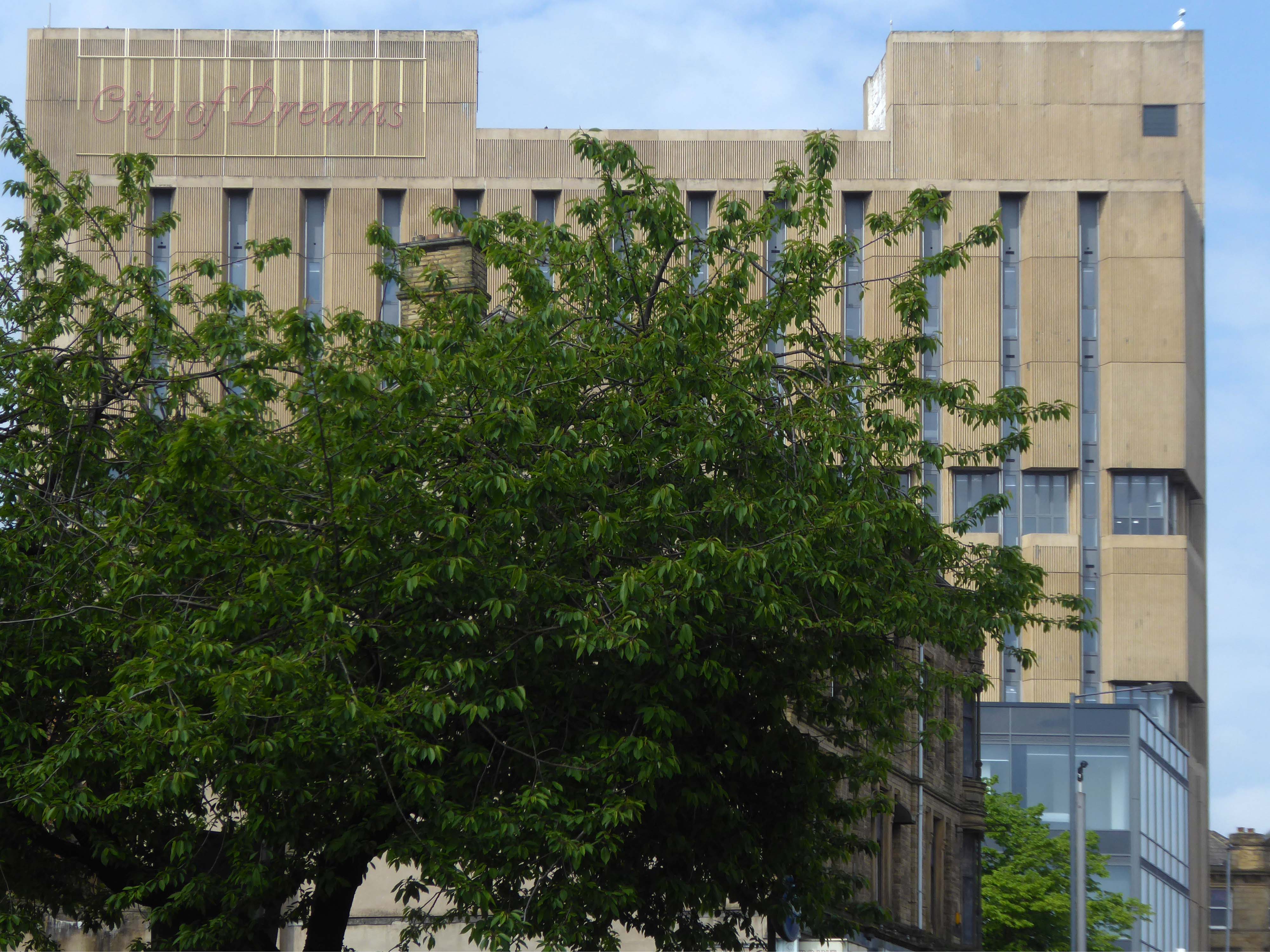
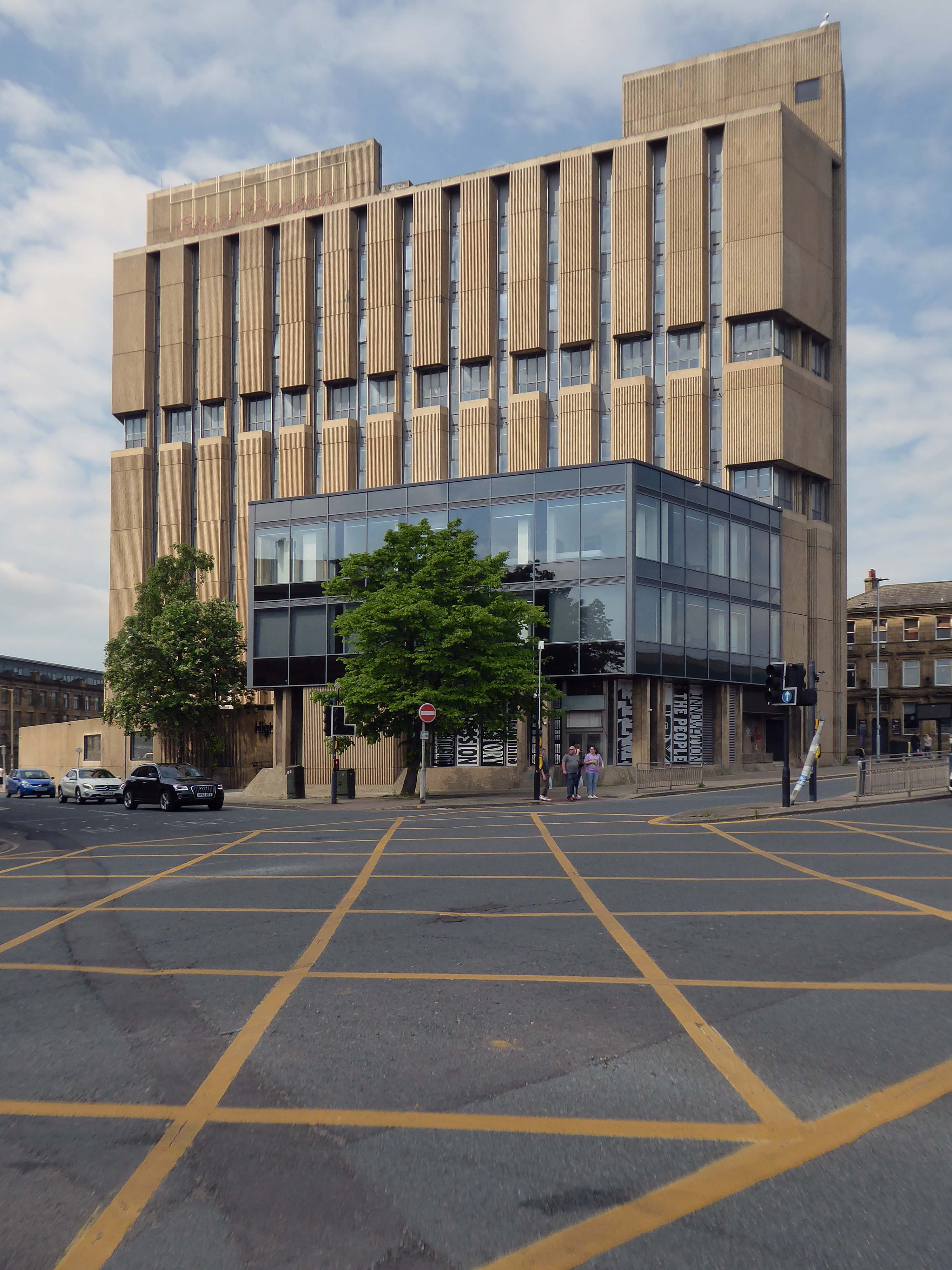
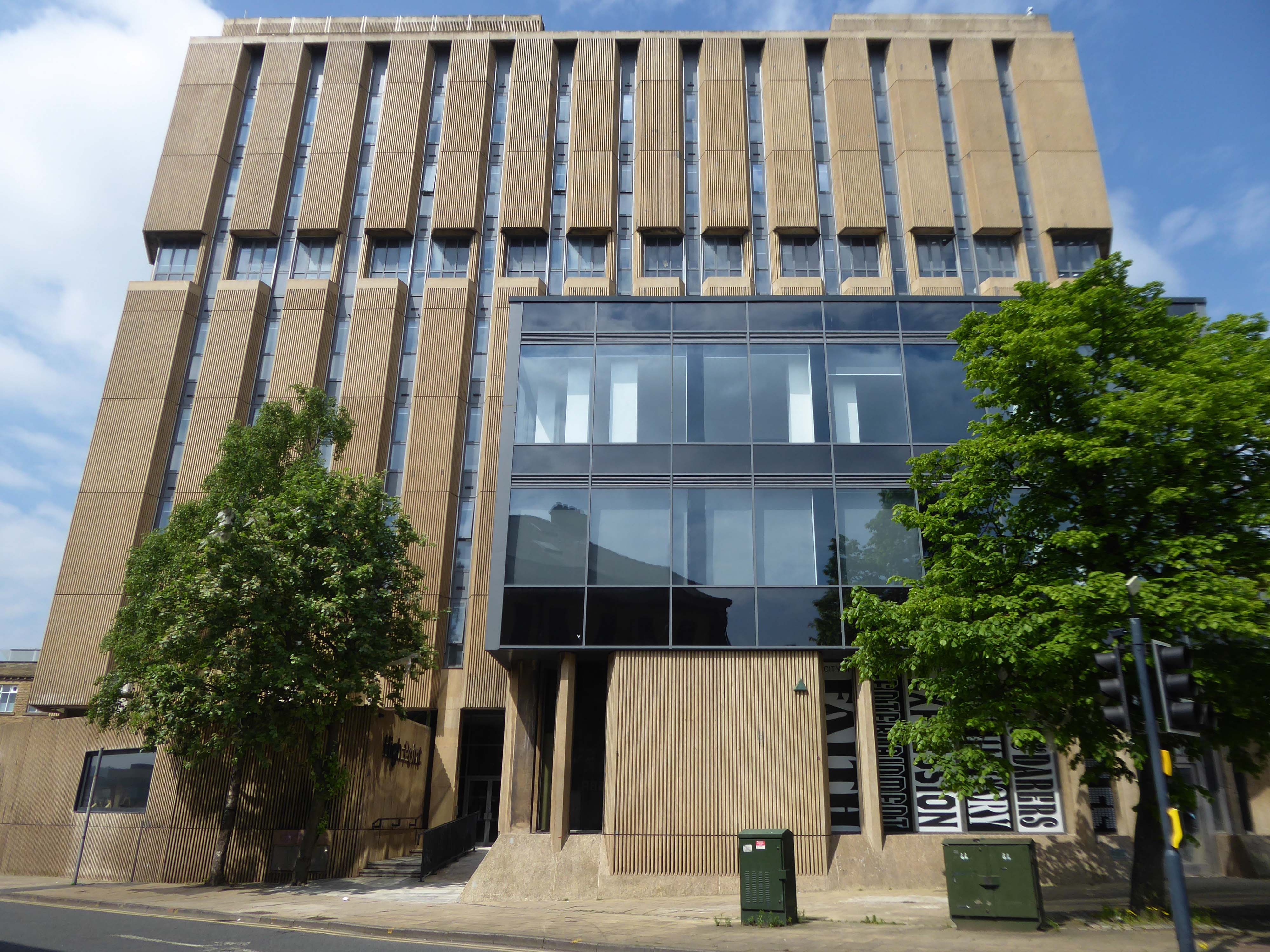
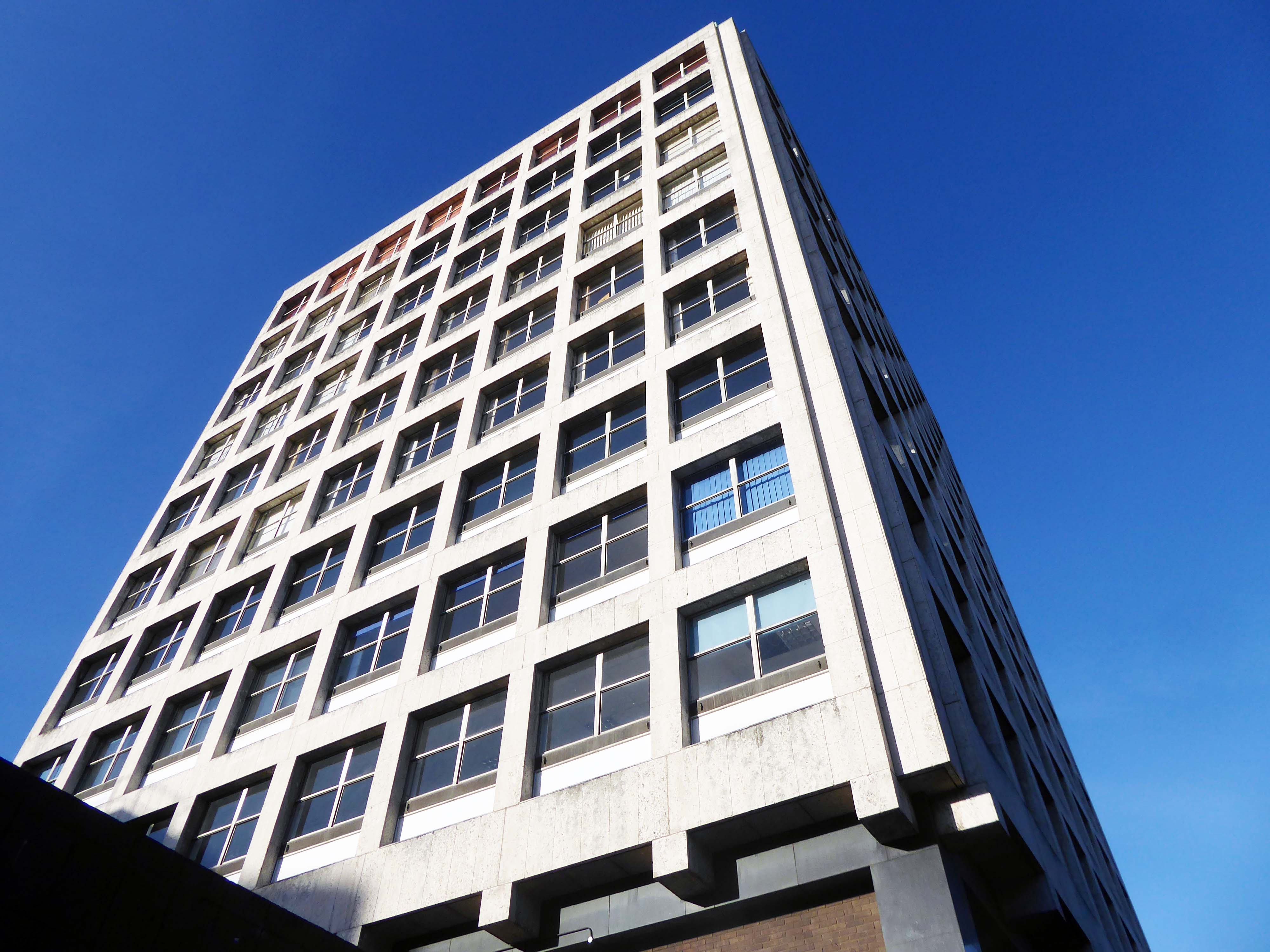
Up to Highpoint designed by John Brunton and Partners 1973.

The derelict former headquarters of Yorkshire Building Society, on one of the highest parts of the city centre, looms over the city centre, and to many people is the city’s ugliest building.

High Point is the perfect site for the first Radii development. Now perceived as an exemplar of the Brutalist style, this eight-storey titan, has languished derelict and in disrepair for many years in the heart of Bradford City Centre.

Our regeneration of High Point into an innovative residential apartment complex with a community at its heart, embraces ideas of sustainability, preservation, and rejuvenation that will bring a new lease of life to this abandoned landmark.

Sharp, chic and spacious apartments available. Furnished to the highest standards throughout and with the flex to provide you with office space if required – this is modern city living that’s easy on your eye and your pocket.

Radiiliving

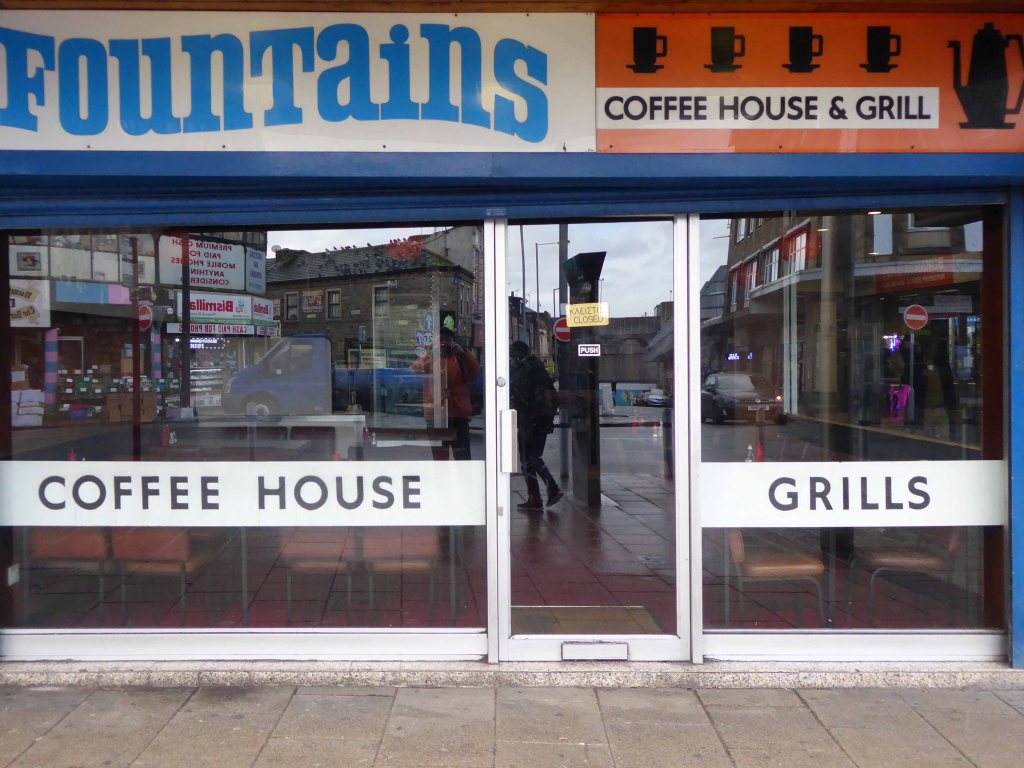
And finally the cafe that is not a cafe – Fountains, where the griddle no longer grills, the lights are always out and the shutters tightly shut, ain’t nobody home.

Wishing nothing but well for this West Riding gem – Bradford City of Culture and cultures and culture.

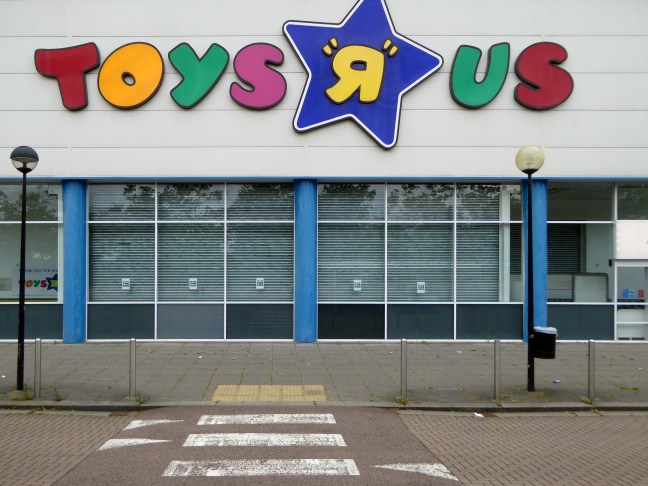
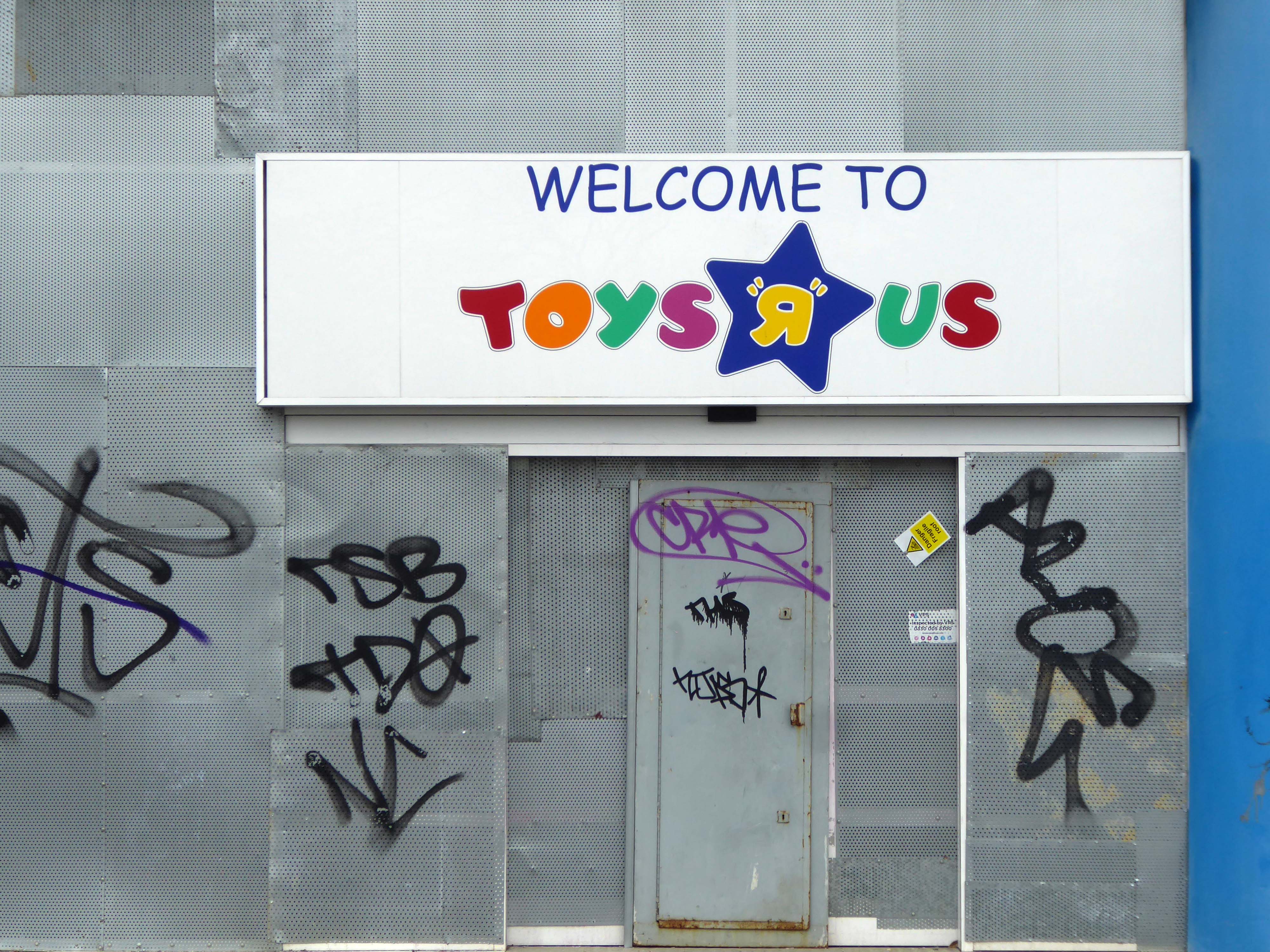
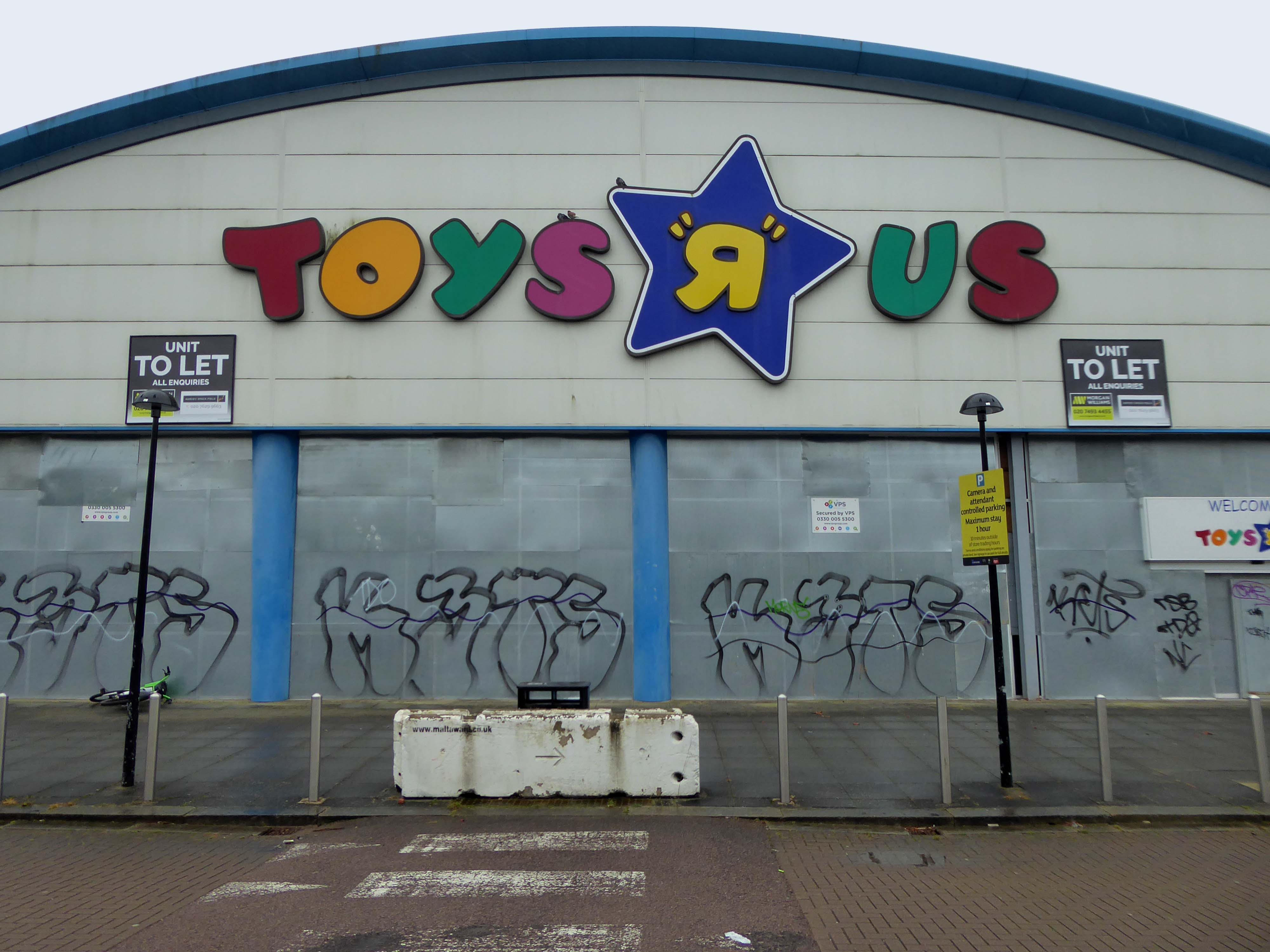
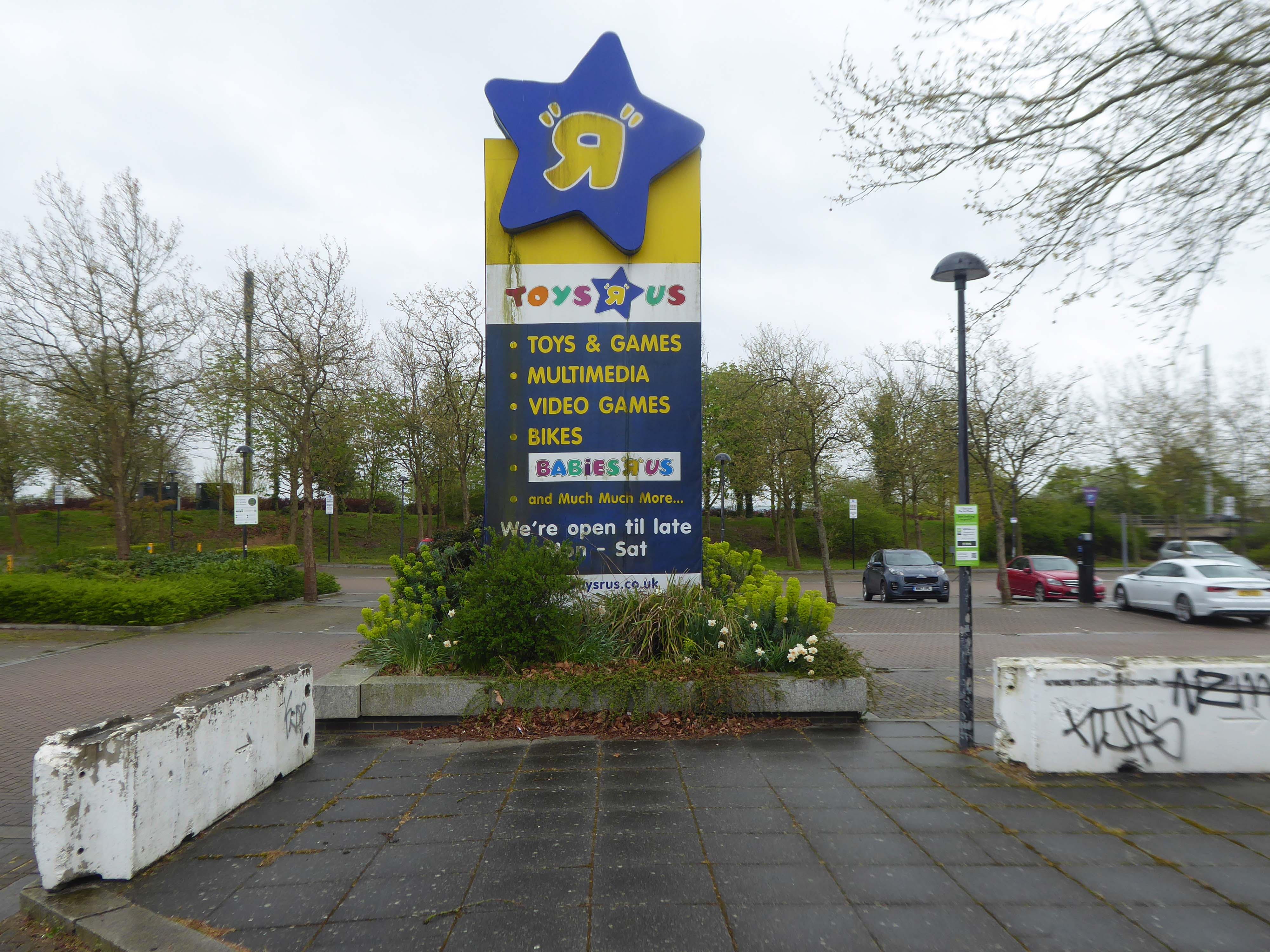
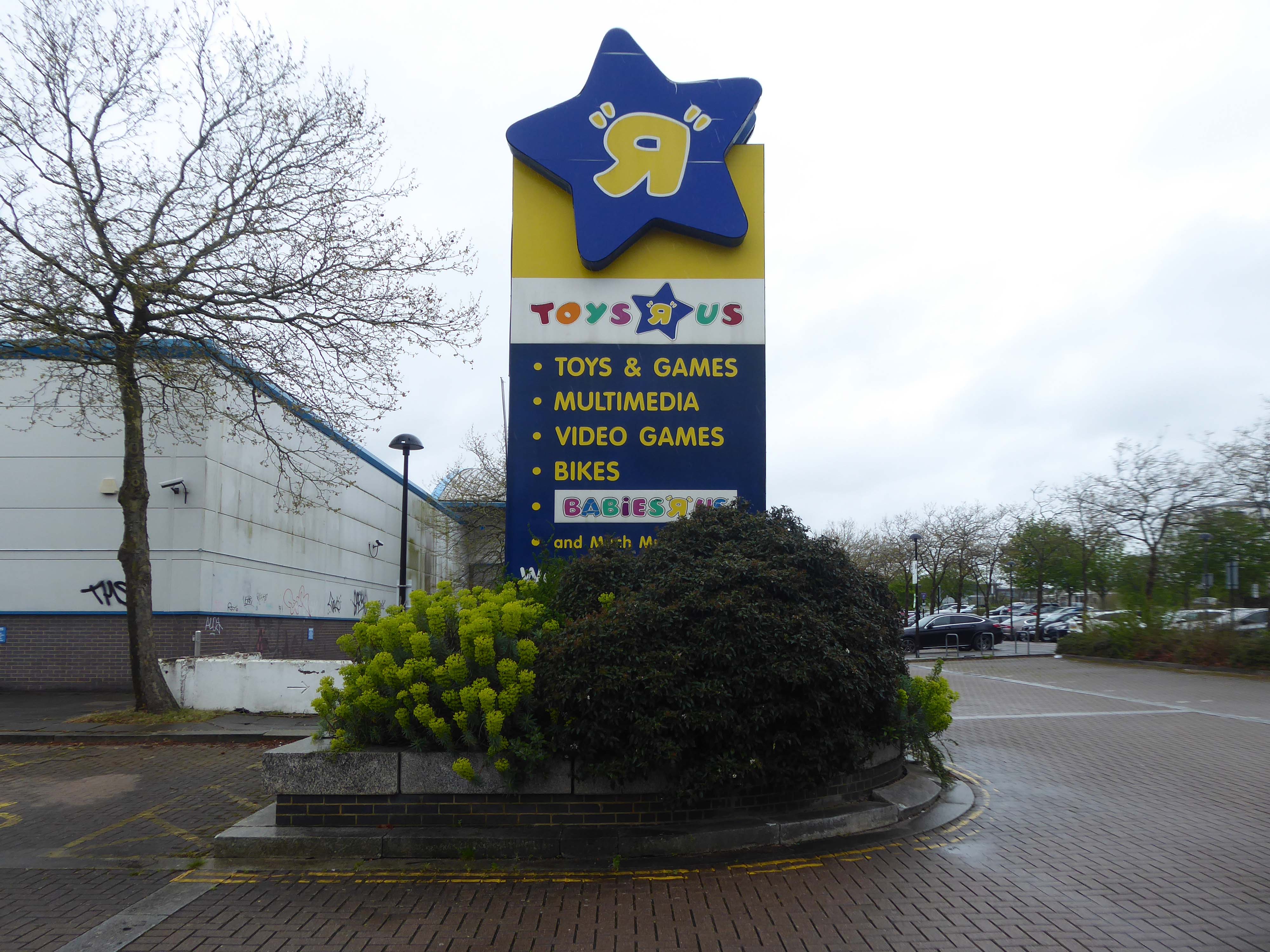
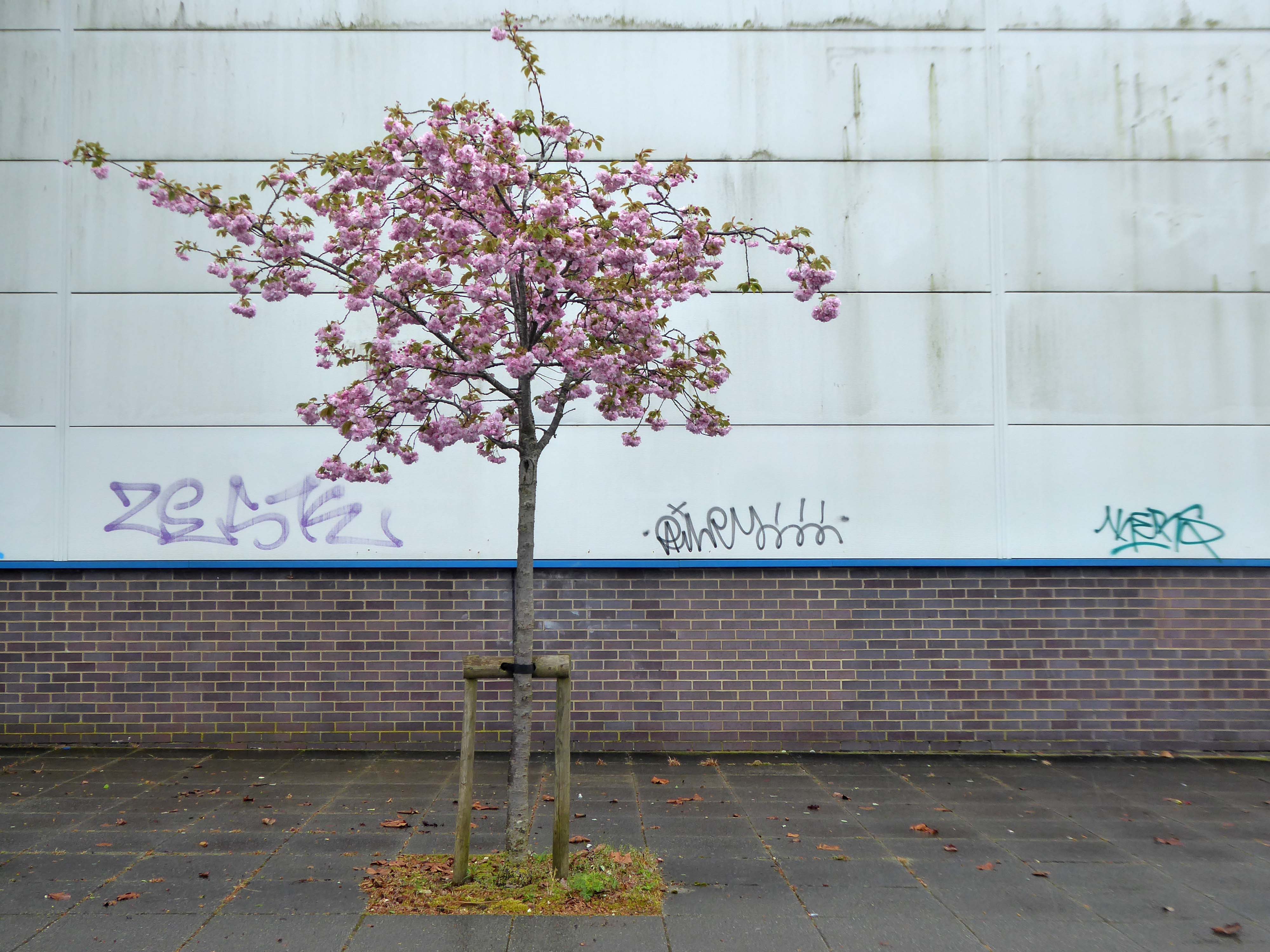
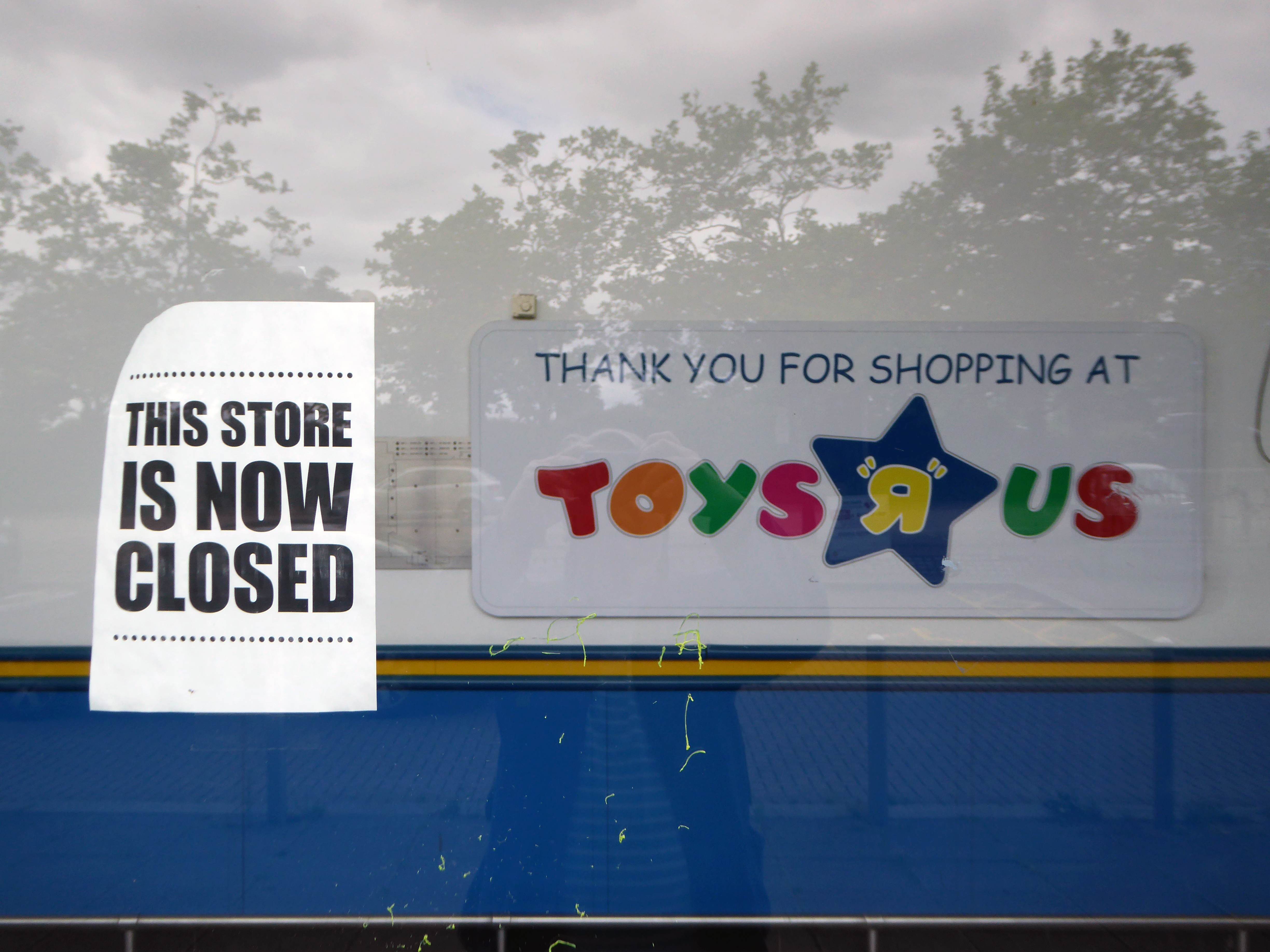
Toys Were Us – Milton Keynes

As seen on my list in 2018.

While originally considered a category killer, the rise of mass merchants and online retailers cost Toys “R” Us its share of the toy market. The company was further hampered by a significant debt load, the result of a leveraged buyout organized by private equity firms.

The toy retailer filed for bankruptcy in 2017 and in March 2018 announced it would be closing all its UK stores.

There were more than 100 Toys ‘R’ Us stores in the UK at the time.

Wikipedia

A nipper, named only as Andrew penned a heartfelt 3-point letter to the judge handling the company’s bankruptcy case, and pleaded with him not to allow his fave shop to close down.

Andrew’s hand-written note to Judge Keith Phillips – which was put in the official court file – laid out exactly why he didn’t want the shops to shut.

In April 1948, Charles P Lazarus founded a baby-furniture retailer, Children’s Bargain Town in Washington DC, during the postwar baby boom. It was acquired in 1966 by Interstate Department Stores Inc.

The focus of the store changed in June 1957, and the first Toys “R” Us, dedicated exclusively to toys rather than furniture, was opened by Lazarus in Rockville Maryland. Lazarus also designed and stylized the Toys “R” Us logo, which featured a backwards “R” to give the impression that a child wrote it.

Having grown up in the days of the diminutive local toy shop – noses pressed against the widow admiring those treasures never ever owned, I find the present day retailers to be soulless industrial hangars – designed to extract every ounce of fun and currency from the hapless child and guardians.

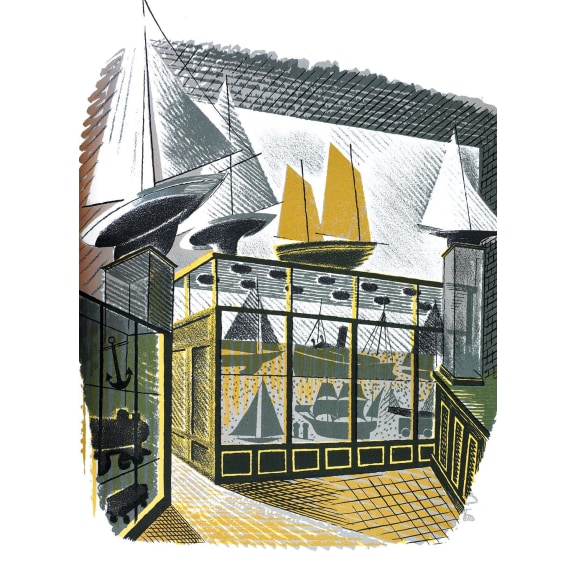
Eric Ravilious – inside the model shop.

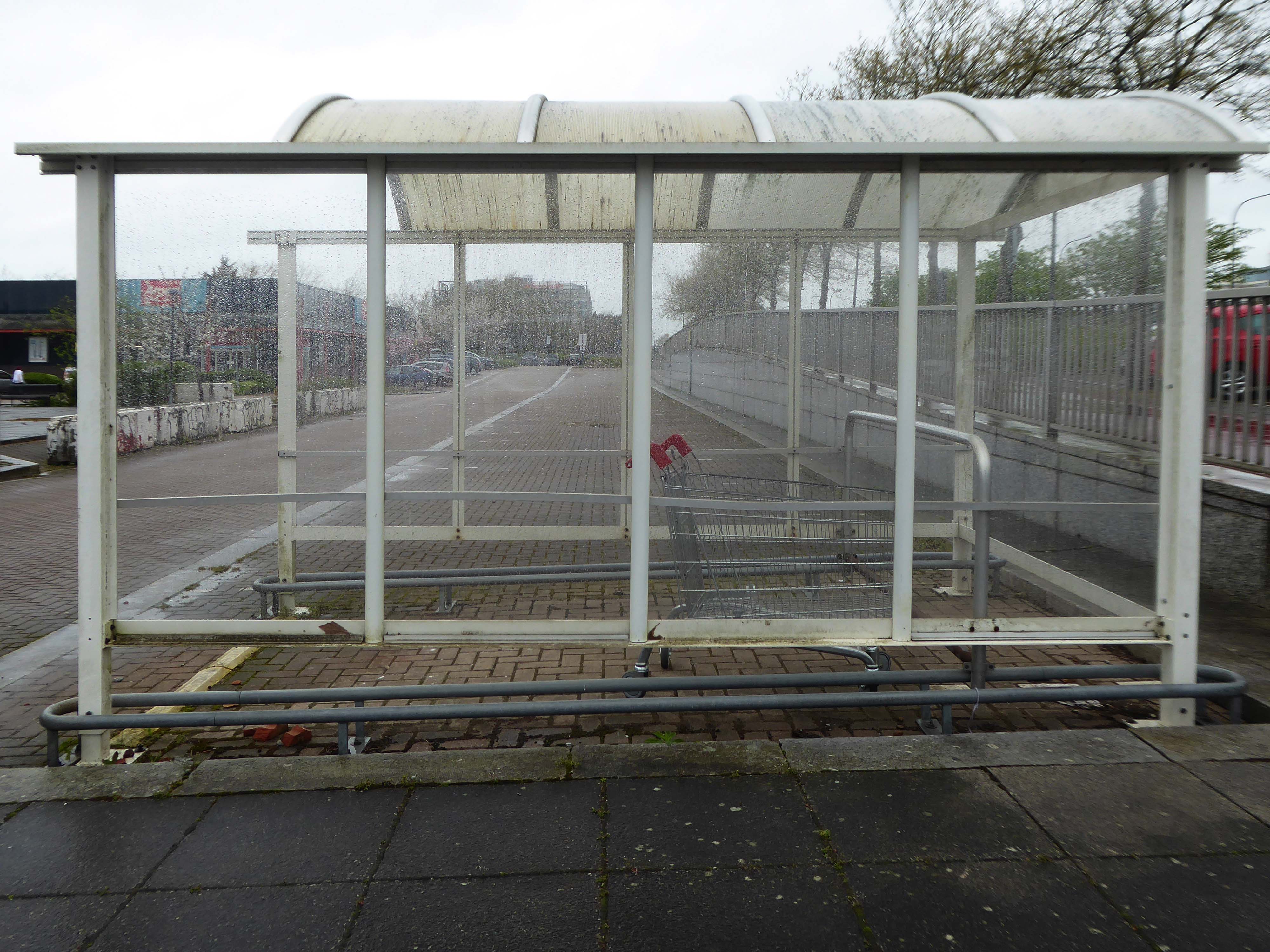
I returned in 2024.

A large To Let sign is now visible above the store, with any interested parties invited to inquire about the large unit. The 47,500sq foot unit is available to lease – in whole or in part, and is described as being immediately available.

The news comes despite previous announcements that WHP Global, the owner of Toys R Us, had plans to re-open some UK stores during 2022. In February, the company said UK Toys R Us stores could open within months, although none have yet done so.

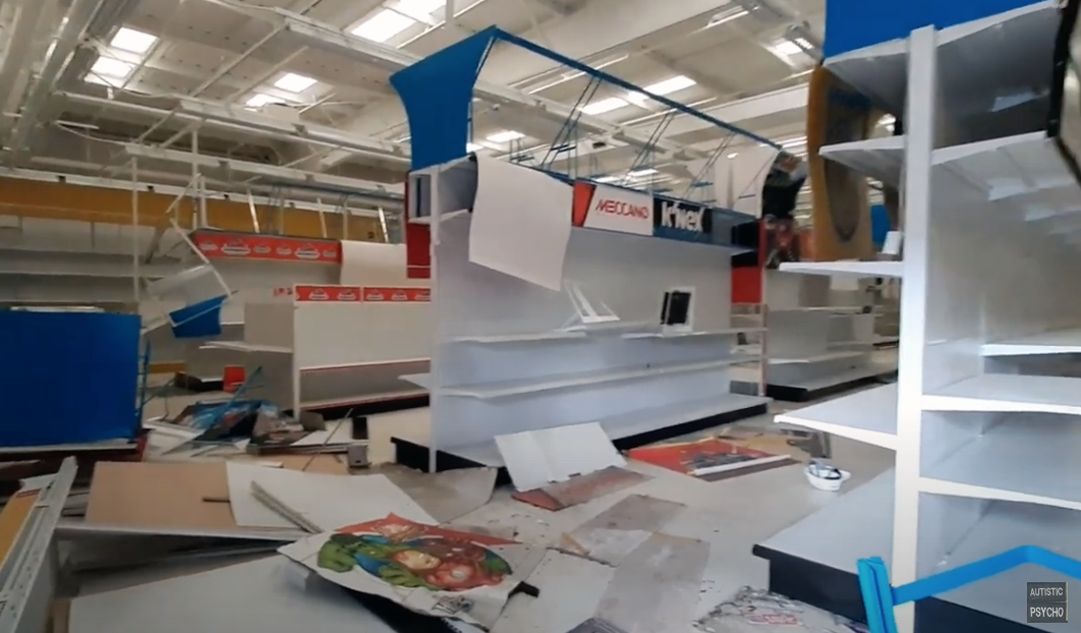
Here is Autistic Psycho’s tour around the deserted store,

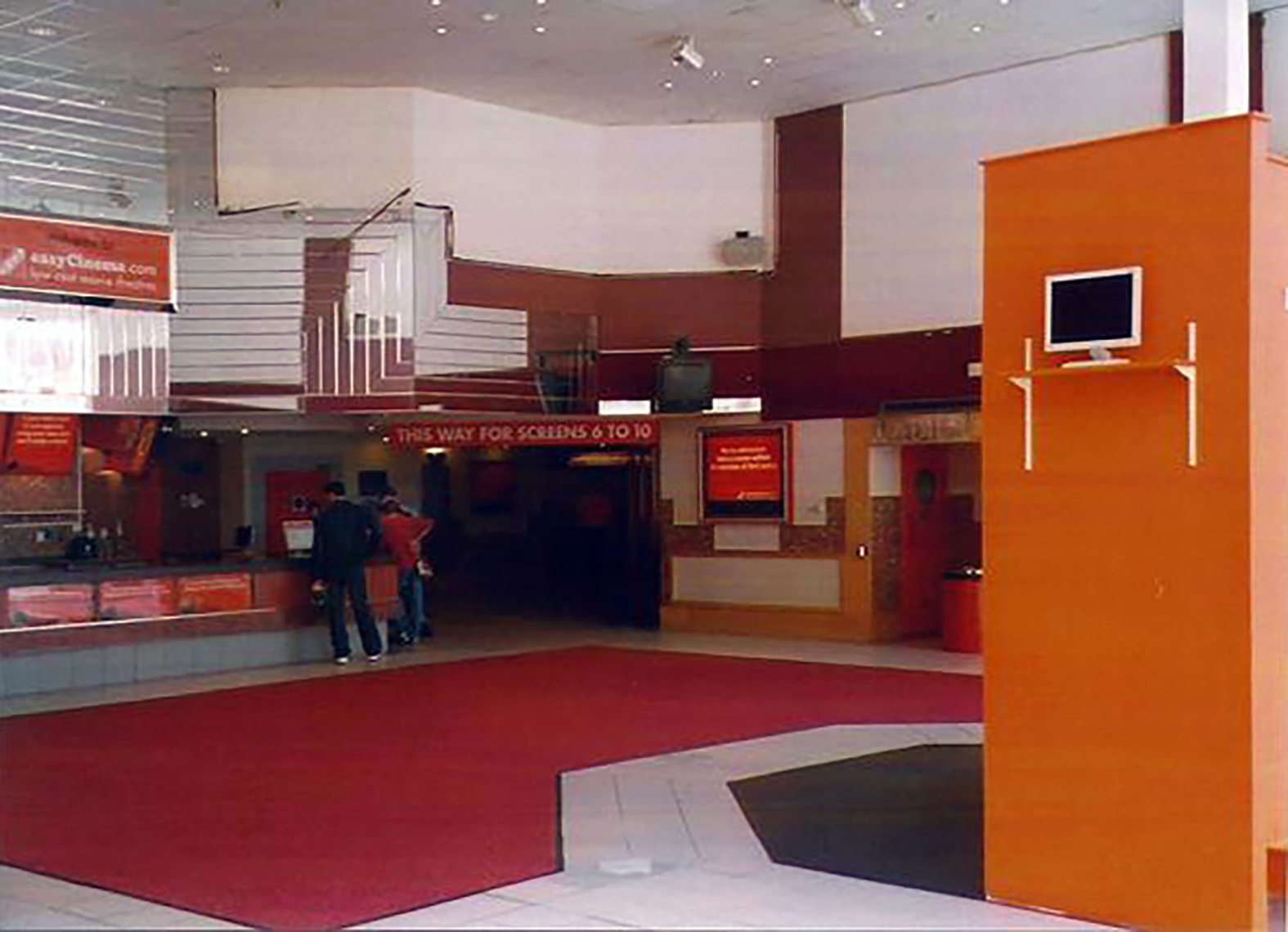
AMC – The Point Milton Keynes

602 Midsummer Blvd Milton Keynes MK9 3NB

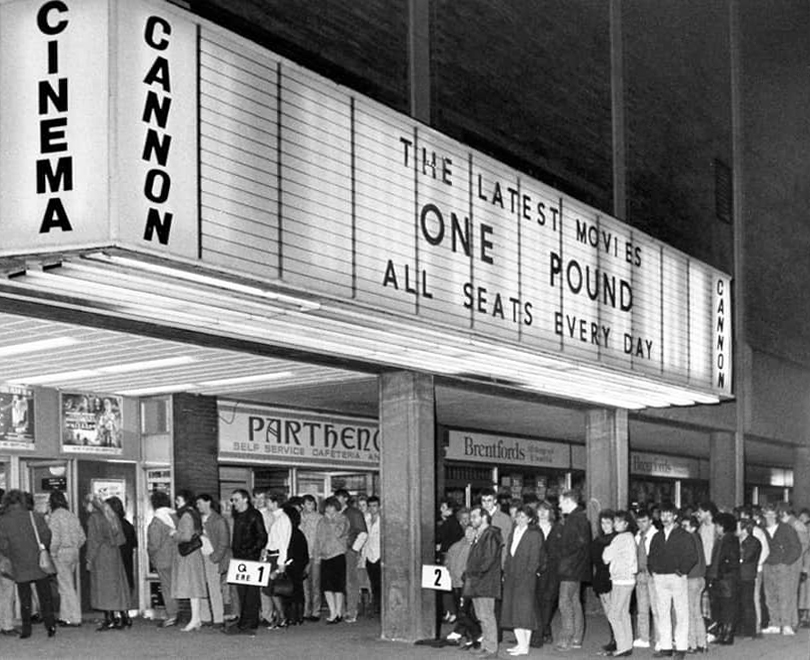
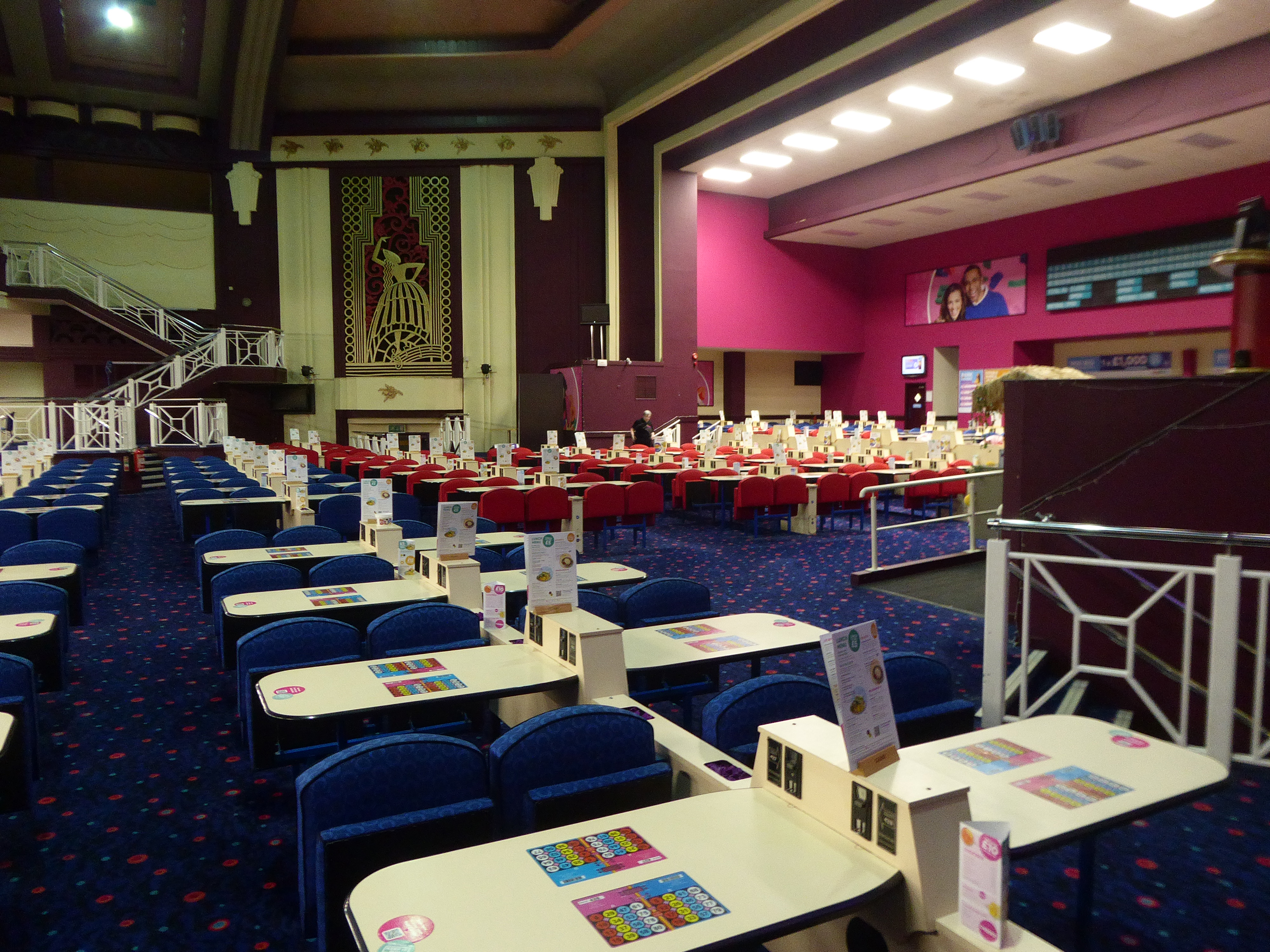
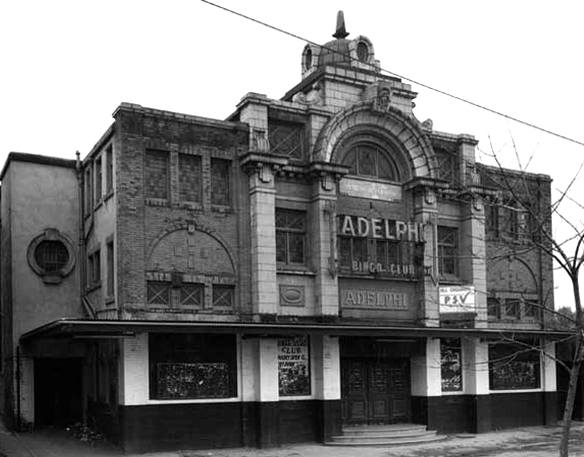
Famous in the history of British cinema as being the first purpose built multiplex cinema to be built in the UK. The 10-screen AMC-The Point opened on 23rd November 1985 with a Royal Premiere of the Harrison Ford film Presumed Innocent which was attended by Sarah, Duchess of York.

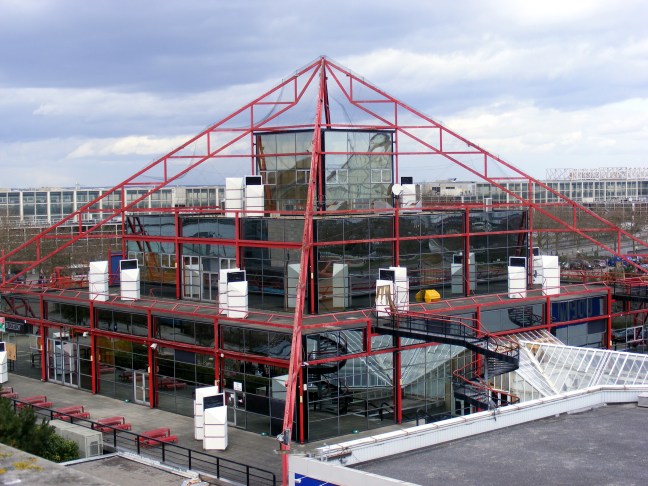
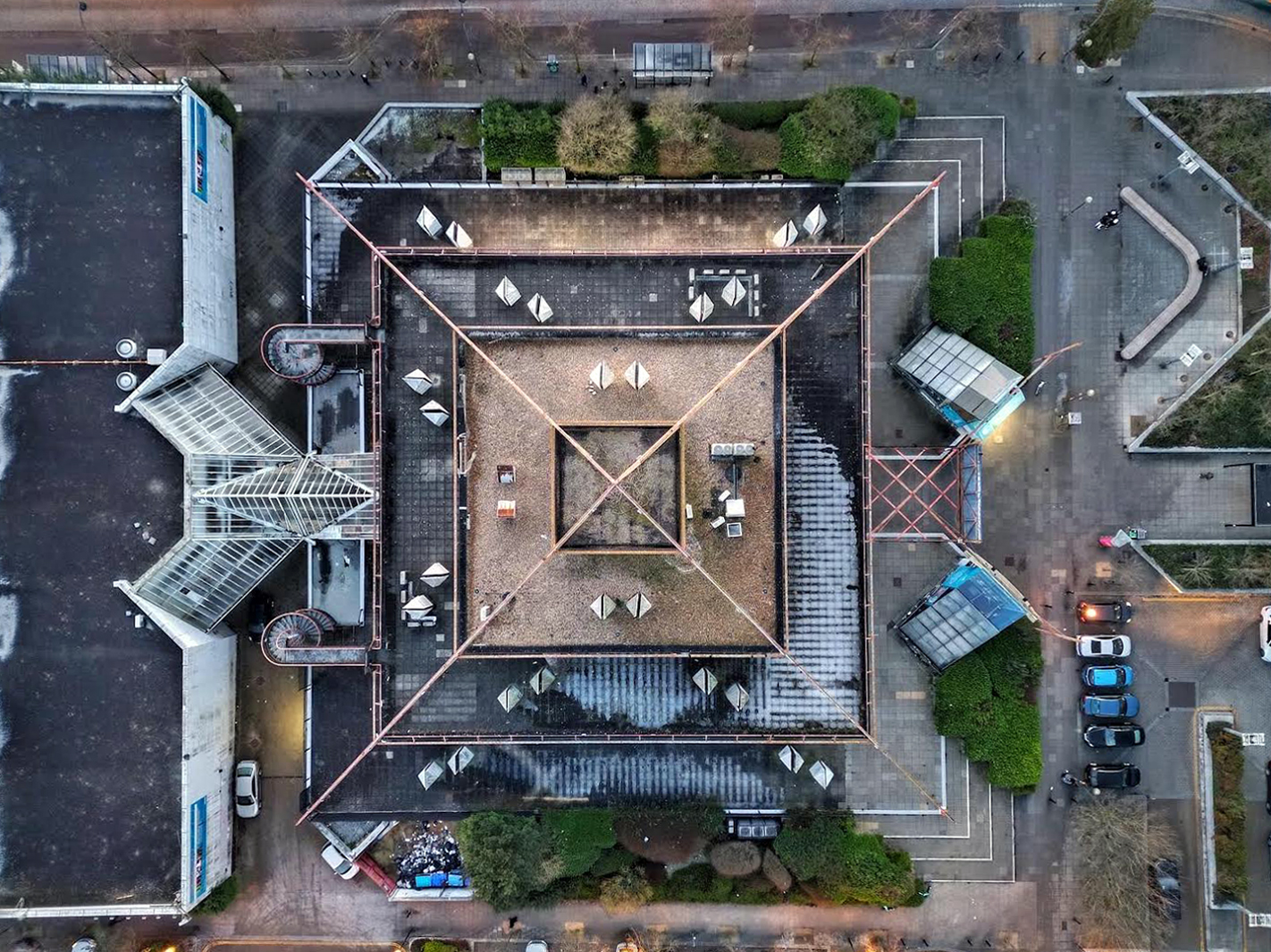
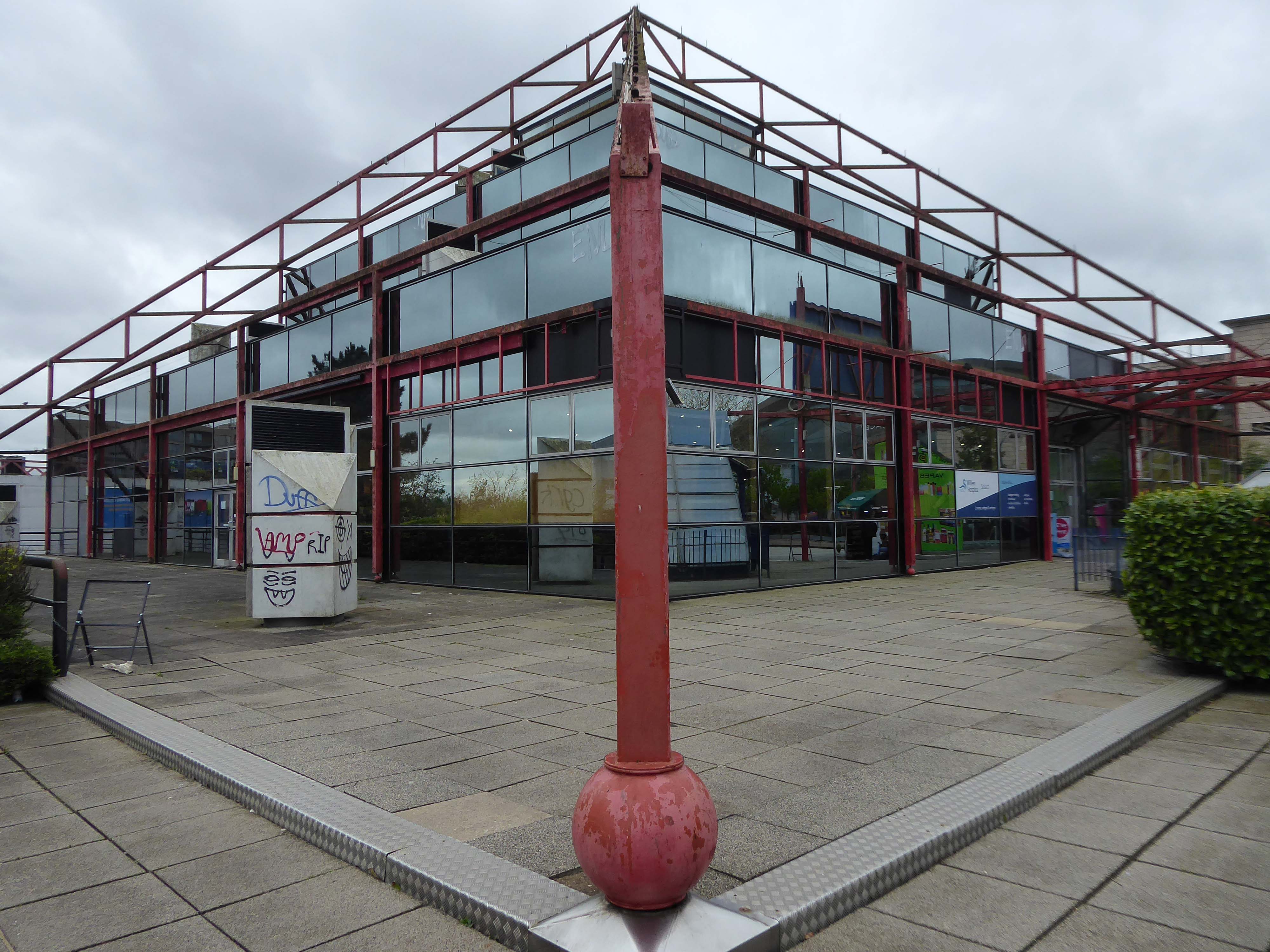
Built for and operated by American Multi-Cinemas, it has a foyer section, designed in the shape of a pyramid, hence the name The Point. The supporting struts were originally edged in red neon. The structure containing the auditoriums is just a plain block. Also in the complex is a Gala Bingo Club located under the cinema foyer entrance, a nightclub and cafes and restaurants.

In December 1988, it was taken over by UCI and re-named. In April 2003 it was leased to easyCinema, operated by the budget airline easyJet, when a policy of taking bookings only online and charging a minimum admission, created interest, but turned out to be a failure. In May 2006 it was taken over by Odeon Cinemas Group. Seating capacities in the screens range from 248, down to 156.

The Odeon was closed on 26th February 2015 with Kingsman, The Last Service being the final film in one its auditoriums. There had been hope that the cinema would be given a Grade II Listed status due to its historical relevance as the UK’s first multiplex cinema, but it was turned down by English Heritage. It will be demolished and replaced by new shops and leisure facilities. The Gala Bingo Club – re-named Buzz Bingo Club from June 2018, was closed on March 21, 2020 due to the Covid-19 Pandemic. It was announced on 15th July 2020 that the closure would be permanent.

Milton Keynes now has a new 16-screen Odeon Stadium + IMAX, located at the MK Dons Stadium, which has an IMAX screen and two screens equipped with Atmos sound. It opened on 27th February, 2015.

Cinema Treasures

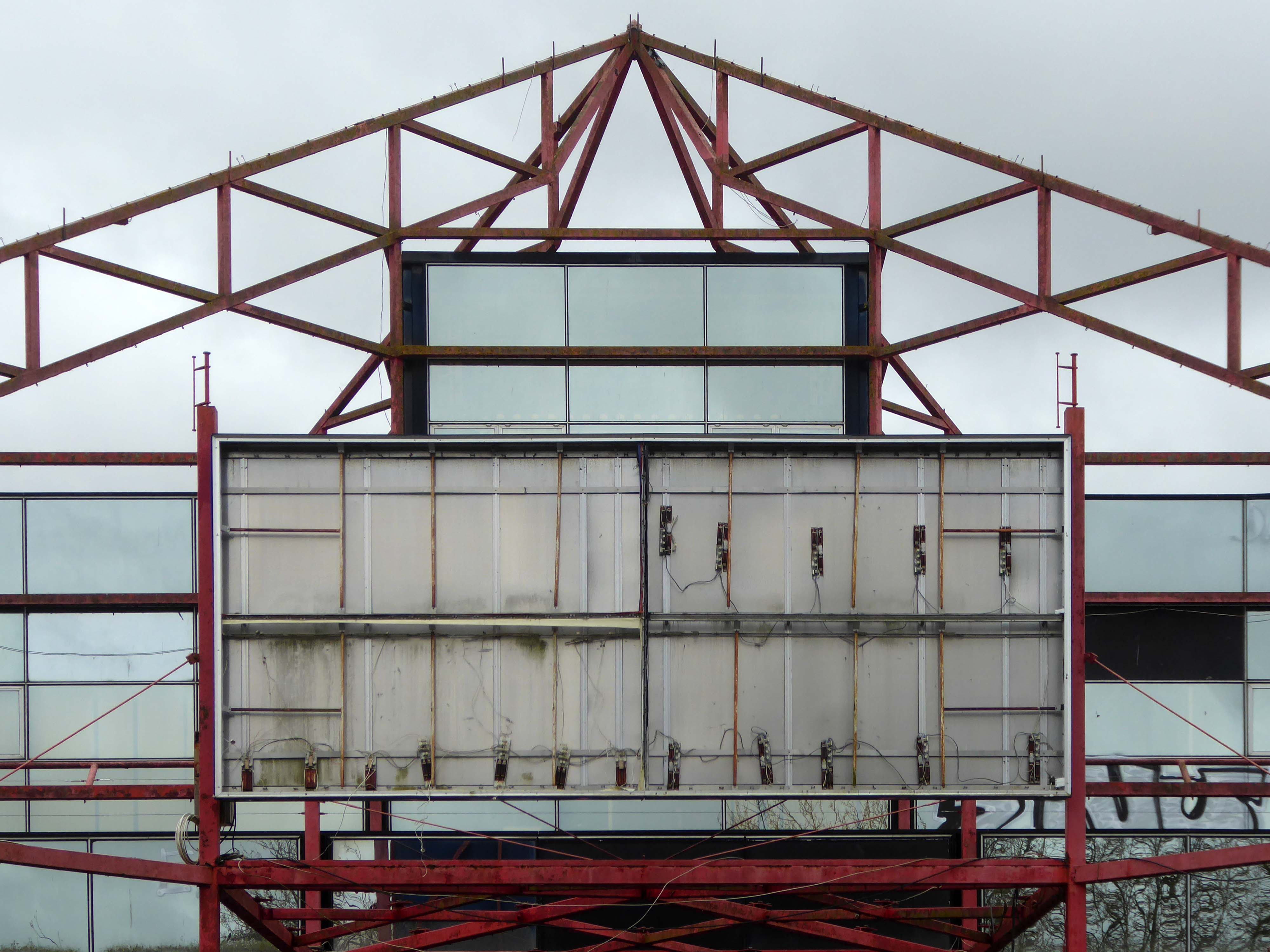
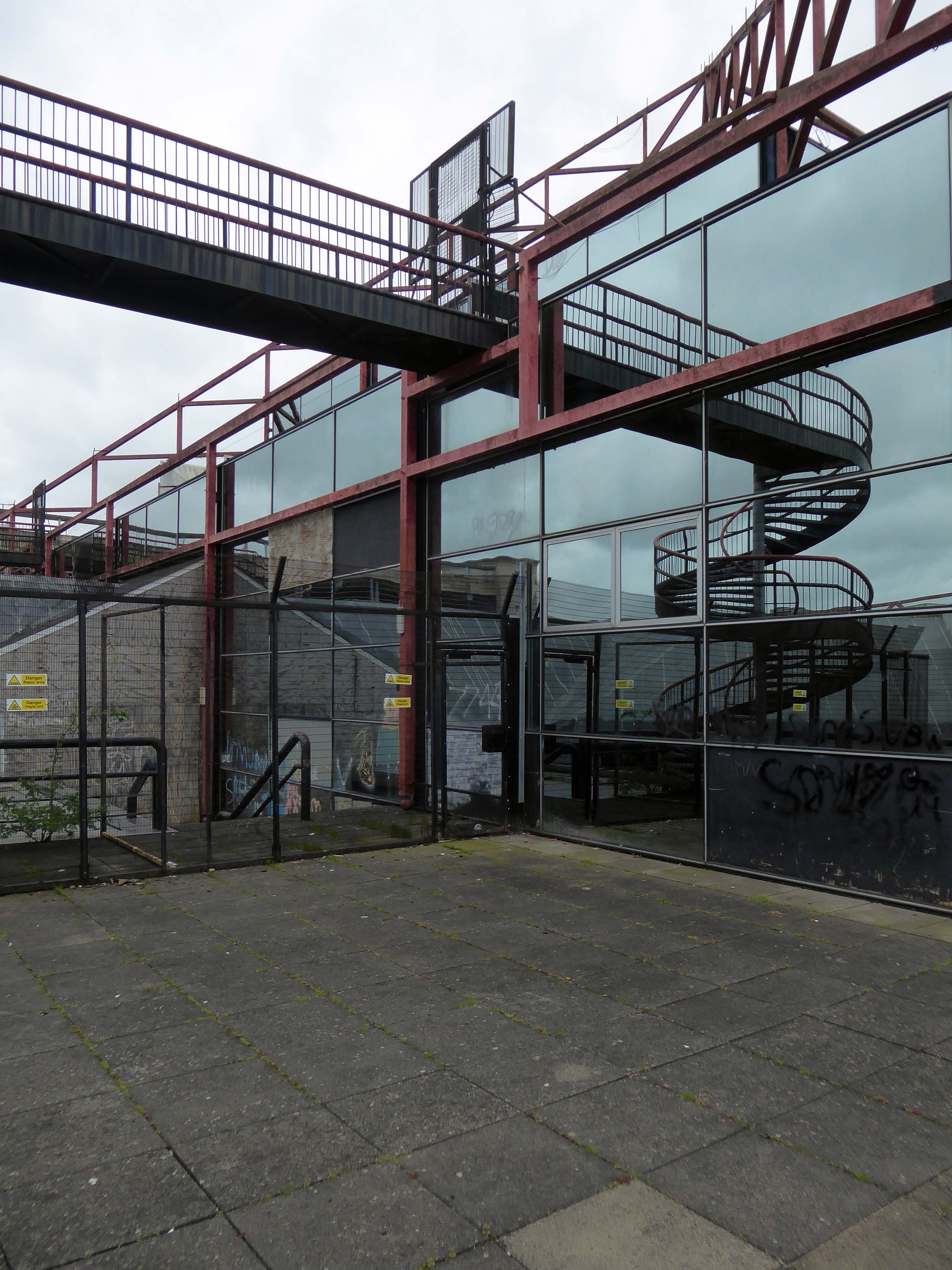
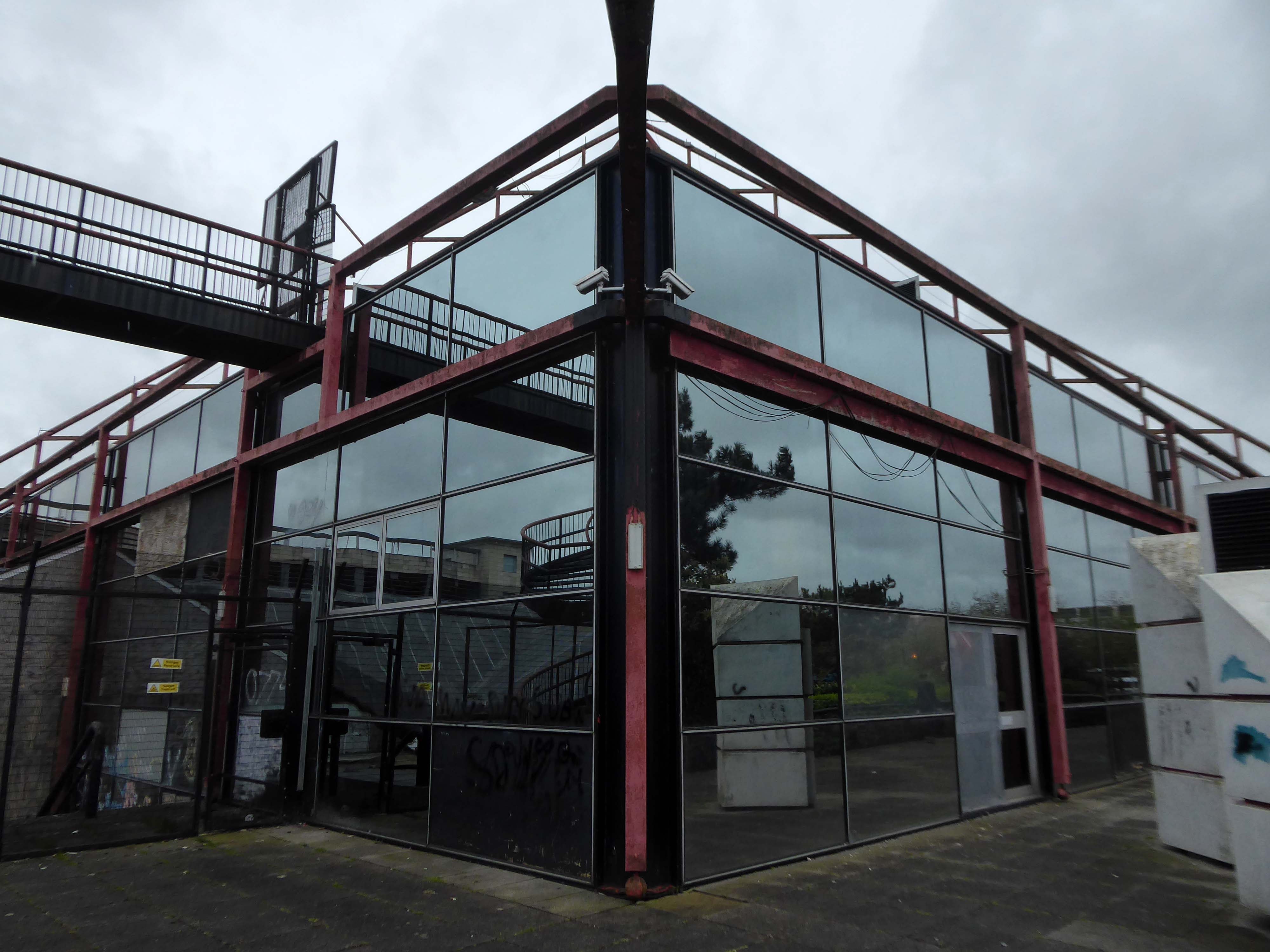
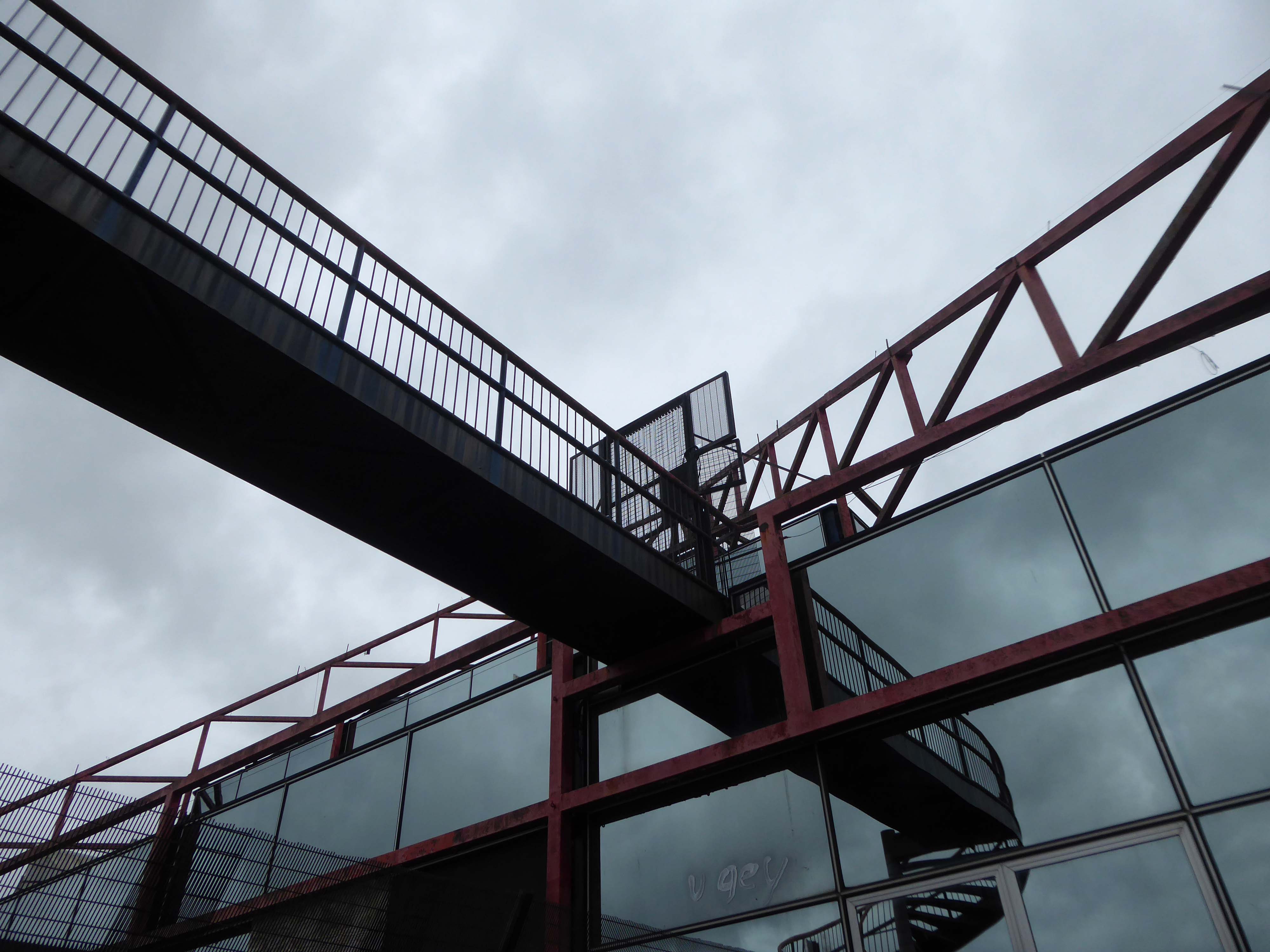
Designed by Building Design Partnership, the Point was reputedly inspired by the work of avant grade provocateurs Archigram and became an instant Milton Keynes landmark upon its opening in 1985. As well has being one of the UK’s first multiplex cinemas, the unconventional structure housed a games arcade, bingo hall and nightclub. These individual functions are externally expressed as stacked, mirrored boxes beneath the 70ft bright red steel pyramidal frame – illuminated at night as a space-age beacon across the low-rise city centre.

c20

An application as been submitted by developers GHL – Galliard Holdings Ltd, the intention is to demolish the famous pyramid structure and replace it with 487 new flats in tower blocks of up to 21 storeys high.

MK Citizen

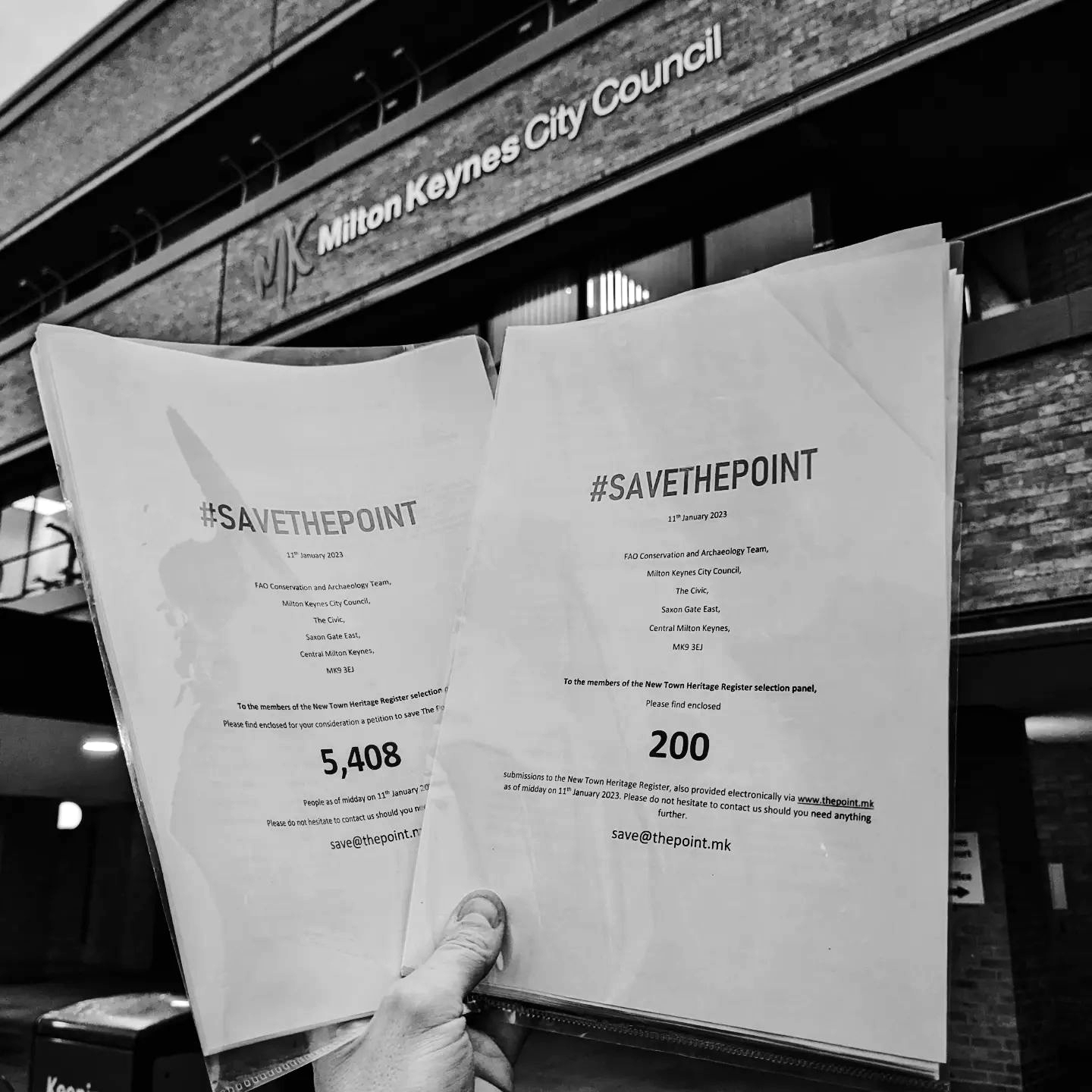
There is a local grassroots campaign to save the Point – with its own Facebook page.

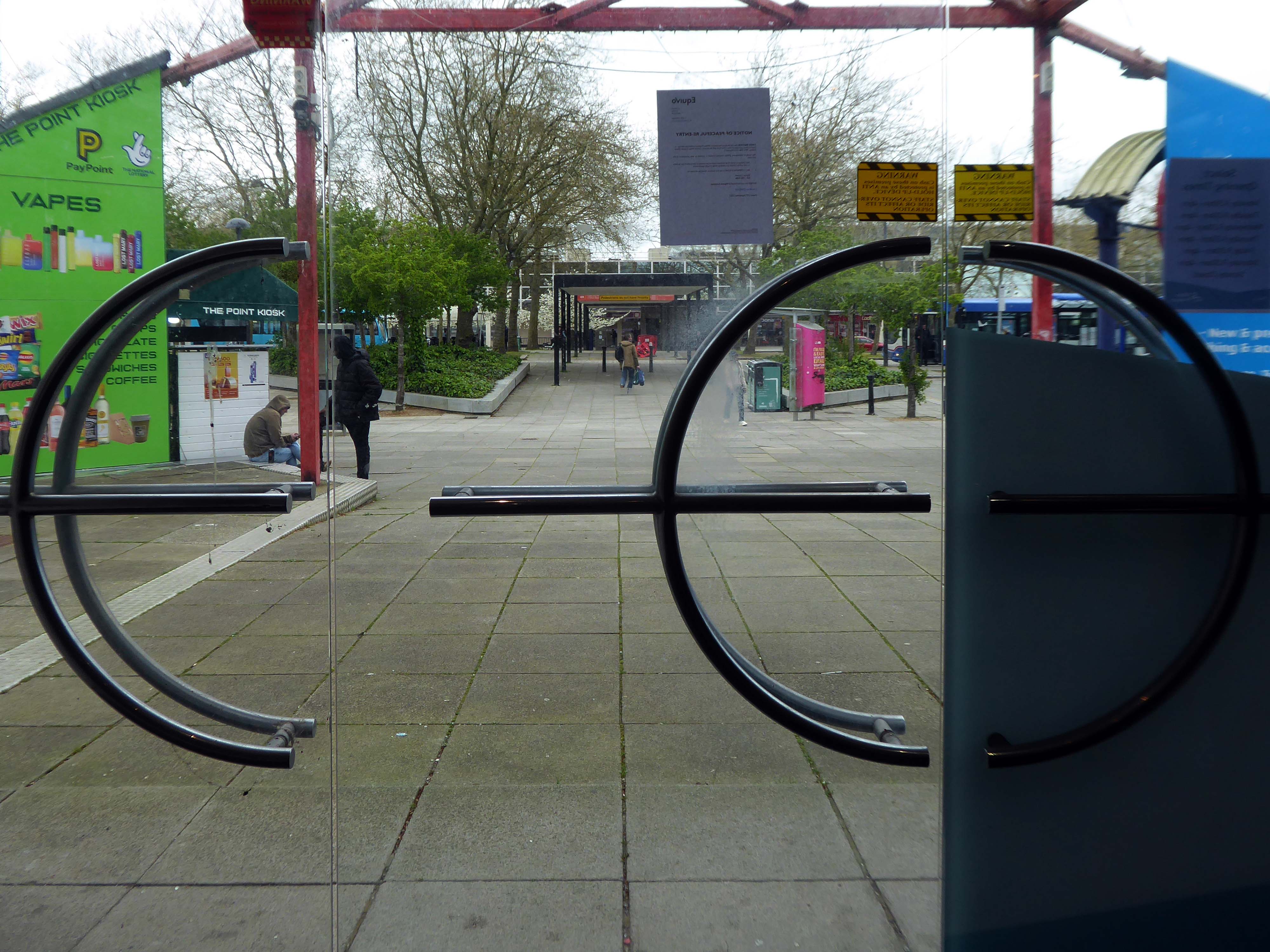
On the day of my visit April 10th 2024 – this is what it looks like.

I’ve known about The Point for as long as I can remember. It’s always been there. When I was a lot younger and we’d drive into MK at night, we’d always look out for the glowing red beacon in the shape of a pyramid on the horizon. It’s an iconic and even historic to Milton Keynes building, and it’s a shame to see that it’s just being left to become a shadow of its former self. I mean it surely wouldn’t cost much to put some led lights on it and light it up at night time again. So much money is wasted elsewhere in the city they should think about the upkeep of the actual landmarks they have.

Bobby D – Local Guide

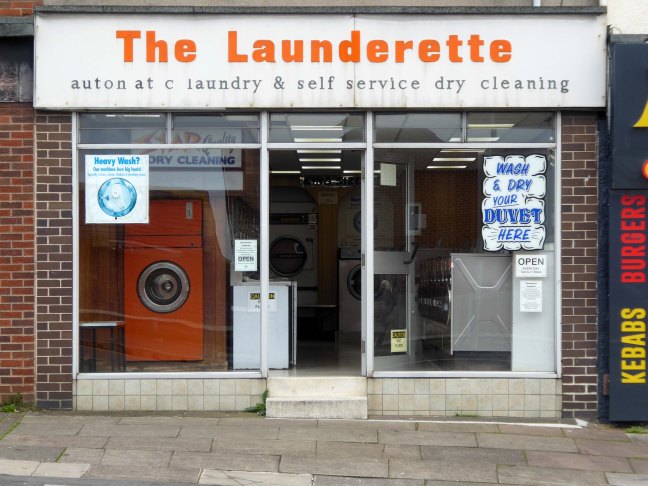
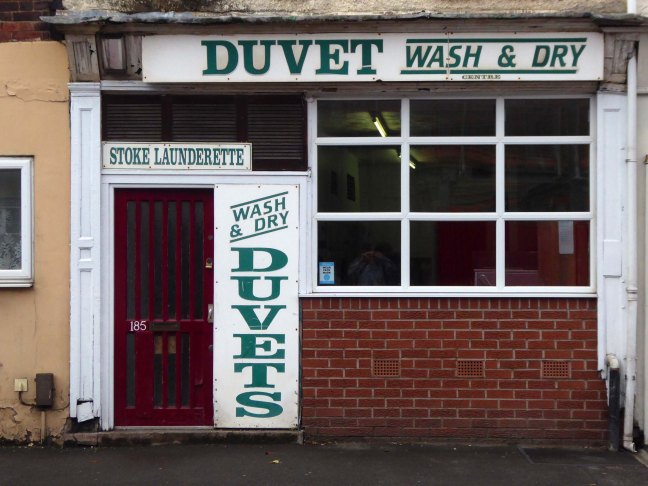
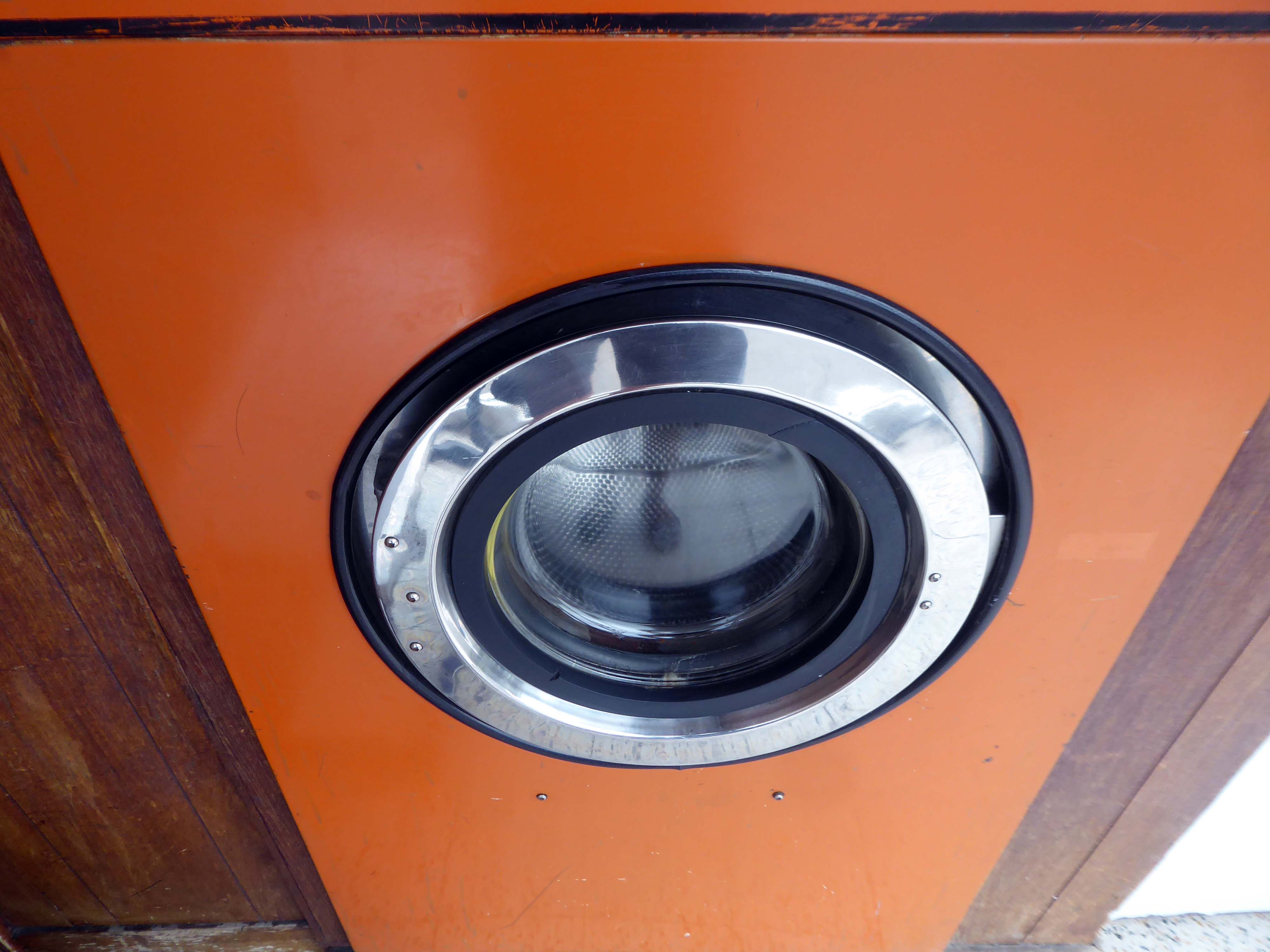
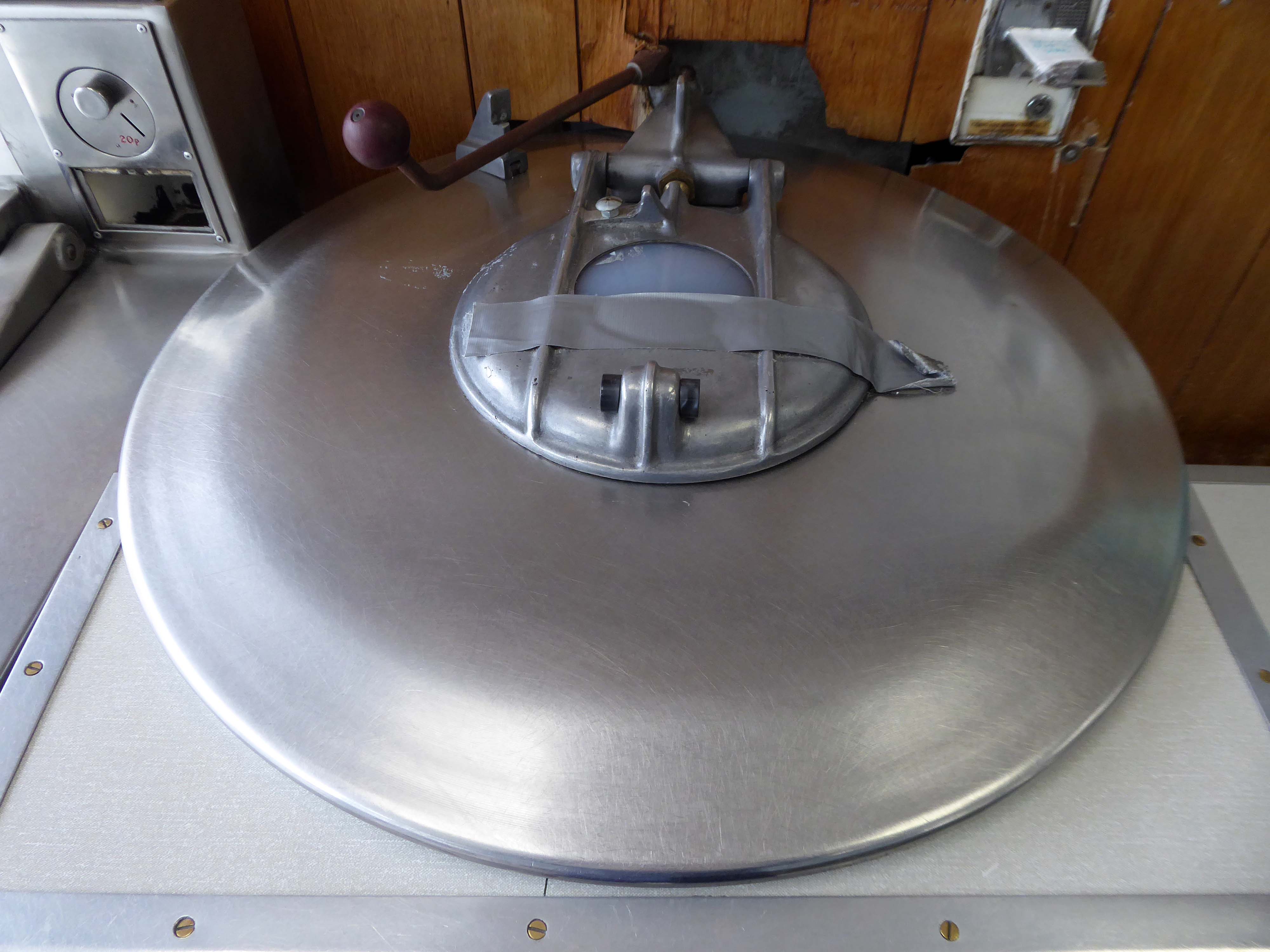
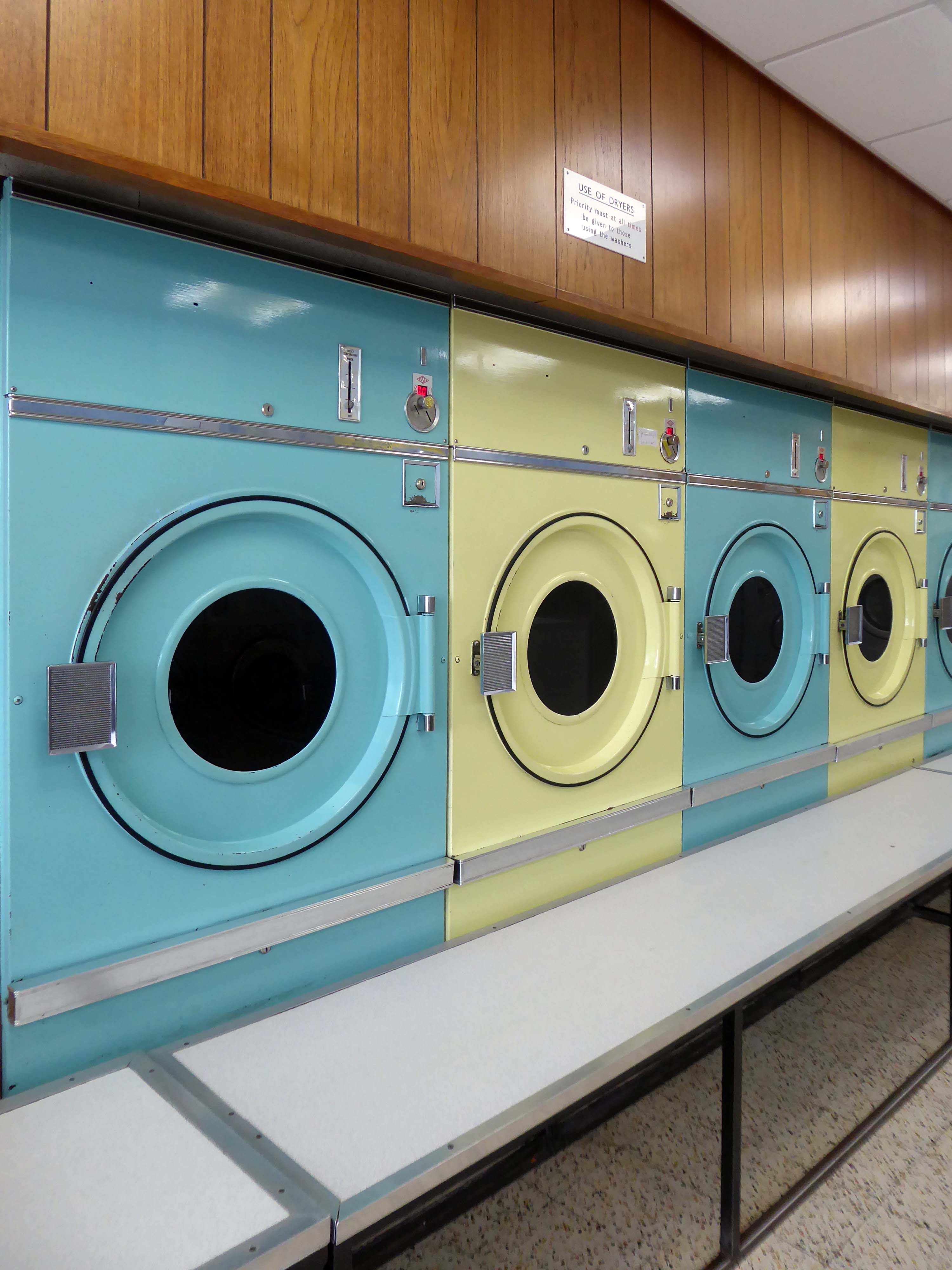
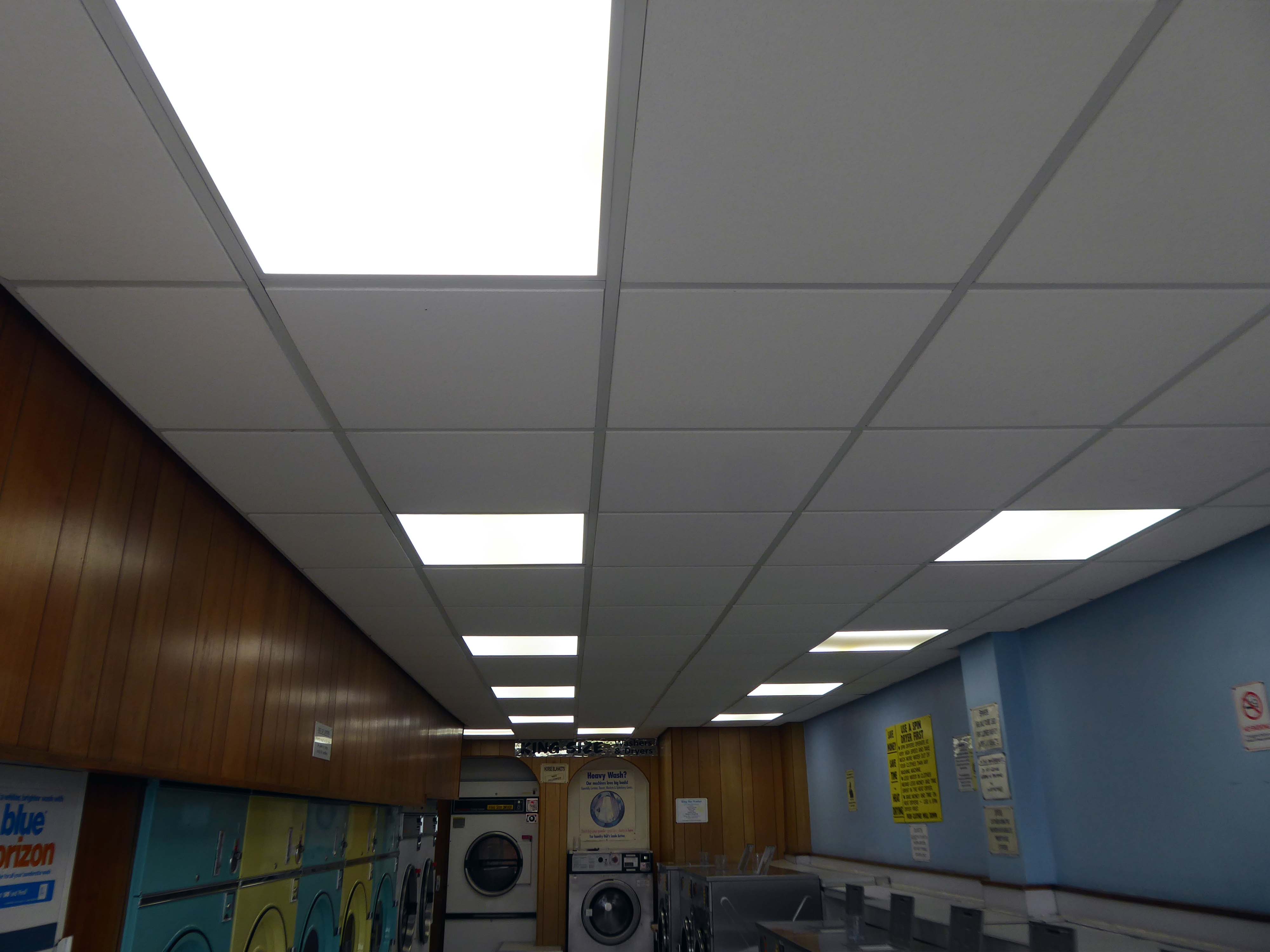
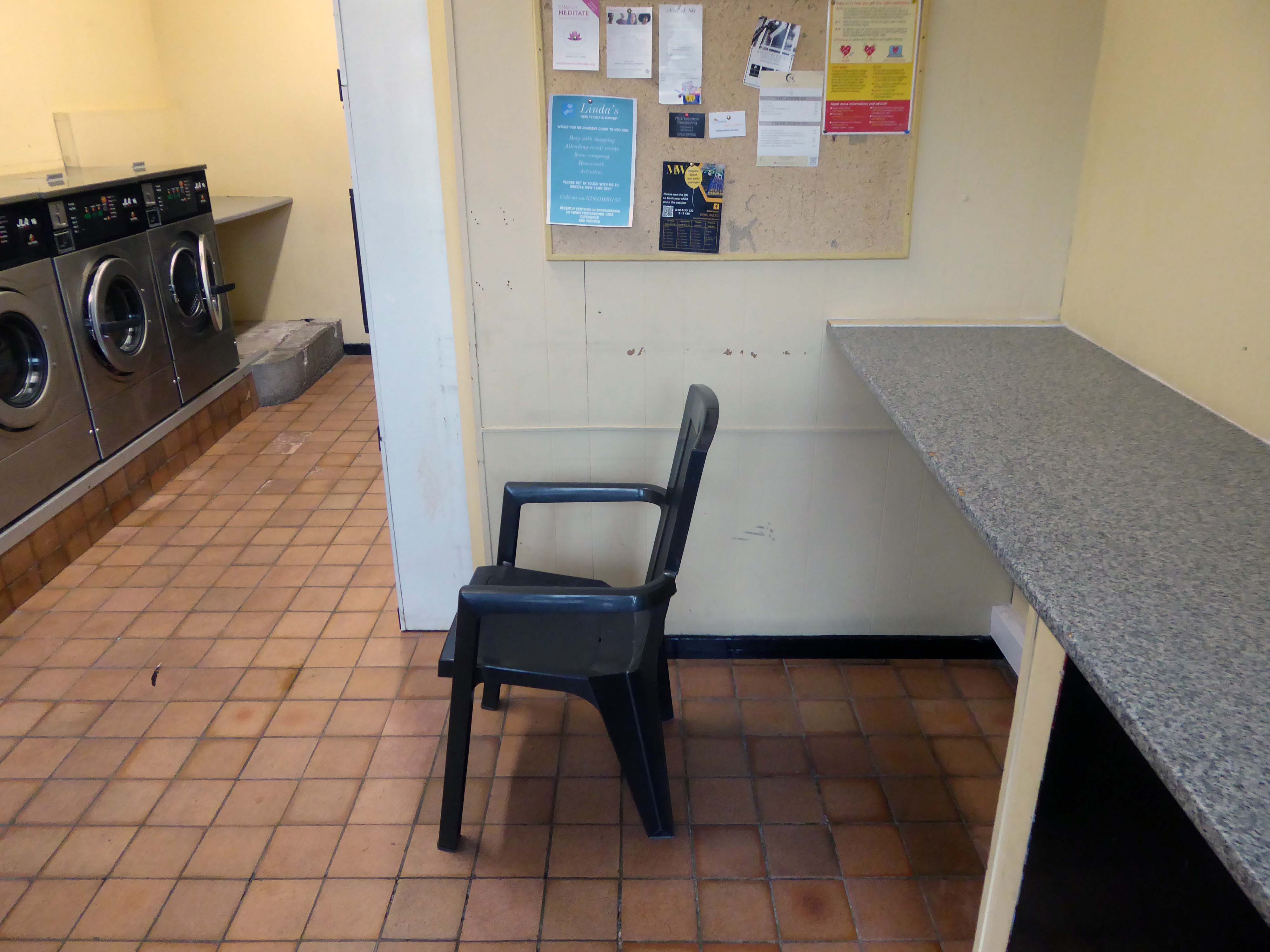
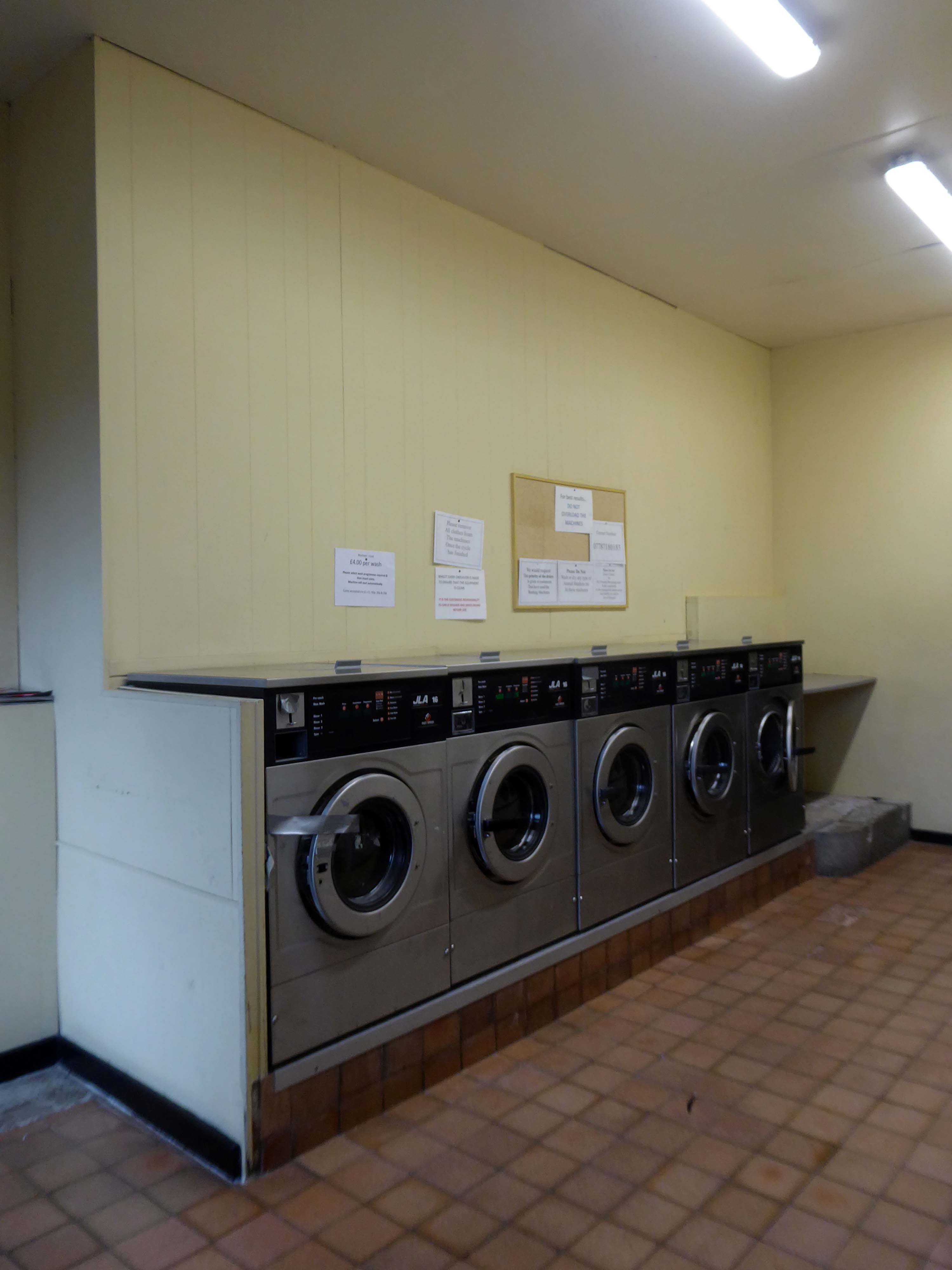
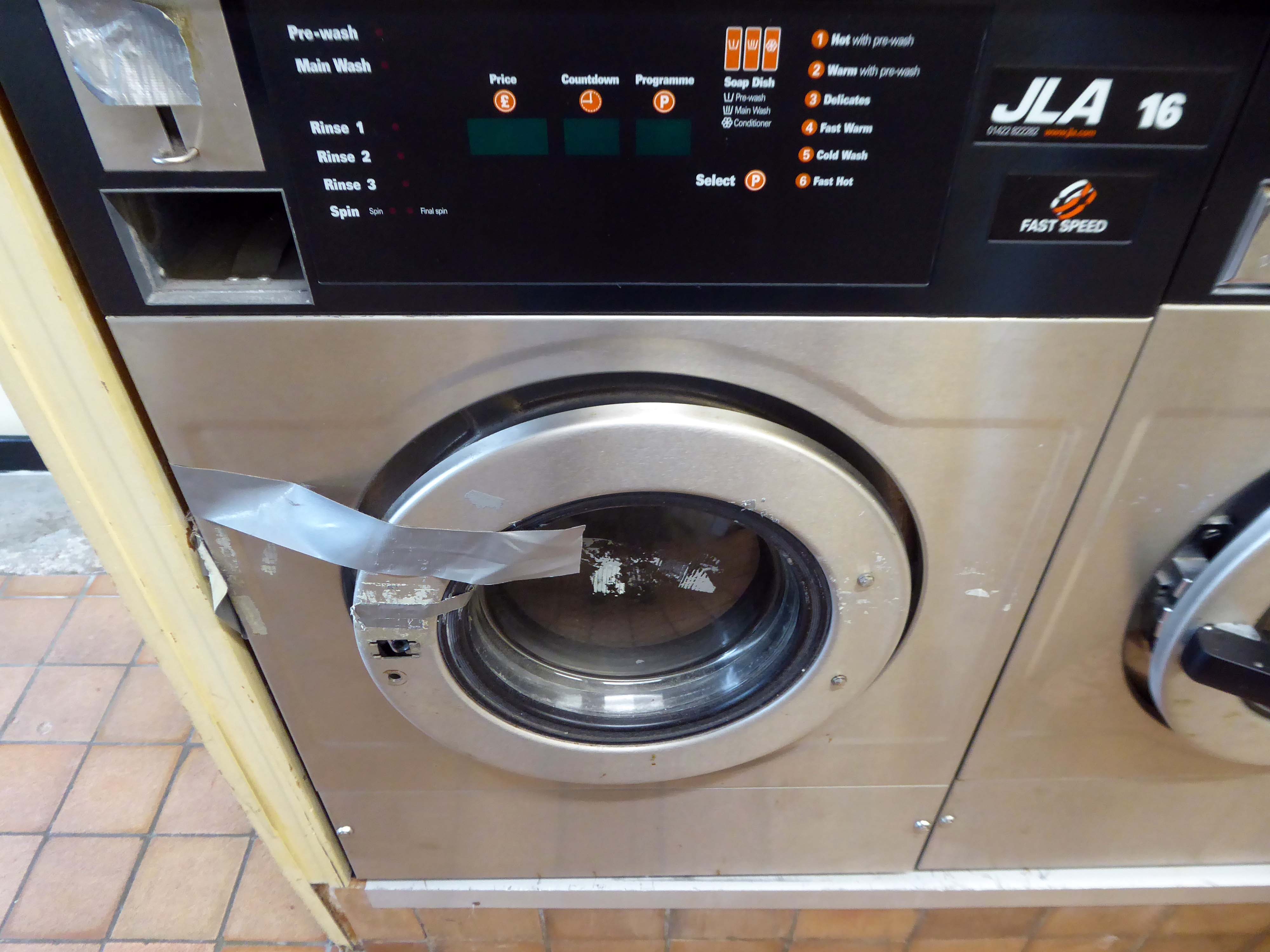
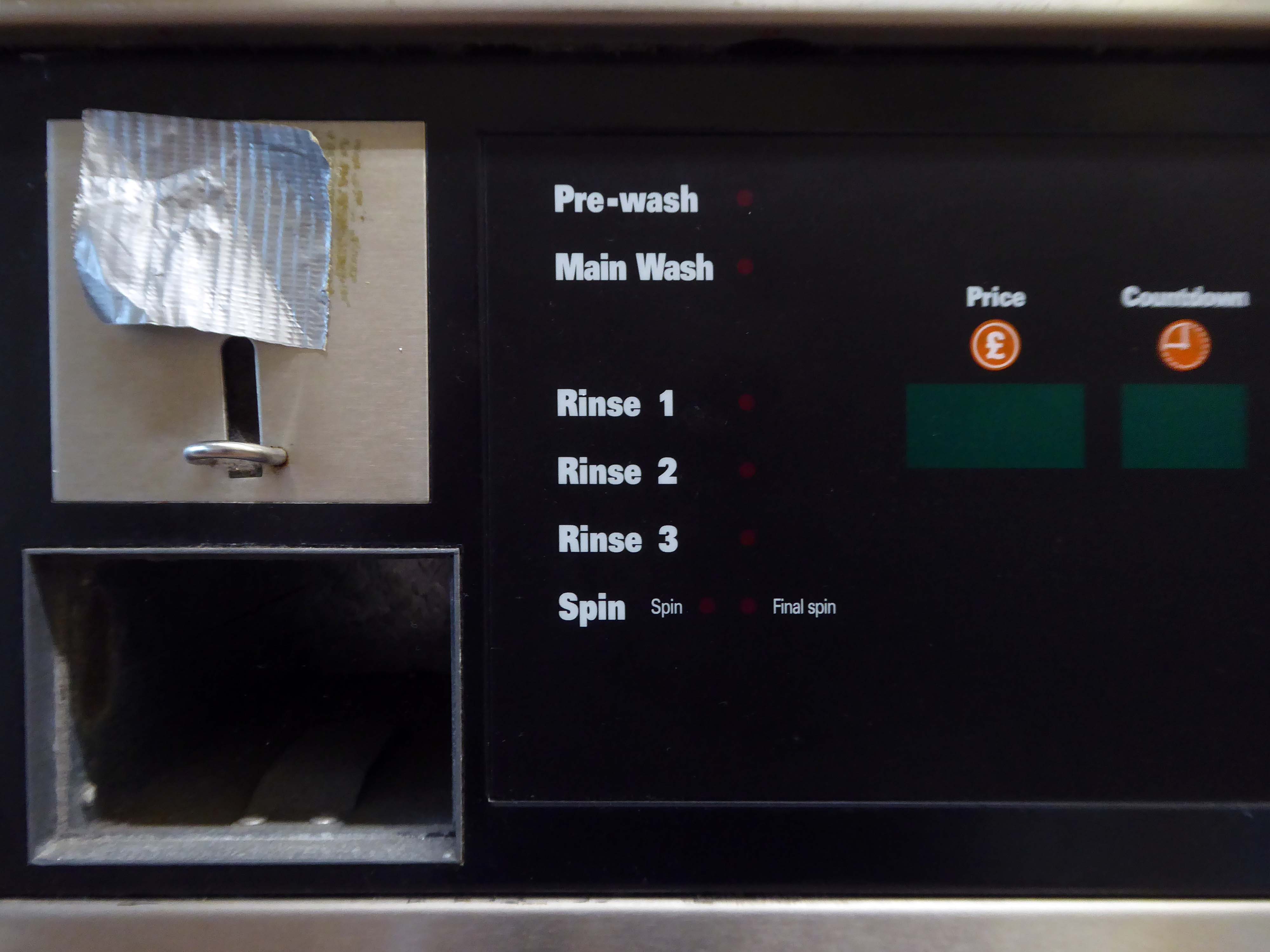
Launderette – Hanley

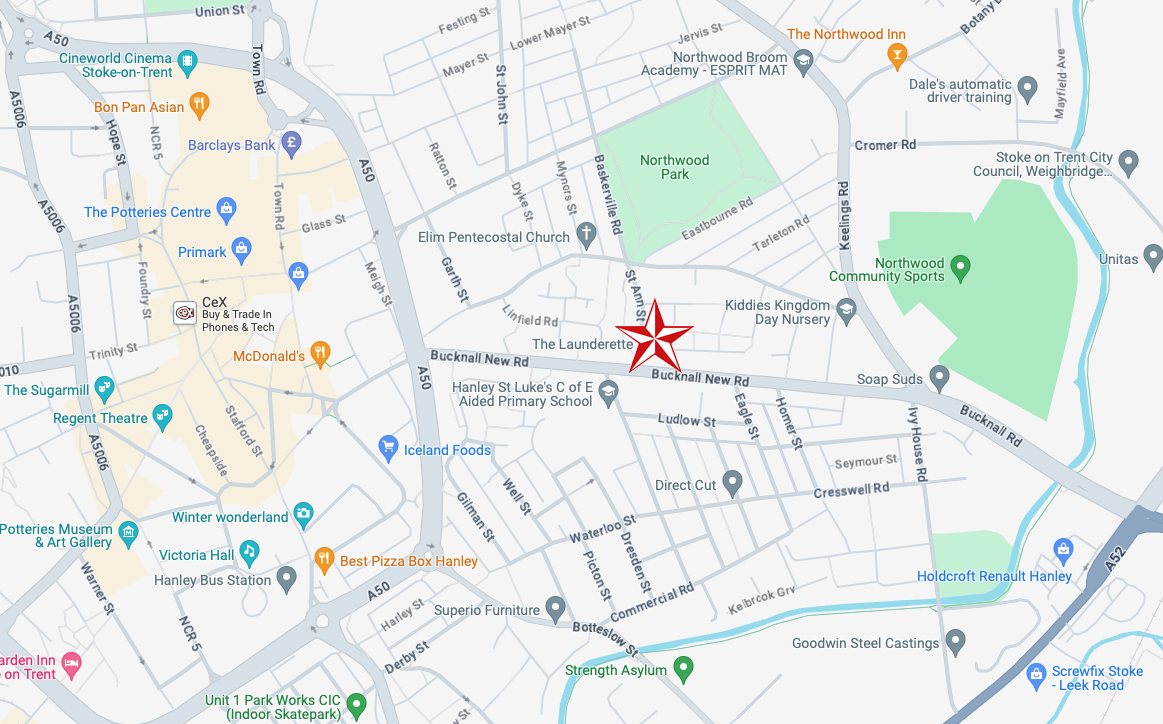
103 Bucknall New Rd Hanley Stoke-on-Trent ST1 2BG

It began in 2009, with a chance encounter whilst wandering around Wigan and the chance encounter with a Washeteria.

Followed by the publication in 2020 of my best selling book eight launderettes.

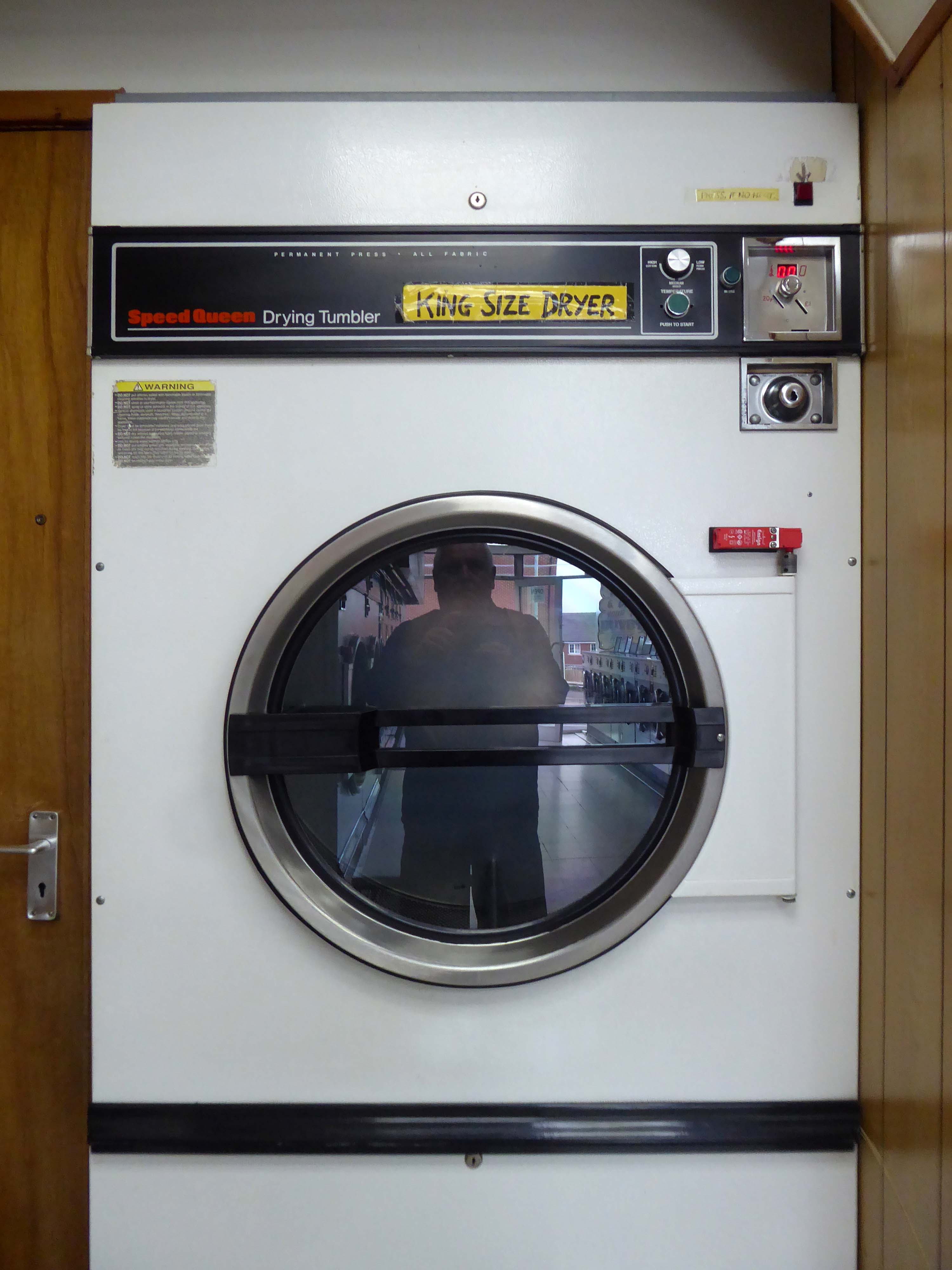
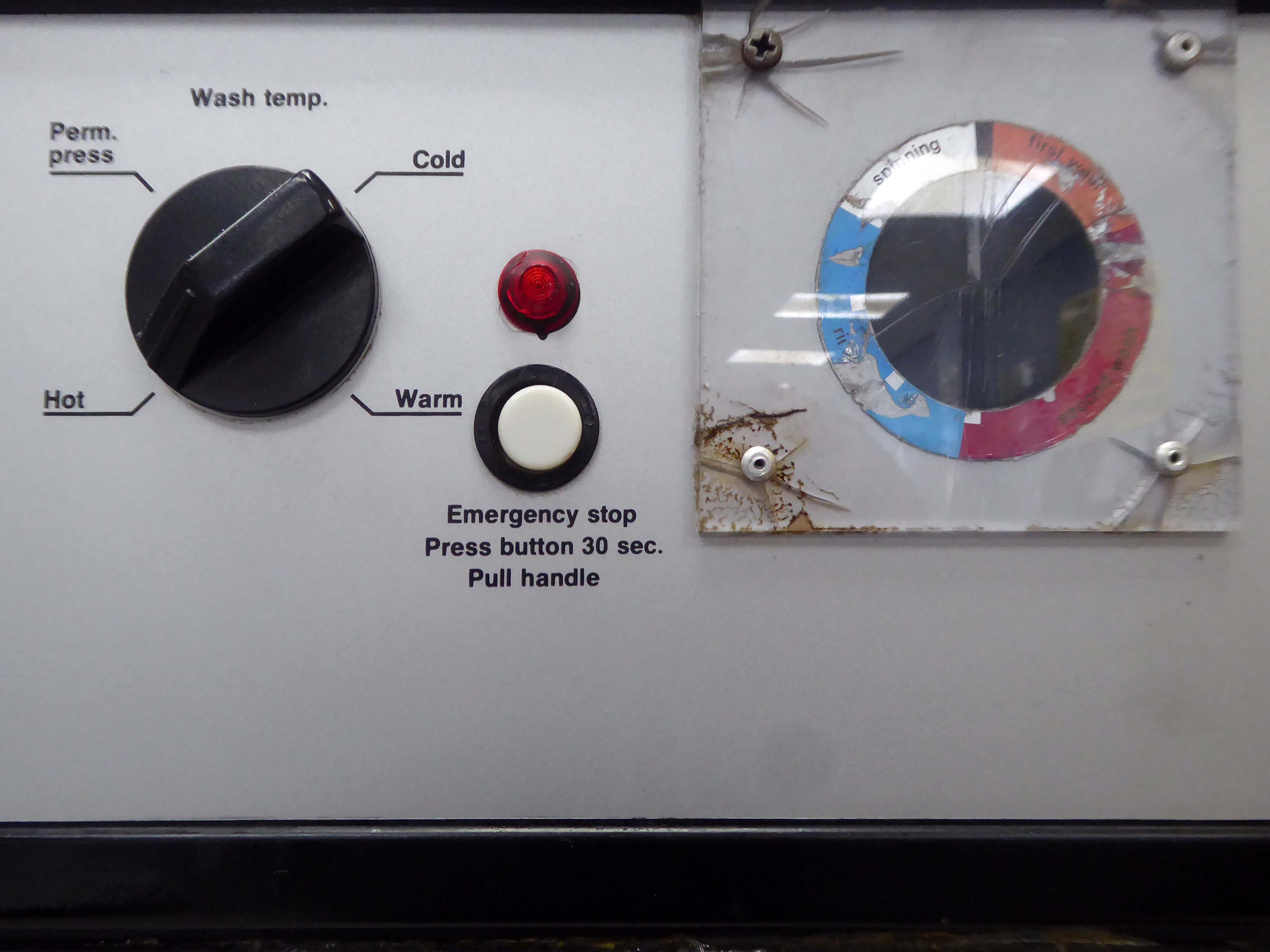
Subsequently there have been several more chance encounters with a wide variety of wash houses, in various towns – search this site.

Including one such encounter in Stoke.

Yesterday, Saturday 6th April I was leading a Modernist Mooch around Stoke and Hanley – I arrived five hours before the 1.00 start time and went off to explore nowhere in particular.

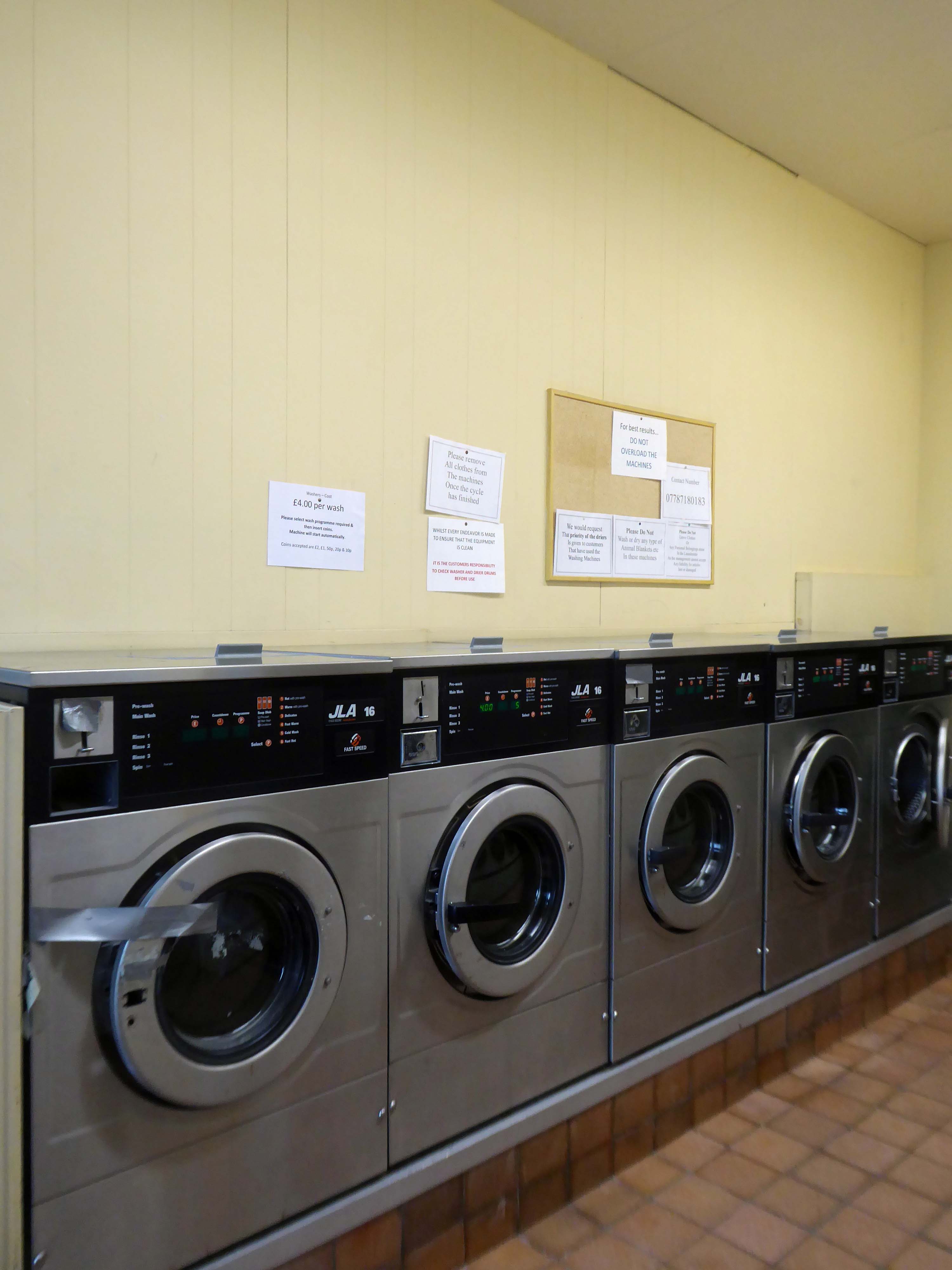
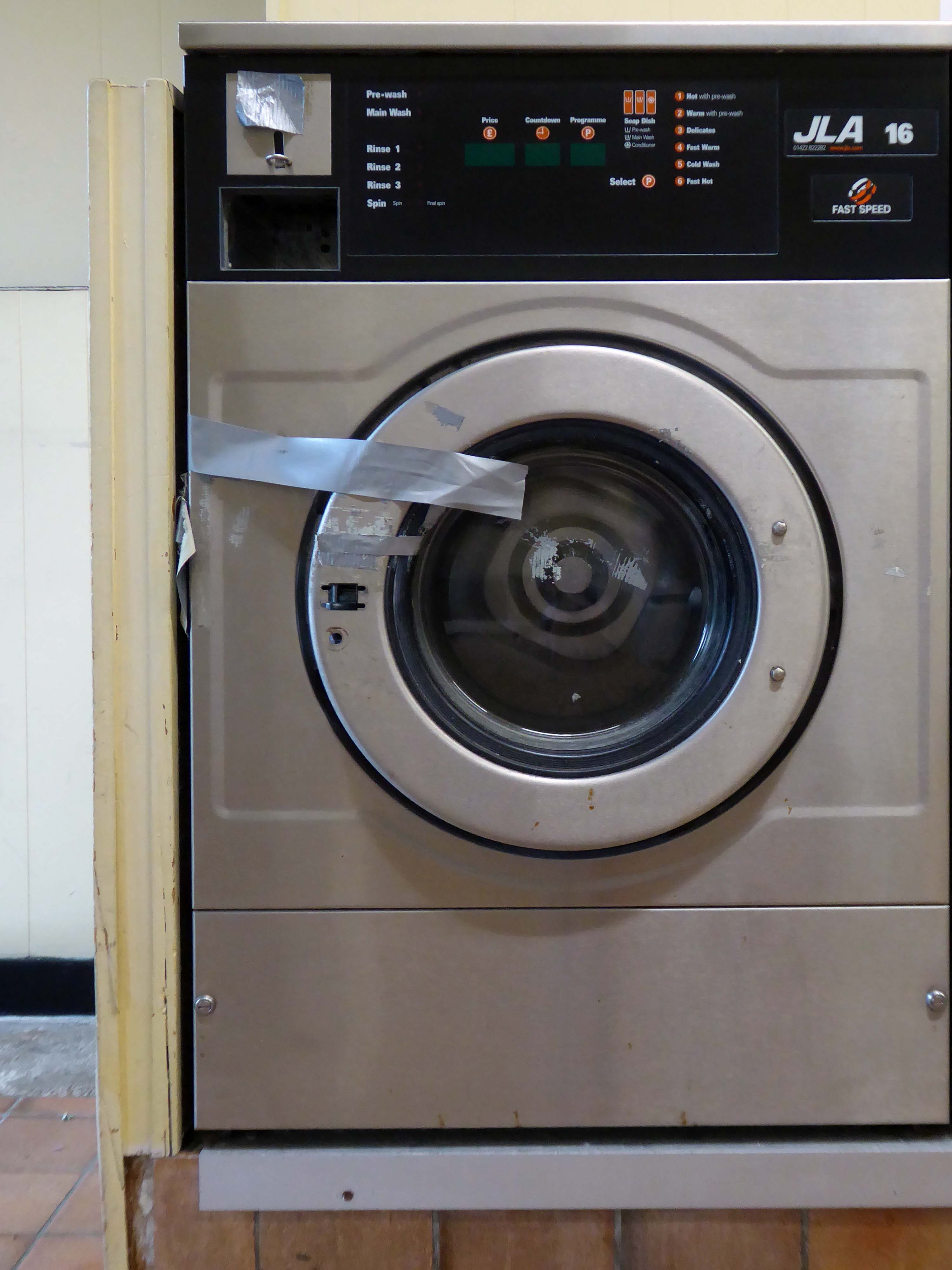
I found myself in the Northwood area of Hanley – ascending the long drag of Bucknall New Road, where I espied a launderette, imaginatively named The Launderette.

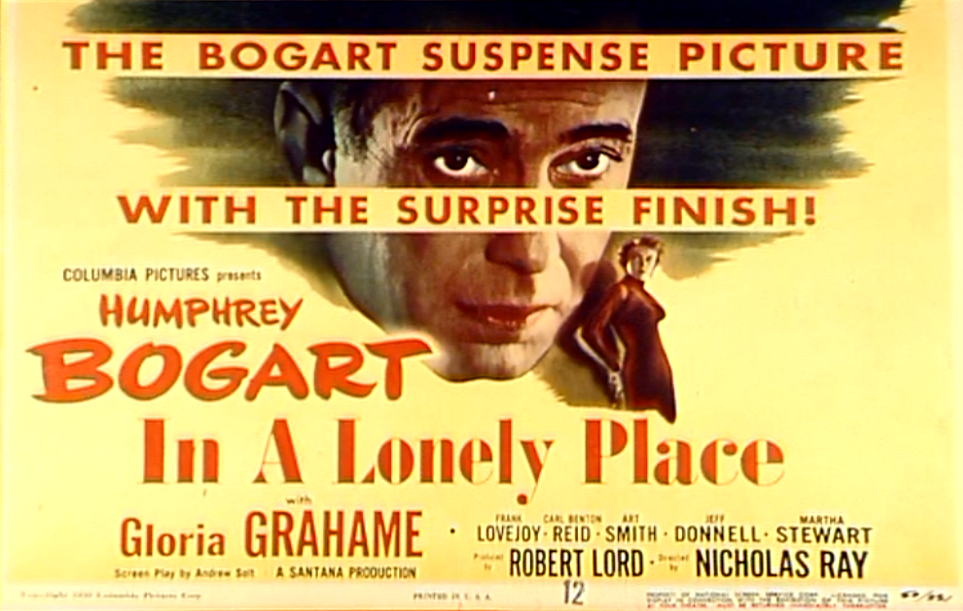
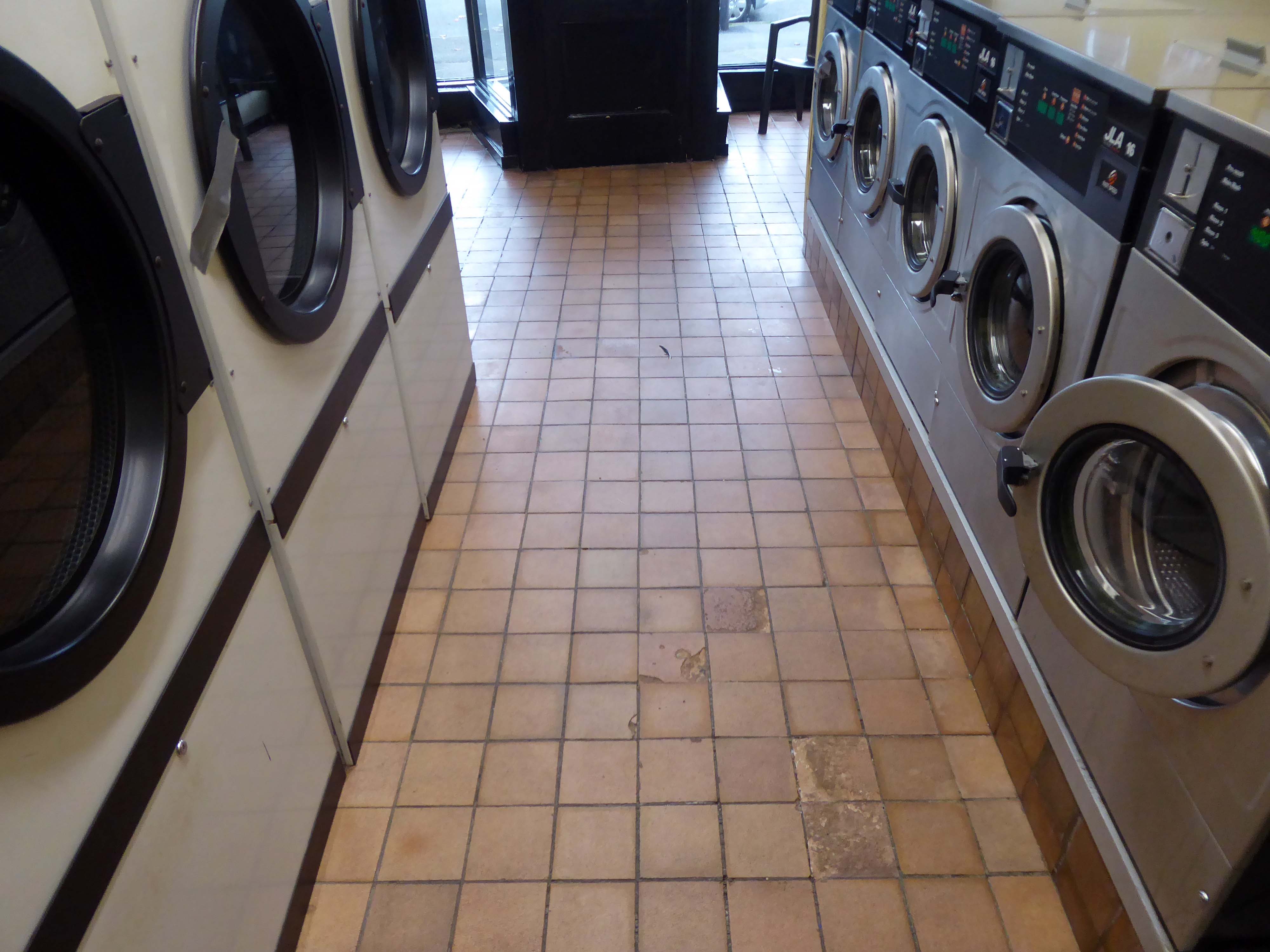
Early morning and short of the odd customer or two, I seized that moment in time to record this lonely public place – seeking that suspense picture with a surprise finish.

The solitary snapper went about their business.

Tapton Hall – Sheffield

Shore Lane Sheffield S10 3BU

The Masonic Hall has an extension of 1967 by Hadfield Cawkson Davidson & Partners

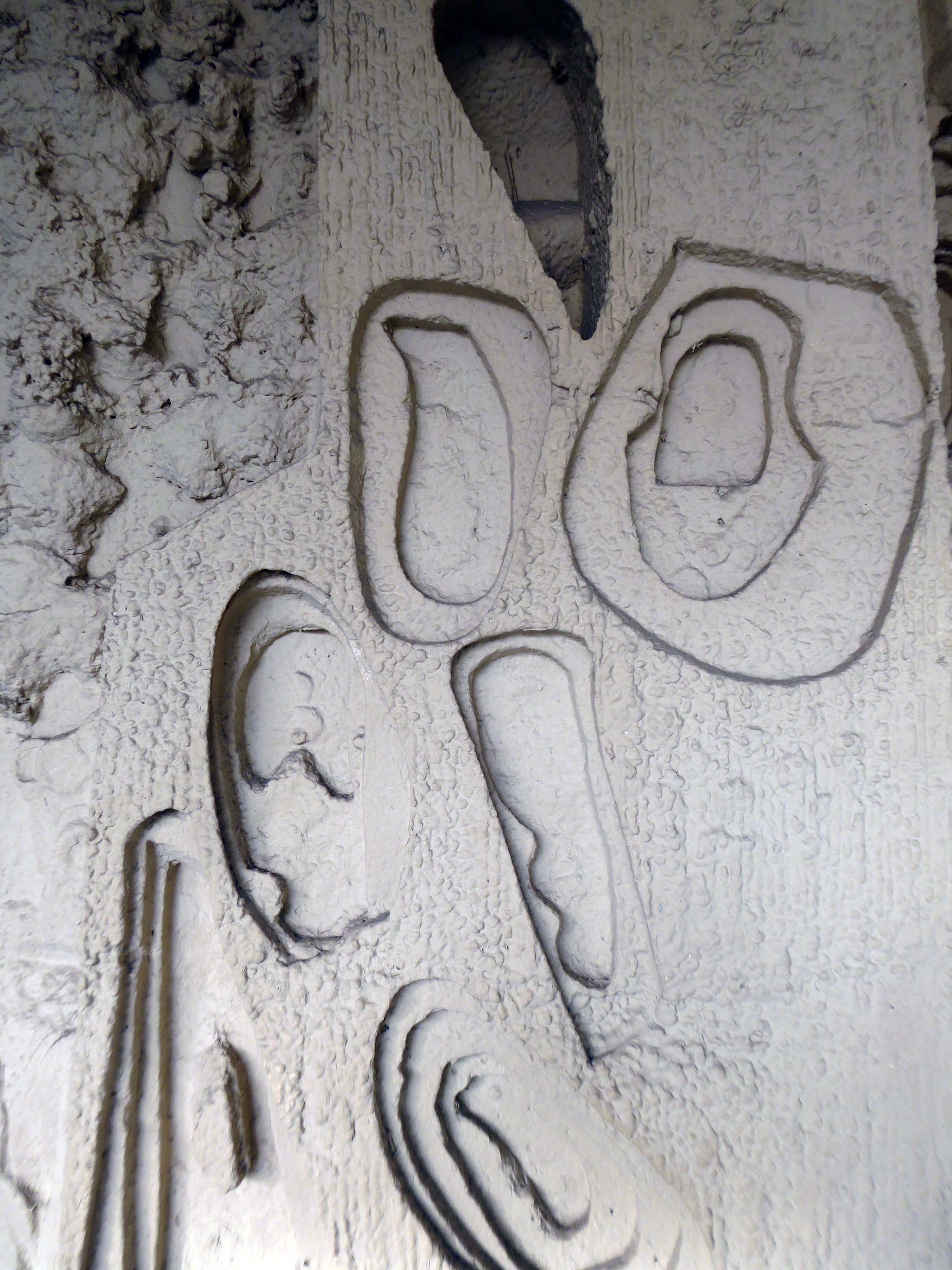
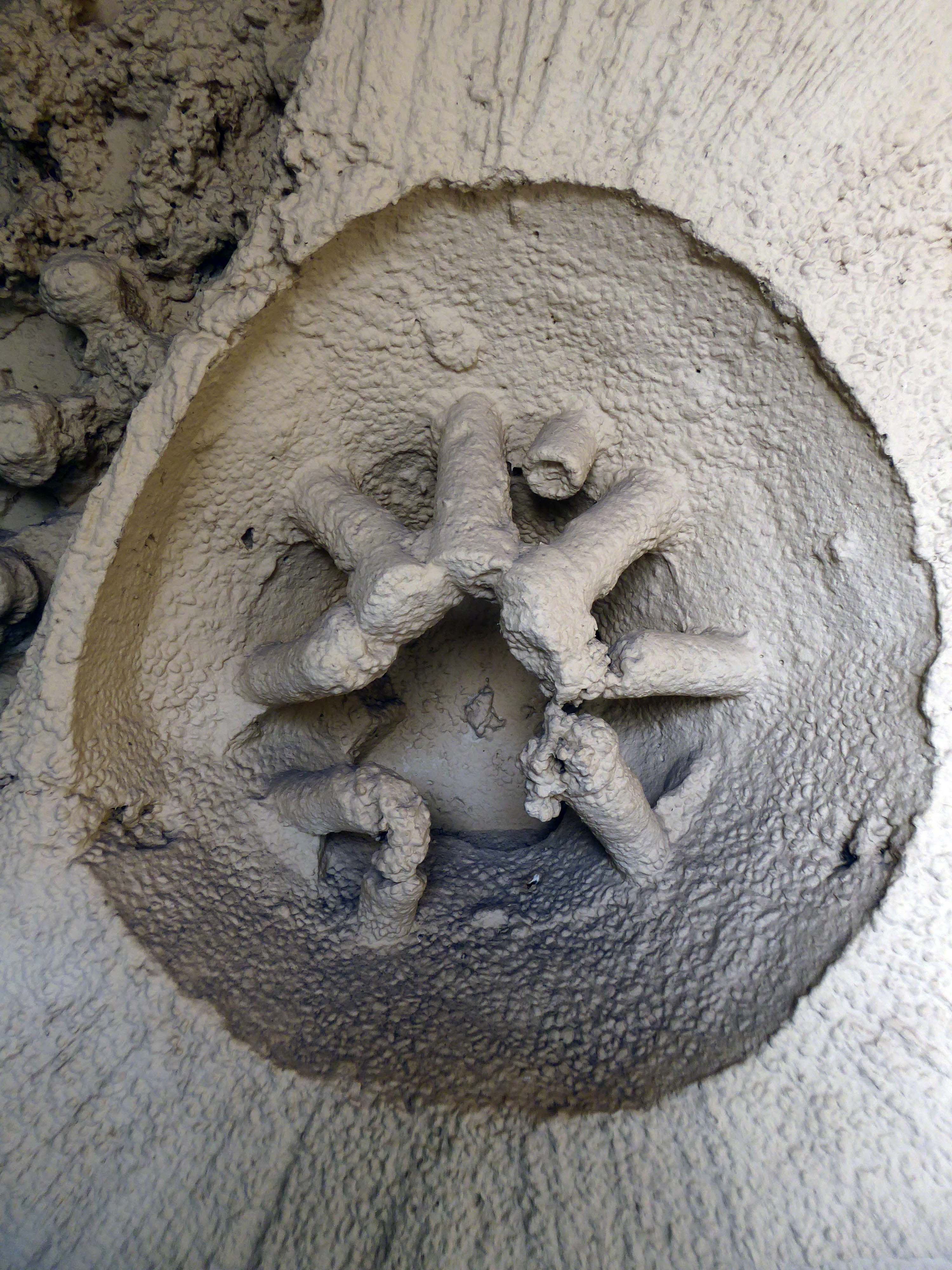
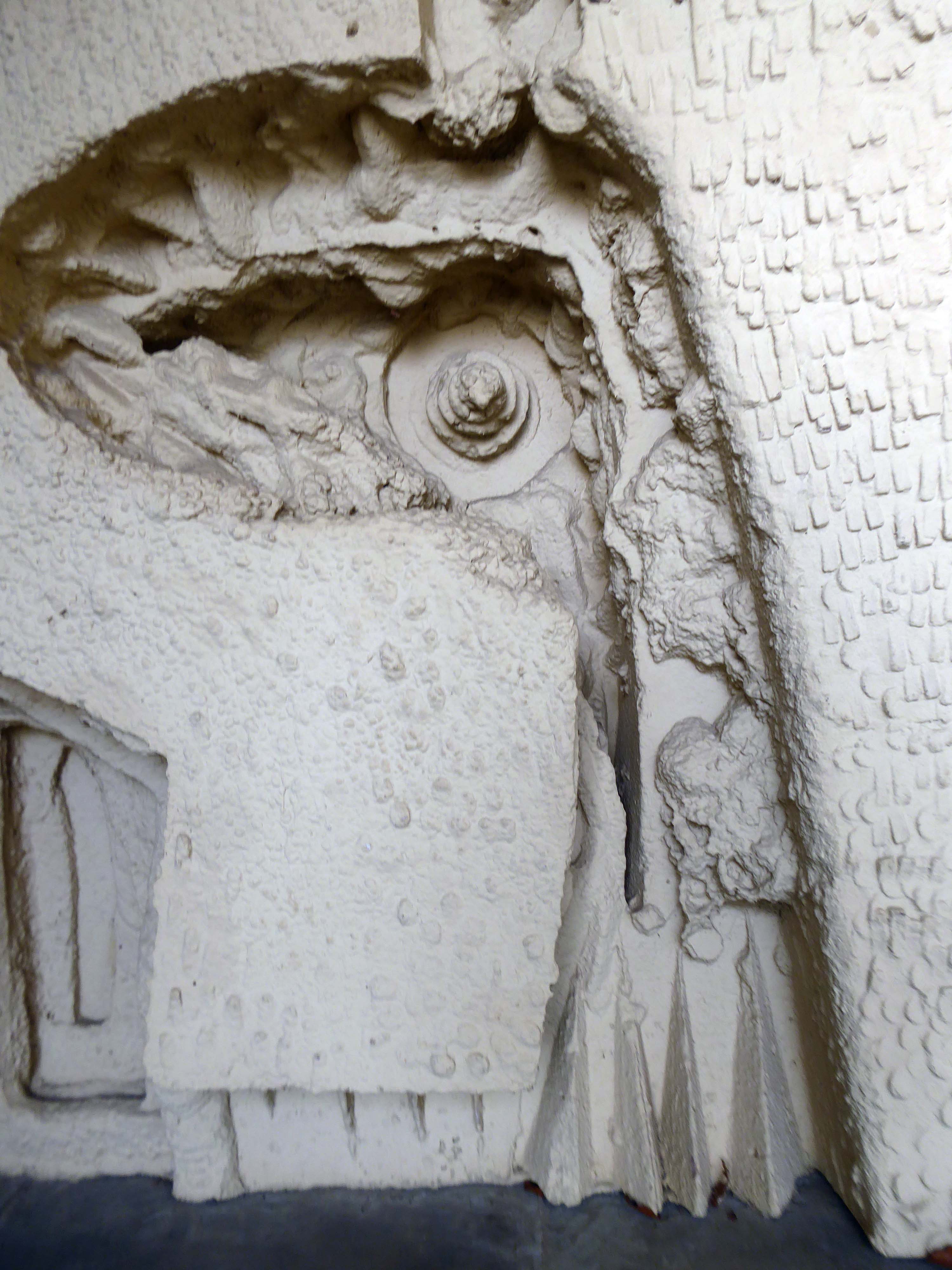
The Masonic Hall has an extension of 1967 has a concrete mural by William Mitchell.

Symbolising the turmoil and chaos of the outside world, contrasting with the order of the Masonic Temple – a Freemason told me so.

I thought to propose the idea that this may well be a false dichotomy – then thought I’d better not.

These are the constituent panels.

These are the details.

Having been asked to speak to the Sheffield University Alumni Women’s Group – on the subject of Modernist Sheffield, I had easy access to the interior space.

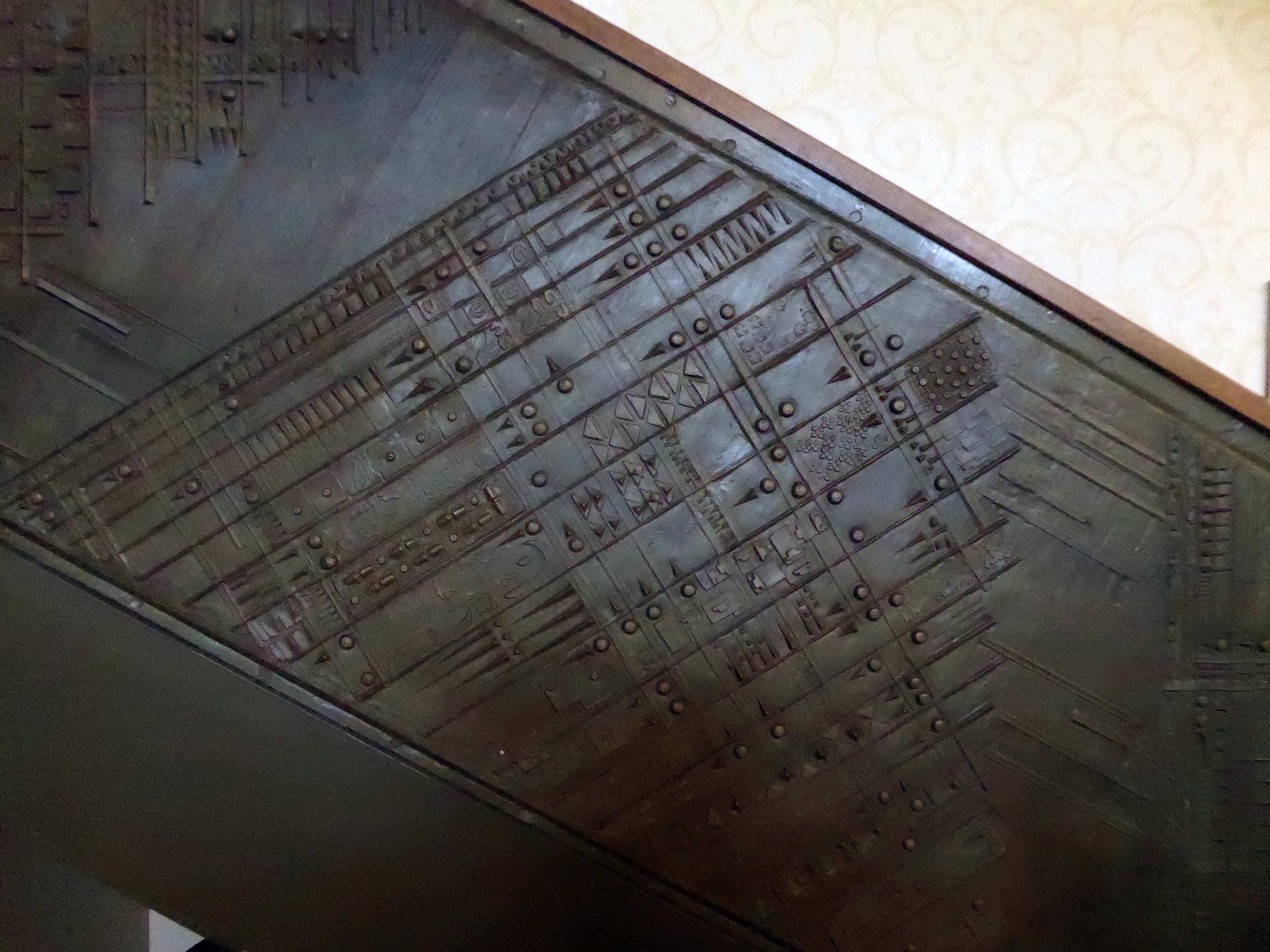
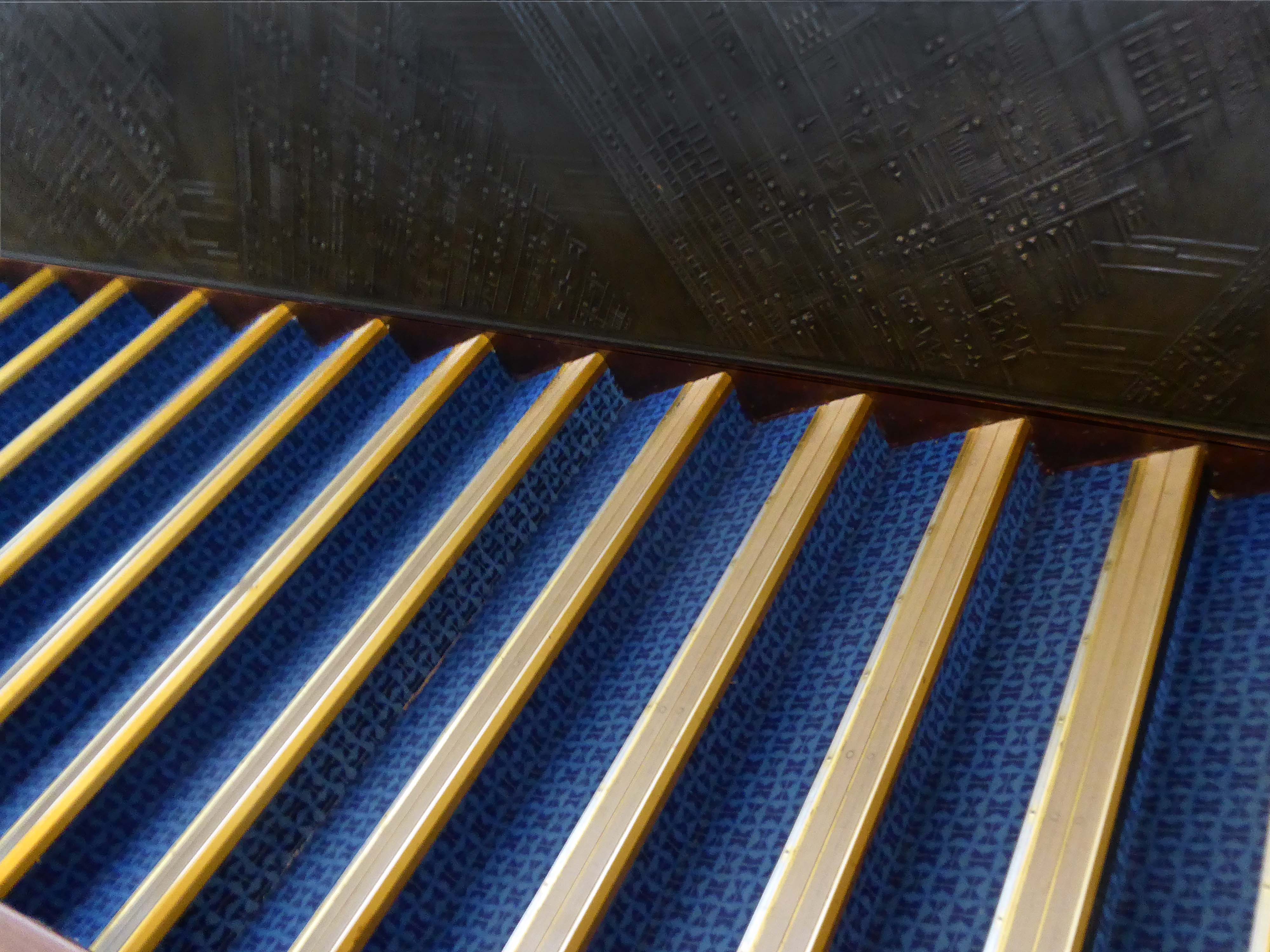
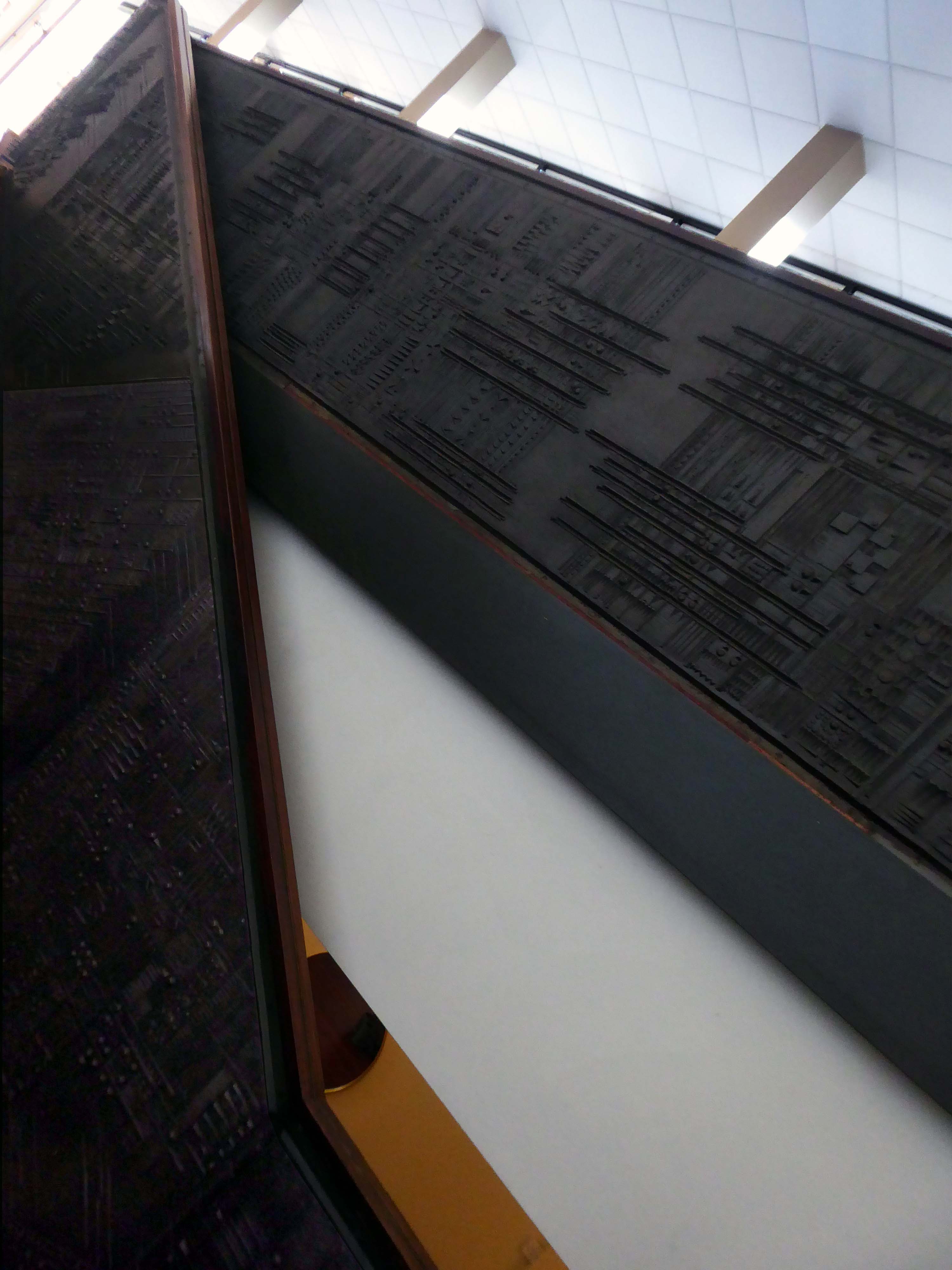
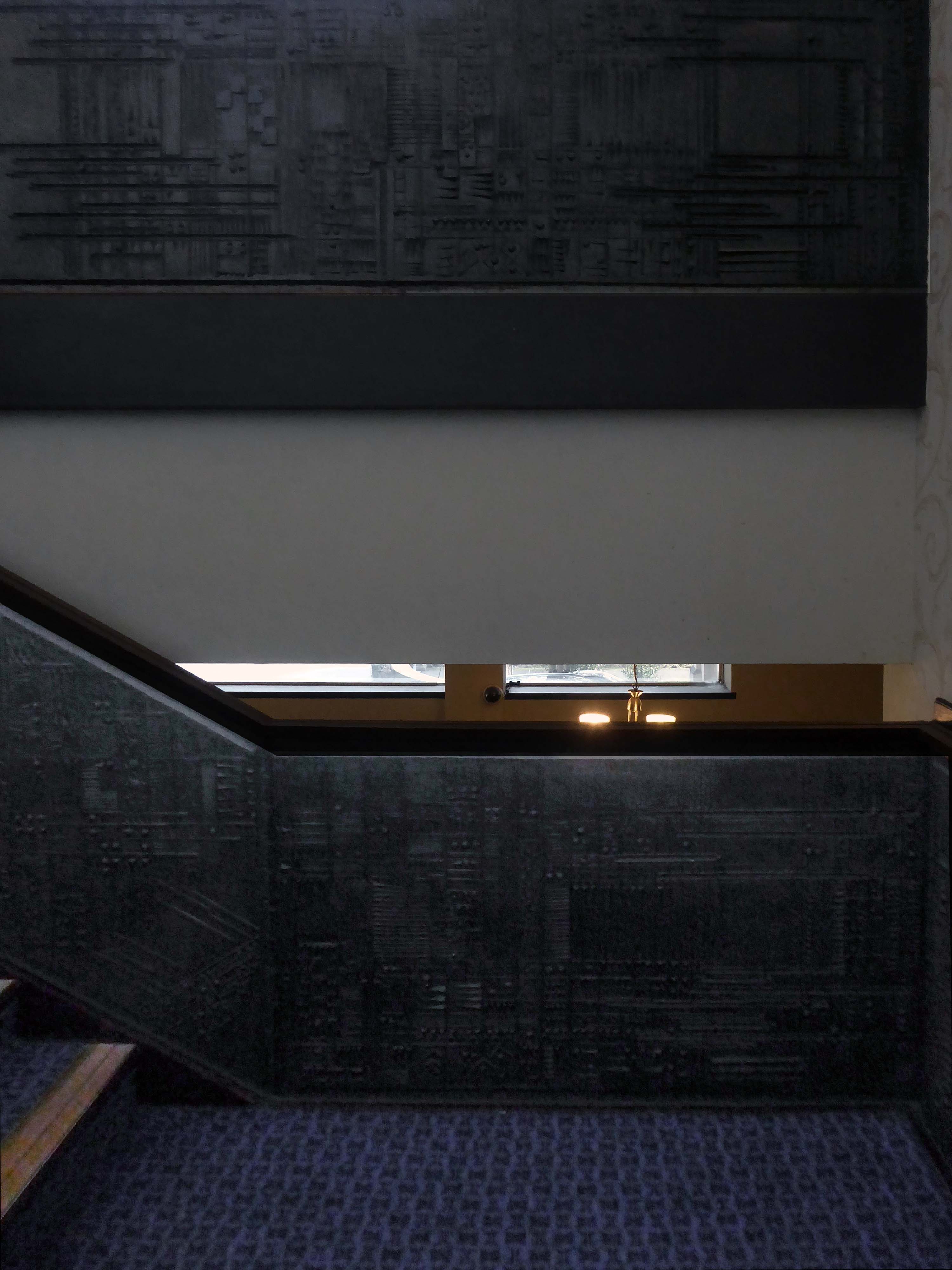
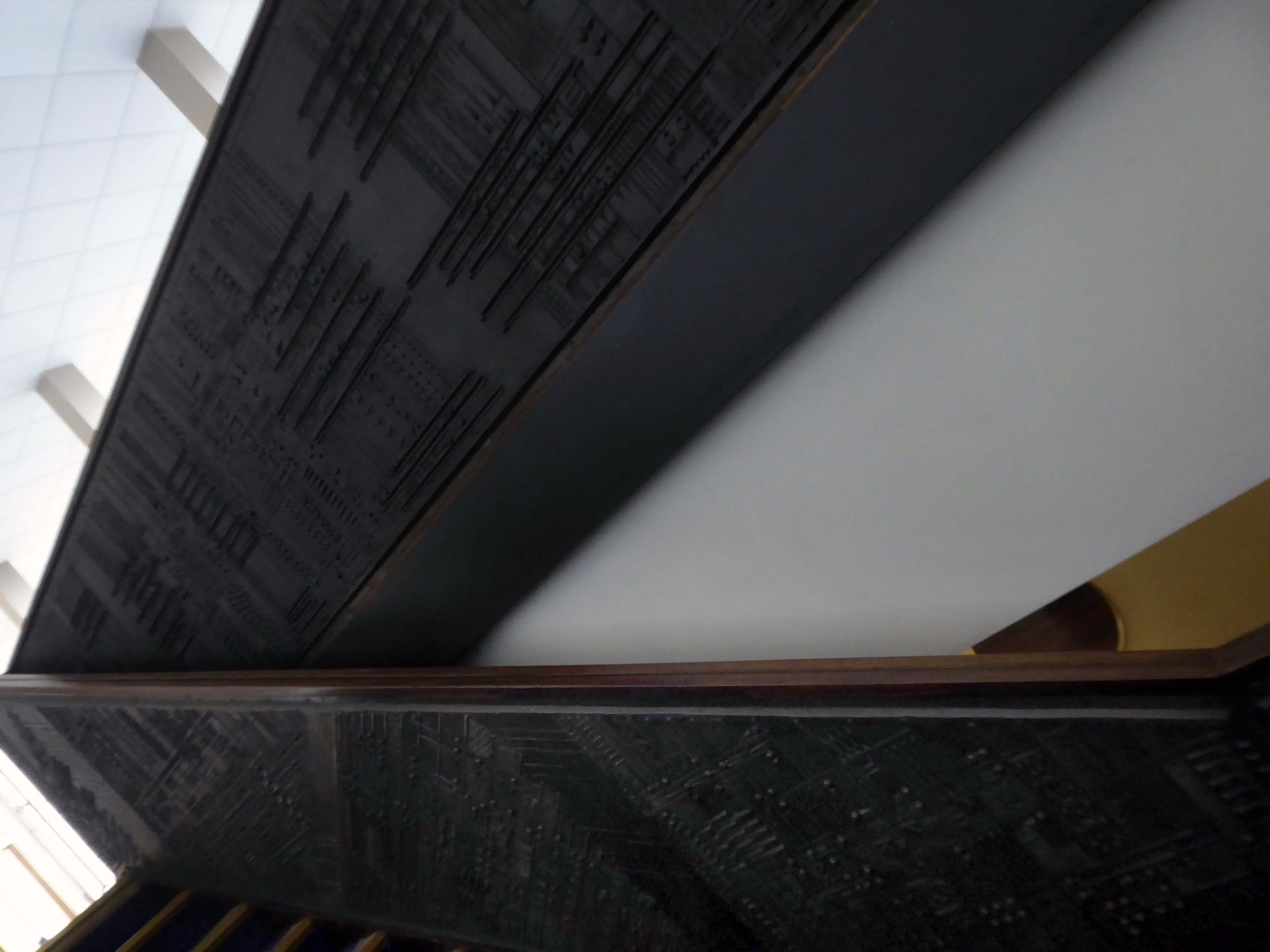
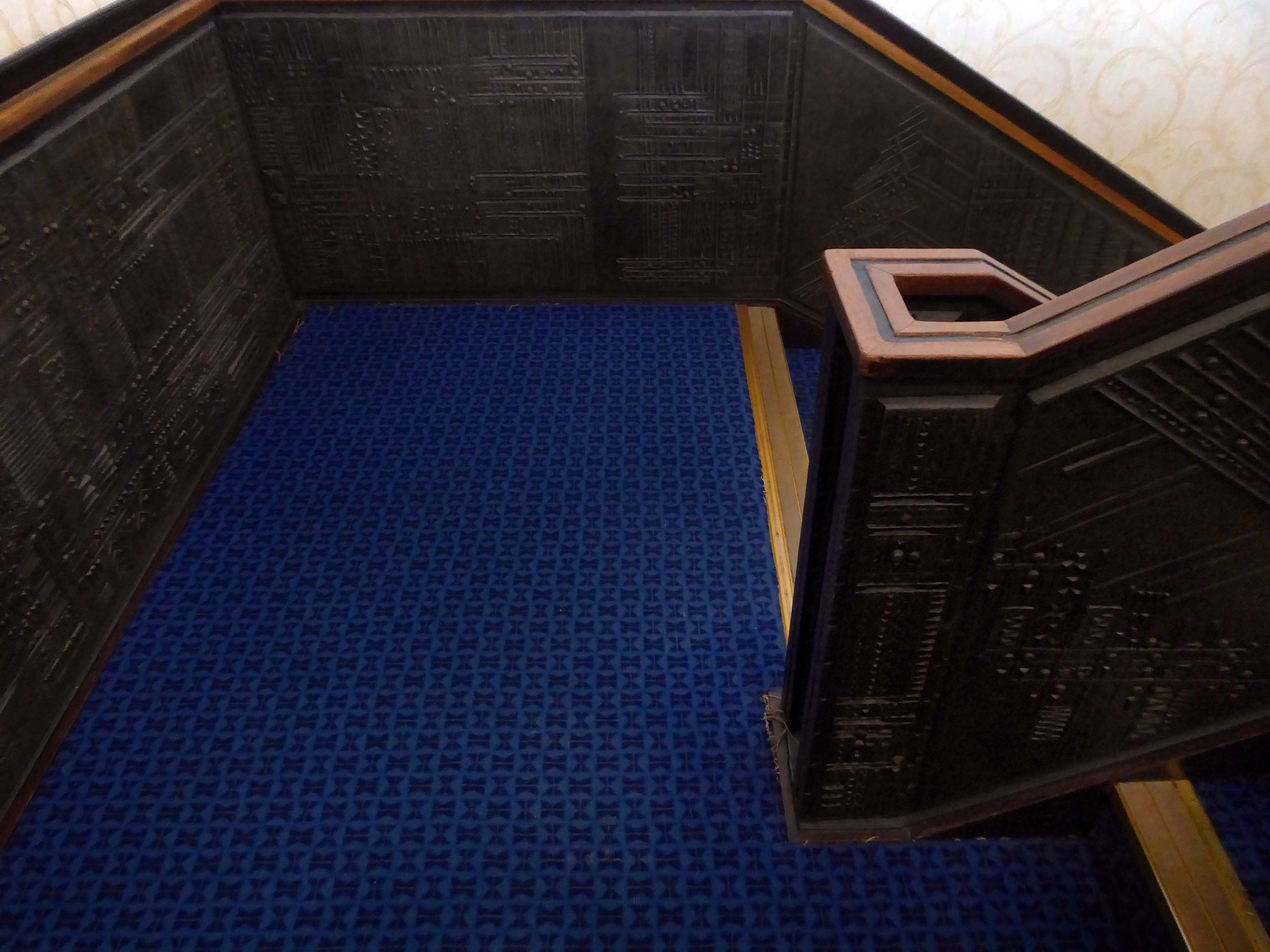
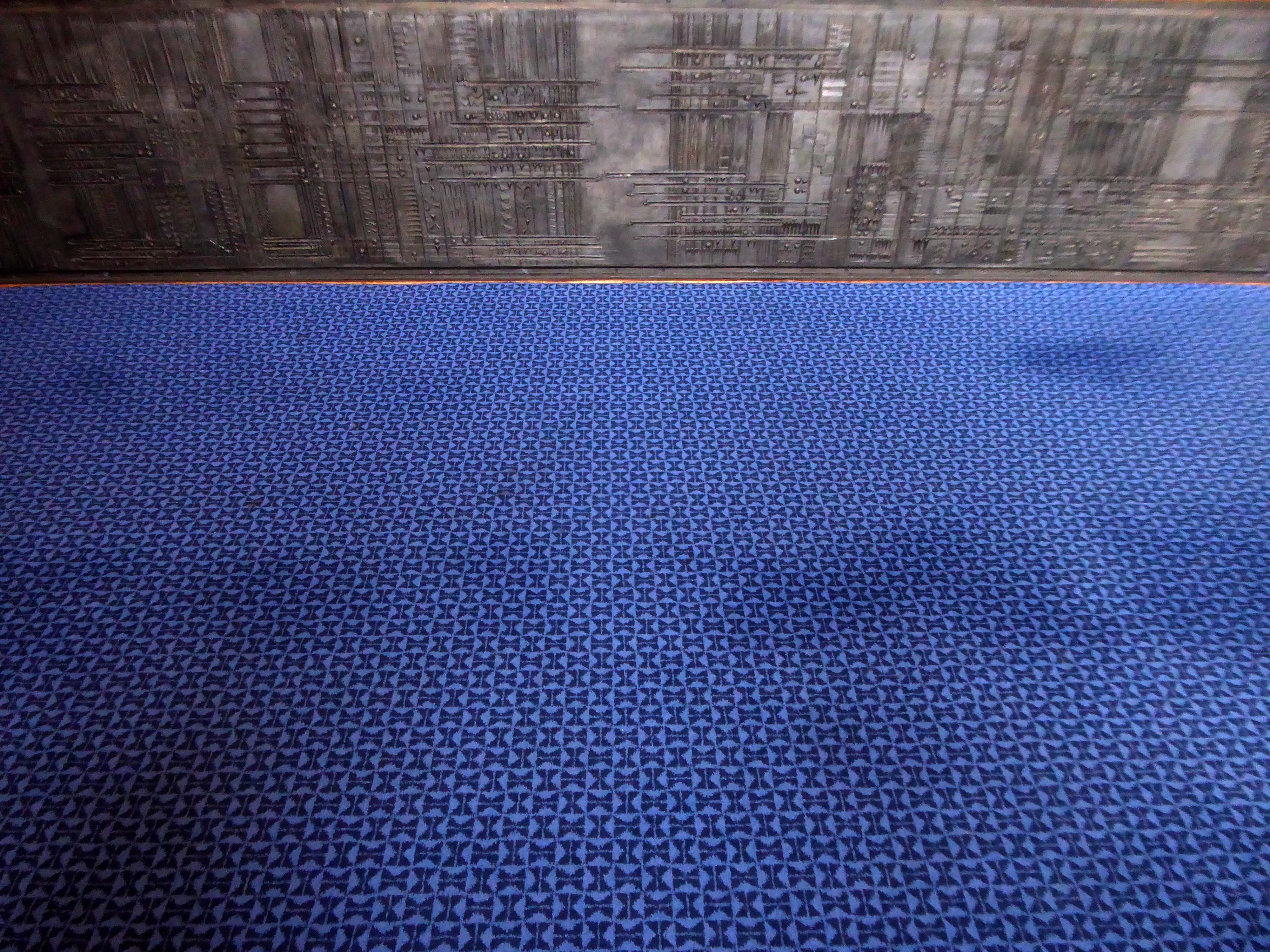
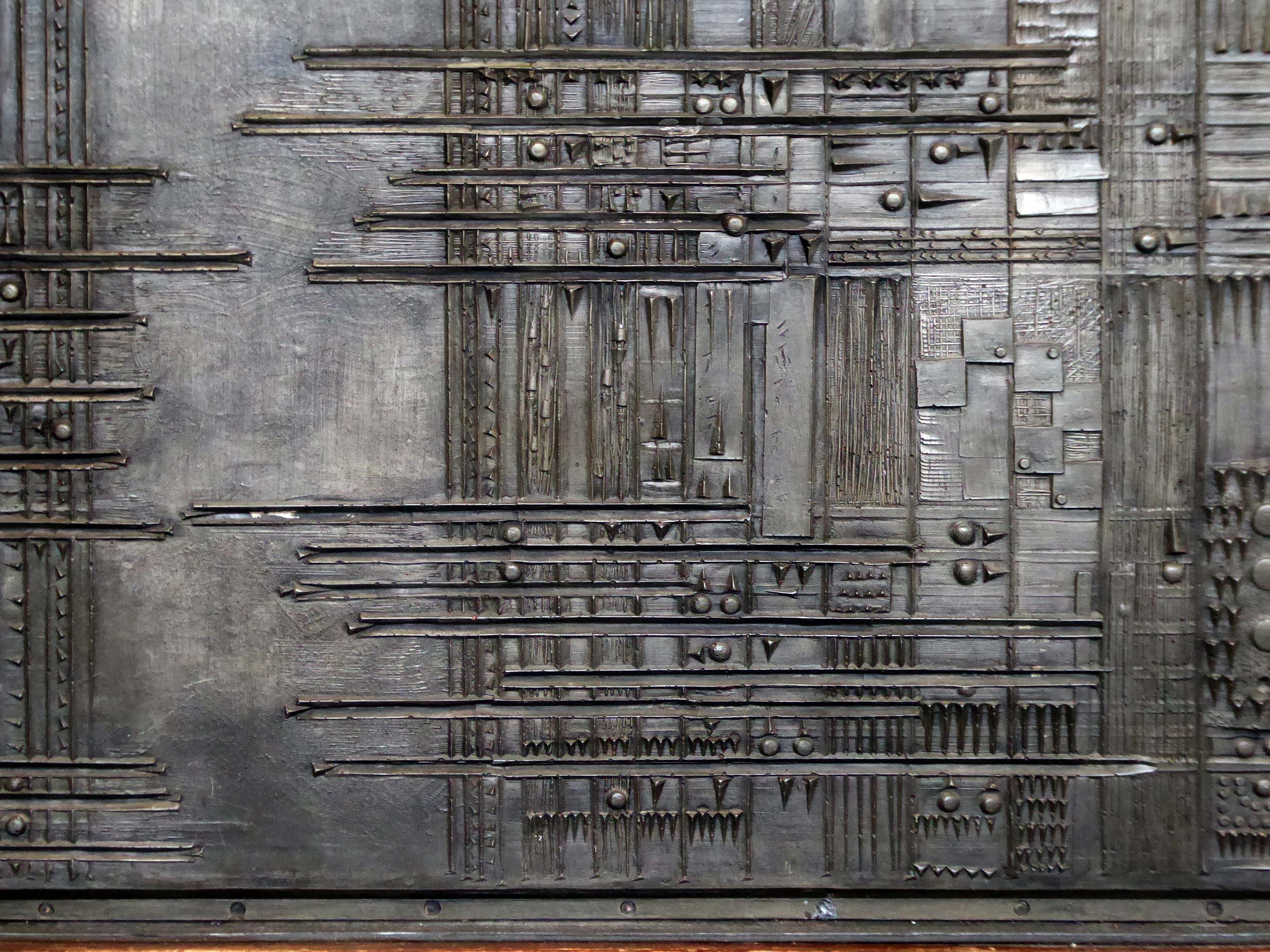
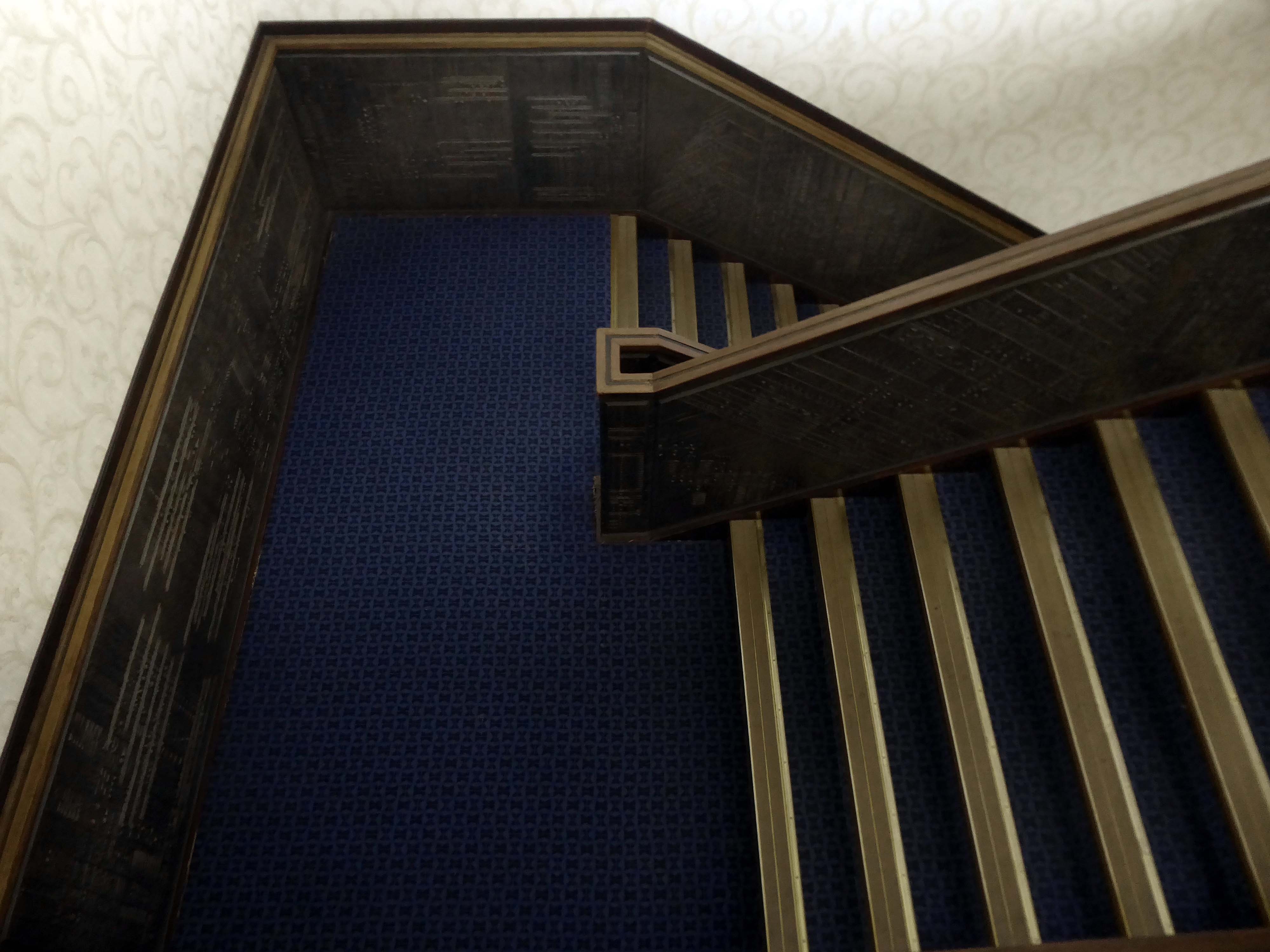
I was ever so excited to discover these decorative panels on the stairway – I assume that they are also the work of William Mitchell.

Nobody knew.

The Masonic Hall is now a venue in addition to being a Masonic Hall.

It was once the home of steel magnate Edward Vickers.

Vickers was a successful miller who invested his money in the railway industry. In 1828 he garnered control of his father-in-law’s steel foundry business, formerly Naylor & Sanderson, and renamed it Naylor Vickers & Co. He went on to be Alderman and the Mayor of Sheffield and was the first President of the Sheffield Chamber of Commerce before he died in 1897.

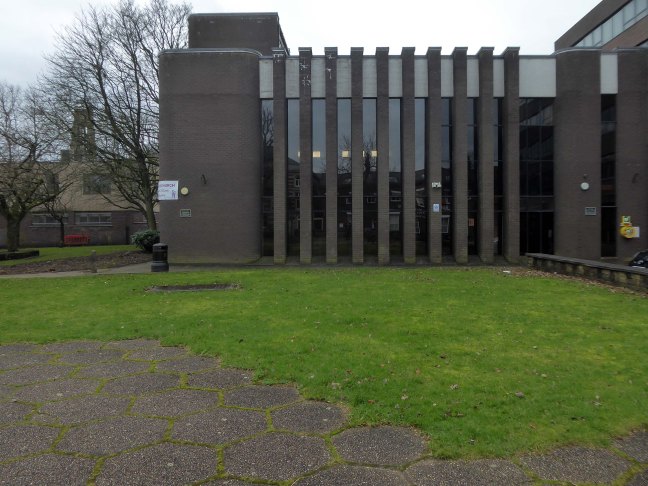
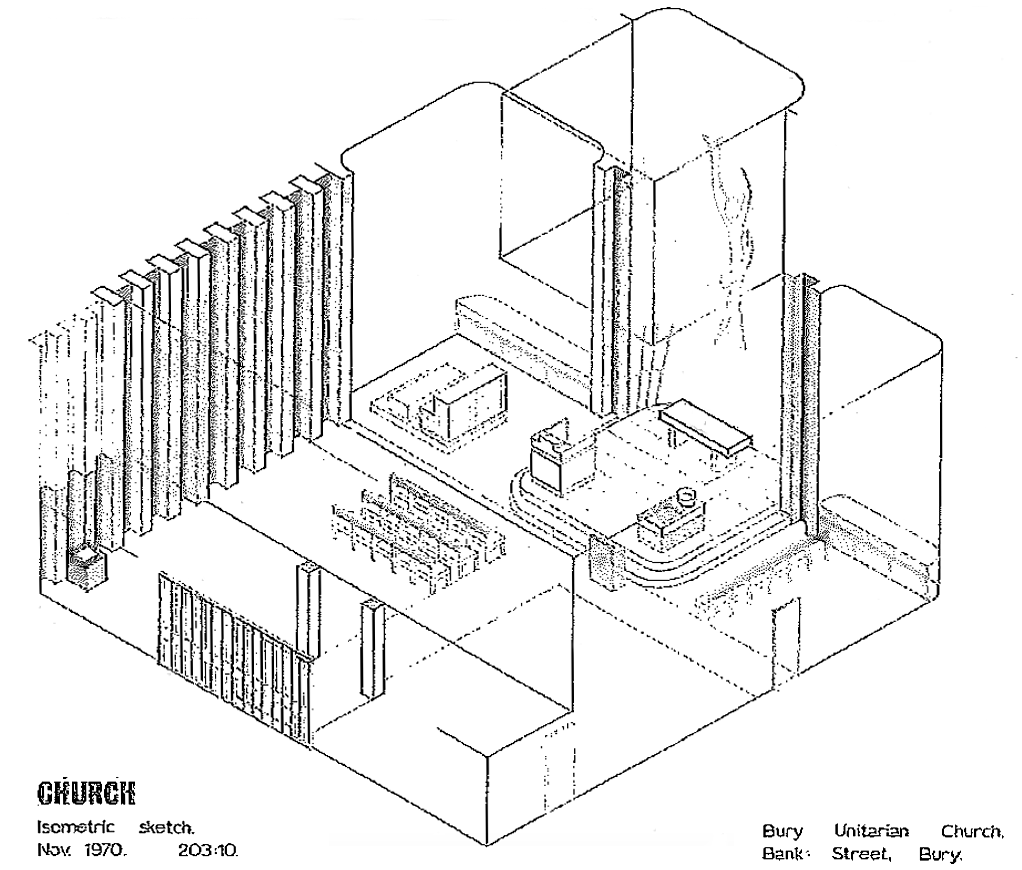
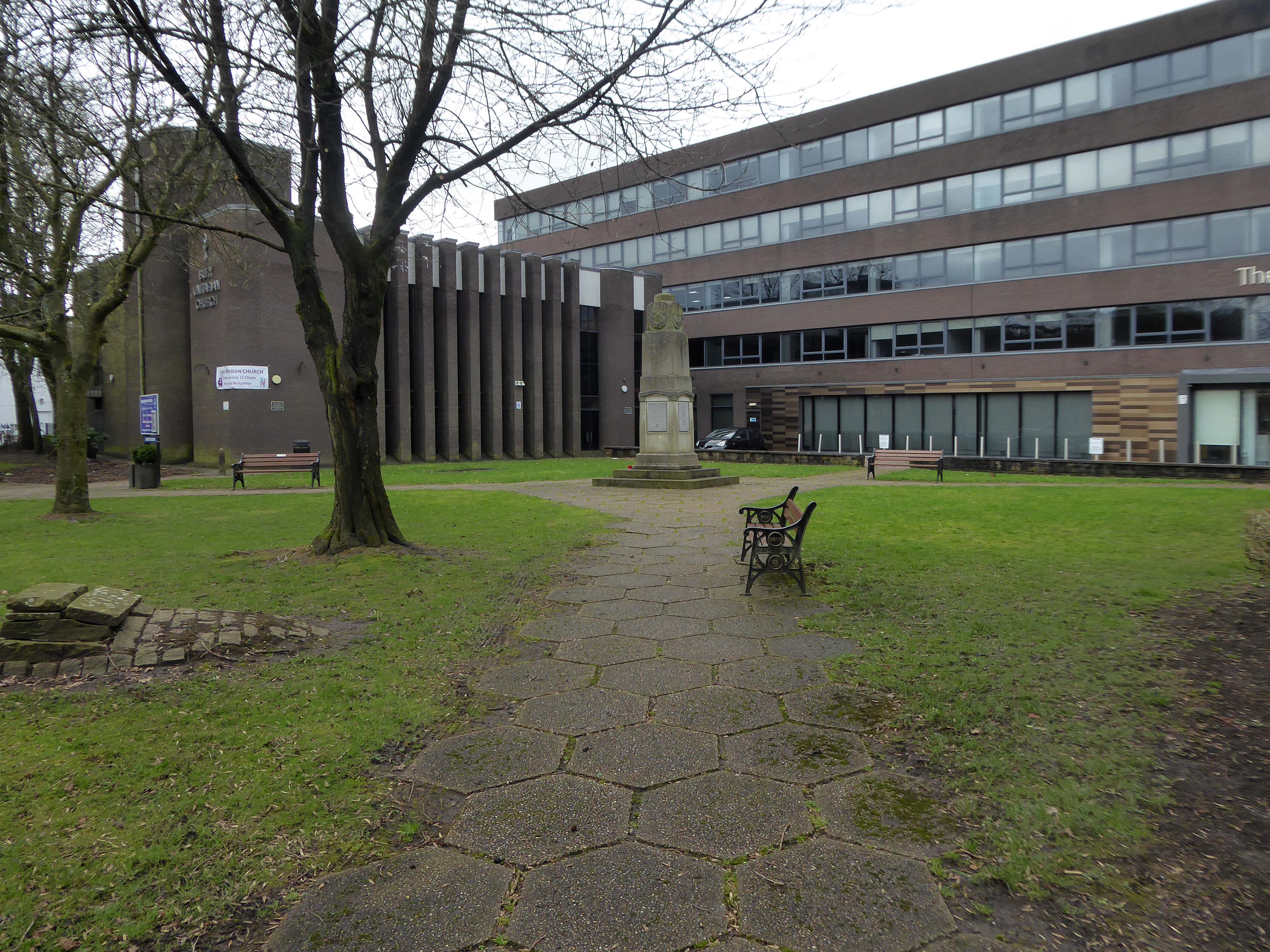
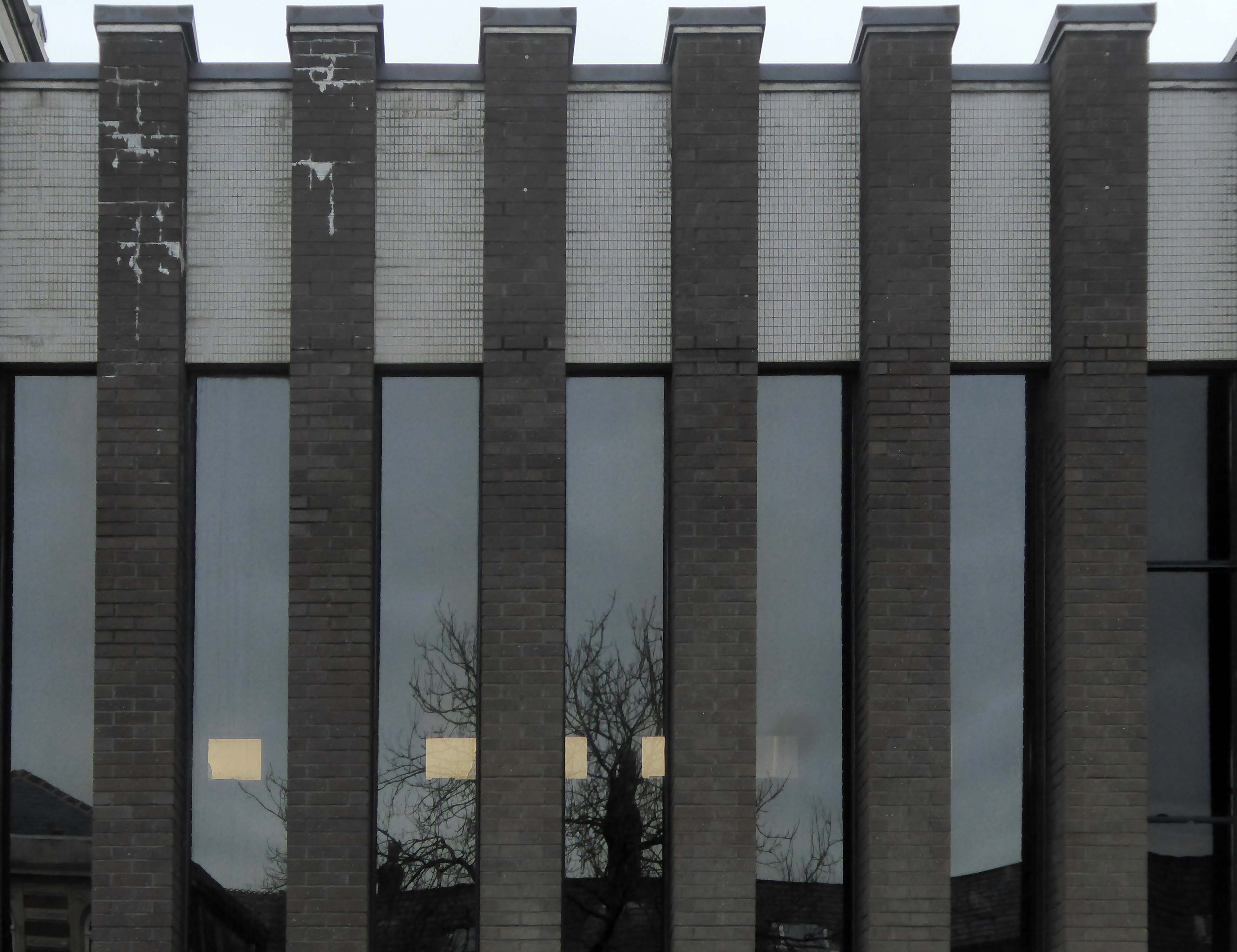
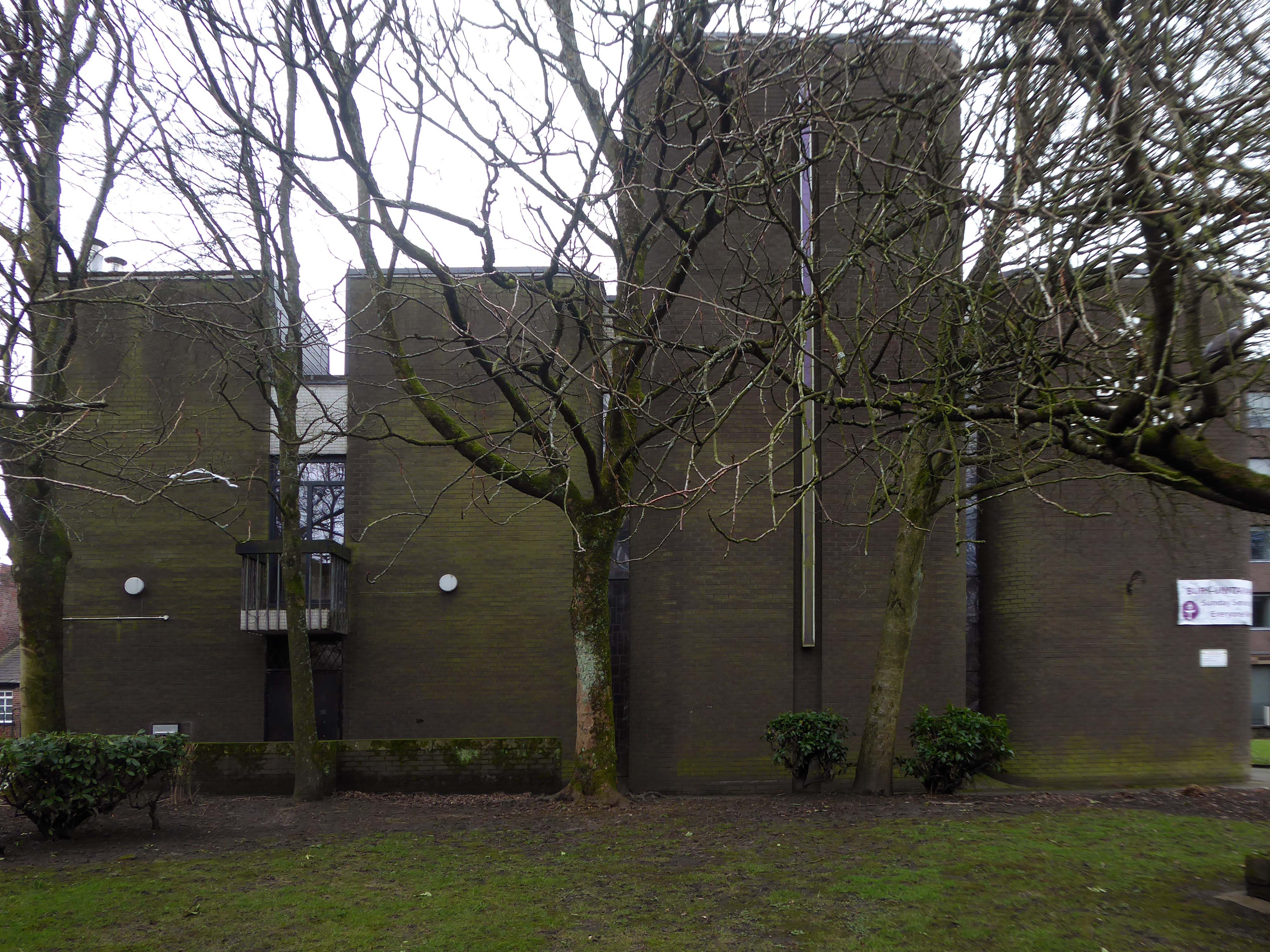
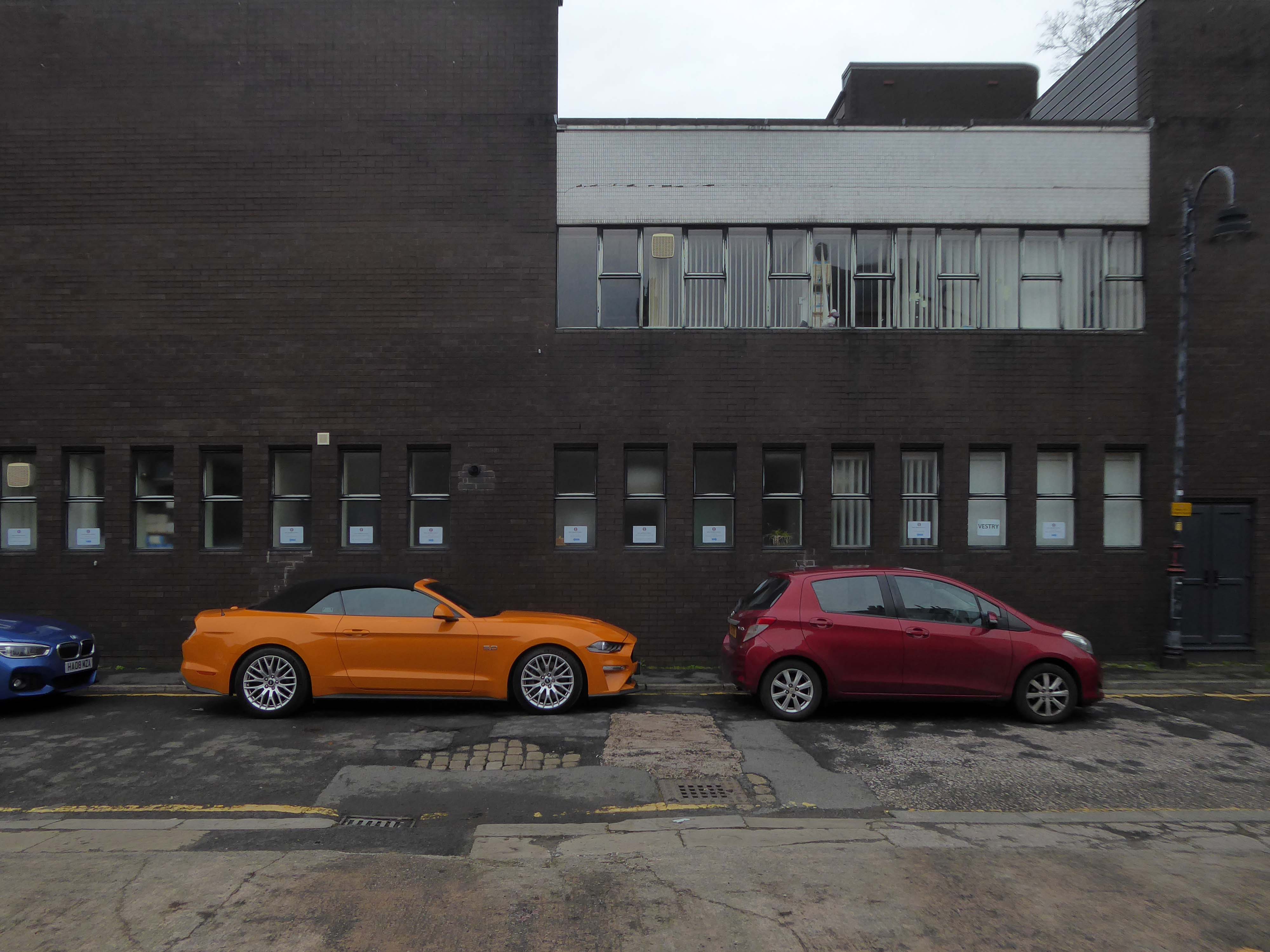
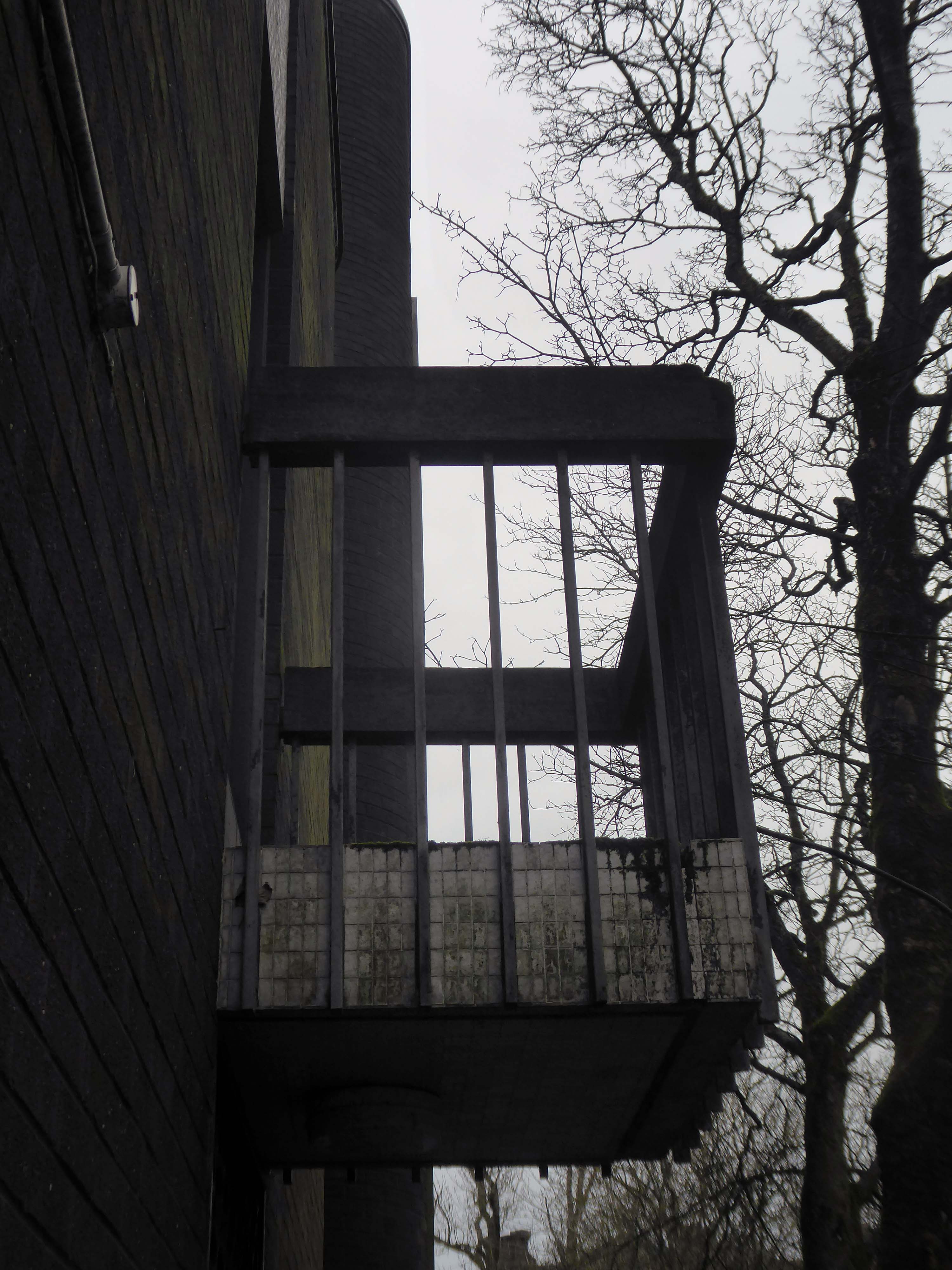
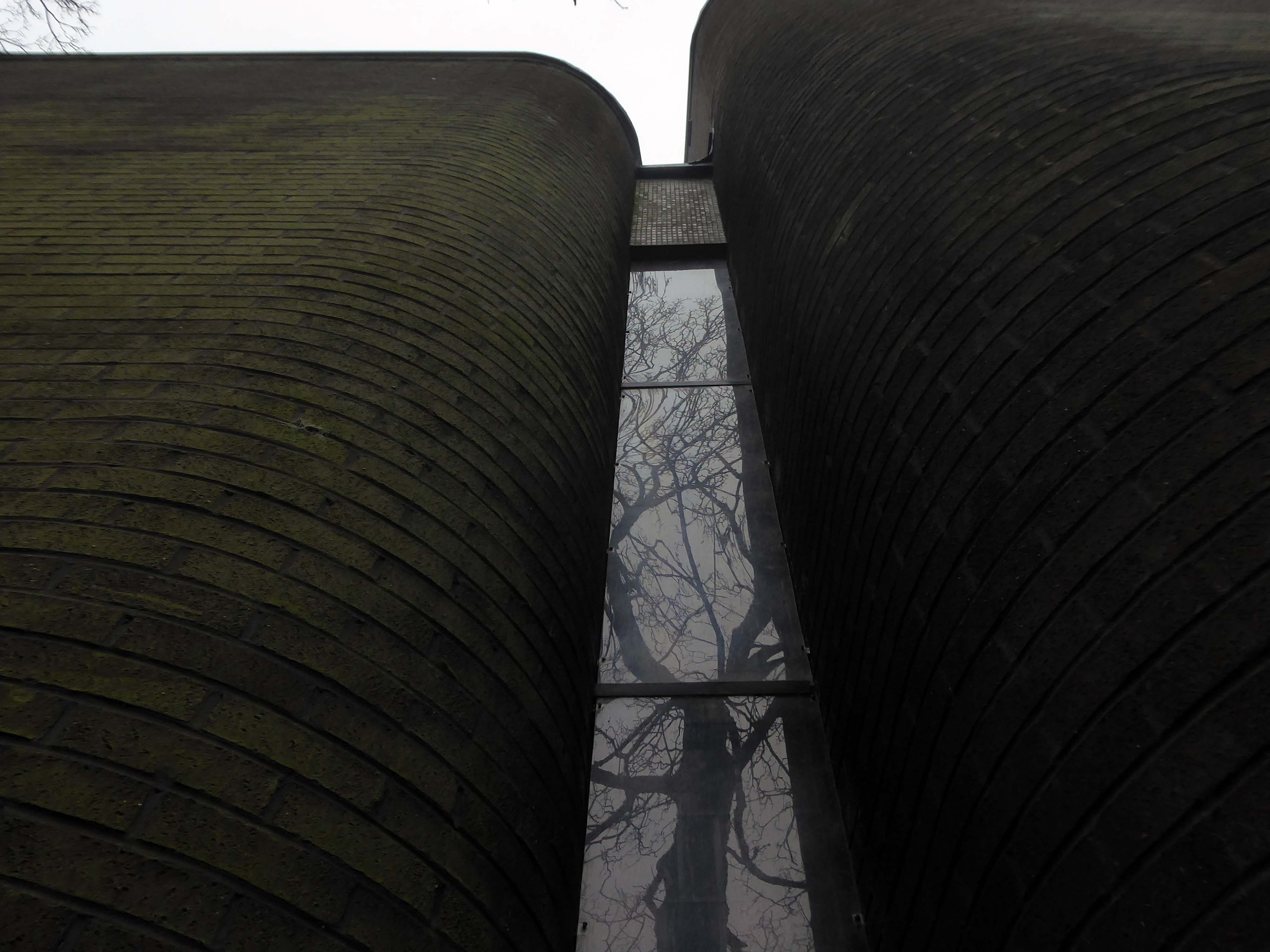
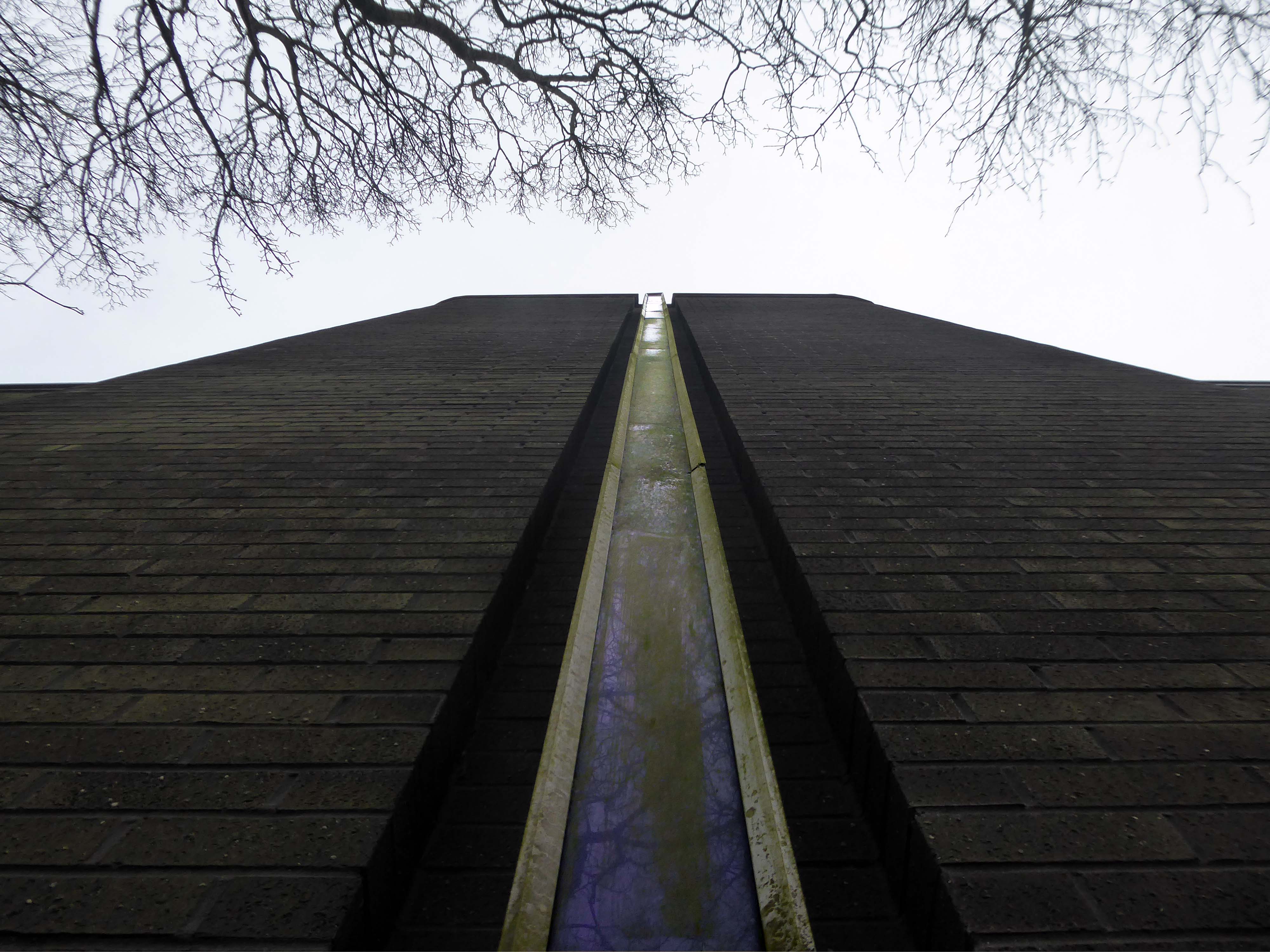
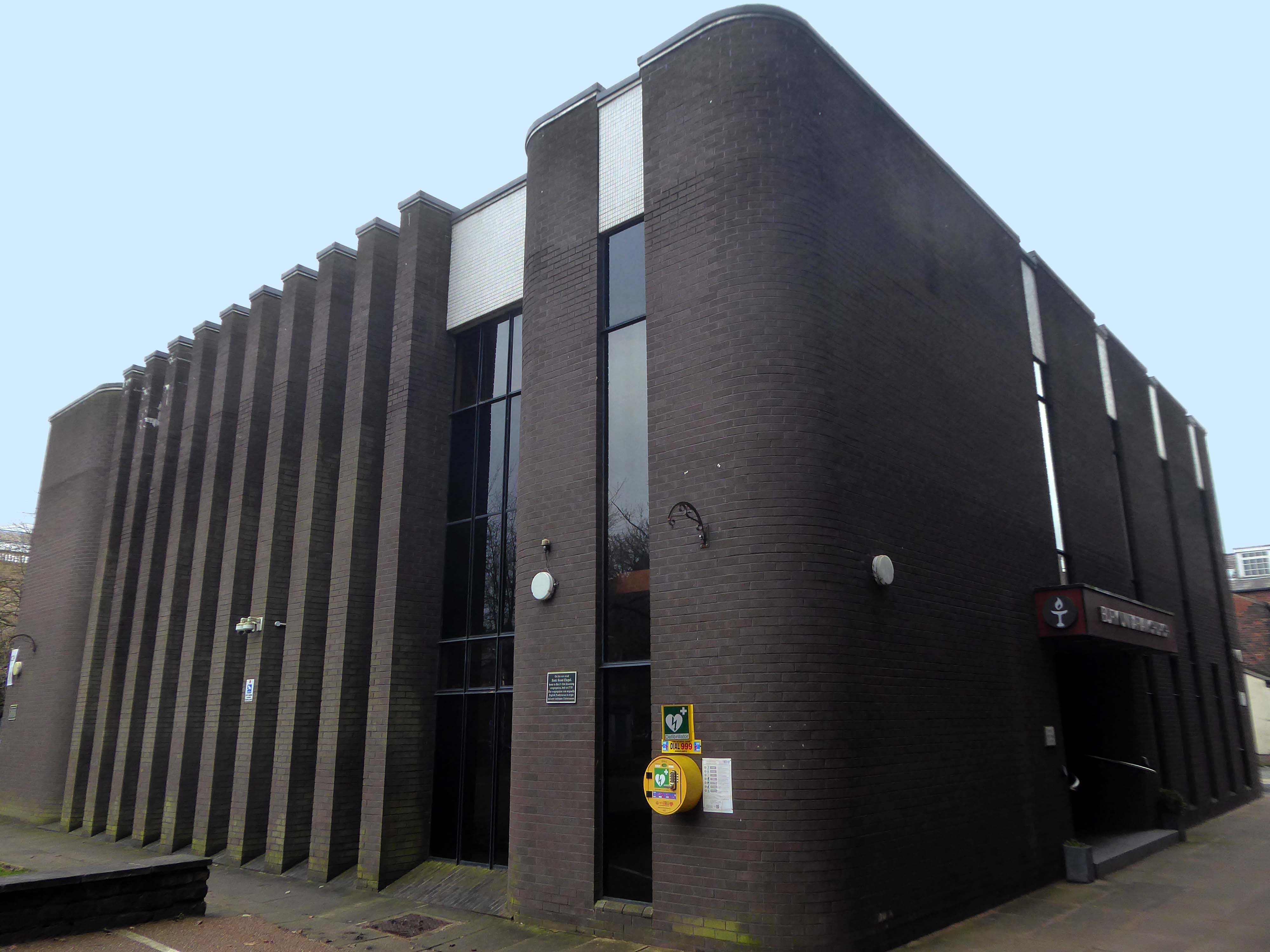
Bury Unitarian Church

1 Bank StreetBuryLancashireBL9 0DN

The new Bury Unitarian Church was designed and constructed by local architects James T Ratcliffe.

An interesting article was published at the time in Sacred Suburbs Portfolio, in which the church design was described as:

A well detailed, functional, yet flexible building. 

The church was opened in 1974, with a service of dedication on Saturday, 9th March. The total cost, including furnishings, was £85,000 – It is now valued at about £1.5 million. The Churchwarden and Chairman of Trustees, at that time, was Bernard Haughton, who had succeeded Alex Rogers; he was to serve the Church in those capacities for the next 25 years. He was succeeded by Barbara Ashworth, our immediate past Warden. During this time, notwithstanding persistent problems with water leakage through its flat roof, the church continued to thrive and develop.

Enhancements have been made to improve the comfort and amenities of the building throughout the period with, for example, the installation of an improved heating – system, a sound – enhancement system in the church, and disabled access facilities including a lift to the upper floor. Through the efforts of Barbara Ashworth – past Church Warden, the proliferation of bequests, legacies and trusts which were complicating and restricting church-finances has been rationalised and the financial structure streamlined. Part of the land at Holebottom has been sold for development, and part has been upgraded as a public amenity.

The current congregation is still one of the best supported Unitarian Churches in the country and remains enthusiastic and committed to the Unitarian faith. There are many social groups  including The Women’s League, The Men’s Fellowship, The Luncheon Club the Book Club and most recently, our Camera Club; coffee is served every Saturday morning – a session which welcomes members of the public to the church, some of whom have subsequently become church-members. Frequent social activities are organised by The Efforts Committee and are well-supported by the congregation and their friends and raise money in support of the activities of the church snd local charities.

Church Website

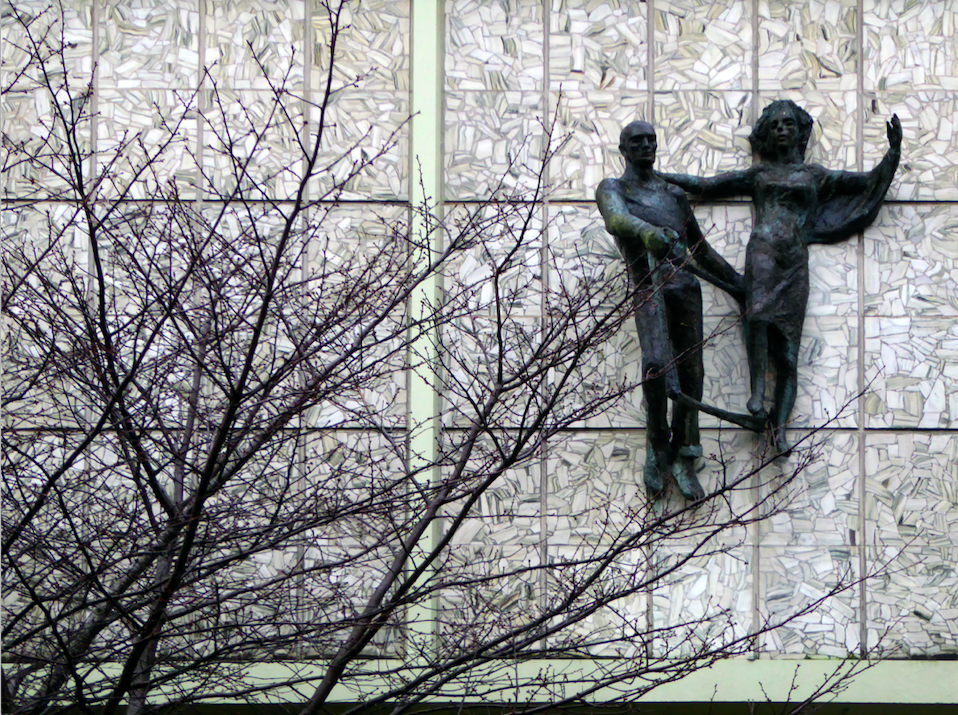
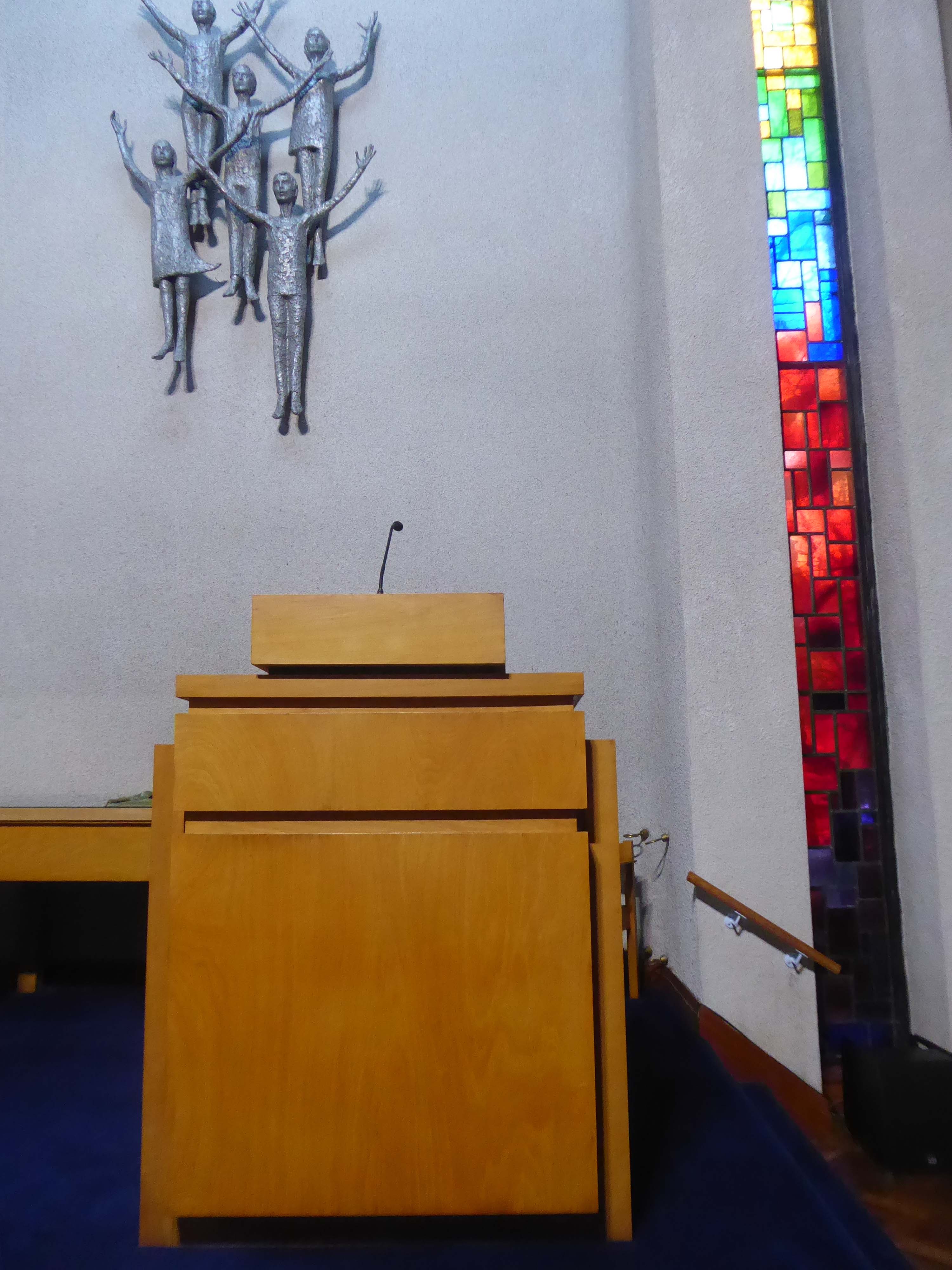
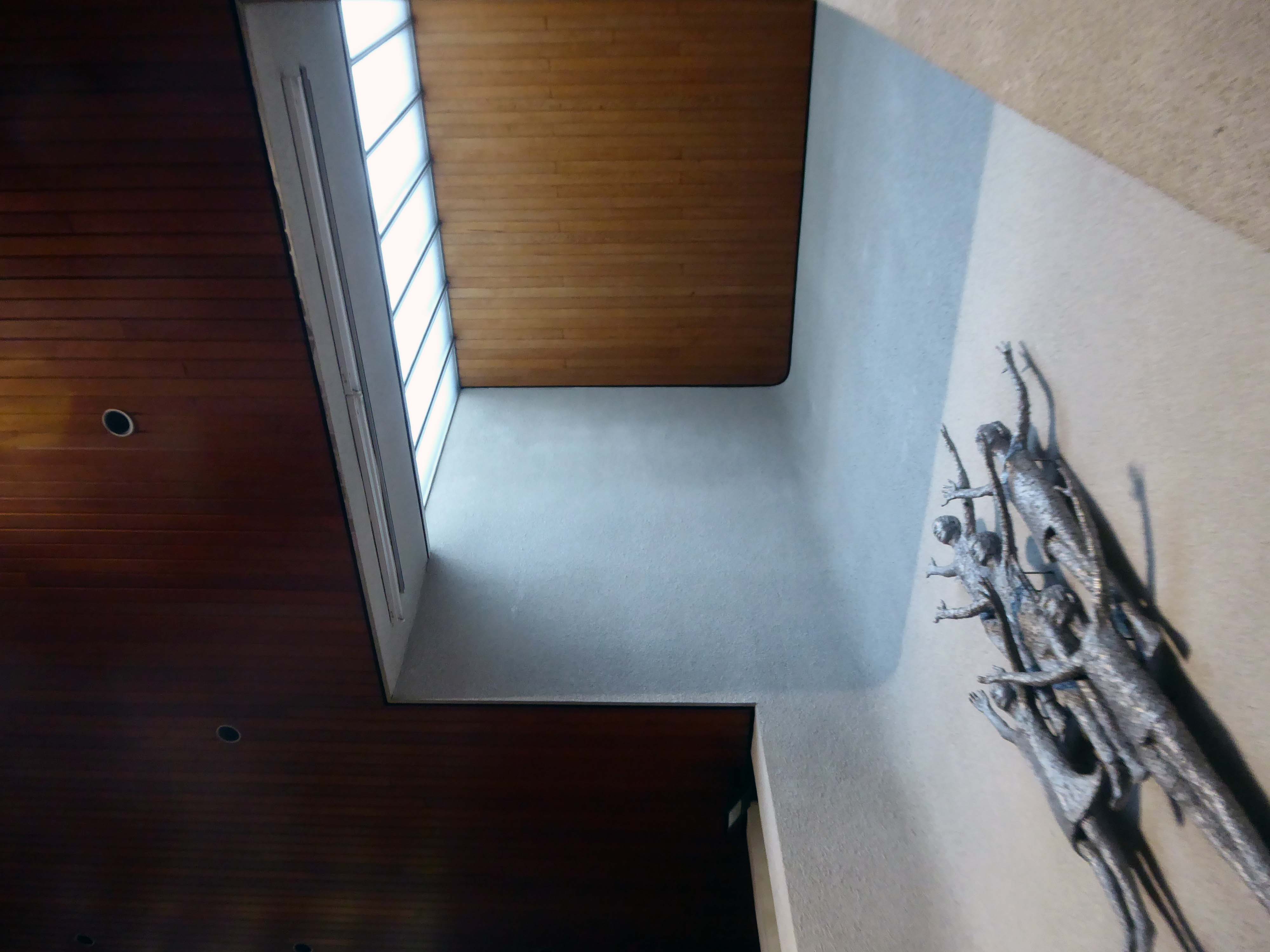
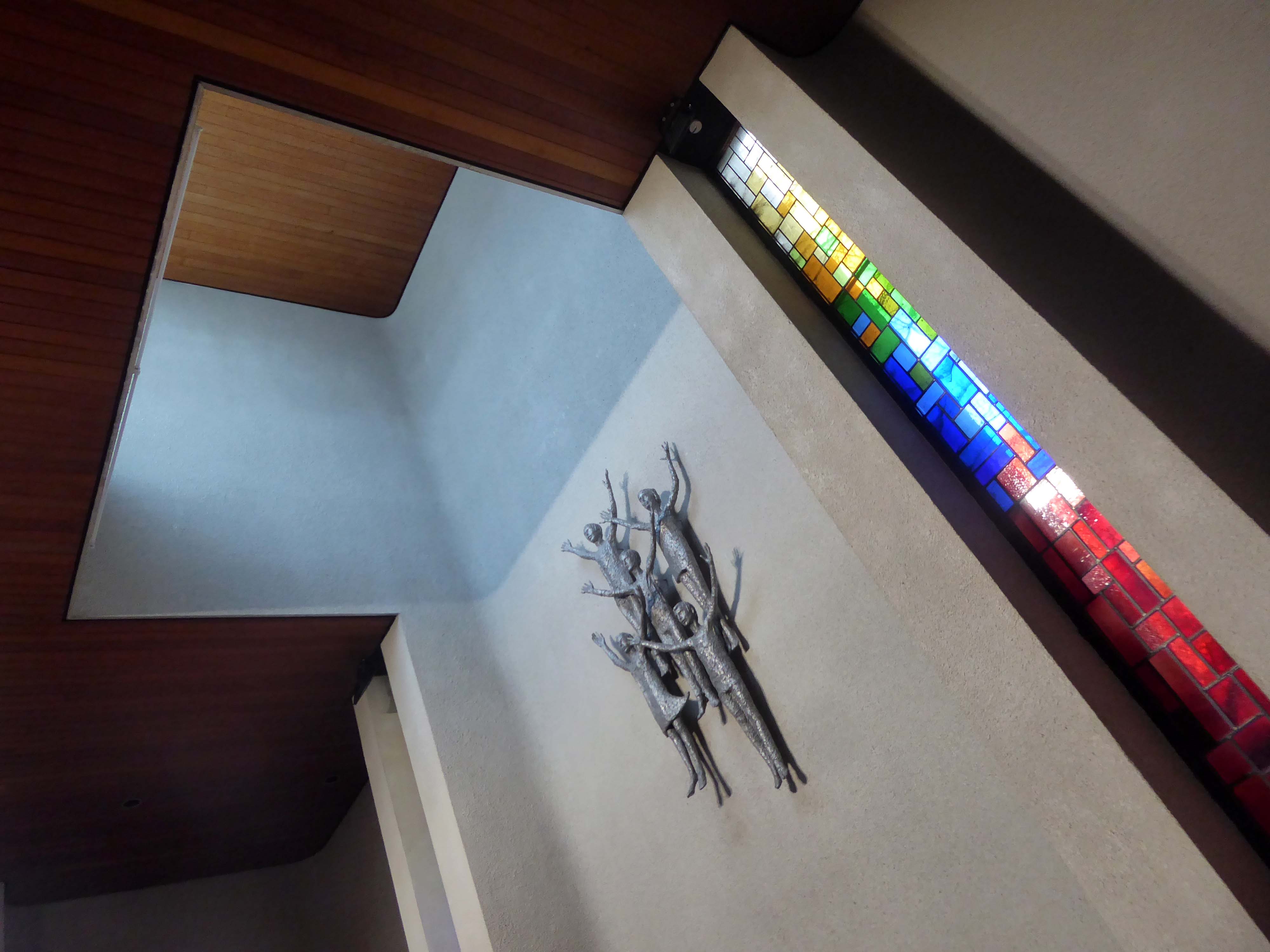
The People Praising by Elizabeth Mulchinock is a 12 foot high original sculpture at the front of the church which represents the family of the church.

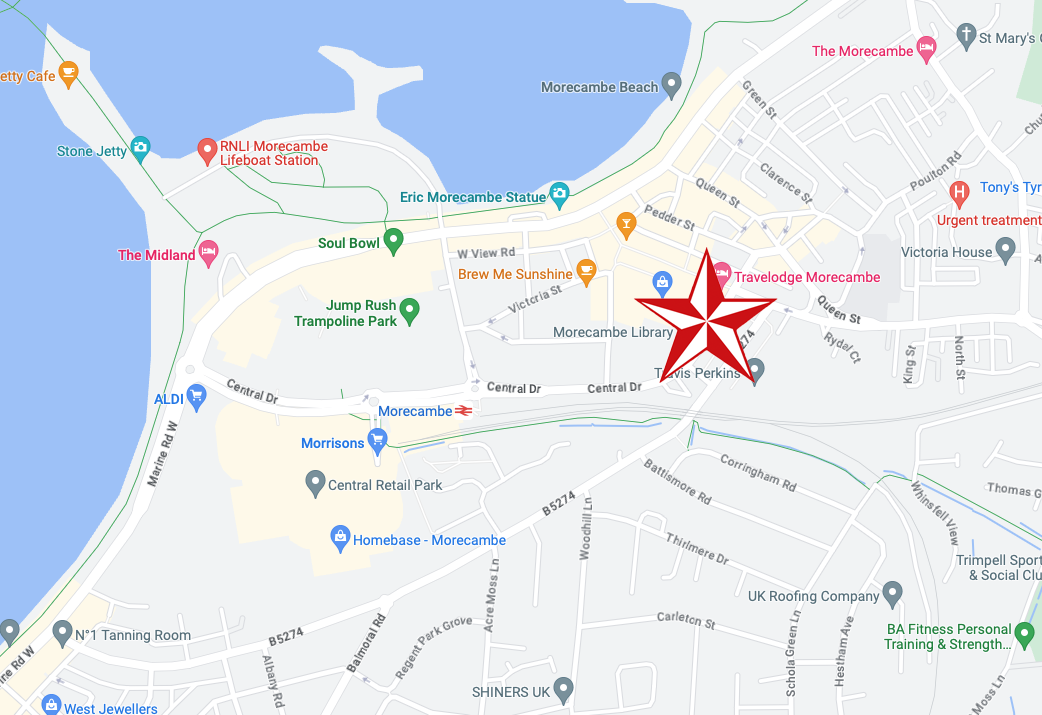
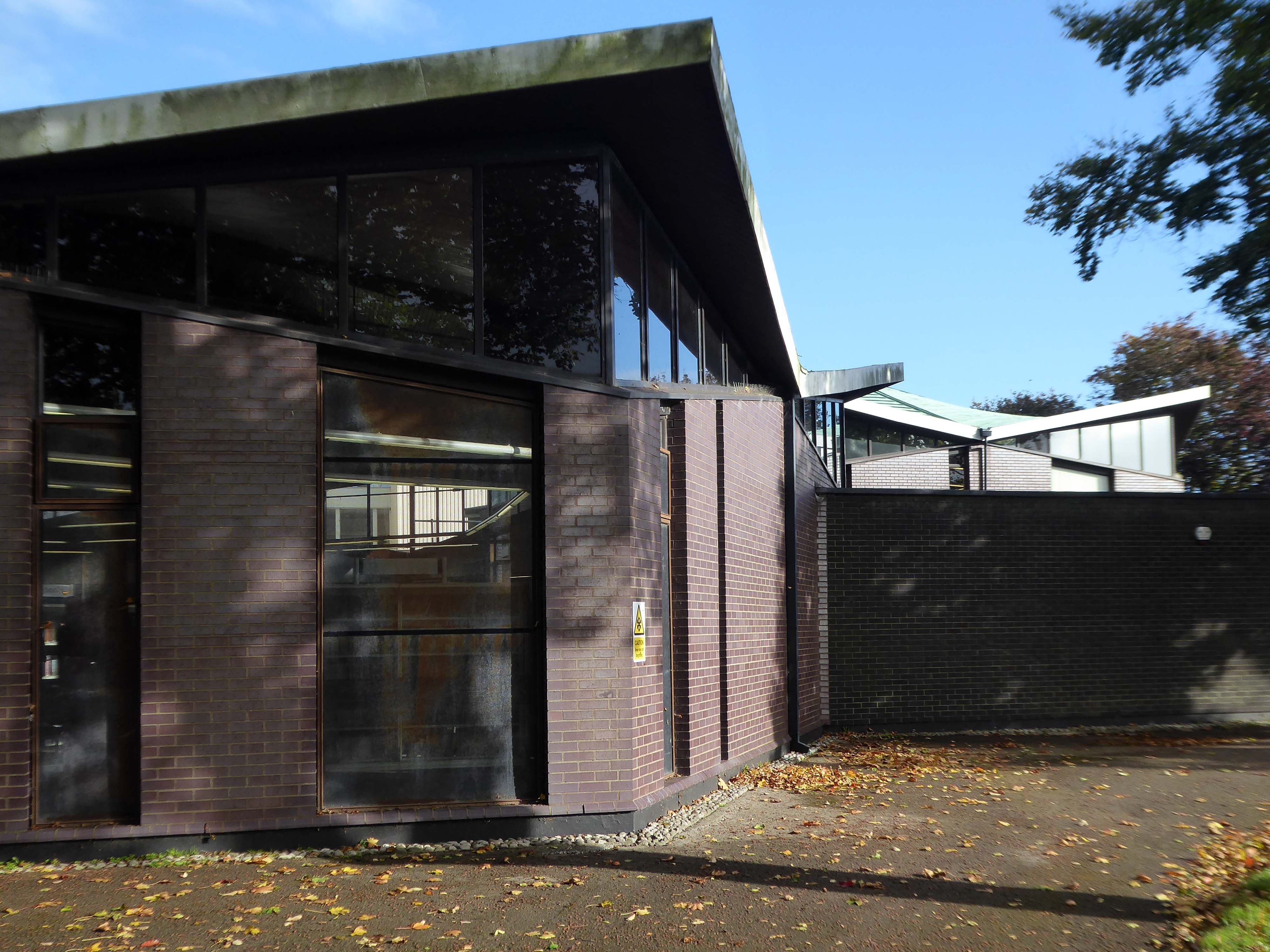
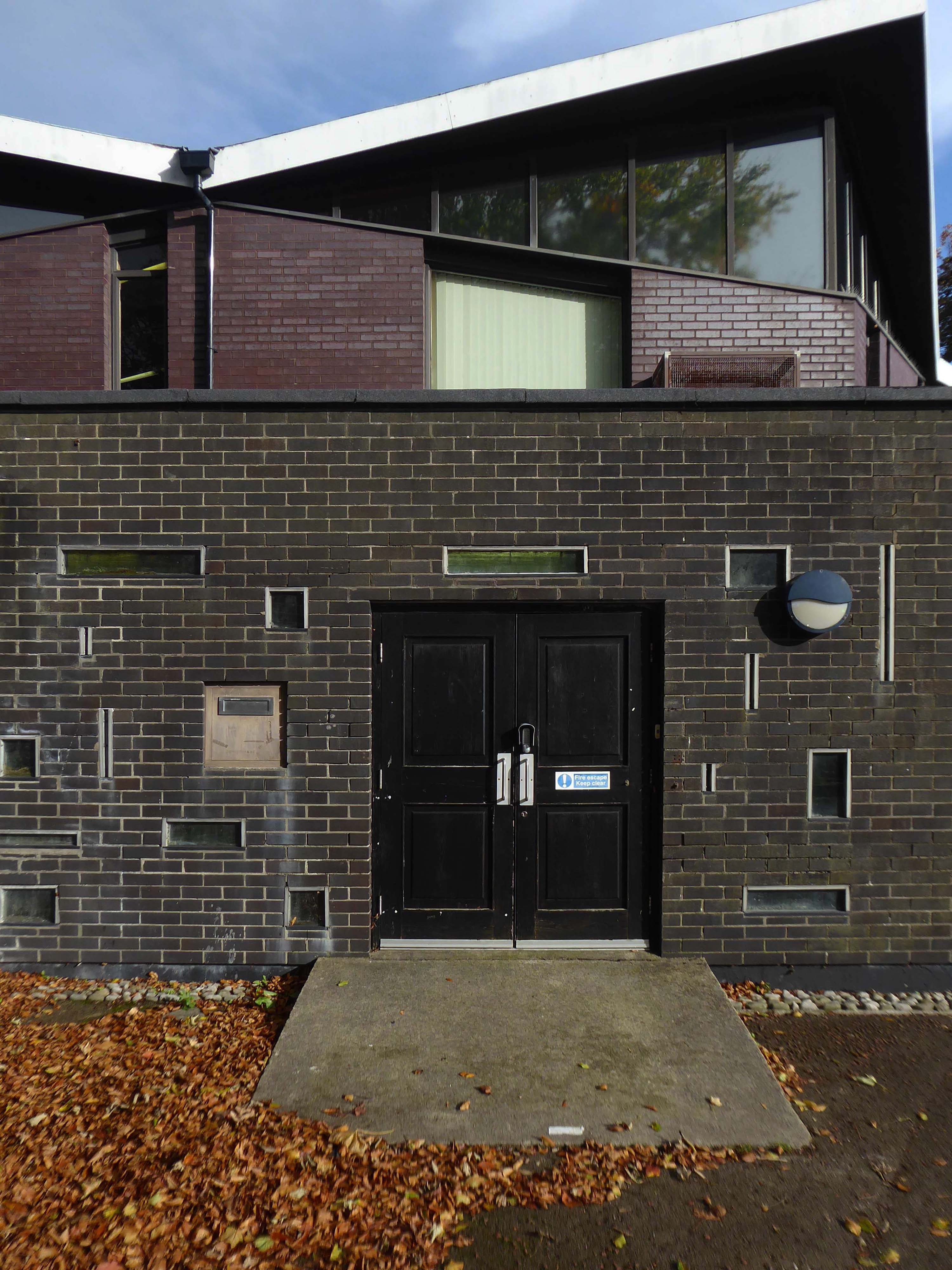
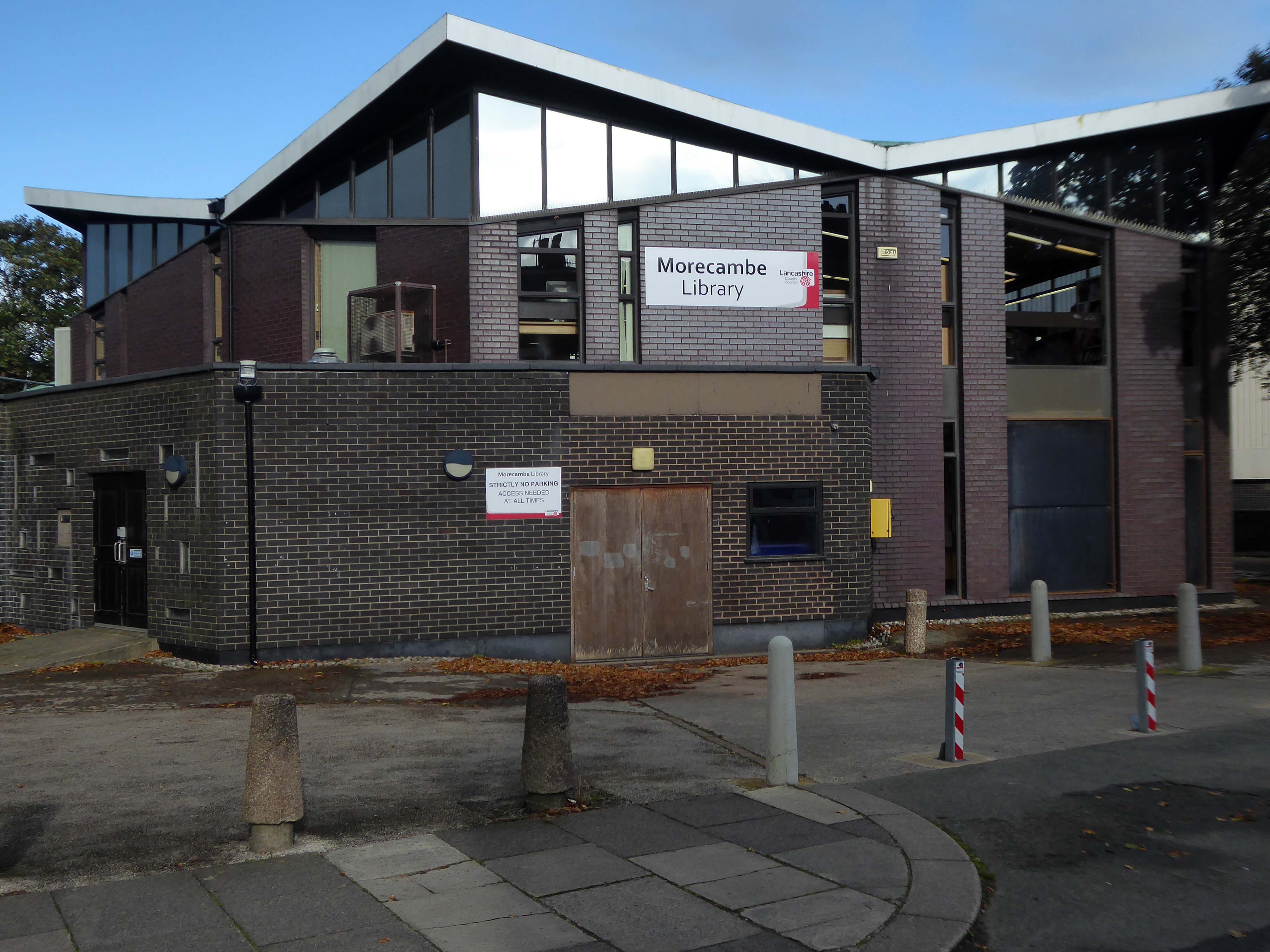
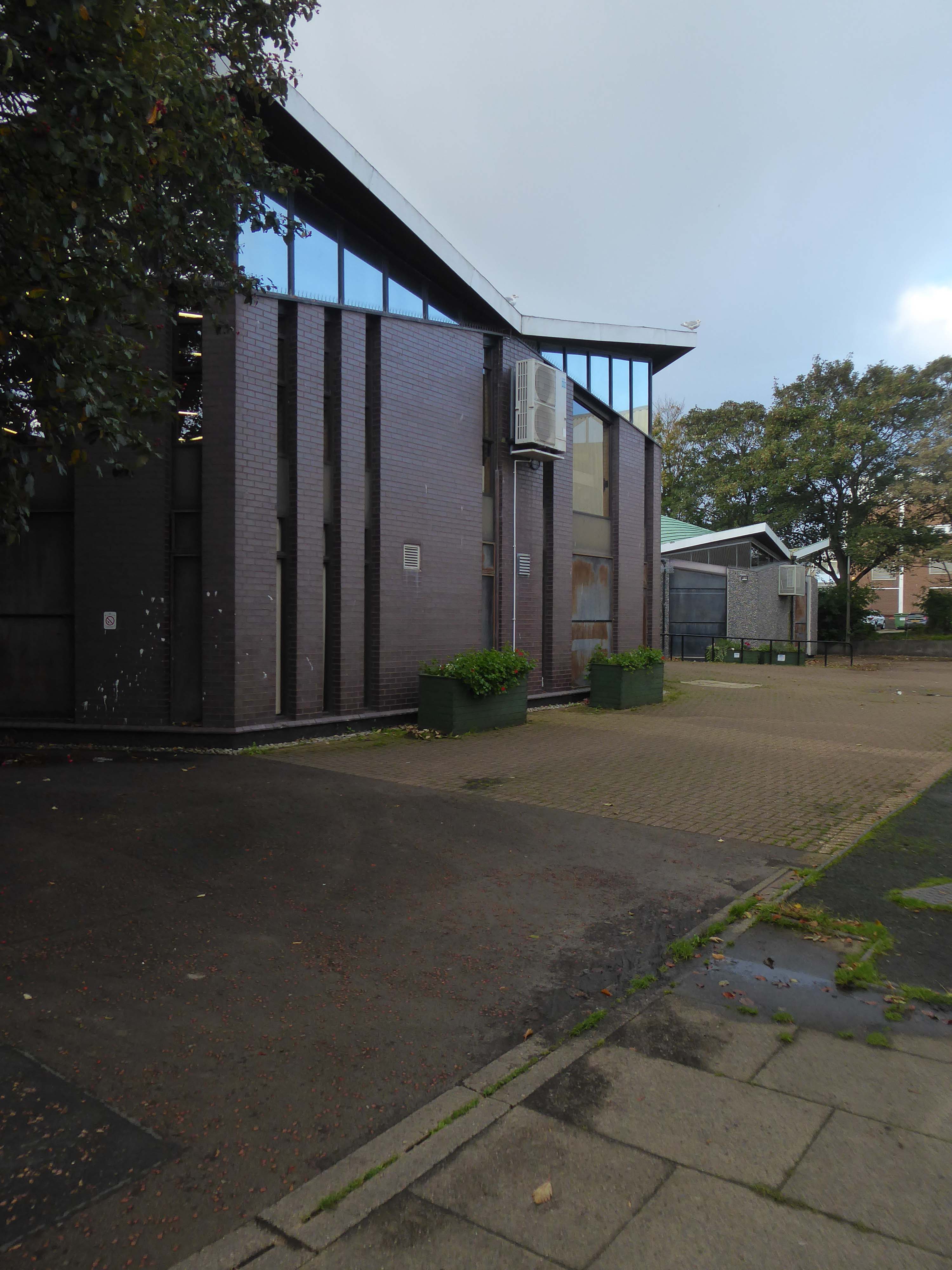
Morecambe Library – Again

Central Drive Morecambe LA4 5DL

I have of course been here before, way back in 2016.

With time to spare before leading a Modernist Mooch at 12.00, I came to have another look around.

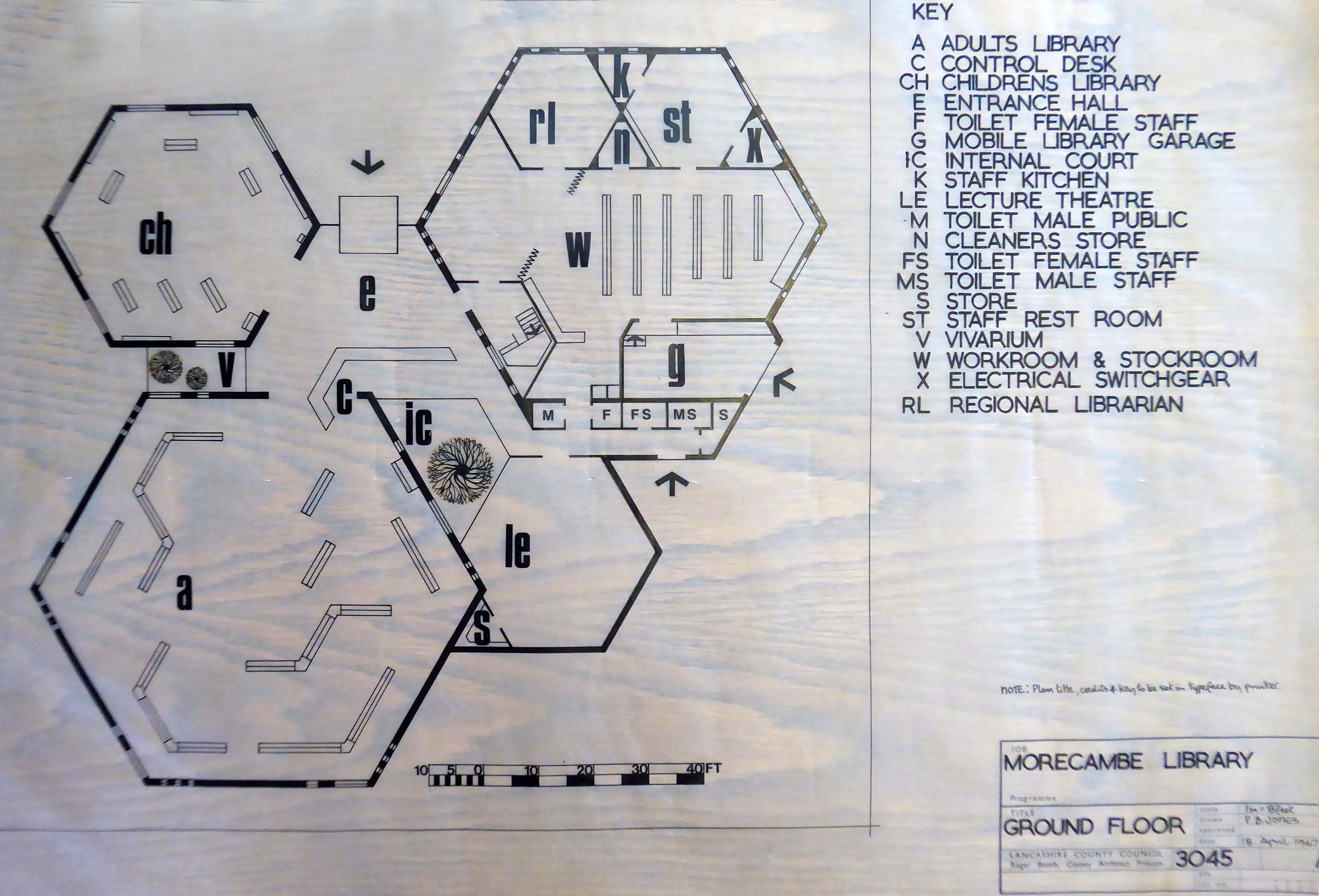
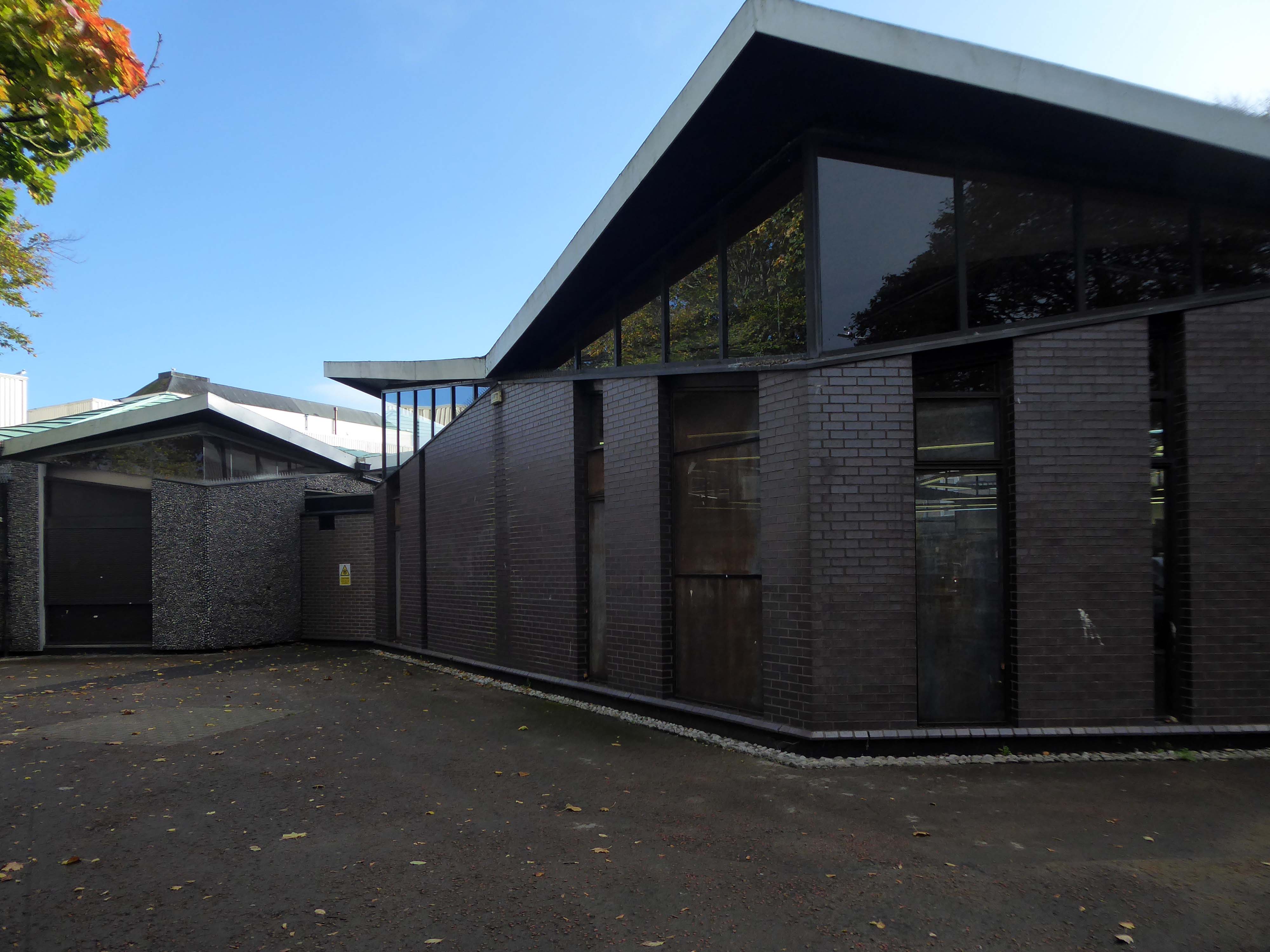
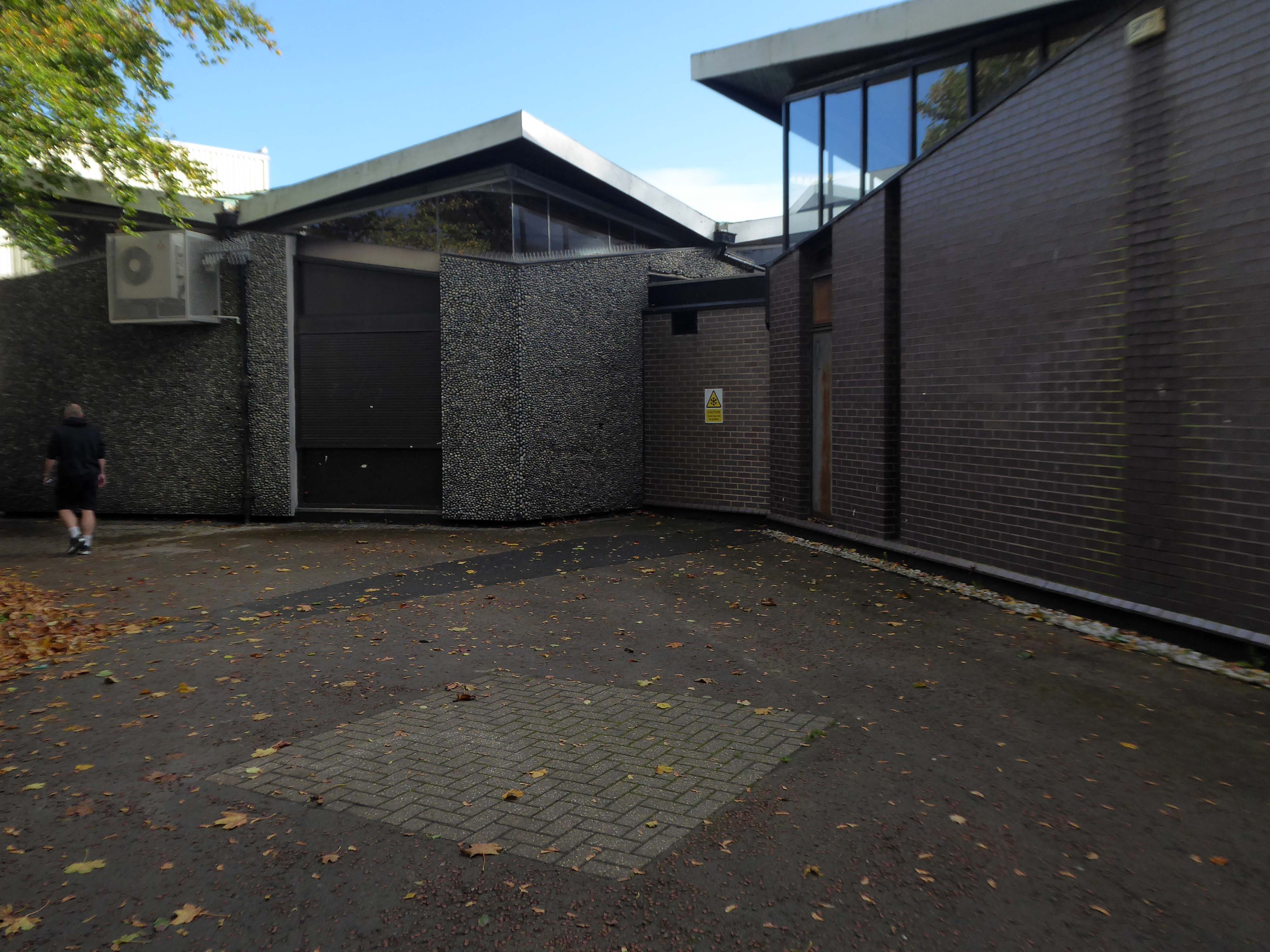
Always a pleasure to visit this gem – the work of County Architect Roger Booth and his team.

Many thanks to manager Andrew Till and the rest of the staff for their warm welcome and this display of Booth’s drawings.

Many thanks to all those merry moochers that came along too!

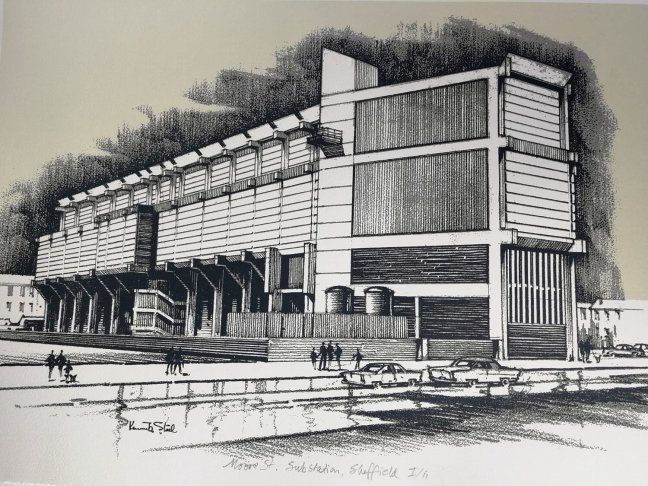
Moore Street Substation – Inside Out

I have walked around the exterior on more than one occasion.

This concrete enclosed, collection of transformers and switchgear.

Electricity substation. 1968 to designs by consulting architects Jefferson, Sheard and Partners, Sheffield, led by Bryan Jefferson, in association with the Regional Civil Engineers’ Department of the CEGB North East Region. Contractors, Longden & Sons Ltd, Sheffield. Reinforced concrete frame with board-marked finish with formwork bolt marks, construction and daywork joints emphasised, concrete floor slabs, blue engineering facing bricks, cladding panels of Cornish granite aggregate.

Historic England

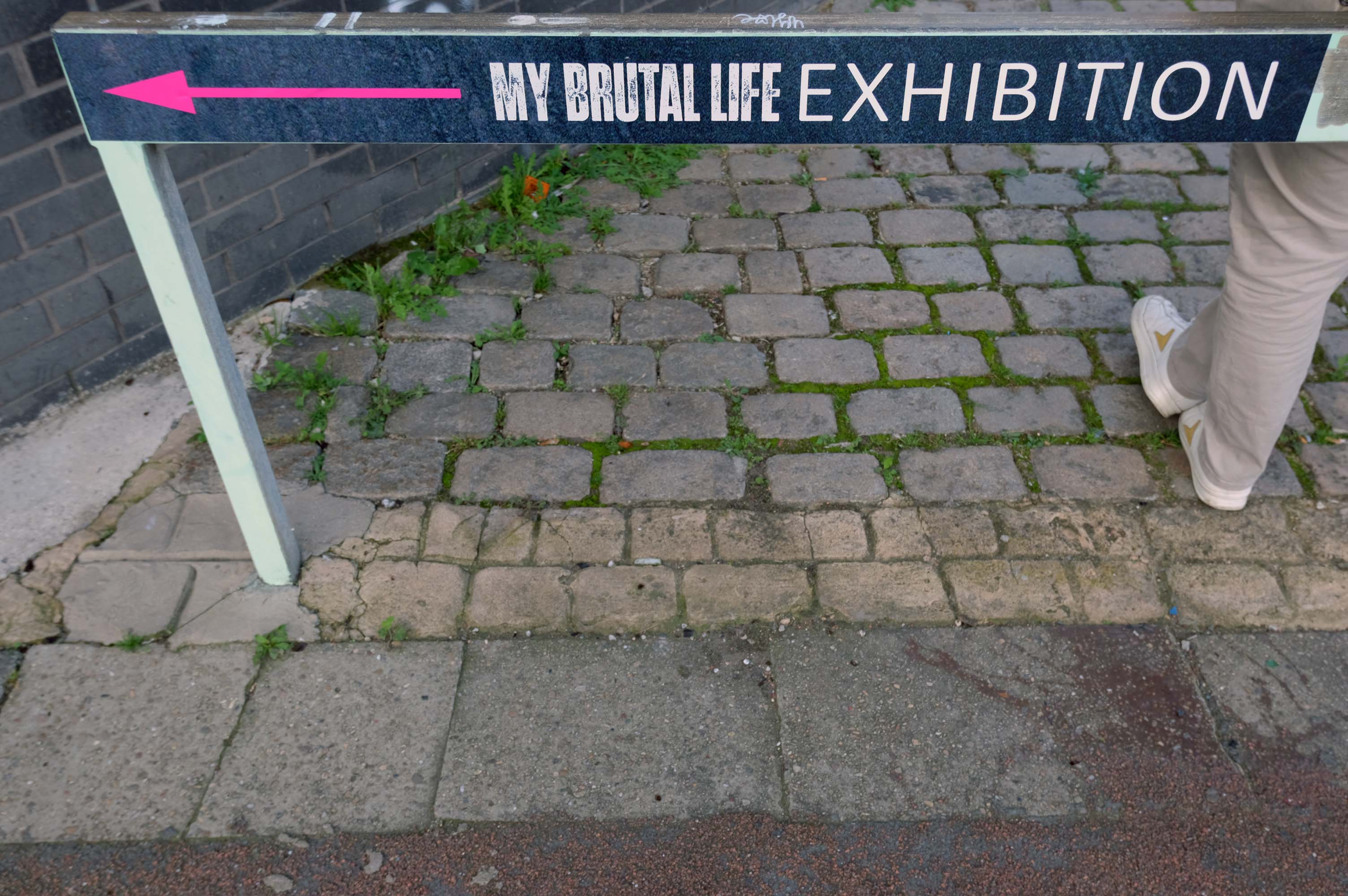
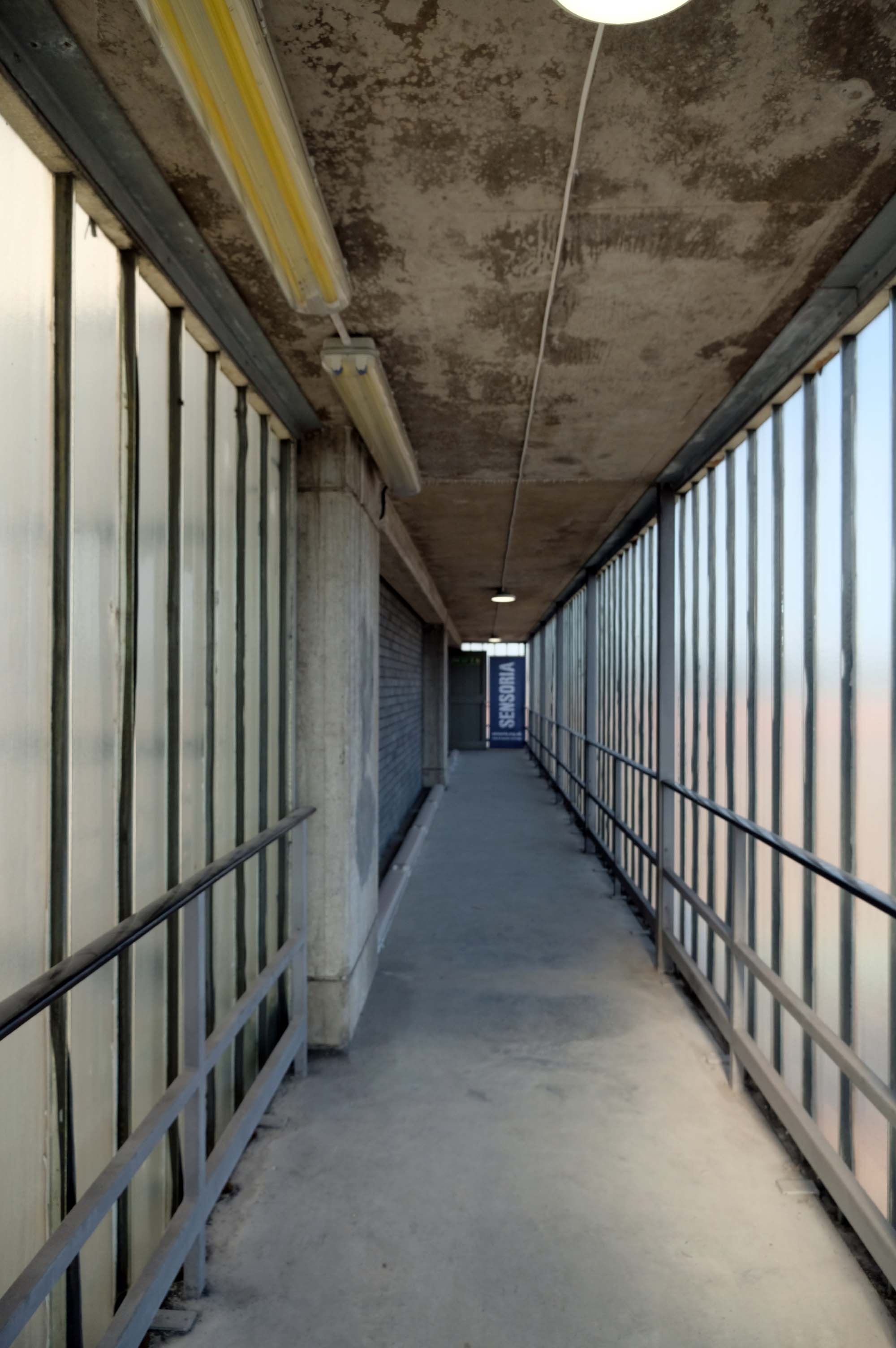
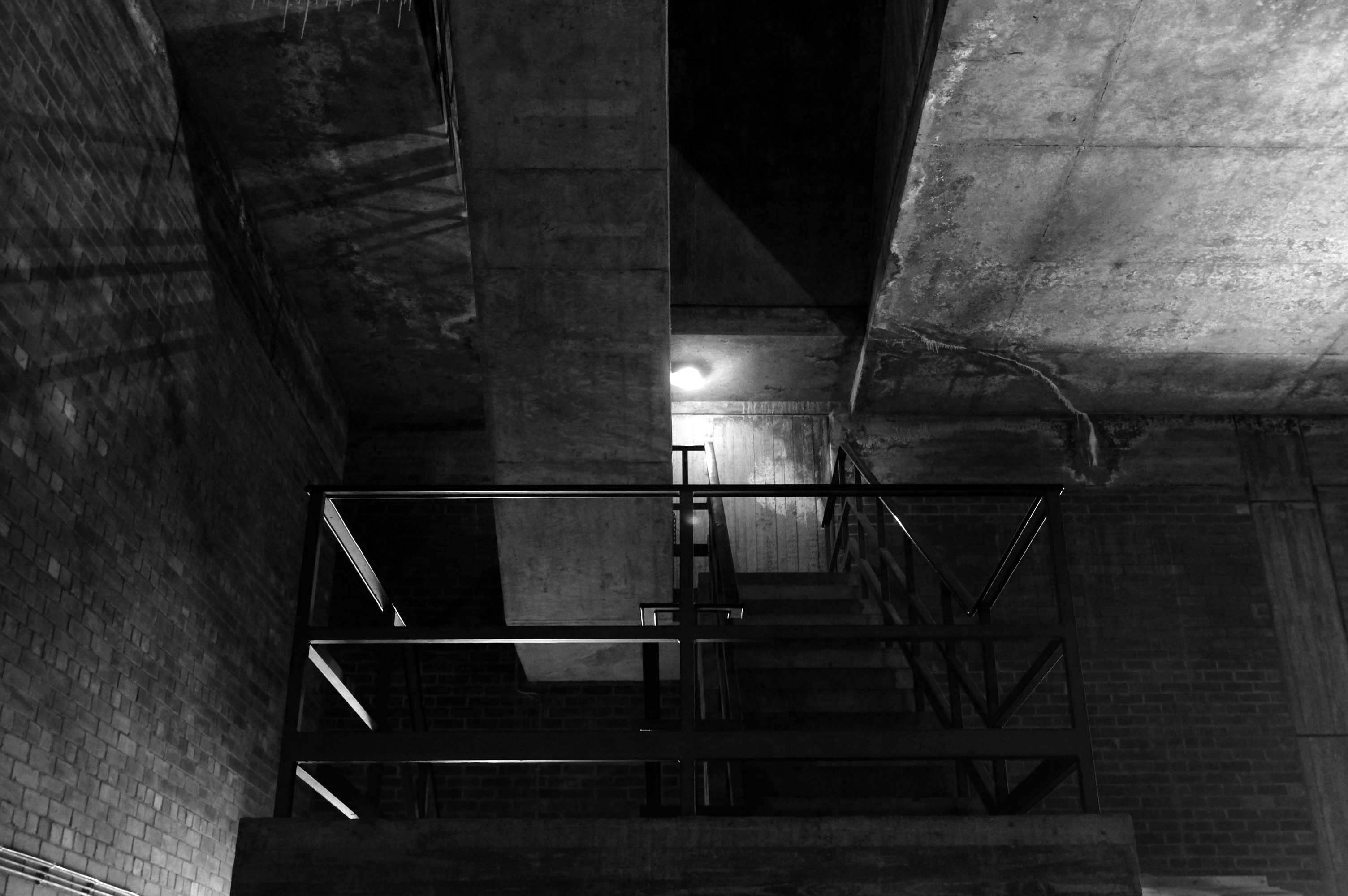
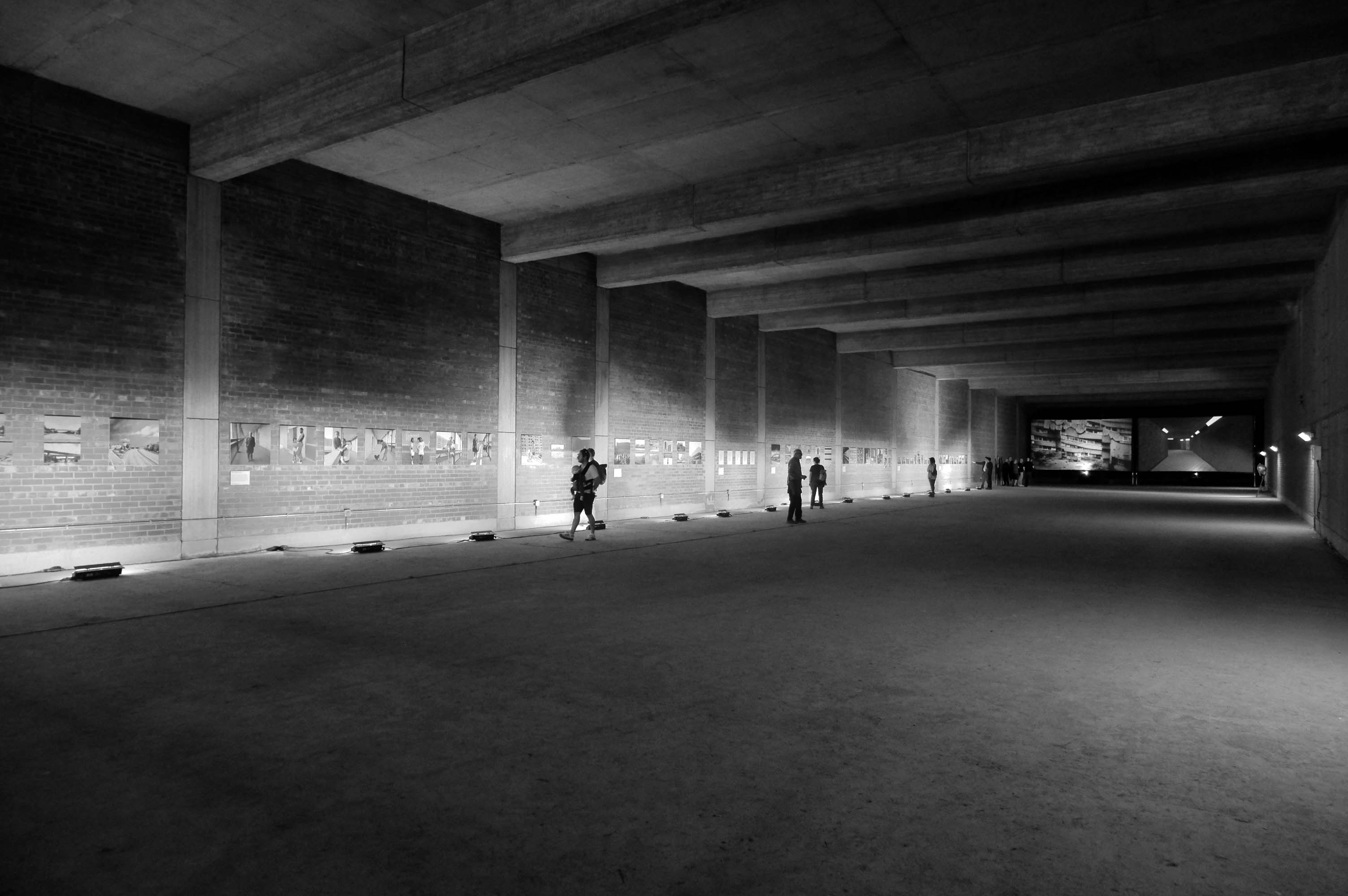
The good folk at Sensoria and The Black Dog staged My Brutal Life inside the building – using the void created by the non-expansion of expanded demand for electricity.

The exhibition features work by Bill Stephenson, Mick Jones, Mandy Payne, Martin Dust, Scott Amoeba, Richard Davis, Jen Orpin, Alun Cocks, Human Studio, Sean Madner, Helen Angell and The Black Dog.

Let’s take a look outside inside out.

Thanks.

Morecambe Walk

To begin at the beginning – to begin at the Telephone Exchange.

A plethora of surface textures and a purposely restrained palette, well suited to the architecture of infrastructure.

Around the corner the Royal Mail Sorting Office.

Next door the Telephone Exchange, drawings of the building are dated around 1937 and are simply signed by the Ministry of Works, Preston.

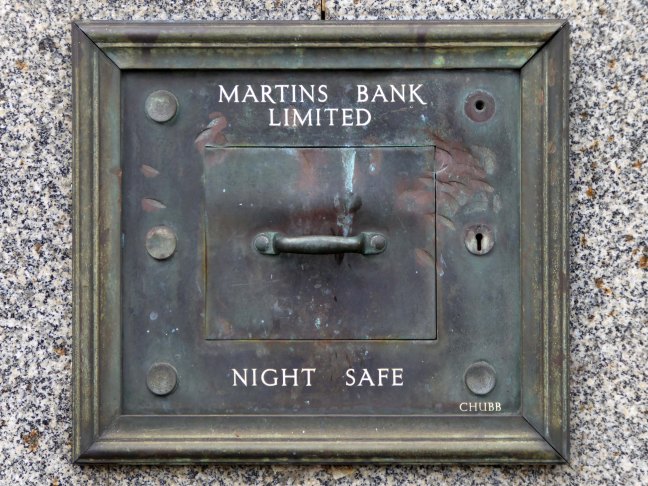
Across the way this former Barclays Bank with its 70s extension, originally a branch of the Kendal Bank, Bank of Liverpool and also Martins.

The building of 1900 is Grade II listed.

Onwards along Central Drive to the Library.

The work of County Architect Roger Booth and his team, opened in 1967.

With thanks to the Library Staff.

Seen here in its original form, before the alterations were made.

Image – Red Rose Collections

Off down to the former Odeon Cinema 1937 architects – W Calder Robson and Harry W Weedon

Like many of the original Odeon Theatres built by Oscar Deutsch, the site chosen was a little out of the main town centre – where land prices were cheaper, and the Odeon Morecambe is a good example of this. It is located at the corner of Euston Road and Thornton Road in this Lancashire seaside town. The Odeon was opened on 2nd September 1937 with Sandy Powell in “It’s a Grand Old World”. It had seating provided for 1,084 in the stalls and 476 in the circle.

Taken over by the Classic Cinemas chain in December 1967, it was re-named Classic Cinema, and was closed on 28th February 1976 with Kenneth Williams in “Carry On Behind”.

The stunning Moderne style exterior much of which including the projectionists walkway is now much deteriorated.

Cinema Treasures

Next to the Police Station another Roger Booth building – recently seen on the small screen in The Bay.

Backtracking to take in the Crescent Café entrance.

Which became Hart’s Restaurant now trading as the Black Thai.

Into the town centre to look at the former Centenary House Co-op 1927.

Bought by the city council as part of the West-End Masterplan, the intention is to refurbish the building’s upper floors to provide affordable housing and accommodation for local arts businesses, retaining the Co-op late shop that occupies one-half of the ground floor.

Let’s take a look along the front – where we find a former Woolworths.

Along with other stores from the same period.

Alongside sits the former Littlewoods.

By 1939 there were 24 stores. A number of these were purpose-built for Littlewoods to designs by J S Quilter & Son. John Salmon Quilter – 1841-1907 was, in fact, long dead, but his architectural practice had been continued by his son Cecil Molyneux Quilter – 1879-1951. Quilter specialised in commercial architecture, notably public houses. He designed a new Blackpool store for Littlewoods, on the corner of Church Street and Corporation Street, which was faced in Empire stone. He also designed a store in Chester, and may have been responsible for the one in Morecambe. This faience-clad art deco building is the best surviving example of a pre-war Littlewoods store – indeed, it may be the best surviving Littlewoods of all time – even preserving diamond L motifs on the entrance lobby floors. These clearly copied Woolworth’s diamond W.

Building our past

Next to Brucianni’s, a gem of a coastal café and ice cream parlour – Grade II listed.

Finally to the Midland Hotel 1932-3 by Oliver Hill

Concrete and rendered brickwork, painted white. Curved plan, with convex side facing west towards the sea. Three storeys. Windows are steel-framed casements with rendered surrounds. Above each storey are projecting horizontal bands. The entrance front has a rounded left-hand corner, and a convex central staircase projection rising above roof level. This projection has a tall window of steel casements above the doorway, divided into three by mullions, both of which are capped by sea horses, painted red, which were carved by Eric Gill. Projecting at the right is a single-storey cafe of circular plan, now known as the Ravilious Restaurant. The west side has a single-storey projecting sun lounge, which is an addition, its windows replaced in PVC-coated steel. Between the solid centre and ends of the facade the 1st and 2nd floors have their walls recessed to form balconies.

Interior: above the cantilevered circular open-well staircase is a ceiling panel carved in low relief by Eric Gill and painted by Denis Tegetmeier. They were also responsible for the pictorial map of north-west England in what was originally the children’s room at the south end of the building. Also in this room is Eric Gill’s Portland stone panel, originally in the lounge, carved in low relief with a representation of Odysseus and Nausicaa. It was moved to its present position when internal walls were demolished during the 1970s. The cafe walls were originally painted with frescoes by Eric Ravilious, representing morning and evening in an idyllic seascape setting. These deteriorated rapidly because the plaster and paint used were incompatible and were obliterated within 2 years of completion, but were repainted in the late 1980s using photographic evidence.

Eric Gill

Tirzah Garwood and Eric Ravilious

Sadly we are no longer able to see the long gone Super Swimming Stadium.

Architect: Kenneth MB Cross and Cecil Sutton

The Super Swimming Stadium at Morecambe, Lancashire, was one of the grandest of the 1930s modernist seaside lidos. This massive structure measuring 396ft. by 110ft. was said to be the largest outdoor pool in Europe when it opened in 1936, accommodating some 1200 bathers and 3000 spectators. Unusually for an inter-war lido, it was designed not in-house by a Borough Engineer but by two architects, Kenneth MB Cross and Cecil Sutton, who styled it to harmonise with the Streamline Moderne of Oliver Hill’s adjacent Midland Hotel.

The stadium was closed down in 1975 on grounds of structural problems and demolished just a year later.

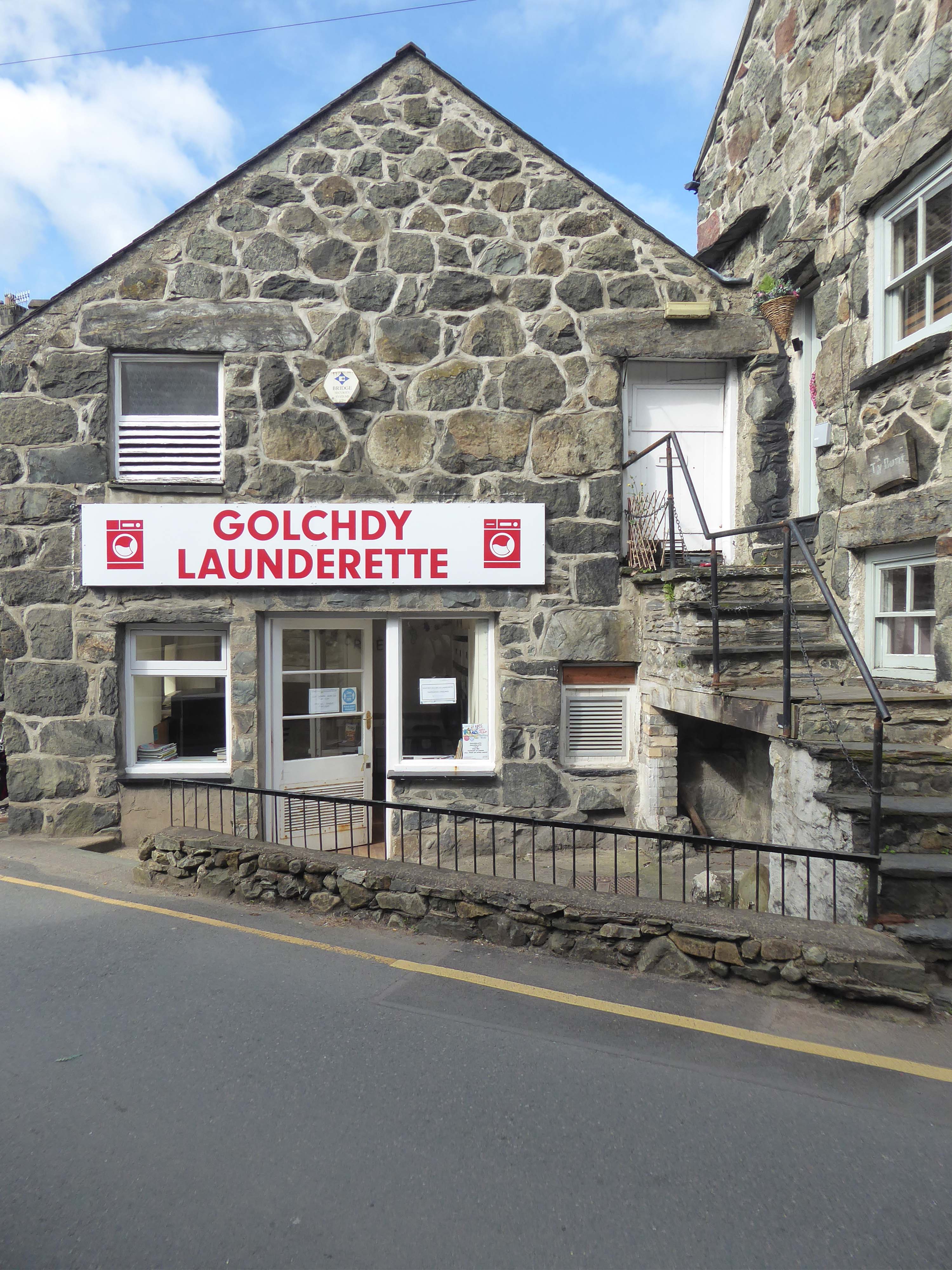
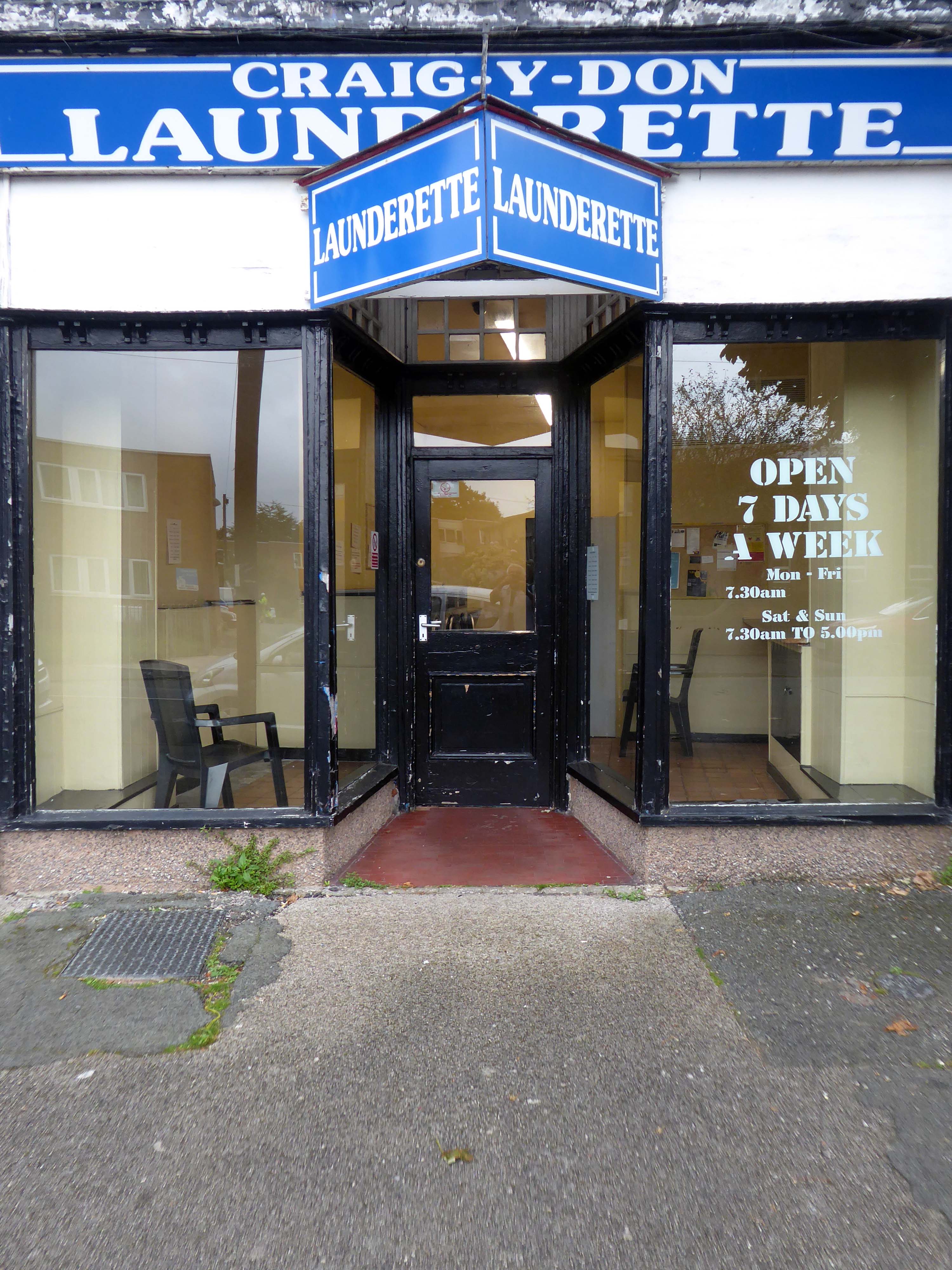
Launderette – Craig y Don

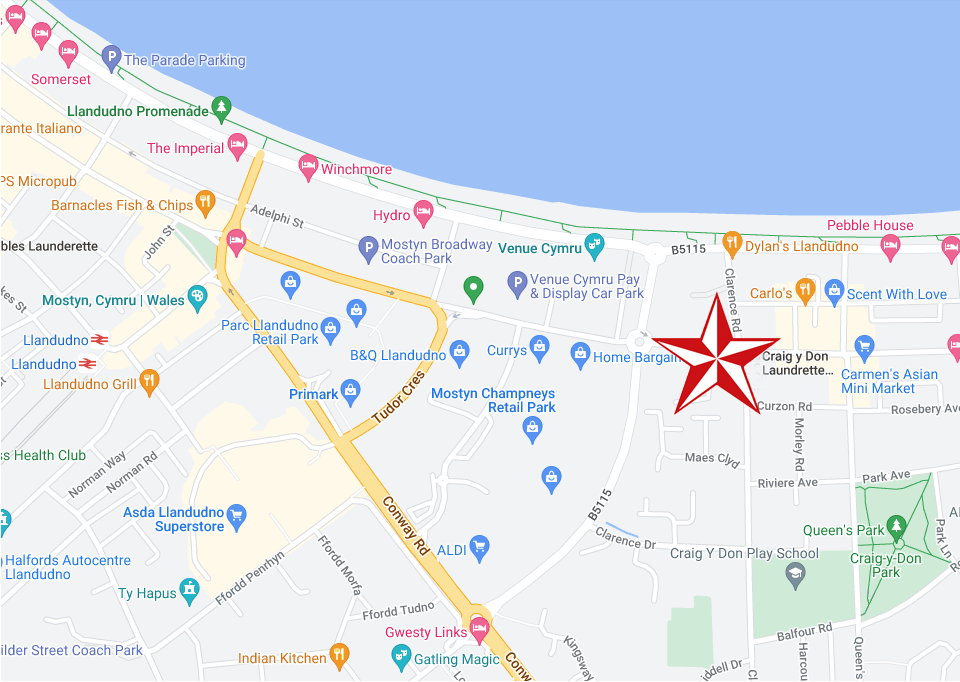
21 Clarence Rd Llandudno LL30 1TA

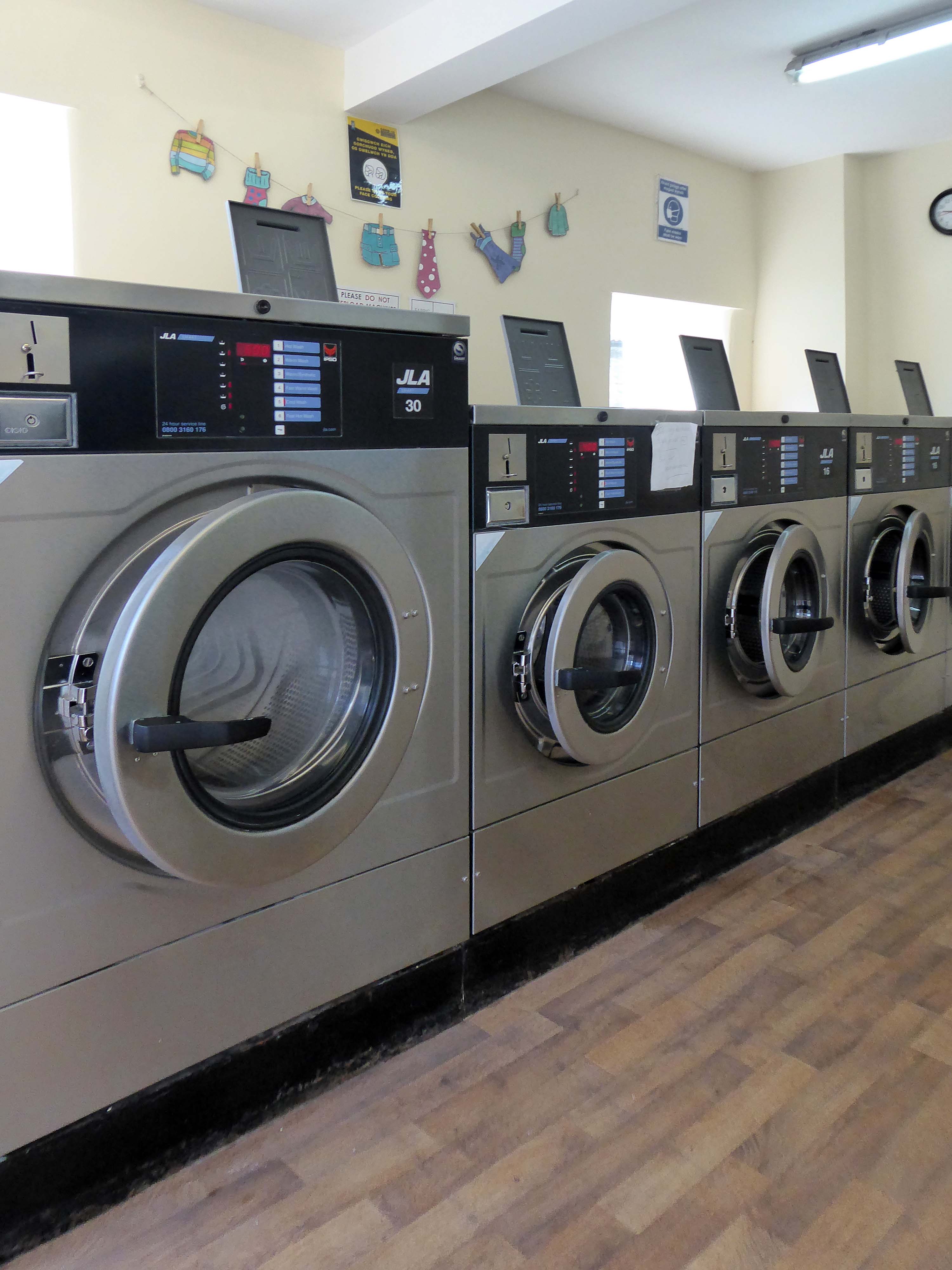
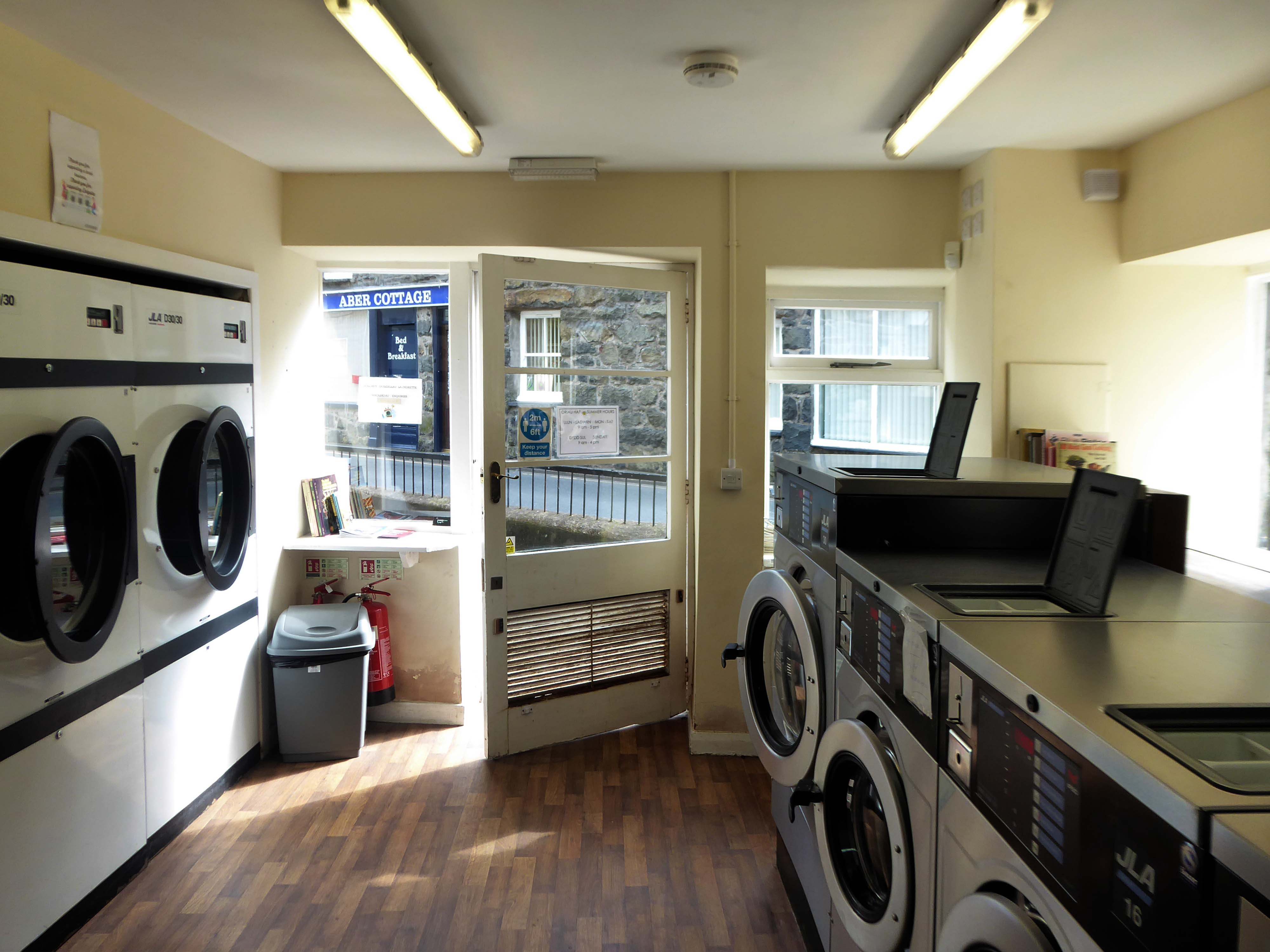
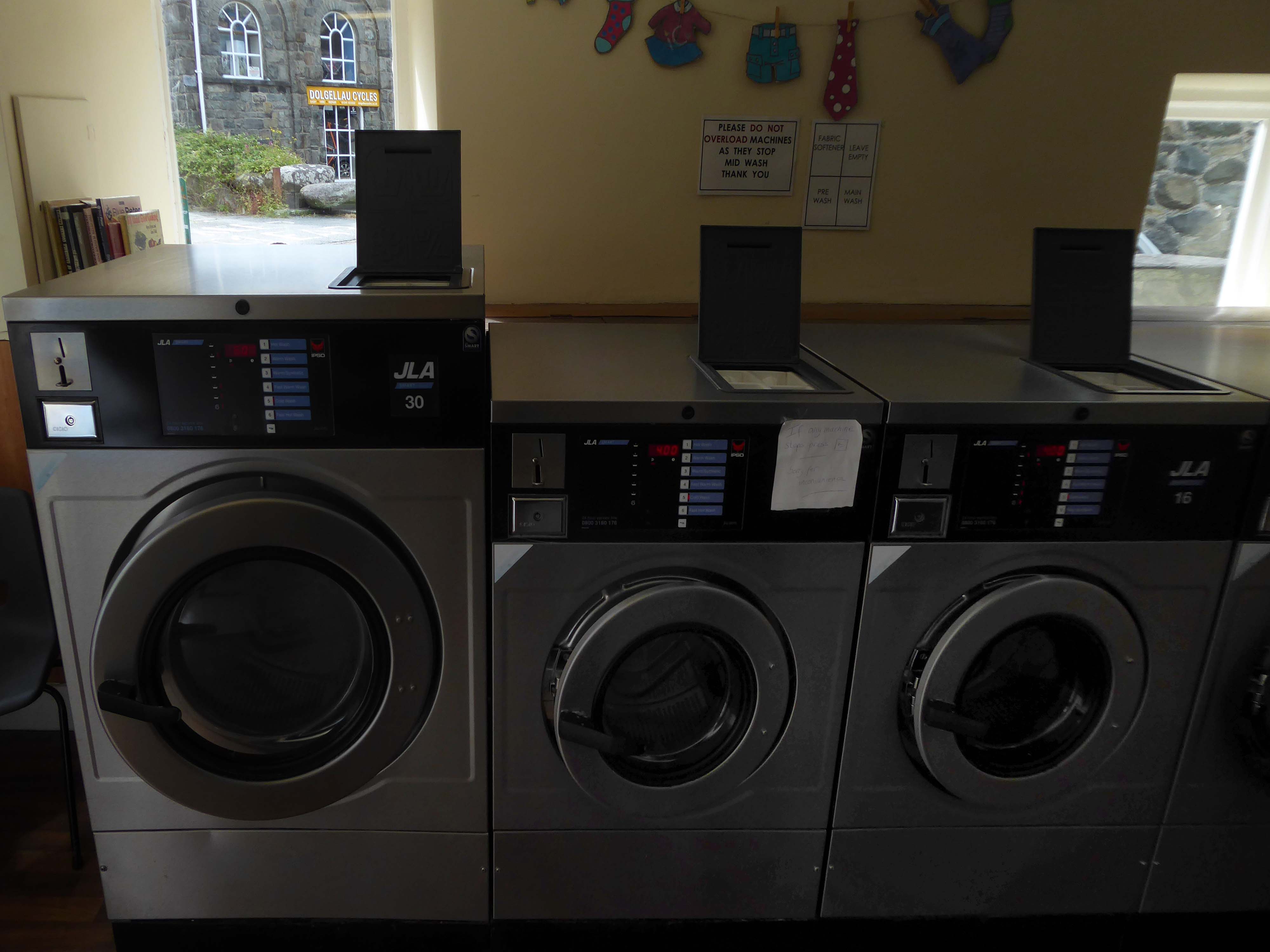
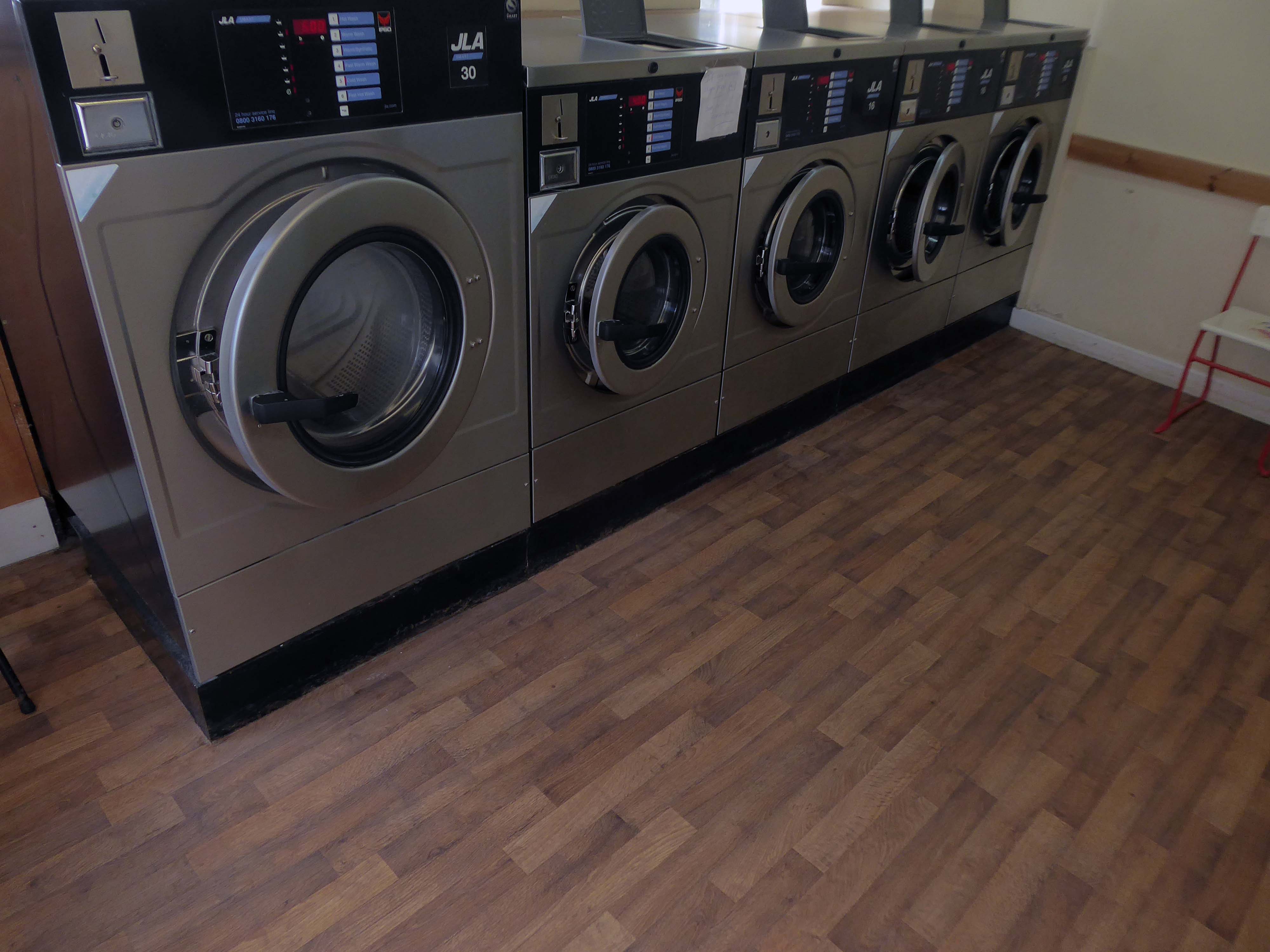
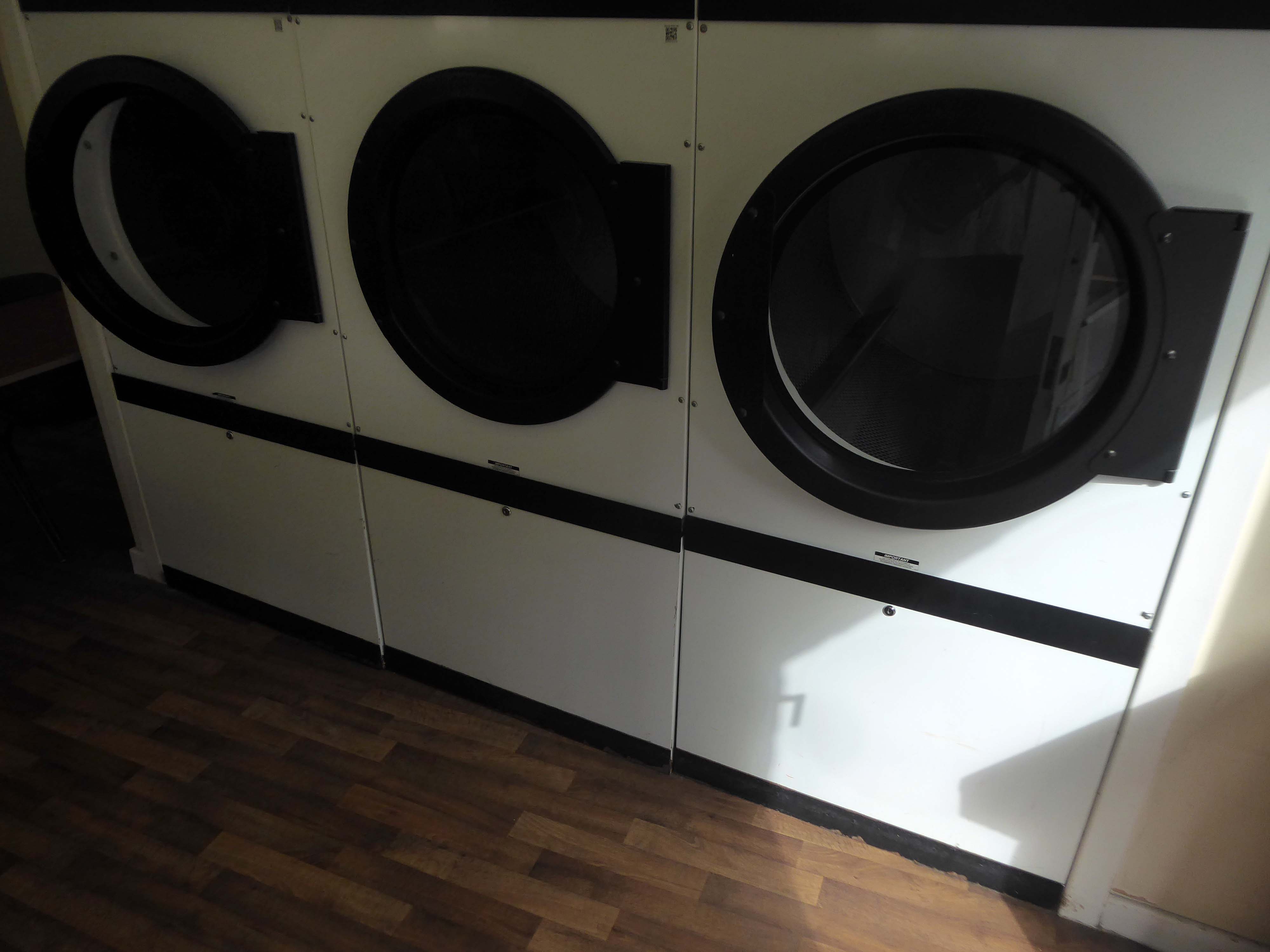
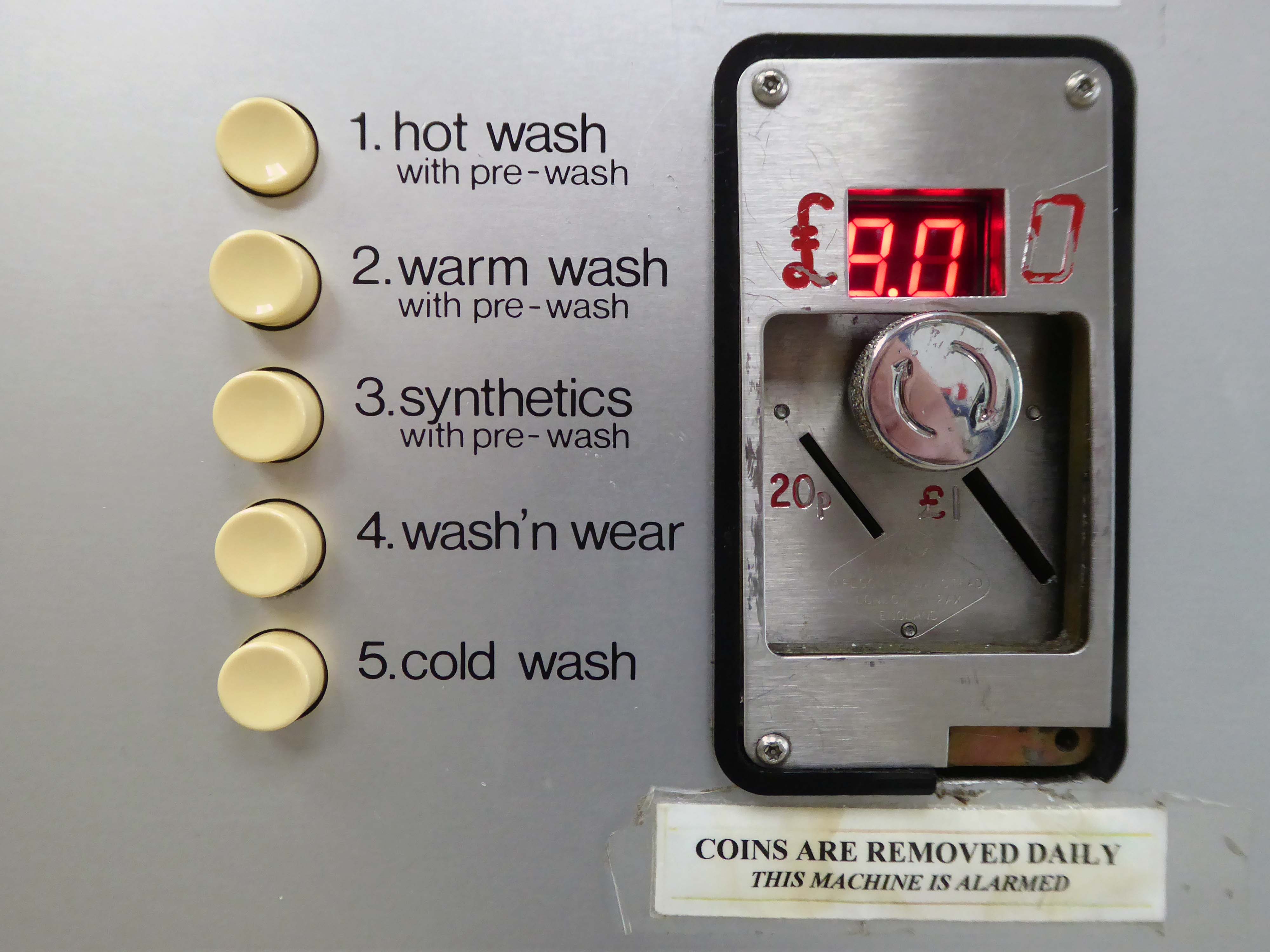
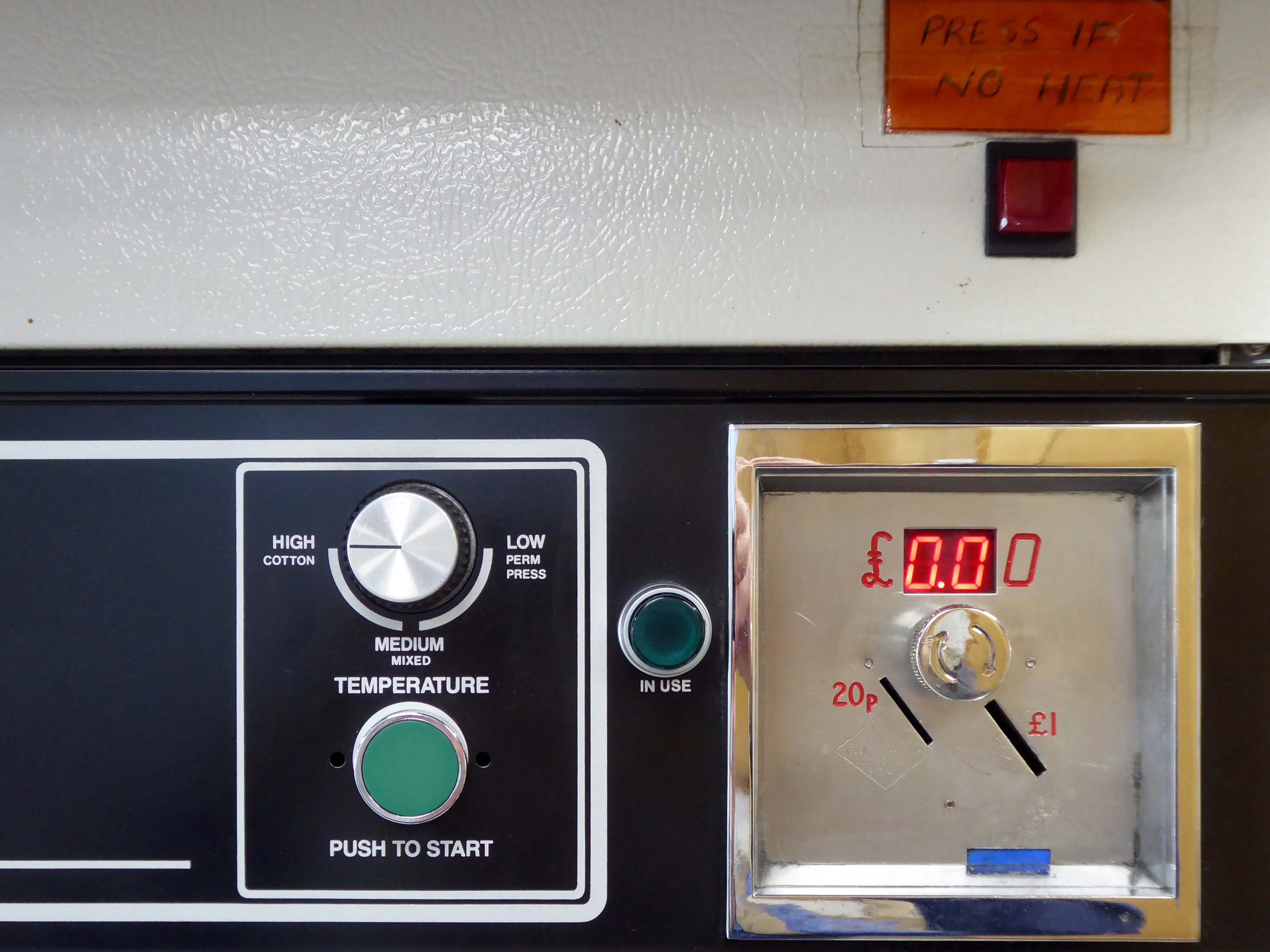
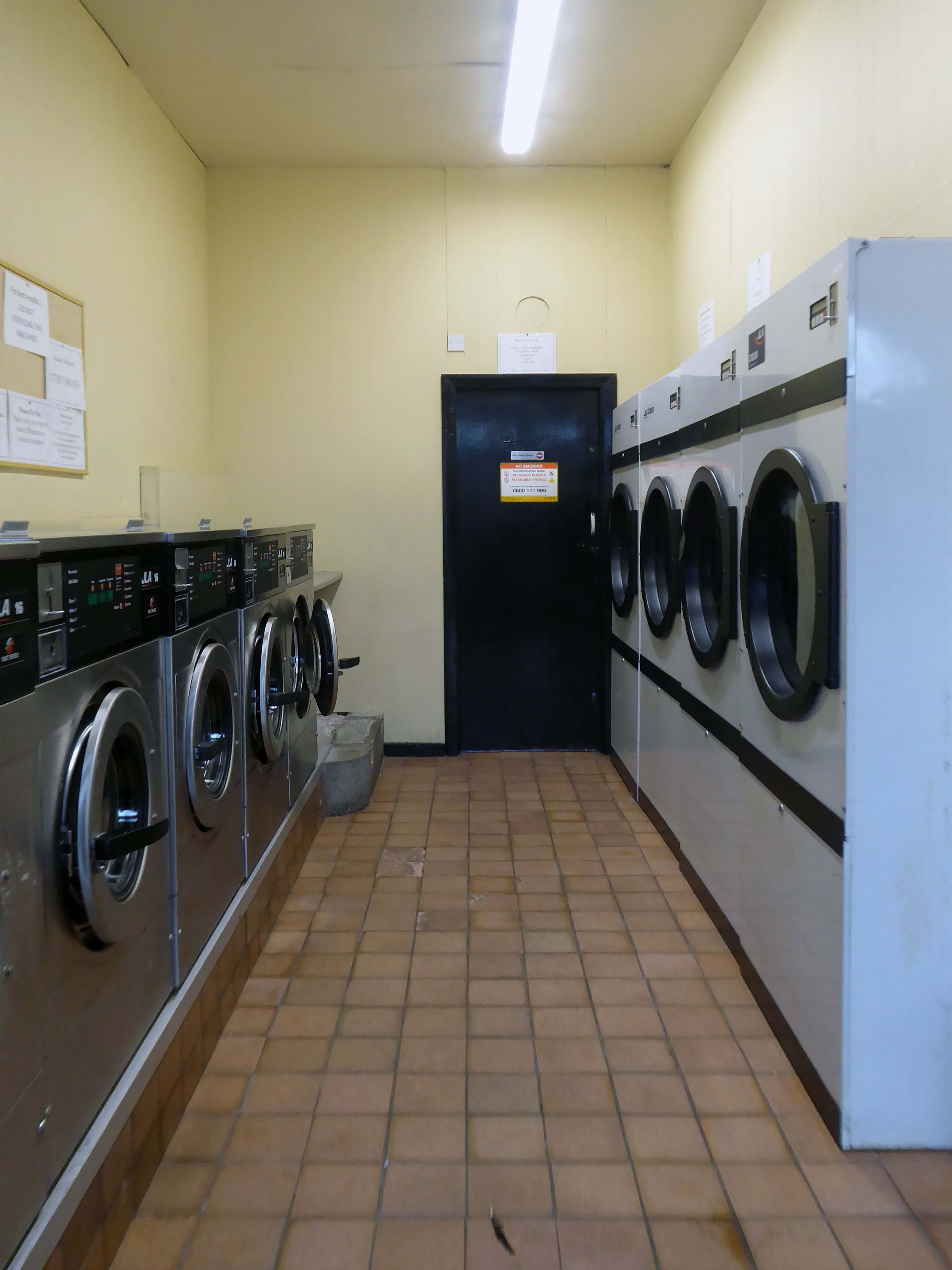
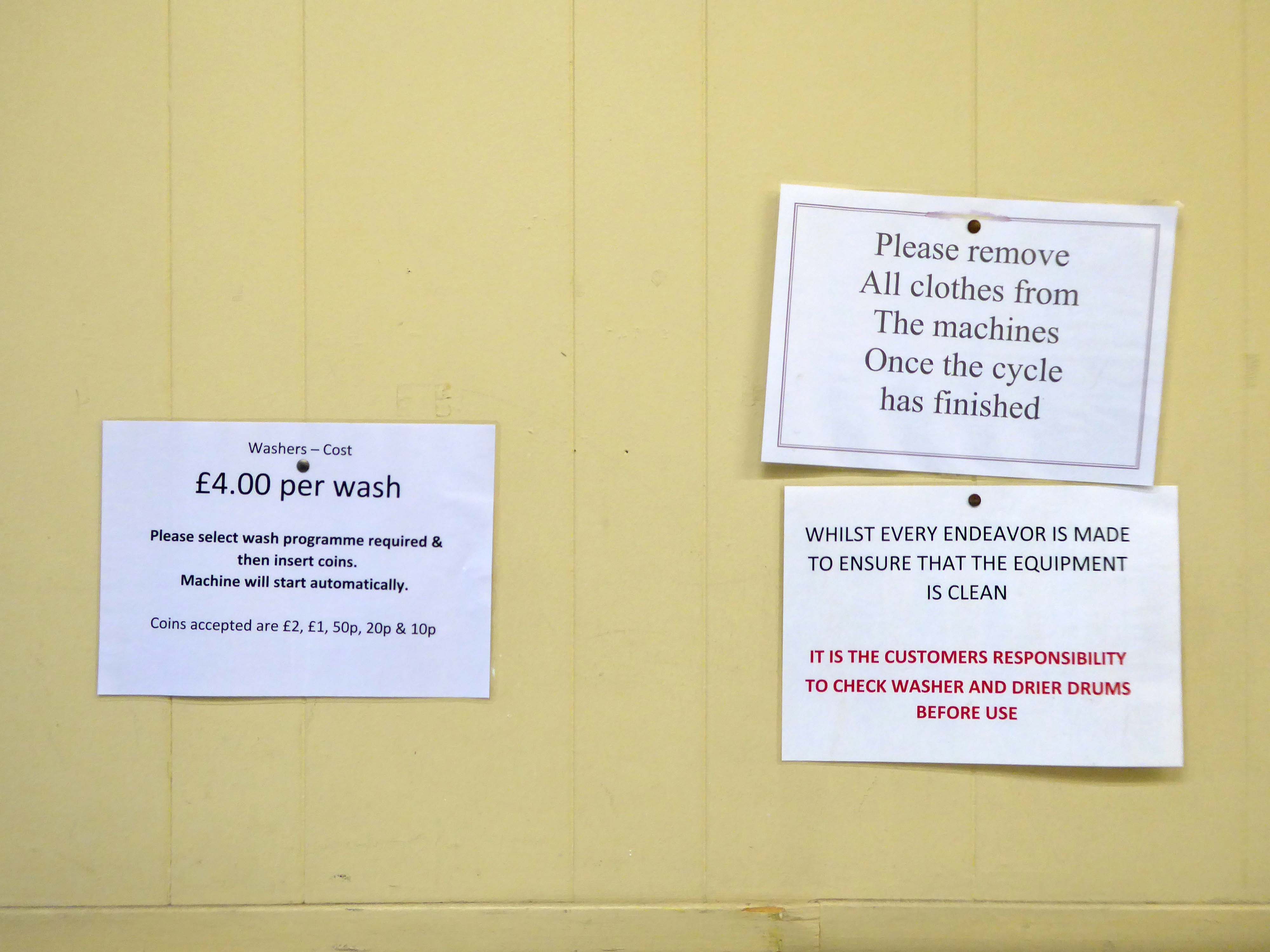
Only takes 20p 50p £1 £2 and no change machine. No detergent either so plan on getting some at the store nearby first. No WiFi, four dryers and five washing machines, one of which, doesn’t work.

The only good thing about it is that it’s open on Sundays.

CJ – local guide

Brilliant dryers and not too expensive, I had to laugh at the review saying – no WiFi.

Debbie Dent

This wash and wear love could hang you out to dry.

Lynn Varnado

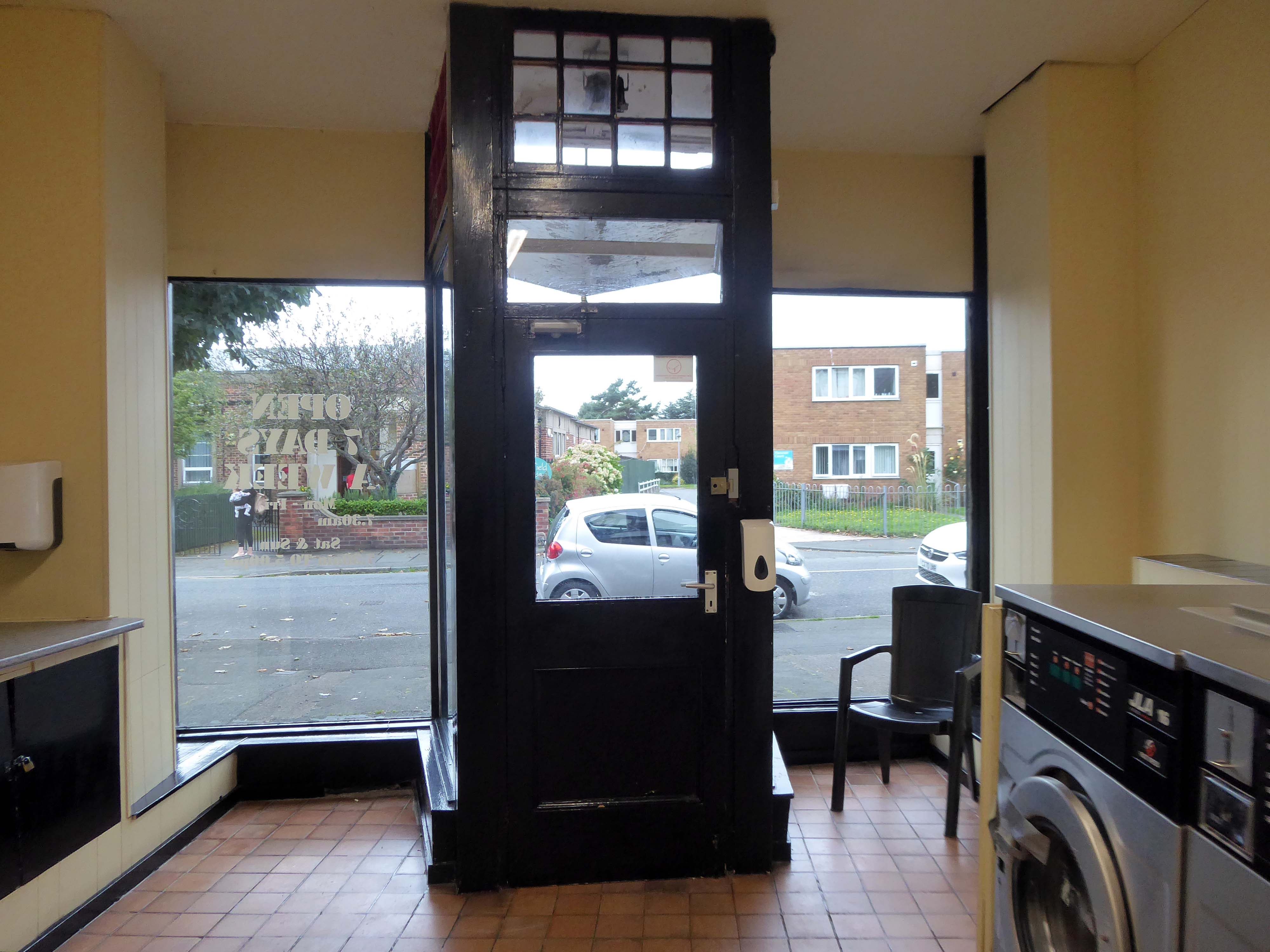
Returning to a favourite photographic topic, whilst strolling around Llandudno on a wet and windy day.

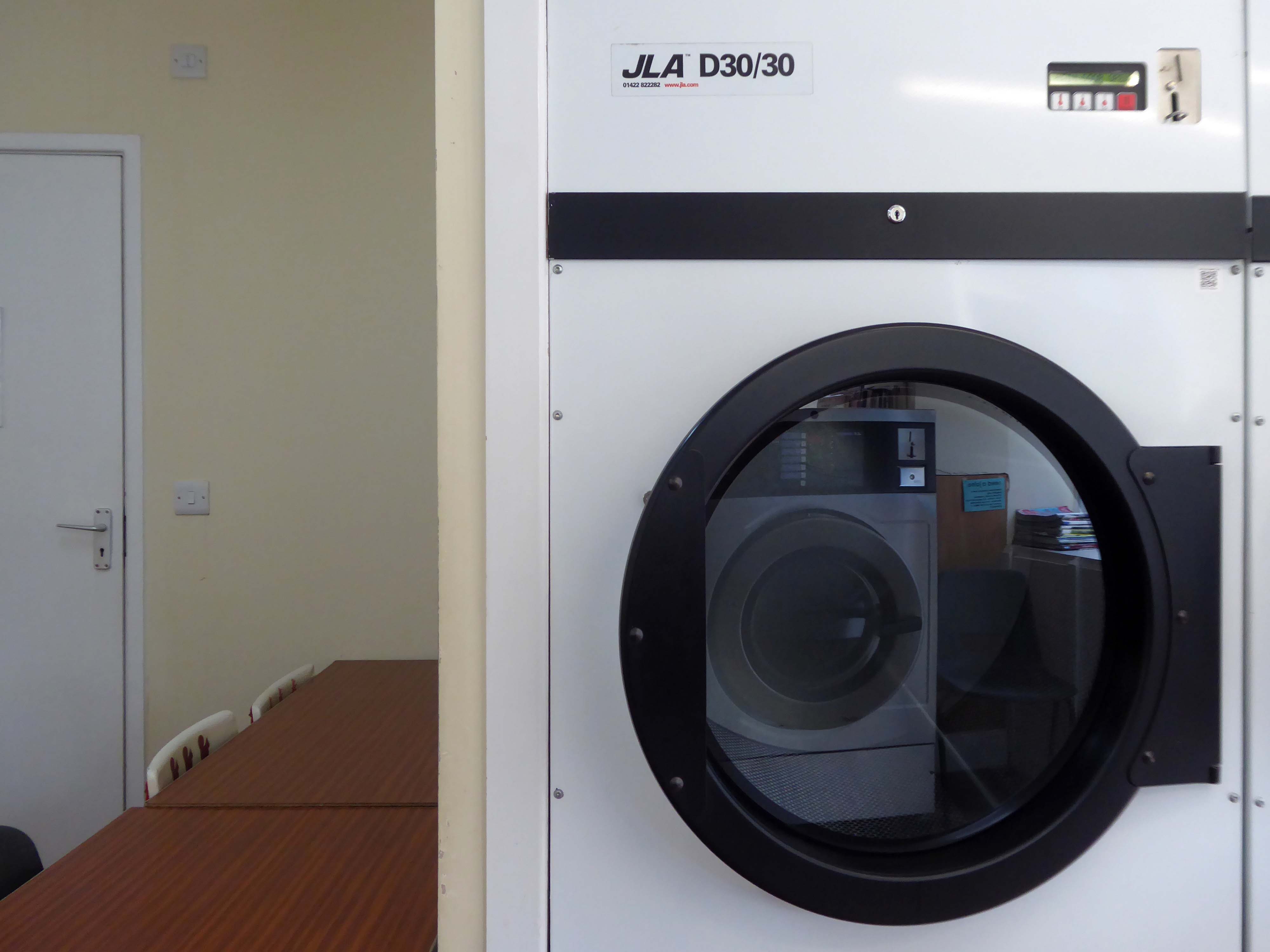
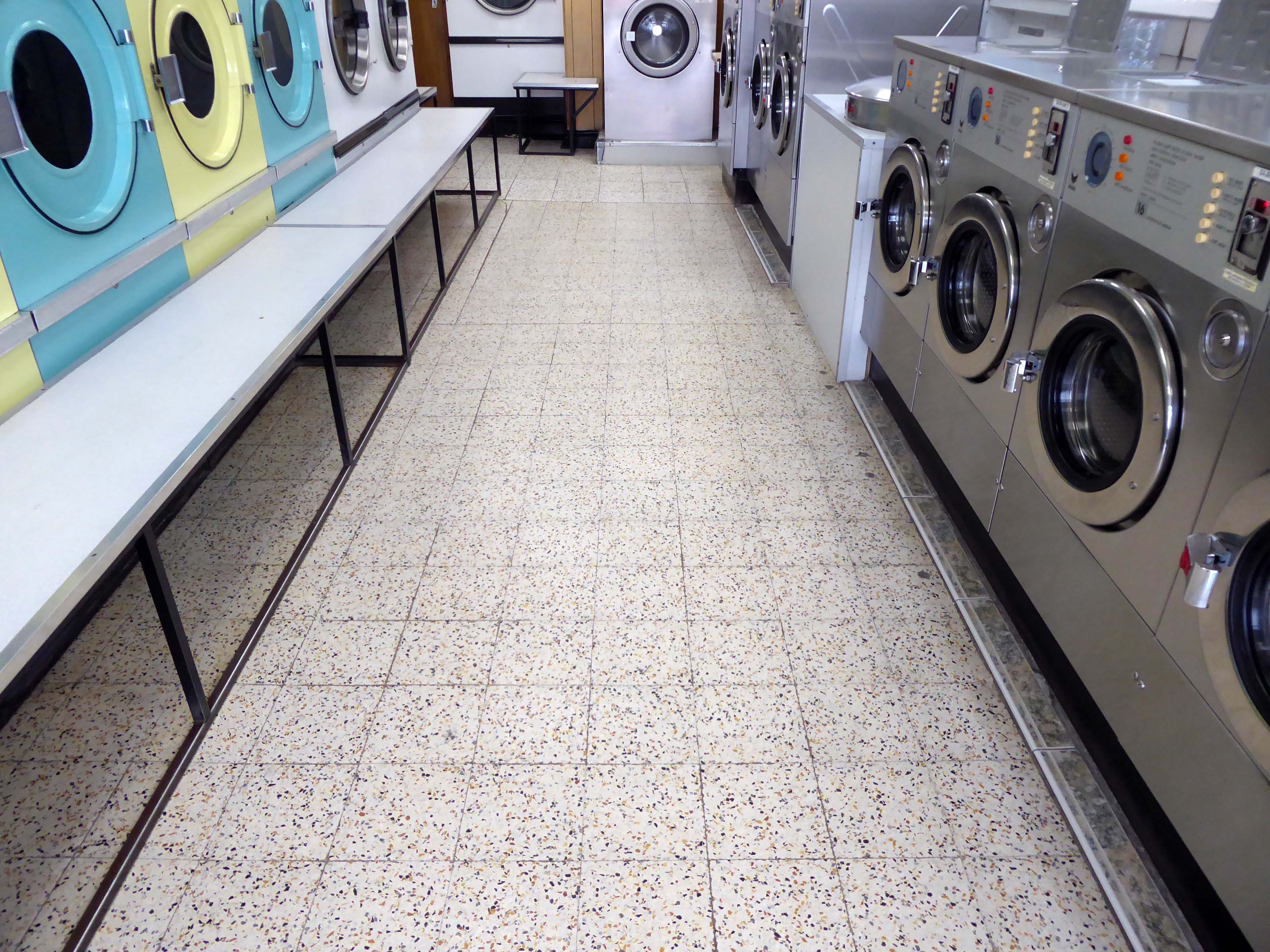
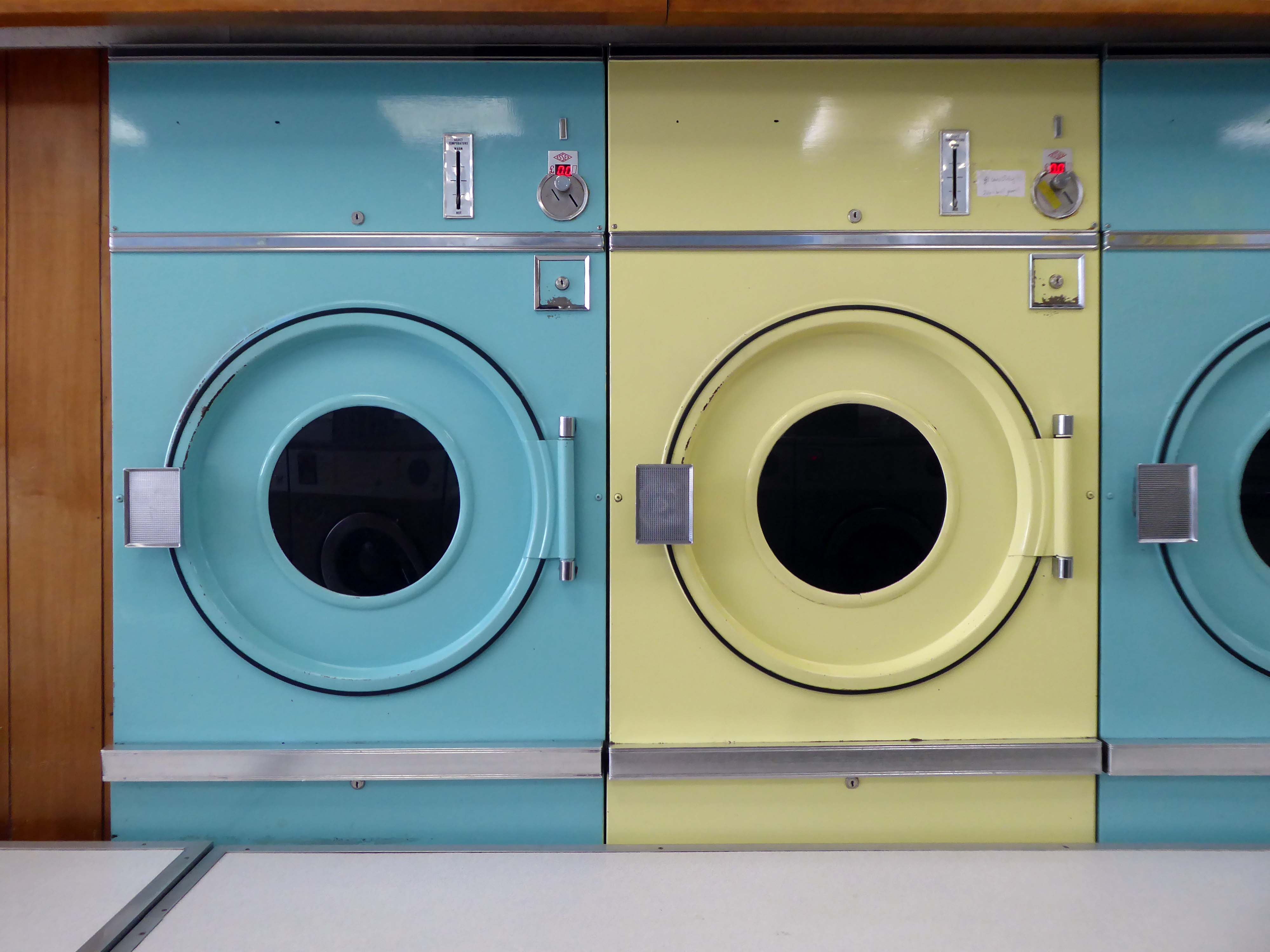
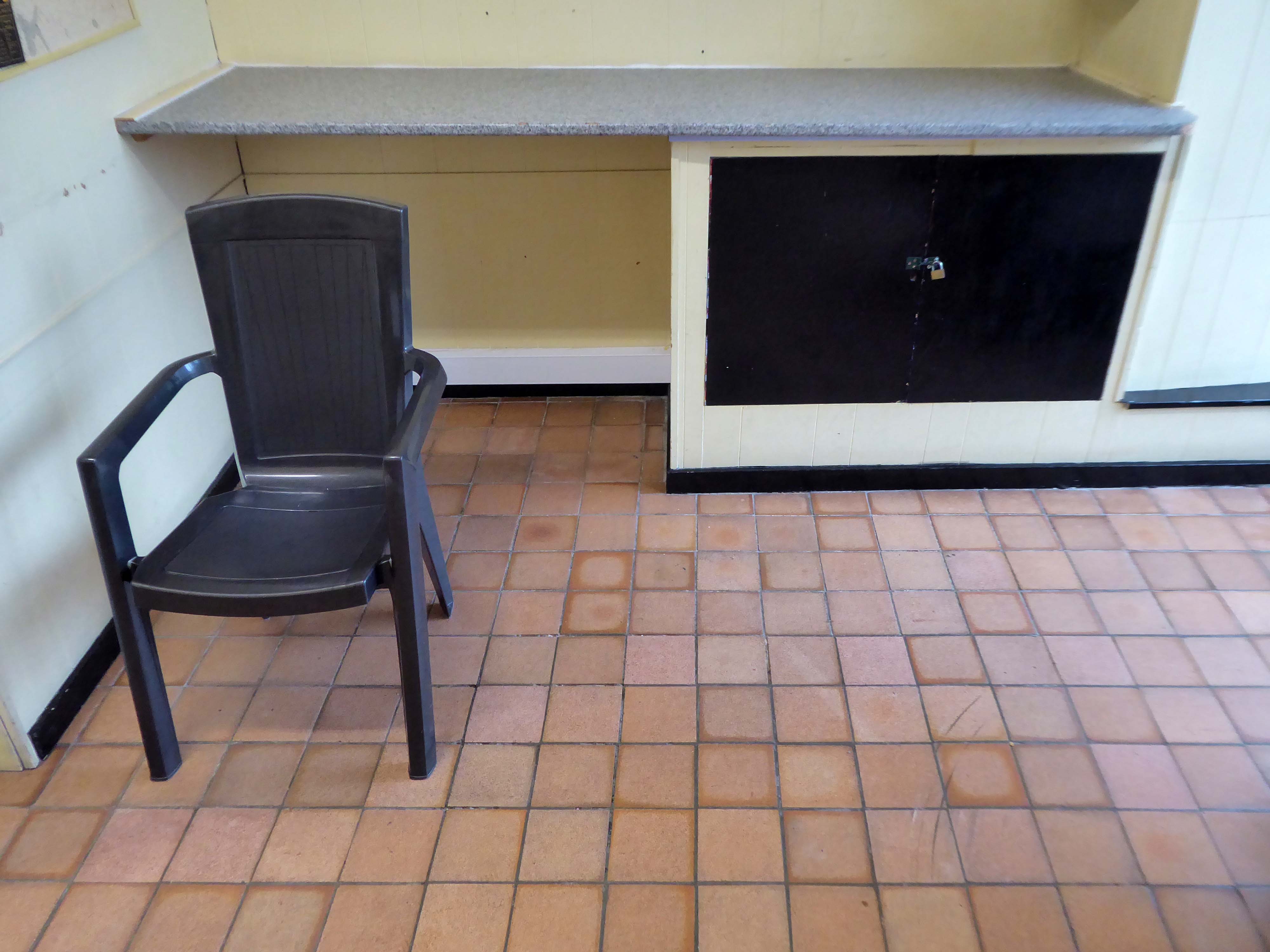
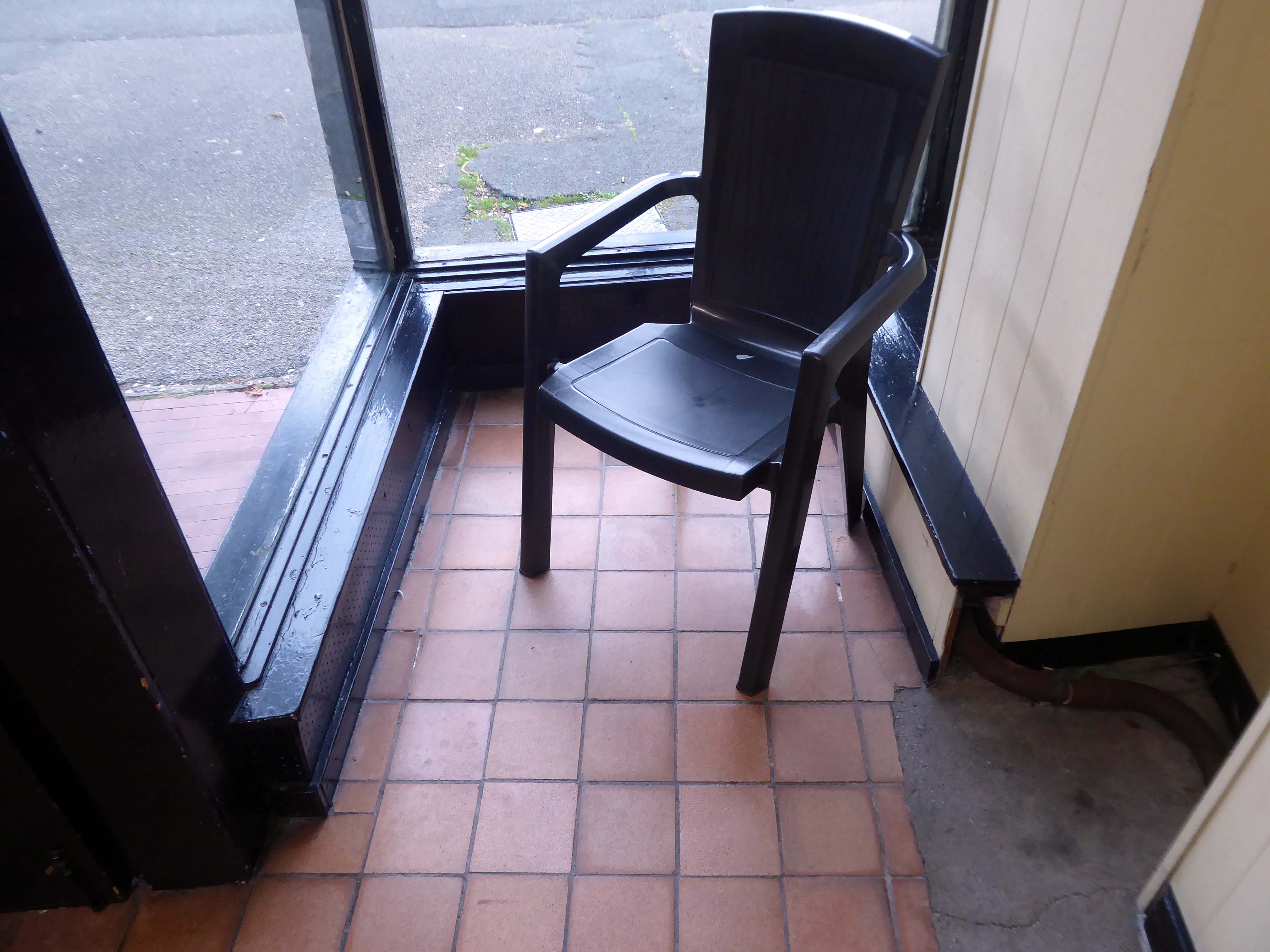
Seeking solace in the warm and soapy world of the empty launderette.

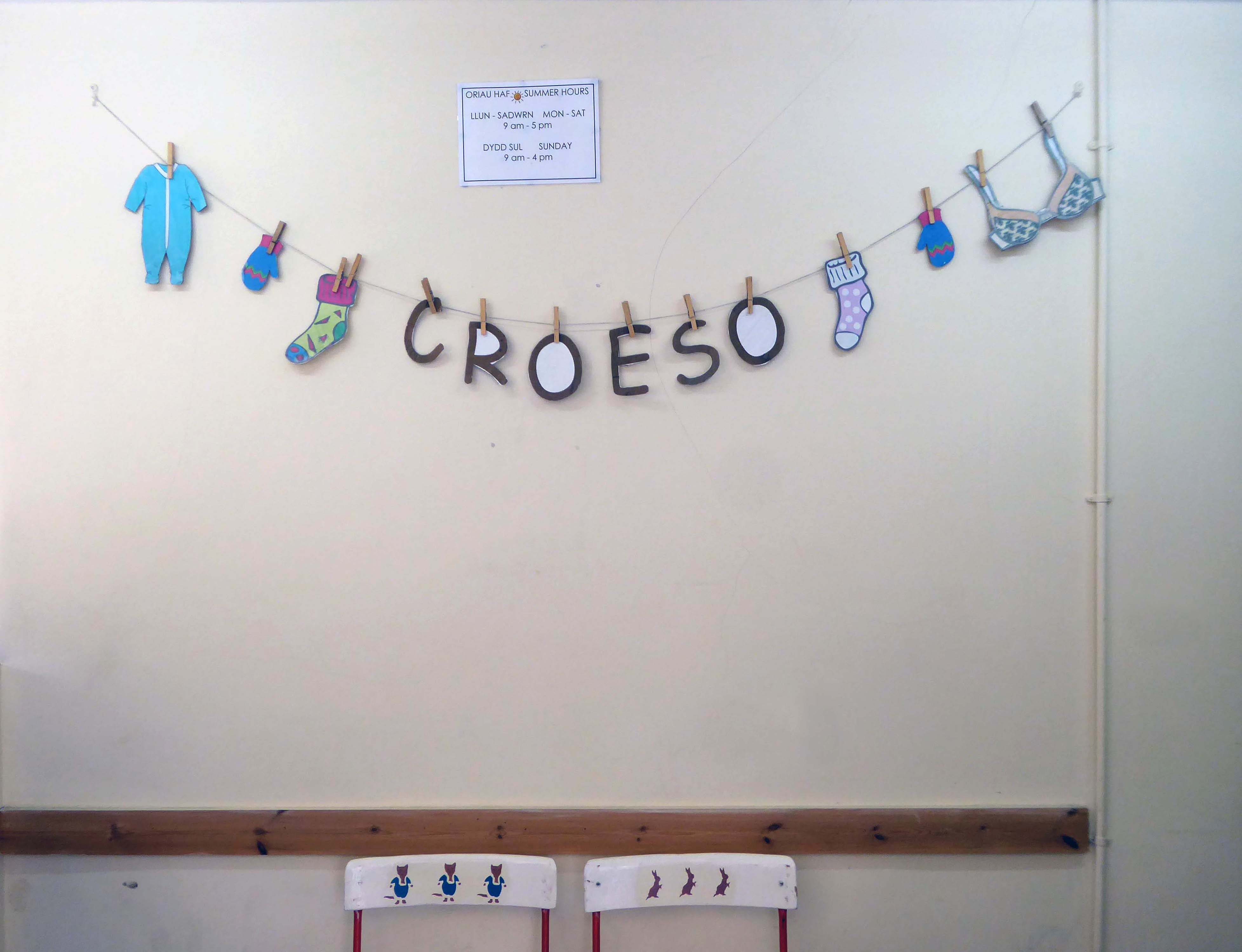
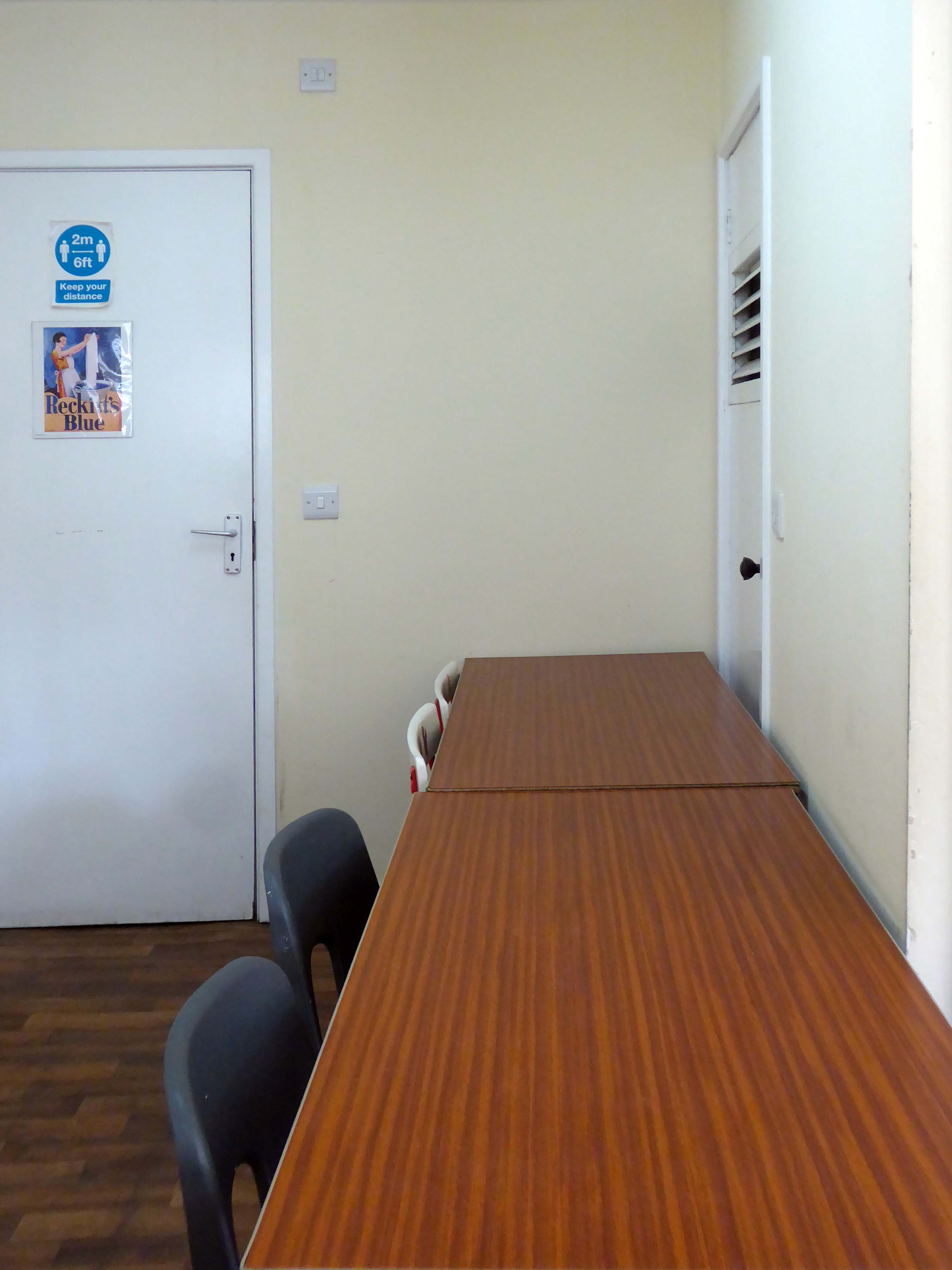
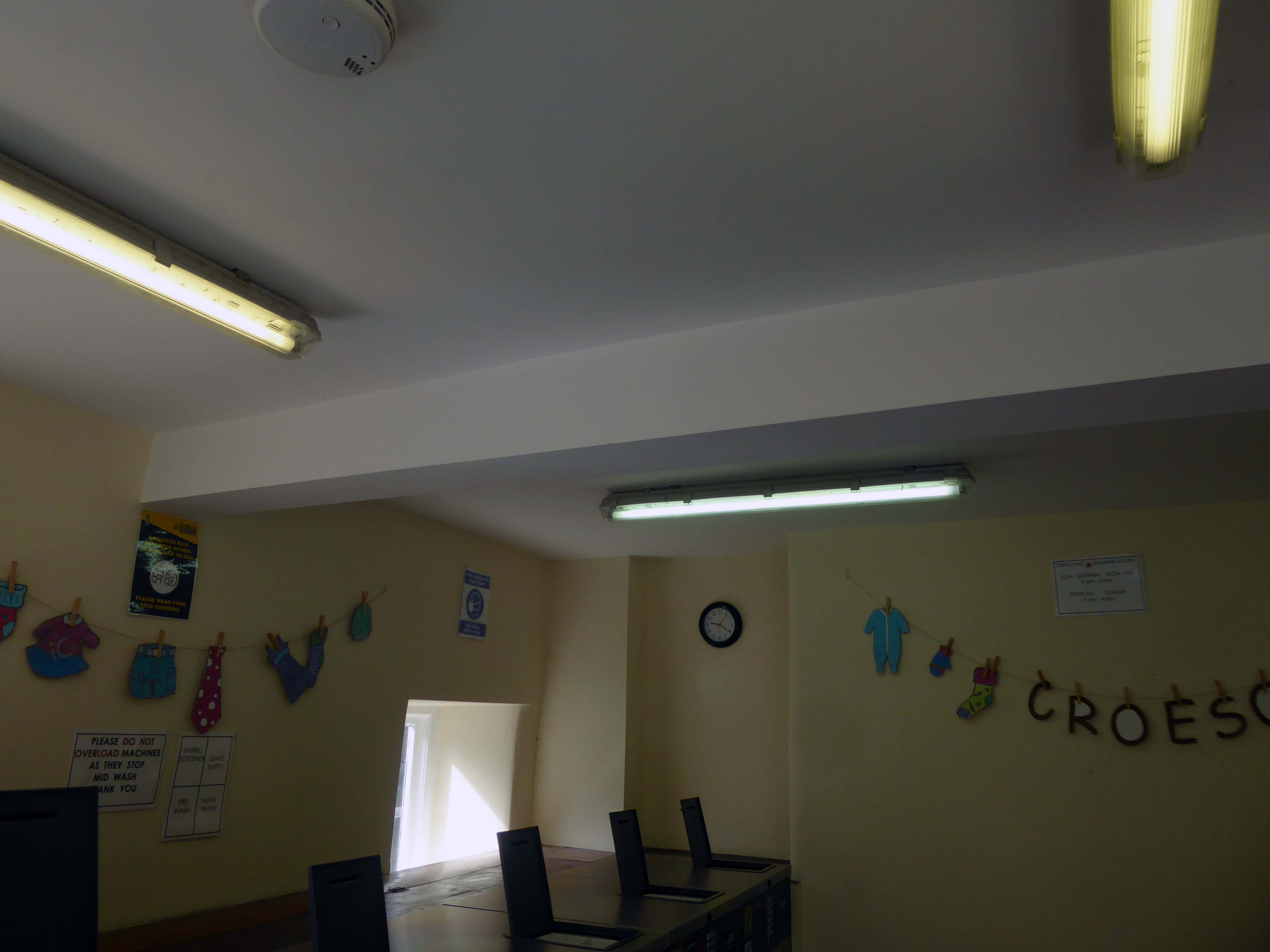
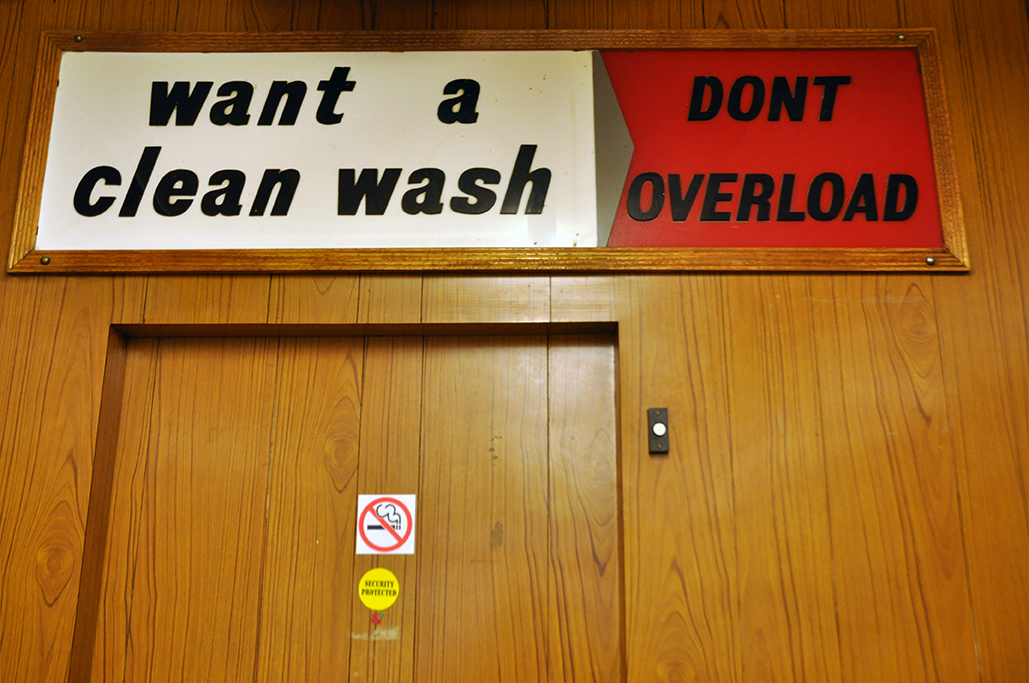
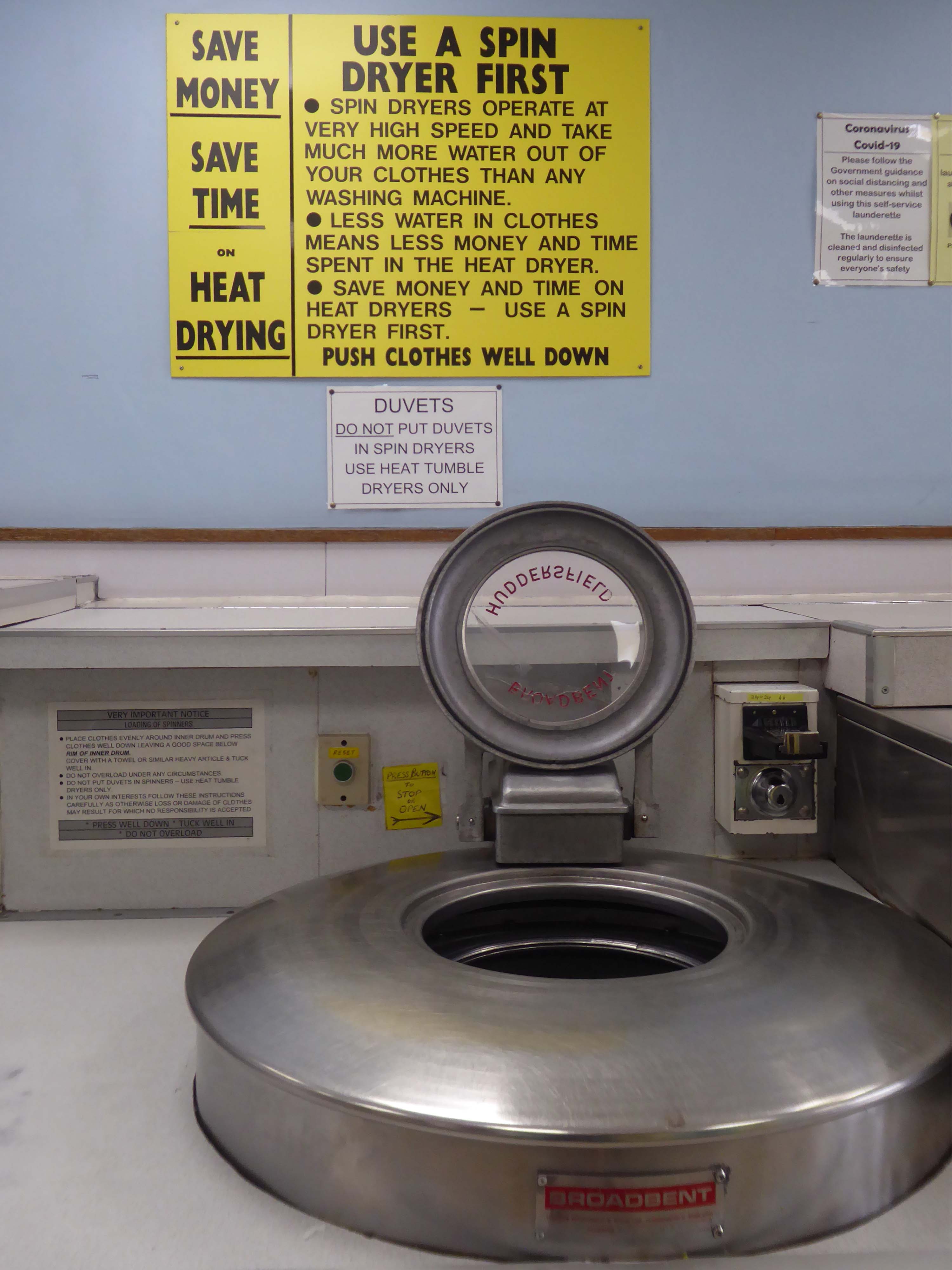
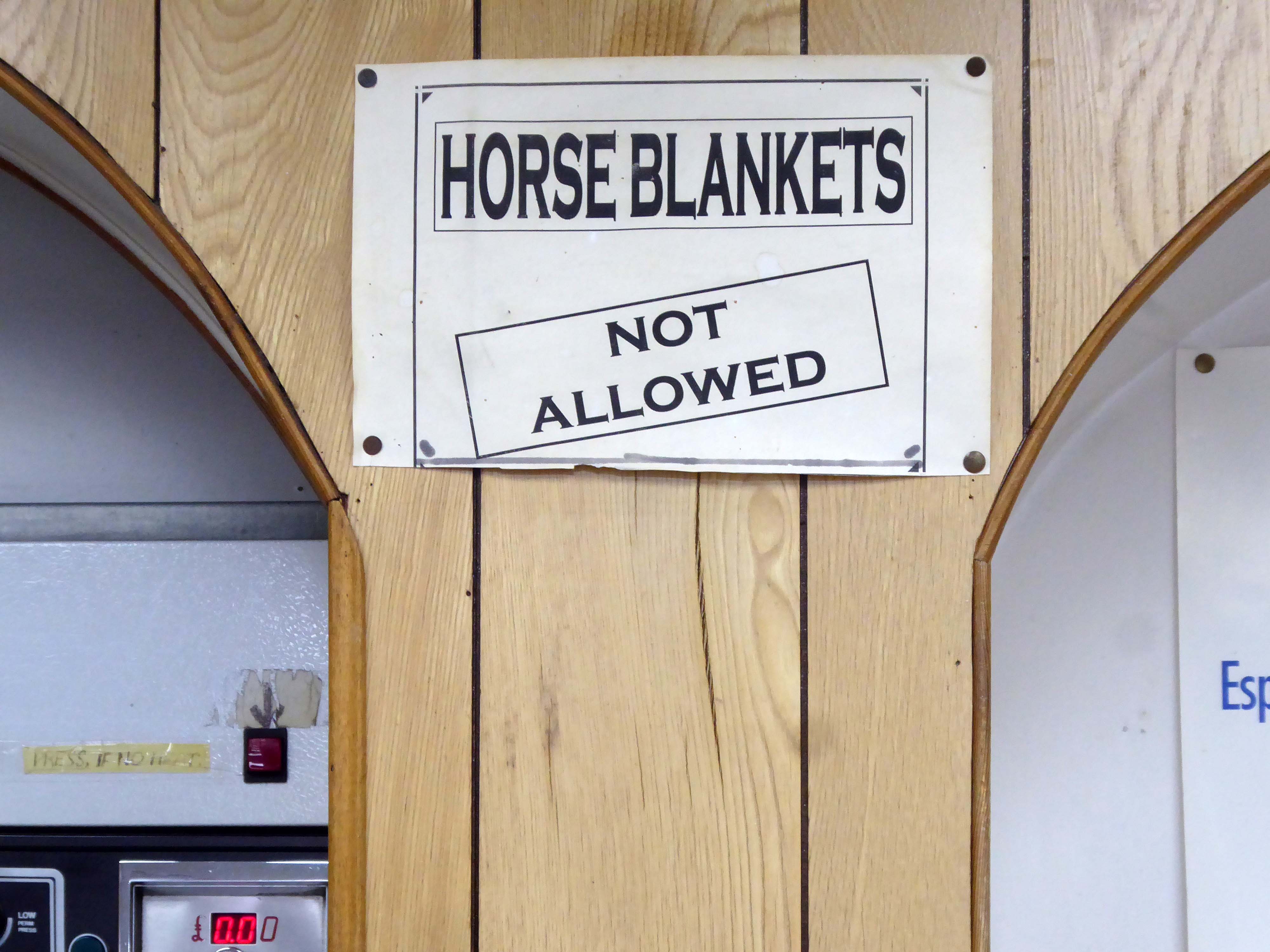
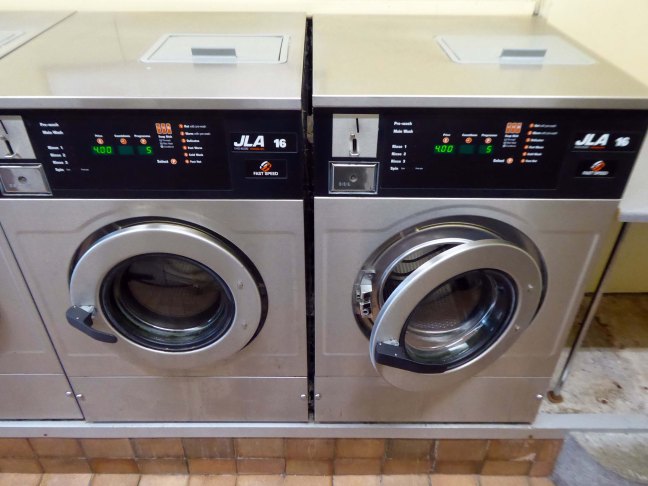
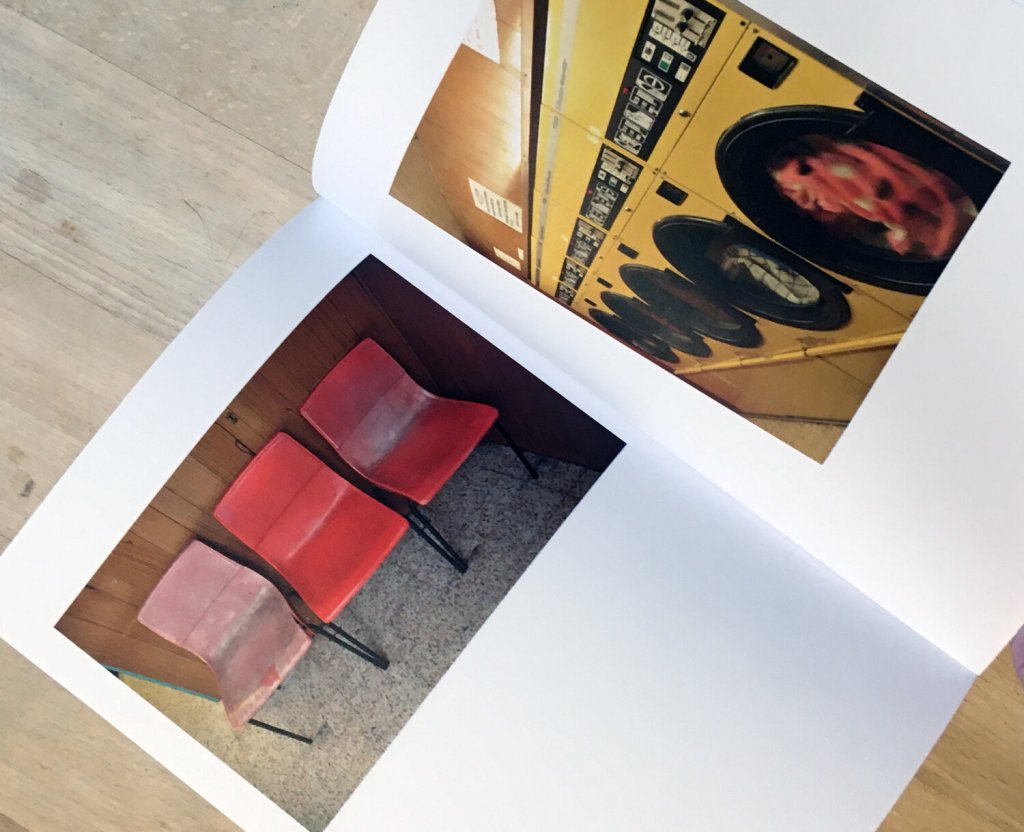
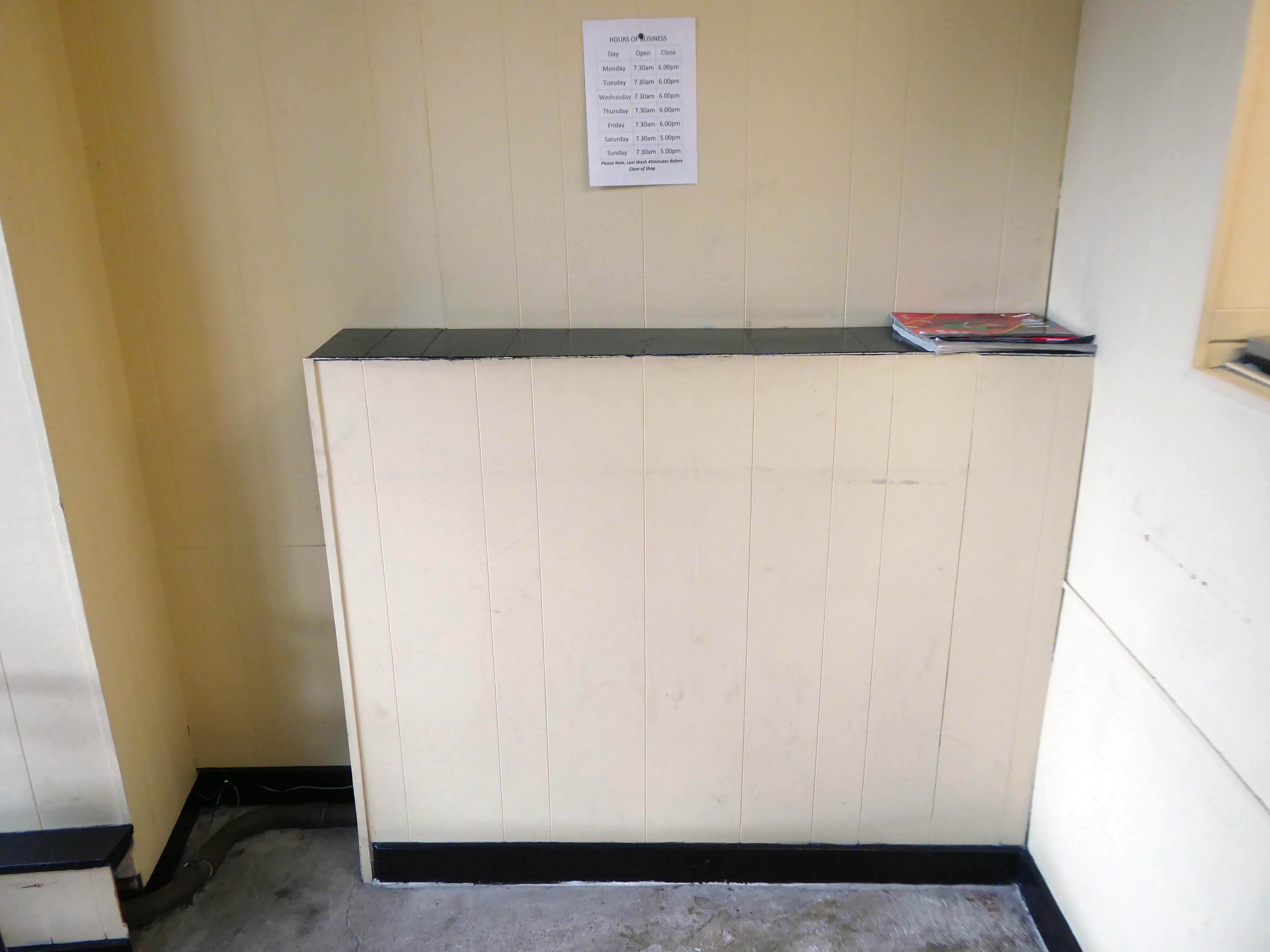
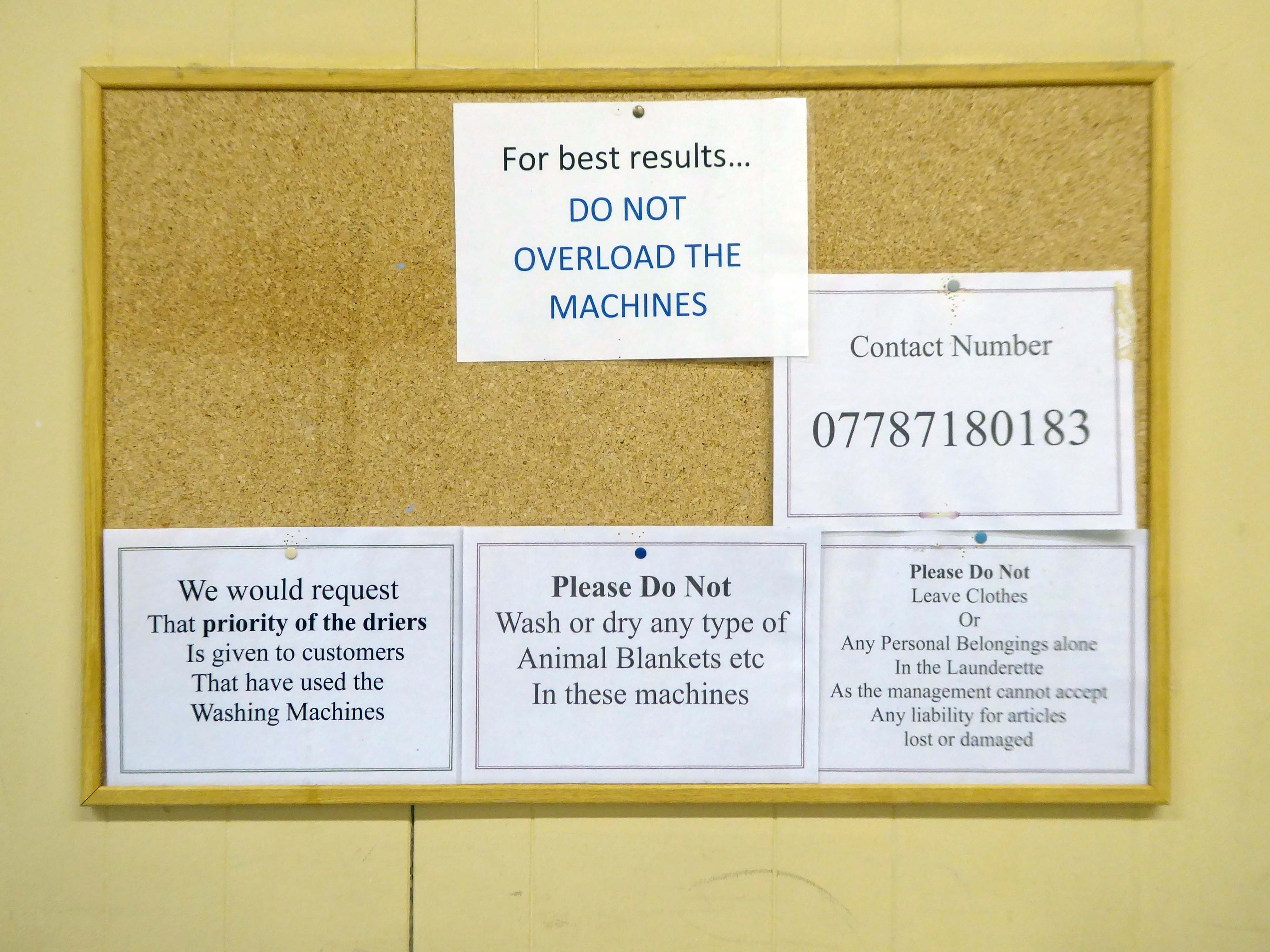
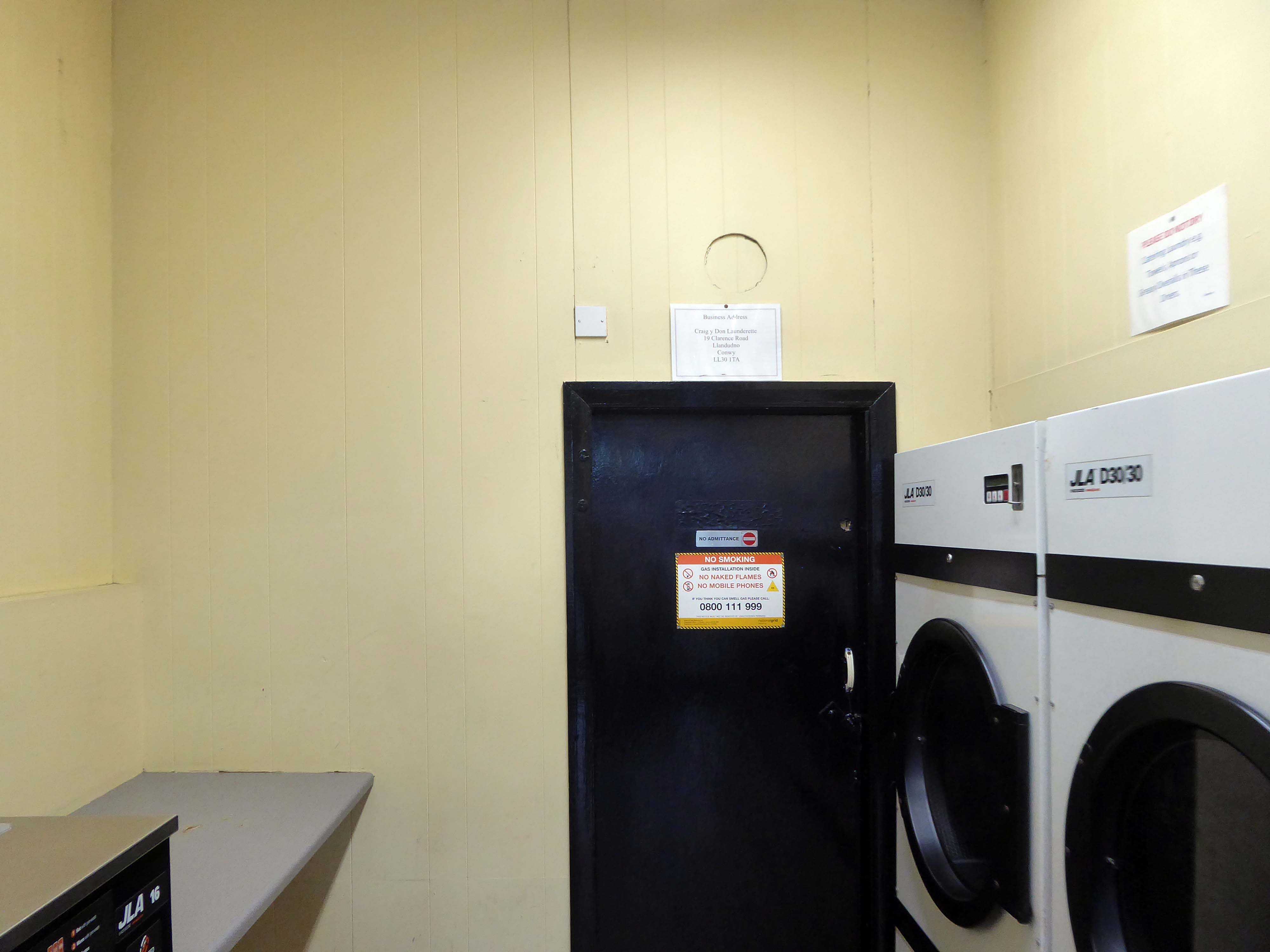
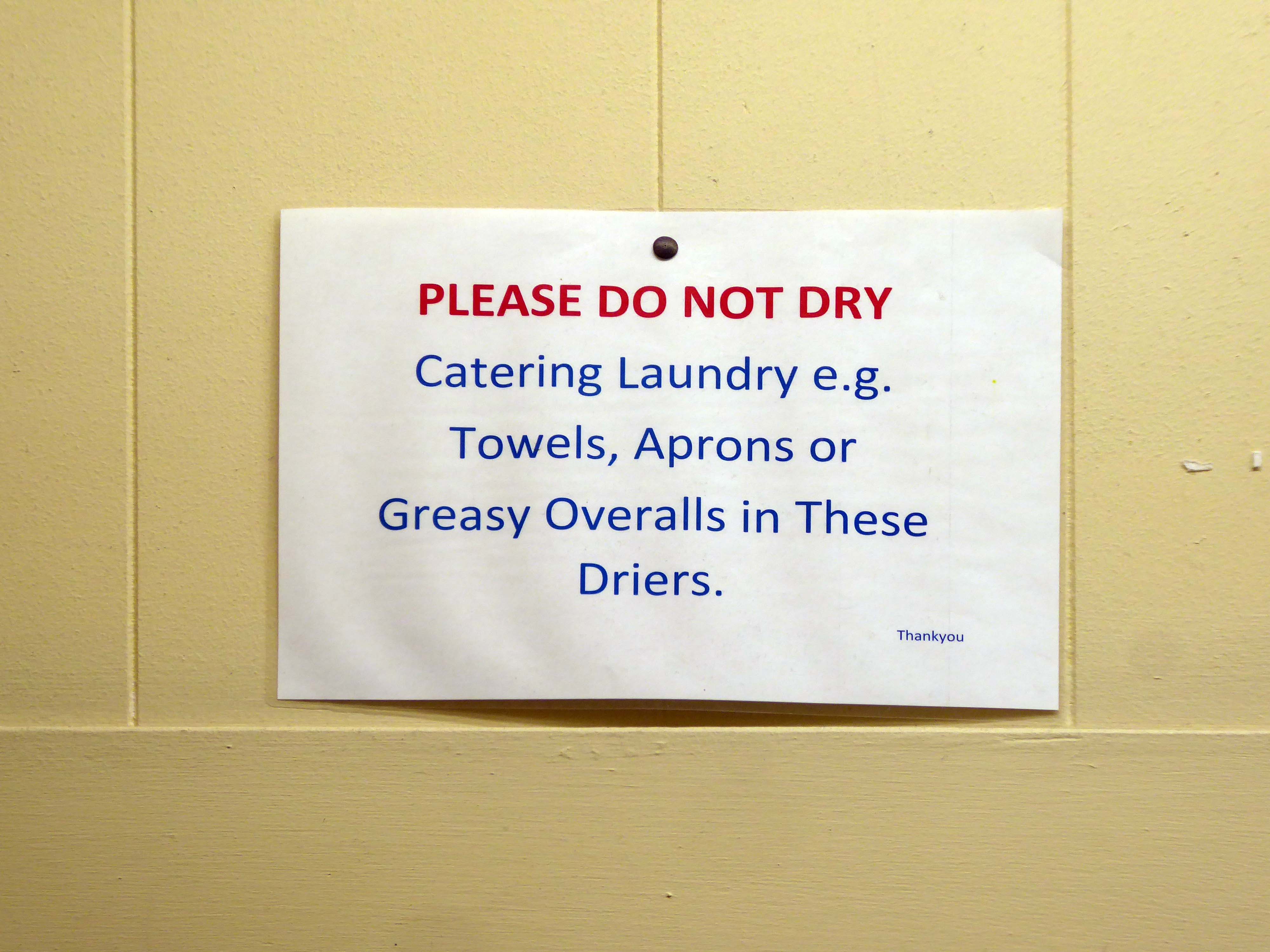
A somewhat austere interior, with primly printed posters on the plain cream, wood panelled walls.

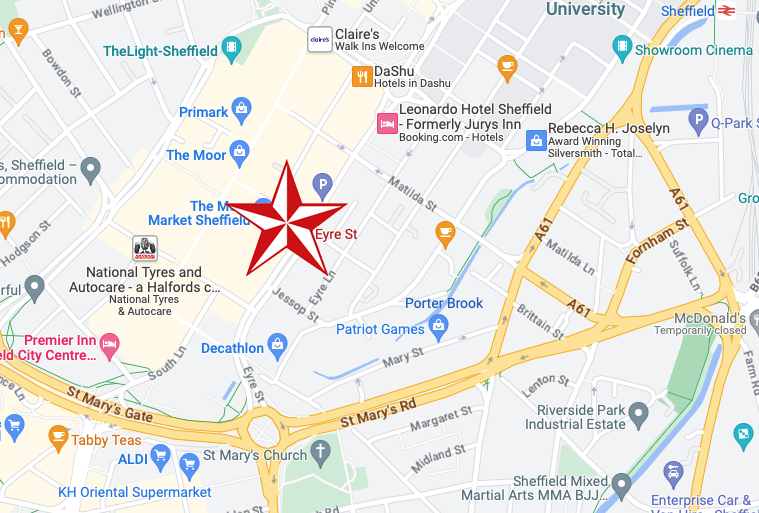
Martins Bank – Eyre Street Sheffield

176 Eyre Street Sheffield Yorkshire S1 4QZ

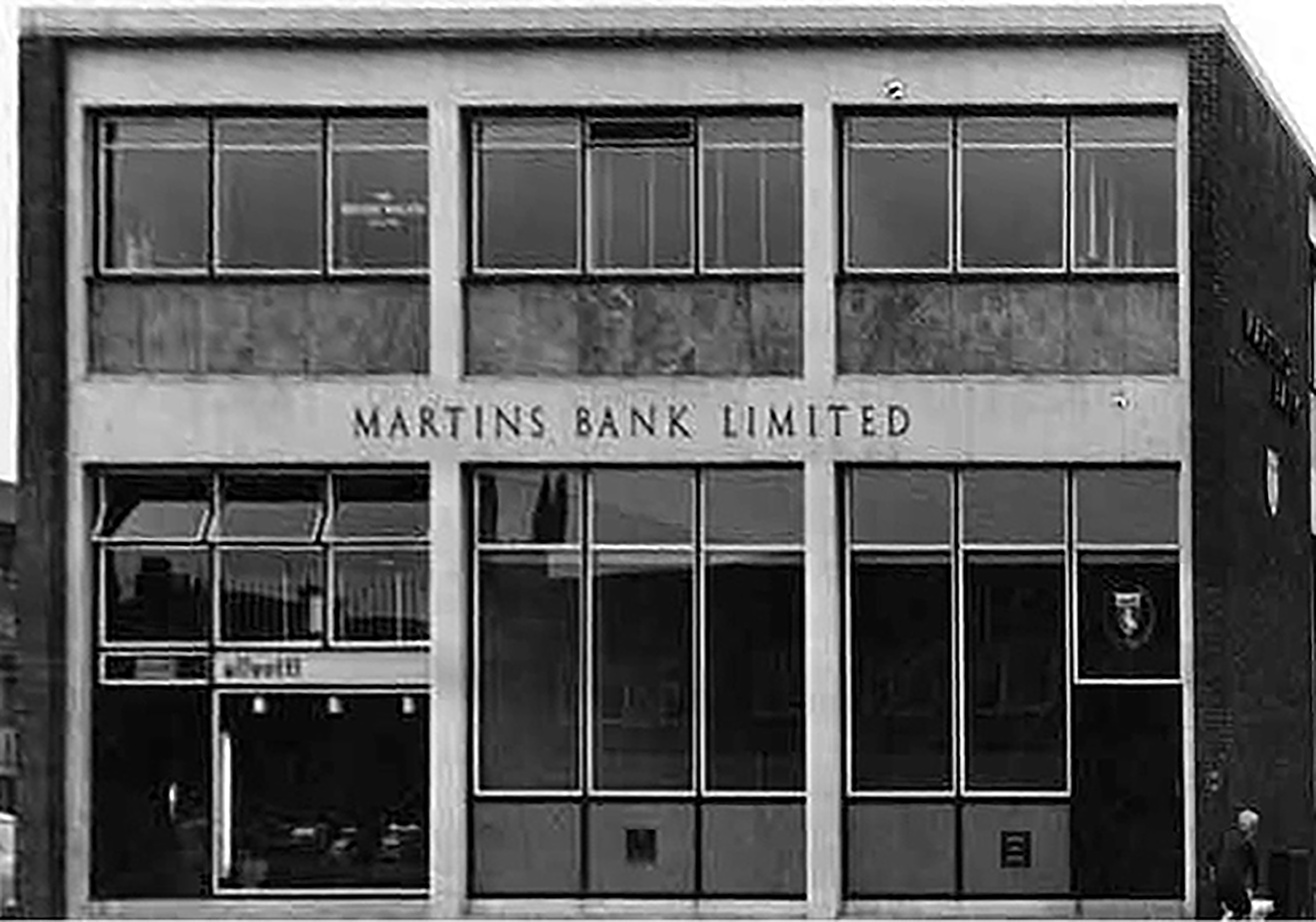
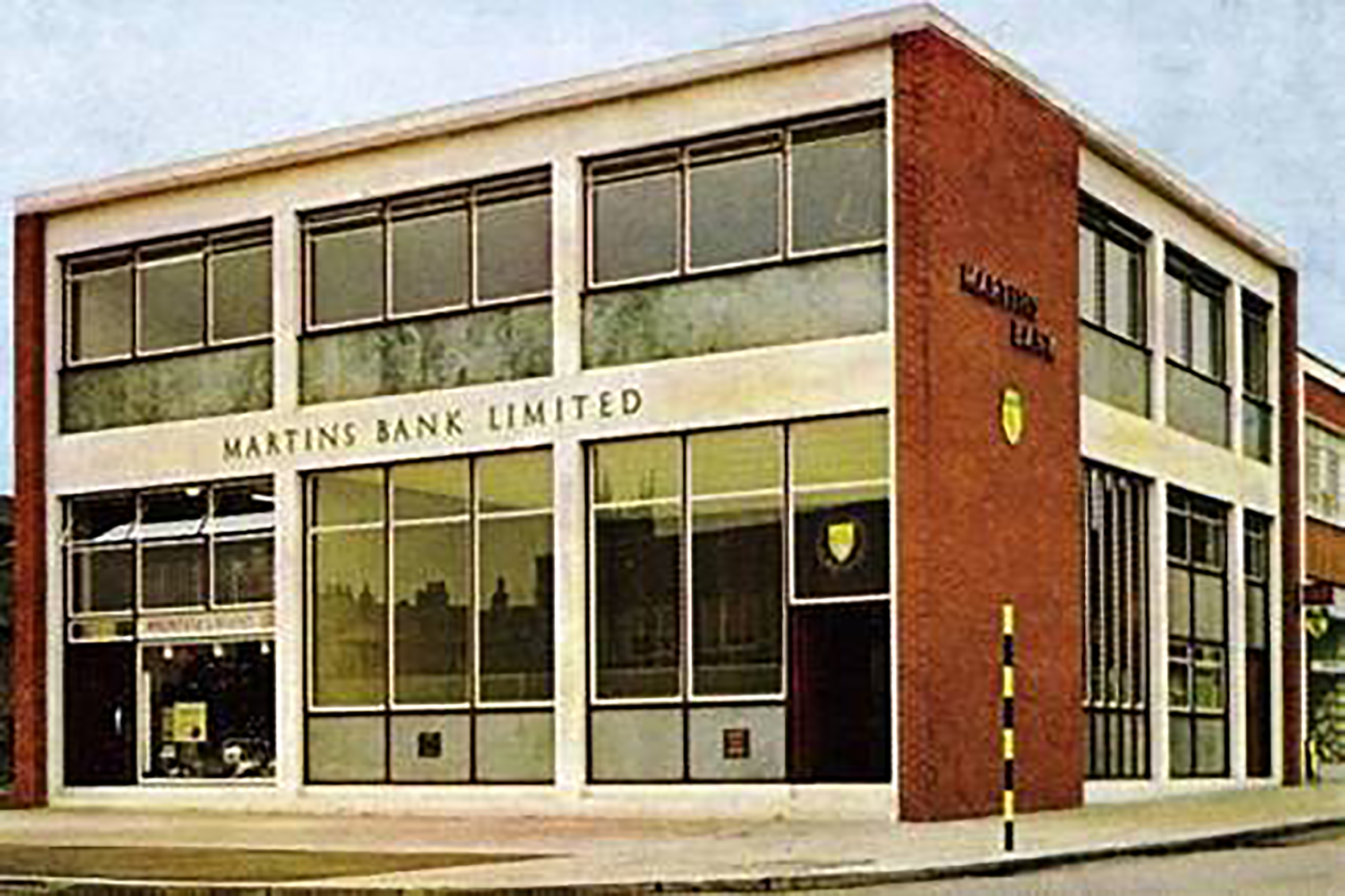
Opened in 1961, Martins Bank’s branch at Sheffield Moor is new and purpose built, occupying space left in the Sheffield Moor area by the bombing of the second world war. Time flies however, and more than fifty years on, the building is empty and awaiting the next chapter of its life.

Note the olivetti shop incorporated into the bank building.

Our New Branch at Sheffield Moor owes its existence to the extensive replanning of this area of Sheffield. Part of it was destroyed during the war and the remainder has been or is in course of being pulled down as the plan unfolds for the creation of a brand new shopping area.

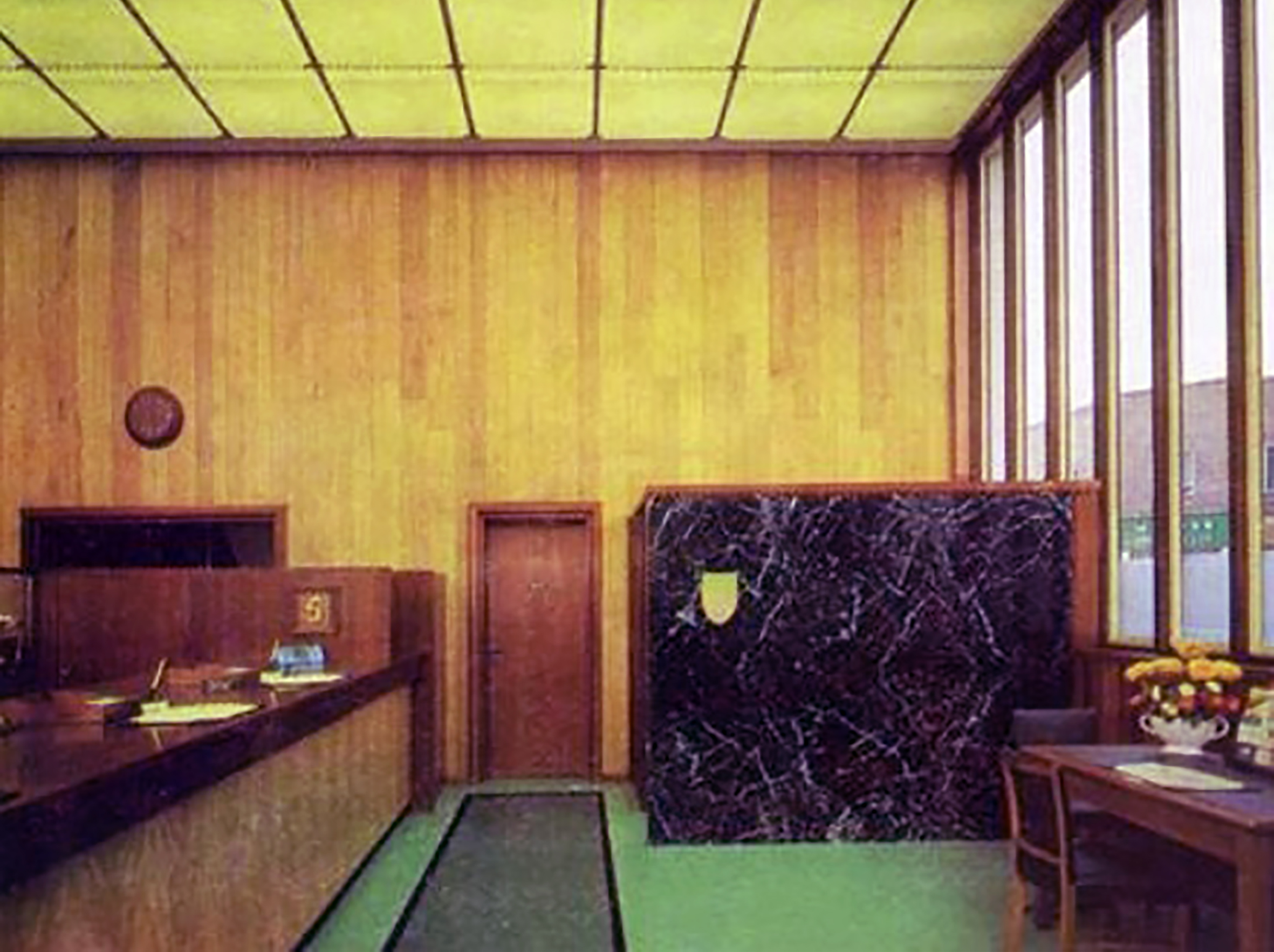
It is really too far from the old commercial quarter to be effectively served by our branch at West Street and so the banks are moving in. It is a beautiful modern building with interior decor which responds to the full blaze of sunshine most cheerfully, or, on a dark day when the illuminated ceiling has to be switched on, creates an oasis of light, warmth and welcome which makes it a pleasure to step inside.

Martin’s Bank Archive

Today the building is, sadly, a shadow of its former self.

Other Sheffield banks are available- William Deacon’s, where refurbishment seems to be taking place.

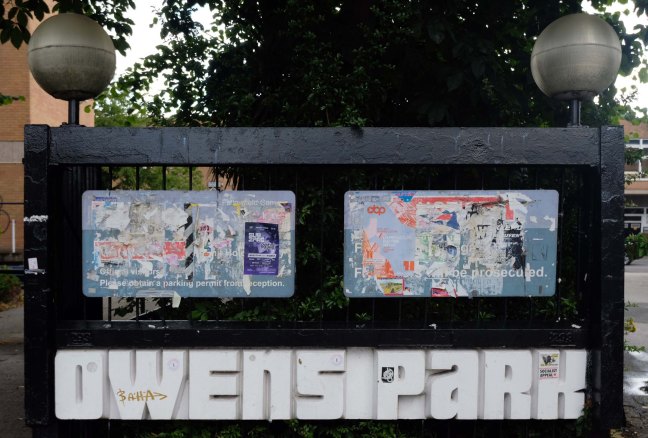
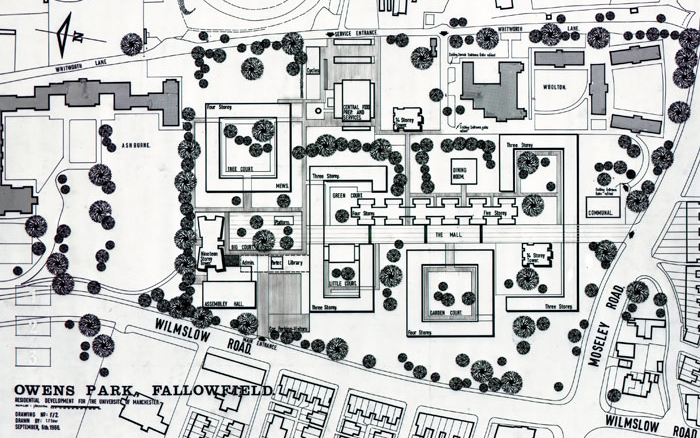
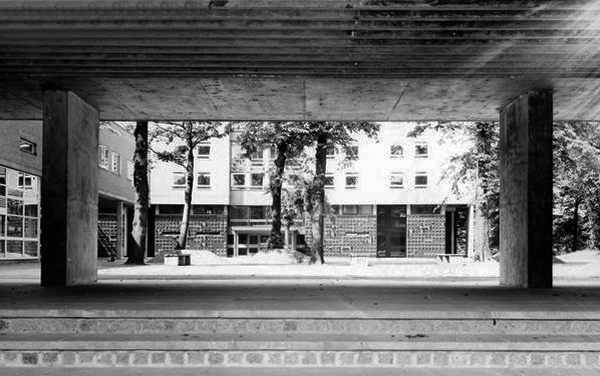
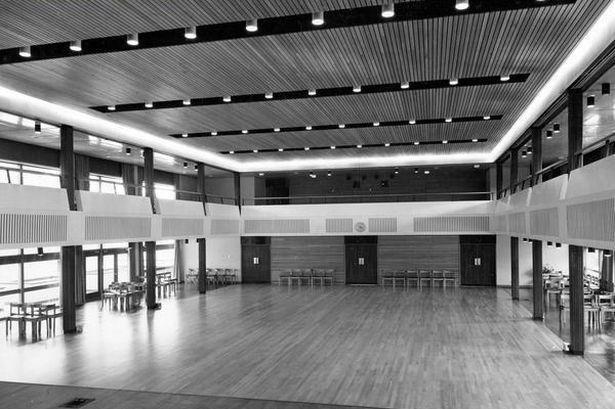
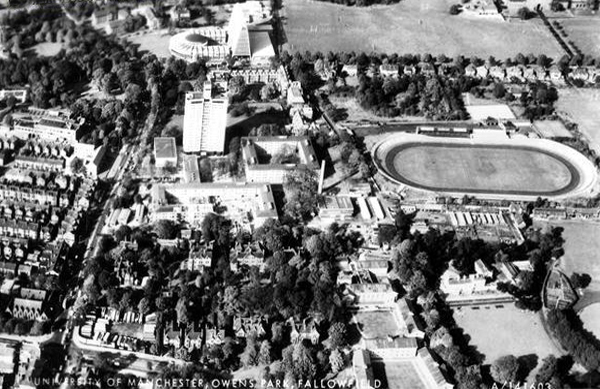
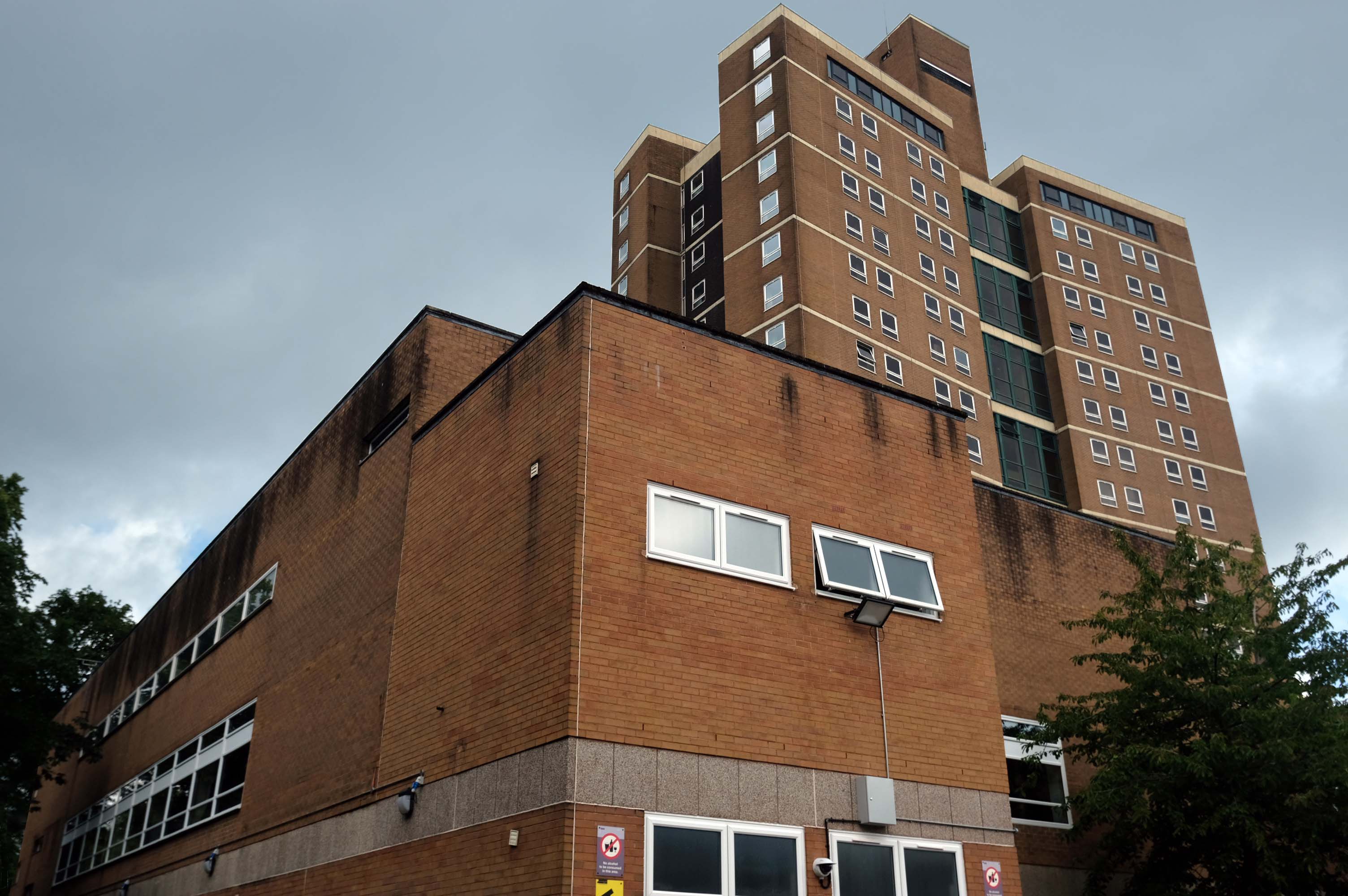
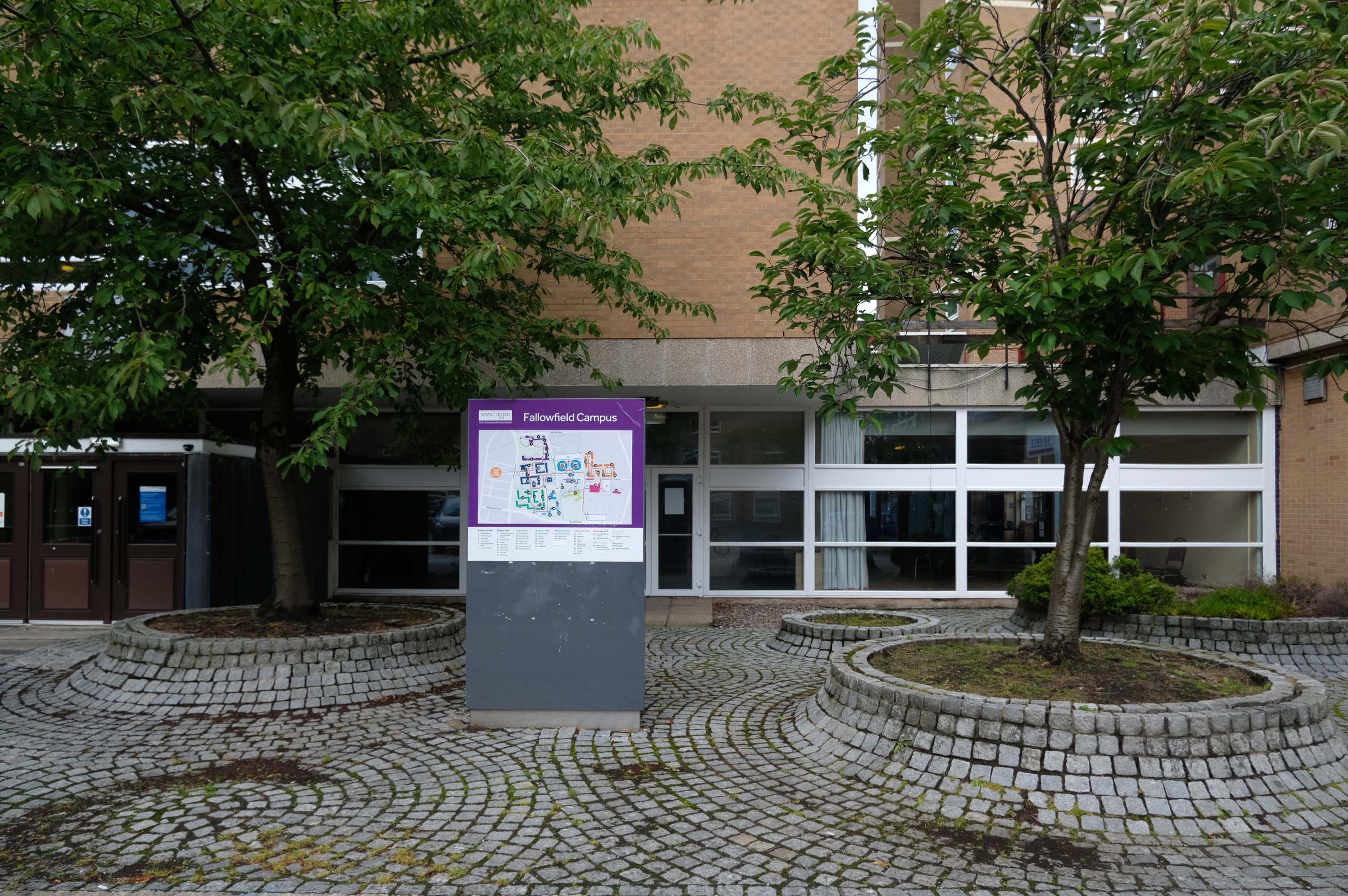
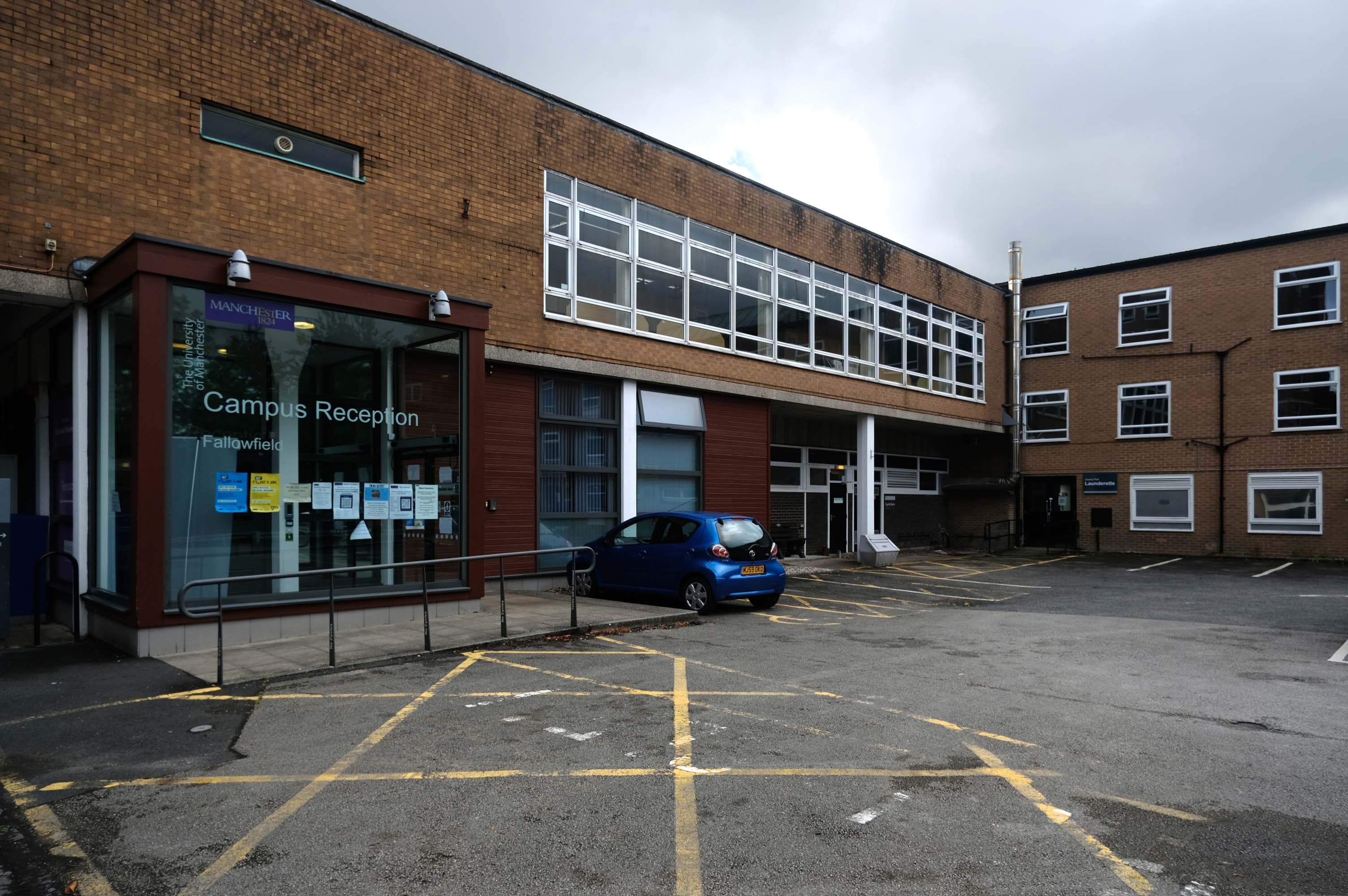
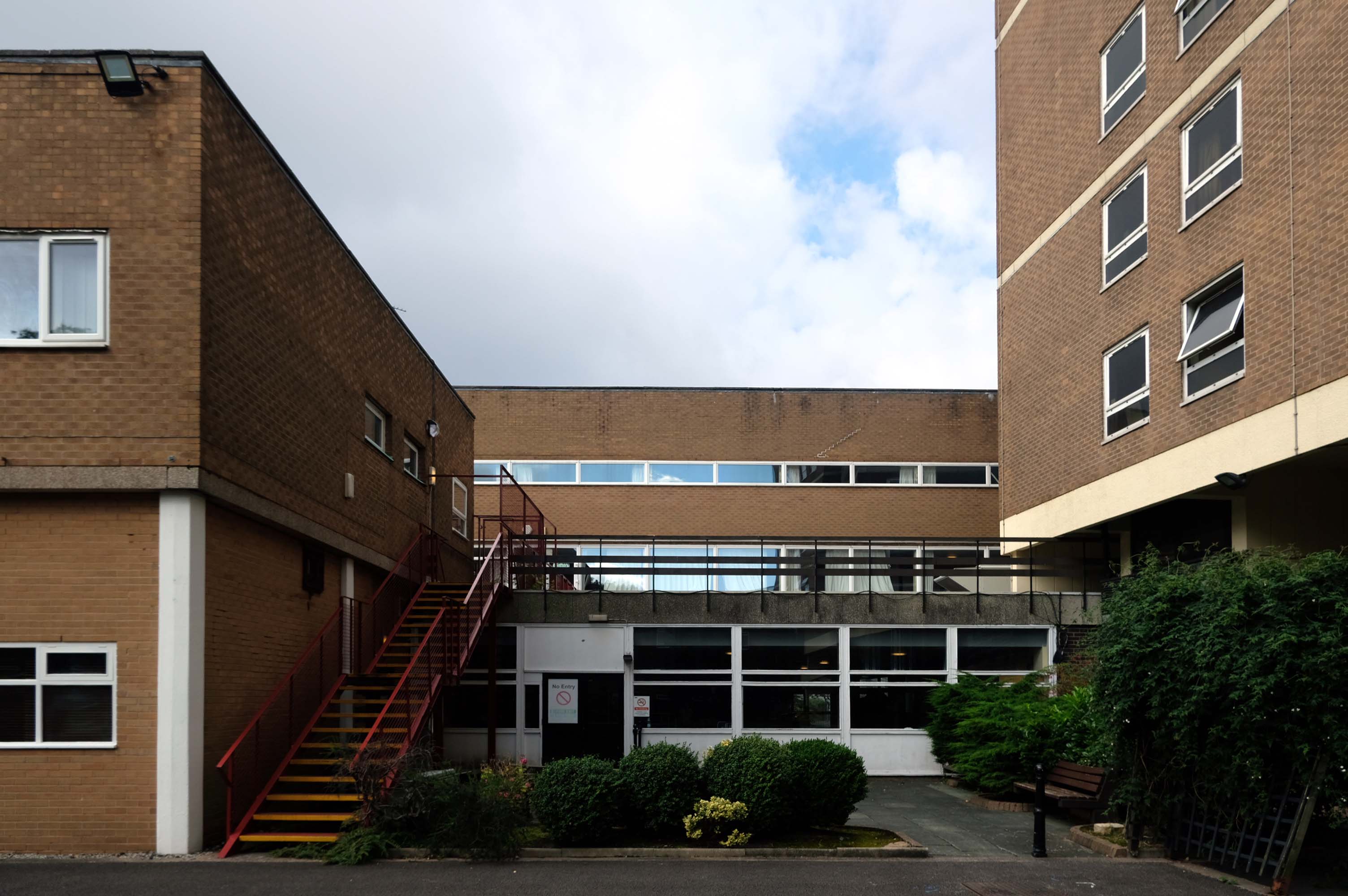
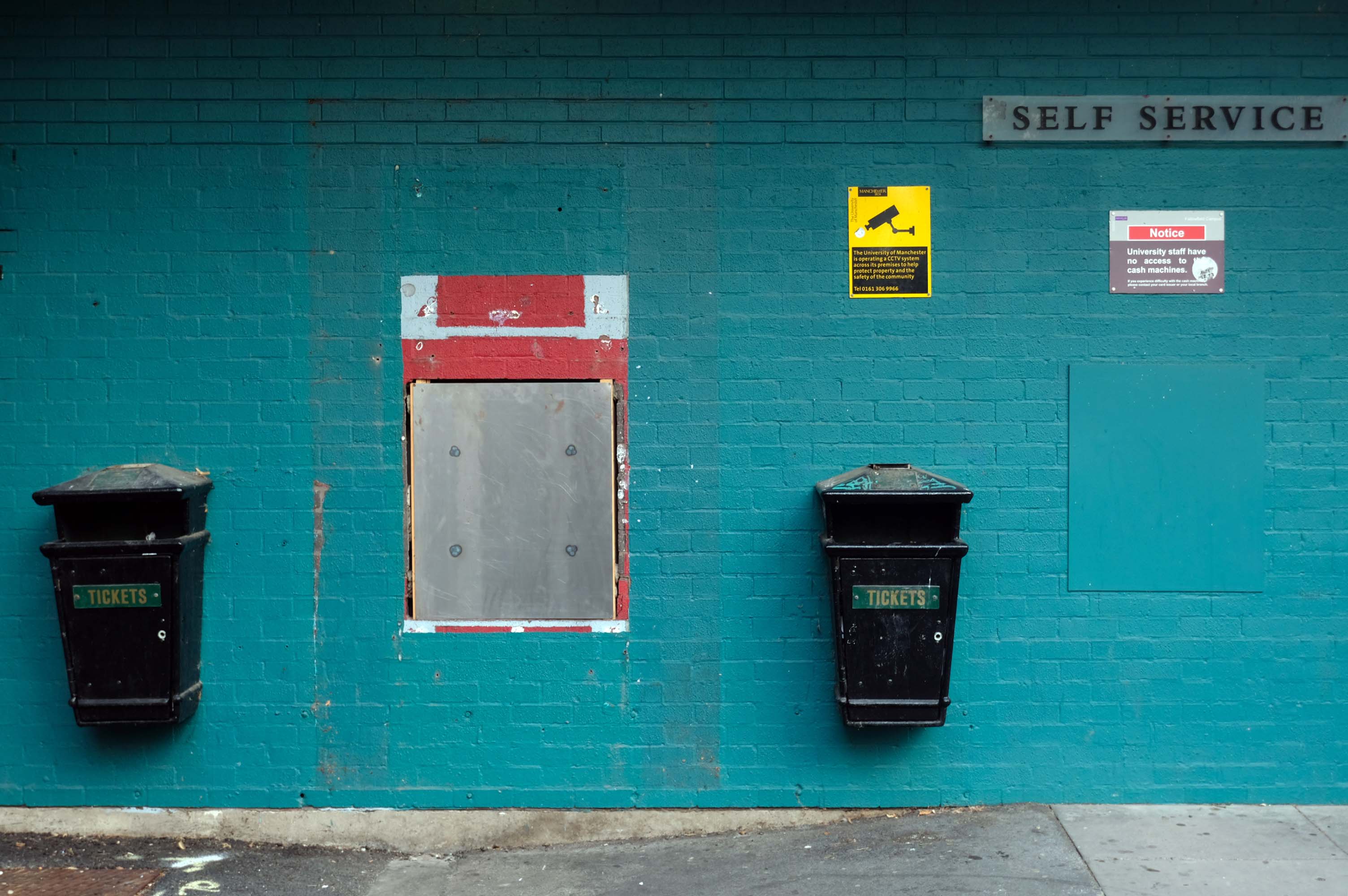
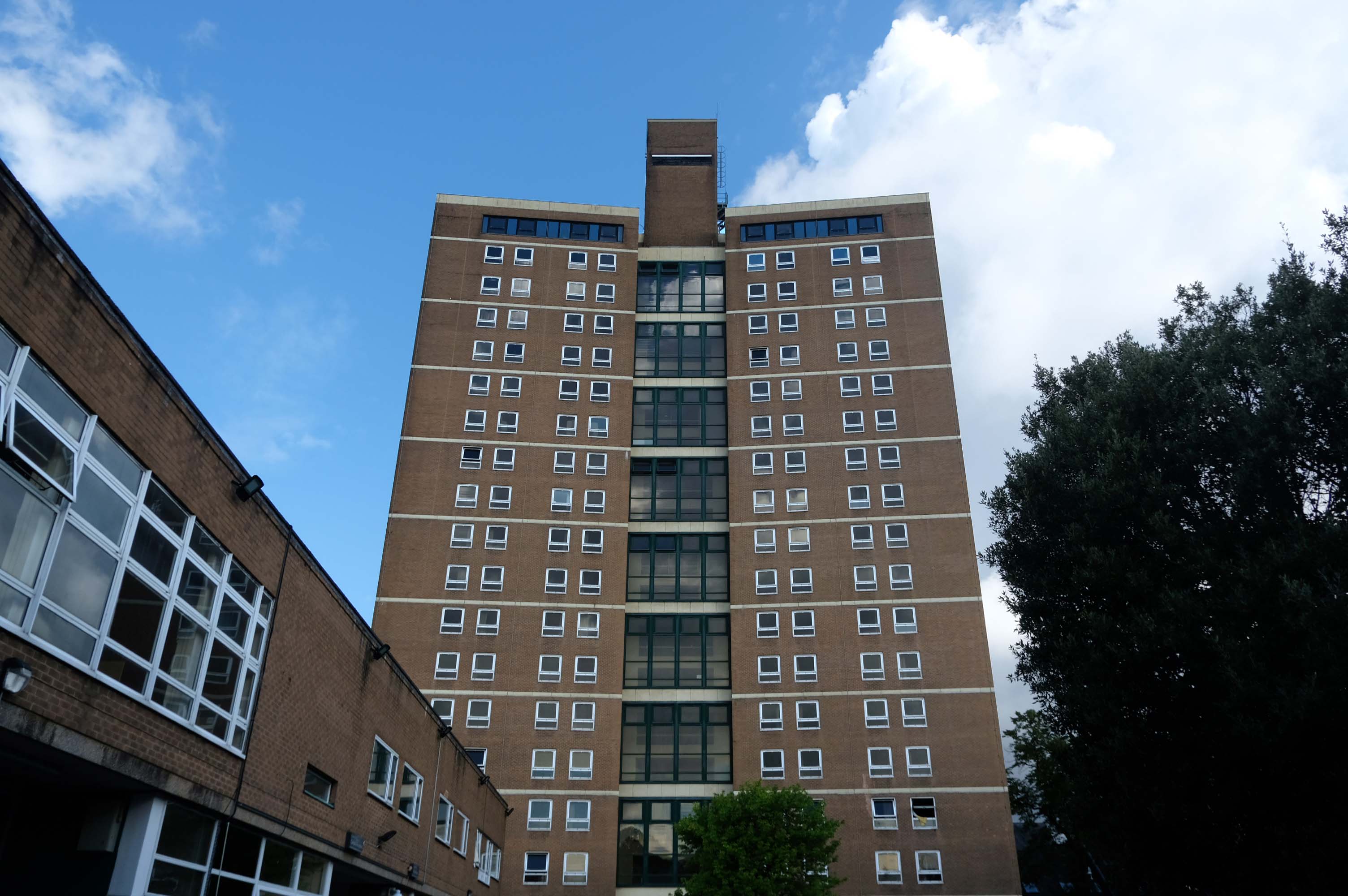
Fallowfield Campus – University of Manchester

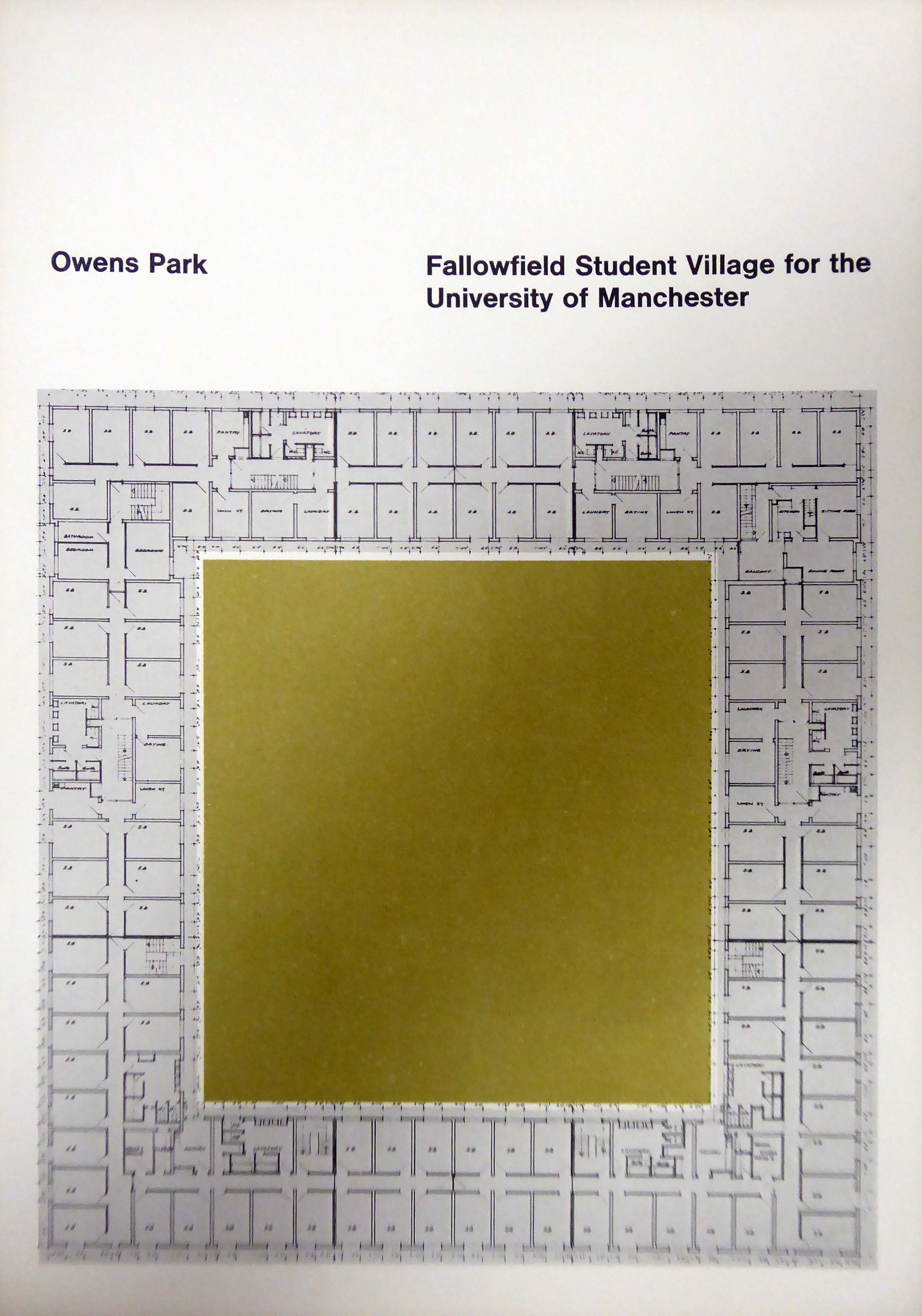
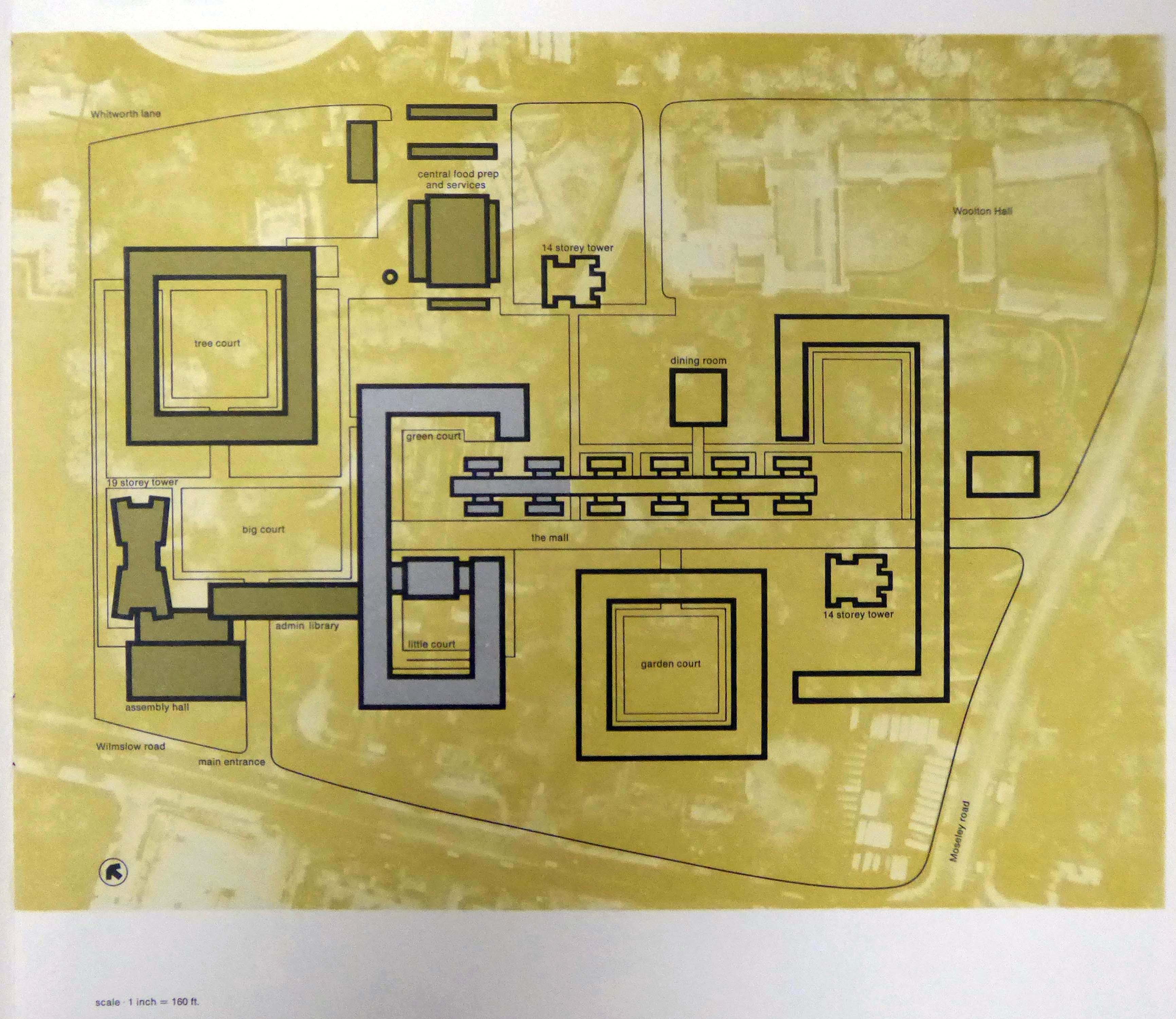
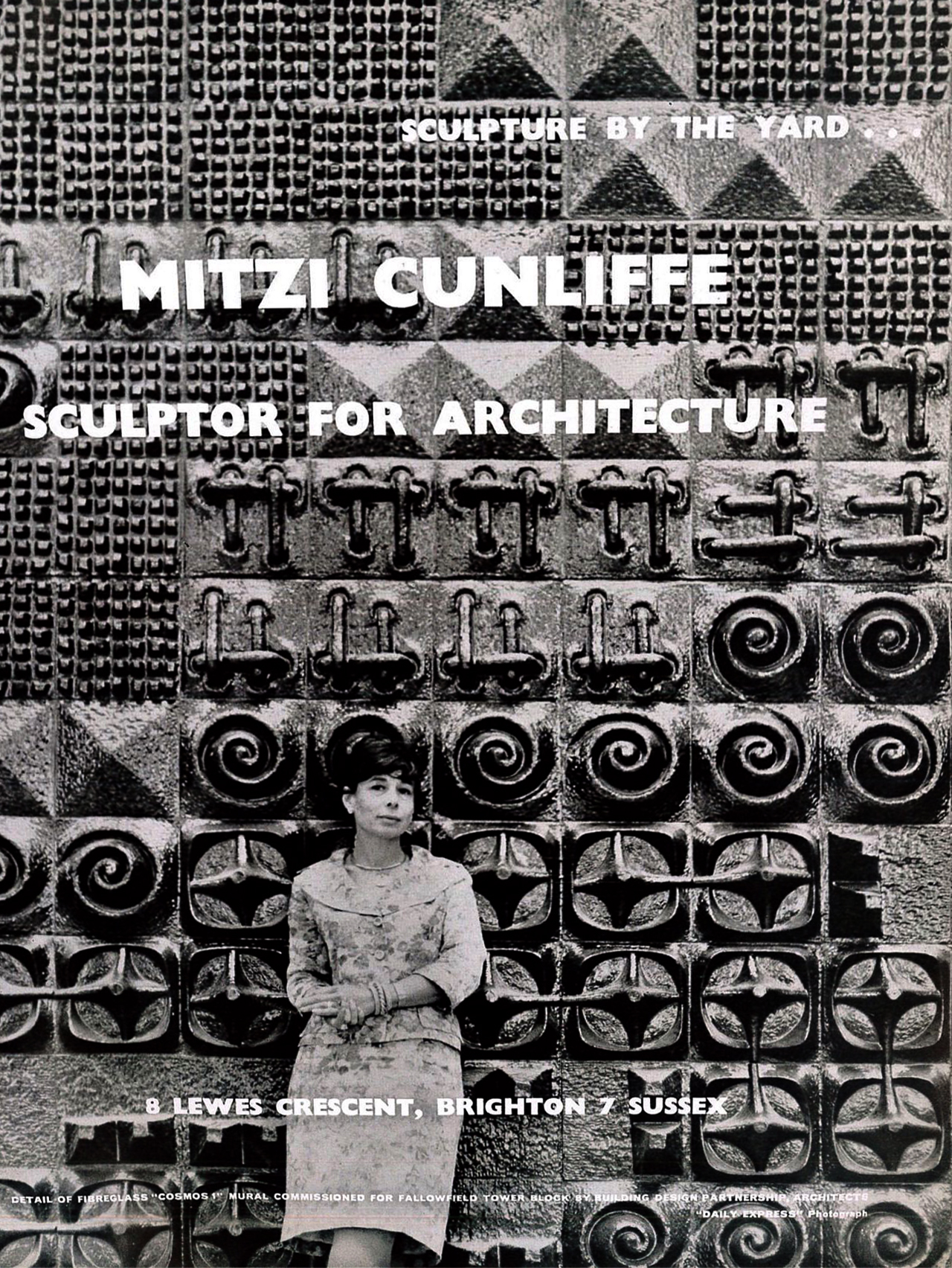
We visited the Lancashire County Archive where we were shown this brochure from the Building Design PartnershipBDP archive, which is held there.

The archive is open to the public.

I have previously led walks there to view the Apollo sculptural relief by Mitzi Cunliffe.

I am assured that the relief will be re-sited within the new development.

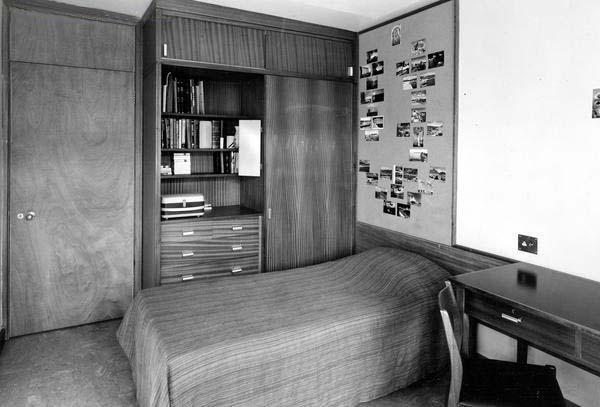
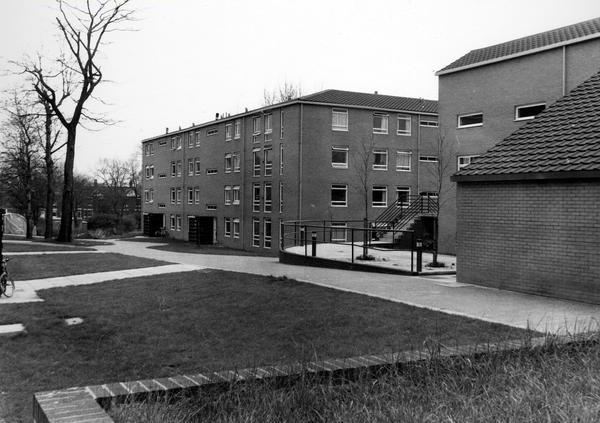
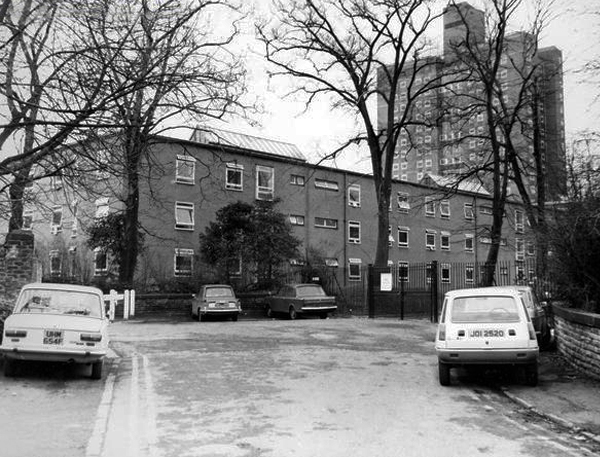
The Student Village was opened in 1964.

RIBApix

Local Image Collection

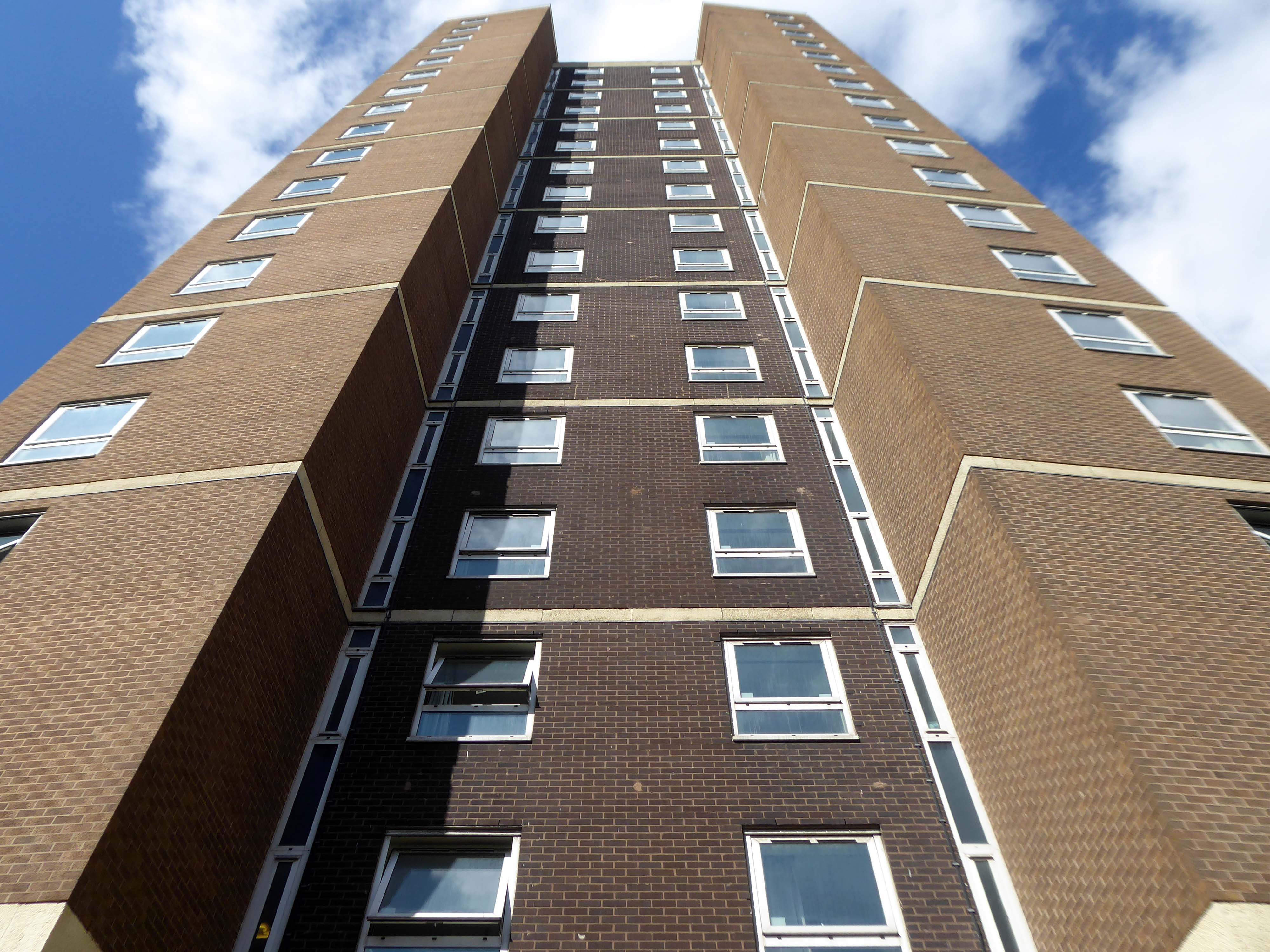
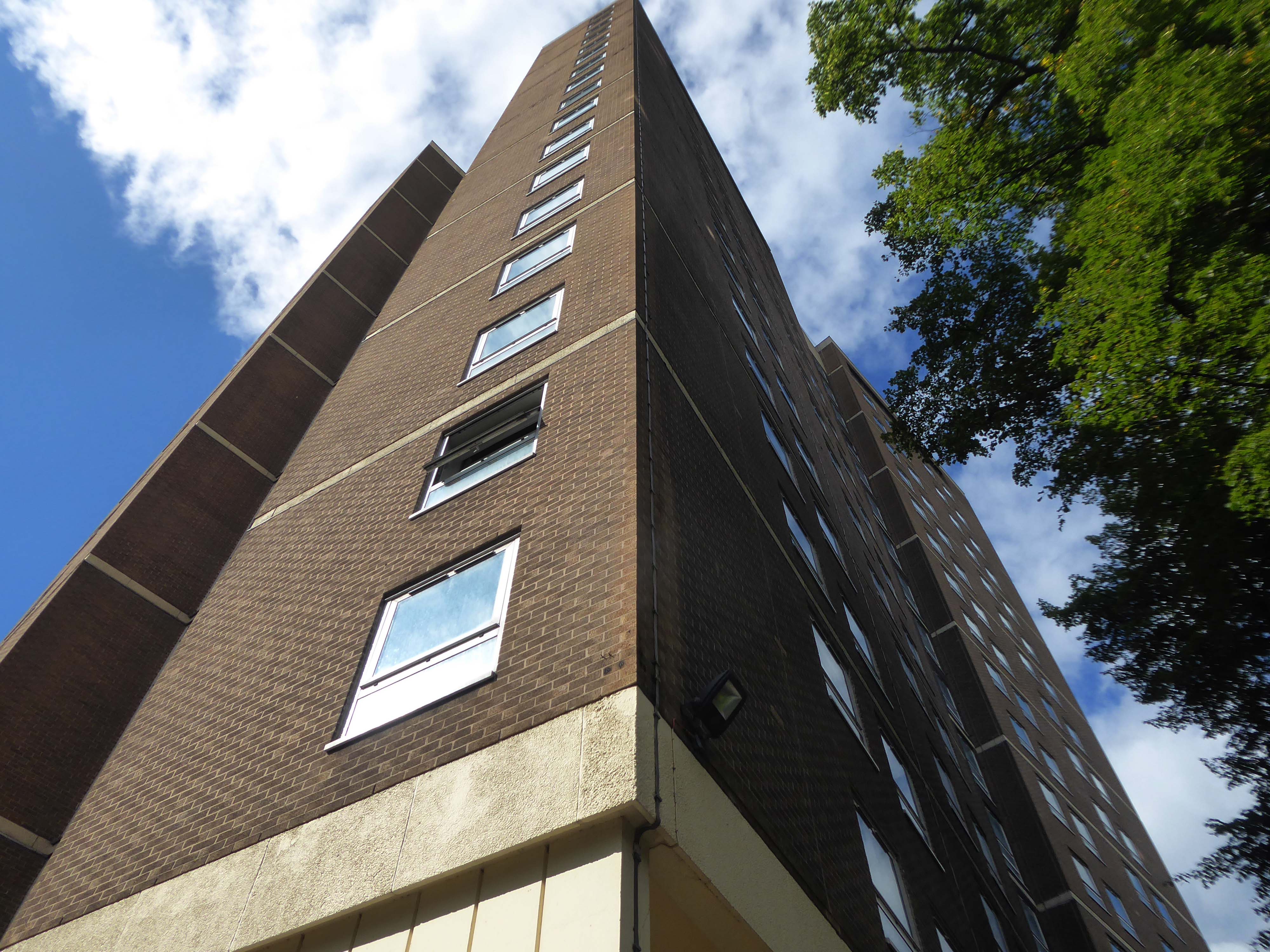
Plans are in place for redevelopment of the site and the demolition of the tower block and adjacent housing.

The scheme, designed by Sheppard Robson, would see 3,300 new bedspaces brought forward, taking the total number of units at the complex to 5,400, a net increase of 950. This is an increase of around 1,000 new units compared to the previous iteration of the project, approved in 2015.

Place North West

Wolverhampton Walk

Architects: Austin Smith Lord

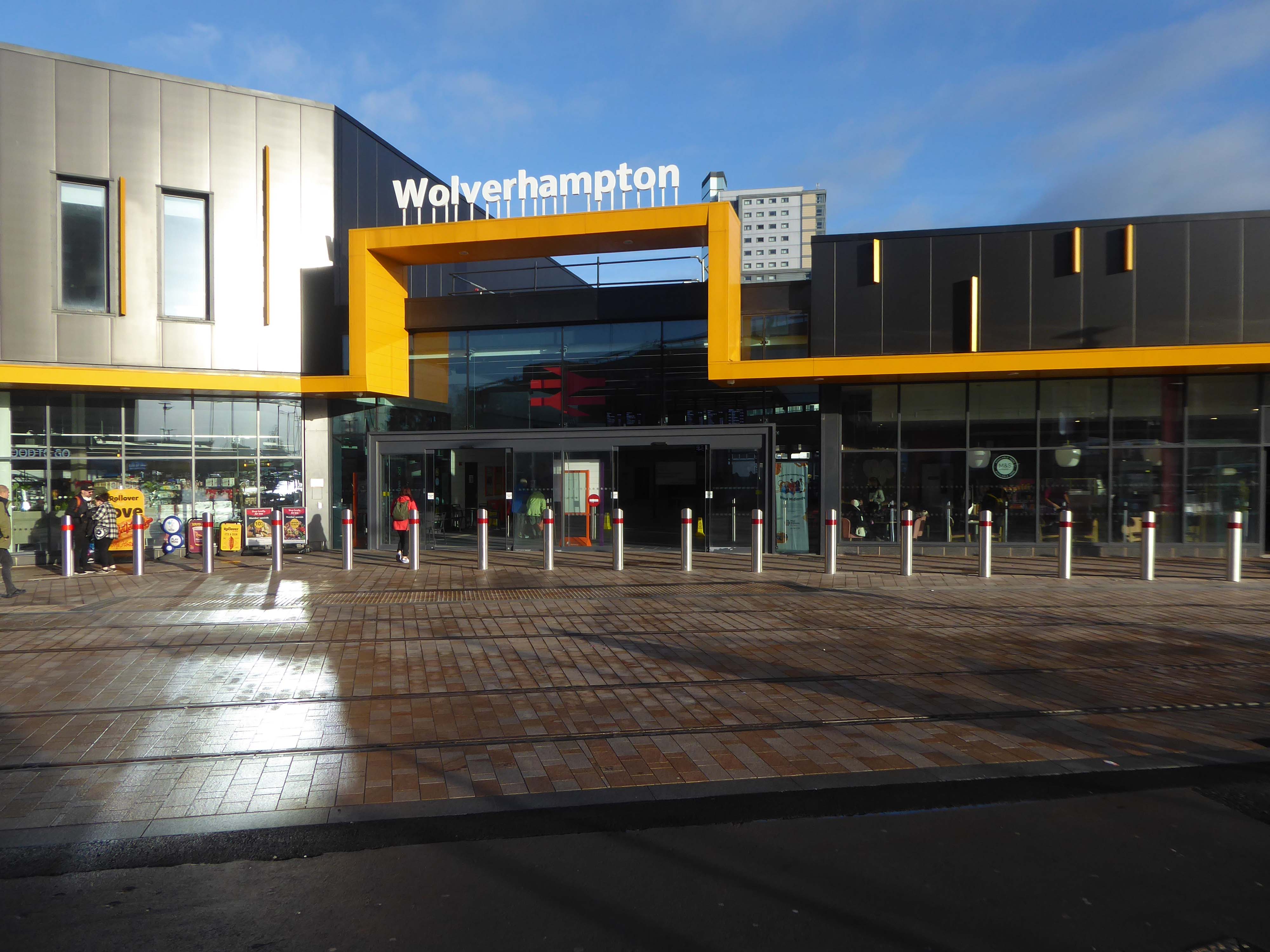
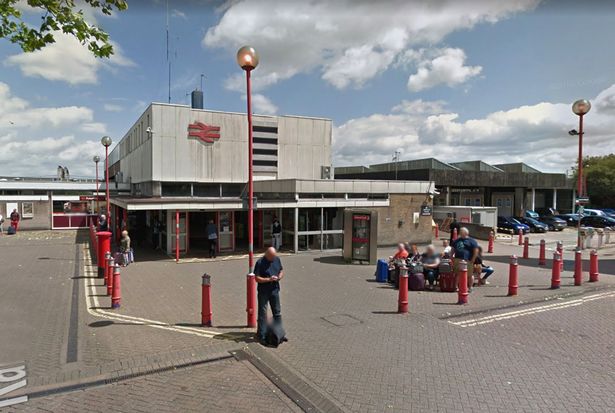
We begin at the Railway Station – recently refurbished, overwriting its 60s iteration – completely rebuilt by the architect Ray Moorcroft as part of the modernisation programme which saw the West Coast Main Line electrified.

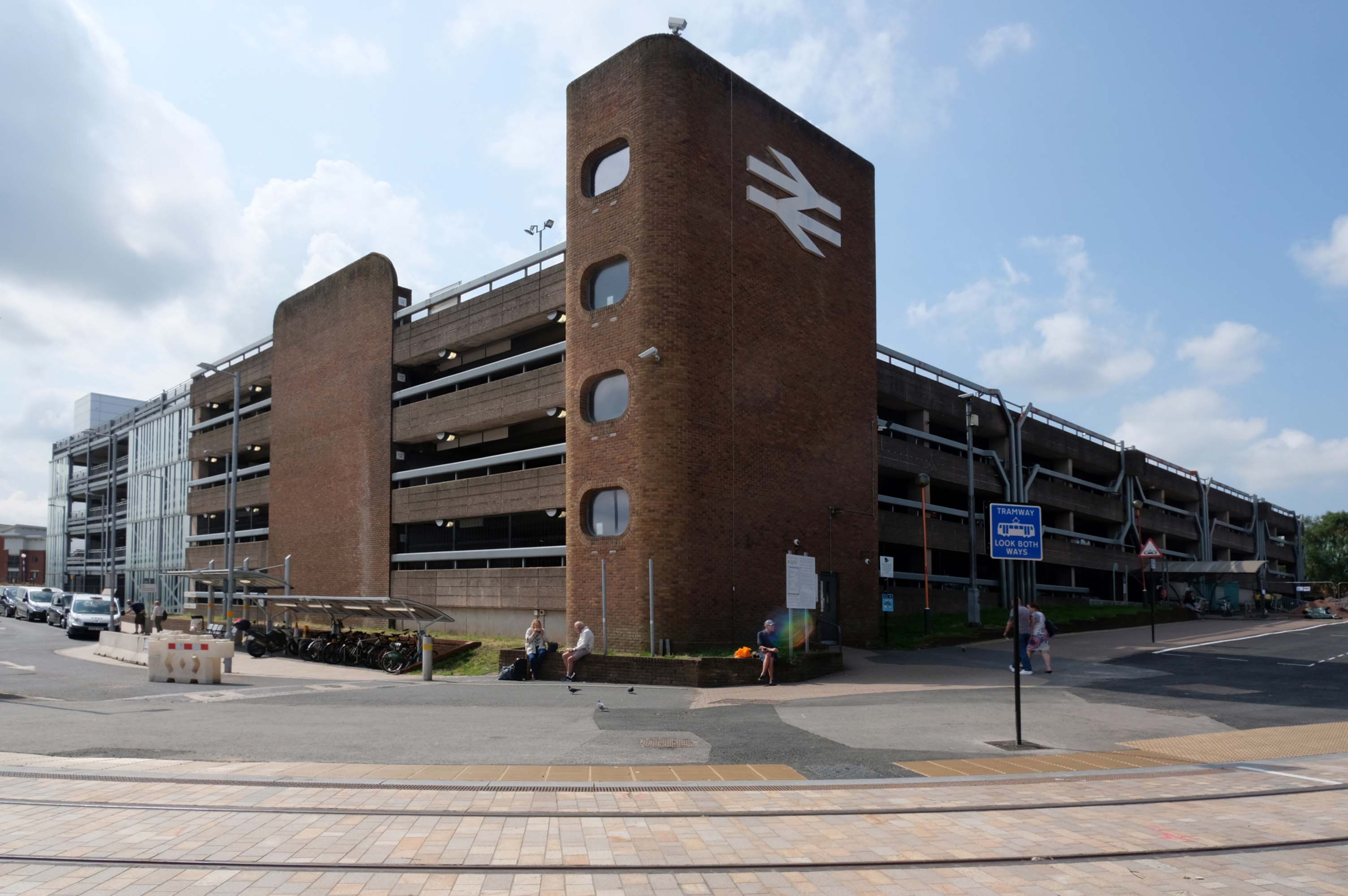
Across the way an enormous brick clad multi-storey car park – skirted by the lines for the tram, which travels to and from Birmingham.

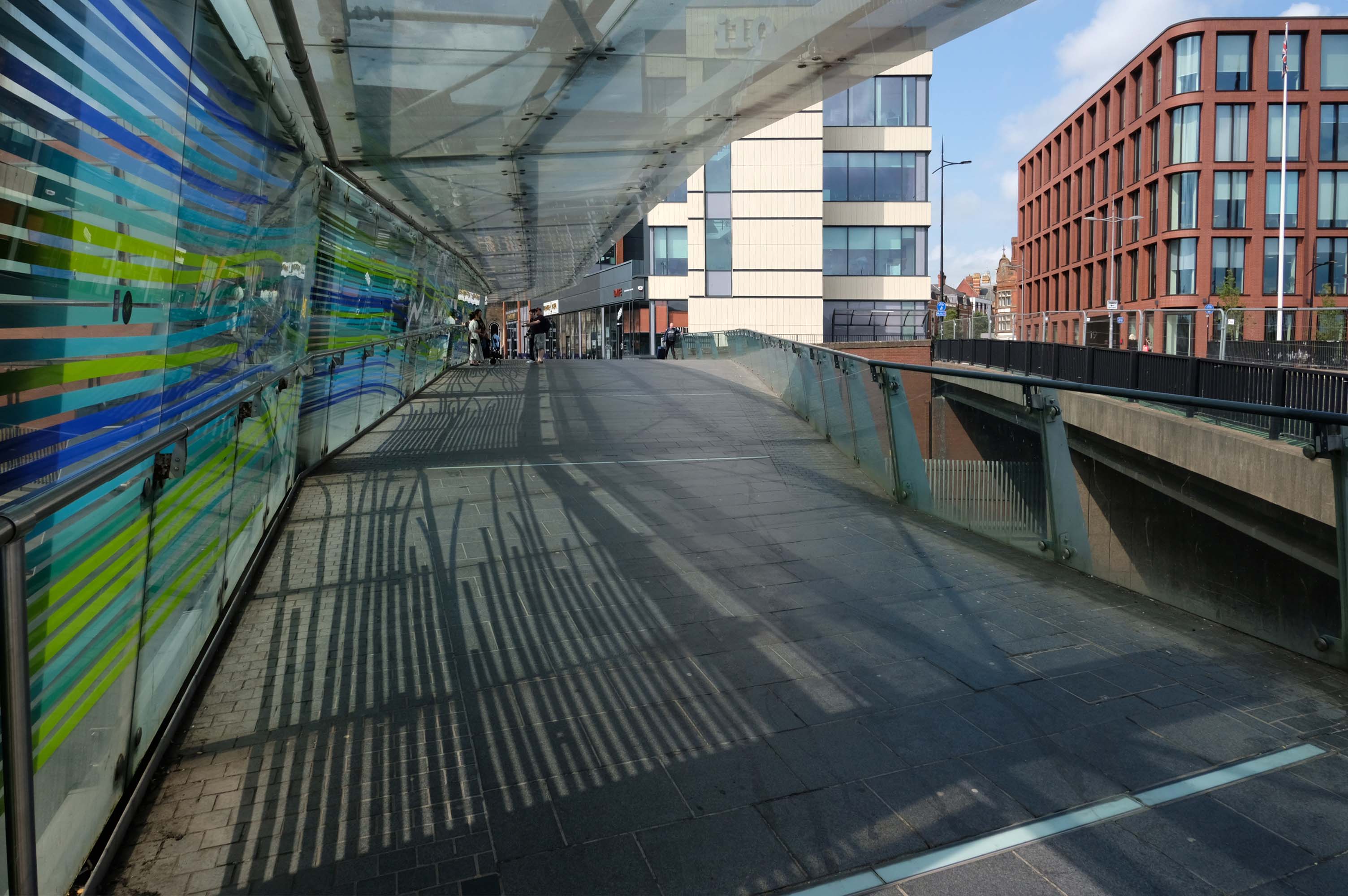
Walk across the brand new pedestrian footbridge over the ring road.

Architectural glass artist Kate Maestri was commissioned to produce the artwork design which features glass with blue and green strips of colour running through it.

BBC

Architects: Austin Smith Lord

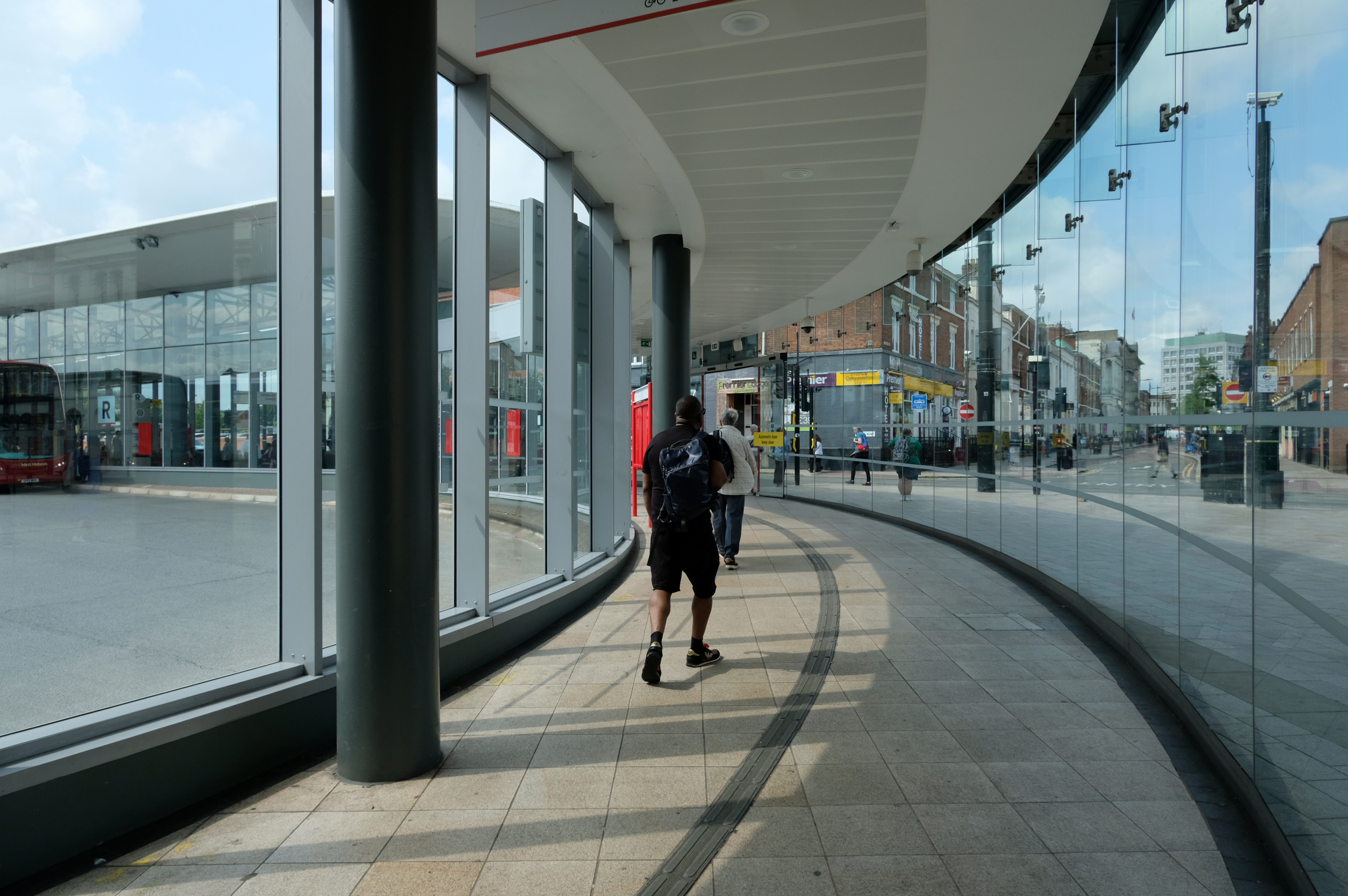
Linking the Rail Station with the brand new Bus Station.

The normal practice of the Wolverhampton Bus Service is to have dirty, smelly buses, that are cramped and extremely hot in the summer and freezing cold in winter. They offer no announcements apologizing for delays they know about and don’t appear to care how long passengers wait with no idea of how or when they’ll be getting a bus.

The best thing you can do is learn to drive as quickly as possible and get your own vehicle or car pool.

Sandra Anderson

Architects: Austin Smith Lord

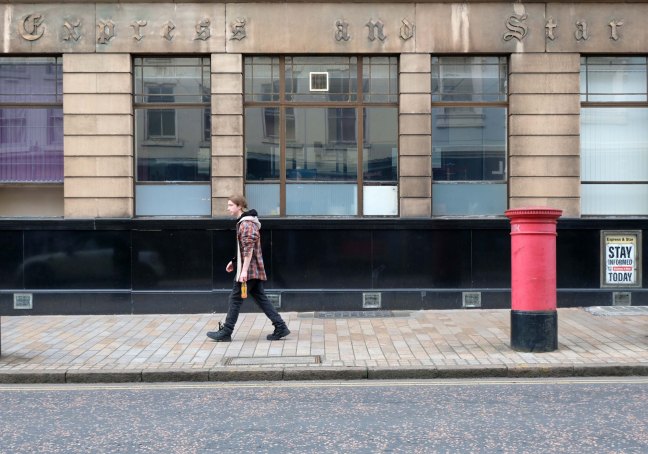
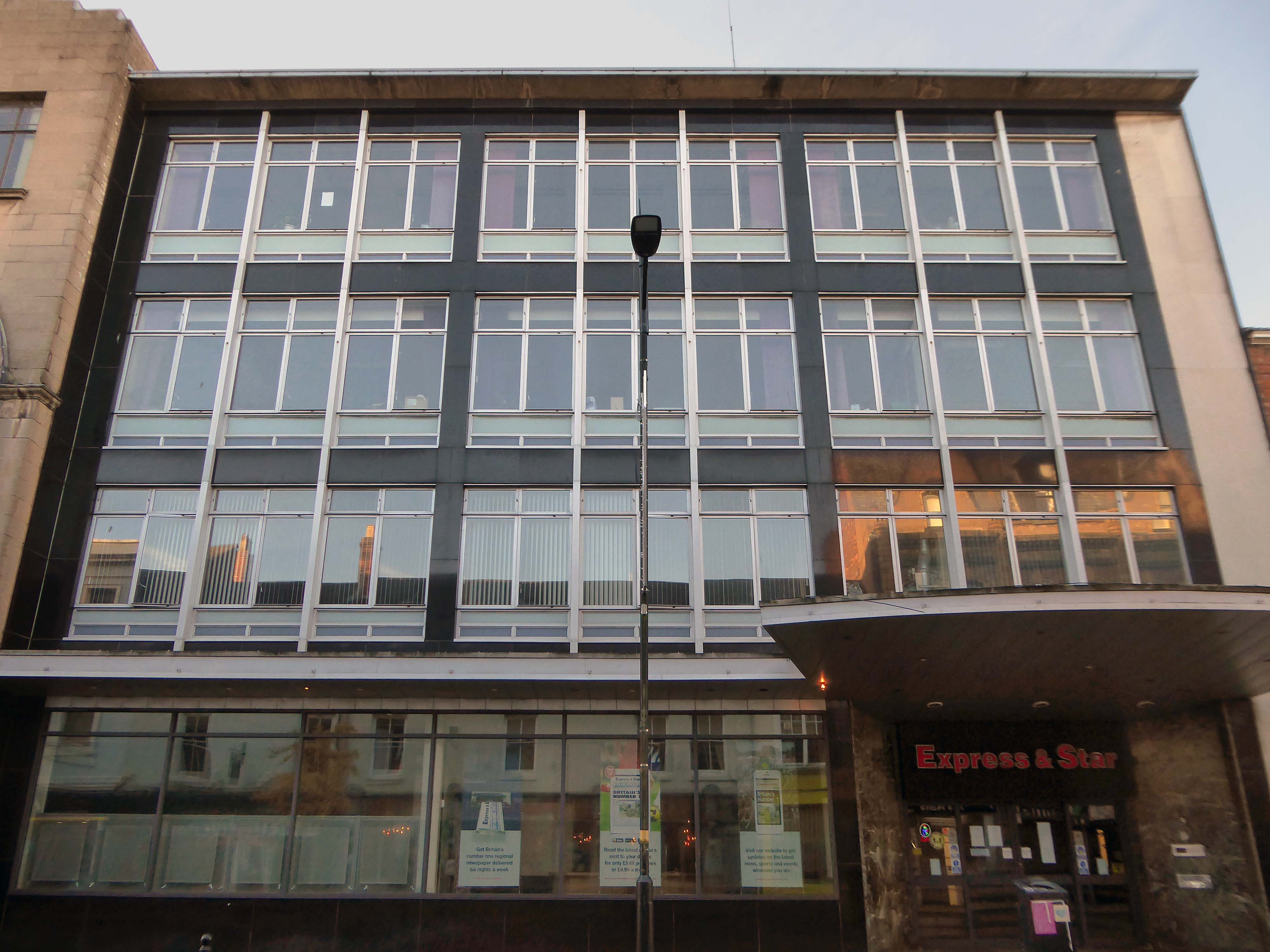
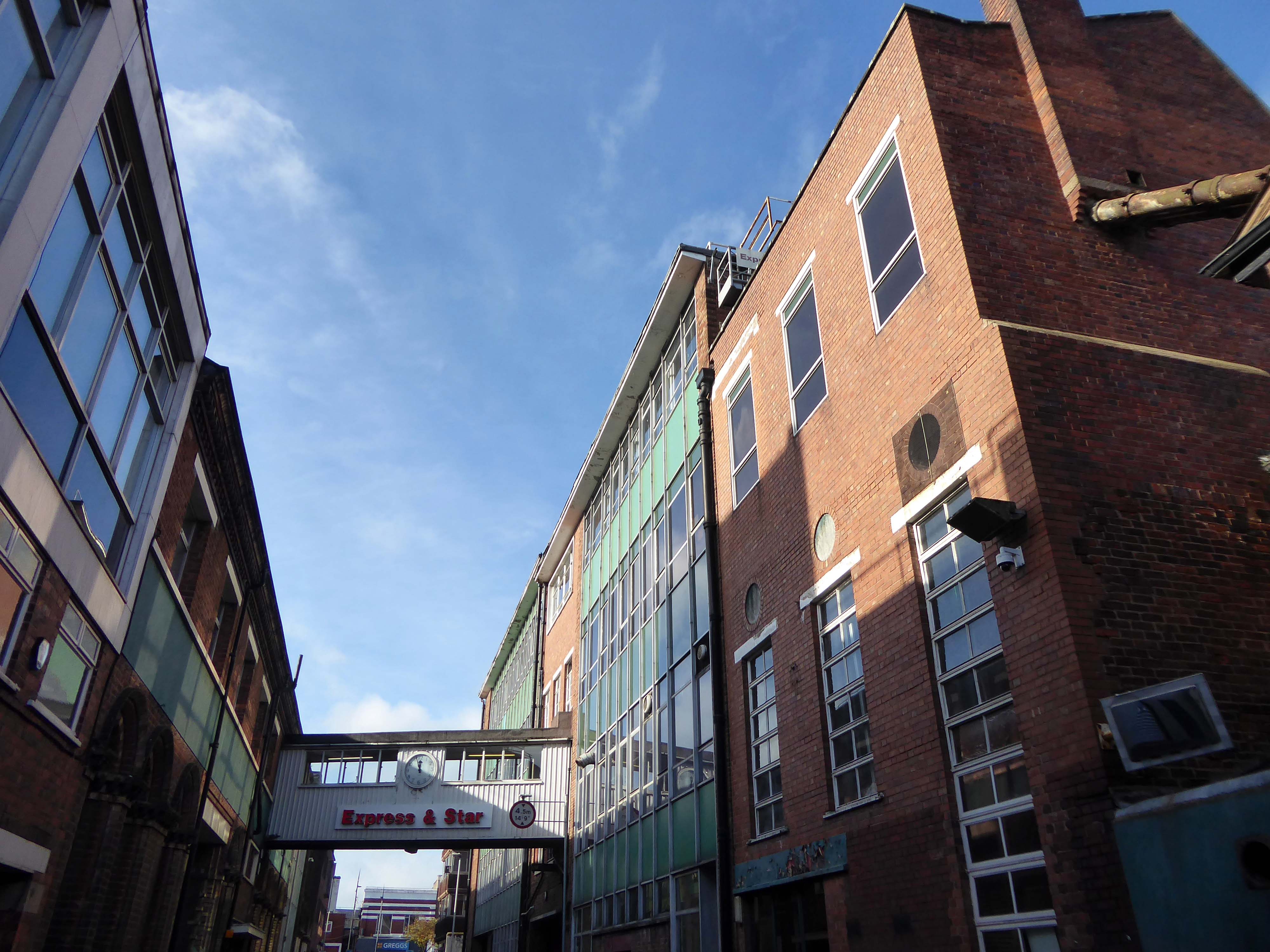
Onward now to the Express and Star Building – Grade II listed.

Architect: Marcus Brown 1934.

The building is faced in a reconstituted Hollington stone called Vinculum, produced by another local firm, Tarmac.

A plaque commemorates RJ Emerson, art teacher and sculptor who sculpted Mercury in 1932.

Wolverhampton History and Heritage Society

Midland News Association managing director Matt Ross confirmed the company is now looking at the building’s future.

For a number of years we have been exploring opportunities surrounding our historic Express & Star offices in the heart of Wolverhampton.

After removing the printing presses from the site and restructuring our departments we now have significant spare capacity available and so are looking at the various options available to us, be that redeveloping the current site or exiting the building altogether.

Hold the front page

Extension is by architects: H Marcus Brown & Lewis 1965

With further work at the rear.

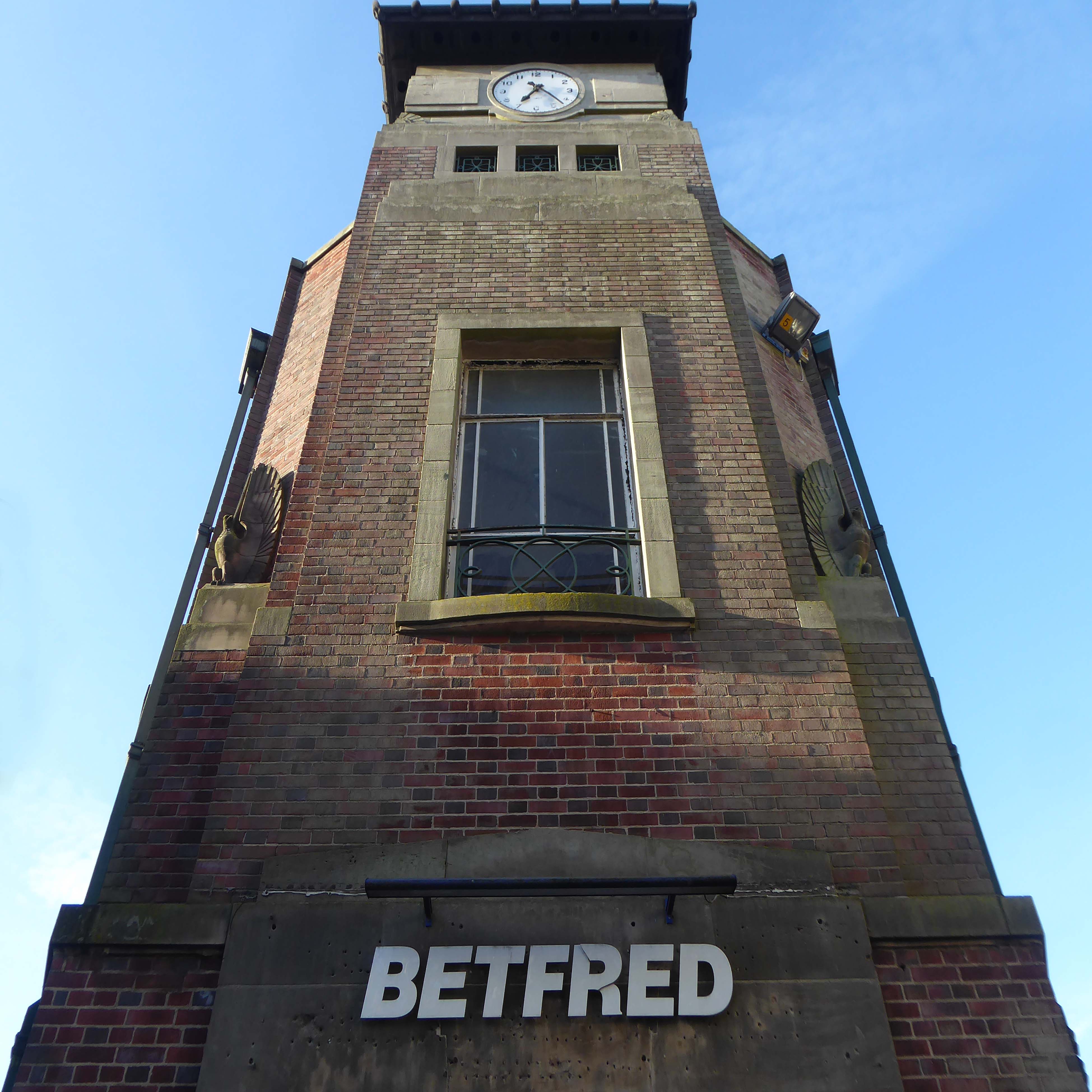
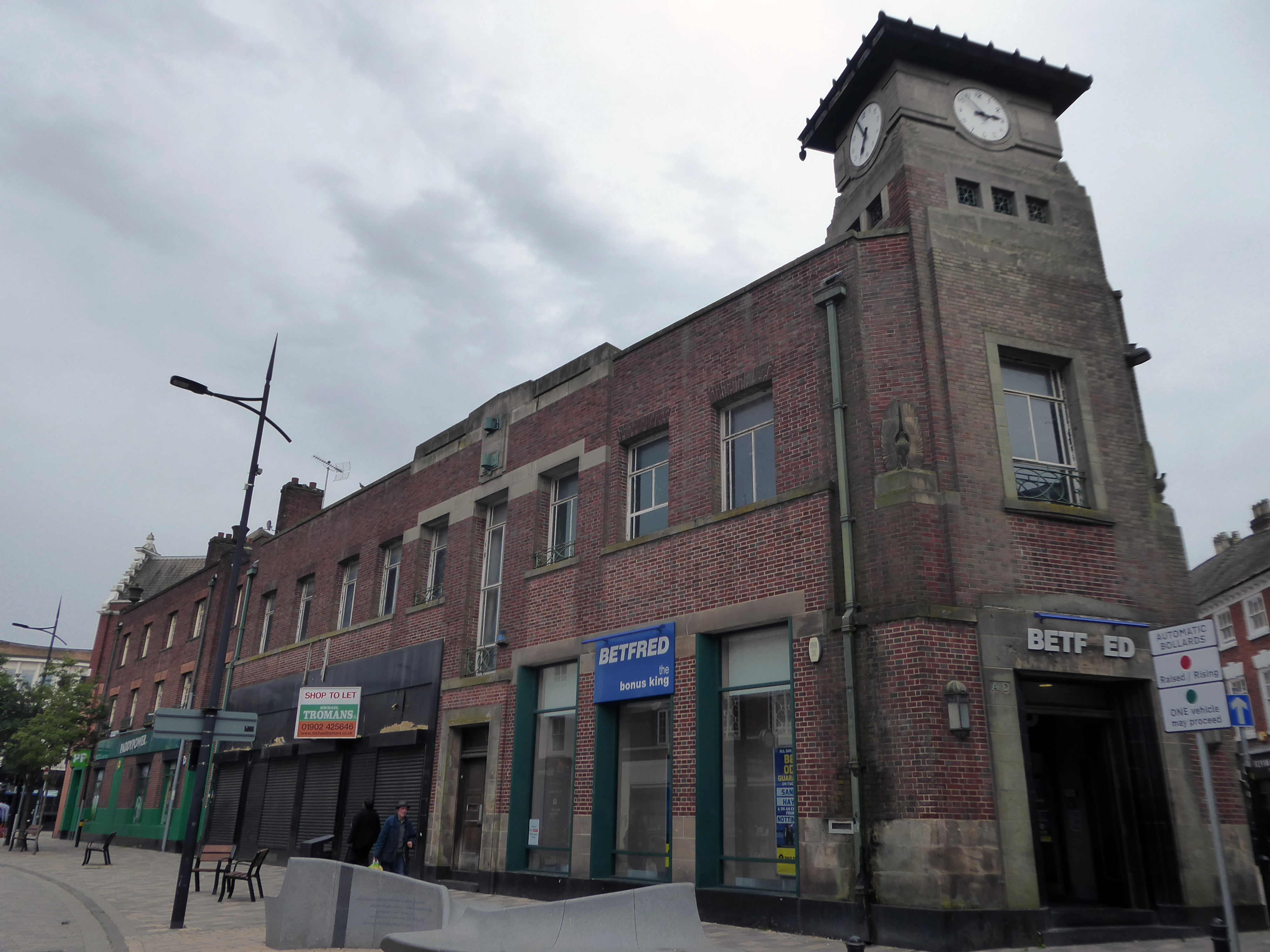
Along Princess Street this corner group, with an impressive clock tower – originally HQ for the South Staffordshire Building Society

Architects: George A Boswell of Glasgow 1932.

On to the Mander Centre – opened on 6th March 1968, refurbished 1987, 2003 and 2016-17.

The Mander Shopping Centre in the heart Wolverhampton is your one-stop shopping destination for all things fashion, home, beauty, food and technology.

Architects: James A Roberts principal architect Stanley Sellers.

Developed by Manders Holdings Plc, the paint, inks and property conglomerate, between 1968 and 1974. The site occupies four and a half acres comprising the old Georgian works and offices of the Mander family firm, founded in 1773, as well as the site of the former Queens Arcade.

Wikipedia

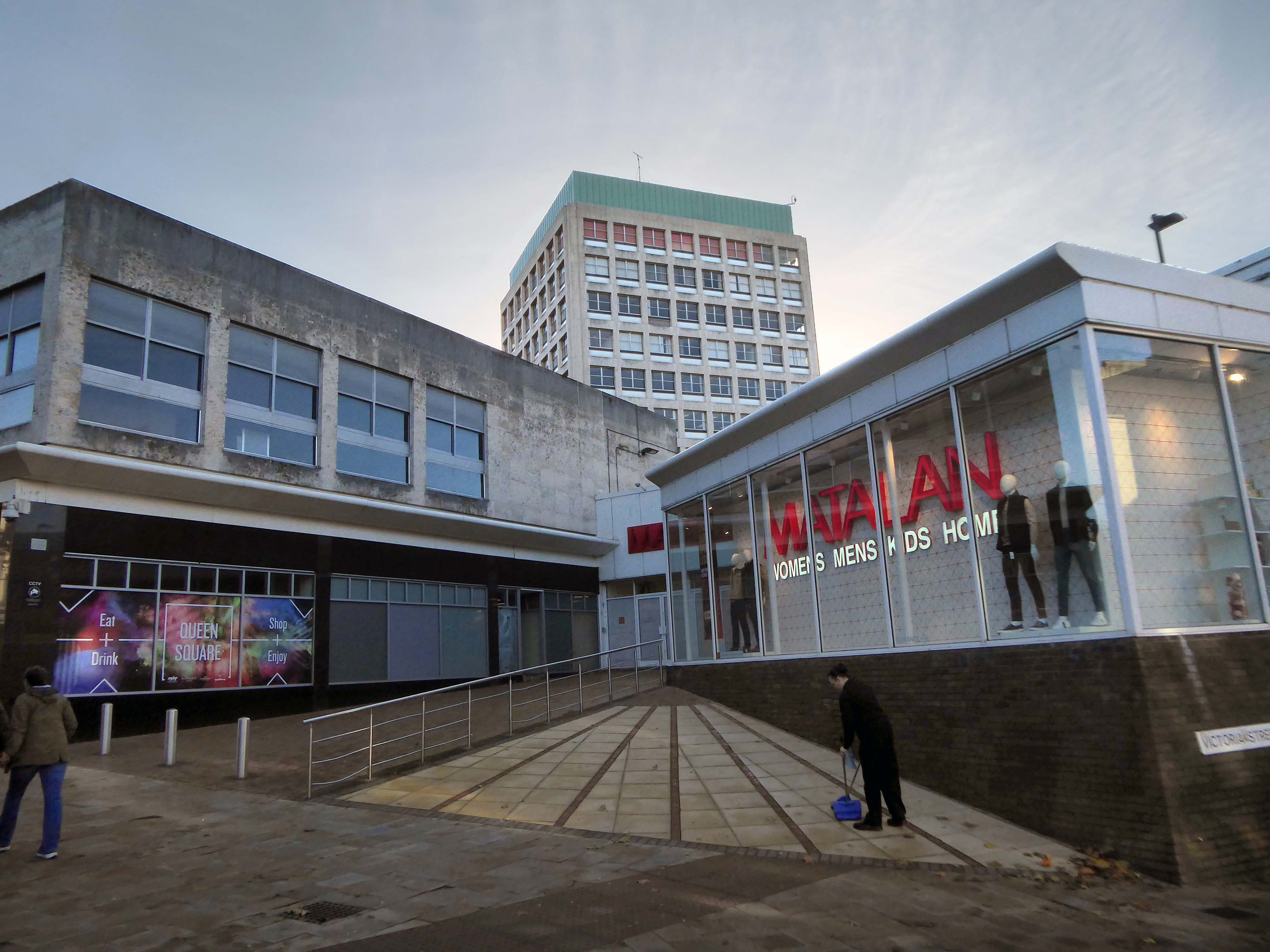
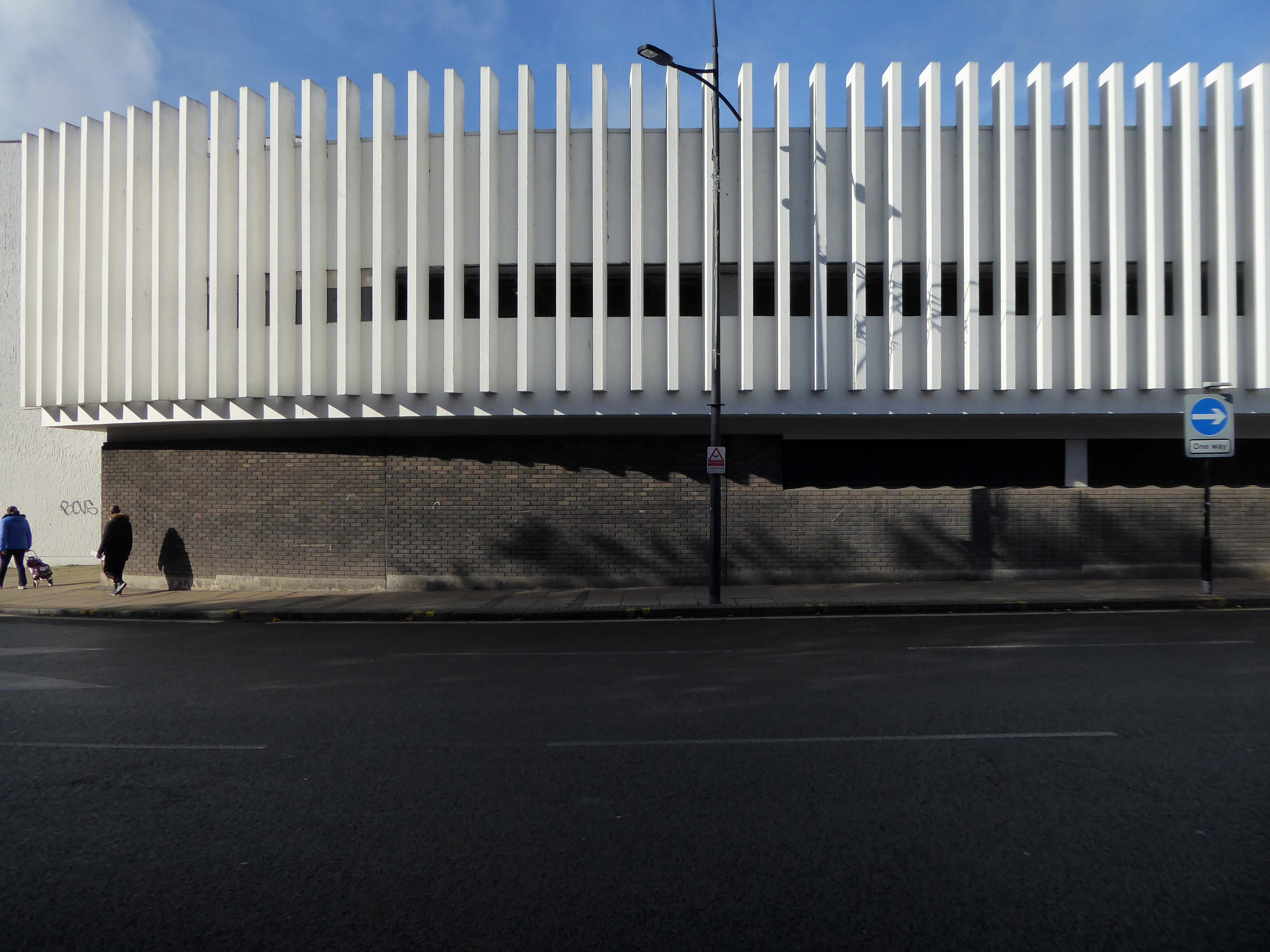
The Wulfrun Shopping Centre is an adjacent companion to the Manders development.

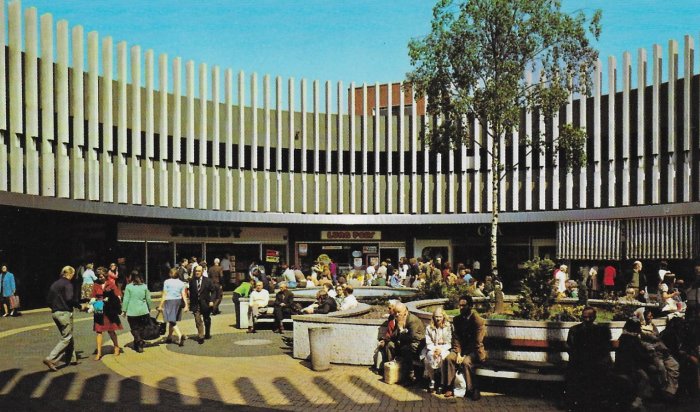
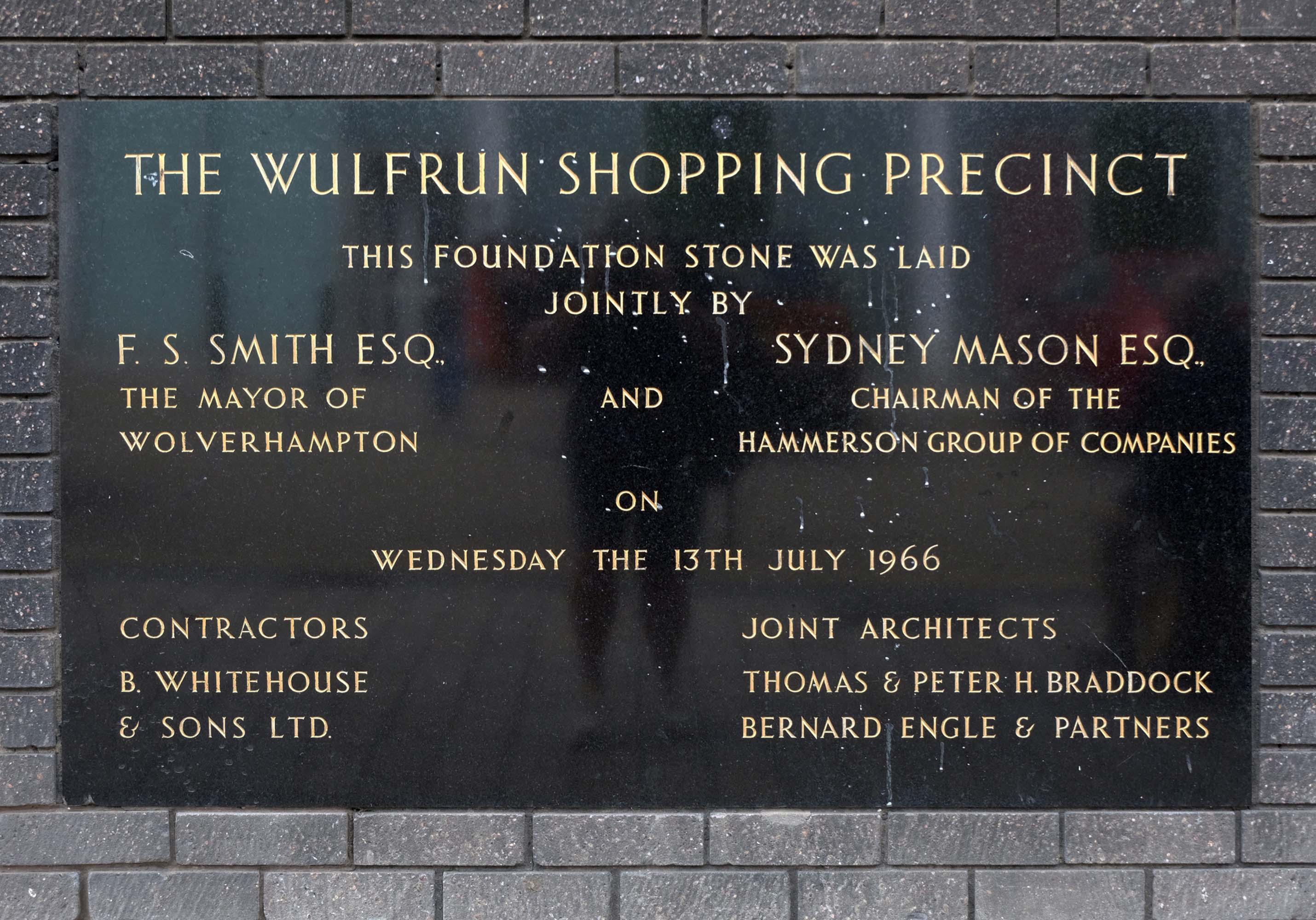
The Wulfrun Centre was built as a result of a joint project between Wolverhampton Council and the Hammerson Groupopen for business in October 1969.

History and Heritage Society

Piazza postcard 1970.

Architects: T & PH Braddock and also Bernard Engle & Partners.

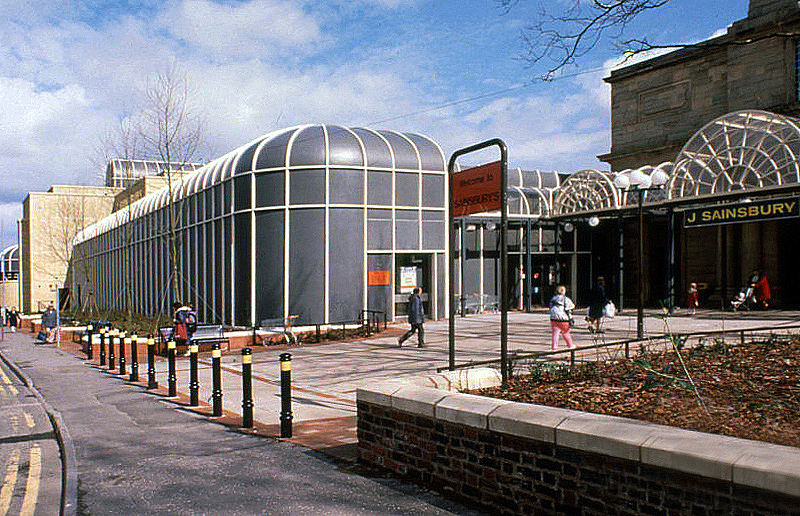
Along St Georges Parade, an abandoned Sainsbury’s church combo – store designed by J Sainsbury’s Architects Department opened 1988.

The church was built between 1828 and 1830 – architect: James Morgan, at a cost of £10,268. It was consecrated on Thursday 2 September 1830 by the Bishop of Lichfield, it was made redundant in 1978.

Sainsbury Archive

The site is currently under lease to Sainsbury’s for a further three years and will come forward on a phased basis subject to their lease concluding. The council is in active dialogue with prospective development partners on the redevelopment of this site and in wider consultation with Homes England.

Express & Star

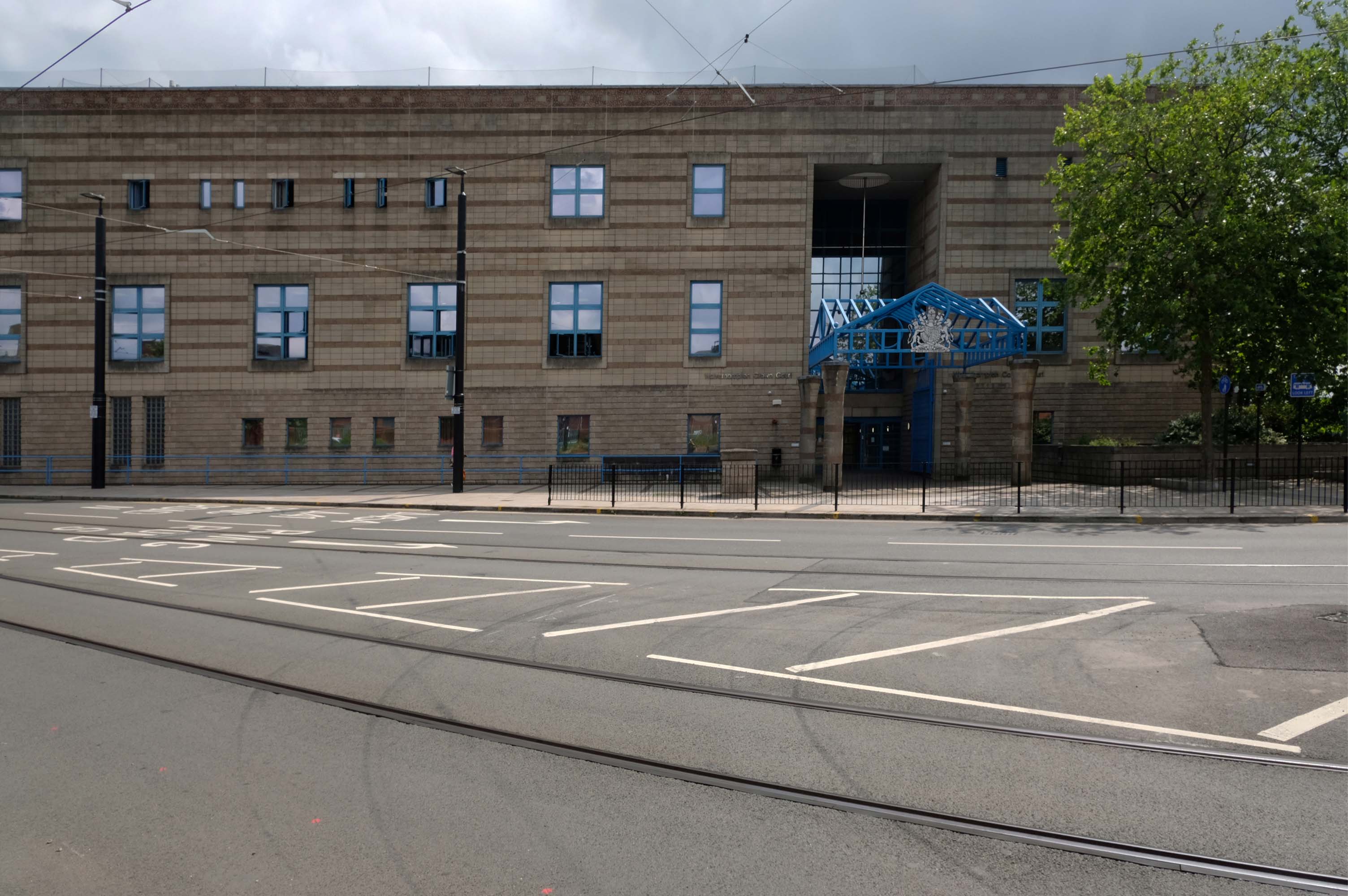
Back tracking to the Combined Court Centre.

Architects: Norman and Dawbarn 1990

Notable cases included trial and conviction of four members of The Stone Roses, in October 1990, for criminal damage to the offices of their former record company.

Wikipedia

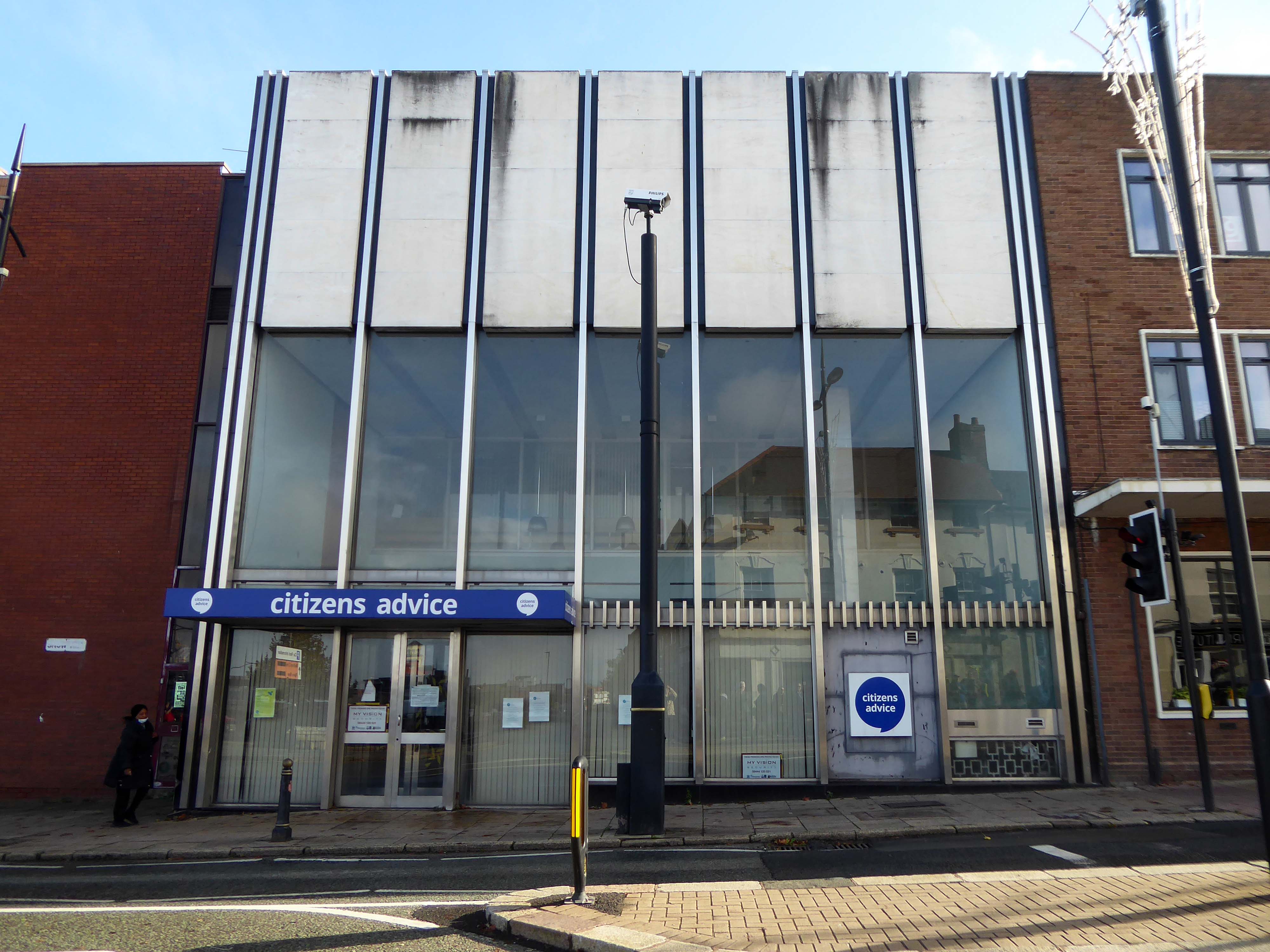
Thence up Snow Hill to the former Citizens Advice former Barclays Bank currently empty.

Architects: John HD Madin & Partners 1969

Take time to have a look around the back.

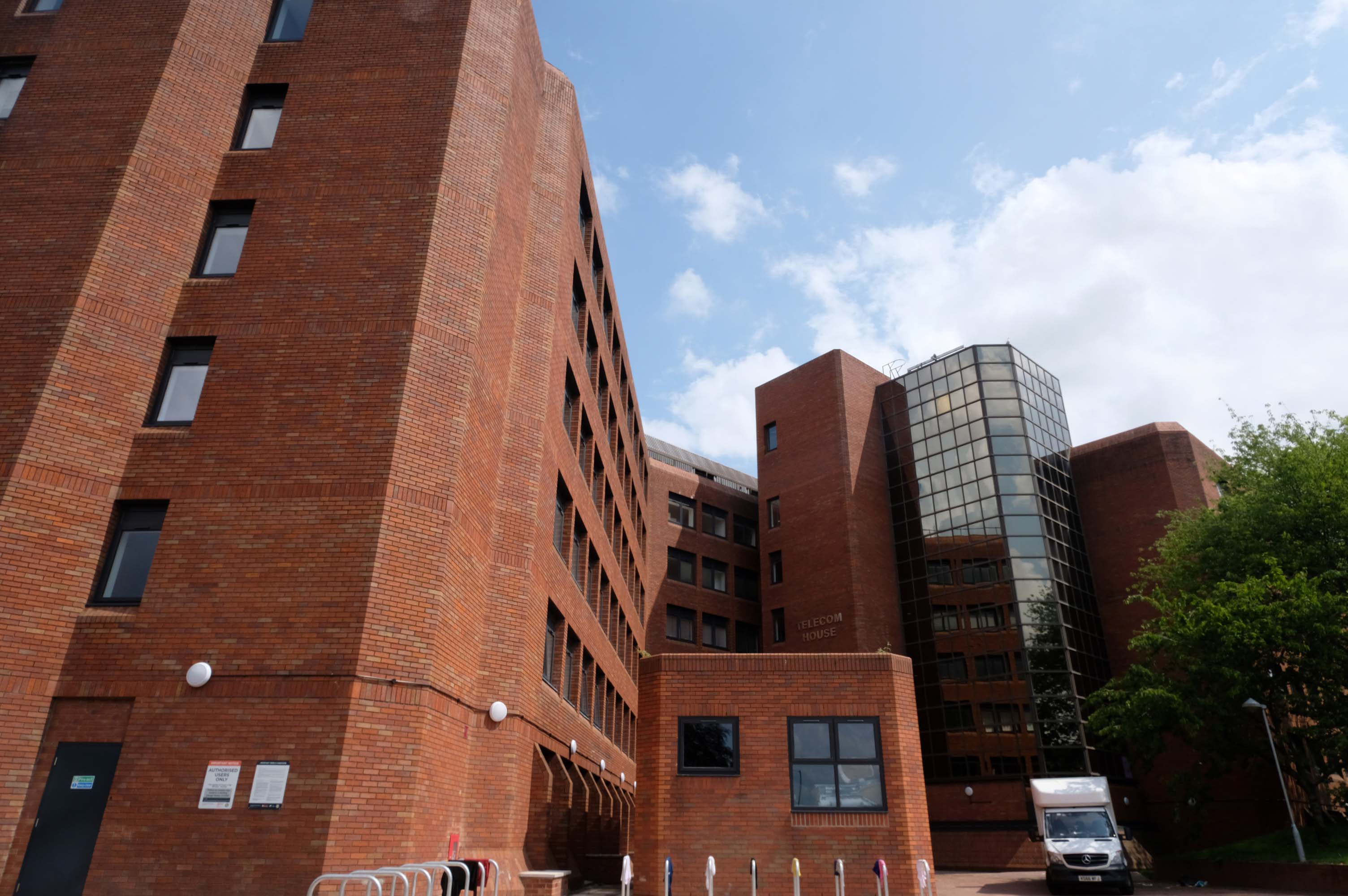
Off to Church Street and Telecom House

Sold for £4.25 million to Empire Property in 2022.

It had previously been sold for more than £3m in July 2018, also for use for apartments, to Inspired Asset Management which later went into receivership.

Express & Star

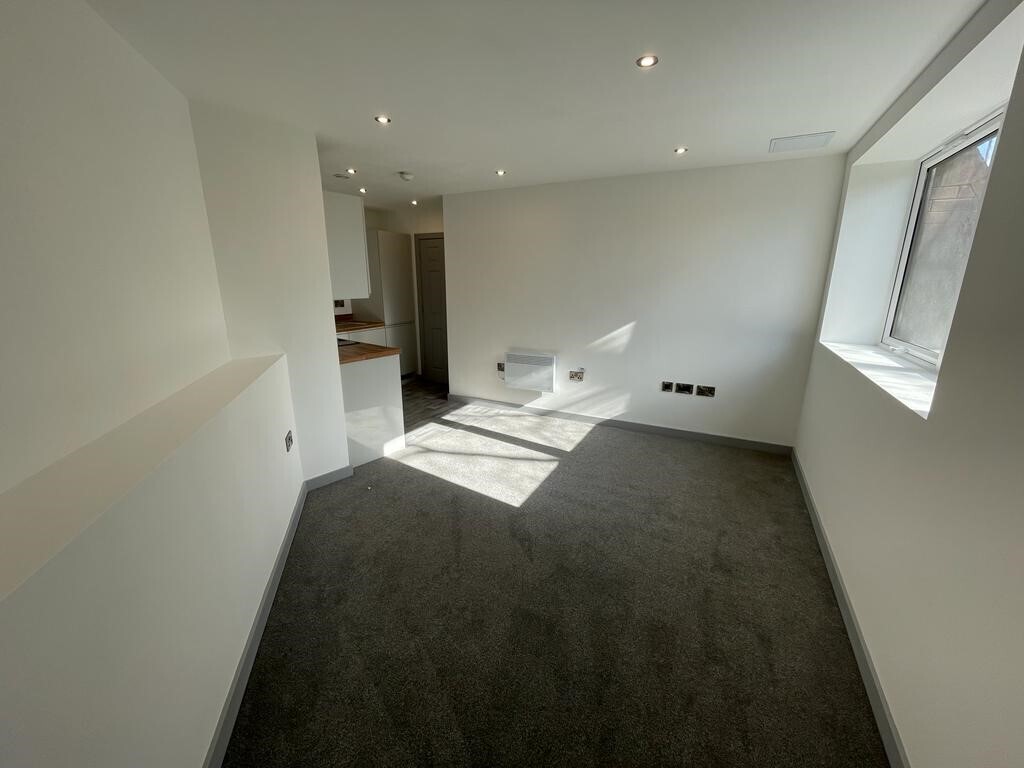
Located on a popular apartment block on Church street in the Wolverhampton centre, this 1 bedroom property has been newly renovated throughout and compromises an entrance hallway, open plan lounge/kitchen with in built appliances, shower room and double bedroom.

£650 PCM – Connells

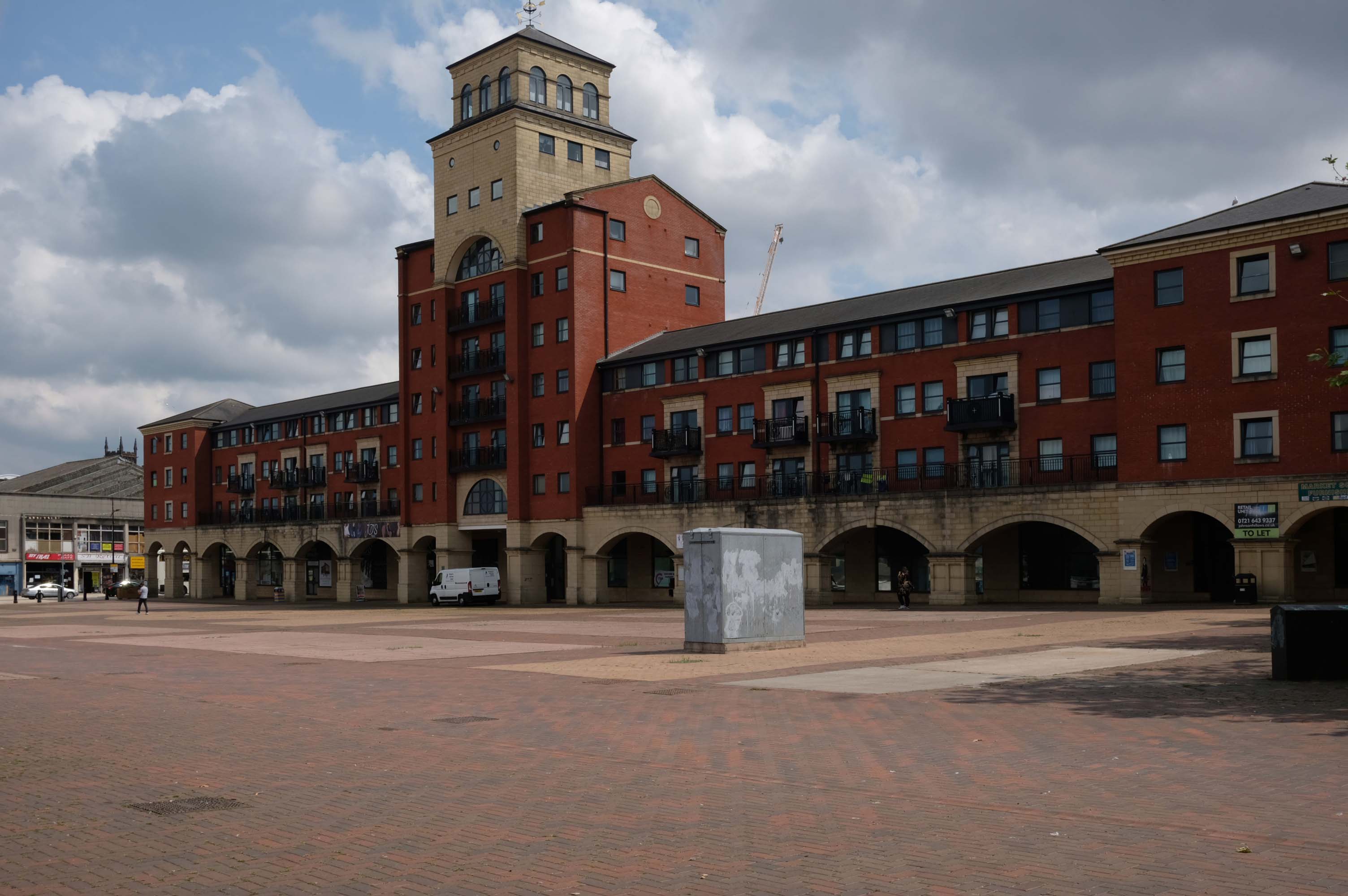
Next to this modern piazza New Market Square – Architects: Nicol Thomas from a concept by head of planning Costas Georghiou.

Formed from the former Market Square, a mix of flats and shops opened in 2004, in an Italianate version of the modish school of streaky bacon.

In 2021 the Coca-Cola Christmas Truck visit to the Midlands was cancelled.

It was meant to arrive at Market Square in Wolverhampton at 11am today but failed to show up.

One fan had waited since 7am this morning to see the Coca-Cola truck.

While schoolchildren were left gutted when the truck didn’t turn up – and one boy had been so excited his mother said he had been talking about the red truck all morning.

Birmingham Mail

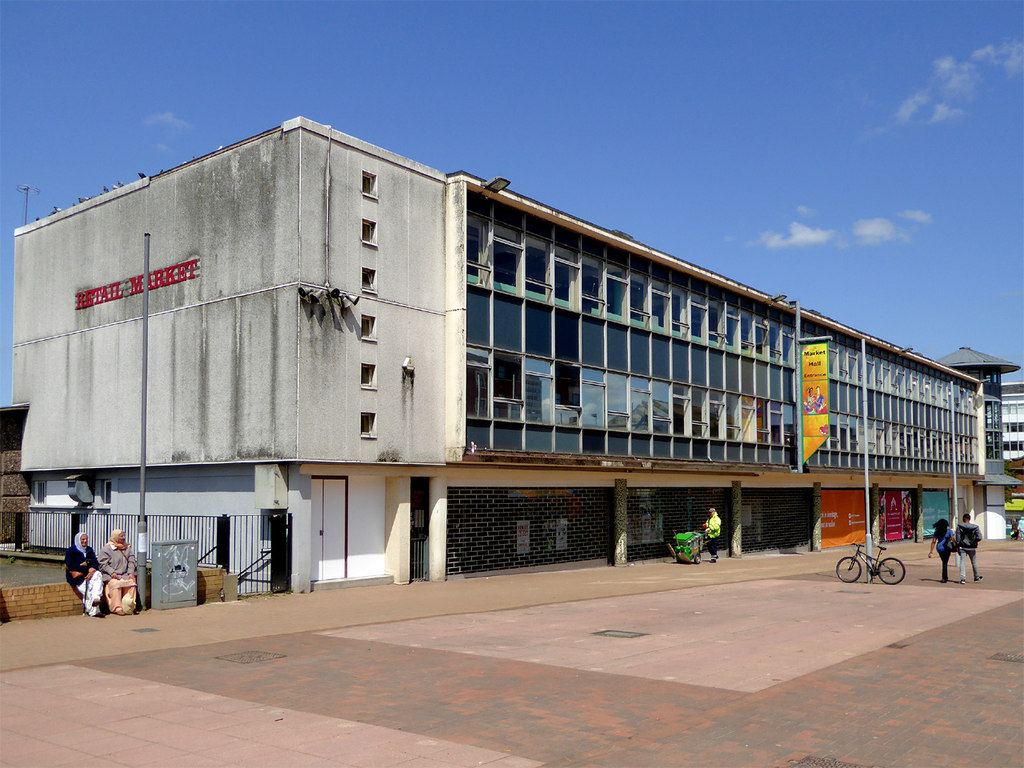
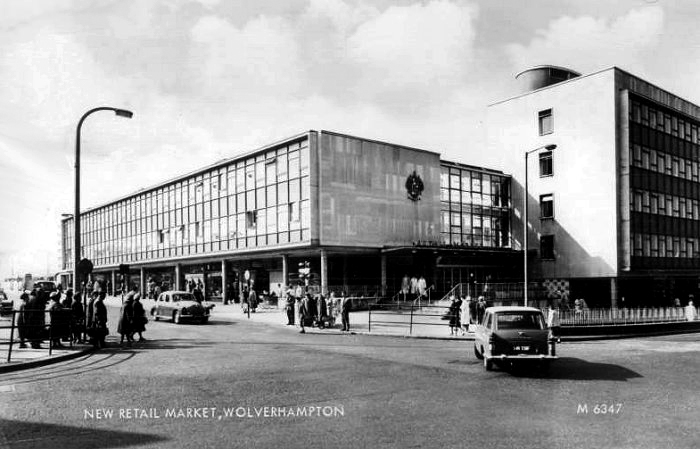
Retail Market – Late 1950s market hall and offices above. 

Architects: Borough Surveyor. 

Excellent example of the Festival of Britain style of architecture, won Civic Trust Award 1960.

Locally Listed March 2000.

demolished January 2017.

Photo: Roger Kidd

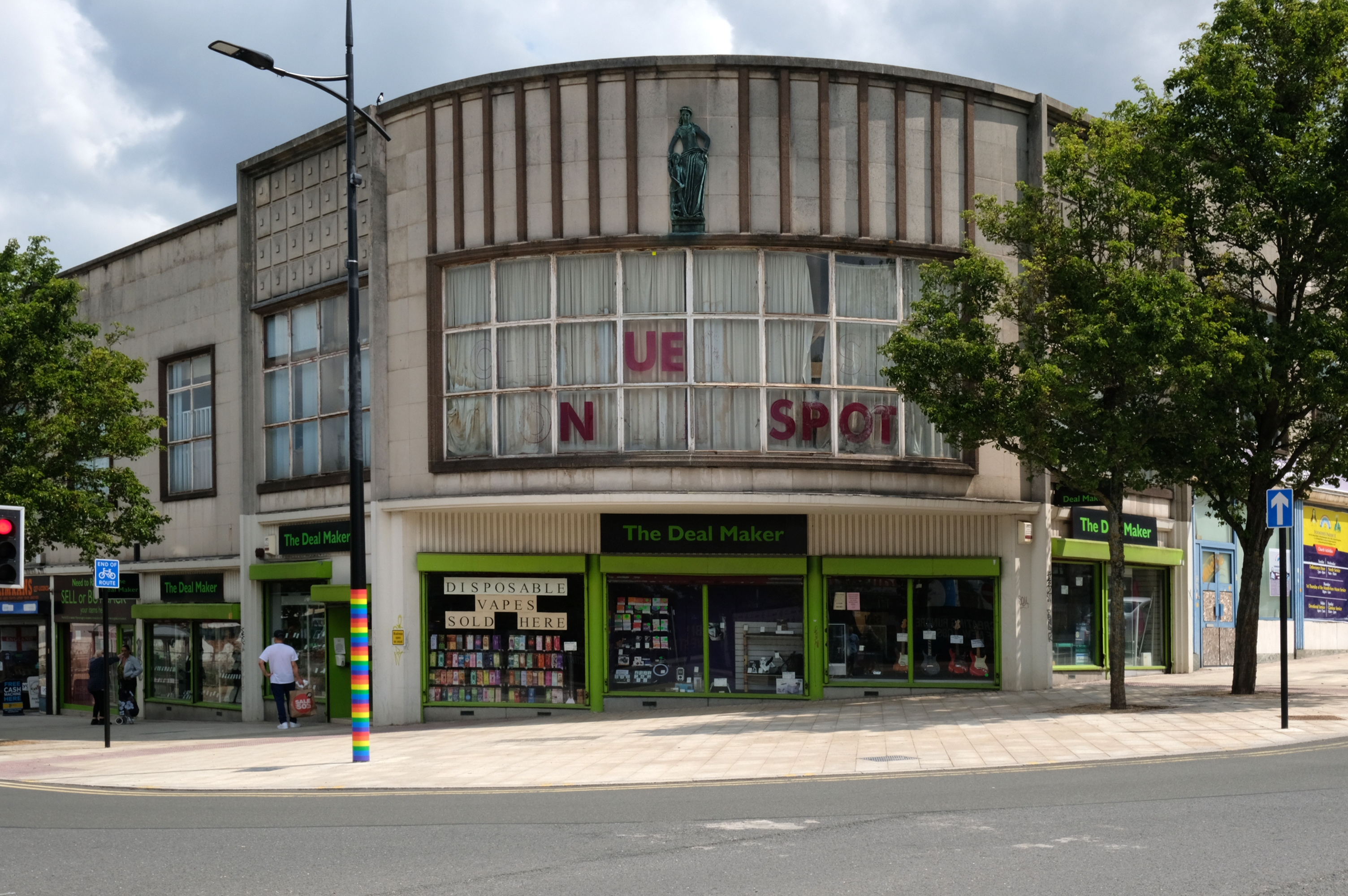
This development that wraps itself around Salop, Skinner and School Streets appears to be of a similar period to the Retail Market – and sports a Lady Wulfrun in relief.

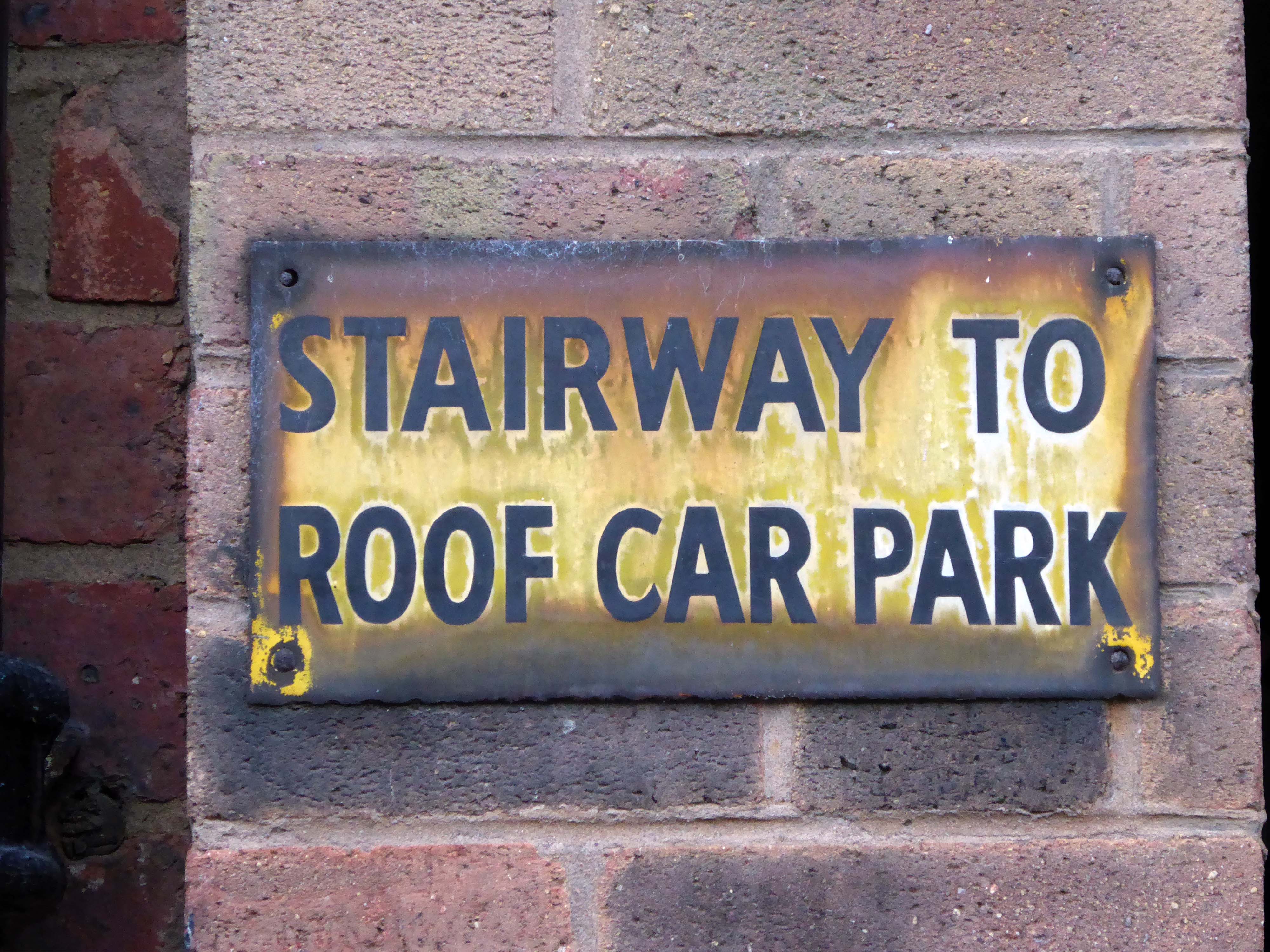
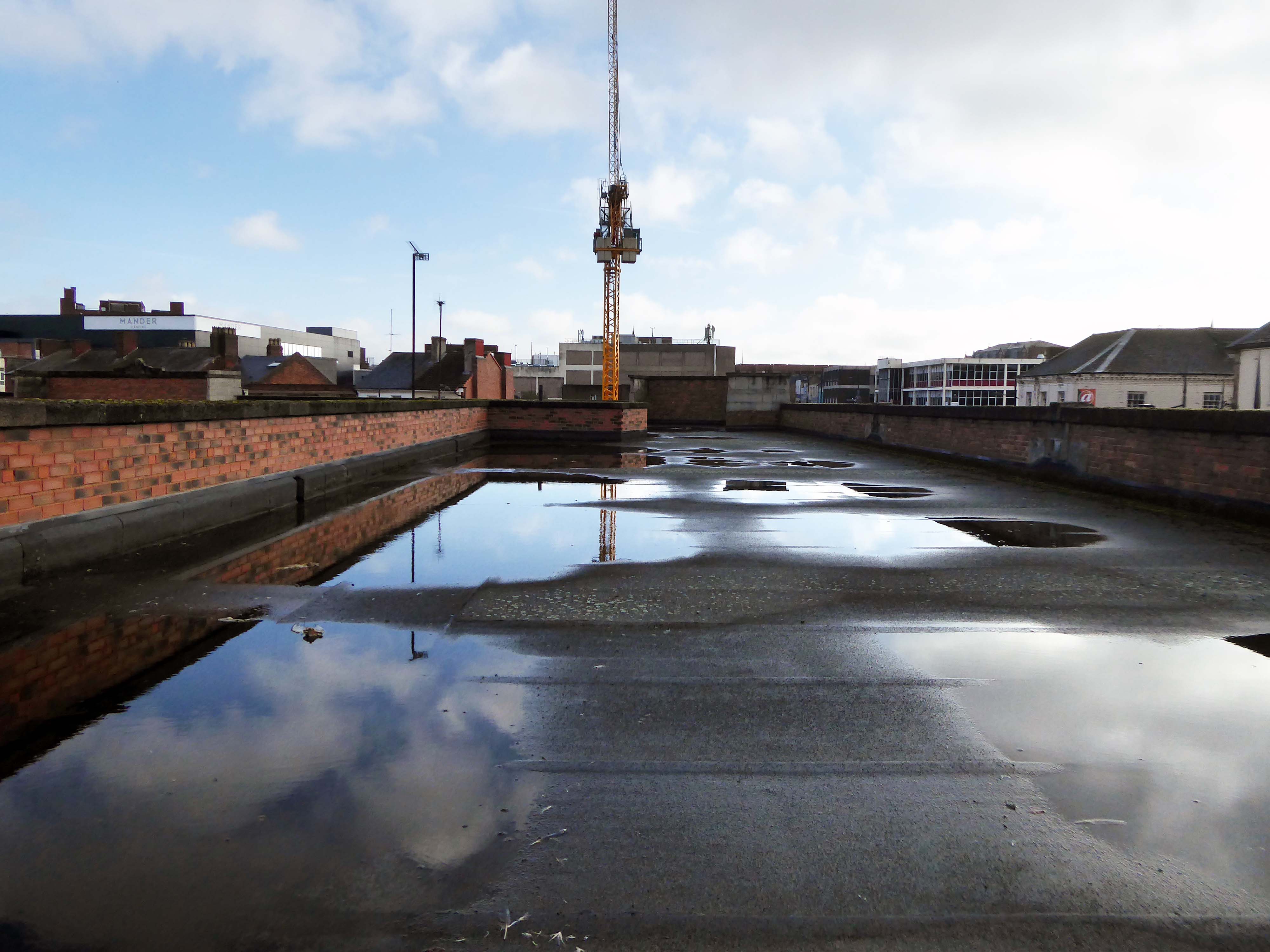
There is access to its roof top car park.

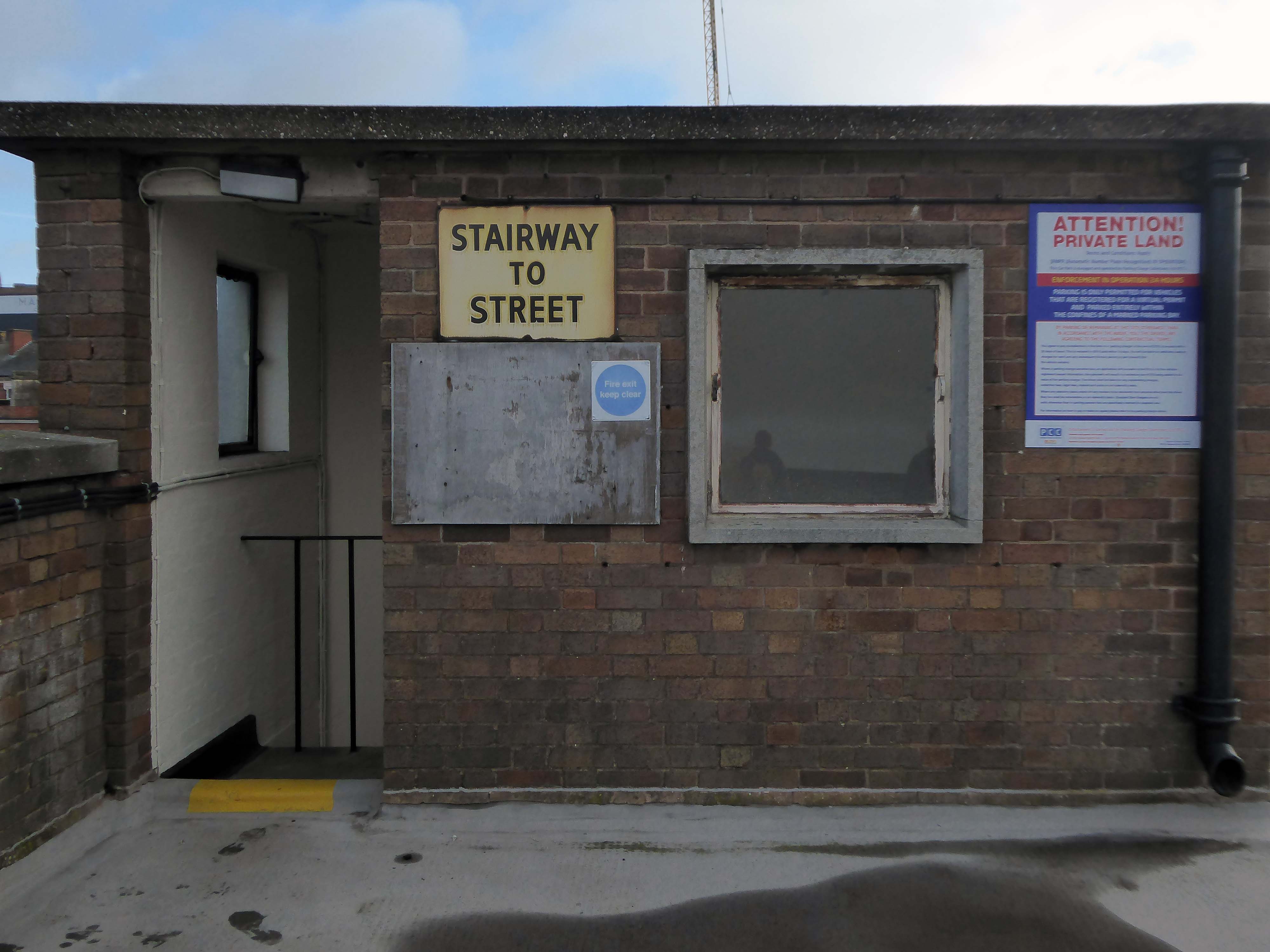
And also an exit back to street level.

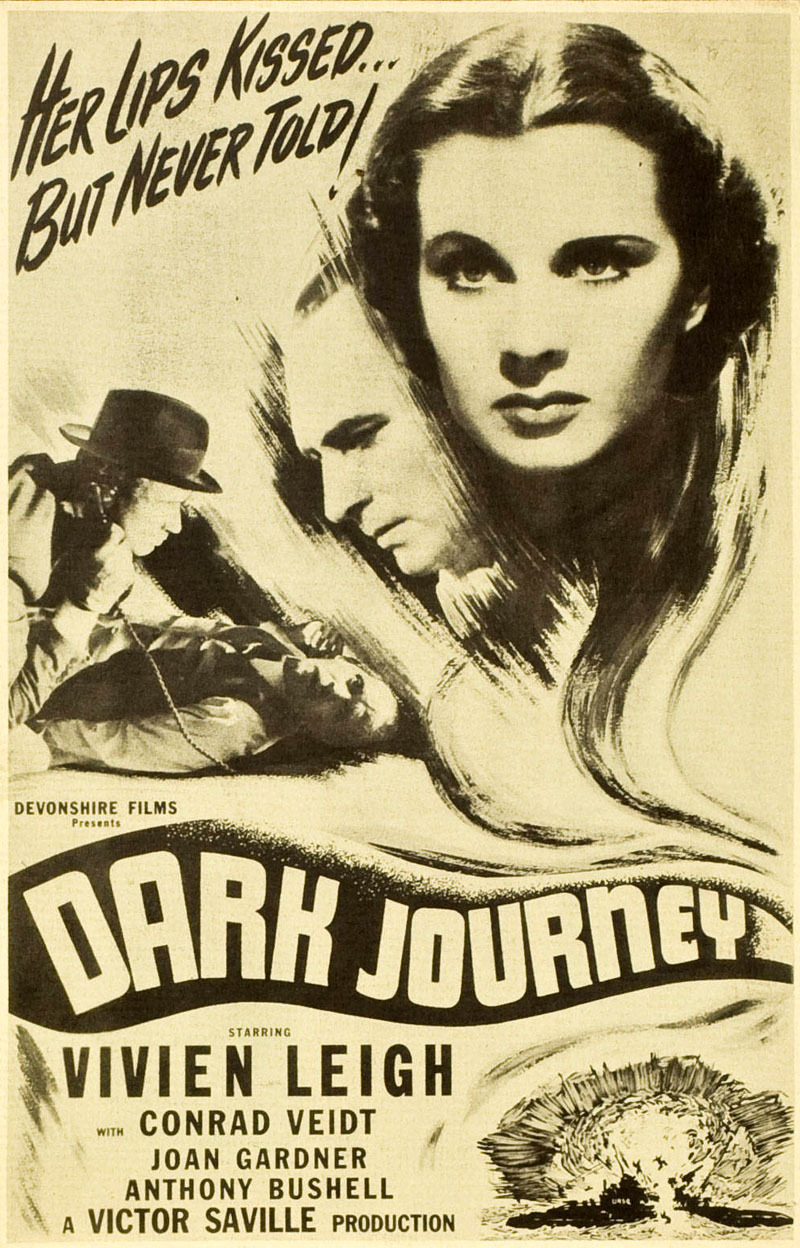
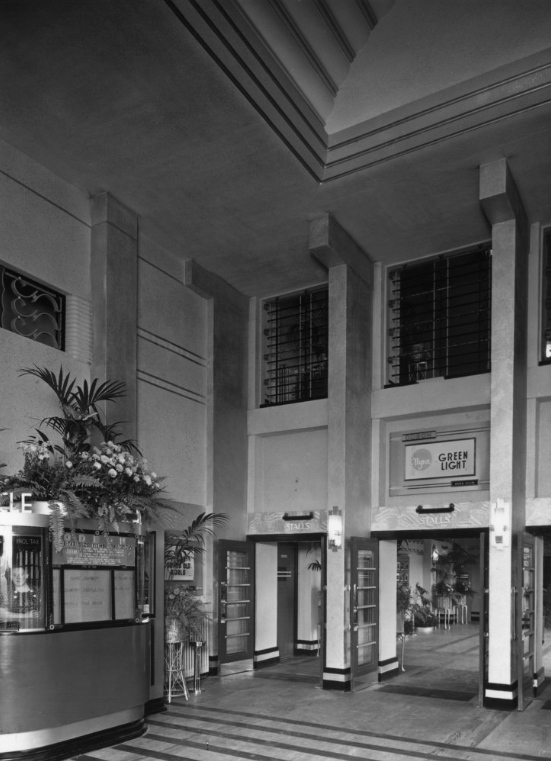
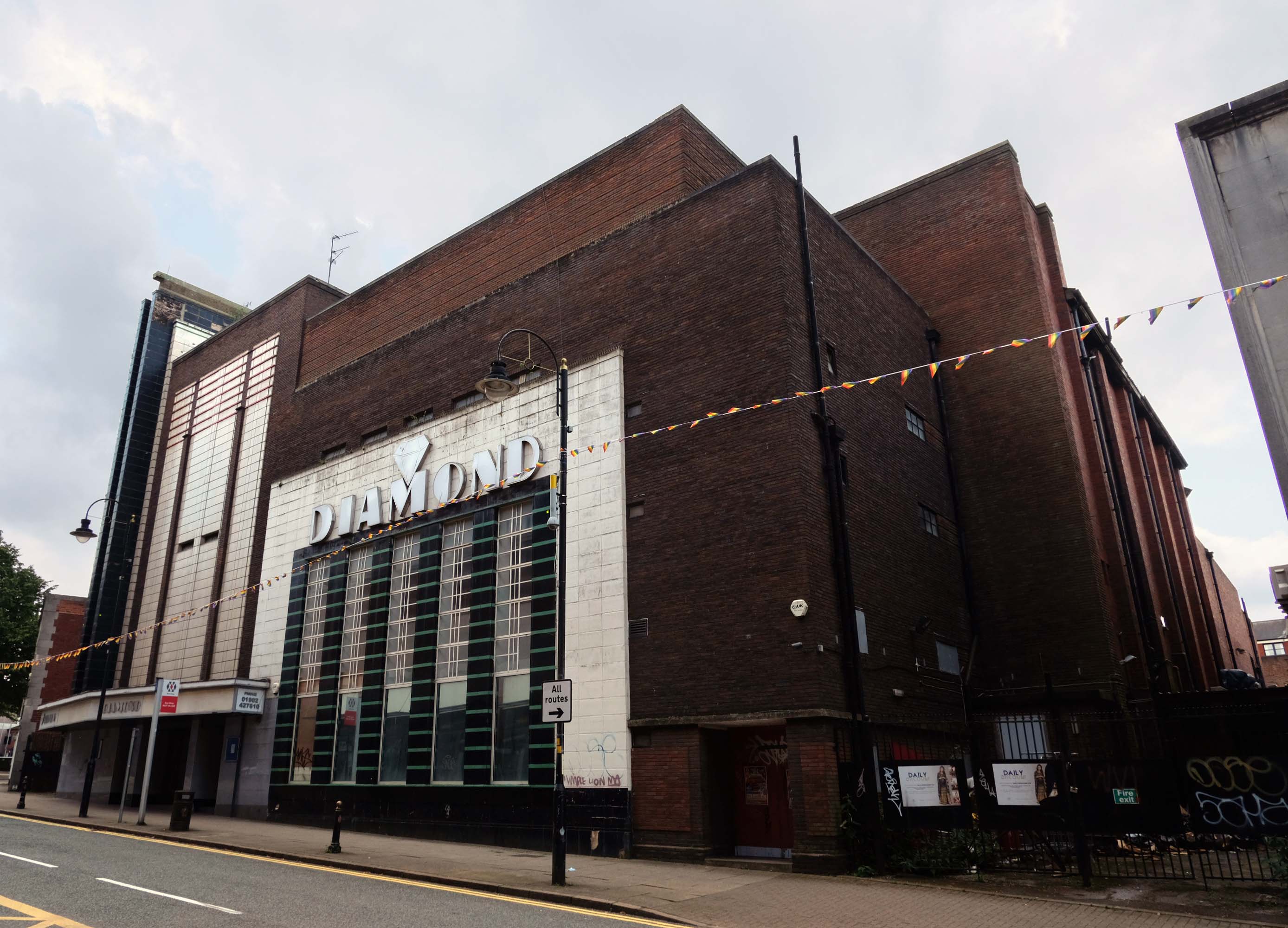
Where we find at street level the former Odeon Cinema, opened on 11th September 1937 with Conrad Veidt in Dark Journey.

Architects: PJ Price and Harry W Weedon.

In October 2000, the former Odeon was designated a Grade II Listed building by English Heritage.

RIBA pix

In recent years it was a Mecca Bingo Club, but this was closed in March 2007 In October 2009, it had been refurbished and re-opened as the Diamond Banqueting Suite. In April 2021 police raided the vacant building to discover an illegal cannabis farm operating in the building.

Four men were arrested.

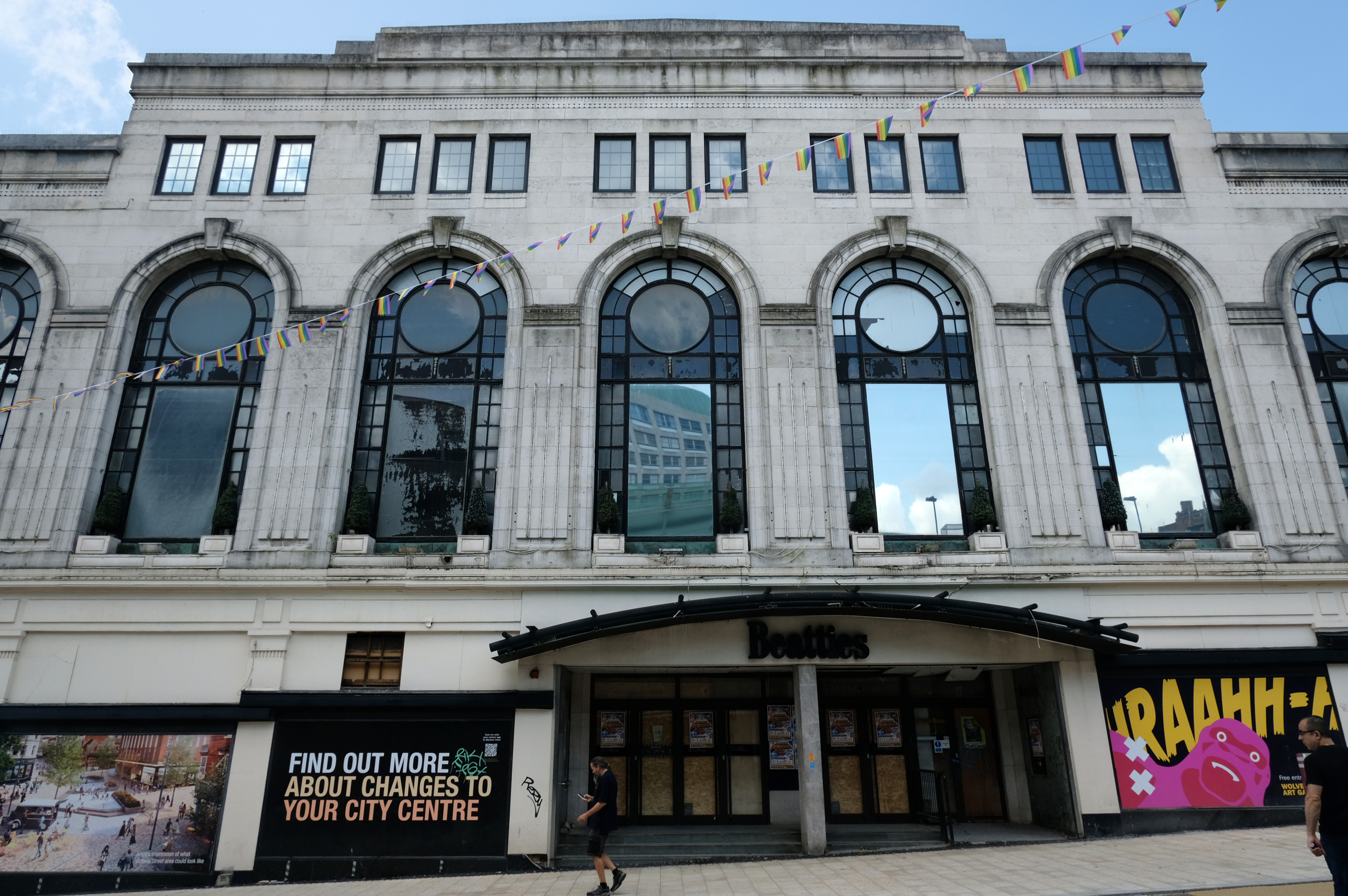
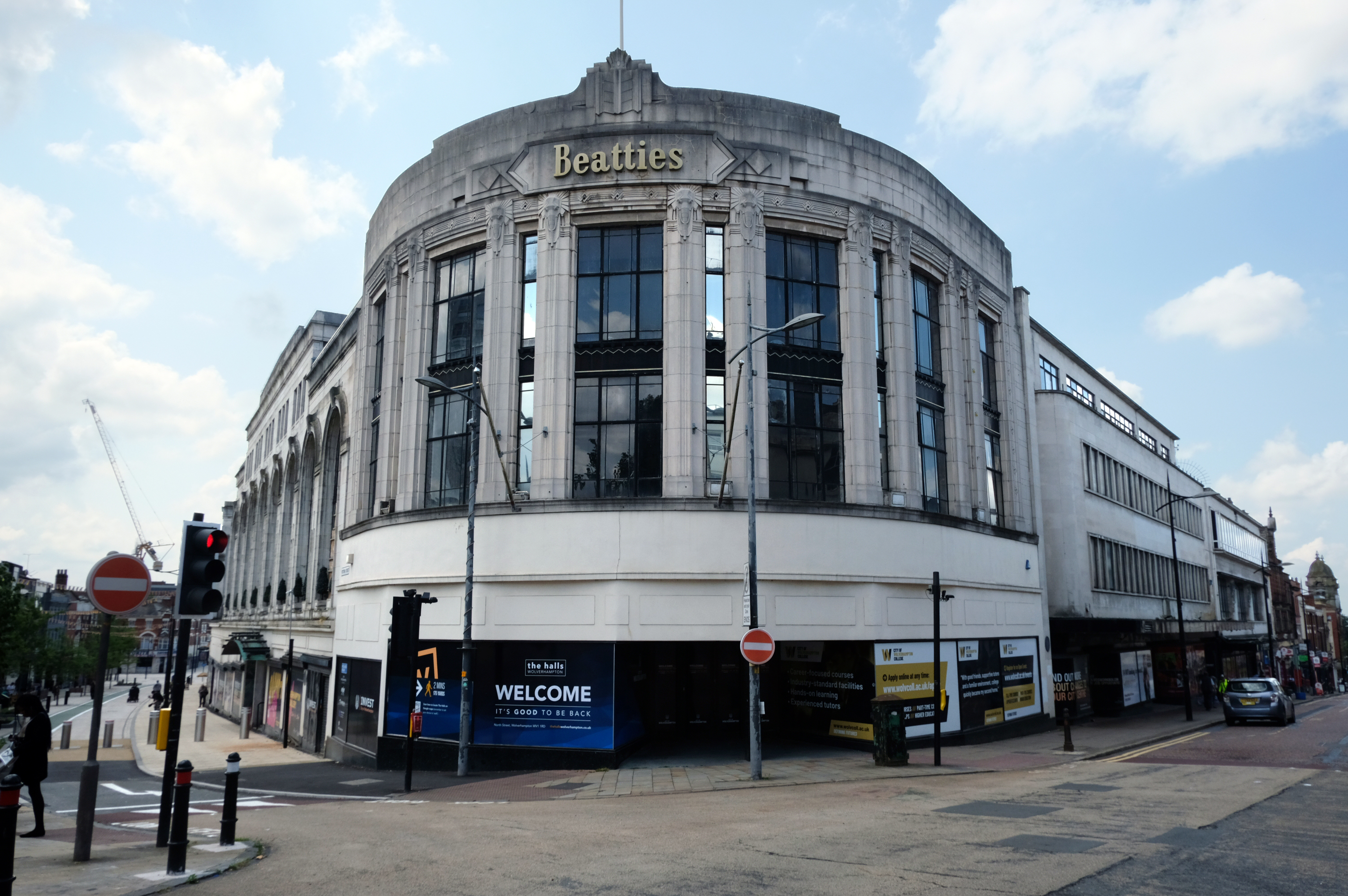
Let’s take a turn around the corner to Victoria Street where we find the complex of Beatties Buildings.

Architects: Lavender, Twentyman and Percy 1920’s – 30’s

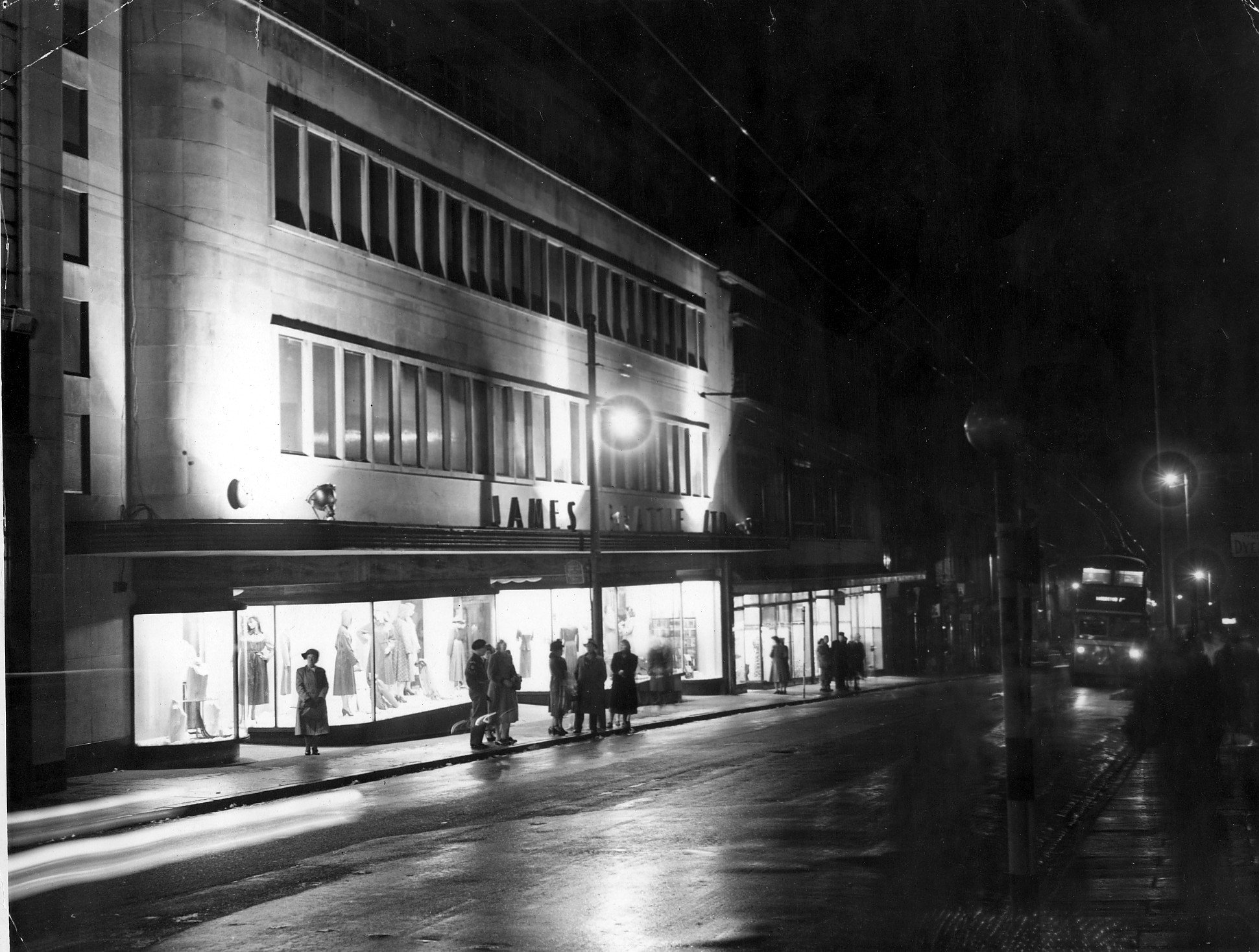
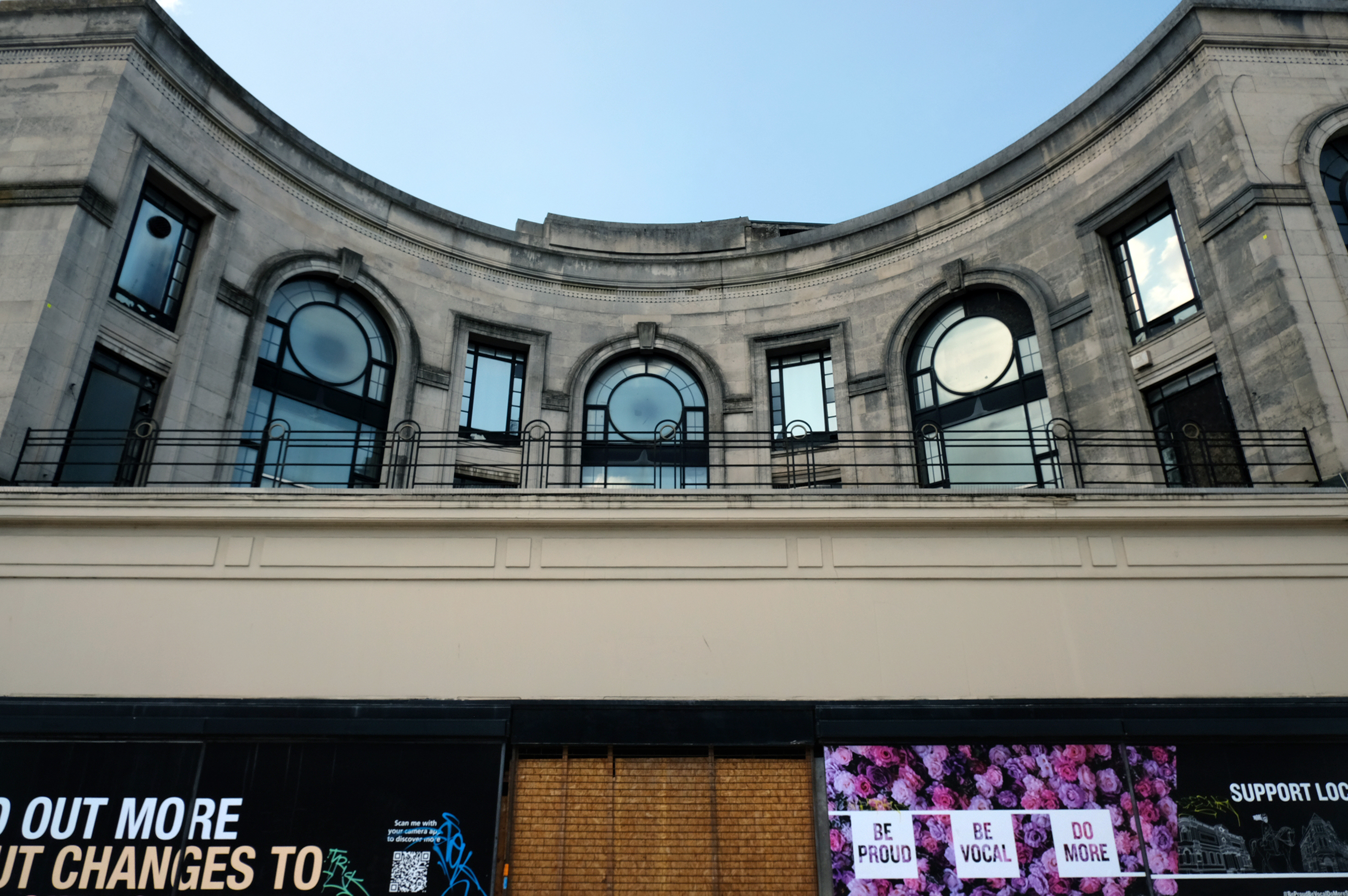
The C20 Beatties store is a multi-period site developed first in the 1920s-30s. A Burton’s men’s clothes shop was built on a curved corner site at Victoria St/Darlington St and Beatties themselves replaced their existing Victoria St store in the 1930s with a building by local architects Lavender, Twentyman and Percy. Beatties later acquired and incorporated the Burton’s shop into their store. These two buildings form the locally listed building to which were added a mid-C20 extension along Darlington St and a late-C20 development to the rear at Skinner St.

c20 Society

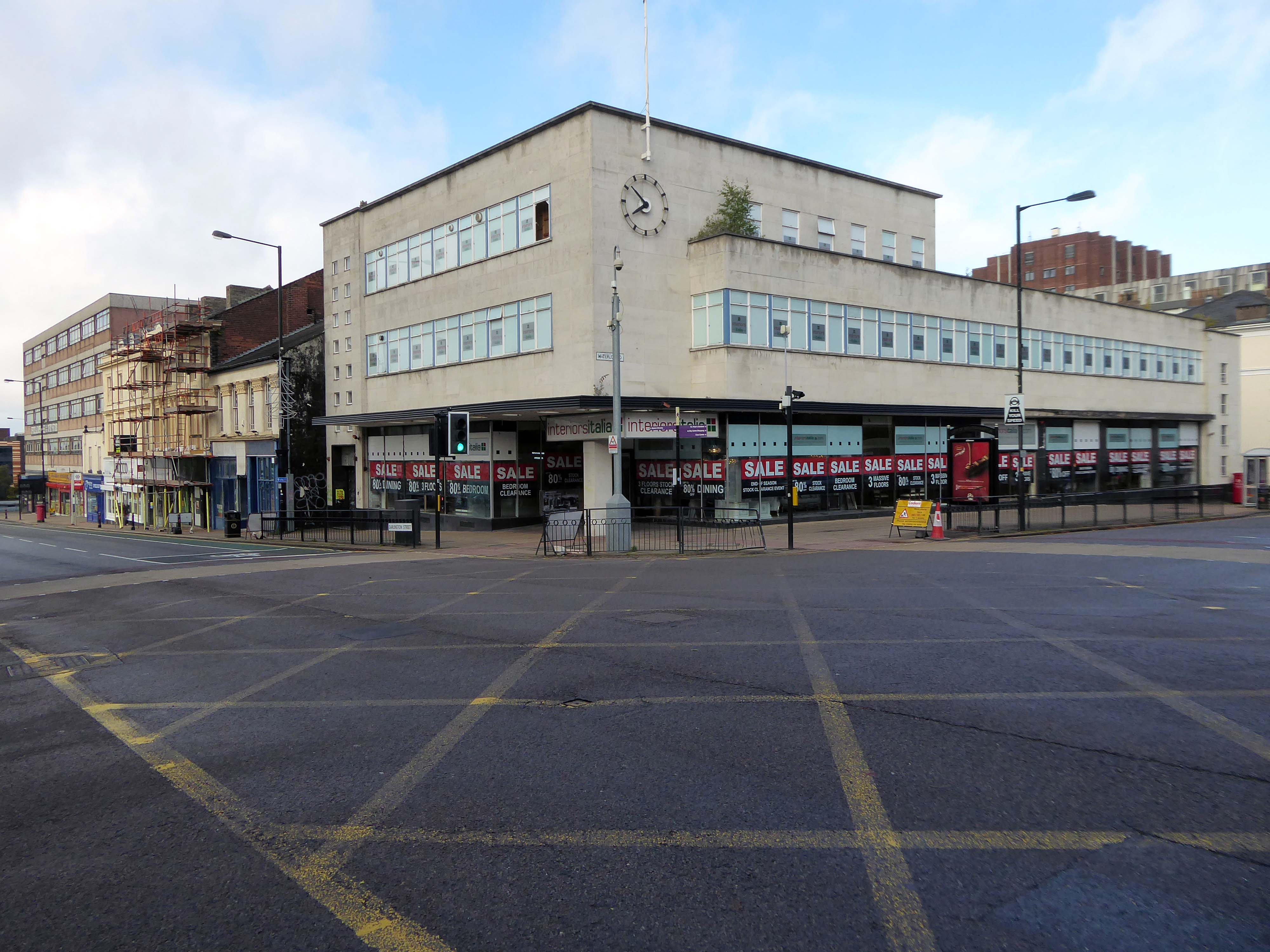
An imperious Portland stone clad mixed us block on Waterloo Road, with a delightful clock.

Formerly the Gas Showrooms then Sun Alliance & London Insurance offices – aka Clock Chambers

The showroom in Darlington Street was also the centre of a radio network that controlled a fleet of service vans. This enabled customers to receive service within minutes of making a telephone call. Demonstrations of cookery, washing and refrigeration were given by the Gas Board’s Home Service Advisers and a number of the company’s engineers, who specialised in designing gas equipment for industrial processes operated an advisory service for manufacturers. 

Architects: Richard Twentyman 1939.

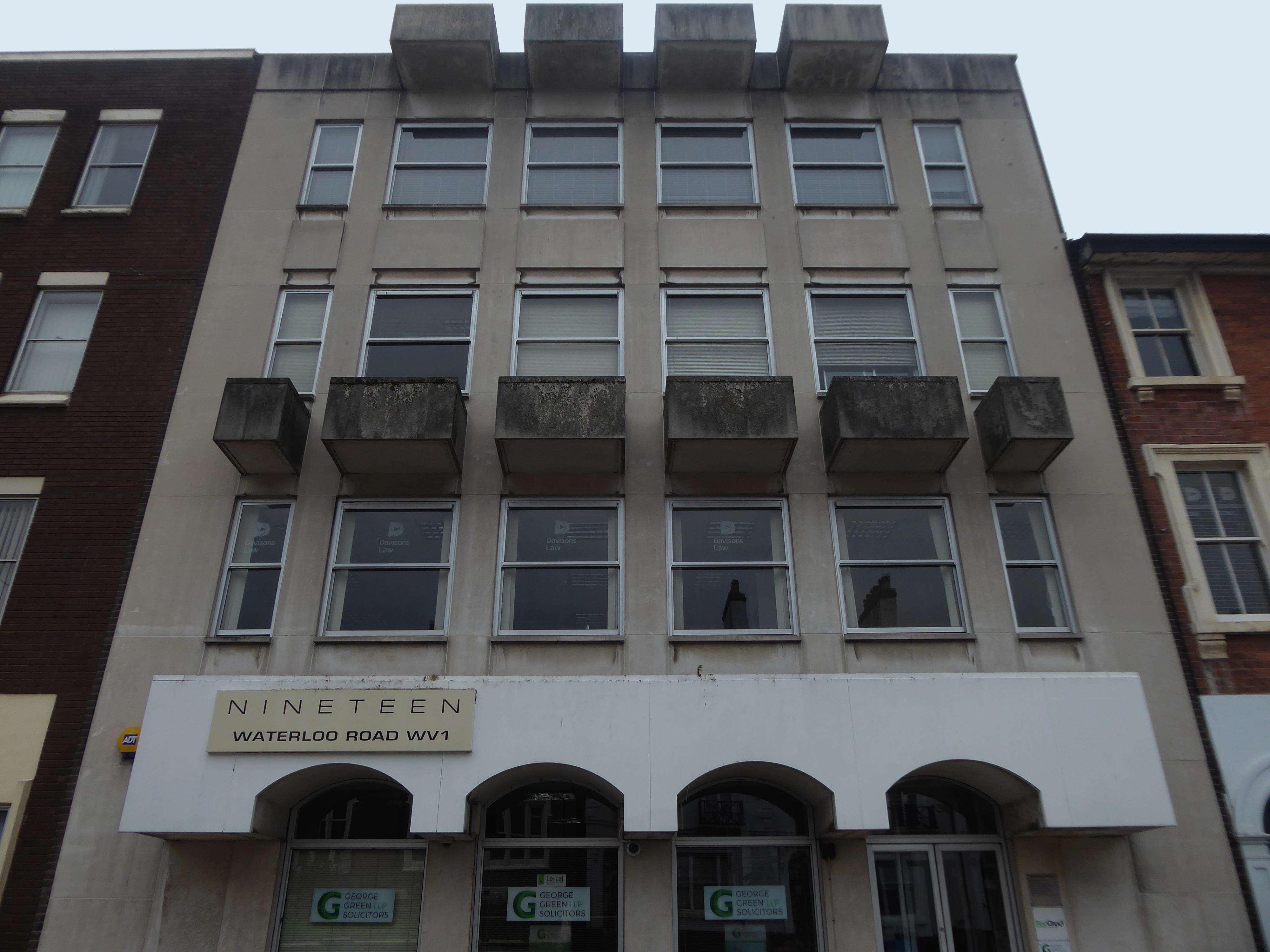
Nineteen Waterloo Road latterly First City House formerly home to Eagle Star Insurance 1970

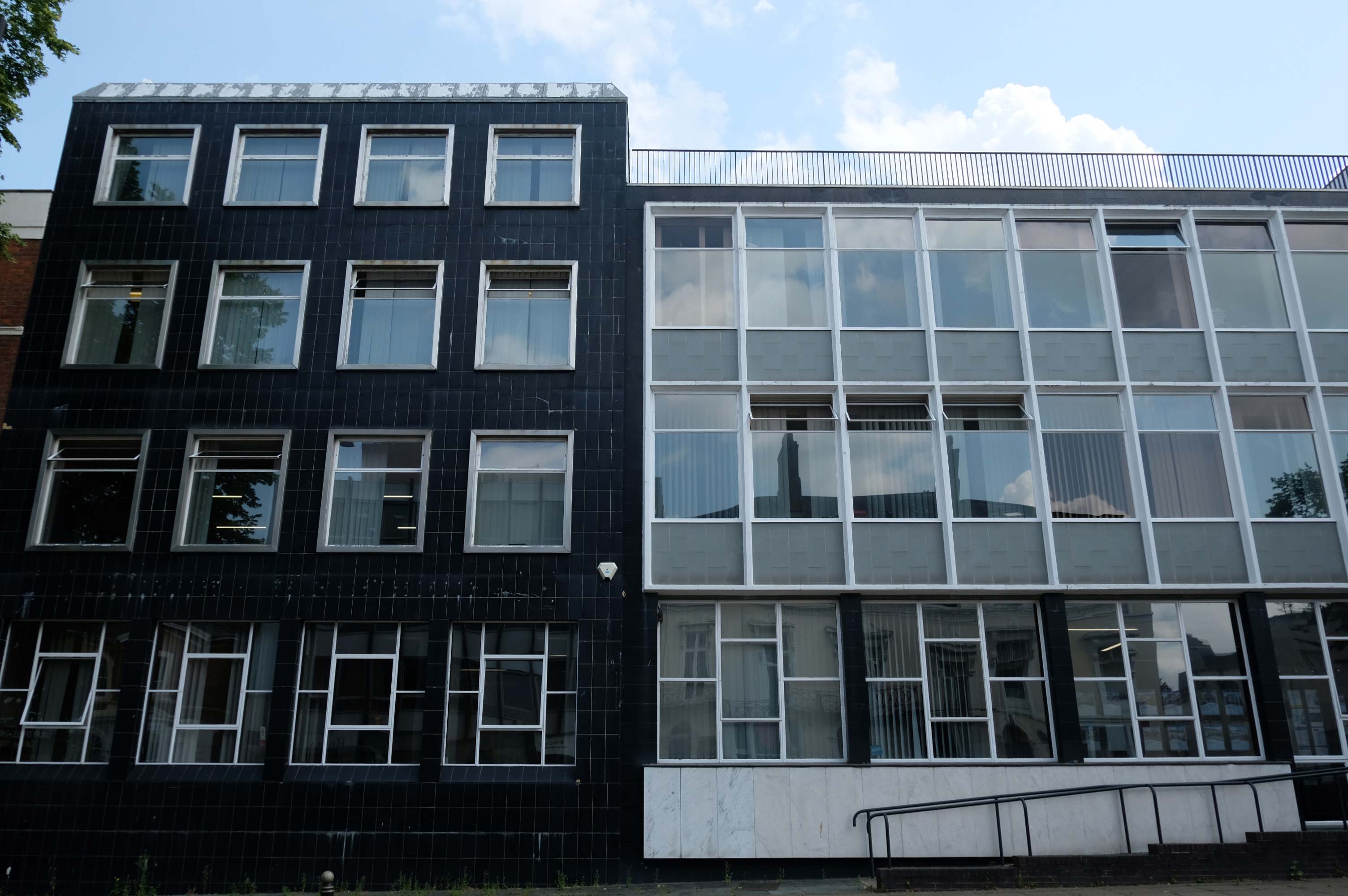
8-10 Waterloo Road architects: Richard Twentyman 1959 extended 1966.

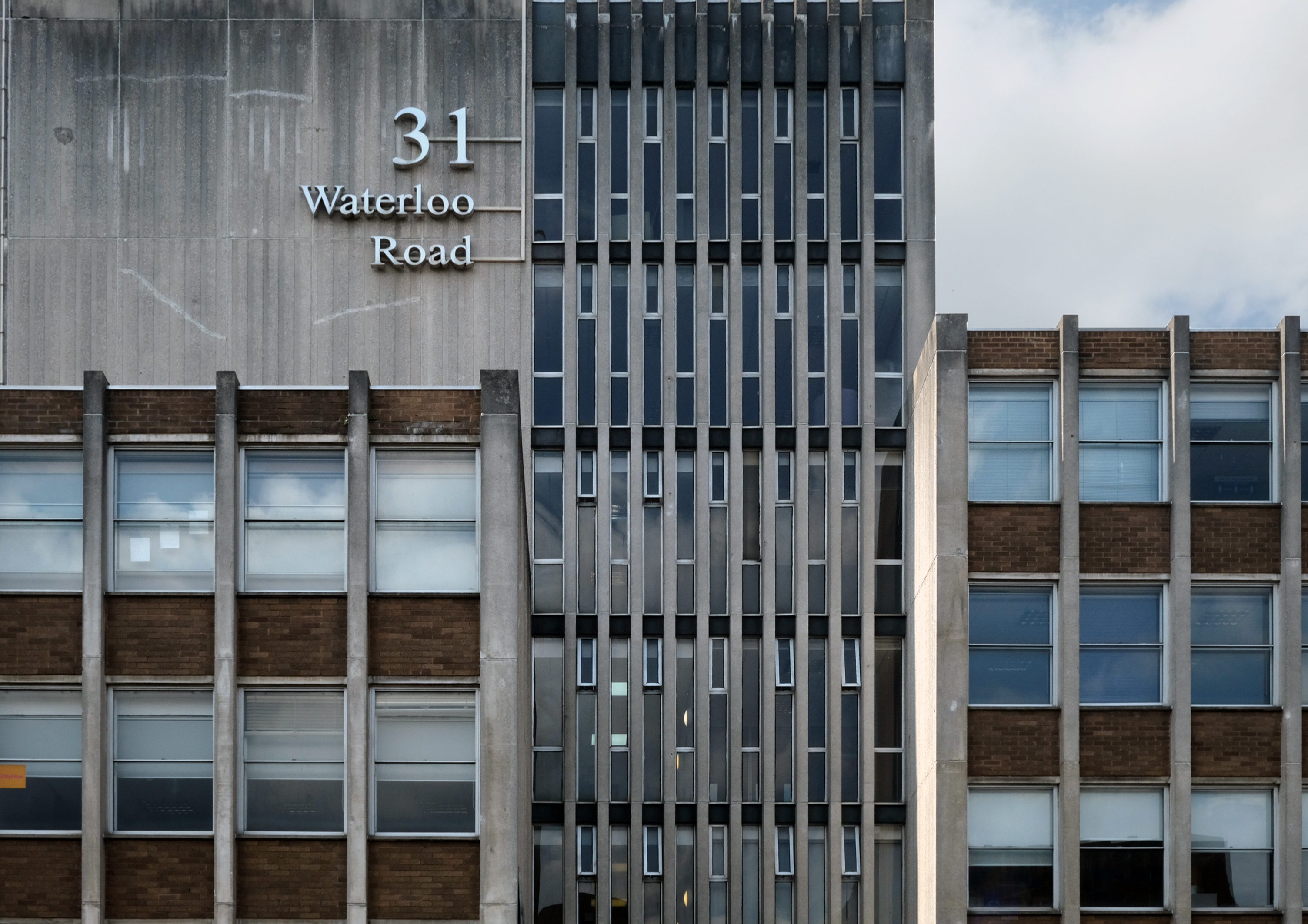
31 Waterloo Road – Waterloo Court architects: Kenneth Wakeford, Jerram & Harris 1972

Right turn to the Telephone Exchange

Architects: NHA Gallagher of the Ministry of Public Buildings and Works and Clifford Culpin & Partners job architect Leslie Parrett 1971.

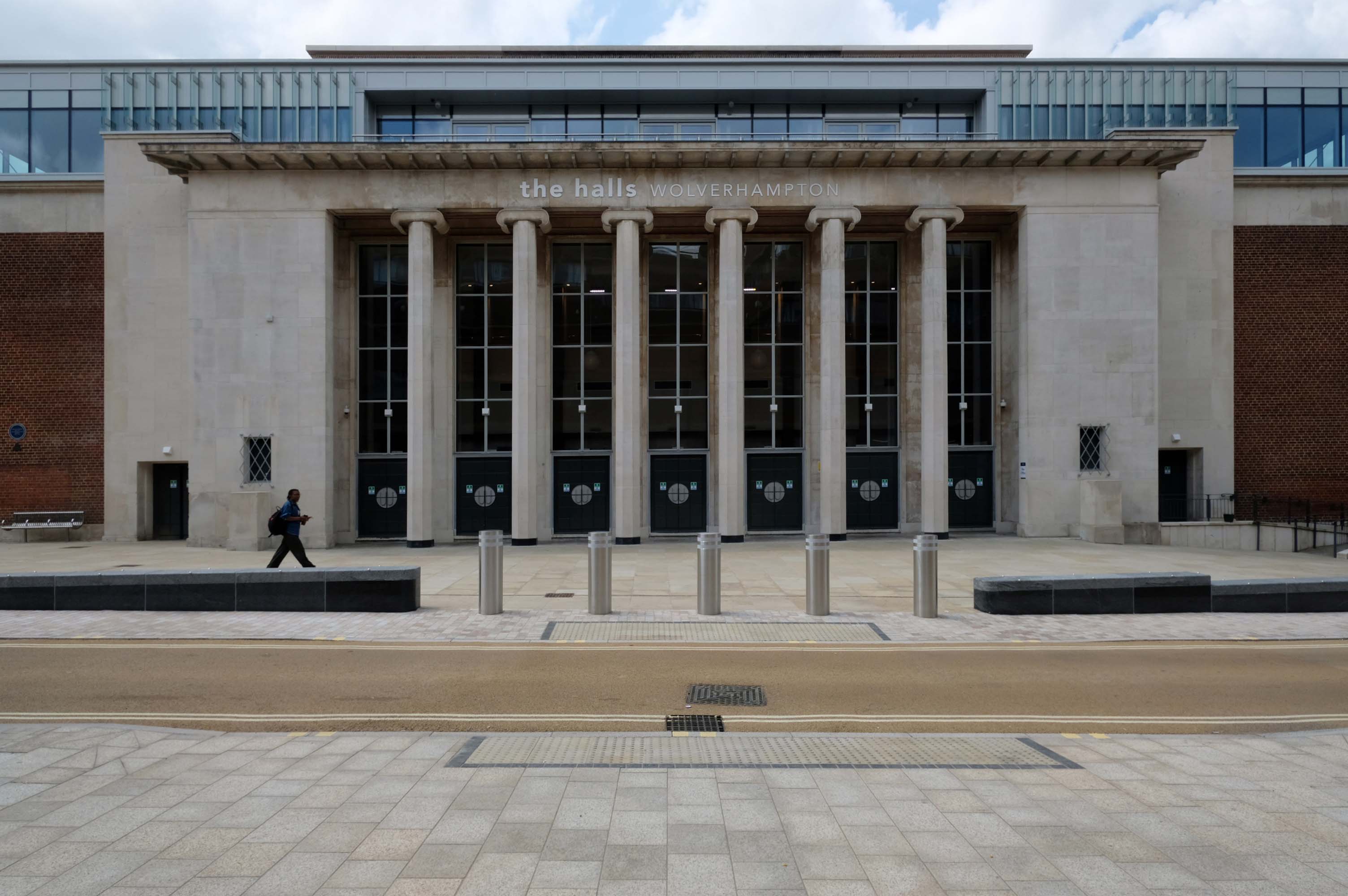
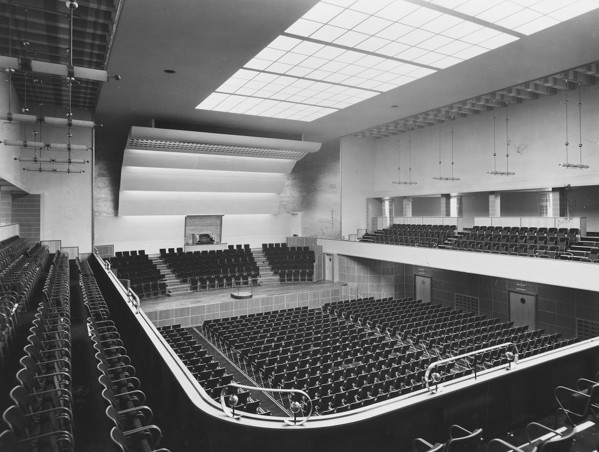
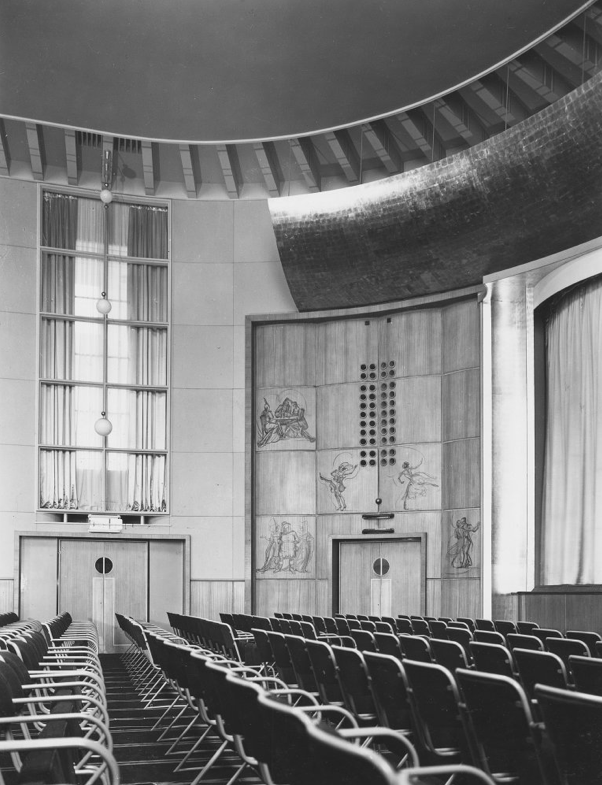
Around the bend to The Halls – once the Civic Halls.

Architects: Lyons and Israel 1936-38

Refurbished 2003 by Penoyre & Presad with more alterations in 2021 by Jacobs consulting engineers.

RIBA pix – 1939

Over the road to the Civic Centre.

Architects: Clifford Culpin & Partners 1974-79.

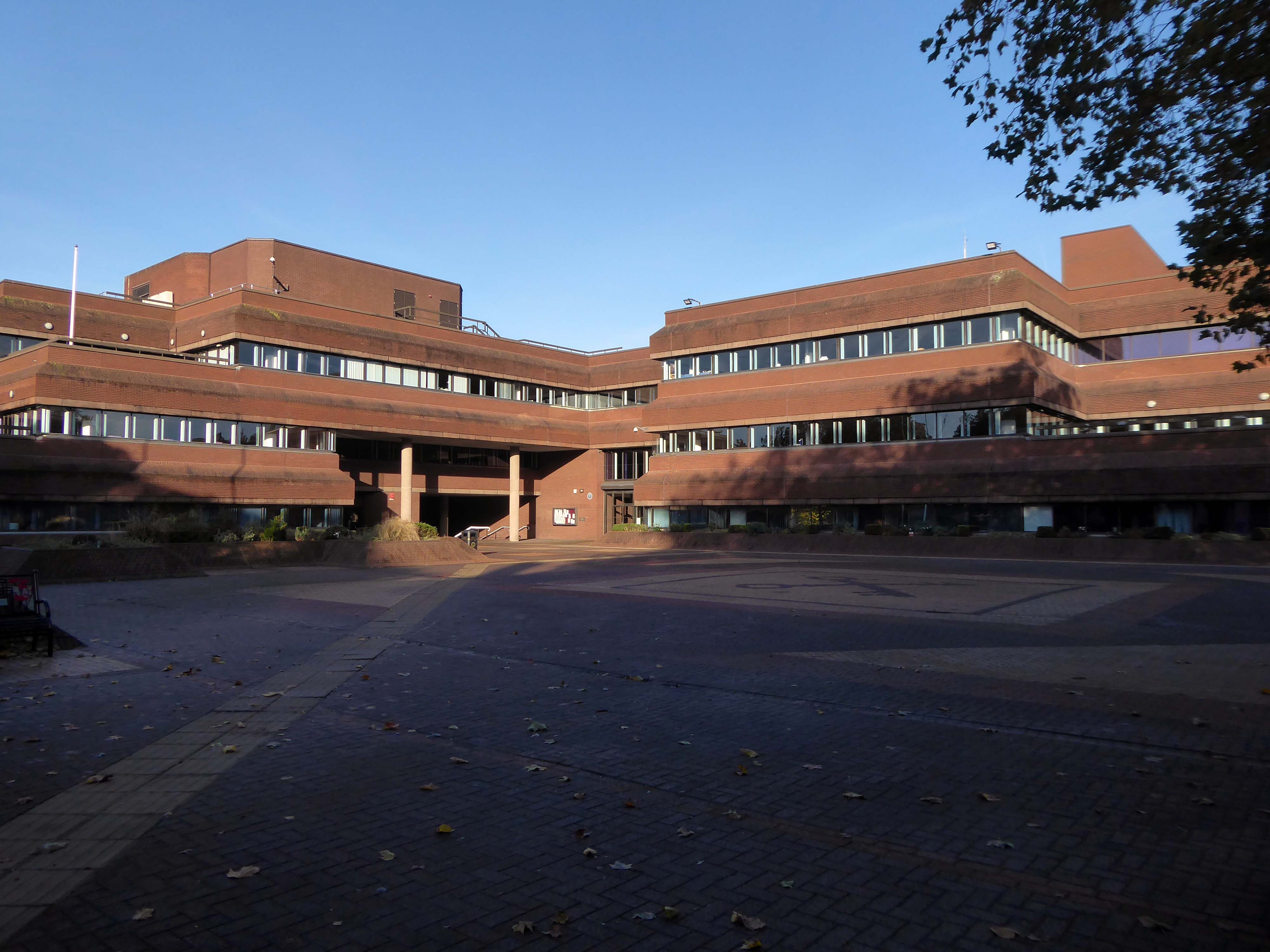
We end our Wolverhampton wander at the College of Art and Design

Architects: Diamond Redfern and Partners with A Chapman Borough Architect 1969

Huge thanks to Tom Hicks aka Black Country Type for his invaluable assistance.

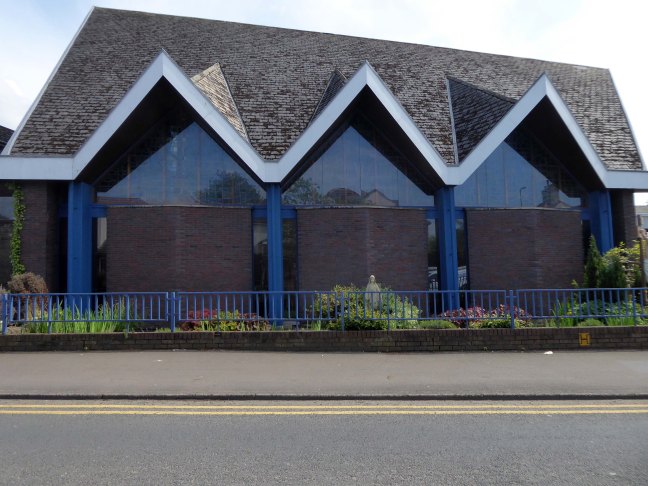
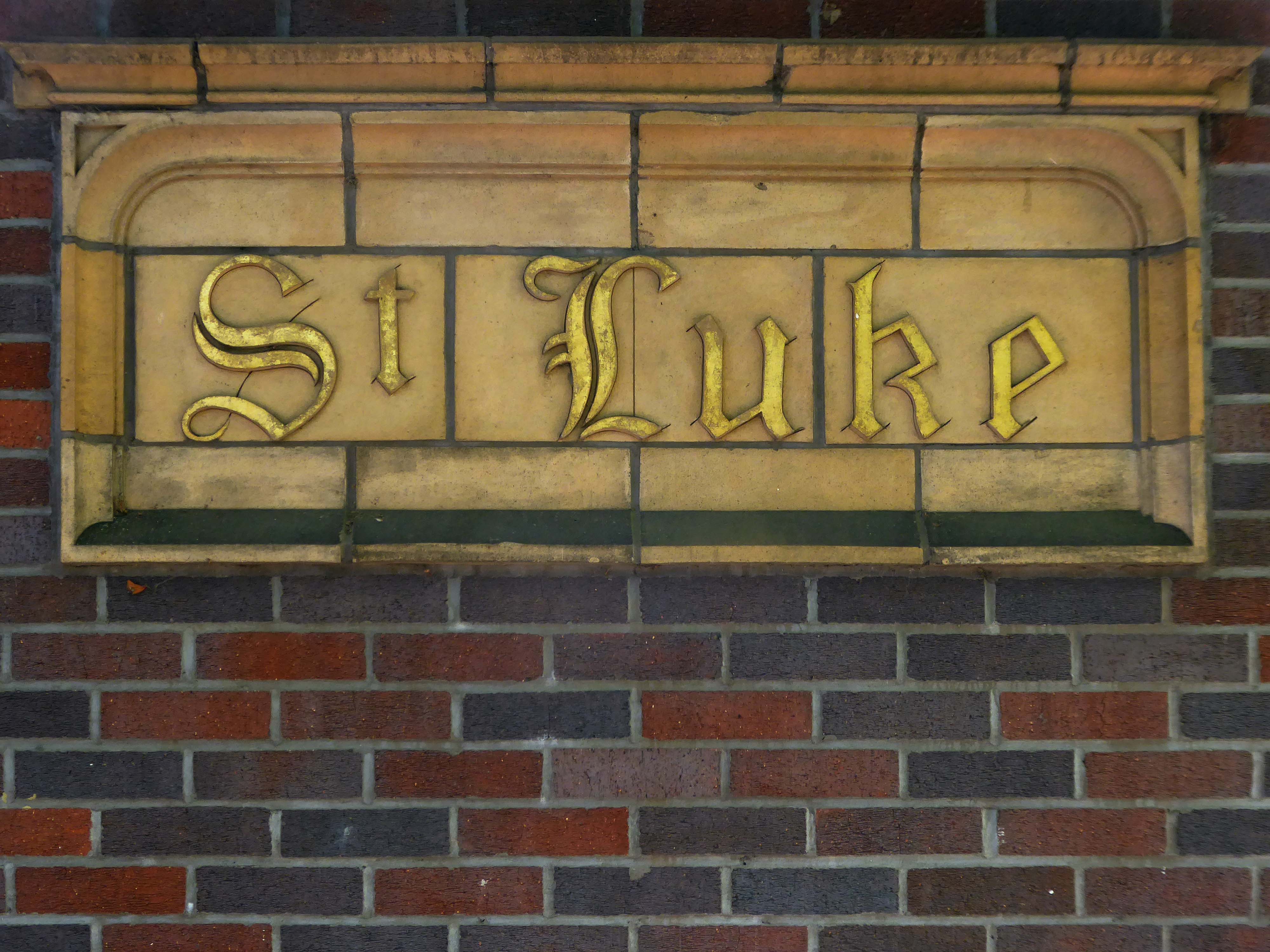
ST Luke’s RC – Salford

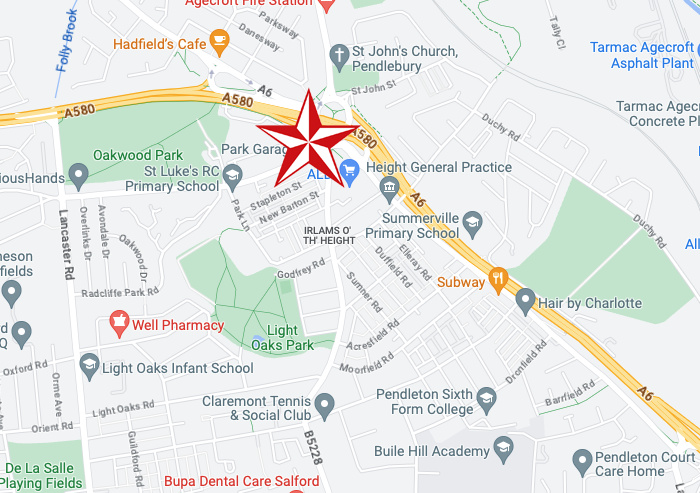
13 Swinton Park Rd Salford M6 7WR

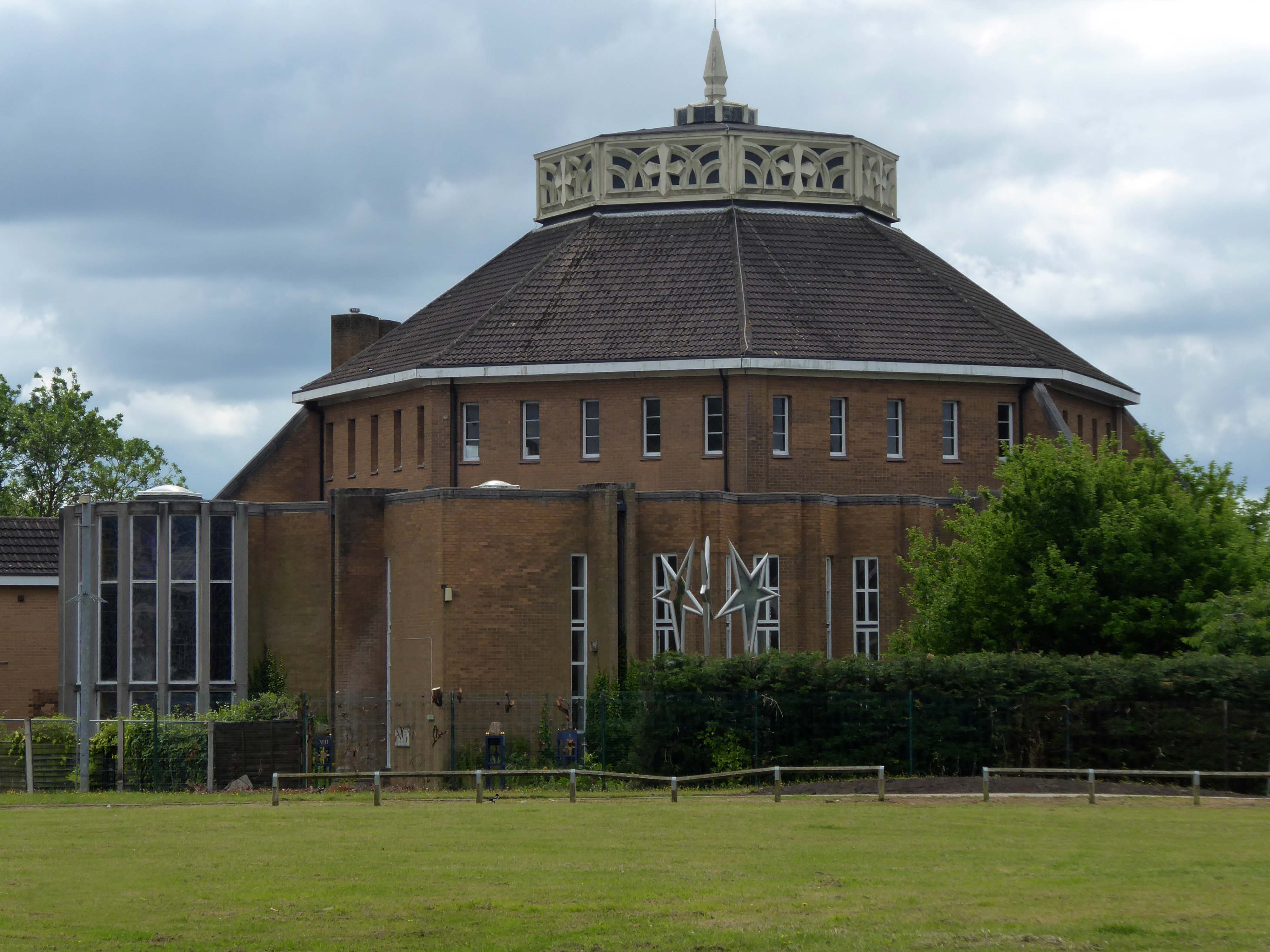
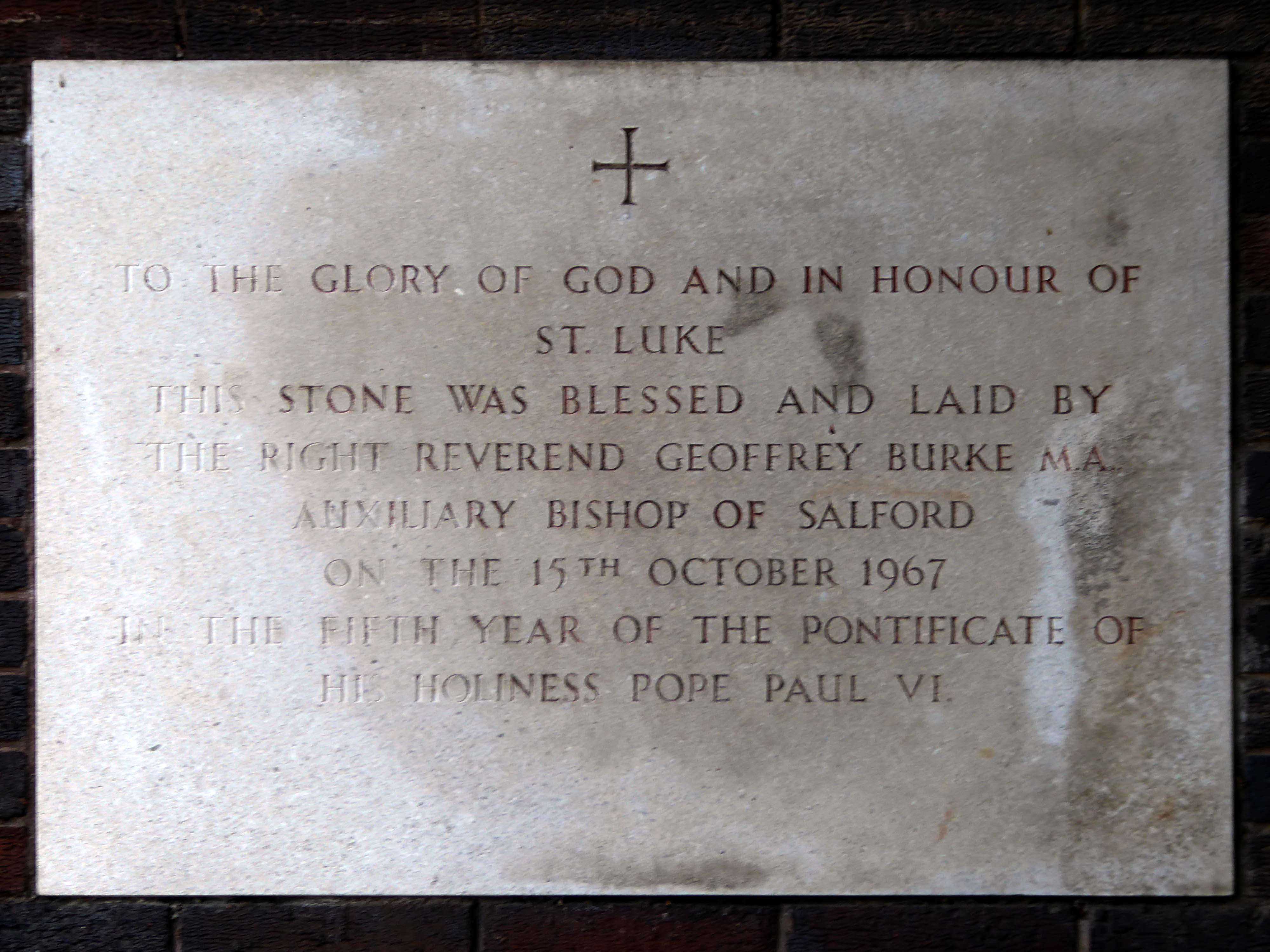
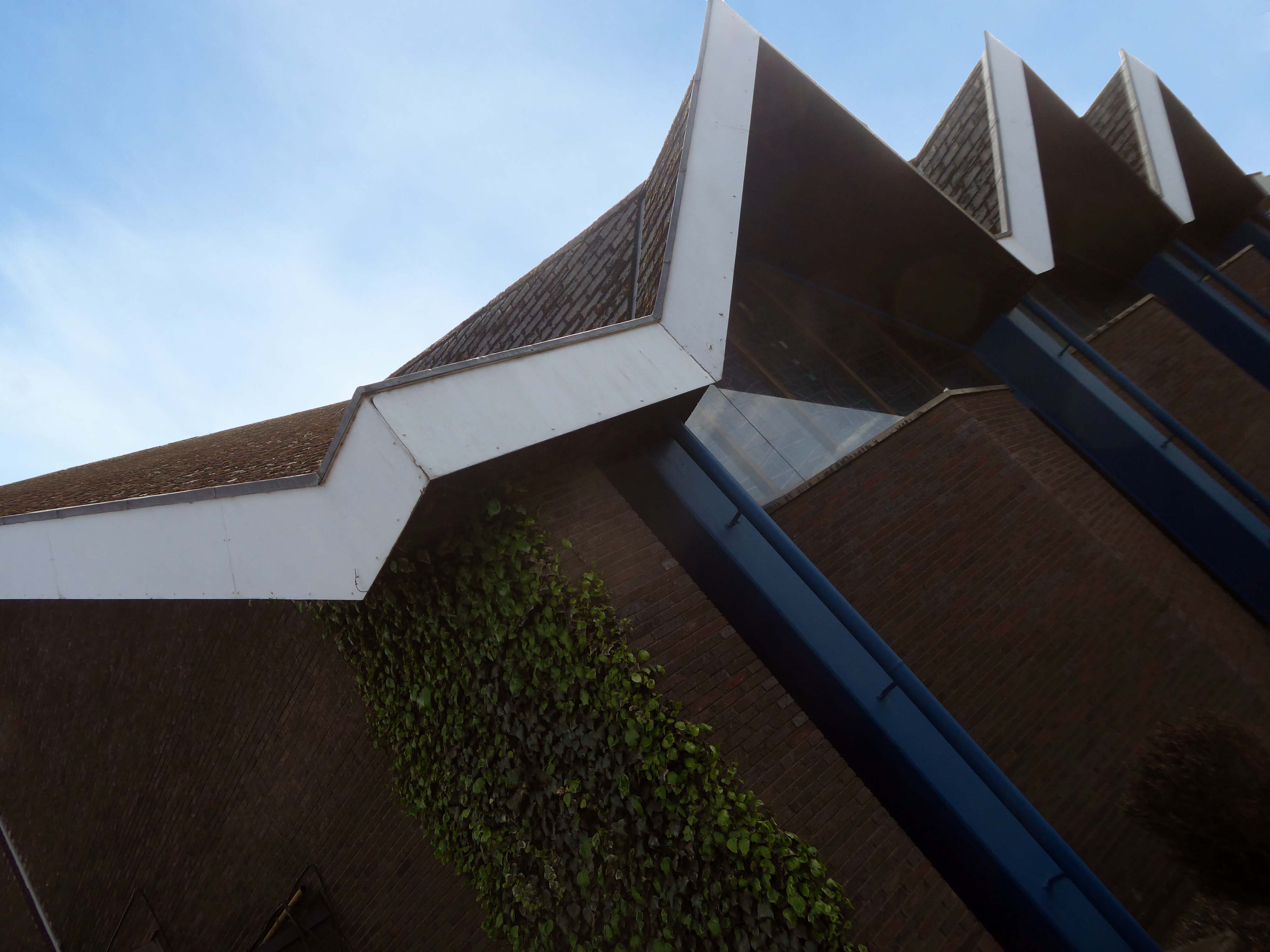
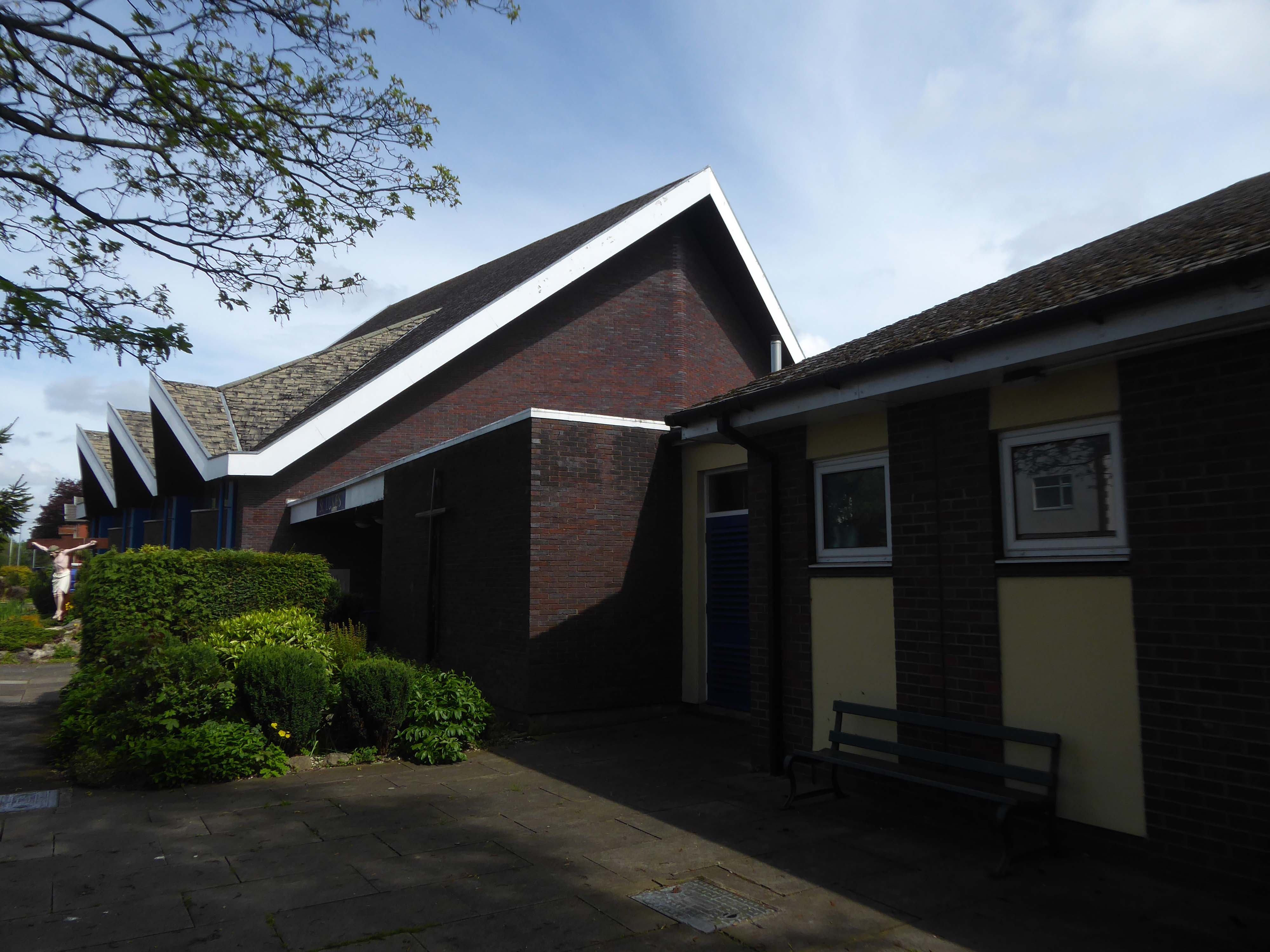
It was decided to build a new church in 1963, when the architects Burles, Newton & Partners were appointed and drew up a scheme for a church seating 470. Financial restraints delayed the start of building work until 1966. The contractors were William Thorpe and the foundation stone was laid by Bishop Burke in October 1967. The church was opened two years later in 1969. The church was built to reflect the emerging liturgical reforms of the Second Vatican Council, with a wide interior affording full views of the altar.  The same architects designed a presbytery, added in 1974-5.  A sanctuary reordering took place at some point when the Blessed Sacrament Chapel became the Lady Chapel and the tabernacle was placed behind the altar. The altar rails were removed, and the sanctuary carpeted. Perhaps at the same time the font was brought from the baptistery into the body of the church.

Description

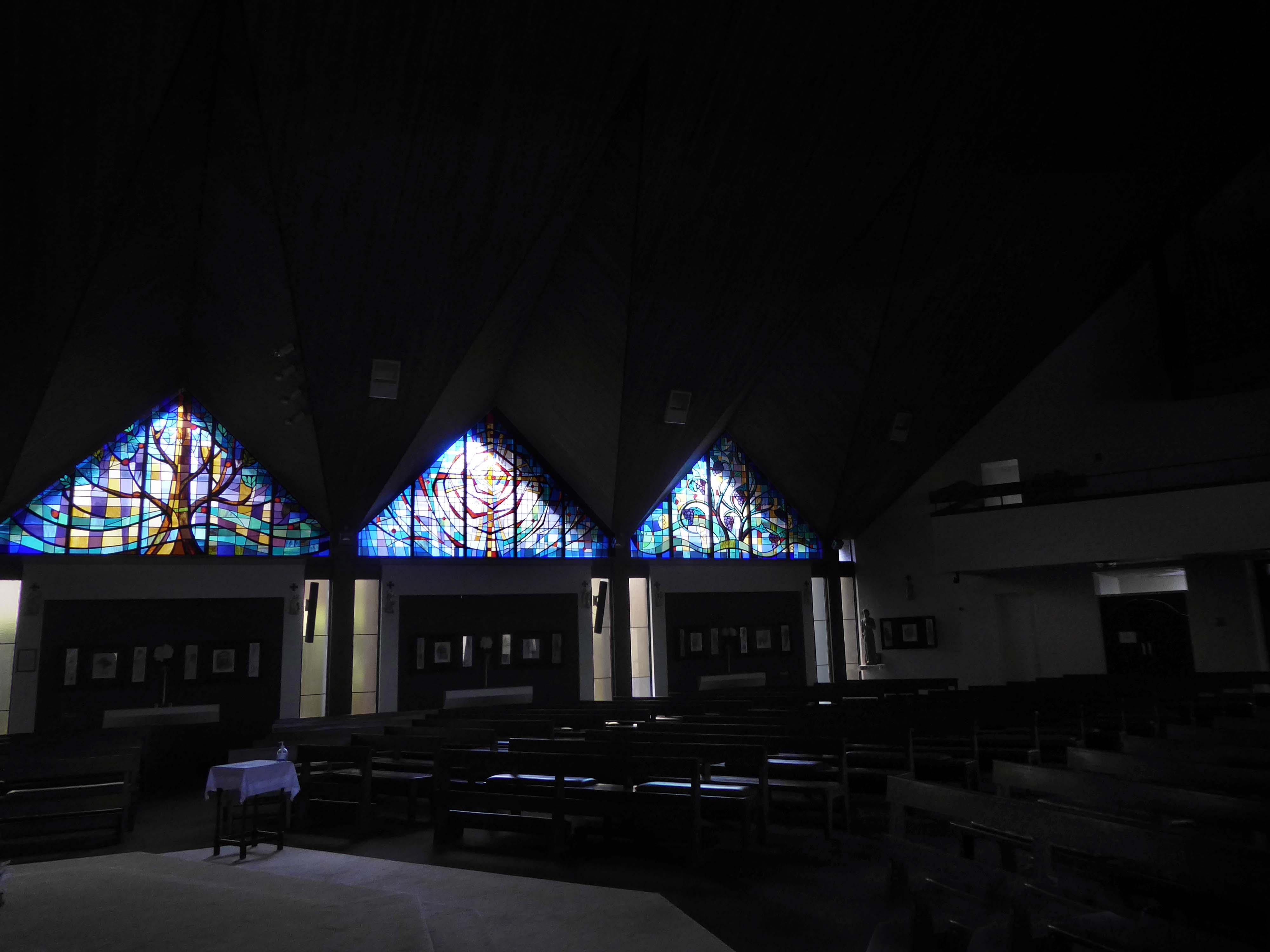
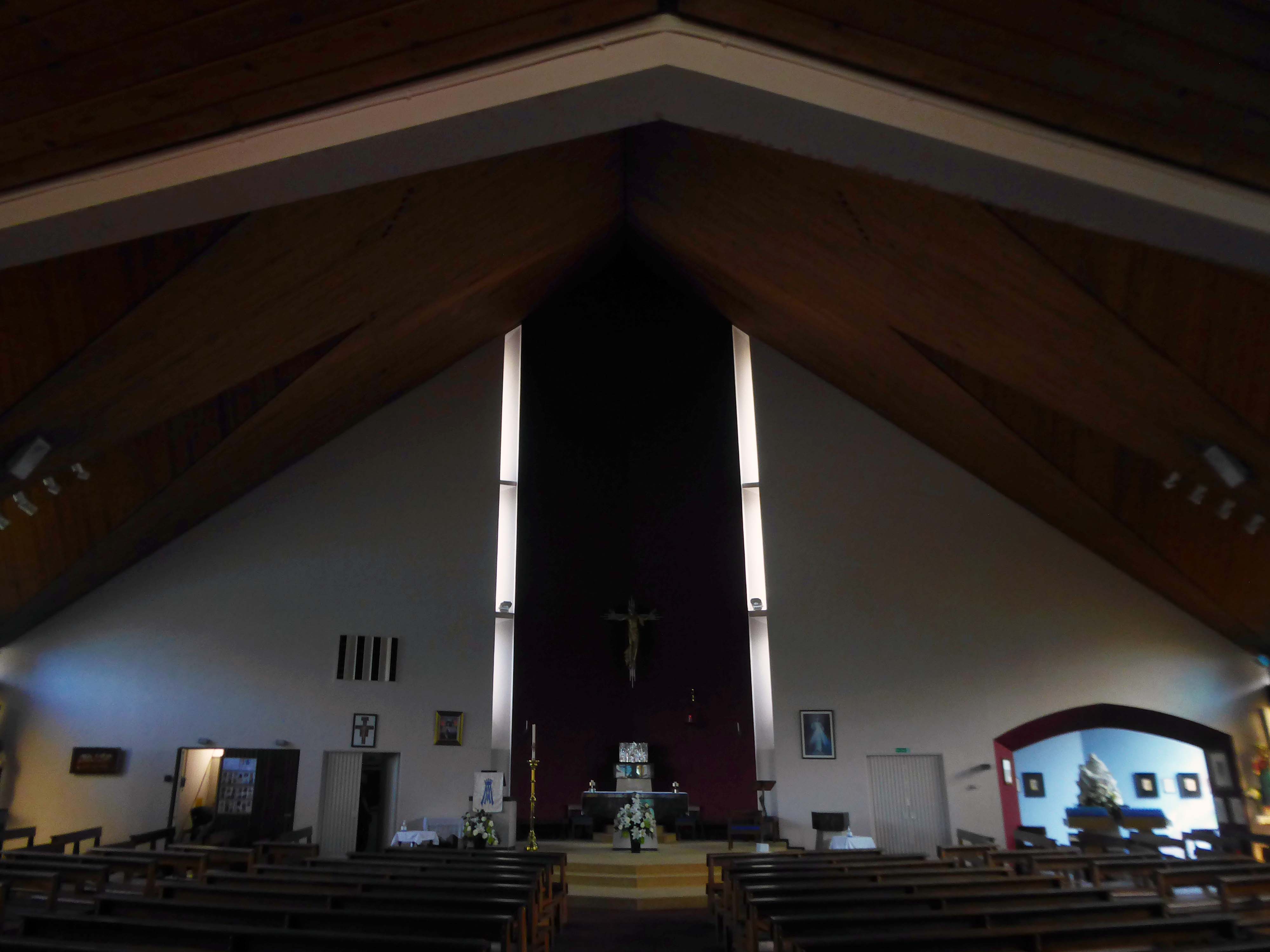
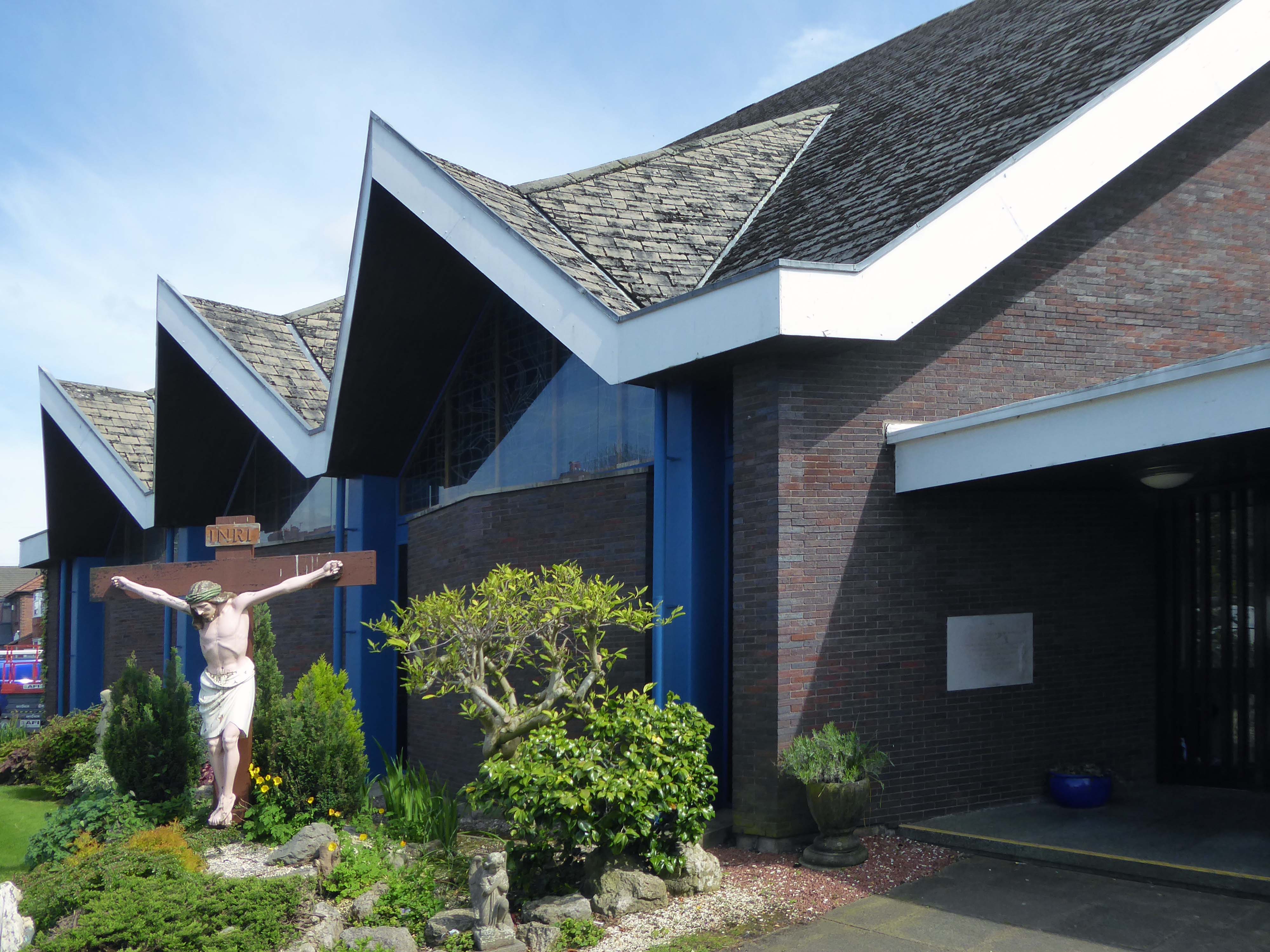
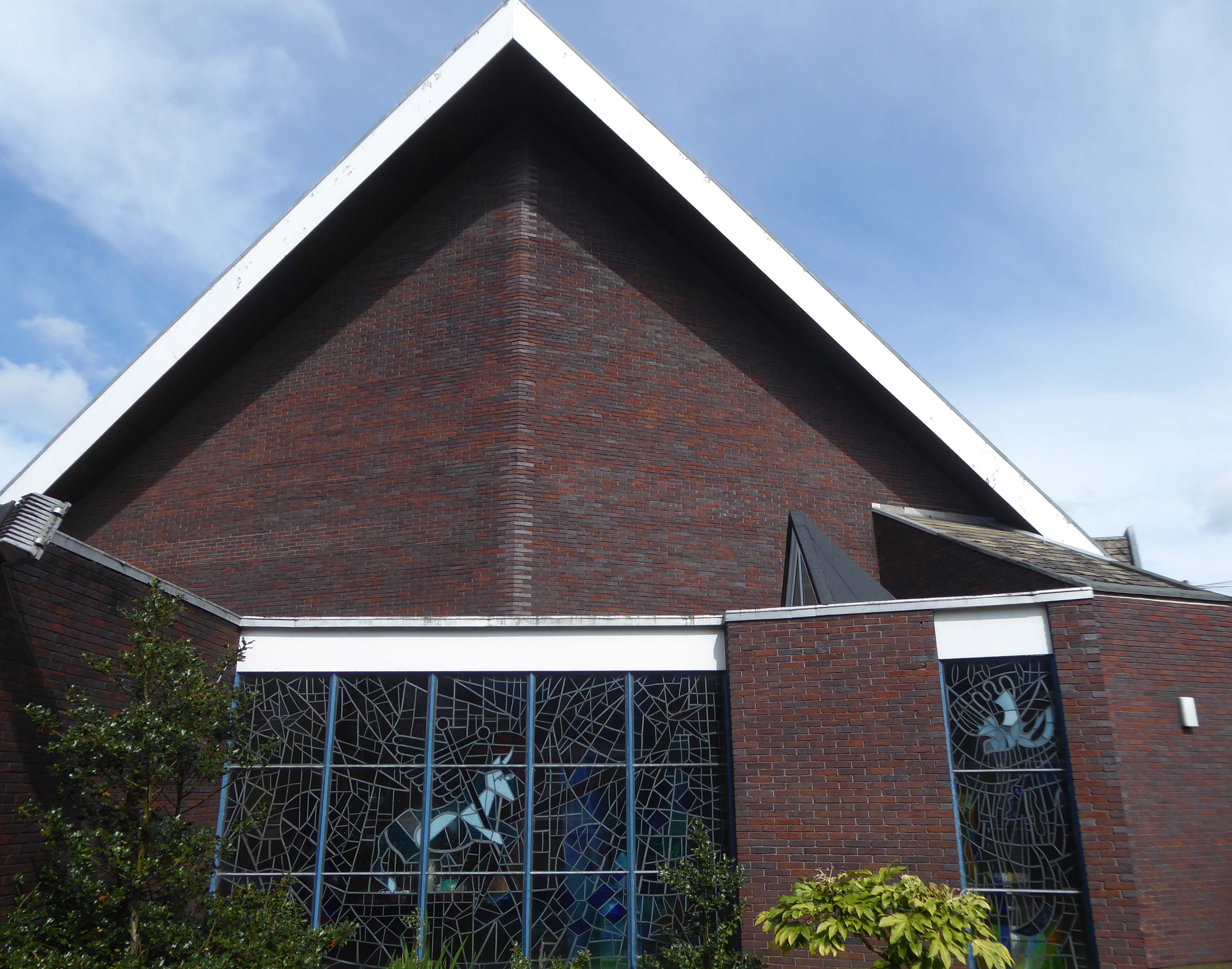
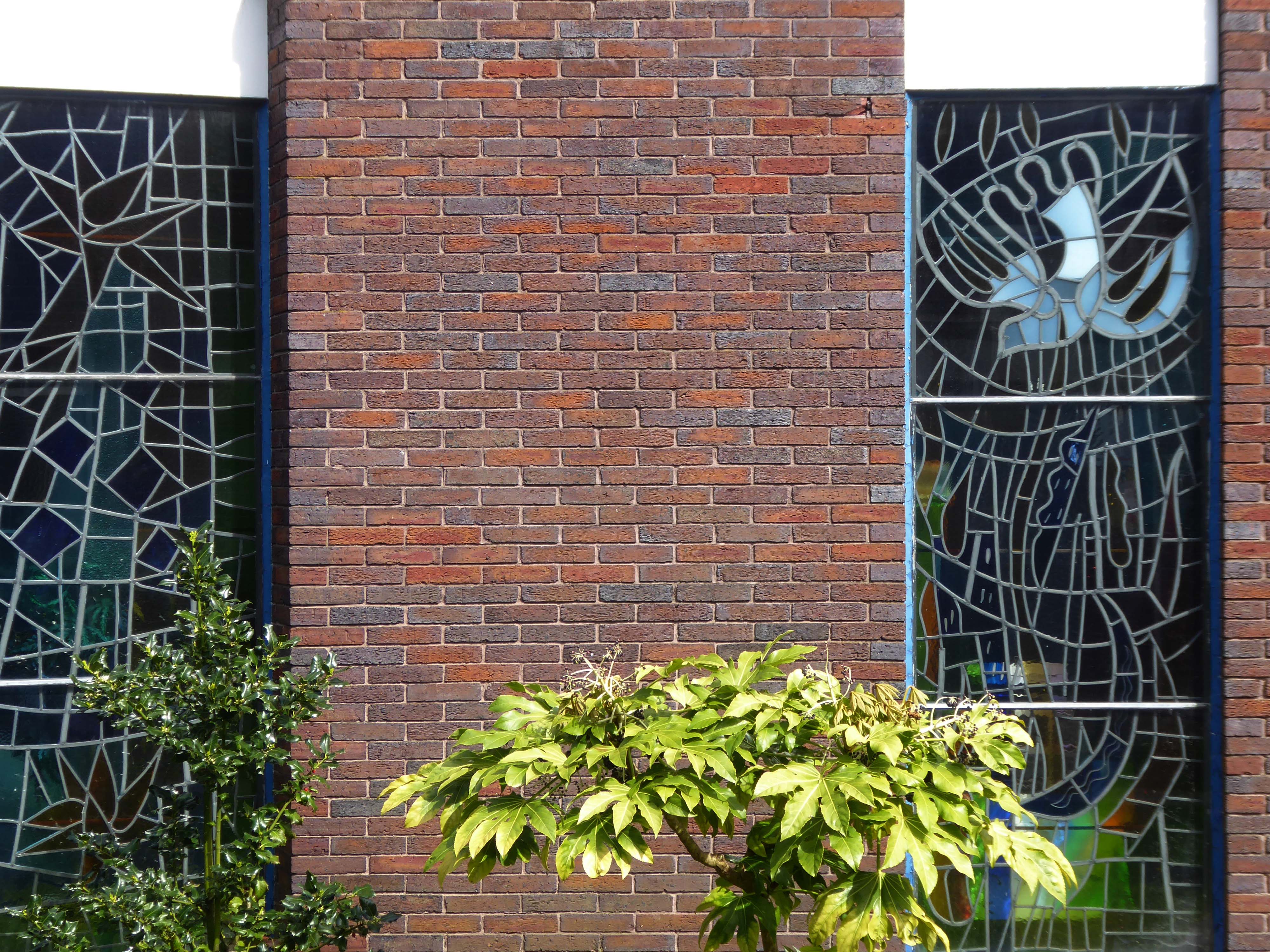
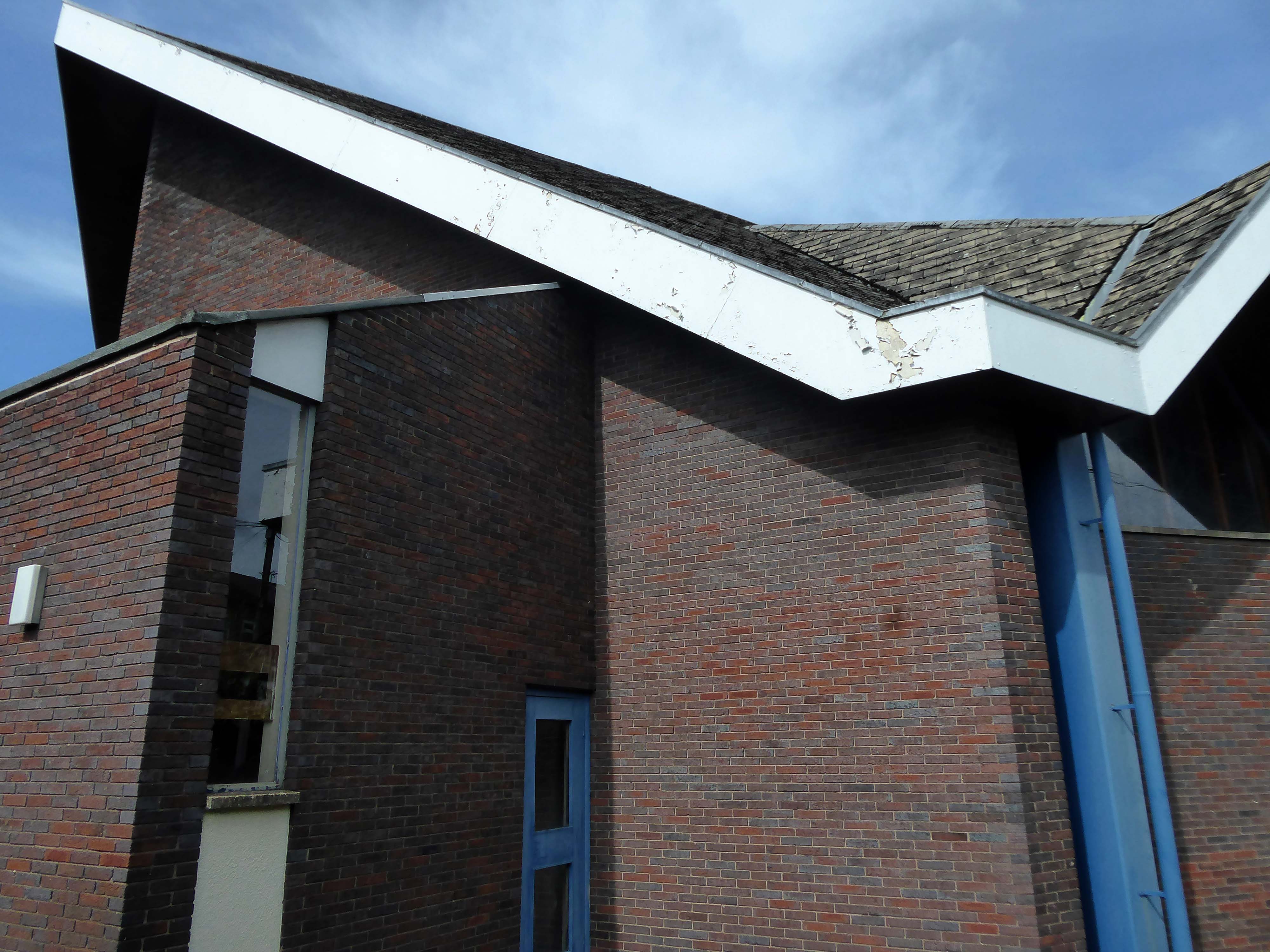
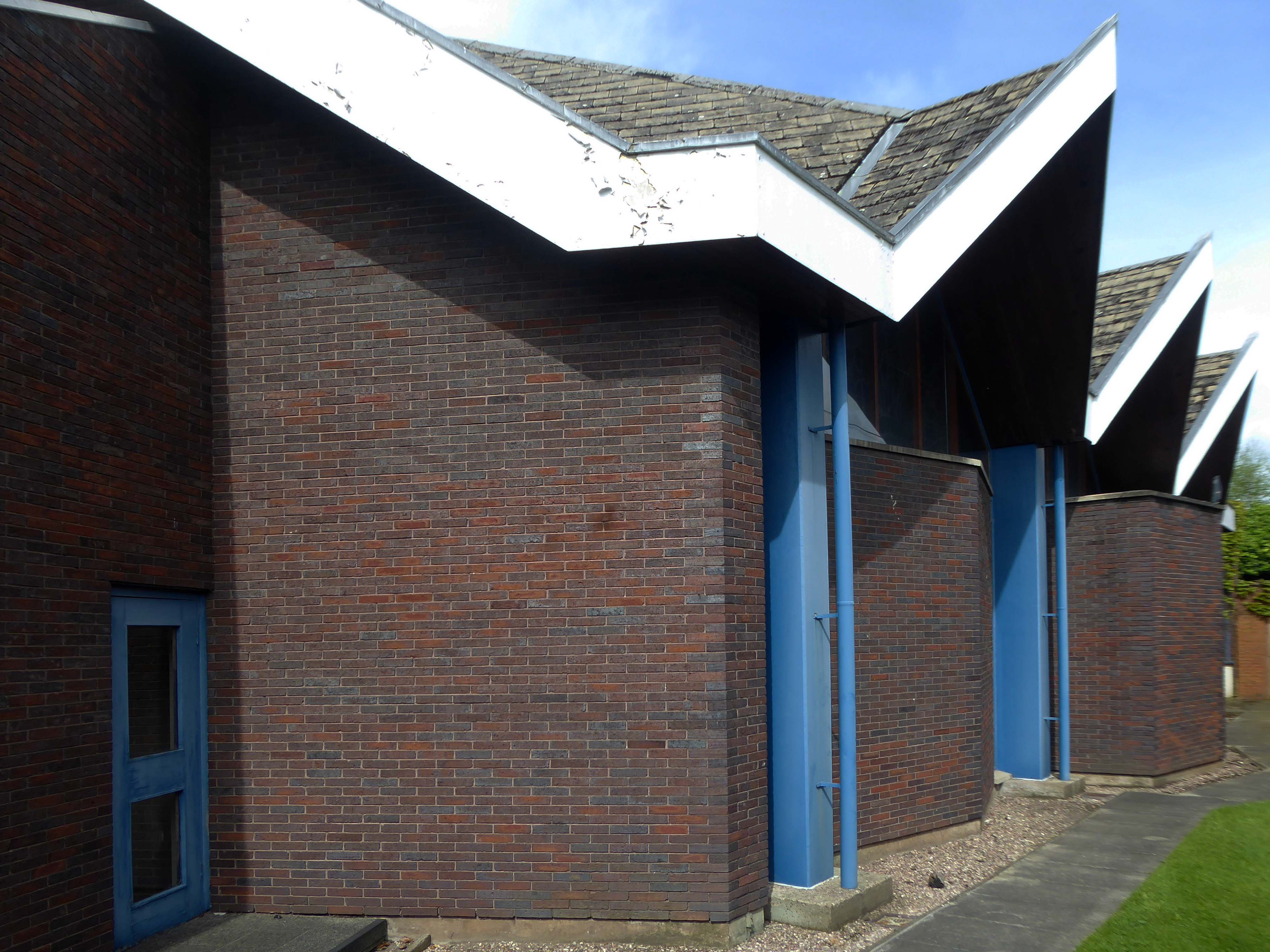
All orientations given are liturgical. The church is a steel-framed structure with loadbearing gable walls built on a series of rafts to guard against mining subsidence. It was designed to ensure that the congregation would have unimpeded views of the sanctuary, and the architects described the layout as ‘in conformity with the Spirit of the new Constitution’. The plan is near rectangular, angled at the east end, with a striking roof swooping up at the east end and trios of sharply pointed gables on each side.

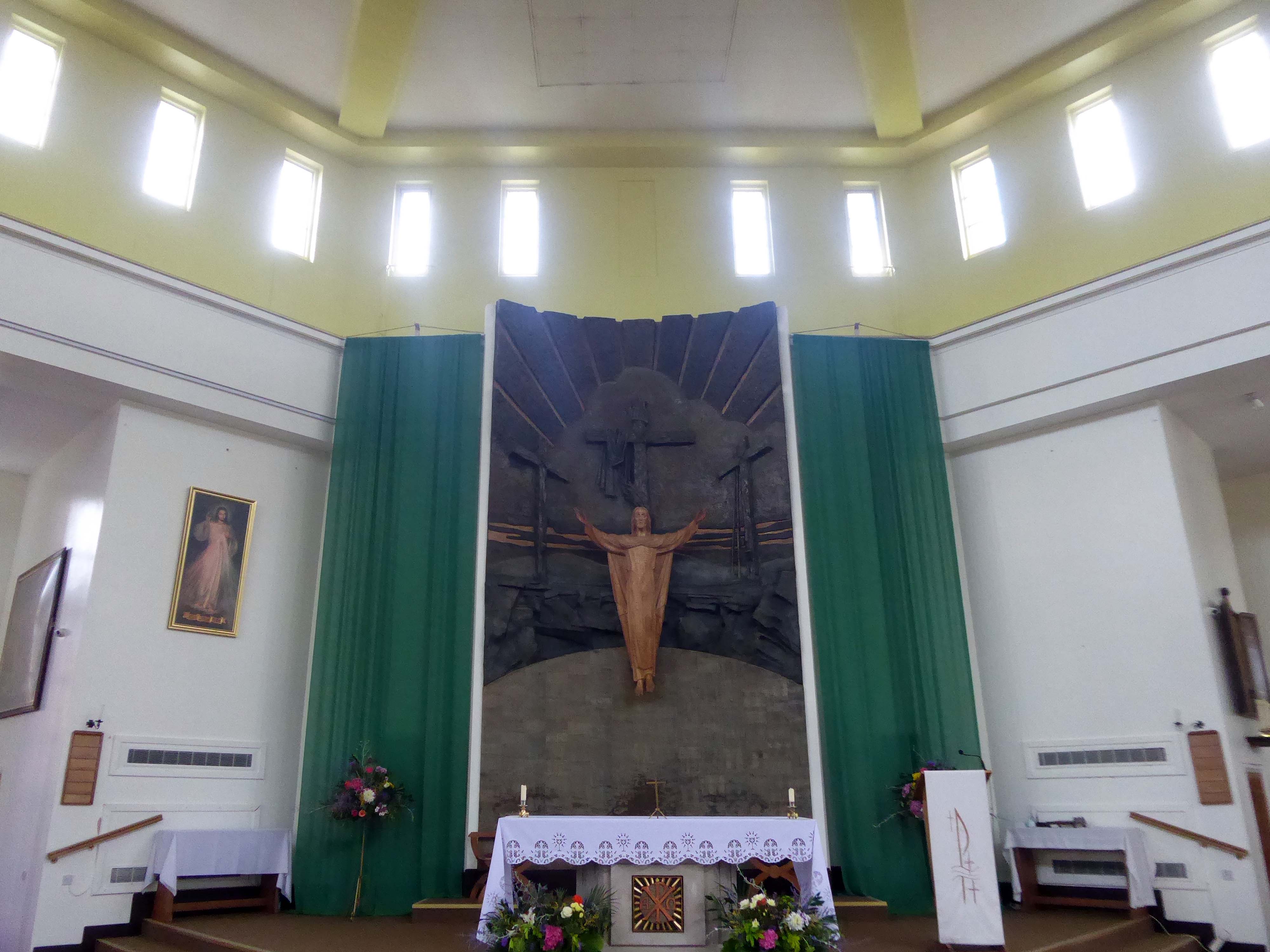
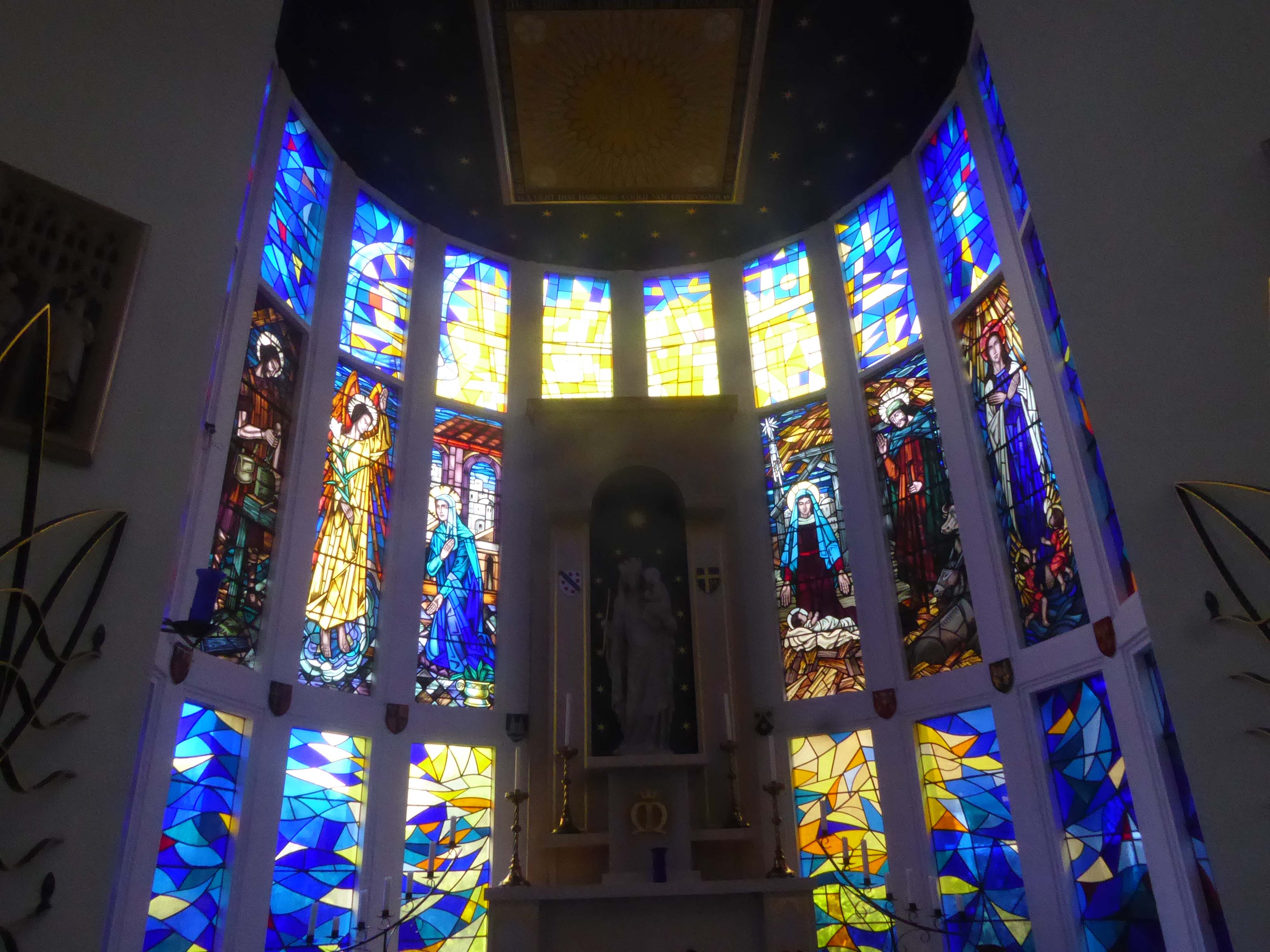
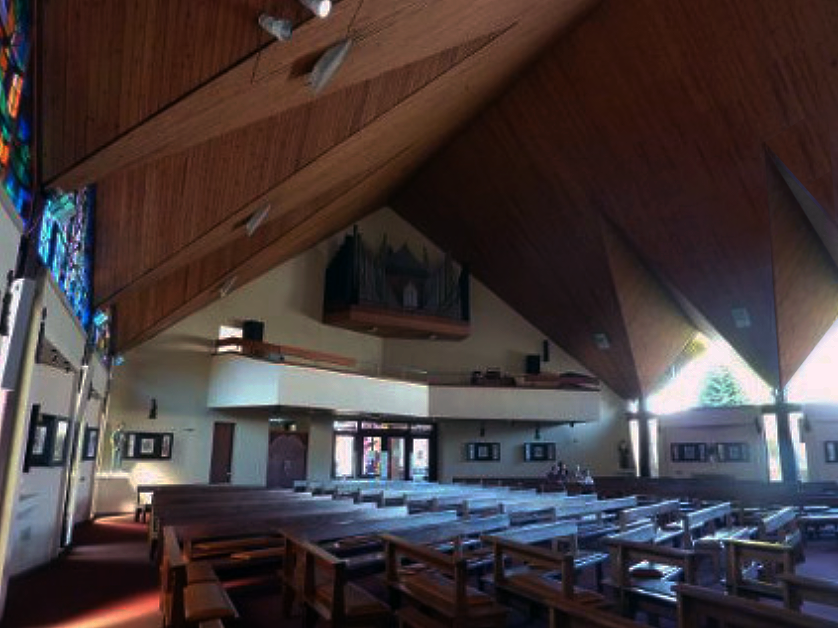
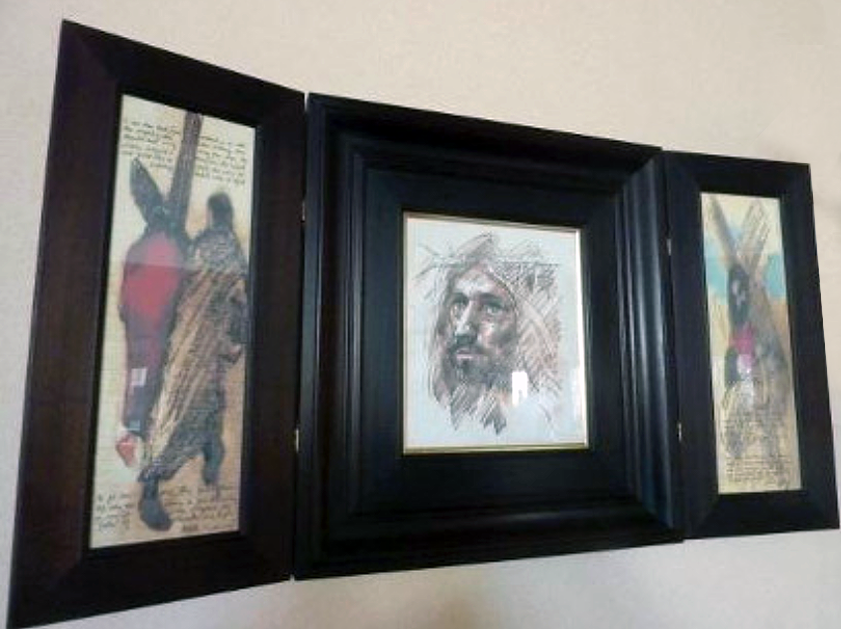
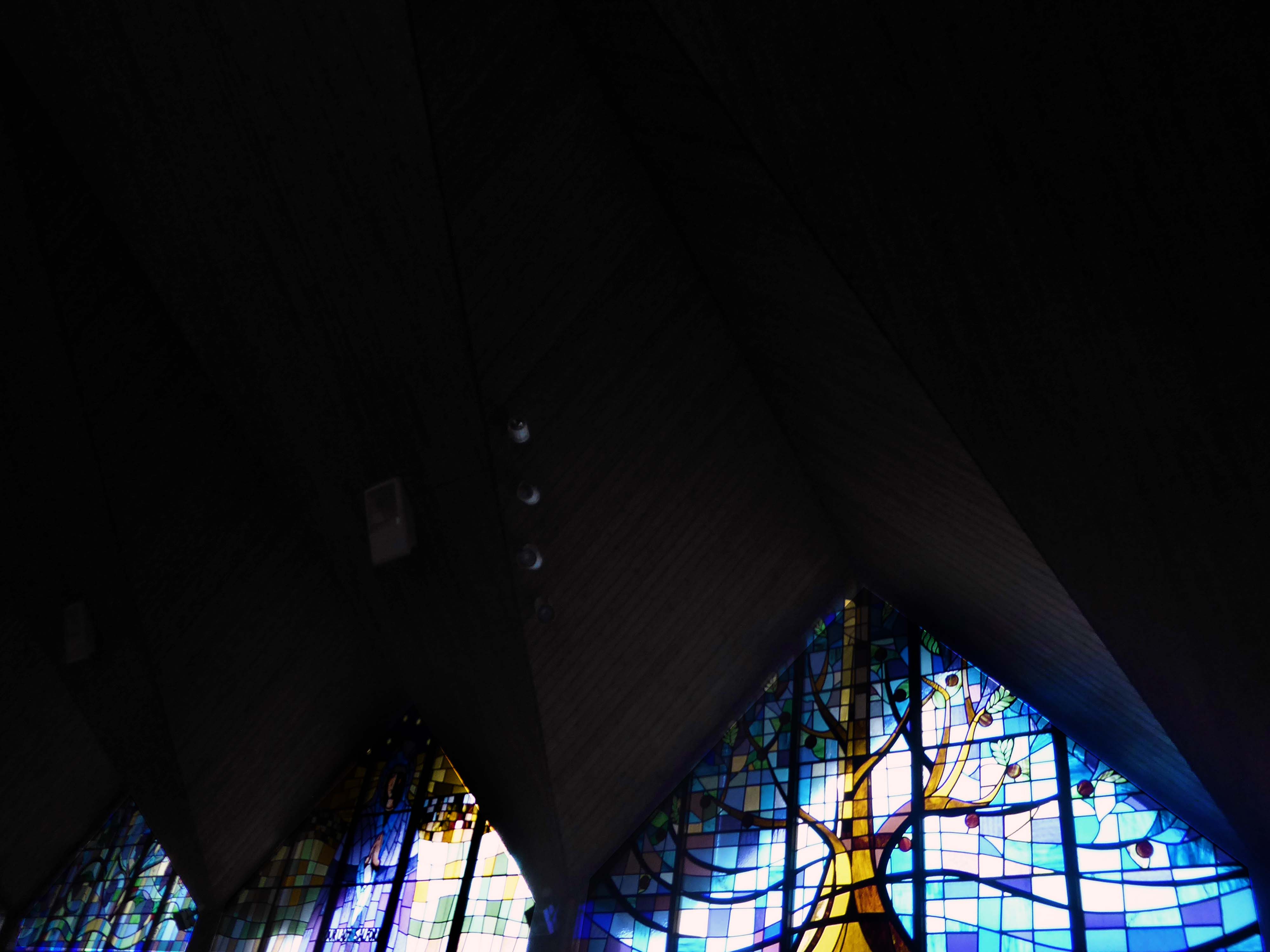
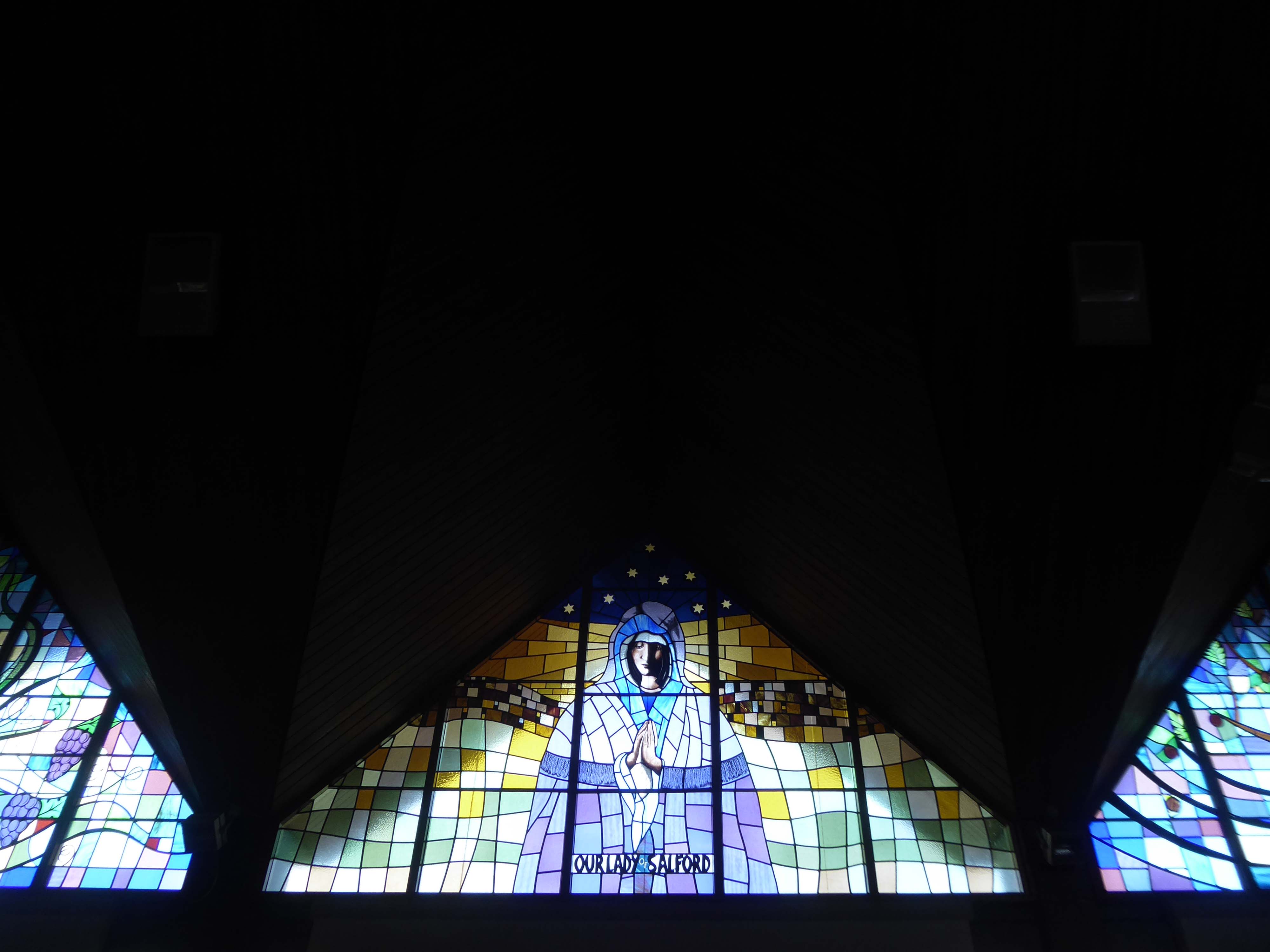
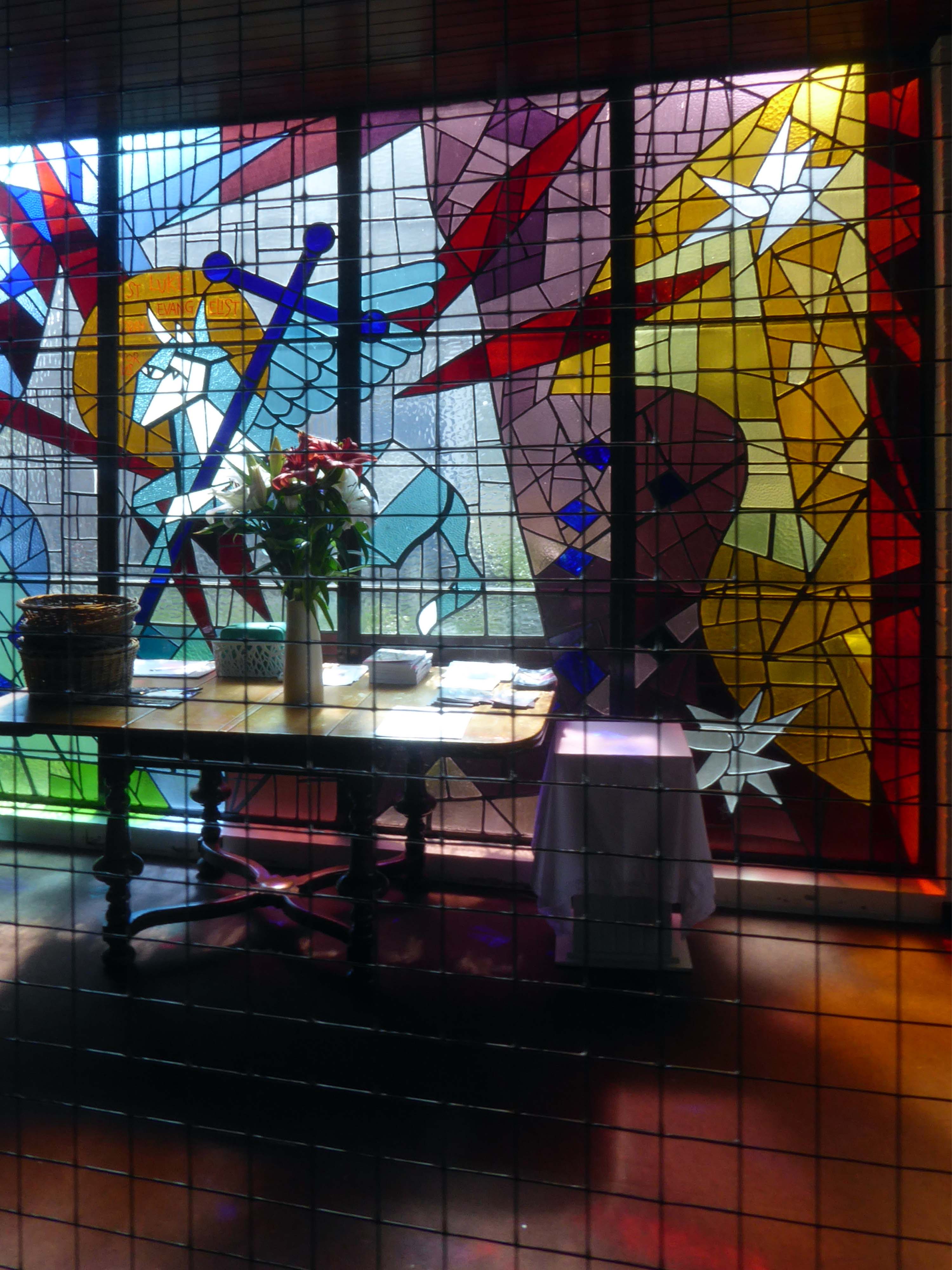
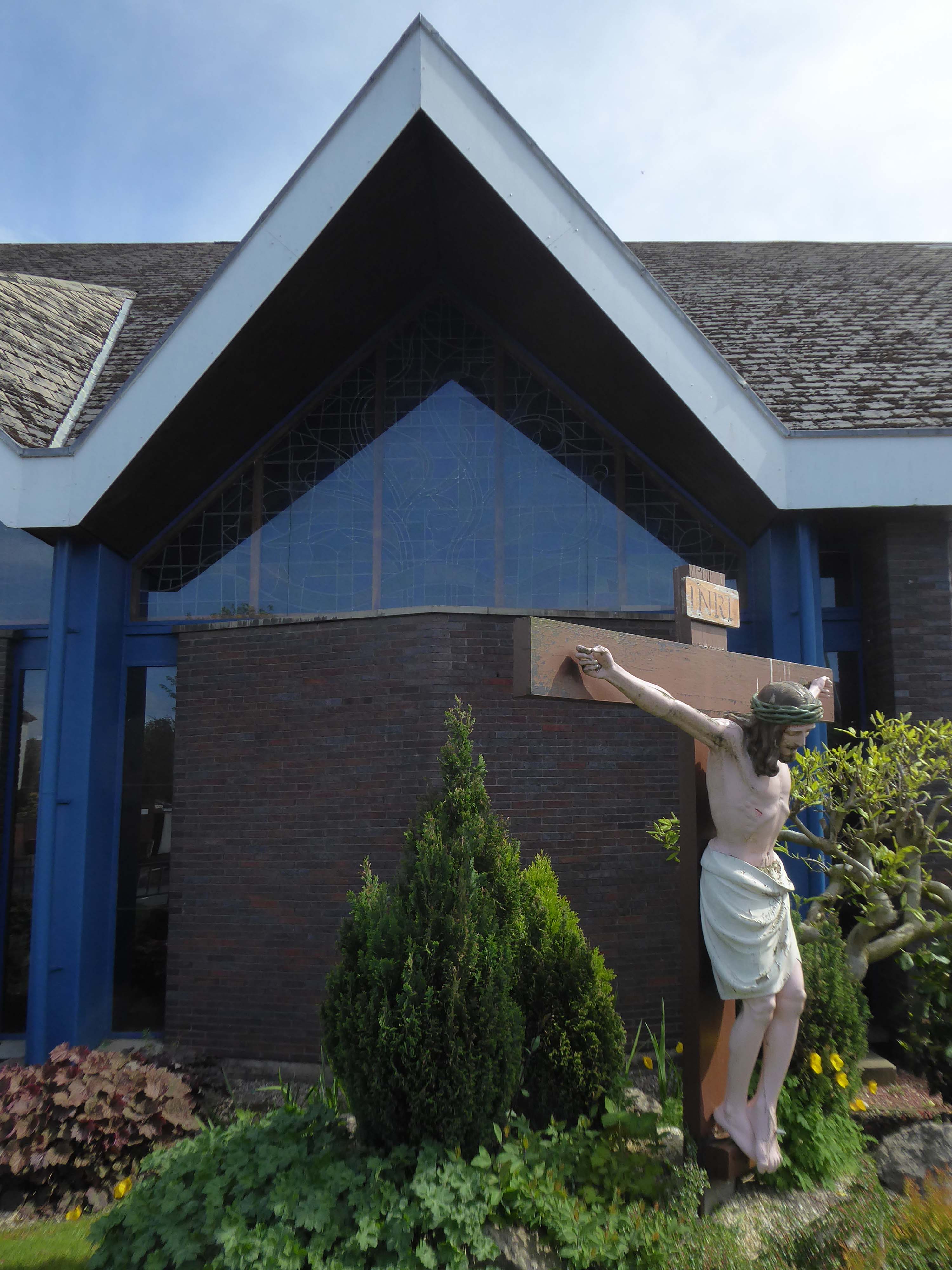
The building is entered on the northwest side via a low porch which gives to a narthex and a former baptistery lit by a pyramidal roof light, attached on the west side. Light pours in to the narthex from a screen with semi-abstract stained glass with the ox symbol of St Luke, an original fixture. The nave is an impressive and memorable space with the boarded roof forming dramatic shapes which frame the east end and sanctuary, where a pair of full-height slit windows are angled to cast light without creating glare and frame a Crucifix. The roof rises up on each side of the big triangular windows on the north and south sides. Those to the south have stained glass showing the Tree of Life the True Vine and the Cross of Faith designed by Roy Coomber of Pendle Stained Glass in 2002-3. There is a cantilevered west gallery with a pipe organ set into the wall above it and a southeast chapel, now a Lady Chapel, formerly of the Blessed Sacrament, with stained glass on sacramental themes. A Pietà in the chapel probably originated in the previous church. The tabernacle, of stainless steel with high relief abstract modelling, was repositioned behind the altar at the time of the reordering. This item and the sanctuary Crucifix with a gilded figure are by an unknown artist. Stations of the Cross are by Harold Riley, installed in circa 2003. They consist of triptychs executed in pencil and wash. Other works by Riley include a study of the Virgin dated 2003 and a print of his painting Our Lady of Manchester.

Taking Stock

I had a very brief moment in time to photograph the interior in very low light.

But a little more time to wander around outside.

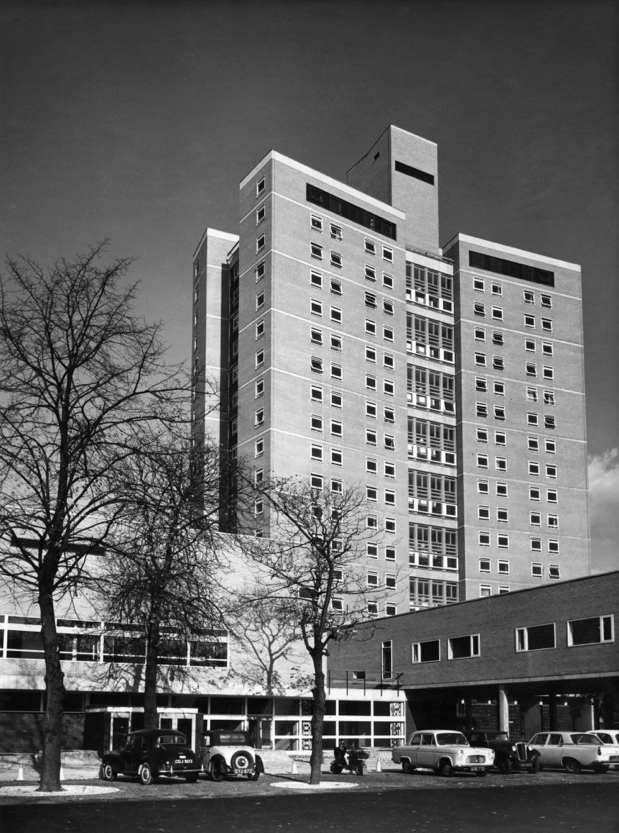
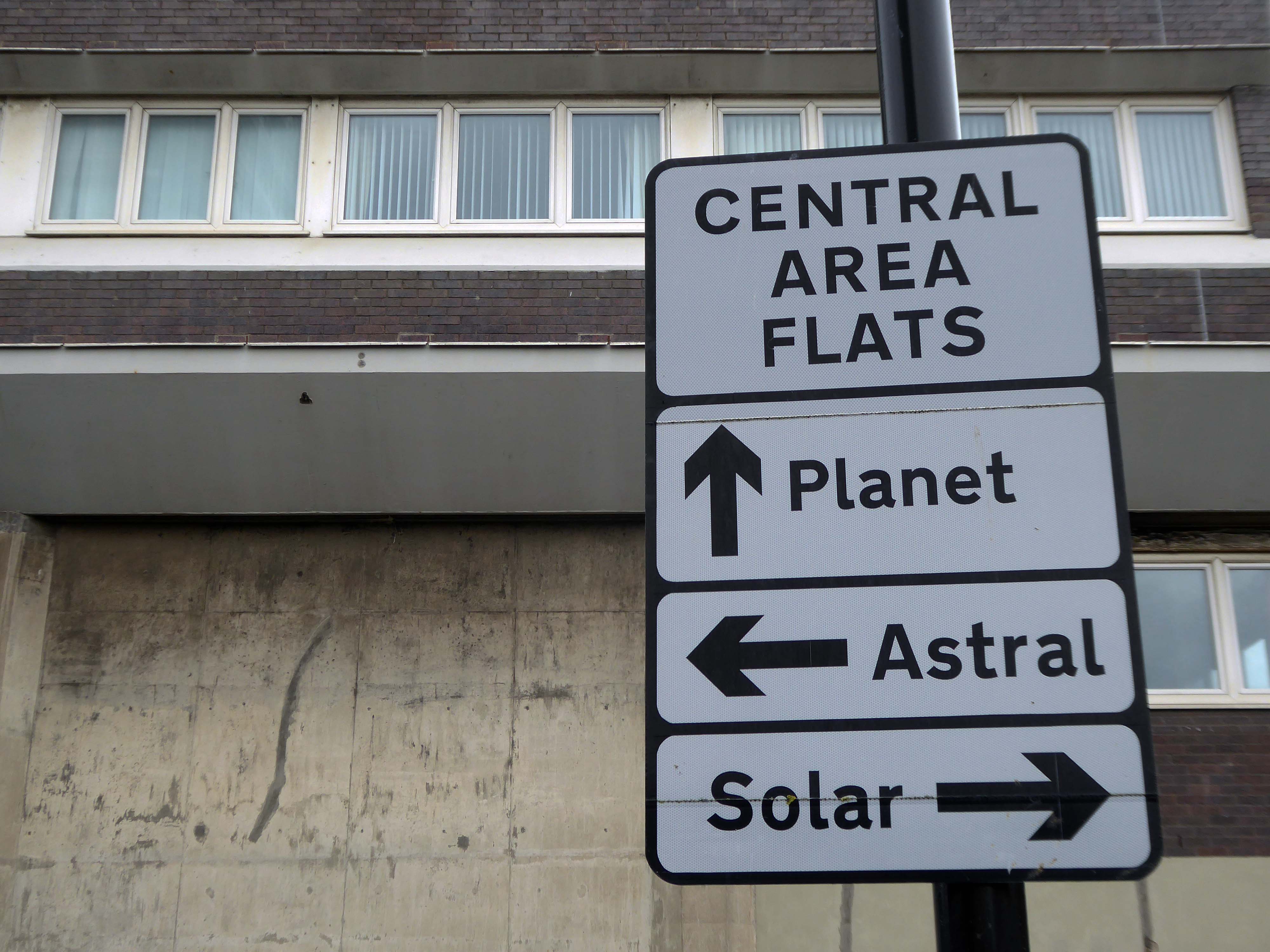
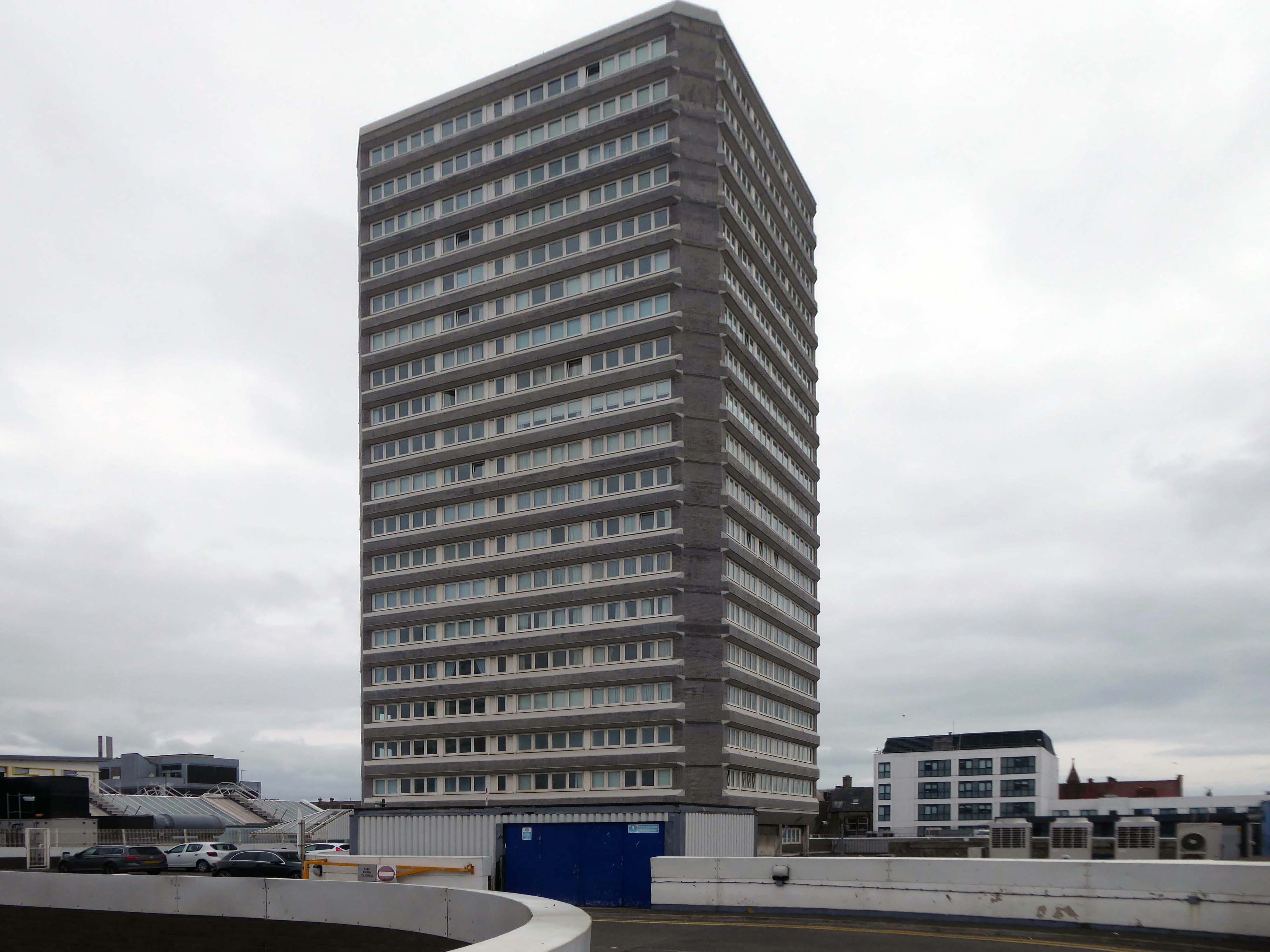
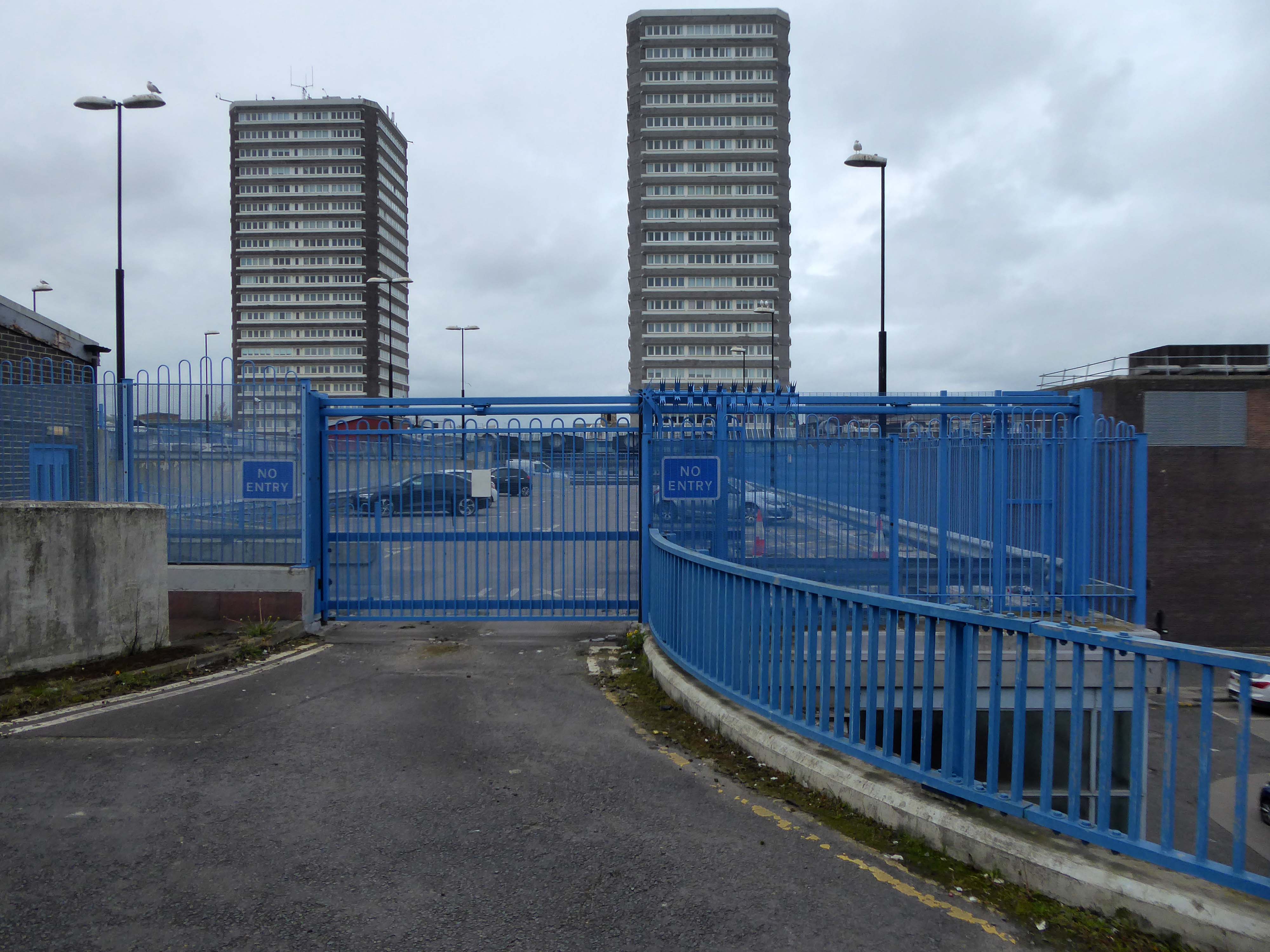
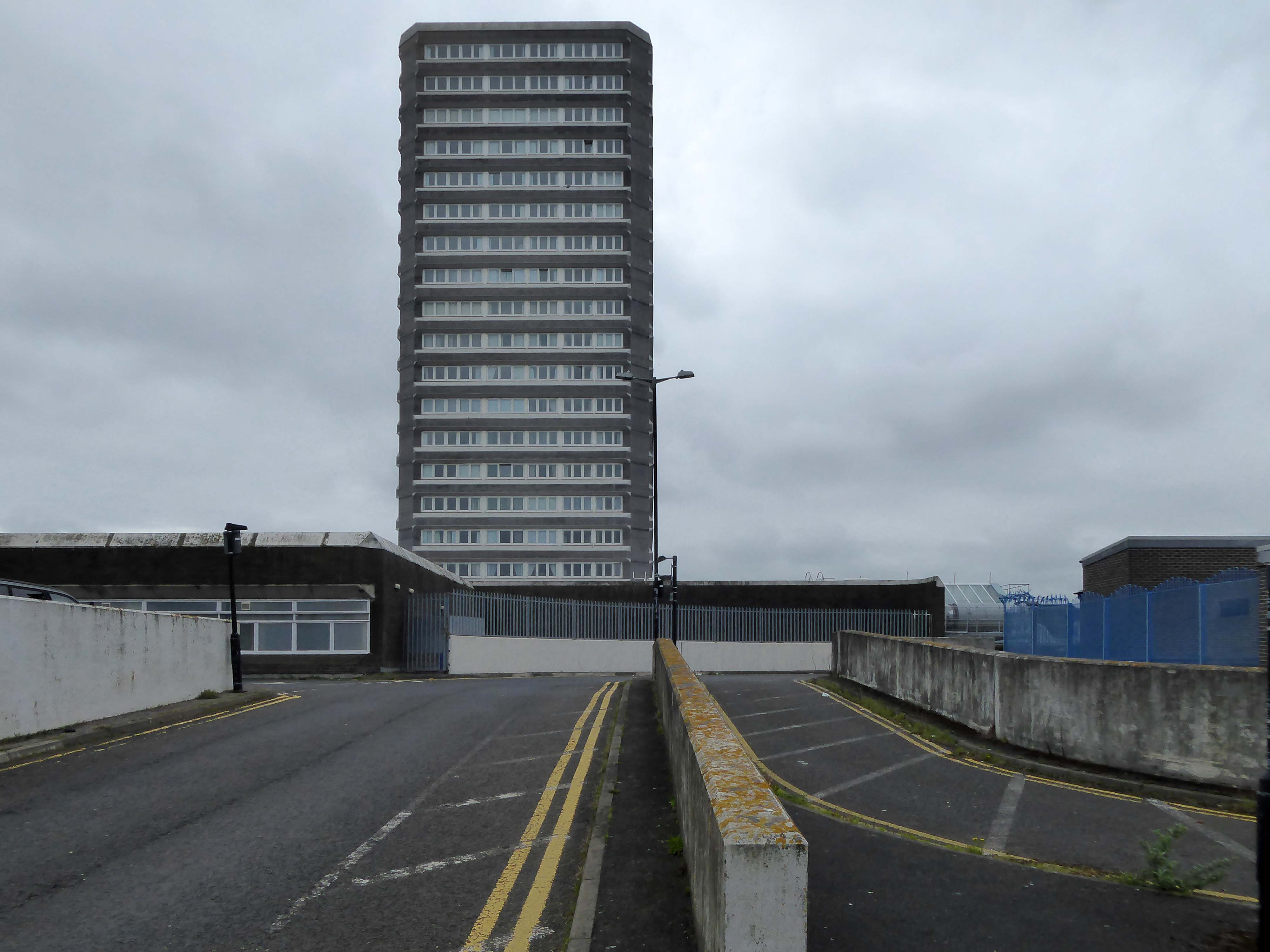
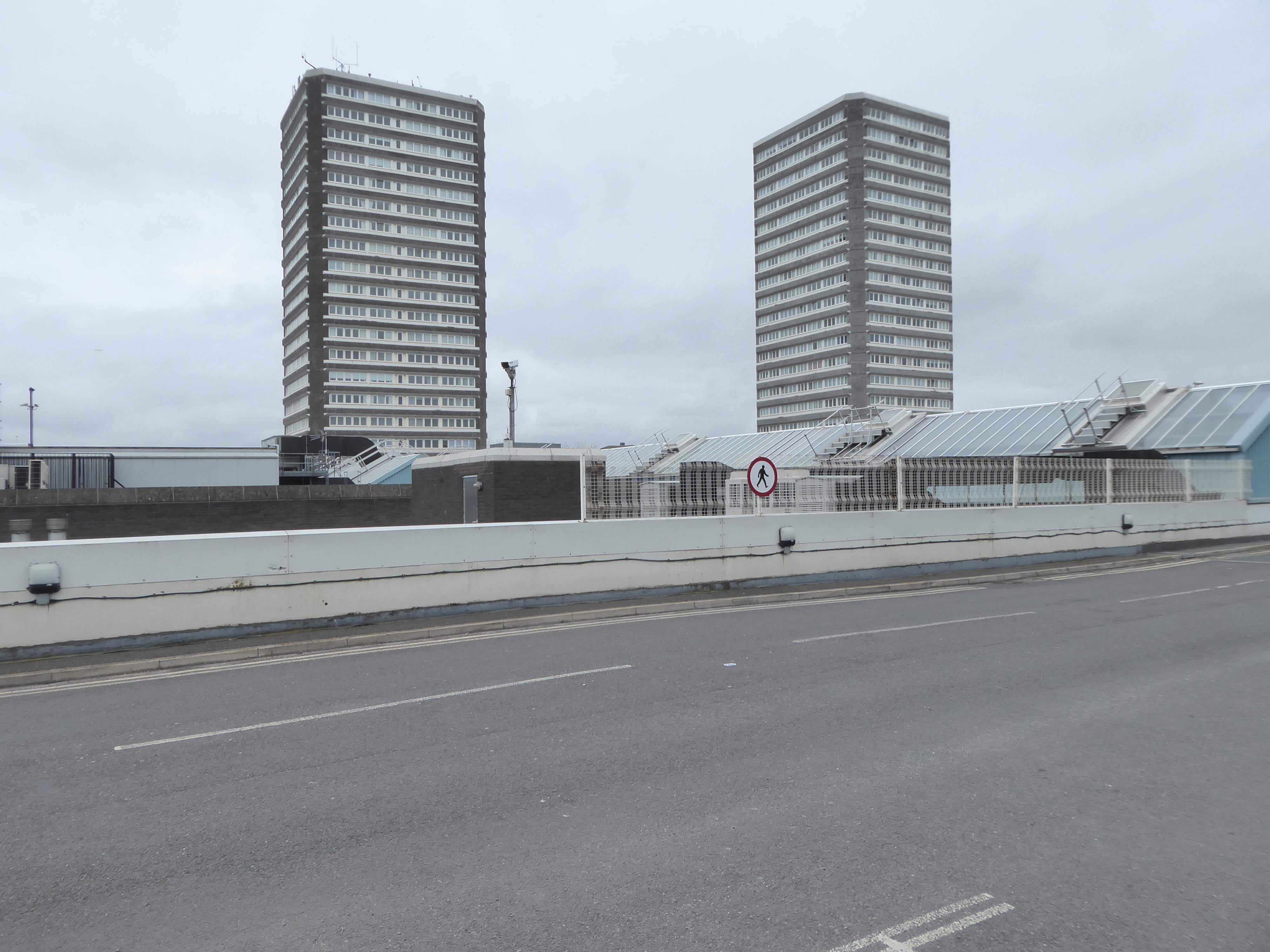
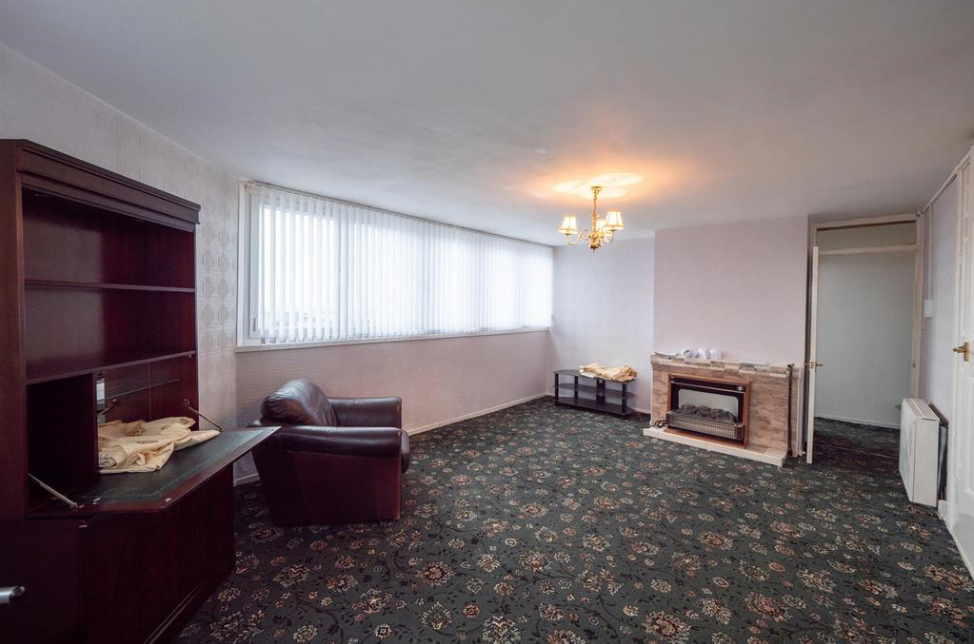
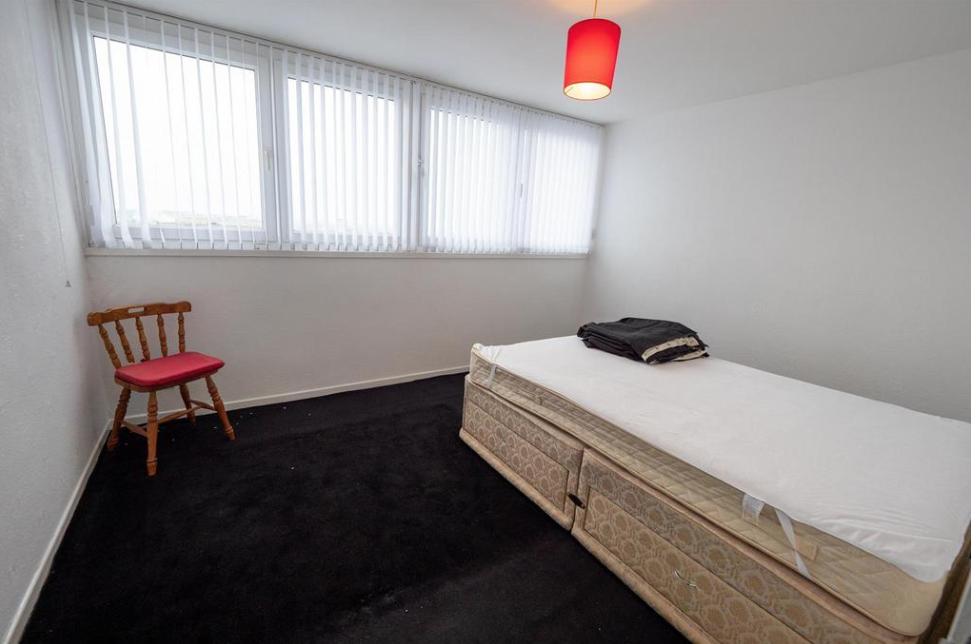
Central Area Flats – Sunderland

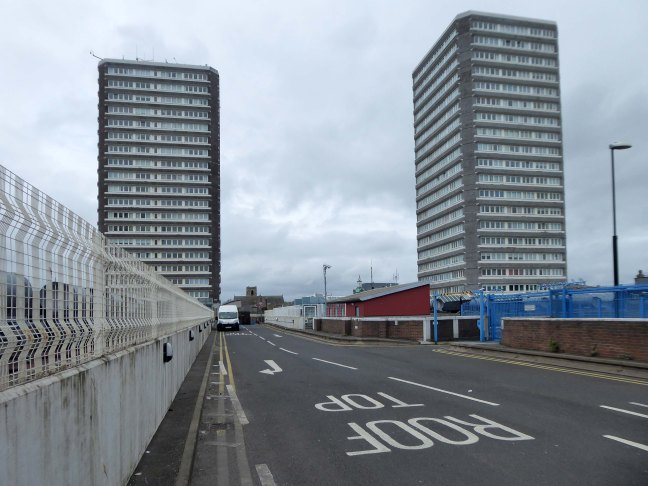
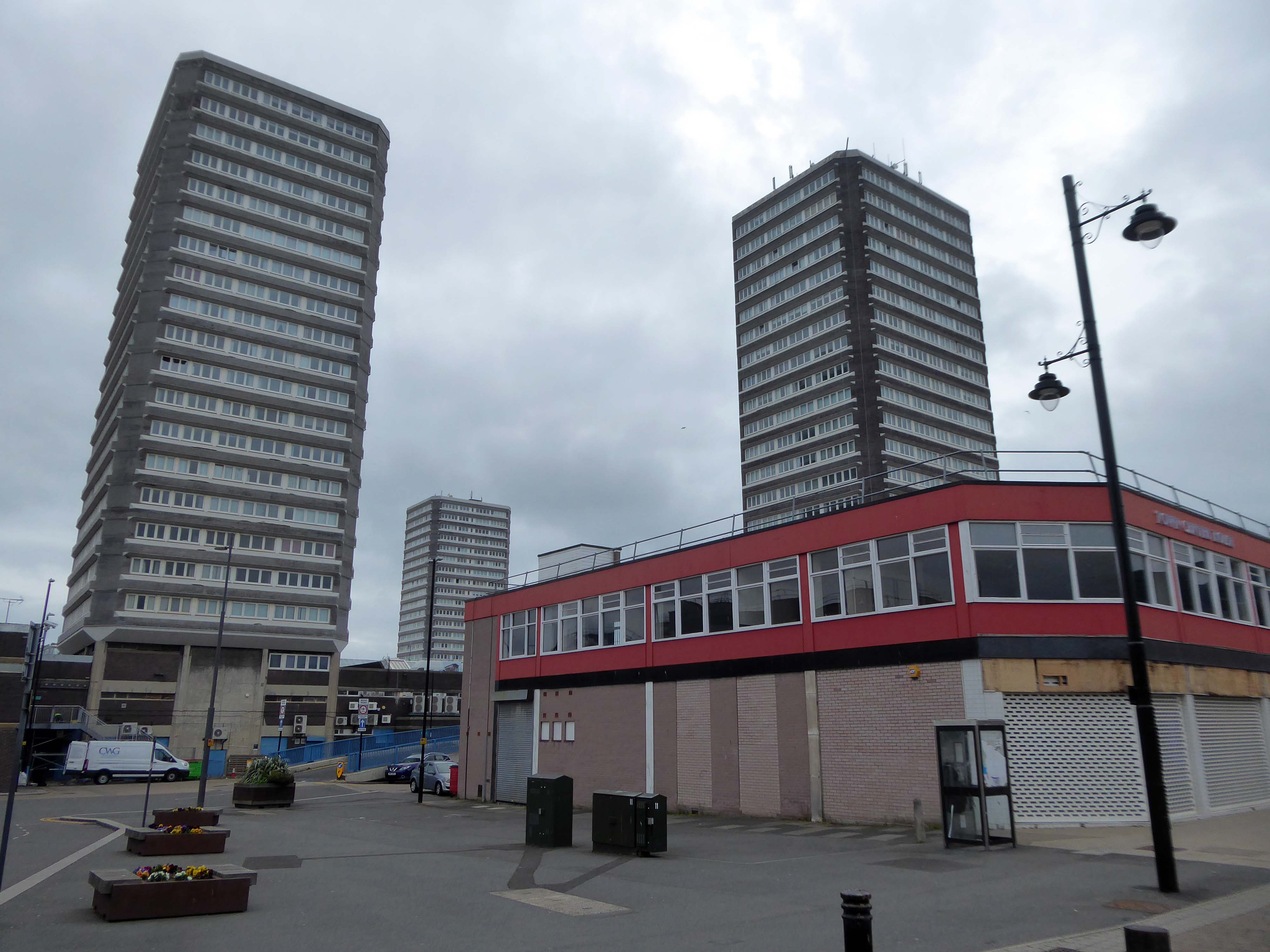
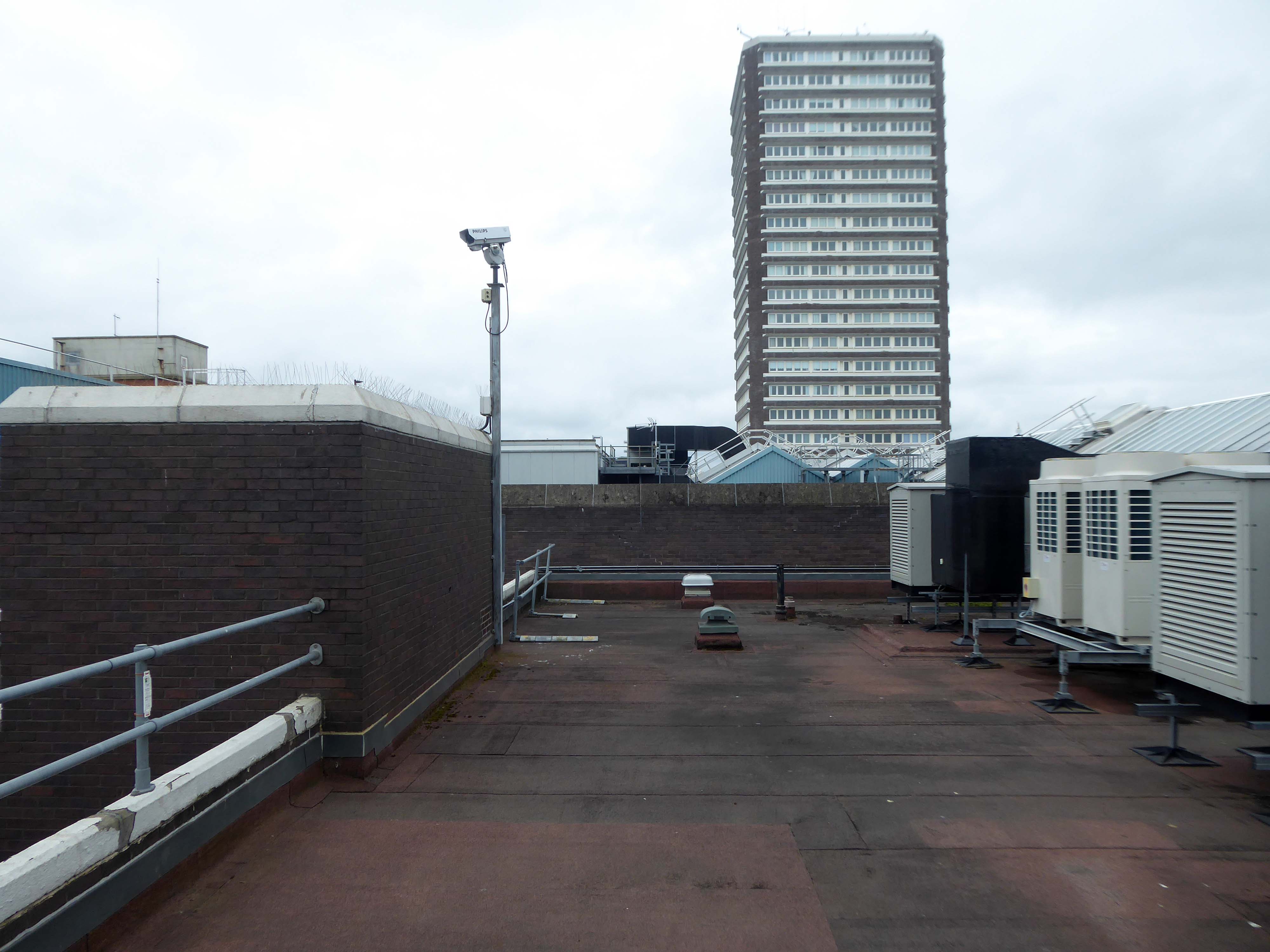
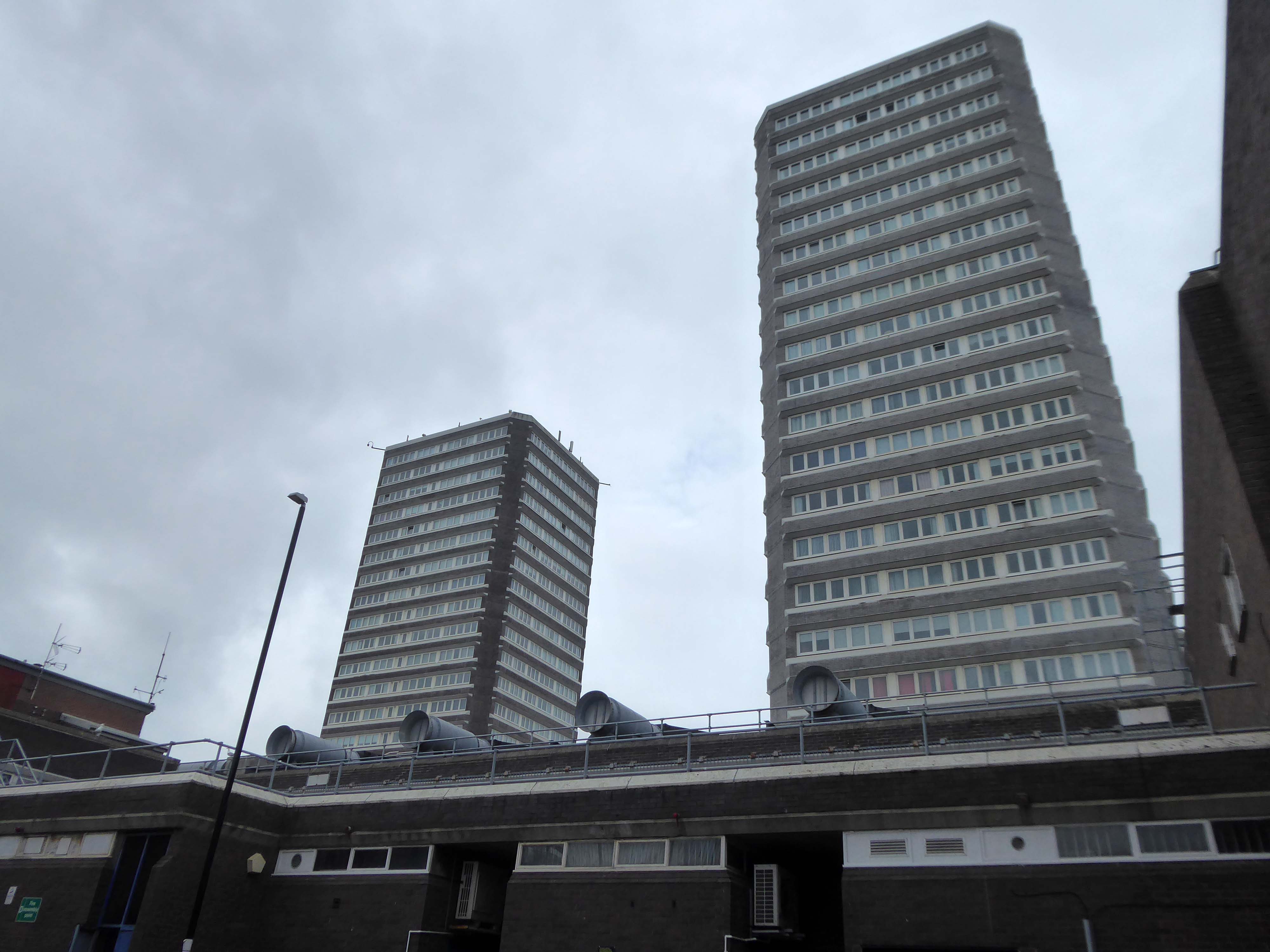
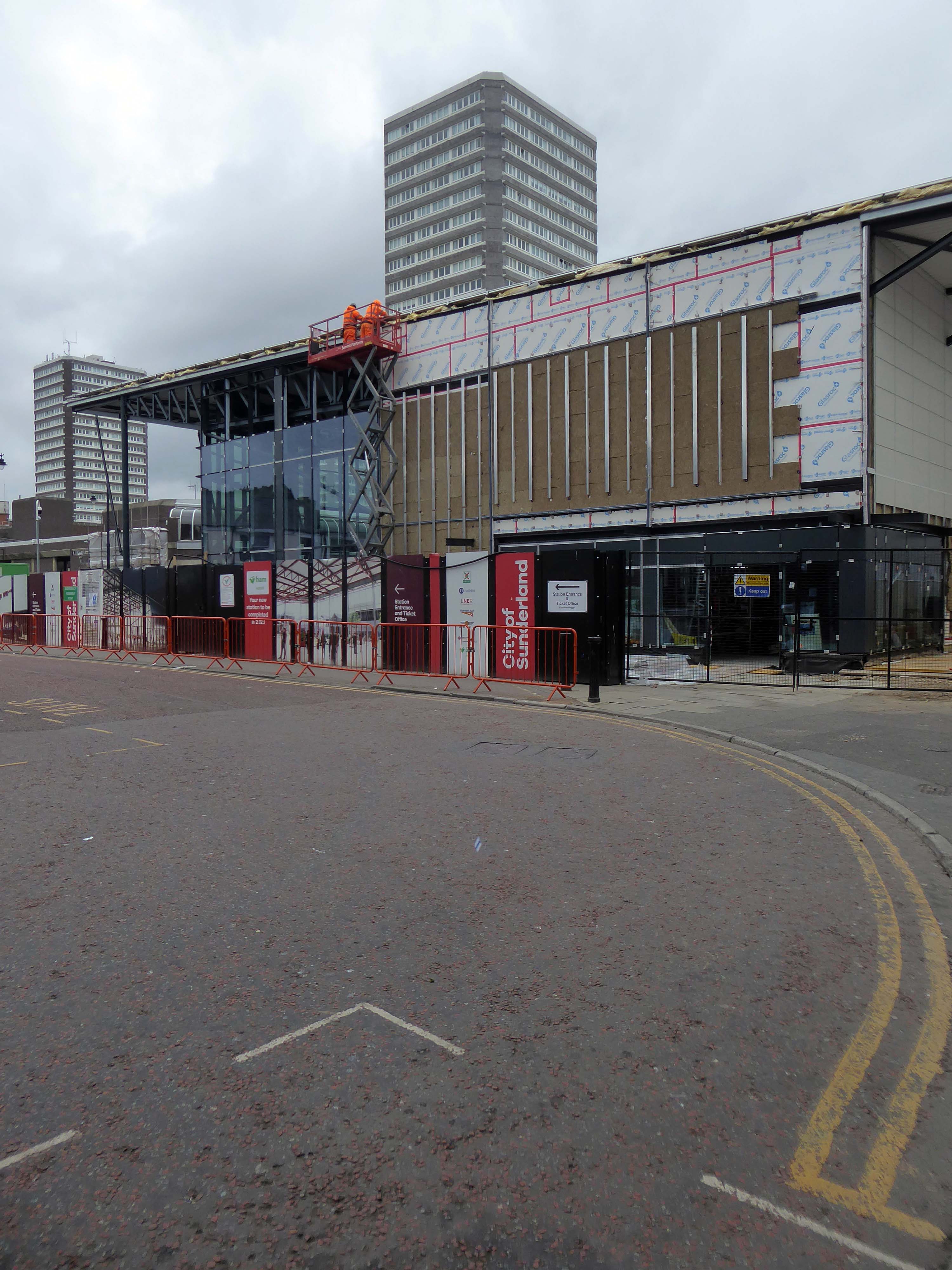
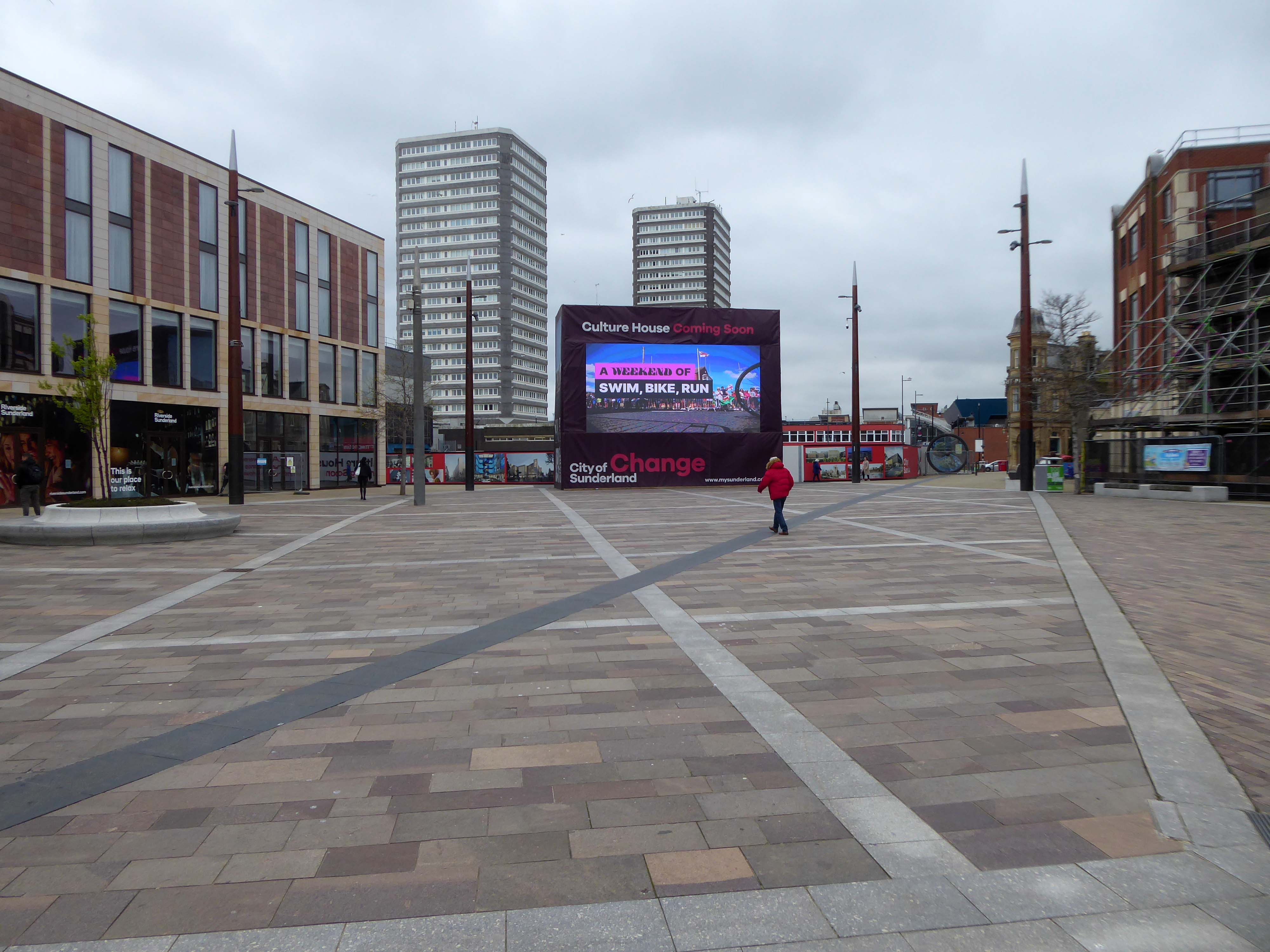
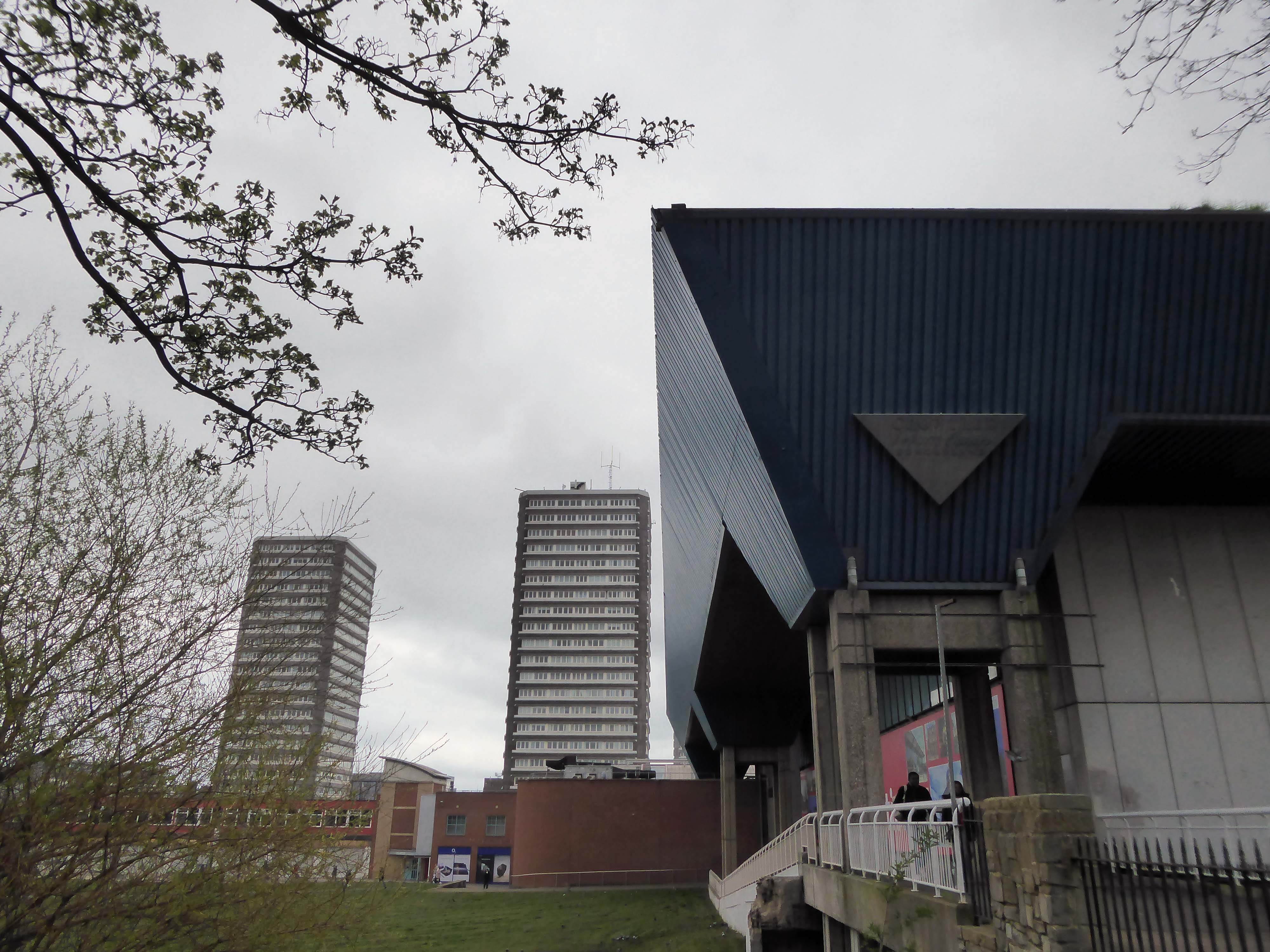
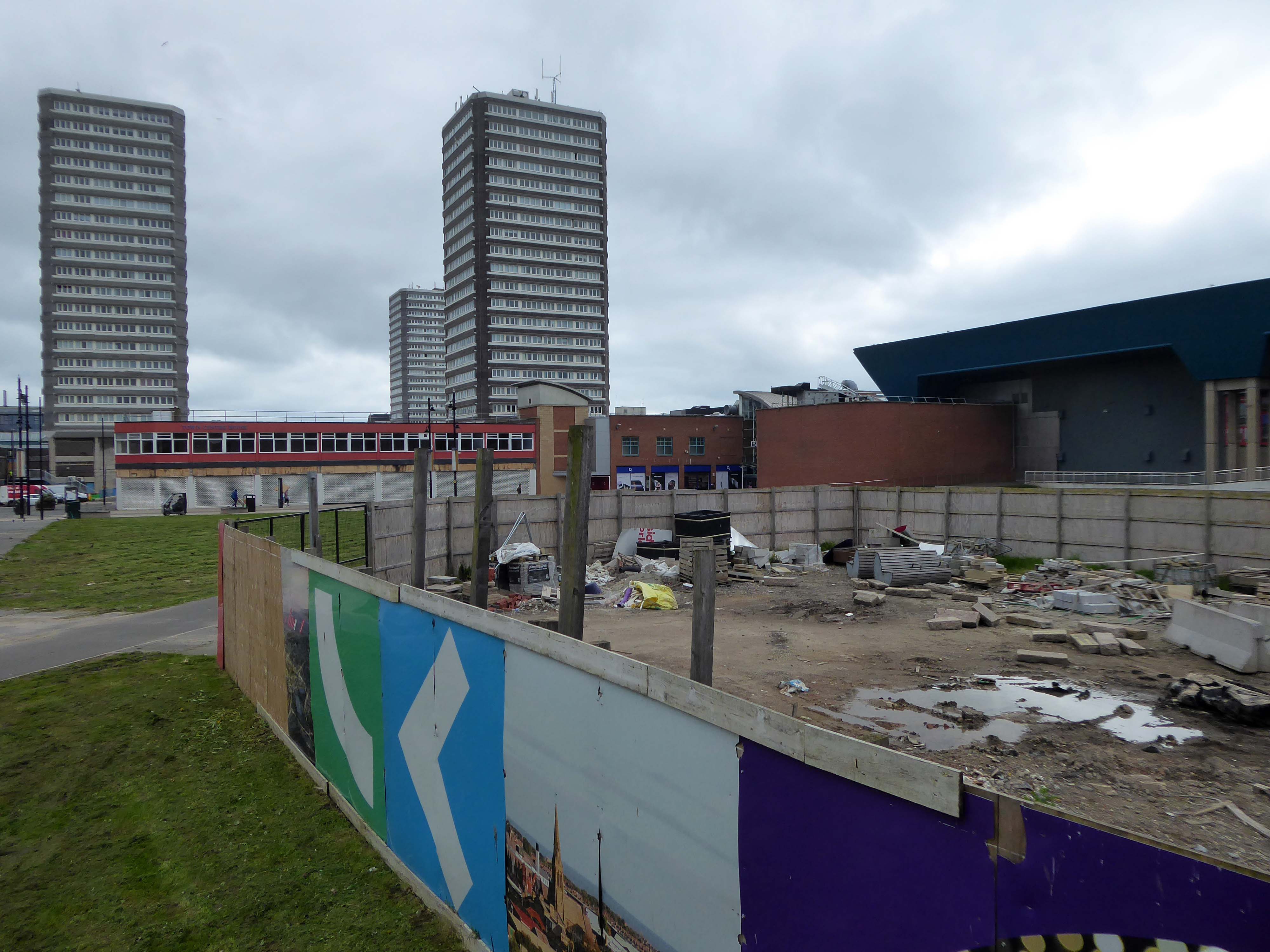
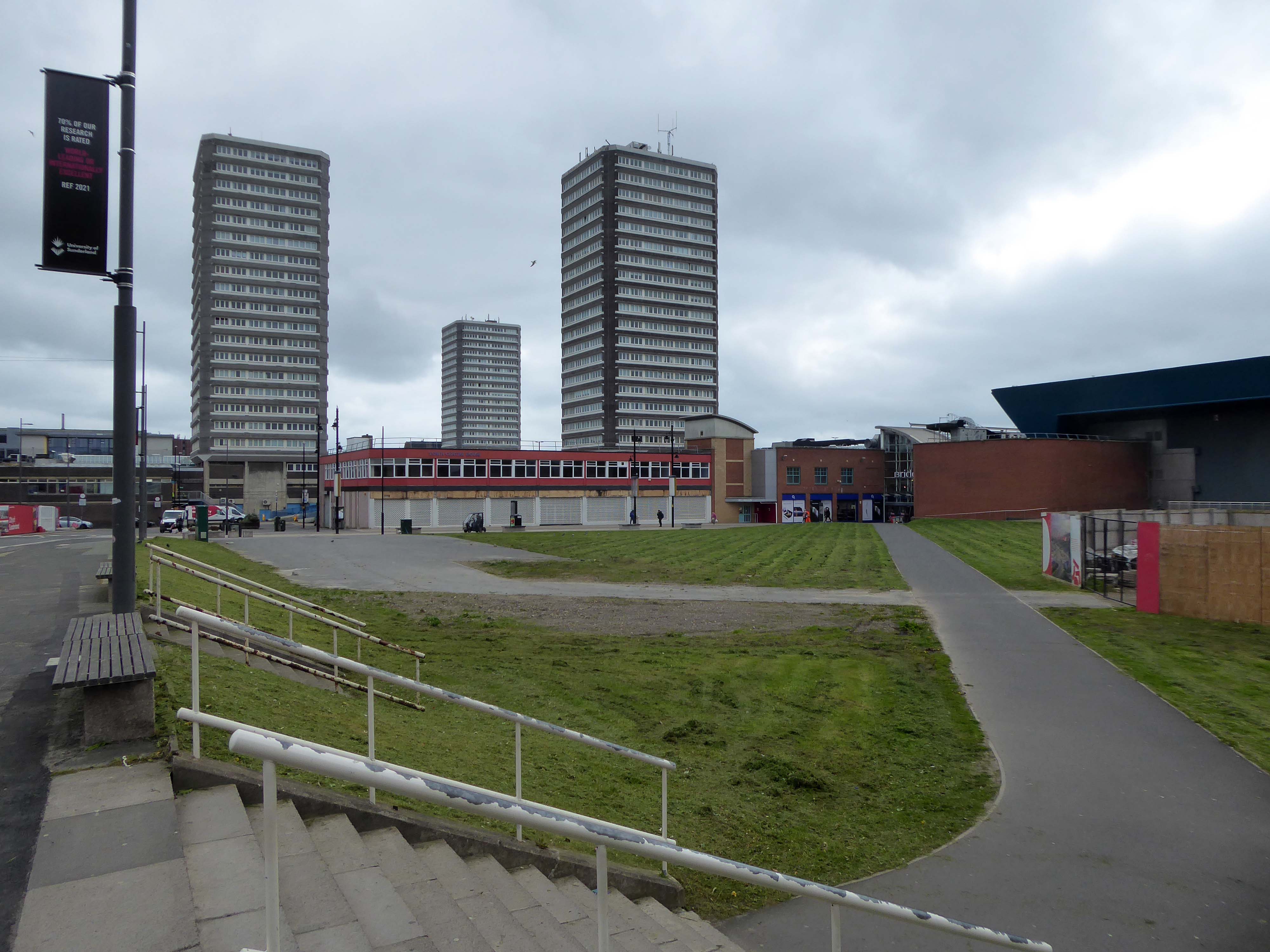
Three nineteen-storey point blocks built as public housing as part of the redevelopment of Sunderland town centre. The blocks contain 270 dwellings in total. Construction was approved by committee in 1967.

The blocks were constructed by Sunderland County Borough Council.

The developers of the Town Central Area were Town and City Properties Ltd. It is believed that they contributed £38,600 to the development of the blocks.

Ian Frazer and Associates were the architects for the sub-structural works only.

Llewelyn, Davies, Weeks and Partners were the structural and mechanical engineers in addition to being the architects for the tower blocks.

Gilbert-Ash Northern Ltd.’s tender for the contract was £959,258 – construction began in March 1967.

Heritage Gateway

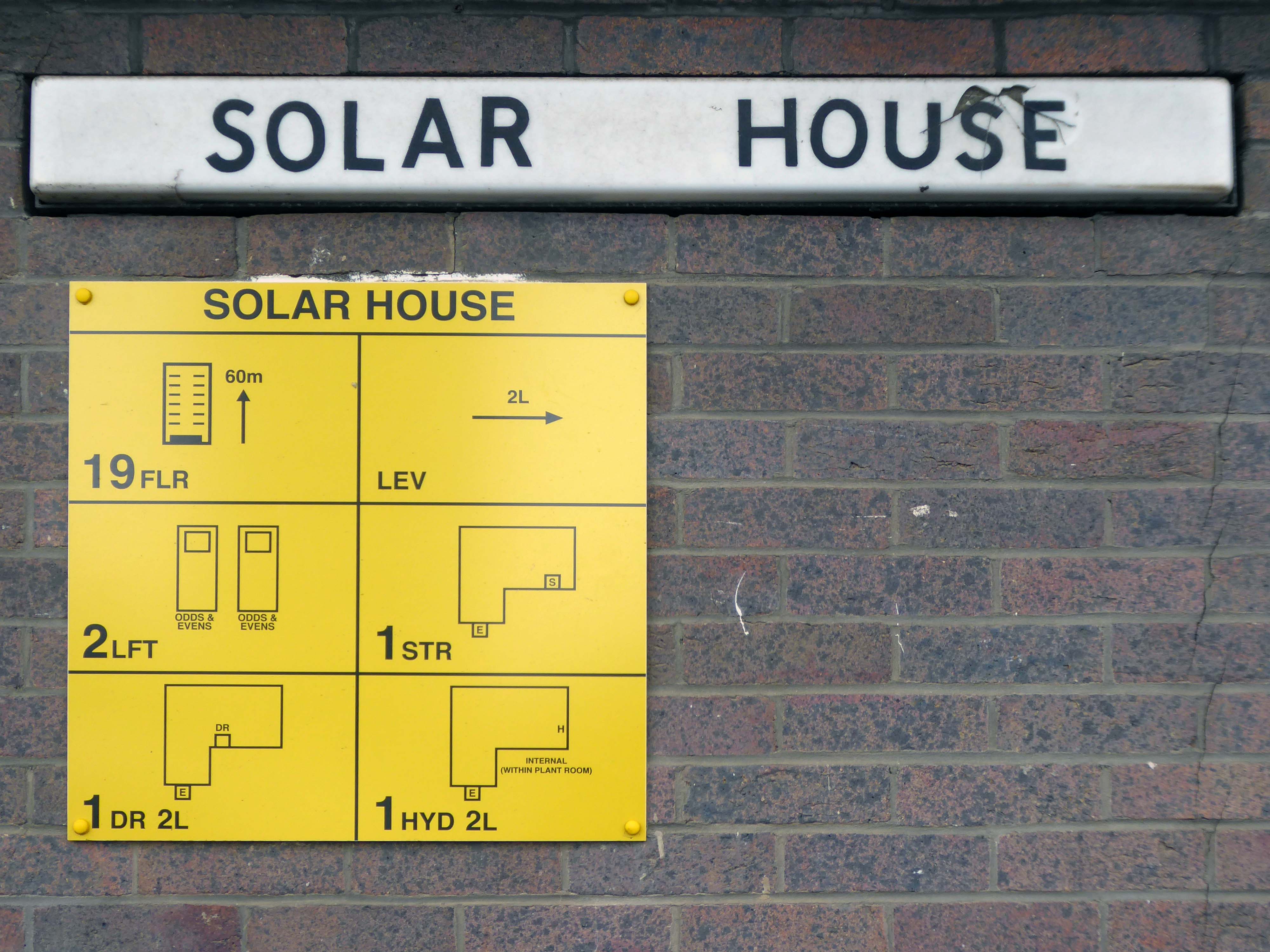
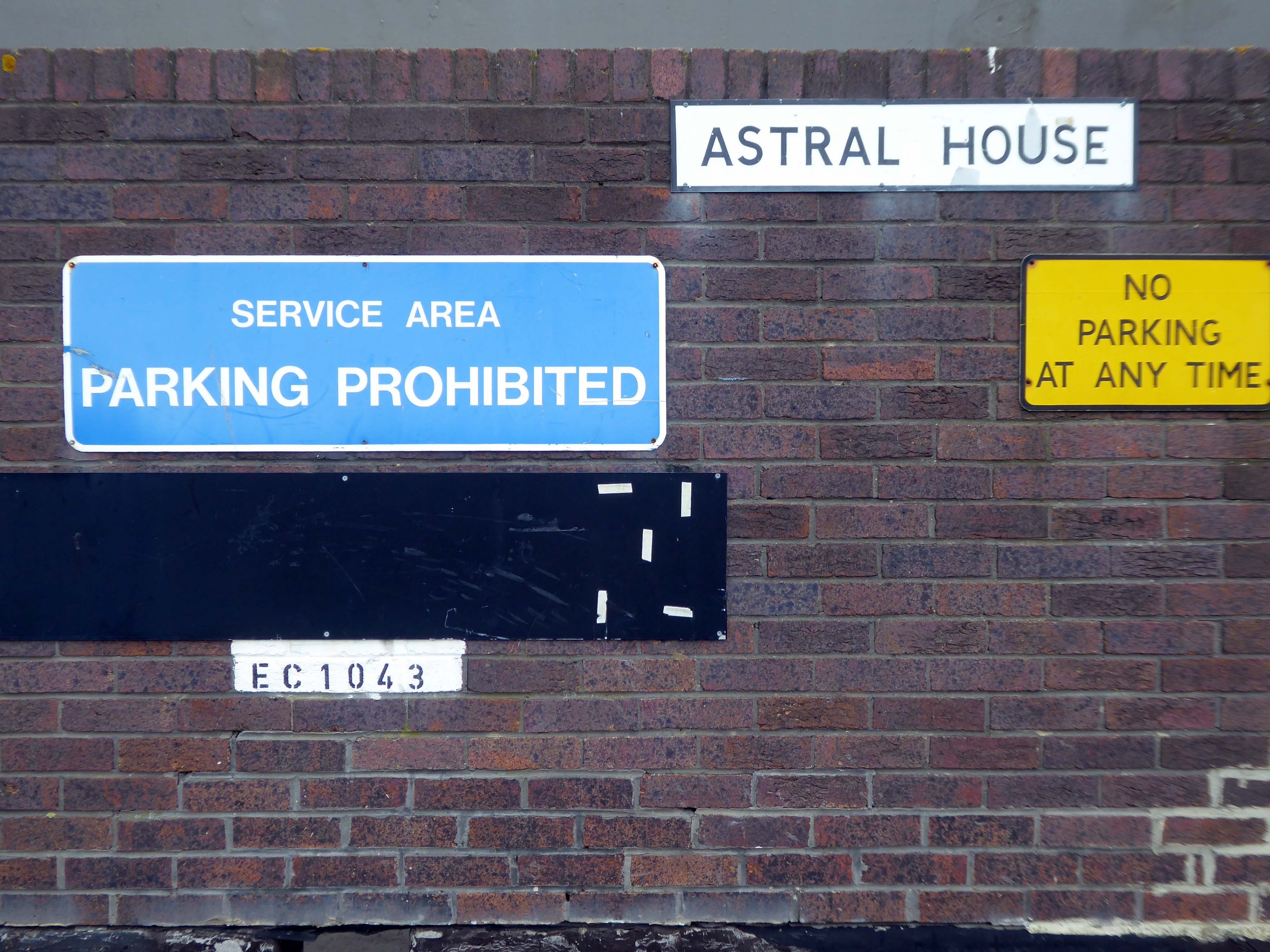
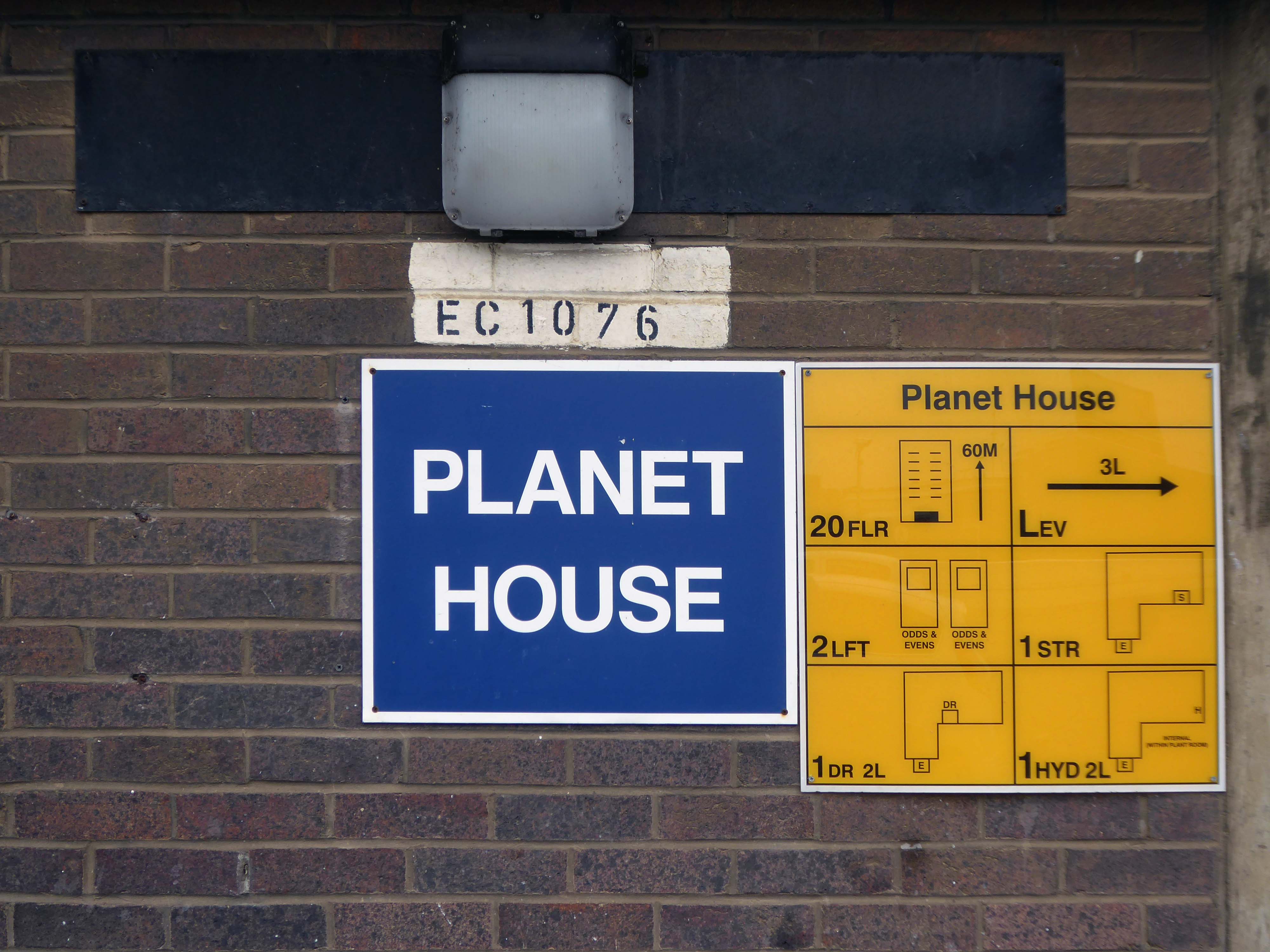
Astral House, Solar House and Planet House.

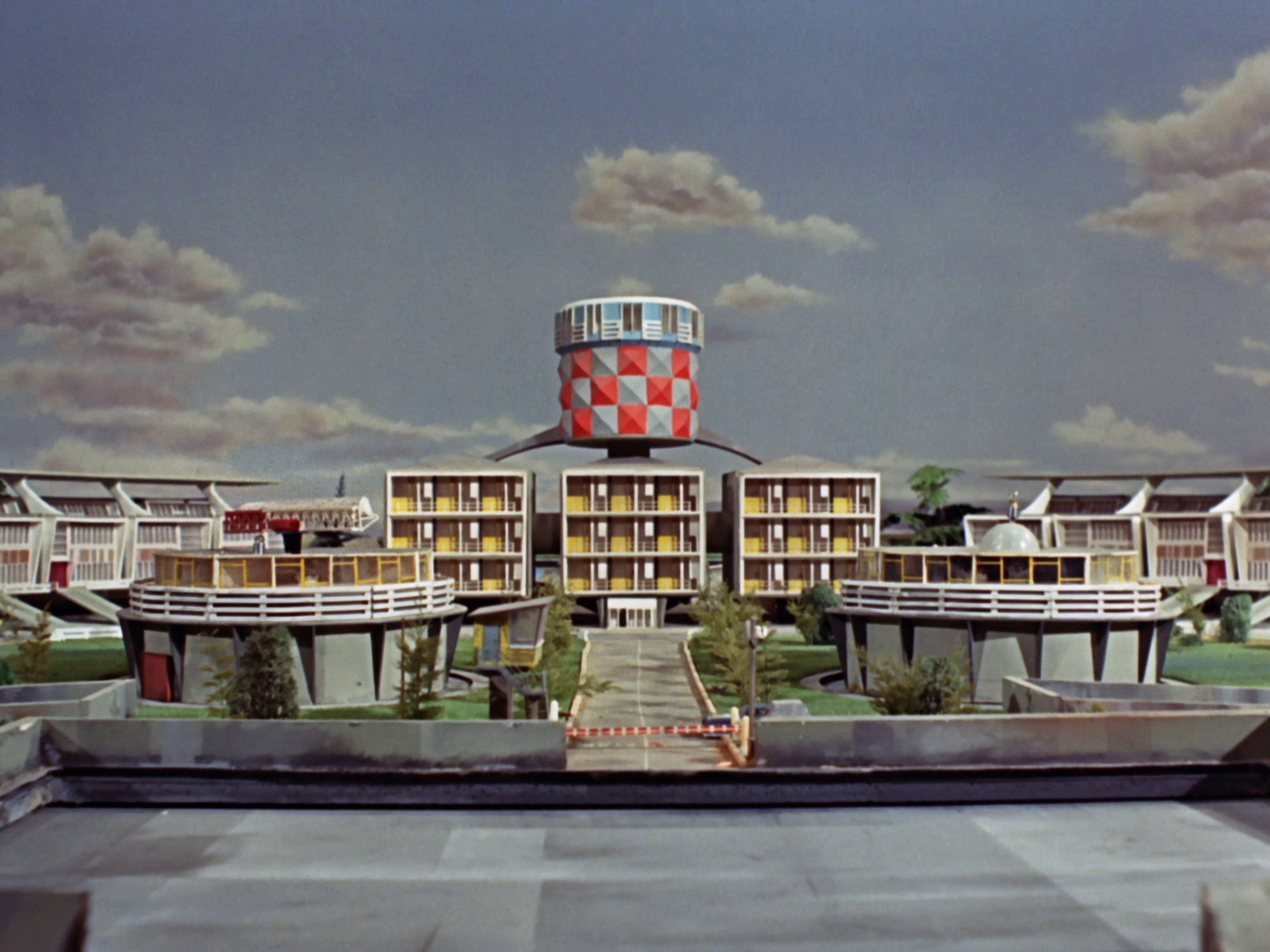
Welcome to Marineville – anything can happen in the next half hour.

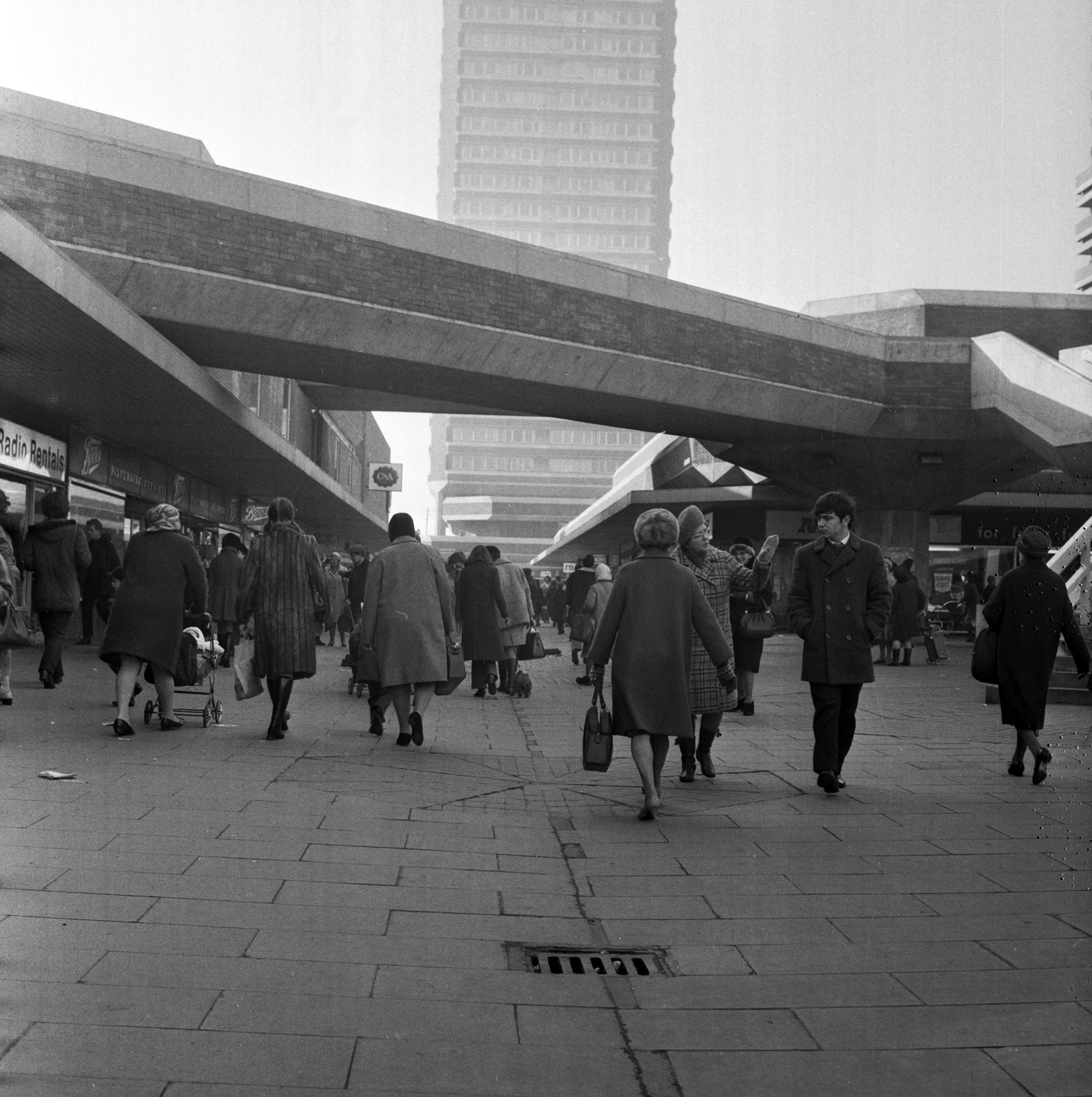
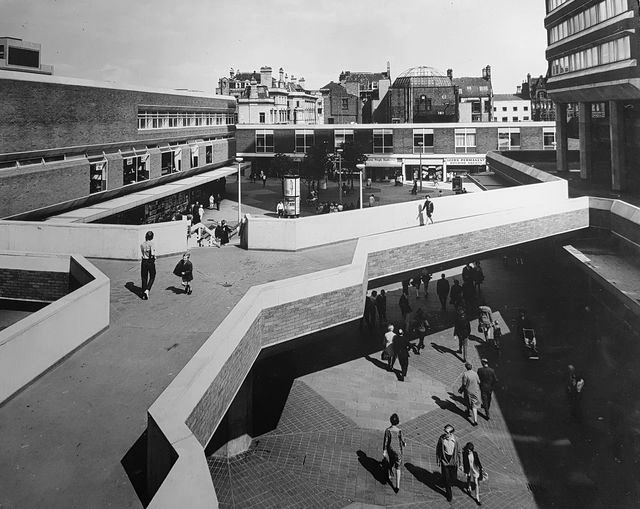
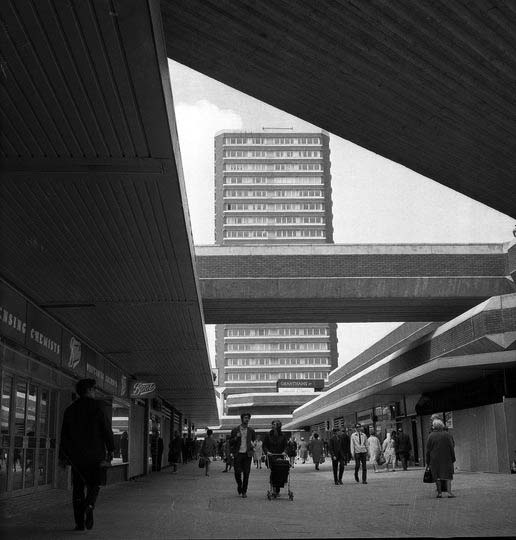
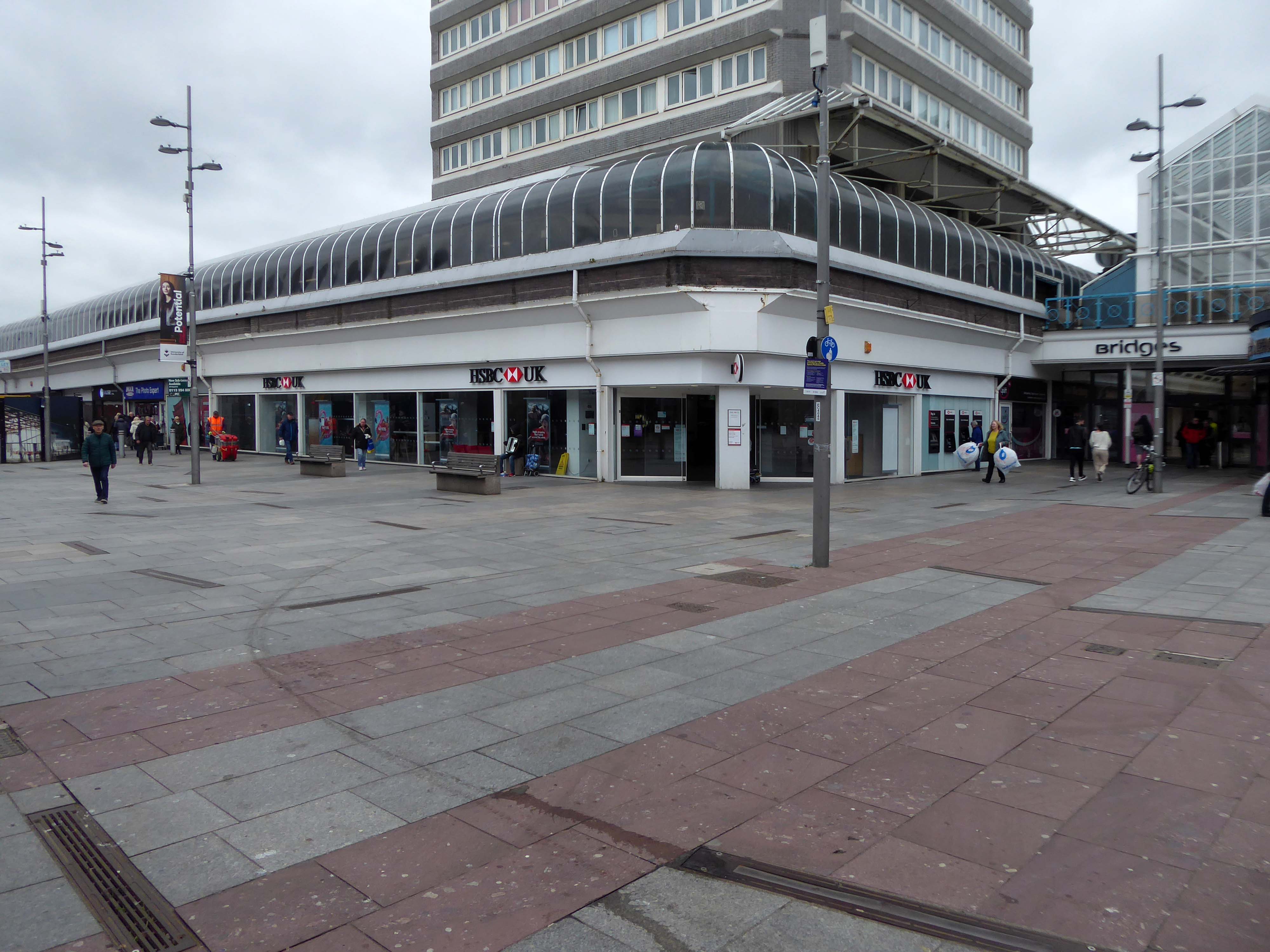
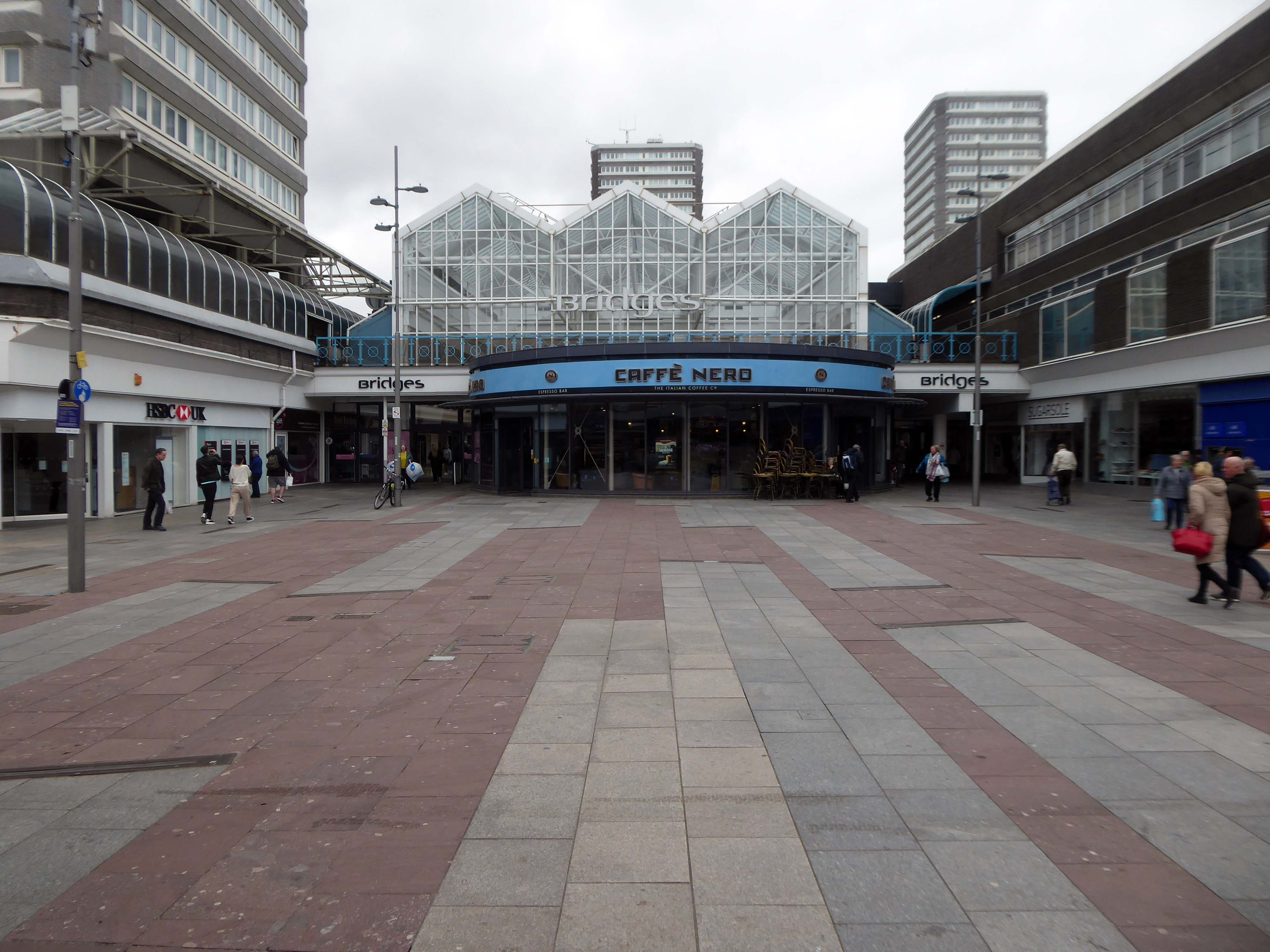
In actuality the blocks sit upon a shopping centre – recently redeveloped as The Bridges.

And we are not in Marineville.

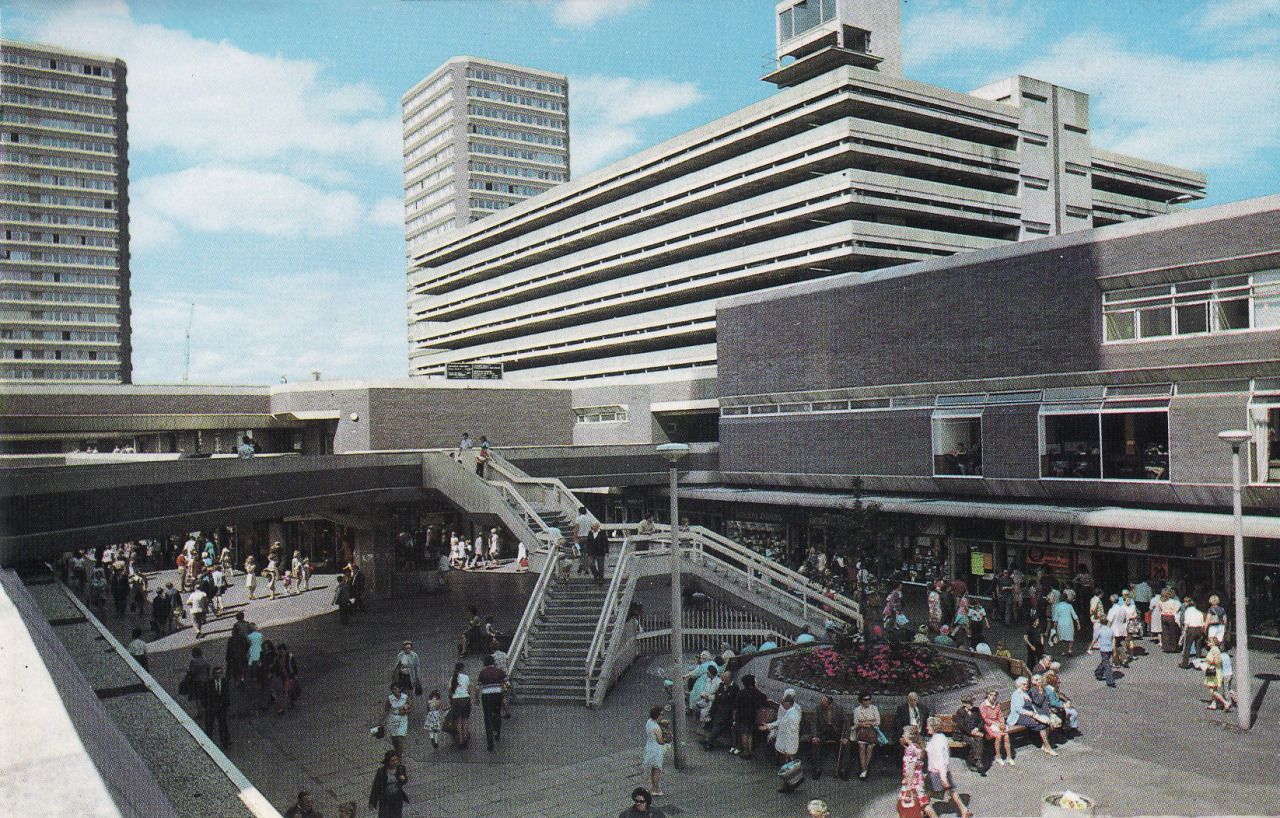
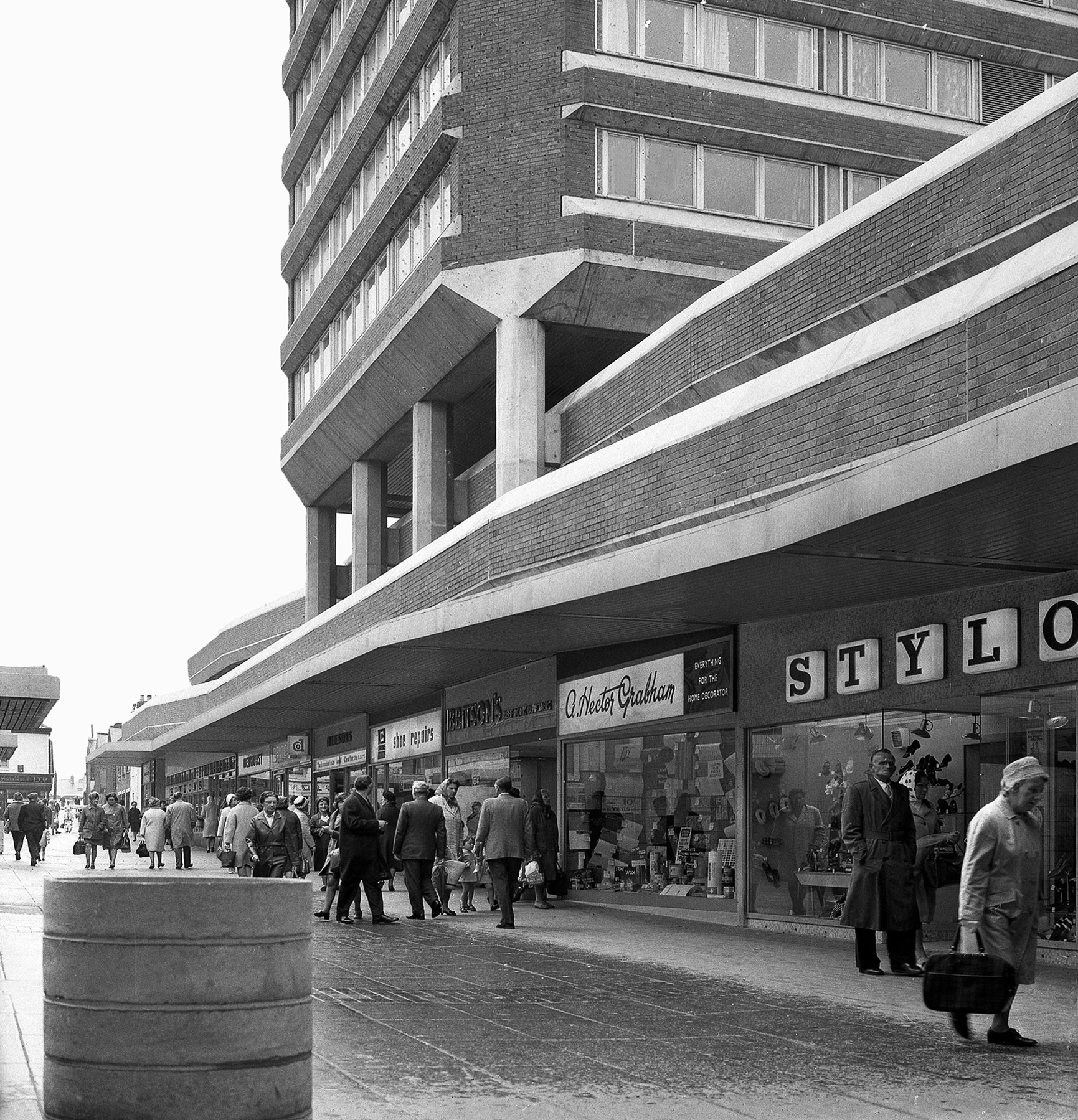
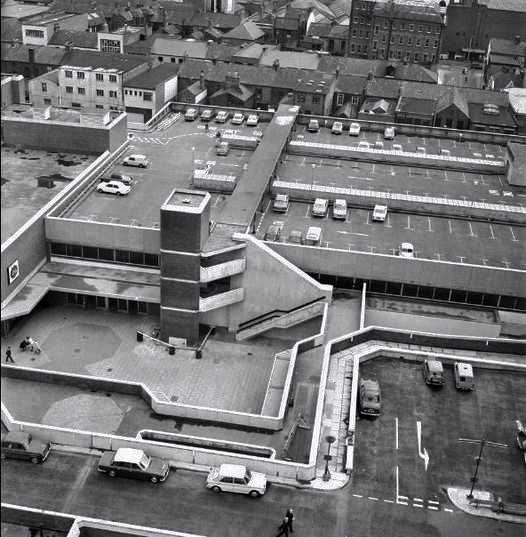
Though once upon a time it looked like this – a brave new shopping world, well worth producing a postcard for.

Photos: Sunderland Echo

Photo: Tom McKitterick

Thanks to Sunderland Antiquarian Society for the links.

This is the current state of affairs.

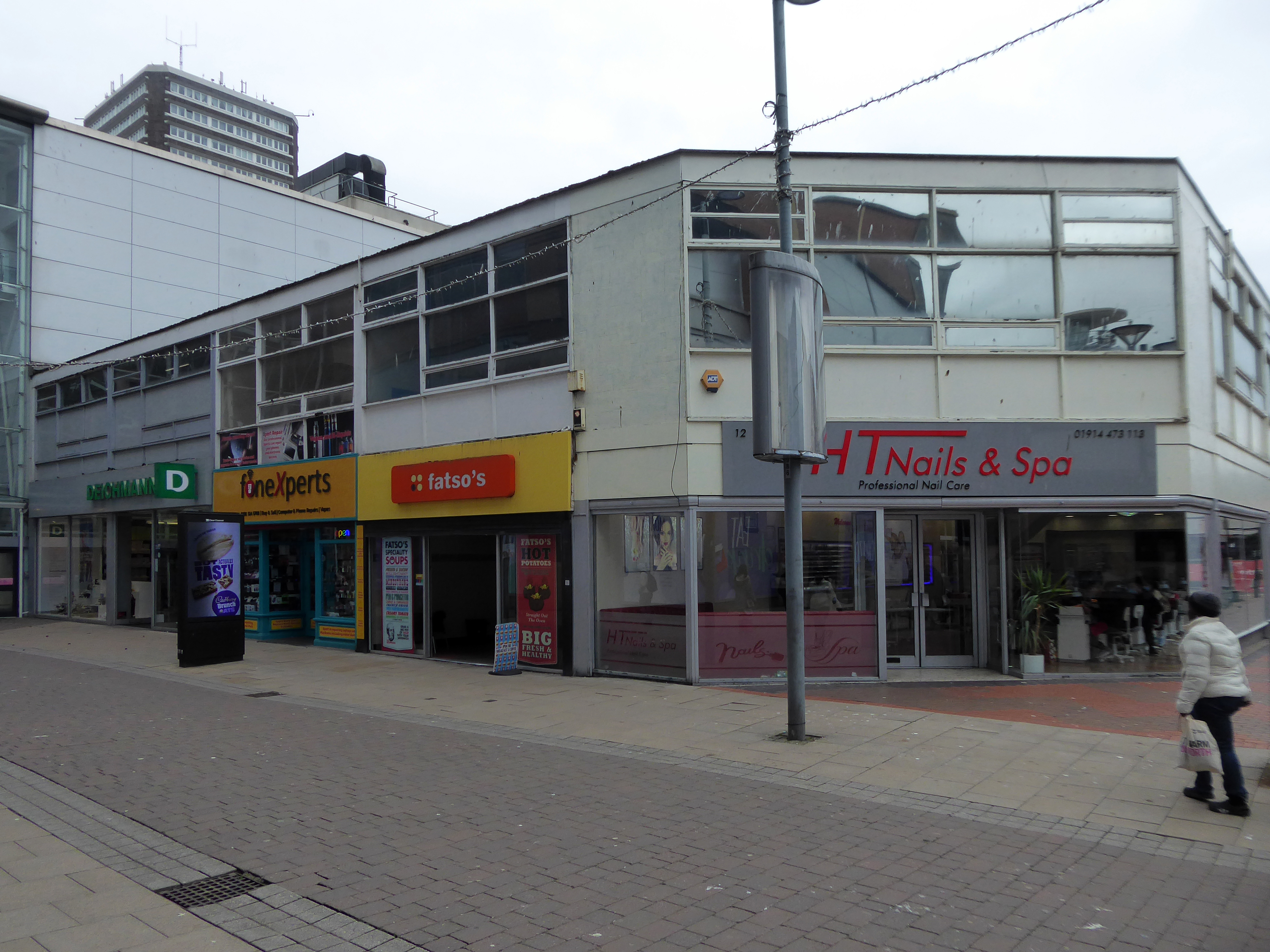
Though there are still some remnants of the original development.

The whole shebang is topped off with a roof top car park.

So in the absence of anything else happening in the next half hour, I took a look around.

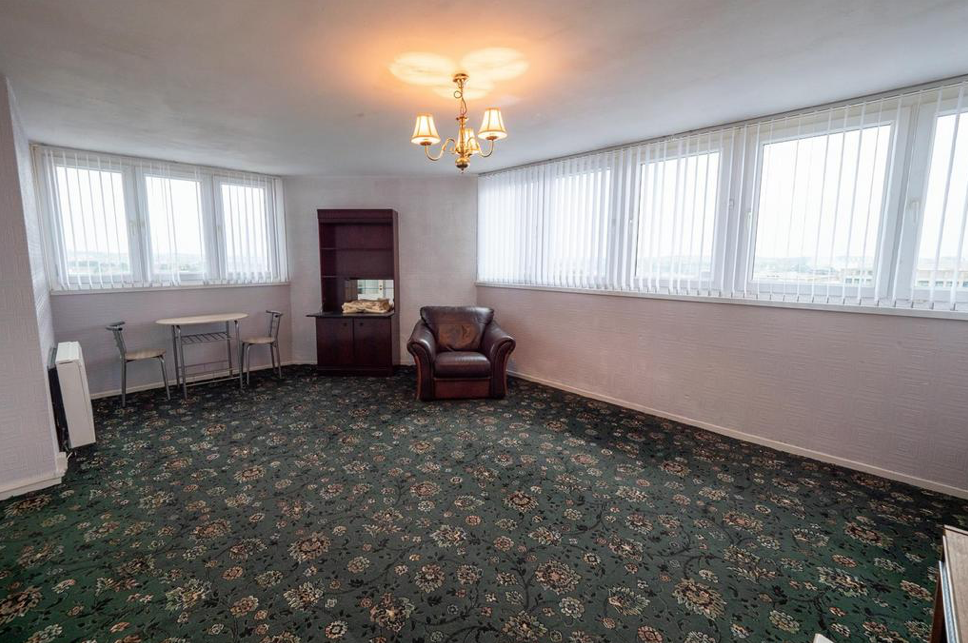
A one bedroomed flat on the eleventh floor will cost you £45,000

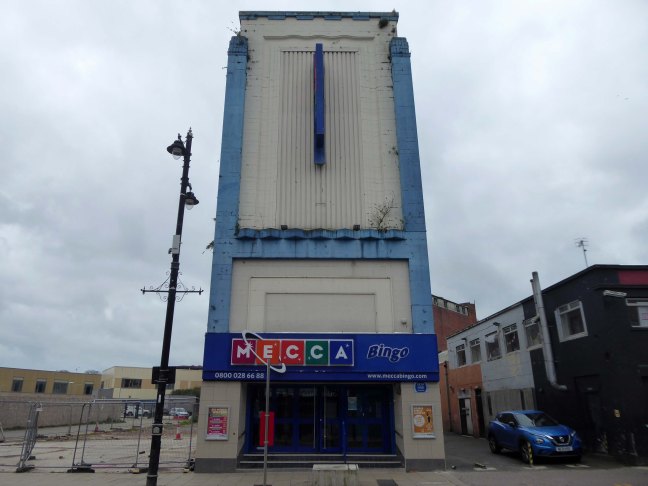
Odeon and Ritz Cinemas – Sunderland

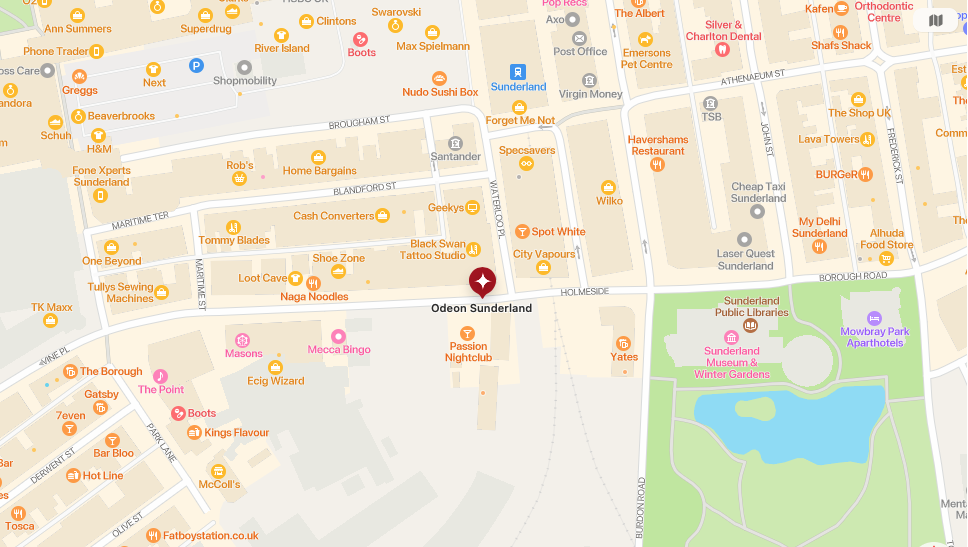
44 Holmeside  Sunderland  SR1 3JE

Architects: Frederick EvansEdwin Sheridan Gray

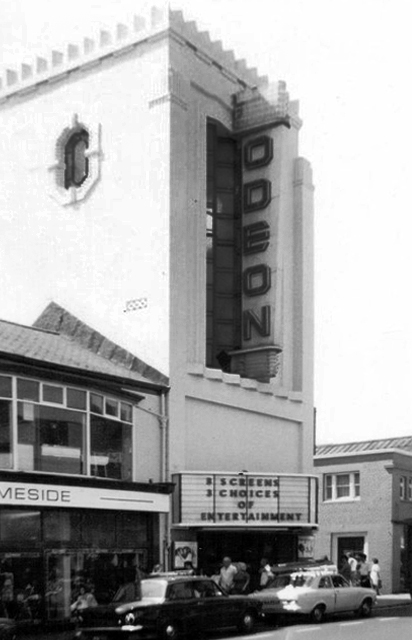
Black’s Regal Theatre was built on the site of the Olympia Exhibition Hall and Pleasuredrome 1897-1910 and it was built for the northern independent Black’s circuit. It opened on 28th March 1932 with Jessie Matthews in Out of the Blue.

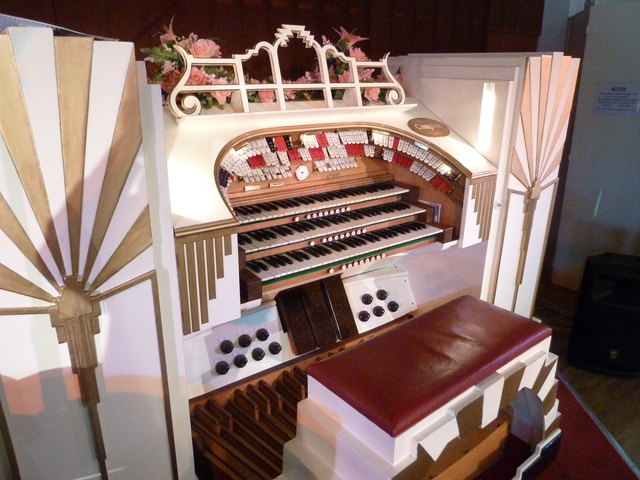
The theatre was equipped with a Compton three manual, nine ranks theatre organ which had an Art Deco style console on a lift.

This was opened by organist J Arnold Eagle. The policy of the theatre for many years was pictures and variety and it had a fifty seven feet wide proscenium, the stage was forty feet deep and there were ten dressing rooms. Other facilities included a cafe and roller rink.

Regal/Odeon, Holmeside, Sunderland, Co. Durham

In 1955 the Black’s circuit was taken over by the Rank Organisation and the Regal was re-named Odeon from 28th November 1955. It was divided into a three screen cinema in 1975 with 1,200 seats in the former circle and two 150 seat screens in the rear stalls.

On 28th March 1982 a special 50th Anniversary concert was given by Phil Kelsall on the Compton organ. Three months later, on 26th June 1982 the Odeon was closed with One Flew Over the Cuckoo’s Nest, Star Wars & The Empire Strikes Back, Mary Millington’s True Blue Confessions.

The building was boarded up and abandonded for a long period of time.

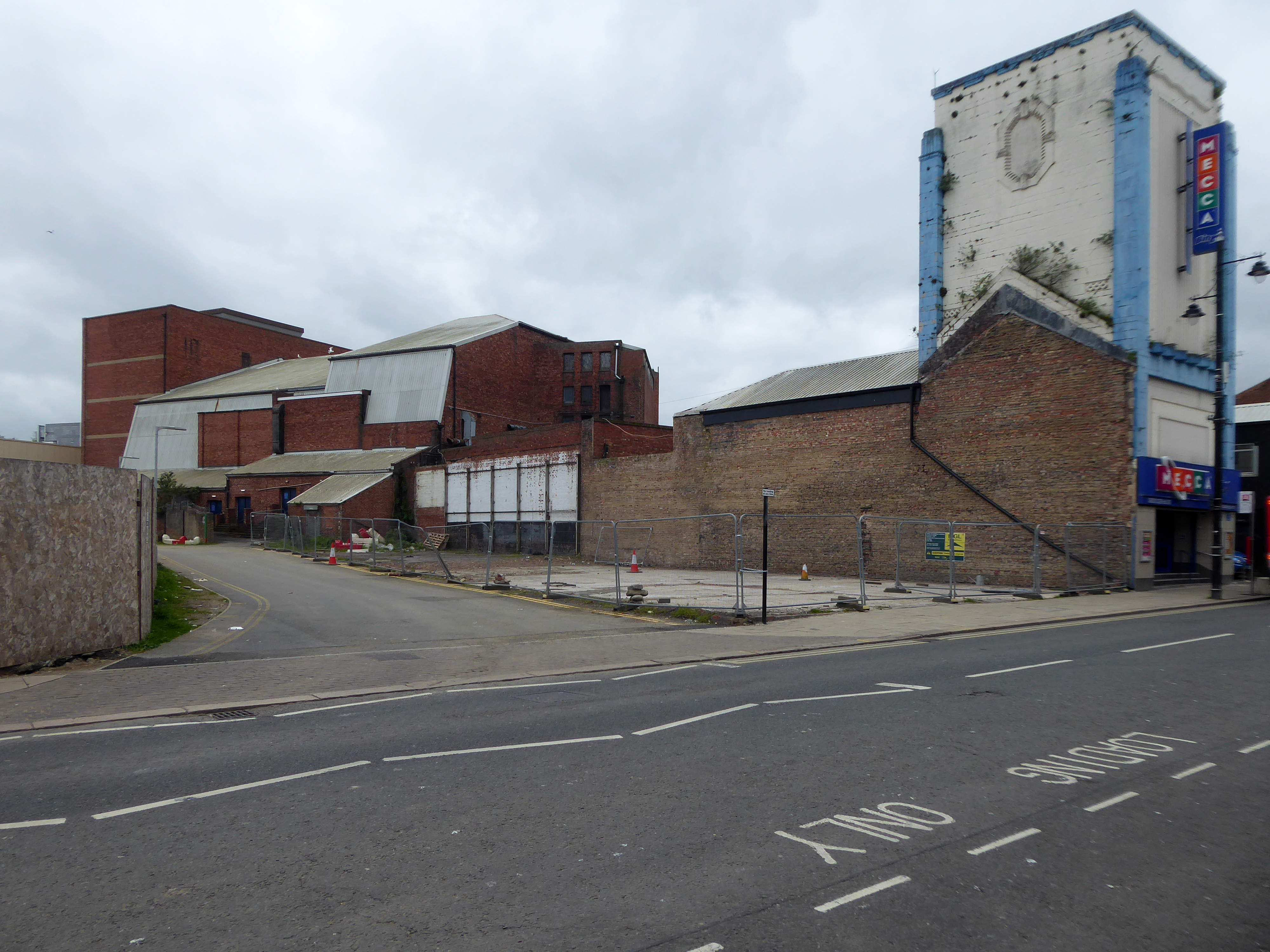
However it was to re-open as a Top Rank Bingo Club and remains in use today as a Mecca Bingo Club. The sub-division of the auditorium has been removed. In July 2009, it was announced that the building and the entire block had been the subject of a compulsory purchase order.

Cinema Treasures

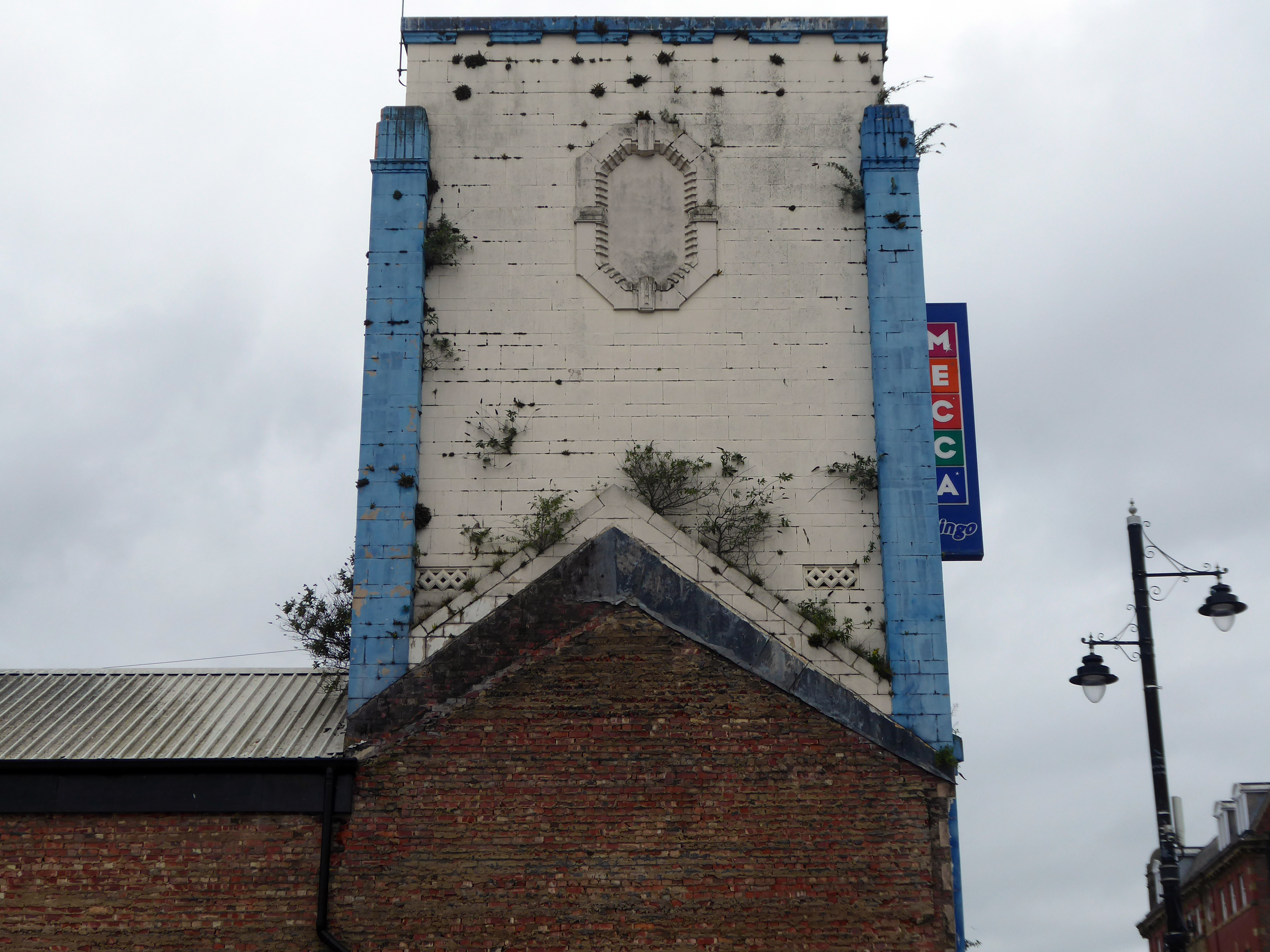
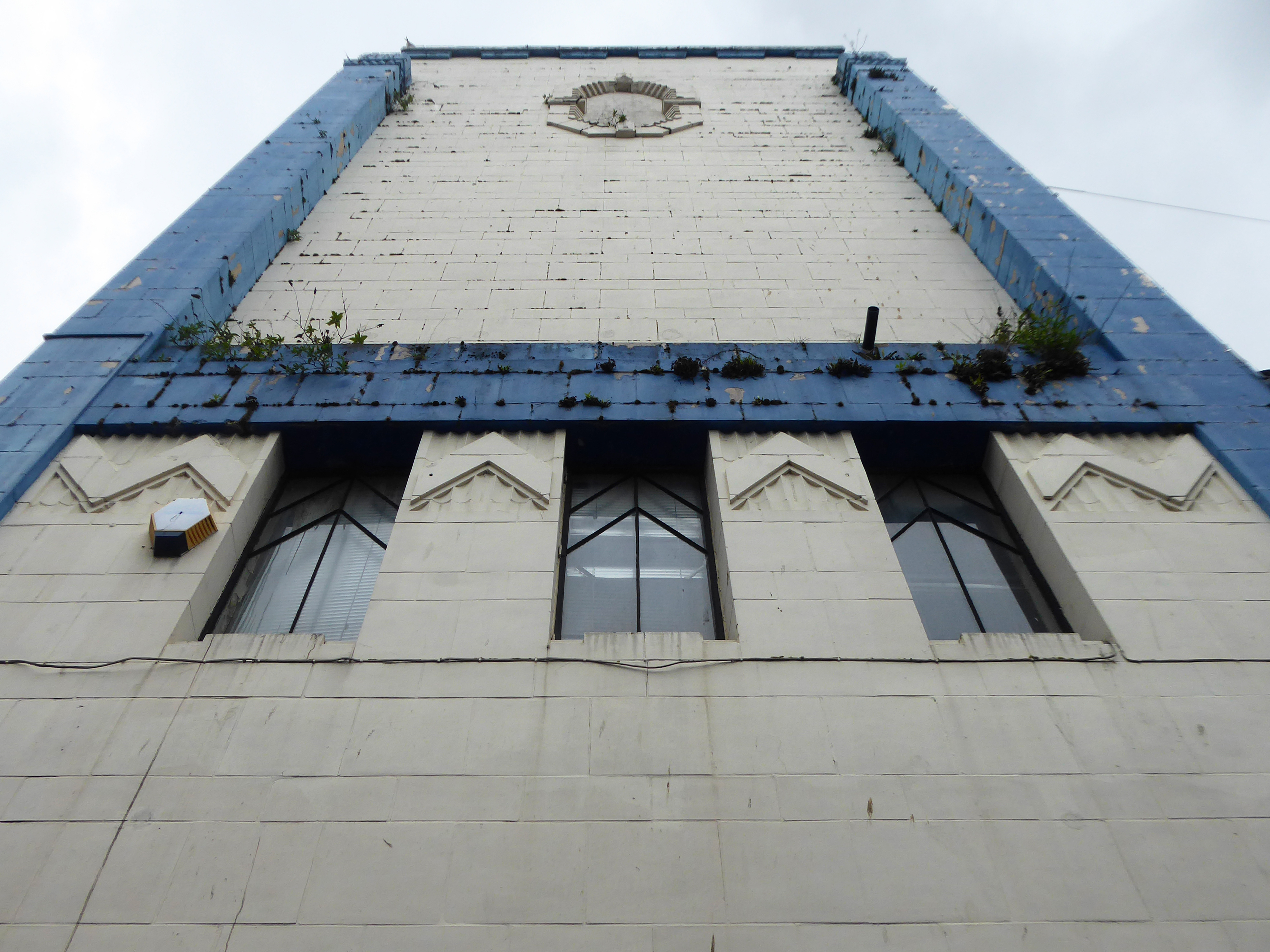
I happened by the other day – attracted by the distinctive Deco tower.

And the building’s amazing mass.

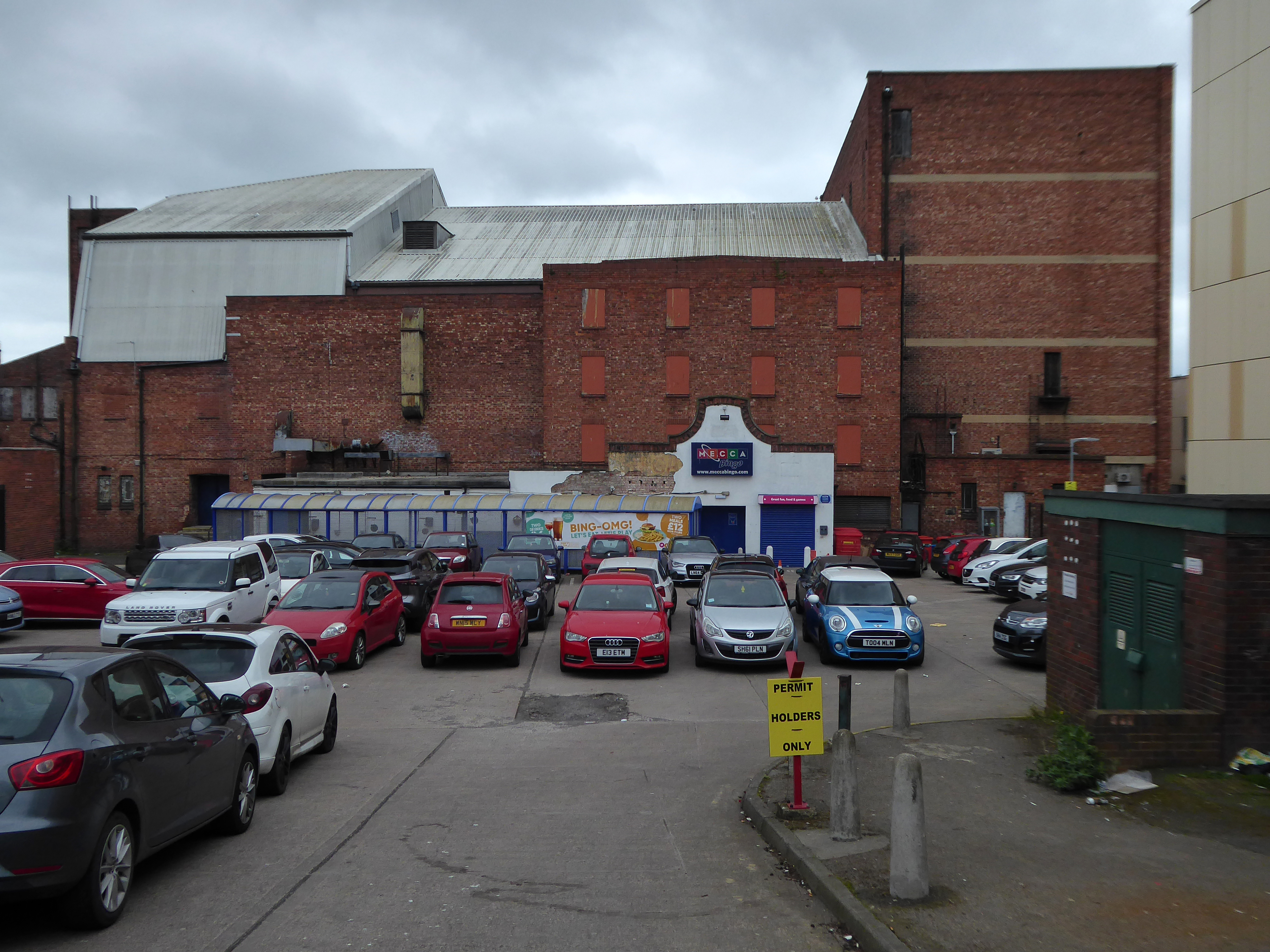
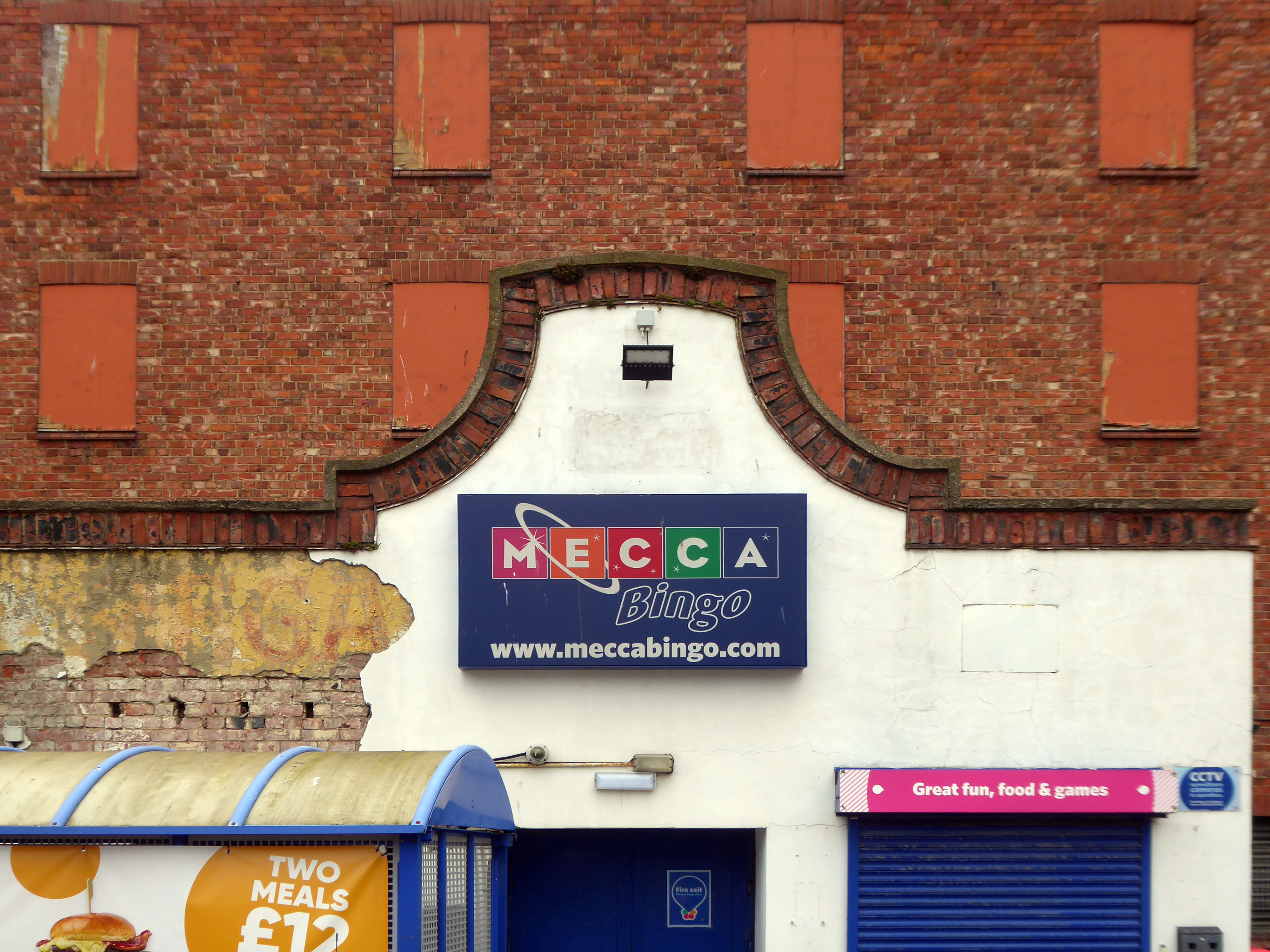
I walked around the corner to find the side entrance – as the original lobby is no longer in use.

I was ever so fortunate to happen upon a convivial cleaner, who kindly invited me inside the auditorium.

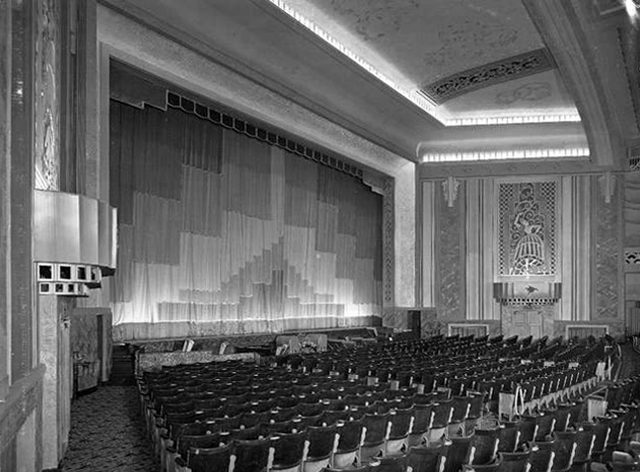
Much of the interior detail is intact though the balcony was no longer in use.

On exiting, I noticed the ghost of the Regal.

Though the exterior is a pale shadow of its former self, the building is still intact and in use.

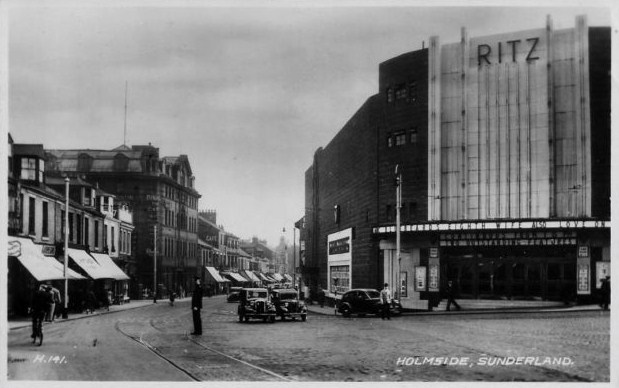
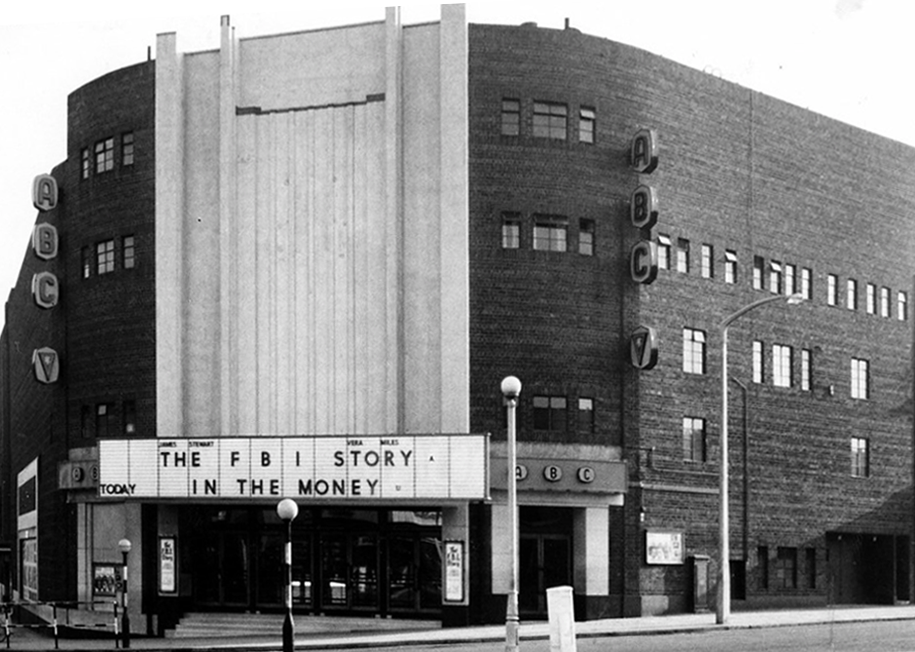
A close neighbour is the what was the Ritz latterly ABC Cinema.

Architects: William Riddell Glen

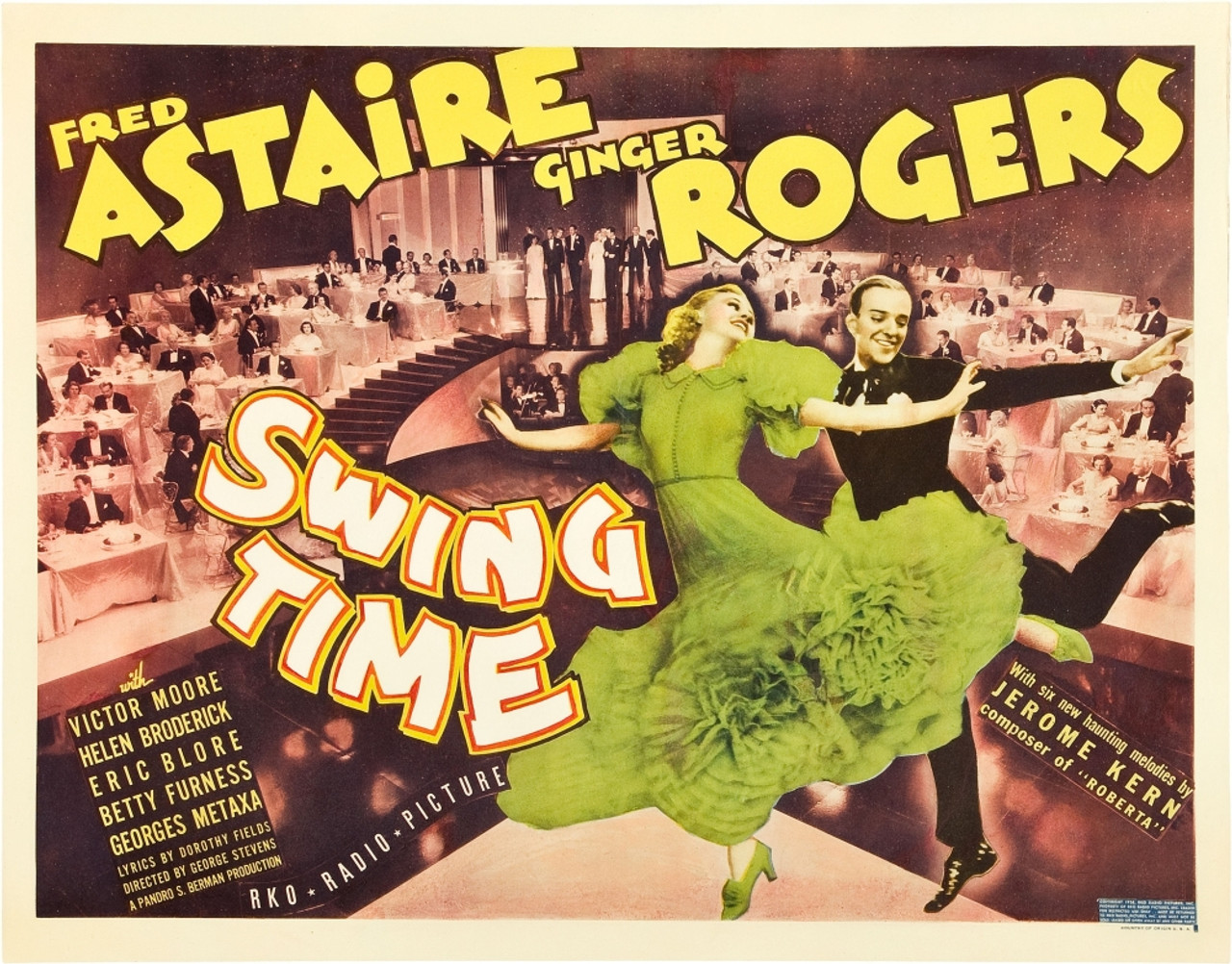
Opened on 1st March 1937 with Fred Astaire & Ginger Rogers in Swing Time, the Ritz Cinema was built by the Union Cinemas chain. They were soon taken over by Associated British Cinemas – ABC. It was lavishly fitted with deep pile carpets and chandeliers.

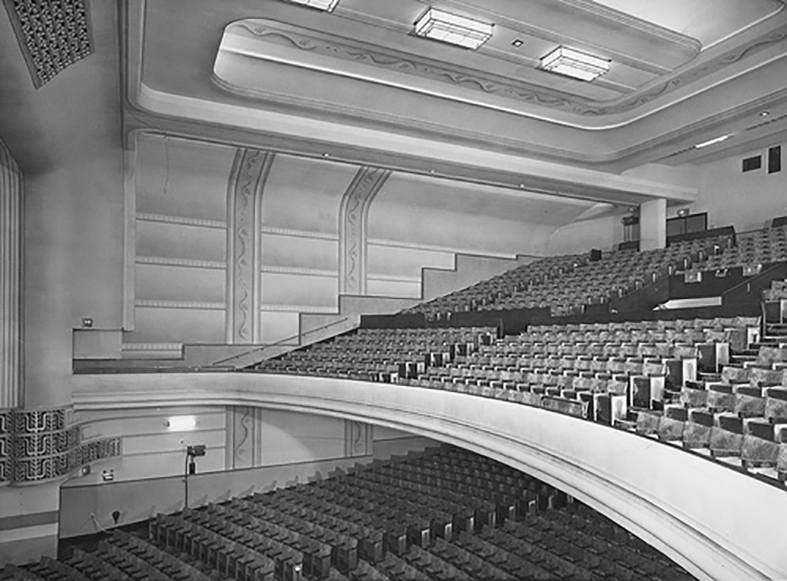
In 1961 it was re-named ABC. It was converted into a two screen cinema from July/August 1974 when the former circle became a 534 seat screen and the front stalls a second screen seating 212. The rear stalls area was converted into a Painted Wagon pub. Sadly the conversion destroyed much of the original interior of the auditorium. It was later taken over by the Cannon Cinemas group, but later went back to the ABC name.

Sadly it closed on 29th April 1999, the last of Sunderland’s major cinemas.

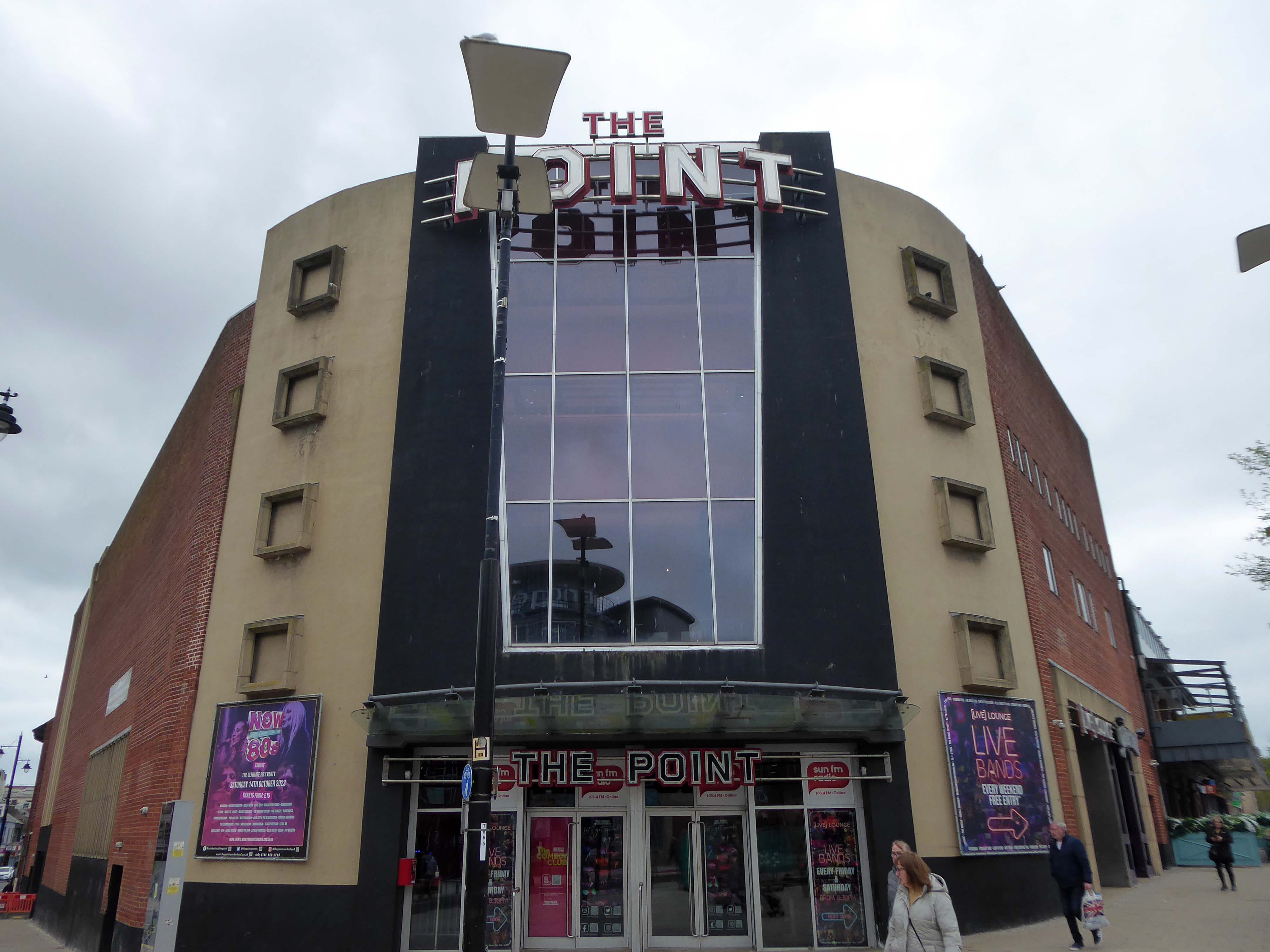
It has recently reopened as The Point a nightclub which has four dance floors and has now completely lost all features of its cinematic past.

Cinema Treasures

Get y’self pumped!

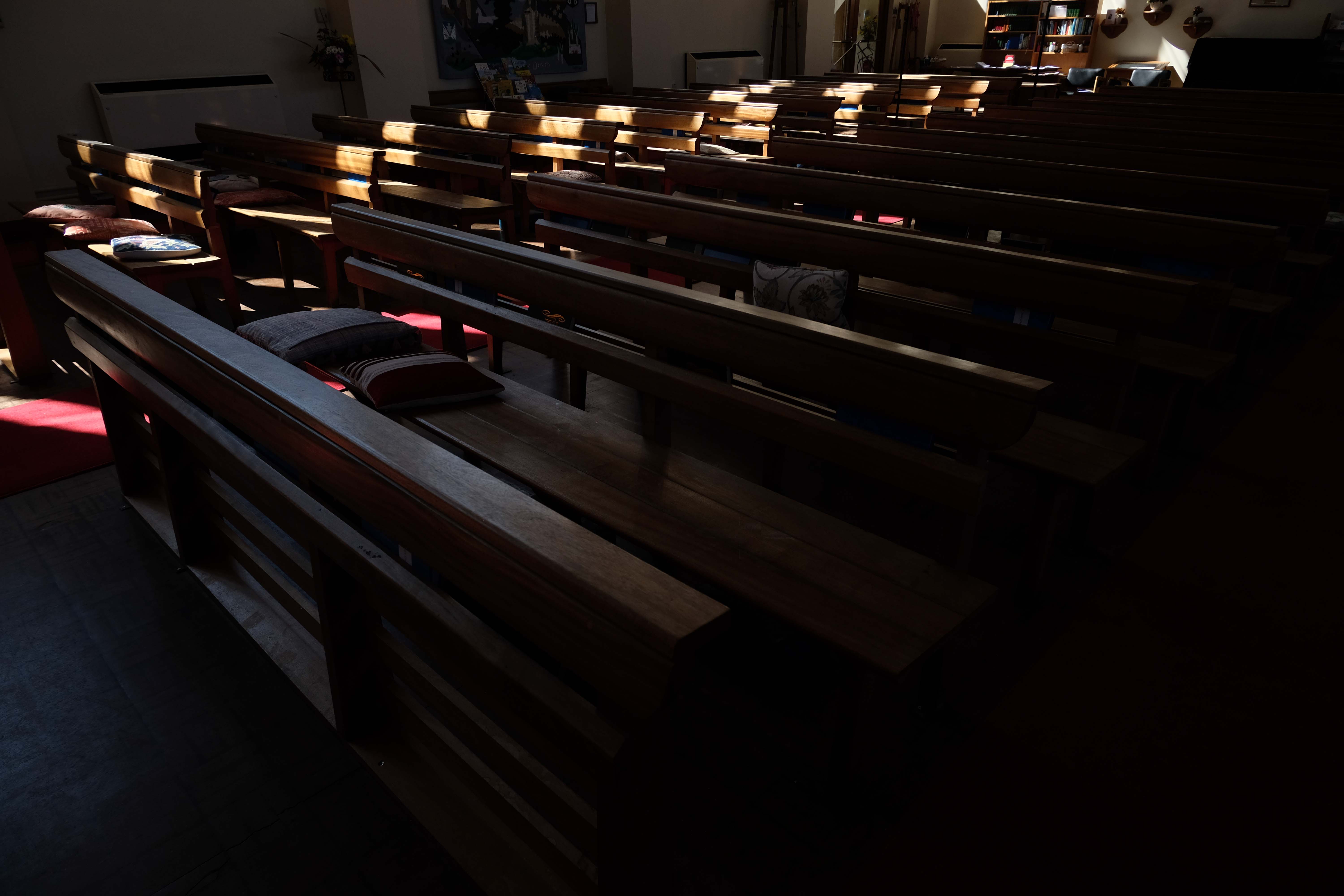
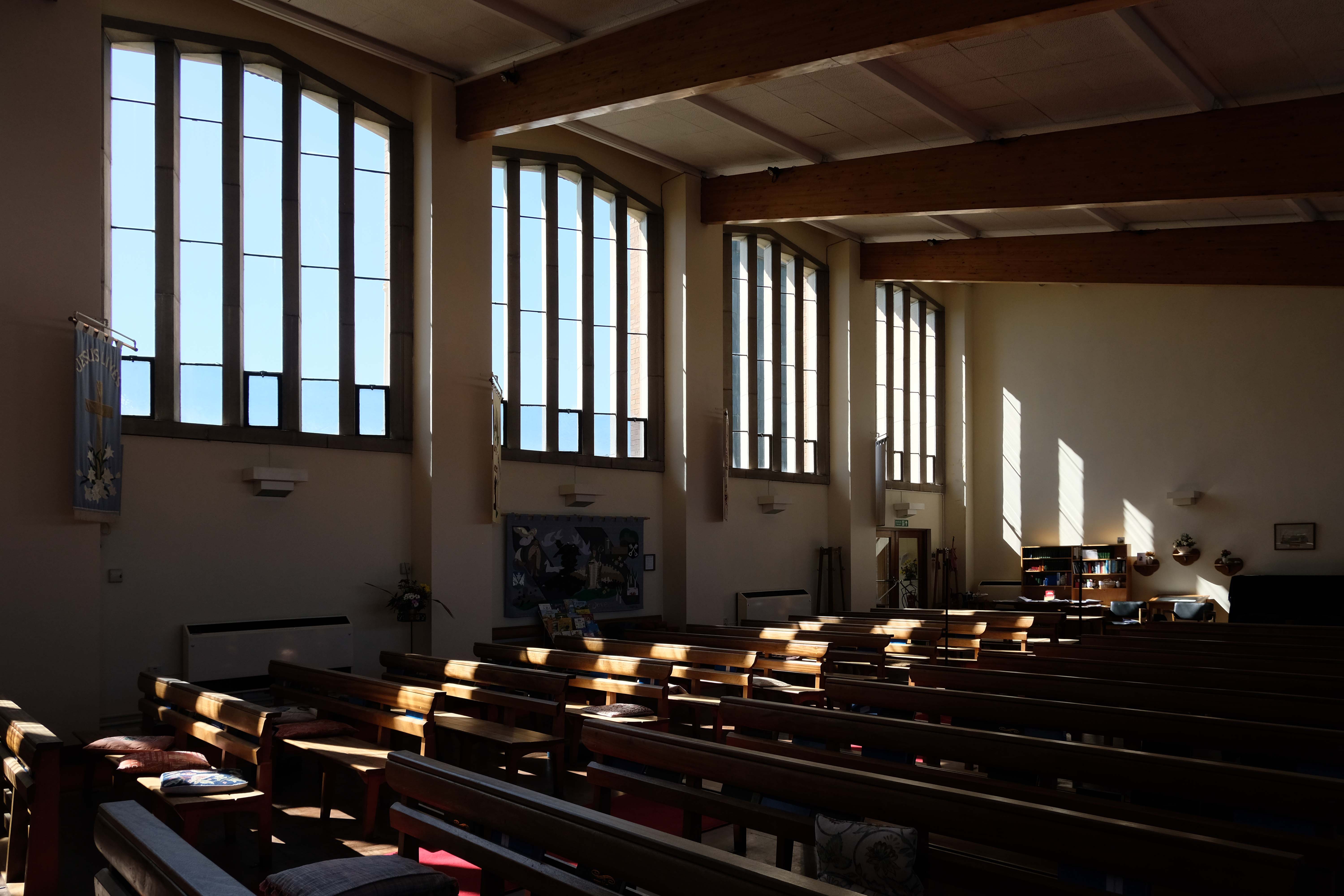
St David’s Church – Penrhyn Bay

St David’s1 Penrhyn Beach East Penrhyn Bay Llandudno LL30 3NT

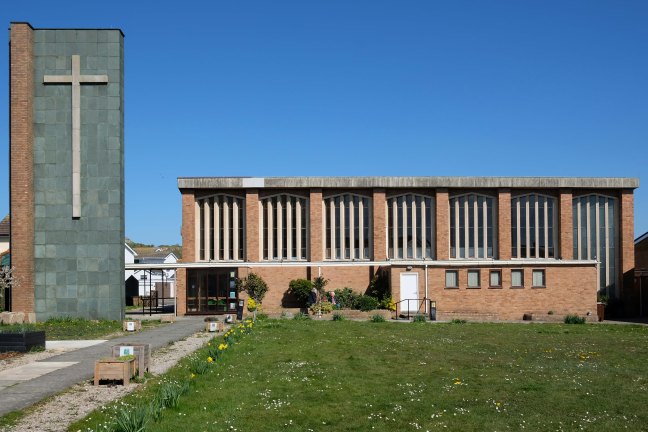
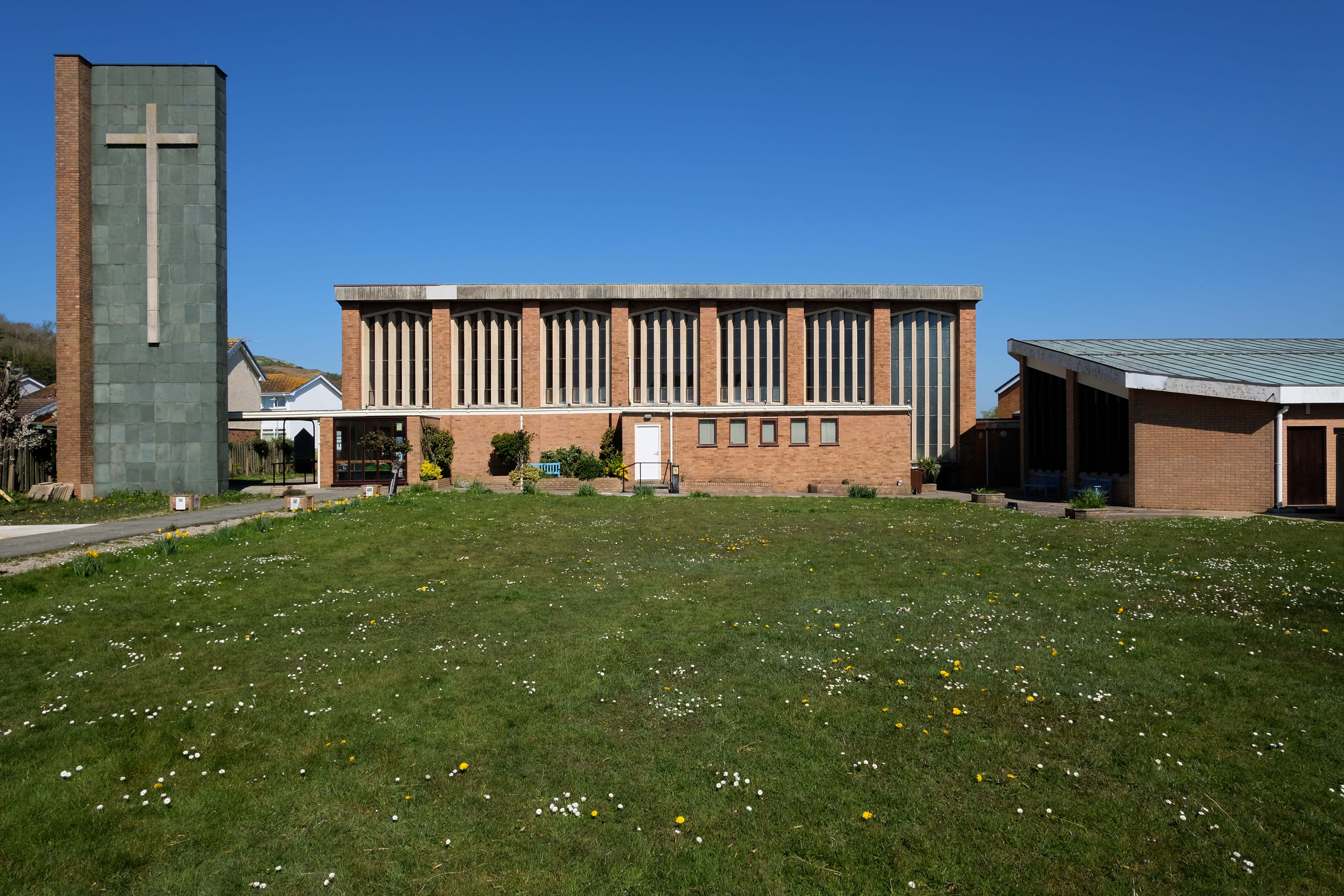
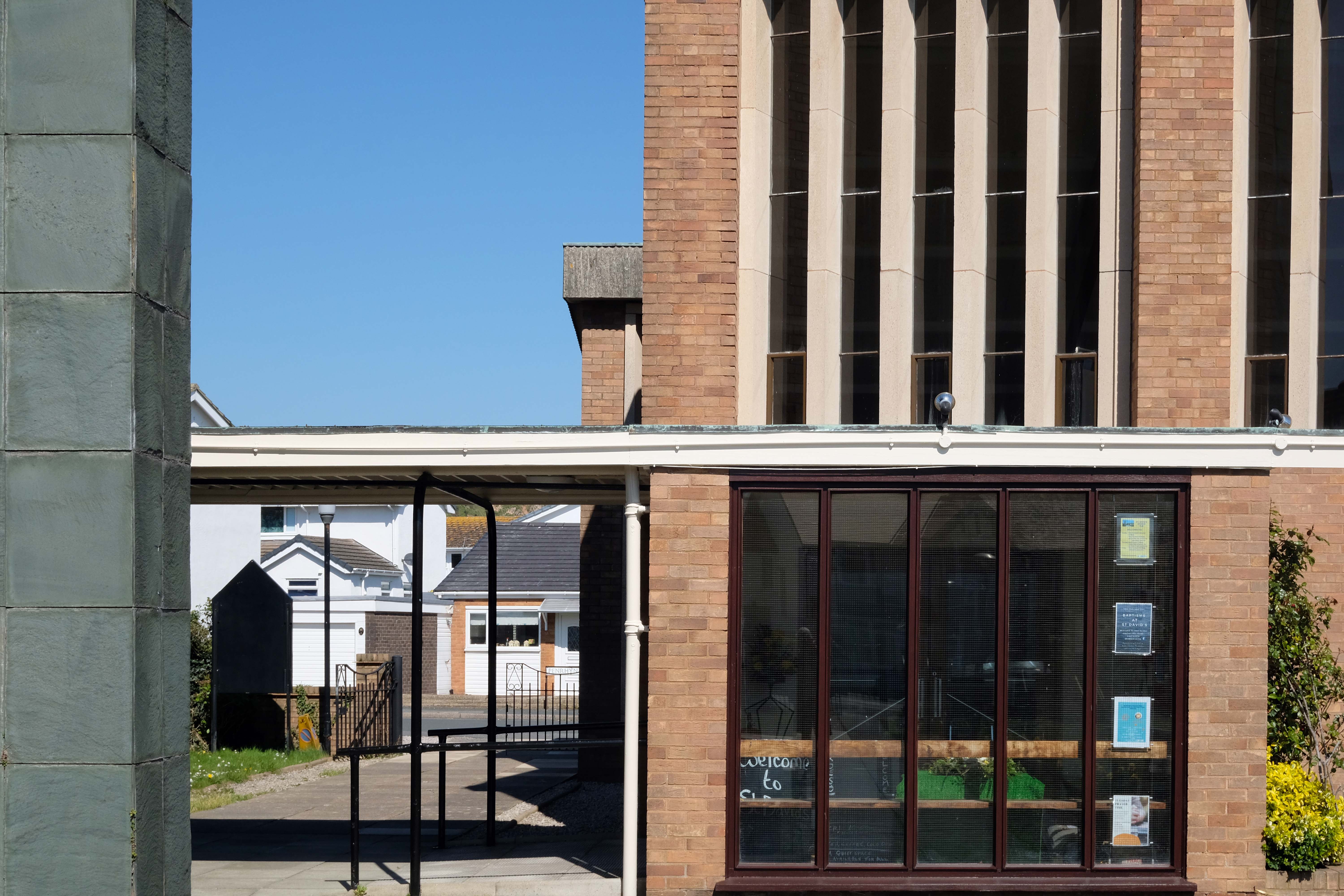
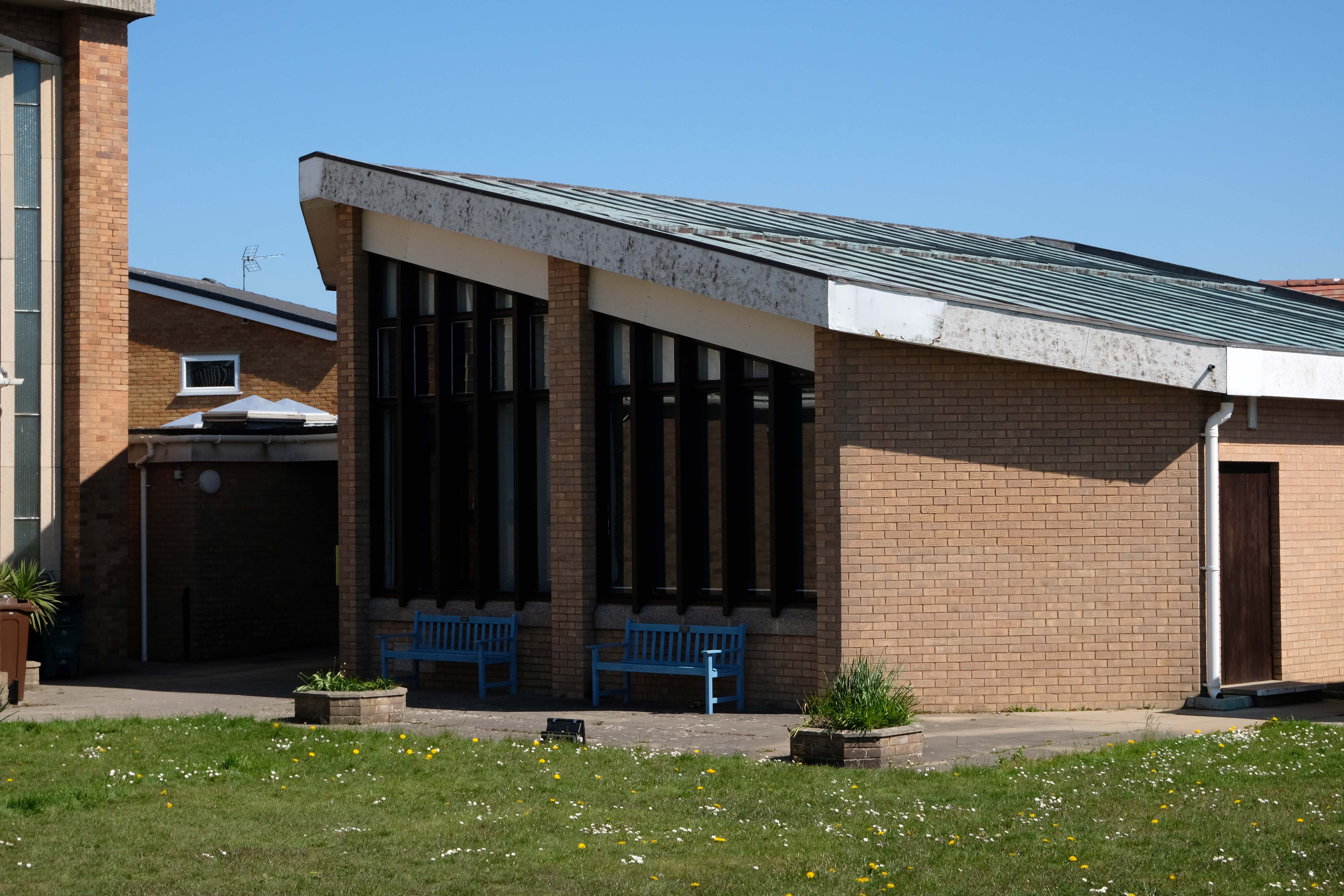
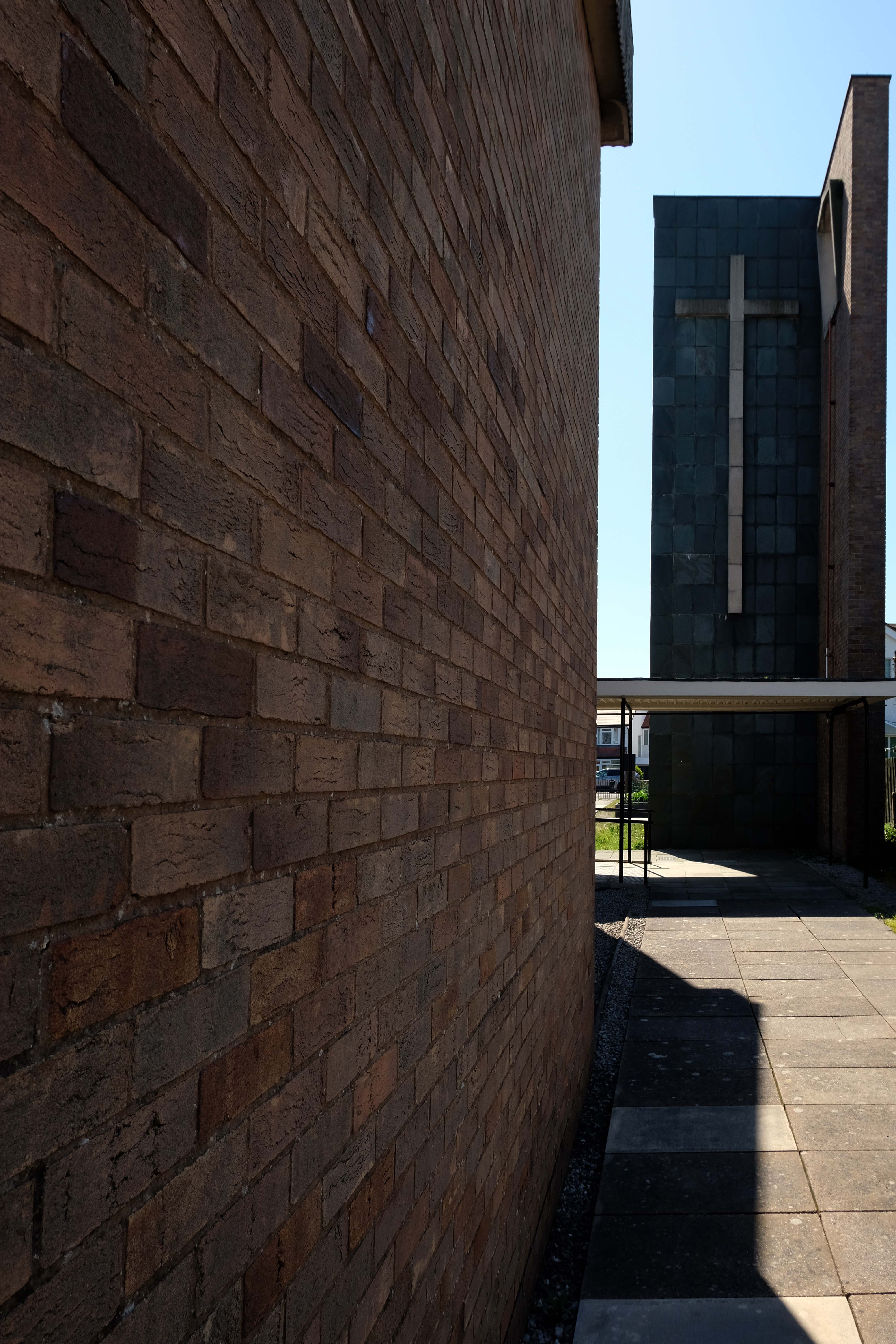
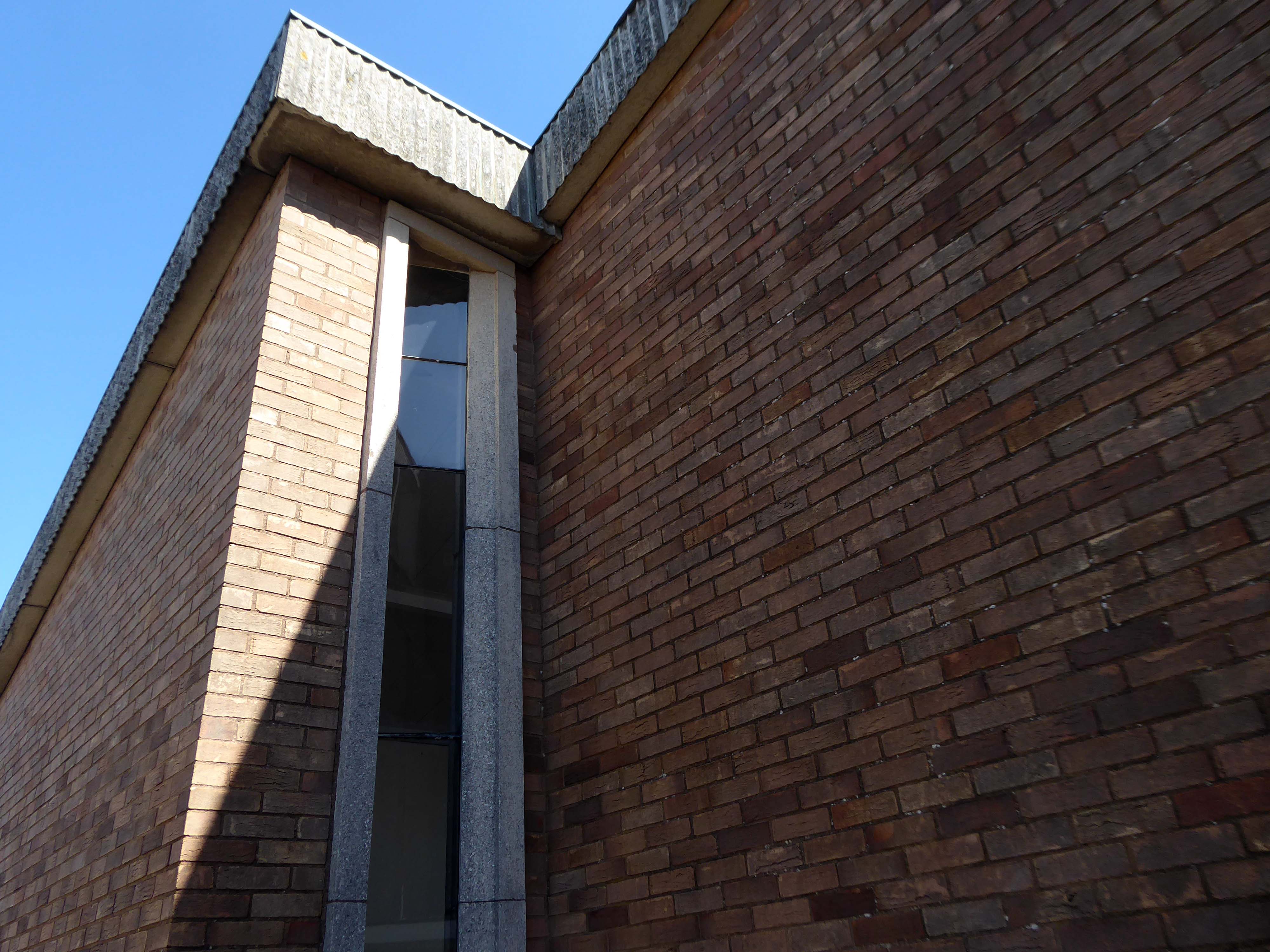
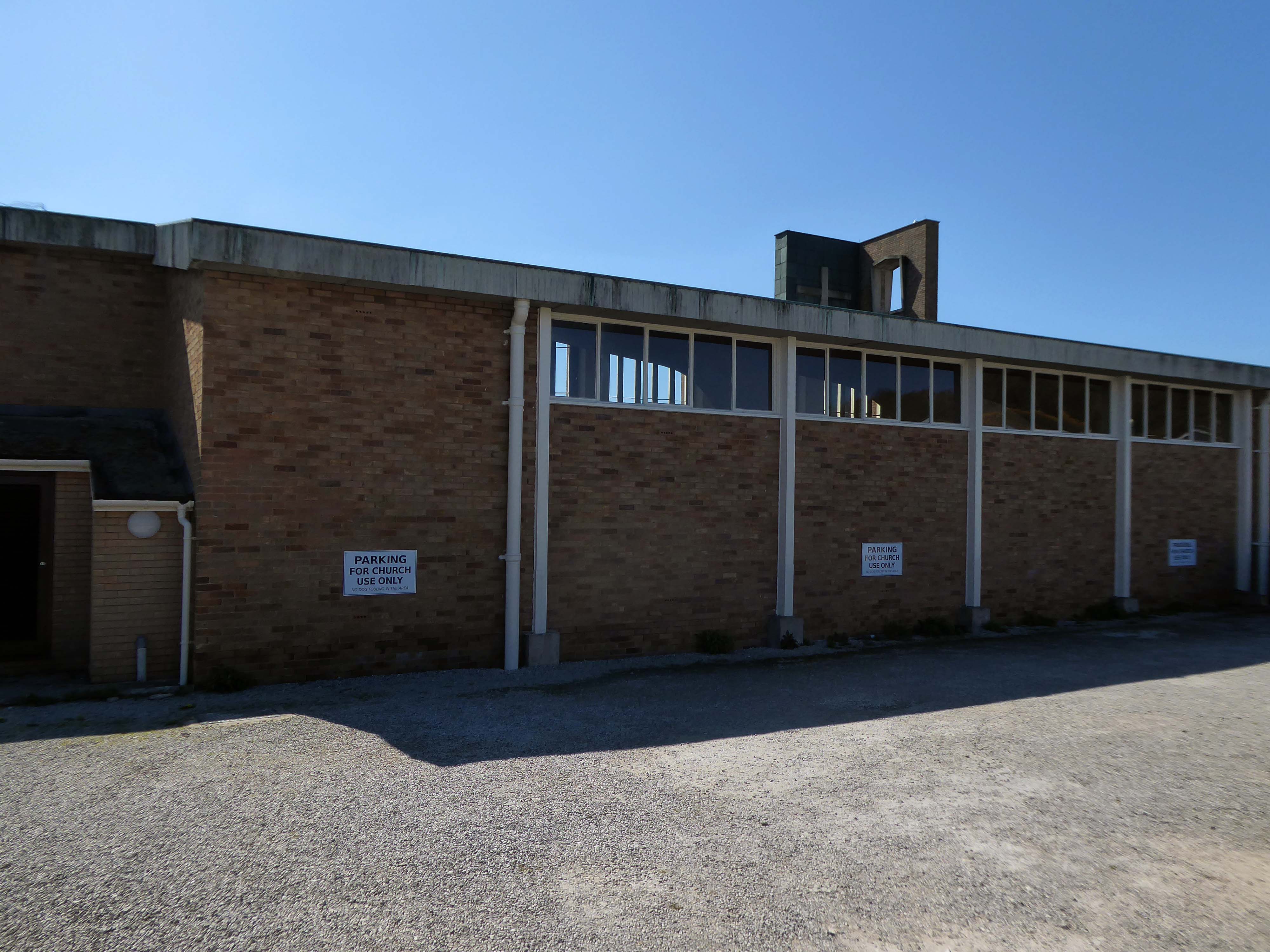
This church was built in 1963 to a design by Rosier and Whitestone of Cheltenham, to replace a wooden church of 1929.

I had previously cycled by on one of my tours of North Wales – stopping to snap the elegant exterior.

On this occasion I contacted the church to arrange access to the interior – the building is open from 10.00 – 12.00 most weekdays.

The church has been recommended for listing in this CADW report on post war architecture in Wales.

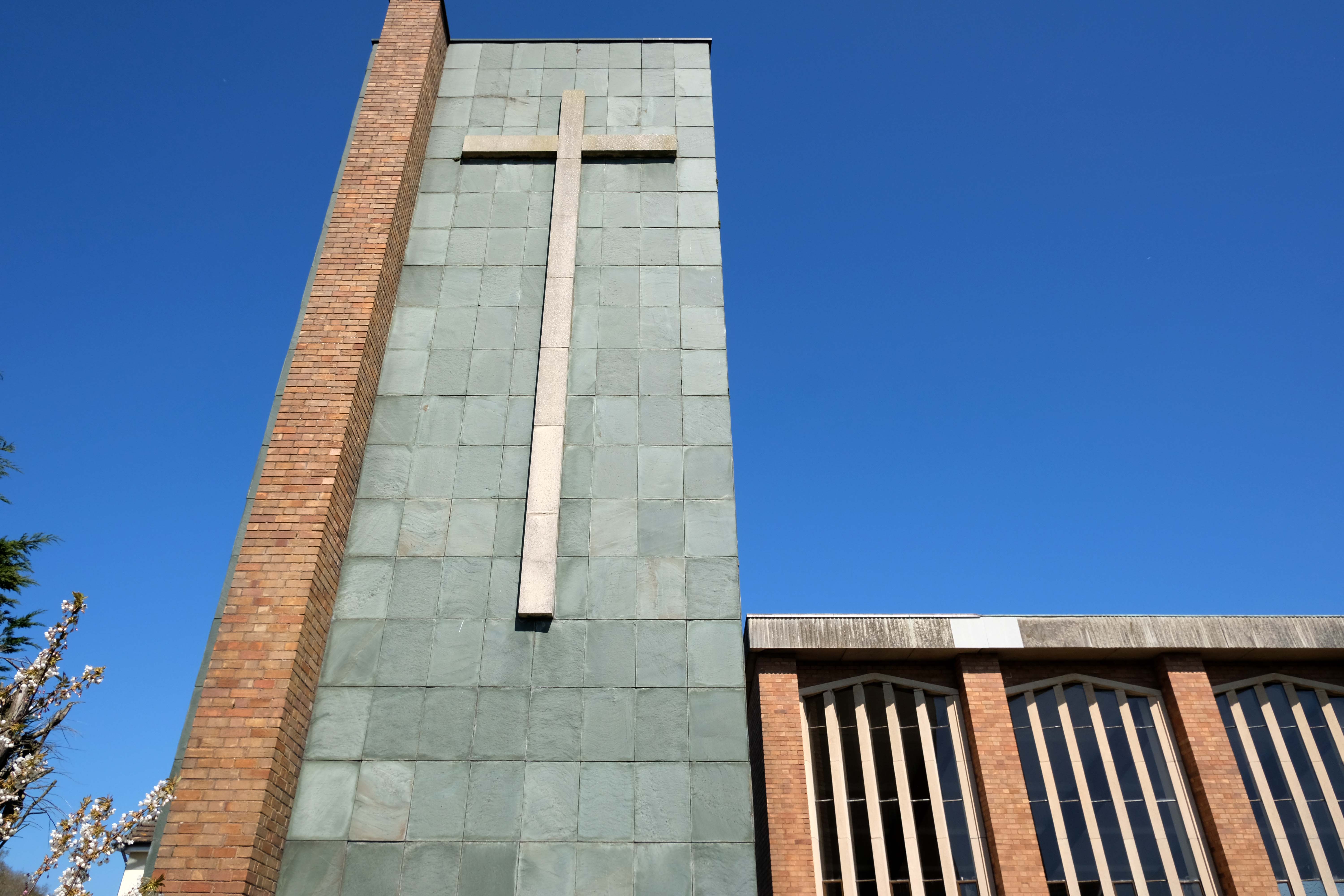
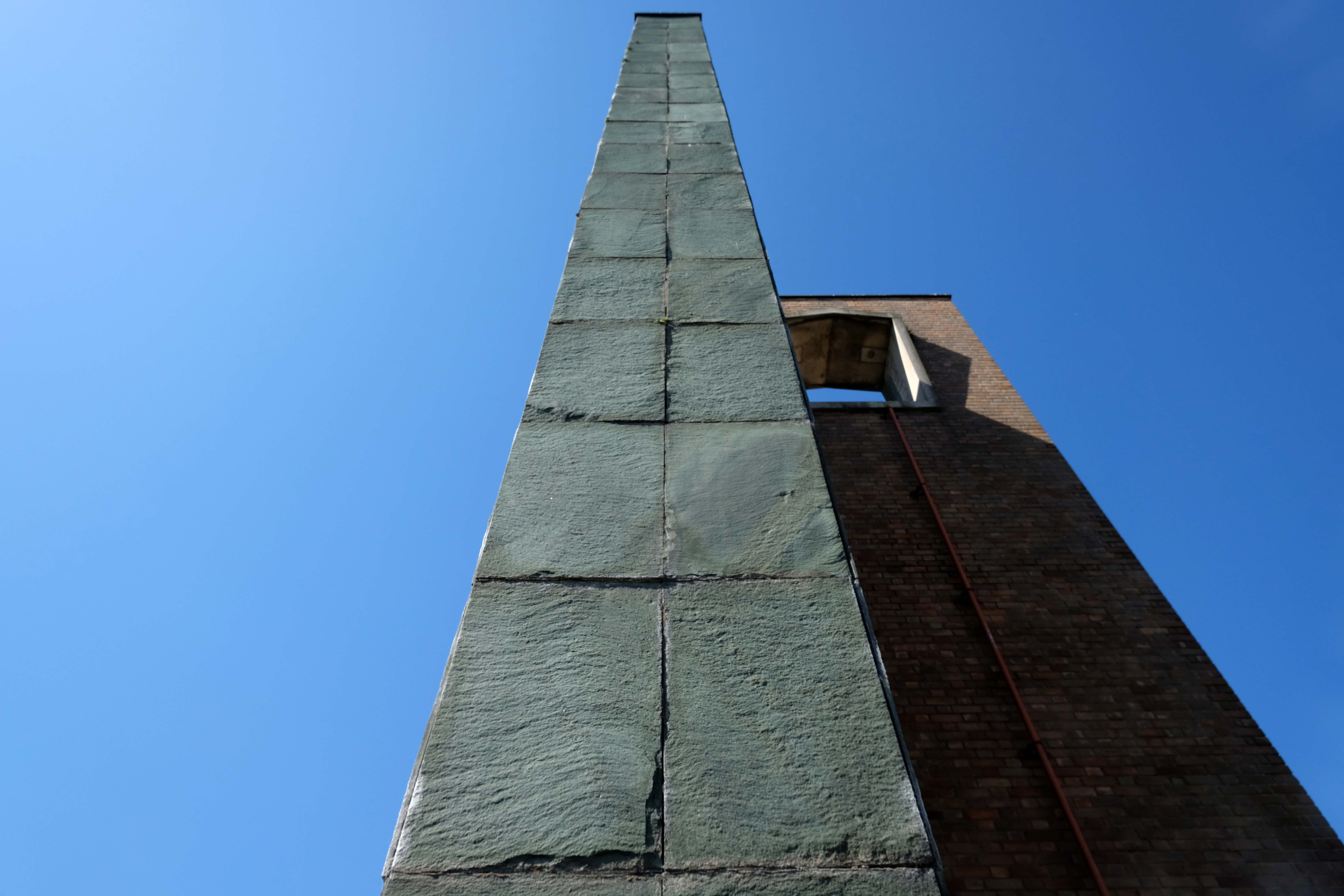
St David’s deserves listing, a distinctive building with a remote slate clad campanile.

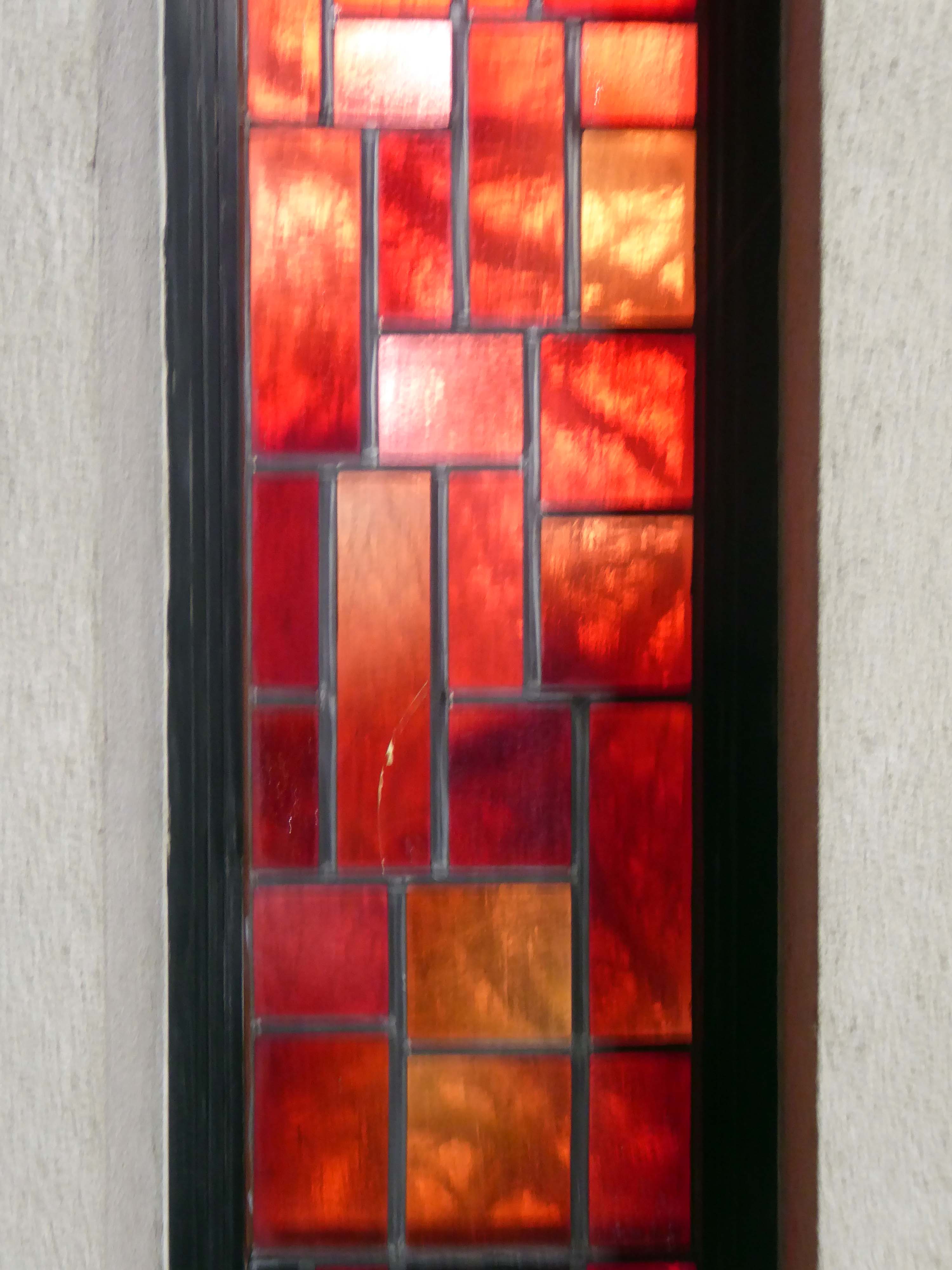
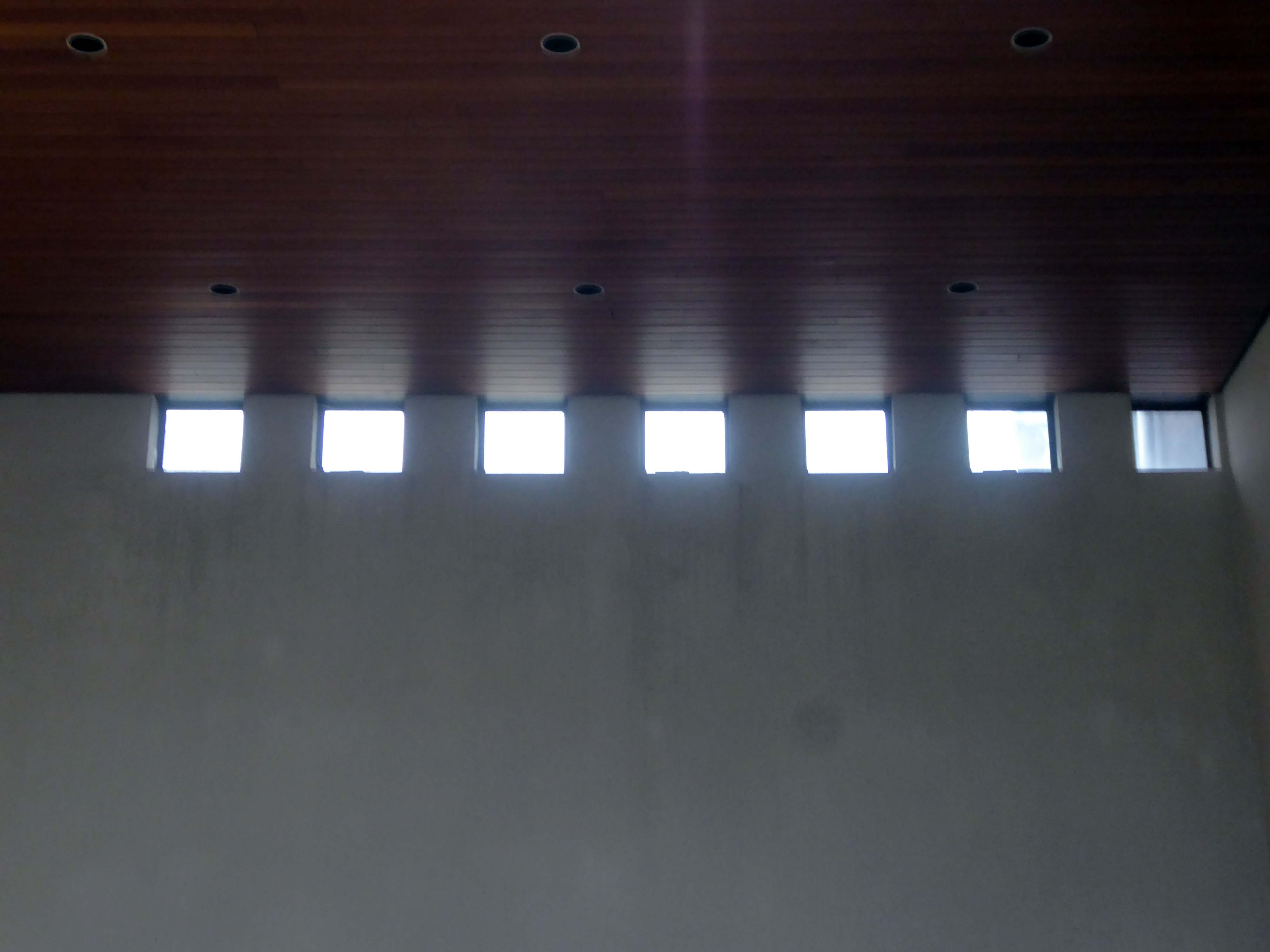
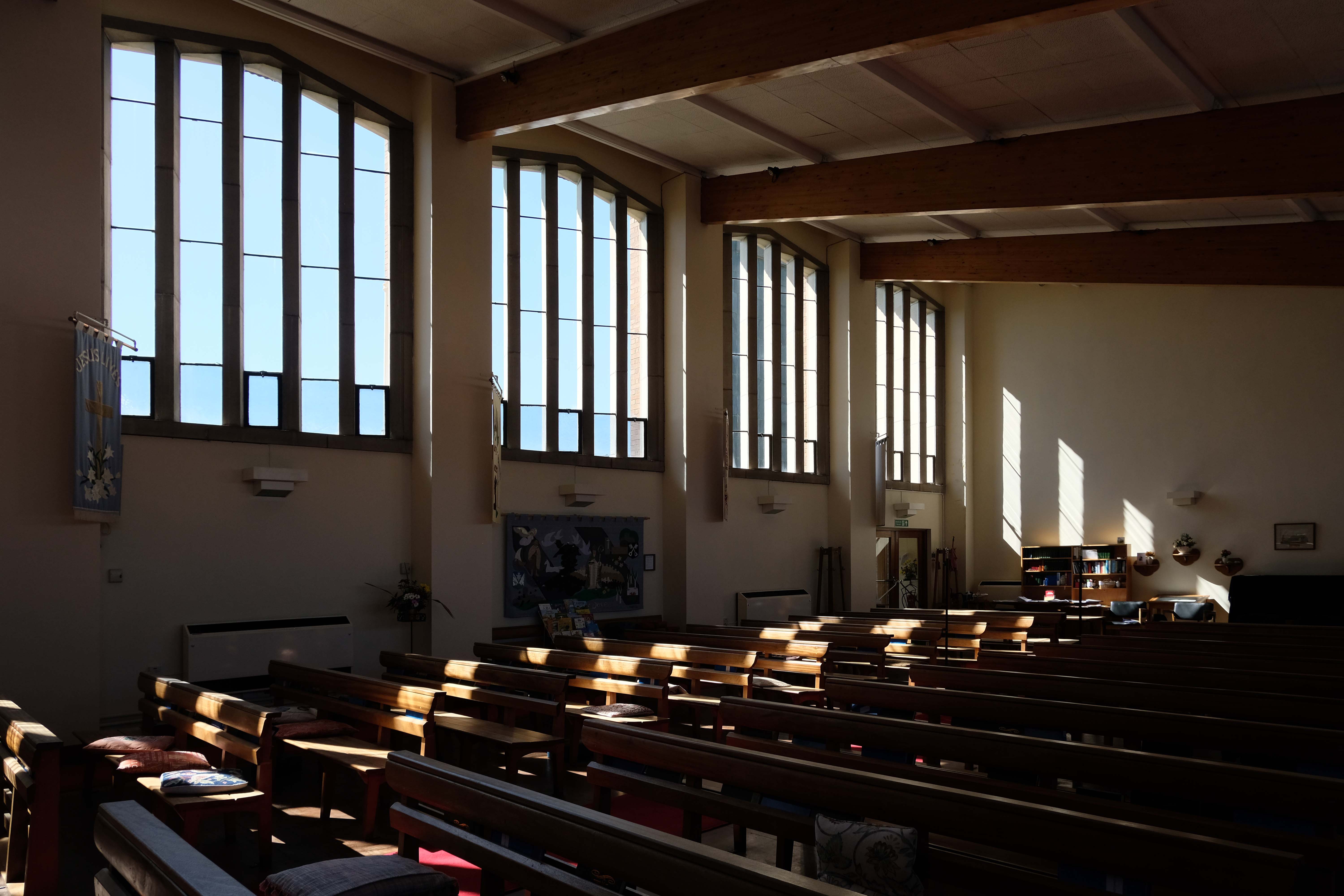
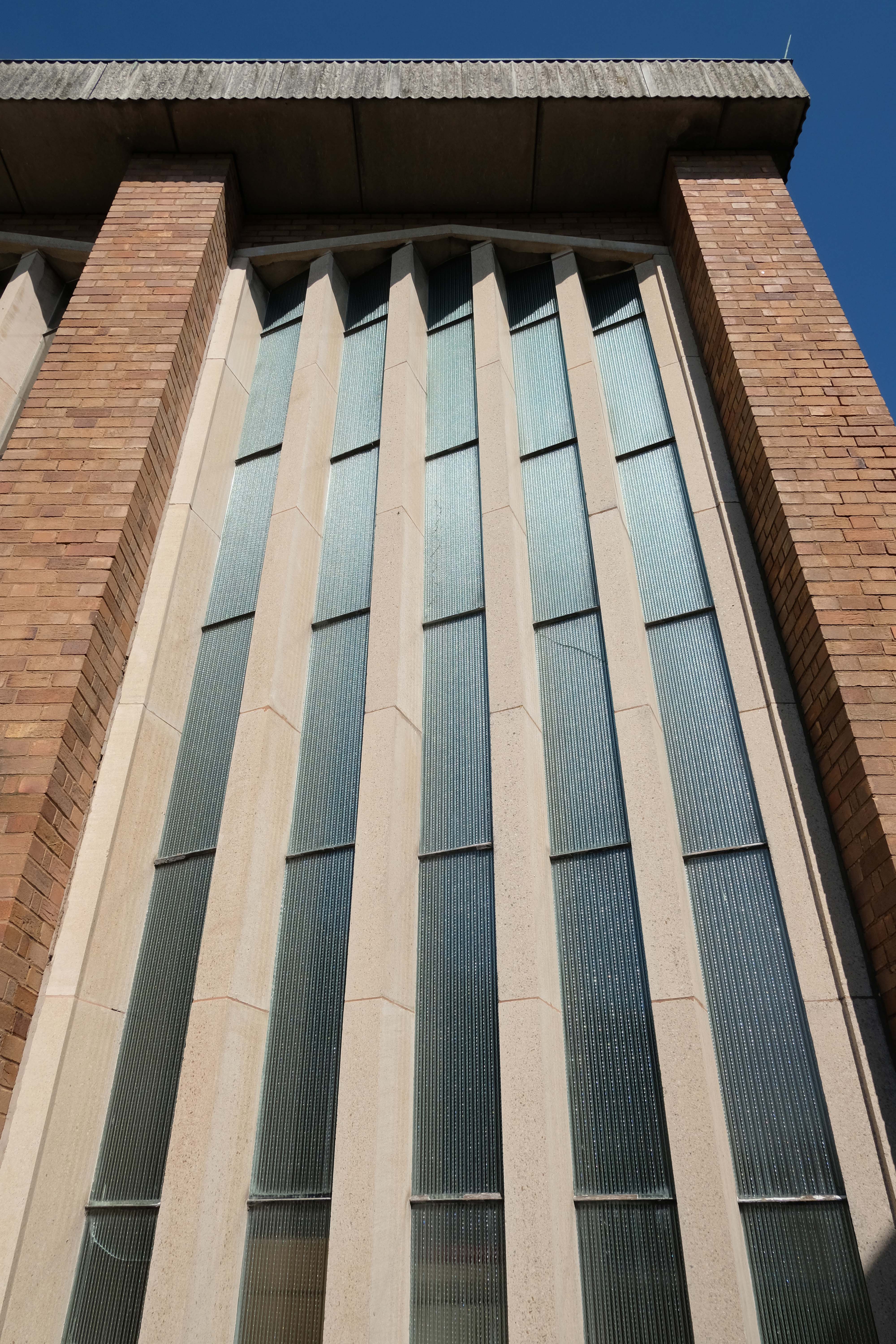
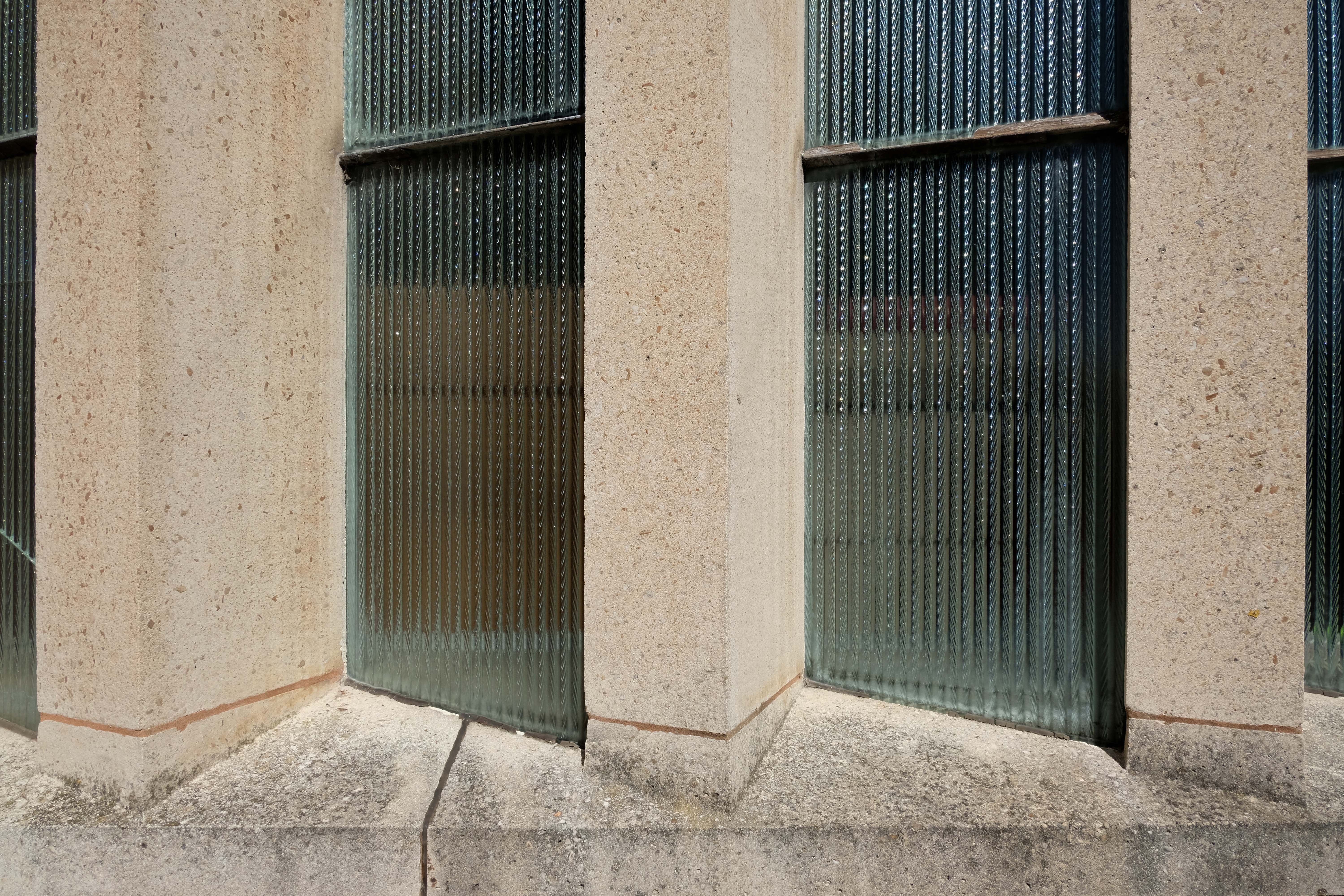
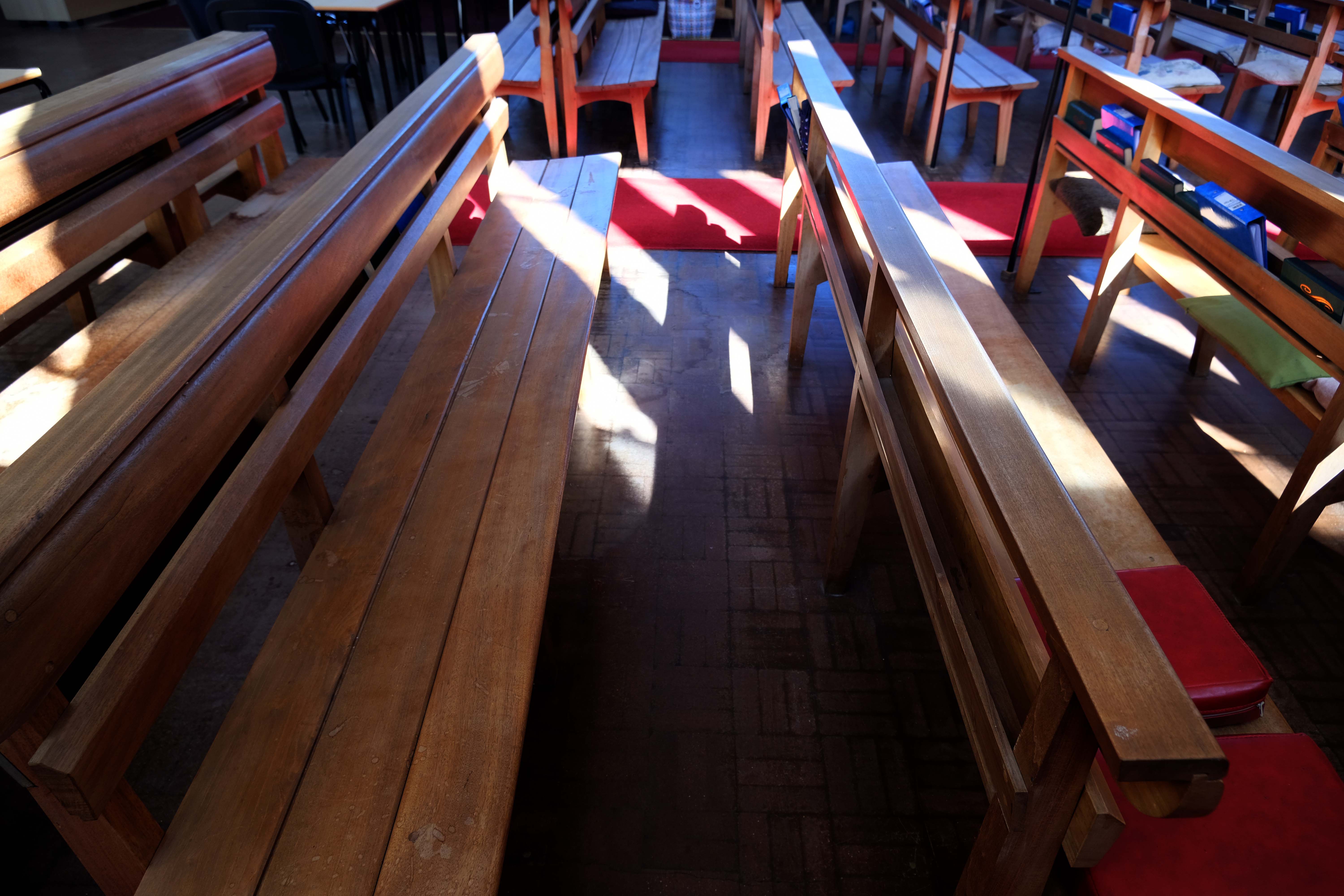
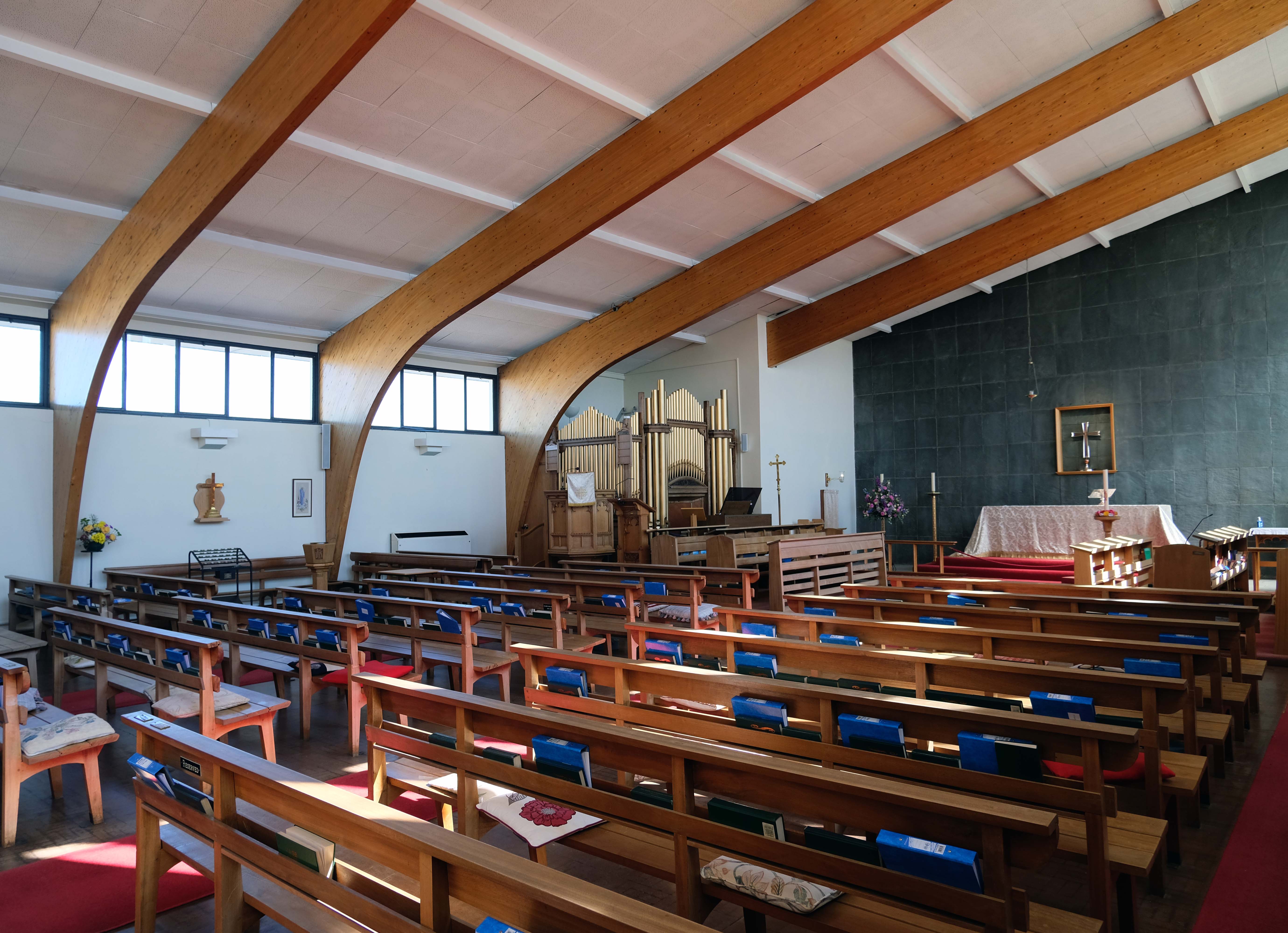
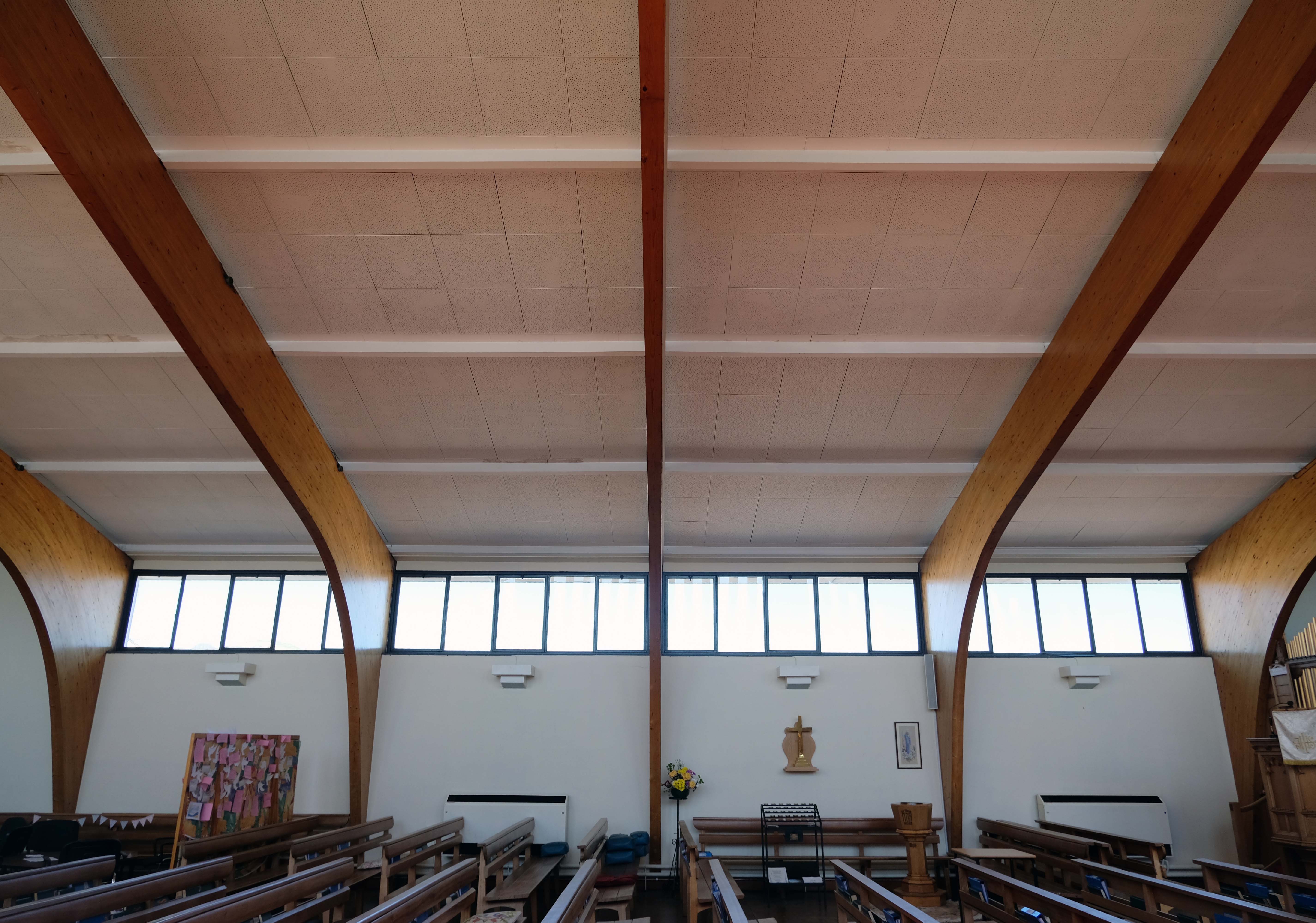
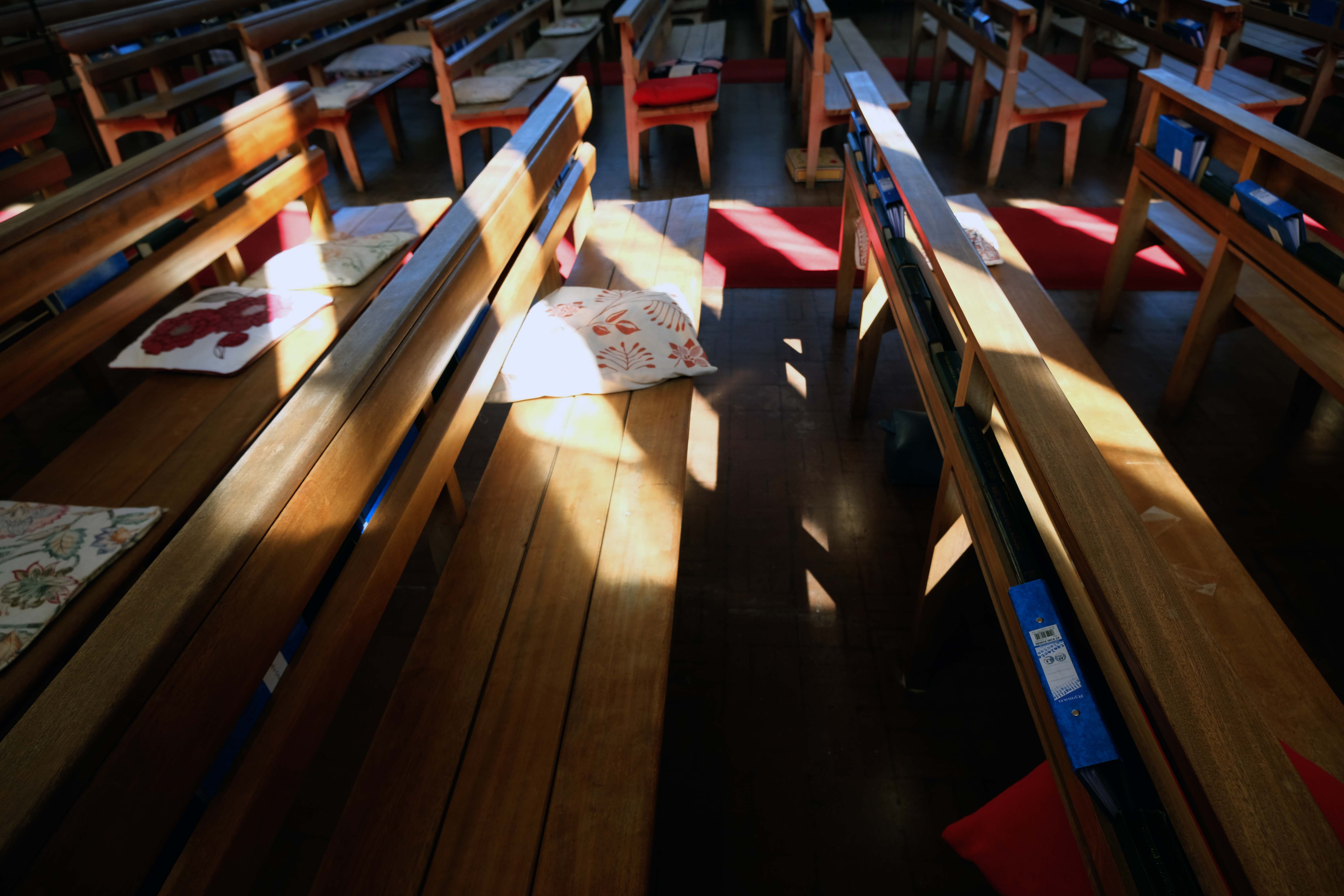
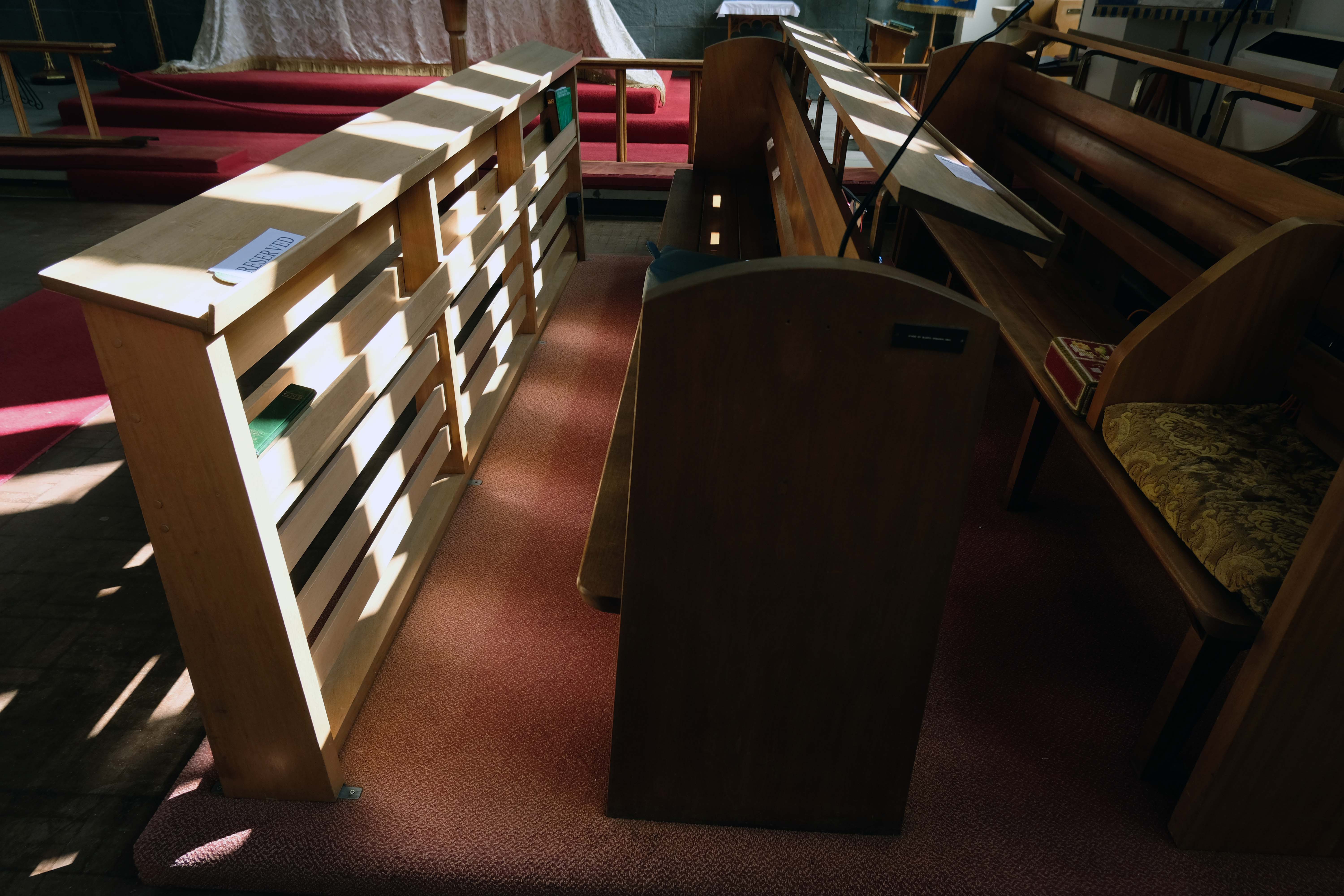
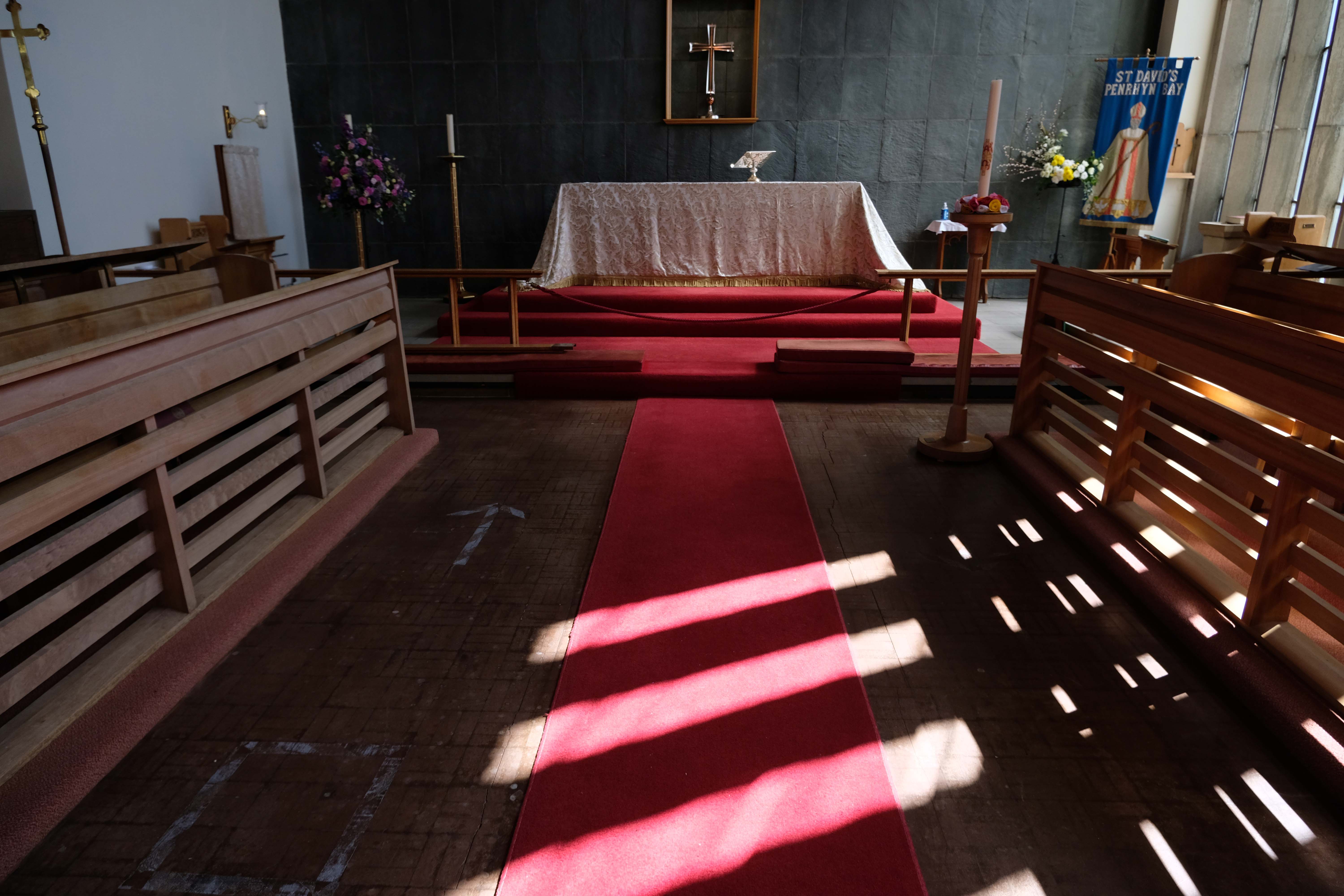
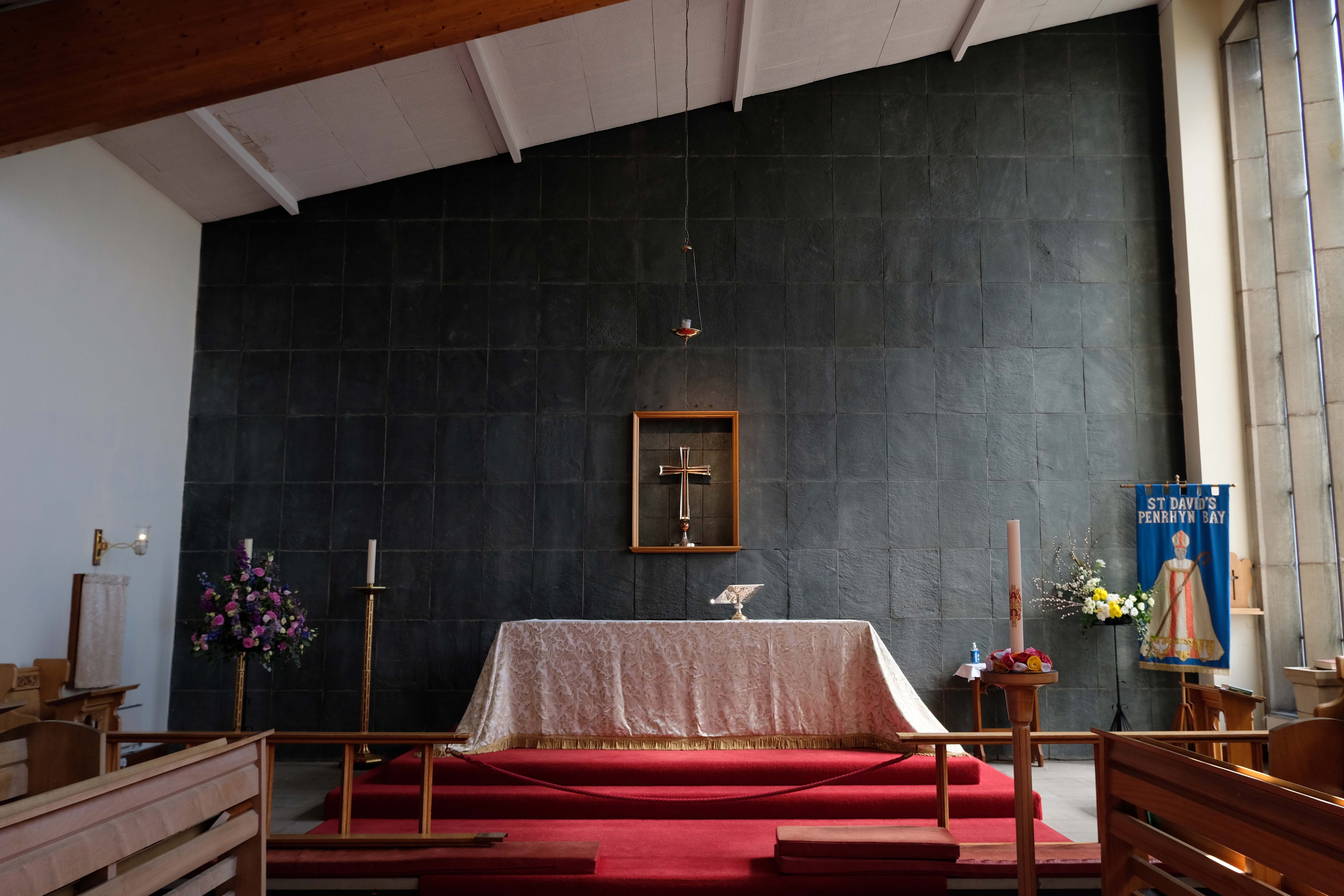
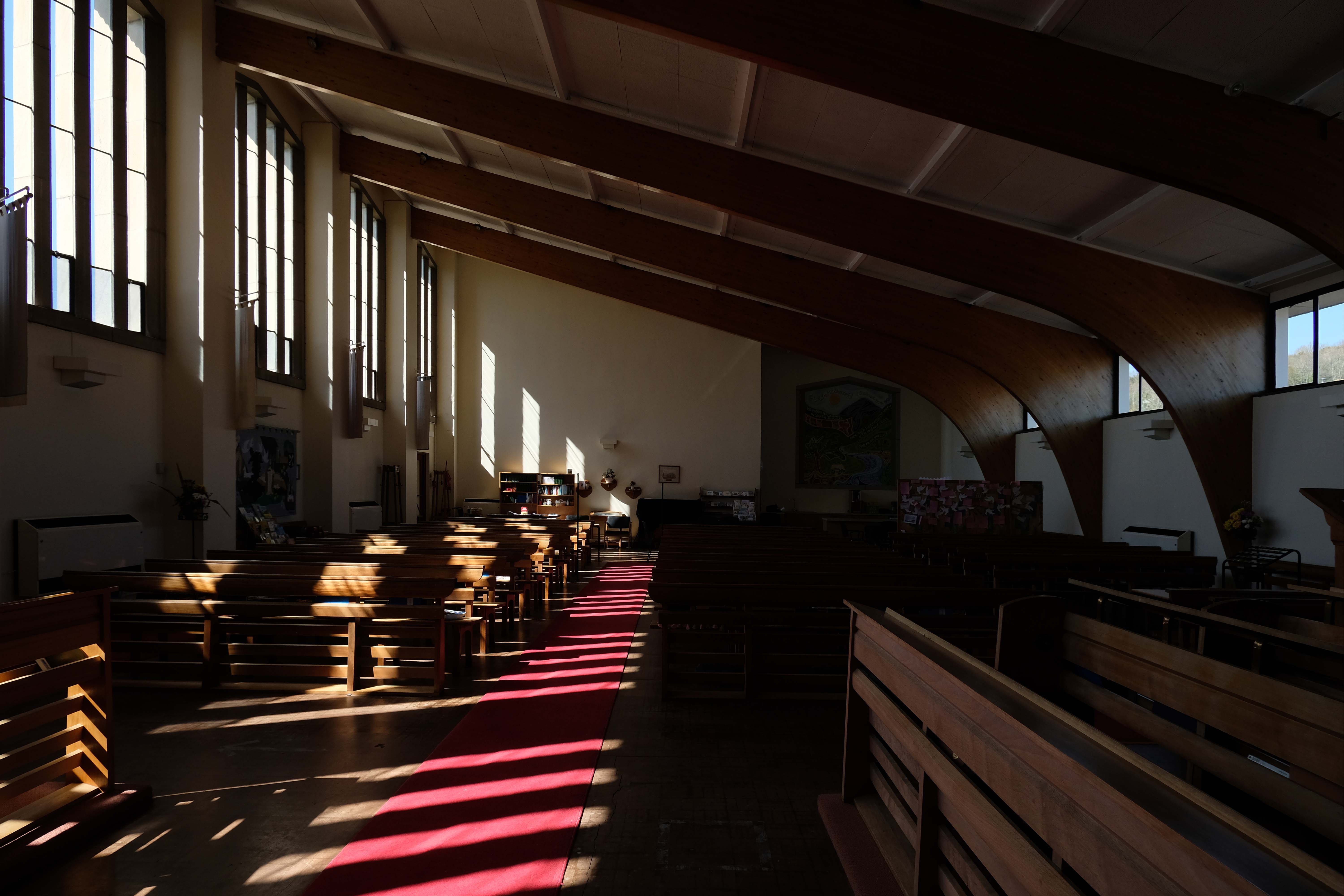
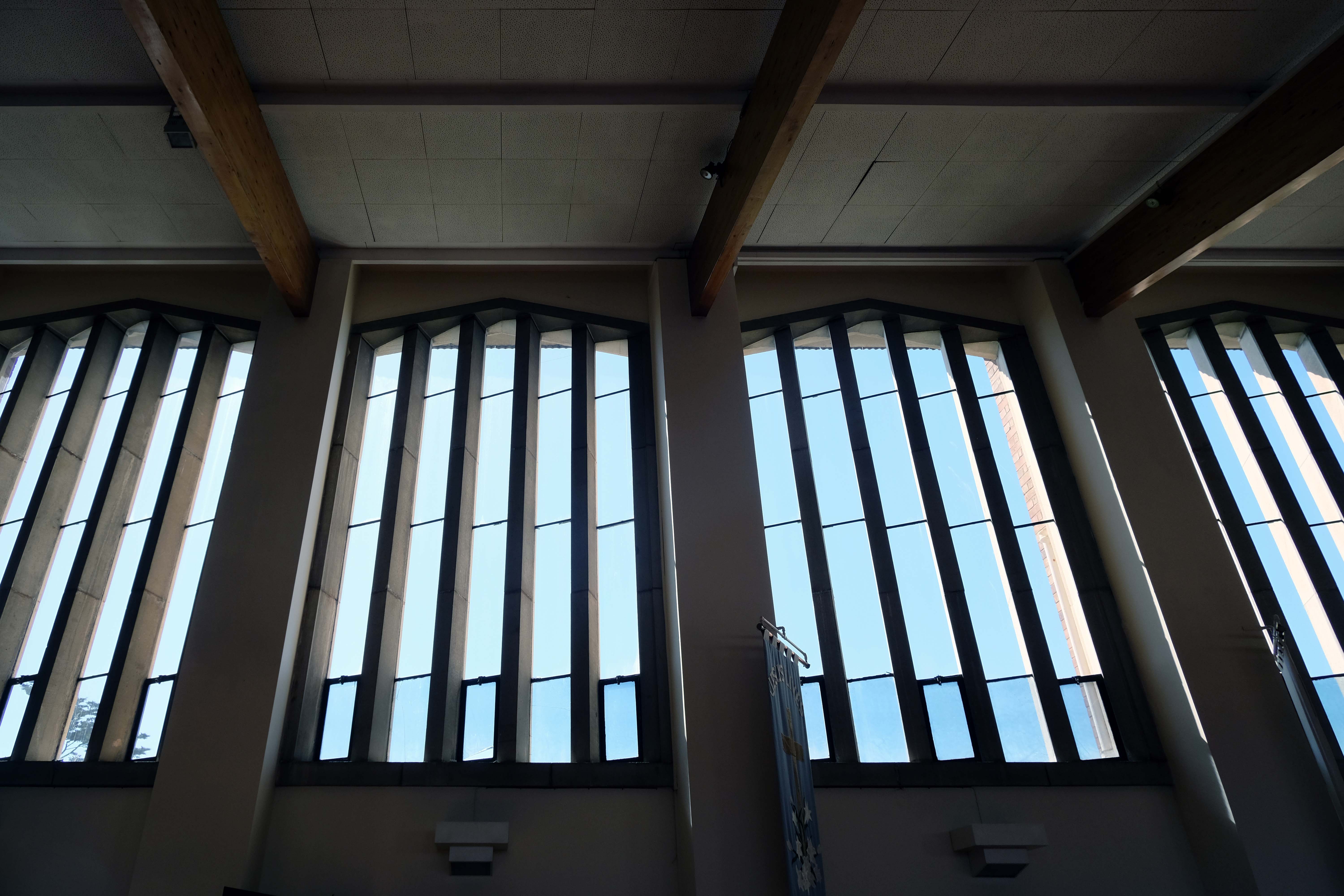
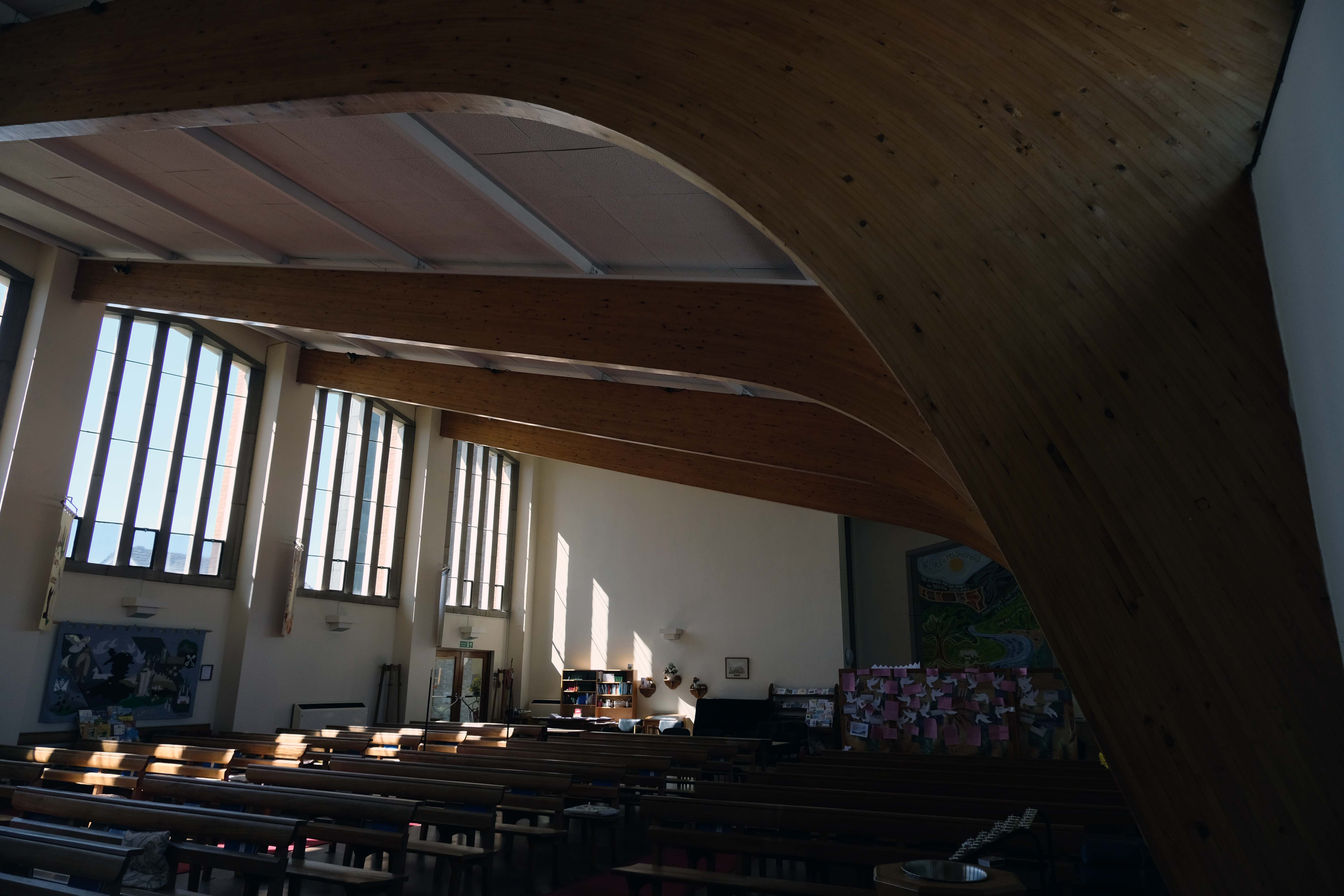
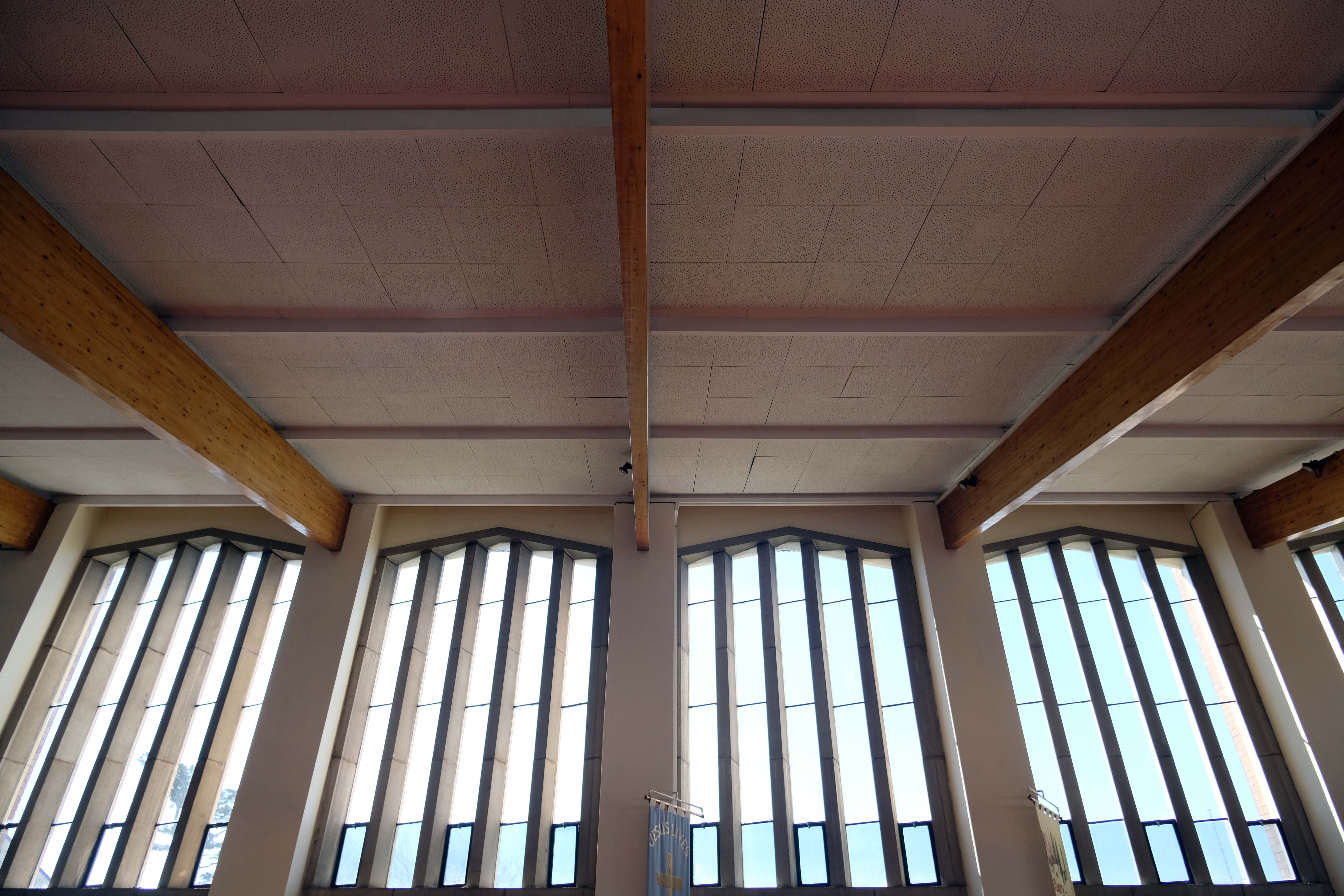
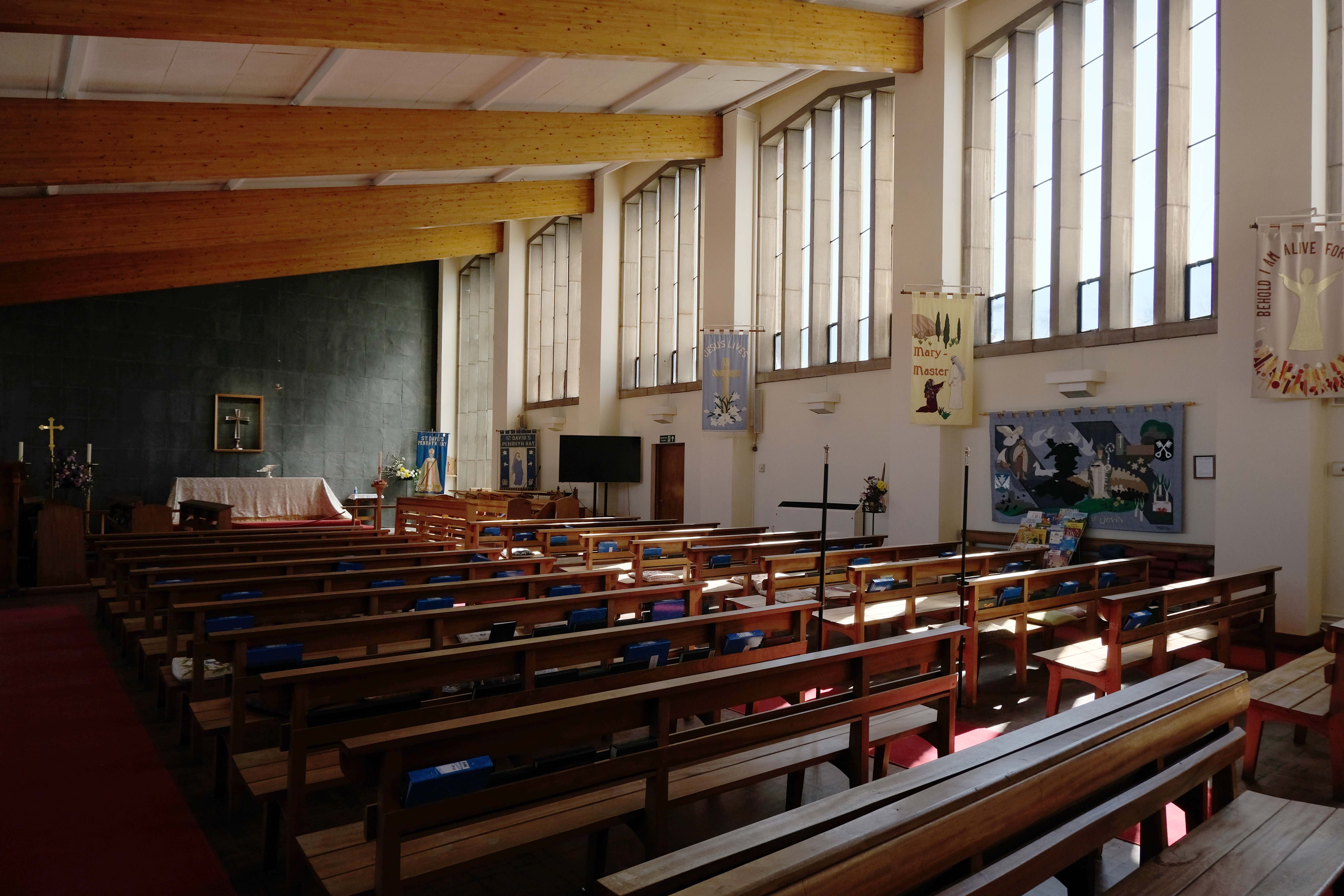
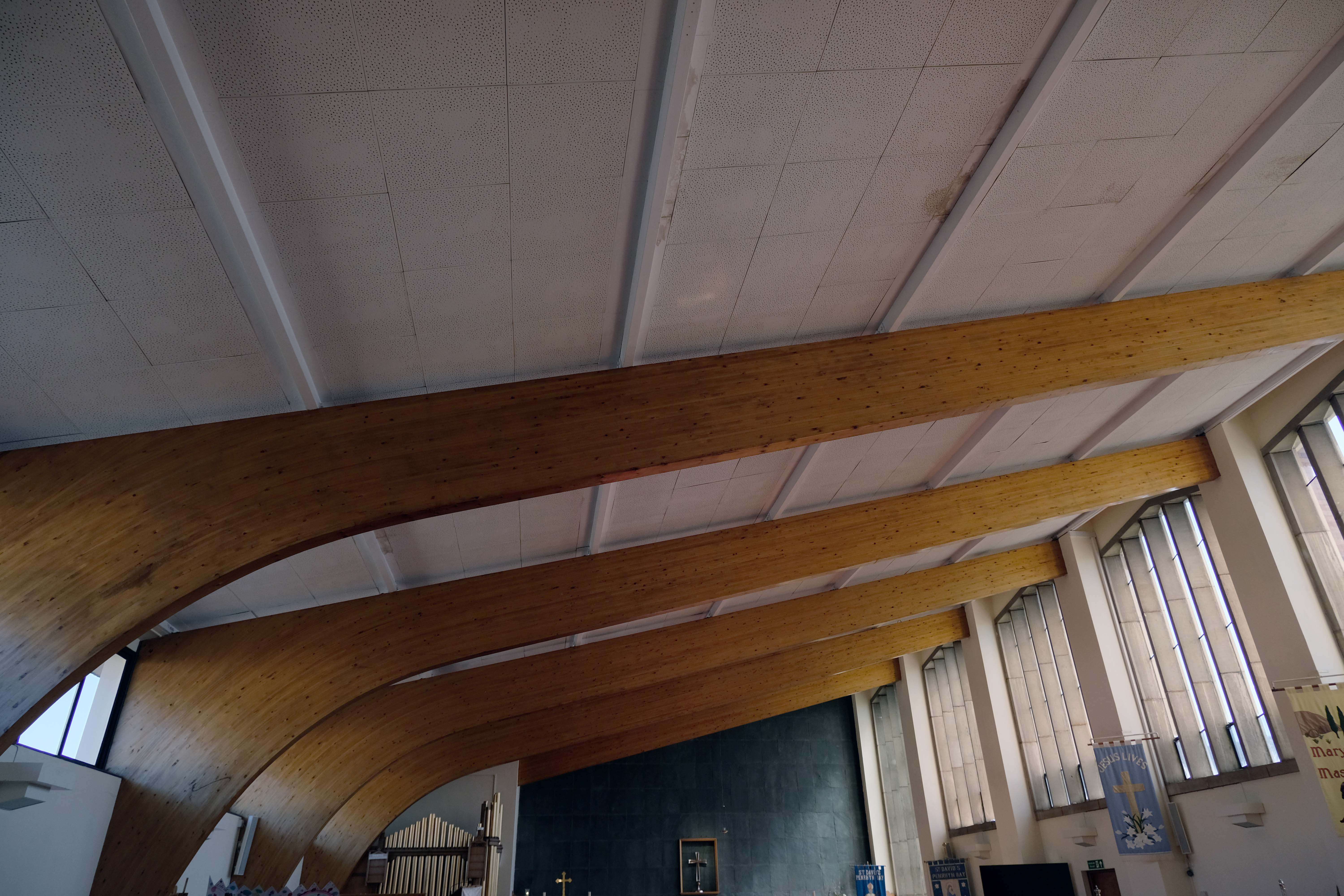
The interior does not disappoint, a light and airy space with confident curved wooden roof struts and clear angled arched windows.

My thanks to the kindly parishioner Alan, who made me more than welcome on the day of my visit.

Sadly the bell is no longer seated – its shell cracked and the wooden support rotted away.

Let’s take a look inside.

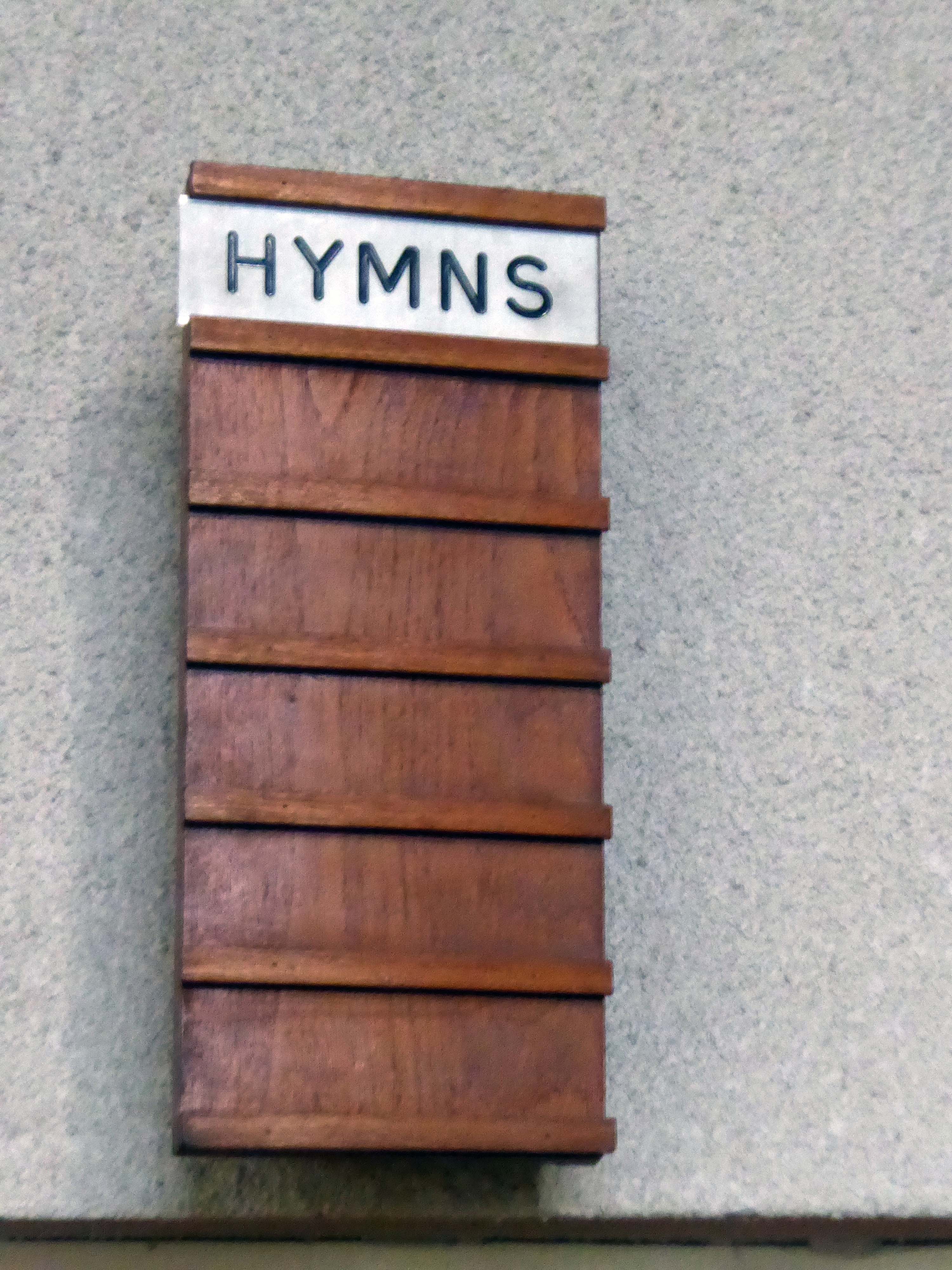
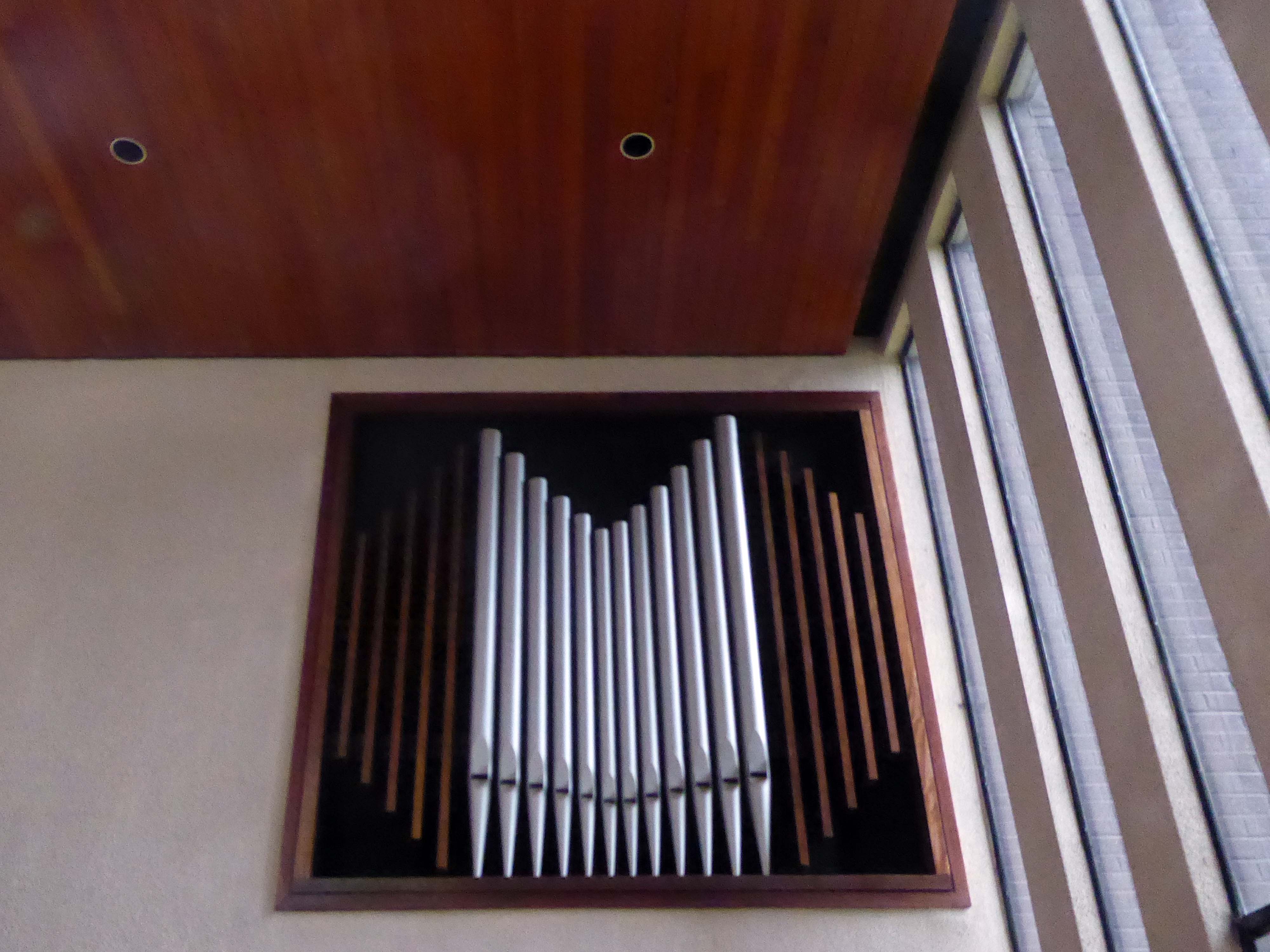
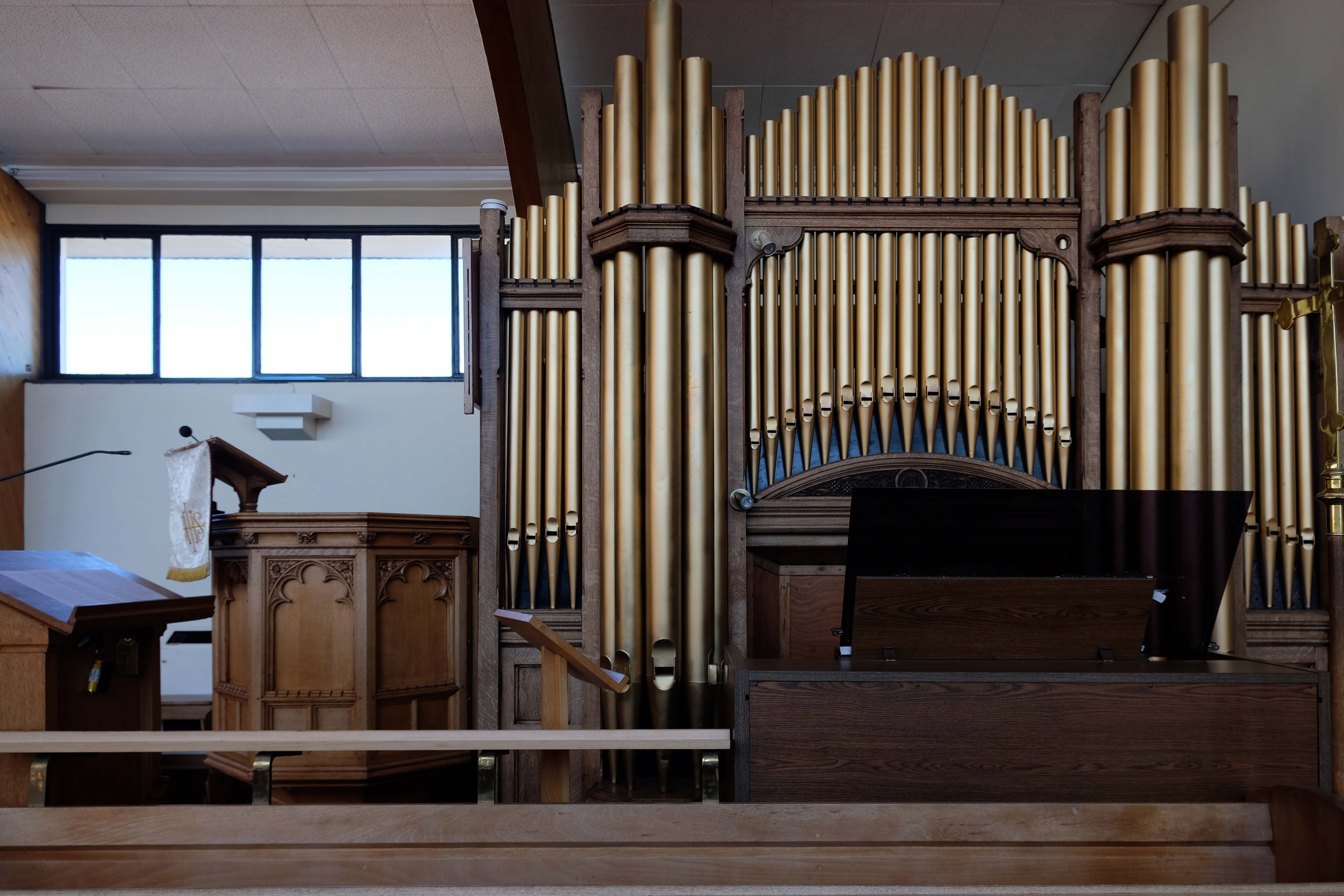
The organ pipes are purely decorative – the current console being digital.

Thanks again all for your time and informative conversation.

Further Education

The first school of design in the UK, the Government School of Design, was established in 1837 and went on to become the Royal College of Art. It marked the beginnings of the development of technical education in the UK, which expanded in the remaining decades of the 19th century, and was largely instigated by the Science and Art Department of the Board of Trade, formed in 1853.  In 1856 the Science and Art Department transferred from the Board of Trade to the Education Department and administered grant-aid to art schools from 1856 and to schools of design and technical schools from 1868.

The Technical Instruction Act 1889 permitted local authorities to levy rates to aid technical or manual instruction. County and borough councils began to provide technical instruction by day and evening classes.

The Local Taxation Customs and Excise Act 1890 diverted ‘whisky money’ from publicans to local authorities for assisting technical education or relieving rates, boosting investment in technical instruction.

By the end of the 19th century continuing education was provided by a variety of bodies in a number of forms:

  • day continuation schools 
  • evening schools and classes
  • mechanics institutes
  • schools of art
  • polytechnics
  • university extension lectures
  • tutorial classes
  • working men’s colleges and courses

Under the 1902 Education Act, changes to conditions attached to government grants encouraged the expansion of technical education. Local Education Authorities took over most of the evening continuation schools.

Major changes occurred after the Second World War. Junior technical schools , commercial schools and schools of art were fully integrated into the revised system of secondary education.

National Archives

The development of technical and art education were inextricably linked to the industrialisation of the north of England.

The Textile Court or main gallery space of the Arts and Crafts Museum of the Manchester Municipal School of Art, photographed in 1898-1901.

Flickr

Manchester School of Art was established in 1838 as the Manchester School of Design. It is the second oldest art school in the United Kingdom after the Royal College of Art which was founded the year before.

The school opened in the basement of the Manchester Royal Institution on Mosley Street in 1838. It became the School of Art in 1853 and moved to Cavendish Street in 1880. It was subsequently named the Municipal School of Art. In 1880, the school admitted female students, at the time the only higher education available to women, although men and women were segregated. The school was extended in 1897.

Wikipedia

The mill towns which encircled the city of Manchester each had their own independent colleges of Art and Design.

Textiles in particular required practitioners in surface pattern and garment design and construction, innovative and skilled students were in demand for print, engineering, architecture and general manufacturing – who also required the services of typographers, illustrators, commercial and graphic designers.

Having left school aged sixteen in 1971, all I ever wanted to do was go to Art School.

My local college was the then Ashton under Lyne College of Further Education – the full-time mode of study was then a two year Pre-Diploma Course.

It had begun life as the Heginbottom School of Art based at – Heginbottom Technical Schools School of Art and Free Library Old Street Ashton-under-Lyne.

The new Technical Schools and Free Library, which has just been completed were opened for students without any formal ceremony. The building has been erected from designs prepared by Messrs John Eaton and Sons, architects, Ashton, at a cost, including fittings of £16,000. 

The building is now Grade II listed and the library and college long gone.

A blue plaque in the main entrance celebrates the former student Raymond Ray-Jones.

Father of photographer Tony Ray-Jones.

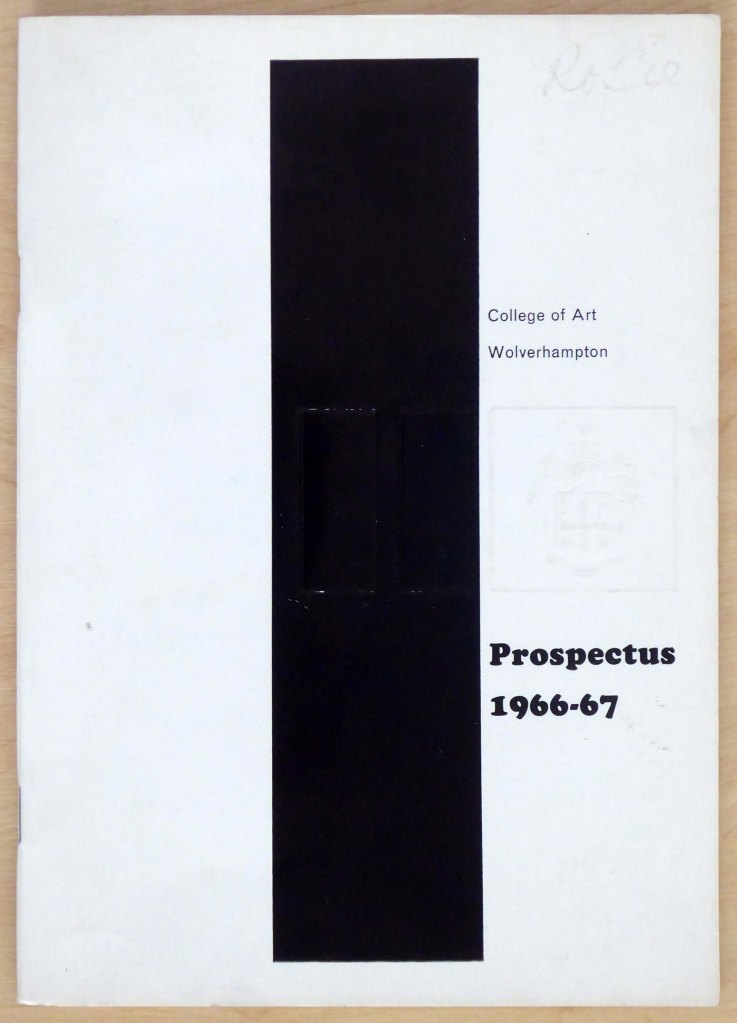
This is the syllabus of 1924-25 – courses take place in evening as students would have been working during the day.

Many of the classes were clearly defined by gender.

Drawing was a seen as a skill which underpinned he majority of disciplines.

Some of the provision was non-vocational.

Forward now to 1959-60.

There are now full-time courses in Art and Design – though there were no degree courses until 1974, students would find employment, places on a teacher training course or possibly progress to one of the London colleges, which did have graduate status.

There were still clear distinctions in what were considered women’s skills, which also reflected the patterns of employment.

There was also an increasing distinction between specialisms, Fine and Applied Arts taking diverging paths.

An astounding range of skills were available on a part time evening basis, opening up vocational or non-vocational options.

These were always affordable and well attended.

Art and design education had undergone a major transformation in the early 1960s. The Coldstream report -1960/ 1962 had restructured art education: the existing National Diploma in Design had been replaced with a three year Diploma in Art and Design in 1963. The Dip.AD was conceived as providing ‘a liberal education in art’ and had four areas of specialisation: textiles/fashion, three dimensional design, graphic design, and fine art. Other subjects, such as electronic media, photography and film, were incorporated into fine art or graphic design courses.

The Dip.AD was intended to be the equivalent of a university degree. To achieve this academic entry requirements, at least five O’ levels, were introduced; although exceptions could be granted for “students with outstanding artistic promise”, very few were: only 36 were made in 1967 . The Dip. AD itself contained a compulsory academic element and enhanced art history component: taken together these accounted for 15 per cent of course time and 20 per cent of the final pass mark. One year Pre-diploma (latterly Foundation) courses termed Basic Design, were also introduced, these a product of the Bauhaus approach to art education, pioneered in the UK by and Richard Hamilton, Tom Hudson, Harr Thubron, Maurice de Sausmarez, and Victor Pasmore. Basic Design was a form of creative education involving basic analytic experiment and a clearing of the slate.

Centre for Global Higher Education

The college which I attended was opened on March 3rd 1964.

Gone were the autocratic Victorian stylings of the Heginbottom School – The College of Further Education represented a more open democratic age.

The communal areas were light and airy, with full-length windows, wooden floors, contemporary furniture and fittings.

The teaching rooms and workshops well equipped and staffed, with ample support from technicians and lecturers.

This was a no expense spared build – we were made to feel valued, in an institution purpose built for our education and future lives.

The full-time course was five full days a week, with one late evening for photography and art history.

I attended ever single day for two years, we were eager to learn and following an introductory merry go round of design disciplines, students were able to choose their own route.

I was privileged to have been taught by Bill Clarke as a student of Fine Art – of whom fellow Ashton student Chris Ofili said:

After six months on the foundation course I chose to specialise in painting and drawing. The teacher there, Bill Clarke, introduced me to painting in a way that didn’t make me feel restricted or limited. Not only was it something completely new, but it was something that allowed me to investigate further into who I am. He taught us that it wasn’t so much about painting a scene and making sure you got the shading right, but trying to get to a point where the thing that works is absolutely critical and essential to you as a living, breathing person. I was obviously aware of famous artists, but I suppose I never really thought that was what you could do with your life. He opened the door enough to make me think that it was worth going into the room.

Tate

Photo: Andy Duncan 2023

A huge emphasis was placed on observational drawing in the life-room, in addition to more exploratory work in a variety of media.

I also spent a great deal of time in the Print Room working in both etching and lithography with lecturer Colin Radcliffe.

Returning to the college four years ago, I found that the life room was now in use by the Animal Management course.

The site had been undergoing refurbishment and new development.

Built by Kier and designed by IBI Taylor and Young the Advanced Technologies Centre has been constructed following a £10.5 million investment.

Levolux designed, supplied and installed a customised architectural facade solution as part of the £10.5 million development of the Advanced Technologies Centre.

ITP supplied our VCL 250 vapour control layer as a protective solution underneath a stunning façade design. With a mono-filament reinforcement scrim for tensile strength, its polyethylene-based membrane ensures that the building envelope is properly sealed to control ventilation, prevent heat loss and protect insulates from interstitial condensation.

The single storey building was previously home to the Ceramics and Textiles rooms.

The Construction Skills Centre has been designed by Manchester-based architects 10 Architect.

Heckford Signs work with Willmott Dixon approached on a new coloured acrylic sign for the new Construction Skills Building at Tameside College.  The aim for this new sign was to create a showcase of the college logo at an eye-catching size, to include 3D elements which would be housed on the East elevation of the impressive new building on campus.

The rolling curves of the original workshops have been retained and updated.

Since leaving the college in 1973, I graduated from Portsmouth Polytechnic with a BA(Hons) Printmaking, subsequently spending thirty years of my working life teaching in a variety of Further Educational sites across Manchester.

Fielden Park College seen here in 1973 – where I taught design to the printing apprentices.

Originally designed by the City Architect SG Besant Roberts in 1965, refurbished by Walker Simpson Architects.

Closed.

Wenlock Way – an annex of Openshaw Technical College, a former primary school which housed courses in Sign Writing, Jewellery, Horology and Retail Display.

Demolished.

Openshaw College – since demolished and rebuilt, becoming Central Manchester College in the 90s.

We were relocated to Taylor Street in the former Bishop Greer School – renamed the East Manchester Centre.

Since demolished to make way for an old people’s home.

Following the reorganisation of Manchester’s FE provision we were moved again to the former Yew Tree High School, Arden Sixth Form College – renamed City College Manchester.

This block was eventually demolished to make way for the new Northenden Centre – which closed last year, which has in its turn been demolished.

Everyone was relocated to the brand new building on the former Boddington’s Brewery site.

Everyone but me, as I left in 2014 to become a modern moocher.

Manchester College City Campus

Following build completion in July, the long awaited 27,000 square metre, four-storey campus, designed by Bond Bryan and Simpson Haugh, offers a range of facilities, creating an exceptional student experience. It becomes the home of the College’s Industry Excellence Academies for Hospitality and Catering, Creative and Digital Media, Music, Computing and Digital as well as its Centres of Excellence for Visual Arts and Performing Arts.

It accommodates a range of Higher Education courses such as the UCEN Manchester’s School of Computing and Cyber-Security, The Manchester Film School and The Arden School of Theatre and the School of Art, Media and Make-up. 

BDP

Things may come and things may go but the Art School Dance goes on forever.

My thanks to the Tameside Local Studies Centre for assisting me in accessing their archive material.

Scarborough Art Gallery

The history of the building which today houses Scarborough Art Gallery began in 1828, when local solicitor and Town Clerk, John Uppleby, in partnership with local builders John Barry and his brother William, bought the land on which The Crescent would be built from the wealthy local banker and shipowner, John Tindall. In 1830, the York architect Richard Hey Sharp and his brother Samuel were commissioned to draw up plans for the site.

Crescent Villa was the last of the villas to be built, erected in 1845 as a home for John Uppleby and his family. After John’s death in 1856, his wife and family continued to live in the house until her death in 1881, at which time it was bought by Edward Chivers Bower, father of the sculptor Lady Ethel Alice Chivers Harris and the great grandfather of Katharine, Duchess of Kent.

Bower renamed the house ‘Broxholme’ after his family seat near Doncaster.

Photo: Doc Brown

Following Henry Donner’s death, the house was purchased by Scarborough Corporation in 1942 for £3000 and for five years was used as a welfare clinic and children’s nursery. The clinic moved out in February 1947 and the Corporation decided to turn the building into a public art gallery.

The Scarborough Art Gallery opened to the public on 17 November 1947.

The permanent collection includes paintings donated by famous hotelier Tom Laughton, the brother of the film star and actor Charles Laughton.

Detail from a 1931 map of Scarborough by Edward Bawden – Scarborough Museums Trust collection

Both Eric Ravilious and Edward Bawden, who were close friends, became acquainted with Tom Laughton, who acted as a patron, particularly to Bawden and commissioned pieces from him to adorn his hotels.

Wikipedia

I visit Scarborough at least once a year – travelling by train from my home in Stockport and one occasion cycling from Hull.

Whilst visiting, a visit to the gallery is almost de rigueur.

This year I had a particular interest in the gallery’s photographic exhibition Squaring The Circles

The works on show demonstrate radical and experimental investigations into the process of making photographs. From cyanotypes and daguerreotypes to pinhole and cameraless imagery, the exhibition blurs the boundaries between art and photography, resulting in an expressive, otherworldly, and inspiring display.

Exhibiting photographers include Takashi Arai, Angela Chalmers, David Chalmers, Susan Derges Hon FRPS, David George, Joy Gregory Hon FRPS, Tom Hunter Hon FRPS, Ian Phillips McLaren, Céline Bodin and Spencer Rowell.

Curated by Zelda Cheatle Hon FRPS.

I turned up paid my three pounds for an annual pass and looked around.

This is what I saw inside and out.

Angela Chalmers

Tom Hunter

Tom Hunter

Susan Derges

Céline Bodin

Tom Hunter

The show’s full title was Squaring the Circles of Confusion – here’s some information to dispel the confusion

Photopedagogy

Not top be confused with the Ball of Confusion.

Go see the show.

Moston Miners Community Arts and Music Centre

63 Teddington Rd Moston Manchester M40 0DJ

The building began life as a pit-head bath for Moston Colliery.

Several years ago I visited the listed baths at Lynemouth

NMRS

It later became a working mans’ club.

More recently it has had a renaissance under the stewardship of local lad Louis Beckett.

The community centre now provides space for local bands to rehearse, local artists to exhibit their work, a community cafe and larger function rooms that are available for events. 

A wide range of events takes place here through the year including live gigs, pantomines, Halloween parties, cabaret nights and art exhibitions, and since 2012 it’s been home to the Moston Small Cinema which screens a range of films and sporting events.

The Skinny

I popped by a couple of weeks ago and was given a terrific tour by Paula and Lou, along with a competitively priced tasty brew and breakfast.

Work was underway for the current Art Show and evidence of the club’s affable affiliation with FC United of Manchester, along with the results of the previous week’s art activities for the local youngsters.

Let’s take a look around outside and in.

Keep an eye and ear out for forthcoming events – get y’self up there soon!