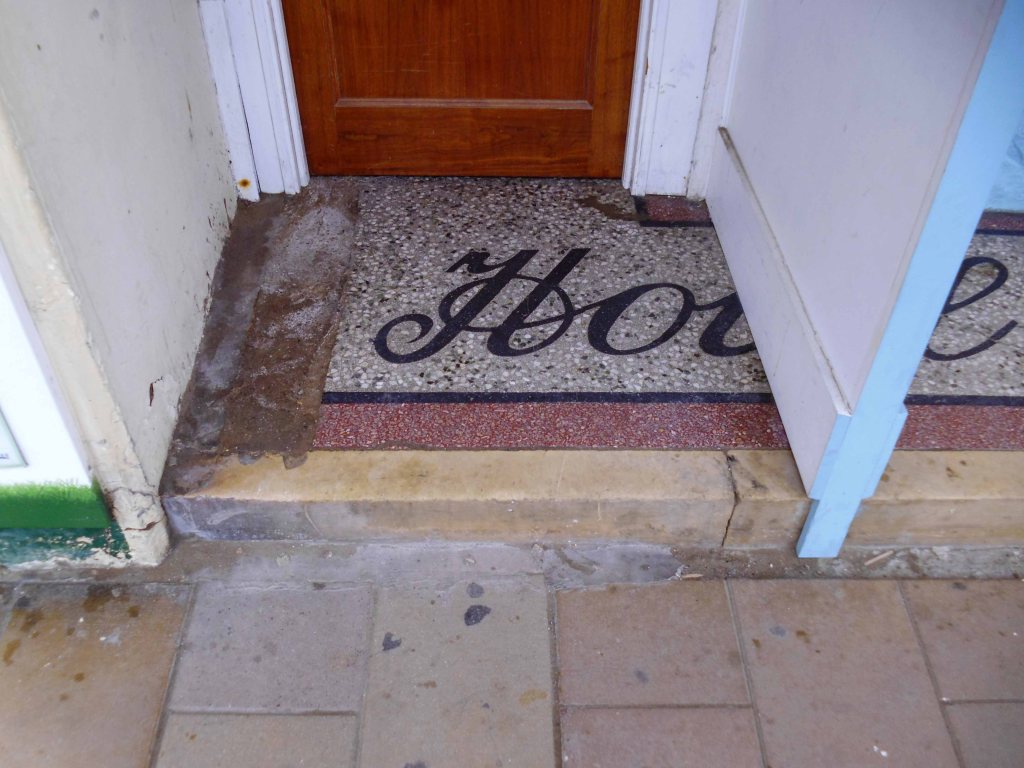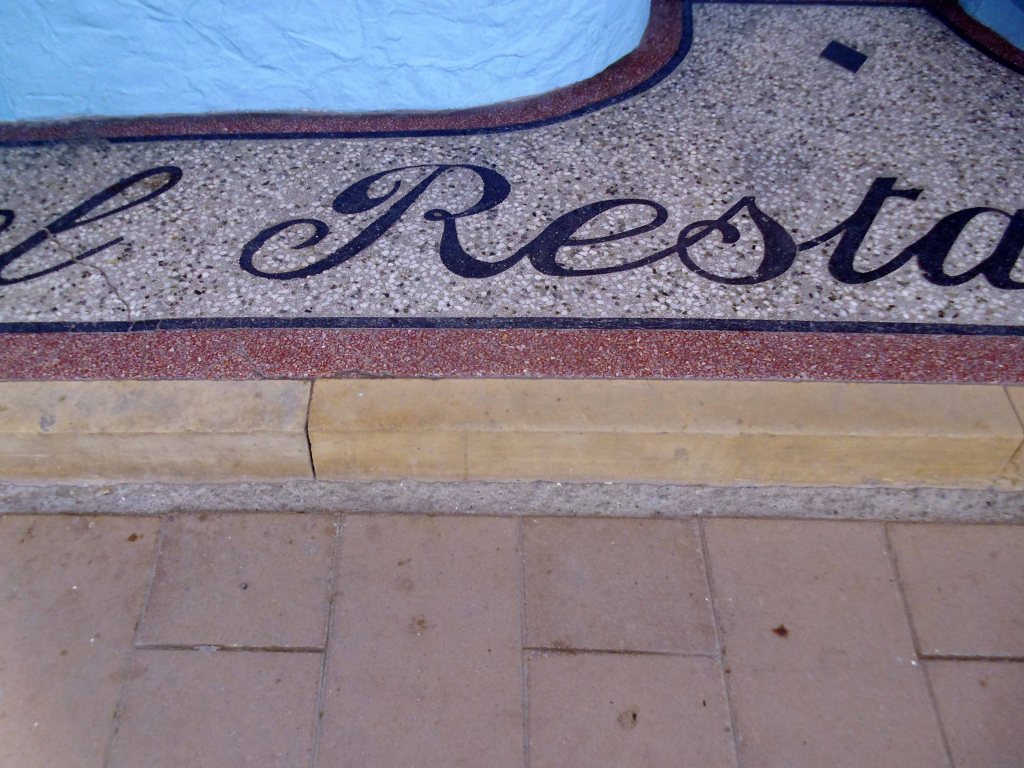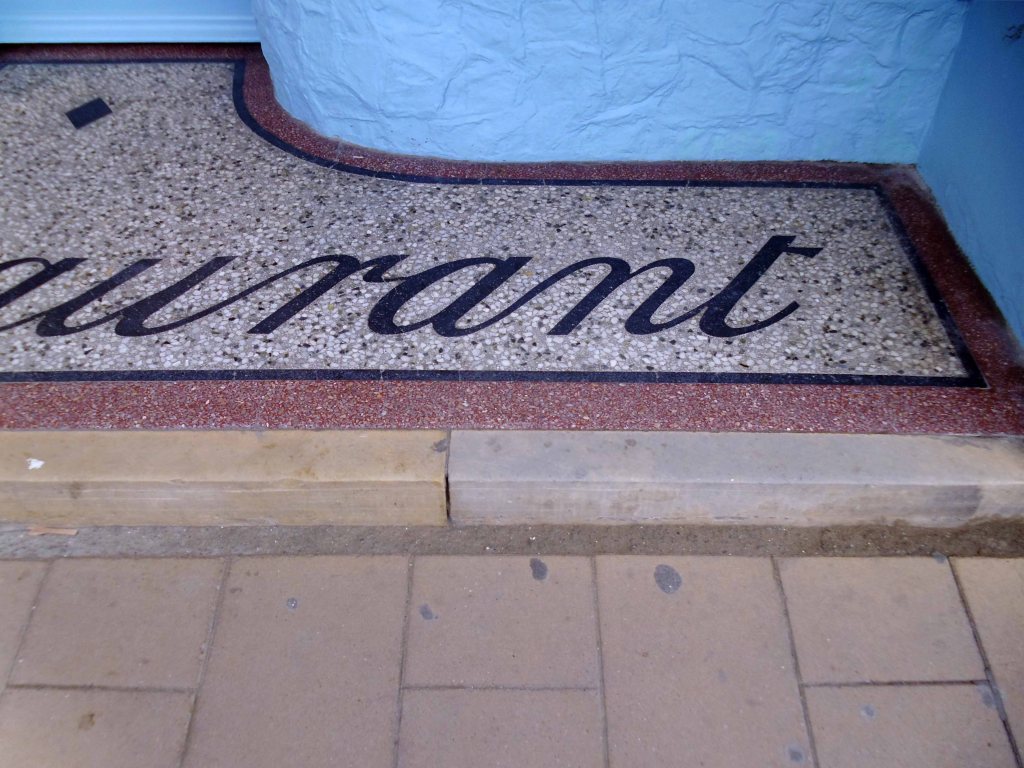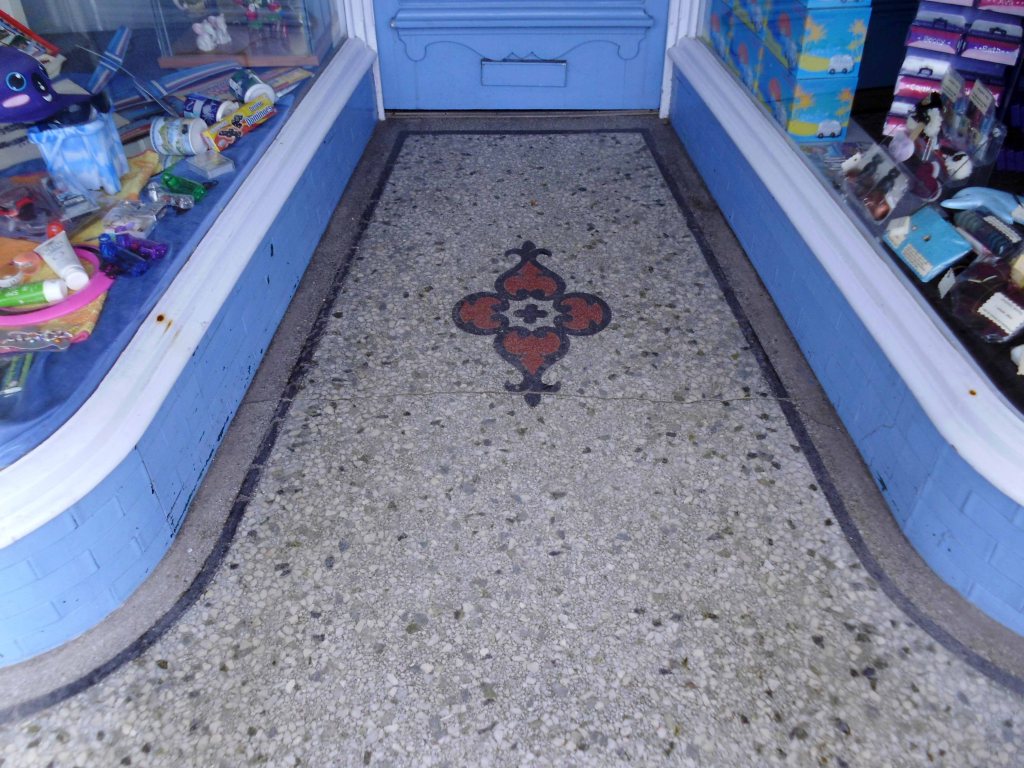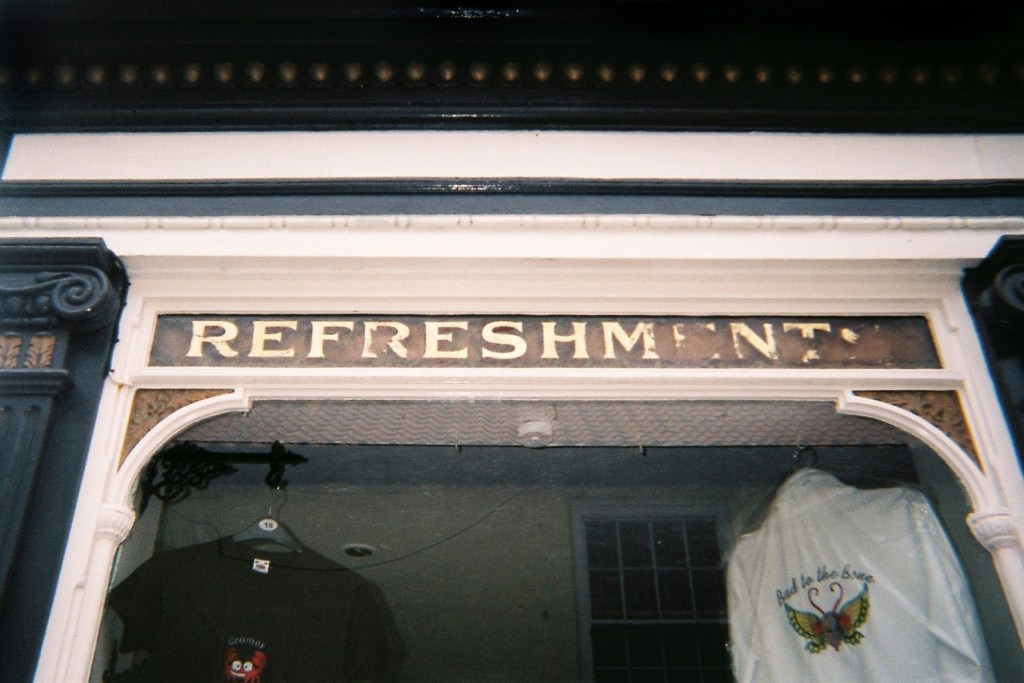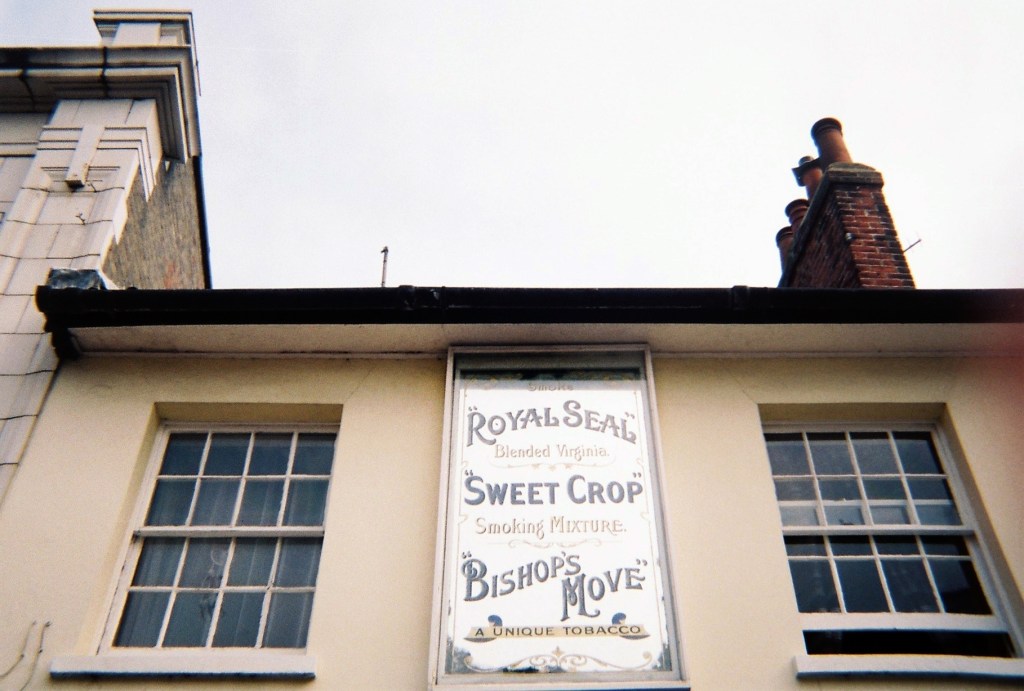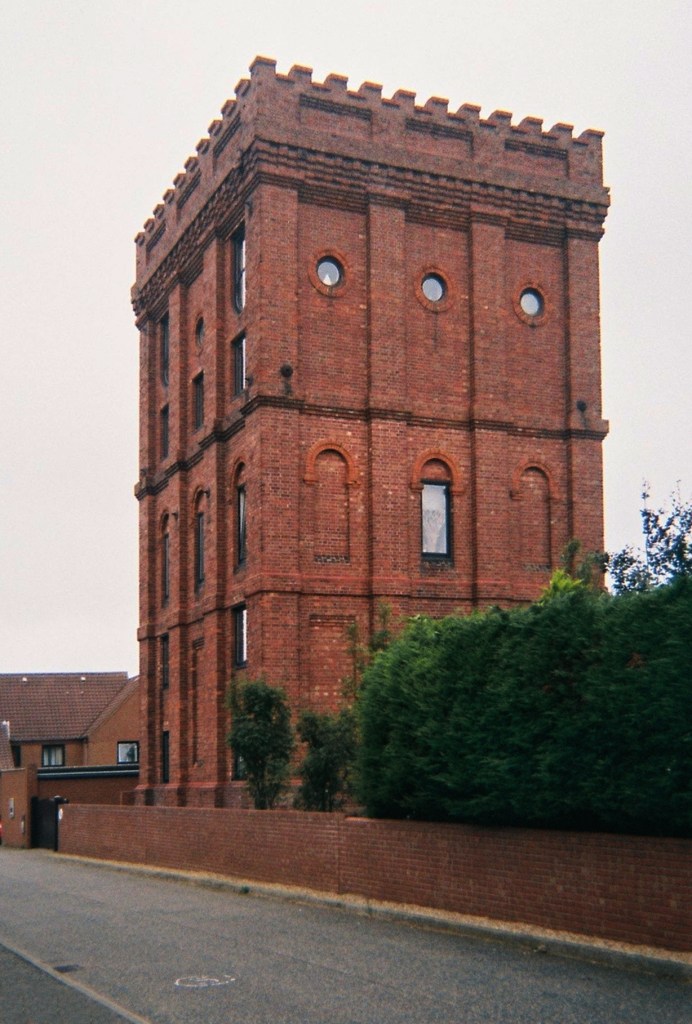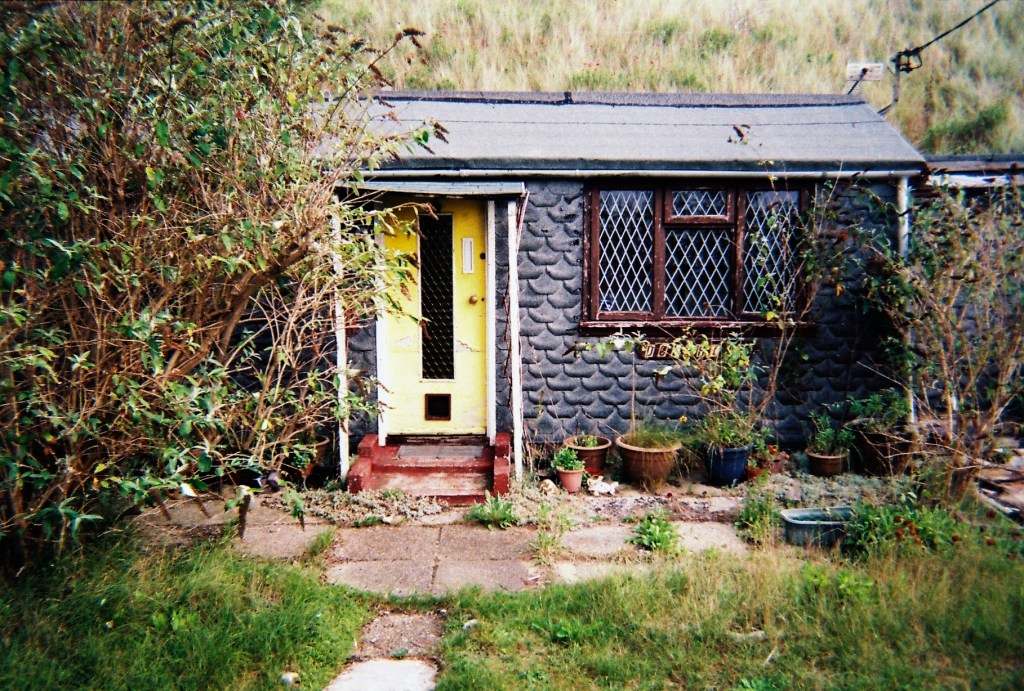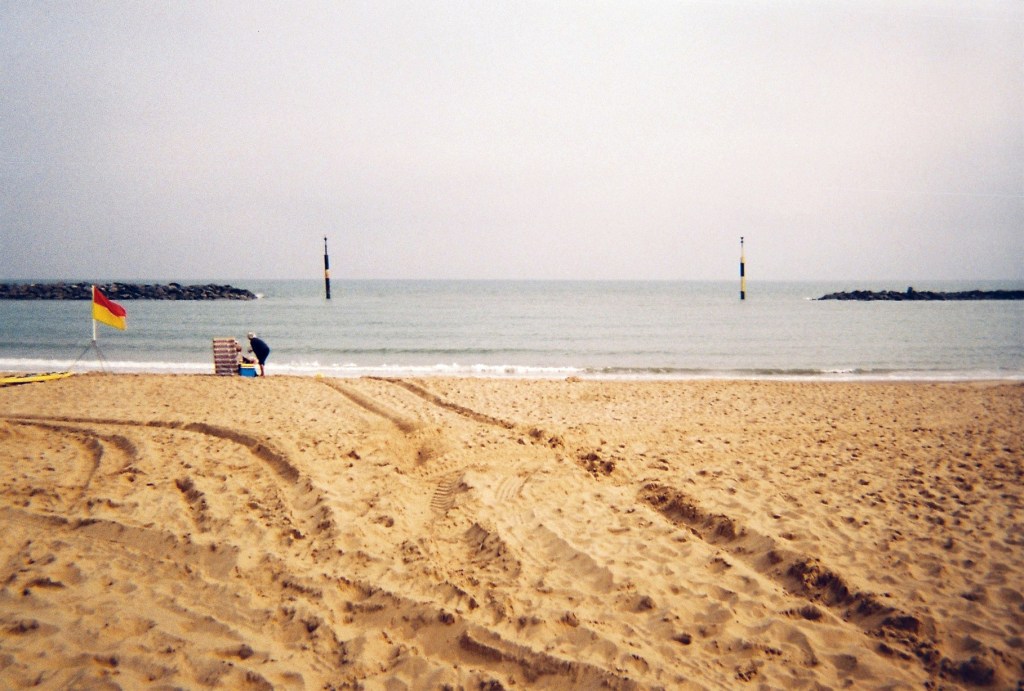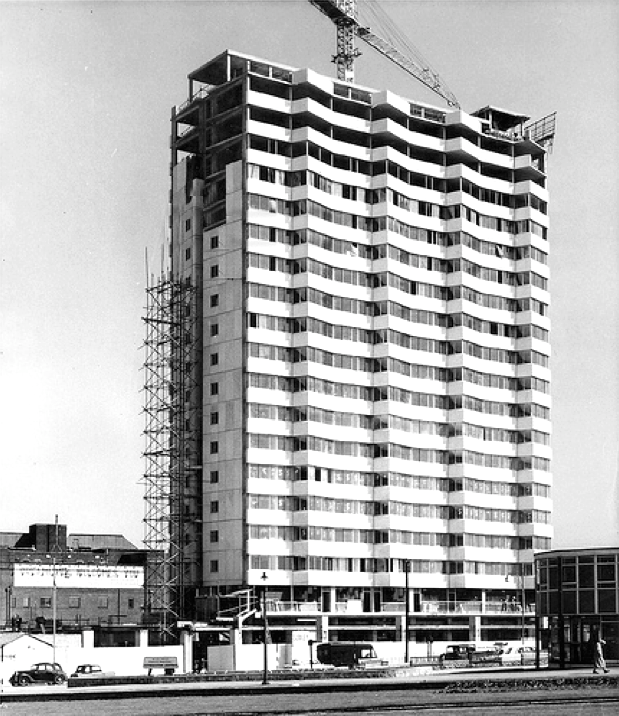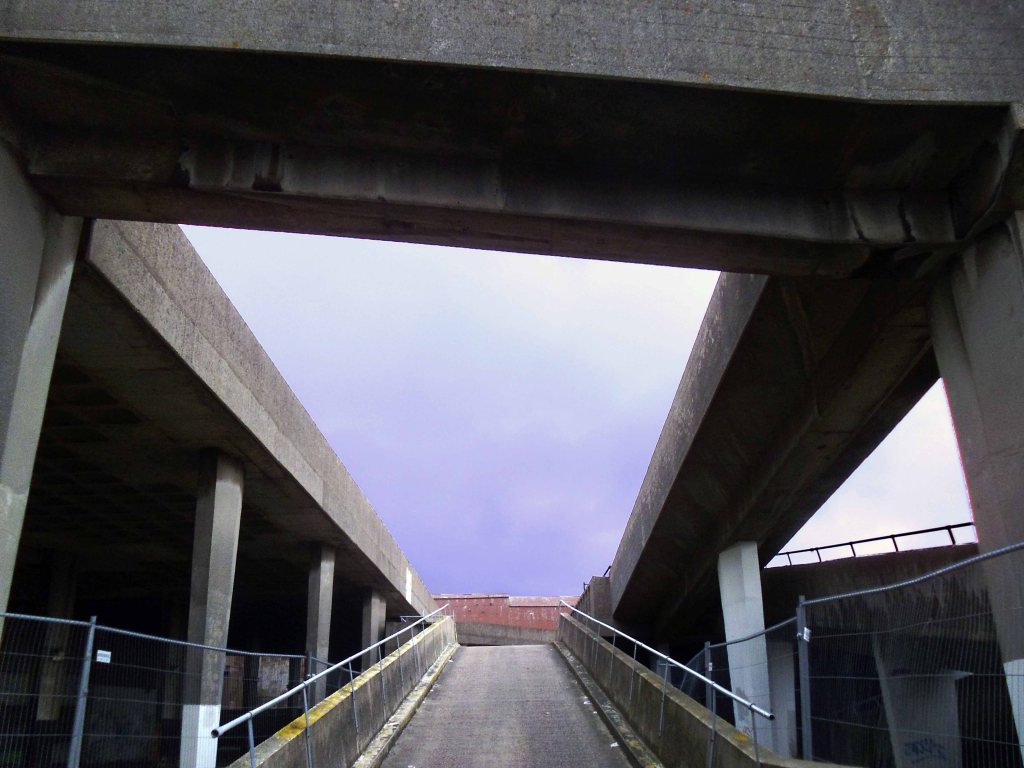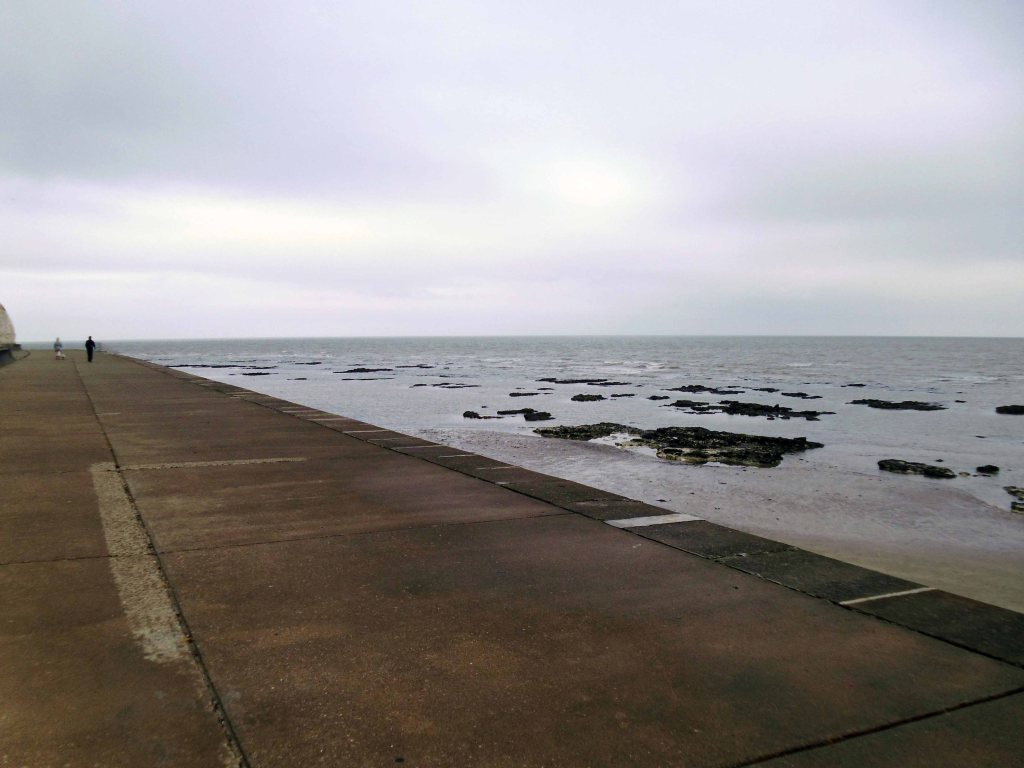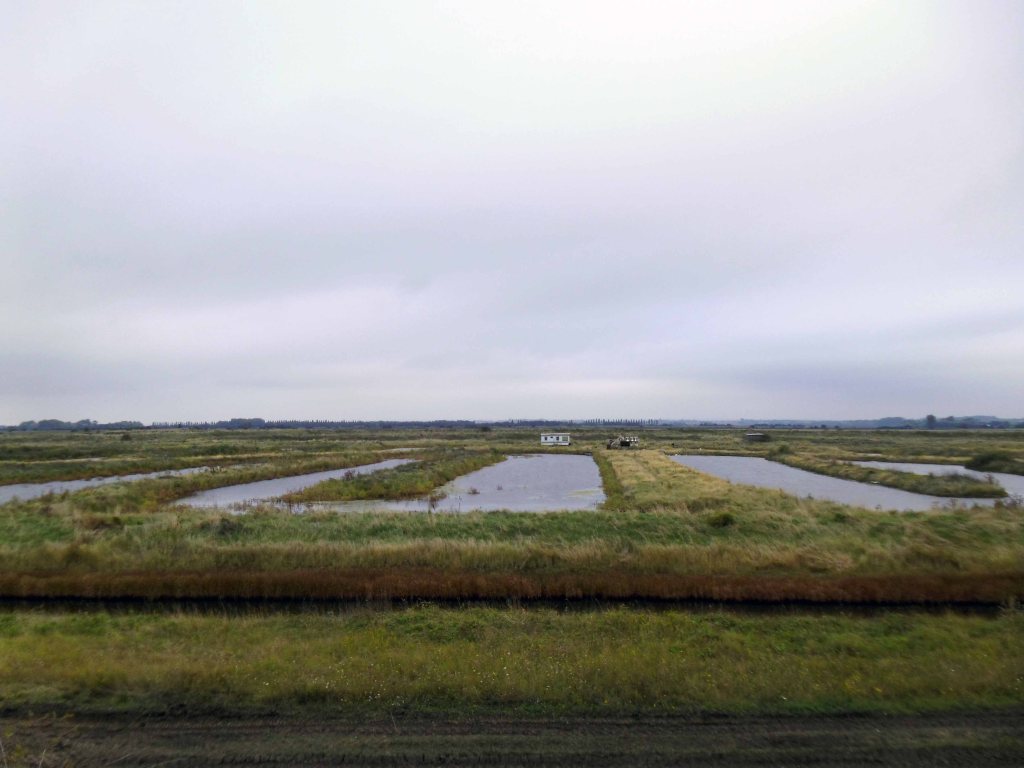
Weston super Mare

Although there is evidence in the local area of occupation since the Iron Age, it was still a small village until the 19th century when it became a seaside resort, and was connected with local towns and cities by a railway, and two piers were built. The growth continued until the second half of the 20th century, when tourism declined and some local industries closed. A regeneration programme is being undertaken with attractions including the Helicopter Museum, Weston Museum, and the Grand Pier. The Paddle Steamer Waverley and MV Balmoral offer day sea trips from Knightstone Island to various destinations along the Bristol Channel and Severn Estuary. Cultural venues include The Playhouse, the Winter Gardens and the Blakehay Theatre.

Wikipedia

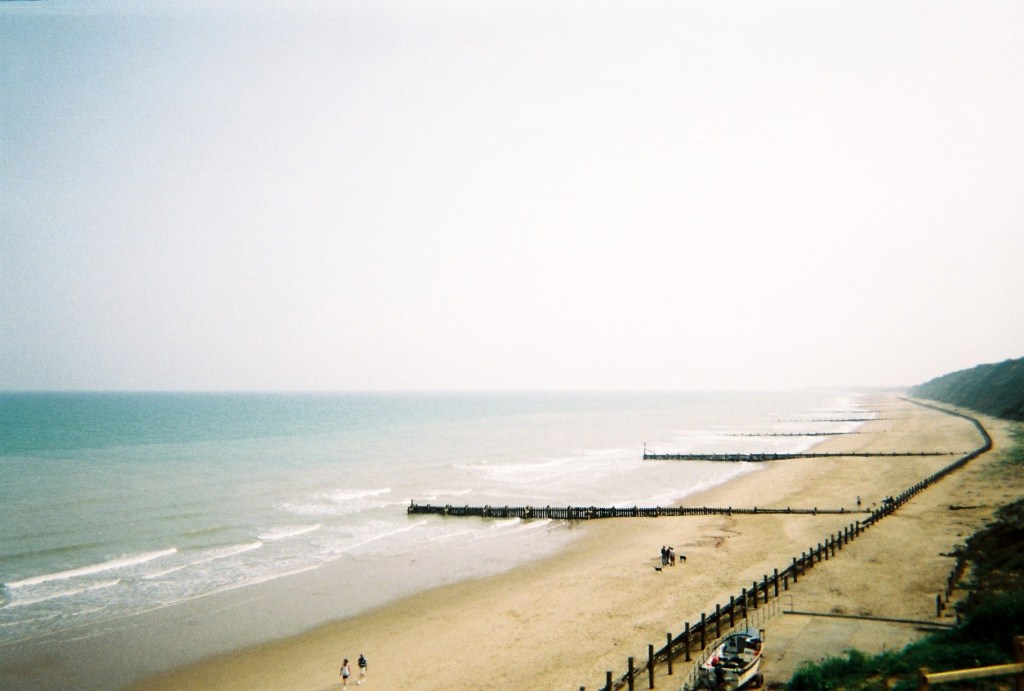
I arrived mid-morning on Saturday 25th July 2015 – having travelled some two hundred miles or so from Stockport by train.

The Iron Age seemed to be over and regeneration slowly but surely under way.

This marked the start of another coastal tour, following last year’s epic which began in Hastings.

This time I was heading for Hastings – but that can wait until tomorrow, let’s have a look around town.

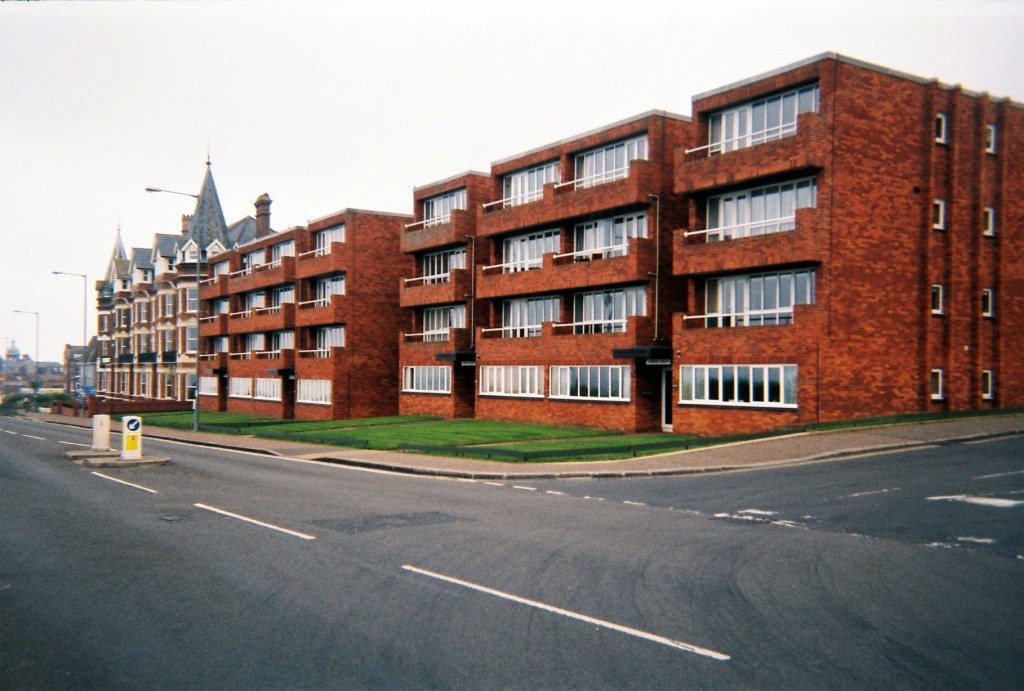
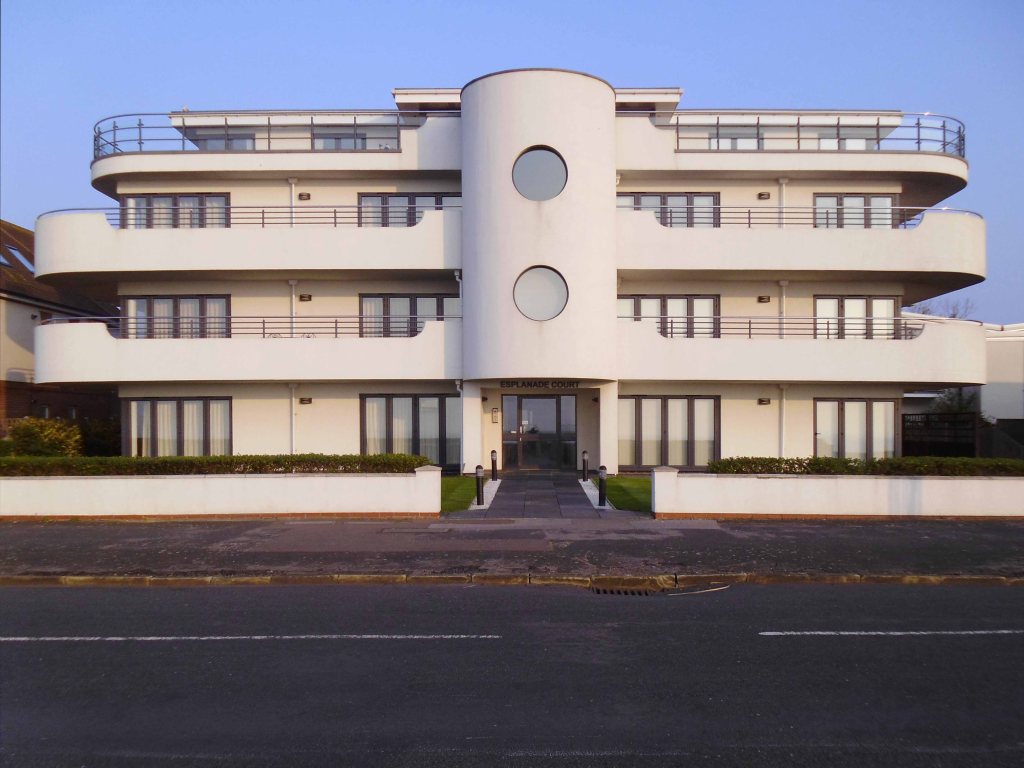
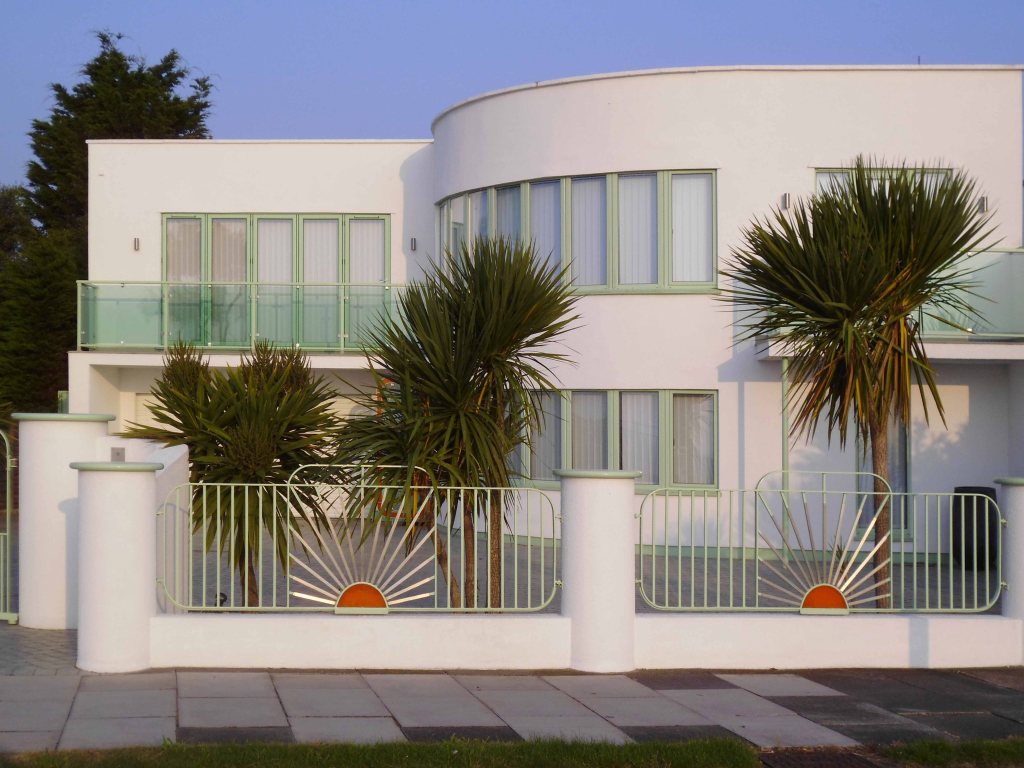
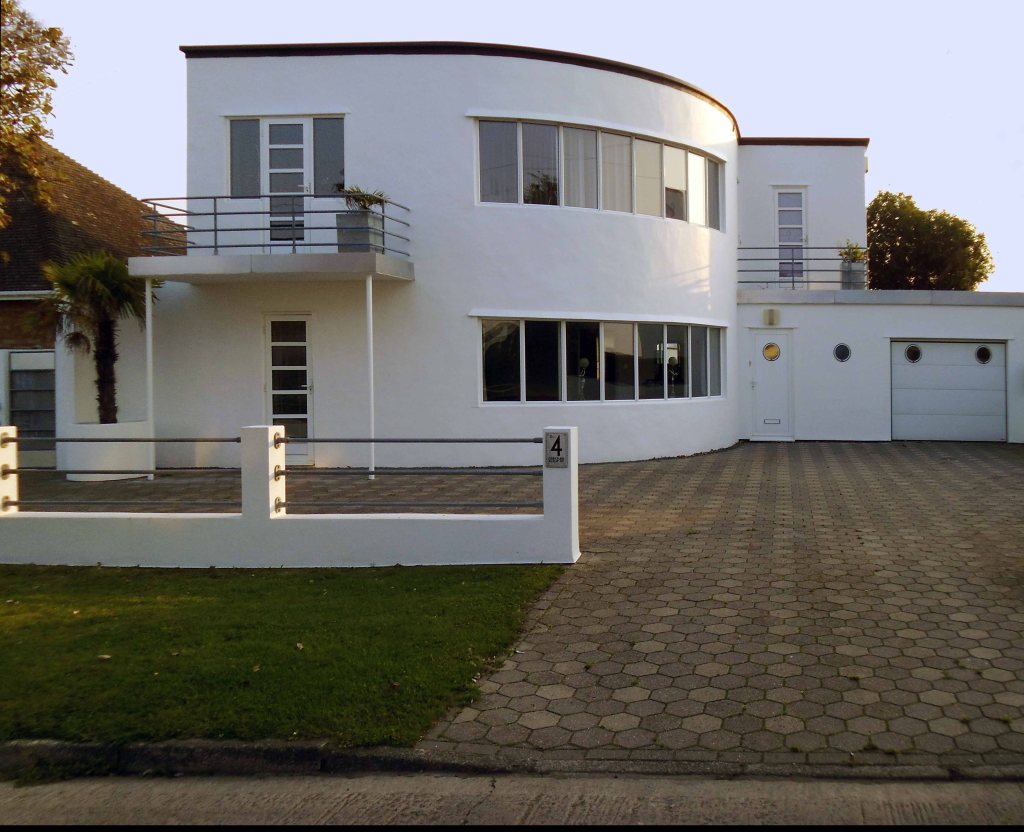
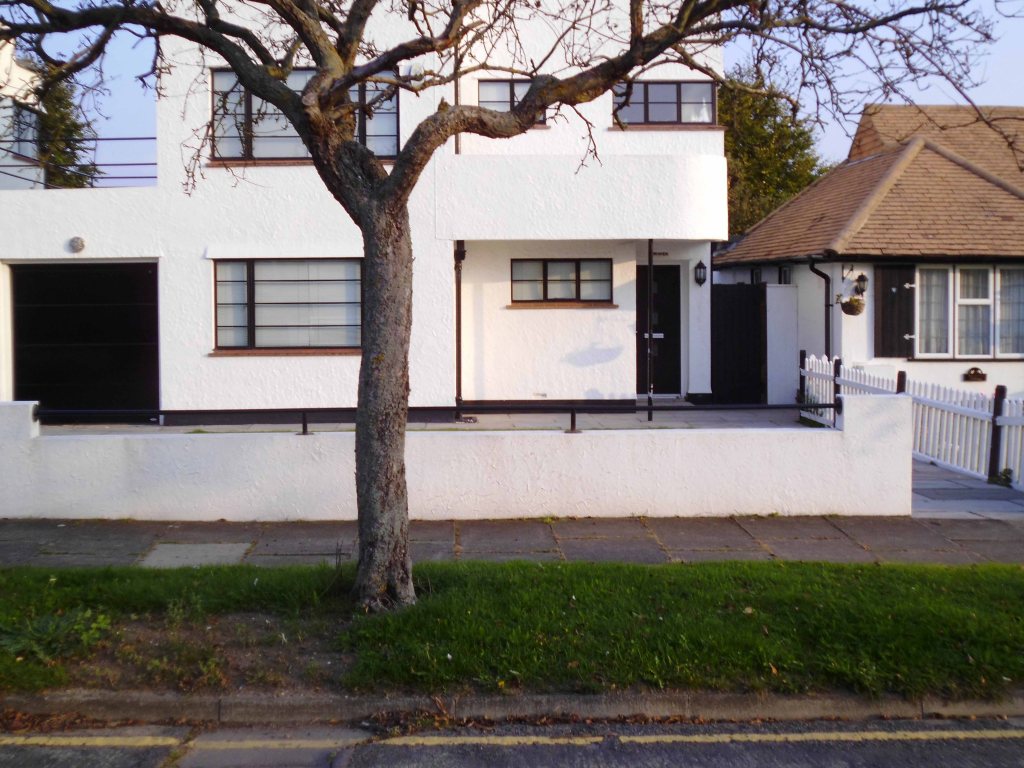
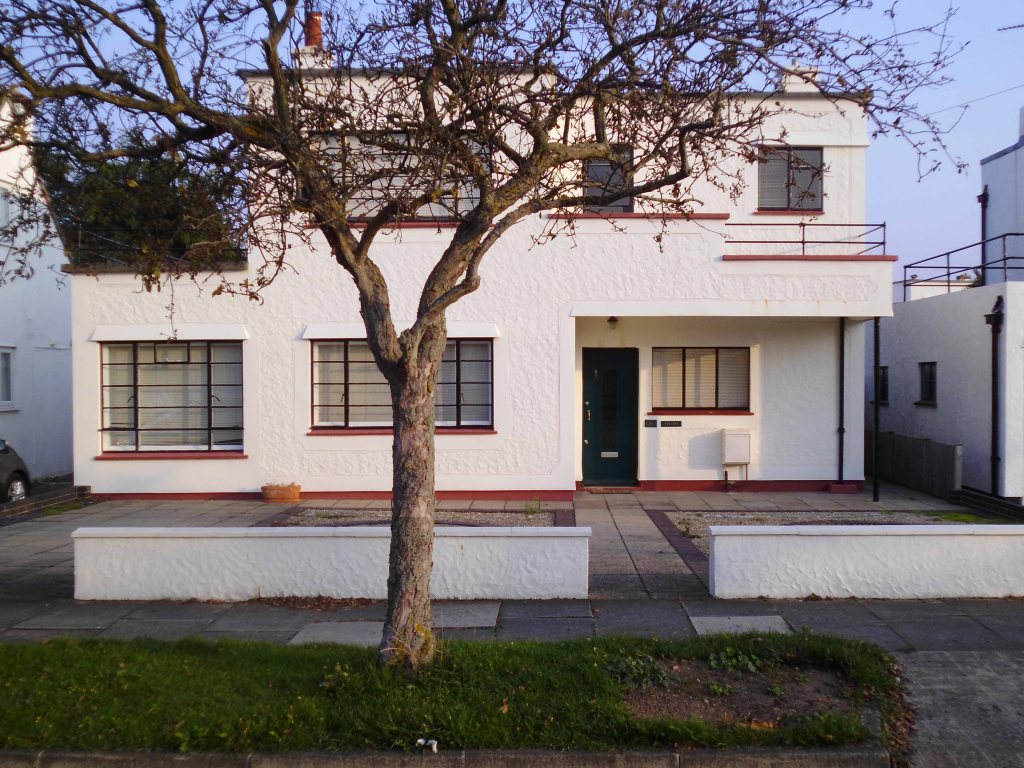
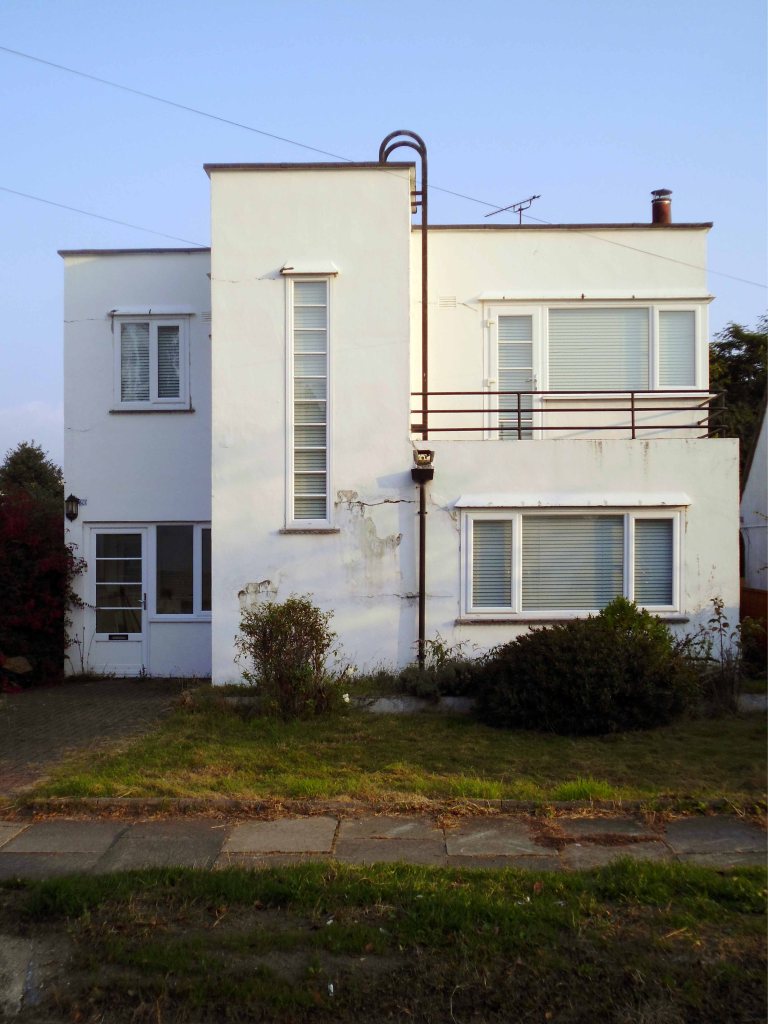
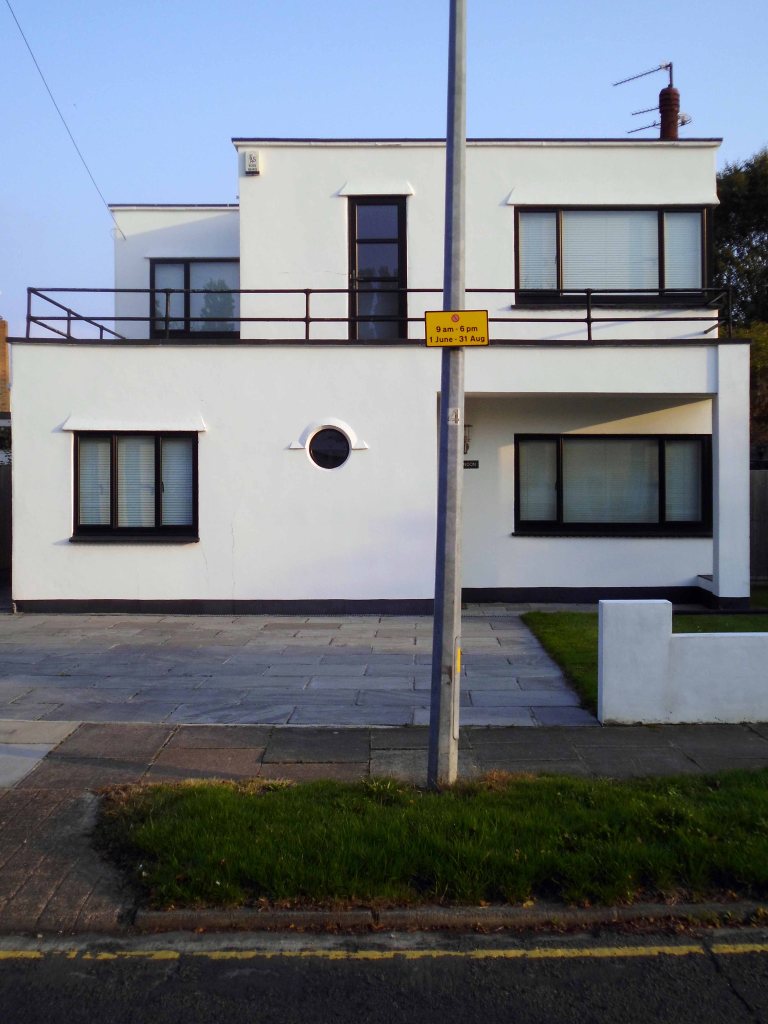
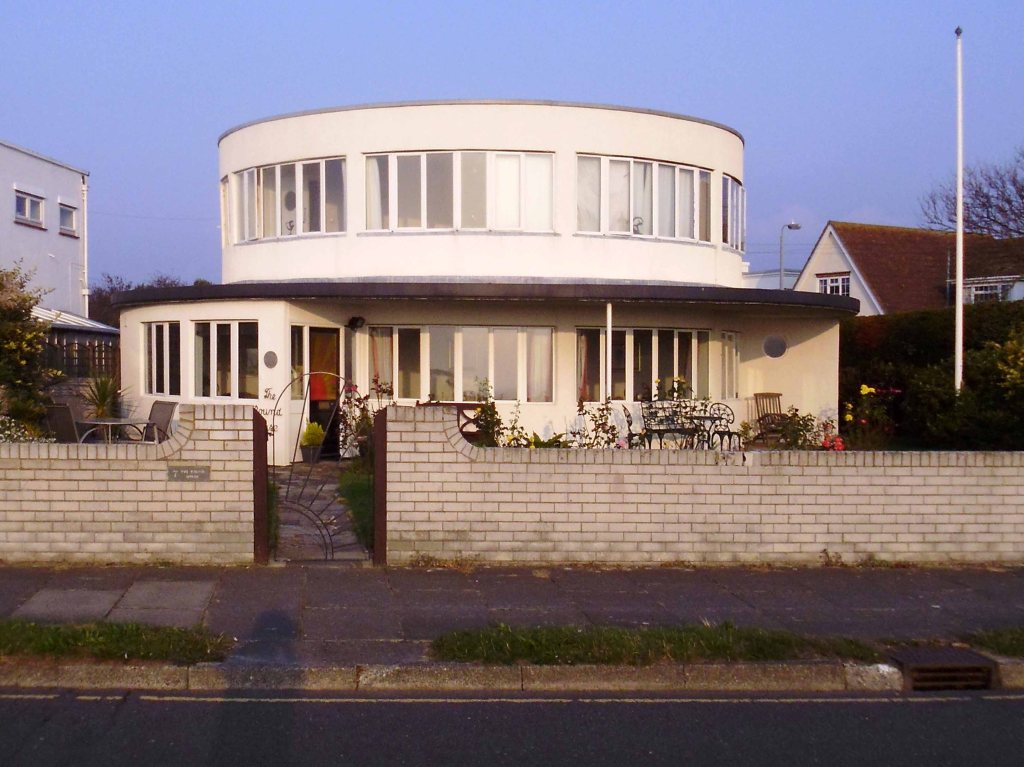
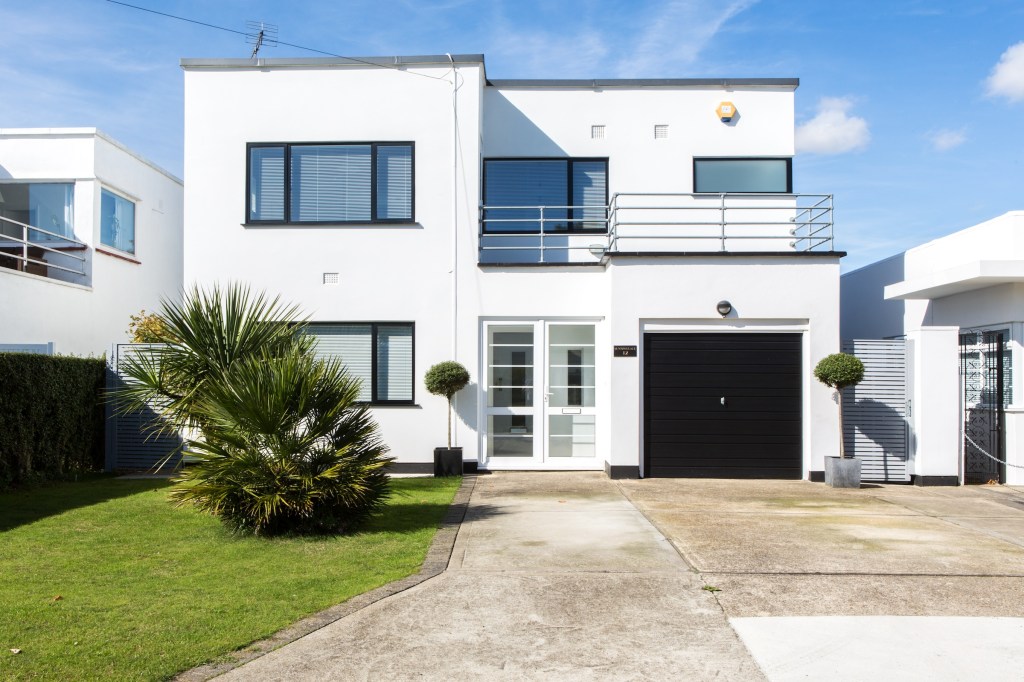
Directly opposite the station is a group of Seaside Moderne homes in various states of whiteness – standing in line along Neva Road.

Reasonably priced, cheaper than Frinton – check it out

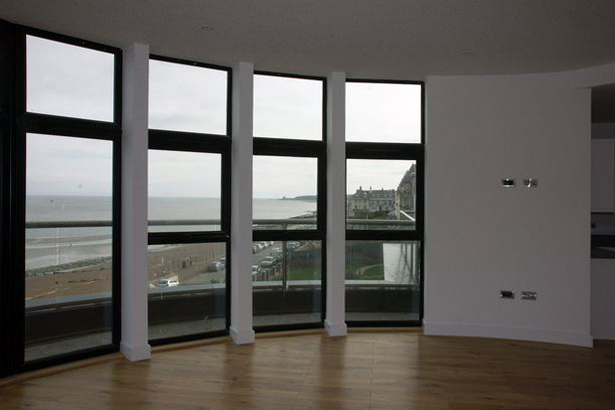
I pushed my bike along the prom heading for my pre-booked digs in a stylish seafront hotel.

Past the Marine Causeway linking the shore to some kind of modern day Post Modern Shangri-La.

A mystical, harmonious valley, gently guided from a lamasery, enclosed in the western end of the Kunlun Mountains, possibly not.

You can stroll onto Knightstone Island, where you will find some cafes serving light snacks and refreshments, or to the other side which takes you along the causeway, accessible to walk across according to the tides. At the other side of the Causeway you will find a small rocky beach with tidal rockpools ideal for exploring.

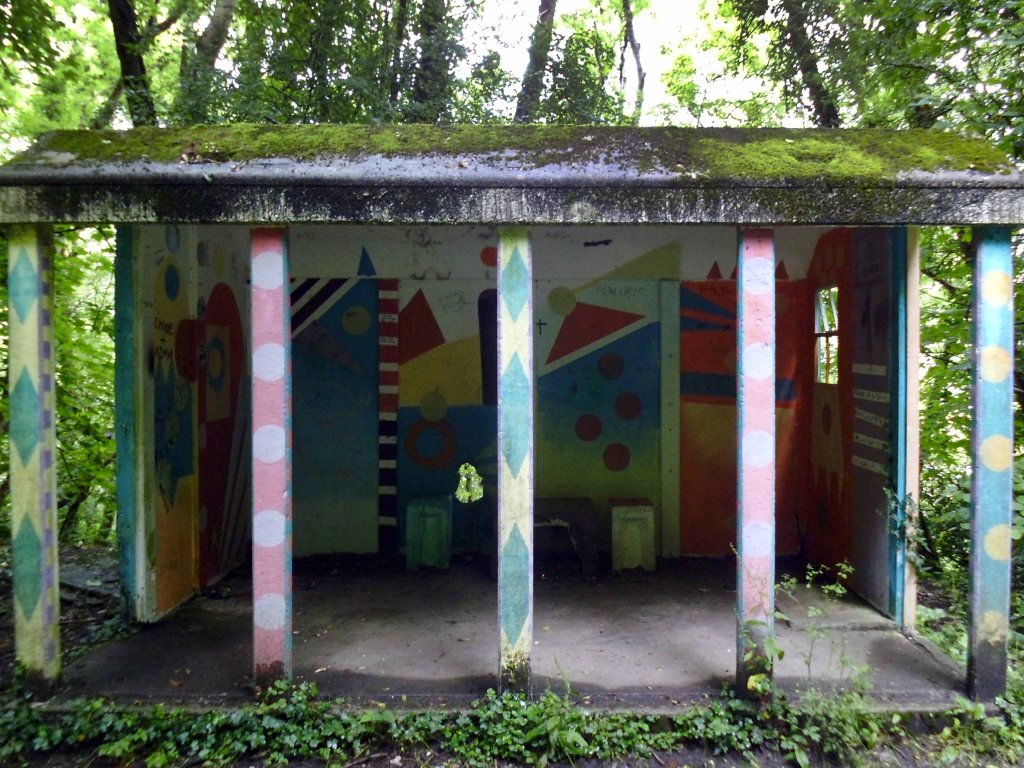
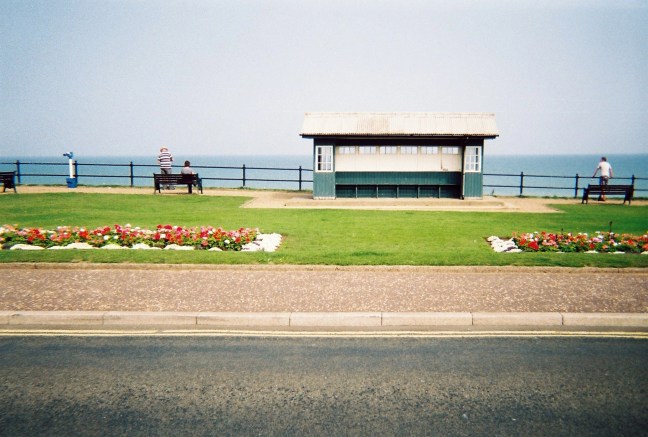
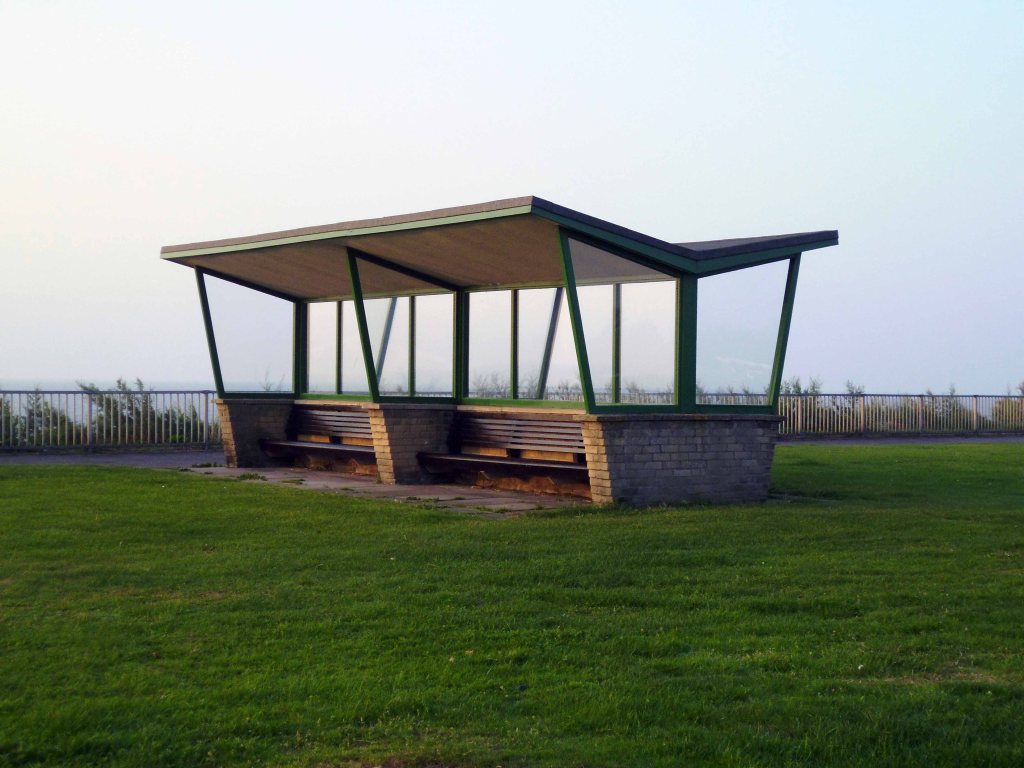
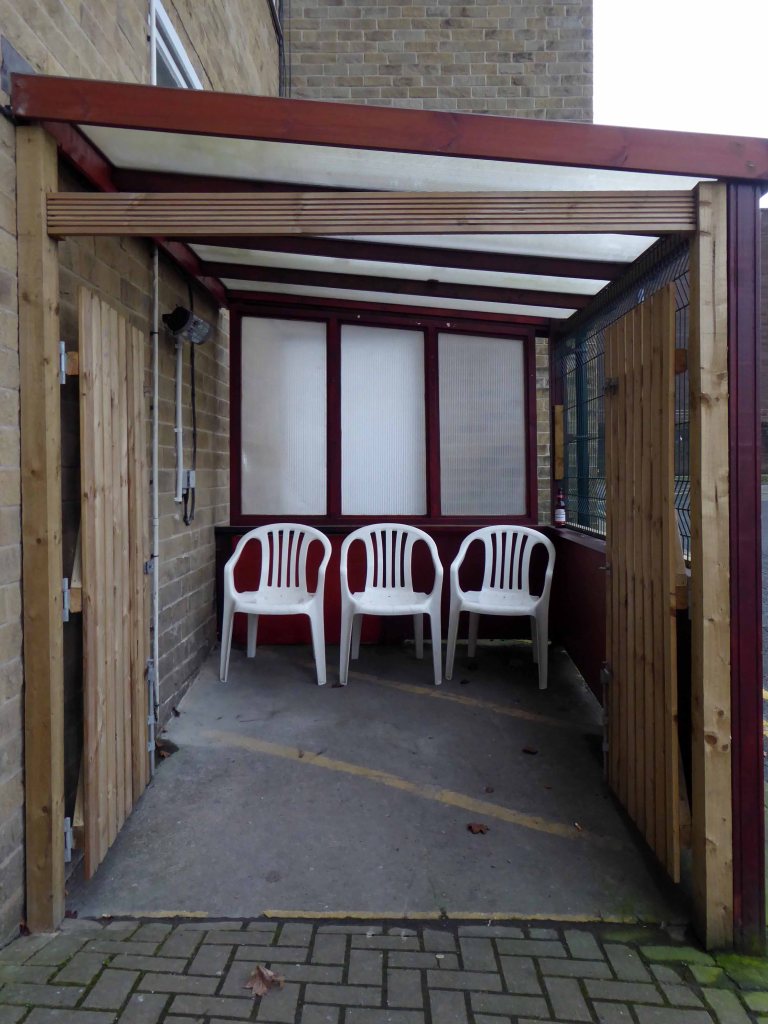
Just along the prom stands one of my all time favourite seaside shelters.

Even further along – what’s all this here then?

The foundation stone of the Birch-designed Birnbeck Pier was laid in 1864. It opened on 5th June 1867 and consisted of a 1040 foot cantilever construction to Birnbeck Island and a short jetty extending westwards from the island.

National Piers Society

It seems to have changed hands several times in its relatively short life, including the stewardship of the infamous Urban Splash and the mysterious mystery owners, the current custodians it seems, have done little to secure a secure future.

It remains alone and untended, stretching aimlessly out to sea.

In April 2015, Friends Of The Old Pier Society created a novel fund raising scheme in which 1p and 2p coins would be lined up to stretch from the Grand Pier to Birnbeck Pier.

September 2019 Councillor Mr Crockford-Hawley said:

It’s this end of Weston which is the sore, it’s the carbuncle, it’s clearly well past its prime and it needs some serious attention. I mean it would be wonderful if somebody came along with an open ended bank account and said ‘yup, I’d love to restore it for the sake of restoring it’, but quite clearly there’s got to be an economic future for the pier, there’s got to be a purpose for the pier.

Possibly a wealthy Beatle could bail the ailing pier out of deep water?

Having made a bob or two since they appeared here in 1963.

Next thing I know I’m outside the imposing and impressive sounding Ocean Hotel. Sad to say on the day/night of my visit it wasn’t just this weary traveller that appeared to be over tired, happy to report the the New Ocean Hotel has been revamped and in tip-top condition by all accounts.

Any road up, let’s get out, take a walk up the road – have look at some local type.

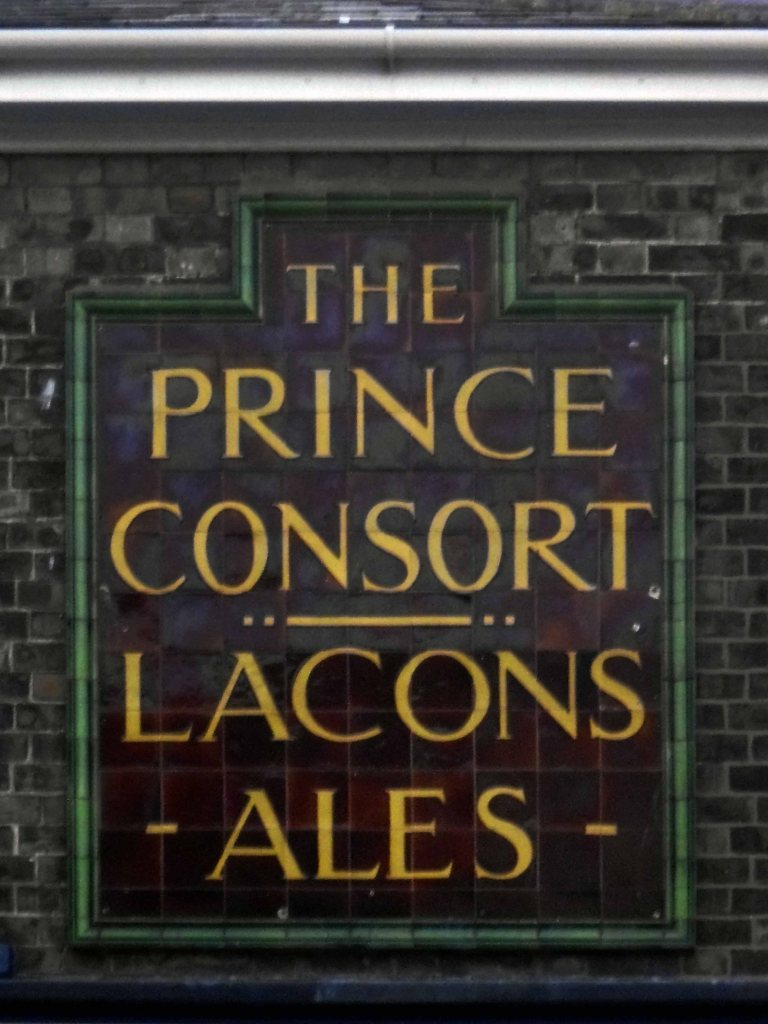
Watney’s mythical Red Barrel.

Watney’s was the Evil Corporation which sought to crush plucky small brewers and impose its own terrible beer on the drinking public. It acquired and closed beloved local breweries, and it closed pubs, or ruined them with clumsy makeovers.

Its Red Barrel was particularly vile – a symbol of all that was wrong with industrial brewing and national brands pushed through cynical marketing campaigns.

A page-spread from Design Research Unit 1945-1972 – Koenig Books 2011 via A Practice for Everyday Life via Boak and Bailey – who examine the truth behind the myth.

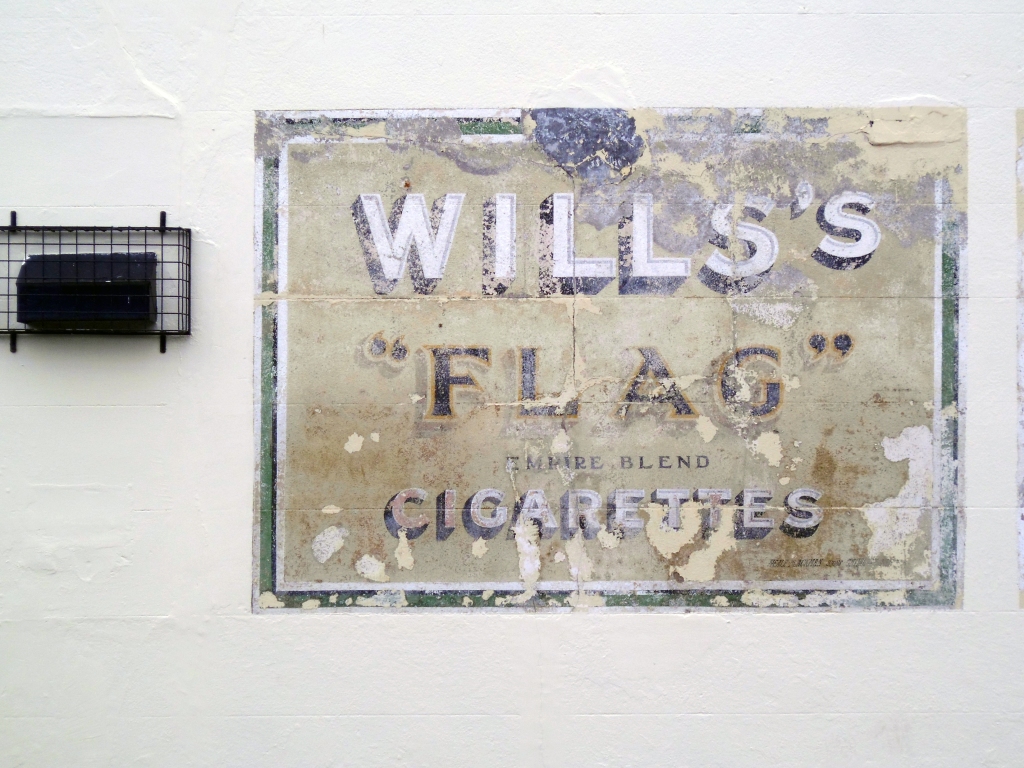
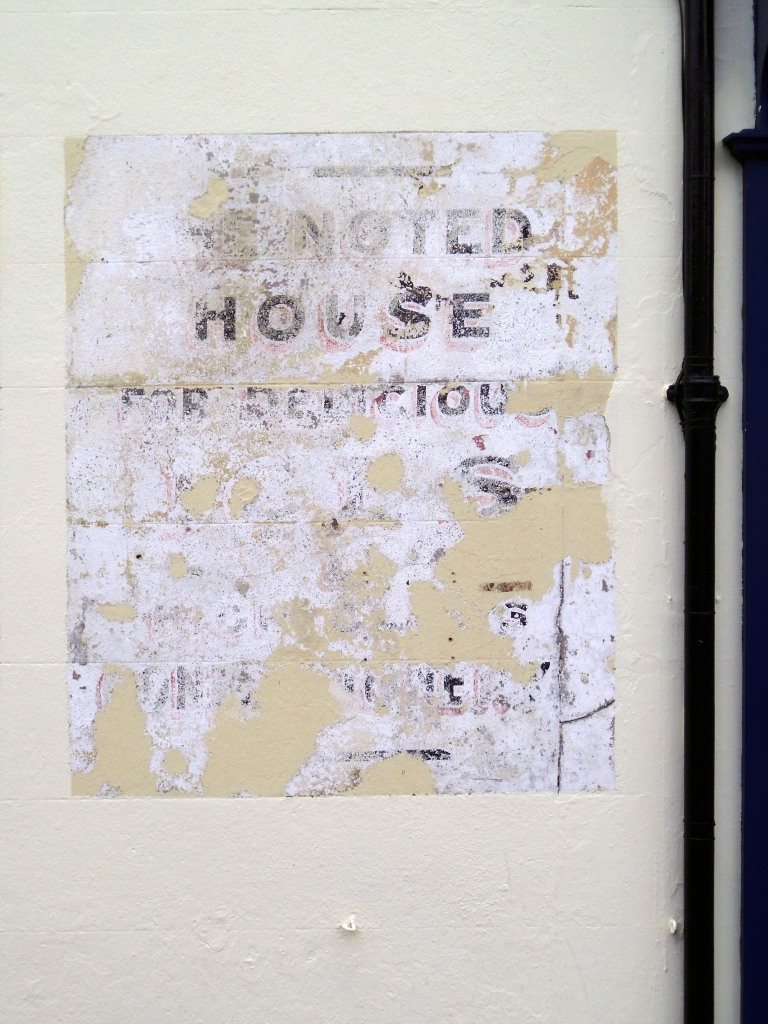
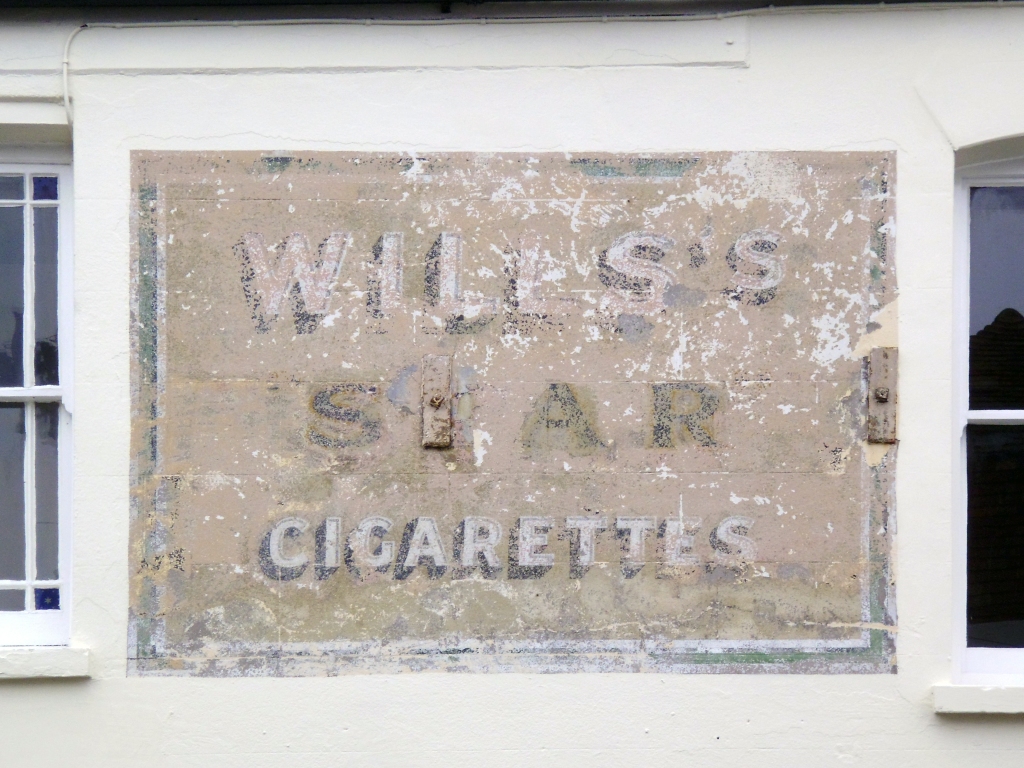
A palimpsest ghost within a ghost.

A seaside outing for dear old Brush Script – a casual connecting script typeface designed in 1942 by Robert E. Smith for the American Type Founders.

The face exhibits an exuberant graphic stroke emulating the look of handwritten written letters with an ink brush.

It came third as a Least Favorite nomination in a 2007 designers’ survey.

It was rated fifth in The Eight Worst Fonts In The World list in Simon Garfield’s 2010 book Just My Type.

Why have just one identity when you can have two, welcome to the 21st Century schizoid Savoy – don’t it jus’ make you want to stomp?

First but surely not the last sighting of Profil aka Stymie Bold Italic – in a none inline variant.

Classical kerning down at the local estate agents, tasteful Gill Condensed Bold – from the hand and eye of the far from tasteful Eric.

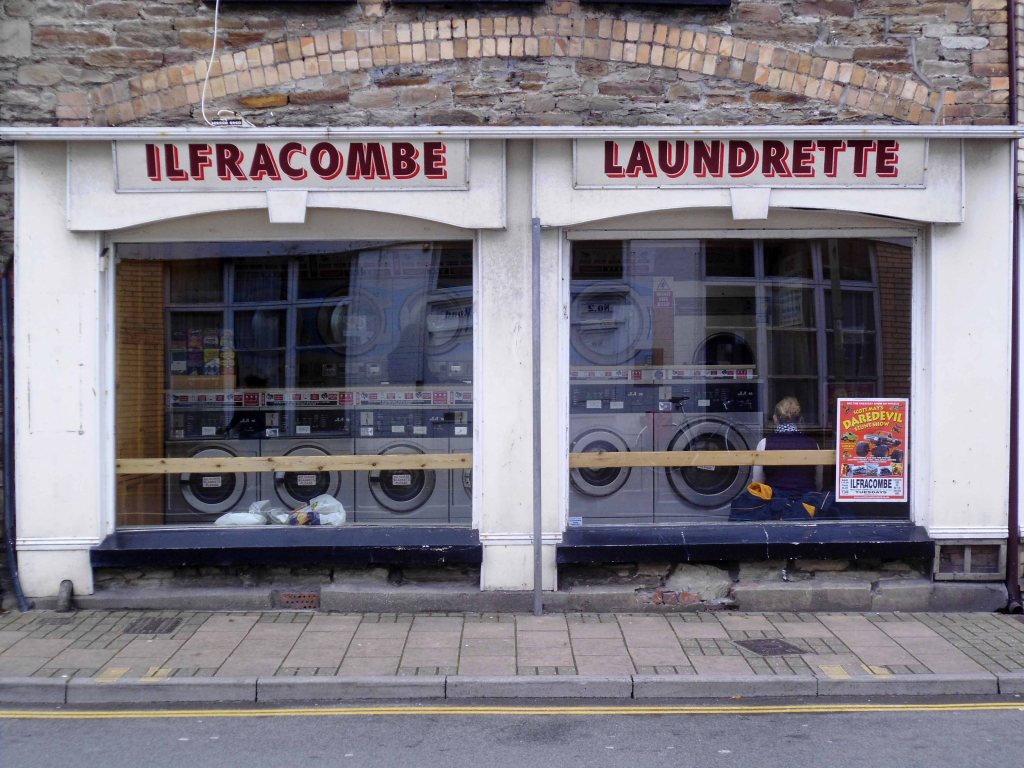
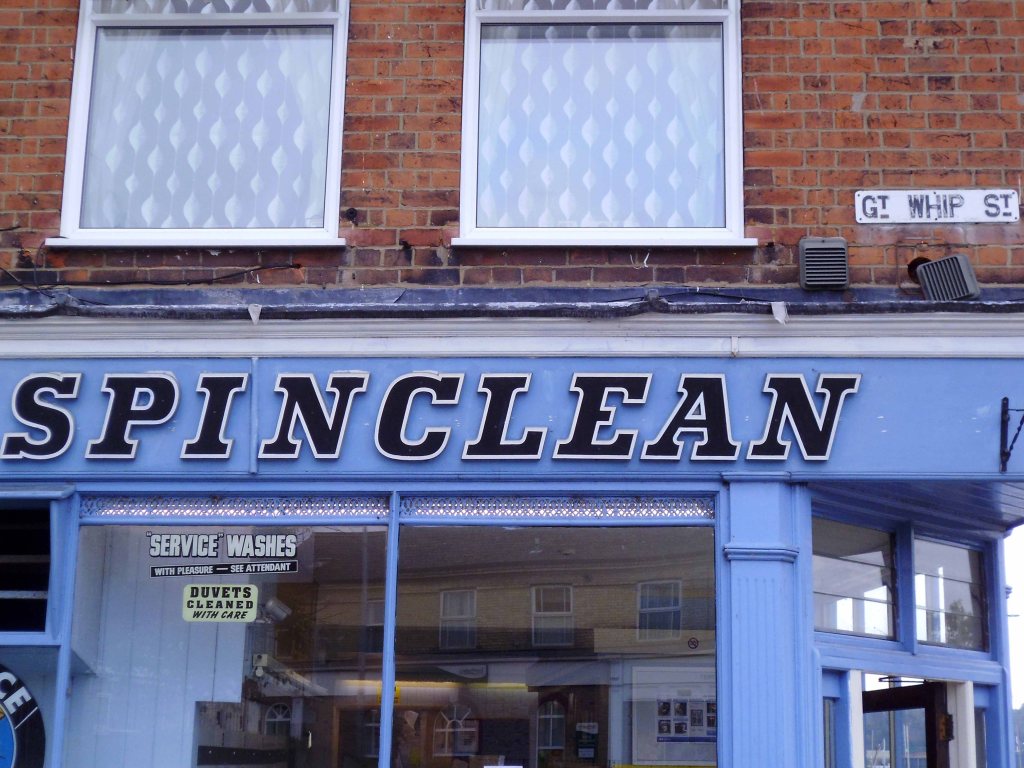
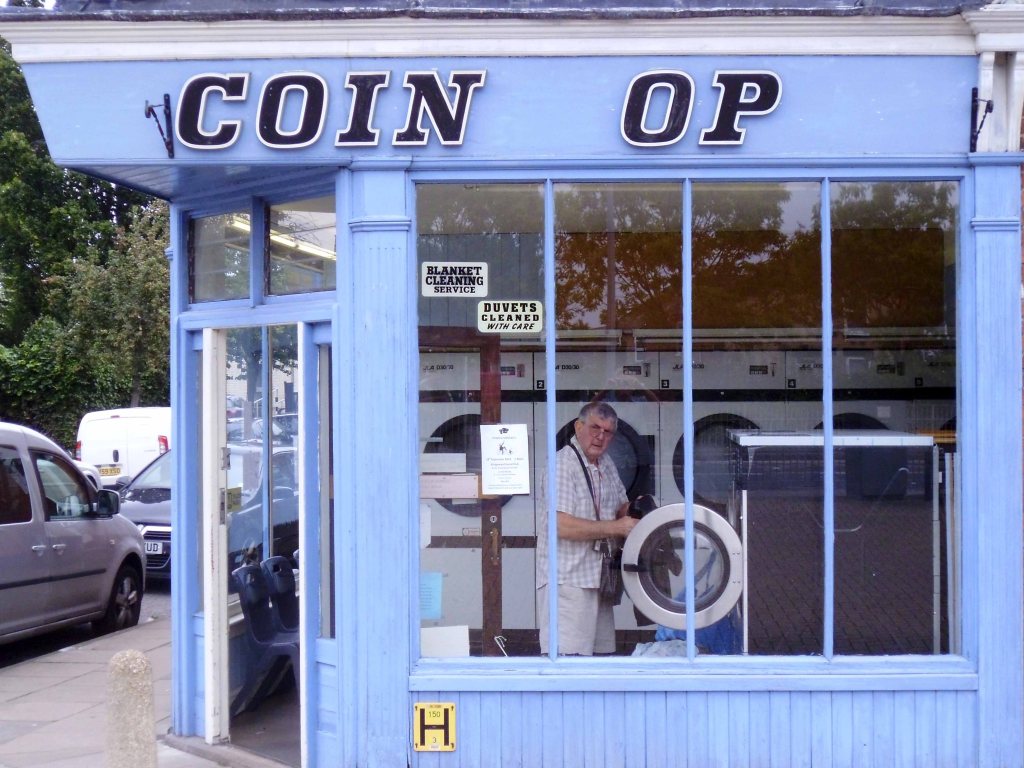
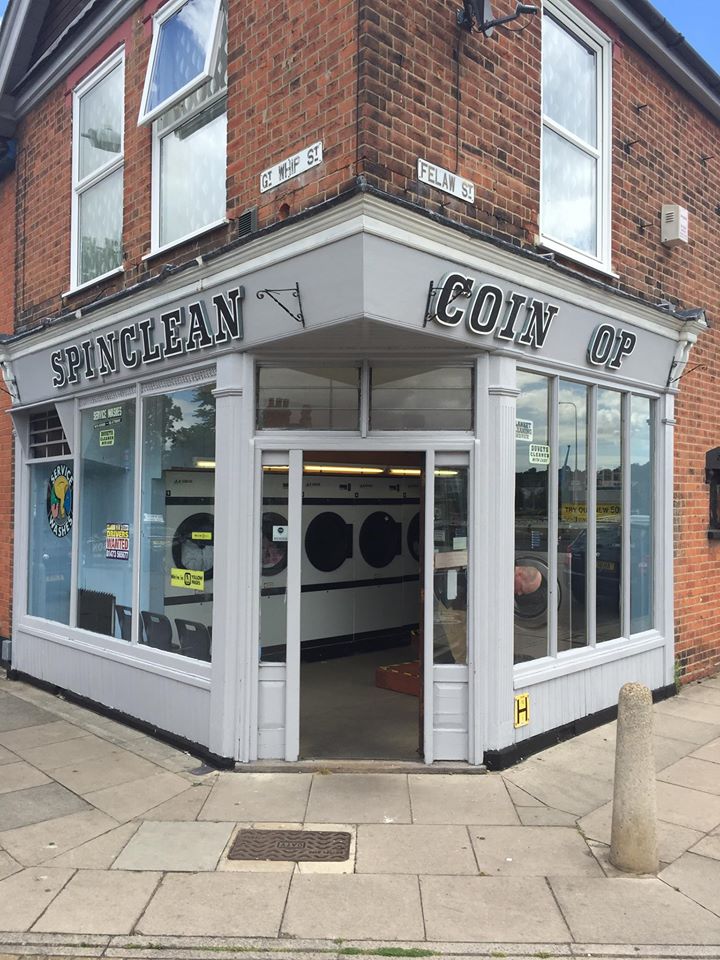
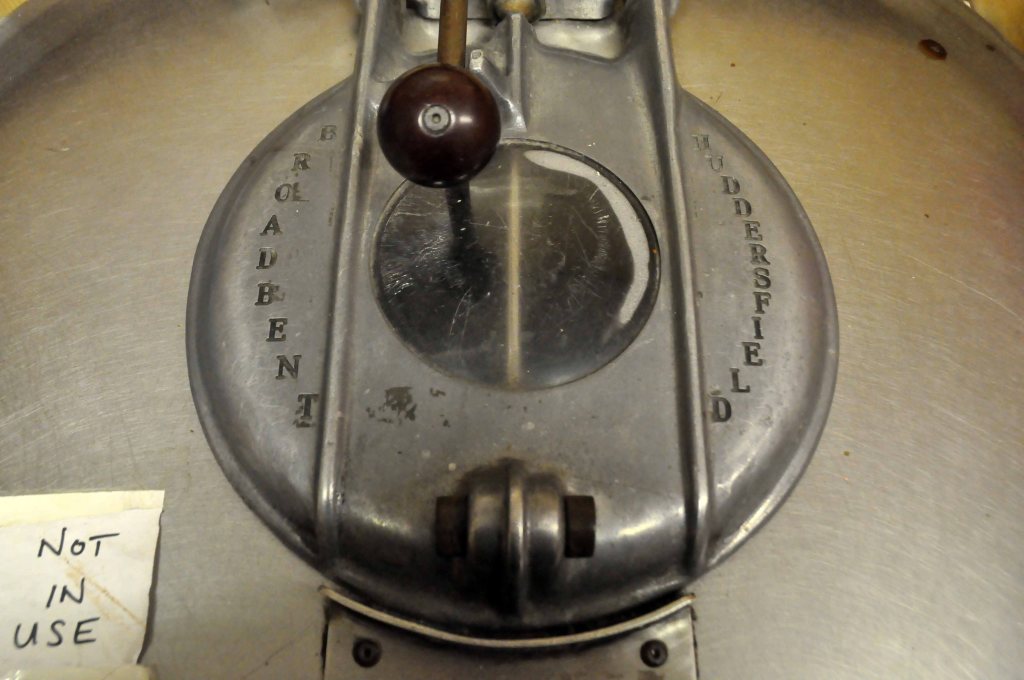
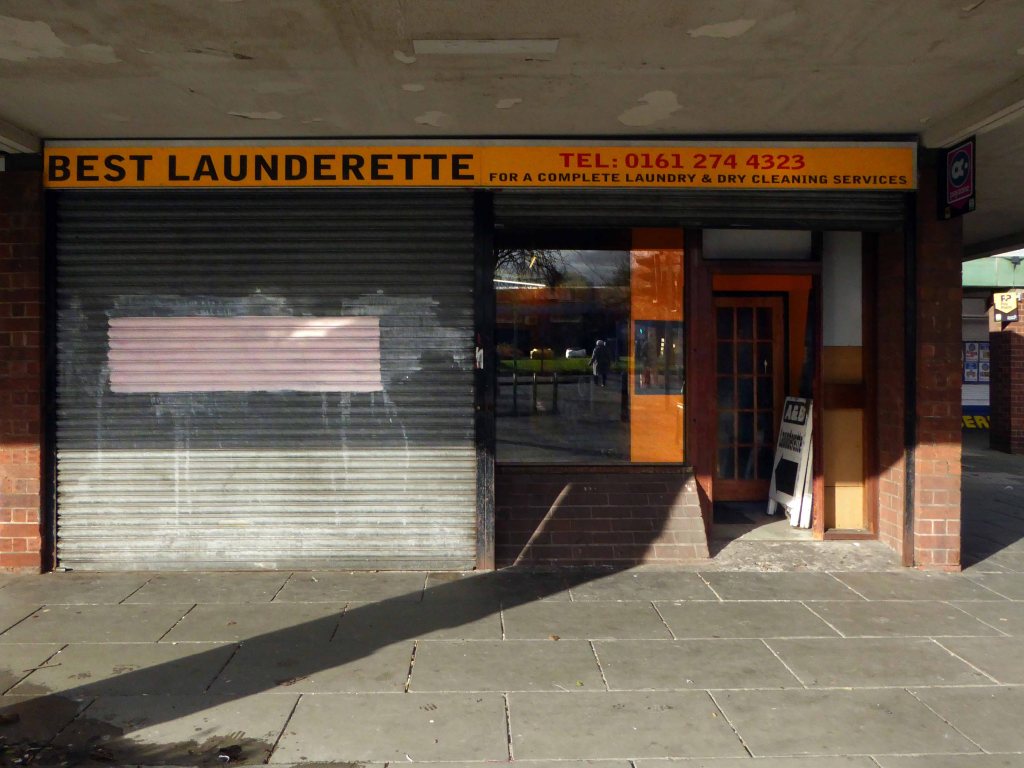
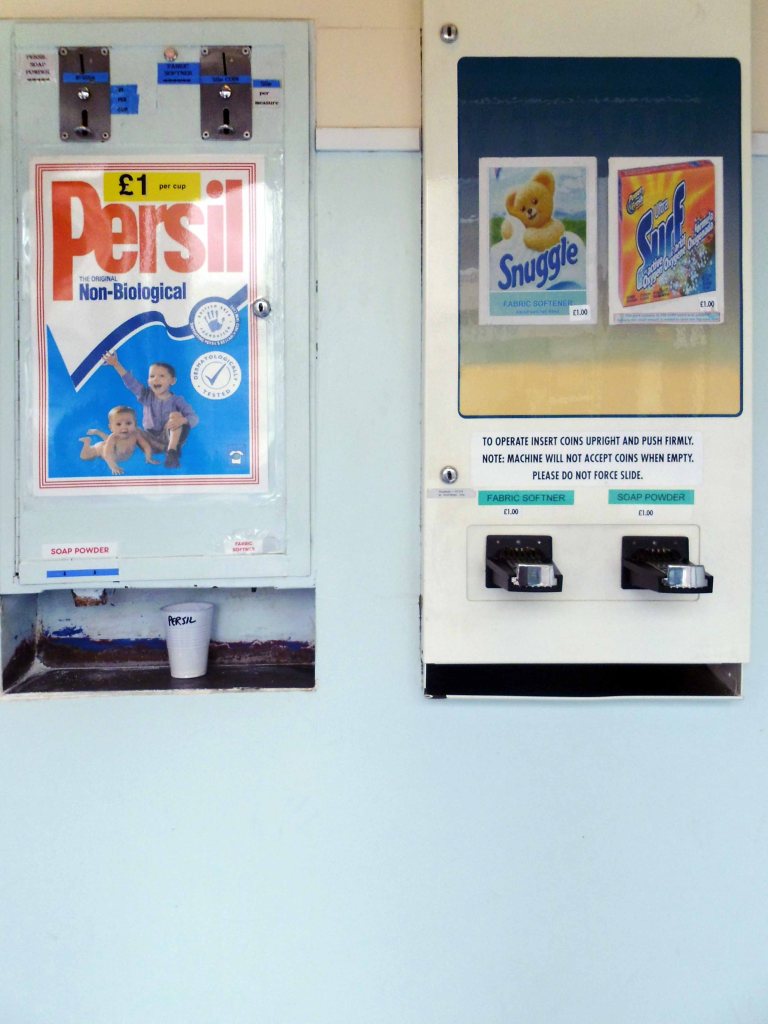
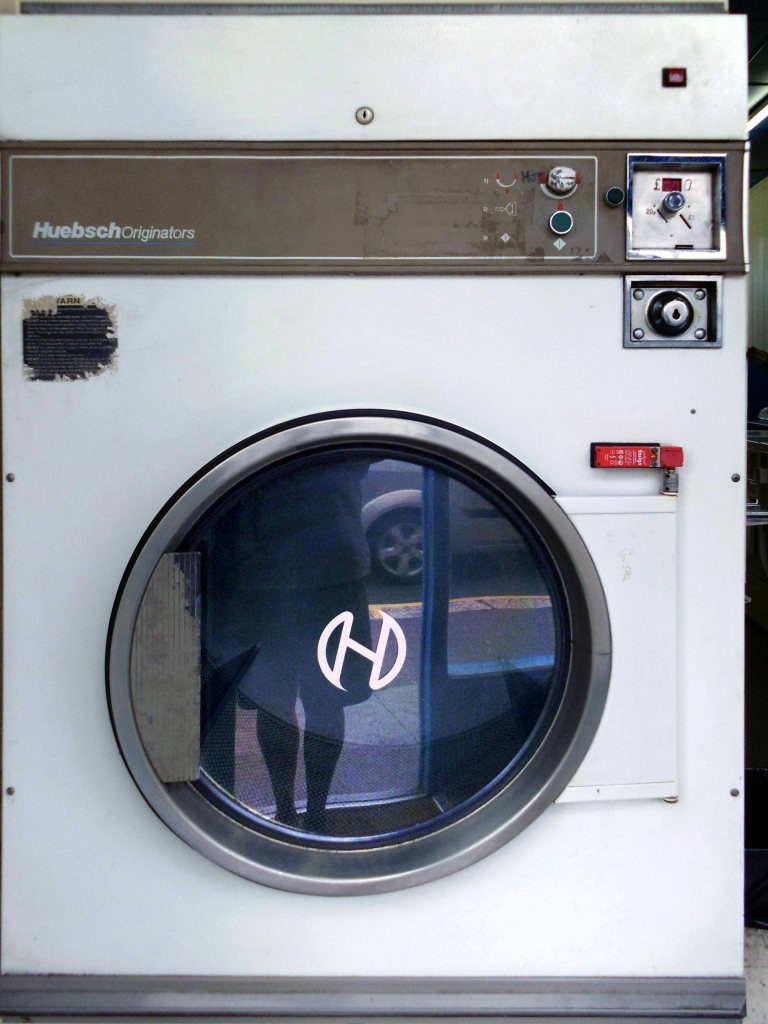
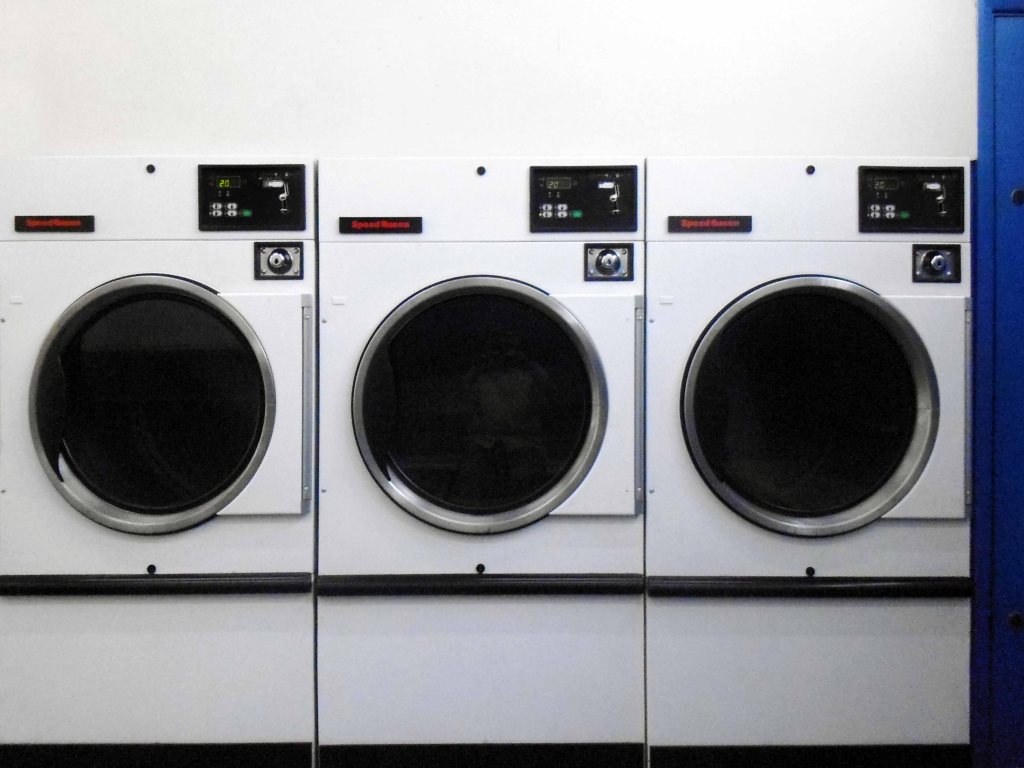
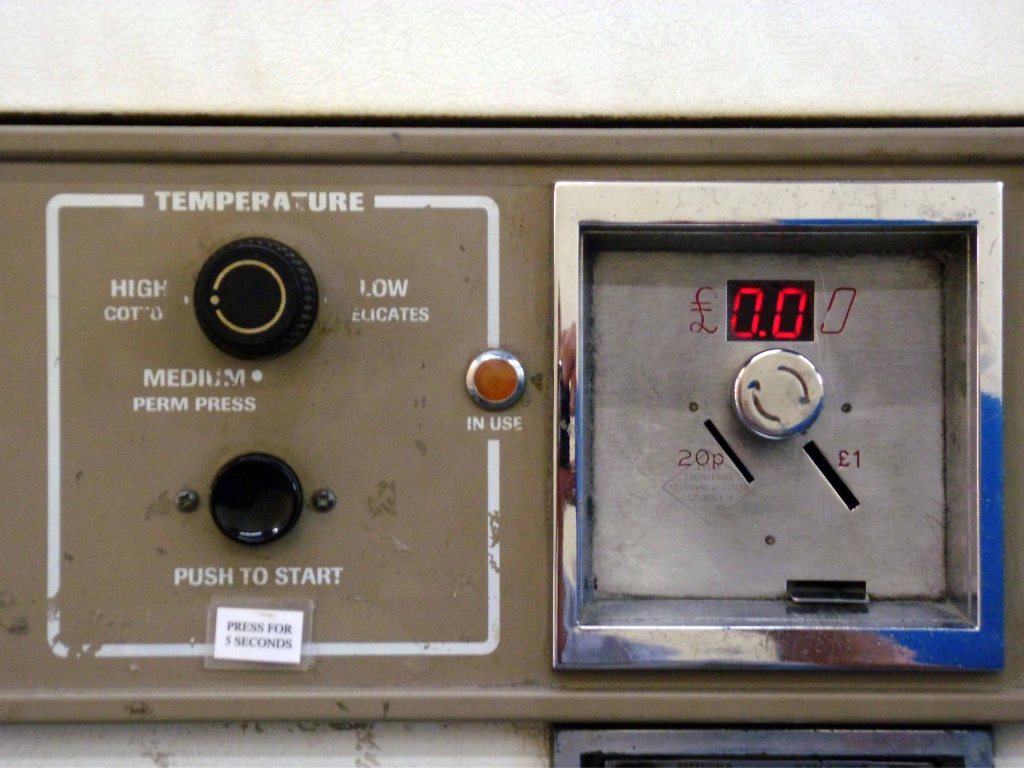
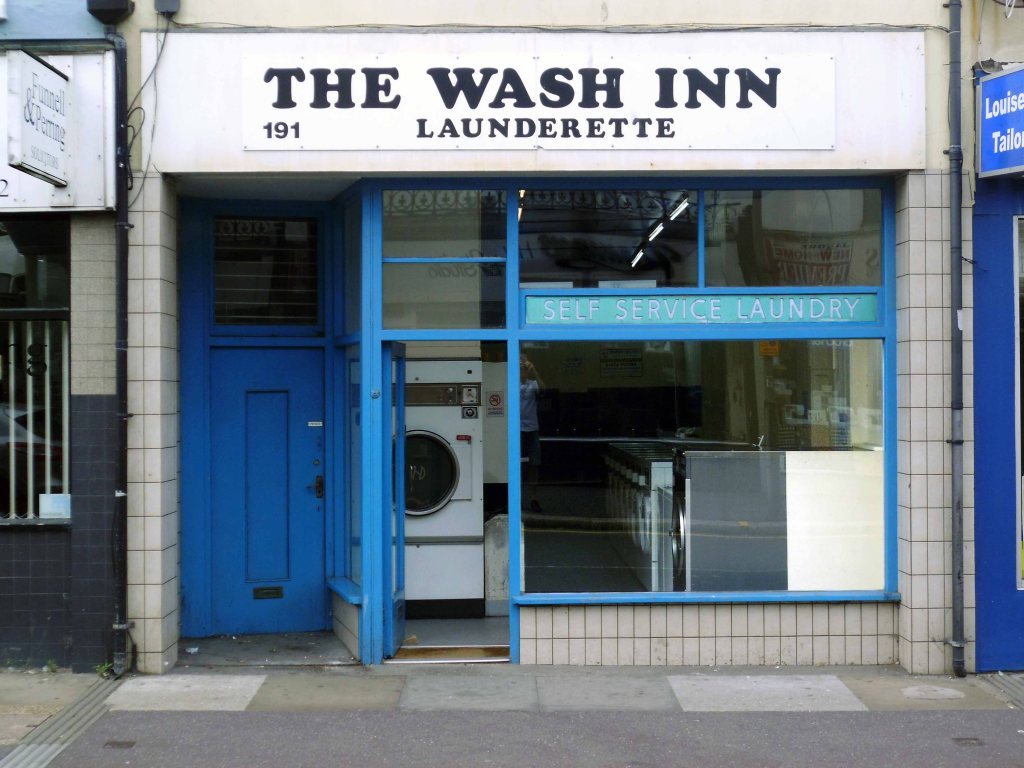
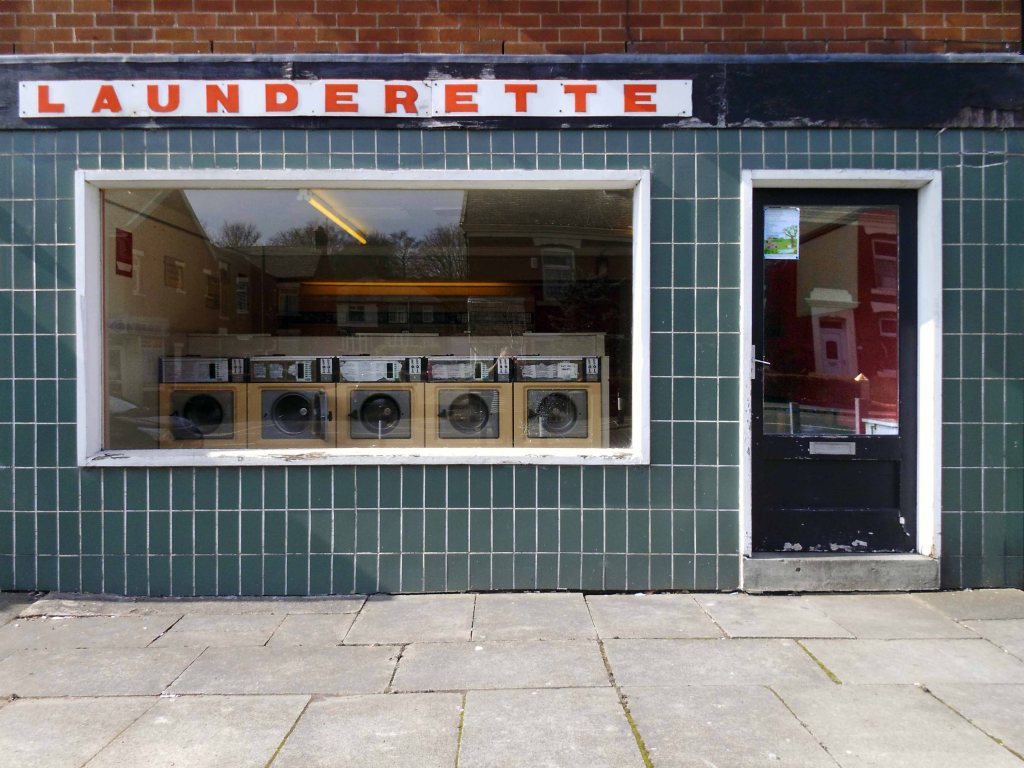
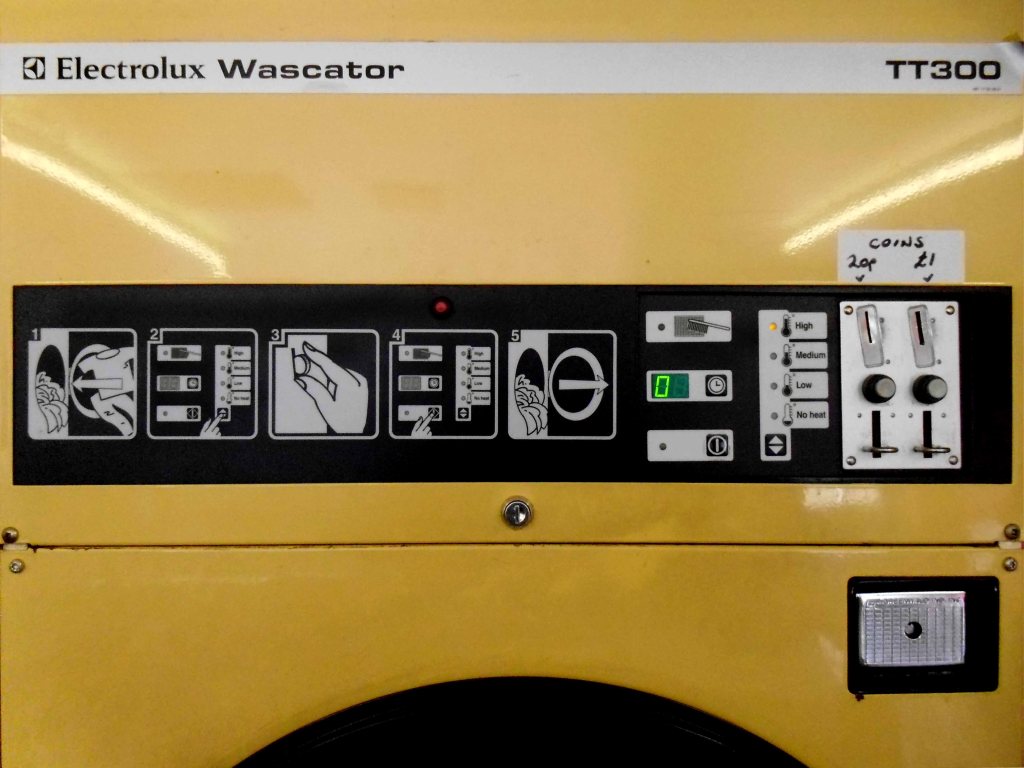
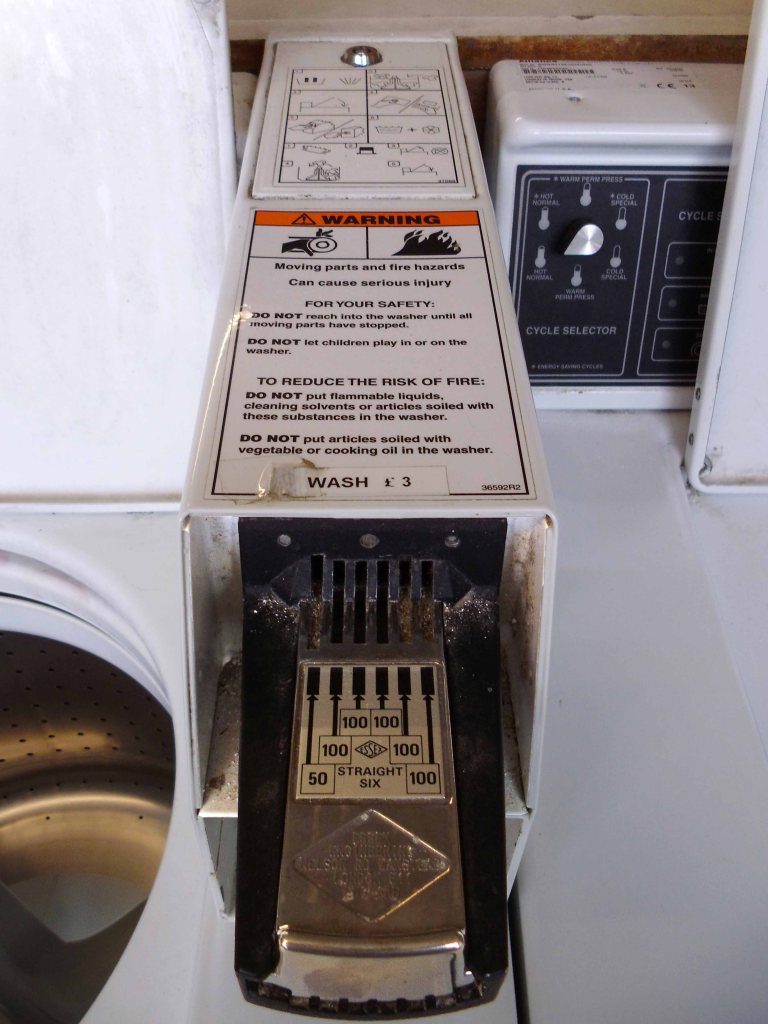
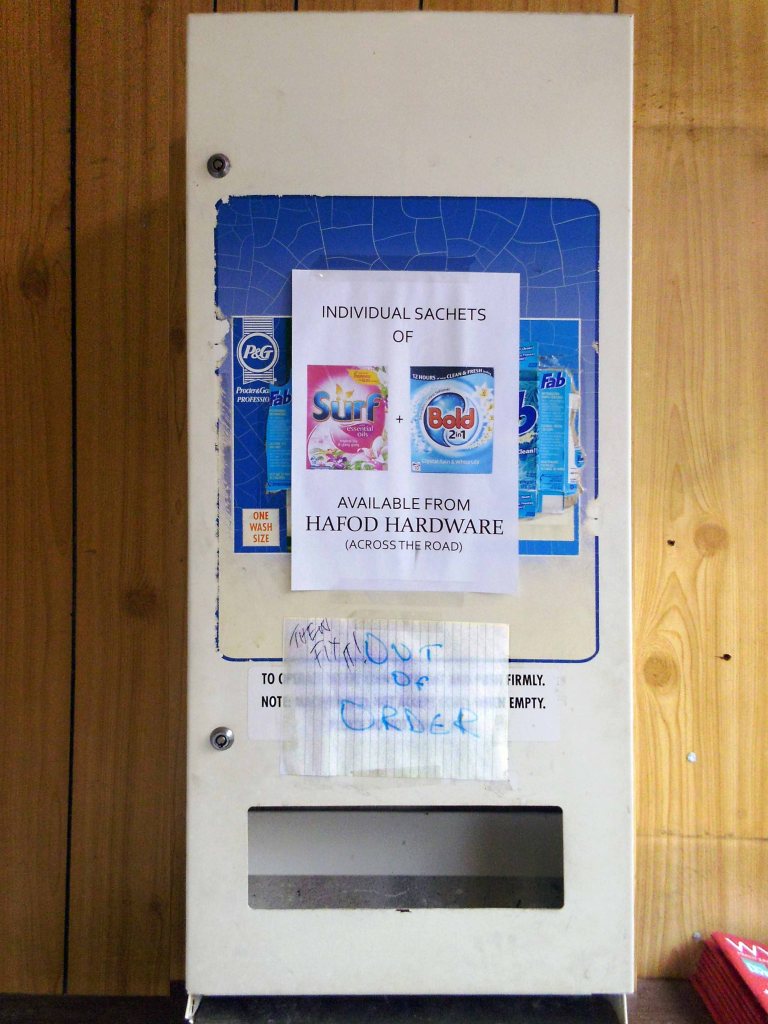
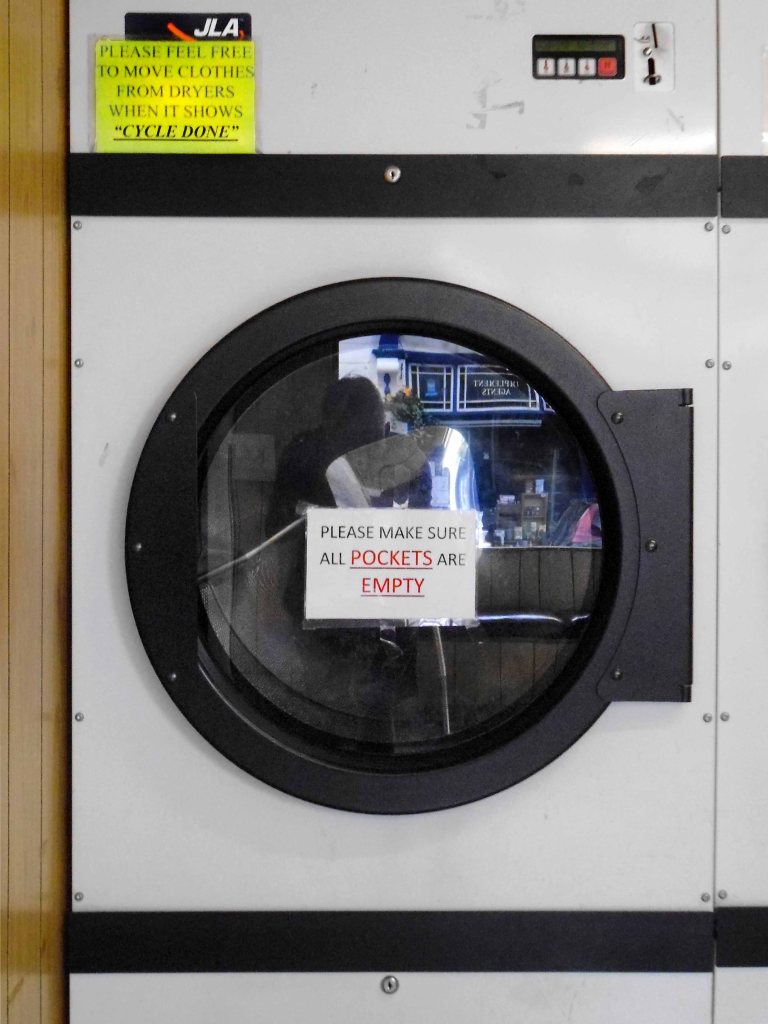
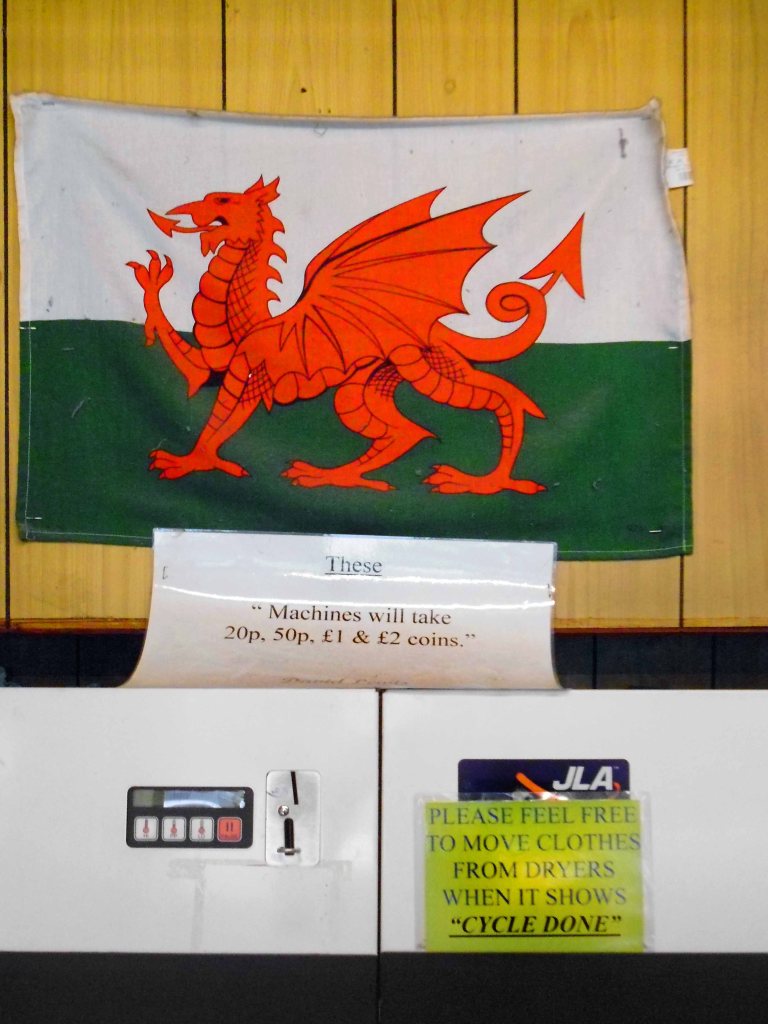
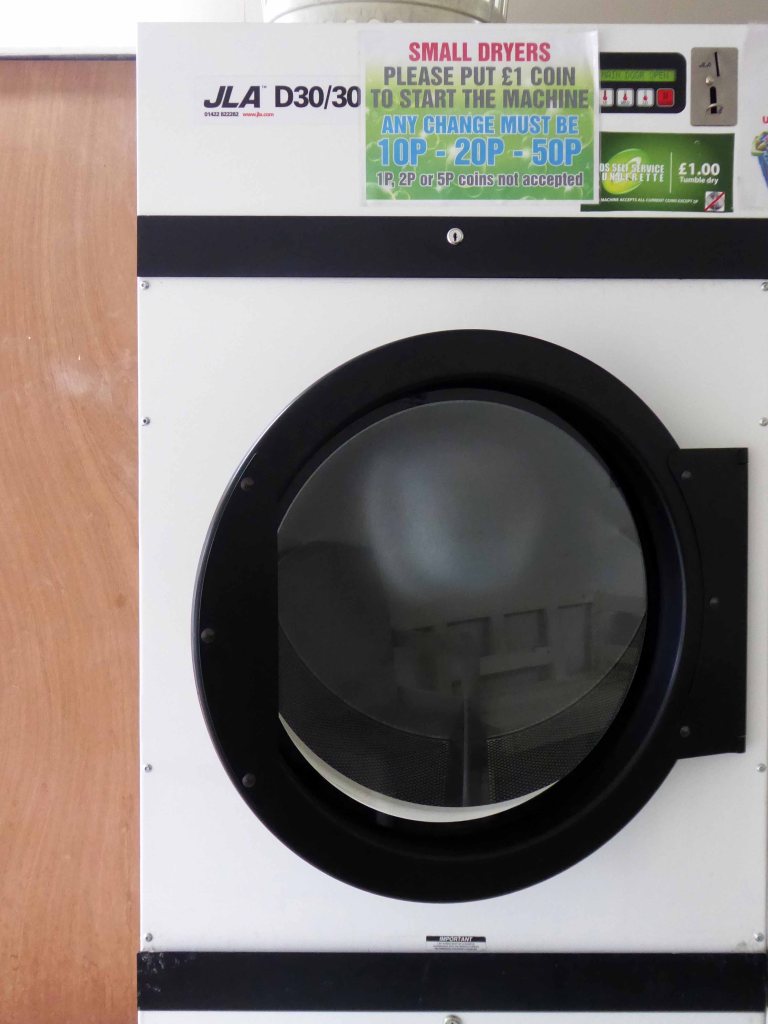
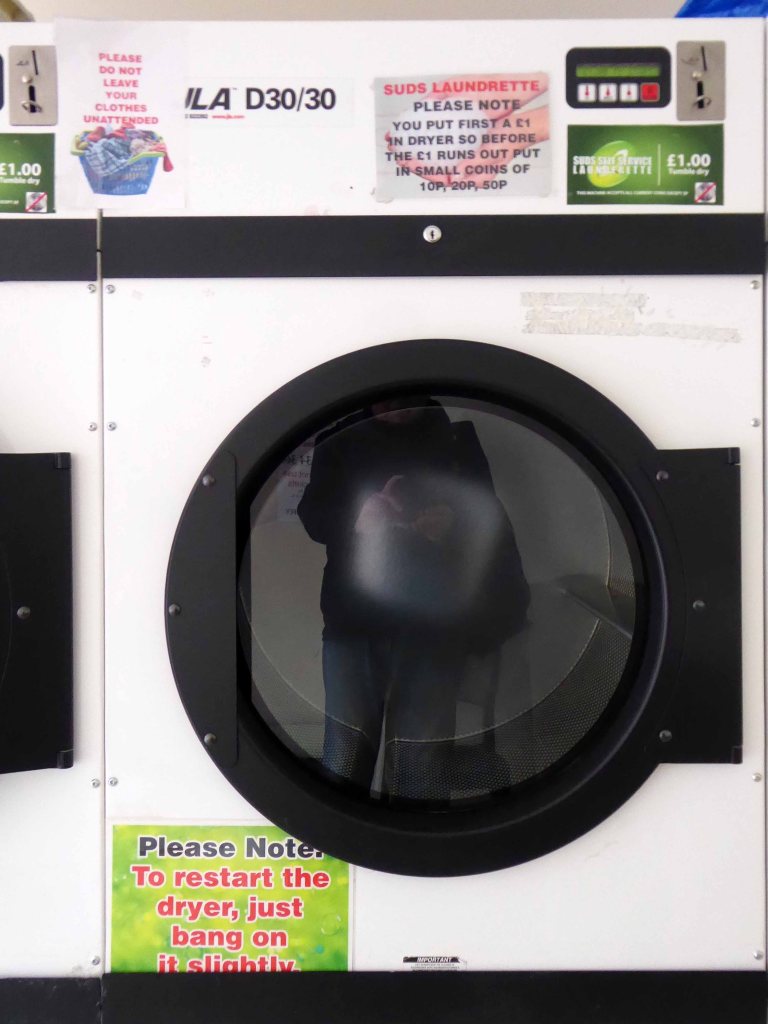
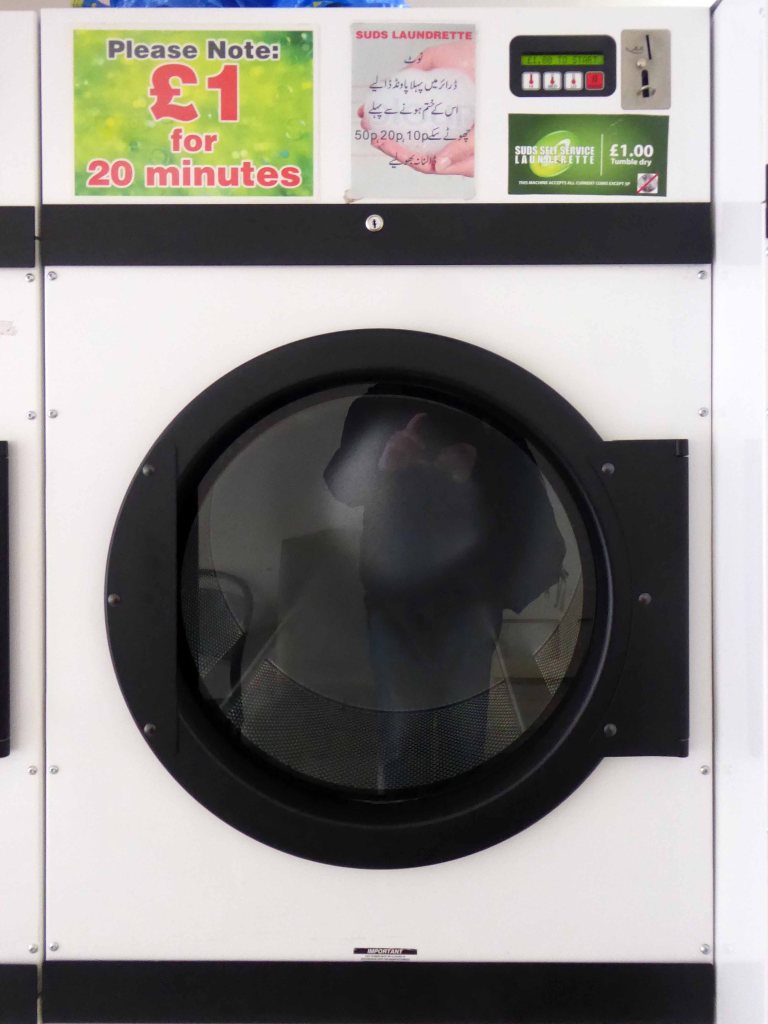
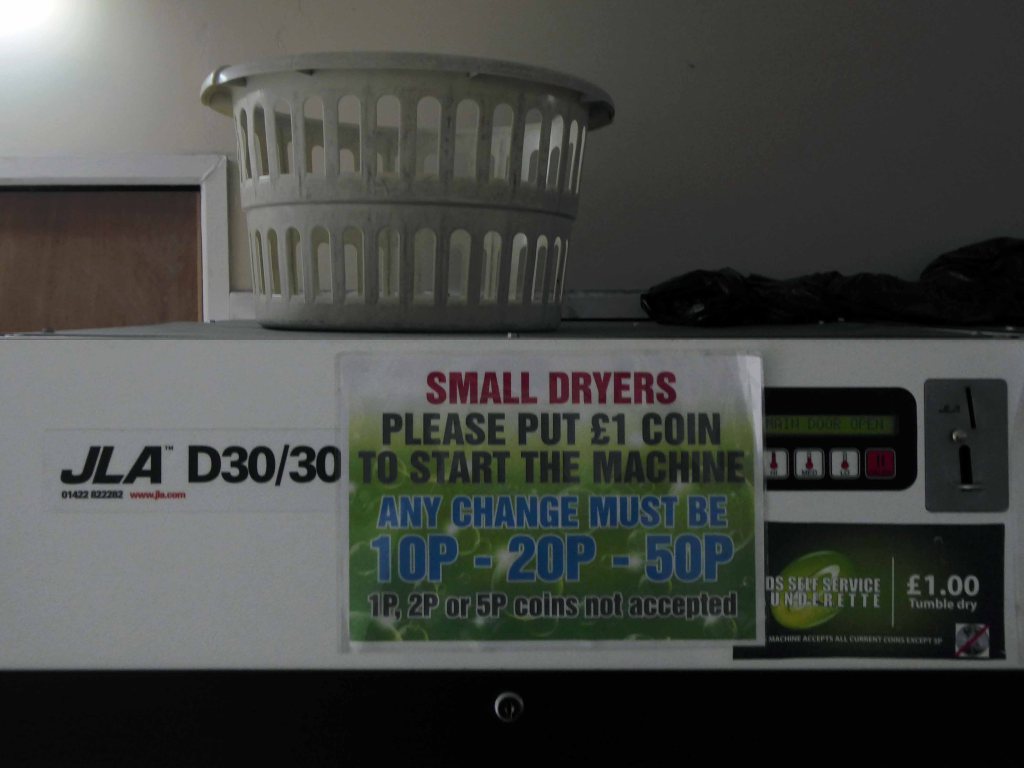
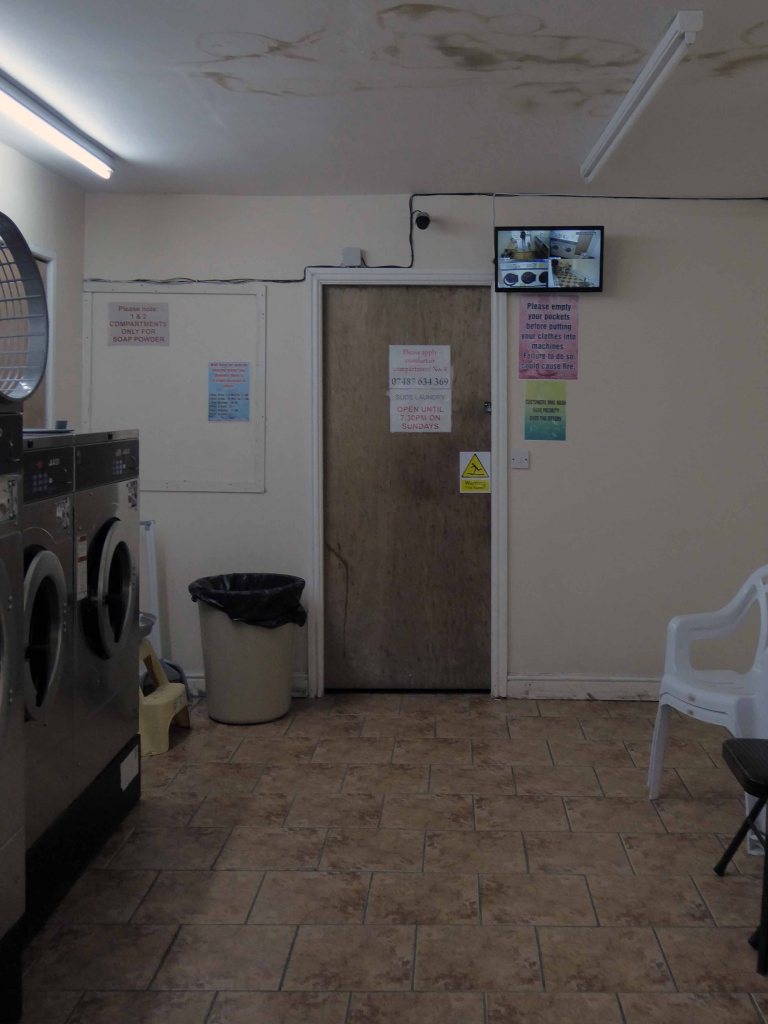
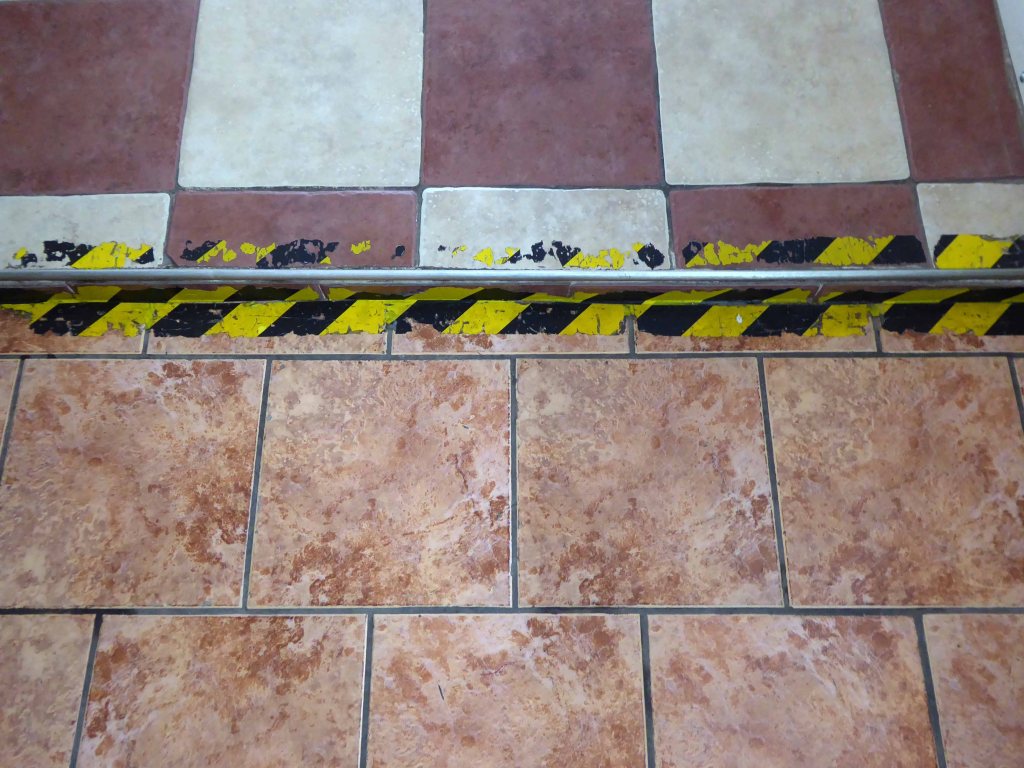
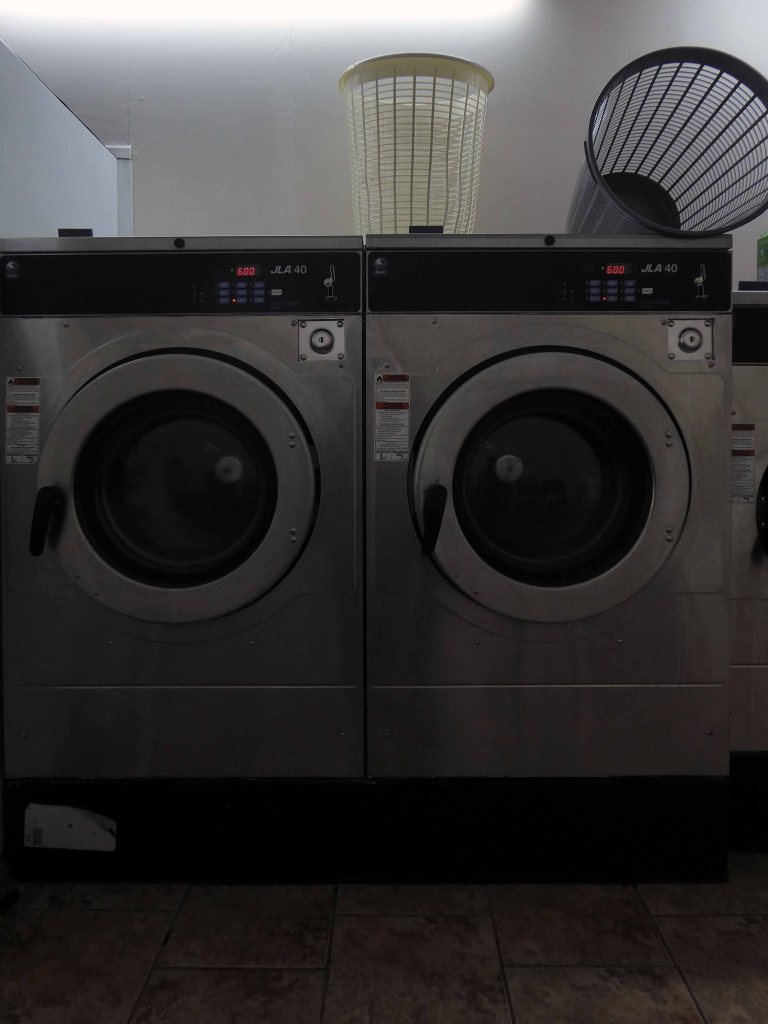
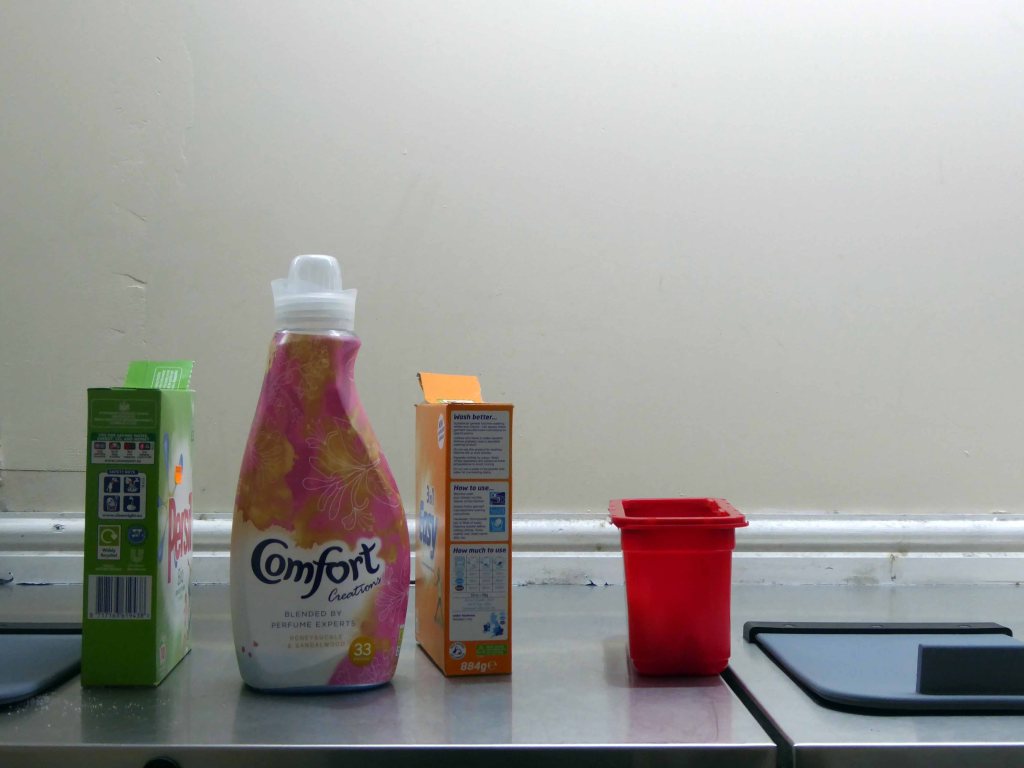
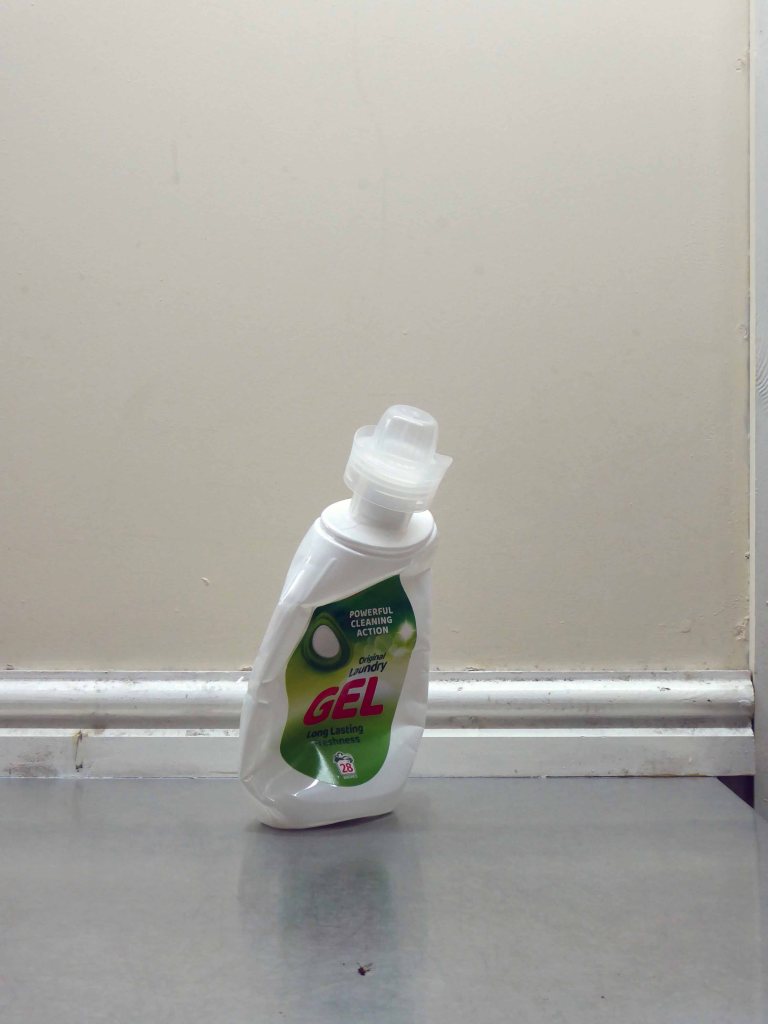
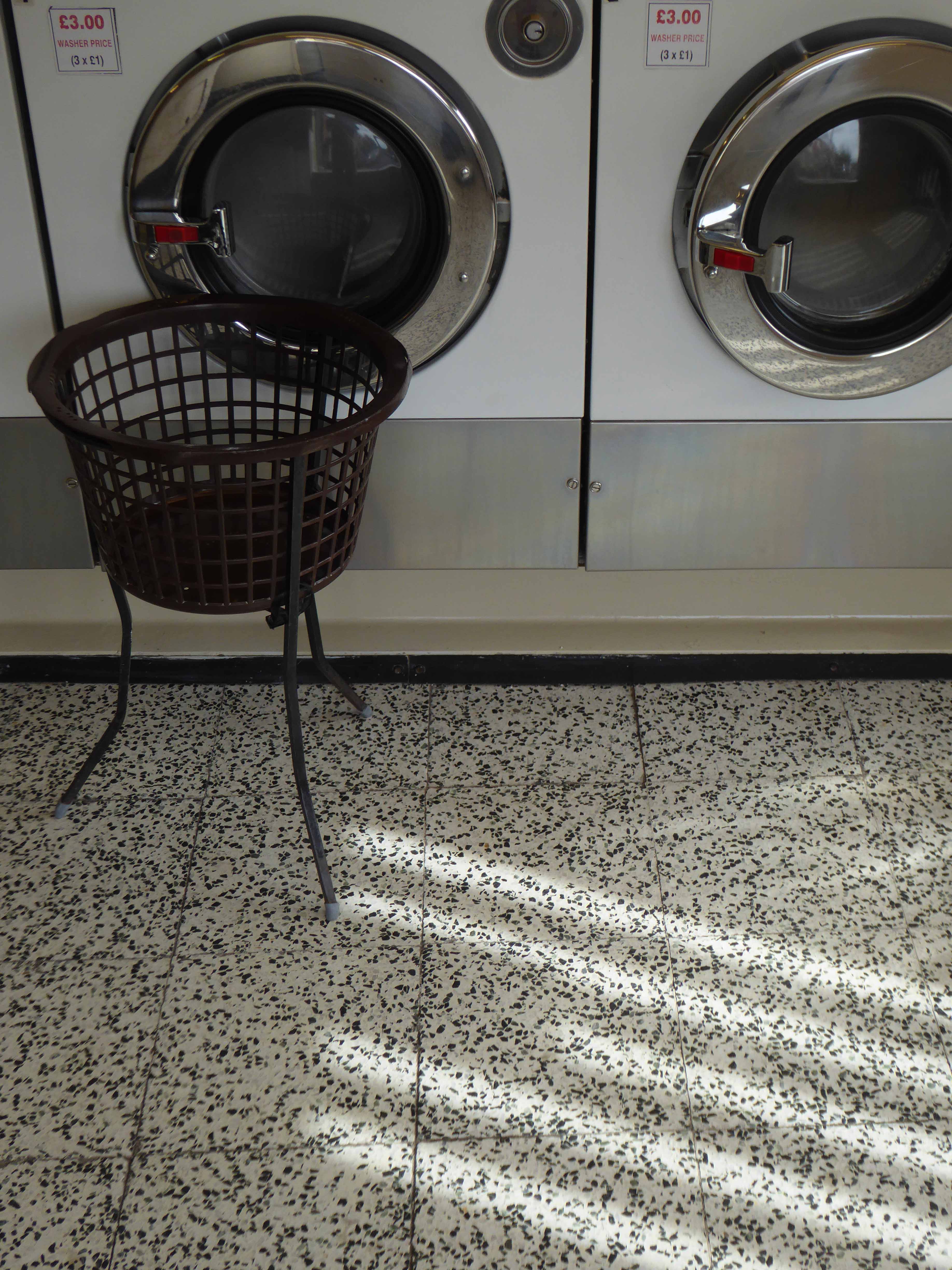
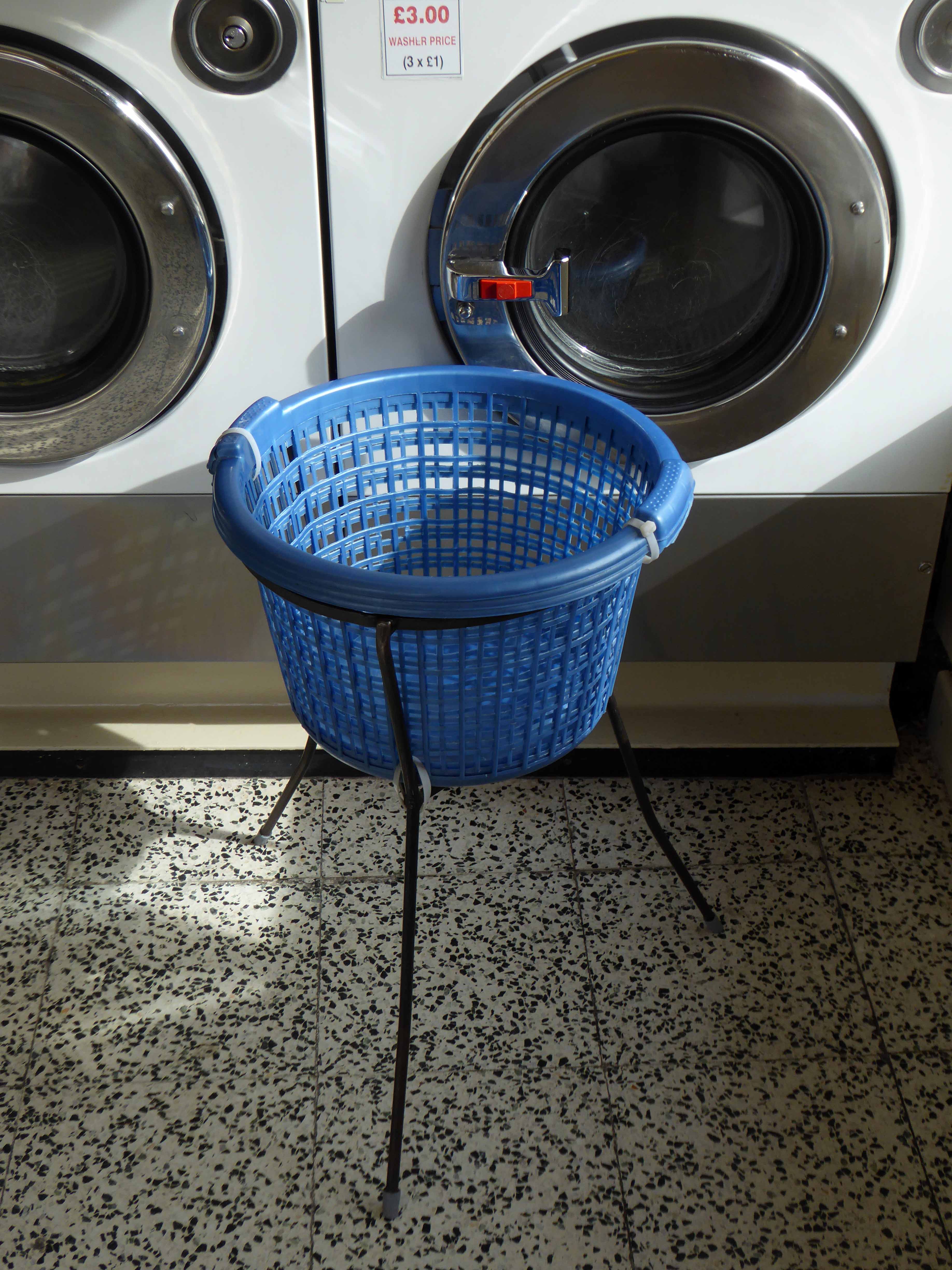
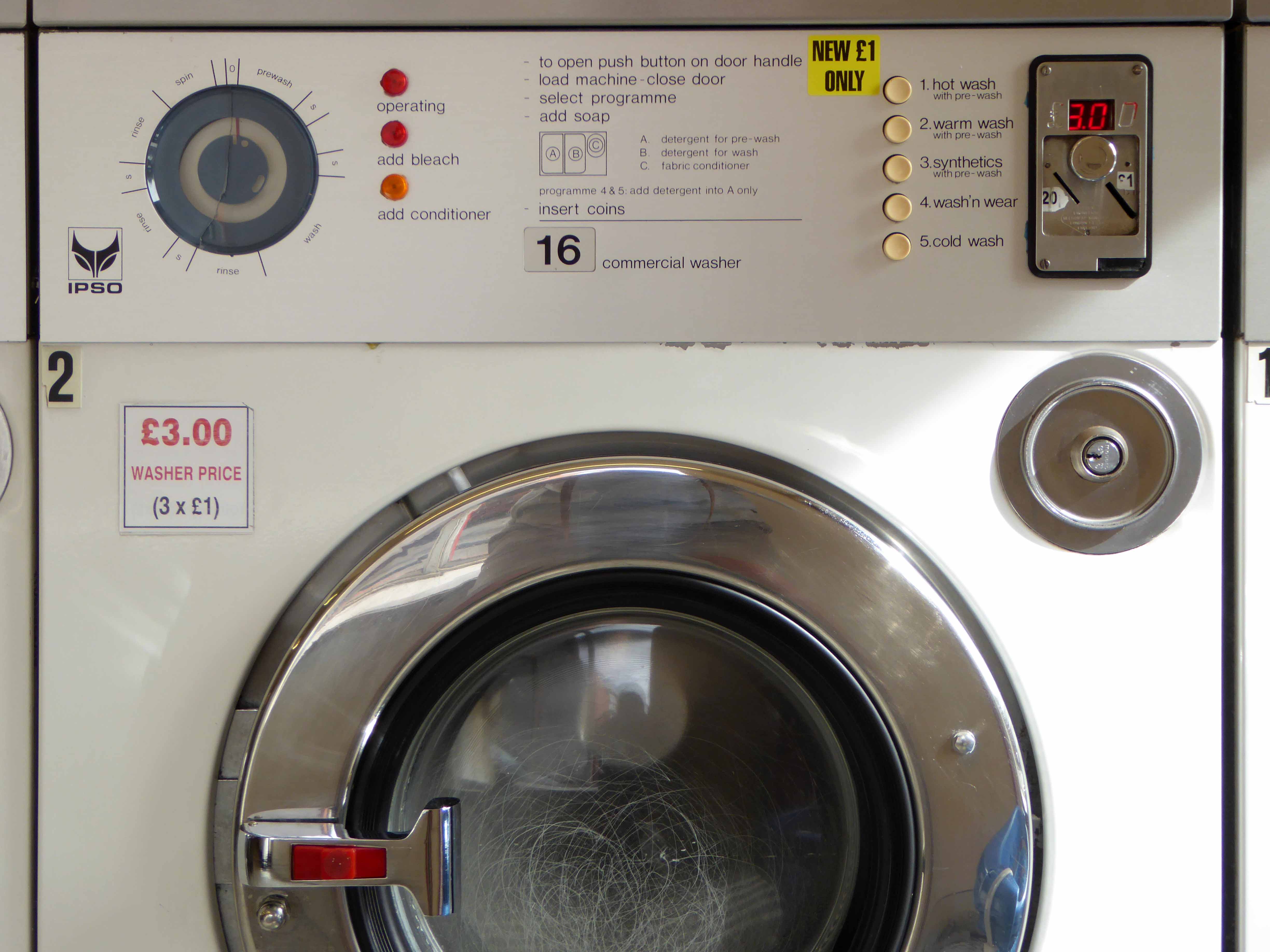
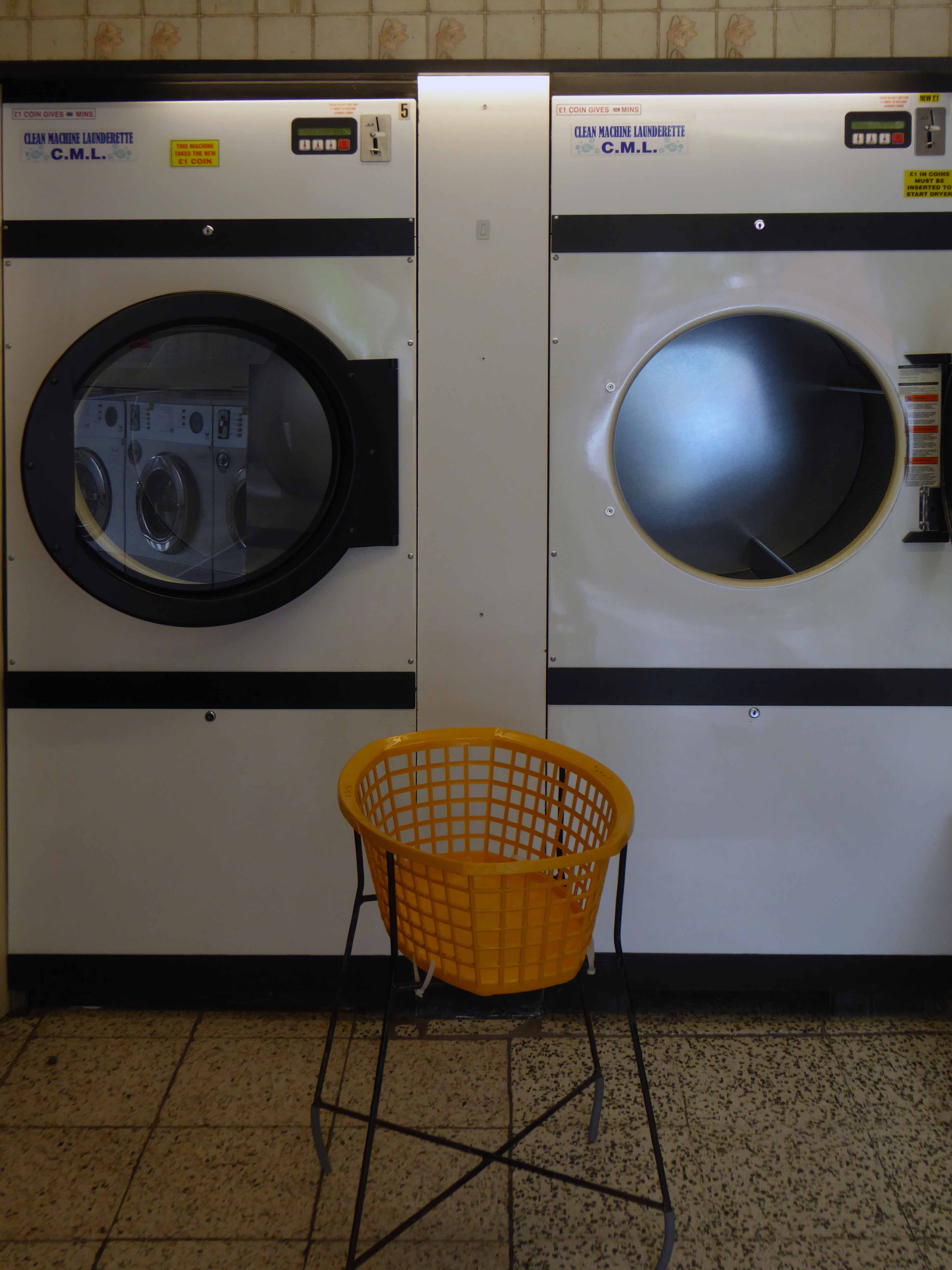
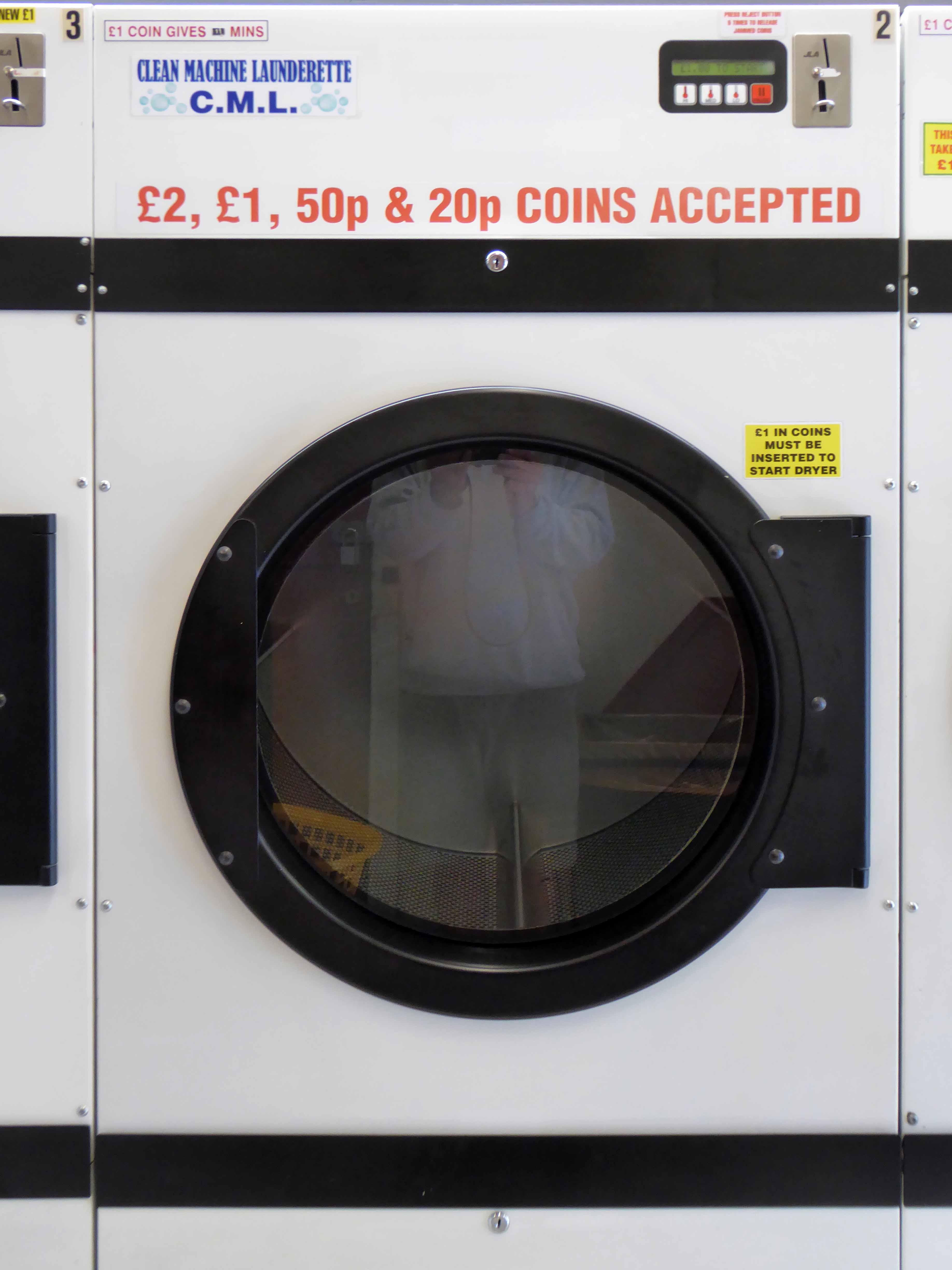
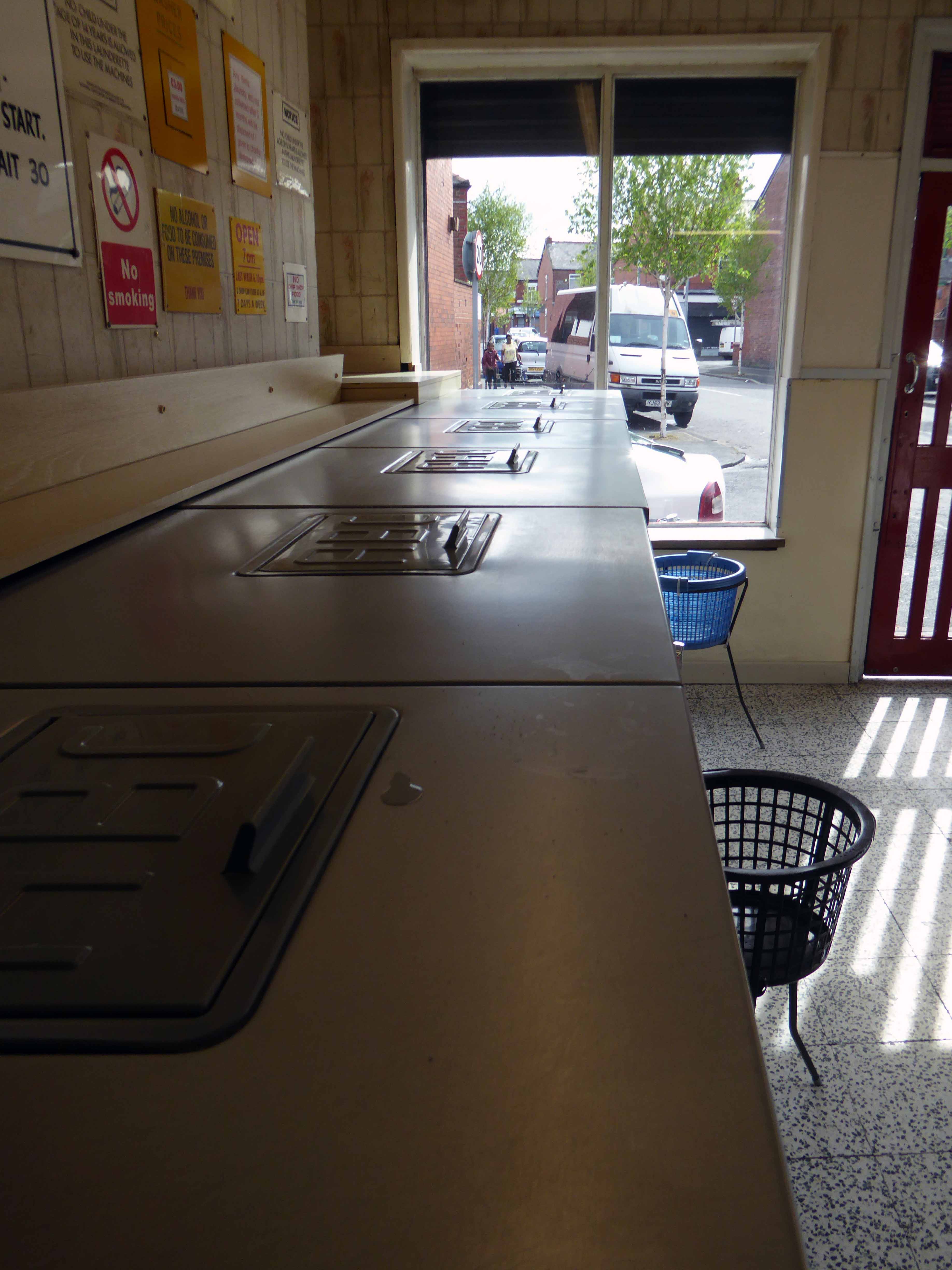
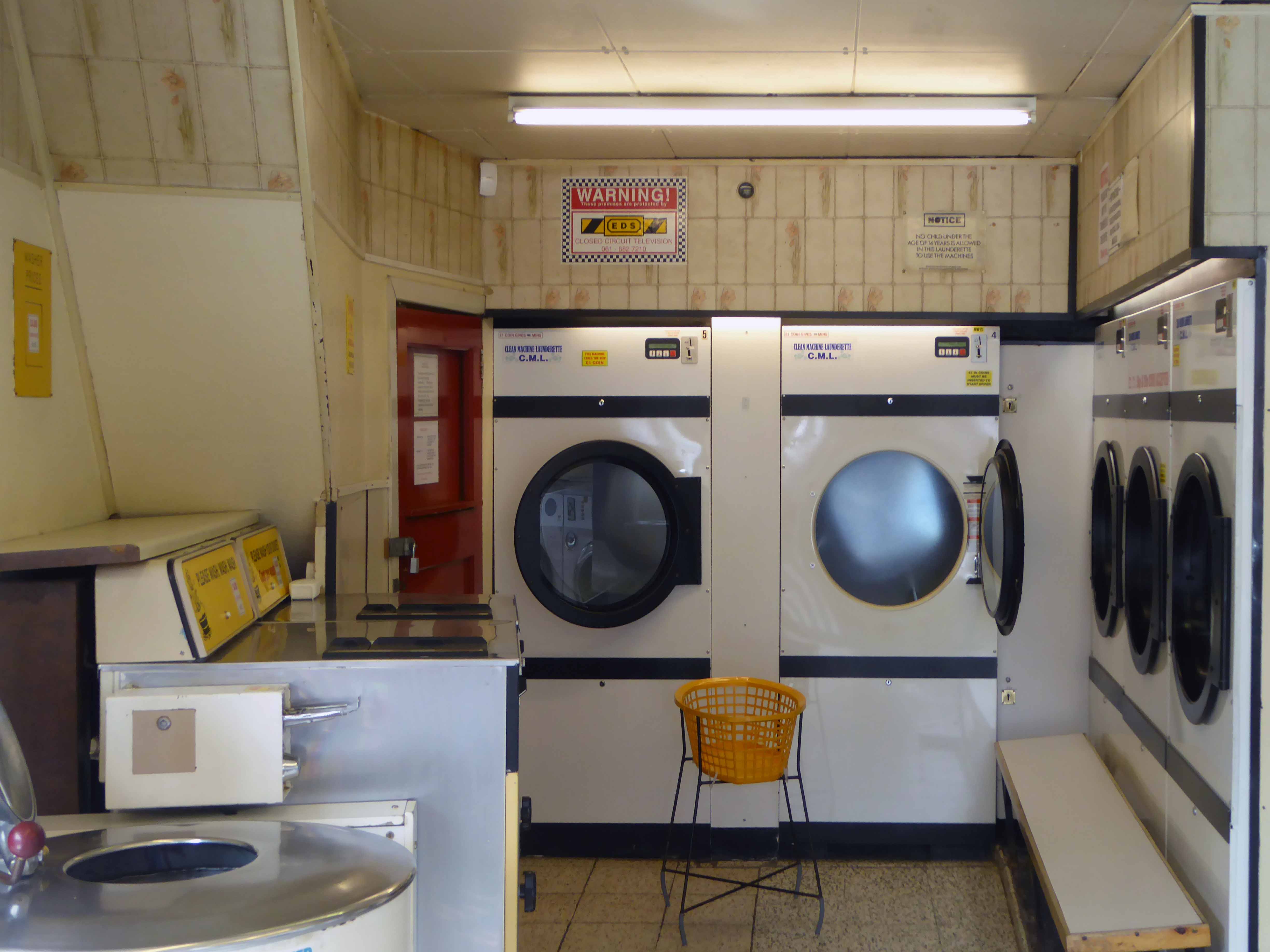
Ay up it’s a launderette that almost thinks it’s a scooter!

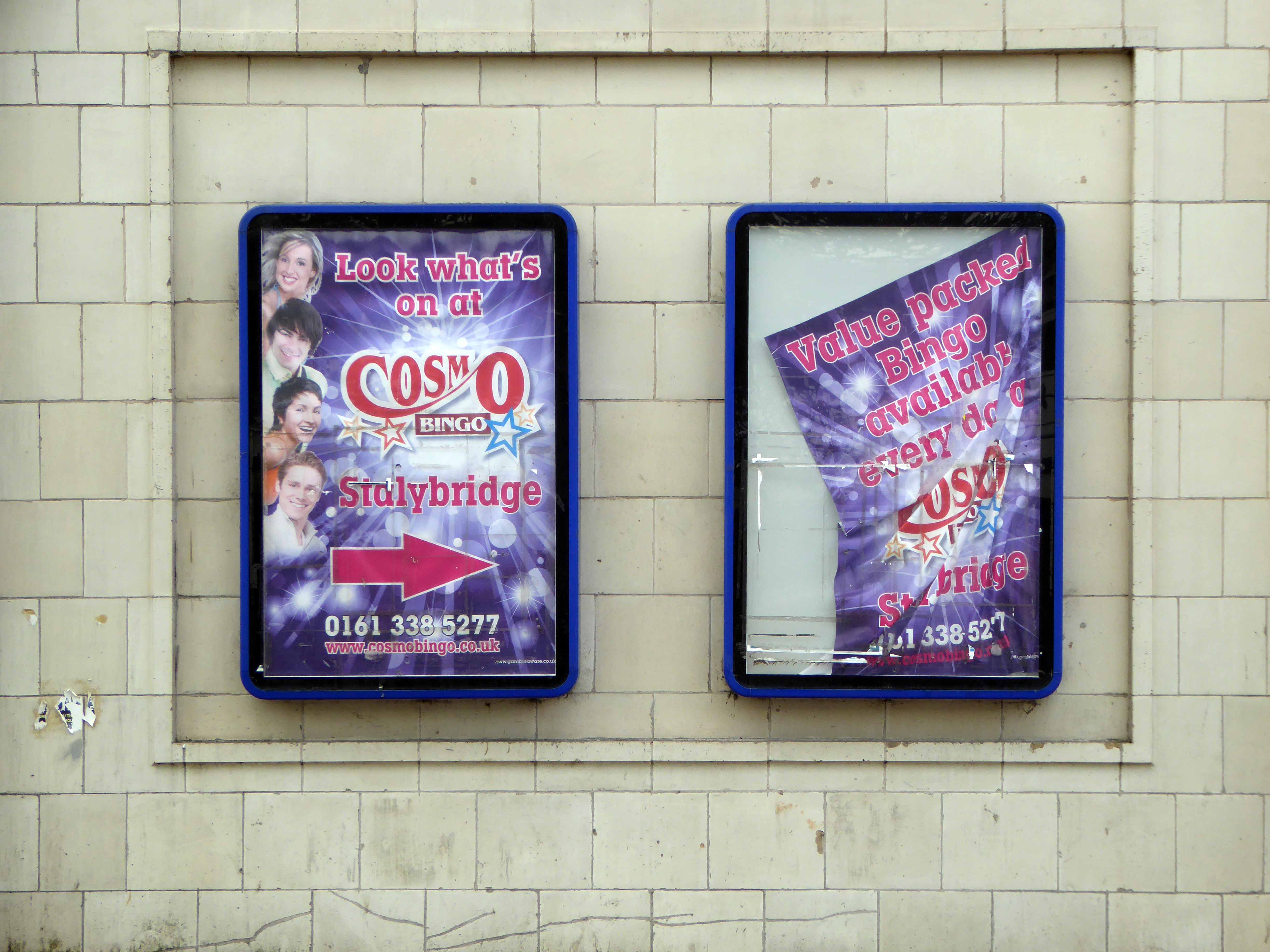
Cheap beer, raffle, singer and bingo on a Wednesday afternoon.

Amazing and great atmosphere with friendly service staff and atmosphere, love it, real nice people

Facebook

Russell Davies Flickr

Keeler Productions has taken over Locking Road Car Park, opposite Tesco, and The Regent Restaurant, in Regent Street, to film a BBC period series The Trial of Christine Keeler, based on the Profumo Affair in the 1960s.

Weston Mercury

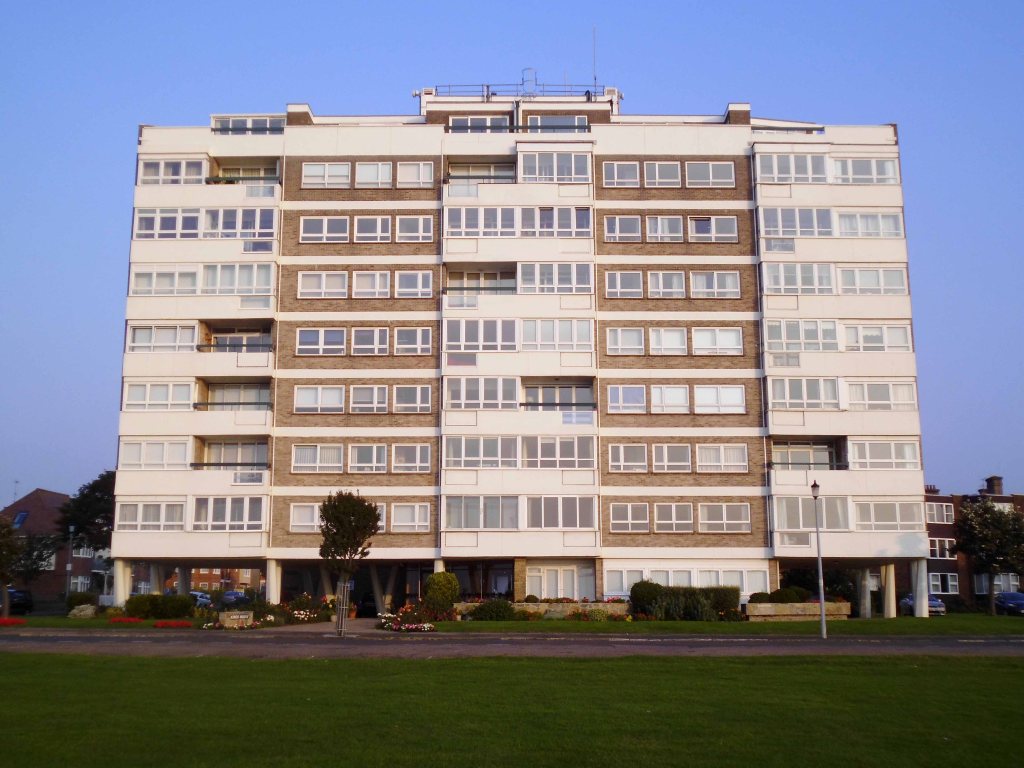
Enough of all that period drama, let’s have a look at some period architecture.

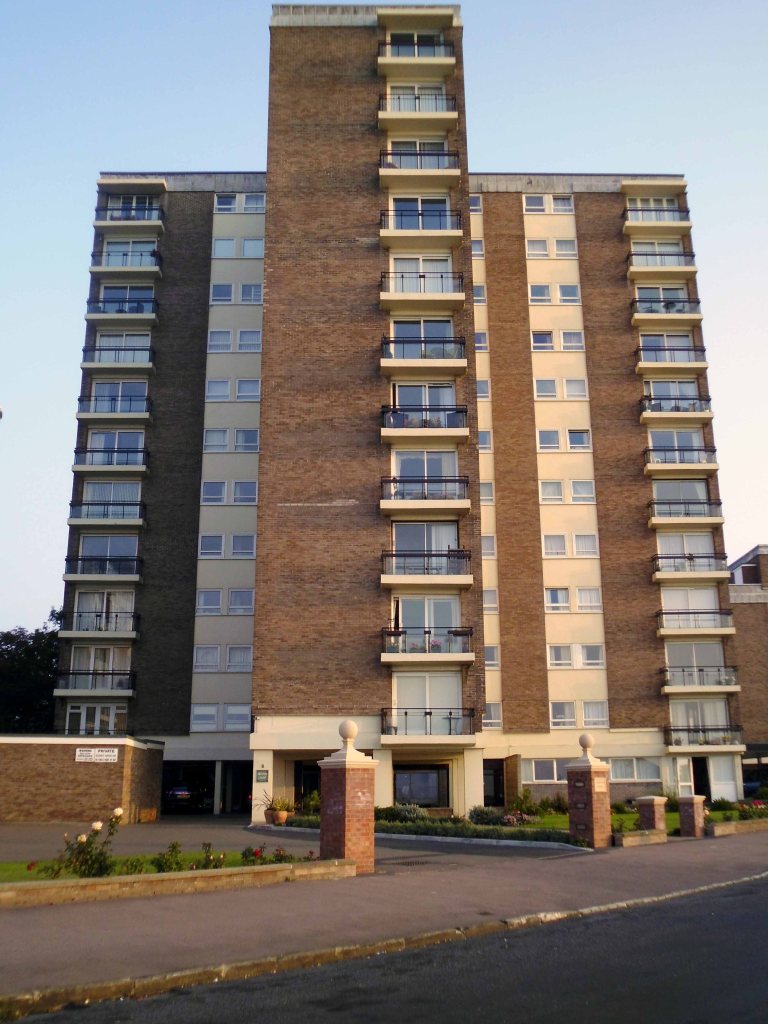
Madeira Court – 67 flats built in 1988.

Weekly Social Activities include – coffee mornings, card evenings and occasional days out, organised by social club. New residents accepted from sixty years of age, both cats and dogs generally accepted.

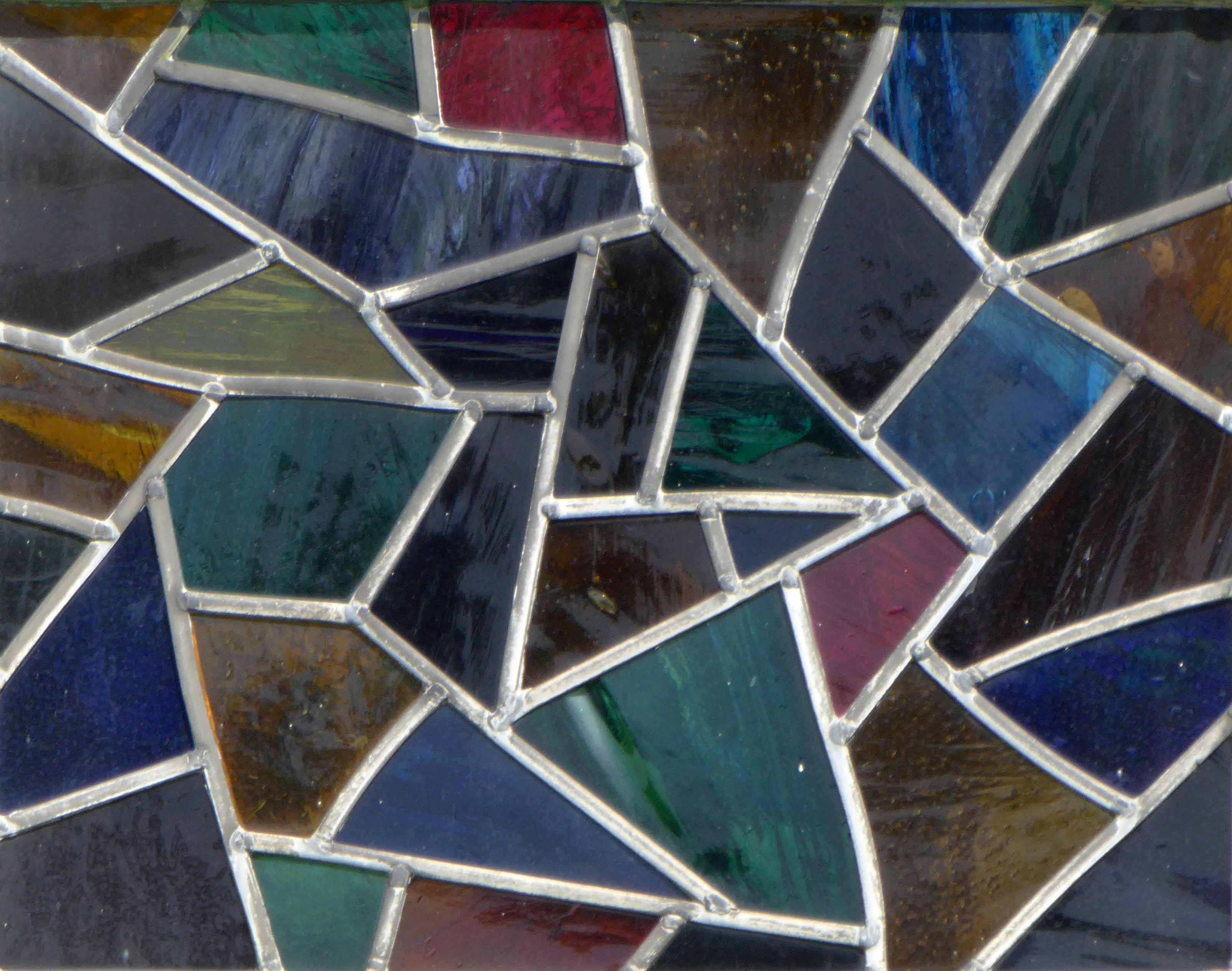
I can find no reference for this dalle de verre stained glass window.

Boulevard United Reformed Church – Waterloo Street

Architects Gordon W. Jackson and Partners 1959

Constructed on part of the site of the former Electric Premier Cinema, the Odeon Theatre was opened on 25th May 1935 with Jack Buchanan in Brewster’s Millions. Built as one of the original Odeon Theatres in the then emerging Oscar Deutsch Odeon Theatres circuit, it was built on a prime corner street position in this sea-side town and was the first of several Odeon Theatre’s to be designed by architect Cecil T Howitt.

The Odeon was Grade II Listed on 21st August 1986.

Cinema Treasures

The Weston-super-Mare Odeon was built by C Bryant & Son Ltd of Birmingham on the site of the former Electric Premier Cinema. It opened on 25 May 1935, at which time it was described in the souvenir programme as ‘modernity at its best’, with seating accommodation that was ‘luxurious and spaced to give ample room for true comfort’.

A short walk along the prom snapping shelters and the sheltered – no two the same.

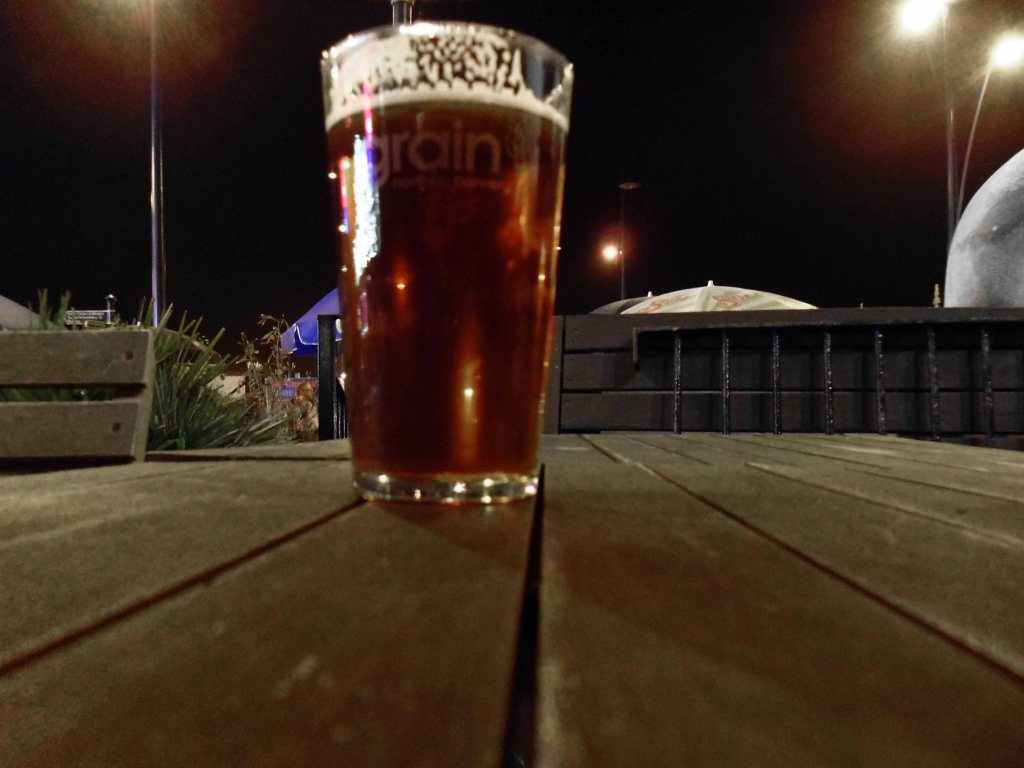
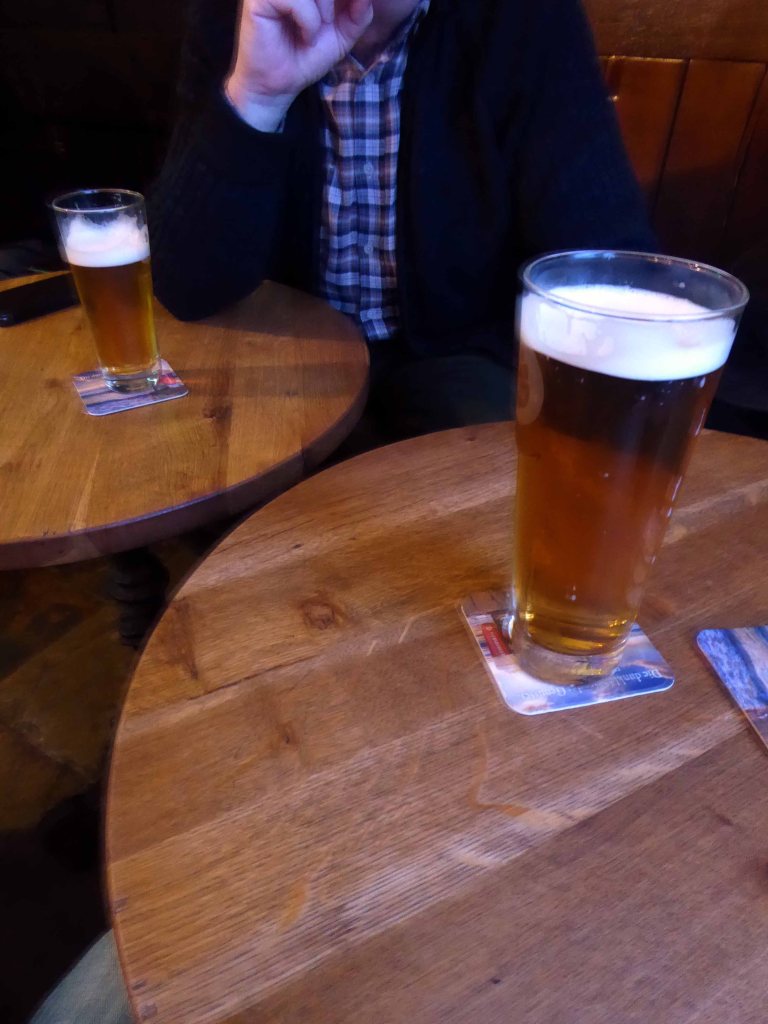
I then chanced to fall into a Beer Festival and bad company – the rest is a blur, see you all tomorrow there’s some cycling to be done.

Night night.

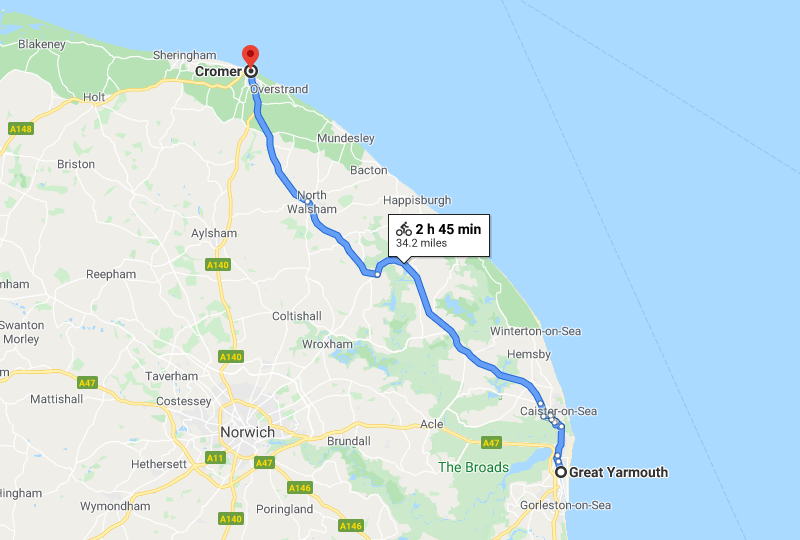
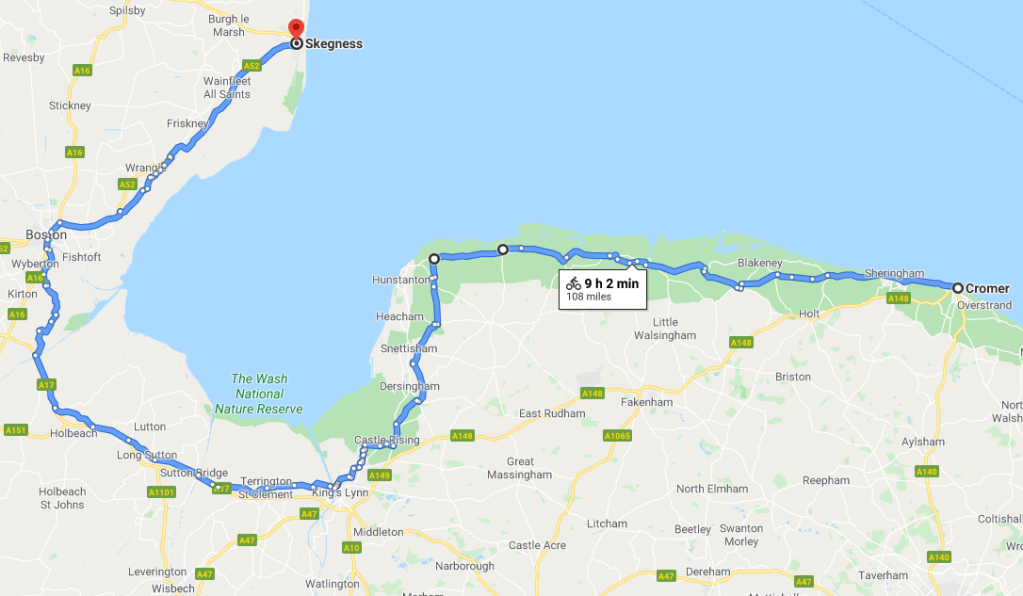
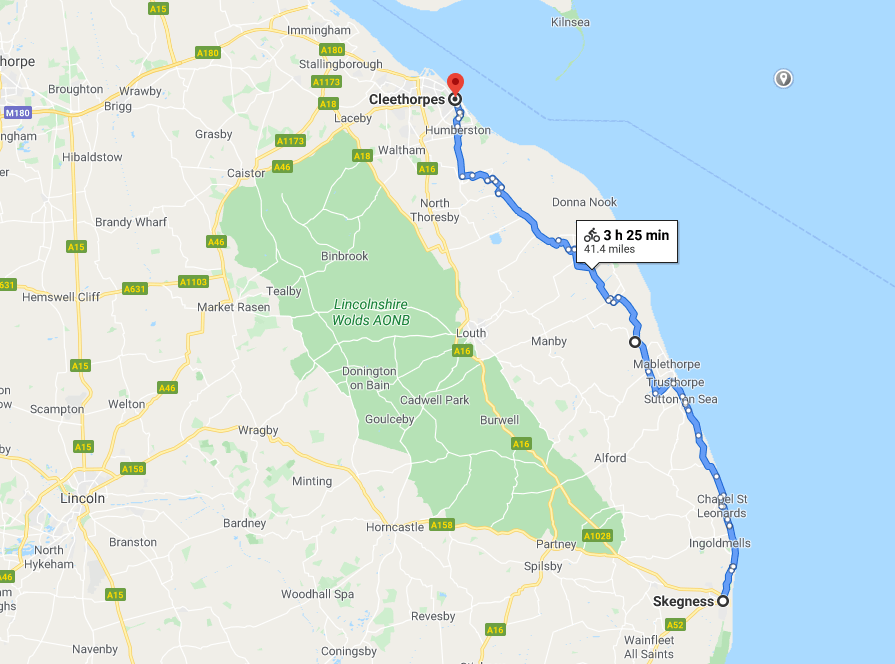
Great Yarmouth to Cleethorpes

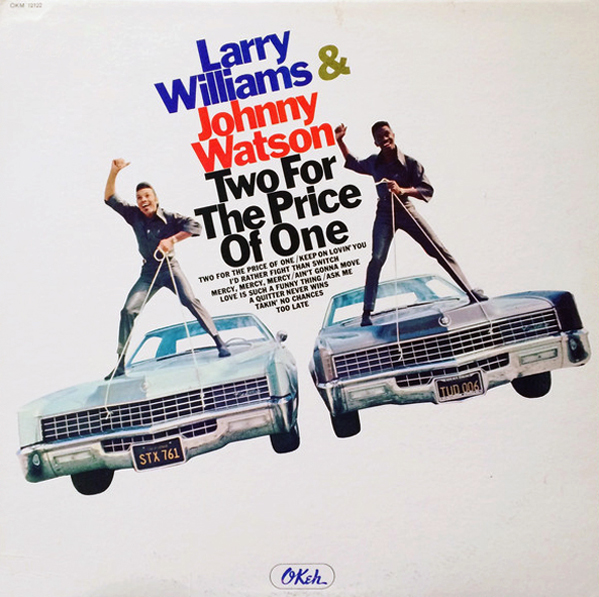
You’re getting three for the price of one – Larry and Johnny only offered two between them.

Friday 5th September Great Yarmouth to Cromer.

Saturday 6th September Cromer to Skegness.

Sunday 7th September Skegness to Cleethorpes.

The royal we however are unable to display the fine array of snaps to which you have become accustomed – normal service will not be resumed as soon as possible.

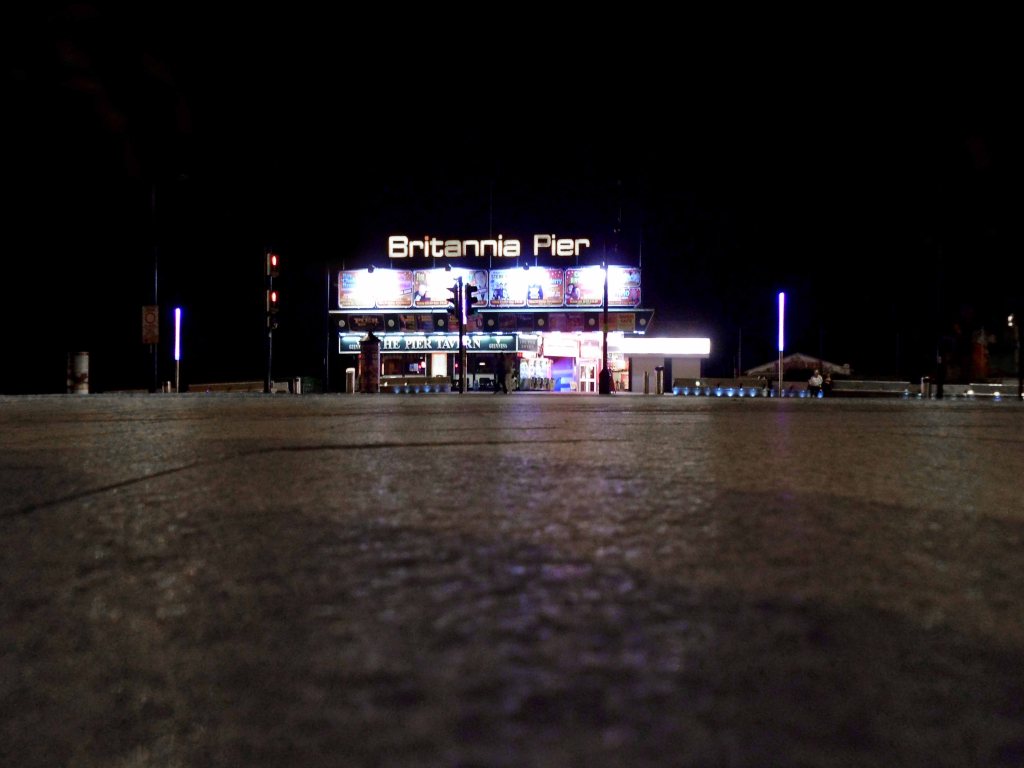
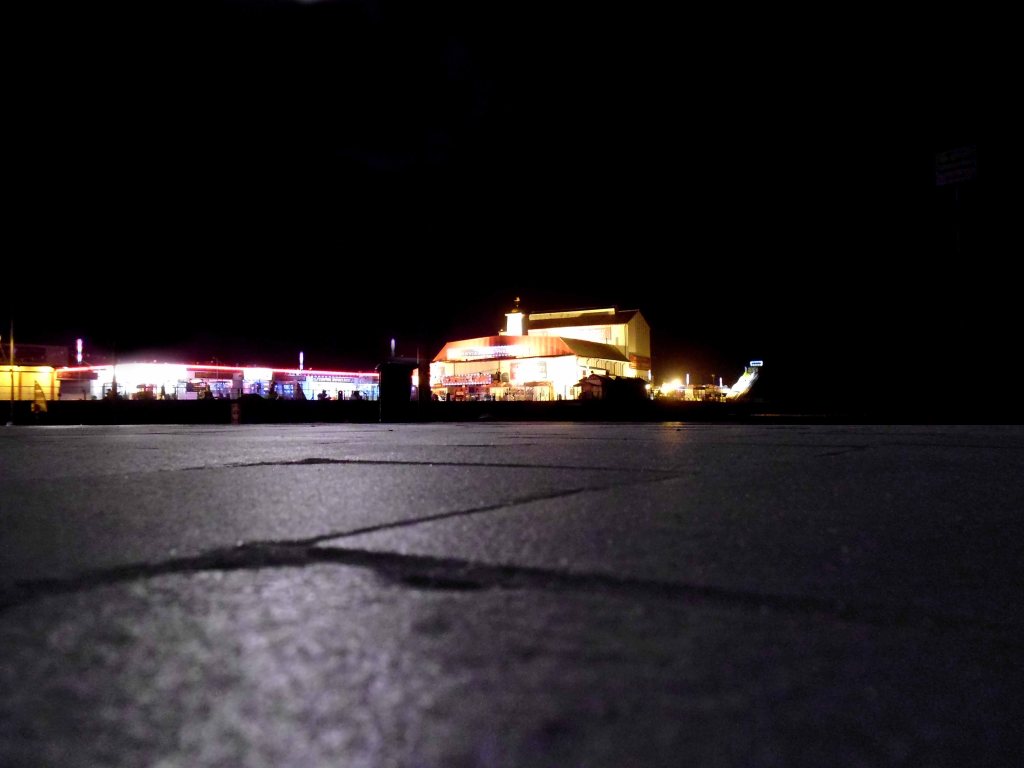
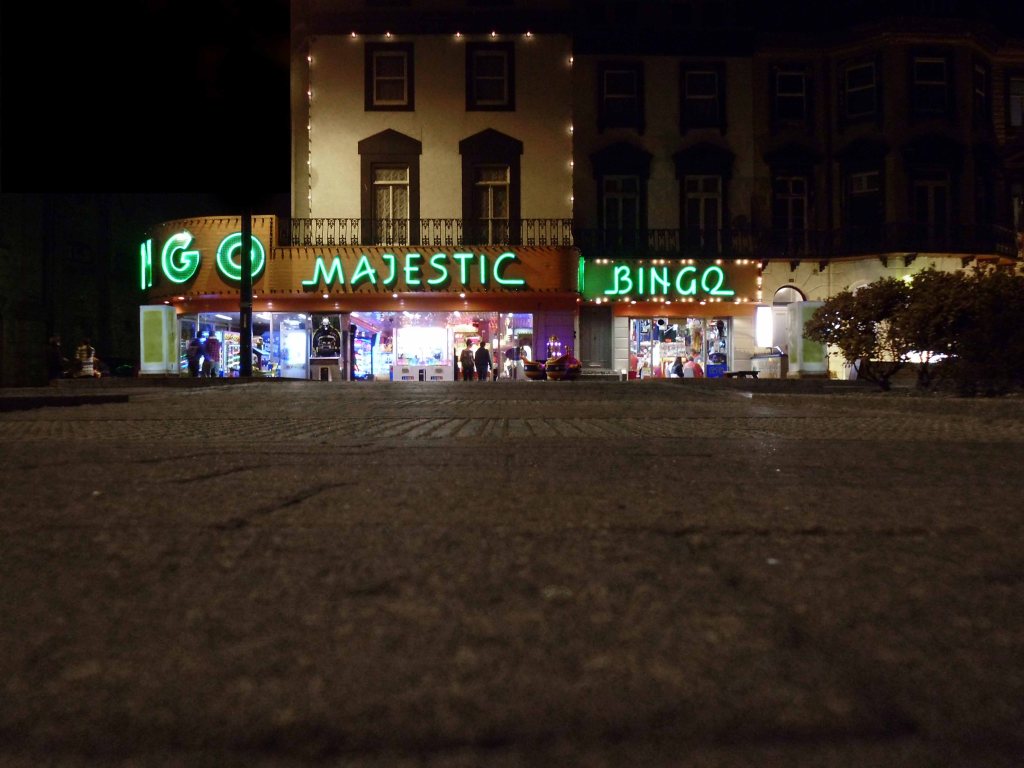
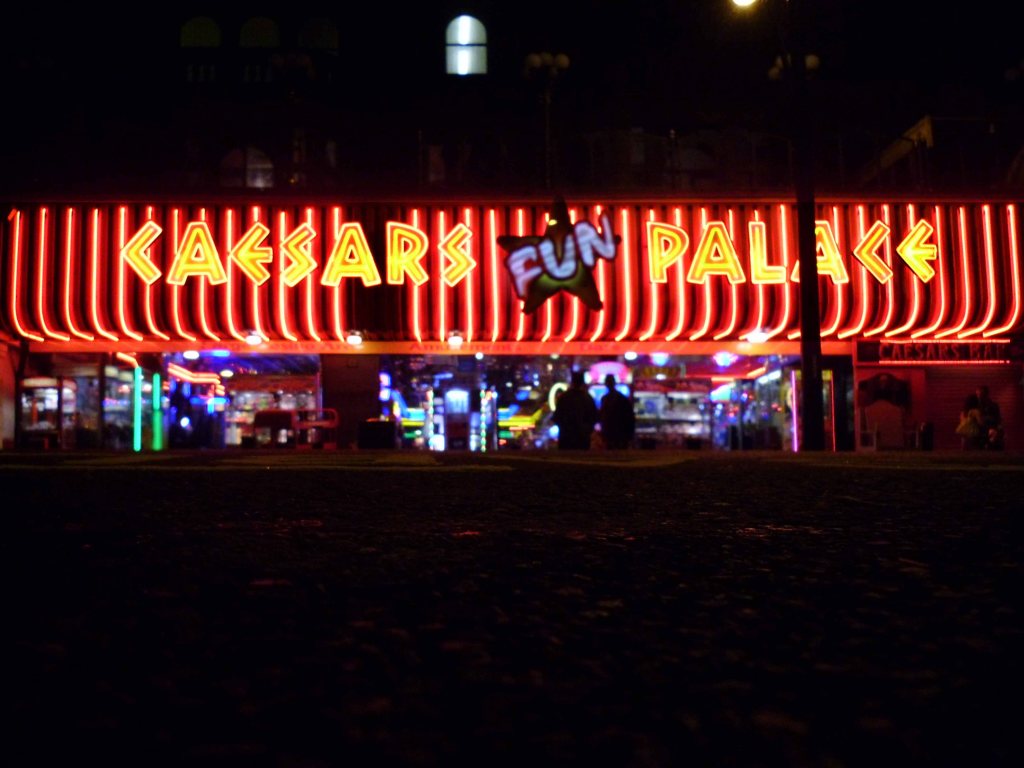
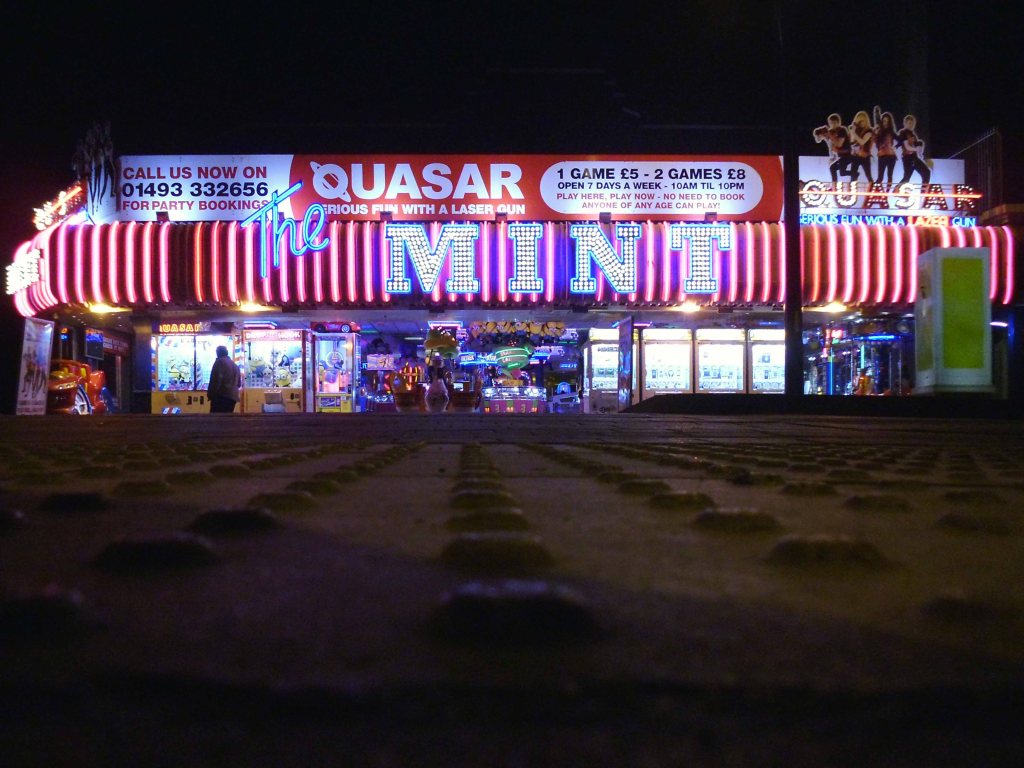
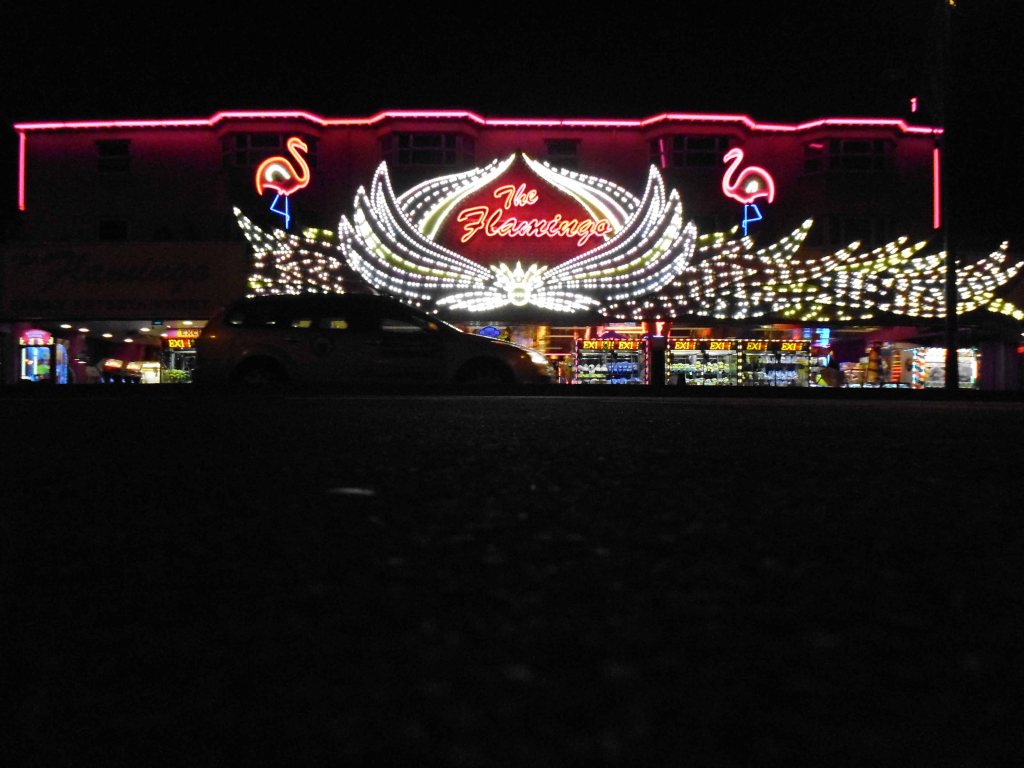
How so you ask – I’ll tell you how so, you may recall the seafront snaps taken on Great Yarmouth prom under the cover of darkness.

Well you see, I inadvisedly rested my camera upon sandy surfaces in order to steady the shot. I subsequently discovered that sand and photographic technology are a poor pairing.

I killed my camera.

To see a world in a grain of sand, and a heaven in a wild flower, hold Infinity in the palm of your hand, and eternity in an hour.

I think not.

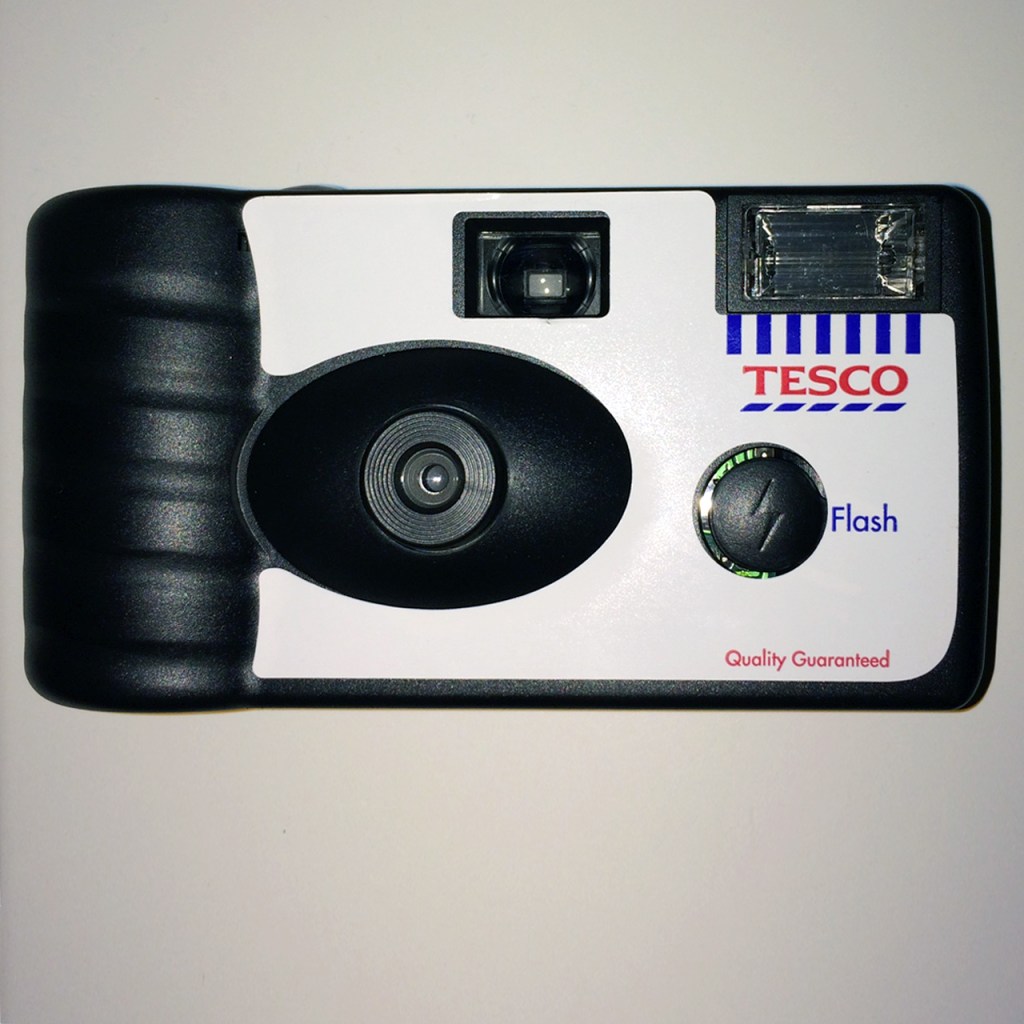
There’s only one thing for it – two Tesco Value disposable cameras!

With diminished means the royal we hurried on, with diminished returns in view, it is with heavy heart and sand filled socks that I present such thin gruel.

No pearls from this grit filled oyster, all chaff and no wheat – that’s me.

It was hard work editing these images – resembling archival material discovered at the bottom of a 16th century tar barrel.

They’re not even in the right order.

And I’m unsure of many of the locations.

Please accept my profound apologies, I’ll never do it again – I promise.

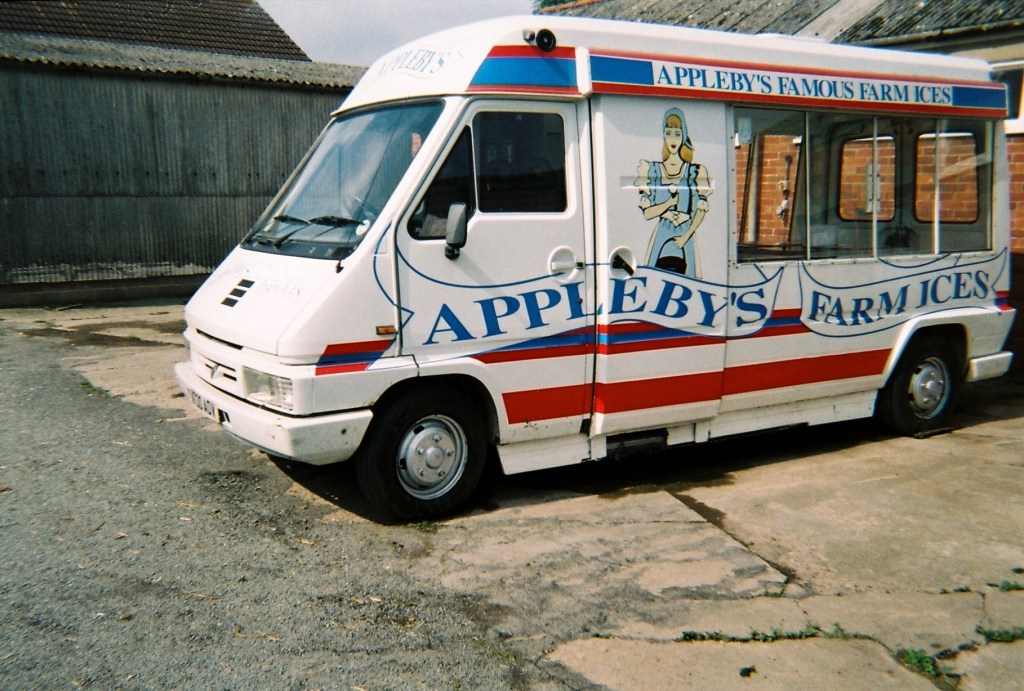
Appleby’s Famous Farm Ices – Main Rd Conisholme Louth LN11 7LS

This is all the information we have available, if you pop in, please ask them to get in touch with Big Barn to add more.

Stymie Bold Italic aka Profil double whammy coming right up!

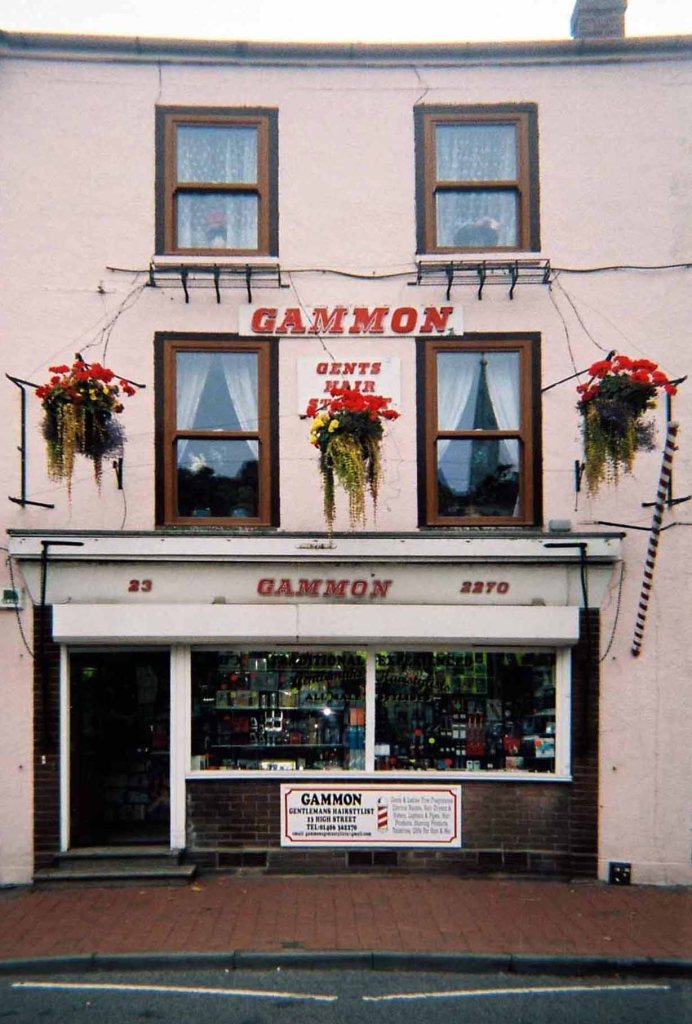
Gammon is a traditional gentlemen’s hairdressers in Long Sutton, call into Gammon’s and experience the atmosphere of Long Sutton’s only male hairdressers.

We are exclusively a traditional men only salon, catering for all ages. Running a drop-in system, and with two chairs available waiting times are kept to a minimum.

At Gammon Traditional Gentleman’s Hairdressers you can also purchase a range of Electric Razors and Toiletries along with a large variety of Gifts. 

Gammon Traditional Gents Hairdressers also stock fragrances for him and her that include:- Chanel, Safari, Polo, Ghost, Opium, Quorum, Tabac, Lacoste, Calvin Klein, Dolce and Gabanna, Poison, Davidoff, Iceberg Twice, Jazz, Aramis, Sergio Tacchini, Azzaro, Farenheit, Giorgio, and many more.

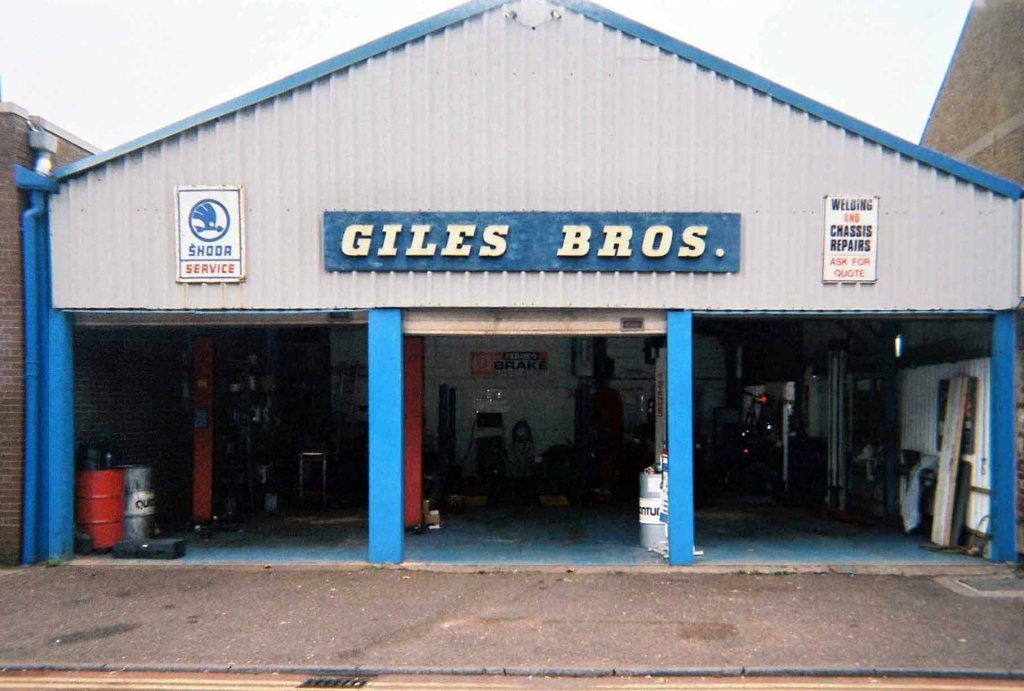
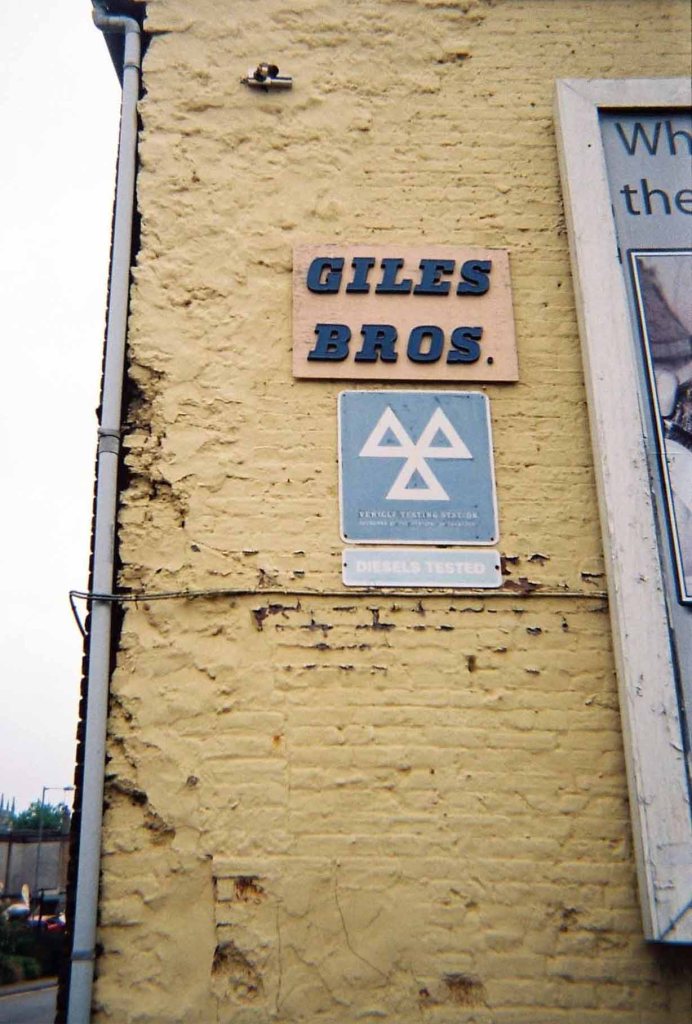
Welcome to Giles Bros located in Kings Lynn town centre. Established in 1921 and still trading from the same premises offering MOT’s on all makes of vehicle in the centre of King’s Lynn. If your looking for a reliable and friendly service you have come to the right place. Please feel free to look around our website and see just what we offer.

Although modern motor vehicles have changed so much since the early days our customer commitment hasn’t.

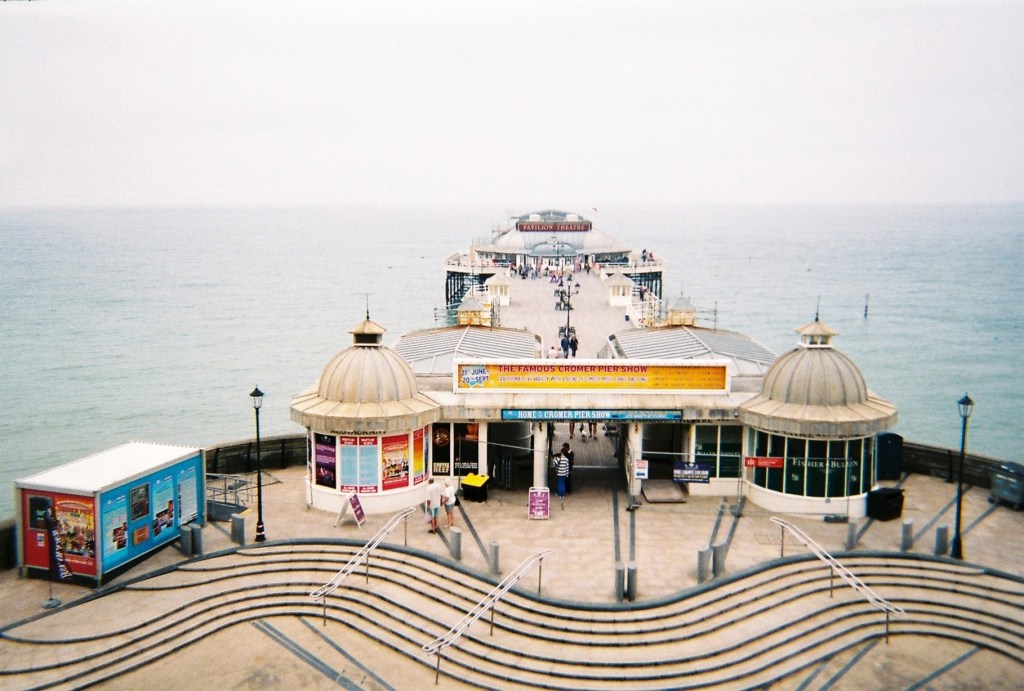
There has been a pier in Cromer since 1391, but history really relates from 1822 onwards.  In this year, a 210 foot wooden jetty was built, but unfortunately it was washed away in 1843.  It was then replaced with another slightly longer one, 240 foot, which lasted until 1890.  This one was also destroyed by the stormy seas and the remains were consequently sold at auction for £40.

Following this, very sensibly, an iron jetty was built that was 500 foot long, together with a bandstand which was eventually extended into a pavilion.

During the war Cromer Pier was sectioned for defence purposes.

The poor Pier also had its fair share of being damaged too, which I suppose is understandable, being stuck out in the sea!

Explore Norfolk

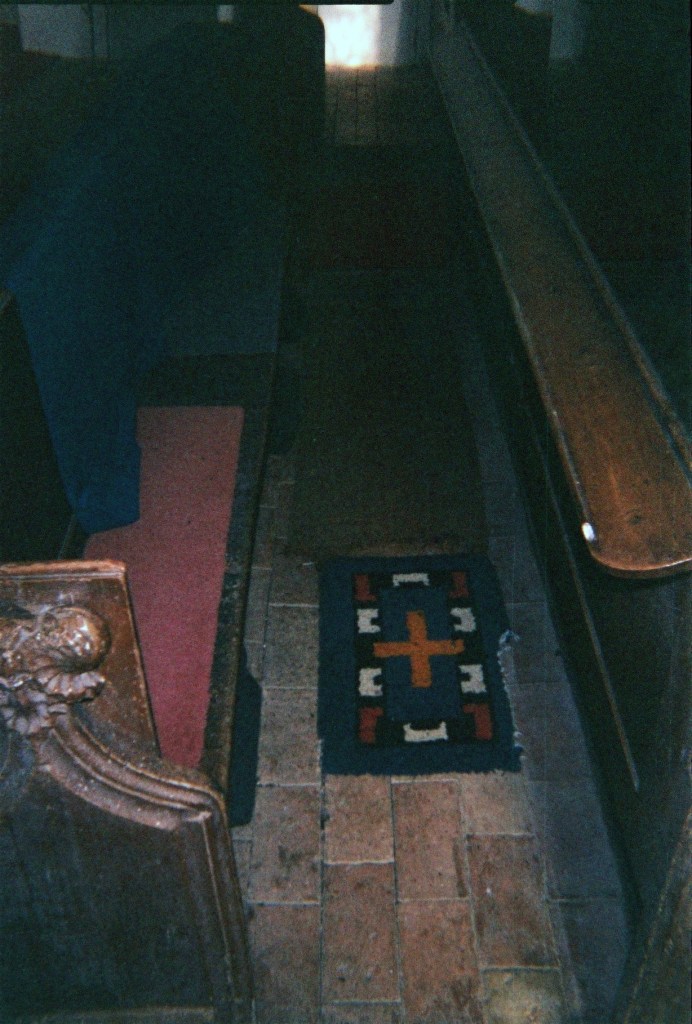
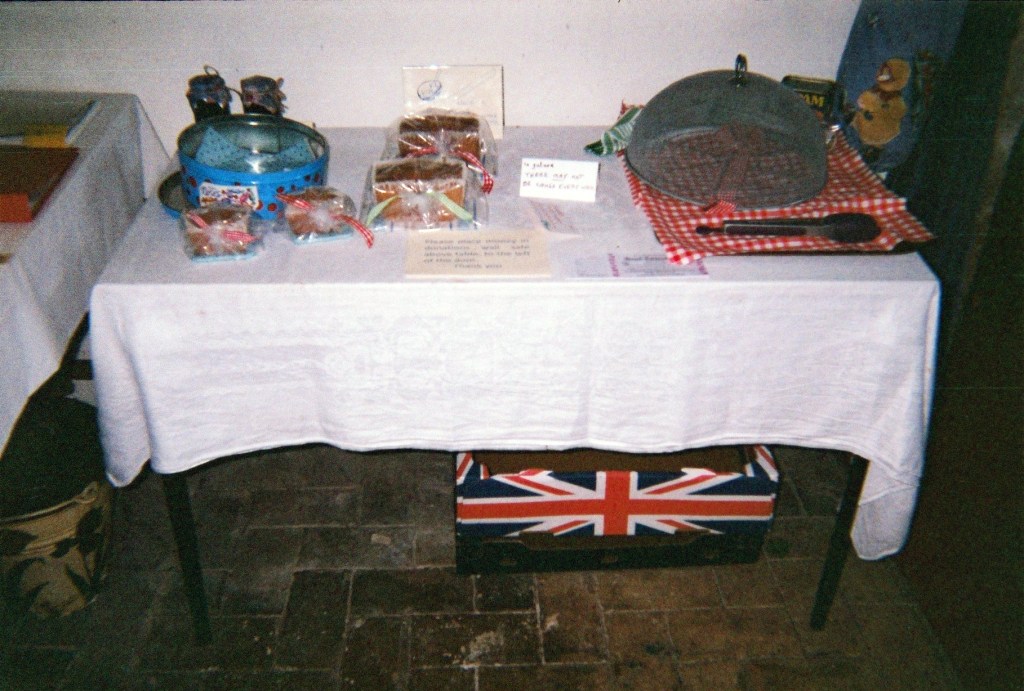
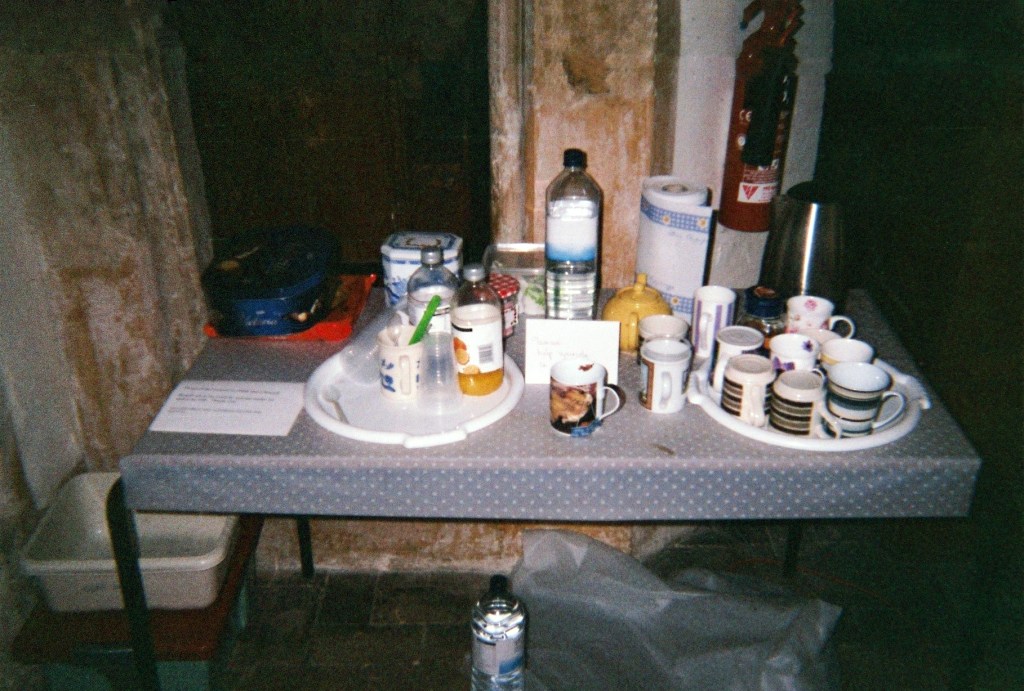
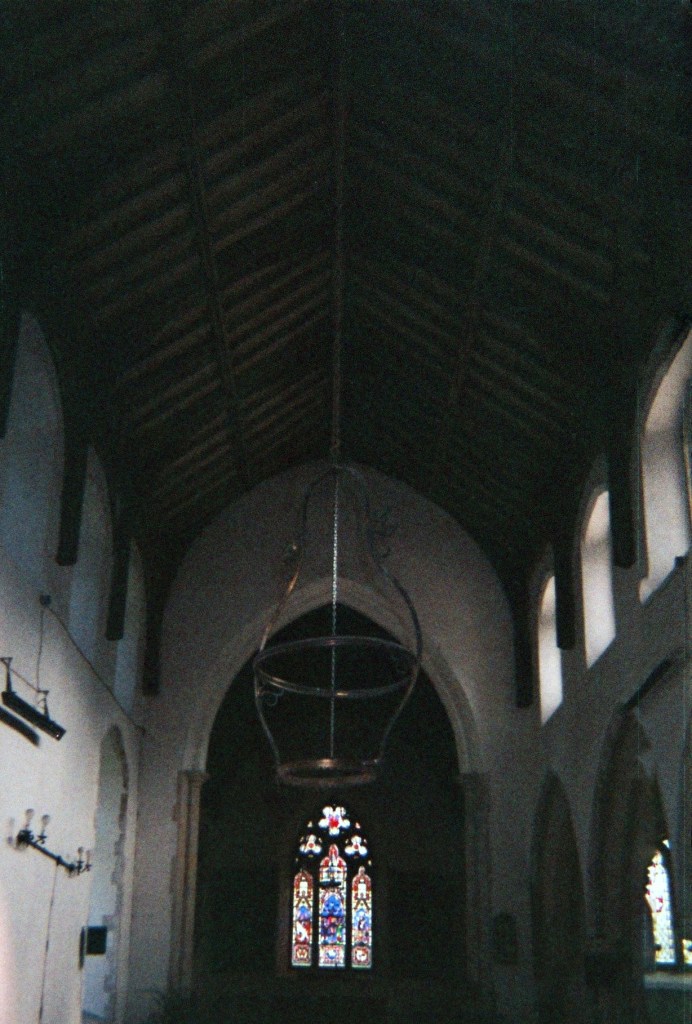
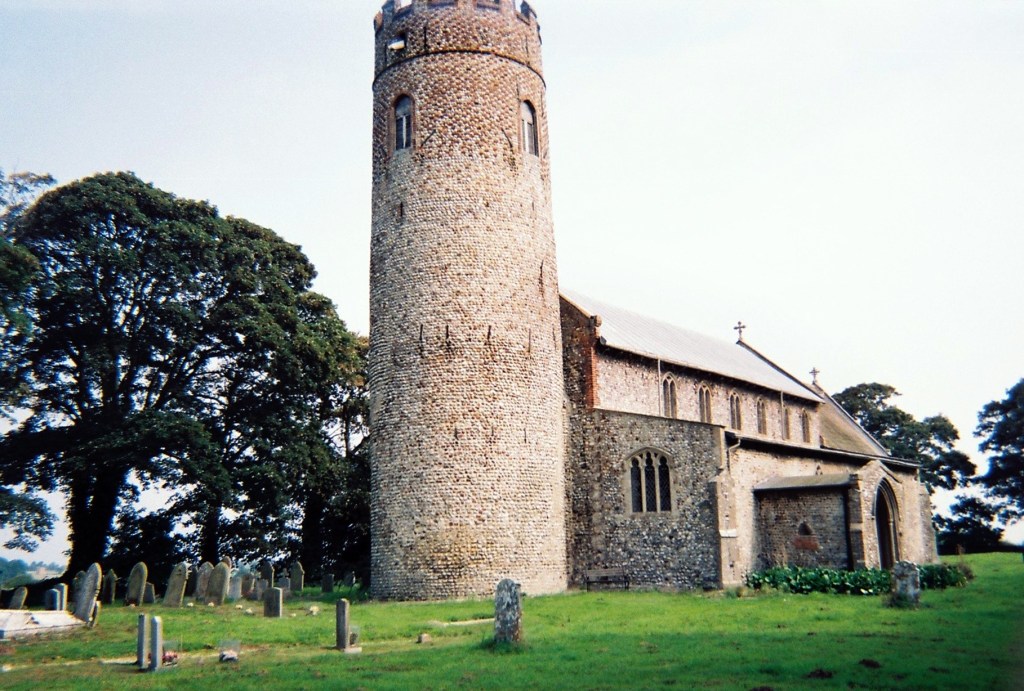
St Magaret Witton-by-Walsham one of the enchanting Norfolk churches I passed by and the only one I entered. It had provision for an unattended brew and home made cake, just the job.

The church is an elegant, well-kept, peaceful building, but it is also rather quirky. There are two splayed round windows in the lower north side of the nave it seems reasonable to think that they are genuine Saxon windows, and this is a genuine Saxon piece of wall. As is the lower part of the south wall, for both sides have long and short work ironstone blocks forming the corners with the west wall.

In the early 14th Century they began to expand the church, but rather than rebuild it they heightened the existing walls, which is why the tower and the church still make an awkward juxtaposition even today. There is a clerestory on both sides of the church, but an aisle only to the south, contemporary with the clerestory, rather than with the 15th century crowning of the tower with a bell stage and battlements.

When the Tudors extended the tower, they needed a way for people to get up to the bell stage. Rather than build a stairway inside the tower in the conventional manner, they built a stair turret inside the church, against the west wall of the nave, which is at once awkward and intriguing. Tucked in beside the stair turret is a large converted barrel organ. I remembered the late Tom Muckley observing that small villages like this usually owned just one barrel organ, which was used in the church on Sunday and then moved to the pub for the rest of the week.

Norfolk Churches

Well there you are an unfitting end to a grand tour.

What have we learned along the way?

Everyone I met along the way was both helpful and friendly – save for a minor rebuttal in Southend.

The coast is plural and singular, whilst there may well be typologies to be found, the variations within are manifold.

It pays to take time to look around, slow down from time to time, rest your legs, open you eyes.

Sand and cameras do not mix.

Good night John Boy, good night Ma, goodnight Pa – night night Steve.

We all learned a lot today on the Modern Mooch

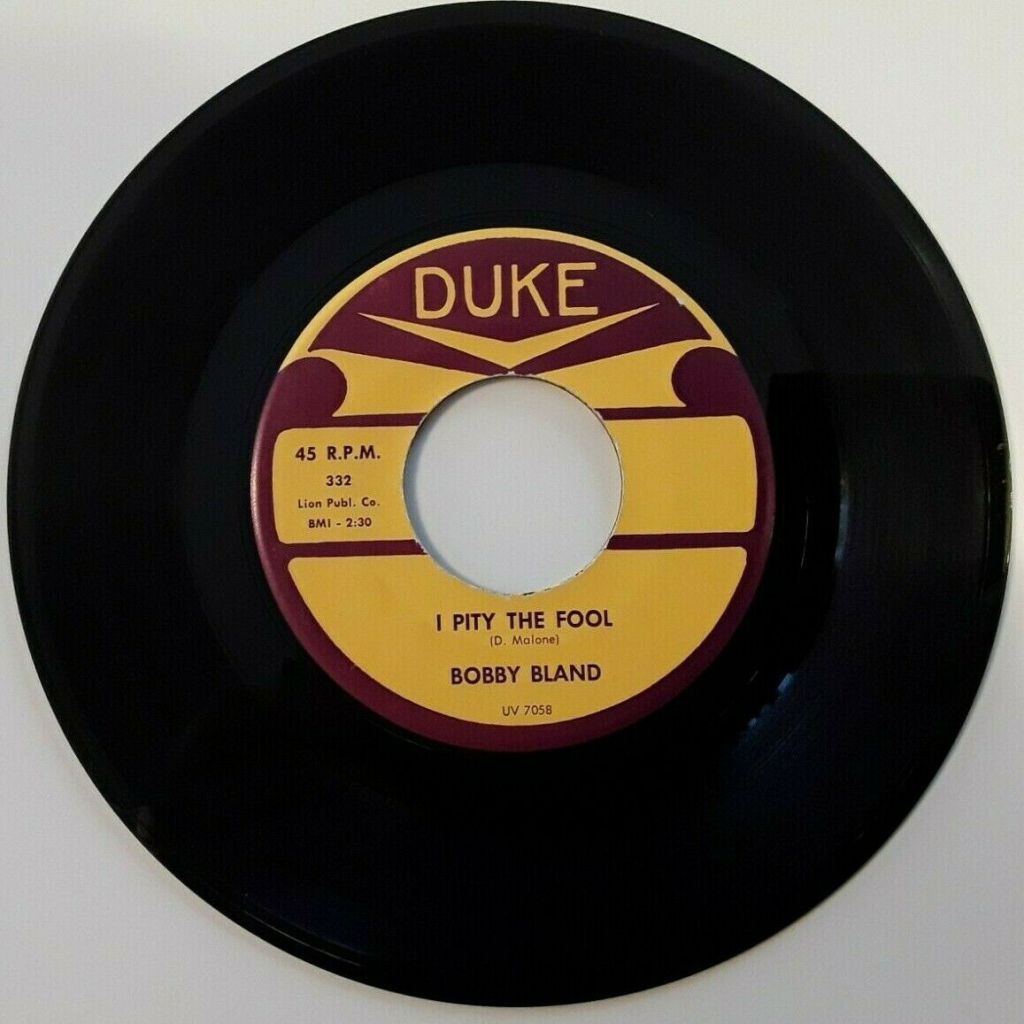
I’ll let Bobby Bland have the last word.

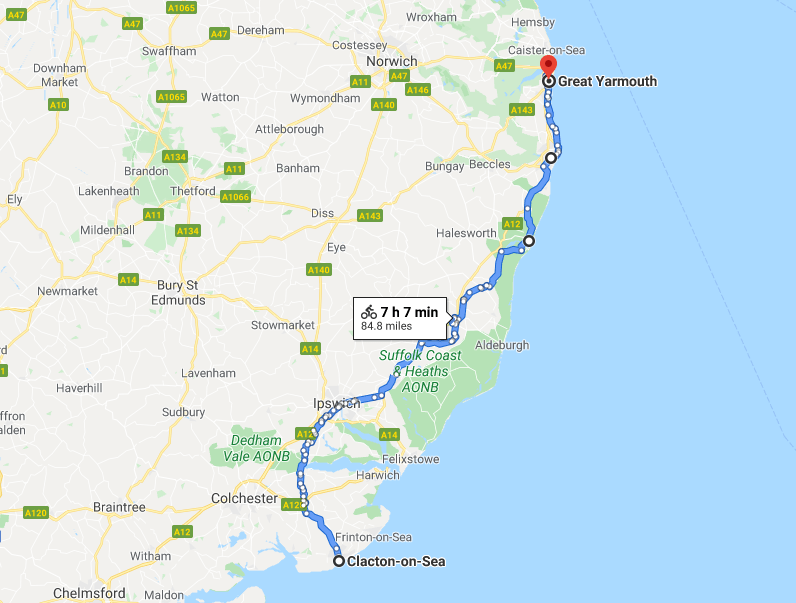
Clacton to Great Yarmouth

Day four Thursday 4th September 2014 – leaving Clacton on Sea for Frinton on Sea is the equivalent of crossing continents, time zones, aesthetic and social sensibilities.

Leaving the razzle-dazzle, frantic fish and chip frazzle, for the sedate repose of germ free Frinton.

Green sward and restrained modernist shelters adorn the foreshore.

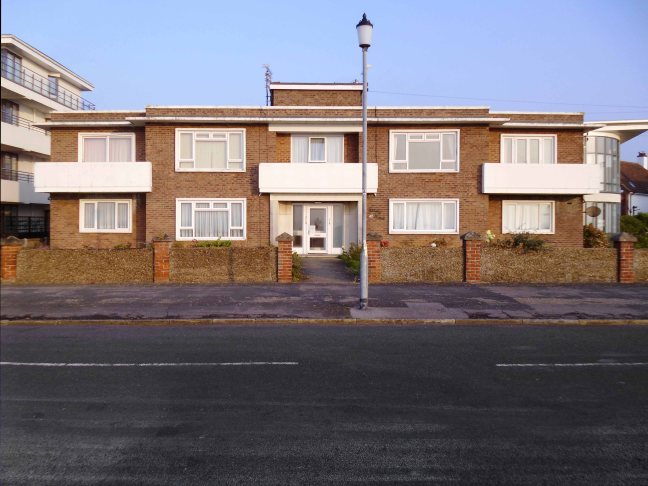
I love the bold optimism of Maritime Moderne – the bright eyed, forward looking window grid of these fine flats.

I have a cautious admiration for the faux Deco newcomers.

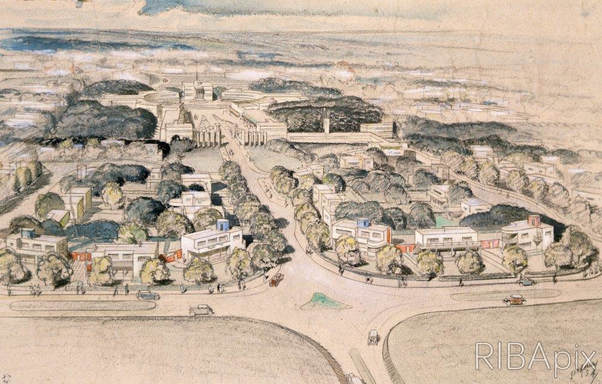
The modernist estate was attempted many times in the interwar years; visions of rows of fashionable white walled, flat roofed houses filled developers eyes. In practice the idea was less popular with potential house buyers. In the Metro-Land suburbs of London, estates were attempted in Ruislip and Stanmore, with a dozen houses at most being built. One estate that produced more modernist houses than most, albeit less than planned, was the Frinton Park estate at Frinton-on-Sea on the Essex coast.

Oliver Hill was known for his house designs, which spanned styles from Arts and Crafts to Modernist. Hill was to draw up a plan for 1100 homes, as well as a shopping centre, luxury hotel and offices. The plan was for prospective buyers to buy a plot and then engage architects to design their new house from a list of designers drawn up by Hill. The list featured some of the best modernist architects working in Britain at the time; Maxwell FryWells Coates, F.R.S. Yorke and Connell, Ward & Lucas.

As wonderful as this sounds today, the buying public of 1935 did not quite agree. The majority of potential buyers were apparently put off by the Estates insistence on flat roofs and modernist designs. Plan B was to build a number of show homes to seduce the public into buying the modernist dream. Of 50 planned show homes, around 25 were built, with about 15 more houses built to order. The majority of these were designed by J.T. Shelton, the estates resident architect, with a number designed by other architects like Hill, Frederick Etchells, RA Duncan and Marshall Sisson.

Modernism in Metroland

One million four hundred thousand pounds later

Nine hundred and fifty thousand pounds

These survivors are now much sought after residences.

The Modern House

The town is also home to this traditional confectioners – Lilley’s Bakery.

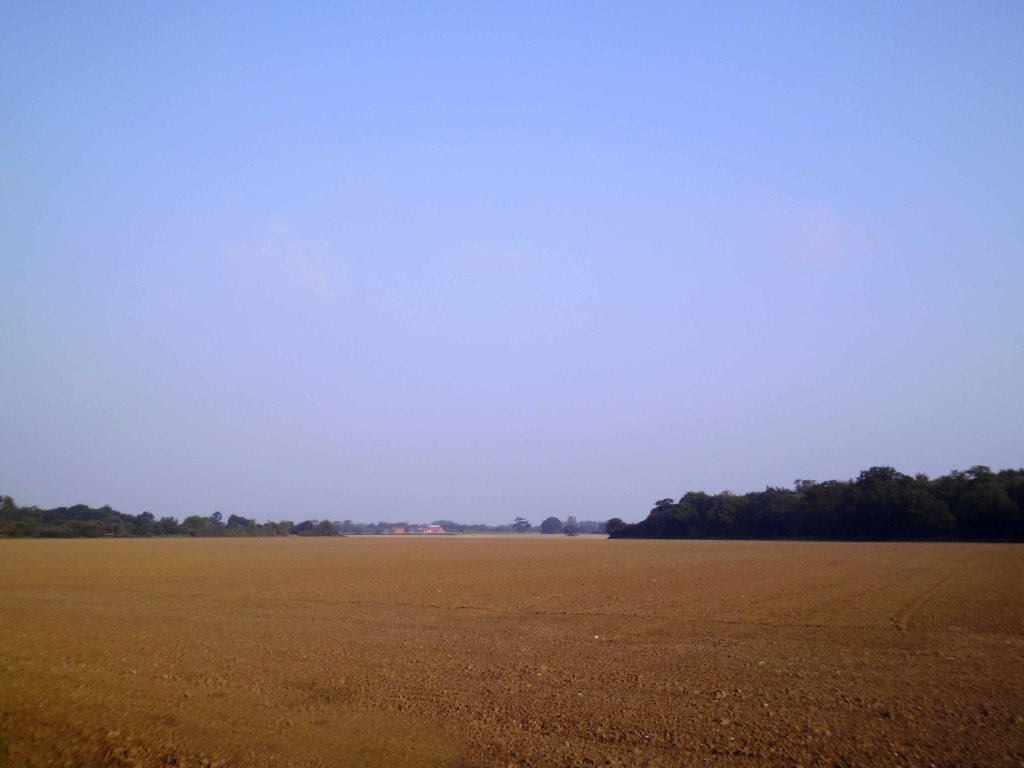
Leaving the coast for pastures new – well, a ploughed field actually.

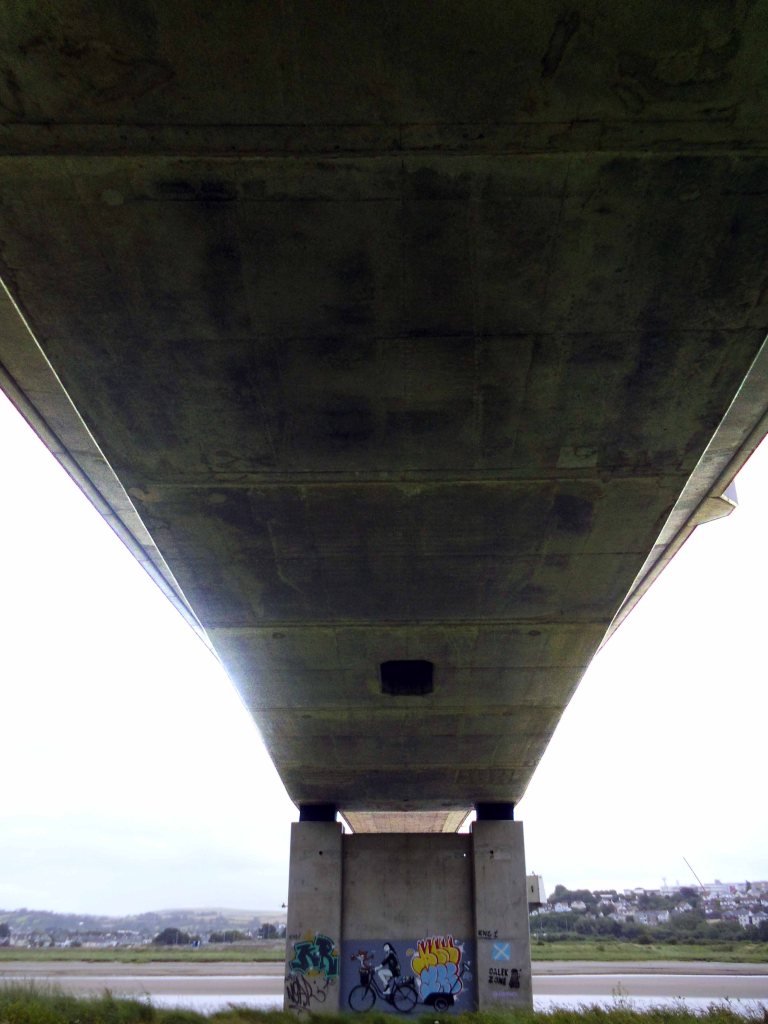
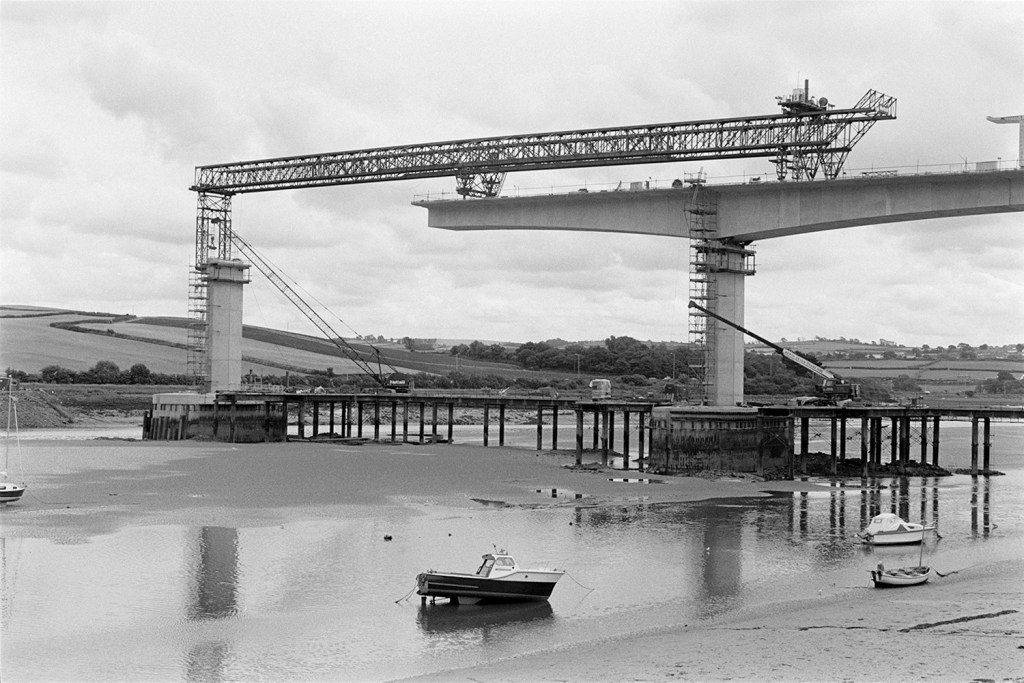
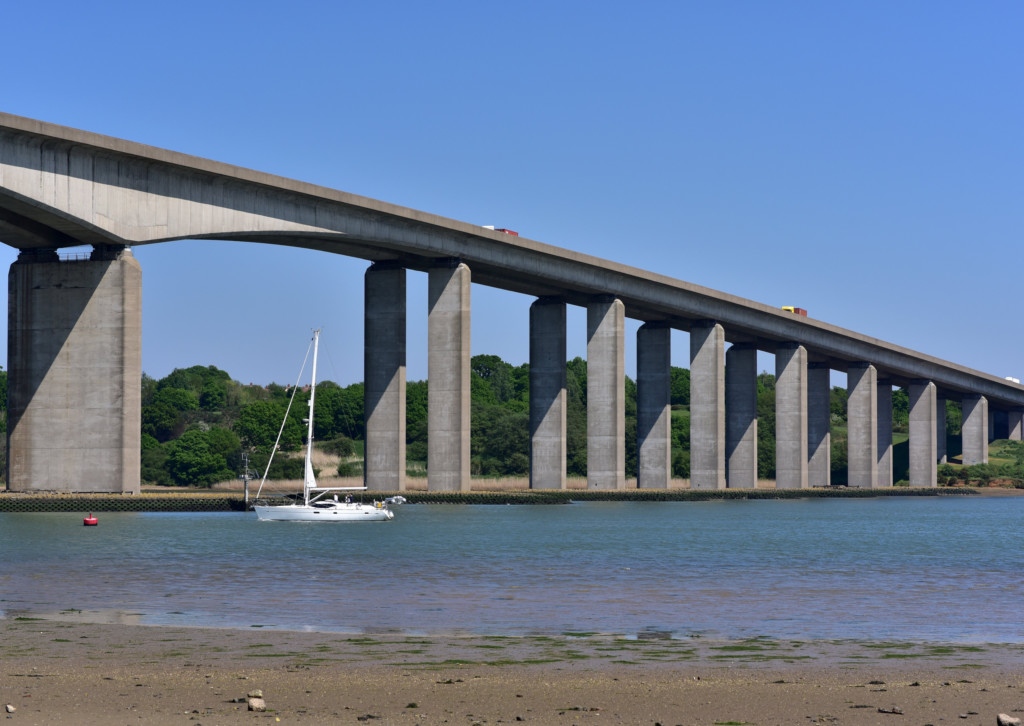
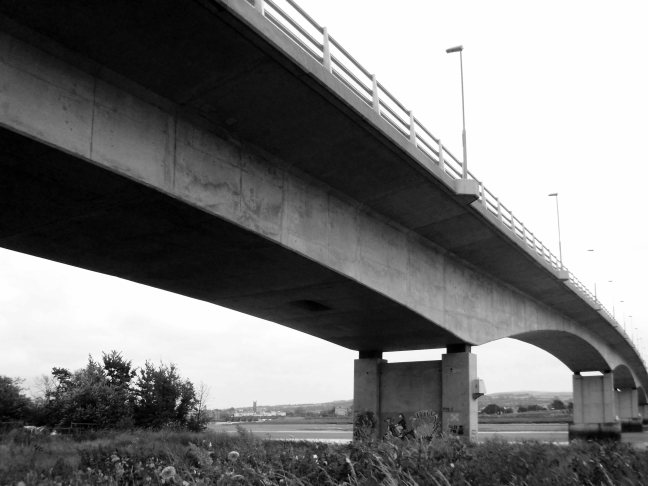
Crossing the River Orwell over the Orwell Bridge on my way to Ipswich.

The main span is 190 metres which, at the time of its construction, was the longest pre-stressed concrete span in use in the UK. The two spans adjacent to the main span are 106m, known as anchor spans. Most of the other spans are 59m. The total length is 1,287 metres from Wherstead to the site of the former Ipswich Airport. The width is 24 metres with an air draft of 43 metres; the bridge had to be at least 41 metres high. The approach roads were designed by CH Dobbie & Partners of Cardiff. 

The bridge is constructed of a pair of continuous concrete box girders with expansion joints that allow for expansion and contraction. The girders are hollow, allowing for easier inspection, as well as providing access for services, including telecom, power, and a 711mm water main from the nearby Alton Water reservoir.

The bridge appears in the 1987 Cold War drama The Fourth Protocol, in which two RAF helicopters are shown flying under it, and at the end of the 2013 film The Numbers Station.

Wikipedia

Time for a Stymie Bold Italic stop – much to the obvious consternation of an over cautious customer.

It seems to still be extant – but with a tasteful coat of subdued grey paint according to its Facebook page.

Having completed this journey in 2016, then reacquainting myself in 2020, I have little recollection of visiting Ipswich, but I did, yet there are no snaps.

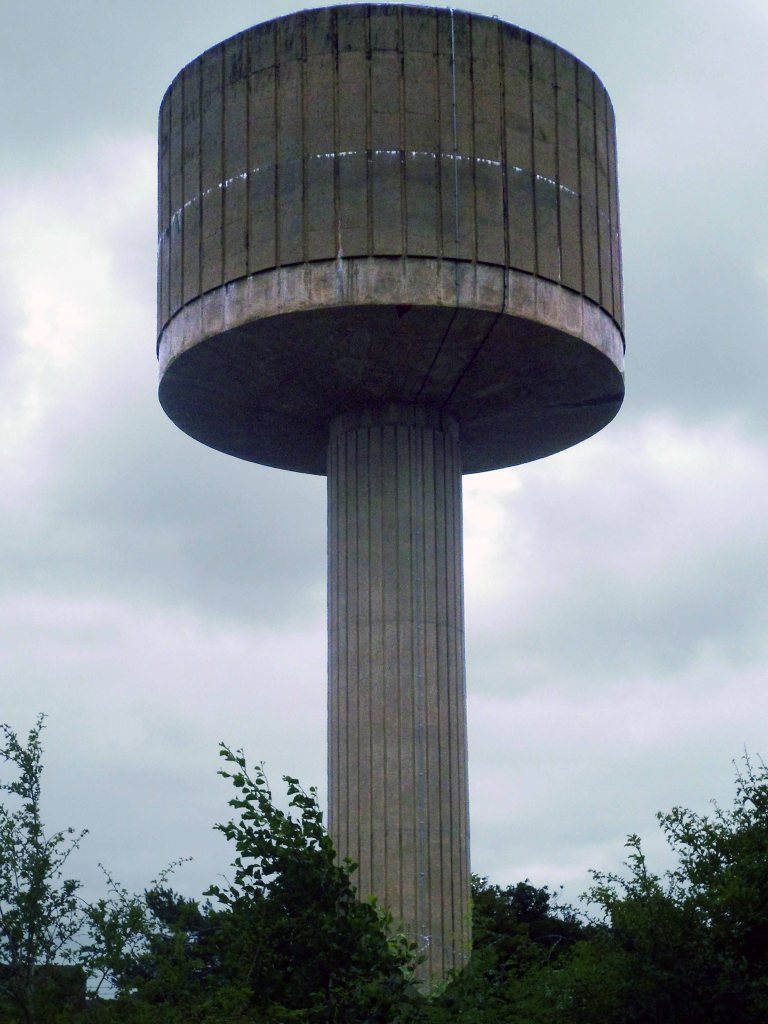
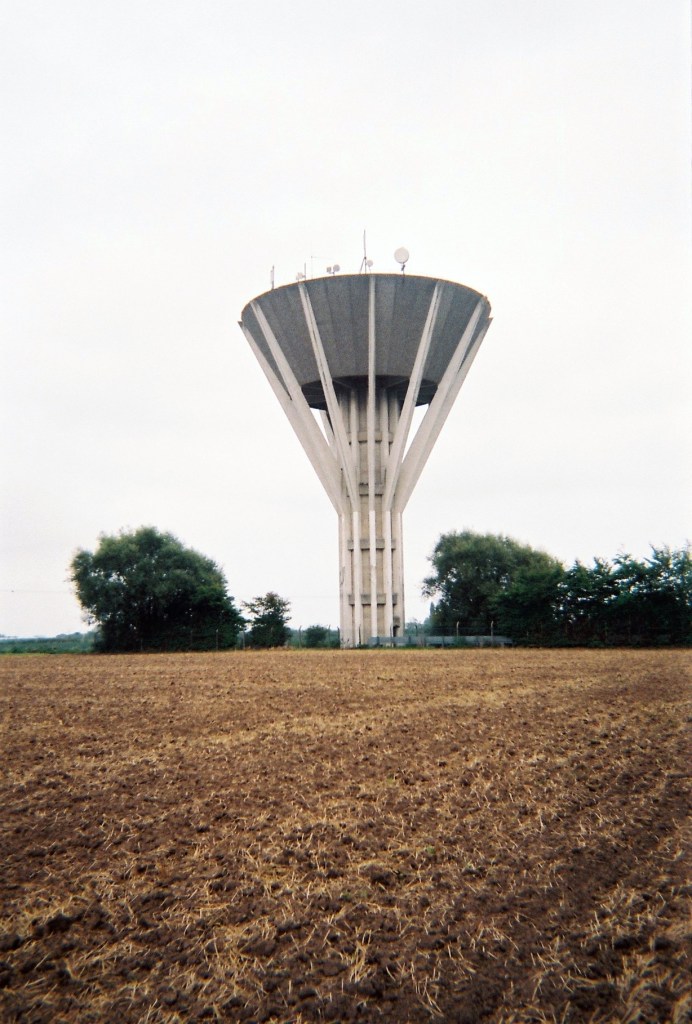
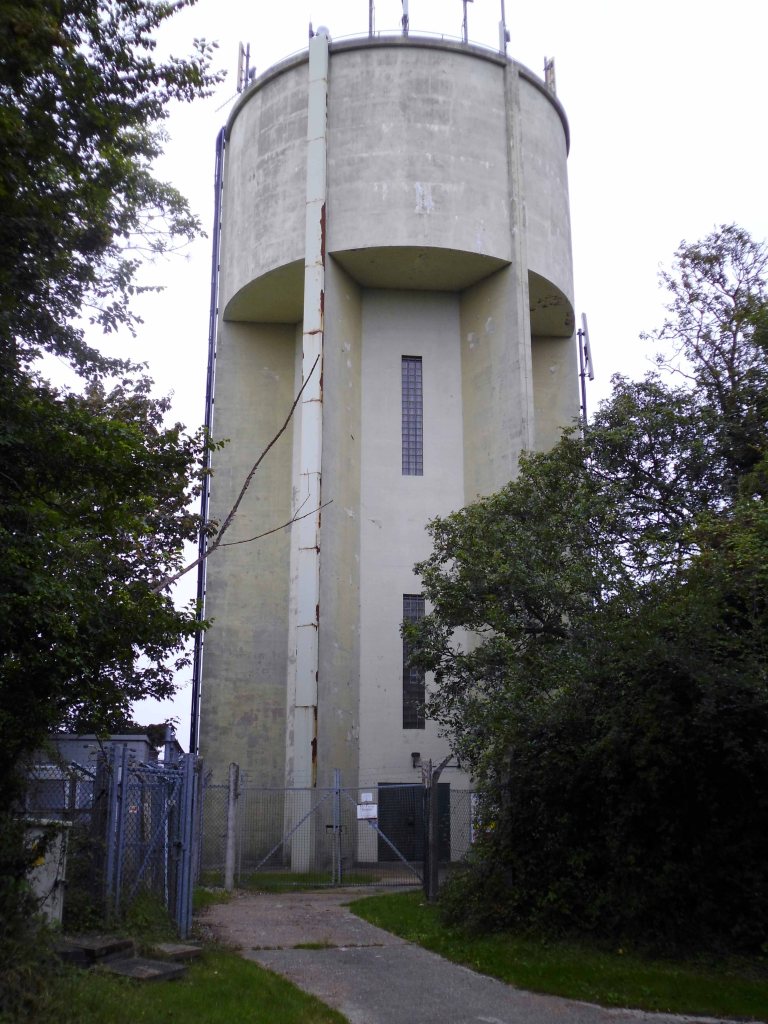
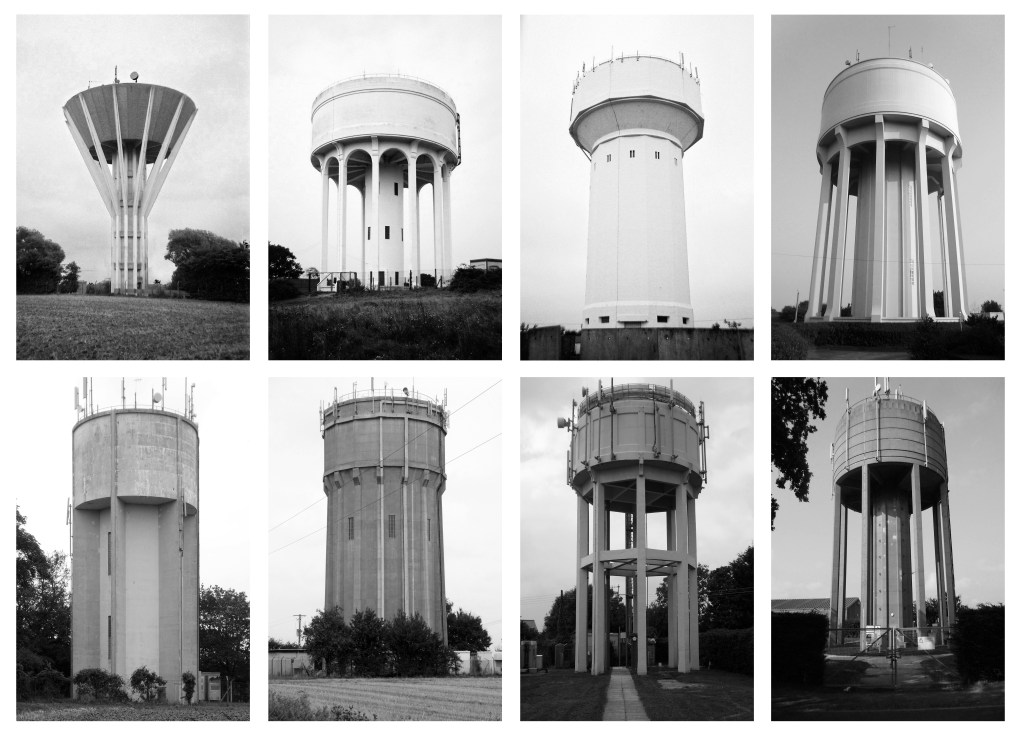
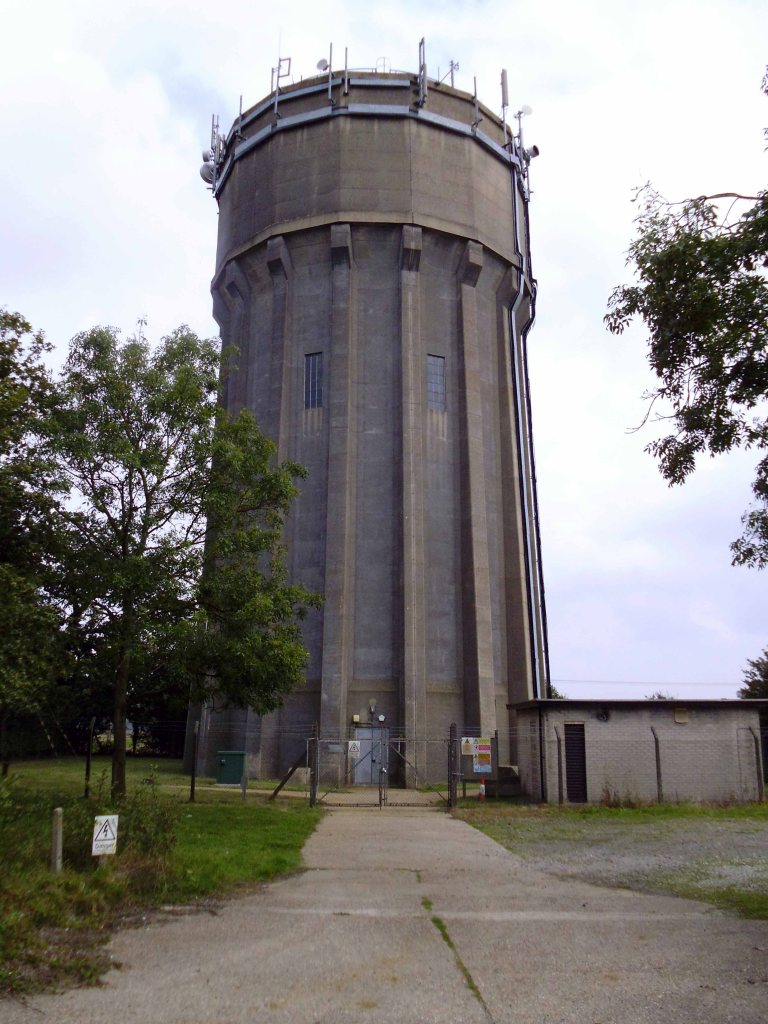
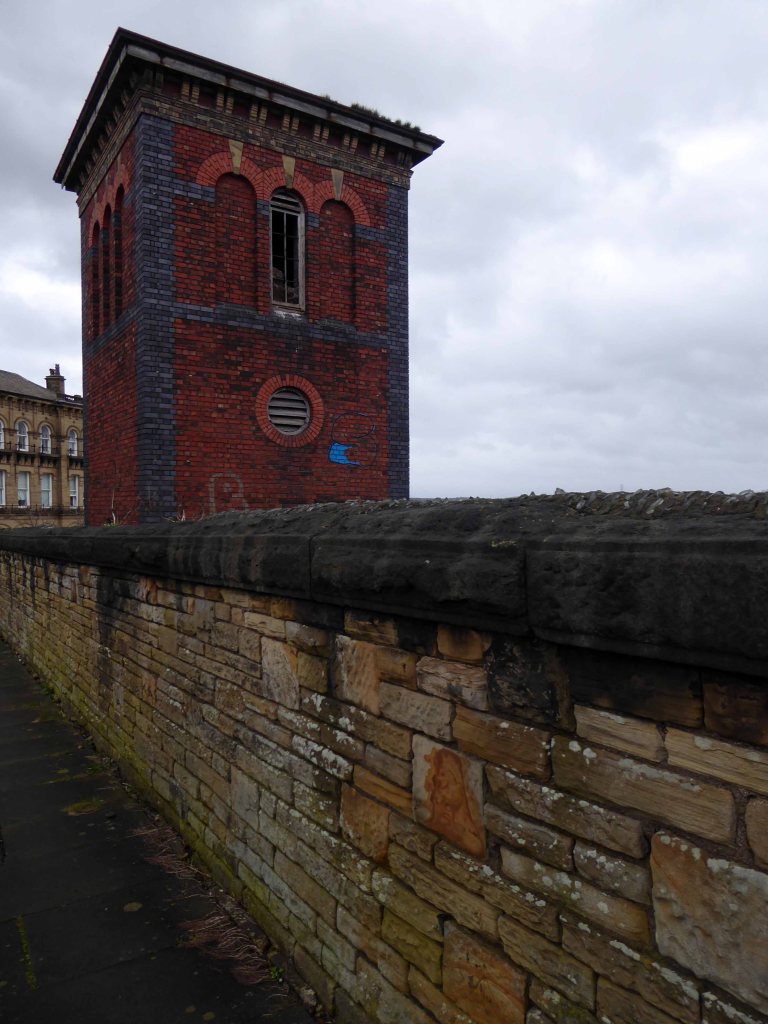
I photographed this and several other water towers, precisely where, I could not honestly say.

Suffice to say that it is somewhere – as is everything else.

An admiring nod to Bernd and Hilla Becher.

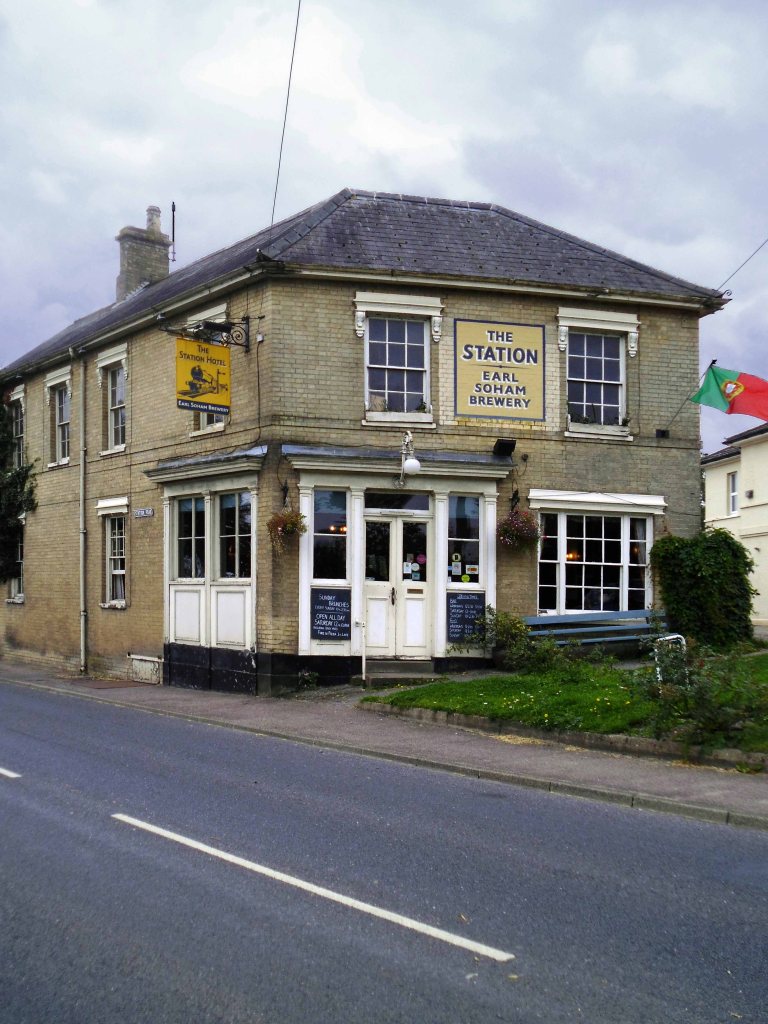
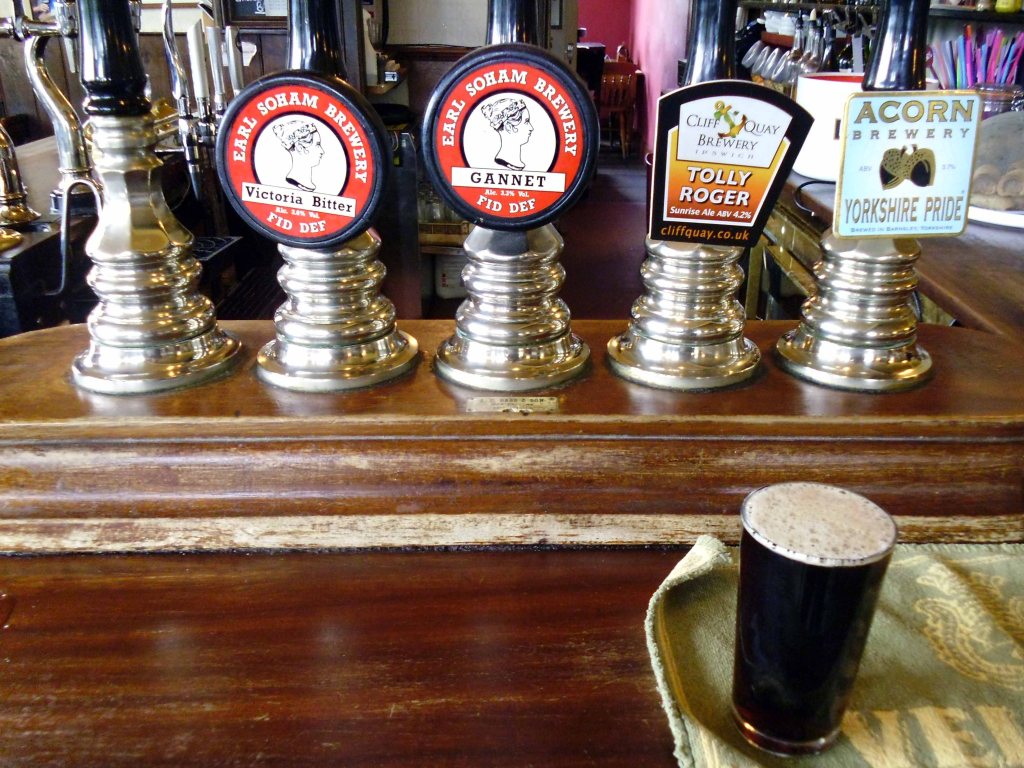
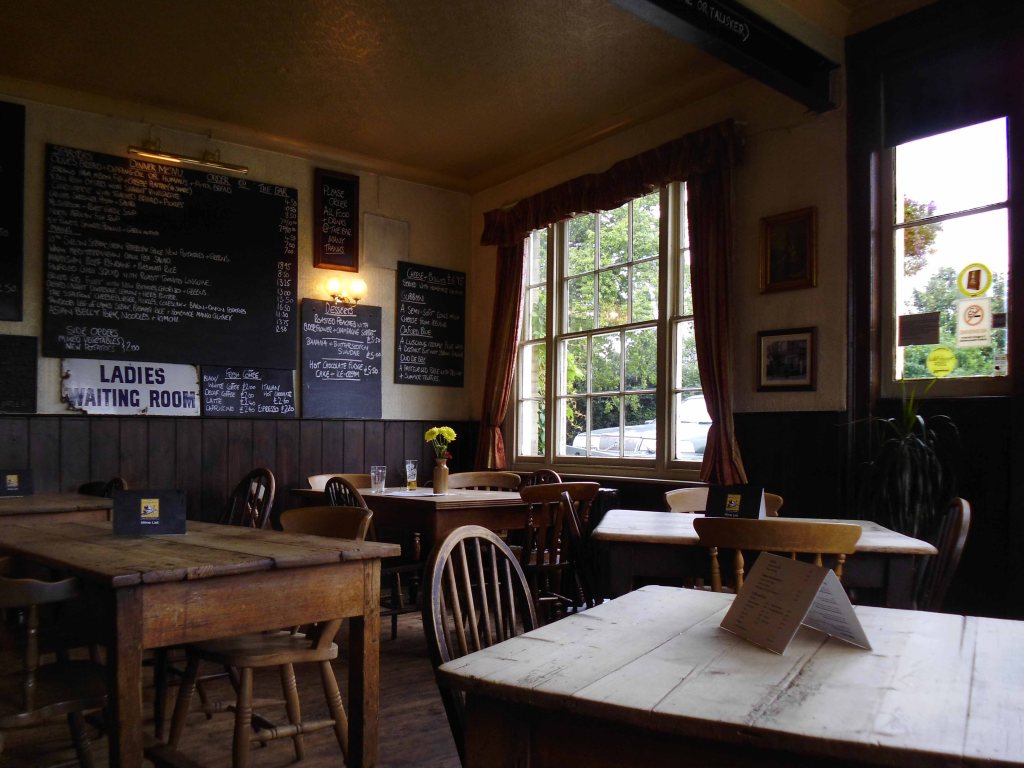
This the only time that I chose to have a glass of beer whilst awheel, normally waiting until the evening – I couldn’t resist this charming looking brew pub in Framlingham.

Earl Soham is a village close by, on the A1120. The Earl Soham Brewery beers started out in  life being brewed in local man Maurice’s old chicken shed. You may be pleased to hear they have a slightly more sophisticated set-up now, without forgetting their humble roots.

If you haven’t tasted them before, we think you’ll be as delighted with them as our regulars, and you can be guaranteed of a warm welcome if you come to try them out.

The Station

The sort of wayside boozer where I could have easily idled away an hour or two – hopefully I’ll pass by again some time and linger longer.

Another water tower – somewhere.

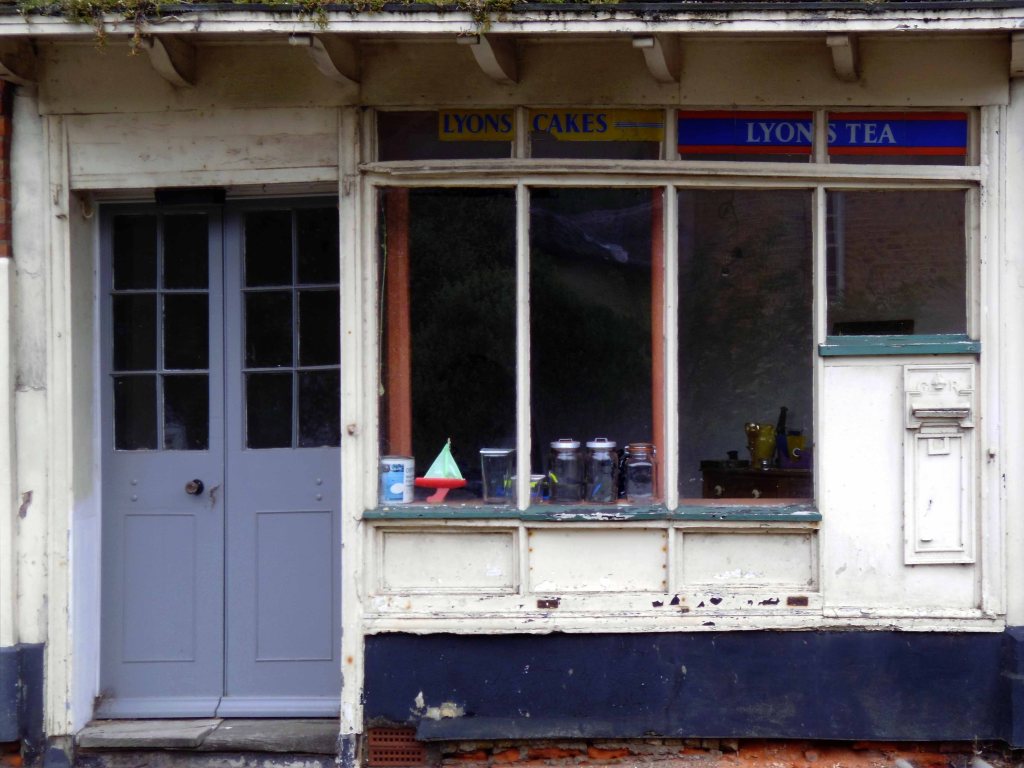
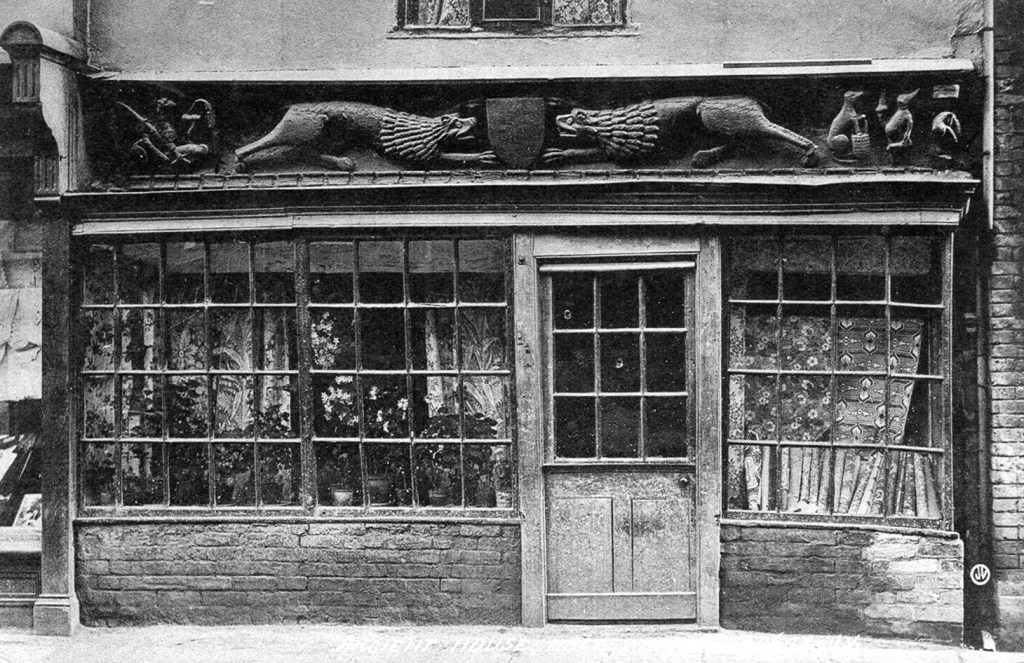
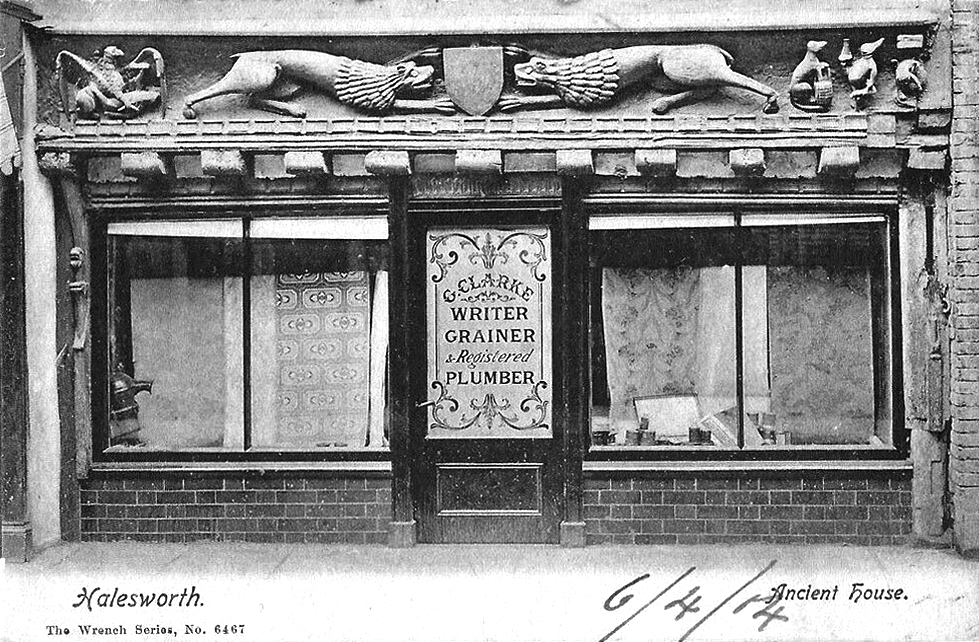
The most enchanting of shop fascias.

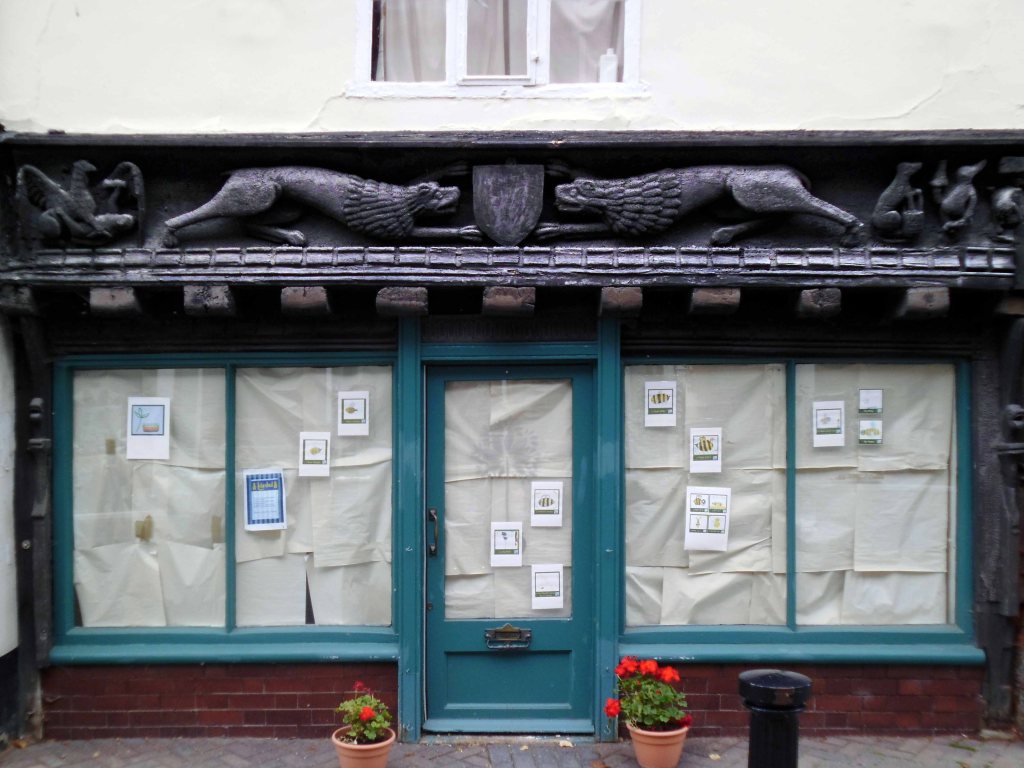
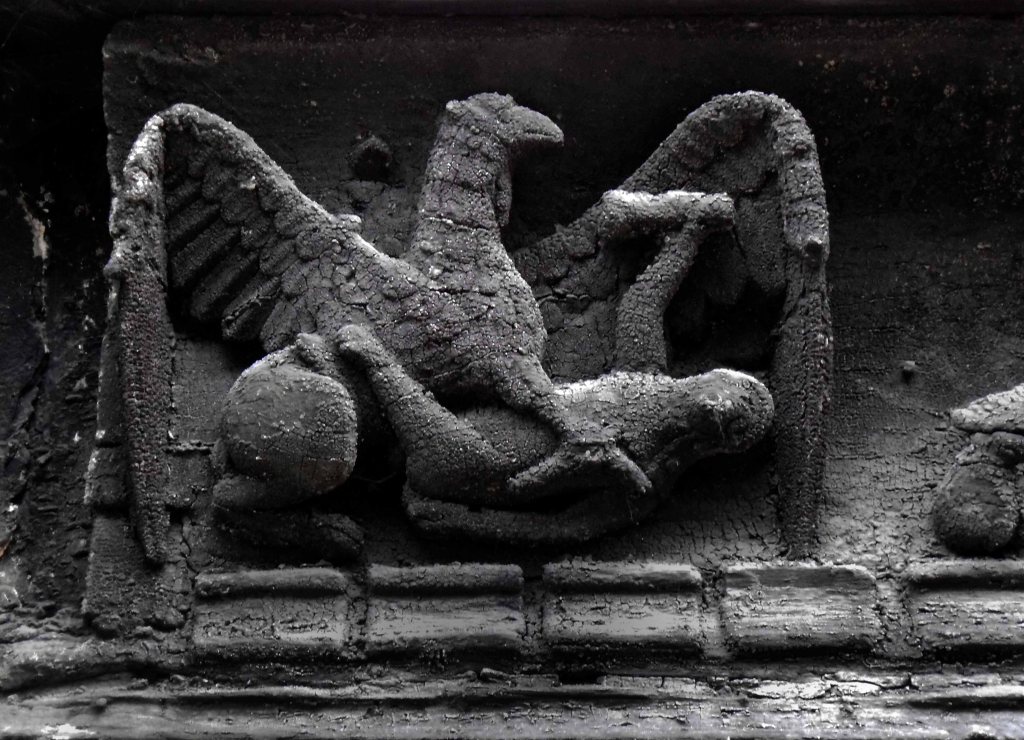
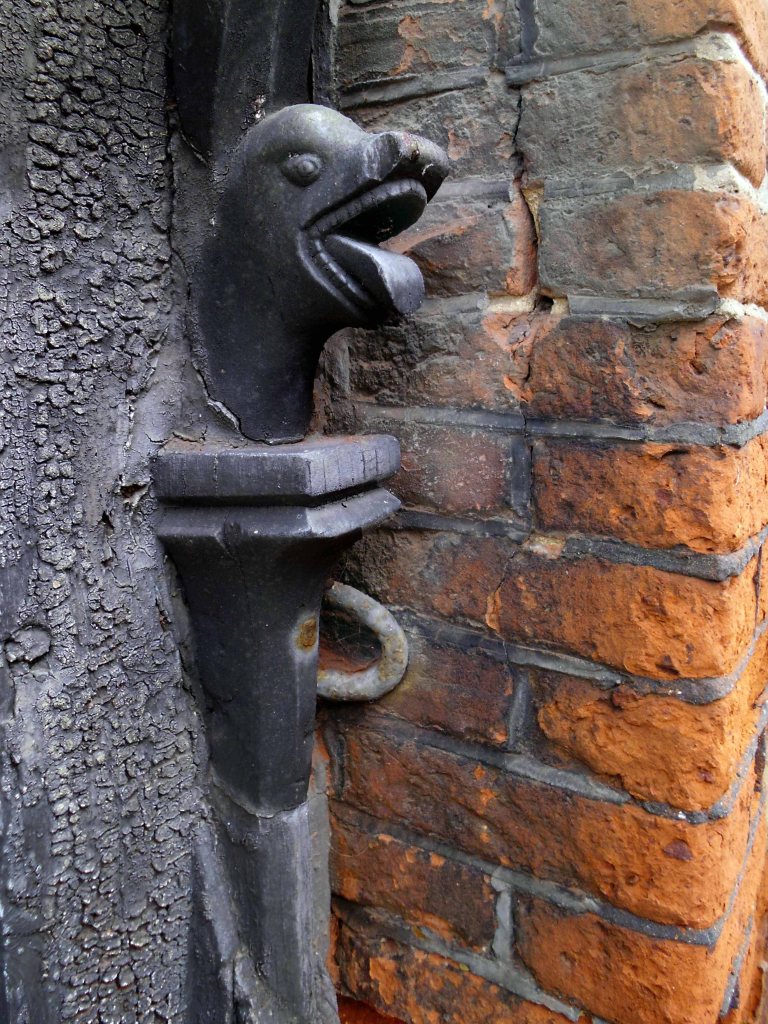
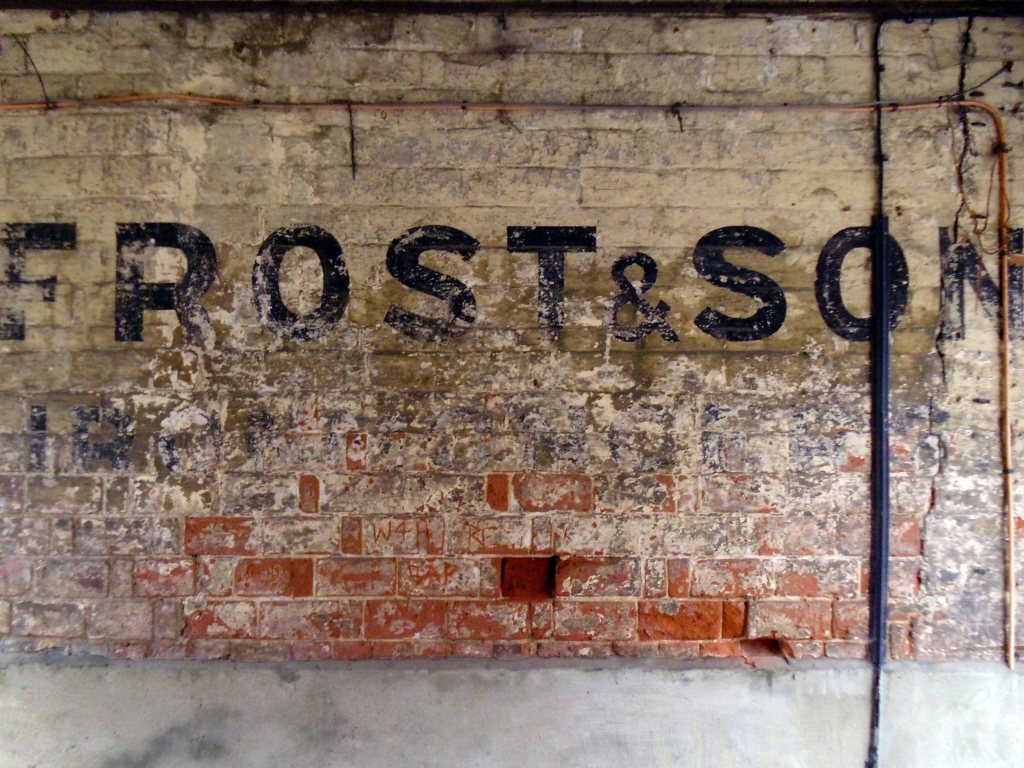
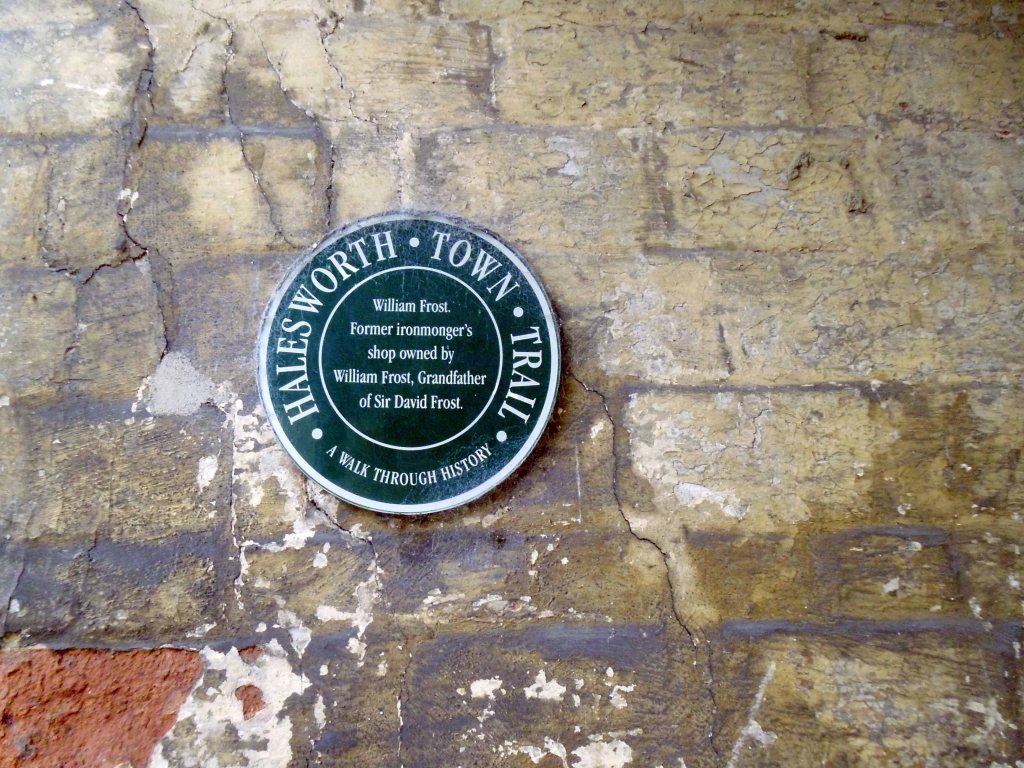
Something of a curiosity – David Frost’s father’s ironmongers in Halesworth – and the Ancient House with its ancient carving.

The bressumer beam at the front of the is linked with Margaret de Argentein in the late 14th and 15th century, it is believed t it could have been a manor or toll house. 

Currently trading as a Bistro with paranormal problems;

Things in the window were swaying the other day and when we went to stop them they almost fought back.

I’ve seen two ghosts in the kitchen. One was clearly a man, the other was when I thought my daughter was over my shoulder but when I looked around she wasn’t there, and we were the only two in the building.

Eastern Daily Press

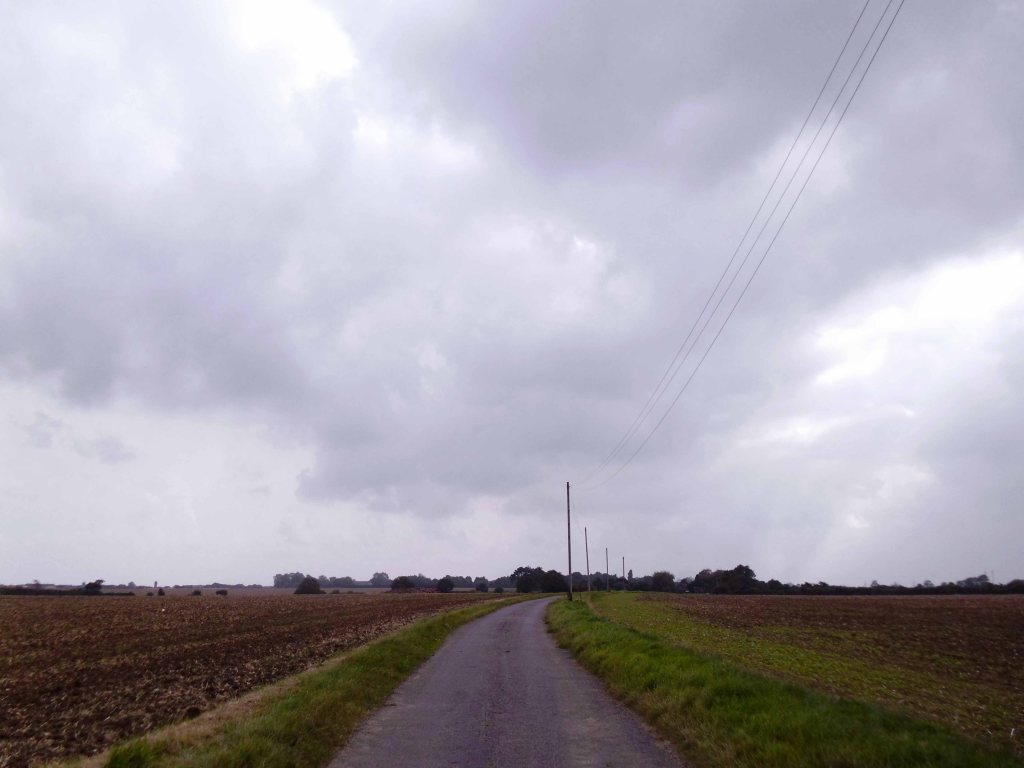
The long and ever so slightly winding road of the lowlands, sad eyed.

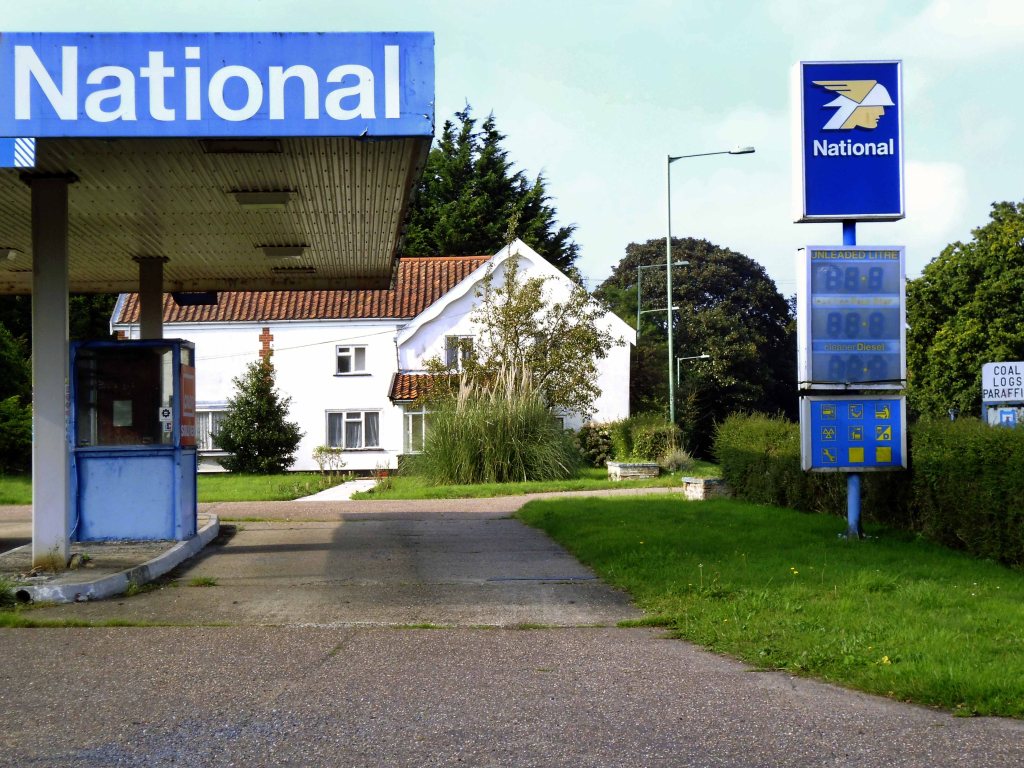
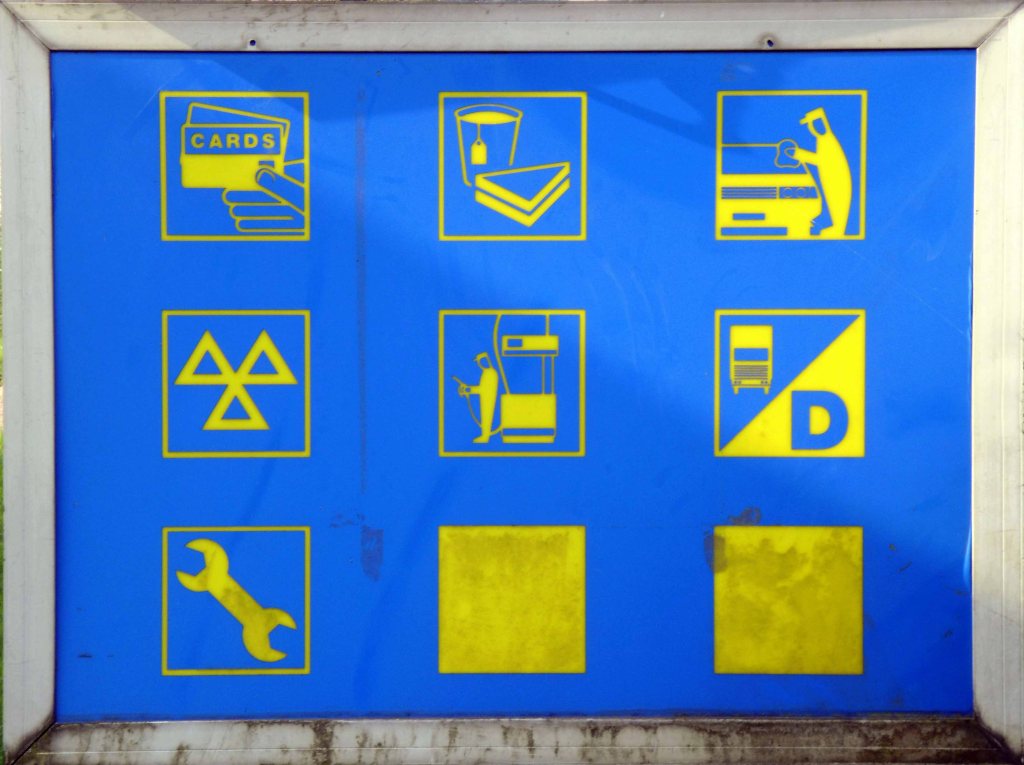
Service station highlight of the tour – with its National graphic identity intact.

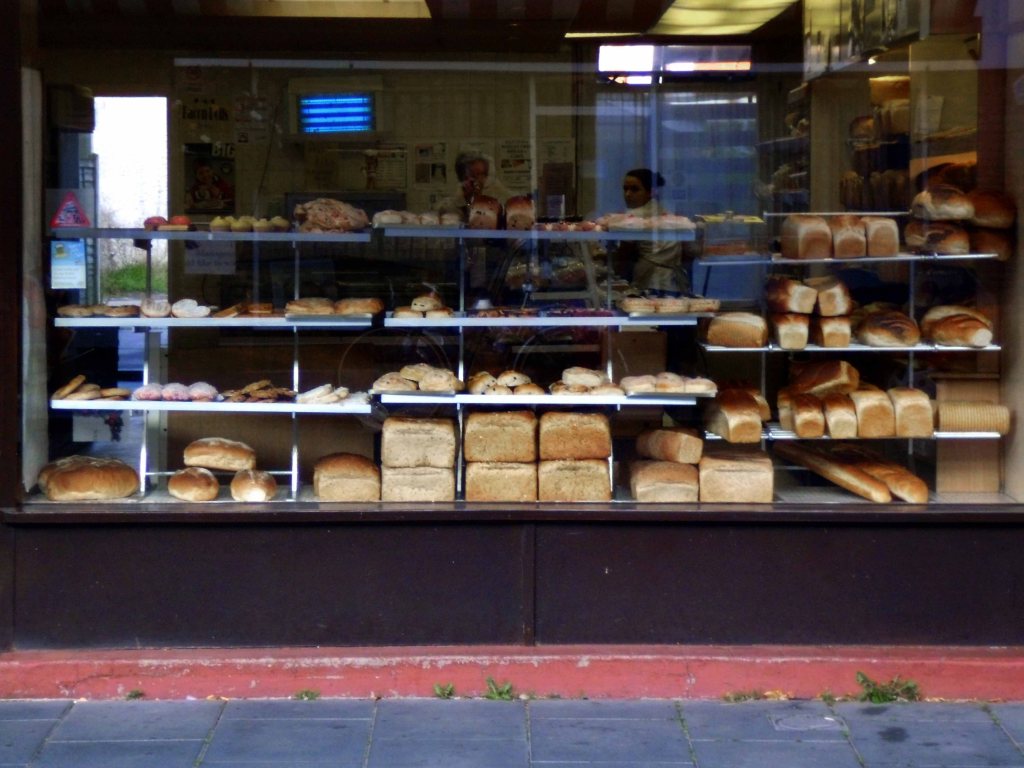
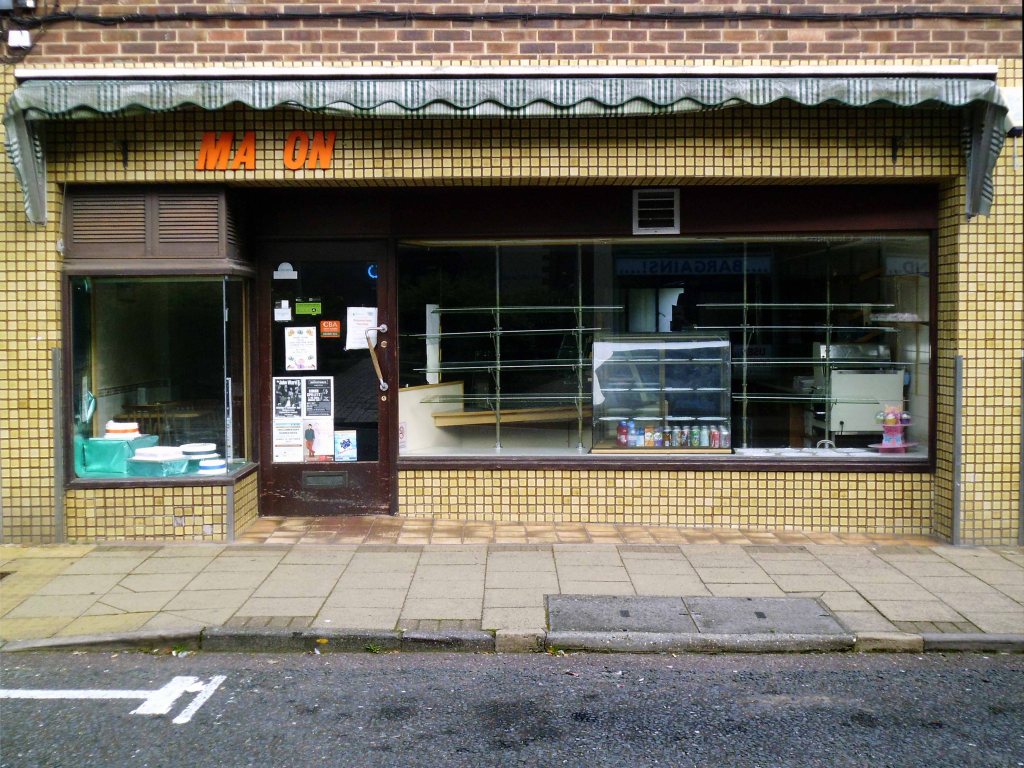
A no longer a bakers bakery.

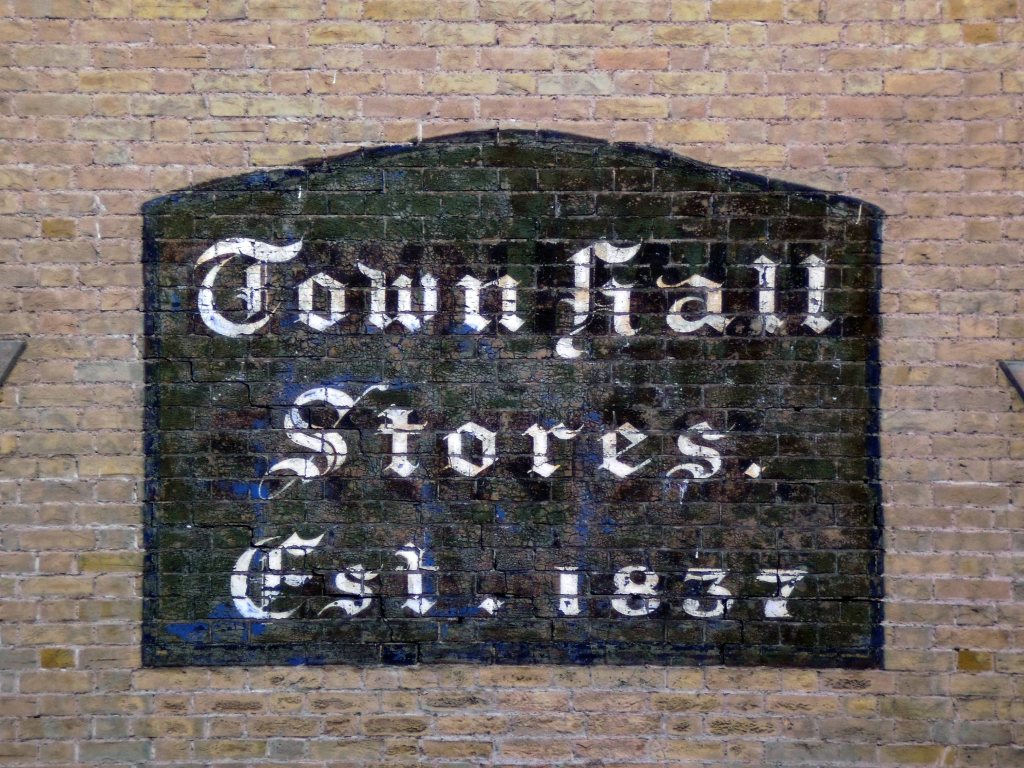
Ghost sign.

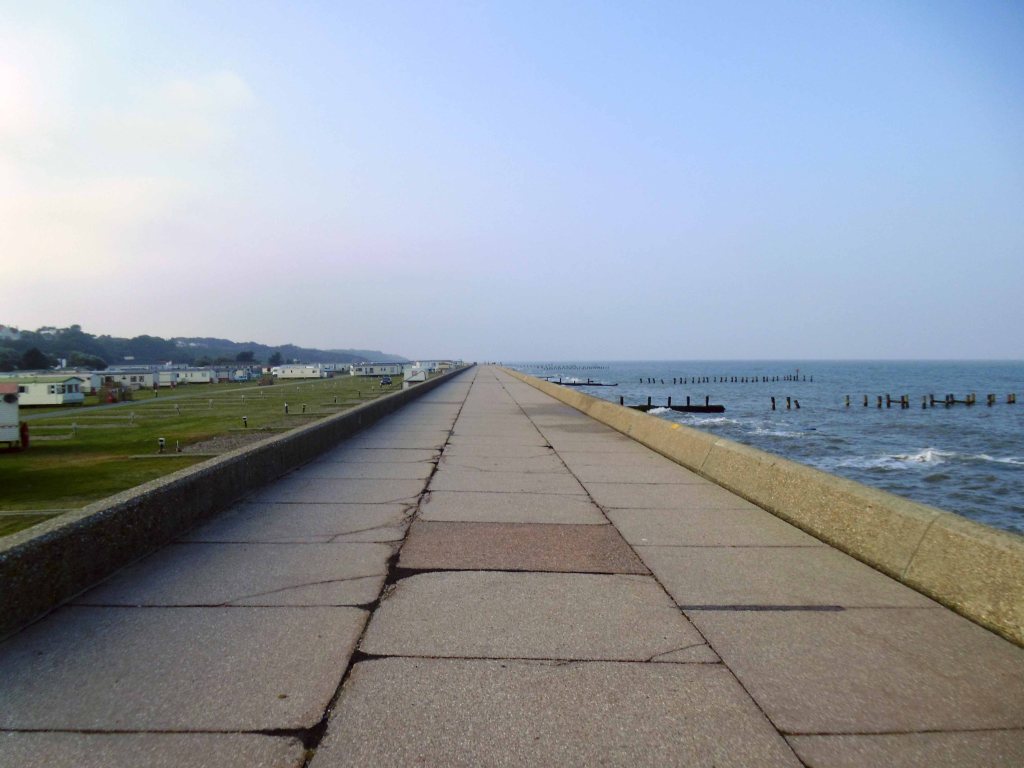
All at sea again – caravans to the left of us, sea to the right of us, onwards onwards.

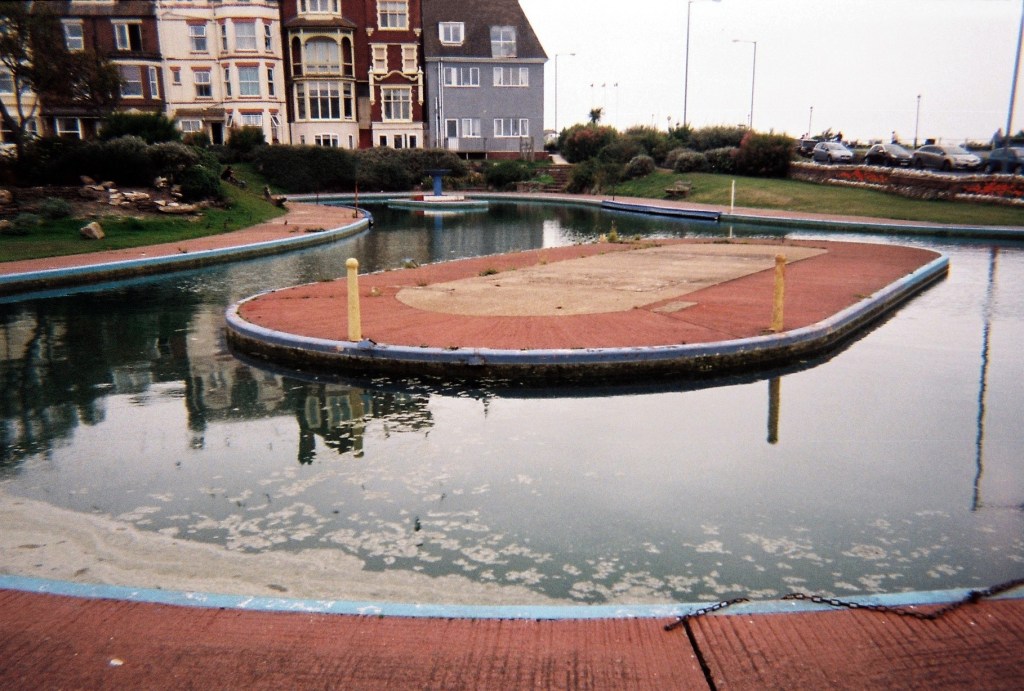
The eternal puzzle of the paddling pool.

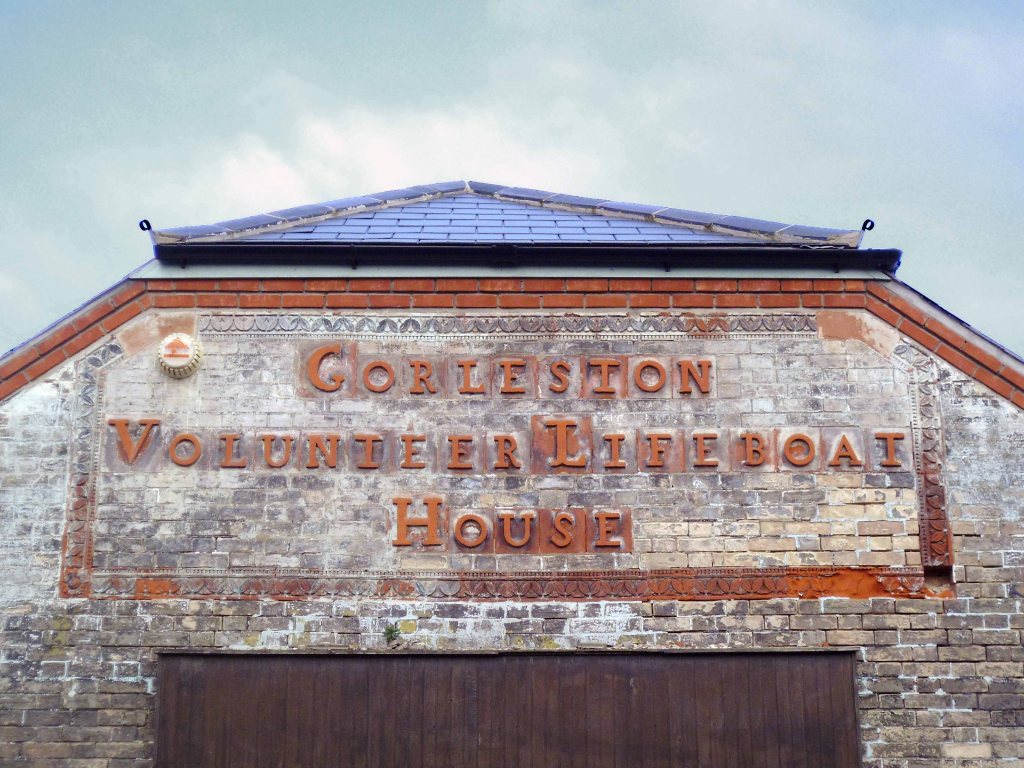
Terracotta tiling on the Lifeboat House.

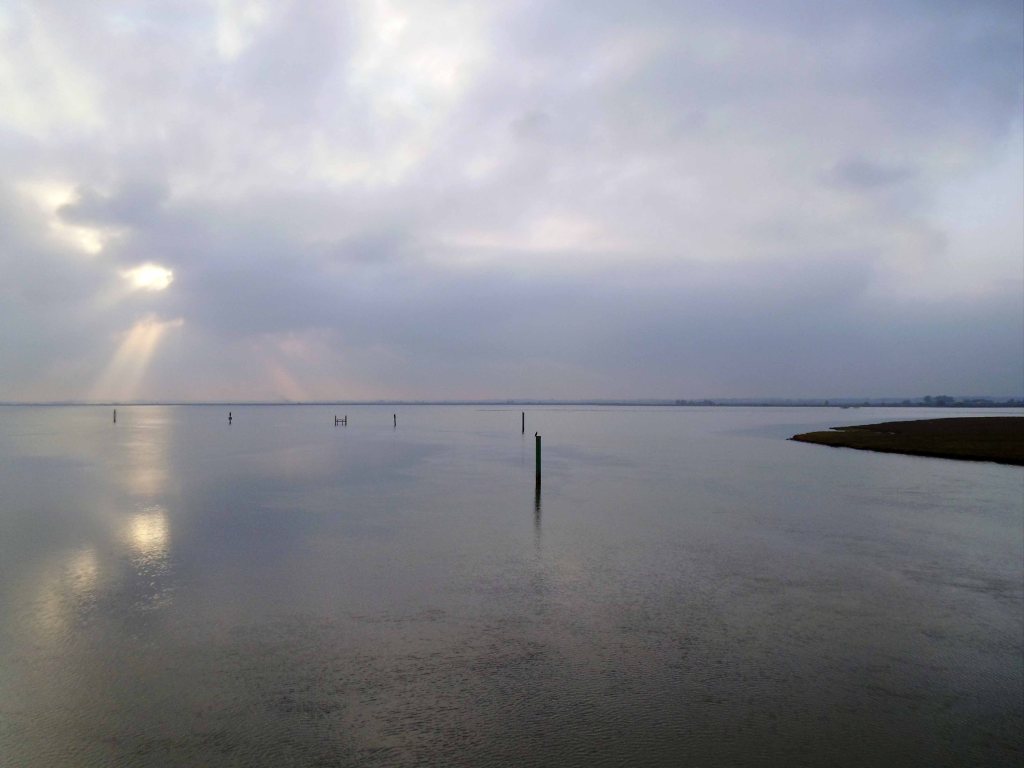
Crossing the estuary of the River Yare – yeah, yeah!

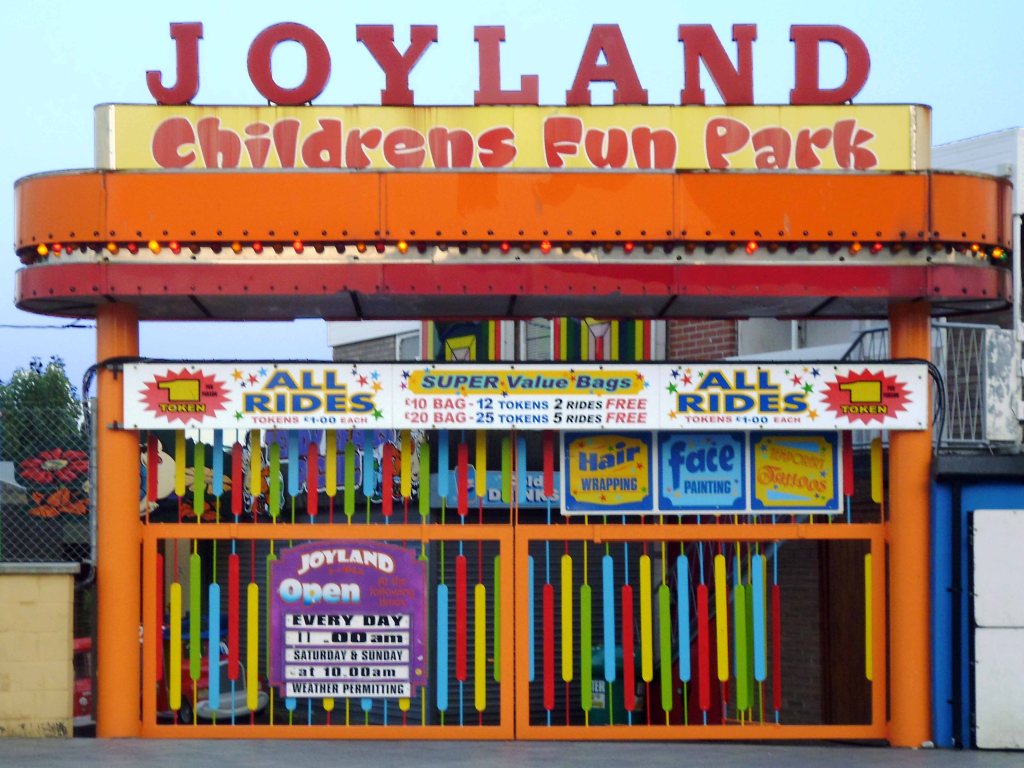
Finally arriving in Joyland.

Rides include the world famous Snails and Tyrolean Tub Twist.

A huge toy town mountain incorporates the Spook Express kiddie coaster, Jet Cars and Neptune’s Kingdom undersea fantasy ride, Pirate Ship, Major Orbit, Balloon Wheel and Skydiver complete the rest of the rides.

Hungry – why not grab a bite at the American Diner.

I actually went to the Wetherspoons.

Though the town is full of tiny pubs.

And a chippy.

I wandered the highway byways and promenade of Great Yarmouth, all alone in a neon nightmare!

Finally settling down for a pint or two – again.

Lastly encountering the late night skaters.

Night night.

Southend to Clacton

Day three Wednesday 3rd September – leaving Southend under a cloud.

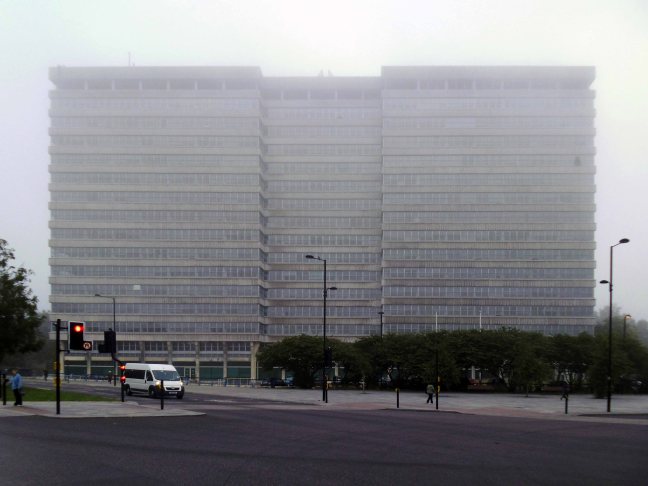
The huge slab of the Civic Centre shrouded in sea mist

Oops actually Alexander House – built around 1970 to house the then new V.A.T. HQ.

Designed by borough architect – PF Burridge.

Queen Mum Opens Civic Centre – It took a while to get there, since 1958 when the council agreed to embark on a quest to build a new home for itself;  but on 31st October 1967 HRH the Queen Mother did the honours and formally opened the spanking new Civic Centre.  During its build Southend was classed as being in the top ten in the country for full employment, due to this workers were hard to come by and bus loads of workers were brought in to complete this and the many other projects shooting up along Victoria Avenue at the same time. 

Cllr Beryl Scholfield commented later on the day – The Queen Mother opened the Civic Centre in 1967, when my husband was chairman of the town hall committee, and we had lunch with her at Porters.  We were presented to her when she came in. There were no more than about 30 of us there.  It was a most exciting day.

She was as natural as you see her on the television.

Postscript 2002

A Union Jack lowered to half-mast in tribute to the Queen Mum has been stolen from Southend’s Civic Centre. A council spokeswoman today denounced the theft as – a despicable act at a time of great sadness and national mourning.

The outrage has caused extra sadness for royalist residents in the town because of the Queen Mother’s special place in the history of the Civic Centre.

The Leda and the Swan statue by Lucette Cartwright, which used to be in the Civic Centre atrium, gets a polish in May 1987.

A bronze statue depicting a mythological rape has finally found a new home at the mayor of Southend’s official residence. The controversial statue of Leda and the Swan was specially commissioned by Southend Council in the Sixties and first stood outside the courthouse in Victoria Avenue.

Later it was moved to the Civic Square and then to the courtyard of the Palace Theatre, in Westcliff. Later, it was moved to the Civic Centre when it caused outrage among staff. Workers claimed the statue, representing the rape of Leda by the Greek god Zeus disguised as a swan, glorified rape as an art form.

Last week, the statue was removed from the Civic Centre and is now at the mayor’s residence, Porters, in Southend.

Rob Tinlin, Southend Council’s chief executive and town clerk said – The statue of Leda and the Swan was located at the Civic Centre until a suitable location was found. The statue is permanently on display in the garden of the mayor’s residence, Porters in Southchurch Road.

It is in an appropriately landscaped area next to the pond.

Photo Phil Parsons

Misty eyed I missed the sculptural fountain – William Mitchell I presume?

Said farewell to Neptunes unilluminating assorted fish.

Heading out of town past noisy scenes of quiet despair, no more fancy goods, no more confectionary – shake that.

Heading inland, away from the wibbly wobbly estuarine coast of higgledy piggledy Essex, through freshly mown pasture and solitary haywains.

This is Constable country:

Like many artists practising at the time, Constable used sketches as source material for fully worked-up compositions. He did not find the production of finished paintings easy, which probably contributed to his late recognition by the art establishment.

V&A

Passing by solitary bus shelters, patiently awaiting passengers.

Waterworks works in the palatial neo-classical manner, with a restrained nod to incipient Art Deco.

Encountering the occasional leafy lane.

I eventually found myself on the outskirts of Colchester, outside St Theresa Of Lisieux .

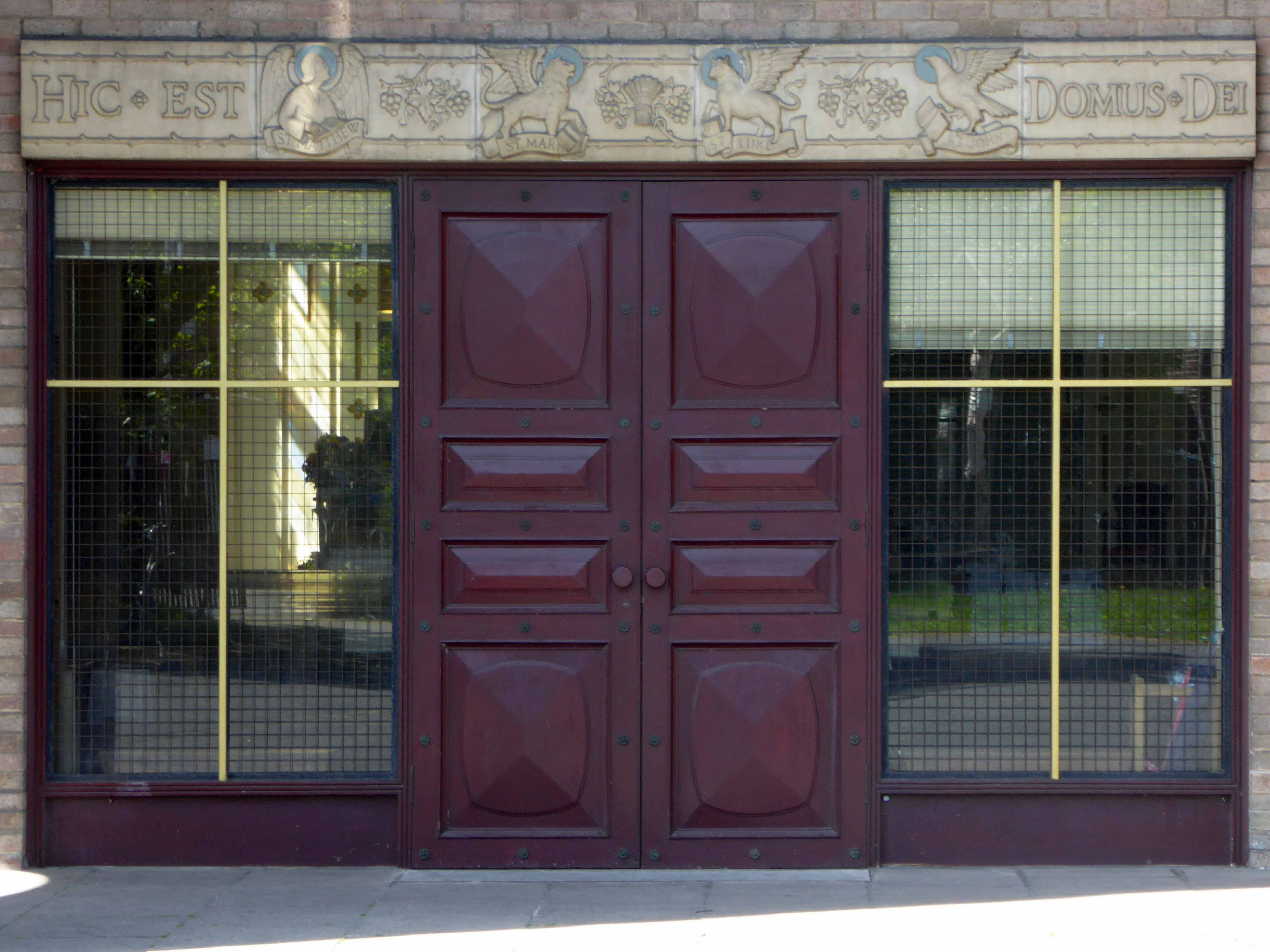
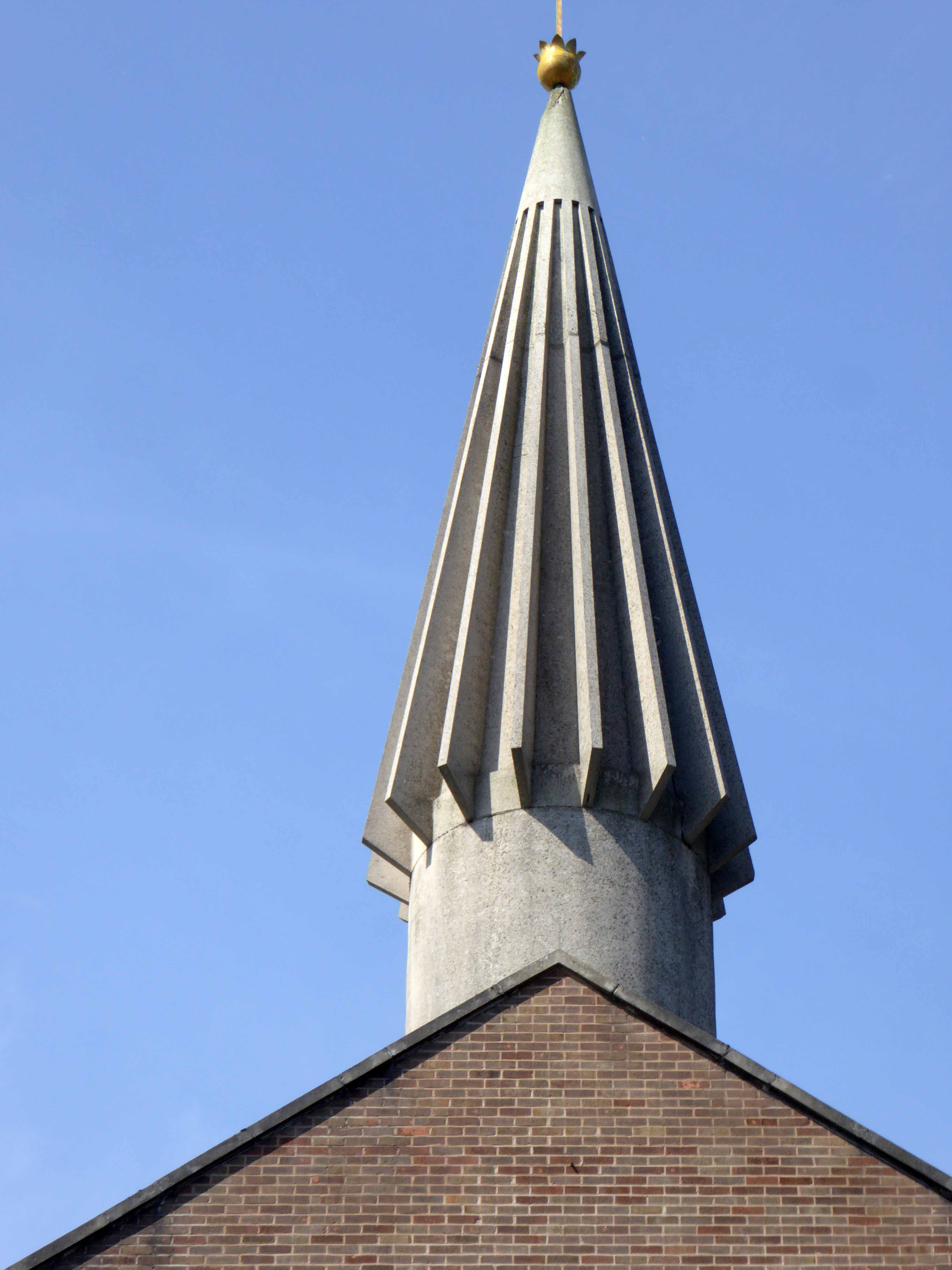
A striking pre-cast concrete frame design of 1971, with a dramatic and well-lit interior, lively modulation of wall surfaces and some furnishings and artworks of note.

Architect – JH Dabrowski 

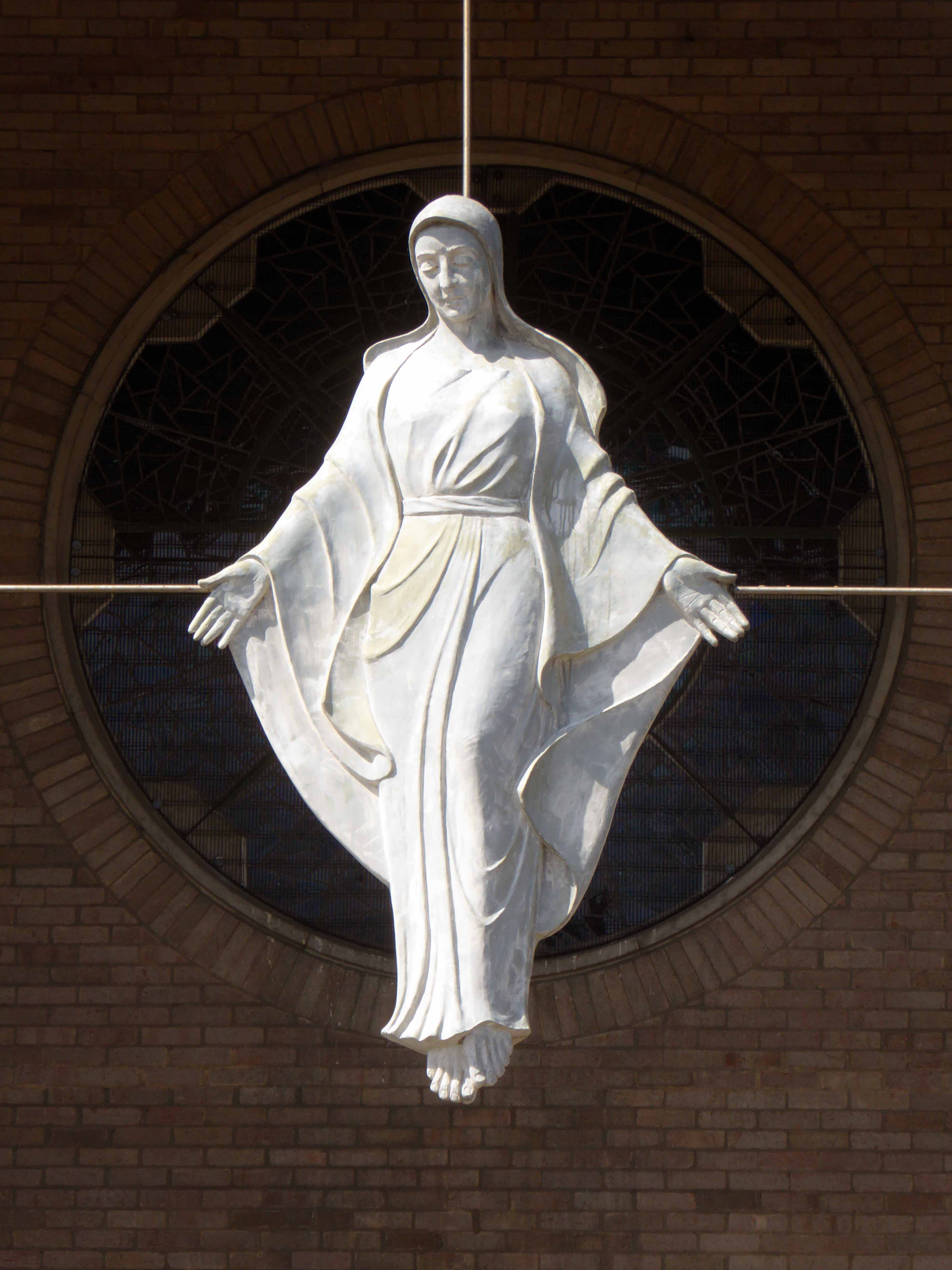
The entrance façade has a large gable and projecting entrance canopy, above which is a bronze statue of the Risen Christ, by local artist Tita Madden – 1977

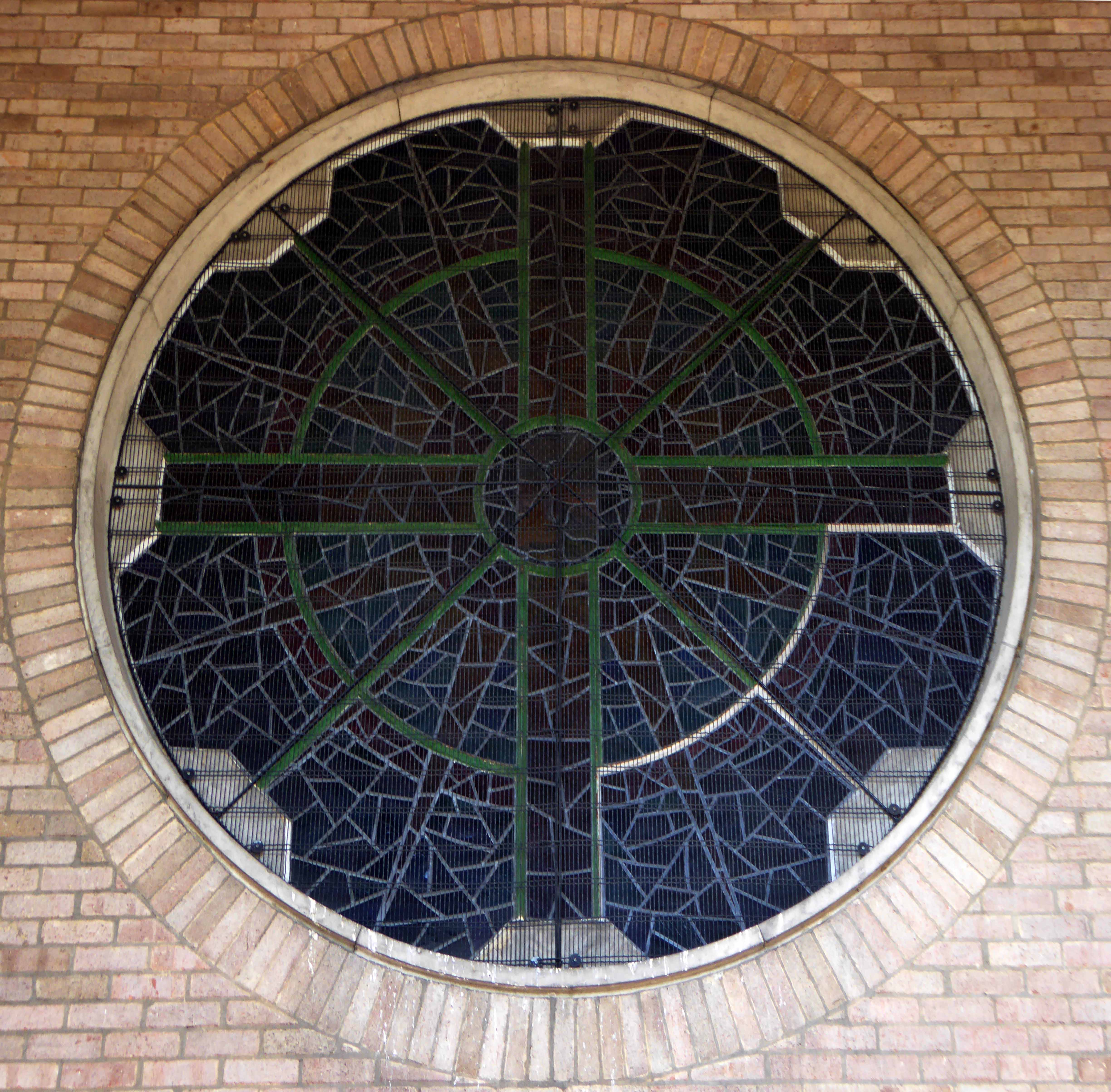
This is a large modern church, built with a pre-cast concrete frame with a crossover roof beam system, allowing for dramatic internal effects. Within the bays created by the frame, the walling is mostly brick, with some pre-cast concrete panels, and large areas of glazing. Concrete is also used for the window mullions and surrounds. Each bay has the brickwork slightly angled or faceted, giving the design a great sense of movement and liveliness, both inside and out.

Taking Stock

Struggling to go around a Straight Road.

£240,000 will get you an Art Deco maisonette in Vint Crescent from Wowhaus:

This one is a ground floor apartment, which has undergone a complete refurbishment, but with one on keeping those period features to the fore – period features such as original radiators and those distinctive windows and doors are intact, rubbing shoulders with some new, high-end finishes like oak floors and updated kitchen and bathroom.

Foolishly I became more than somewhat lost and on making enquiries concerning my whereabouts and destination, I was met with gently derisive laughter. Therefore, I bypassed Colchester, took the wrong route along a mainly main road and ended up much too quickly in Clacton.

Home to several shops to let, as we shall subsequently see.

Also home to a fabulous concrete frieze on the exterior wall of the library.

Quickly ensconced in my bijou digs – I hit the town to take a look around.

I was staying right opposite this here boozer – a little too early for a pint, I’ll pop back in a bit.

Seaside shelter in a faux vernacular manner, calm seas ‘neath an azure sky – perfect.

Artifice and authenticity the sunbathing citizens sit beside an inflatable pool – perched above the sea on the pier.

Clacton Pier, which opened on 27 July 1871 was officially the first building erected in the then-new resort of Clacton-on-Sea. A wooden structure 160 yards in length and 4 yards wide, the pier served as a landing point for goods and passengers, a docking point for steamships operated by the Woolwich Steam Packet Company, and a popular spot for promenading. By 1893, Clacton had become such a popular destination for day trippers that the pier was lengthened to 1180 ft (360m) and entertainment facilities, including a pavilion and a waiting room, were added to accommodate them.

Wikipedia

The pier seems to have changed hands several times, as is the way with such things, subjected to fires, storms and pestilence – yet still prevails.

Key attractions include Stella’s Revenge – a family Galaxi rollercoaster. Formerly operated at Barry Island Pleasure Park as Galaxy, and later Viper.

Pause to consider the prospect of magical fun, fun, fun.

Let’s return to dry land, where we find certain signs of decline in these uncertain times.

Hope springs eternal in the Arcade hairdressers.

We place our trust in the tried and tested condiments of this most sceptered of isles.

Life goes on at the Linen Shop – yet another Profil/Stymie gem!

A limited choice is widely available from the far from extensive menu, though mushrooms do come with princely, premium price tag attached.

Another long day closes with a well deserved pint – God bless the Old Lifeboat House and all who sail in her.

Night night.

Margate to Southend

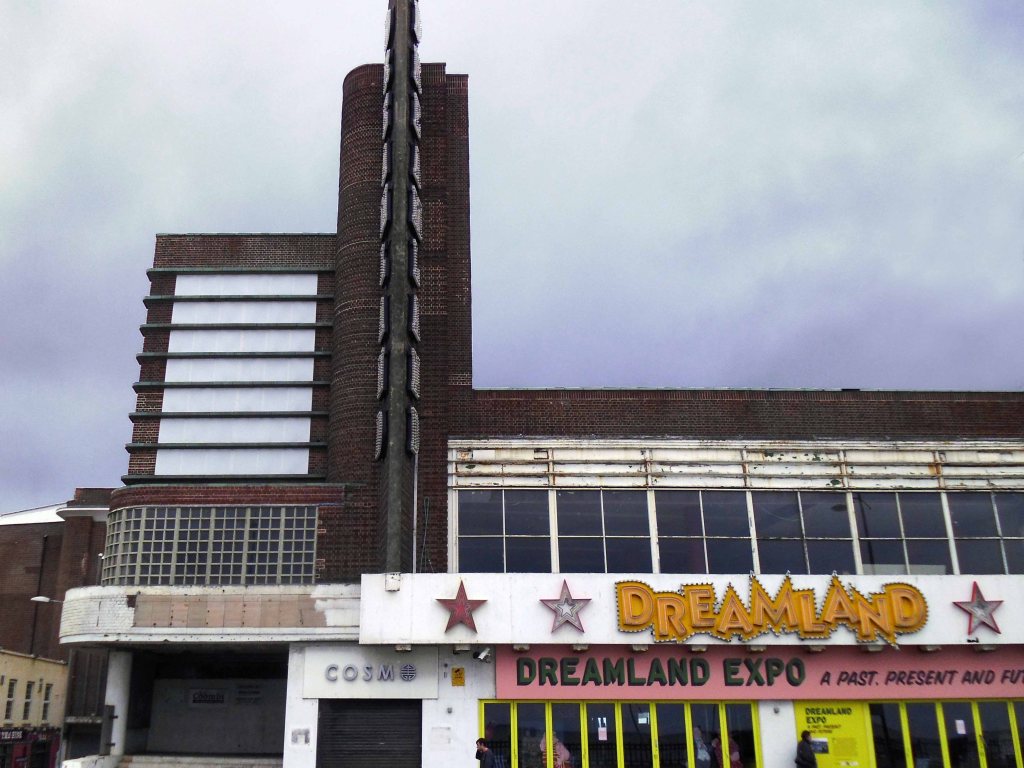
Early morning passing by the yet to be reopened Dreamland, back then just a work in progress, it has had a more than somewhat chequered past.

Dogged persistence has assured its future:

Just before Christmas 1919, and almost exactly one year after the end of the Great War, John Henry Iles purchased Margate’s The Hall By The Sea, thus initiating the history of what would become Dreamland.

The Dreamland cinema replaced a smaller cinema on the site, with this modernist masterpiece opening in 1935. The super-cinema, designed by architects Julian Leathart and WF Granger.

After several years of campaigning to save the Dreamland site from redevelopment, and successful funding bids to the Heritage Lottery Fund and Department for Culture Media and Sport’s SeaChange Scheme, the Dreamland restoration project went live in January 2010, appointing a professional team to deliver The Dreamland Trust’s vision for a reimagined Dreamland, however, the battle was not over.

After a long restoration project, Dreamland opened its doors to the public on June 19 2015. The park was further reimagined and expanded in 2017 following additional investment, with new thrill rides, a much bigger events space, fresh designs, and a new welcome for a new generation of visitors.

Dreamland

Just enough time to take a quick look inside the Arlington House car park then off we go again.

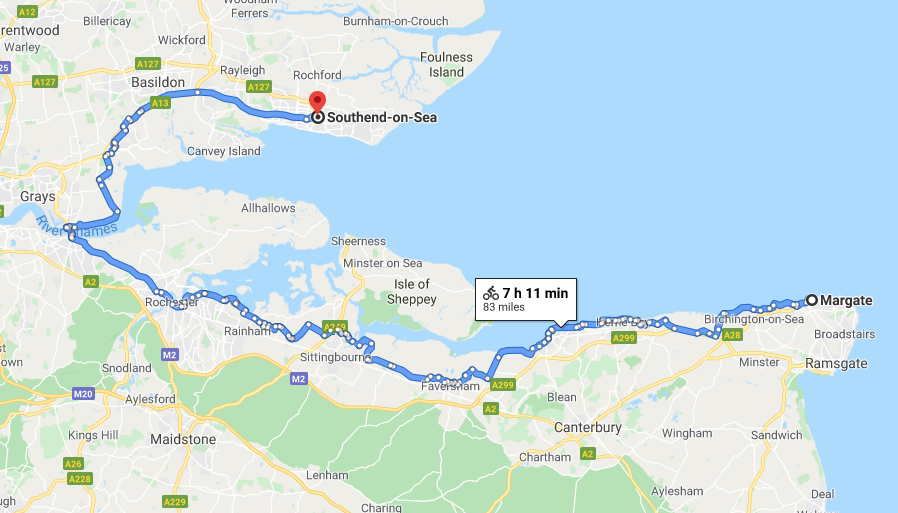
Tuesday 2nd September leaving Margate and cycling along the North Kent Coast.

Hotter than July and into a headwind.

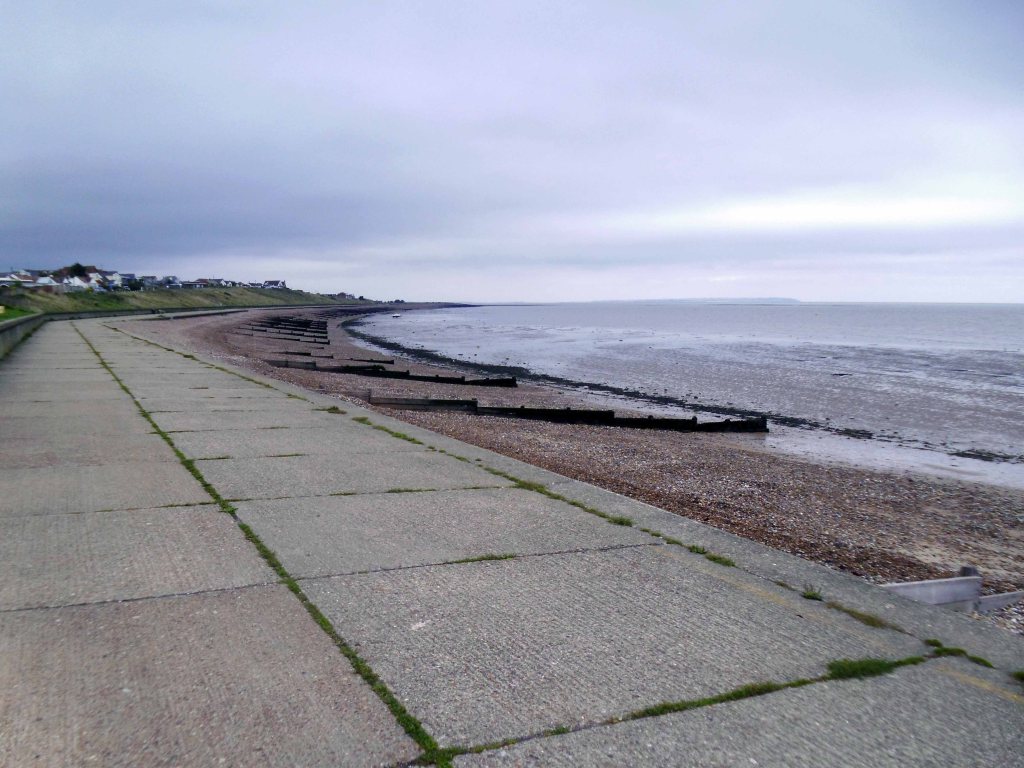
A flat concrete surface raised above the oyster beds.

The Whitstable Oyster Fishery Company traces its roots back to 1793, but oysters have been a part of Whitstable’s history for far longer.

The Romans loved Whitstable oysters and documentation proves that they were sending oysters back to Rome in around 80AD.

Whitstable Oyster Company

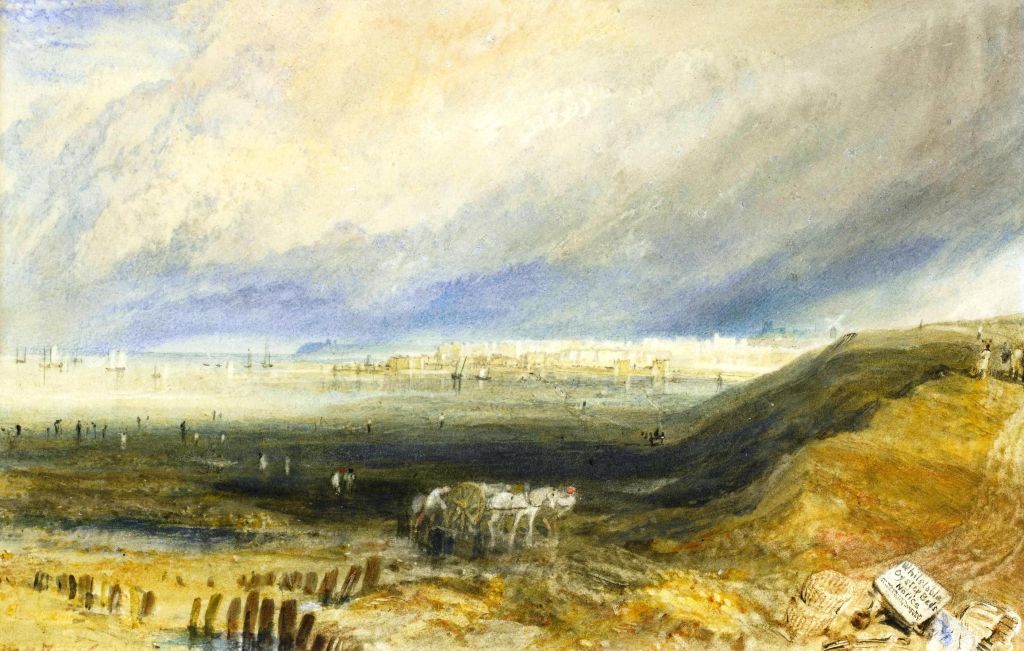
JMW Turner also found time to record the area.

Sold for £ 252,000 inc. premium

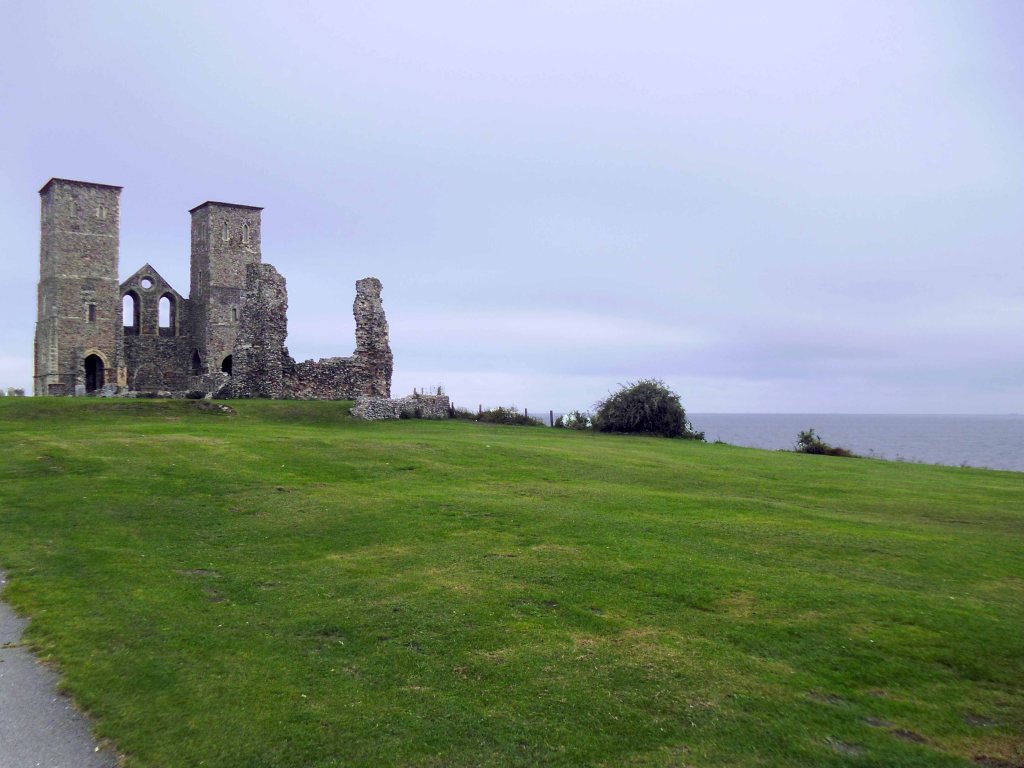
Along the long straight coastline the distinctive and distinguished silhouette of Reculver Castle can be seen in the distance.

Two thousand years ago the geography of this area was very different. The Wantsum, a sea channel up to 3 miles wide, cut off the Isle of Thanet from the mainland, and the Roman fort of Reculver stood on a promontory at the north end of the channel where it joined the Thames estuary. Today the Wantsum has silted up and become dry land.

By the 5th century the Romans had abandoned their defence of Britain and the fort at Reculver had fallen into disuse.

An Anglo-Saxon monastery was founded on the site in 669, reusing the existing defences, and the church of St Mary was built near the centre of the earlier fort. Documentary evidence suggests that the site had ceased to function as a monastic house by the 10th century, after which time the church became the parish church of Reculver.

Remodelling of the church in the 12th century included the addition of tall twin towers.

The medieval church was partly demolished in 1805, when much of the stone was reused to construct a new church on higher ground at Hillborough, but the twin towers were left. They were bought, repaired and underpinned by Trinity House in 1809.

English Heritage

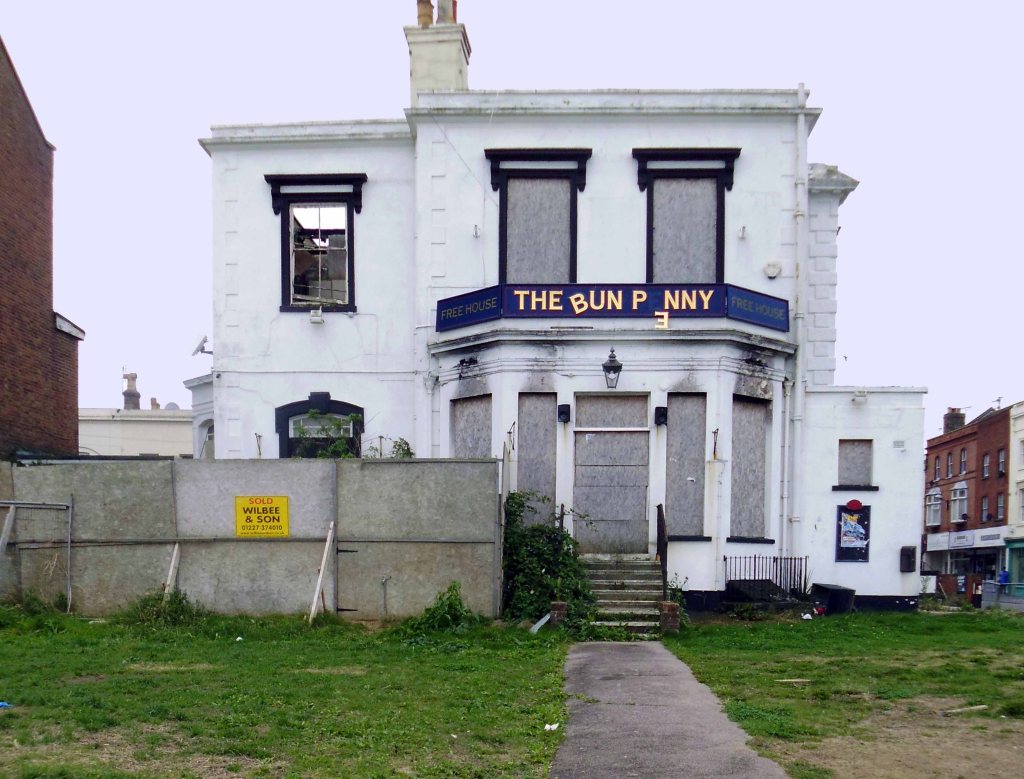
I breezed through Herne Bay past the curiously named Bun Penny pub

Burnt down in 2011 – the subject of ever changing plans and possibilities.

A derelict Herne Bay pub has been transformed into luxury seafront apartments and this is how much they cost.

We would encourage owners of other empty properties in the Herne Bay area to get in touch as we find new ways to rejuvenate the town and attract new people to work, live and visit.

Kent Live

Further along the unstable concrete coast we approach Whitstable.

With its chi-chi cafes and bars, tastefully ramshackle shacks and snacks.

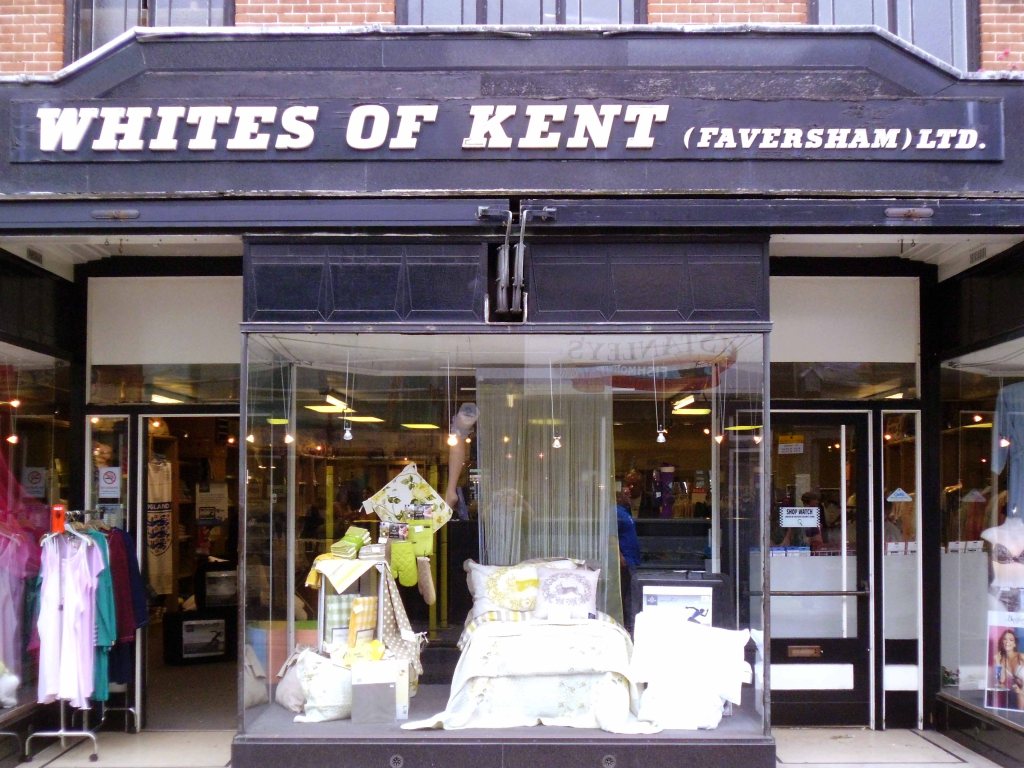
Profil fronted fascias for family run department stores.

Whites of Kent is a family company now into the third generation of close family members. The original story begins with a young ambitious girl of 18 who knew all about stocking repair machines. She travelled to Australia by boat then on to Switzerland and Paris where she trained women and gave demonstrations on the stocking machines.

In 1954 the retail side commenced again with a ladies underwear shop in Faversham’s Market Street, followed by a fashion shop in Market Street and then our current shop in Court Street.

We have in the past had shops in Sandwich, Sittingbourne, Herne Bay, West Malling, Folkestone and Cliftonville. Currently we have Whites of Kent shops in Faversham, Whitstable and Dover selling lingerie, linen, hosiery, underwear, slippers and more. See our Shop page for addresses, phone numbers and opening times.

Whites of Kent

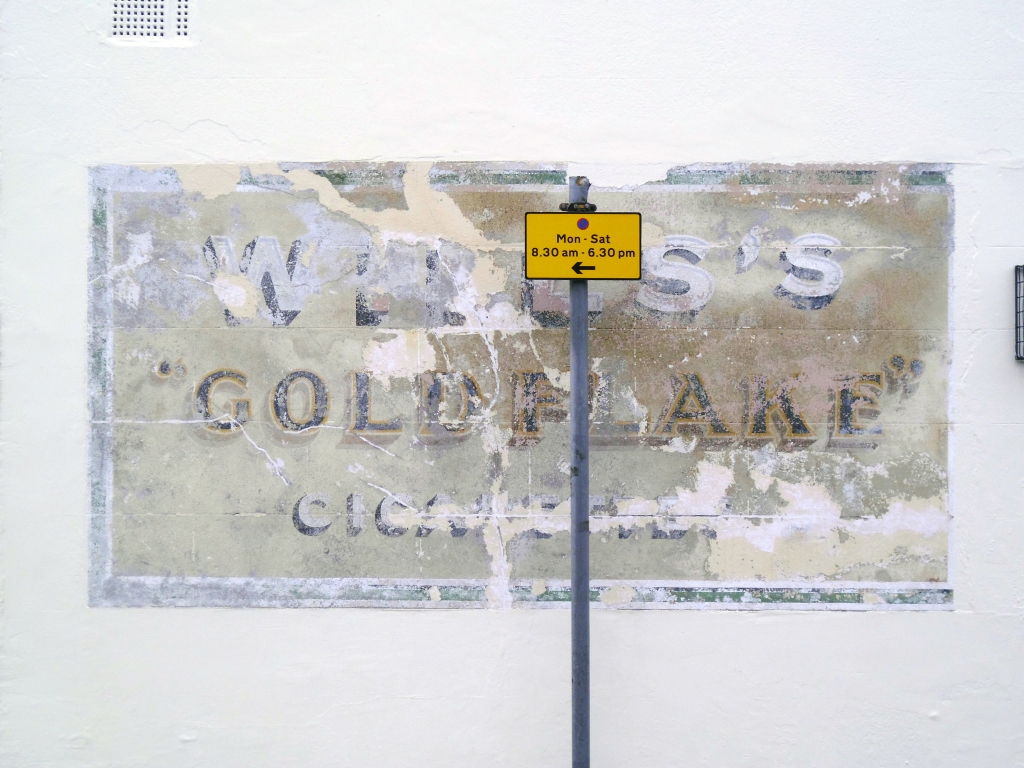
A fine display of tobacconist’s ghost signs.

The road winds through the low marshes, across estuaries and inlets, between Seasalter and Graveney.

Home to a down home, home made fishing fleet.

Members of the 1st Battalion London Irish Rifles guarding the downed Junkers Ju 88A1

On September 27 1940 – a Luftwaffe bomber was shot down by two Spitfires over Graveney Marsh after a raid on London. This was the last ground engagement involving a foreign force to take place on the mainland of Great Britain.

Wikipedia

As is common in post-industrial England industrial buildings become executive homes, busy ports become marinas or moribund marshes.

Ready for conversion to a bijou des-res.

It was time to make time through the garden of England – pressing on past hillbilly hideaways.

Housing late Ad Reinhardt’s.

My painting represents the victory of the forces of darkness and peace over the powers of light and evil.

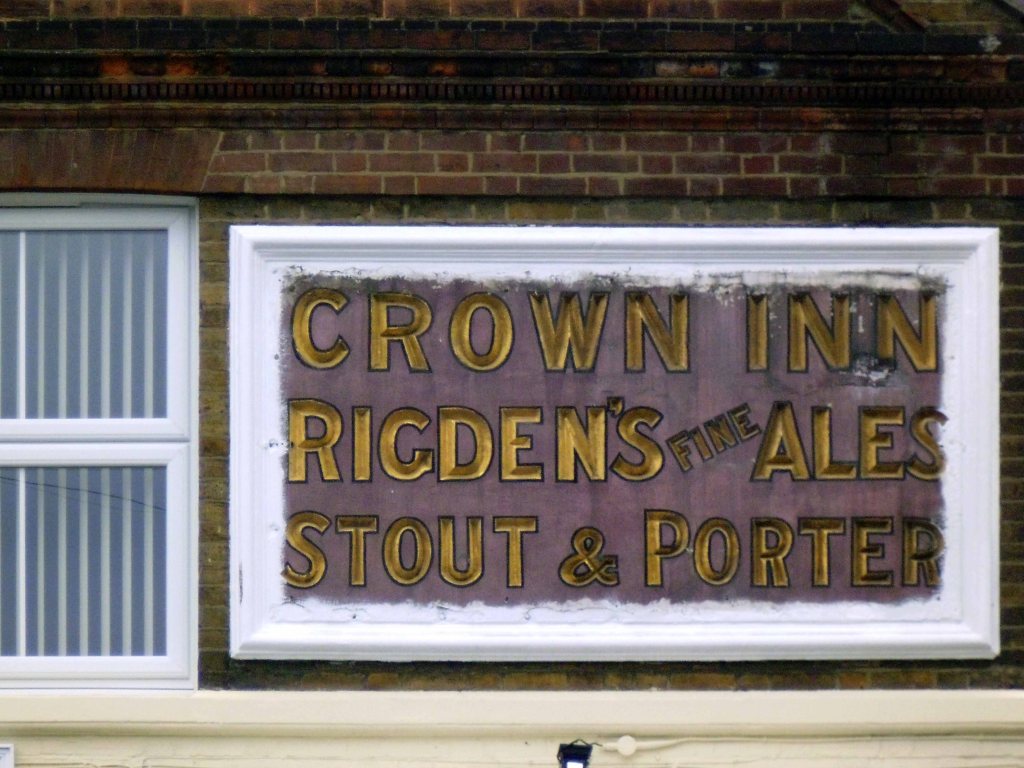
Founded in the early 1700s by Edward Rigden. Registered in 1902 as Rigden & Co. Merged with George Beer & Co. Ltd in 1922 to form George Beer & Rigden, not being limited until 1927.

Was acquired by Fremlins Ltd in 1948 and brewing ceased 1954.

Brewery History

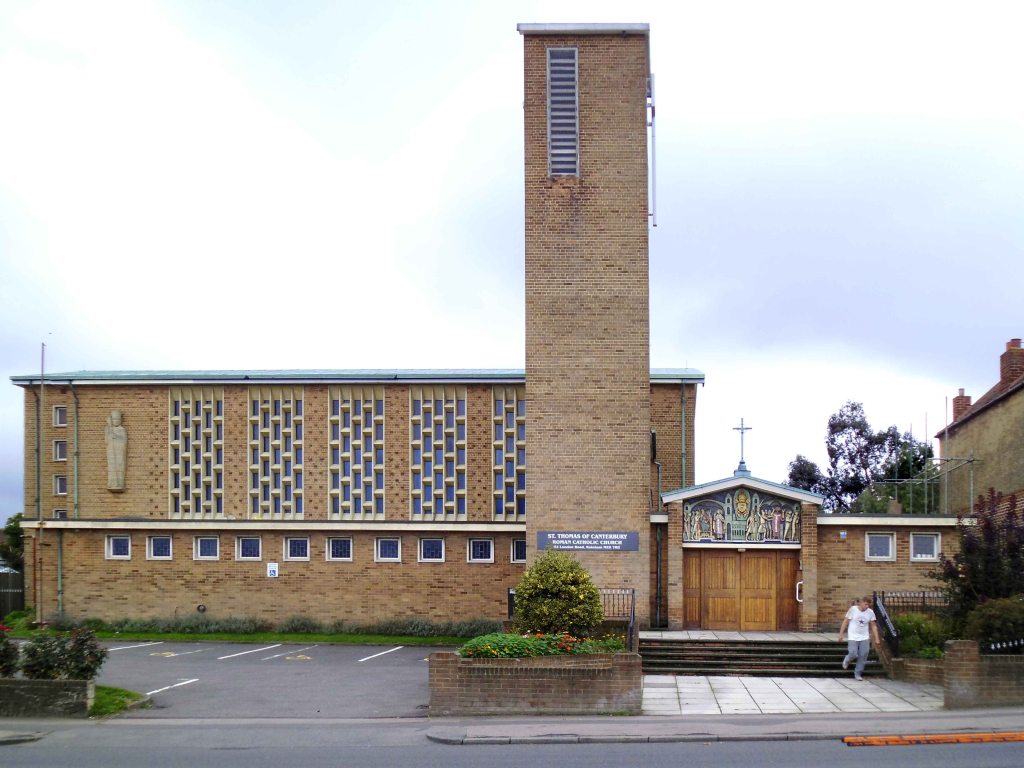
Dulled by dual carriageways and the dirty urban dust of a sunny late summer’s day – I was more than happy to discover this Modernist church in Rainham.

St Thomas of Canterbury RC

A  modern  church  of  1956-58  by  Eduardo  Dodds.  The  atmospheric interior is decorated with fine sculpture by Michael Clark, and ceramic panels by Adam Kossowski. The tower is a local landmark. The former temporary church of 1934 survives as the Parish Centre.

Taking Stock

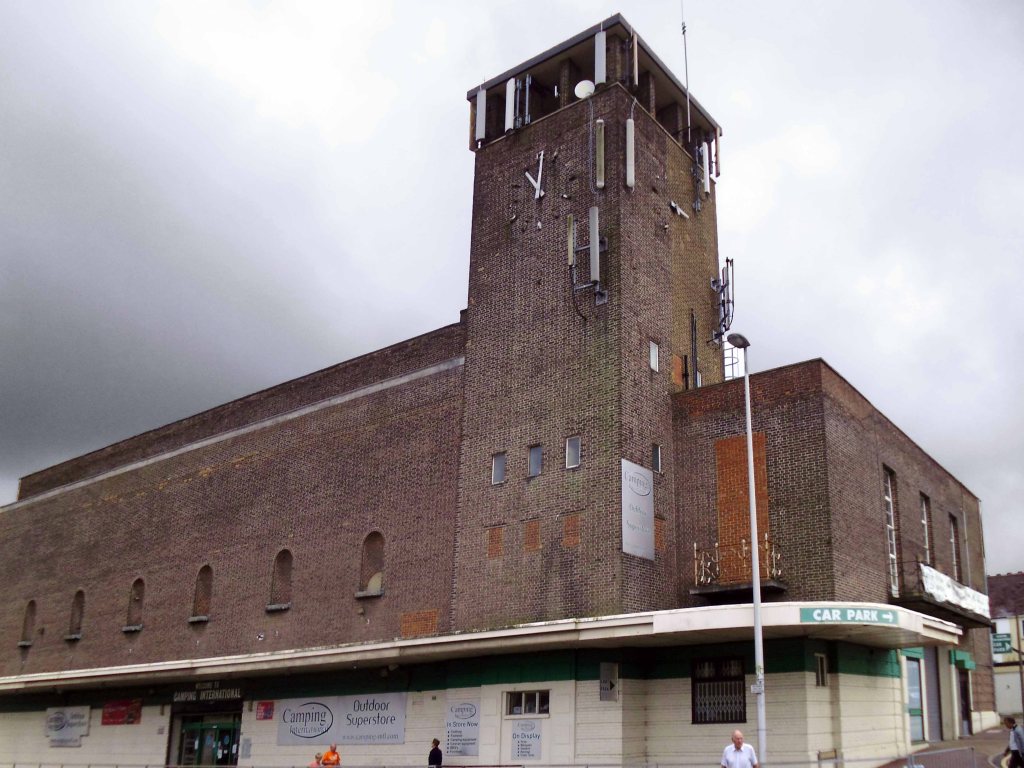
Followed by another brick behemoth the Gaumont Chatham.

The Palace Cinema was built by a subsidiary of the Gaumont British Theatres chain, and opened on 30th November 1936. The exterior had a tall square clock tower, which was outlined in neon at nightArchitect Arthur W. Kenyon

Re-named Gaumon from 18th December 1950, closed by the Rank Organisation on 2nd February 1961 with John Gregson in The Captain’s Table.

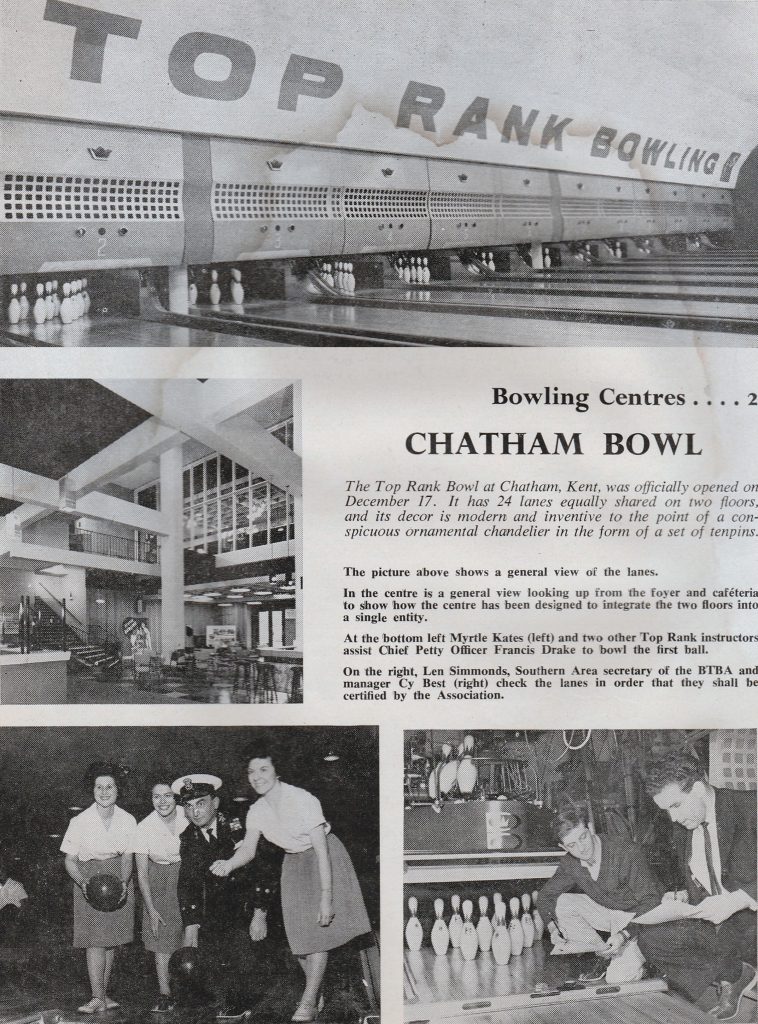
It was converted into a 24-lane Top Rank Bowling Alley, which opened in December 1961. Eventually, this was the last of the Top Rank Bowls to close, closing on 31st October 1970.

The building was converted into a B&Q hardware store, and the interior has been gutted. It was later in use as a camping centre, which remains open in 2010 as Camping International. The building is now known as Clock Tower House.

Cinema Treasures

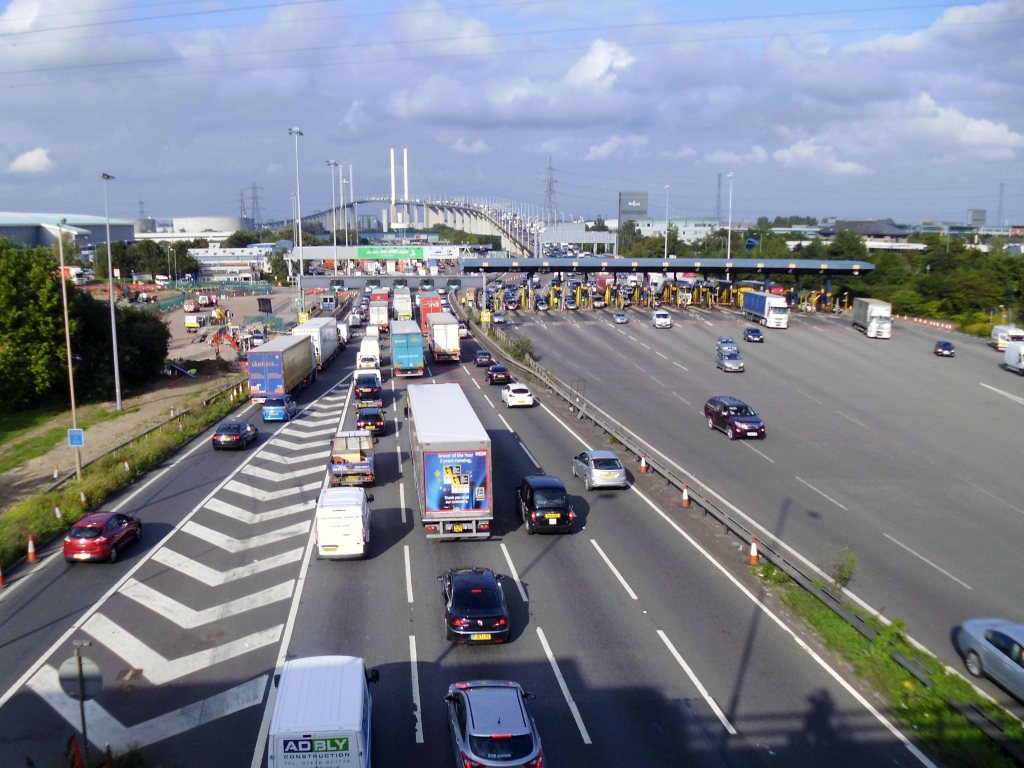
Queen Elizabeth II Bridge Toll.

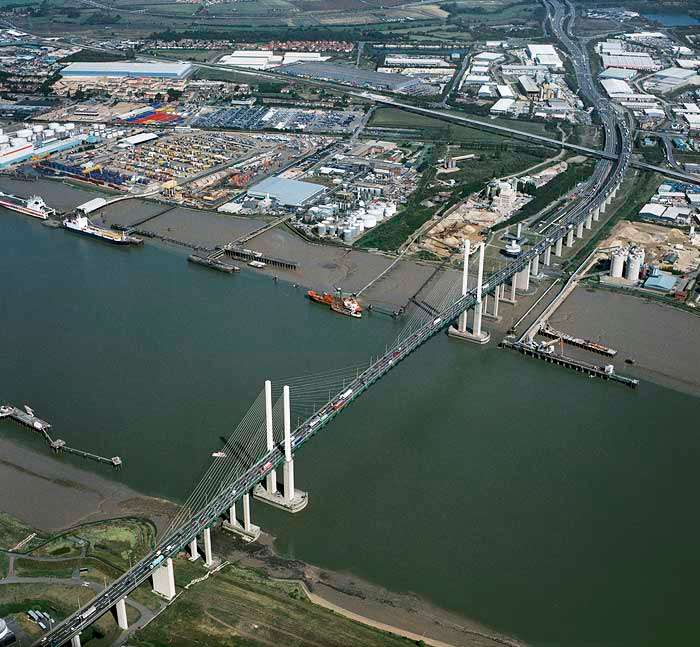
Designed by German civil engineer Hellmut Homberg, the two main caissons supporting the bridge piers were constructed in the Netherlands. ] The bridge deck is about 61 metres high, and it took a team of around 56 to assemble its structure.

The bridge was opened by Queen Elizabeth II on 30 October 1991. The total cost of construction was £120 million. The proposed name had been simply the Dartford Bridge, but Thurrock residents objected and suggested the Tilbury Bridge, leading to a compromise. At the time of opening, it had the longest cable-stayed span of any bridge in Europe.

Wikipedia

I arrived at the Dartford Crossing hot and hungry – wandering towards the tunnel entrance, only to be apprehended by the authorities.

What are you doing here?

I pleaded for a glass of water and directions, happily I received both from a friendly member of staff.

Picked up by Range Rover and driven over to Essex free of charge.

Wearily I made my way across the county, no time for snaps it seems, simply wishing to hit town before nightfall. None of my B&Bs were booked ahead of time and I’ve never had a ‘phone. Finding a bed for the night proved troublesome – knocking on the door of a minor hotel, I was rebuffed by a Beatle suited, be-wigged figure:

Are you to take the vacancies sign down then – says I.

No – says he.

Under cover of darkness I holed up in a contractors’ flop house on the front, no-frills communal showers, short shrift and cold linoleum, but a welcome repose none the less.

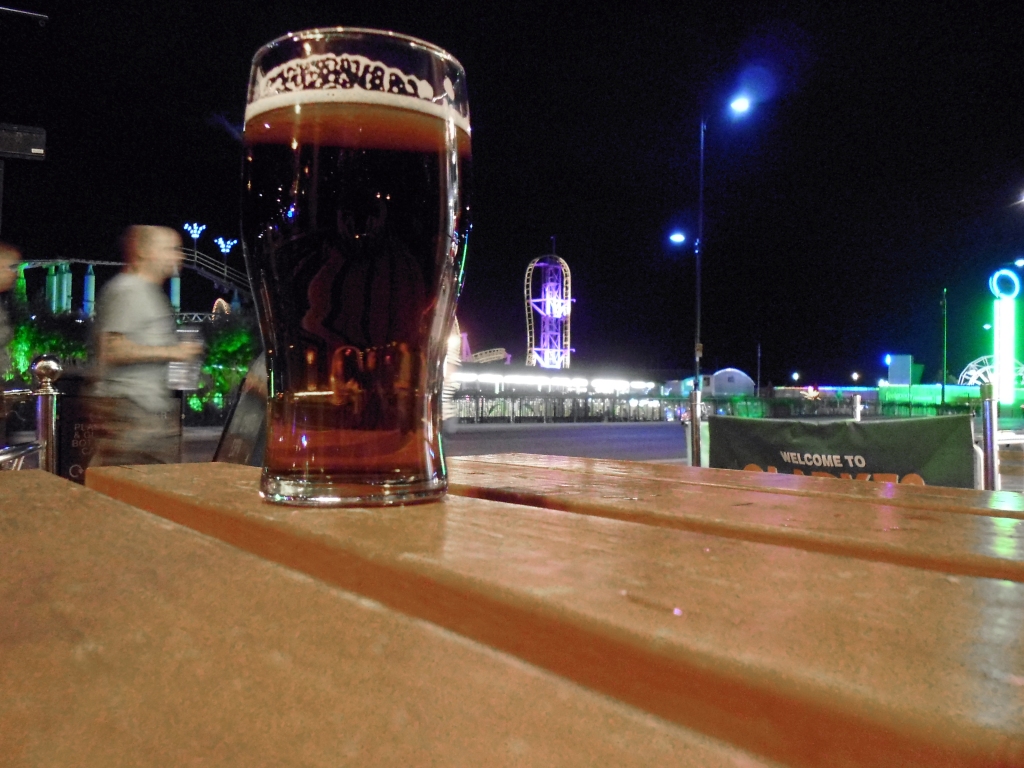
Some pints don’t touch the sides – this and several others didn’t, ‘neath the flickering lights of Southend by night.

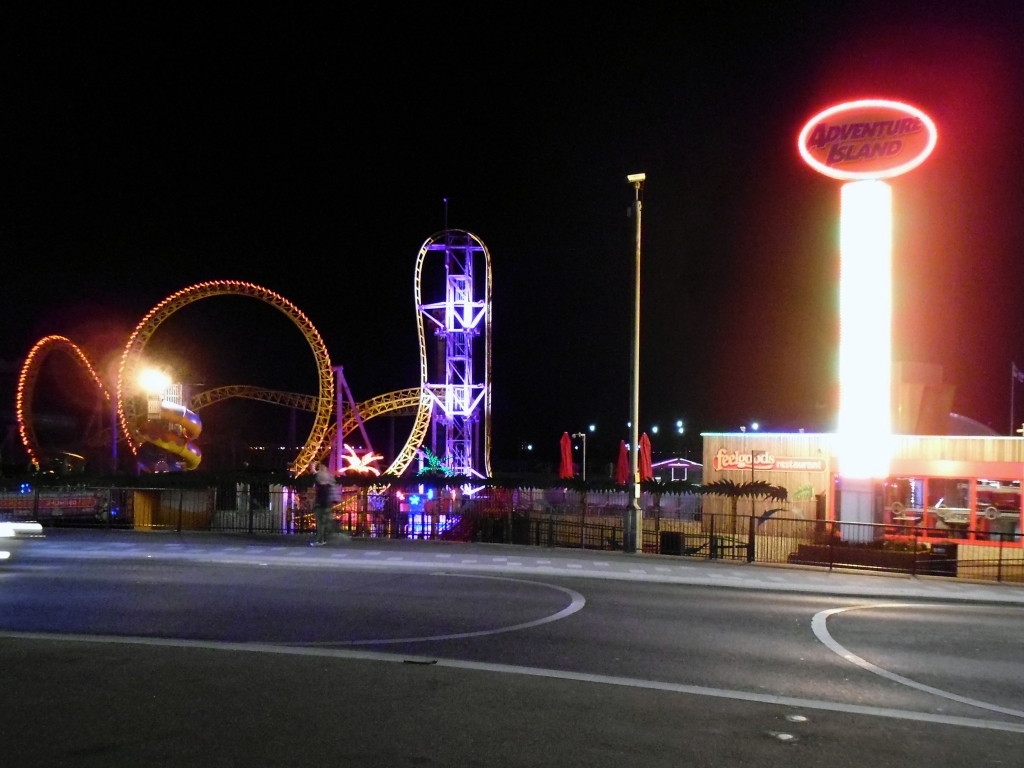
A wobbly walk along the prom.

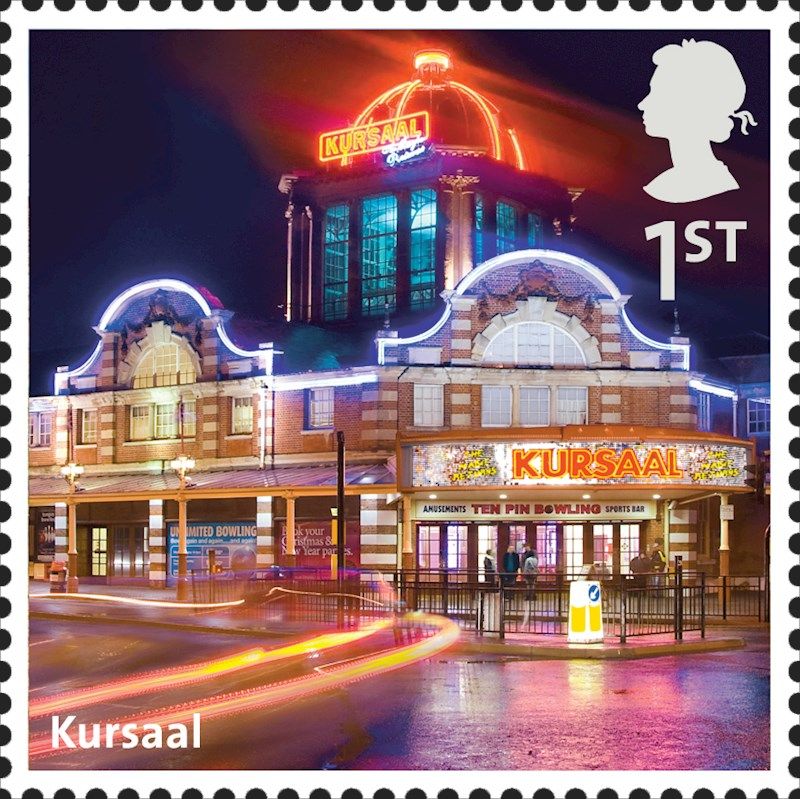
Fetching up with pic of the Kursaal.

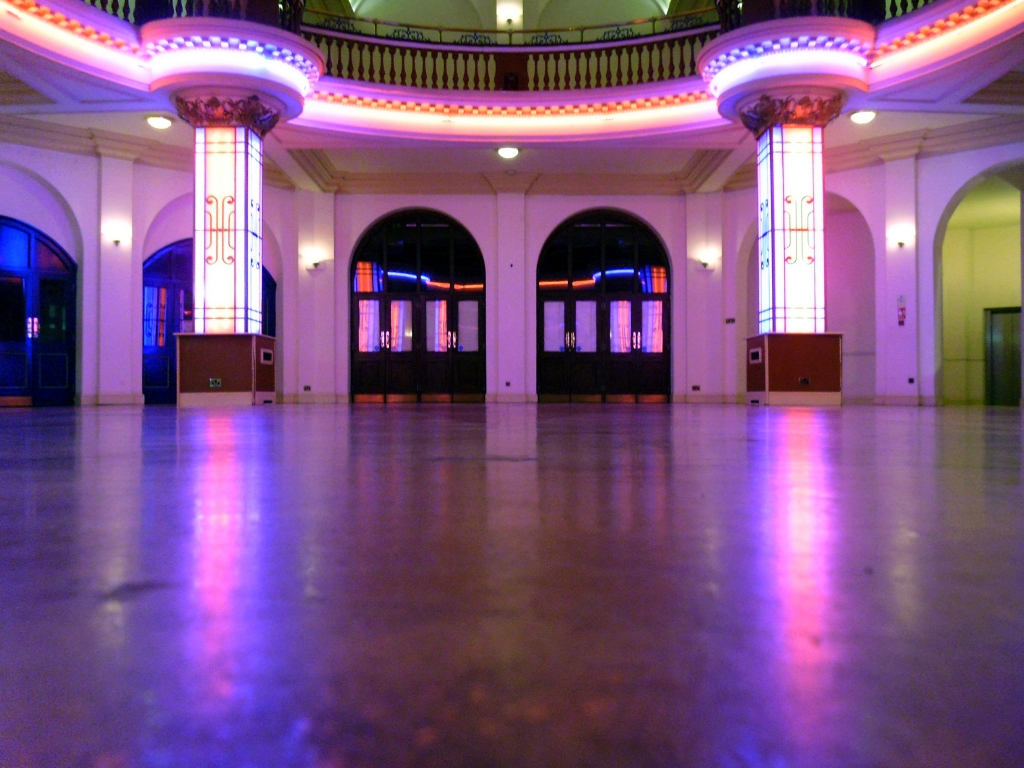
The Kursaal is a Grade II listed building in Southend-on-Sea which opened in 1901 as part of one of the world’s first purpose-built amusement parks. The venue is noted for the main building with distinctive dome, designed by Campbell Sherrin, which has featured on a Royal Mail special edition stamp.

Wikipedia

Night night.

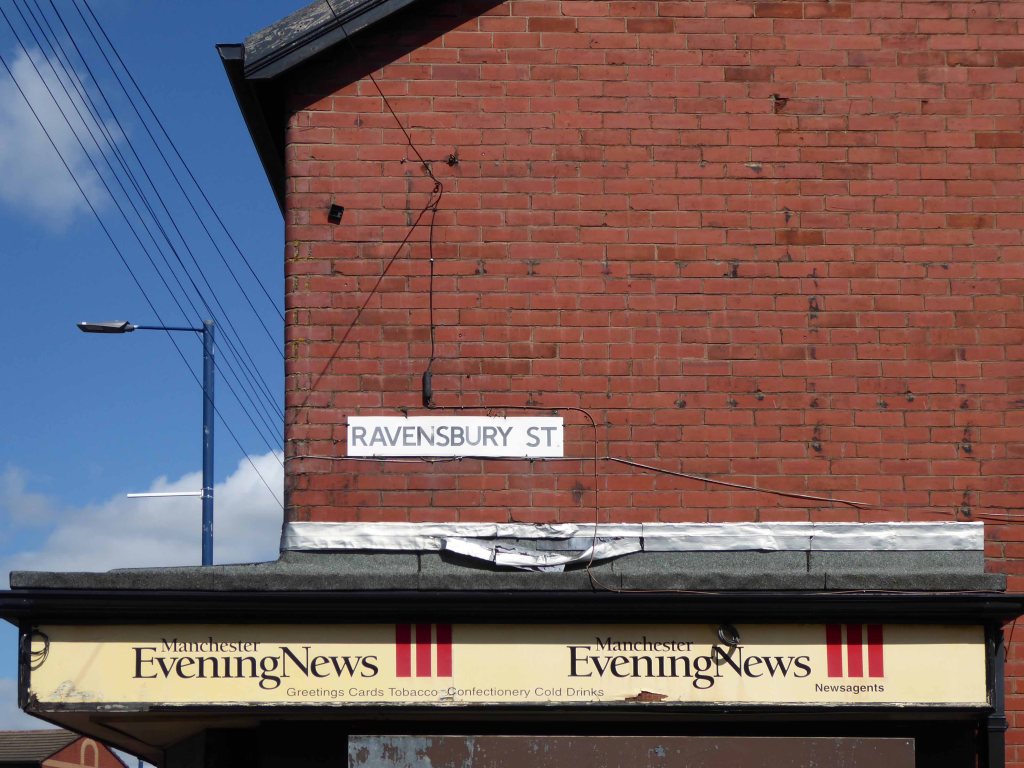
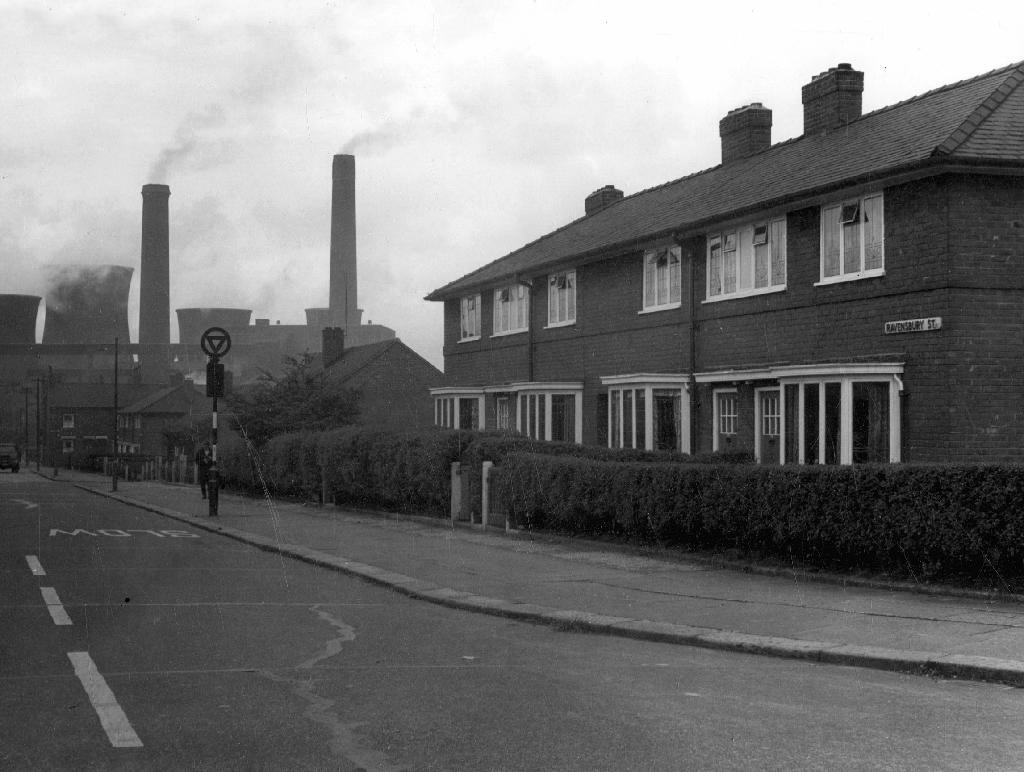
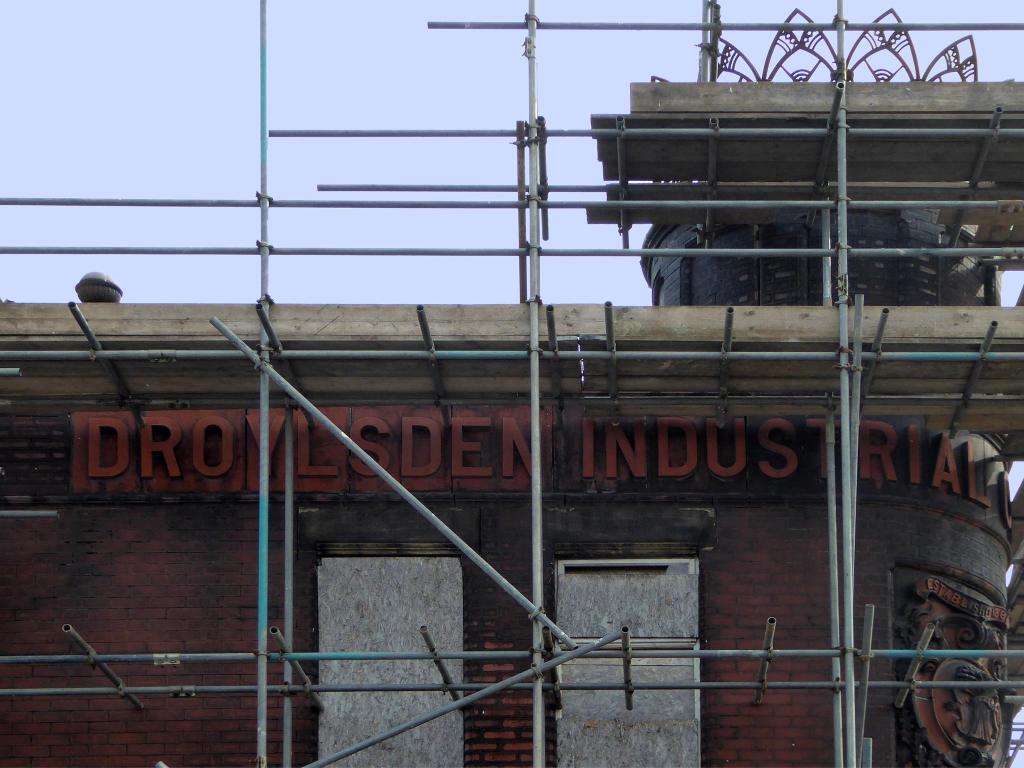
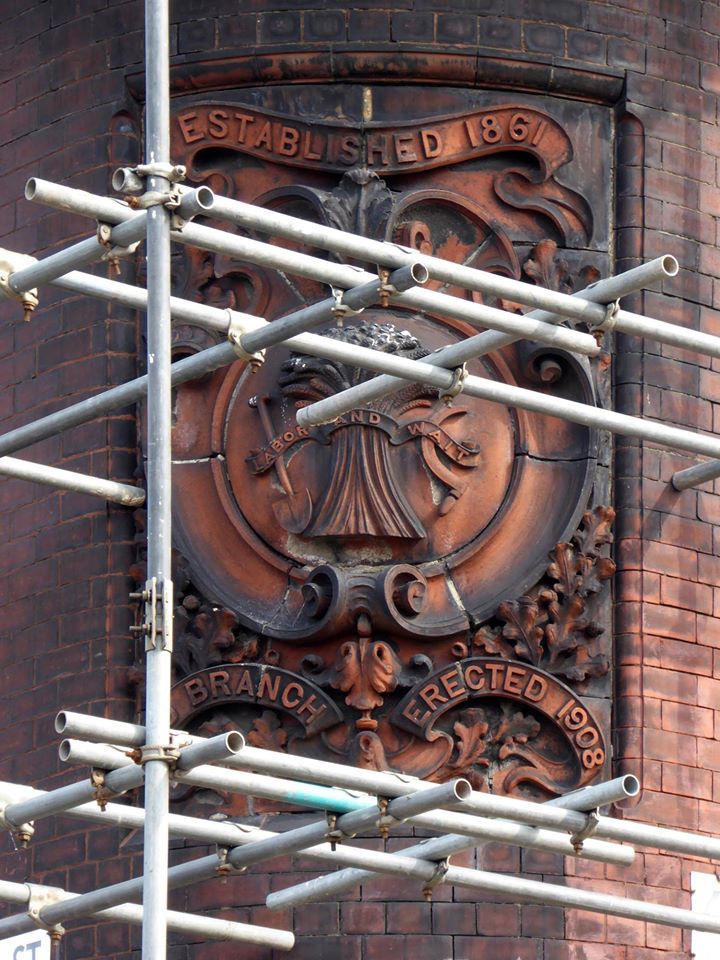
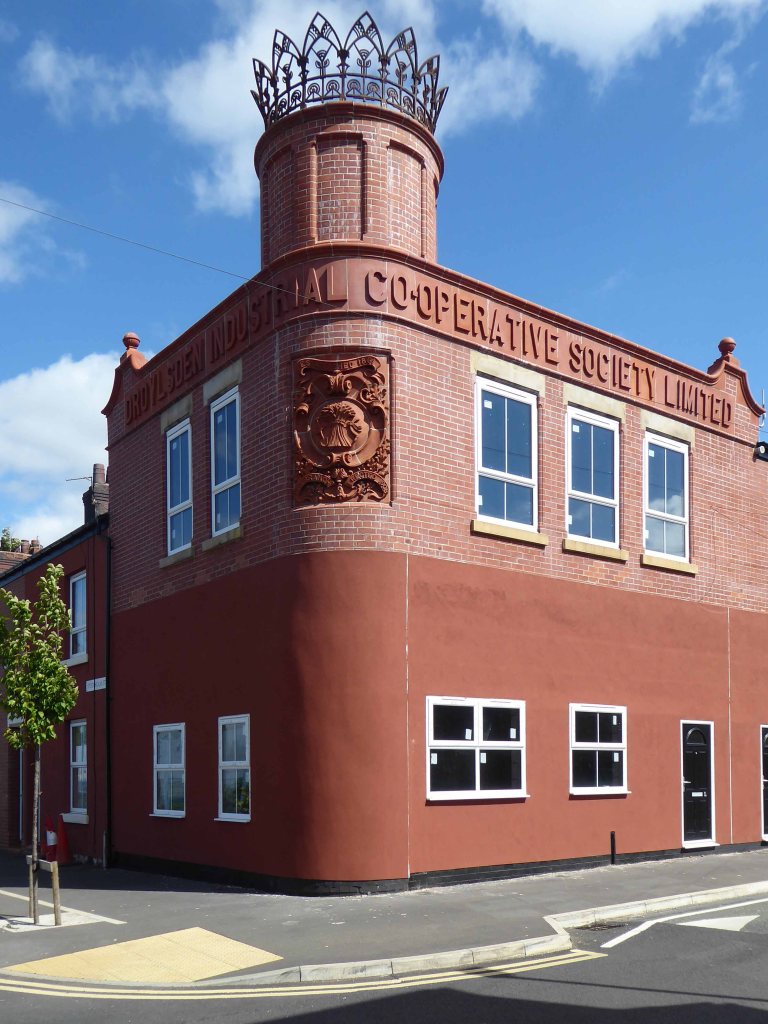
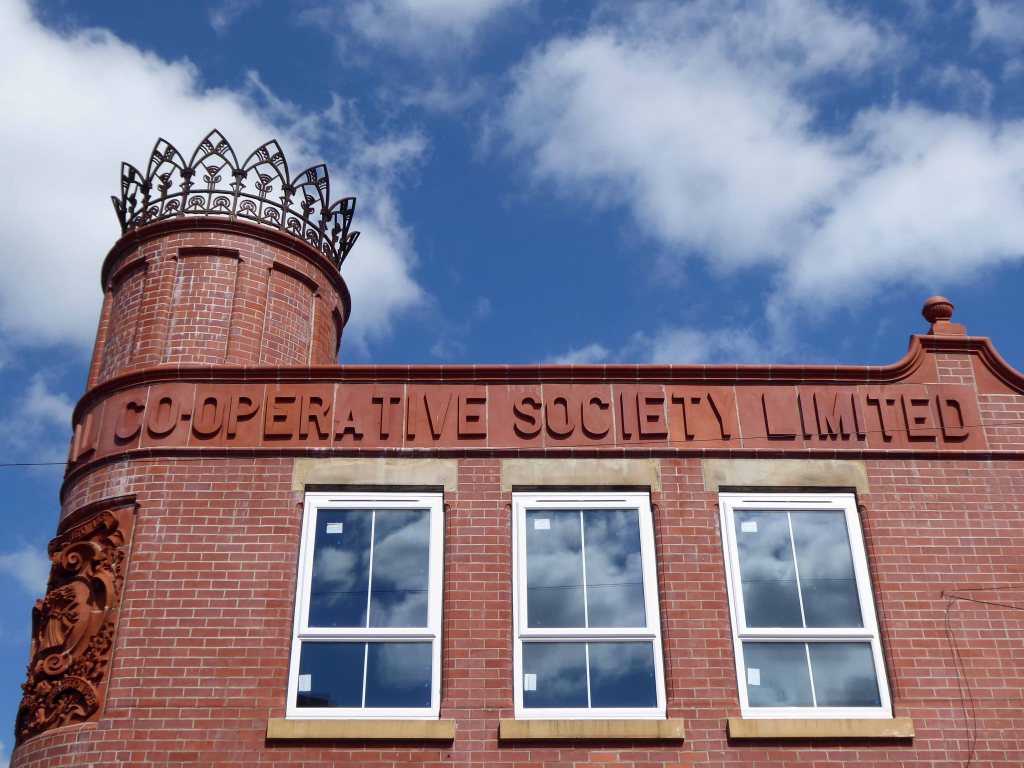
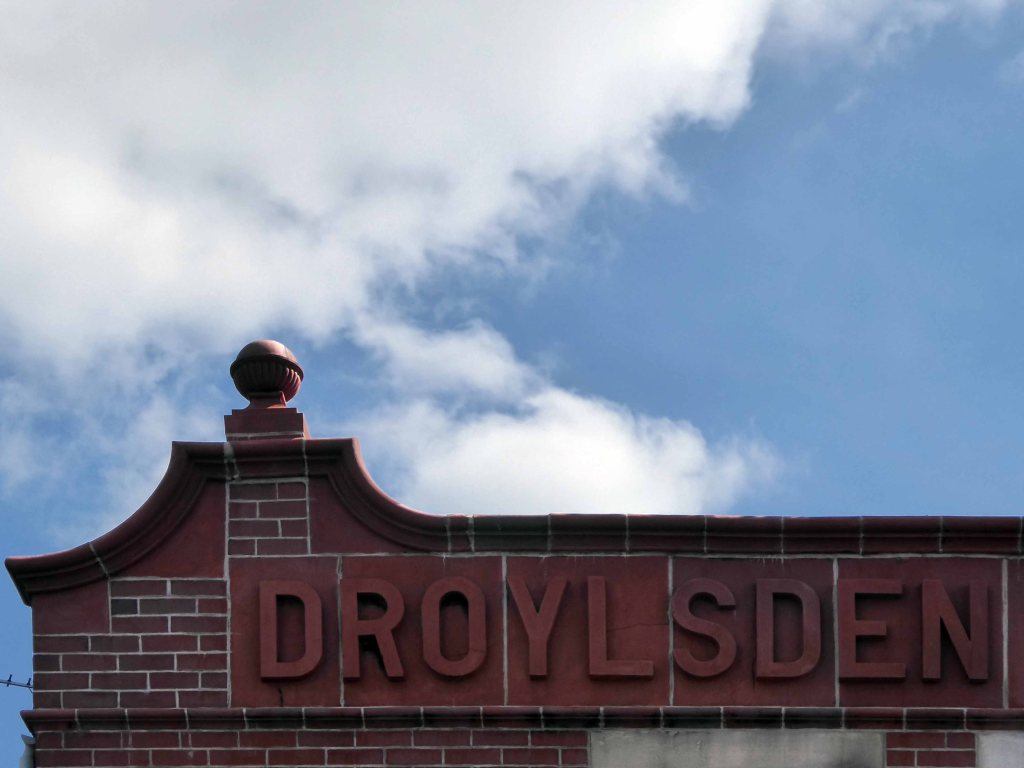
Ravensbury Street – Droylsden Cooperative Society Store

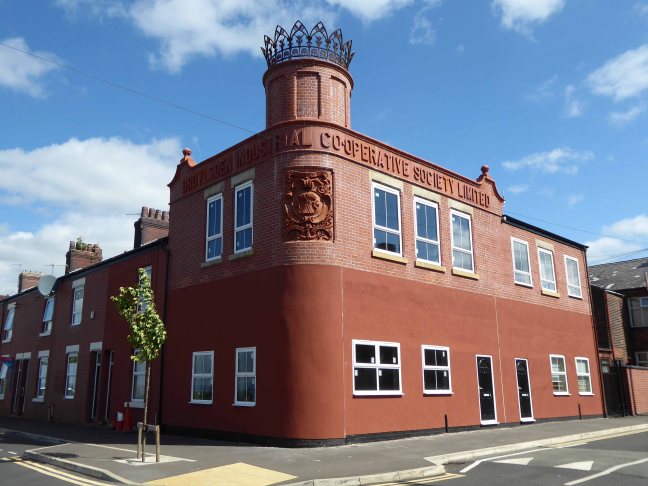
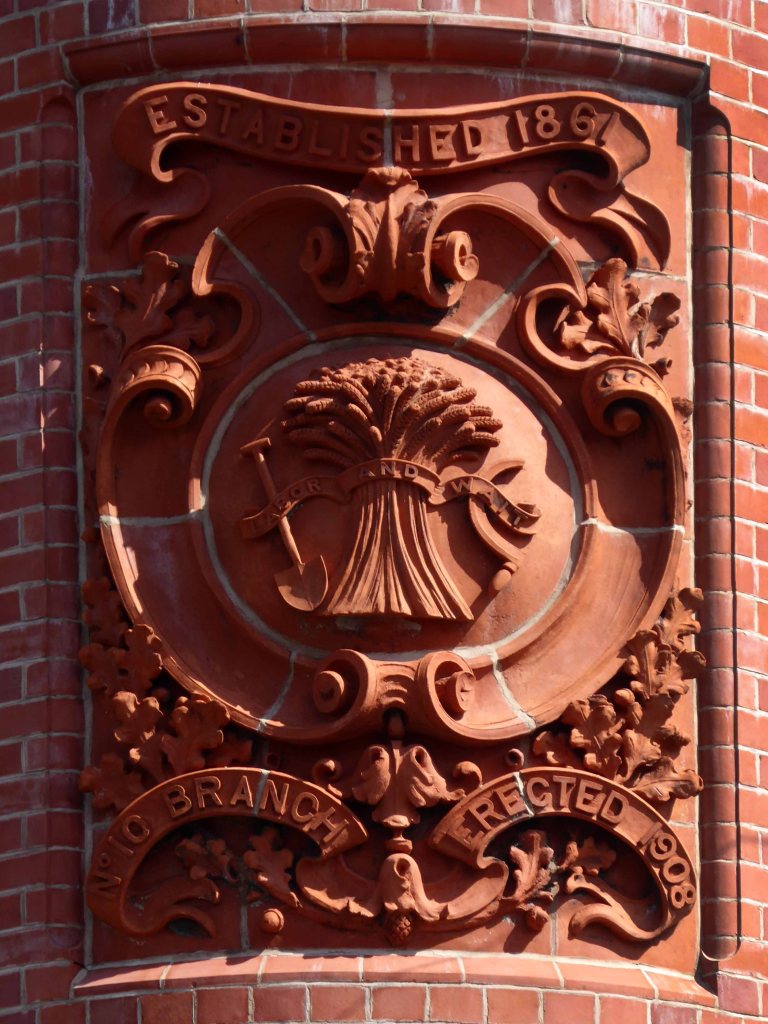
On the corner of Ravensbury and Stockholm Street Clayton Manchester there stands a Cooperative Shop of 1908.

We have previously visited another fine example on Northmoor Road.

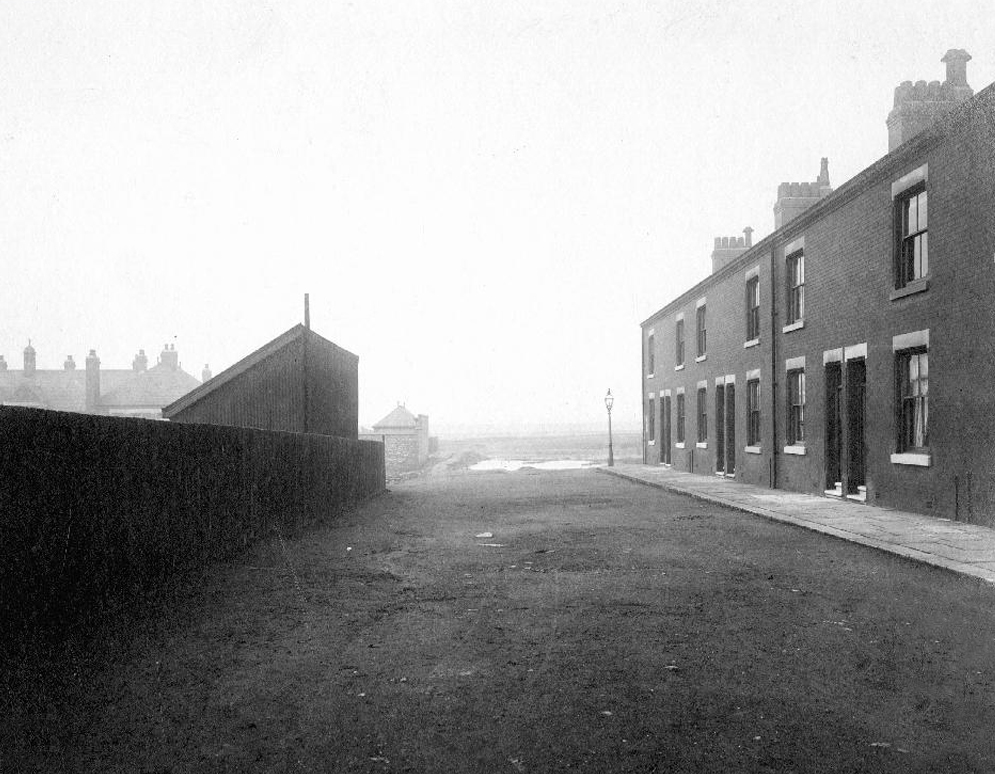
In 1902 the area is still set to open ground.

This Manchester Local Image Collection photograph of 1912 shows new terraced homes emerging to meet the housing needs of the world’s first industrial city.

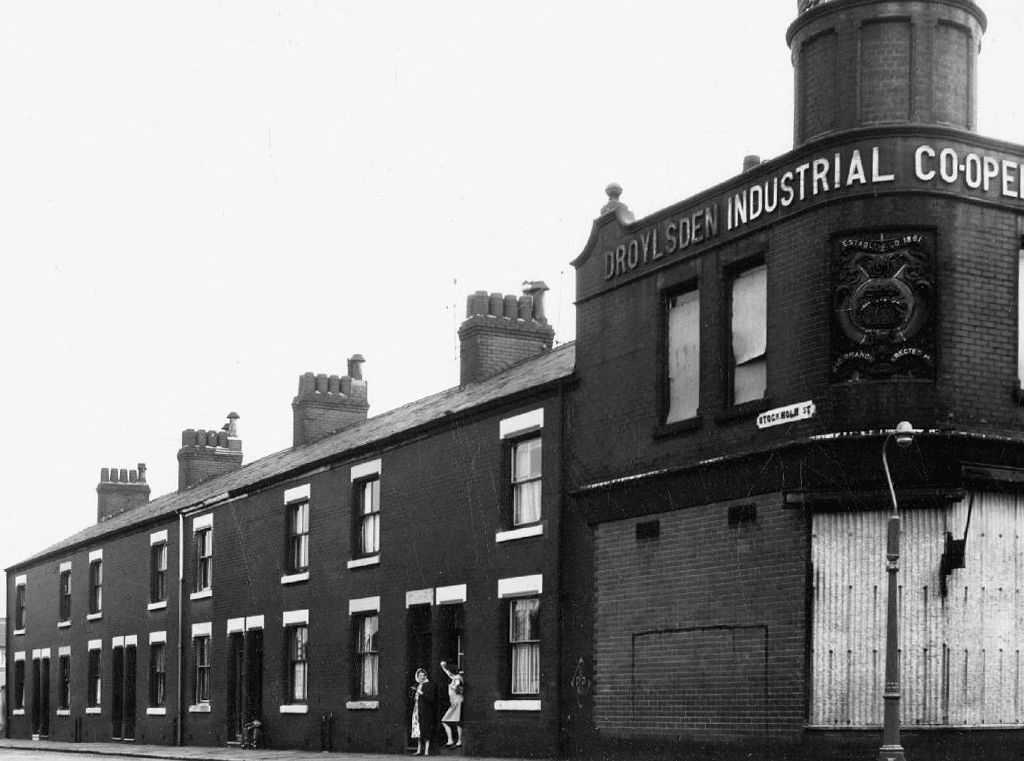
Stockholm Street

Here is the street in 1965 the shop already shut.

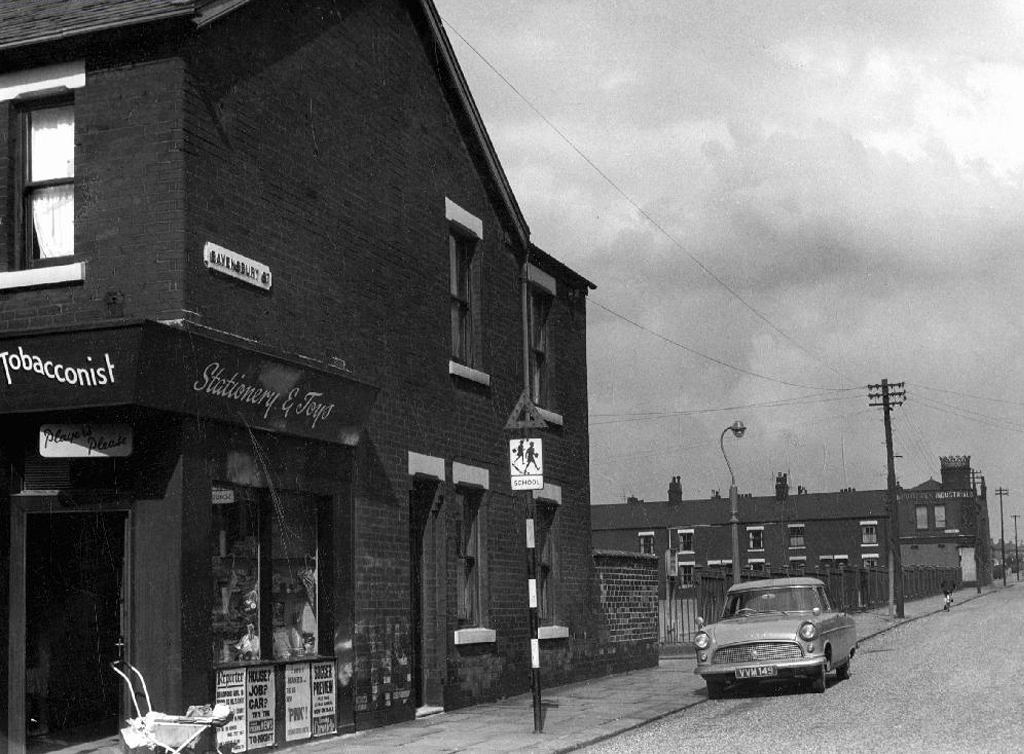
The corner shop on Bank Street still trades.

The Stuart Street Power Station does not.
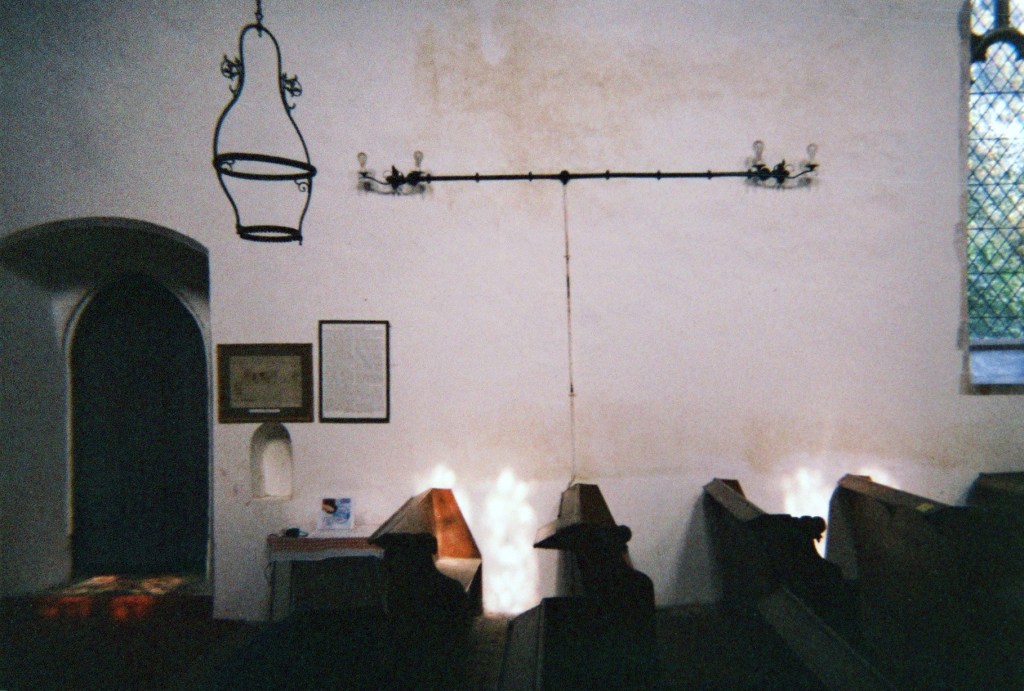
Changing patterns in shoppers habits sealed the fate of many local and corner shops, as larger supermarkets opened, increased mobility and car ownership became more common.
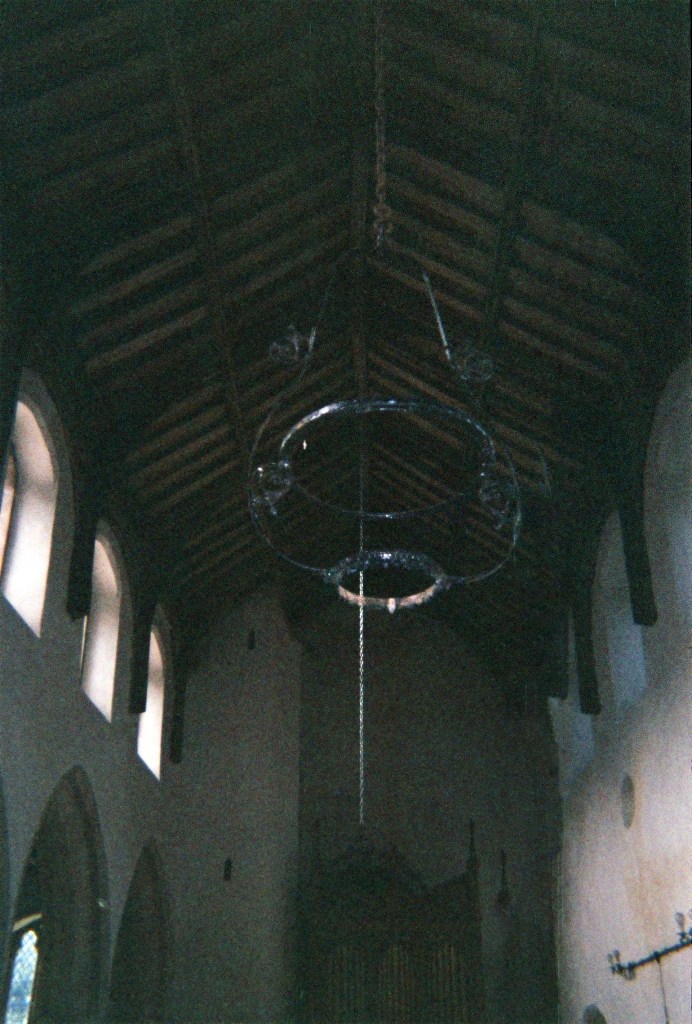
When I first visited the building was undergoing renovation work.

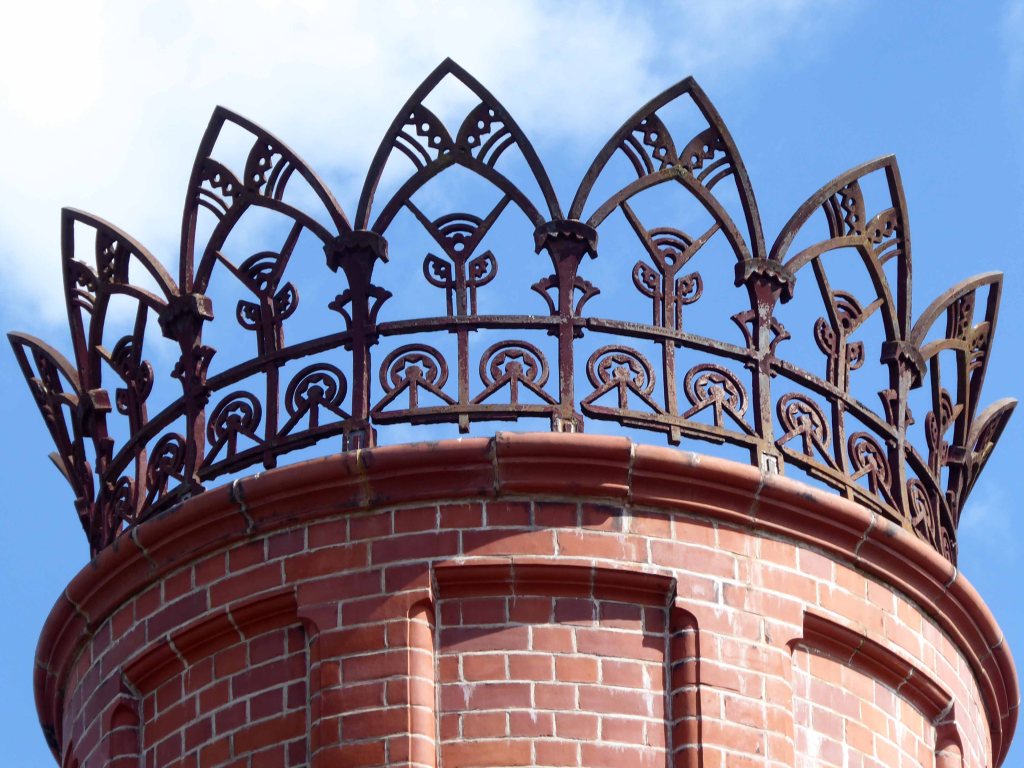
The beautiful terracotta tile work and corona obscured by scaffolding .

I returned last week to find the job almost done – converted to flats, in an area which has seen a great deal of improvement to the general housing stock, paving and street furniture.

A joy to see a fine building almost returned to its former glory, with a much needed social purpose, reviving the city’s western edge.

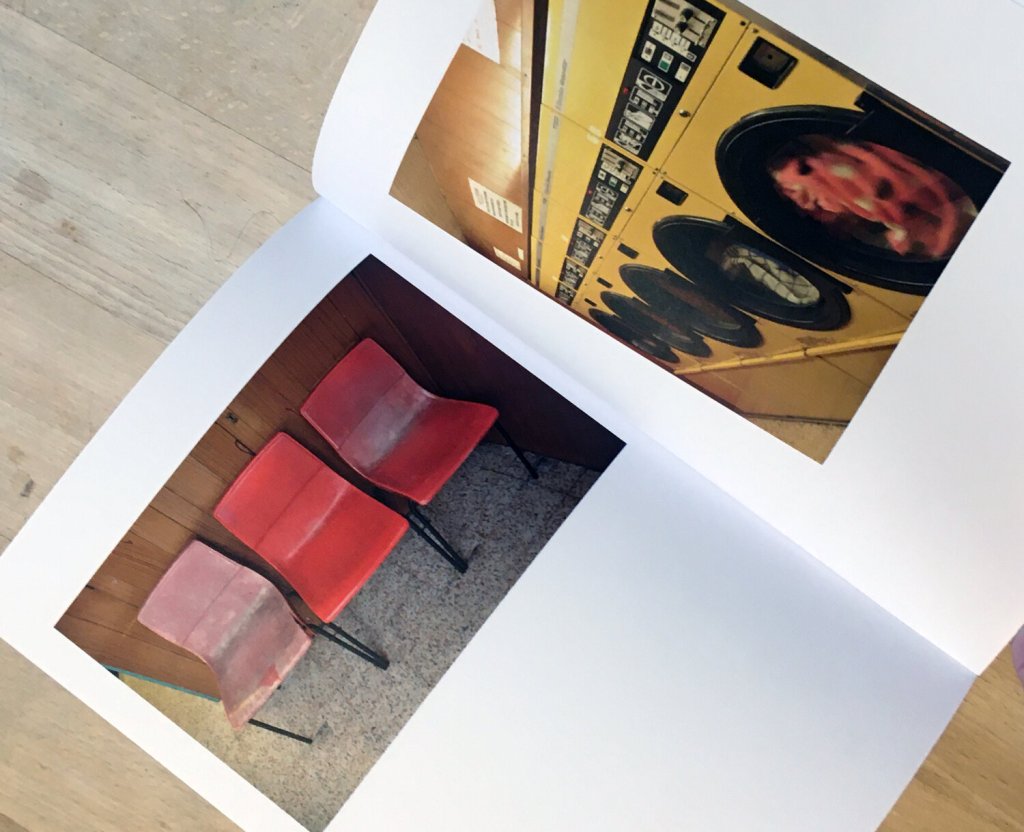
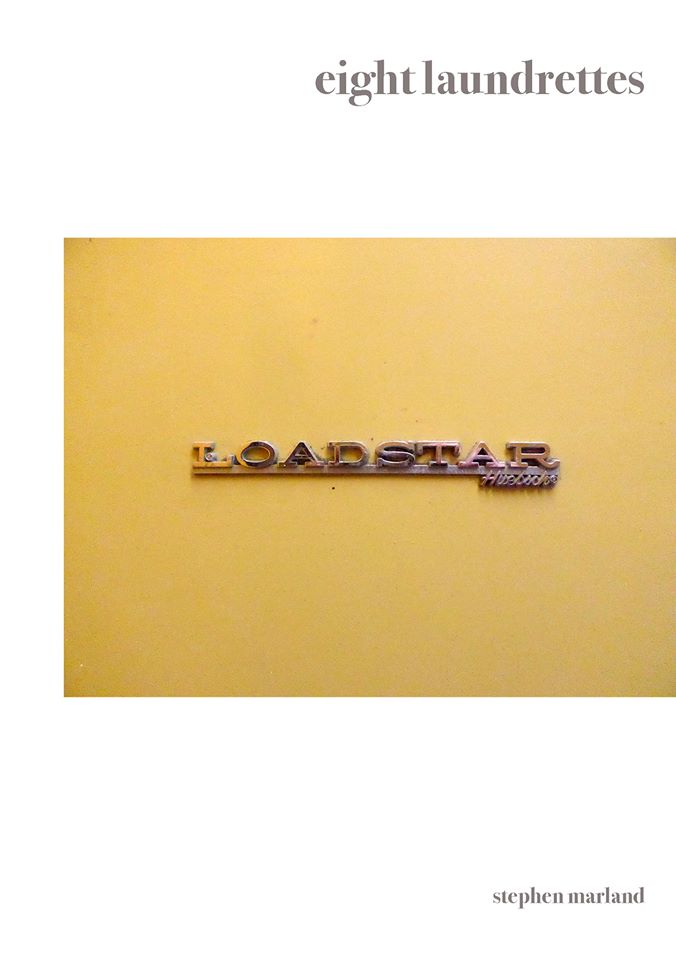
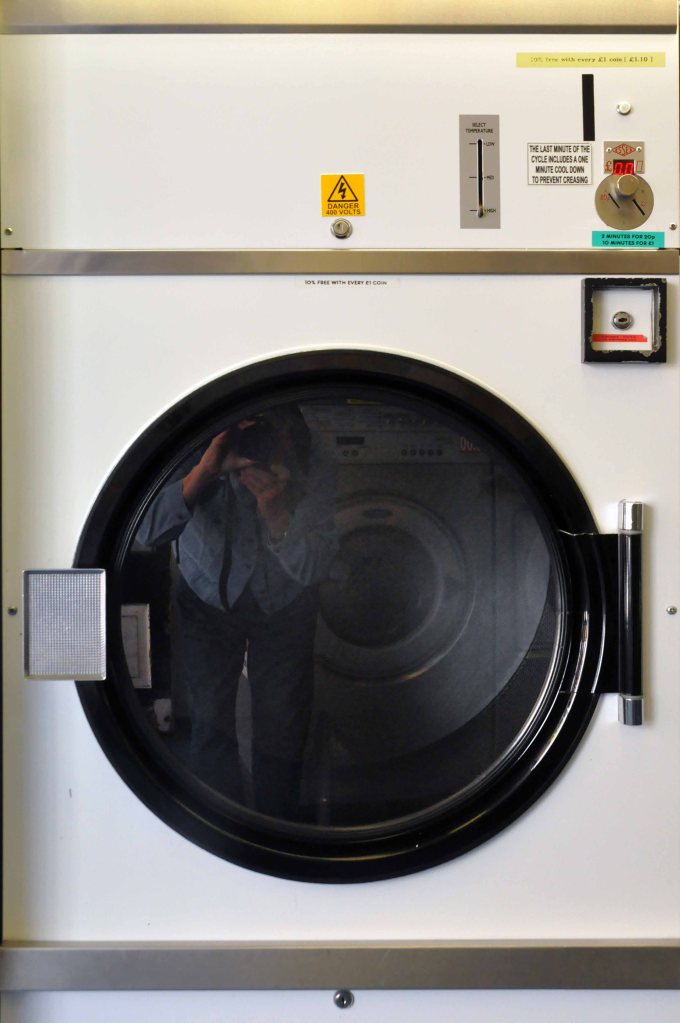
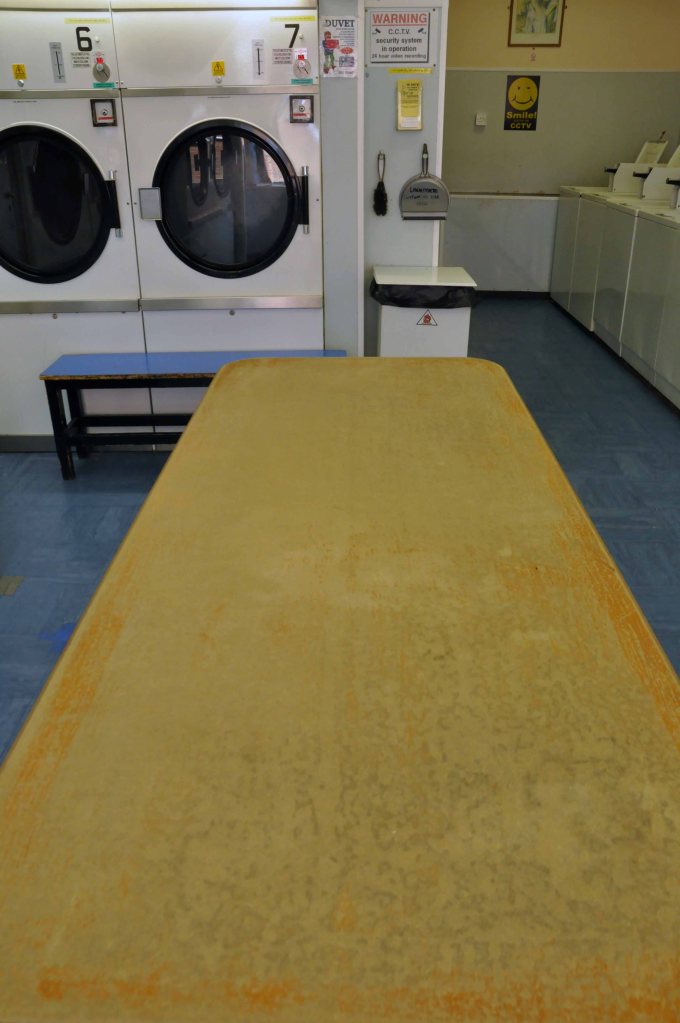
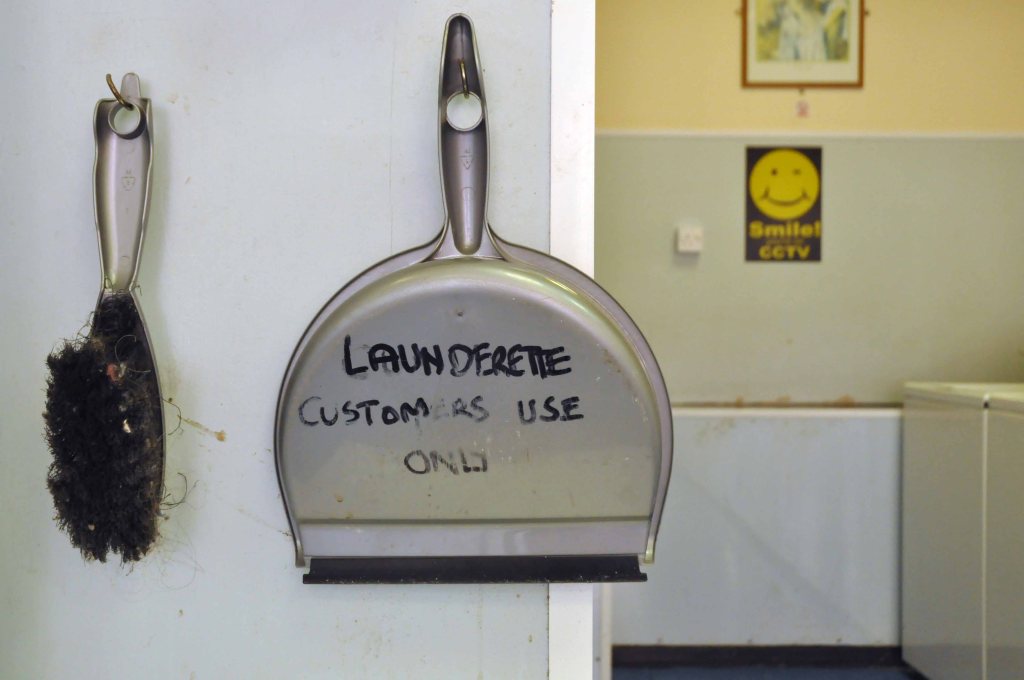
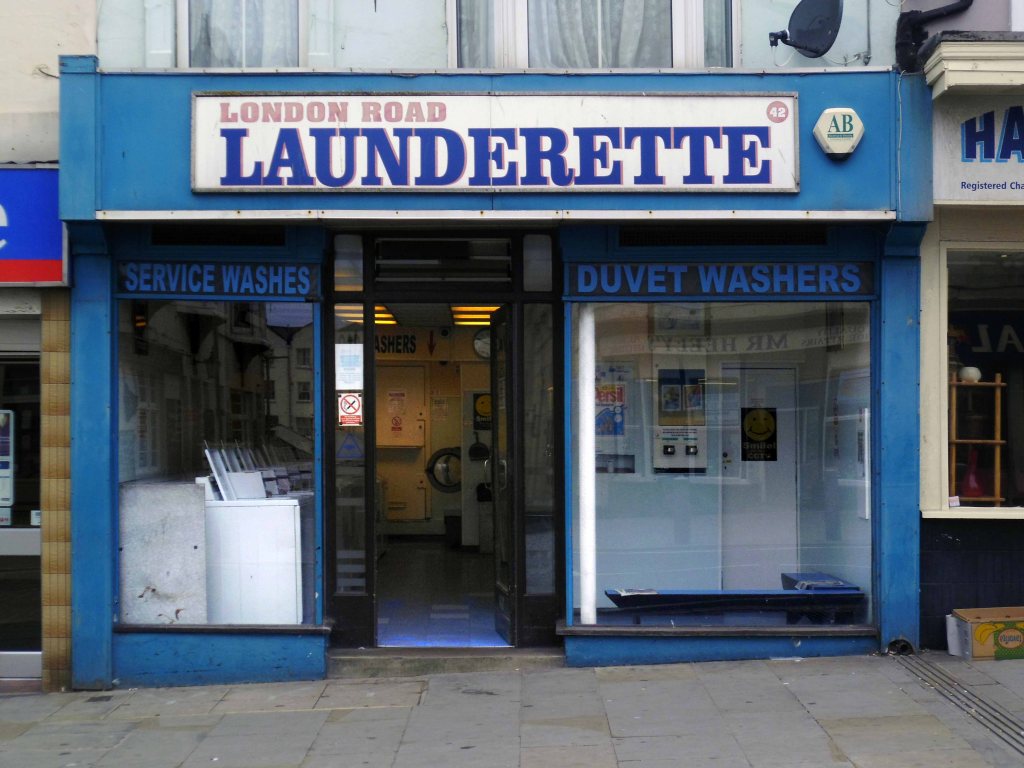
eight laundrettes

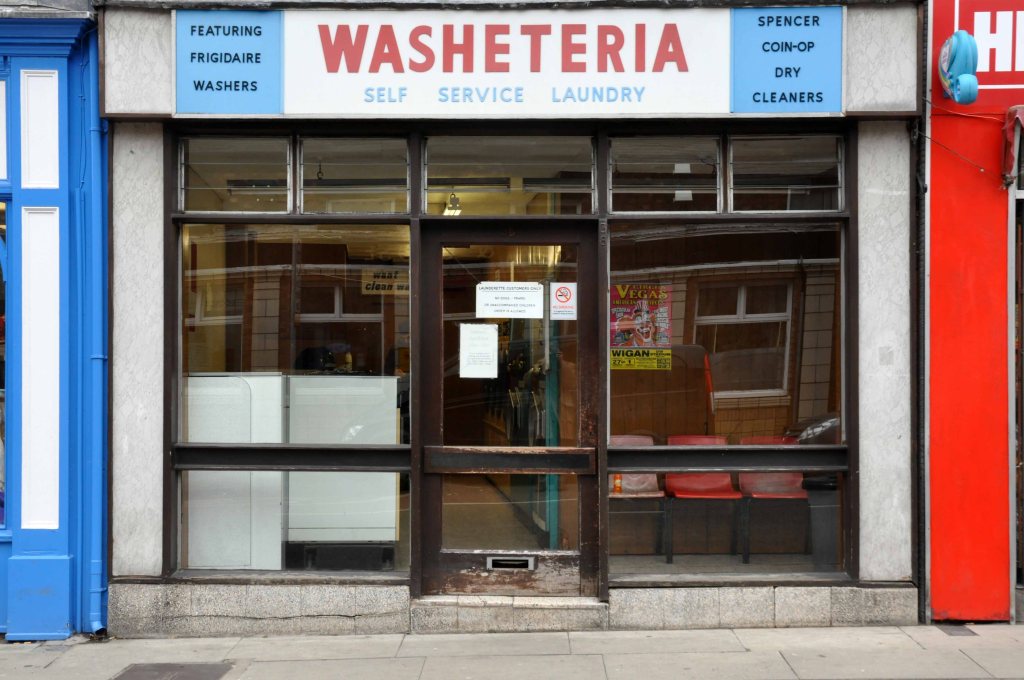
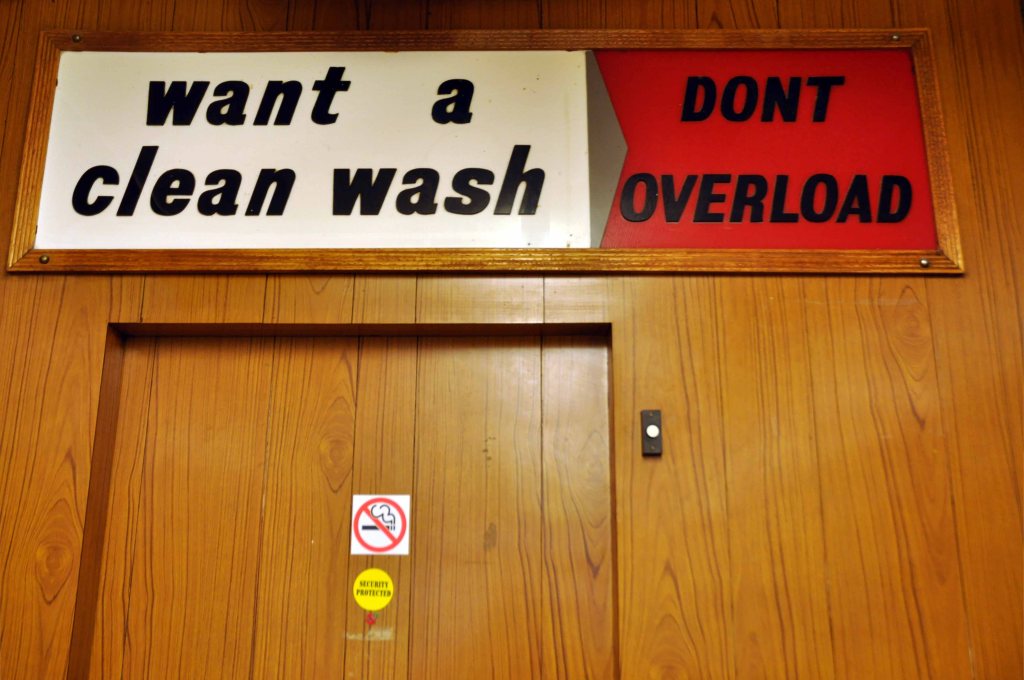
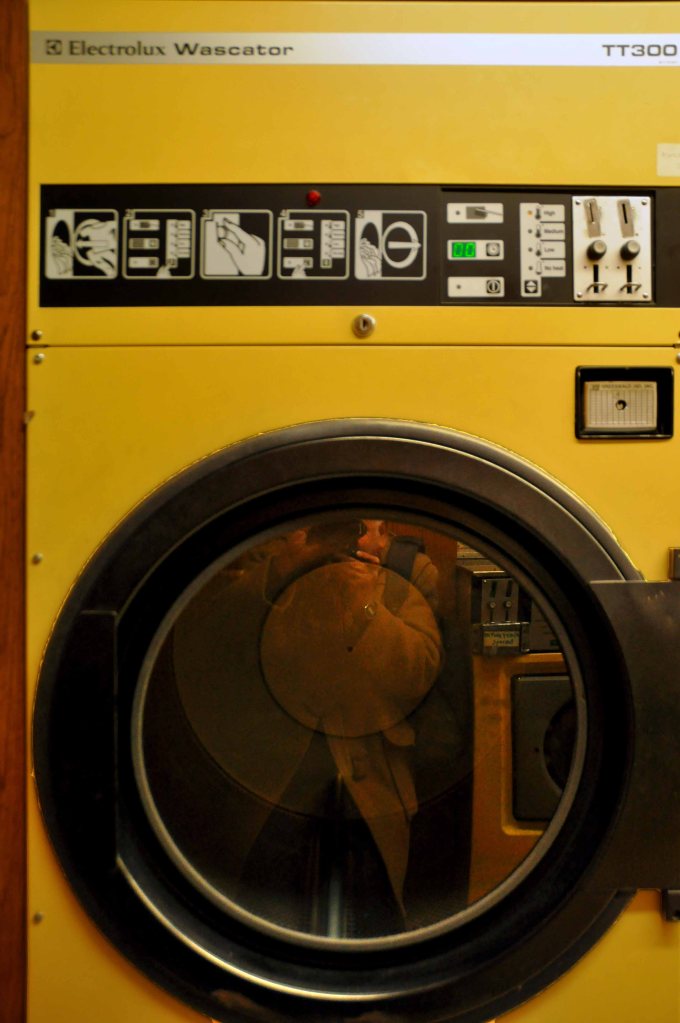
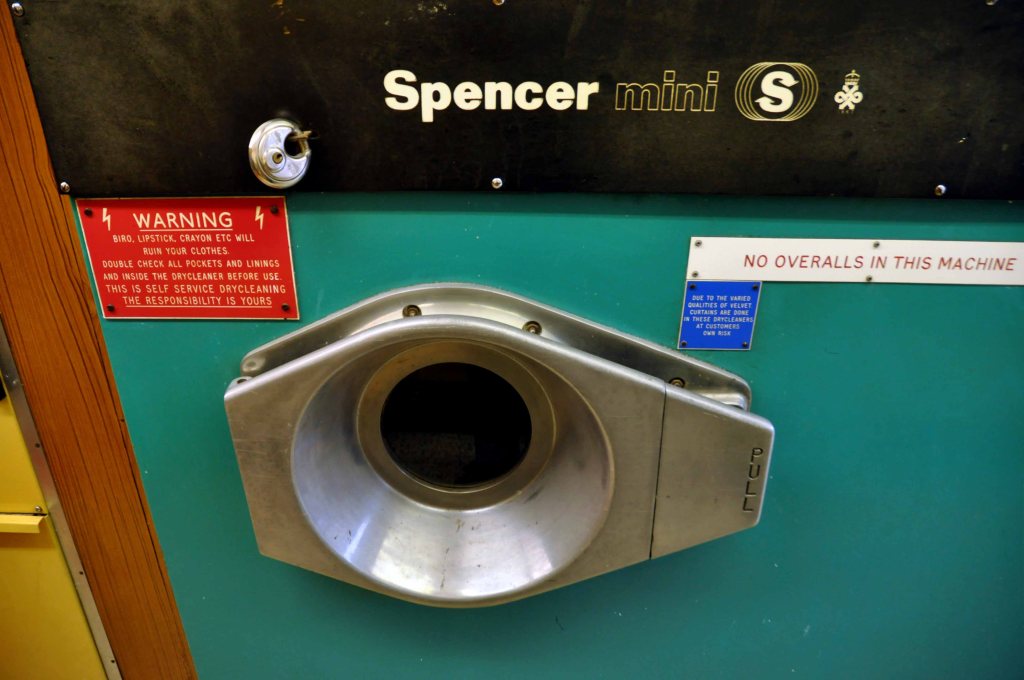
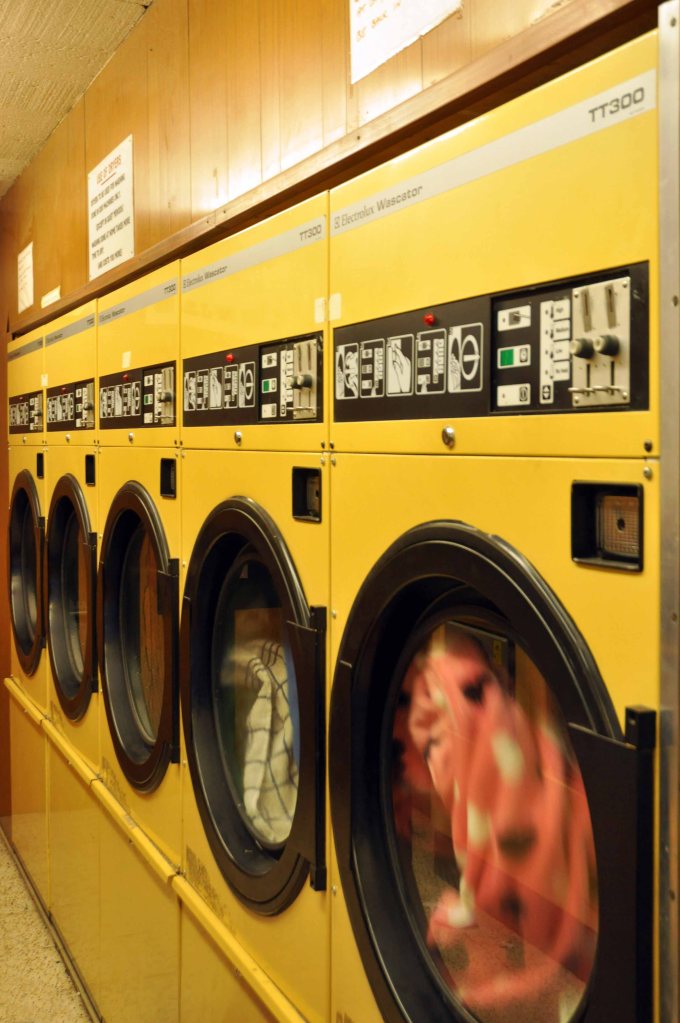
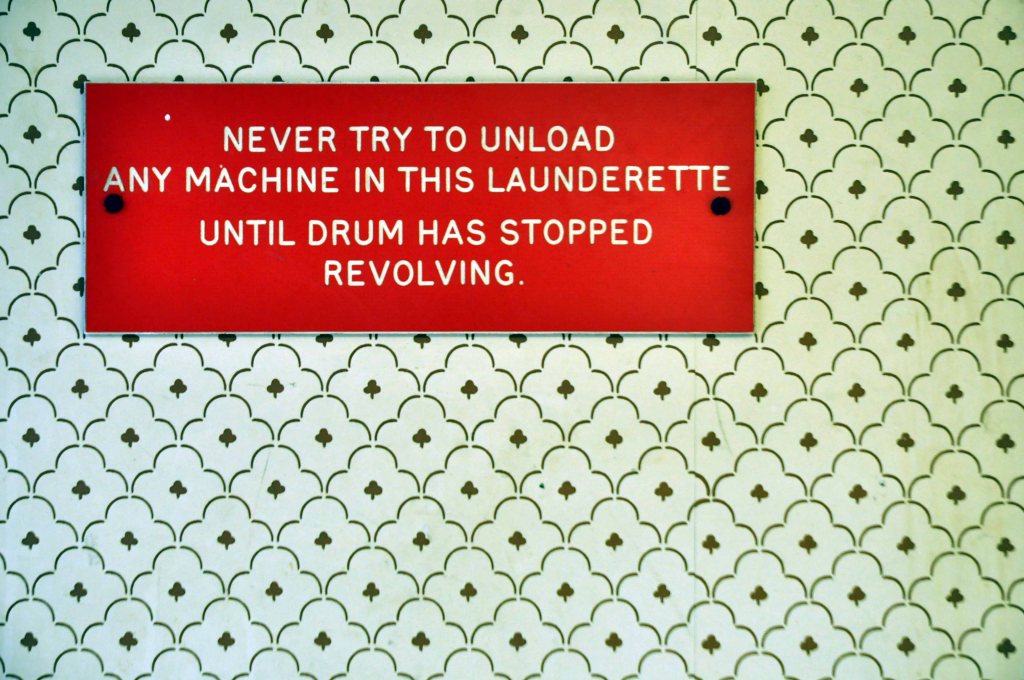
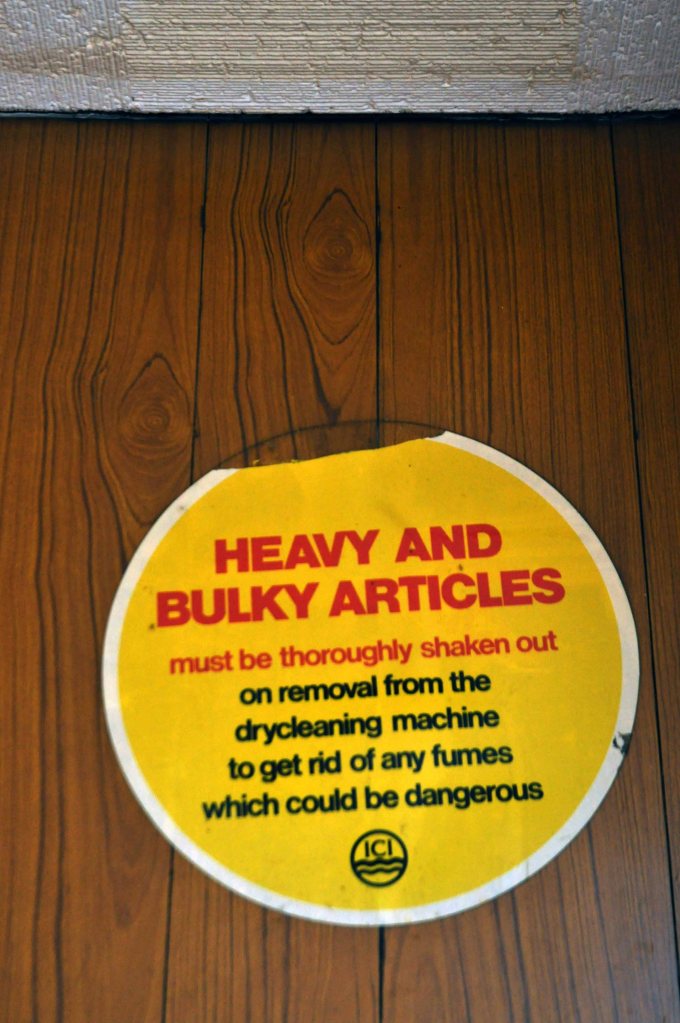
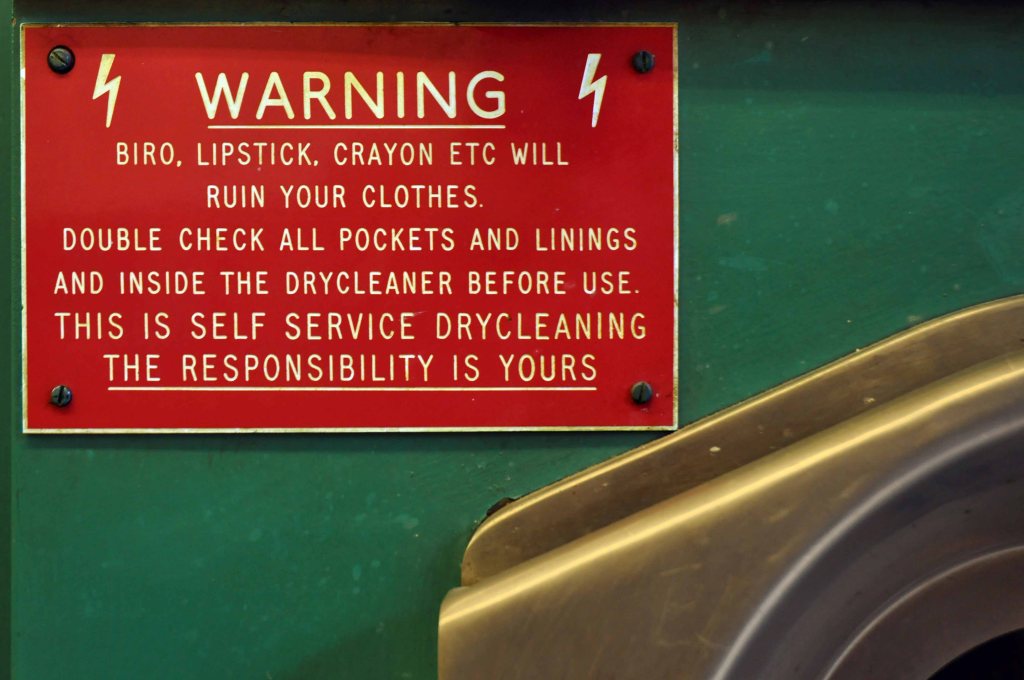
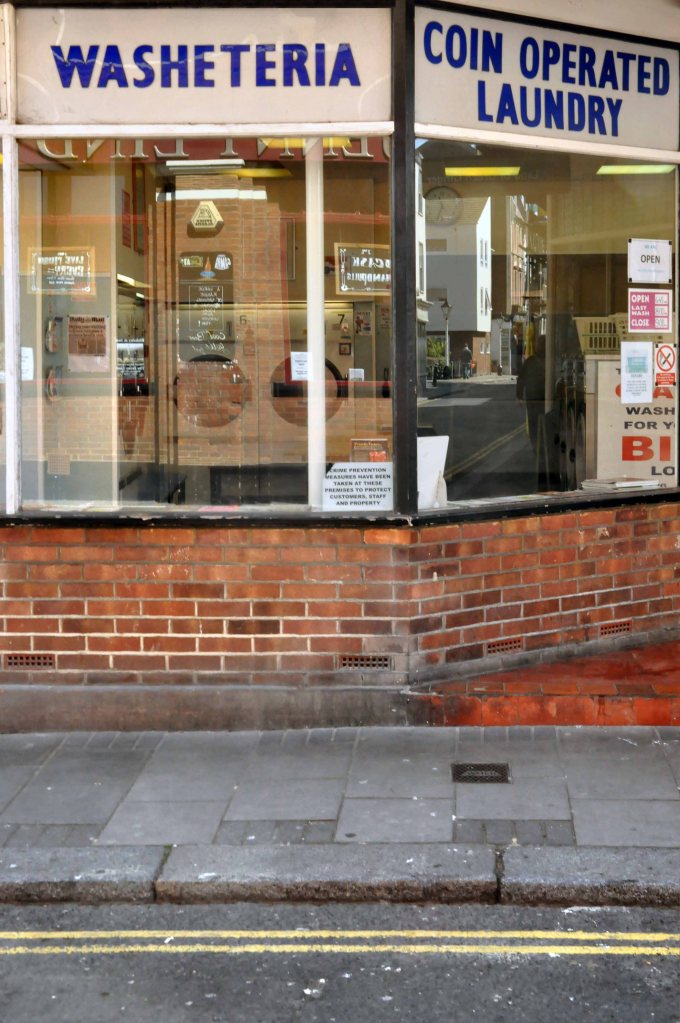
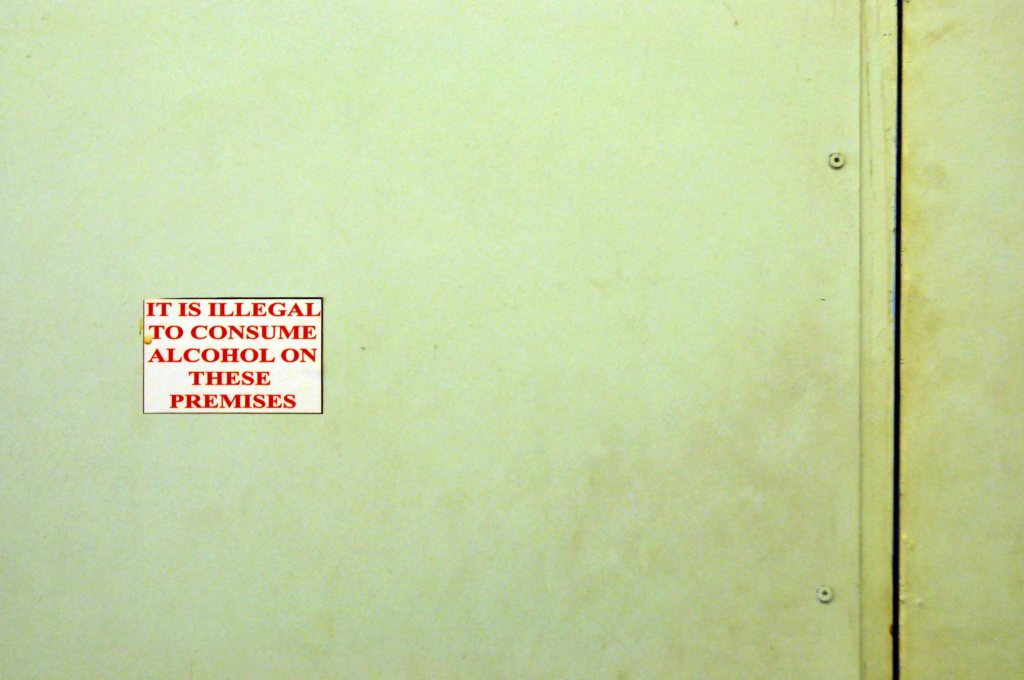
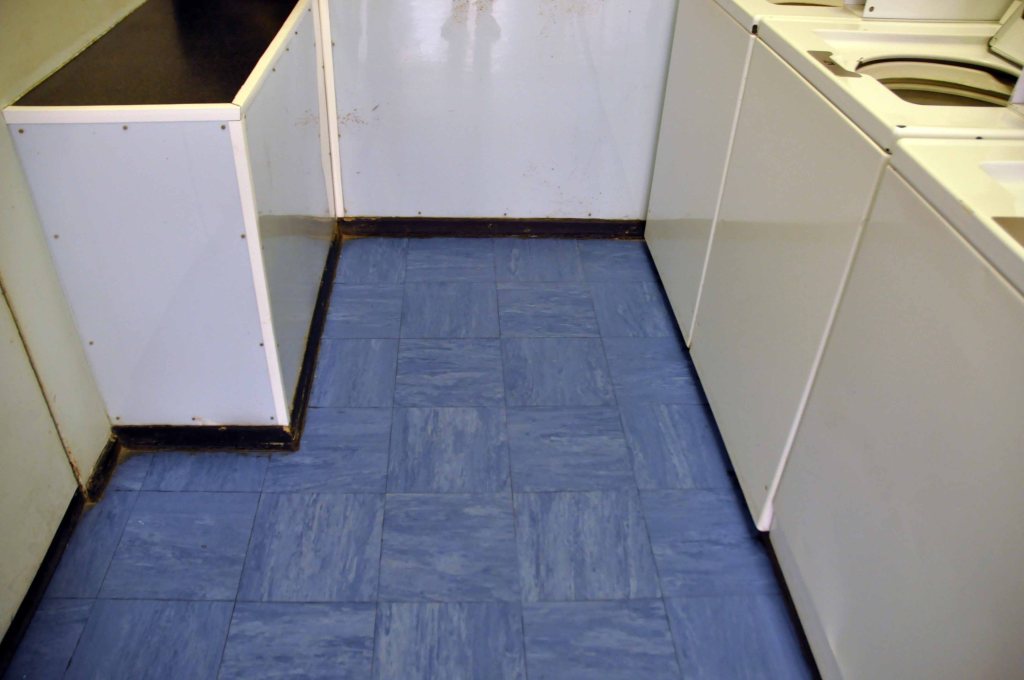
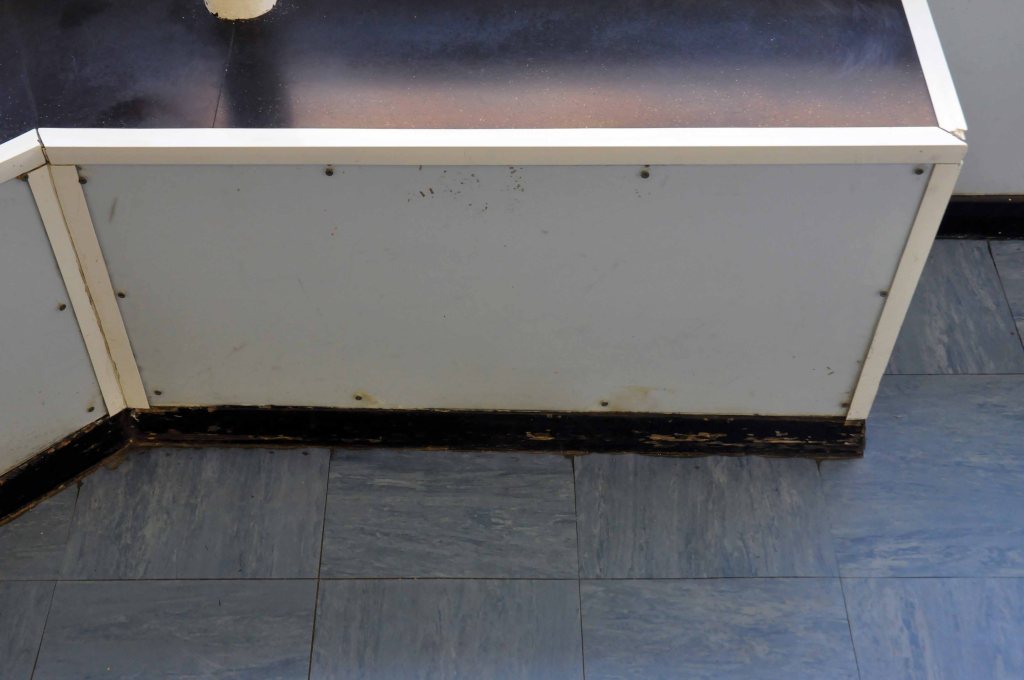
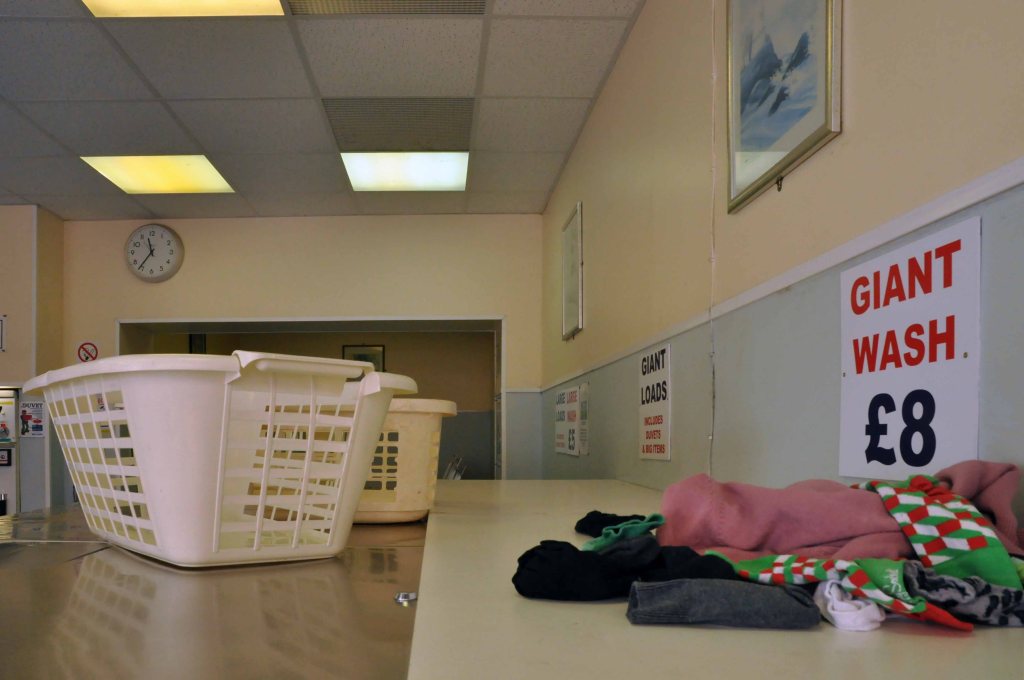
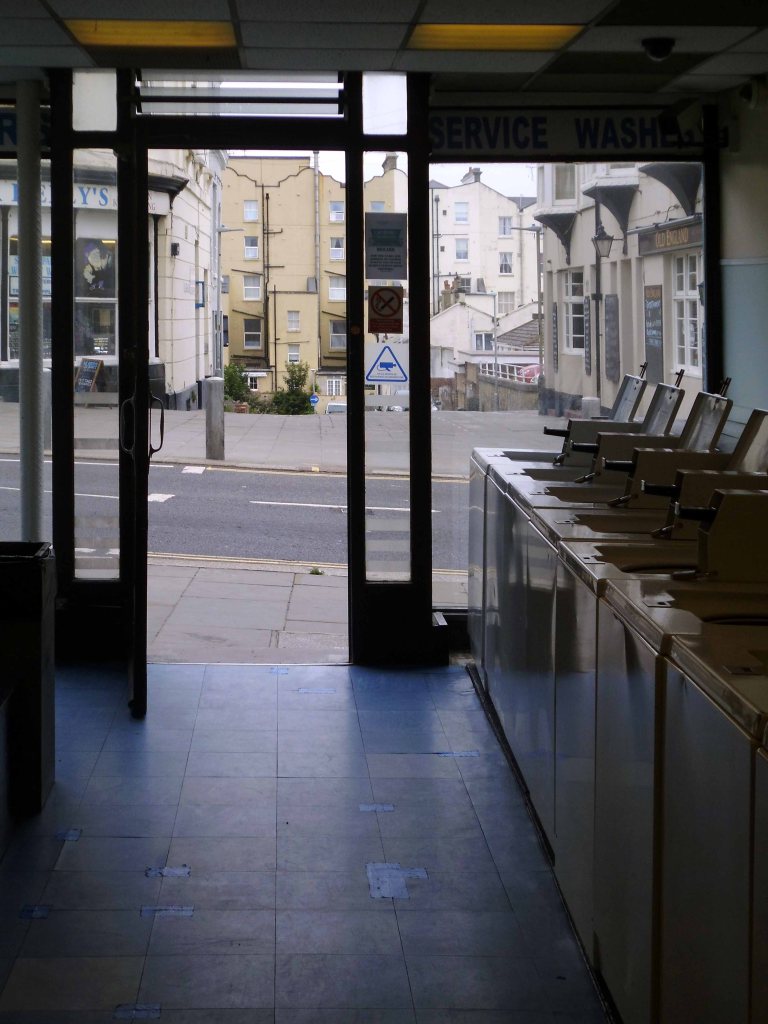
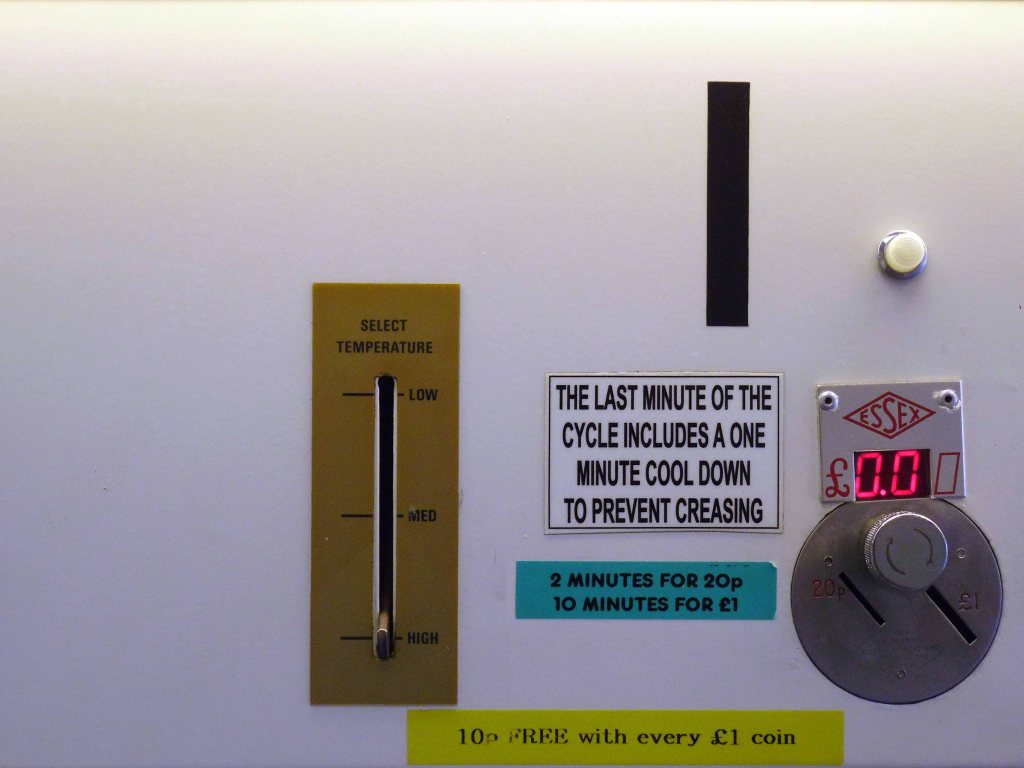
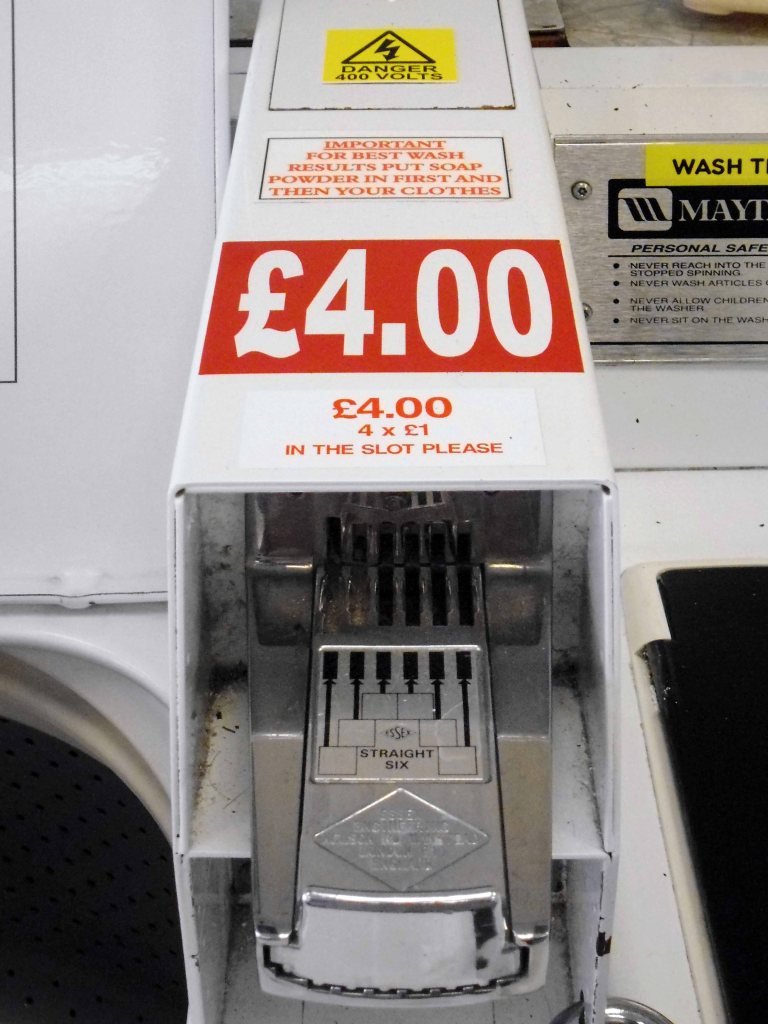
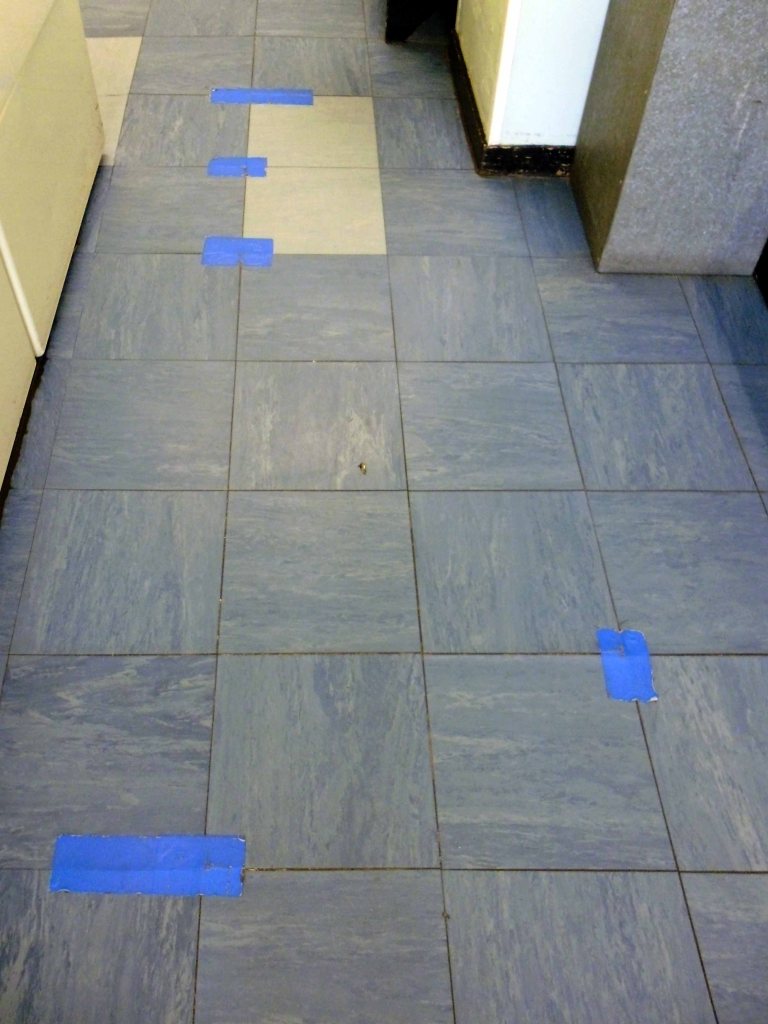
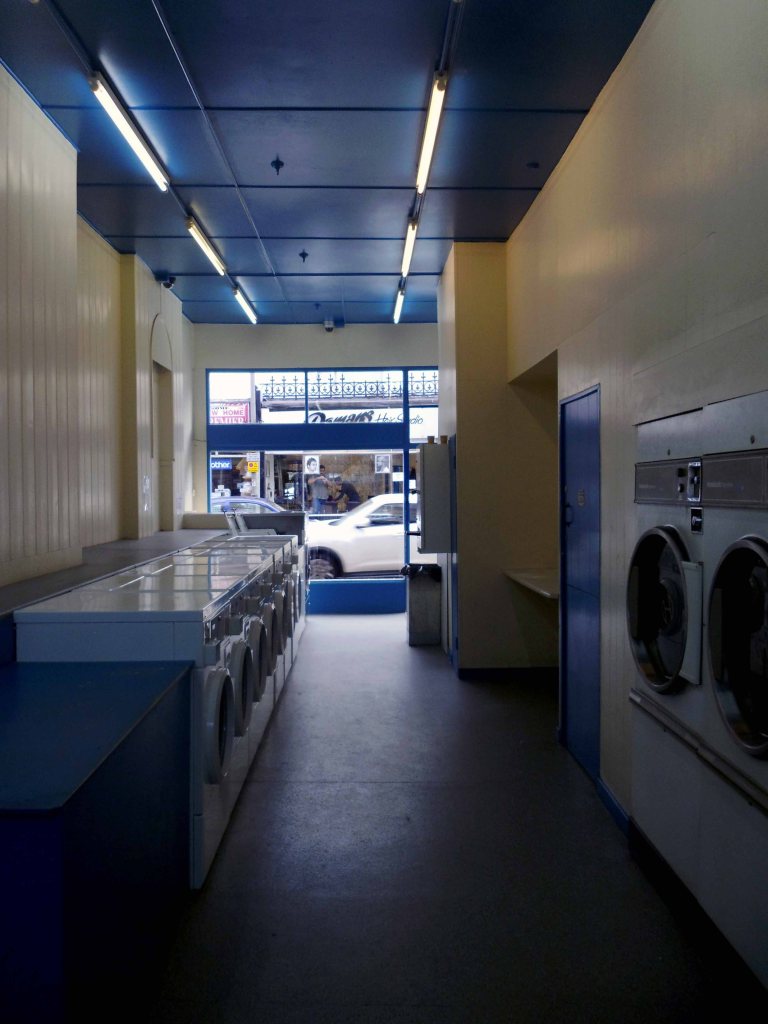
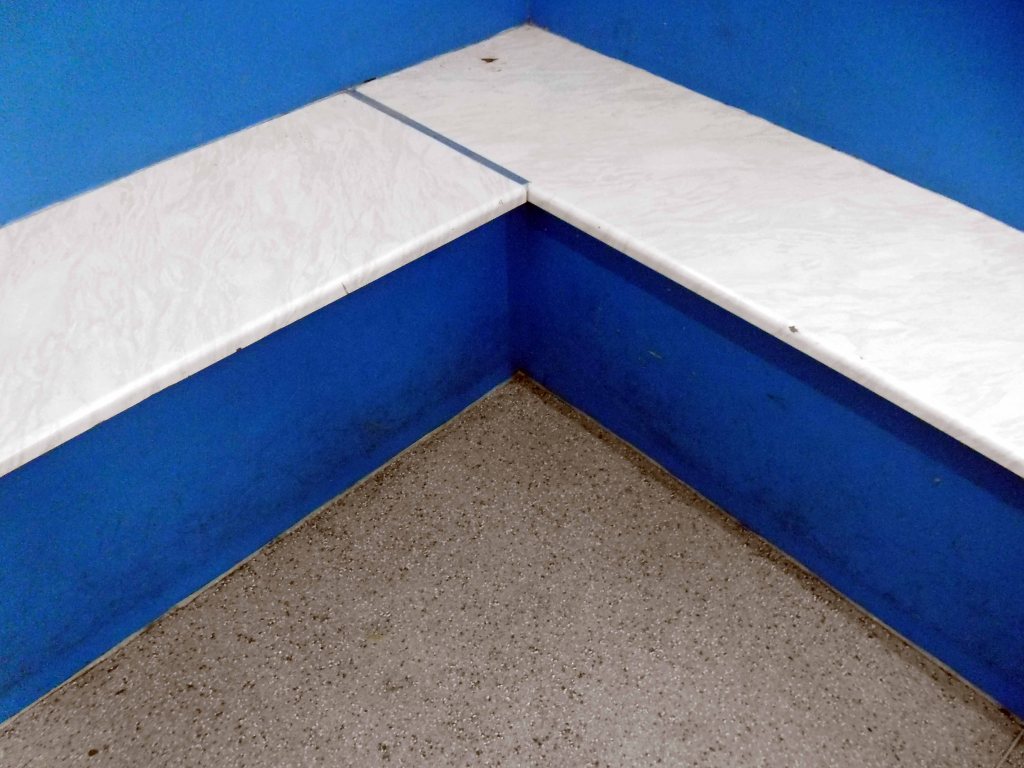
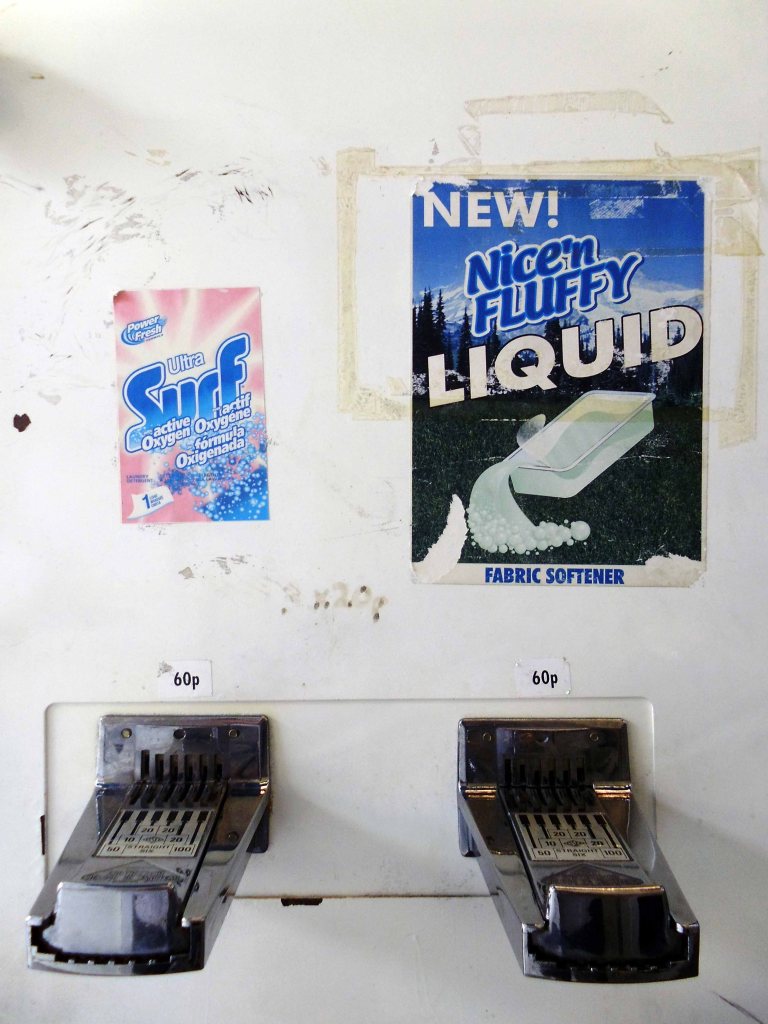
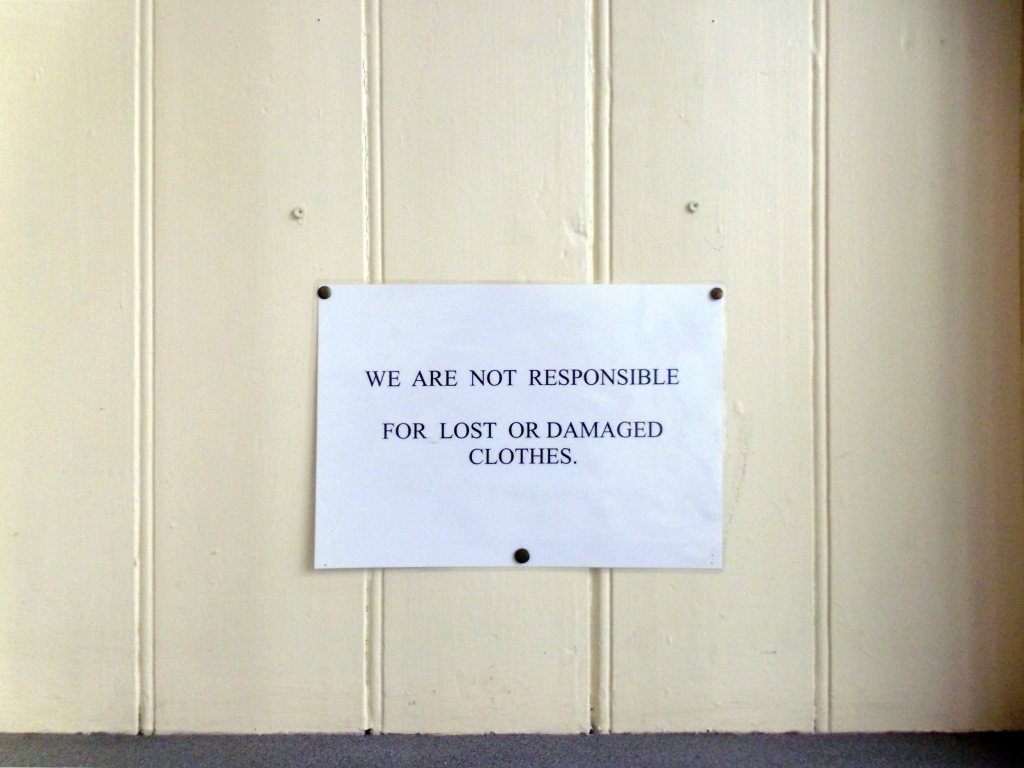
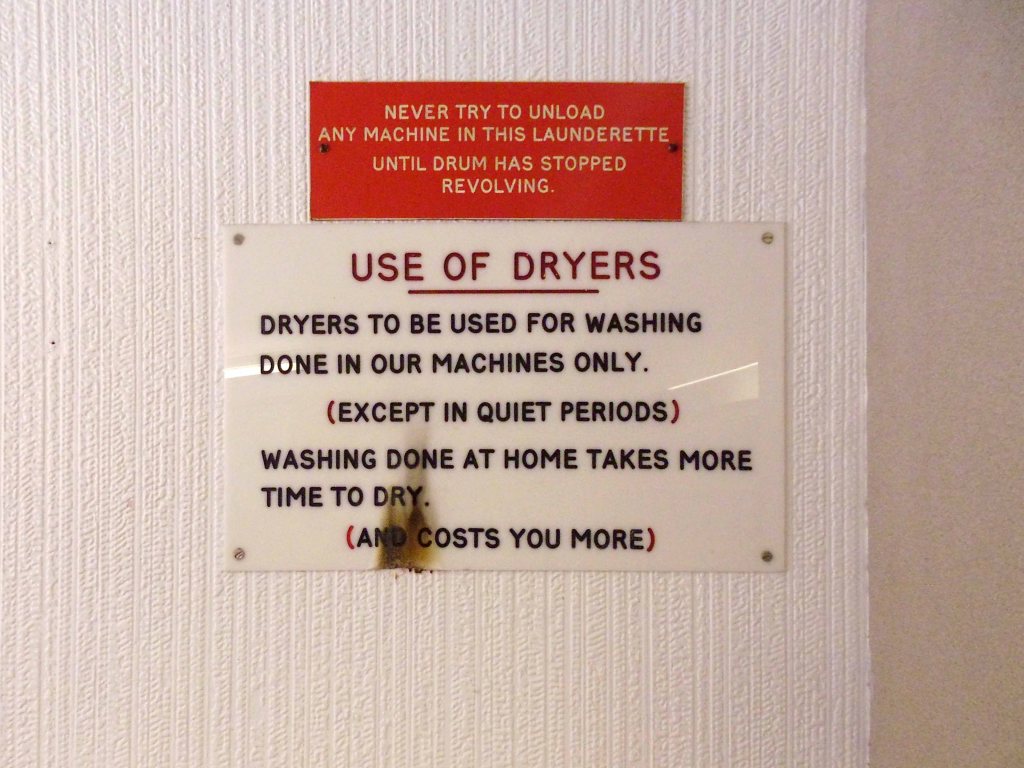
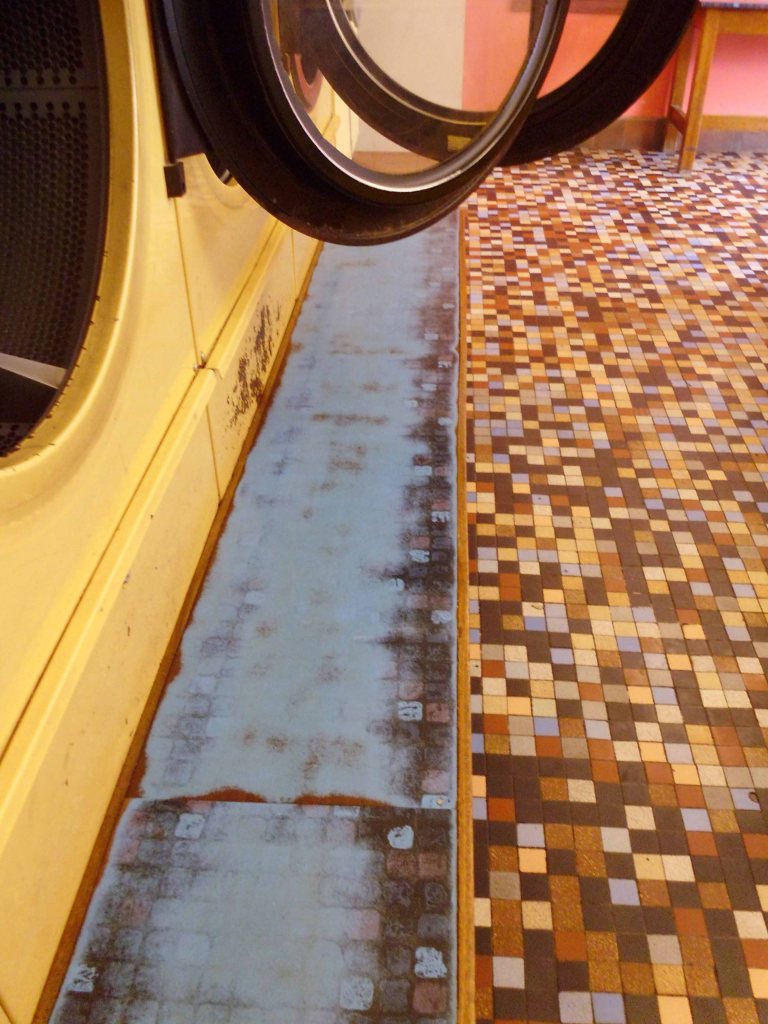
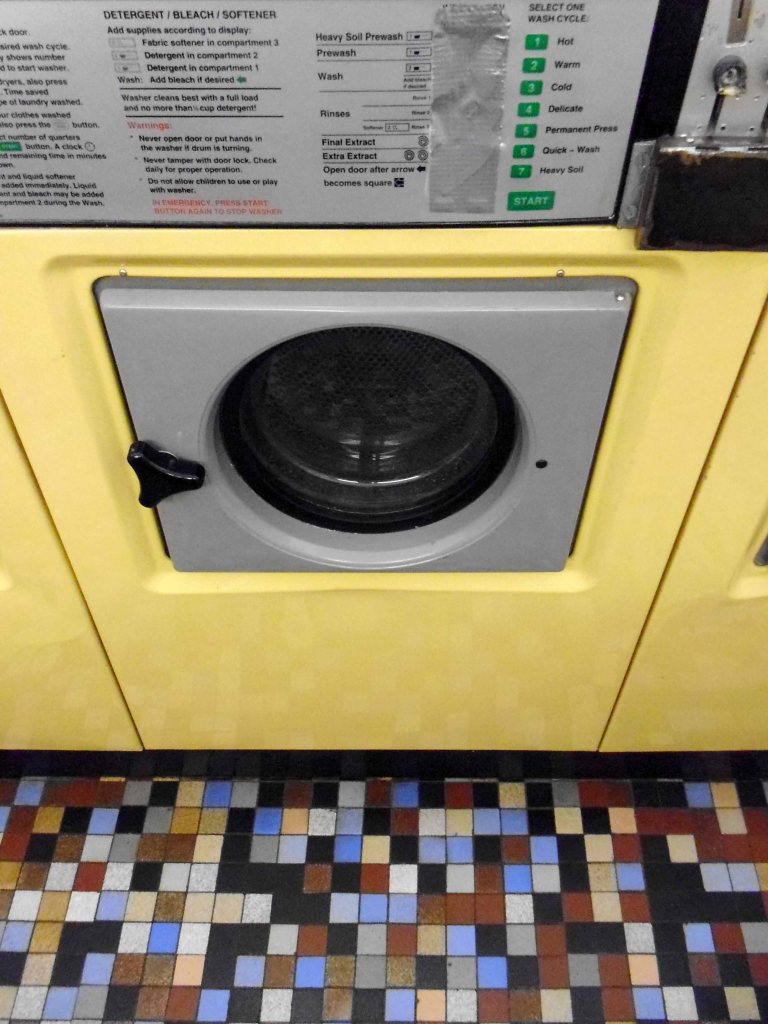
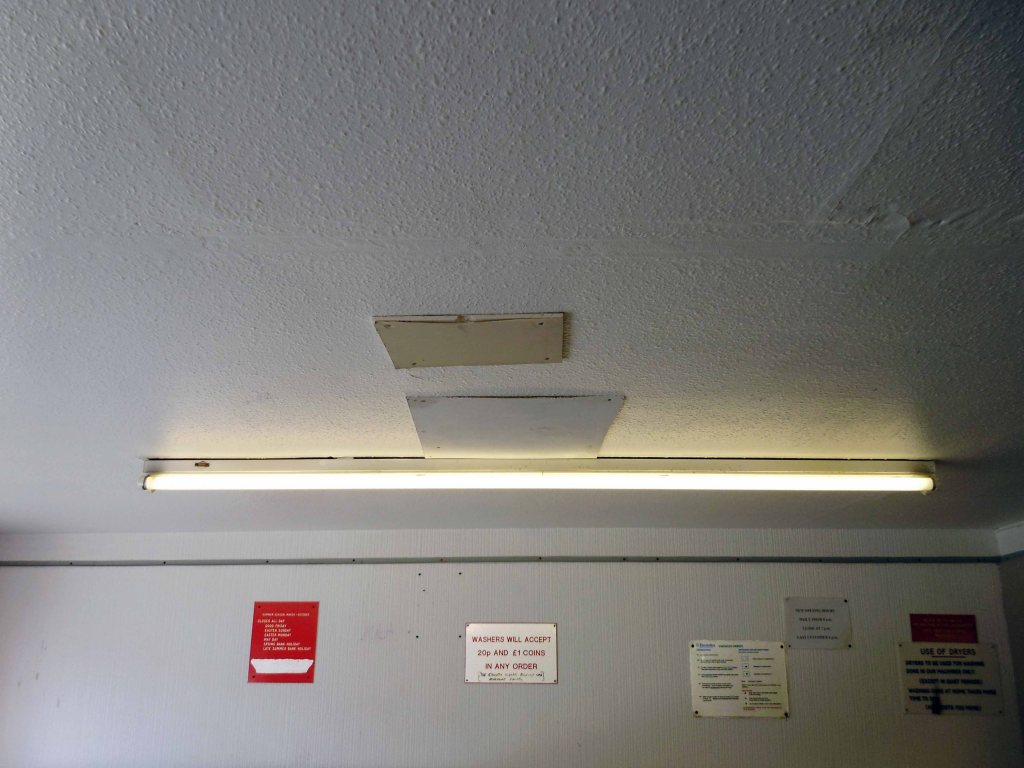
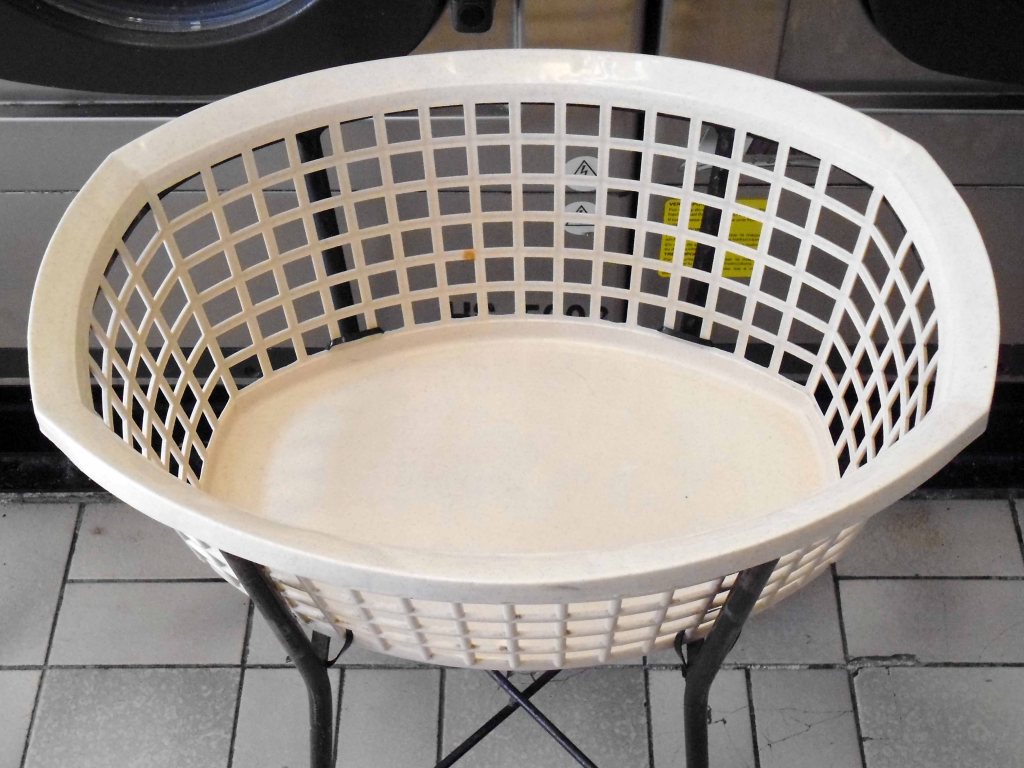
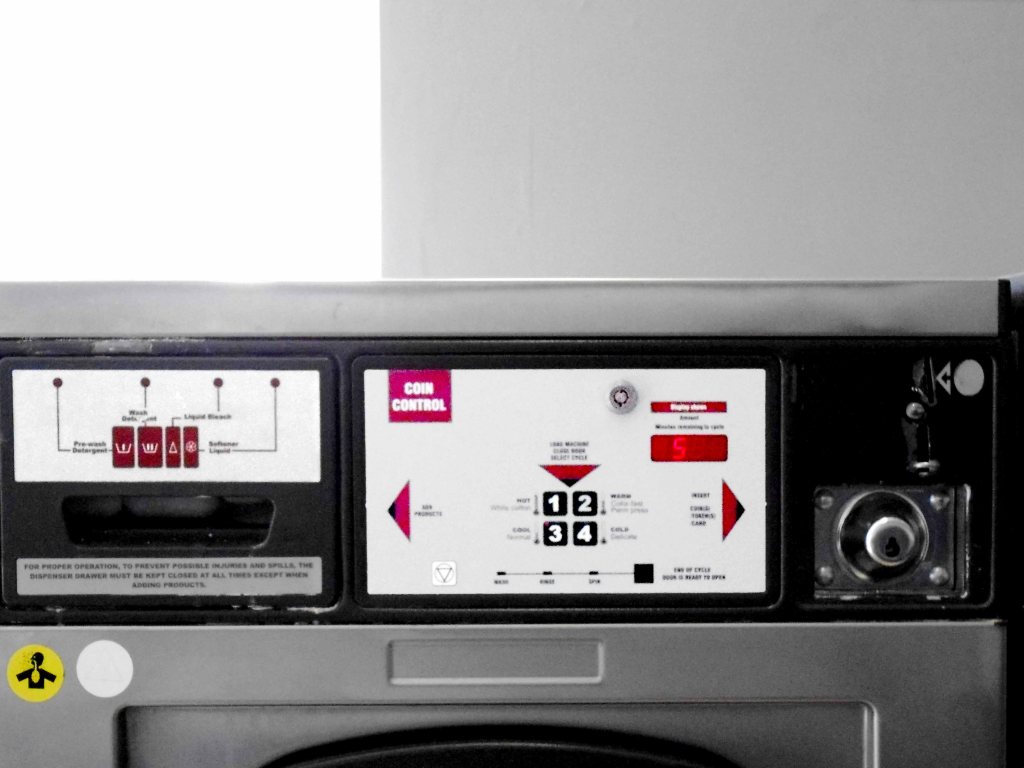
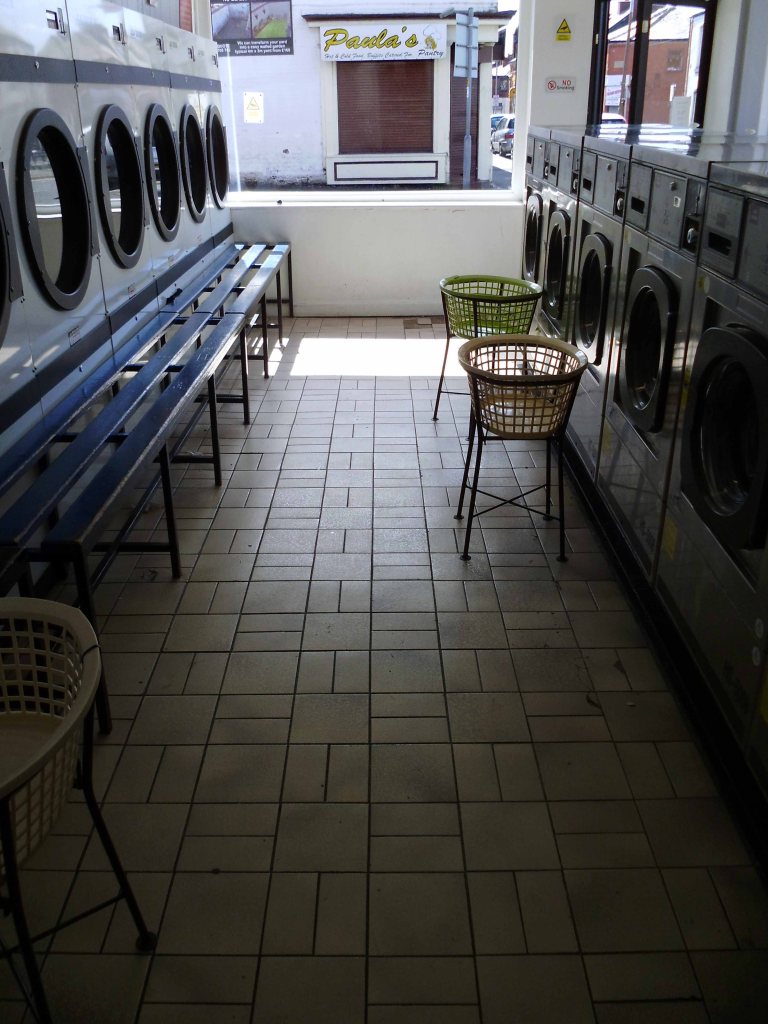
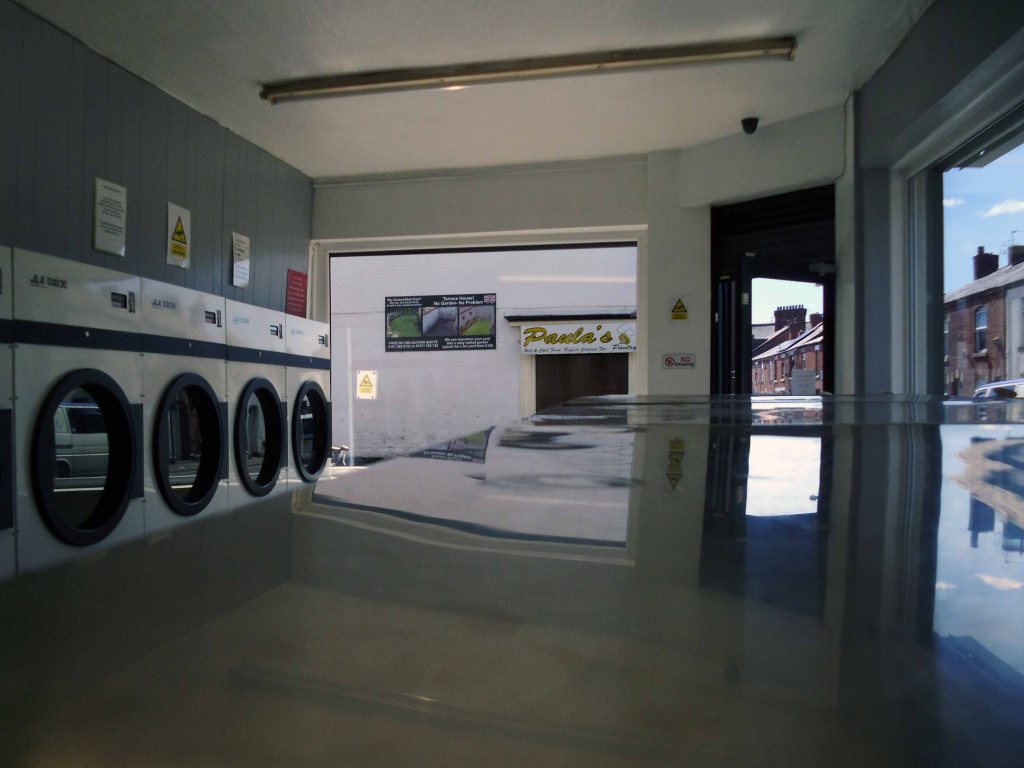
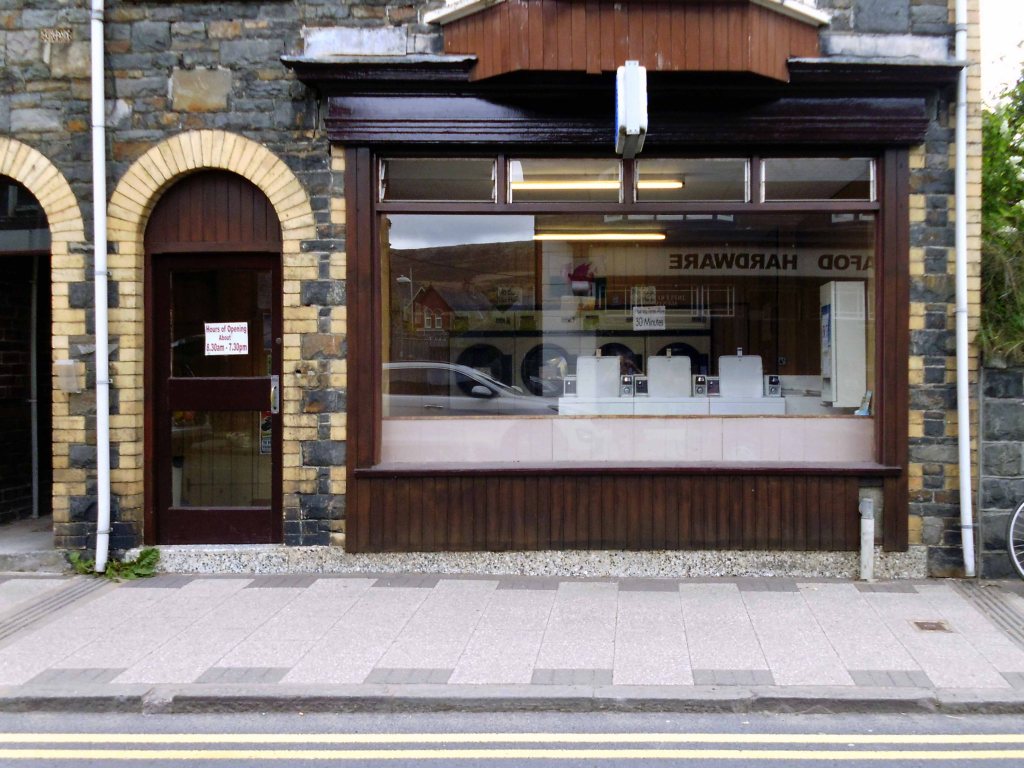
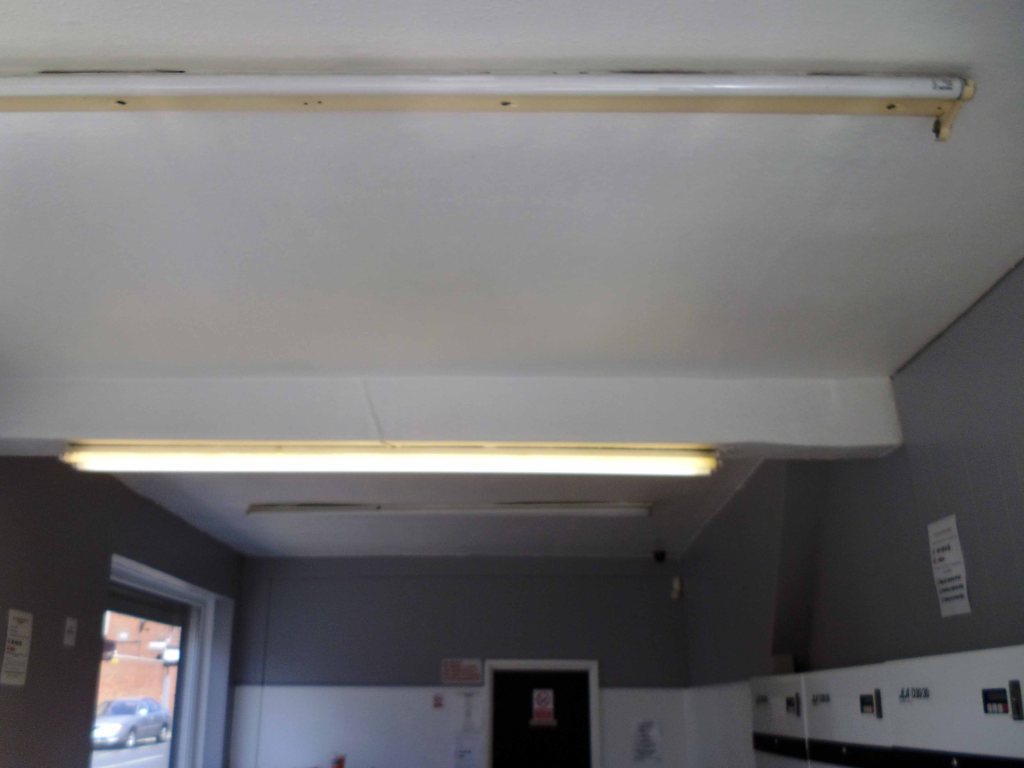
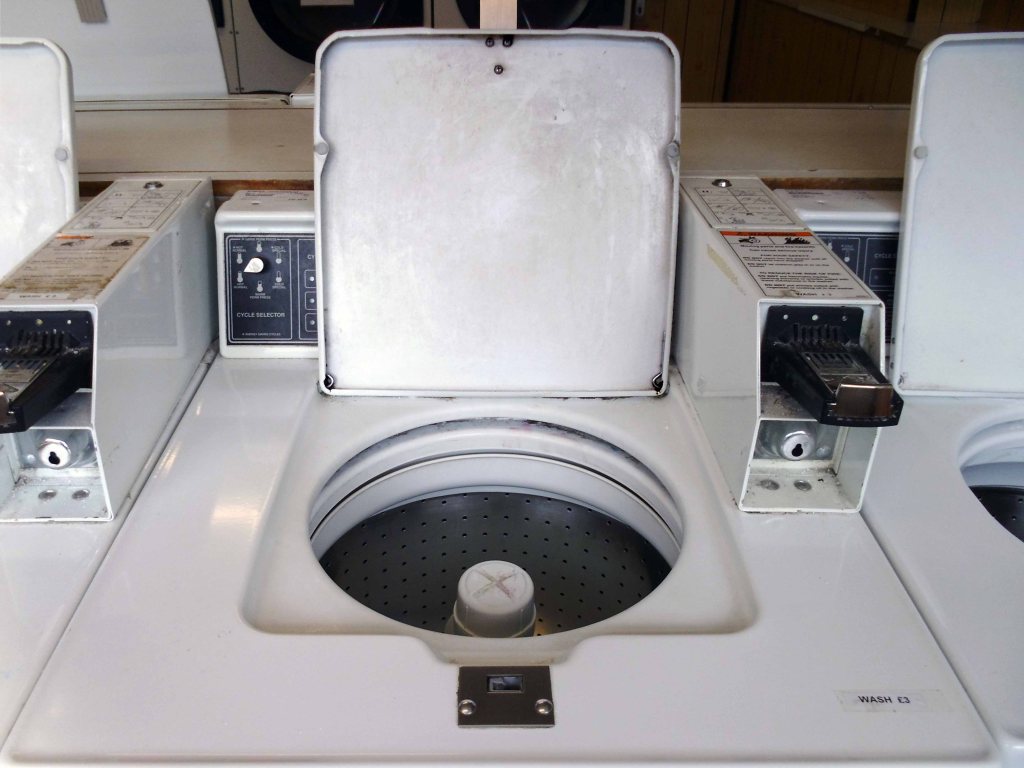
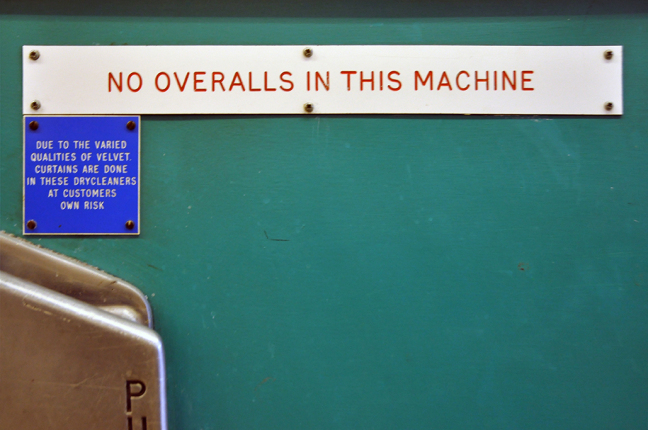
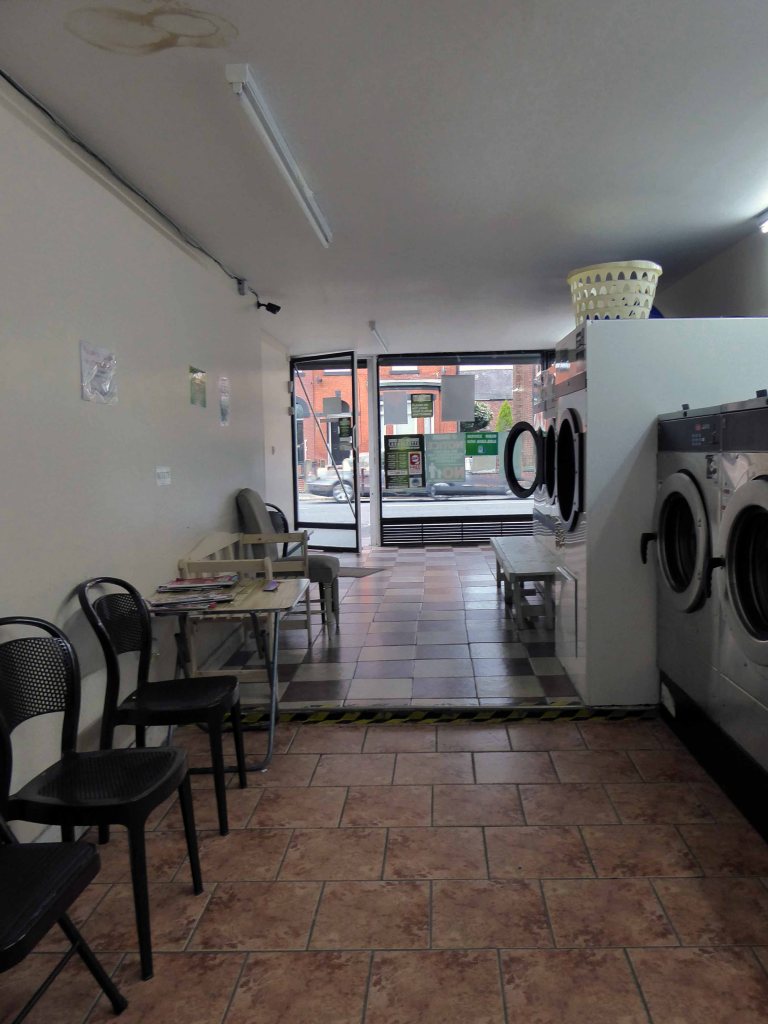
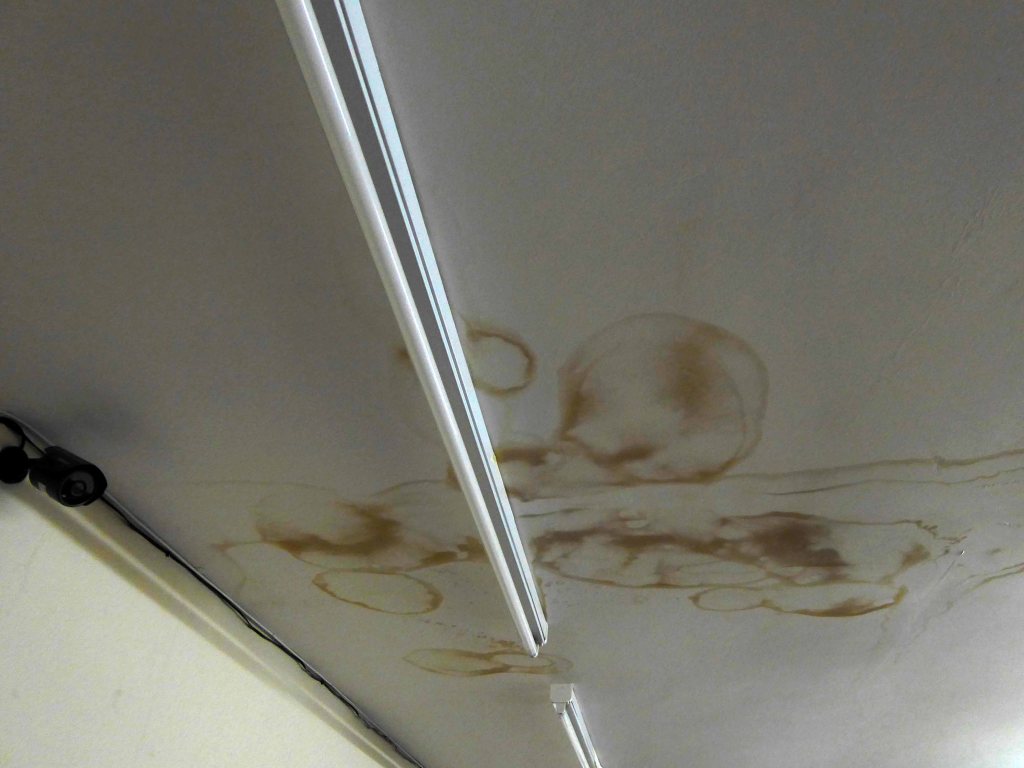
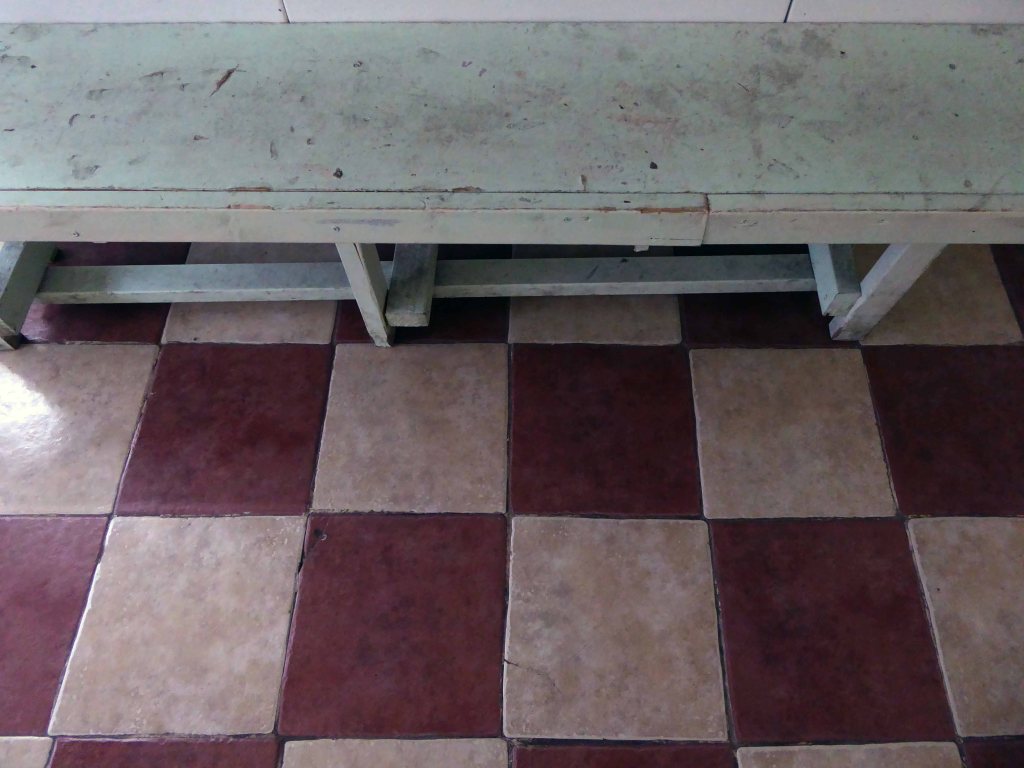
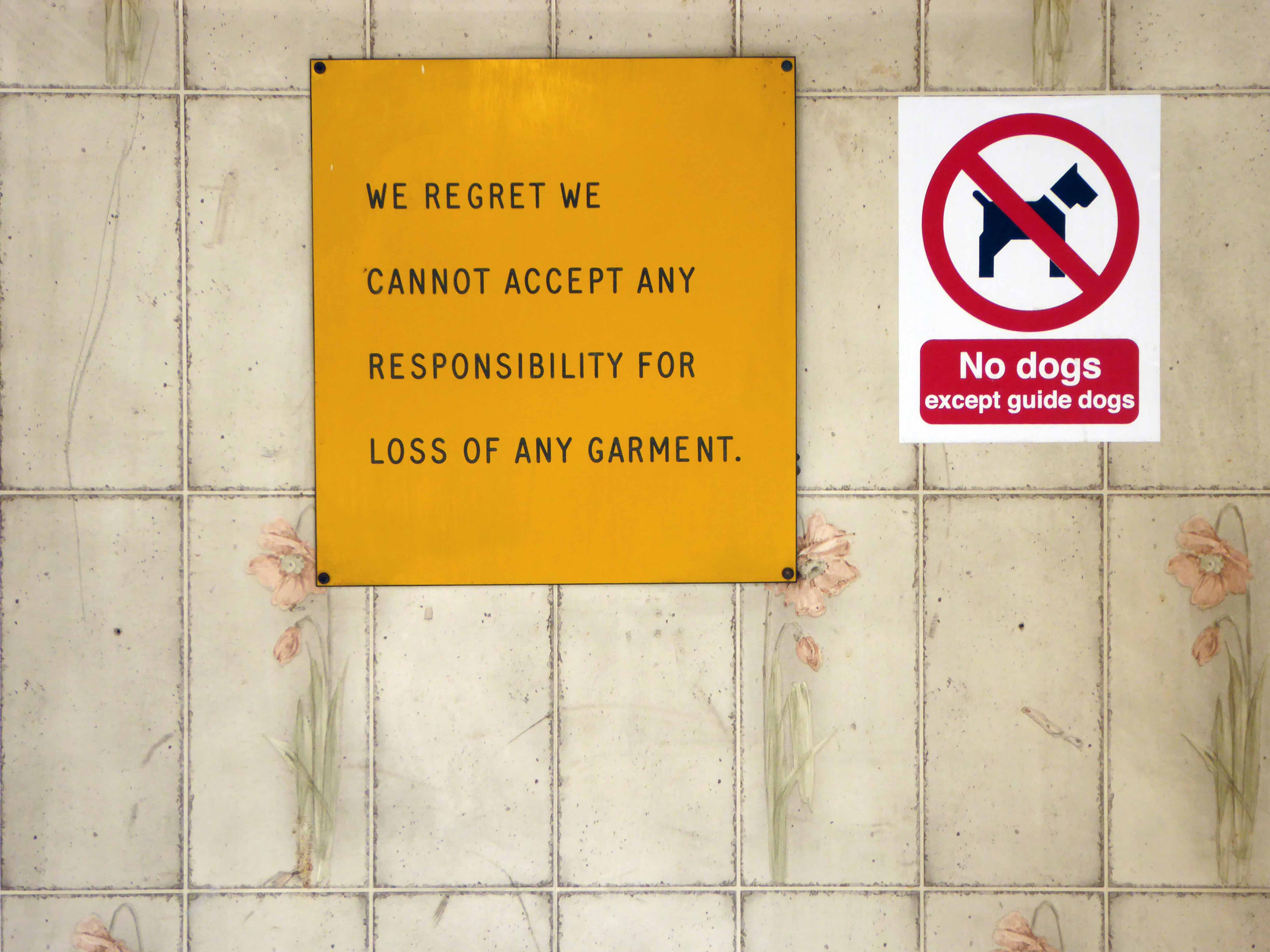
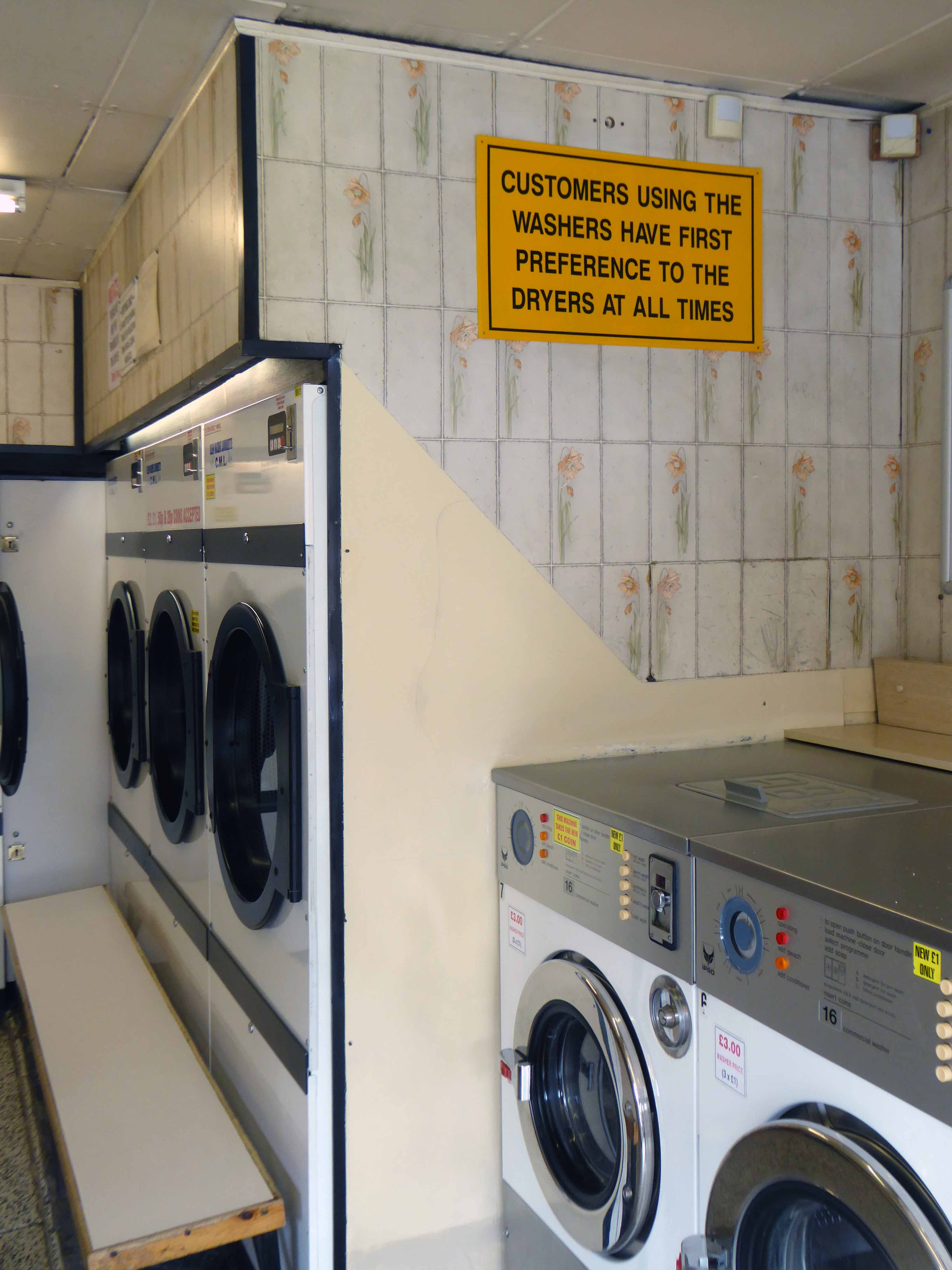
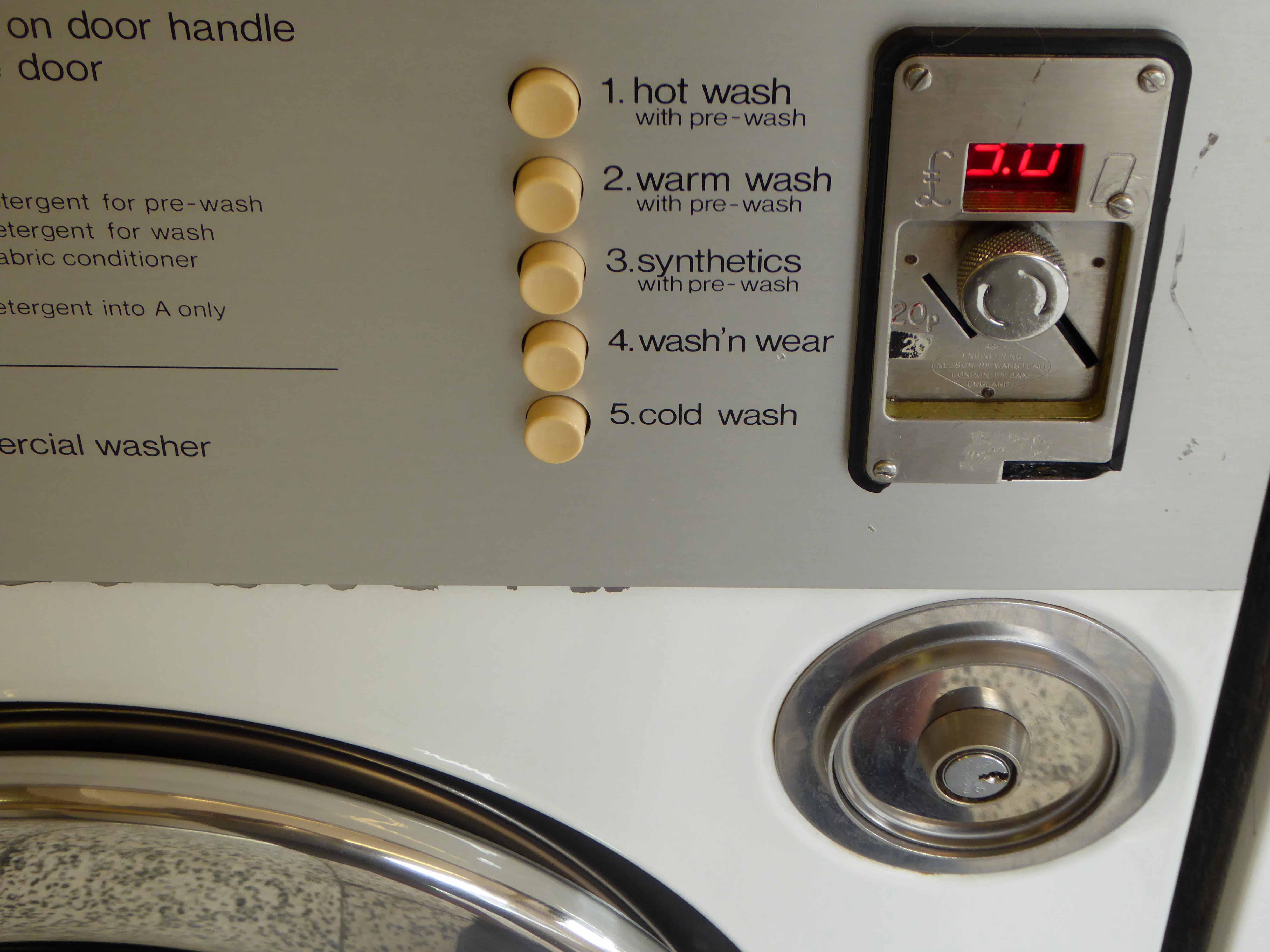
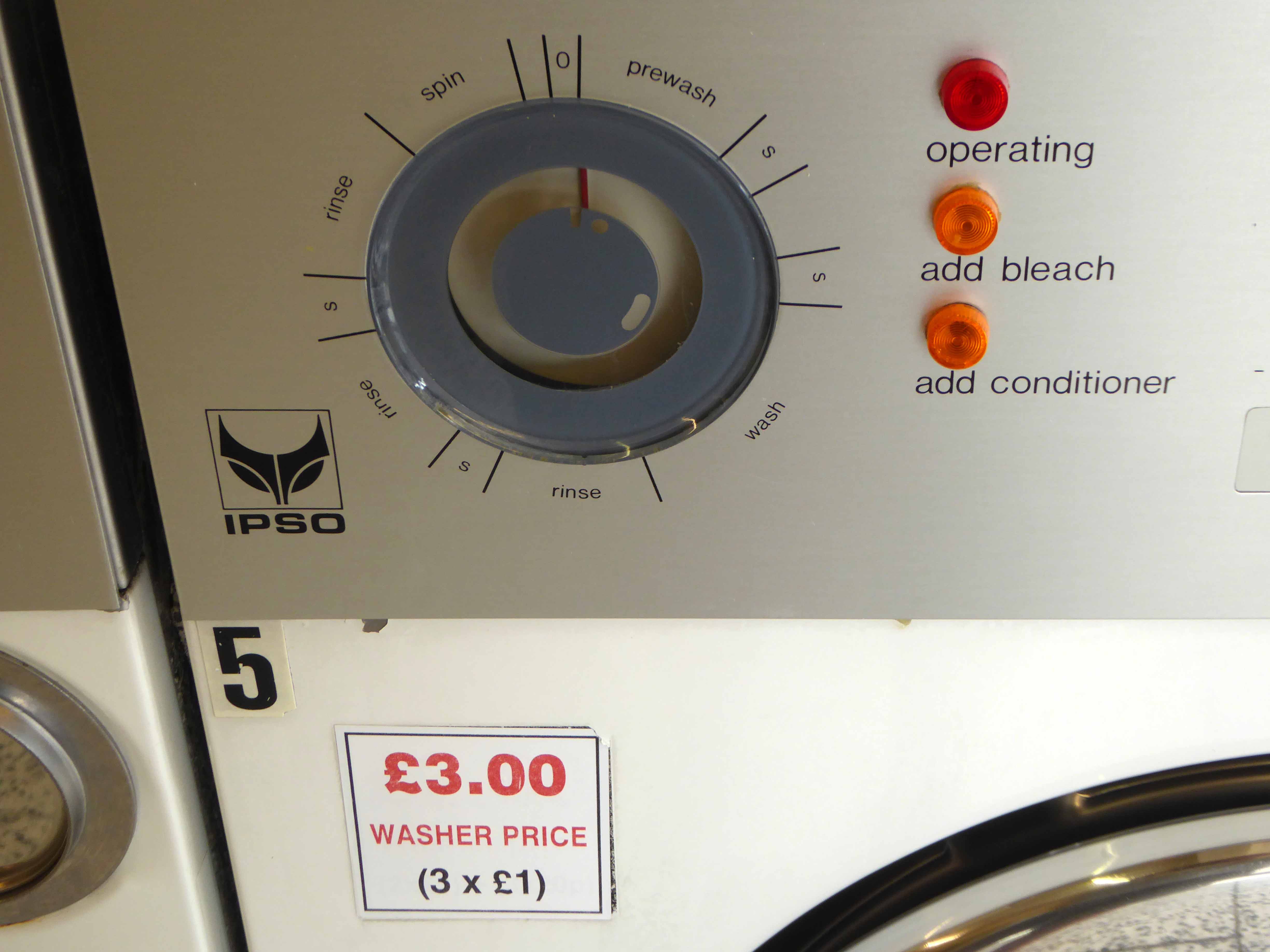
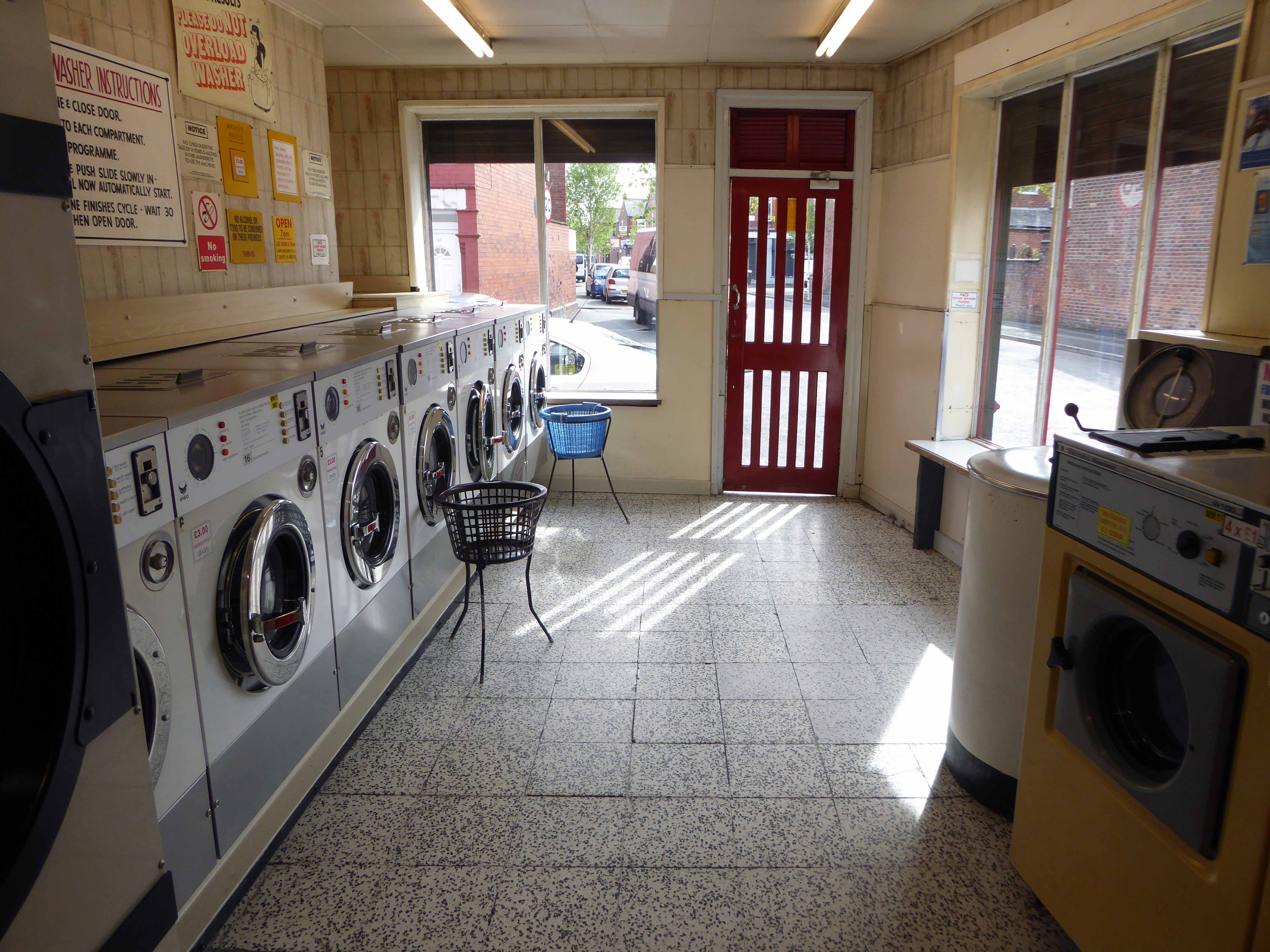
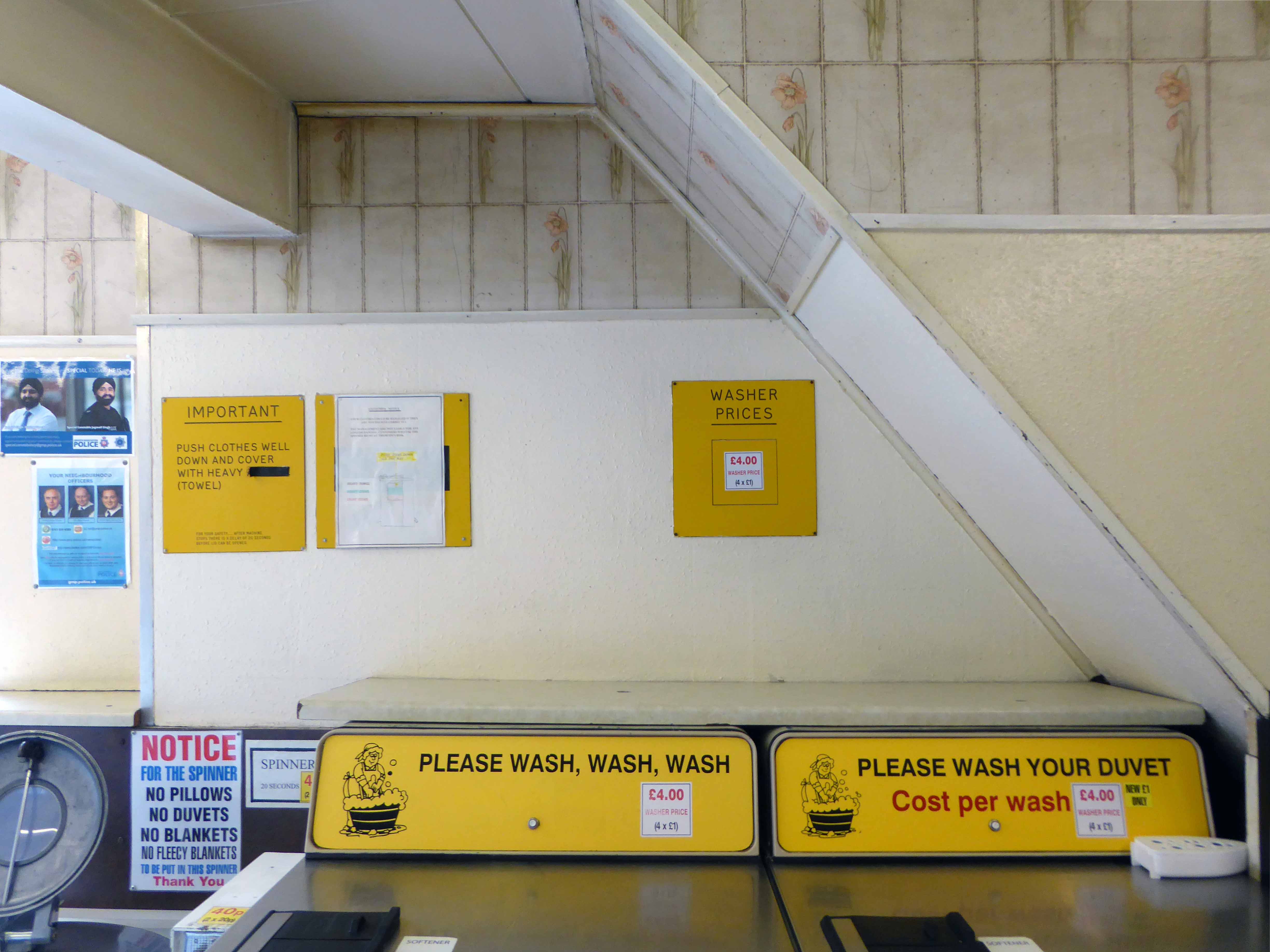
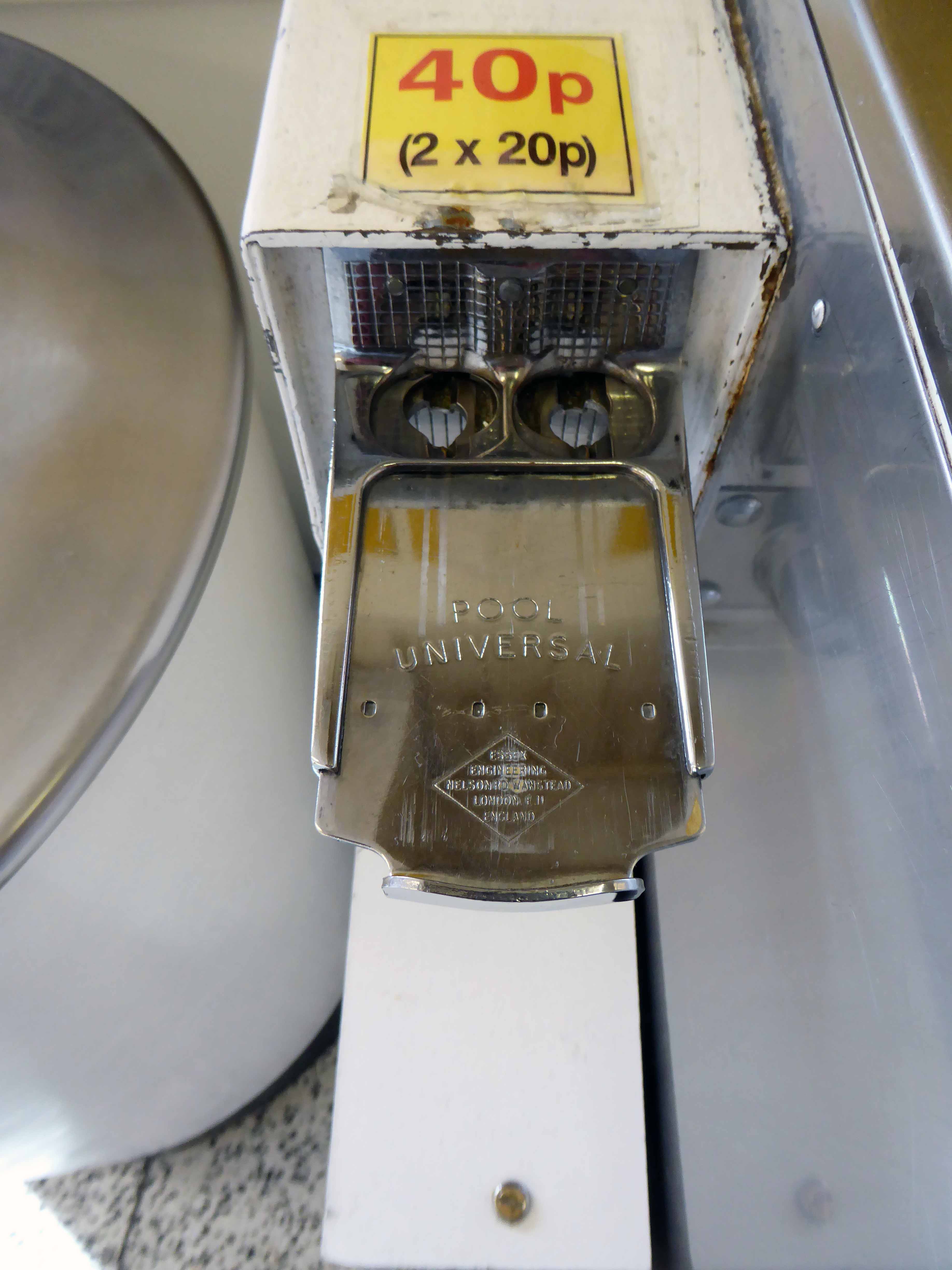
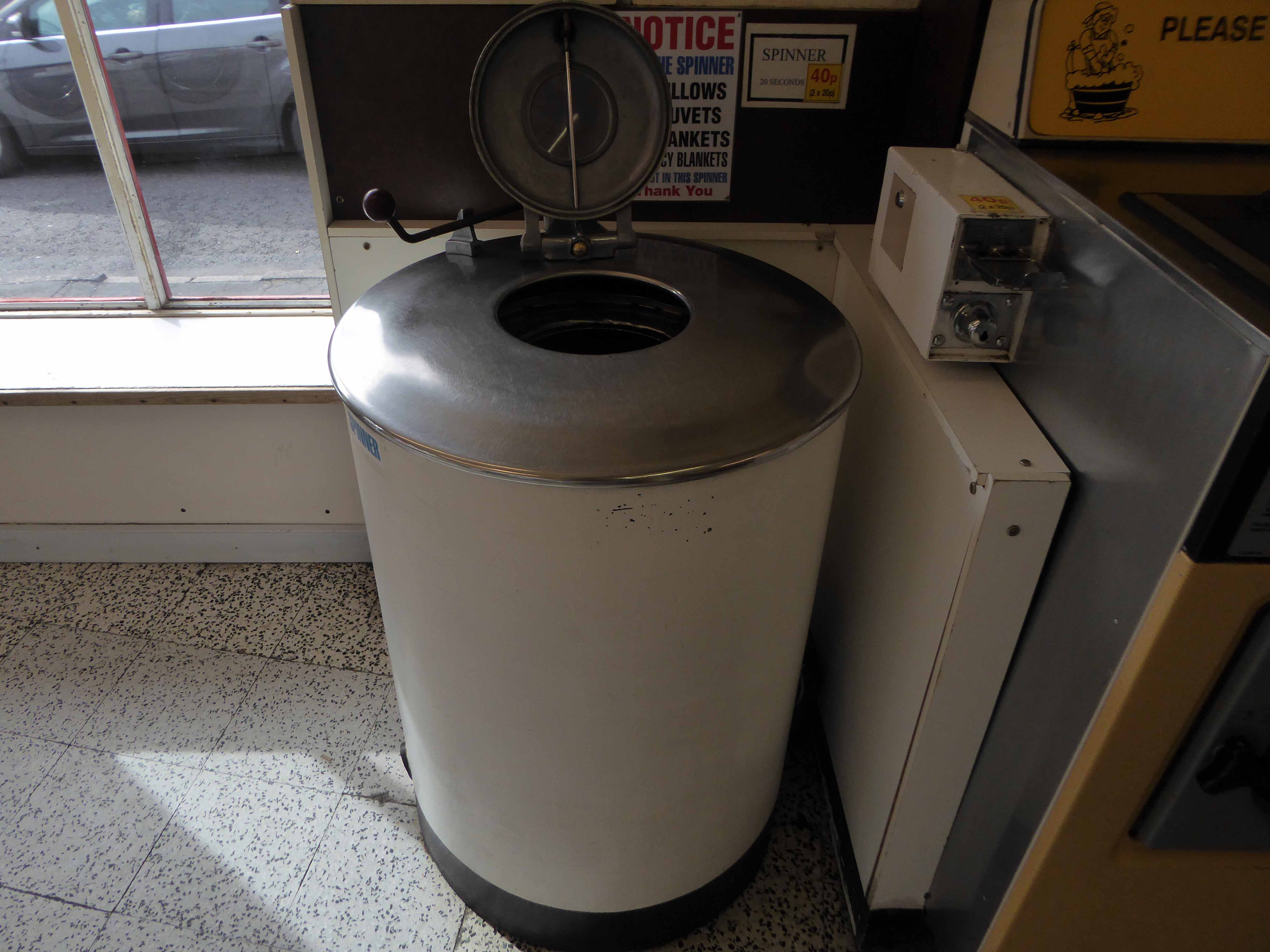
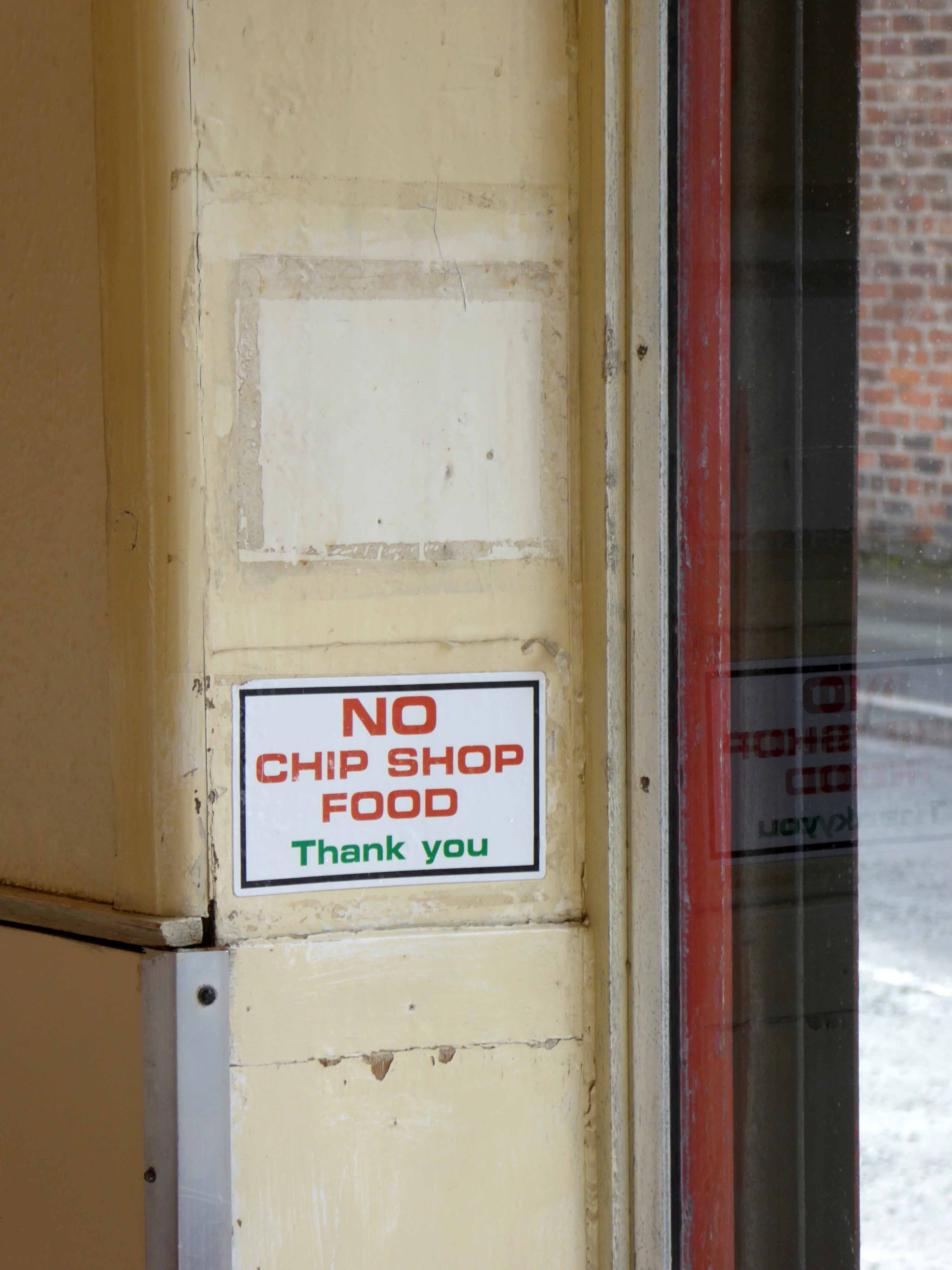
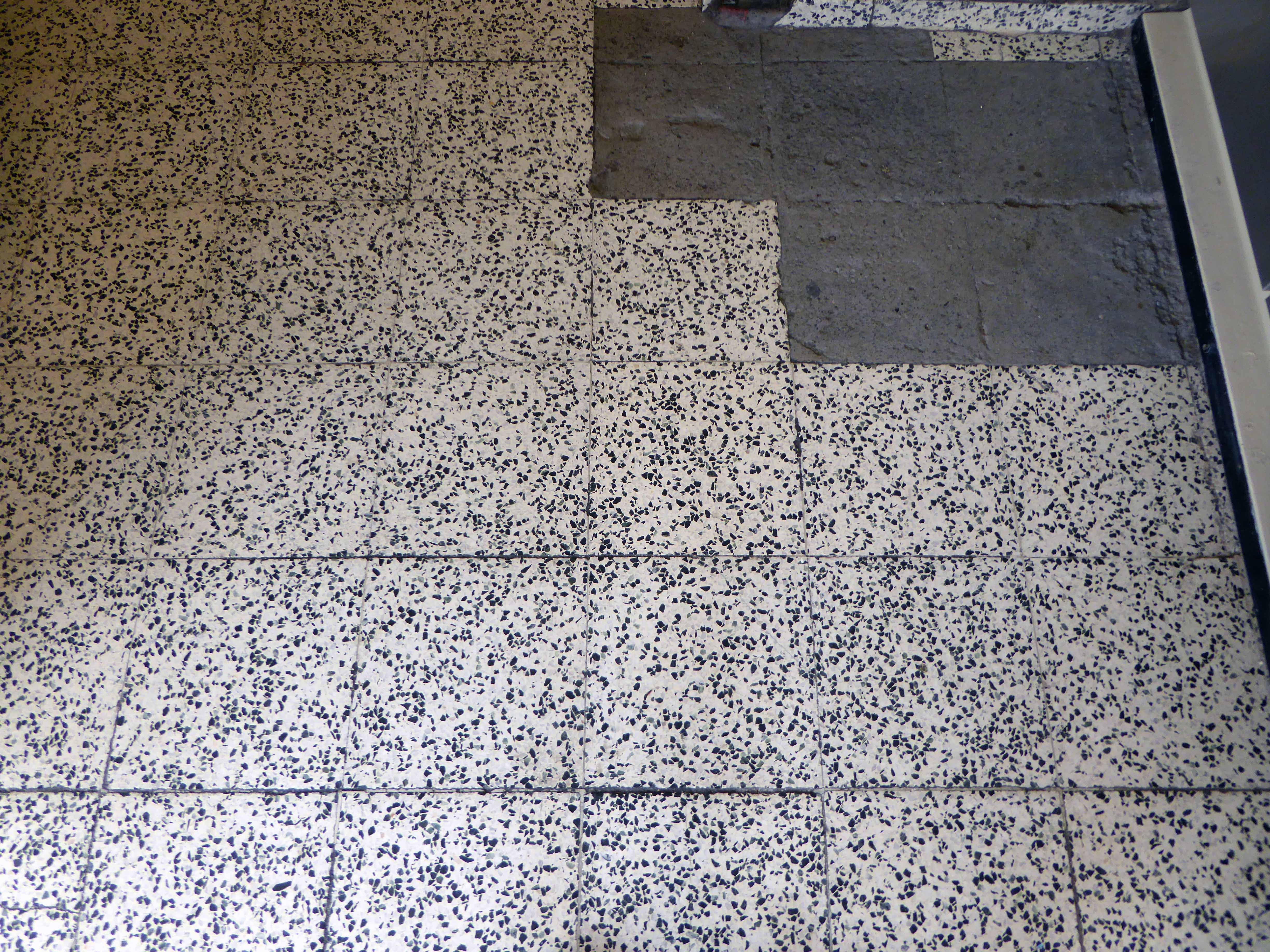
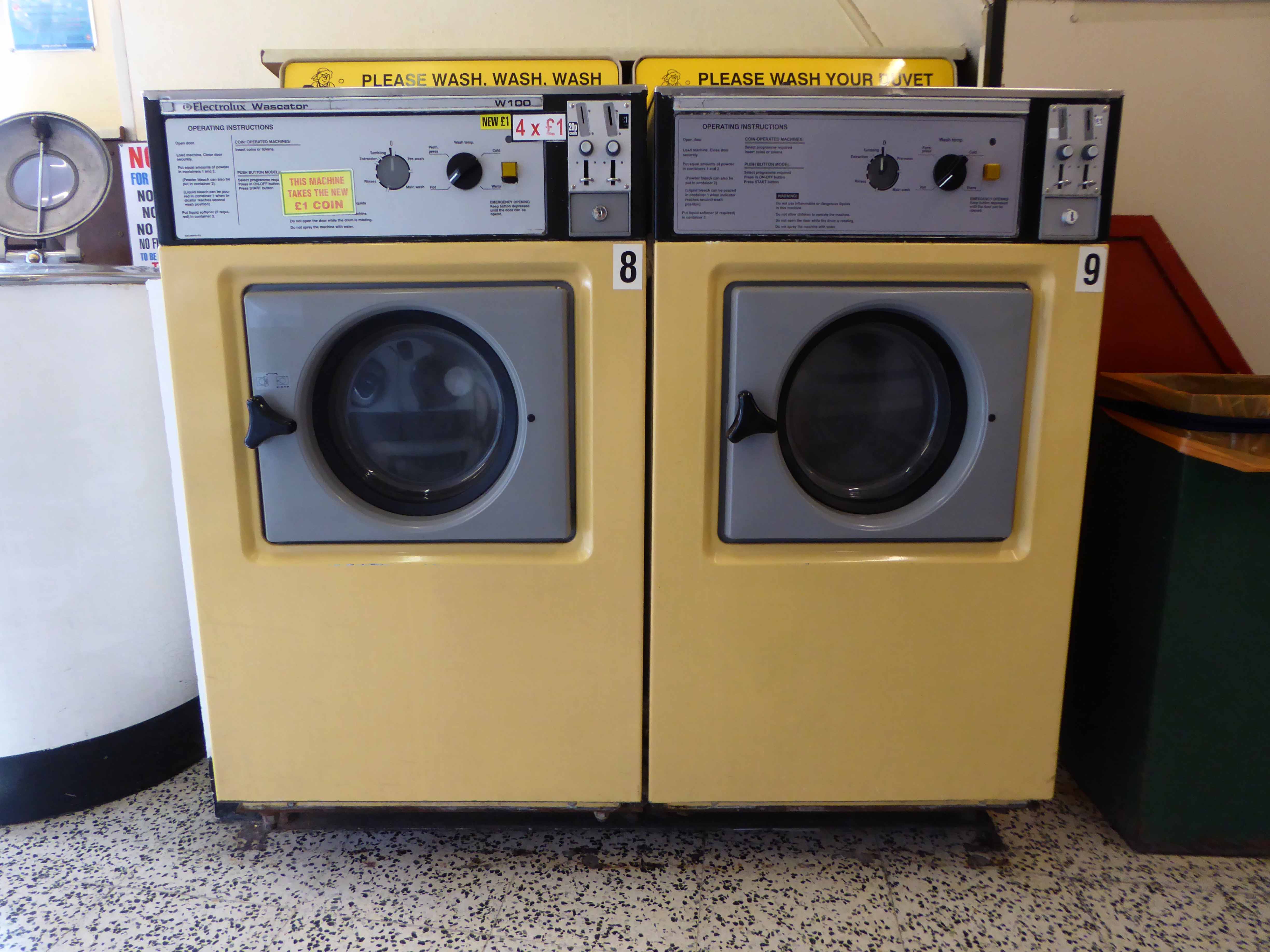
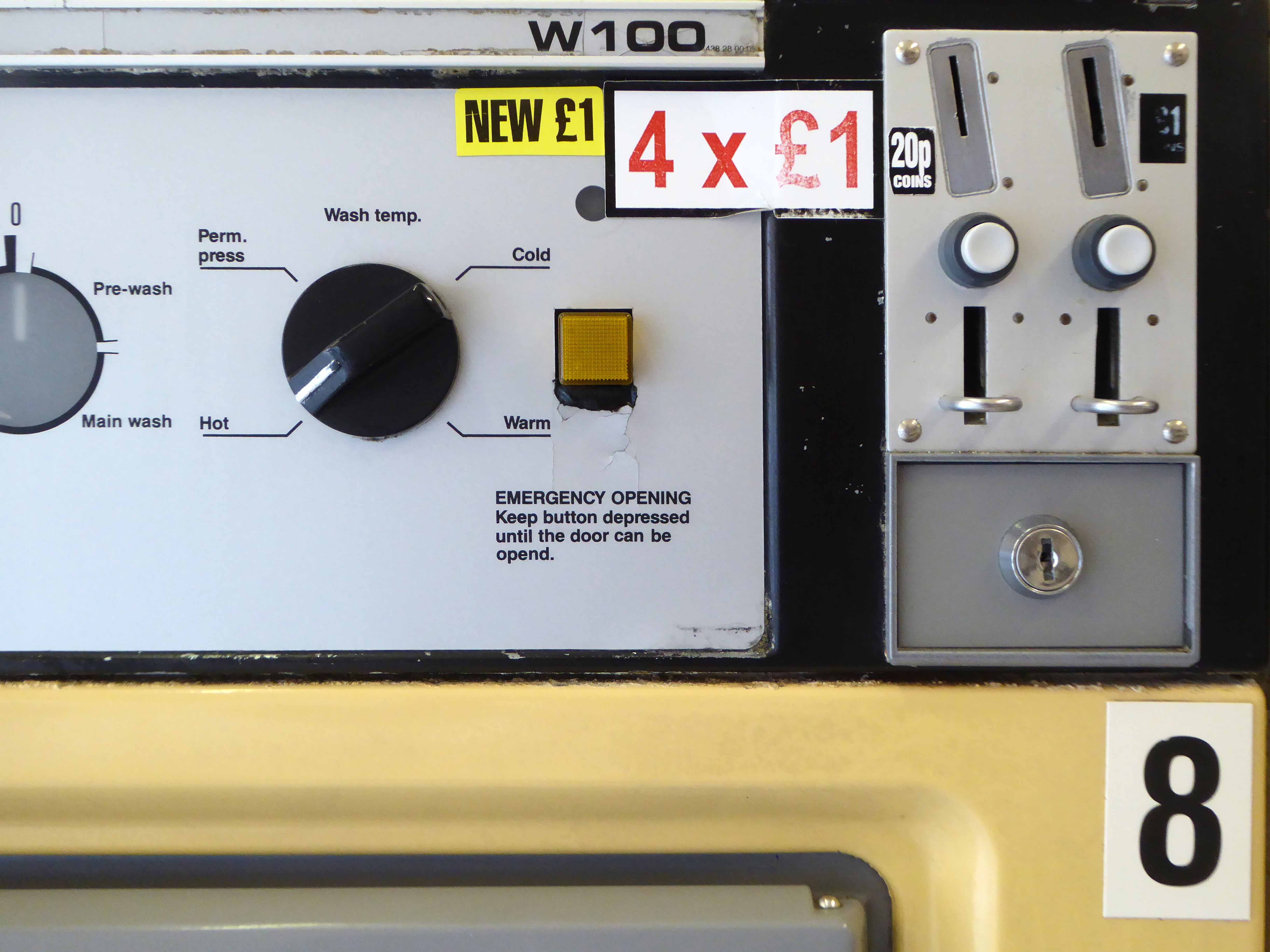
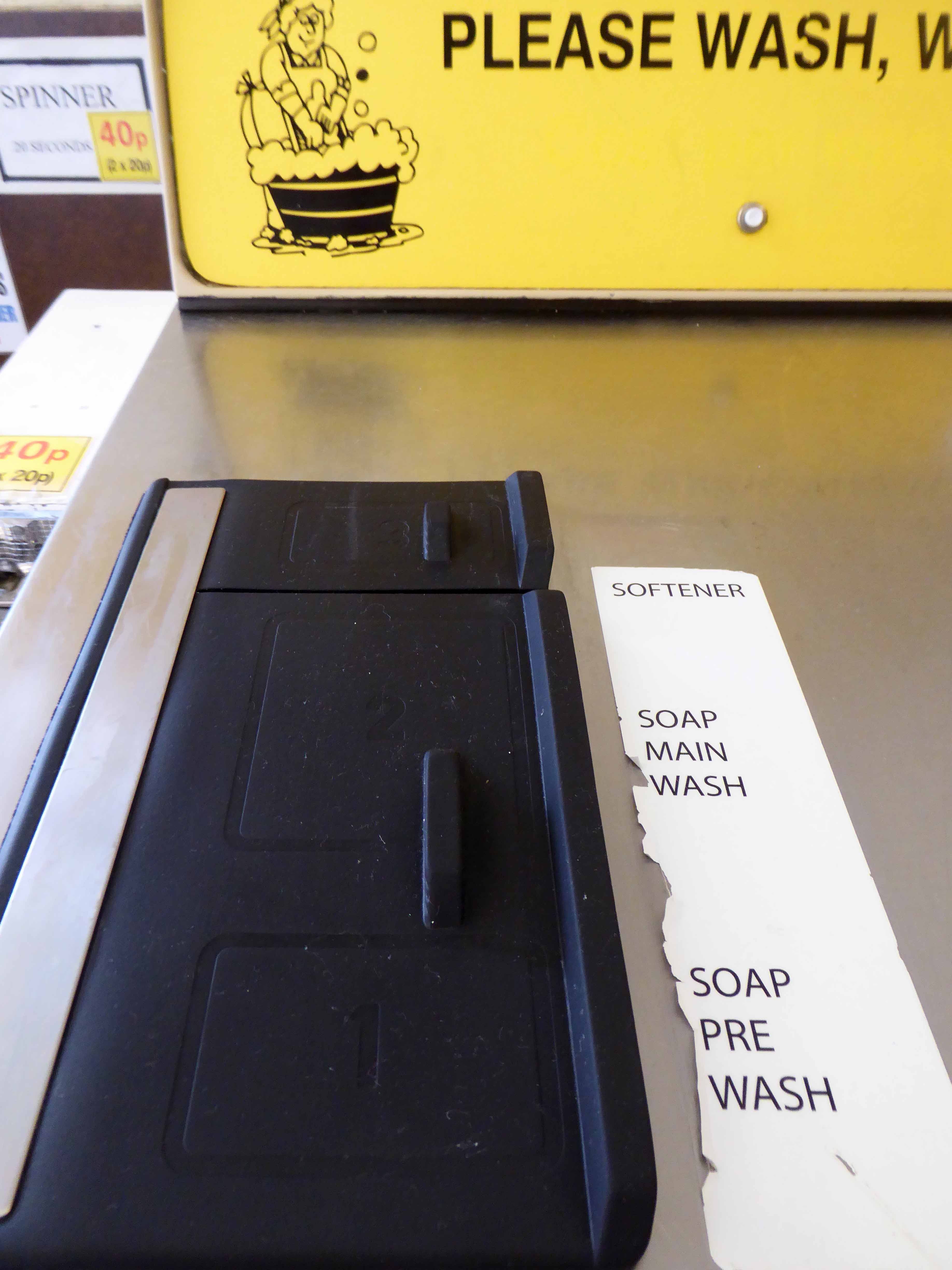
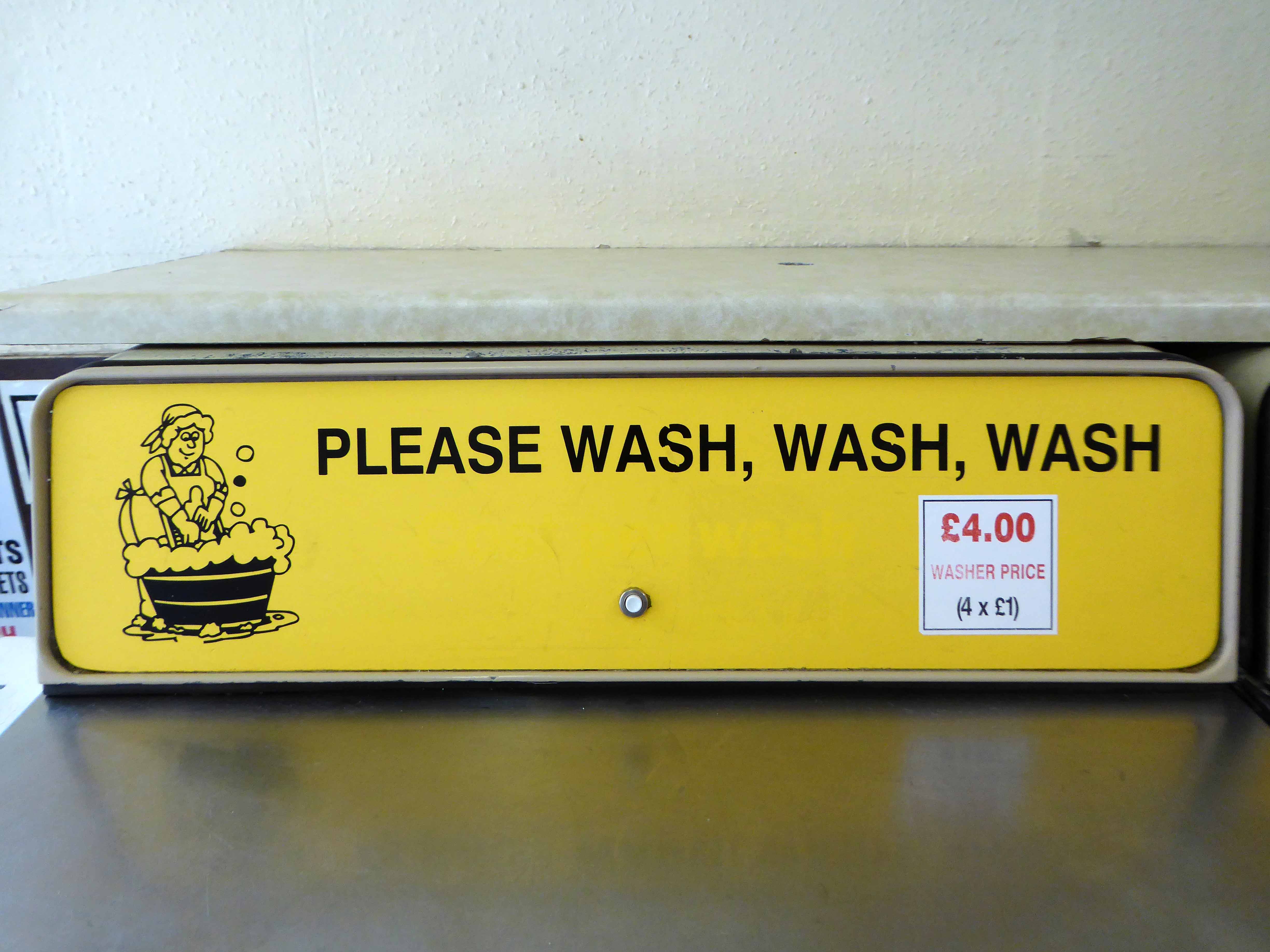
It began on an aimless walk out of Wigan on through Frimley, I found heaven on earth in the warm enfolding arms of the Washeteria. A perfectly preserved fascia, interior and machines, more by diffident neglect than good management. Signature wood effect and patterned Formica panelling, over earnest signs demanding the highest standards of personal conduct, etched in thick discoloured coloured plastic, abound on every surface. Stuttering strip lighting and a stone cold linoleum floor. A dull white ceiling, with a surface texture formed from deep frozen ennui.

Three years later I had visited and snapped several examples, all with their own uniques characteristics though all contributing to a typology. 

In the United Kingdom known as launderettes or laundrettes, and in the United States, Canada, Australia, New Zealand as laundromatsor washeterias.

George Edward Penury created the word laundromat for Westinghouse. 

According to NALI – the National Association of the Launderette industry, numbers peaked at12,500 in the early 80s but have since dwindled to just 3,000. 

The first UK launderette – alternative spelling: laundrette. was opened on May 9th 1949 in Queensway London.

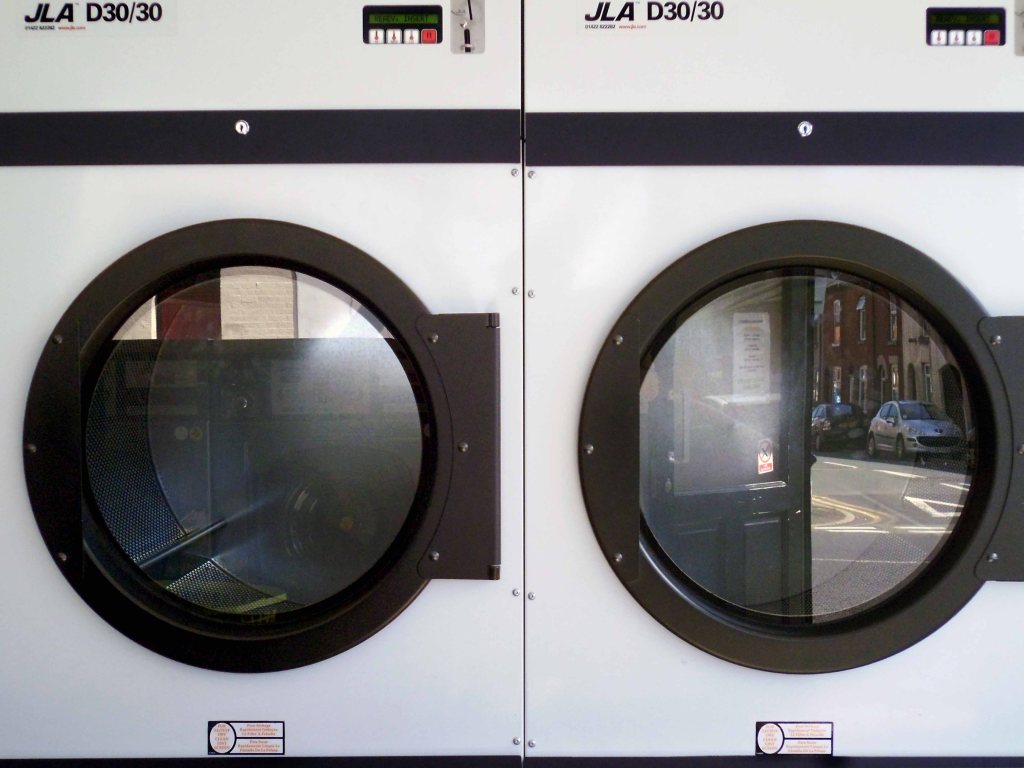
Come with me now and relive those warm damp languorous moments as we visit eight laundrettes.

All the books sold out in three hours – so here’s your chance to flick through the virtual pages as the prewash finishes.

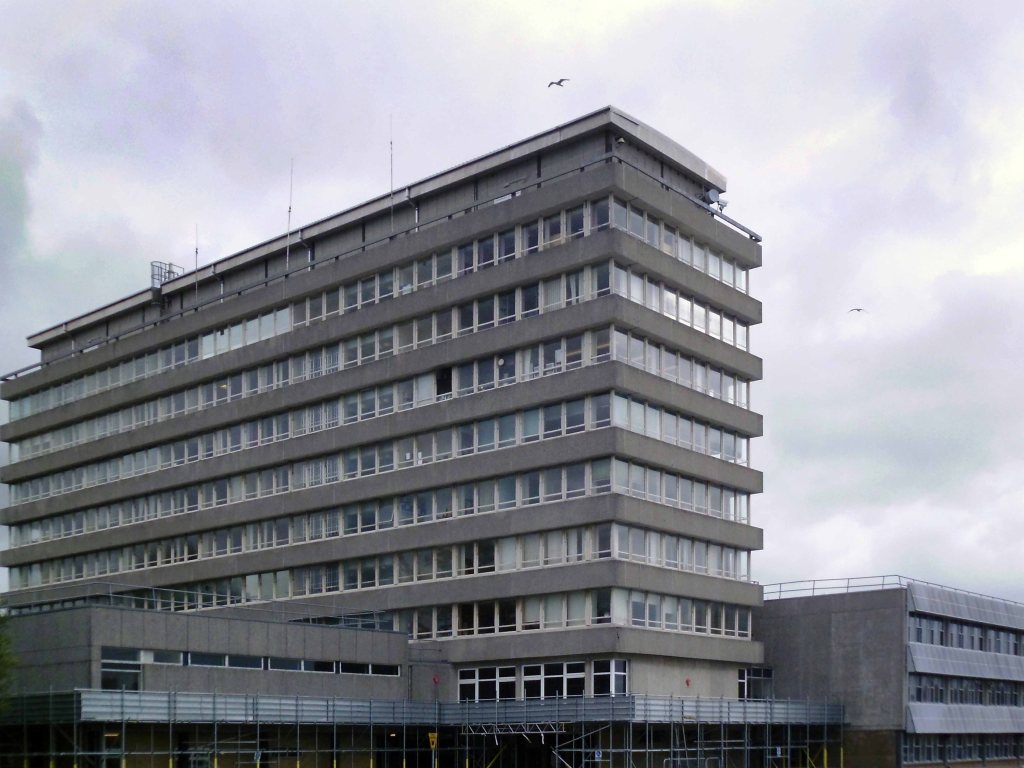
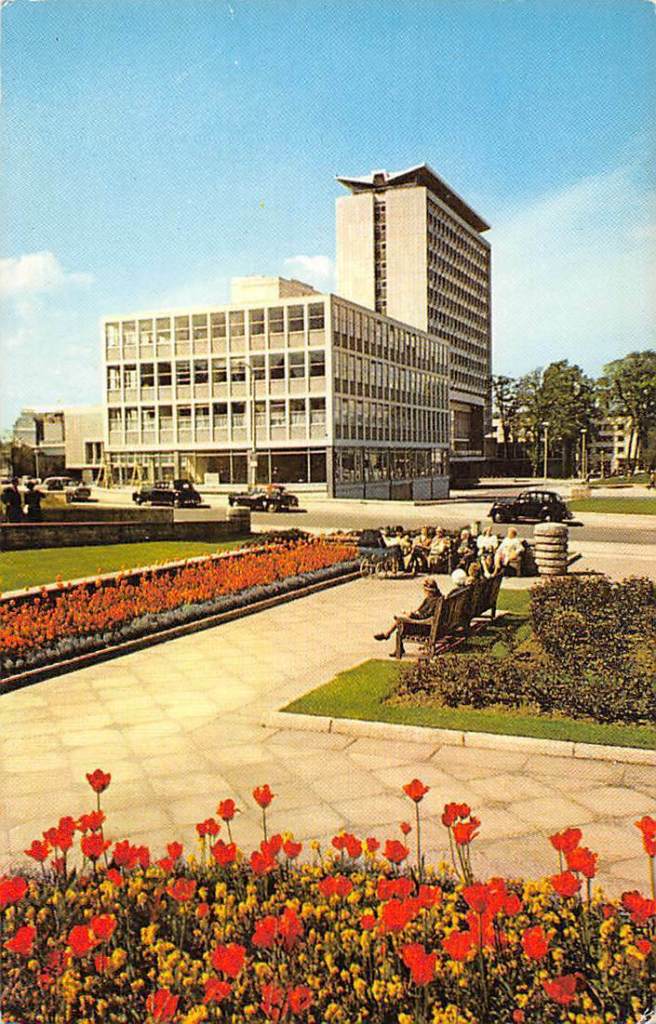
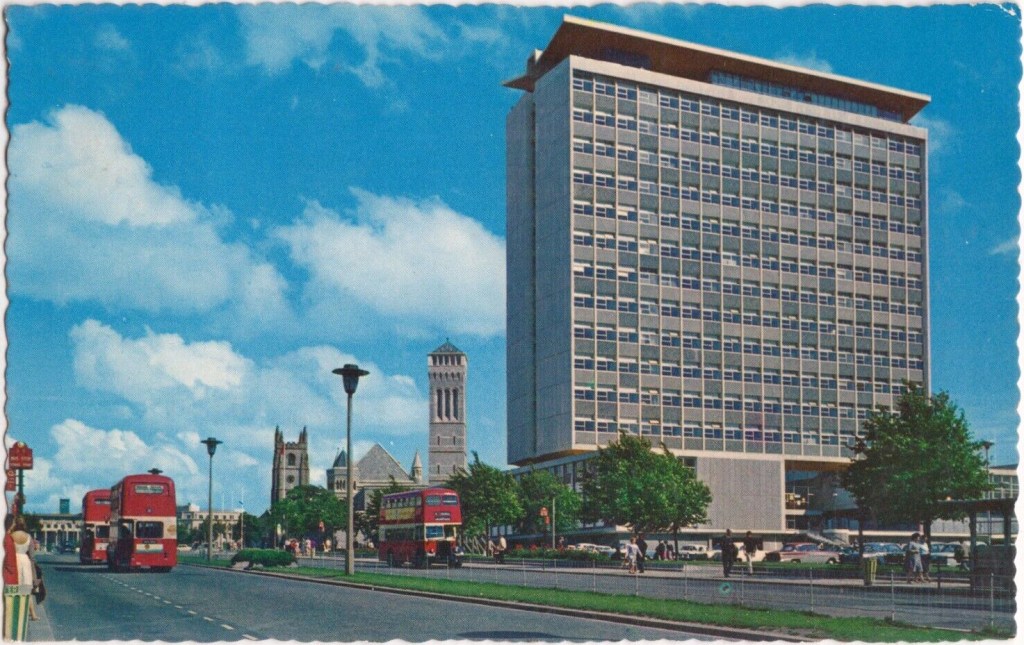
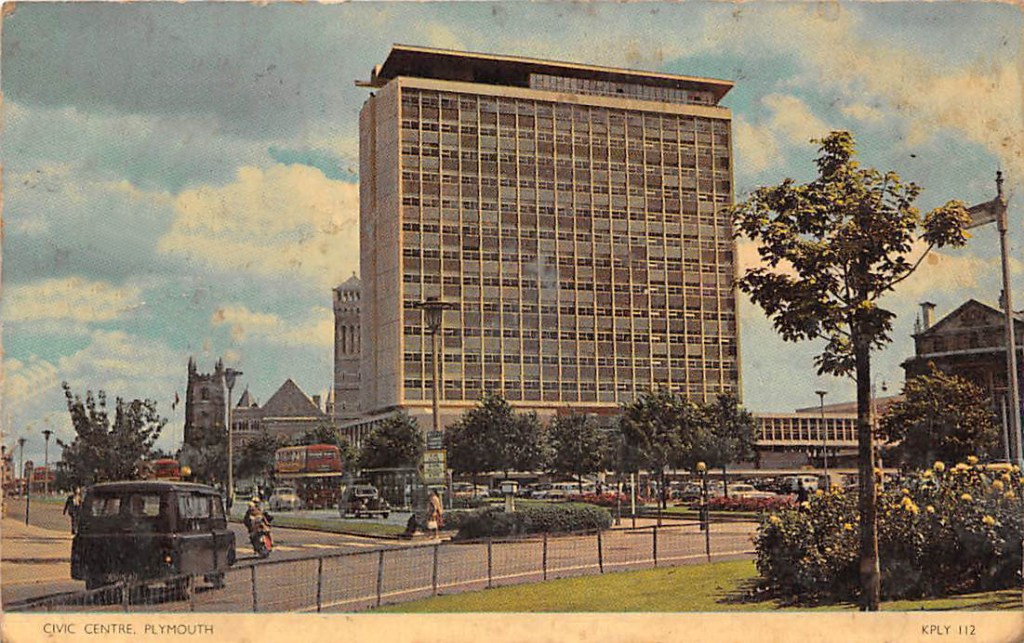
Civic Centre – Plymouth

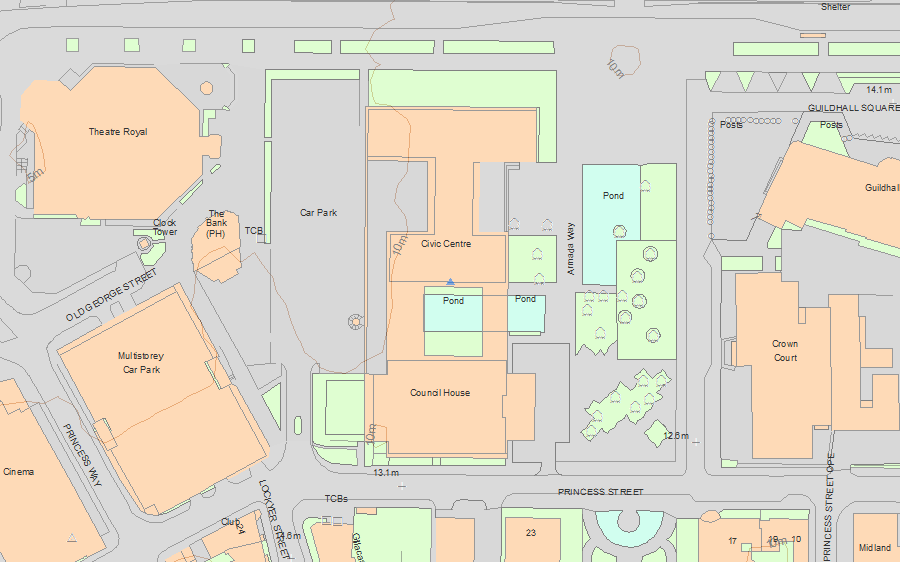
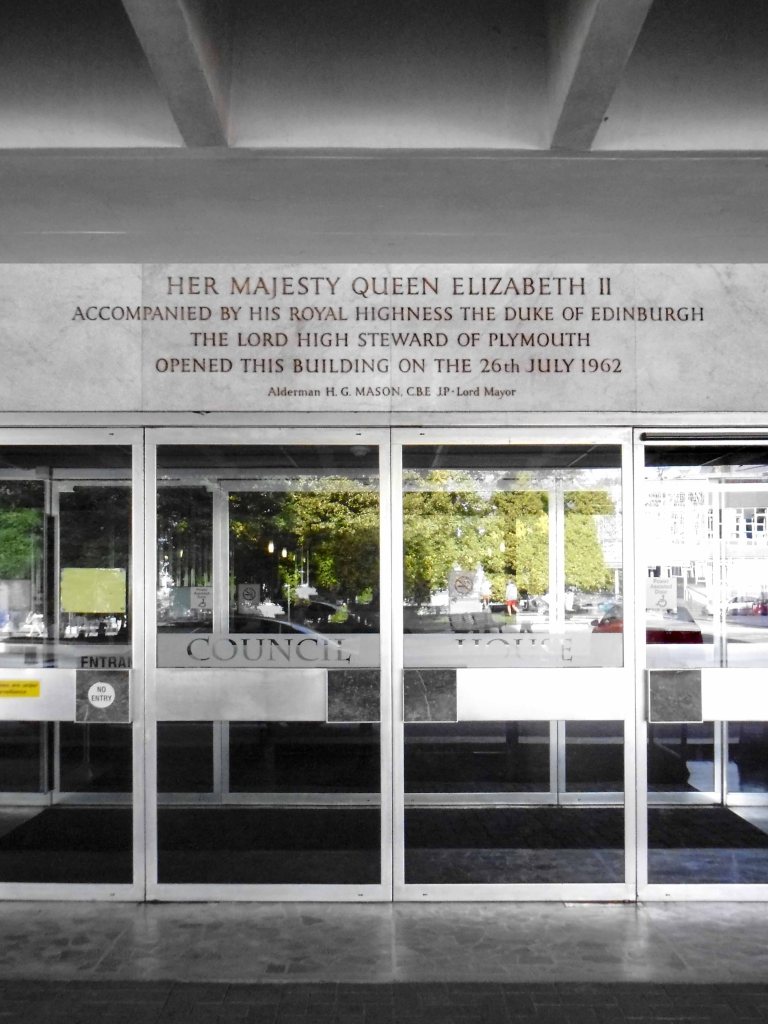
Council House former Civic CentreArmada Way Plymouth PL1 2AA

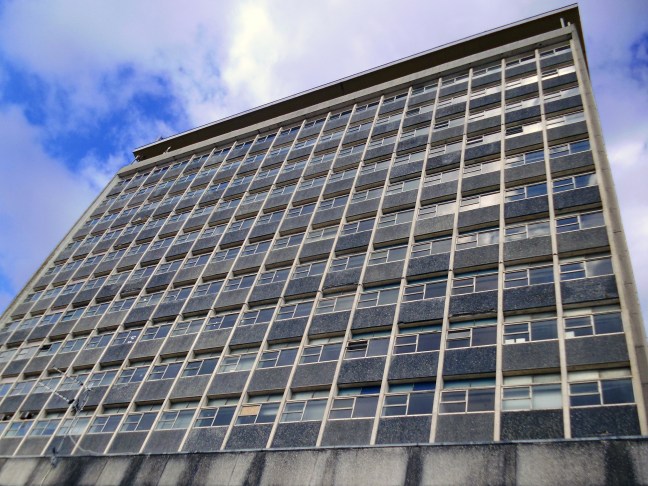
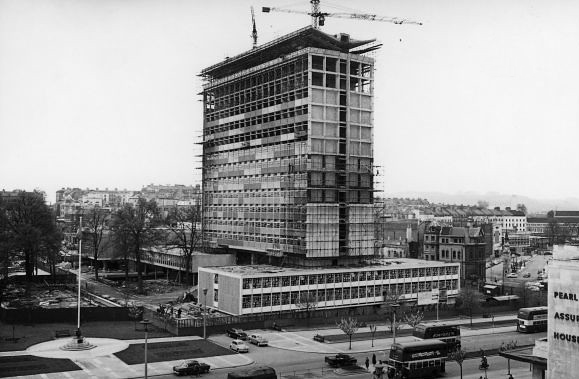
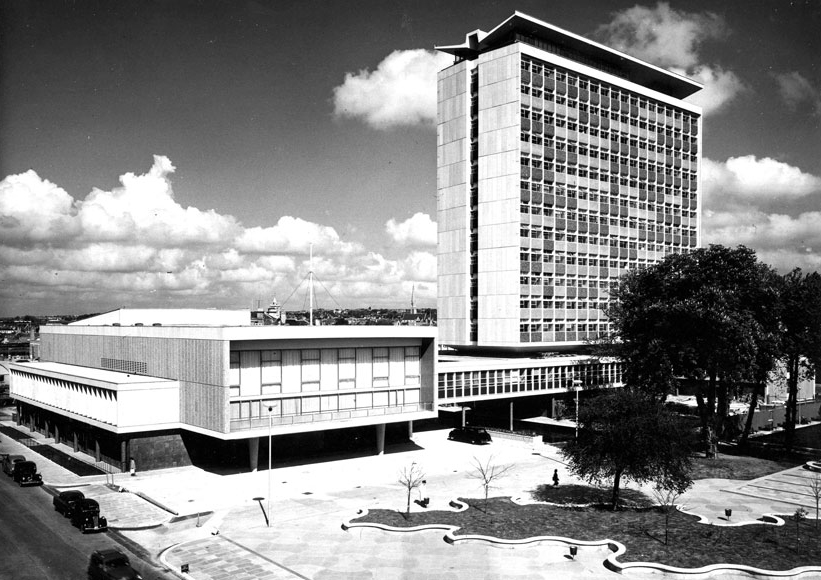
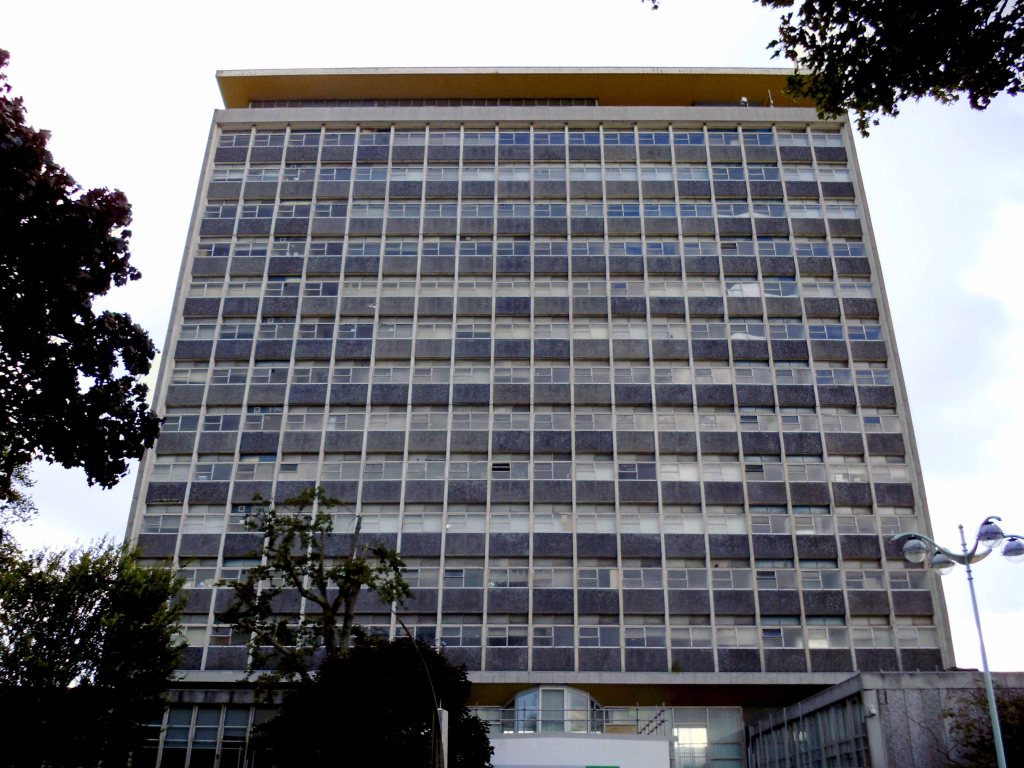
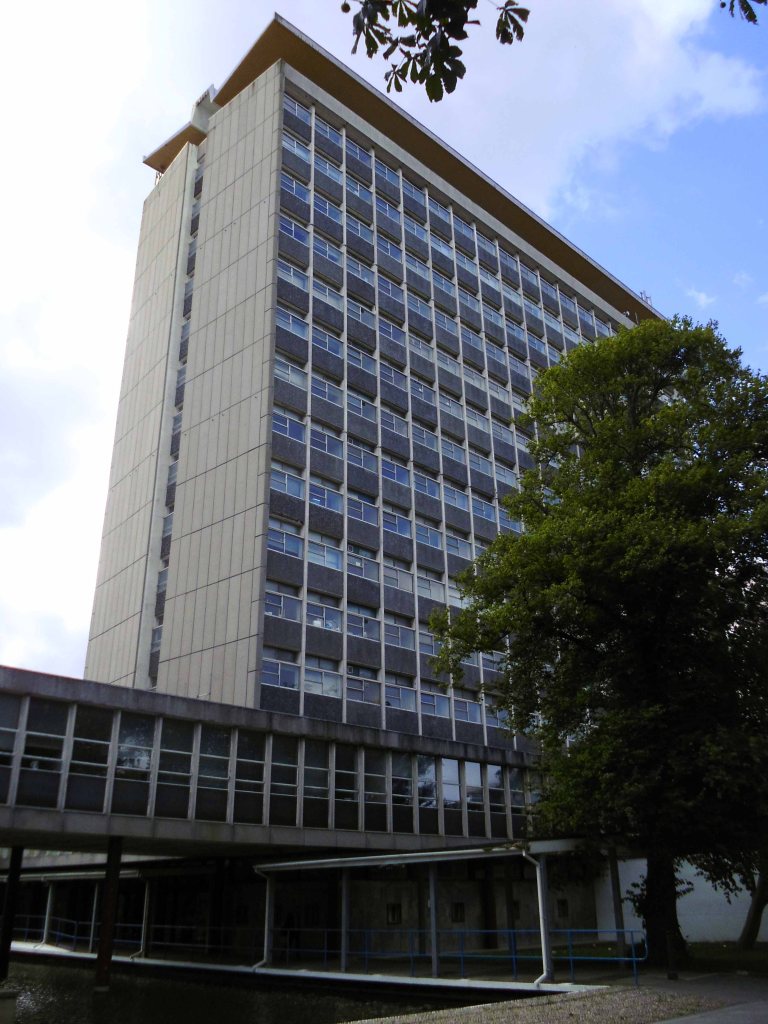
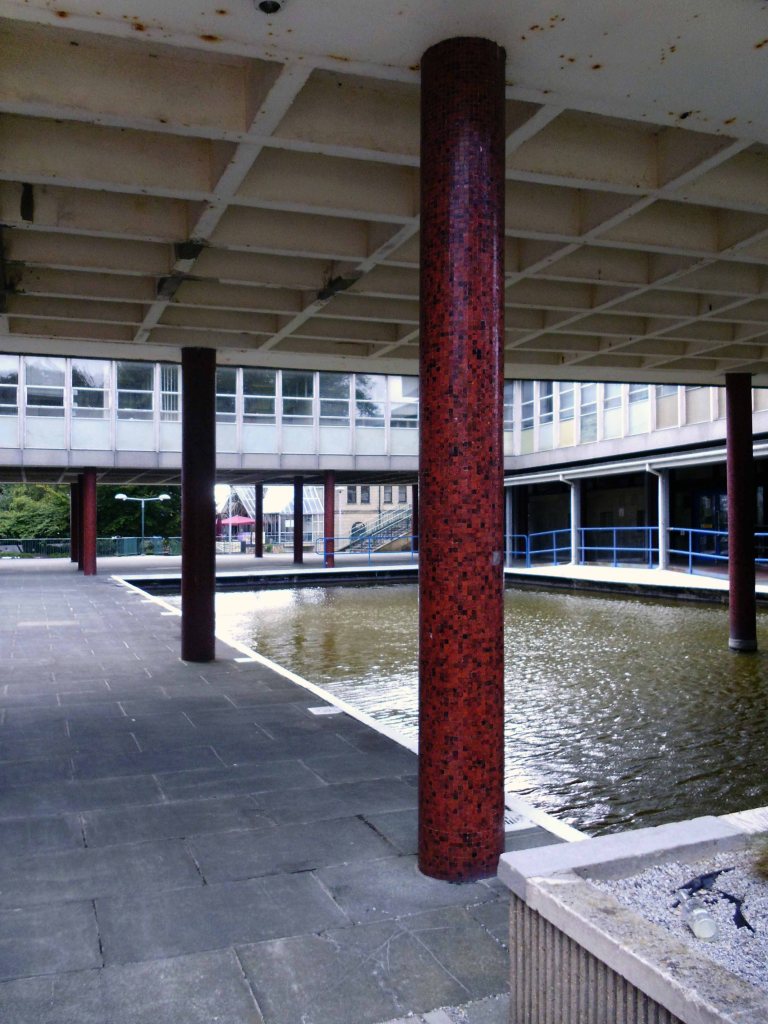
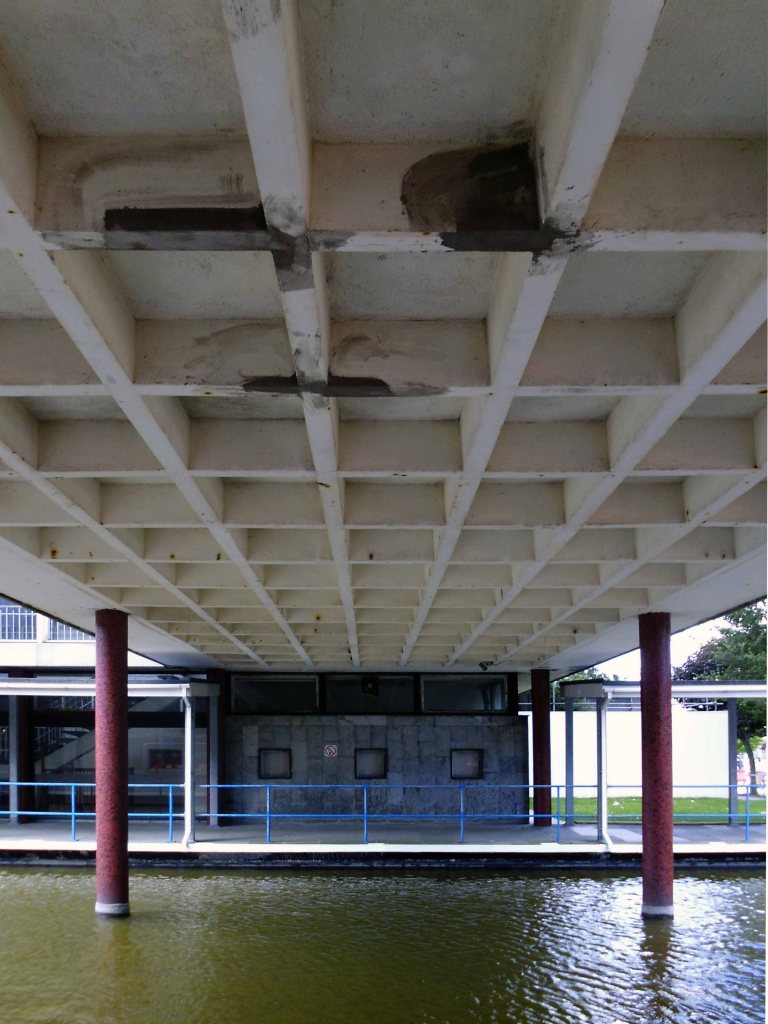
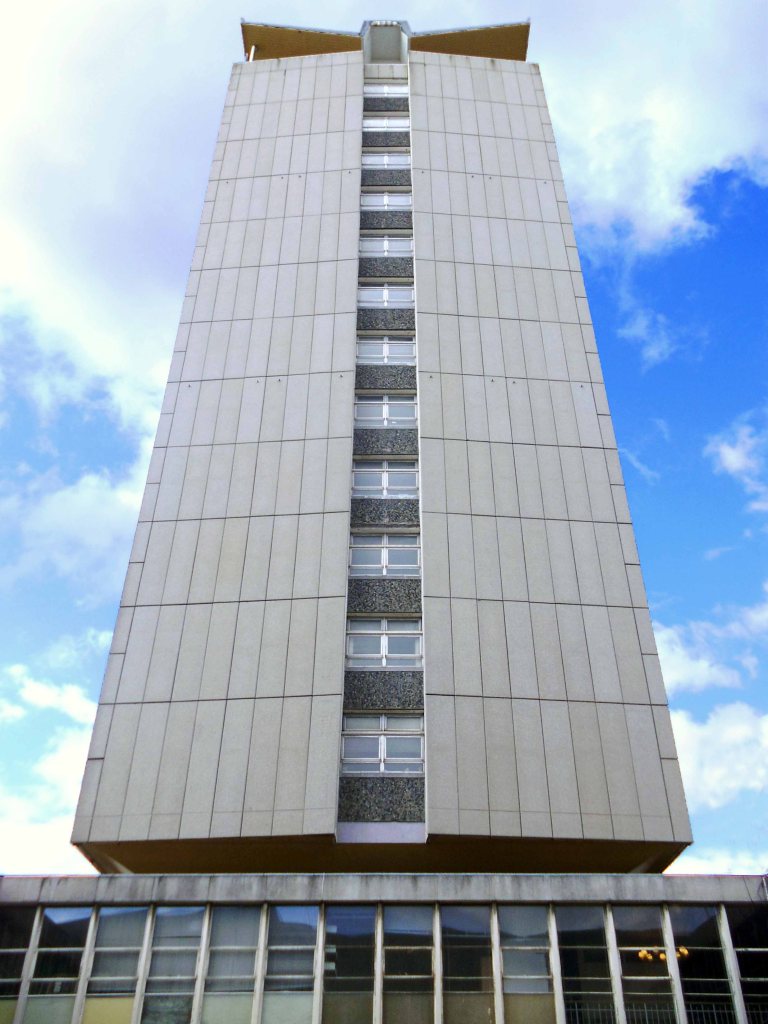
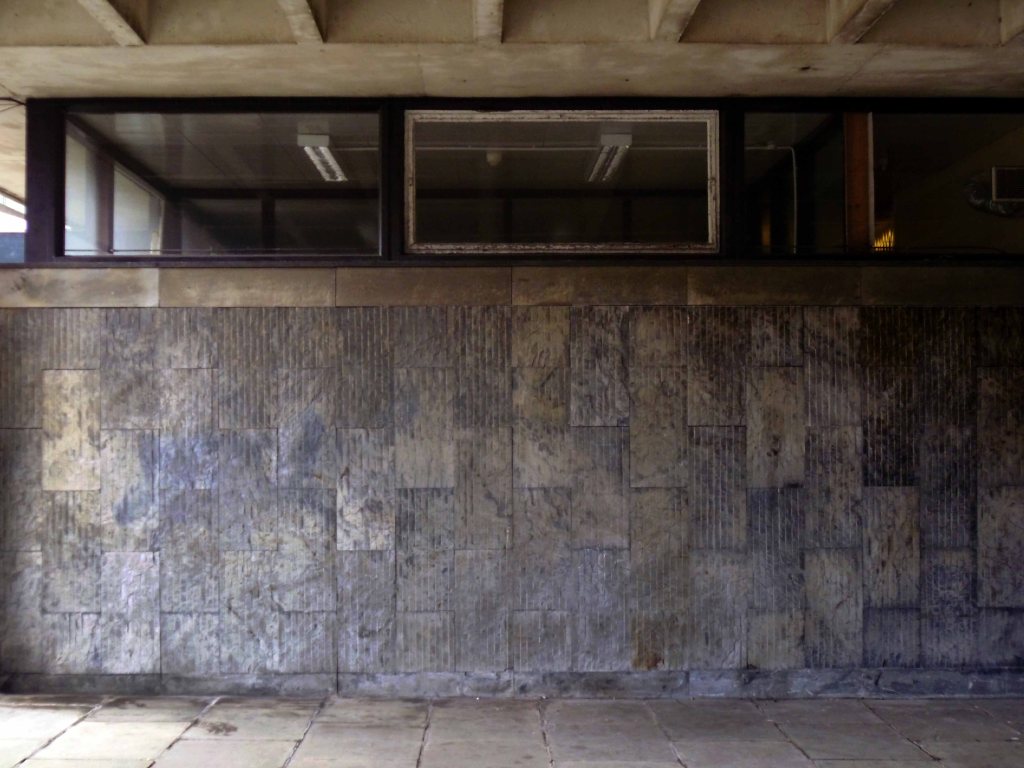
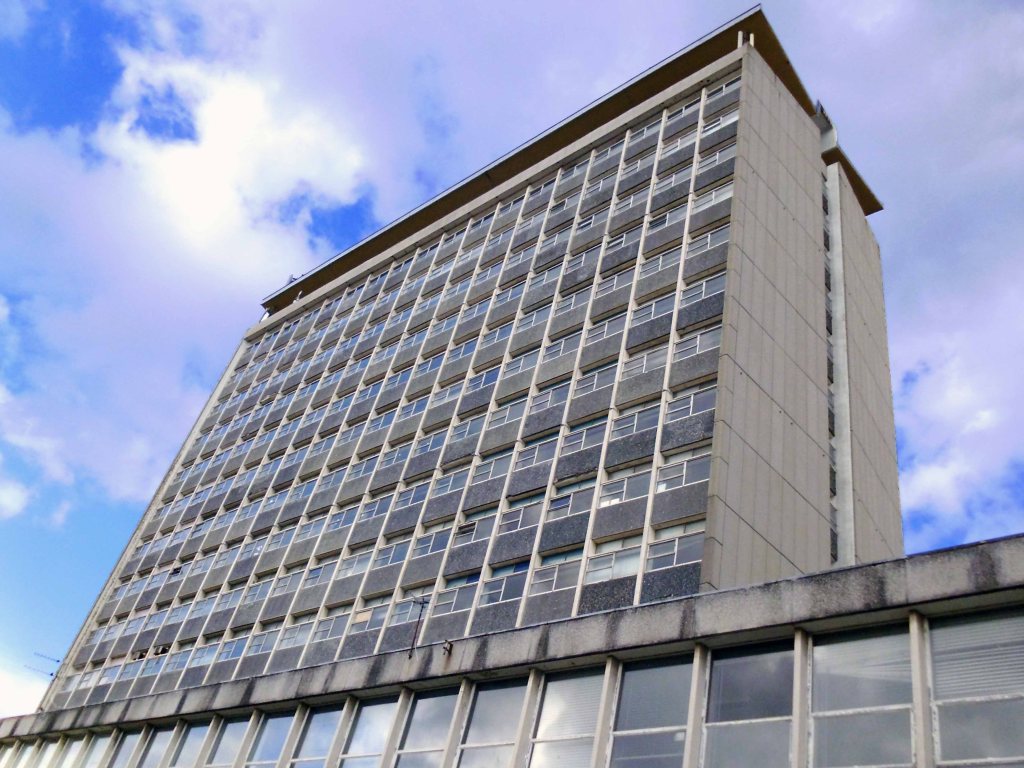
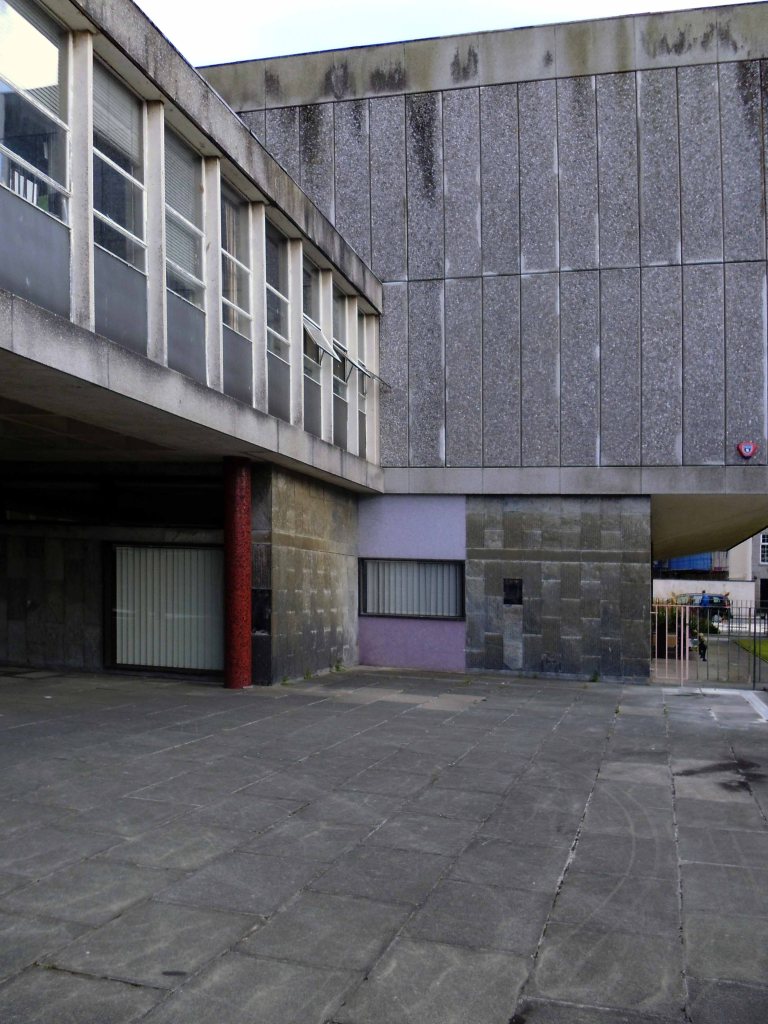
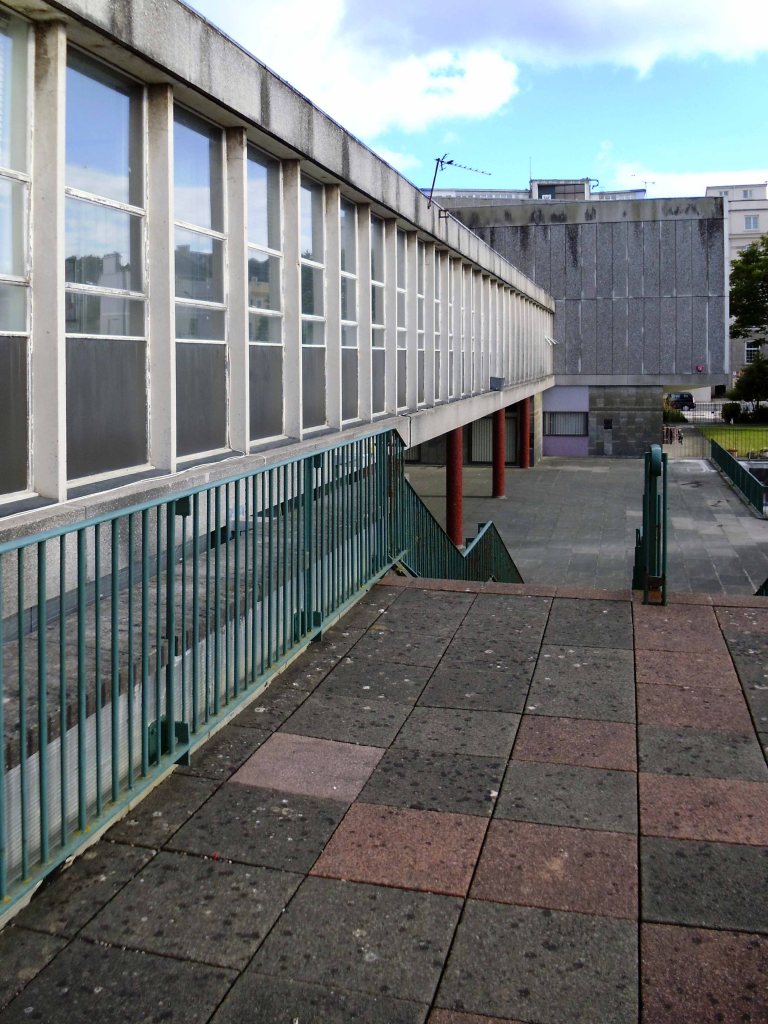
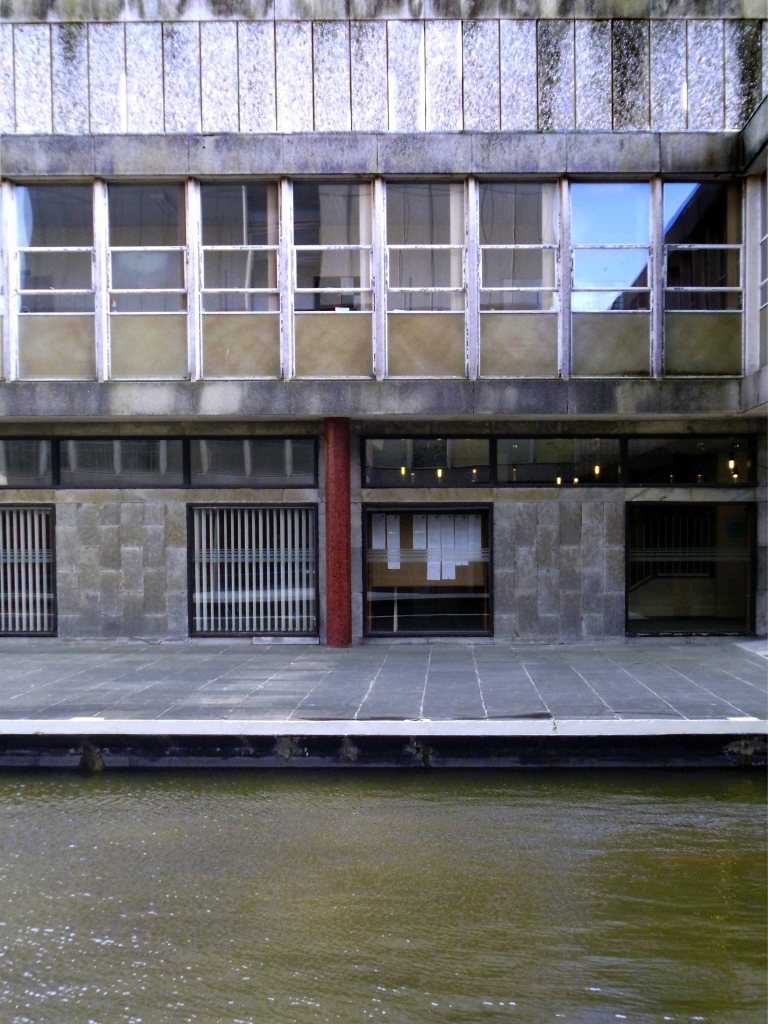
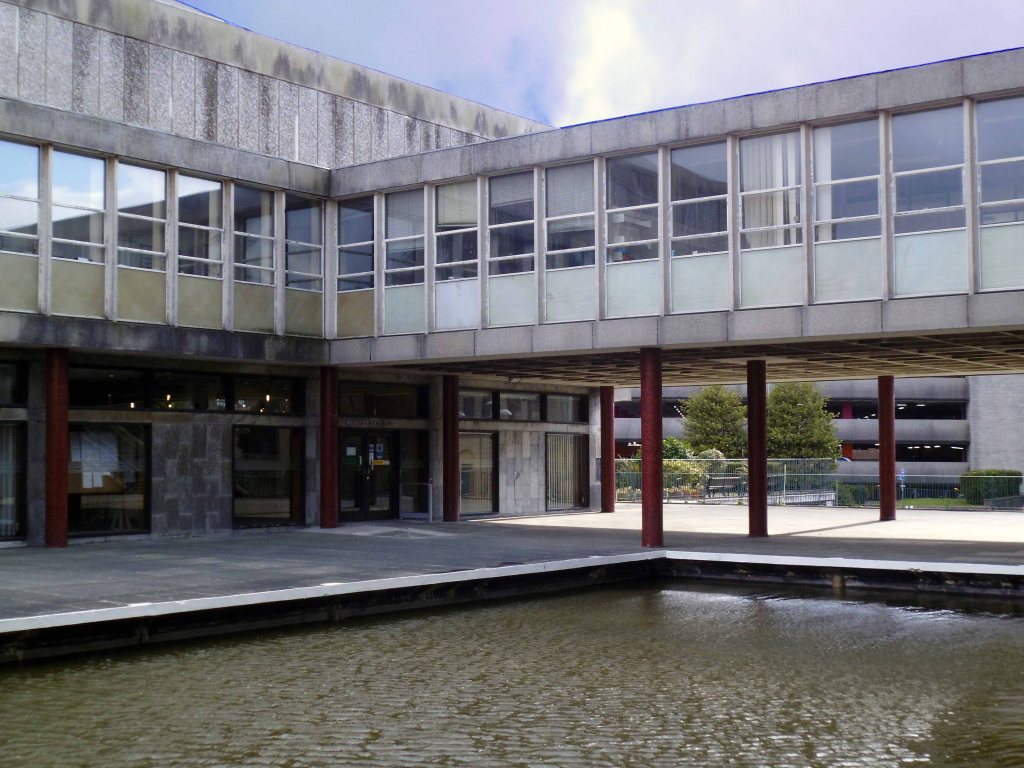
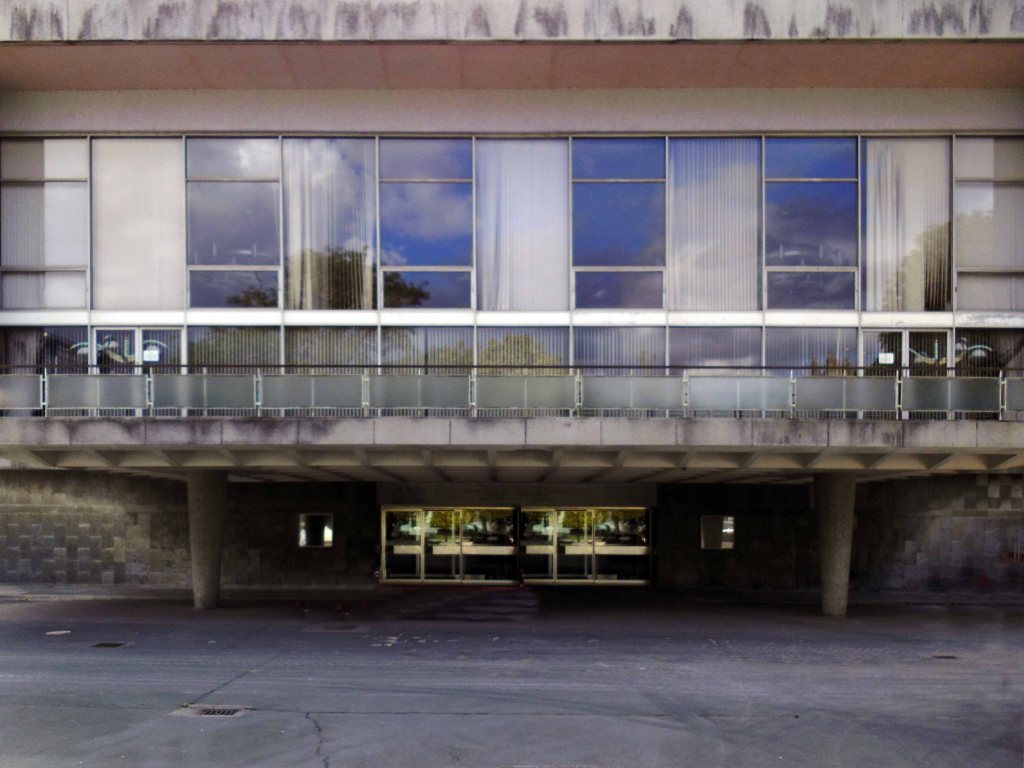
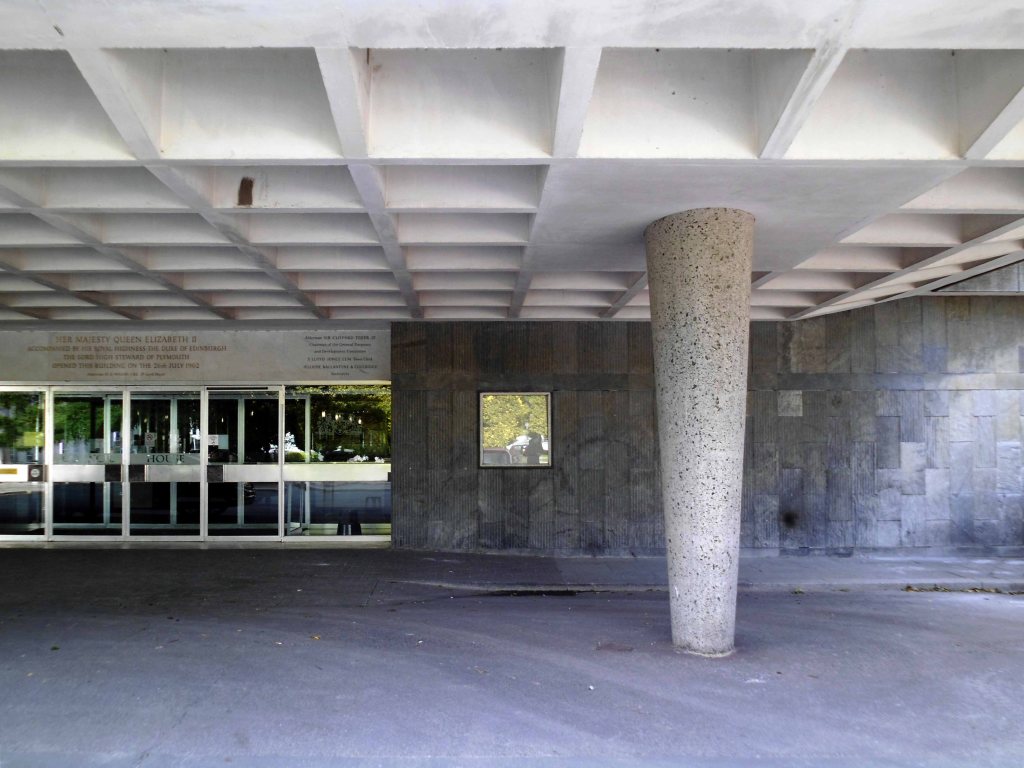
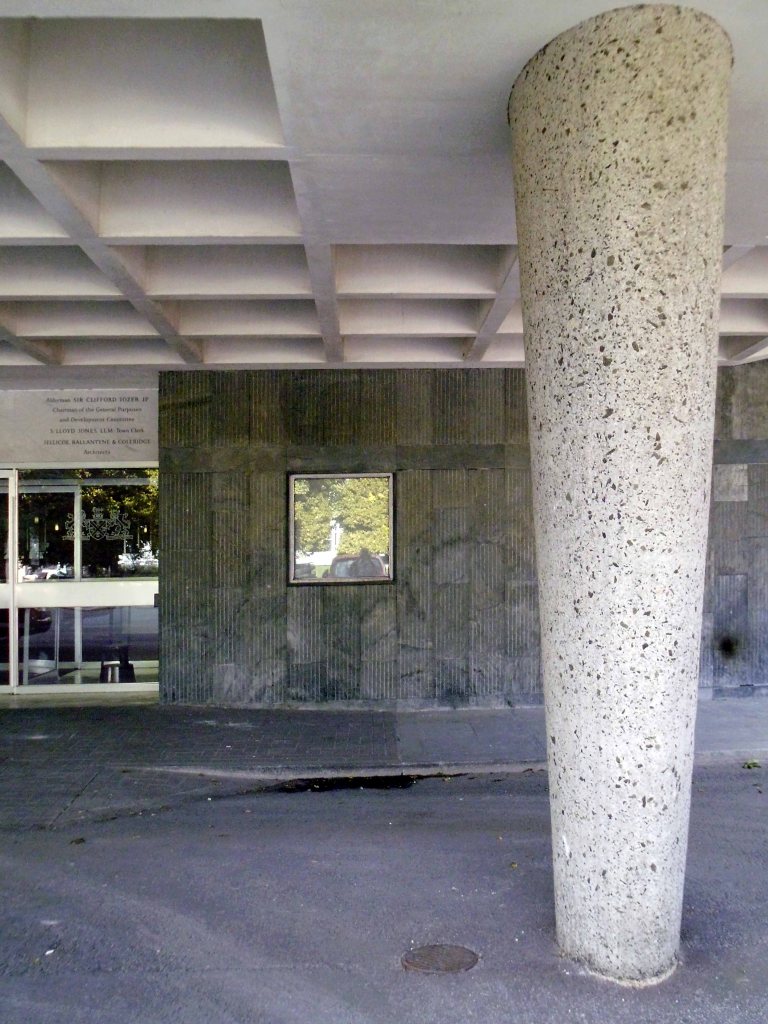
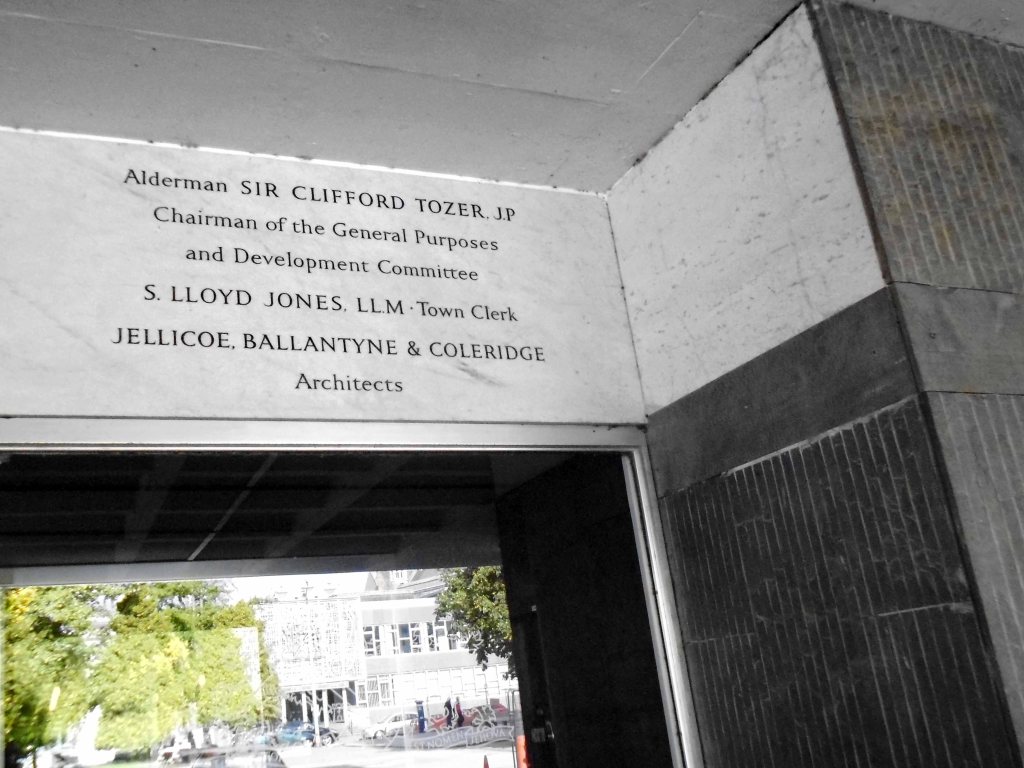
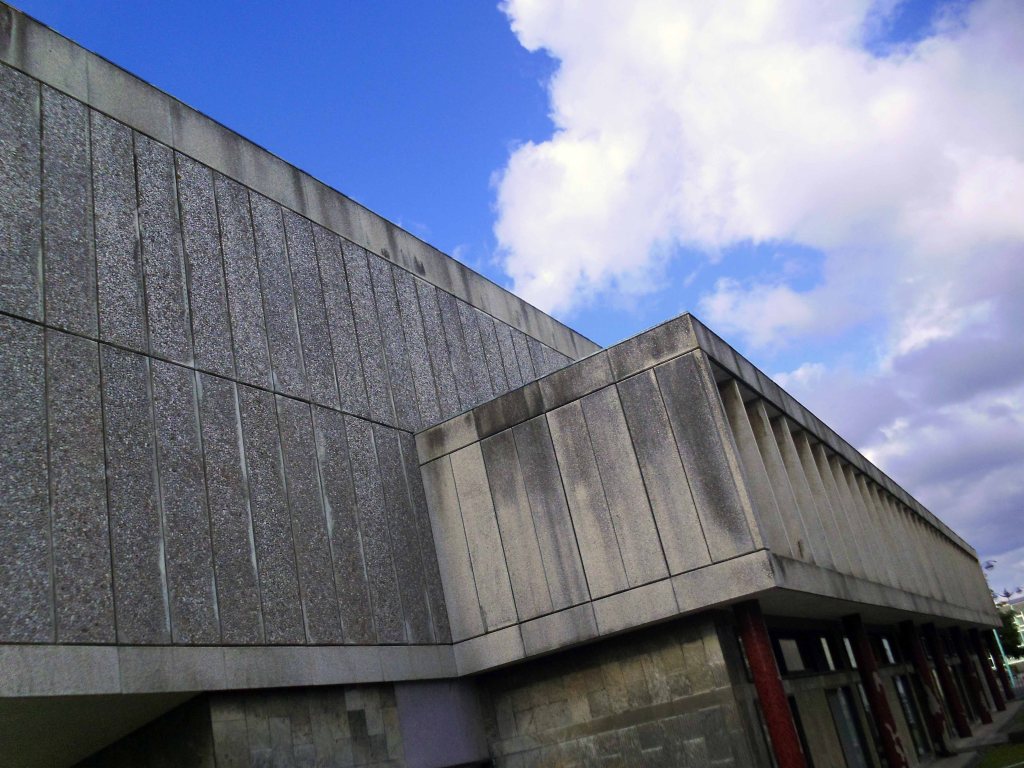
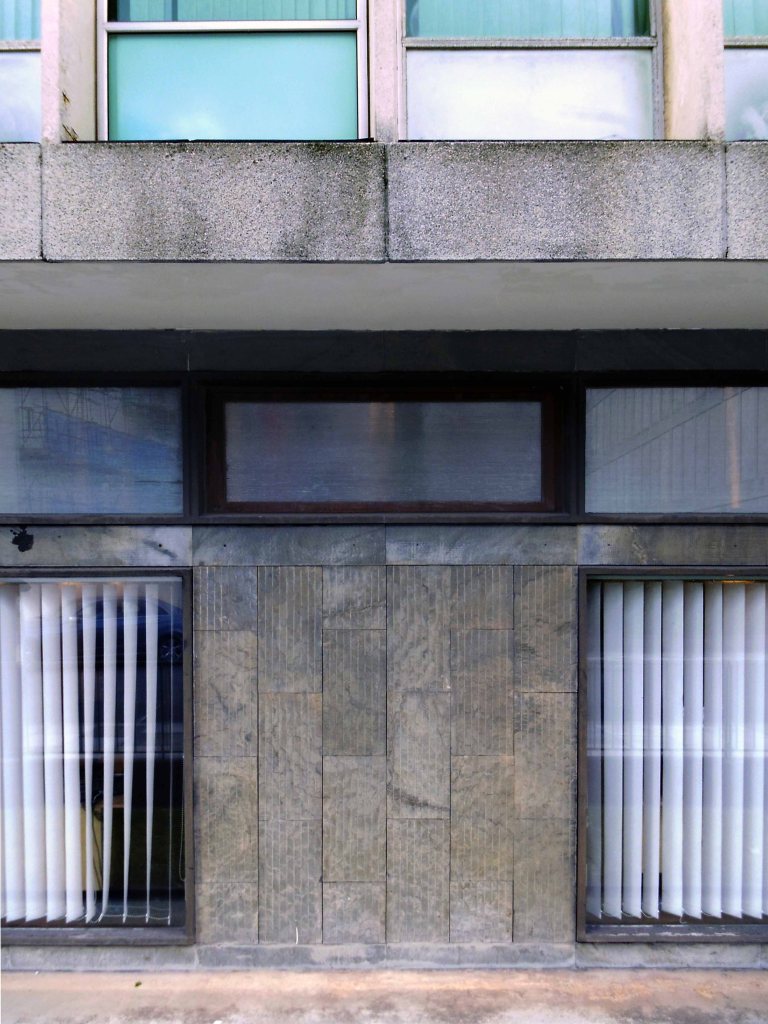
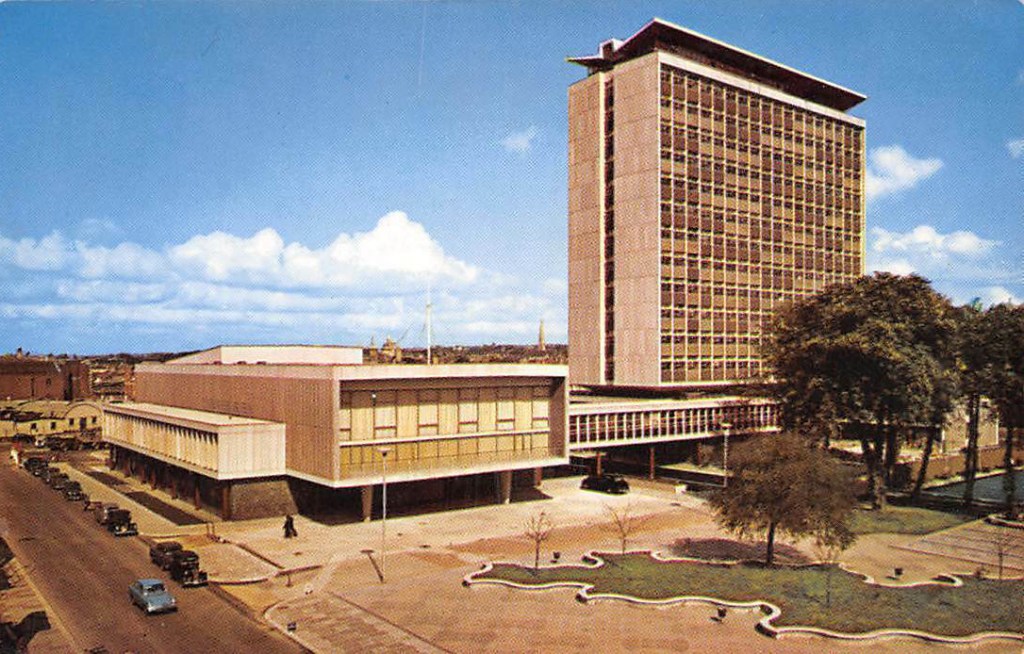
Former Civic Centre 1958-62 by Jellicoe, Ballantyne and Coleridge with city architect HJW Stirling. In-situ concrete structure with pre-cast aggregate panels. It comprises a fourteen storey slab block on a raised raft foundation which straddles a two storey block to the north and a bridge link to the two storey Council House to the south. The bridge link is elevated on pilotis to create an open courtyard with a reflecting pond, part of the designed landscape of the civic square. 

Current listing June 10th 2007 Historic England

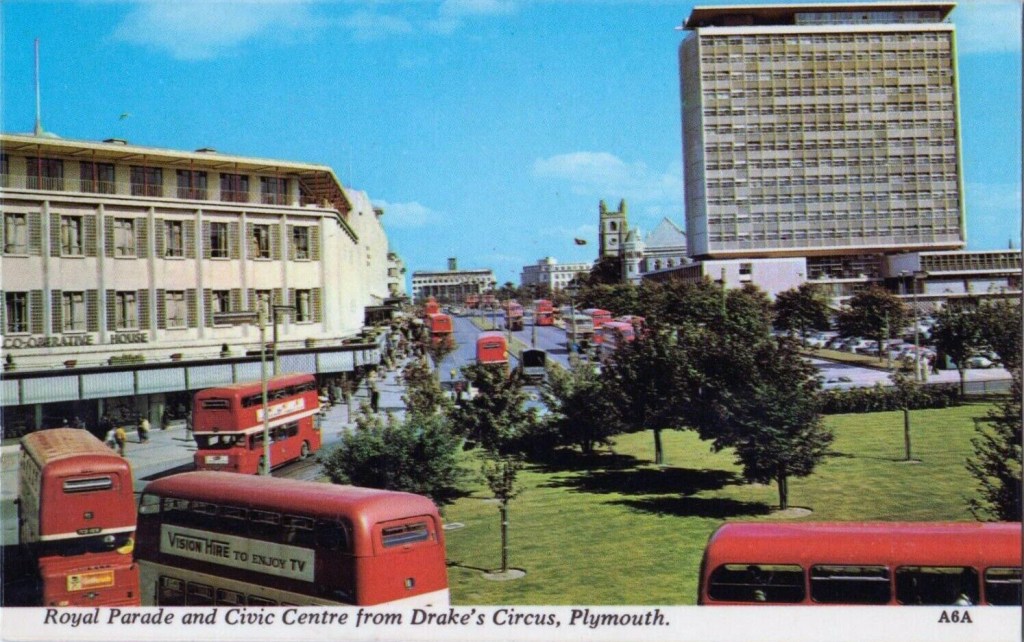
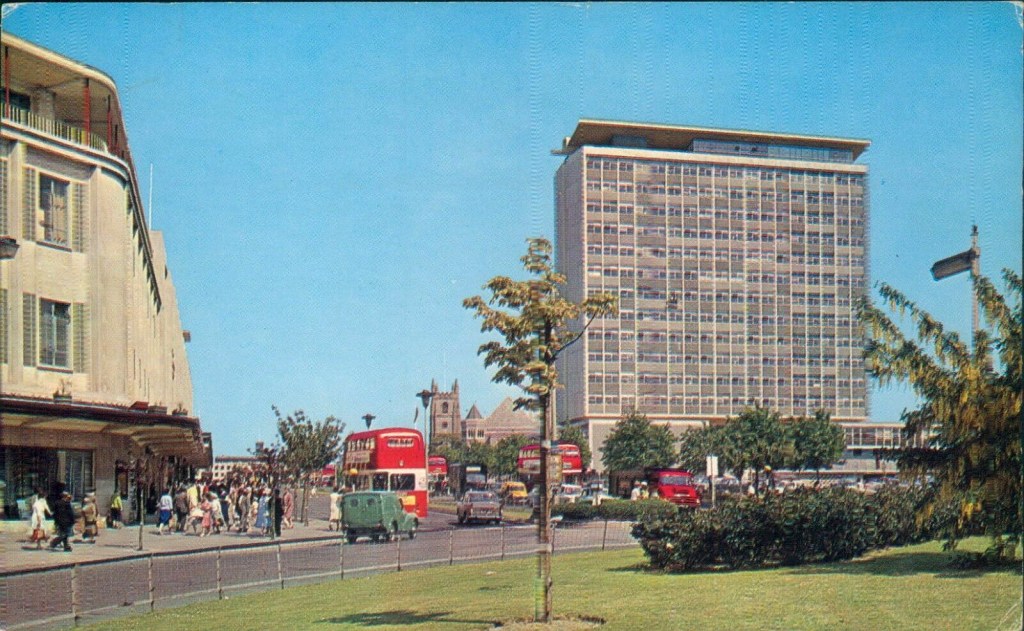
I rode into town on my bicycle en route from Weston super Mare to Hastings one sunny afternoon in 2015. The pictures I took that day were largely left untouched, until today. I was prompted by an online postcard search to finally put them to some good use.

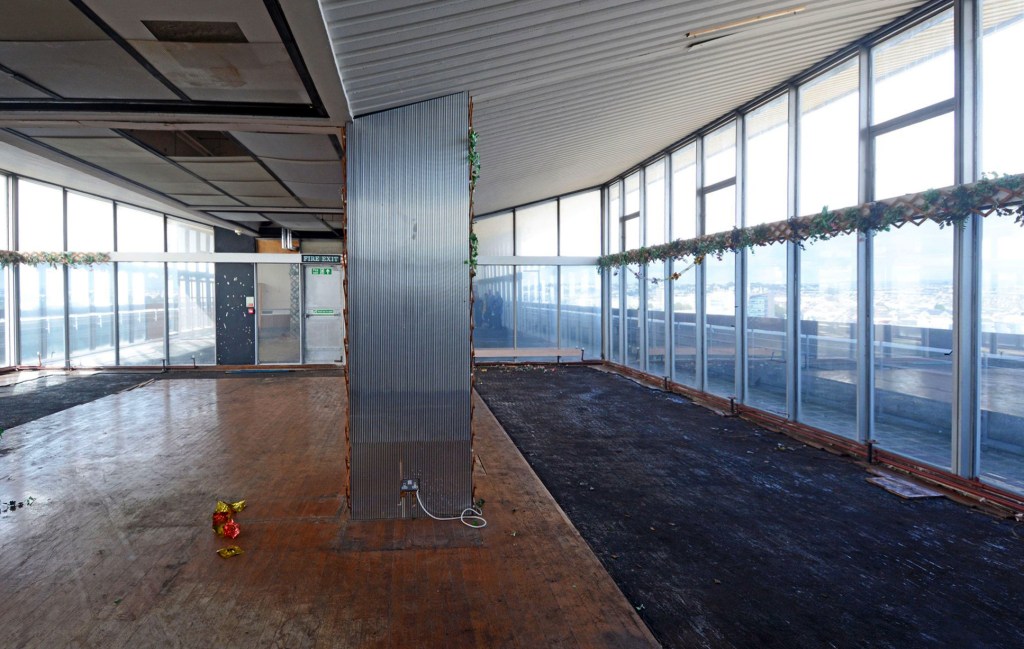
On the day of my visit the building was well and truly closed, and its future uncertain.

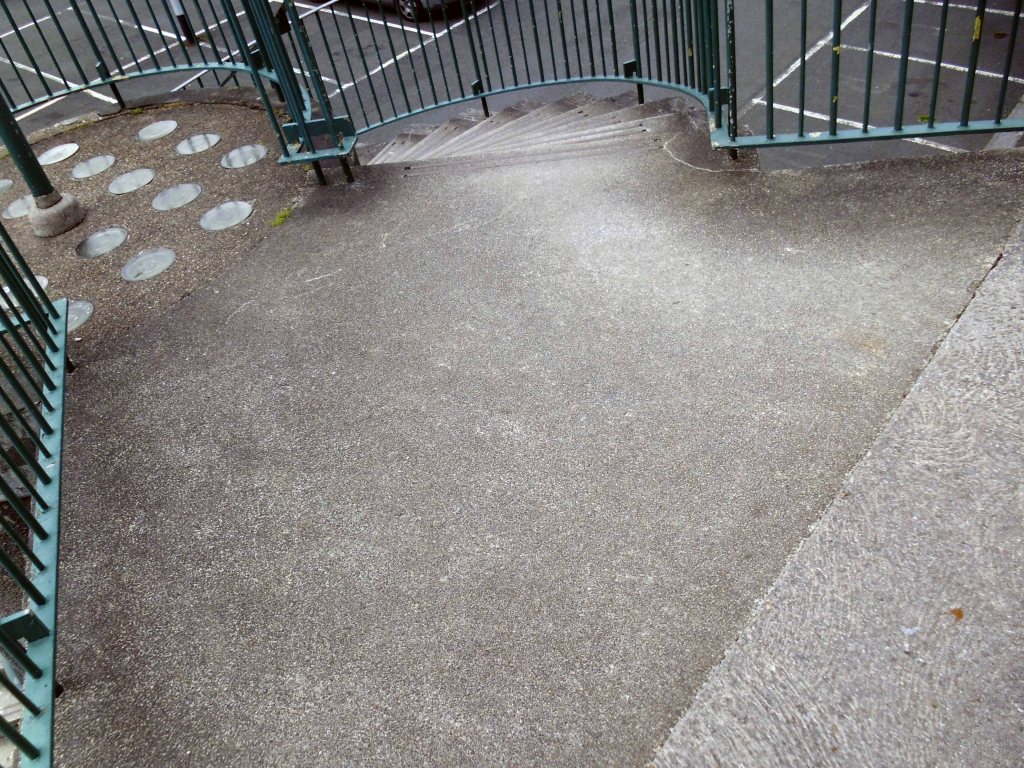
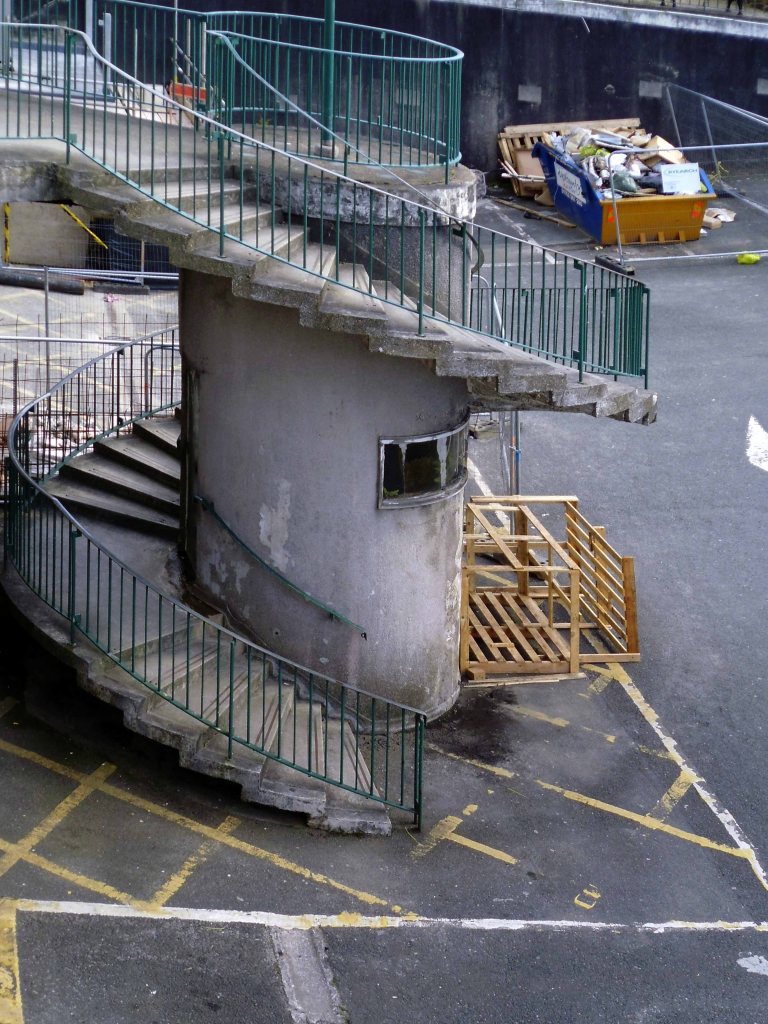
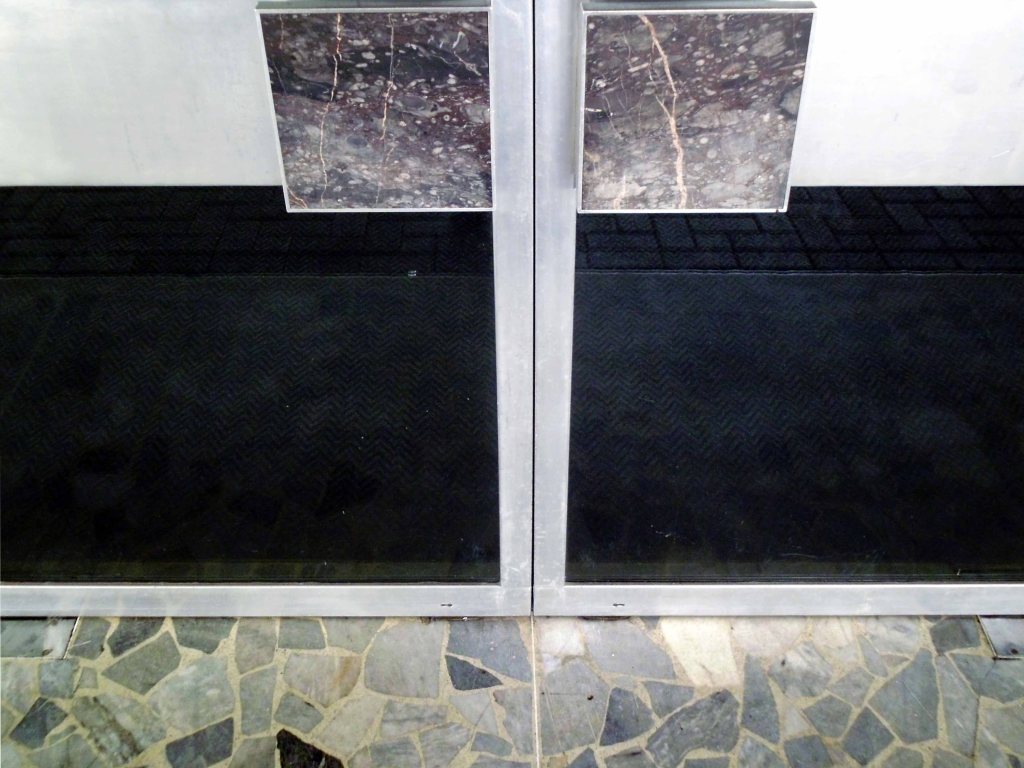
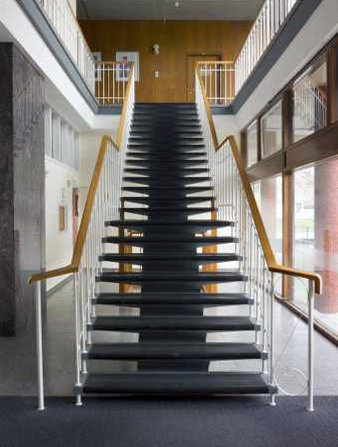
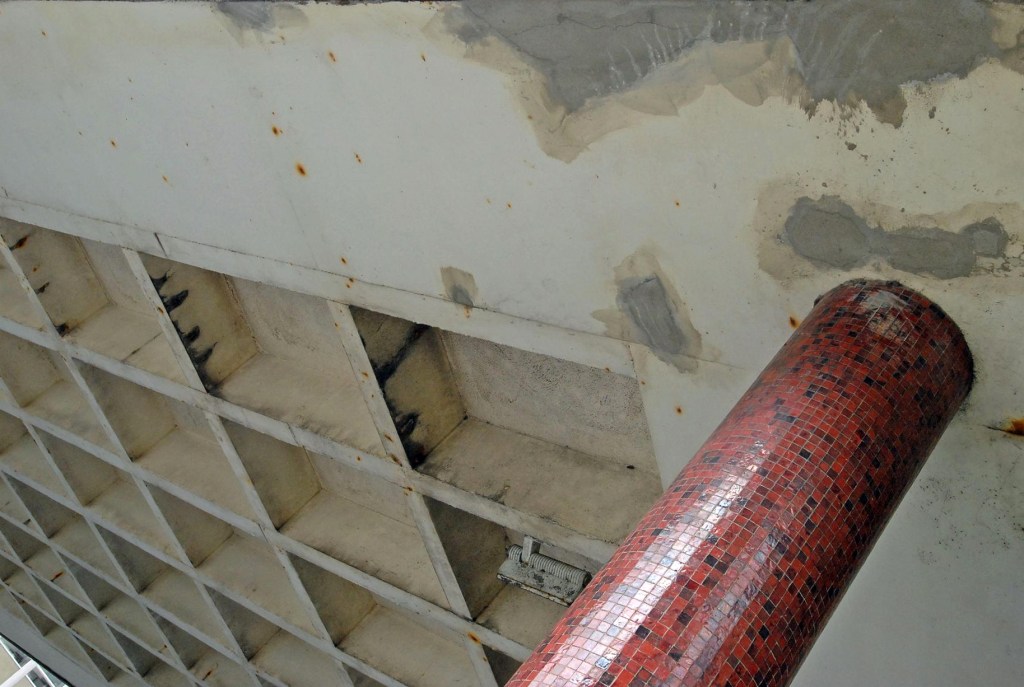
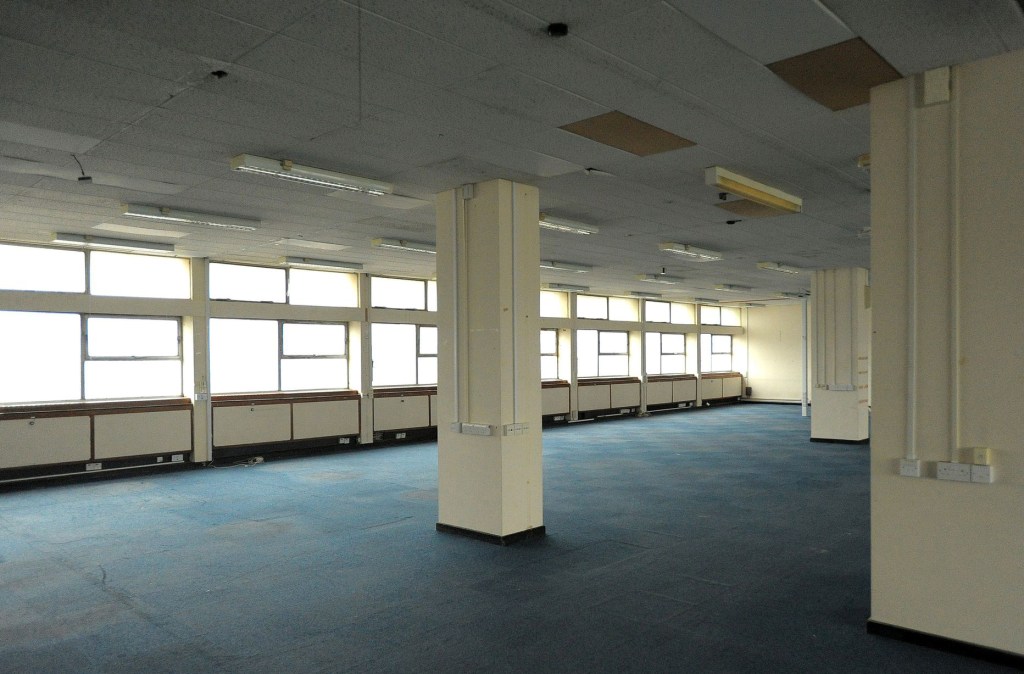
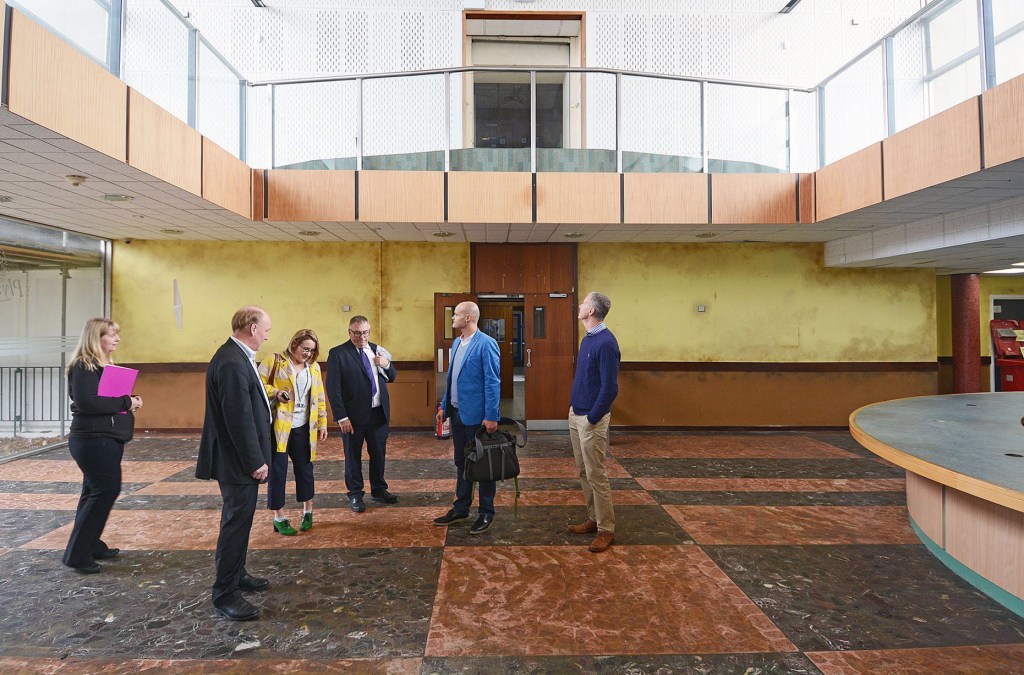
I took my time and explored the site, here is what I saw:

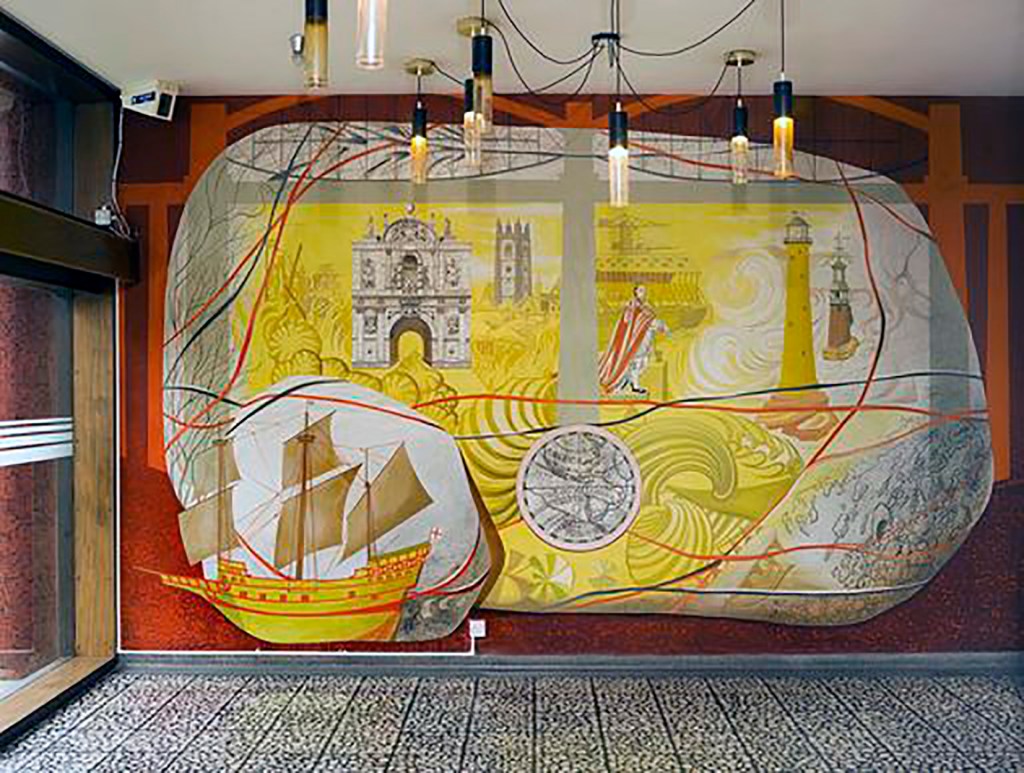
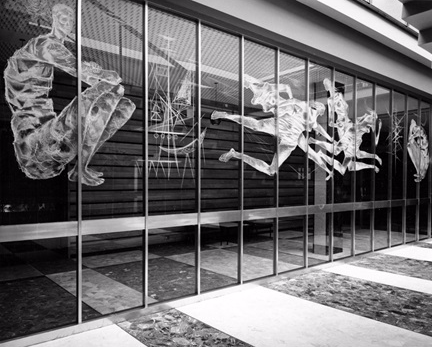
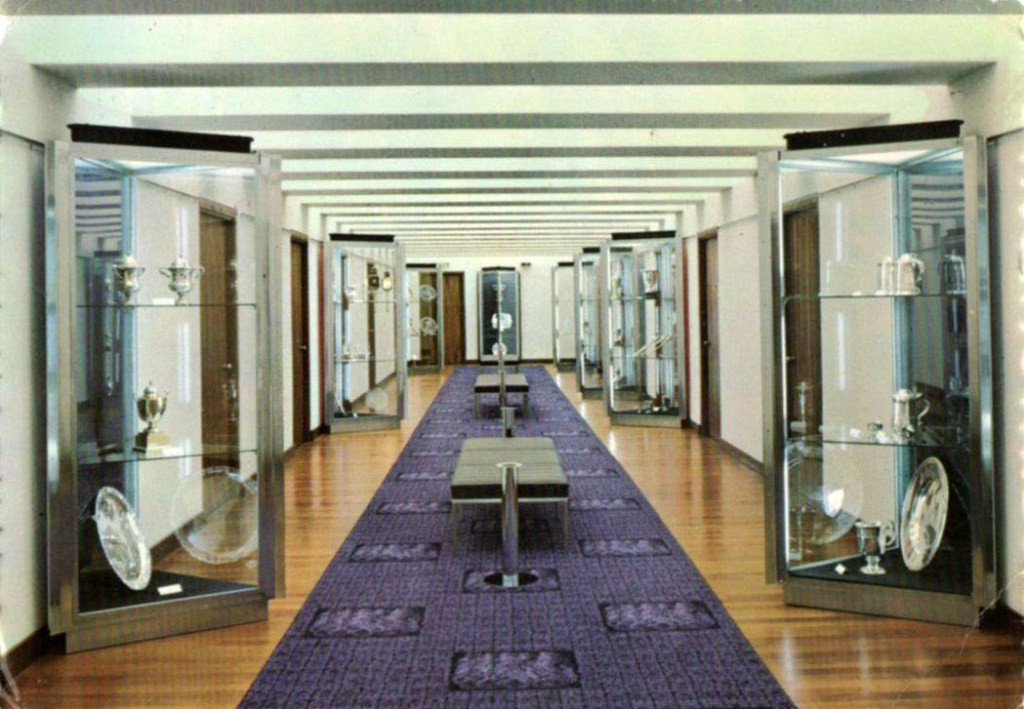
I subsequently found archival image of the interior – including examples of applied decorative arts.

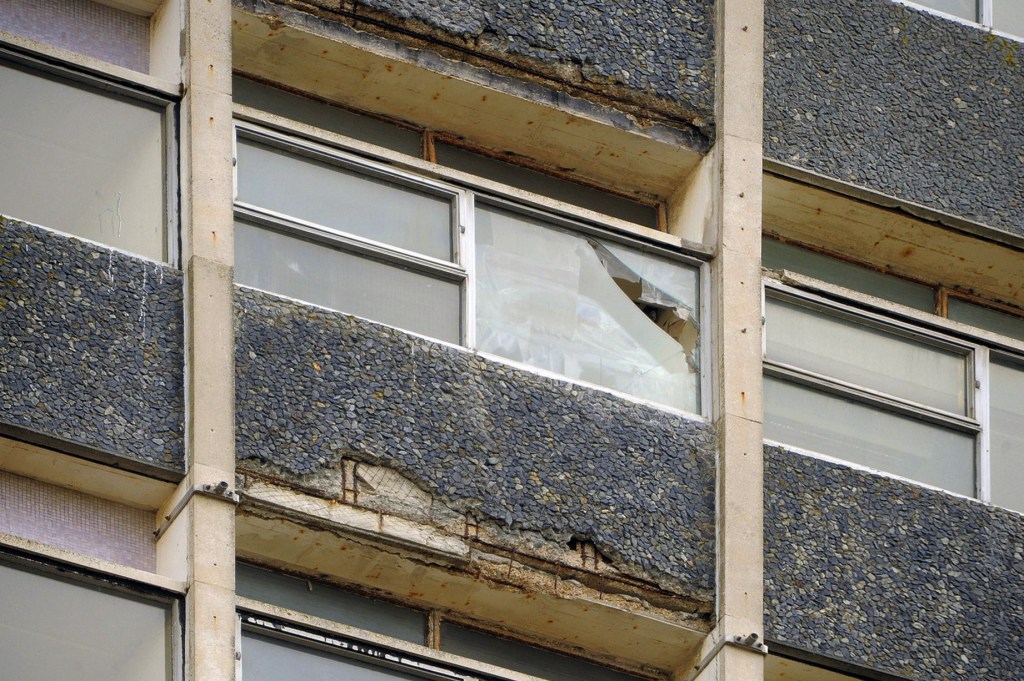
The building has suffered of late, from poor maintenance and general neglect.

Love it or hate it, it’s one of Plymouth’s most iconic post-war buildings – and it towers over the city centre. But the Civic Centre has been empty since 2015, with sad images revealing parts of the outside literally crumbling.

Today is the day Plymouth will finally discover what developer Urban Splash plans to do with the landmark 14-storey tower block it bought for £1.

Plymouth Herald

Urban Splash are in the house – plans are to go ahead.

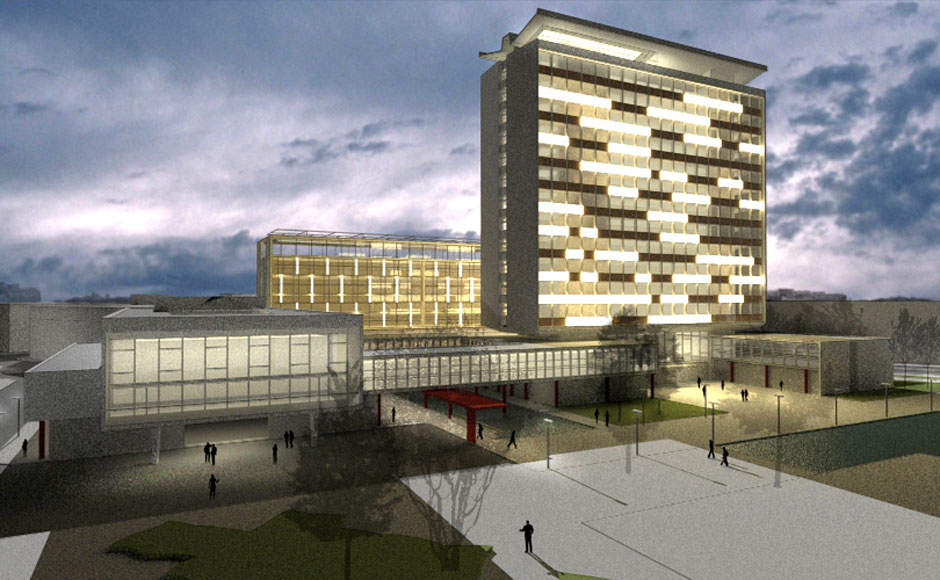
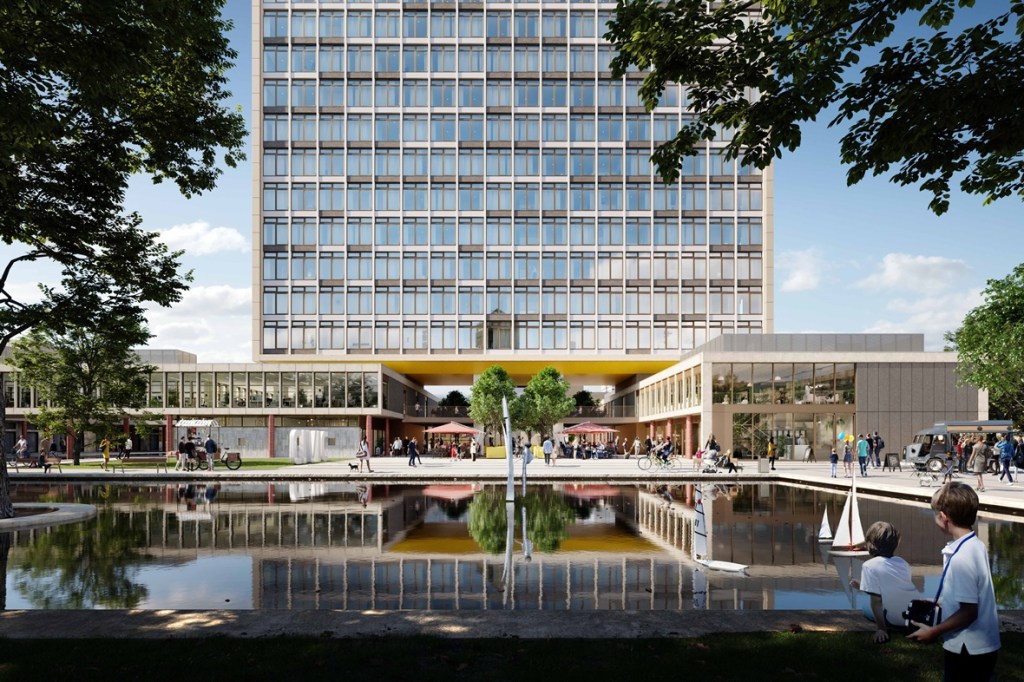
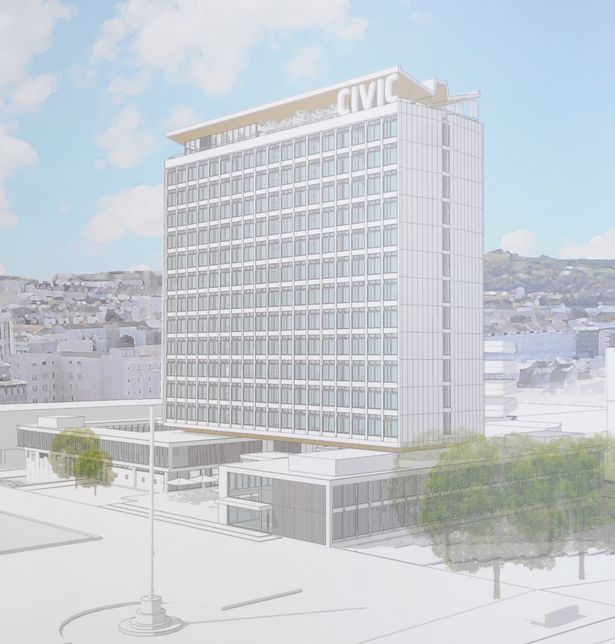
The proposal, by Gillespie Yunnie Architects, will see the 14-storey former council headquarters converted into 144 one and two-bedroom flats with the ground floors of the lower blocks providing about 4,600m² of office, retail and leisure space.

Unanimously approved last week, the scheme will open up the ground floor, making it ‘an active public space filled with outside seating for cafés, bars and restaurants’ and reuse the existing landscaped pools, while creating new pedestrian connections through the scheme from the Theatre Royal and Civic Square.

Architects Journal

Civic Centre Postcards – Newcastle and Plymouth

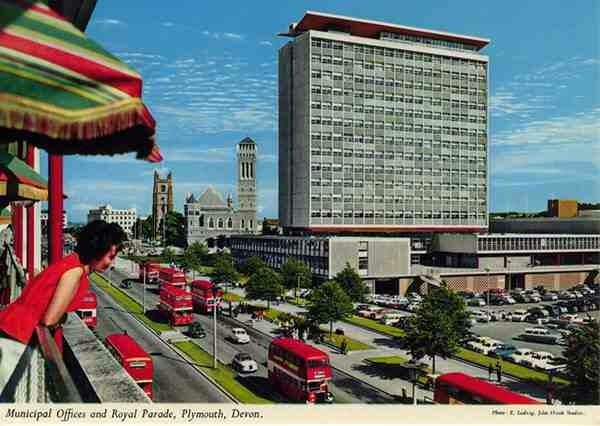
I’m more than partial to a picture postcard – I have penchant for the picaresque.

And in these troubled times there’s no safer way to travel.

I have some previous experience, exploring the precincts of our fair land – here and there.

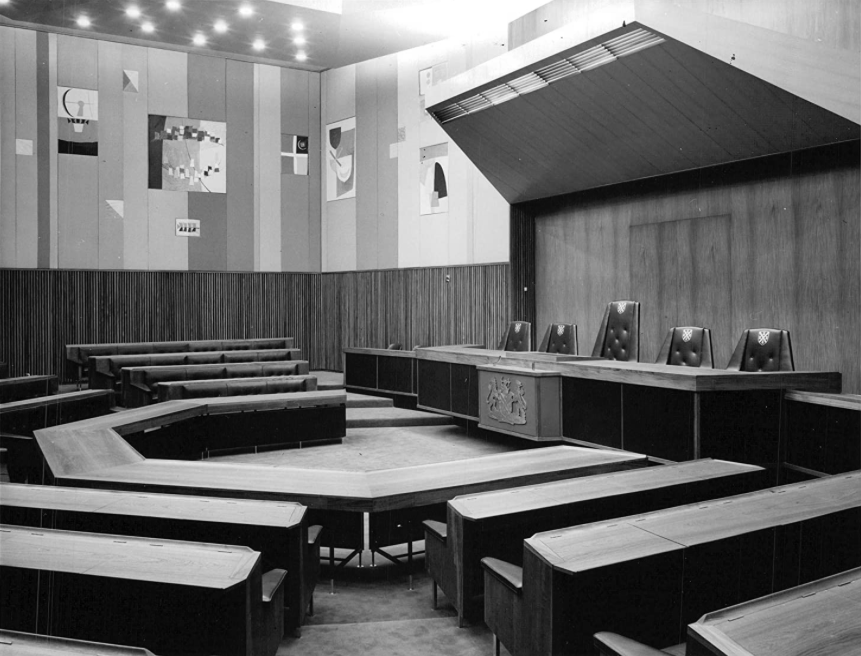
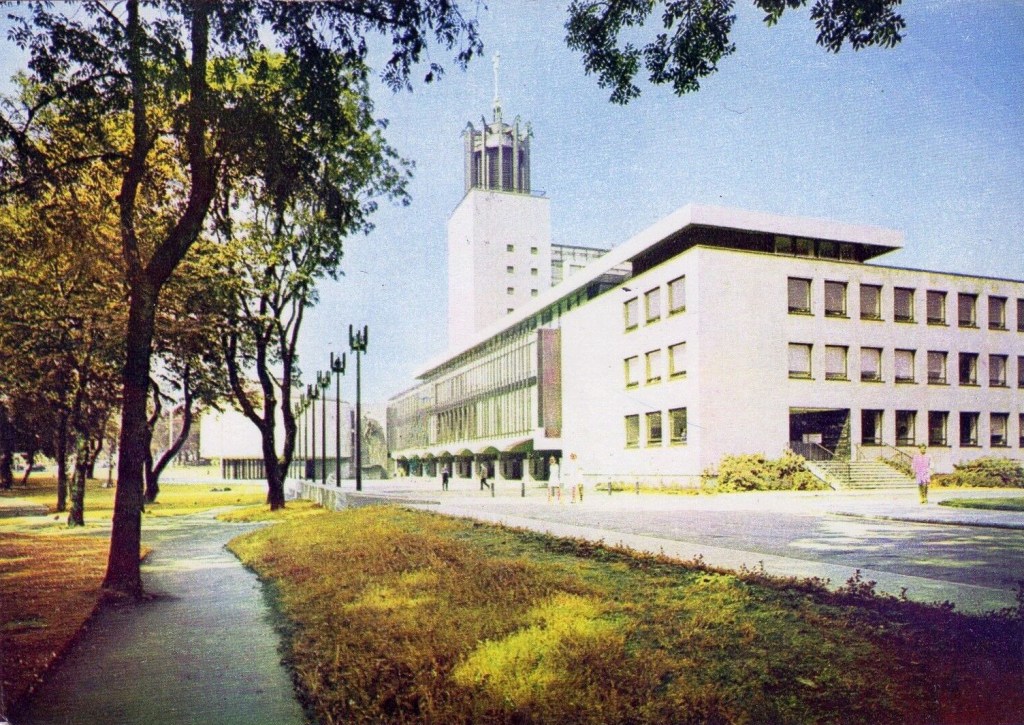
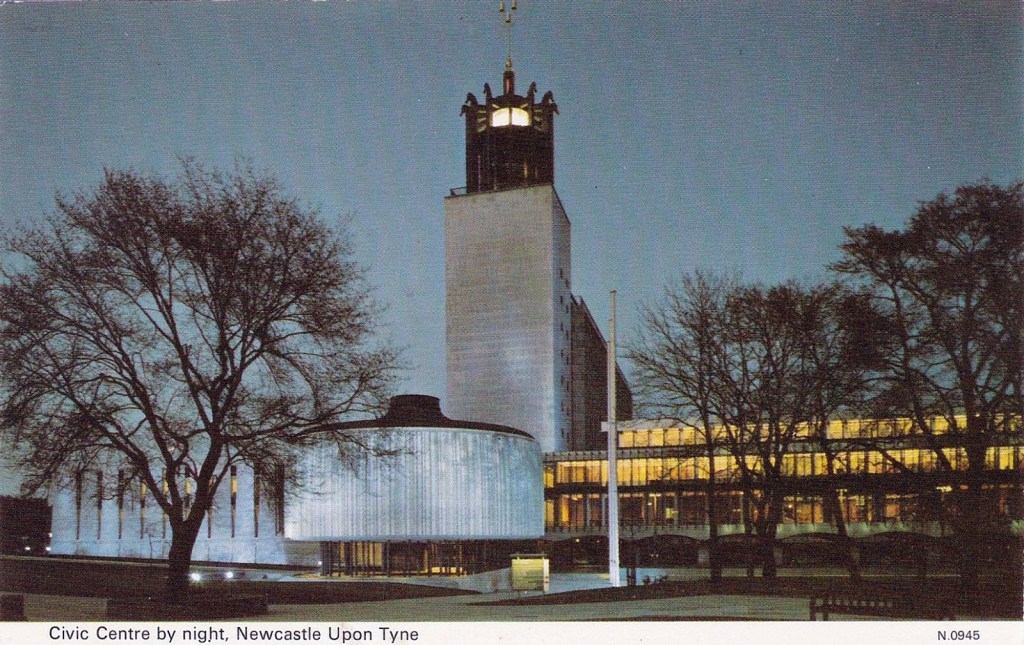
Prompted by a post from Natalie Bradbury – I became intrigued by Newcastle Civic Centre cards, I have visited the site, but in this instance, we are taken there thus:

Let’s have a look inside:

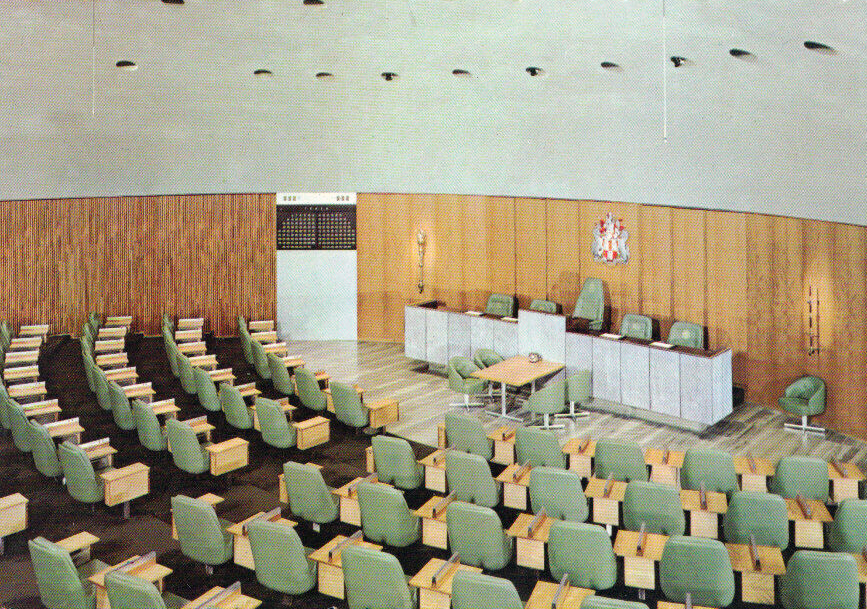
The Council Chamber

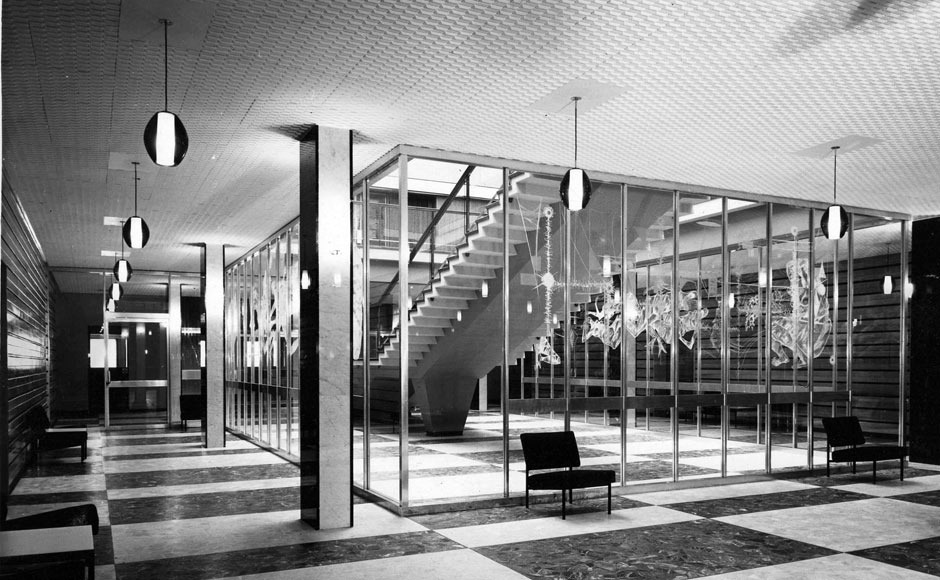
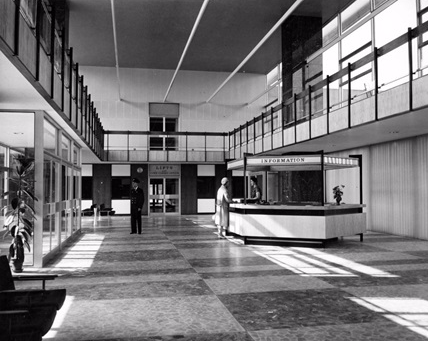
Grand Entrance Hall

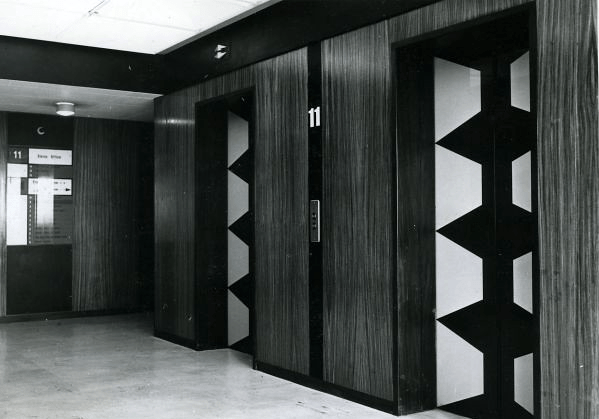
Its extensive rooms.

Which then led me to Plymouth – which I had visited some time ago, on my coastal cycle tour, another fine example of post-war Municipal Modernism.

Empty for some time it now seems that a change is going to come:

A long-awaited scheme to convert the empty Civic Centre tower block in Plymouth into flats is set to be given the go-ahead.

Planning applications to create 144 homes in the 14-floor landmark building in Armada Way are being recommended for approval. 

The scheme also proposes a mix of uses for the ground and first floors including shops, offices, cafes and restaurants, bars, hot food takeaway, art gallery, gym, creche and day nursery.

Plymouth Herald

Many of our fine Modernist civic buildings are under threat – as councils seek new premises for a new age.

Only the strong survive.

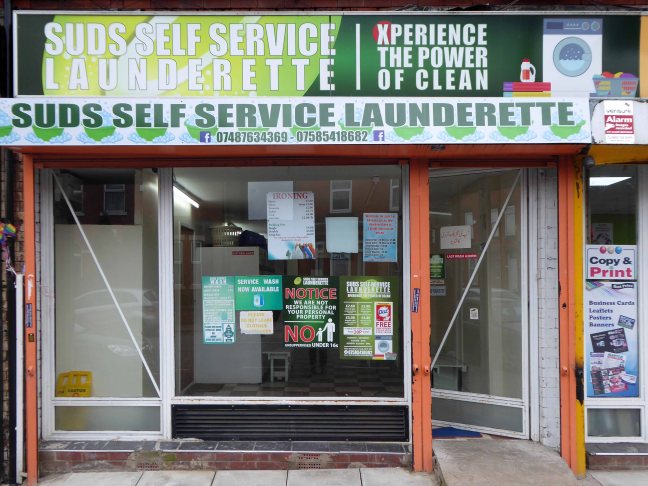
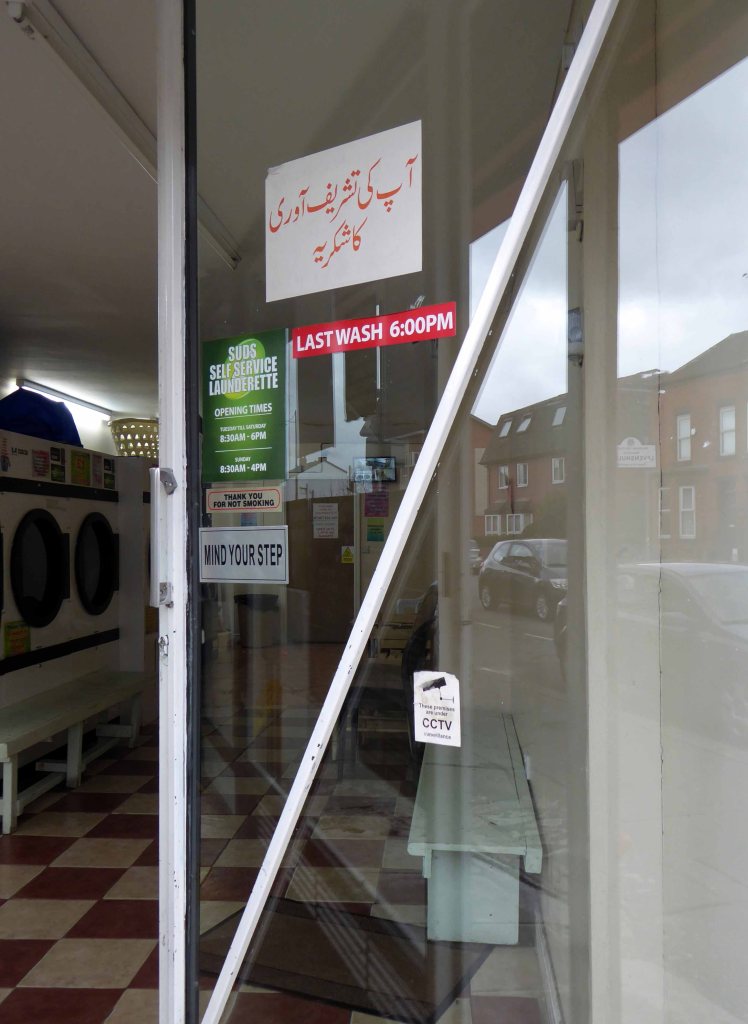
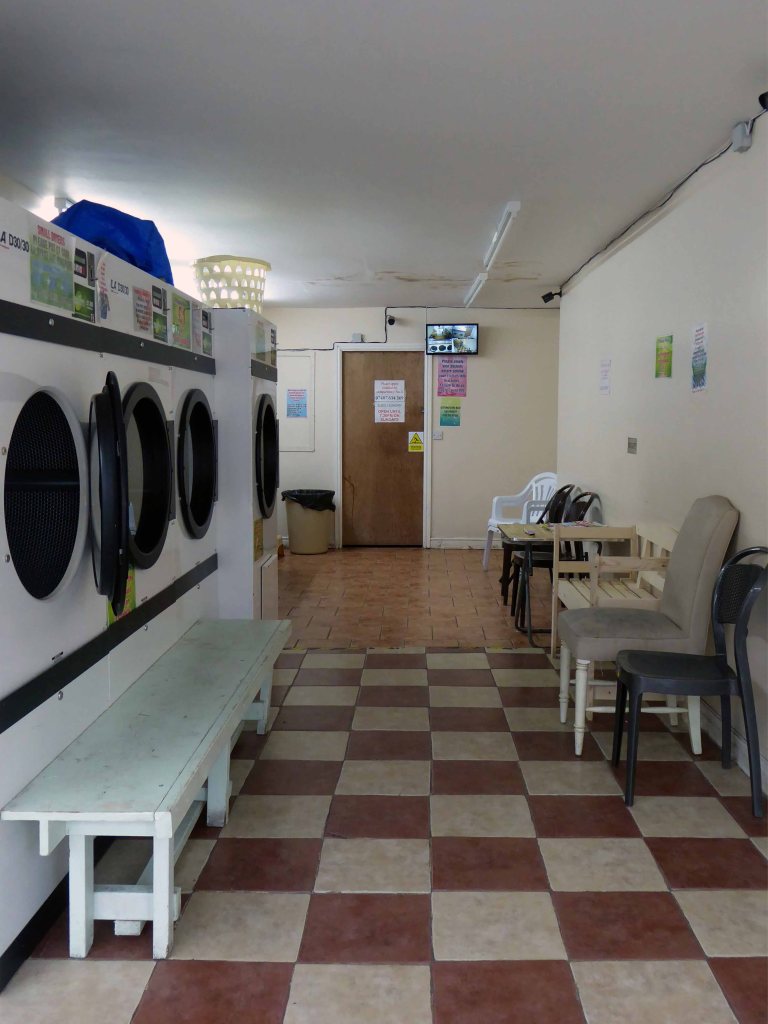
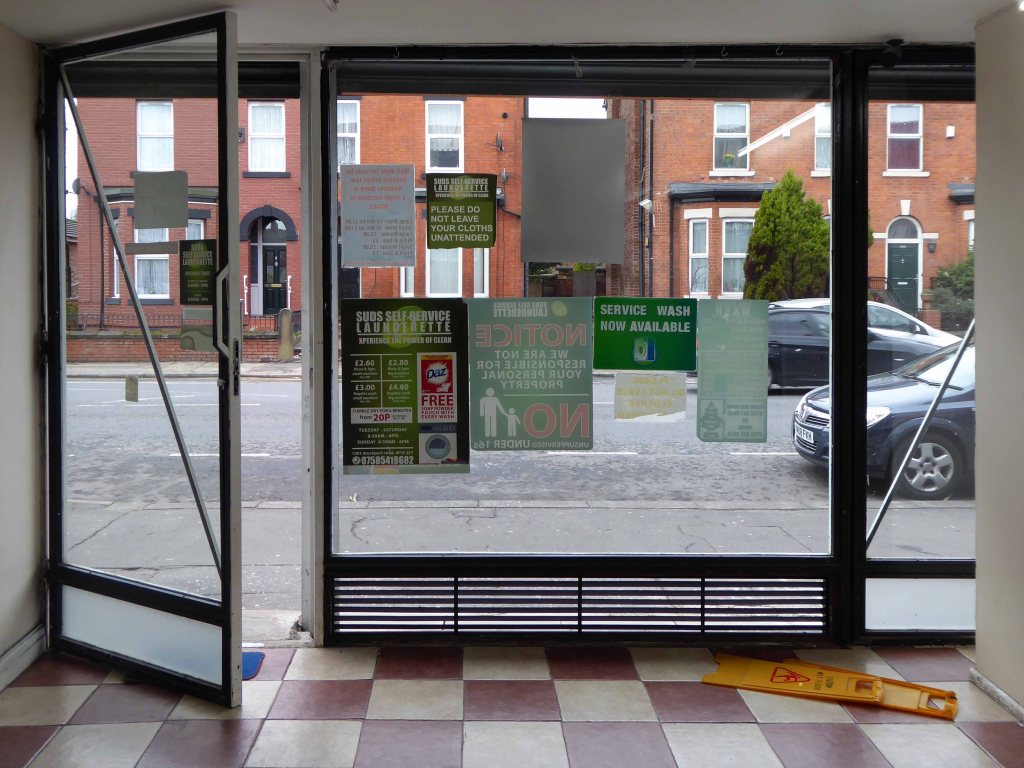
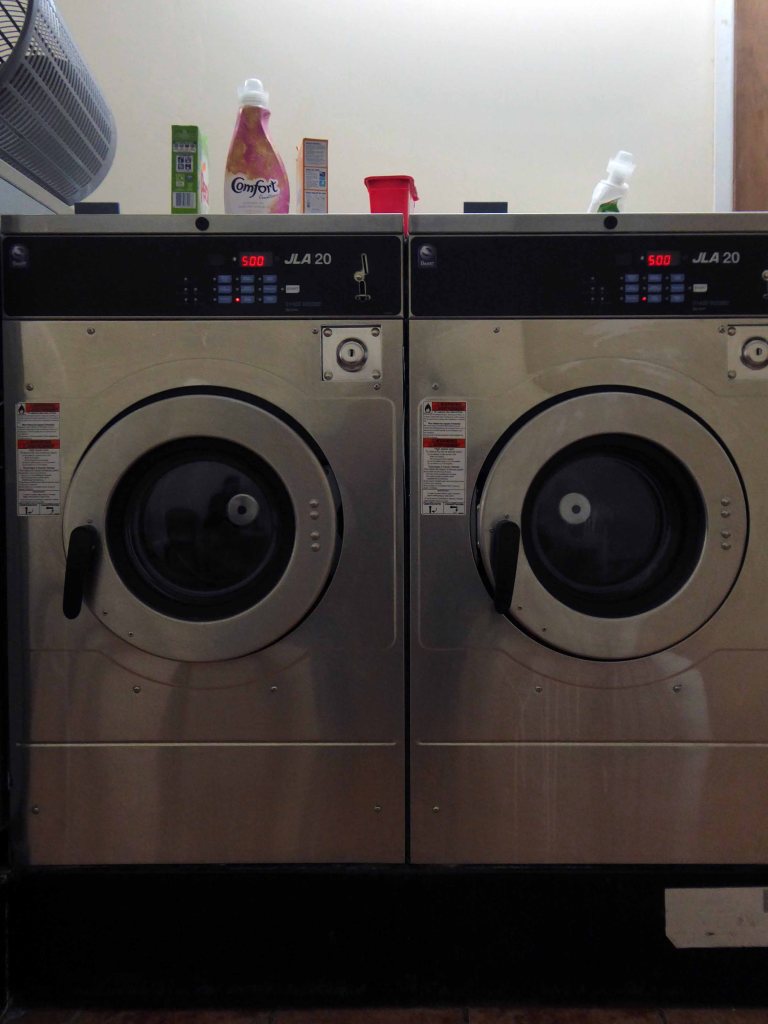
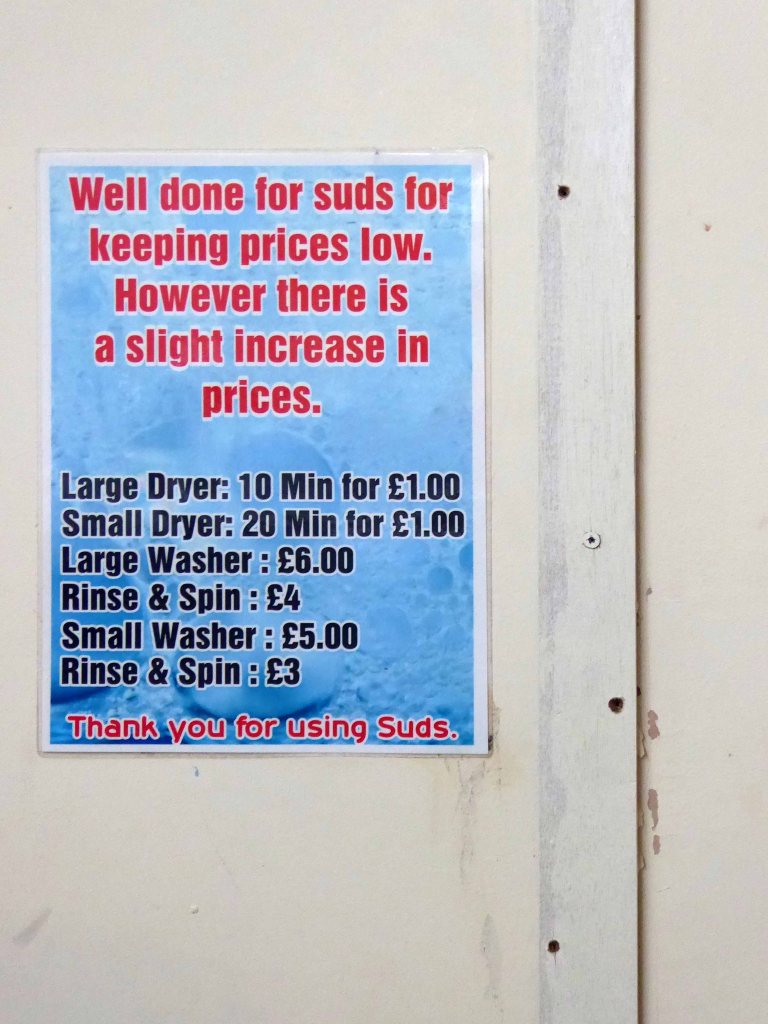
Suds Laundrette – Levenshulme

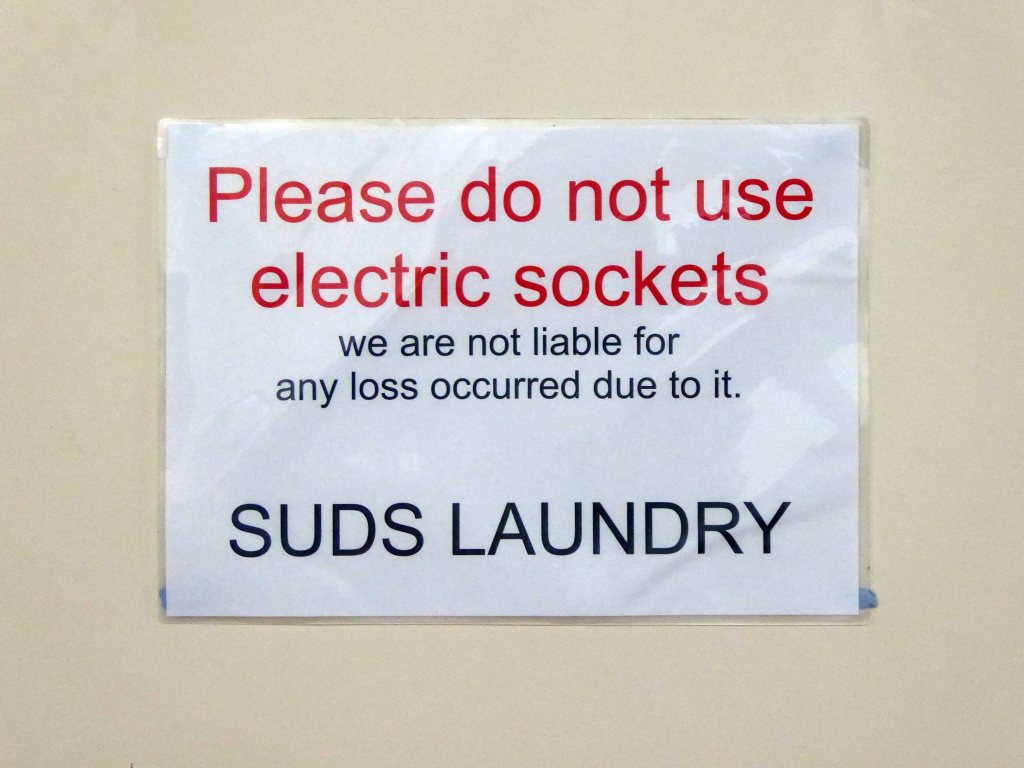
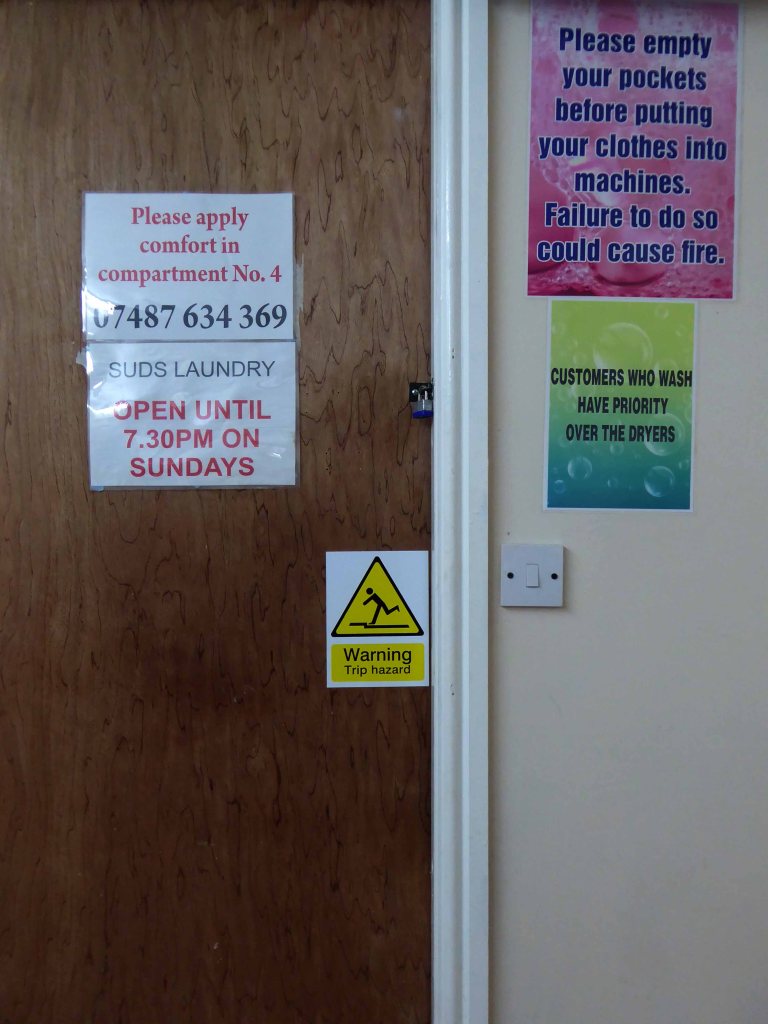
We have entered a new age – the age of the A6 based computer generated A4 Blu-Tack attached laminated print out.

An informal typography for the age of informality – long gone the etched plastic, hand rendered fascia days of yore.

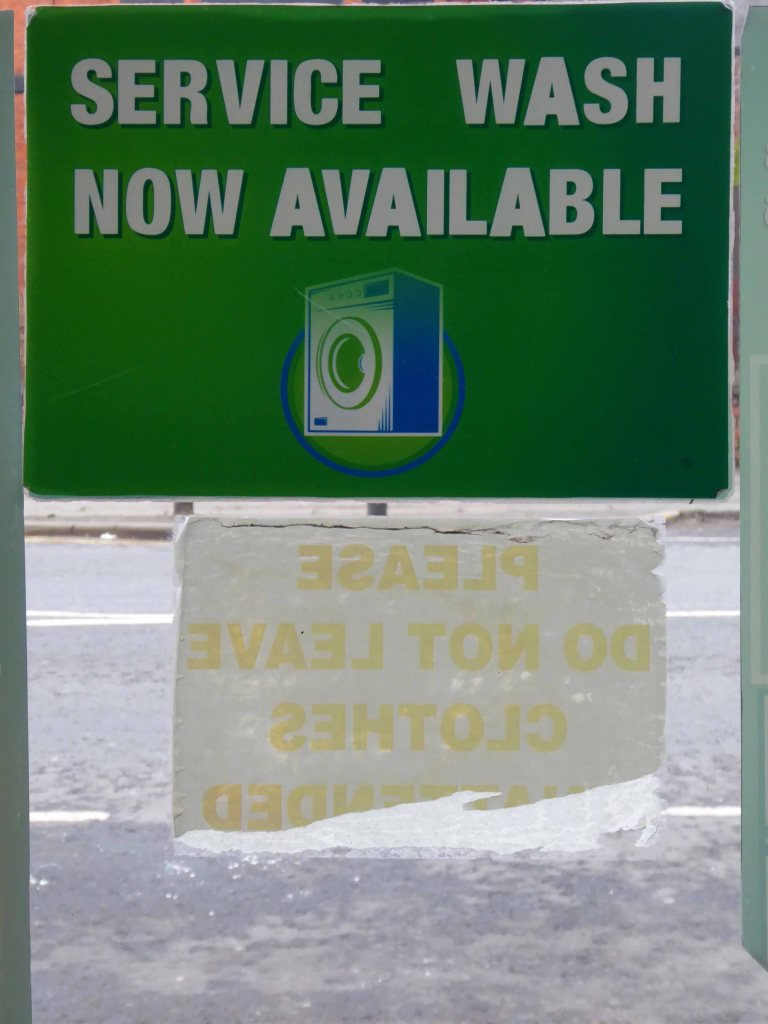
This is now one of many launderama dramas – my sole intent to record the state of the nation’s dirty washing.

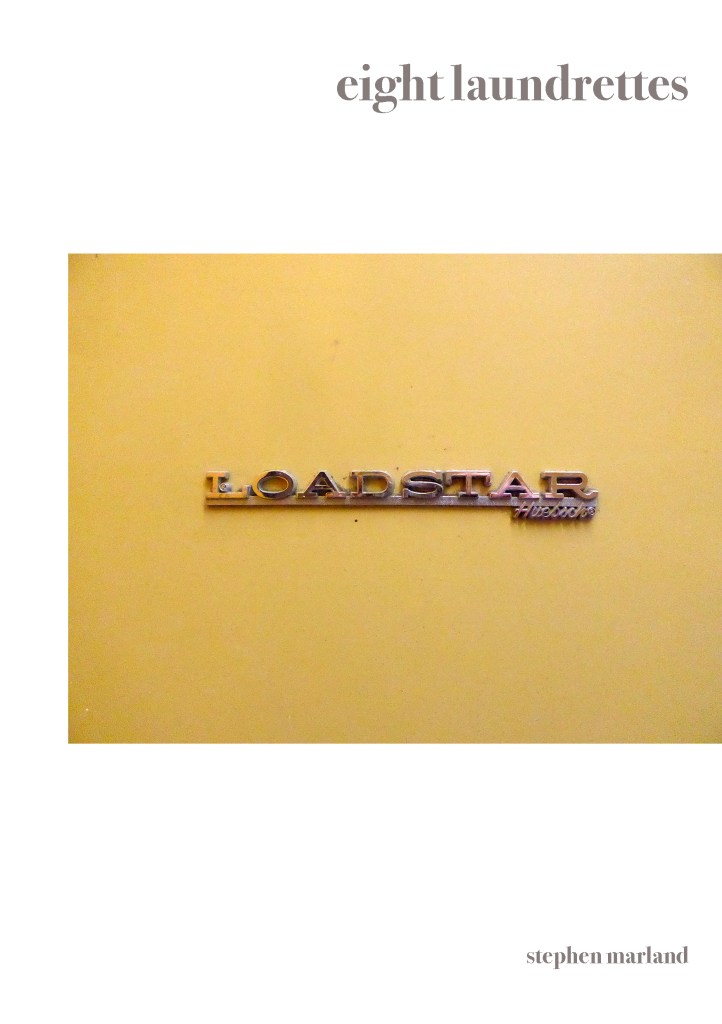
There is even to be a book published this March.

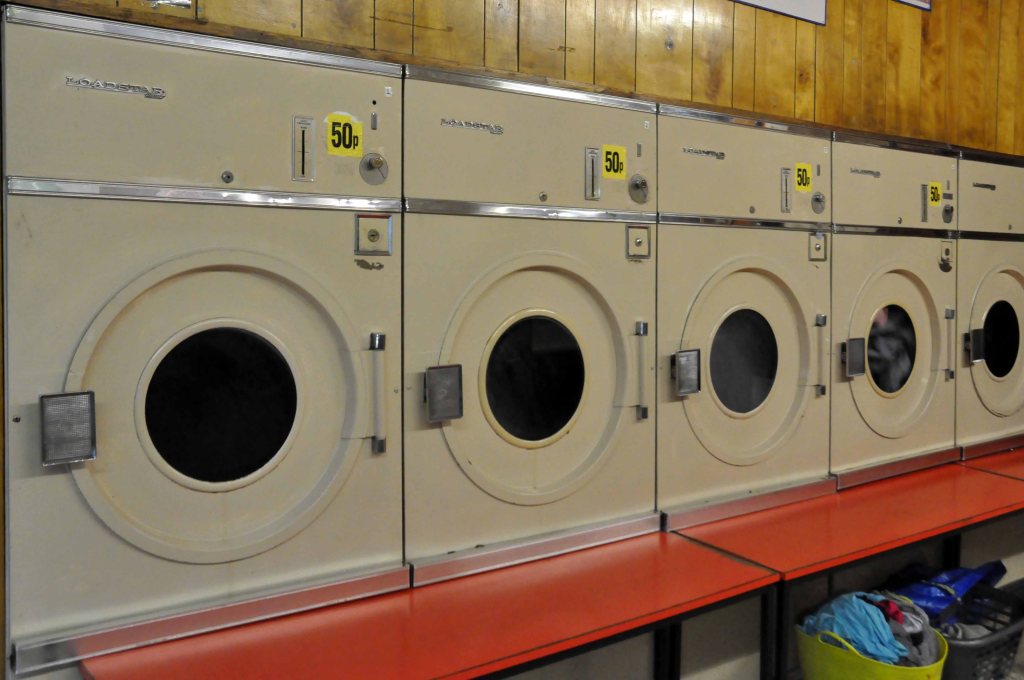
So one more for the road – load up the Loadstar with washers and slugs, let’s all get dry, one way or another.

Alexandra Hotel – Hull

69 Hessle Road Kingston upon Hull HU3 2AB

Whilst walking the length of Hessle Road, up and back – taking the air, snaps, the sights and sounds, I came upon a fine Faience tiled frontage.

I began photographing, wandering dangerously into the space between the slip road and the flyover. A shout rang out, emanating from the boozer, the landlord called me over.

“Do you want to take a look inside?”

“Yes”.

A listed interior the new landlord is working hard along with Historic England to restore the capacious rooms to their former glory, including the entrance mosaic and ceiling – images P Hampel

Inheriting a whole heap of issues and a grey parrot called Sparky.

It all proved too much for the former landlord.

But the boozer is now up and running serving cask ale to throngs of first class thirsty customers.

The Yorkshire Brewhouse 1904 ended mid week when we’re normally closed but we were asked to open for a group of very thirsty sailors. We moved on to Reet, another Yorkshire Brewhouse beer and thanks to the football that one has gone too. It’s back to the YBH Faithful Stout once again. I’d come quick and get it while you can.

Once two pubs the Hessle Road Inn was subsumed by the Alexandra. The area was once home to the city’s Jewish Community – the cemetery survives next door.

There are Star of David motifs incorporated into the windows, sympathetic to this local heritage.

Built around 1895, designed by Smith, Brodrick and Walker, with late C20 alterations – British Listed Buildings.

It’s a fabulous pub which deserves to thrive – pop in for a pint if you’re passing, just watch out for low flying parrots.

Launderette – Hull

Whilst walking down Beverley Road I caught sight of of you out of the corner of my eye – my left eye.

My beautiful laundrette:

In this damn country, which we hate and love, you can get anything you want, it’s all spread out and available.

That’s why I believe in England.

Set back slightly from the road and the rest of the world.

Queens Road a street with an incident packed street view.

Without hesitation I entered the world of washing, soap and suds, signs and surfaces.

Dirty linen has never been so public.

Neaverson’s – Huddersfield

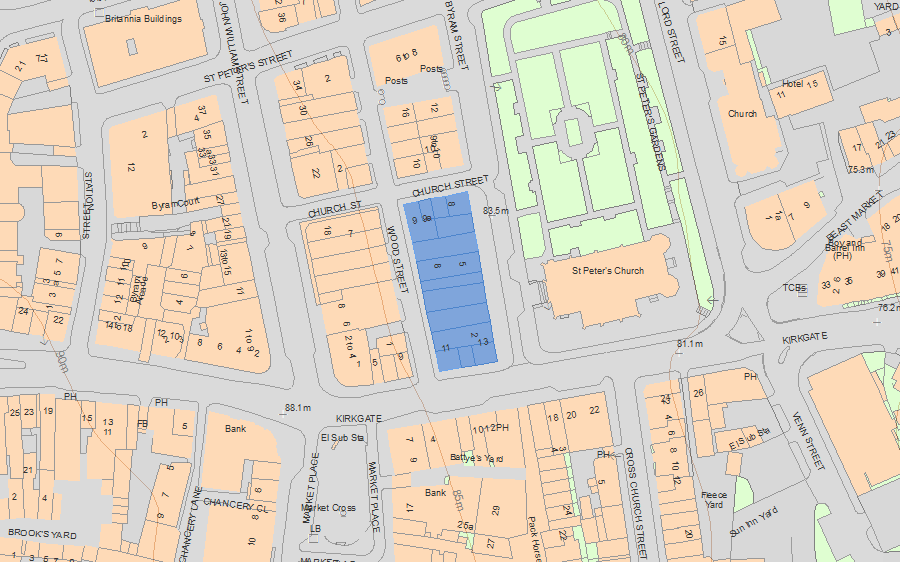
Kirkgate Buildings Byram Street

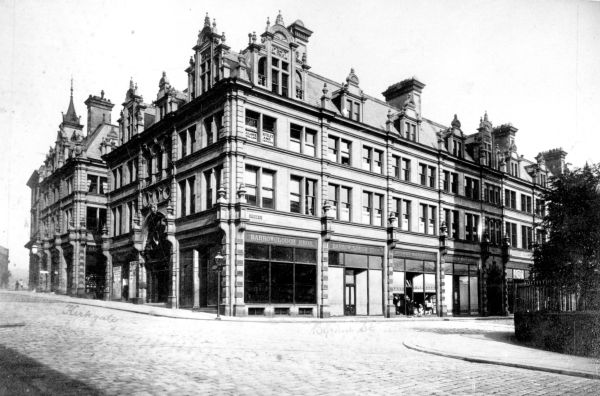
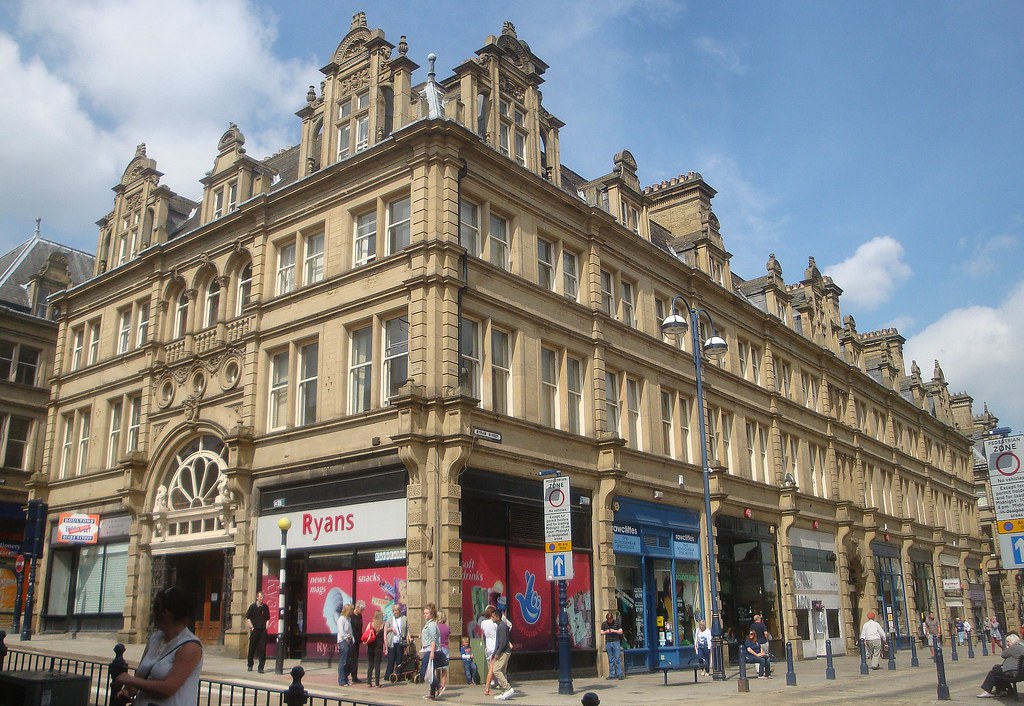
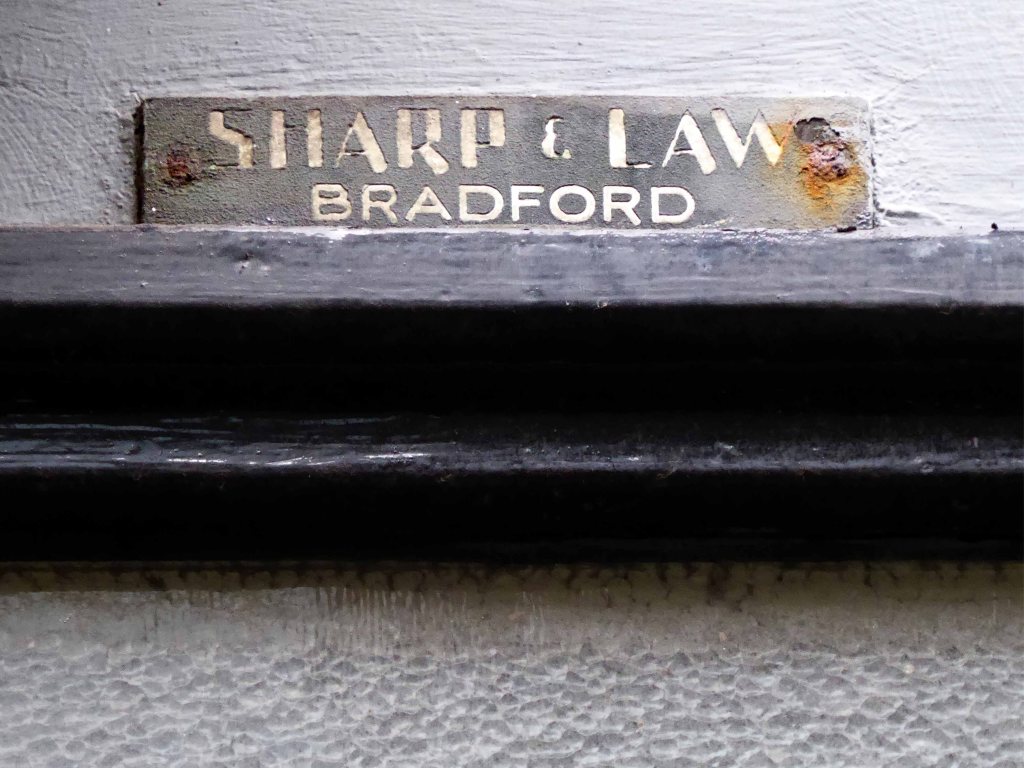
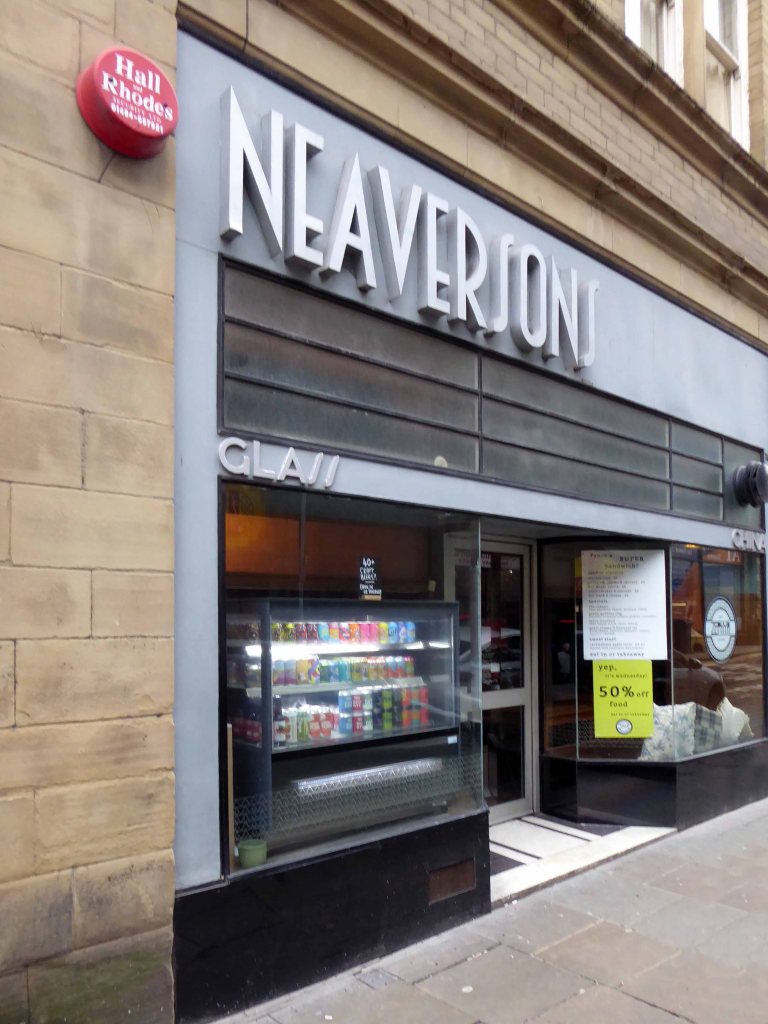
Commercial building with ground-floor retail units and offices to the upper floors, c1883, by W H Crossland with sculptural work by C E Fucigna. Sandstone ashlar, slate roof, substantial ashlar ridge stacks. C19 Queen Anne style with French influences and classical Greek sculpture. One of the ground-floor shop units was remodelled in 1935 by Sharp and Law of Bradford with Moderne shopfronts and interior fittings.

The cultural and visual collision is immediate – the pairing of Huddersfield’s grand Victorian manner with the latest of European Moderne.

Neaverson’s – purveyors of pottery and glass began life in 1893 in premises on Cross Church Street, before moving to the Grade I-listed Byram Street building in 1935.

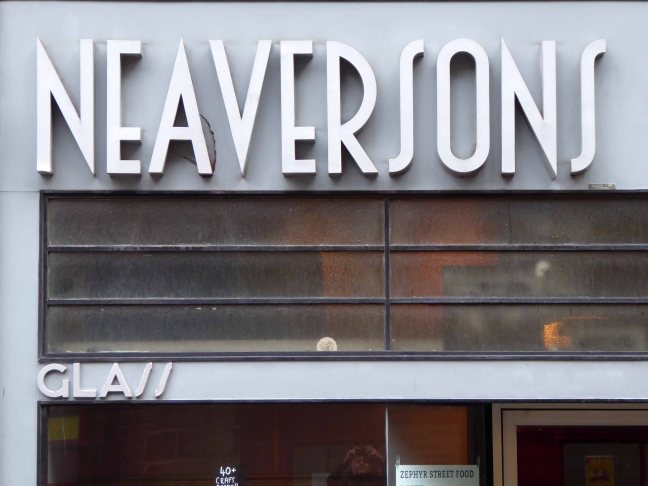
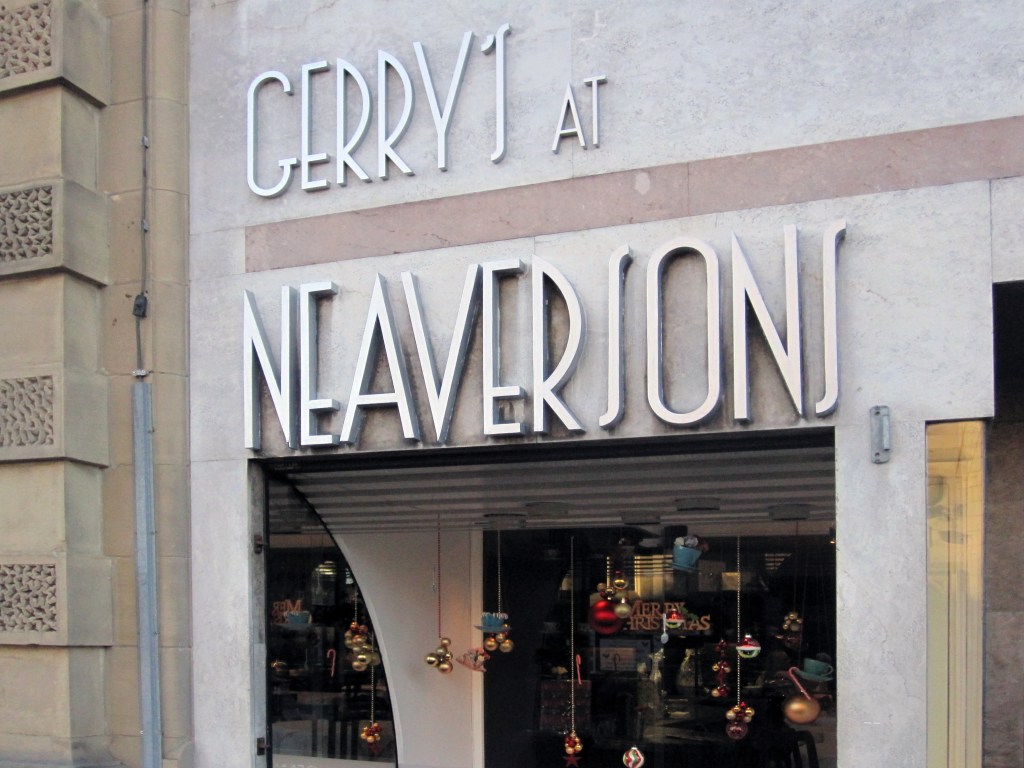
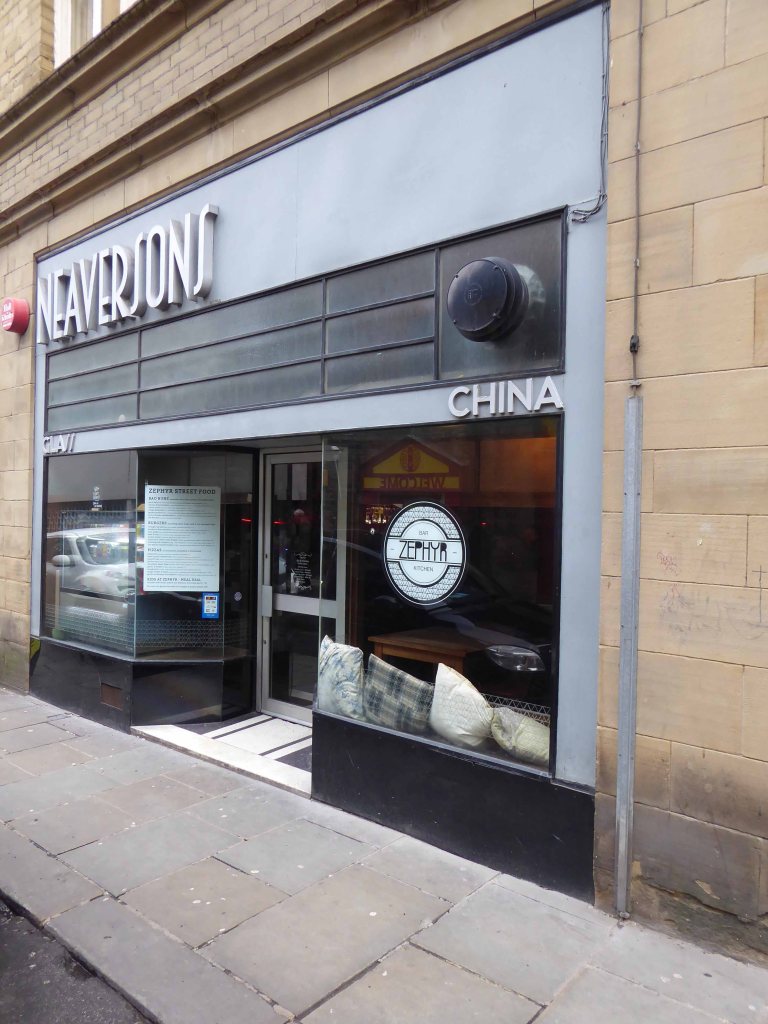
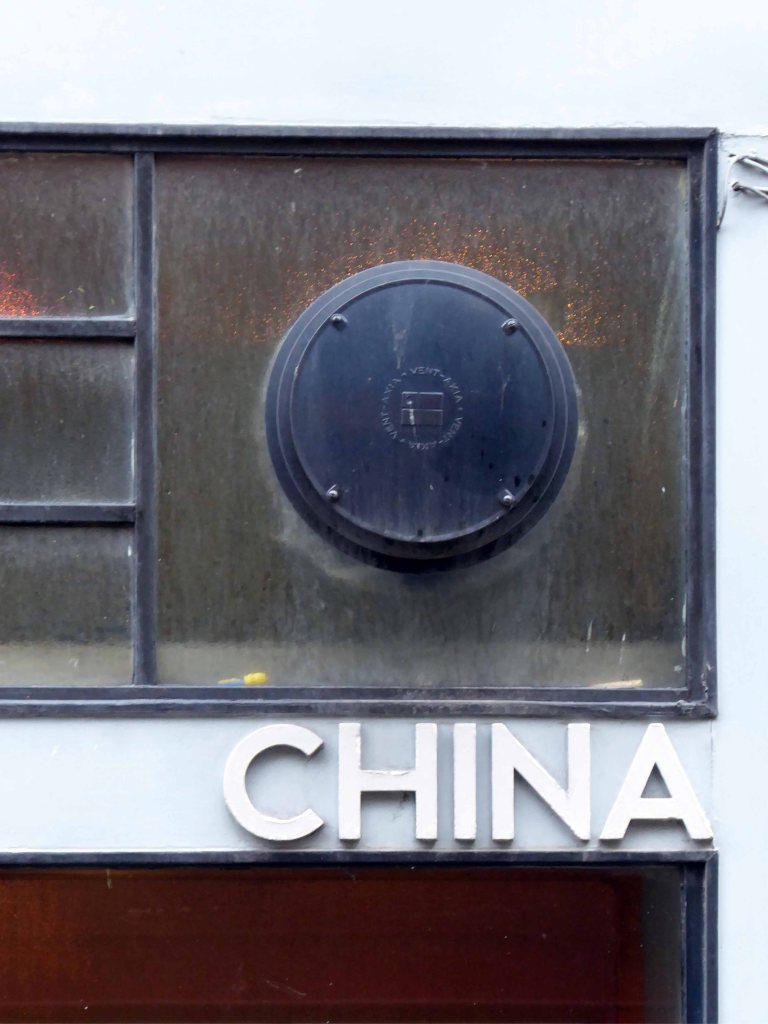
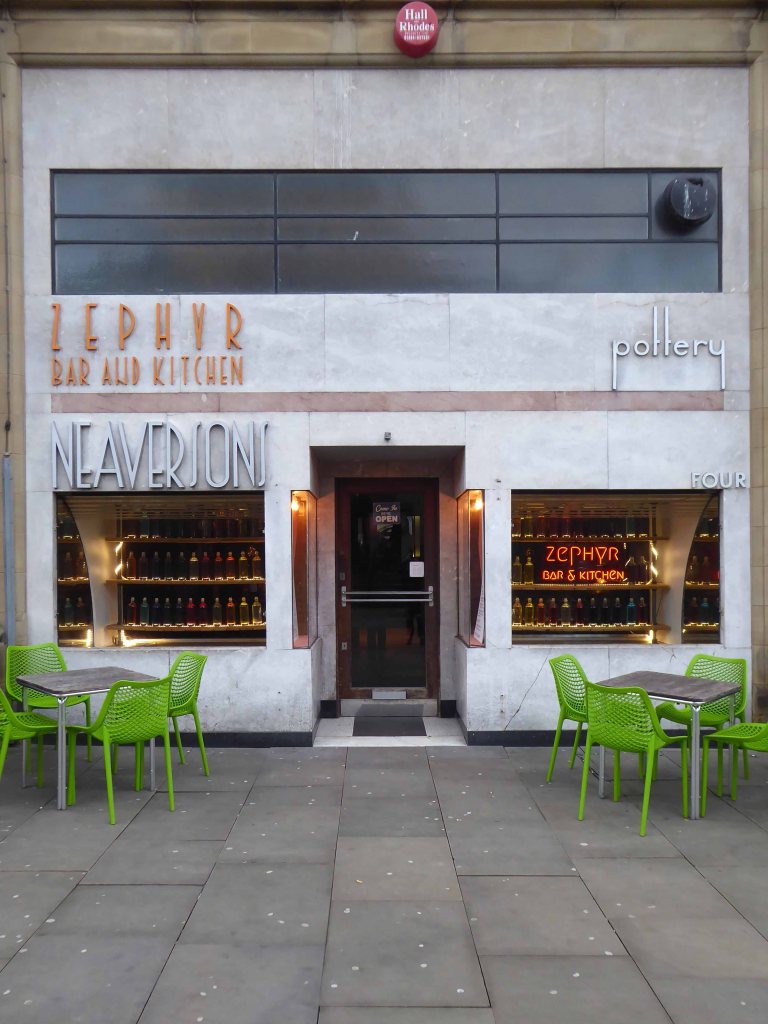
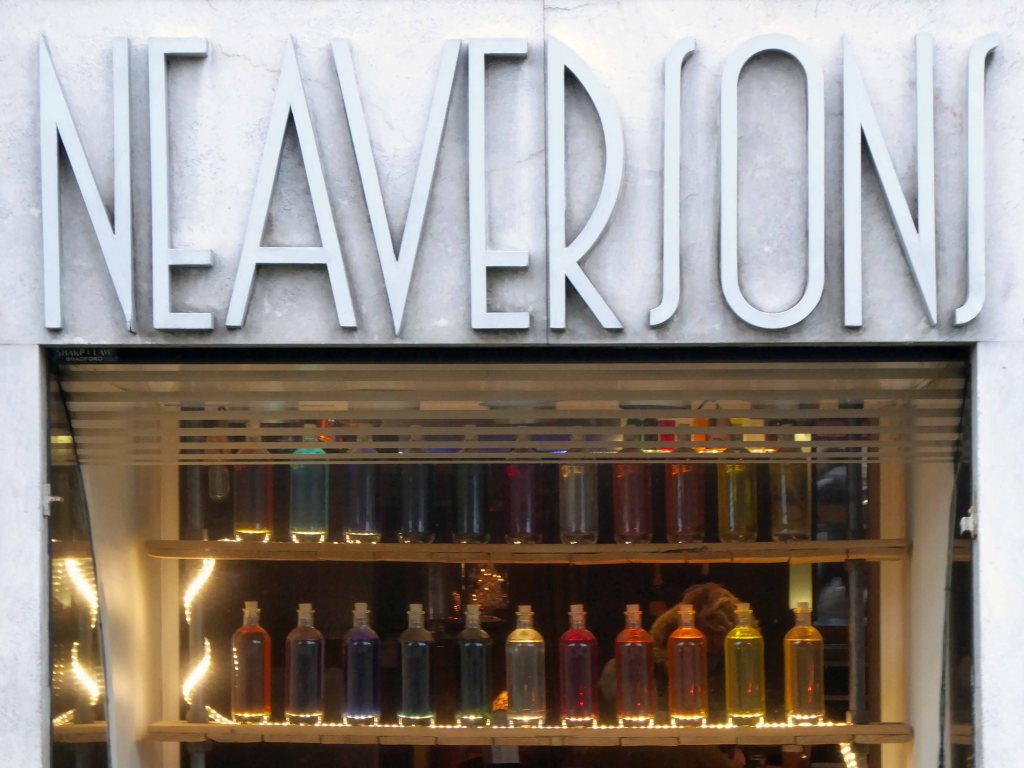
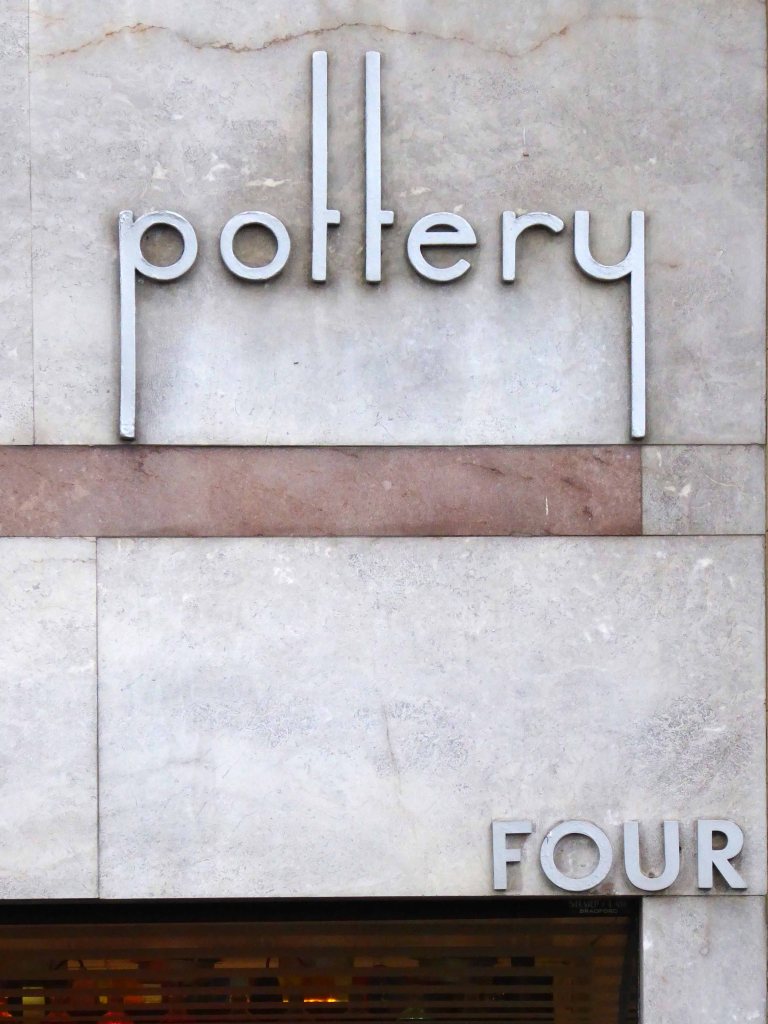
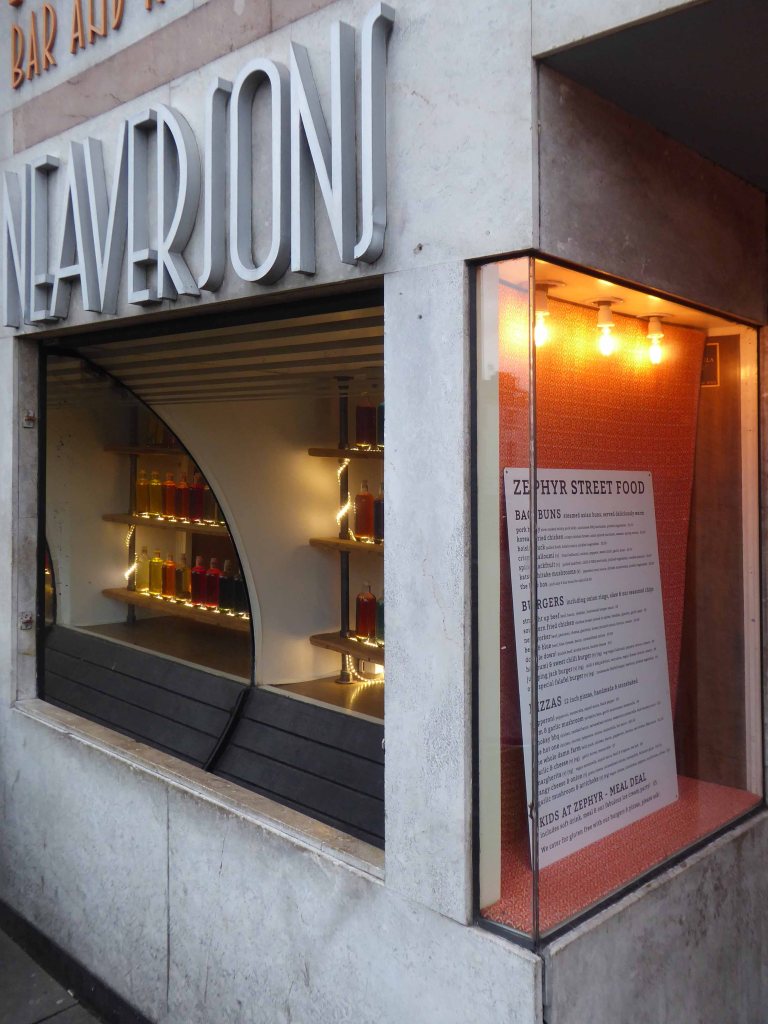
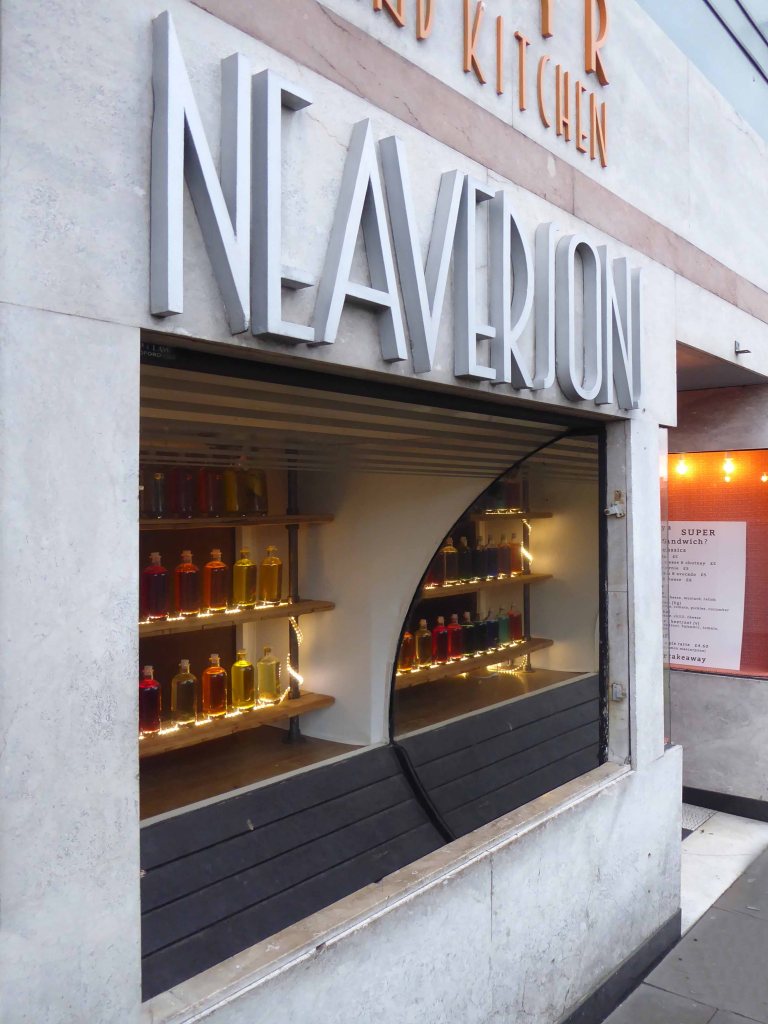
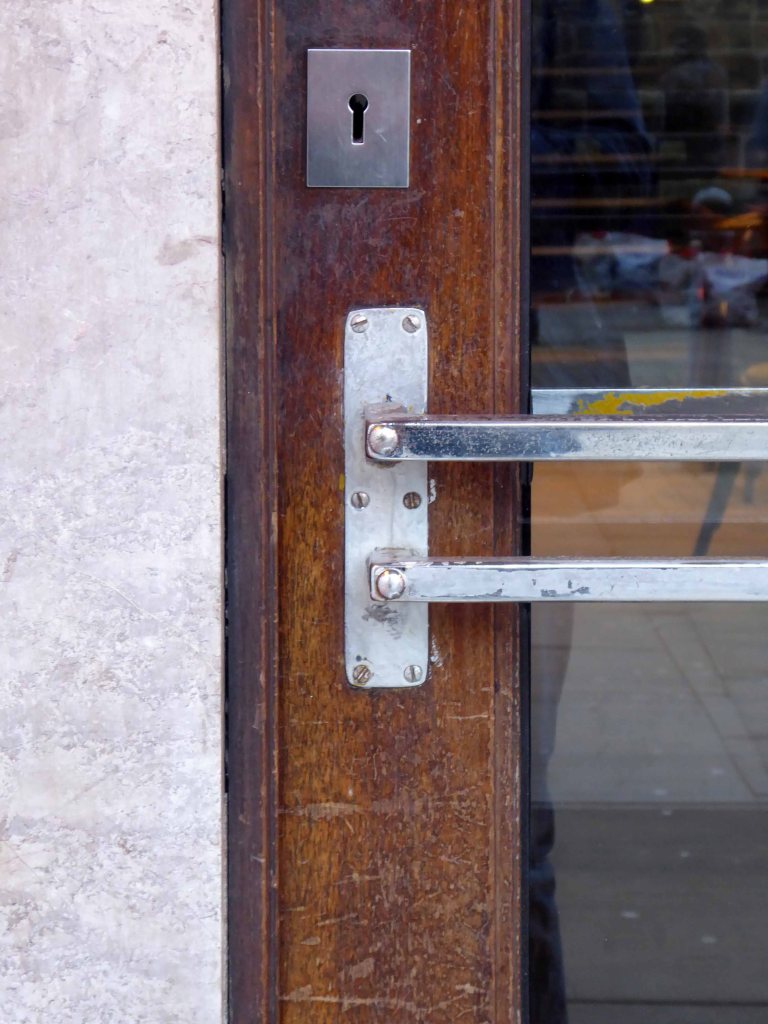
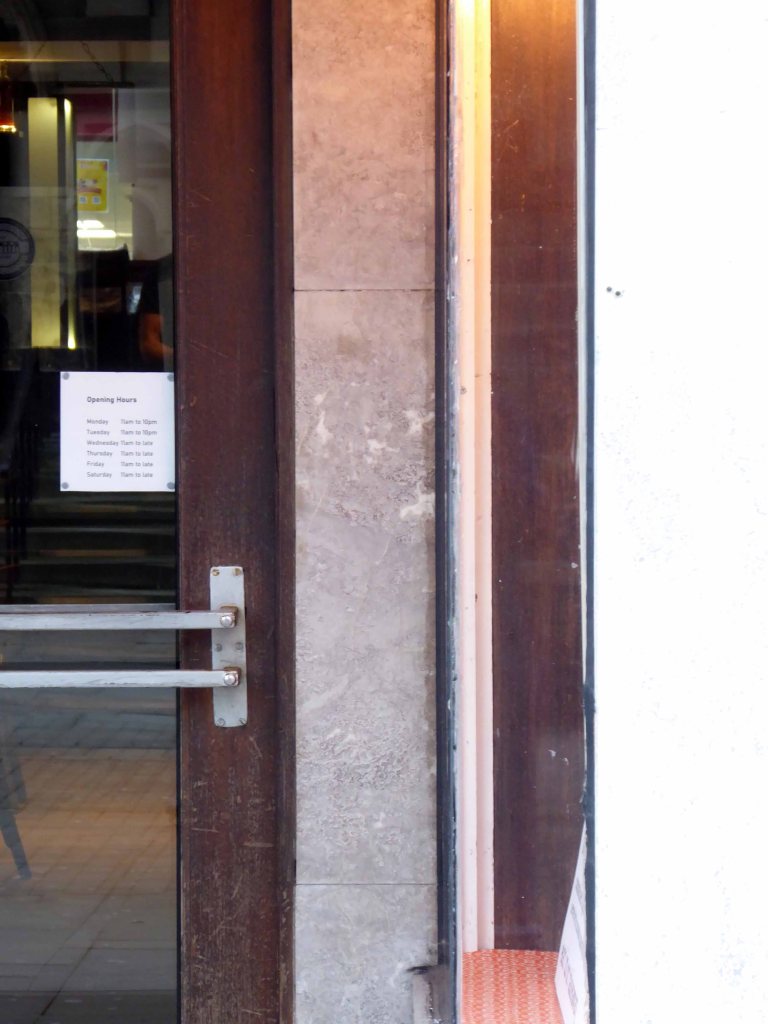
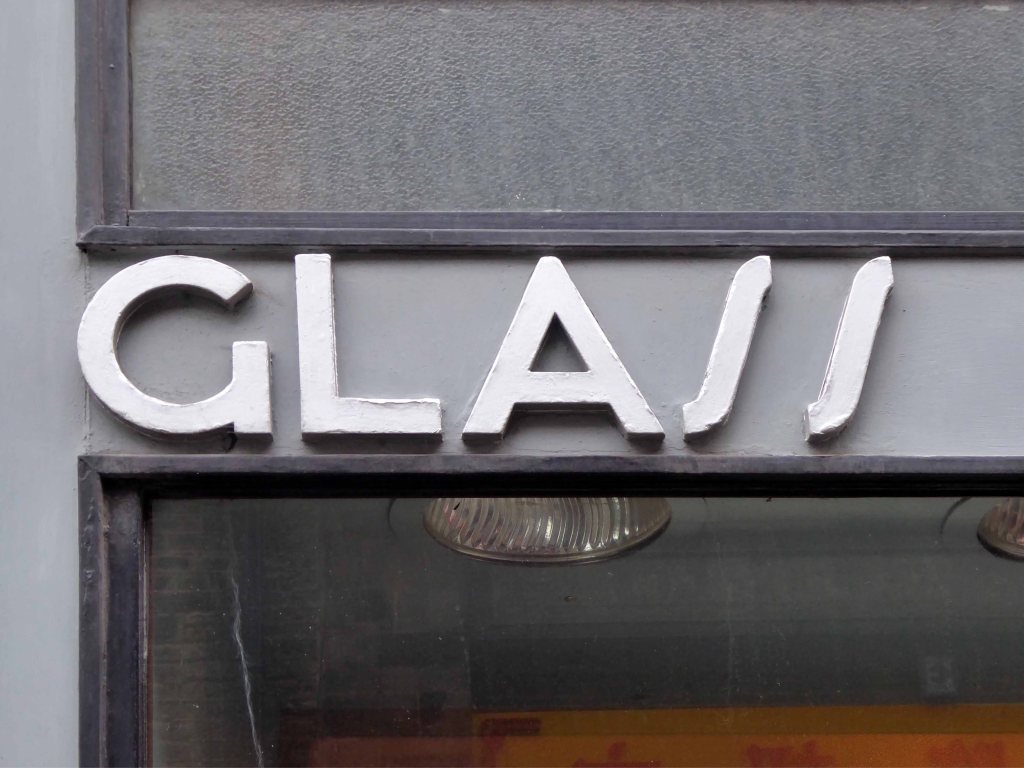
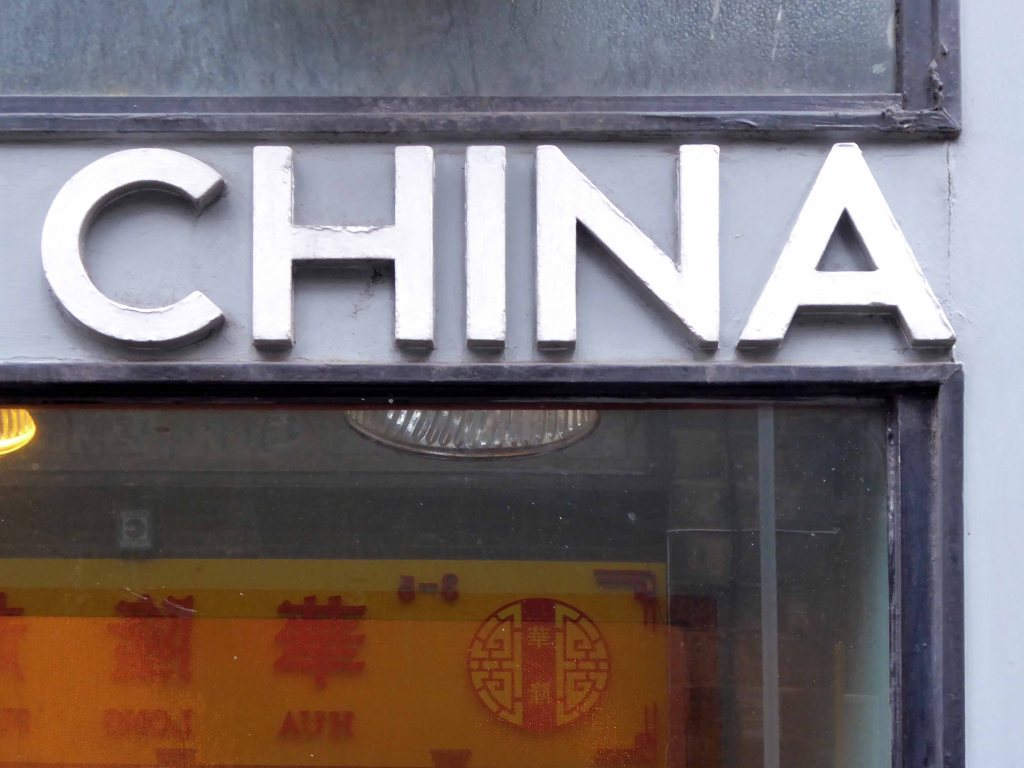
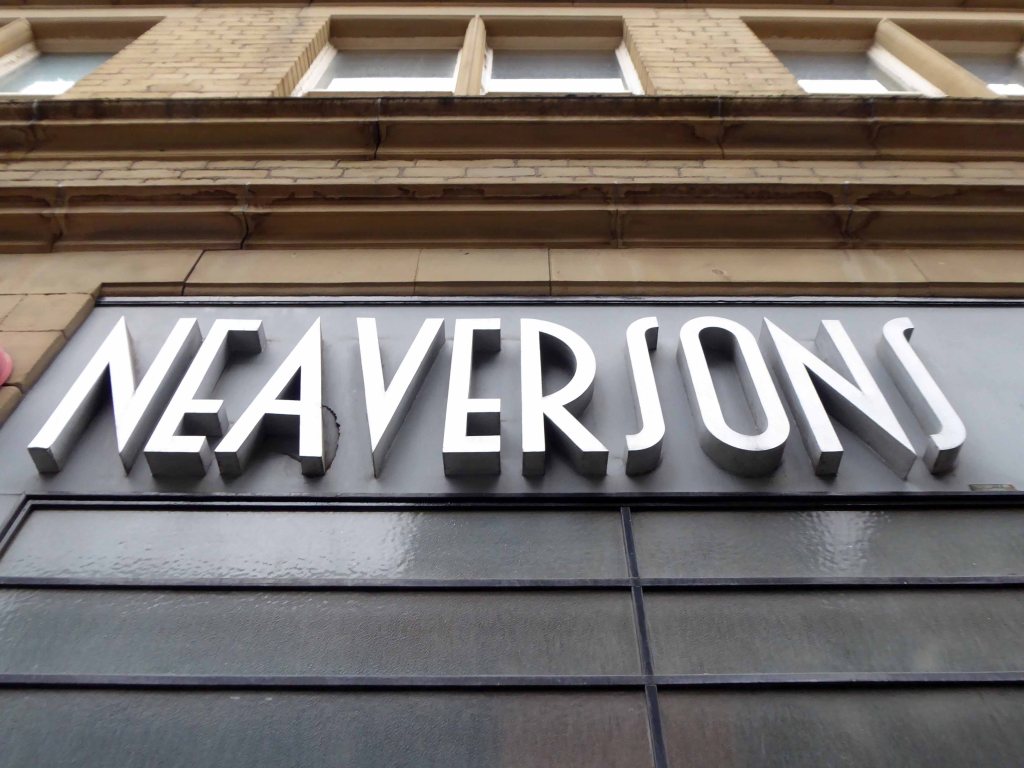
Set to the ground floor of bay 4 is a 1935 Moderne shopfront by Sharp and Law of Bradford. The shopfront is of grey and pink/beige marble with unmoulded windows that are curved to eliminate reflection, and has a glazed door set within a recessed porch. Set below the top of the shopfront is a ribbon window with dark tinted glazing and slender vertical and horizontal muntin bars arranged in a geometric pattern. The original metal signage in stylised sans-serif relief lettering reads ‘NEAVERSONS’, ‘pottery’ and ‘four’.

Thought to echo Susie Cooper’s London shop and unswervingly now – the fascia must have been something of a shock to the taciturn Tykes.

Neaversons glass and china shop closed in 2007.

Gerry’s Tea Rooms occupied the building for less than two years.

There is not a day goes by when I don’t see some of my customers asking what went wrong. They think I was a failure and that is so not the truth.

Along came a restaurant:

The Grade II 1930’s interior has been refurbished by the new owners and exudes understated sophistication.

“Wow, I feel like I’m in London,” said Trish as she stepped into the newly-opened Neaversons restaurant, having just arrived on the train from the capital.

It closed not long after.

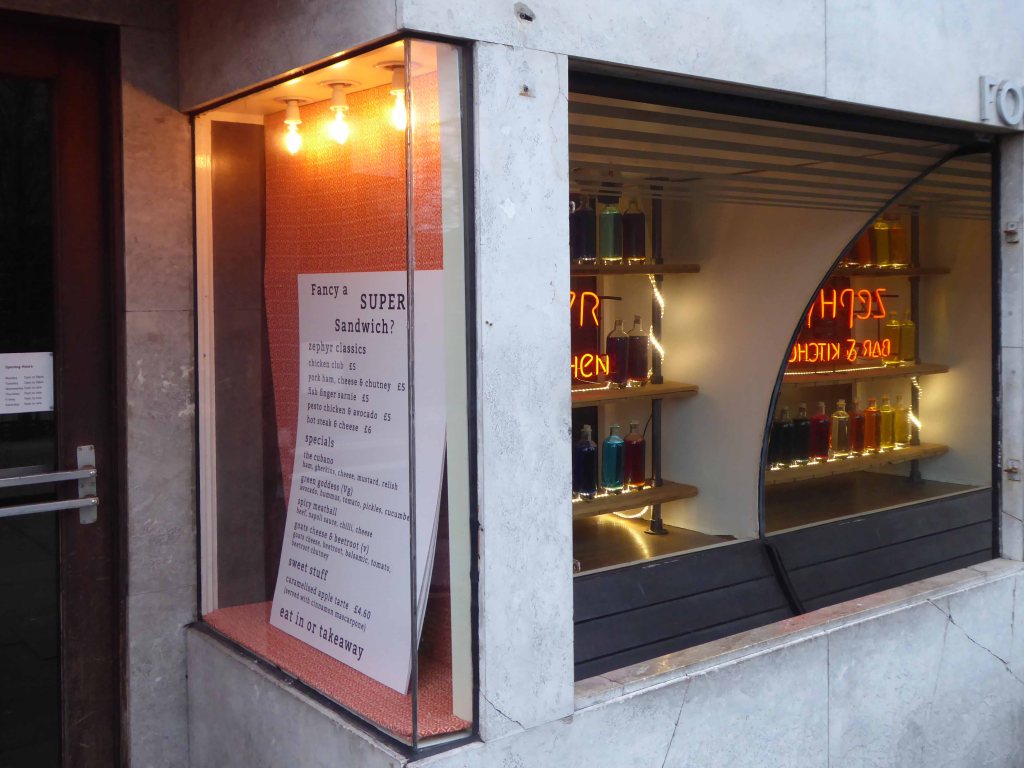
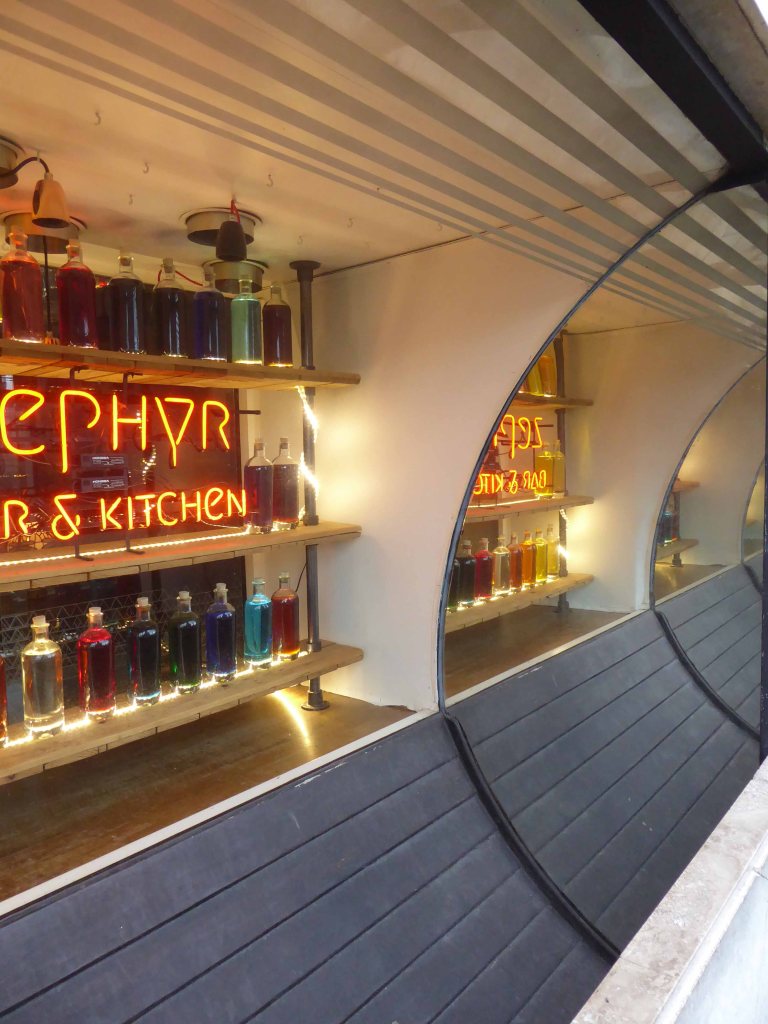
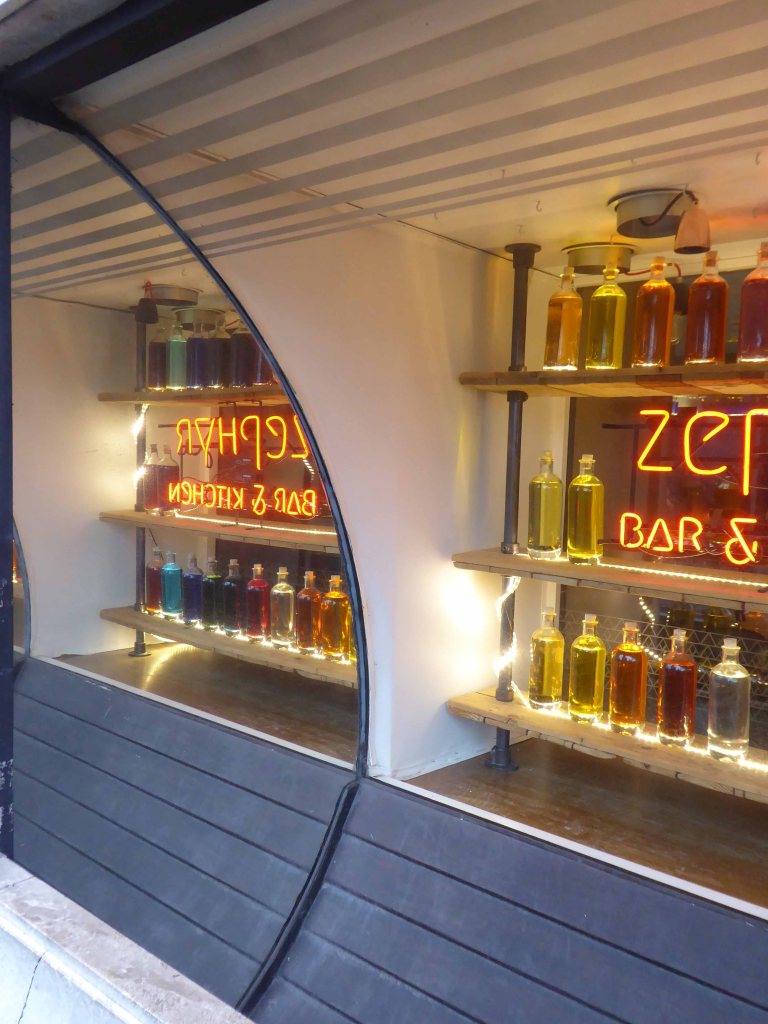
Currently home to the Zephyr Bar and Kitchen

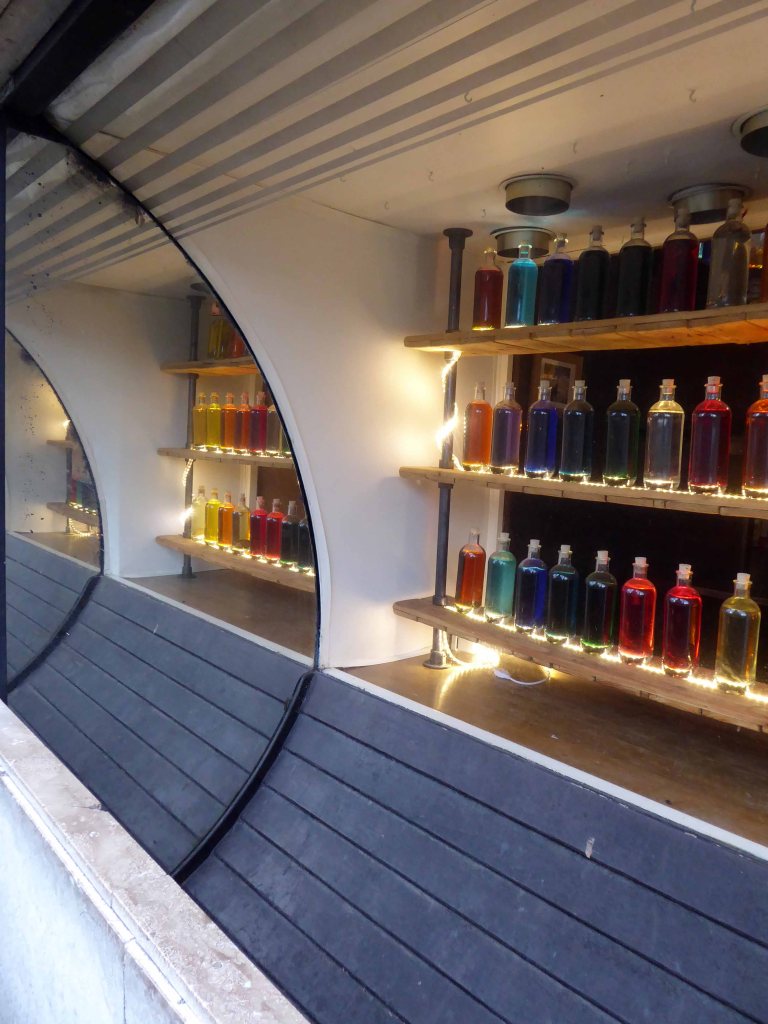
A prohibition stylised venue offering a selection of drinks, food and an environment that really sets us apart from the crowd.

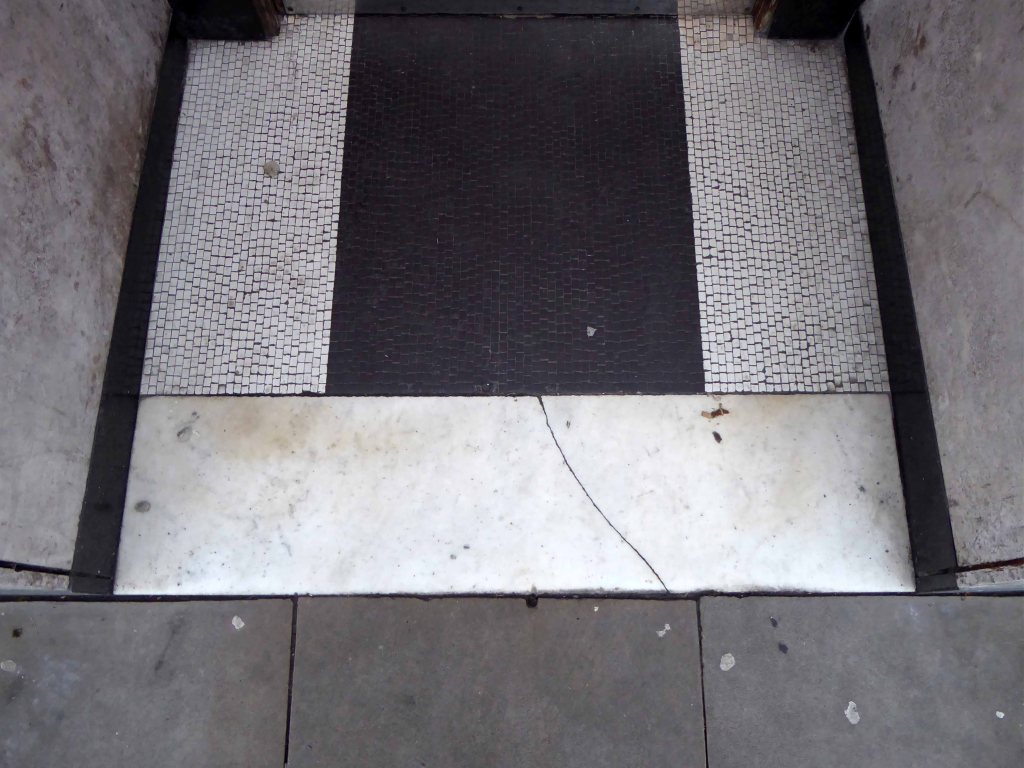
The listed frontage has survived intact – let’s take a look.

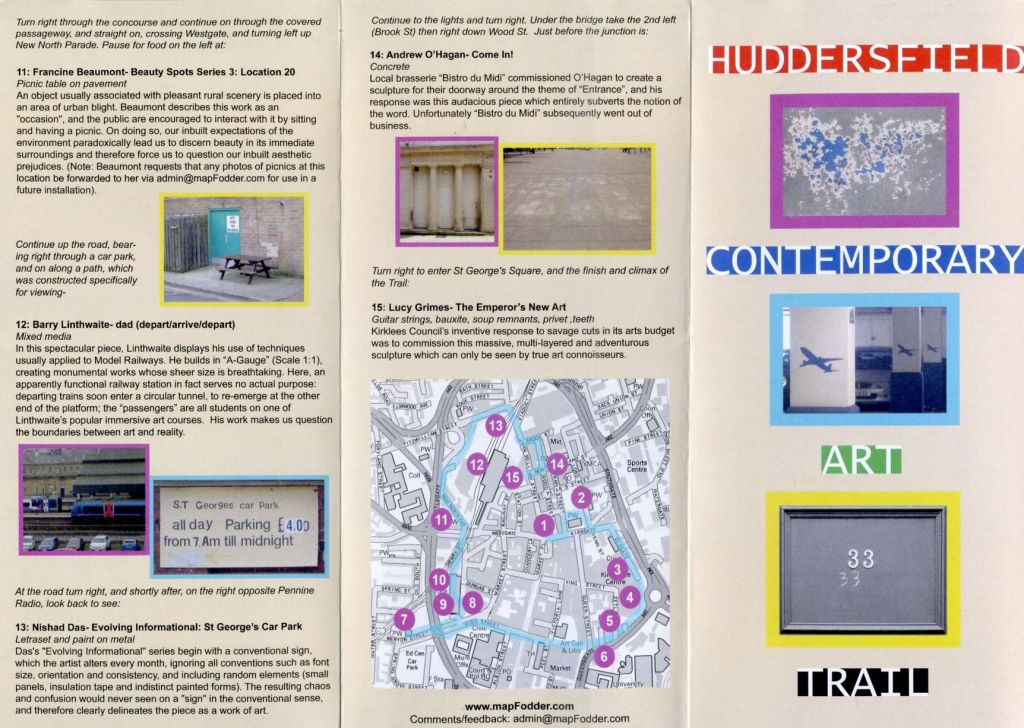
Huddersfield Contemporary Art Trail

I was invited by eminent Huddersfield based Psychogeographer Phil Wood to take a tour with him around the Huddersfield Contemporary Art Trail.

An alternate art trip devised by local art trippers Red Fodder.

We set forth from Huddersfield Station on Monday 13th January 2020 at the prearranged time of 14.00 hours. The weather was resolutely overcast and increasingly cold, with an ever present threat of rain.

Never to be knowingly deterred we made good progress around the town – we were hungry for art, the more contemporary the better.

Almost every avenue, alley and byway explored these are the snaps I snapped during our crazy Kirklees caper.

Along the way I added my own small contribution to the town’s contemporary art stock.

A veil was finally drawn over the afternoon’s cultural caprice with fine glasses of foaming ale in The Grove, where I finally came face to face with the Red Fodder folk for the very first time.

A fitting end to a thirsty day’s work.

The Odeon née Gaumont – Ashton Under Lyne

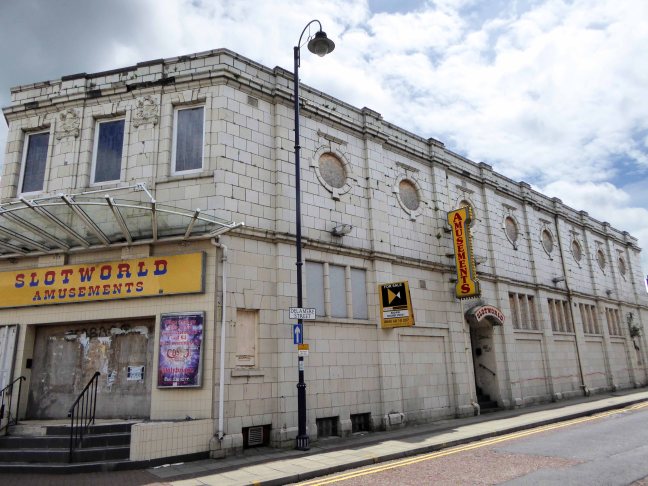
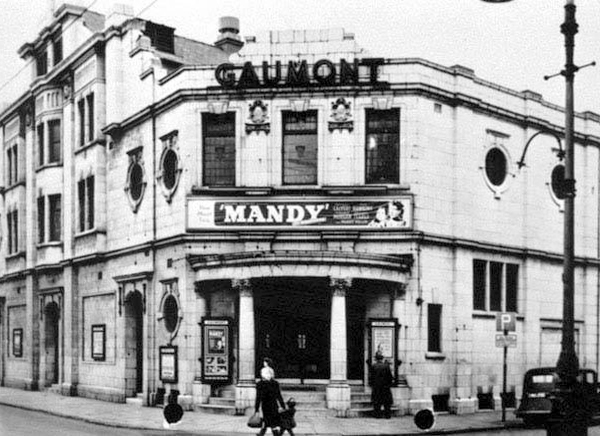
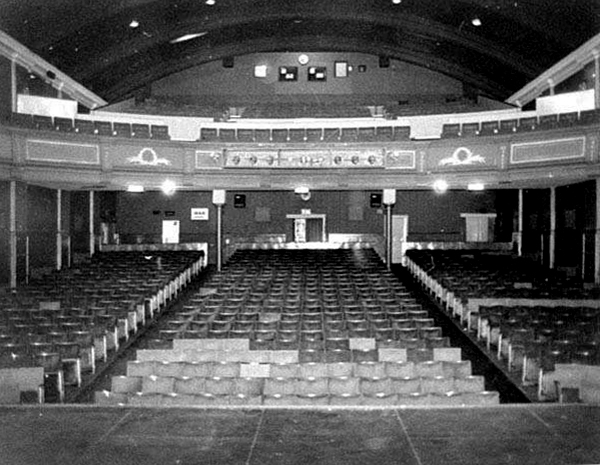
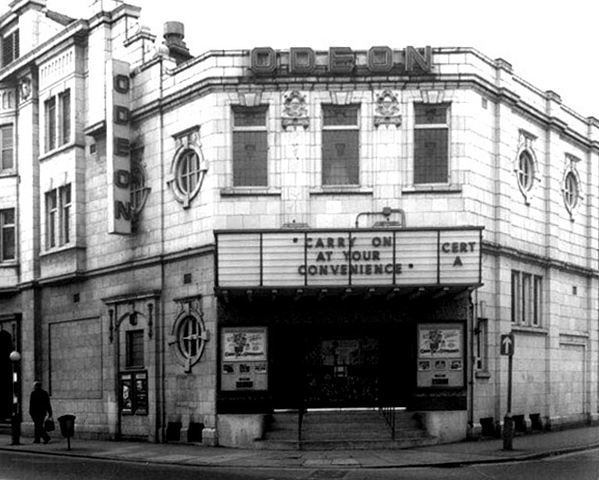
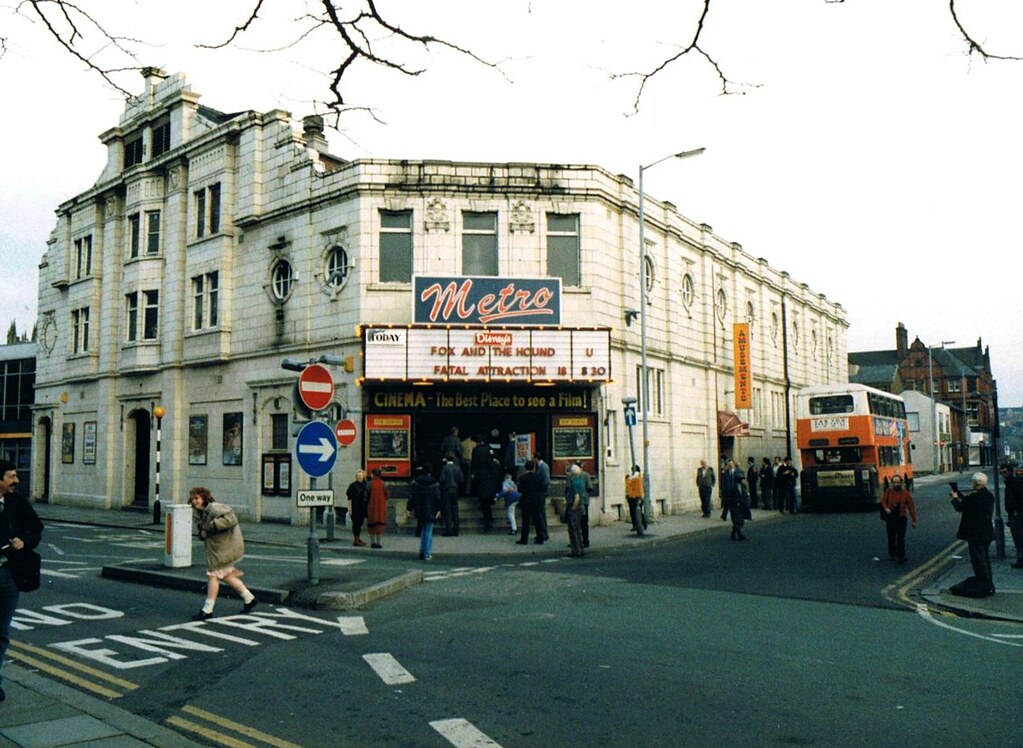
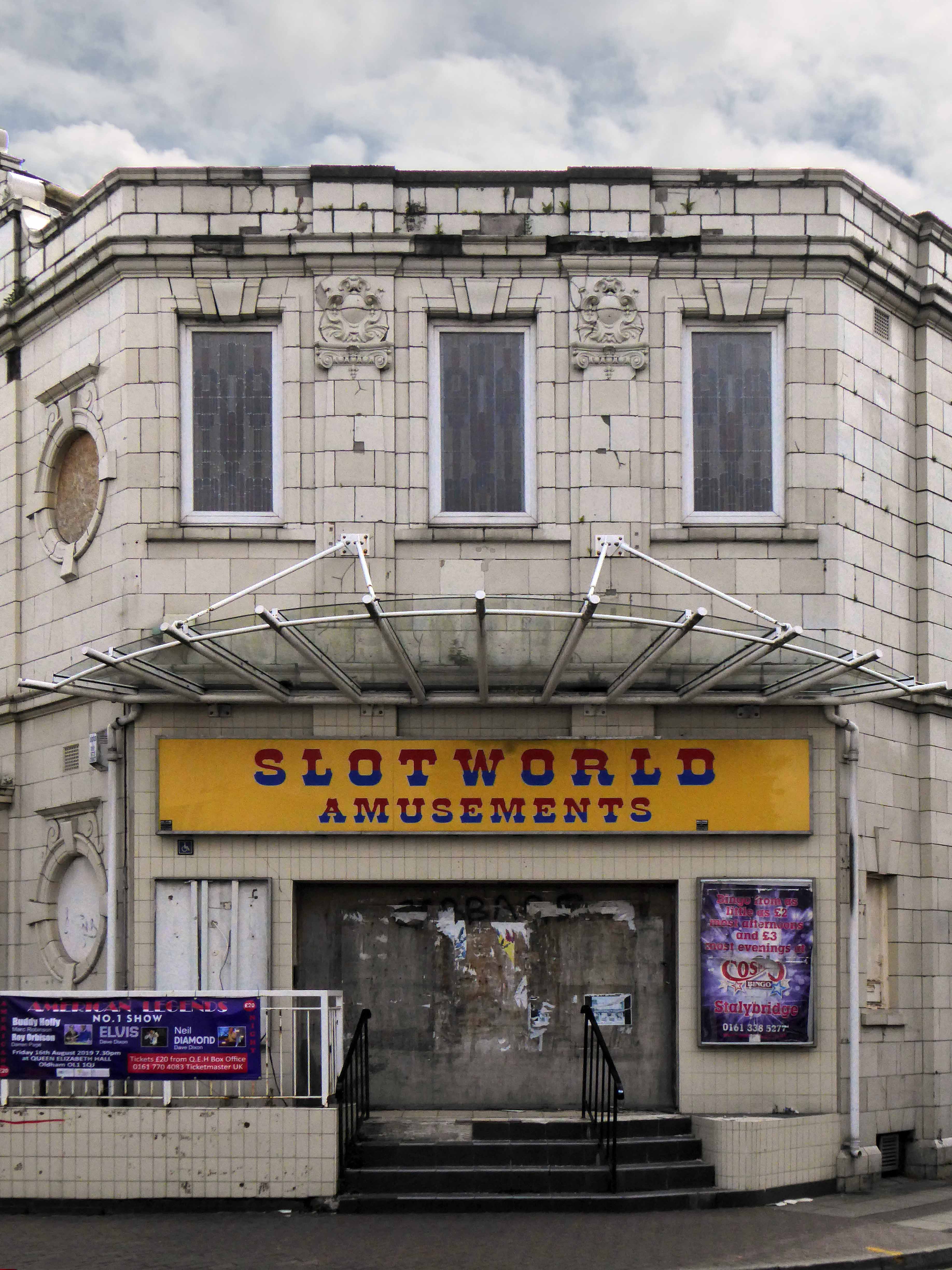
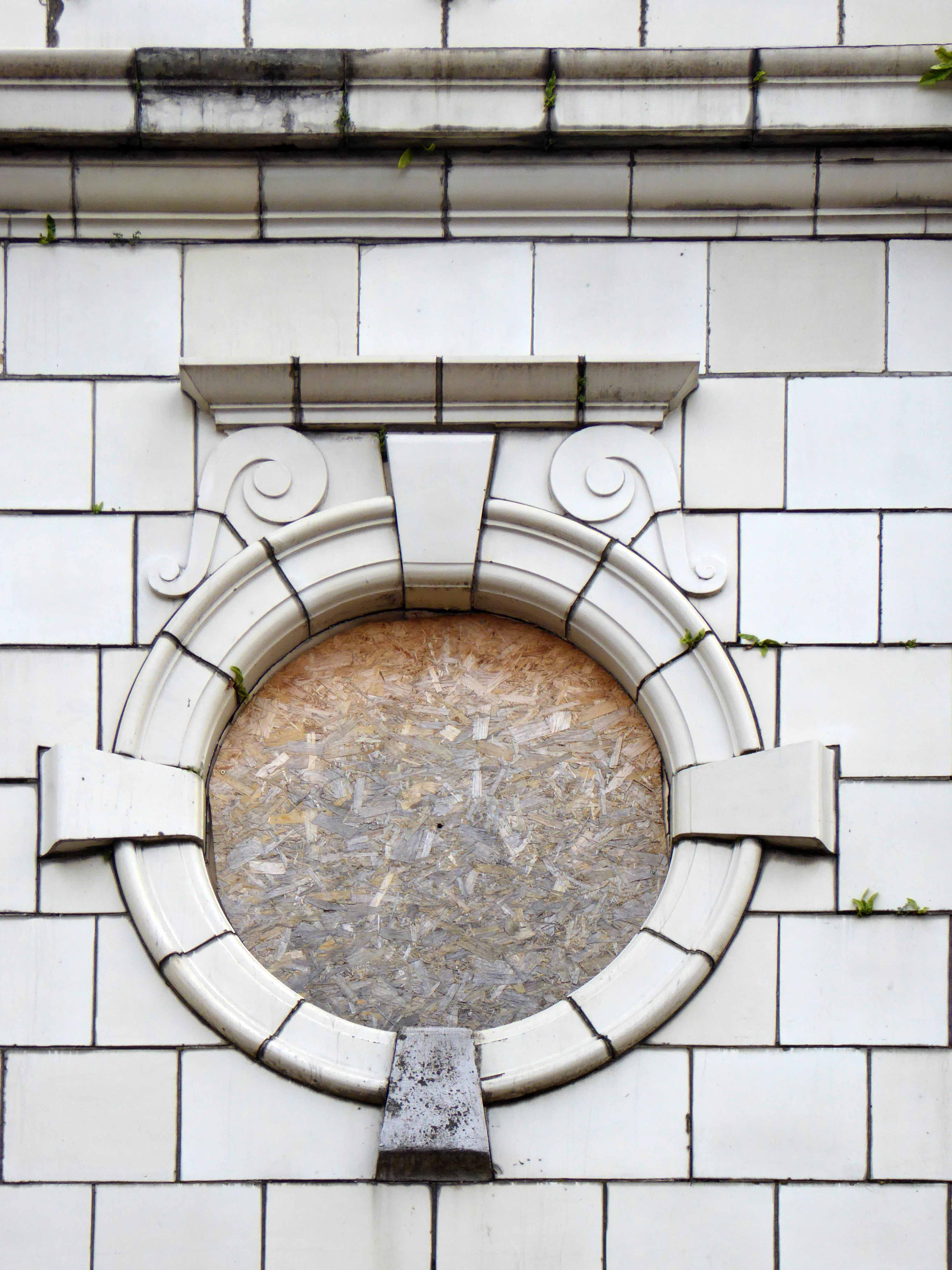
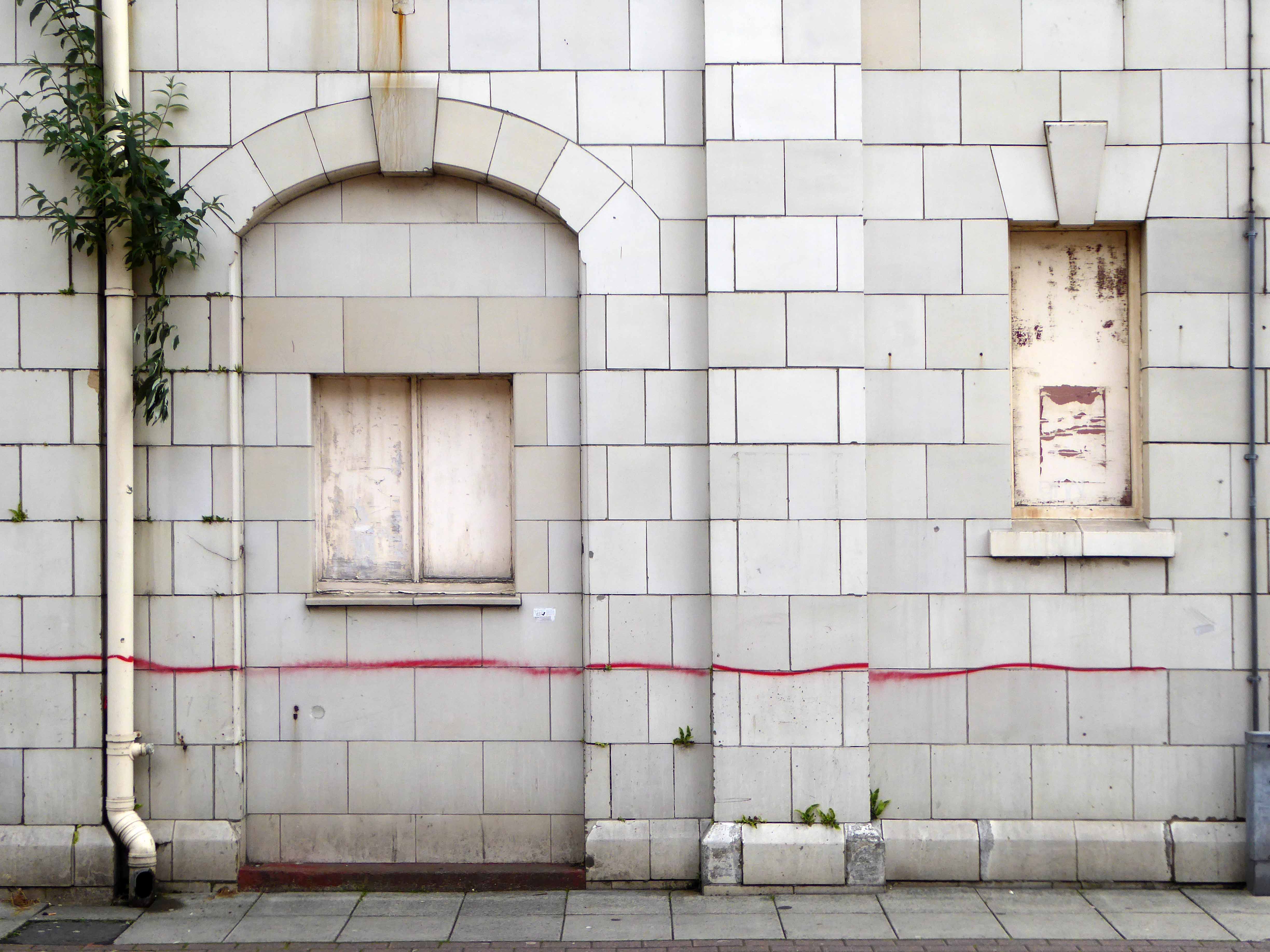
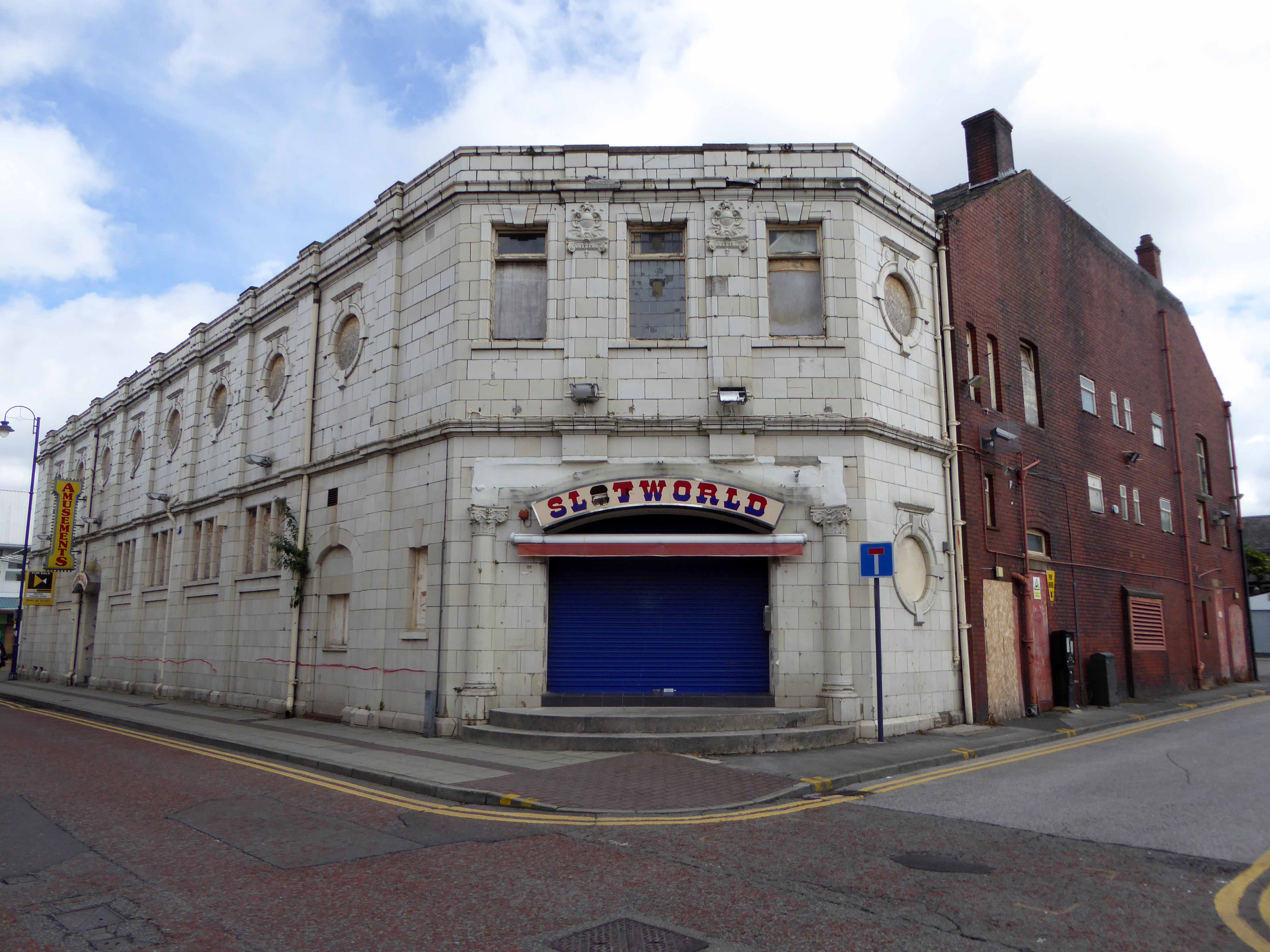
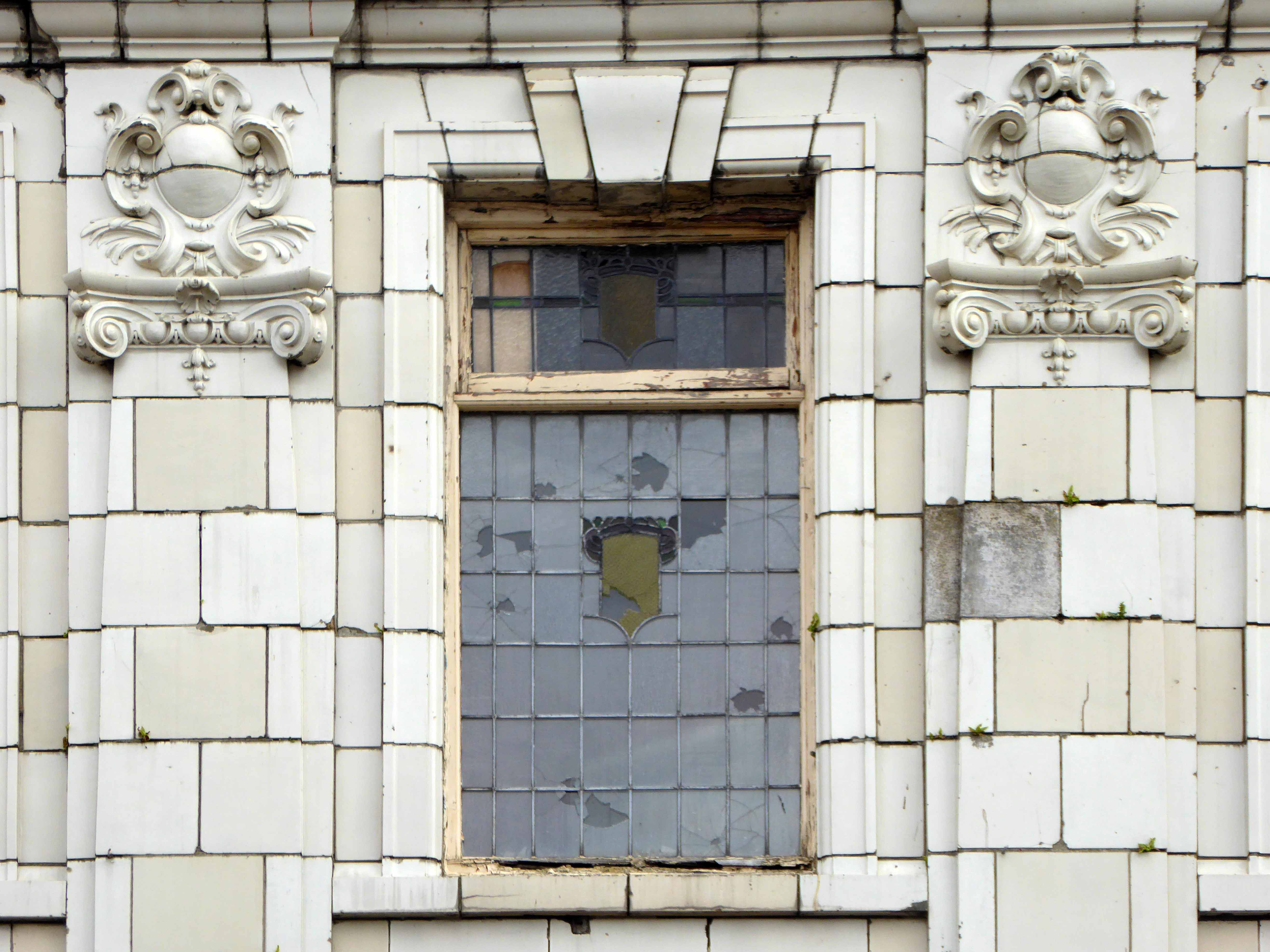
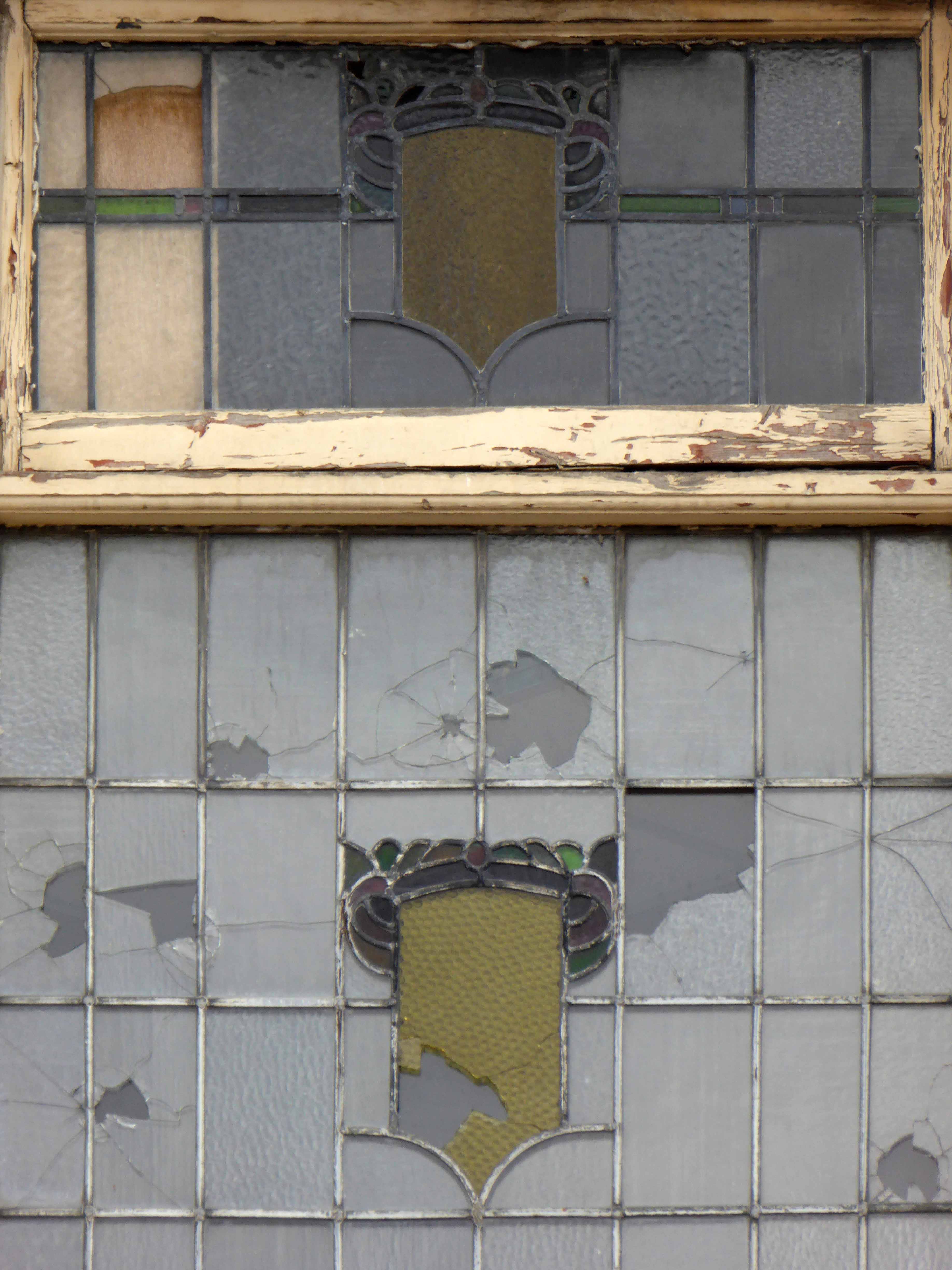
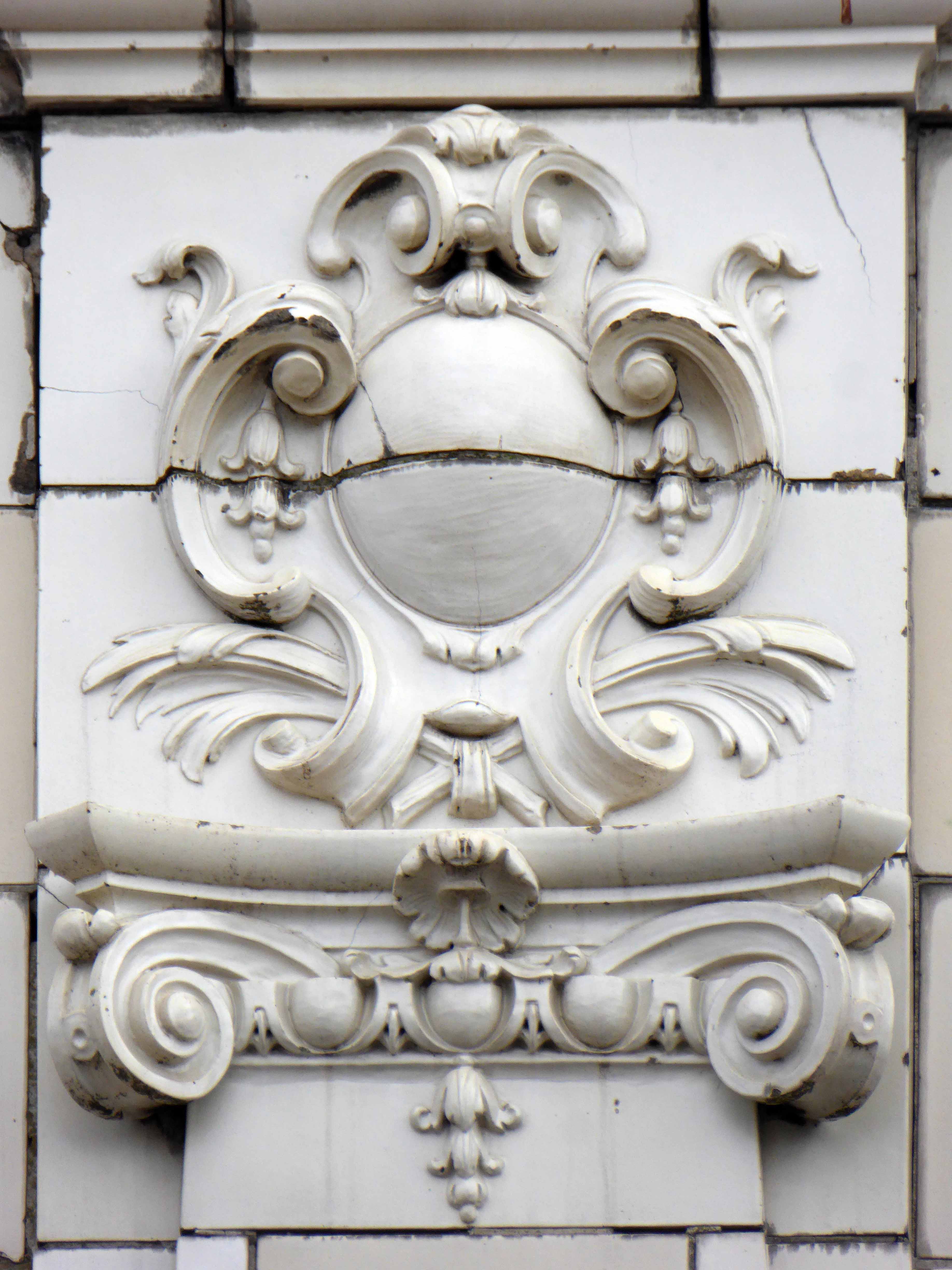
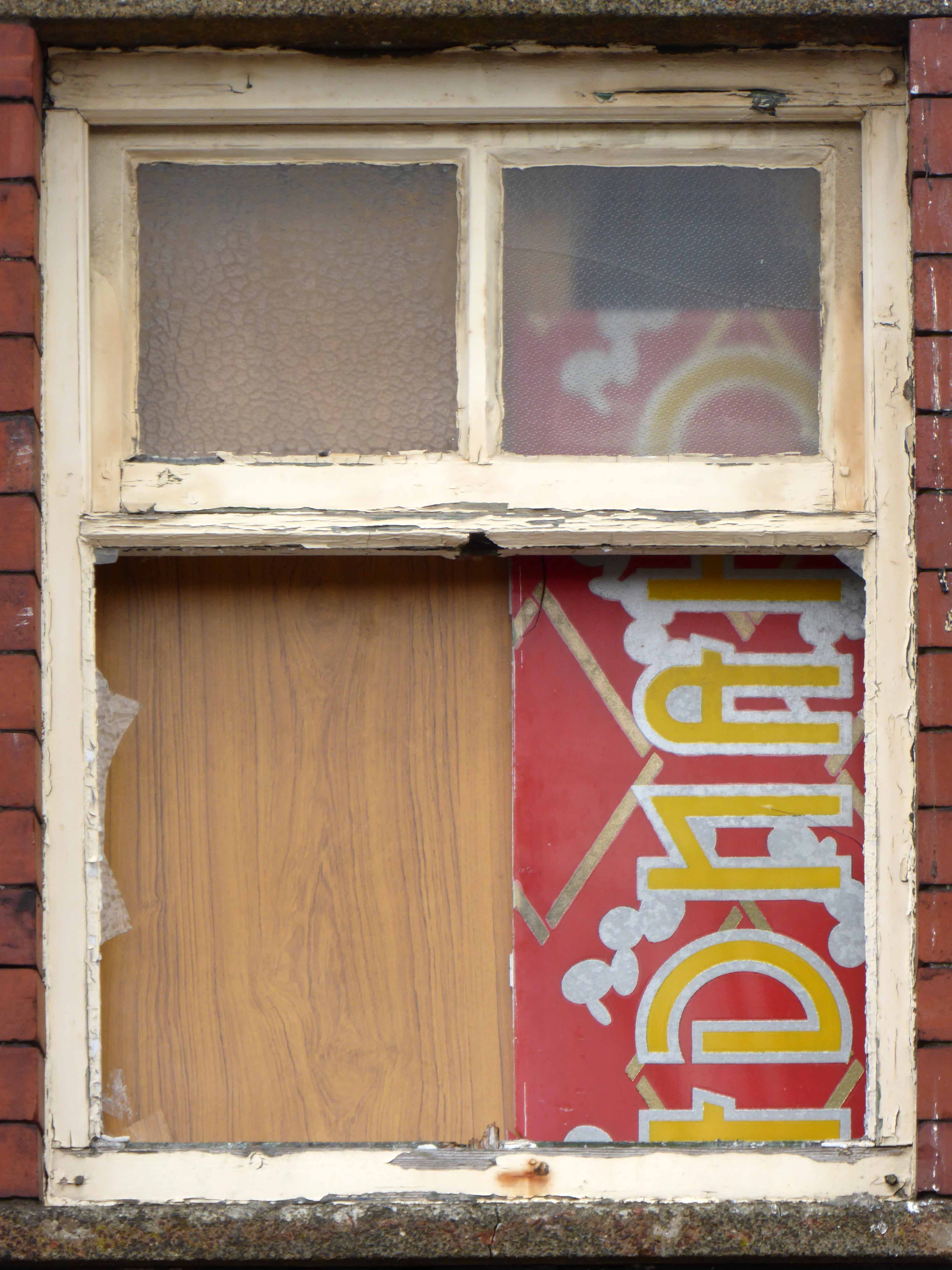
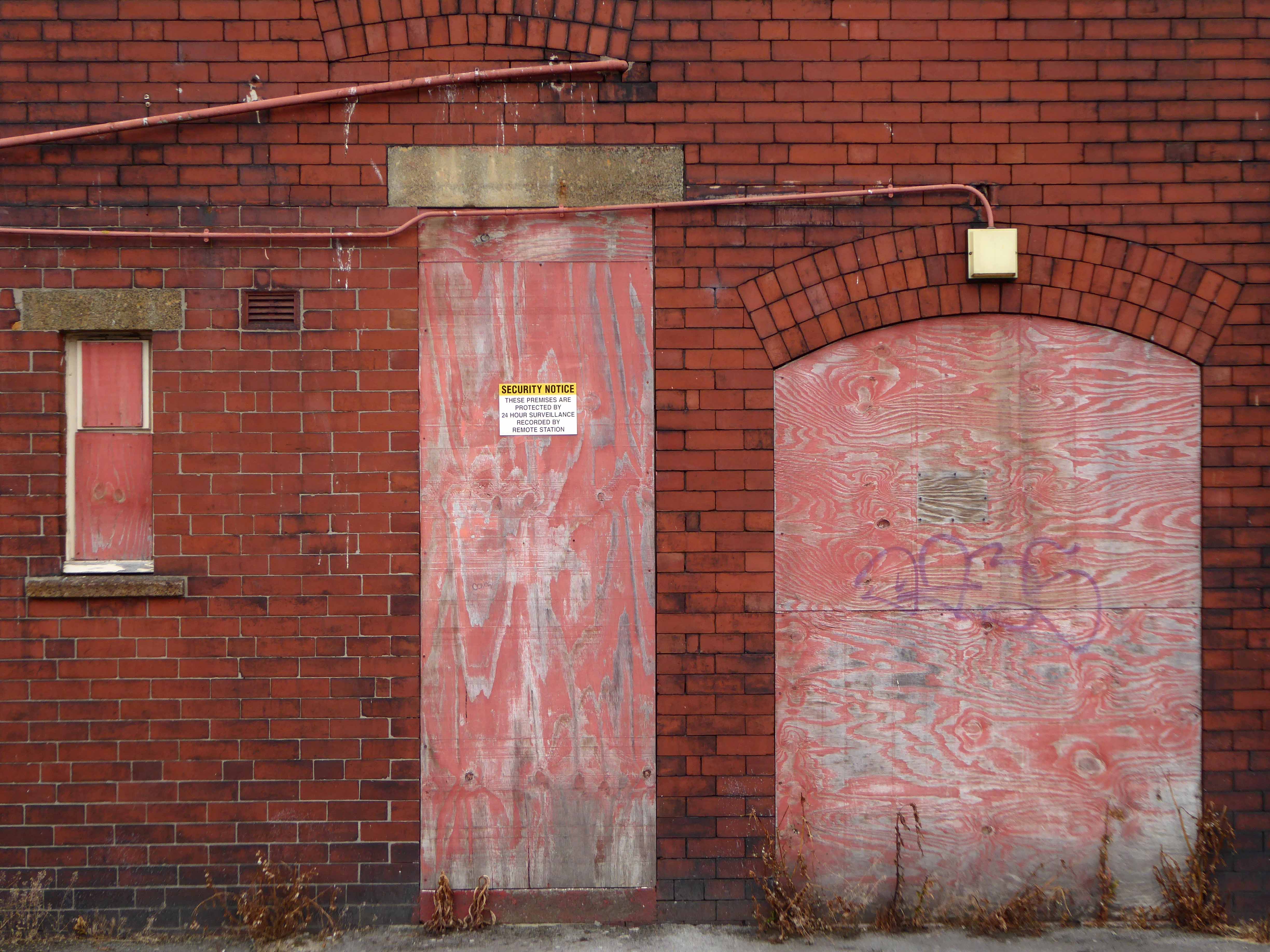
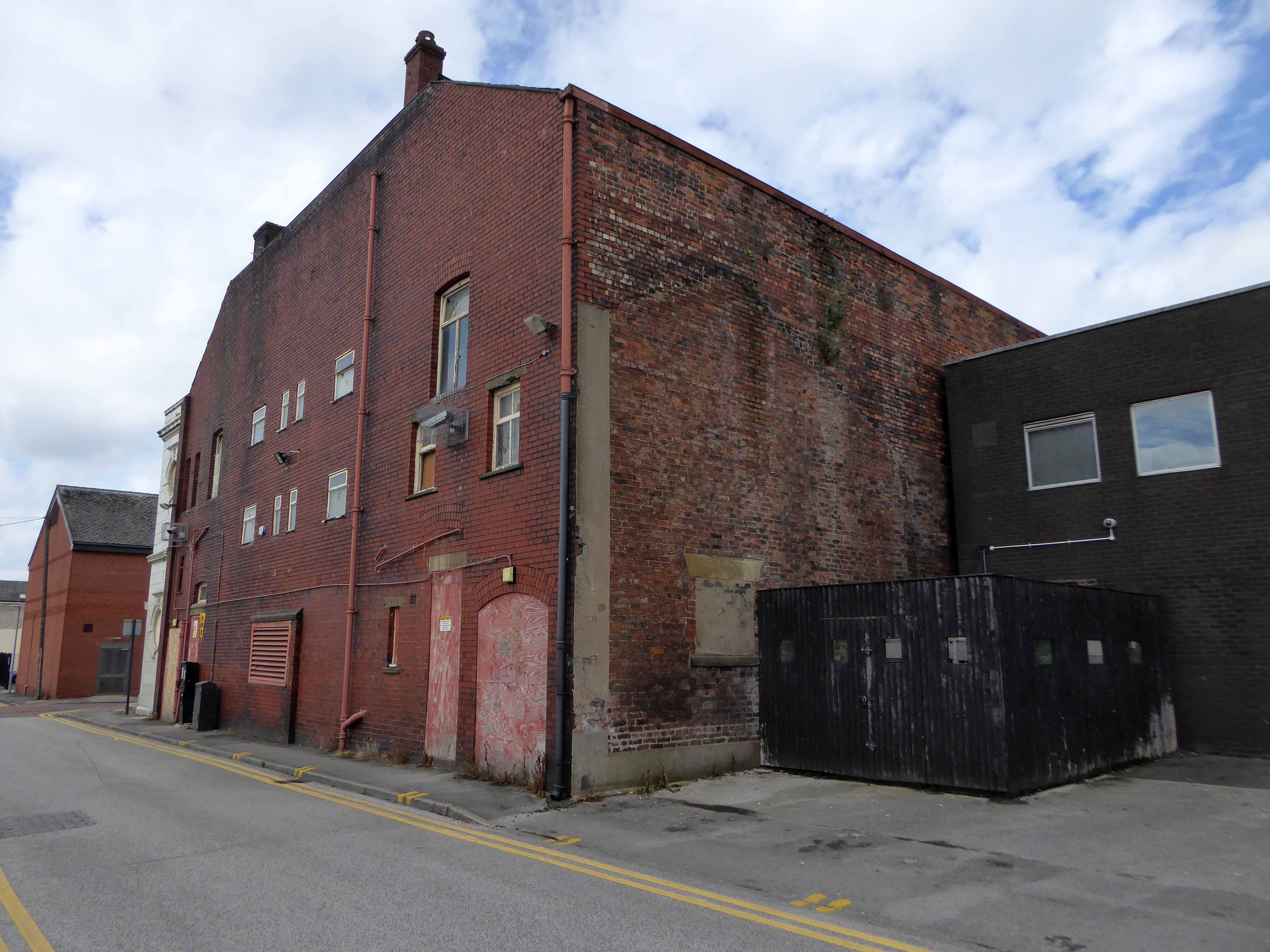
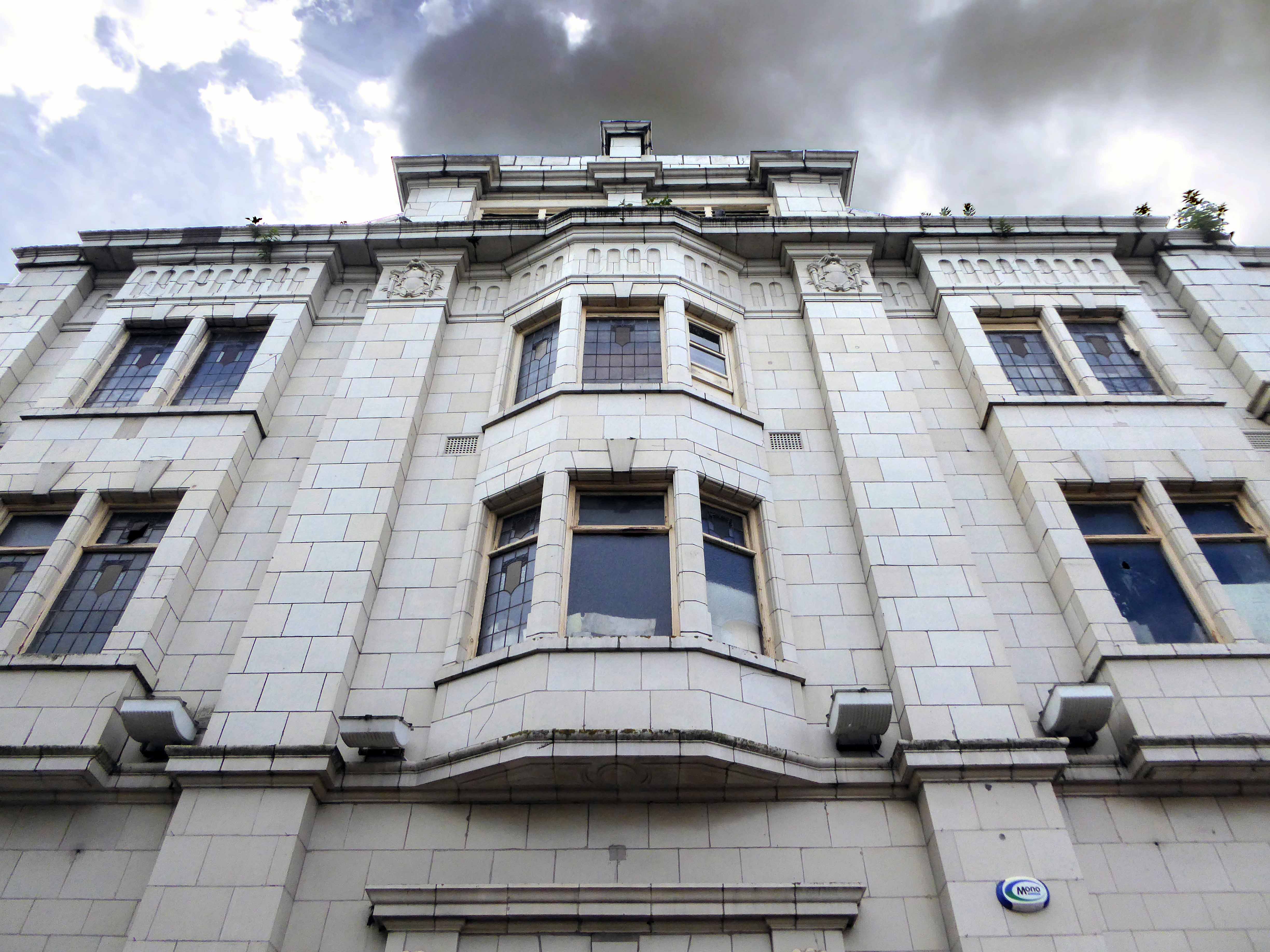
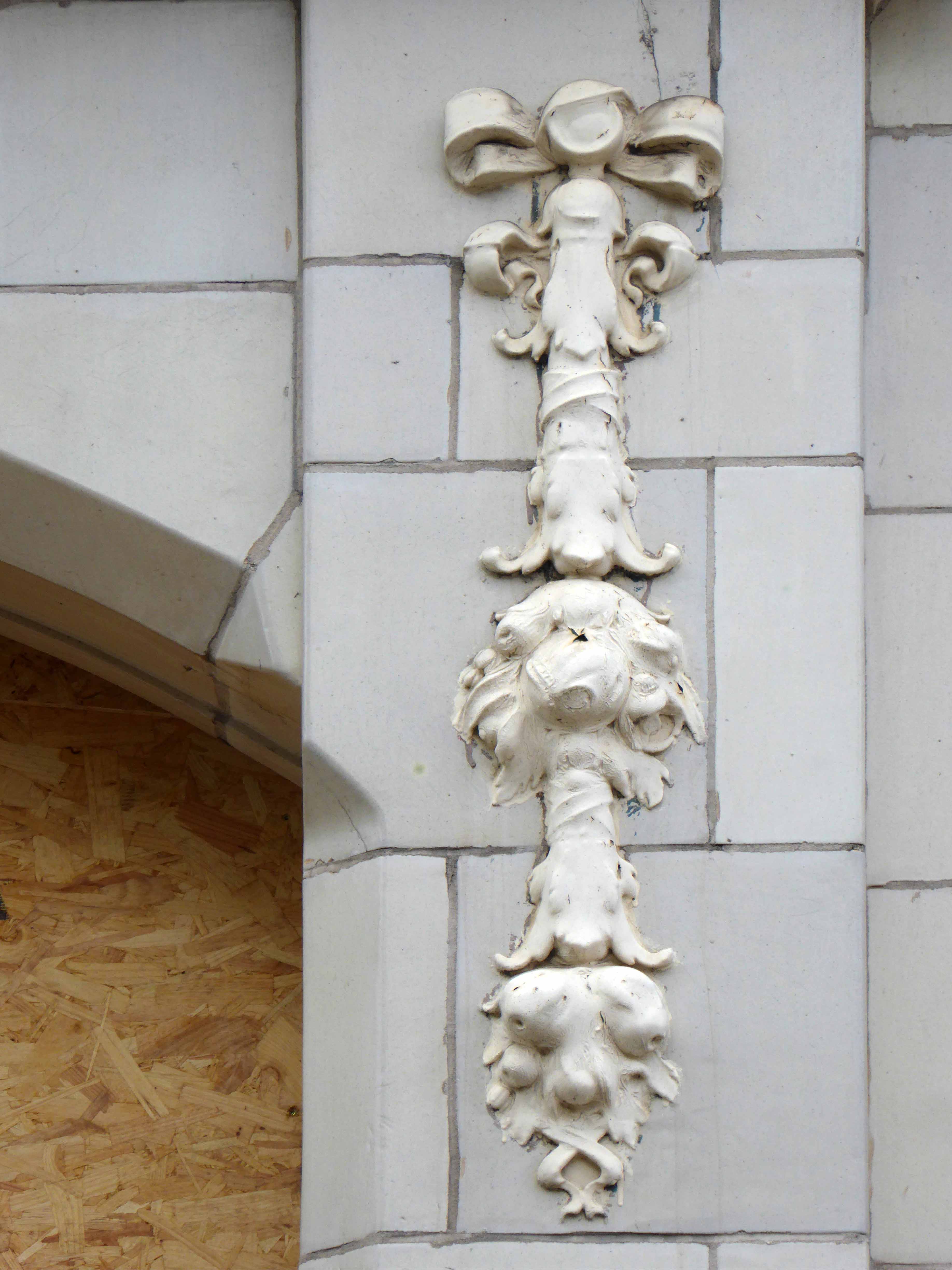
Opened 22 April 1920 with “The Forbidden City” and designed by Arnold England, the Majestic Picture House was part of the Provincial Cinematograph Theatres circuit. With 1,233 seats in stalls and balcony and a splendid facade faced in white faience tiles on two sides of the building on its prominent town centre corner site of Old Street and Delamere Street, the cinema was a great success.

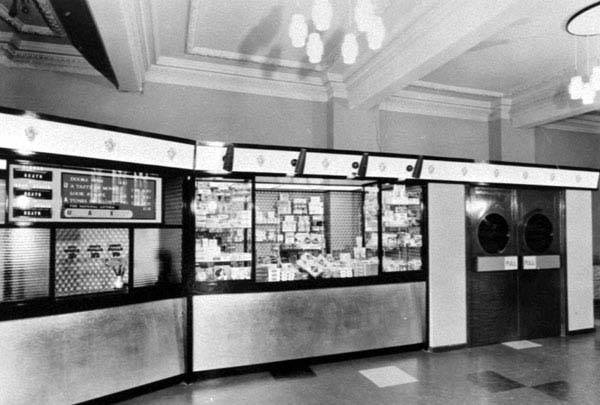
It had an oak panelled foyers which had beautiful coloured tapestry’s on the walls. The interior was in a Georgian style and it was equipped with a pipe organ and a seperate tea room and cafe which were located on the upper floor.

It passed, with all the other PCT houses to Gaumont British Theatres in 1929, but it was not until 12th July 1946 that it was renamed Gaumont. The Majestic Picture House was renovated in July 1936, with new seating installed and a re-recoration of the foyer and auditorium. A new Compton 3Manual/6Rank organ was installed that was opened by organist Con Docherty.

Later being merged into the Rank Organisation, the Gaumont was re-named Odeon on 11th November 1962. It was eventually sold to an independent operator who renamed it the Metro Cinema from 6th November 1981.

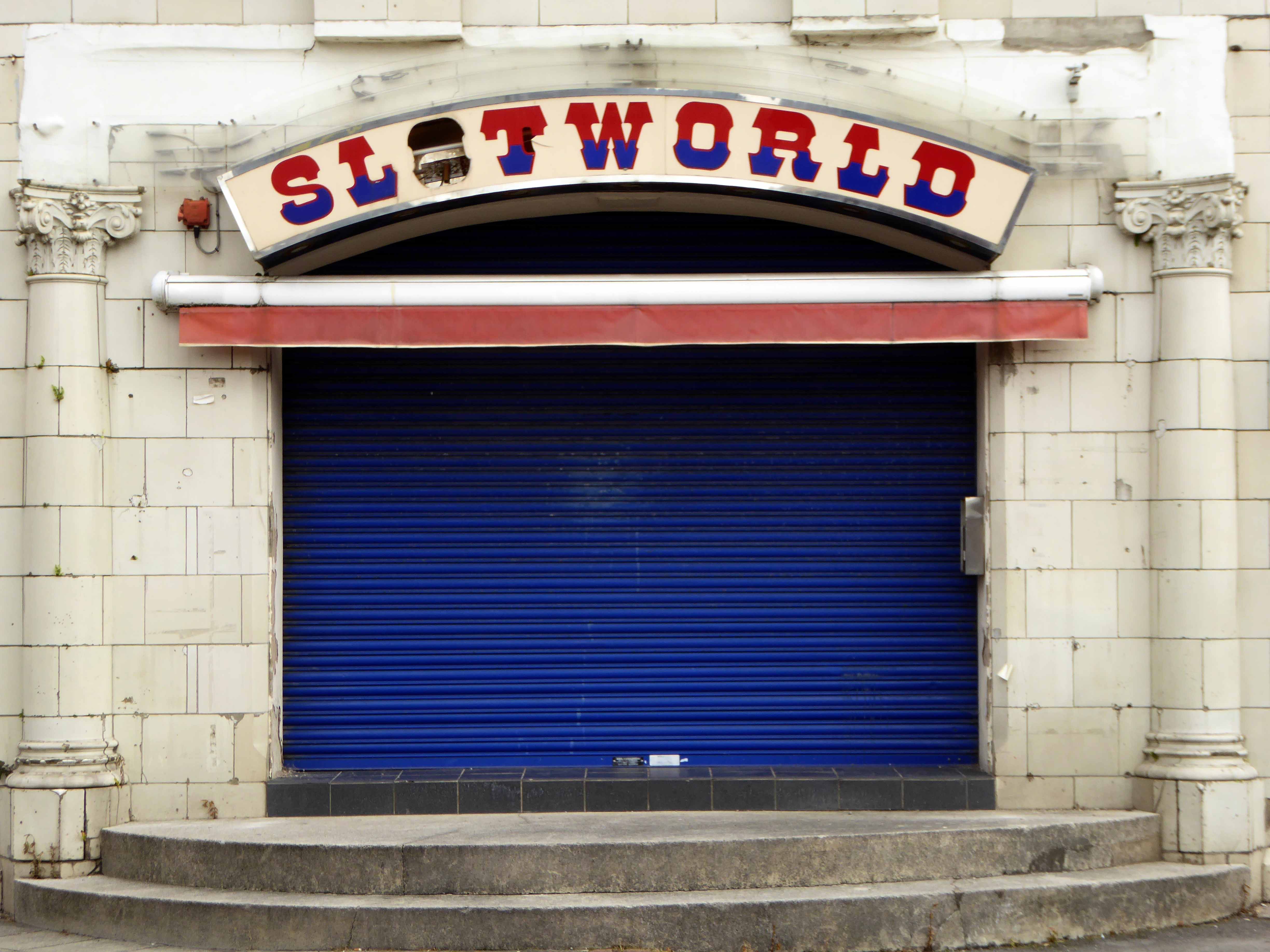
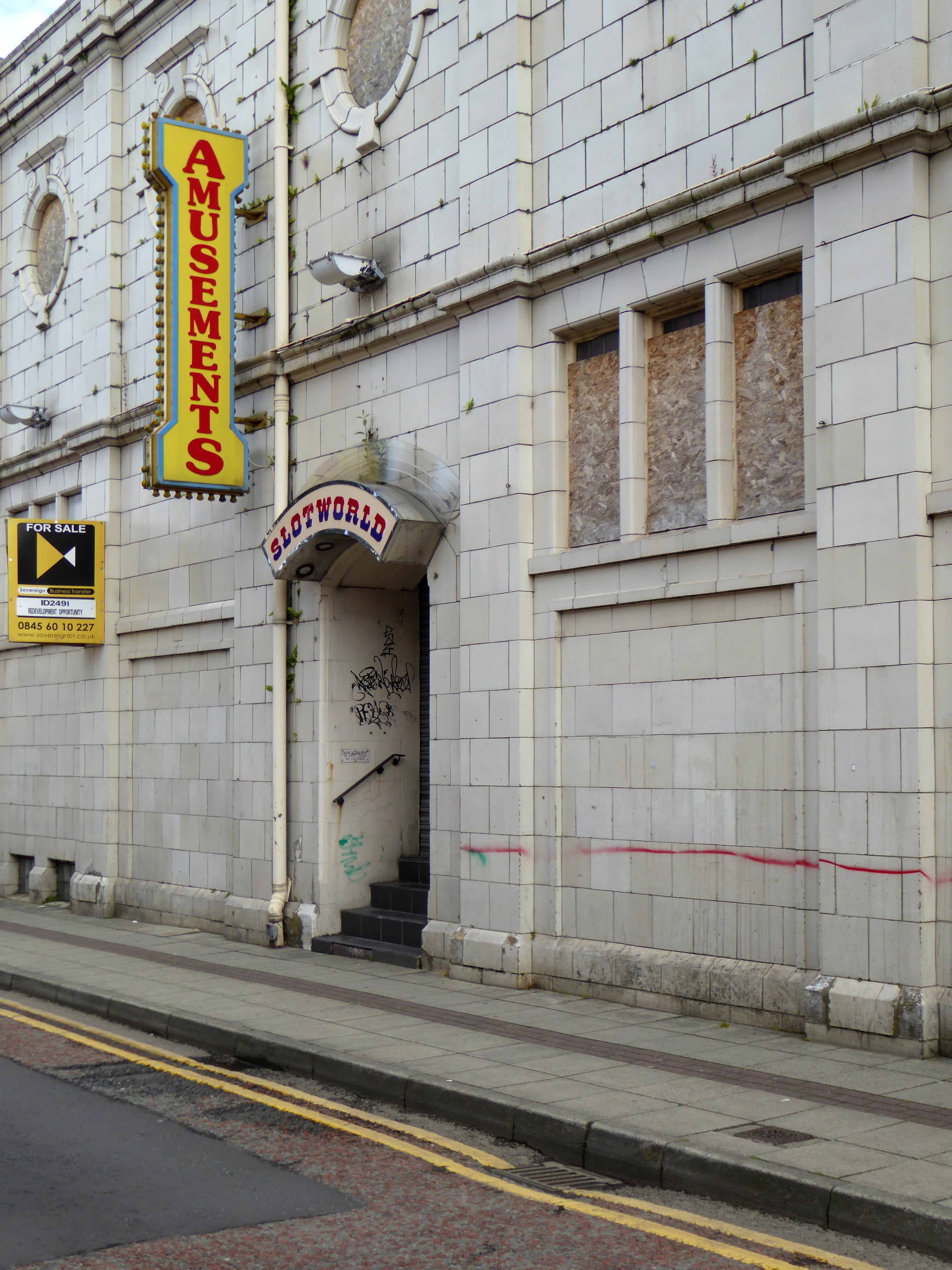
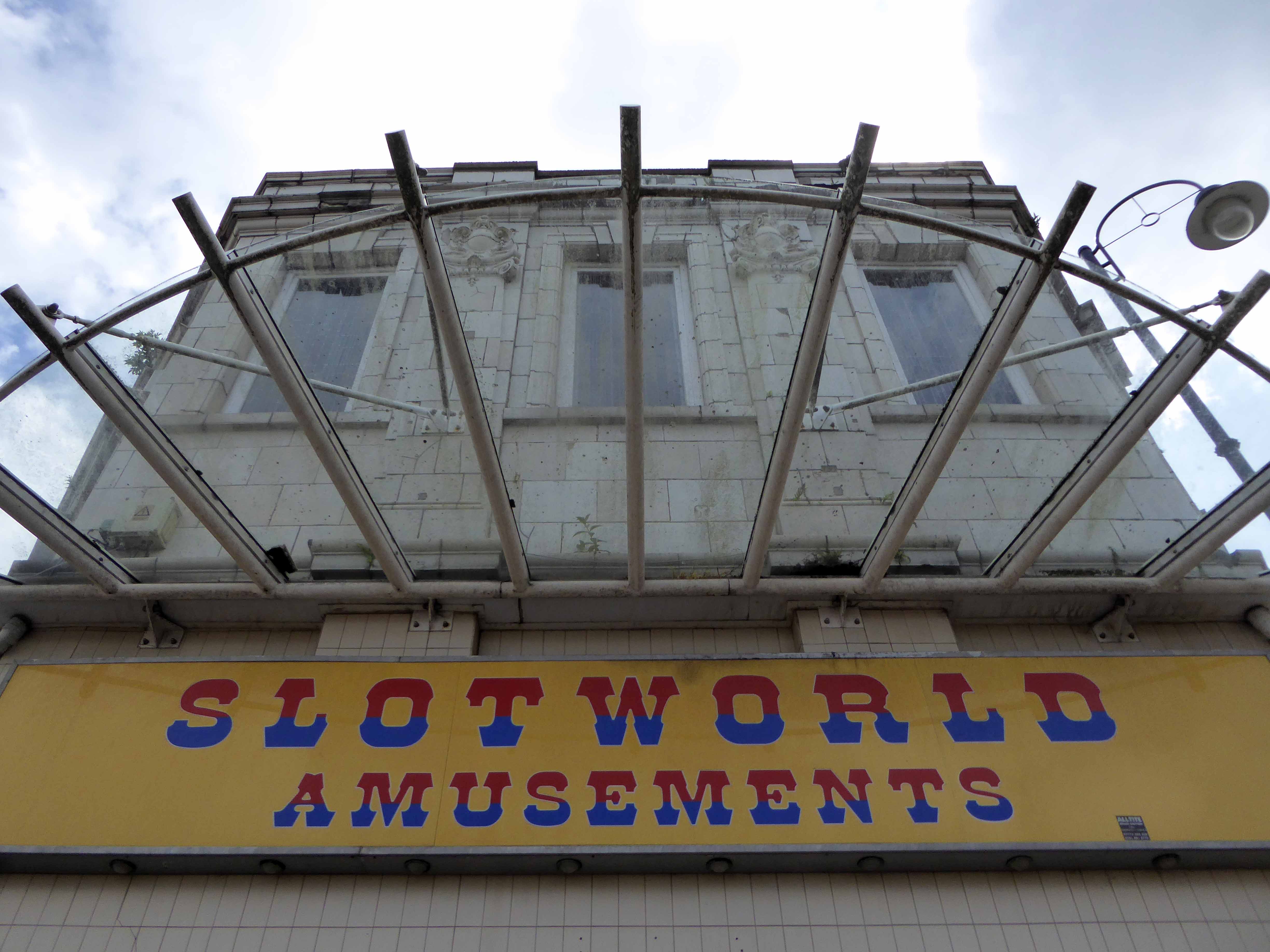
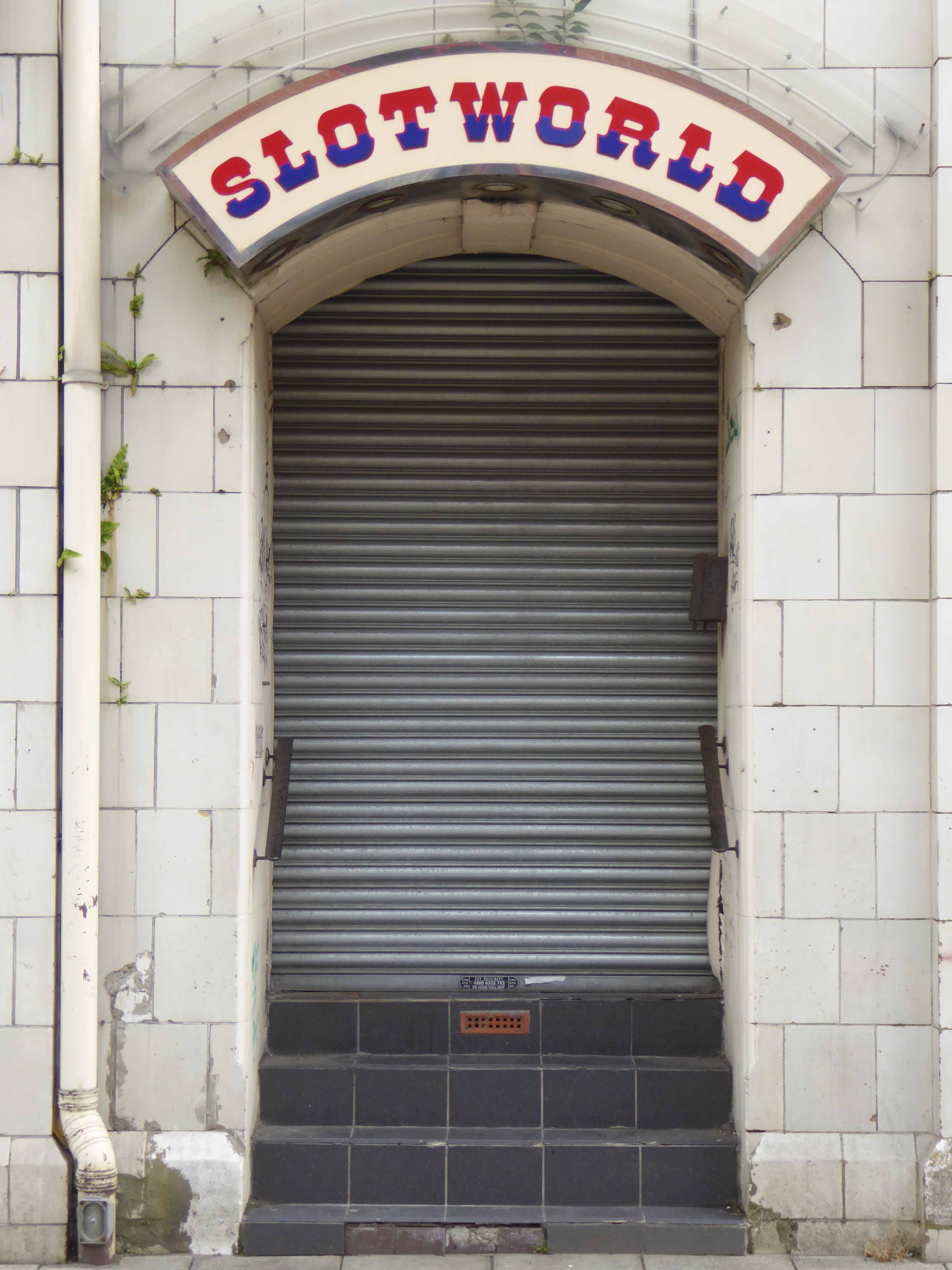
With capacity now down to 946 seats, the Metro Cinema continued as a single screen operation until the middle of 2003, sometime after a multi-plex had opened in the town. In 2008 (with seats and screen intact) the building was unused except for the long foyer area, linking the front and back elevations of the Metro, which was a Slotworld Amusement Arcade. By 2011, the entire building had been stripped out and stood empty and unused.

Cinema Treasures

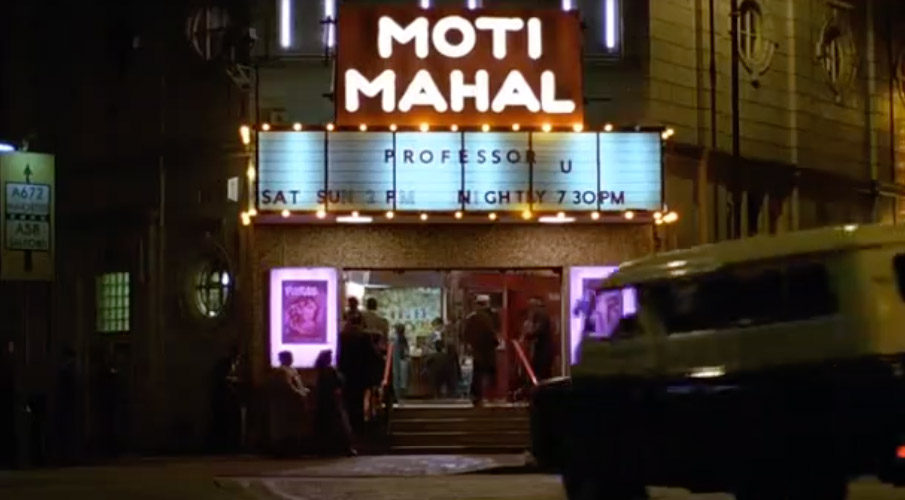
The cinema was used as a location for the film East is East.

Archive images Metro Majestic

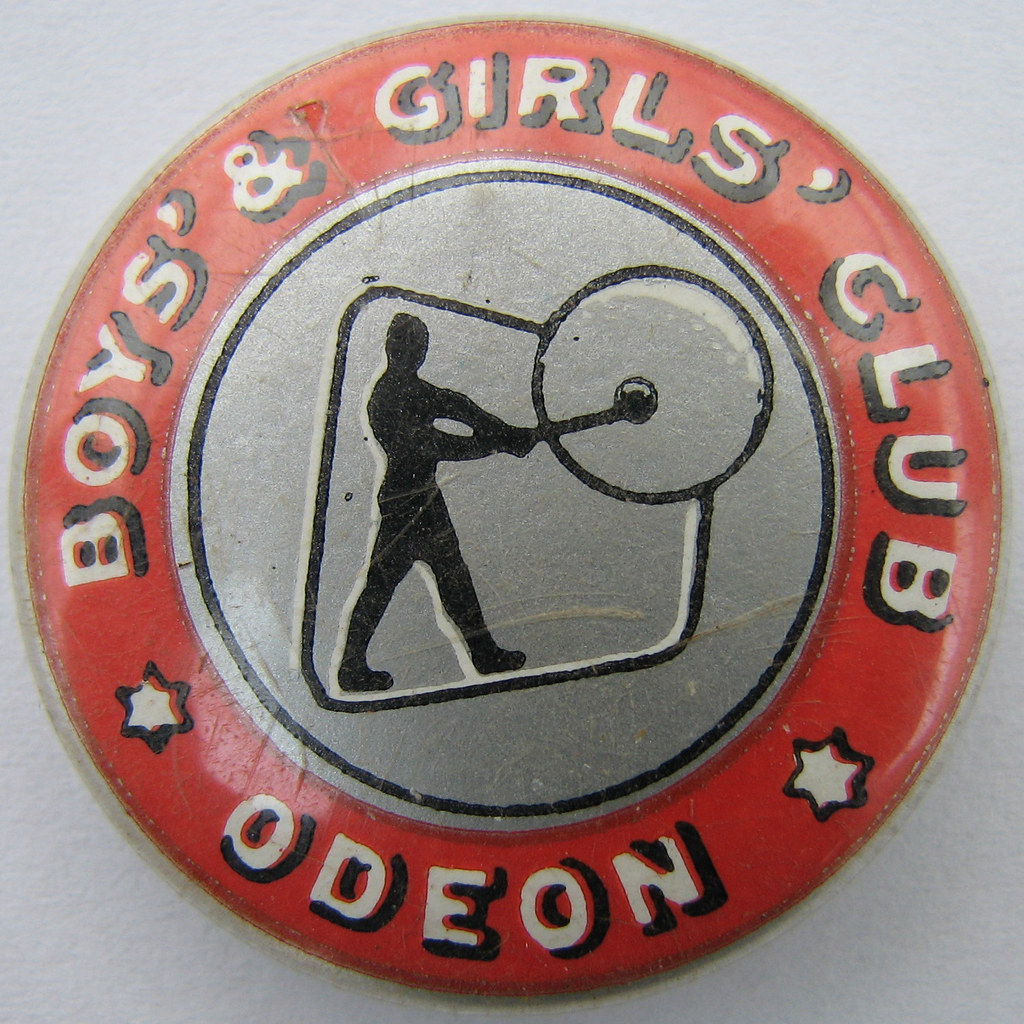
It was my local cinema as a lad – attending Saturday morning matinees as a member of the Odeon Boy’s and Girls club. Hundreds of the nosiest kids. regularly warned by the manager that the film would be stopped if the raucous behaviour continued.

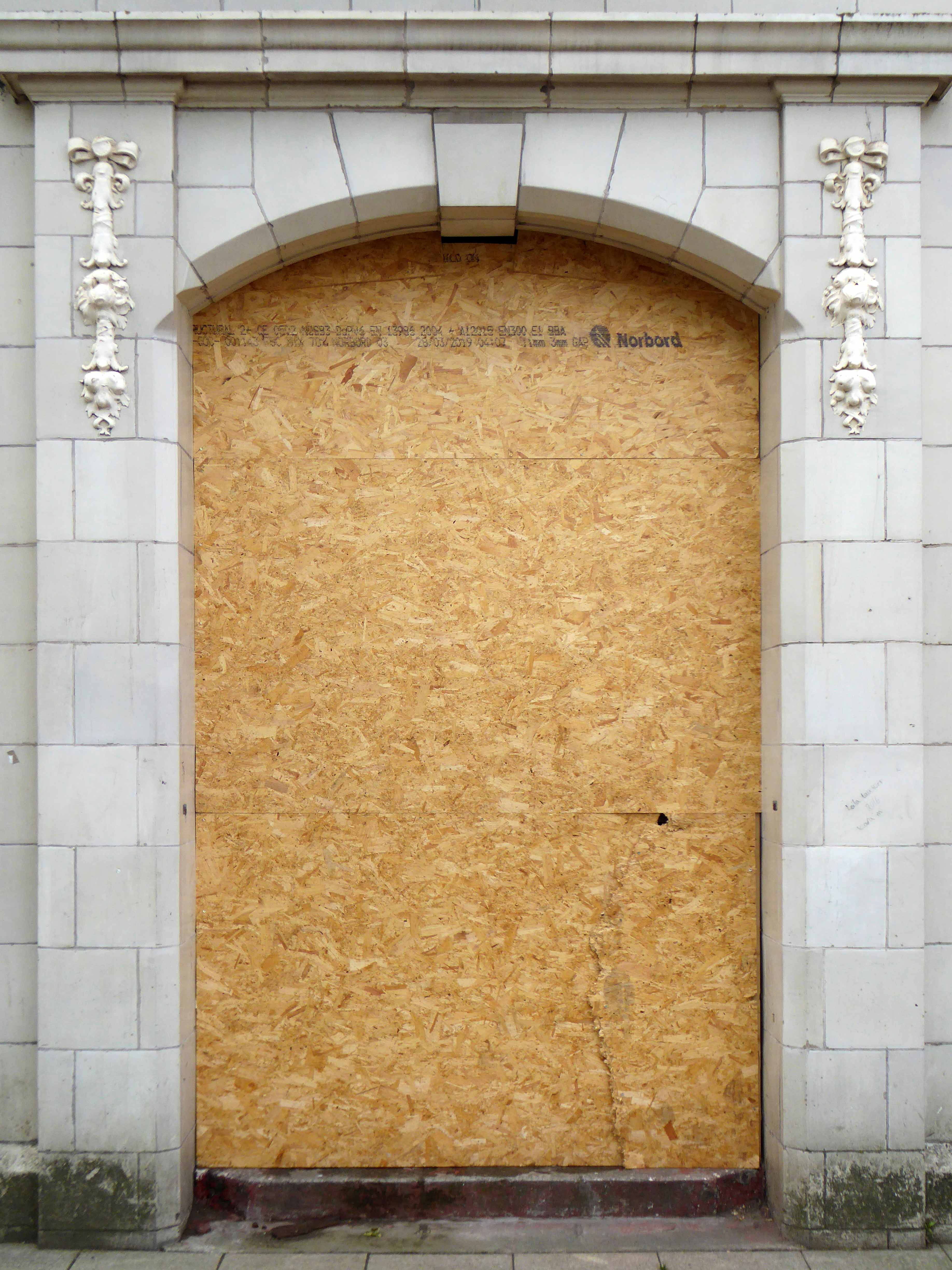
Now it’s just an empty shell, superseded by multiplex and latterly a lost Slotworld.

Unlisted unloved sitting at the heart of the town – too late for the last picture show.

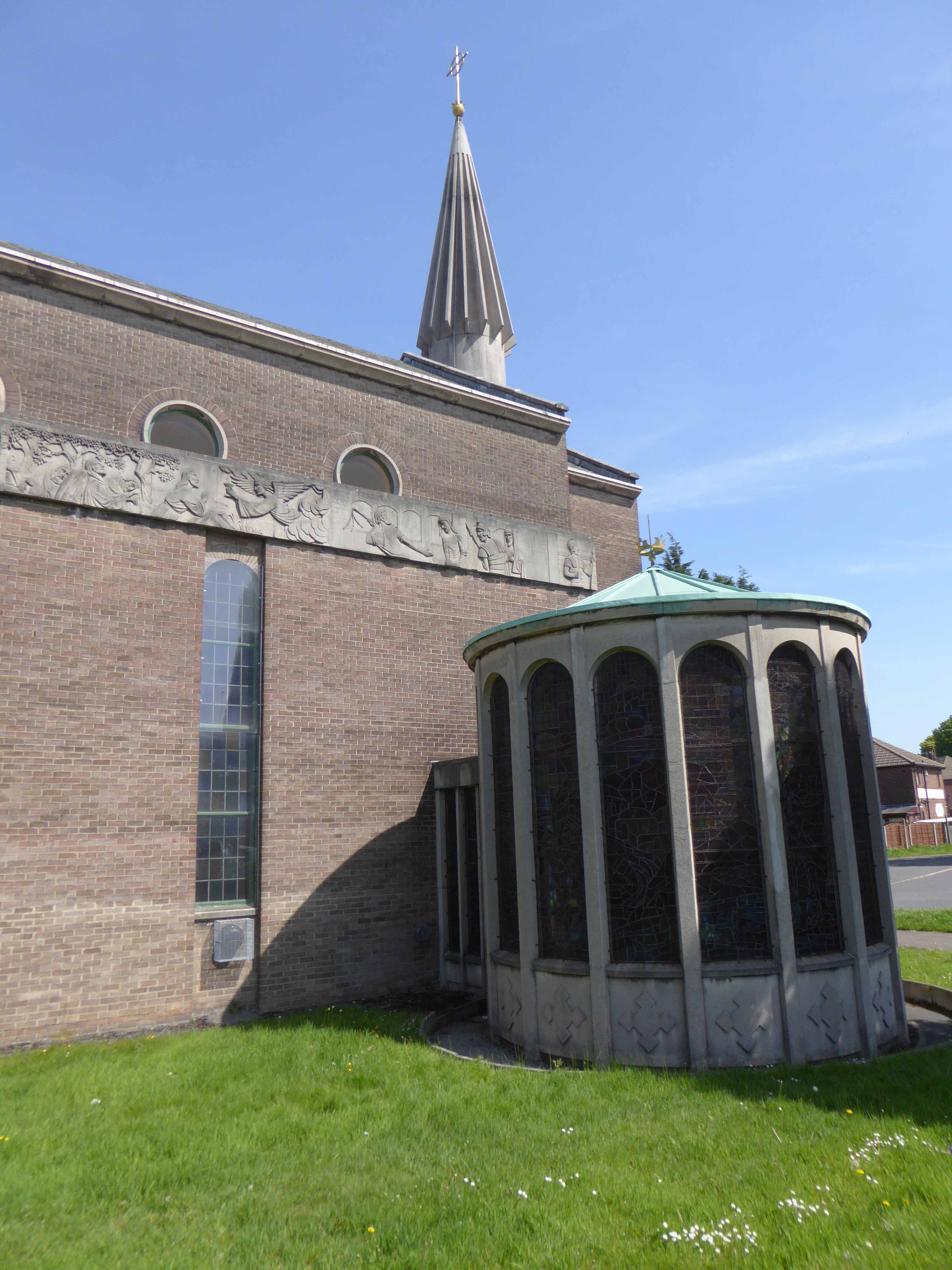
Immaculate Conception – Failsworth

Clive Road Failsworth Manchester M35

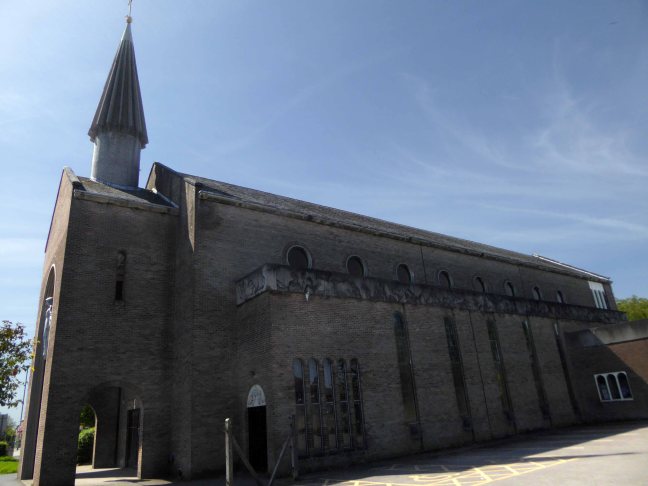
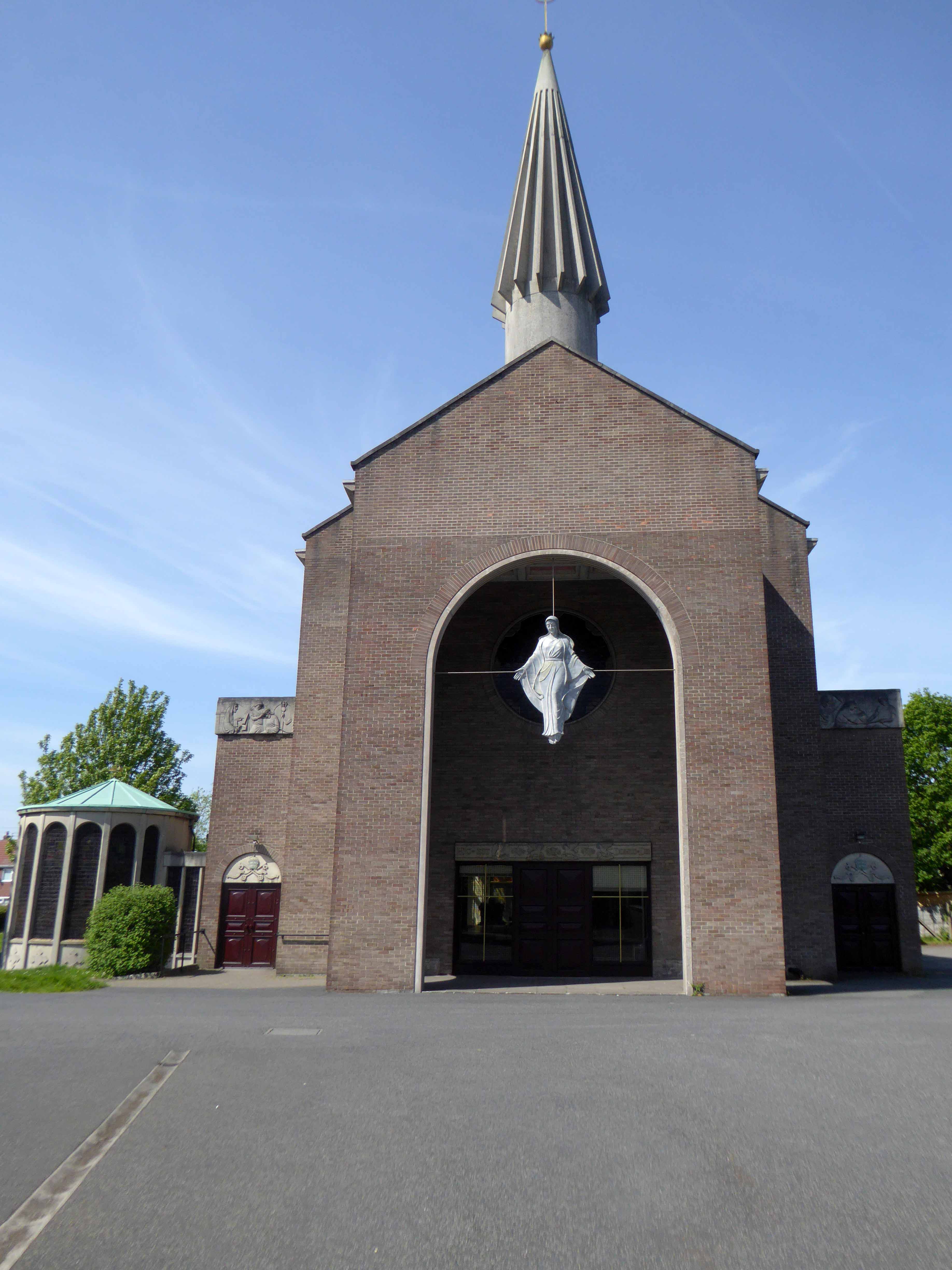
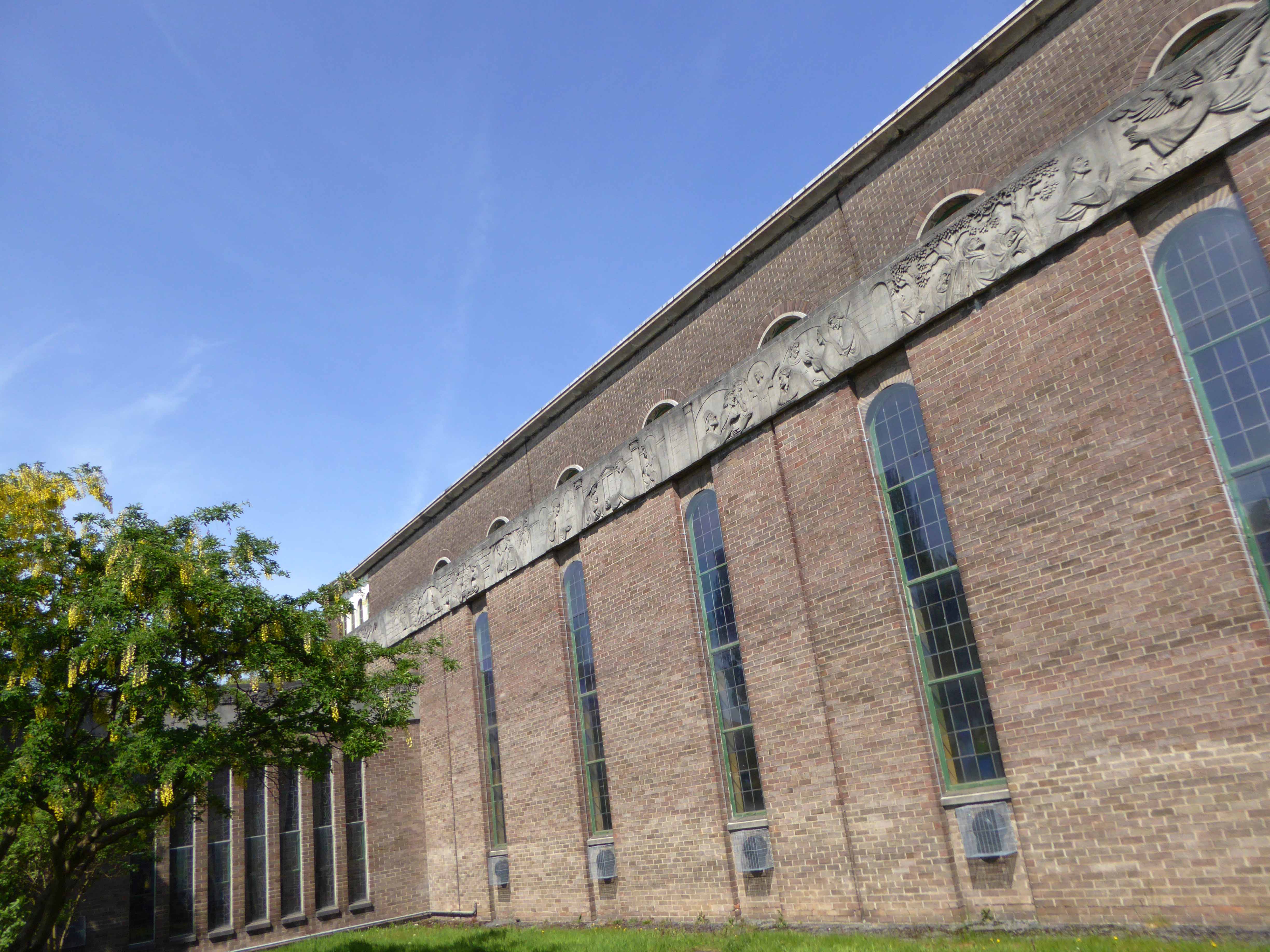
A church of the early 1960s, built before the Second Vatican Council on a traditional basilican plan. The design is striking and unusual, with an interesting combination of Gothic, classical and modern architectural motifs. The architect, Tadeusz Lesisz of Greenhalgh & Williams, is a little known figure but a designer of some interest. The church exhibits a scheme of sculpture, stained glass and mosaic on Marian themes, mainly by local designers, and retains almost all of the original furnishings and fittings in little altered state. It also retains furnishings from the late-nineteenth-century predecessor church. 

Taking Stock

The church is Grade II Listed

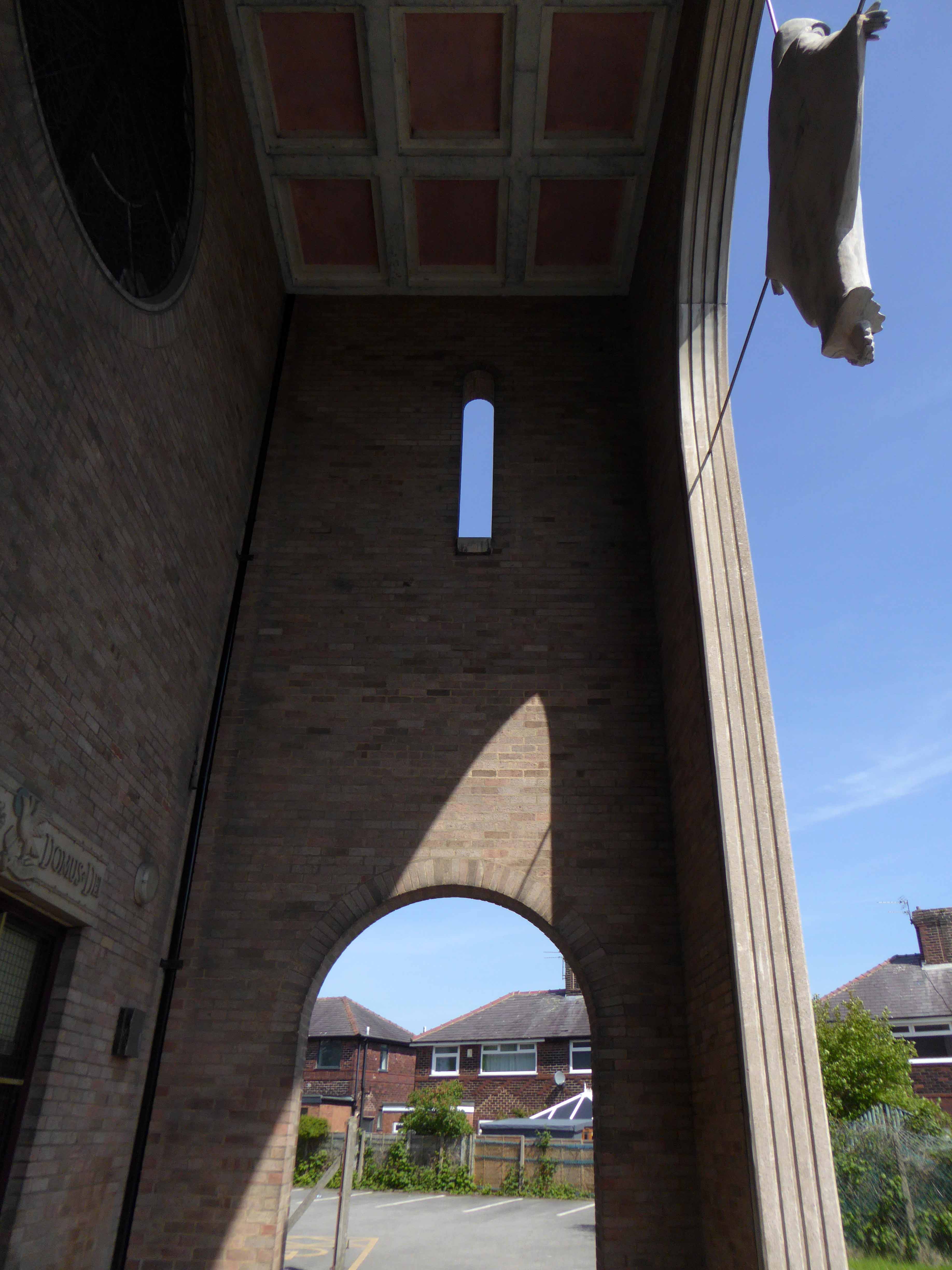
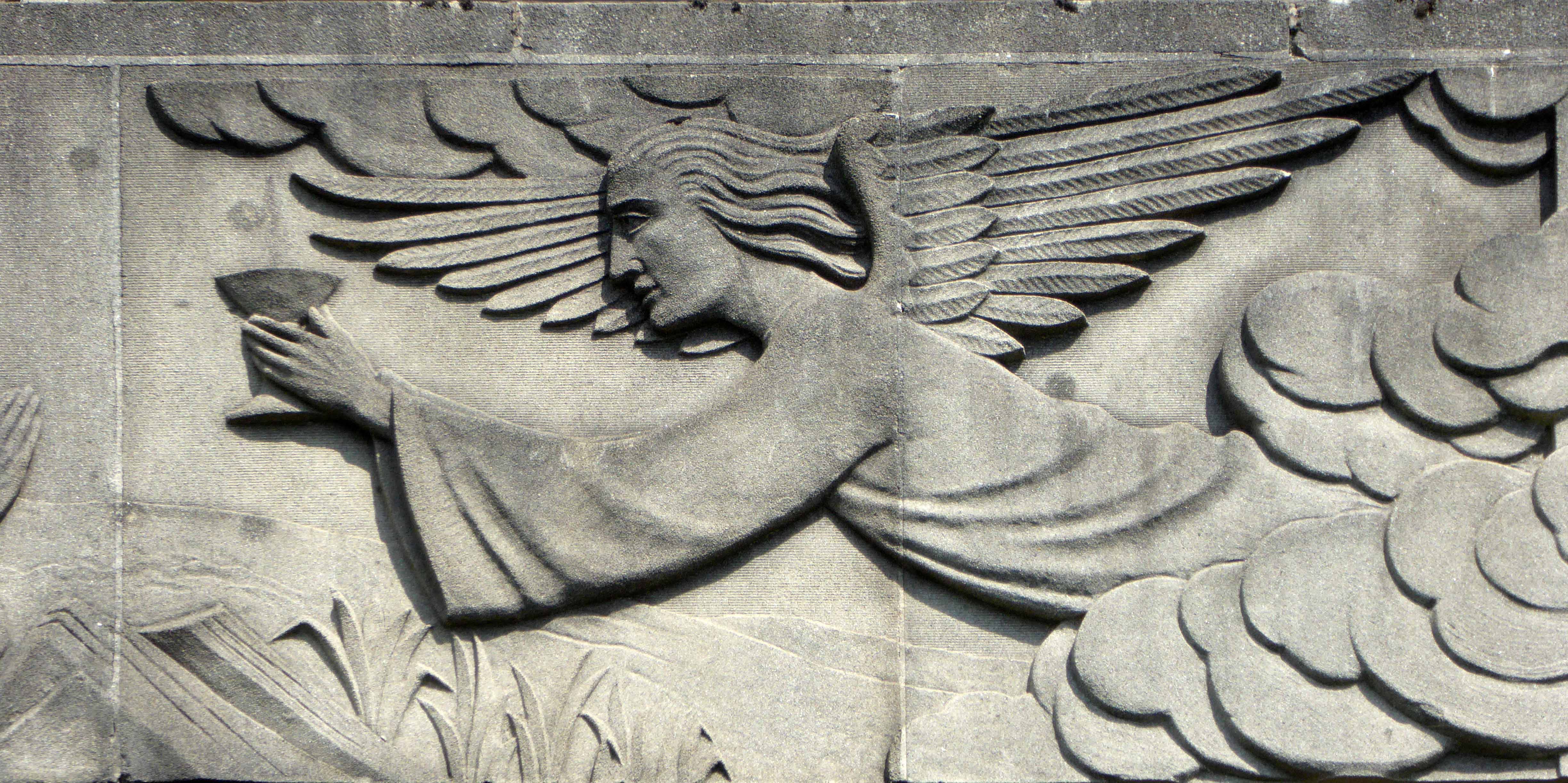
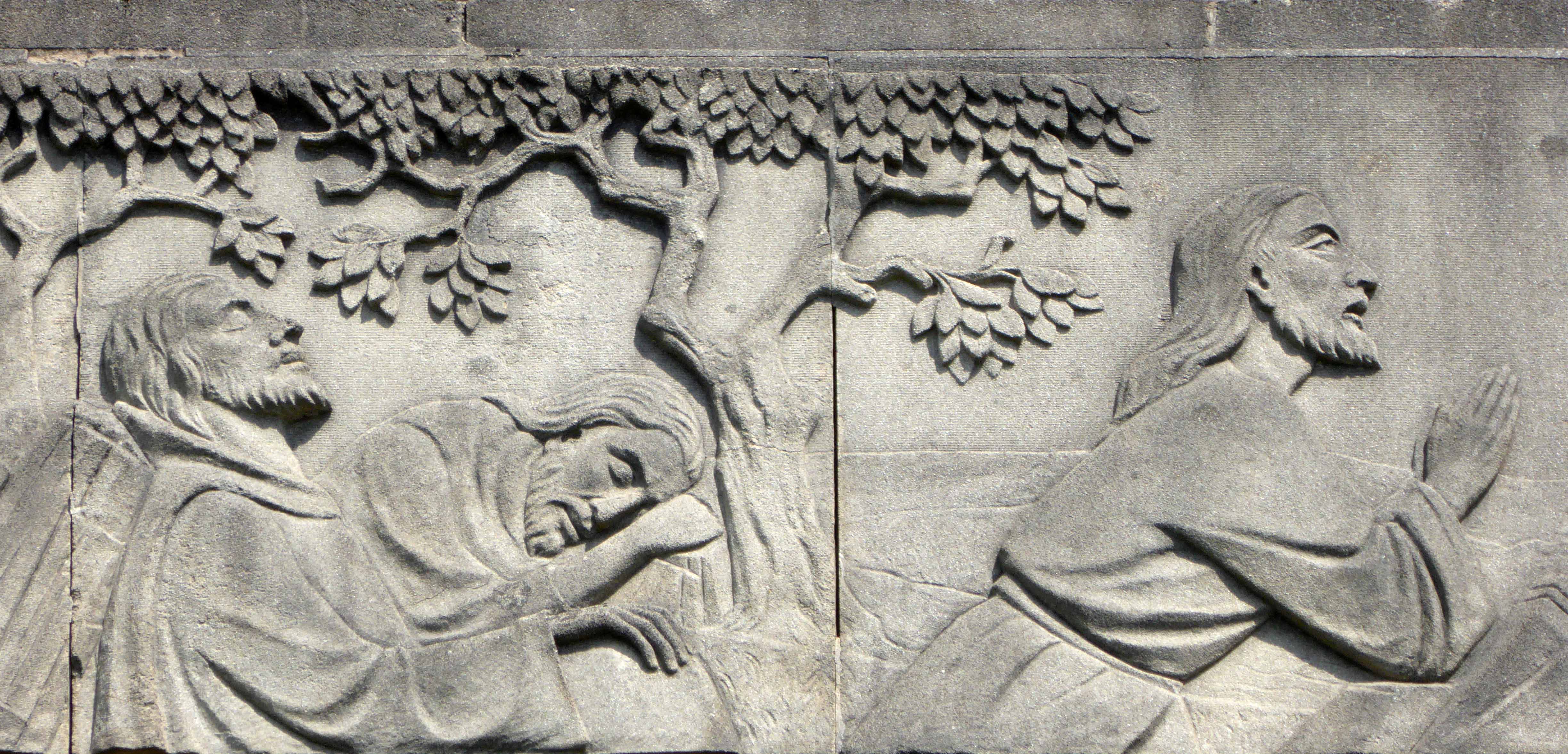
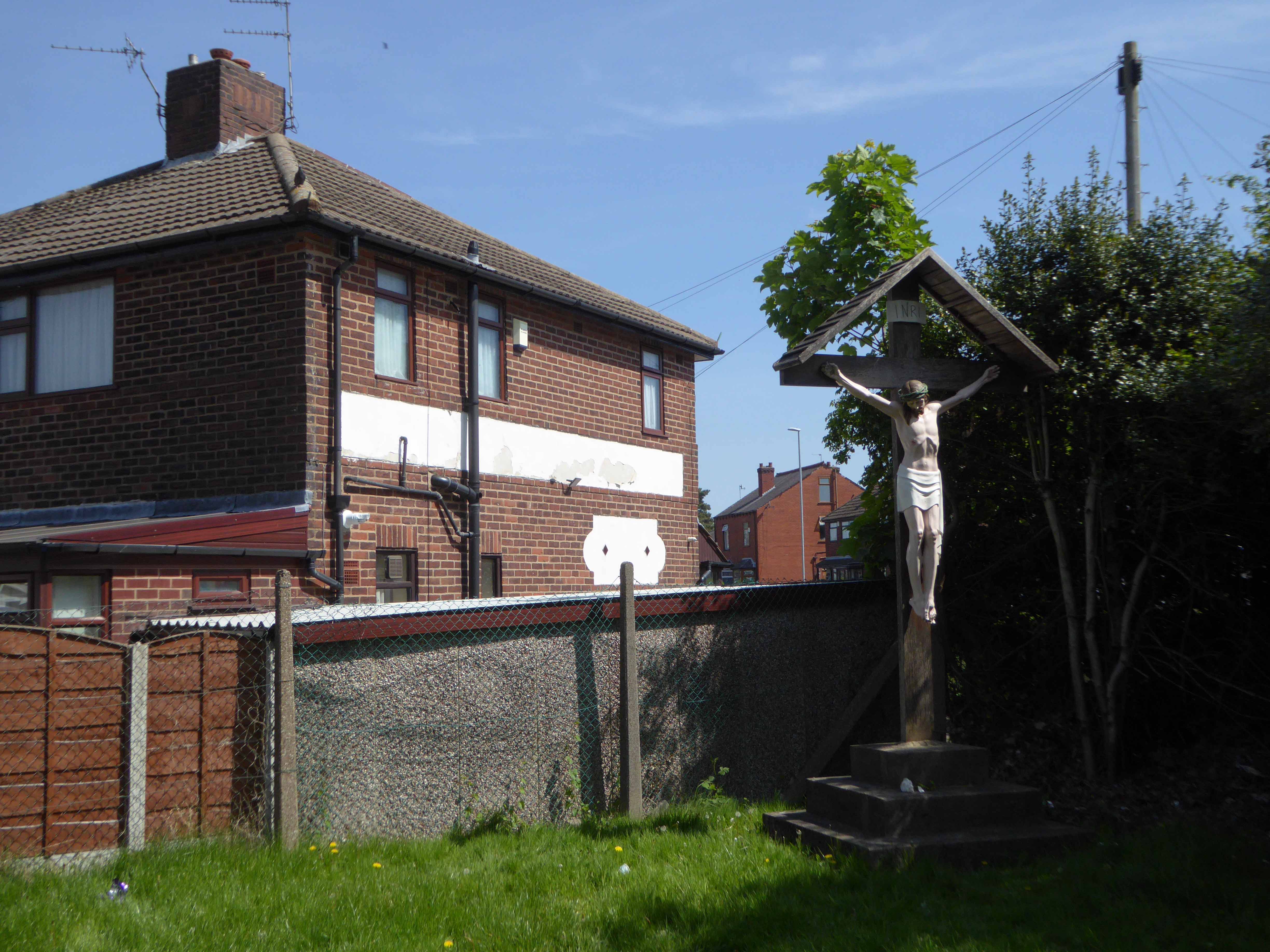
The west front is very striking, the broad entrance arch enclosing a suspended aluminium figure of the Virgin by E.J. Blackwell of Manchester, who also executed the moulded artificial stone friezes. 

The stained glass is by Charles Lightfoot, much of it to the designs of the architect, some incorporating glass from the previous church.

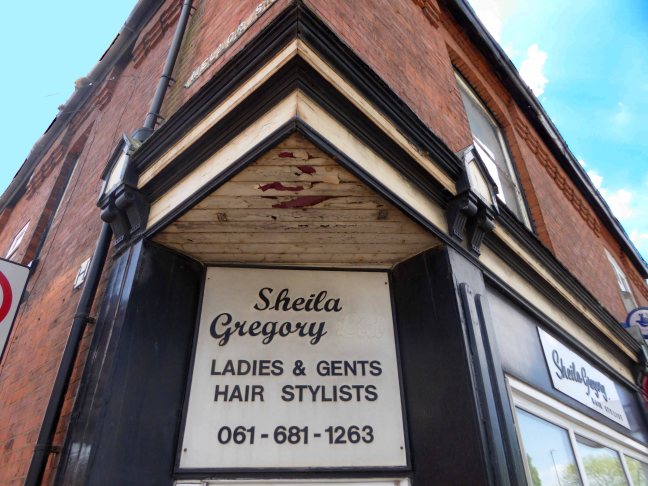
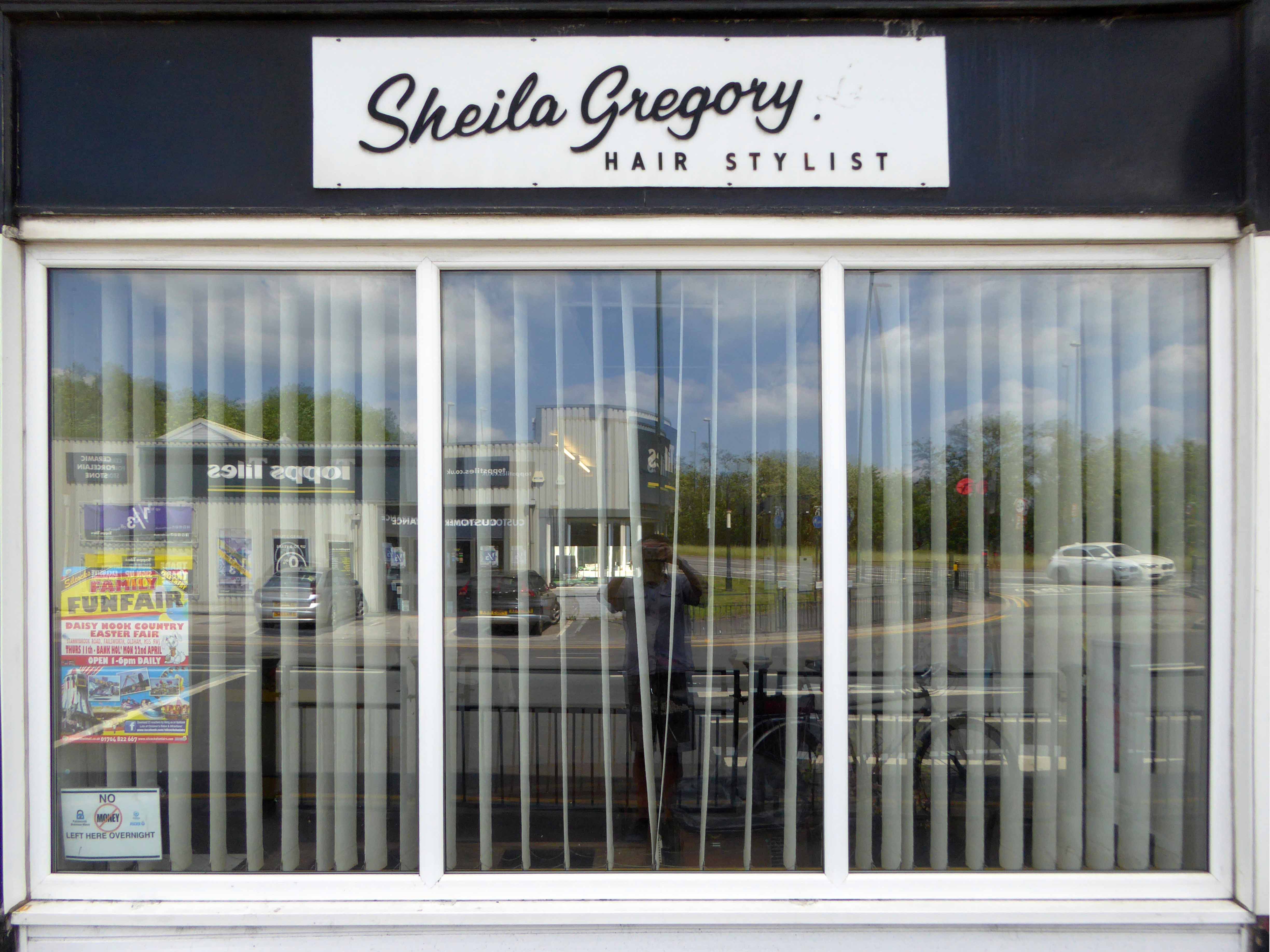
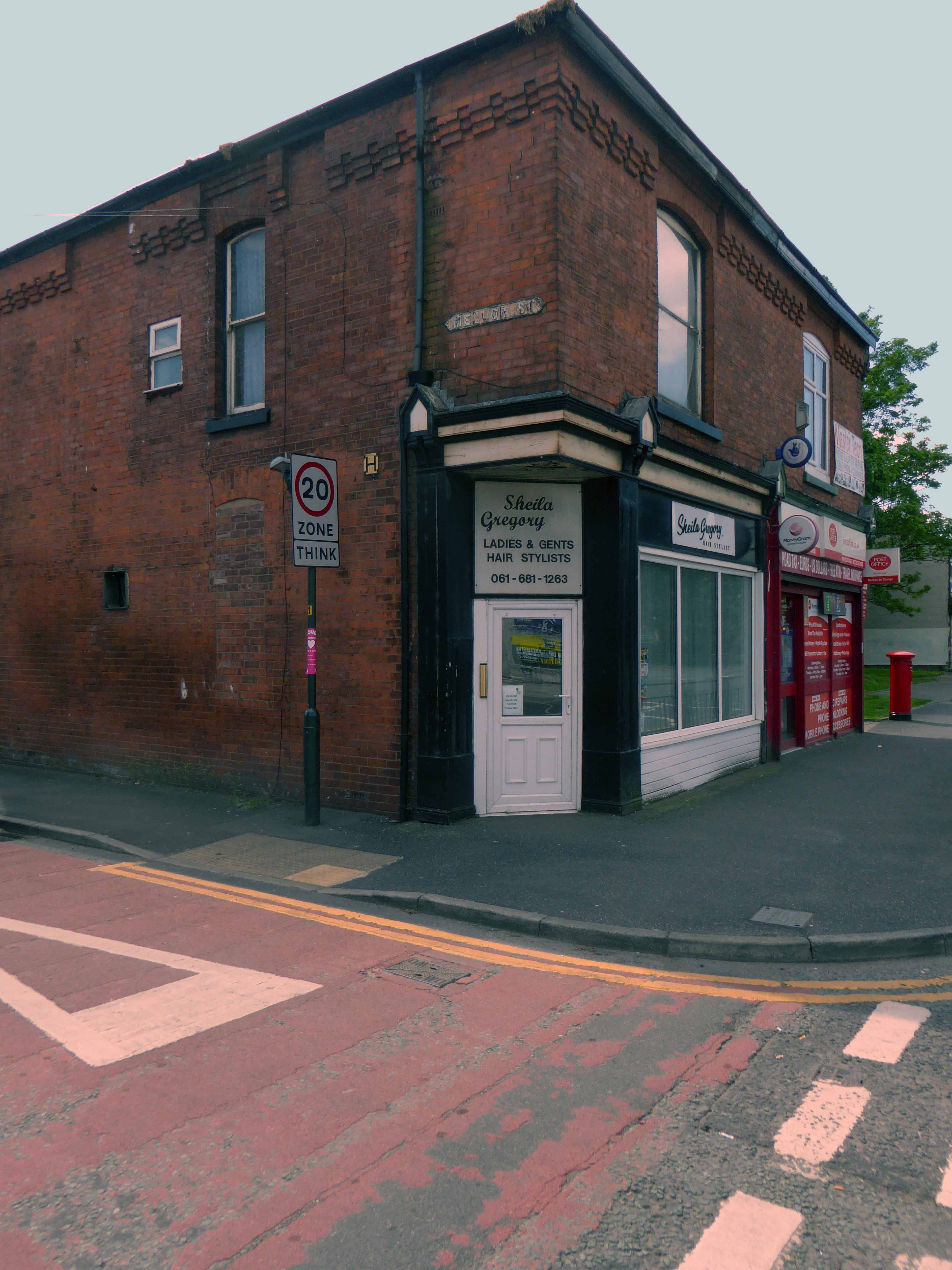
Sheila Gregory Hair Stylist – Manchester

142 Oldham Road Failsworth Manchester M35 0HP

I’m in a different world:

A world I never knew, I’m in a different world.
A world so sweet and true, I’m in a different world
.

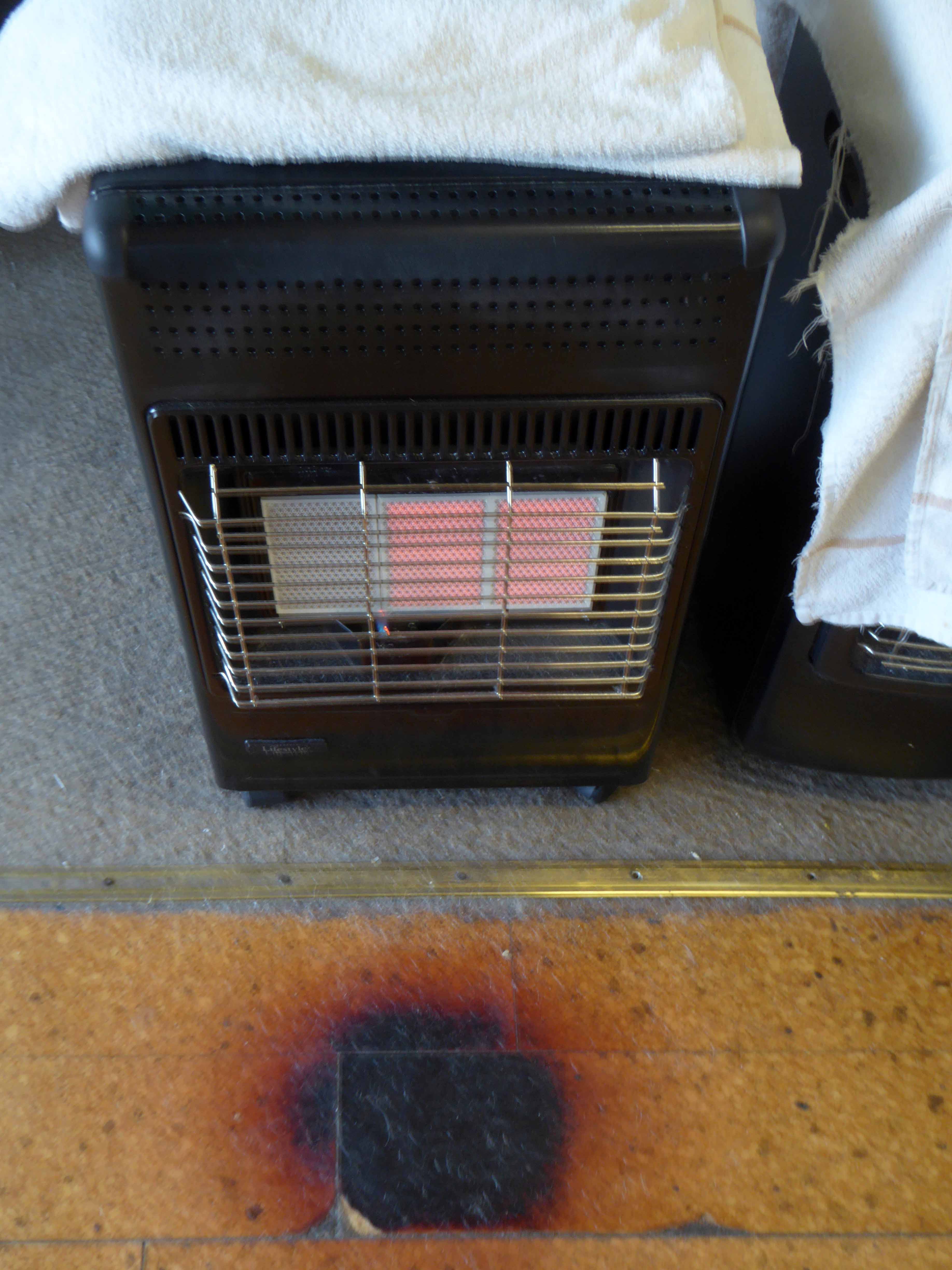
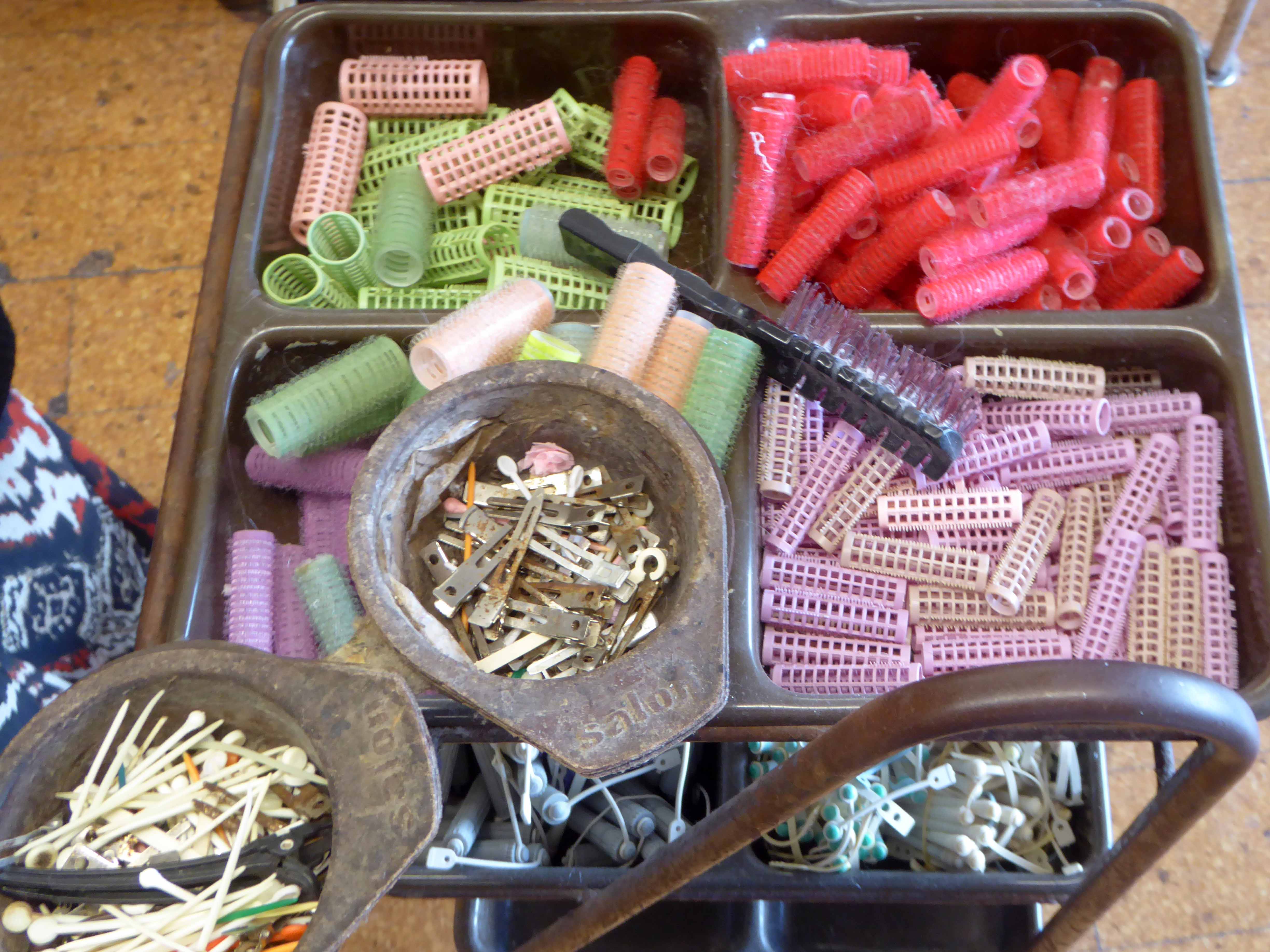
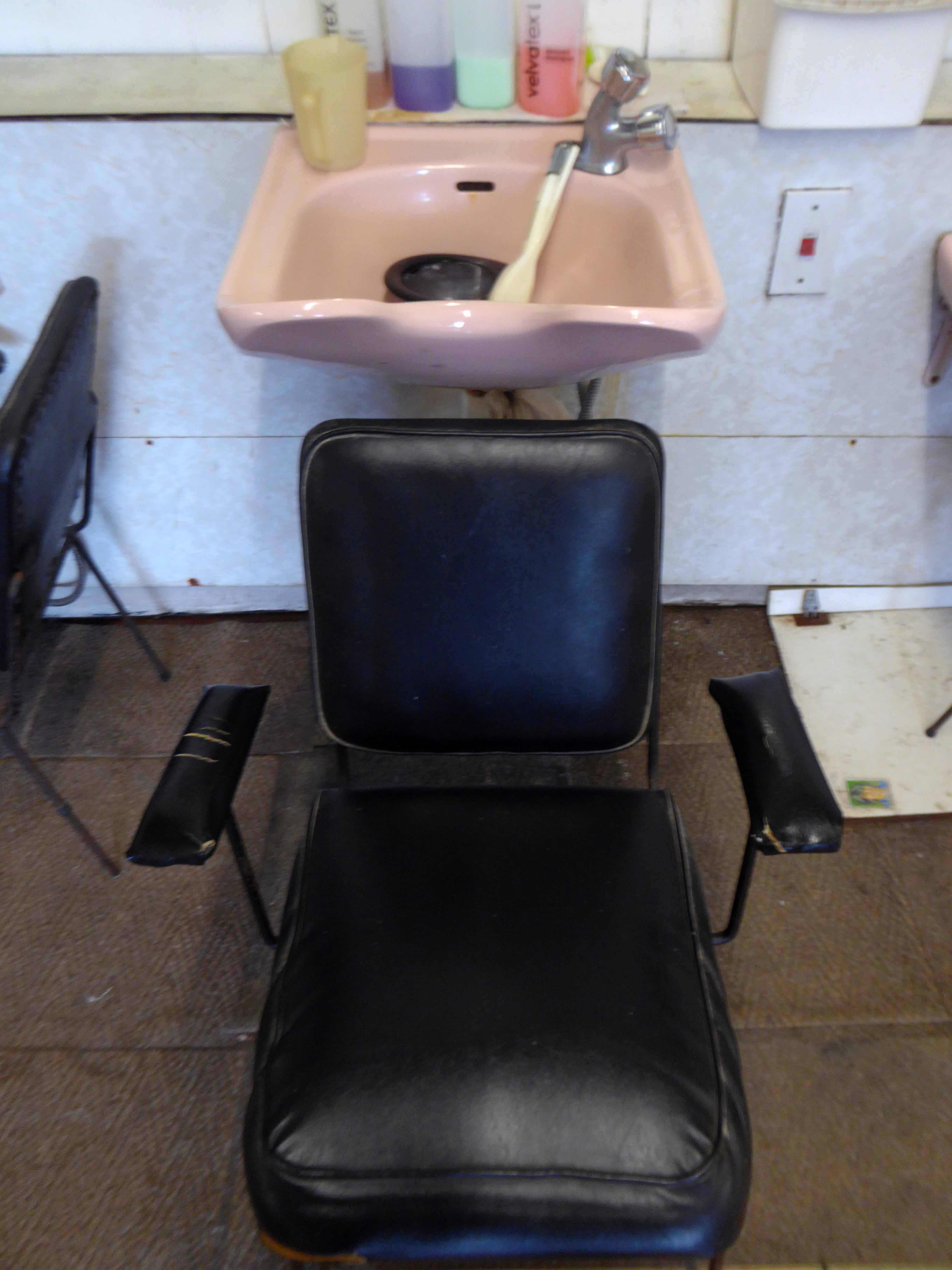
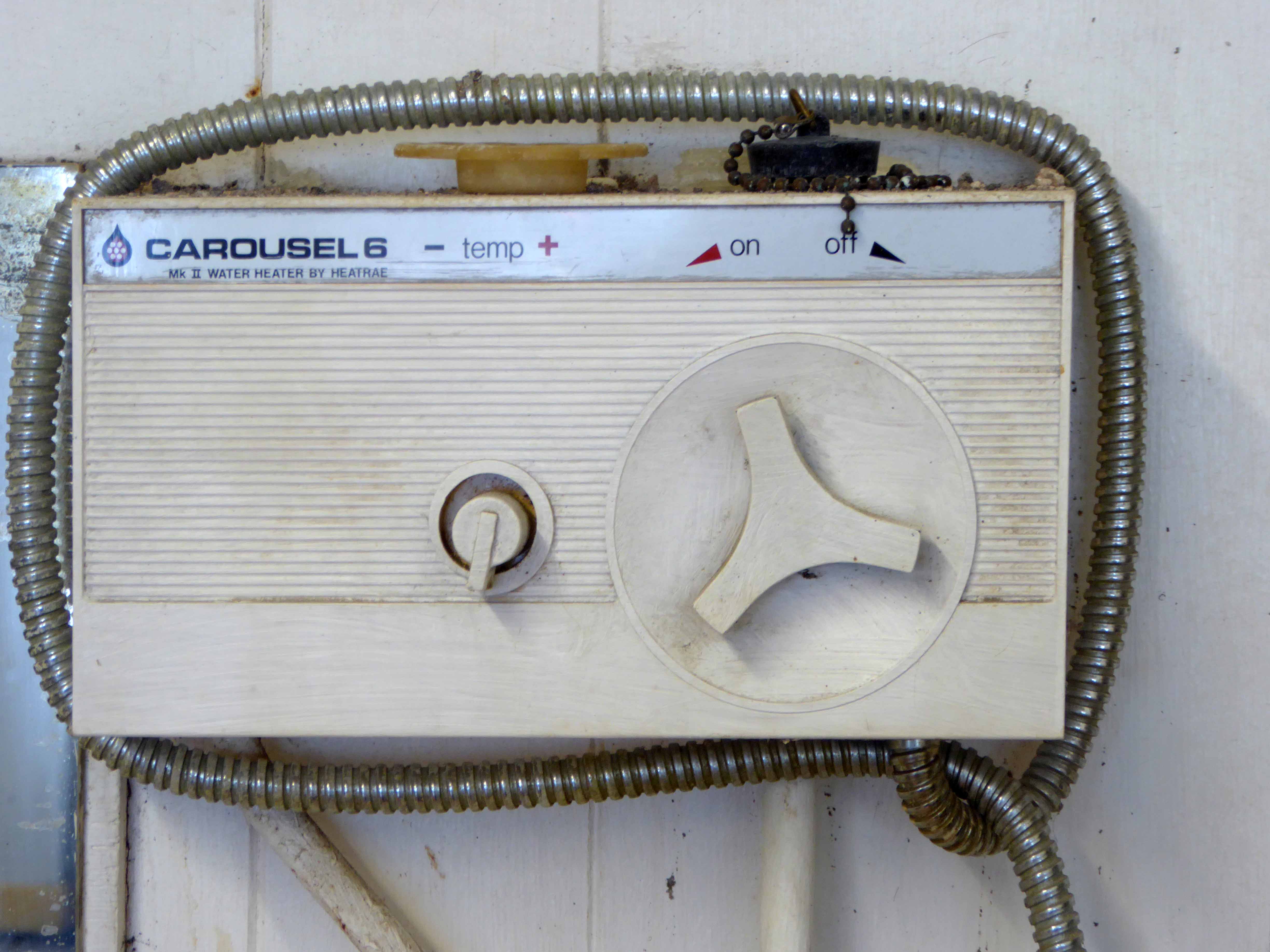
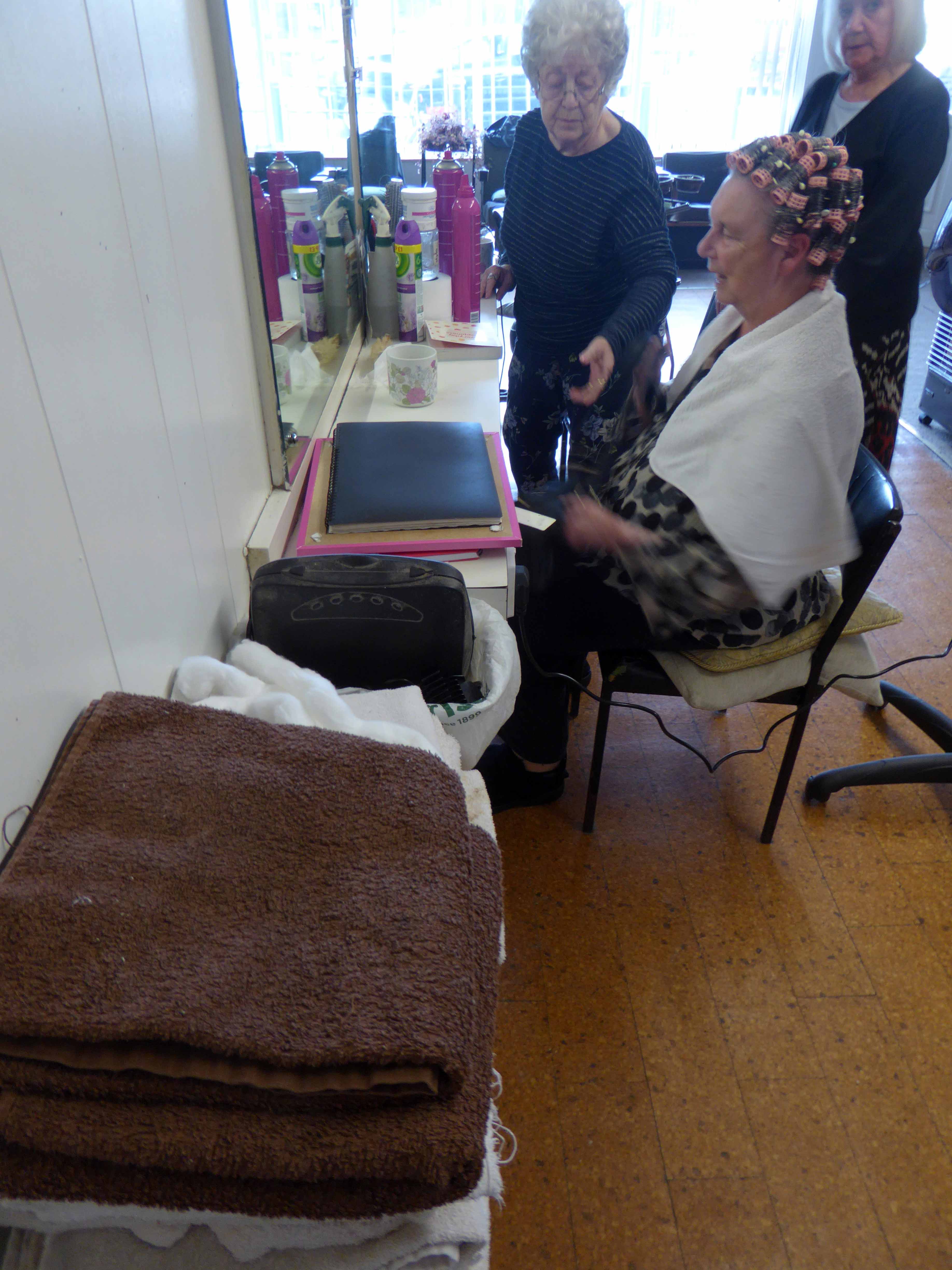
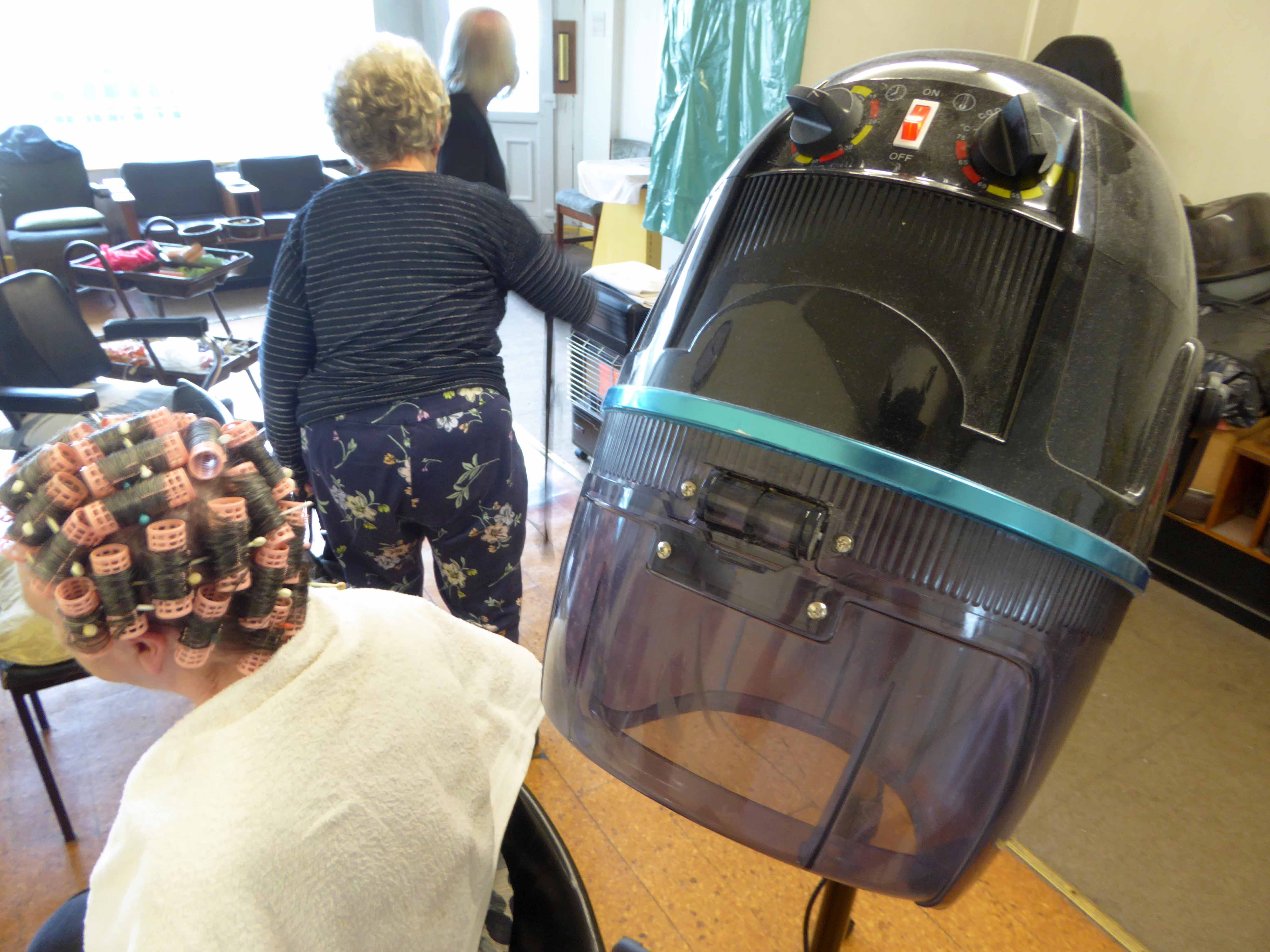
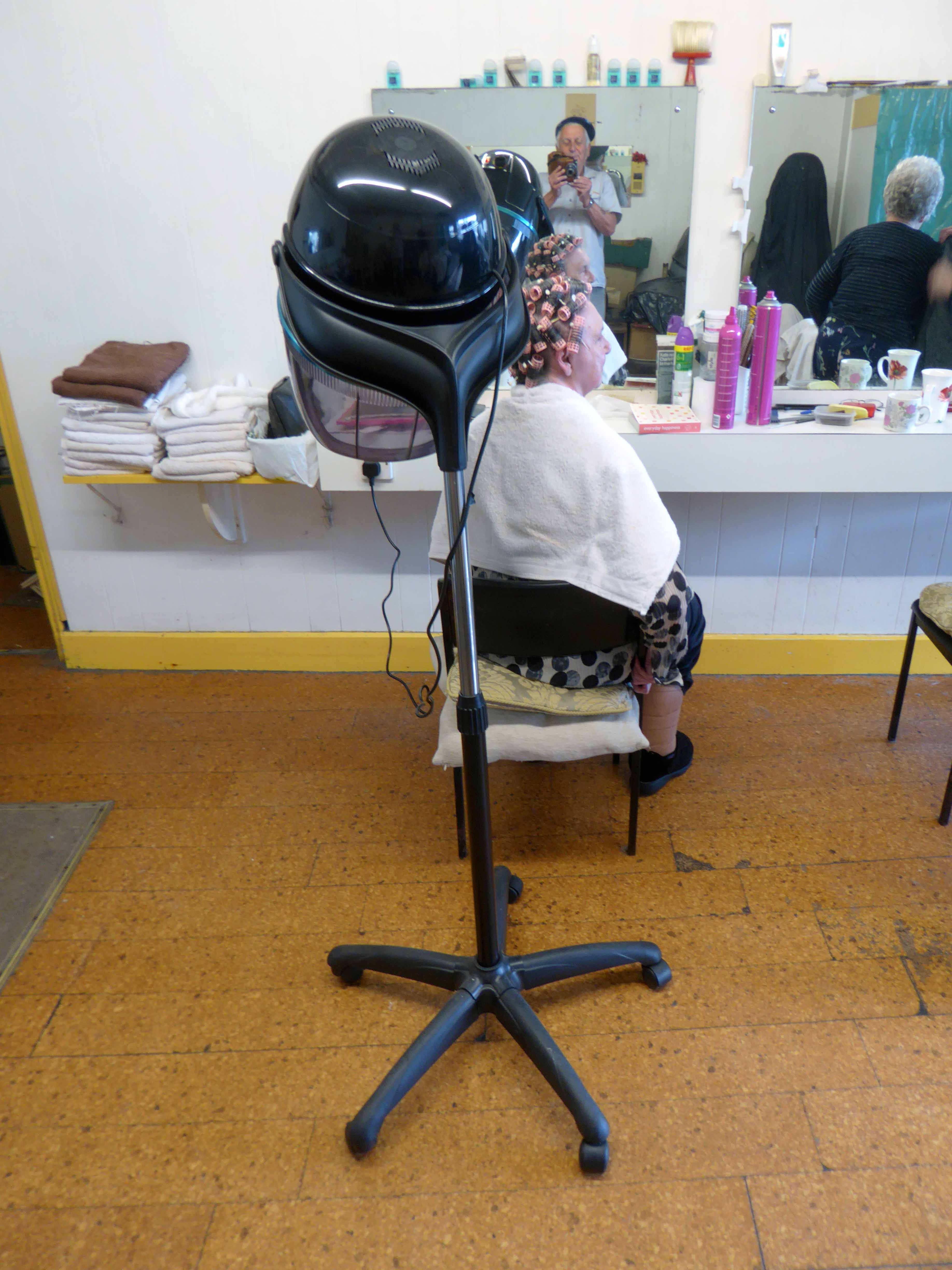
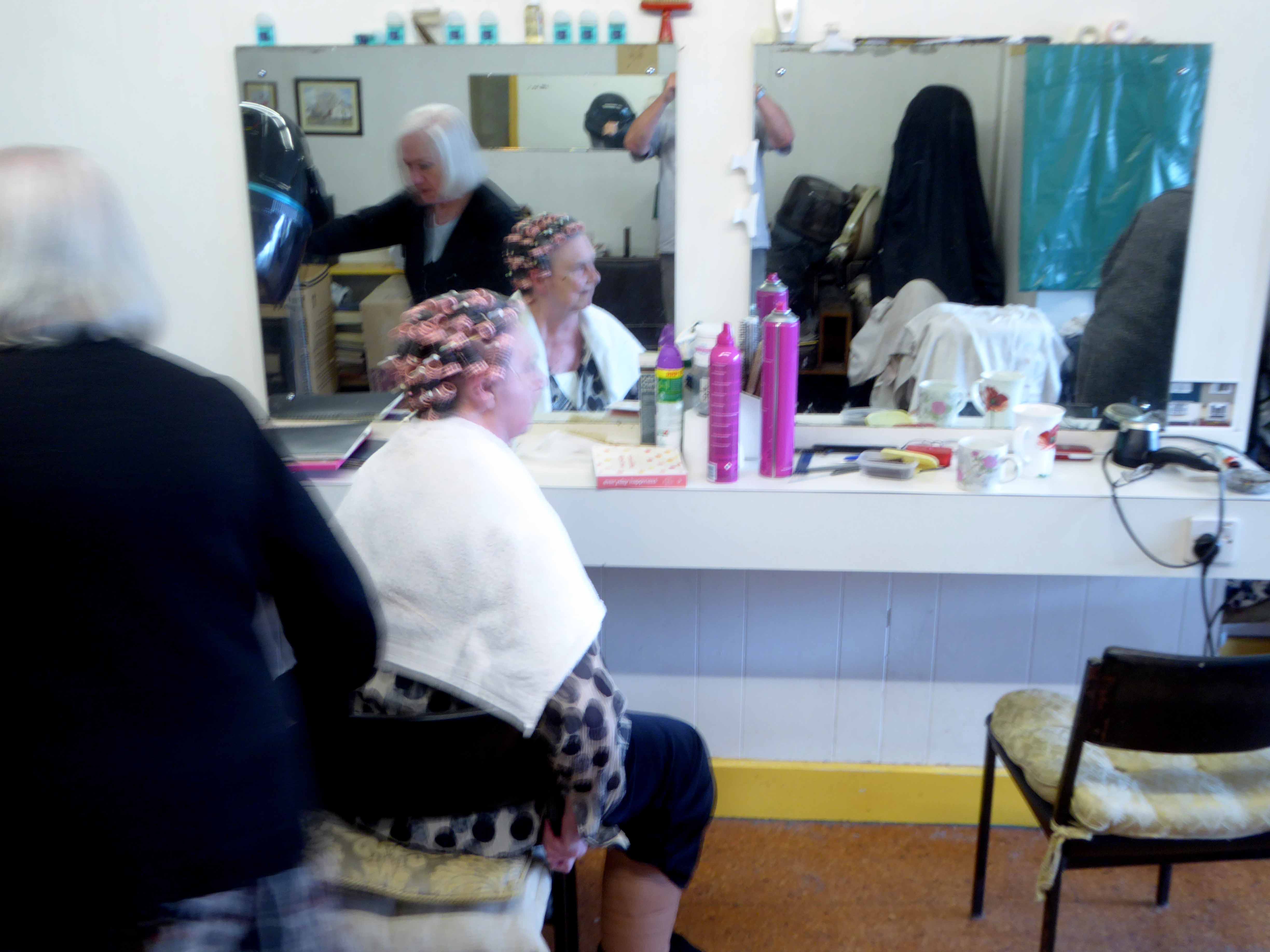
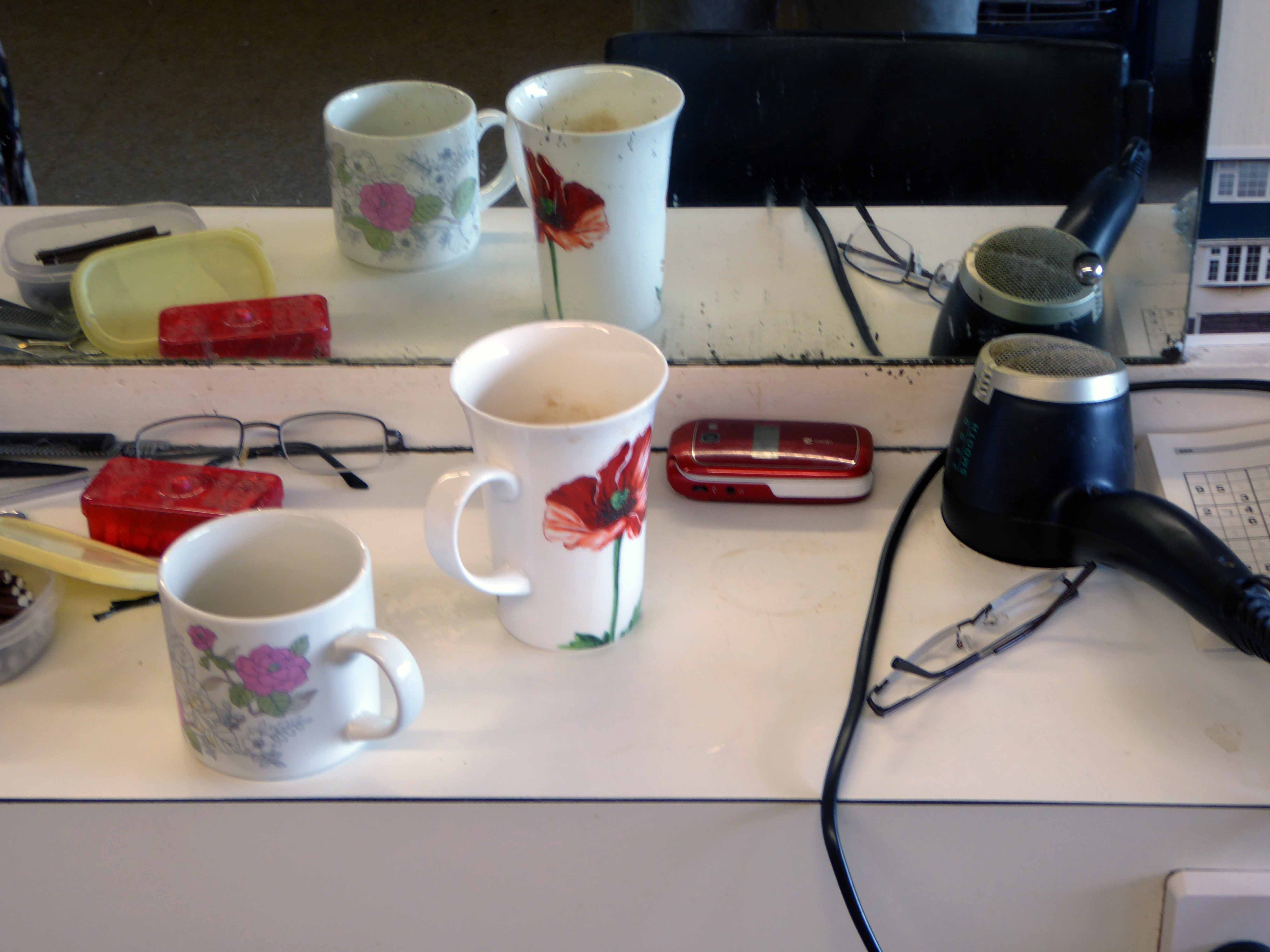
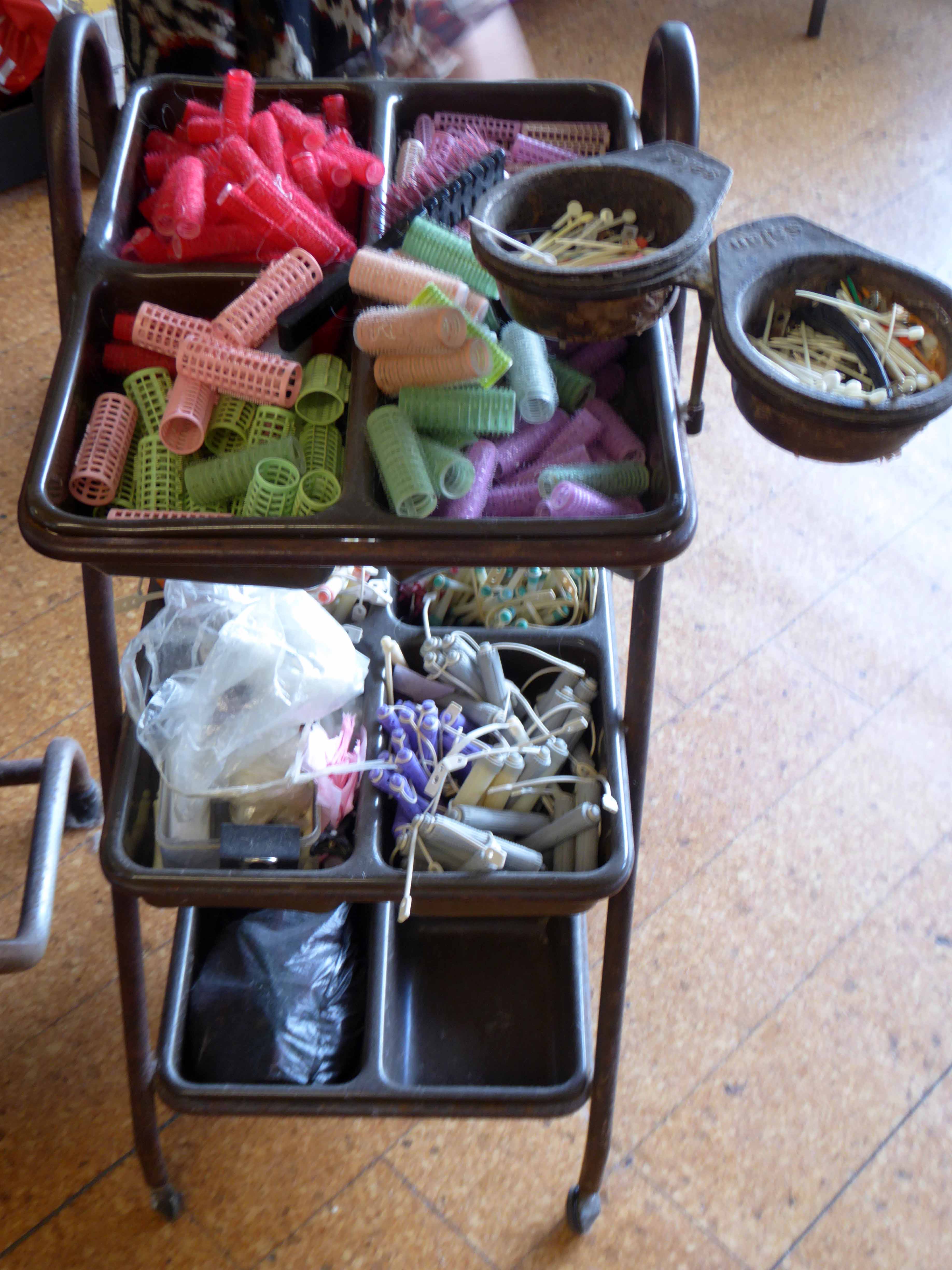
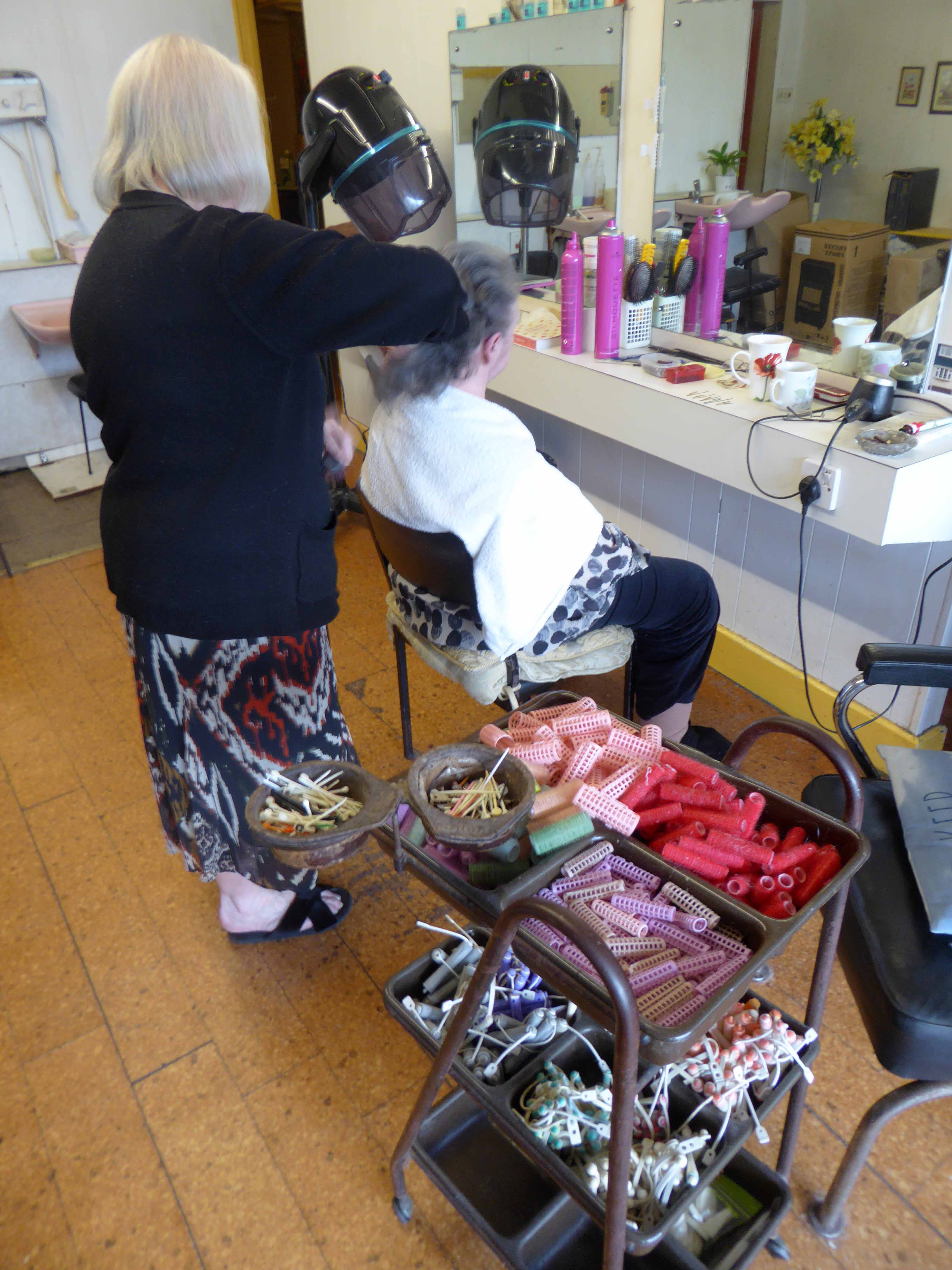
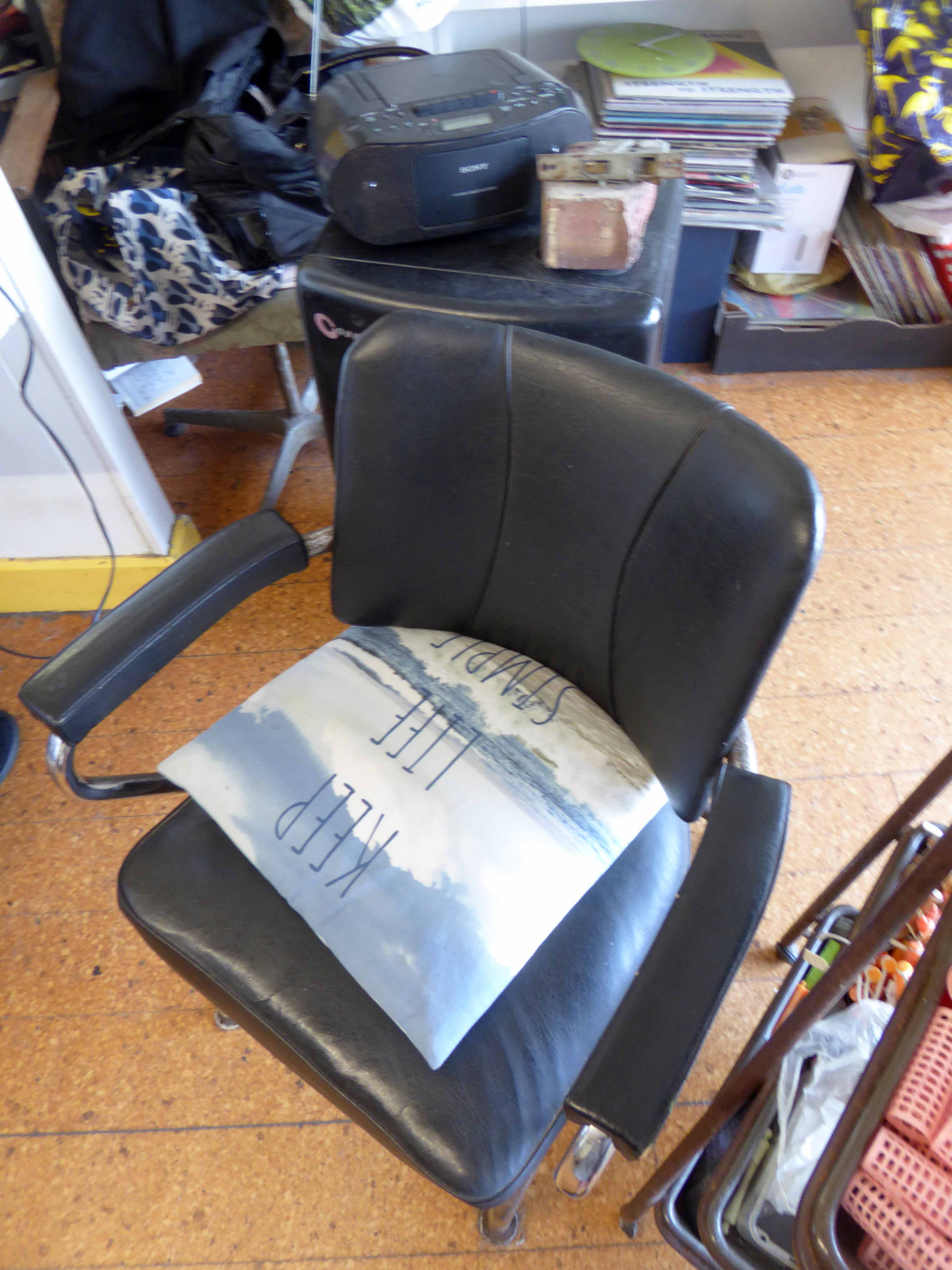
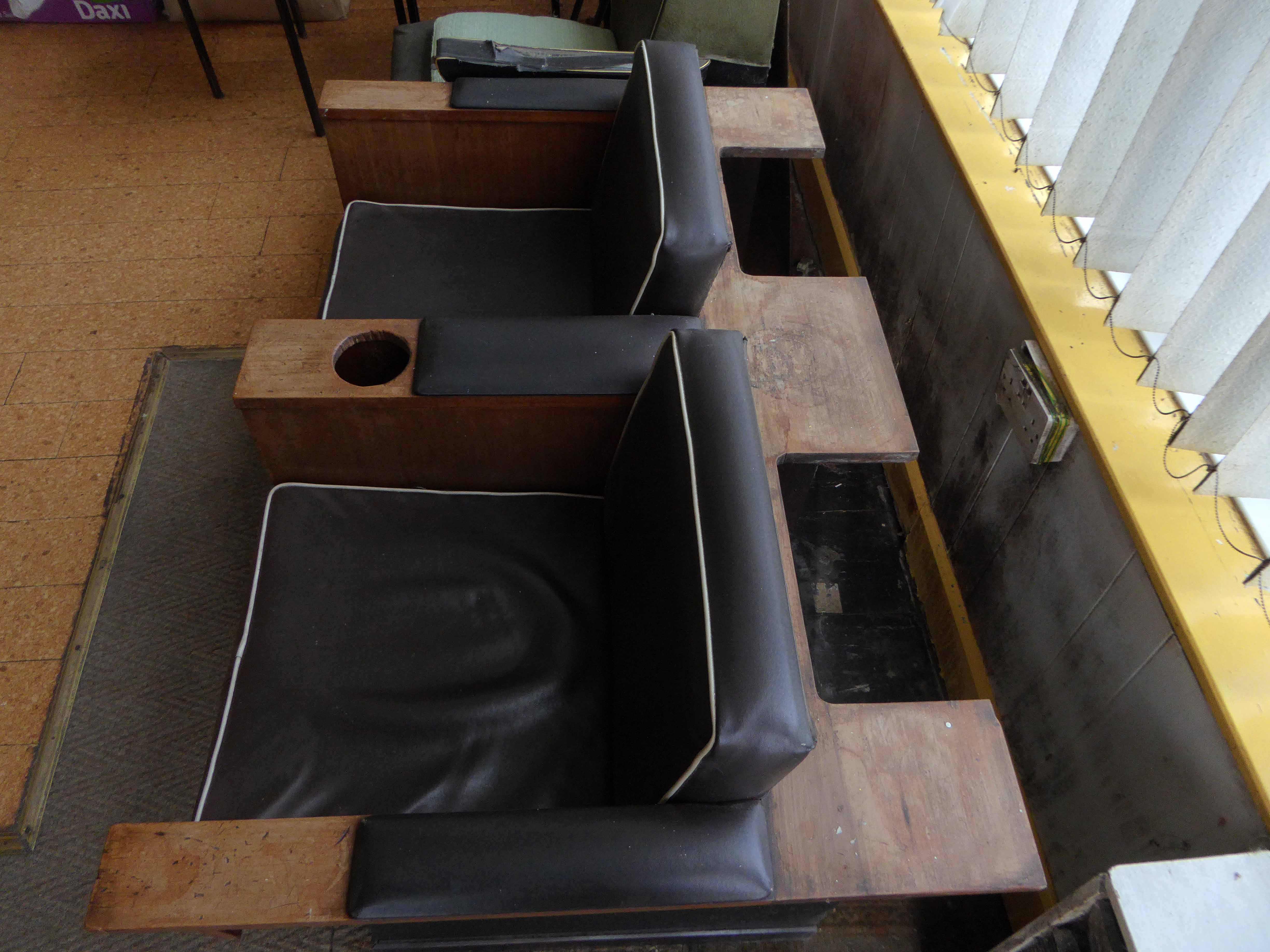
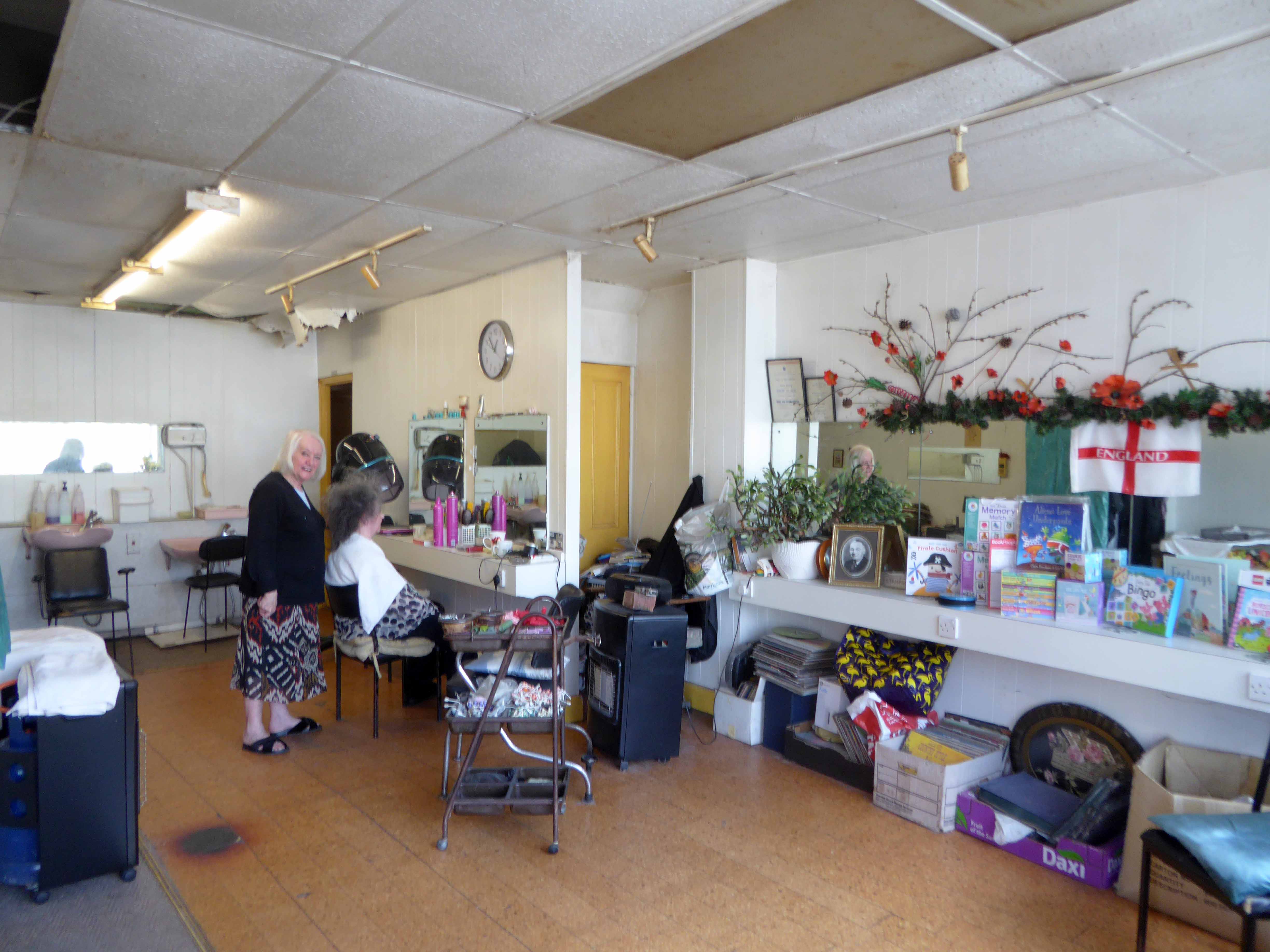
A world of rollers, pins, grips, hair dryers and drying hair.

A world permanently waving at itself.

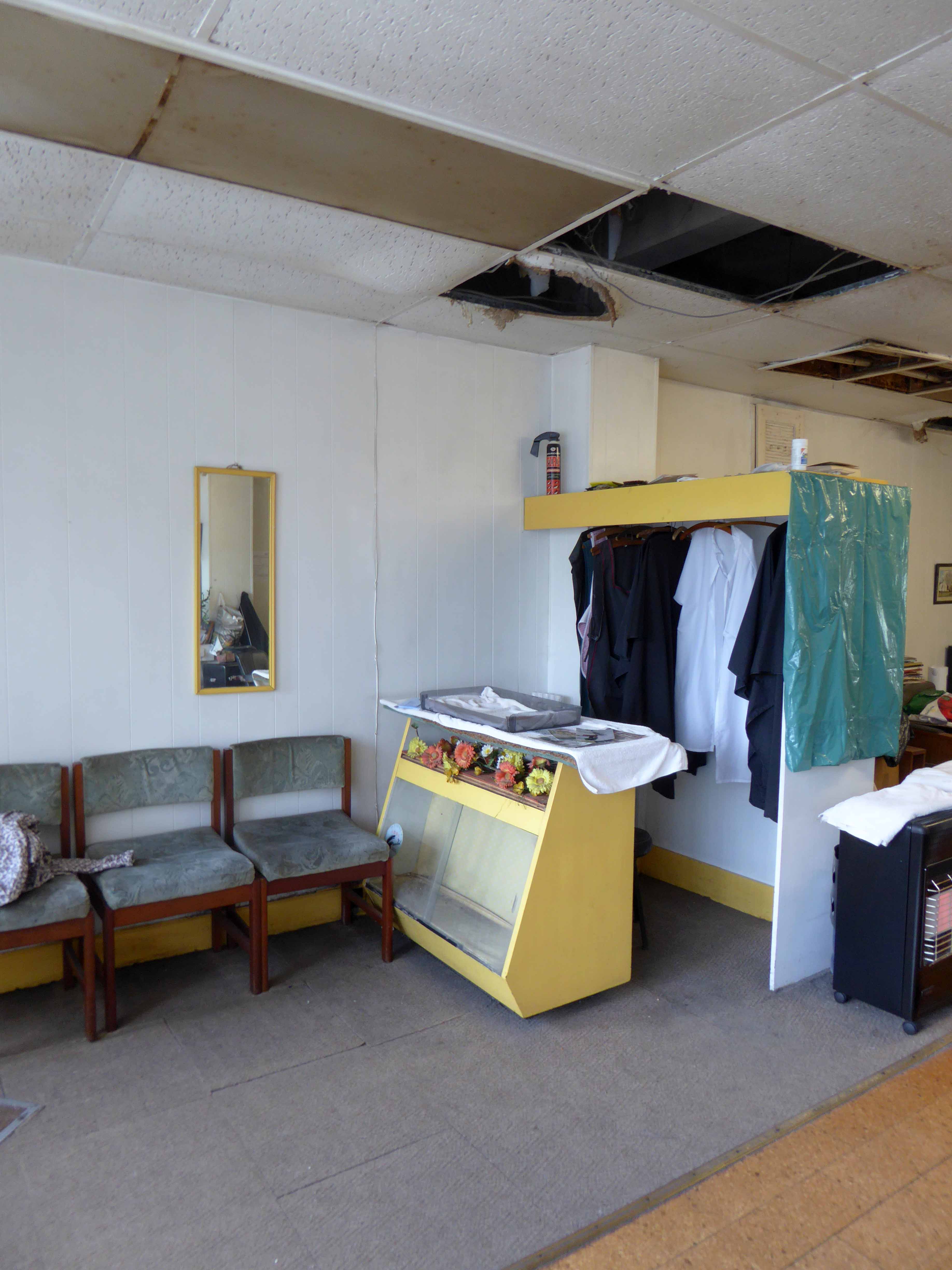
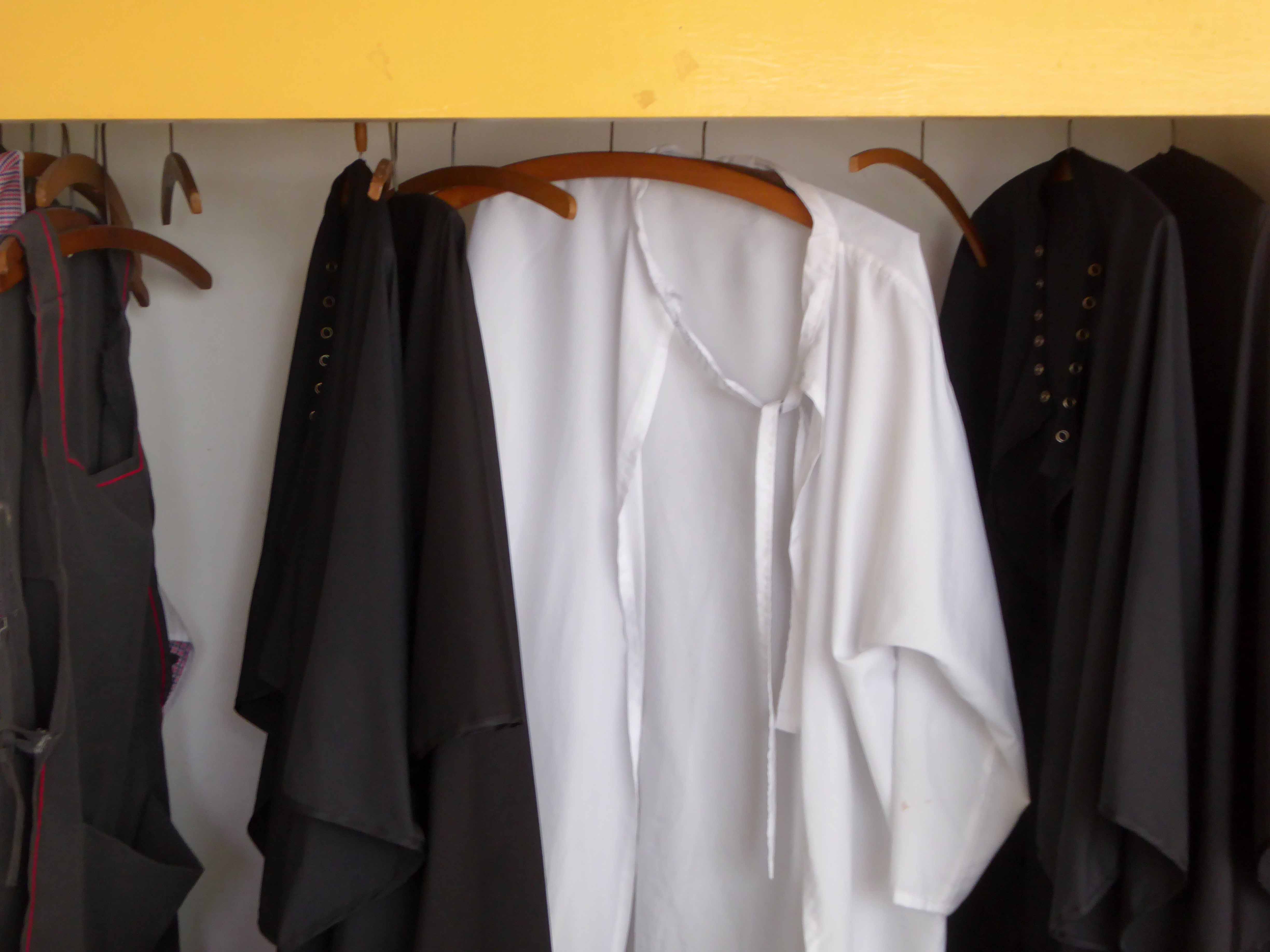
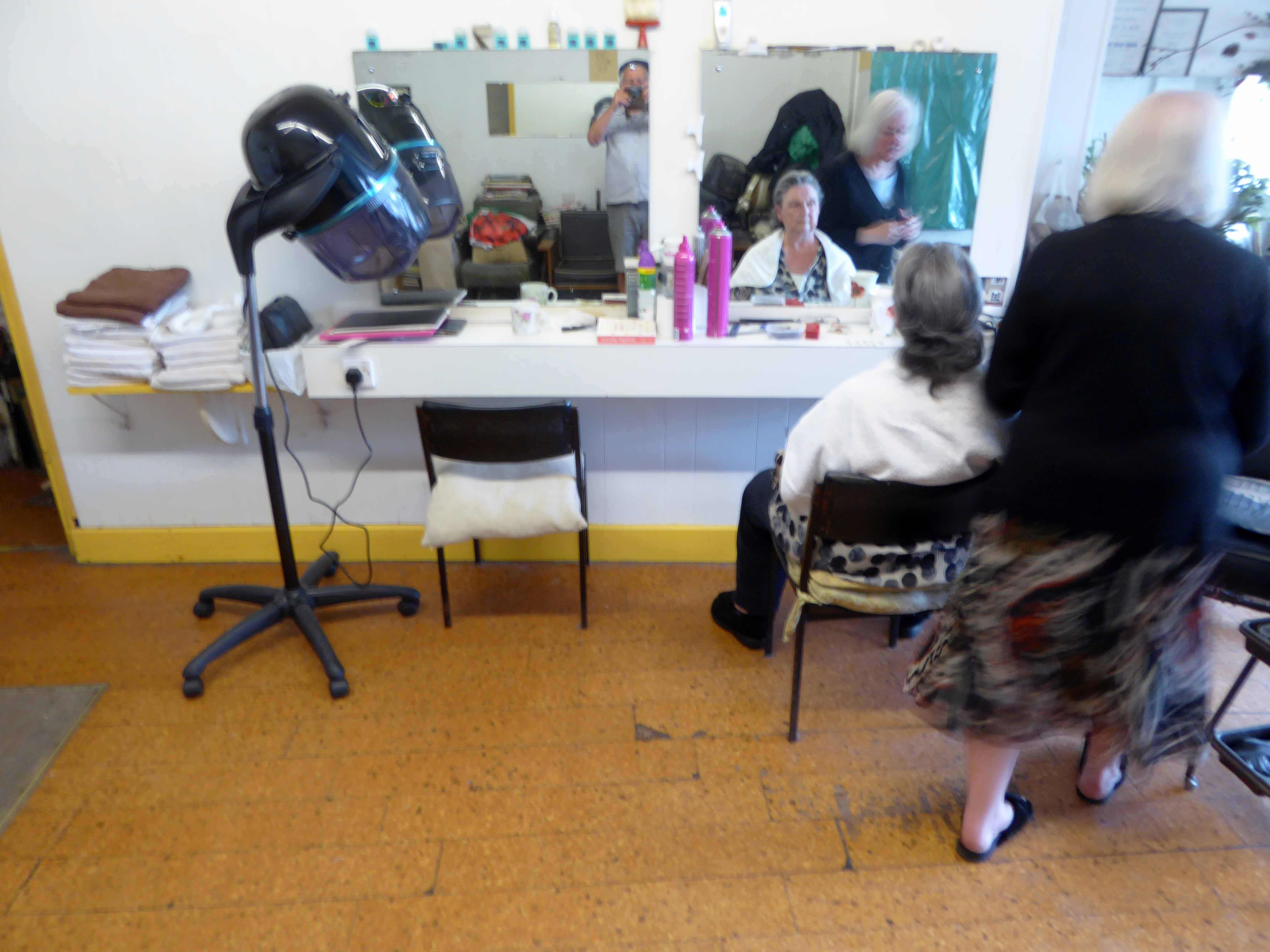
My thanks to Sheila – sixty years a stylist and her customers for allowing me into their world for a short time – a privilege and a pleasure.

Little seems to have changed here within – on the corner of Oldham Road and Mellor Street.

Let’s take a little look.

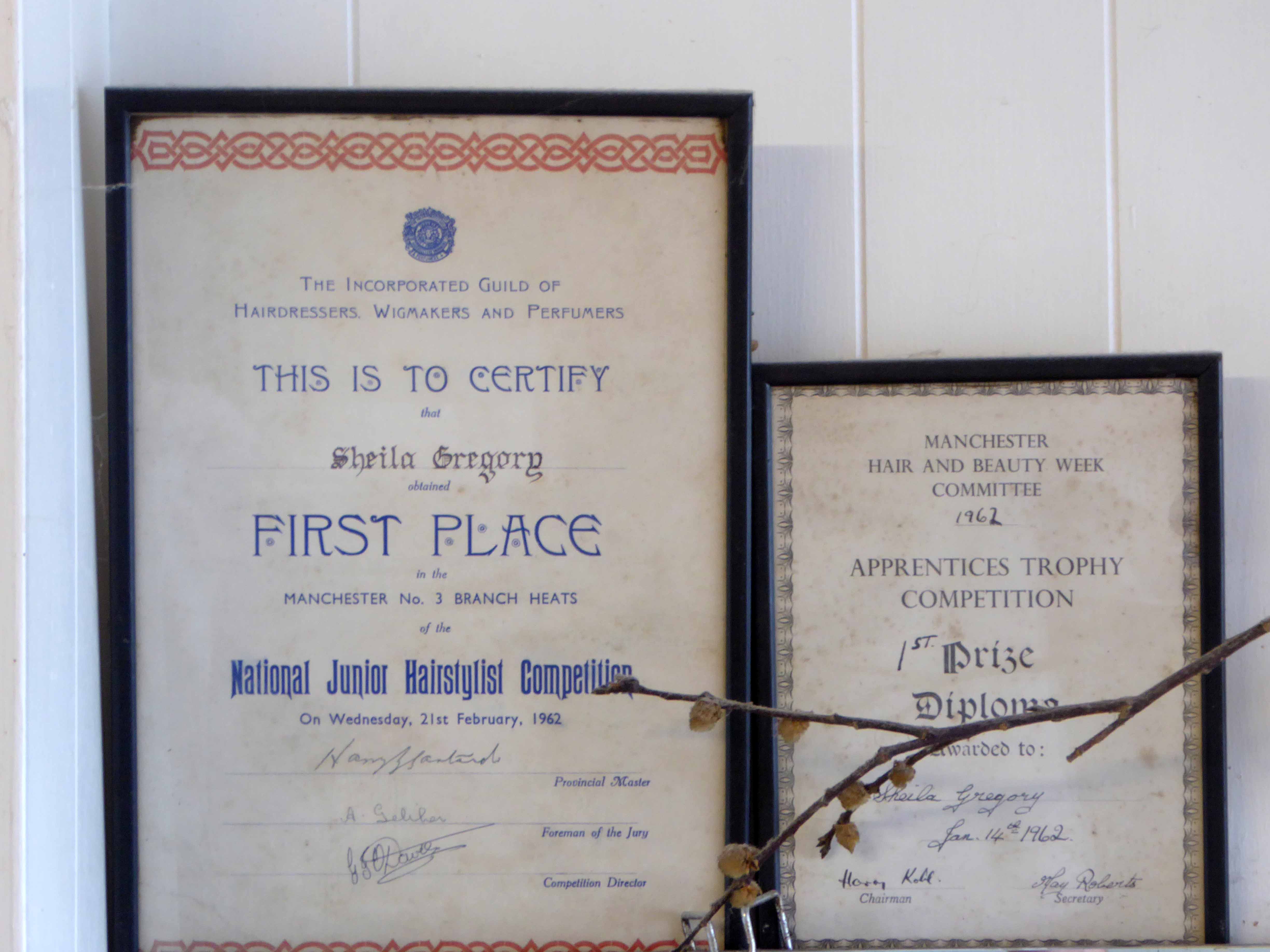
Shelia’s certificates of 1962 – so proudly displayed.

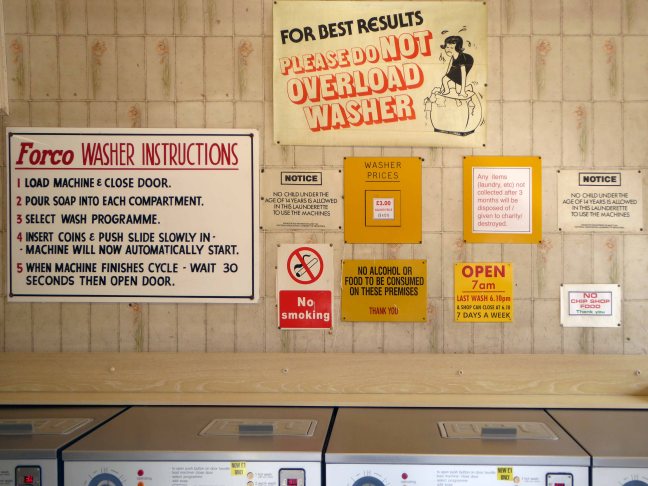
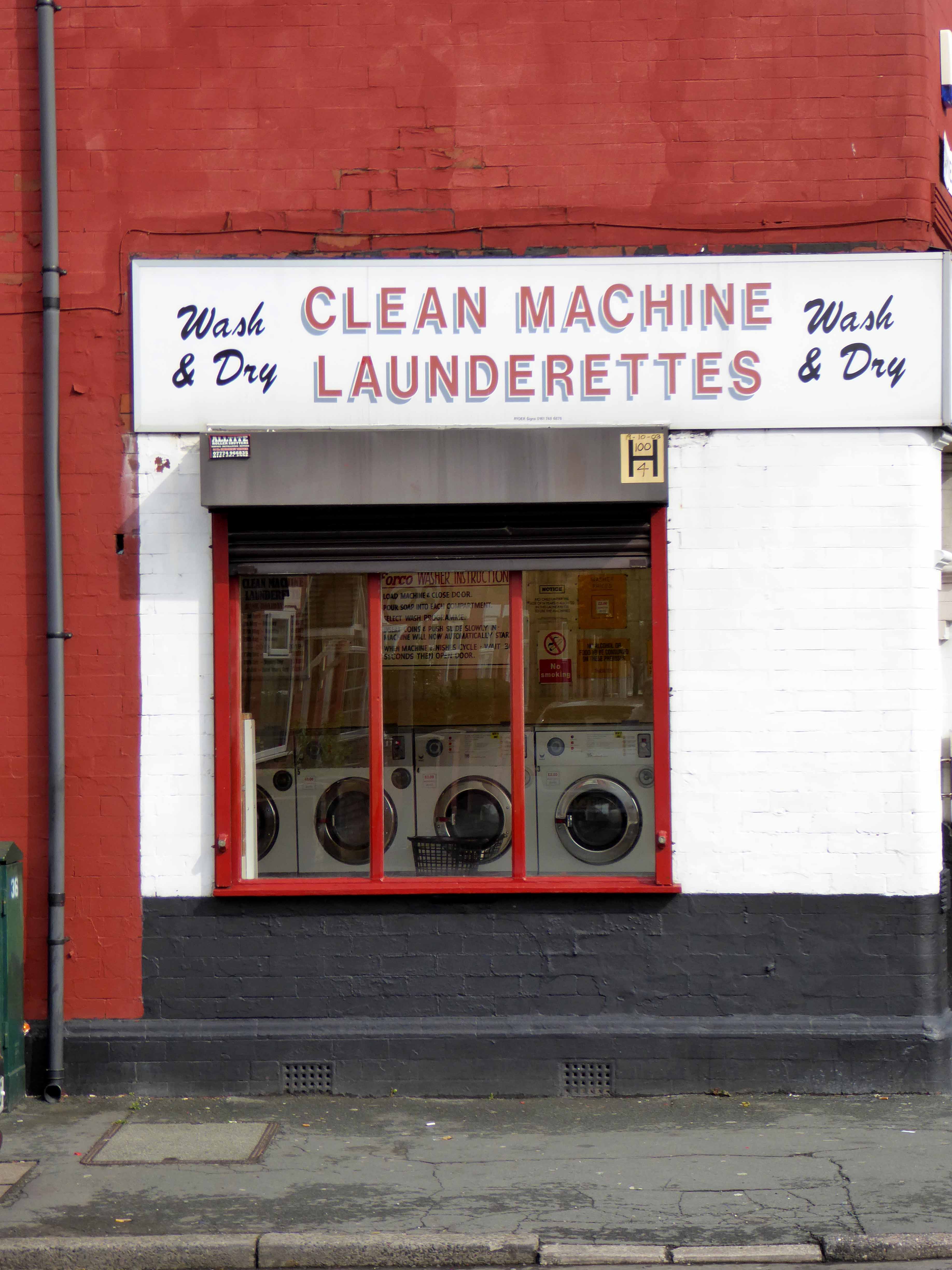
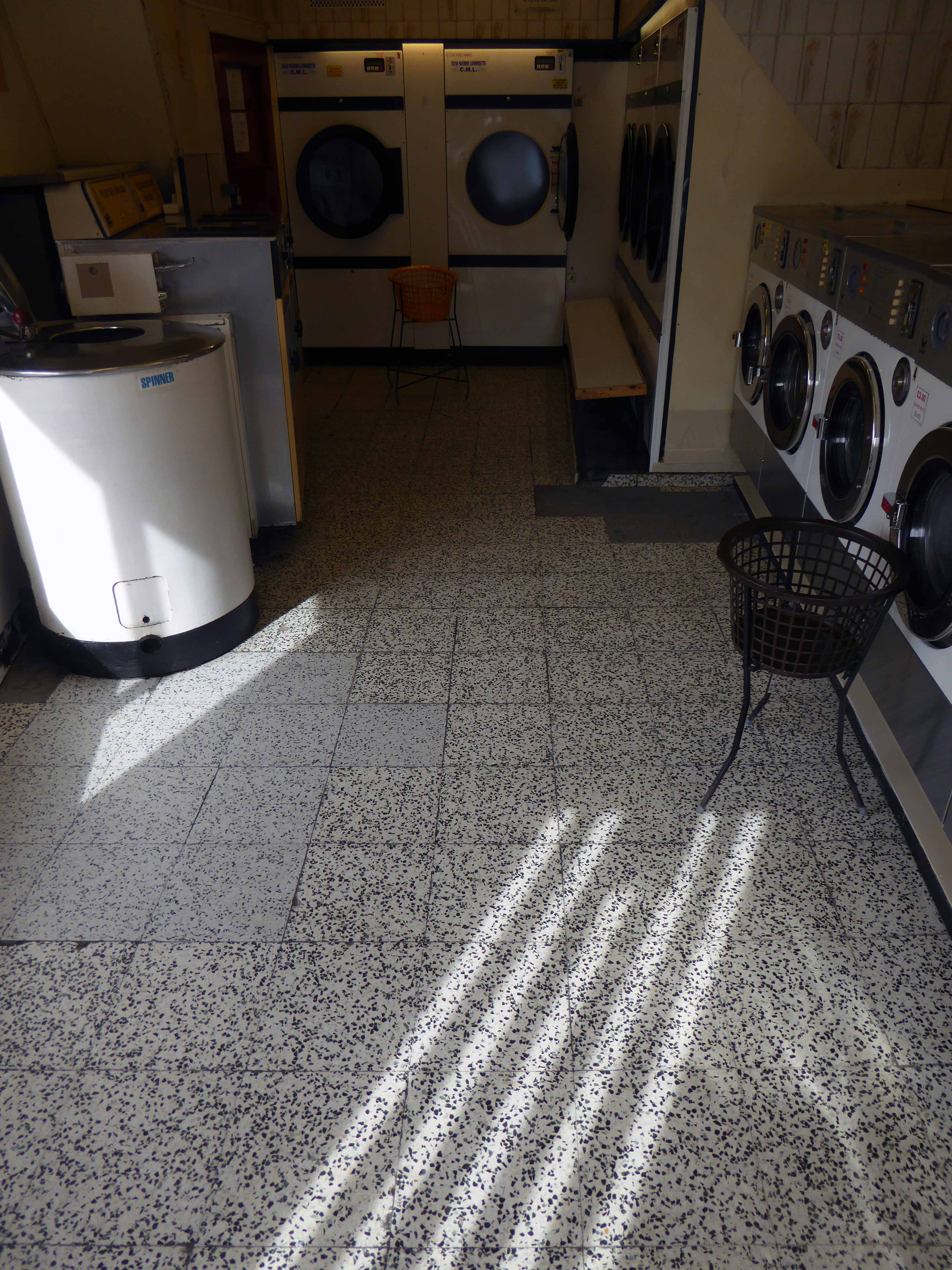
Launderette – Levenshulme

14 Matthews Lane Manchester M19 3DS

It’s been quite a while – following a spate there has been an abatement.

Time was I couldn’t pass a coin-op operation without snapping.

It all began in a Wigan Washeteria one thing lead to another then another.

I was all washed up, rinsed and spun out – I had to call it a day.

Yesterday things changed – I turned a corner in life when I turned the corner into Matthews Road, the familiar aroma, signs and things signified came flooding right back – time stood still beneath a strip light lit suspended ceiling.

Pennine Hotel – Derby

Macklin Street Derby DE1 1LF

You’re a big man but you’re out of shape.

Conceived and wrought from concrete, glass and steel in the Swinging Sixties, the passage of time and Trip Advisor reviews, have been far from kind.

They put you in a Quarter renamed you St Peter’s – but that’s only half the battle.

Once busy concourse and conference suites no longer ring to the satisfying clink of glass on glass, cash in till.

Nobody lays their tired head, to take their well earned rest, in your well made beds.

A hotel branded “utterly terrible” by reviewers on a travel website has been forced to close.

One visitor advised travellers to “run away from this hotel as far as possible” and others said they were “filled with dread” while staying there and spoke of towels smelling “rather odd”.

BBC

So so long to The Pink Coconut, Syns and the Mint Casino.

Derby Council has bought you all – awaiting redevelopment as part of the Masterplan to regenerate the whole area.

So here we are one more tinned-up inner city site awaits its fate – meet me at the wrecking ball.

Minerva Café – Doncaster

A Doncaster town centre cafe, once used by former pop star Louis Tomlinson to film a pop video, has closed after trading for more nearly 50 years near the market. The Minerva Cafe has closed down after trading sine the 1970s offering breakfasts and lunches to shoppers.

The shutters are now down on the shop, which has not now been used for two weeks, say neighbouring businesses. Minerva was well known for its big breakfasts which often earned rave reviews on the internet. It also had a celebrity link, having been used by the former One Direction star Louis Tomlinson for the shooting of his Back to You video, last year. Doncaster Council town center bosses confirmed they understood the cafe had closed down, but did not know the reason. Long serving Doncaster market trader Nigel Berrysaid he had seen no sign of activity at the cafe for two weeks. He said: It has been here in the market for such a long time. It’s been there since I first started on the market in 1971. People have commented to me it feels like it has been there forever. 

“It is a shame to see it closed. It has been a bit of an institution round here.”

Doncaster Free Press

I came here on the 8th of February 2016, hungry but no alone – unaware of the Minerva’s popular cultural significance.

I just wanted a pie.

It came with chips peas and gravy – proper chips, proper tinned peas and an authentic plate pie pastry top and bottom, meaty minced meat filling.

My partner in crime had the full breakfast

We drank hot tea, chatted sporadically and ate the lot.

Table 16 aka table 22 – was more than satisfied.

The table was more than satisfactory a pale leatherette seated booth, with erratic homespun wood grain effects.

This was a place with hidden depths receding back from the entrance into deeper and deeper space.

And a proper regard for tea service etiquette – with no room for poor pouring stainless steel pragmatism.

But where are we now?

I returned on February 9th 2019 and the M was missing the Minerva was missing the shutters were down – ain’t nobody home.

No more pie, peas, chips and gravy no more full up upon full breakfasts.

No more Minerva, no more.