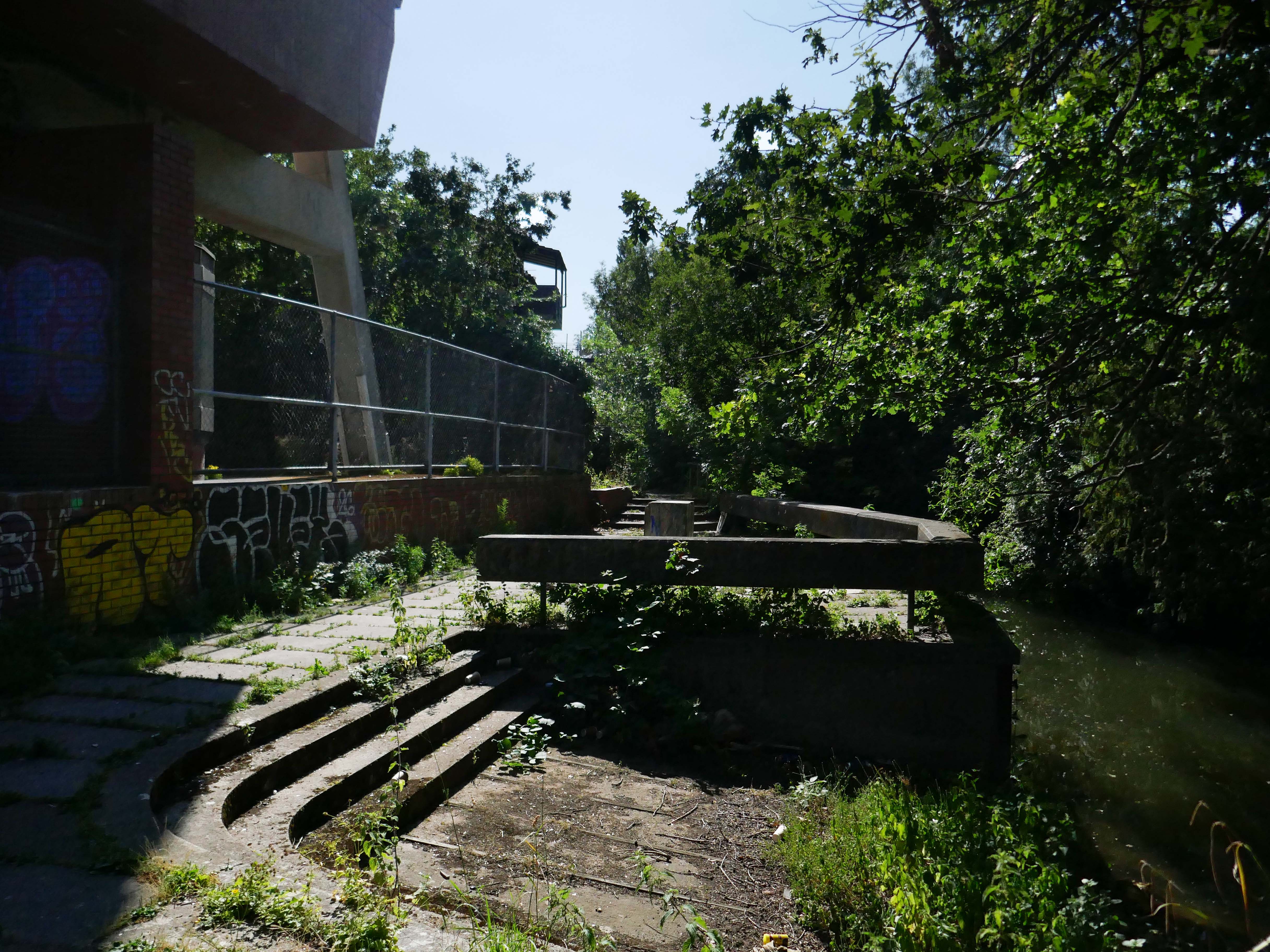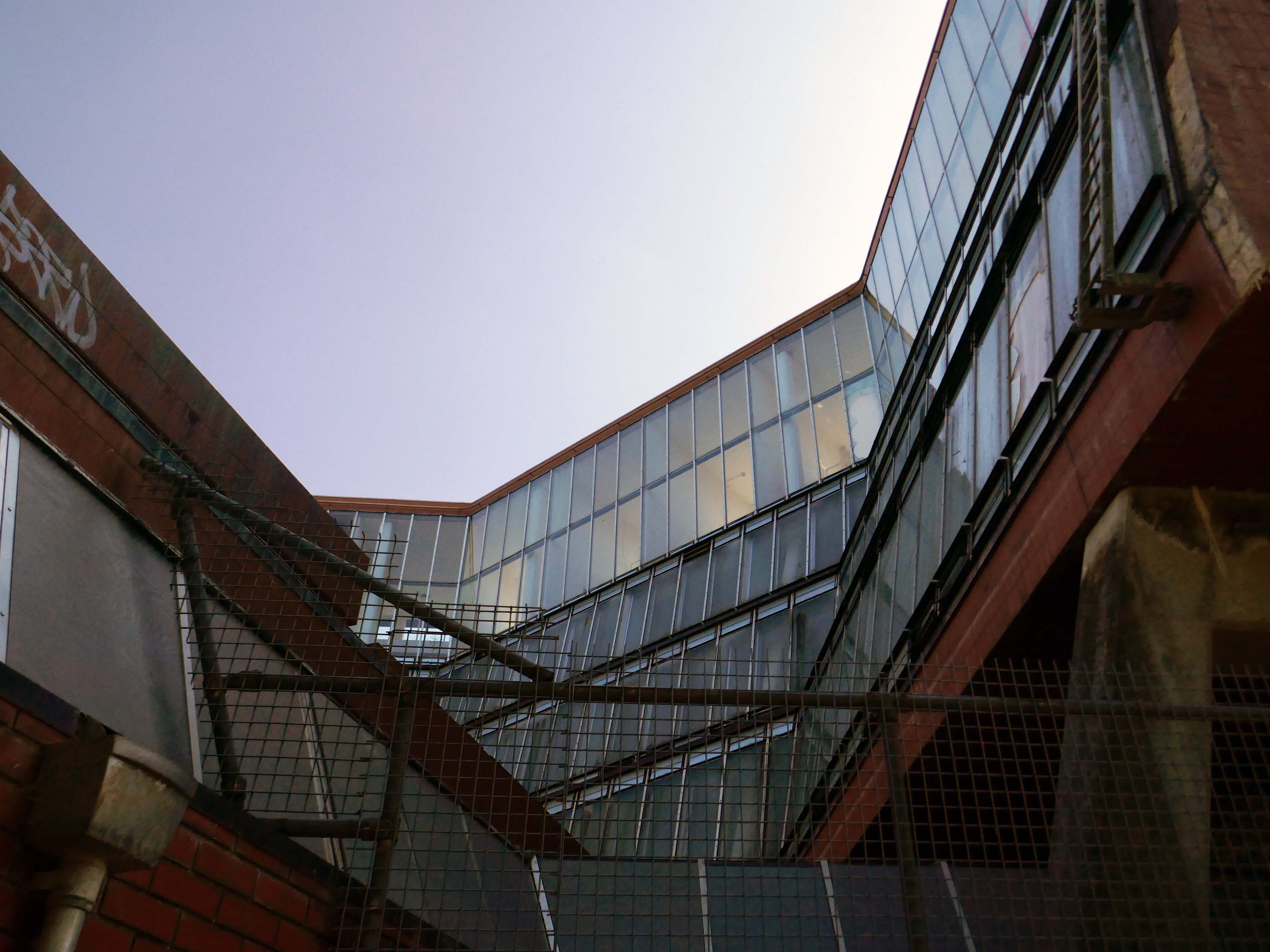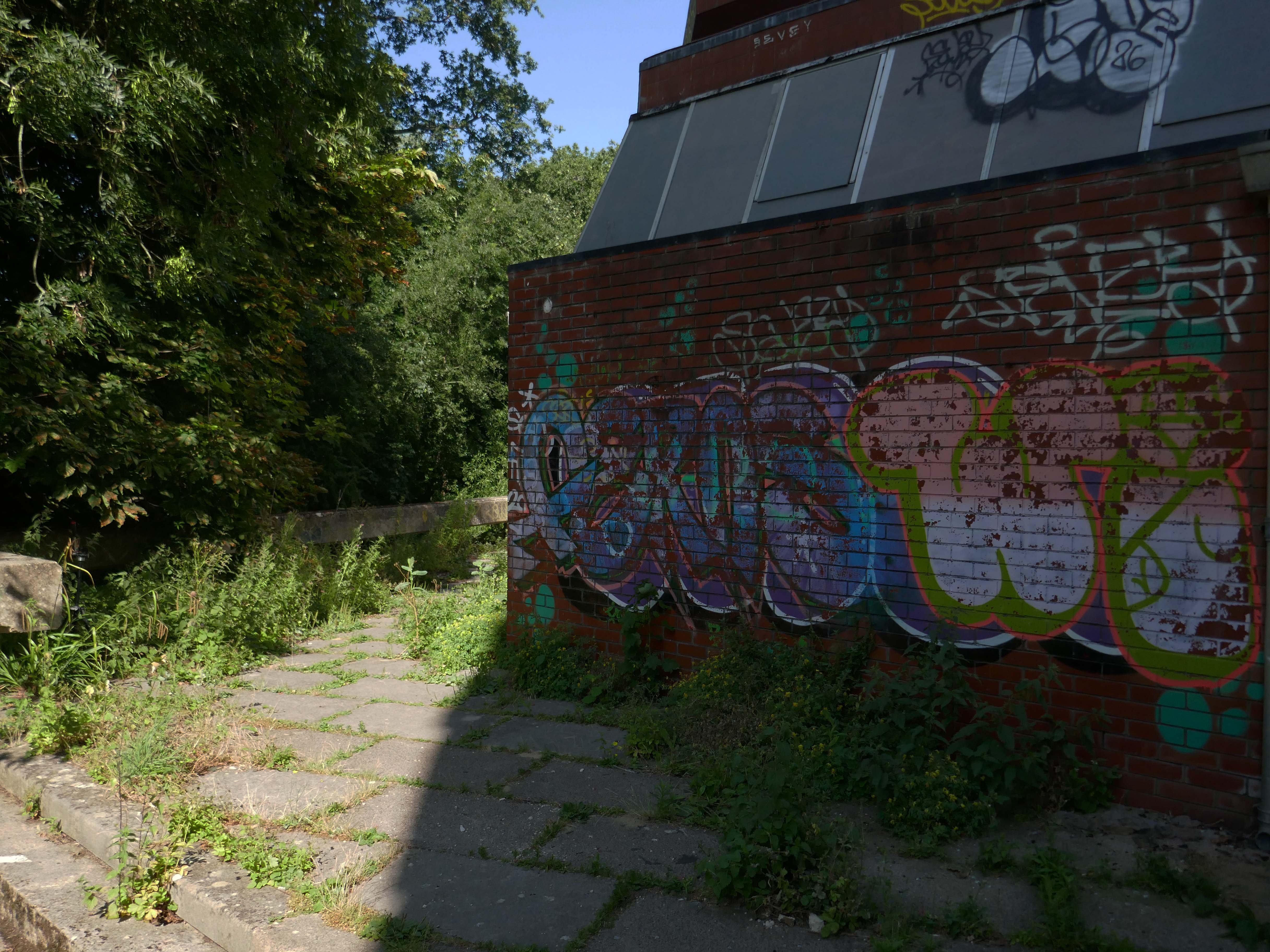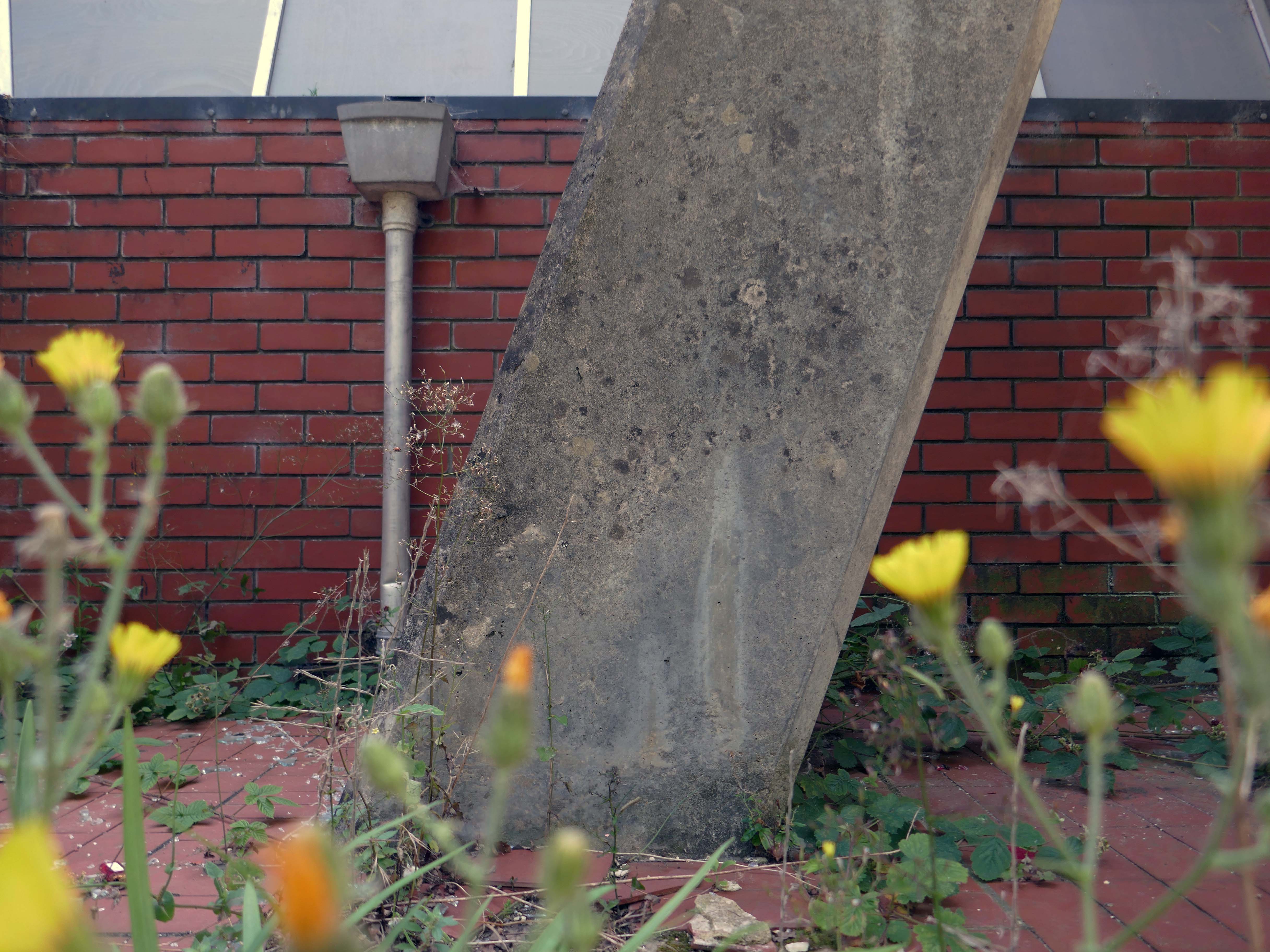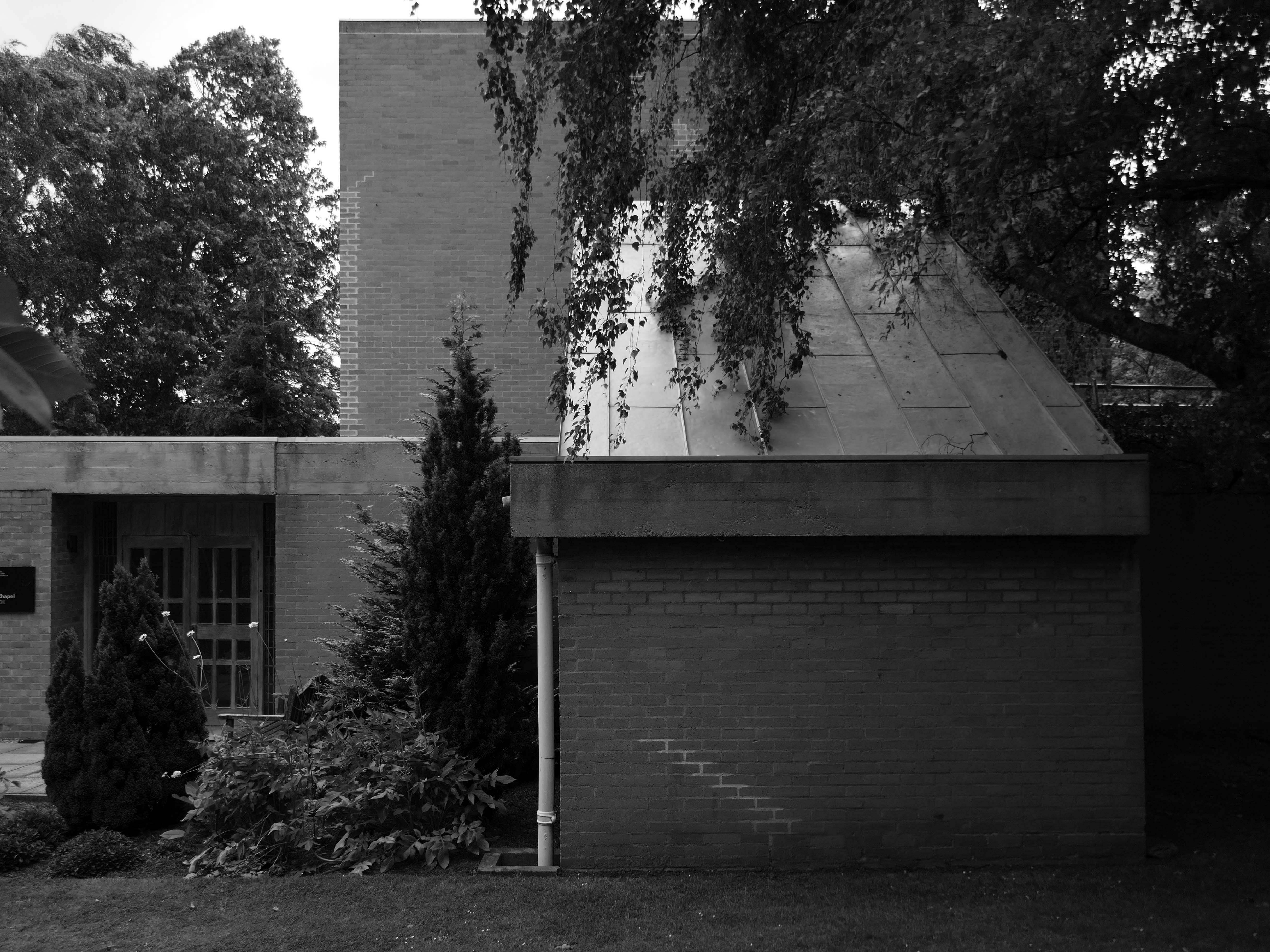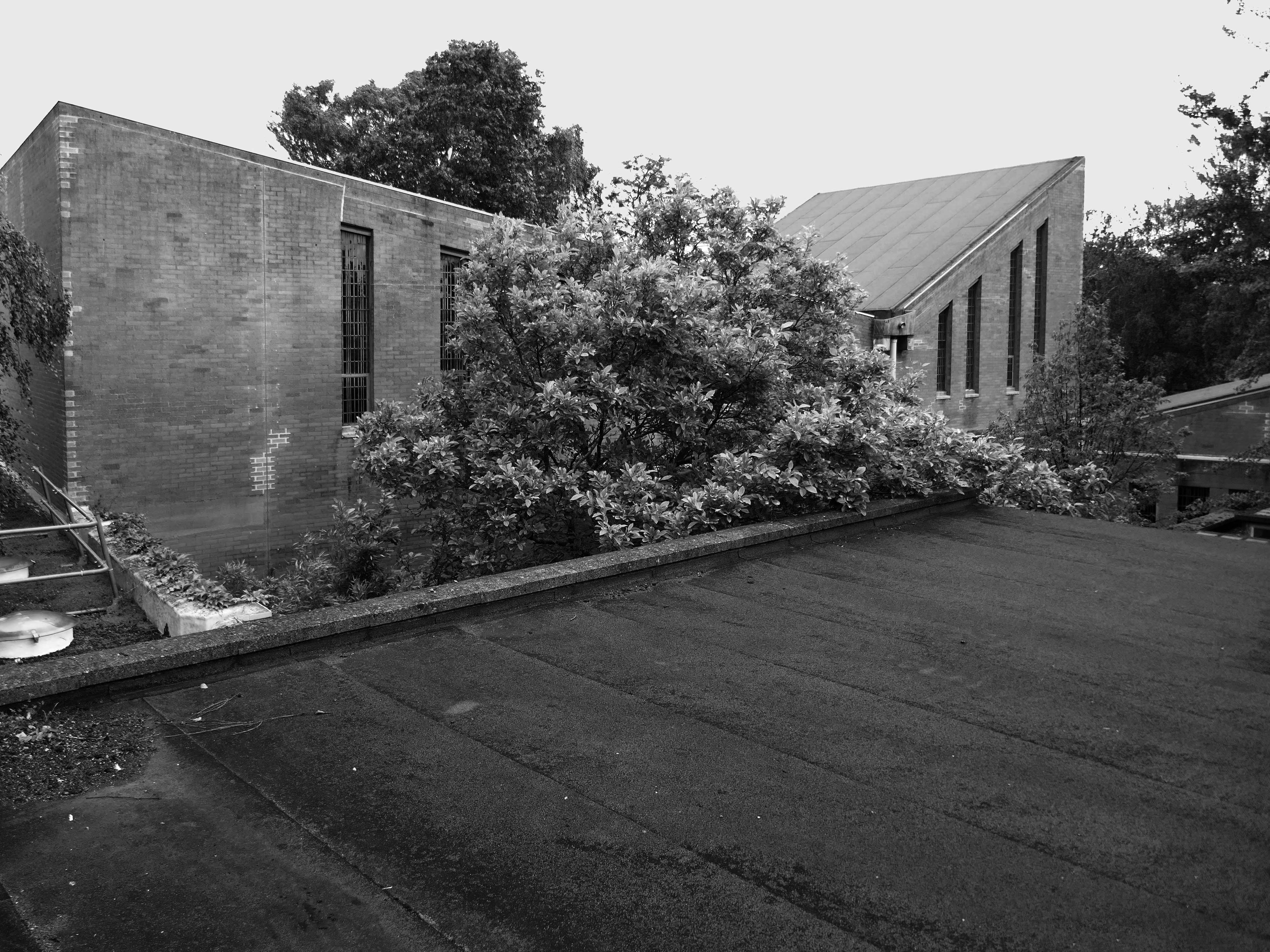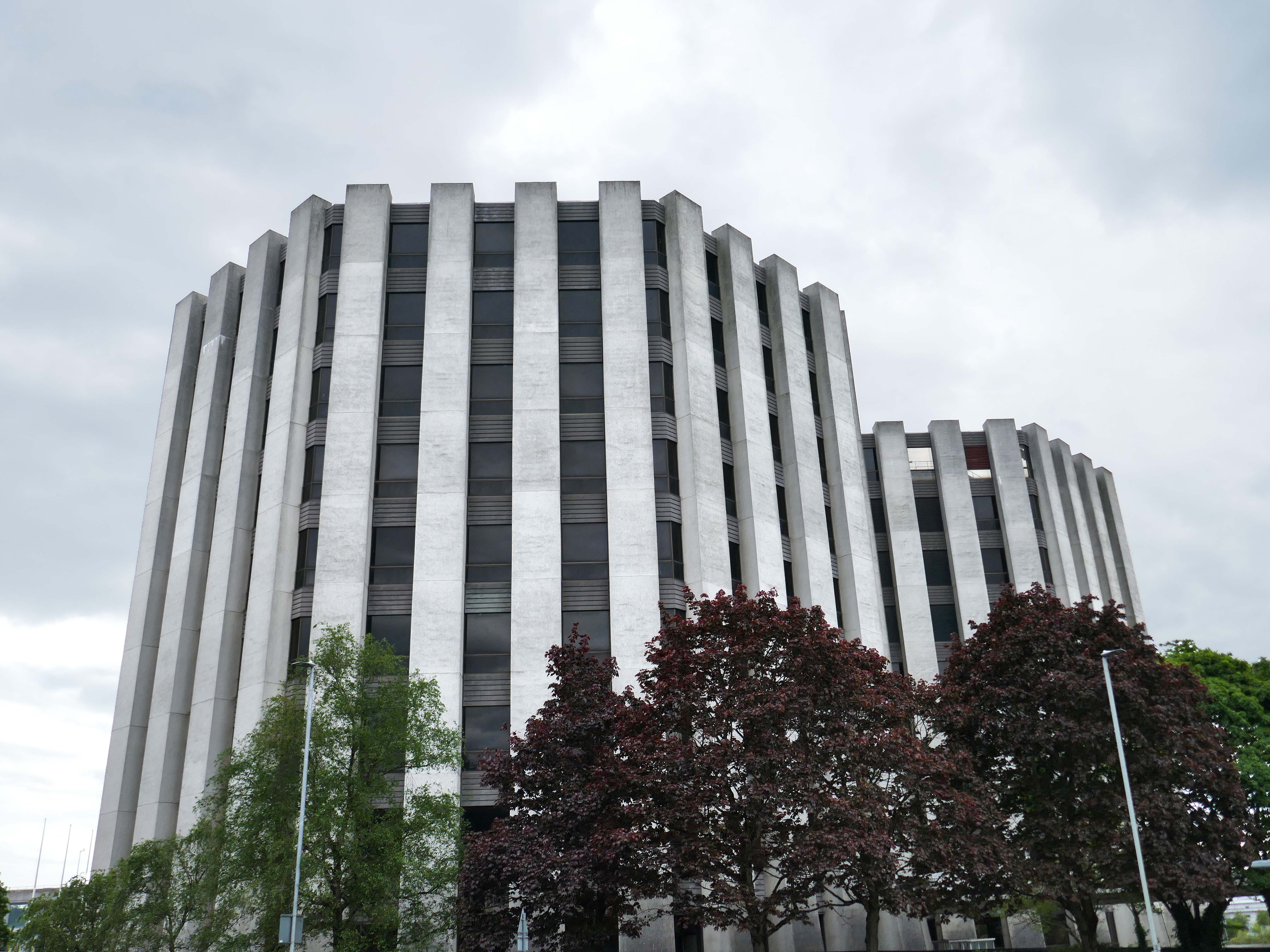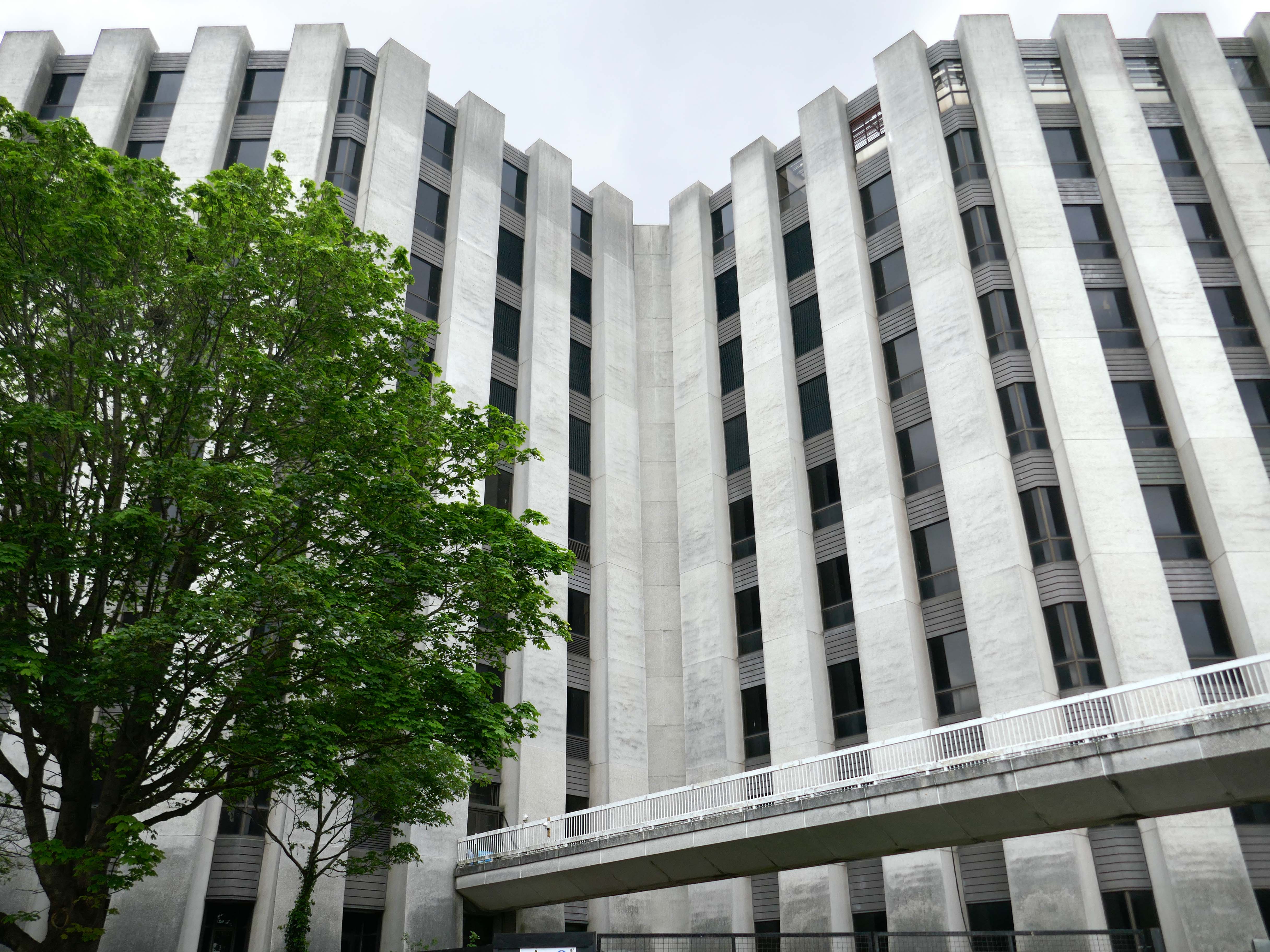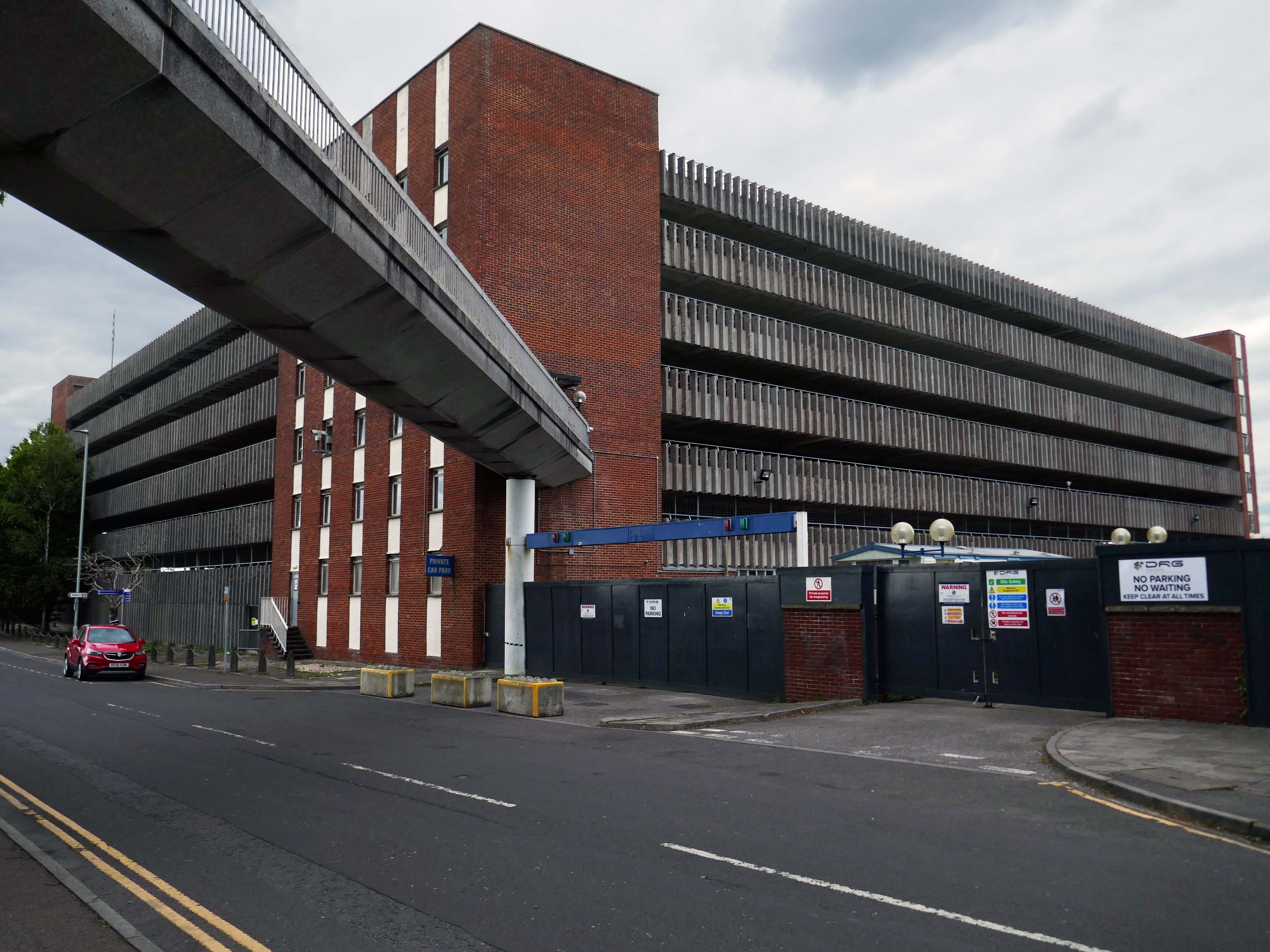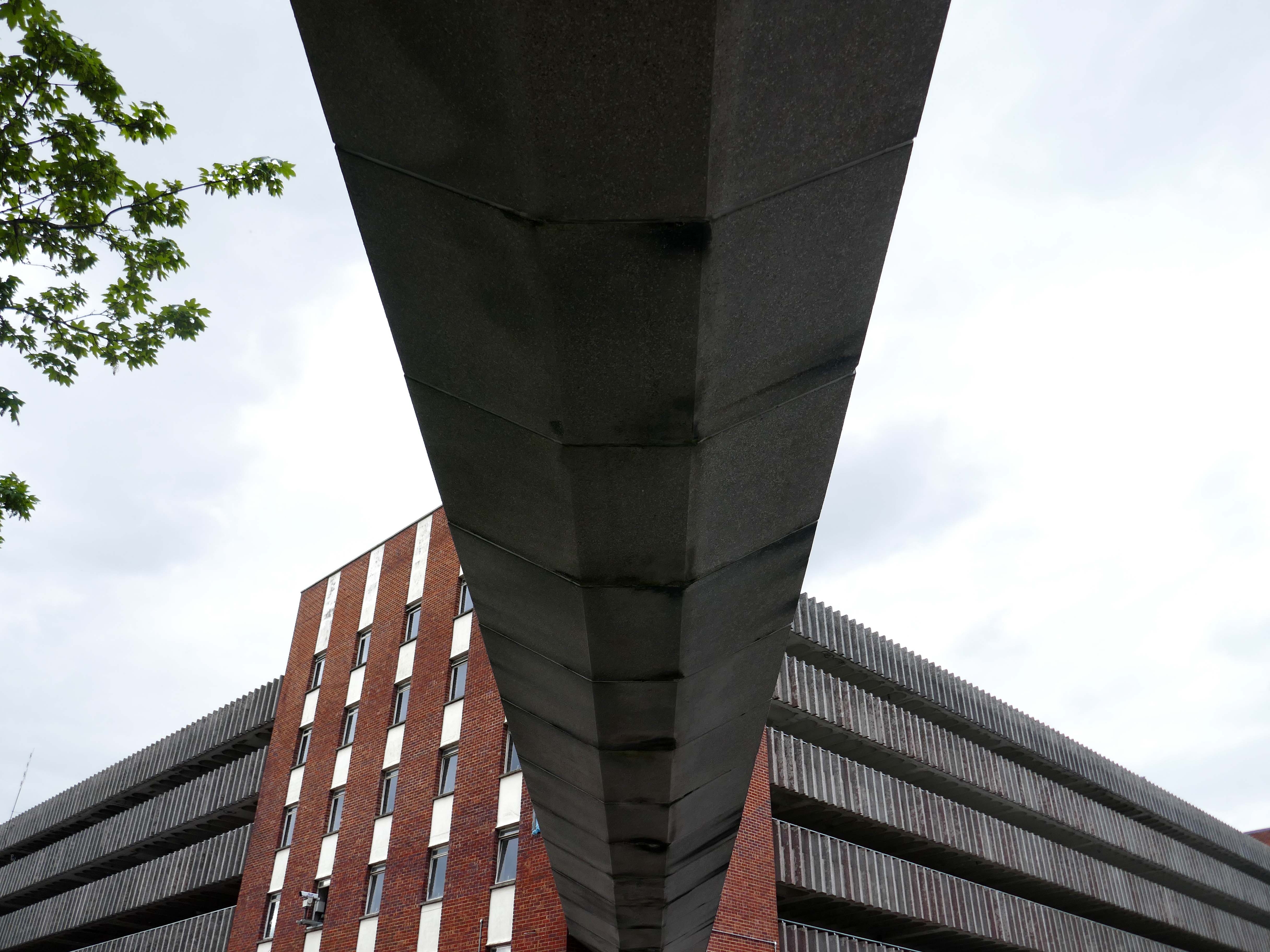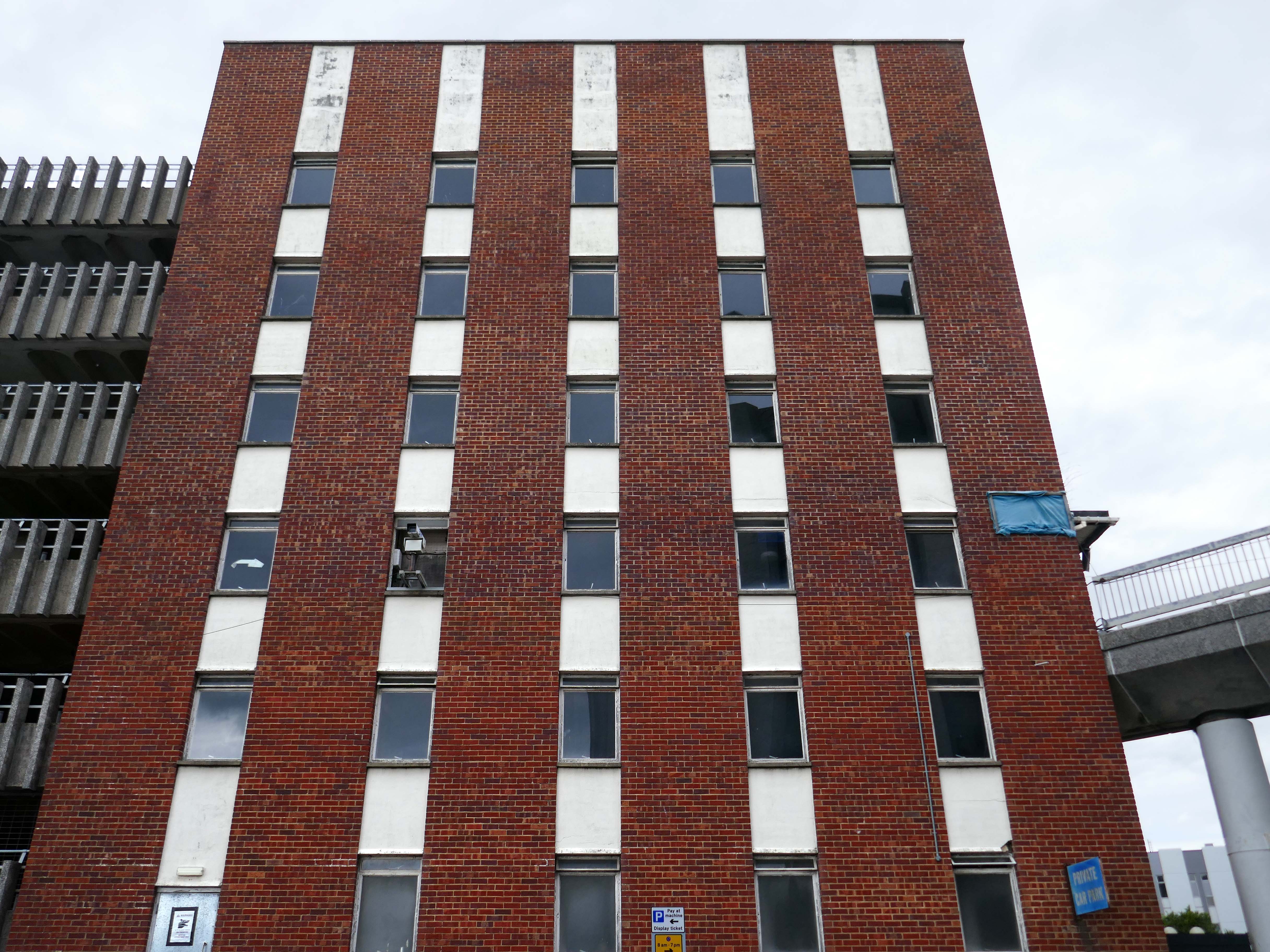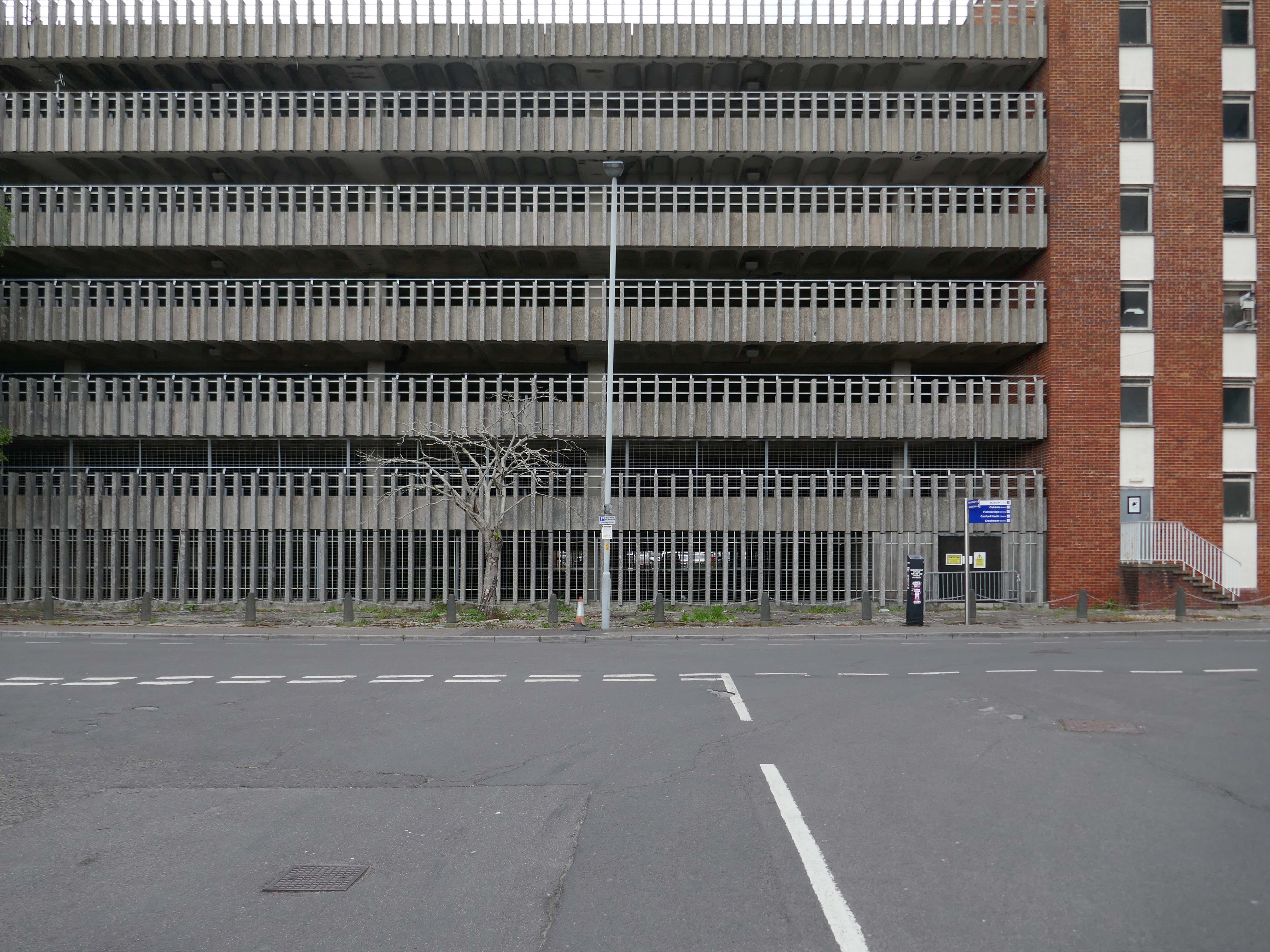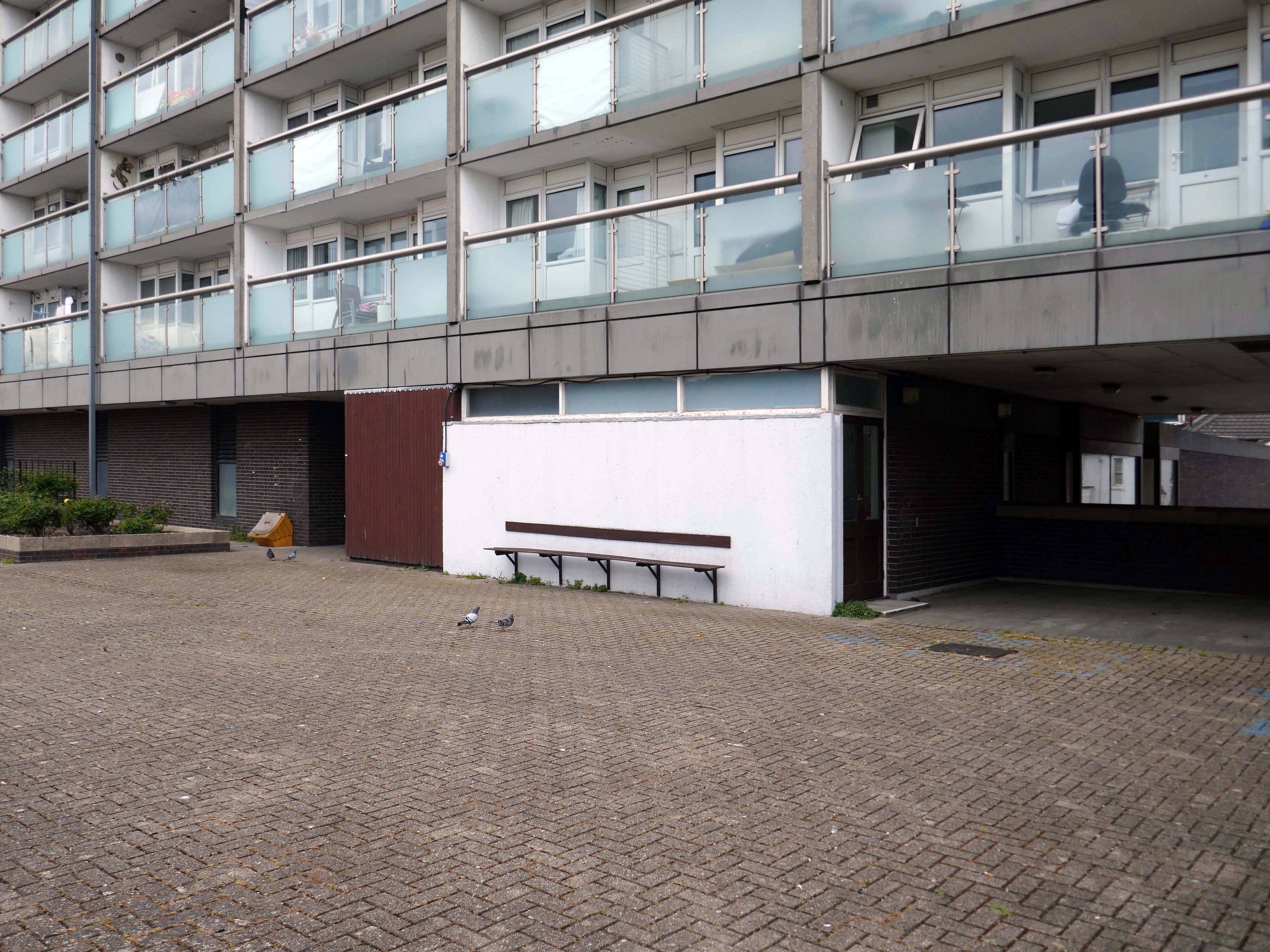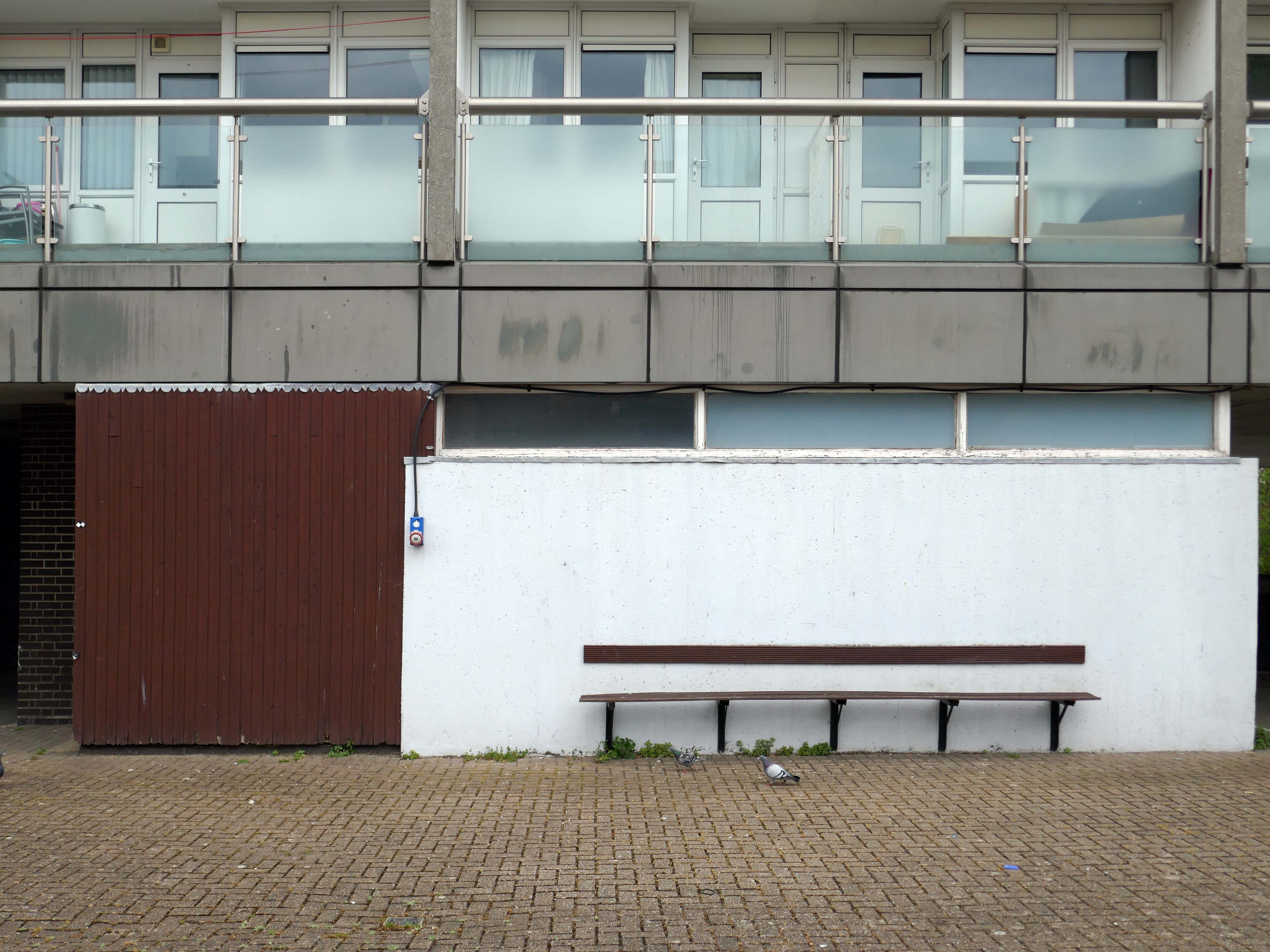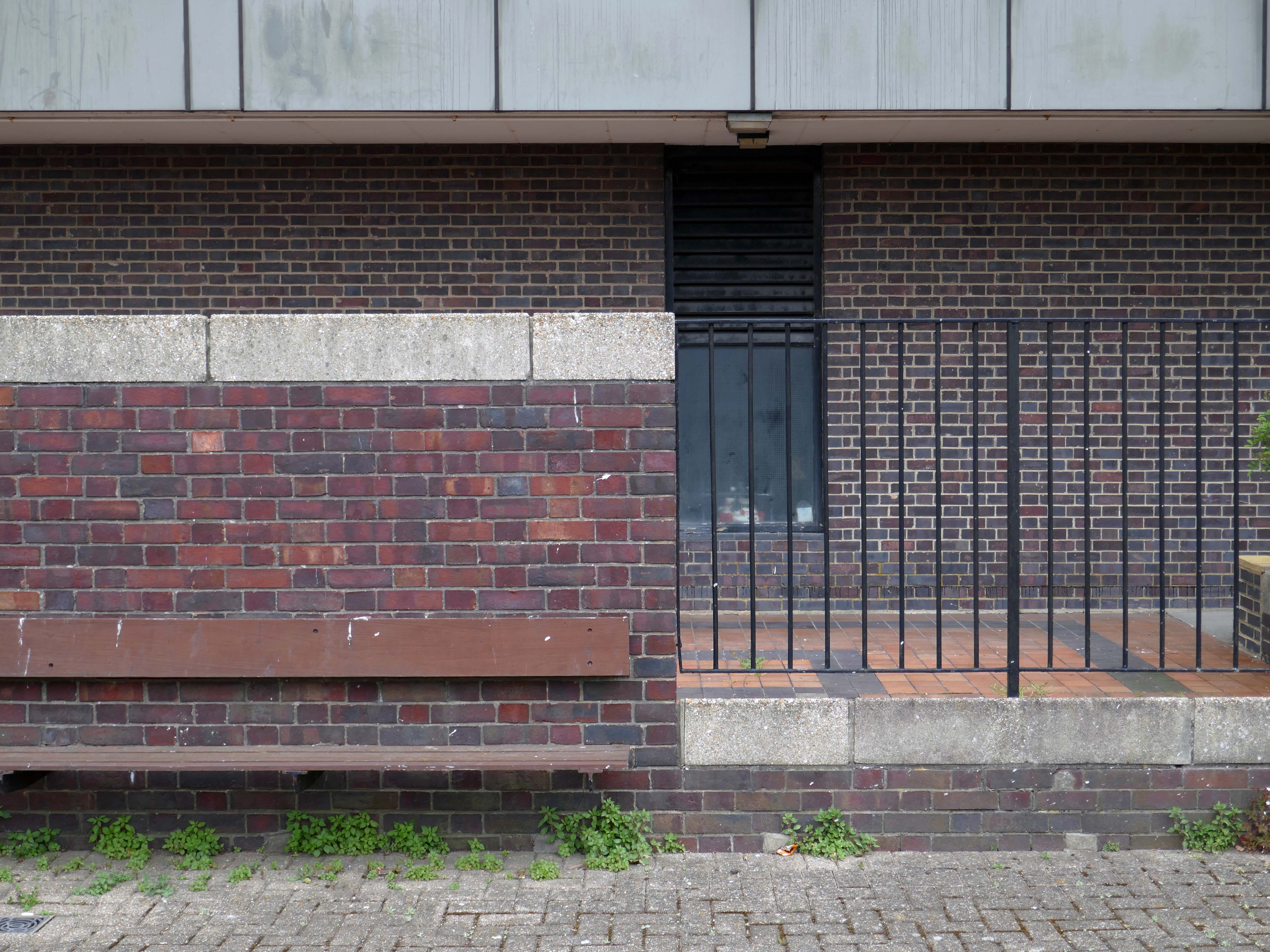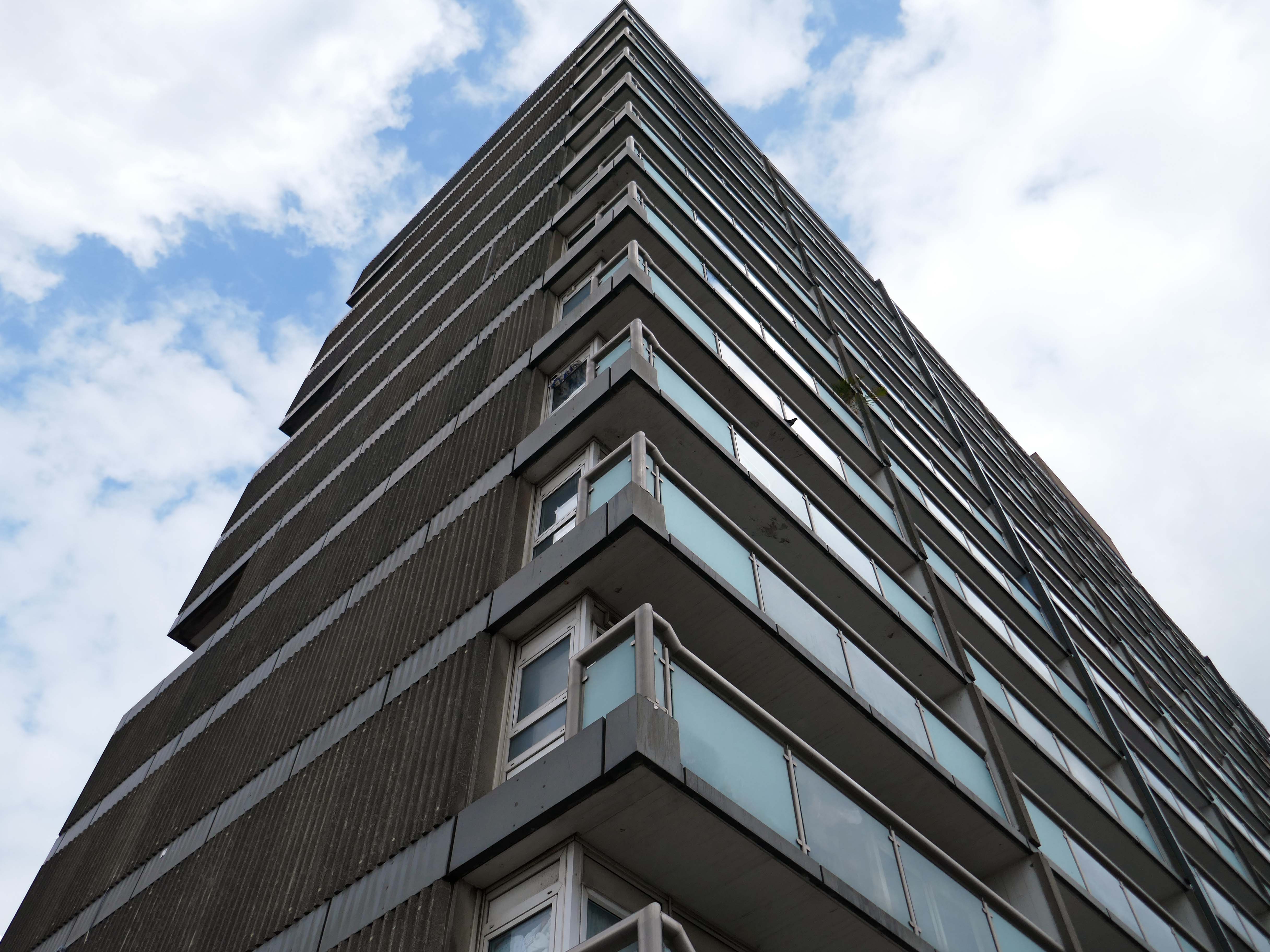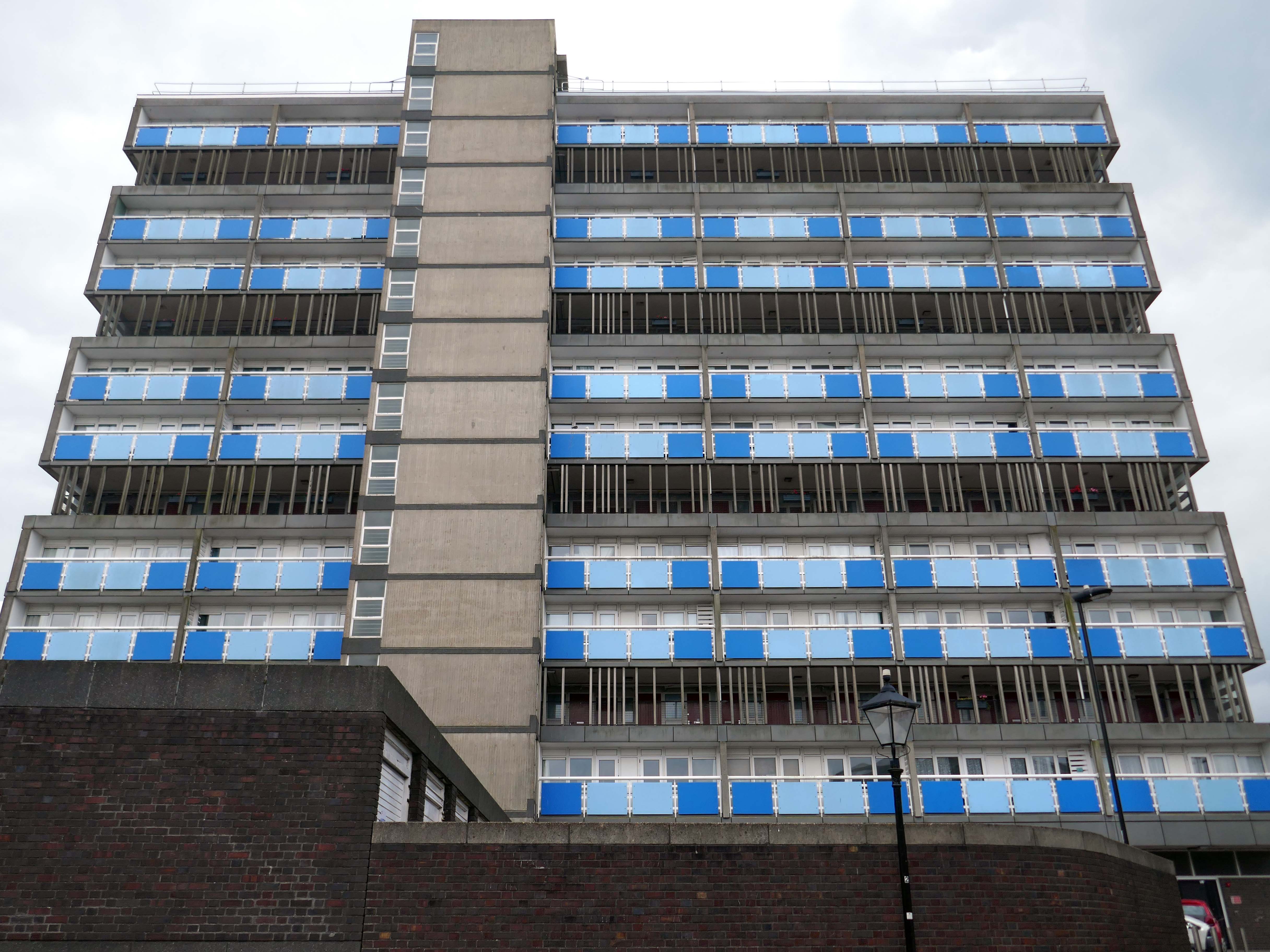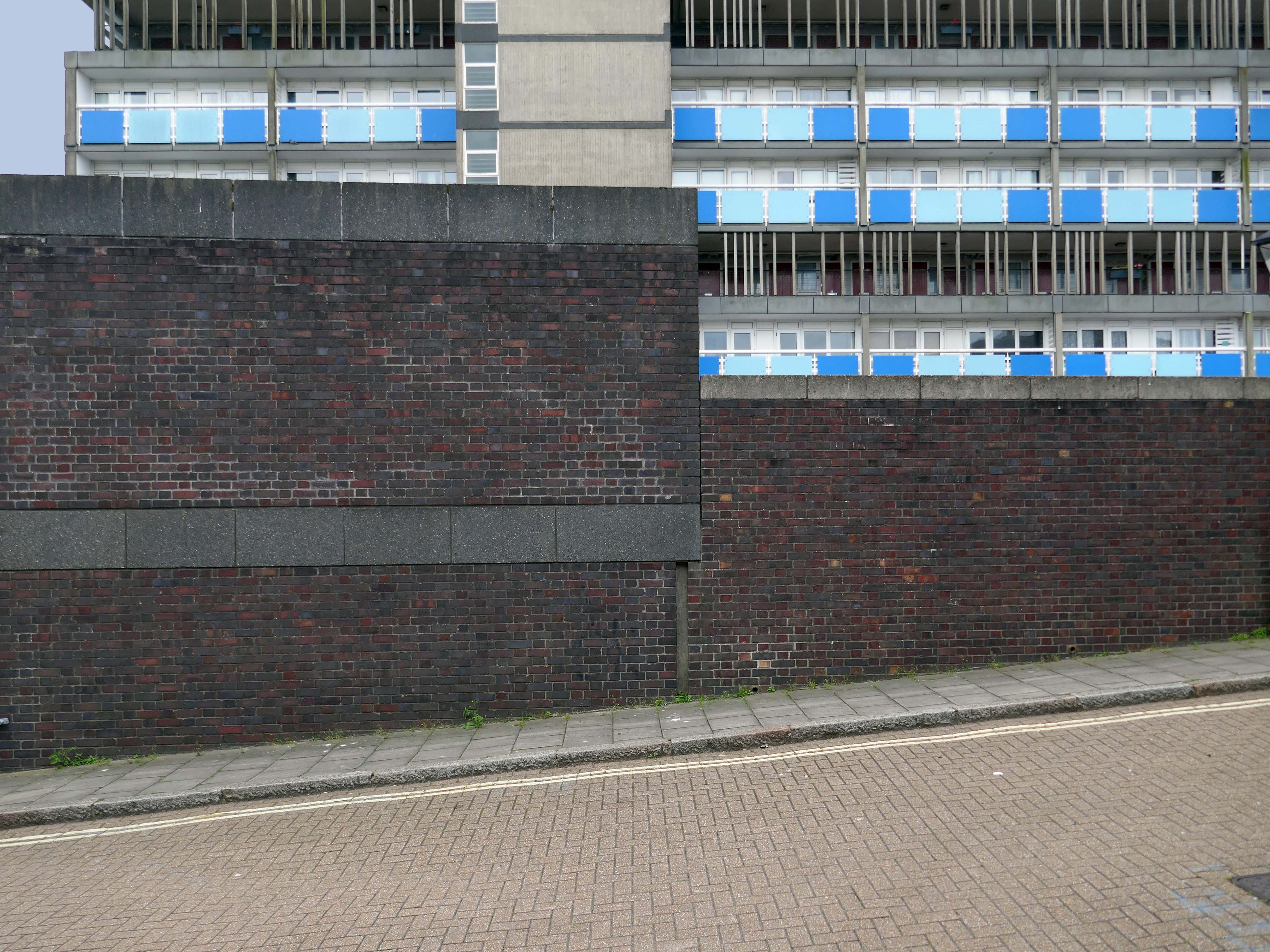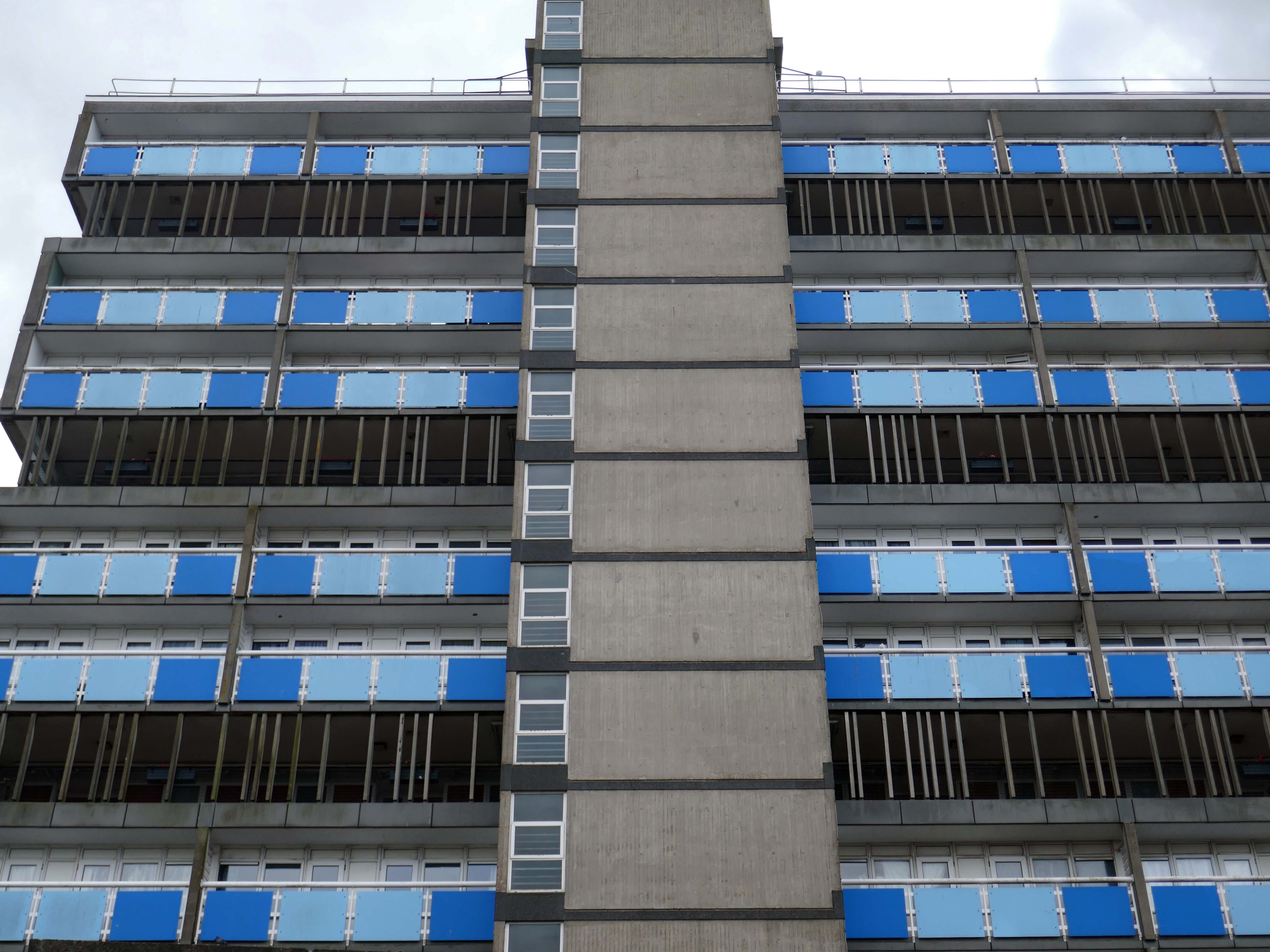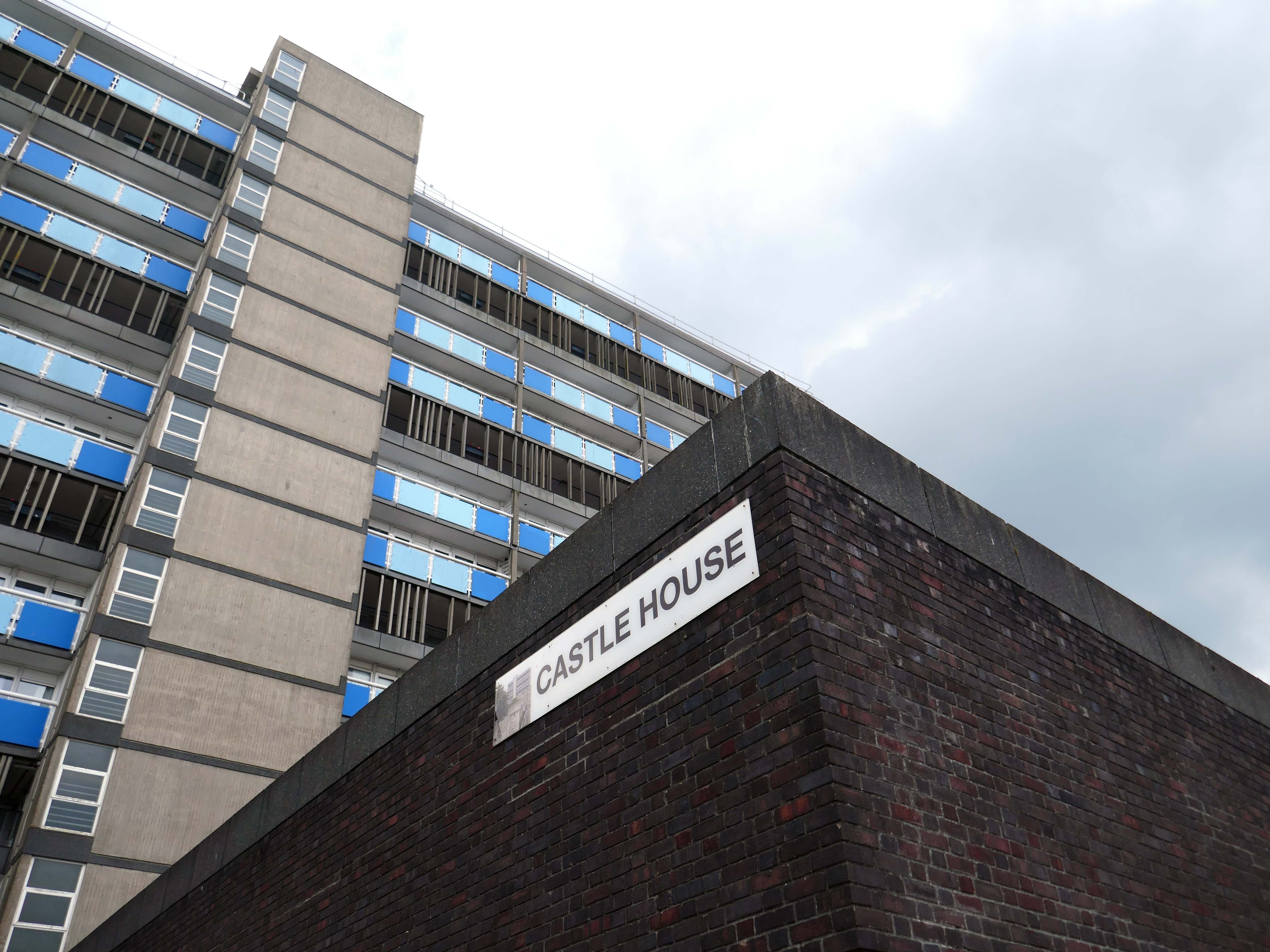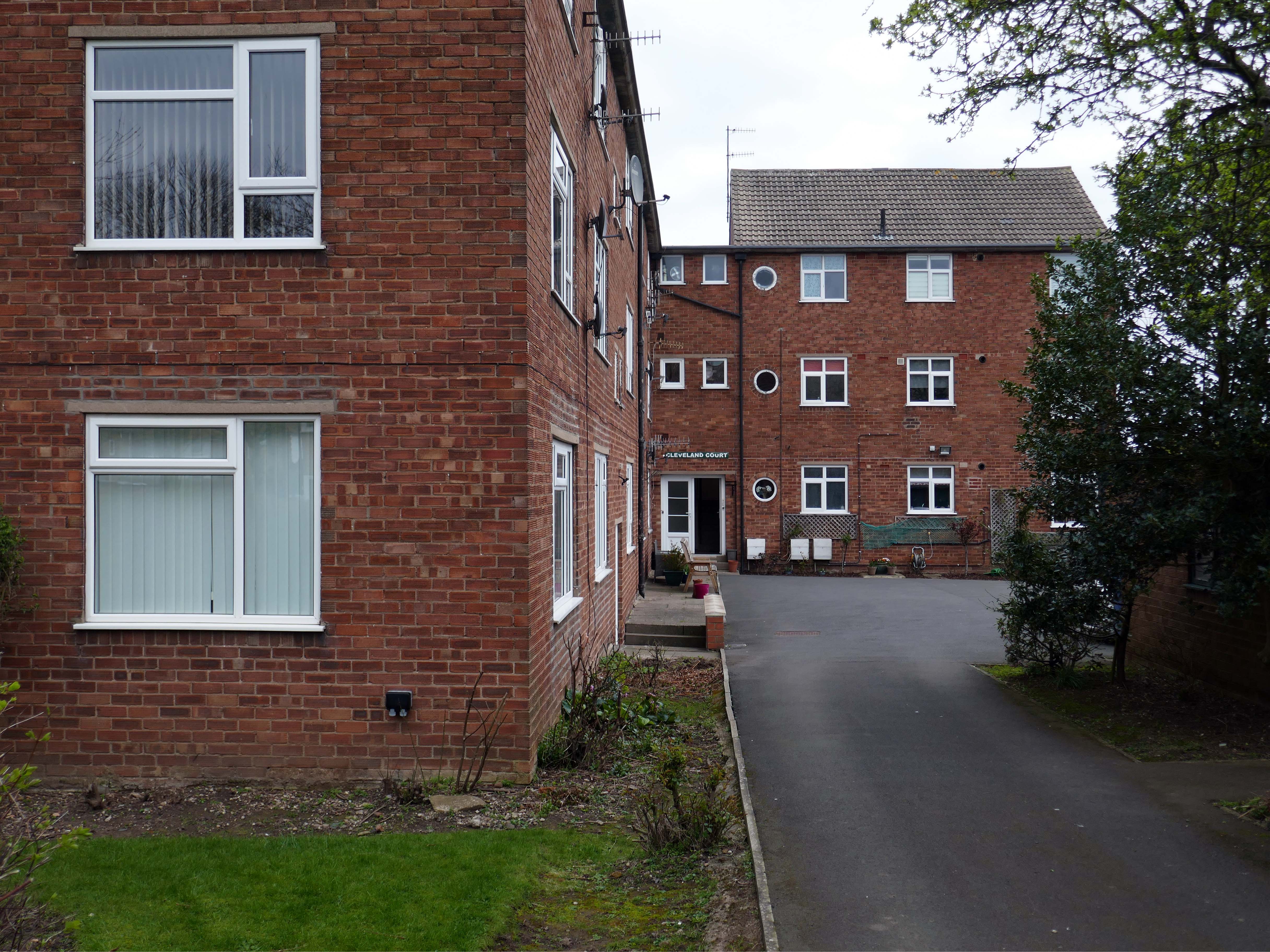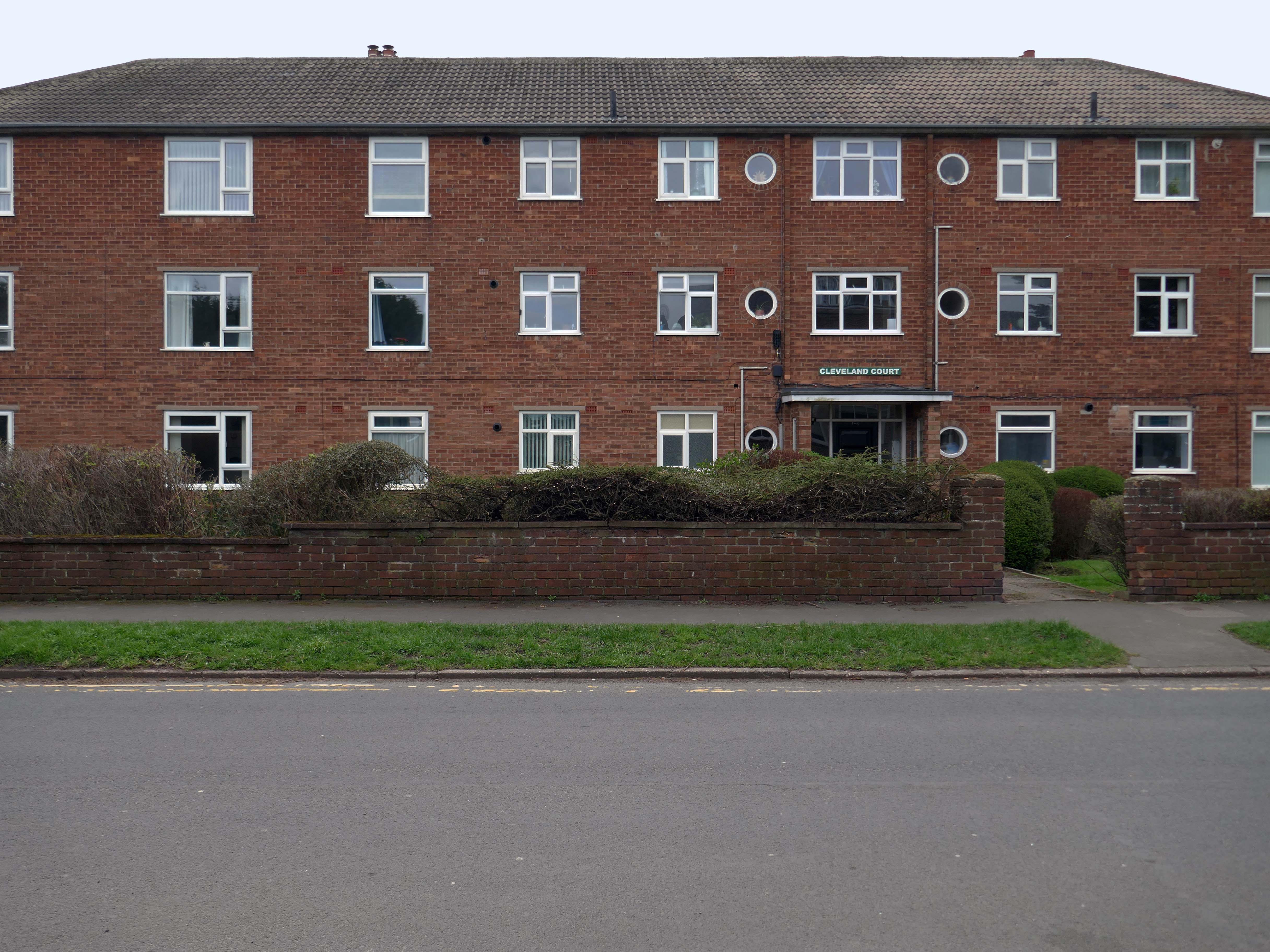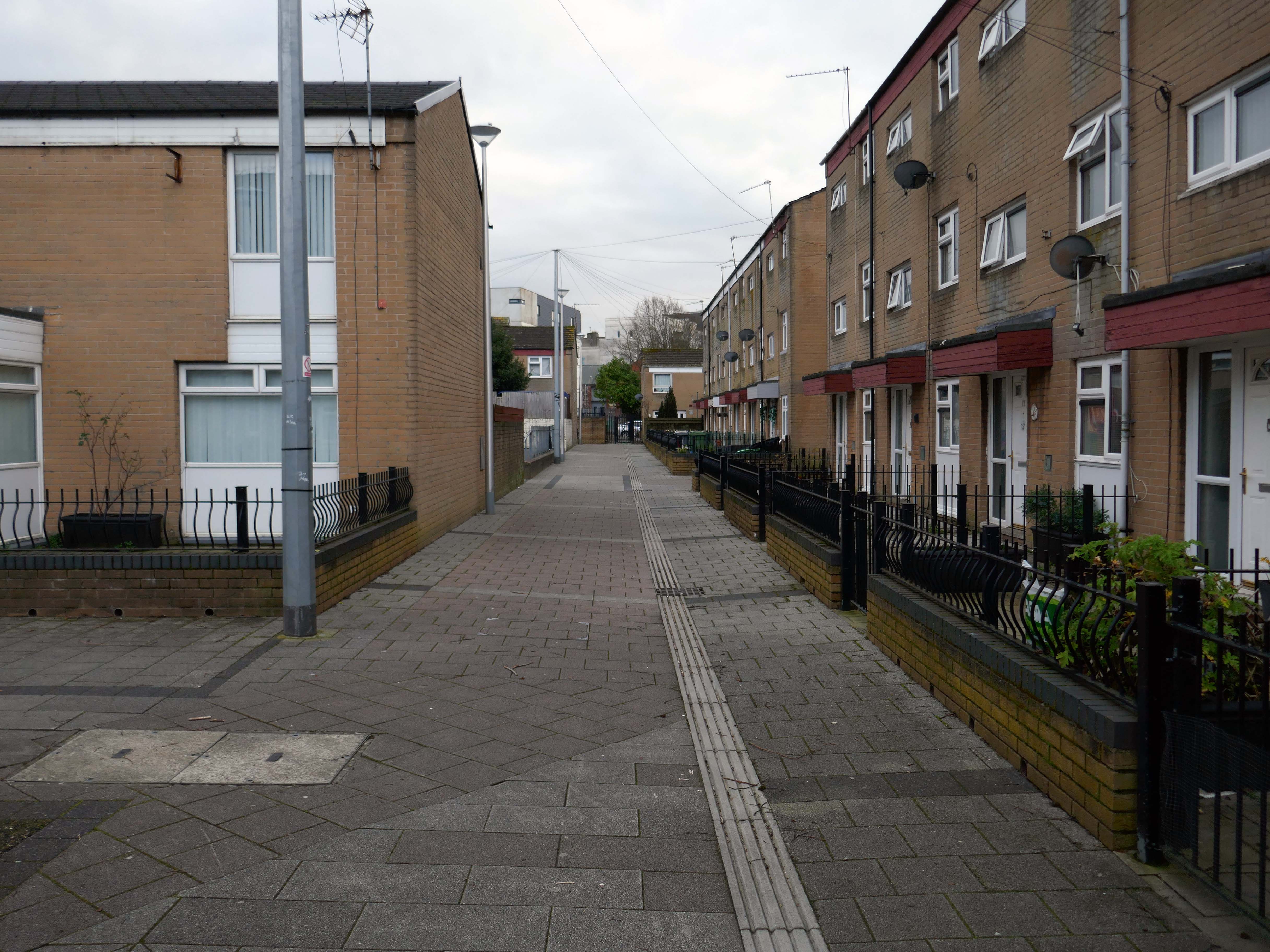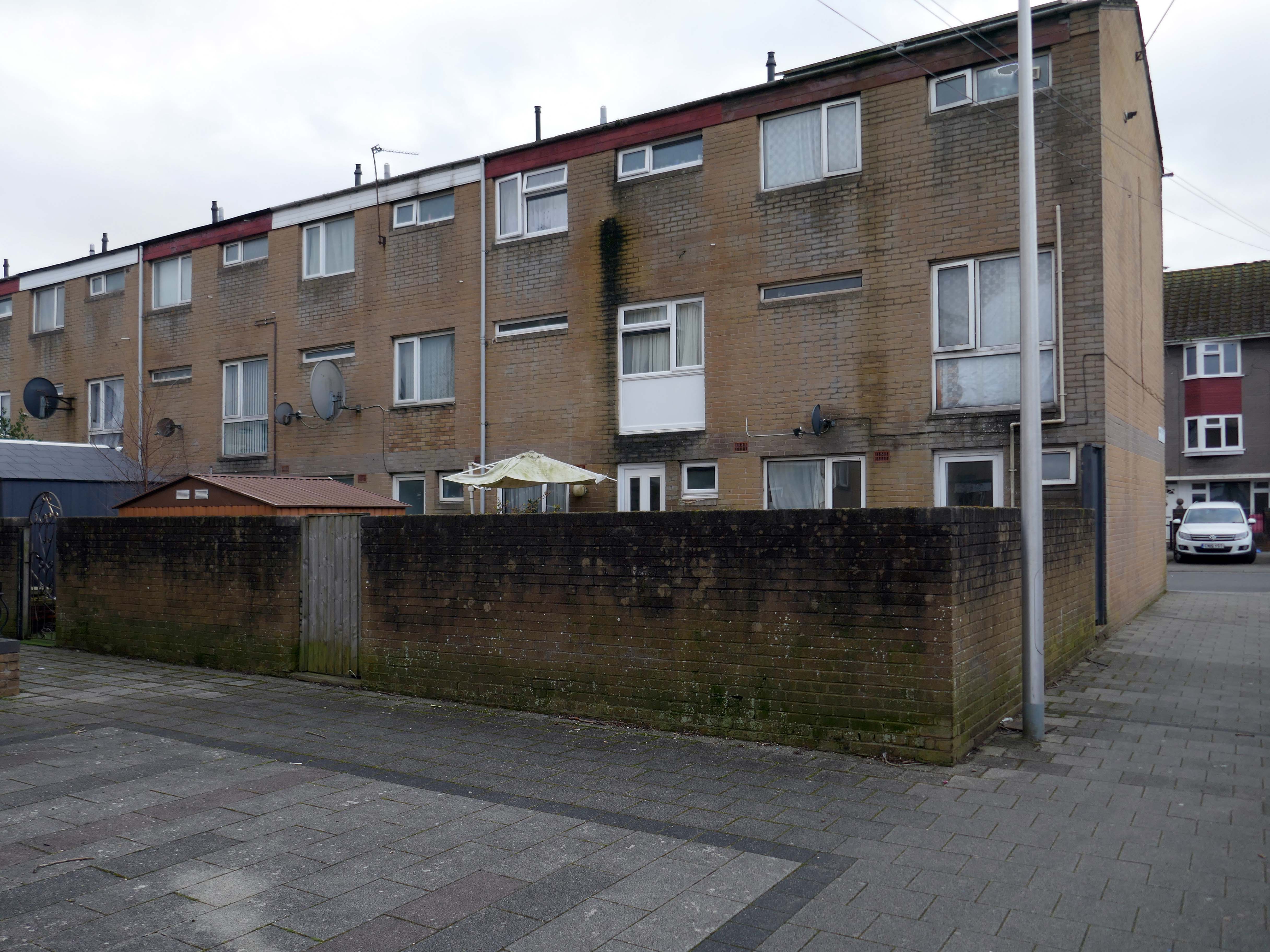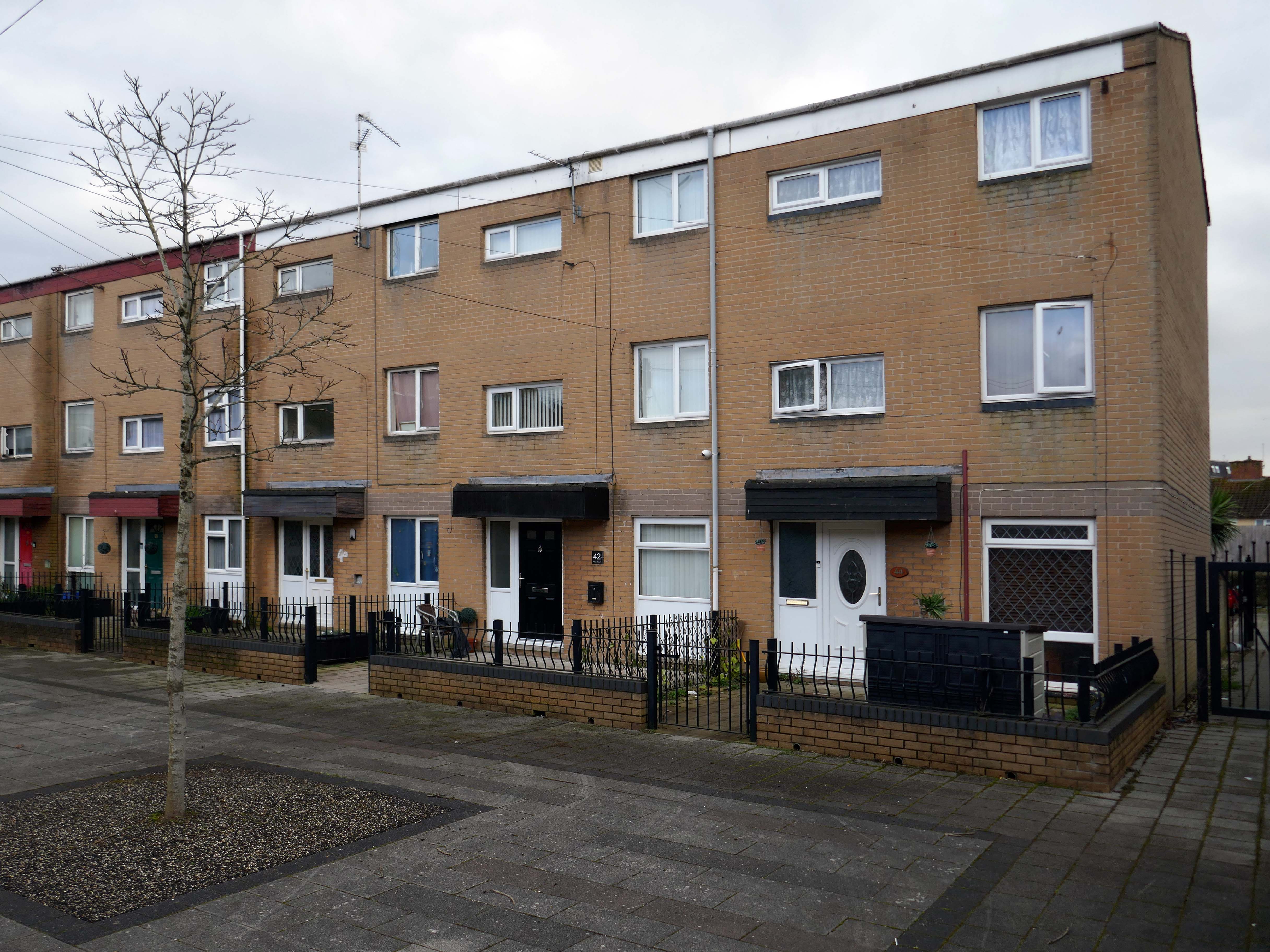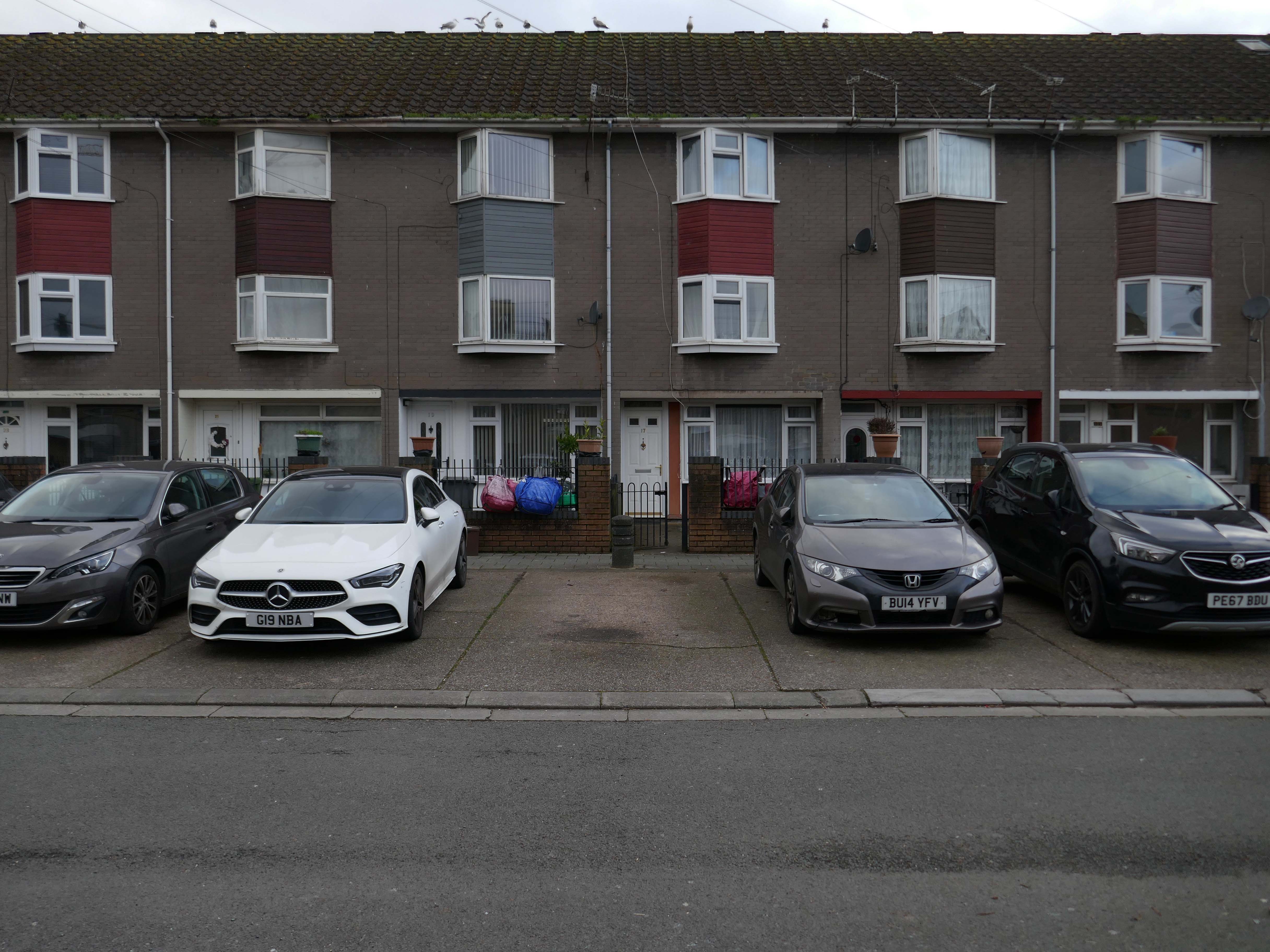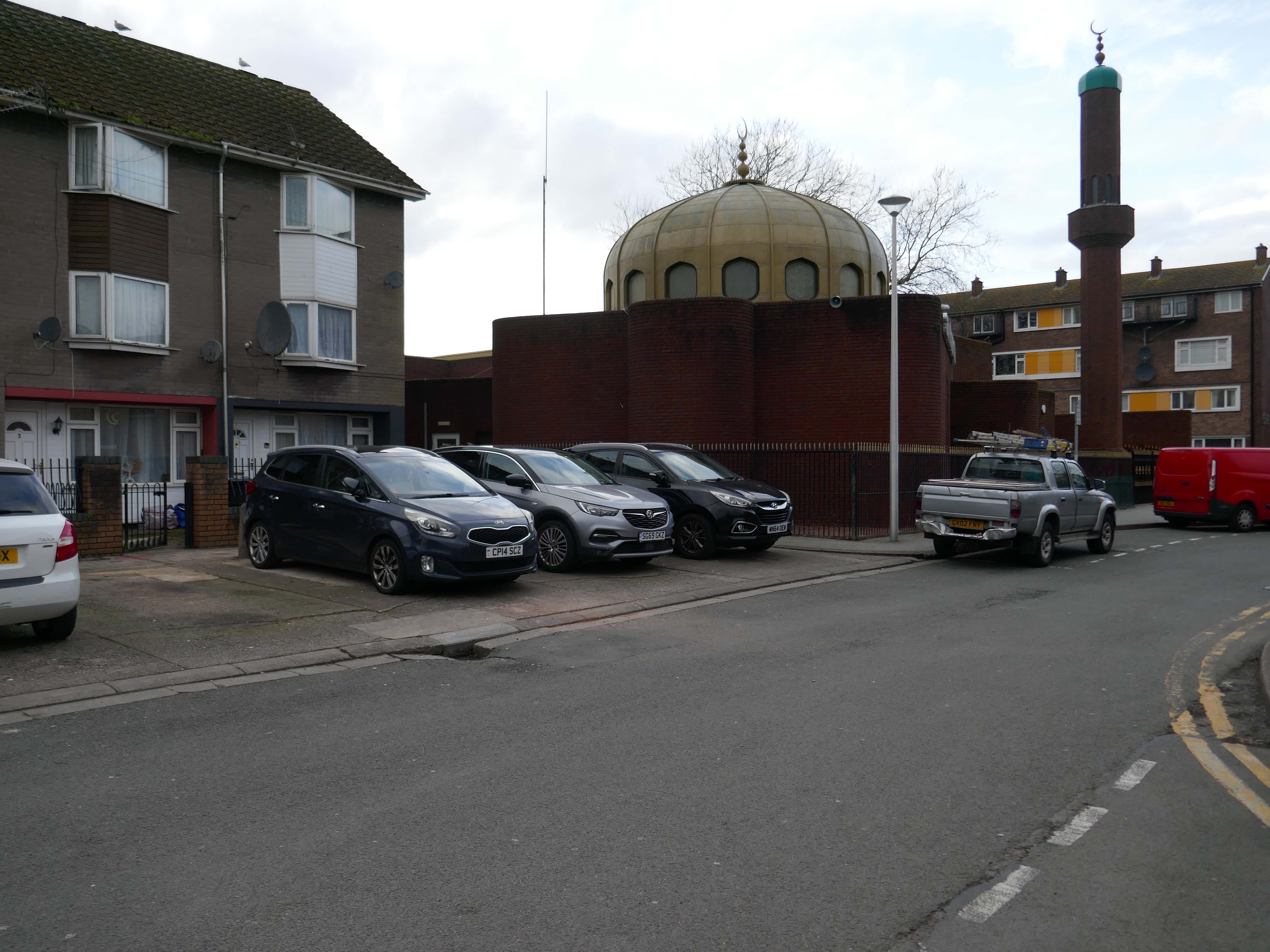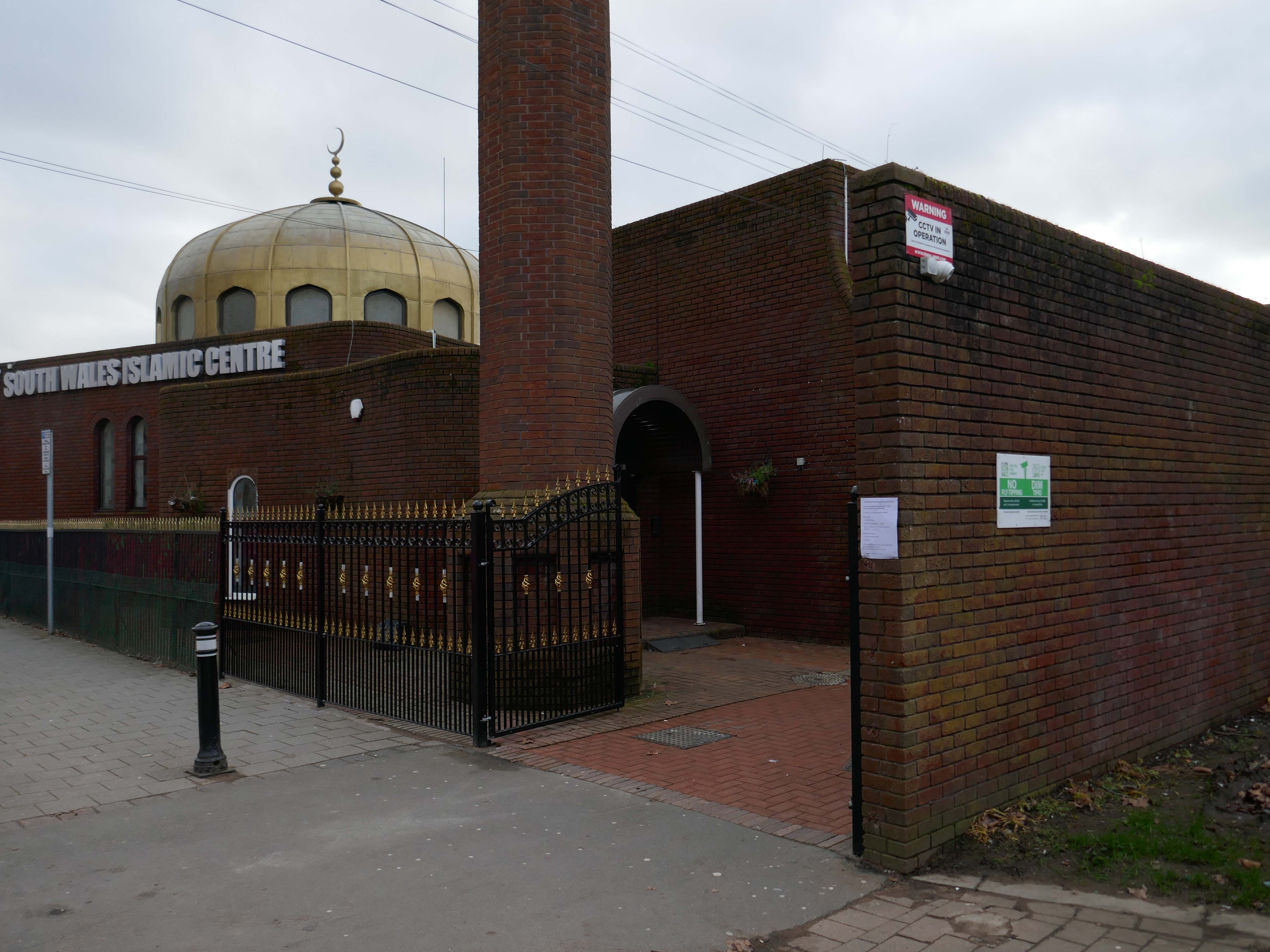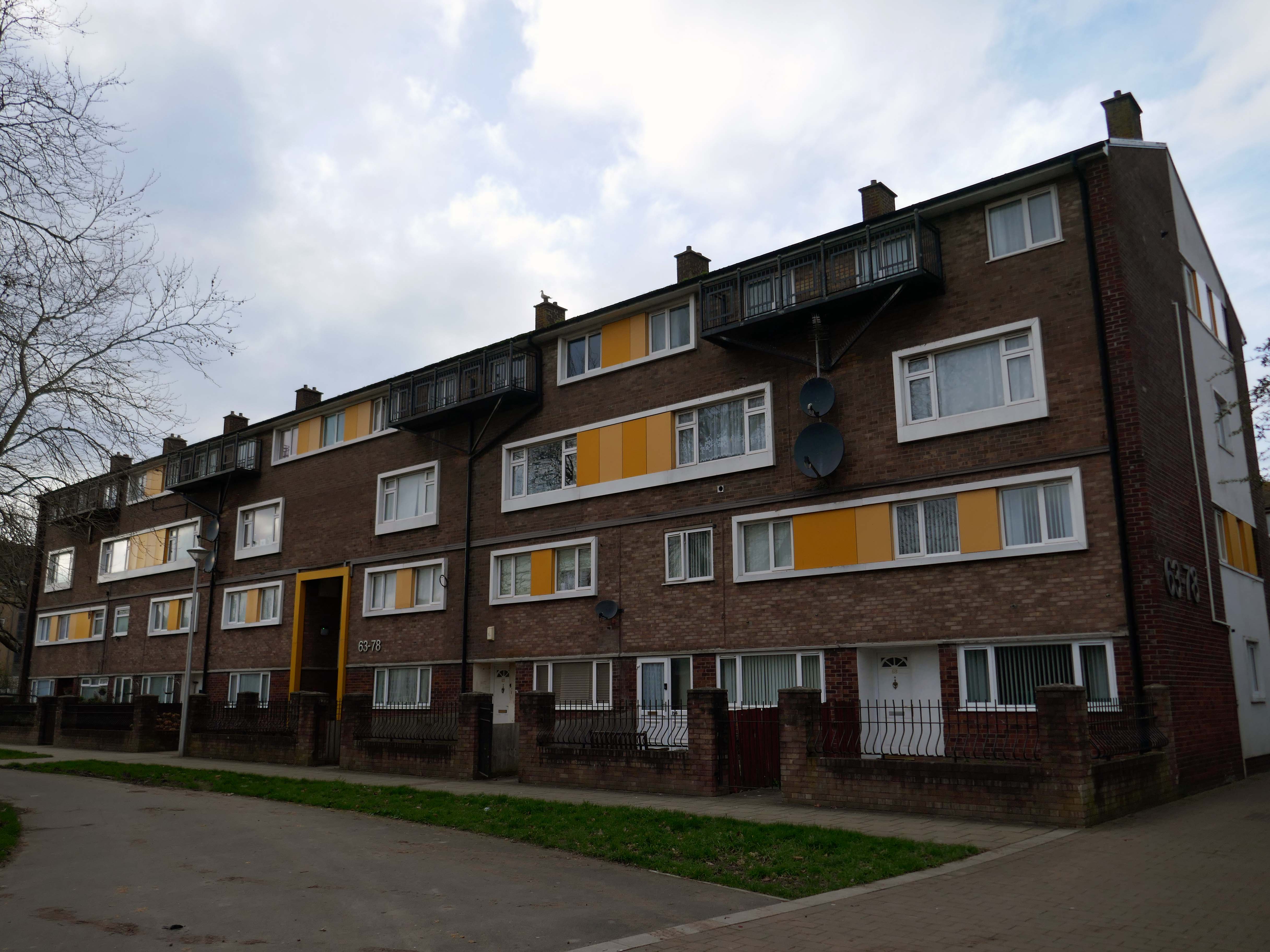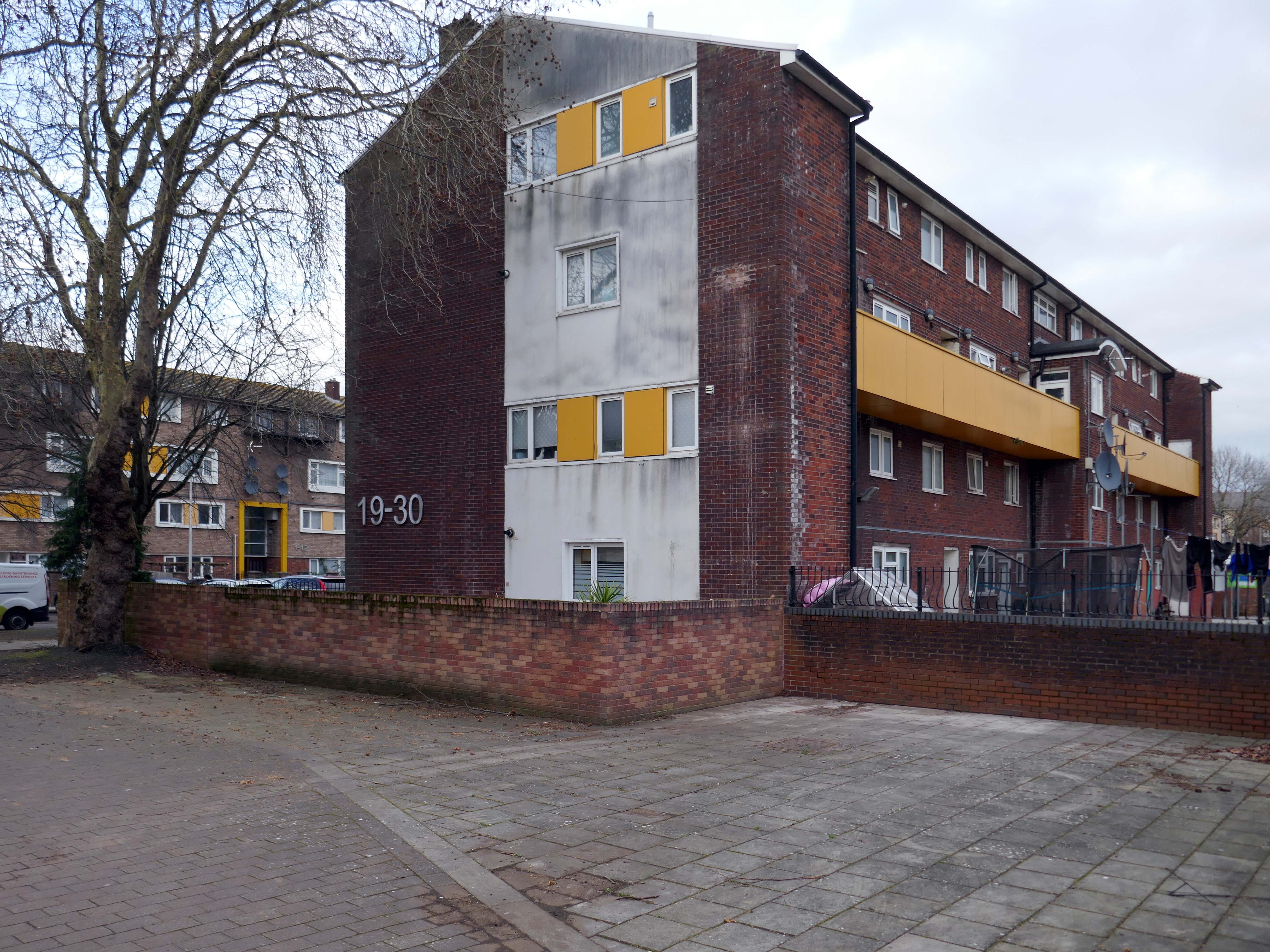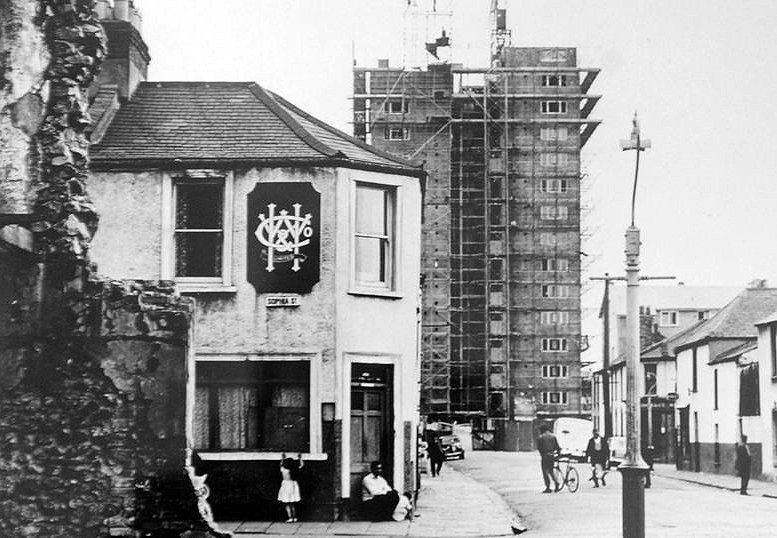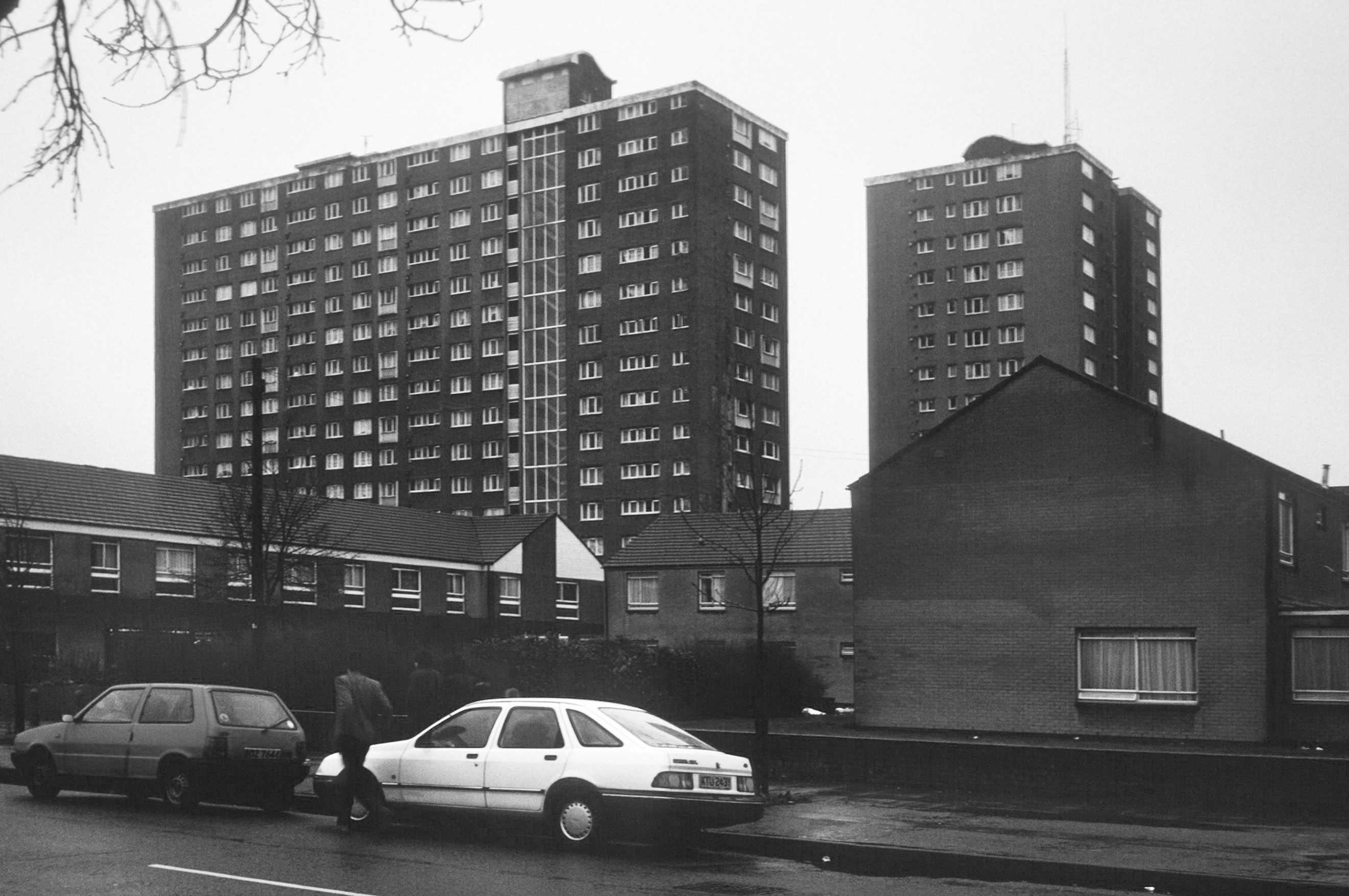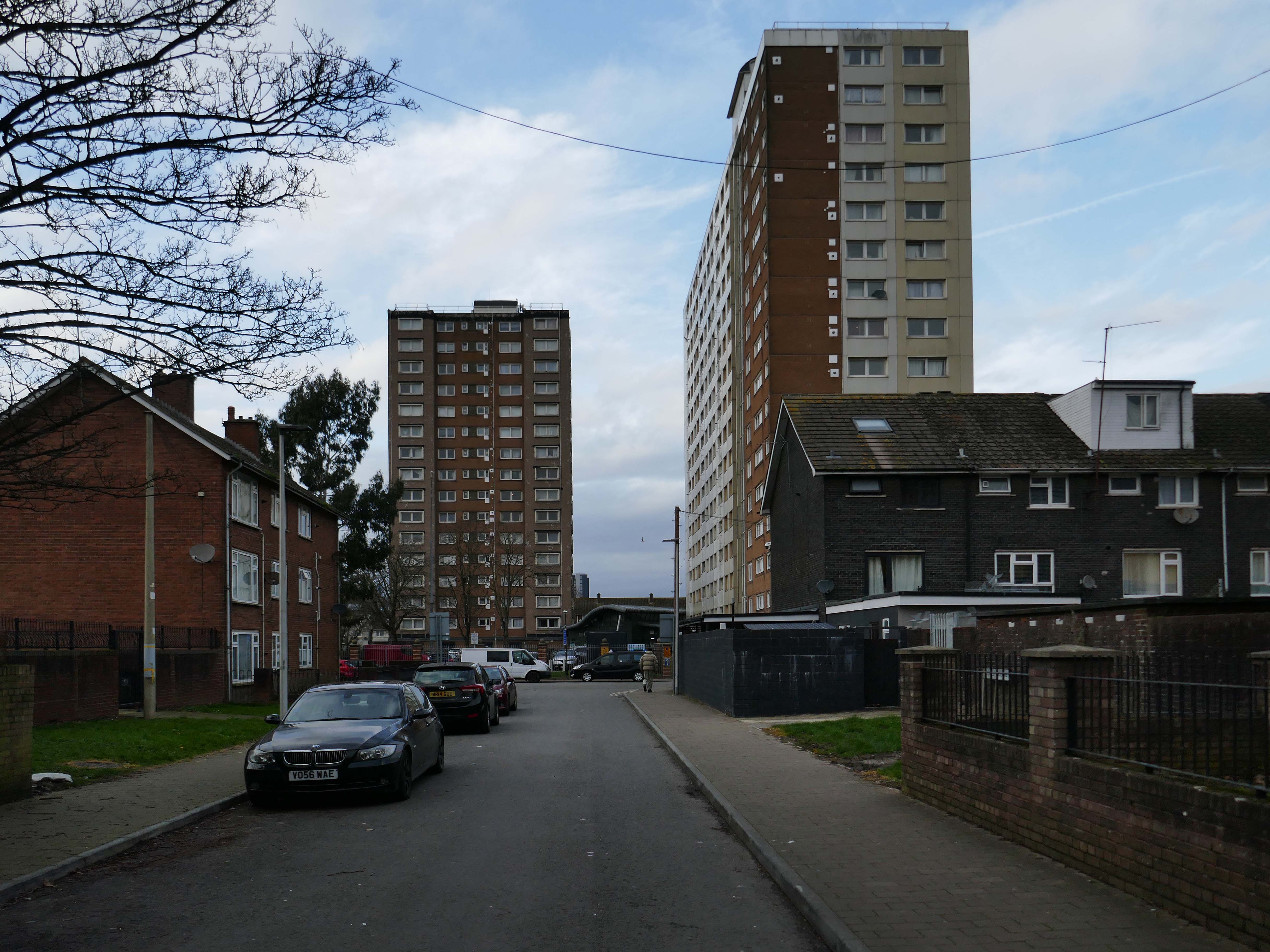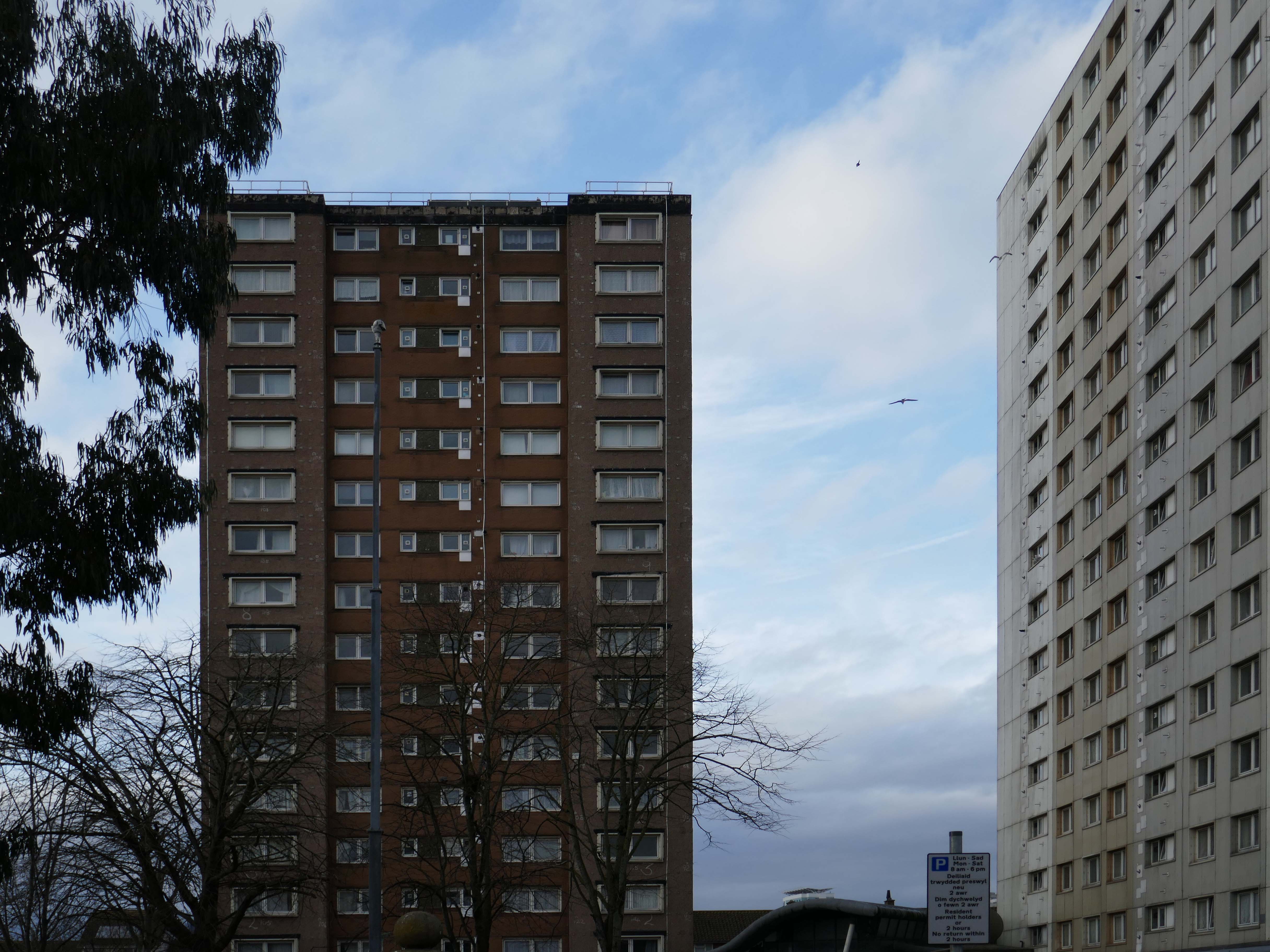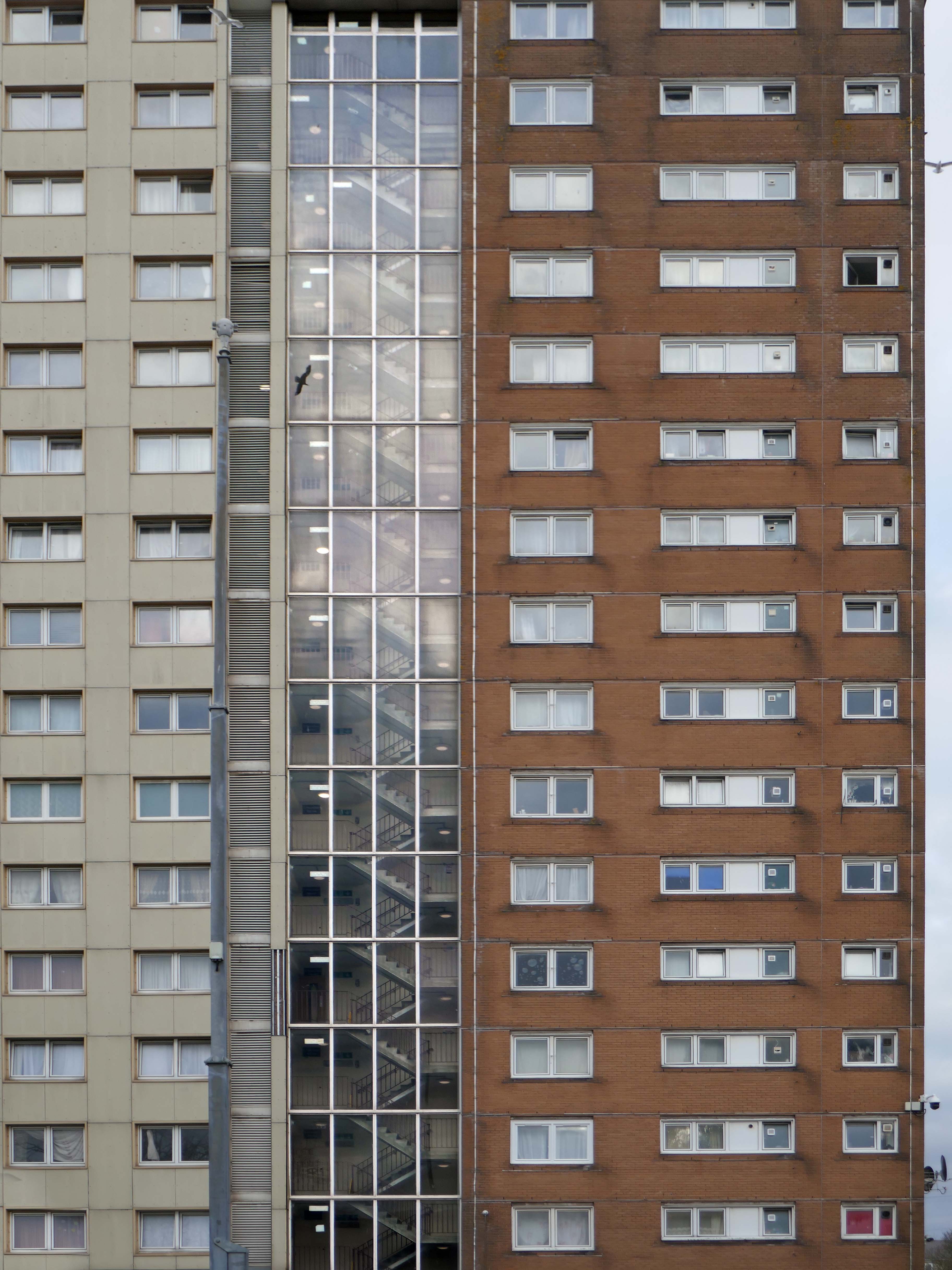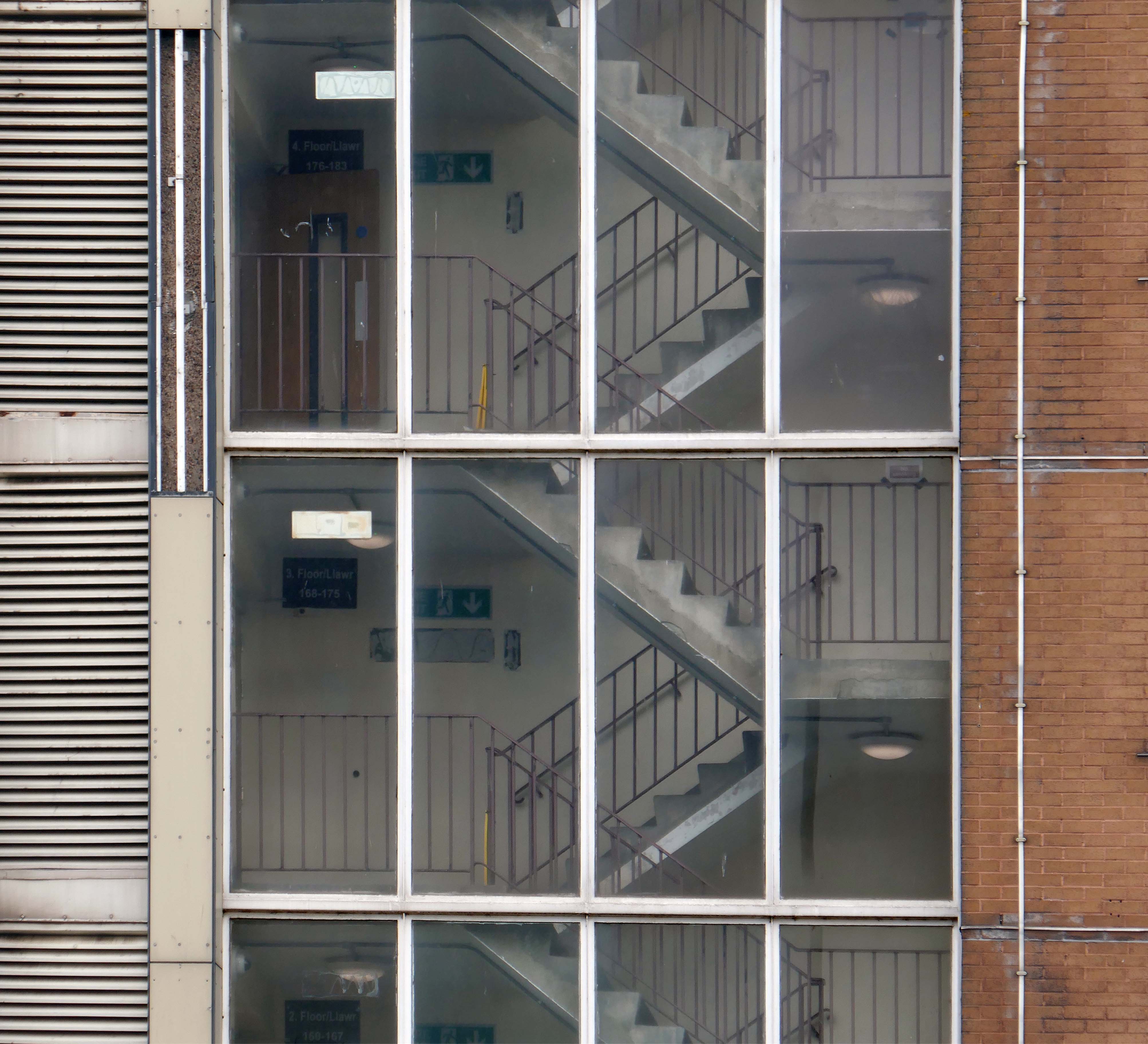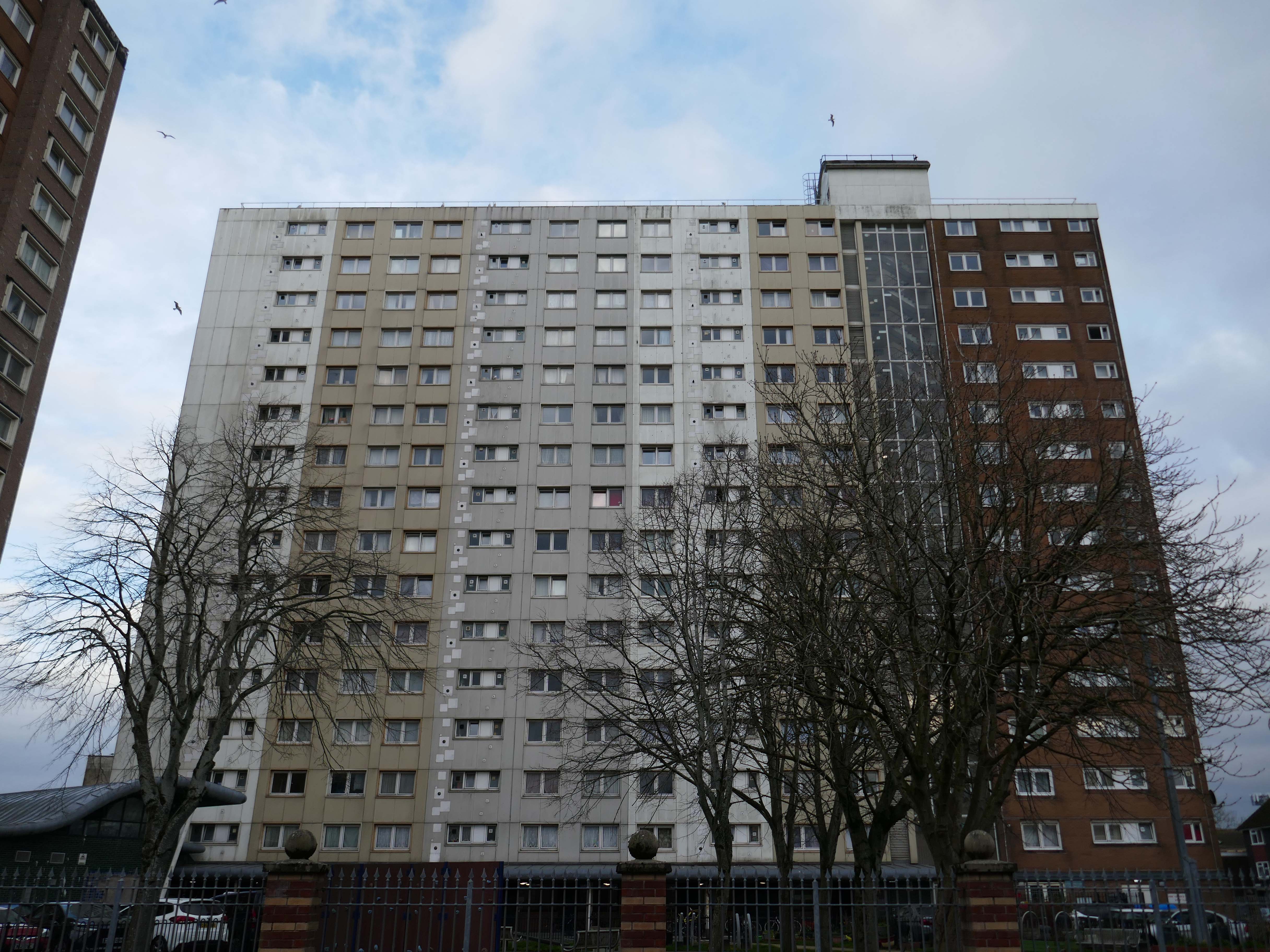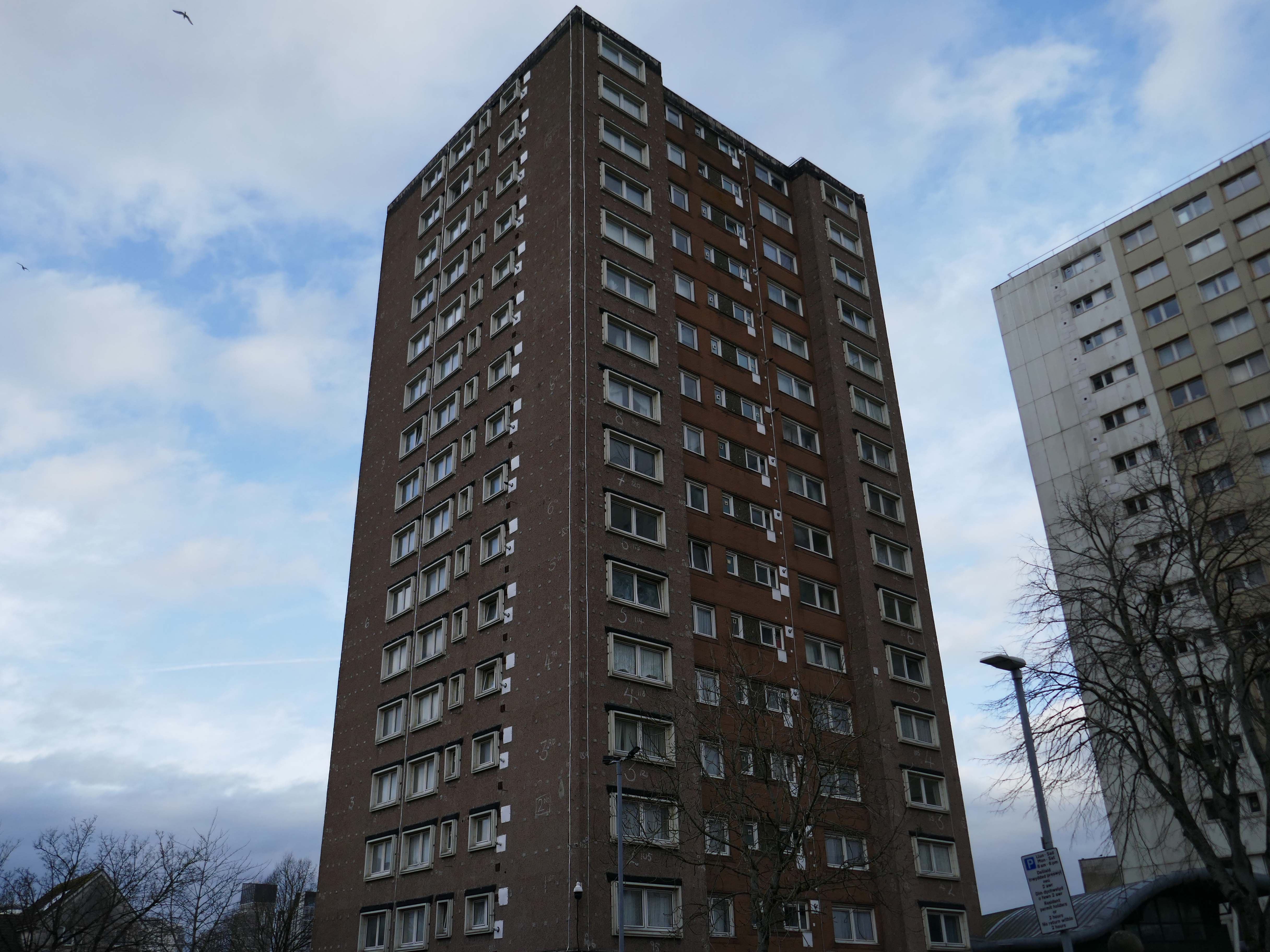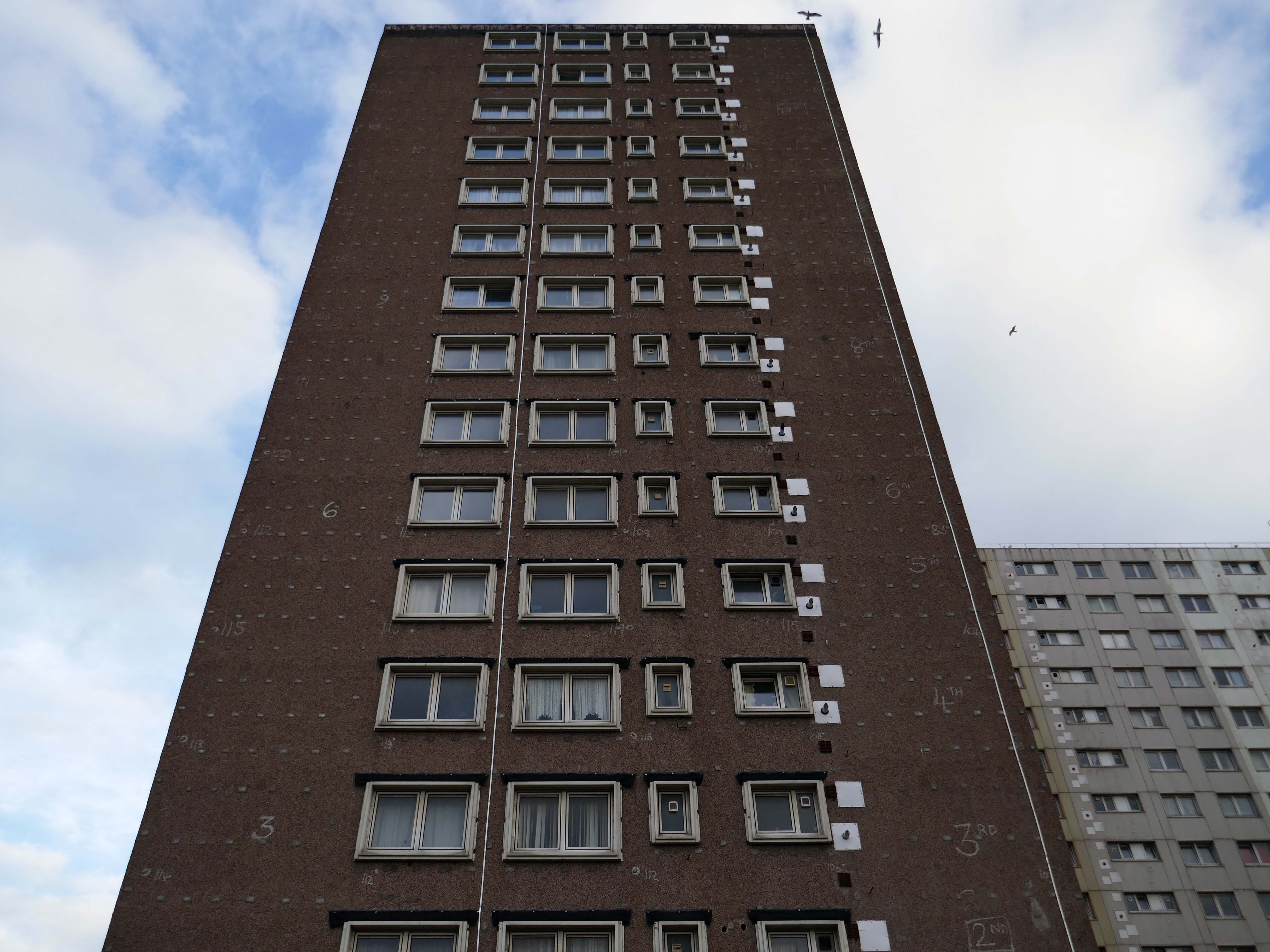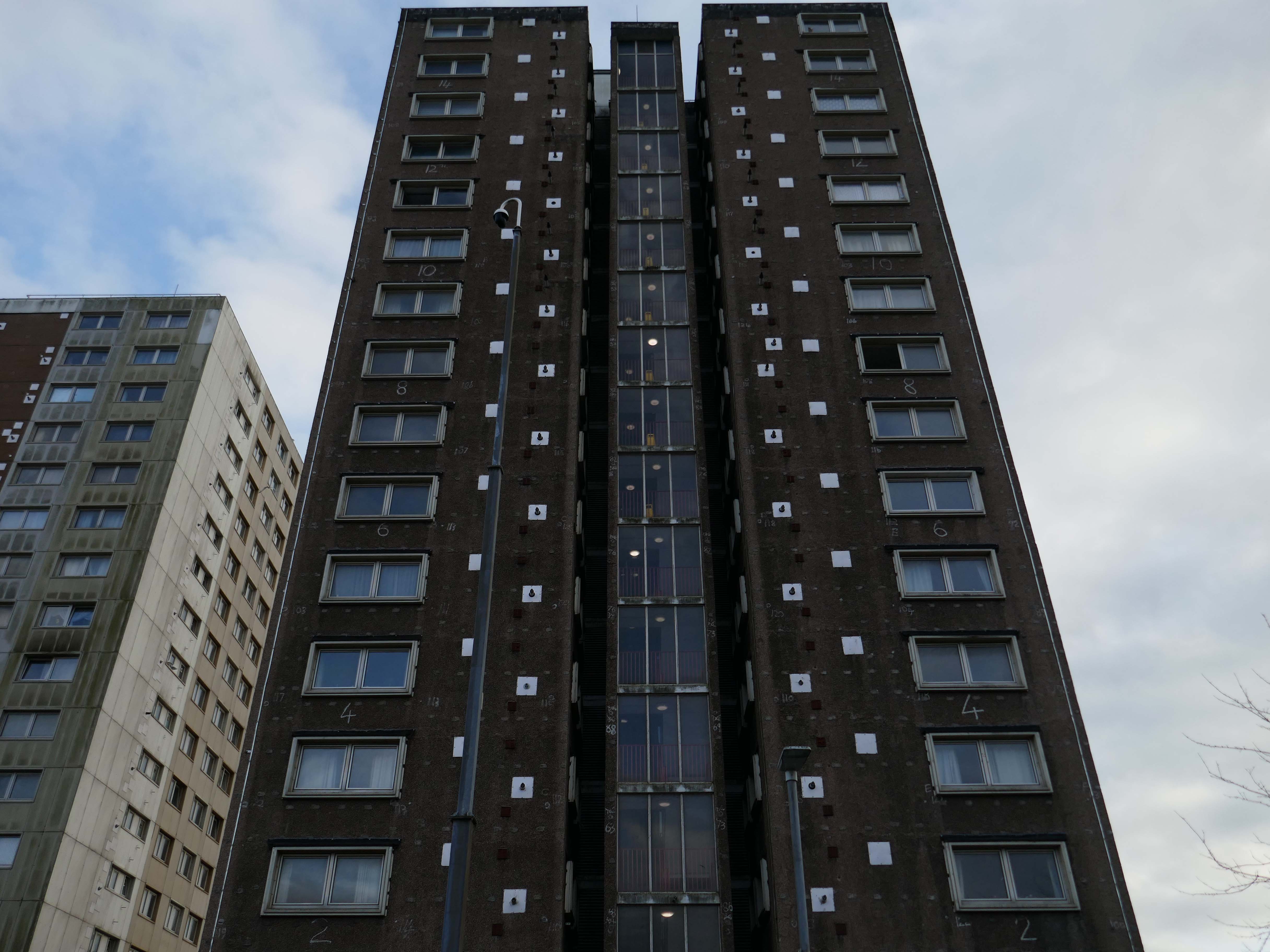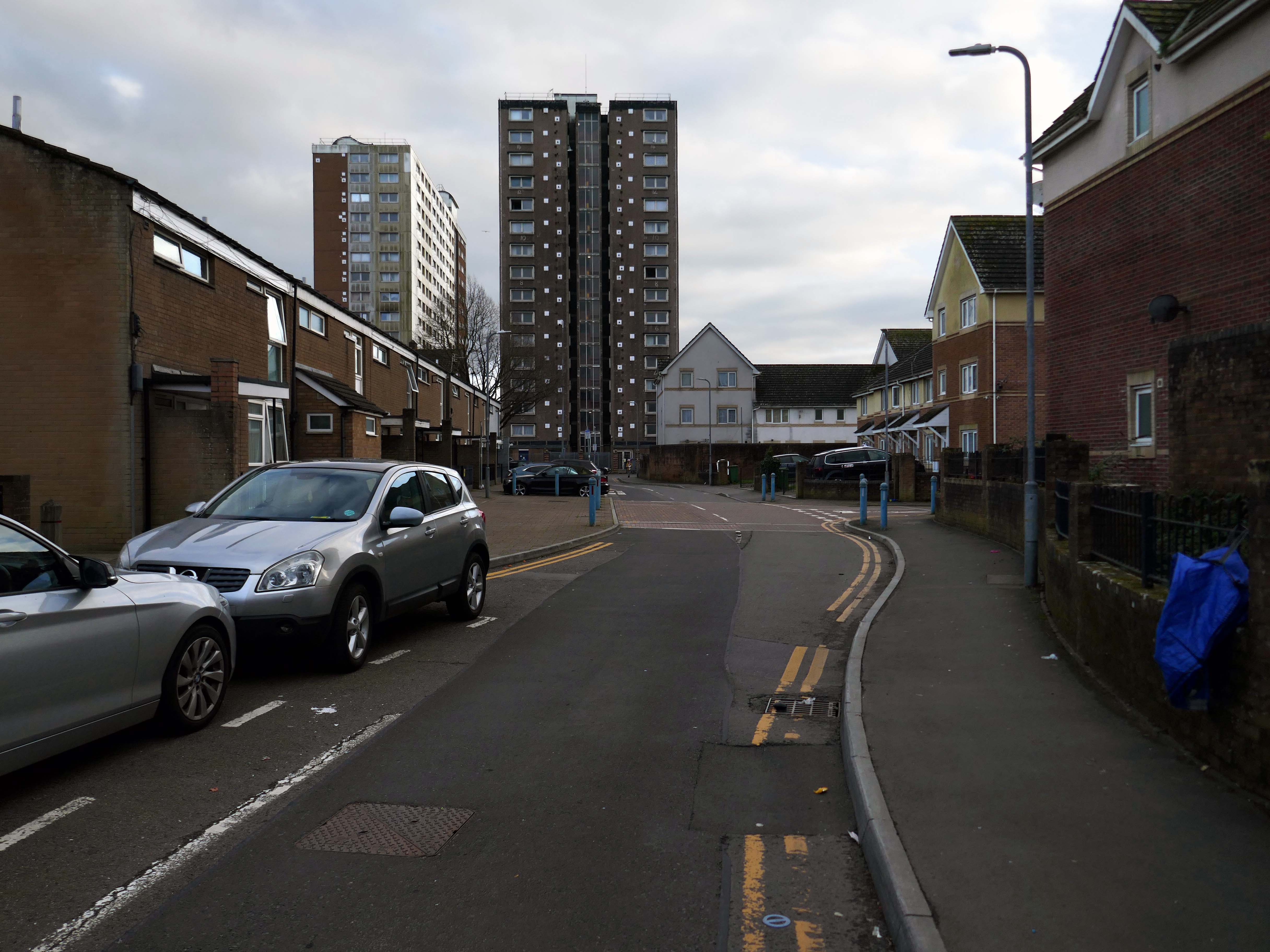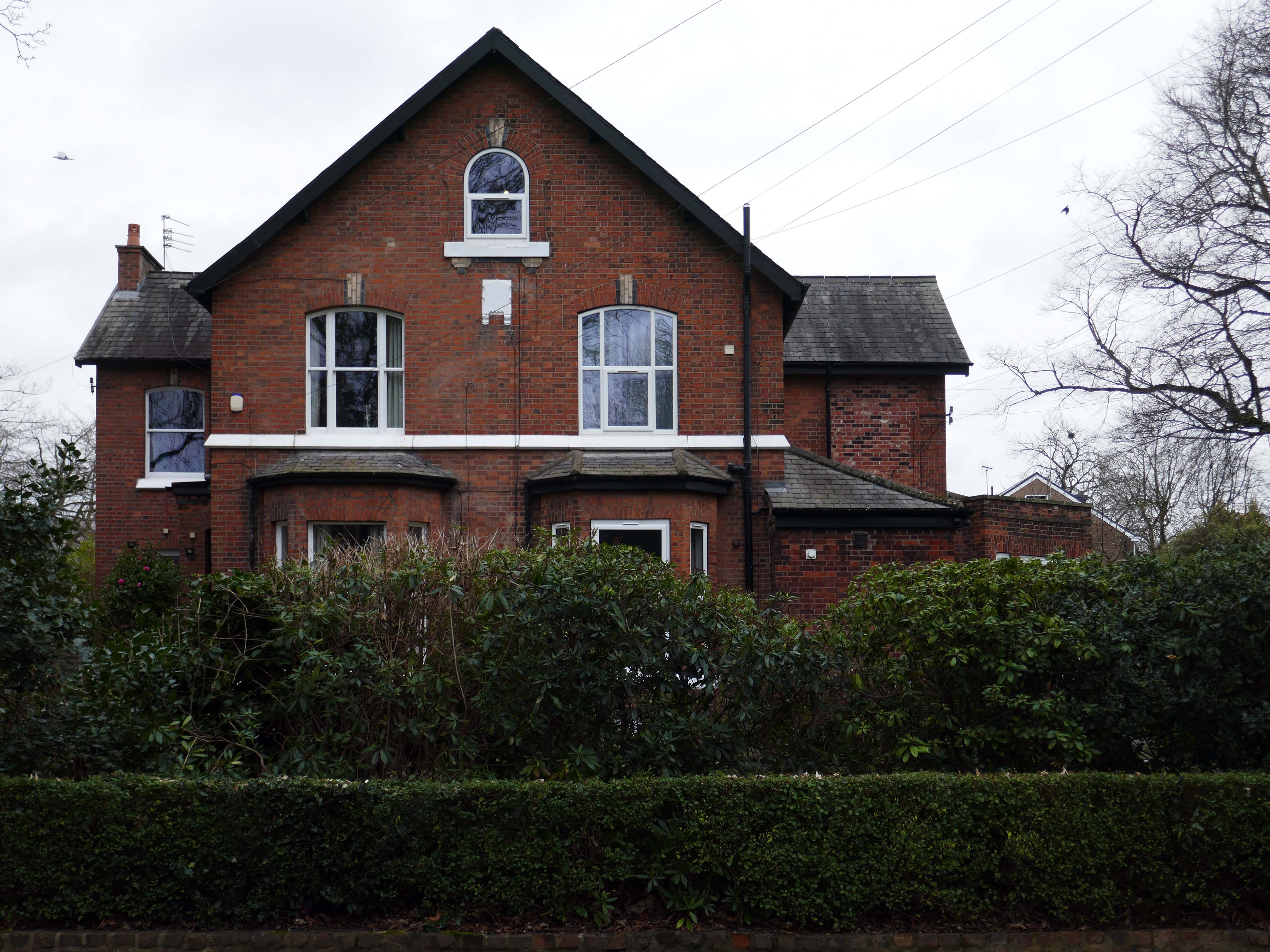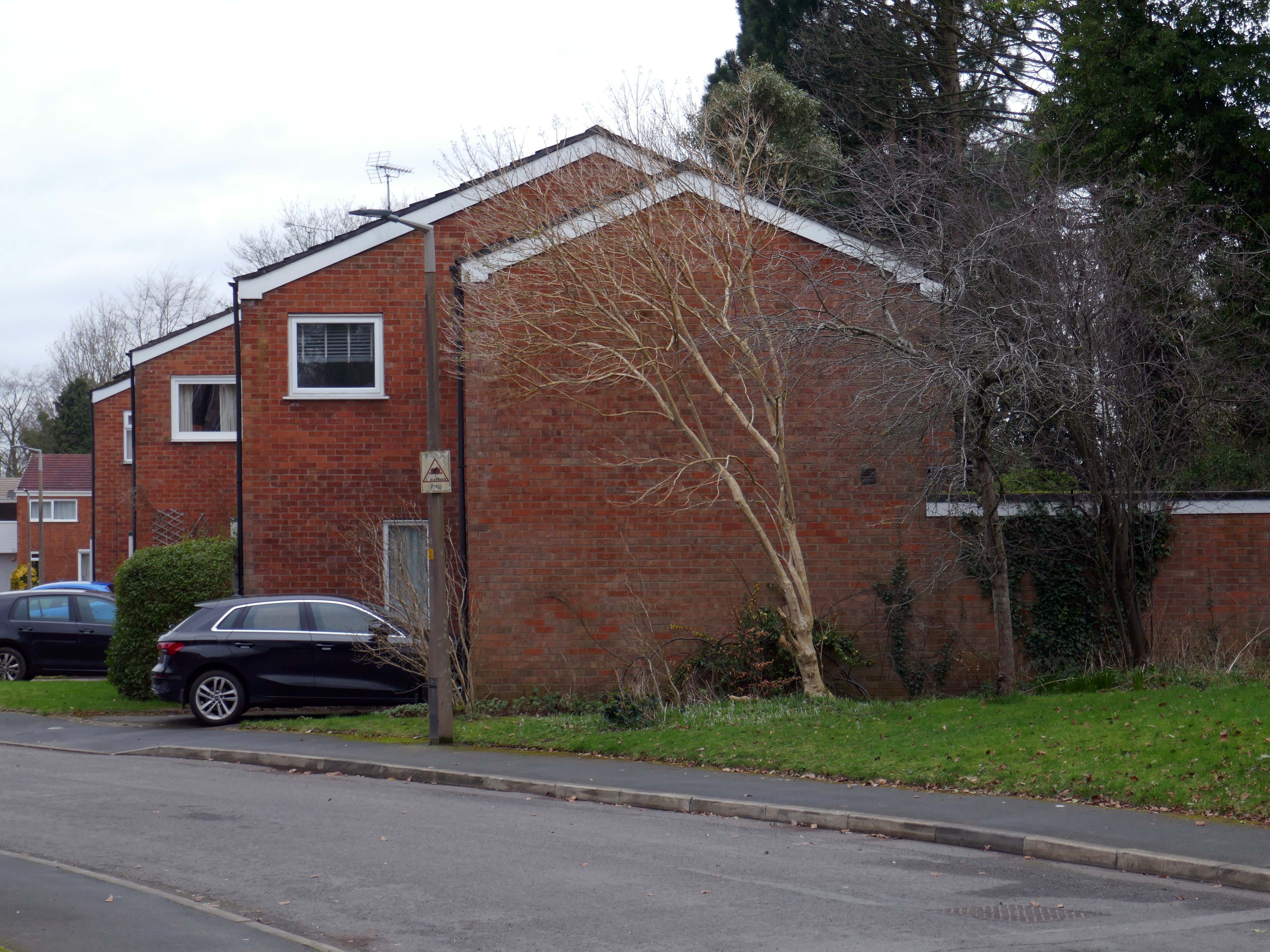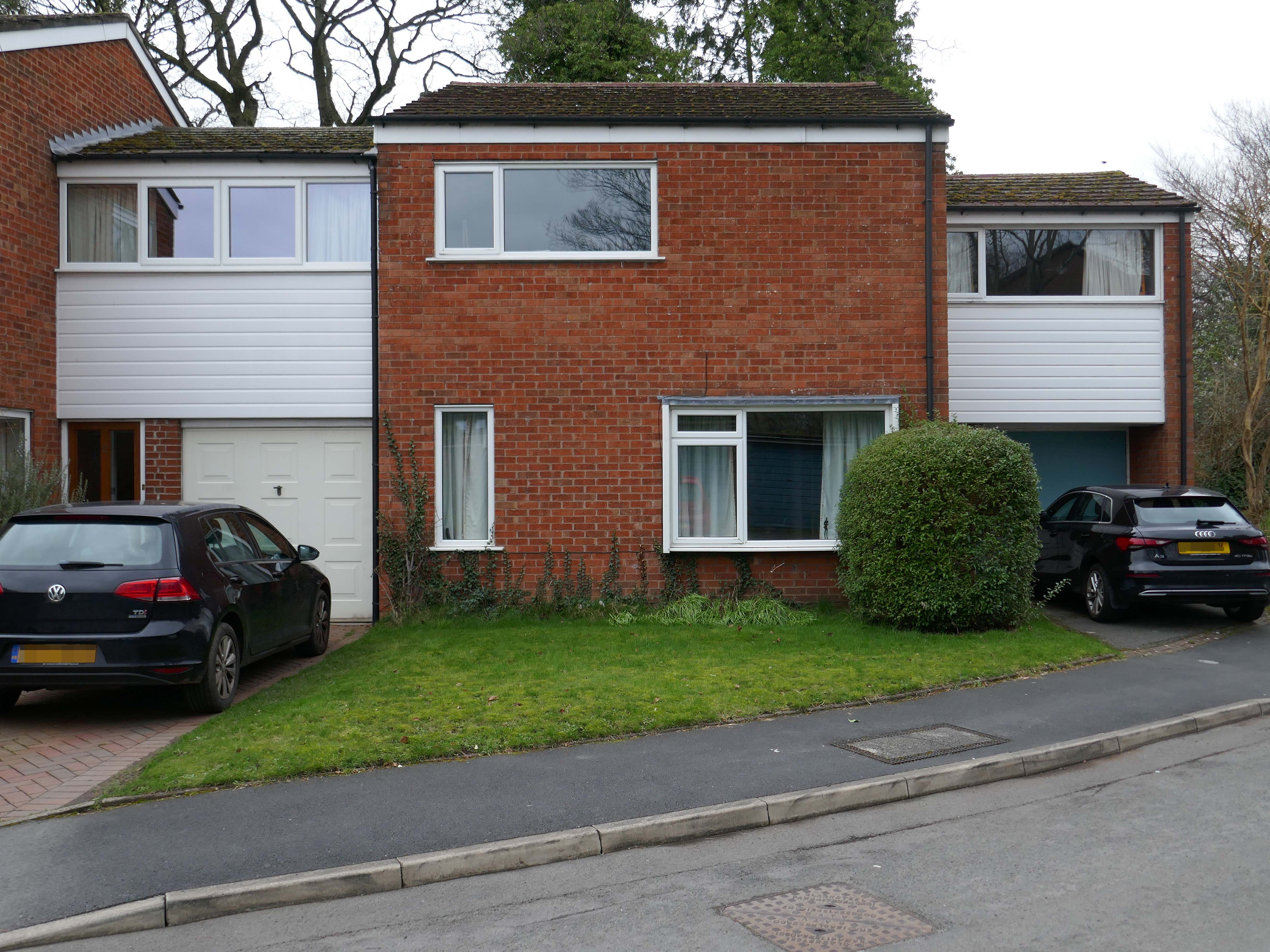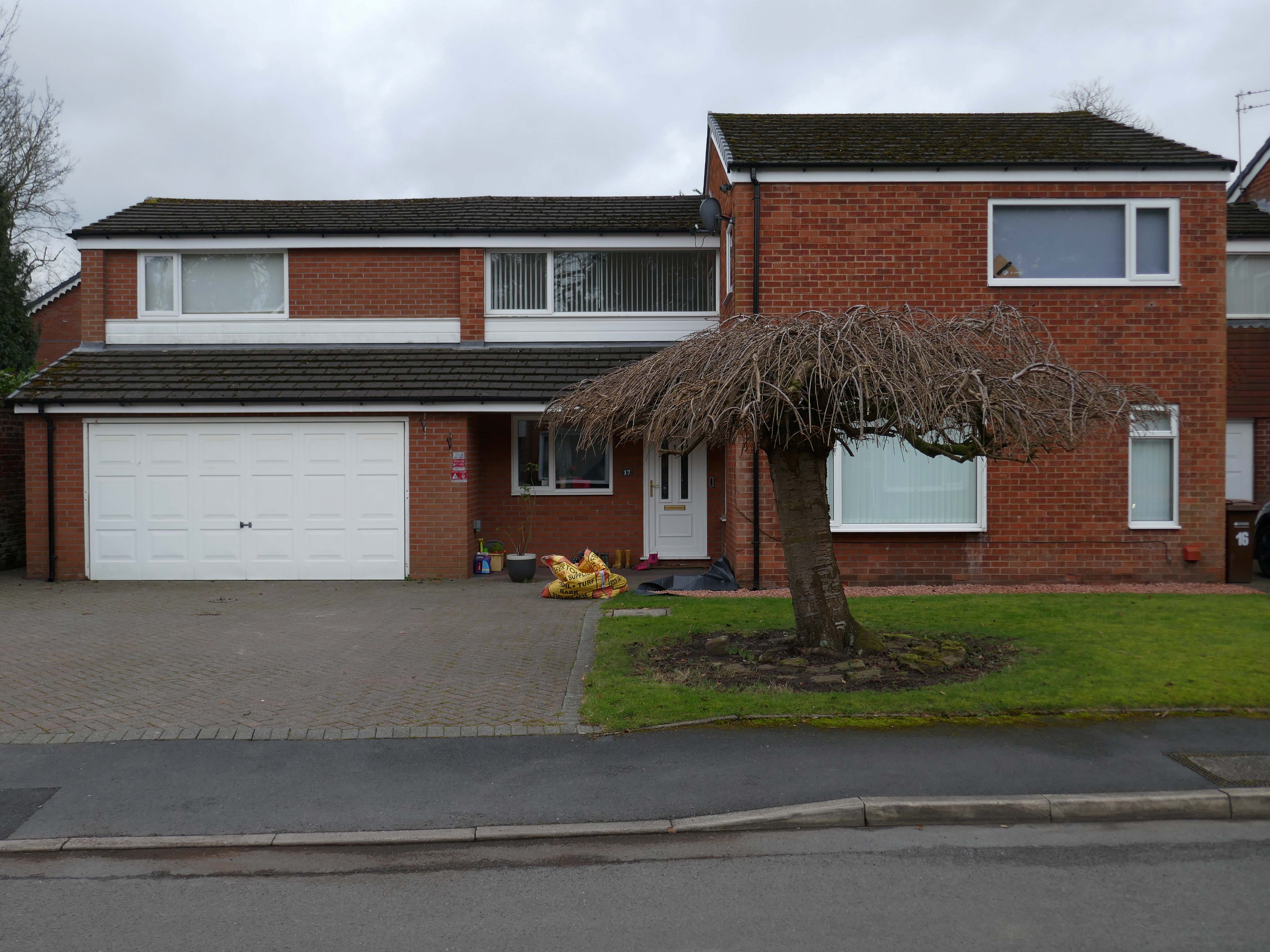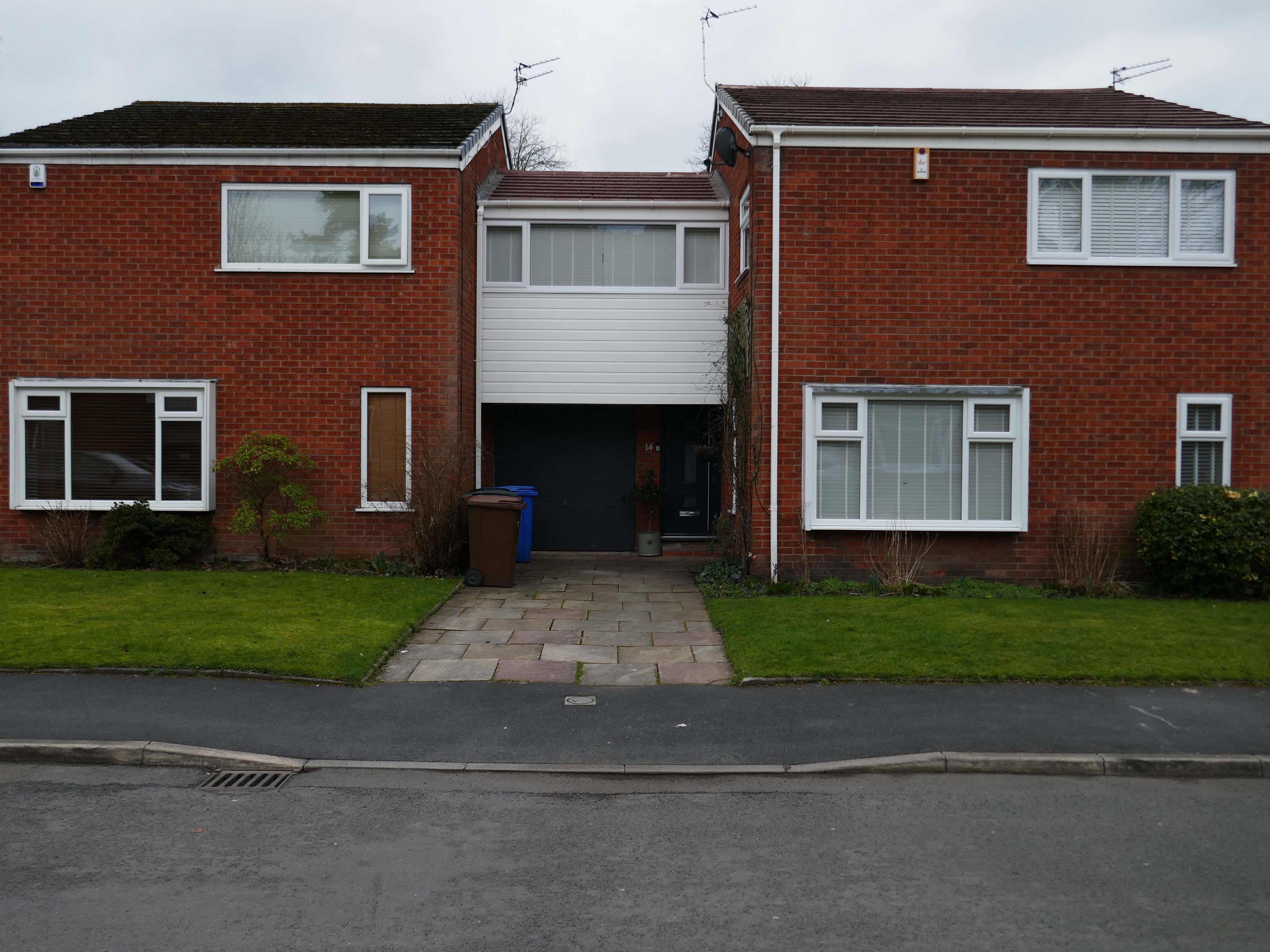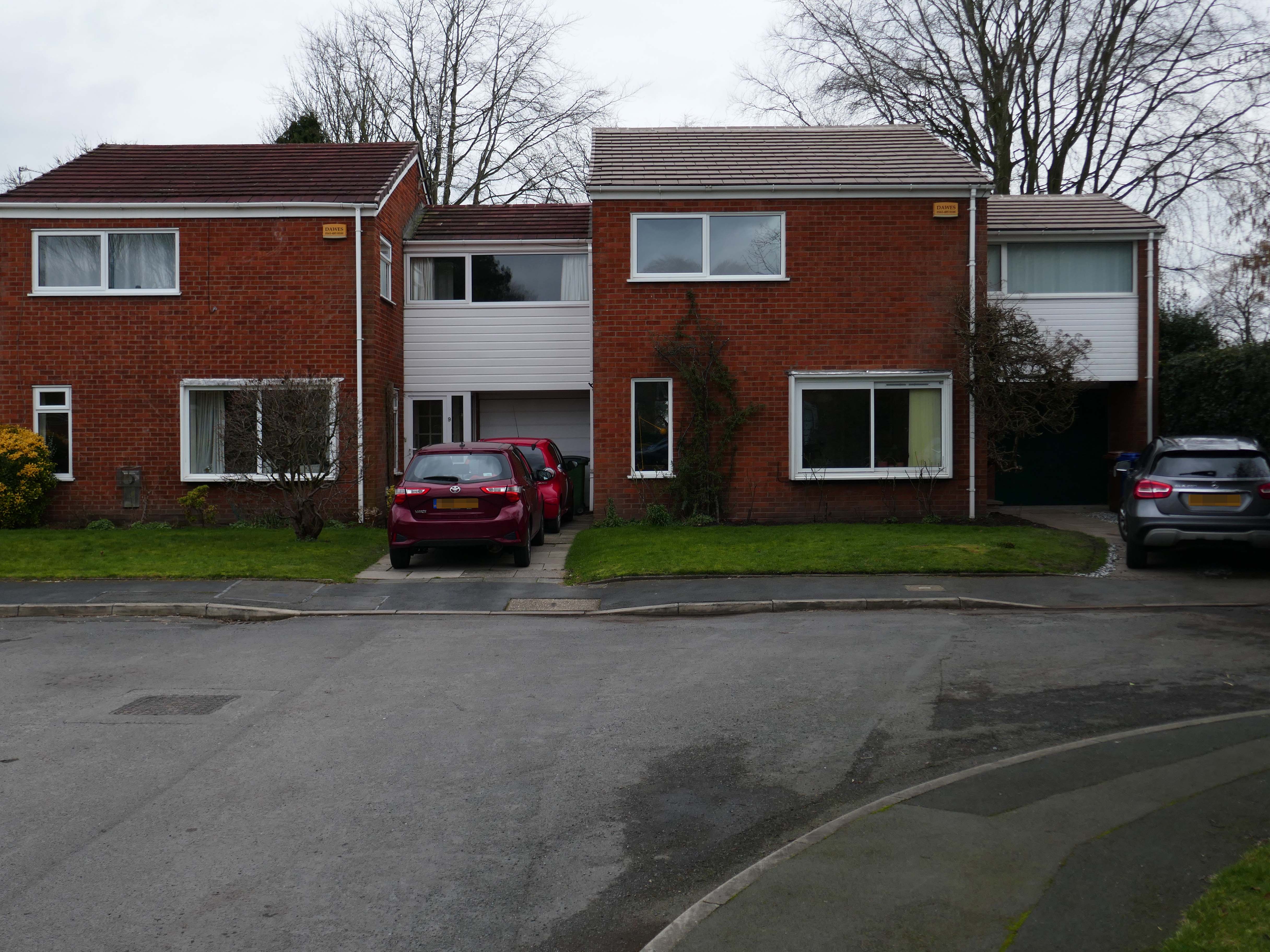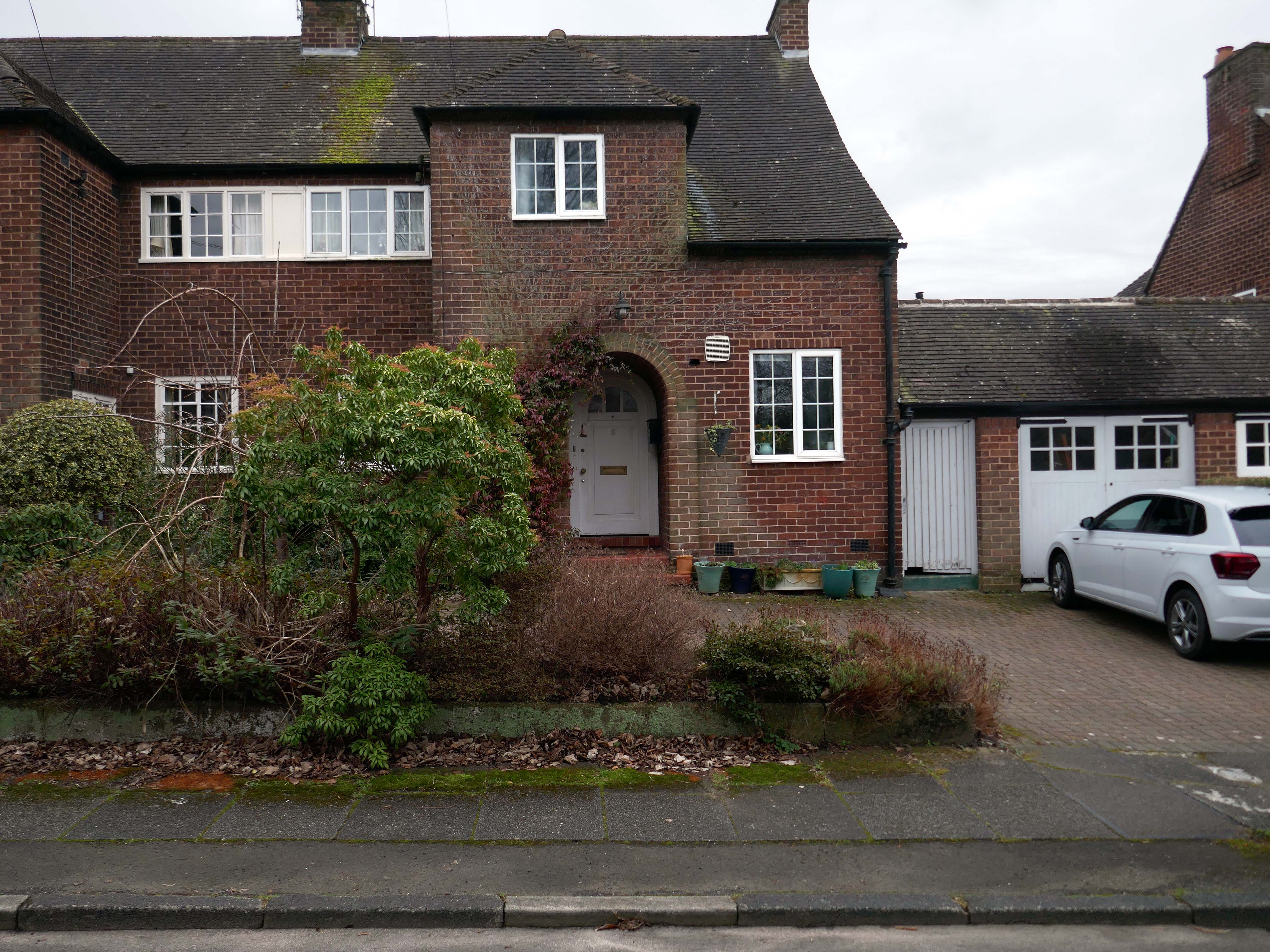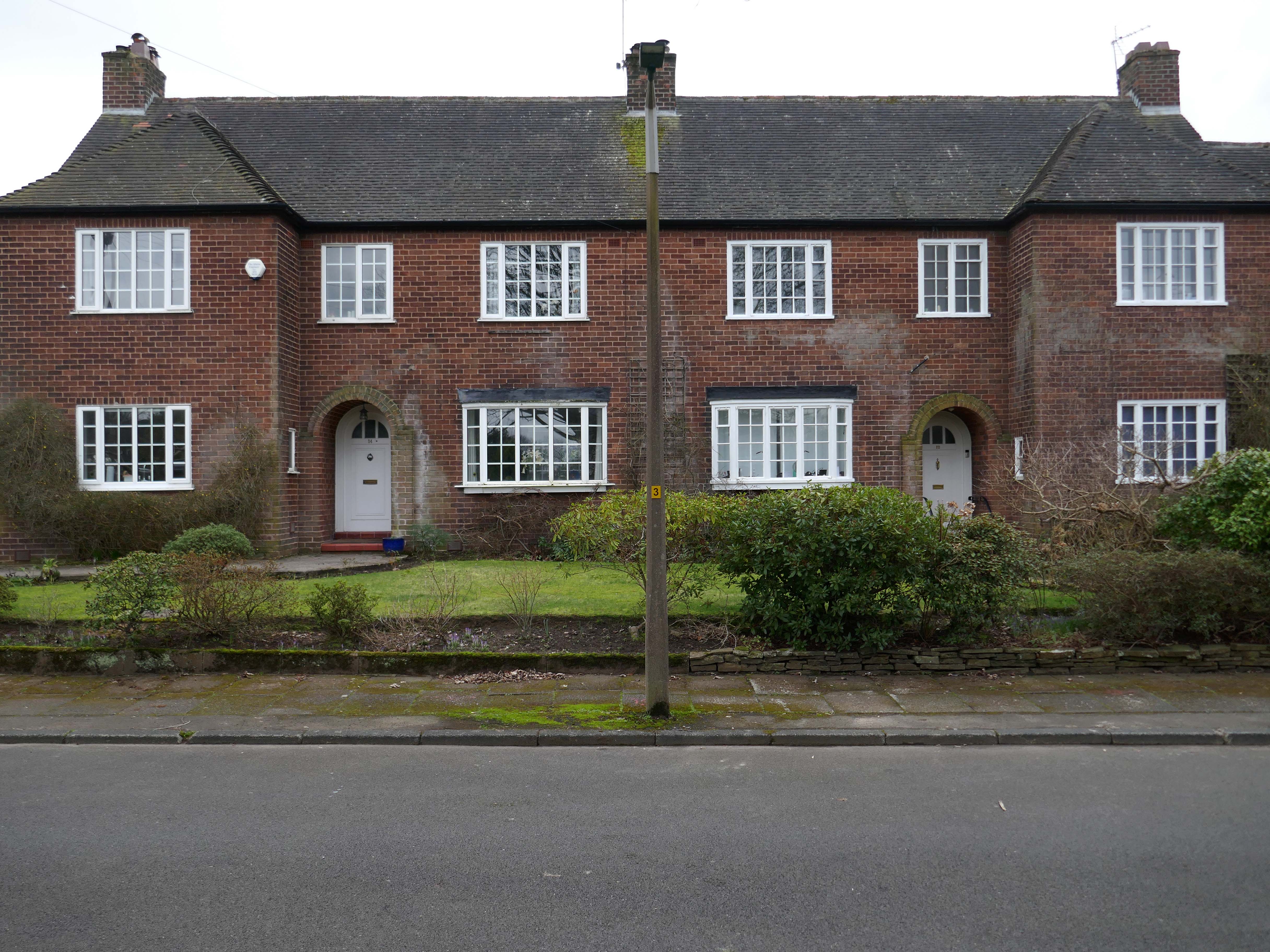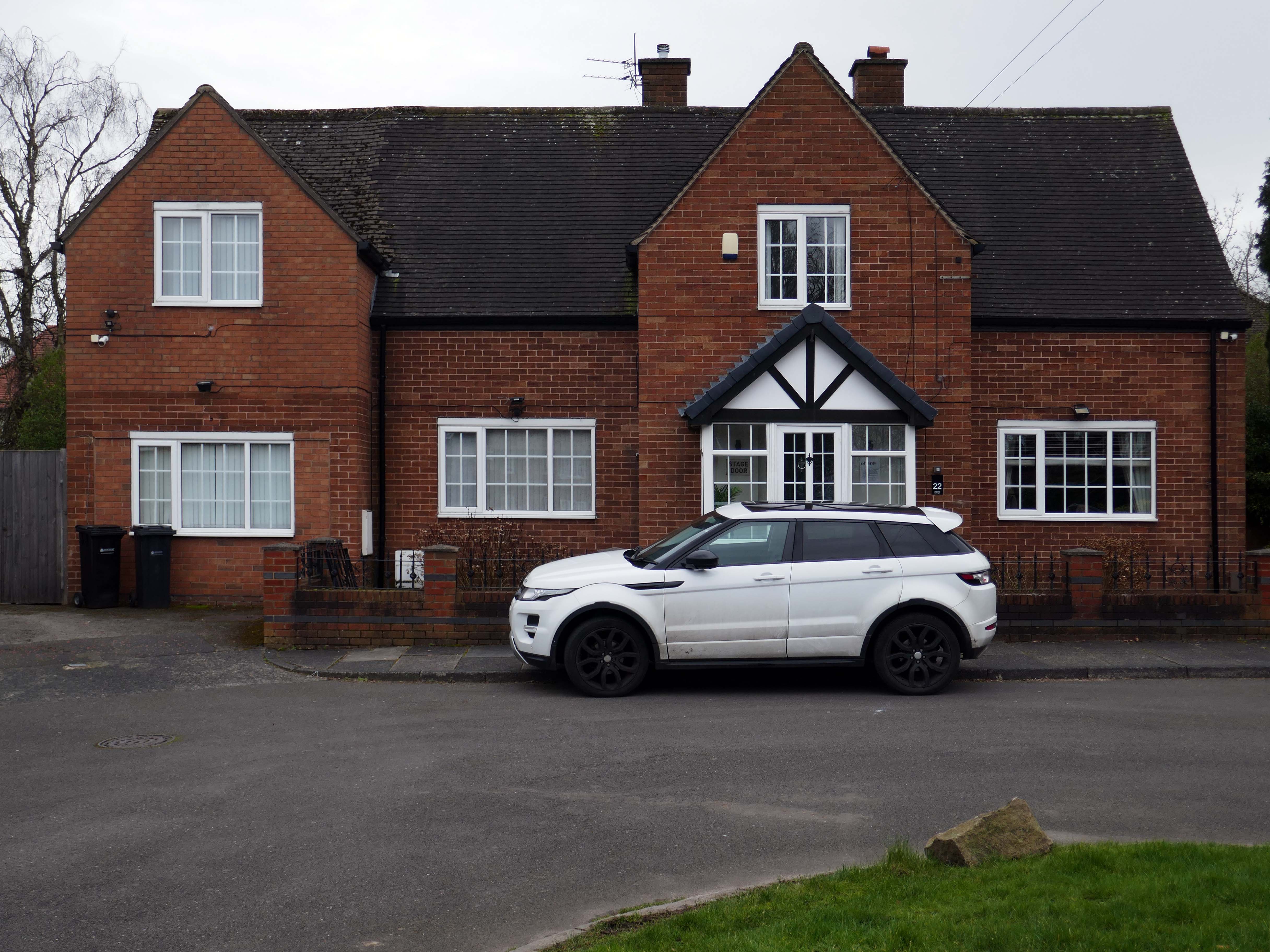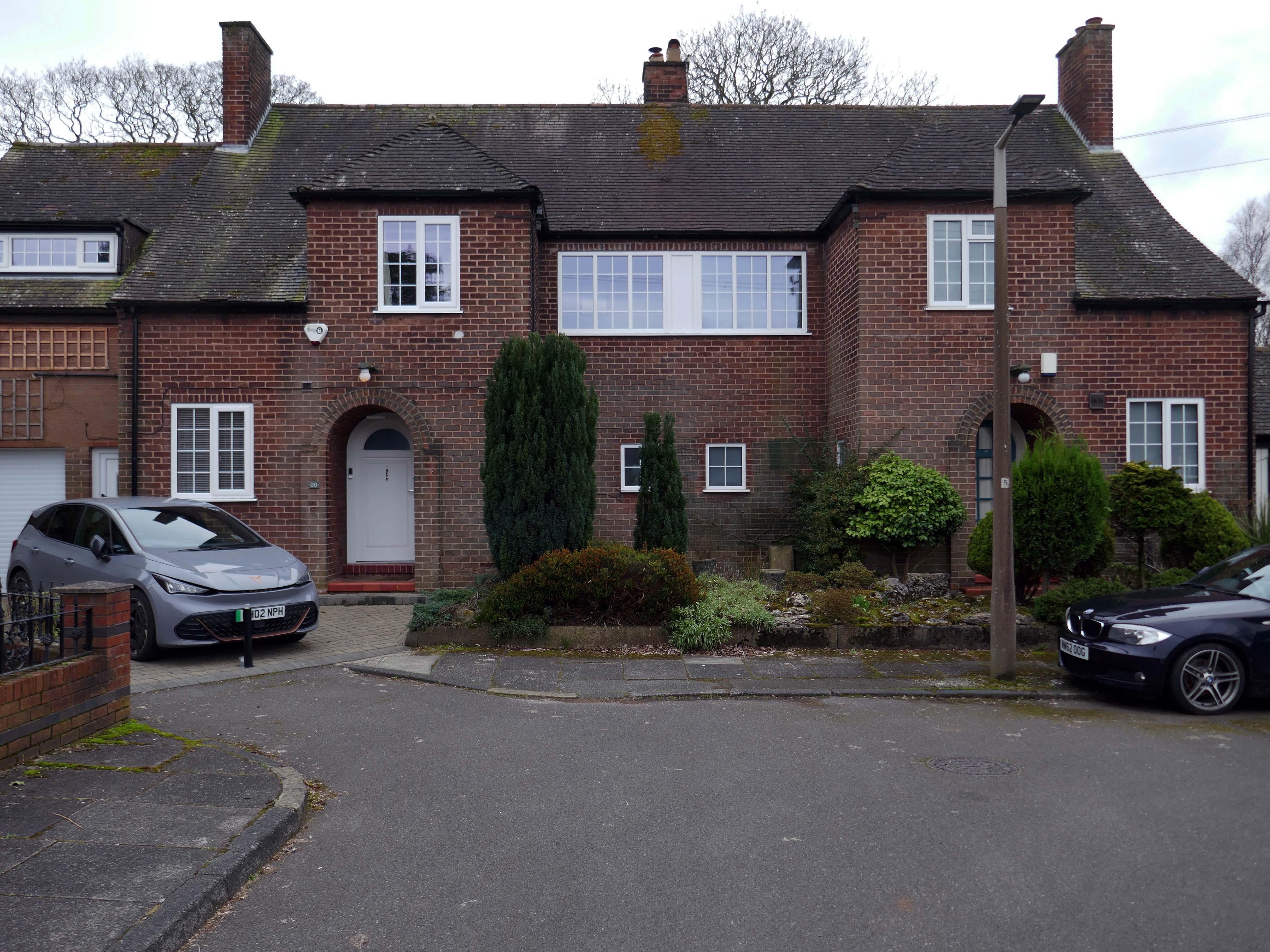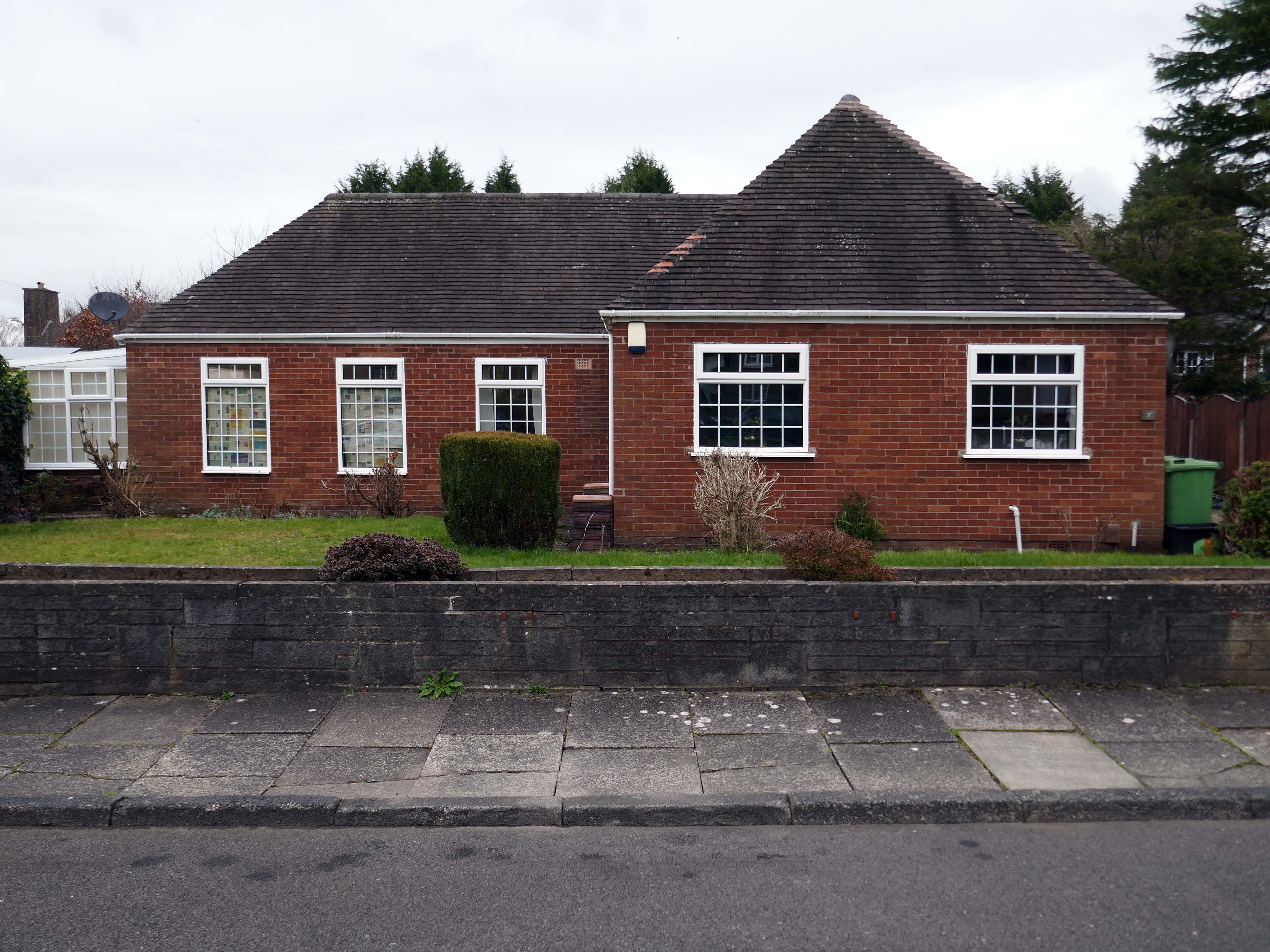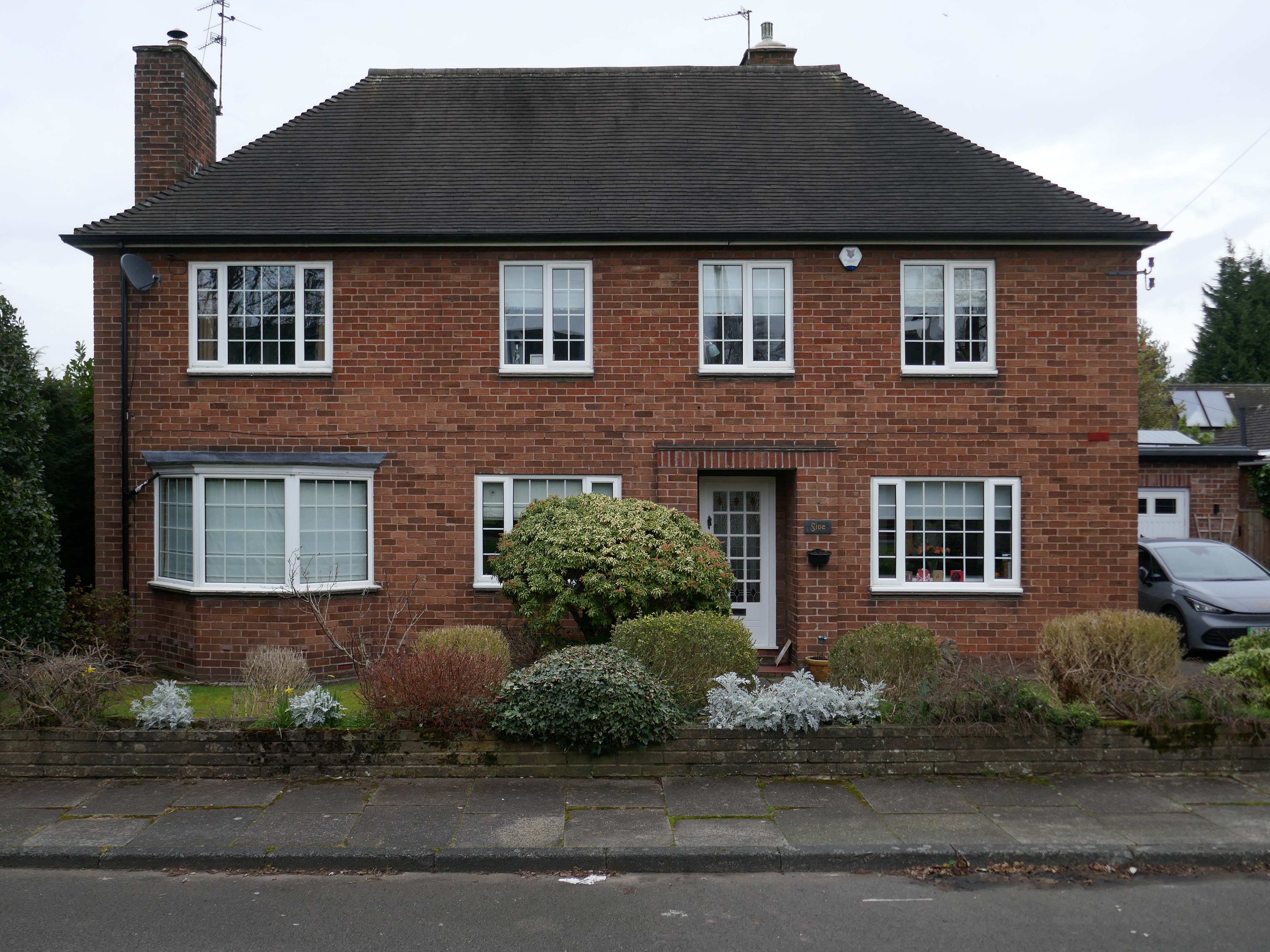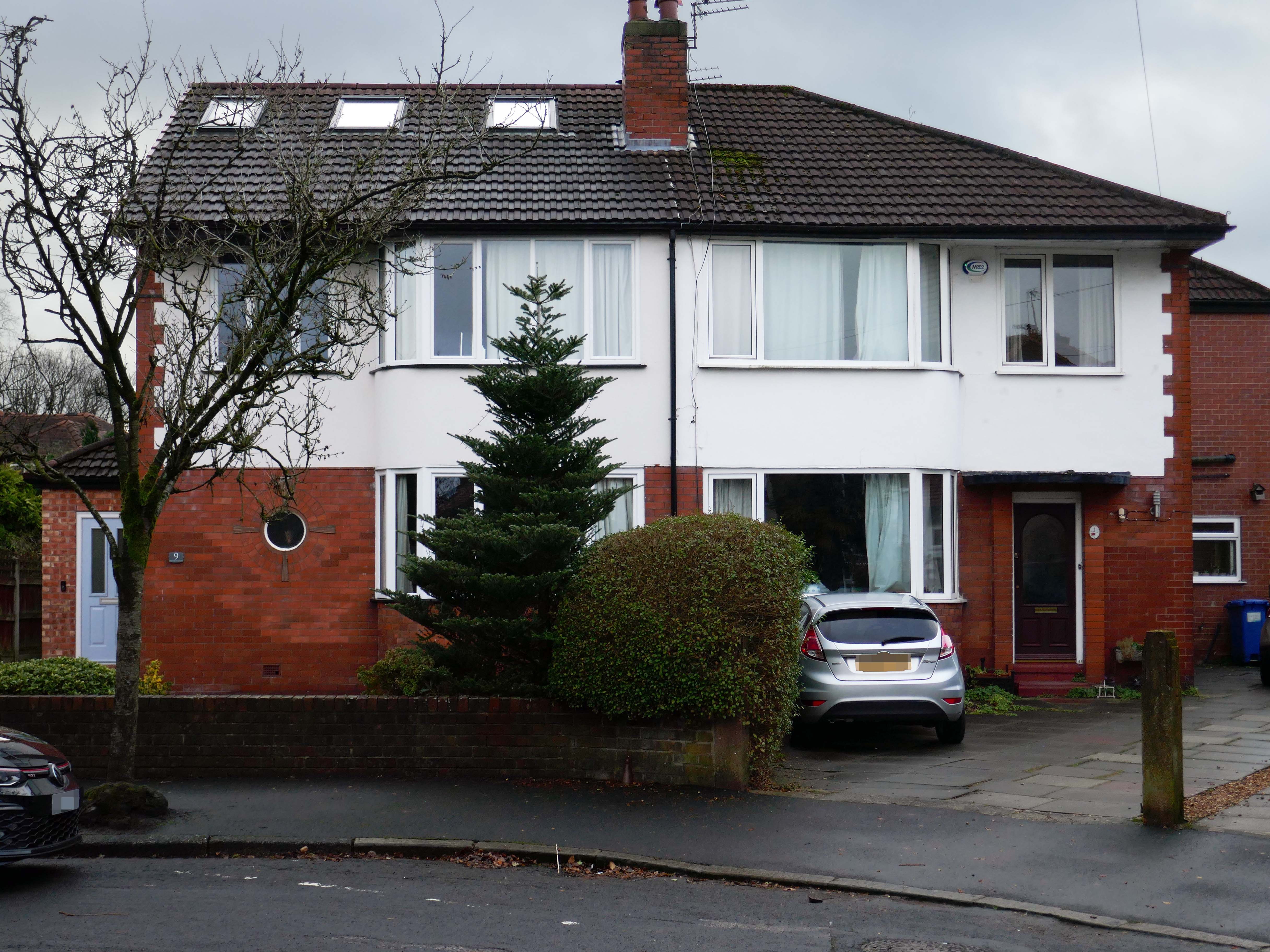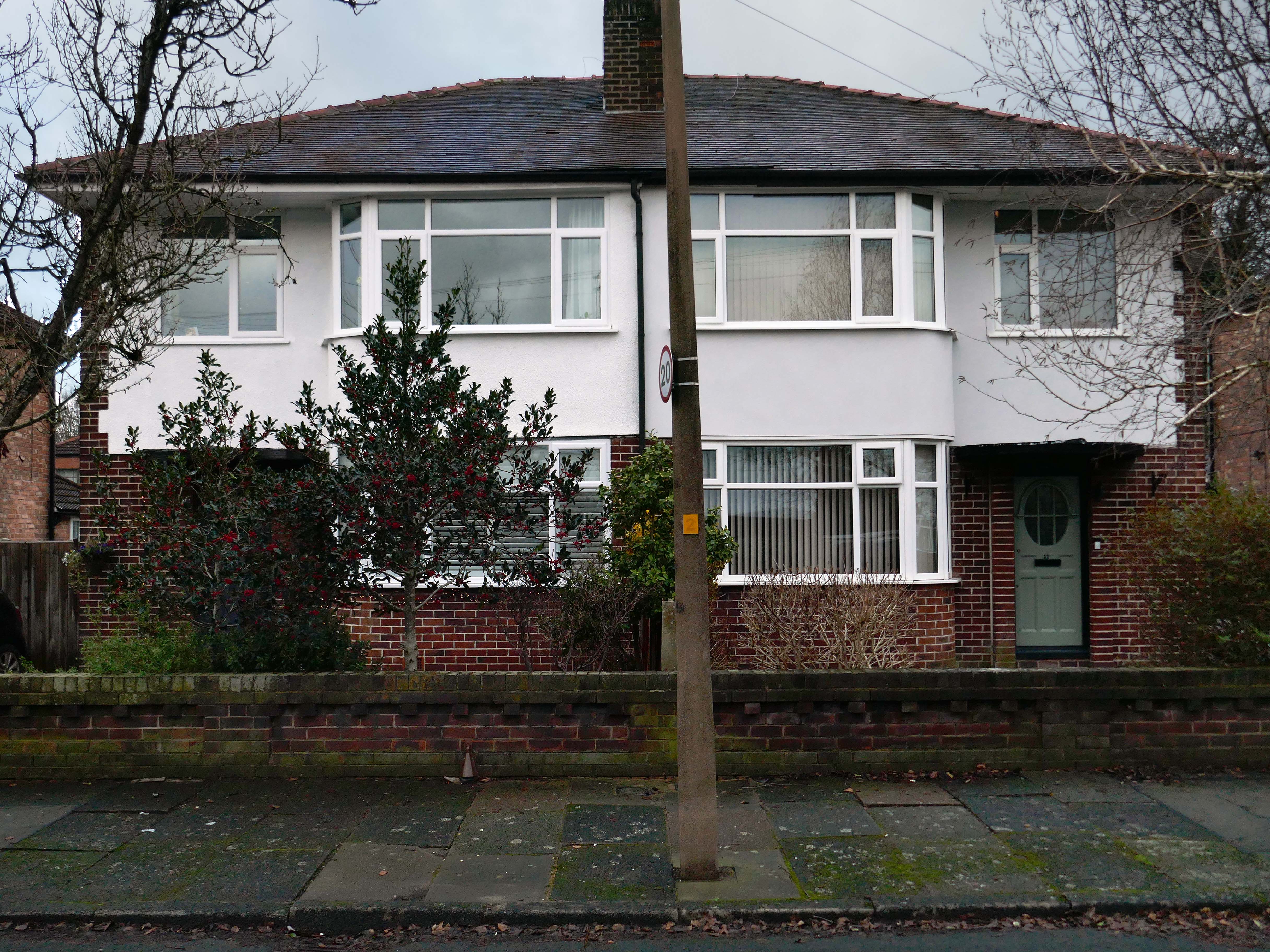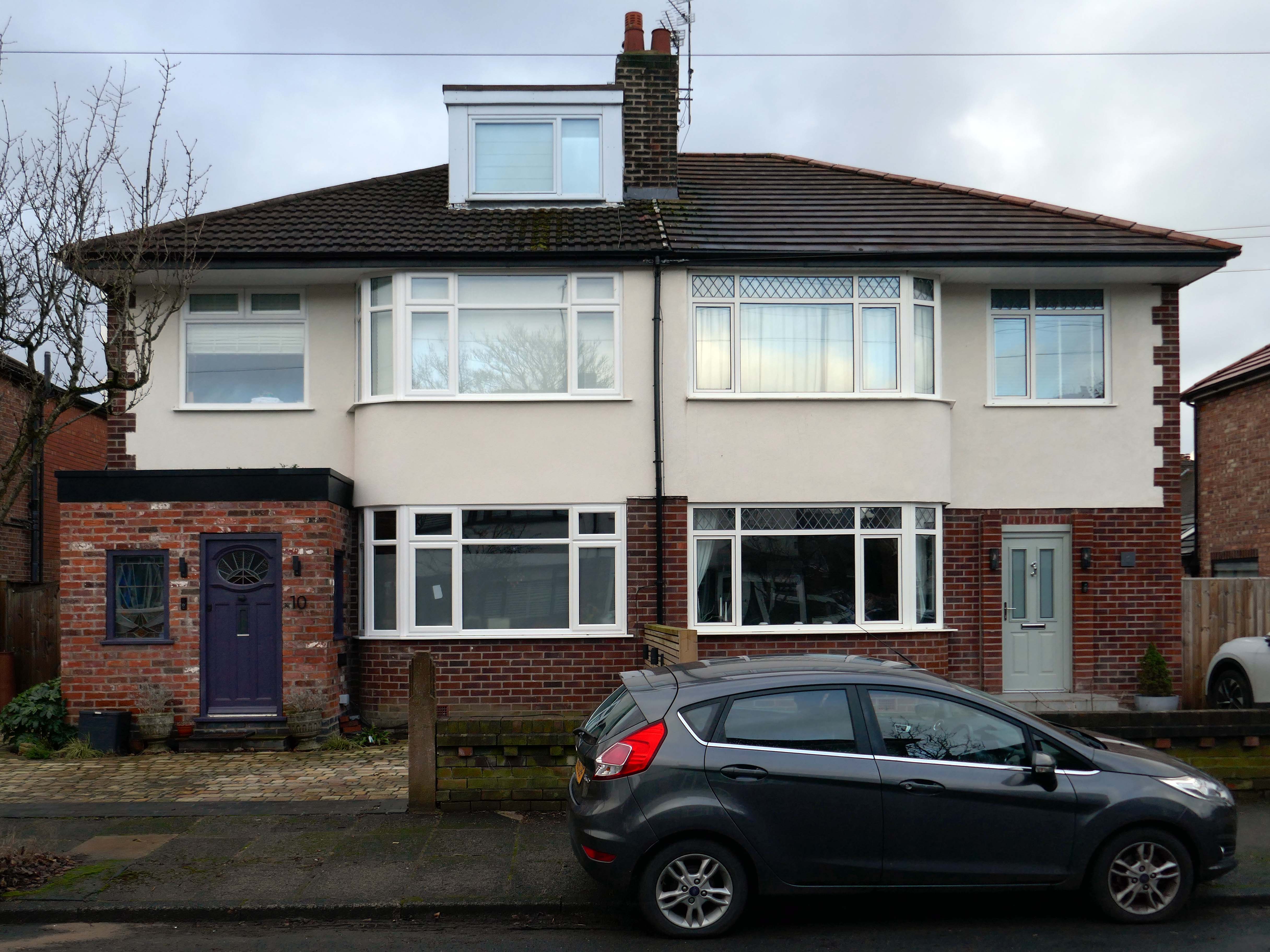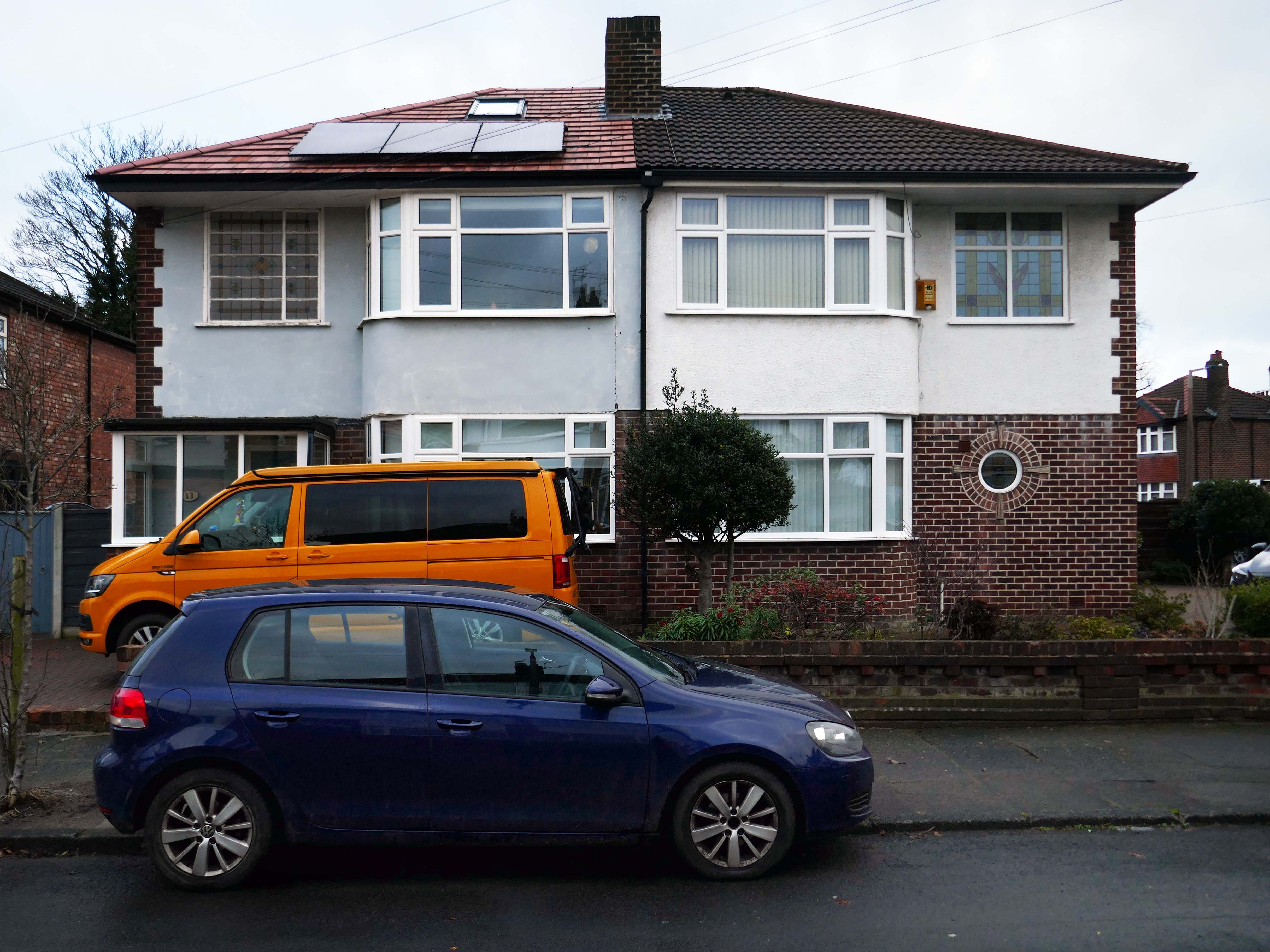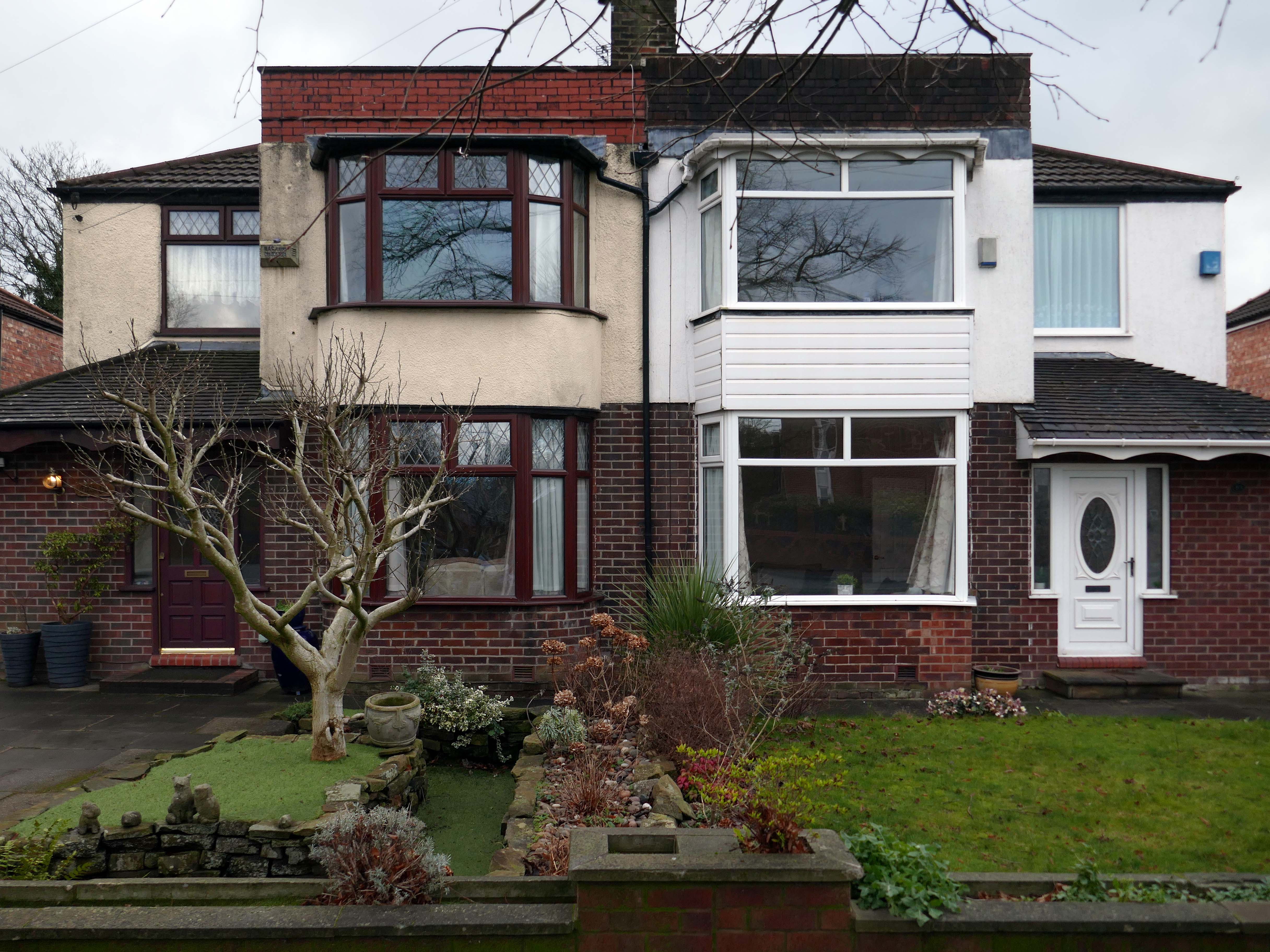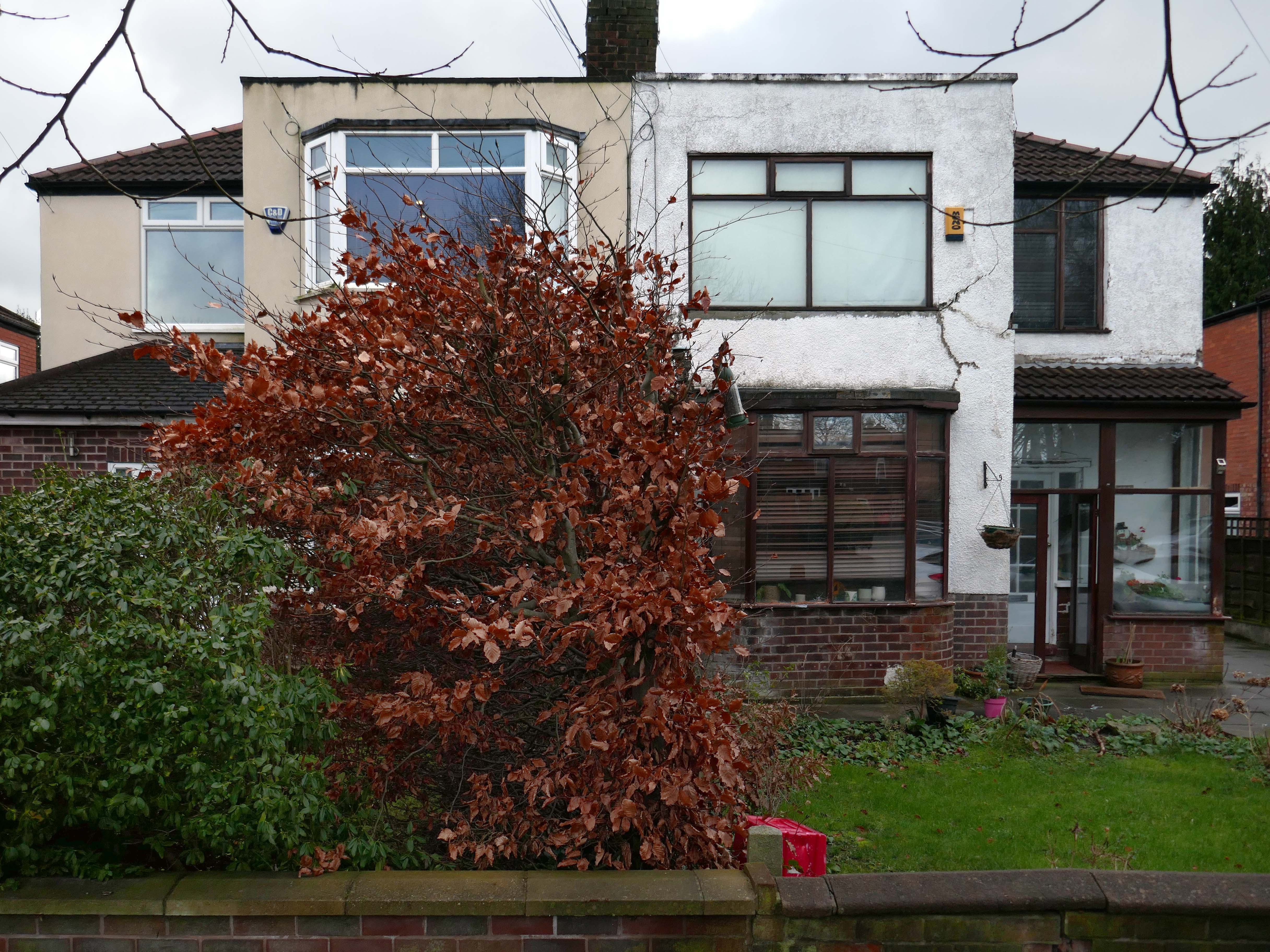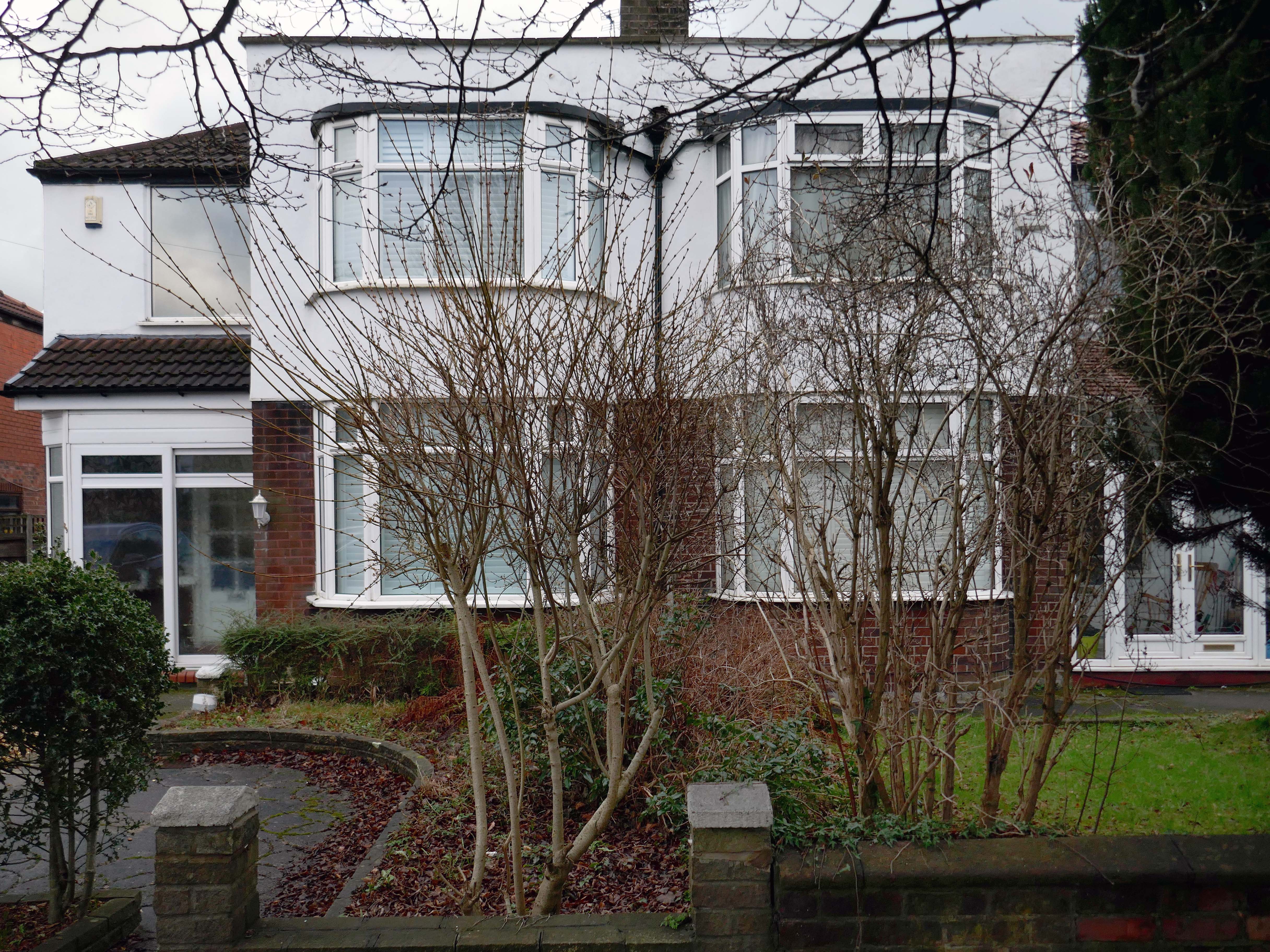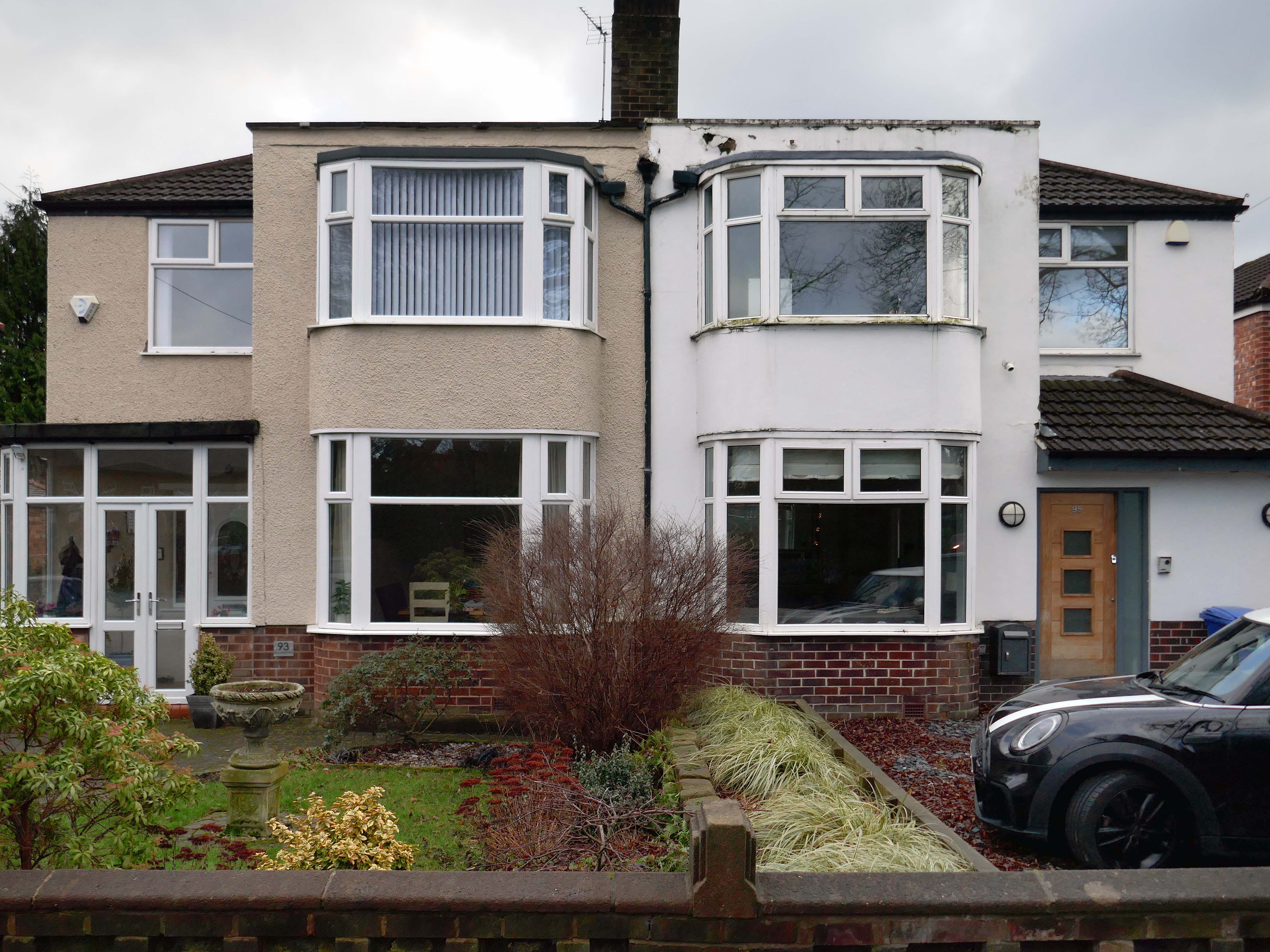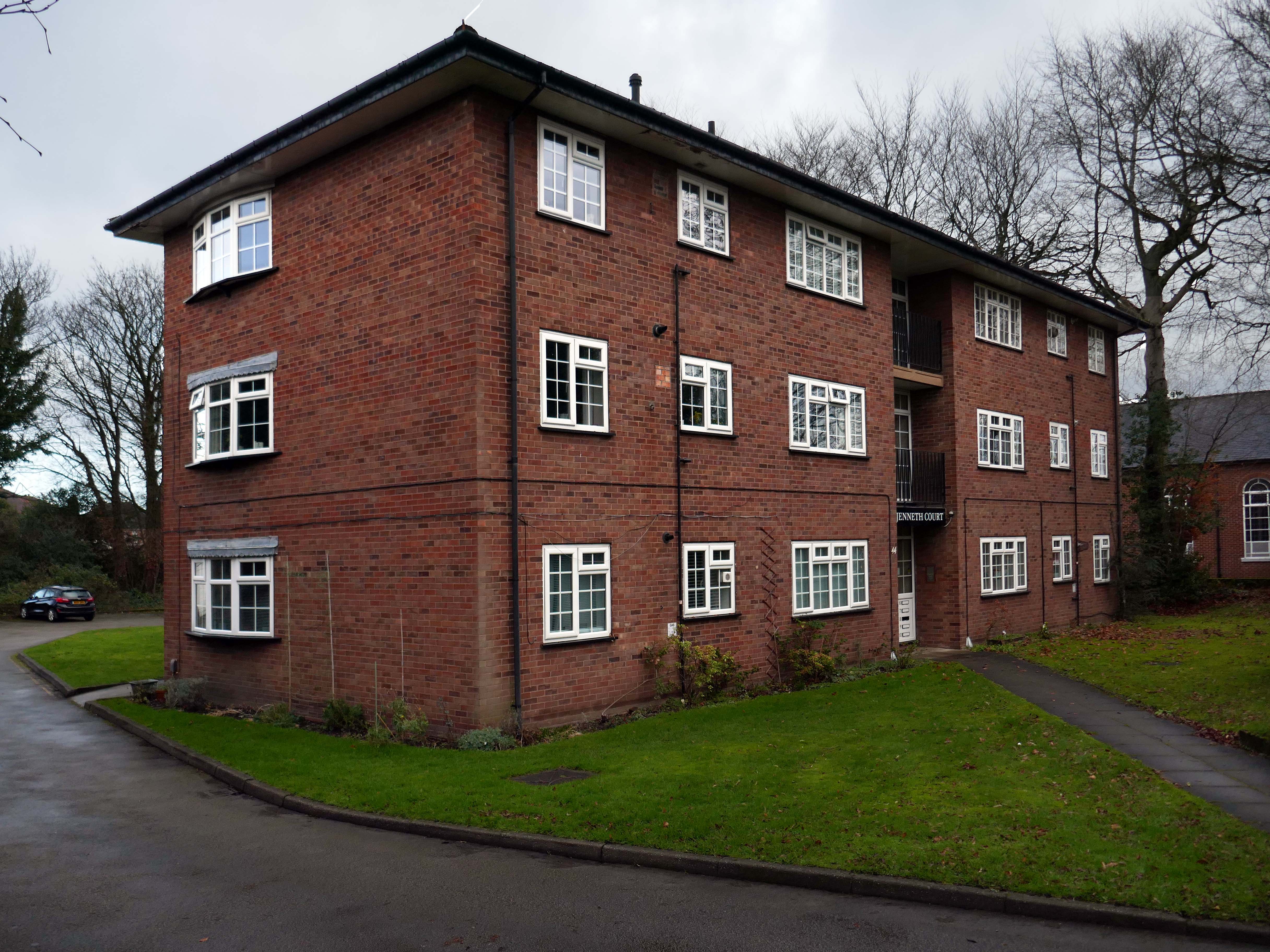
Corporation Street Flats – Stafford

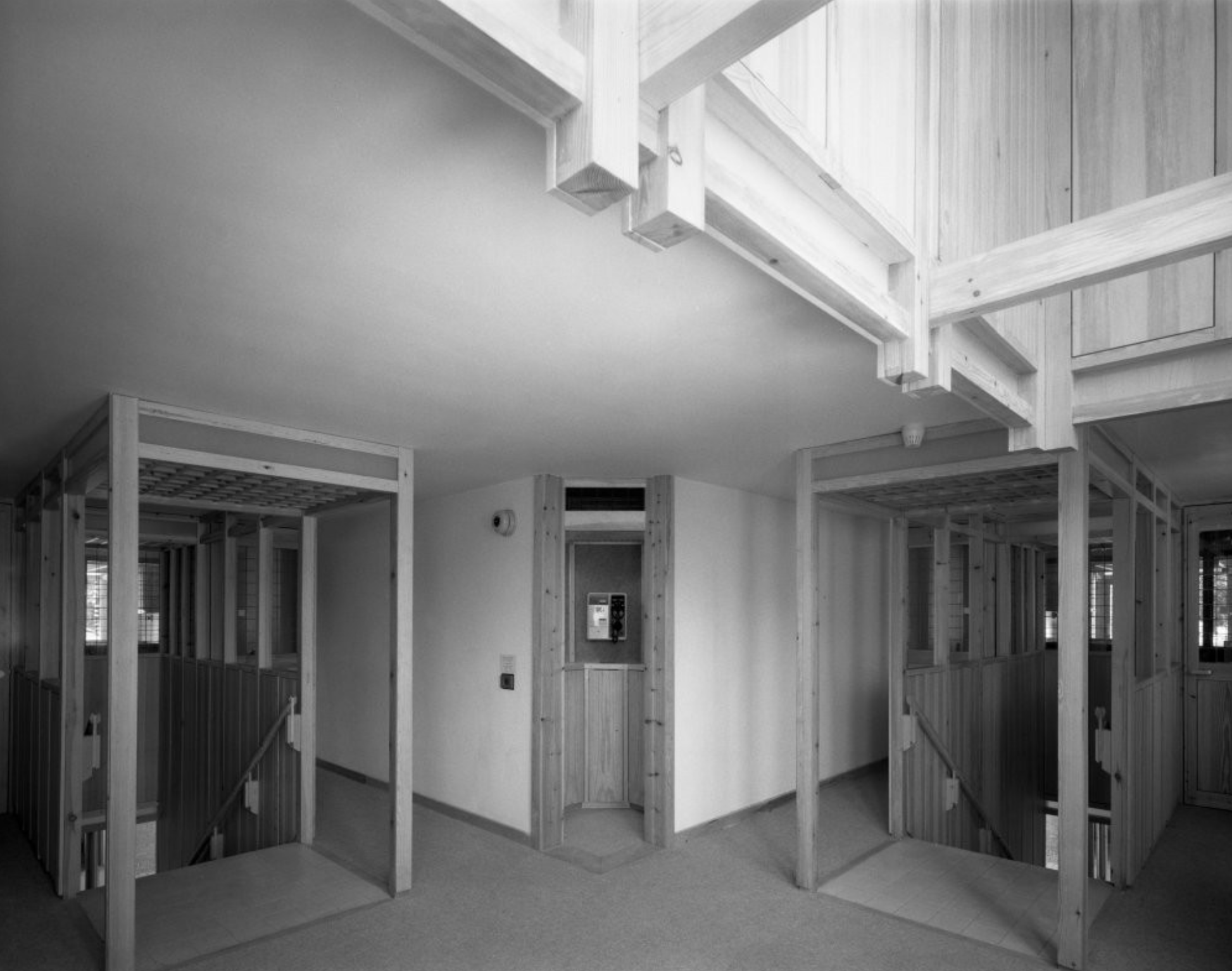
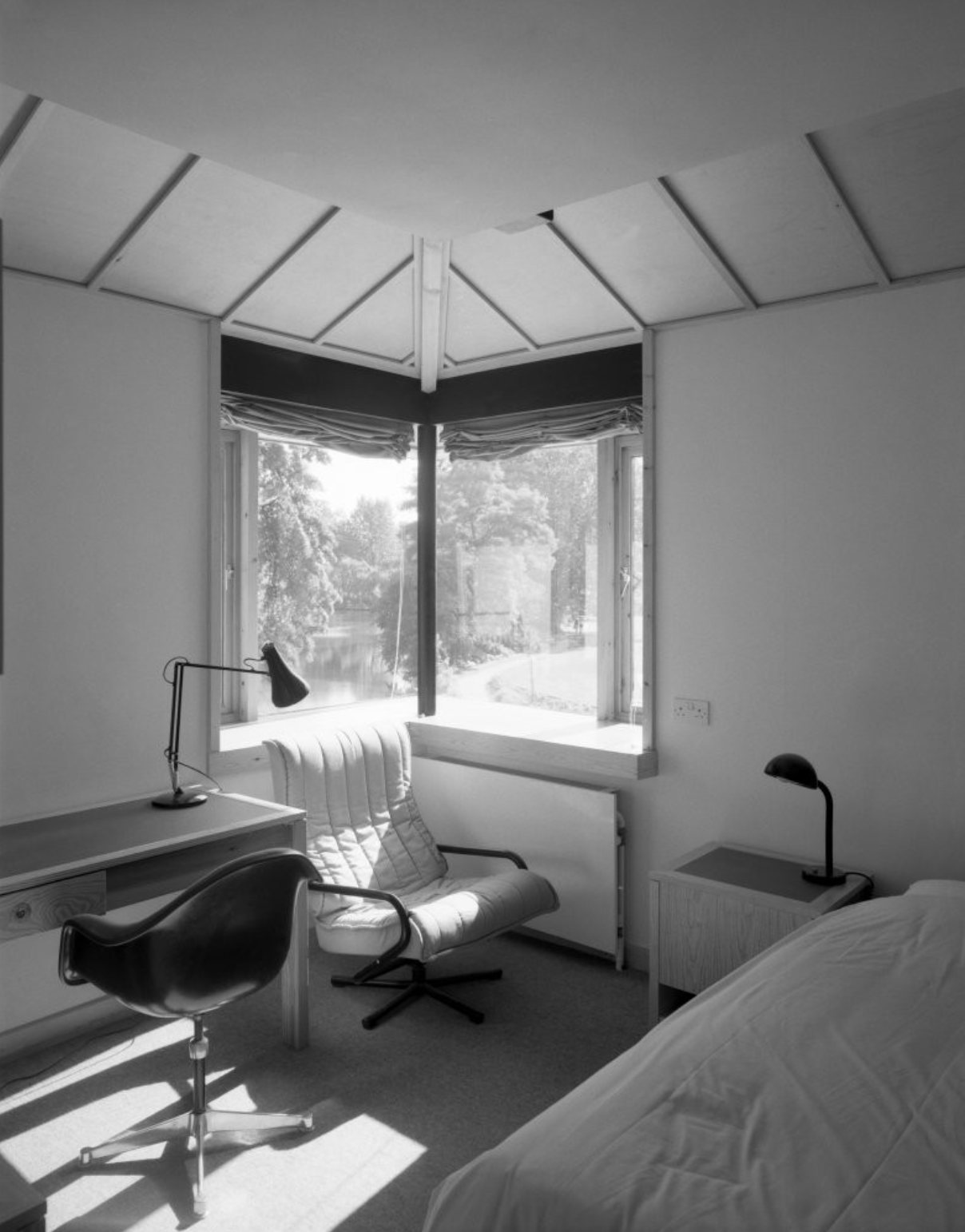
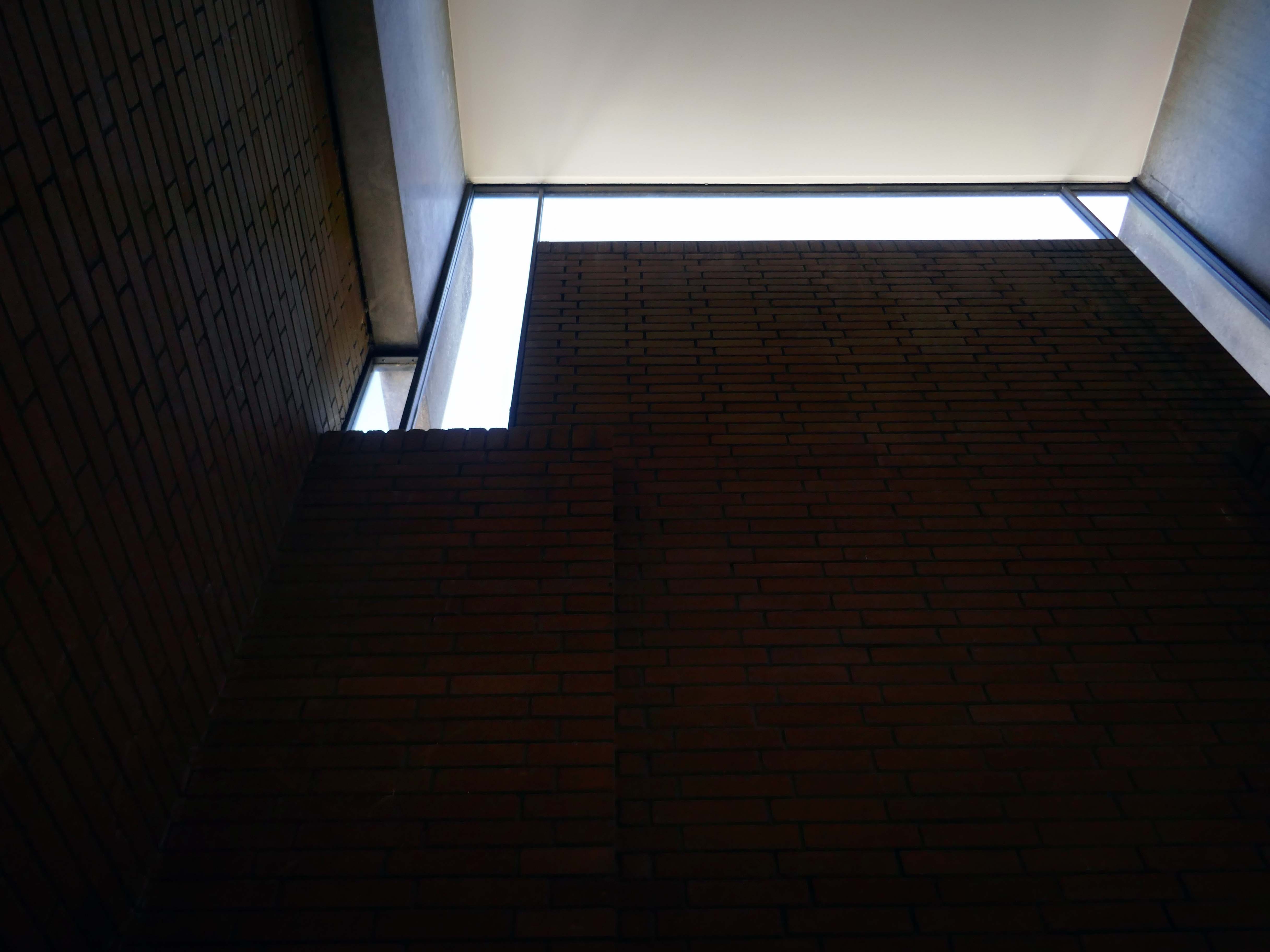
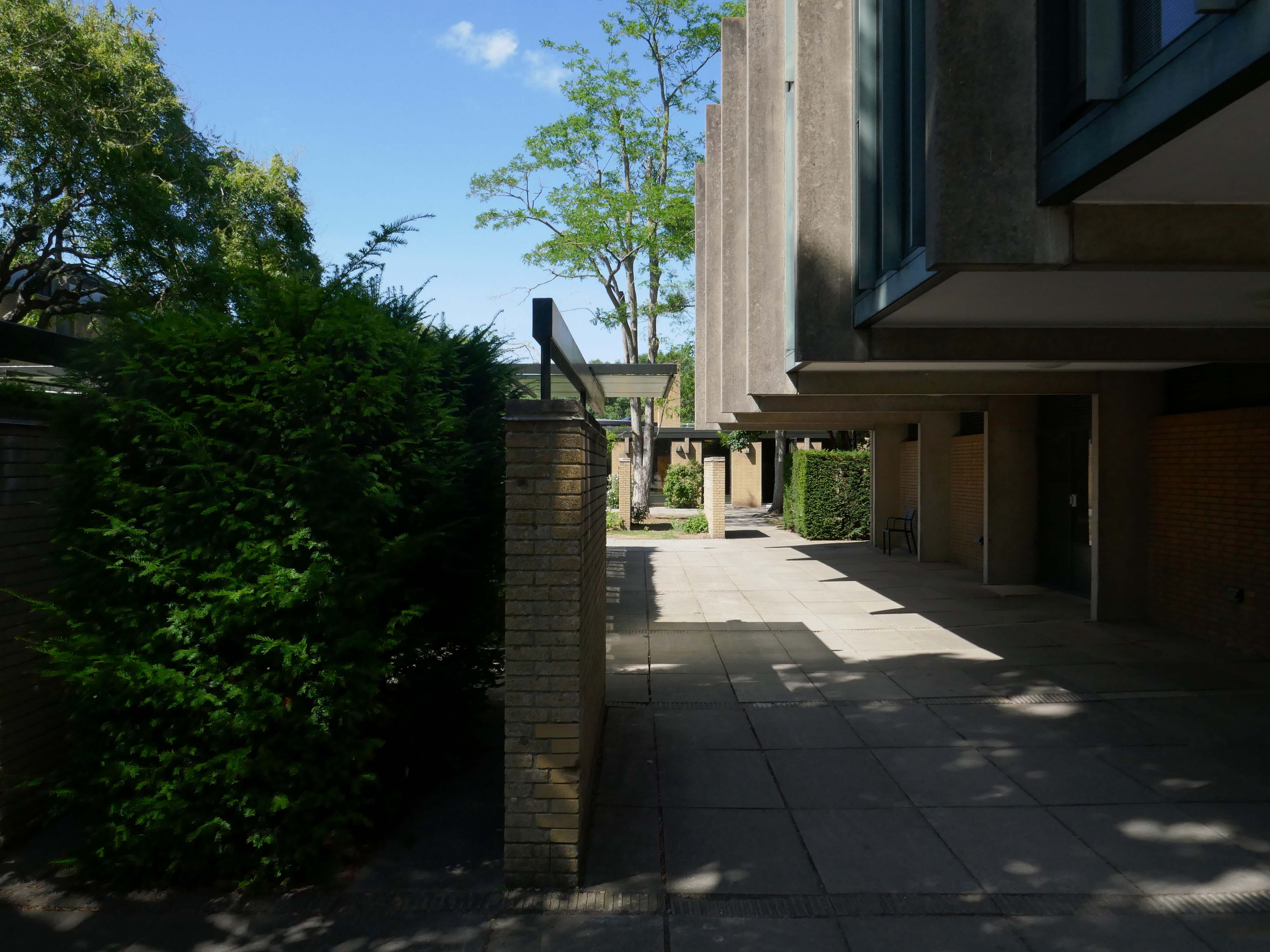
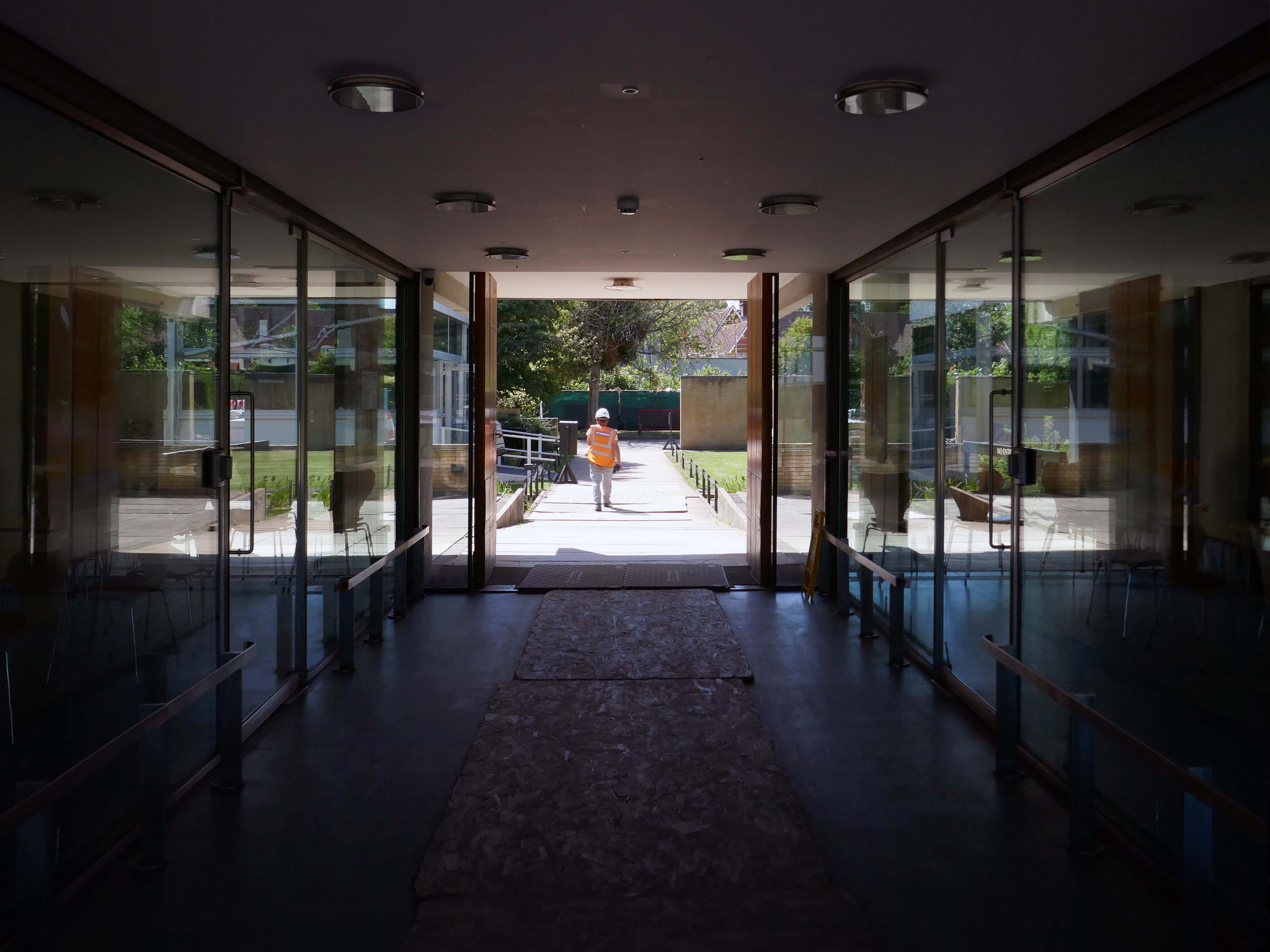
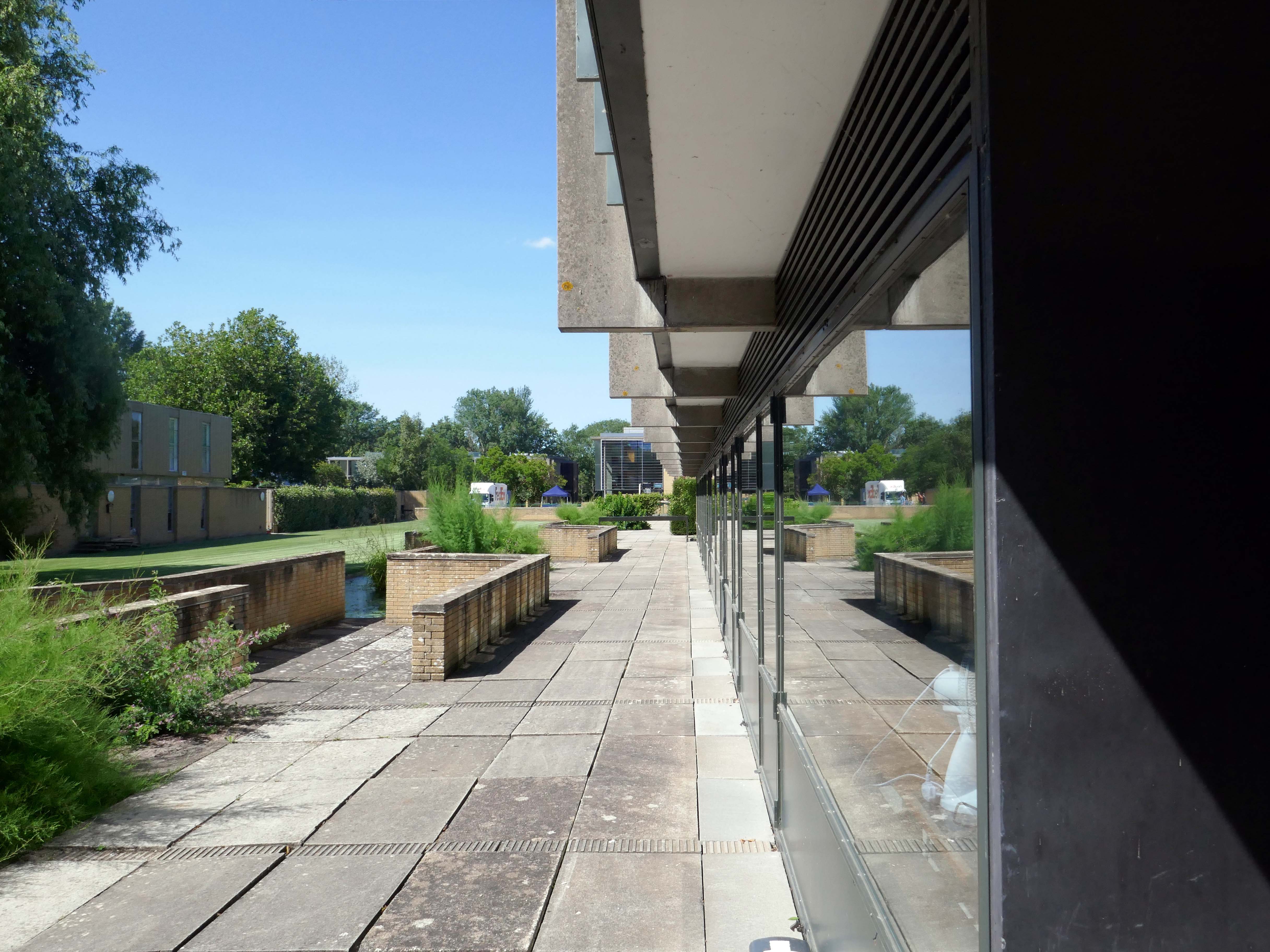
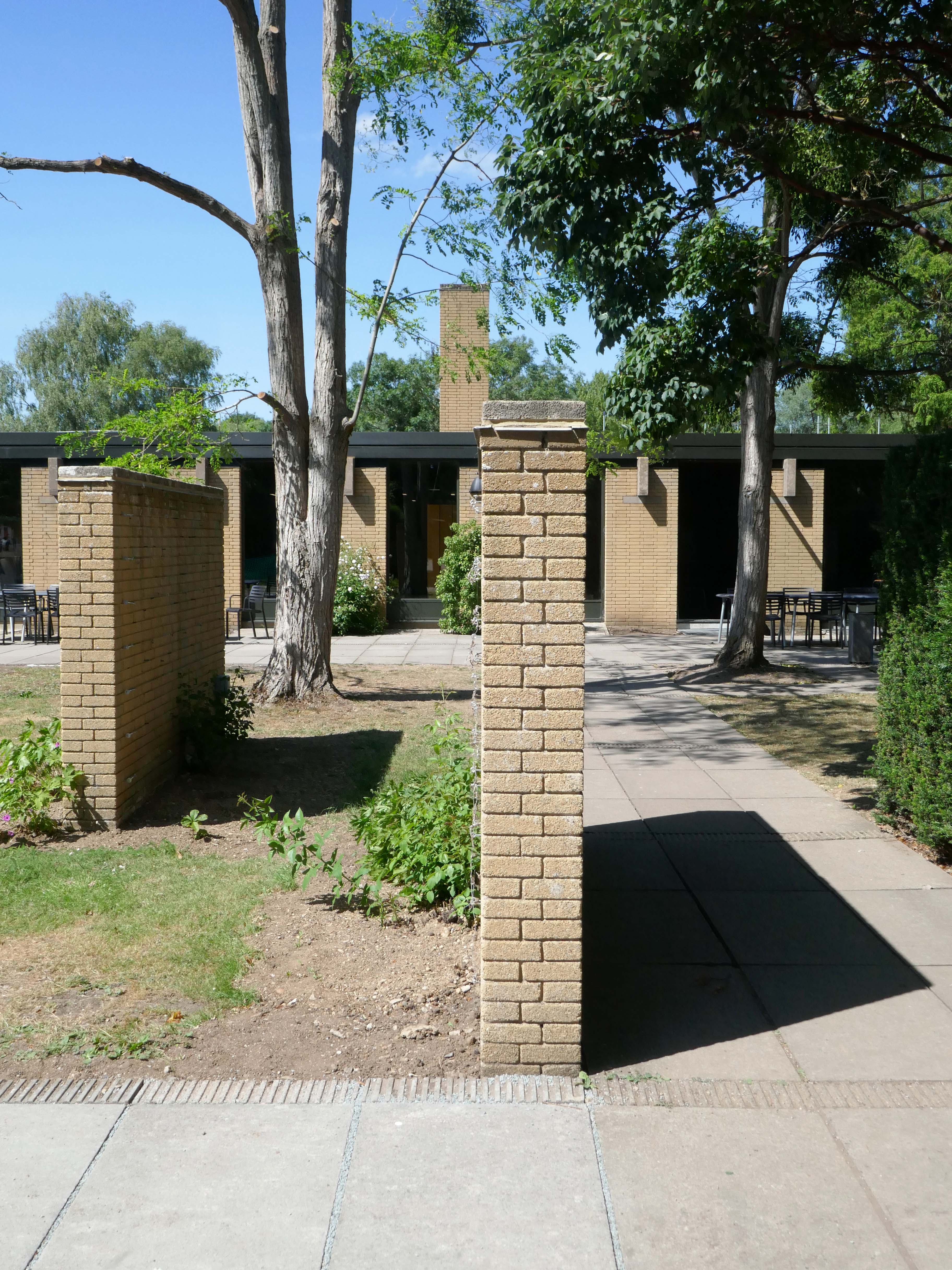
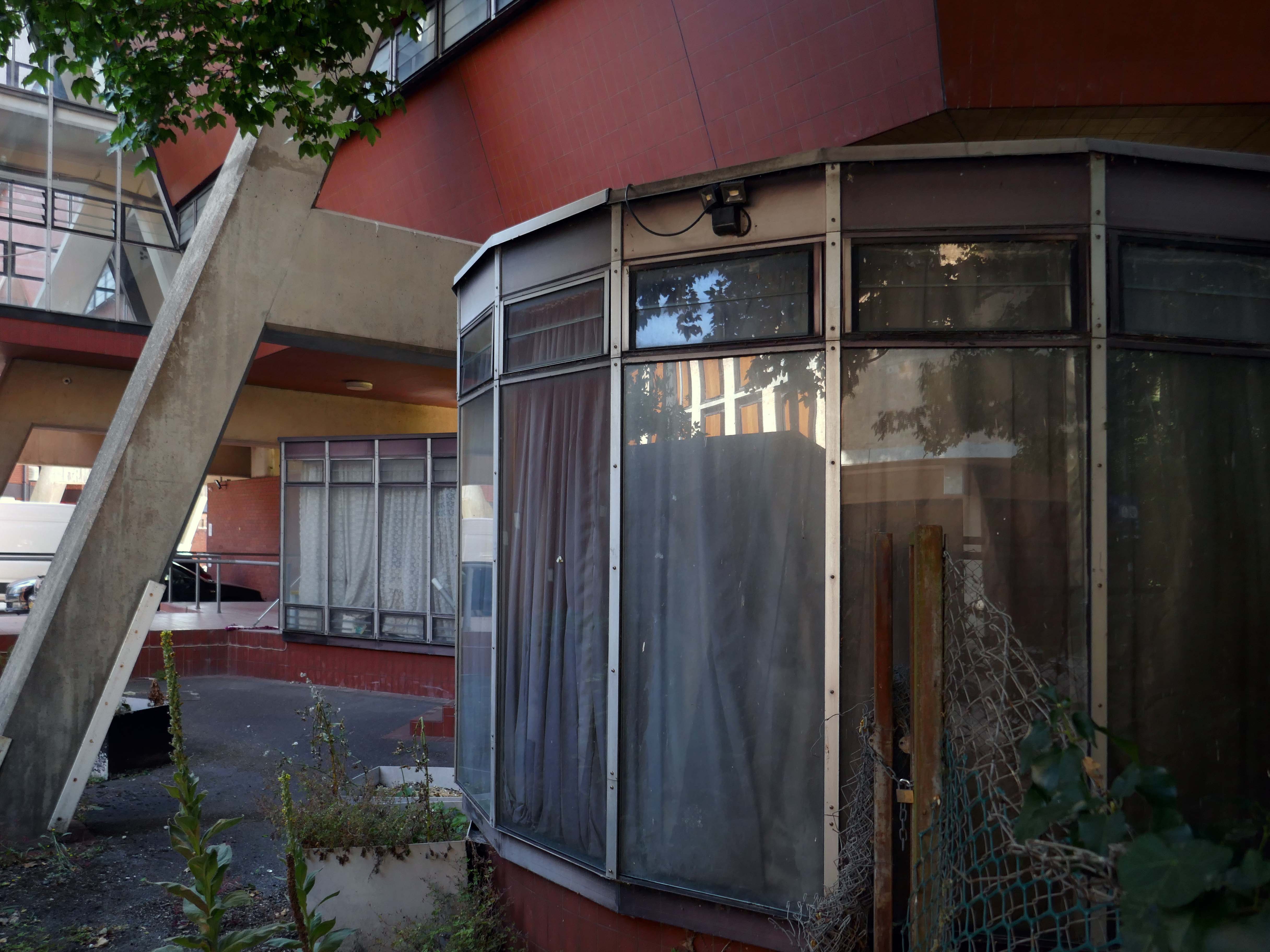
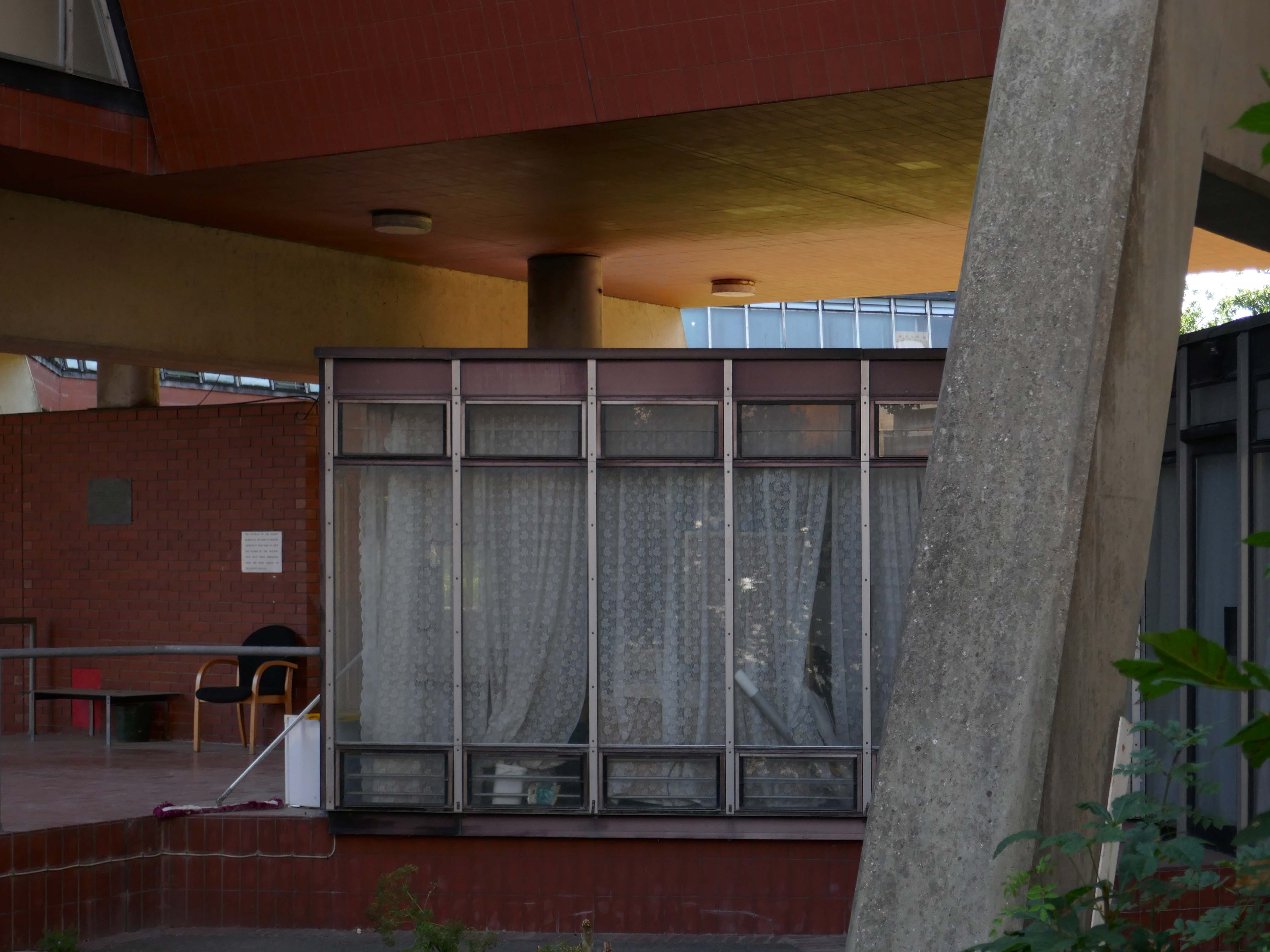
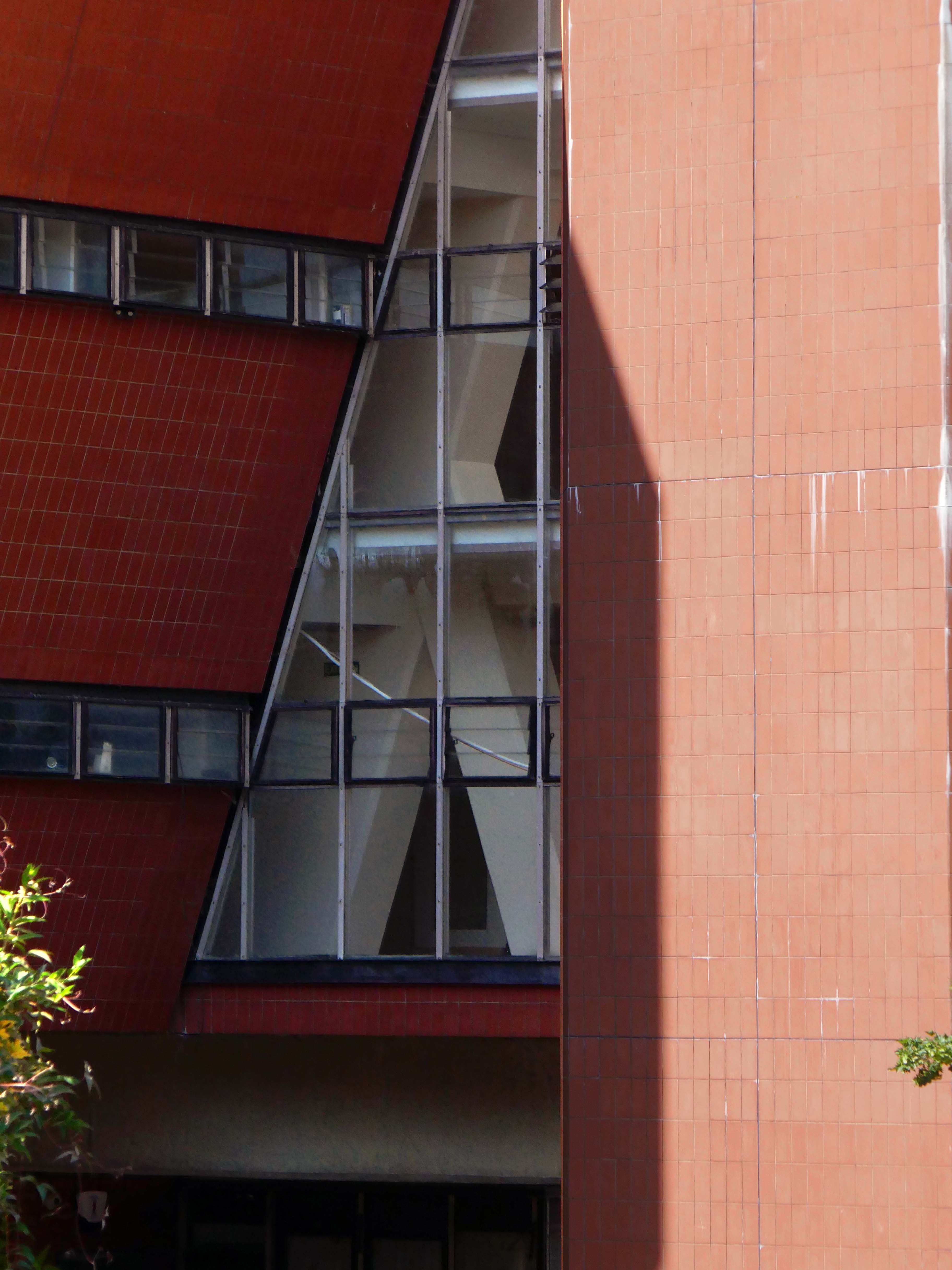
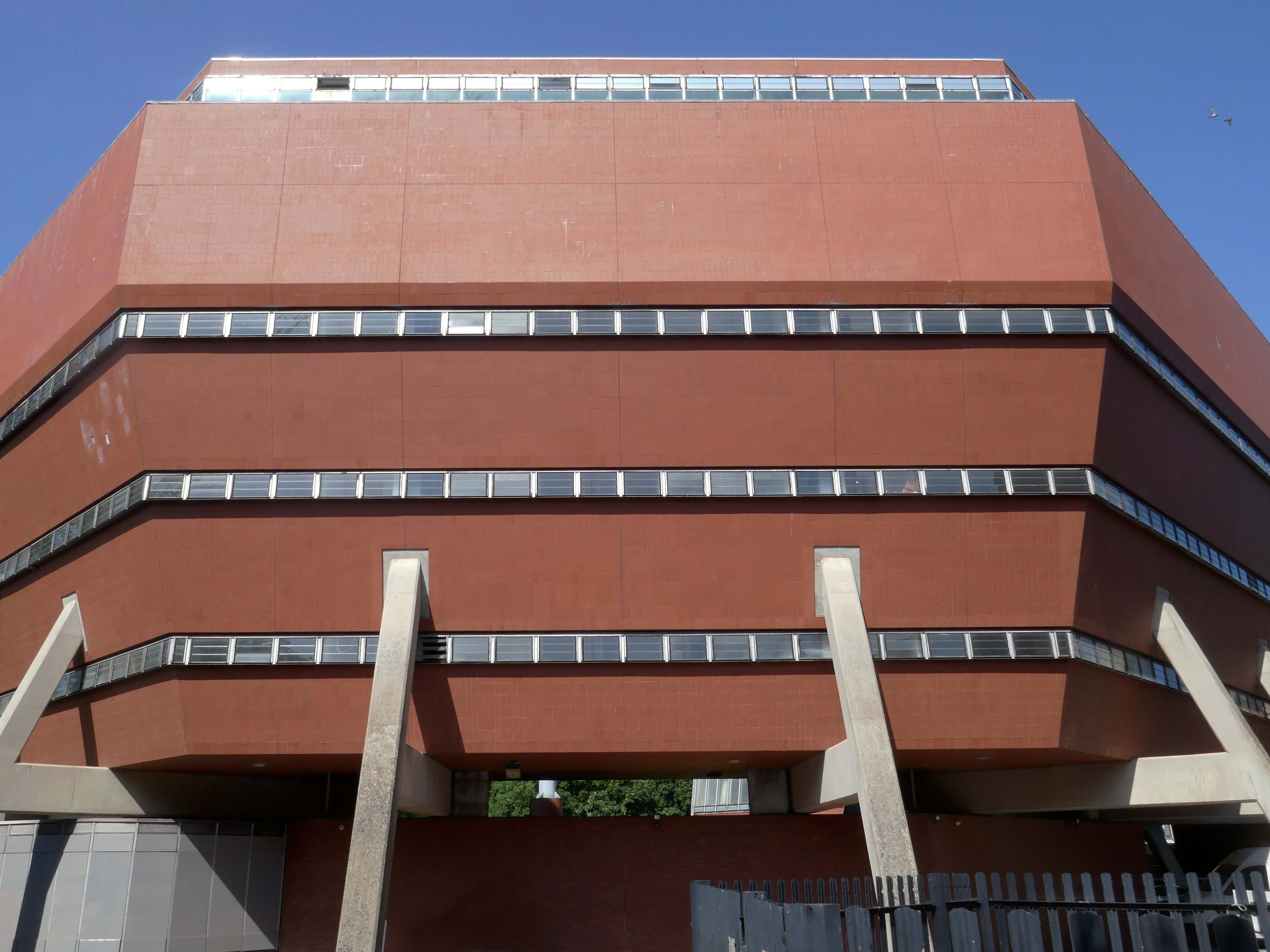
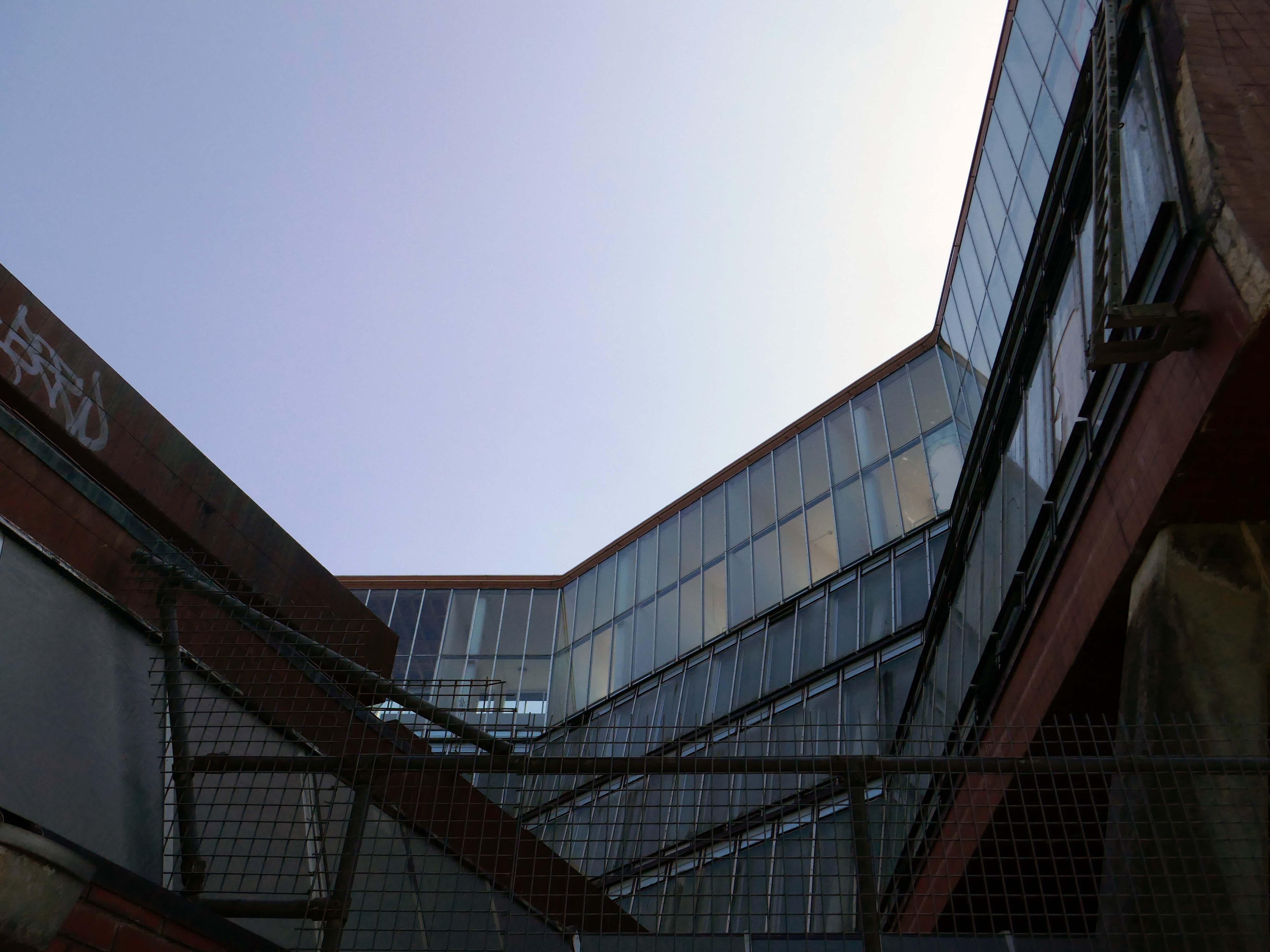
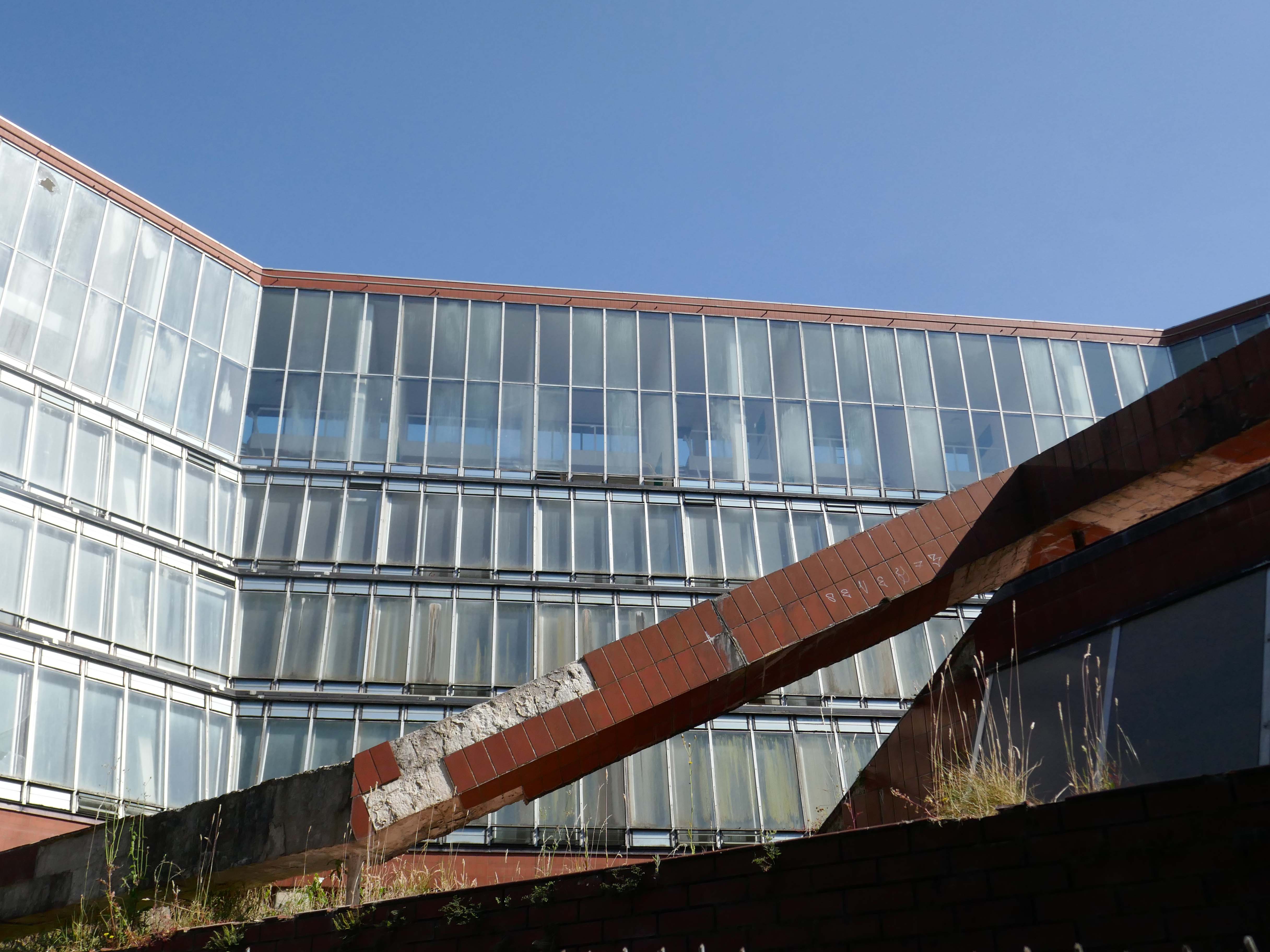
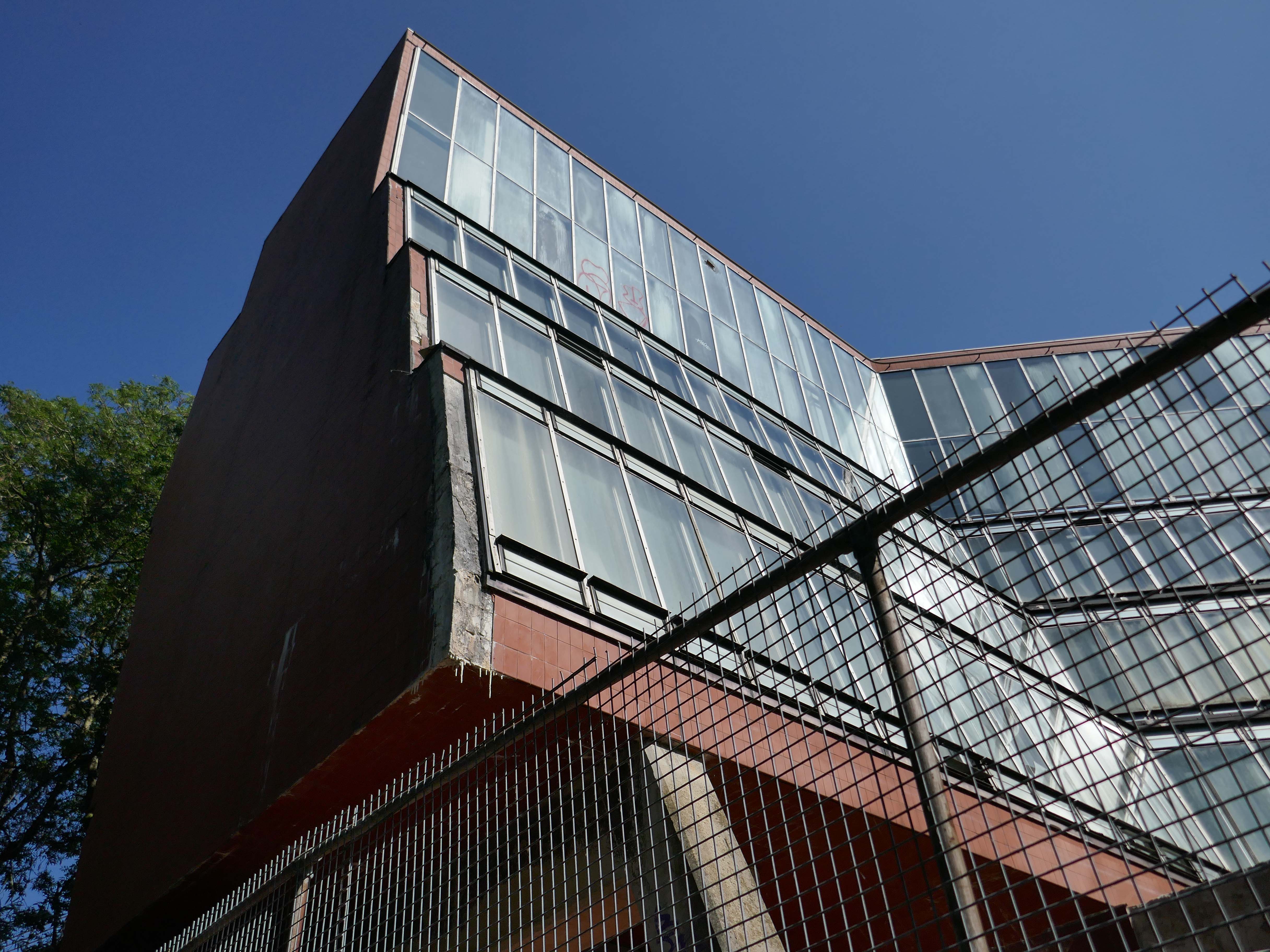
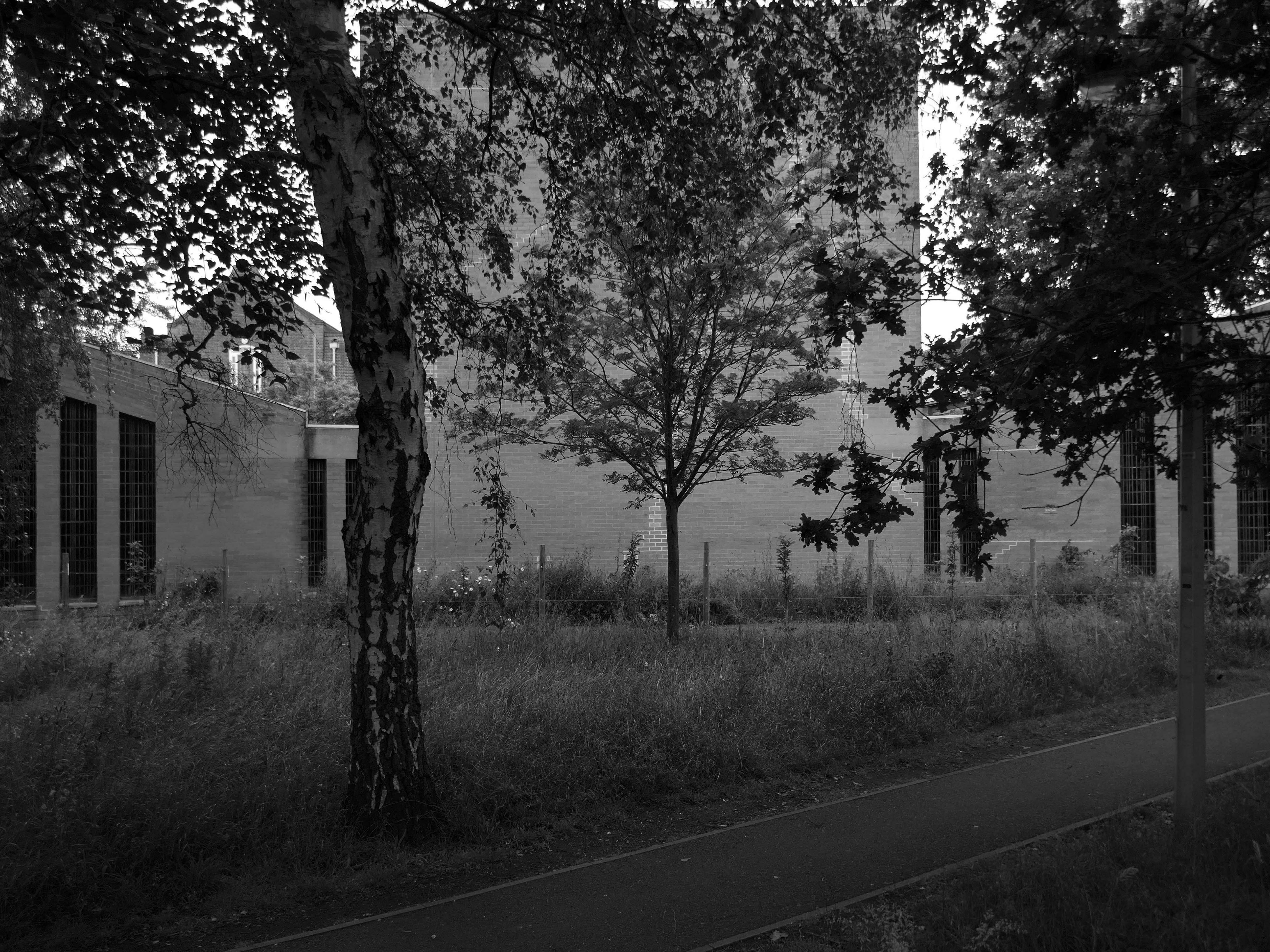
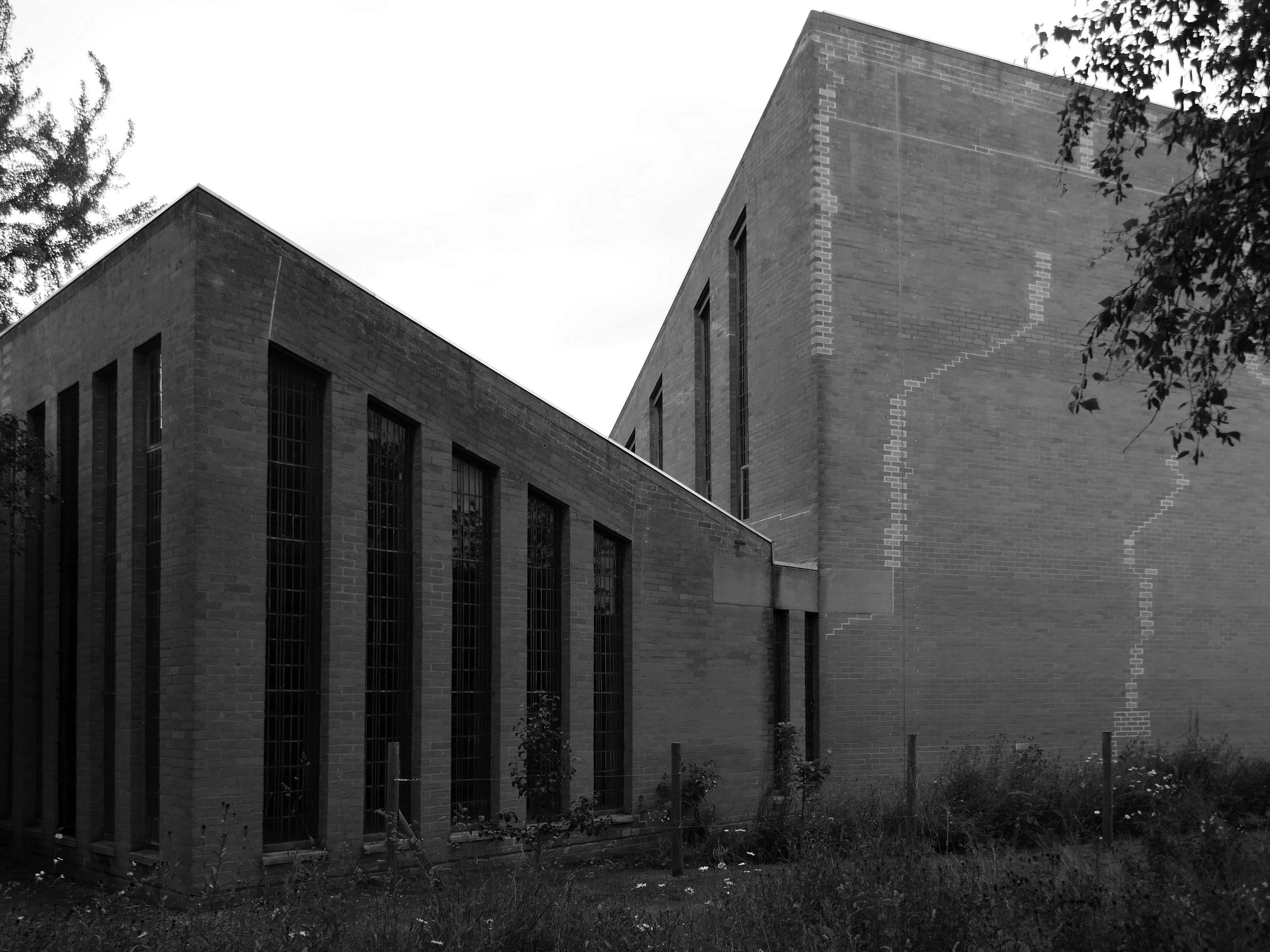
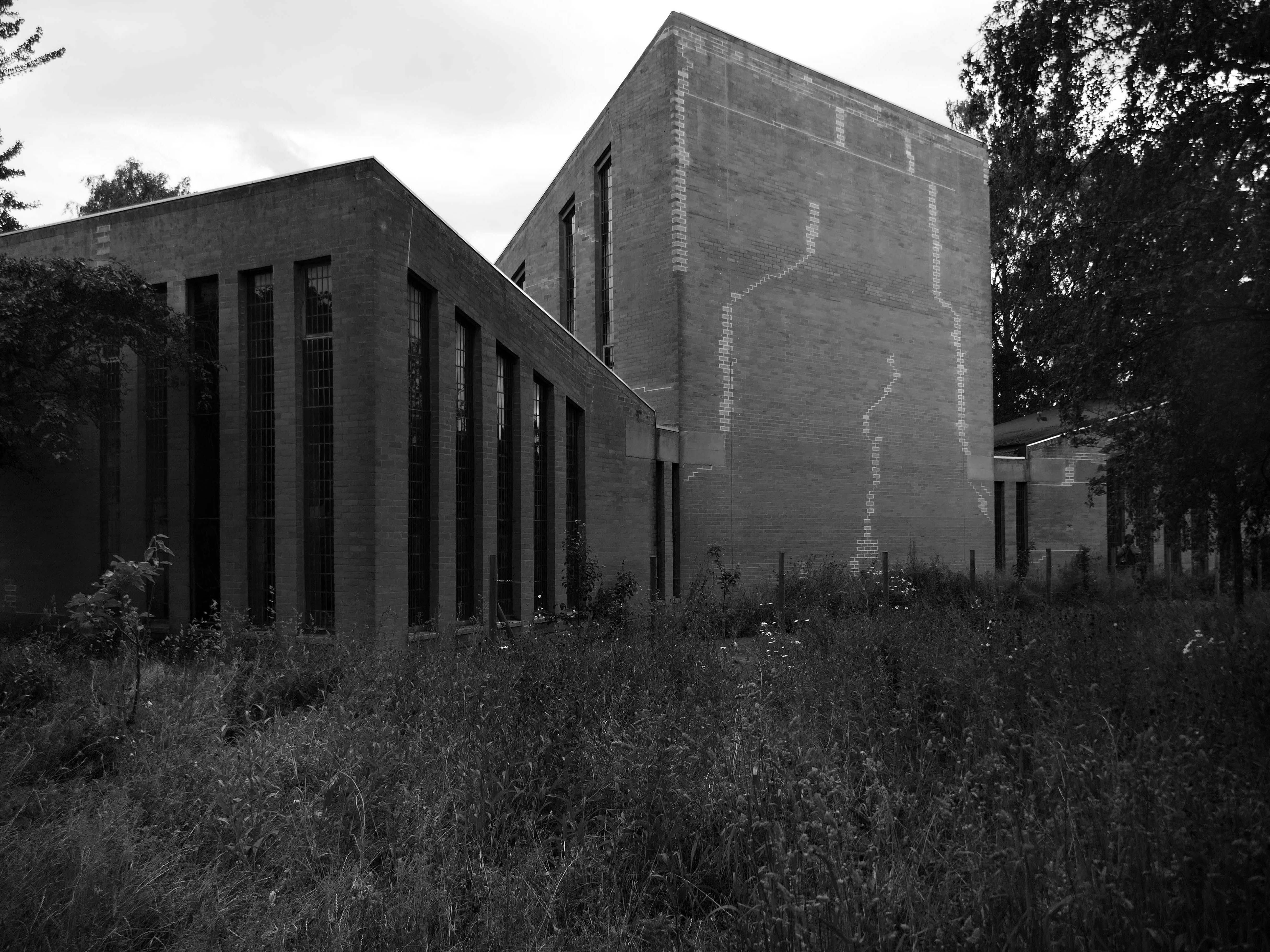
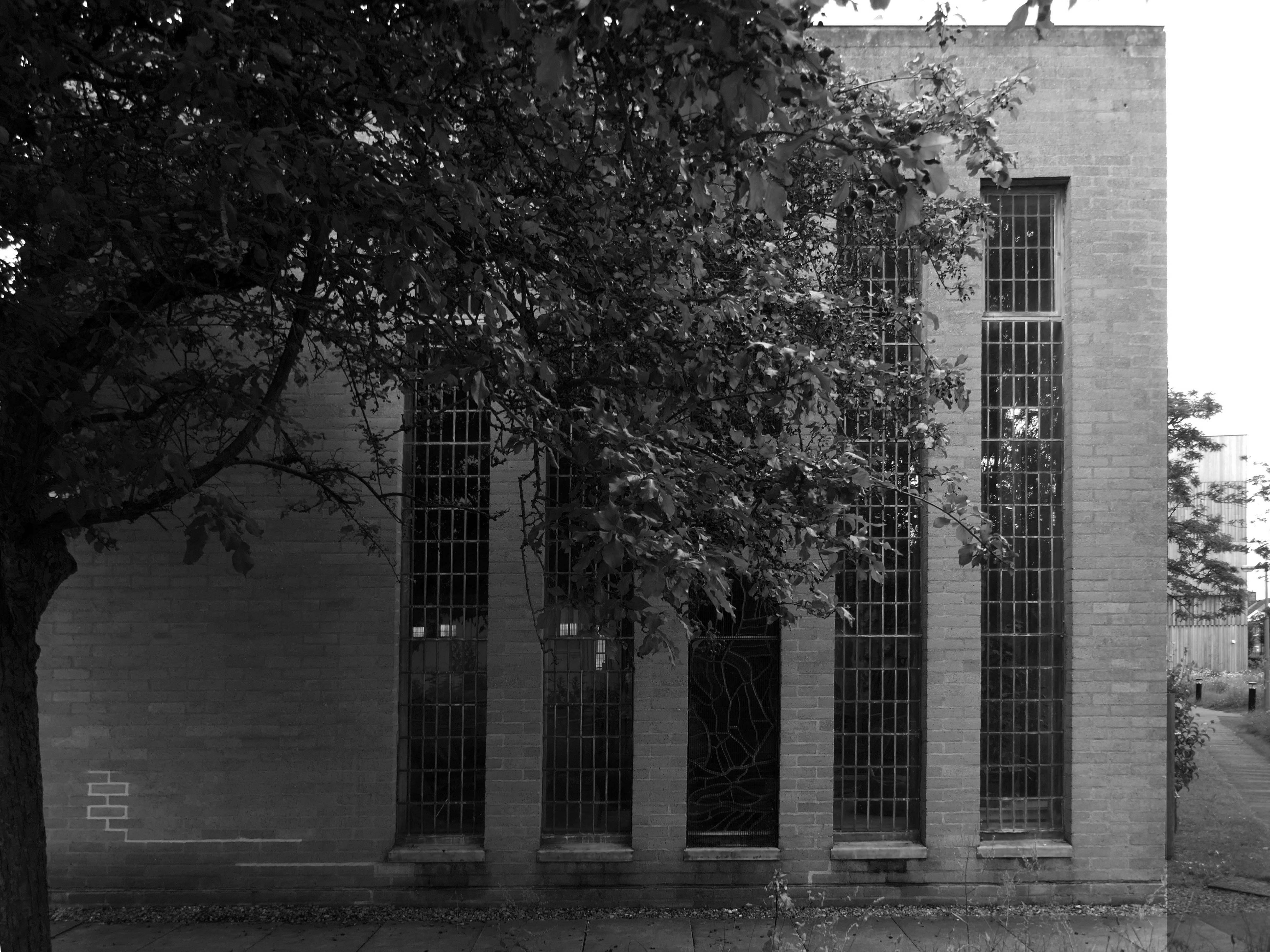
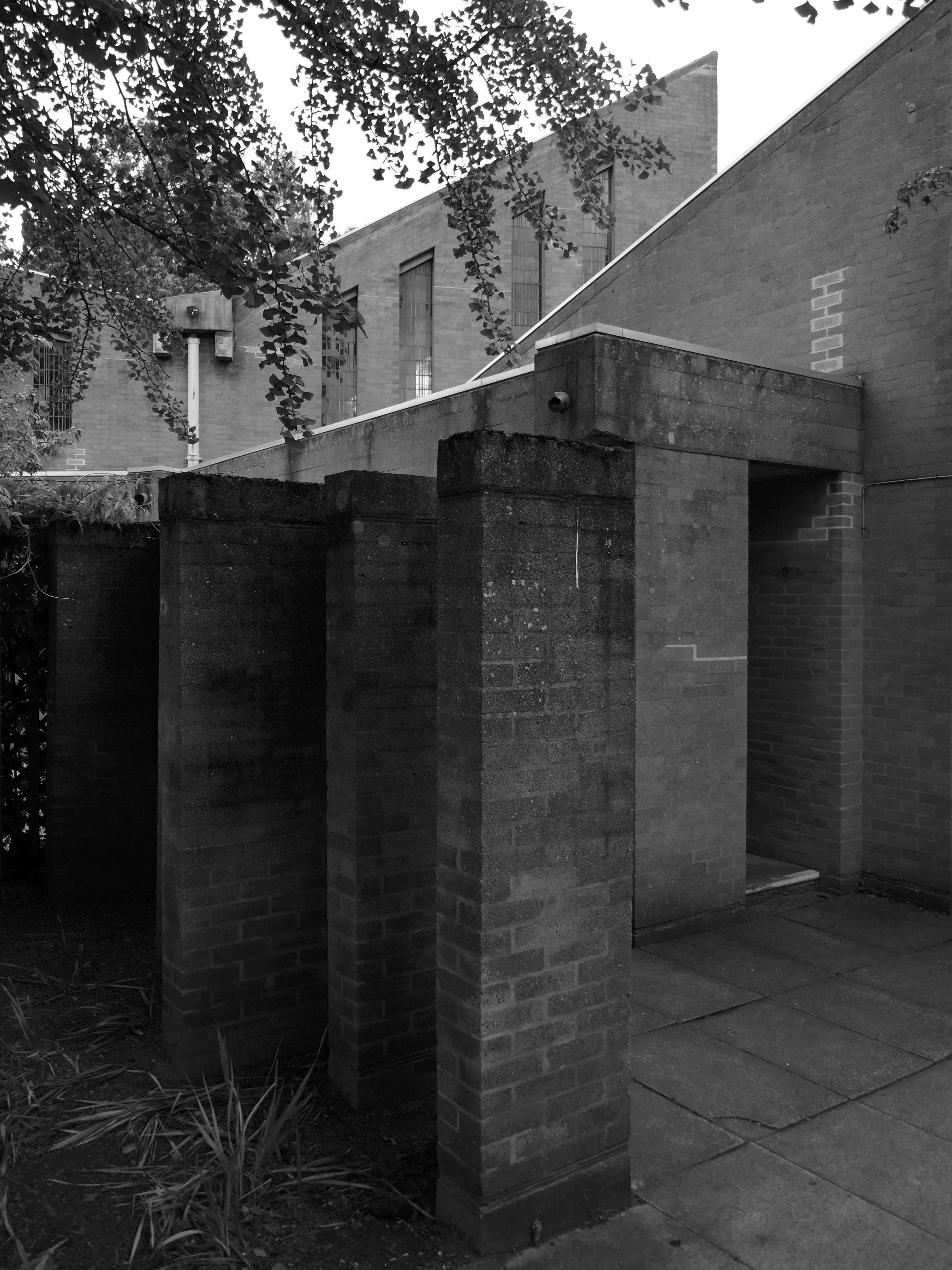
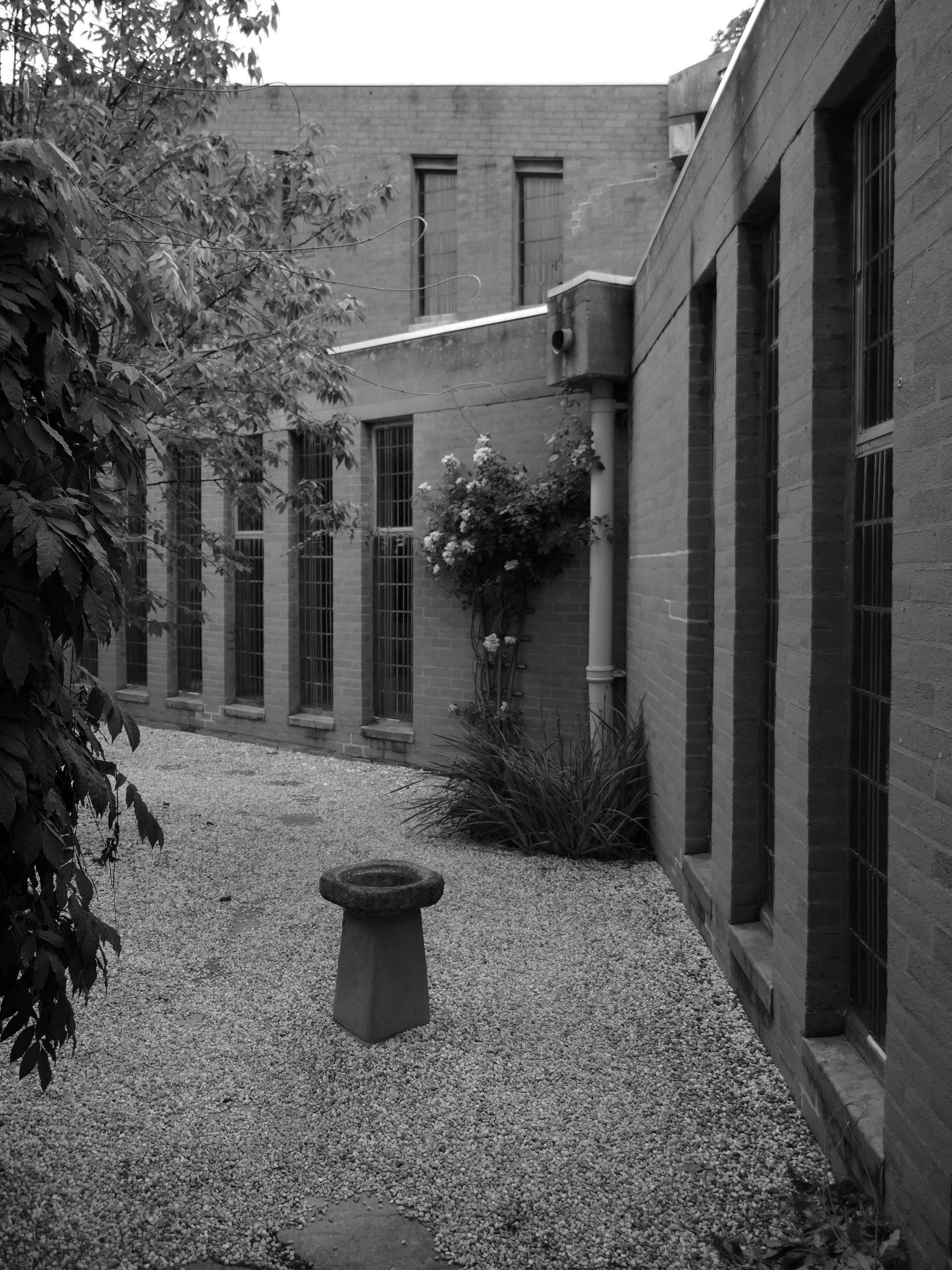
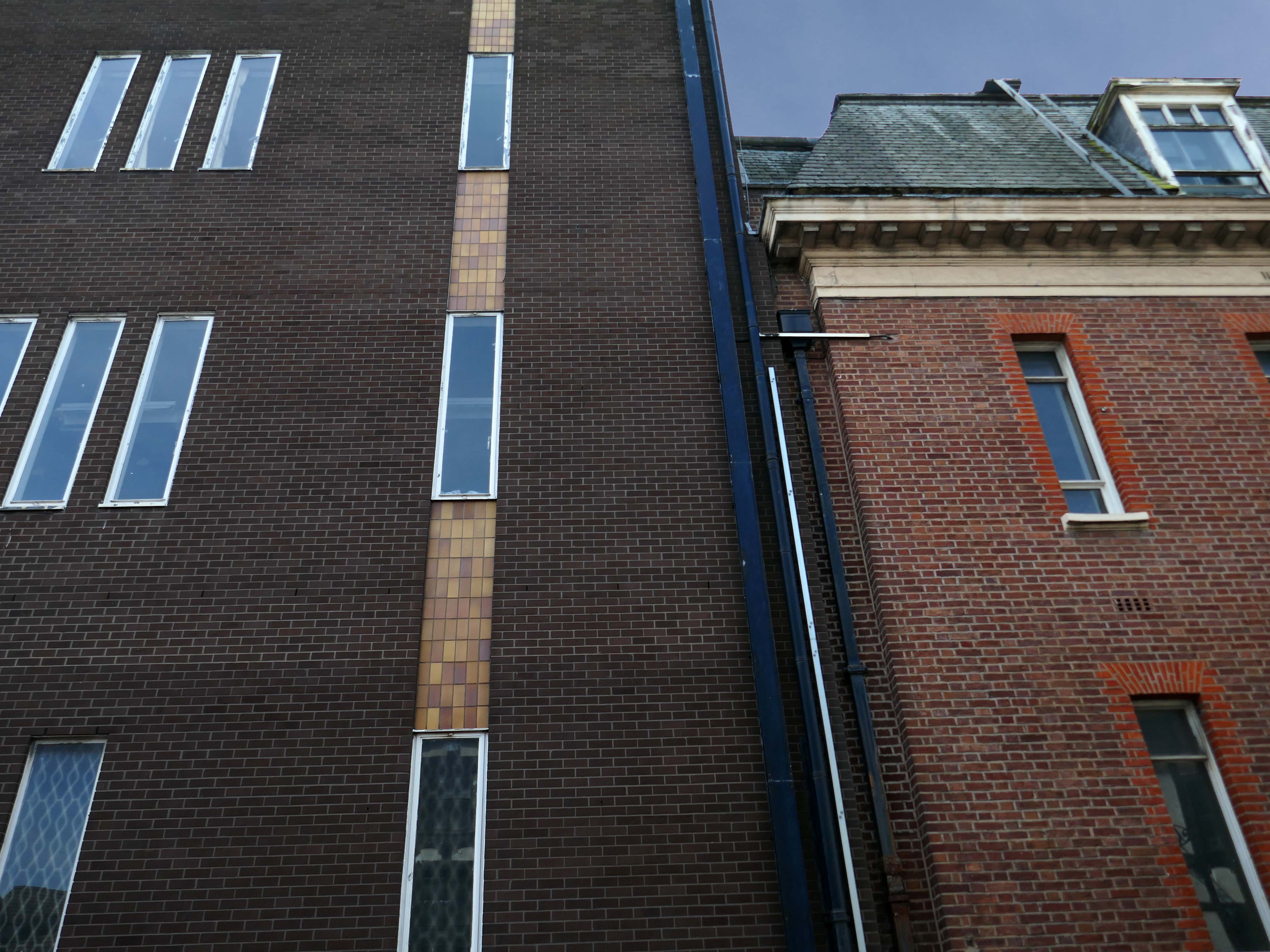
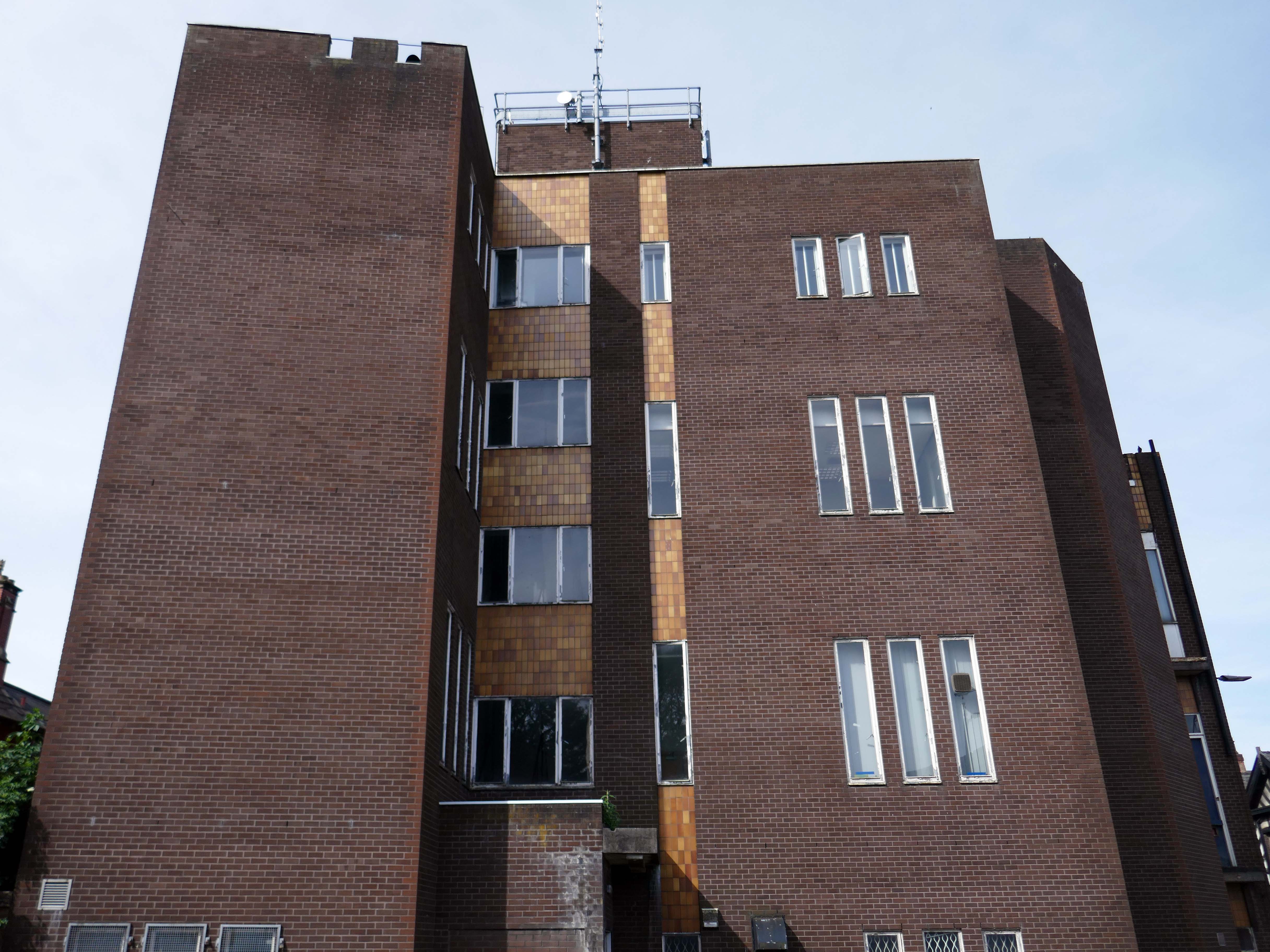
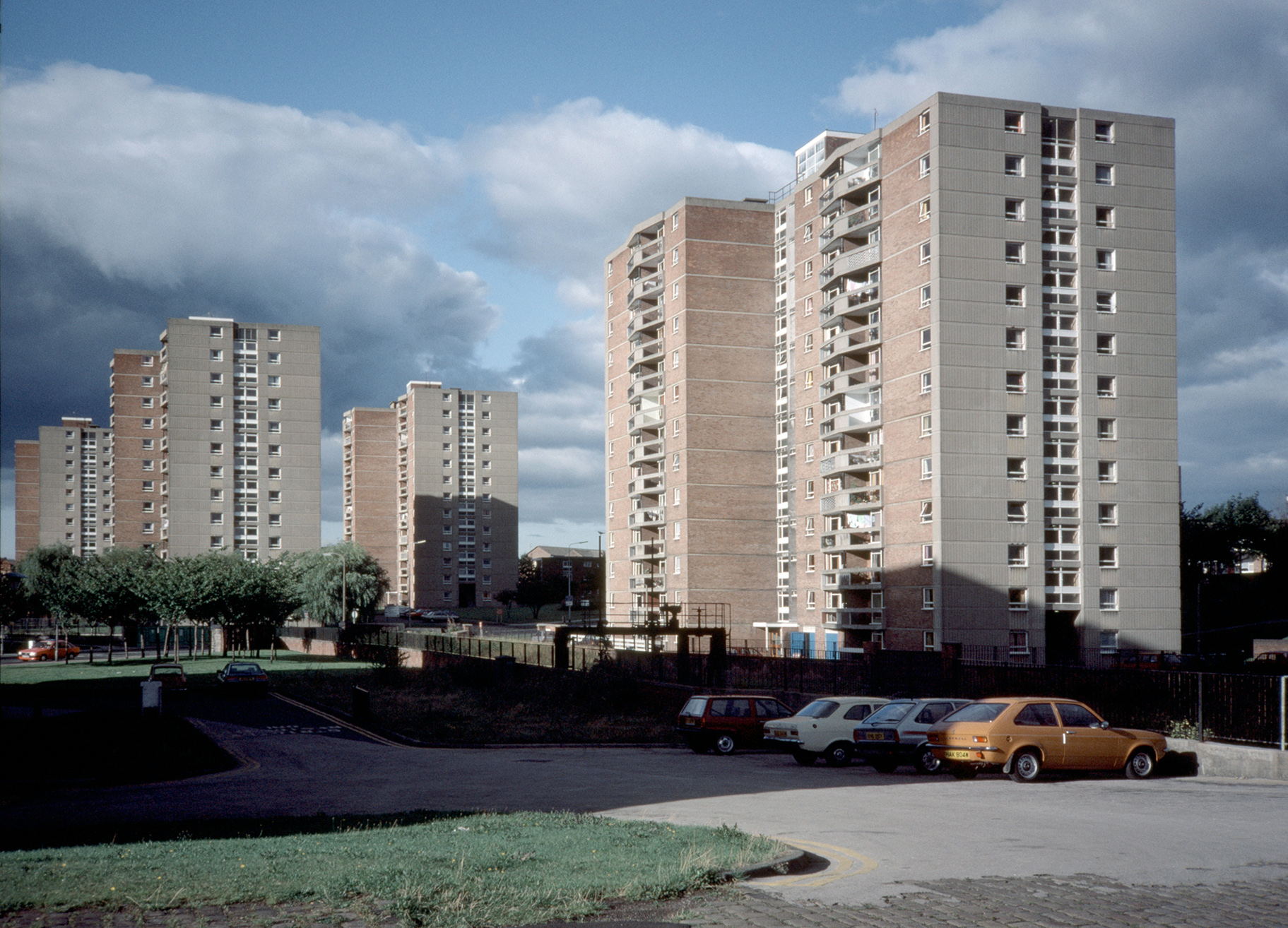
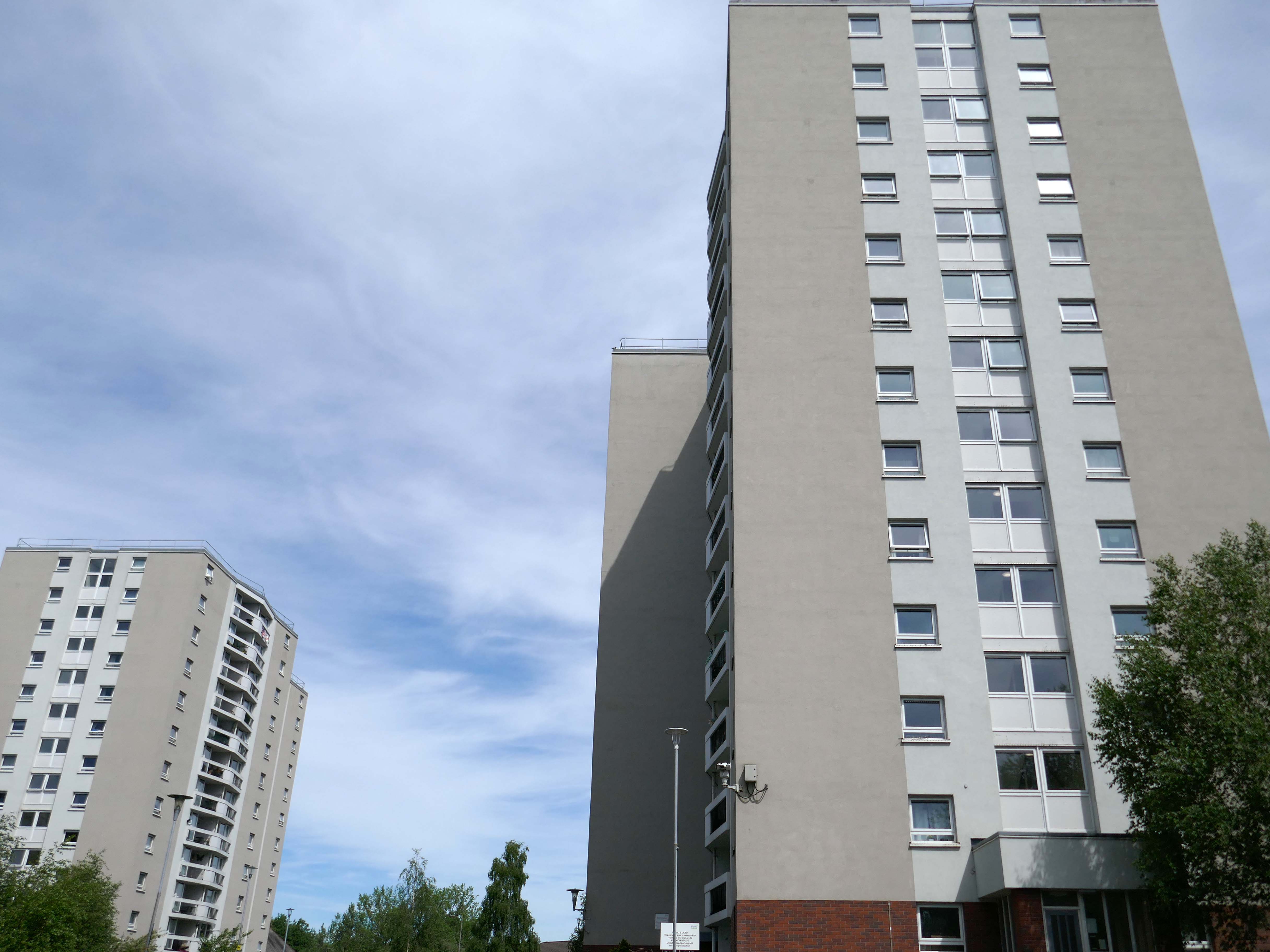
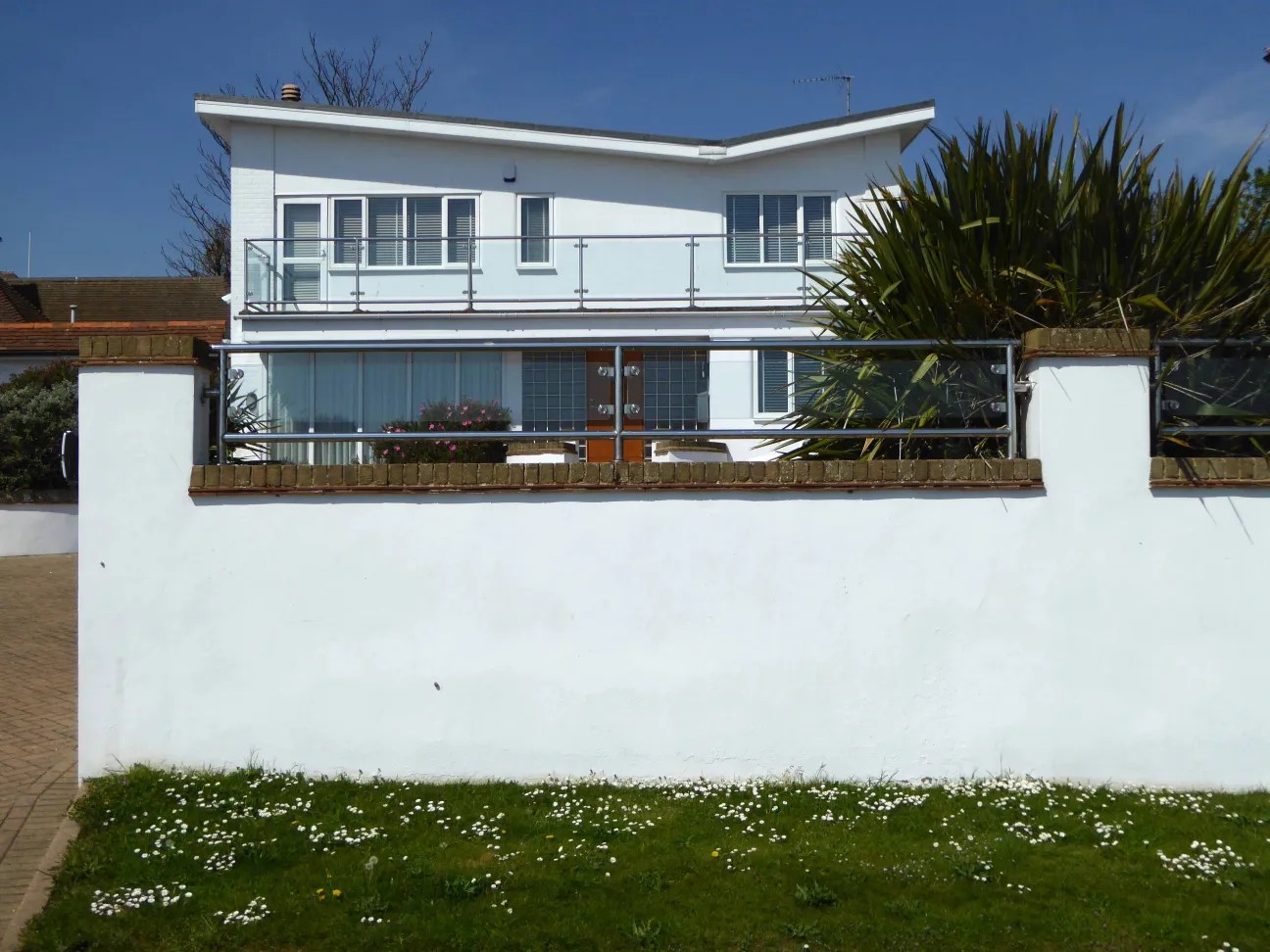
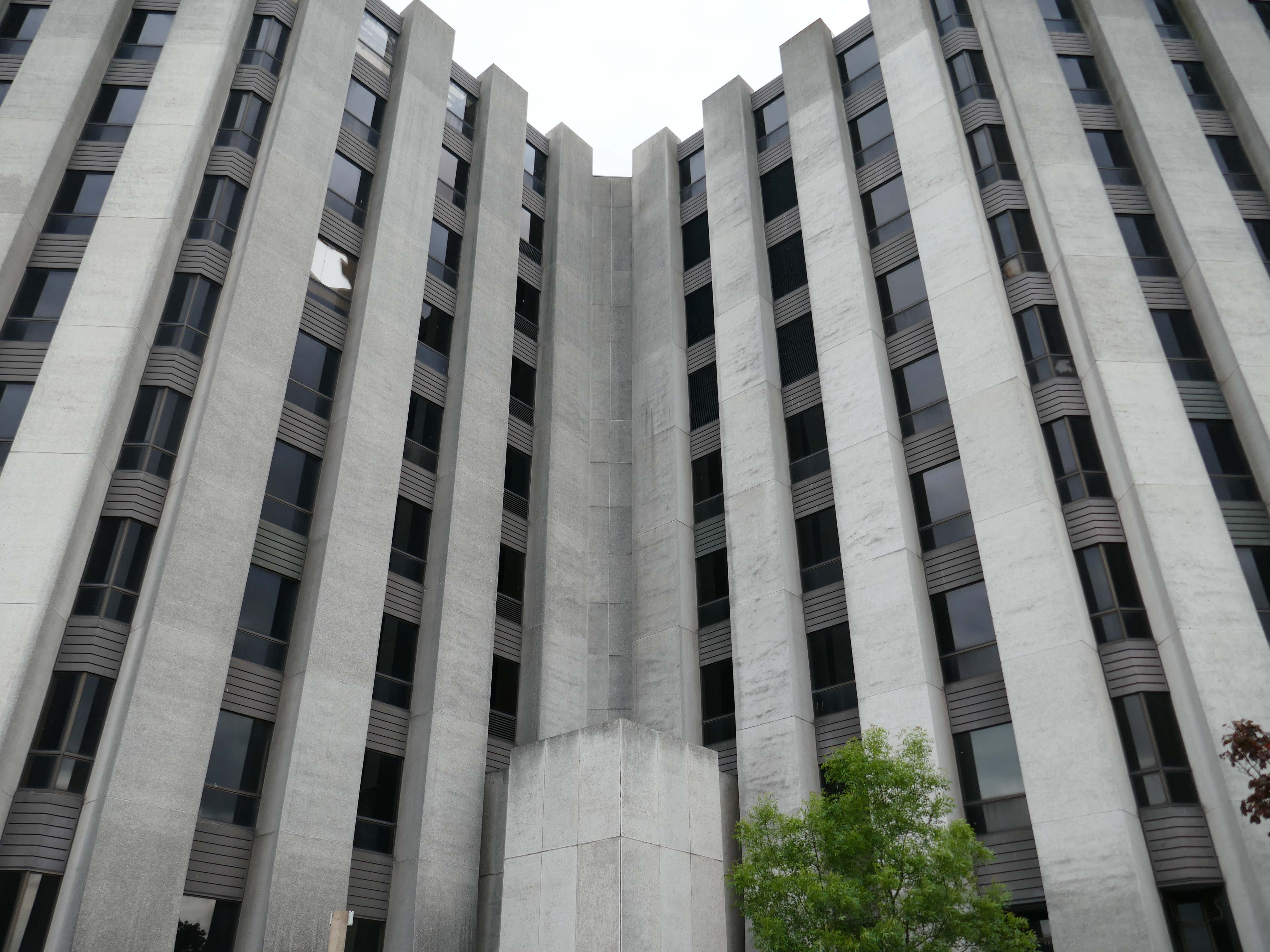
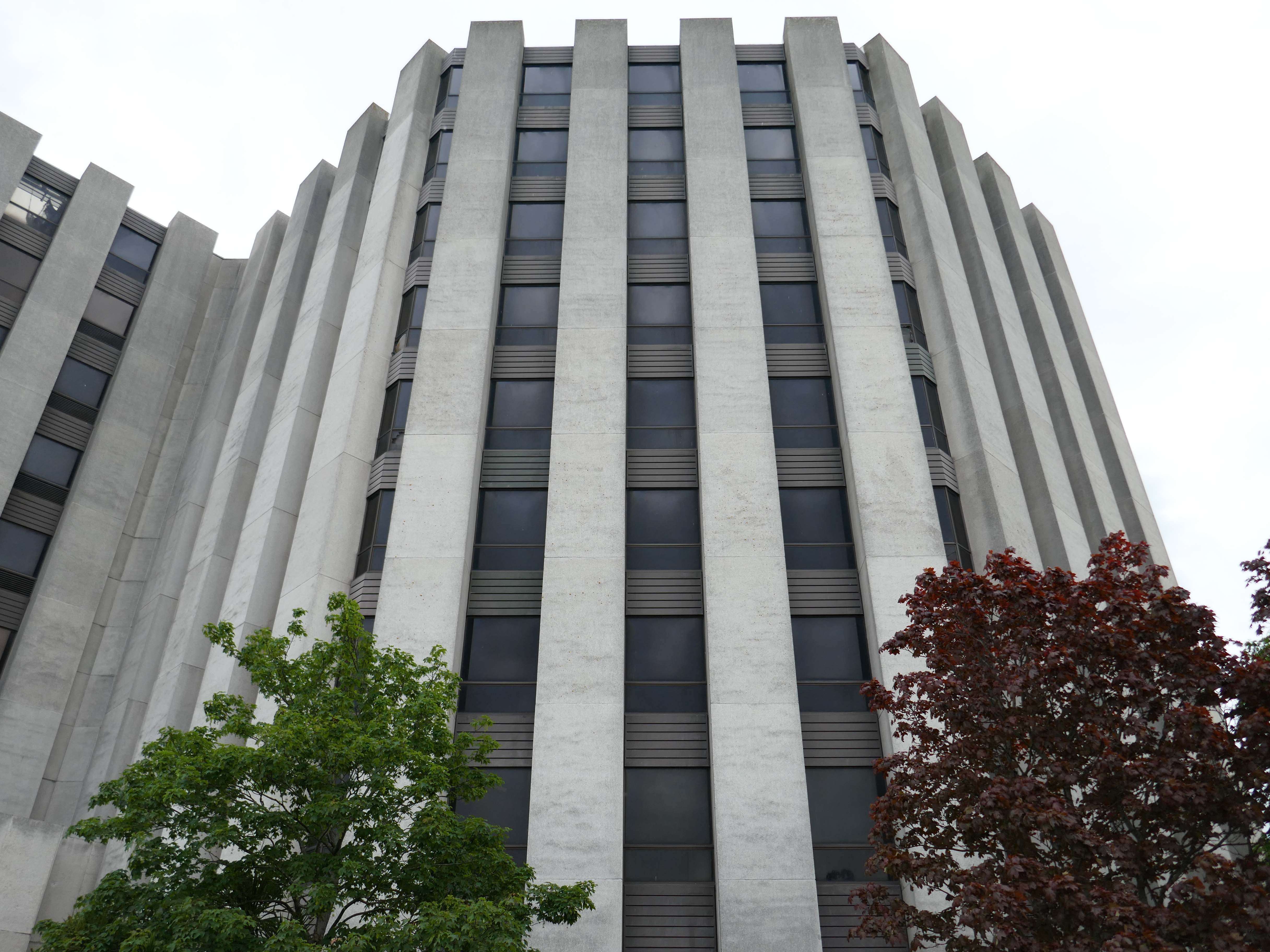
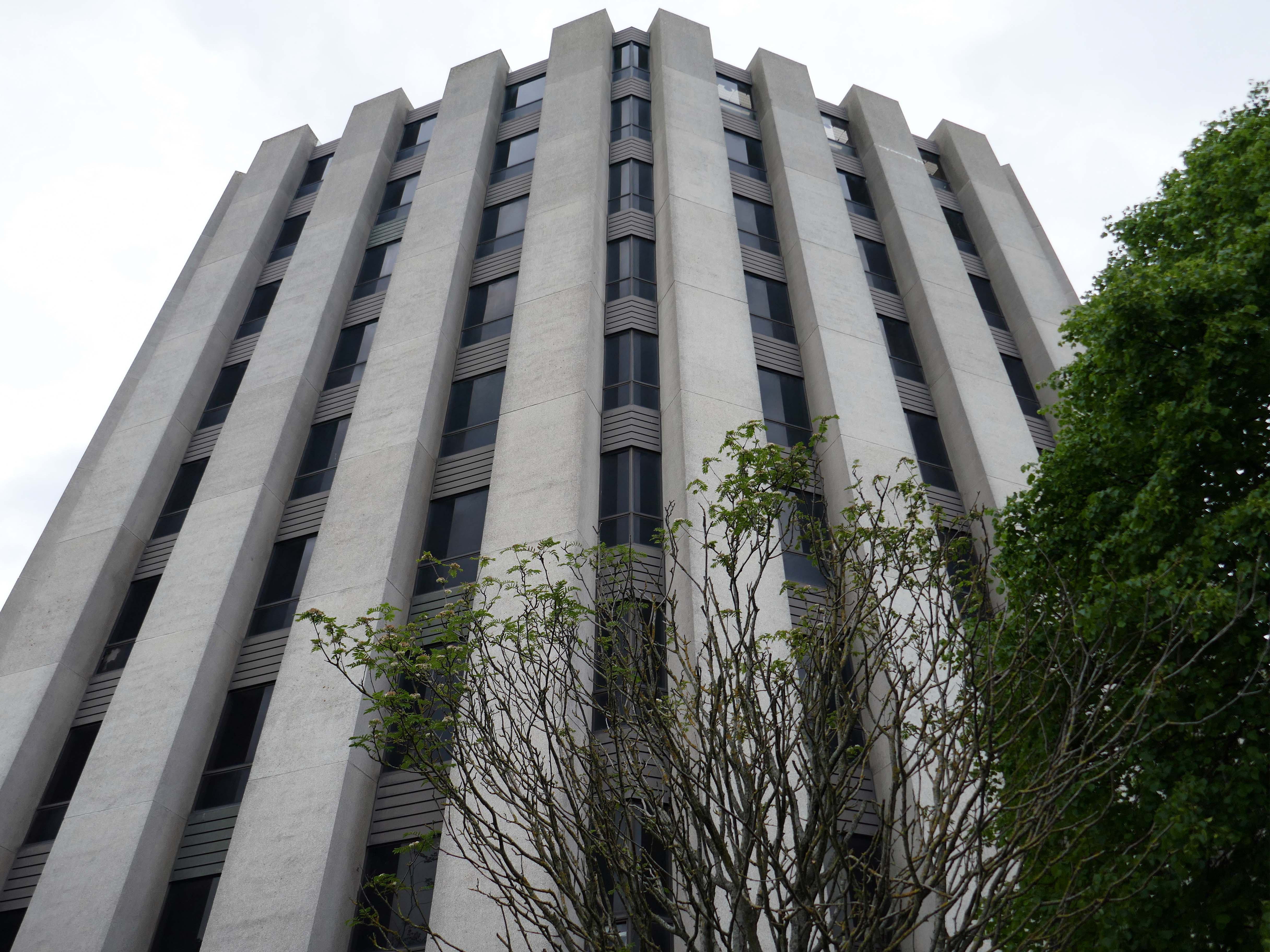
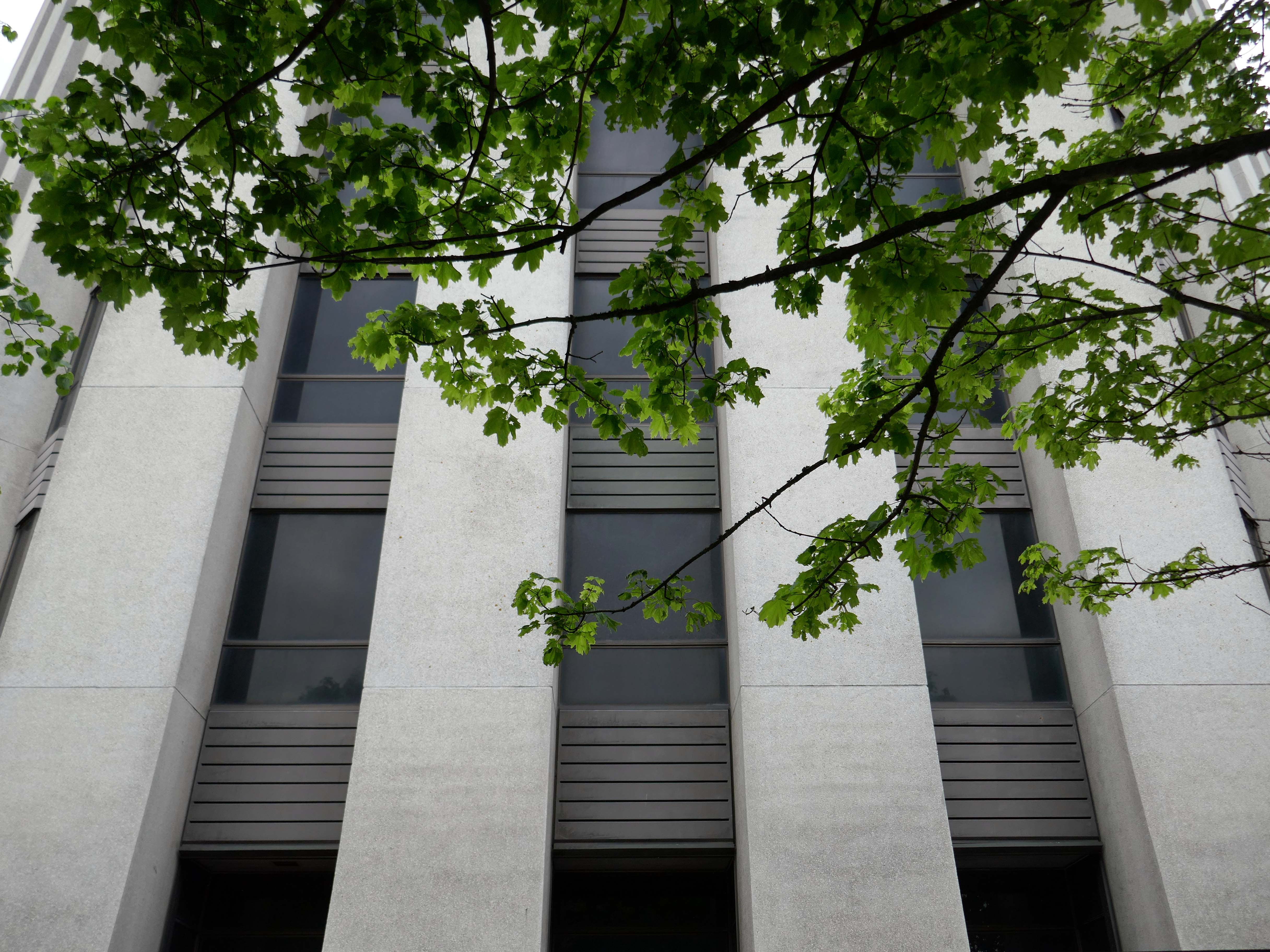
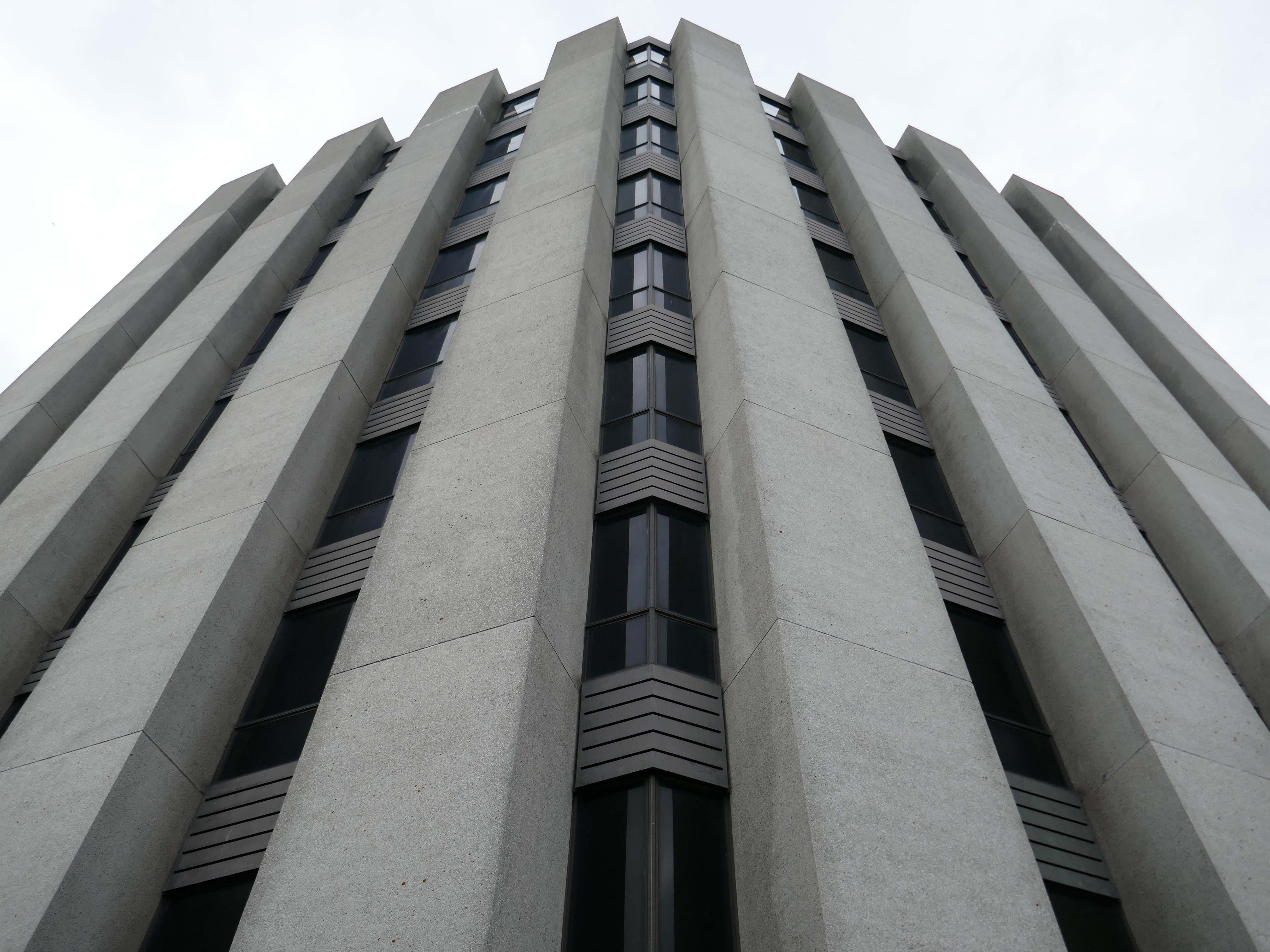
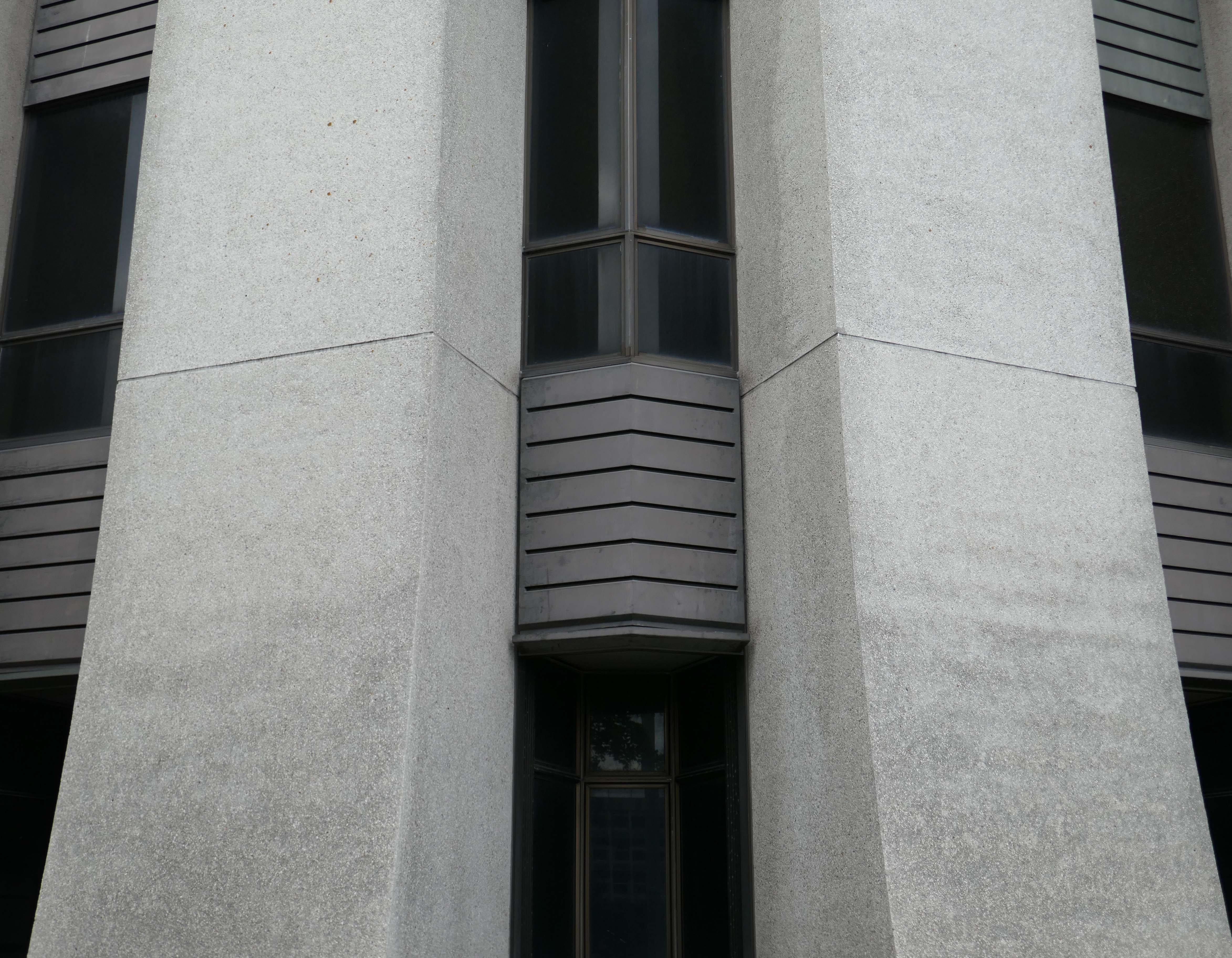
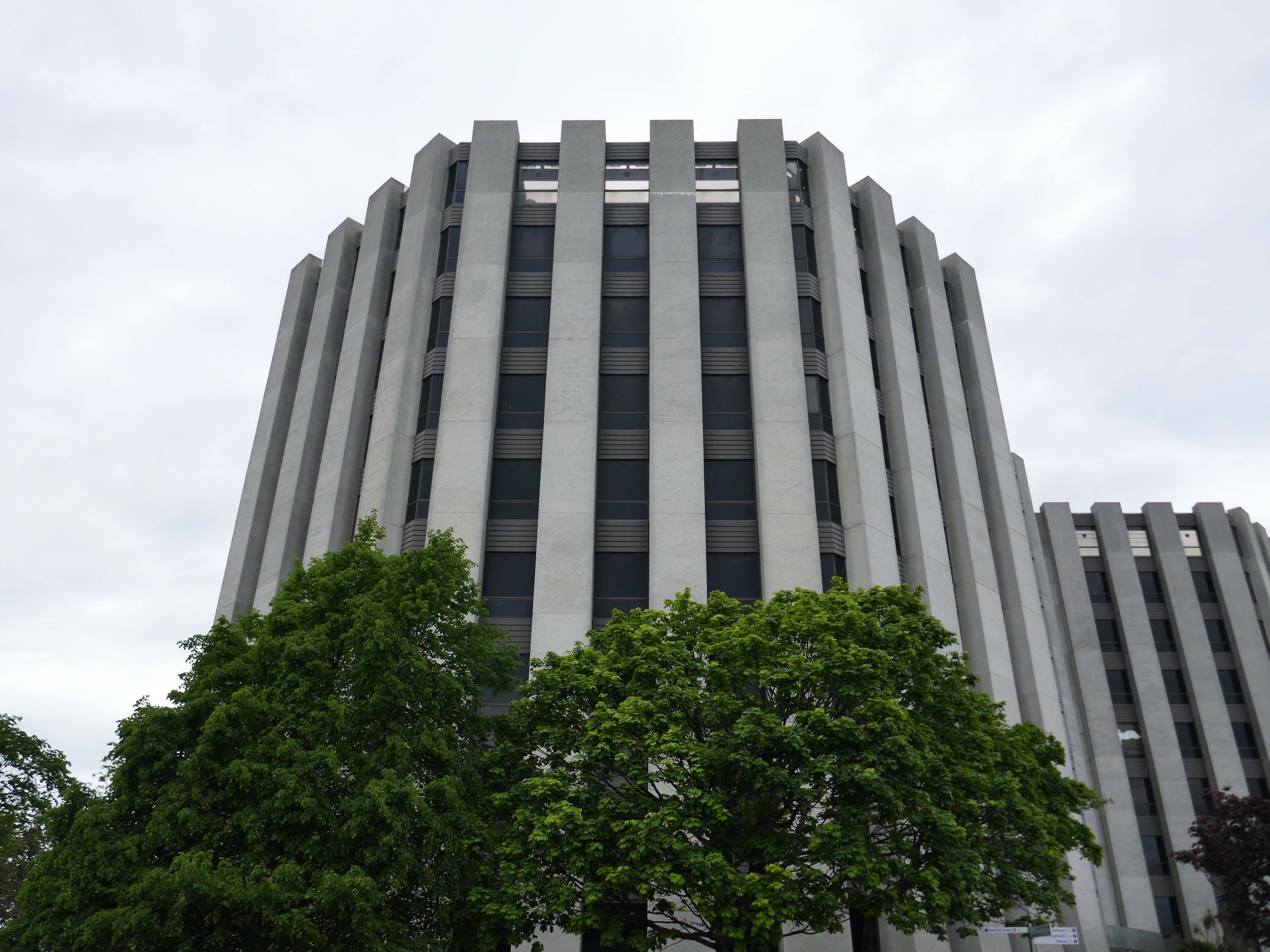
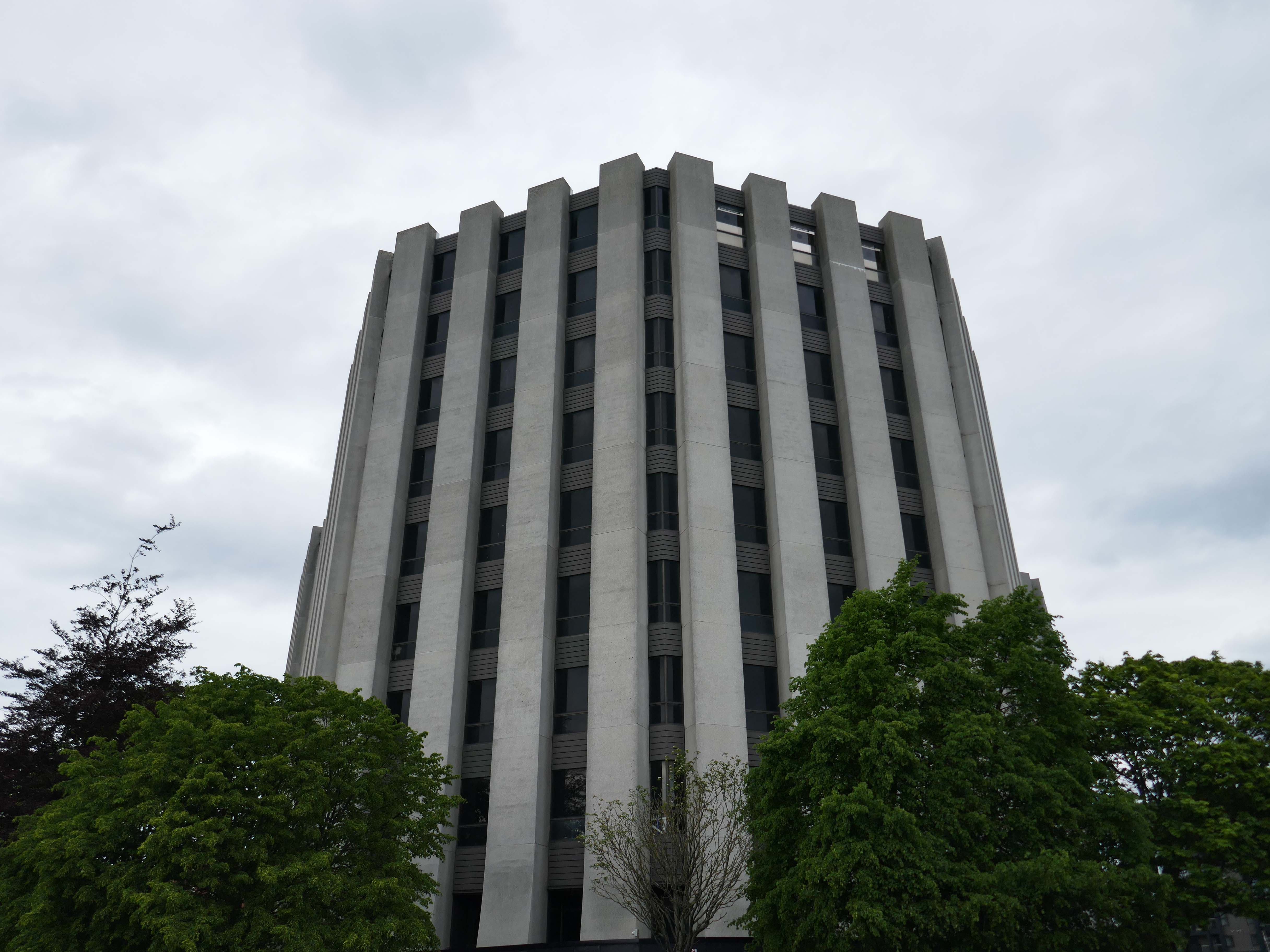
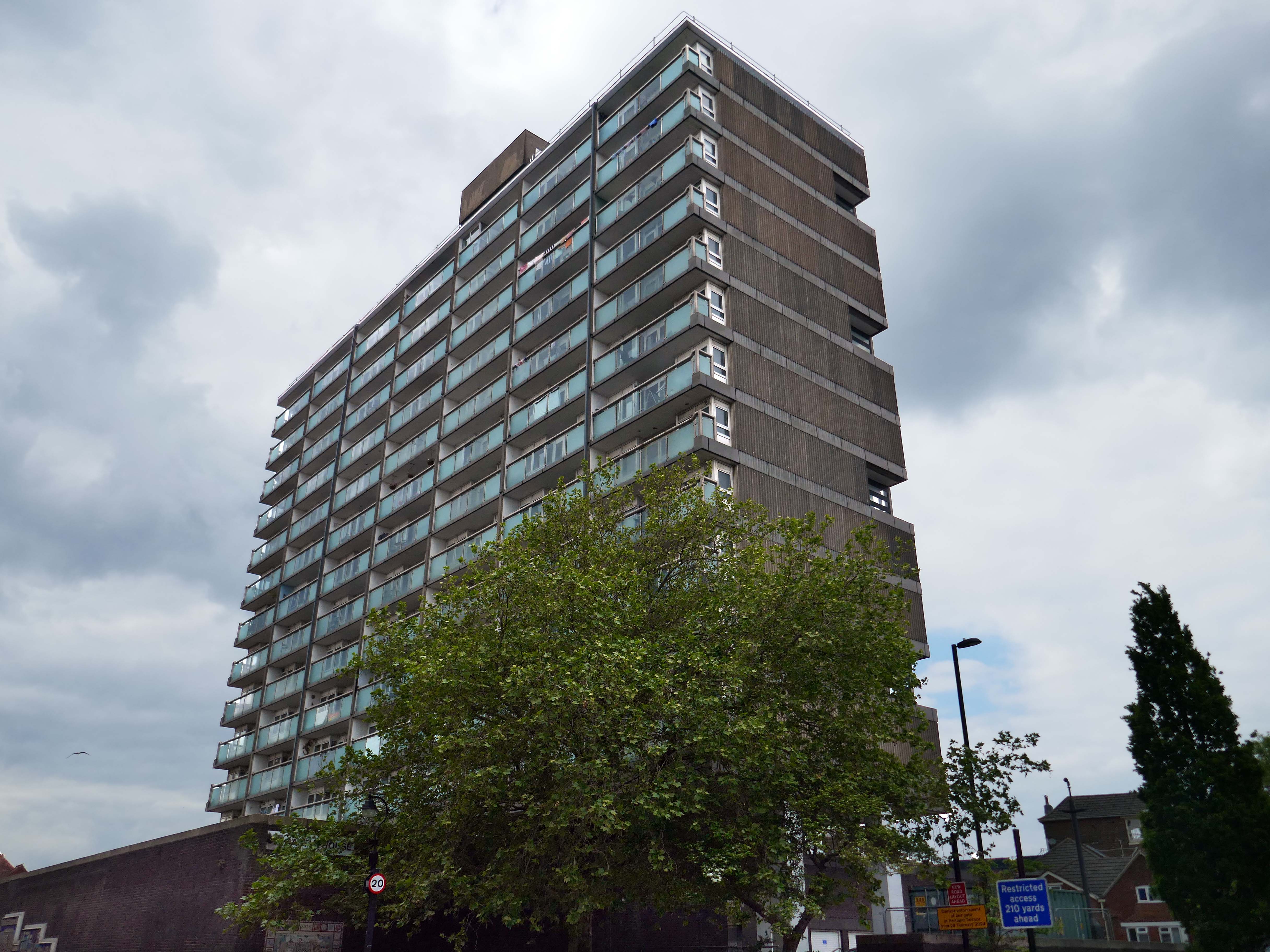
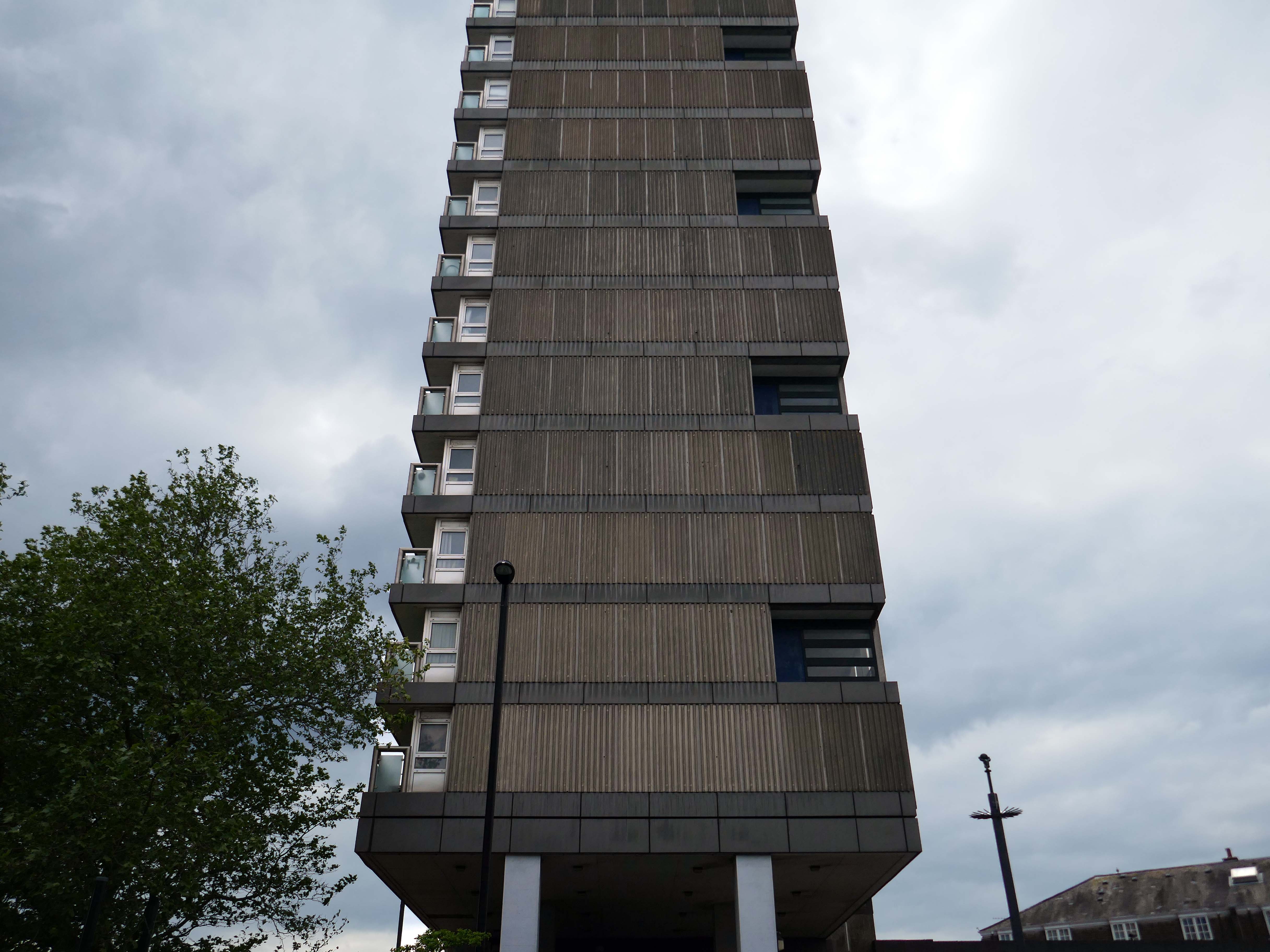
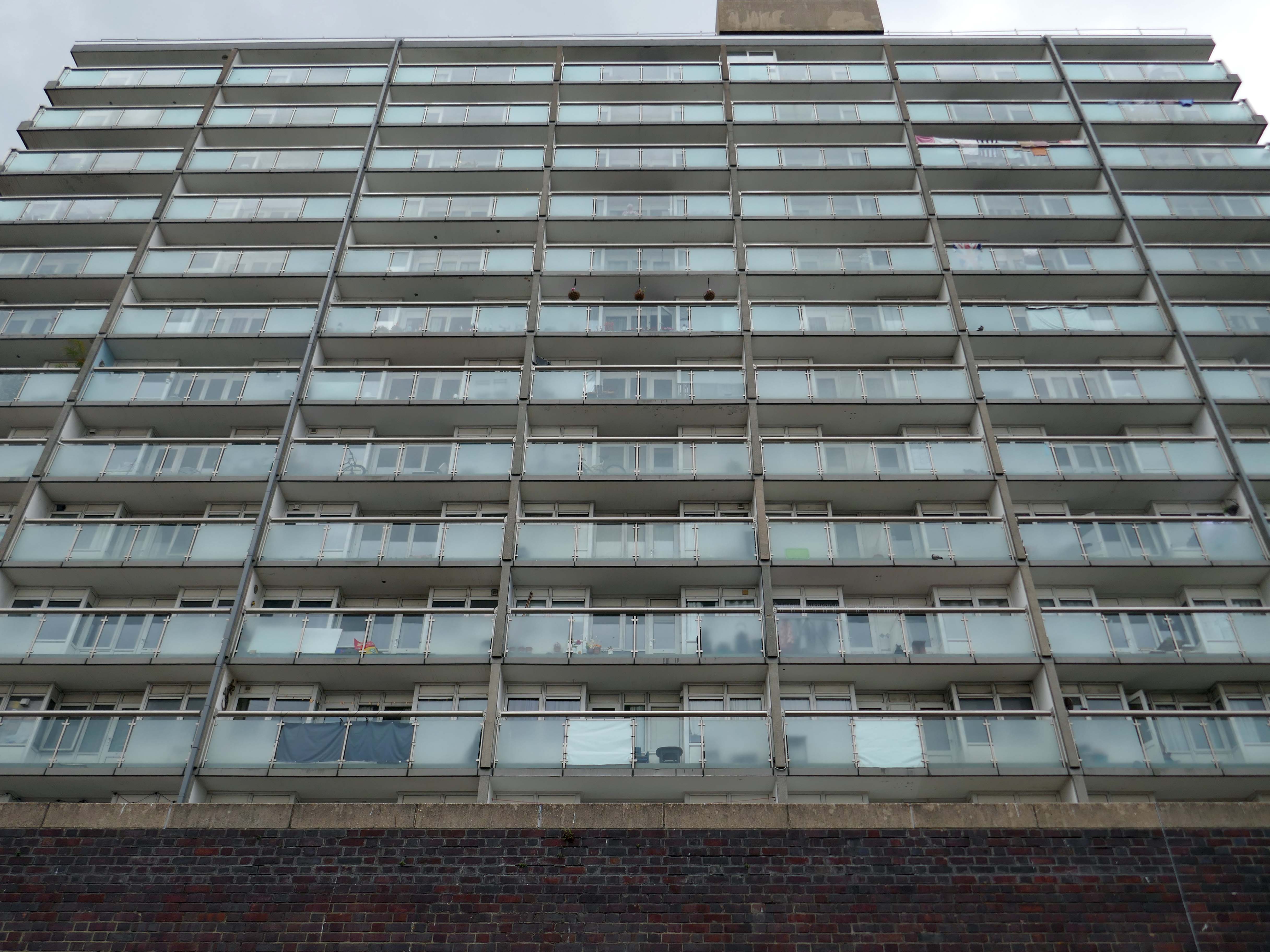
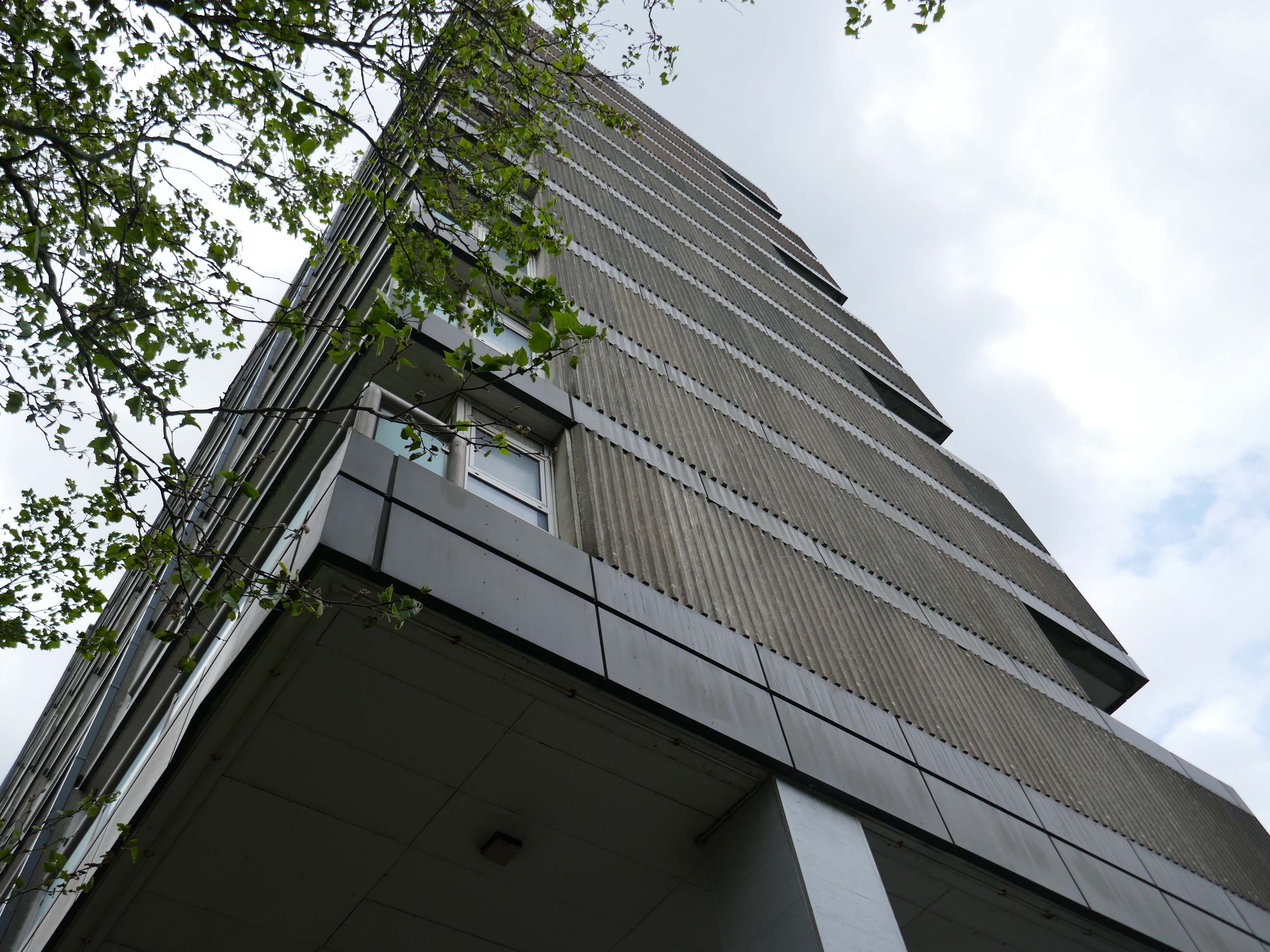
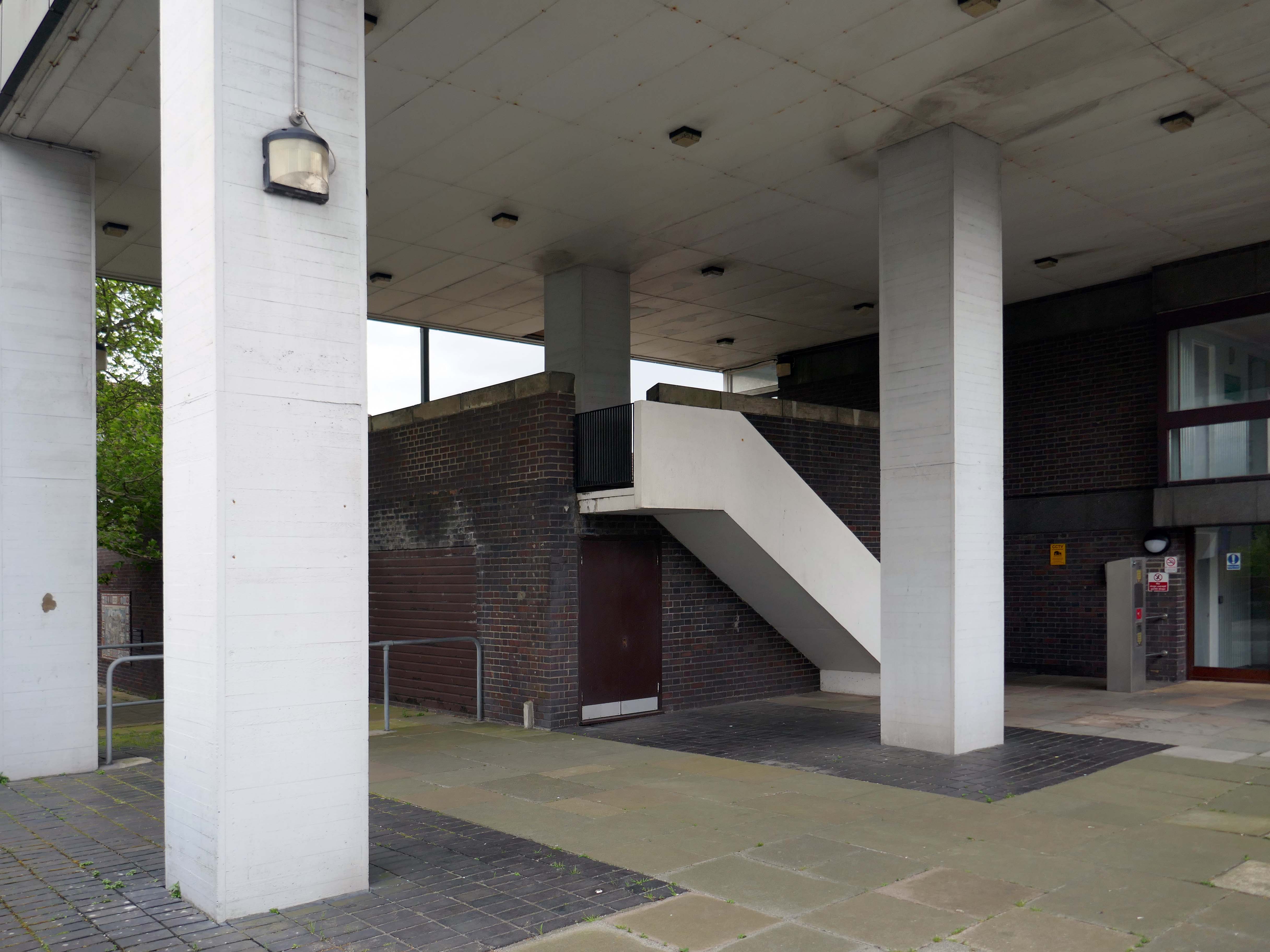
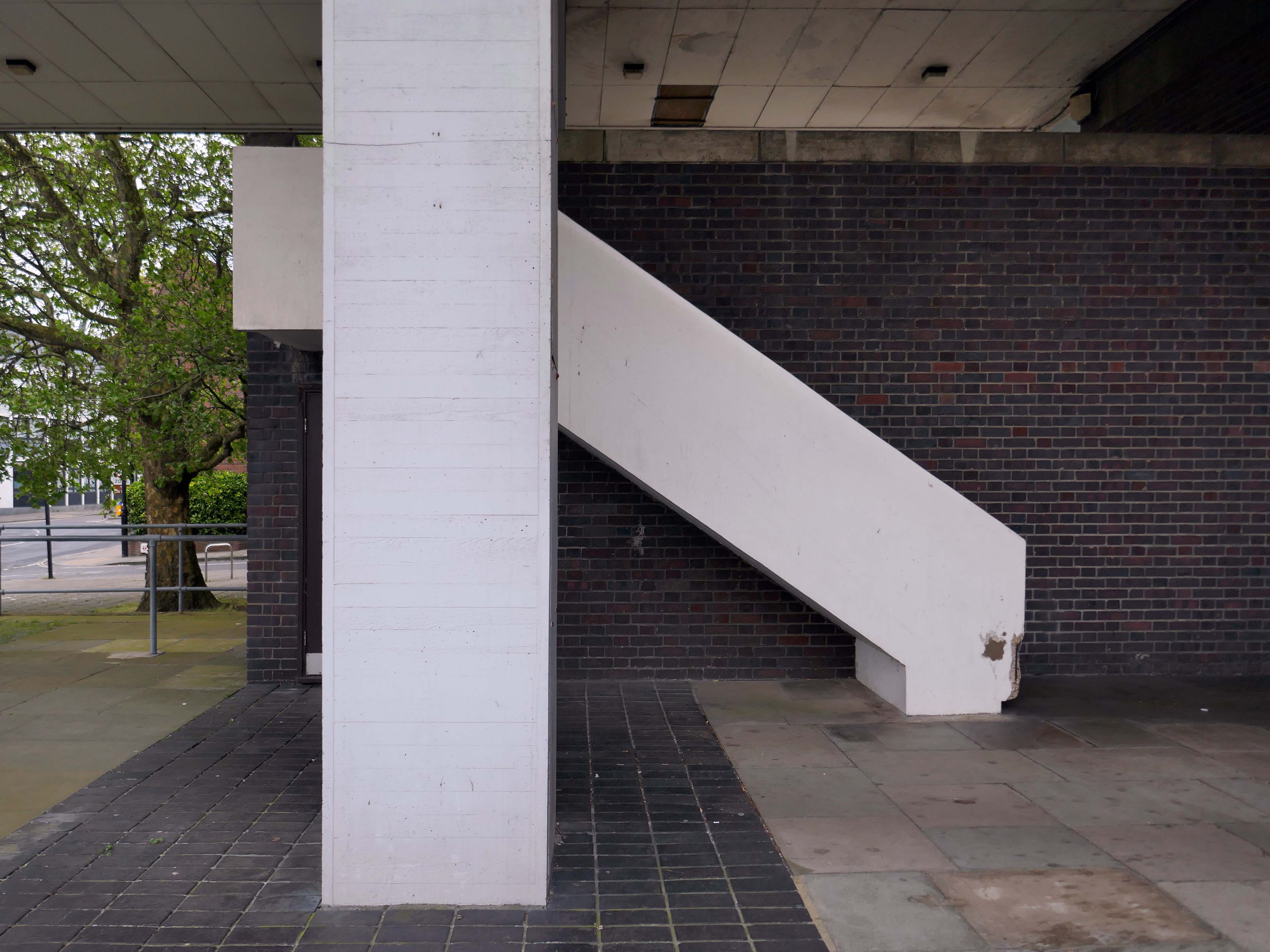
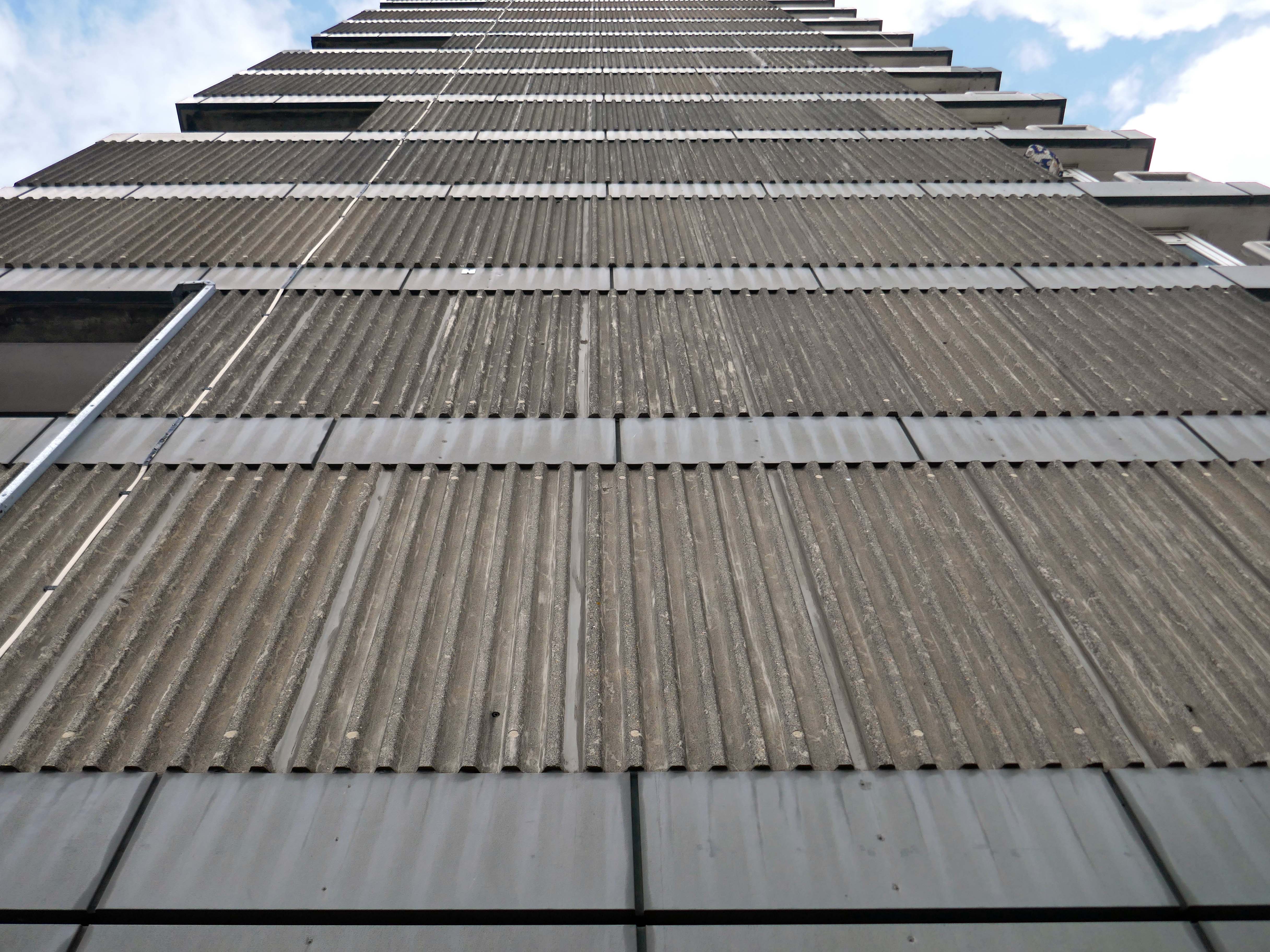
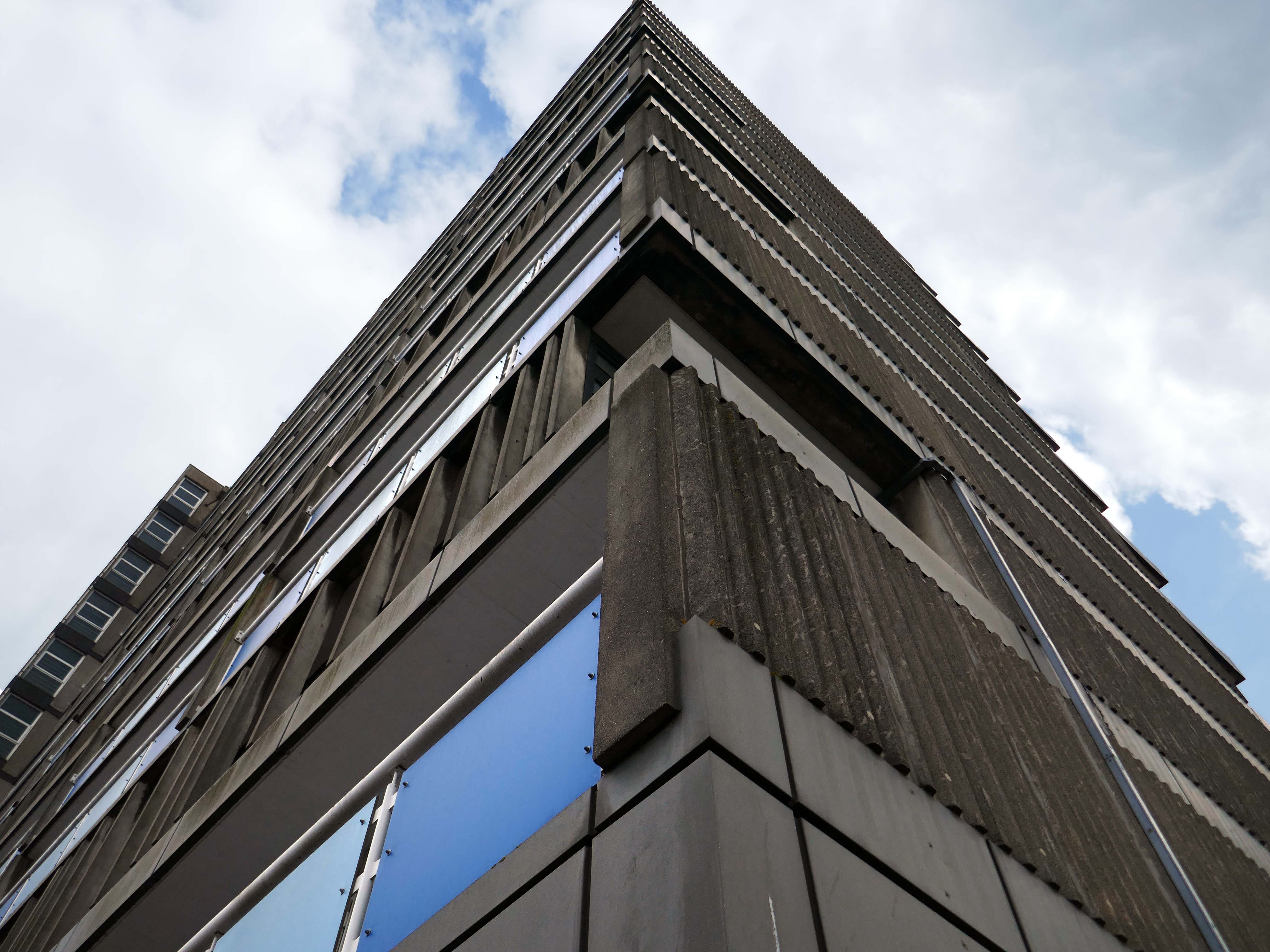
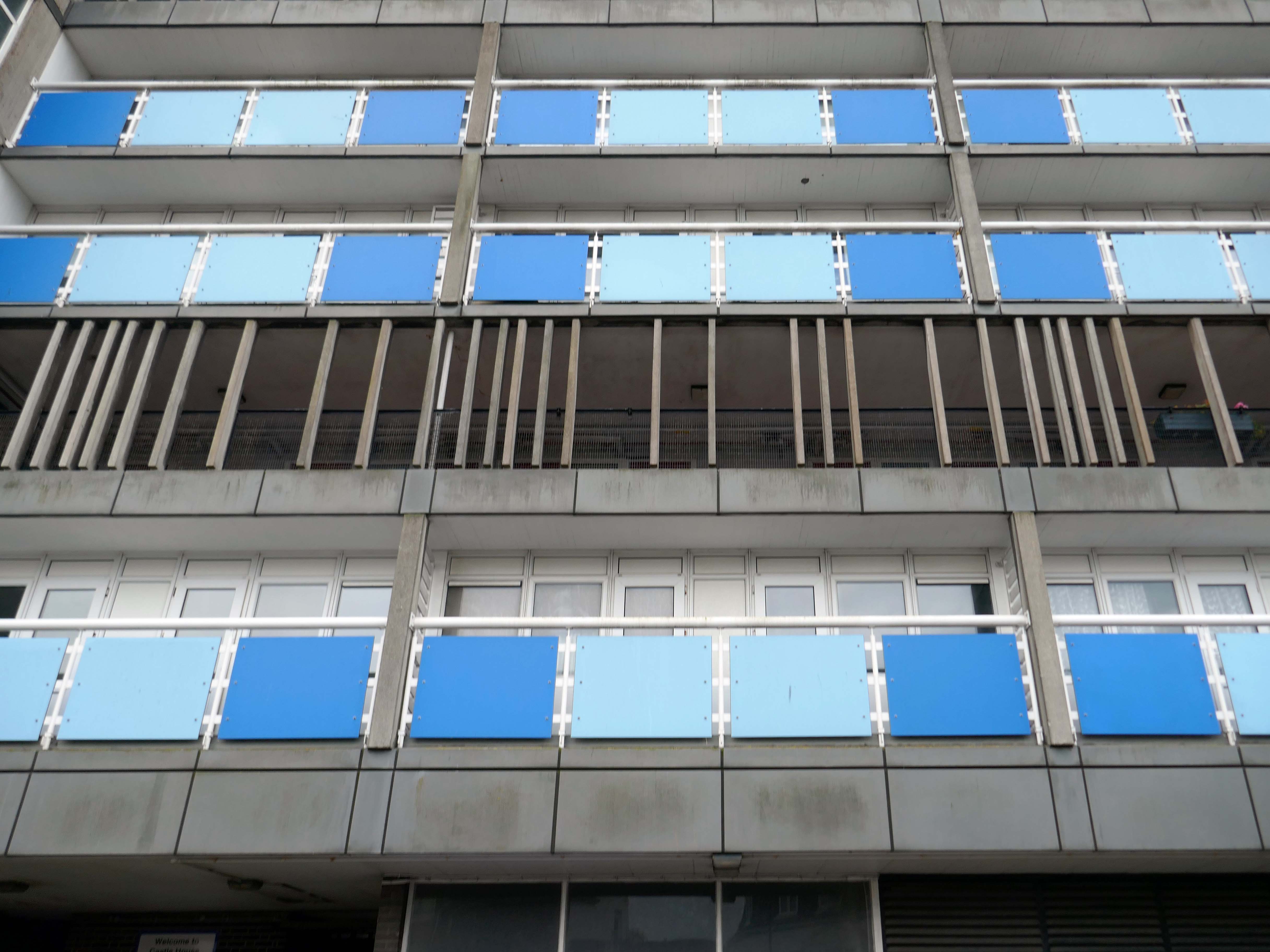
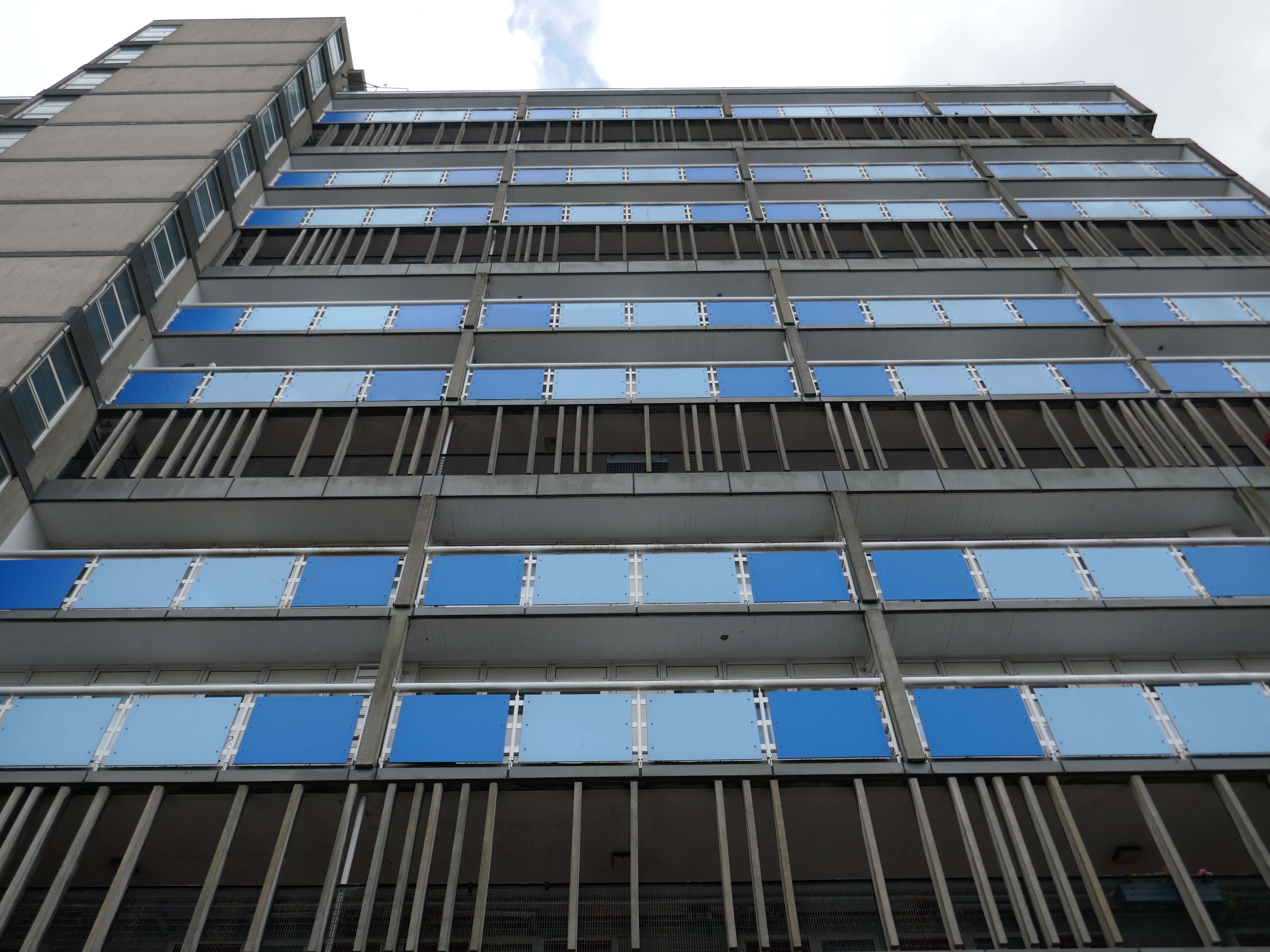
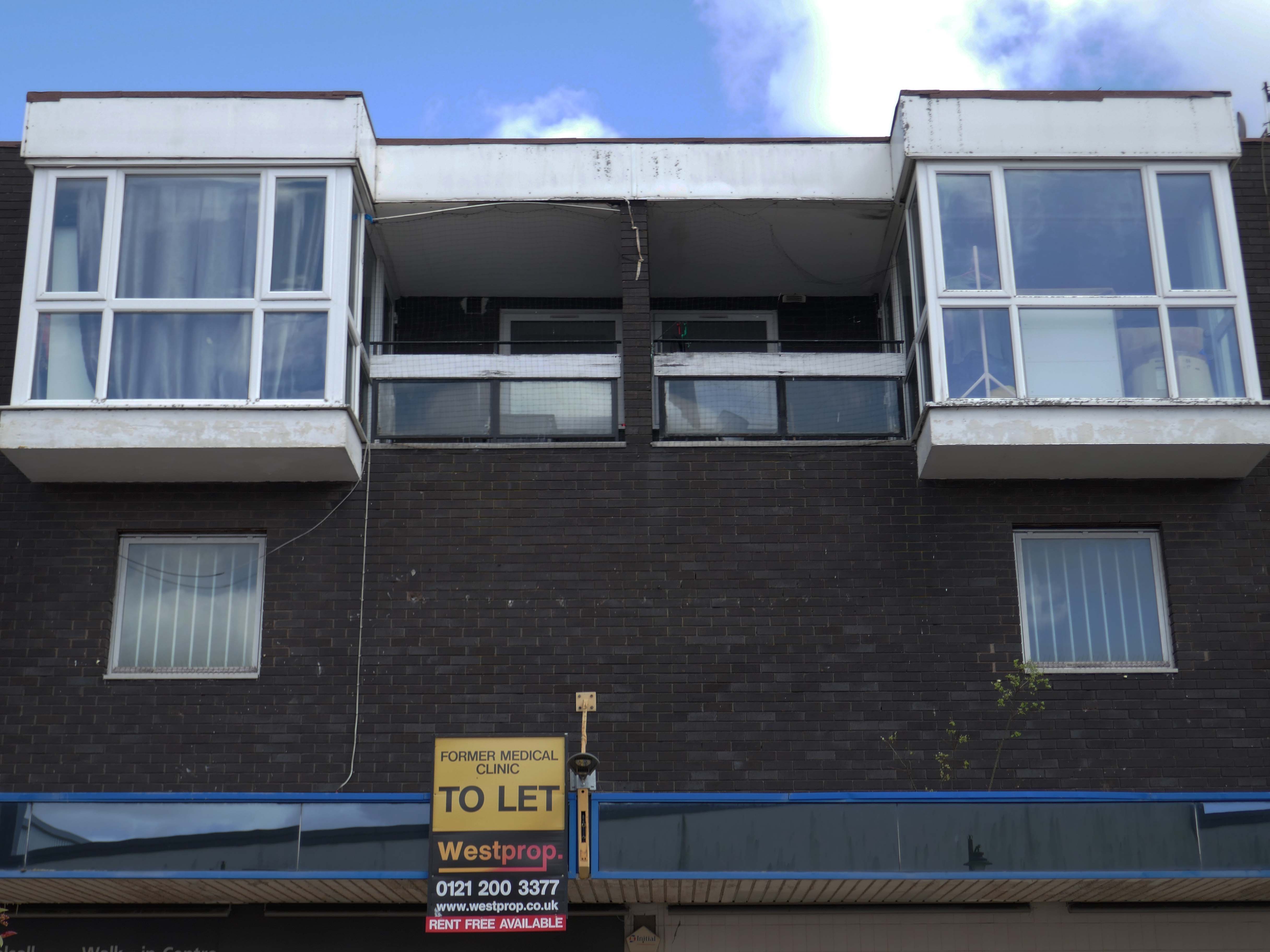
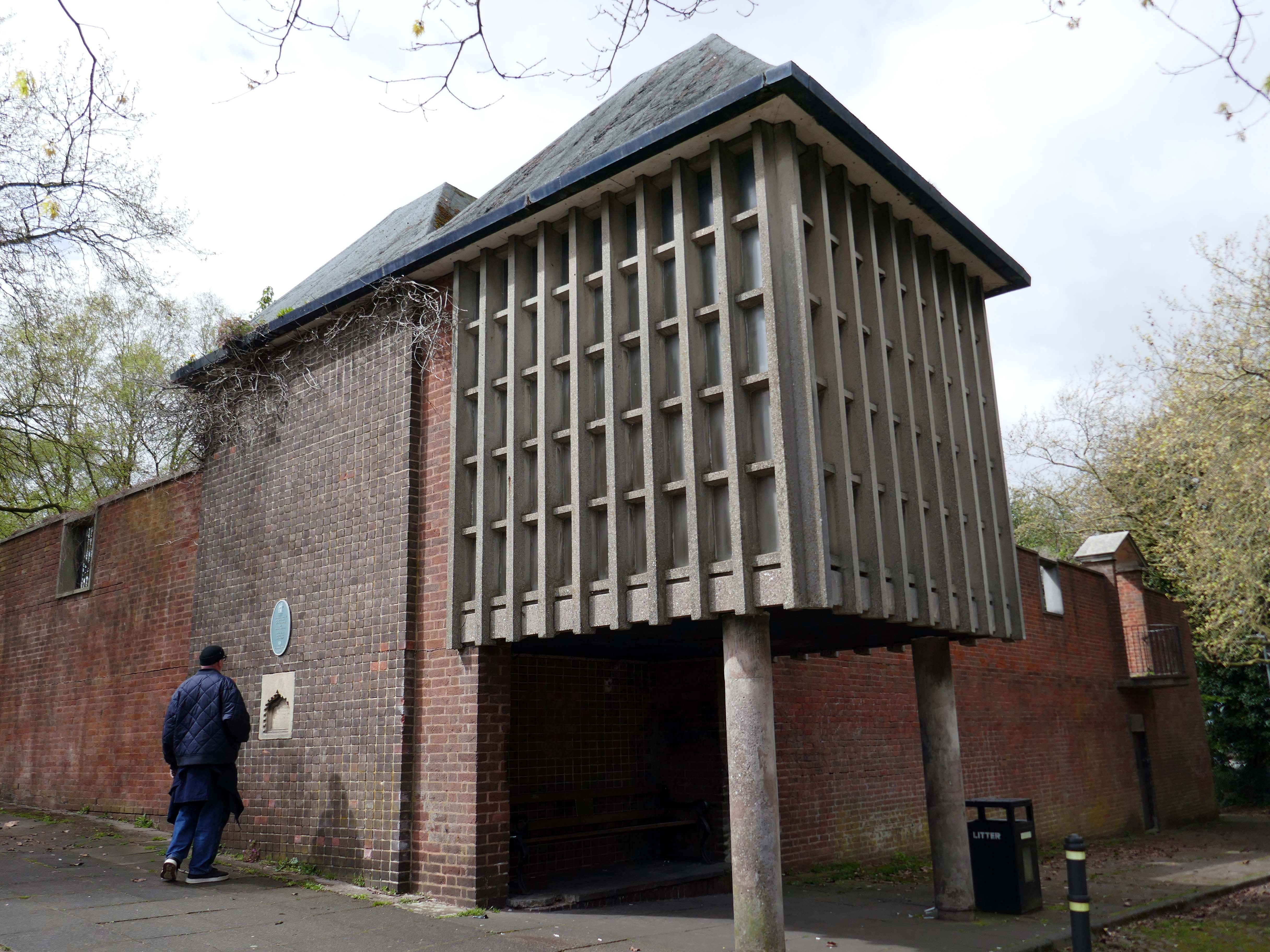
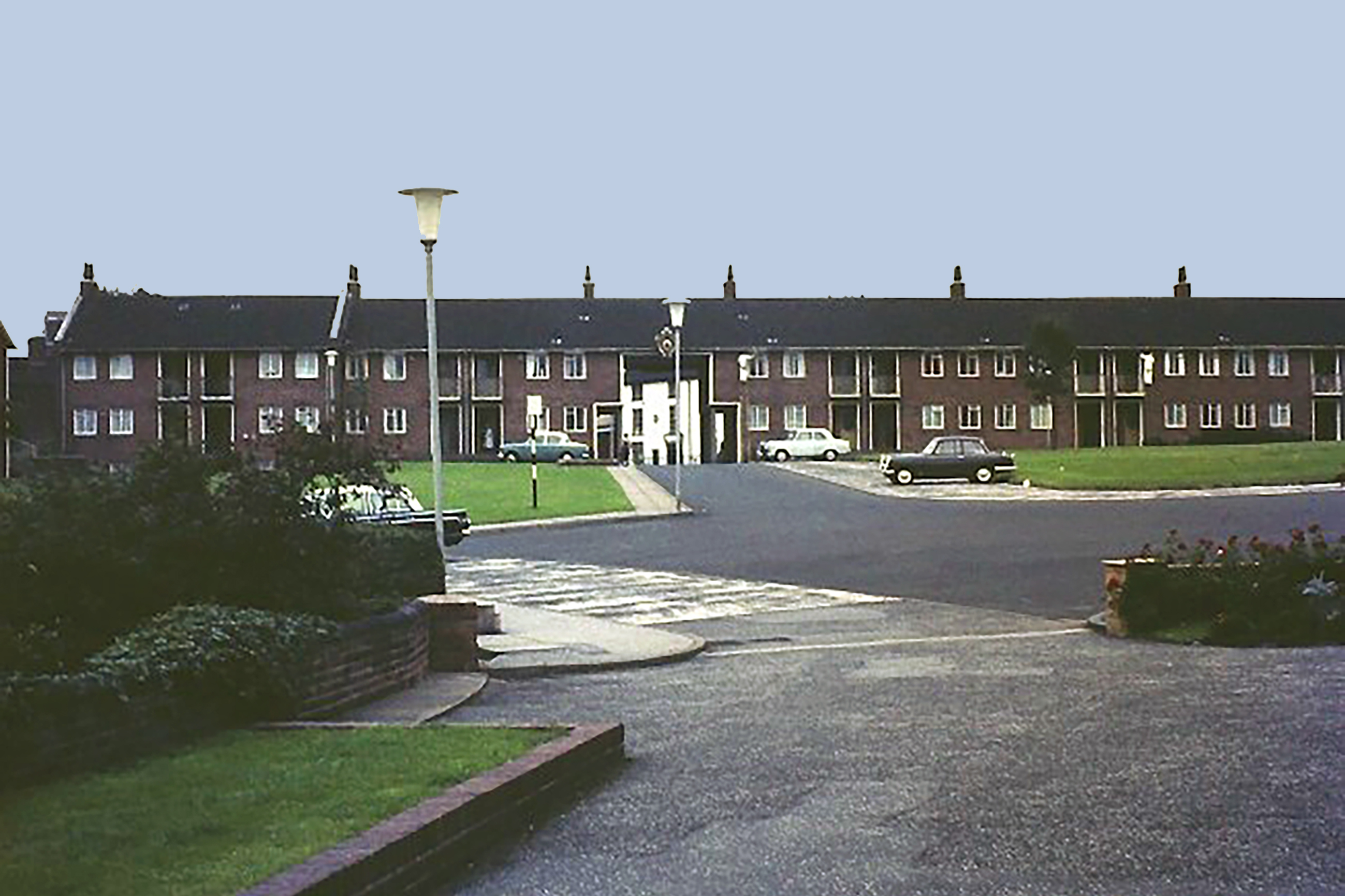
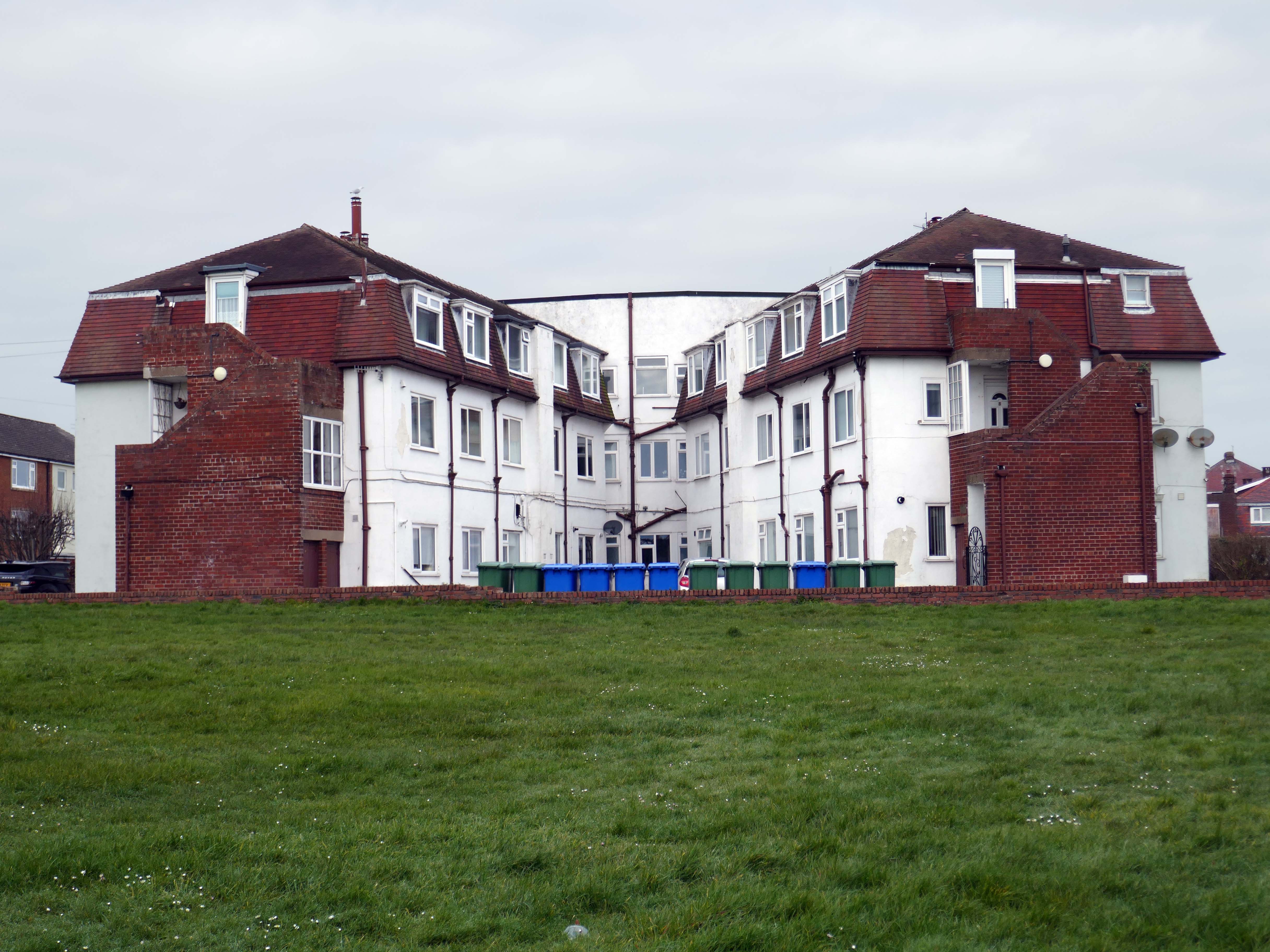
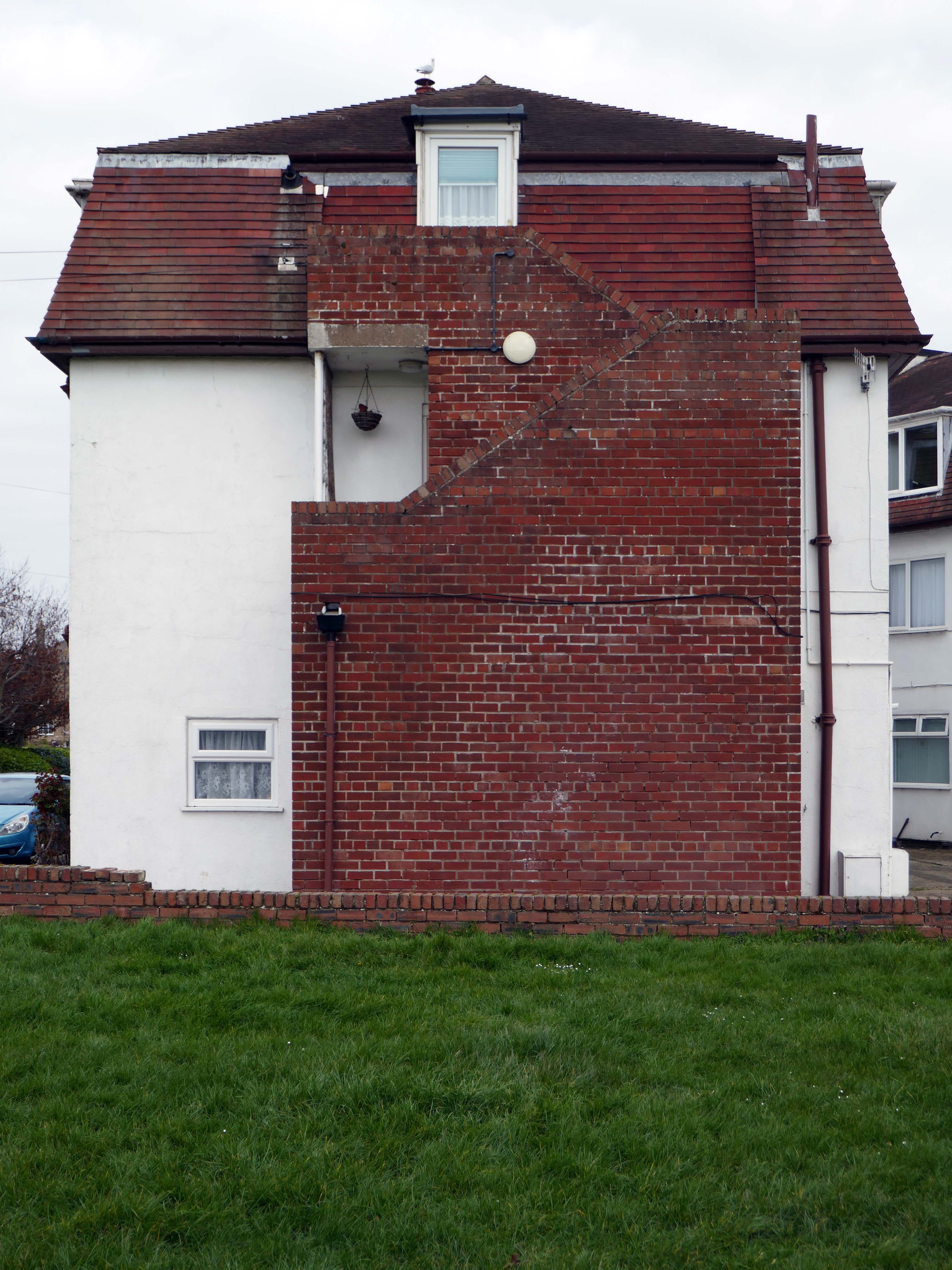
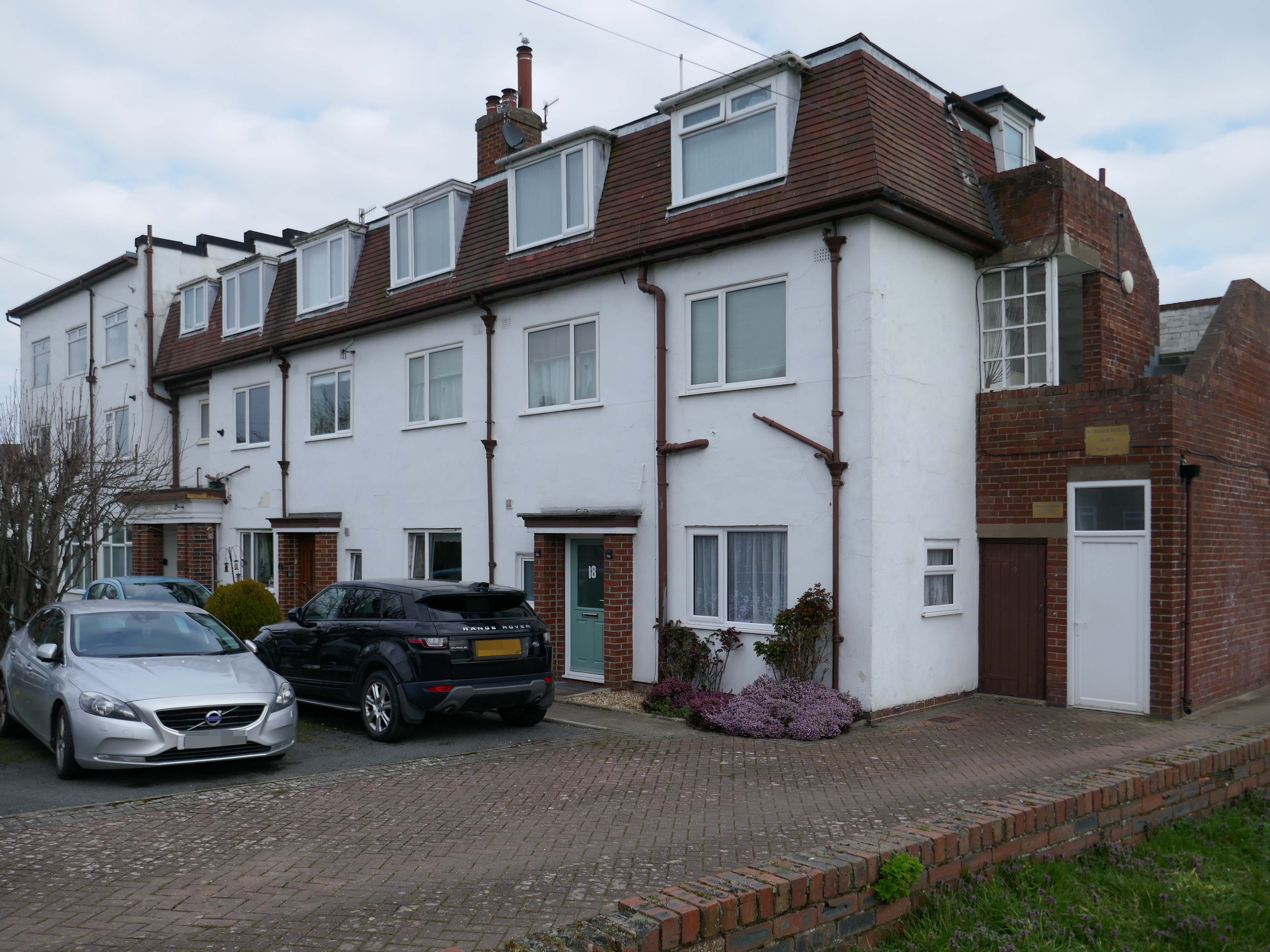
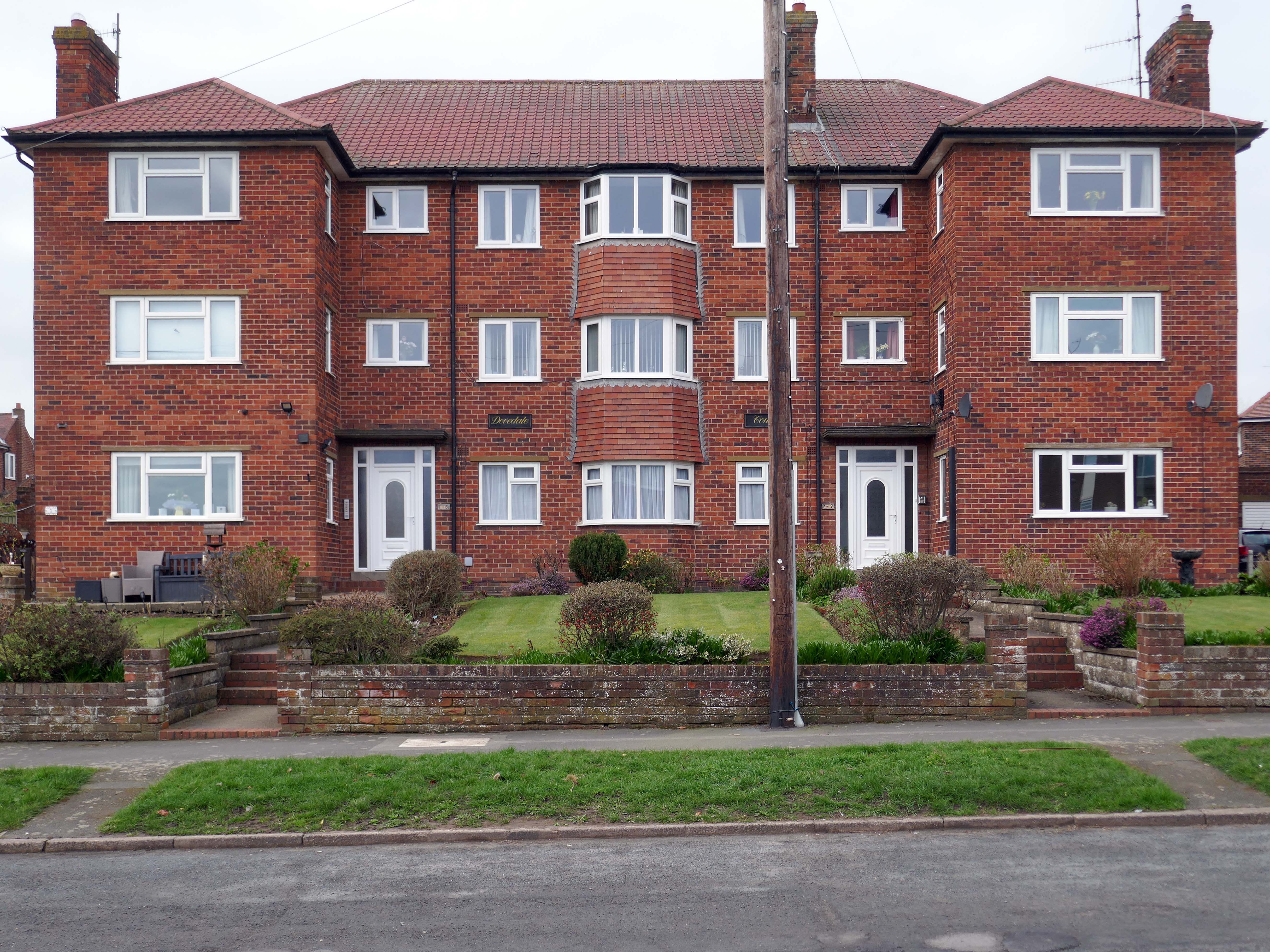
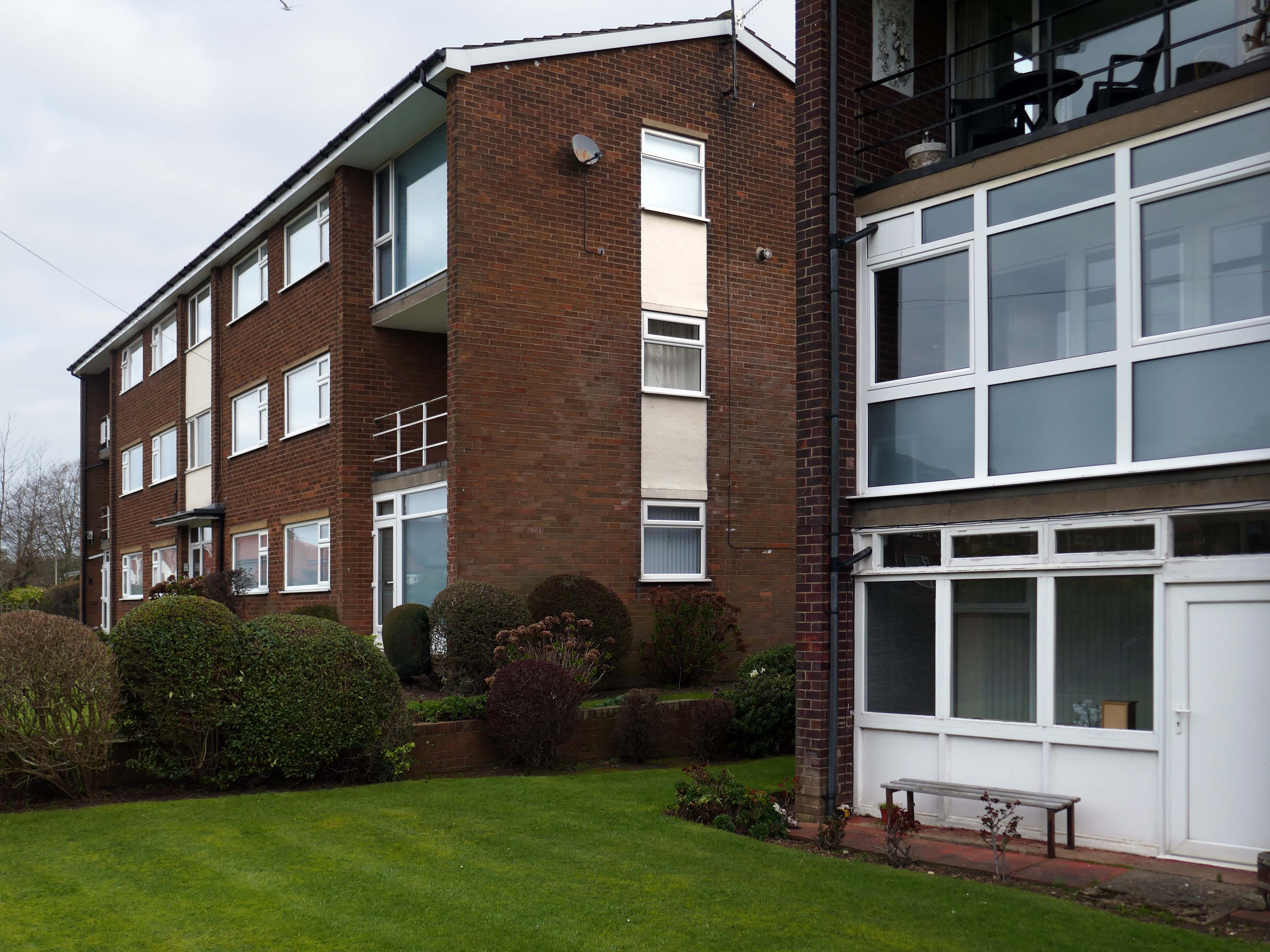
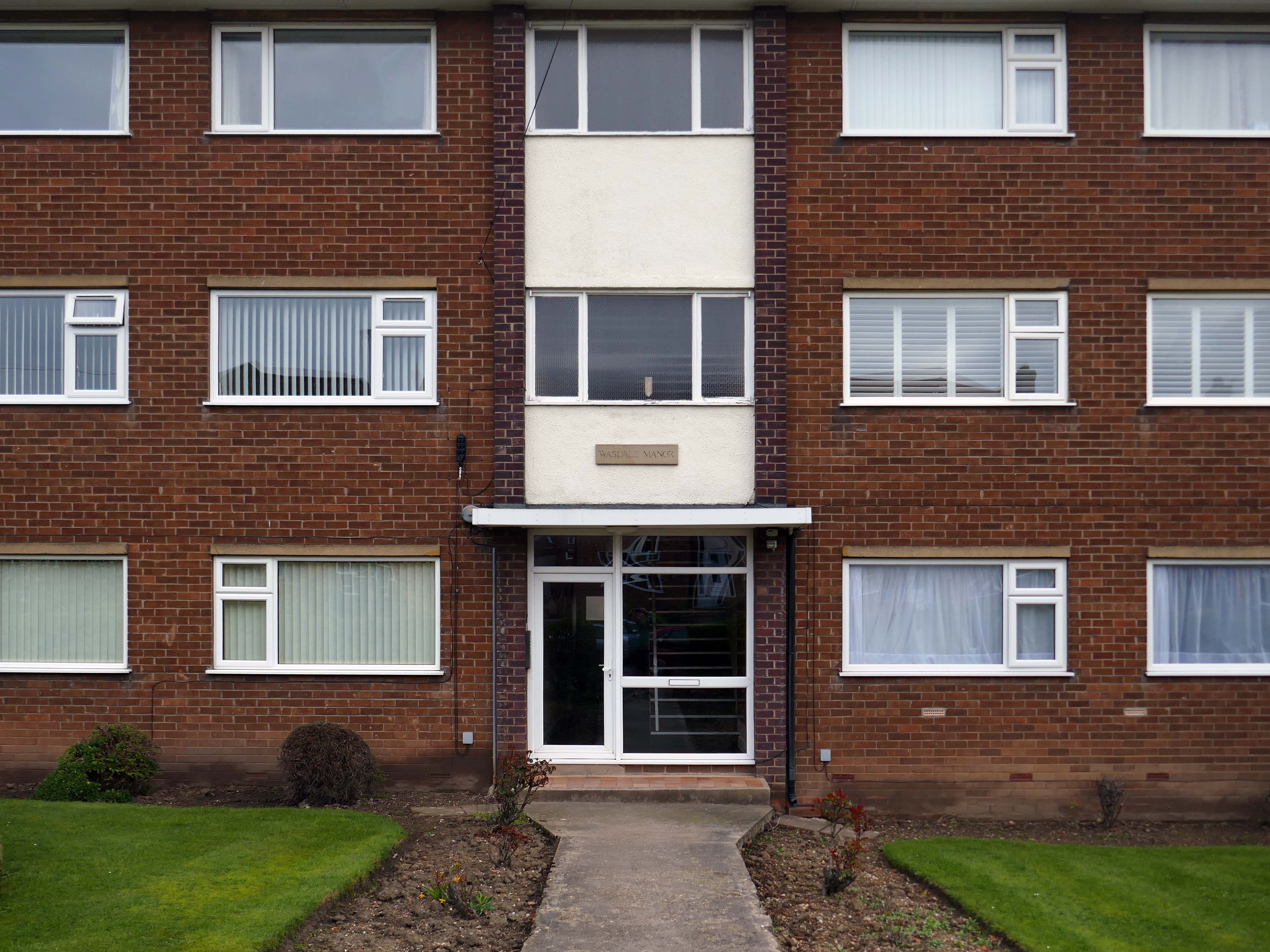
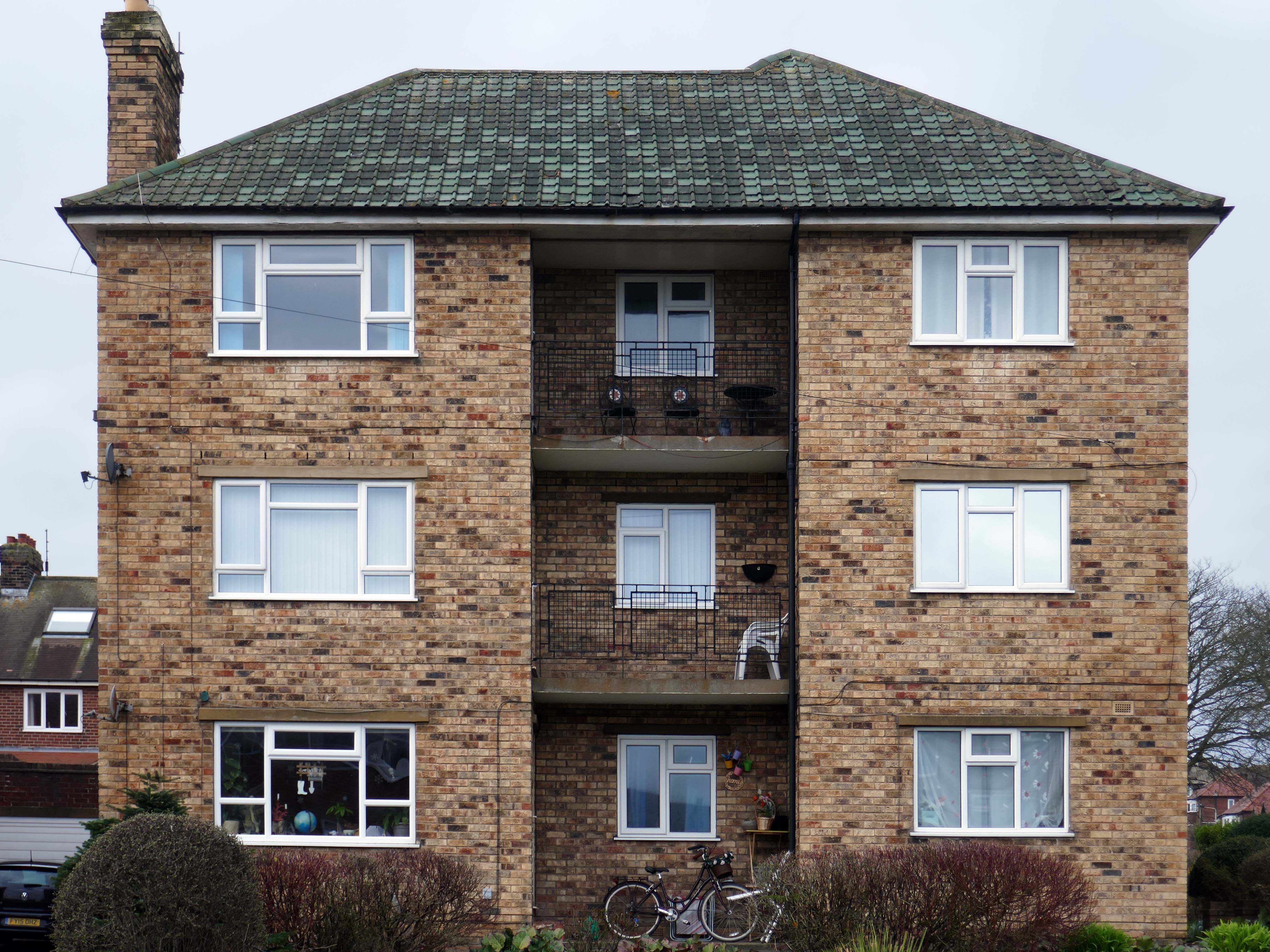
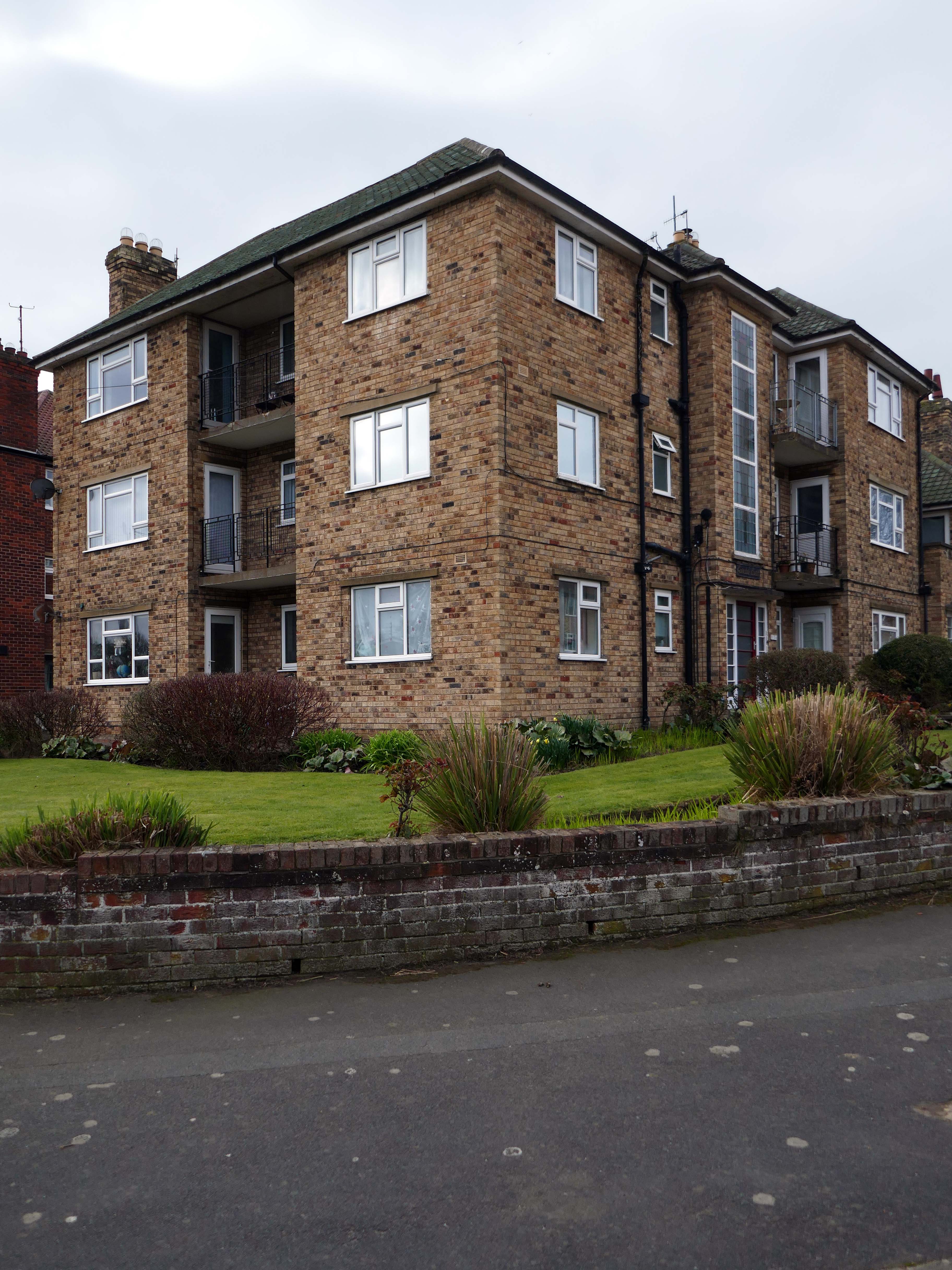
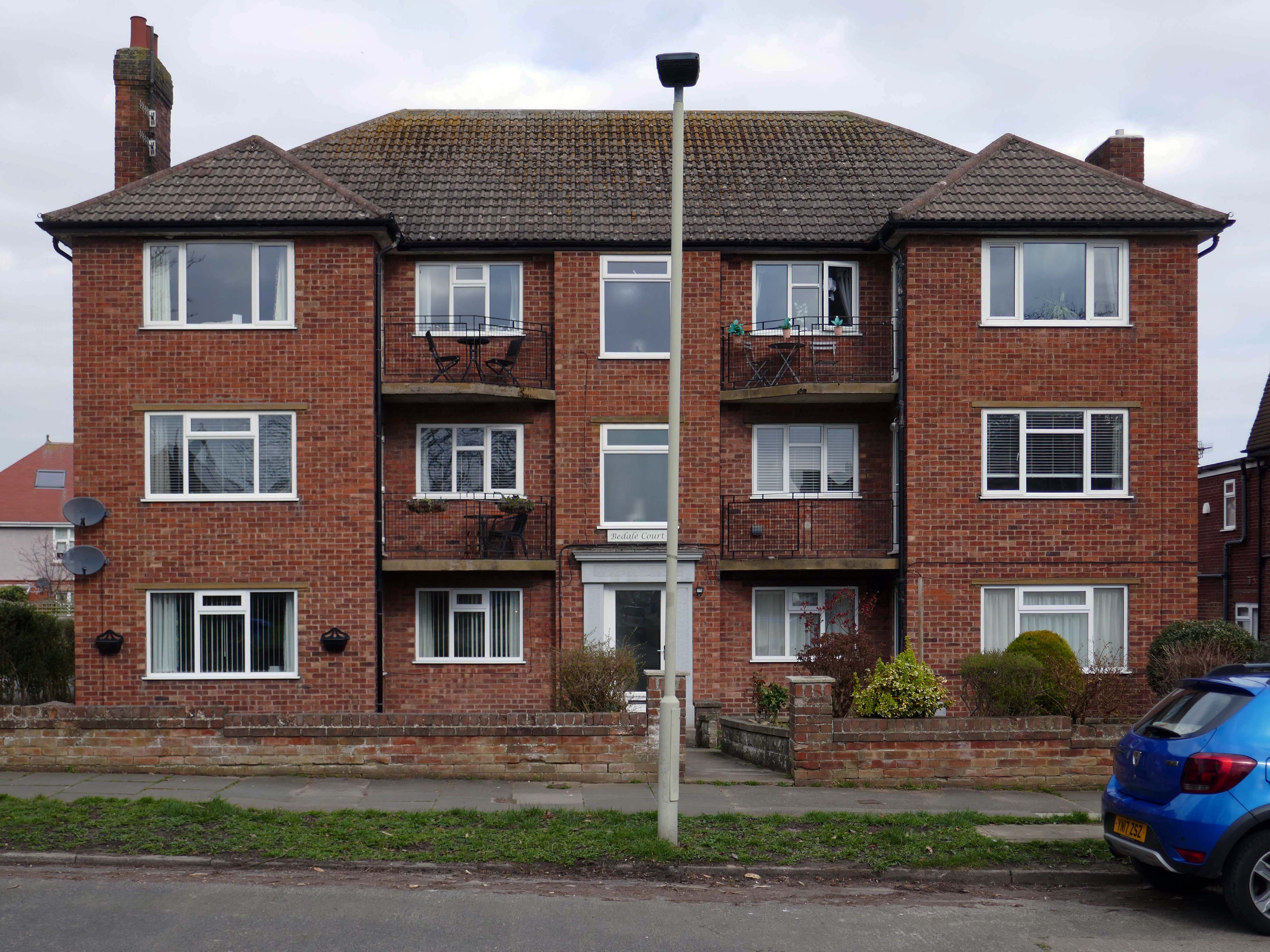
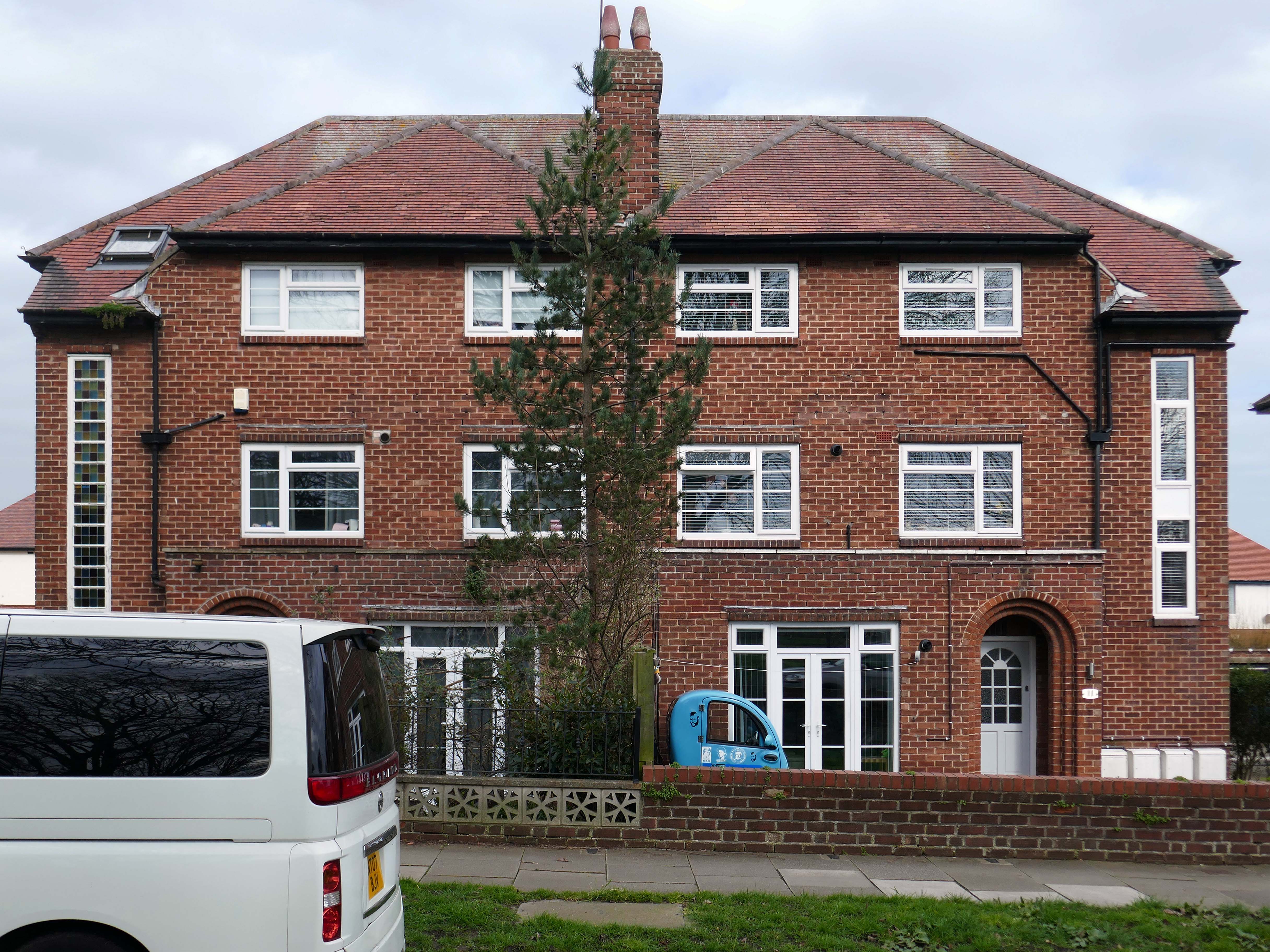
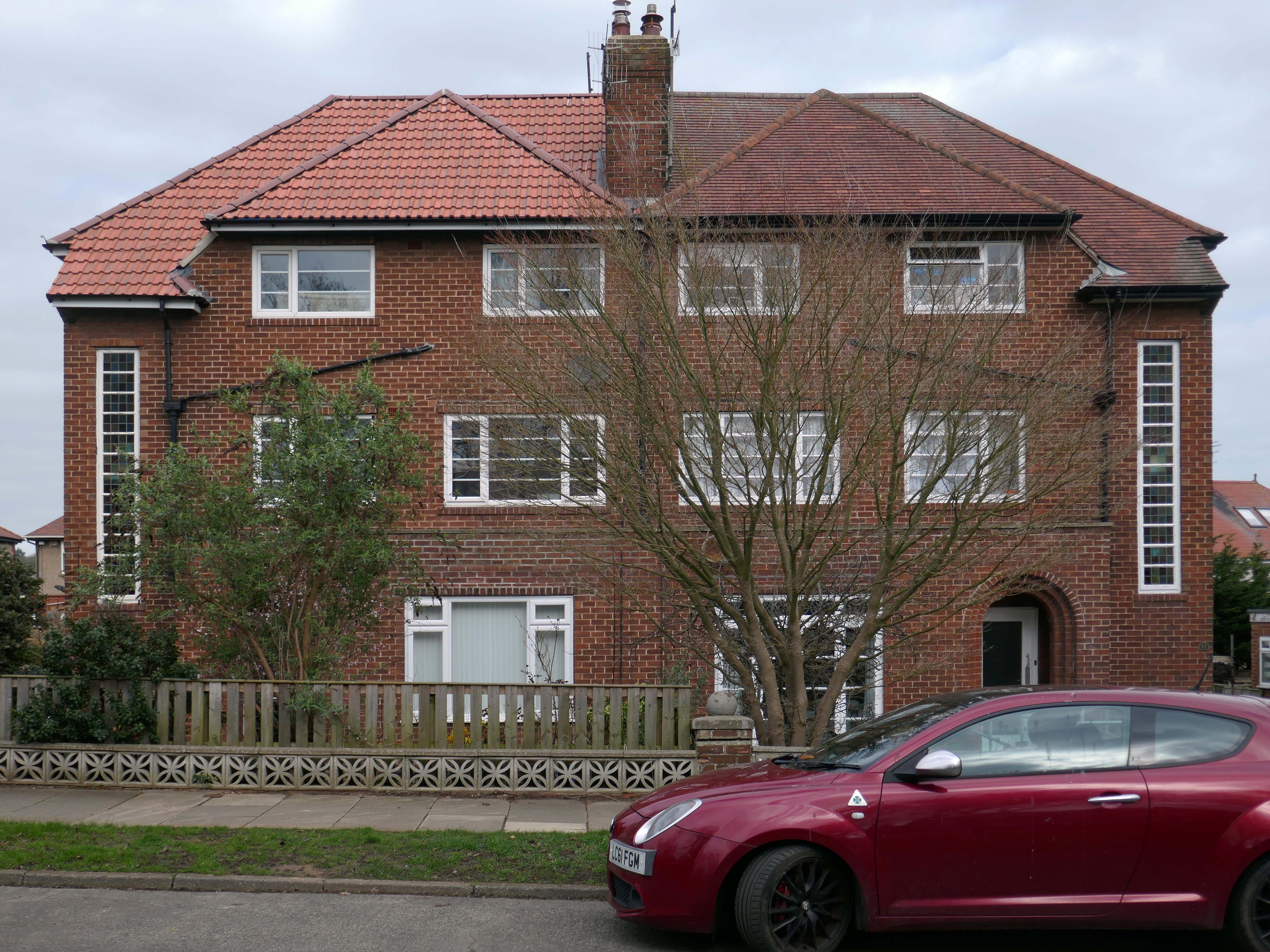
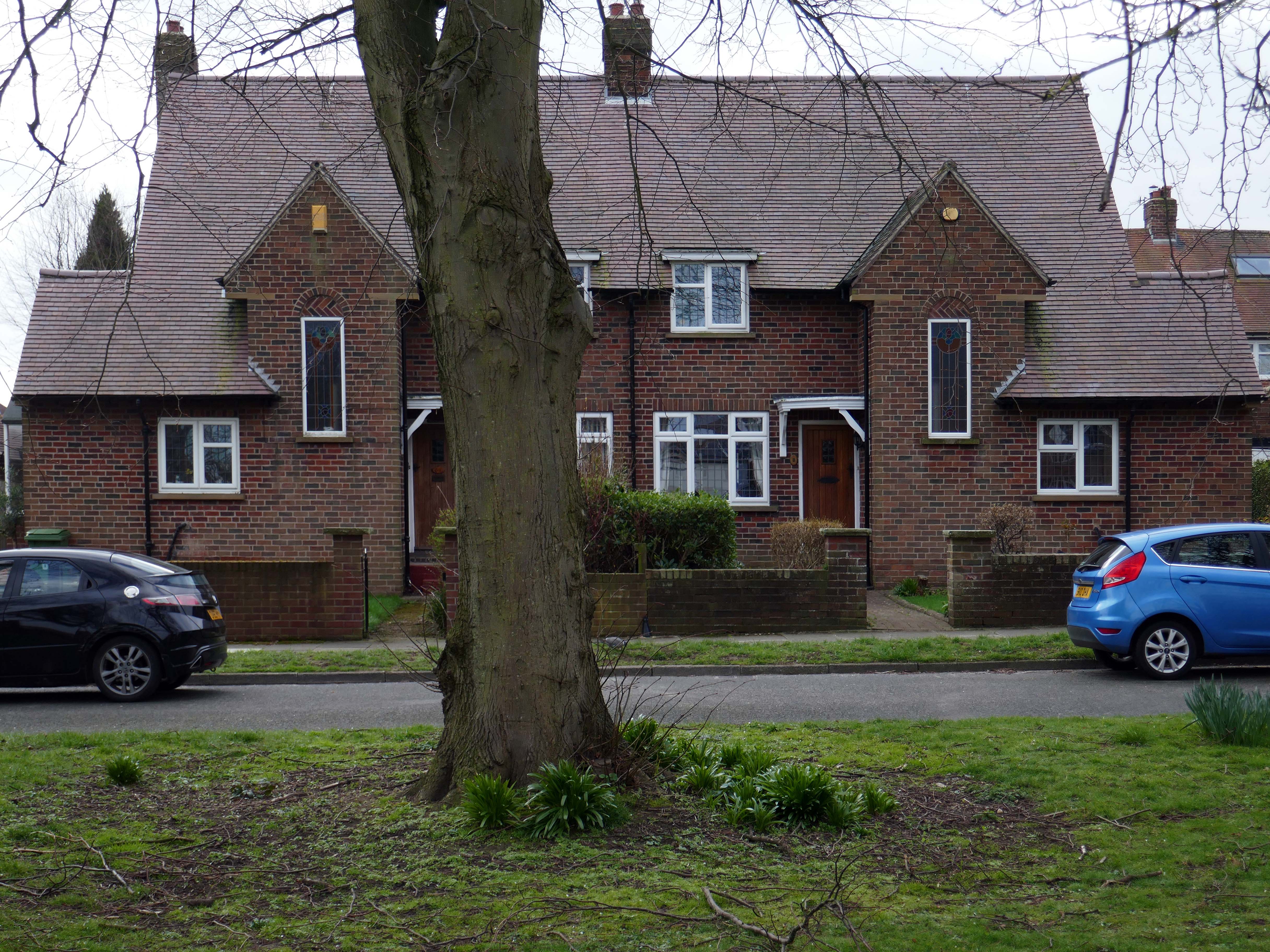
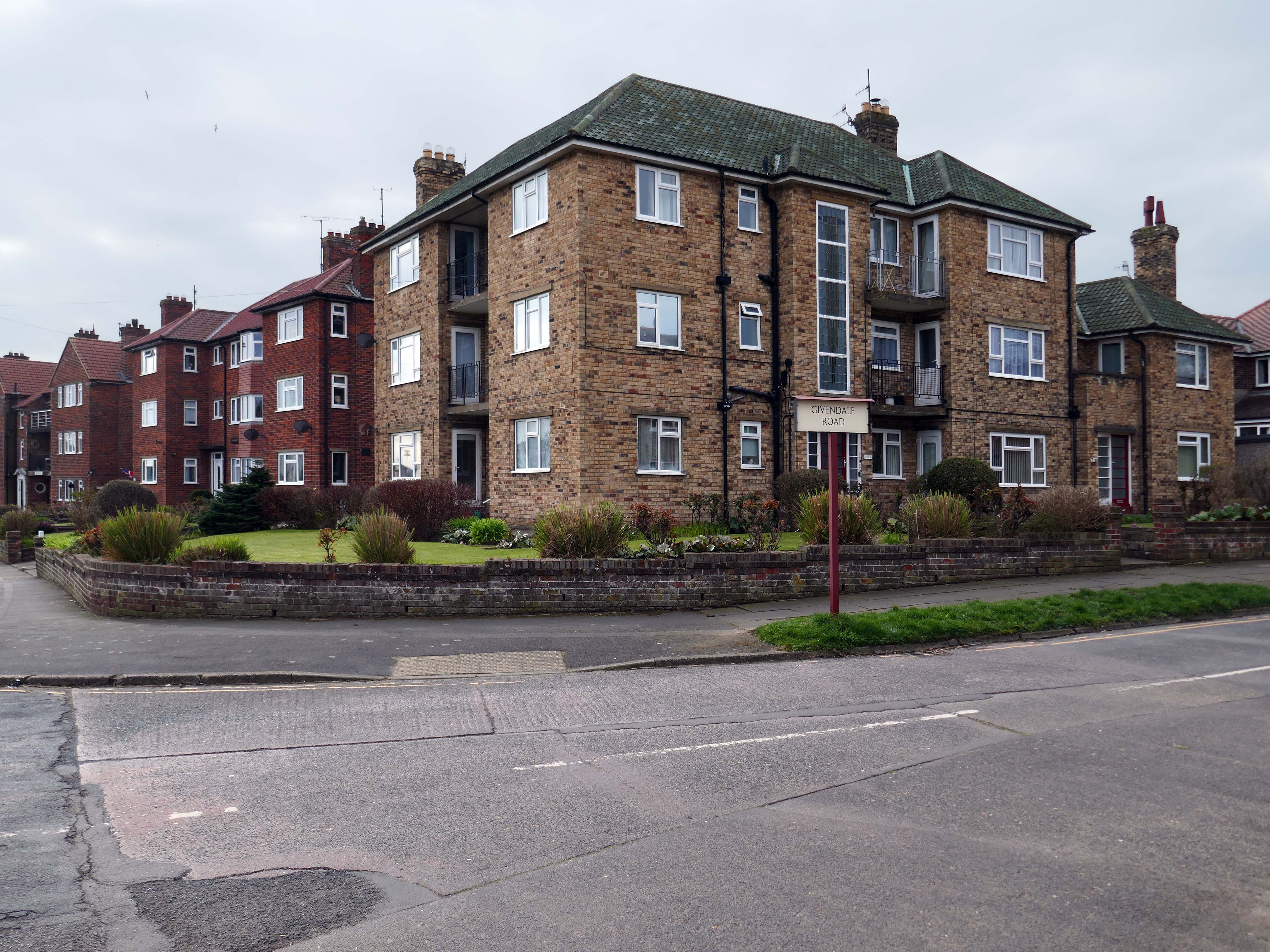
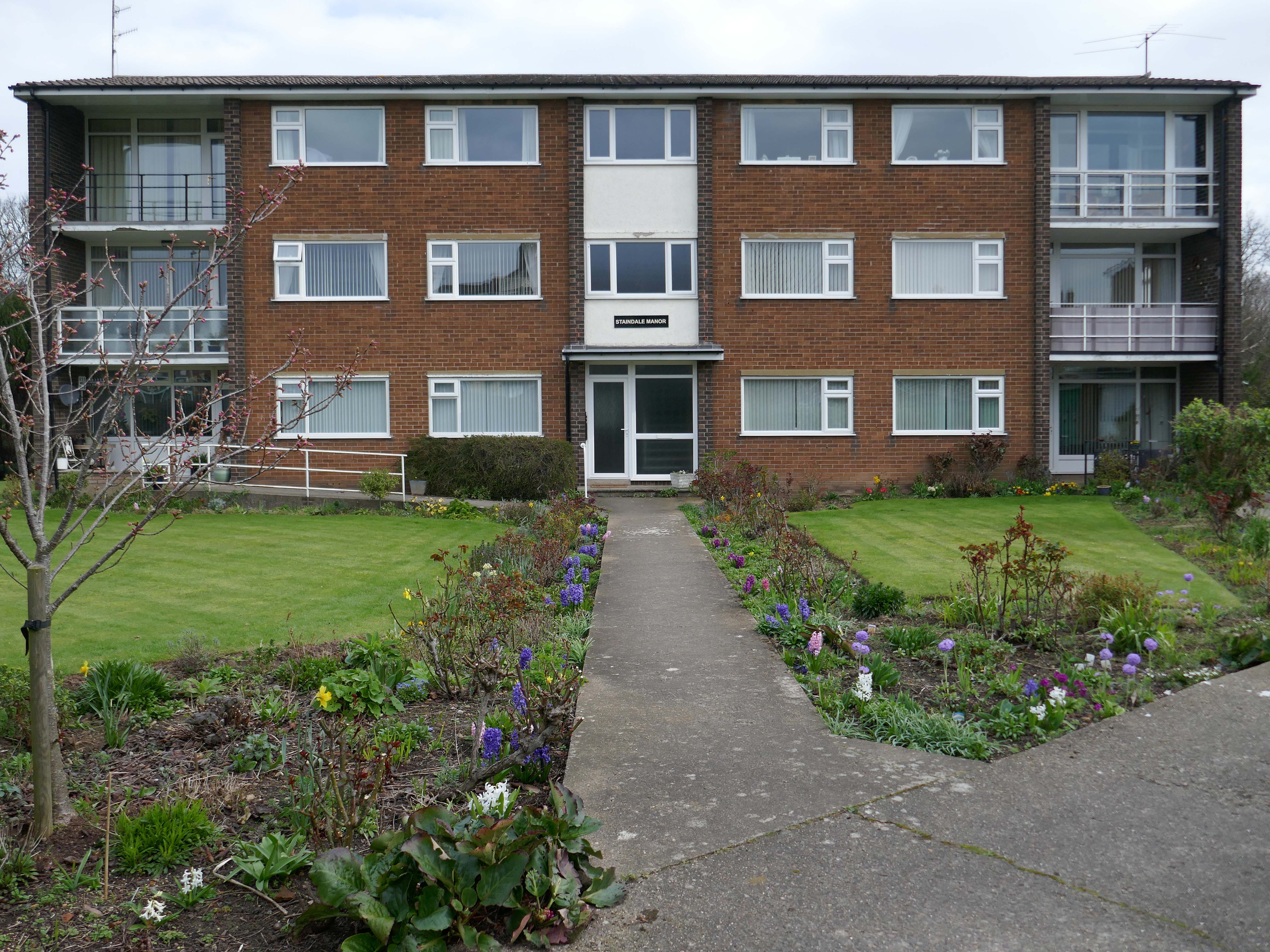
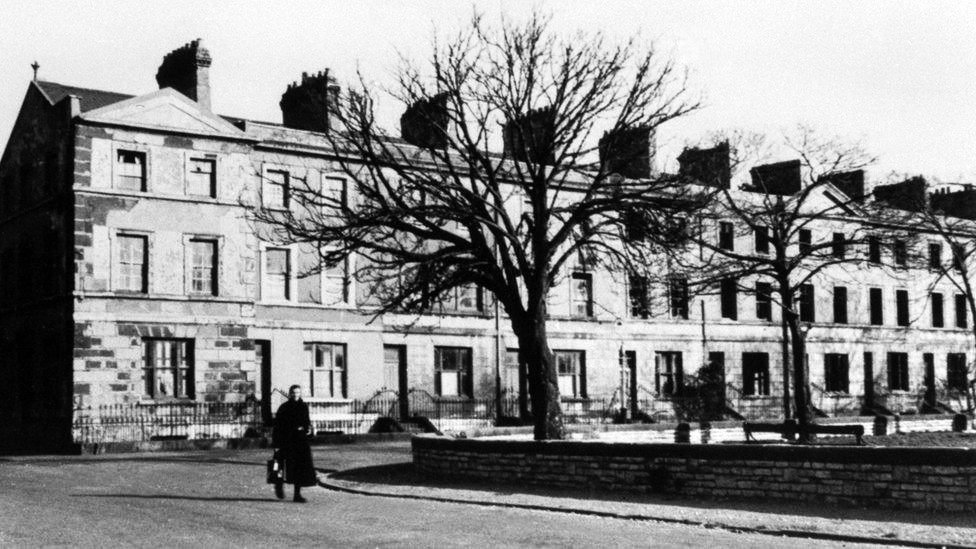
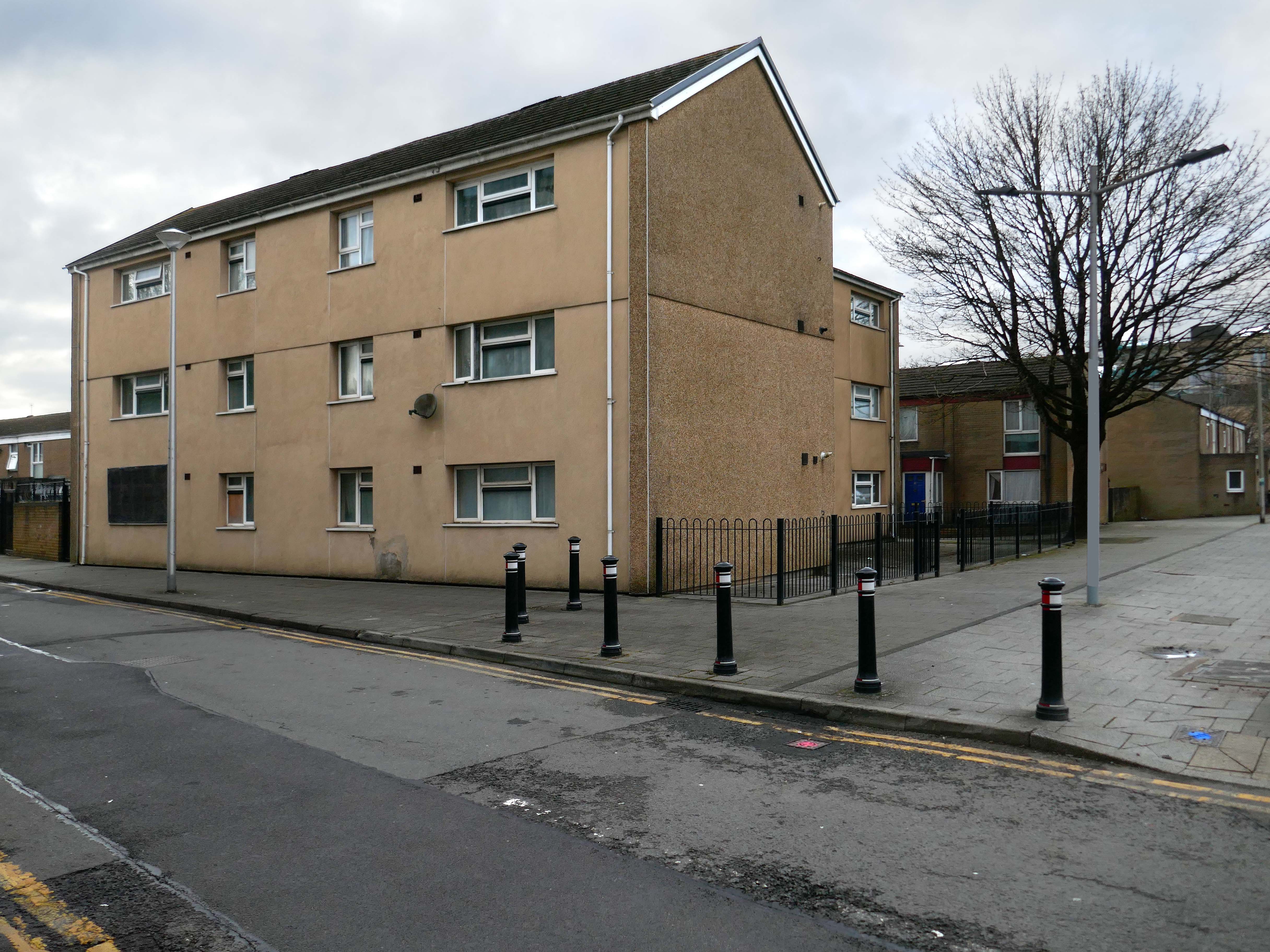
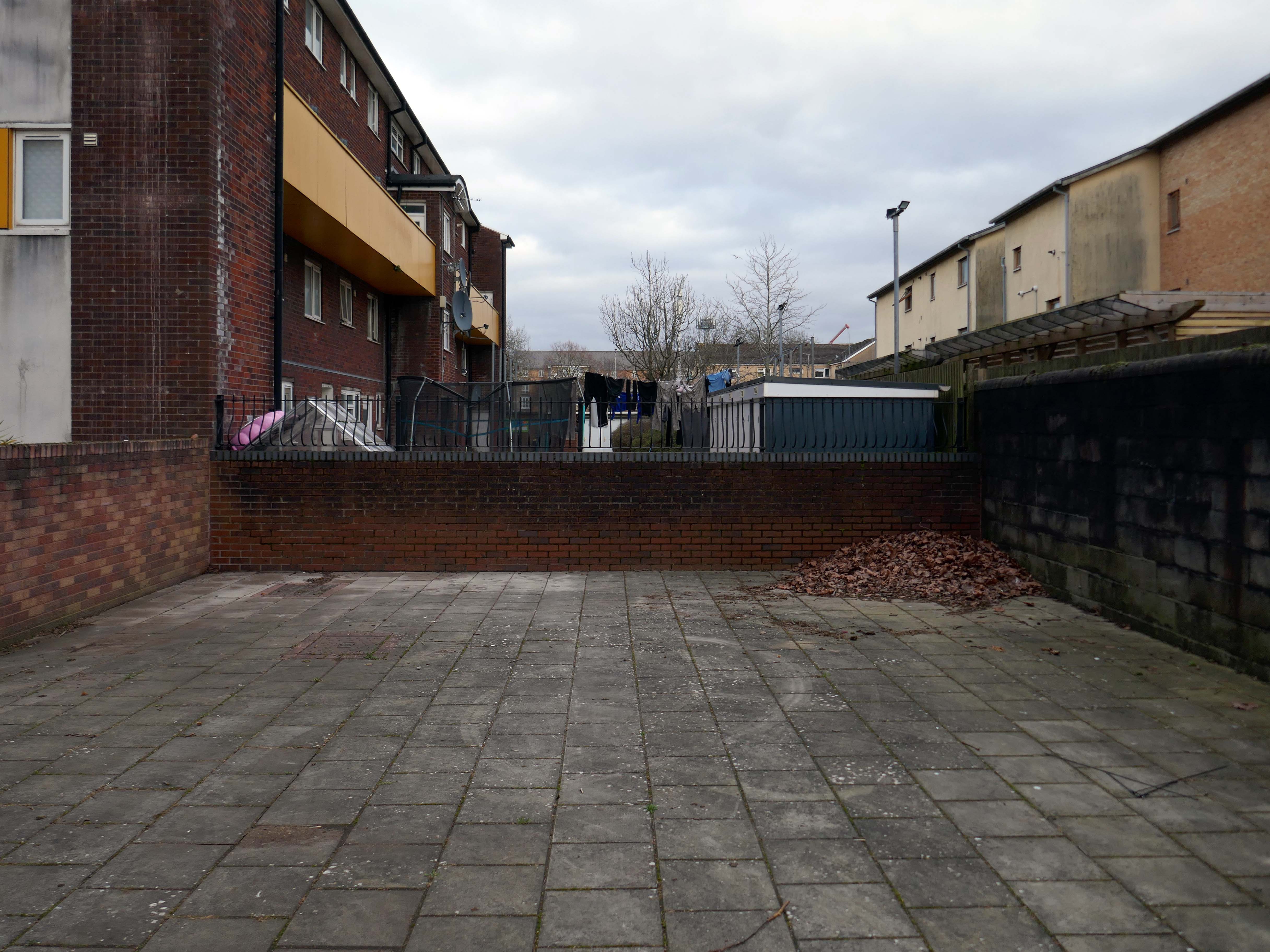
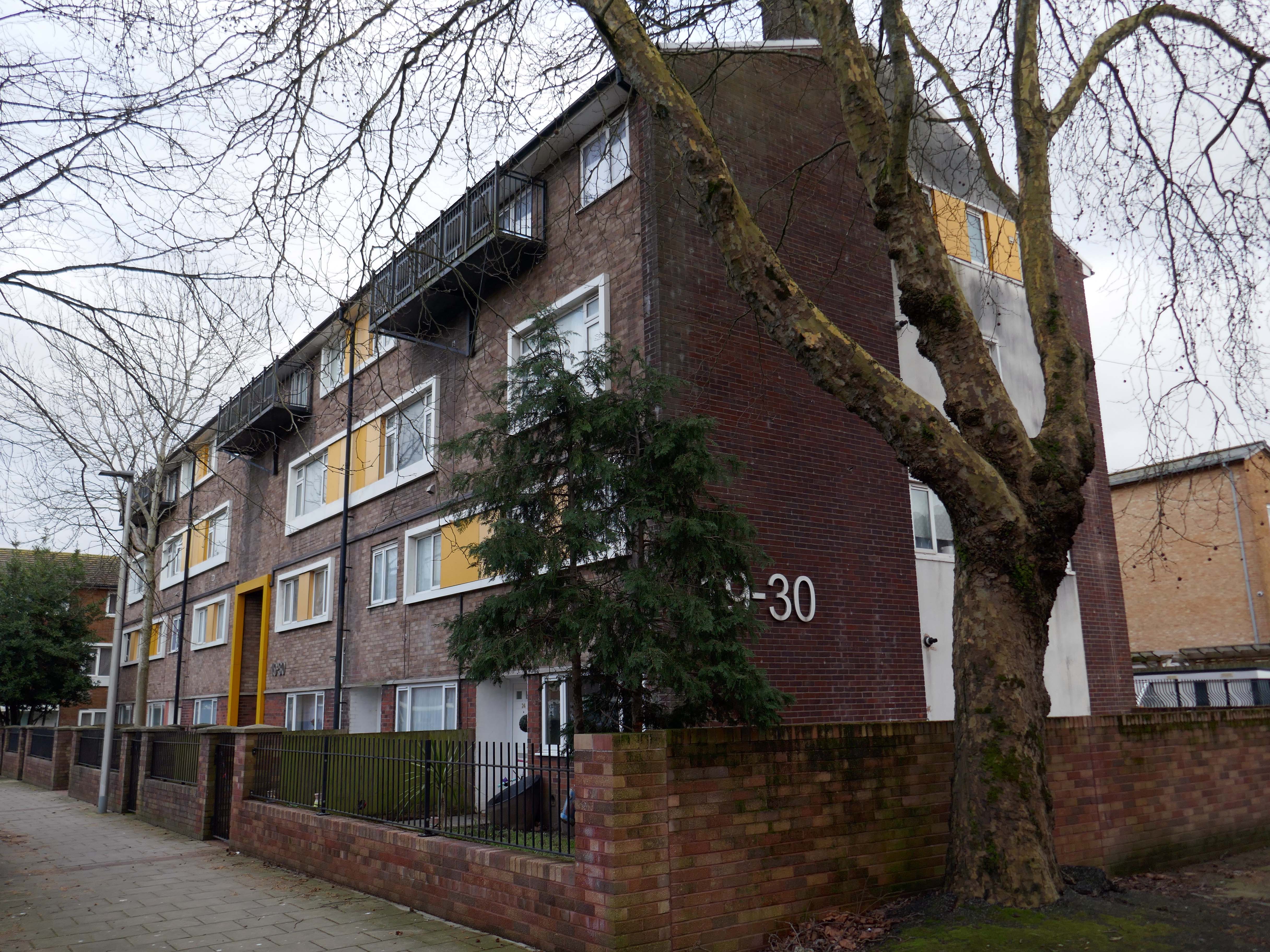
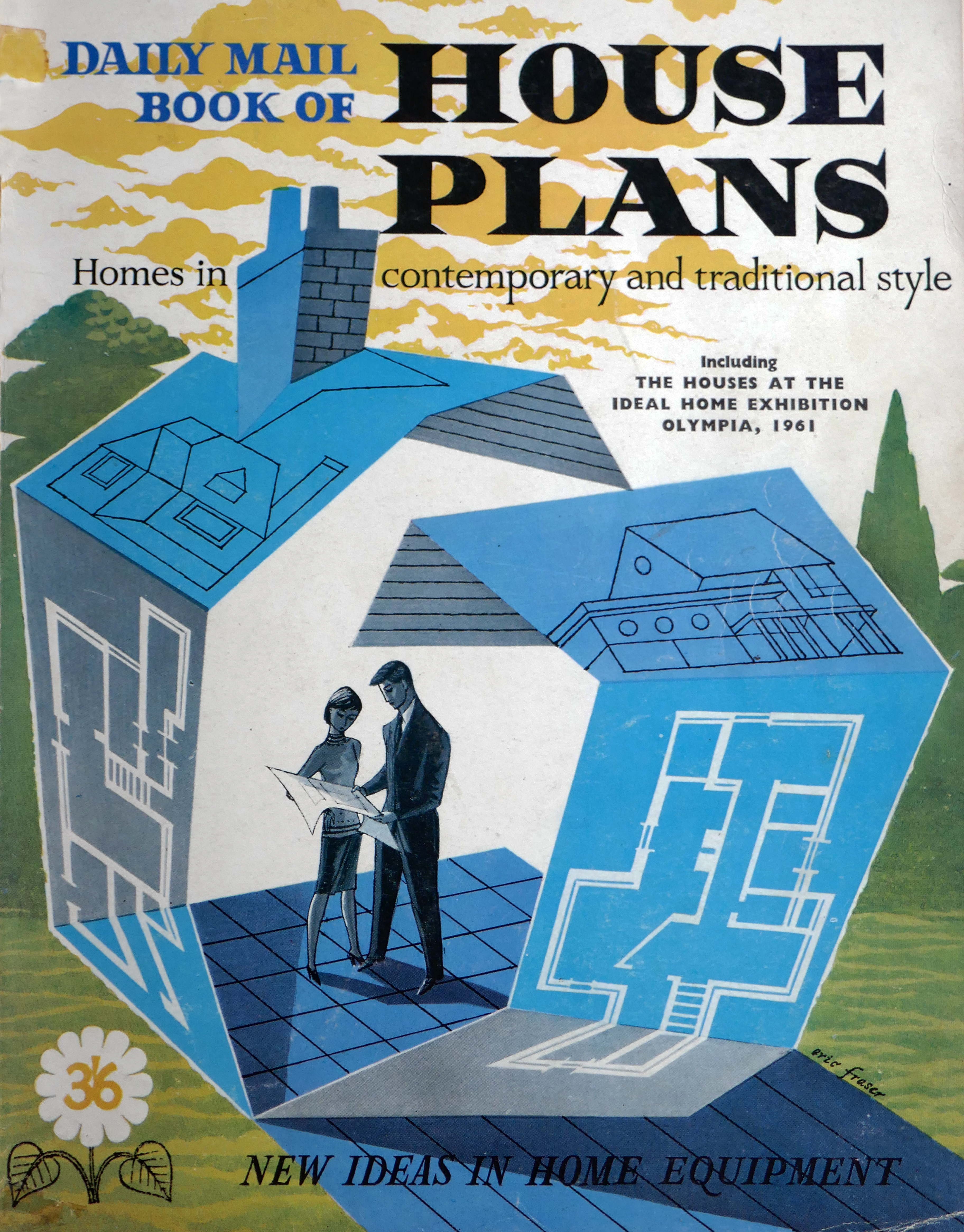
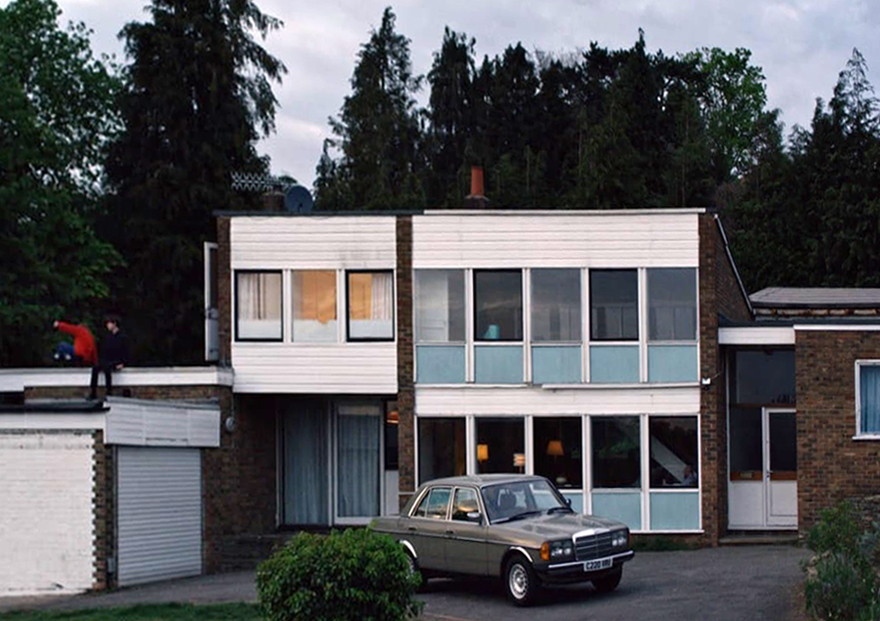
Coniston, Windemere and Rydal were among the first council homes to be built in Stafford, between 1951-52, under the direction of County Architect CM Coombes.

The flats were built as a result of The Housing – Financial and Miscellaneous Provisions Act 1946, which gave subsidies to local authorities to provide social housing. The expansion of the Borough Council’s civic duties included the employment of County Architects, in this case CM Coombes FRIBA, to whom these flats are attributed.

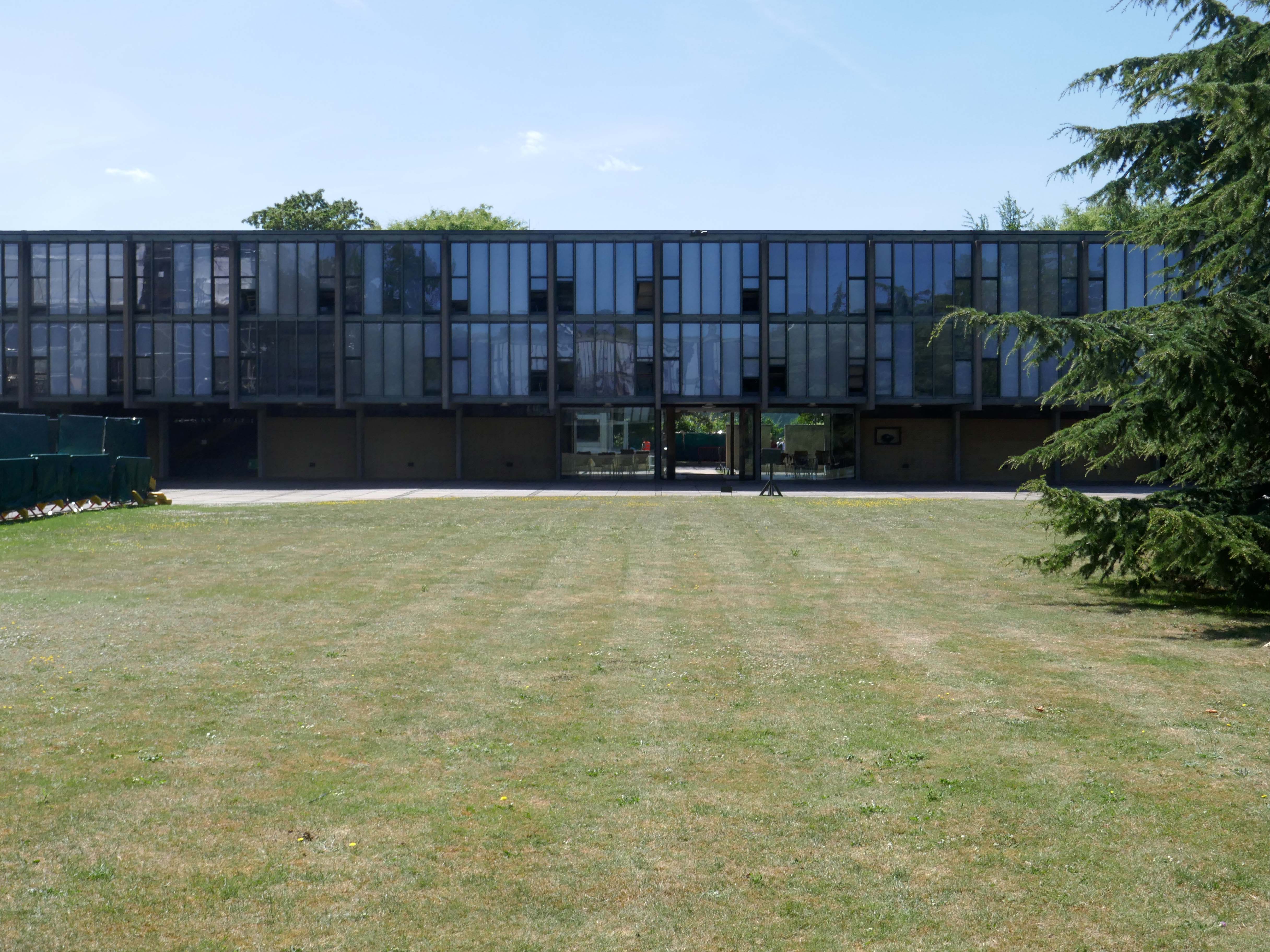
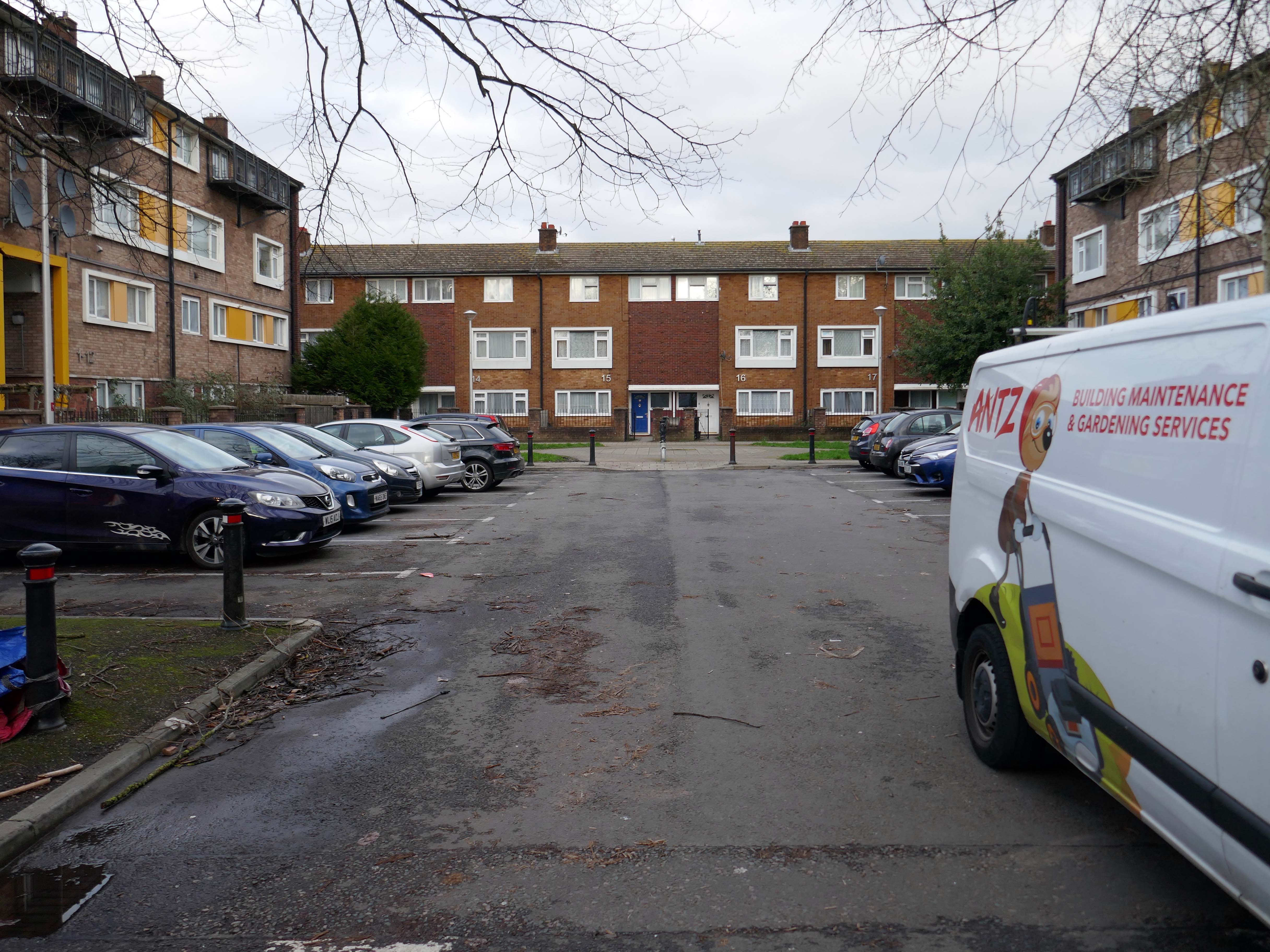
54 flats were built in total, to a distinctly Modernist design, and their appearance and setting are very well preserved.

Conservation Area

The conservation plan cites Bruno Taut’s Large Housing Estate Britz as an influence.

Along with St Andrew’s Gardens Liverpool, more commonly known as The Bullring.

Also the long gone Quarry Hill Flats in Leeds.

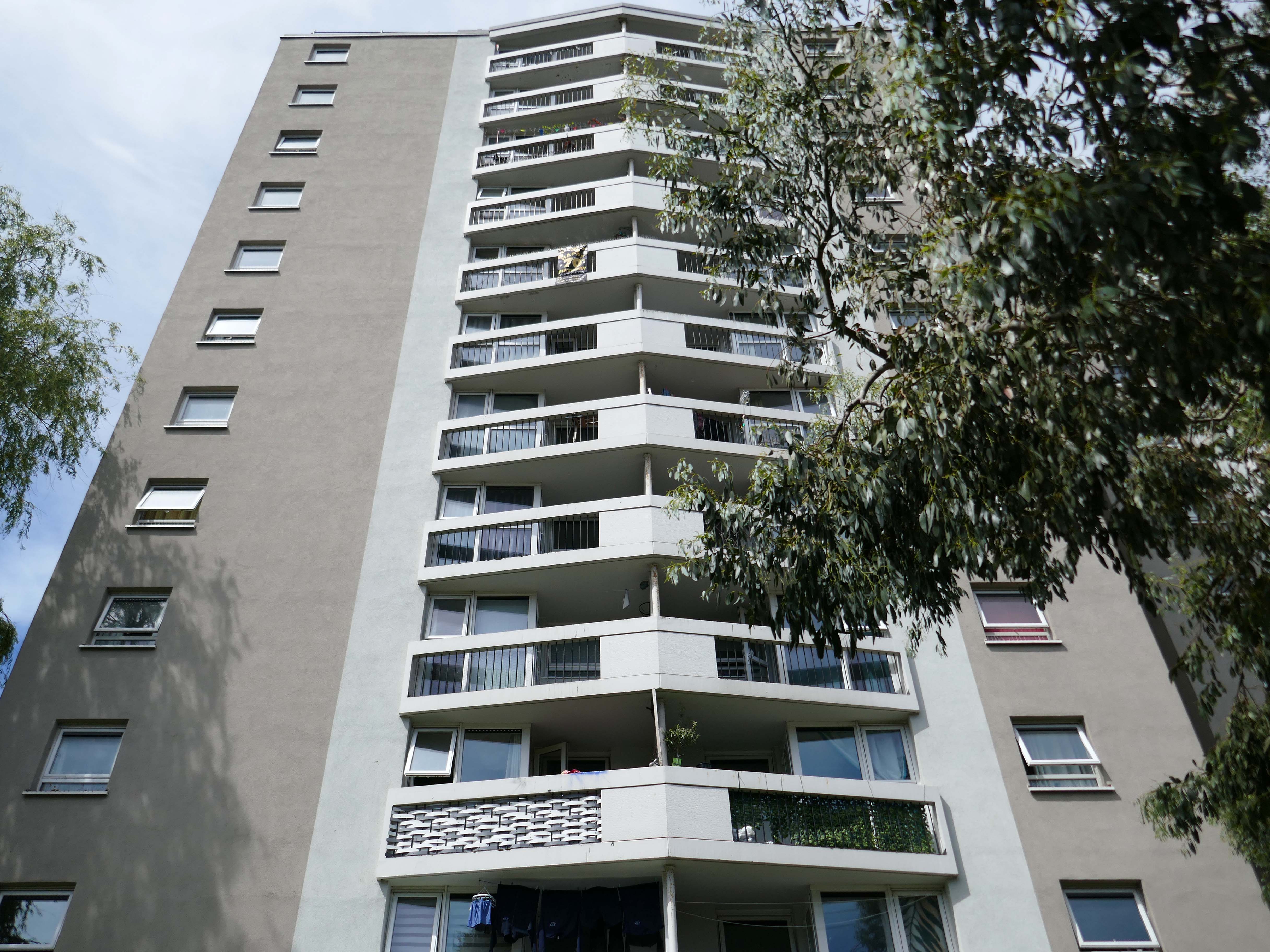
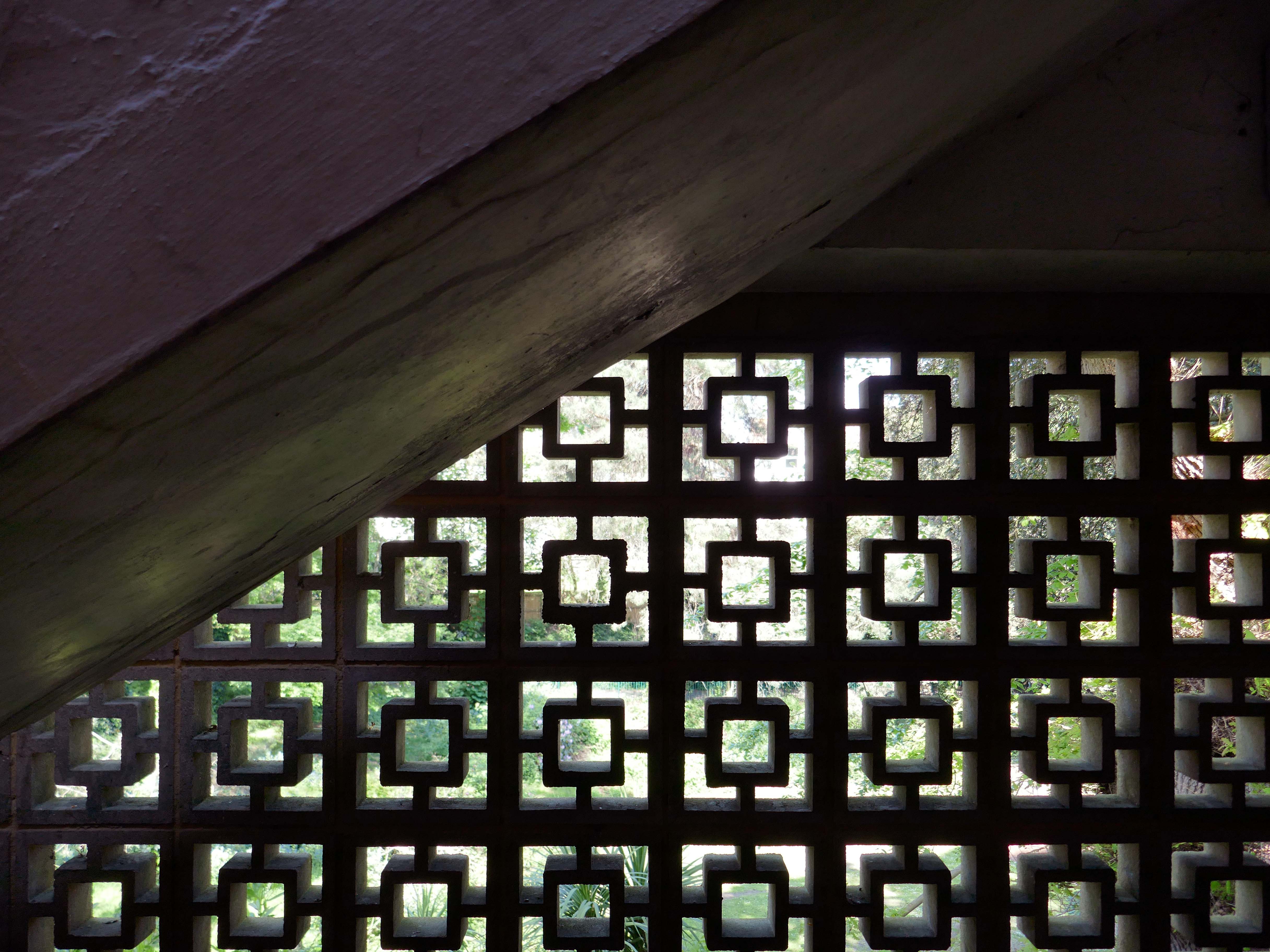
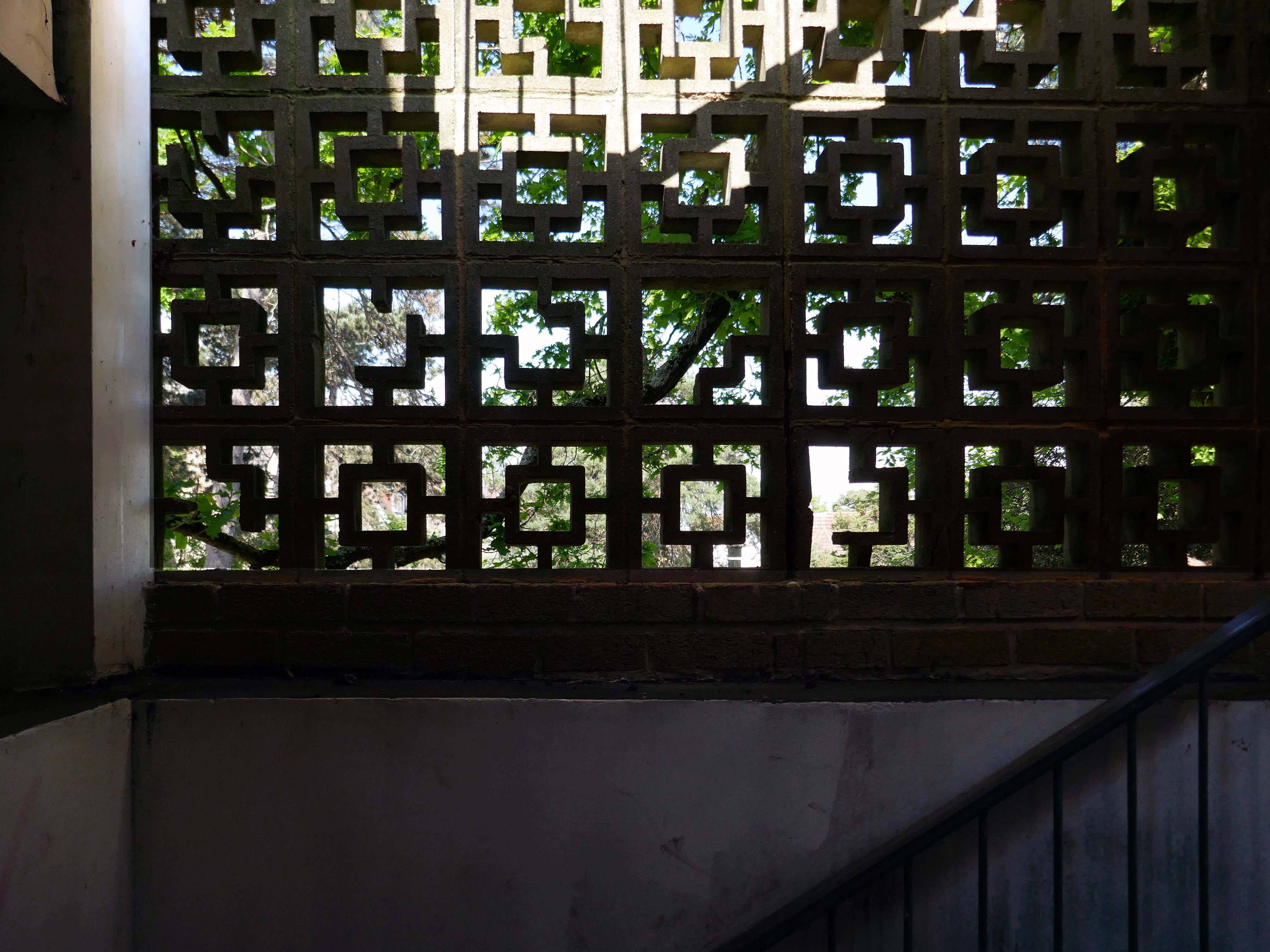
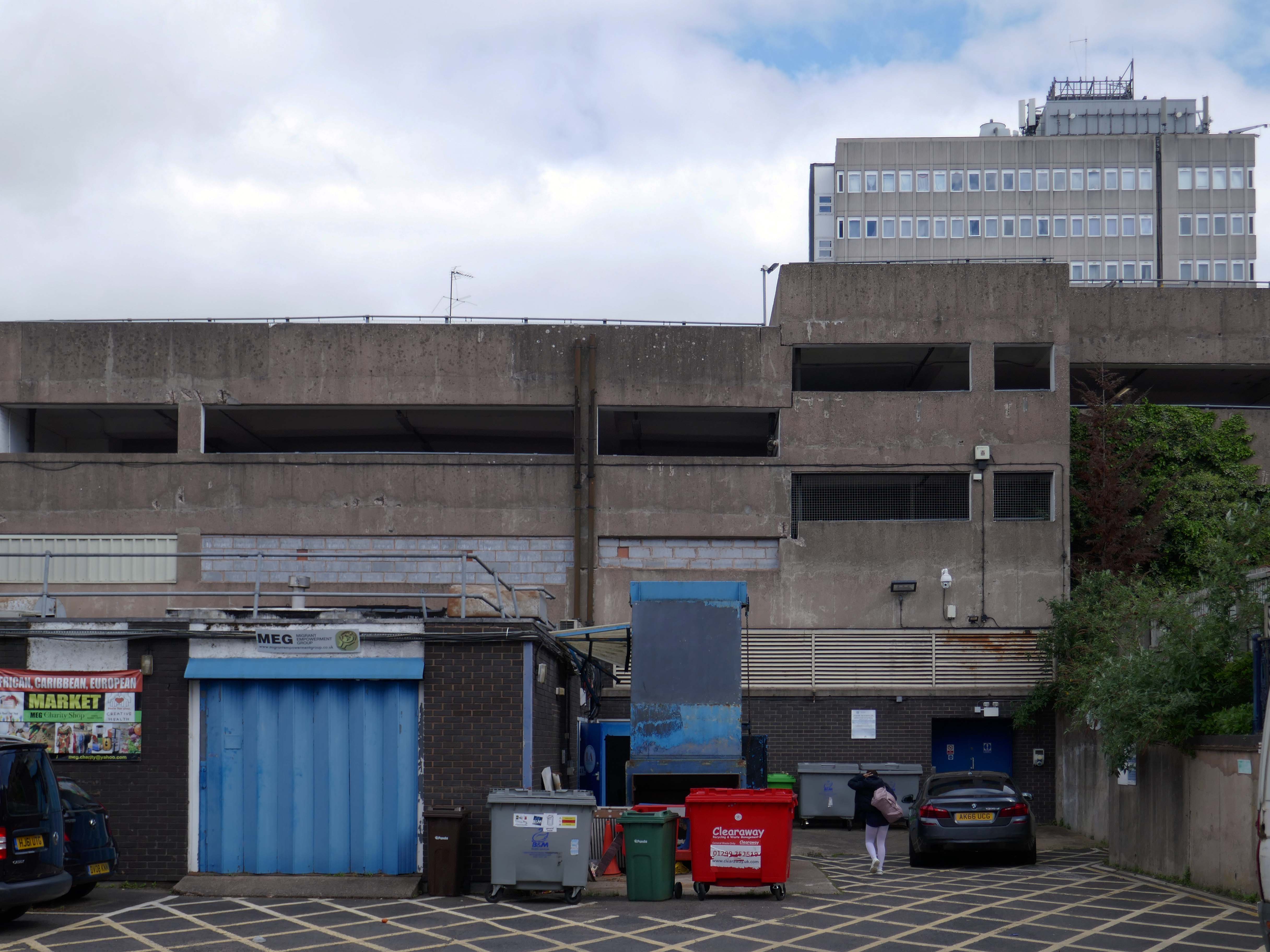
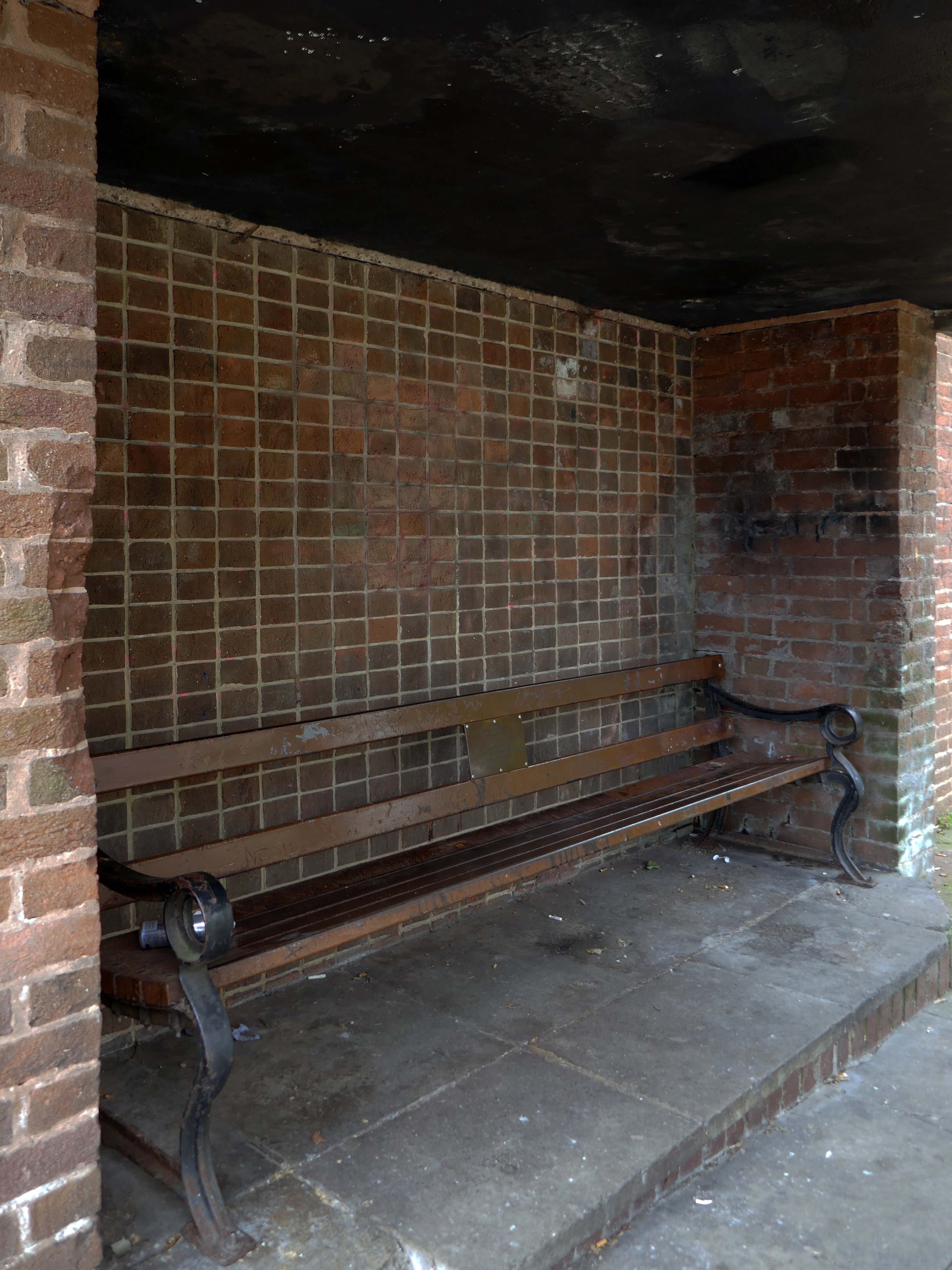
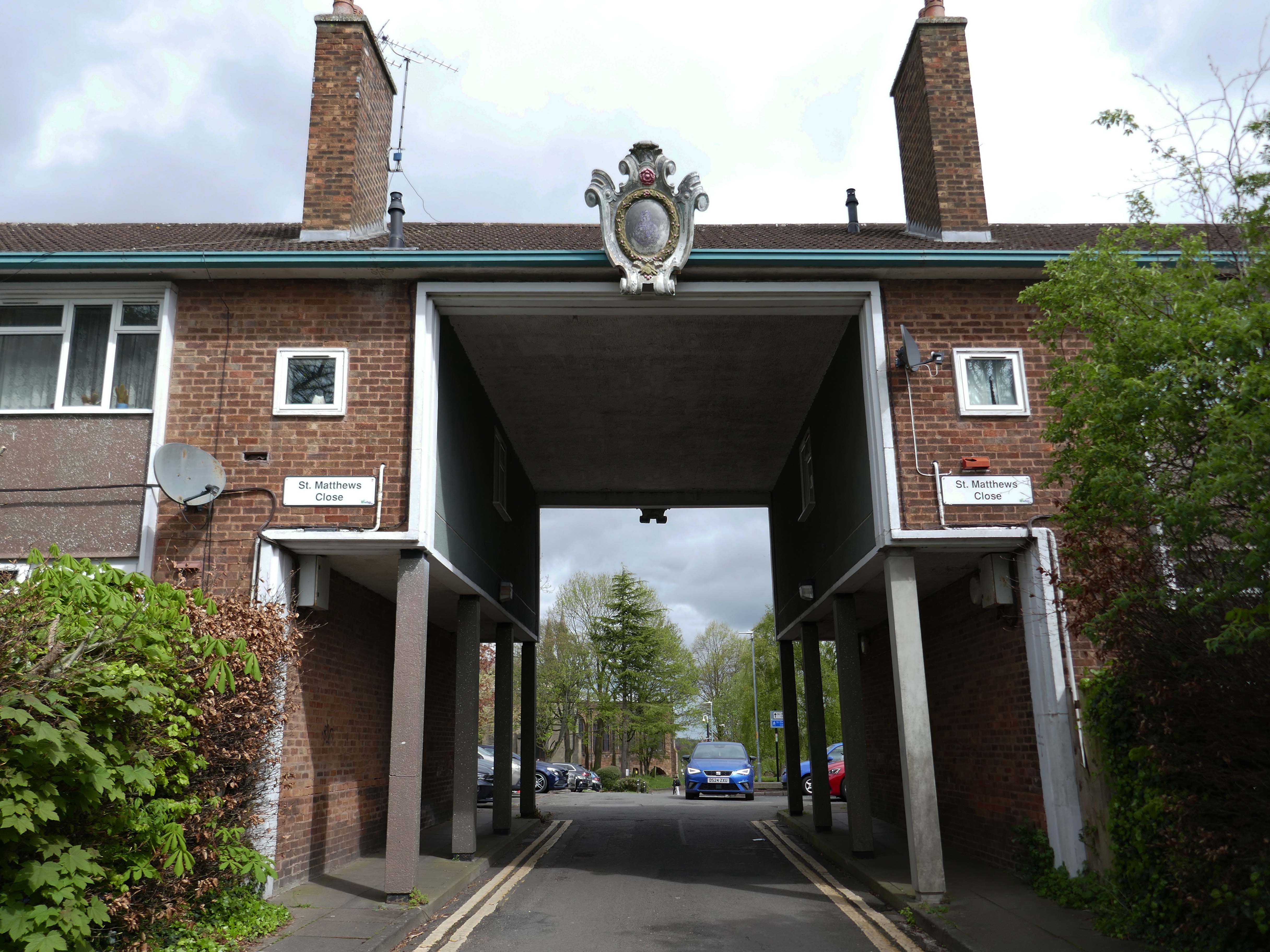
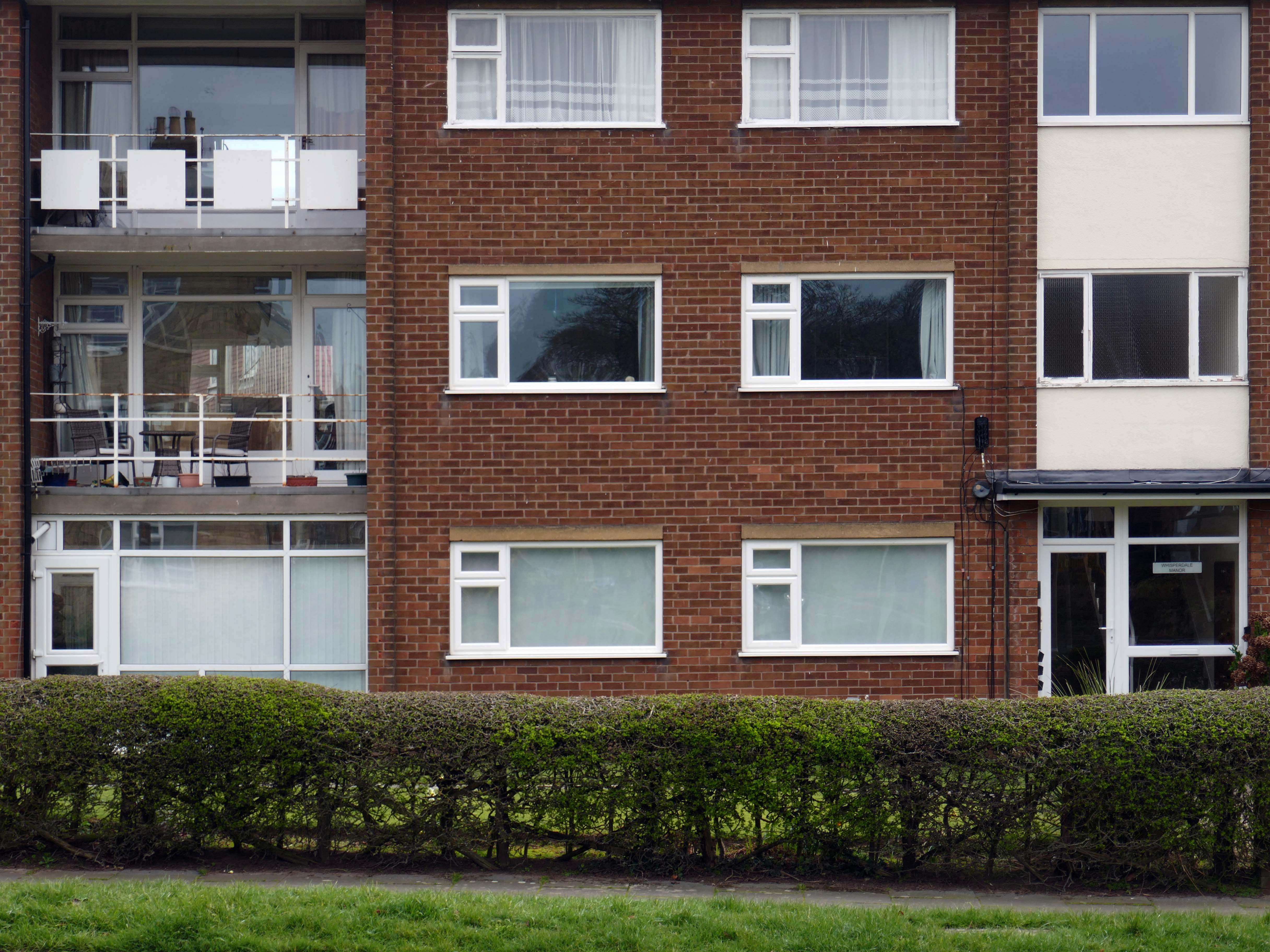
Whilst there are some common stylistic characteristics the Corporation Street Flats are of a more modest order. There are communal areas and a grassed apron, balconies and arched passages.

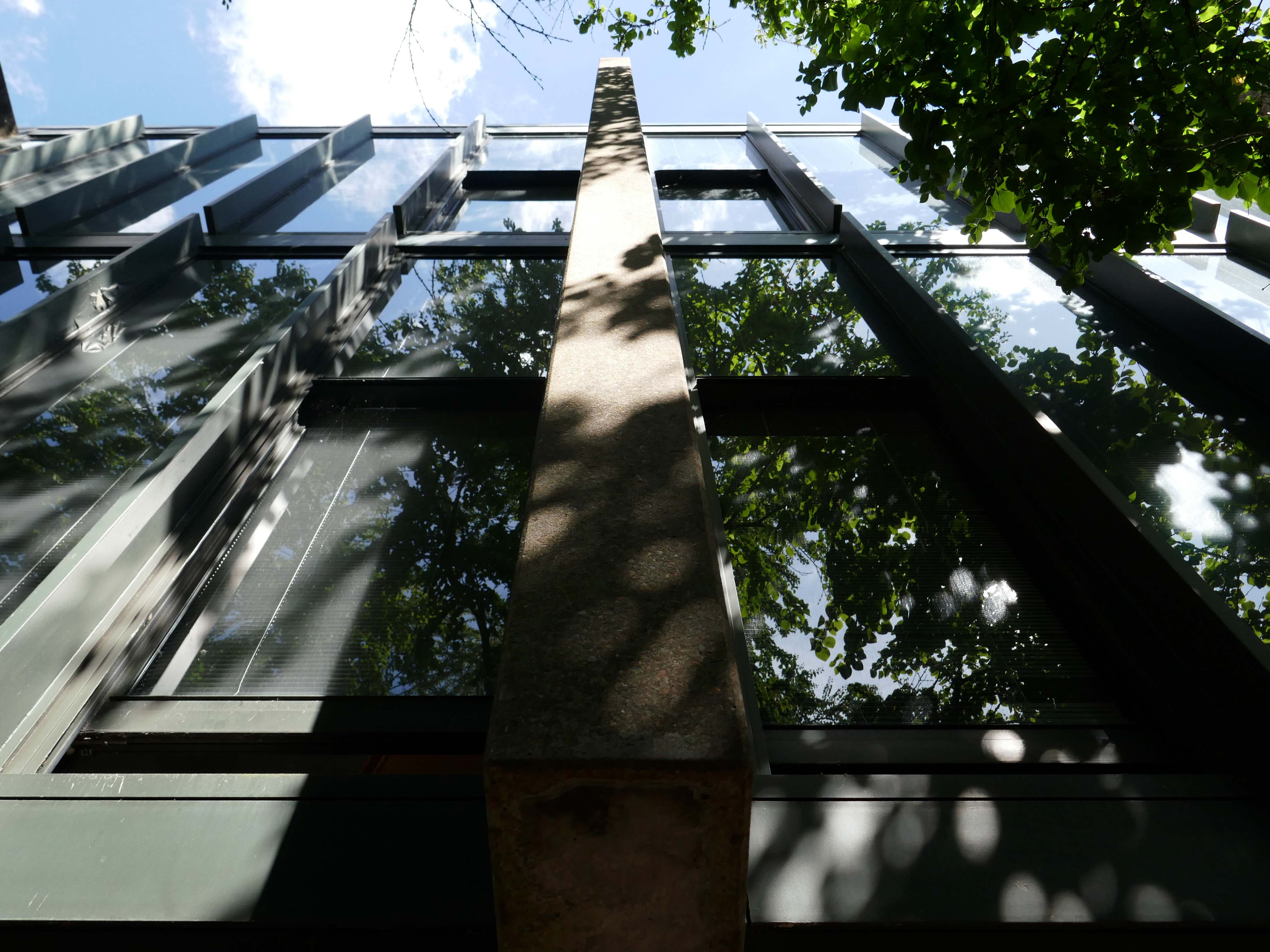
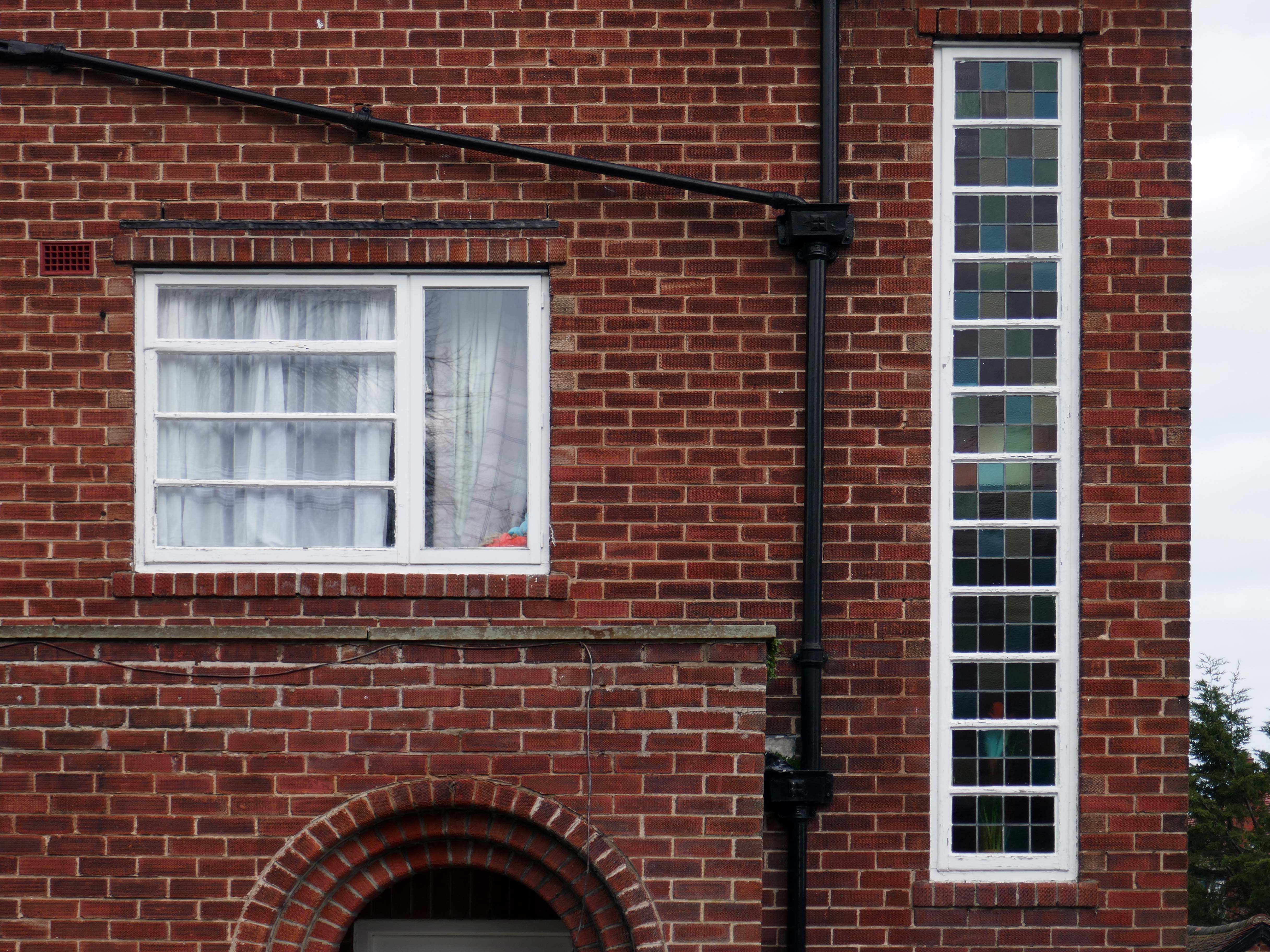
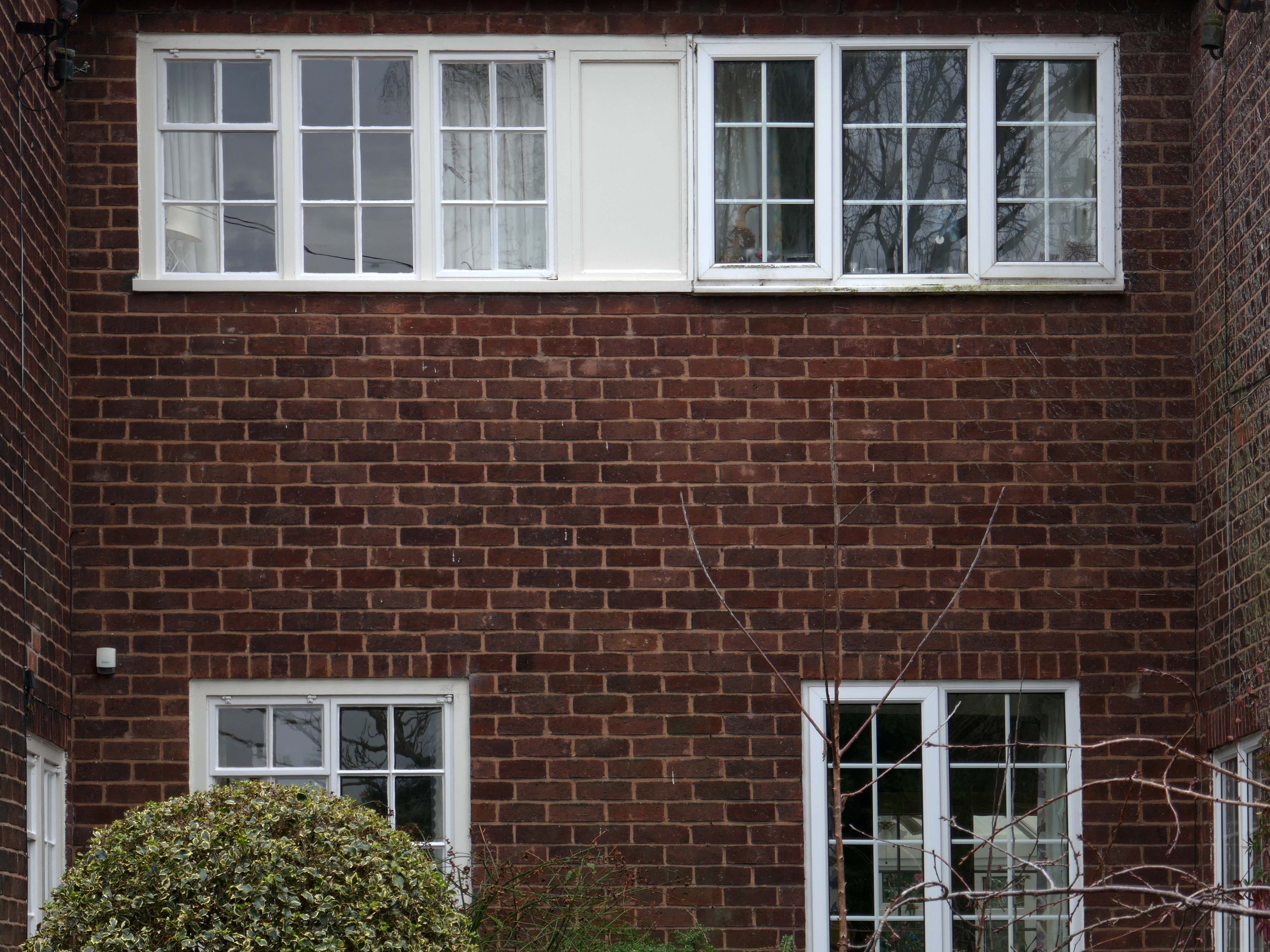
Over time the standard of maintenance seems to have declined, and the Crittall Windows have been replaced by white uPvc, where once there was a bowling green, this is now roughly mown and unused.

Take a look see for your self.

Chester Road

Walking from Cornbrook toward Stretford along Chester Road – which is one half of my Tram Trip to Altrincham

There is a cluster of former industrial buildings around Empress Street.

First up is the Empress Brewery.

The Empress Brewing Company was established by Charles Dawes in c. 1880, although the company was sold to William Henry Fulford in 1884, who had recently sold the Monarch Brewery in Salford. Fulford was based at the Empress Brewery on Clarence Street in Manchester, but had relocated to new premises on 383 Chester Road. These had been built in 1889 and operated initially as the Old Trafford Brewing Company, but the name had changed to the Empress Brewery Company by 1895. The company acquired a number of breweries and associated licenced house during the early 20th century, however, in 1929 it was taken over by Peter Walker and Son. The brewery closed in 1955.

Local Heritage List

The building was converted into offices in 1992 as part of the development of the Empress Business Centre, which saw new office and business units built to form a courtyard.

Empress had 236 public houses

Including the Queens Arms on Honey Street Red Bank, one of the first independent real boozers back in the 1980’s, subsequently it has seen various uses last seen on my Collyhurst Circular walk.

1967 Local Image Collection

This is the brewery building over time.

Here it is in July 2025

Across the way is the National Works.

The development of the site can be traced from the sequence of Ordnance Survey 1:2500 maps. The First Edition of 1893 shows the site as undeveloped. The First Revision map of 1908 shows 384 Chester Road to have been developed, and the site of the National Works to have been occupied by an open-fronted L-shaped range along the western and southern sides, with a detached rectangular building in a central courtyard. It is possible that these buildings all formed part of 384 Chester Road, listed as being occupied by H, G & O Lewtas, lamp manufacturers, in Slater’s trade directory for 1911. The Second Revision map of 1922 shows the early building to have been subsumed by the current building.

1961 Local Image Collection

Later the home of Lion Foodpackers Ltd and Crimpy Crisps.

1947 Local Image Collection

The building has been converted into apartments.

Situated on the lower ground floor of a gorgeous, red brick, landmark building, this 2 double bedroom apartment merits further inspection. A good size living room opens on to a good fitted kitchen. It also has a great, spacious shower room. It also benefits from a parking space, although a great attraction is the location, being just 1 mile from Deansgate and the City along with being 10 minutes walk to a Metro station.

Then we have the Veno’s Building, which was once a pharmaceutical company founded by William Henry Veno. He established a company in the US before returning to Britain and founded the Veno drug Company in Manchester in 1898.

In 1925 the company was sold to Beecham Estate and Pills Ltd. In the 60s the building was under the name Progress House and was home to the Co-Operative Press Limited, later to become Trafford Press. 

Derelict Places

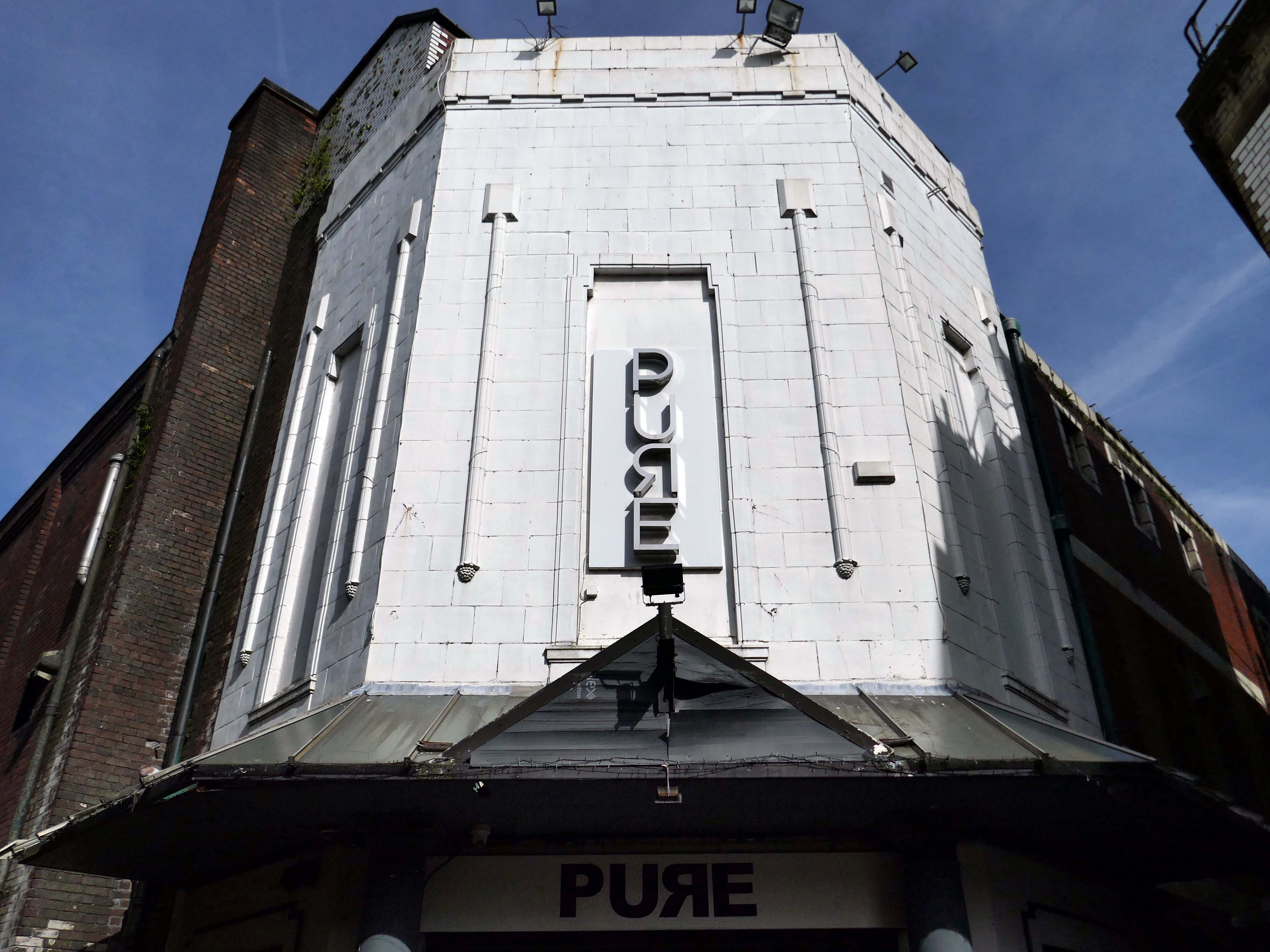
Rare sighting of a Profil aka Stymie Bold Italic hyphen.

Designed by brothers Max and Eugen Lenz and first cast by Haas in 1947.

The front elevation was originally in red brick, with a later faience facade applied.

Veno’s a stalled and cursed development. In 1925 William Henry Veno sold his company for £500,000, a decision he later rued. He sought to enhance his million pound fortune but lost everything through speculative investments and the 1929 Depression. He shot himself at his home during a fit of impulsive insanity.

It was also the home of Germolene, a thick antiseptic ointment with a distinctive pink colour and scented with oil of wintergreen

Burnley Central Railway Station

Burnley Central railway station is a stop on the East Lancashire Line, it is managed by Northern Trains, which also provides its passenger service.

Architect: RL Moorcroft of British Rail 1964-1966

Described by Claire Hartwell in the Buildings of England Lancashire: North as – of blue brick, bleak.

The station was opened by the East Lancashire Railway in 1848, as part of its route from Bury and Blackburn to Colne; here, an end-on junction was made with the Leeds and Bradford Extension Railway line from Skipton that had been completed several months earlier. The service from Colne through the station to Manchester Victoria, via Accrington and Bury, was well used from the outset by the owners of the local cotton mills, who travelled from their homes in the area to make their purchases of raw cotton at the Royal Exchange several times each week. It was also possible to travel from the station by direct train to Blackpool, Liverpool and Skipton and even through to London Euston, via Blackburn, Manchester Victoria and Stockport.

1964 Red Rose Collections.

However, the cutbacks of the 1960s affected the station badly, with through trains to Manchester via Bury ending in 1964 (two years before the withdrawal of the Accrington to Bury service) and those to Liverpool in 1969 whilst the line to Skipton was closed to all traffic in 1970. This left the station on a 10.5 km long dead-end branch line from Rose Grove to Colne.

The station was rebuilt in 1965, its ground floor is at street level and the first floor at platform level.

Wikipedia

1985

On the day of my visit the hourly service to Colne was almost due, there were two passengers on the platform.

A single track to a dead end town, the booking office and waiting room locked.

Barrow in Furness – Housing

Second time around in Barrow in Furness, following round one.

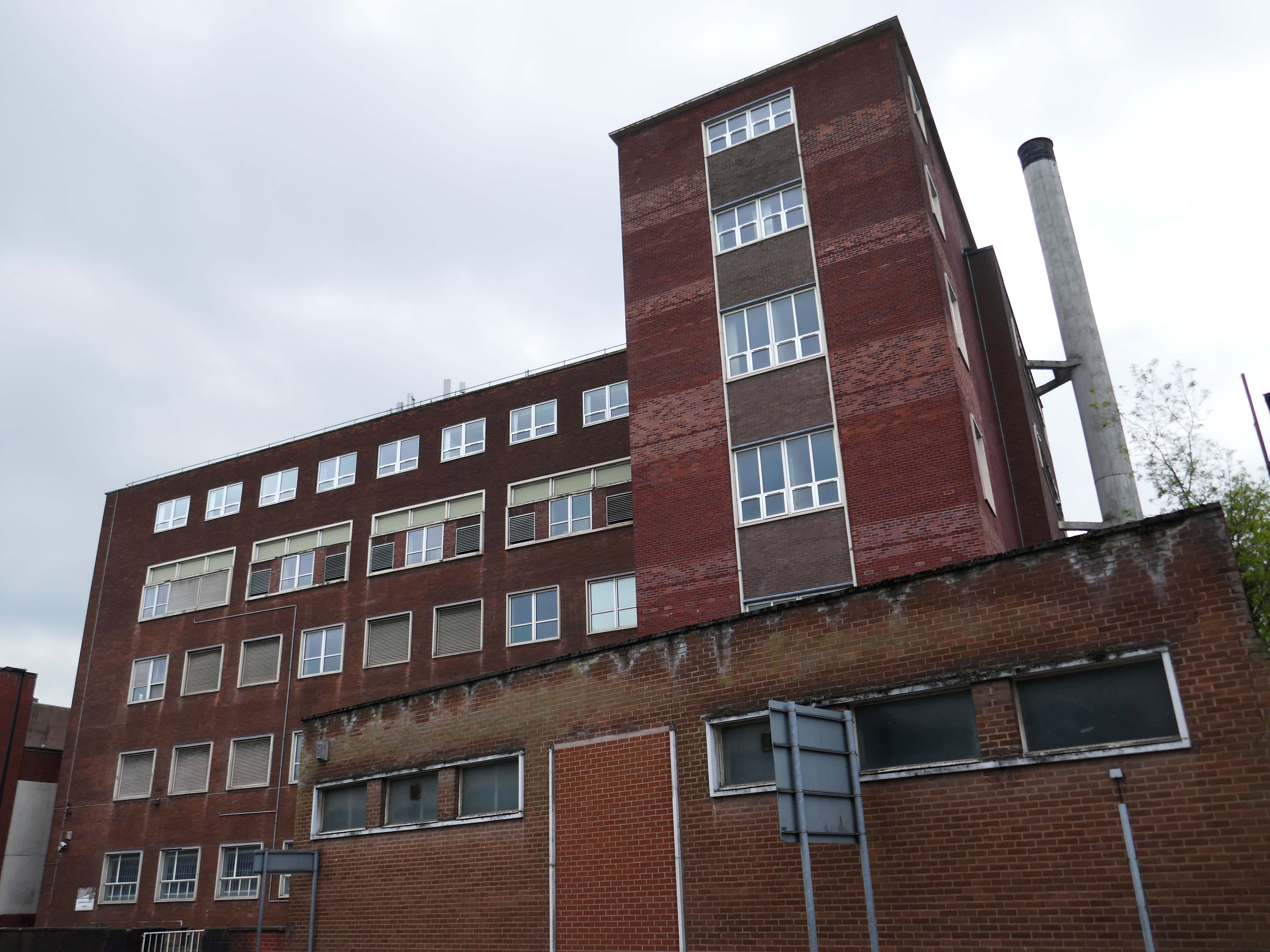
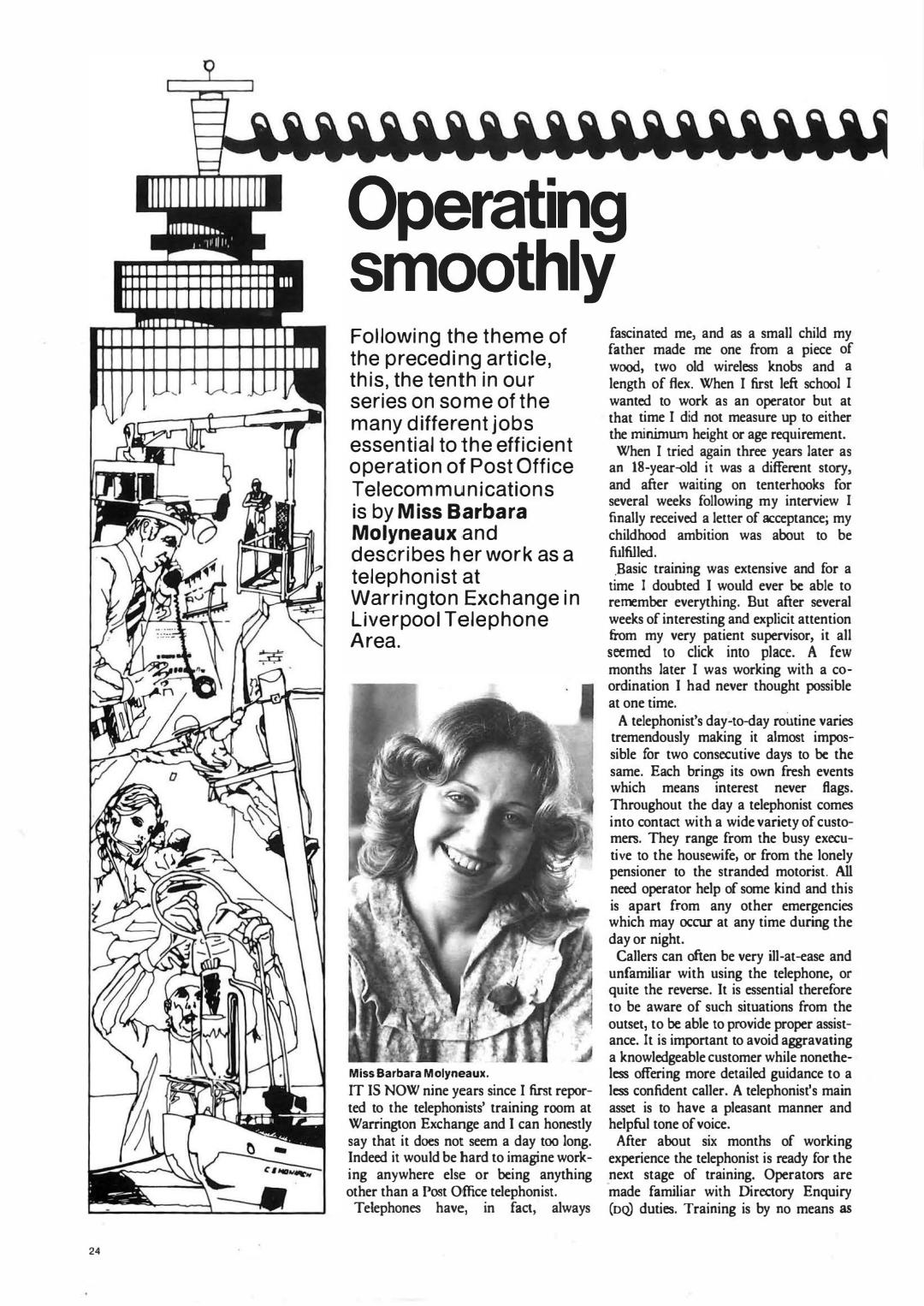
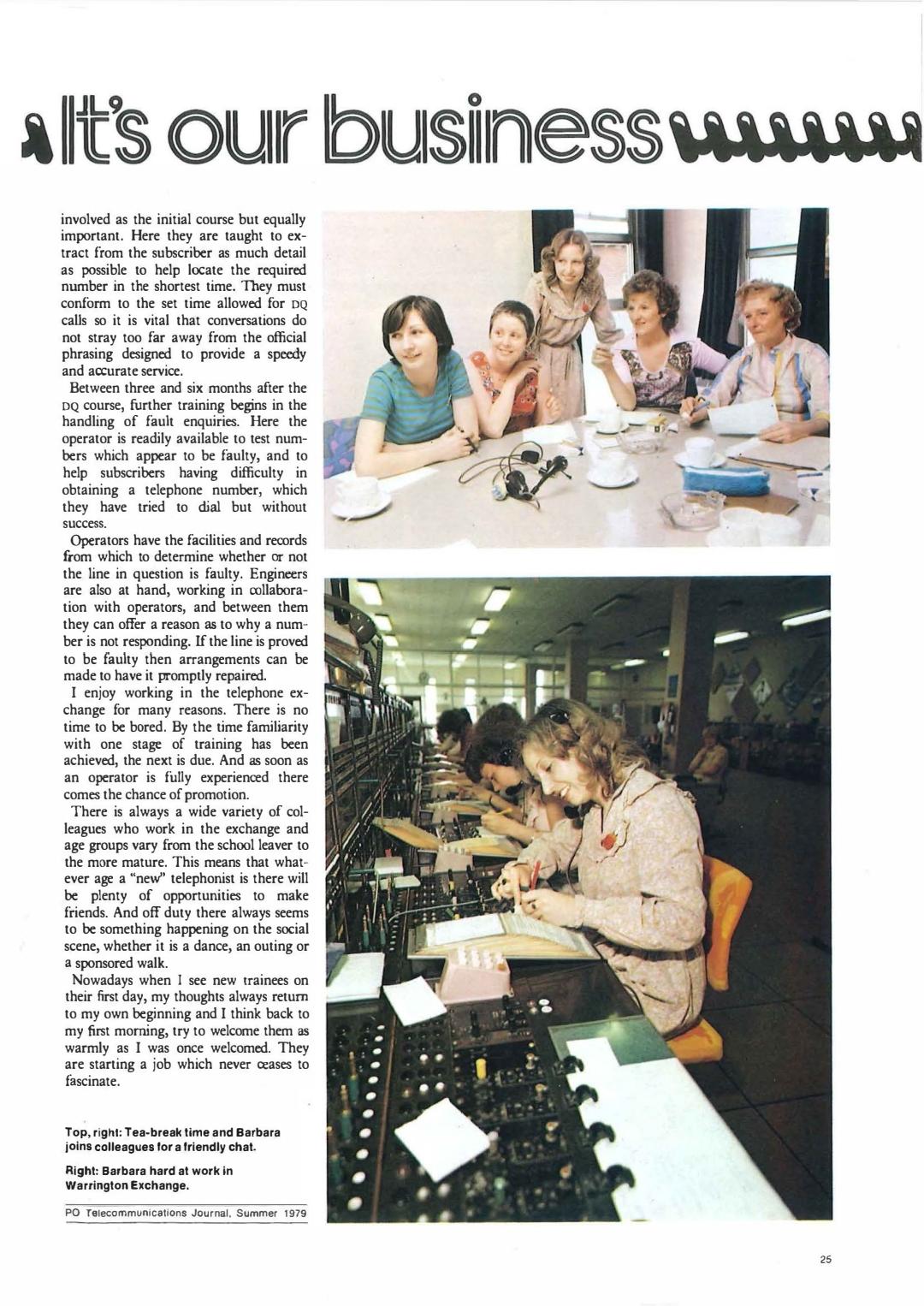
Having also written about the Car Park and Telephone Exchange.

Following the rapid growth of the town of Barrow-in-Furness, the construction of the Furness Railway following the discovery of deposits of iron ore in the Furness peninsular, and the development of industries using iron as a raw material resulted in many commissions for the practice – the population of Barrow doubled between 1851 and 1861, and doubled again in the next decade.

There’s a tight knit group of roads, where the housing is redolent of Scottish tenements.

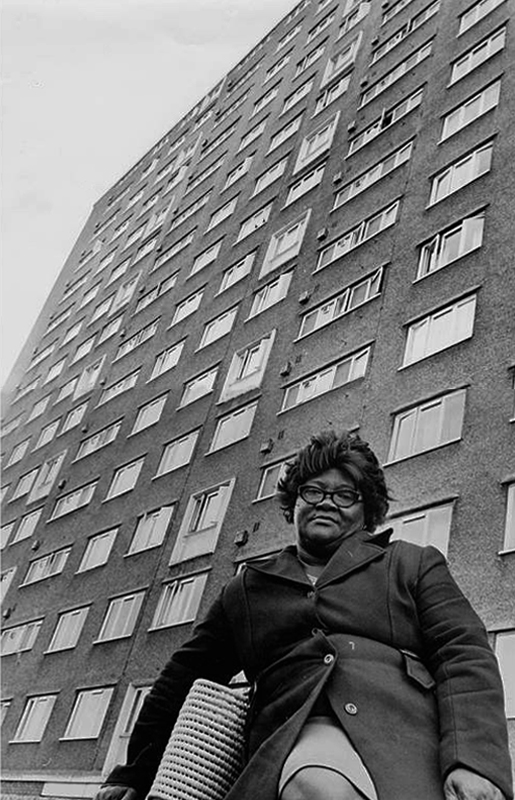
Photo Nick Hedges Glasgow 1972

These are the Ship Street Tenements brick built in 1881-84, for the Furness Railway Company, they are Grade II Listed.

Architects Paley and Austin of Lancaster, the main contractors Smith and Caird of Dundee.

They provided accommodation for the families of employees in the Furness Railway Company’s nearby shipbuilding works, they consist of two identical four-storey blocks of nine tenements, making eighteen tenements in total.

Historic England

The area has been revitalised and improved in recent years and rebranded.

This beautiful and inviting public realm has acted as a catalyst for renewal of this neighbourhood in Barrow-in-Furness. The inspirational scheme won the award for Best Commercial Landscape Design at the Northern Design Awards in 2017 as well as winning the Adding Value Through Landscape award at the Landscape Institute Awards 2018 and it’s easy to see why.

The newly named Maritime Apartments are now advertised for short stays, demonstrating the increased desirability of the neighbourhood. Lisa Hart Pearce, Manager of Maritime Apartments has said: “The new landscape has transformed Maritime Streets, not only visually but holistically. People now have a happy, modern, green space to enjoy; full of colour and beauty. There is no doubt in my mind that the wellbeing of the local community has been positively encouraged by the regeneration of the area and I hope it will continue through generations.”

Hardscape

Next door are the adjacent sandstone Devonshire Buildings of old, constructed in the 1870s for the Barrow Iron Ship Building Company, by the Duke of Devonshire at a cost of £50,000, to house local shipyard workers, and recently refurbished by Holker Estate.

They are Grade II* Listed also by Paley and Austin of Lancaster

The buildings are currently for sale for offers in the region of £4,950,000.

Having once provided homes for the traditional shipbuilders, they now offer lets to the employers of BAE Systems.

Home to our pioneering Submarines Academy for Skills and Knowledge, Barrow-in-Furness is a hub for learning and innovation. We’re not just building the next generation of nuclear submarines here. We’re developing the next generation of engineering talent.

We’re always looking for talented individuals to join our team in Barrow-in-Furness. Whether you’re looking to start your career, or you’re an experienced professional looking for a new challenge, we might have a job for you.

Blackpool to Cleveleys Walk

I have previously written about the Blackpool North Shore here and here.

Observing the shore from the promenade.

The shore was designated as a conservation area in 2018.

Yesterday, Wednesday 21st May 2025, the sun was shining and the tide was out, I decided to walk along the sands, and look towards the land.

To the right the Imperial Hotel – 1866-7 by Clegg and Knowles of Manchester, wing added 1875 by Mangnall and Littlewood

The hotel was established in 1867. Charles Dickens stayed at the hotel in 1869. In 1904, the hotel was extended with the addition of a large neo-baroque style dining room. In 1912, Princess Louise, Duchess of Argyll stayed at the hotel.In the mid 20th century, Winston Churchill, Queen Elizabeth The Queen Mother, Princess Margaret, Countess of Snowdon and The Beatles stayed at the hotel. Queen Elizabeth II stayed at the hotel when visiting Blackpool. In 1985, Margaret Thatcher celebrated her 60th birthday in the hotel. In 2002, US President Bill Clinton and Prime Minister Tony Blair stayed at the hotel for the Labour party conference.

The hotel is Grade II listed.

Wikipedia

Join us at The Imperial Hotel Blackpool for an unforgettable experience where entertainment,  family fun, and group leisure come together. Book now and start creating memories that will last a lifetime. 

Grand Hotel – the hotel was built as the Pembroke Hotel in 1982, became the Hilton Hotel in 1999 and The Grand Hotel in 2017

The hotel was built next to the site of the Derby Baths 1939 – architect: John Charles Robinson who between 1920-1944 designed many of Blackpool’s landmark civic buildings including libraries, schools, swimming baths, leisure facilities and tourist infrastructure.

Sadly, the baths were demolished in 1990.

To the right the Savoy Hydro Hotel.

The Savoy Hotel, just north of Gynn Square, is one of the series of large red brick and red terracotta hotels built around the turn of the century. The architect was TG Lumb and the hotel opened in 1915; the sun lounge in Hathern’s cream faience was added in 1935 by Lumb and Walton.

Architects of Greater Manchester

The Cliffs Hotel started in 1921 – architect Halstead Best substantially rebuilt and enlarged the building 1936–37 and added an underground carpark

Castle Casino – architect: Arthur Hindle 1906

Arthur Knowles built the Castle at 64 Queens Promenade North Shore for his wife, who unfortunately stayed in France. The couple stayed in the house for a mere nine months during 1929. Apart from housing Belgian refugees during World War 1, it stayed empty until 1935. It then opened briefly as an old people’s home, before being bought by Lawrence Wright – AKA Horatio Nicholls, as his home.

Wright sold it in 1941, and after several years as the home of the Blackpool and Fylde Motor Club, it became the Castle Casino of today in 1965, first owned by wrestler Jack Pye, who moved to Blackpool in 1950. It has had various identities, and was last taken over in 2005, now being known as the Genting Club – part of a national chain of that name.

Former Miners Convalescent Home 1925-27 – architects: Bradshaw Gass & Hope, Grade II listed 

Converted to apartments in 2005 – trading as Admiral Point.

Norbreck Castle Hotel originally built as a large private country house in 1869, it was bought around the end of the 19th century by JH Shorrocks, who used the house to entertain friends and colleagues at lavish weekend parties. The popularity of these parties led to Shorrocks running them on a commercial basis by taking paying guests.

The S Block by architect WH Longworth 1912 – the N Block by Halstead Best 1933-34.

In the 1970’s the Motel wing was added along with, the large Norcalympia exhibition hall, the name was changed from the Norbreck Hydro to Norbreck Castle.

European Regional Development Fund cash of £450,000 was granted towards a regeneration project on Cleveleys Promenade. Wyre Council improved 64,000 sq ft of the promenade to create a more attractive place for visitors to the town. The latest work complements the £20m sea defence installation.

Broadbent Studio worked collaboratively from the outset with Wyre Council, Ferguson & McIlveen and Faber Maunsell in 2008, to create an exciting new promenade and sea defence scheme for the coastline at Cleveleys.

The Sea Swallow is a 10m tall structure that brings to life Wyre’s Mythic Coast storybook ‘The Sea Swallow’. The coated aluminium sculpture, has the feel of ‘a book coming to life’, with the two sea swallows symbolic of the town’s protectors emerging from the page. 

St Clare’s Church – Higher Blackley

186 Victoria Ave Manchester M9 0RR

Architect: Weightman & Bullen 1958

Thy were also responsible for St Mary’s Leyland.

This is the result of my two visits to St Clare’s – an urban church which is kept open each day. I urge you to visit as and when you can, you will be rewarded by an uplifting experience – the most refined, calm and spiritual space.

A striking example of post-war church design built for the Franciscans, combining original modern forms and references to historic ecclesiastical architecture. The church predates the Second Vatican Council, and is of traditional basilican plan. Apart from the original sanctuary arrangements, the interior is well preserved, with furnishings of note – the large mosaic over the high altar, depicting St Clare of Assisi raising the Blessed Sacrament by Georg Mayer-Marton, stained glass by Joseph Nuttgens, Stations of the Cross by David John.

Taking Stock

Mayer Marton was also responsible for the fresco and mosaic mural at the Church of the Holy Rosary, Oldham – which is currently under threat.

There is a large west window grid, continued at the base, where it is angled out, to form a canopy over the entrance. Mosaics in this position have been overpainted or lost.

Montagu Court – Gosforth

Montagu Court Gosforth Newcastle upon Tyne NE3

I walked across the Town Moor toward Gosforth, then along Kenton Road and left onto Montagu Avenue.

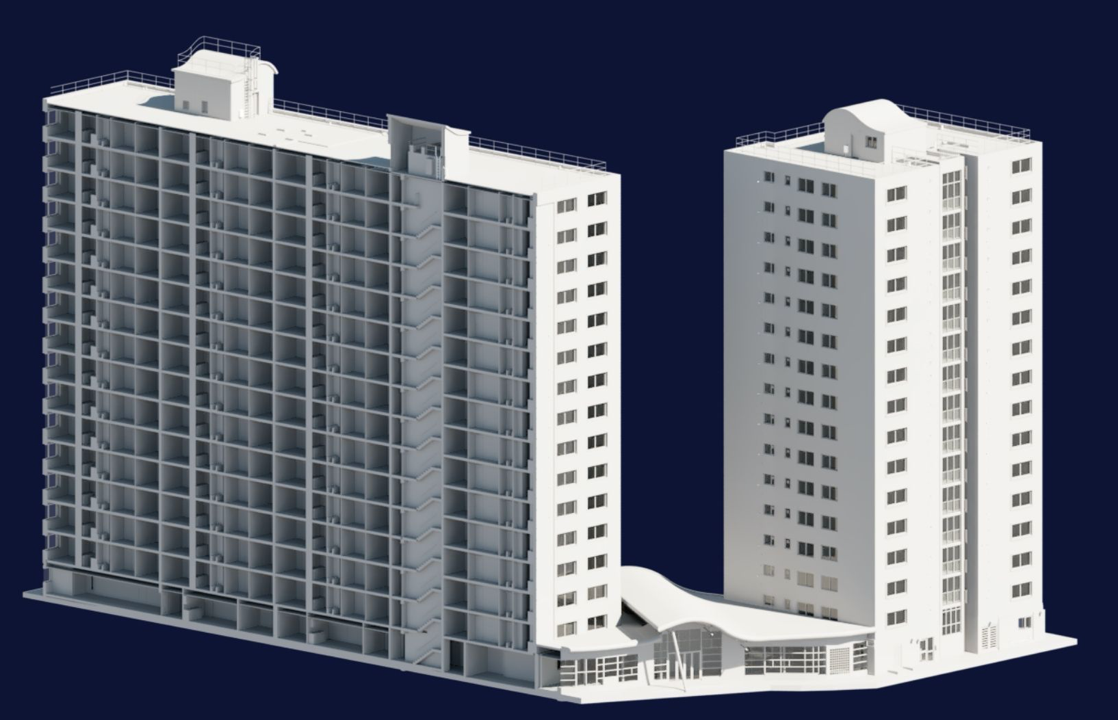
Coming to Montagu Court – facing north, in shadow from the spring sun – constructed in 1963 by local architects Waring & Netts.

Modelled here by Northumbria University.

I took a look around, many thanks to the amiable resident, who gave me the lowdown on this high rise.

By the main entrance to the tower is this delightful concrete relief.

Rather circuitously I wandered around the adjoining streets – finding myself on the edge of the grassland facing the southern elevation.

I suggest that you take the footpath by the side of Ferndene Court, I didn’t.

Should you fancy a flat with a view house prices in Montagu Court have an overall average of £456,667 over the last year.

Then you can transform your home in the George Bond style.

Welcombe Walk – Whitefield

Welcombe Walk Whitefield Manchester M45 7FA

Not lost, just looking elsewhere, whilst walking between tram stops.

Charged with mapping the Modernism at each of the stops twixt Victoria and Bury.

I unavoidably took the wrong turn, it’s so easily done. Fortuitously I took a turn off Bury New Road and found myself on Welcombe Walk.

Welcombe Walk is made up of nineteen one/two-bedroom flats, built in 1978 and run by Six Town Housing.

Visit the Bury Council website for information on supported living:

https://www.bury.gov.uk/index.aspx?articleid=10717

Whilst not seeking sheltered housing for my good self, I am always intrigued by small developments of interesting social housing, grouped around pedestrian walk ways and green space.

The residents with whom I chatted seems content with their homes and the management thereof.

I bade them adieu and went about my way, taking these few snaps.


Arterial Manchester 2024 – A56

Having photographed the arterial roads of Manchester in 2014, I have resolved to return to the task in 2024.

Some things seem to have changed, some things seem to have stayed the same.

Bury Walk

Arriving at and looking around the Interchange – 1980 architects: Essex Goodman & Suggitt

It is the northern terminus of the Manchester Metrolink’s Bury Line, which prior to 1992 was a heavy-rail line.

A new short spur line was constructed to connect the new station. The railway had originally run into Bury Bolton Street which was further away from the town centre, and was closed by British Rail on the same day that Bury Interchange opened.

It also incorporates a bus station.

Bury Interchange replaced the bus termini scattered around Bury town centre, notably around Kay Gardens.

Wikipedia

Image courtesy of Roy Banks

An £80m transformation is coming to the Bury Interchange, which will see step-free access at the Metrolink, a “vertical circulation core” to better connect the Metrolink with the bus facility, and an integrated travel hub with spaces for cycle storage.

The work is much-needed, explained Transport for Greater Manchester’s Alan Lowe, he said that the interchange was built in the 1980s and very much is of its time.

Onward to the Art Picture House which is Grade II Listed – currently operating as a Wetherspoons.

The Art Picture Palace was a 1923 rebuild of the earlier Art Picture Hall both designed by architect Albert Winstanley. The Art Picture Palace was opened on 26th January 1923. A remarkably complete survivor of a 1920’s cine-variety house executed in an elaborate style.

Films ceased in February 1965 and it became a bingo club. Later converted into a billiard hall until 19th May 1991 when it became a bingo club again, it later became a Chicago Rock Cafe.

Cinema Treasures

Next door a typical steel glass and brick banded office block Maple House.

Around the corner and over the road to the Town Hall 1939-40 architects: Reginald Edmonds of Jackson & Edmonds then 1947-54.

Large and Dull – Niklaus Pevsner.

Back through the Interchange to the former Cooperative Store of the 1930’s.

The Portland Stone towers still visible – the elevation largely retro-clad in glass.

Passing through the Millgate Shopping Centre of the 1980’s.

Unambitious but successful, the floors cheerfully tiled – Niklaus Pevsner.

Down in the subway at midday.

The better to get a view of the Market Hall 1971 – architects: Harry S Fairhurst.

The Indoor Market Hall is currently closed due to the discovery of Reinforced Autoclaved Aerated Concrete – within the building structure. RAAC is a lightweight type of building material that was used between the 1950s and 1990s.

Back under the road – where we find a delightful Telephone Exchange.

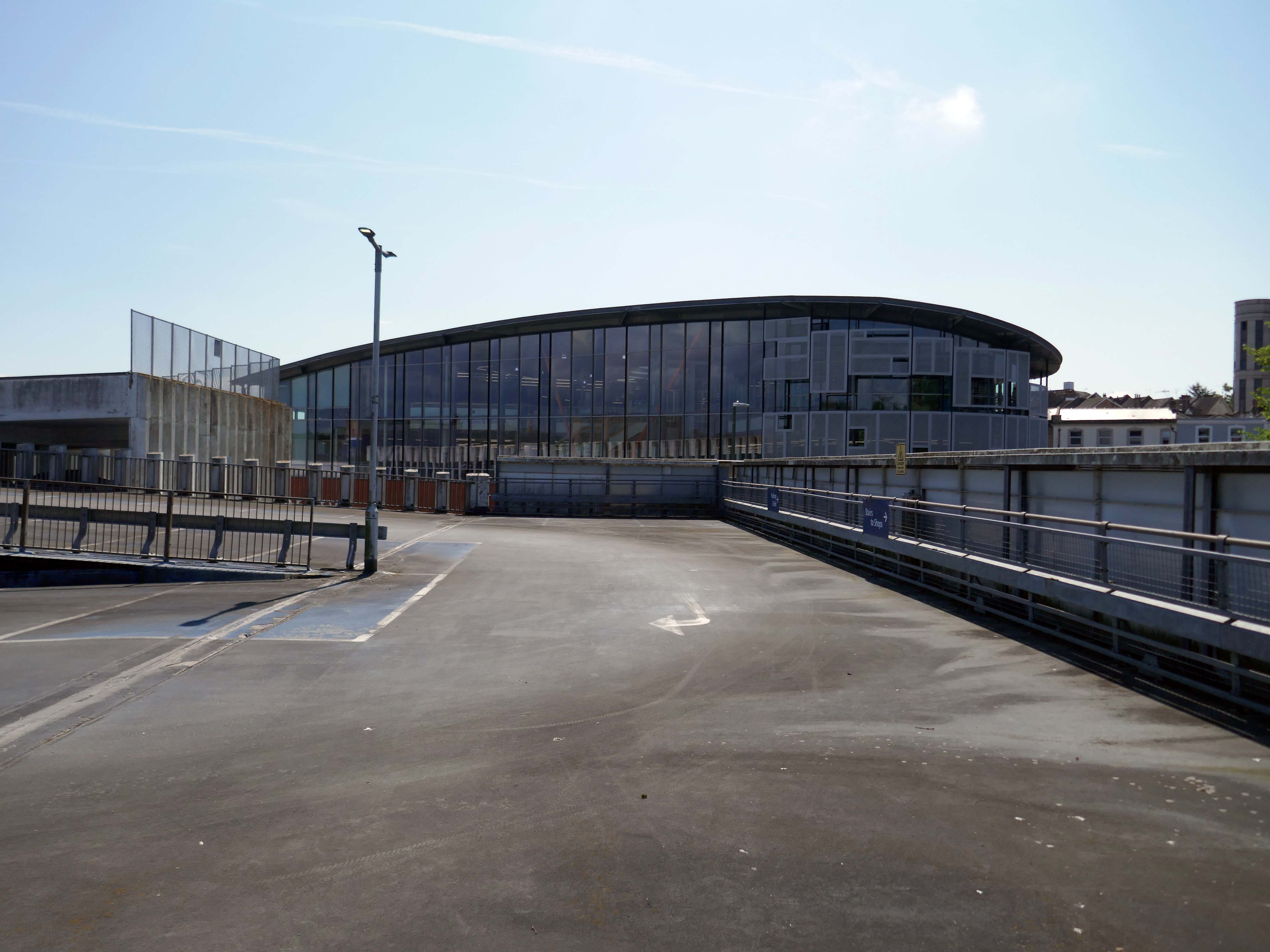
With an adjacent Multi Story Car Park.

Around the bend to The Rock.

The Rock is a vibrant retail and leisure centre which is home to a range of high street fashion brands, independent retailers, tantalising eateries and fantastic entertainment – it’s the perfect place to visit any day of the week. 

It is the work of architects BDP – completed in 2010 at a cost of £350 million.

Our masterplan for The Rock took into account the historical street pattern and public realm context to give the scheme its own identity, and make visual connections to local landmarks.

The retail and leisure scheme brings many exciting brands to Bury for the first time.

New pedestrian streets rejuvenate and improve connections to adjacent areas stitching the town back together.

The development will also contain 408 one and two-bedroom apartments.

Back to basics at a former Burton’s hiding its faience facade.

Typical inter-war infill on our crazy mixed up mongrel high streets.

Ribblesdale House

Application by Shop and Store Developments Ltd submitted August 1965. Architect on application was Samuel Jackson and Son of Ocean Chambers in Bradford but during the application process this changed to John Brunton & Partners – Brunton was a partner in Jackson’s firm, at the same address. It had a restaurant and shops on the first floor.

Off now to the Bury Bolton Street Station currently home to the East Lancashire Railway.

The street level buildings were destroyed by fire on 14 May 1947 and were replaced with a new brick and concrete entrance and footbridge in 1952. 

British Rail closed the station on 17 March 1980, when it was replaced by a new bus/rail interchange station further east into the town centre. Bury Interchange railway station served up until 1991 before the entire Bury Line was converted to light rail operation. It reopened in 1992 for Metrolink operation.

Bury was once the centre of multiple train links and the lost station of Knowsley Street.

Over the road the former Temperance Billiard Hall 1910 architect Norman Evans.

Down the side and up the steps to the Unitarian Church.

The new church was designed and constructed by local architects James T Ratcliffe.

The church was opened in 1974, with a service of dedication on Saturday, 9th March. The total cost, including furnishings, was £85,000.

The People Praising by Elizabeth Mulchinock is a 12 foot high original sculpture at the front of the church which represents the family of the church.

Her work can also be seen at Sainsbury’s in West Ealing and Reading.

Next door is the former Trustee Saving Bank.

Planning application January 1965 – work started in June 1965. The architectural firm was Richard Byrom, Hill and partners. Richard Byrom was submitting building applications in the 1930s in Bury and locally.

The rendering on the building is original but the windows have been changed. The Job Centre took over the building in 1993. It is in a conservation area and the Civic Trust had some concerns!

Many thanks to David French for the above information.

Housing – Barrow in Furness

Far, far away from the mad, rushing crowd,
Please carry me with you.
Again I would wander where memories enfold me,
There on the beautiful Island of Dreams.

At the northern end of Barrow Island lies the Ferry Road Triangle. Covering an area formerly known by the field names, Crow Nest, Great New Close, Little New Close, Moss, Cow Park and Middle Park; the Ferry Road area has always been known as the Triangle, because the shape of the estate is truly a triangle.

Barrow Island

Properties in Cameron Street had an overall average price of £45,000 over the last year.

Rightmove

I had arrived in Barrow in Furness and taken to wandering the streets, hastily in search of nothing in particular.

I came upon a neat triangle of terraced housing, which abutted the huge BAE Systems sheds.

The collision of scale created by the low lying domestic buildings, and the gargantuan industrial nuclear submarine homes, immediately put me in mind of Chris Killip’s photographs.

Chris Killip – Shipbuilding on Tyneside

He had recorded the last days of a dying industry, whilst the BAE contracts represent a long term lifeline to a once dying town.

The Ministry of Defence has awarded £3.95 billion of funding to BAE Systems for the next phase of the UK’s next-generation nuclear-powered attack submarine programme, known as SSN-AUKUS.

The funding follows the AUKUS announcement in March by the leaders of Australia, the UK and the United States. This will eventually see Australia and the UK operate SSN-AUKUS submarines, which will be based on the UK’s next generation design, incorporating technology from all three nations, including cutting-edge US submarine technologies.

Having started early design work in 2021, the £3.95bn funding will cover development work to 2028, enabling BAE Systems to move into the detailed design phase of the programme and begin to procure long-lead items. Manufacture will start towards the end of the decade with the first SSN-AUKUS boat due to be delivered in the late 2030s.

BAE Systems

The town has a long history of shipbuilding, Vickers Shipbuilding and Engineering Limited being founded in 1897.

Wikipedia

It has been said of Barrow: A rich mineral district was the cause, a railway was the effect, and an important manufacturing town the result.

The dramatic growth of Barrow-in-Furness in the late 19th and early 20th Centuries was fuelled by the ready availability of Furness iron ore. Significant investments were made in developing the town to exploit this resource. The various ironworks, steelworks, foundries, shipyards and docks required a huge influx of population to support them. This in turn led to the rapid building of rows of good quality mass-produced terraced housing for the workers, and substantial sandstone villas for the management.

Barrow Iron Industries

I stopped to chat with a local lad – I had thought Barrow to be a hard town, he thought not.

There’s not much trouble, though we have hard times – how so?

The Tories – now my kids have all got jobs for the next twenty years.

There were no reported crimes in June 2024

Devonshire Dock Hall is a large indoor shipbuilding and assembly complex that forms part of the BAE Systems shipyard.

Constructed between 1982 and 1986 by Alfred McAlpine plc for Vickers Shipbuilding and Engineering, DDH was built on land that was created by infilling part of Devonshire Dock with 2.4 million tonnes of sand pumped from nearby Roosecote Sands.

Wikipedia

Sadly I neglected to pop into the Crow’s Nest – the street corner pub.

The Crows Nest is a community pub that welcomes all ages.

We can cater for any occasion including: weddings, christenings, birthday parties and funerals 

Entertainment is provided on Fridays and Saturdays.

All live sport shown!

Crow Nest and Ferry Road – Circa 1910 © Sankey Family Photography Collection.

Opened in May 1888 it was described by the Barrow News as one of the best-appointed hotels in Barrow. From this start, Walton Lee, elected Town Councillor in 1886 envisaged an estate for the workers literally within spitting distance of their workplace.

A section of Career of Evil was filmed at The Crow’s Nest.

Barrow shipyard’s Devonshire Dock Hall, The Crow’s Nest pub, Barrow Island streets, including Stanley Road and Stewart Street, and Michaelson Road Bridge, all featured in episode one of Career of Evil on Sunday night.

The Mail

Scunthorpe Post Office and Telephone Exchange

Architect: John Haswell 1939

Opened on 2nd March 1939 and closed in 1992.

A rare excursion into modernism by the inter-war year’s Office of Works architects, as are both Beckenham and Penarth post offices.

British Post Office Architects.

Beckenham

Architect: Frederick Llewellyn 1939

Penarth

Architect Albert Myers 1936

Walking back to the train station, following a day out at the steel works, I espied the Post Office.

Next door is the sorting office.

And next for to the sorting office is the telephone exchange.

Ferodo Factory – Caernarfon.

The Ferodo Factory was founded in Caernarfon in 1962, and officially opened by Princess Margaret.

However, the Ferodo Factory faced a significant setback in April 2001, when a lengthy industrial strike by the Transport and General Workers Union members began.

The strike lasted for an astonishing two and a half years.

Following the strike, the Ferodo Factory underwent a change in ownership. Bluefield Caernarfon Ltd acquired the site in 2007/08, with plans for redevelopment and revitalization. However, these plans did not come to fruition, and the factory’s buildings gradually fell into disrepair.

The site was identified as a potential location for a multi-million pound North Wales prison. This development would have created numerous job opportunities and breathed new life into the area.

Plans for this proposed redevelopment where rejected.

Michael James

Photo: Graham Stephen 2010

An appeal was launched in 2023 to find ex-strikers, in order to invite them to the premiere of a documentary to mark the 20th anniversary of one of Britain’s longest industrial disputes.

The hard-hitting film, Y Lein: Streic Friction Dynamics – The Line: Friction Dynamics Strike, has been made by Dïon Wyn, the grandson of one of the strikers, Raymond Roberts, who was determined the historic injustice should never be forgotten.

Nation: Cymru

Raymond Roberts and his Grandson Dion Wyn at the entrance to the old Ferodo/Friction Dynamics factory in Caernarfon.

Photo: Mandy Jones

The site is currently for sale.

This is what I saw on my visit – Friday 24th June.

The huge interior space the main building was breathtaking – bringing to mind this work.

Anselm Kiefer: Tempelhof 2011 – oil, acrylic, terra cotta, lead and salt on canvas

Titterstone Clee Hill Quarry

Titterstone Clee is the third-highest hill in Shropshire rising at the summit to 533 metres – 1,749 ft above sea level.

Most of the summit of the hill is affected by man-made activity, the result of hill fort construction during the Bronze and Iron Ages and, more recently, by years of mining for coal and quarrying for dolerite, known locally as dhustone, for use in road-building. Many derelict quarry buildings scattered over the hill are of industrial archaeological interest as very early examples of the use of reinforced concrete.

Near the summit trig point are the remains of a Bronze Age cairn, dating back up to 4,000 years and indicating that the summit was a likely ceremonial site. Although partly destroyed by quarrying, Titterstone Clee’s Iron Age hill fort is enclosed by a huge boundary earthworks.

 It is of note that the walls of the fort are made up of stone blocks, instead of earth banks.

© A. Brookes – 29.9.2018

Clee Hill is one of only a few hills and mountains noted on the Hereford Mappa Mundi.

Crumbling remains of quarry buildings now litter the hill, reminders of a bygone industry that once employed more than 2,000 people here.

Wikipedia

Coastal Concrete – Filey

Once more unto the beach, dear friends, once more, or close the wall up with our English dead. 

Having visited Cayton Bay last year I ventured forth last week, to Filey and beyond.

The shore toward Hunmanby Gap when faced with the threat of invasion, was home to a plethora of coastal defences, formed from raw concrete between the years 1941 and 1942, along with attendant armed forces.

Map – eDoB online

Pill boxes, anti-landing trenches, anti-tank obstacles, beach lights, coastal batteries, flame fourgasses, gun emplacements and machine gun posts were clustered along the coast.

The majority have subsequently been removed, a few are extant – slipping from their cliff-top positions, as the soft clays have been eroded.

Their remains are now skewed and diminished by the weather and the North Sea’s formidable waves, taking on striking sculptural forms, embedded in the shifting sands.

During May 1940 the branch of the Directorate of Fortifications and Works – FW3, at the War Office was set up under the Directorship of Major-General G.B.O. Taylor. Its purpose was to provide specific pillbox designs to be constructed throughout the countryside at defensive locations.

During June and July 1940 saw the FW3 branch issue seven basic designs. However, often, once in the field, the local construction companies modified these under the direction of the area commands.

The FW3 pillbox design concept was to provide a simple fieldwork standard that could be constructed very quickly. Most designs consisted of or incorporated some of the following features:

Minimum of Bullet/Splinter Proof protection
No attempt was made to provide living accommodation
Some designs were enhanced to Shell Proof standard
Simple Blast Walls to protect open entrances
External flat side walls with rectangular or polygonal shape

The use of common designs with standard sizes for doors, loopholes and flat sides made it easier to mass produce items for concrete shuttering and hence the speed of construction. However, with the general countrywide lack of material it was often necessary to use bricks as the shuttering. This often fools the casual observer into believing that the whole structure is constructed of brick. Closer examination often reveals the integral reinforced concrete back-bone.

Pill Box Study Group

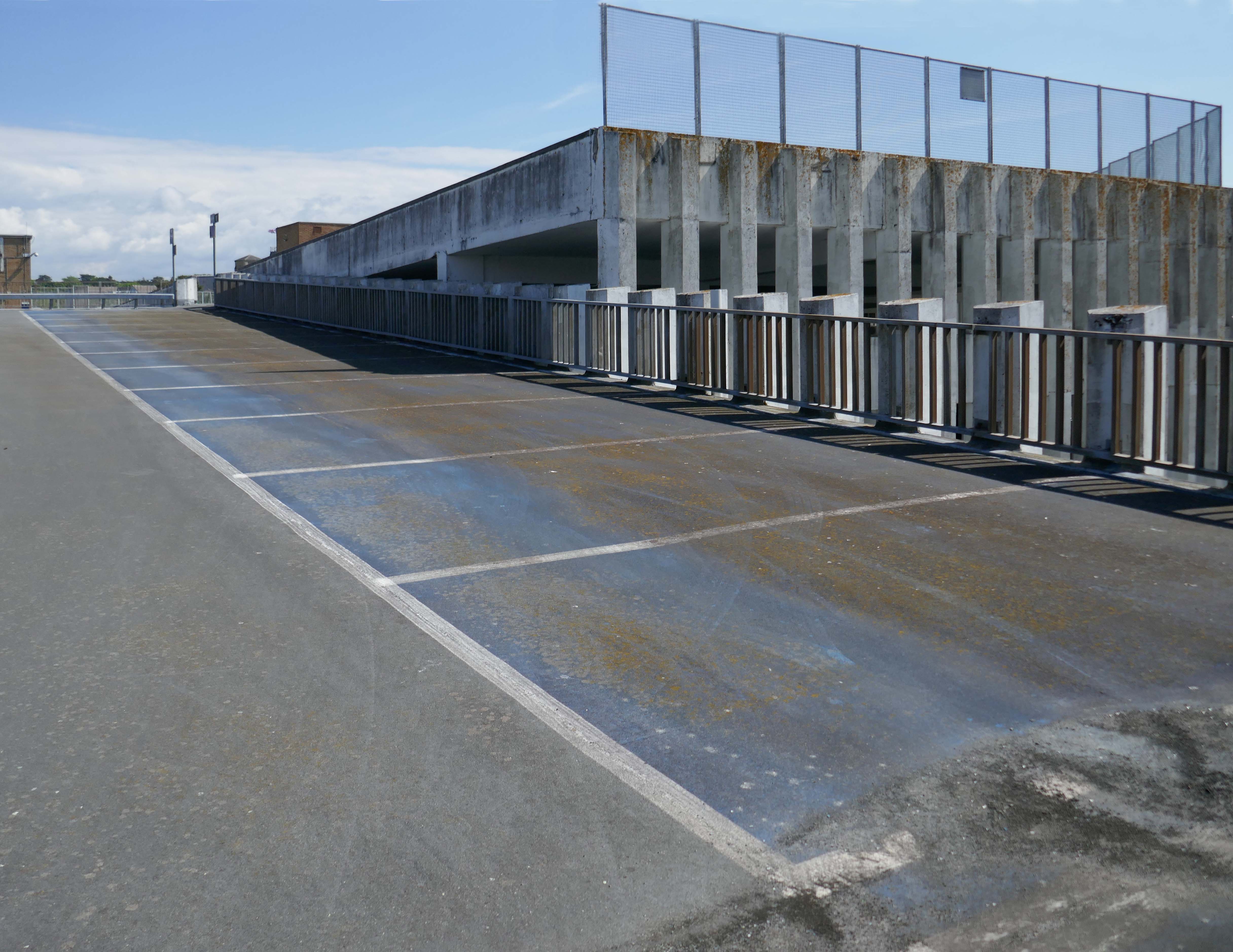
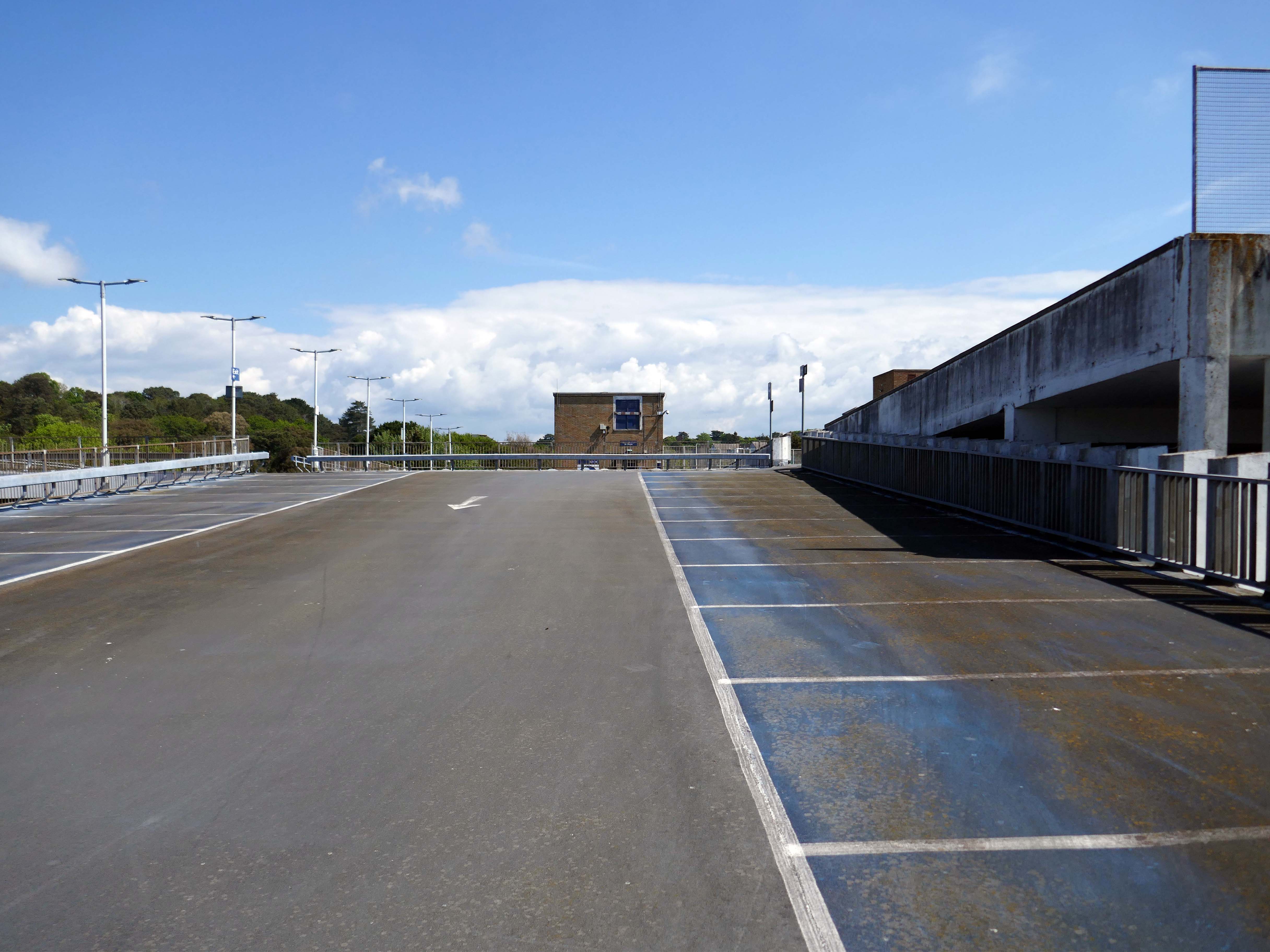
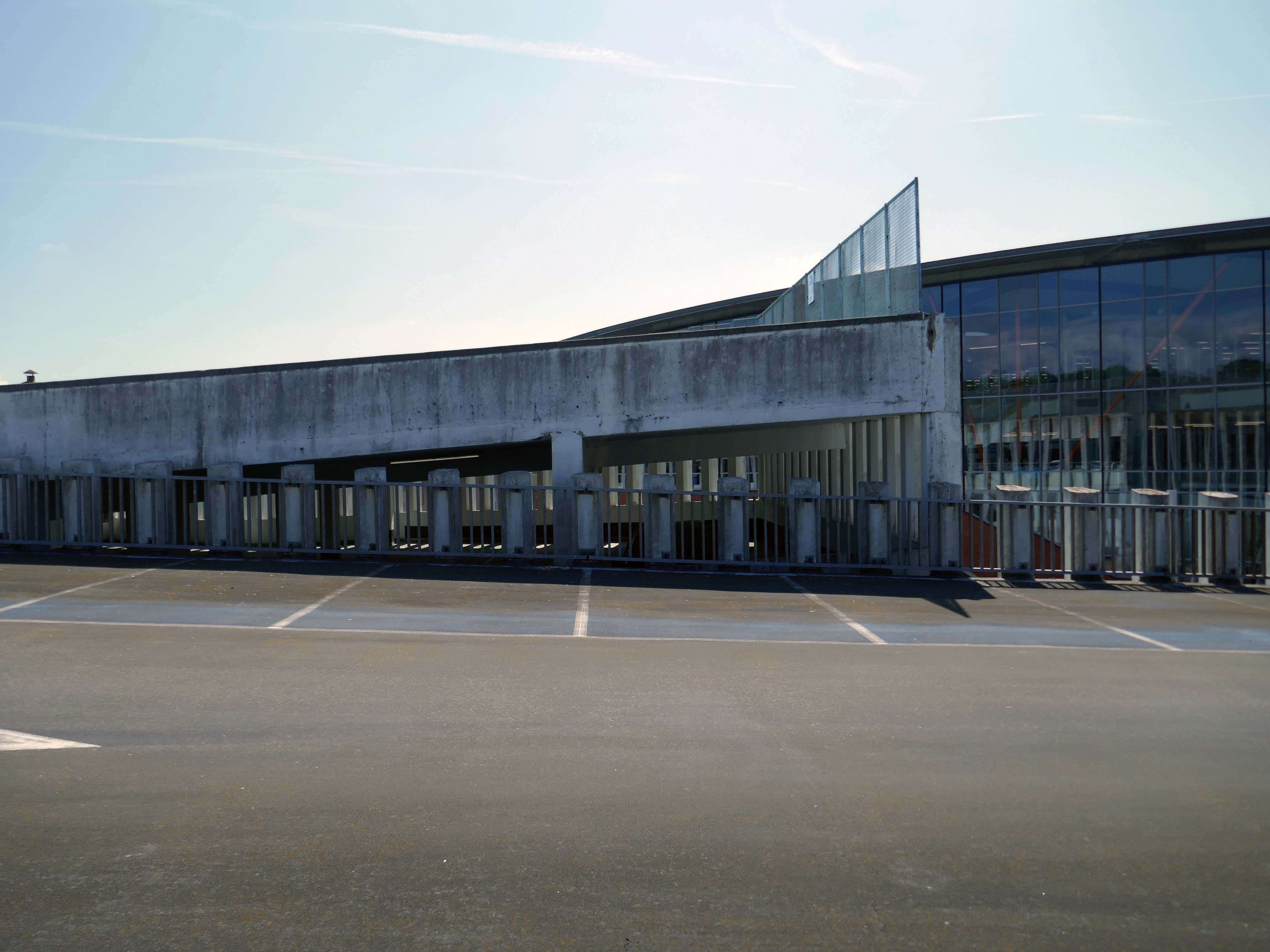
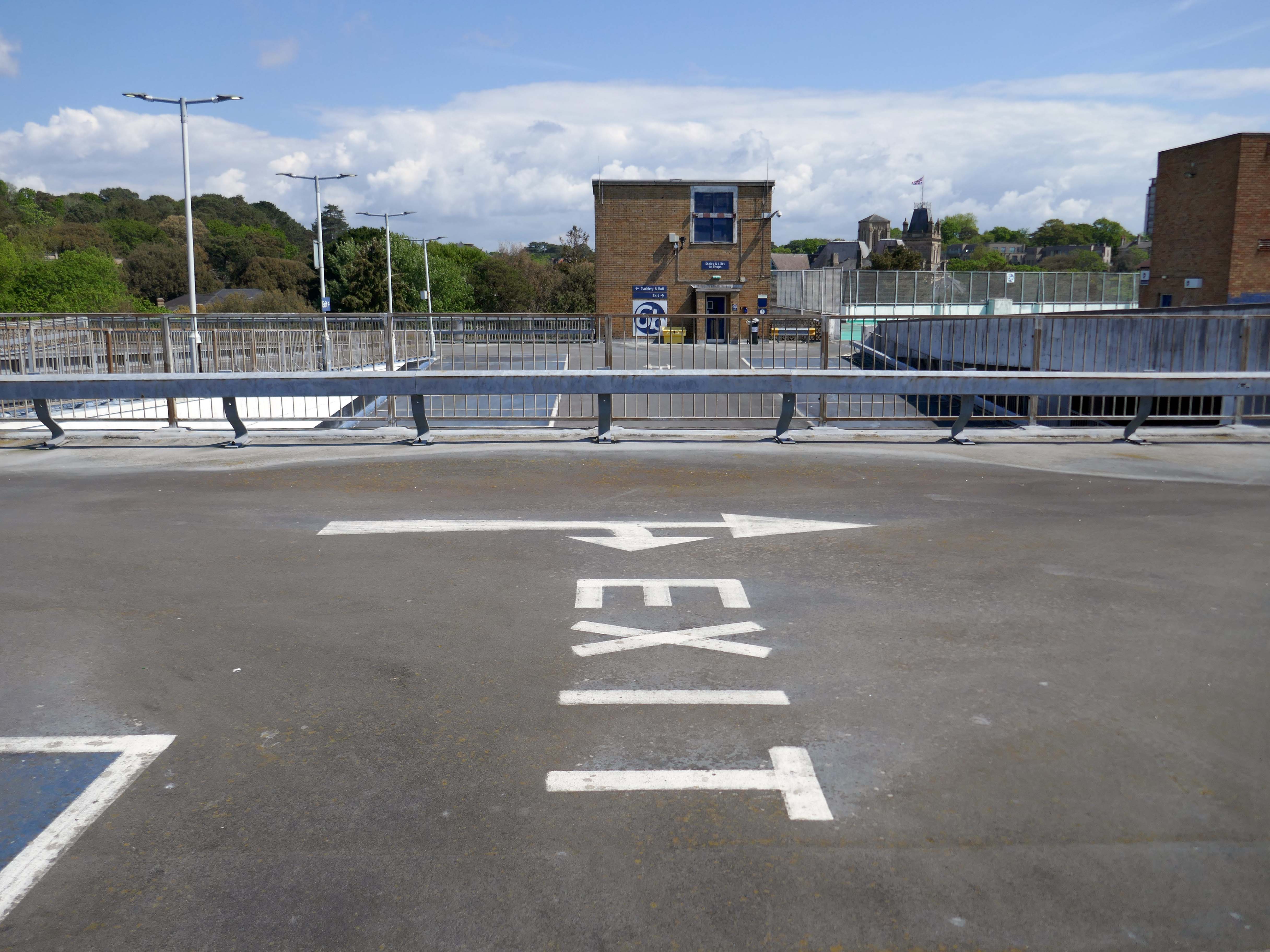
Balmoral Car Park – Scarborough

North St Scarborough YO11 1LU

Last day of the holidays and we’re off to Balmoral!

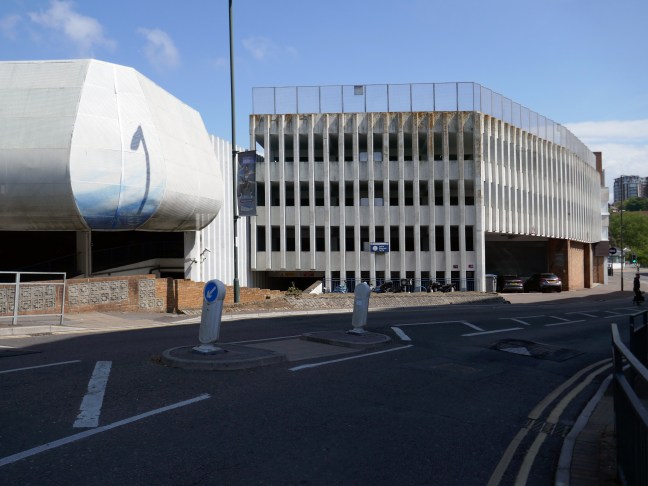
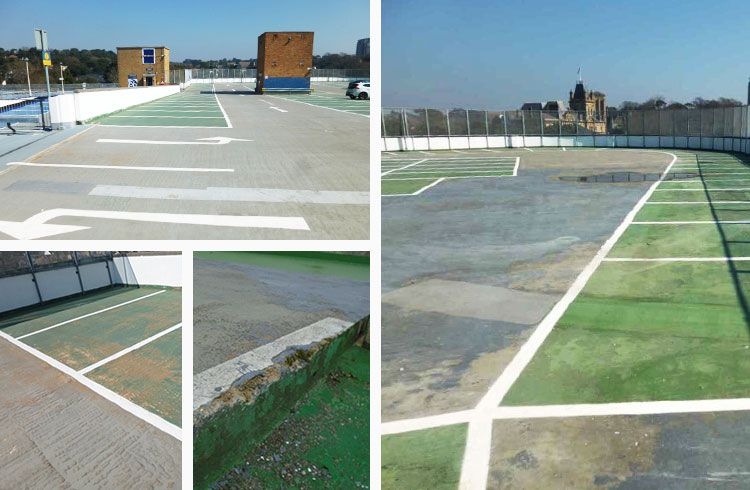
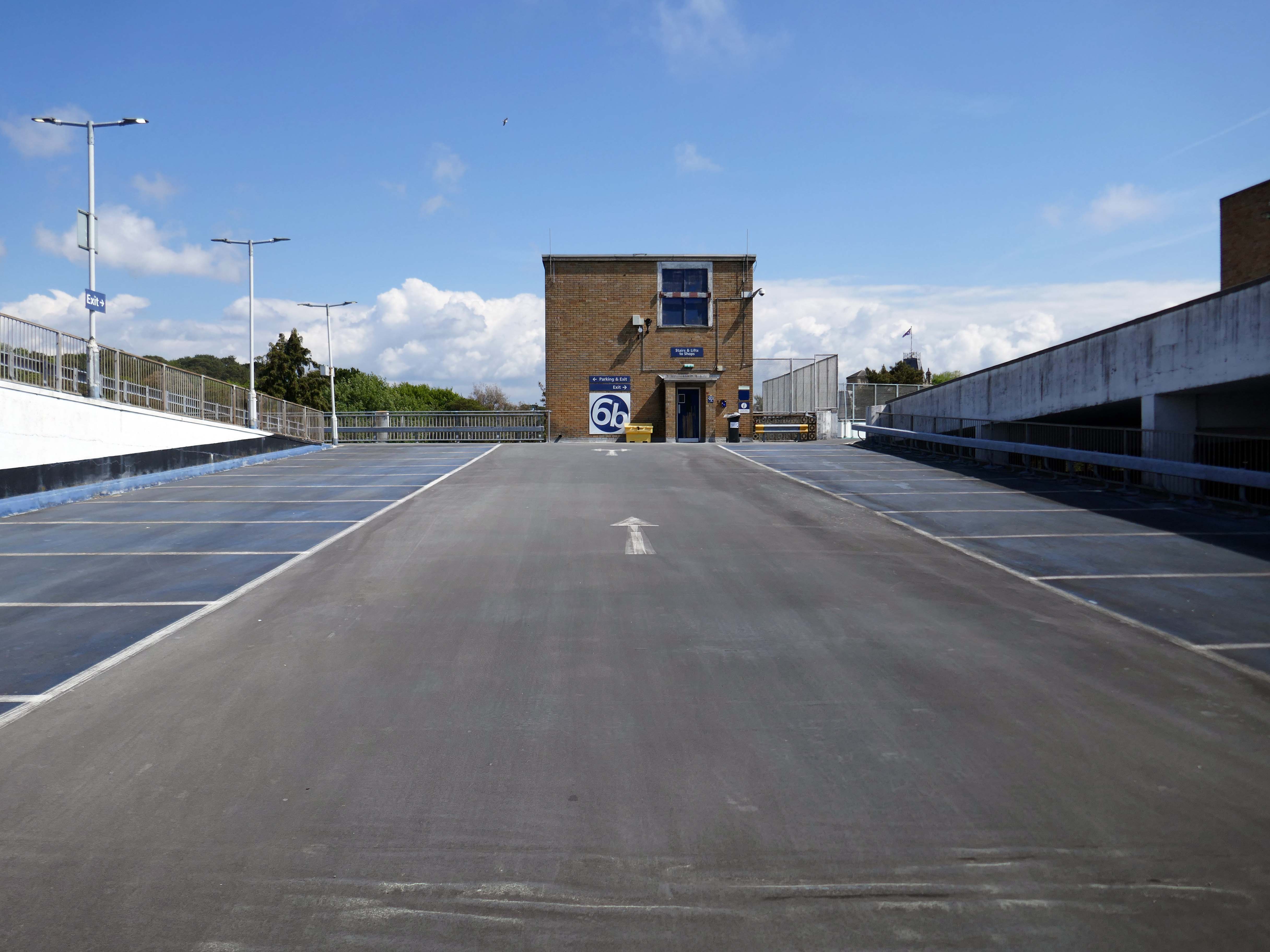
No not that Balmoral the other Balmoral, the car park attached to the Balmoral Centre, built in 1974 – with little or no reference to the Highland baronial.

Though the old Balmoral Hotel had to be removed in 1973.

Scarborough is a beloved seaside resort and we’re pleased to have secured these well-known, popular parades, bringing them into our in-house portfolio.

We are committed to focusing our efforts on regional retail centres and neighbourhood parades where we can see there is incredible potential. The Balmoral Centre and Bar House provide us with significant opportunities to add significant value and we are already looking to identify how we can revitalise these centres further. We hope to make announcements on how we can achieve this over the next few months.

This is the Coast

The staff at this car park are always friendly and really helpful.

You can tell they take pride in their car park.

We stay in this car park every time we come to Scarborough and stay in Britannia hotels, we find it safe and secure to park your car, the staff are very helpful and polite and keep the car park in tip top condition.

We will always park here great opening and closing times also five minute walk to Royal and Grand Hotel and shops.

Parkopedia

It’s tucked in behind B&M

Don’t go up the ramp Steve, the entrance is around the corner.

Up in the lift to level six – to the East it was misty, whilst to the West it was not.

Down another level and still not a sign of any cars.

Back up to the top of the world.

St Anns Road North – Heald Green

St. Anns Road North in Heald Green is in the North West region of England. The postcode is within the Heald Green ward/electoral division, which is in the constituency of Cheadle.

Streetcheck

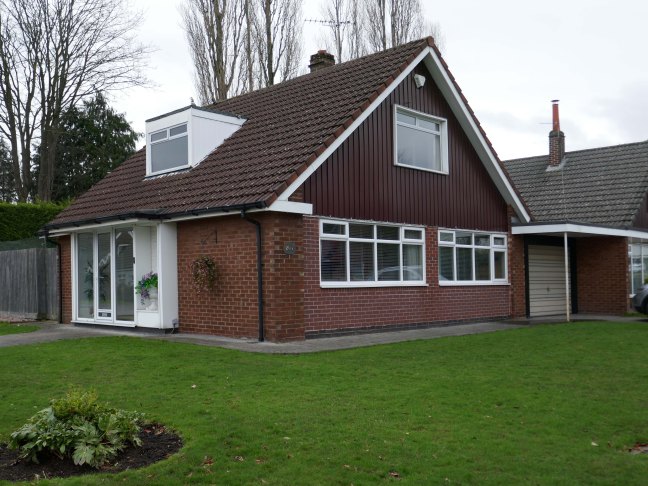
It literally was all fields around here once – save for a Lunatic Asylum and a cottage or two.

There is still a Griffin Inn, in which to sup yourself insensible.

I often cycle along here on my way to who knows where – today I stoped to take some snaps.

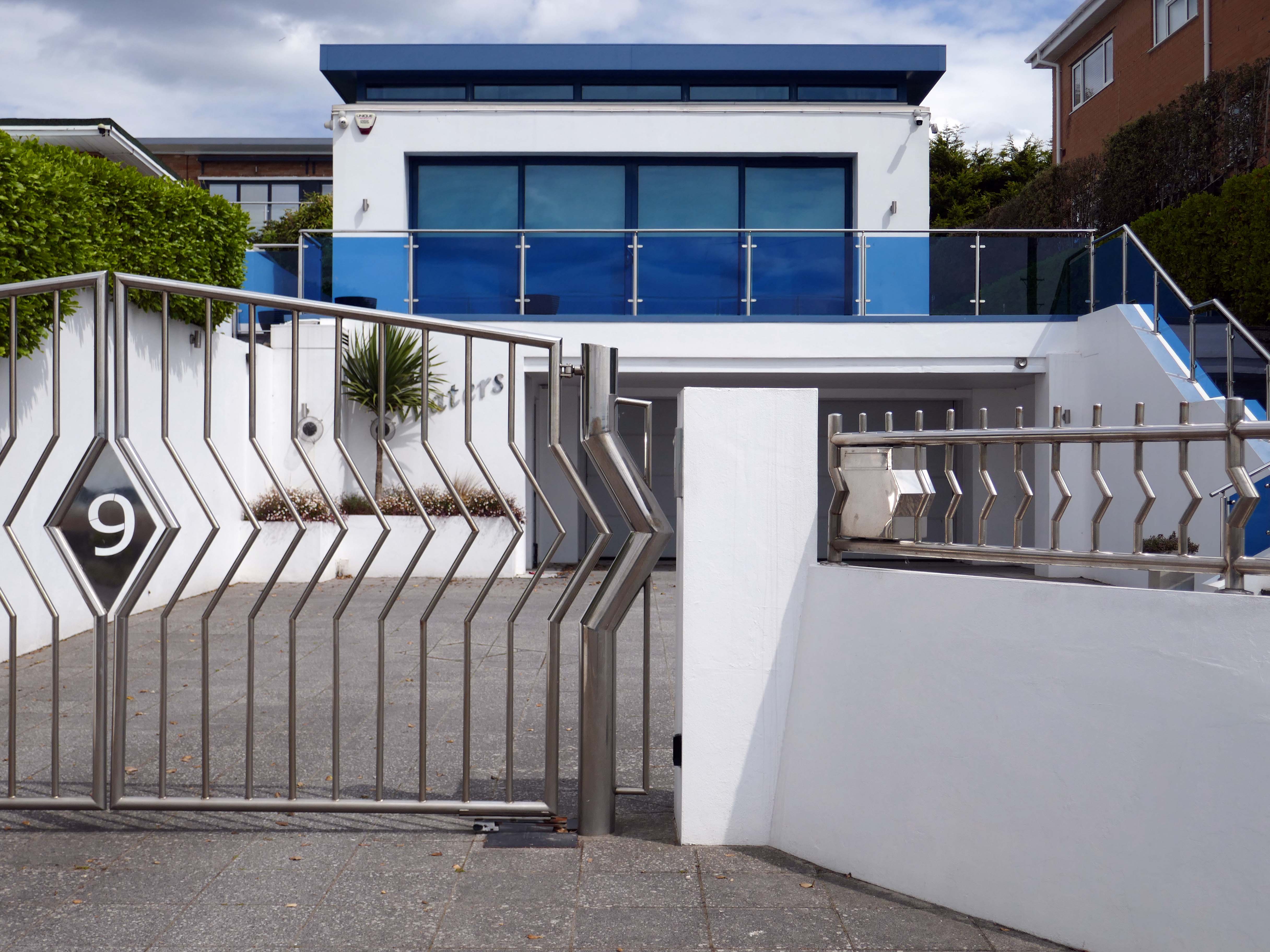
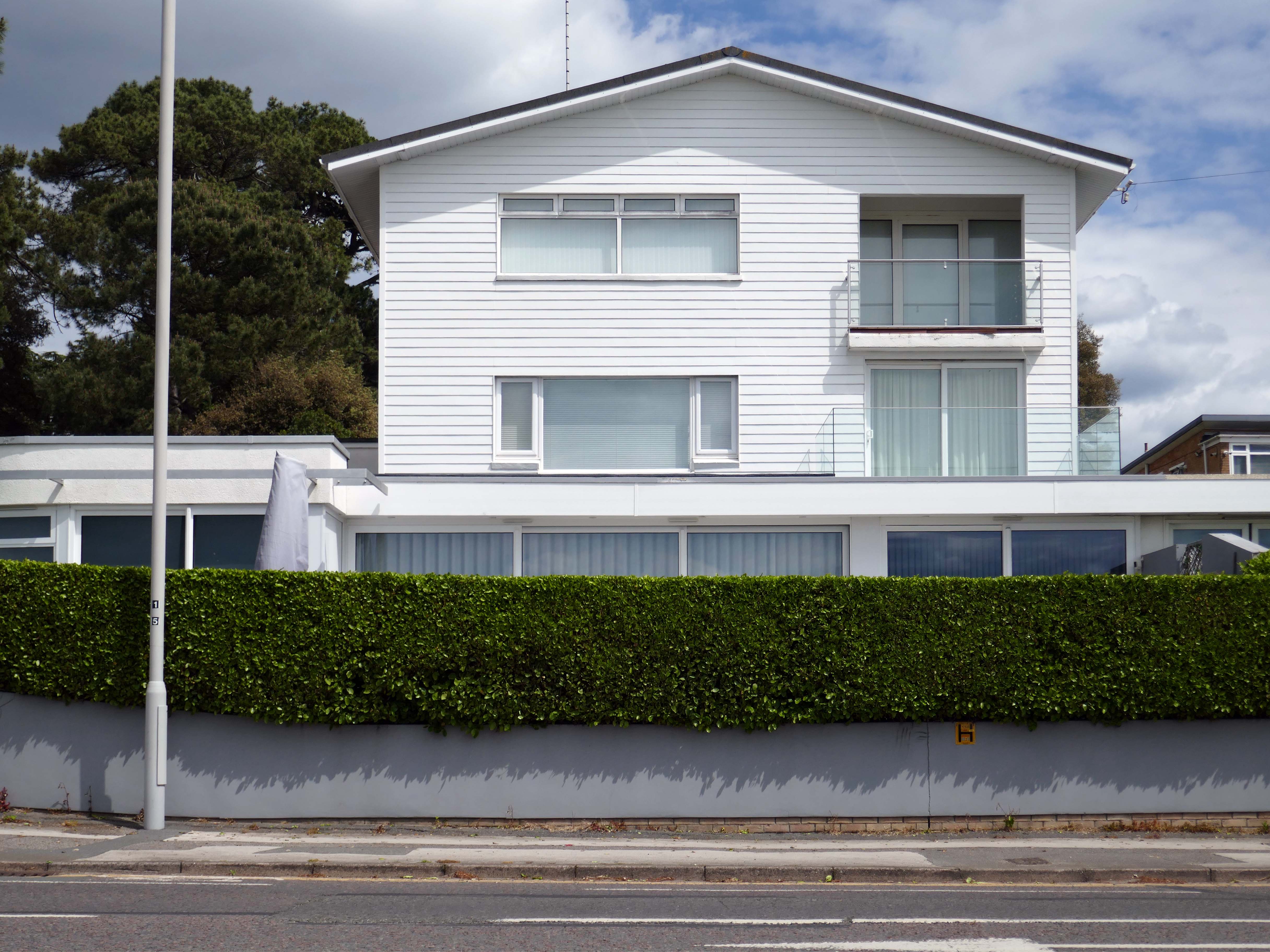
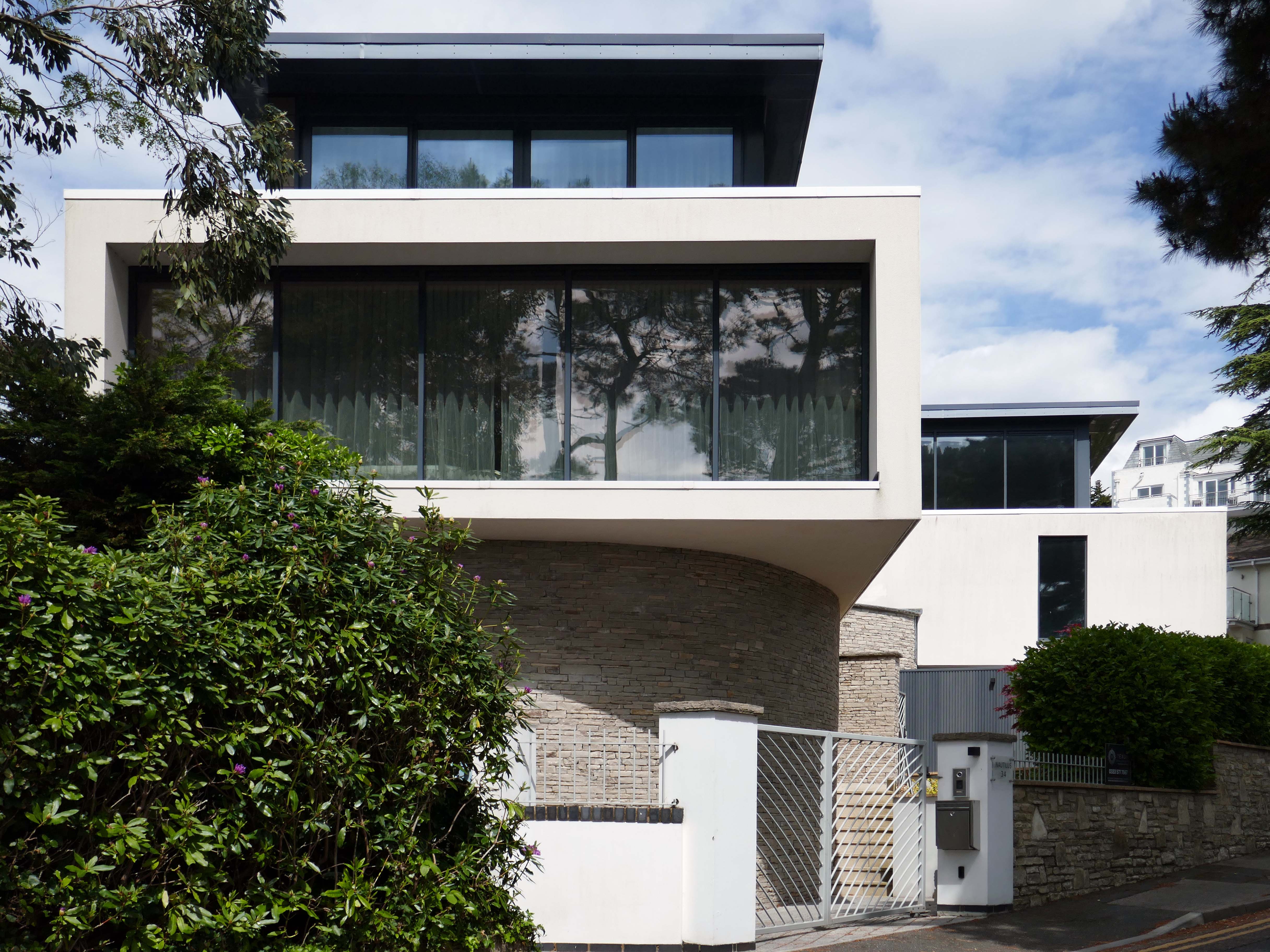
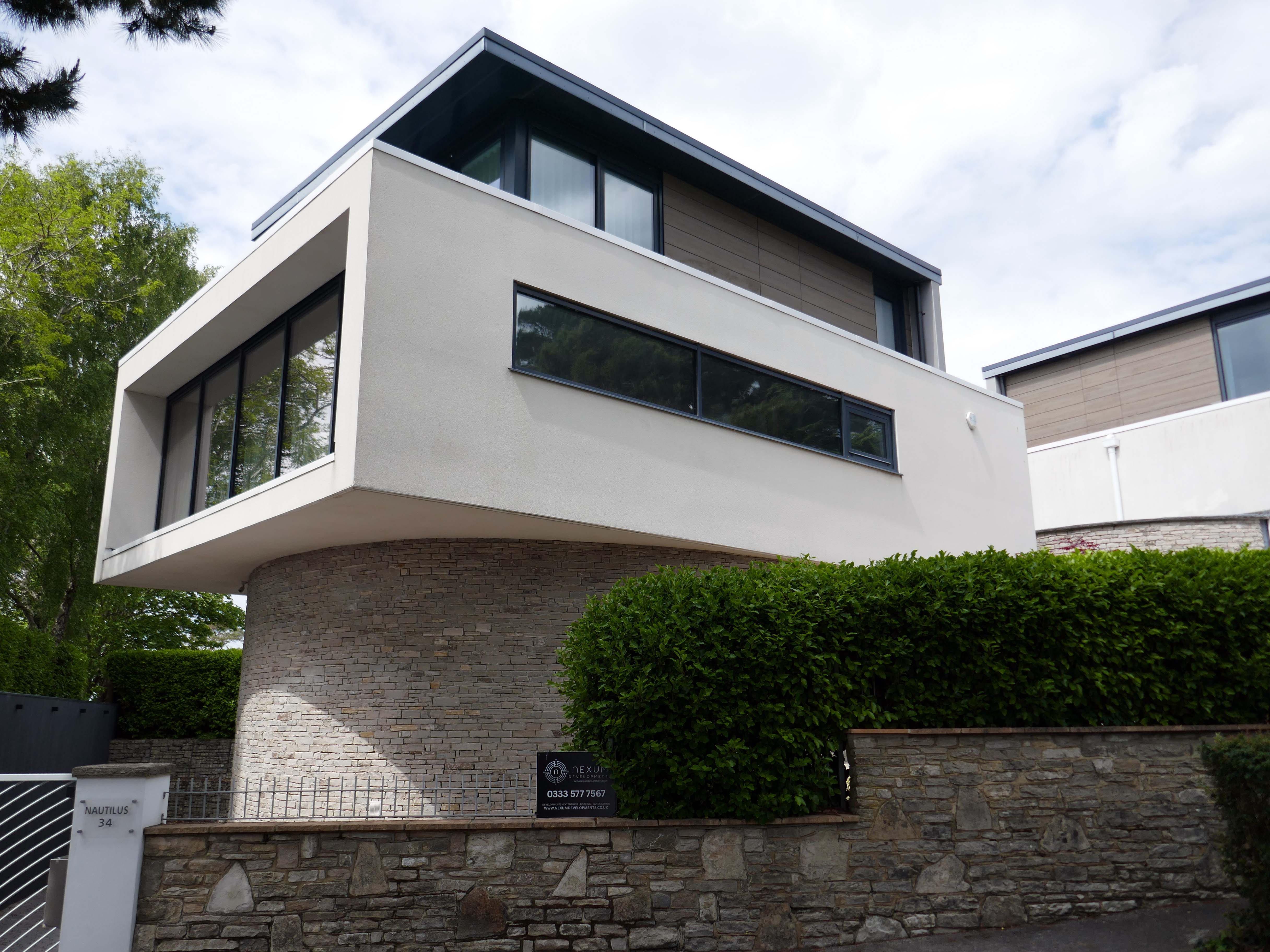
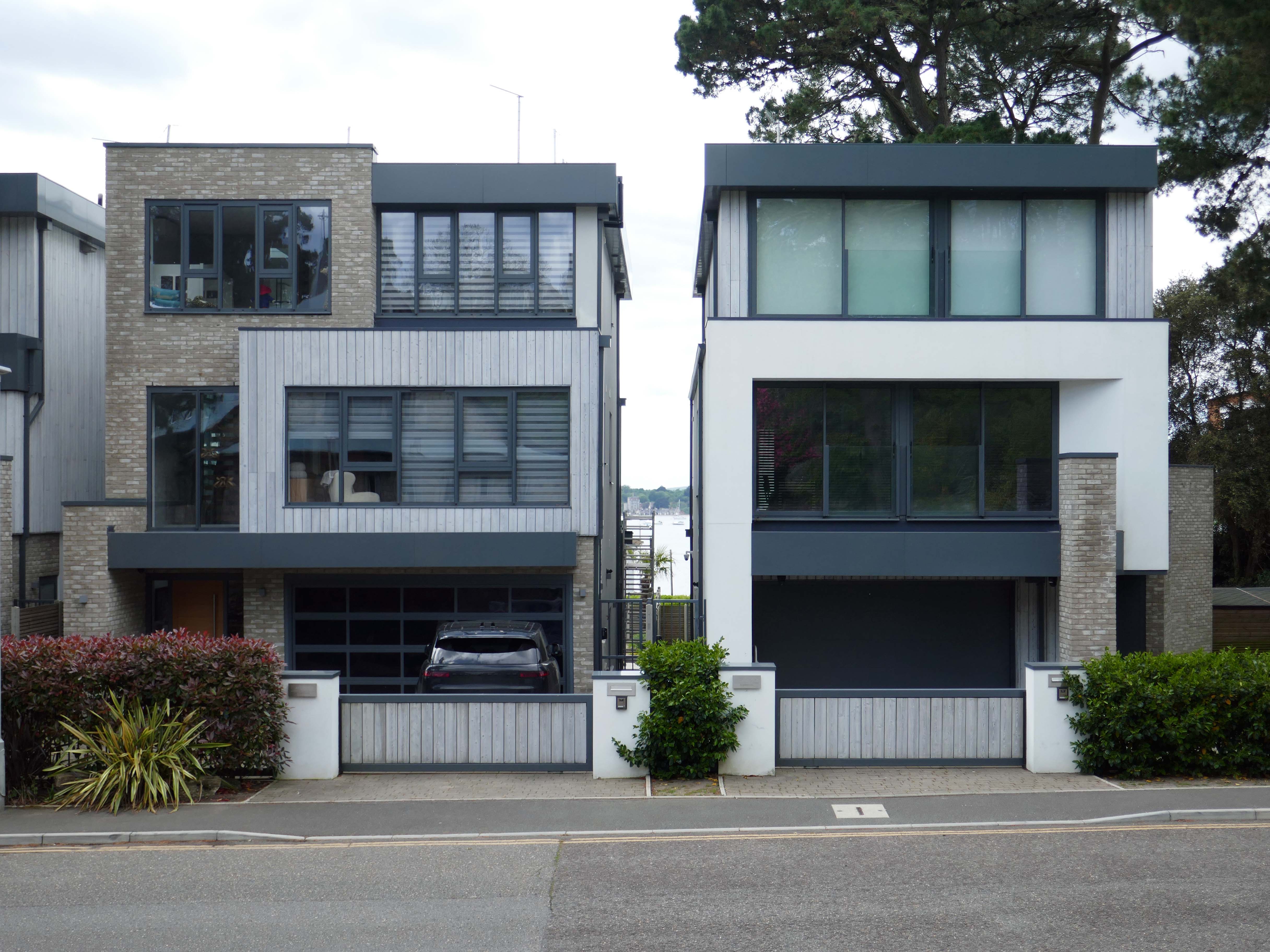
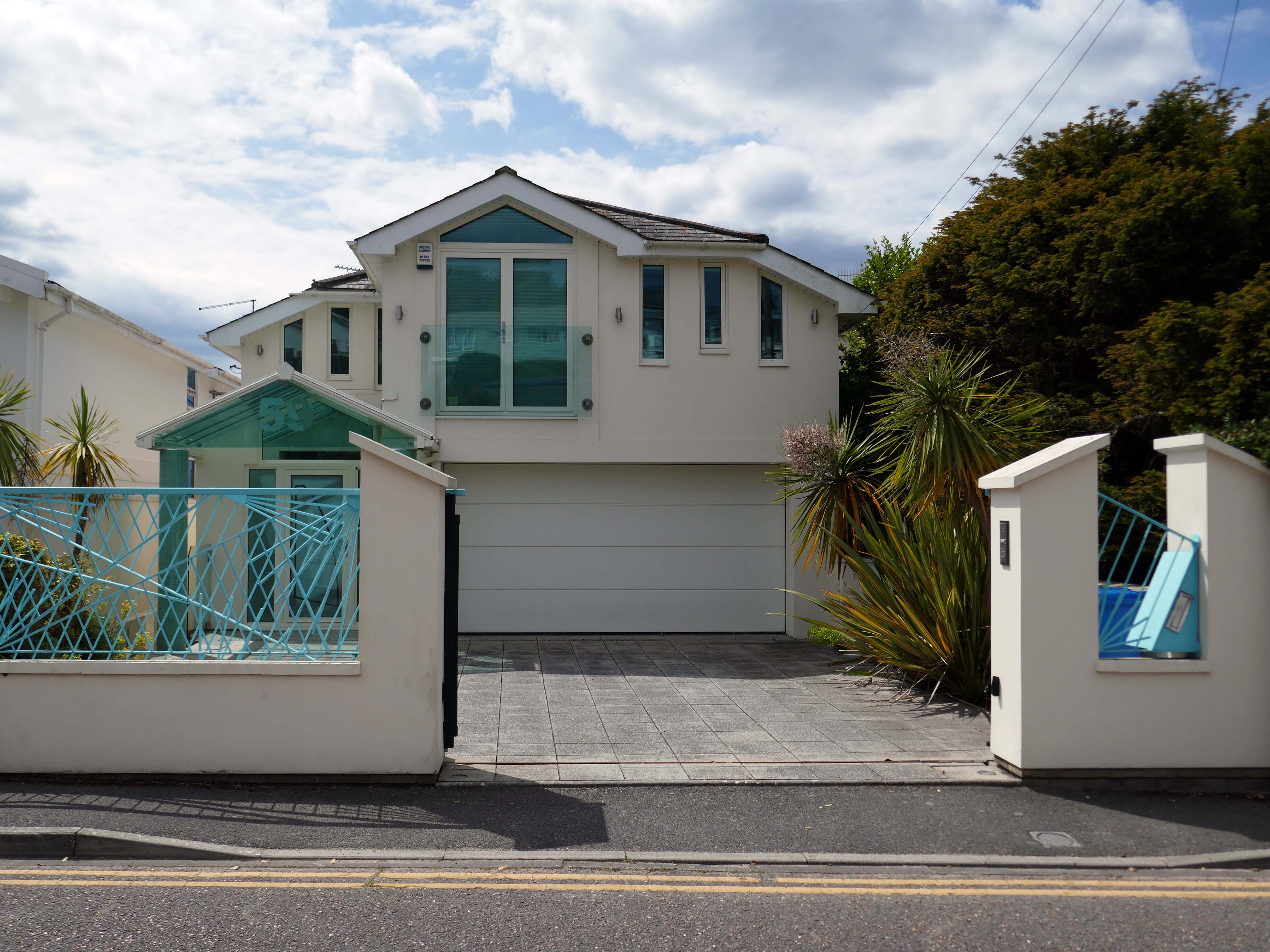
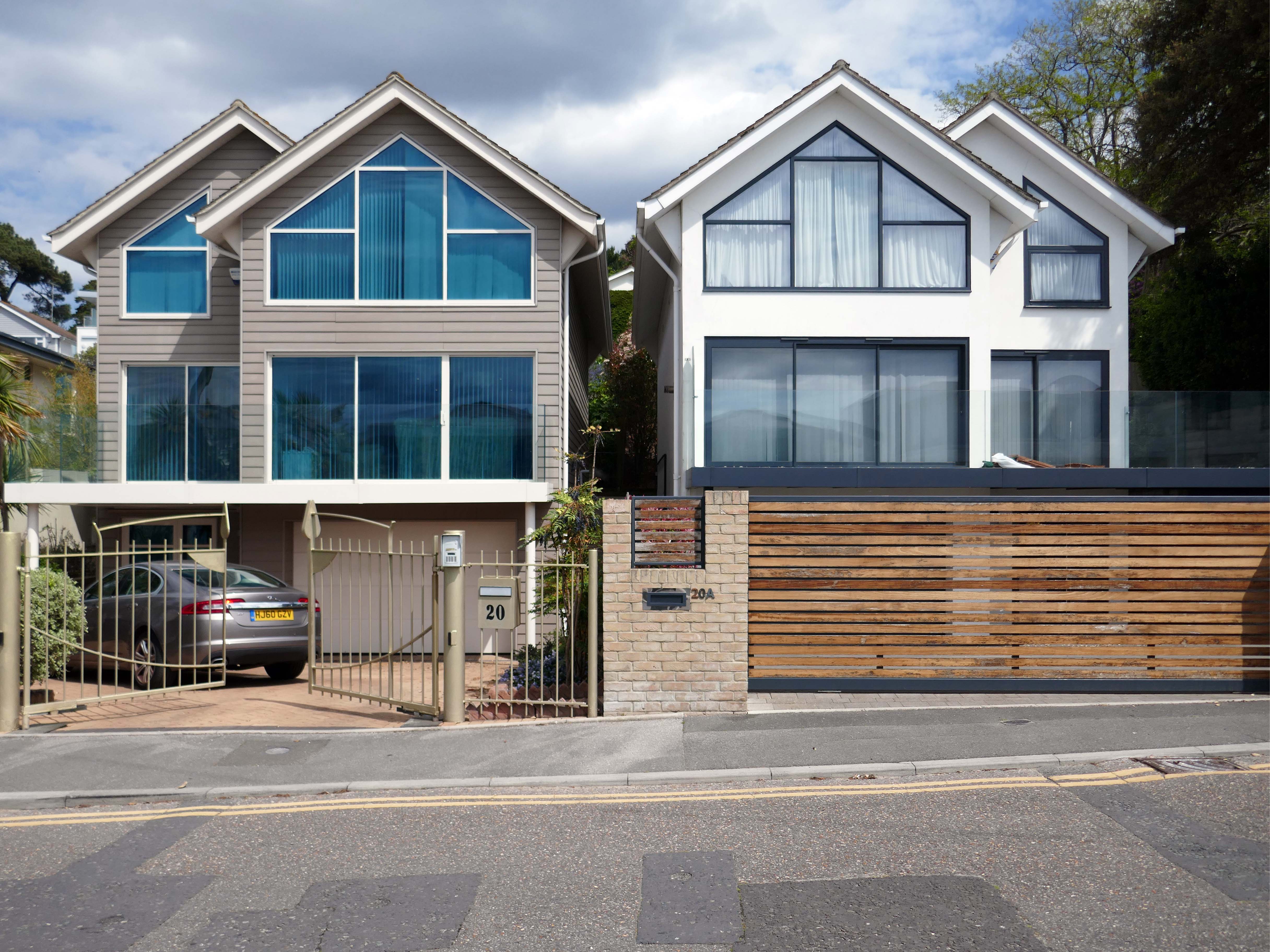
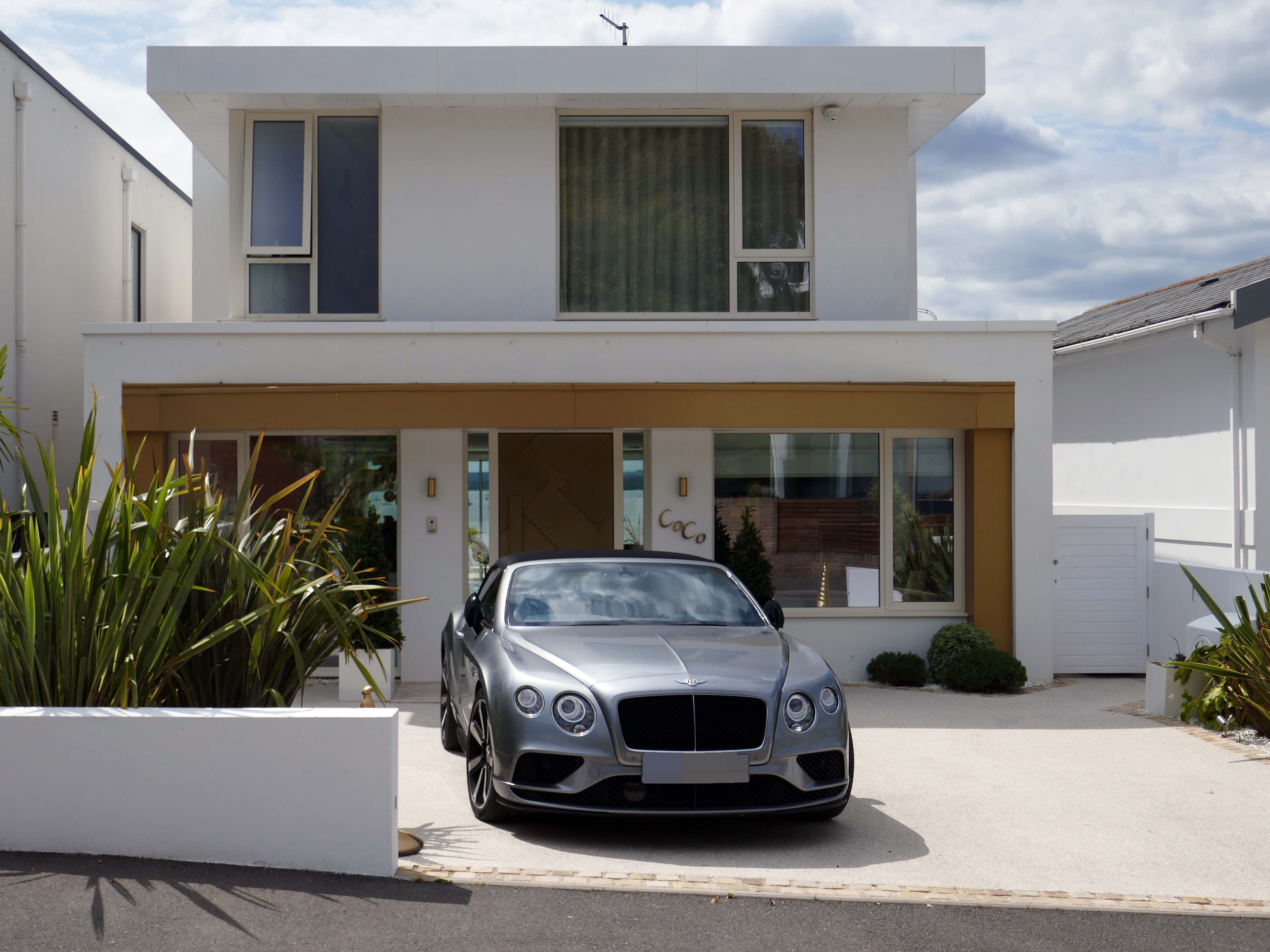
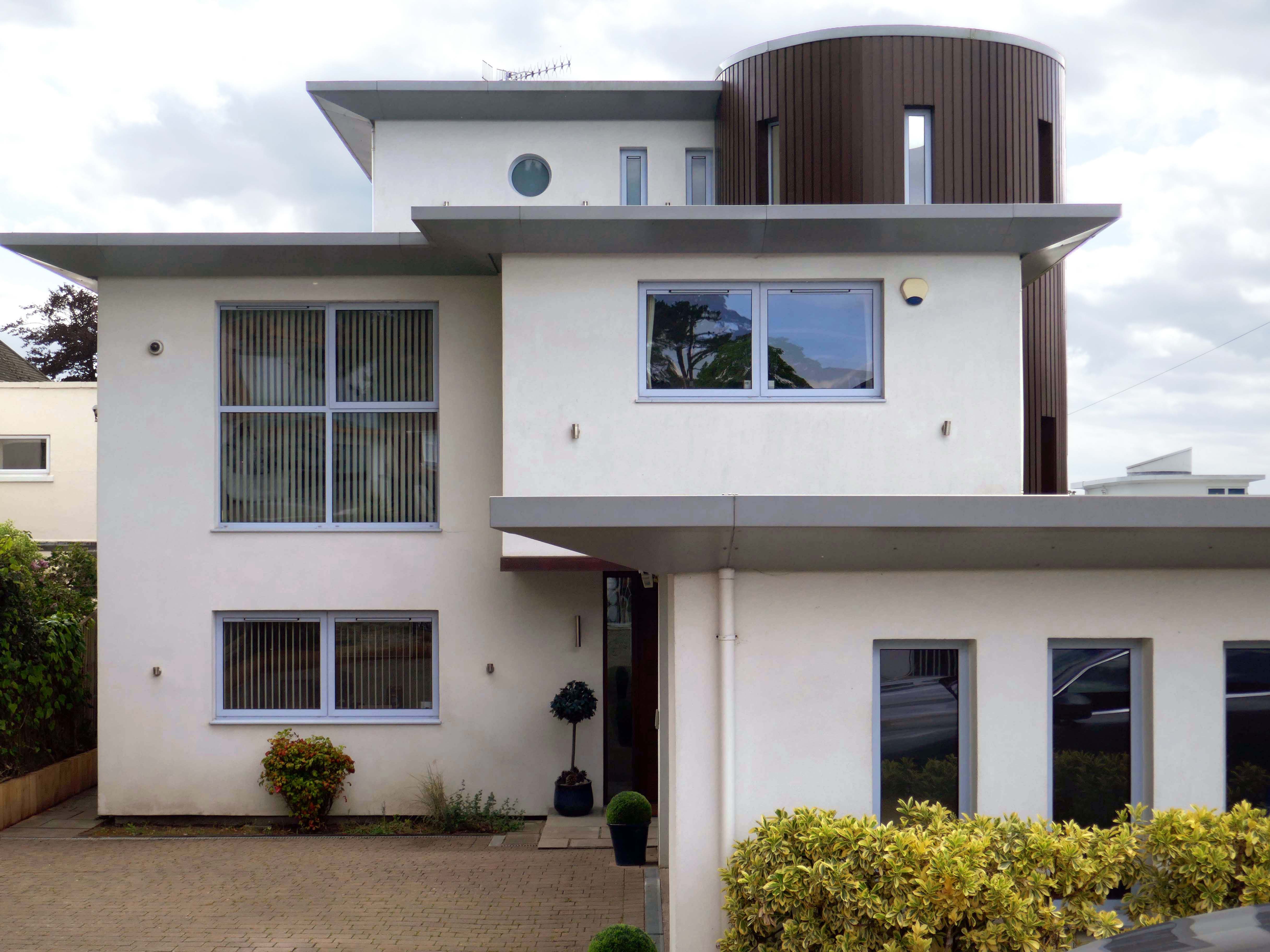
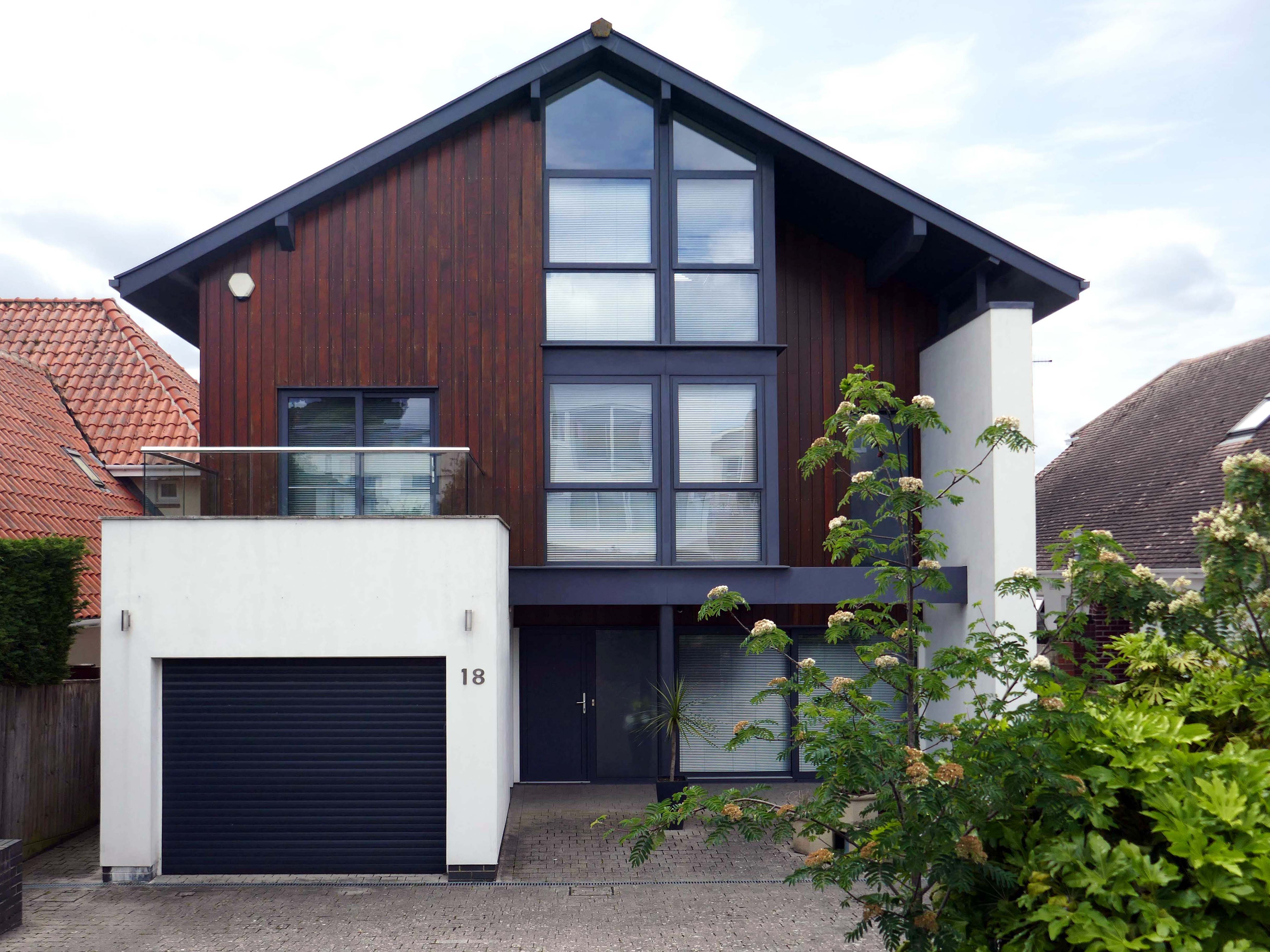
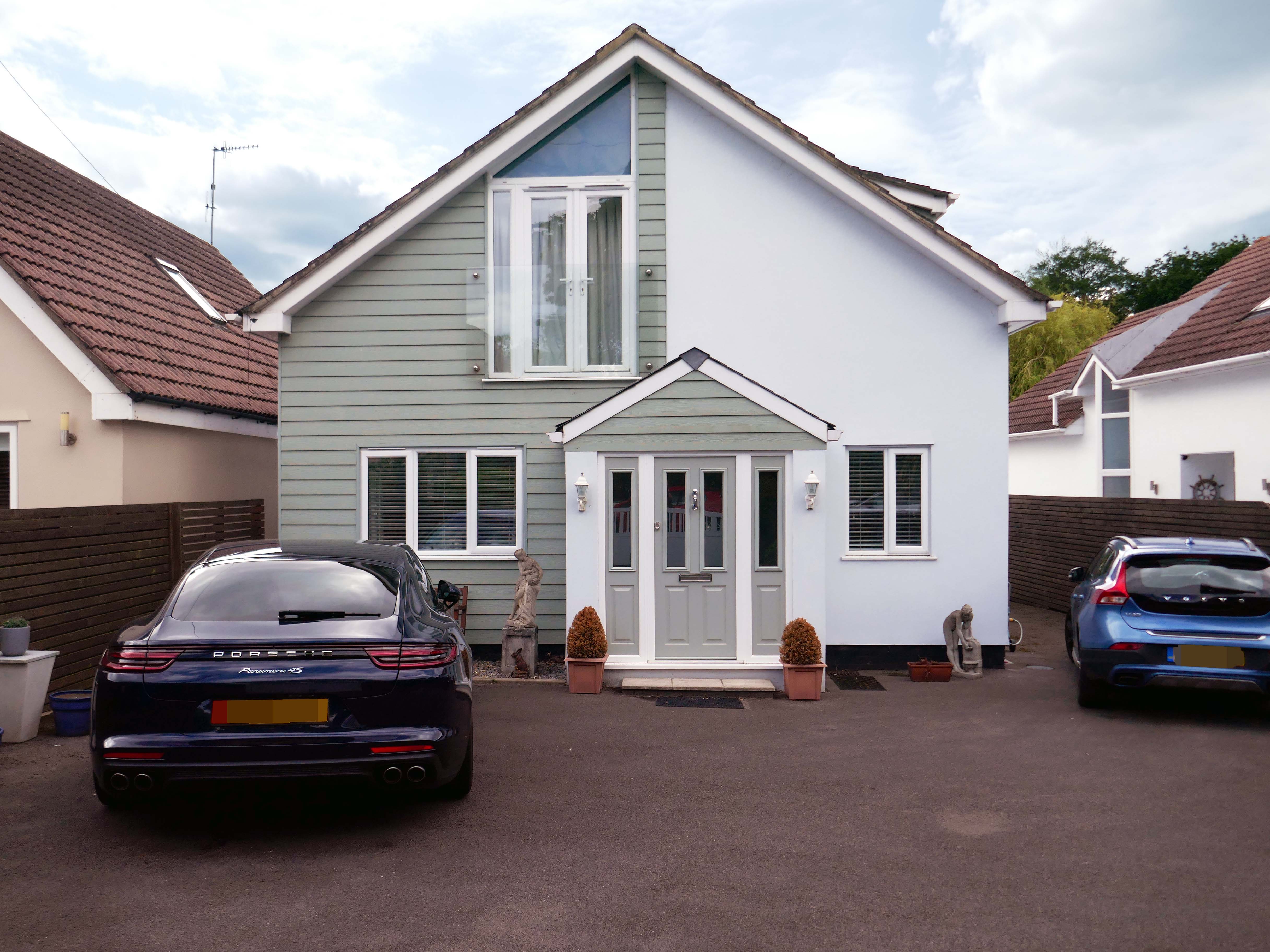
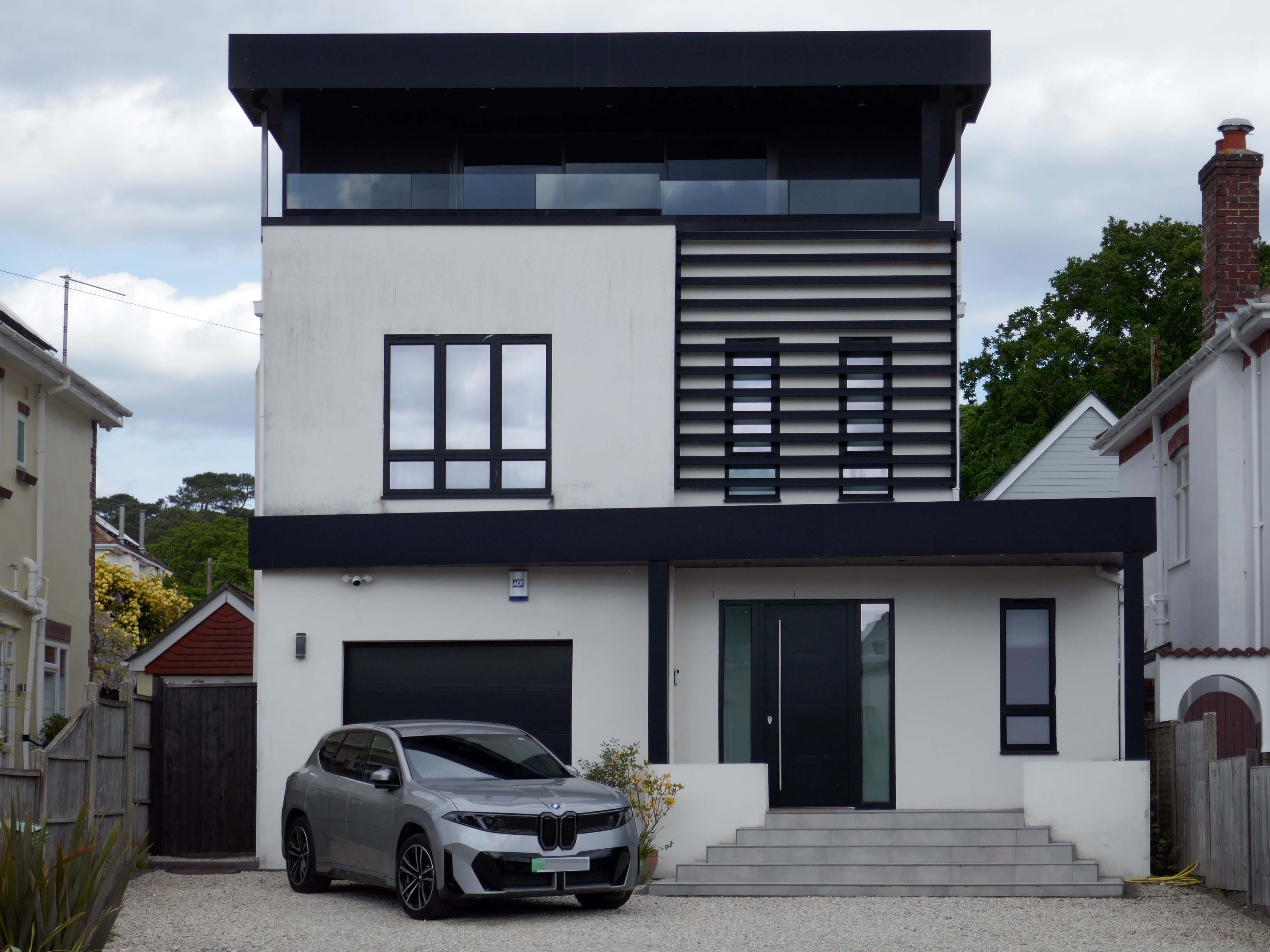
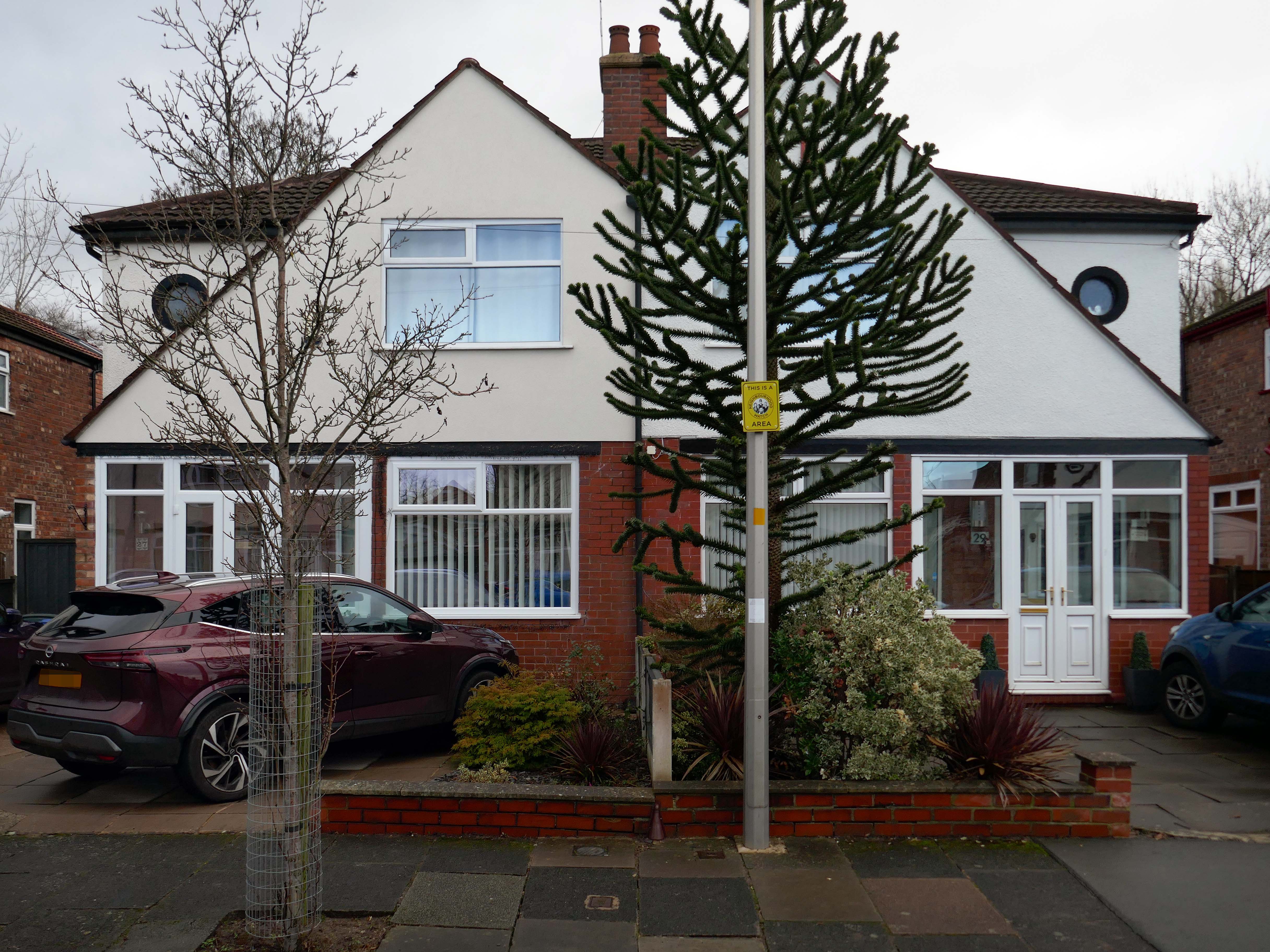
Having an interest in suburban housing its vagaries and typologies – I have recored Penrhyn Bay several times, along with Woodford, Whitley Lodge Estate, Killingworth, and East Didsbury.

This area was once described to me as built by Cowboys for Indians – though statistically there are more Pakistani residents.

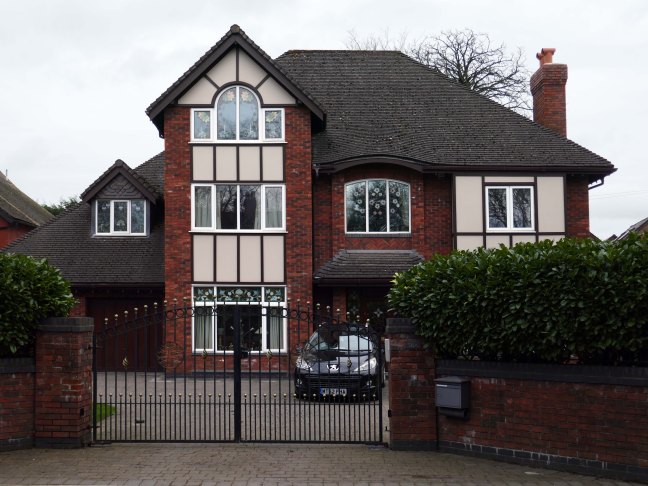
This is a dormitory suburb of Manchester and nearby Stockport and is oh so close to the airport, polite and professional well presented and aspirational.

Once this was a Modern paradigm.

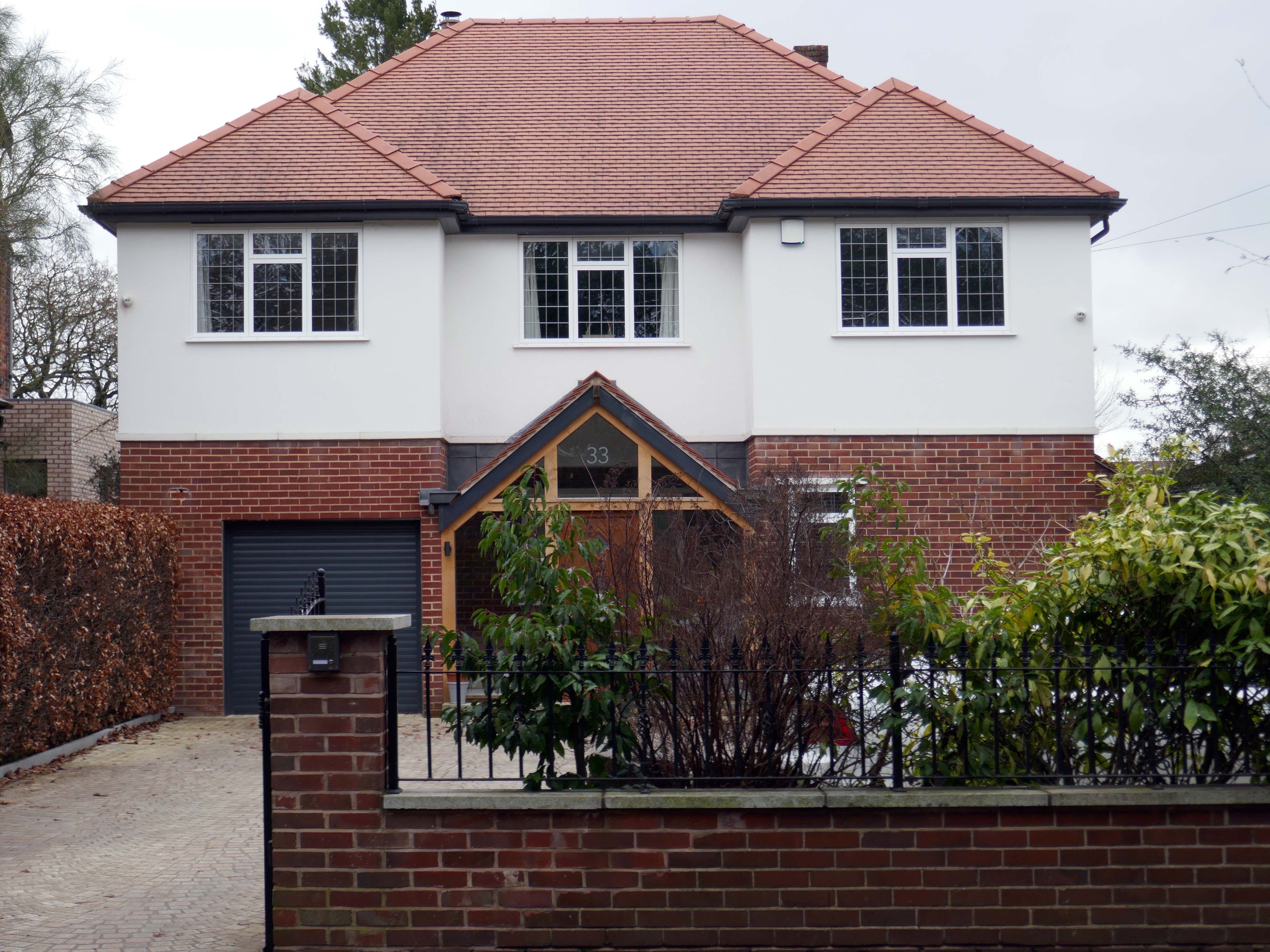
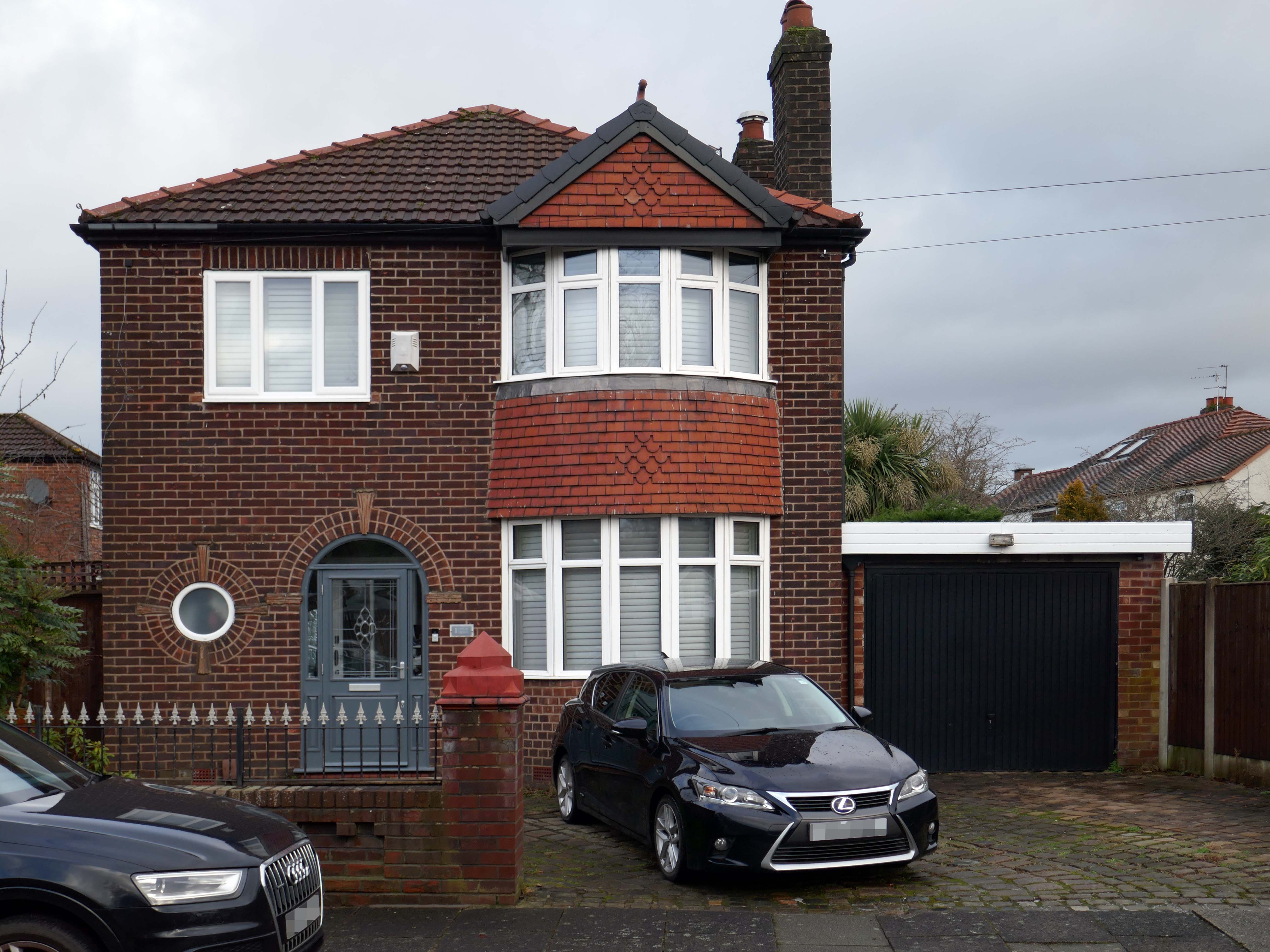
Subsequently the plaything of the upwardly mobile – extending in all directions, adding period details way out of period, or embracing the current vogue for the refined and smoothly rendered grey-ification of their homes.

Welcome to the land of the performance vehicle, impressive impressed drive, carriage lamp and bay window, overlooking a well clipped lawn.

Collyhurst Pubs

Taking images from the Local Image Collection I have compiled a section of pubs in the Collyhurst area.

There are but a few still open – many long gone, since demolished.

Balmoral HotelCornbrook Brewery

W Kaye 1958

Billy Greens – formerly the Vauxhall

S Marland

Collyhurst InnManchester Brewery Company later Wilsons

W Kaye 1958

The Balloon VaultsWalker & Homfray’s

H Whitehead 1971

The Globe Inn Threlfall’s later Whitbread

Dawson 1971

The Grapes Tavern Joseph Holt

W Kaye 1964

Joiners Arms Wilsons

W Kaye 1959

Lorimers Arms

S Marland 2022

Lord ClydeCornbrook

1958

Mechanics ArmsCornbrook

E Stanley 1958

NapoleonMcKenna’s later Walker & Homfray then Wilsons

L Kaye 1958

The OsborneWilsons later Banks’s

1976

1986

Robert TinkerWilsons

A Dawson 1971

Rocester ArmsEmpress Brewery

Shakespeare InnWilsons

1934

The Sparrow

Google 2012

The Swan Wilsons

A Dawson 1971

Three Tuns Manchester Brewery Company later Threlfall’s

L Kaye 1958

The Valley – now open as The Vines

S Marland

The Wellington Vaults – Wilsons now open as the Marble Arch

A Dawson 1971

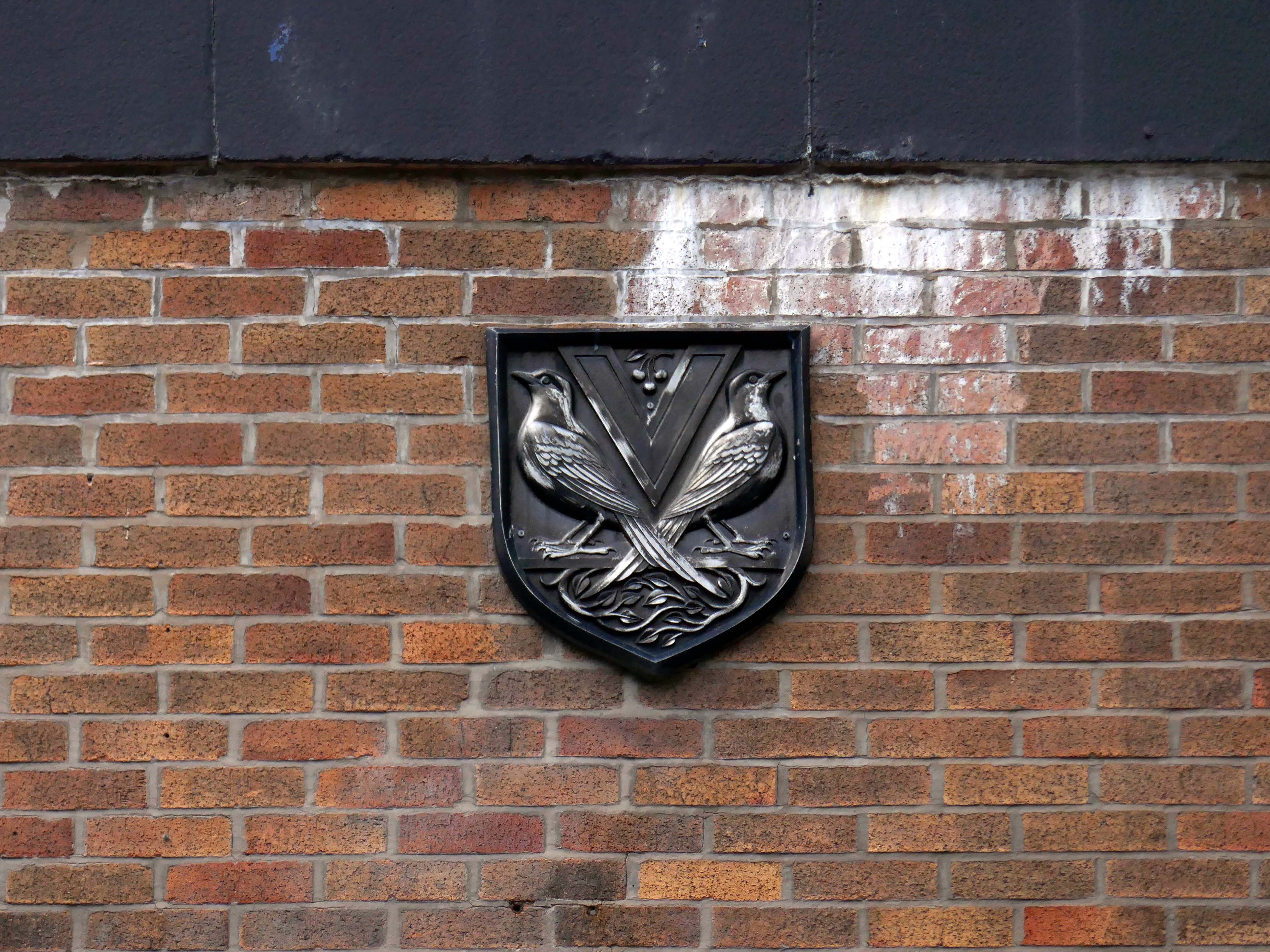
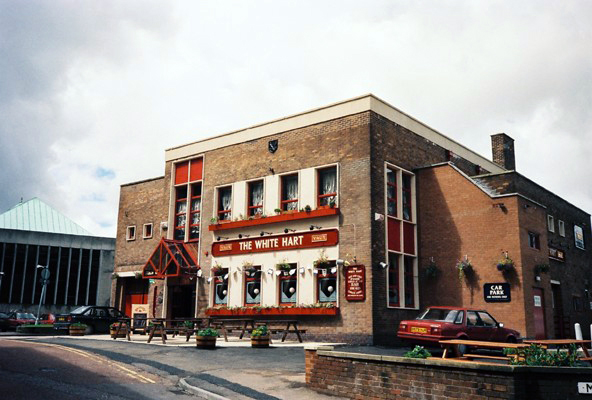
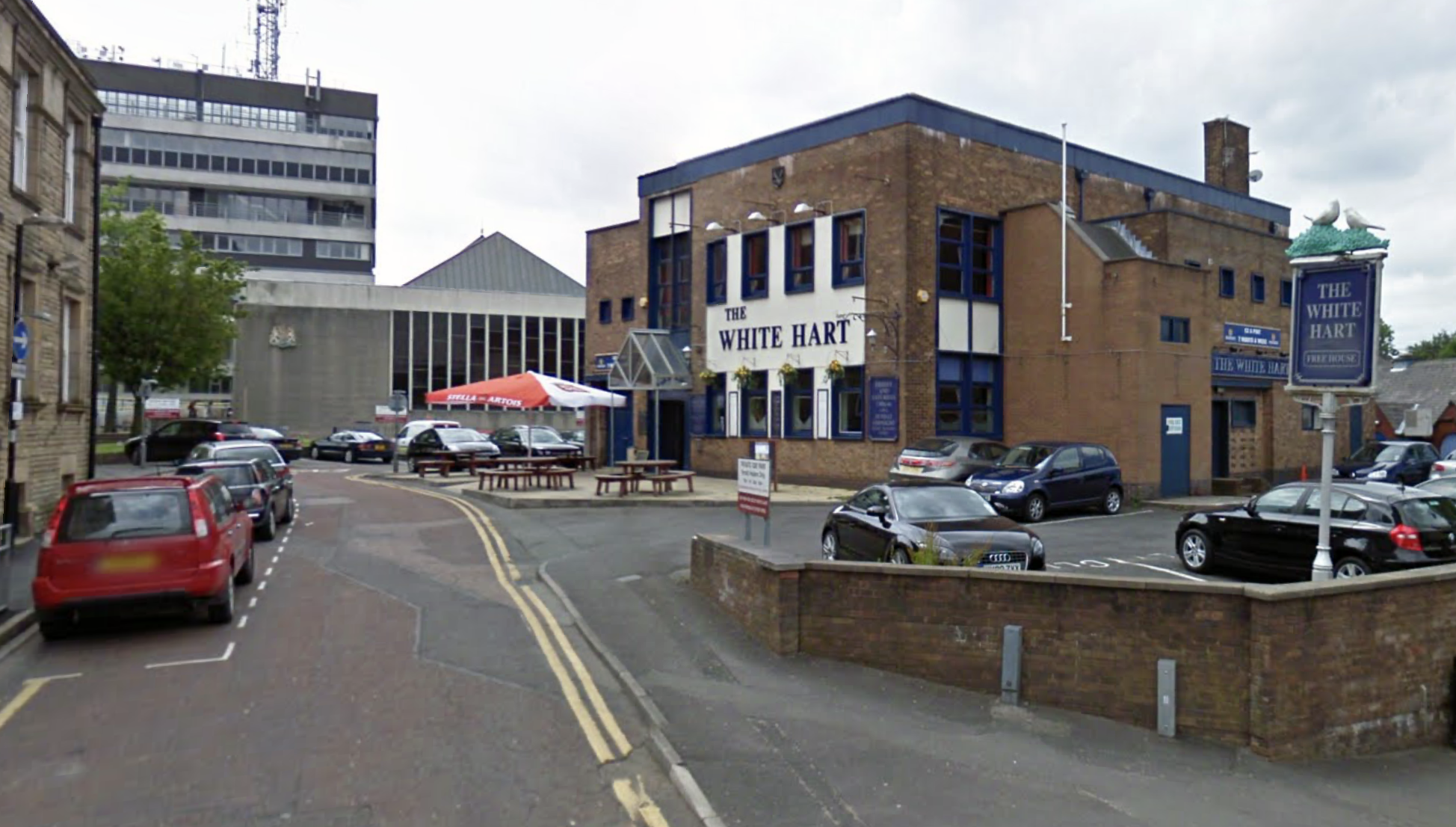
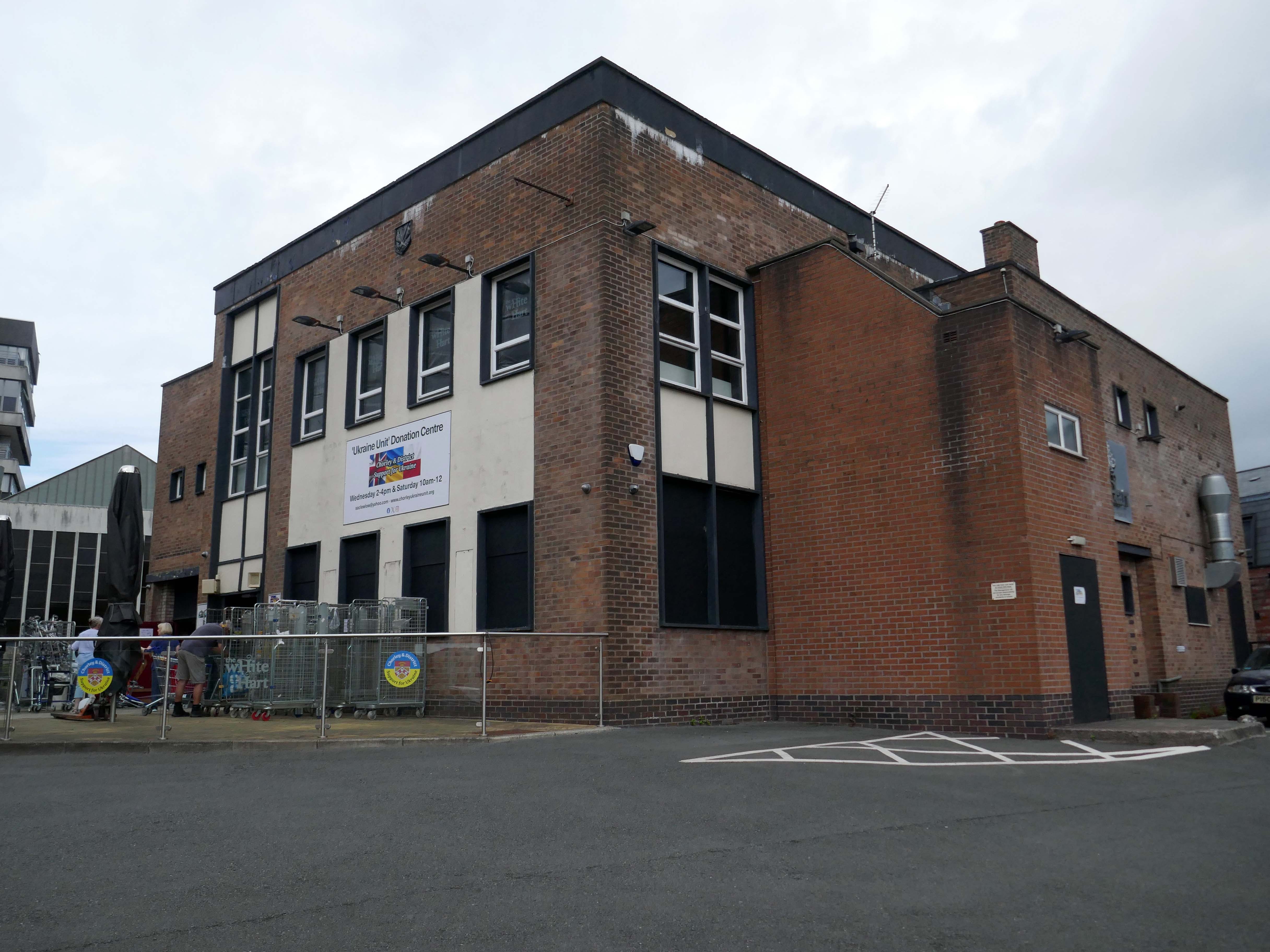
White HartWilsons

T Brooks 1961

1976

Swinton Square – Shopping Centre 2024

I was last here in 2022, I returned to Swinton Square on Saturday to lead a modernist walk for the Not Quite Light Festival.

So on a light bright sunny day, I took another look around.

Salford’s town centres are important to the city’s future. They provide employment for local people, retail and leisure opportunities, homes, a sense of community, and a place for local people to interact. However, it is well known that town centres are changing and that they need to adapt and reposition themselves so that they can thrive and meet the needs of the local communities.

Despite Swinton’s many strengths, it faces similar challenges to other towns. The shopping centre and other buildings in the town centre are dated and in need of investment. Demand for local housing has grown by 23% in the last five years, but there is a lack of high-quality family and affordable housing in the right locations in the area.

The city council has identified Swinton town centre – along with Eccles, as a priority area for regeneration. On that basis, the council has engaged with the community and local stakeholders to establish a clear vision for the town that will help to guide change and future investment, whilst protecting what local people consider important for Swinton. 

The vision document can be viewed here.

Swinton Square is in private ownership and therefore not something that the council has any direct control over. It is also important to acknowledge that the issues facing Swinton precinct are not unique to Swinton and those challenges are varied but linked to changing shopping habits, decline in the retail offer, competition from out-of-town centres as well as changes in the wider economy.

We do have an open dialogue with the owners of Swinton Square, the West Bromwich Building Society, who are aware of the vision and aspiration for Swinton.  

One of the aims of the council’s events and animation programme is to encourage additional footfall and dwell time within the town centre.

Salford Gov

Manchester Arterial – A662

Having photographed the arterial roads of Manchester in 2014  I have resolved to return to the task in 2024.

Some things seem to have changed, some things seem to have stayed the same on Ashton New Road.