Golden Lane Estate – London

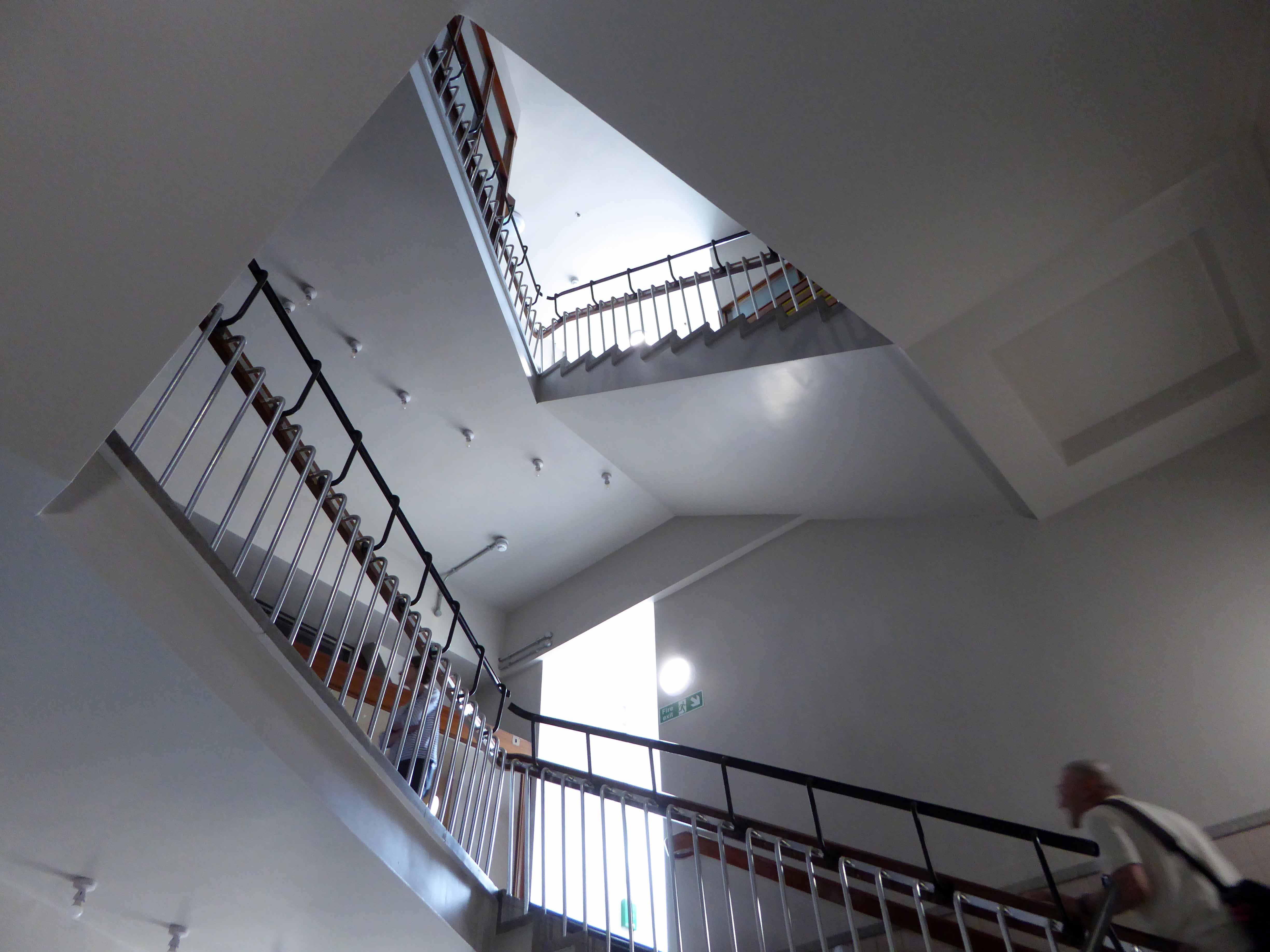
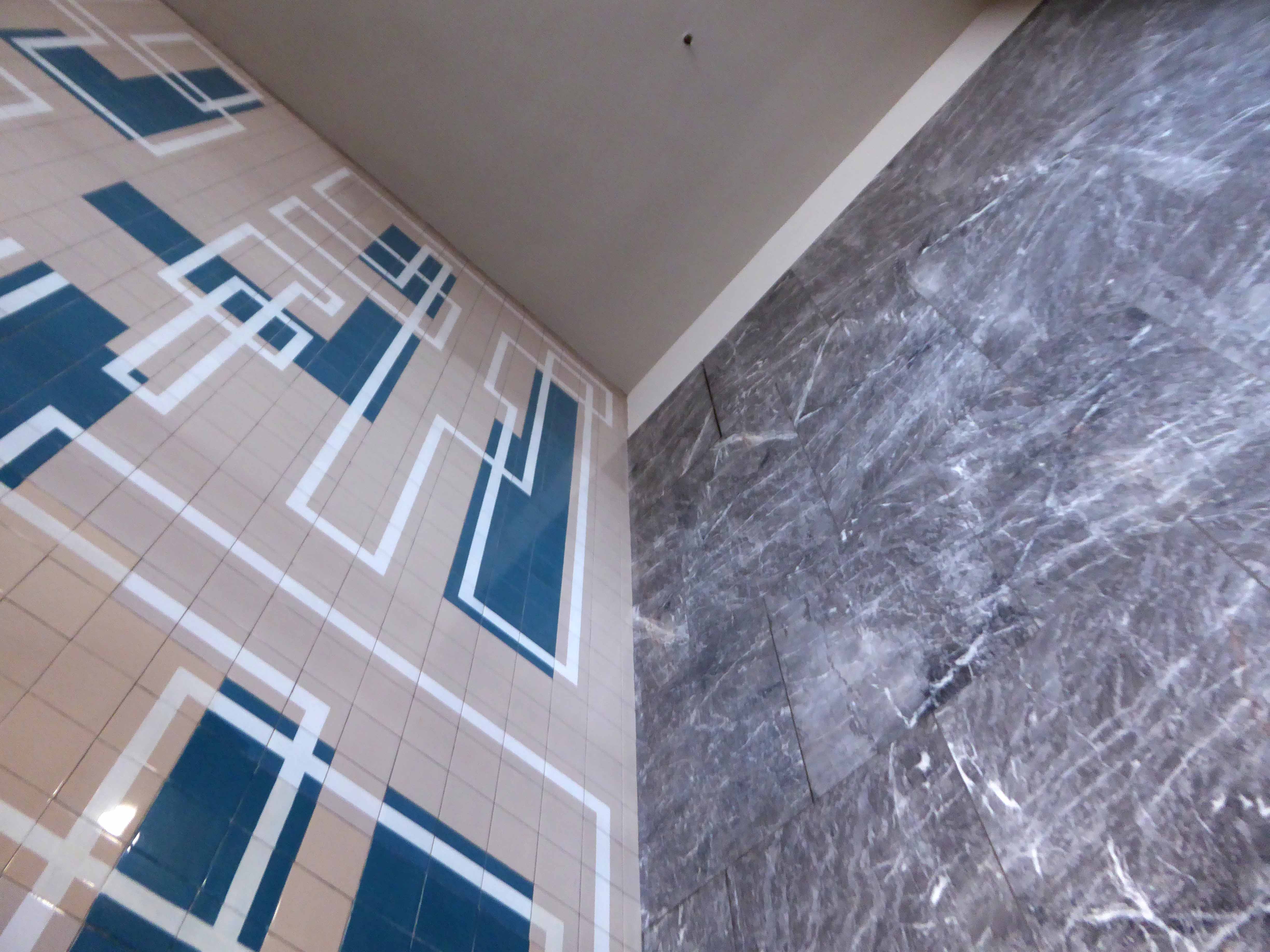
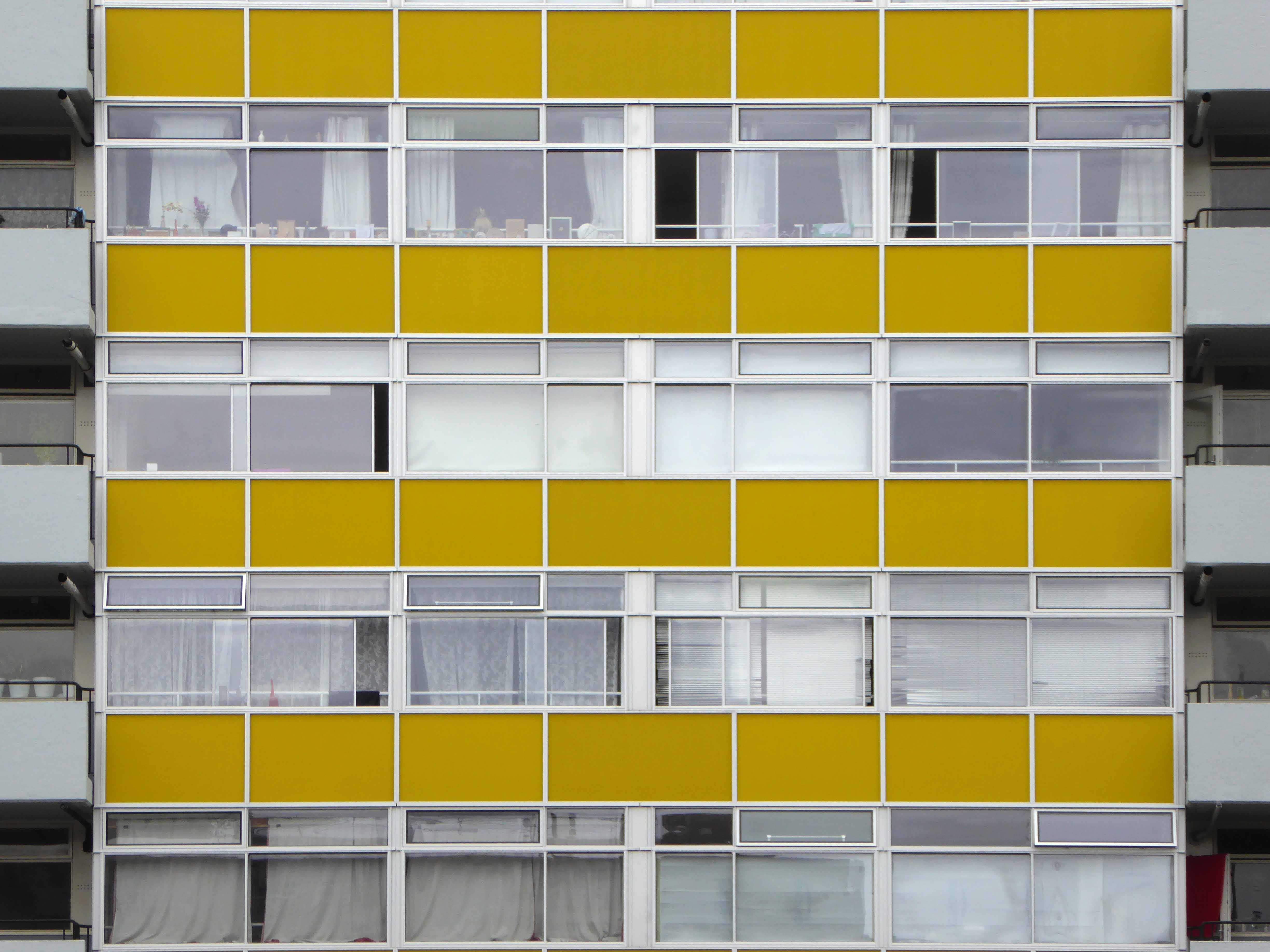
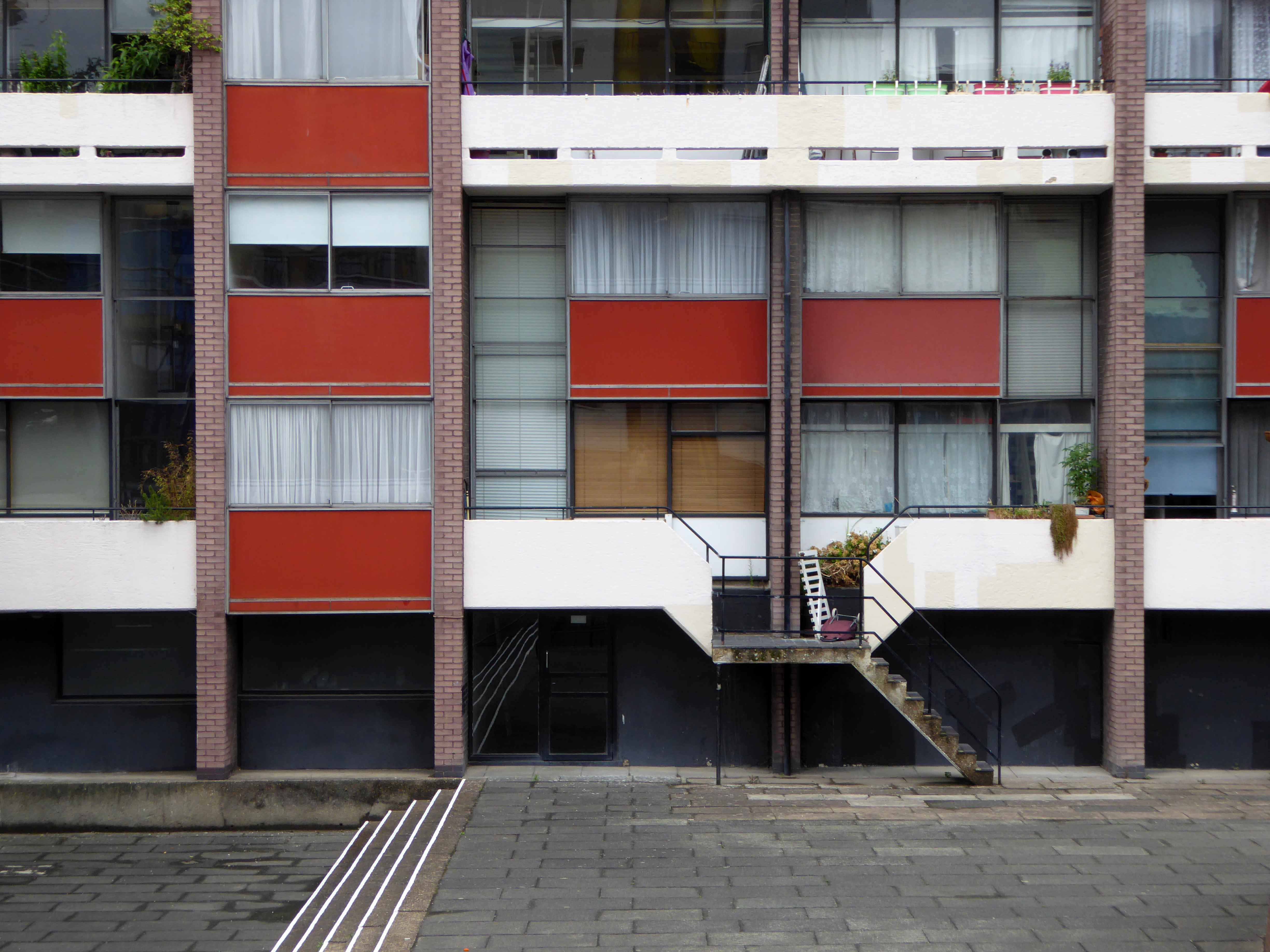
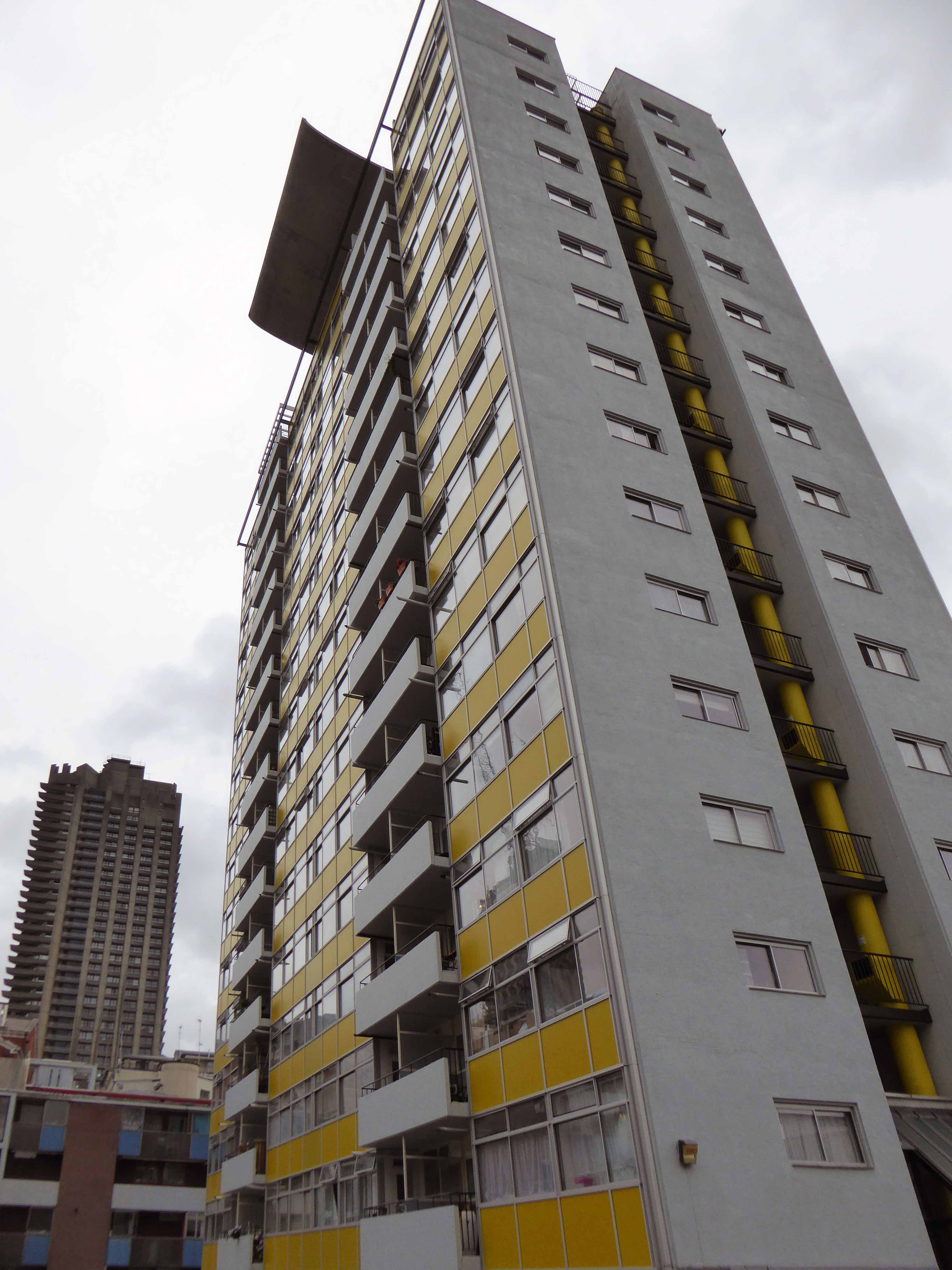
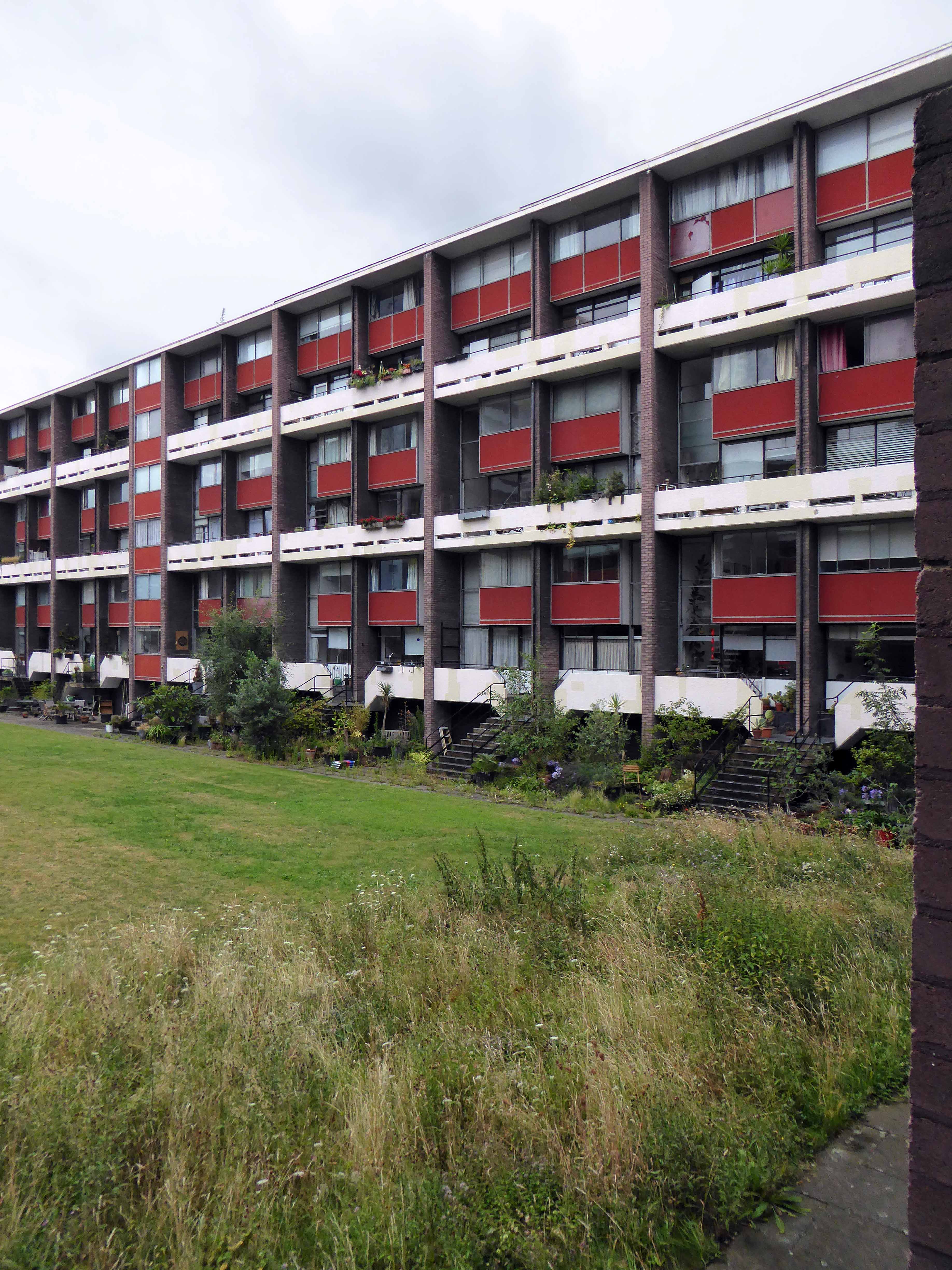
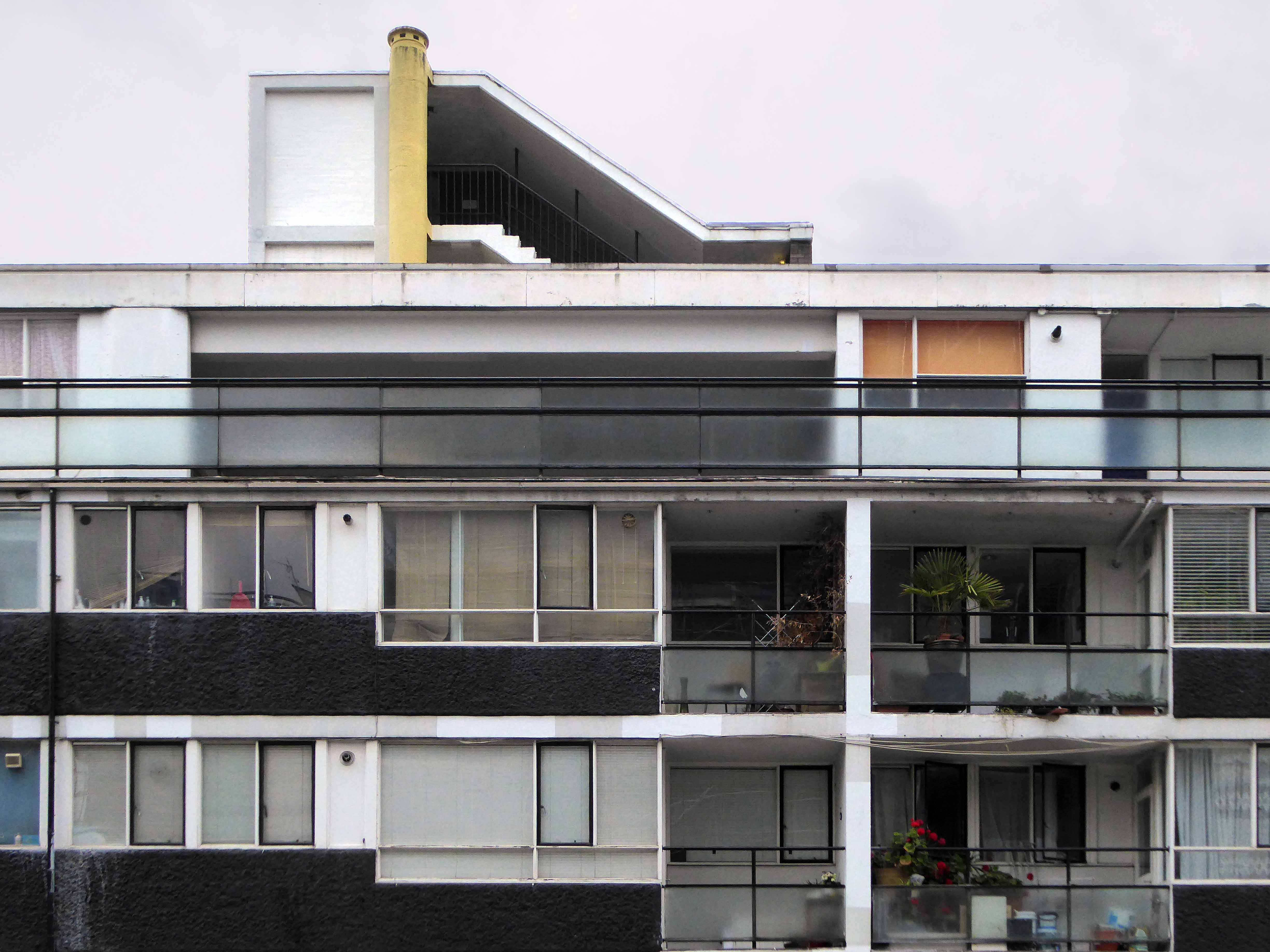
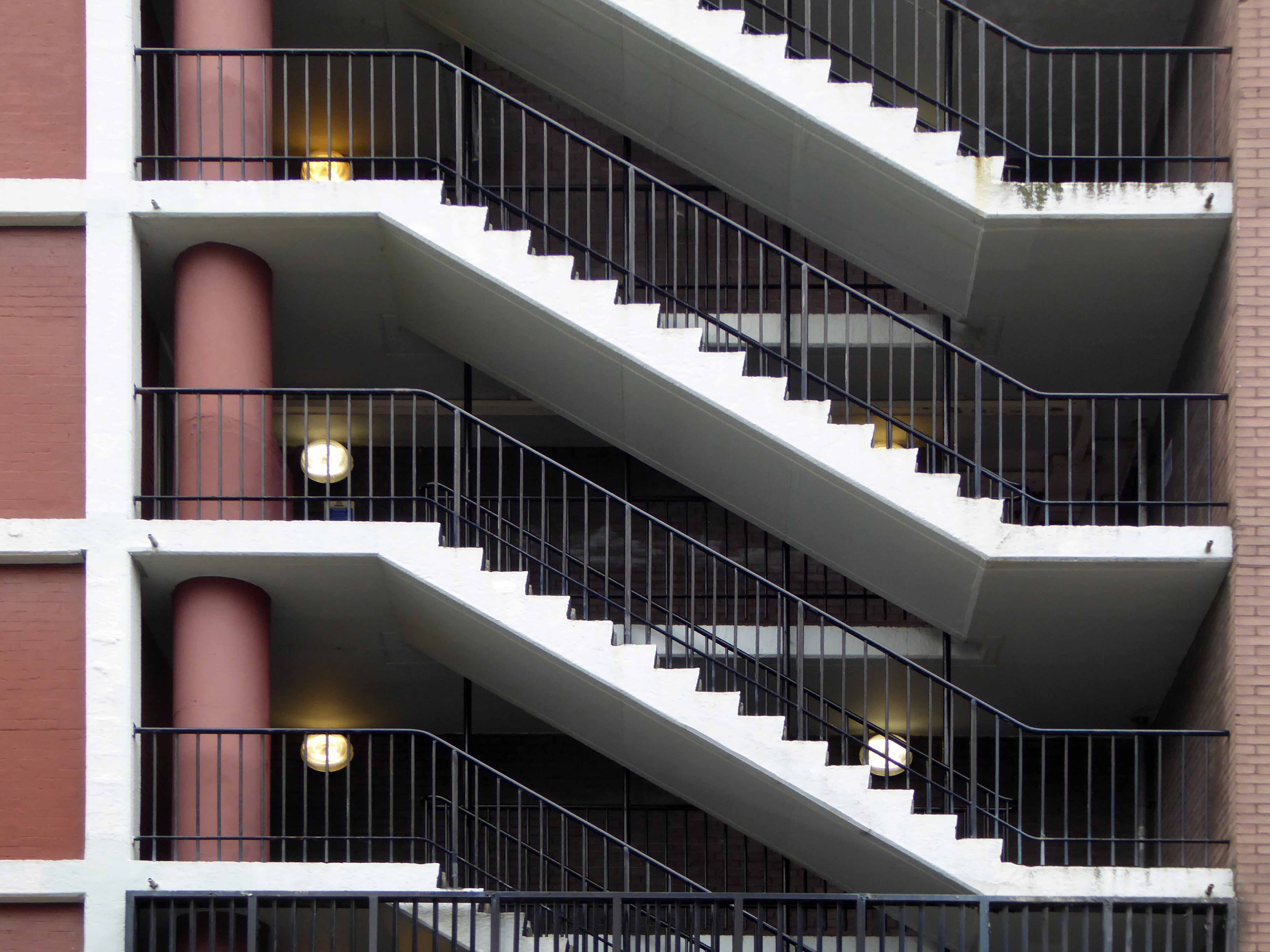
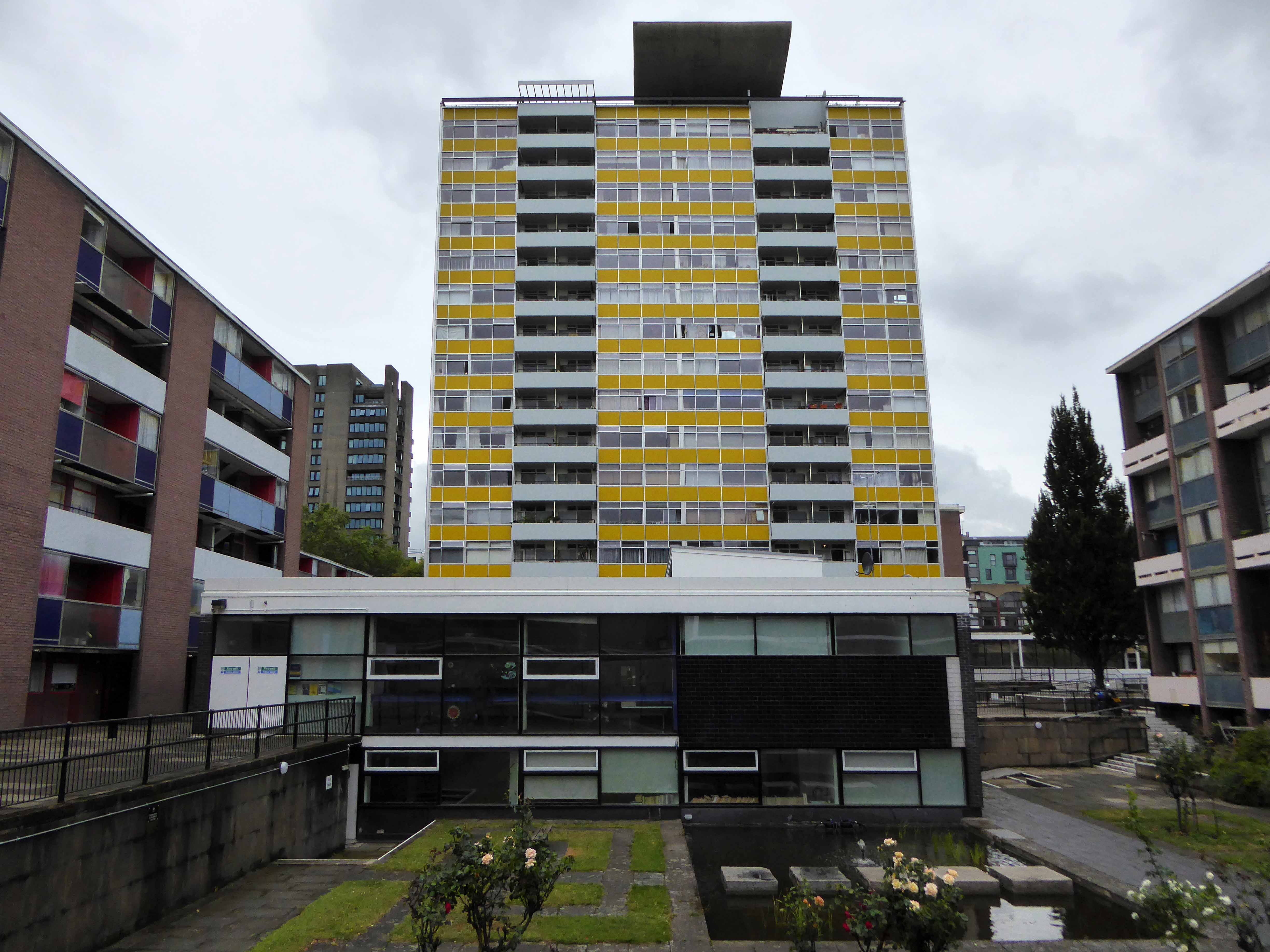
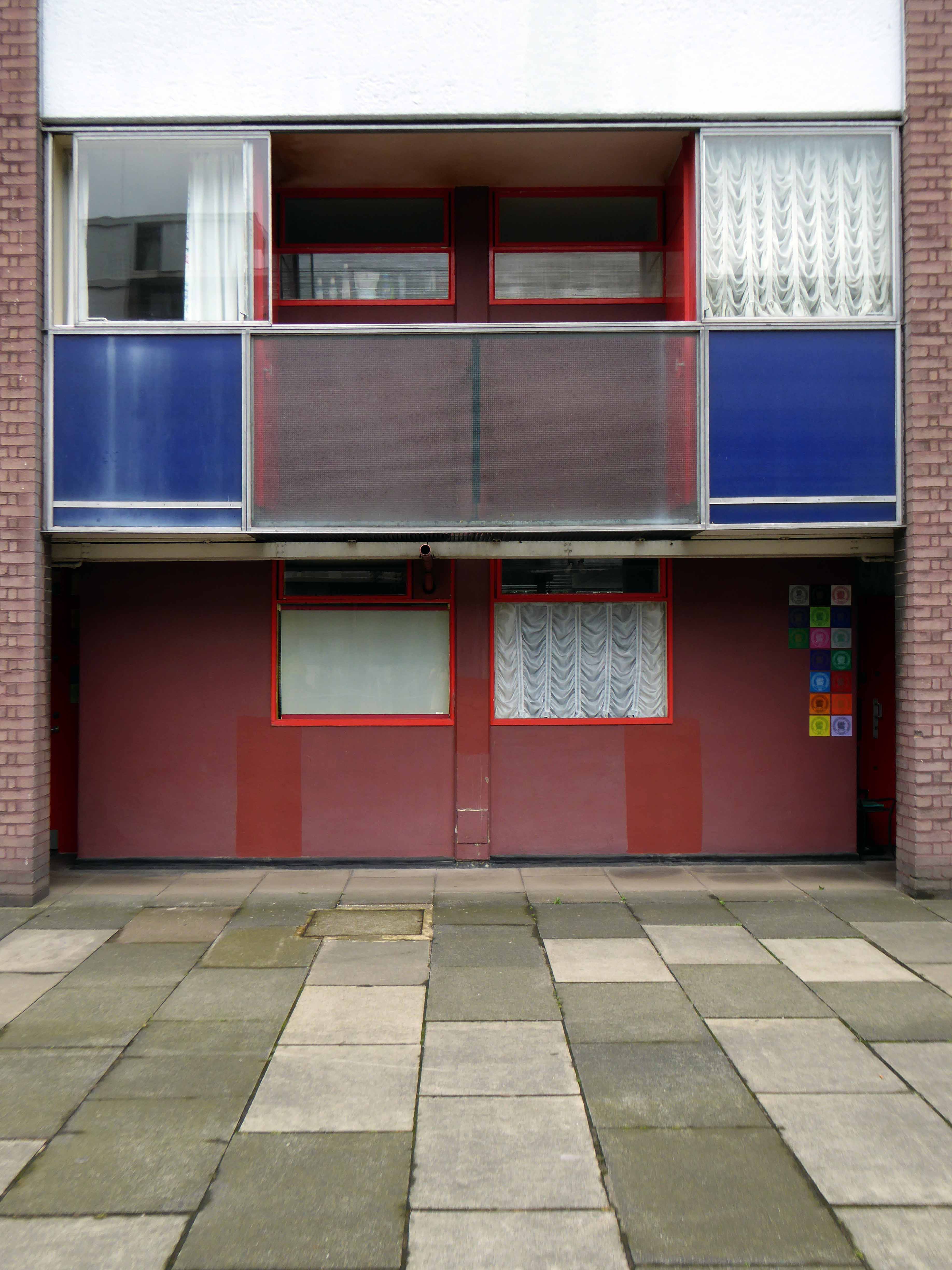
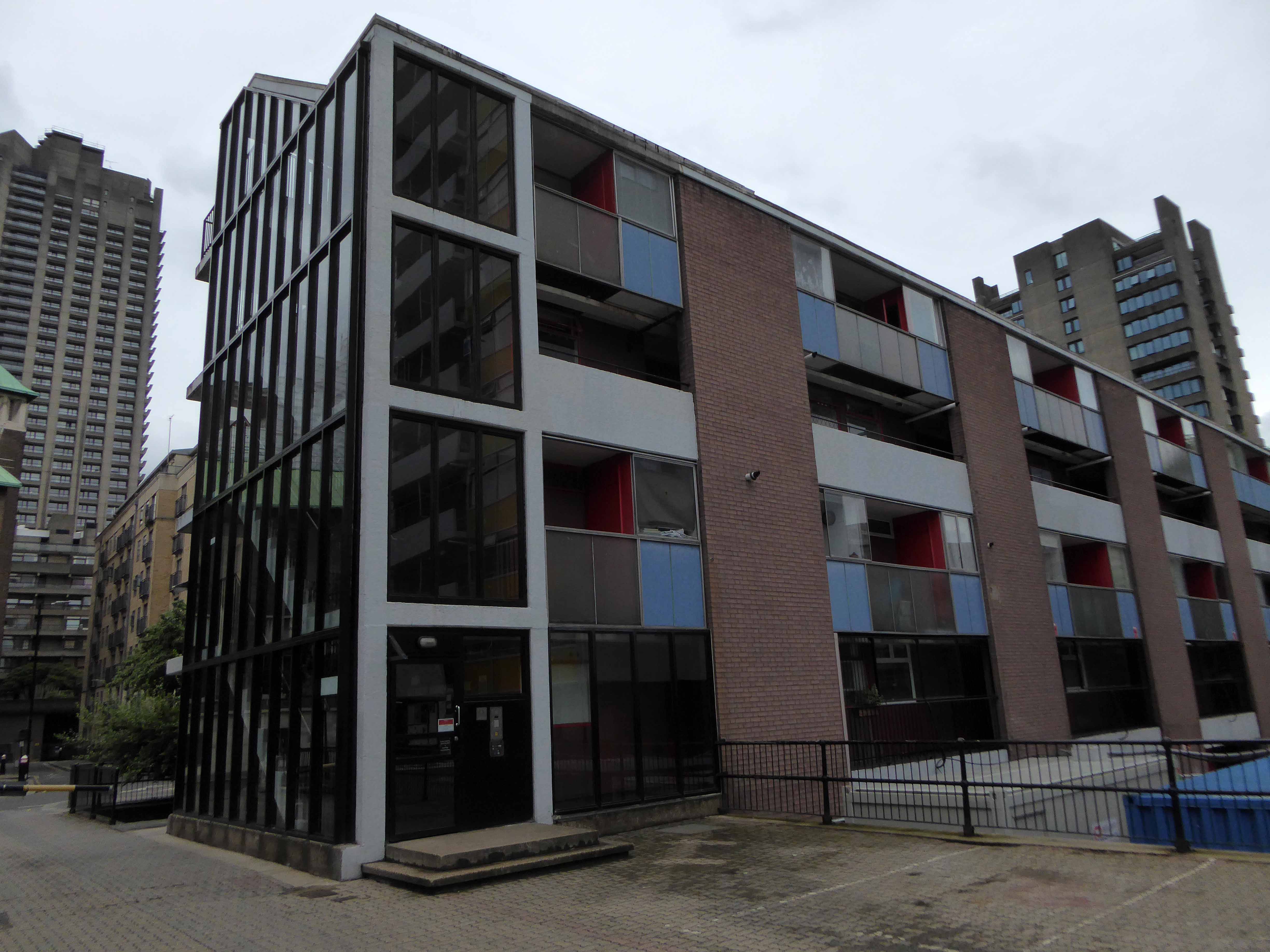
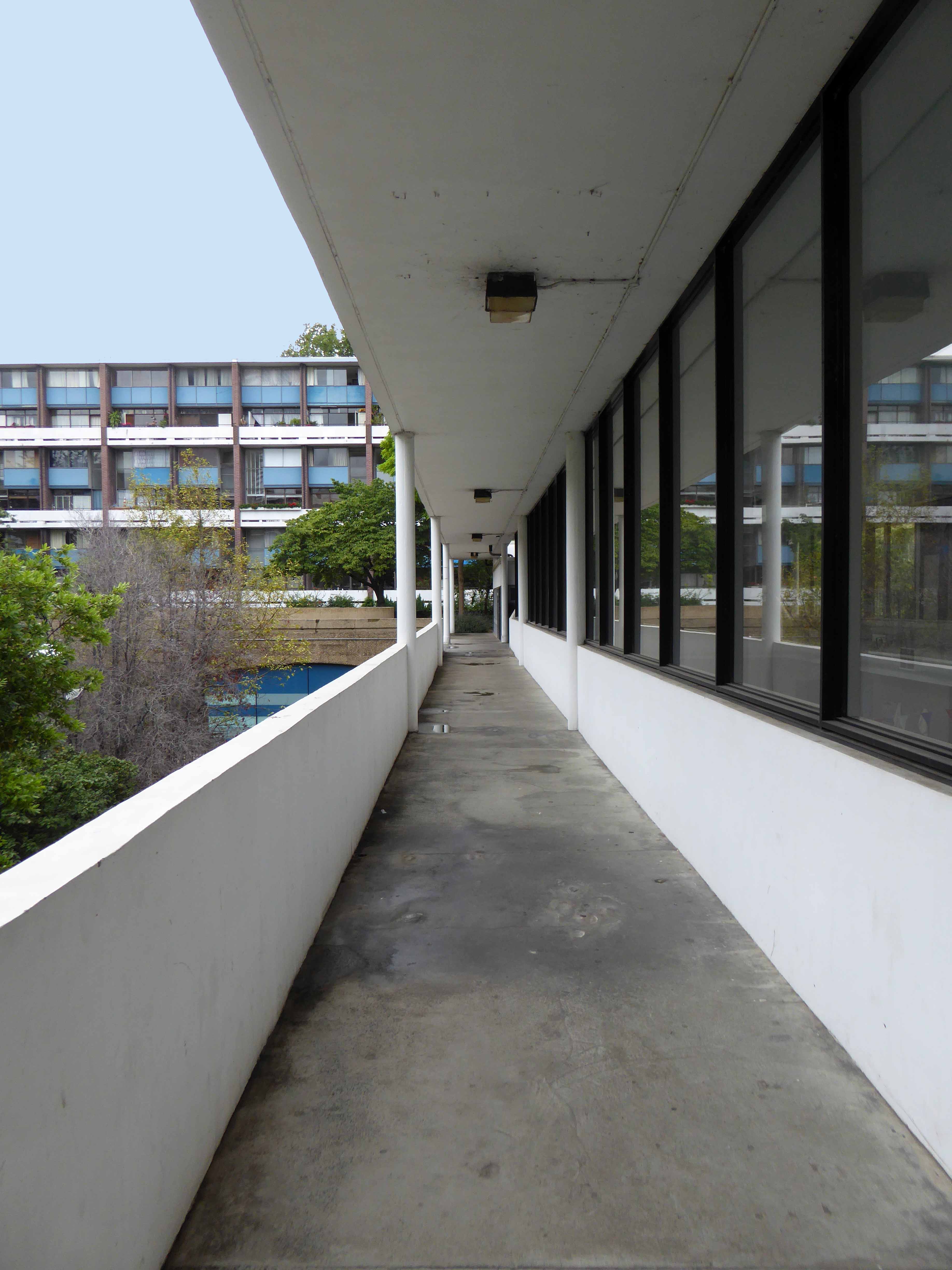
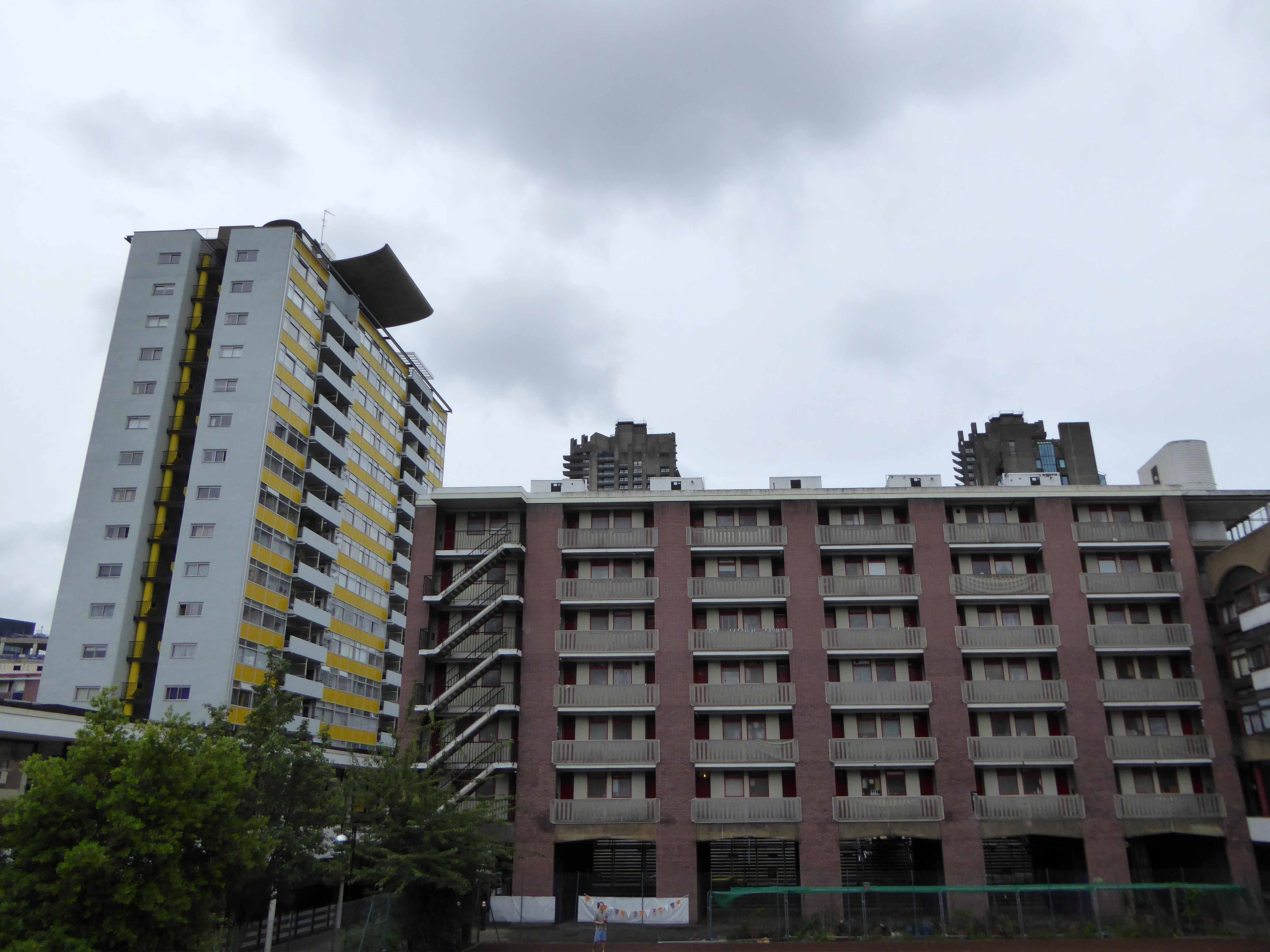
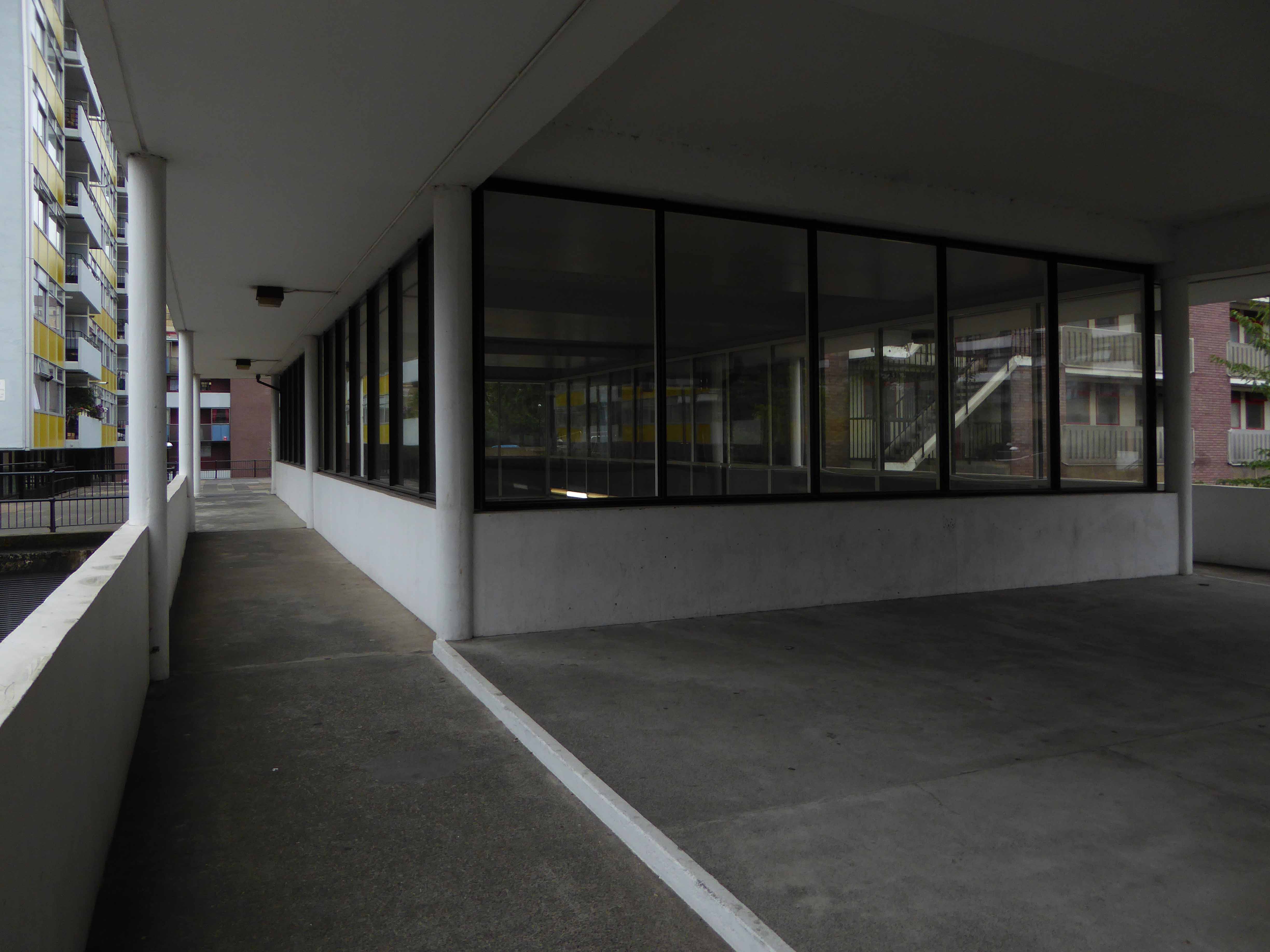
Something of an iconic, totemic, pin-up poster boy/girl for the Modernists, I bumped into you one rainy day, on the way from here to there. Initially attracted by an unexpectedly bright slab of primrose yellow and white.

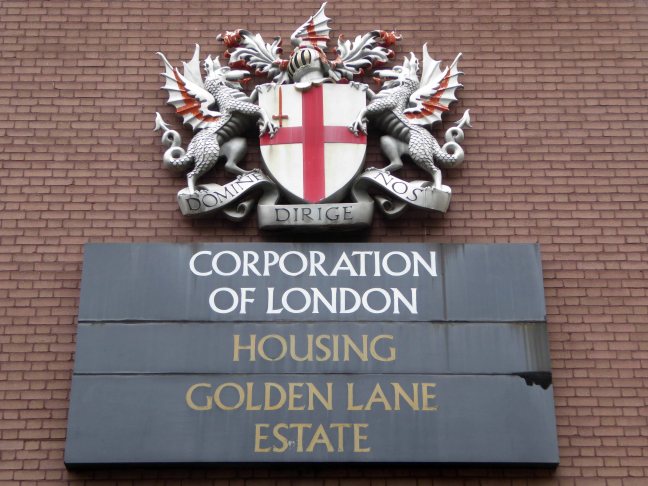
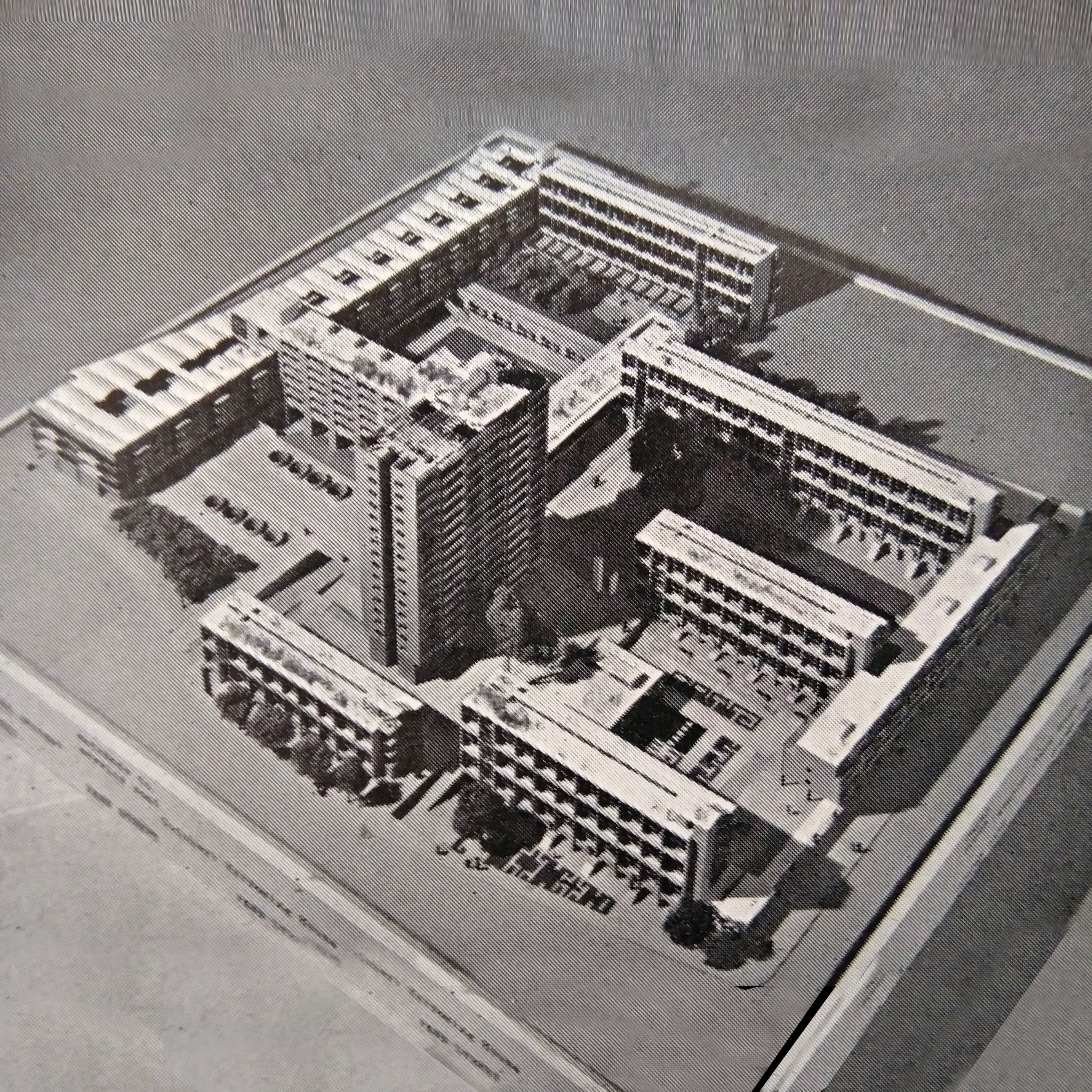
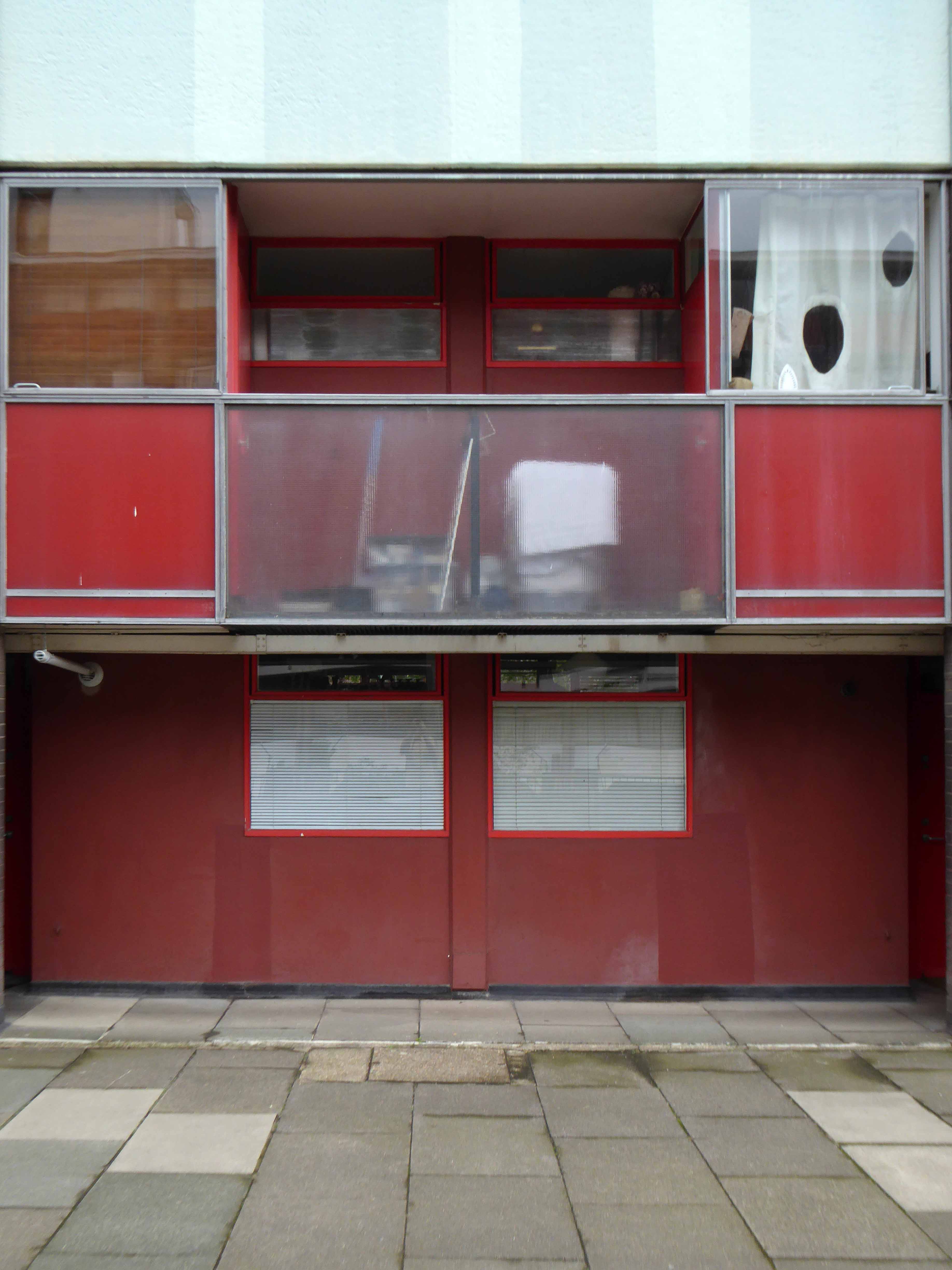
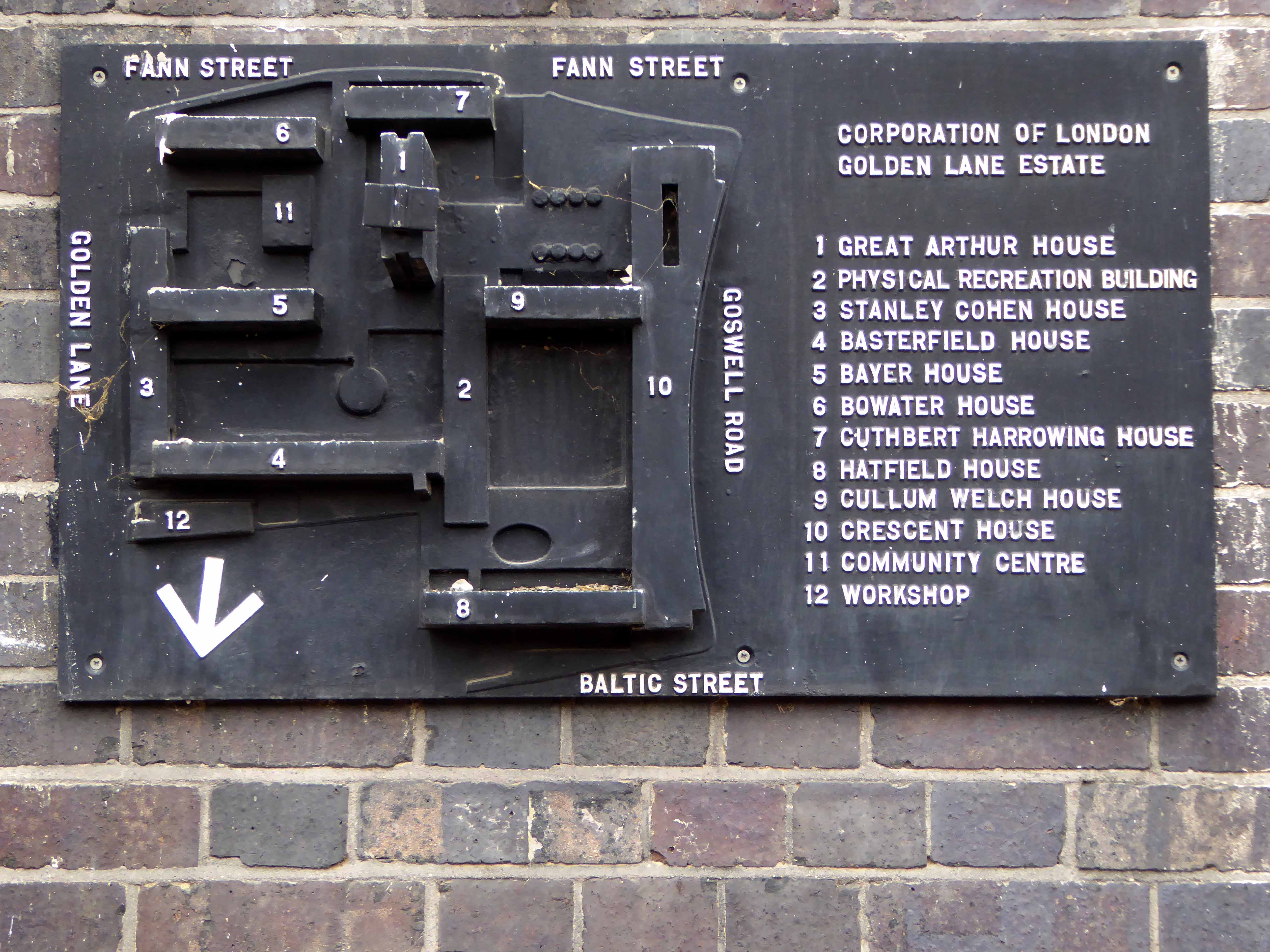
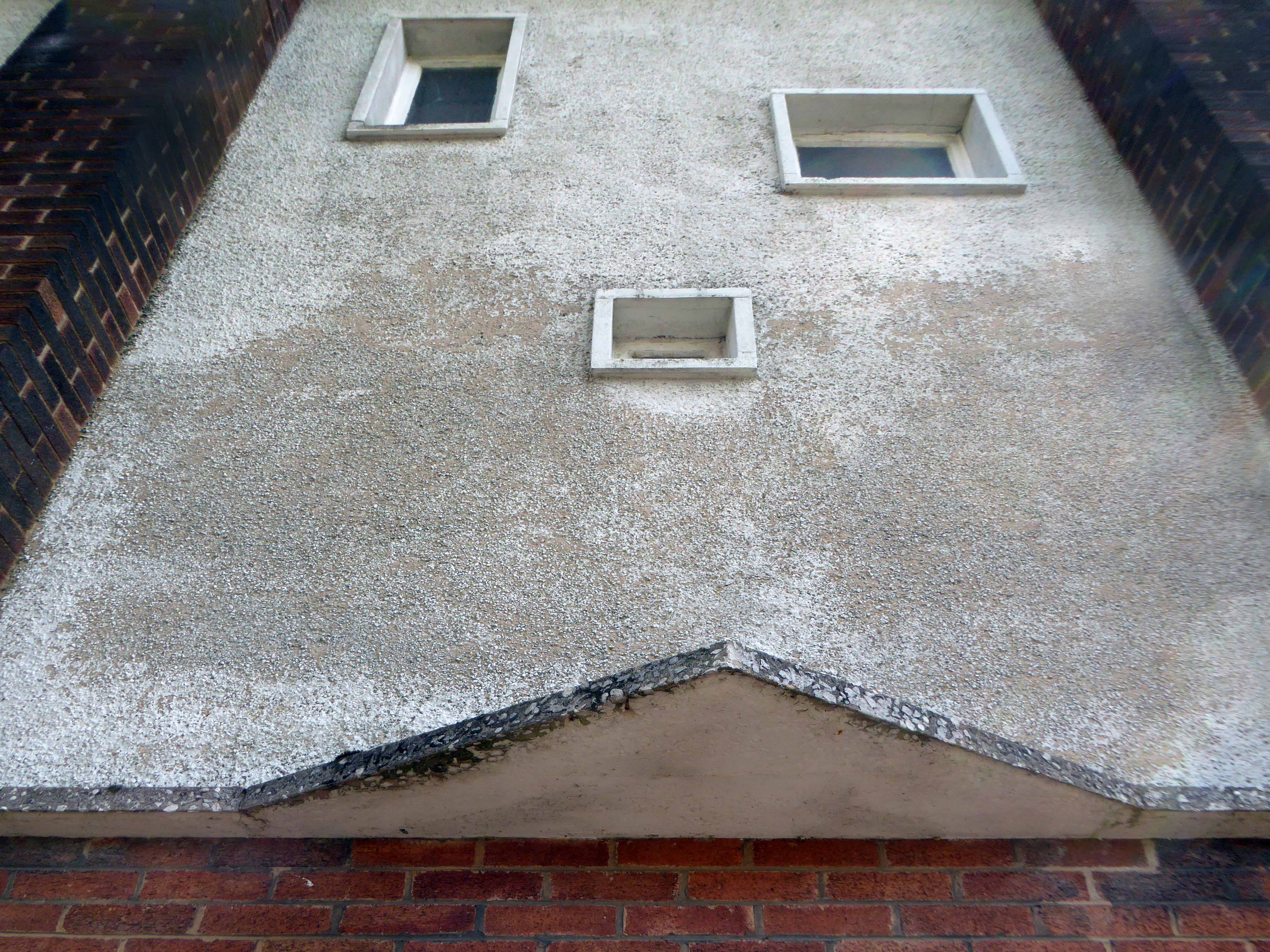
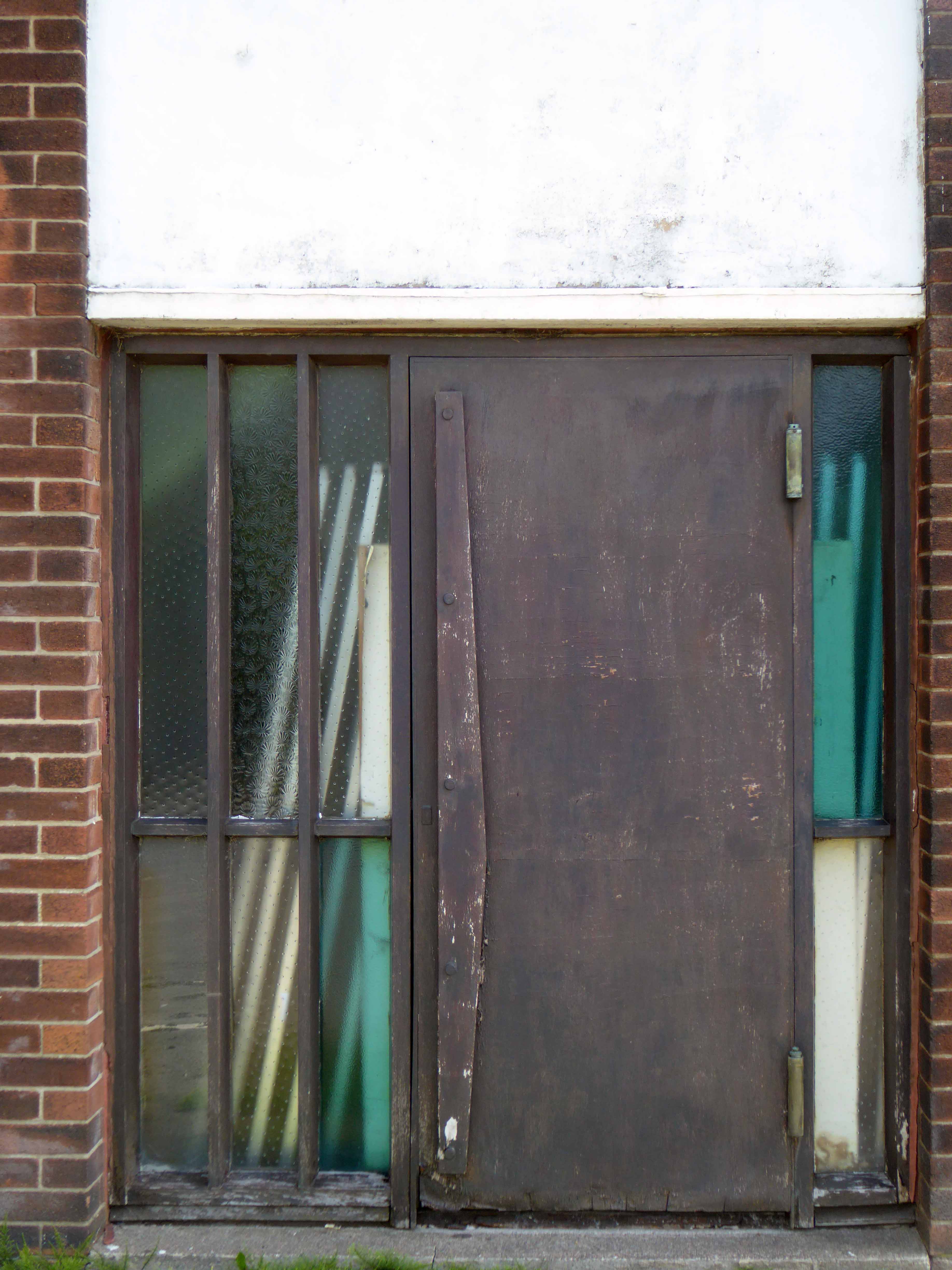
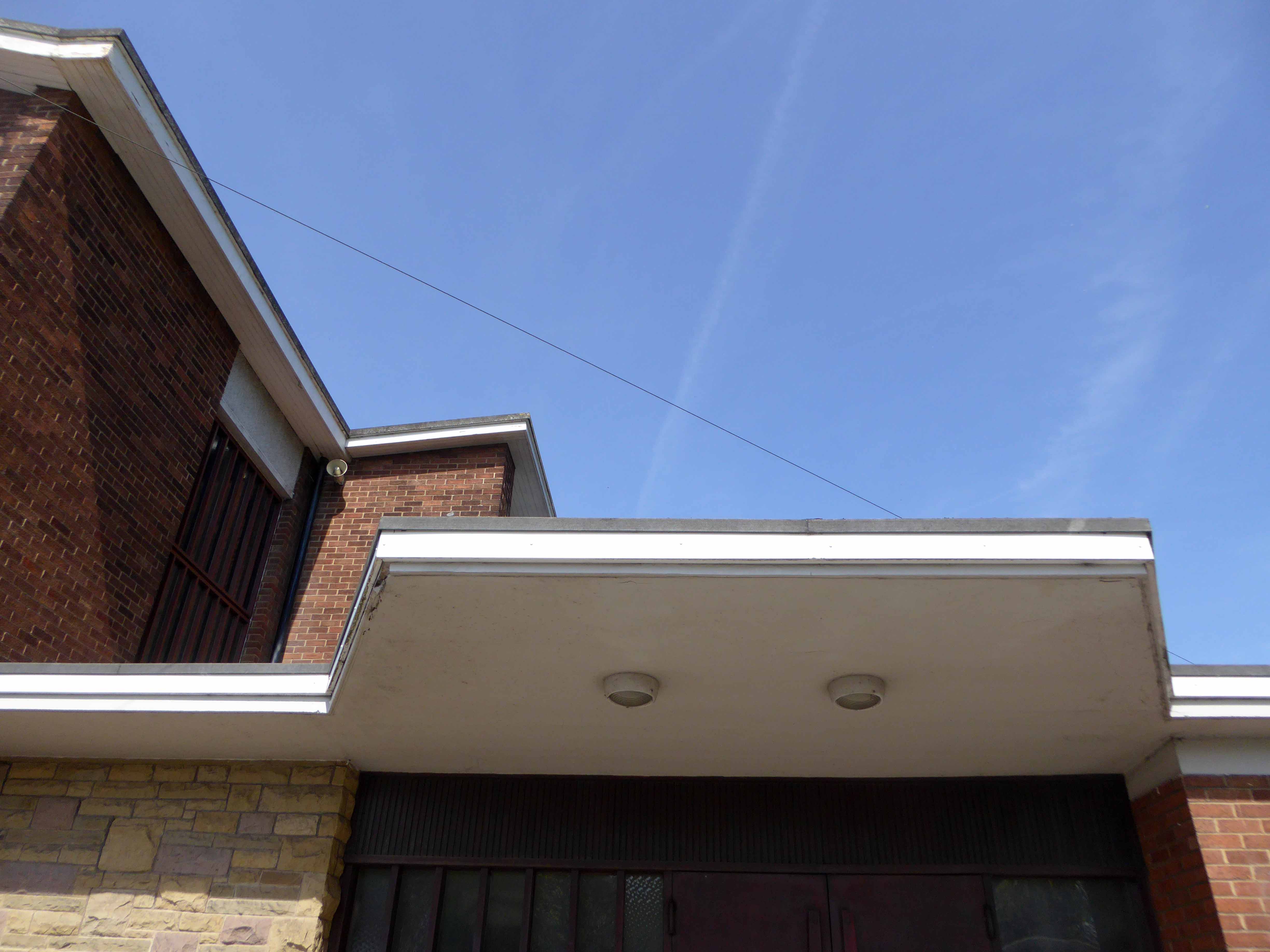
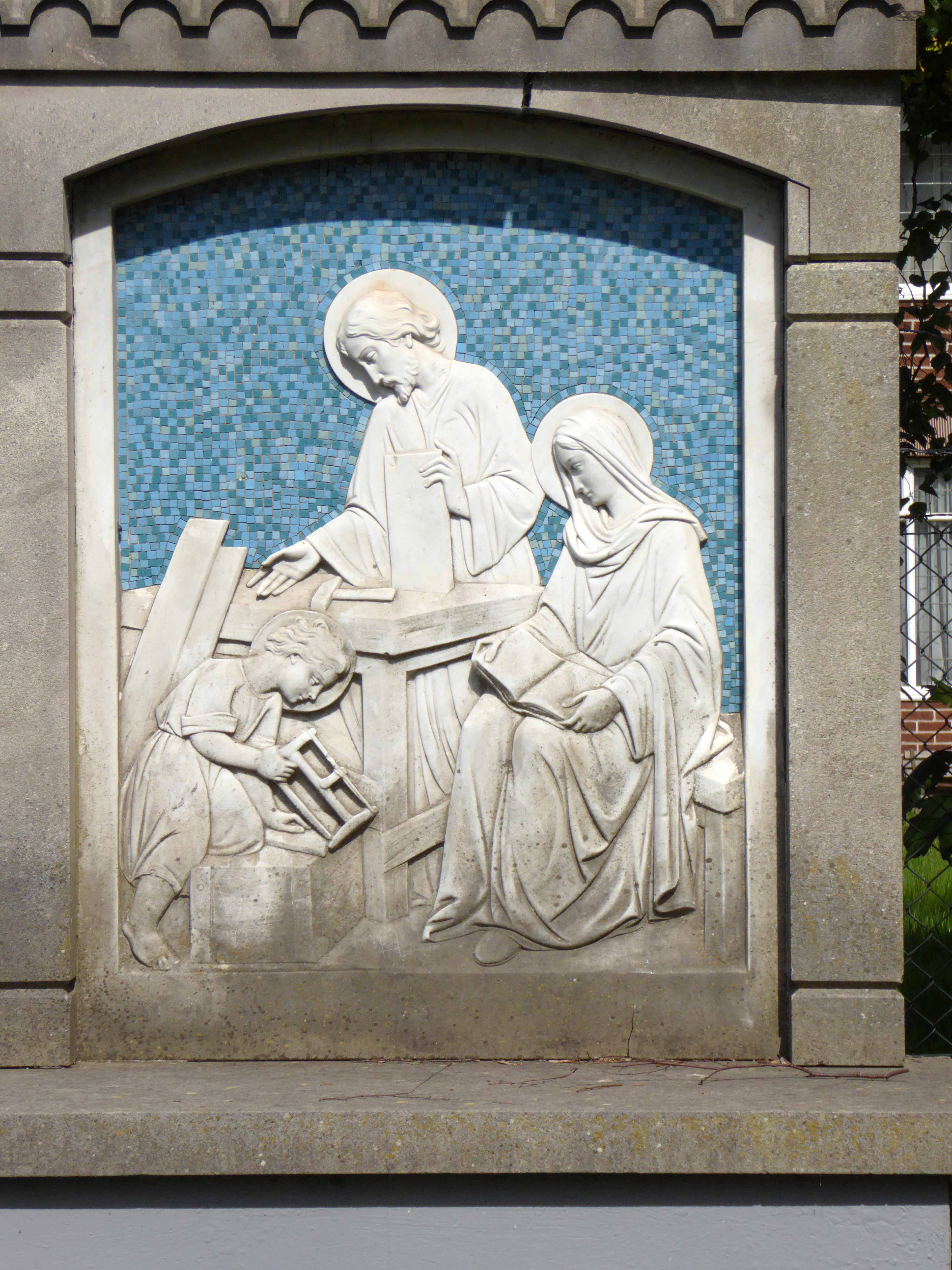
Golden Lane was developed in the early 1950s to create local housing for essential workers in the City of London, following the devastation of the Blitz. At the time only around 500 people actually lived in the City of London so the estate was deliberately designed with small units to house single people and couples comprised of the broad social and professional mix needed to support the local community. 554 units were built of which 359 were studios and one bedroomed flats; the remainder were maisonettes and early tenants included caretakers, clergymen, doctors, police offices, cleaners and secretaries. Today there are approximately 1,500 people living on the estate in 559 flats and maisonettes. 
Golden Lane was commissioned from architects Chamberlin, Powell and Bon by the City of London Corporation (which still manages it) and built on bombed sites previously occupied by small businesses and industries. Some of the basement areas of the former buildings were retained as sunken areas of landscaping. Building took place over a 10-year period between 1952 and 1962 when Crescent House on Goswell Road was completed. Golden Lane was listed Grade II in 1997 (Crescent House is Grade II*). When built, Great Arthur House was the tallest residential building in London and its Le Corbusier inspired design included a resident’s roof garden. The estate also included a leisure centre with a swimming pool and tennis courts. It is now run by a private operator and is open to both residents and the general public.
Academy of Urbanism

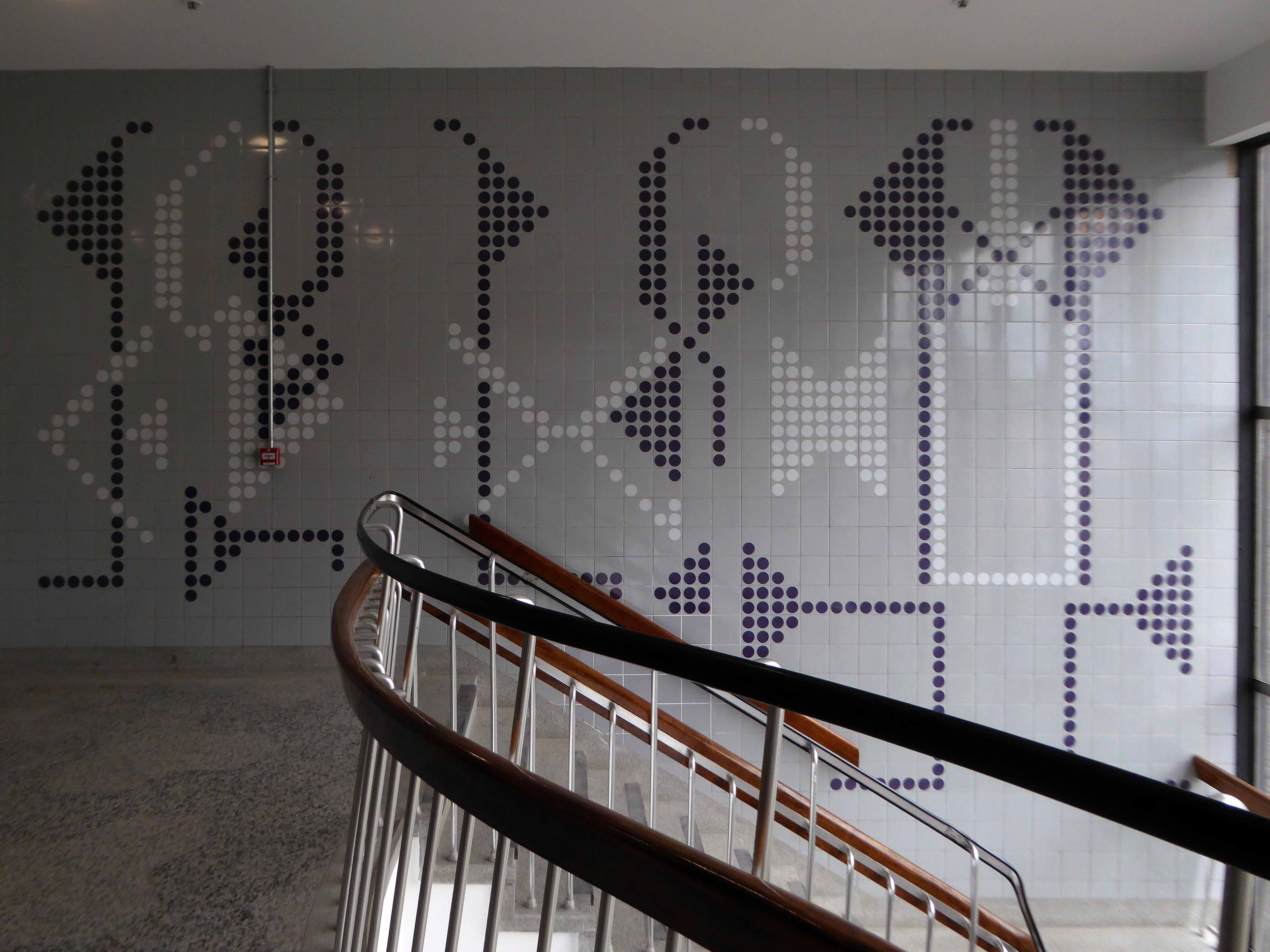
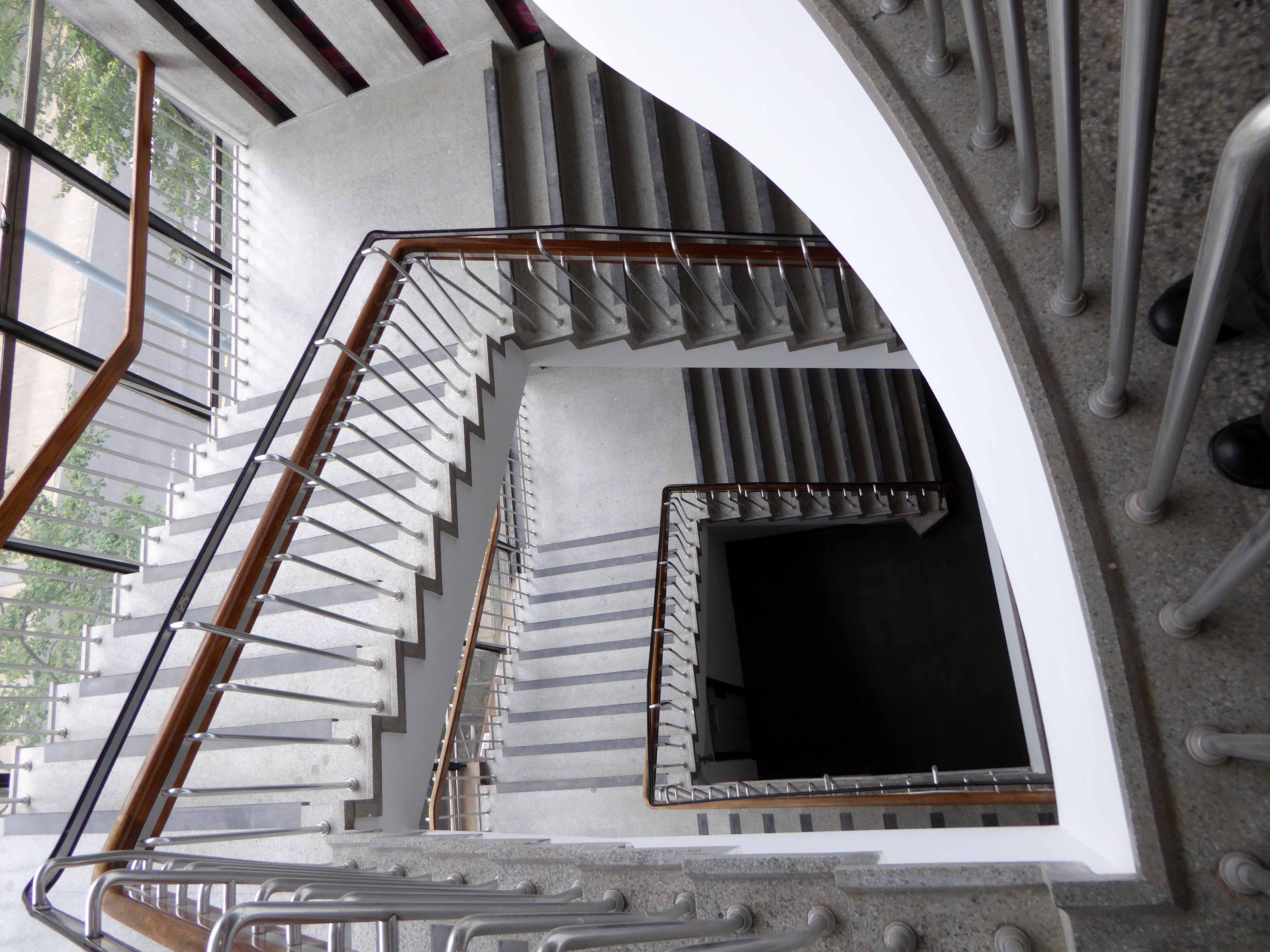
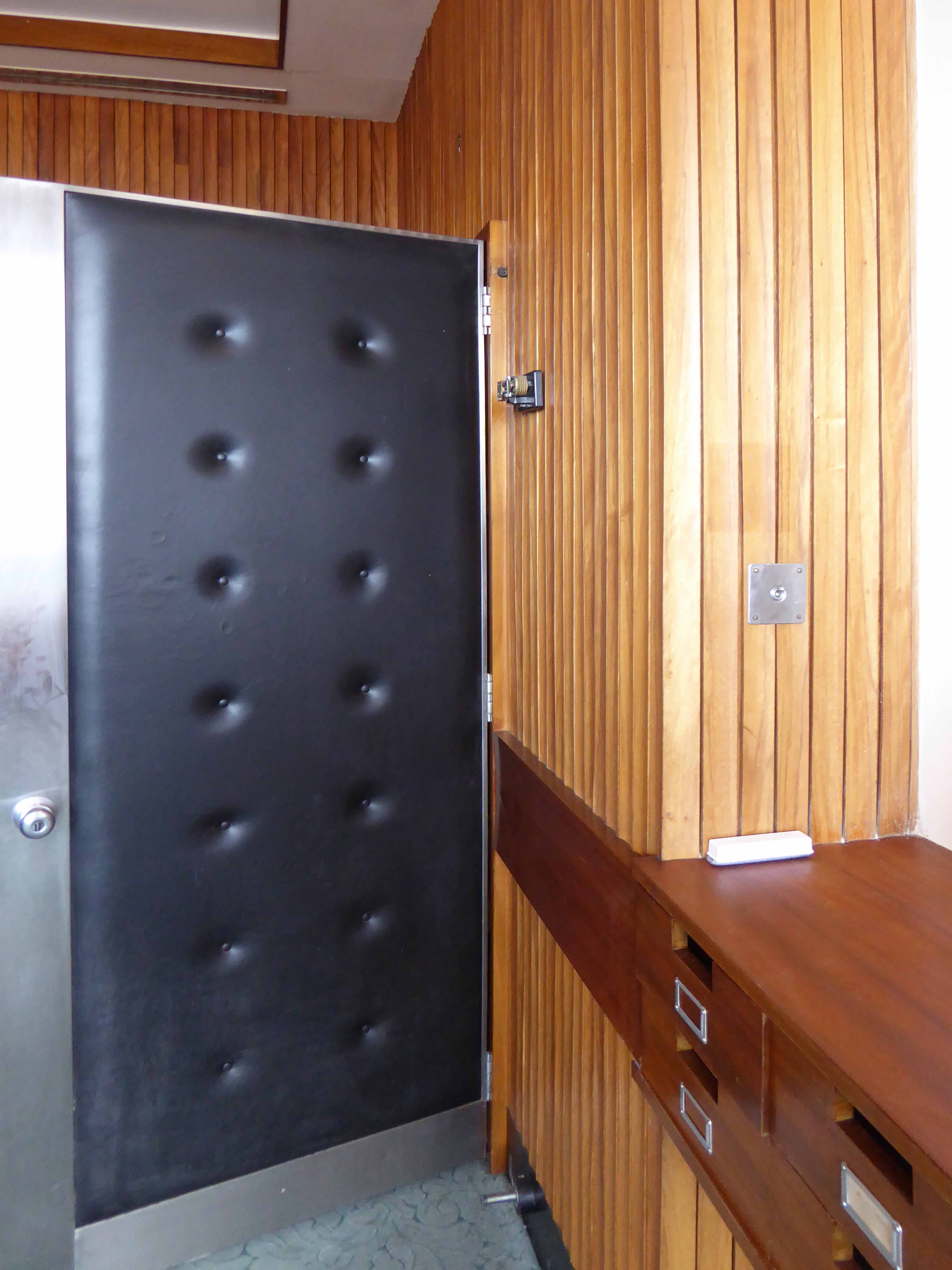
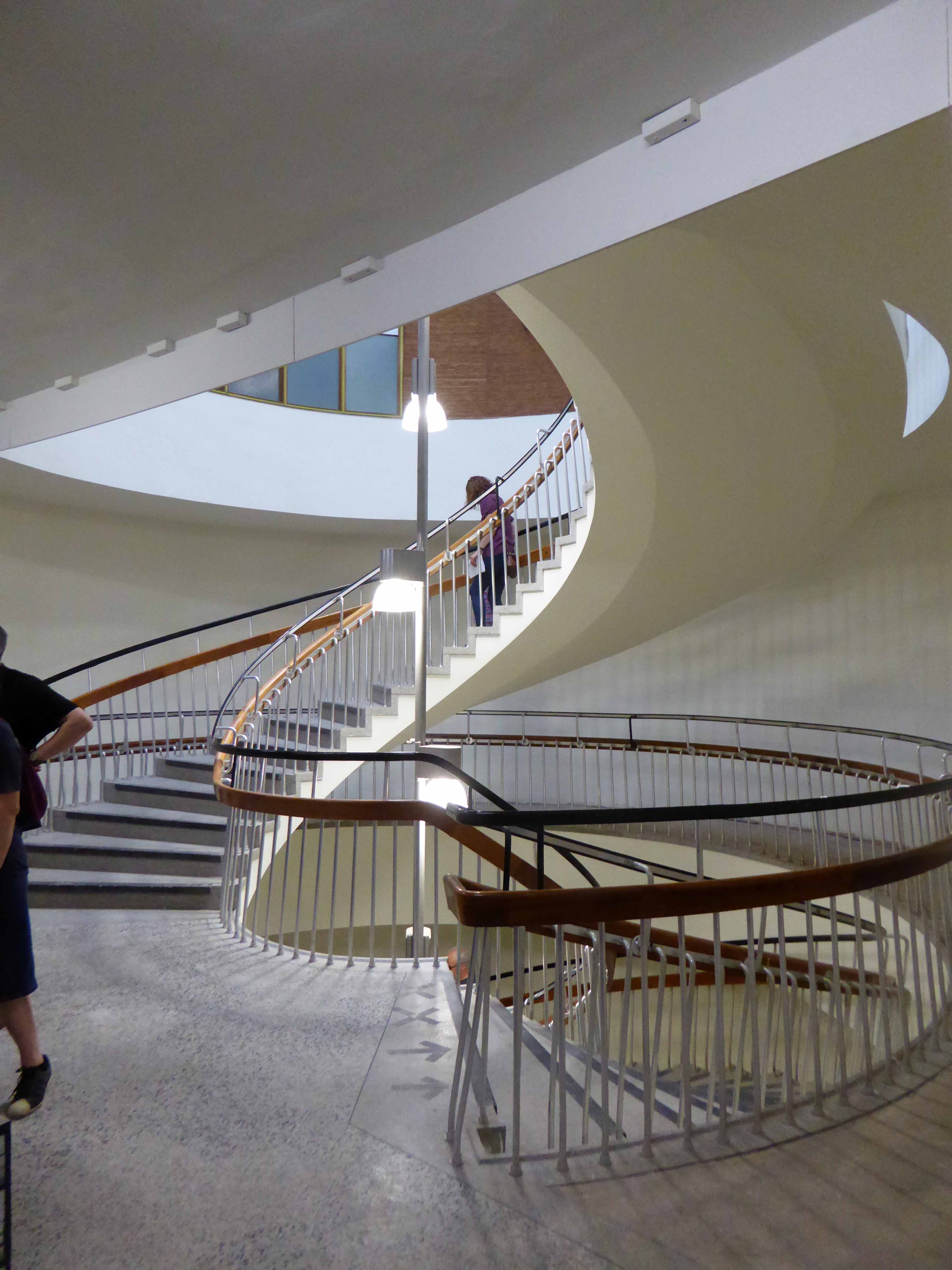
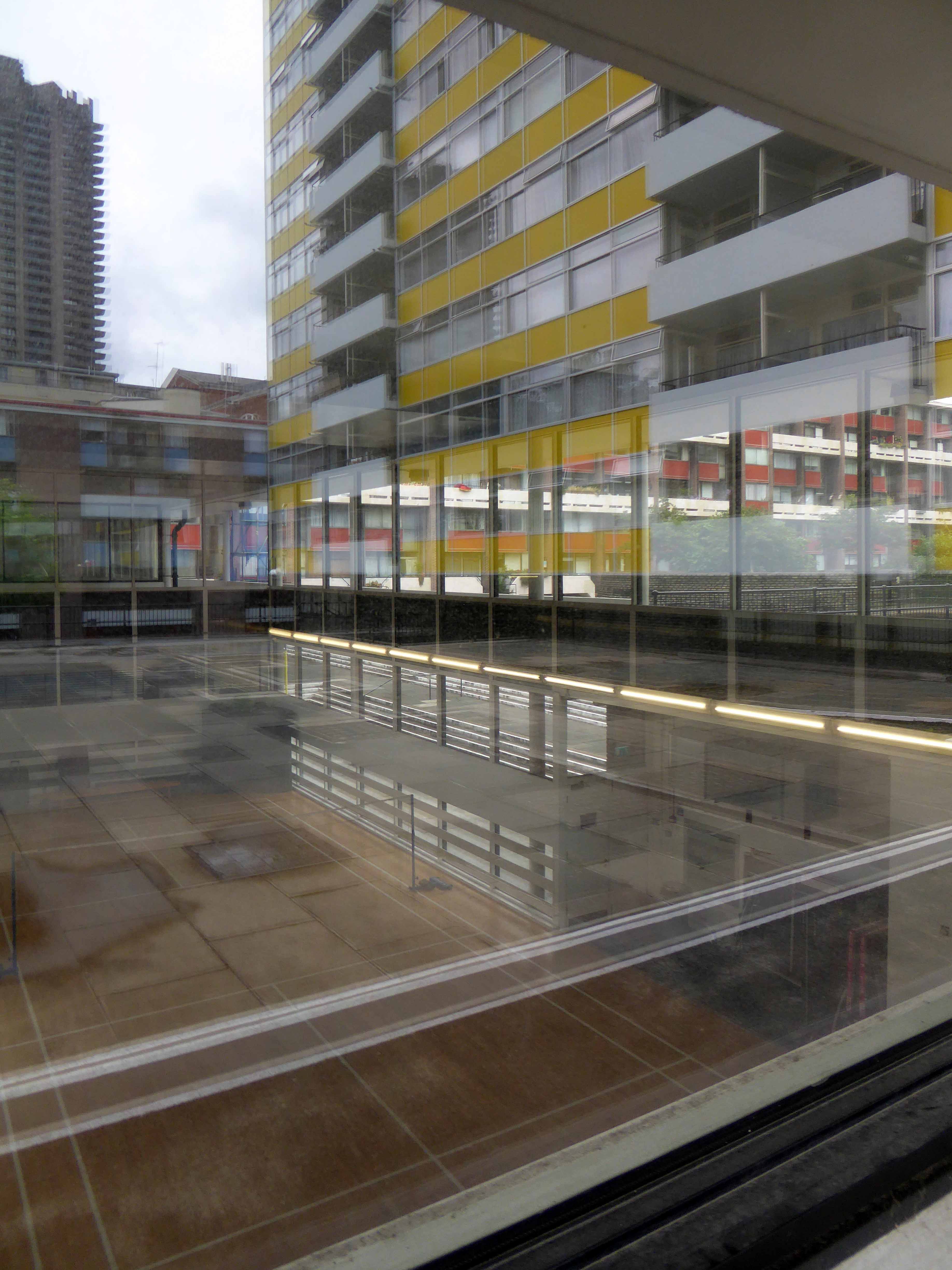
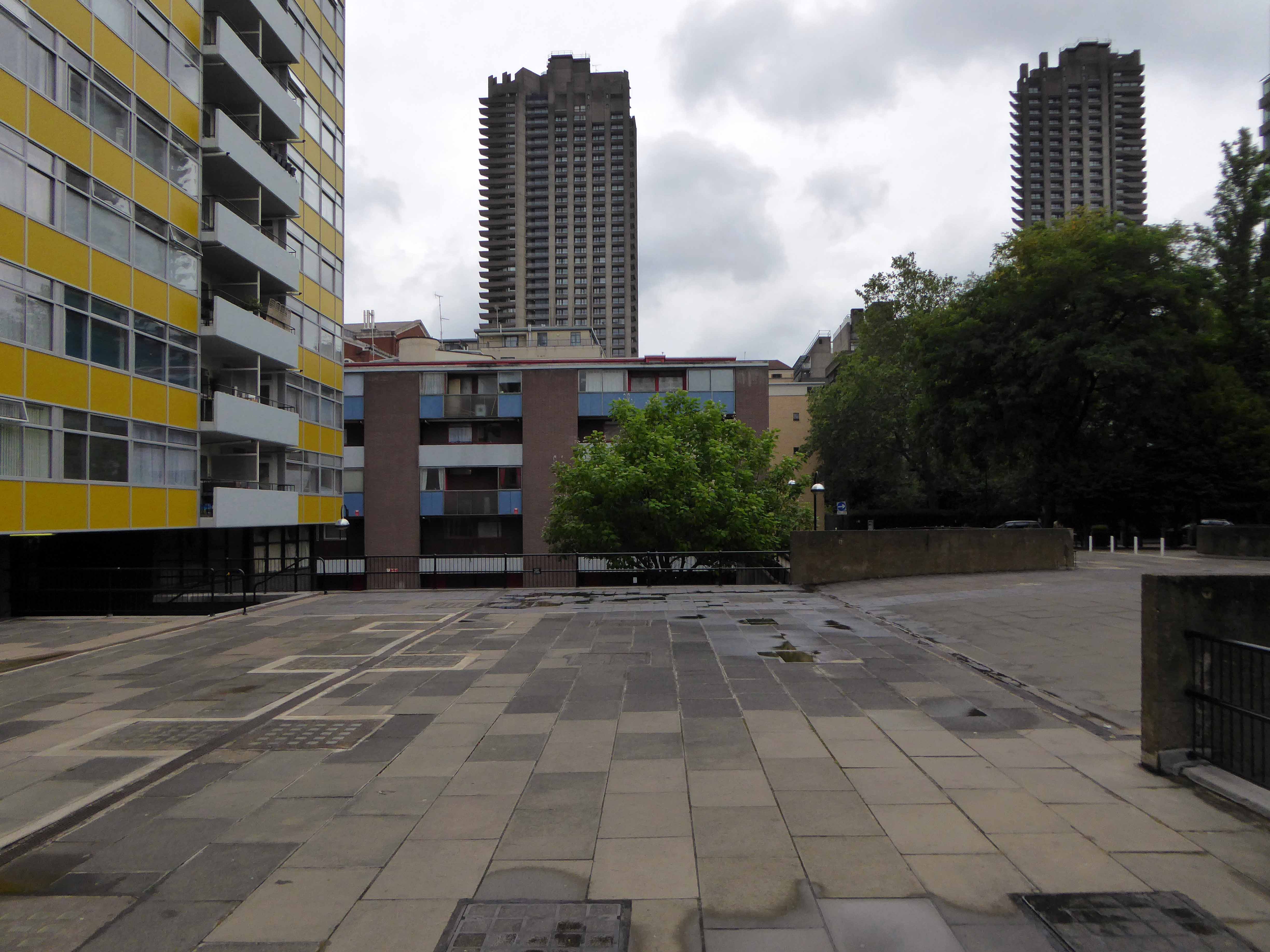
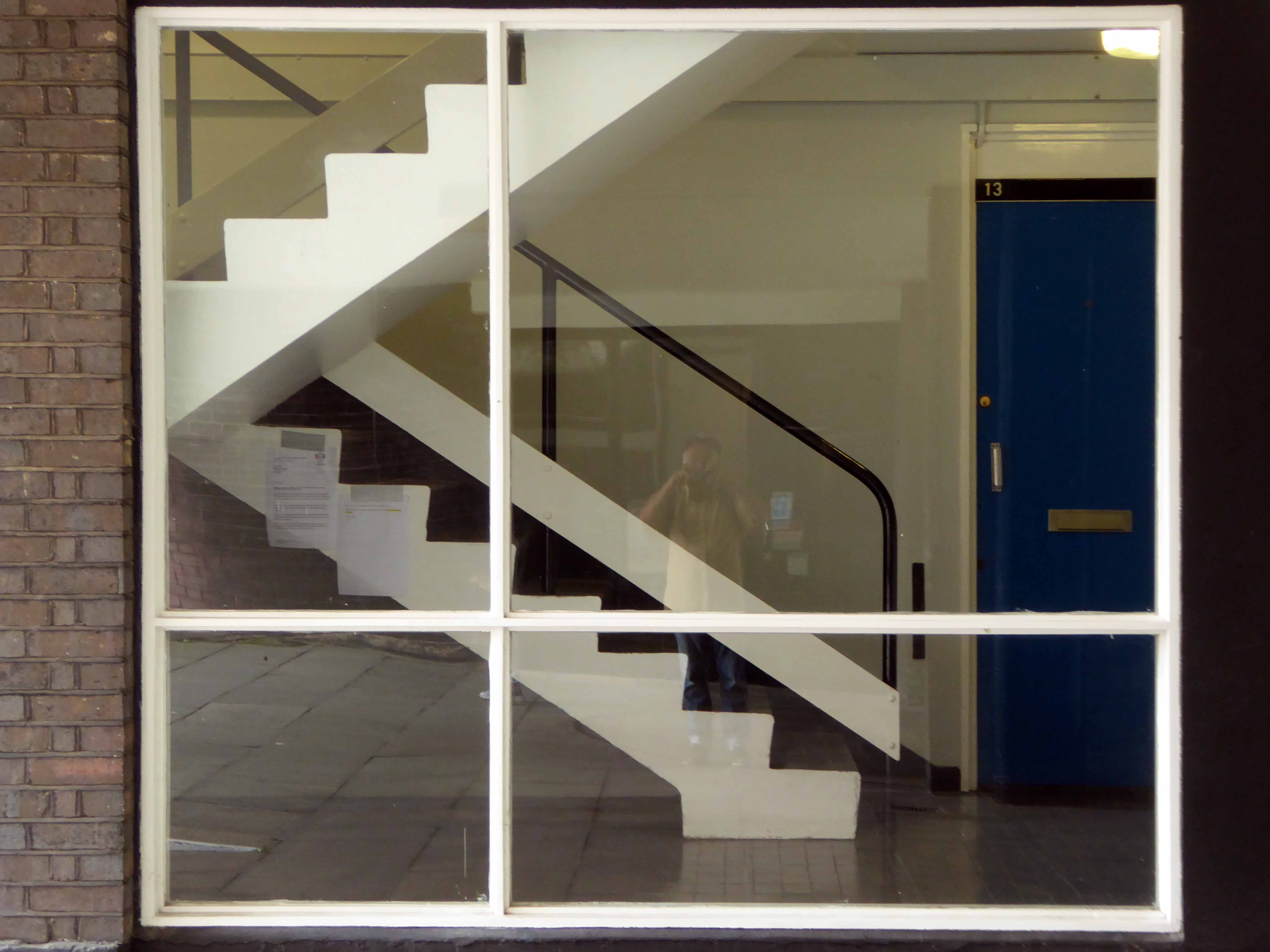
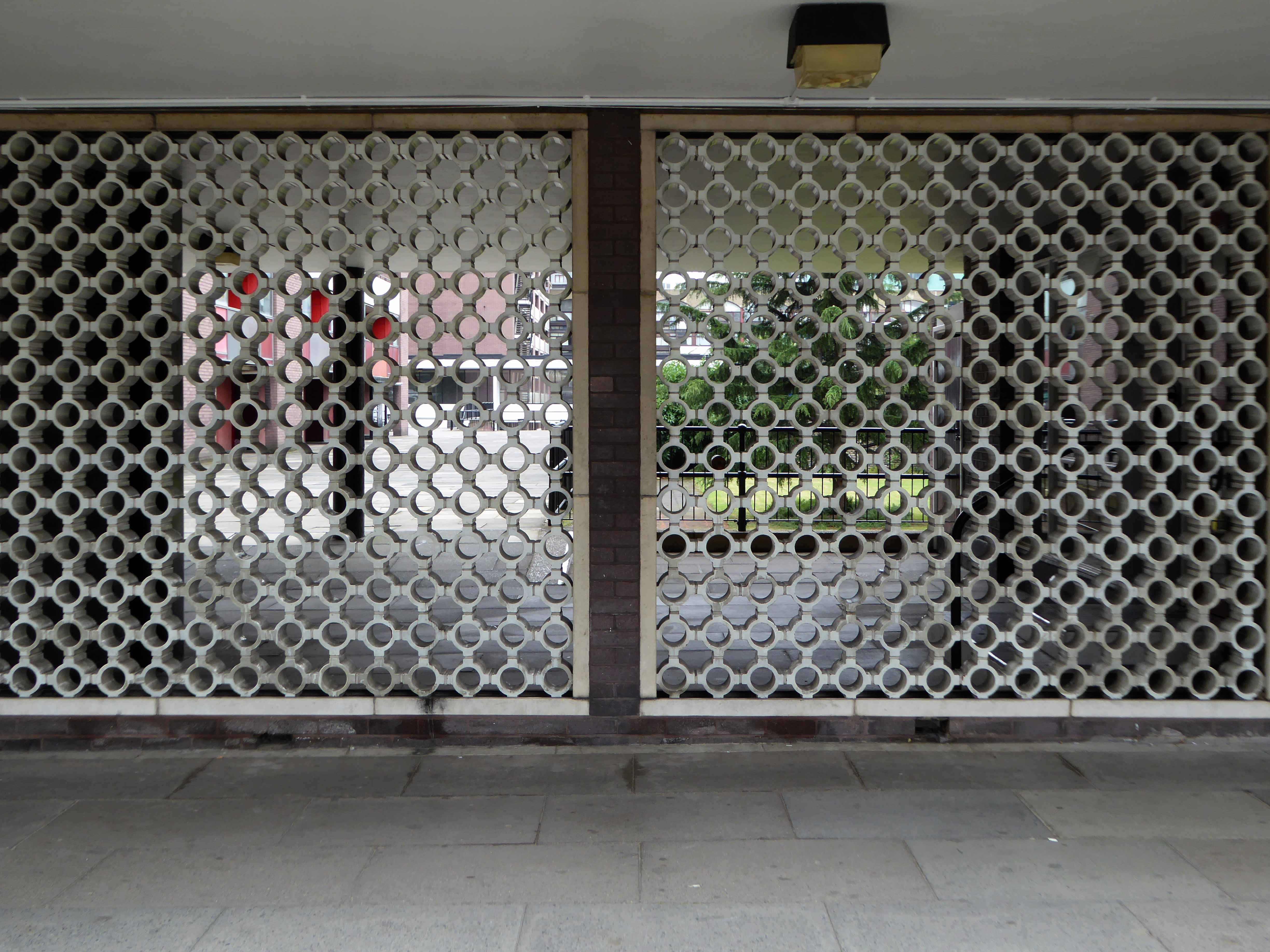
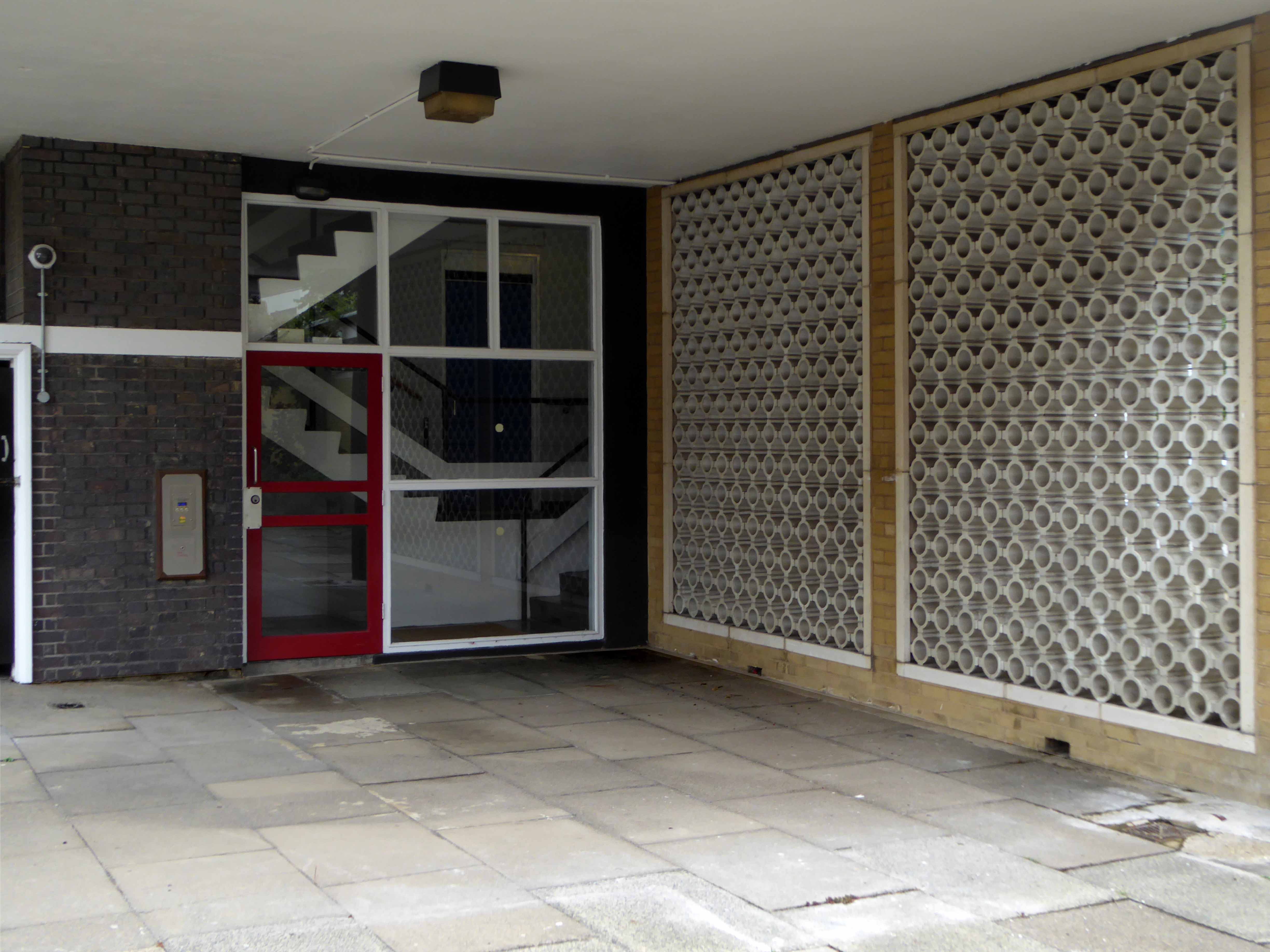
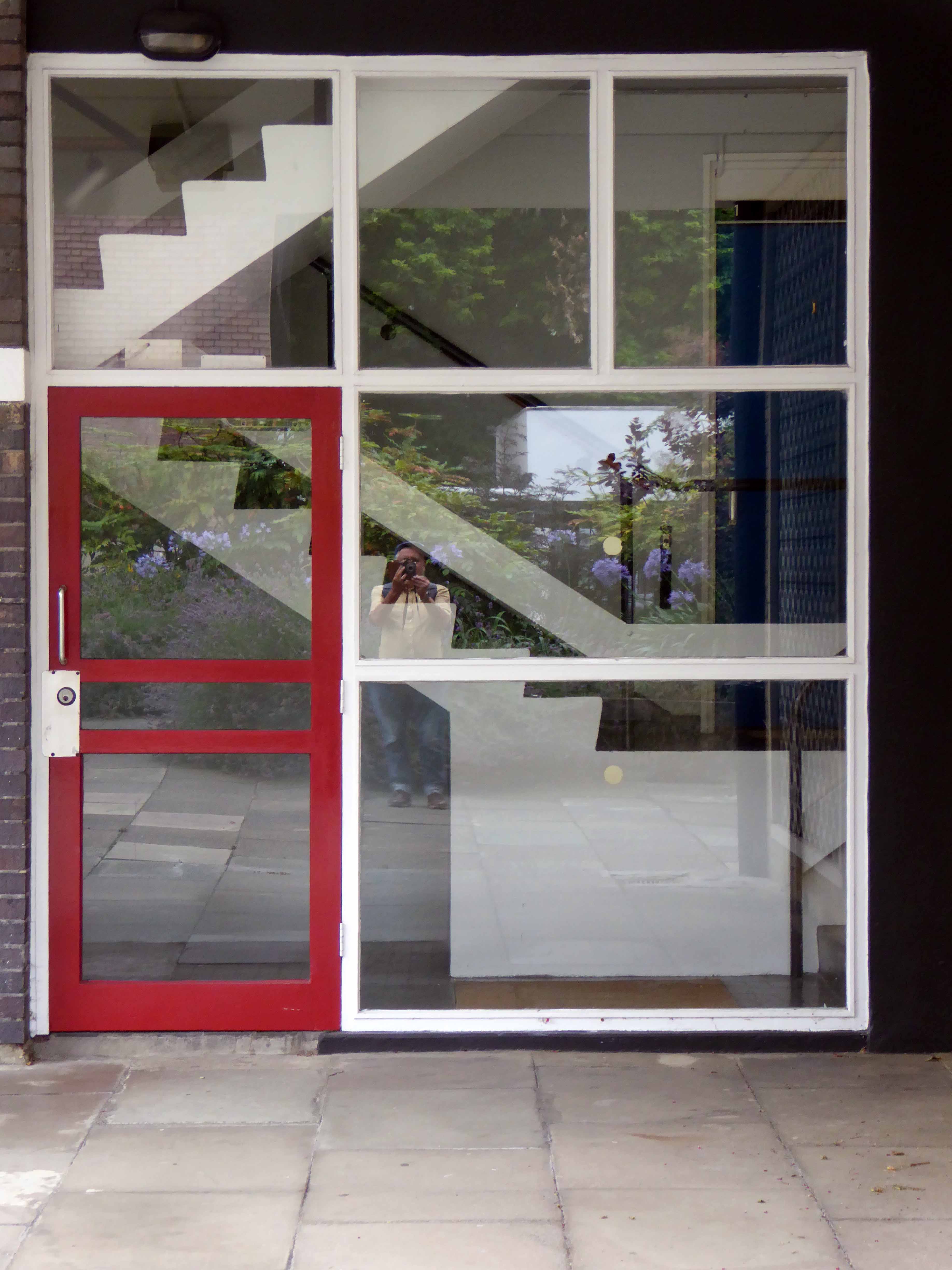
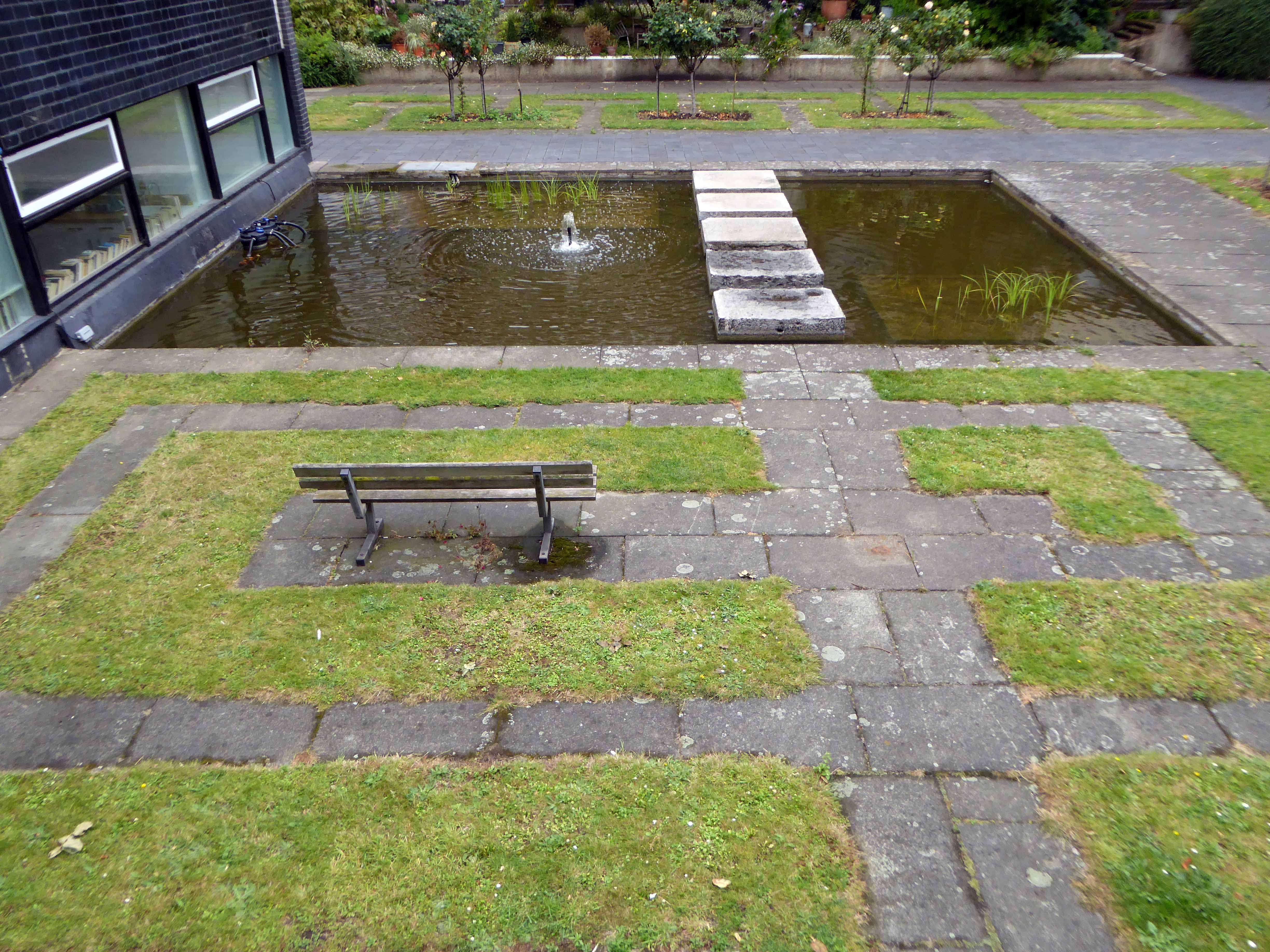
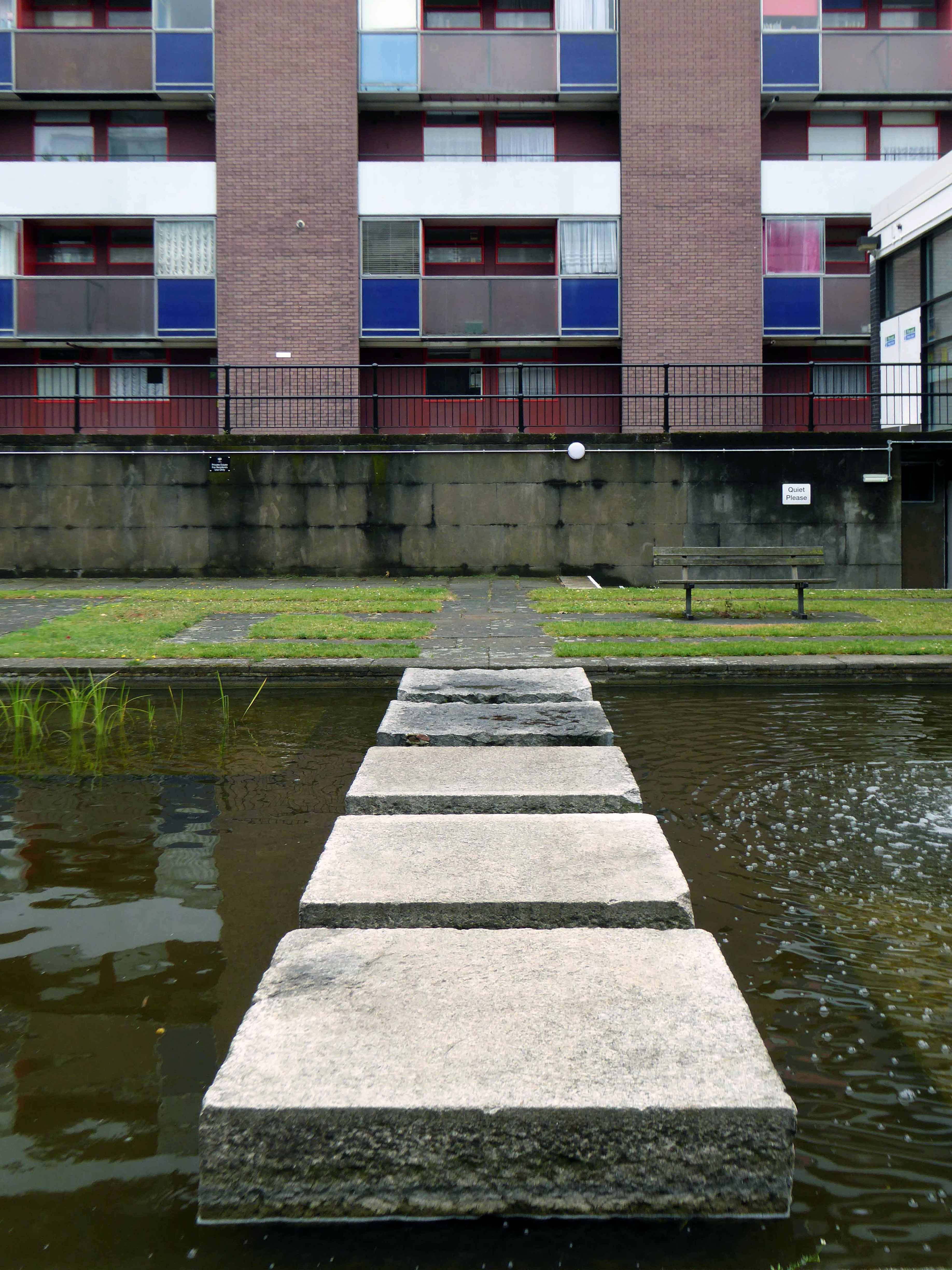
I stuck around too take a look, struck by the variety of scale, detail and space within a relatively tight integrated development. Mature greenery abounds along with a delightful water feature.

It would appear that following the 70s right to buy the estate is a 50/50 mix of social and private ownership, relatively trouble free and well maintained, something of an anomaly in our go-ahead, left behind land.

Go take a look for yourself see what you think.

Blank Street – Ancoats

As with all things material and corporeal there was a time when you simply didn’t exist.

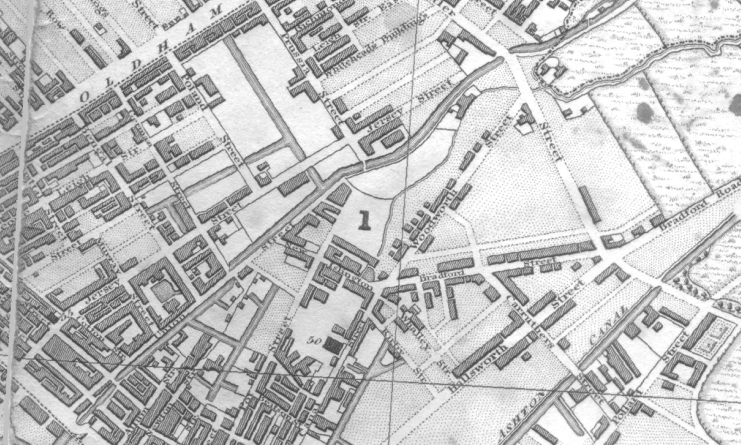
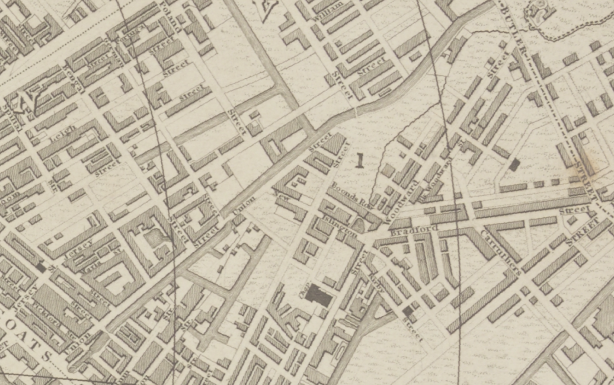
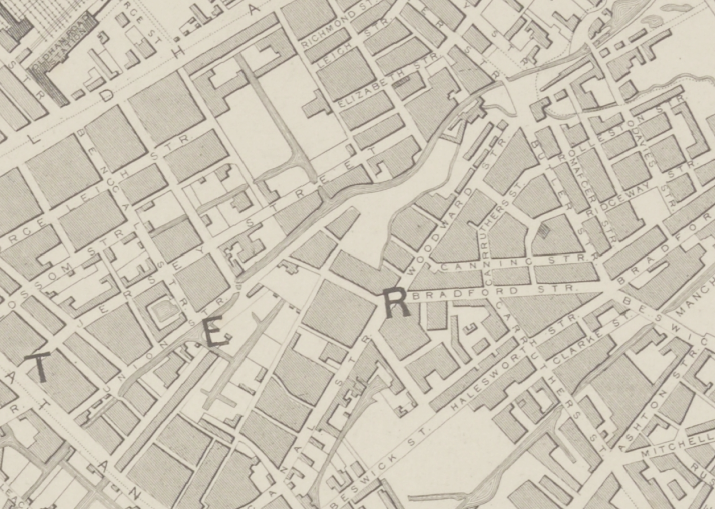
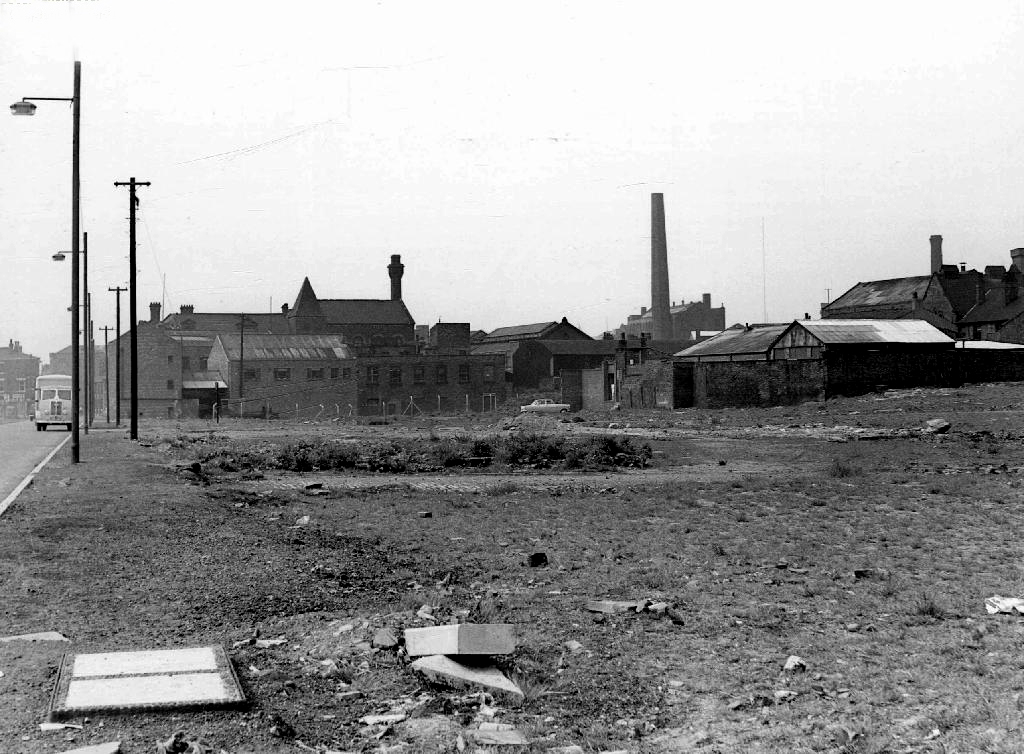
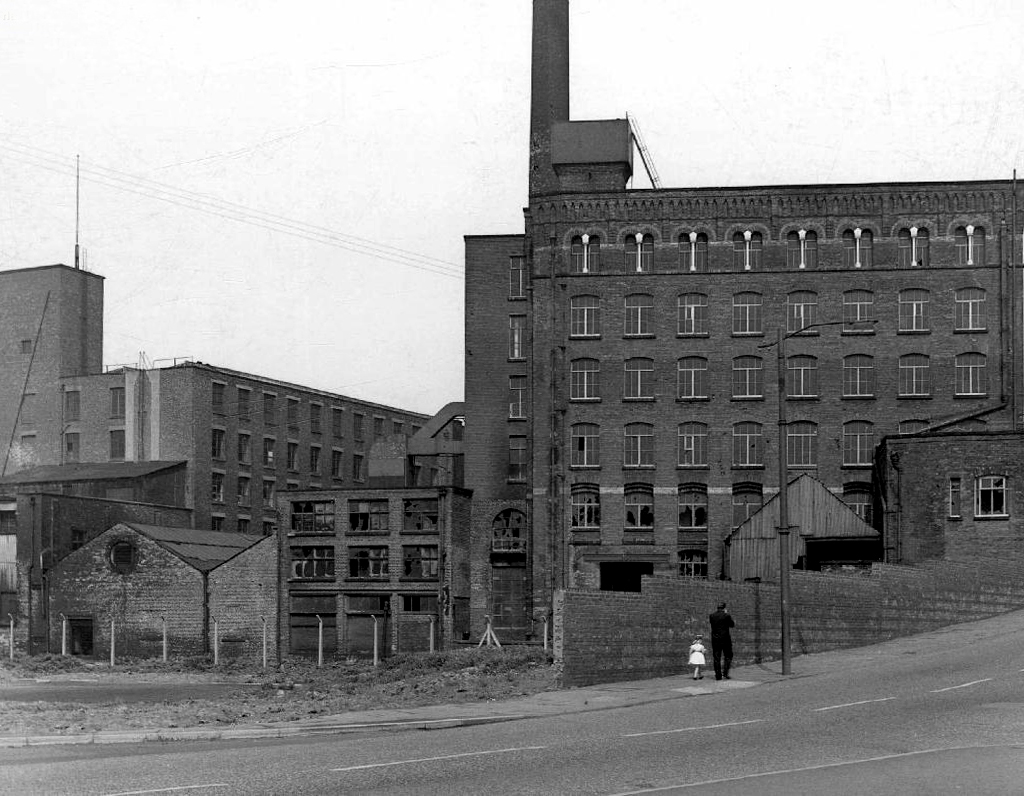
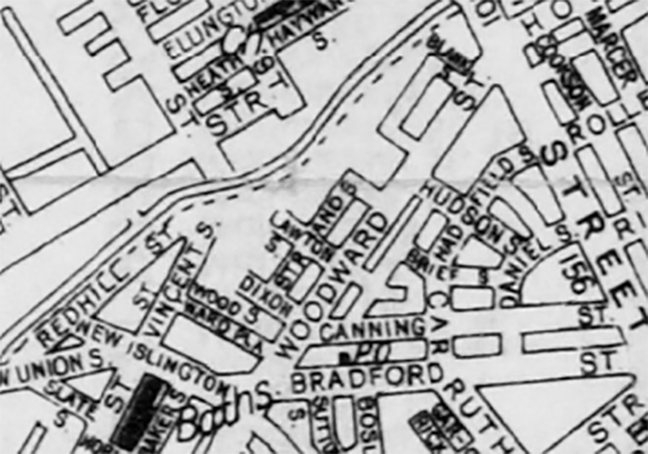
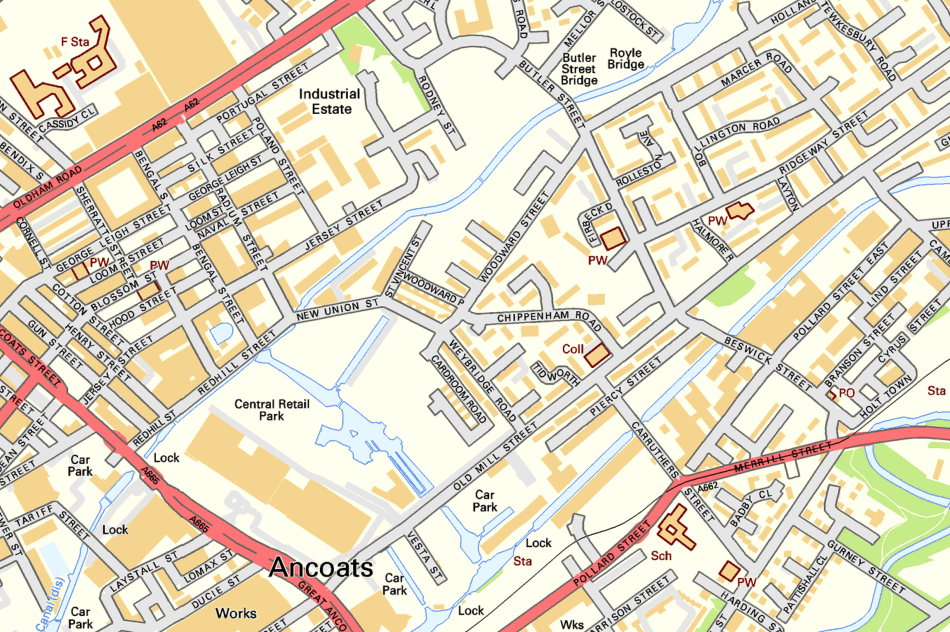
1860 adjacent to Woodward Street and the Rochdale Canal, a simple agglomeration of loose limbed industrial buildings and such – yet to be christened Blank.

adjective

  1.  Unrelieved by decorative or other features; bare, empty, or plain a blank wall.
  2. Showing a lack of comprehension or reaction – we were met by blank looks – synonyms: expressionless, empty, vacant, deadpan, wooden, stony, impassive, inanimate, vacuous, glazed, fixed, lifeless, uninterested, emotionless, unresponsive, inscrutable.

noun

  1. A space left to be filled in a document – leave blanks to type in the appropriate names – synonyms: space, gap, blank space, empty space.
  2. A cartridge containing gunpowder but no bullet, used for training or as a signal.

verb

  1. Make (something) blank or empty – electronic countermeasures blanked out the radar signals.
  2.  Informal North American defeat (a sports team) without allowing them to score – Baltimore blanked Toronto in a 7–0 victory.

Though contradictorily I have found reference to a bankrupt foundry in the London Gazette 1857.

You appear again during the Manchester Blitz.

By 1960 you are on the map and the area is on the up and up.

Though I have to ask the question of the namers of streets – why so Blank, an off day at the office – we have whole blocks named for poets, painters, and far flung places, so why so Blank?

Hadn’t they heard of nominative determinism – born to be Blank.

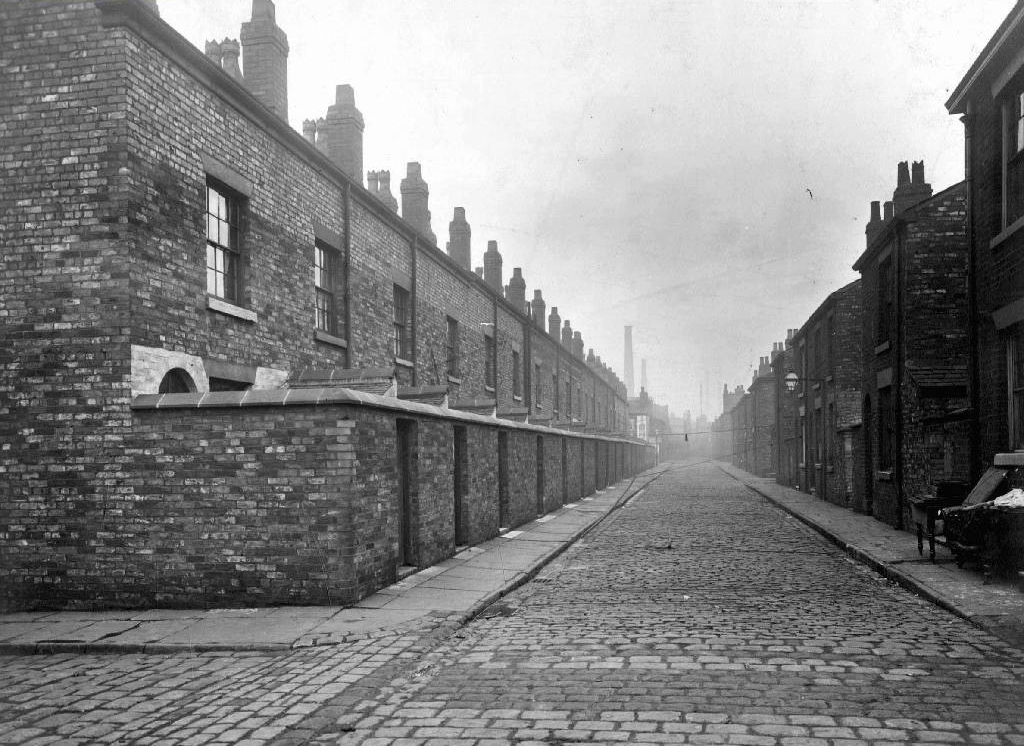
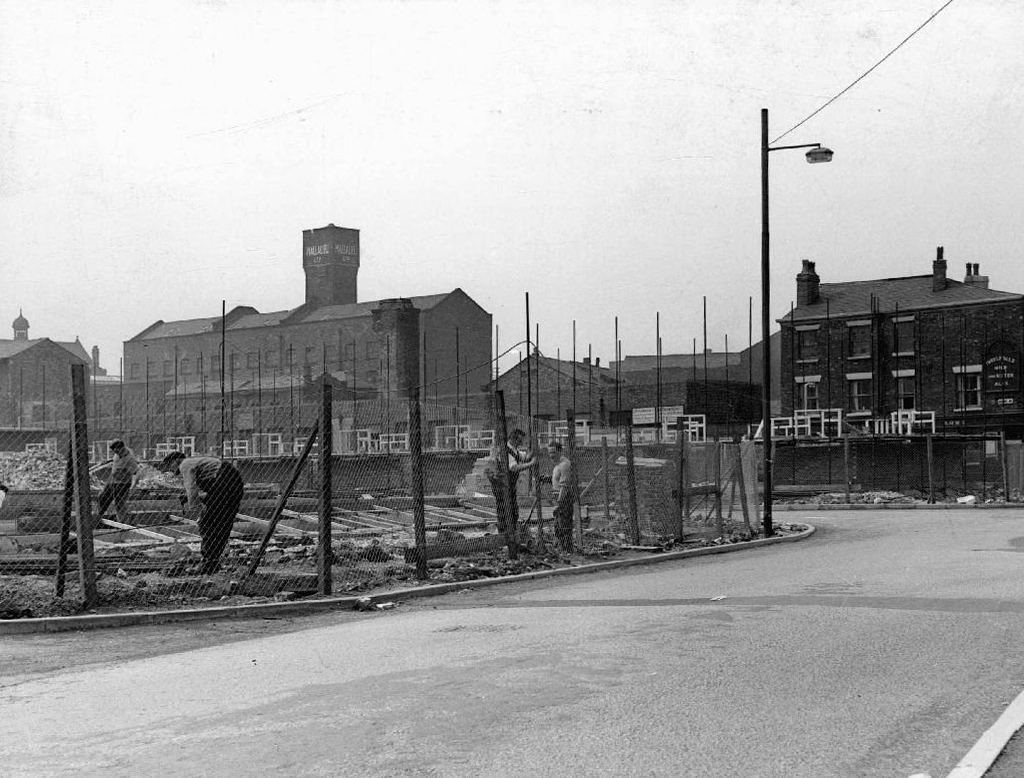
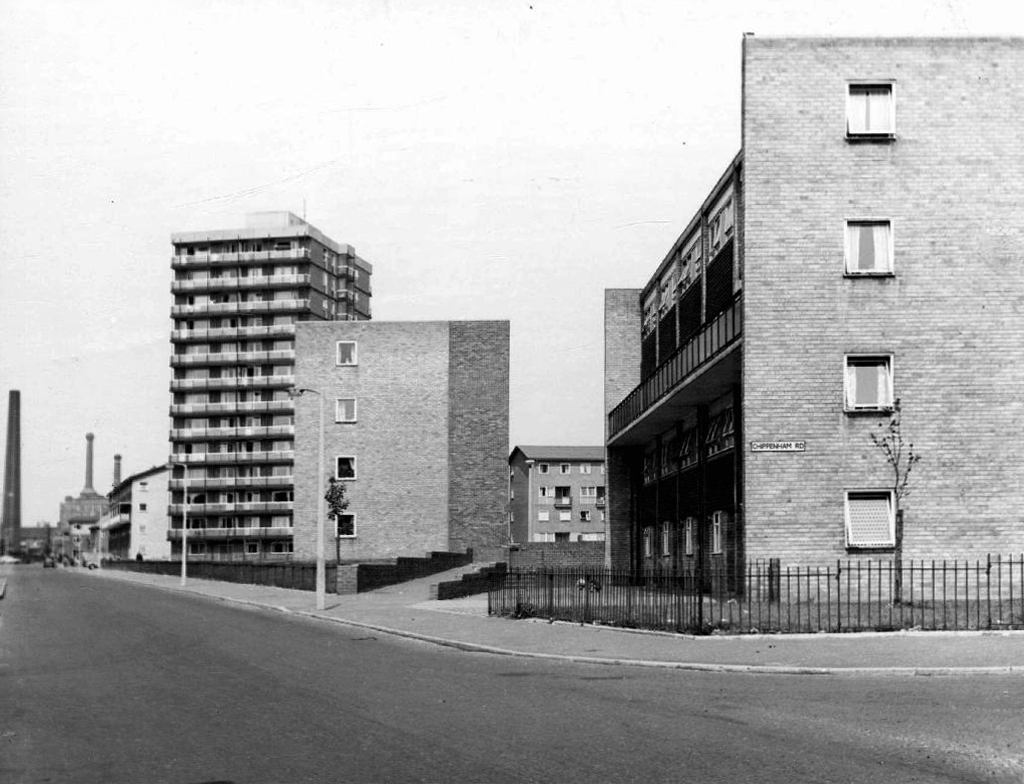
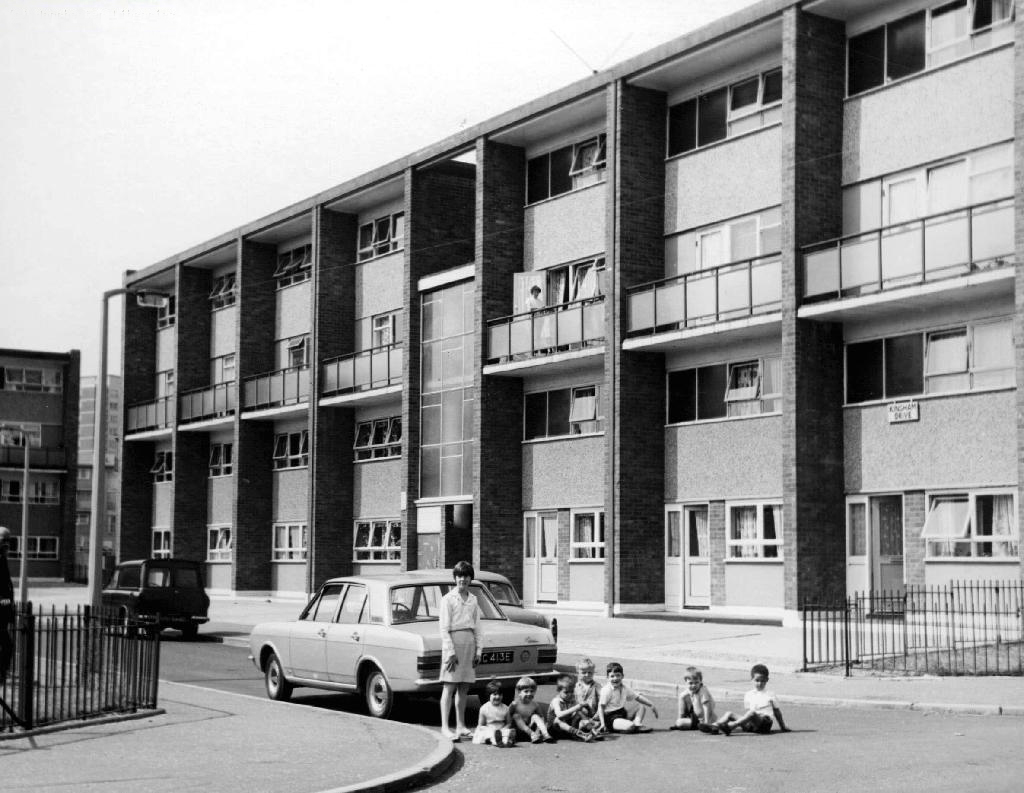
Whilst in search of a Brown Cow I found a photograph on the Local Image Collection of 60’s maisonettes in the area alongside Woodward Street.

This Municipal Modernist development seems to have been short-lived and subject to yet more demolition in the area, to be replaced by late 70’s terraced housing.

Blank Street inexplicably became Fulmer Drive.

Which in turn had been tinned up and demolished around 2008.

How did that happen – seemingly viable homes previously changing hands for £100,000 deemed surplus to requirements – land banking, ahead of an as yet unseen masterplan?

Your life was short and sharp – shaped by economic shifts, world war and the local authorities ephemeral housing policies. There is little evidence of your existence, photographic or otherwise, so I want to set the record straight – draw a blank.

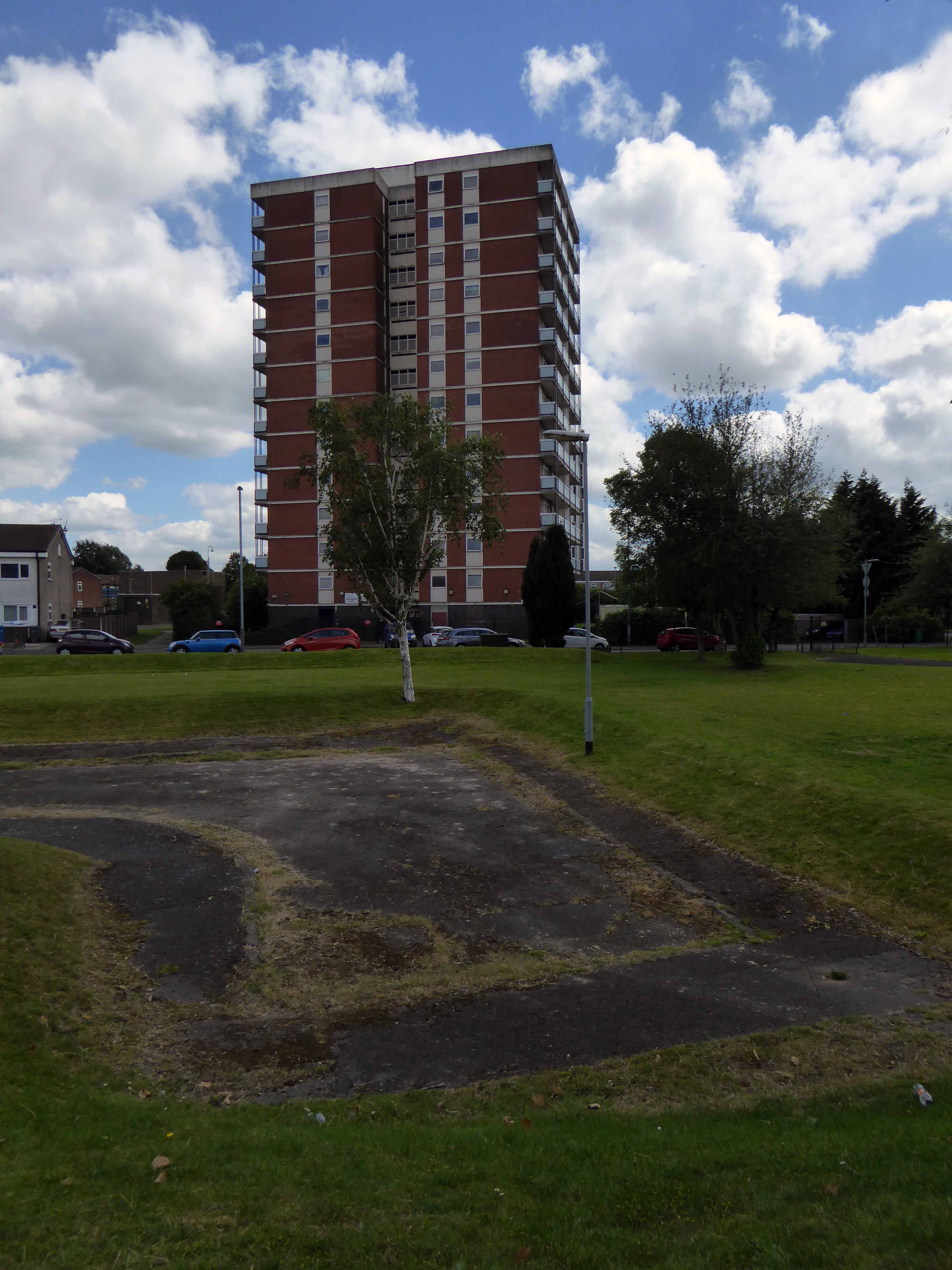
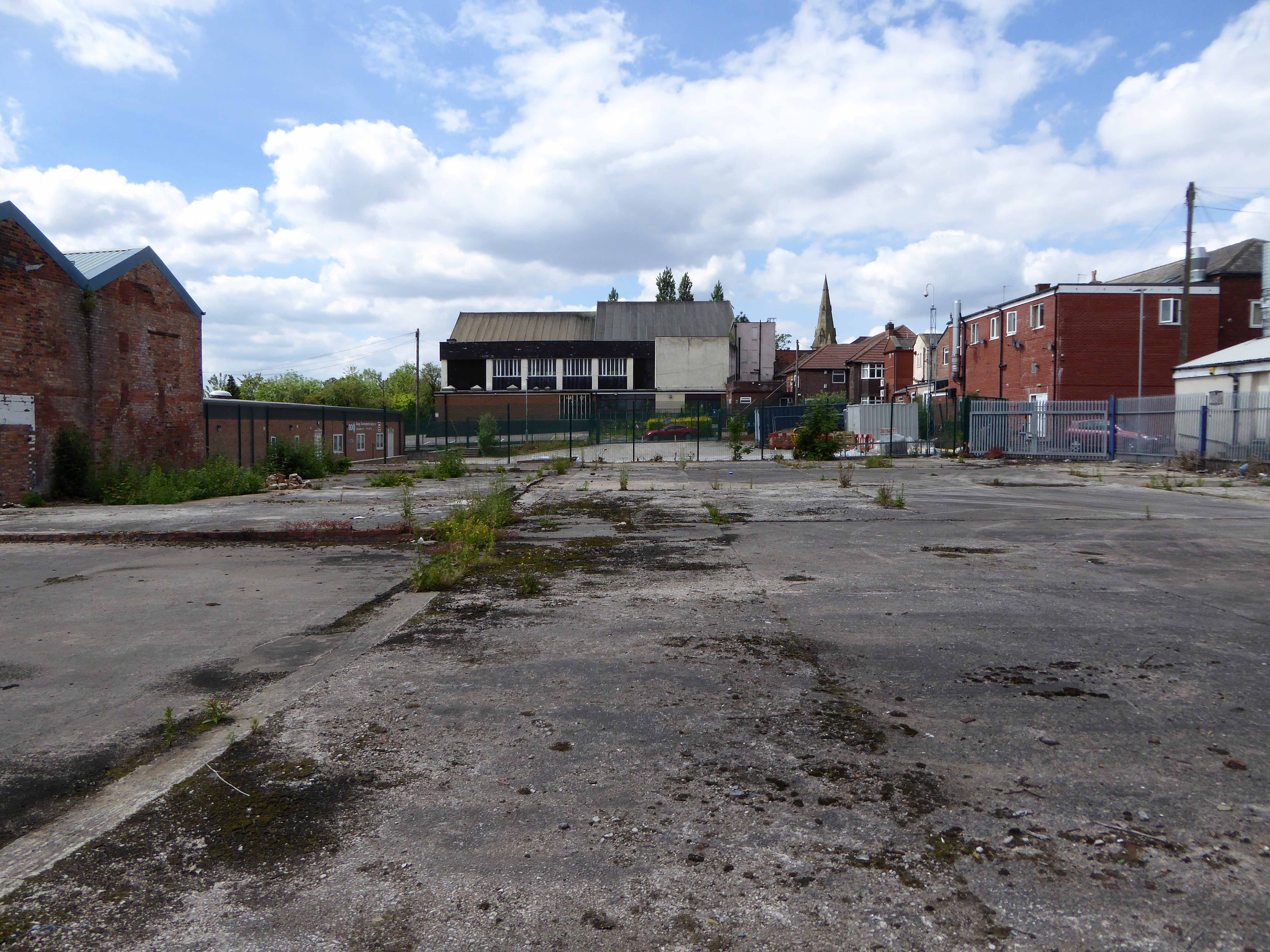
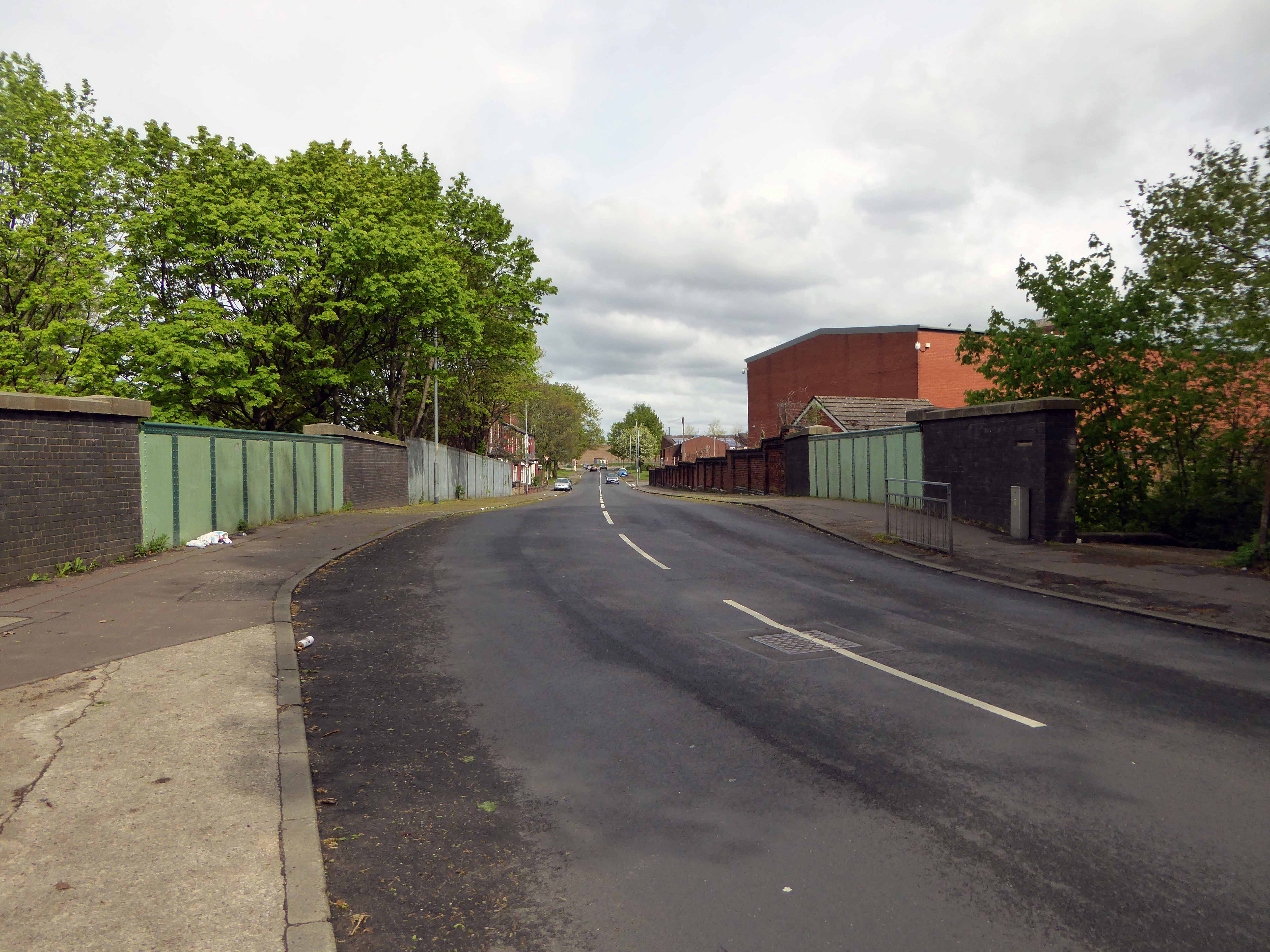
Here you are as of July 2019 – tarmac intact, drains fully functioning, pavements paved, awaiting orders. A circuitous run of grassy ridges resembling the remains of some Roman or Iron Age fortification.

Where do we go from here?

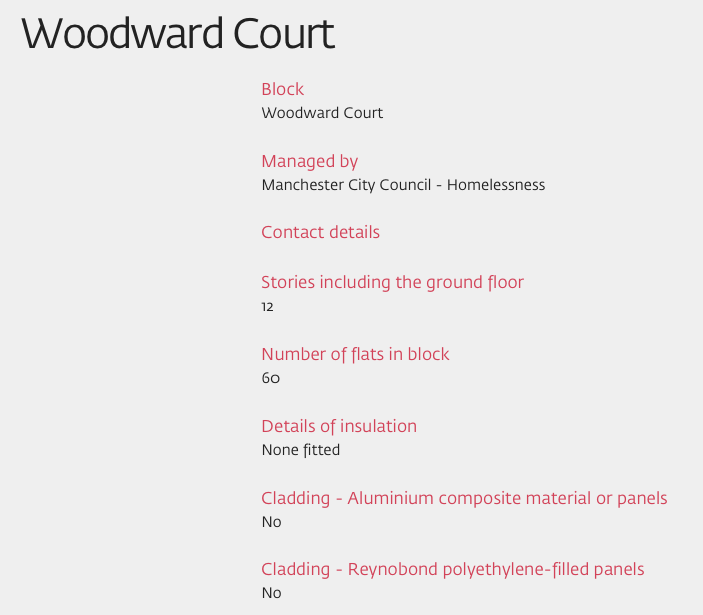
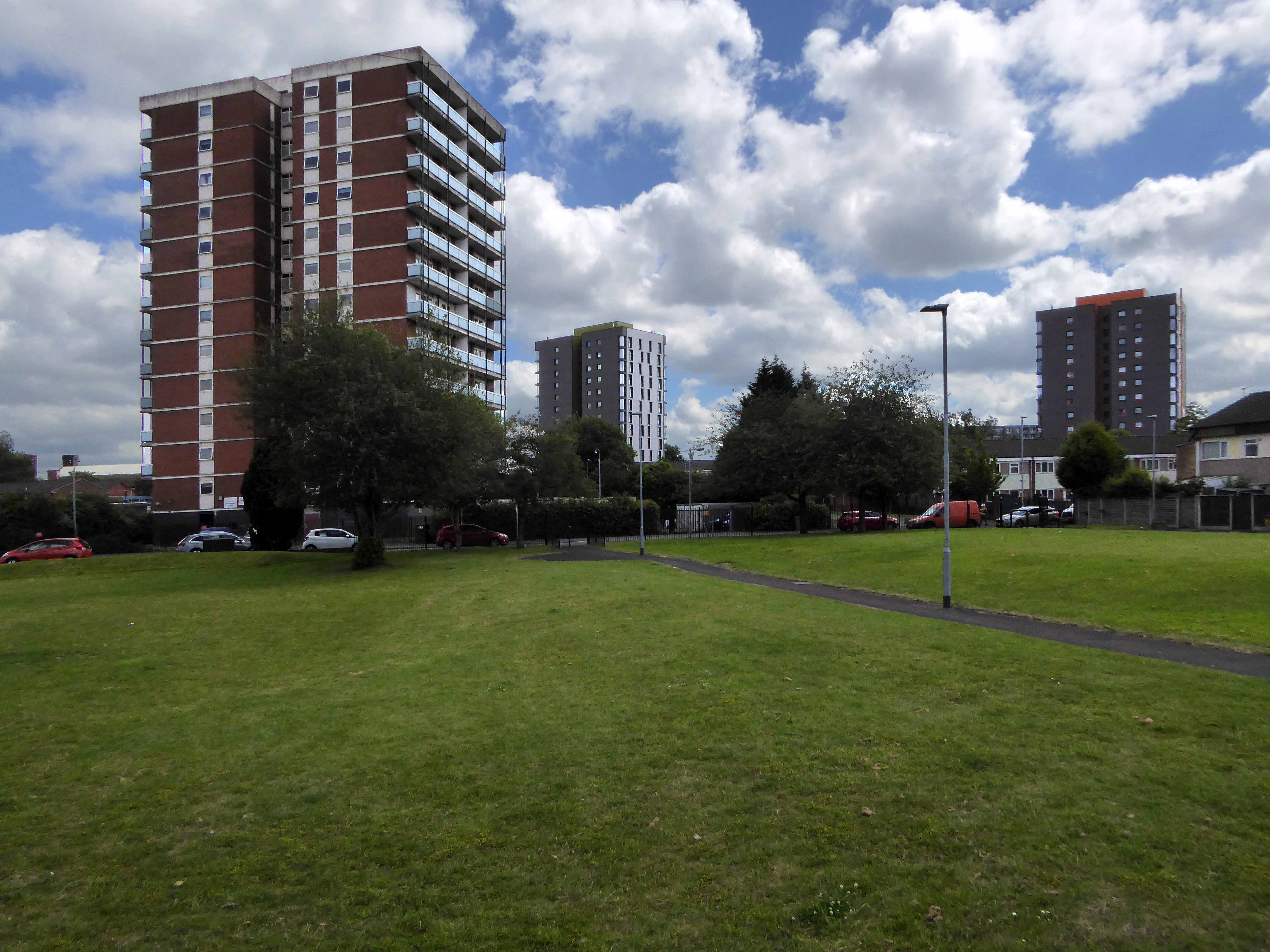
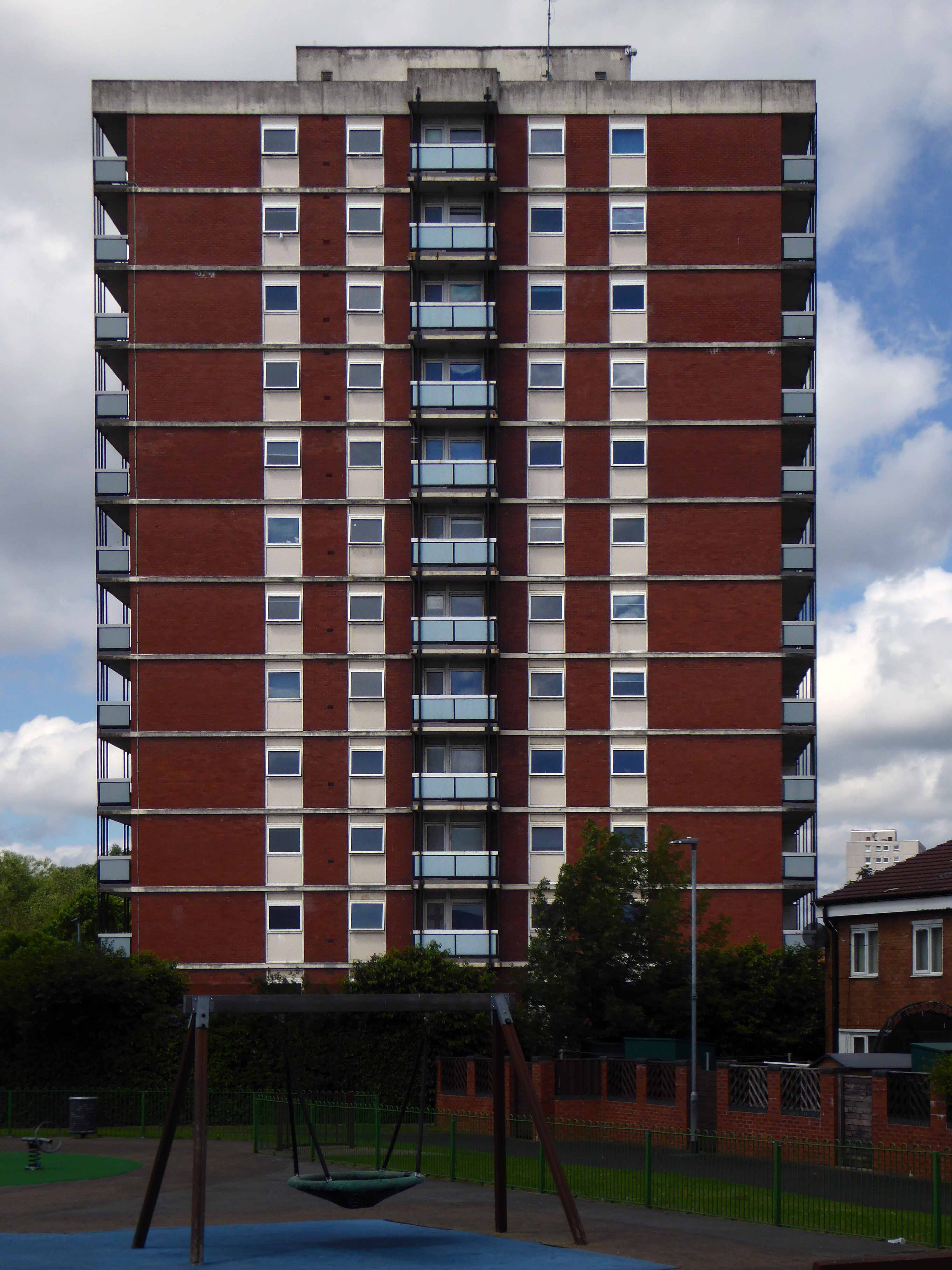
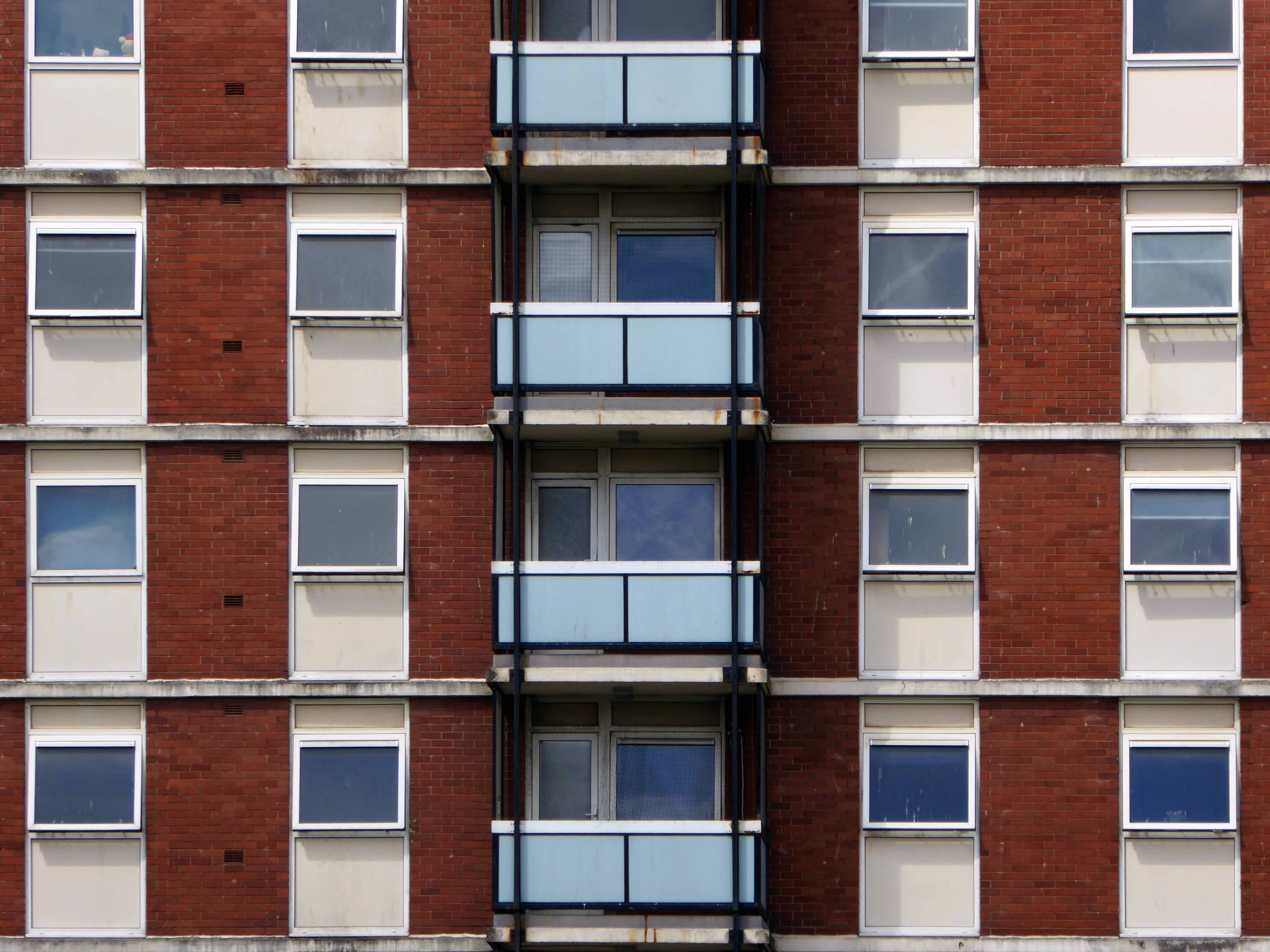
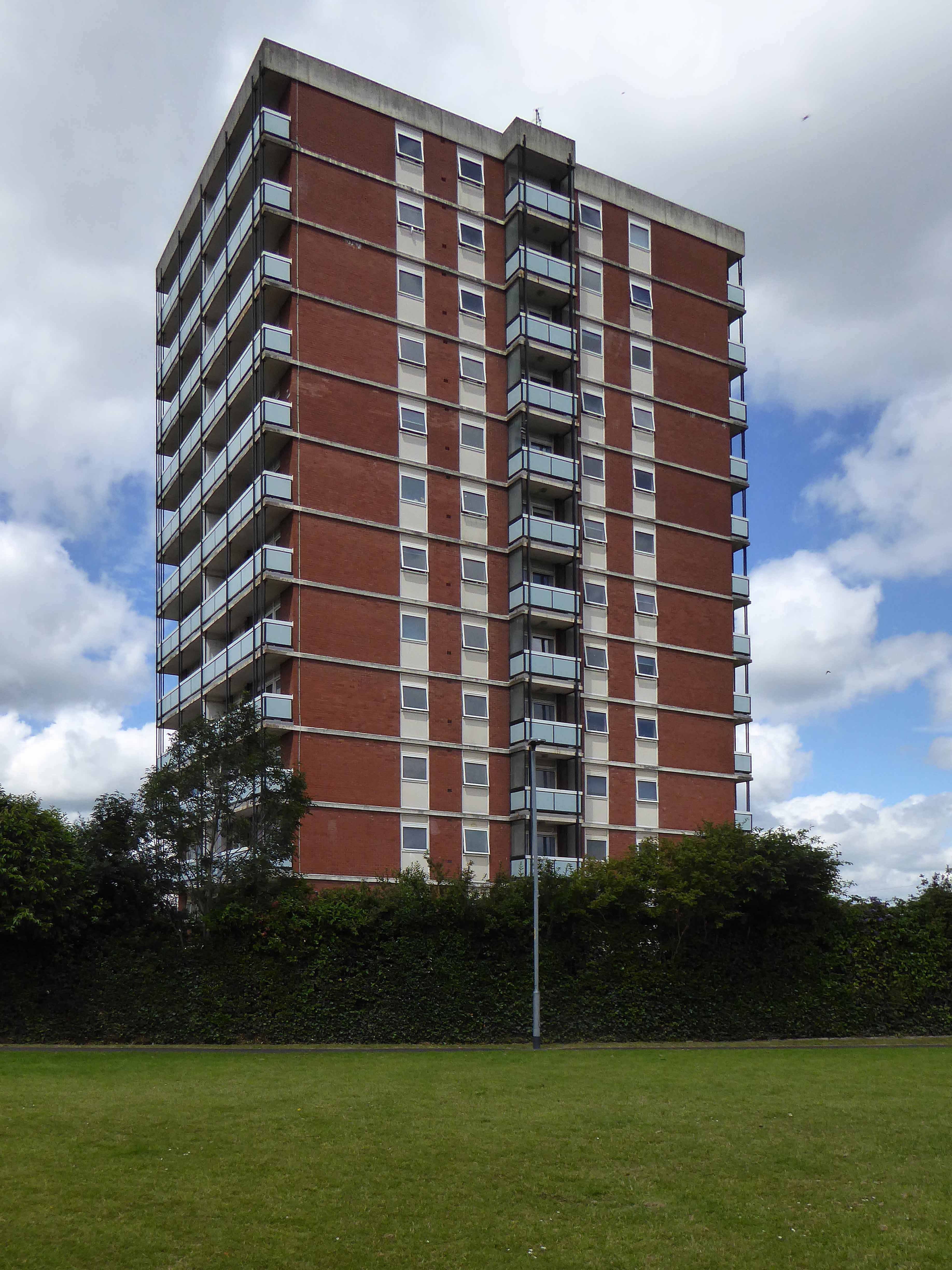
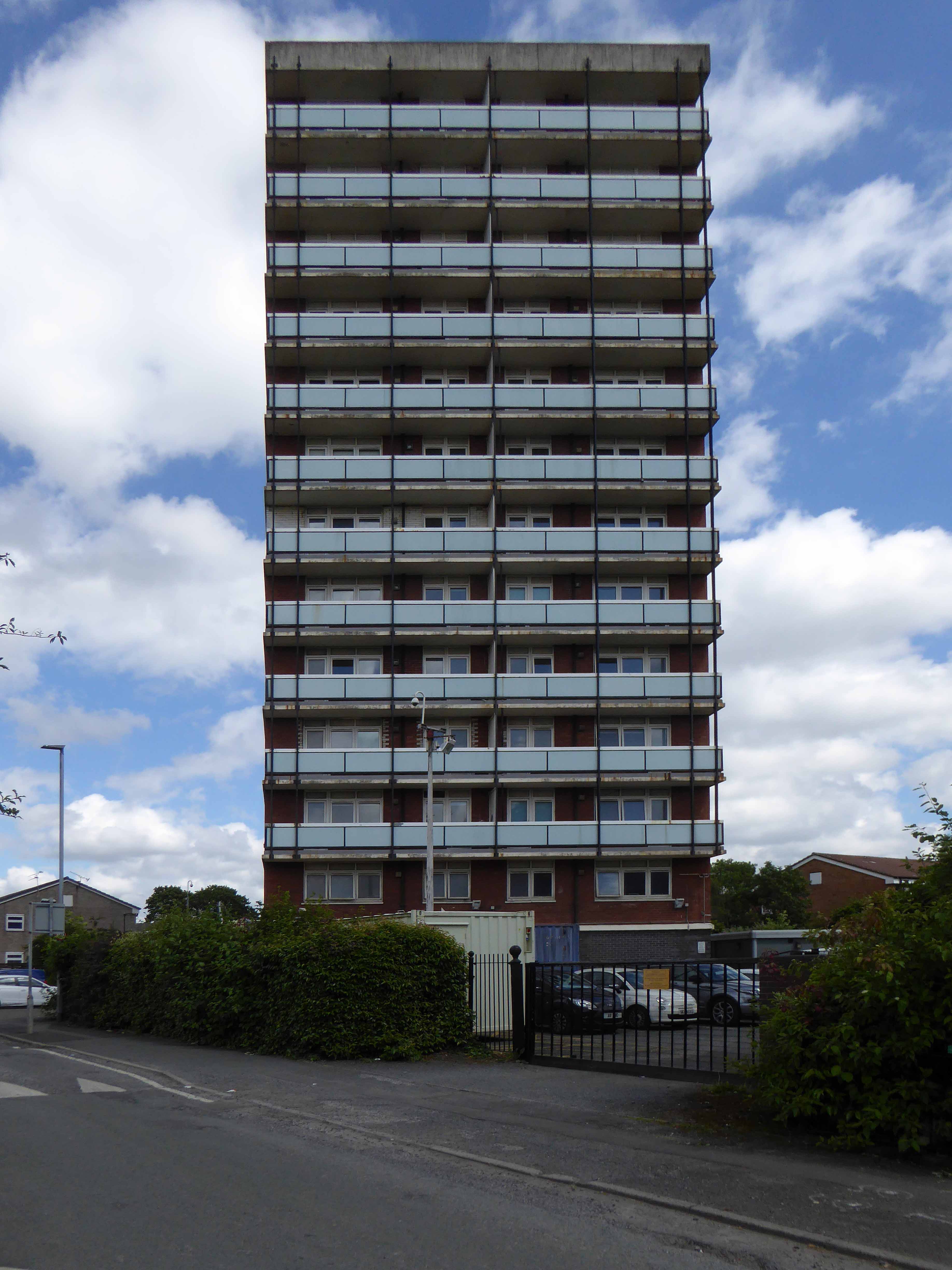
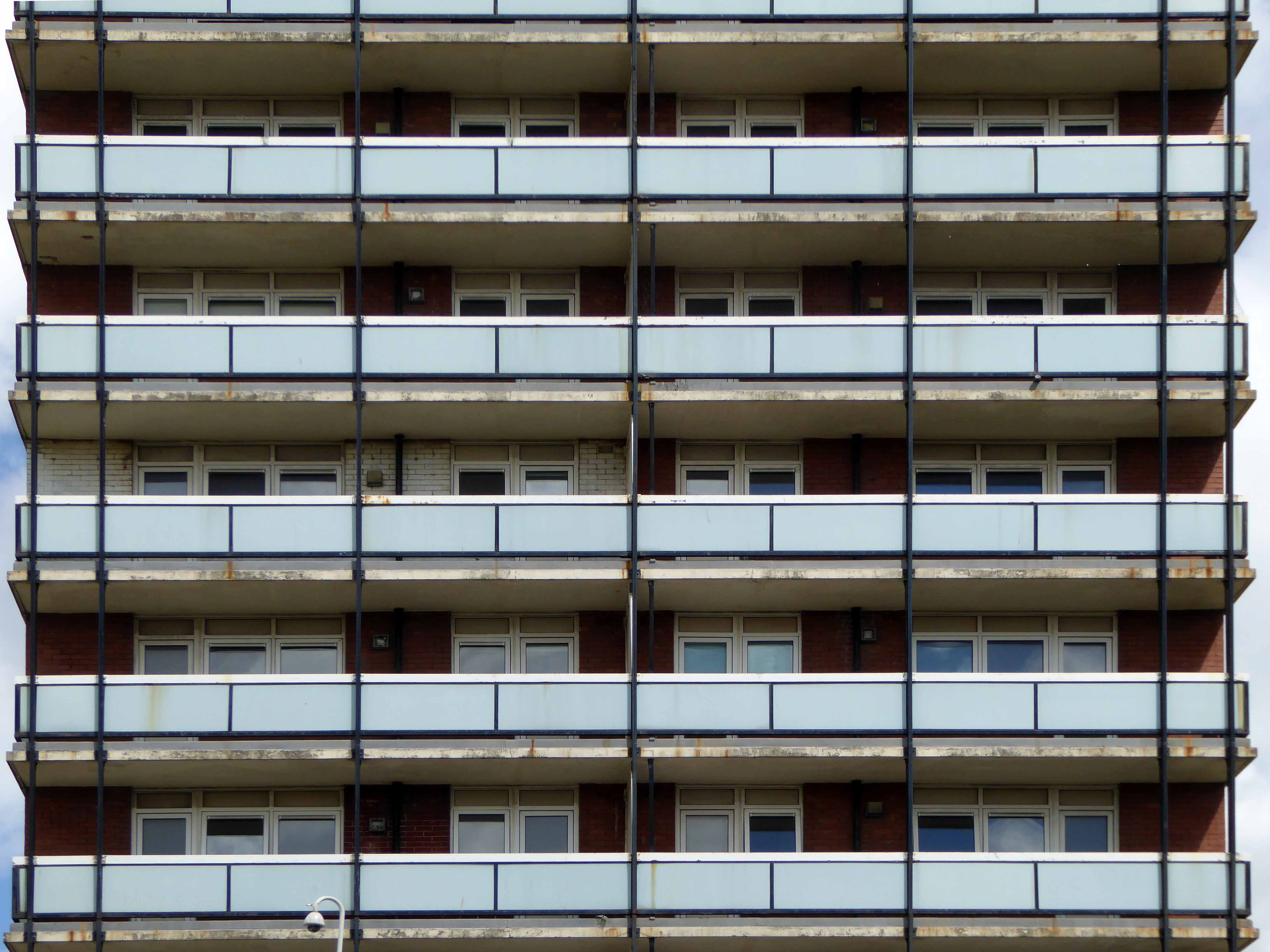
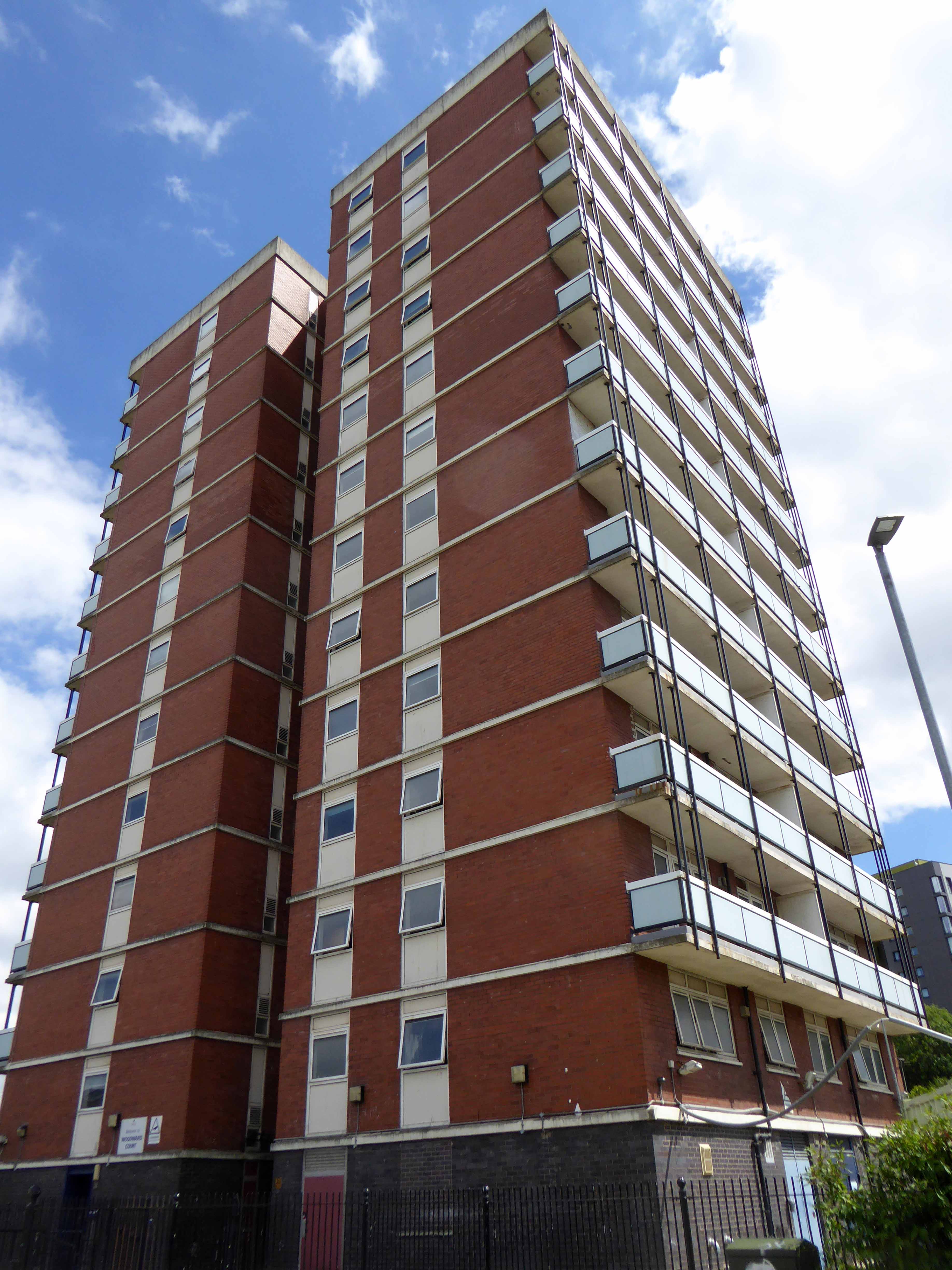
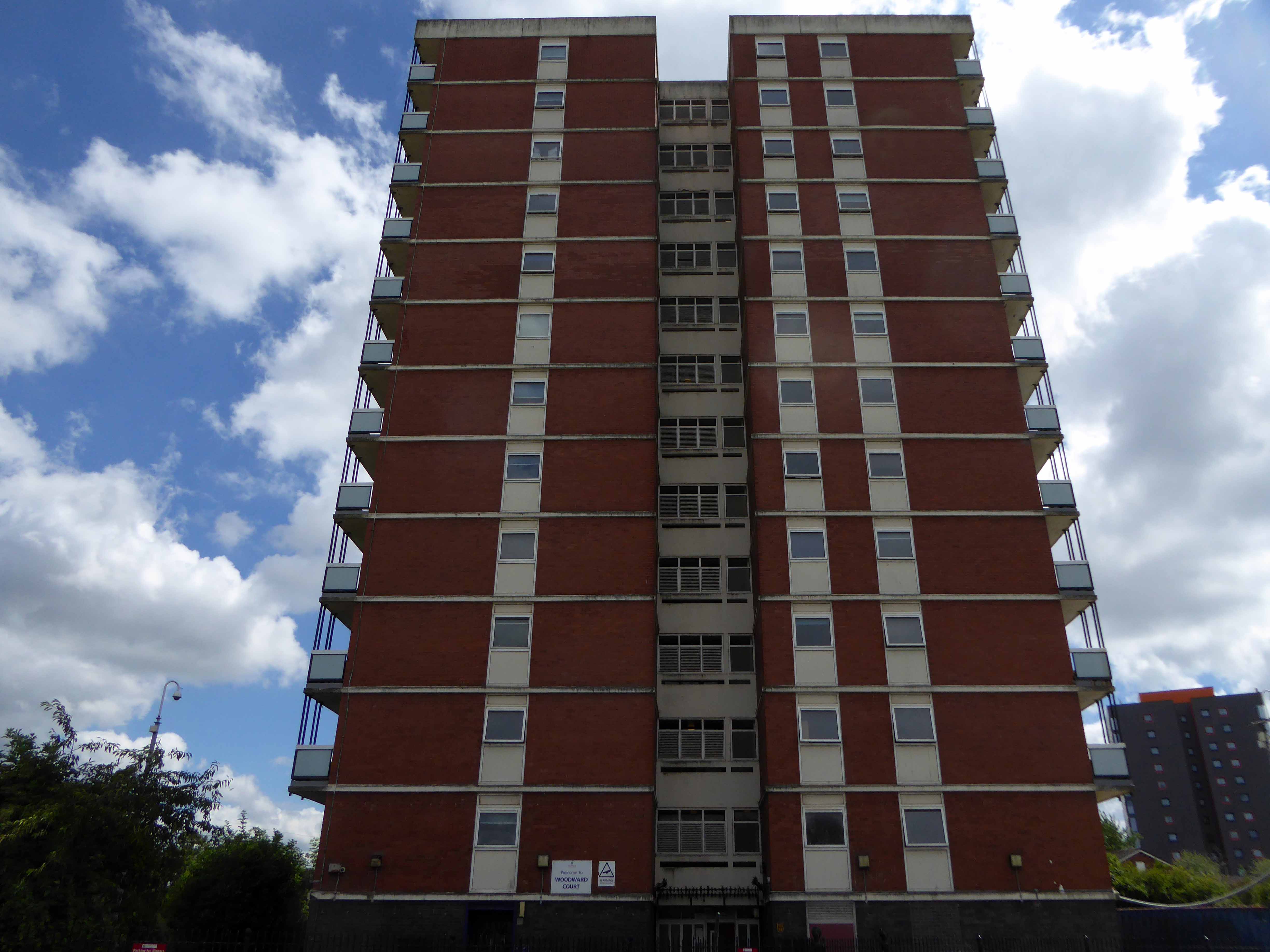
Woodward Court Woodward Street – Ancoats Manchester

“What’s going on?”

As Marvin Gaye so succinctly asked.

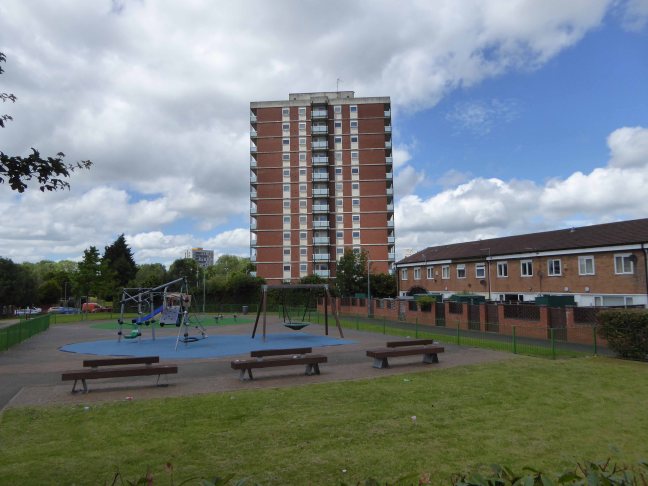
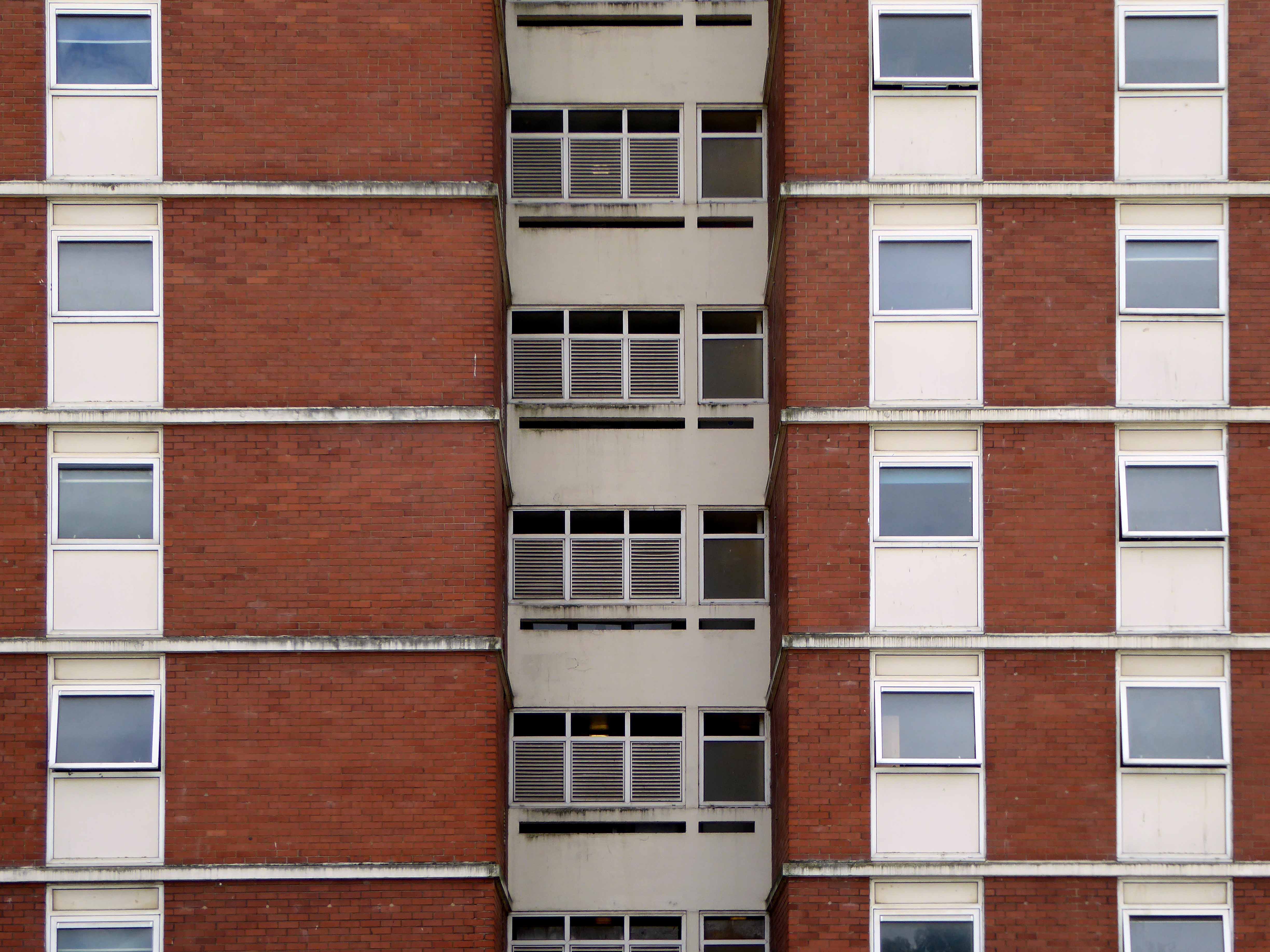
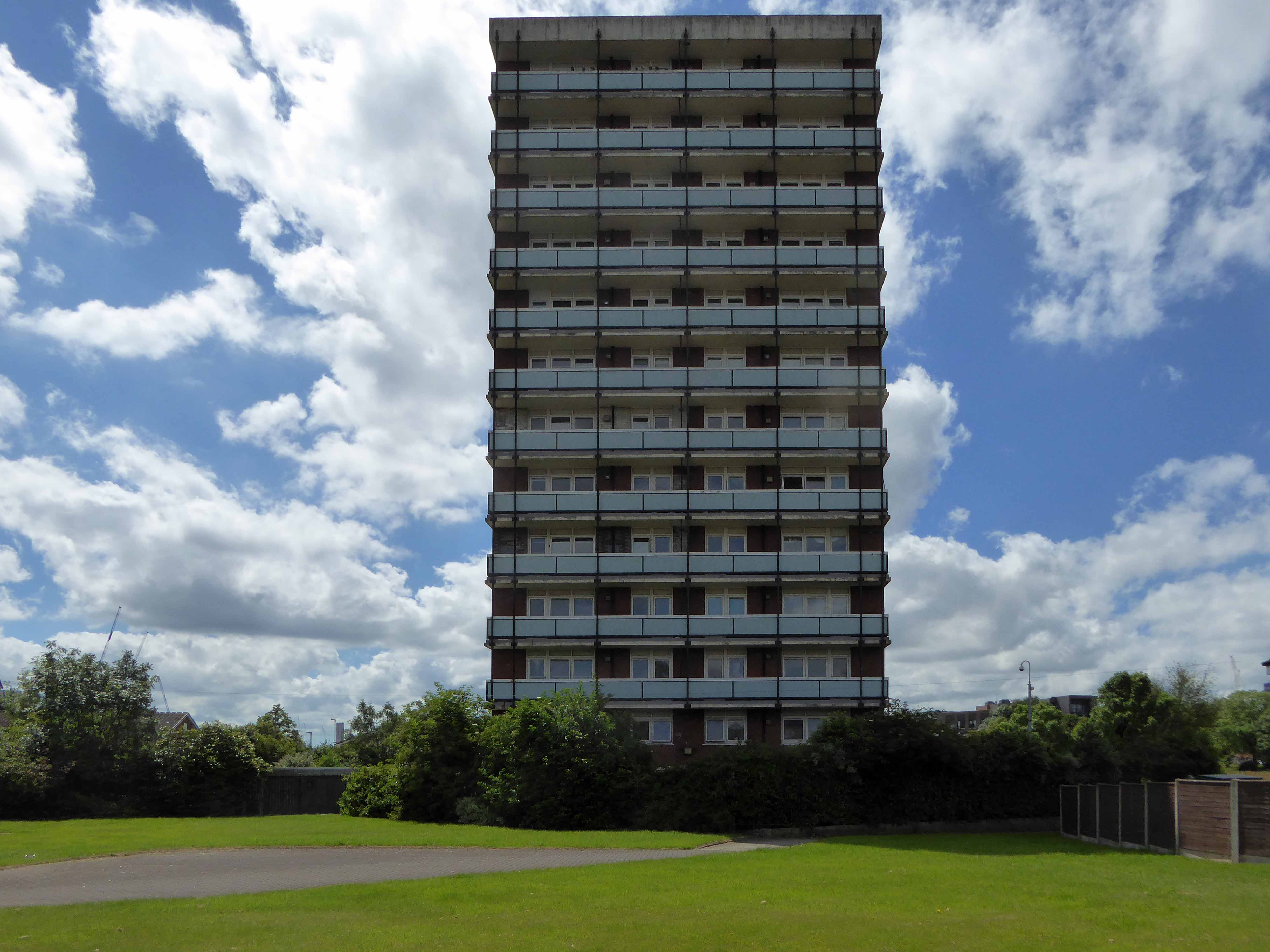
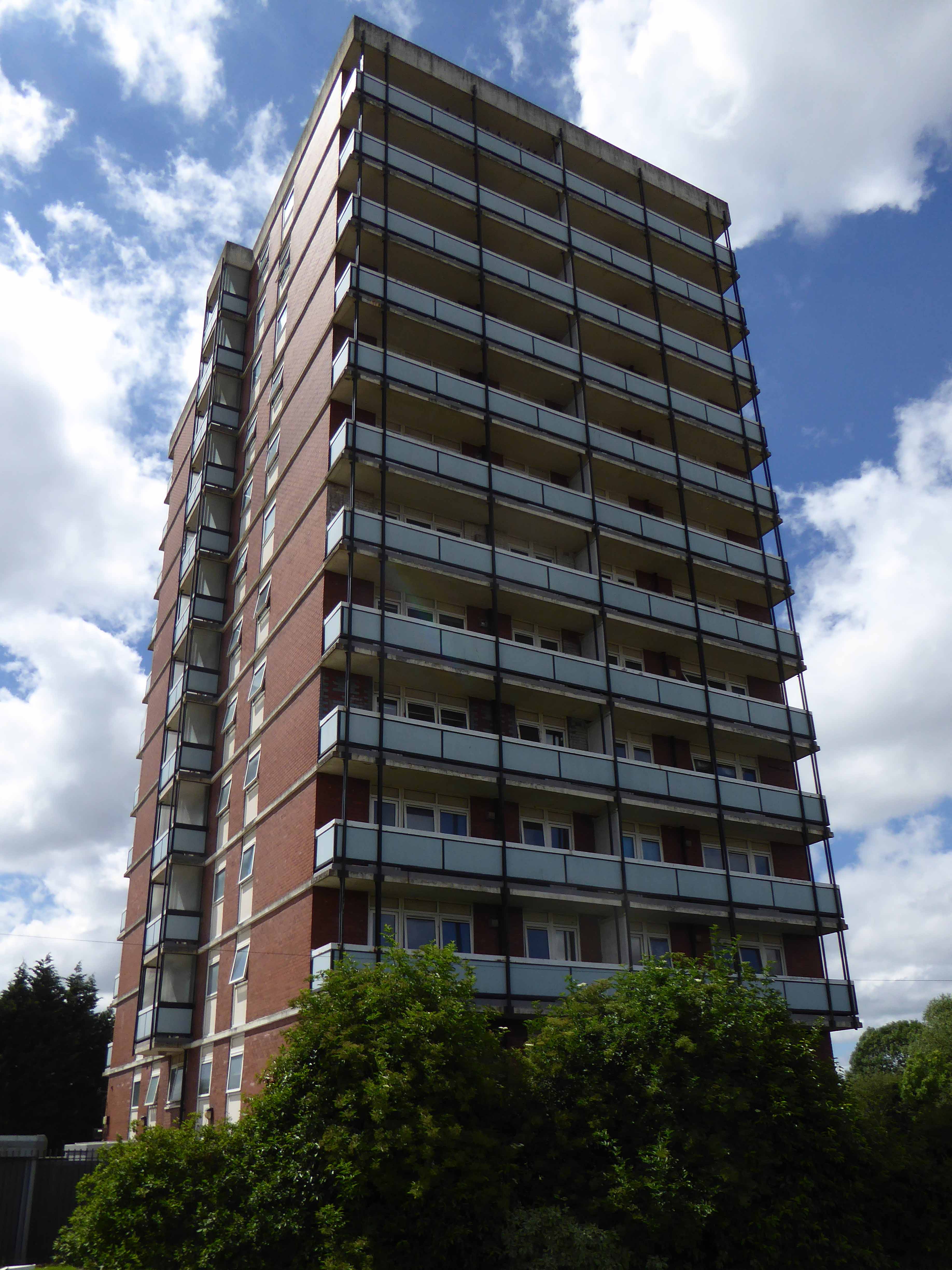
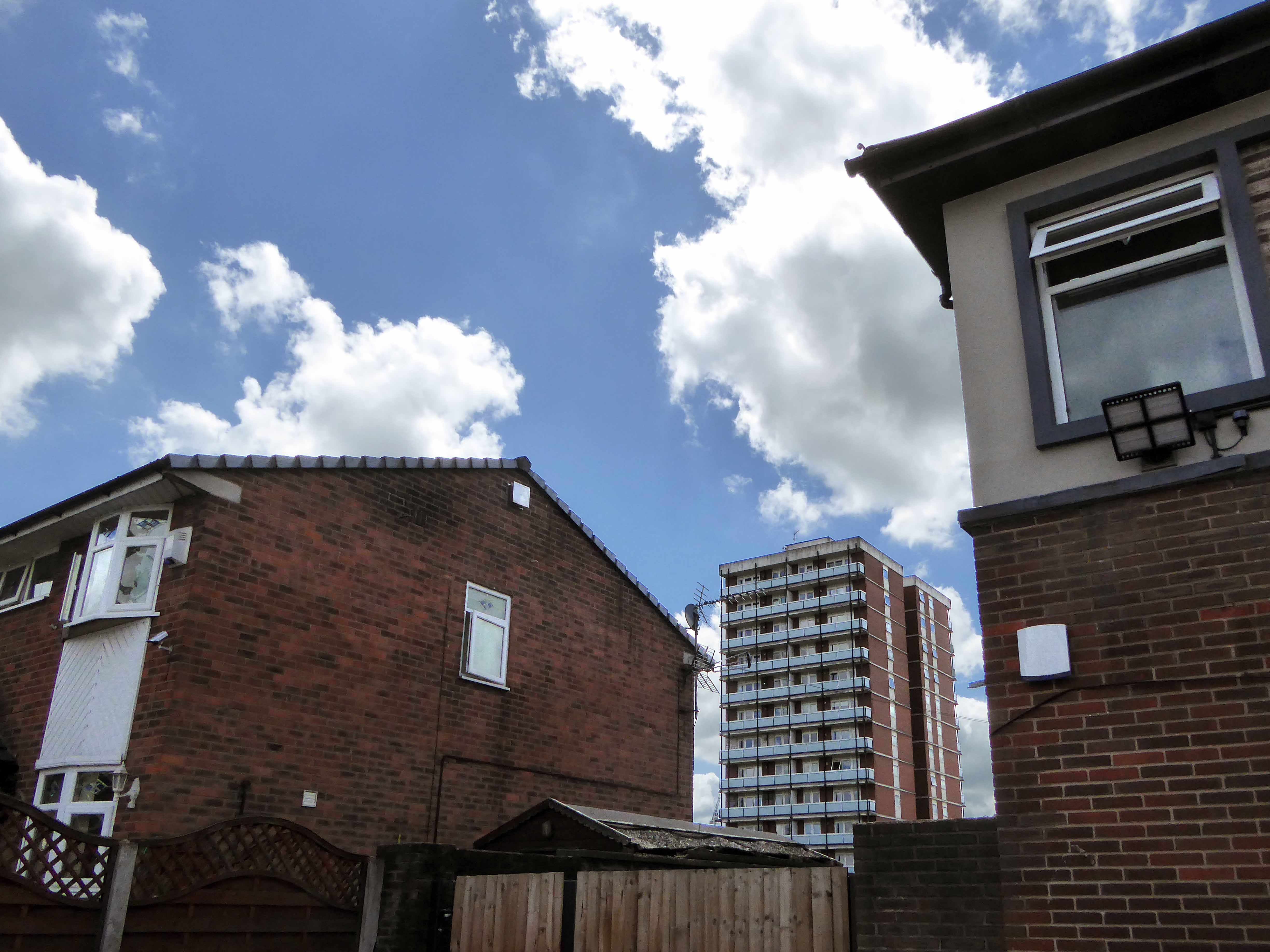
Why is there just one remaining tower block dancing unclad around Ancoats?

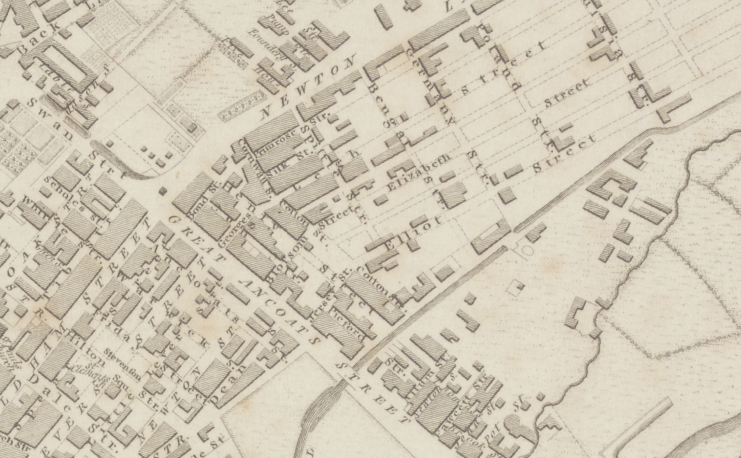
Let’s go back in time and see if we can find out – it seems that back in 1807 there wasn’t a Woodward Street to be found, the ever expanding industrial might of Manchester had not yet reached these particular green fields of Ancoats.

By 1824 it shows a fresh face to the world christened Woodworth Street, sparsely dotted with new development.

Almost fully formed in 1836 and renamed as Woodward Street, the area begins to accumulate the familiar domestic and industrial clutter of a burgeoning Victorian City.

By 1860 the street is fully formed and open for business.

Workers finding homes in austere and functional brick back to backs, typical of the period’s housing.

Fast forward to the early Sixties and the street is showing signs of age – the century old industries are already in decline, steady jobs, mills and factories gone west and east, well-worn housing looking terminally tired and in need of a little care and attention.

But wait what’s this coming around the bend?

The first wave of urban regeneration, post war optimism incarnate, a bright new shiny future – out with the old and in with the new, as Municipal Modernism stamps its big broad architectural feet all over Woodward Street.

Archival photographs from Manchester Local Image Collection

Our story is far from over, this optimism is short-lived the homes, houses and industry are swept away yet again, replaced with two story modern terraced housing and an all too obvious absence of regular employment – yet the tower blocks prevailed.

Former streets were over written and remain as poignant vestigial marks in the landscape.

Grand plans are made for their revival.

Paul Daly

Though their future was built on more than somewhat shifting and uncertain sands.

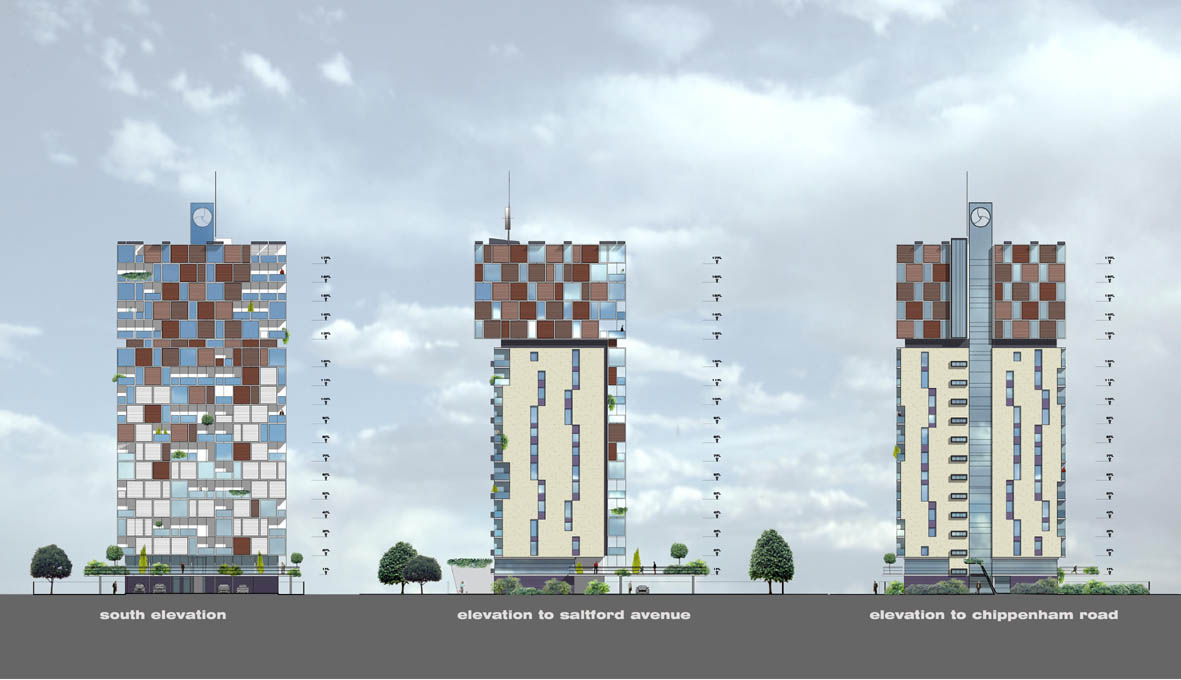
A tower block has been left lying empty for a whopping 18 years. The 13-storey building at Saltford Court in Ancoats has been unoccupied since Manchester council closed it in the 1990s. It was bought by top developers Urban Splash six years ago but residents have now hit out about it still being empty. Neighbours of Saltford Court say it has become an ‘eyesore’ and magnet for vermin since the firm bought it.

Manchester Evening News 2012

A large group of blocks stood tinned up and unloved, yet owned, for a number of years, victims one supposes of land-bankers, developers speculating on an even better return, as the warm waves of gentrification washed slowly over them, from nearby New Islington.

All but one was refurbished, clad and re-let.

Woodward Court was spared – set aside for the homeless.

A period piece surrounded by Post Modern and Revivalist pretenders.

Why not go take a look.

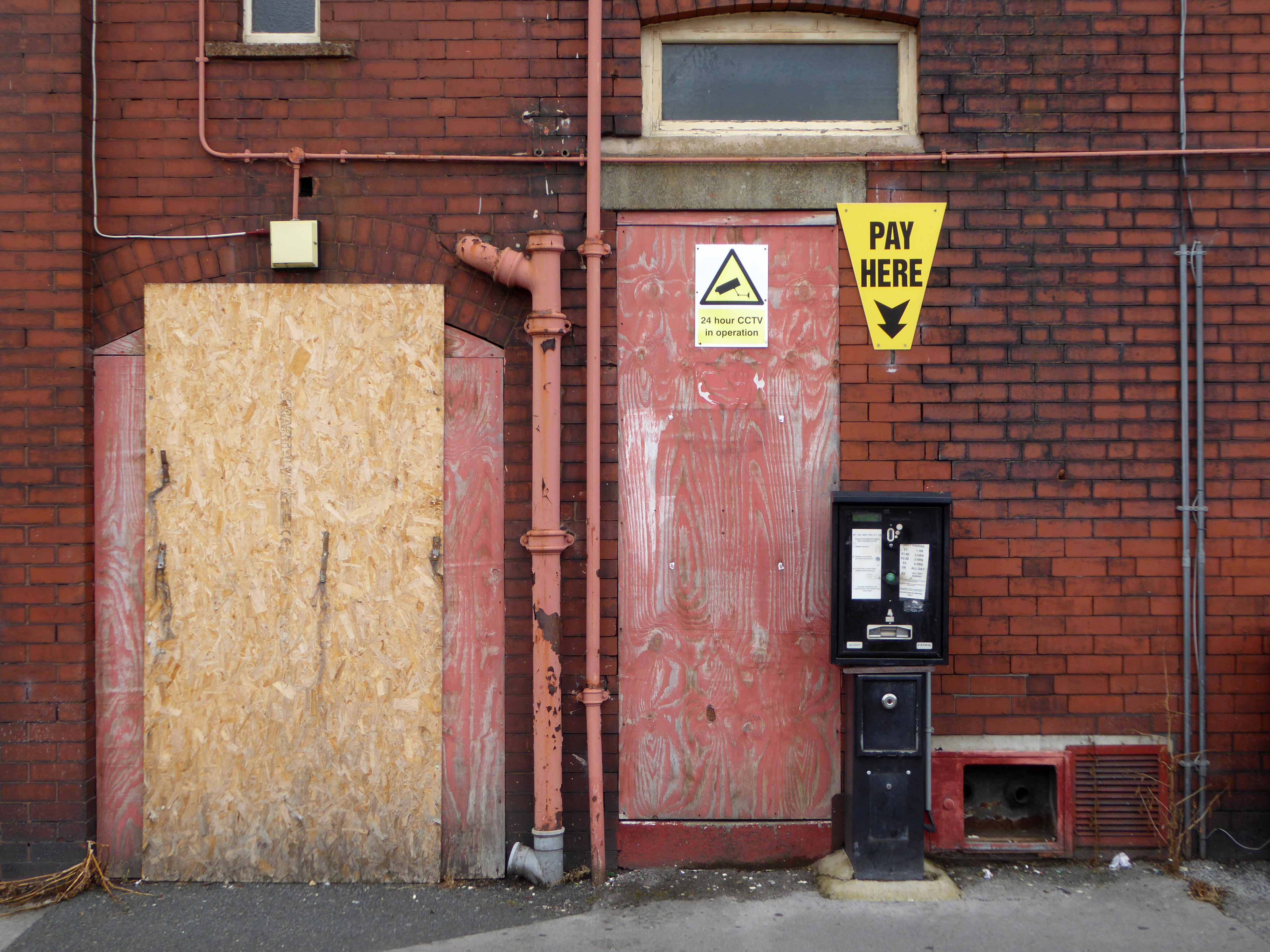
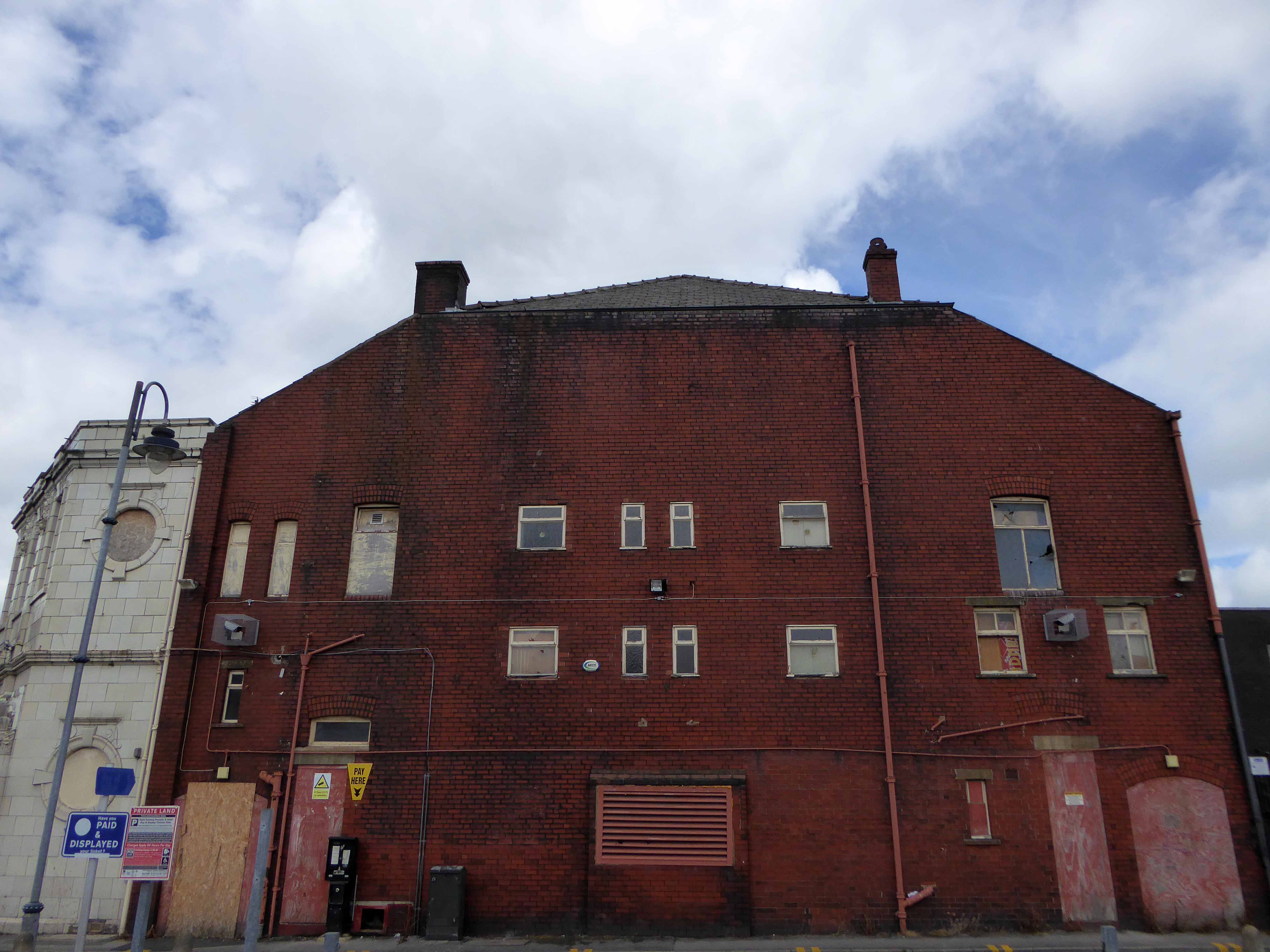
Odeon – Guide Bridge

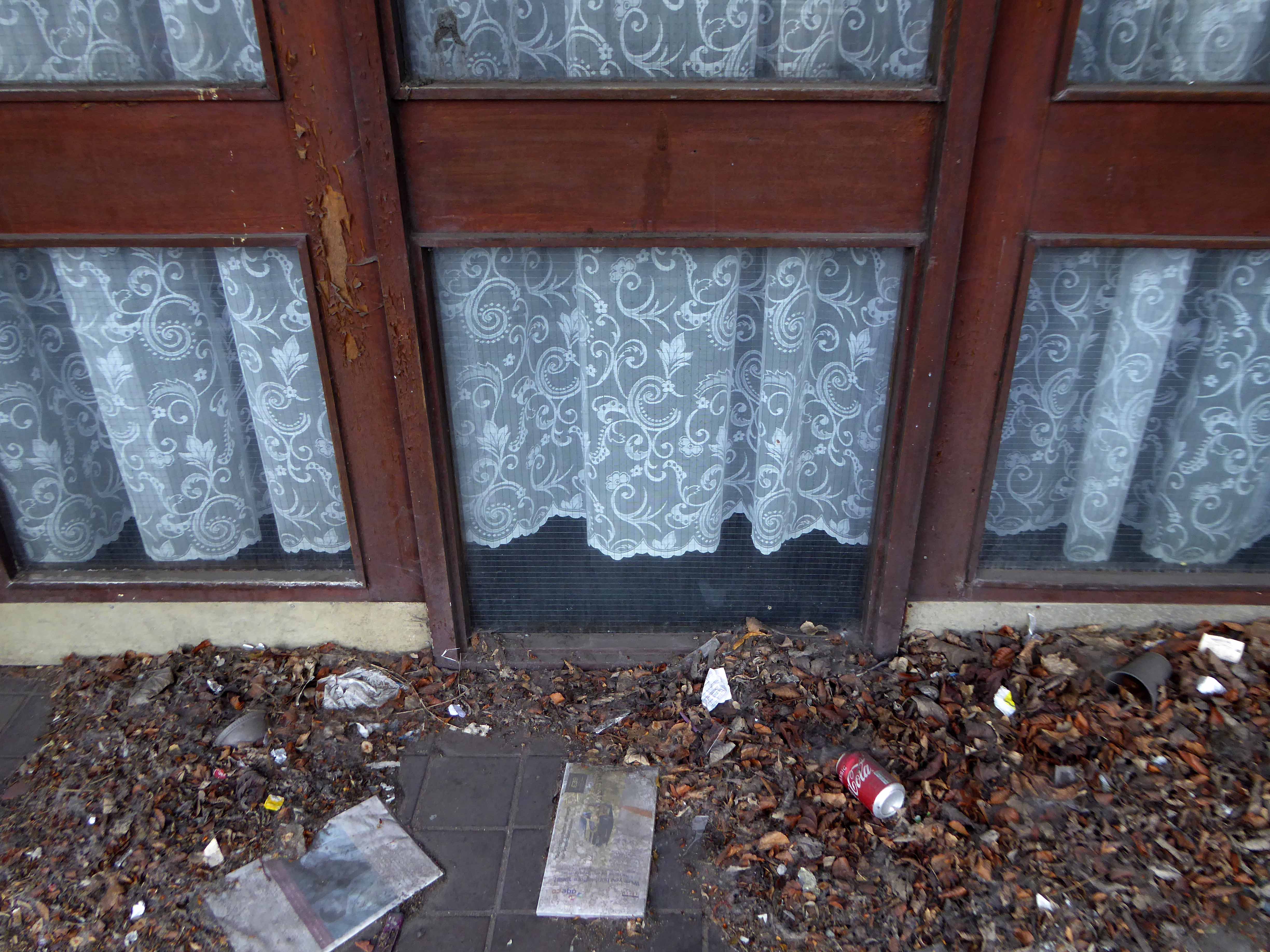
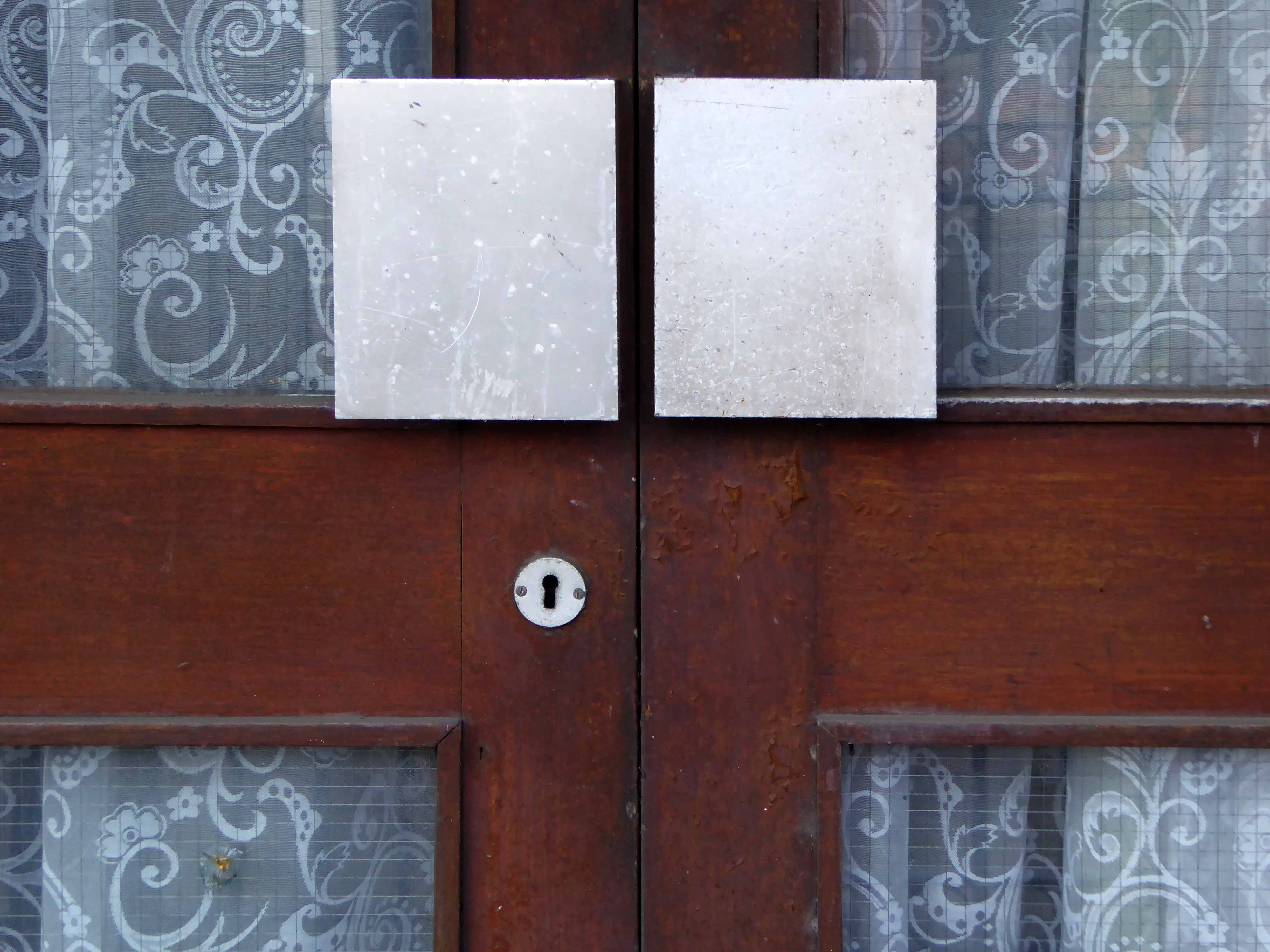
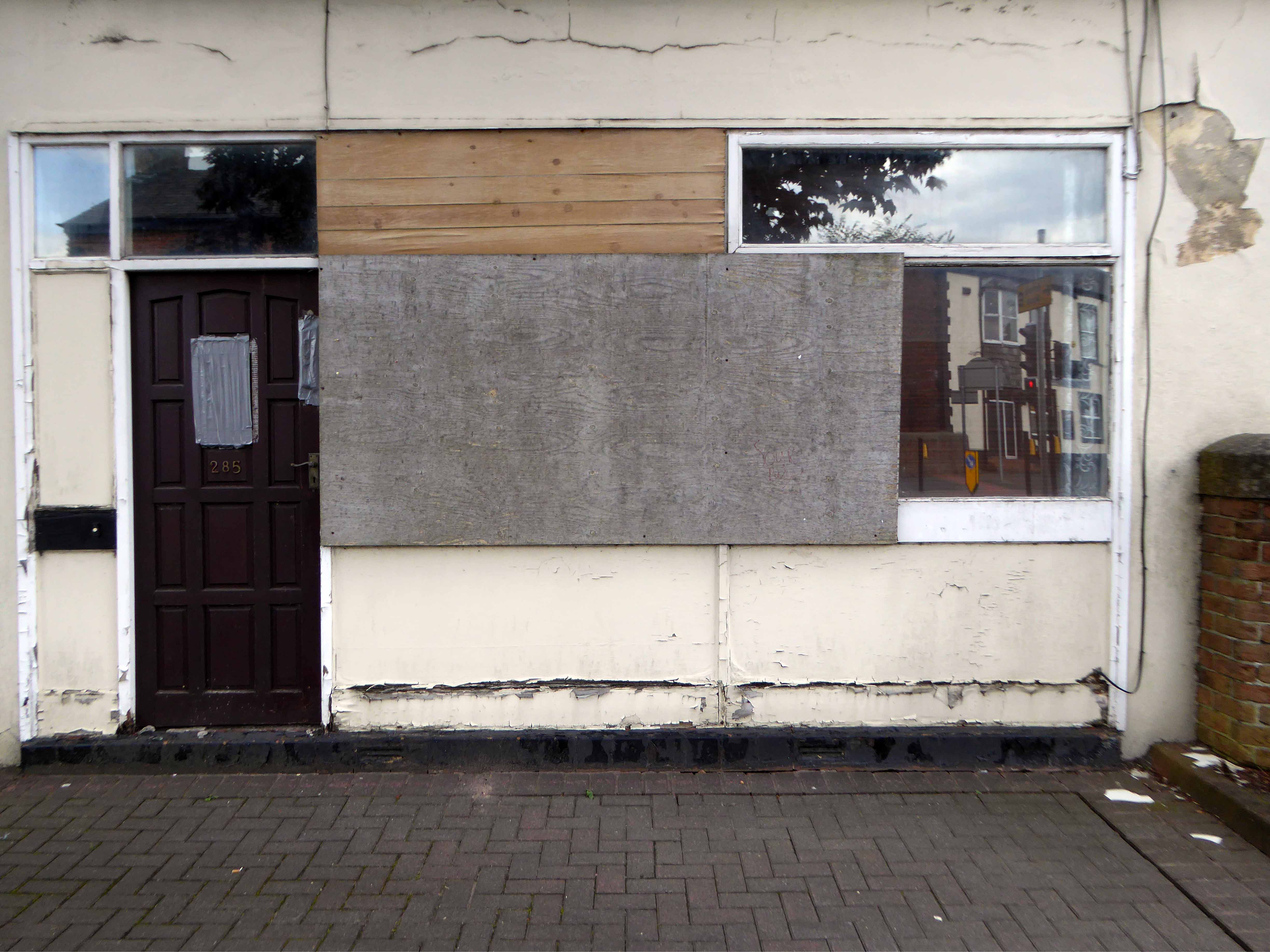
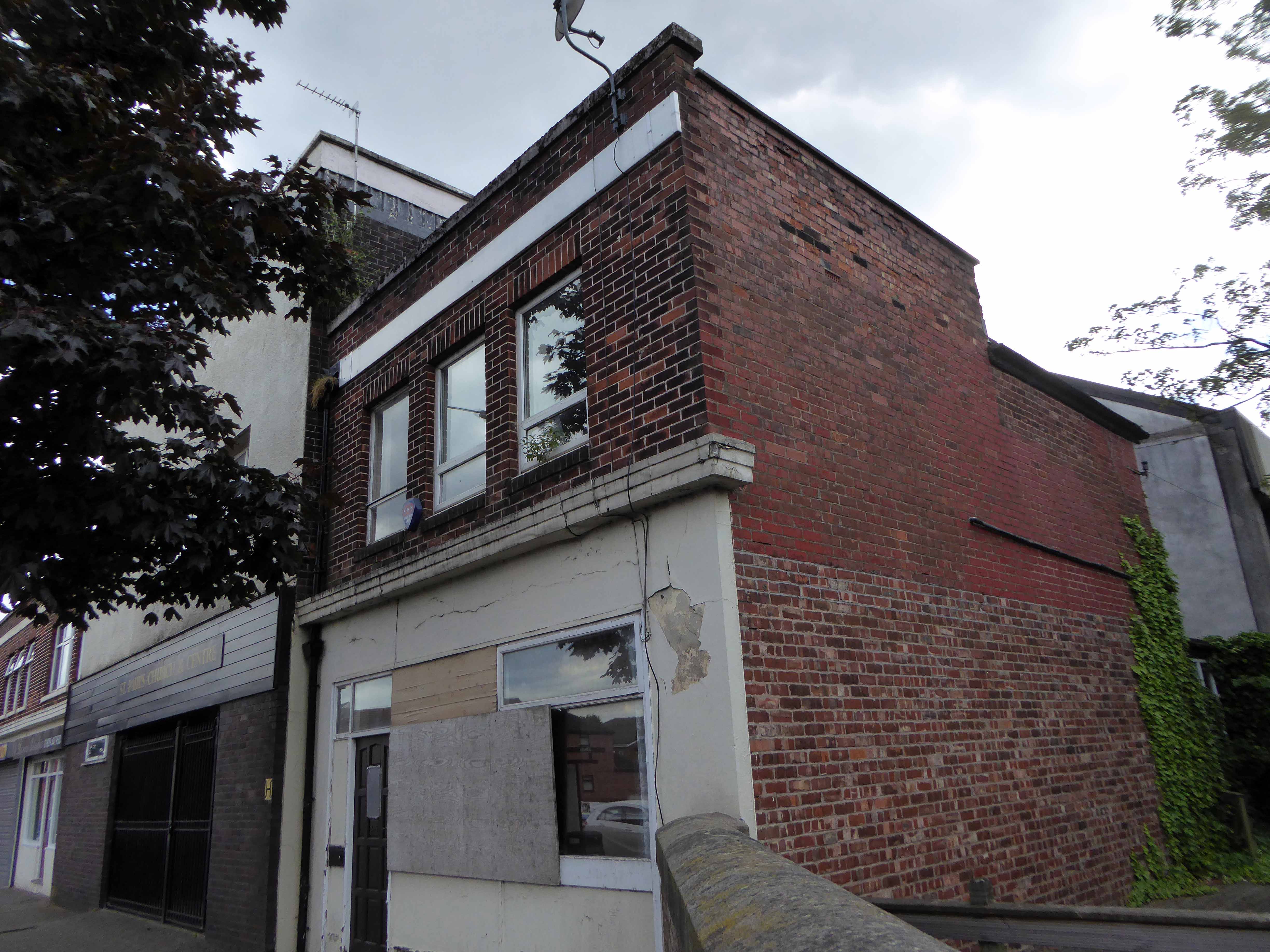
285 Stockport Road Guide Bridge Ashton-under-Lyne

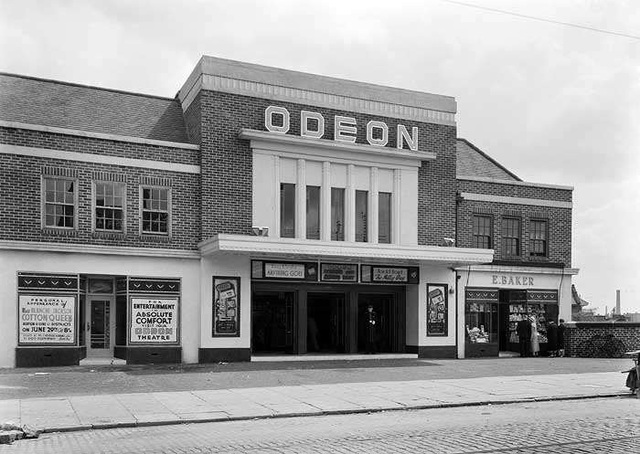
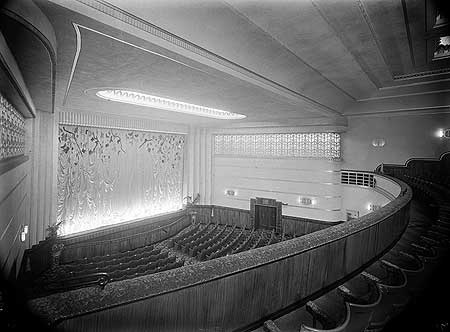
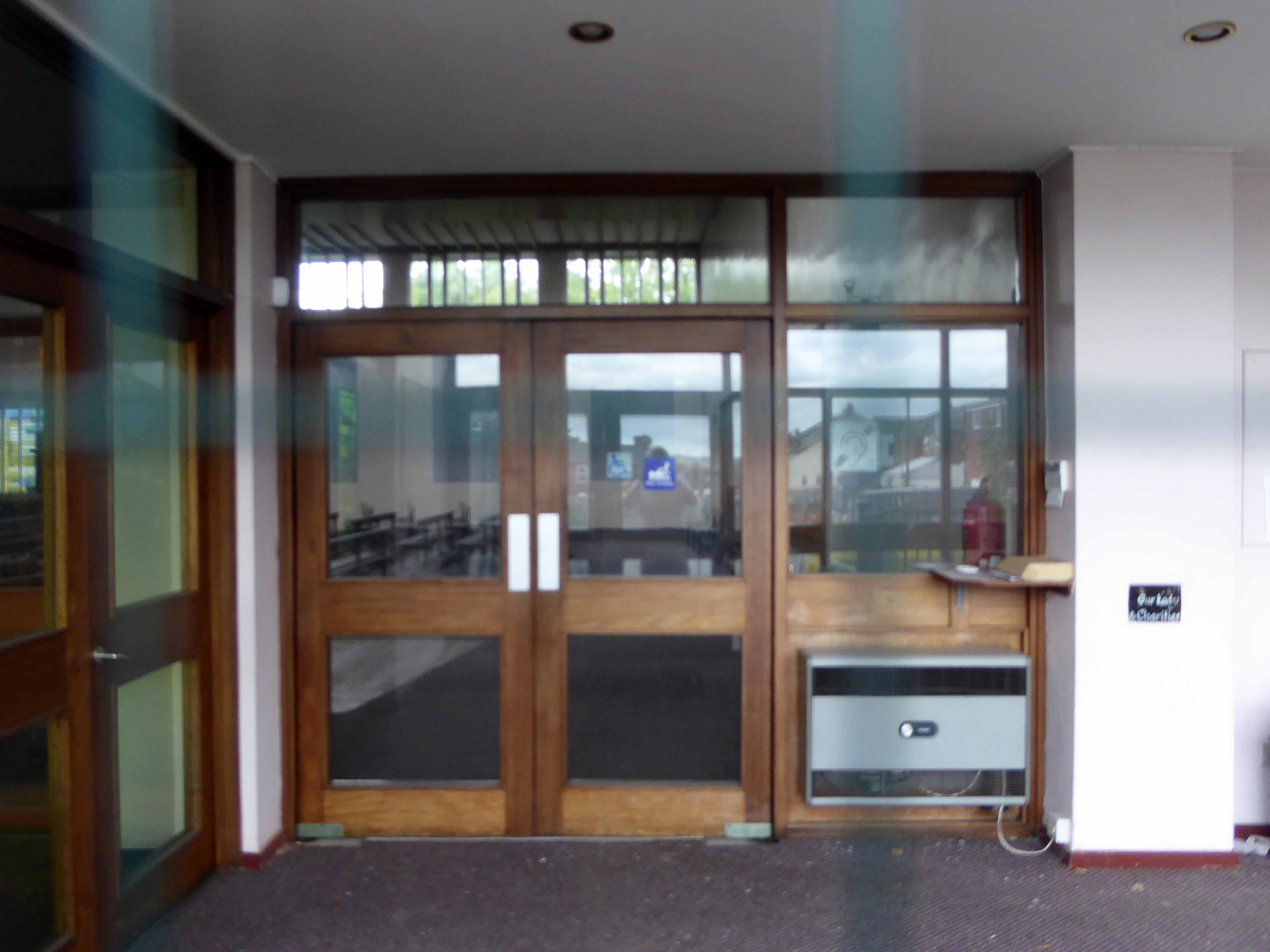
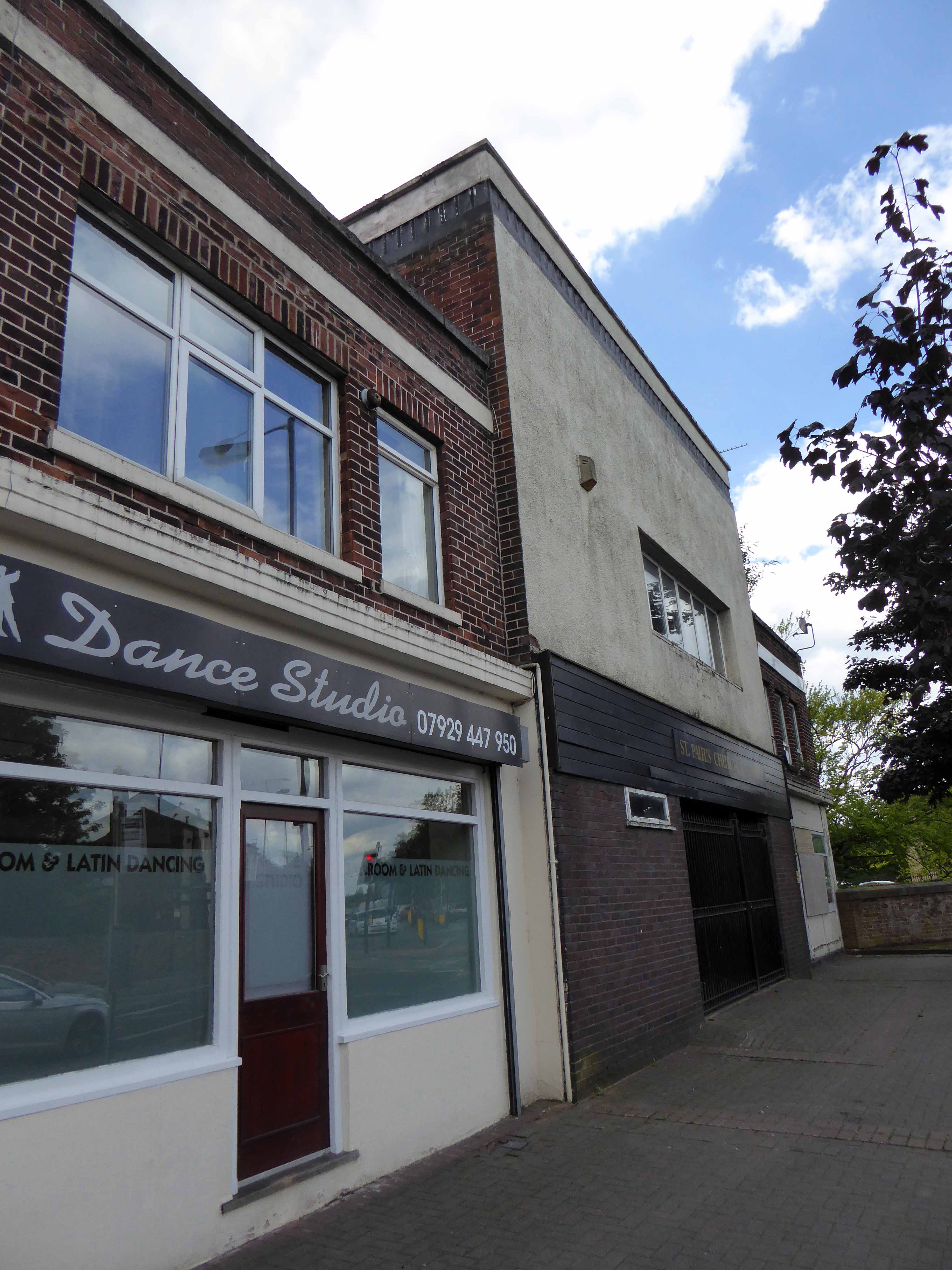
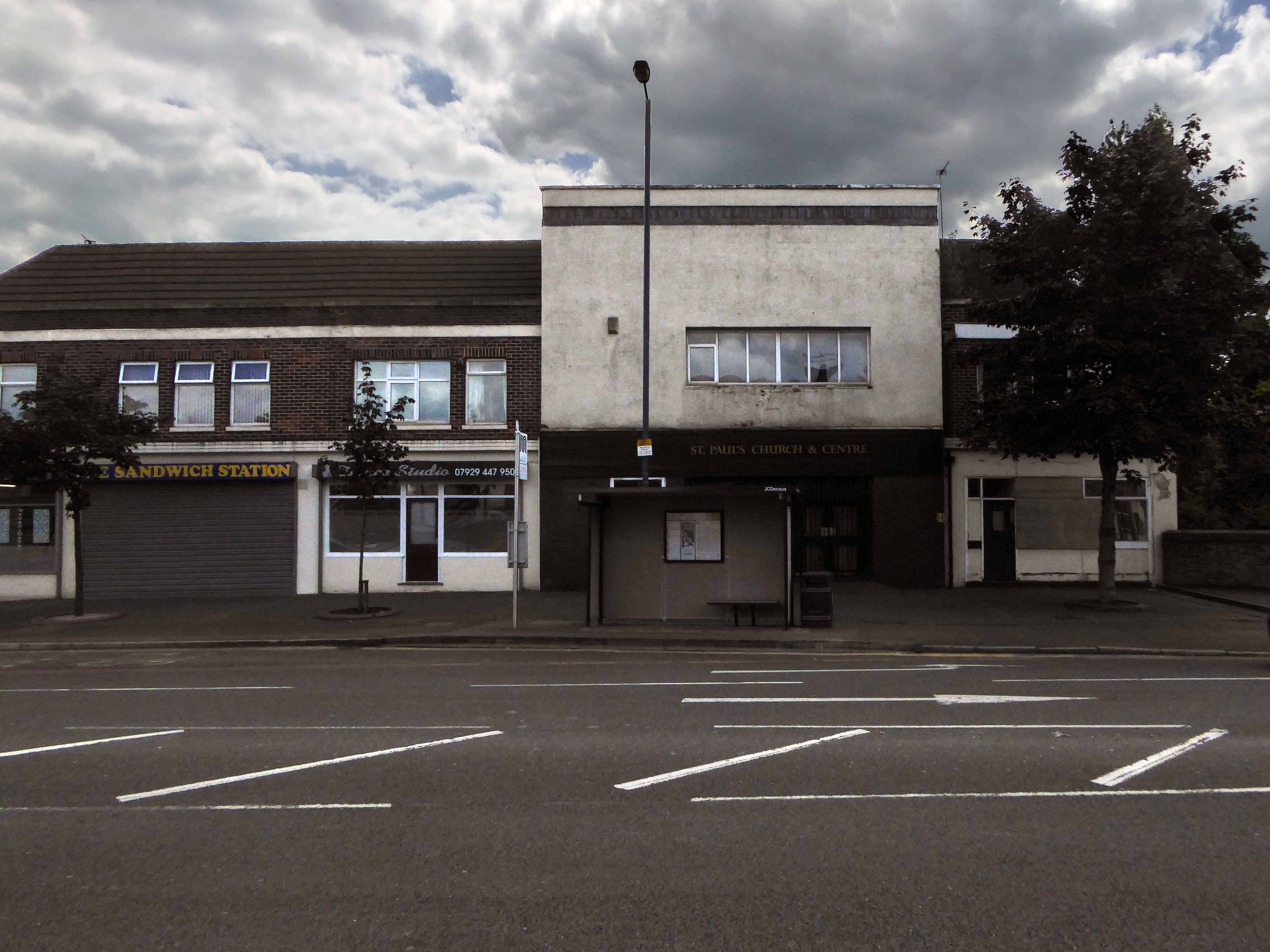
This was planned to be the Verona Cinema, a project of local builders – P Hamer Verona Cinema Ltd. The construction of the cinema was almost completed when Hamer sold the building to Oscar Deutsch and it opened as one of his Odeon theatres.

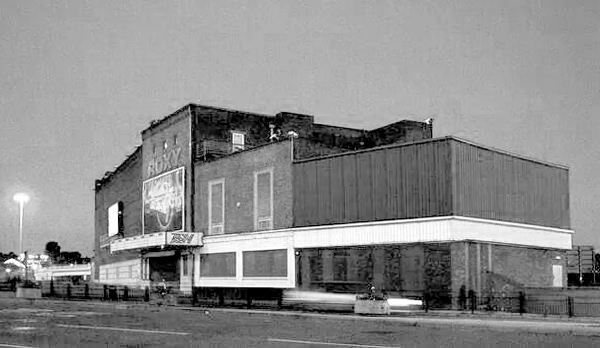
Hamer then used the proceeds of the sale to build the Roxy Cinema Holinwood, which was designed by Drury & Gomersall.

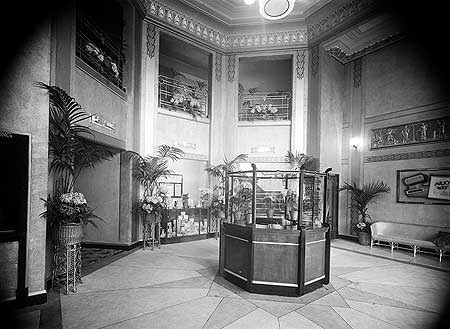
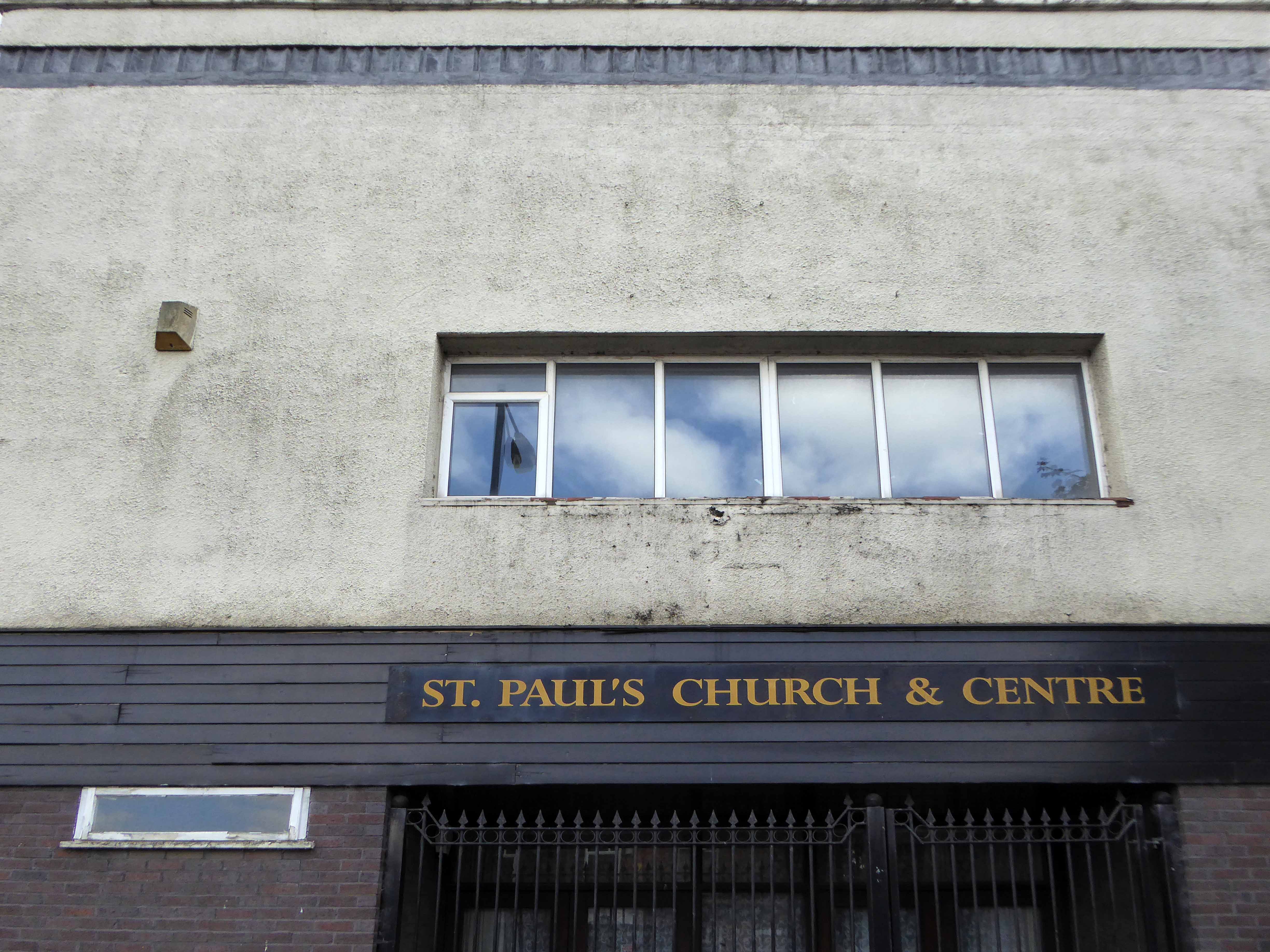
Opening date of the Odeon Theatre was 29th June 1936, when the first programme was Bing Crosby in “Anything Goes” and Harold Lloyd in “The Milky Way”. Designed by the noted cinema architectural firm of Drury & Gomersall, the frontage had a neat entrance in brick, with white stone facings on the window surrounds. There was a parade of shop units on each side of the entrance which had matching brickwork and a white stone trim.

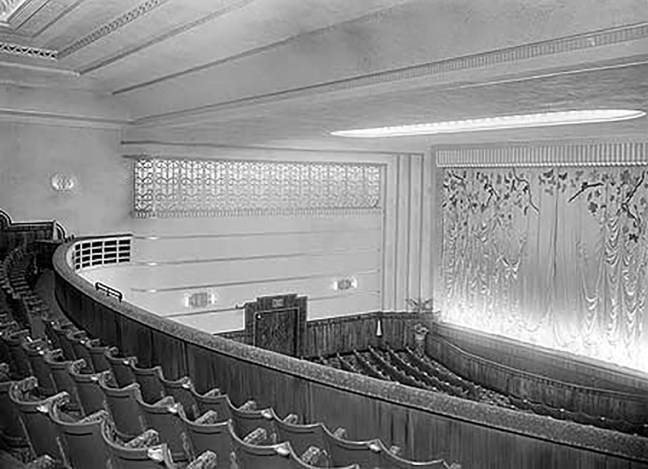
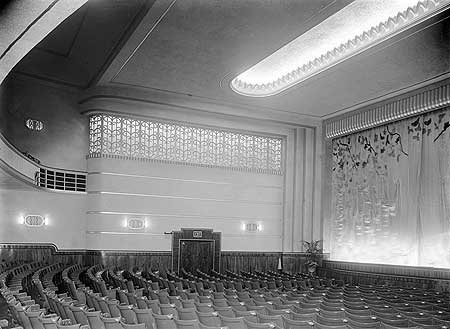
Inside the auditorium the seating was arranged for 834 in the stalls and 330 in the circle. The side splay walls on each side of the proscenium was decorated in wide horizontal bands, and topped with a backlit illuminated grille.

The Odeon was closed by the Rank Organisation on 11th March 1961 with Kenneth More in “Man in the Moon”.

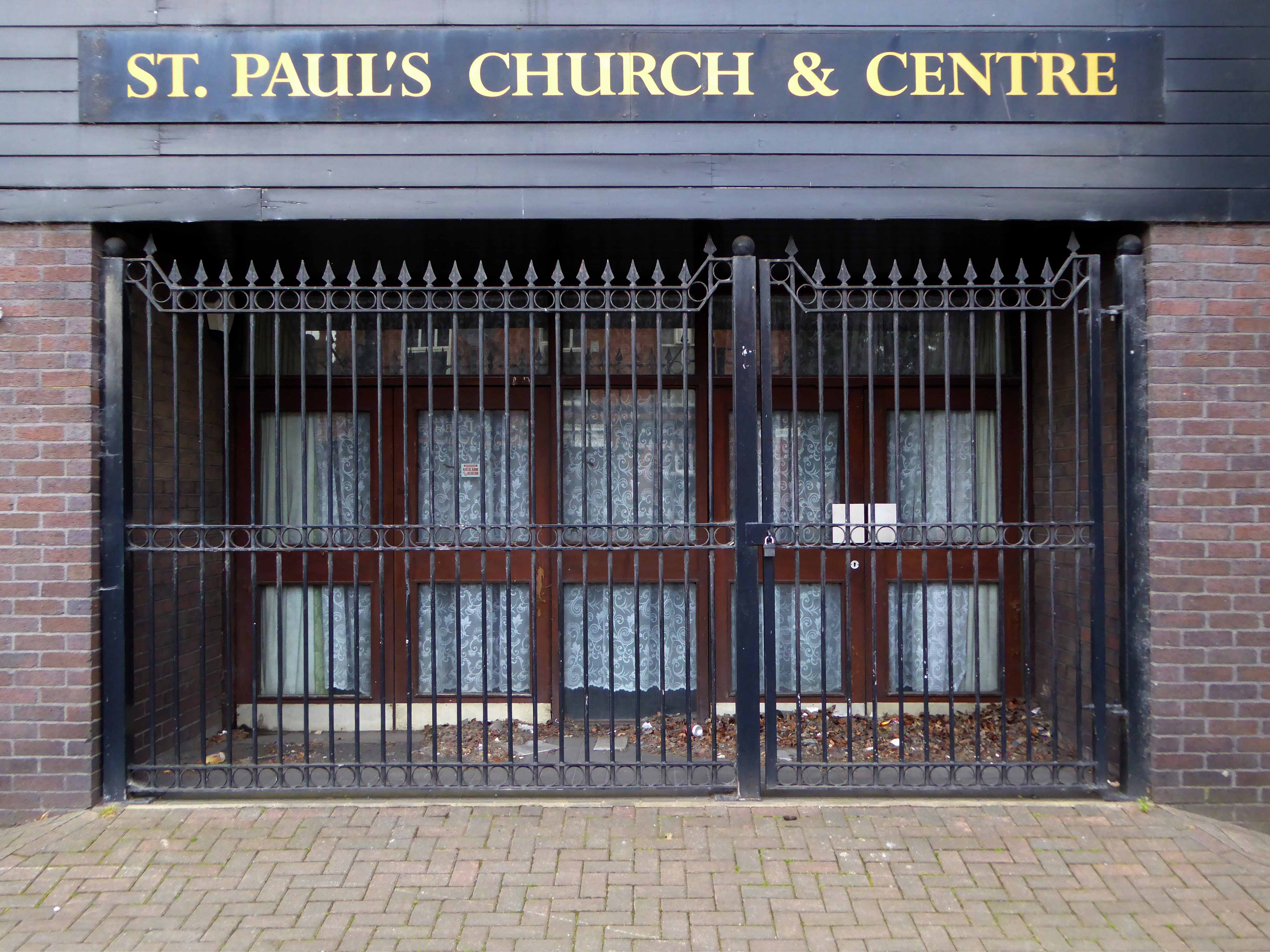
It was converted into St. Paul’s Roman Catholic Church. Former cinemas have made good conversions to churches and the fabric of the buildings are generally respected. In this case though, the sad story is that the front entrance has been rendered over and inside all details of it cinematic past have been erased. You would never know you were inside what had been been an Art Deco styled building.

Contributed by Ken Roe Cinema Treasures

I passed by nearly every day for years travelling to and from school, I played there at a wedding reception in the church social club. I sadly have no recollection of the building in use as a cinema.

It has been closed since 2010 – currently it has no purpose or seemingly any future use, there are no For Sale signs in evidence.

Fallen so quickly and absolutely from grace.

St Mary’s RC Church – Denton

Duke Street Denton Manchester M34 2AN

I remember you being built.

I remember our visit with the Manchester Modernists in 2015 – arranged by Angela Connelly and Matthew Steele of Sacred Suburbs

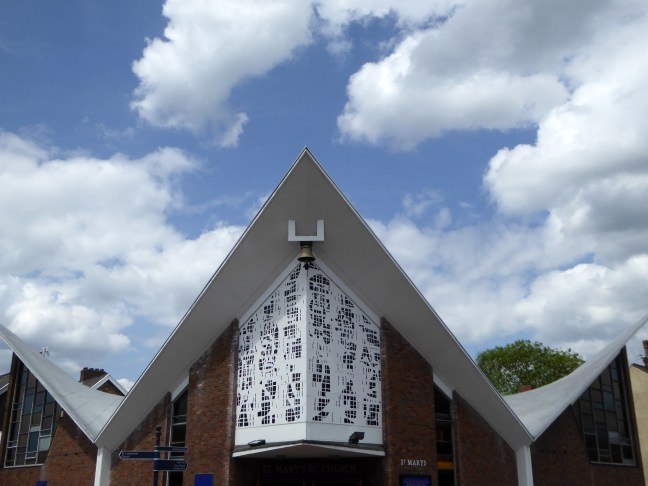
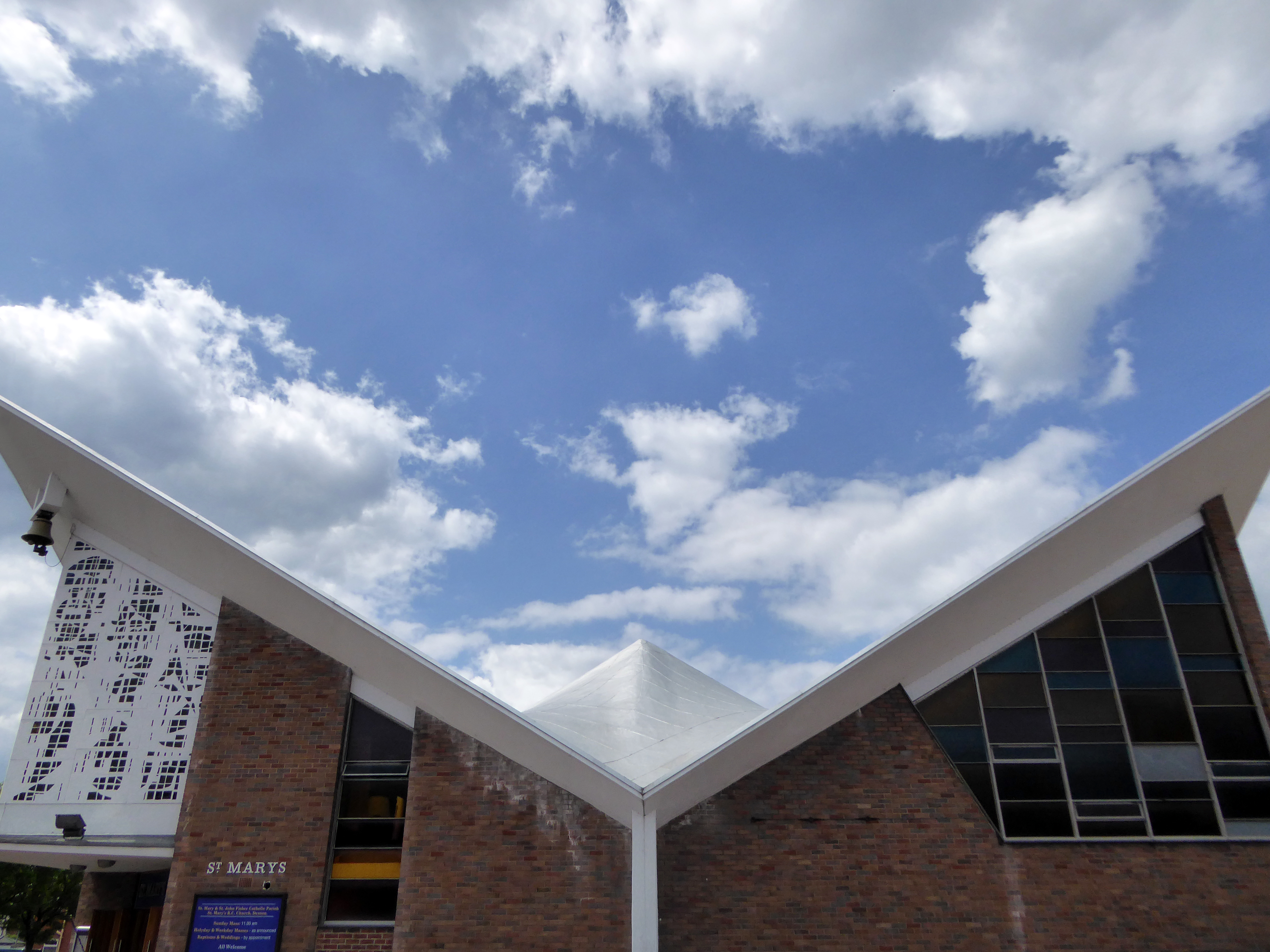
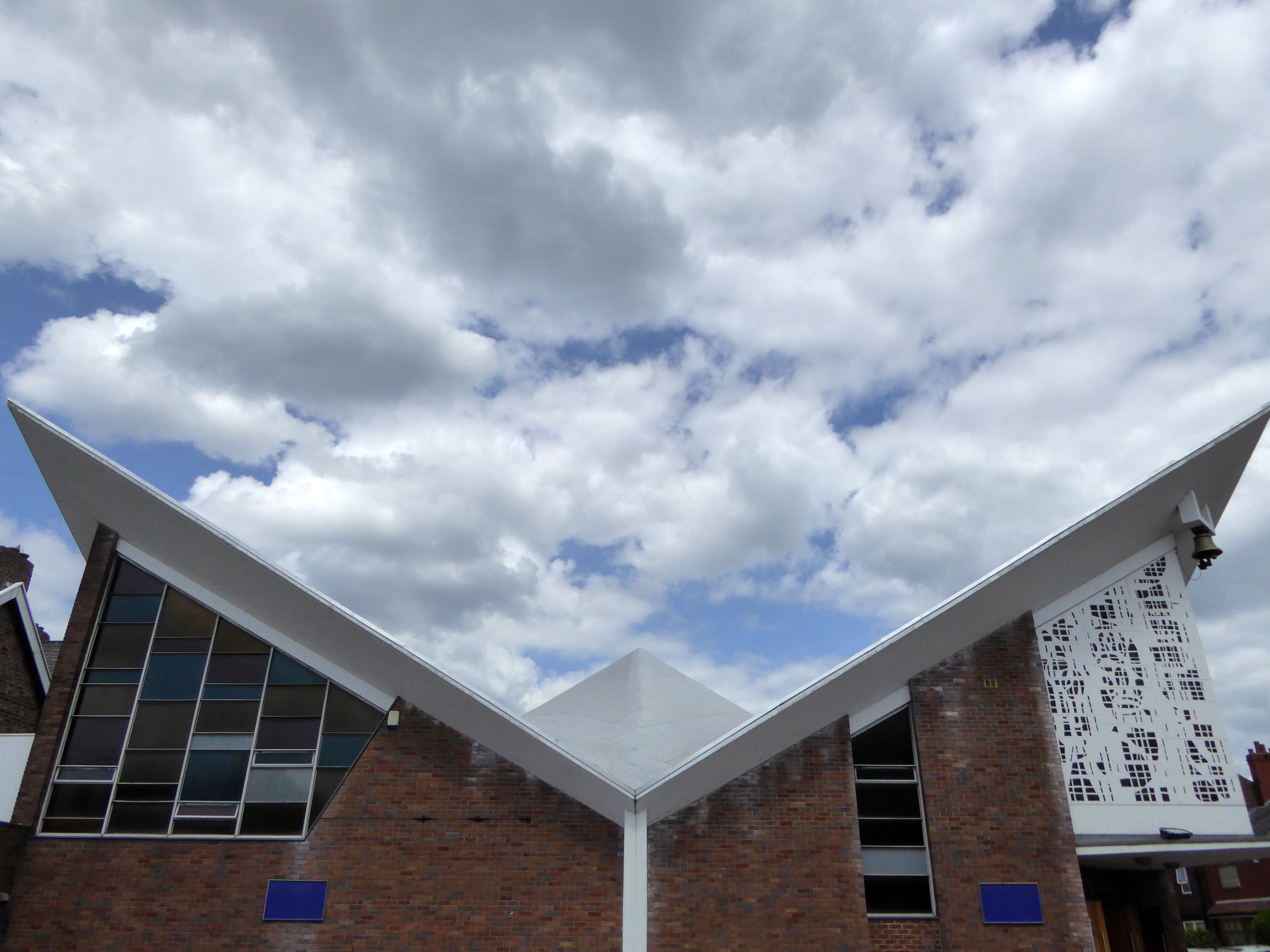
I popped by to see you yesterday – a truly remarkable structure set amongst the terraced housing of an unremarkable street.

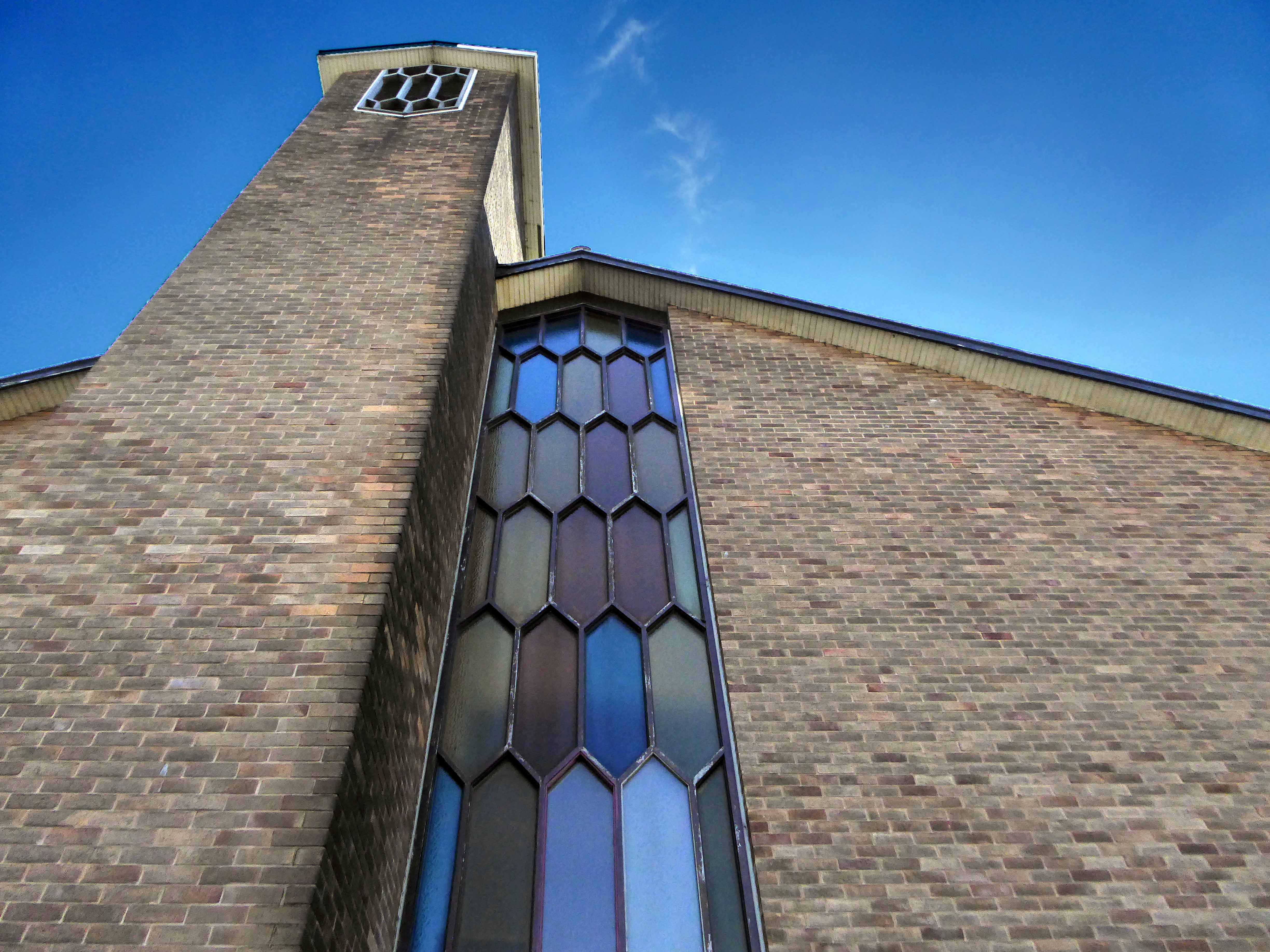
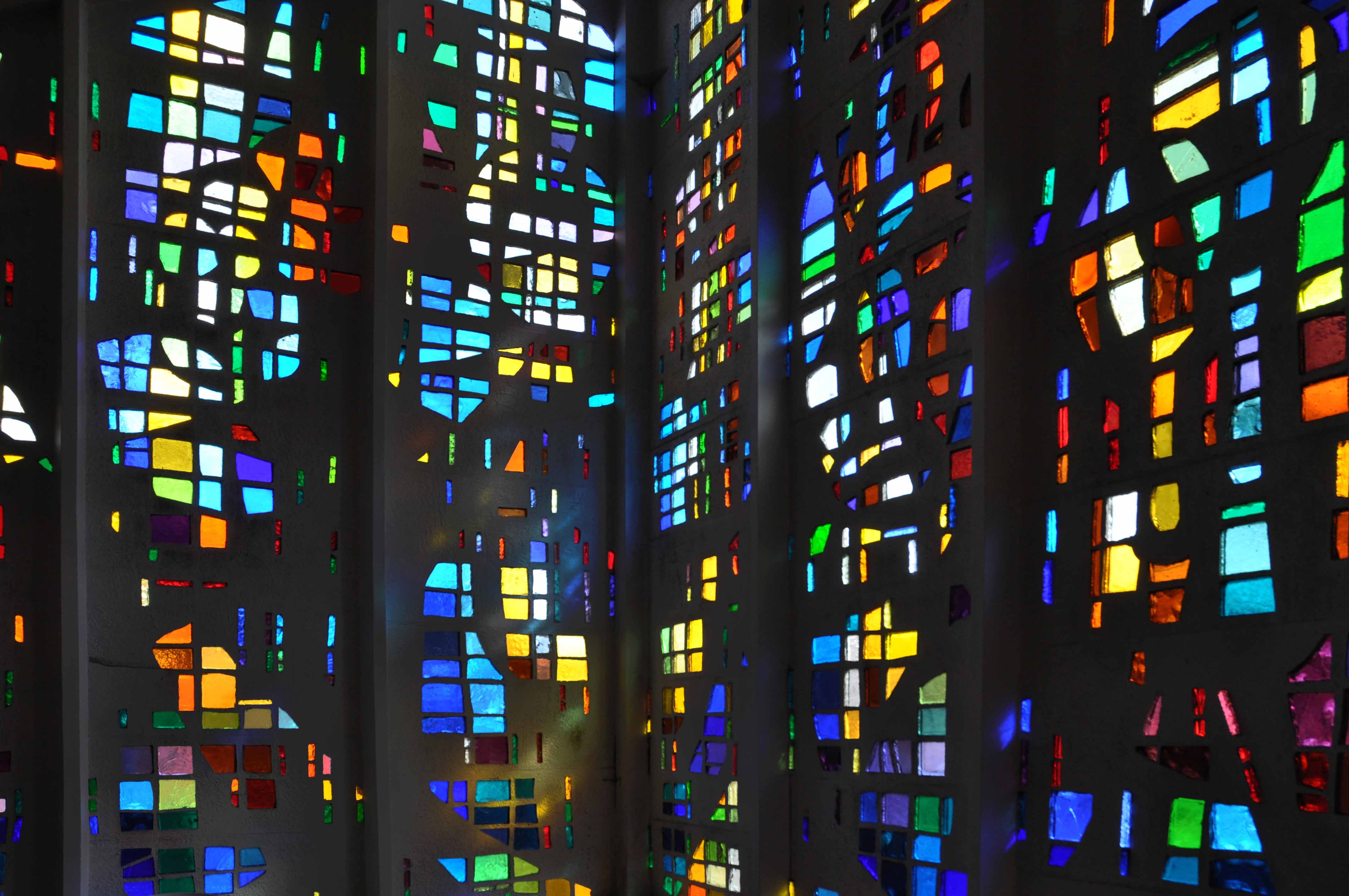
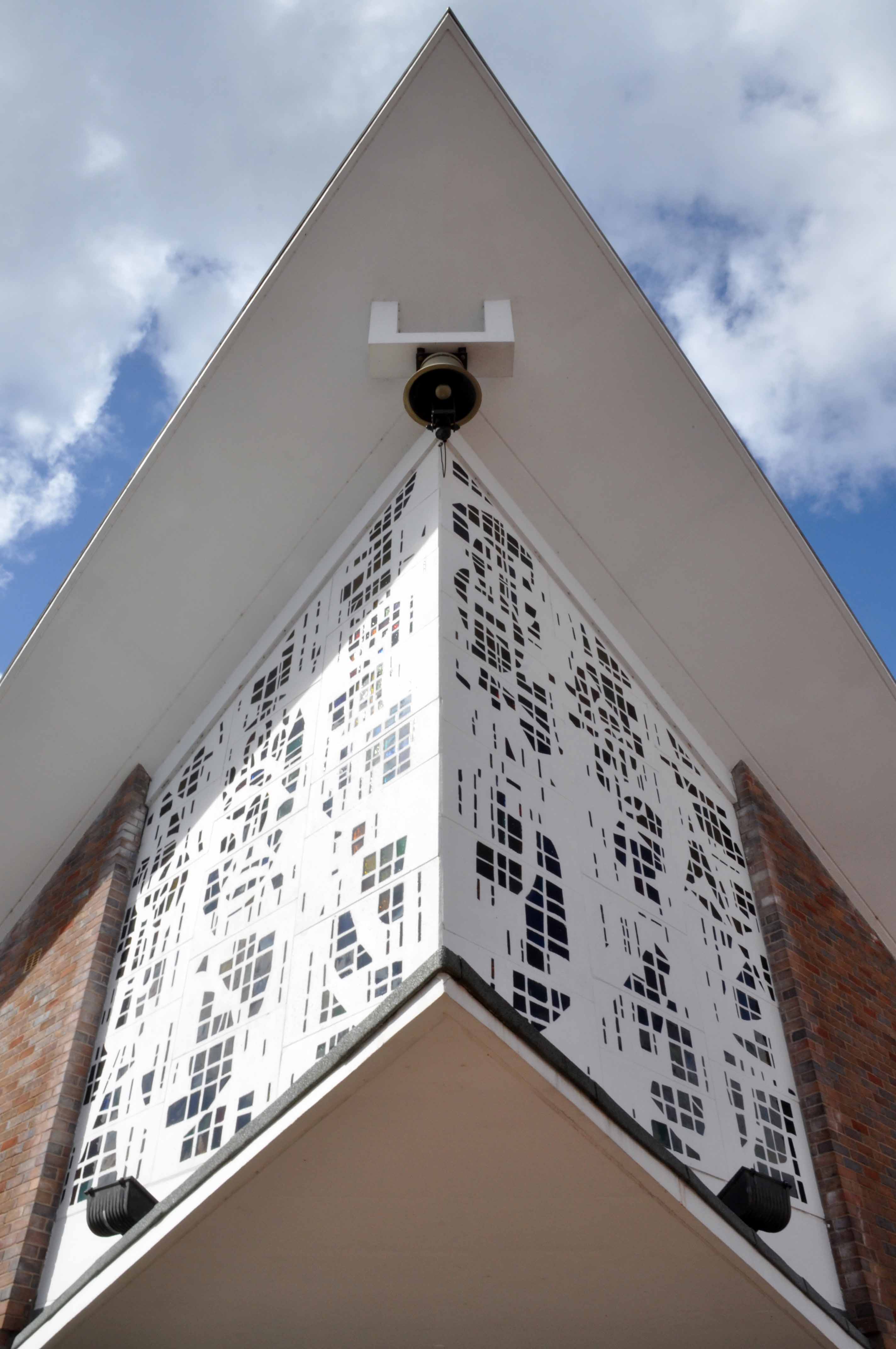
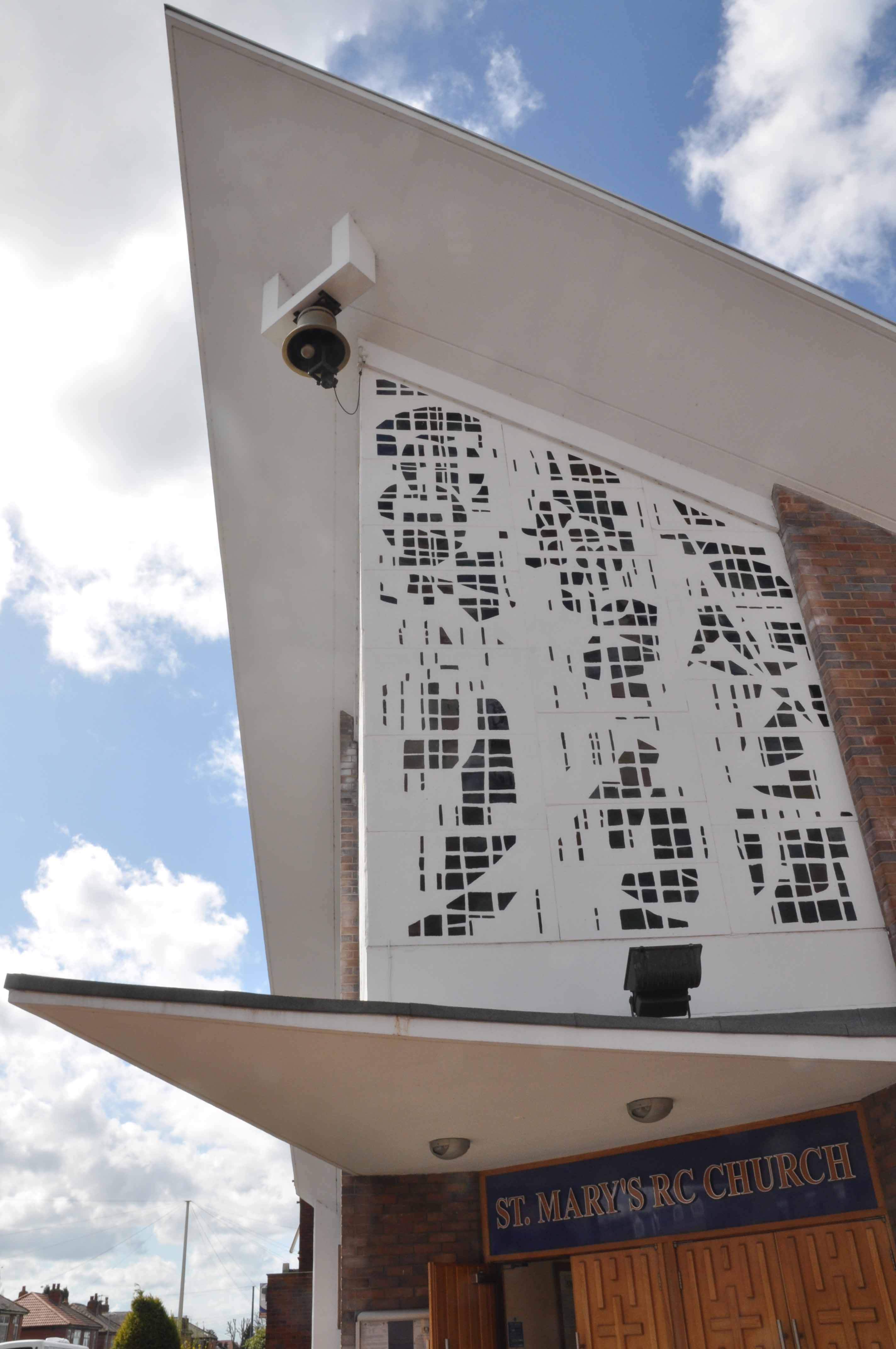
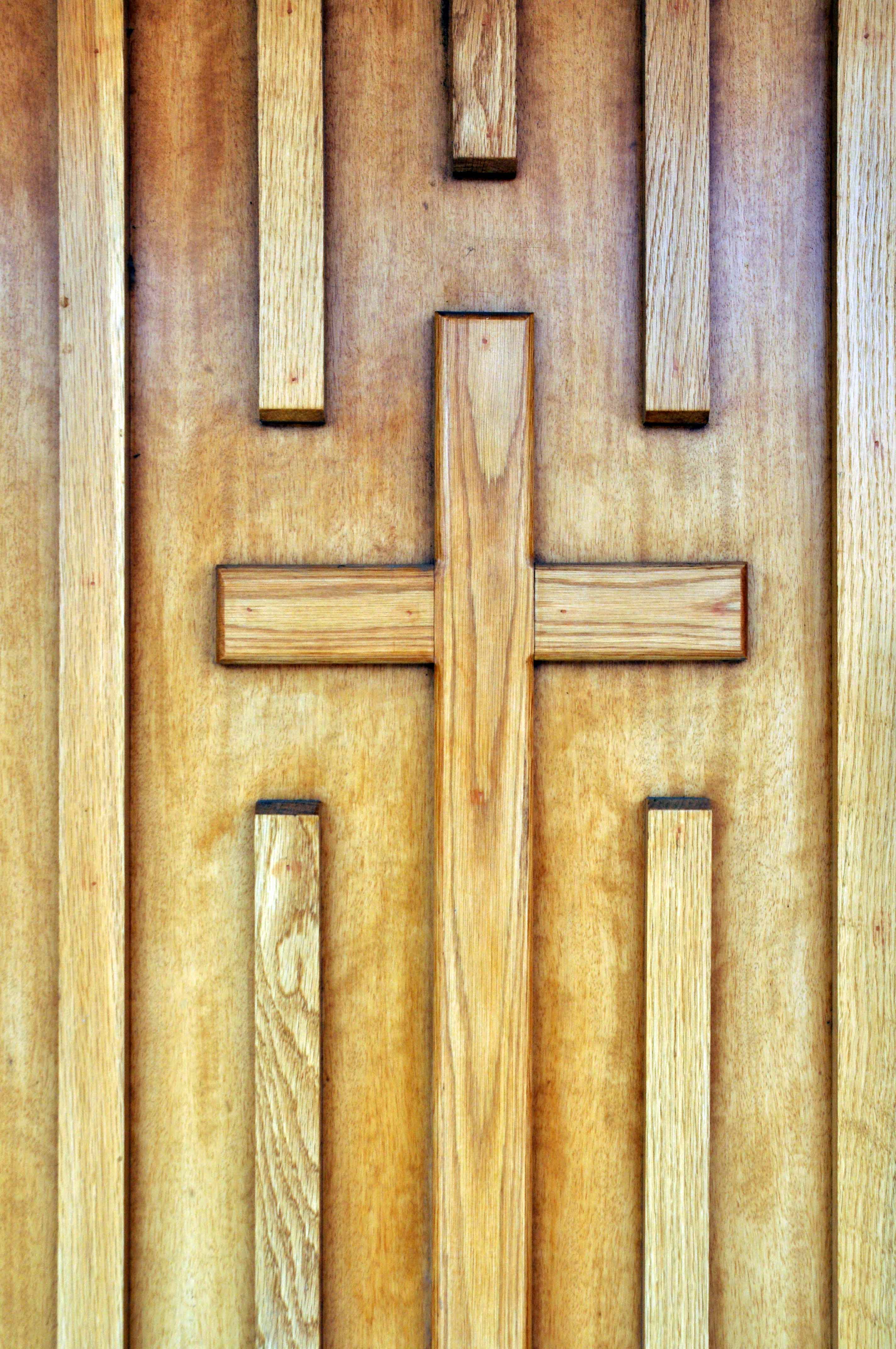
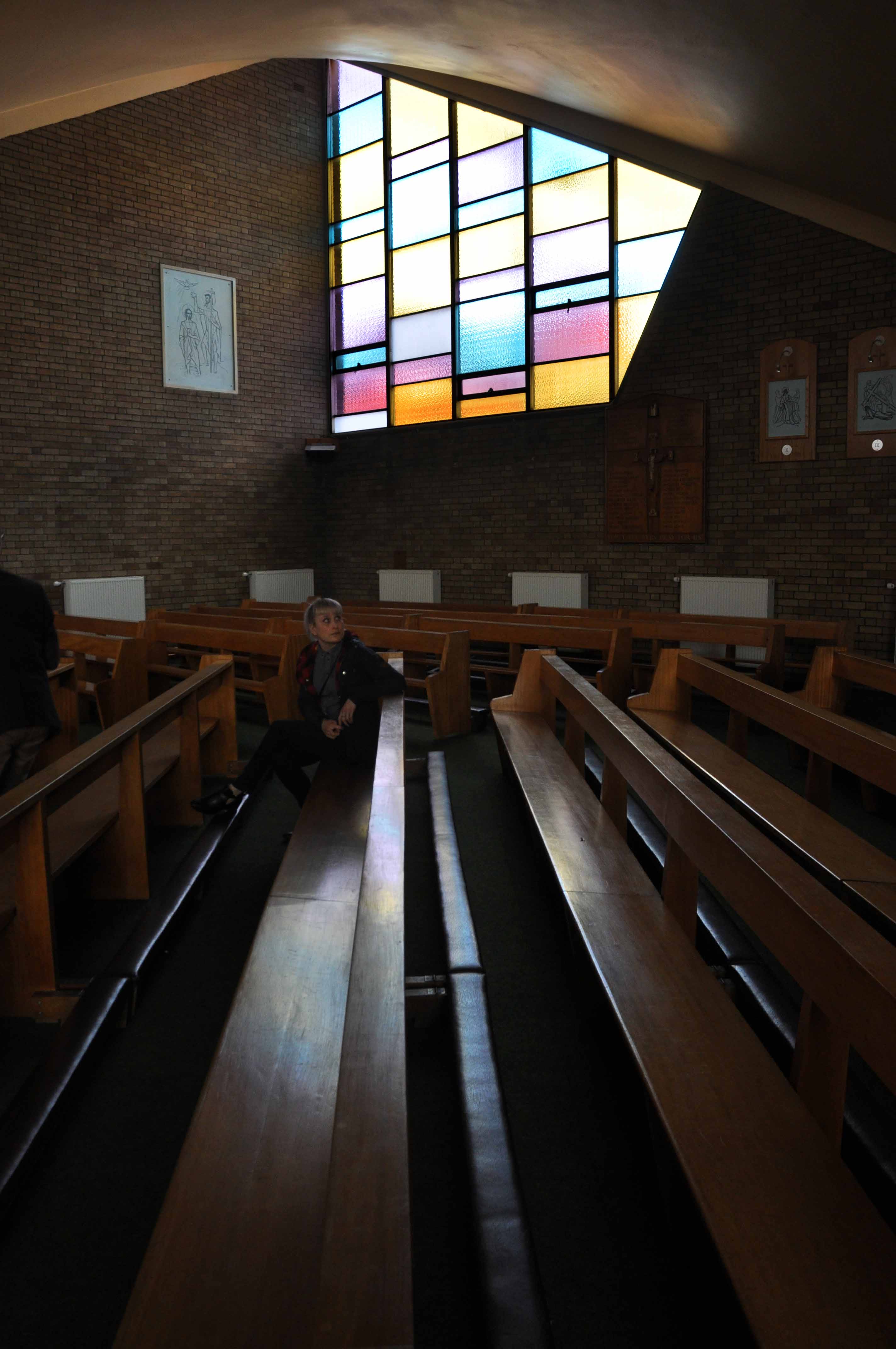
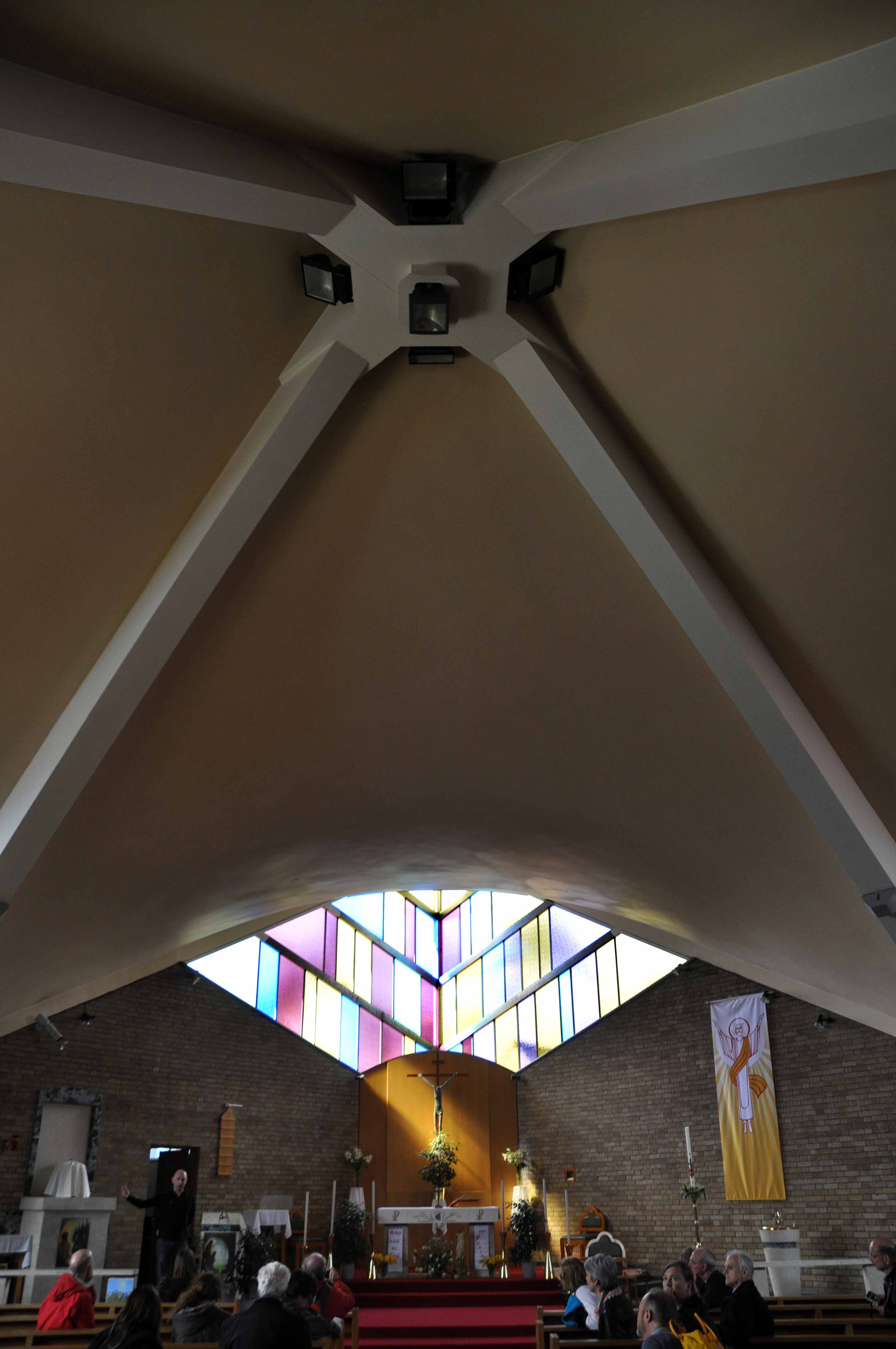
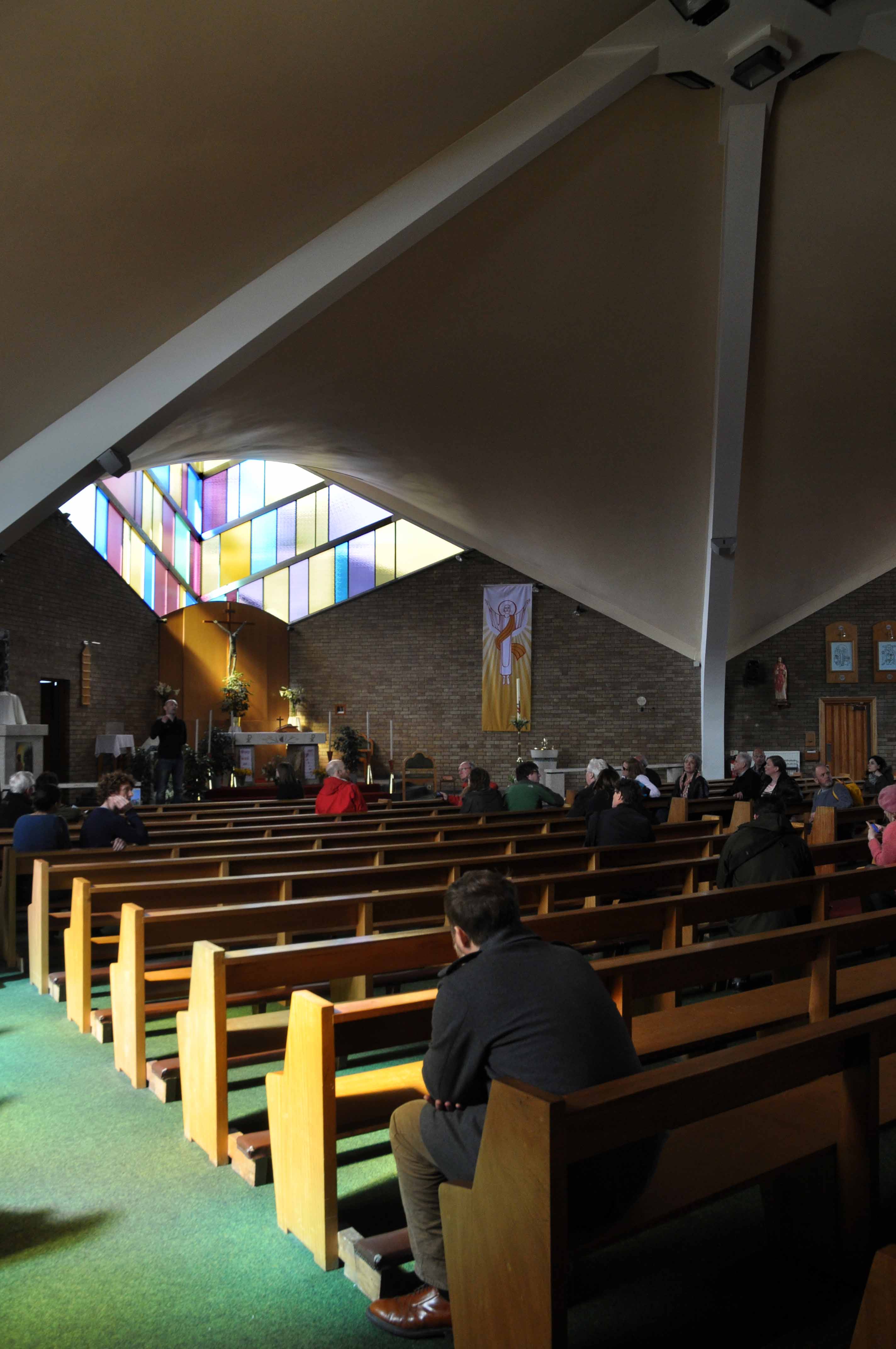
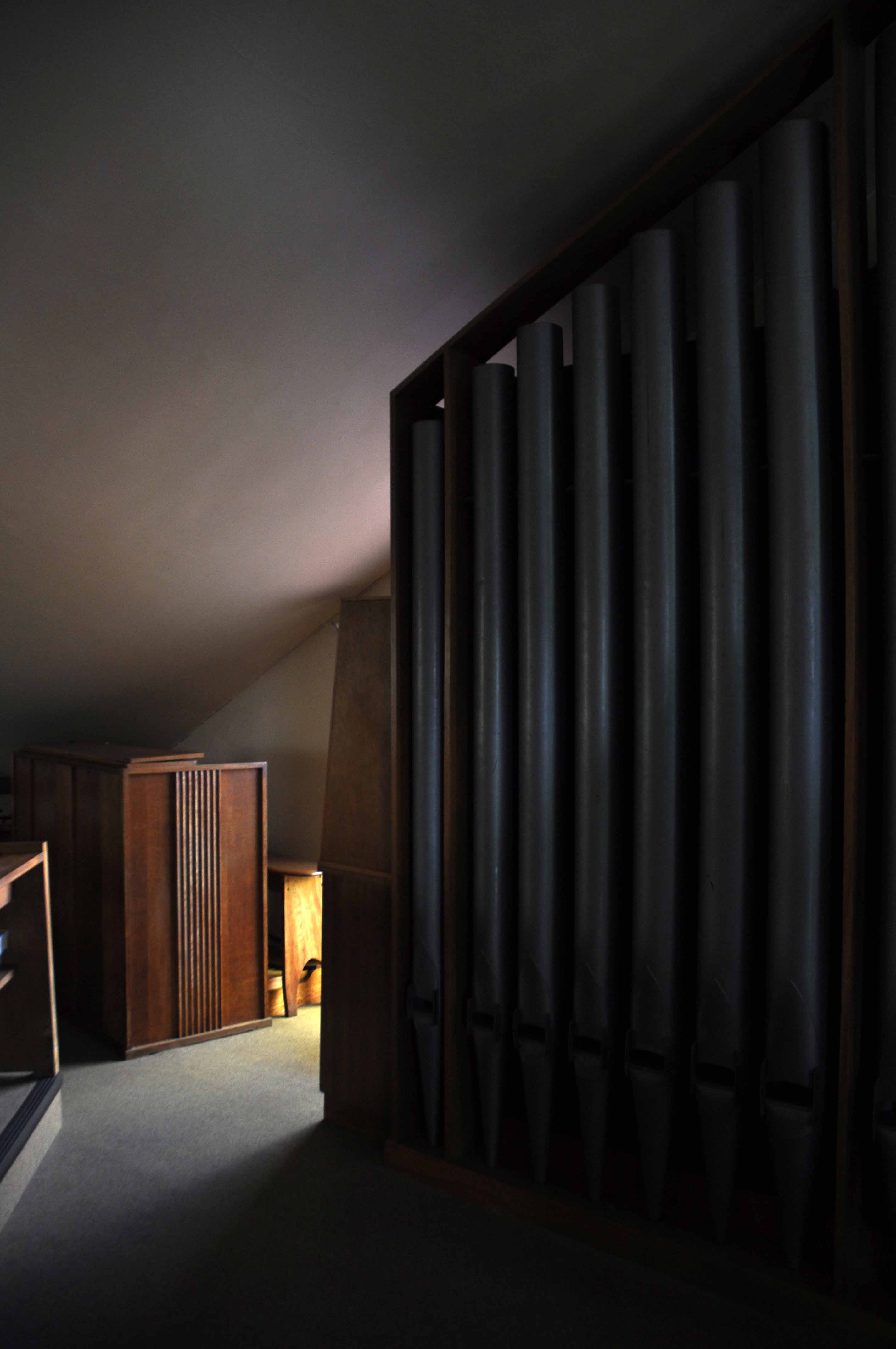
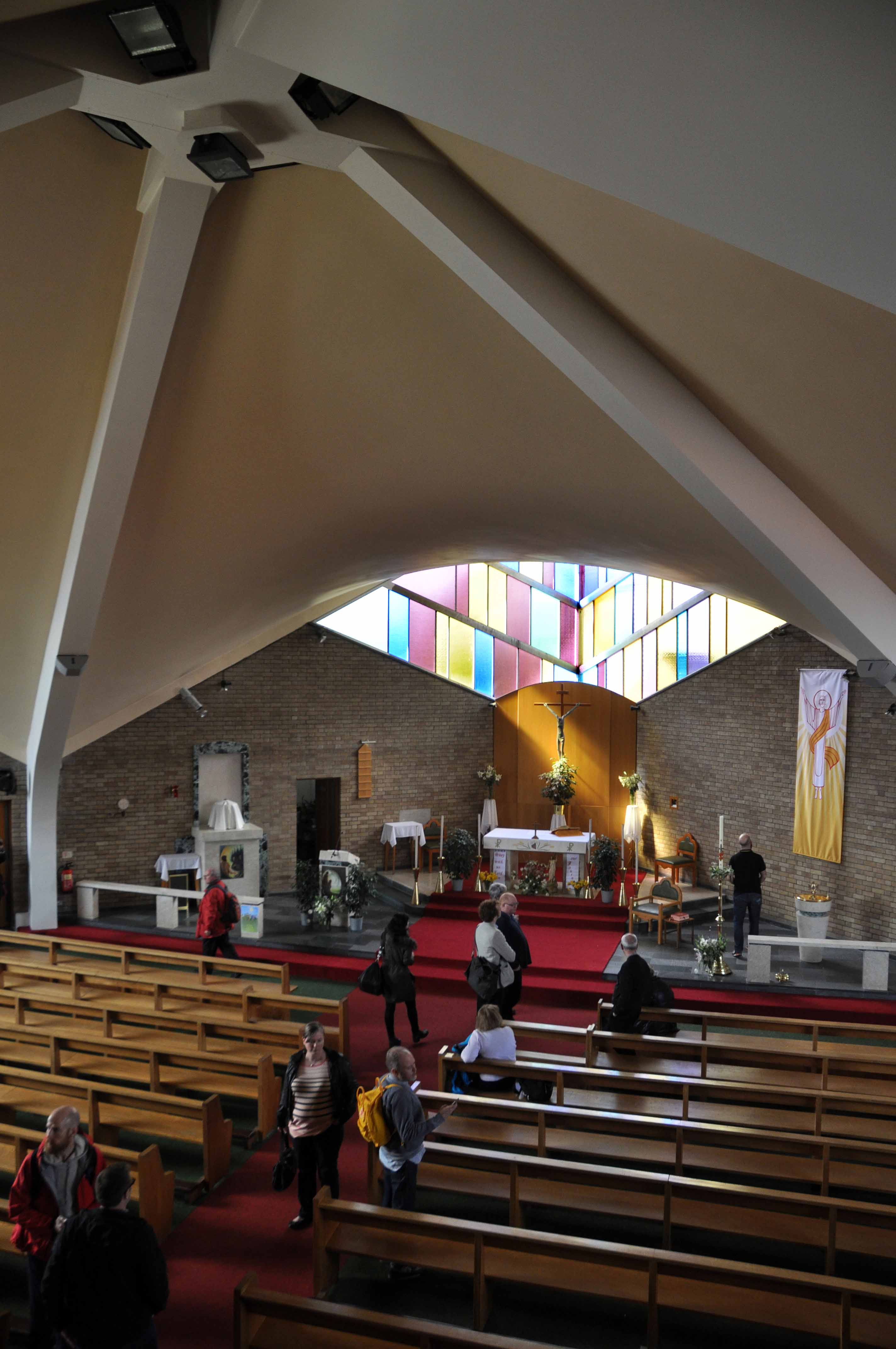
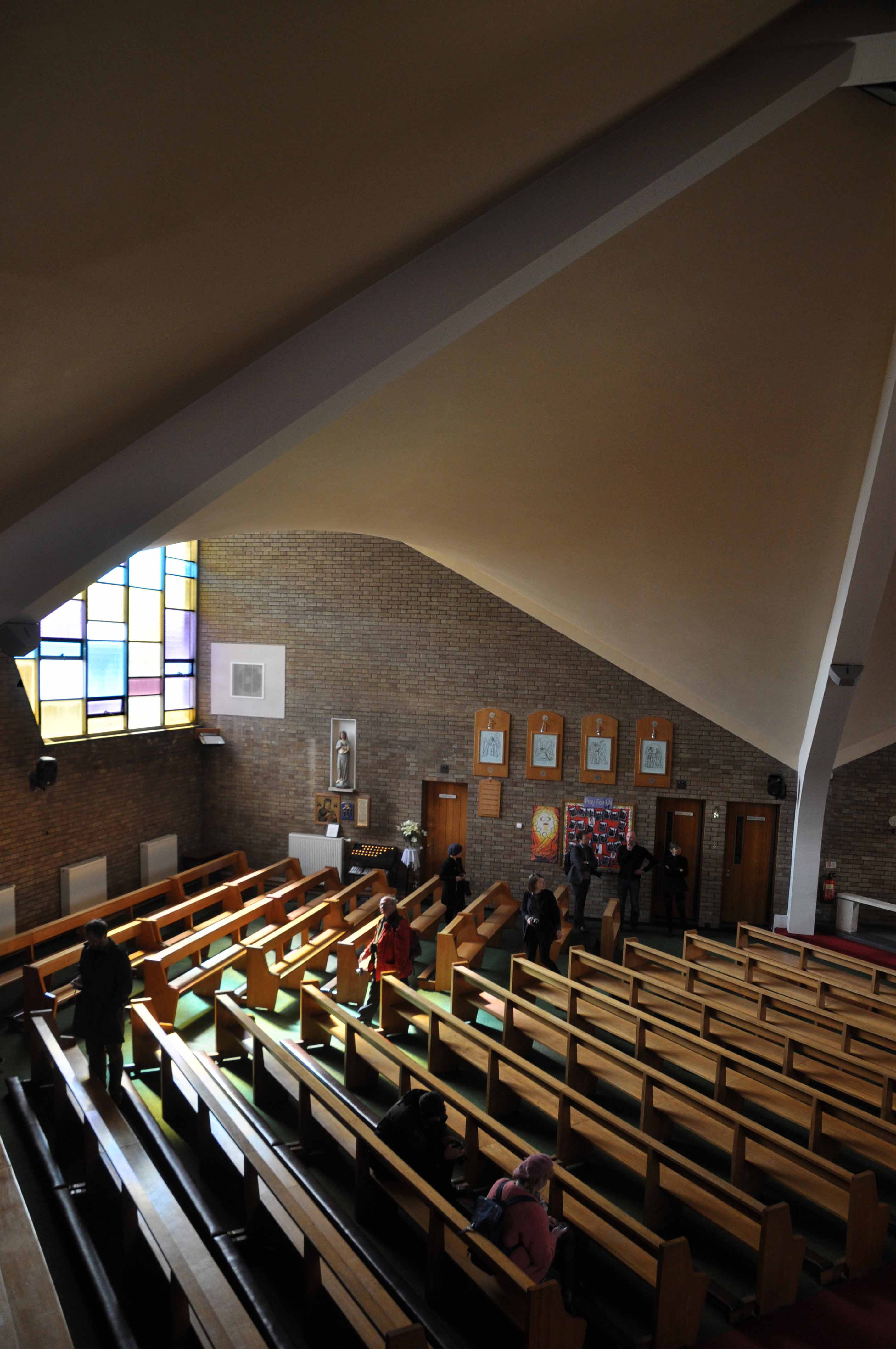
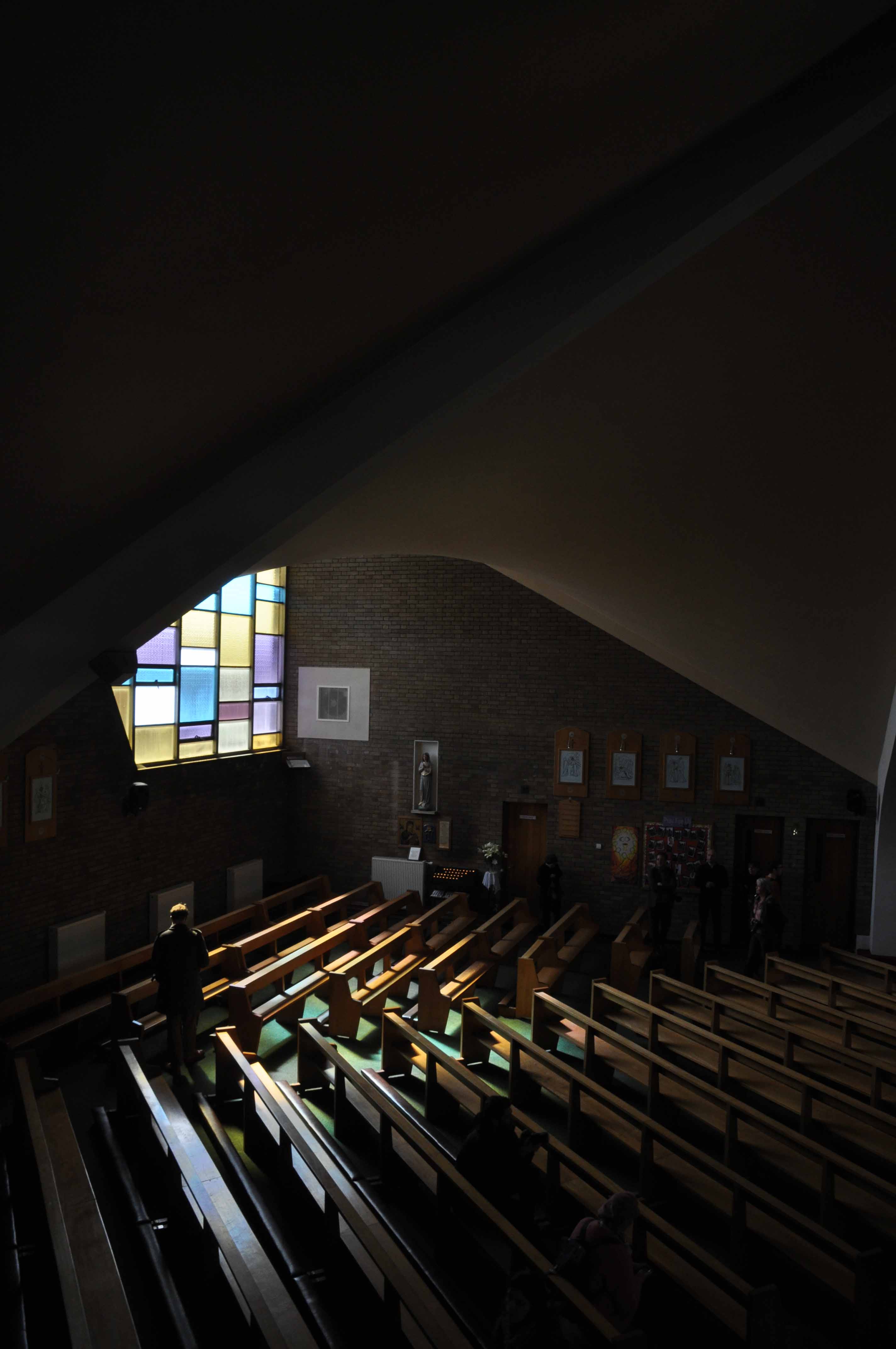
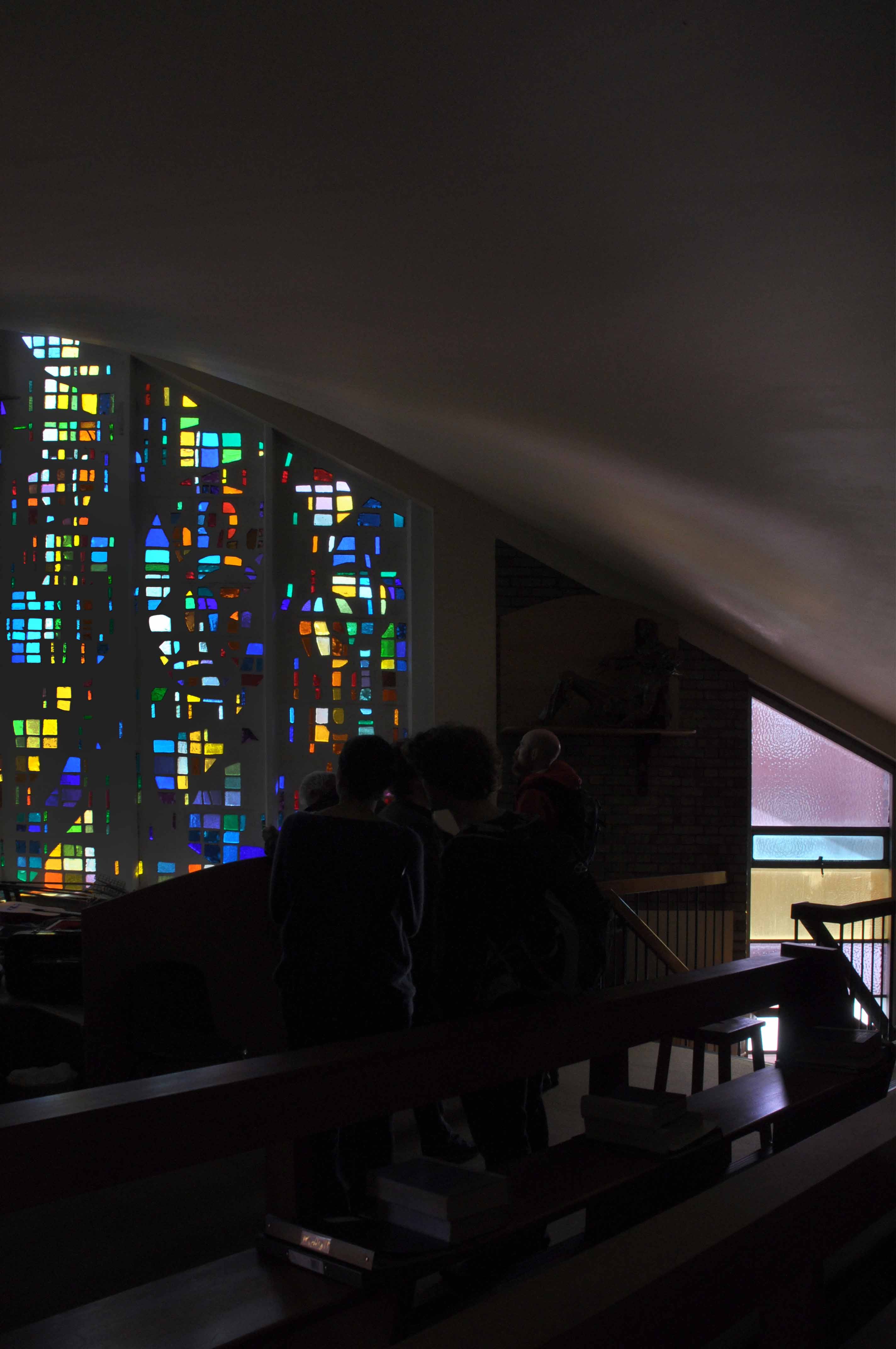
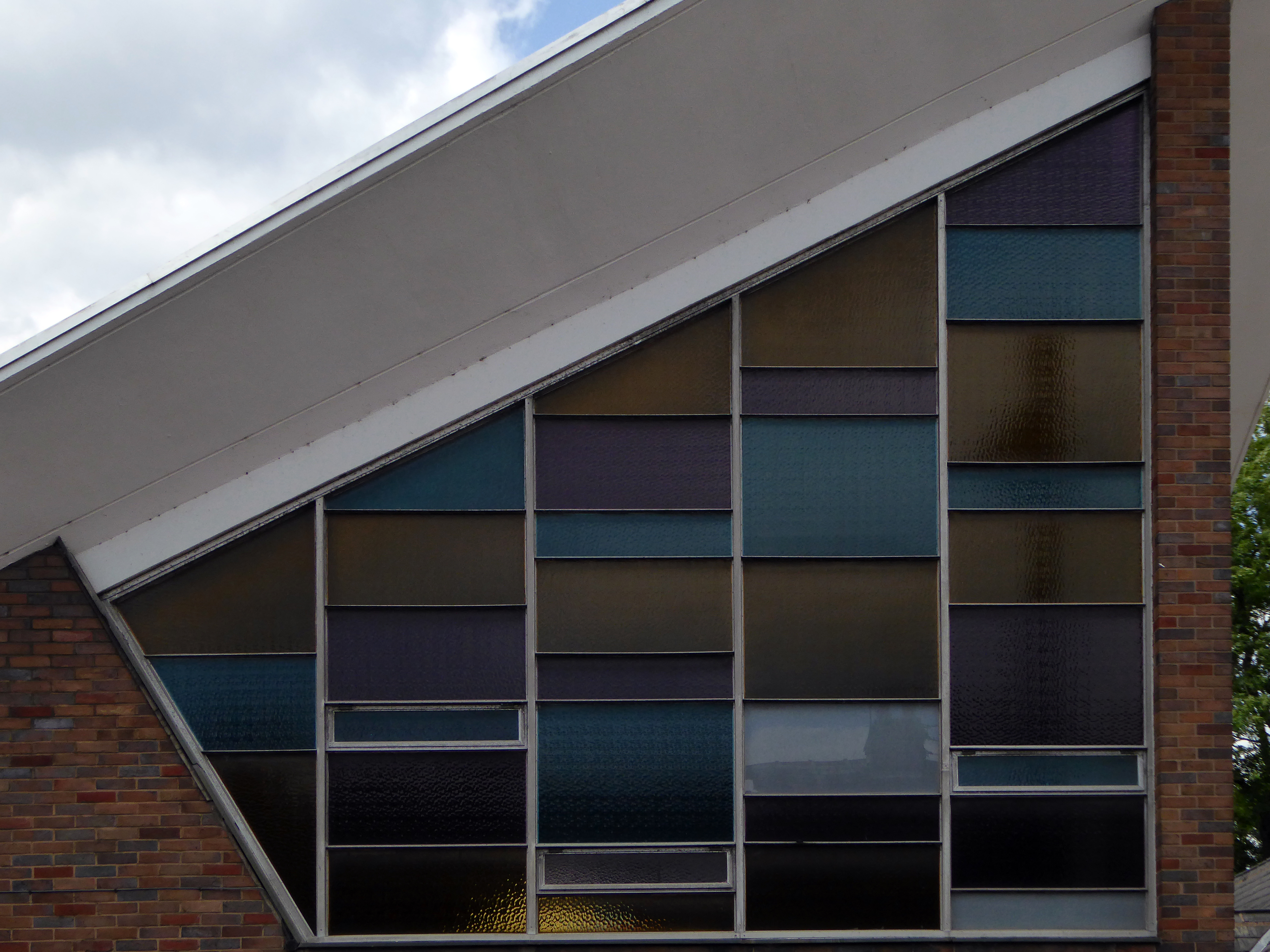
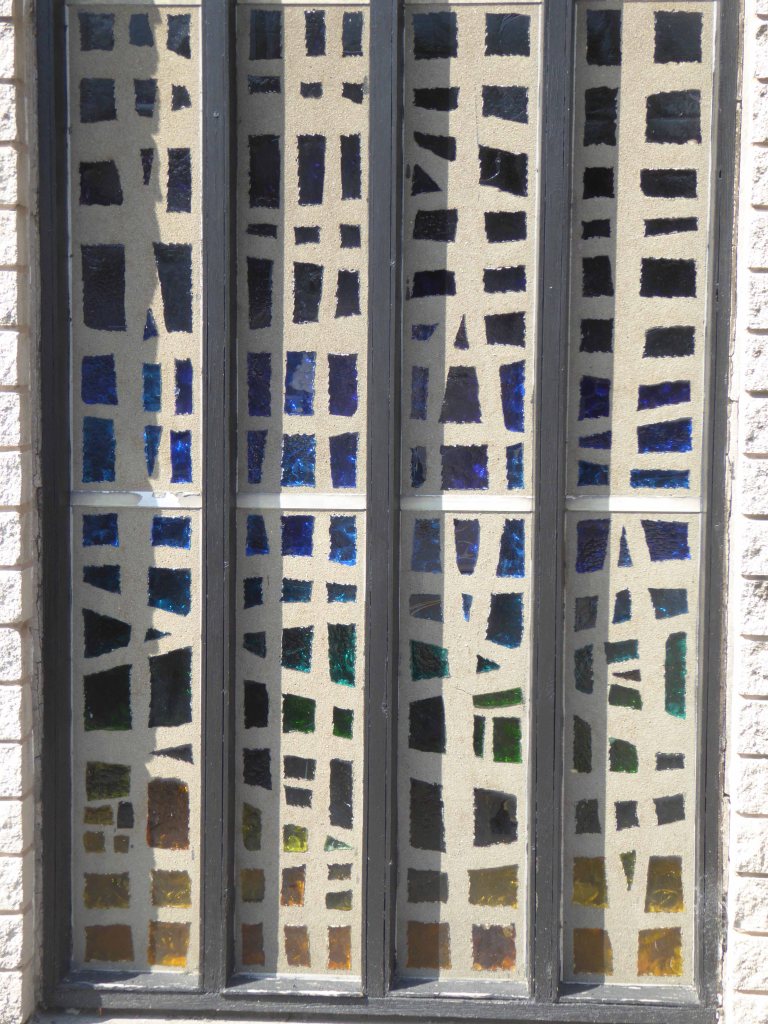
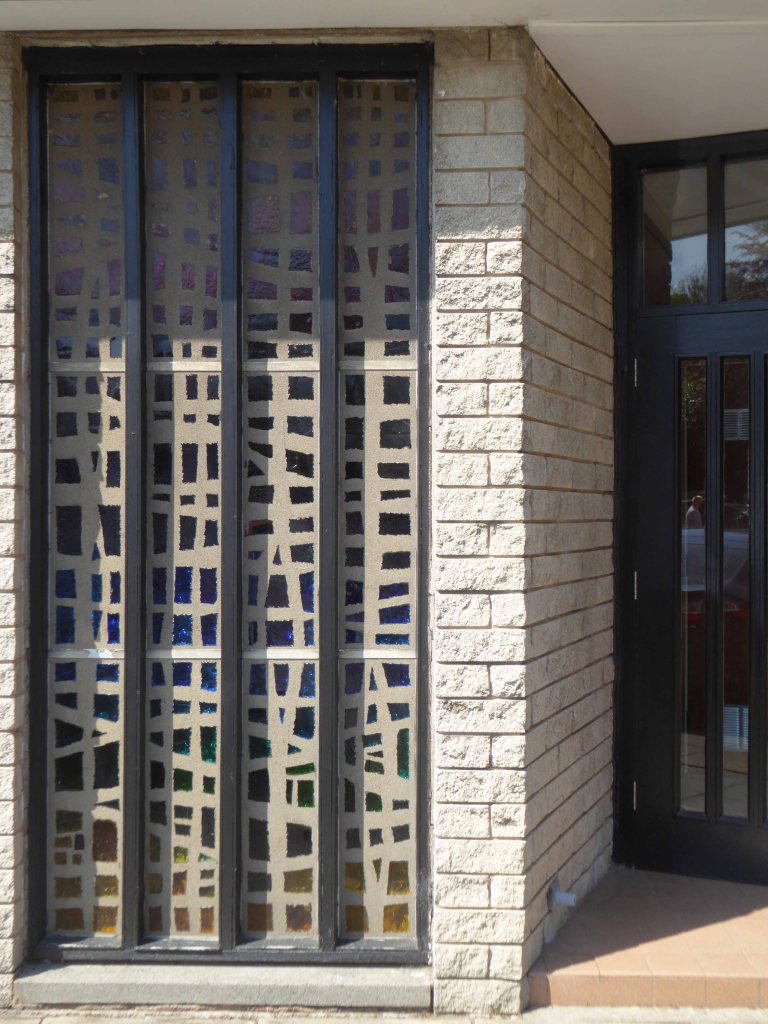
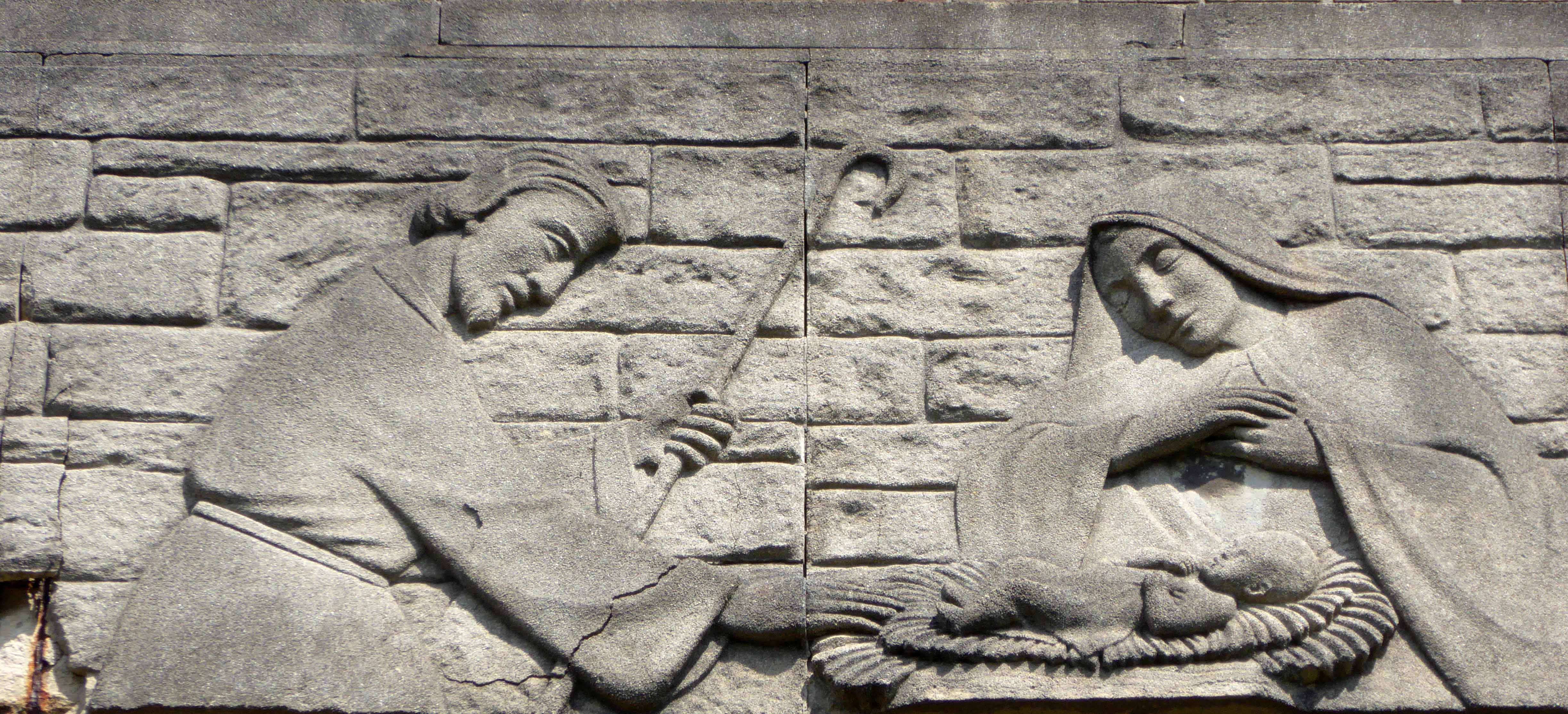
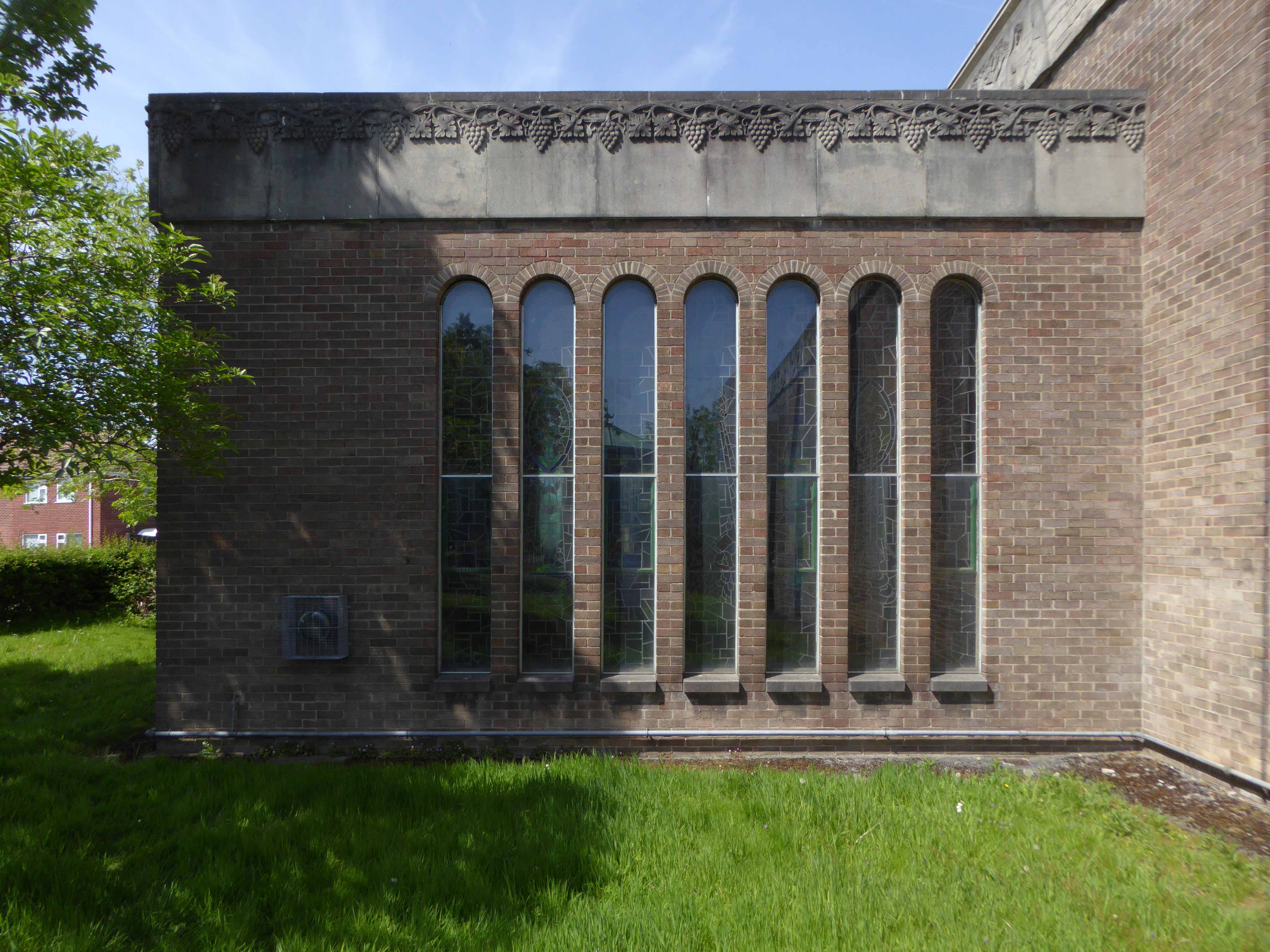
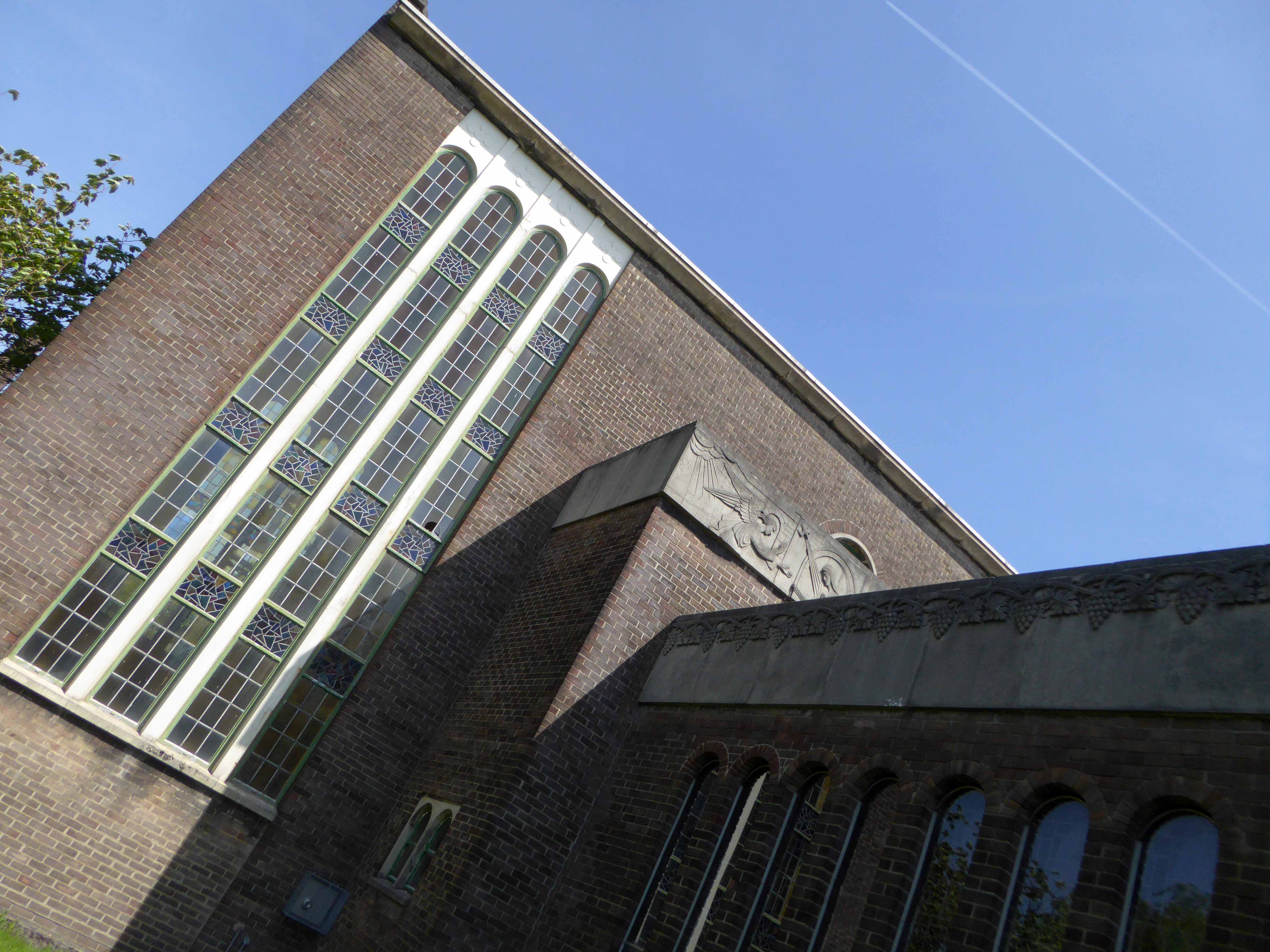
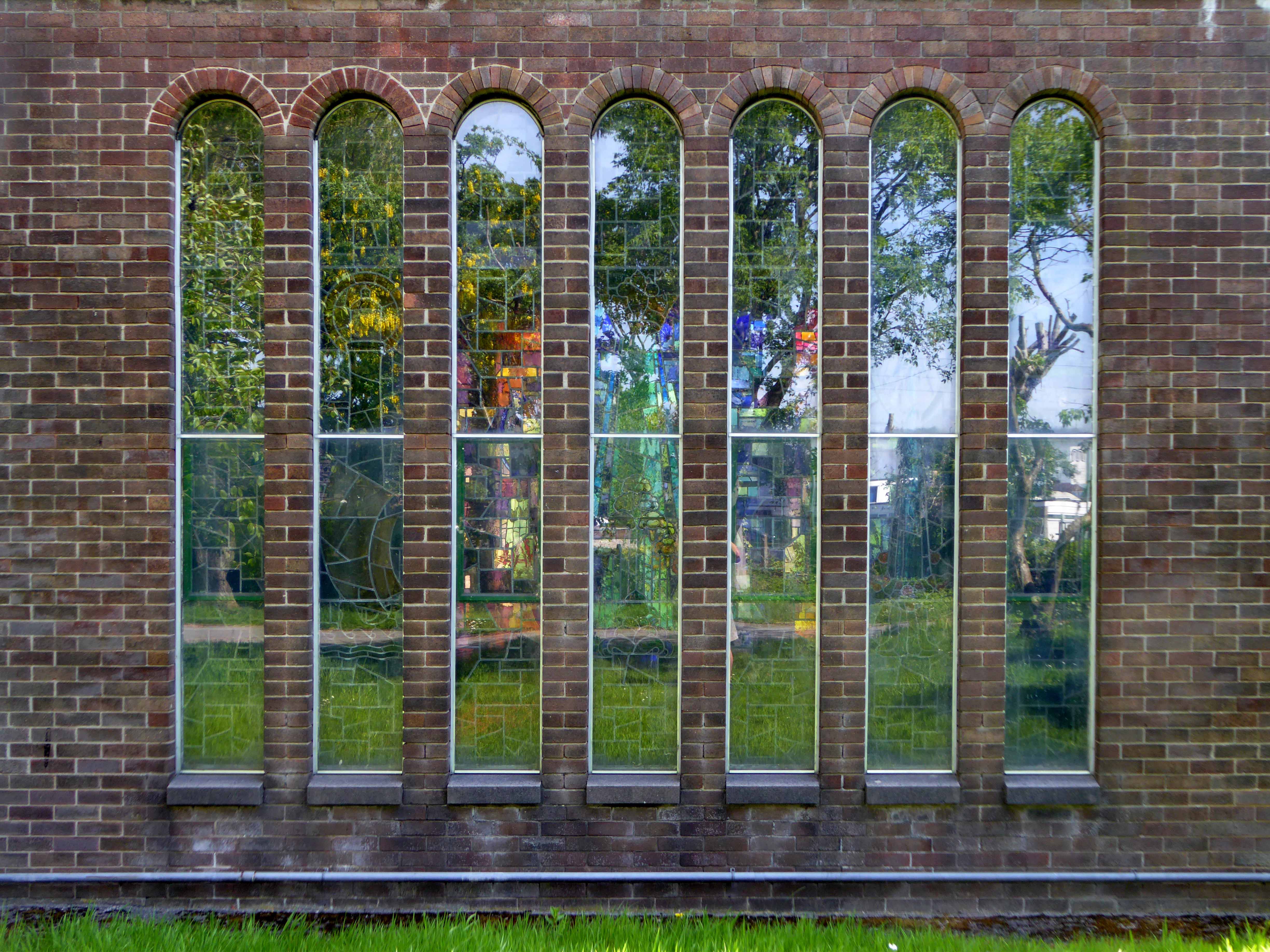
The foundation stone for the present building laid by Bishop Beck in August 1962. He returned to bless and open the church on 25 June 1963. The new church was built from designs by Walter Stirrup & Sons – job architect Kevin Houghton, at a cost of about £60,000. The church is notable for its dalle de verre glass, by Carl Edwards of Whitefriars.

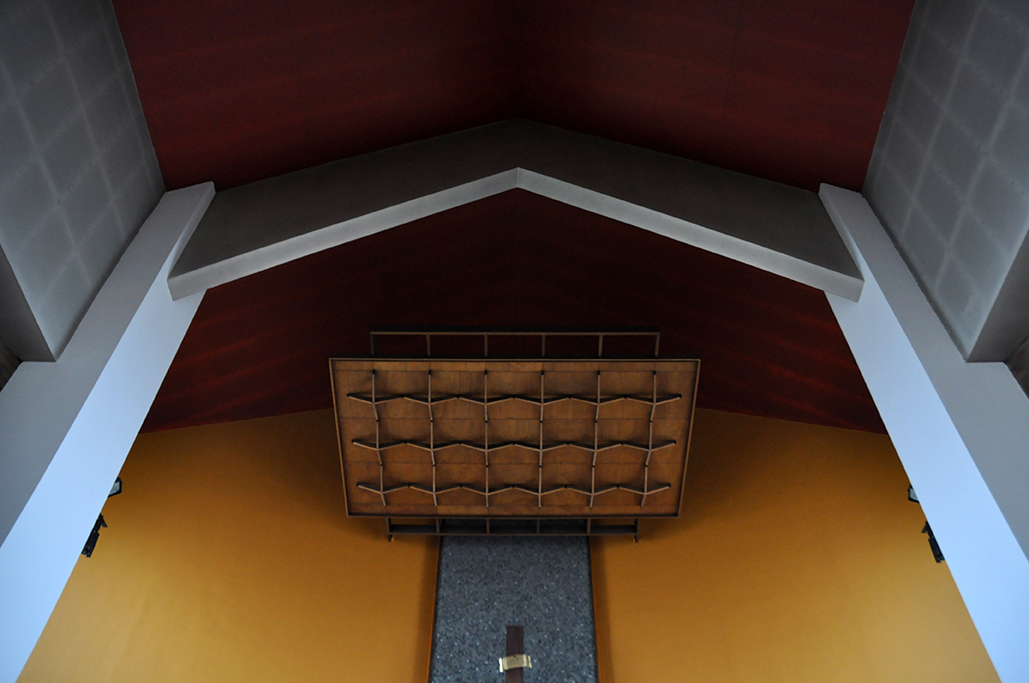
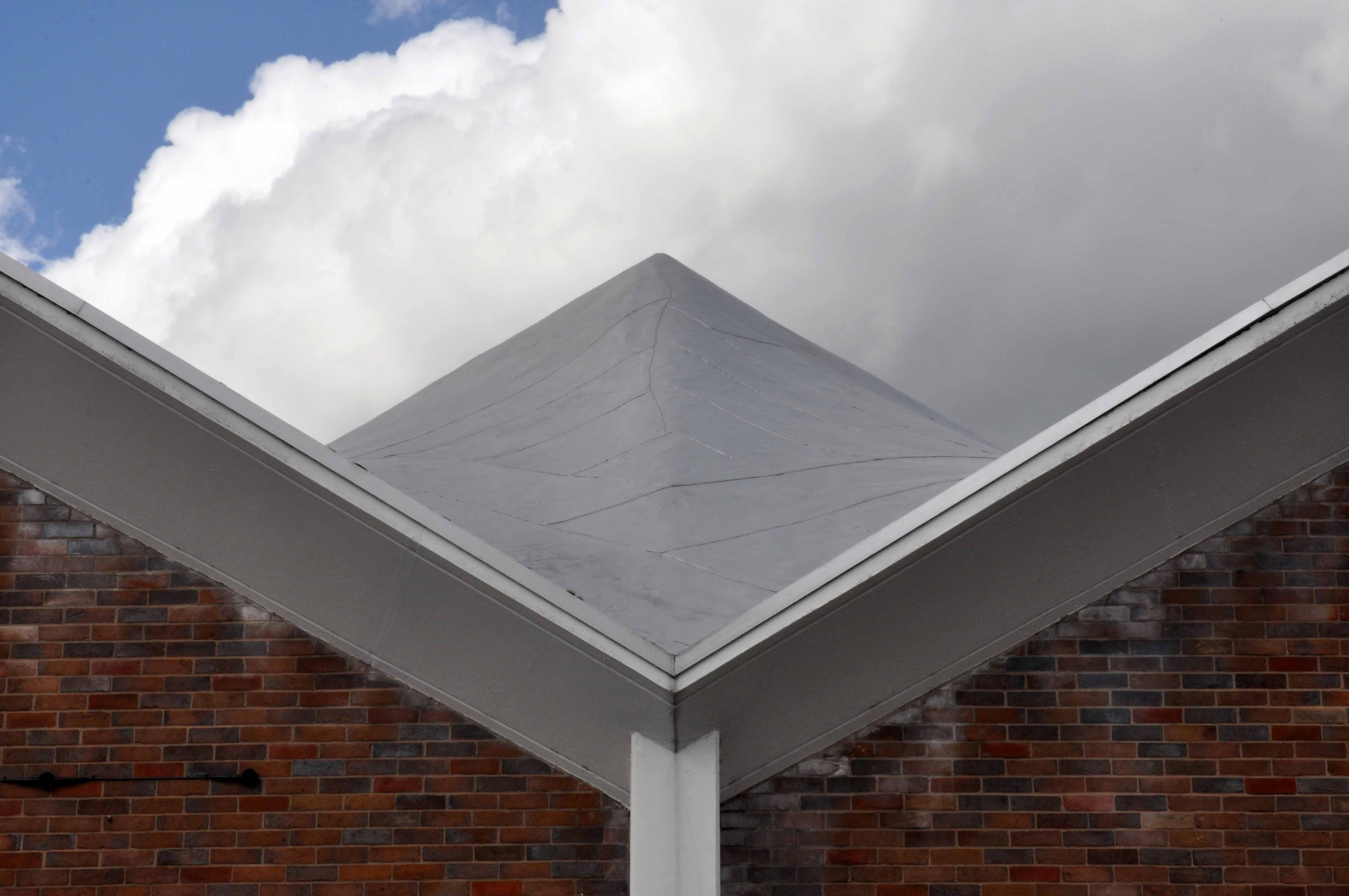
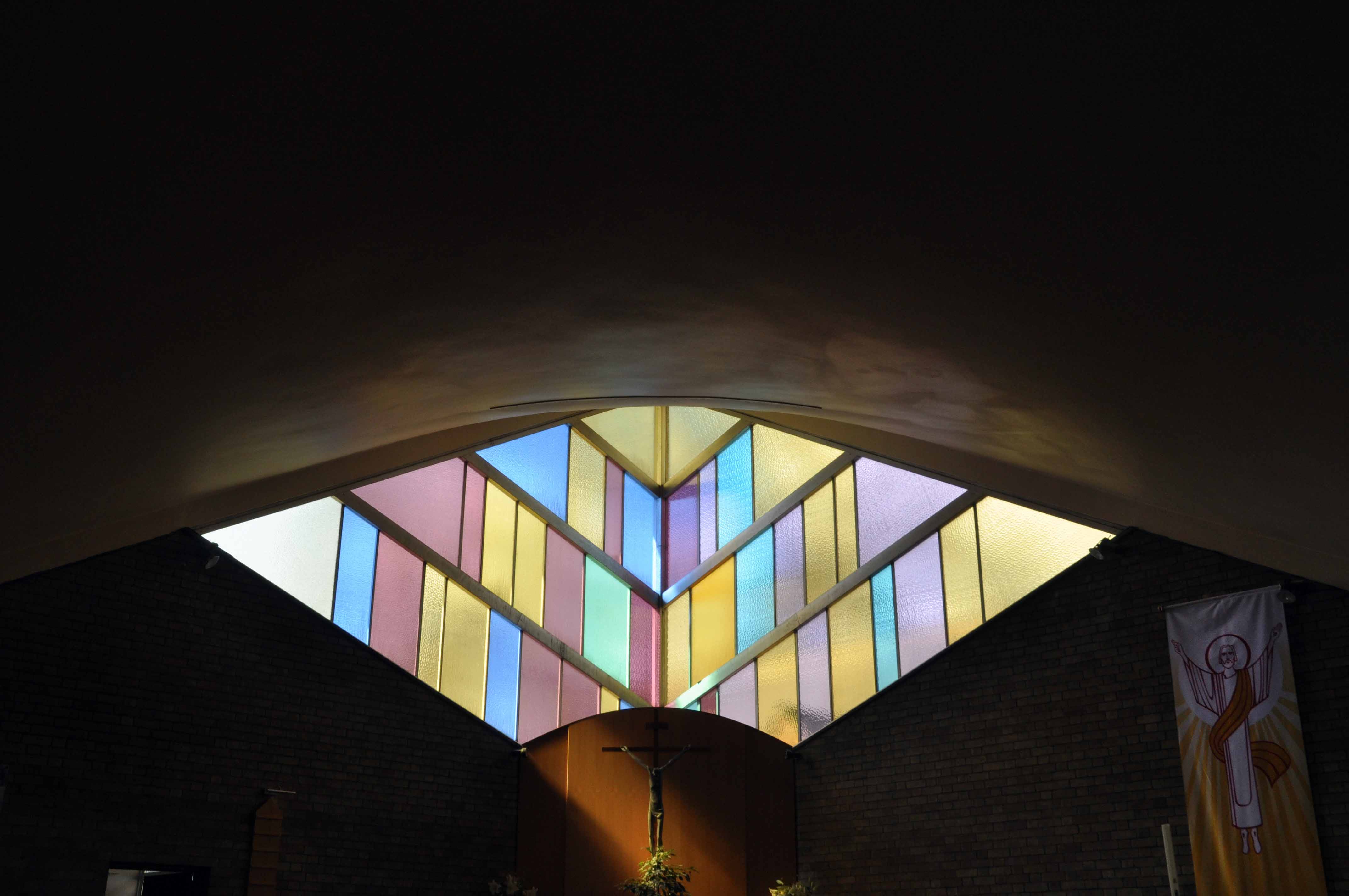
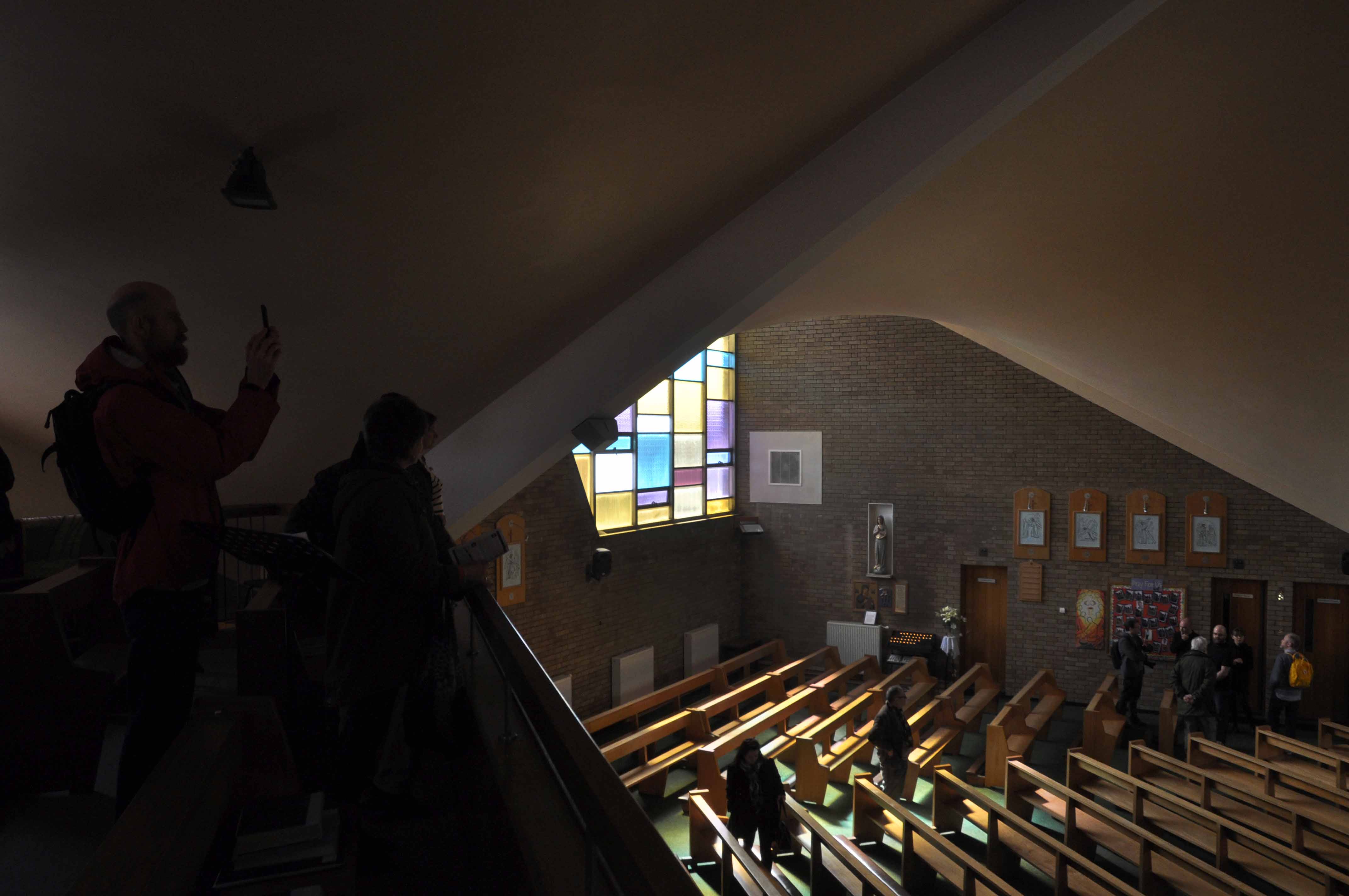
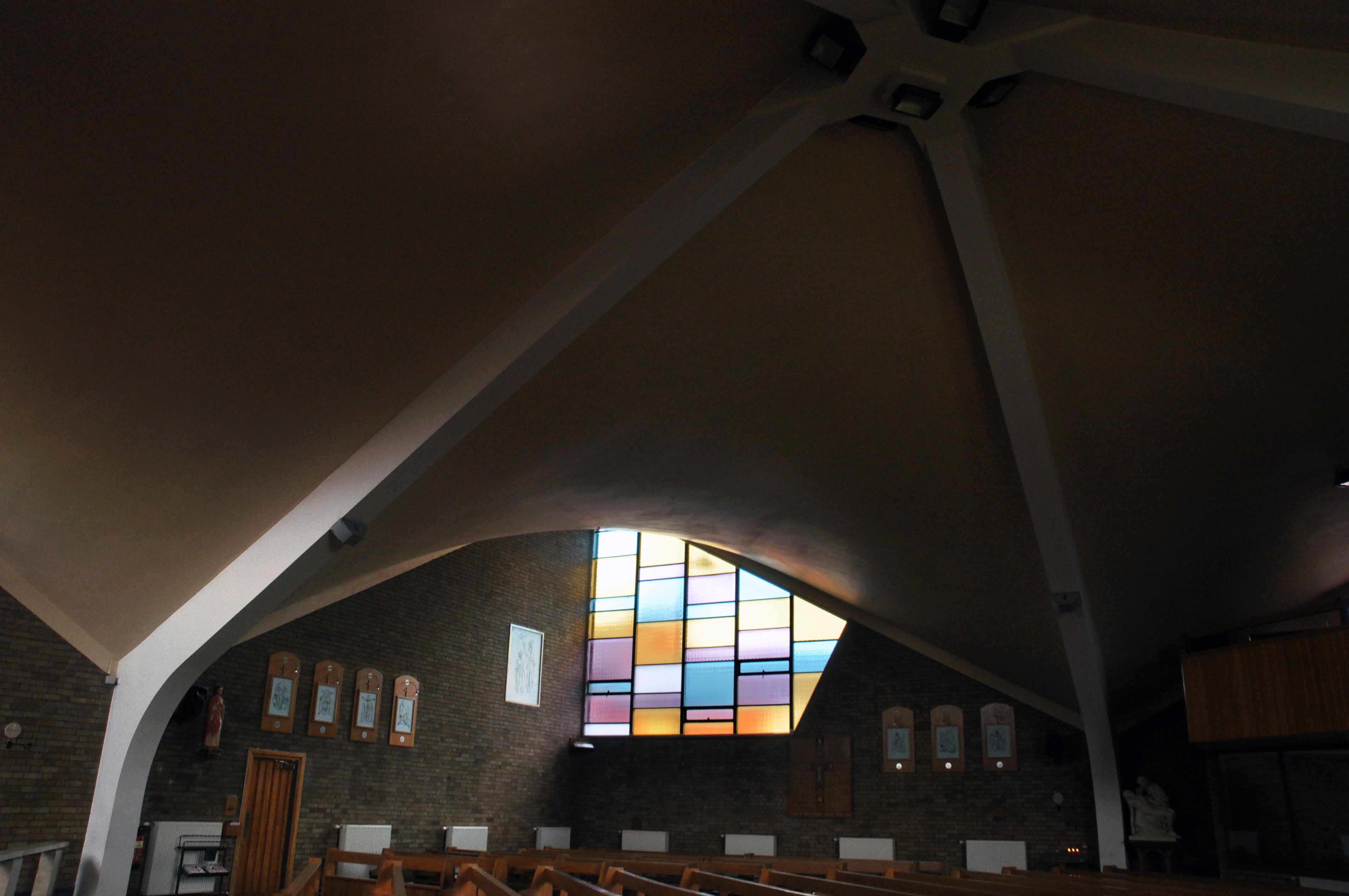
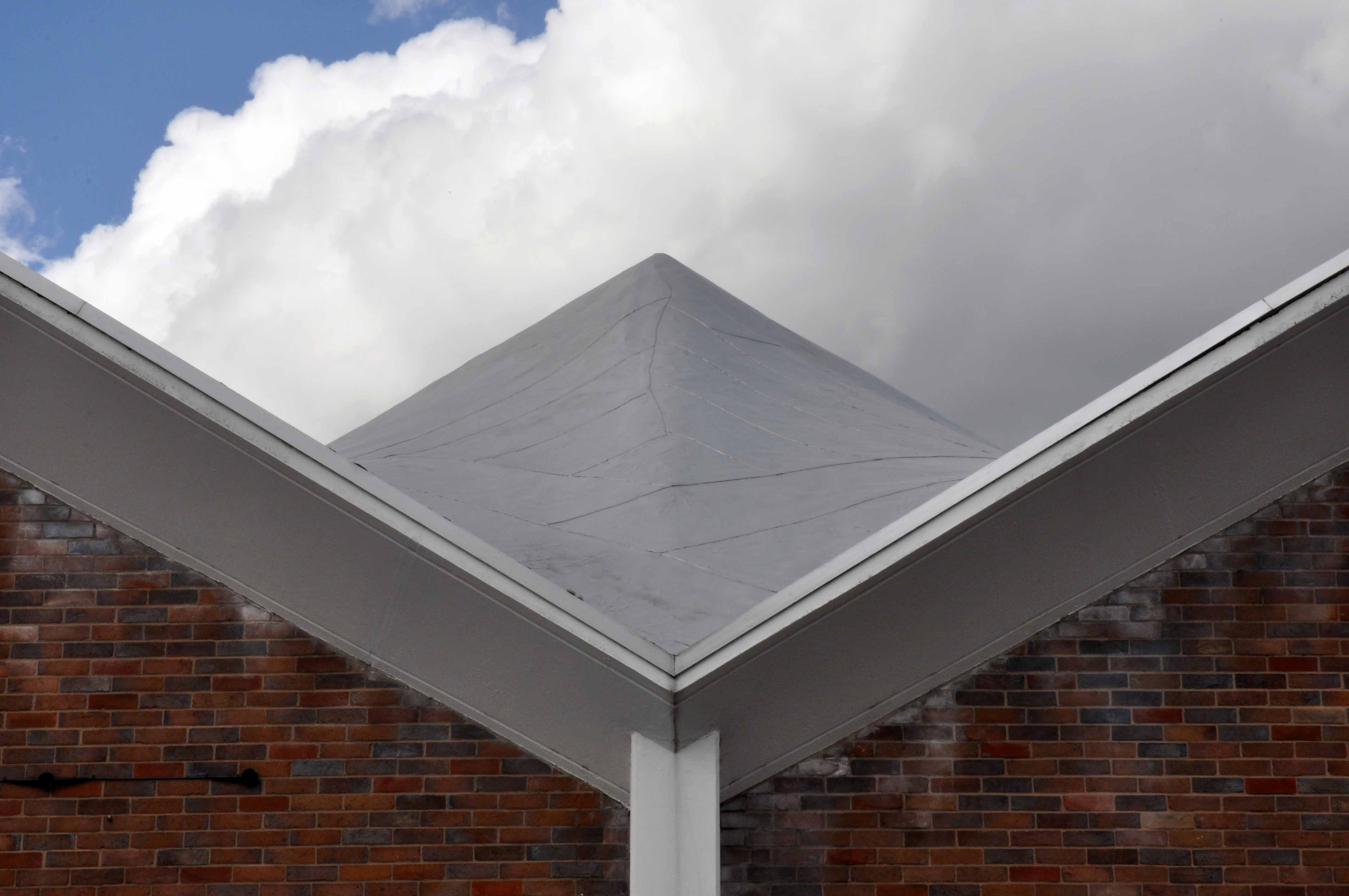
The church is a very striking and characterful building with a hyperbolic paraboloid roof rising in peaks on four sides, with clerestory lighting in the angles, that on the west side jutting out to form a canopy over the entrance. It was described by Nikolaus Pevsner as ‘wildly expressionist’.

Taking Stock

I suggest that you do the same and pop by to see St Mary – Our Lady of Sorrows soon.

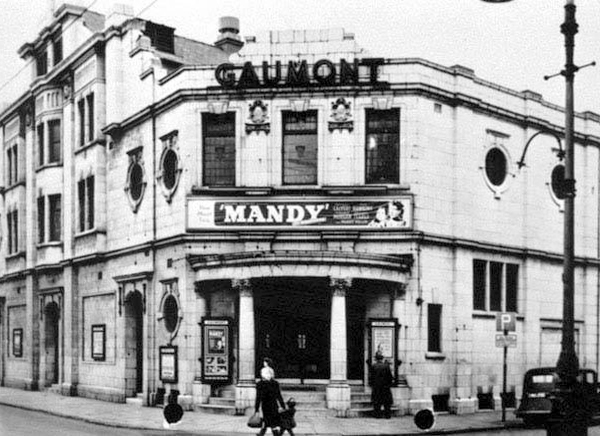
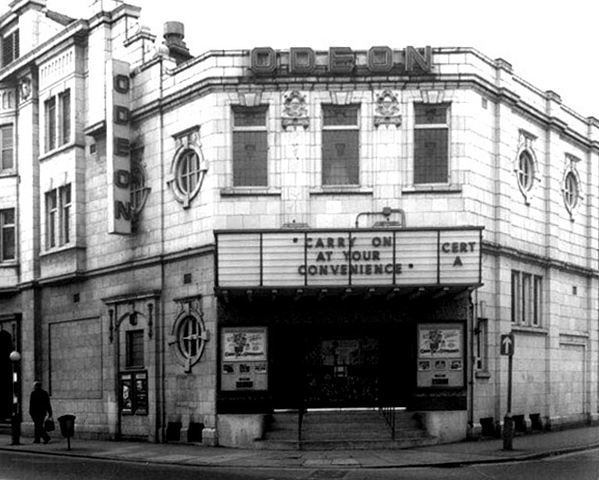
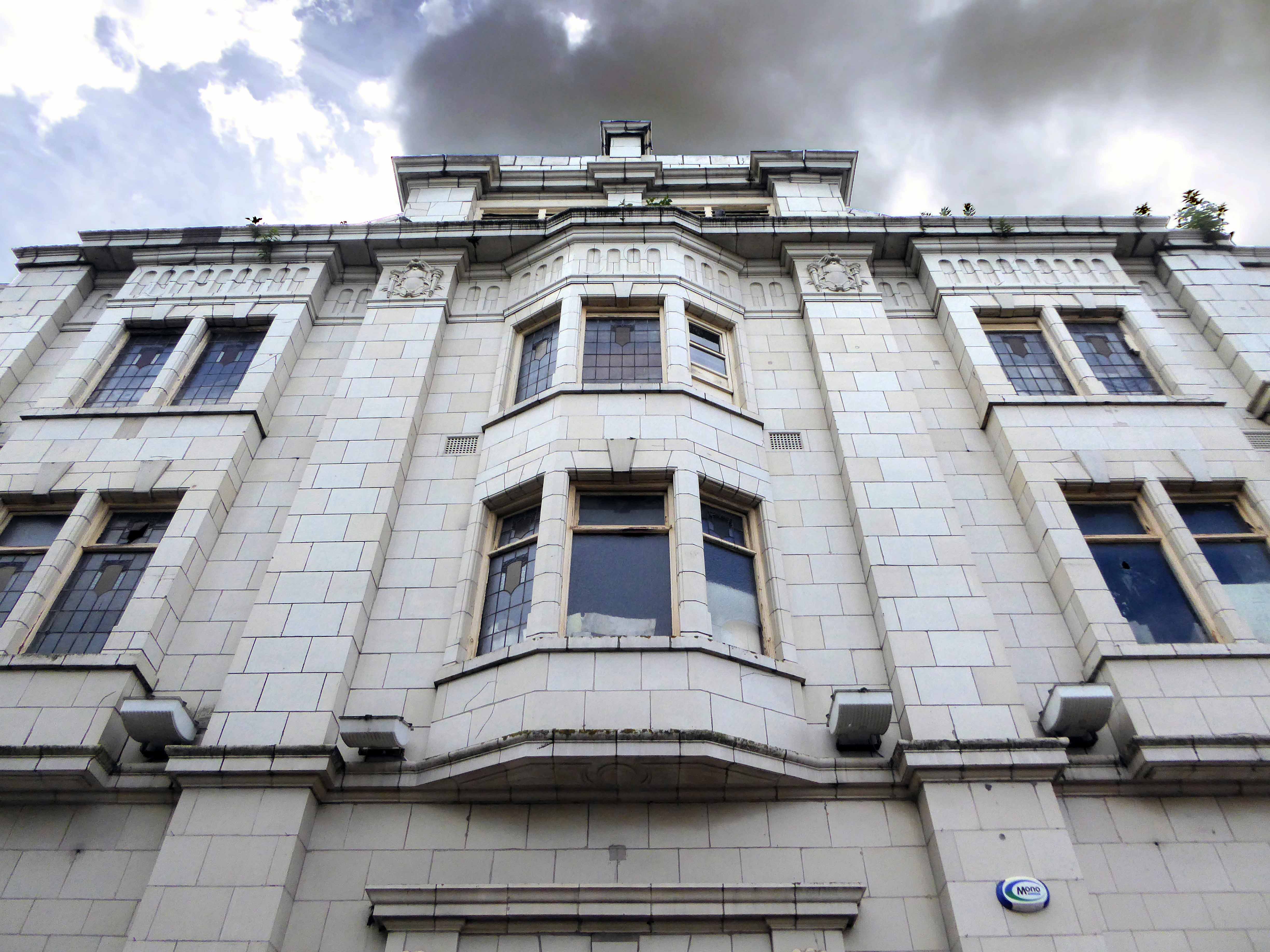
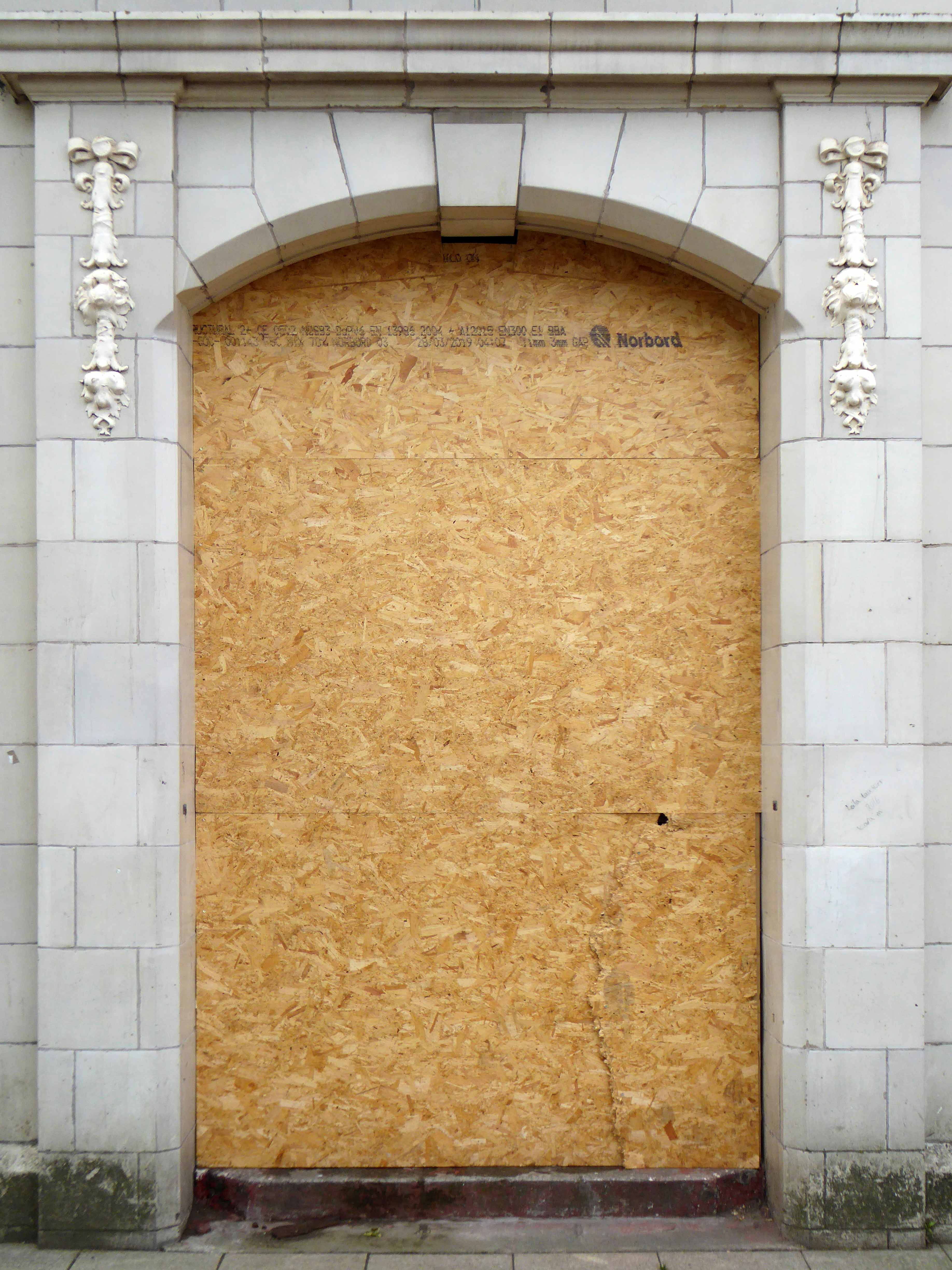
The Odeon née Gaumont – Ashton Under Lyne

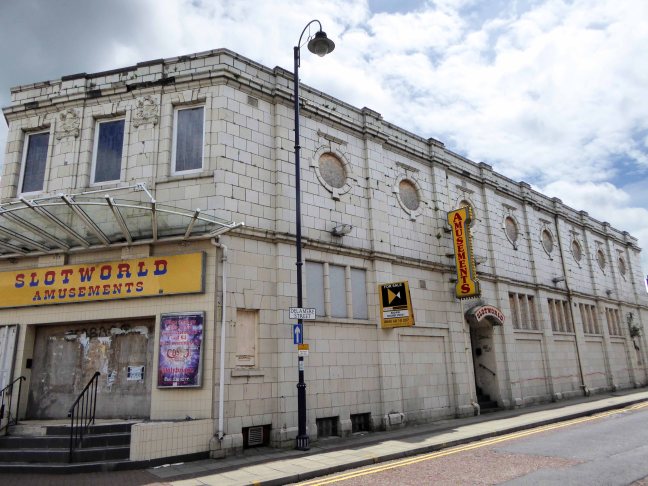
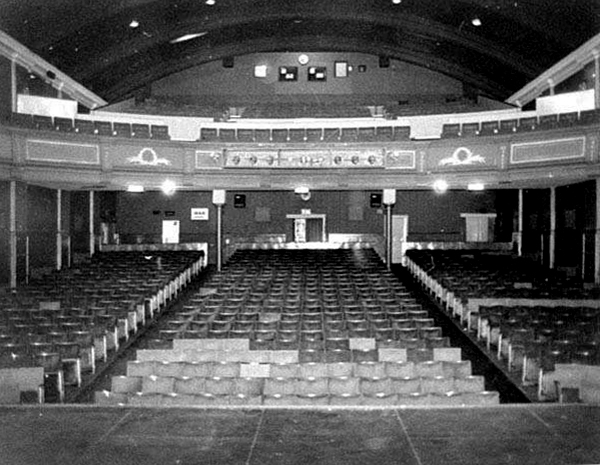
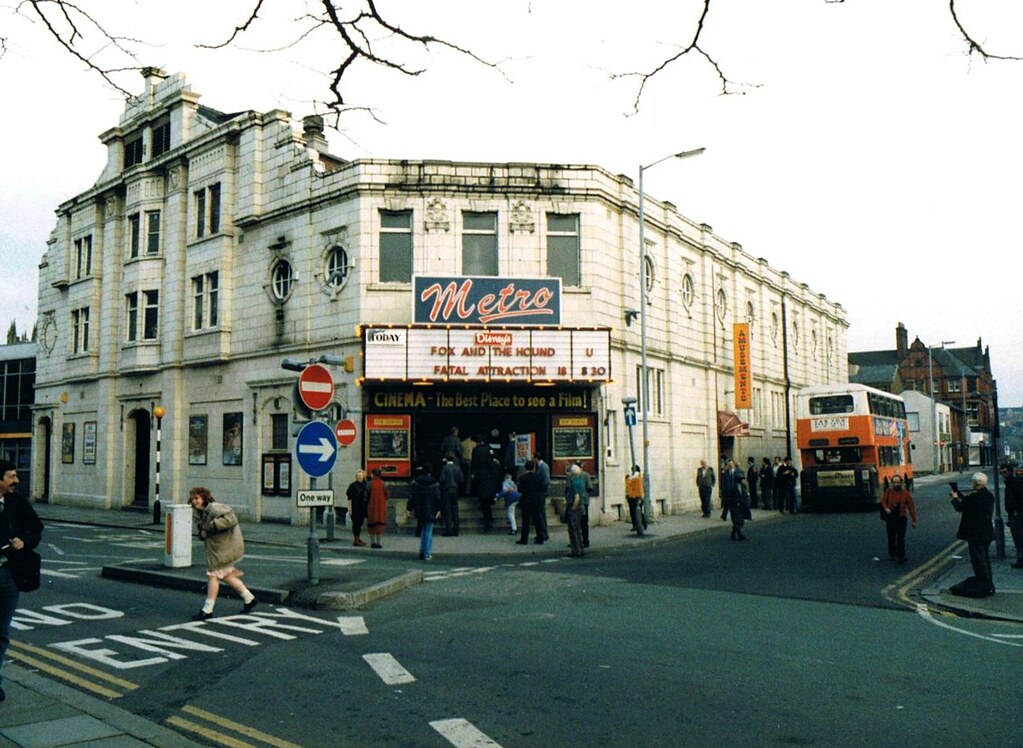
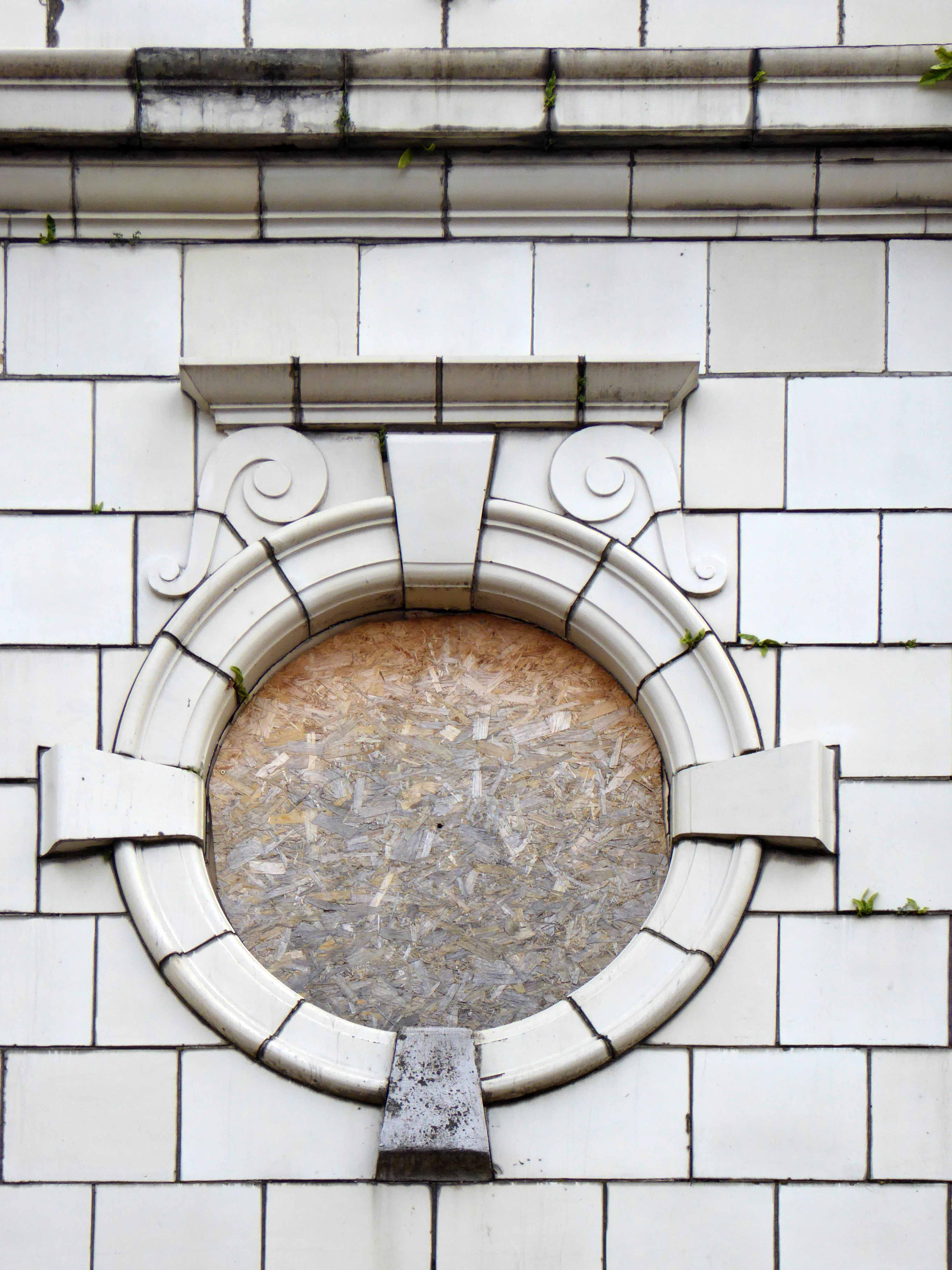
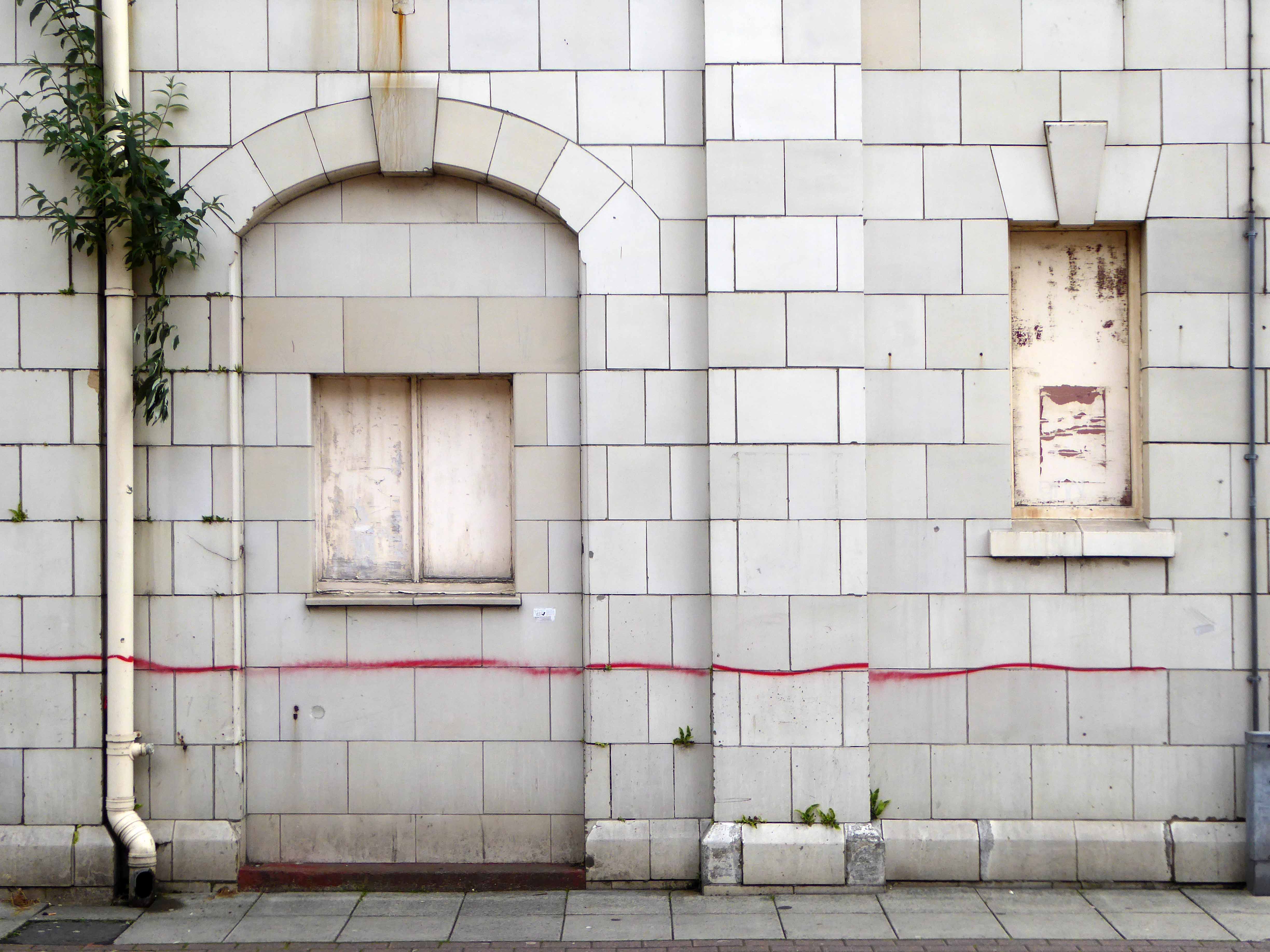
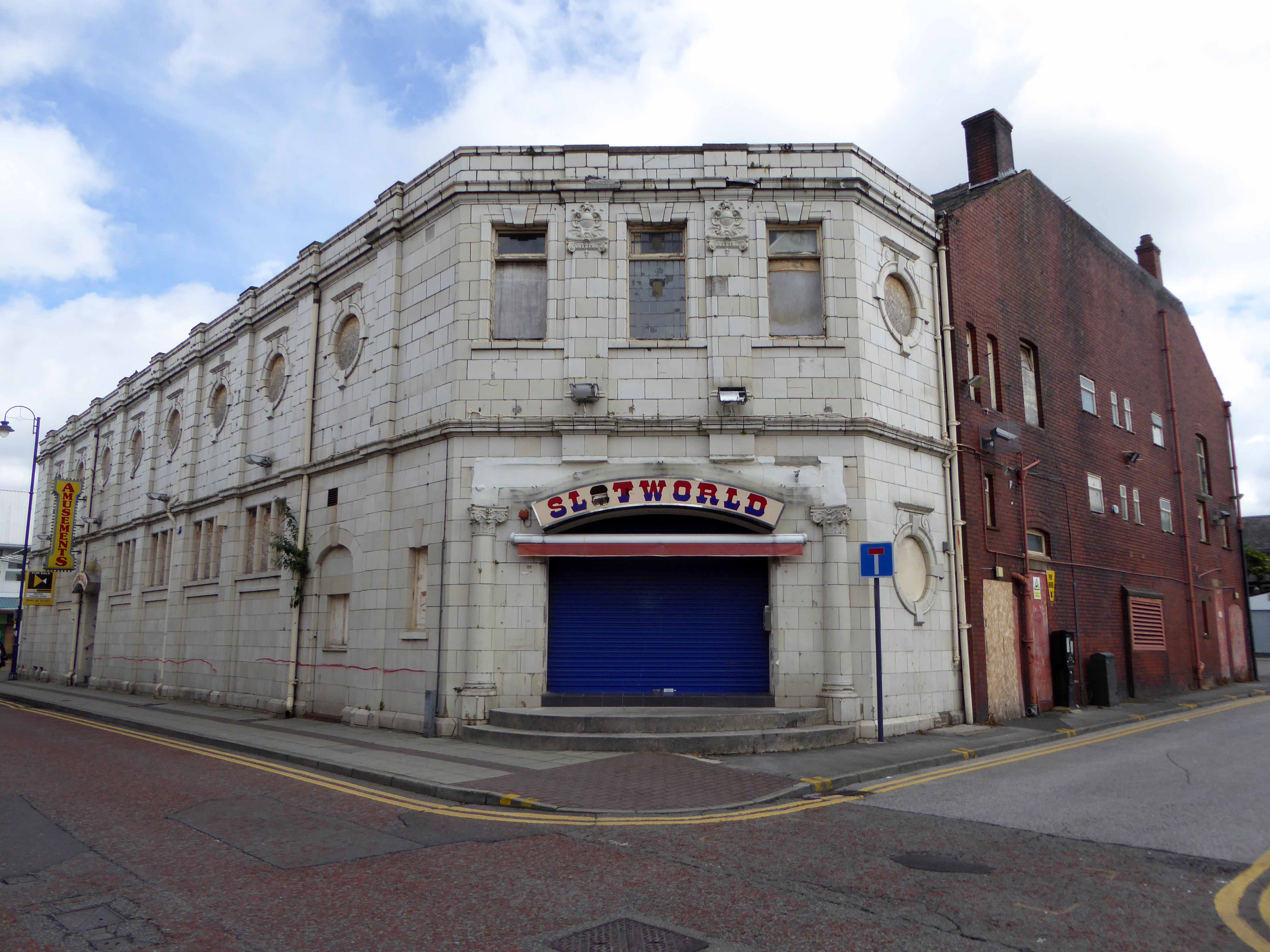
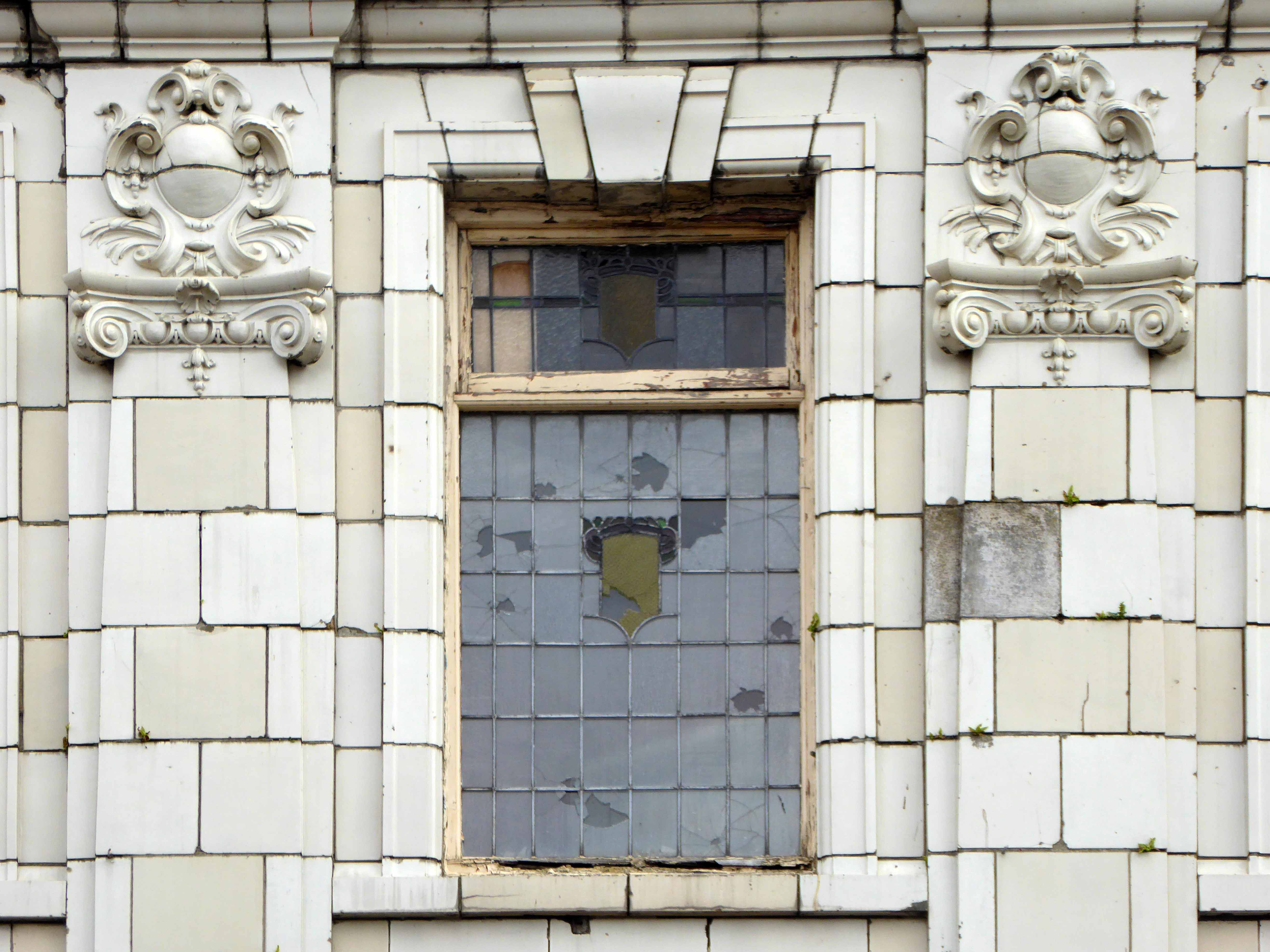
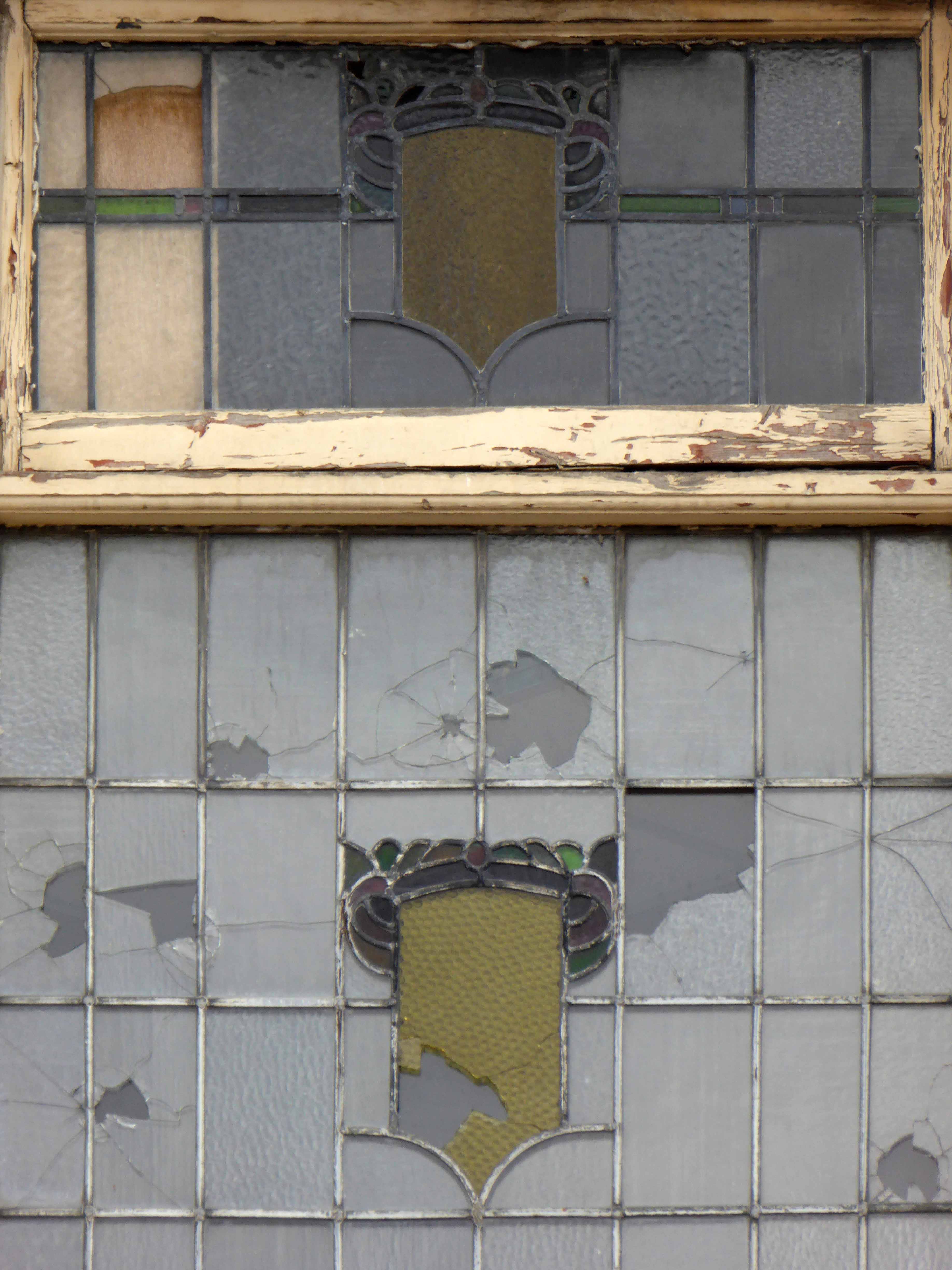
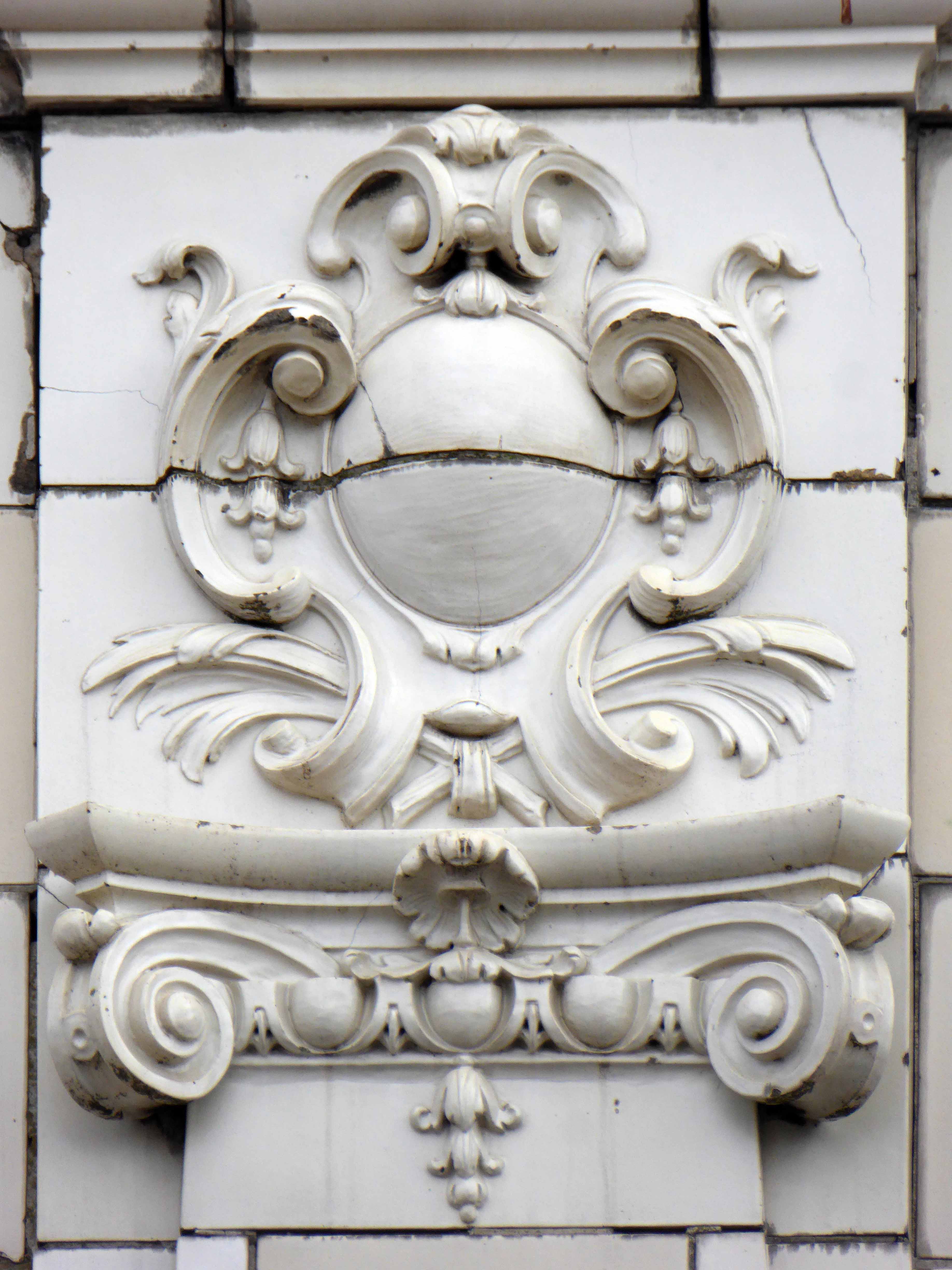
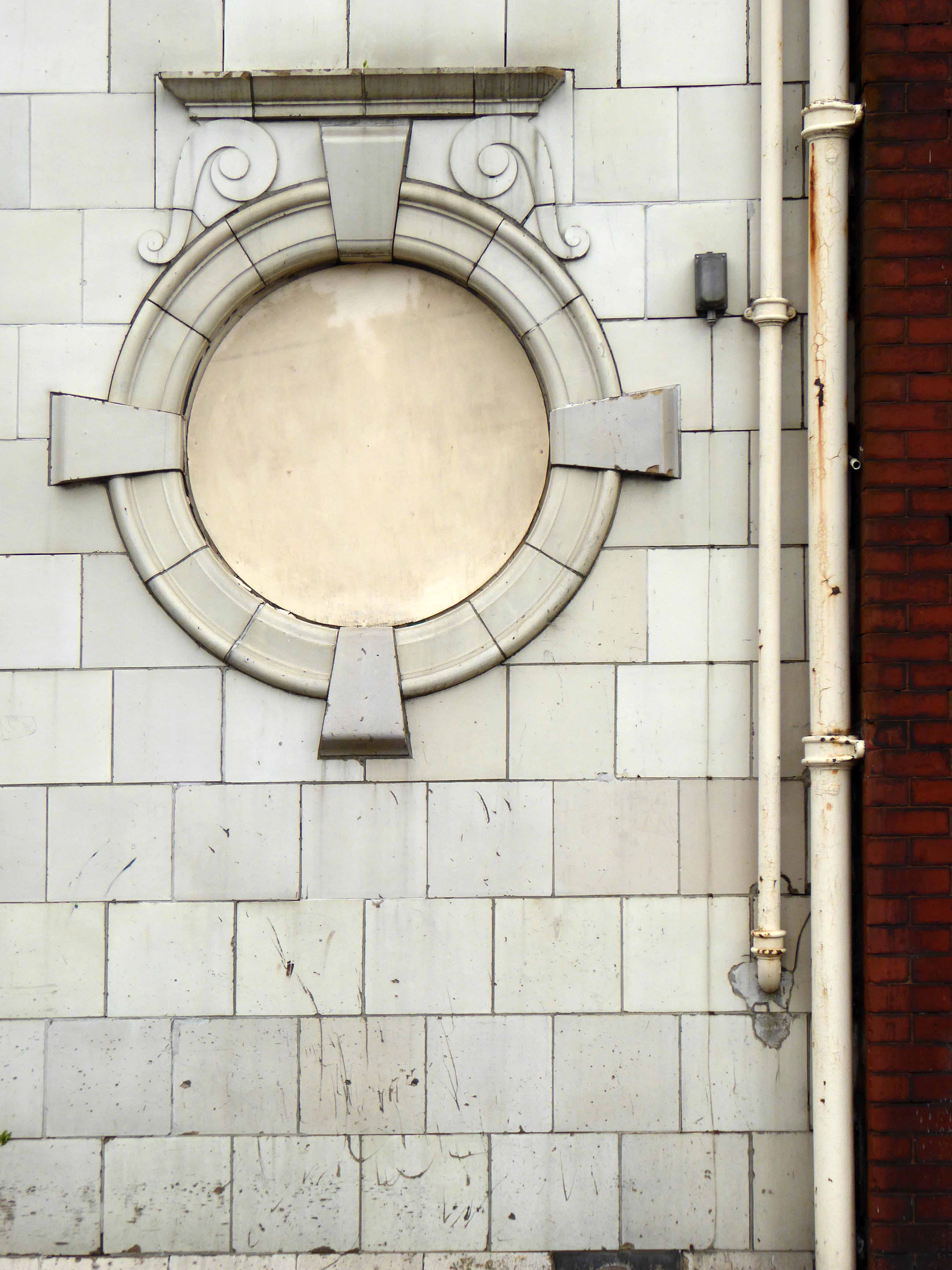
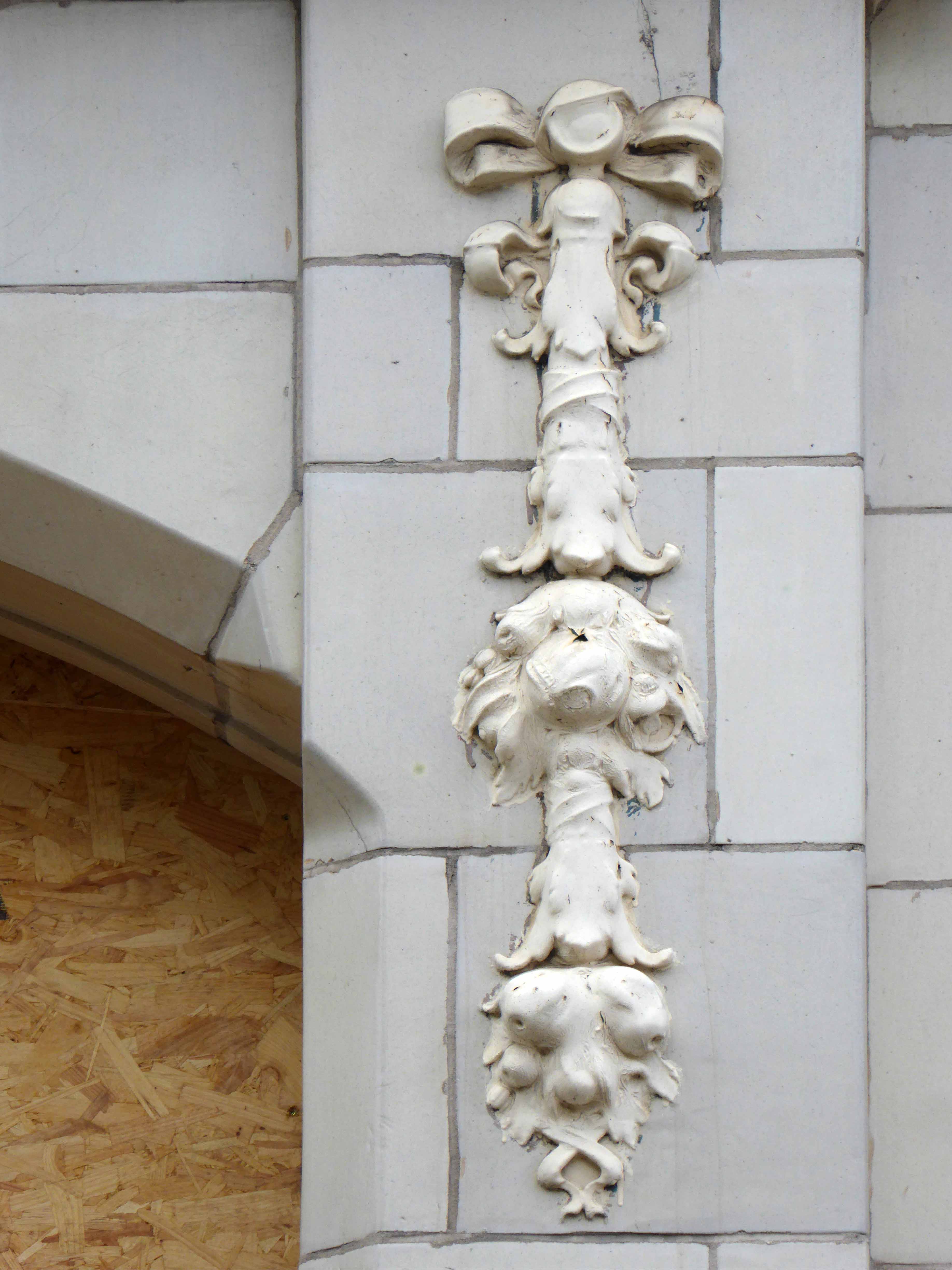
Opened 22 April 1920 with “The Forbidden City” and designed by Arnold England, the Majestic Picture House was part of the Provincial Cinematograph Theatres circuit. With 1,233 seats in stalls and balcony and a splendid facade faced in white faience tiles on two sides of the building on its prominent town centre corner site of Old Street and Delamere Street, the cinema was a great success.

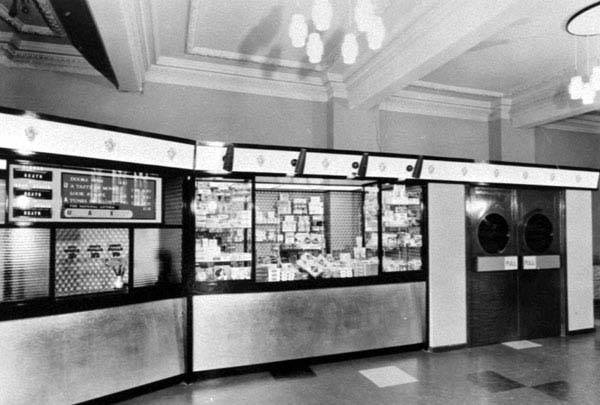
It had an oak panelled foyers which had beautiful coloured tapestry’s on the walls. The interior was in a Georgian style and it was equipped with a pipe organ and a seperate tea room and cafe which were located on the upper floor.

It passed, with all the other PCT houses to Gaumont British Theatres in 1929, but it was not until 12th July 1946 that it was renamed Gaumont. The Majestic Picture House was renovated in July 1936, with new seating installed and a re-recoration of the foyer and auditorium. A new Compton 3Manual/6Rank organ was installed that was opened by organist Con Docherty.

Later being merged into the Rank Organisation, the Gaumont was re-named Odeon on 11th November 1962. It was eventually sold to an independent operator who renamed it the Metro Cinema from 6th November 1981.

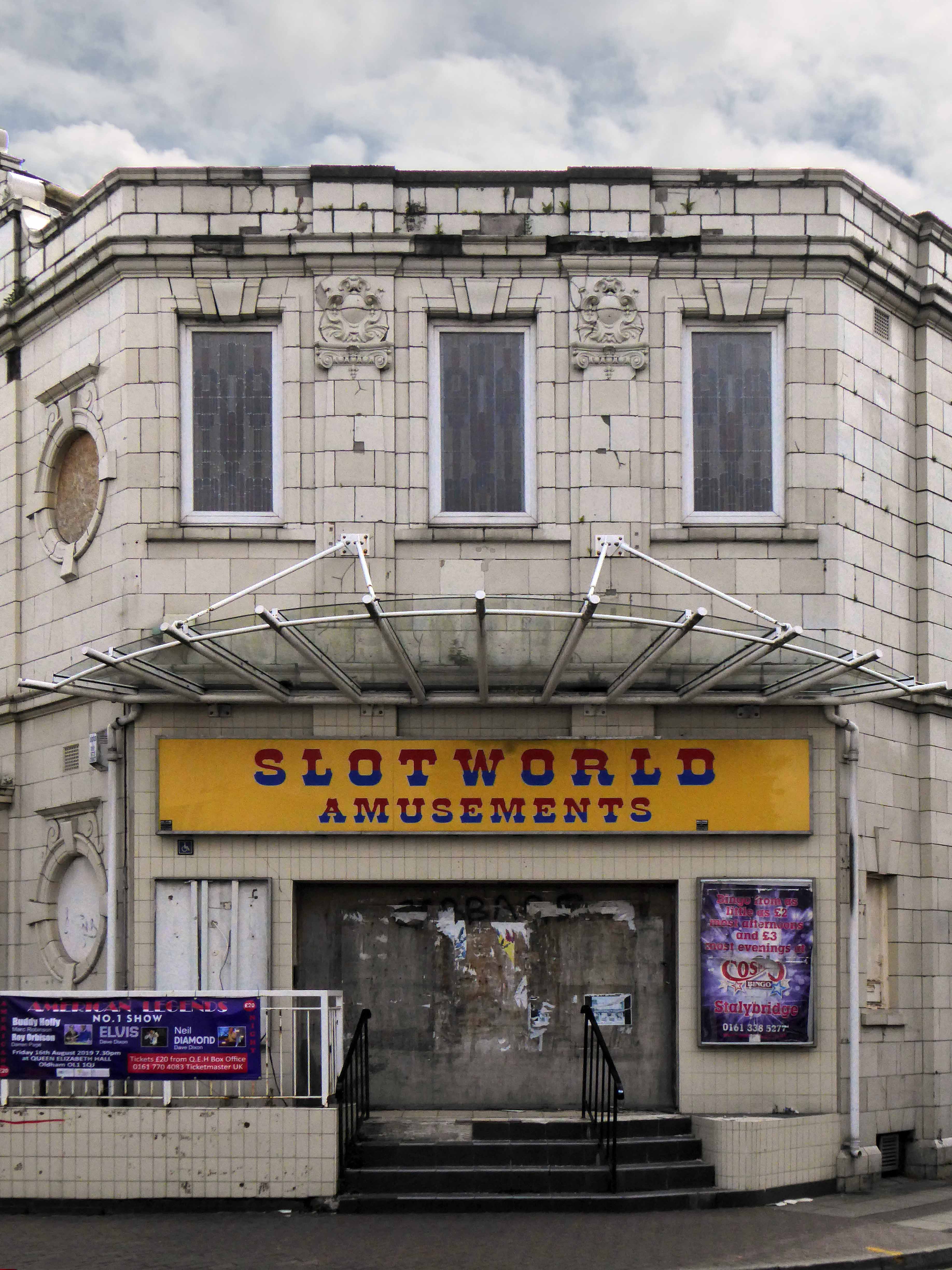
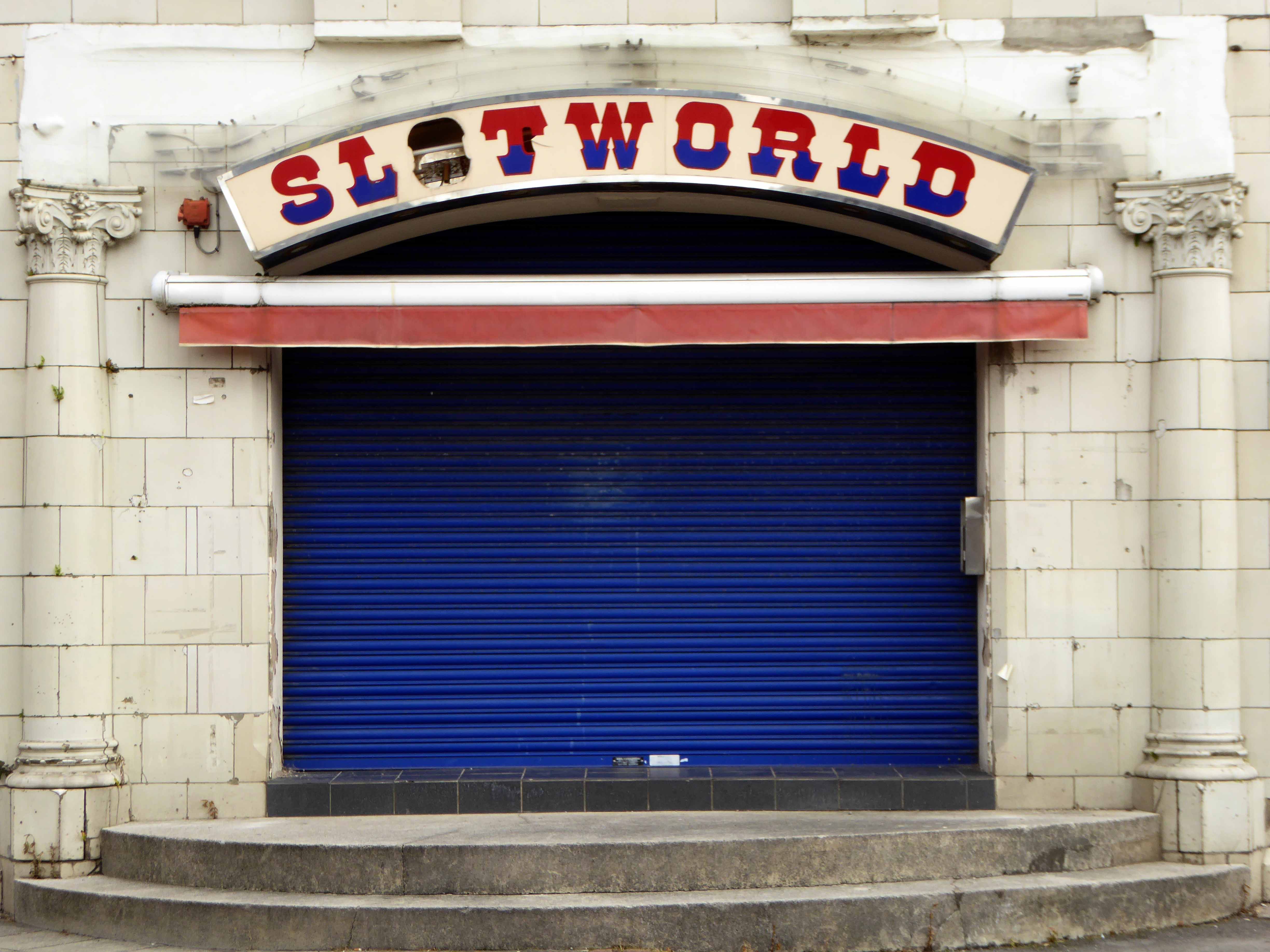
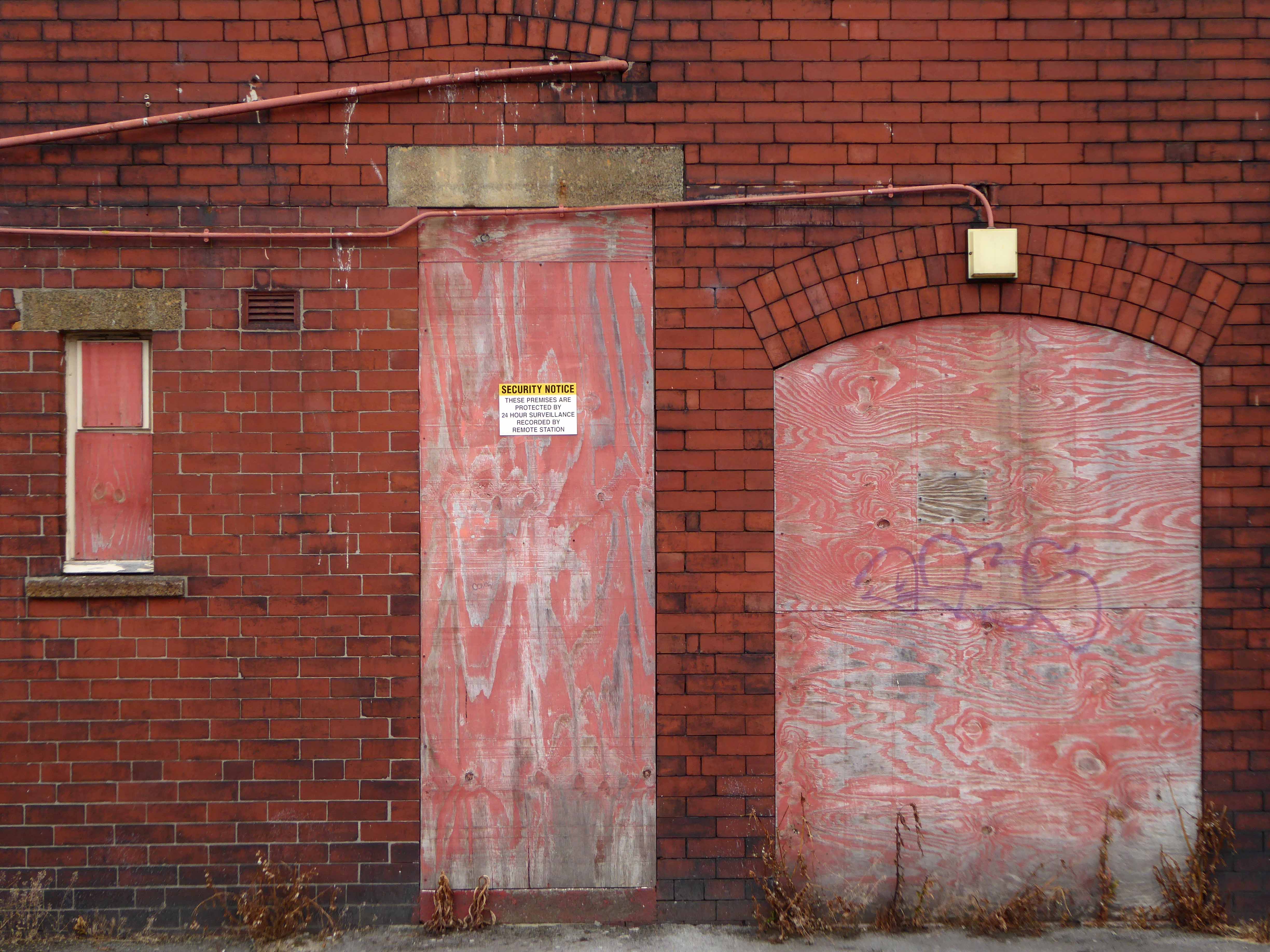
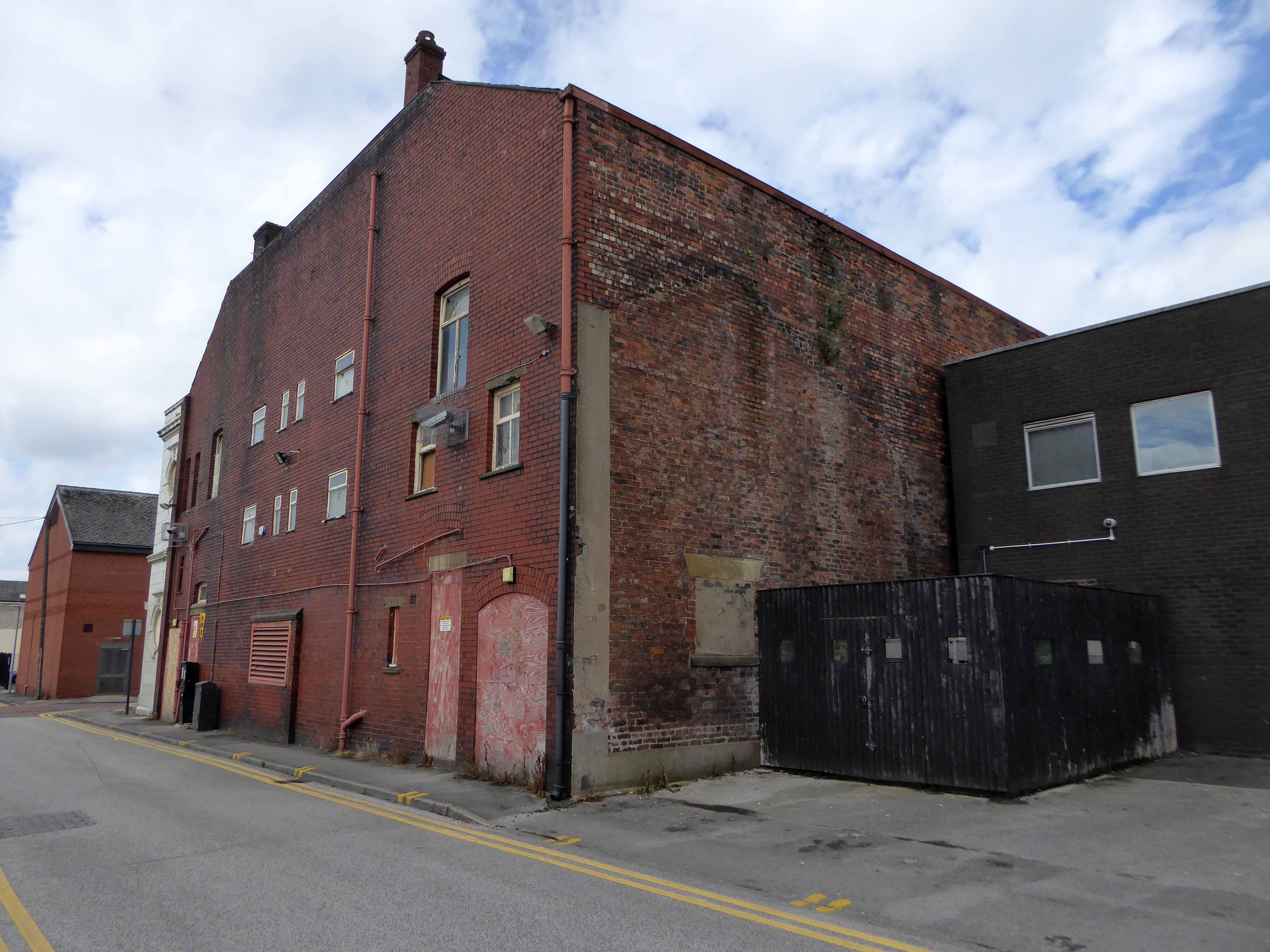
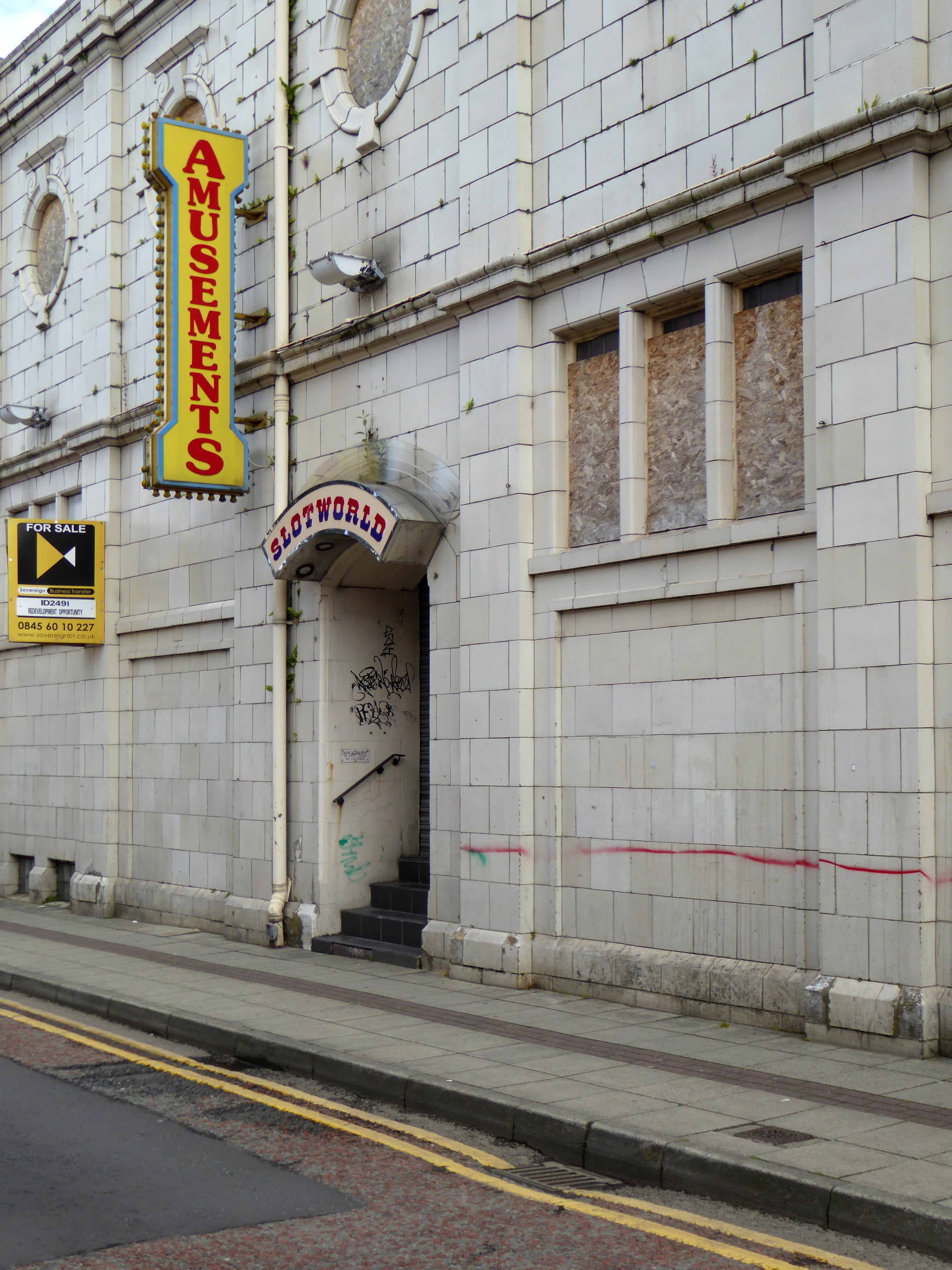
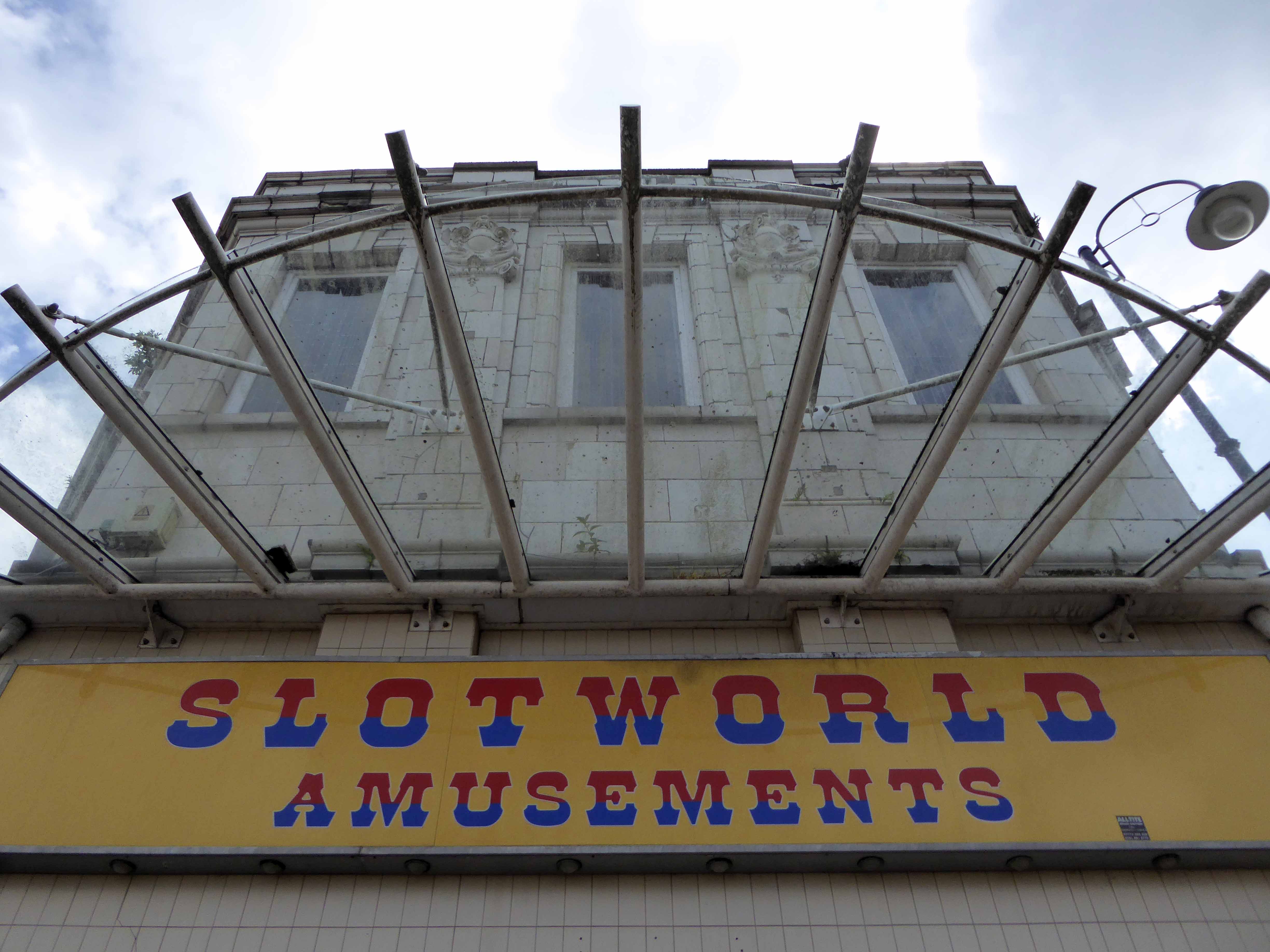
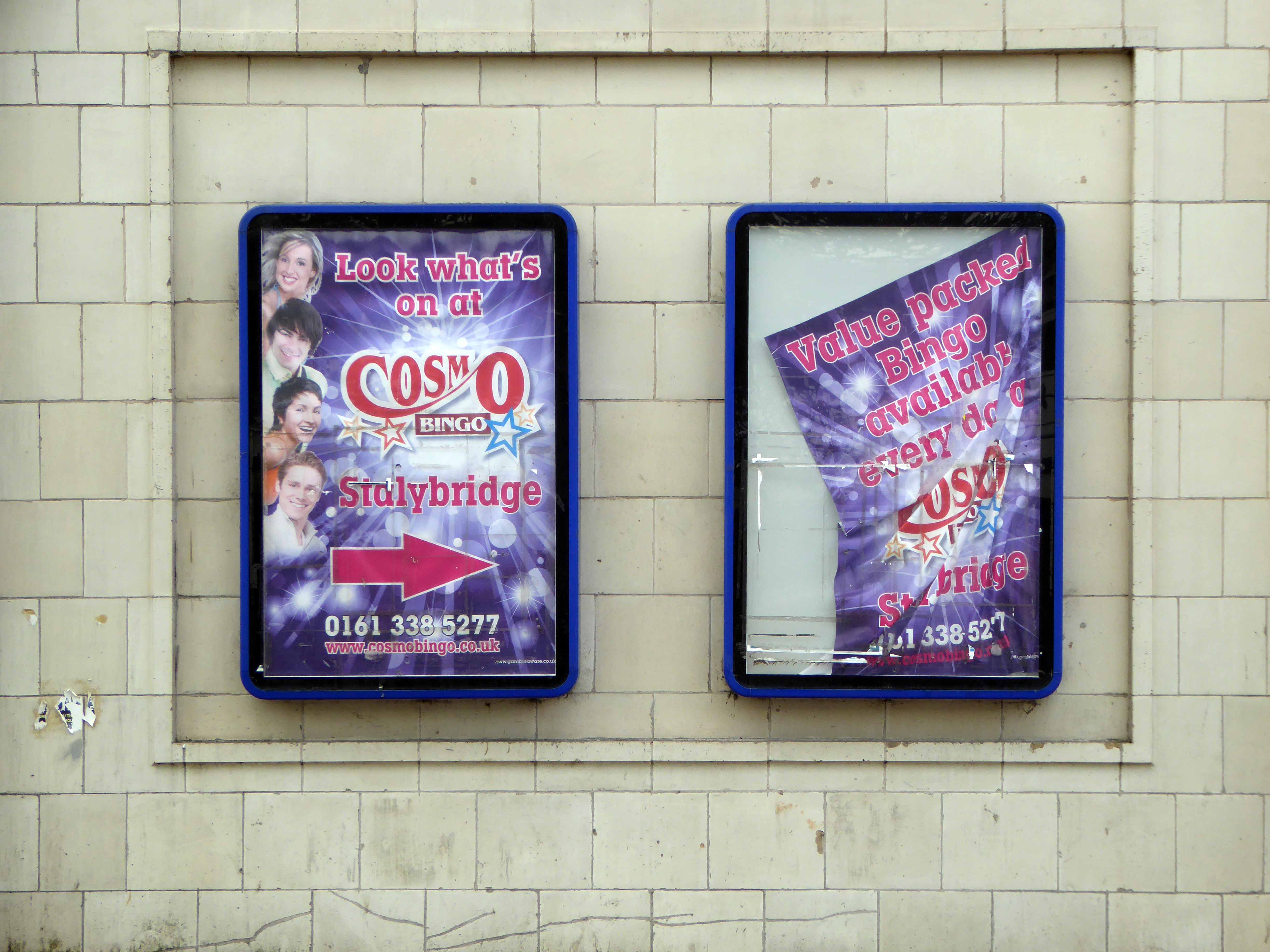
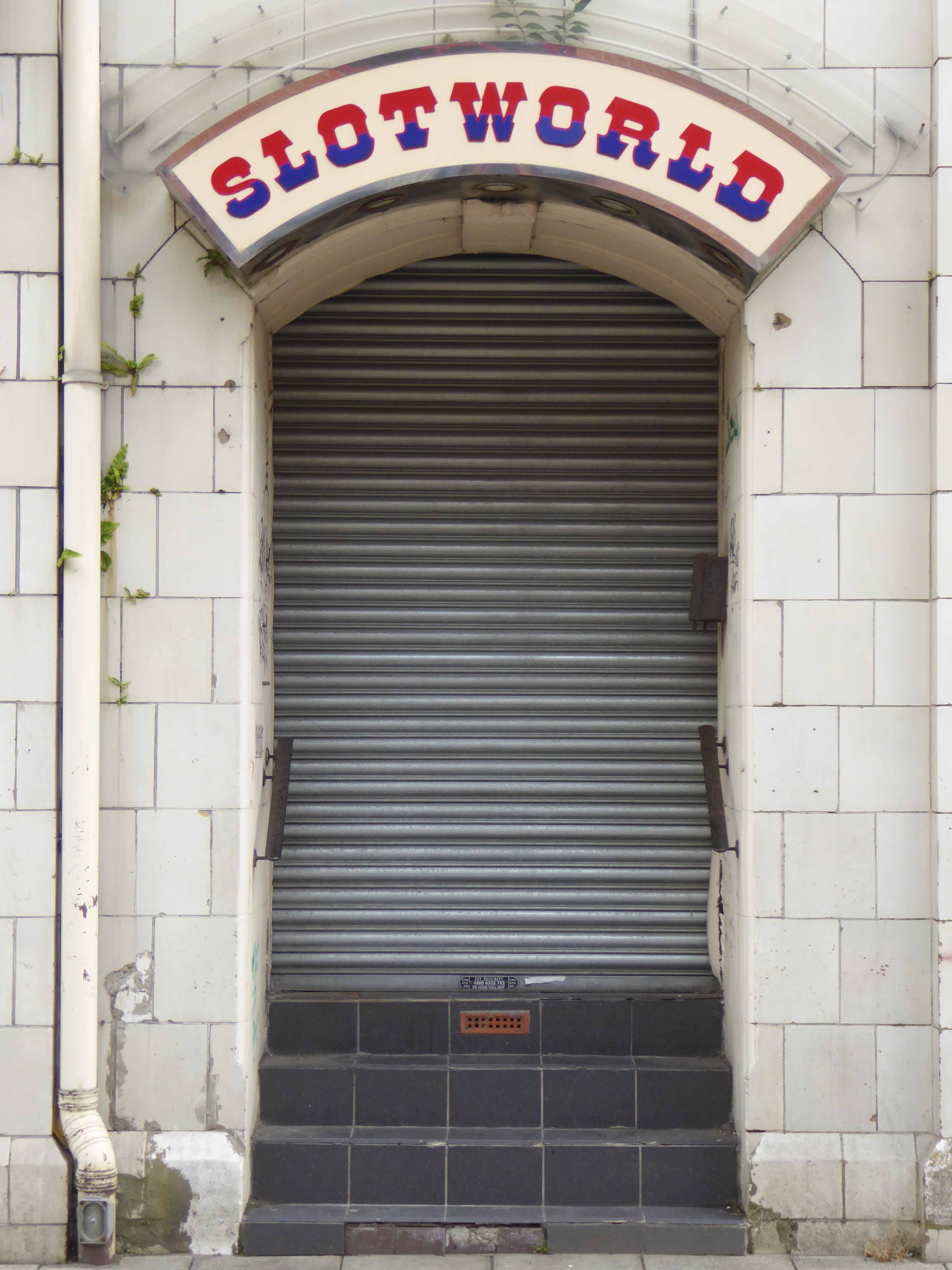
With capacity now down to 946 seats, the Metro Cinema continued as a single screen operation until the middle of 2003, sometime after a multi-plex had opened in the town. In 2008 (with seats and screen intact) the building was unused except for the long foyer area, linking the front and back elevations of the Metro, which was a Slotworld Amusement Arcade. By 2011, the entire building had been stripped out and stood empty and unused.

Cinema Treasures

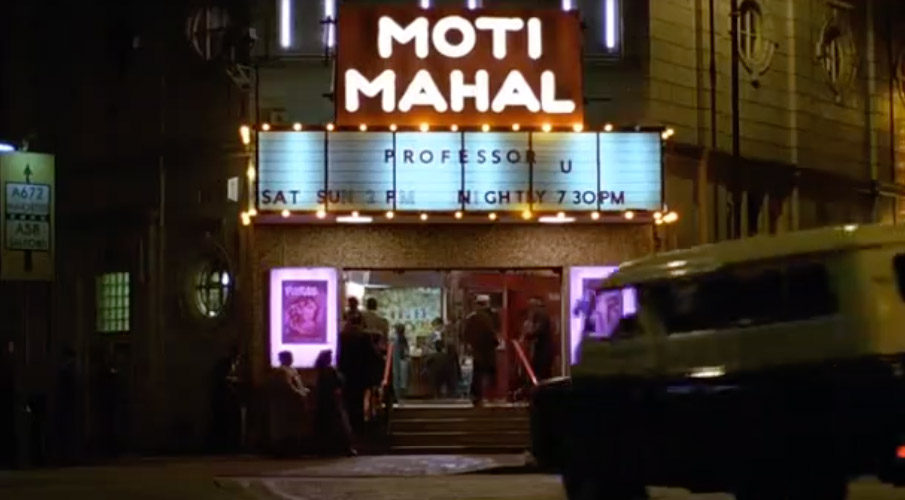
The cinema was used as a location for the film East is East.

Archive images Metro Majestic

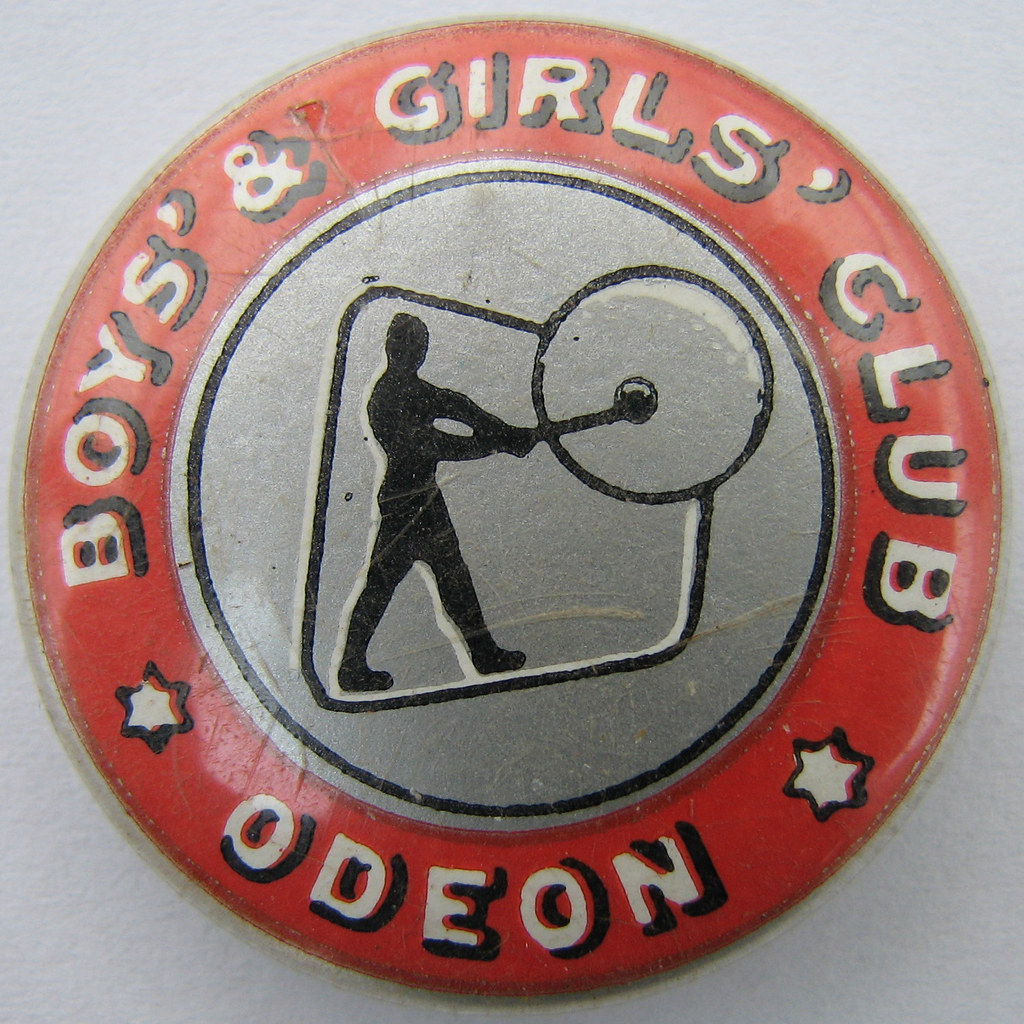
It was my local cinema as a lad – attending Saturday morning matinees as a member of the Odeon Boy’s and Girls club. Hundreds of the nosiest kids. regularly warned by the manager that the film would be stopped if the raucous behaviour continued.

Now it’s just an empty shell, superseded by multiplex and latterly a lost Slotworld.

Unlisted unloved sitting at the heart of the town – too late for the last picture show.

St Vincent de Paul – Rochdale

Caldershaw Road Norden Rochdale OL12

Well it’s almost a mighty long way to cycle from Stockport to here, but well worth it.

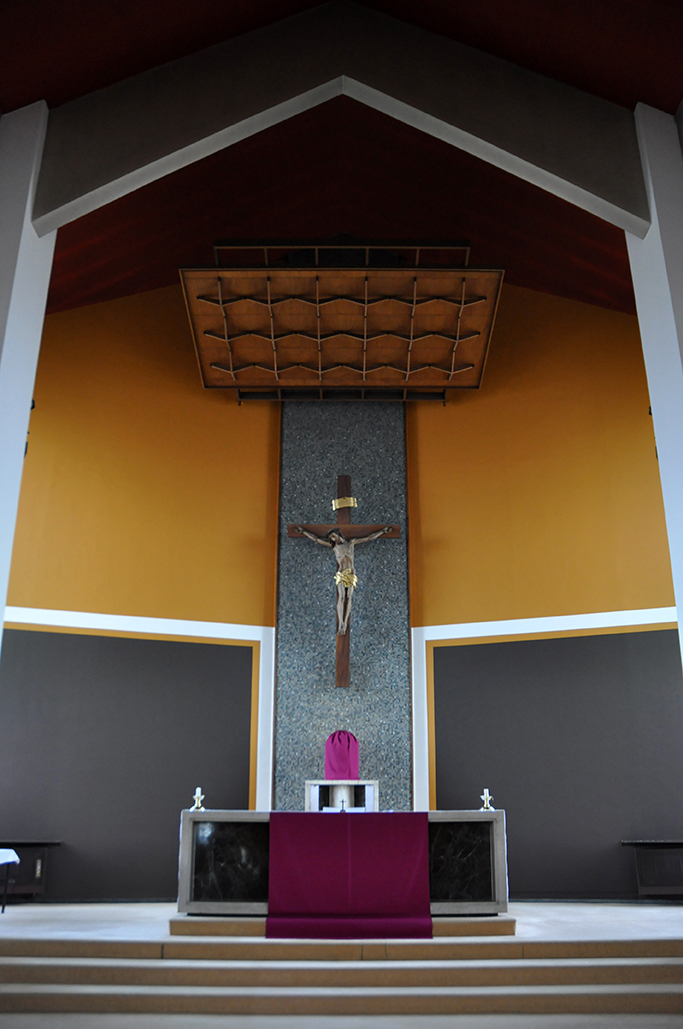
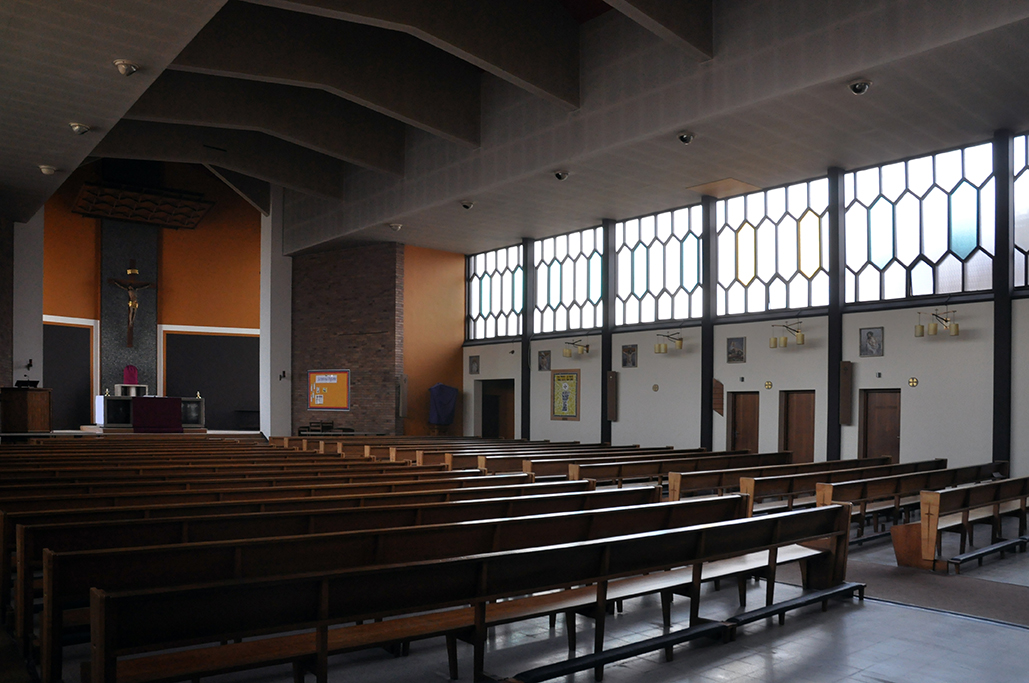
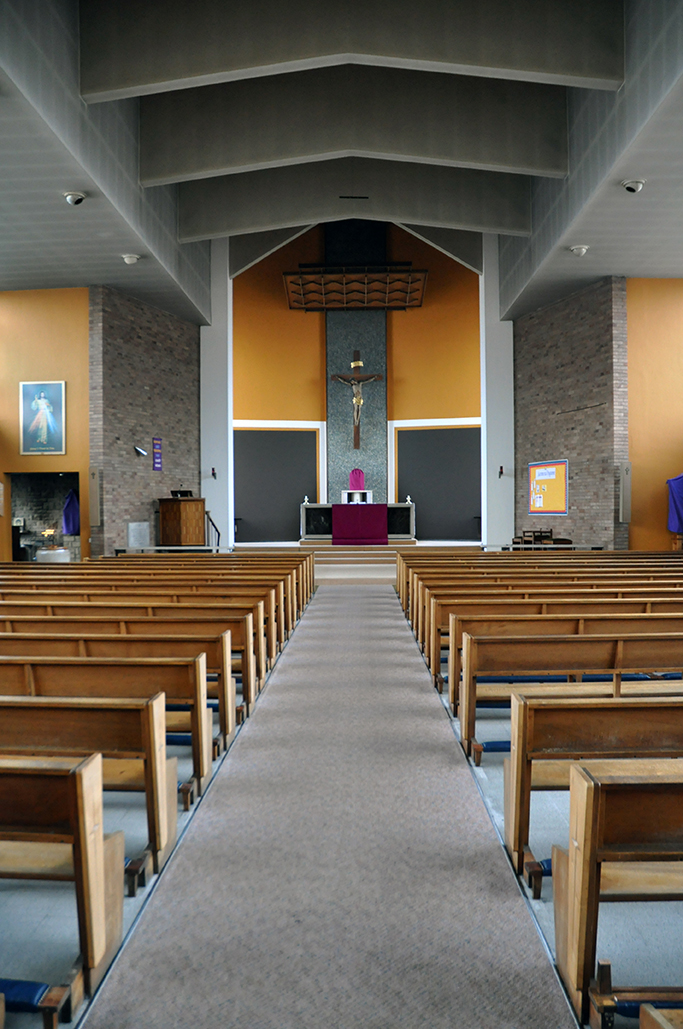
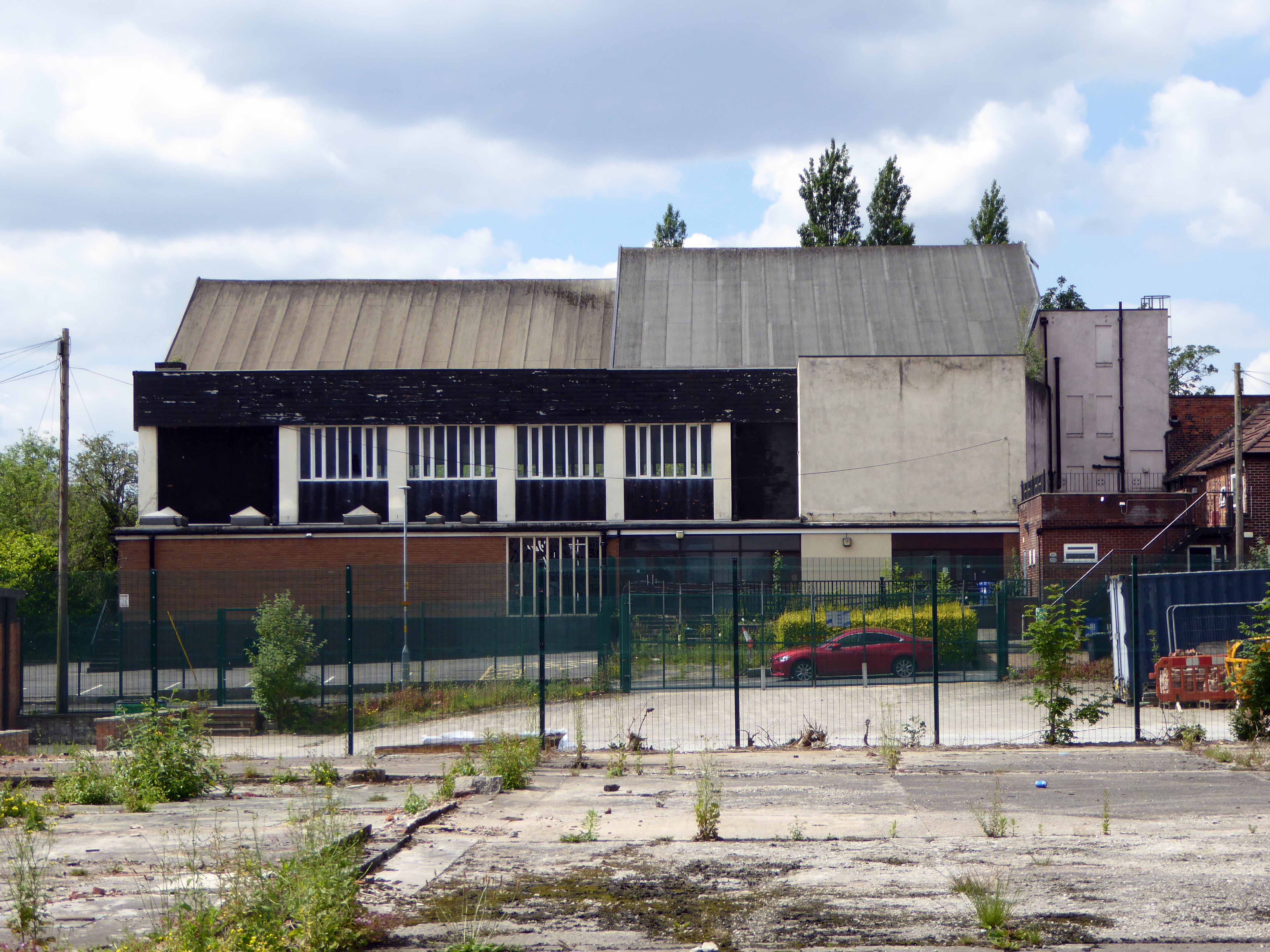
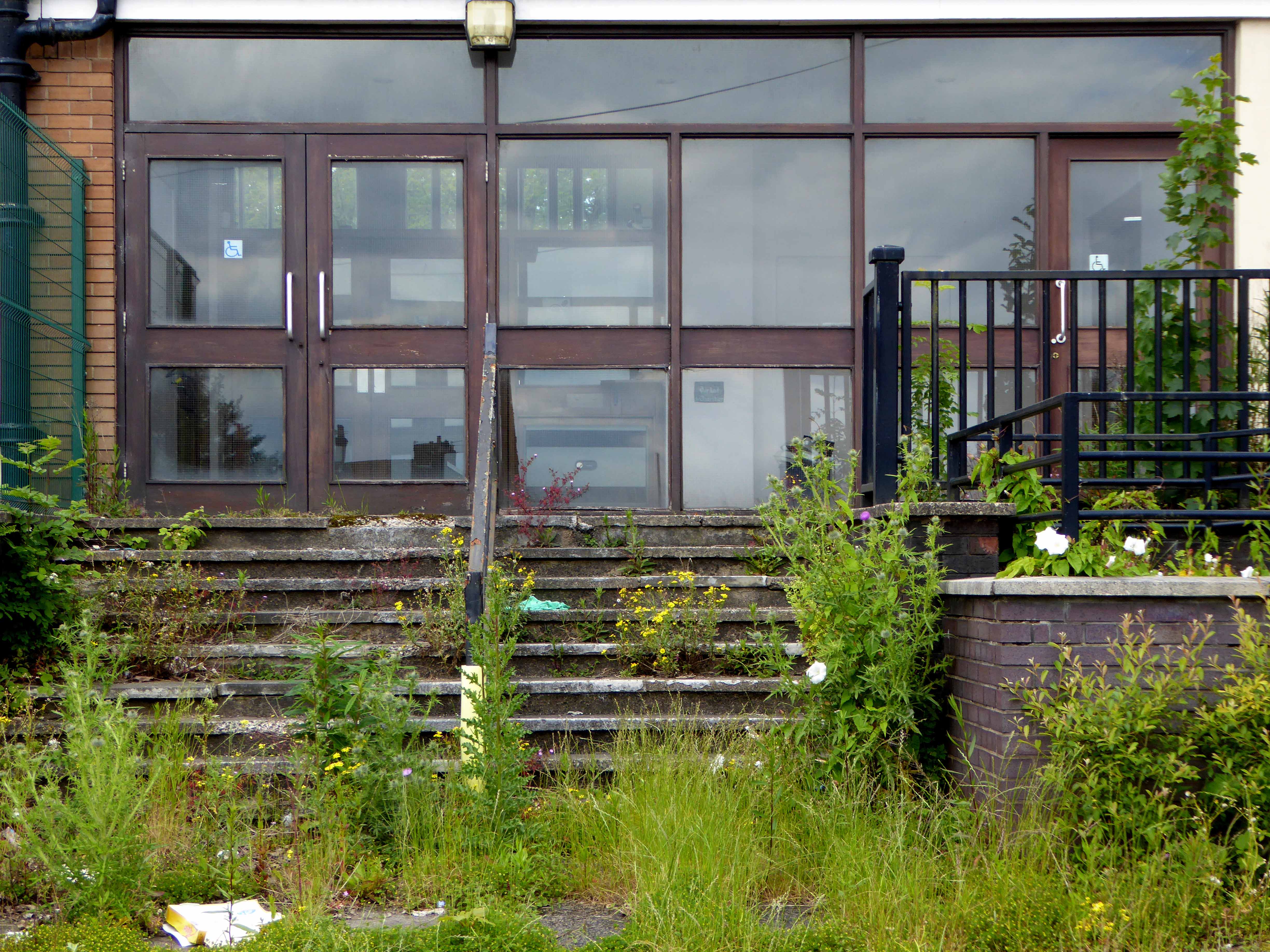
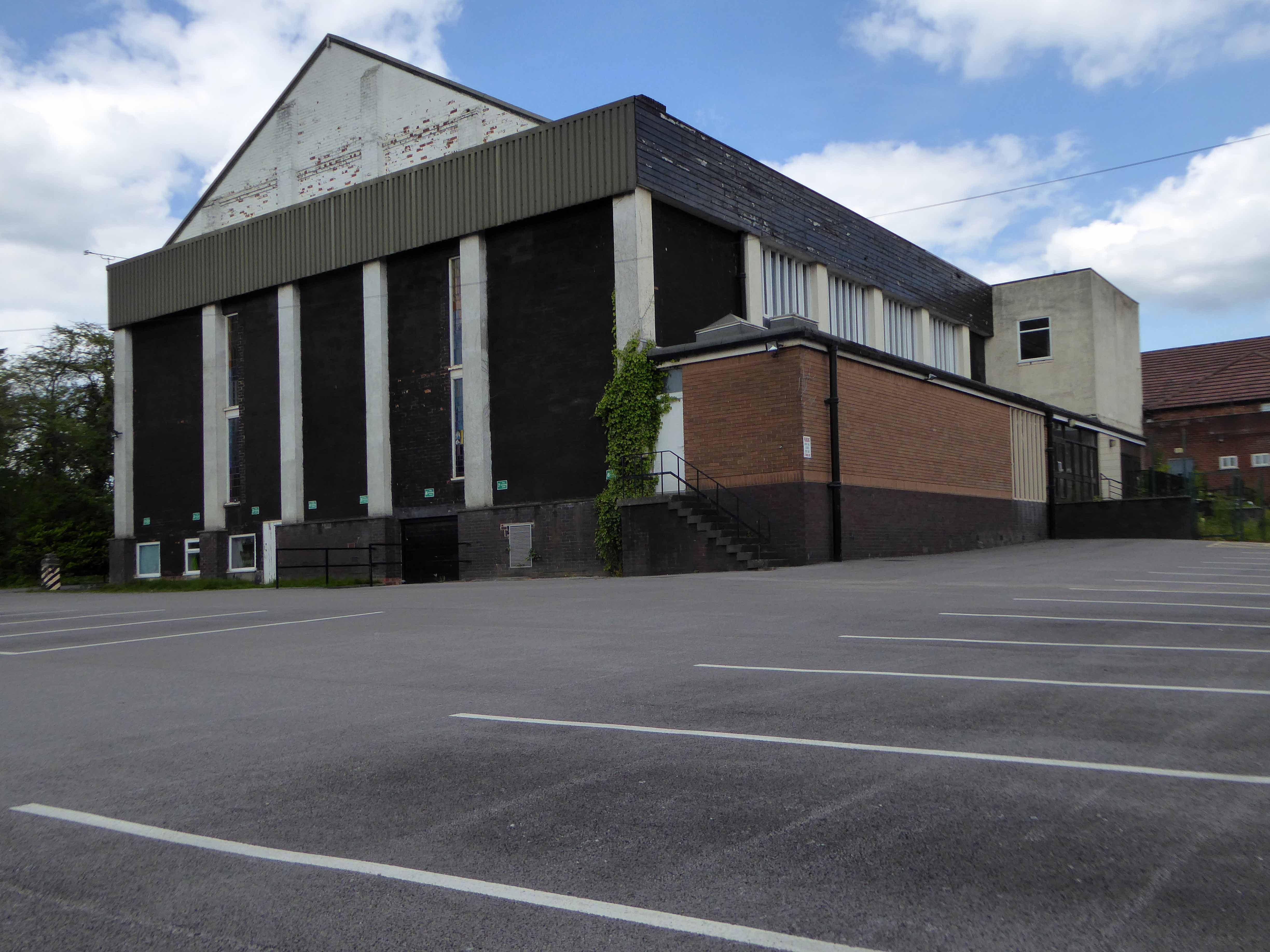
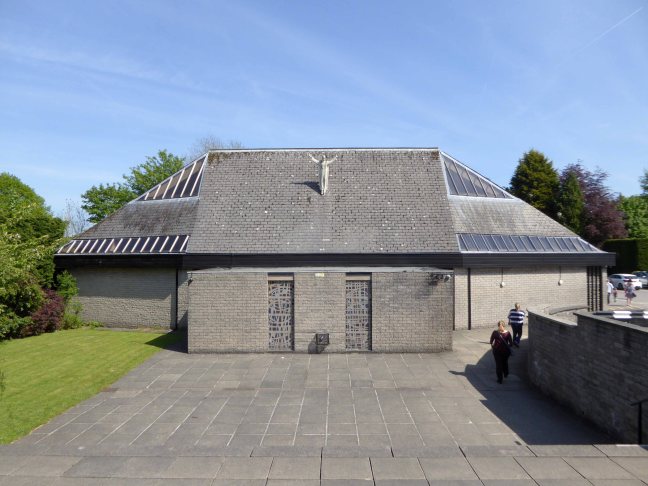
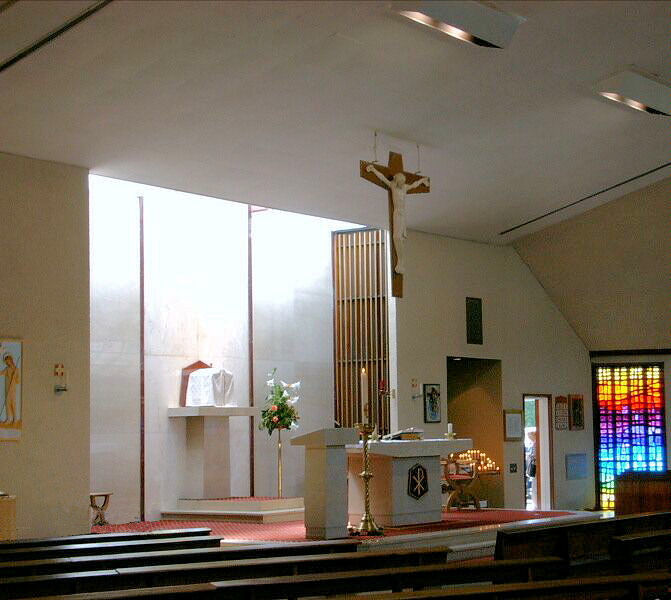
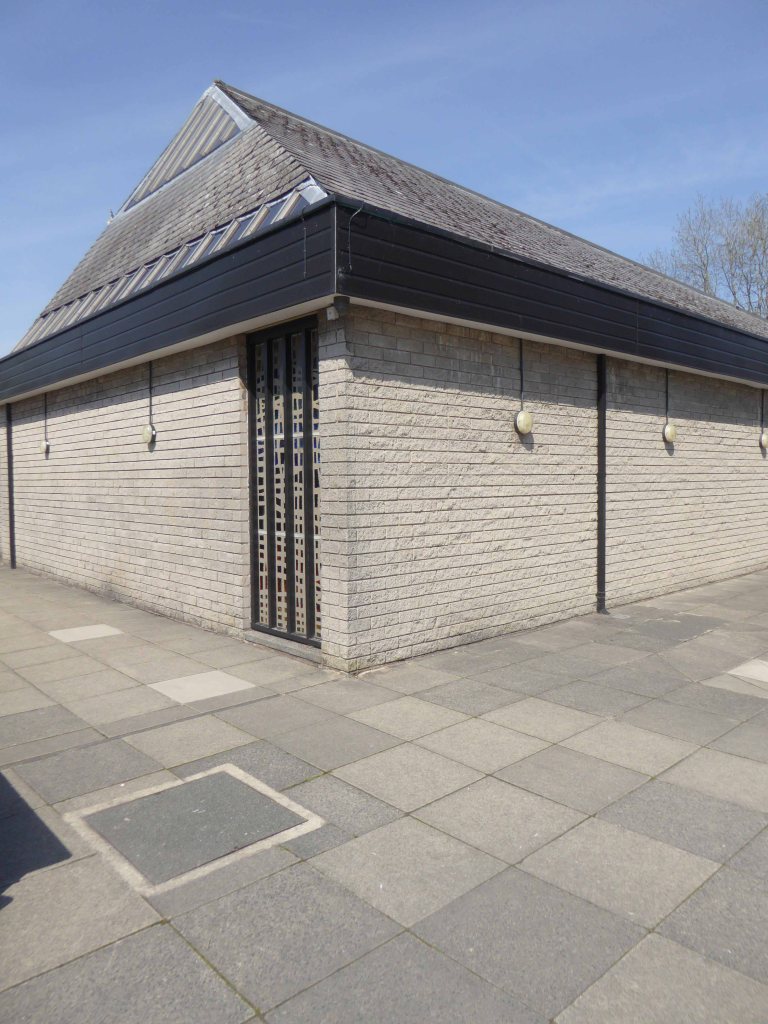
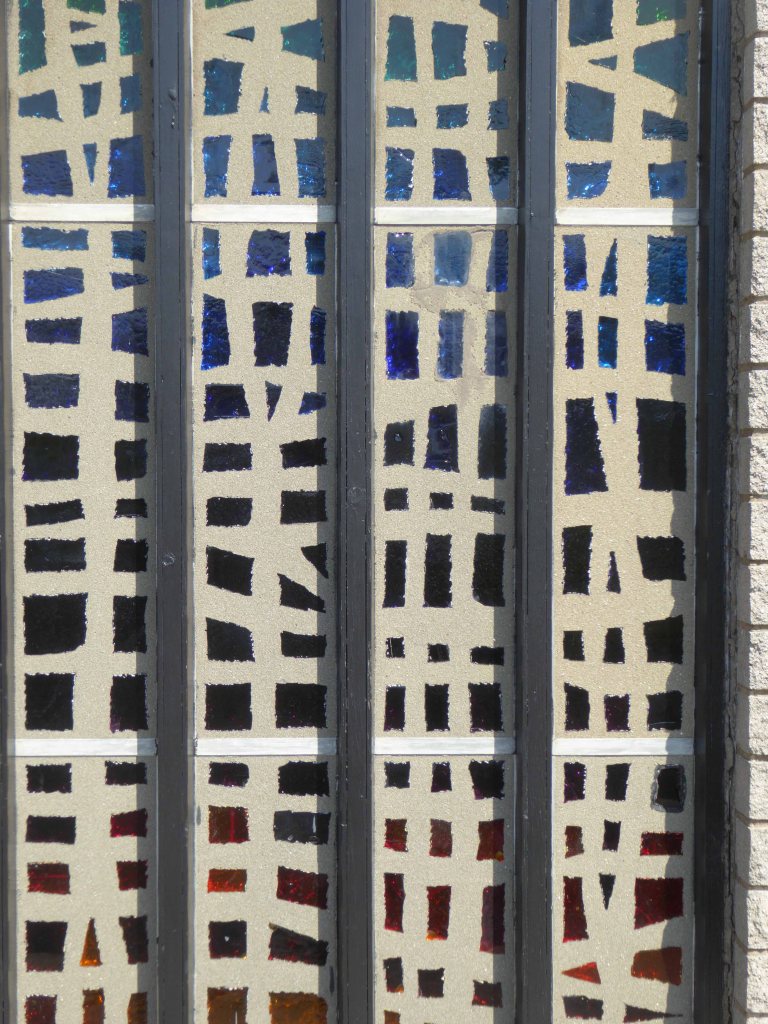
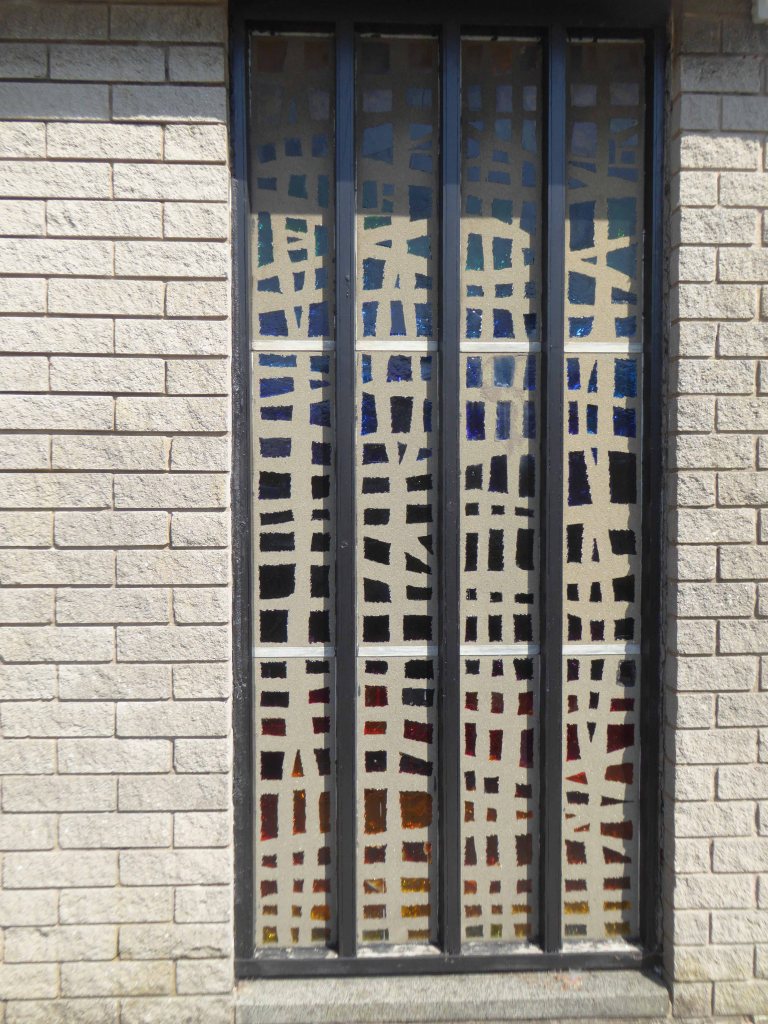
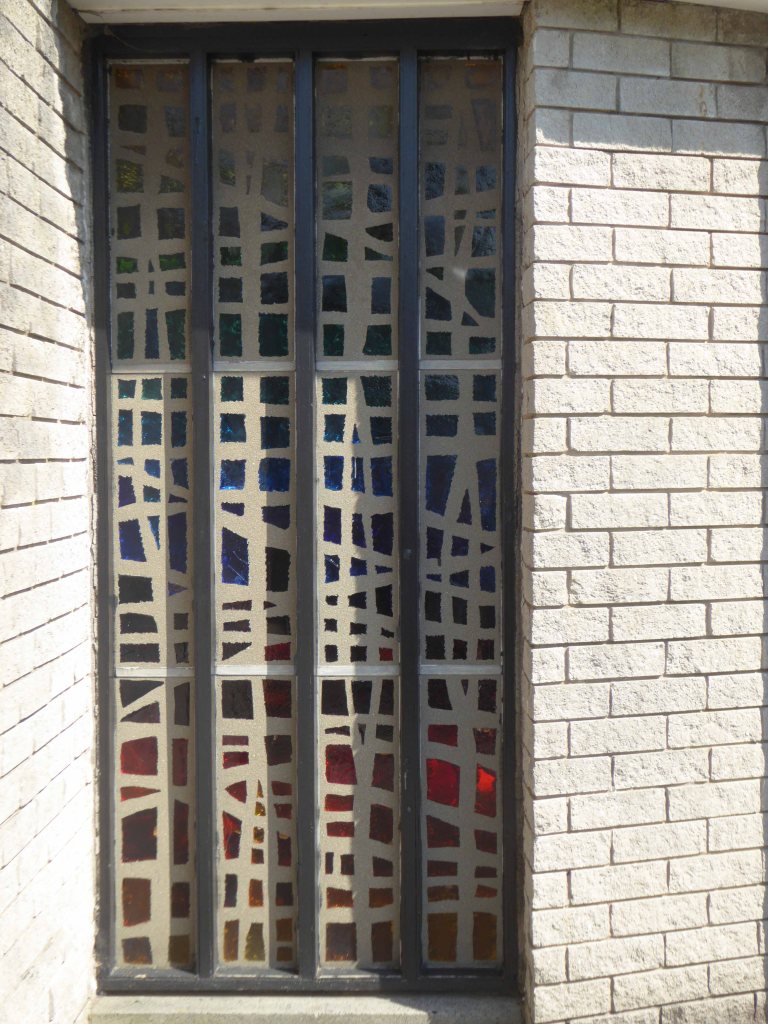
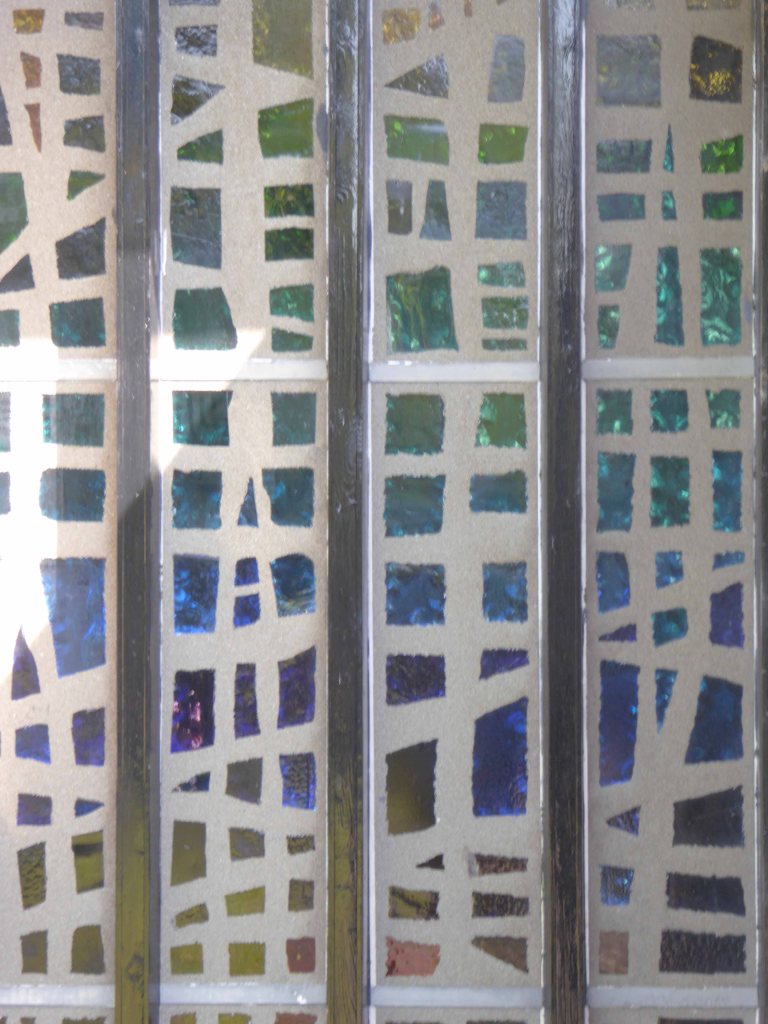
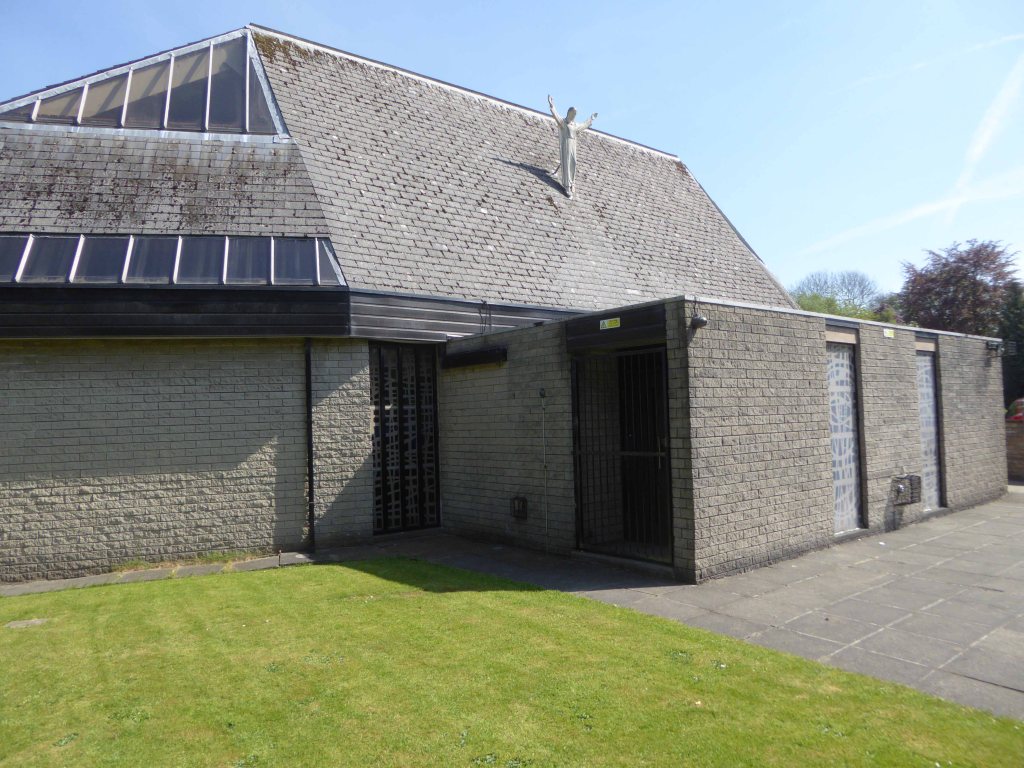
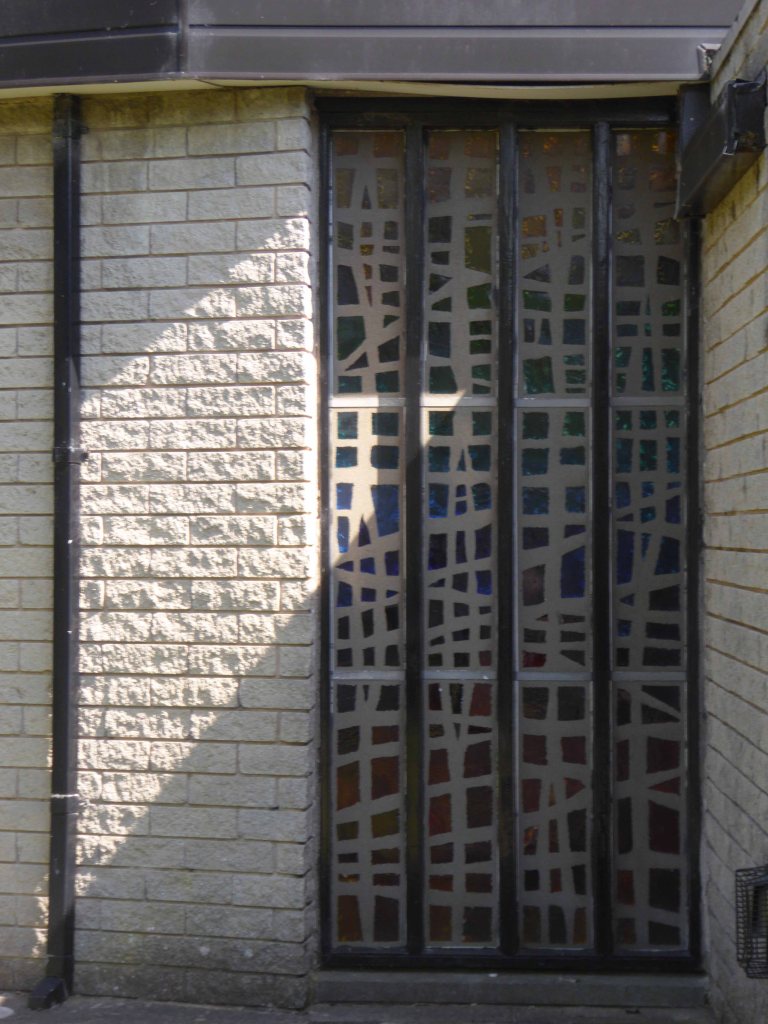
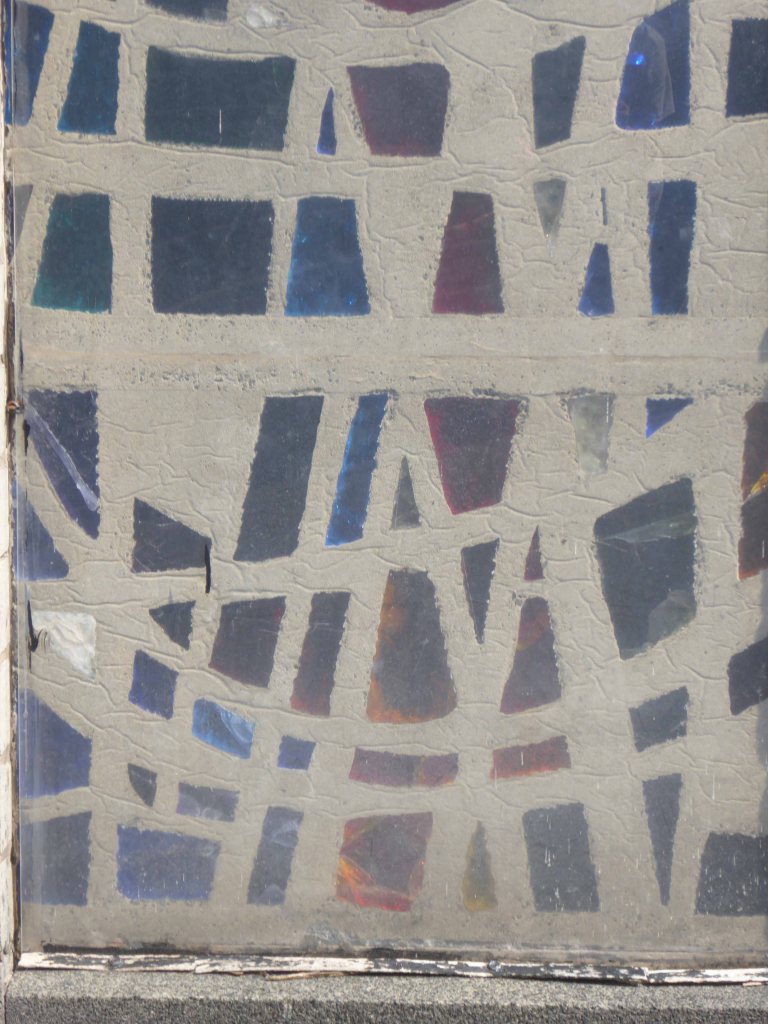
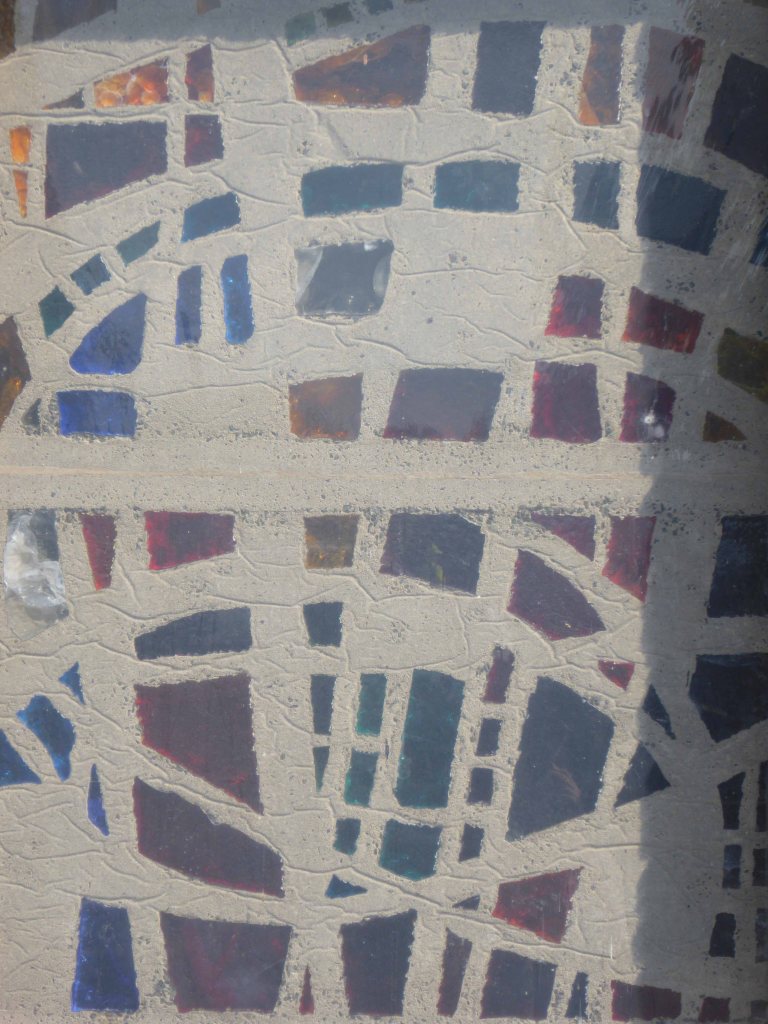
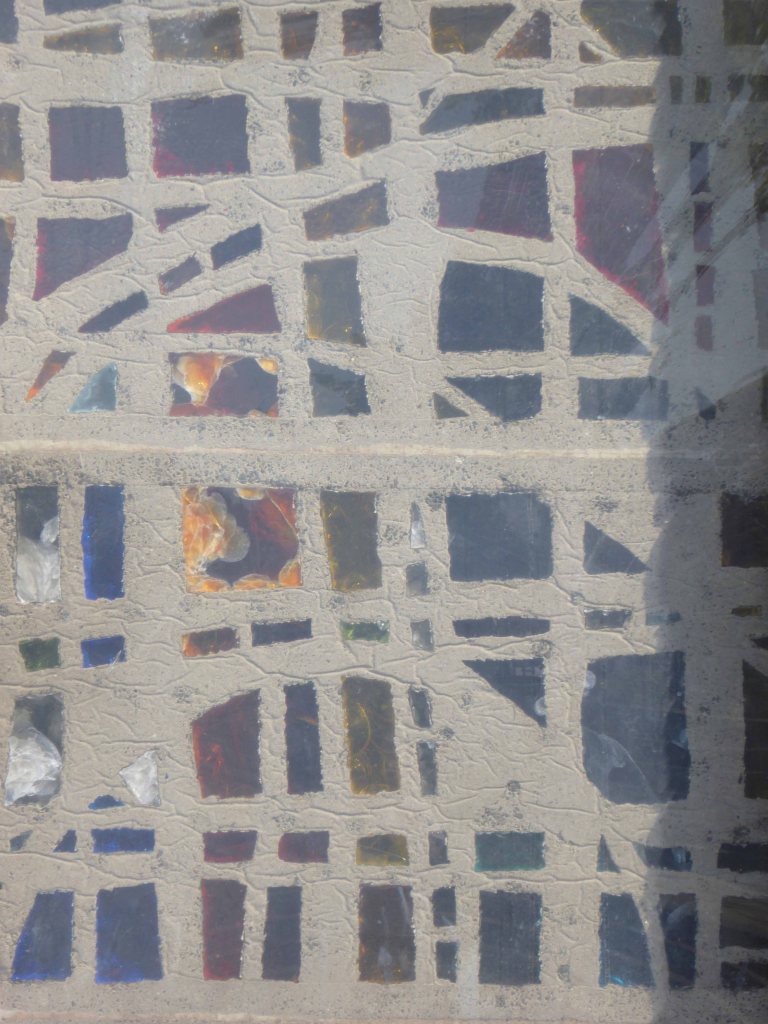
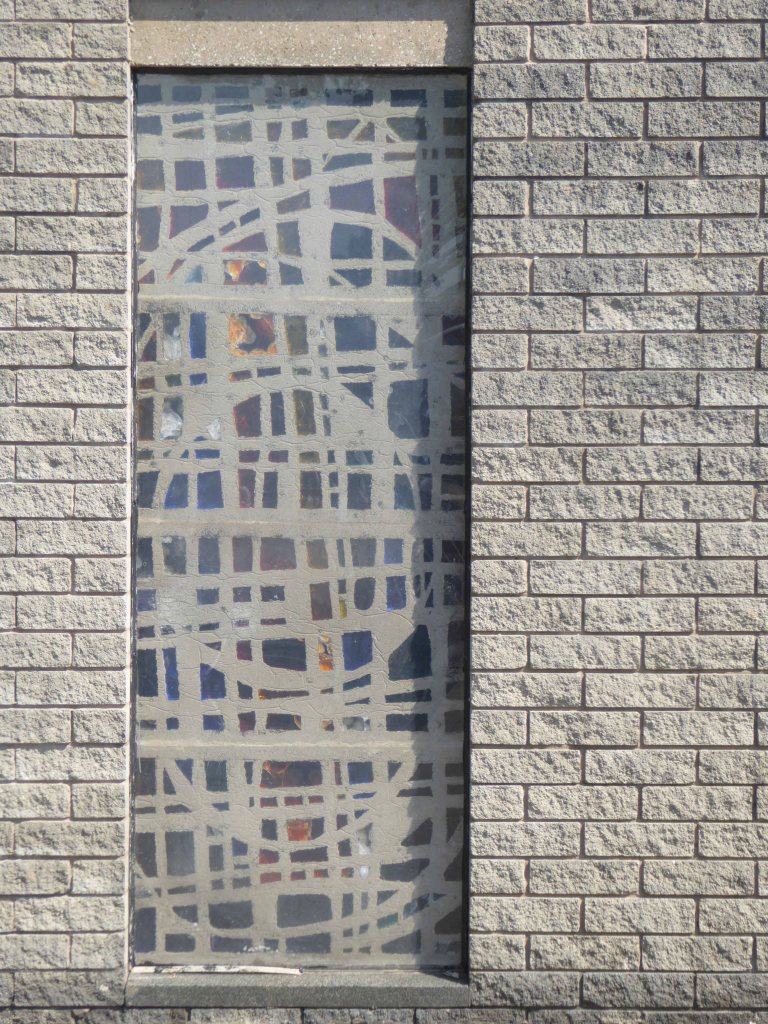
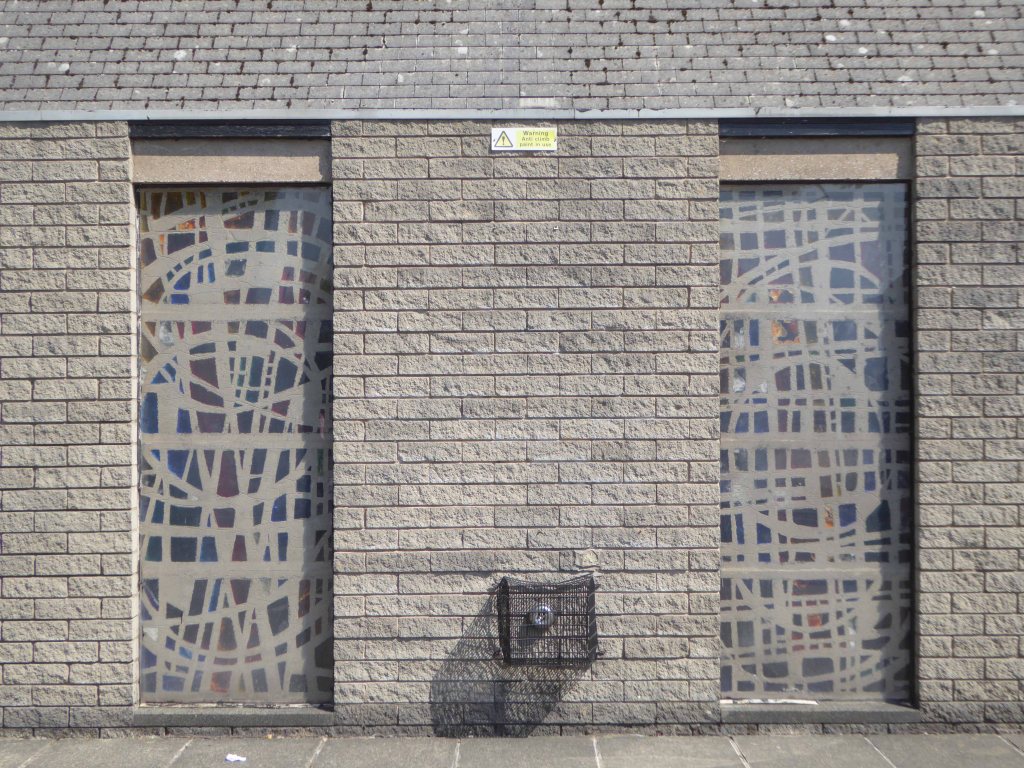
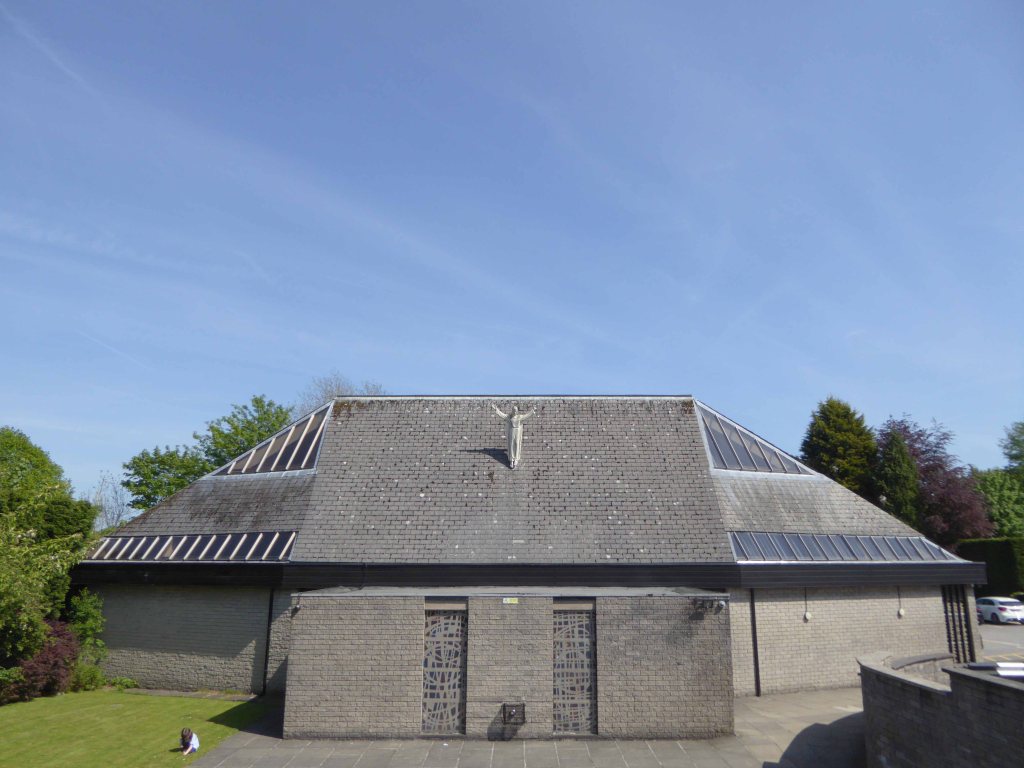
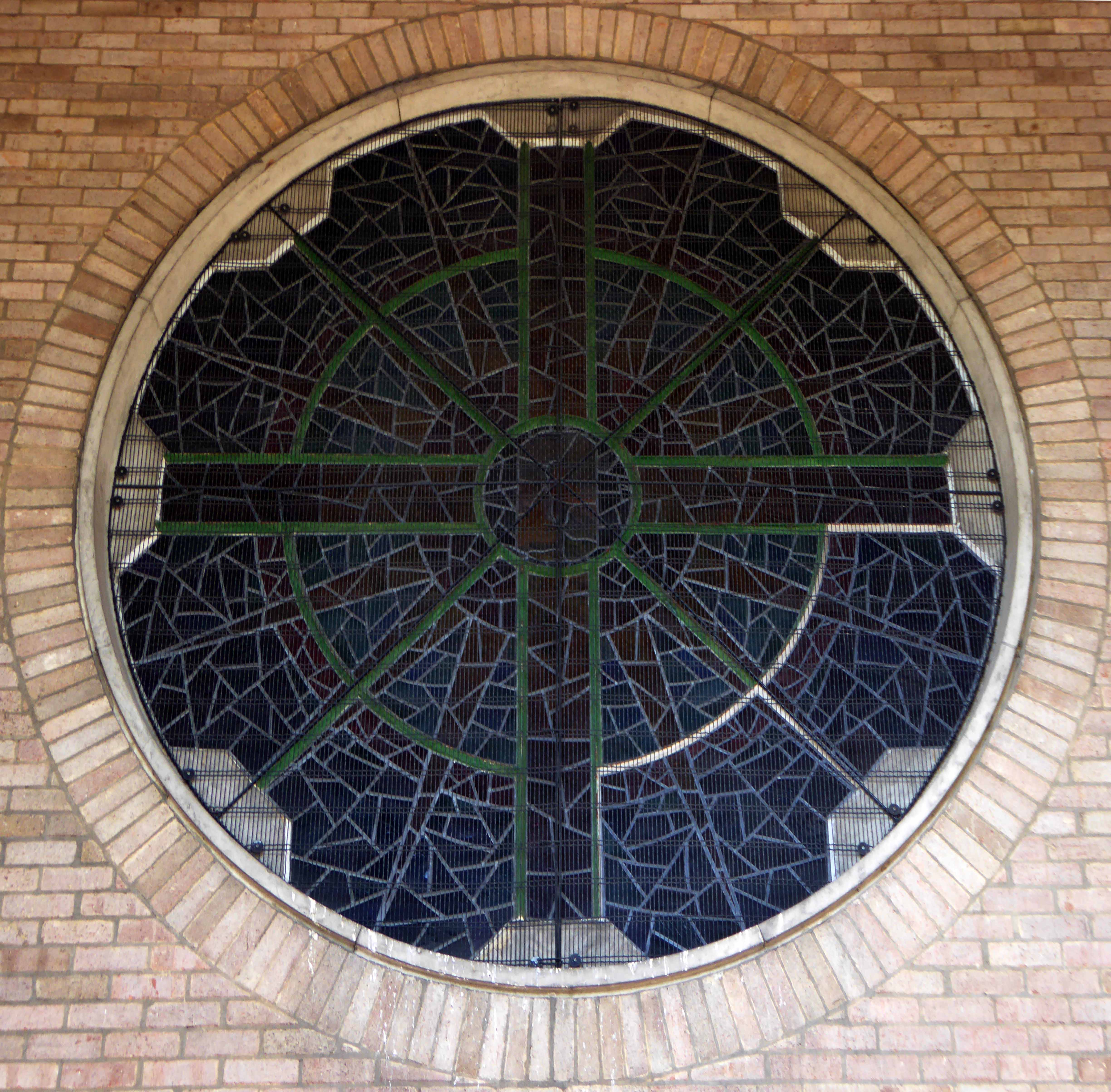
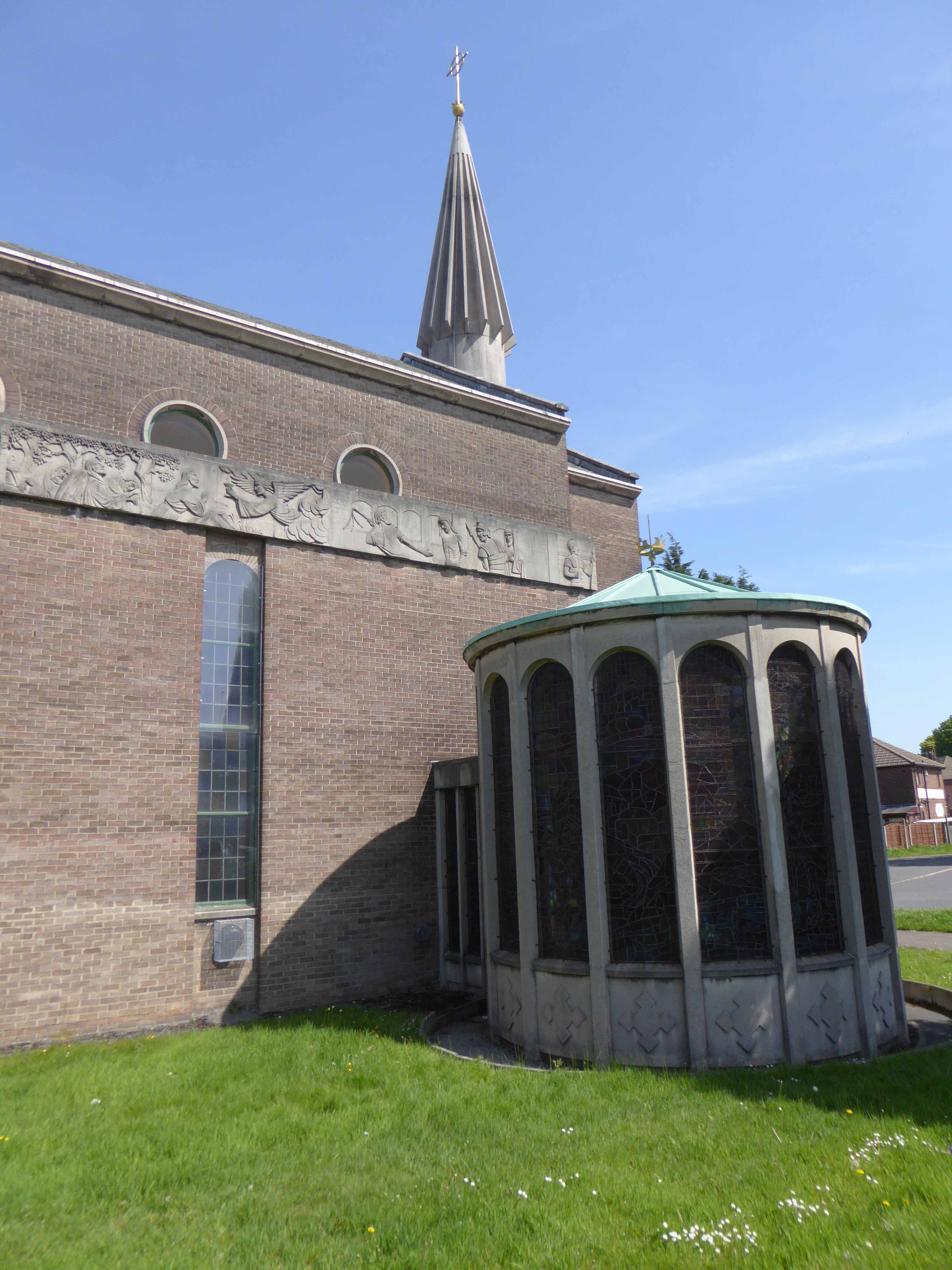
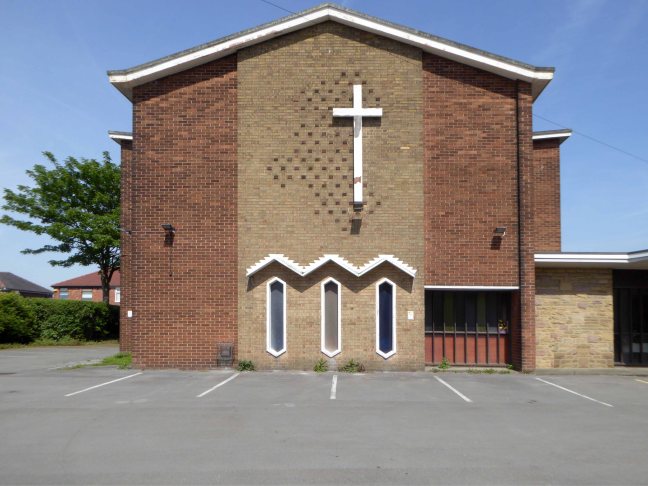
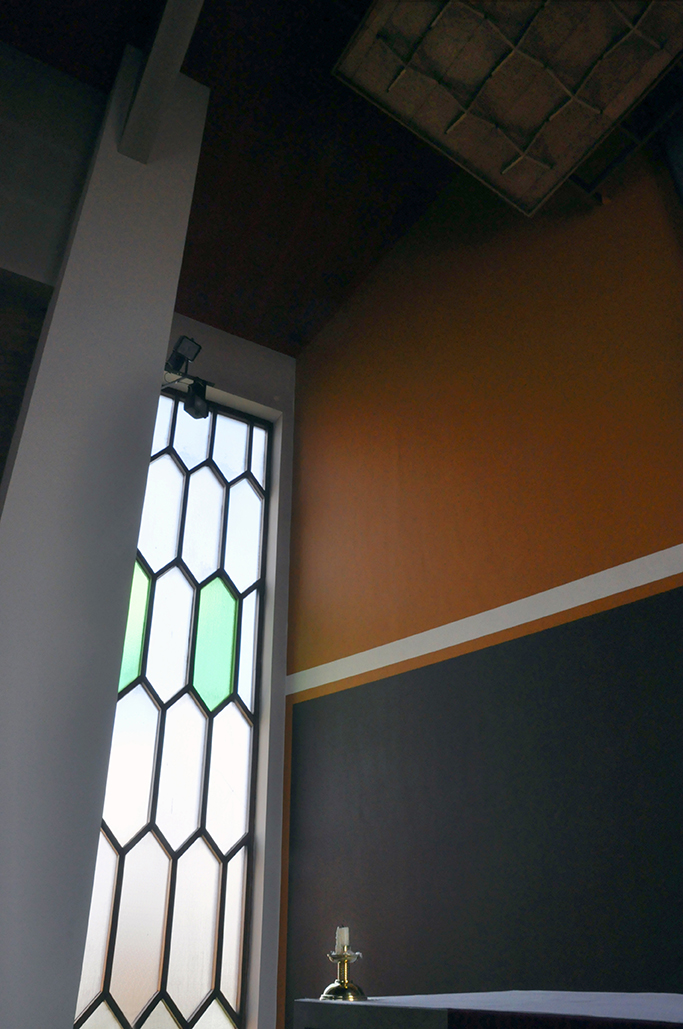
A clear functional design of the 1970s, designed to place all the internal focus on the top-lit altar, which beneath its modern cladding incorporates a pre-Reformation altar stone. The external appearance of the church is slightly forbidding but the interior is enhanced by vibrant slab glass.

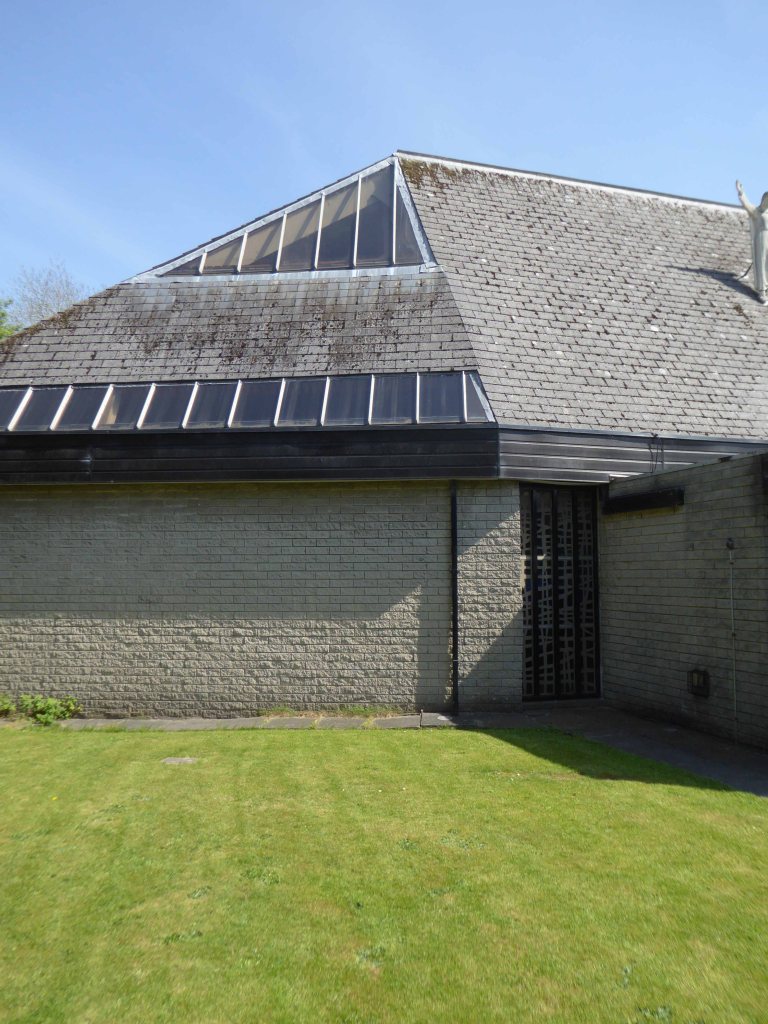
More than somewhat bunker like in its recessed situation, well below street level, yet interesting and engaging nonetheless – I’m rather fond of grey.

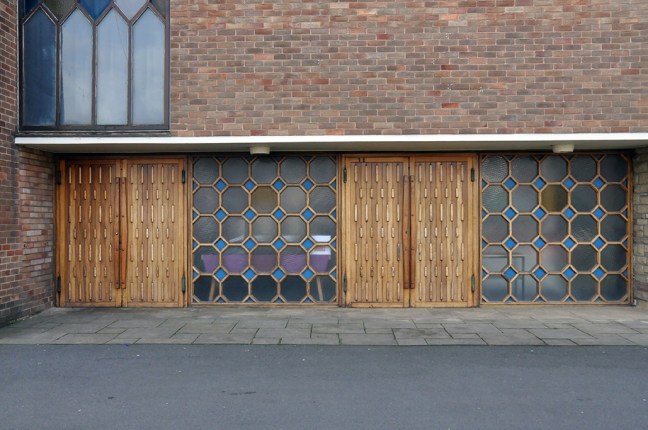
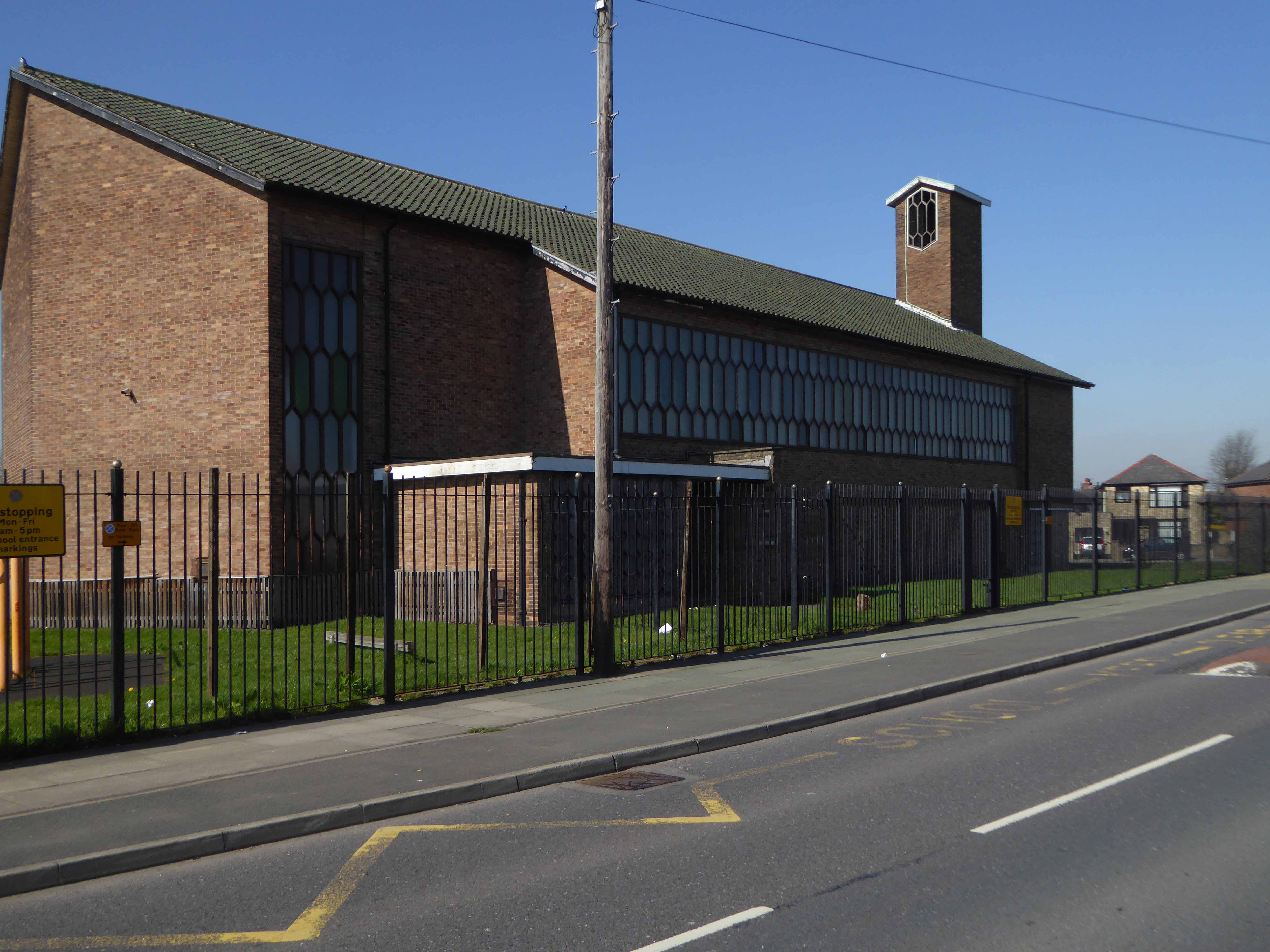
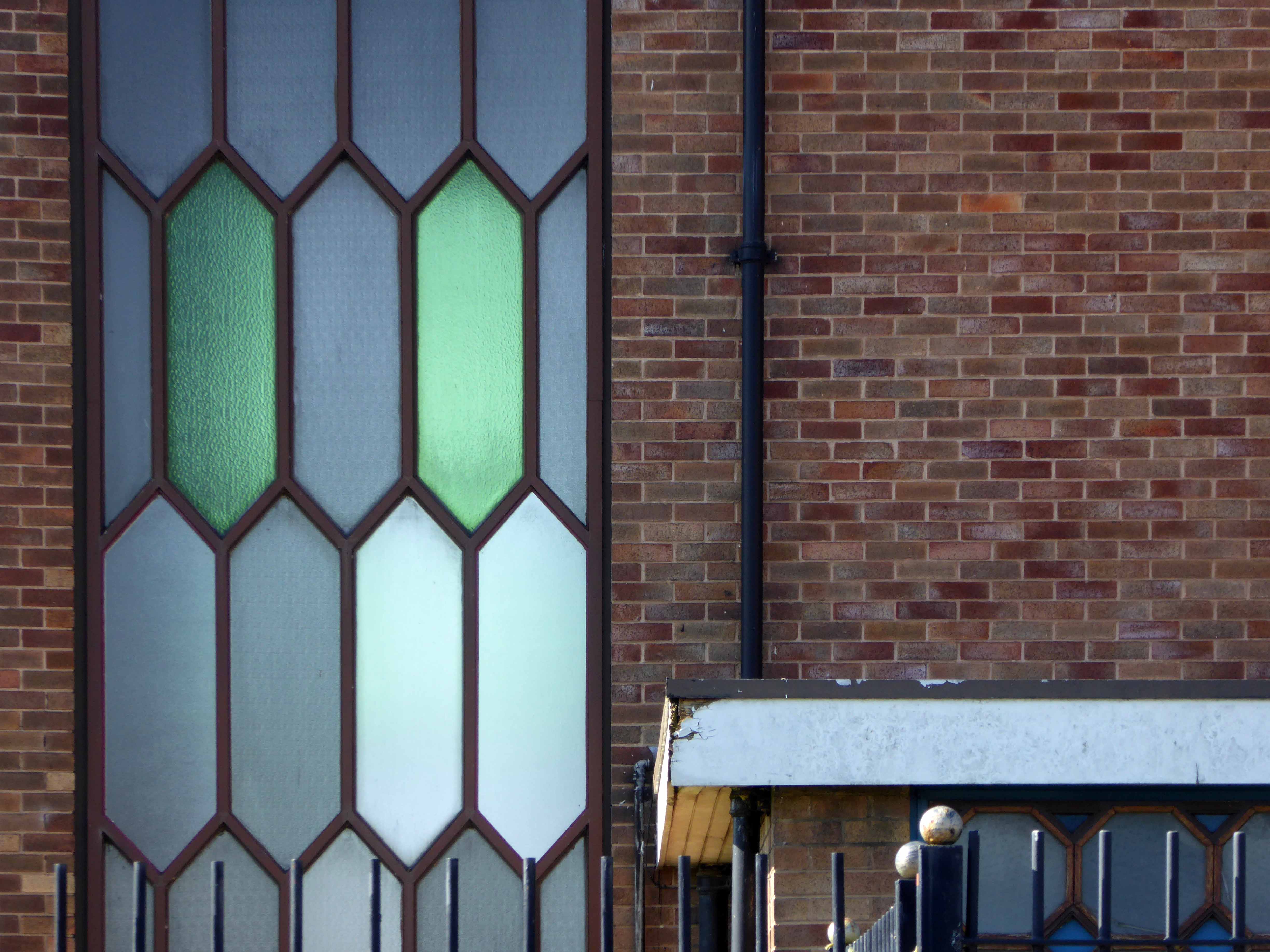
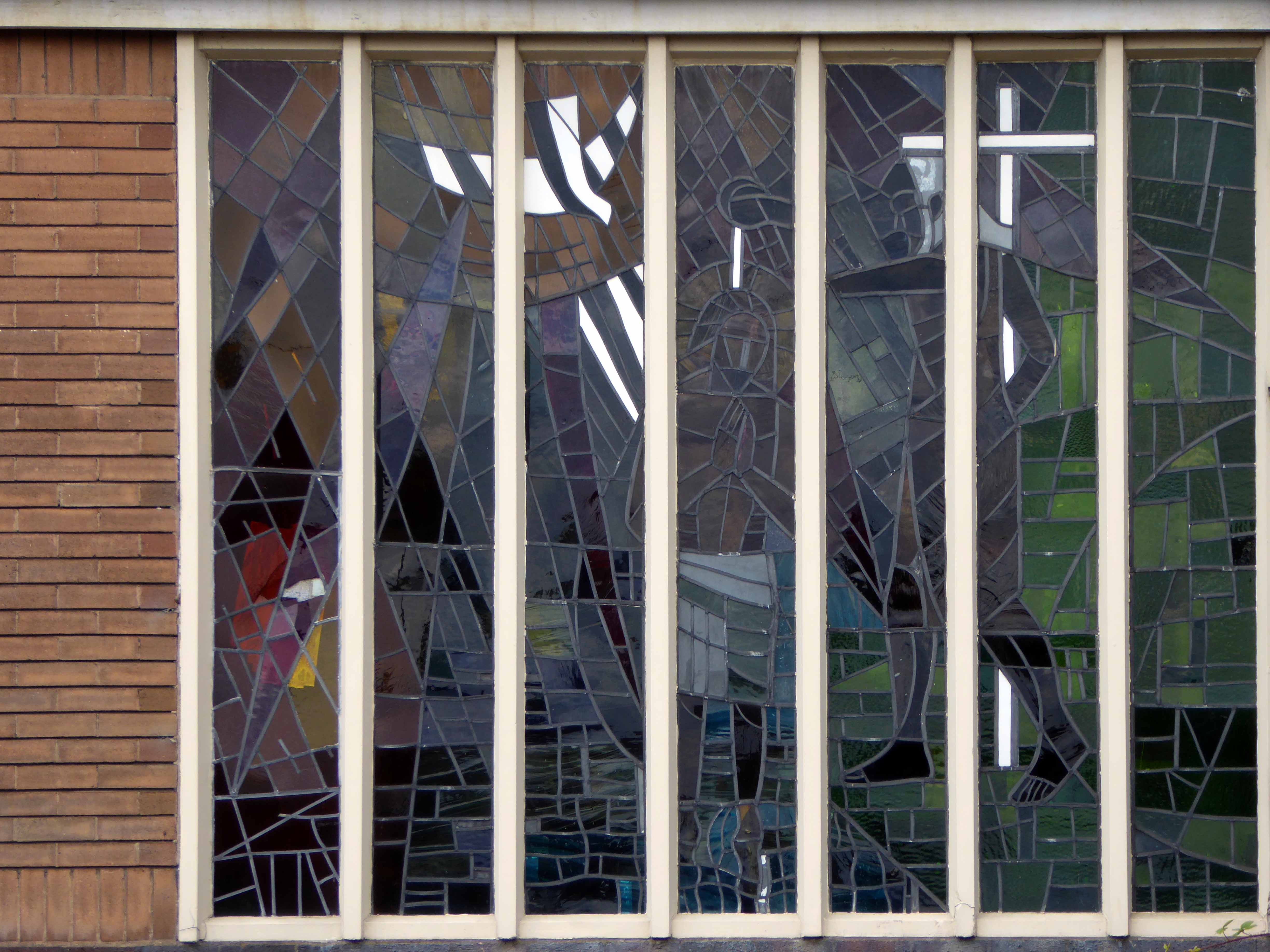
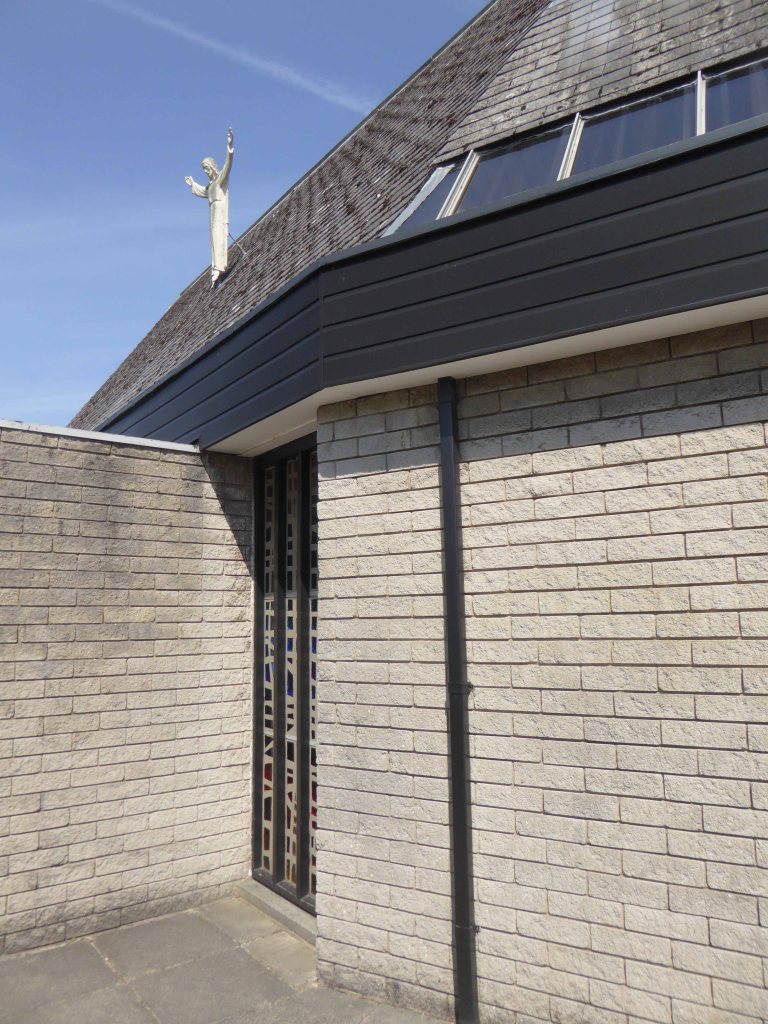
Working around the comings and goings of the adjacent school, I half circumnavigated the site, capturing something of the detail and exterior views of the stained glass. The interior will have to wait until another day.

Planned and newly constructed housing developments in Norden and Bamford made it apparent that a new church was needed nearer the geographical centre of the parish. In June 1975 the present church of St Vincent de Paul was opened, nearly a mile away from the old church. The architect was Bernard Ashton of the Cassidy & Ashton Partnership, Preston.

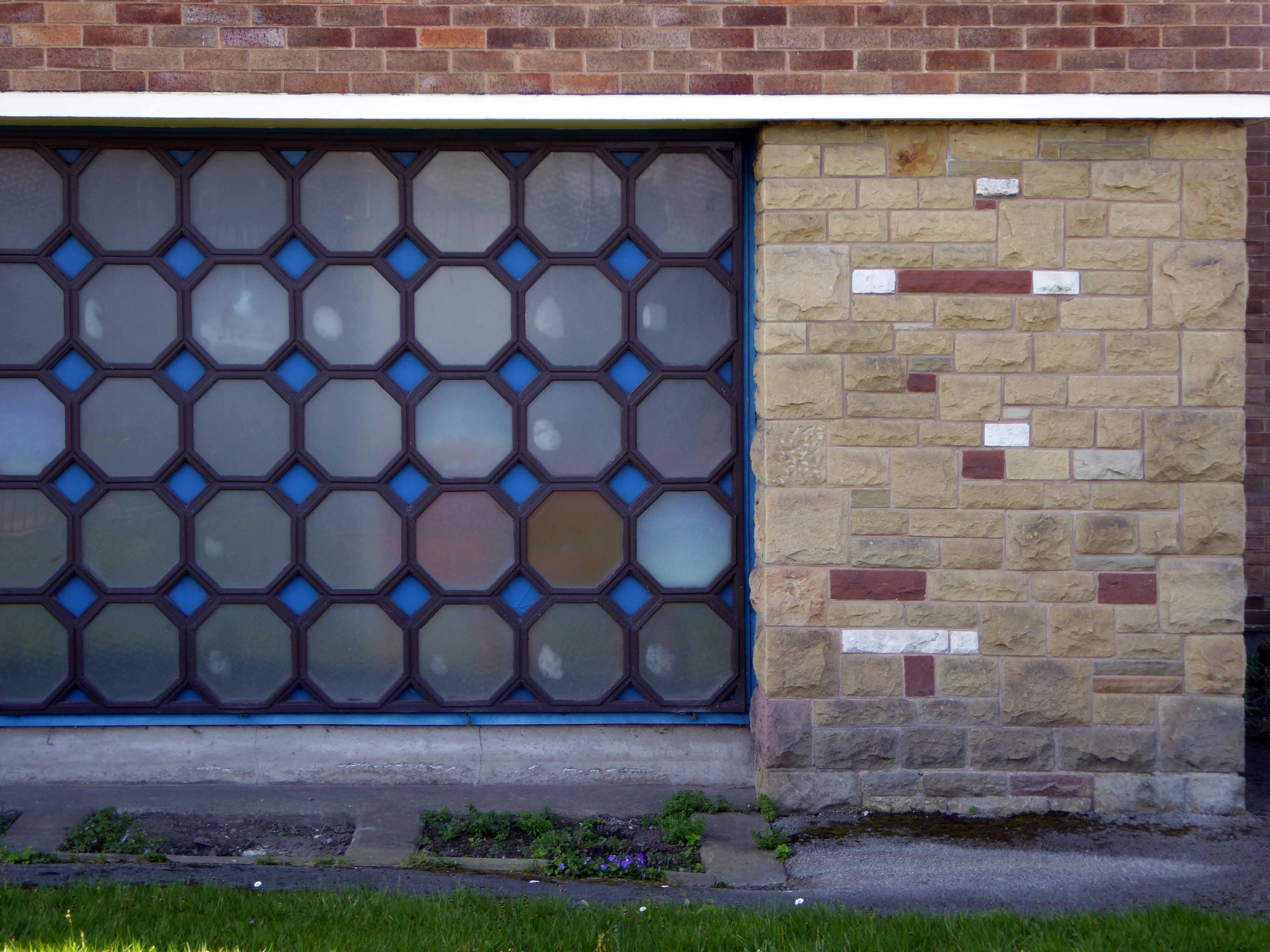
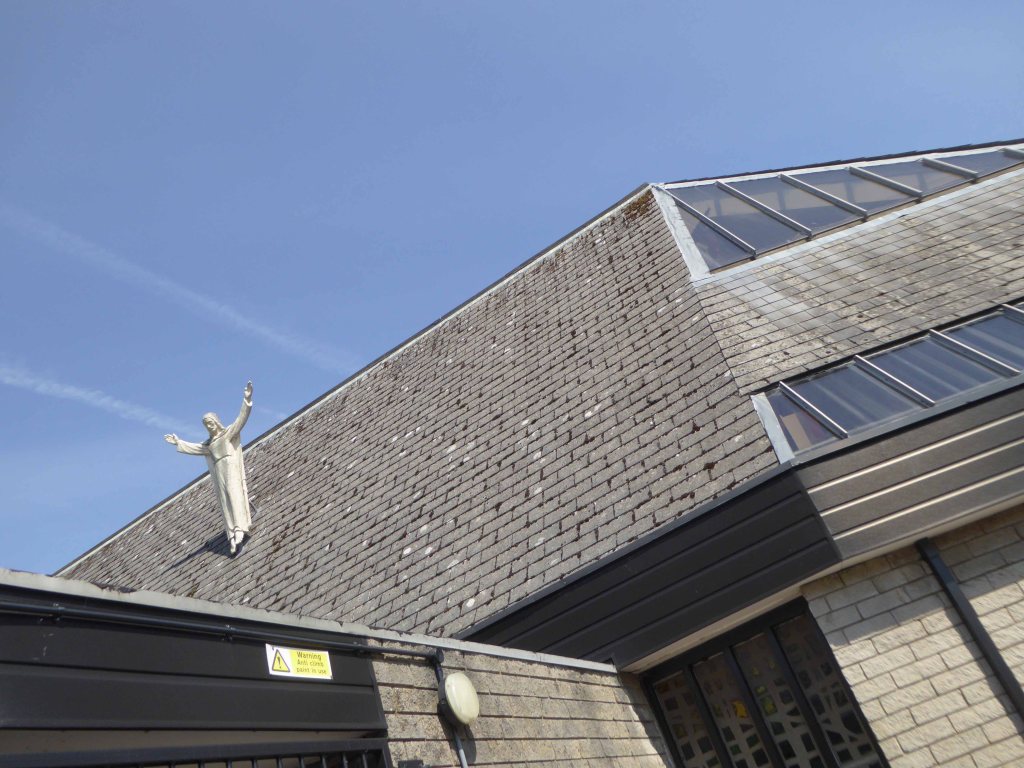
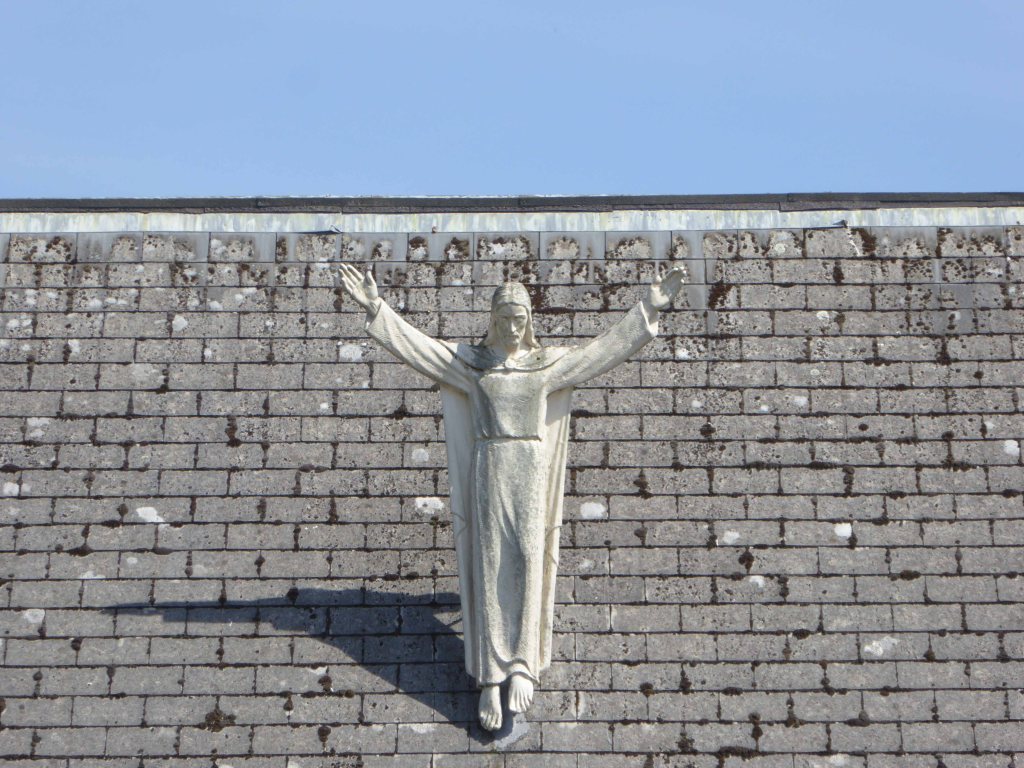
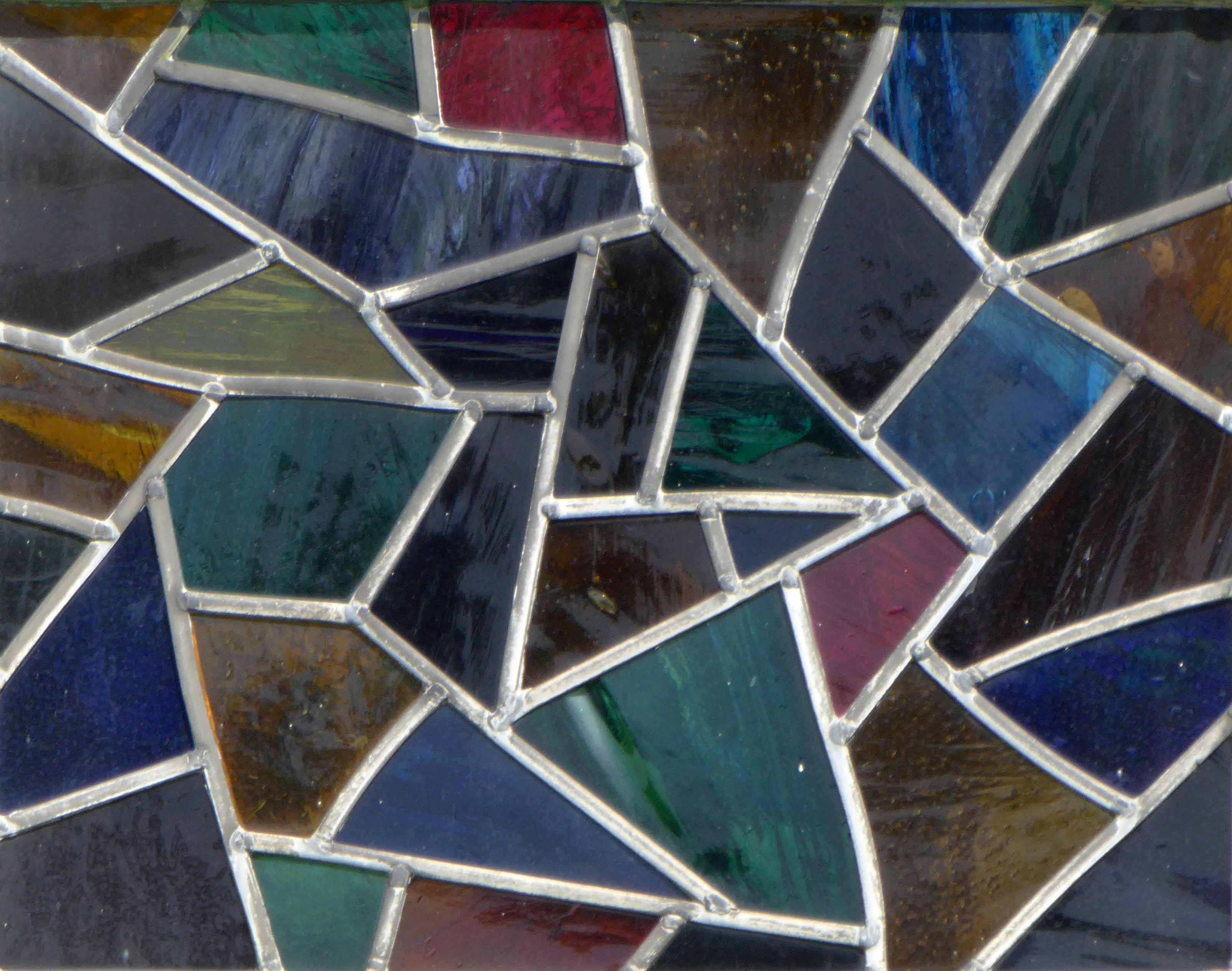
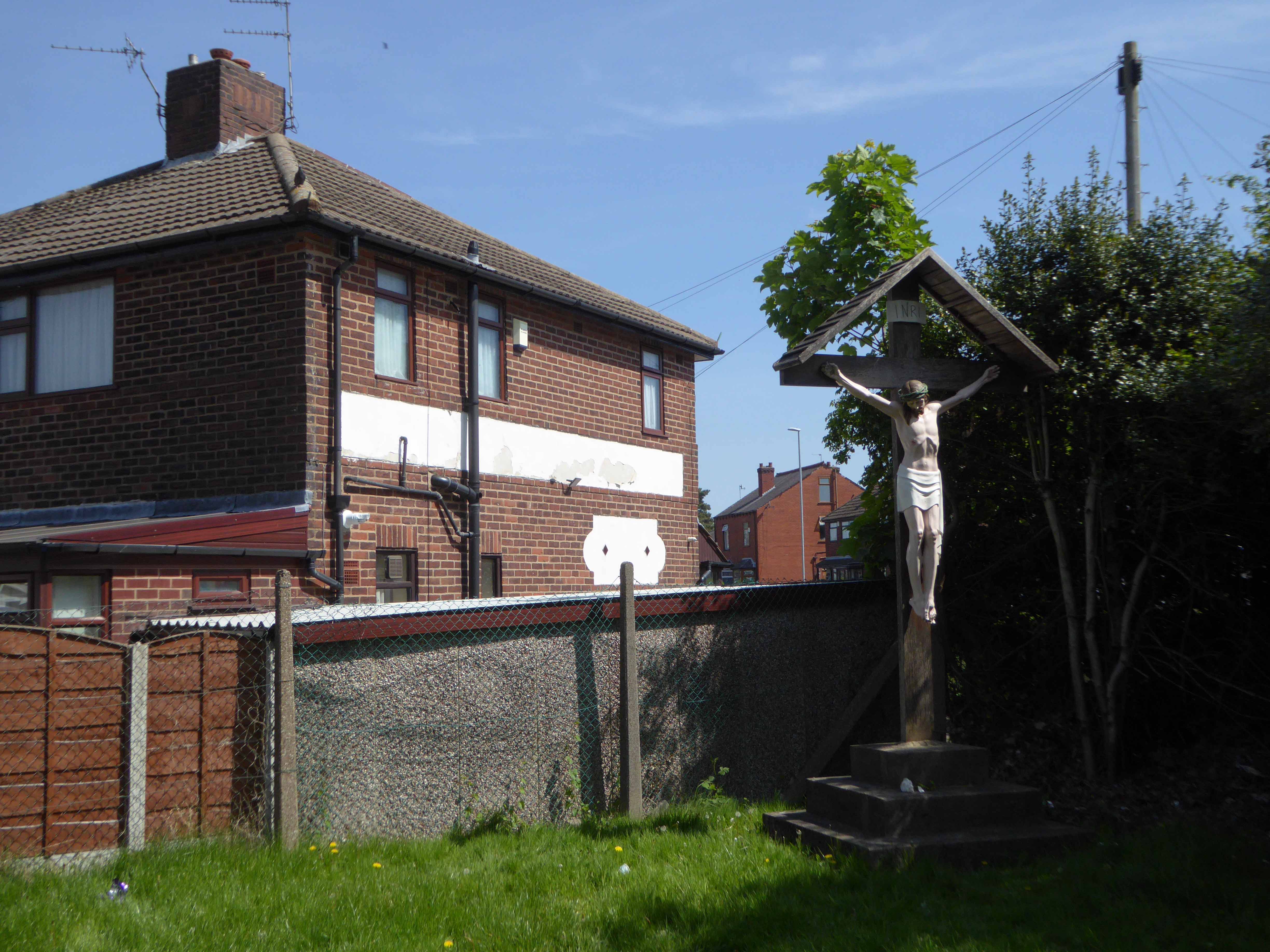
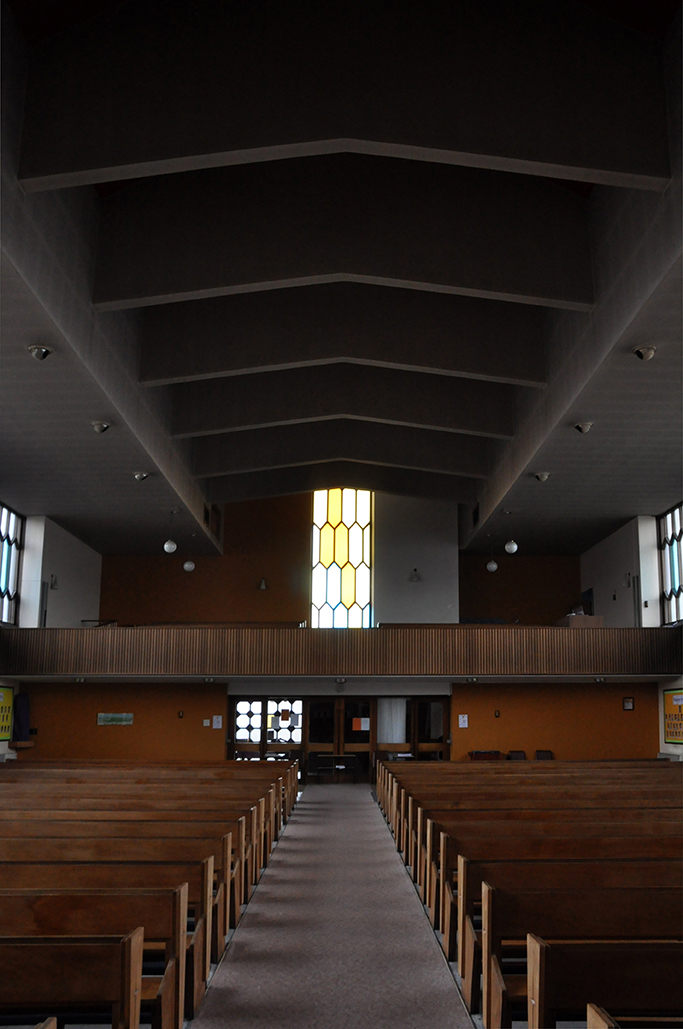
Internally the church is simply fitted with plain white plastered or boarded walls. The low level of daylighting enhances the effect of the four corner windows, which are filled with rainbow glass, and of the top-lit altar. The dalle de verre glass was designed by Eddie Blackwell and made in Dom. Charles Norris’s workshop at Buckfast Abbey. The figure of the risen Christ on the roof over the entrance porch were also designed by Blackwell.

Taking Stock

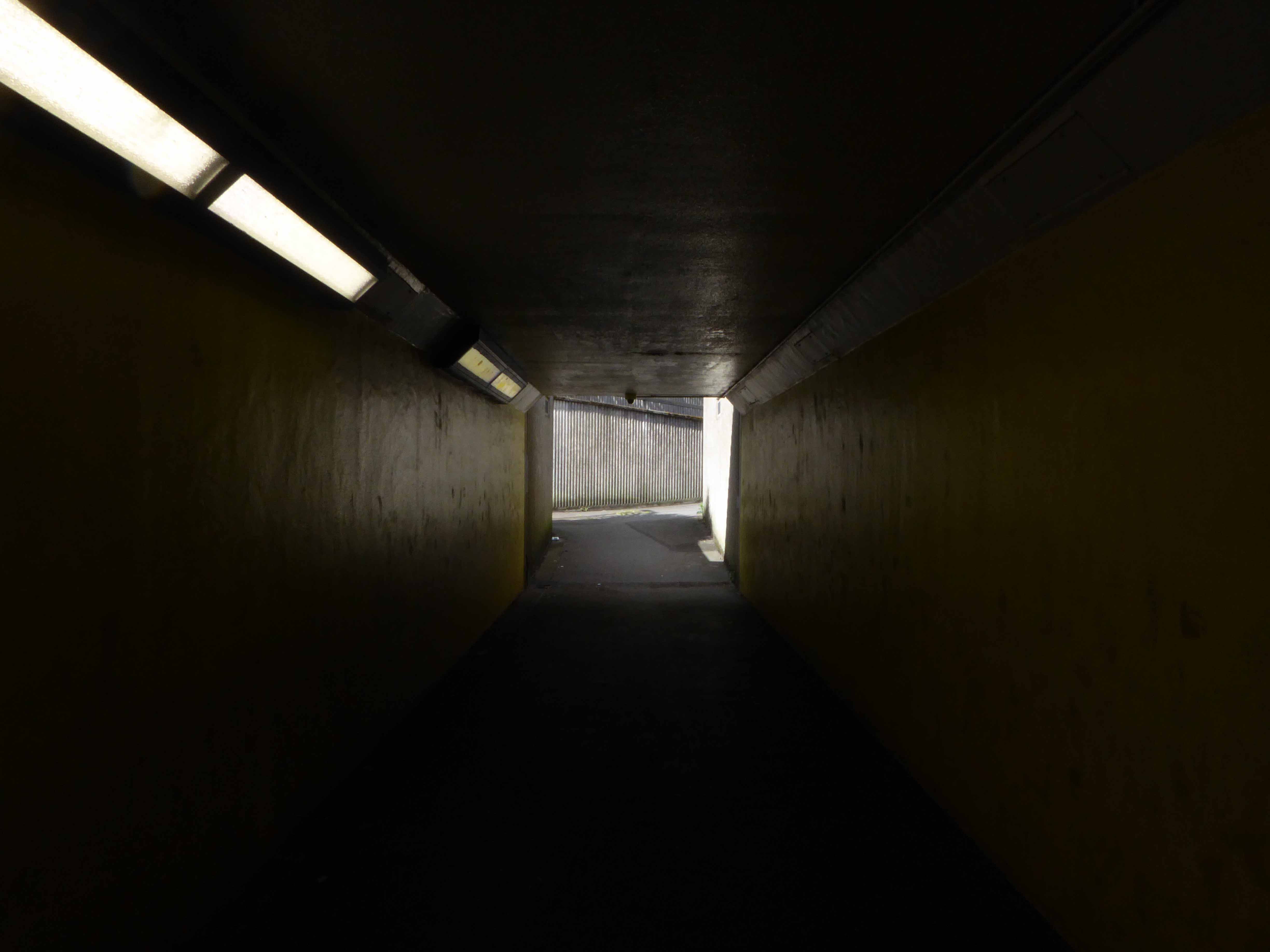
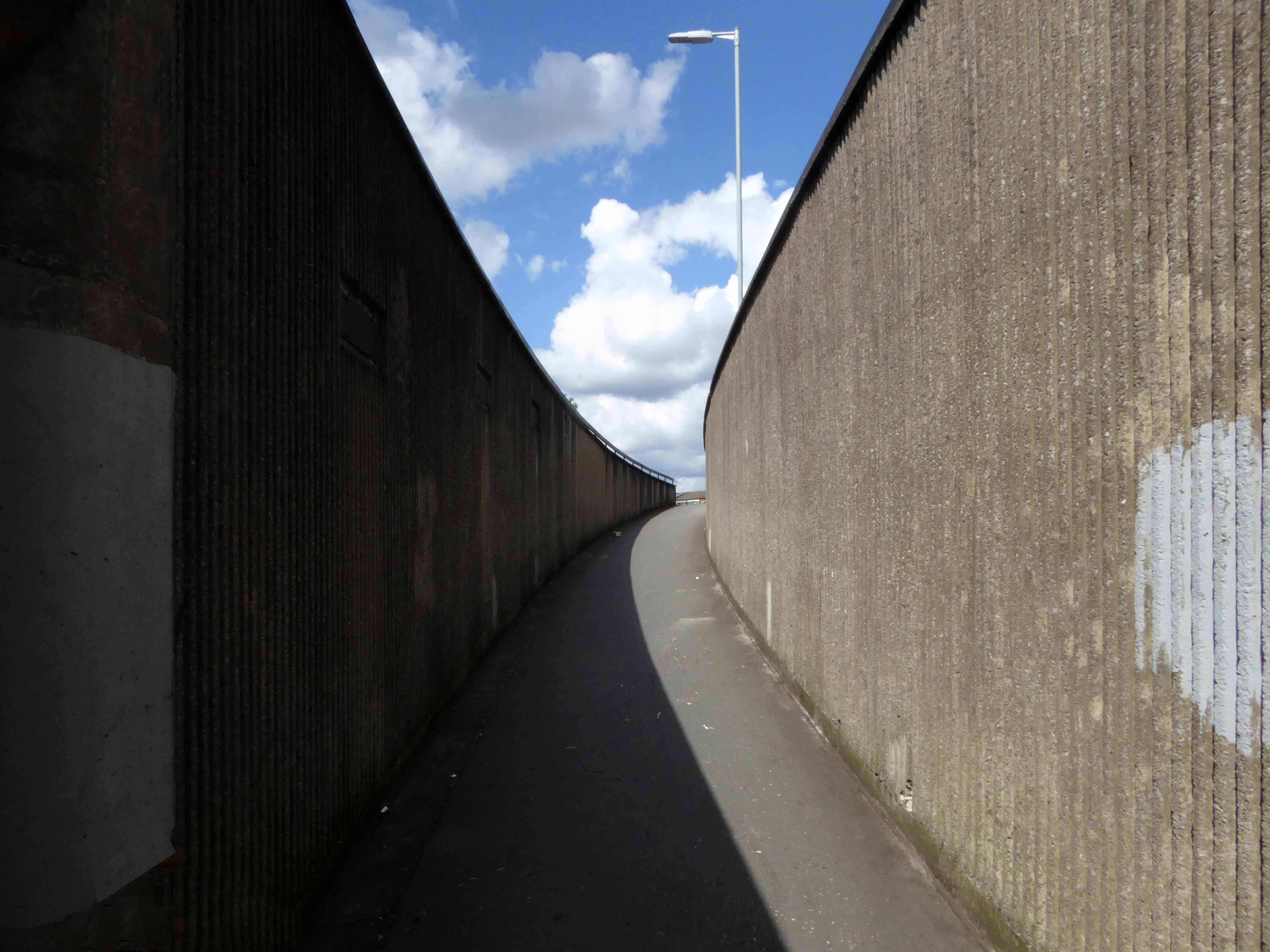
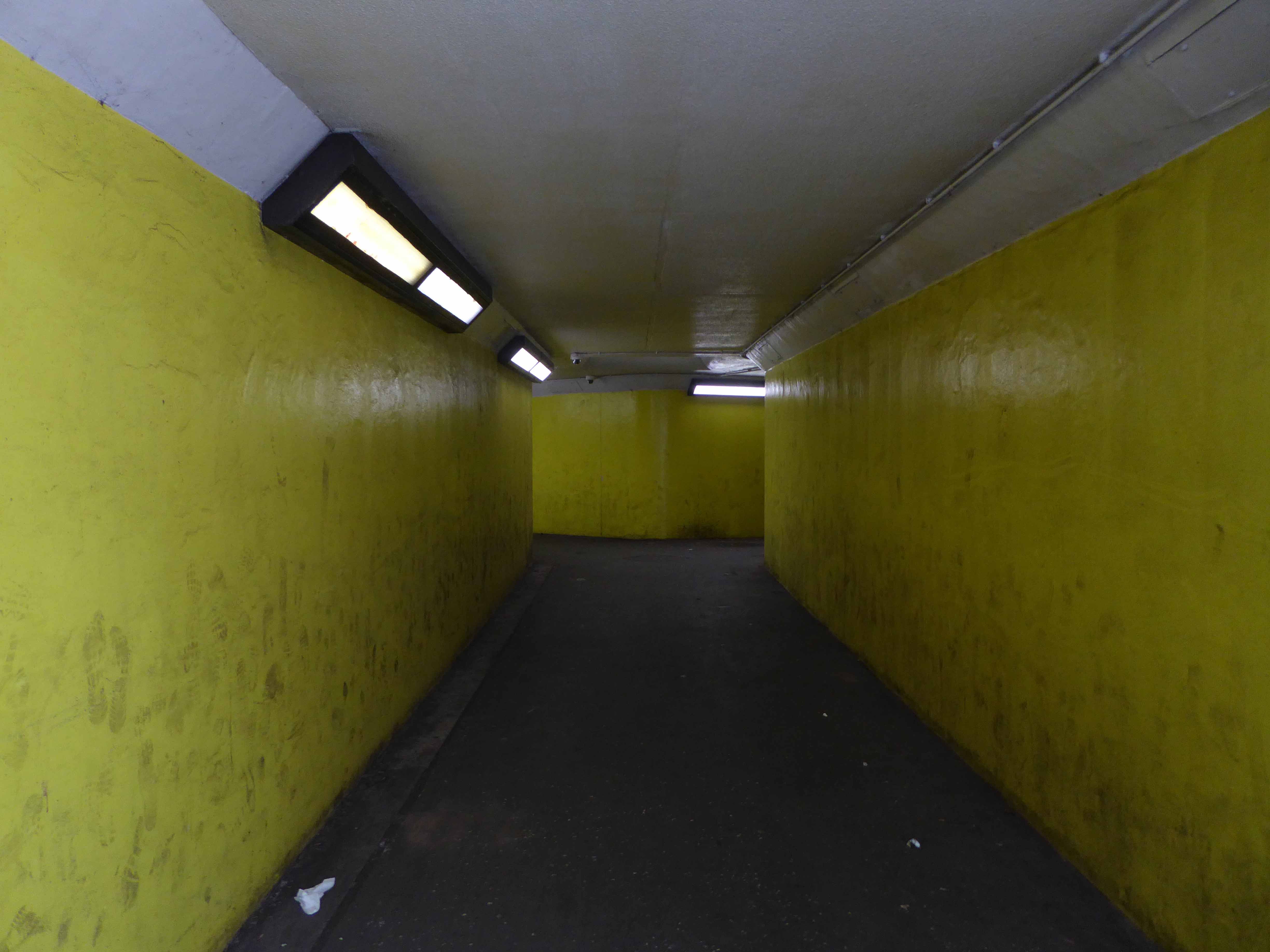
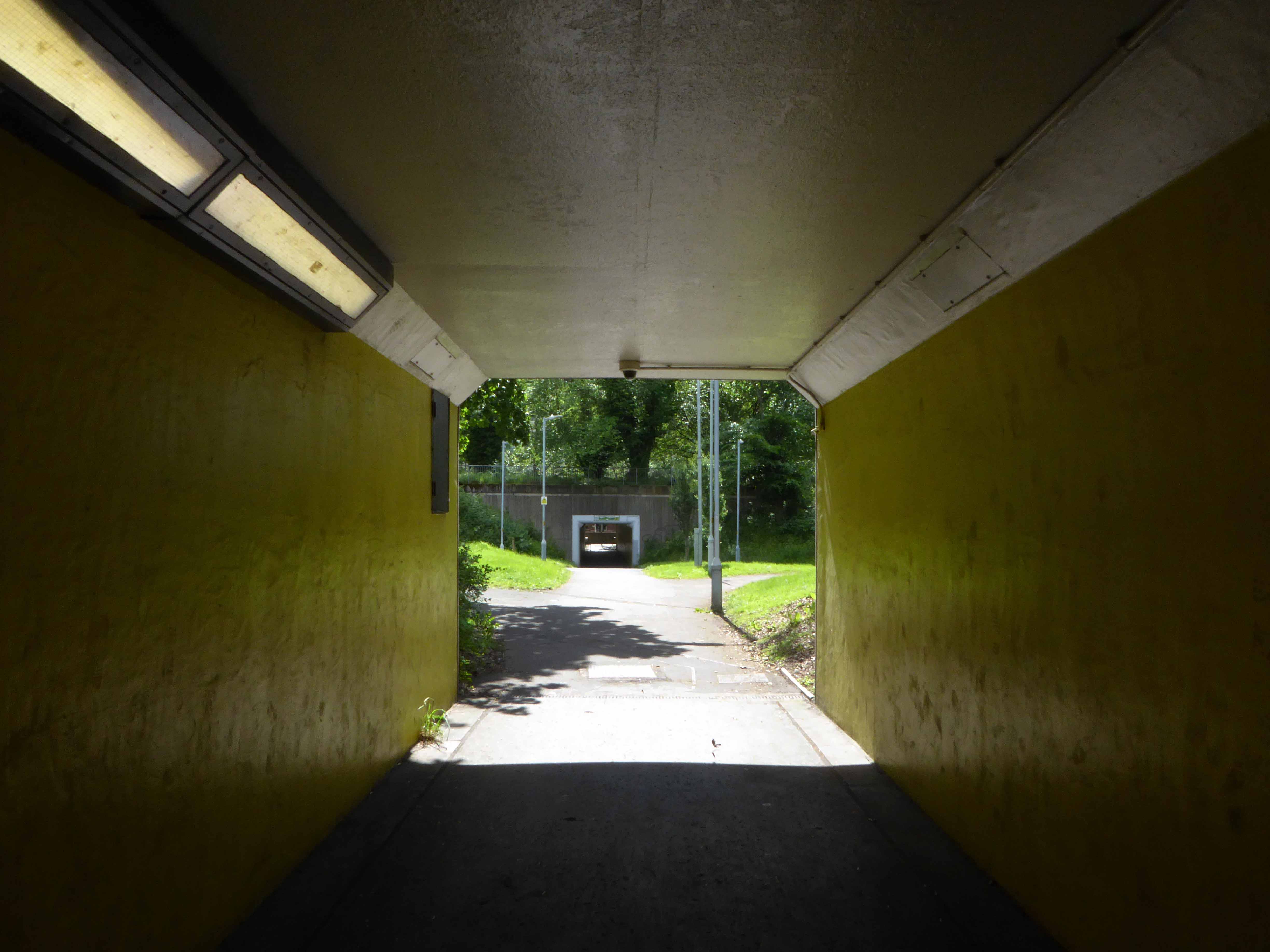
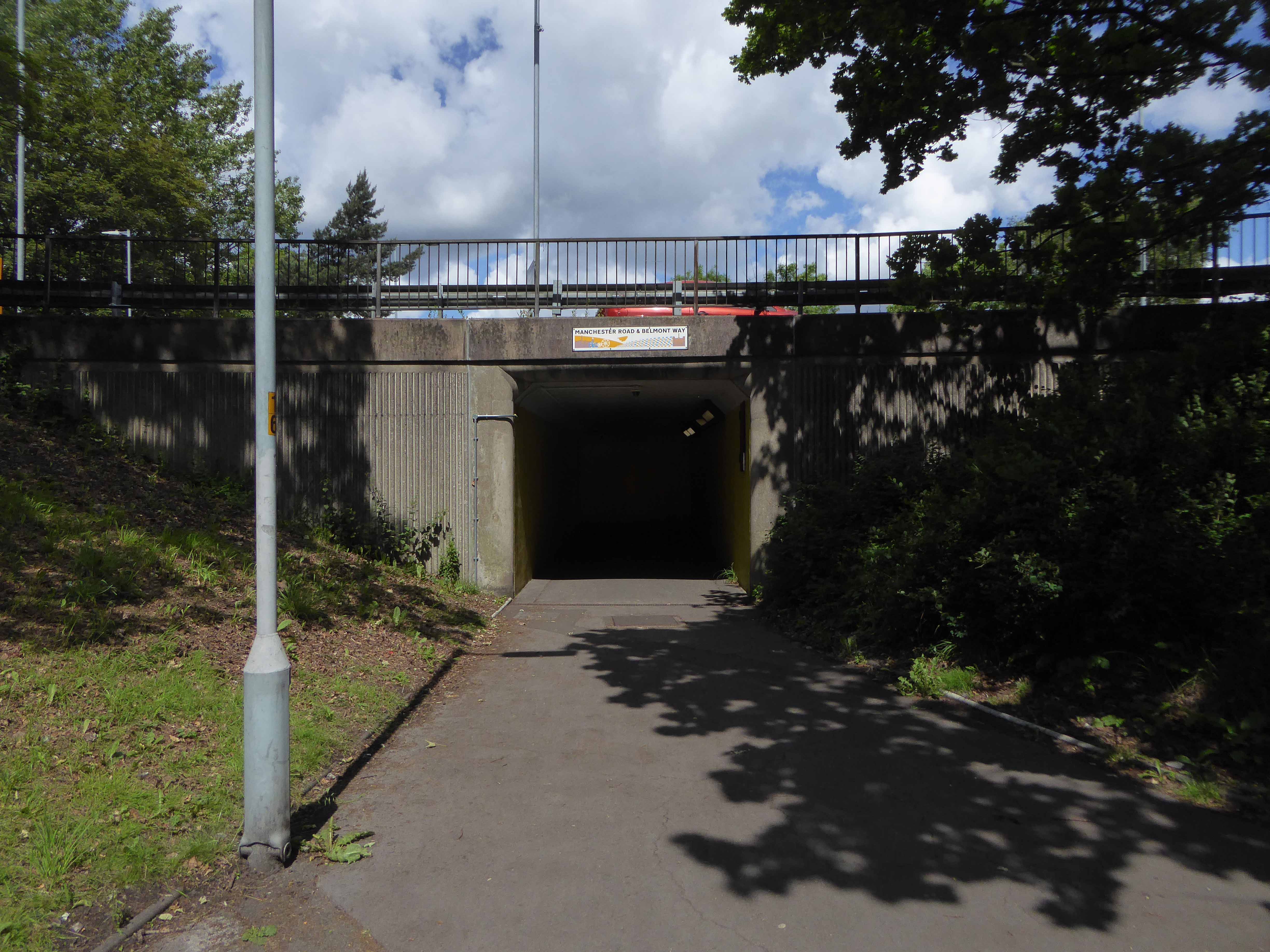
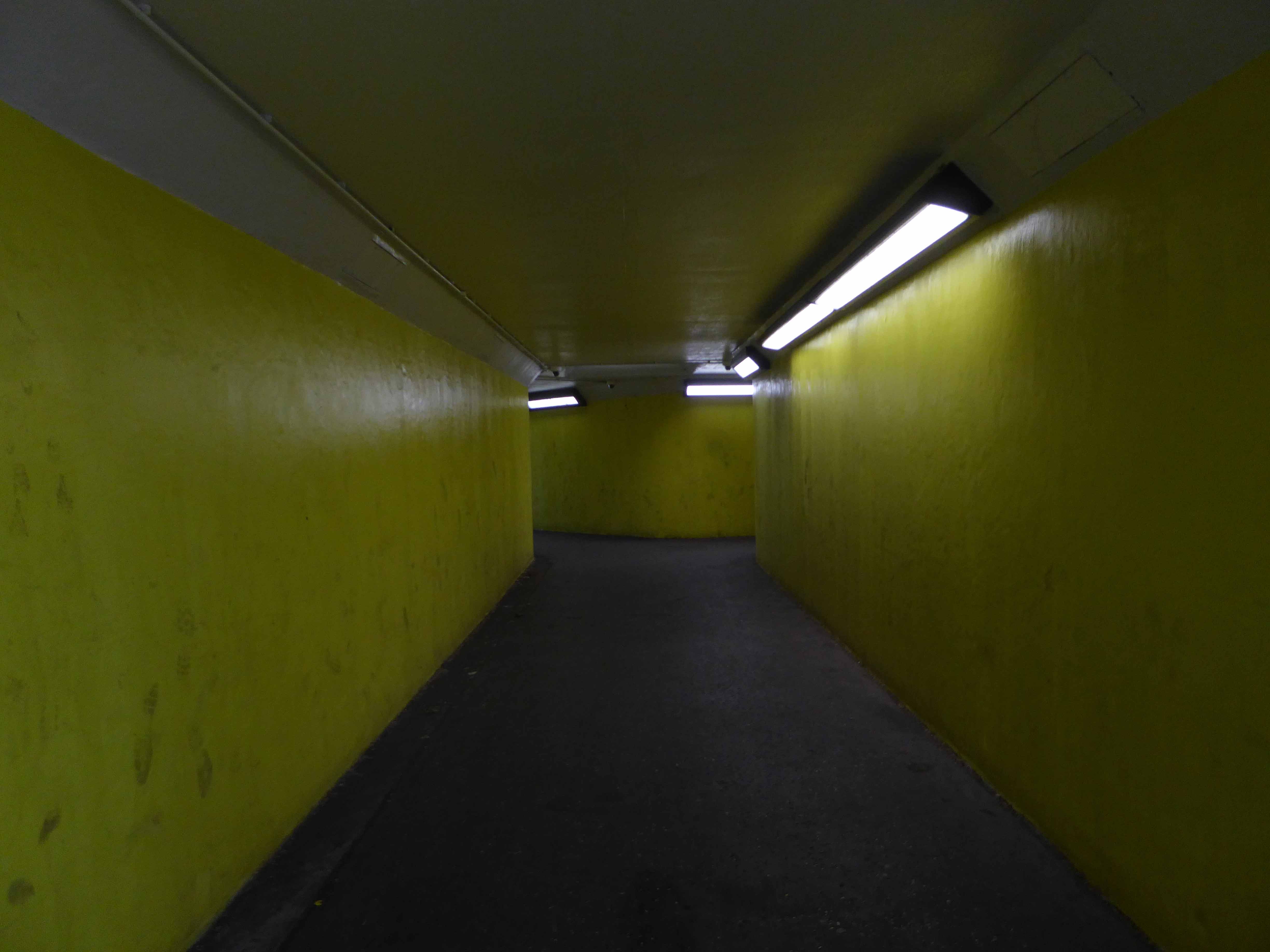
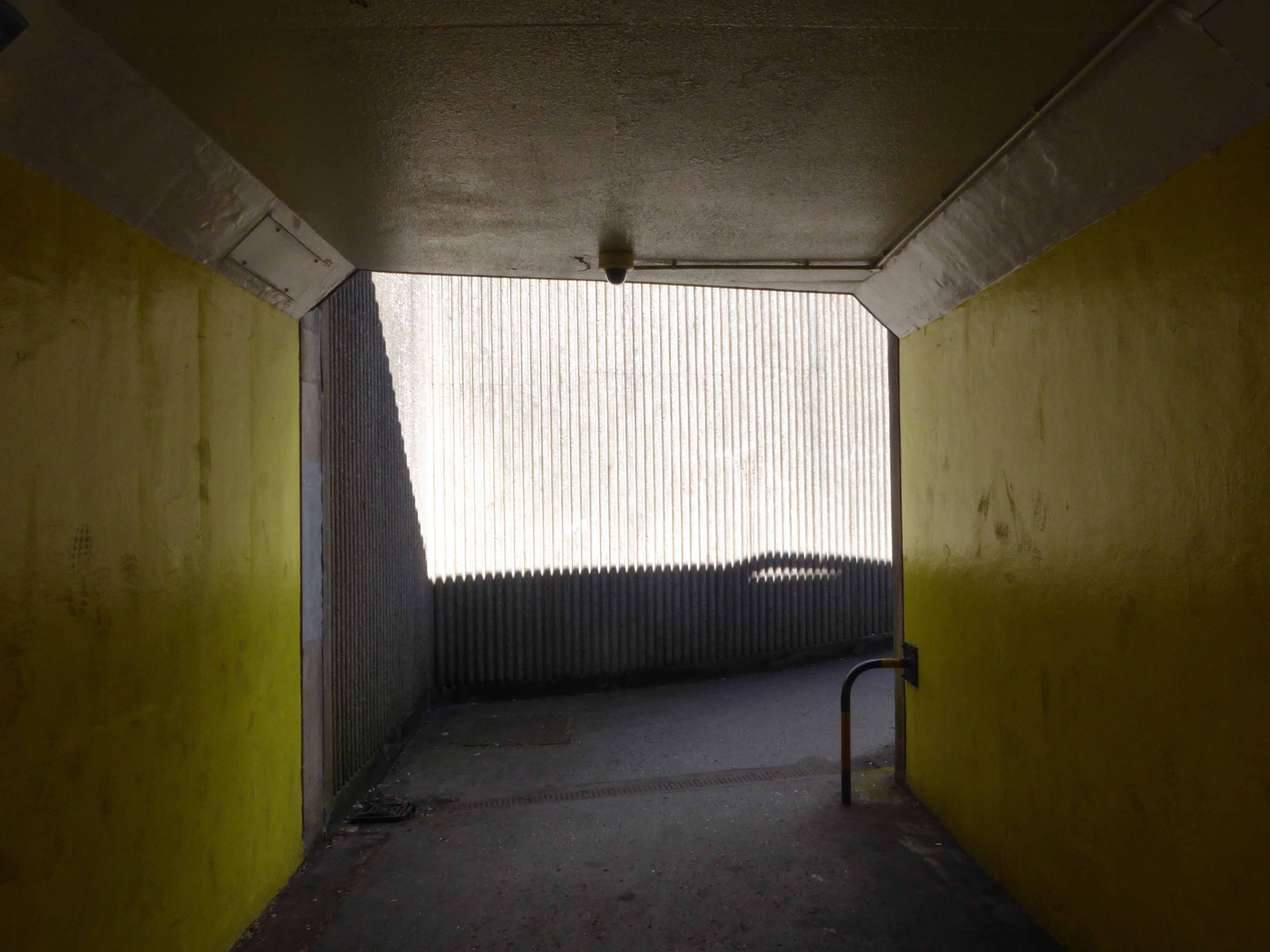
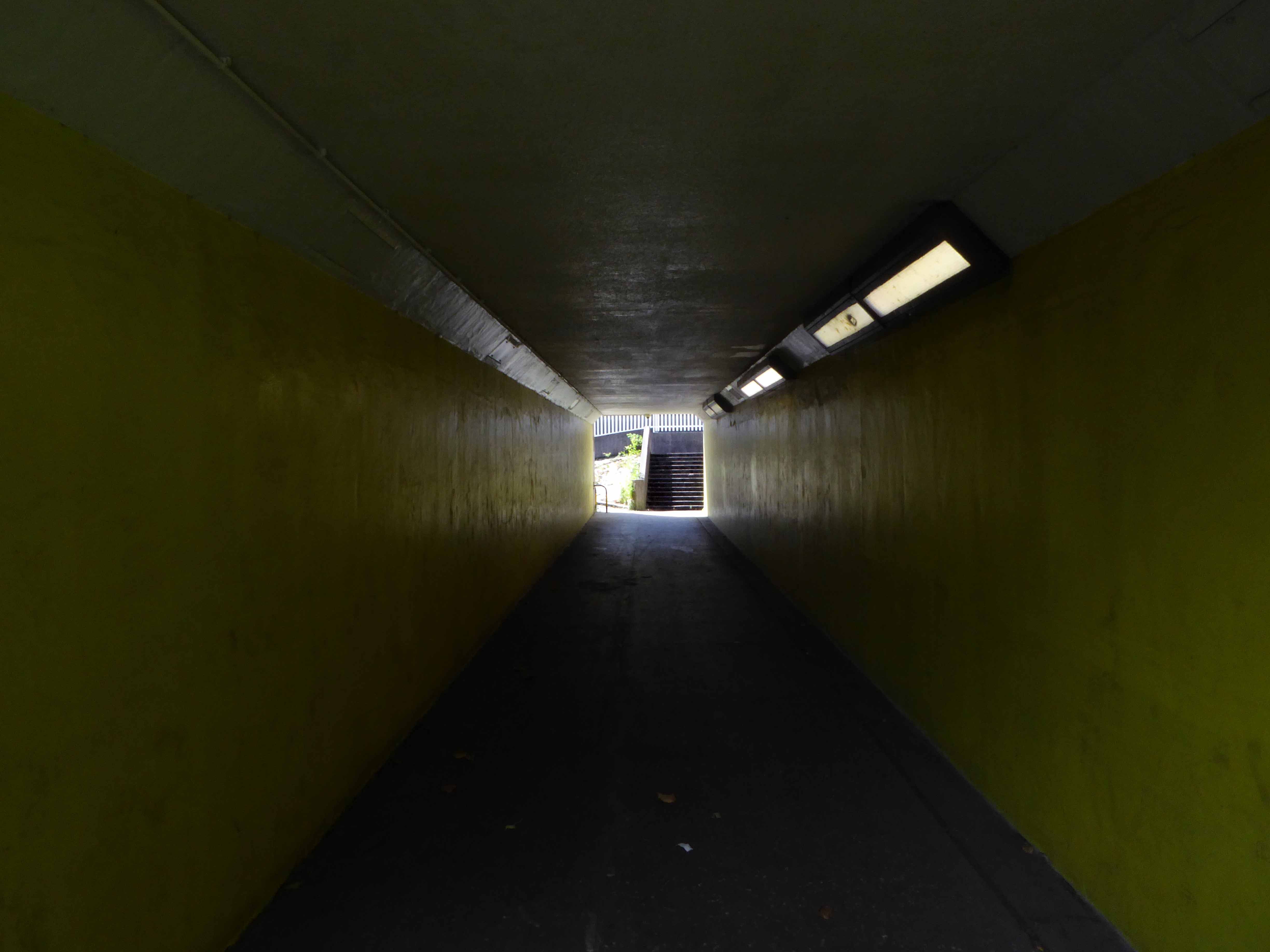
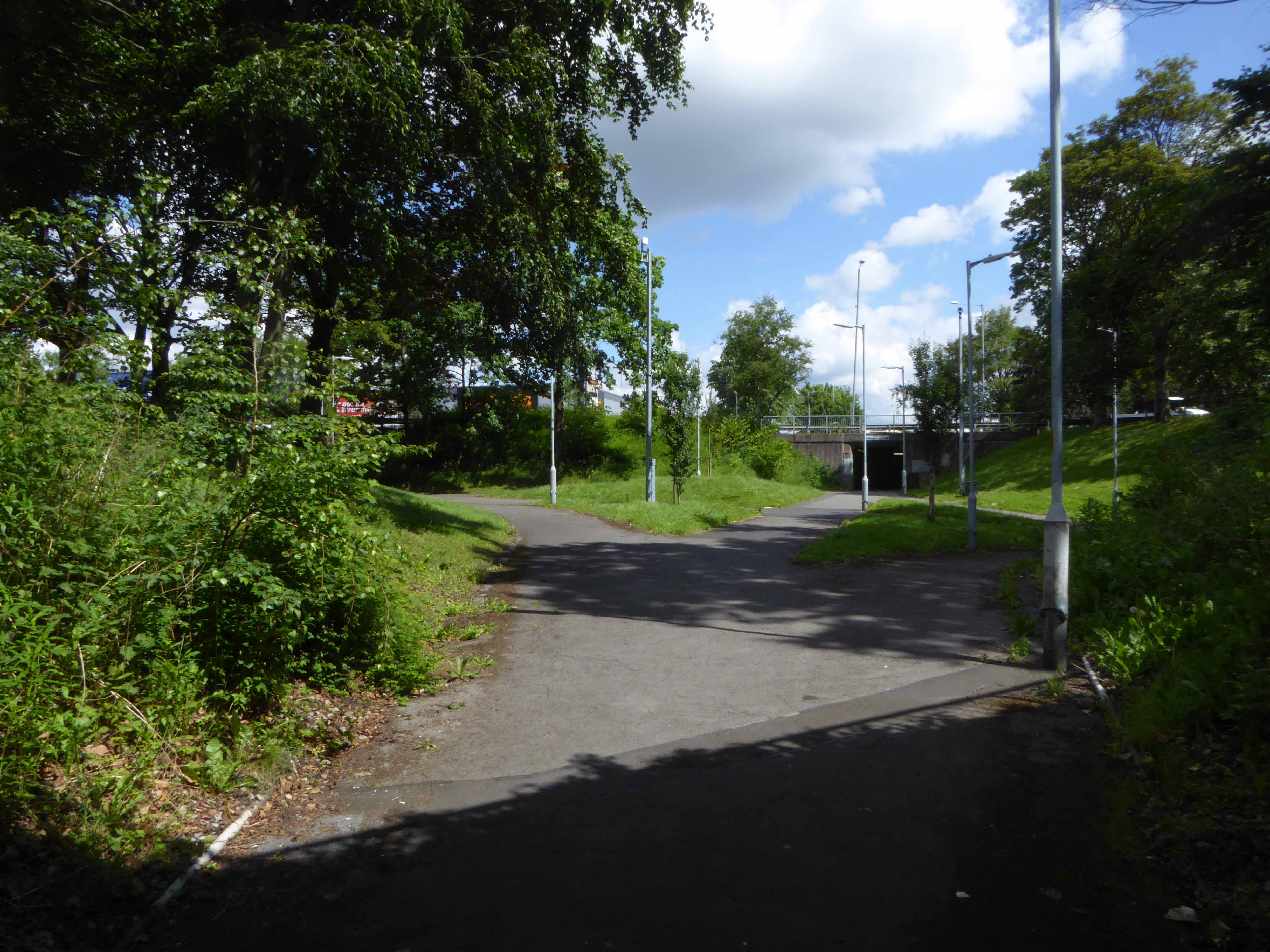
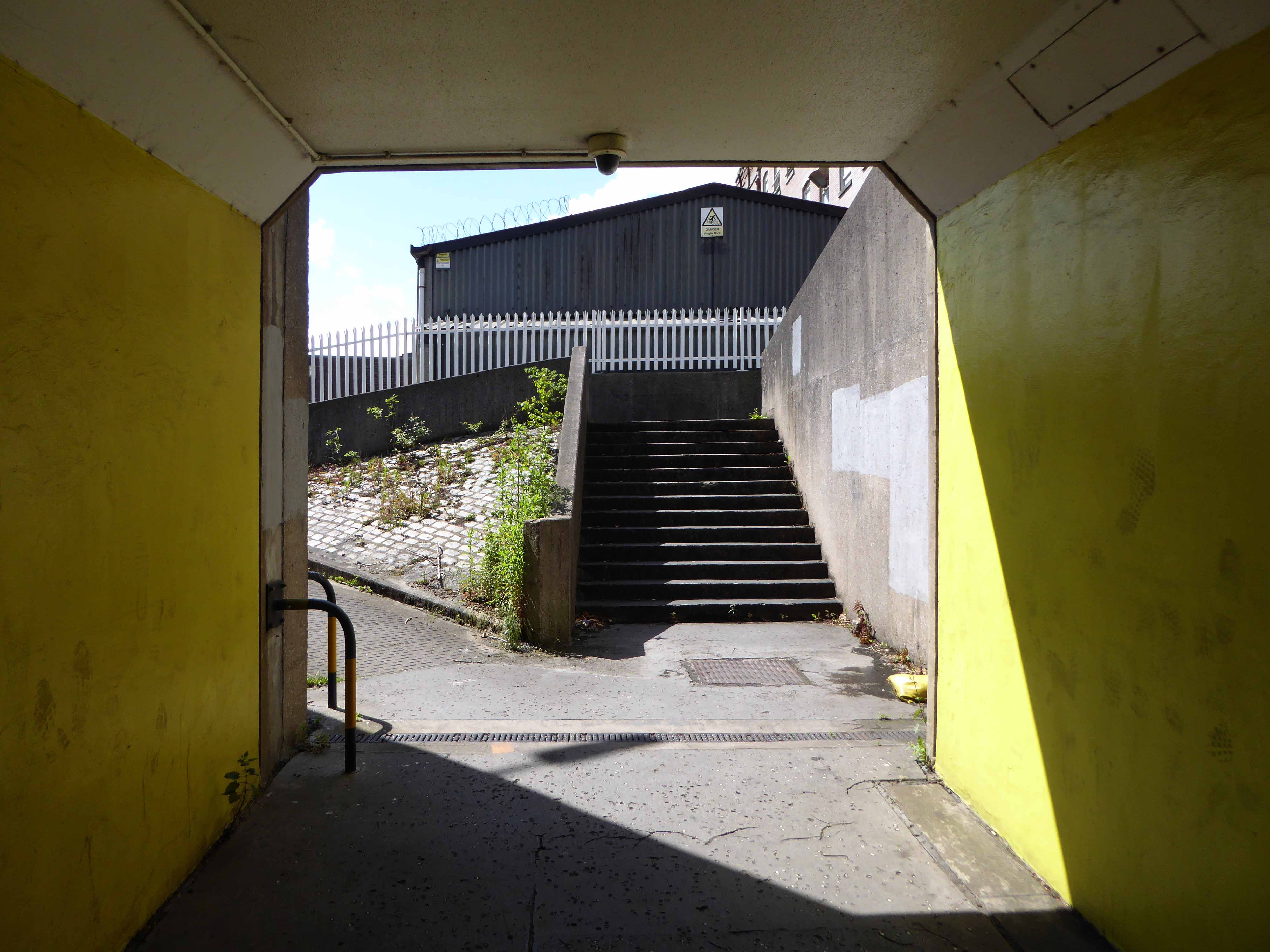
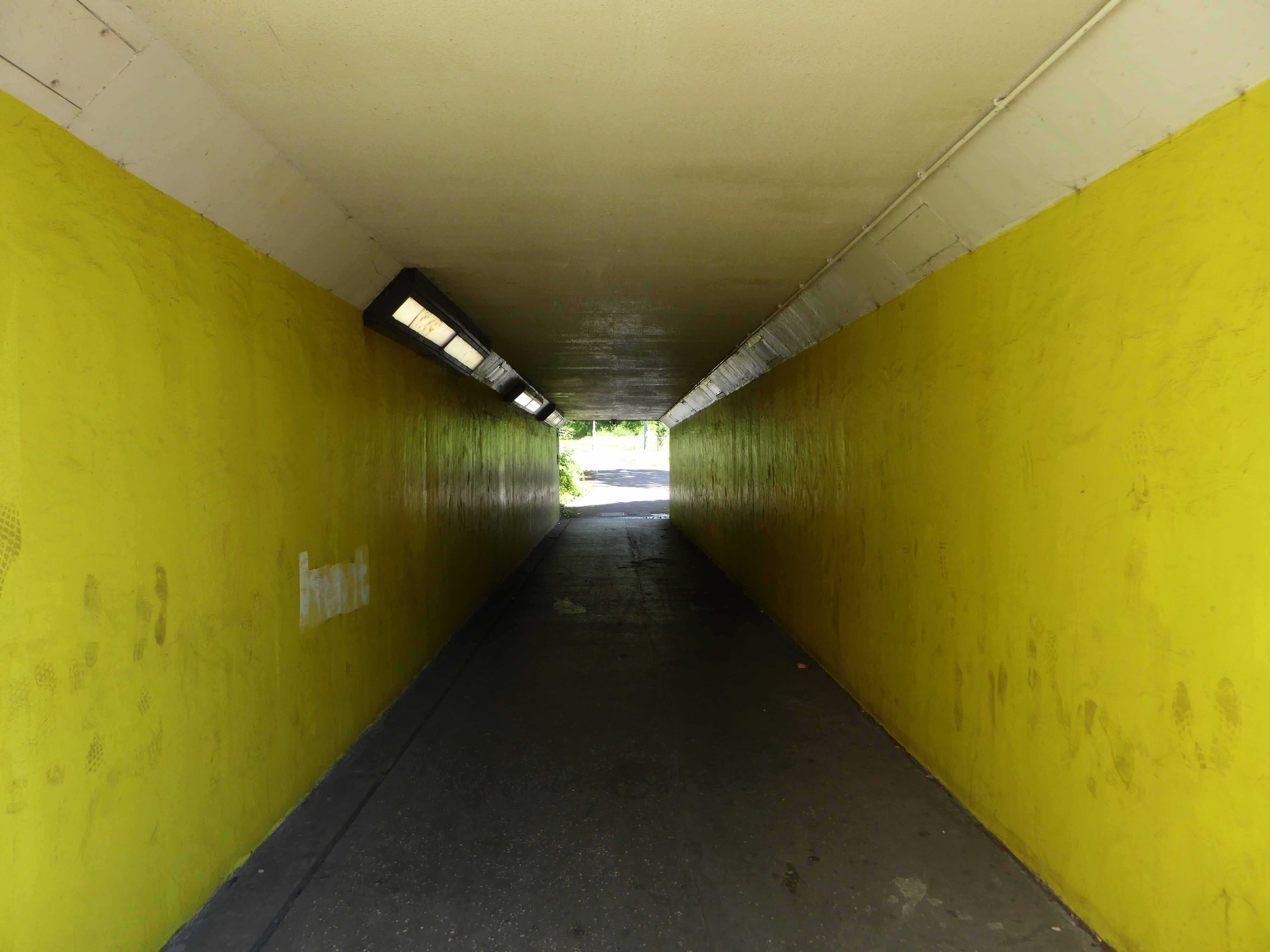
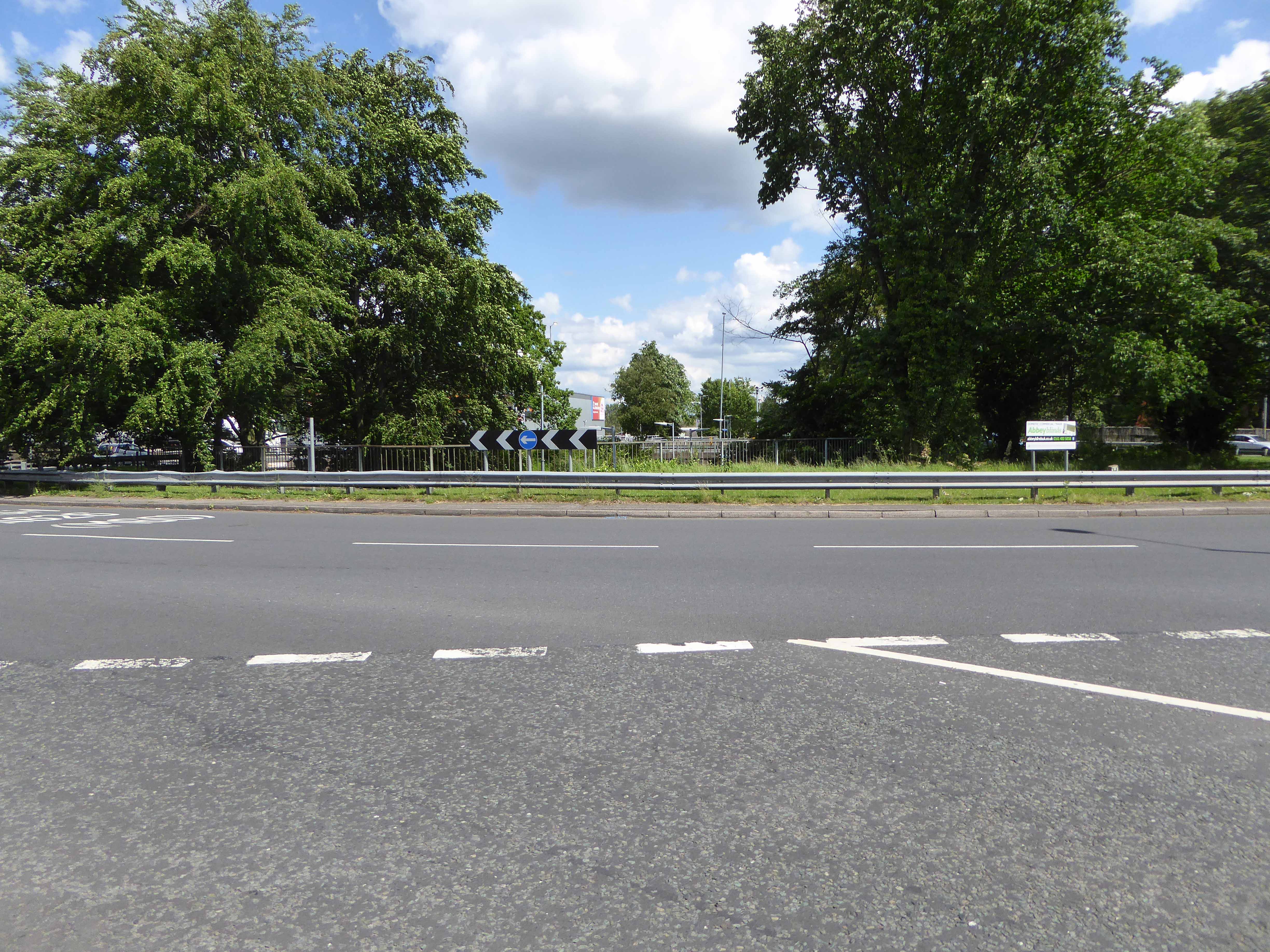
Underpass – Lancashire Hill Stockport

I can’t resist passing under an underpass from Scarborough to Milton Keynes.

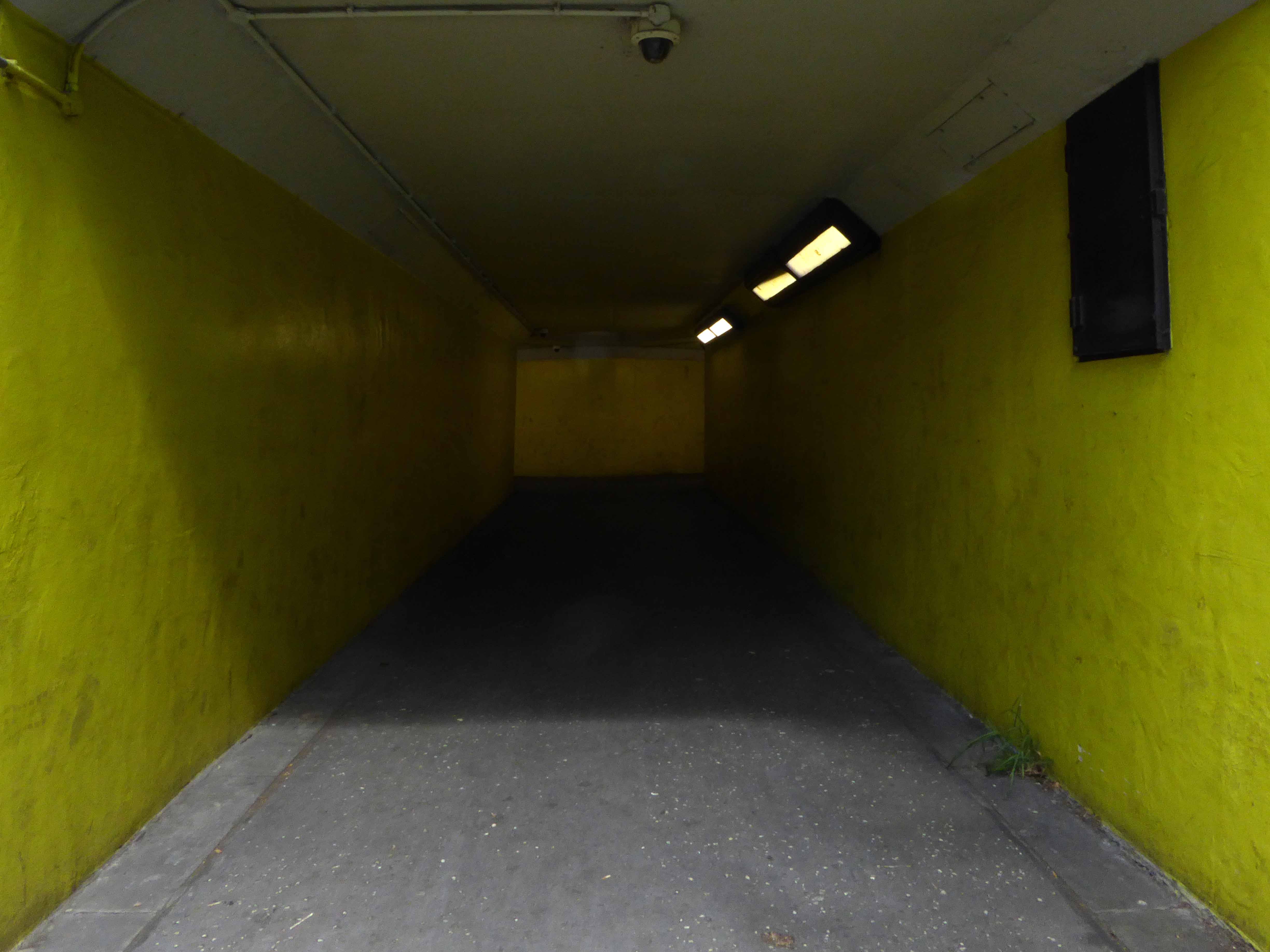
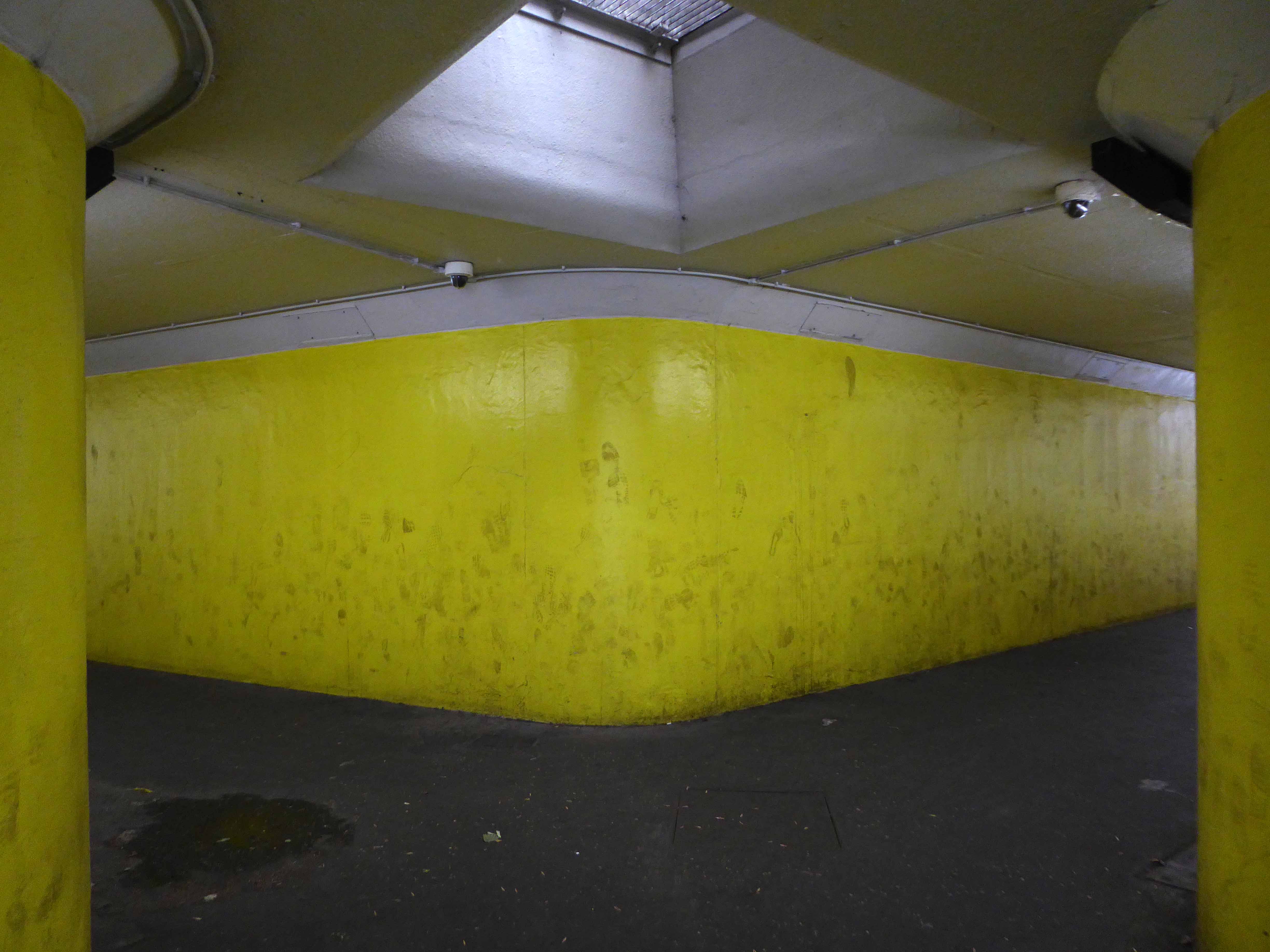
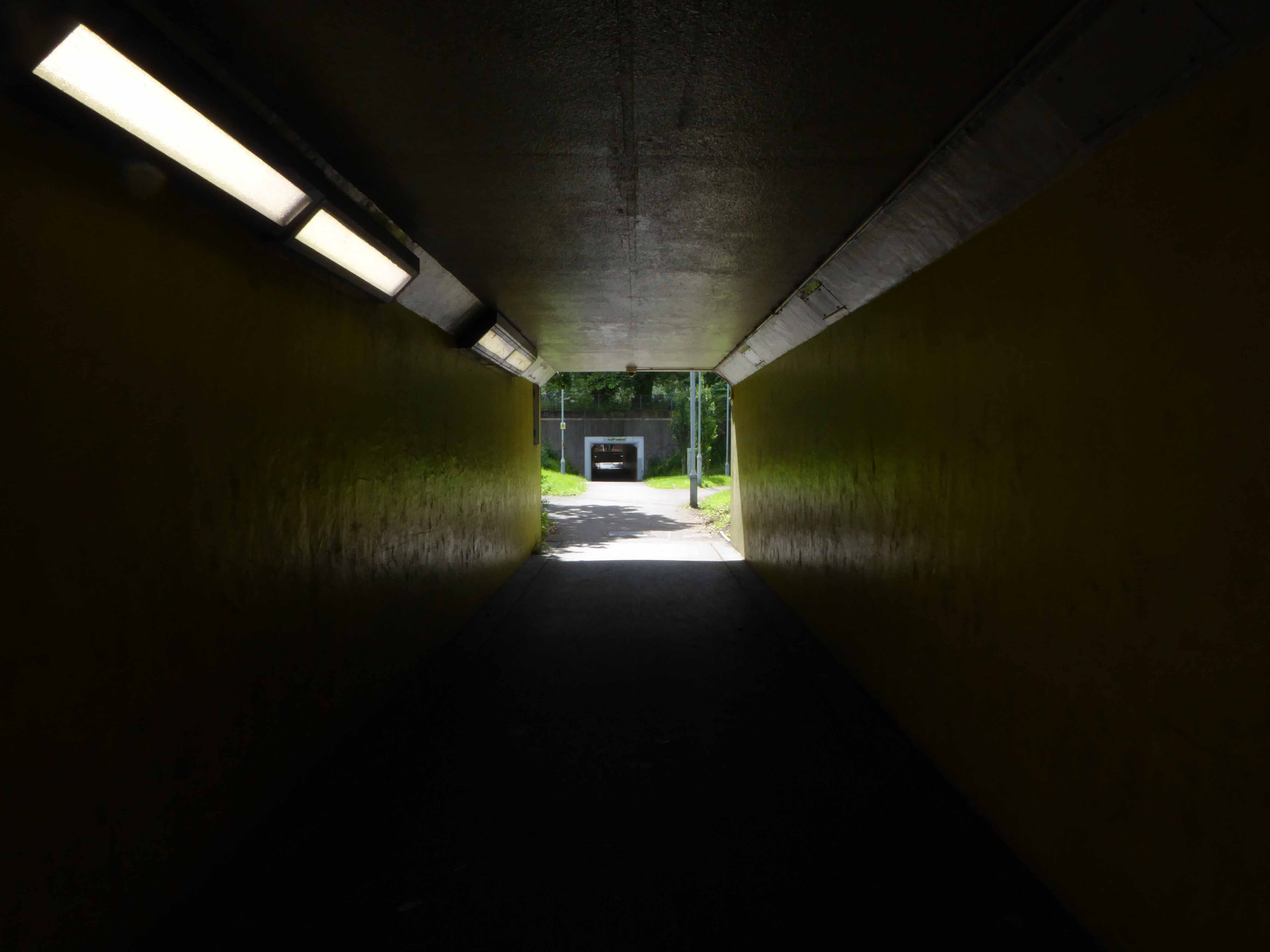
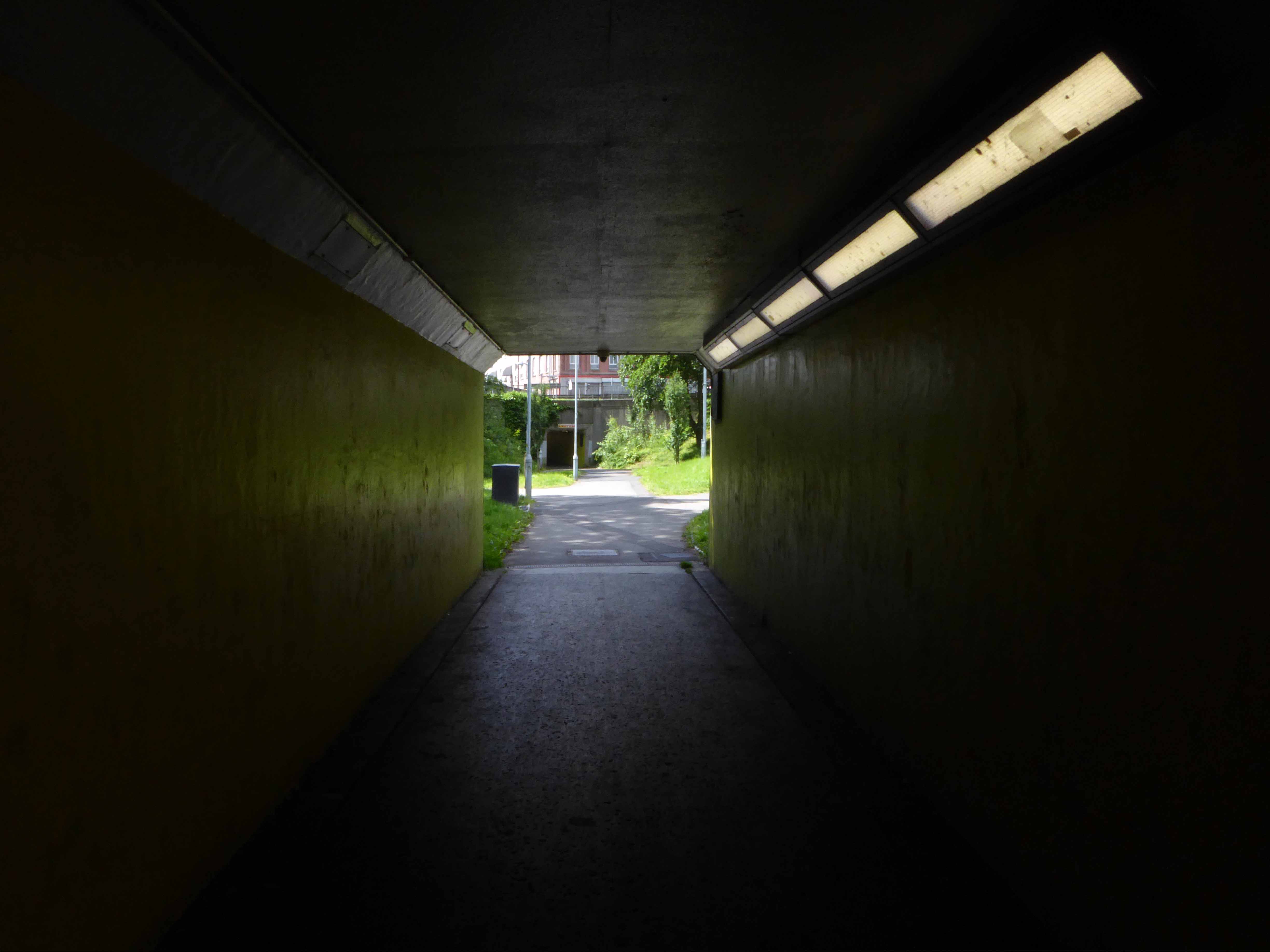
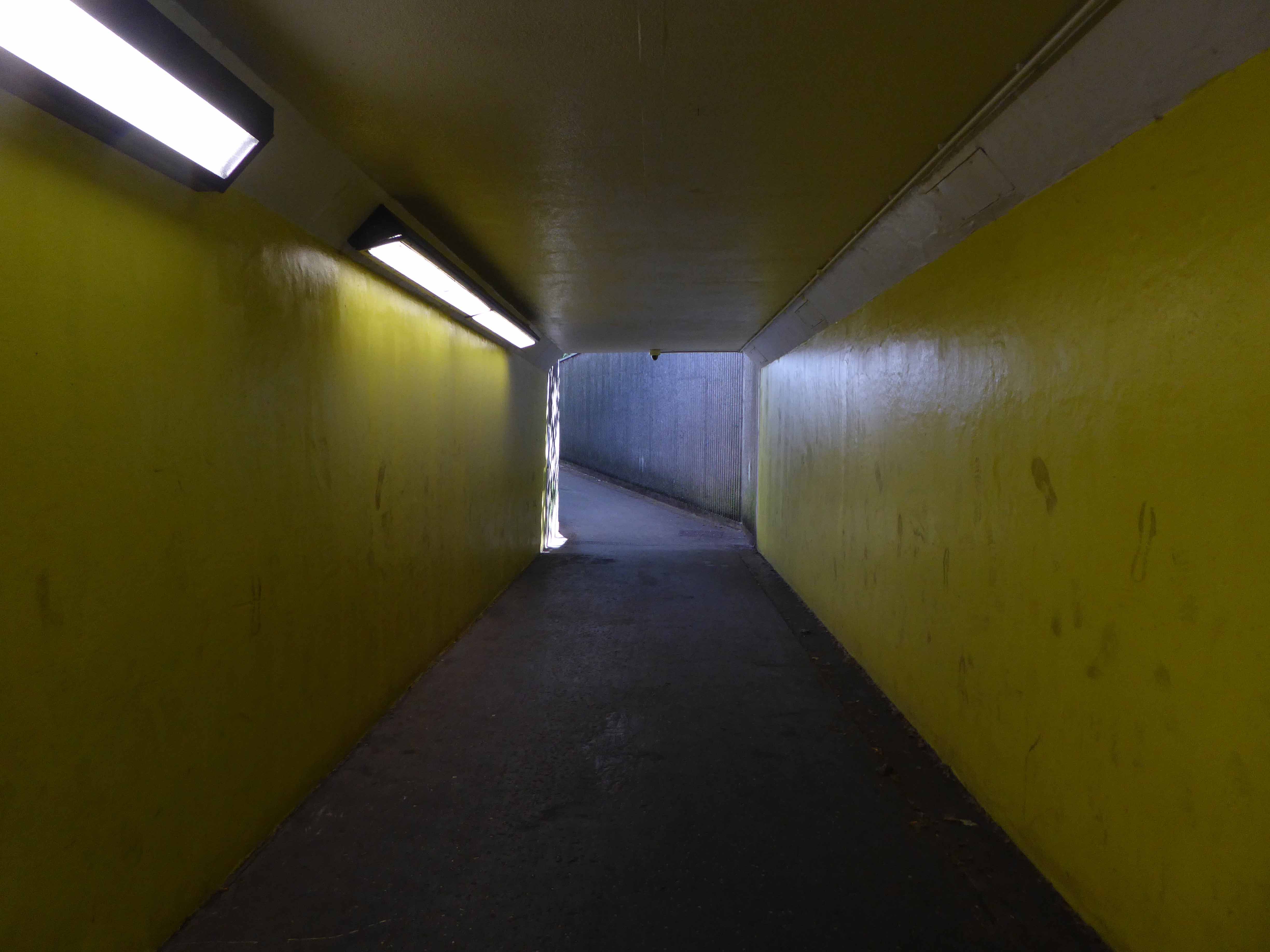
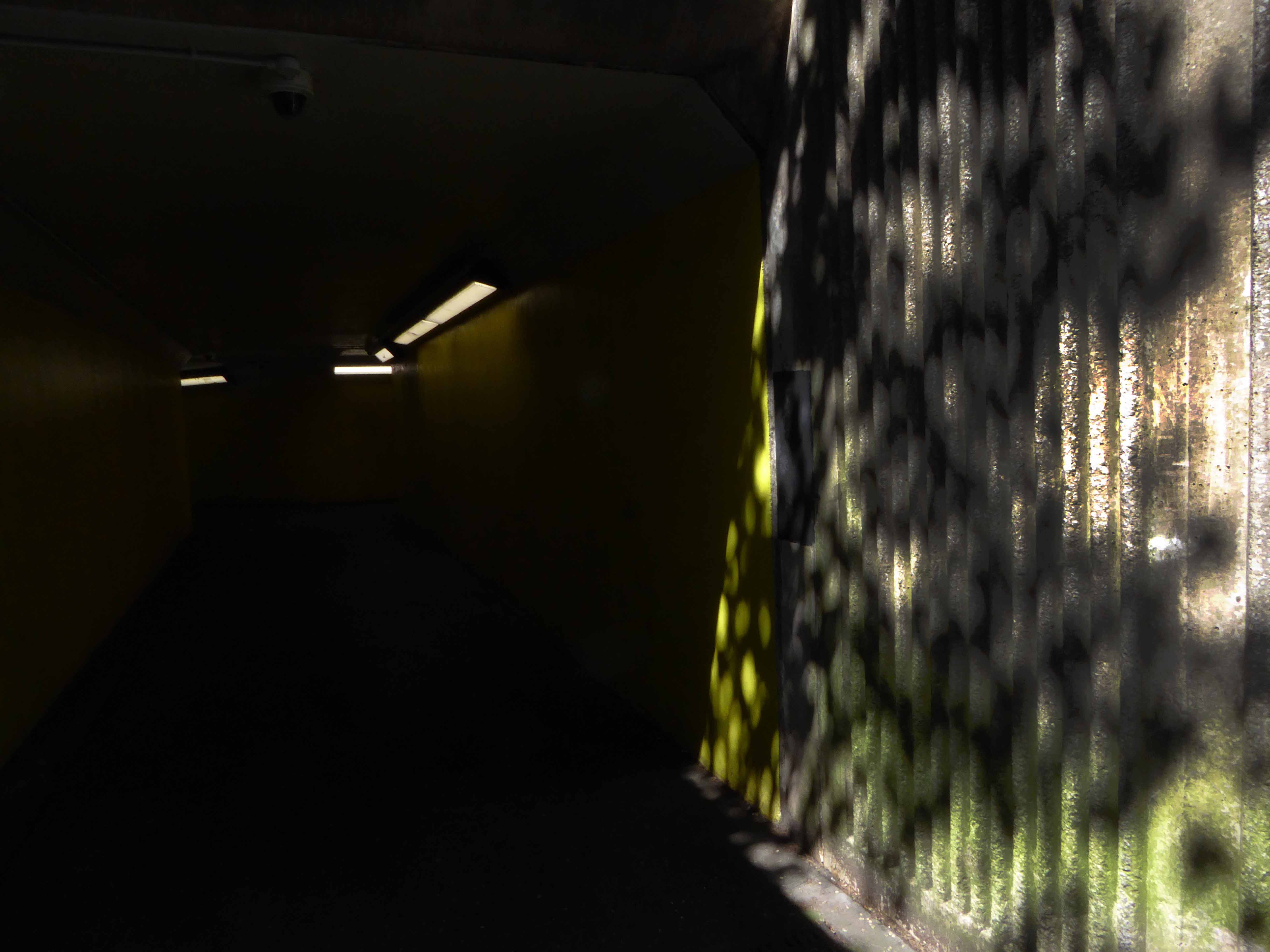
I often use this local yellow passageway as I make my way in the world.

Bridging Lancashire Hill, Belmont Way, Manchester Road, Tiviot Way – from the town centre to the out of town shopping centre, the flats to everywhere.

Bridging the tarmac to another green world and back.

Come with me now there’s a life going on underground.

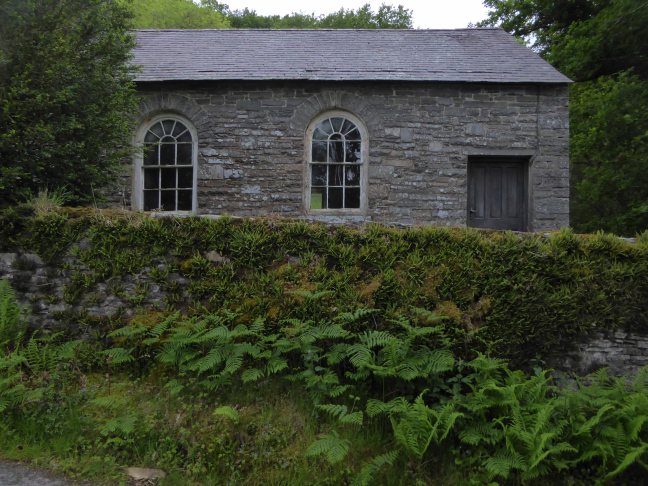
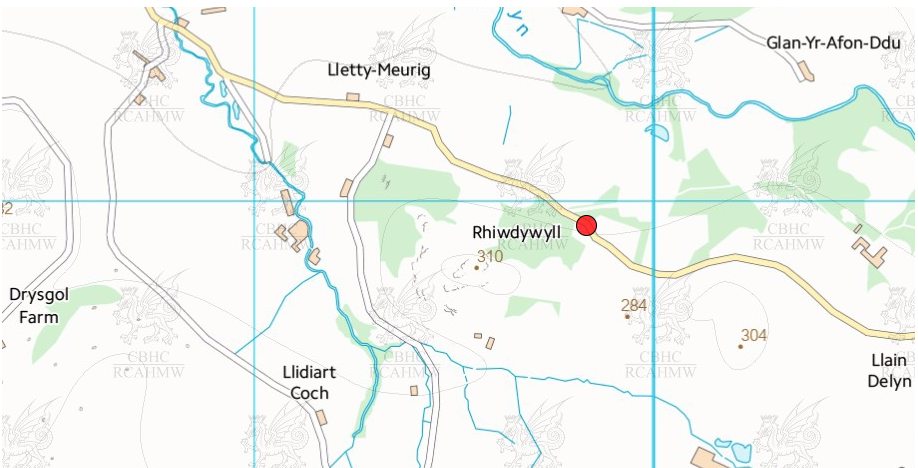
Capel y Rhiw – Rhiwdywyll

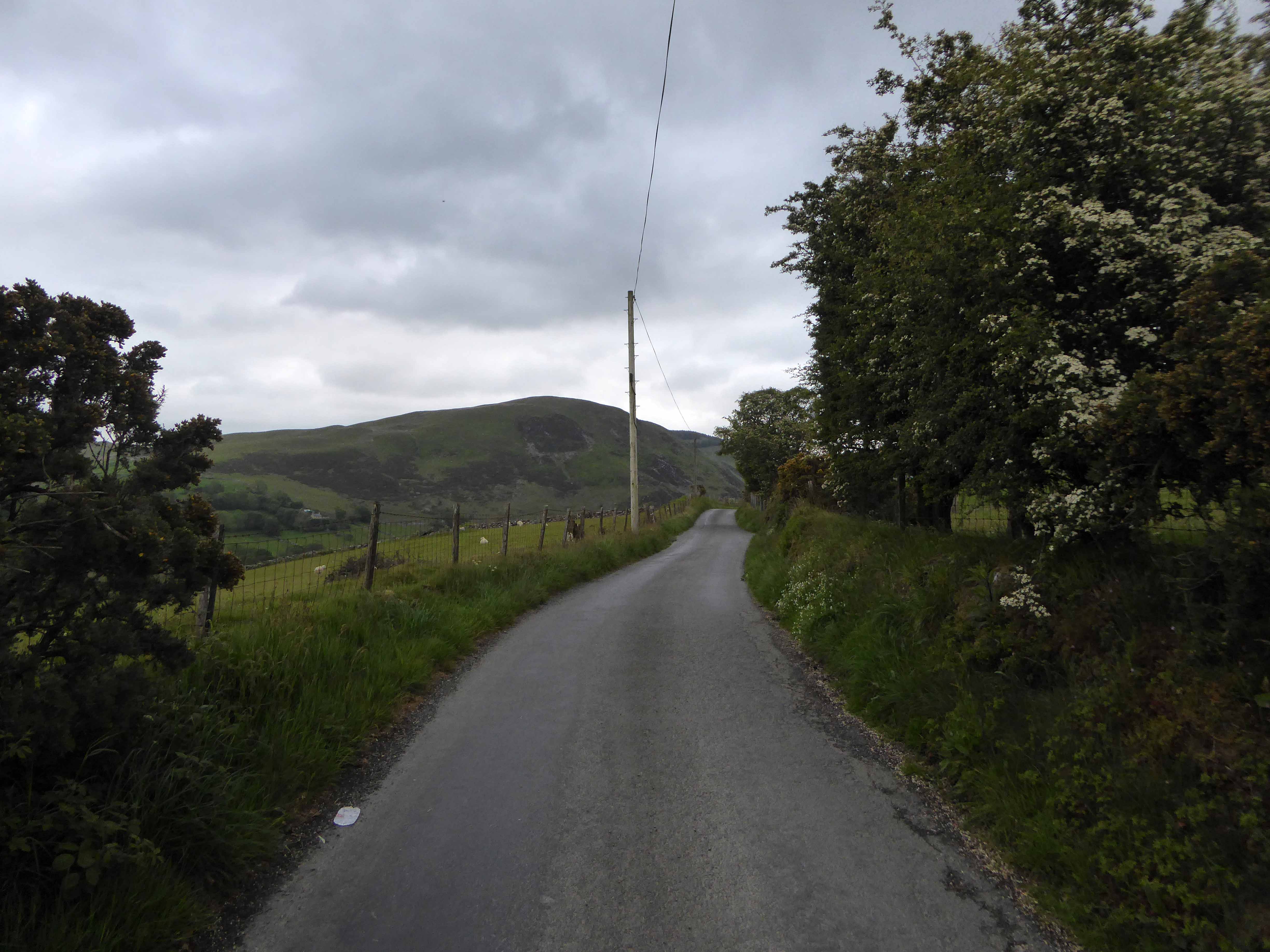
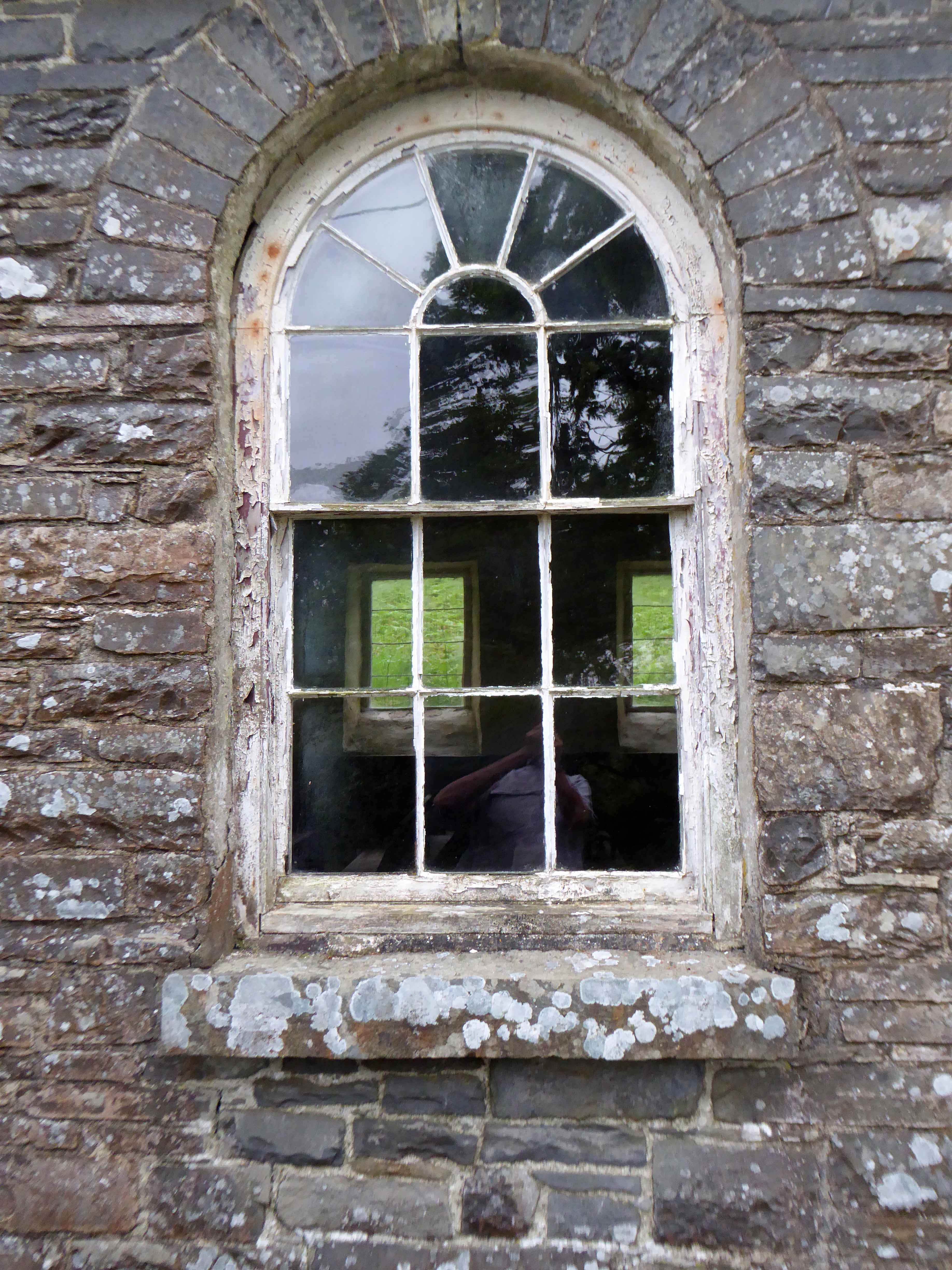
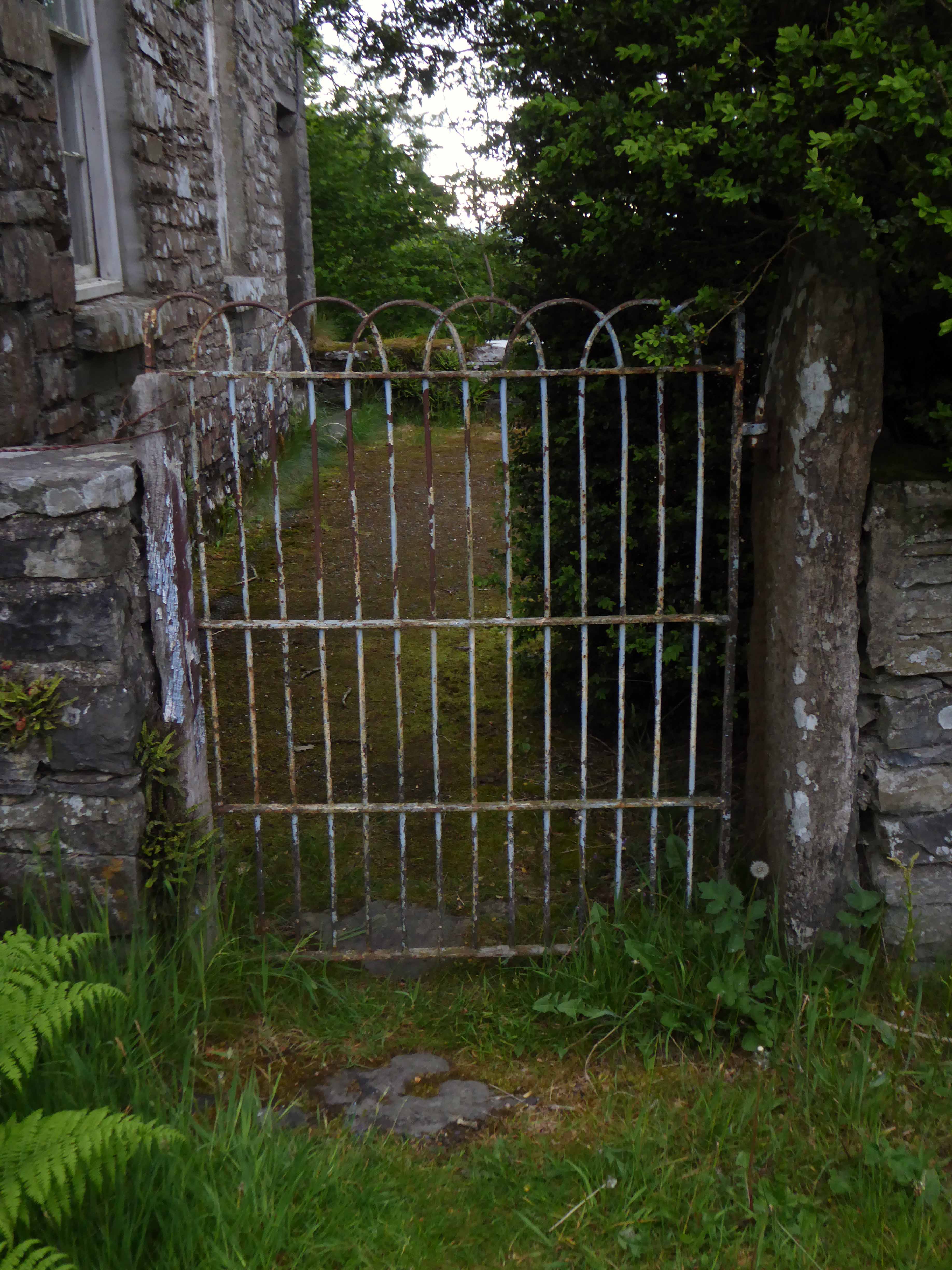
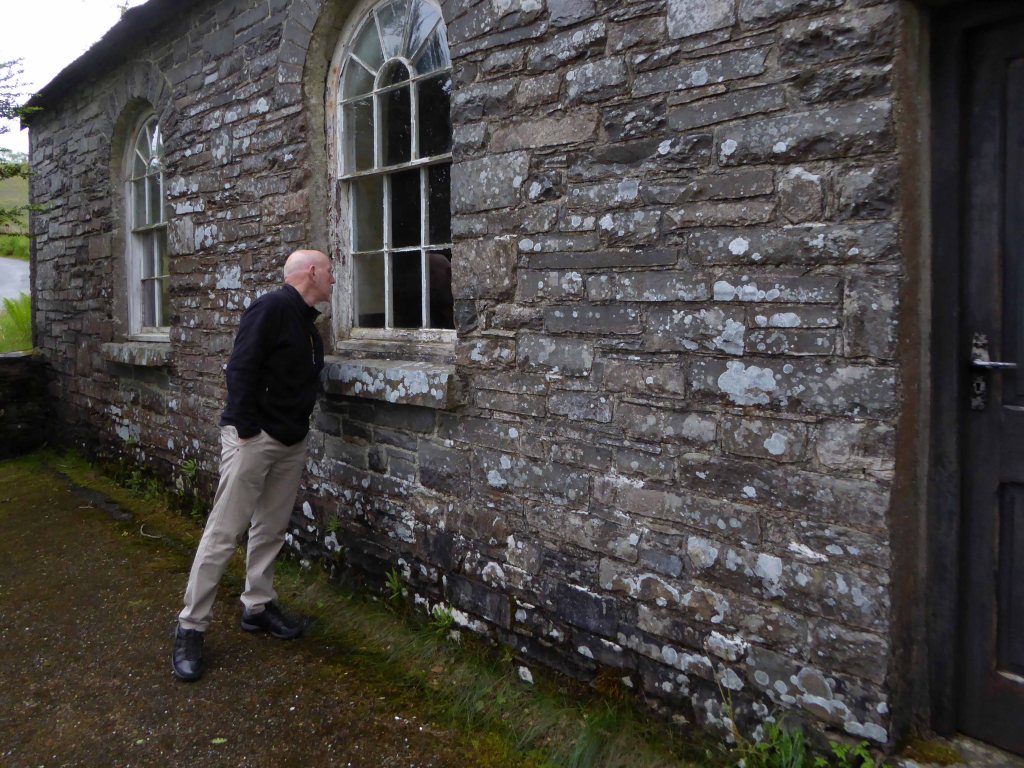
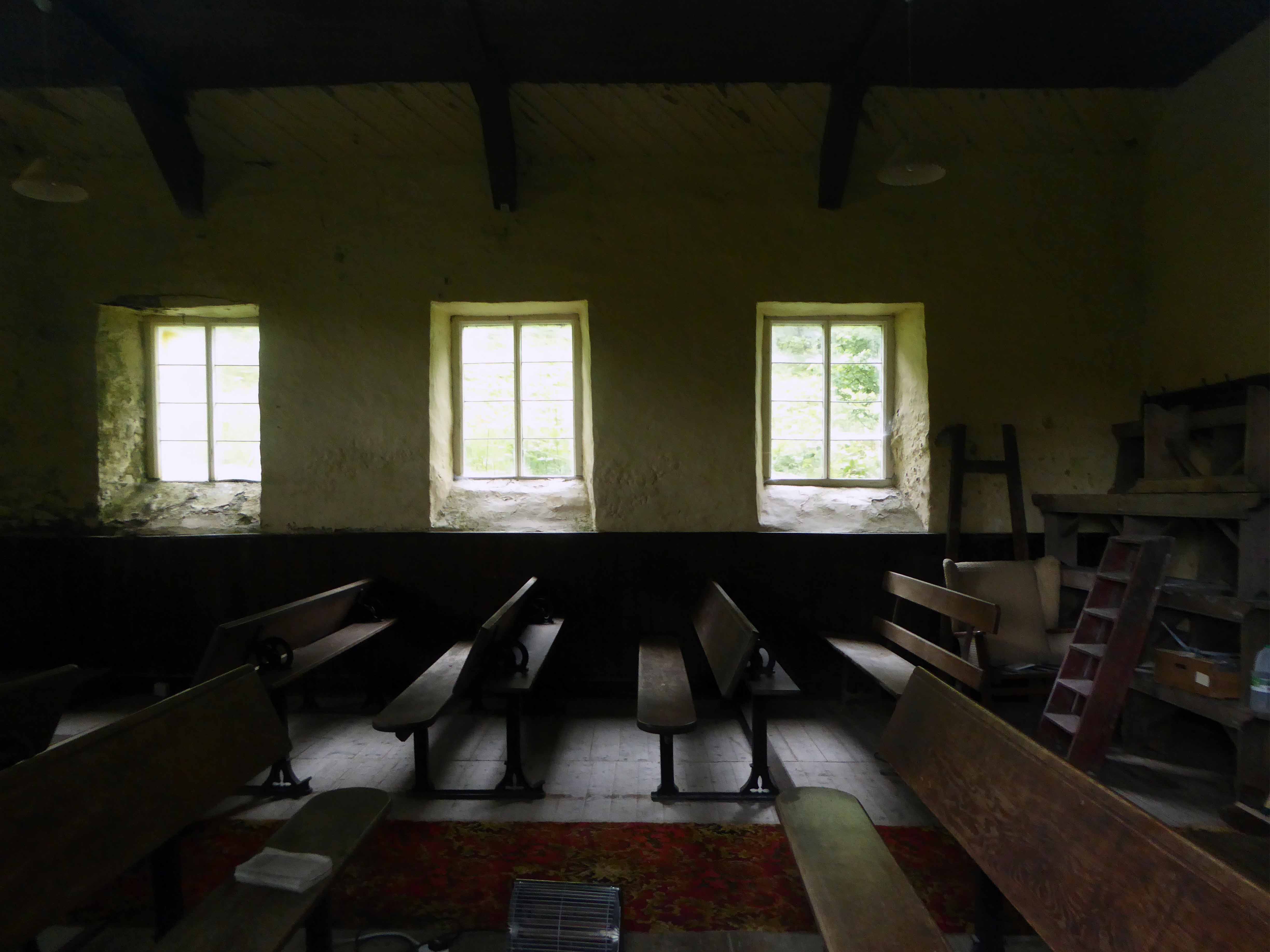
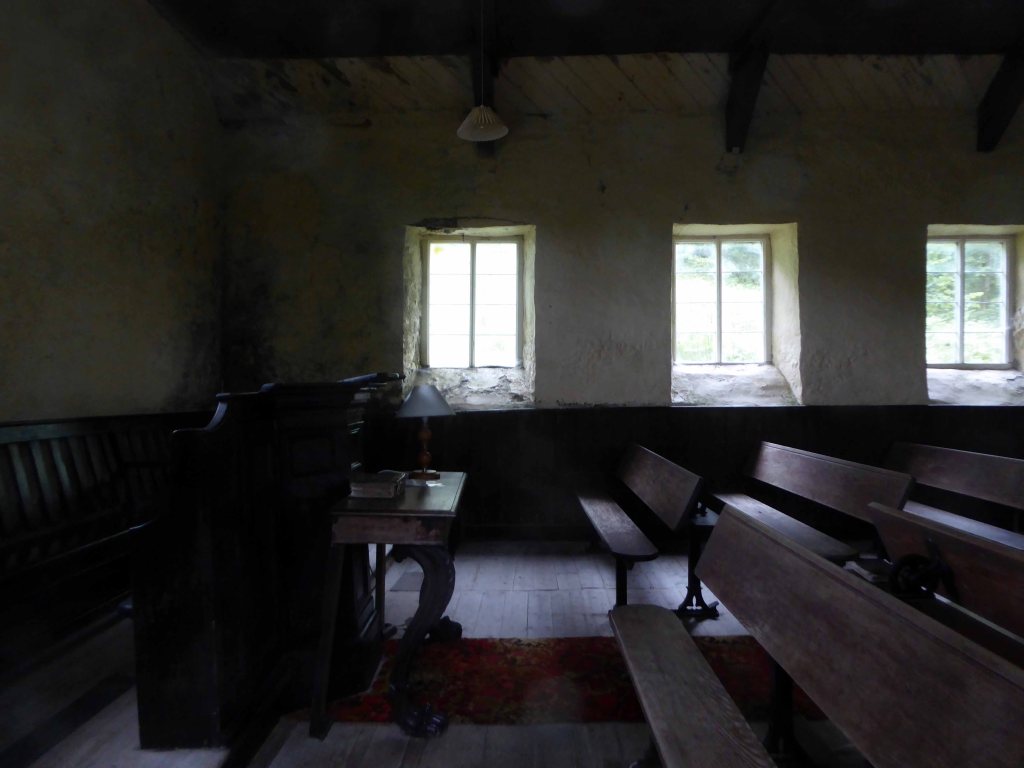
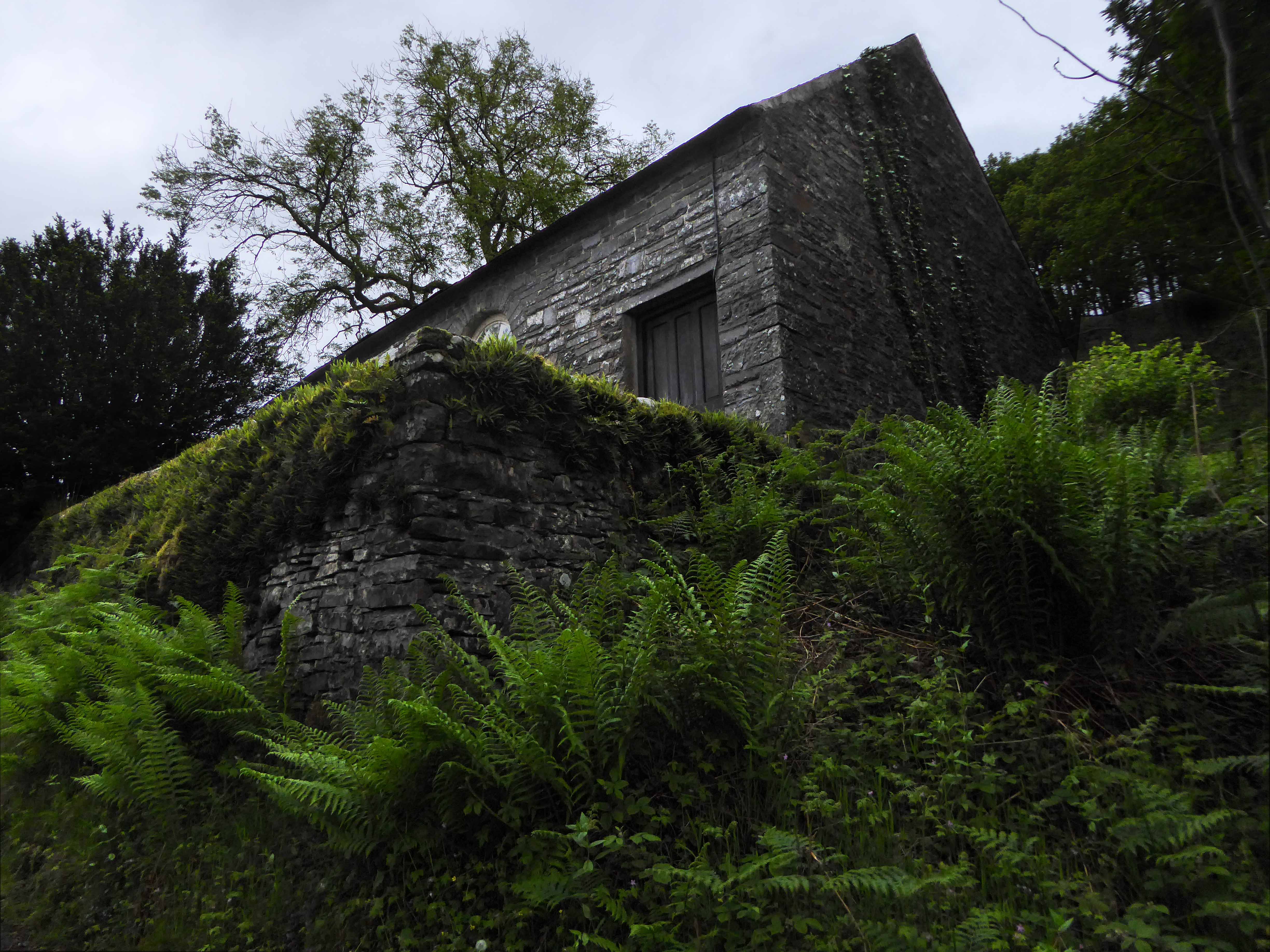
Digressing for once from the modern to the near modern in an ancient landscape. Having cycled to Tregaron I took a walk along the Mountain Road with chapel hat peg expert Tim Rushton.

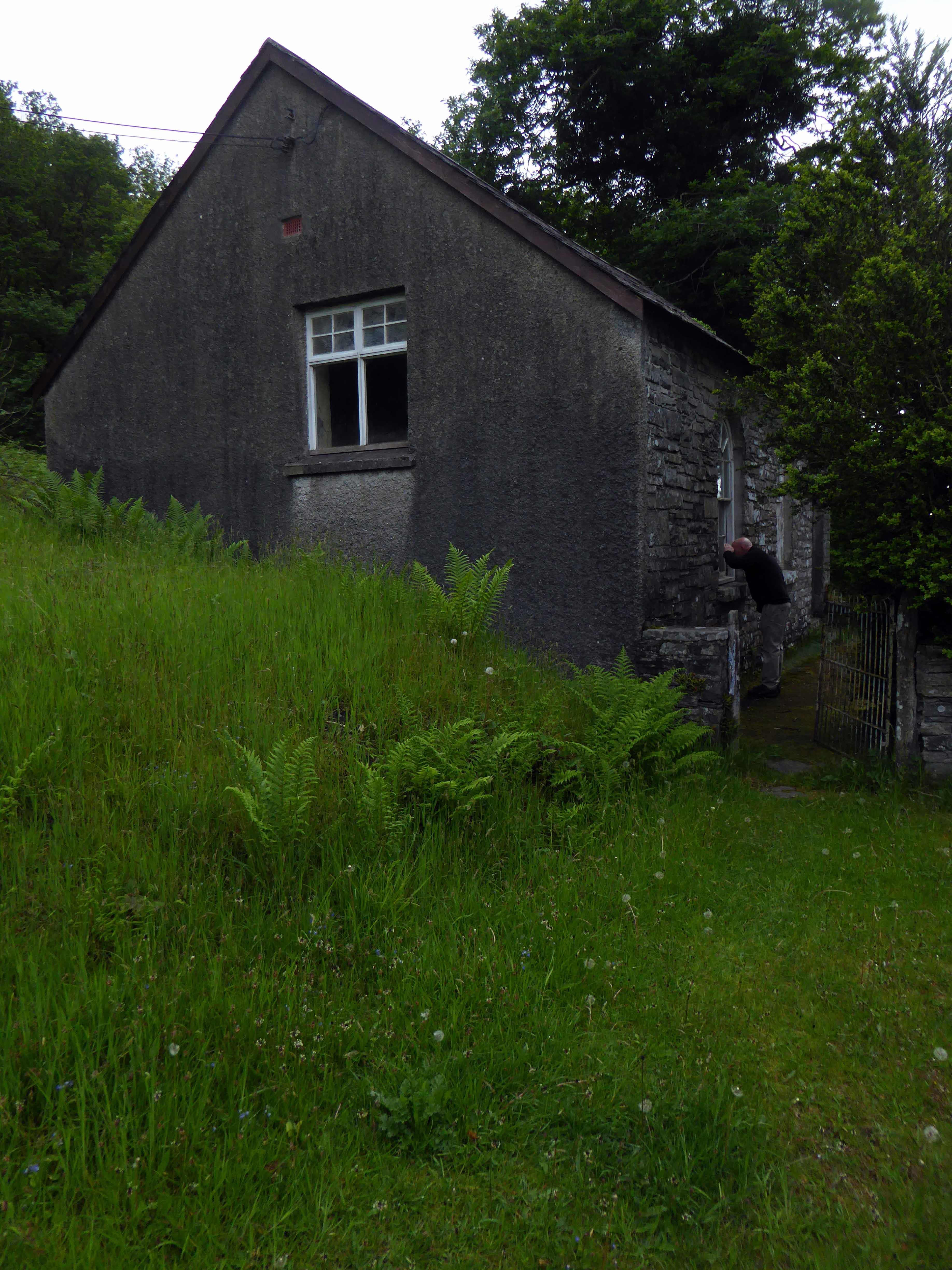
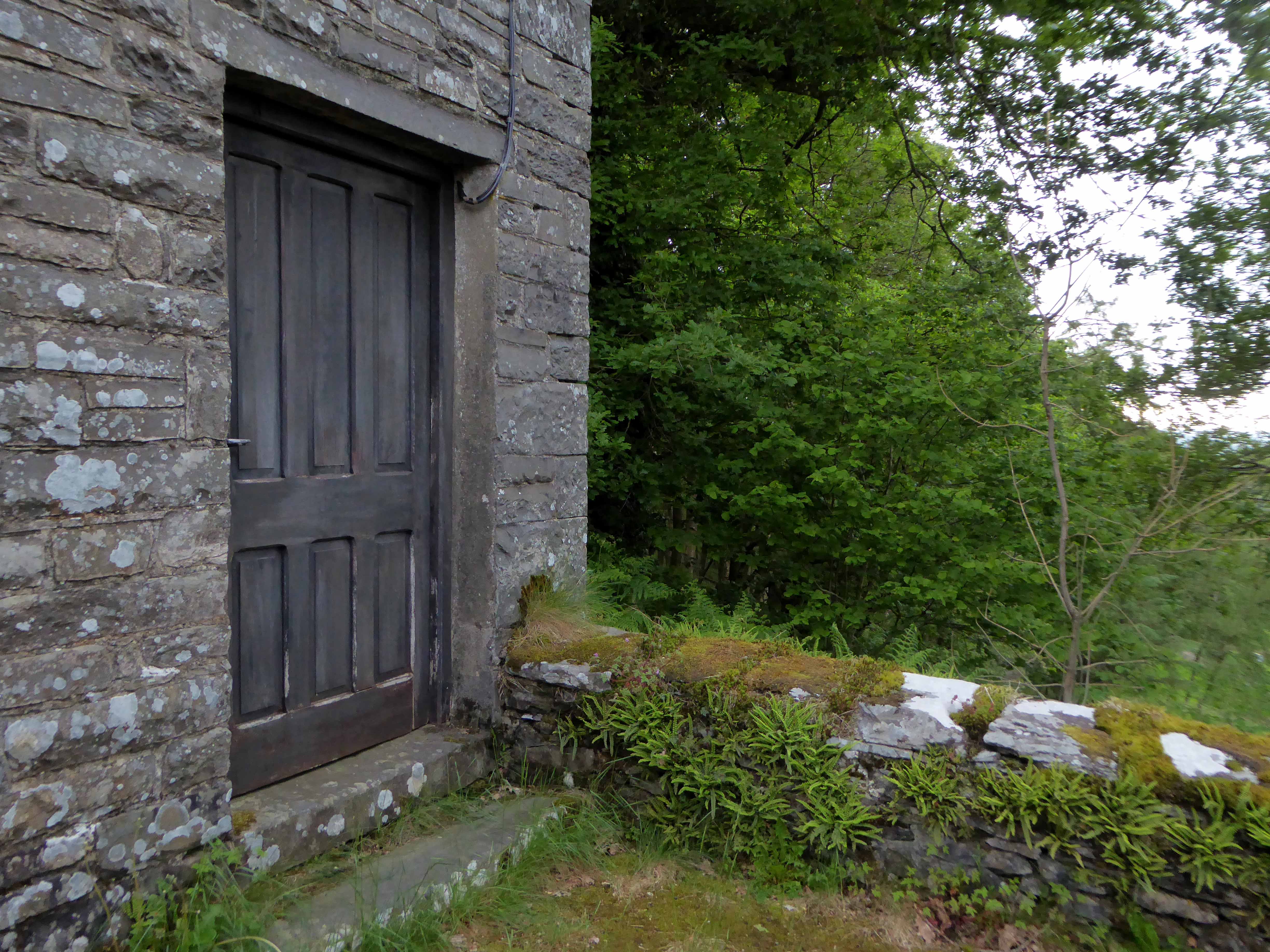
Afore very long we came upon a chapel, set slightly back from the track, tucked snugly into the trees.

Deserted yet maintained, grass trimmed the low structure sealed soundly against the weather.

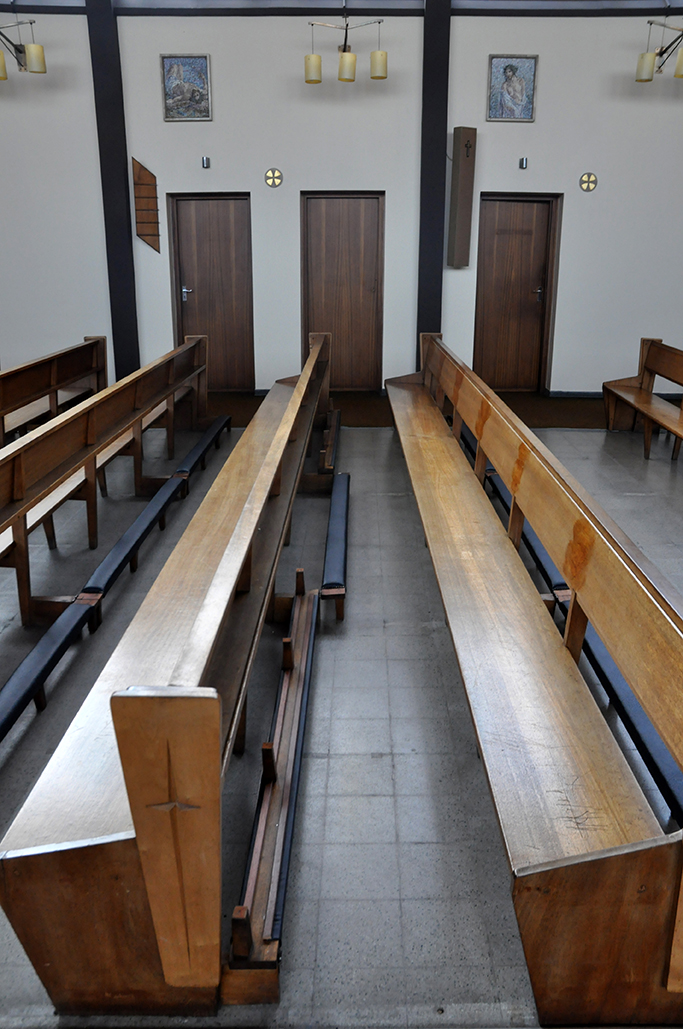
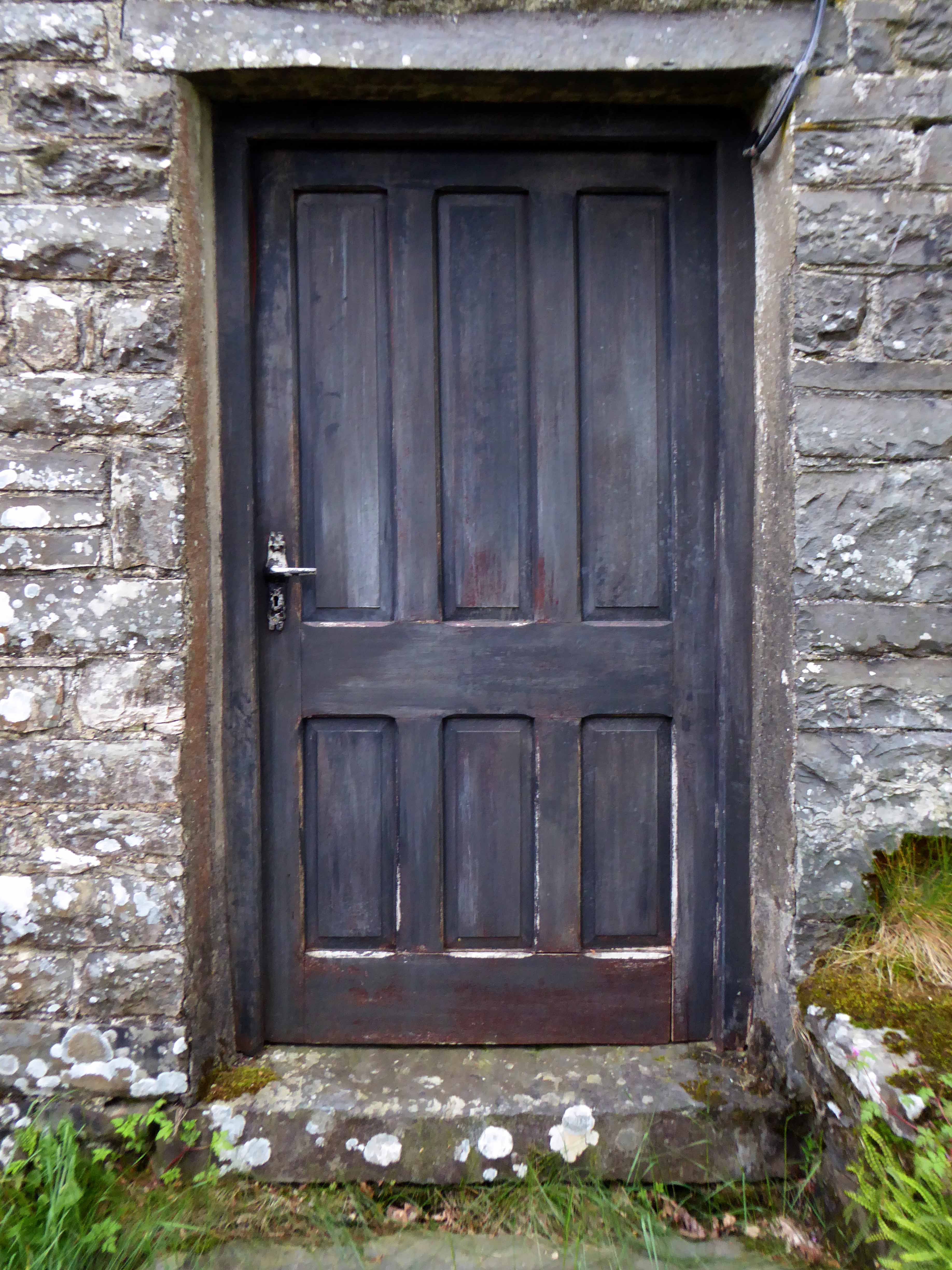
Calvinistic Methodist small chapel/schoolroom of 1866, a branch of Bwlchgwynt Chapel, Tregaron. Simple plastered interior with cast-iron and timber combined pews and desks. Small plain pulpit. Listed as the best preserved of the small branch chapels in the region. Historically important as illustrating the spread of non-conformity during the mid to later C19 in sparsely populated upland districts.

British Listed Buildings

We took a look inside – there the bare wooden benches remained, touched only falling dust and time.

An anachronism within an anachronism surrounded by wood and fern.

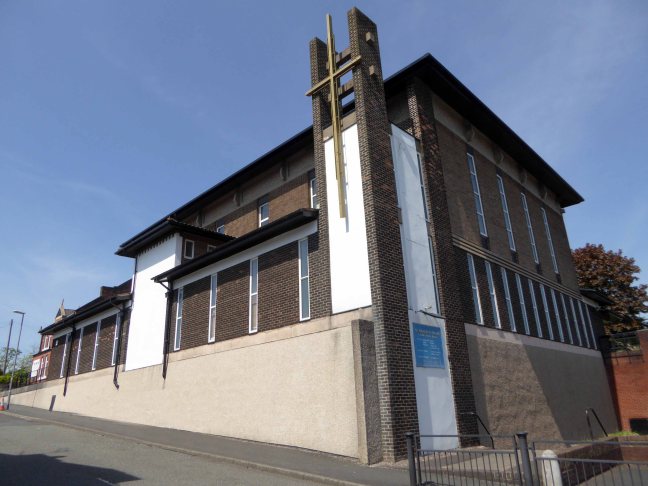
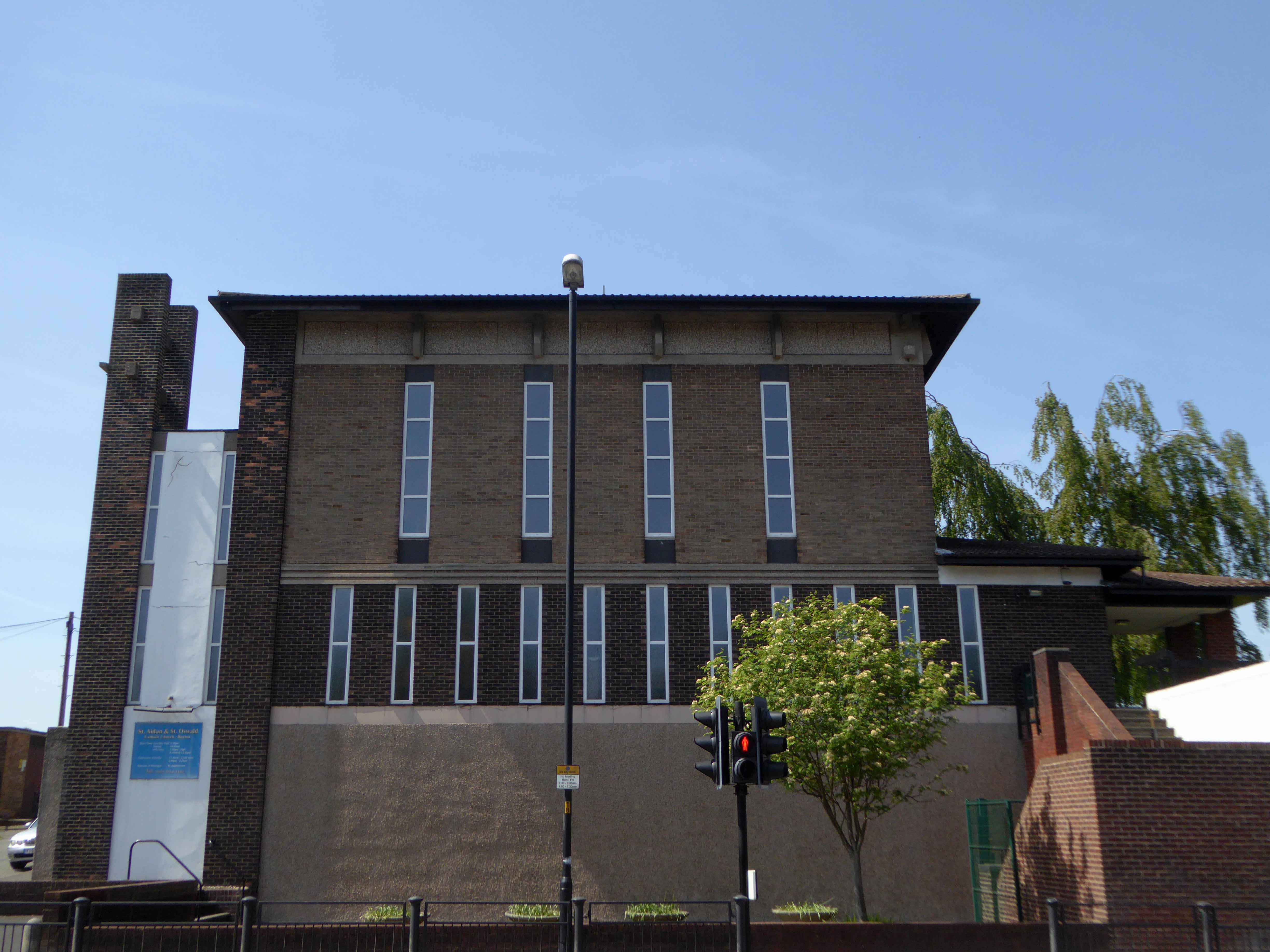
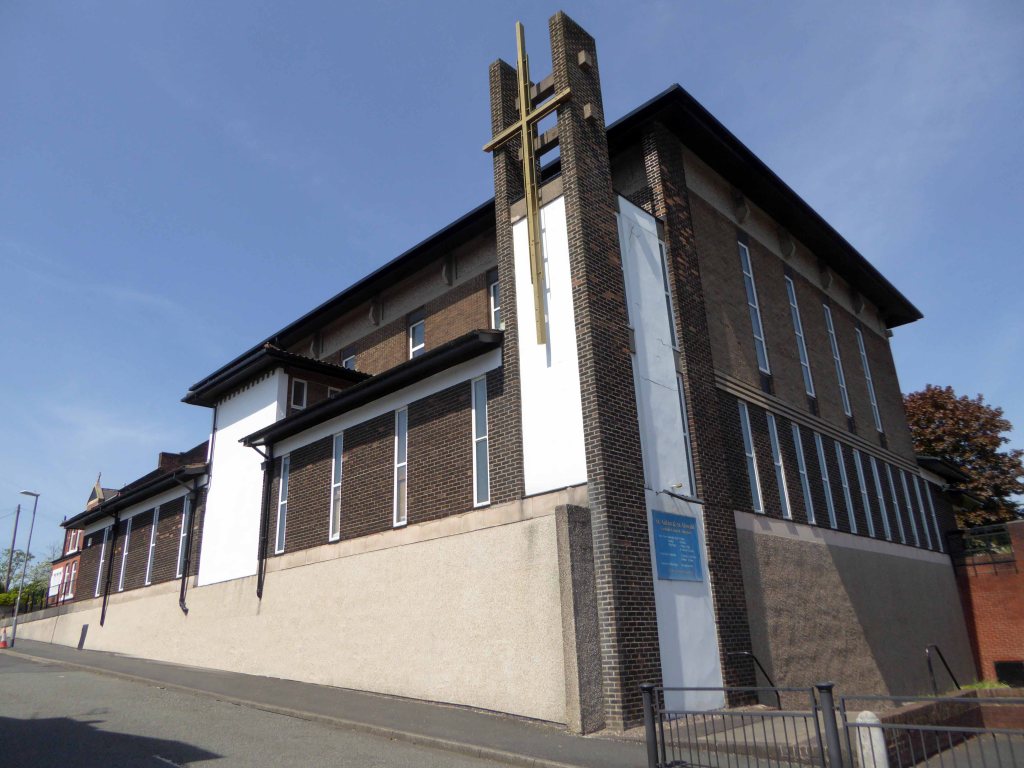
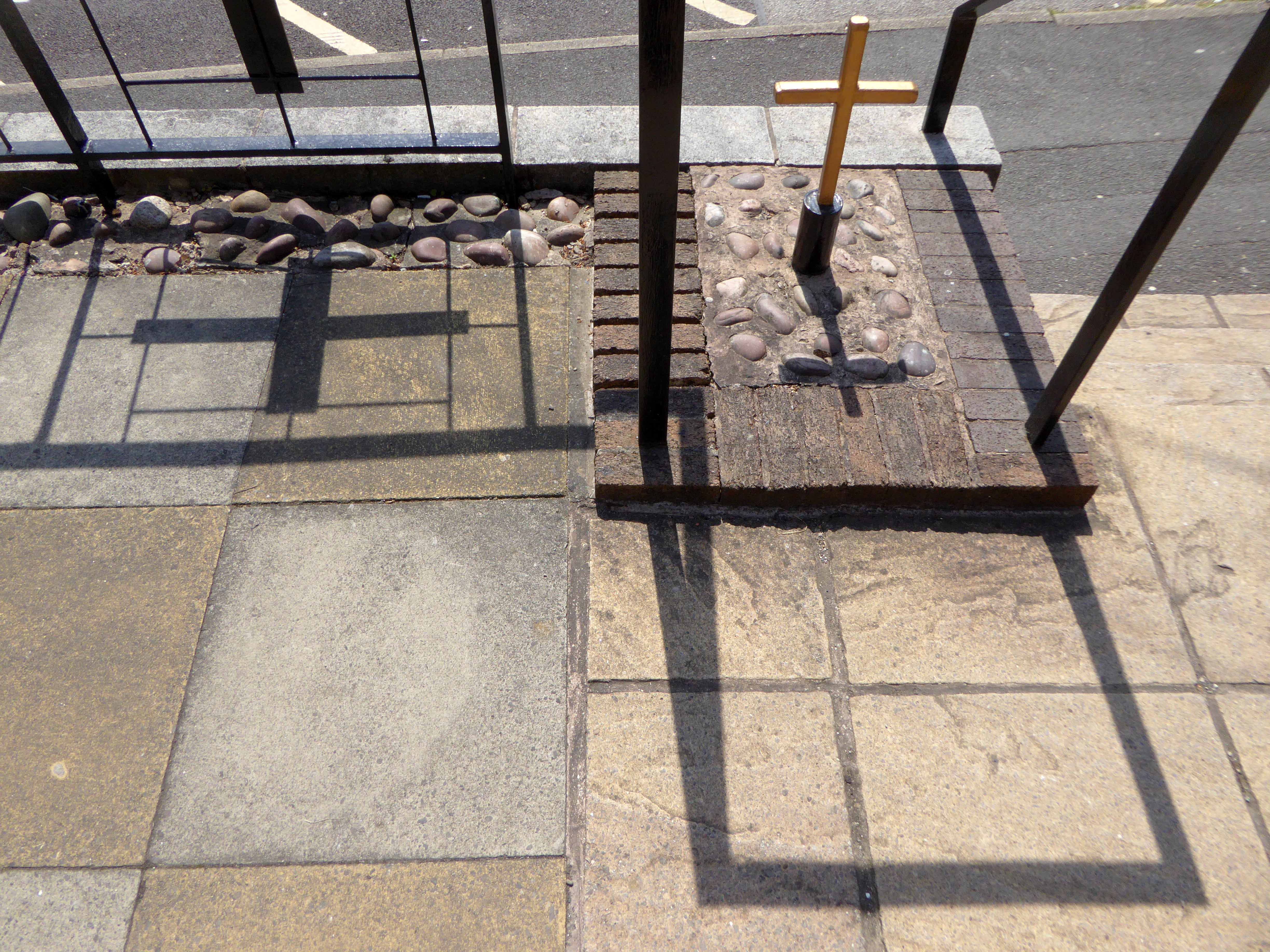
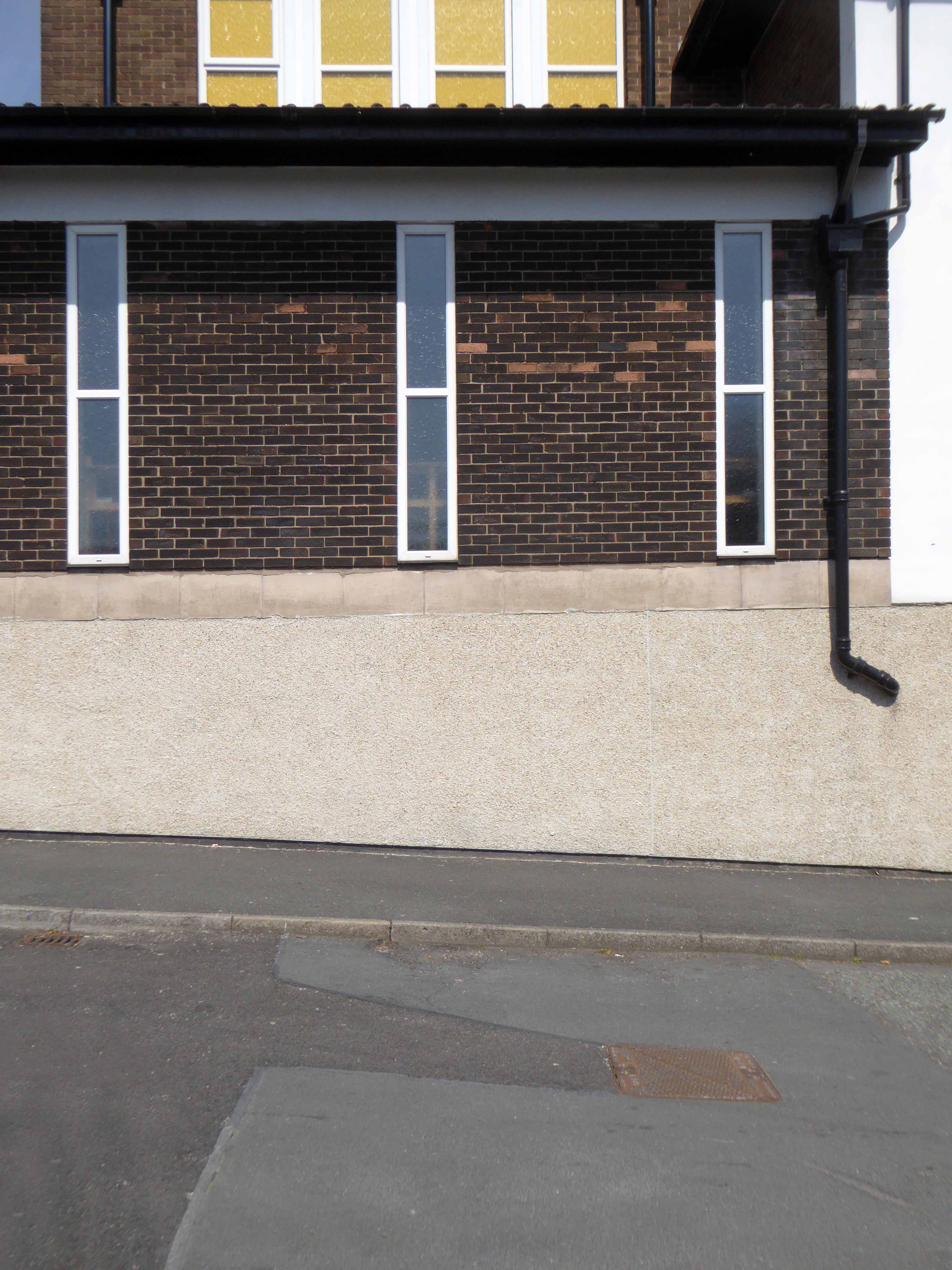
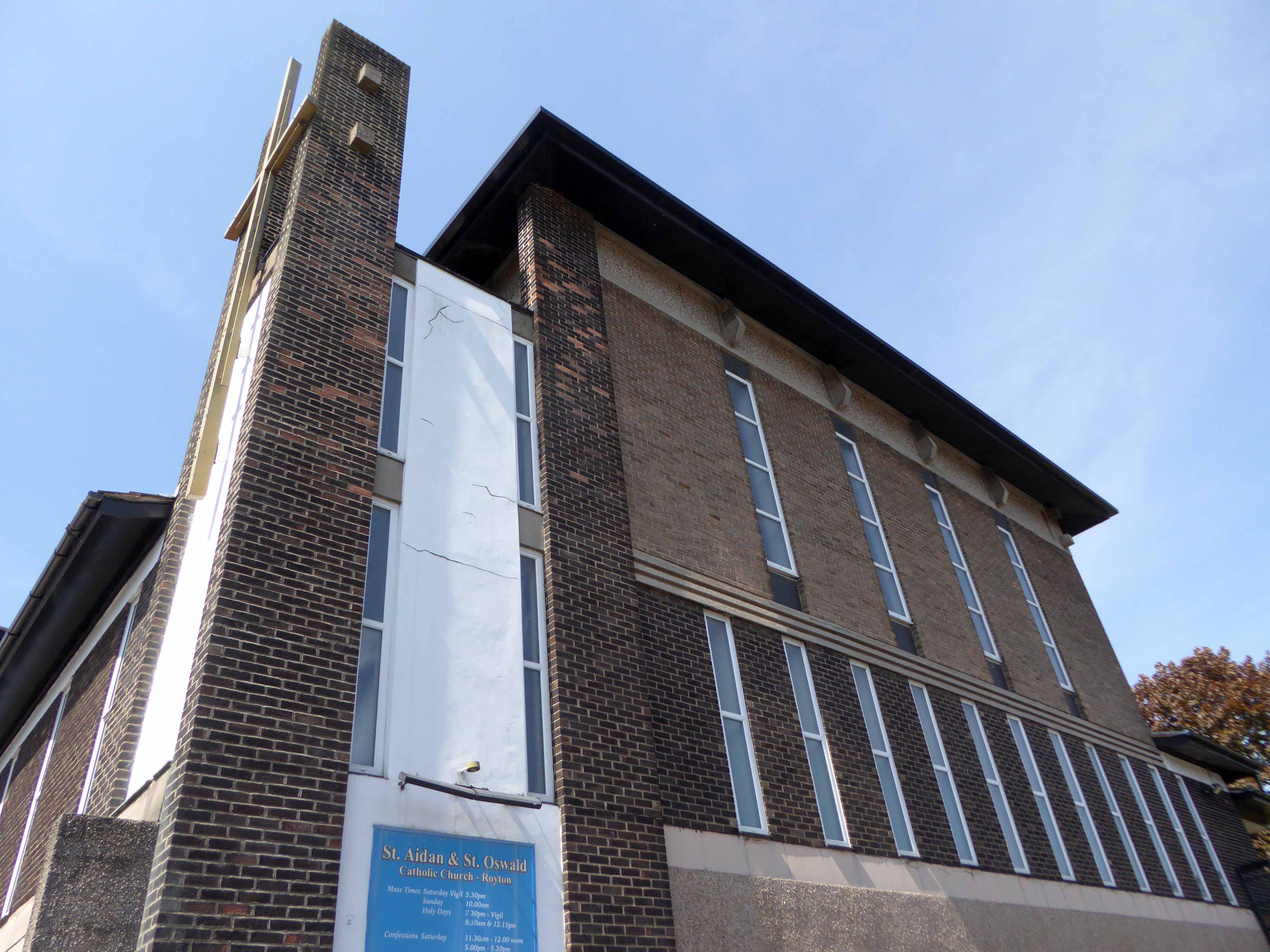
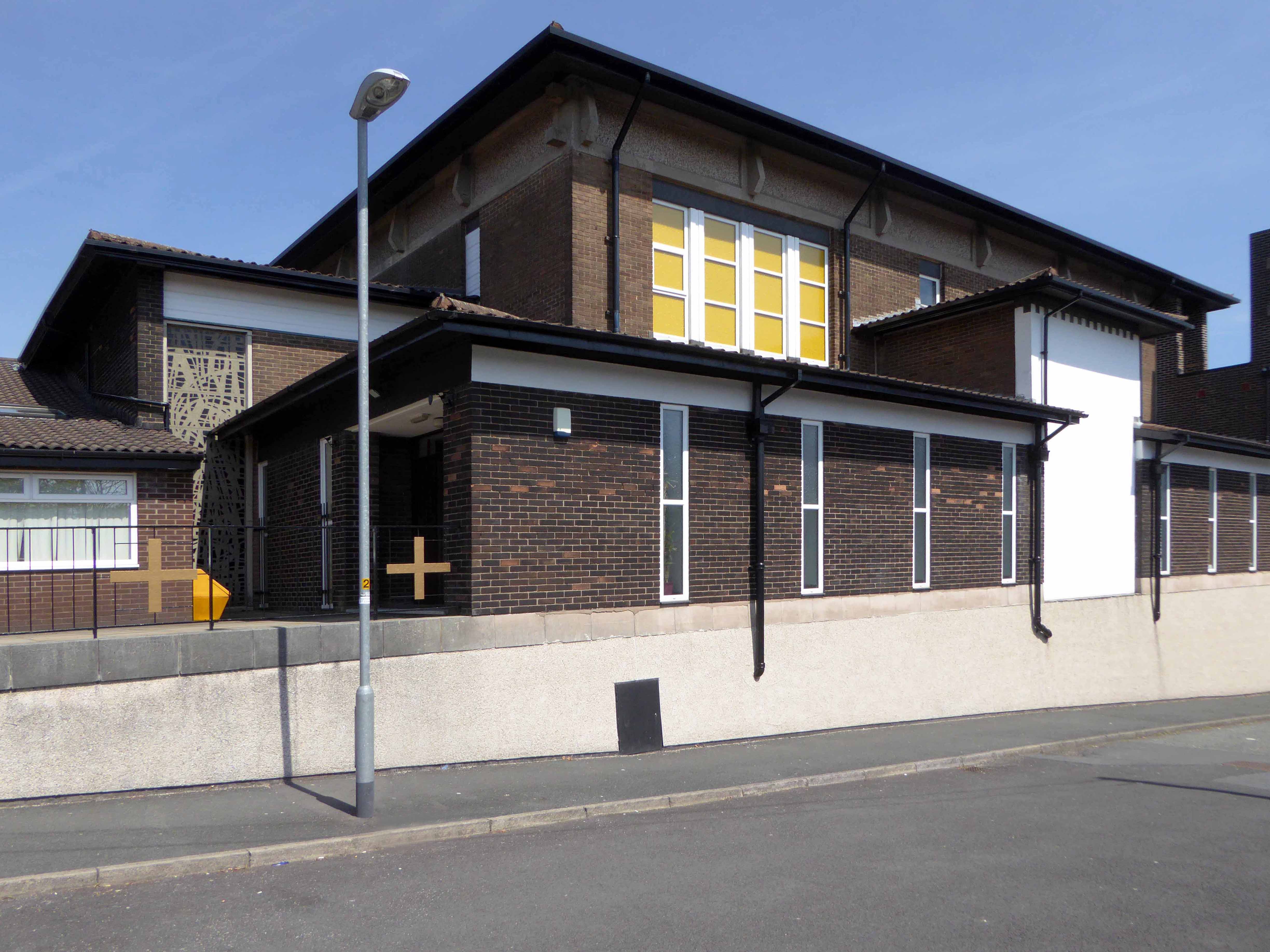
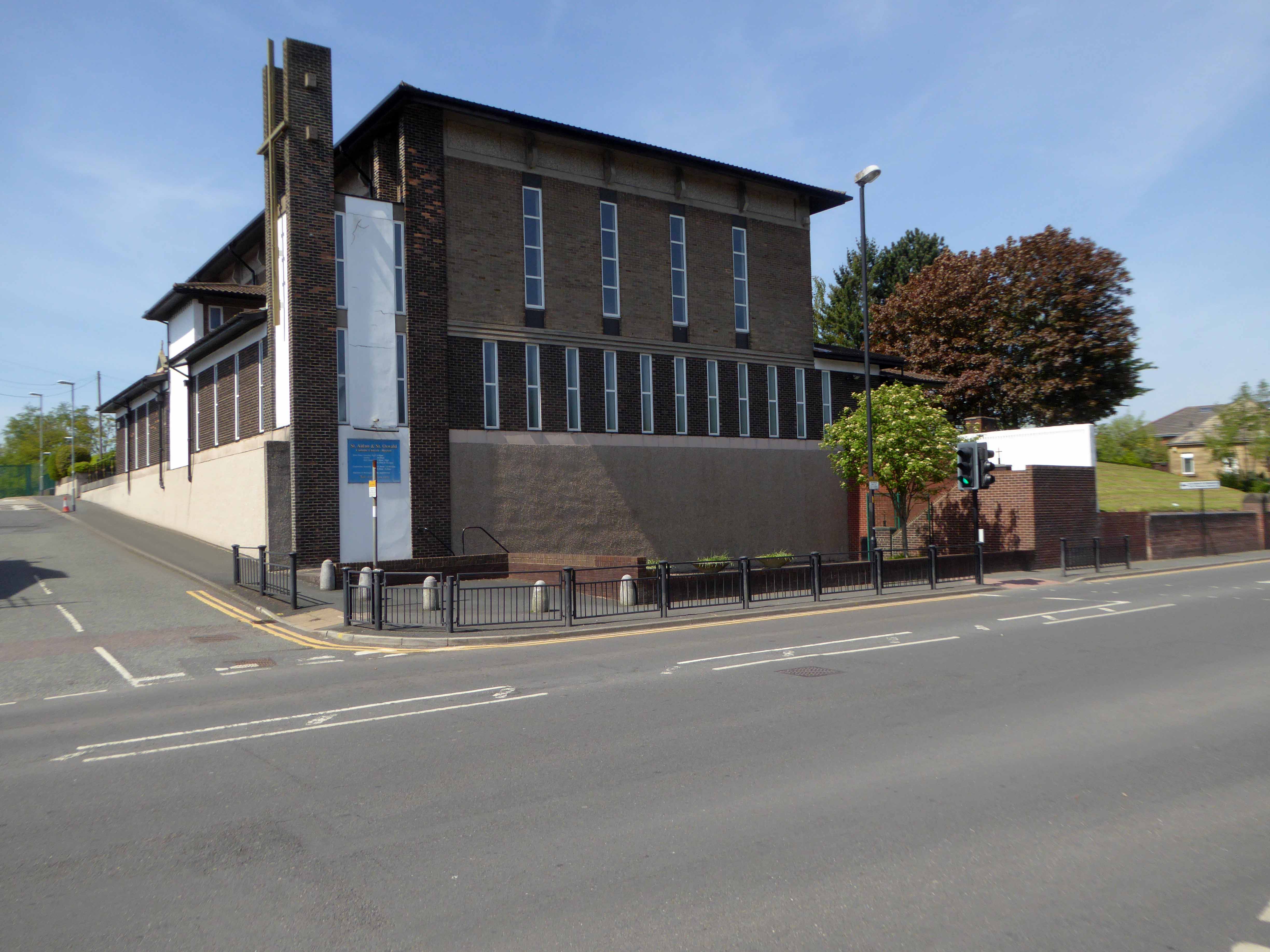
St Aidan and St Oswald – Royton

Vaughan Street Royton Oldham OL2 5DL

All in a day’s work cycling around north Manchester searching out and snapping five churches in a day.

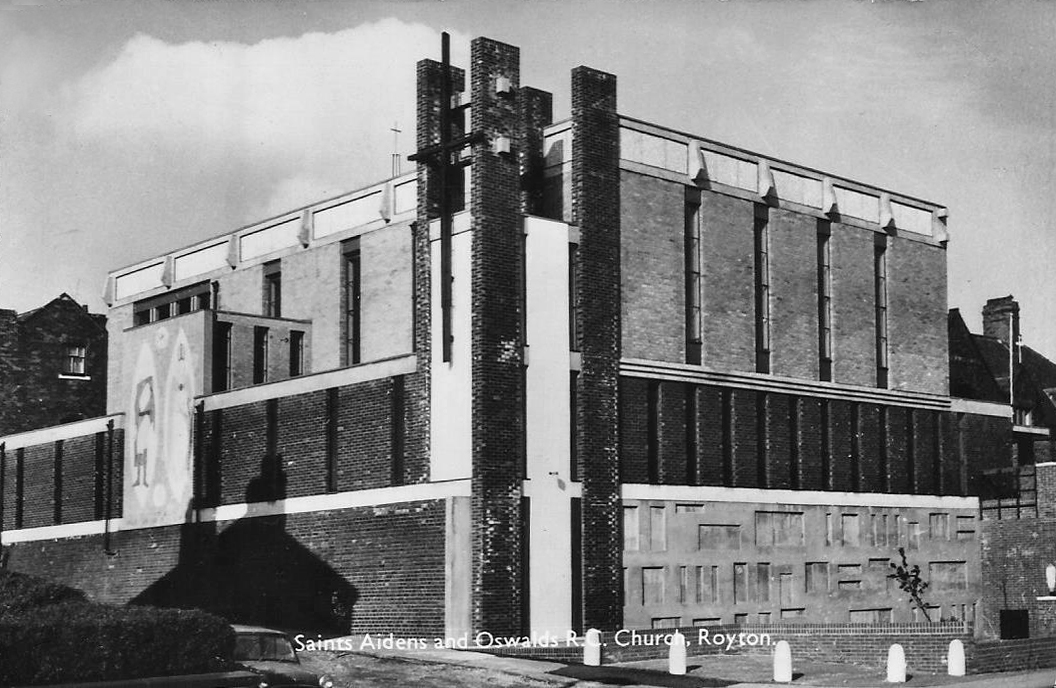
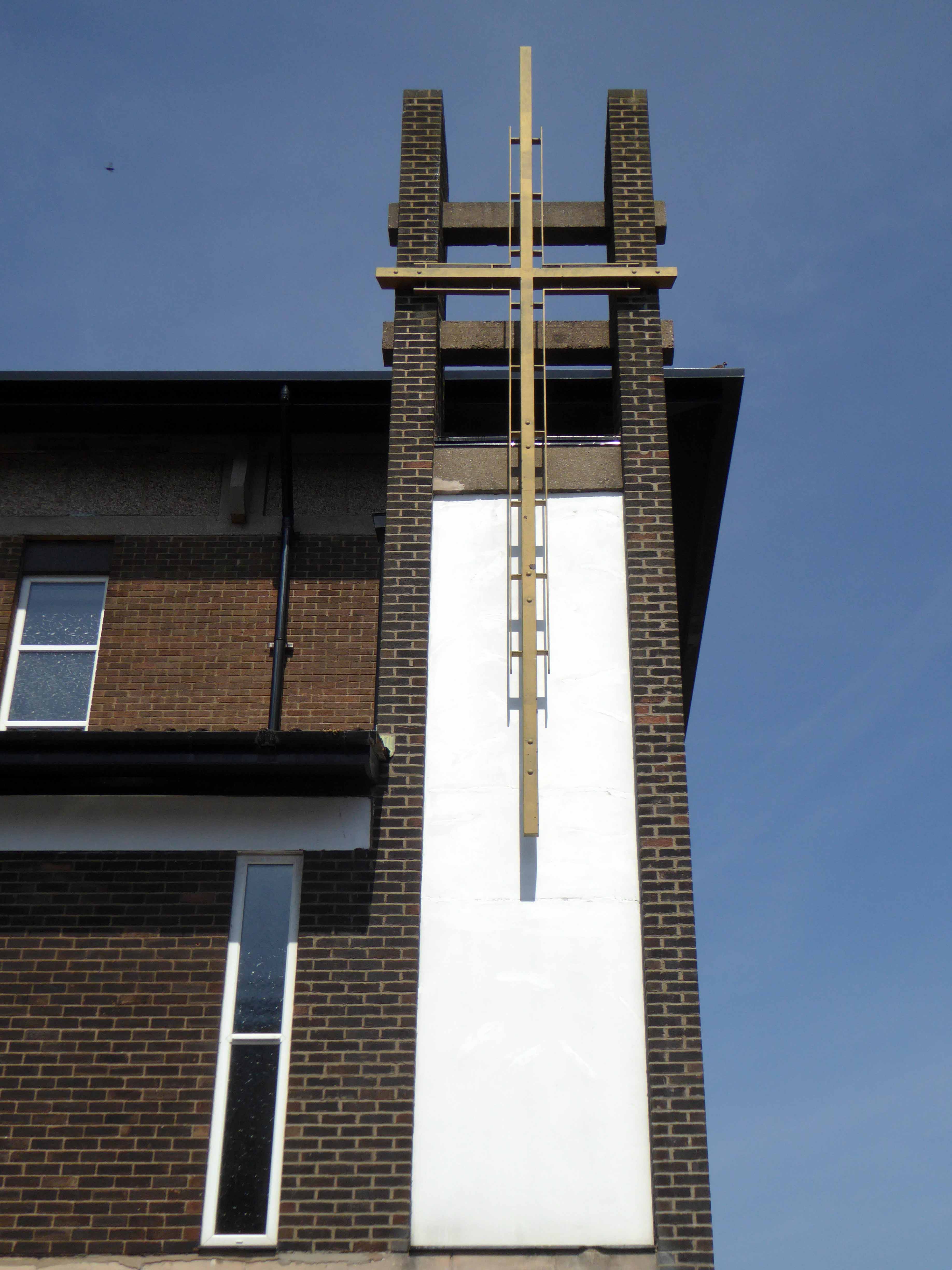
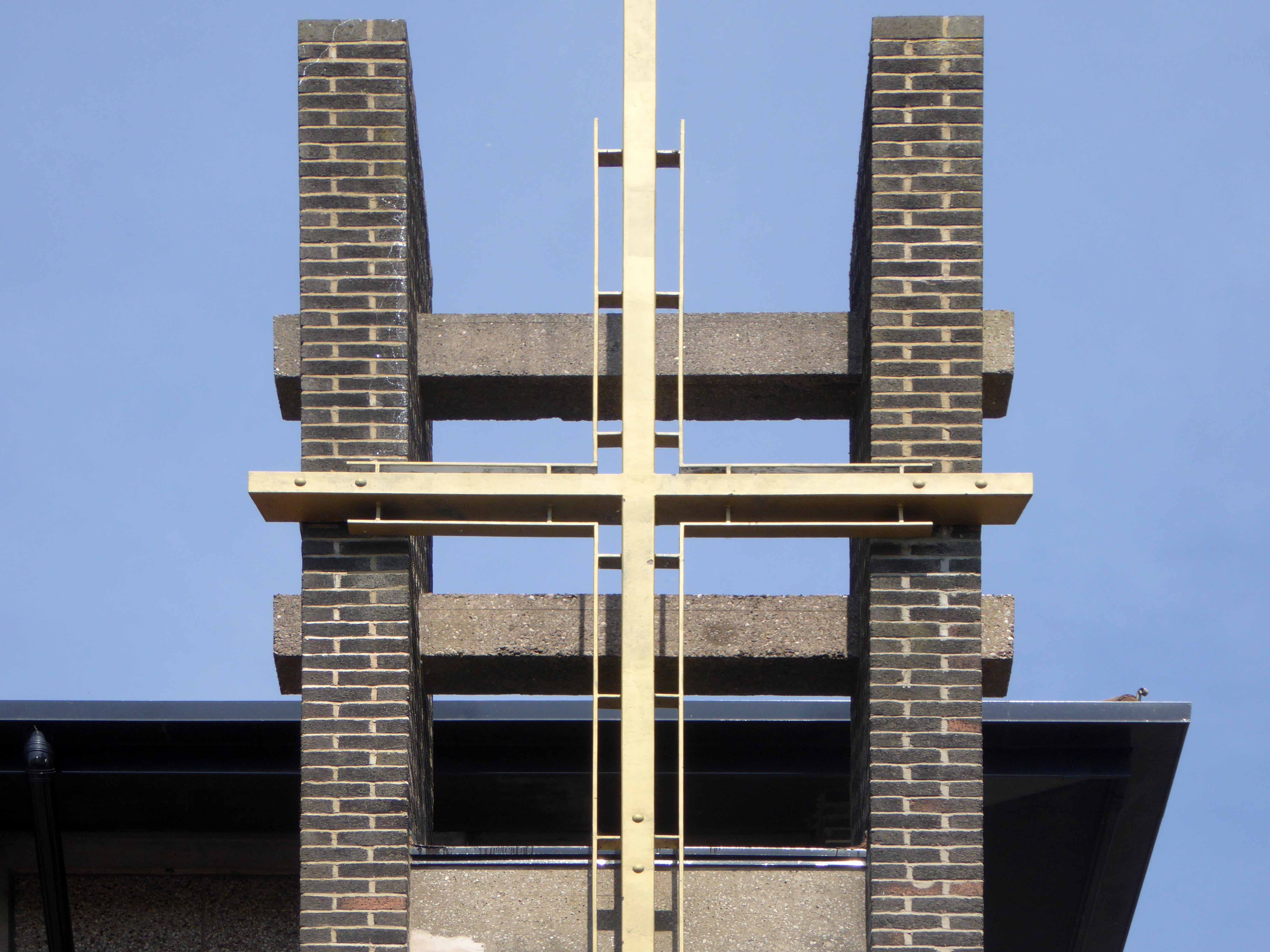
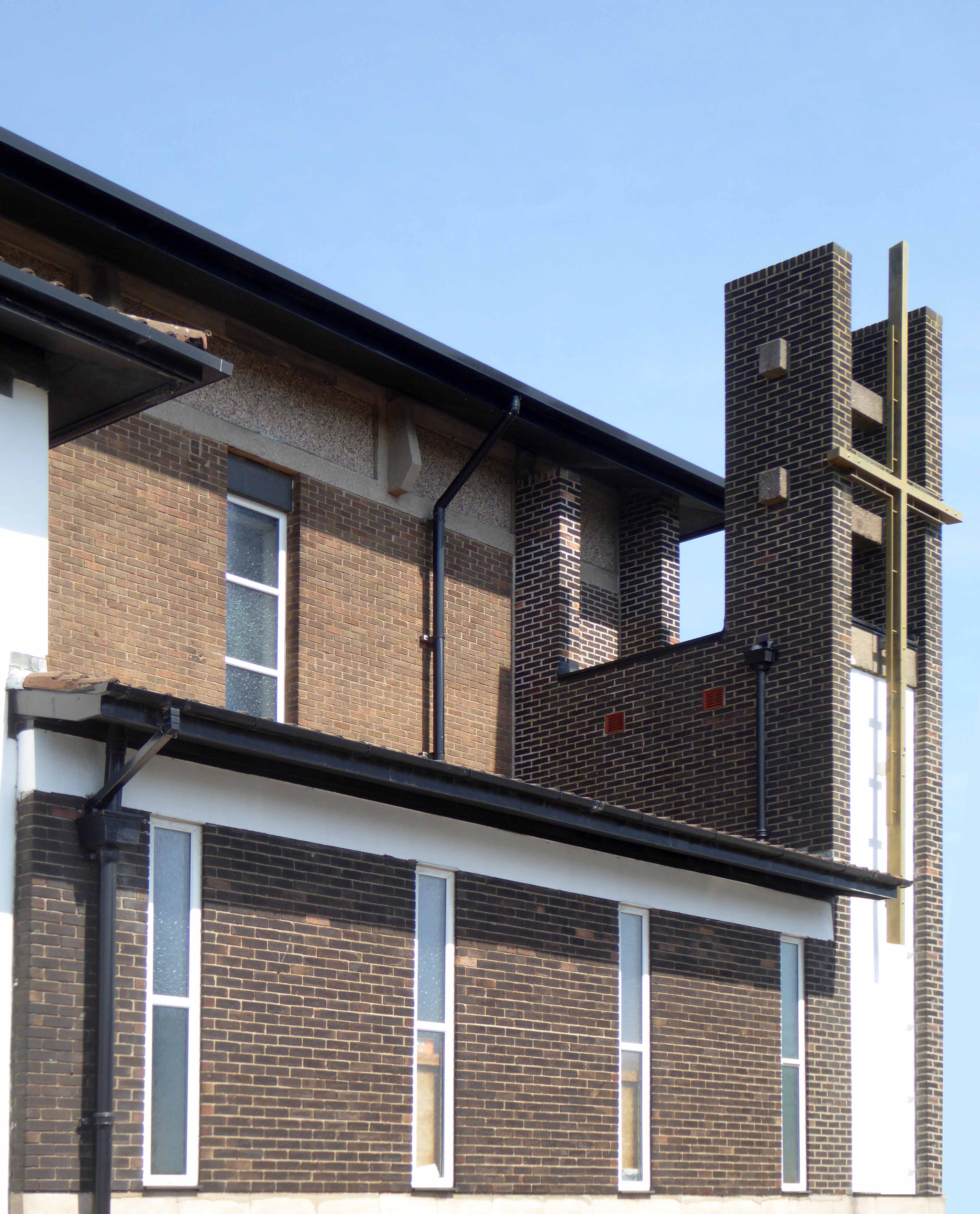
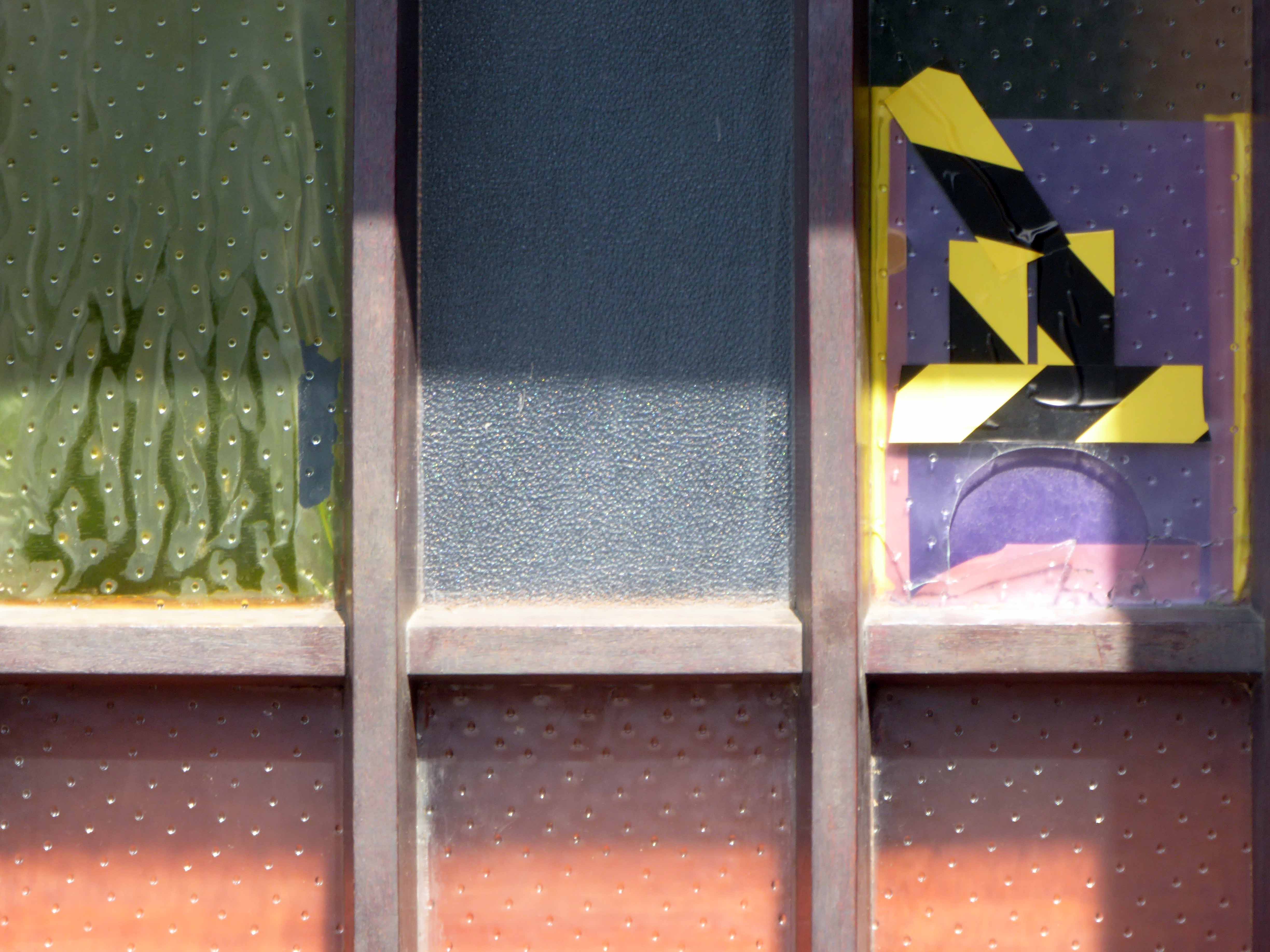
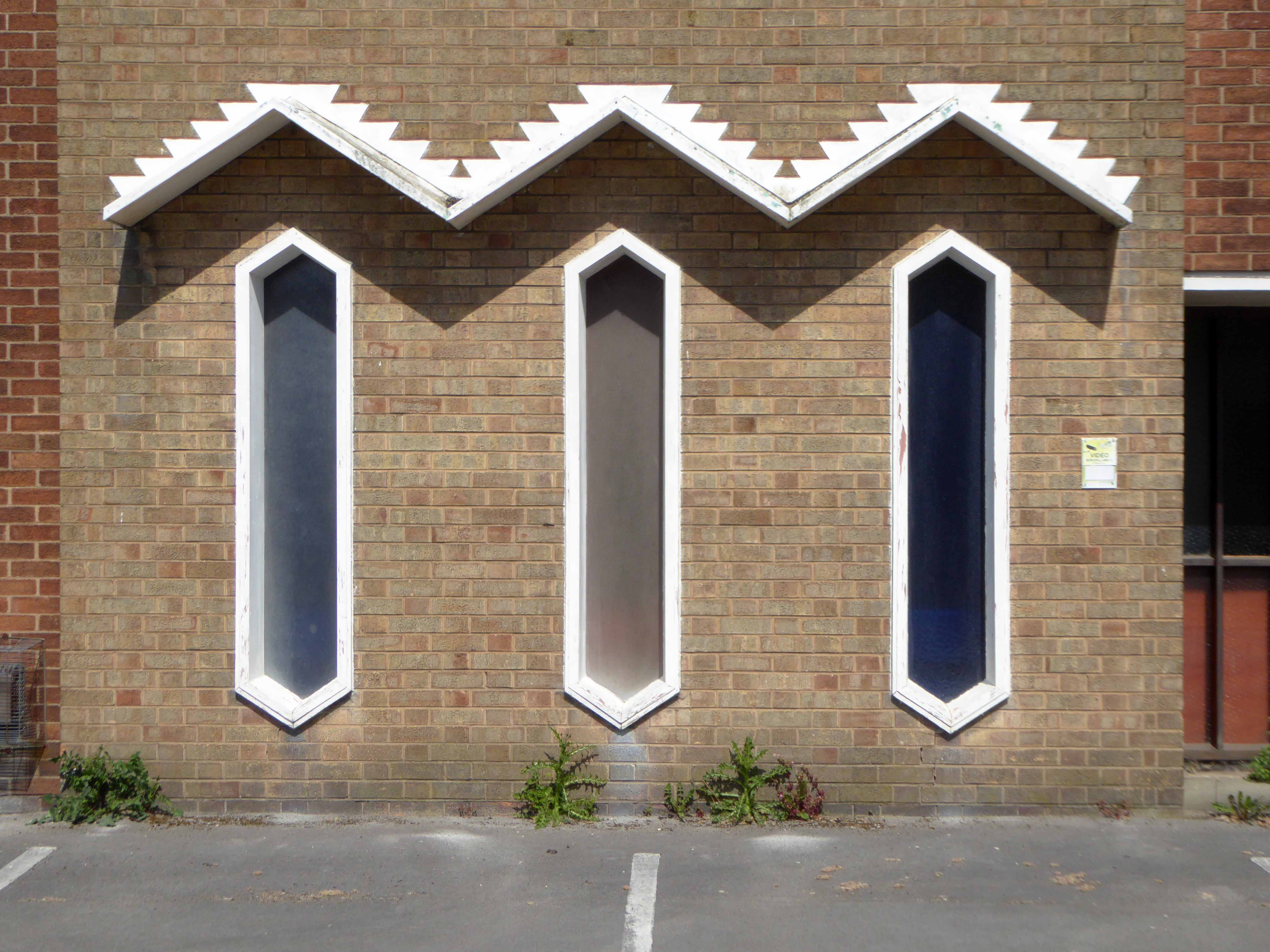
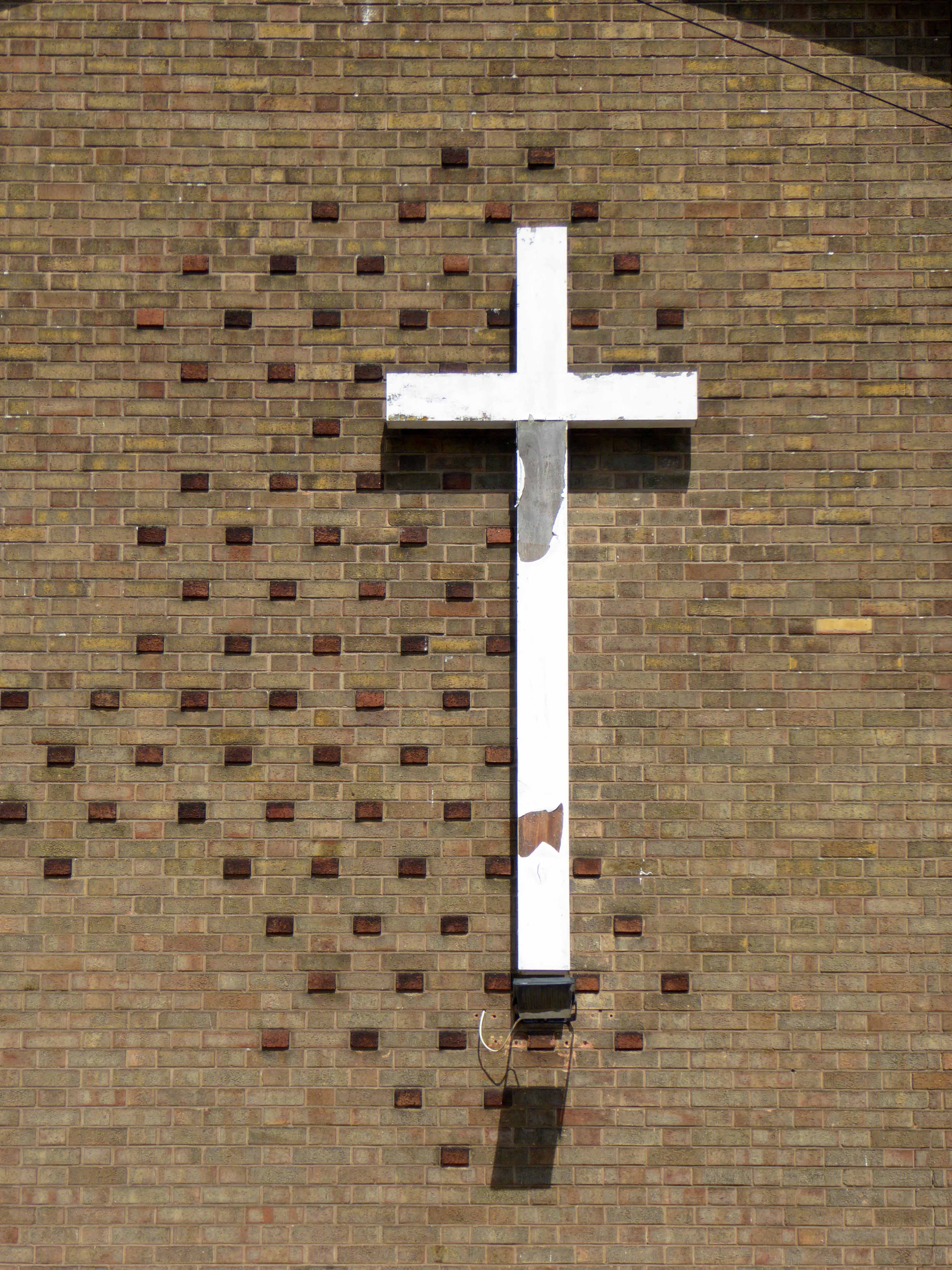
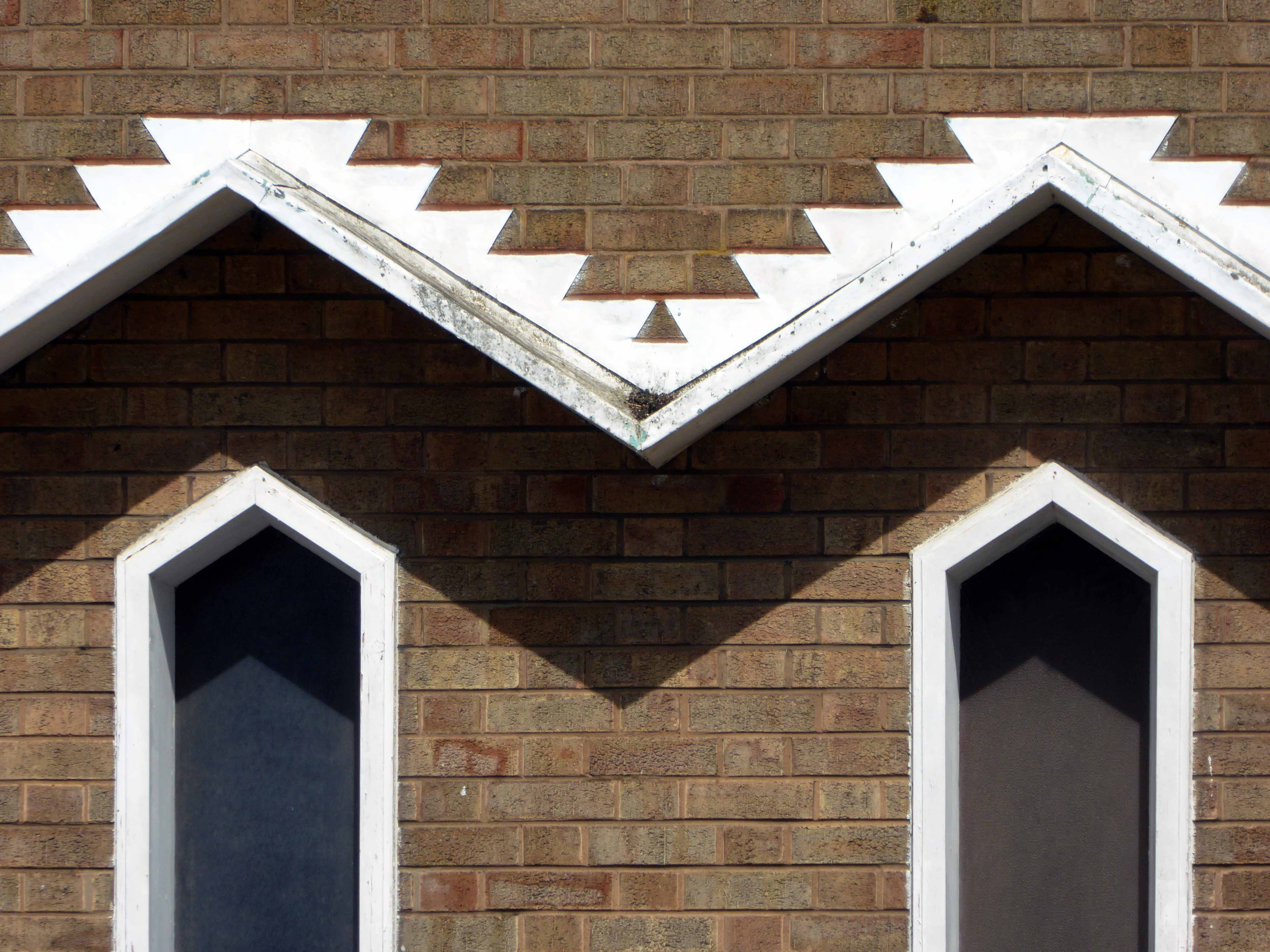
This just happens to be one of my favourites, tough and uncompromising, monumental and modern – set hard against a main road.

A simple brick, concrete and glass construction, an immovable mass with strong vertical accents.

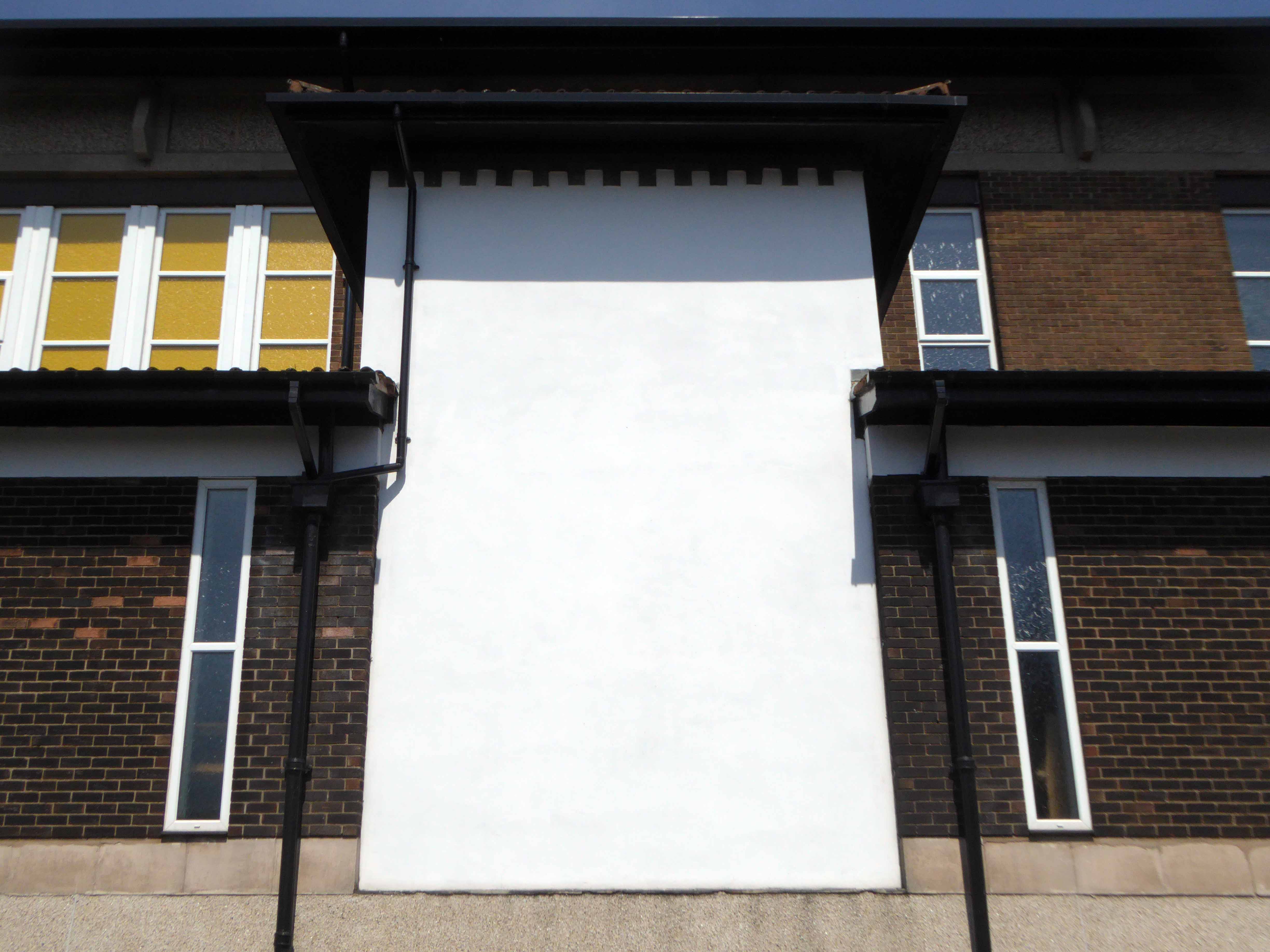
Though over time it has lost its colourful mosaics and concrete relief – gains a pitched roof and obtrusive gutters and drainpipes along the way.

My thanks to Andrew Spence for the info and photo.

In 1964, Fr Edward Glyn commissioned Massey & Massey of Warrington to design a new larger church in place the previous church, to be built on the same site. The foundation stone was laid on 10 April 1965 by Bishop Holland. R. Partington & Sons Ltd were the contractors and the building cost around £48,000. 

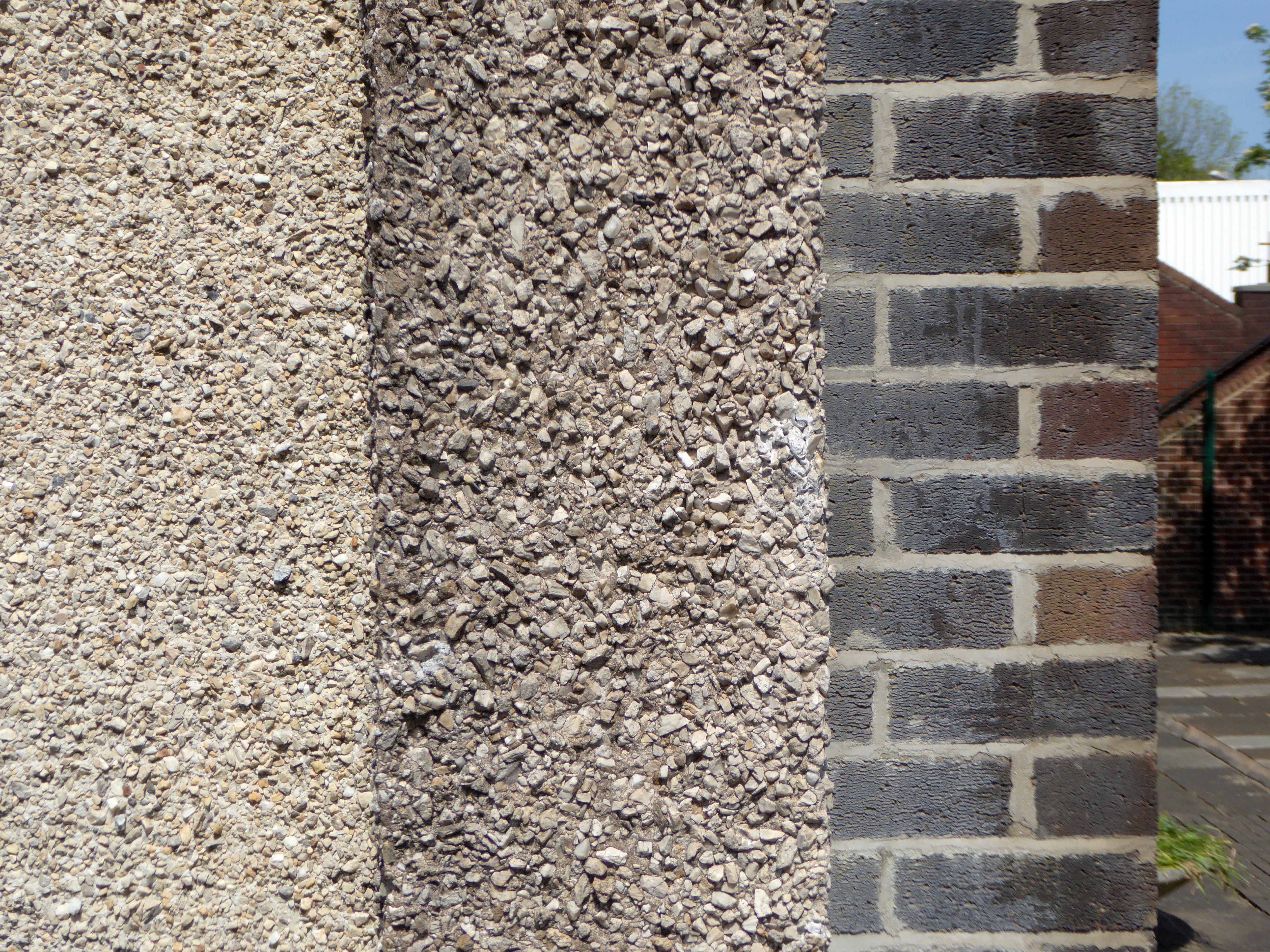
The church is concrete- framed and faced in brick, with dark red brick to the flat-roofed aisles and buff brick to the upper part of the nave. Tall brick piers connected by concrete beams form a vertical accent on the northwest corner, carrying a steel cross.

The shallow-pitched roof is laid with concrete tiles, on deep eaves (originally the roof was flat).  Windows are now mostly uPVC, with some stained glass; the six-bay nave is lit by tall narrow windows at clerestory levels, with similar narrow lights to the aisles.

Taking Stock

Take a trip take a look.

Doncaster – Modernism

The railway station was built in 1849 replacing a temporary structure constructed a year earlier. It was rebuilt in its present form in 1933 and has had several slight modifications since that date, most notably in 2006, when the new interchange and connection to Frenchgate Centre opened.

The front elevation is realised in a typical inter-war brick functionalist style.

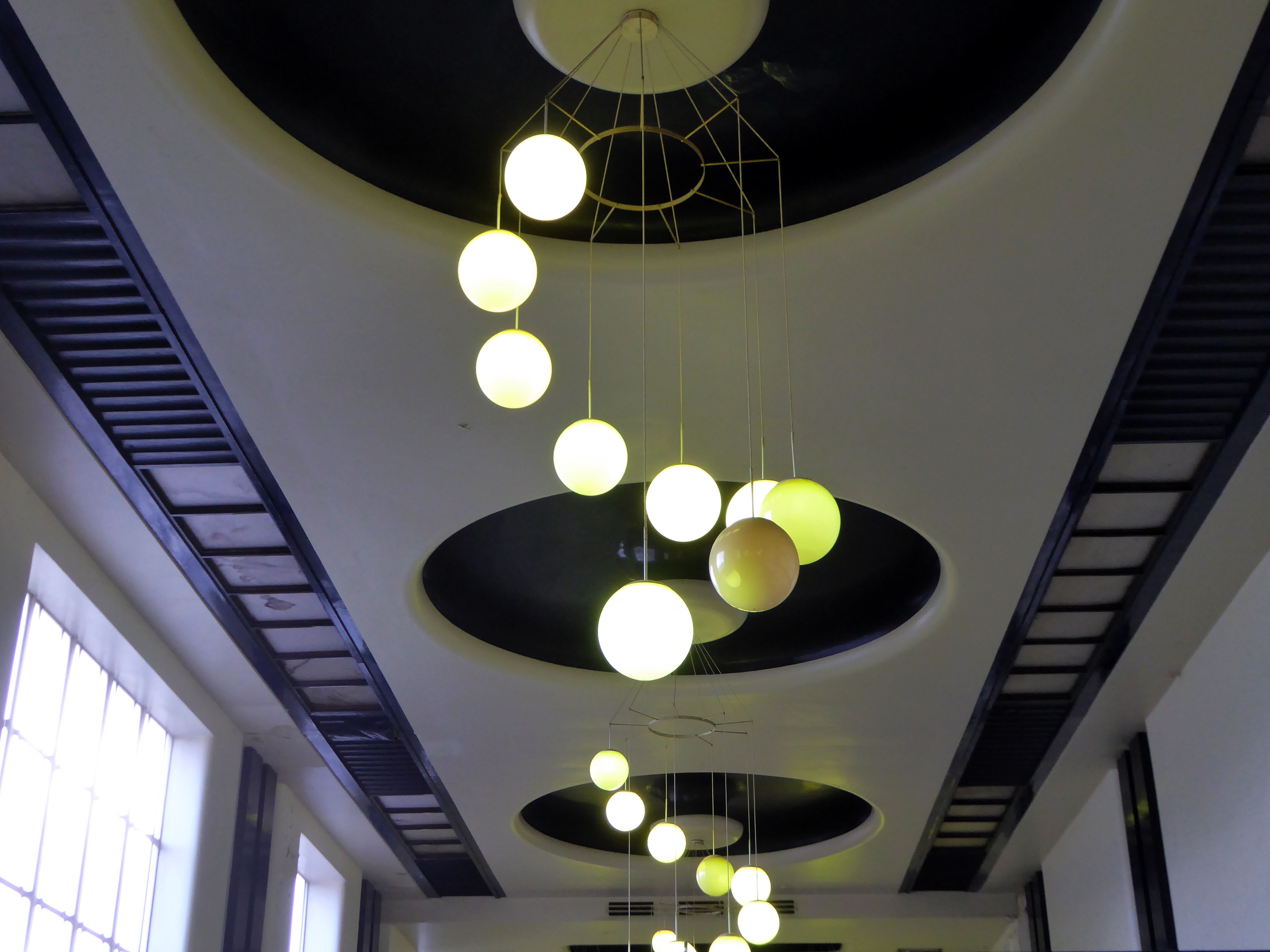
Of particular note are the lobby lighting fixtures and clock, the booking hall and offices are listed Grade II.

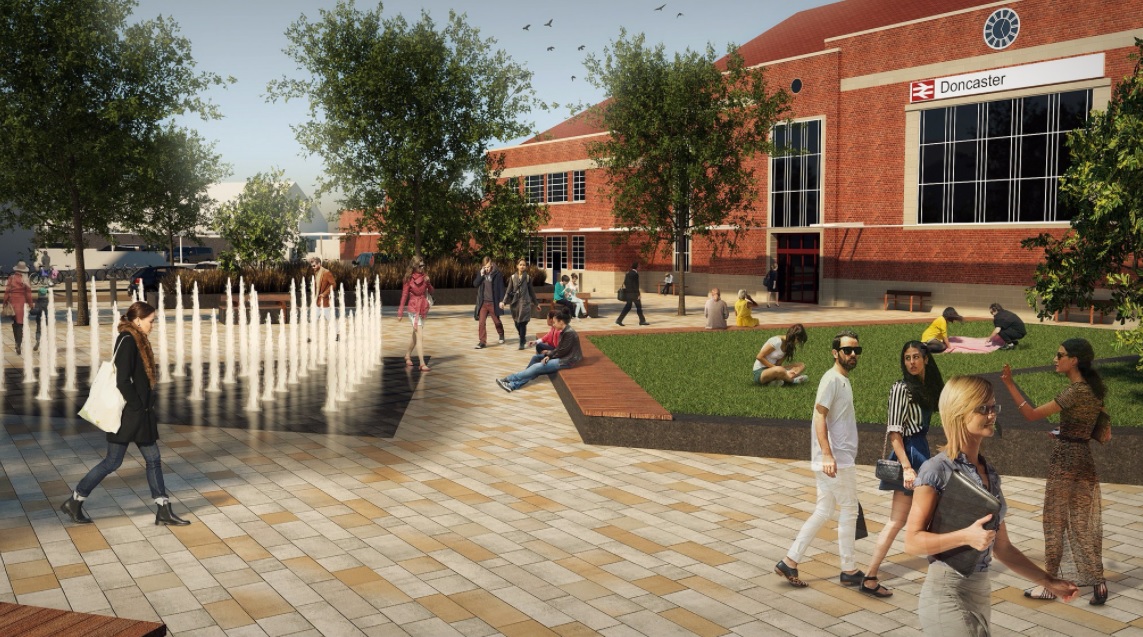
There are plans to redevelop the station approach replacing the current car parking with a pedestrianised piazza.

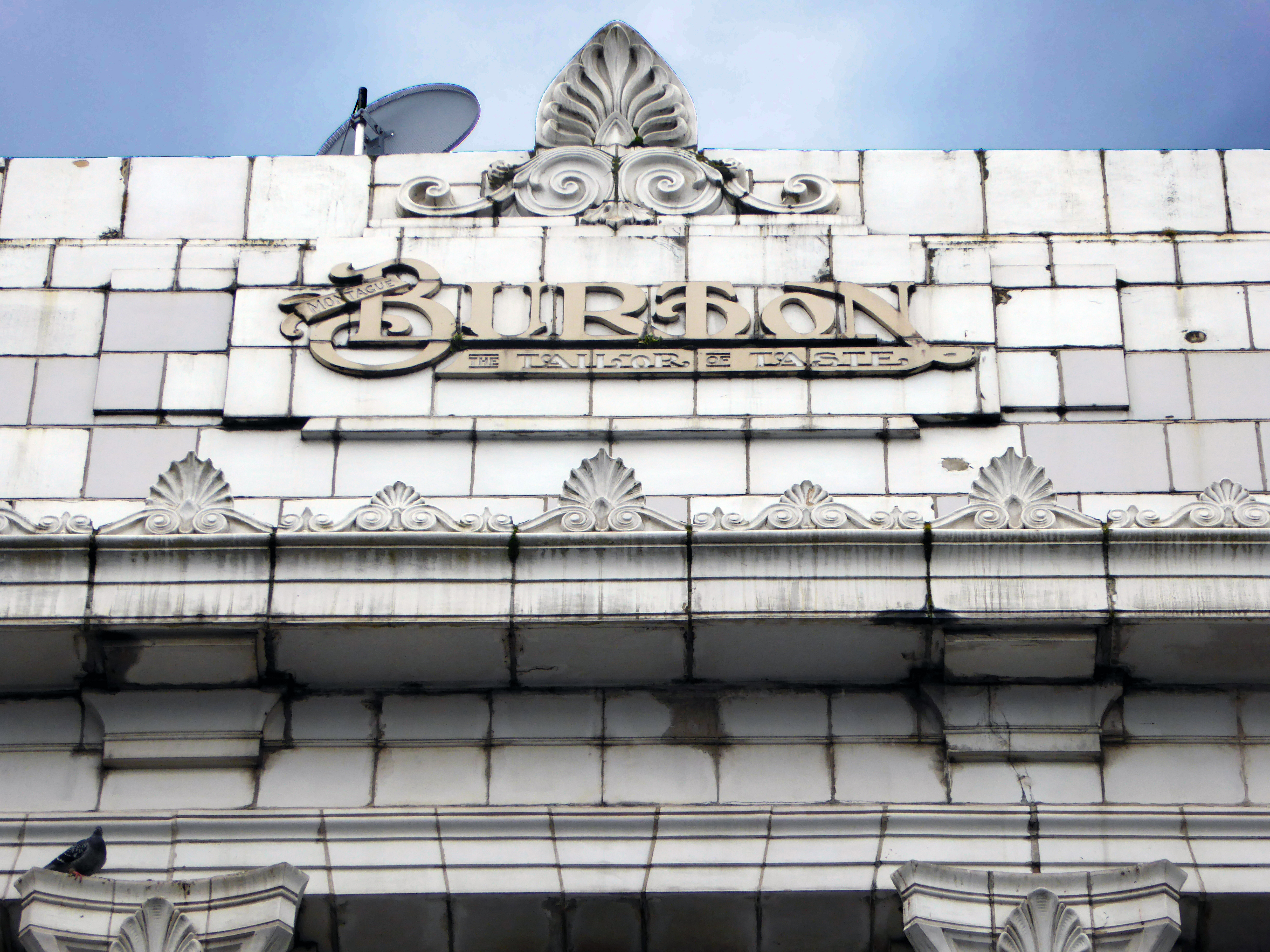
The High Street boast a former branch of Burton’s with its logo intact.

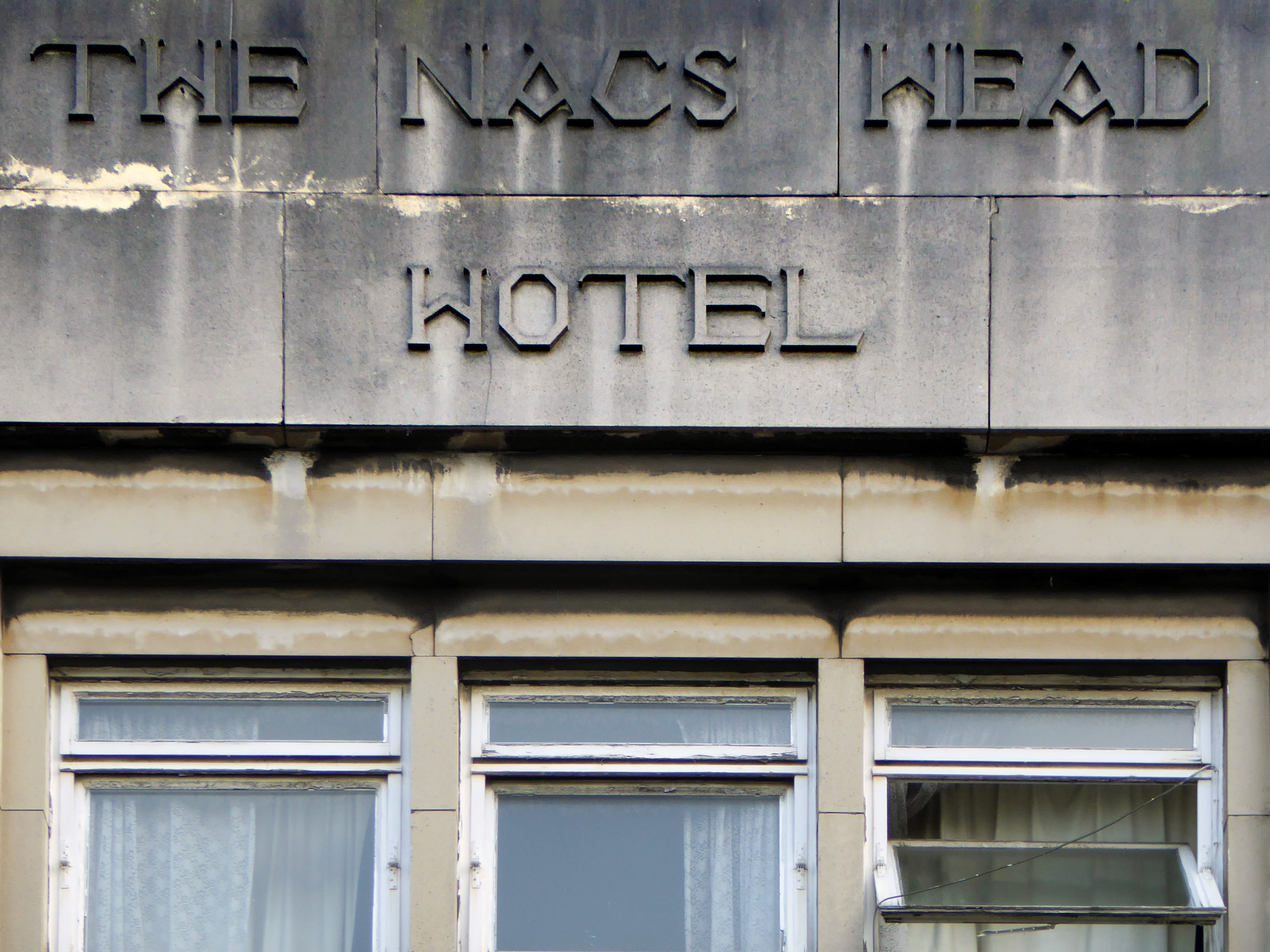
An intriguing Art Deco shop frontage – combining a menswear outlet with a pub.

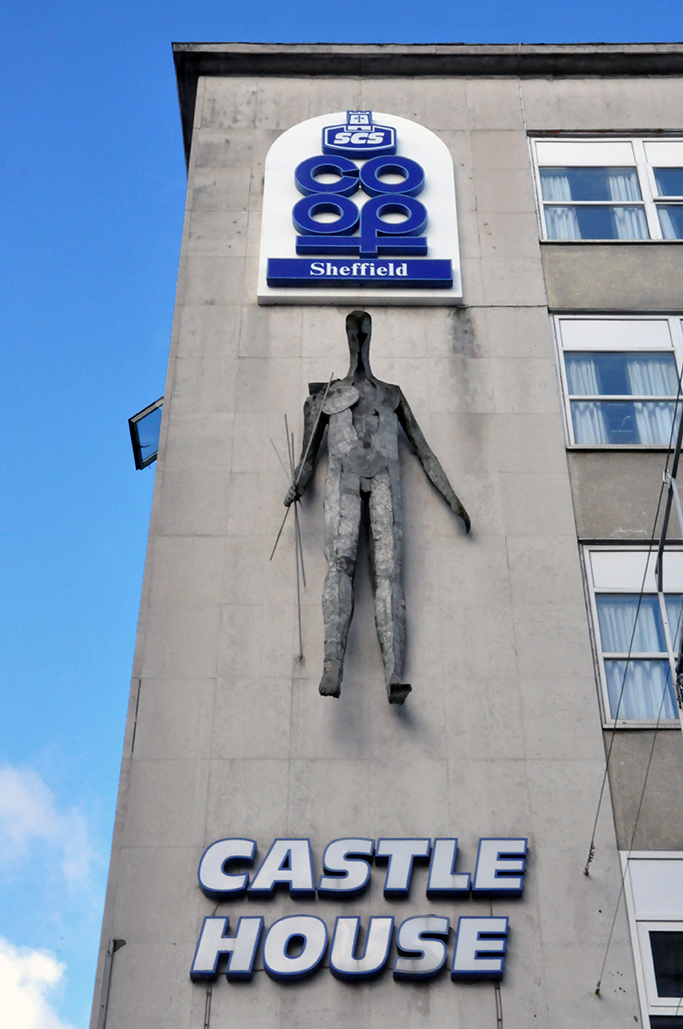
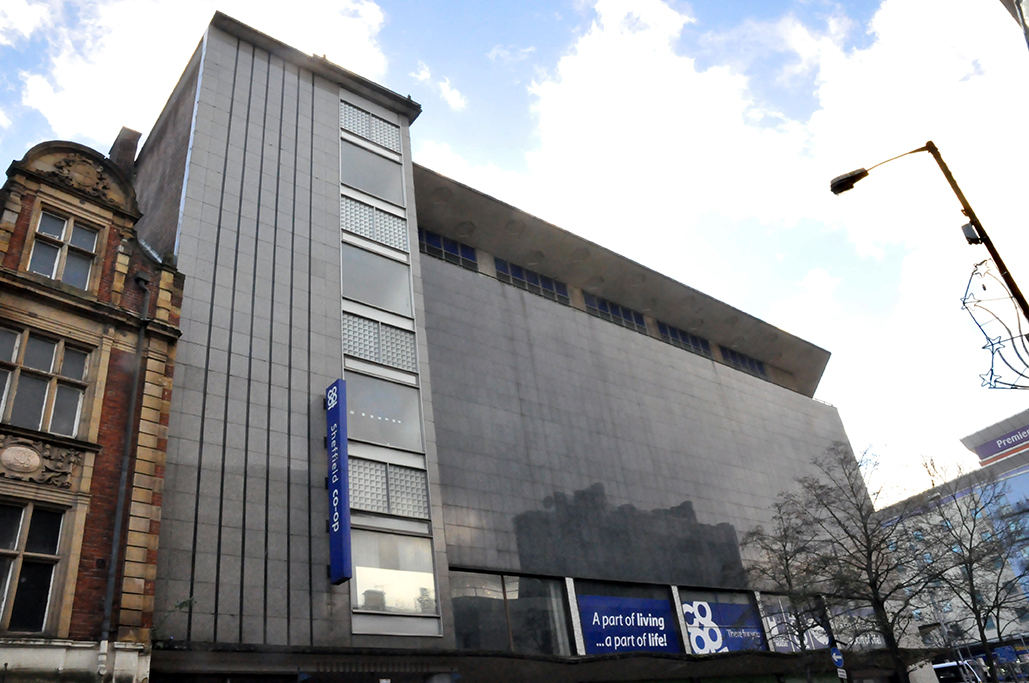
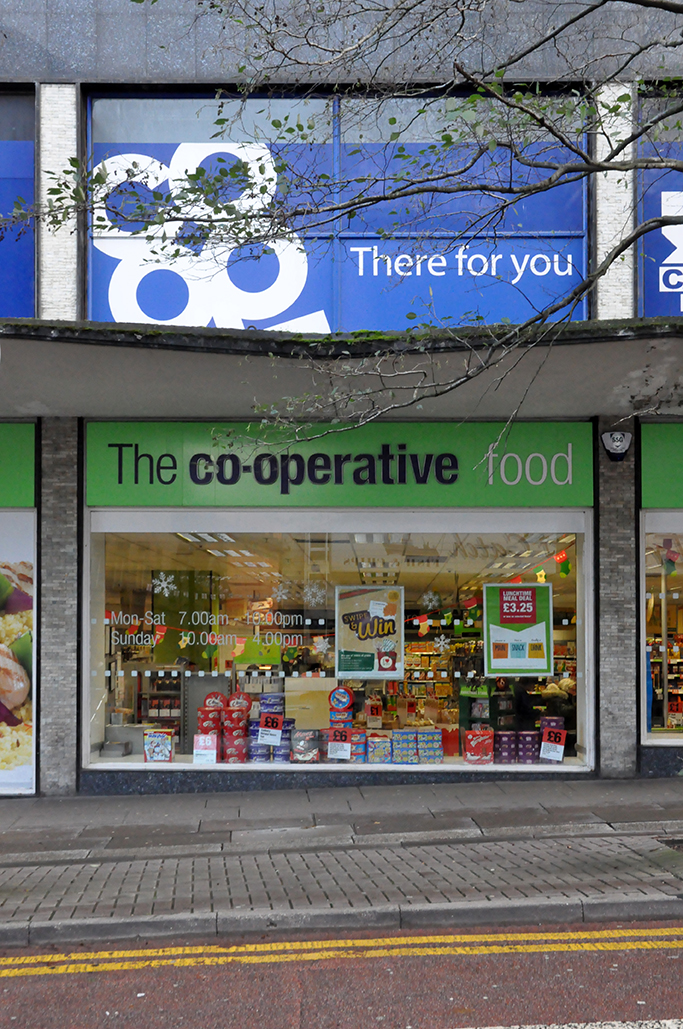
Further along an enormous Danum Co-operative Store in the grandest Deco manner – 1938-40. Designed by T H Johnson & Son for the Doncaster Co-operative Society Ltd.

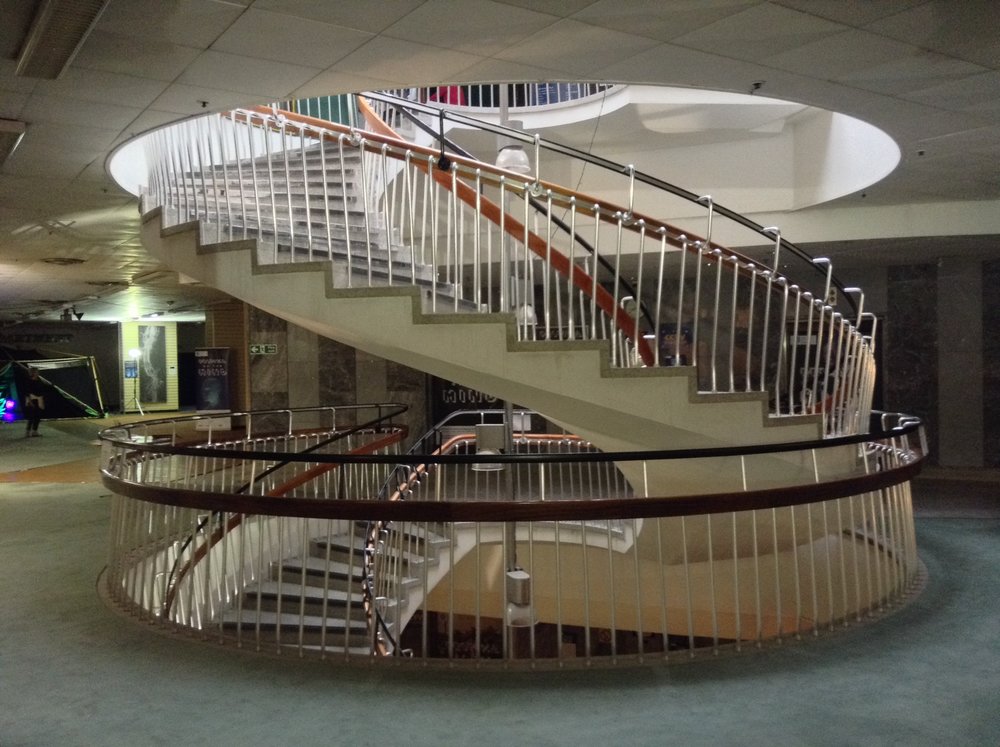
Currently partially occupied with no access to the glass stairways.

Following the development of the Frenchgate Centre the Waterdale Centre sunk into a slow decline.

And the Staff of Life has lost a little of its estate pub period charm, following successive typographic makeovers and paint jobs.

There are plans to improve the centre.

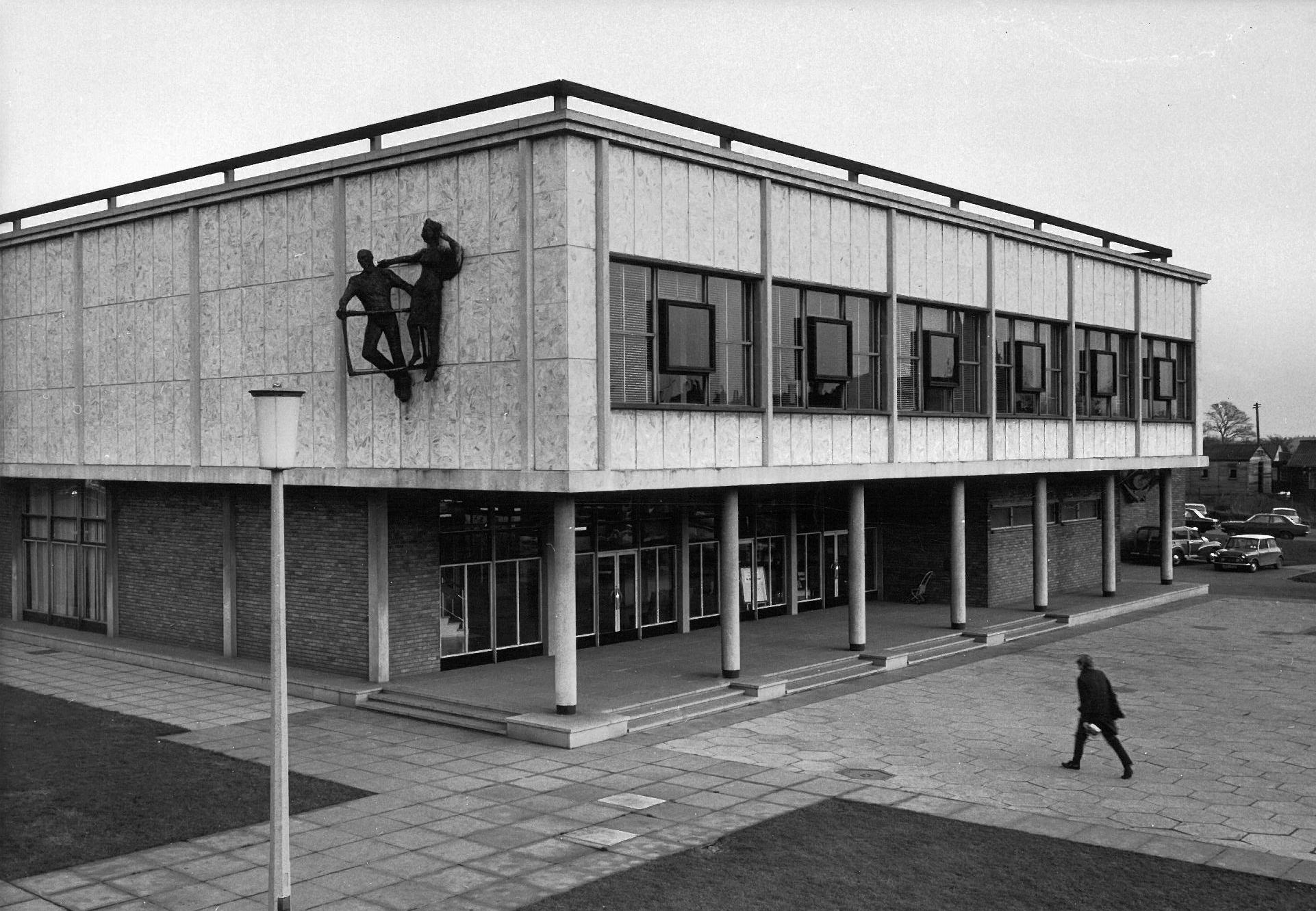
A naked couple sculpture which caused complaints went back on display in 2015.

The Lovers statue, depicting the couple embracing, attracted criticism after being installed in the Arndale Shopping Centre in Doncaster in the 1960s.

It was removed in the late 1980s and put into storage before being restored with the help of a local art group.

The designer was architect Eckehart Selke

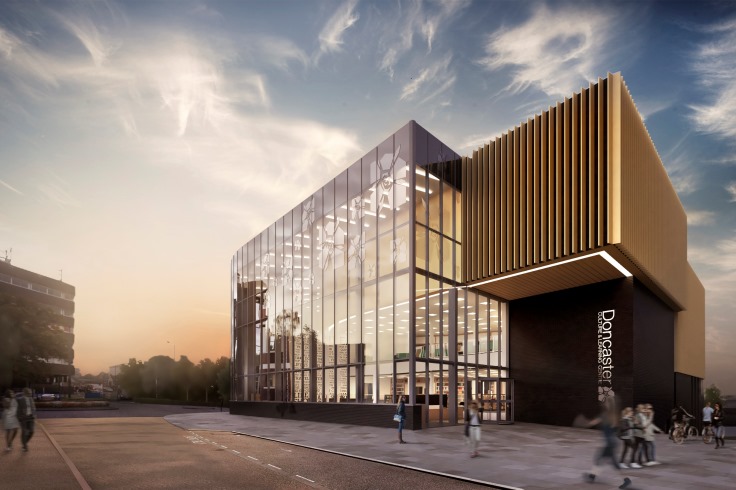
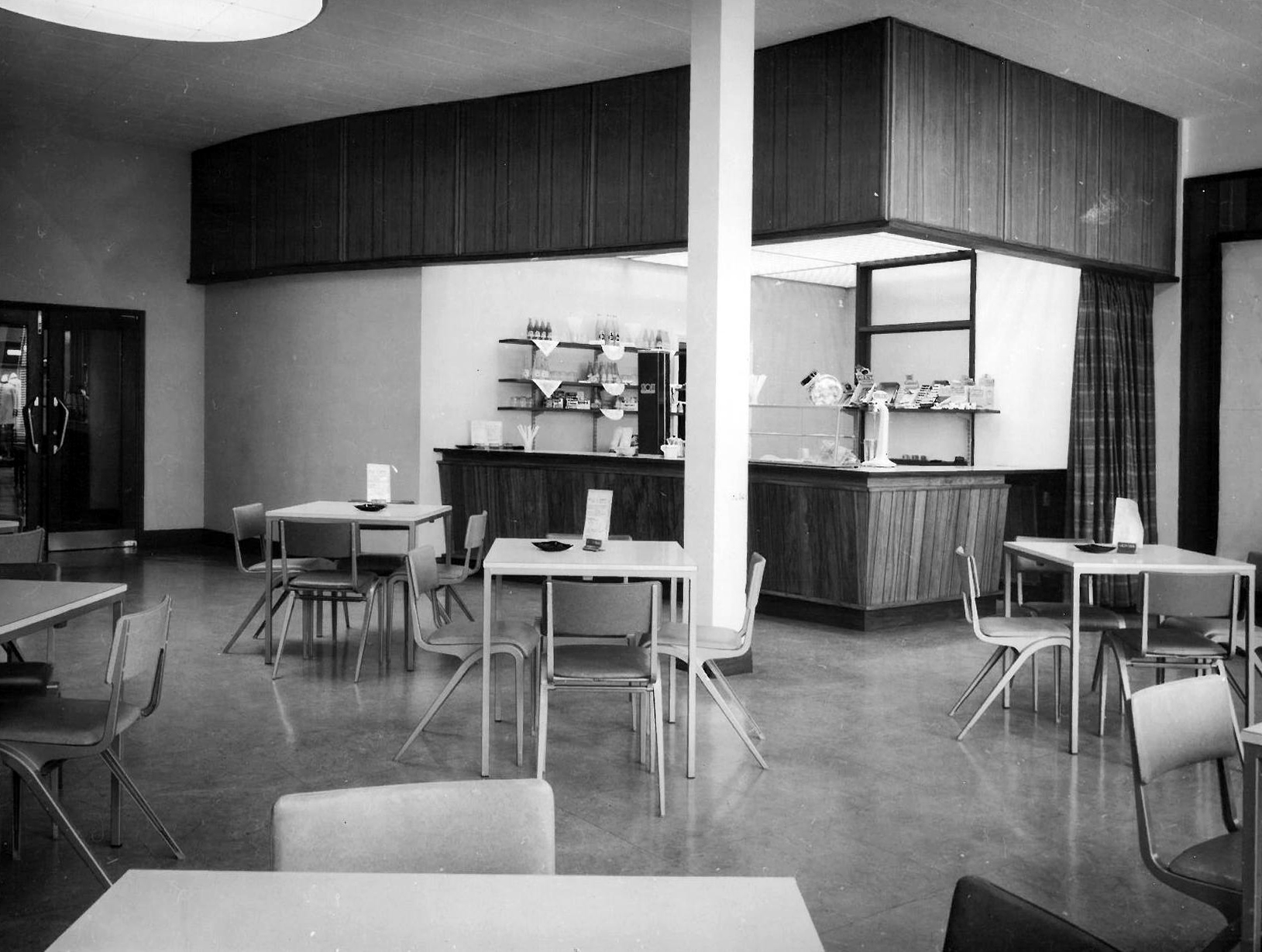
Moving through to the shiny new Civic Area note the older library and demolished college.

There are further plans to redevelop the Library, Museum and Art Gallery.

Passing through we reach the Magistrates’ Courts and Police Station.

From 1949 onwards plans were afoot to develop the Waterdale area of Doncaster – civic buildings, courts, educational provision and the like, WH Price the Borough Surveyor at the helm. In 1955 Frederick Gibberd was appointed to oversee the site, though many of his designs were unrealised, his Police Station and Law Courts opened in 1969.

The Police Station it seems is to be redeveloped.

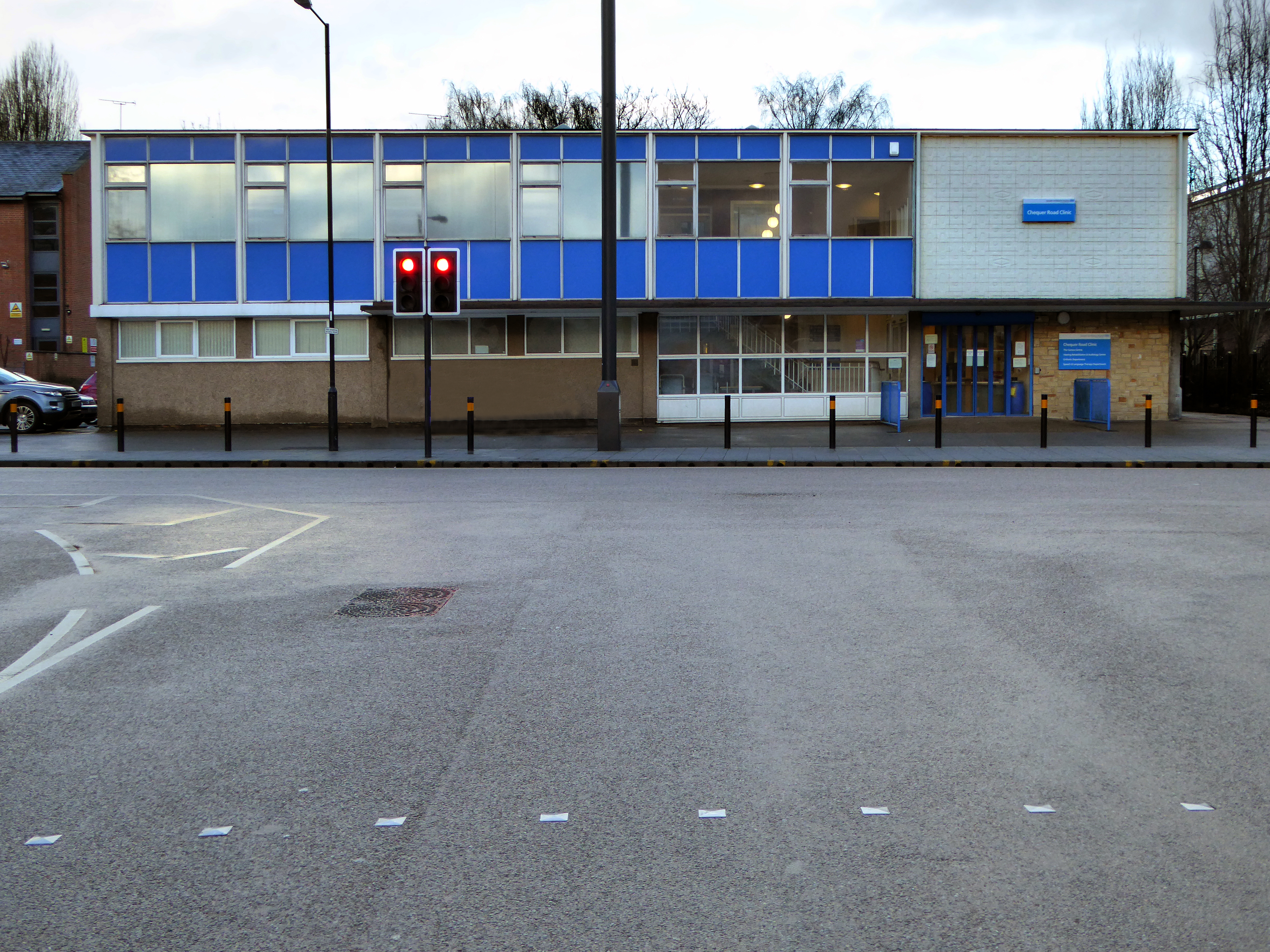
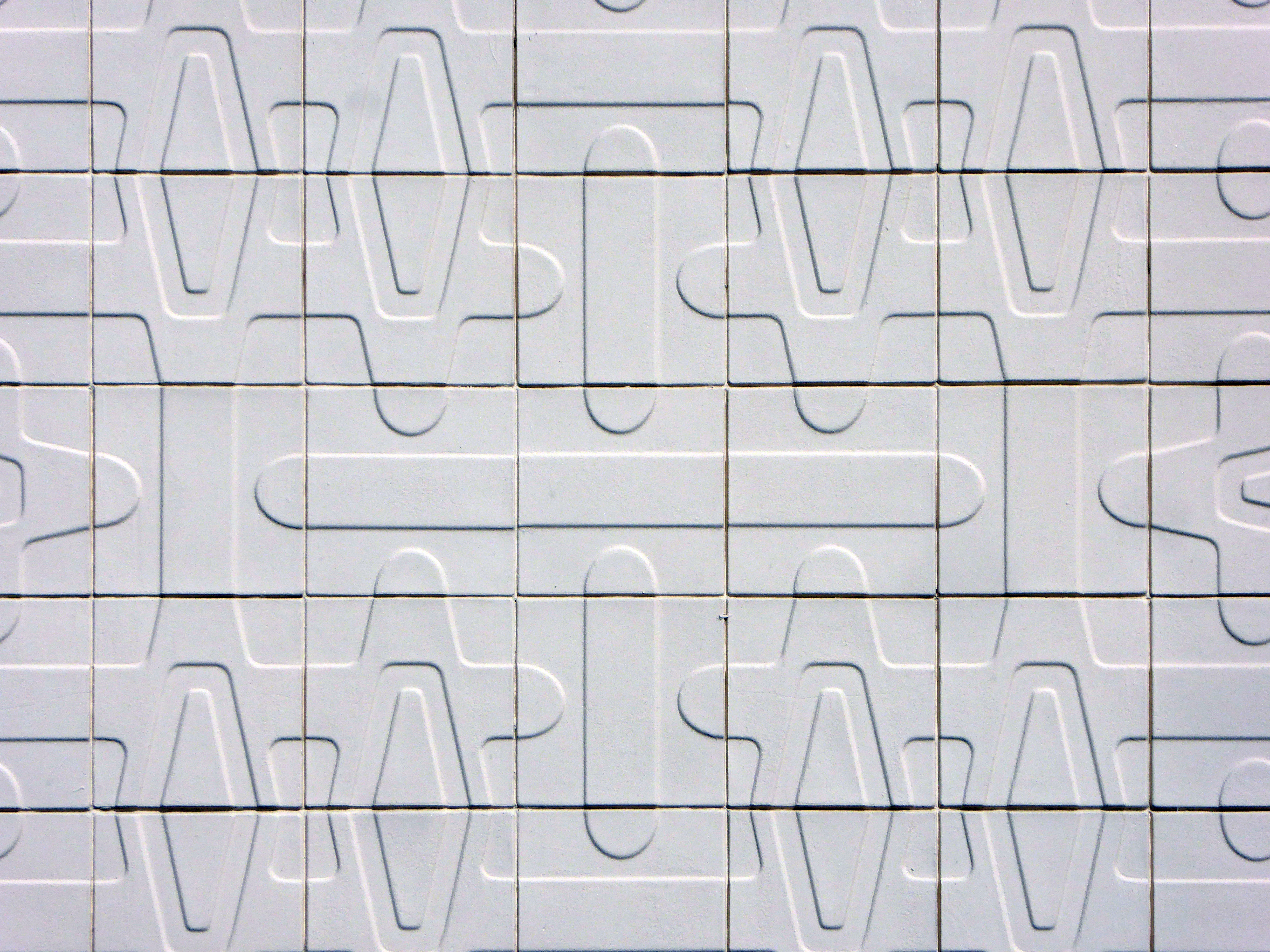
Moments away a delightful clinic with a decorative fascia.

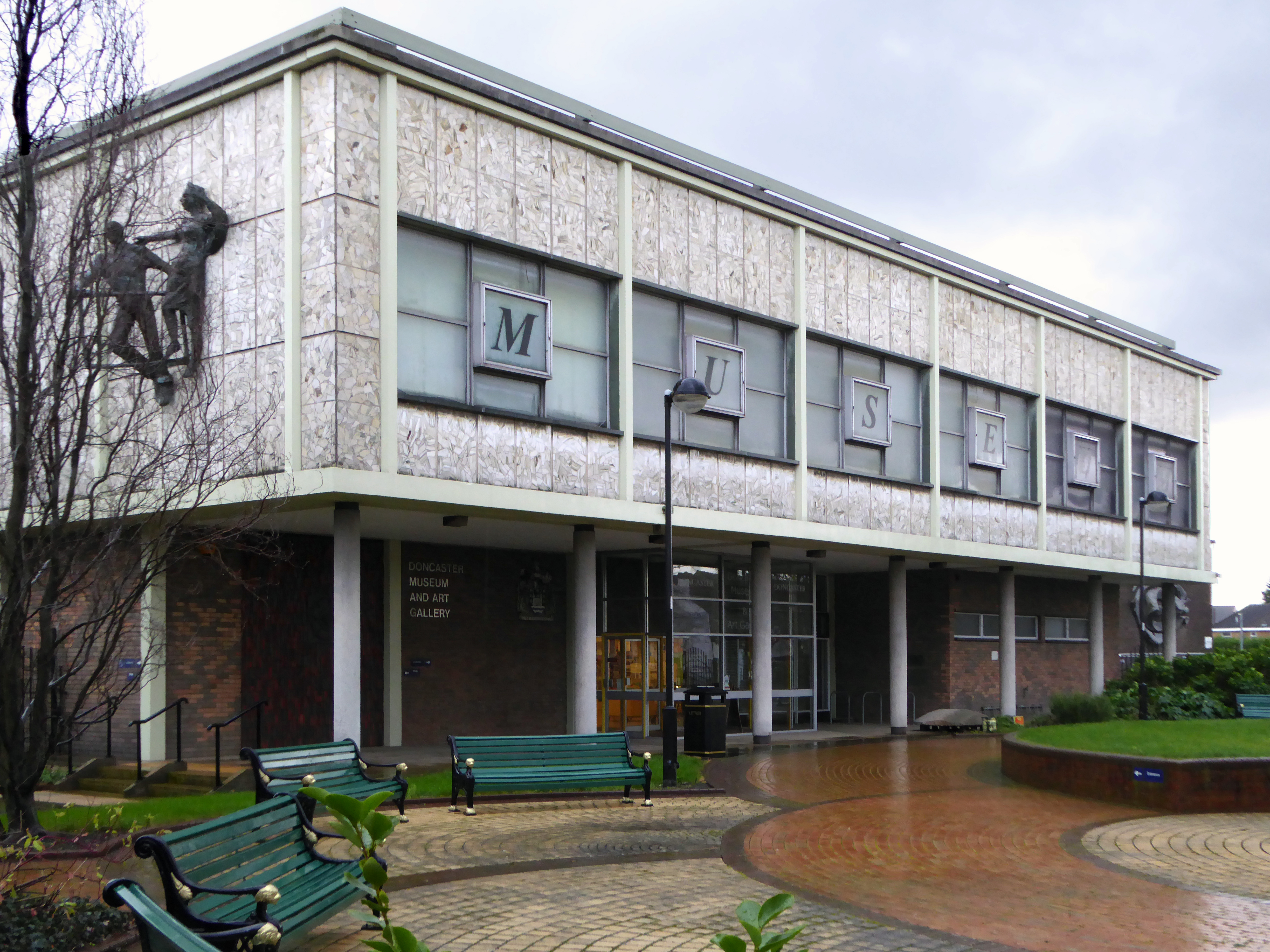
Whilst next door is the Museum and Art Gallery.

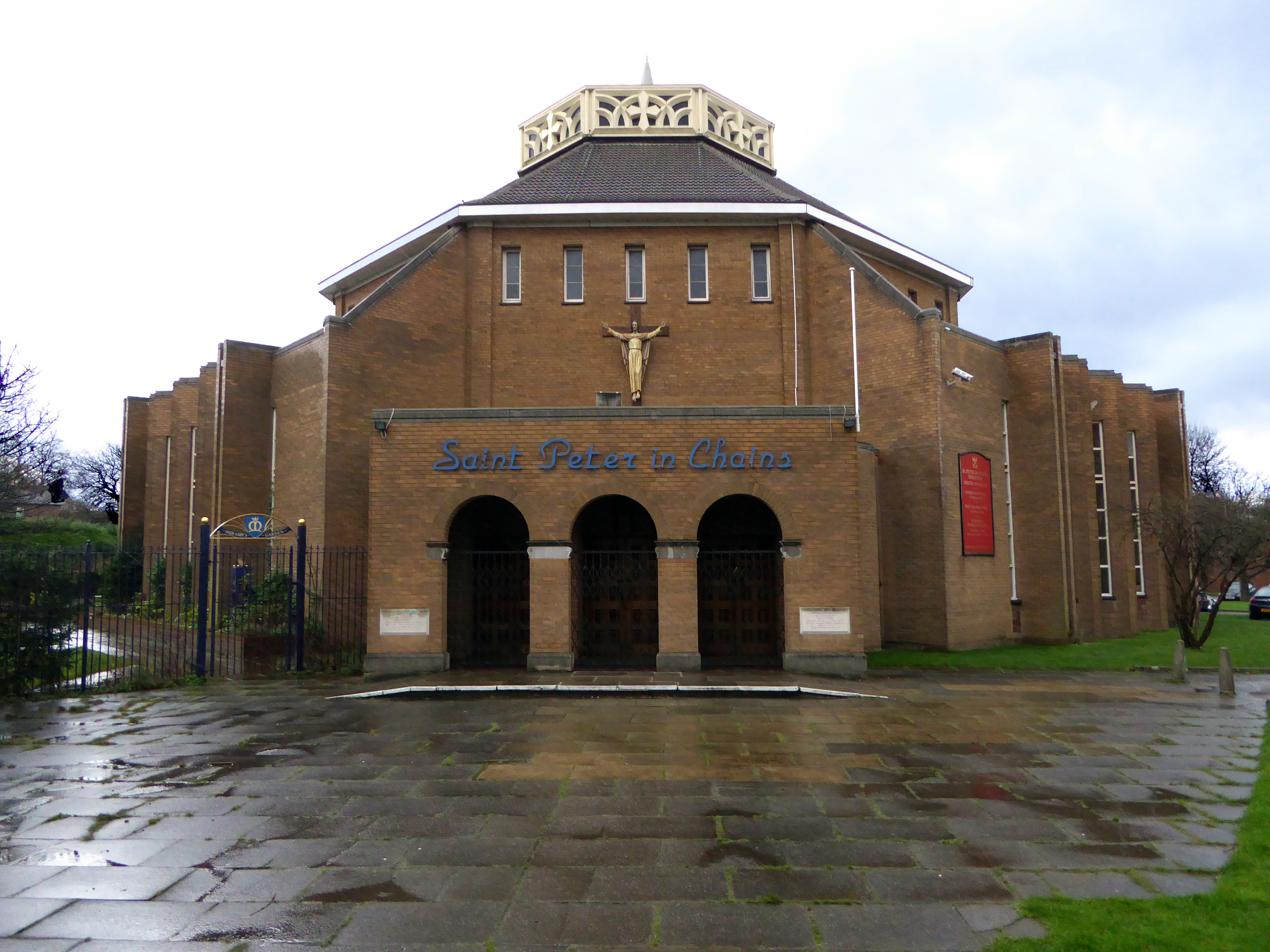
And finally next door St Peter in Chains Church.

Immaculate Conception – Failsworth

Clive Road Failsworth Manchester M35

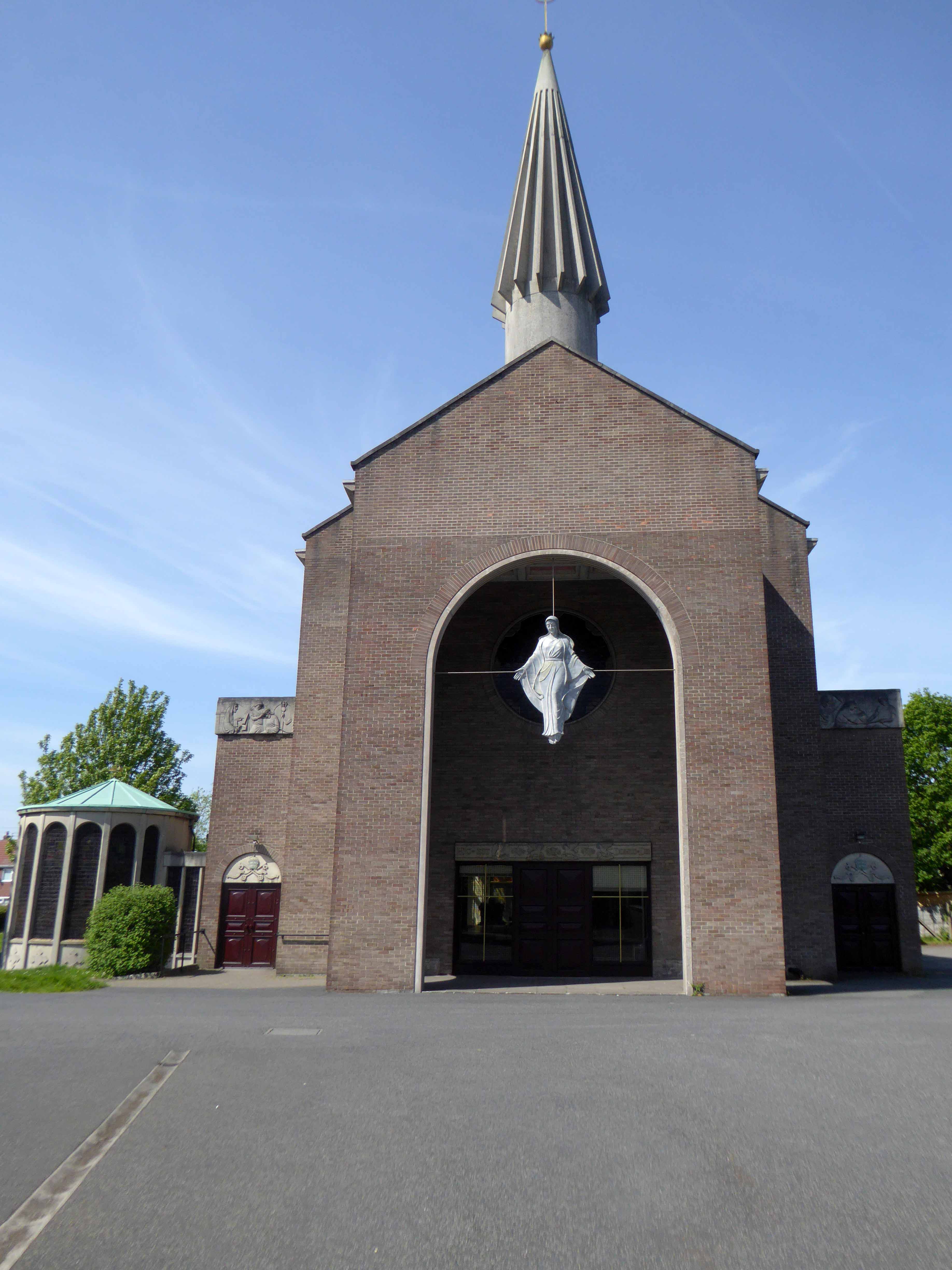
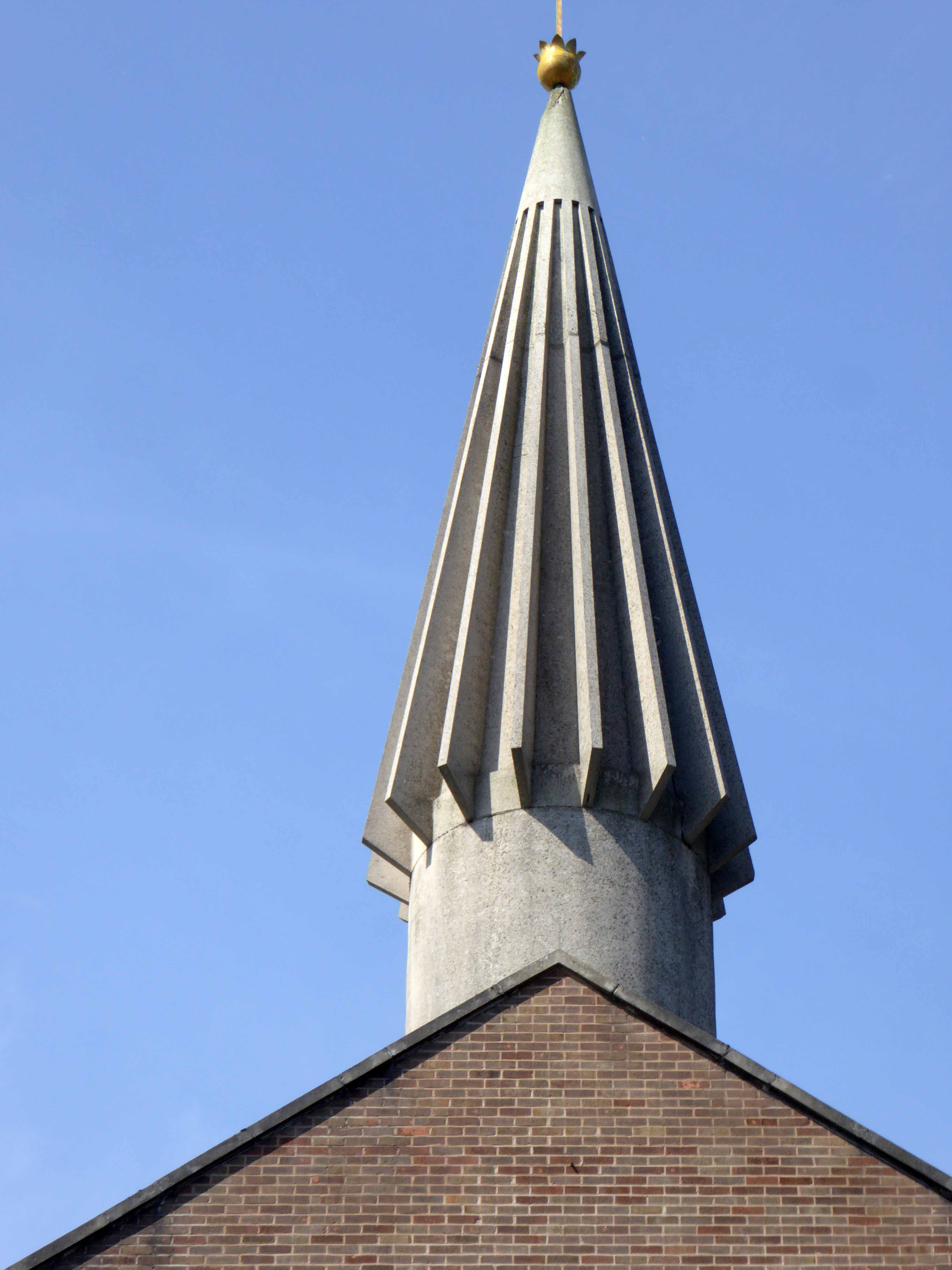
A church of the early 1960s, built before the Second Vatican Council on a traditional basilican plan. The design is striking and unusual, with an interesting combination of Gothic, classical and modern architectural motifs. The architect, Tadeusz Lesisz of Greenhalgh & Williams, is a little known figure but a designer of some interest. The church exhibits a scheme of sculpture, stained glass and mosaic on Marian themes, mainly by local designers, and retains almost all of the original furnishings and fittings in little altered state. It also retains furnishings from the late-nineteenth-century predecessor church. 

Taking Stock

The church is Grade II Listed

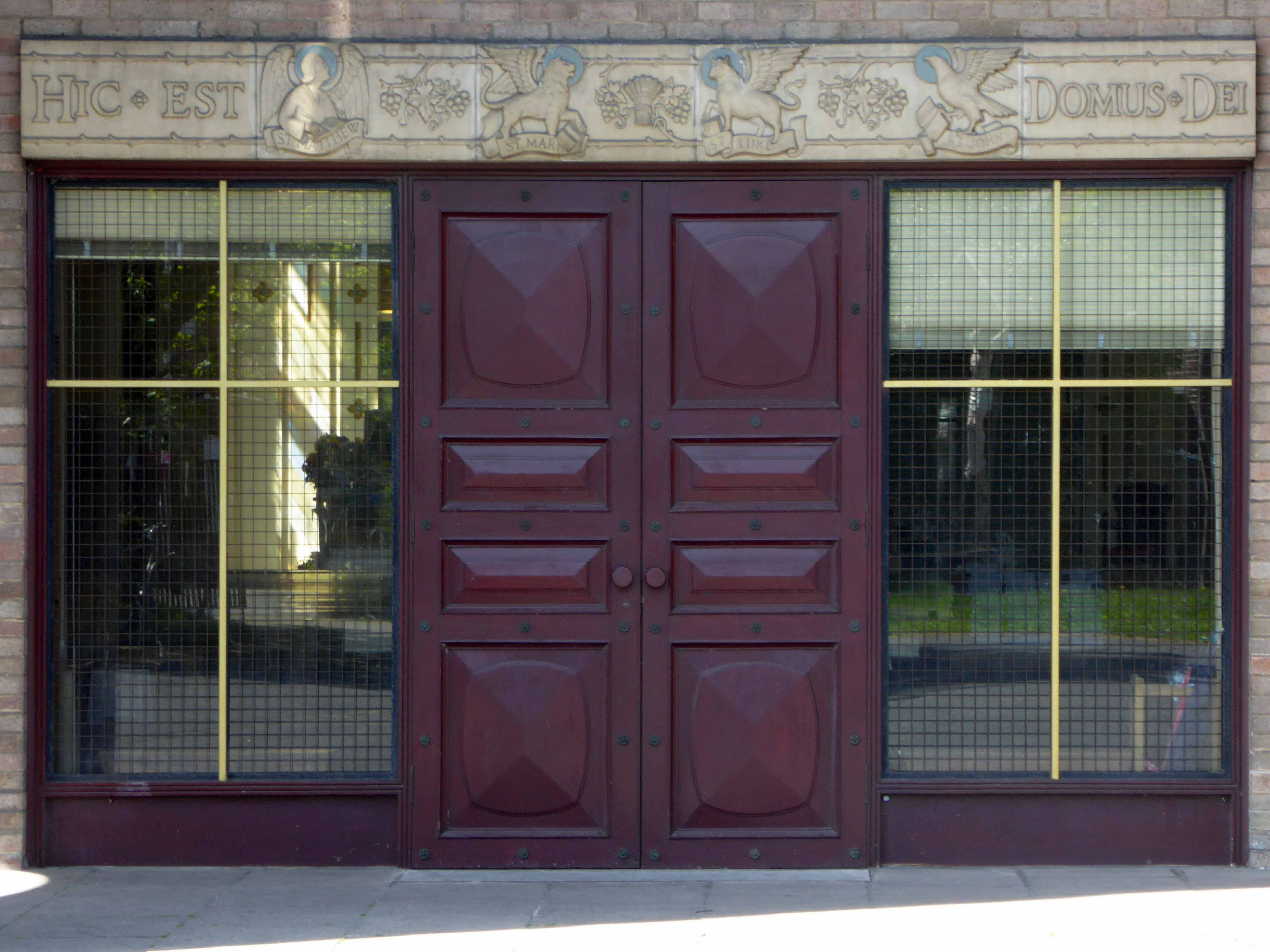
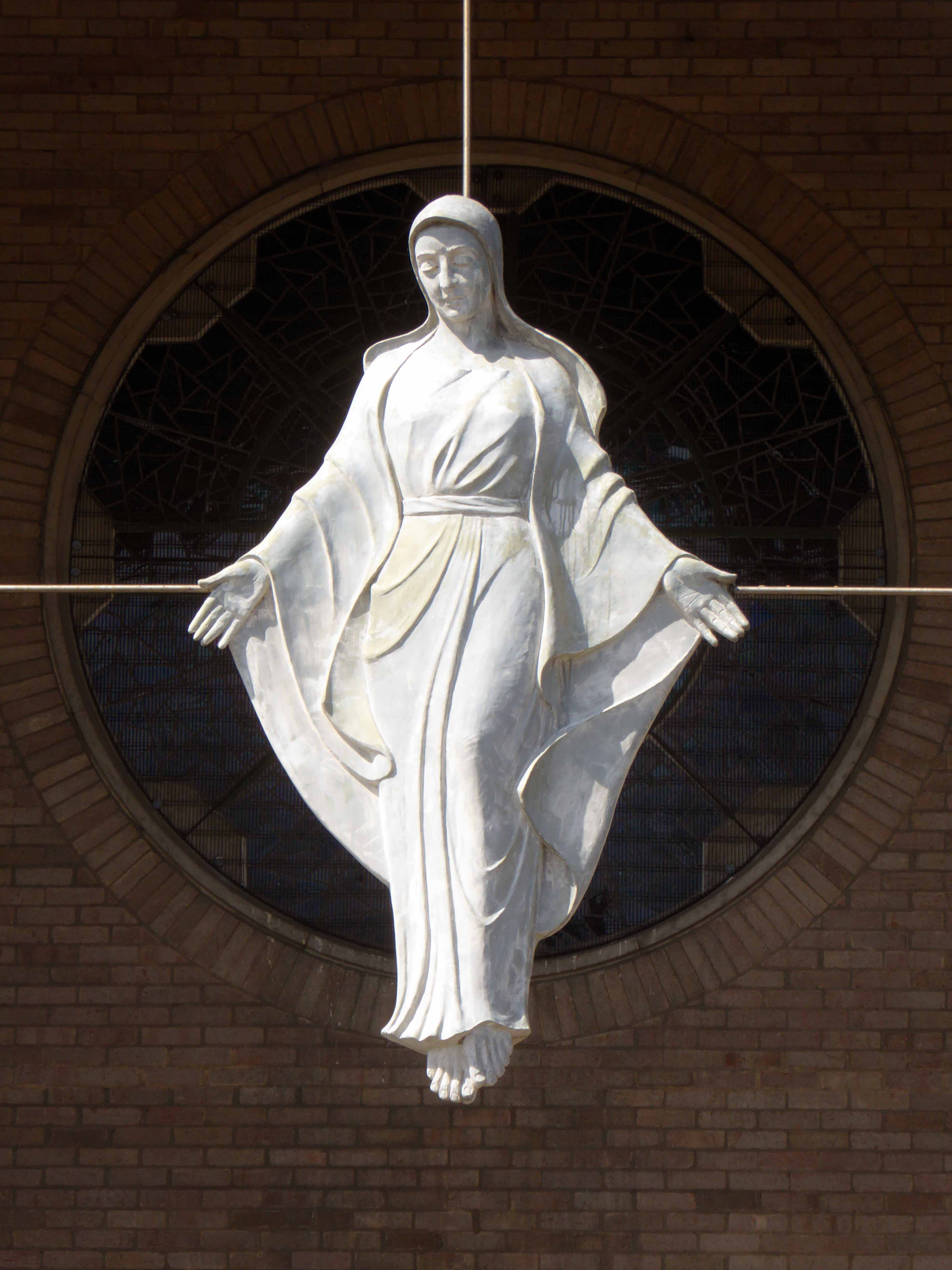
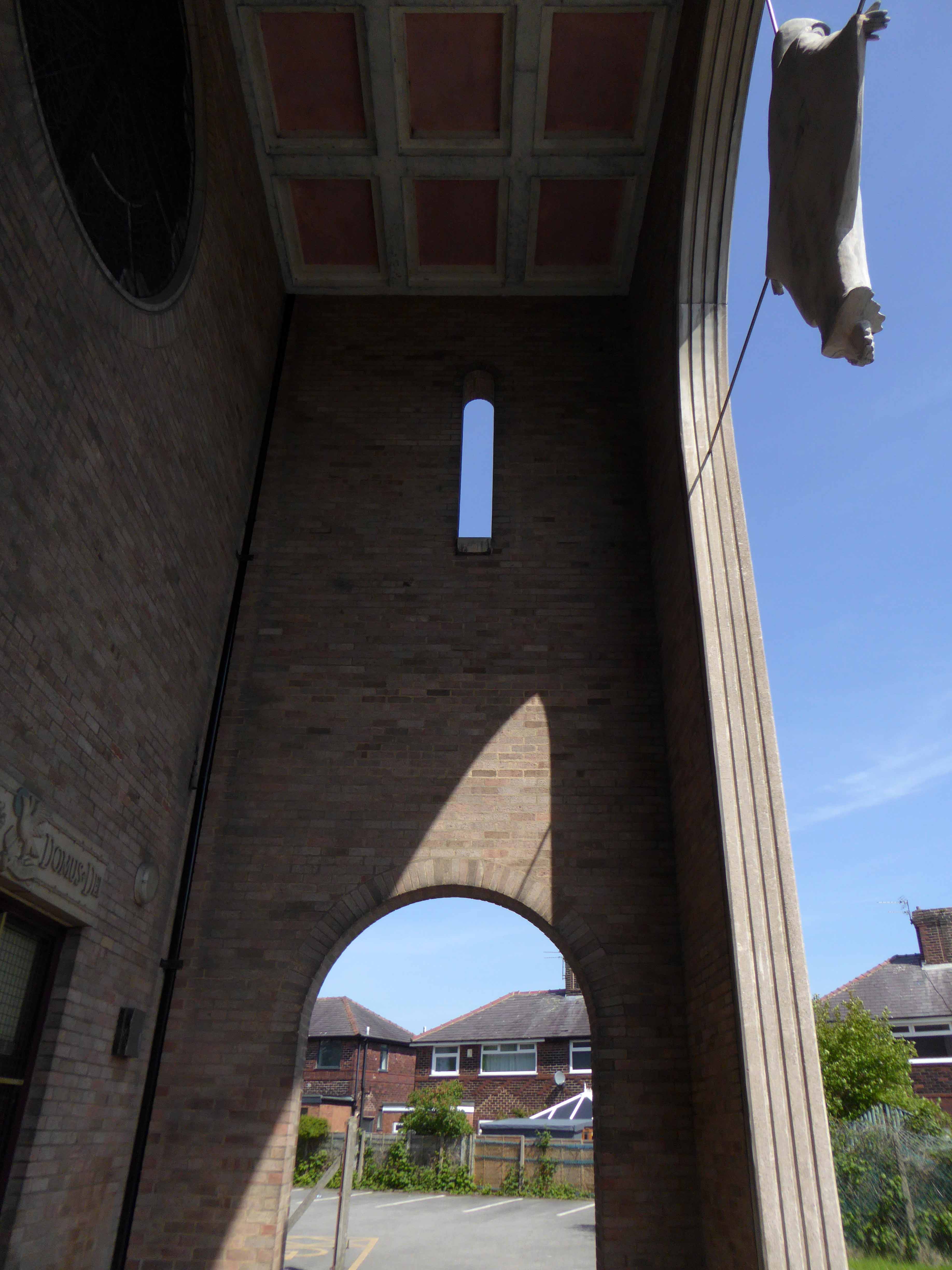
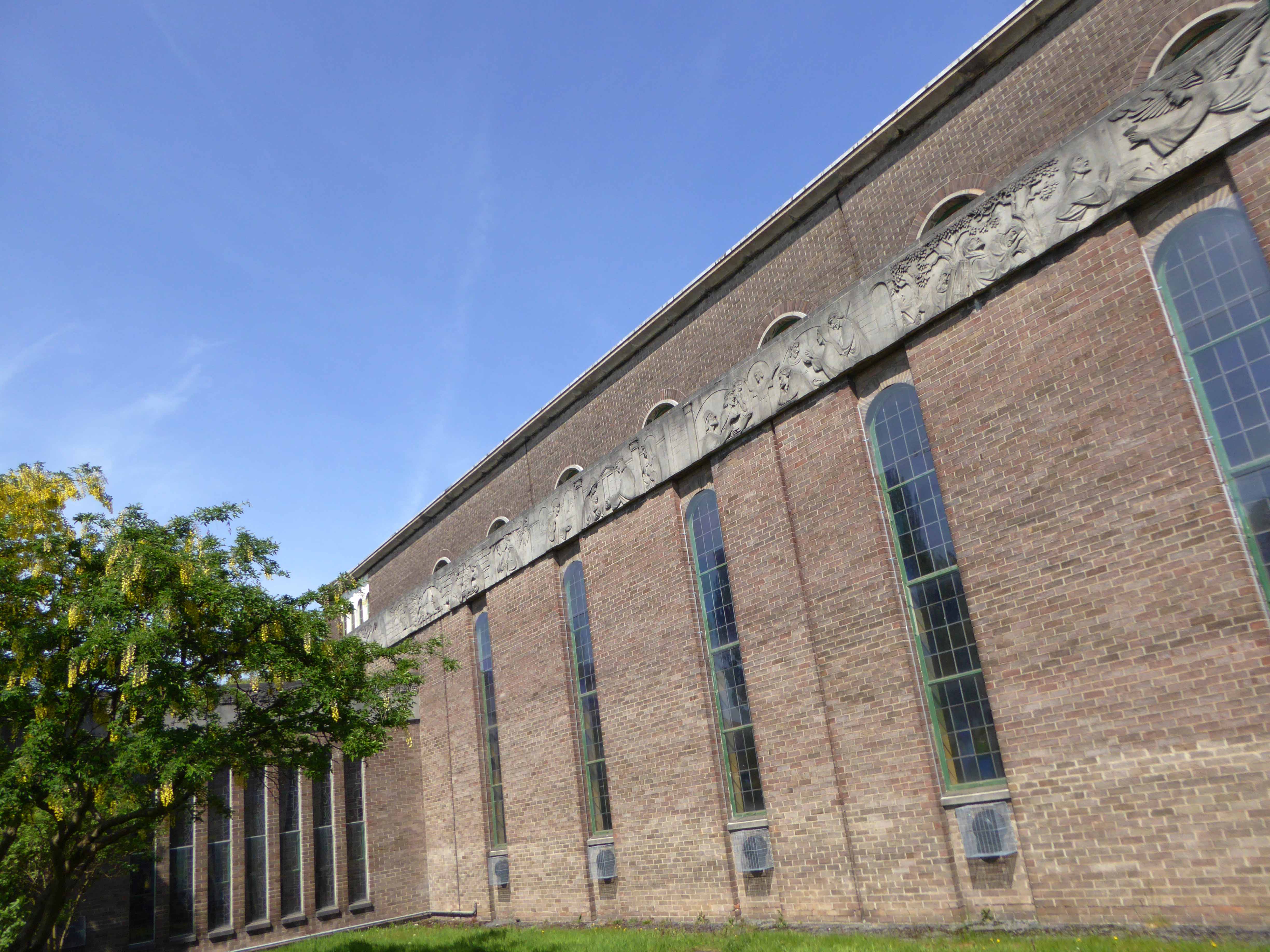
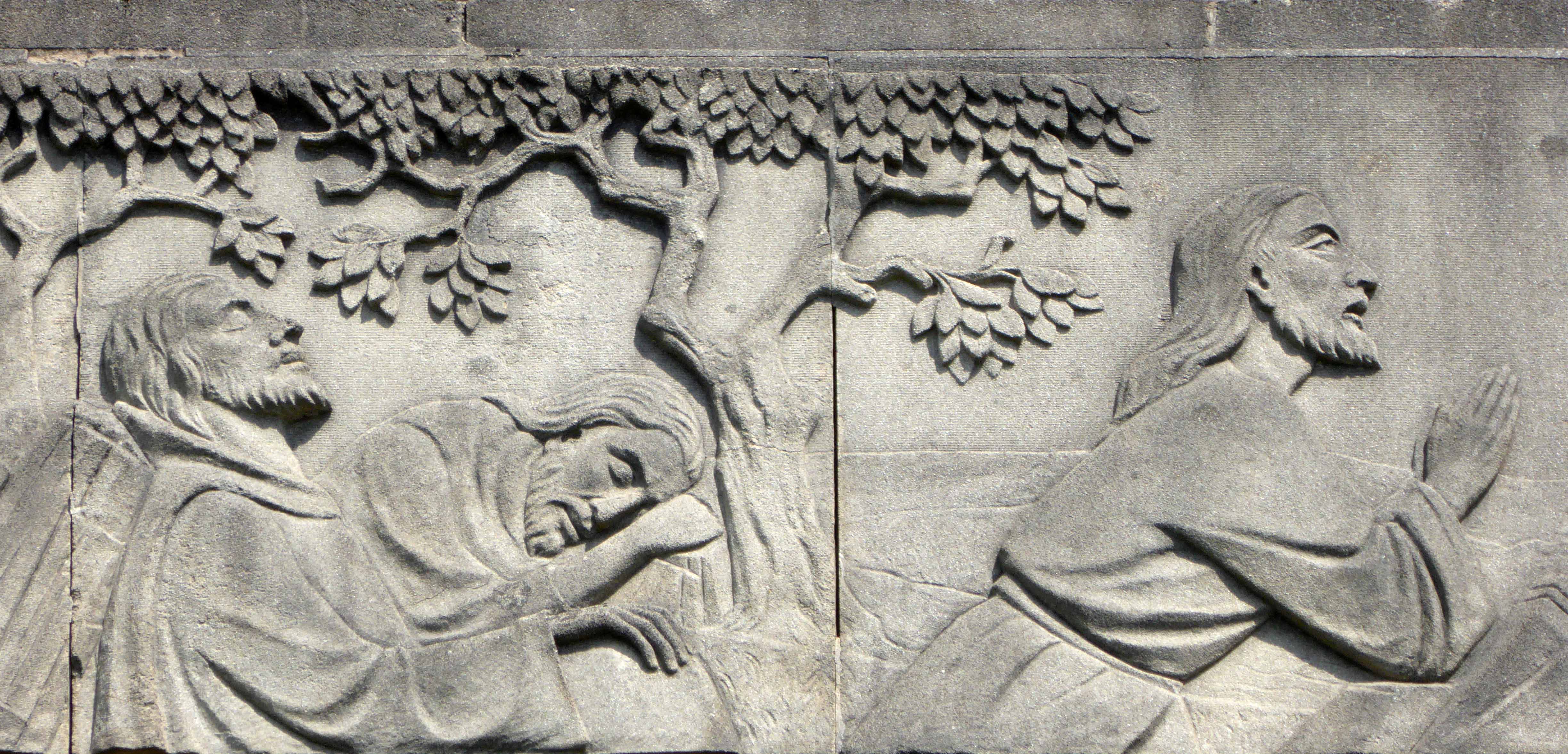
The west front is very striking, the broad entrance arch enclosing a suspended aluminium figure of the Virgin by E.J. Blackwell of Manchester, who also executed the moulded artificial stone friezes. 

The stained glass is by Charles Lightfoot, much of it to the designs of the architect, some incorporating glass from the previous church.

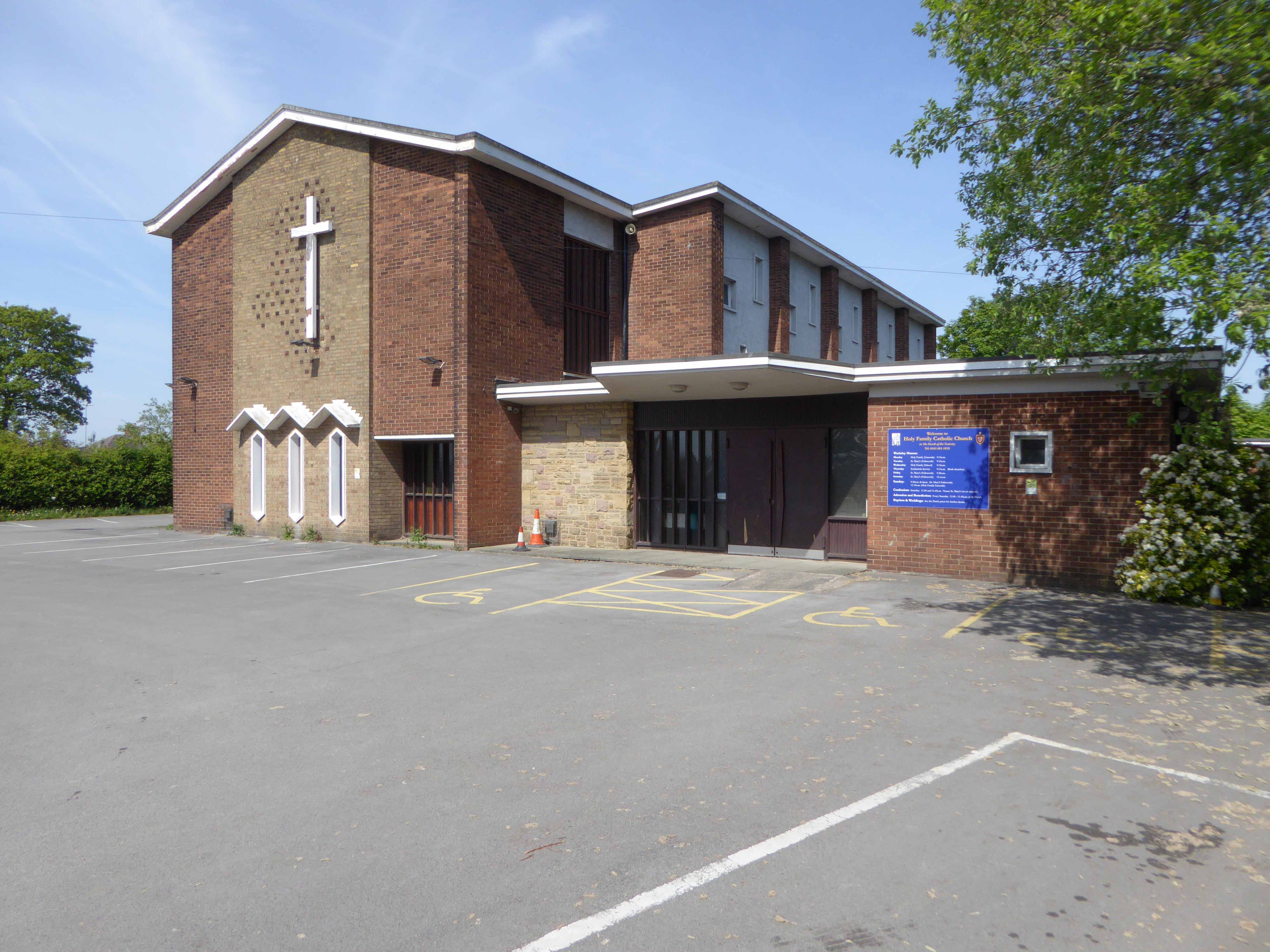
Holy Family Church – Hollinwood

Roman Road Limeside Oldham OL8 3BY

A typical example of a post-war church built to serve a growing residential suburb; it retains some attractive ‘Festival of Britain’ features and fittings.

The church was built to seat 360, with room for fifty people in the Lady Chapel. The architect was Geoffrey Williams of Greenhalgh & Williams, the builder Whitworth, Whittaker & Co Ltd of Oldham, and the cost £27,140. Bishop Beck blessed the foundation stone on 7 December 1957, and the church was formally opened in 1958.

Taking Stock

It’s a long straight uphill Roman road to Holy Family.

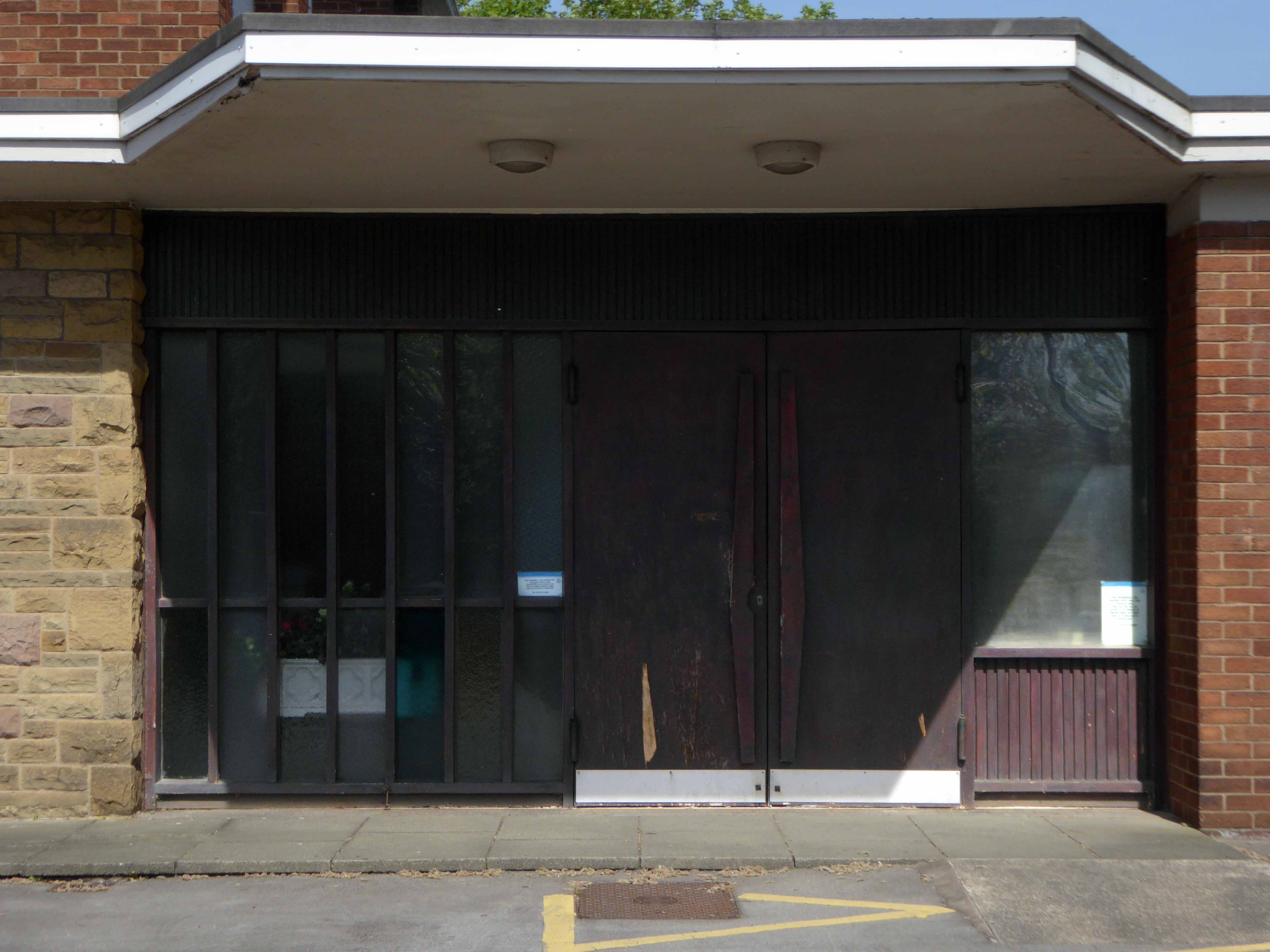
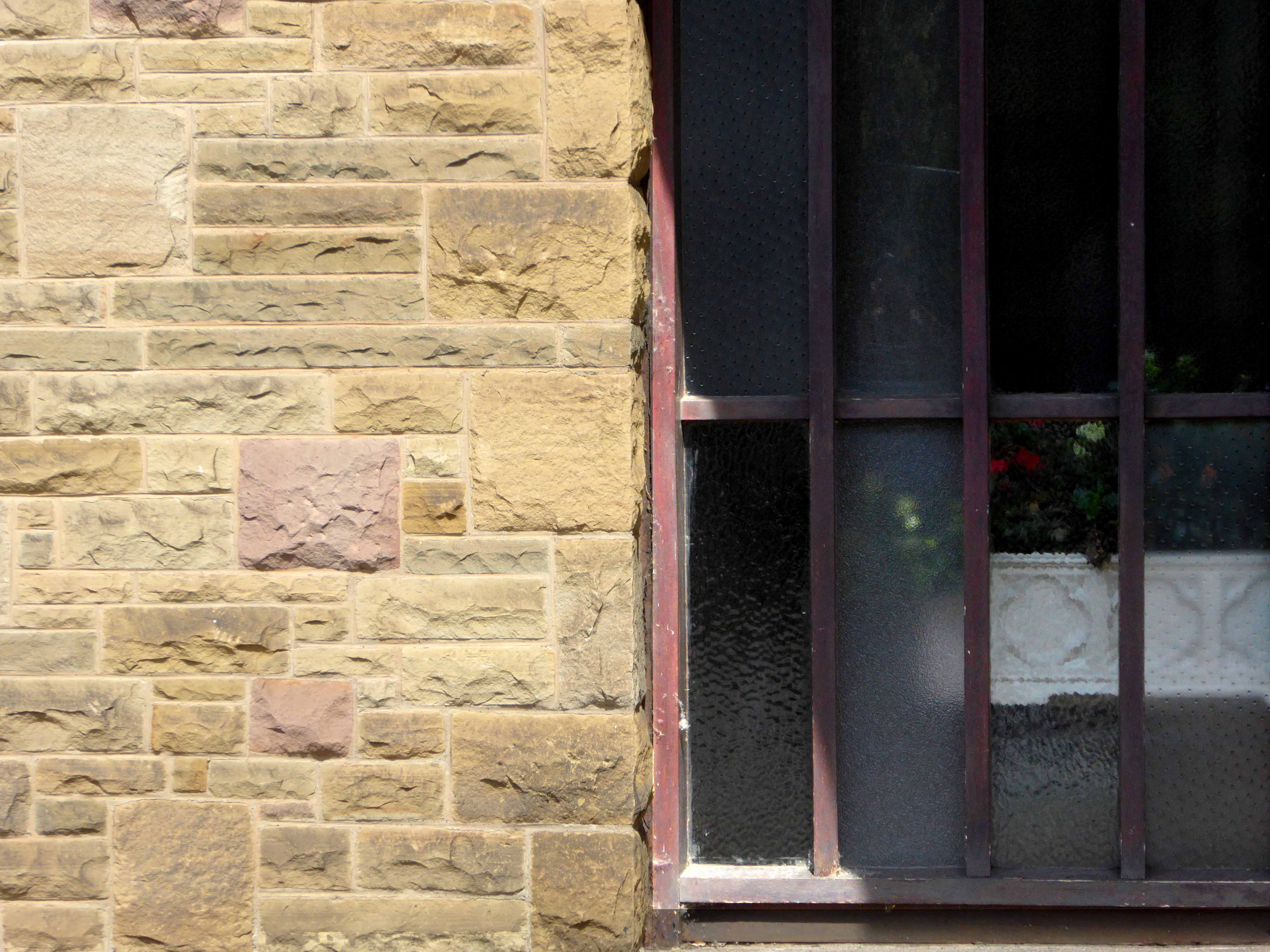
Well worth the effort to visit a well kept suburban church, constructed with load bearing walls faced in brown and buff bricks and steel roof trusses. The shallow-pitched roof was originally clad in copper but is now felted, flat roof areas are concrete. 

Let’s take a look.

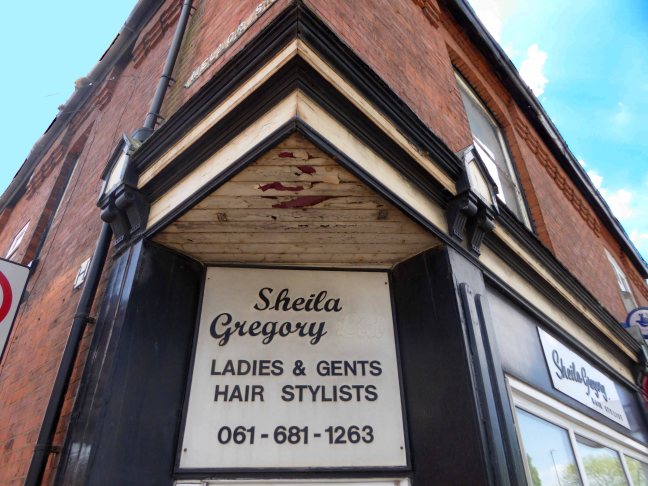
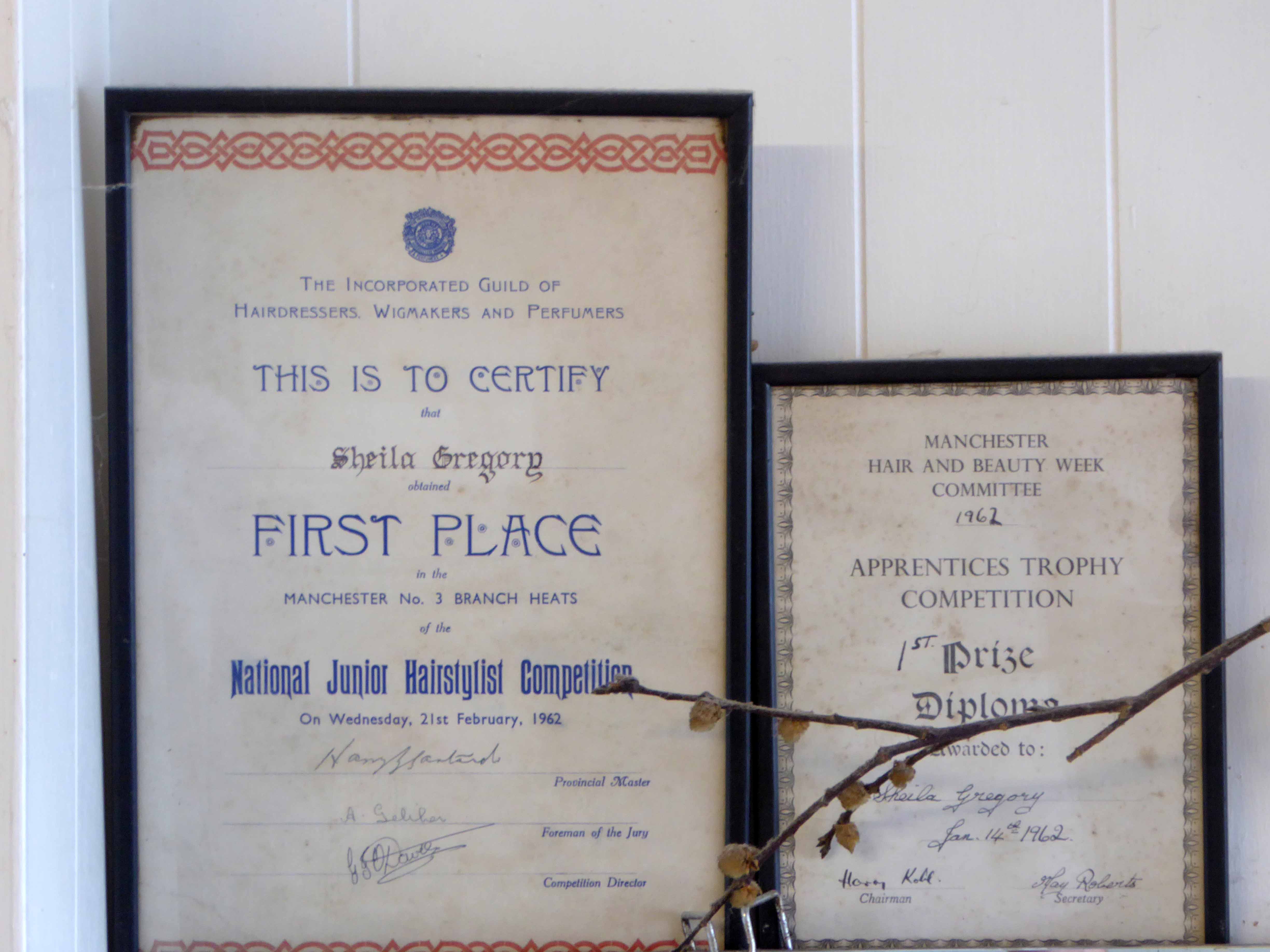
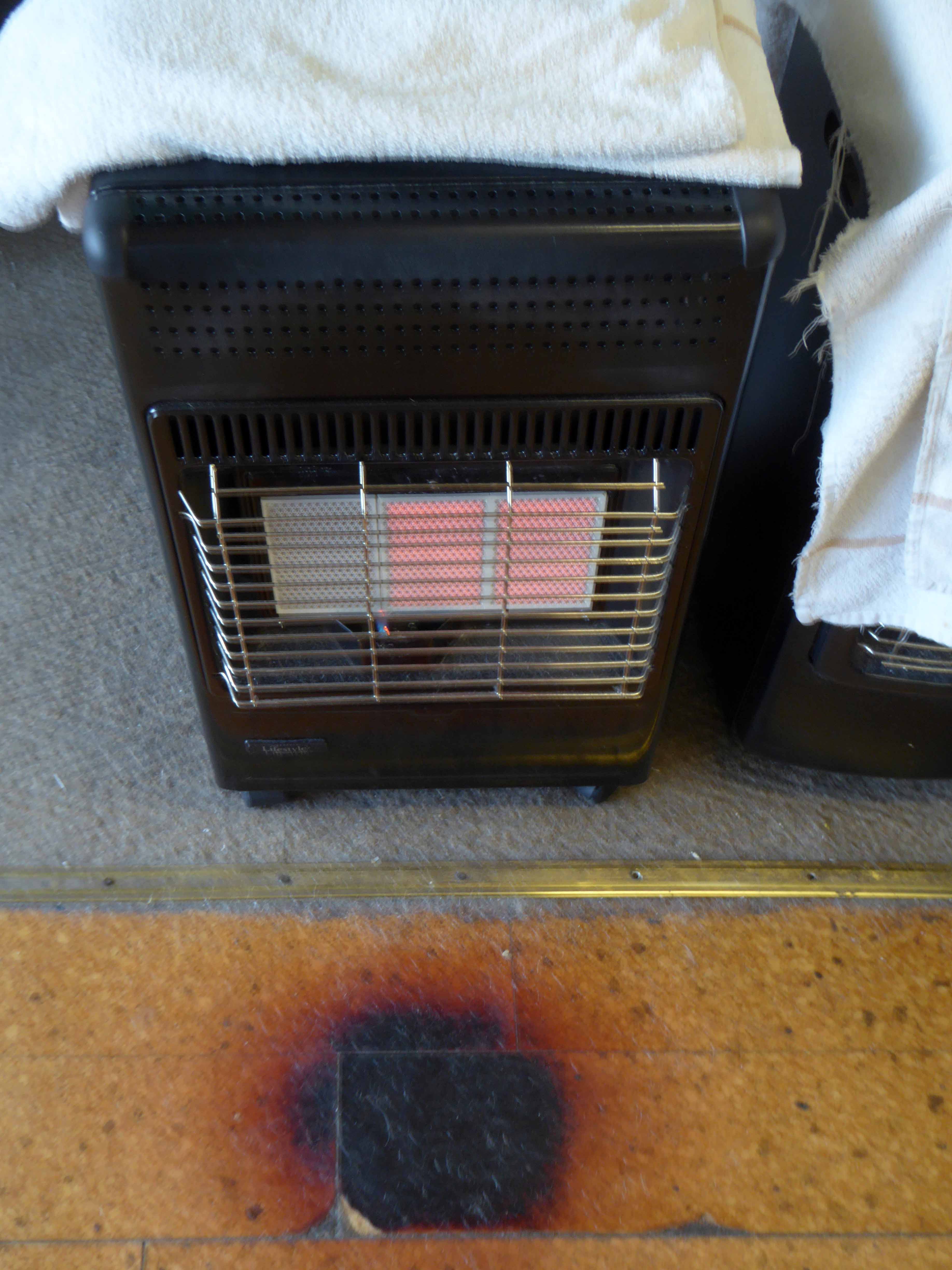
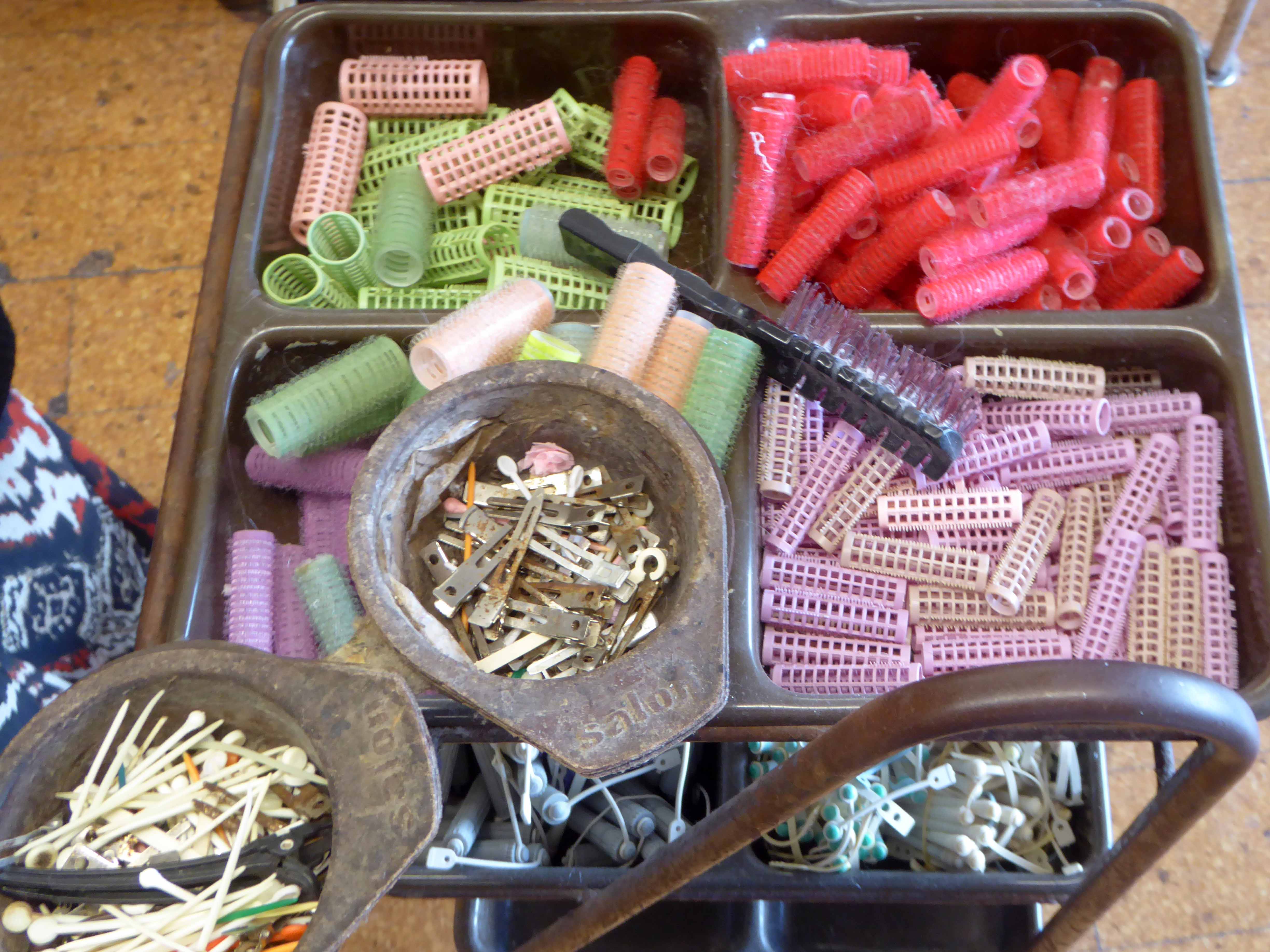
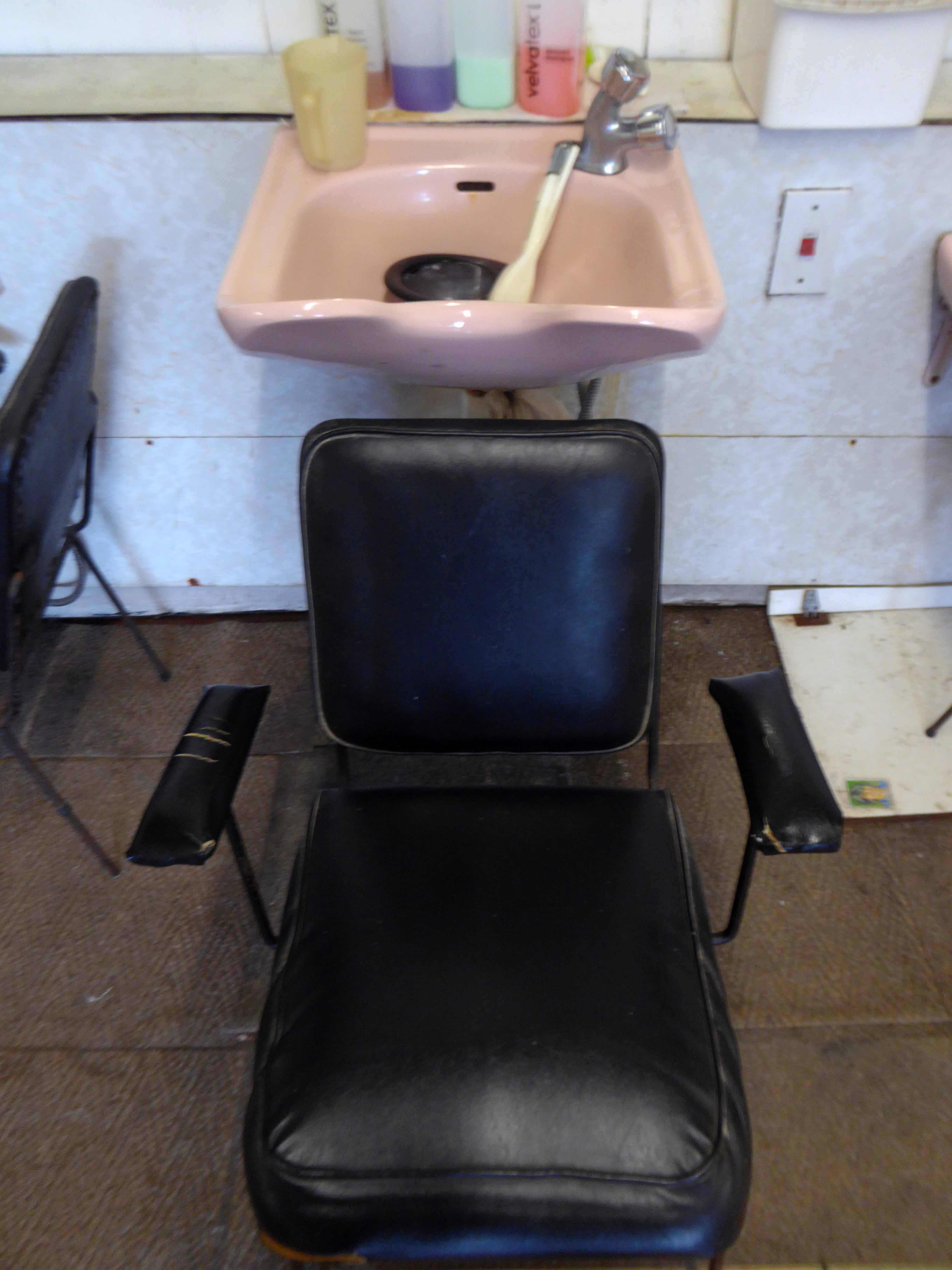
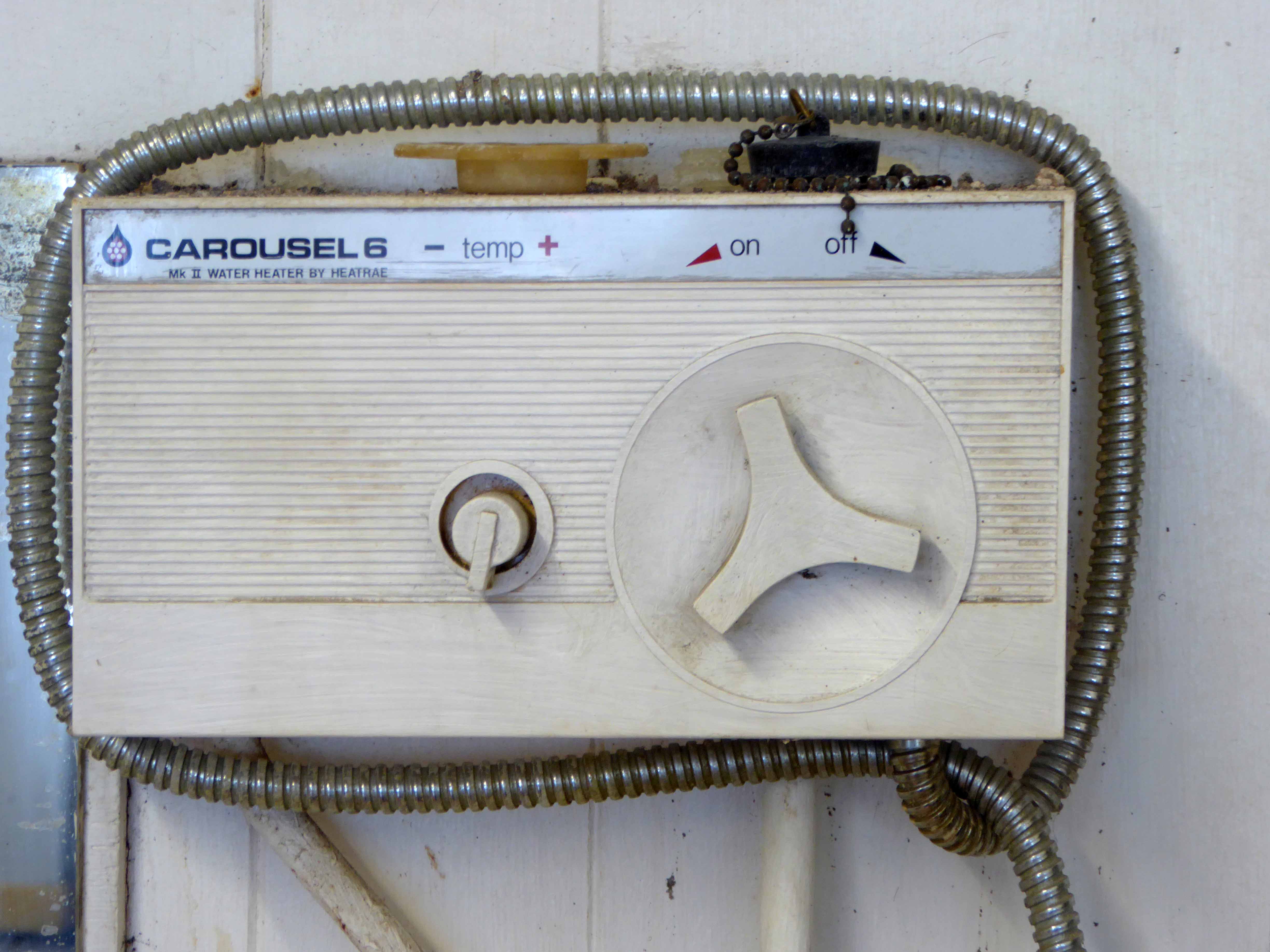
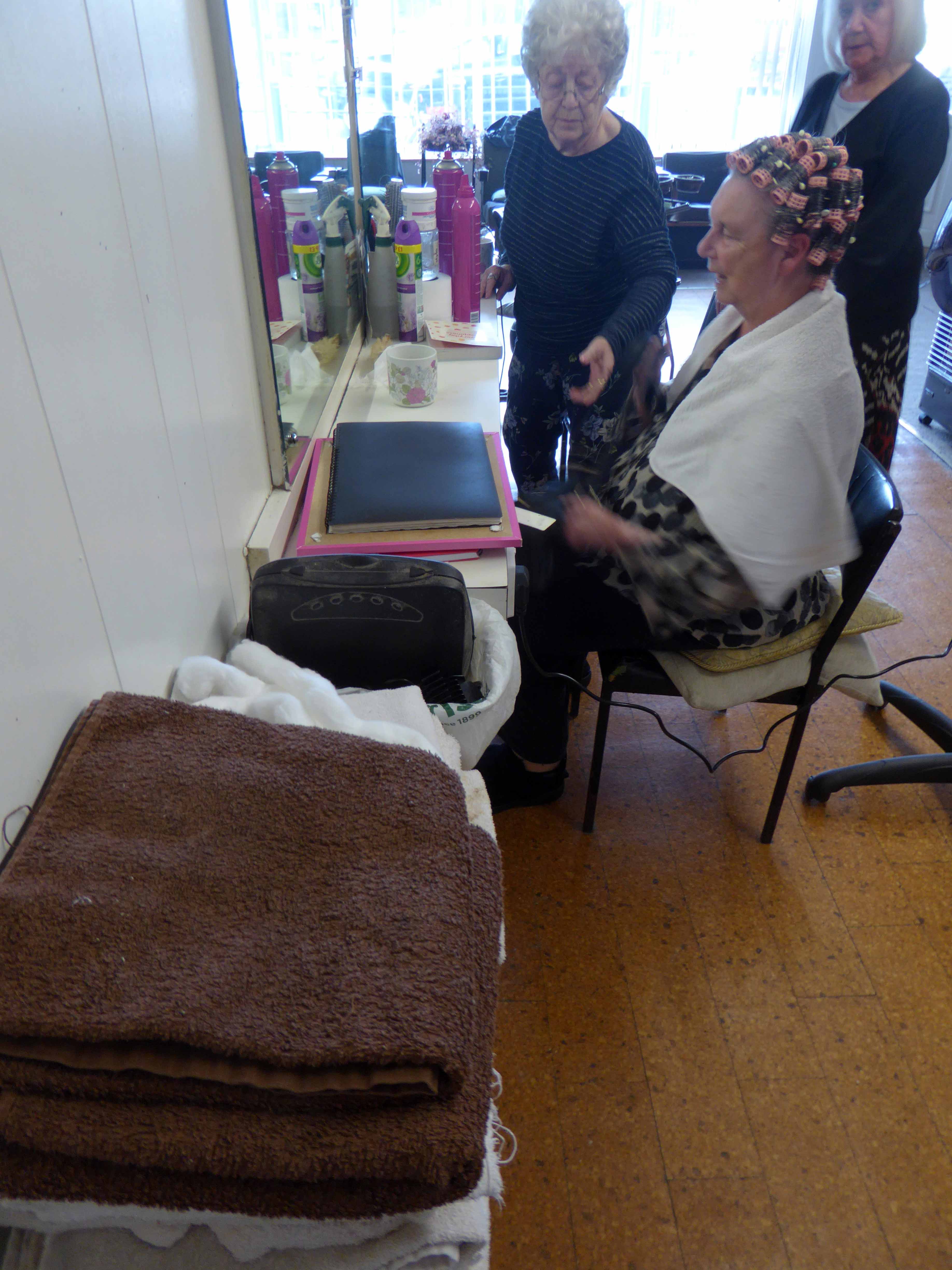
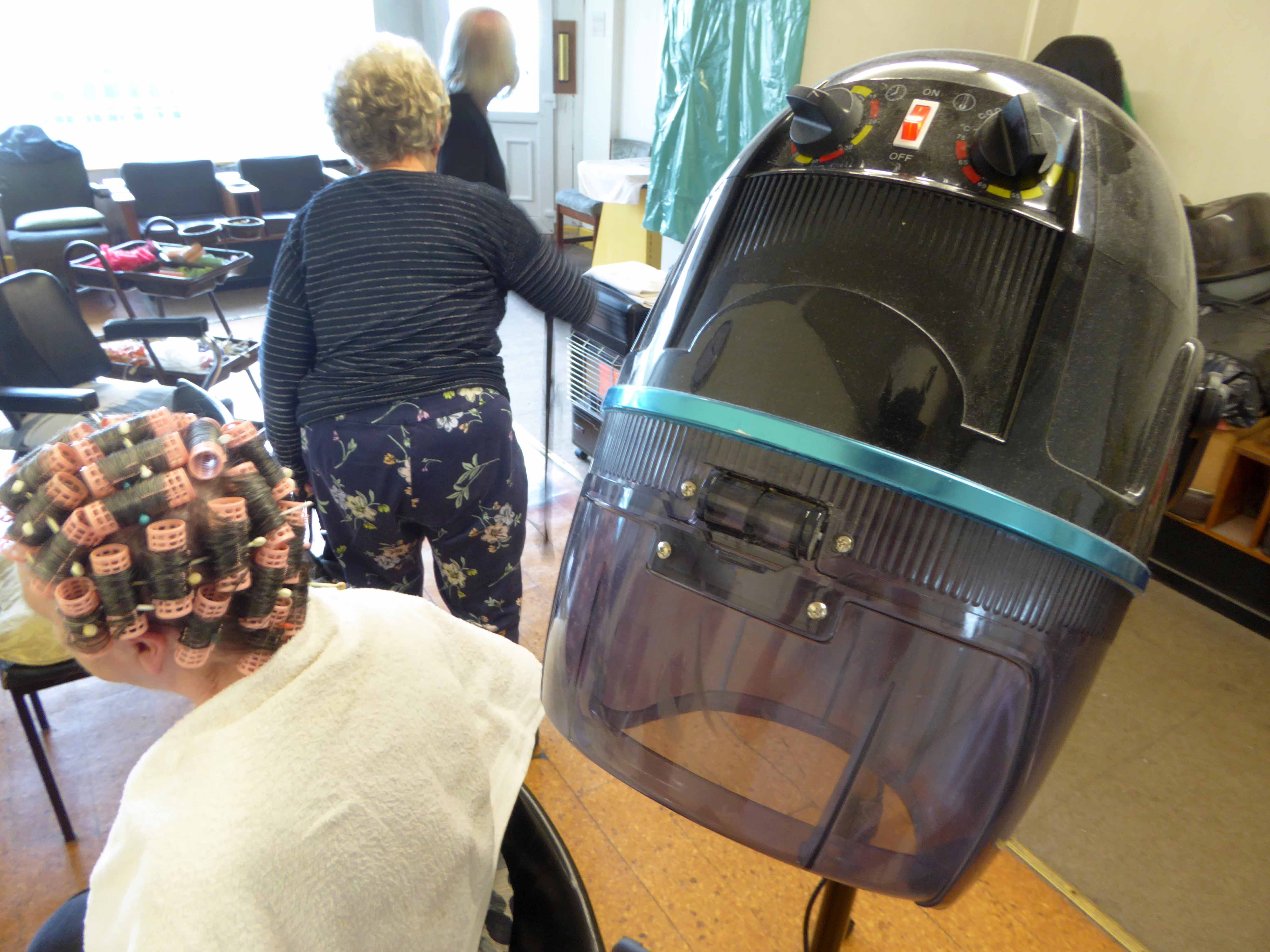
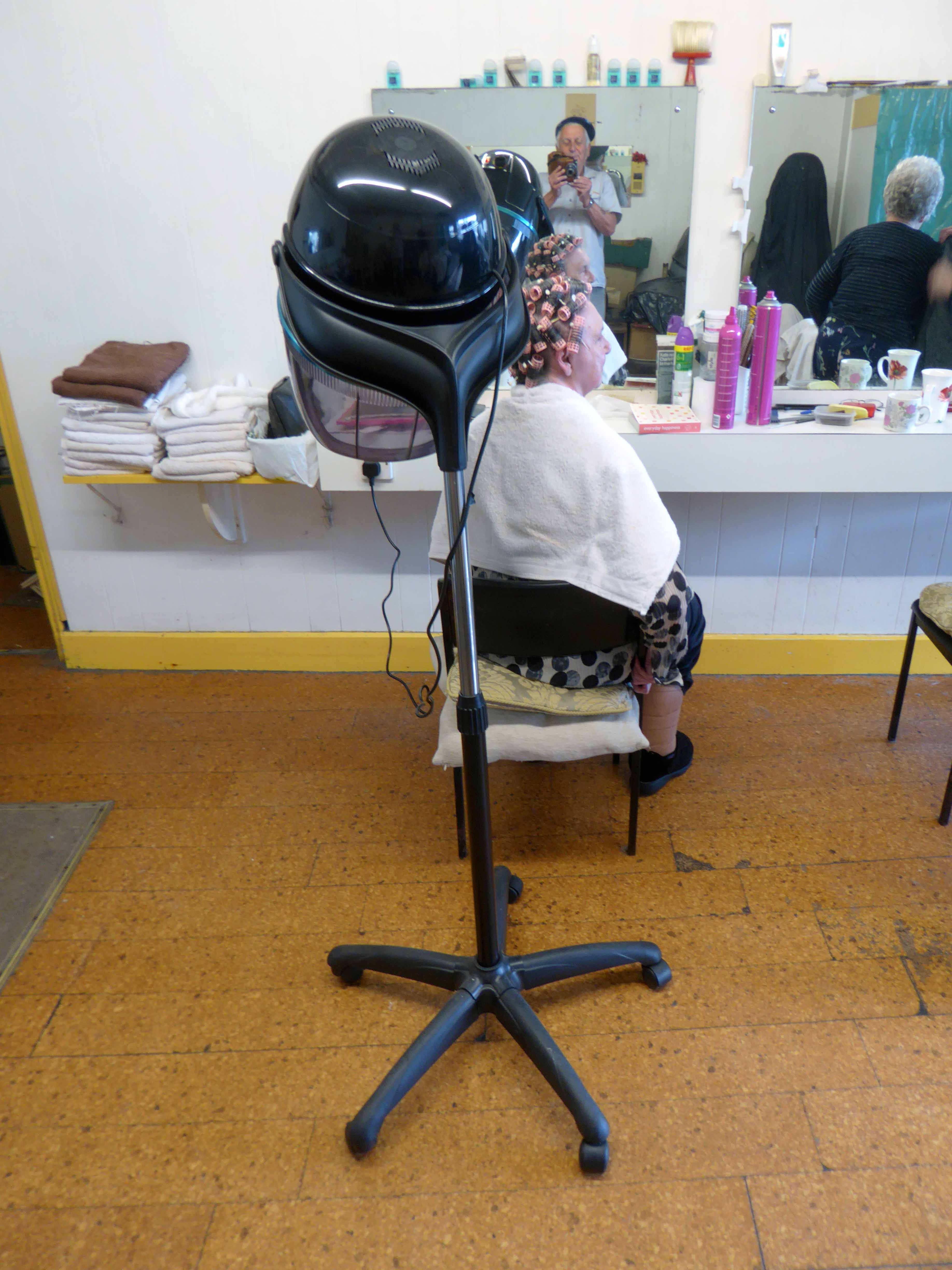
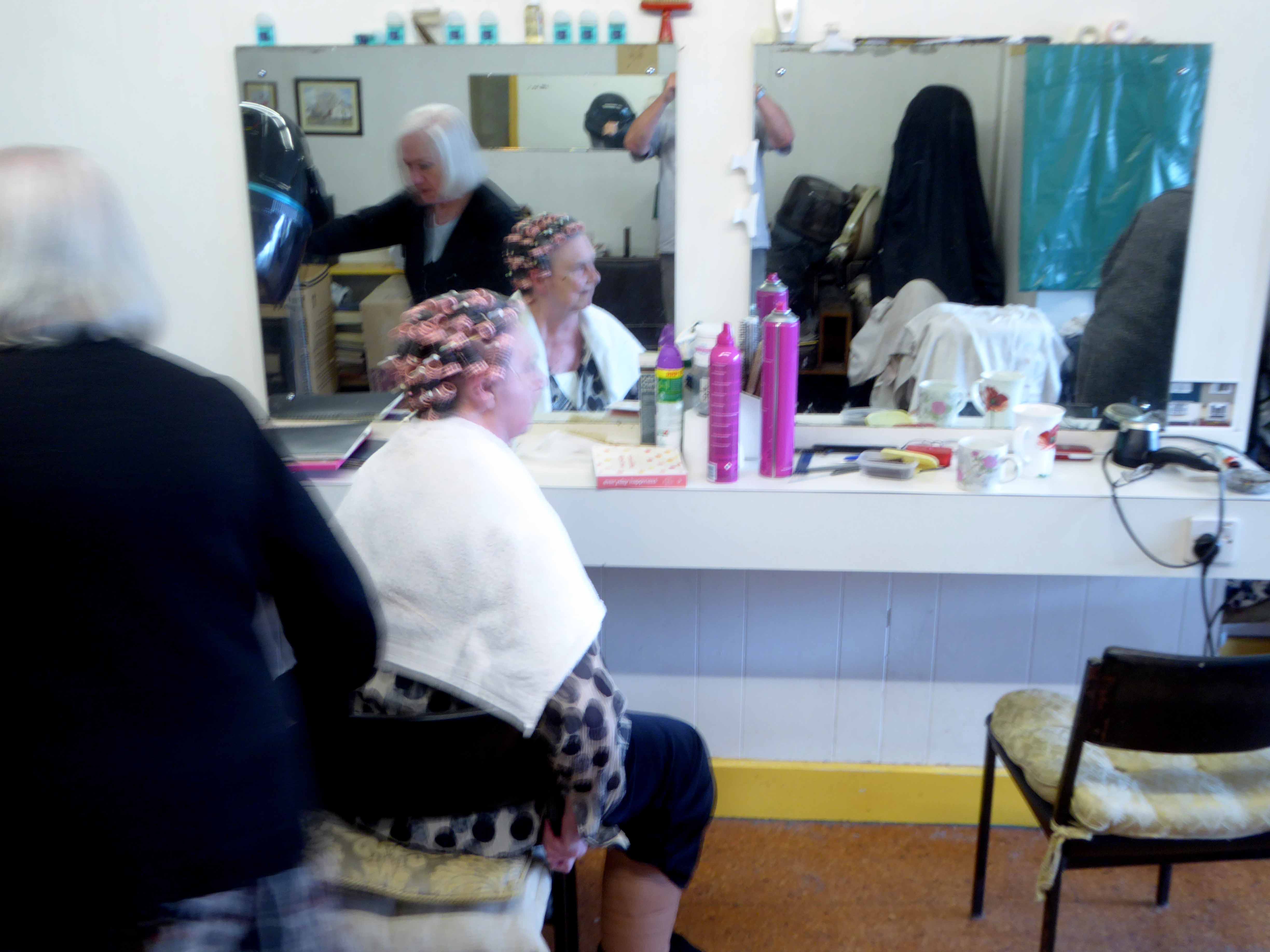
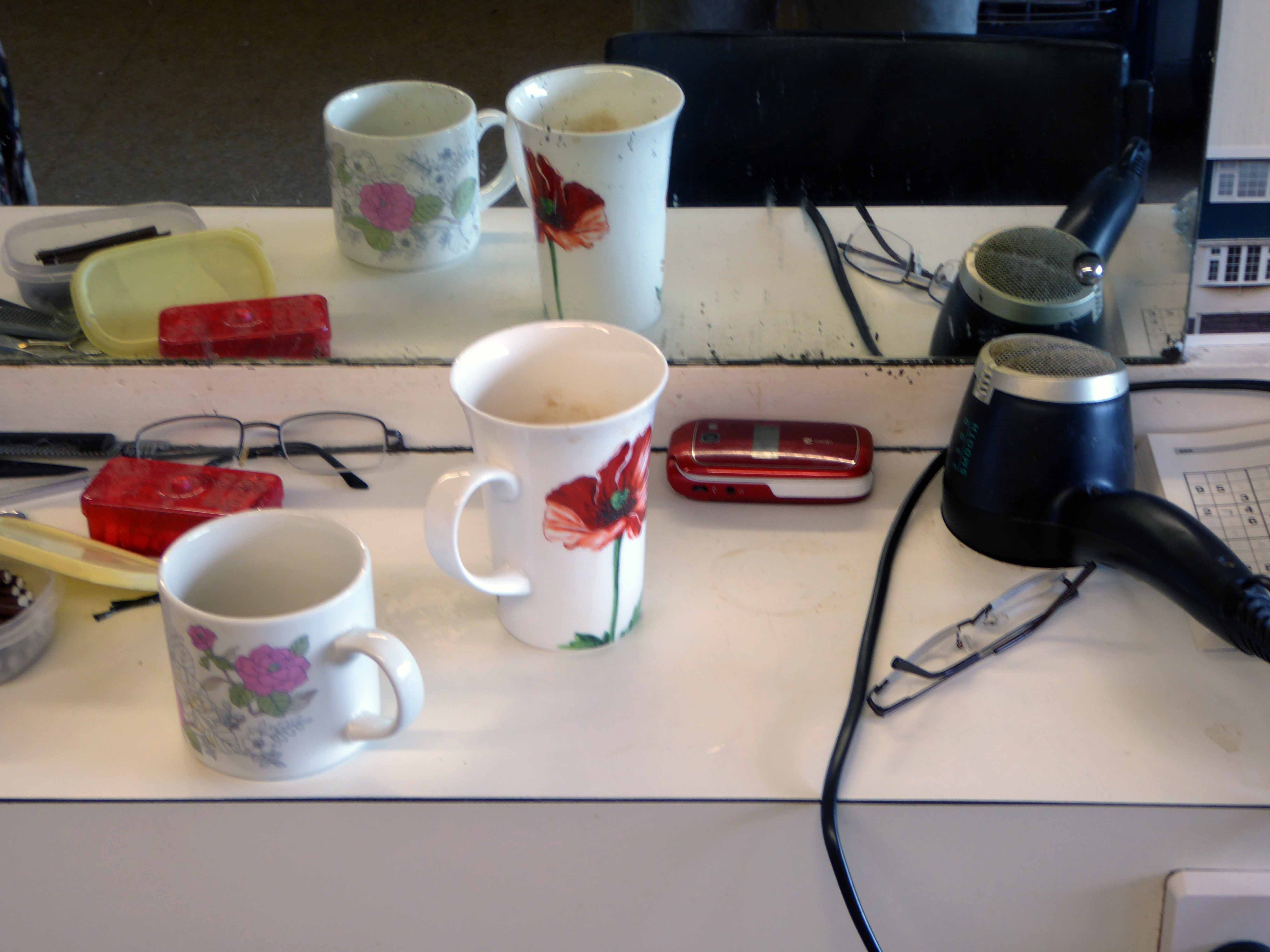
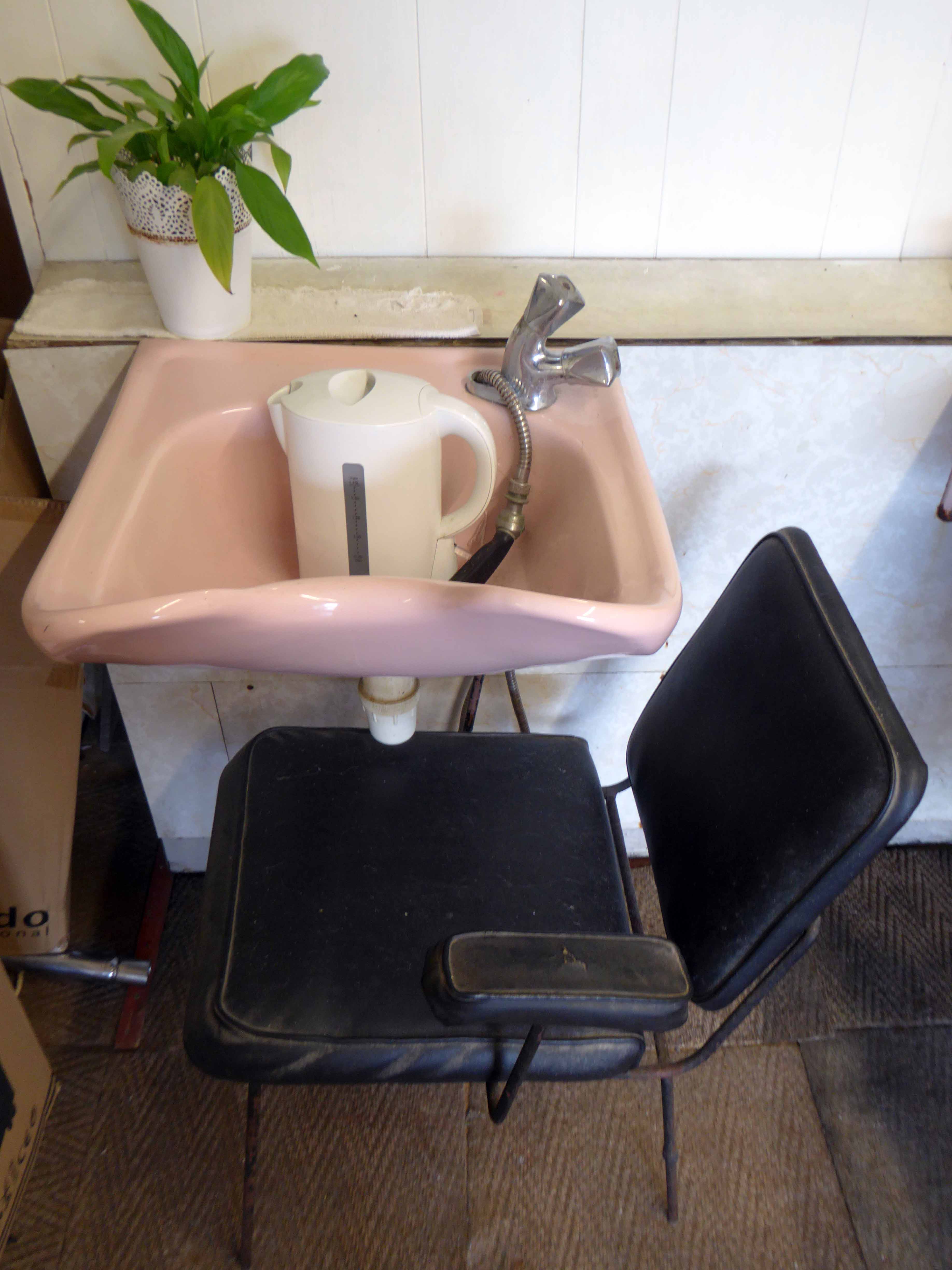
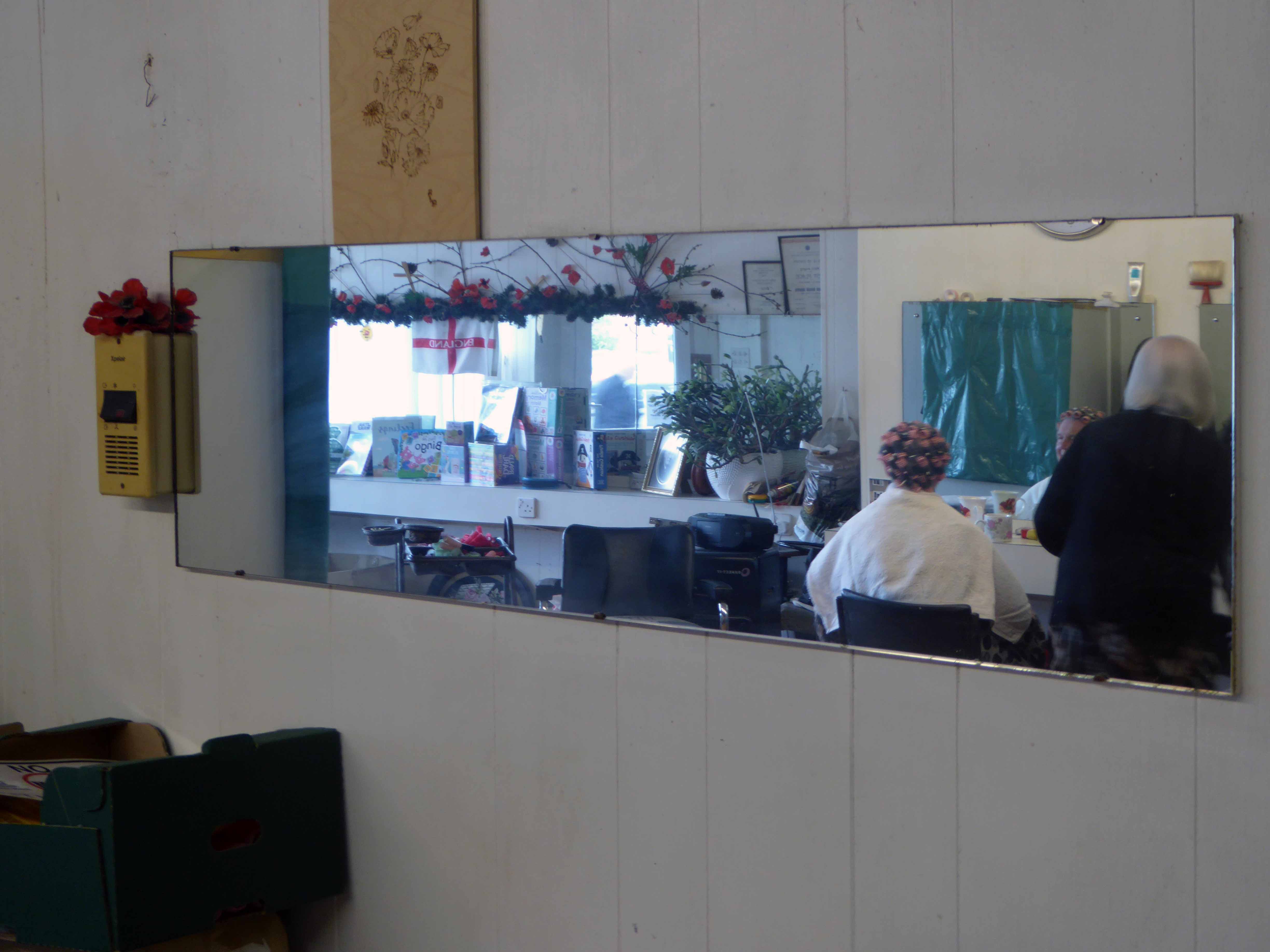
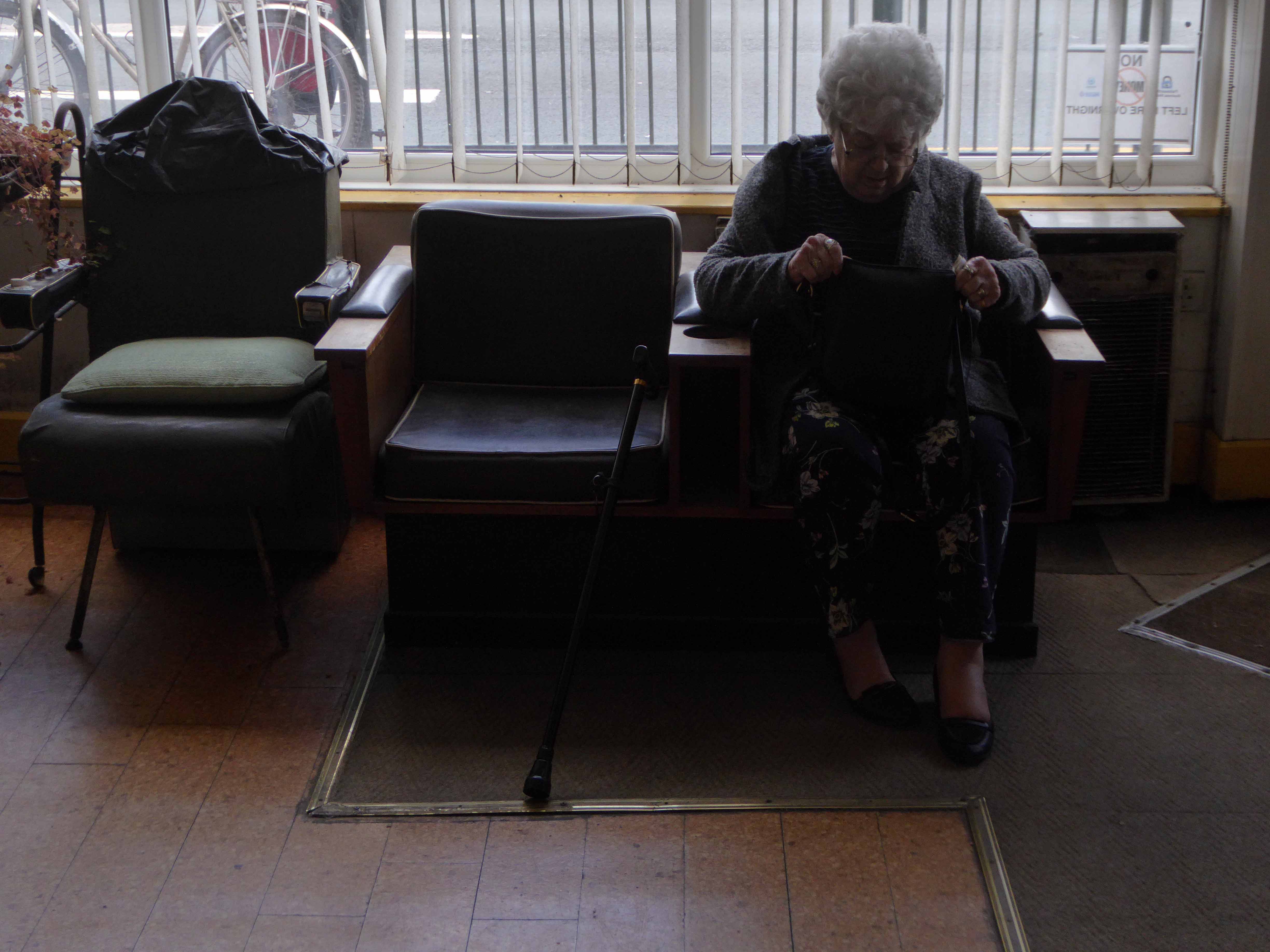
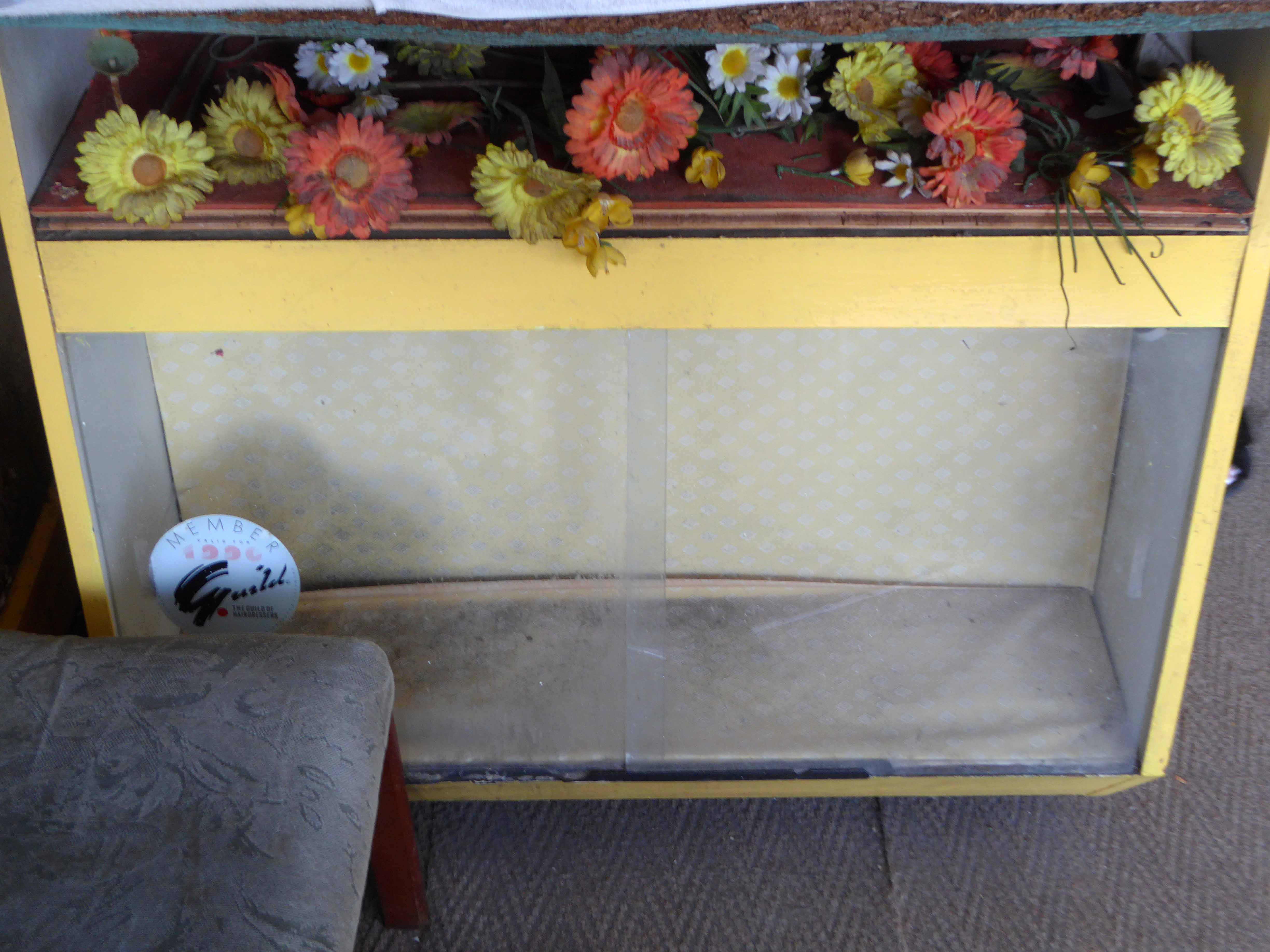
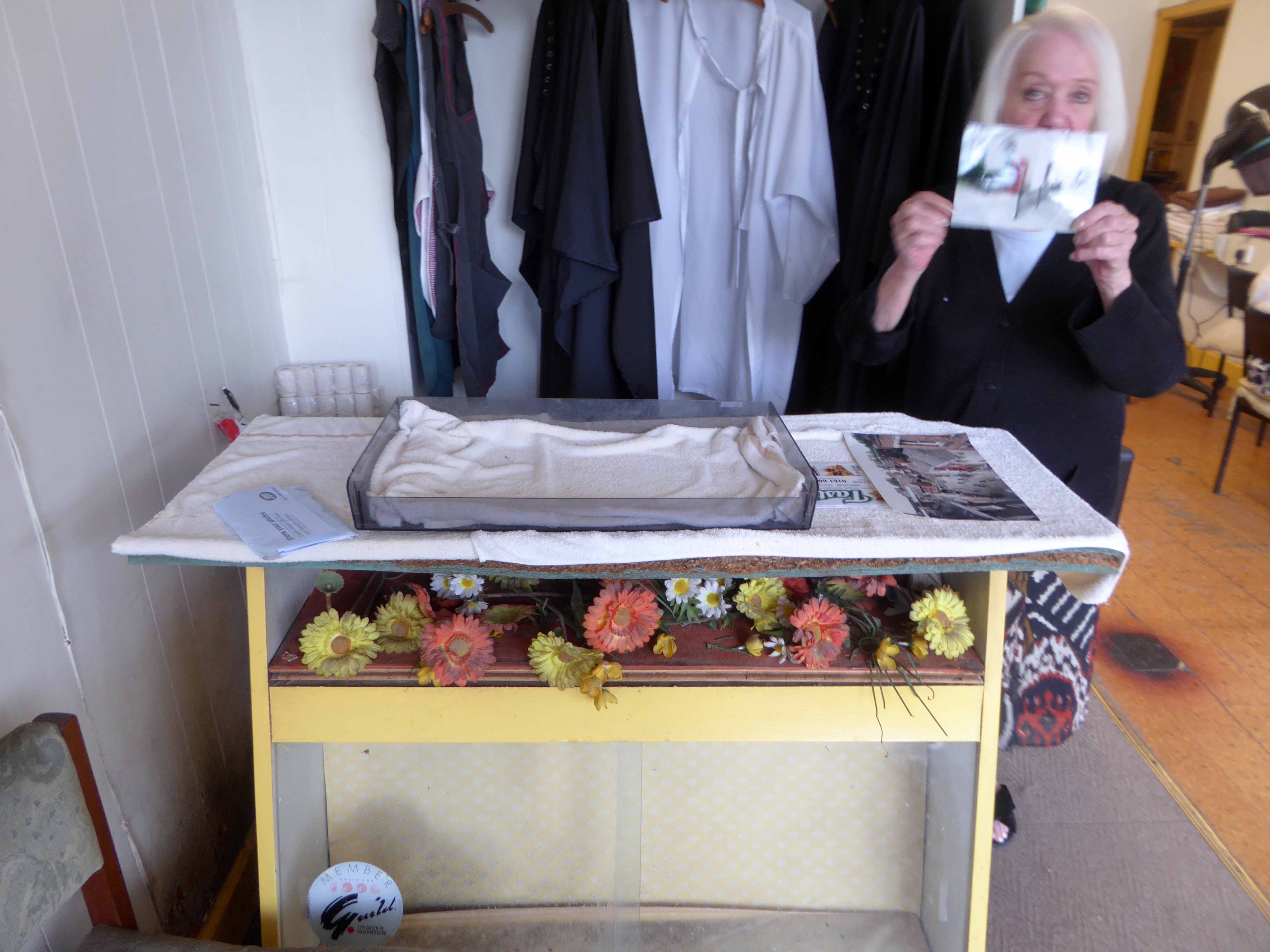
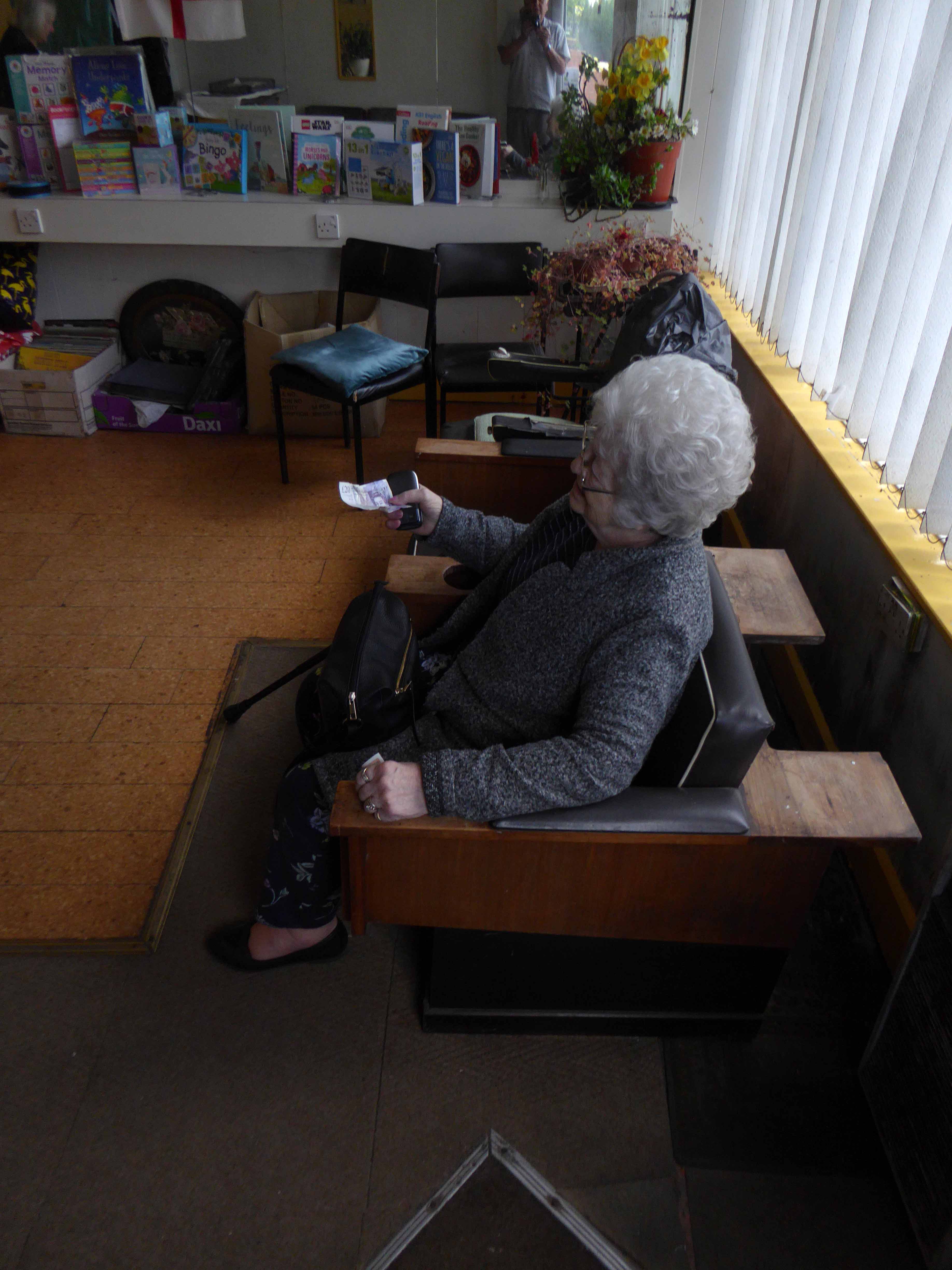
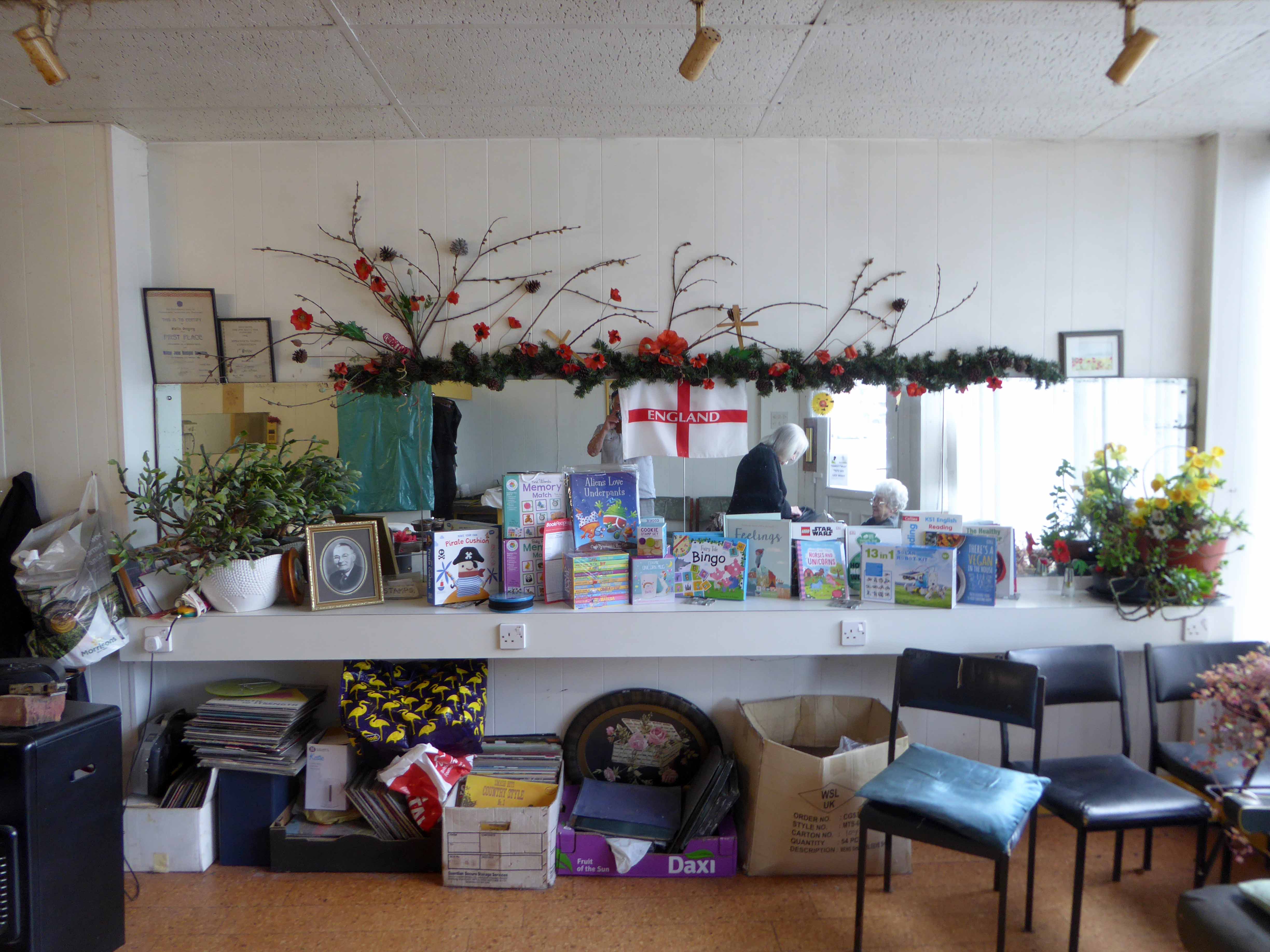
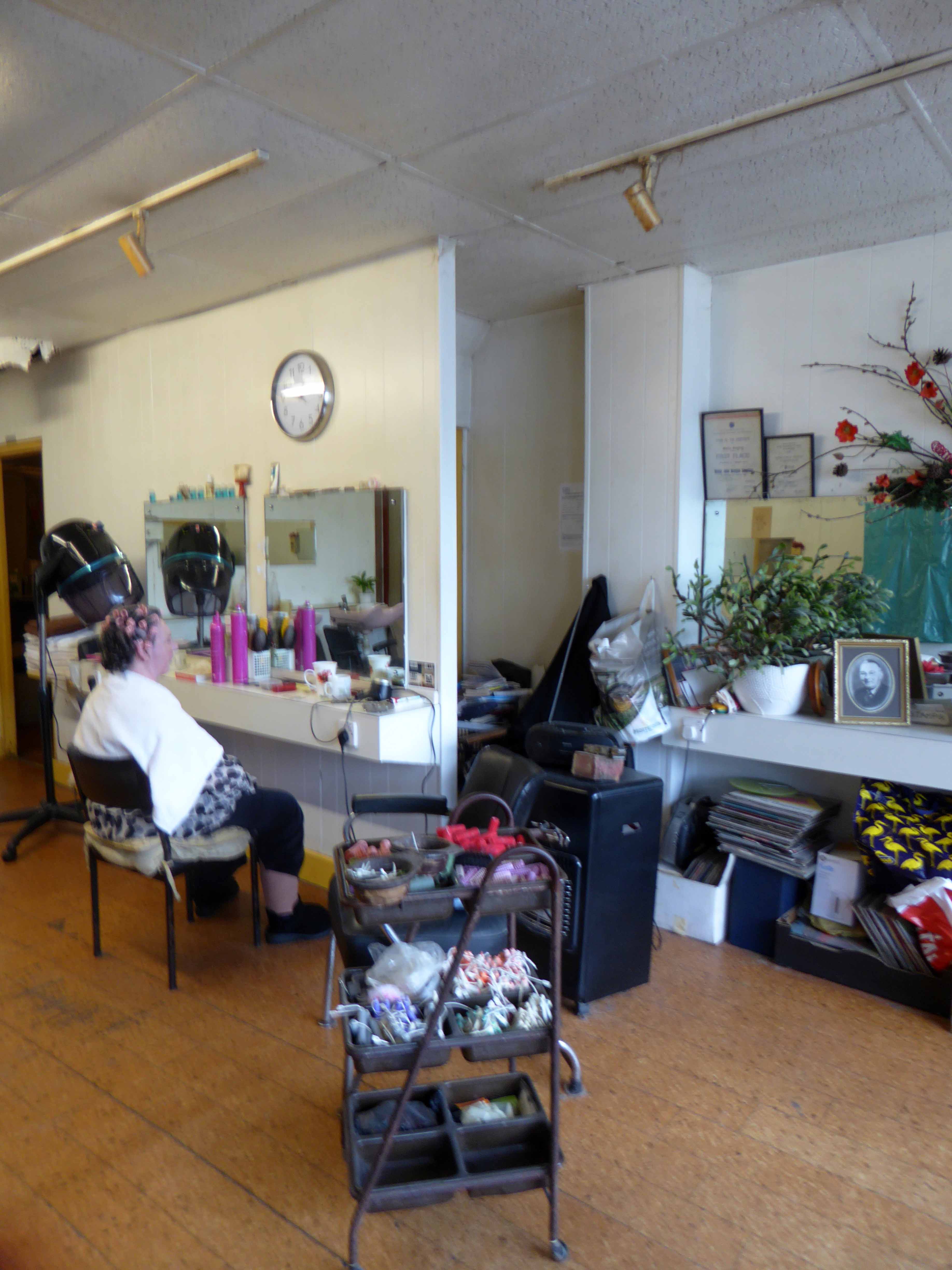
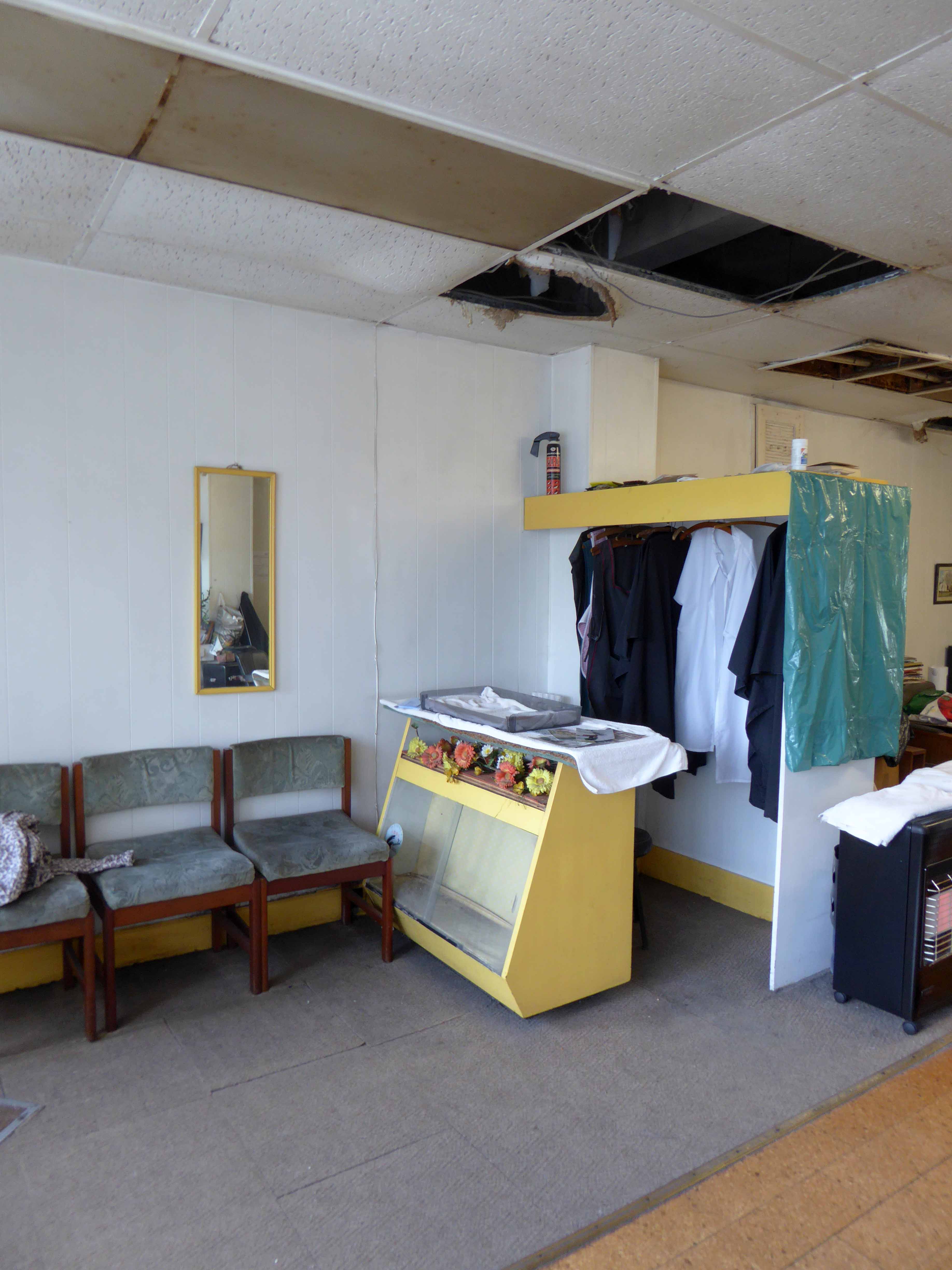
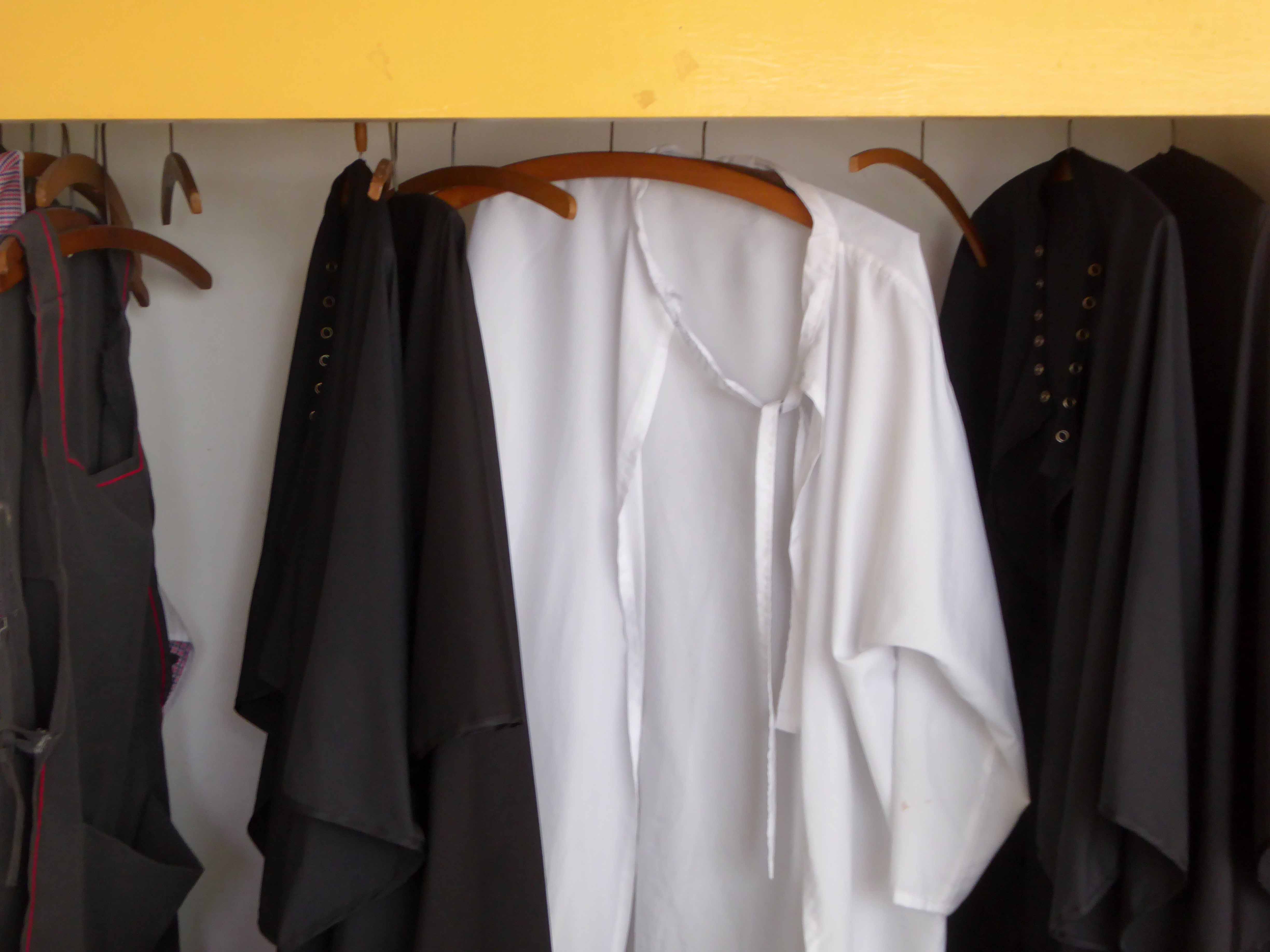
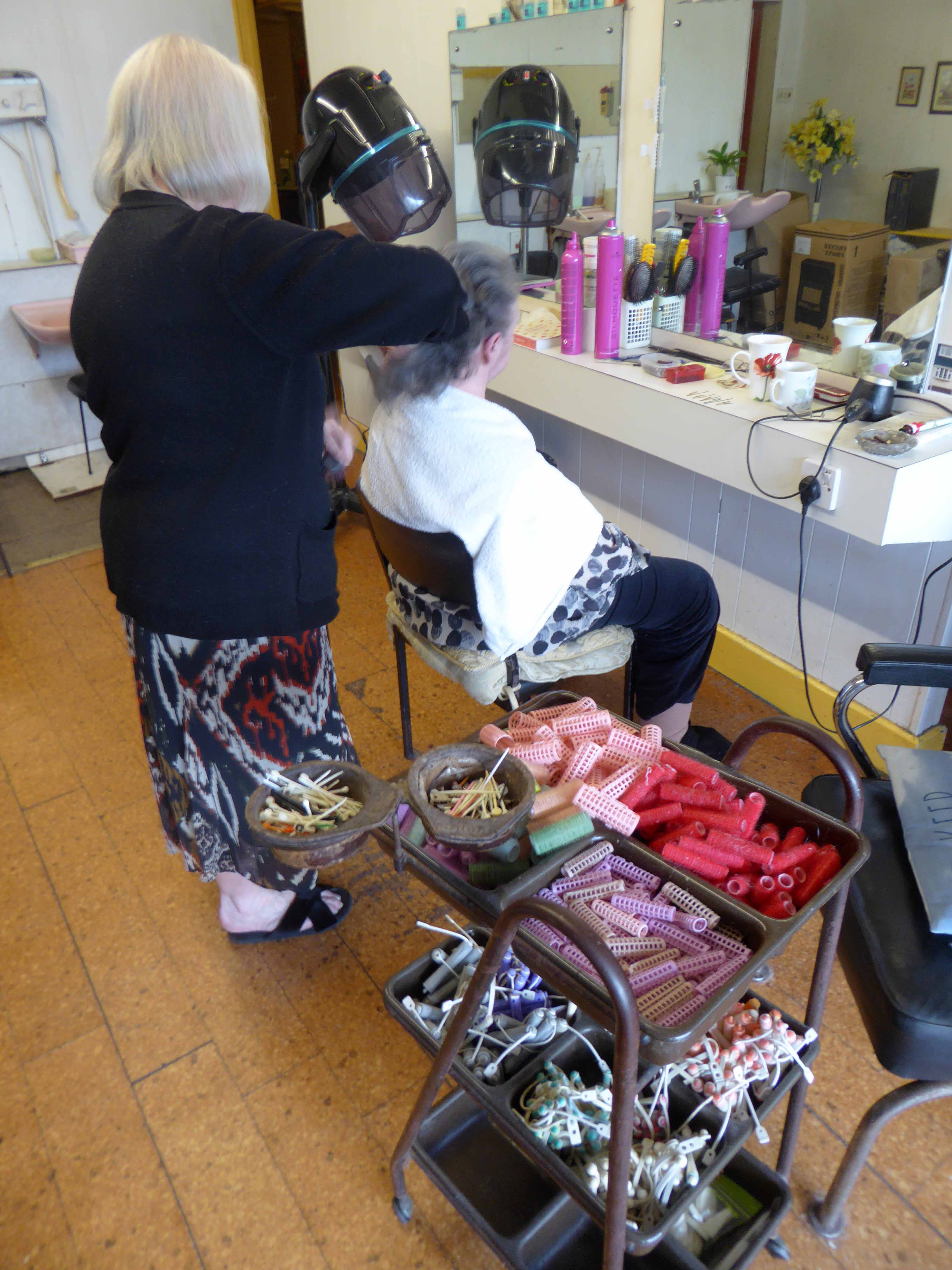
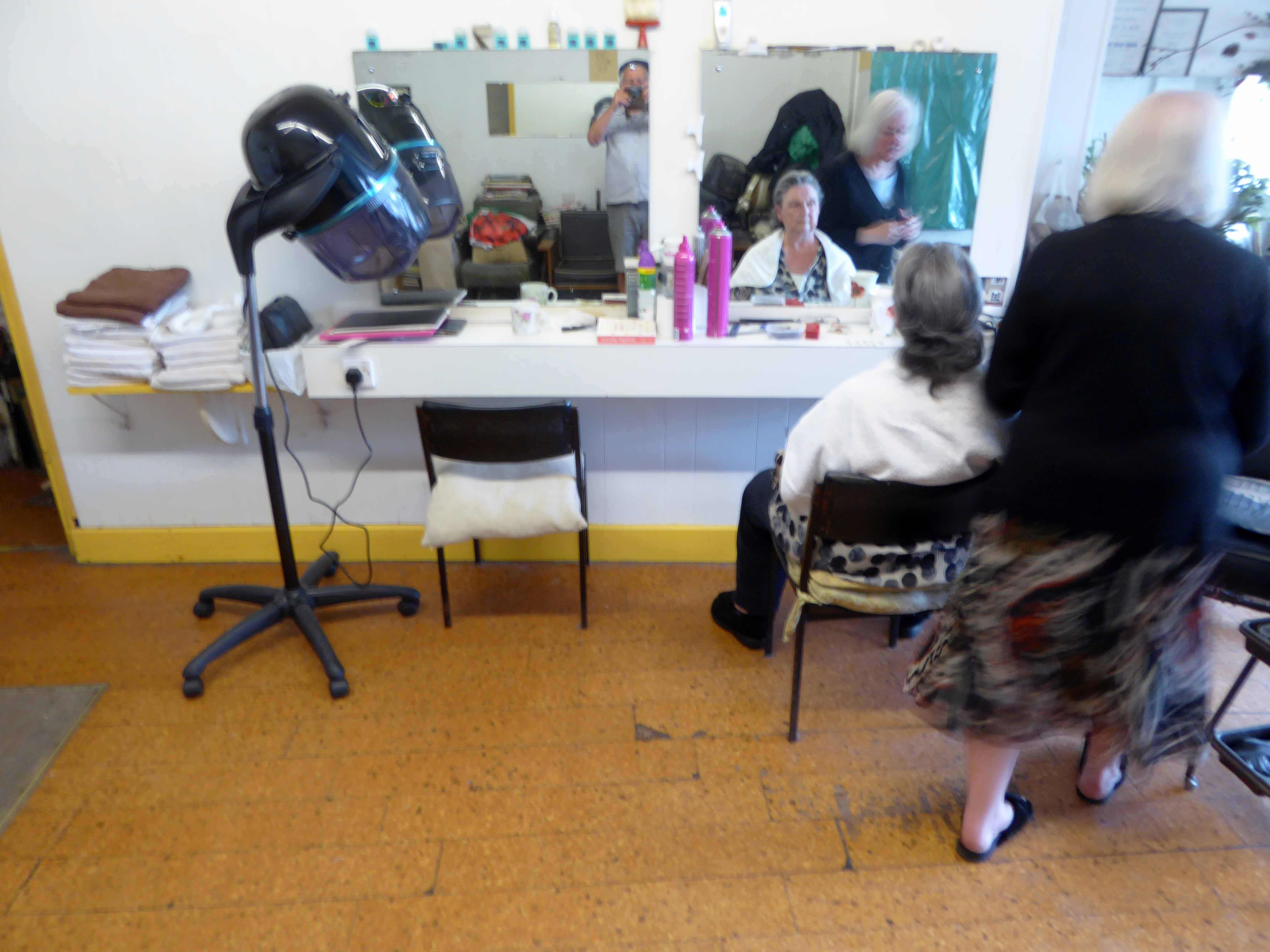
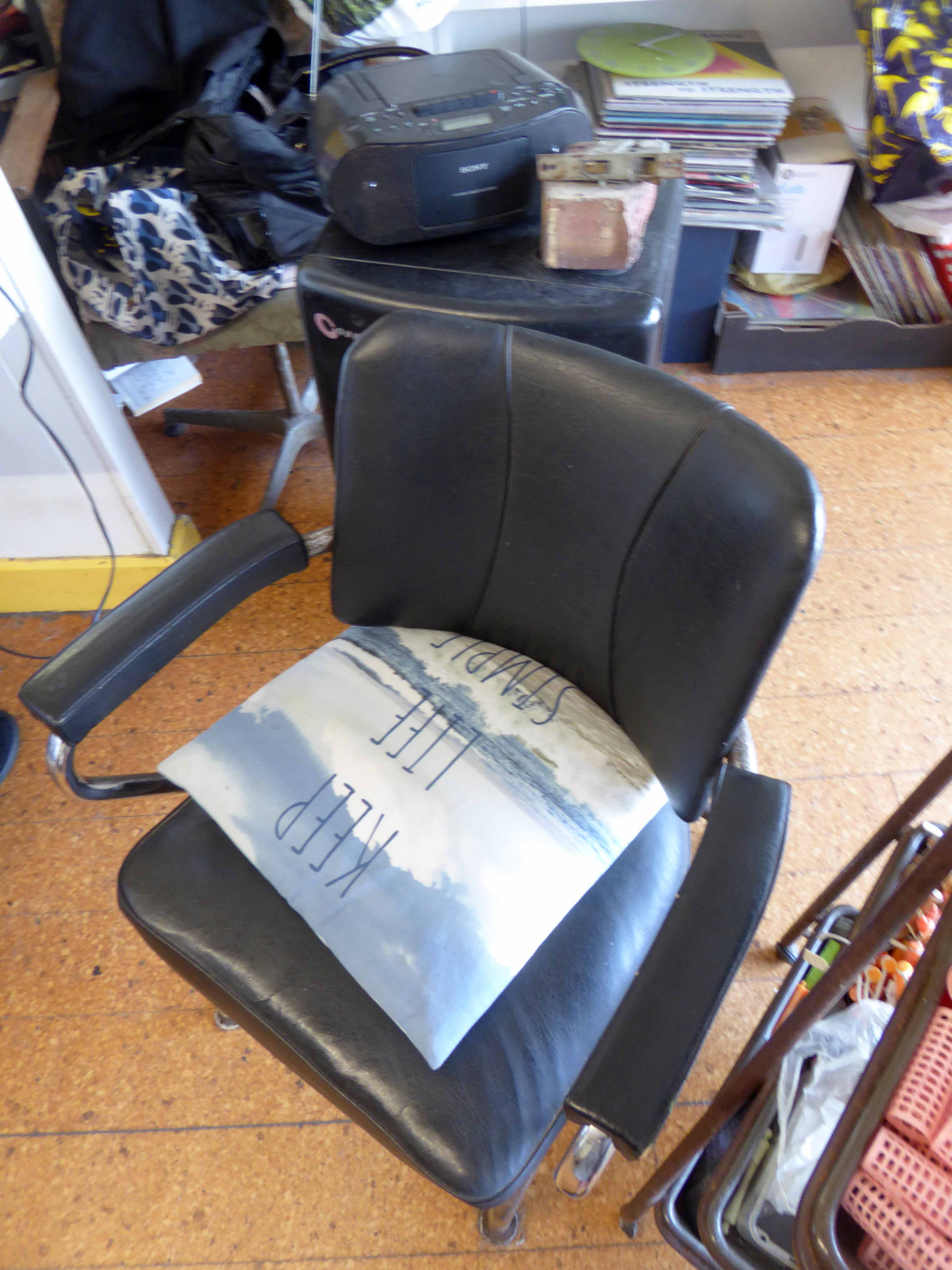
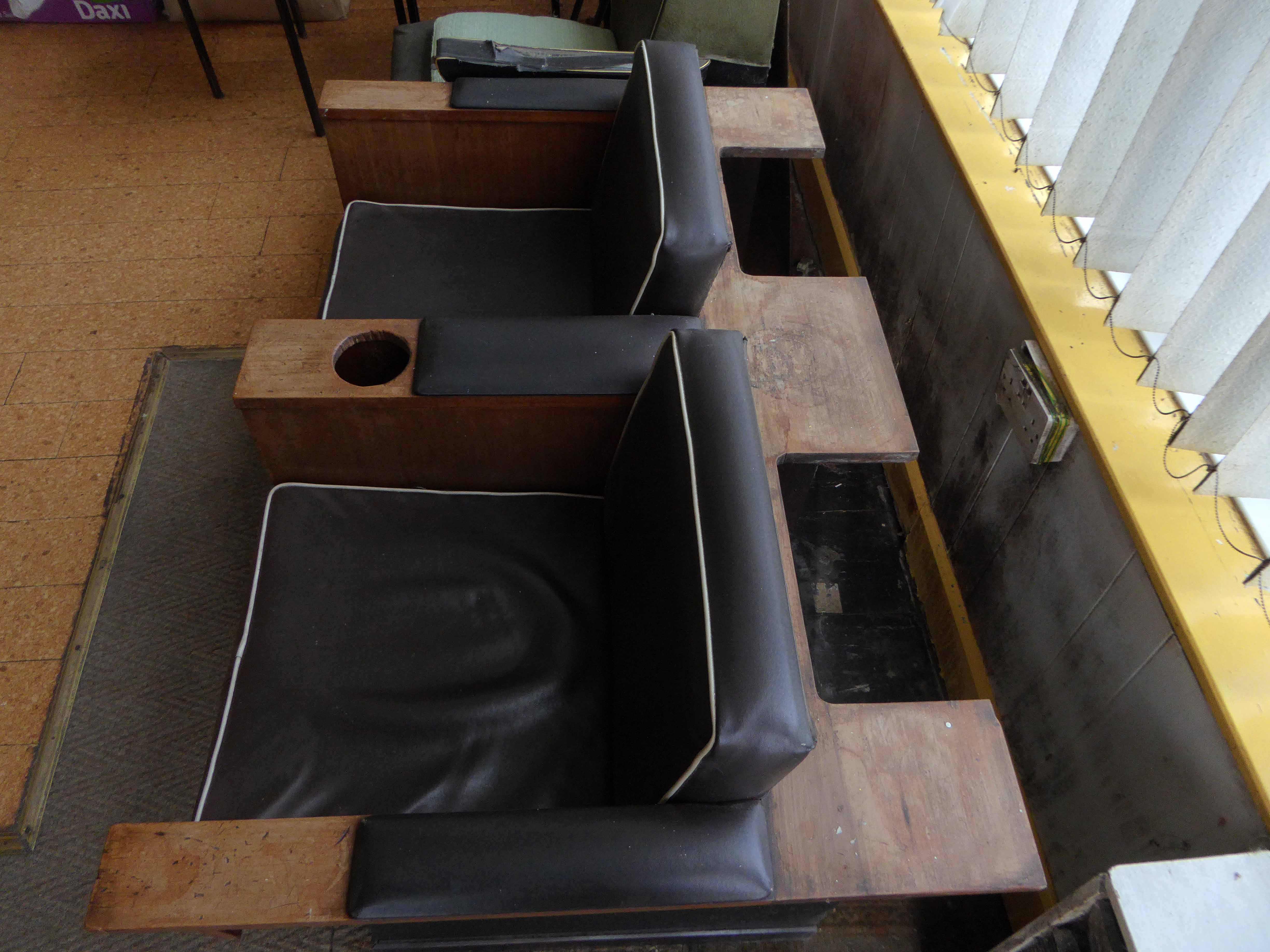
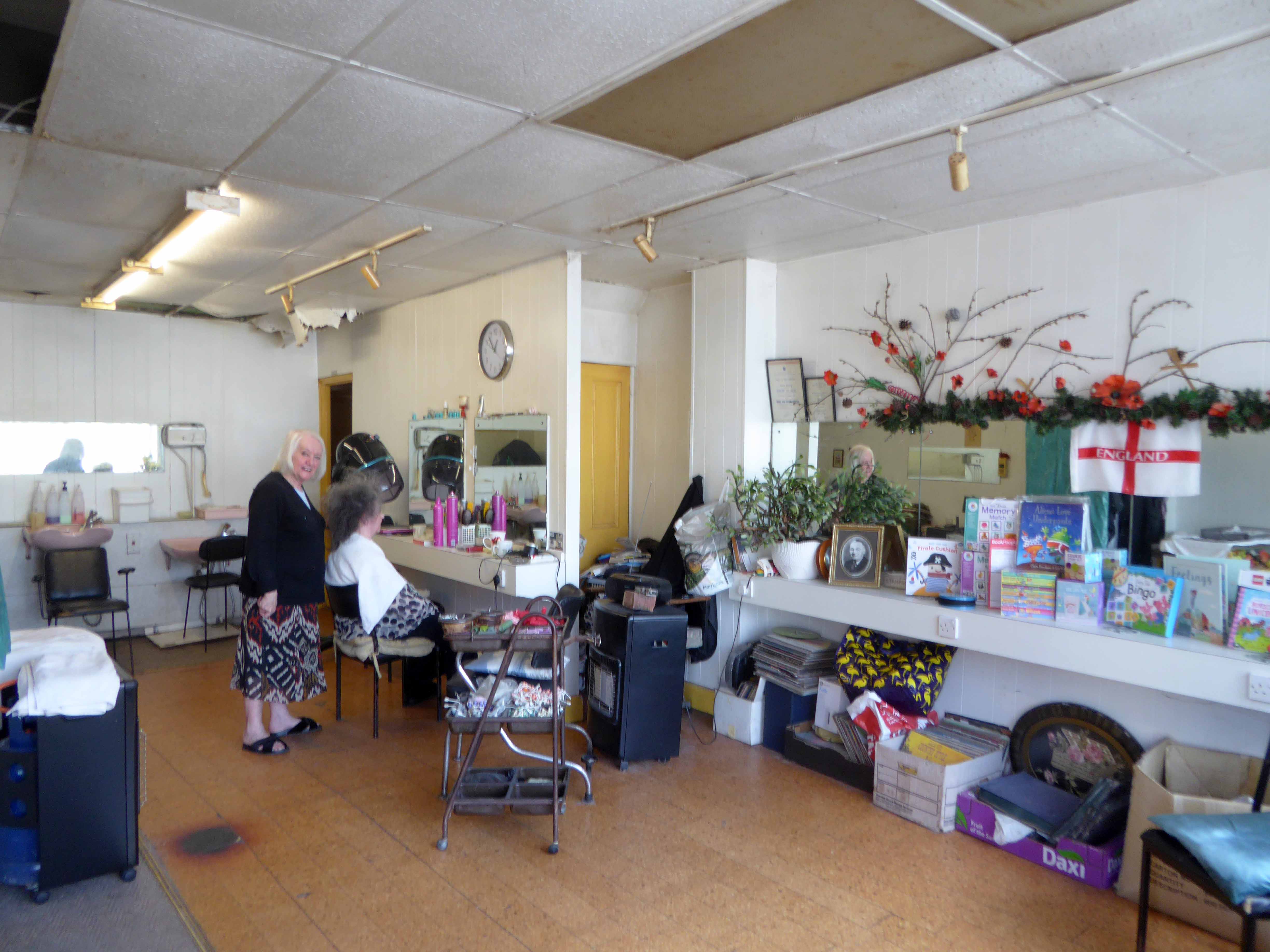
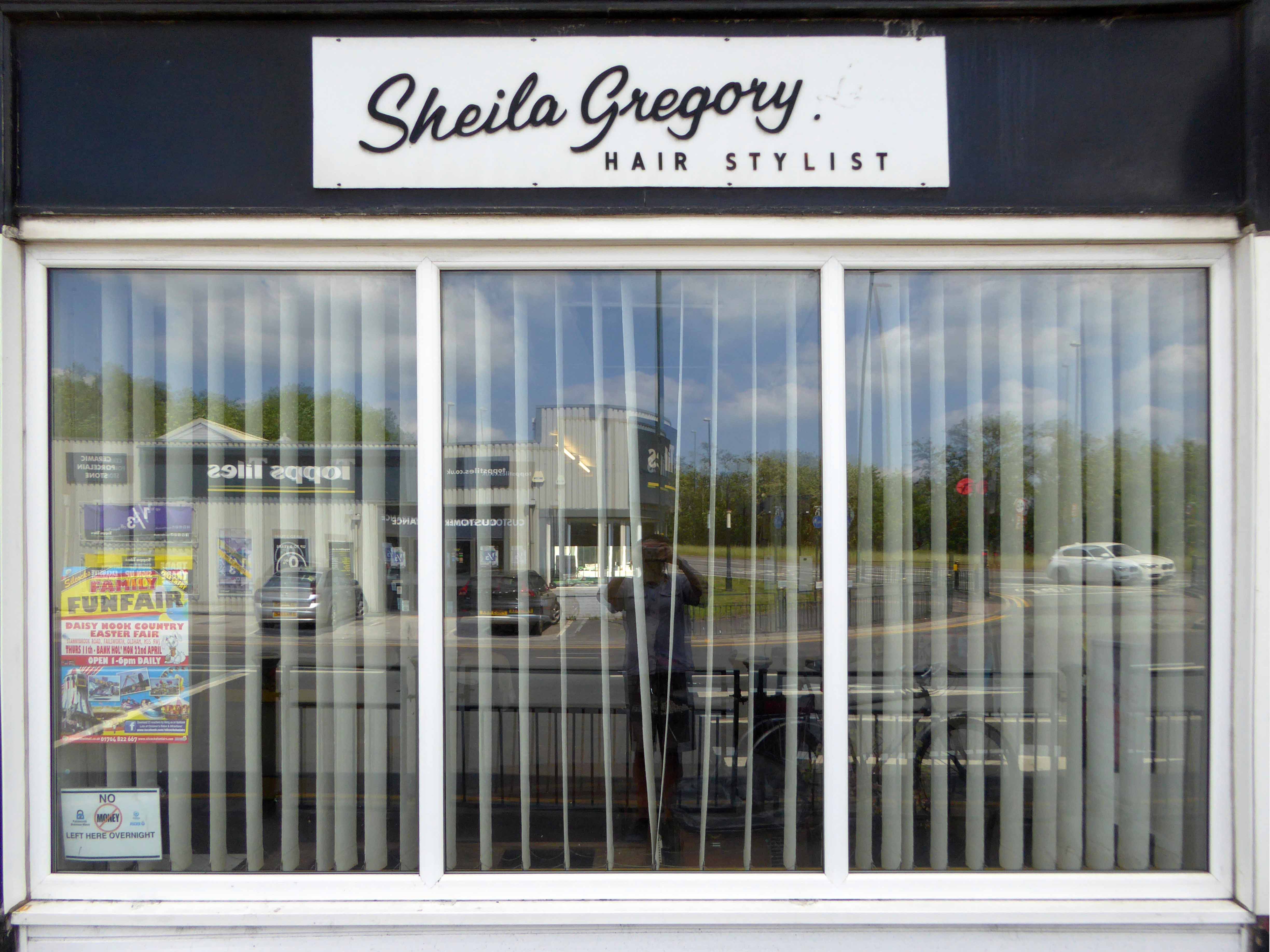
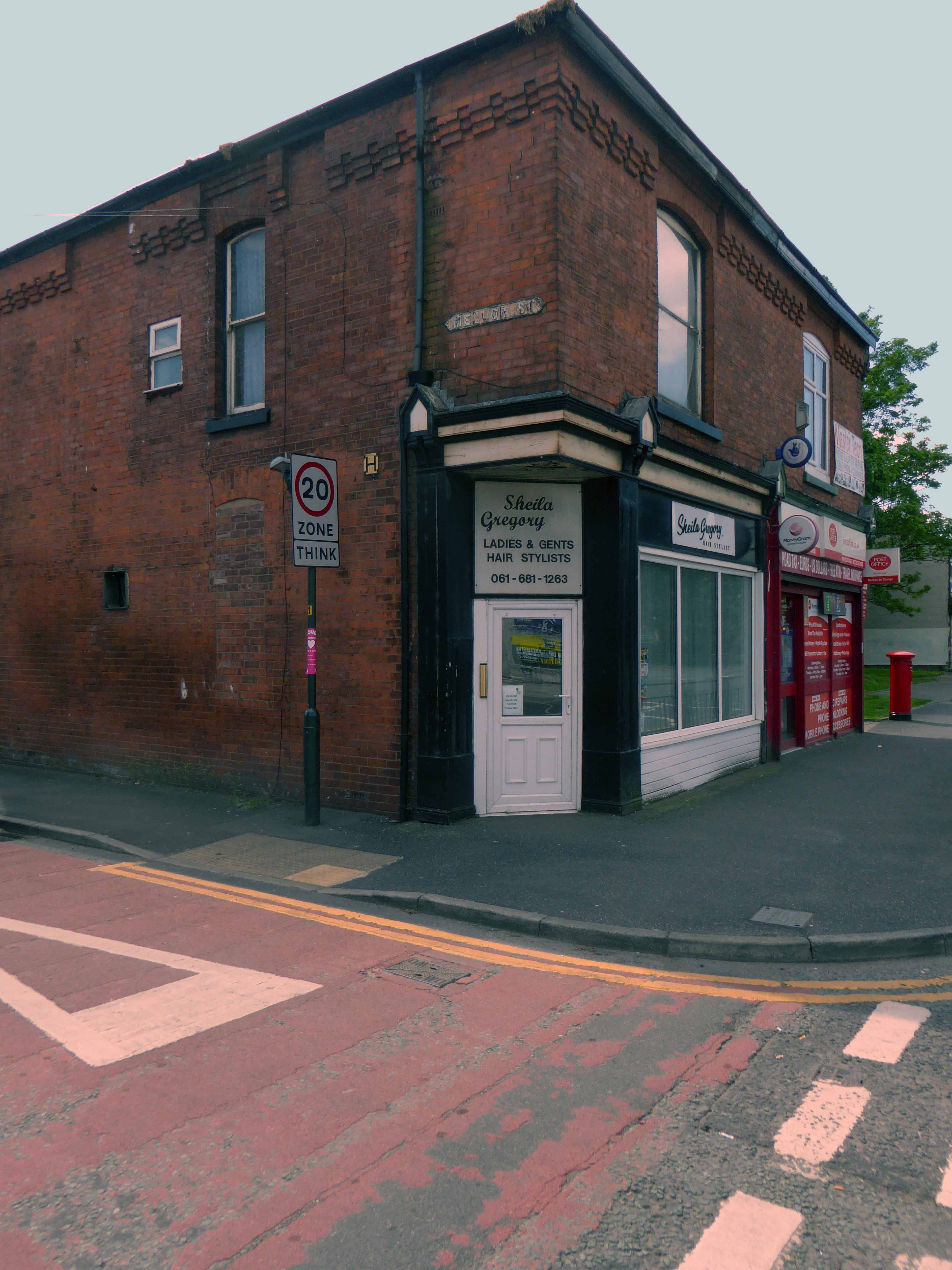
Sheila Gregory Hair Stylist – Manchester

142 Oldham Road Failsworth Manchester M35 0HP

I’m in a different world:

A world I never knew, I’m in a different world.
A world so sweet and true, I’m in a different world
.

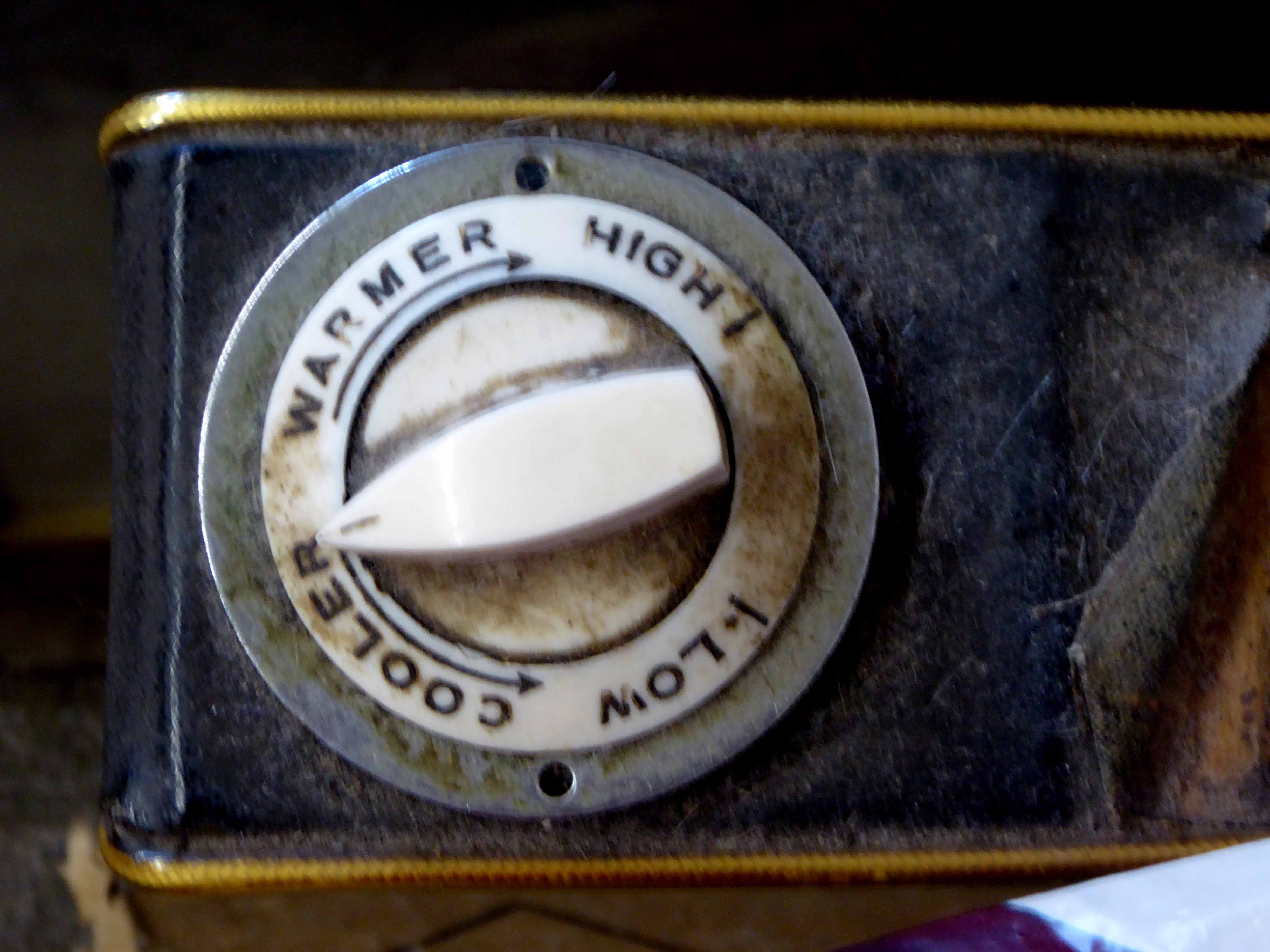
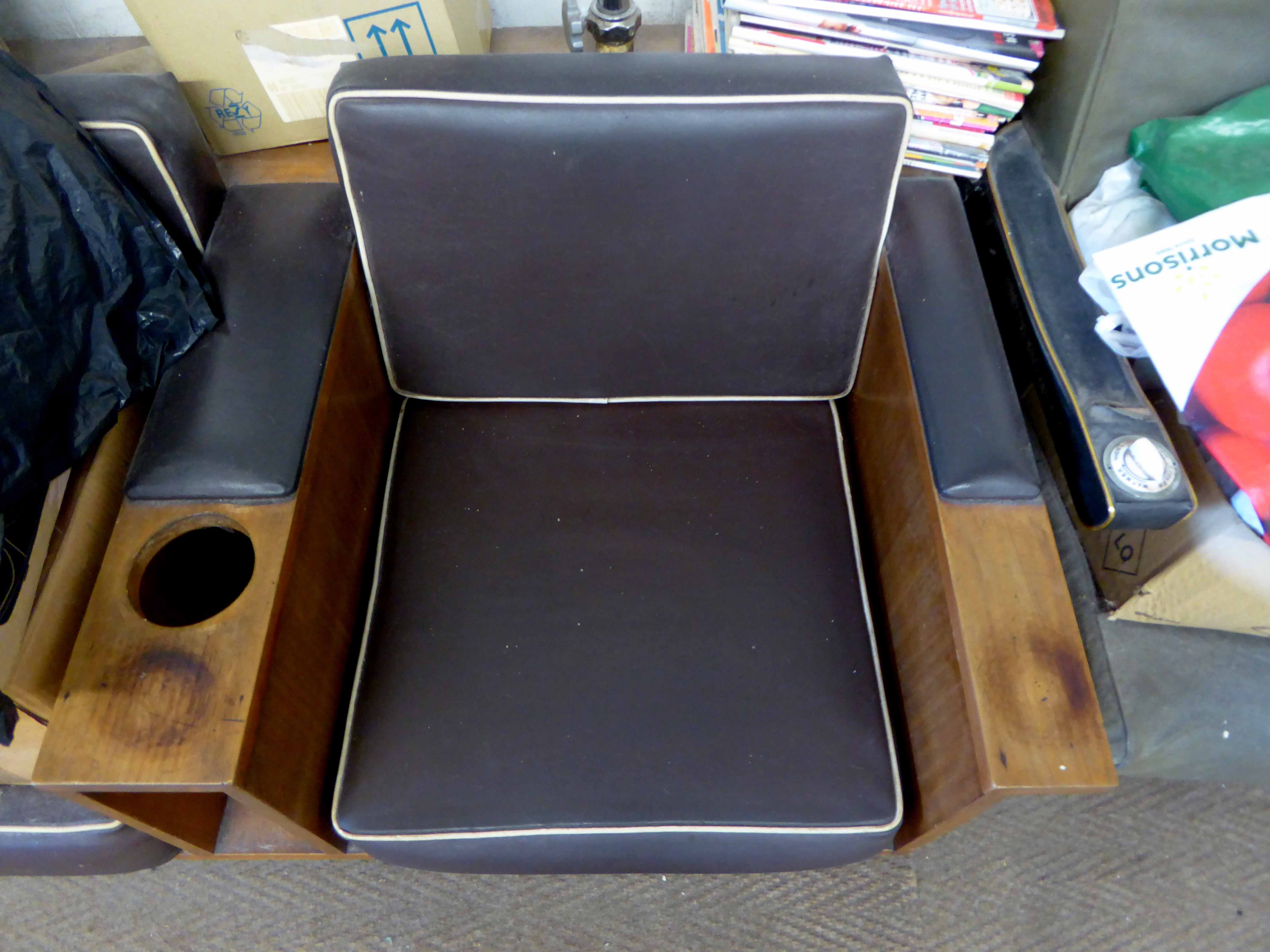
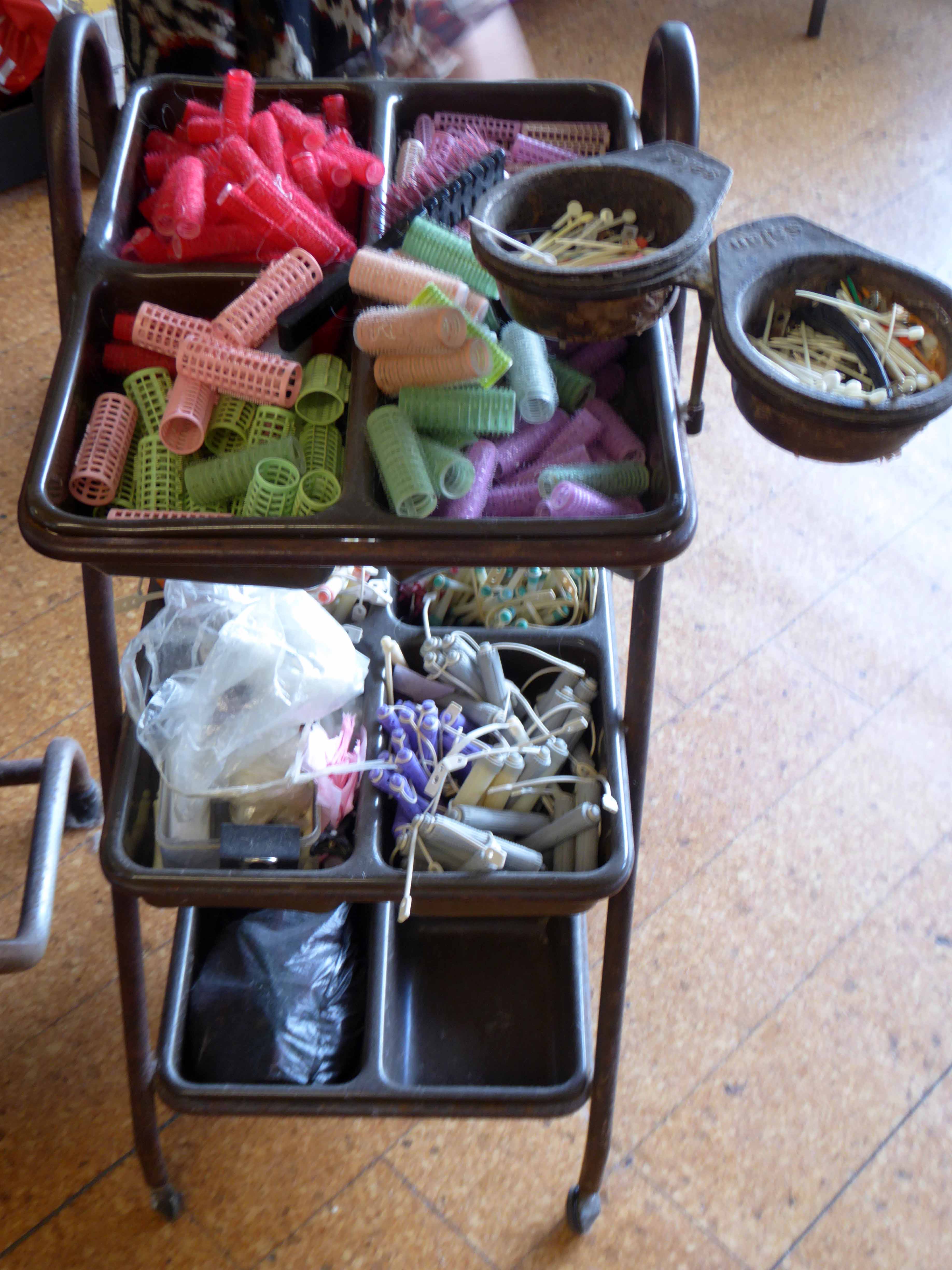
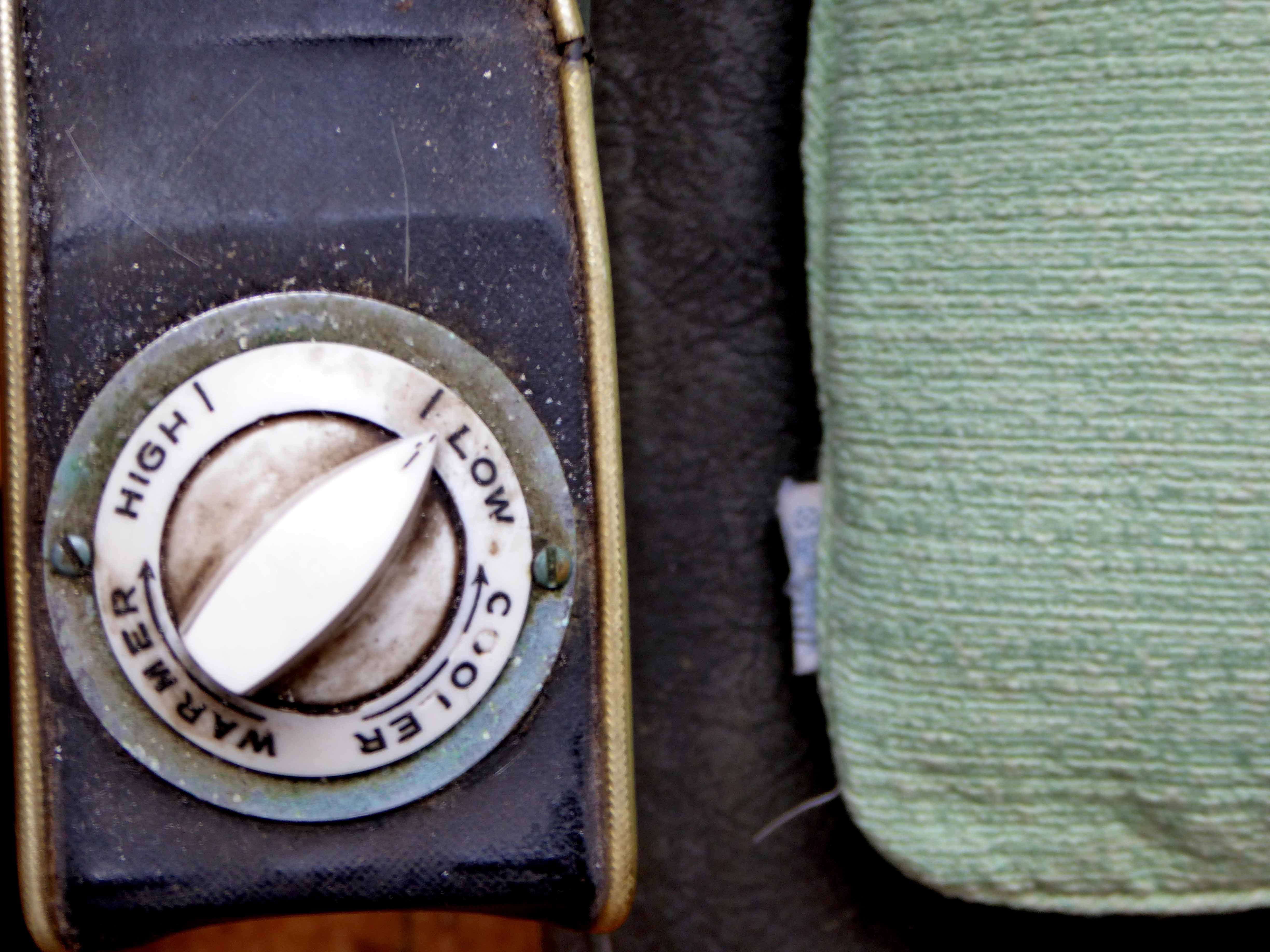
A world of rollers, pins, grips, hair dryers and drying hair.

A world permanently waving at itself.

My thanks to Sheila – sixty years a stylist and her customers for allowing me into their world for a short time – a privilege and a pleasure.

Little seems to have changed here within – on the corner of Oldham Road and Mellor Street.

Let’s take a little look.

Shelia’s certificates of 1962 – so proudly displayed.

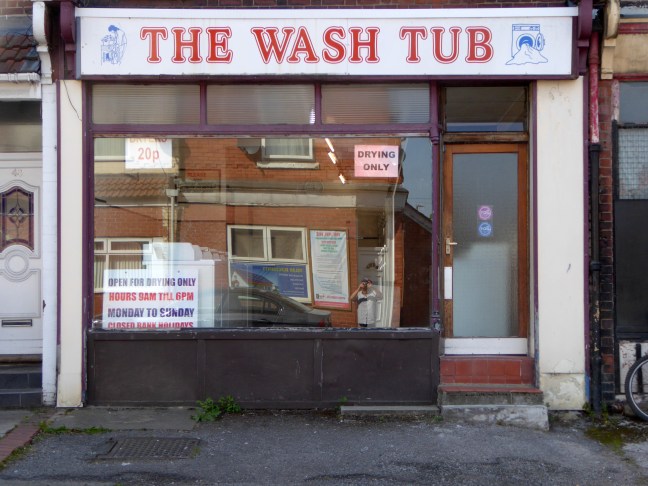
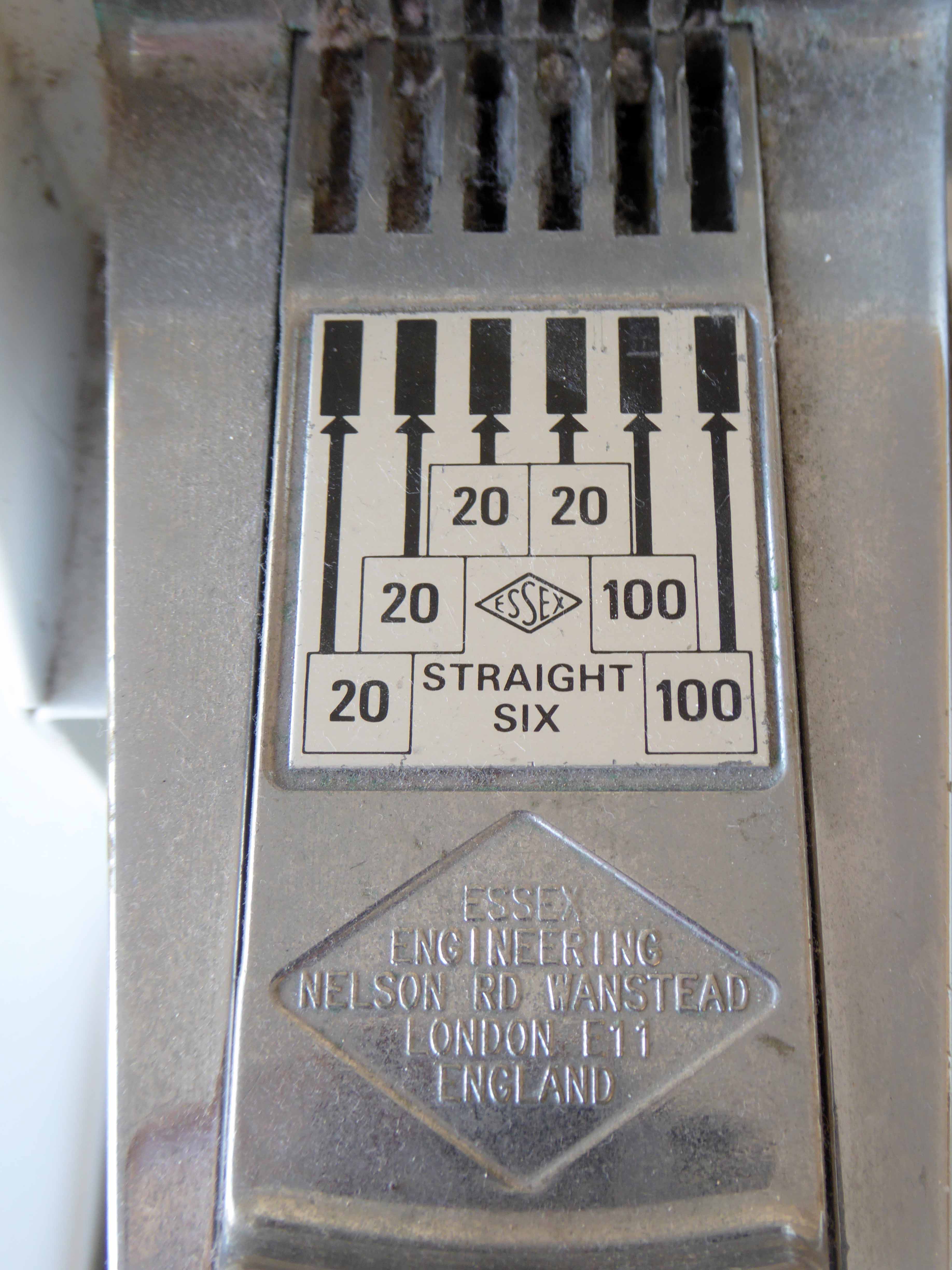
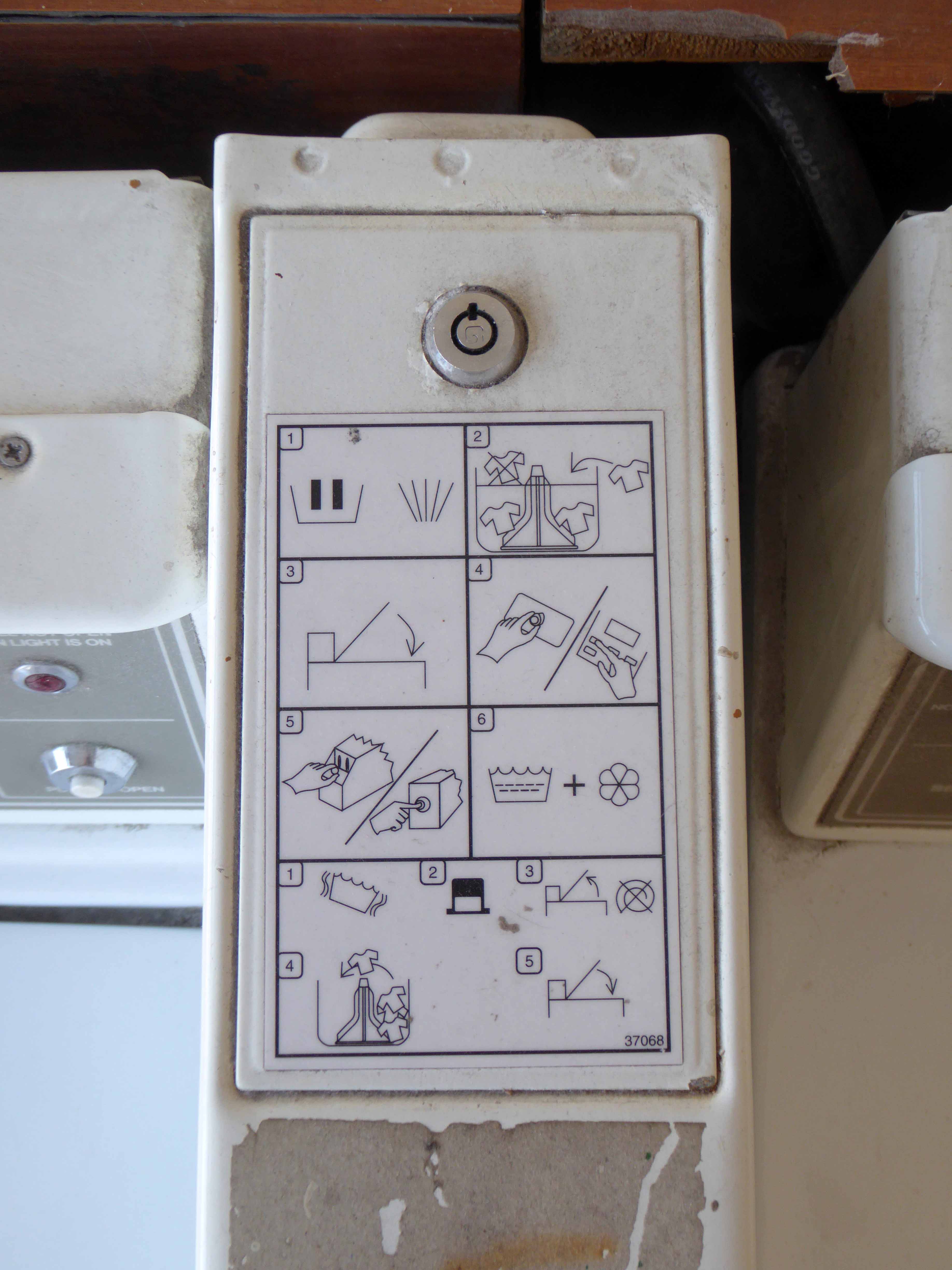
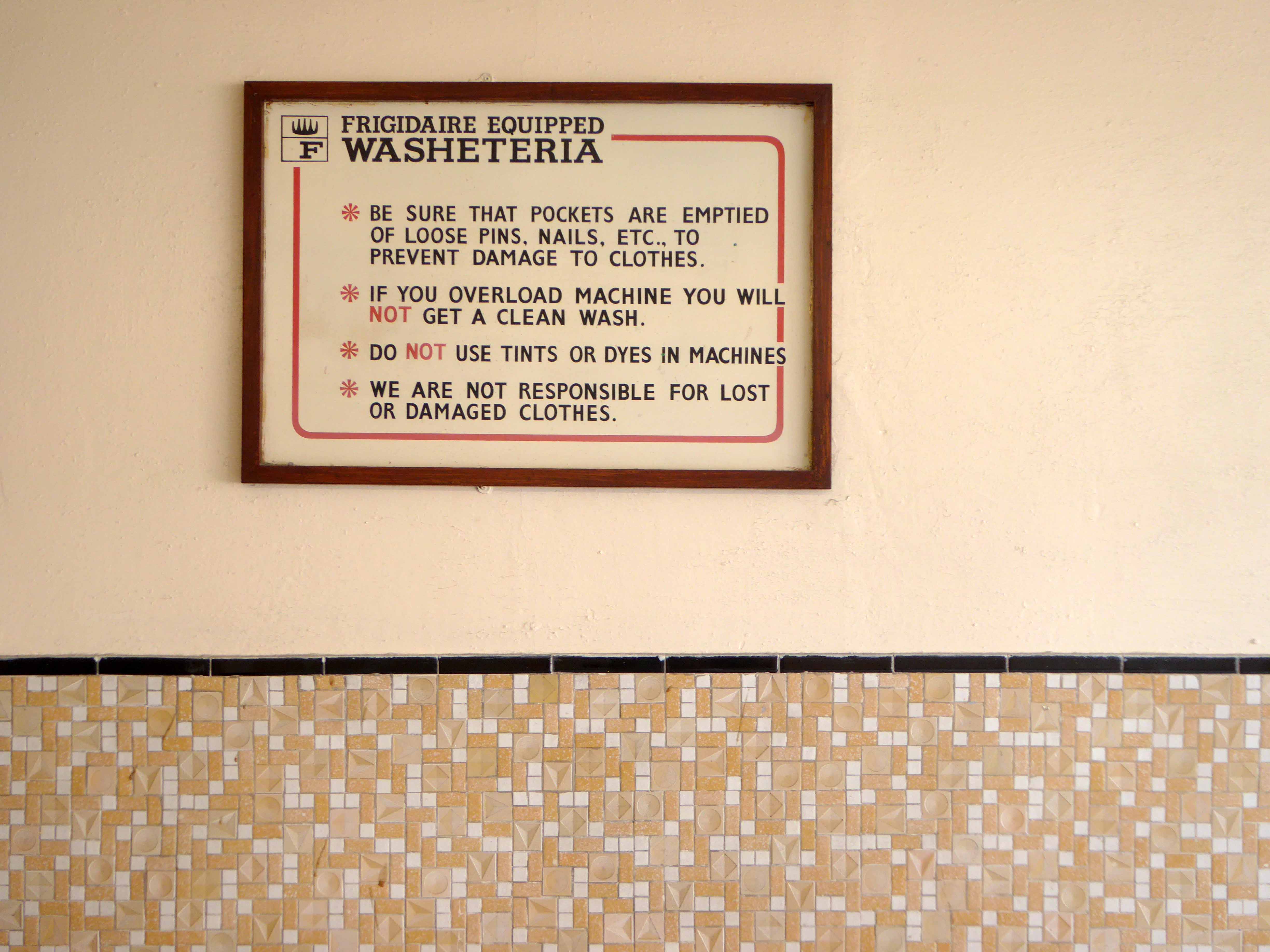
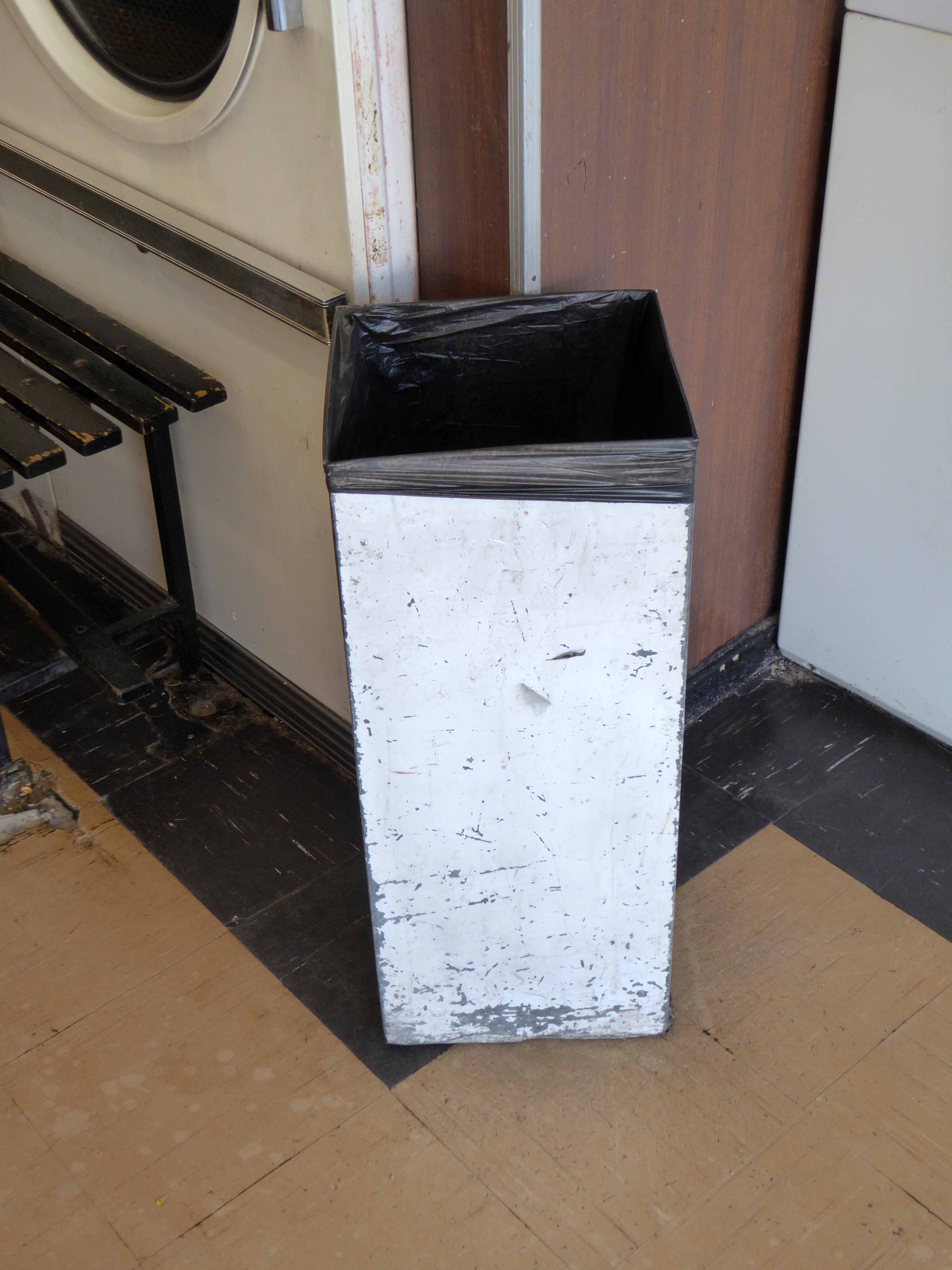
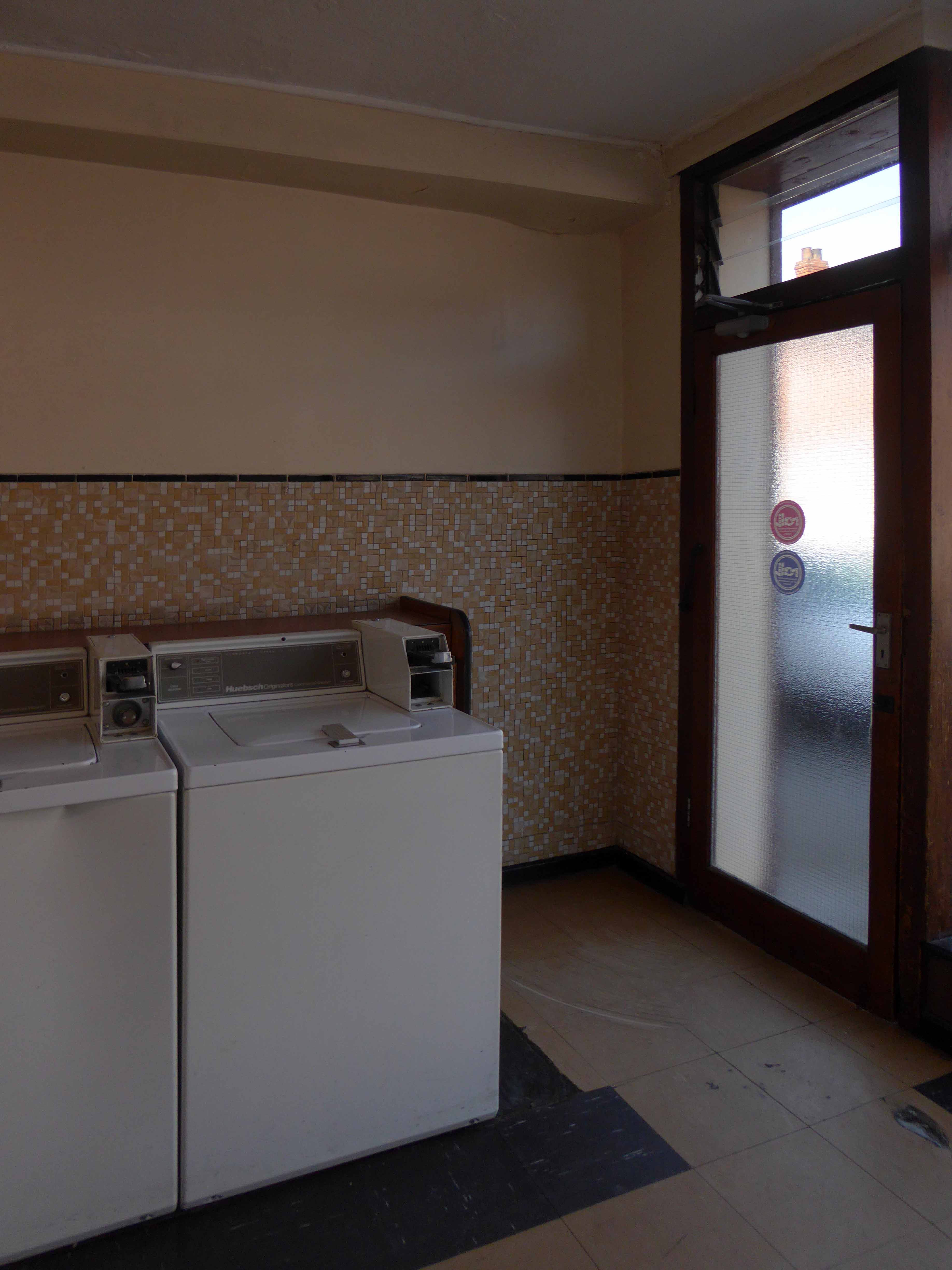
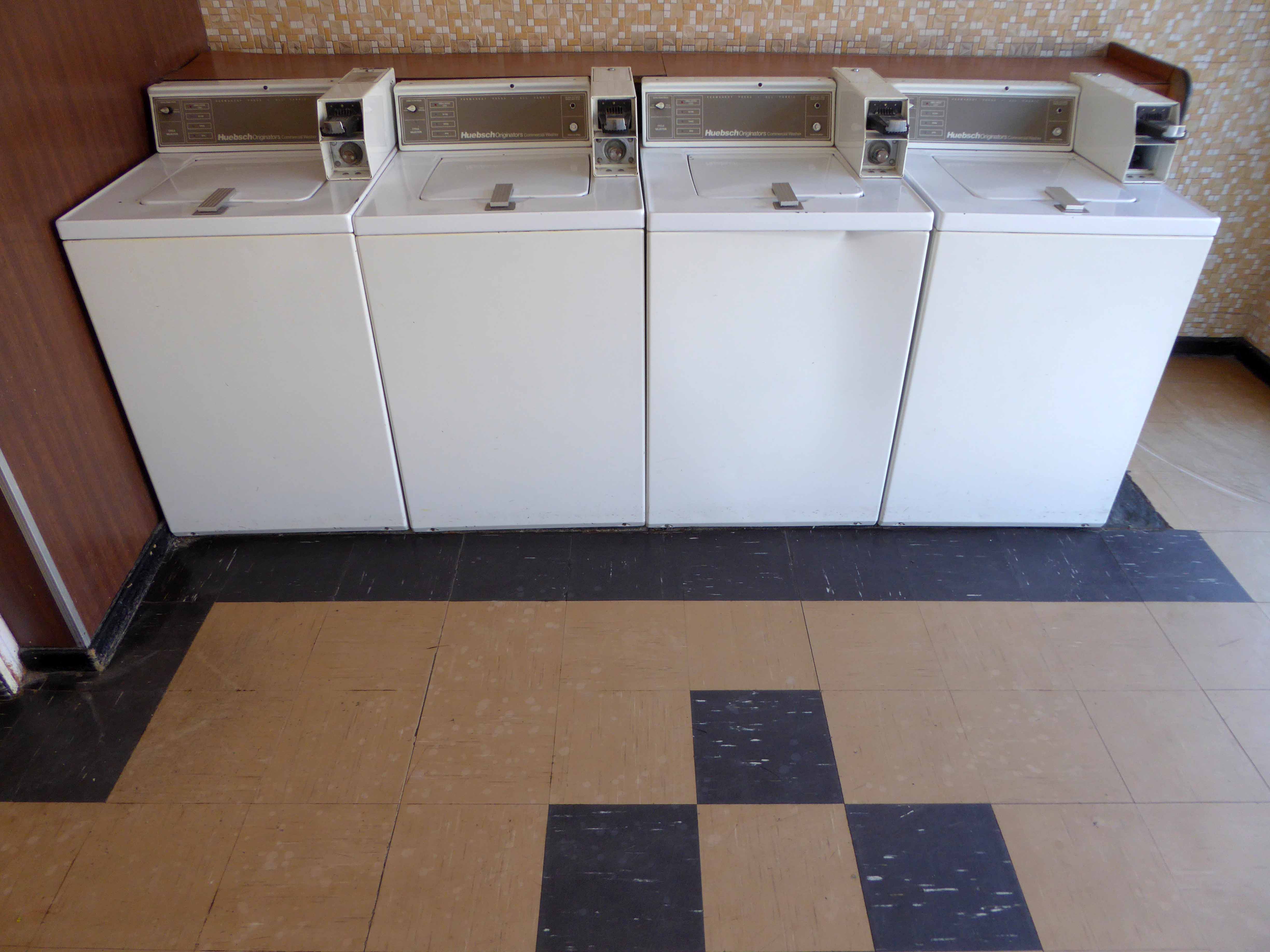
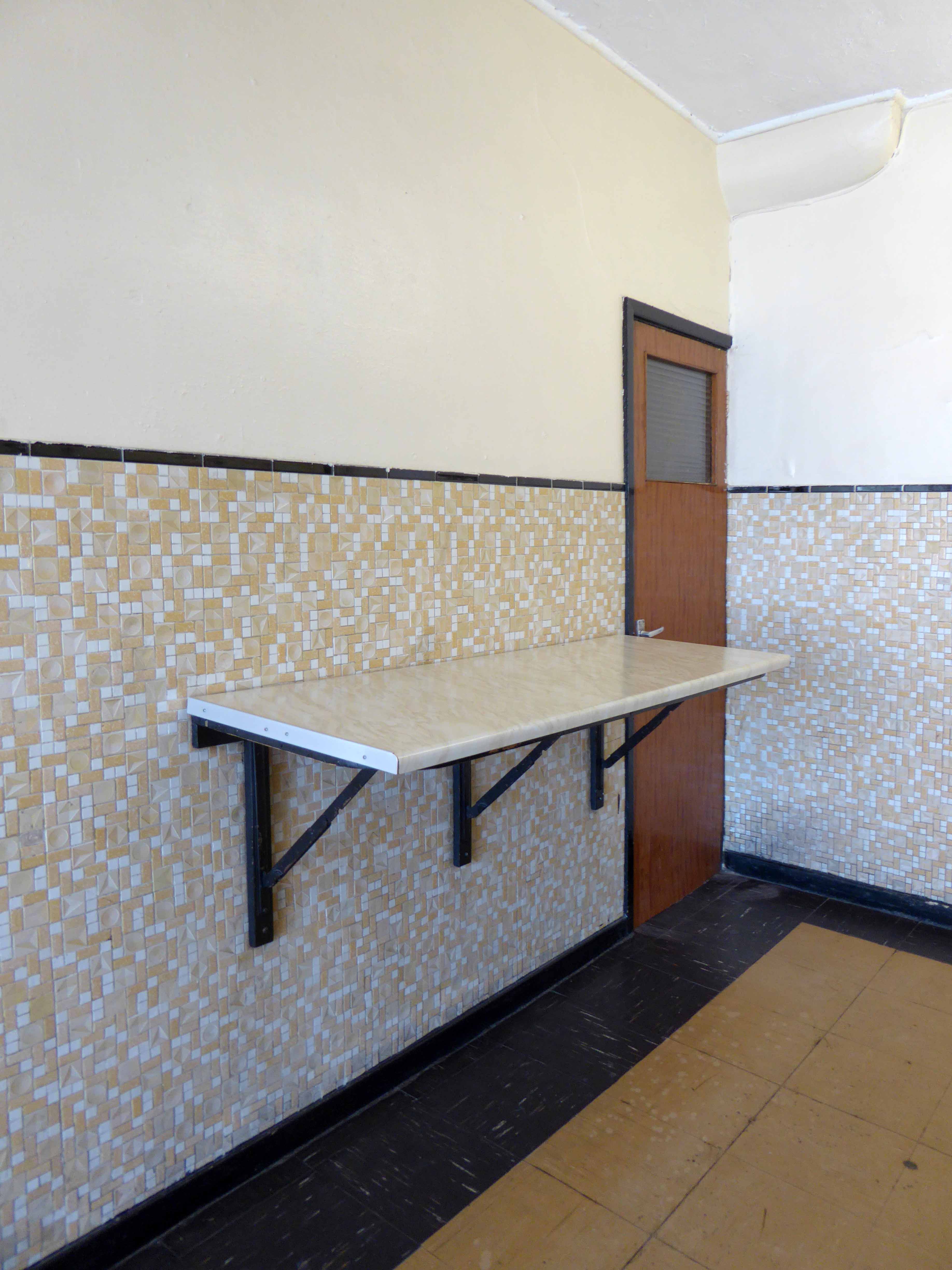
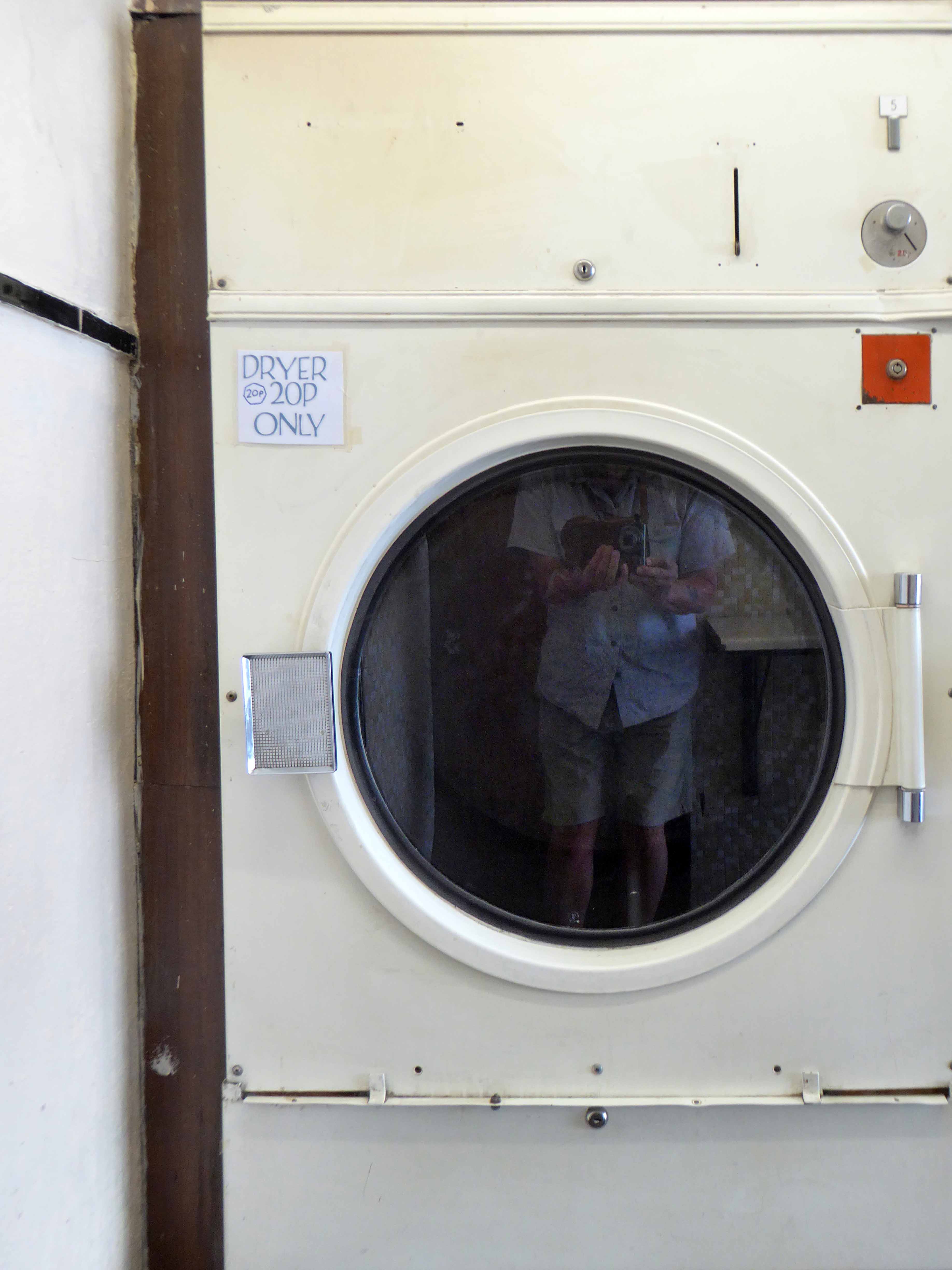
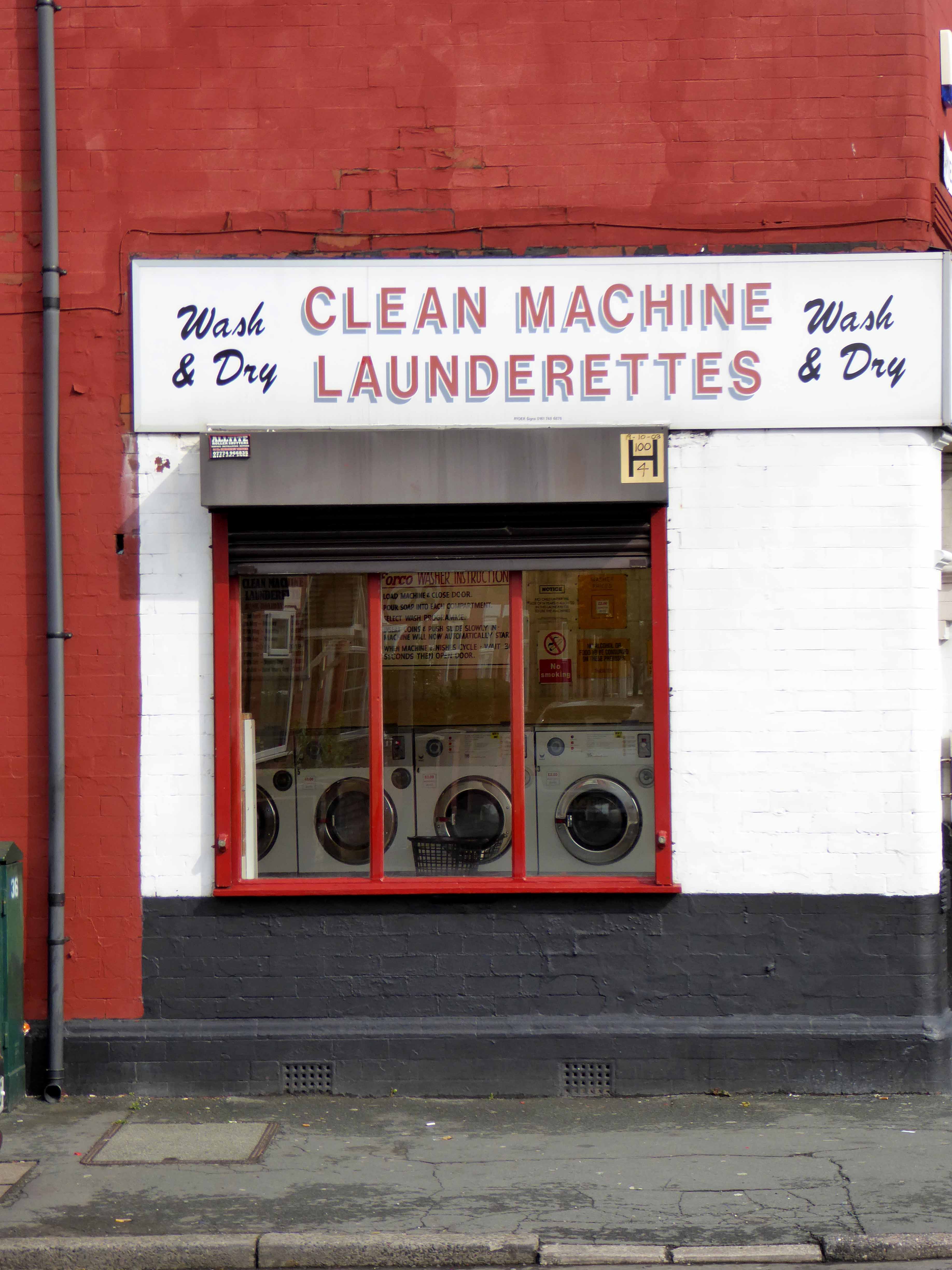
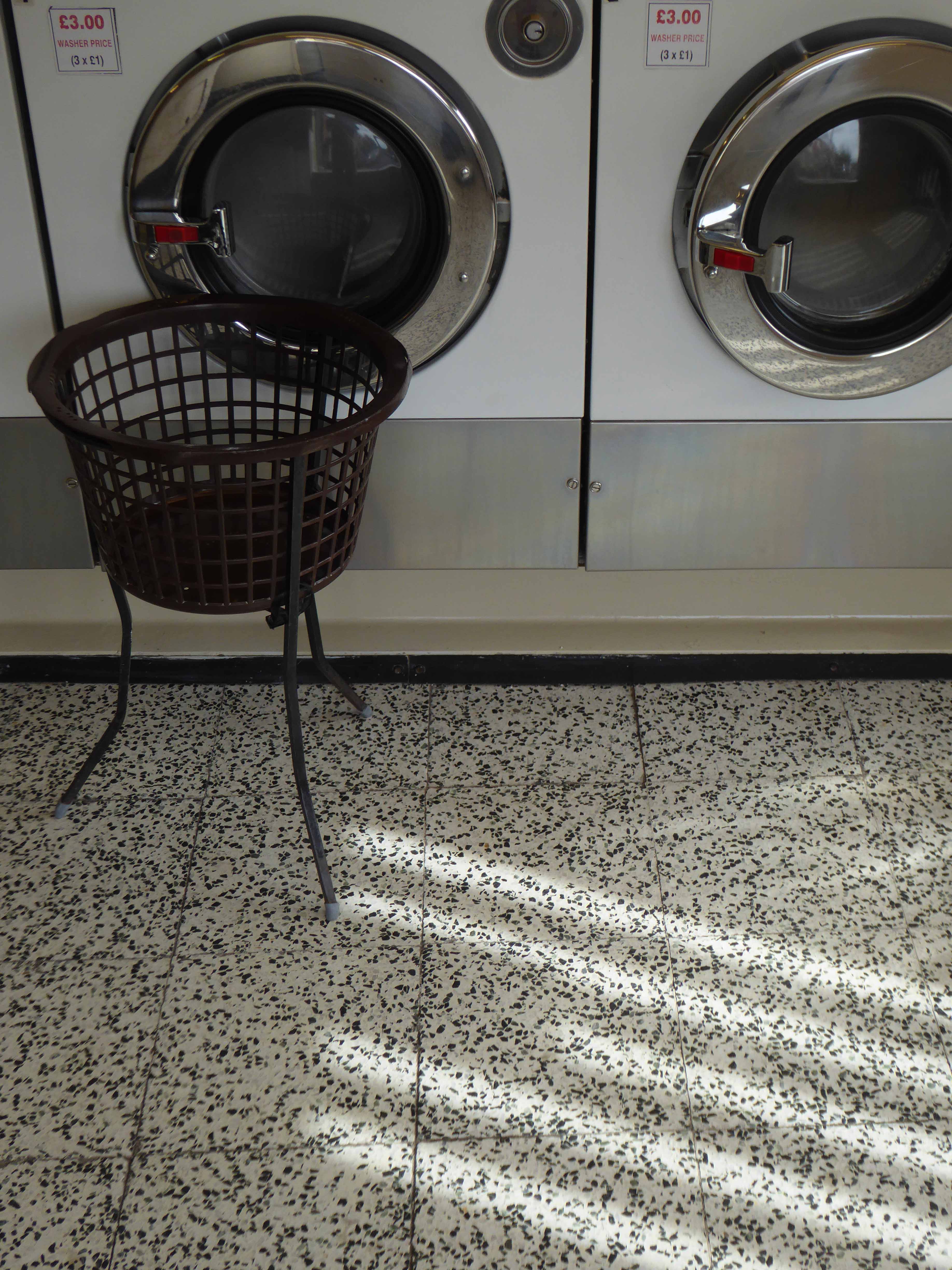
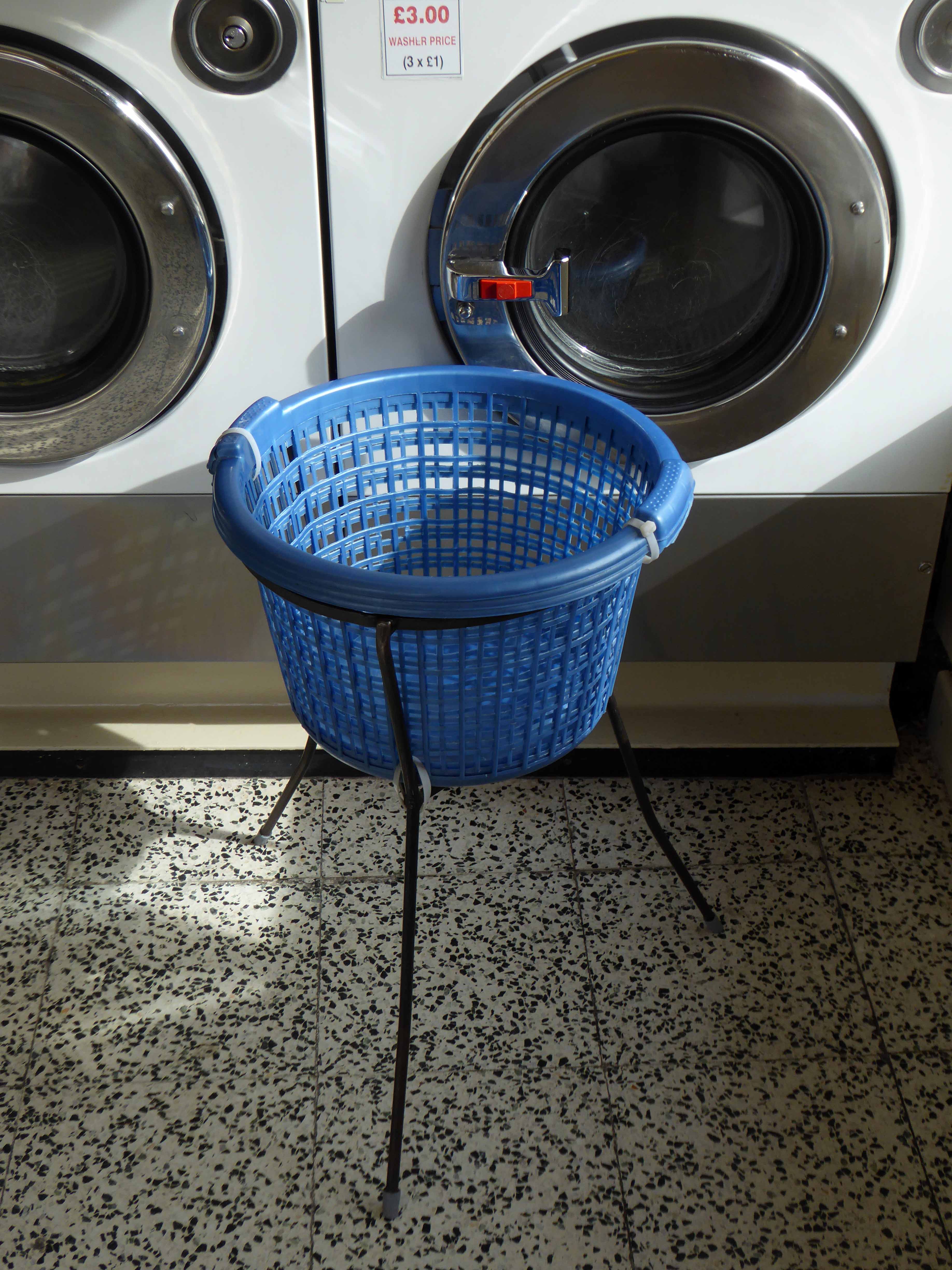
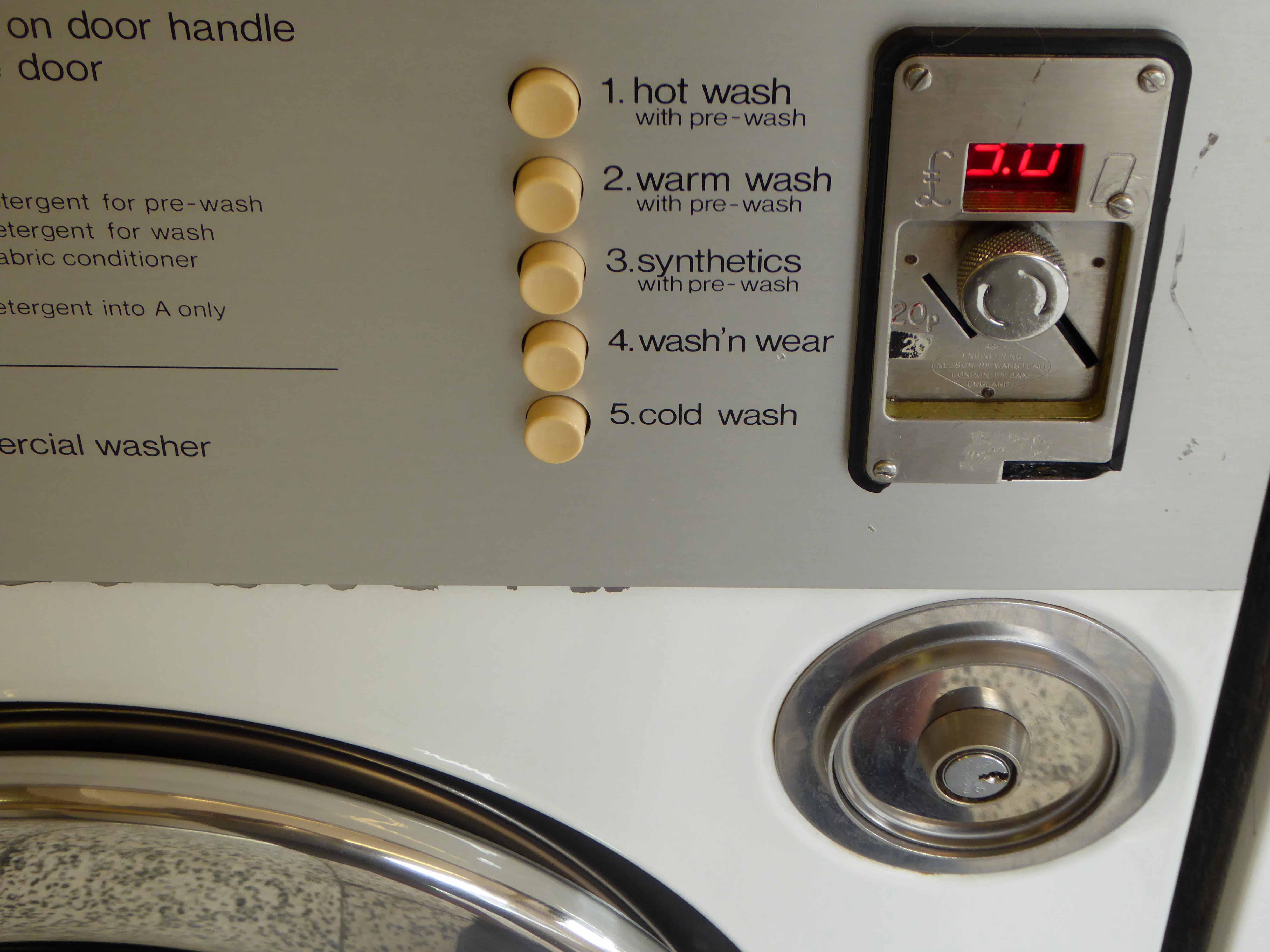
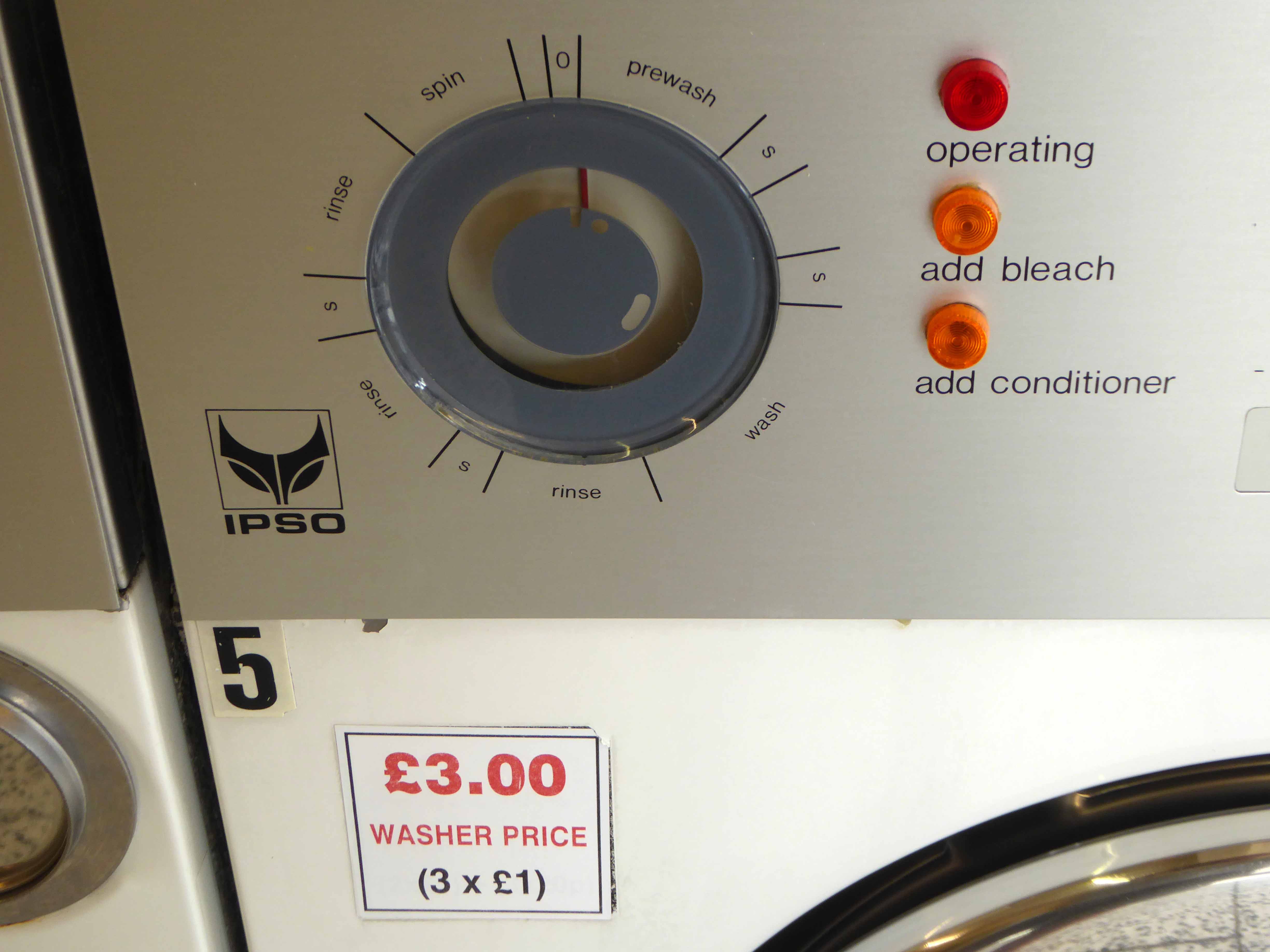
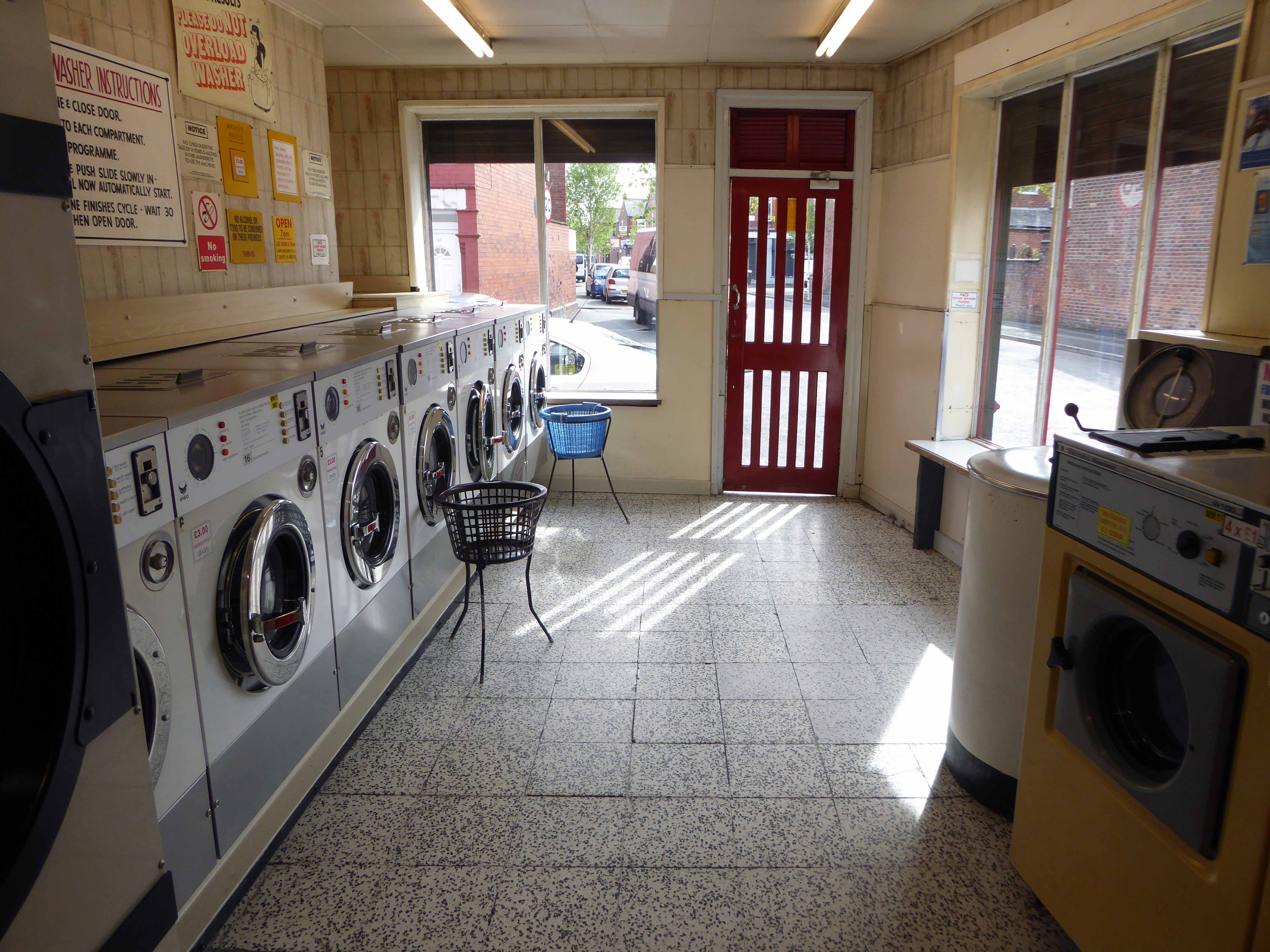
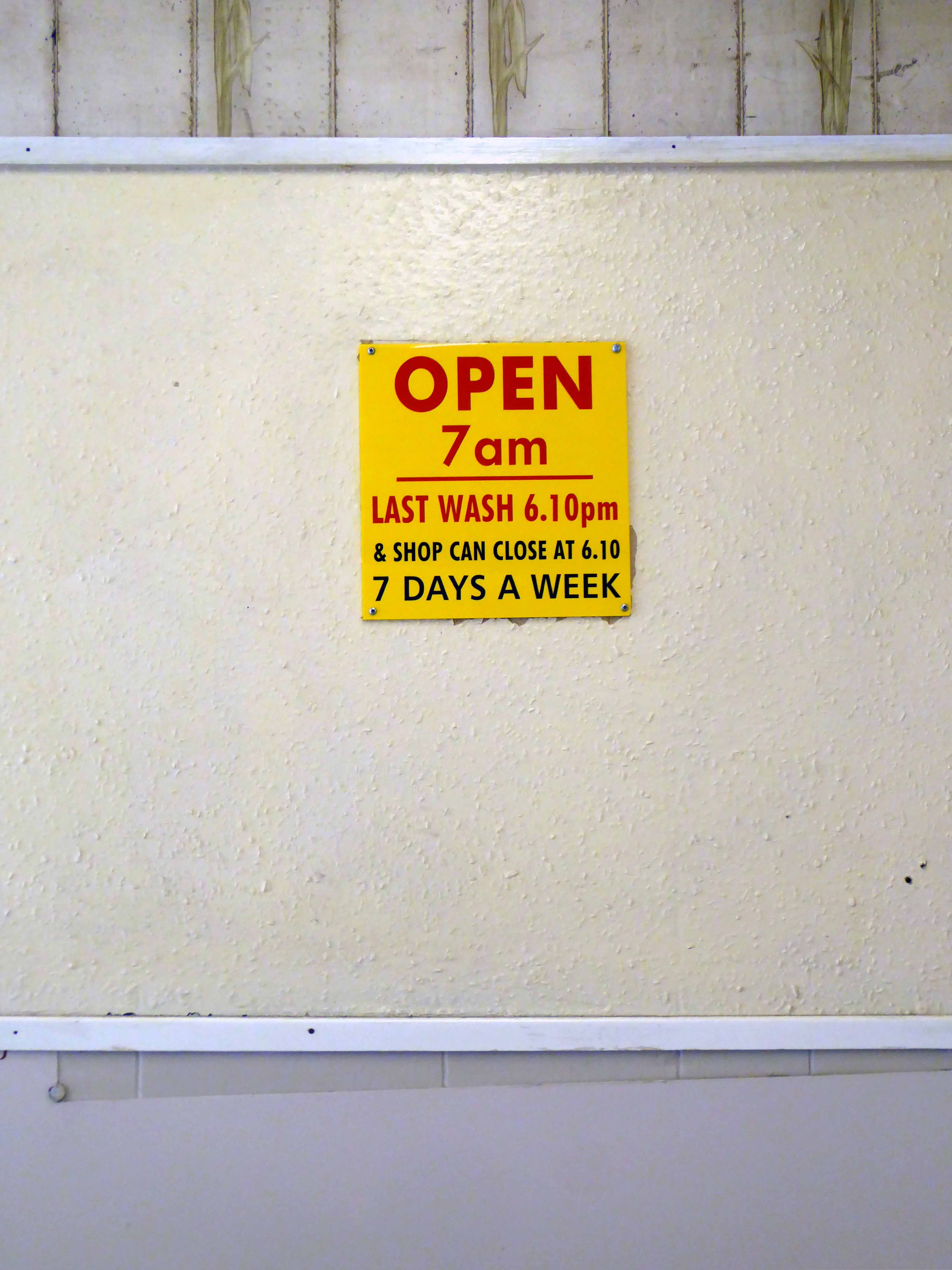
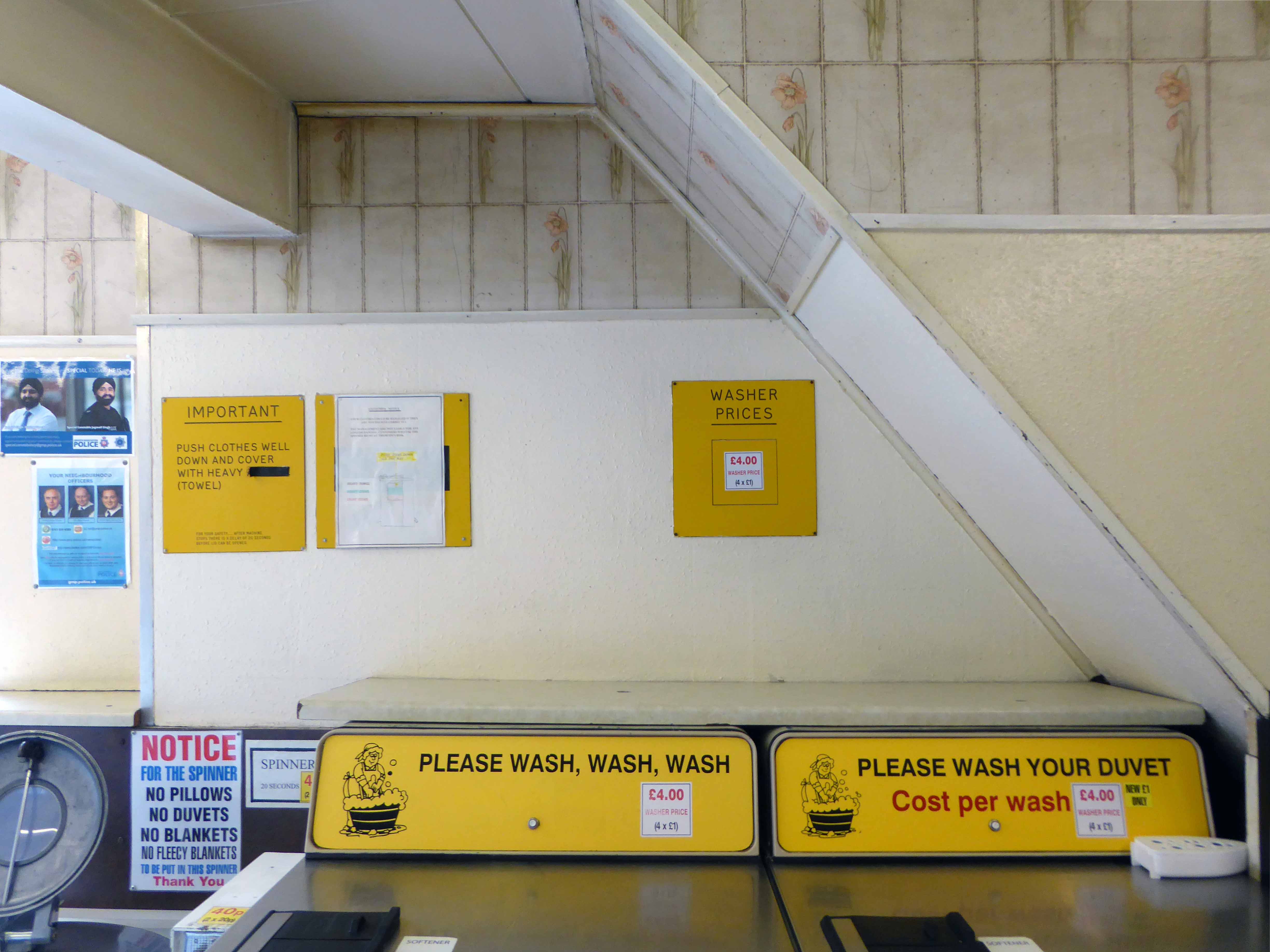
The Wash Tub Levenshulme – Manchester

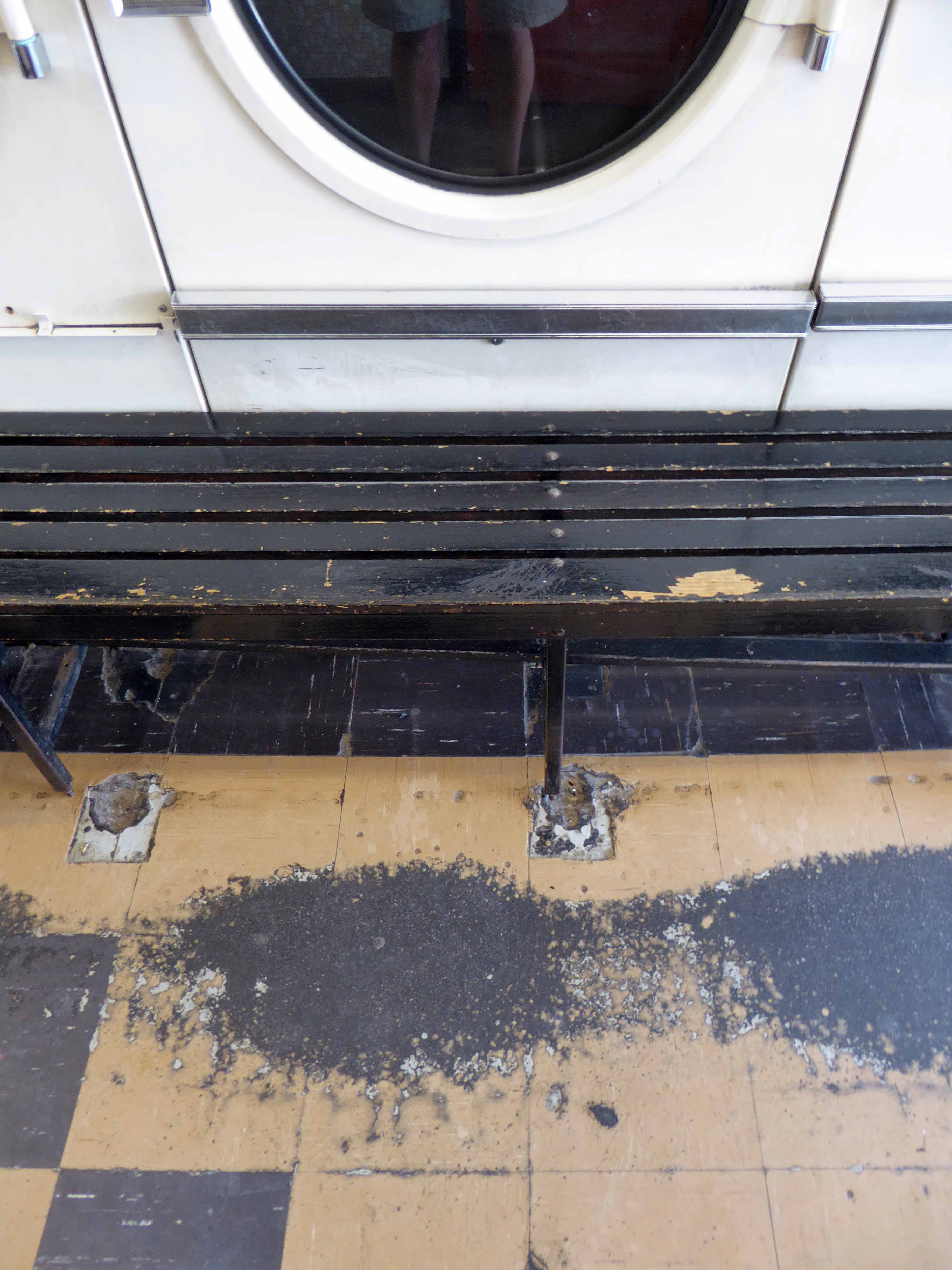
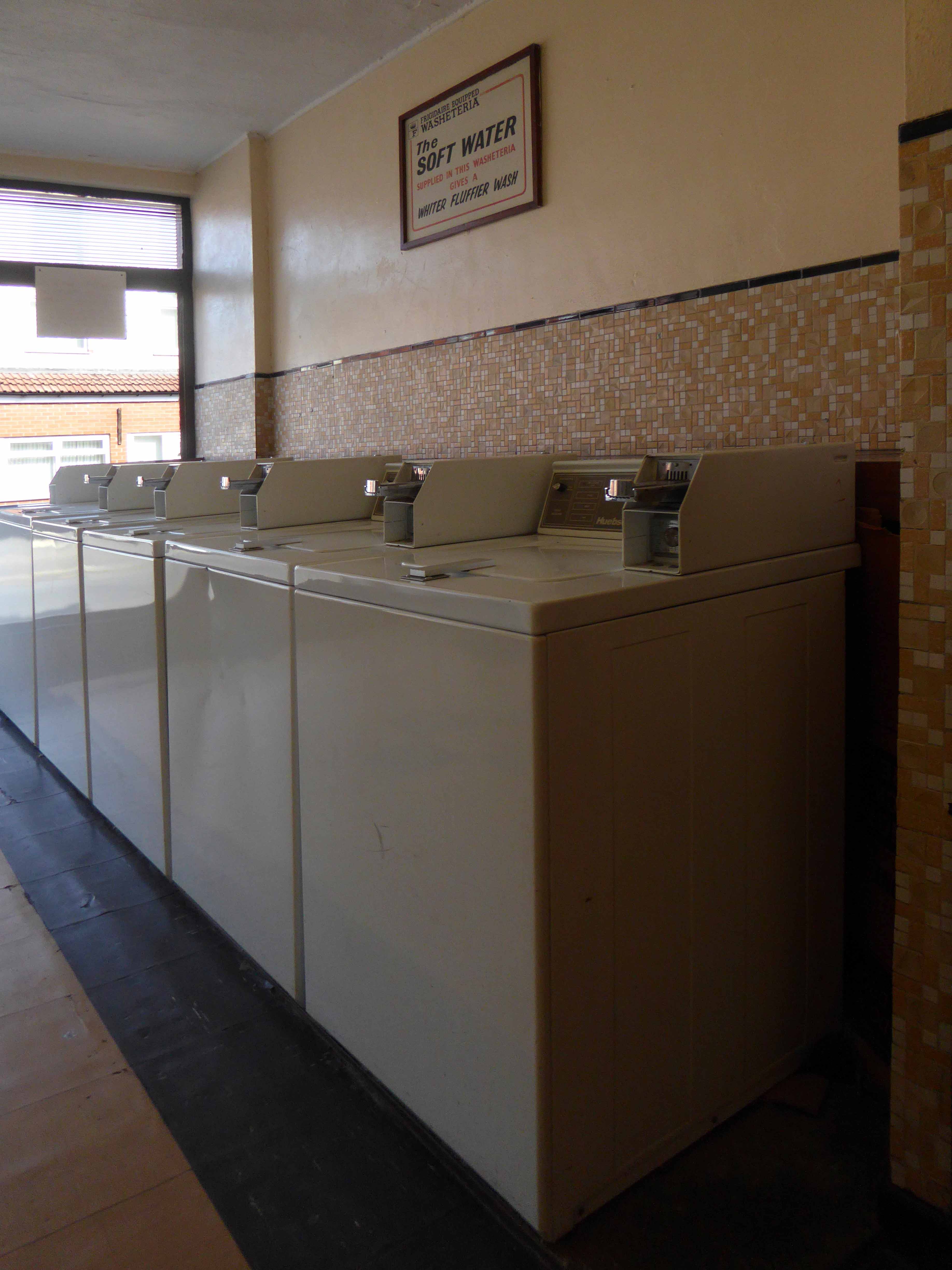
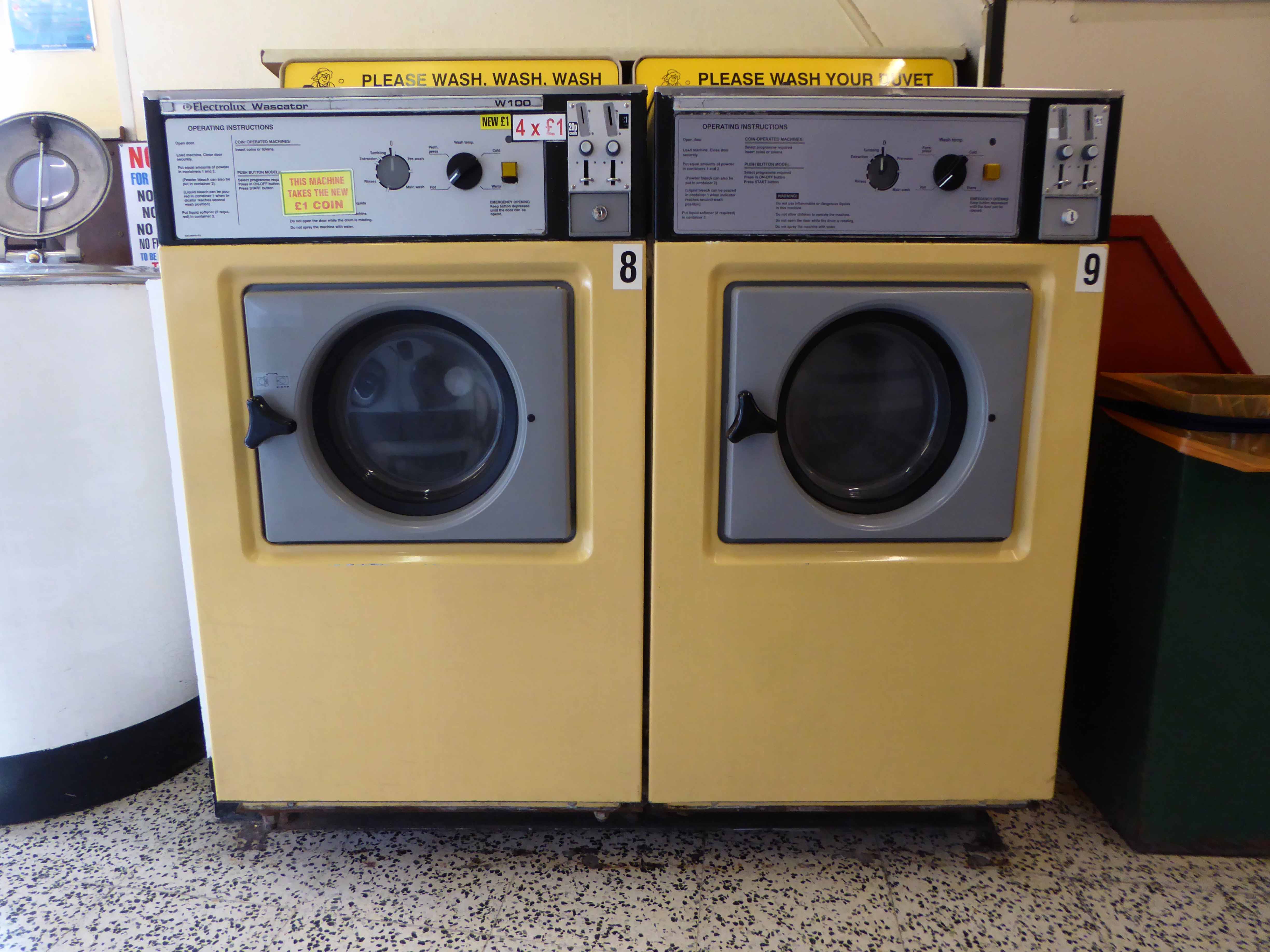
When is a washtub not a washtub – self evidently when it doesn’t wash.

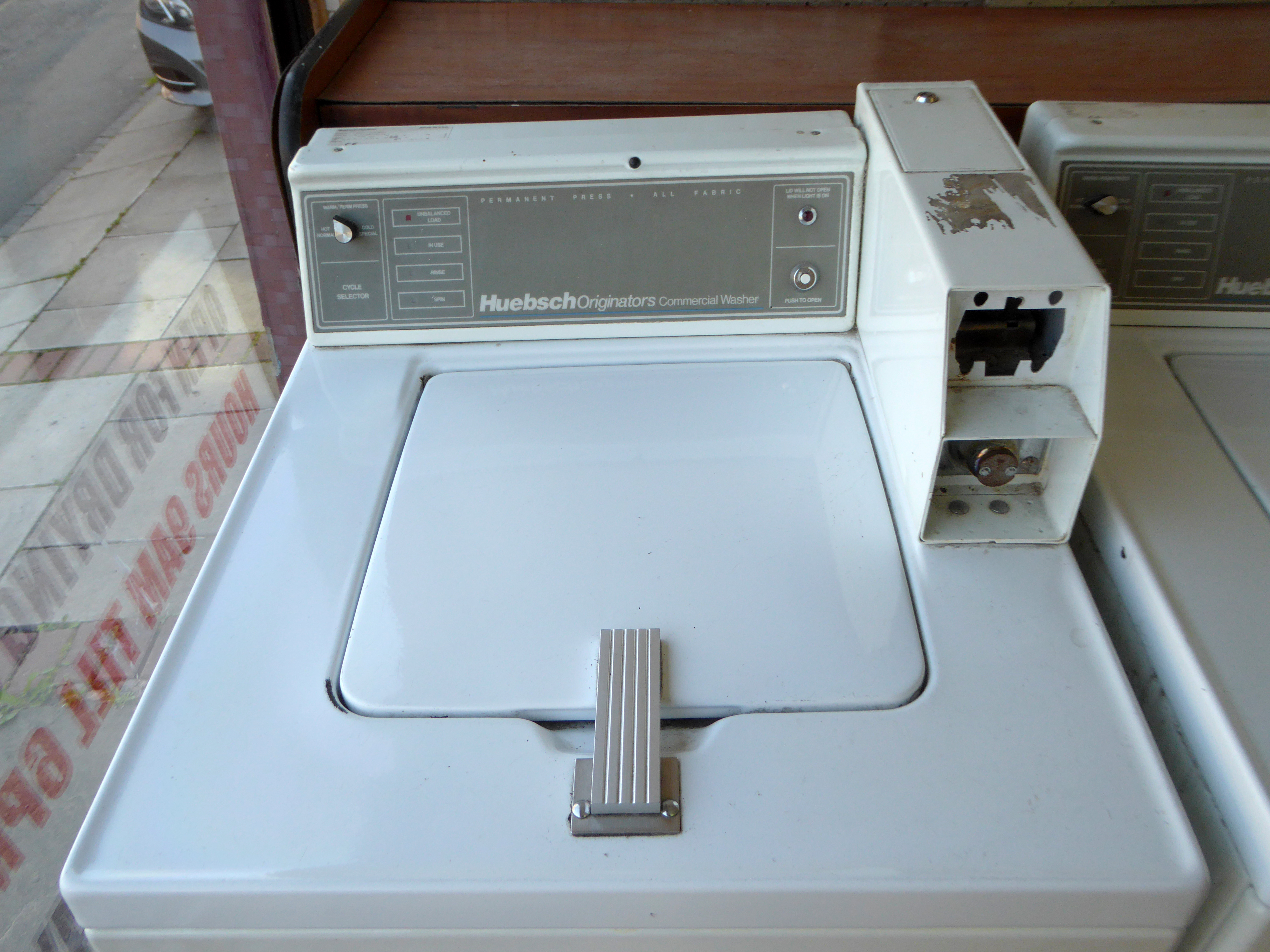
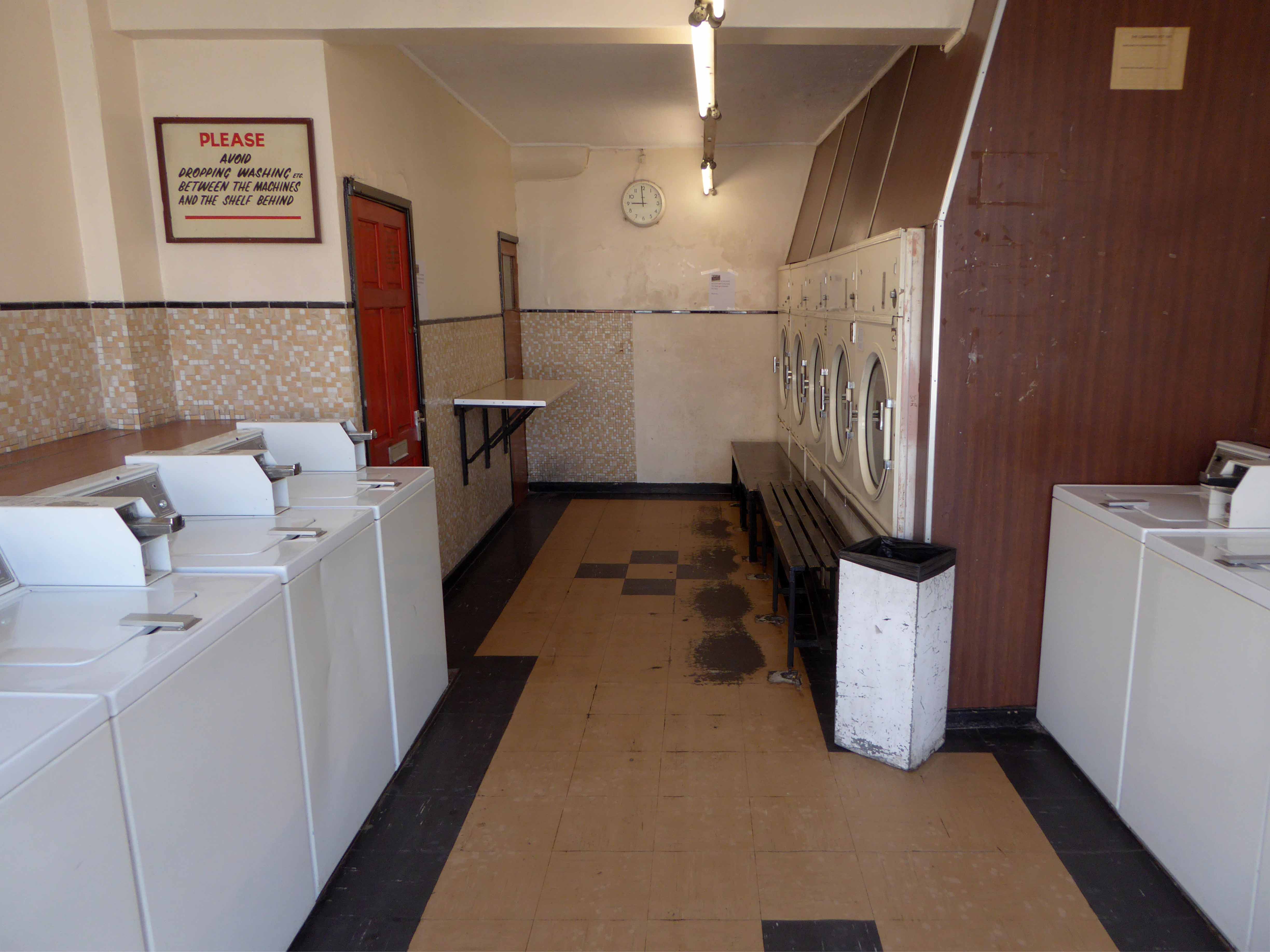
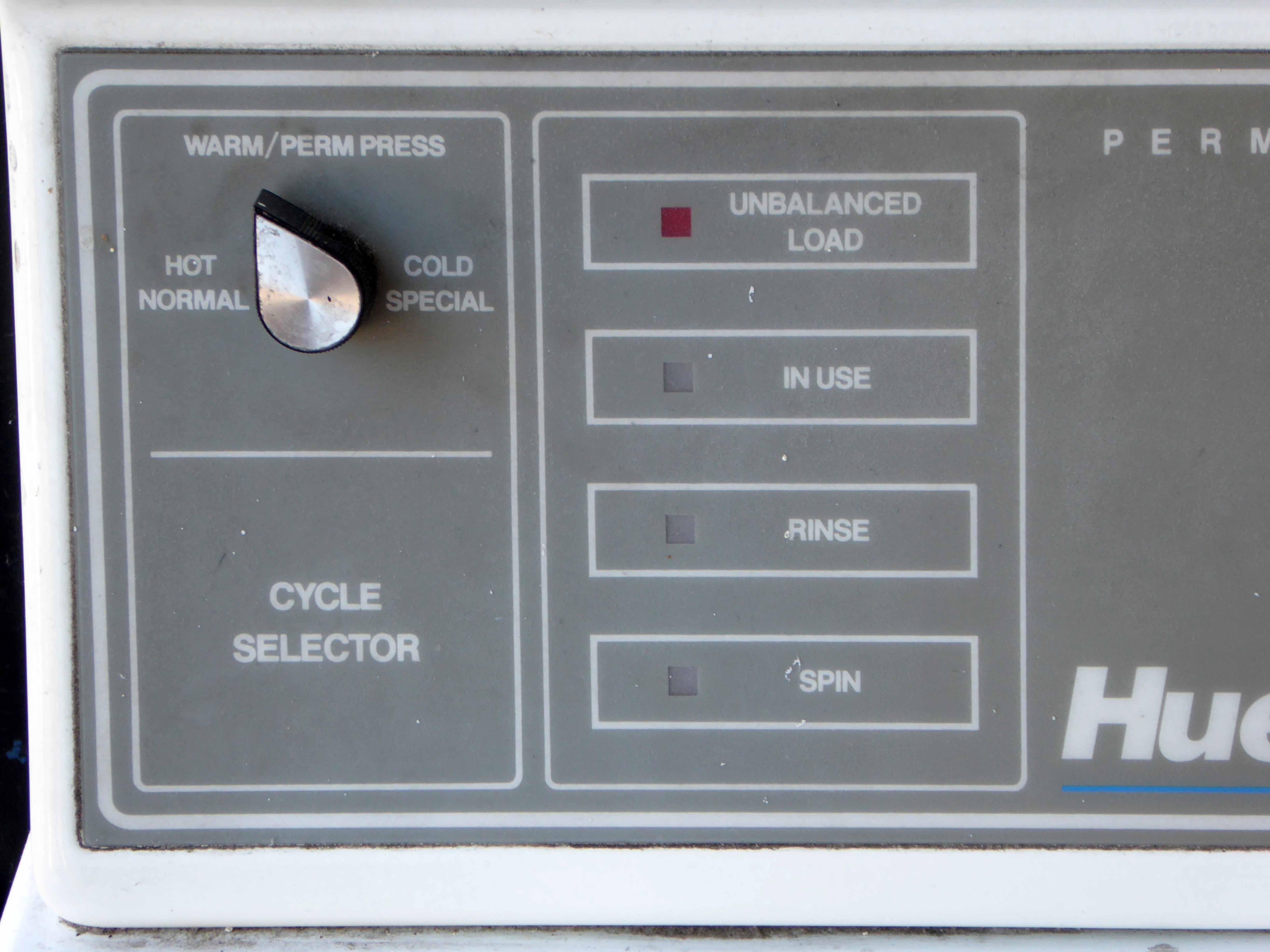
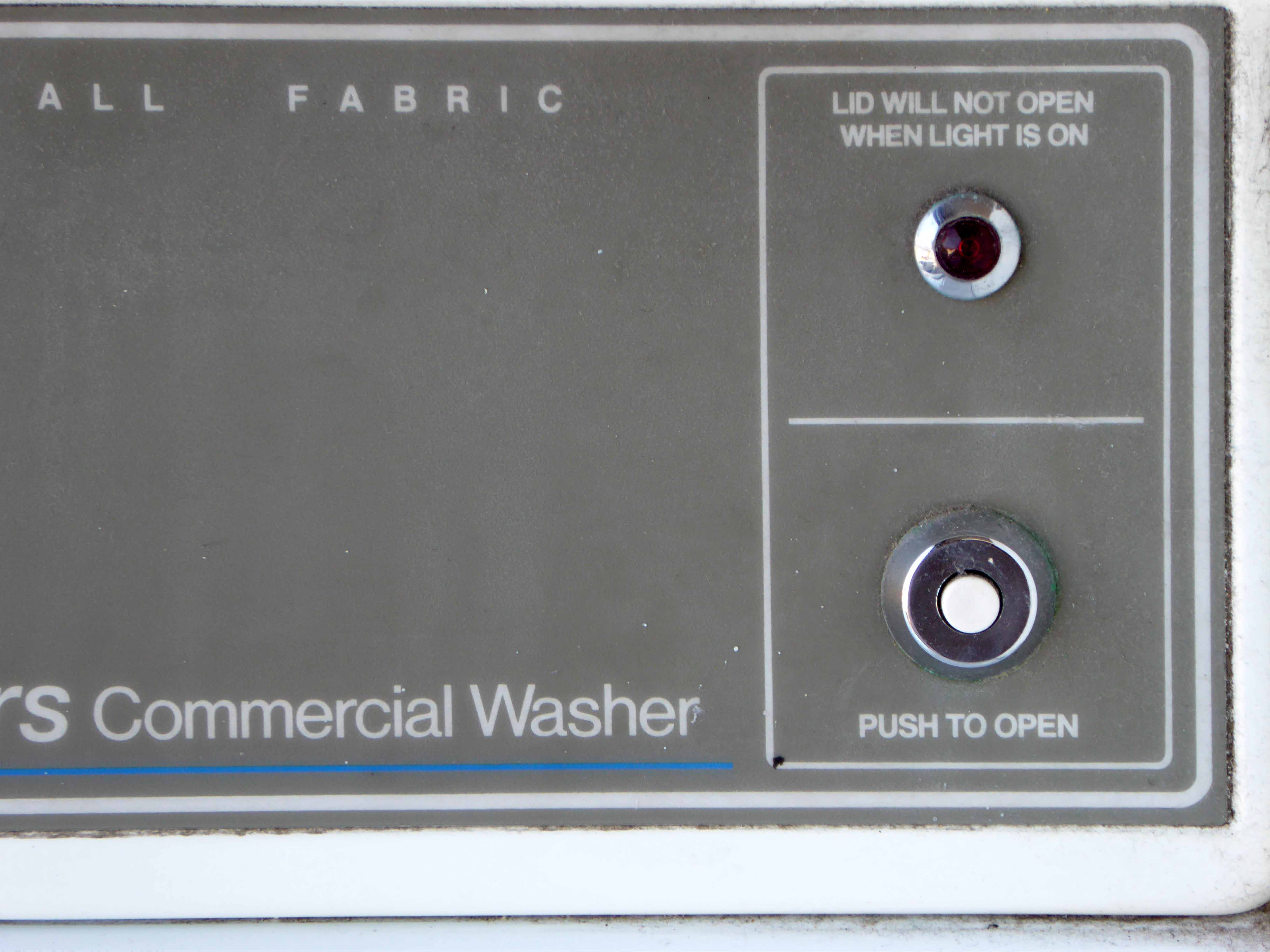
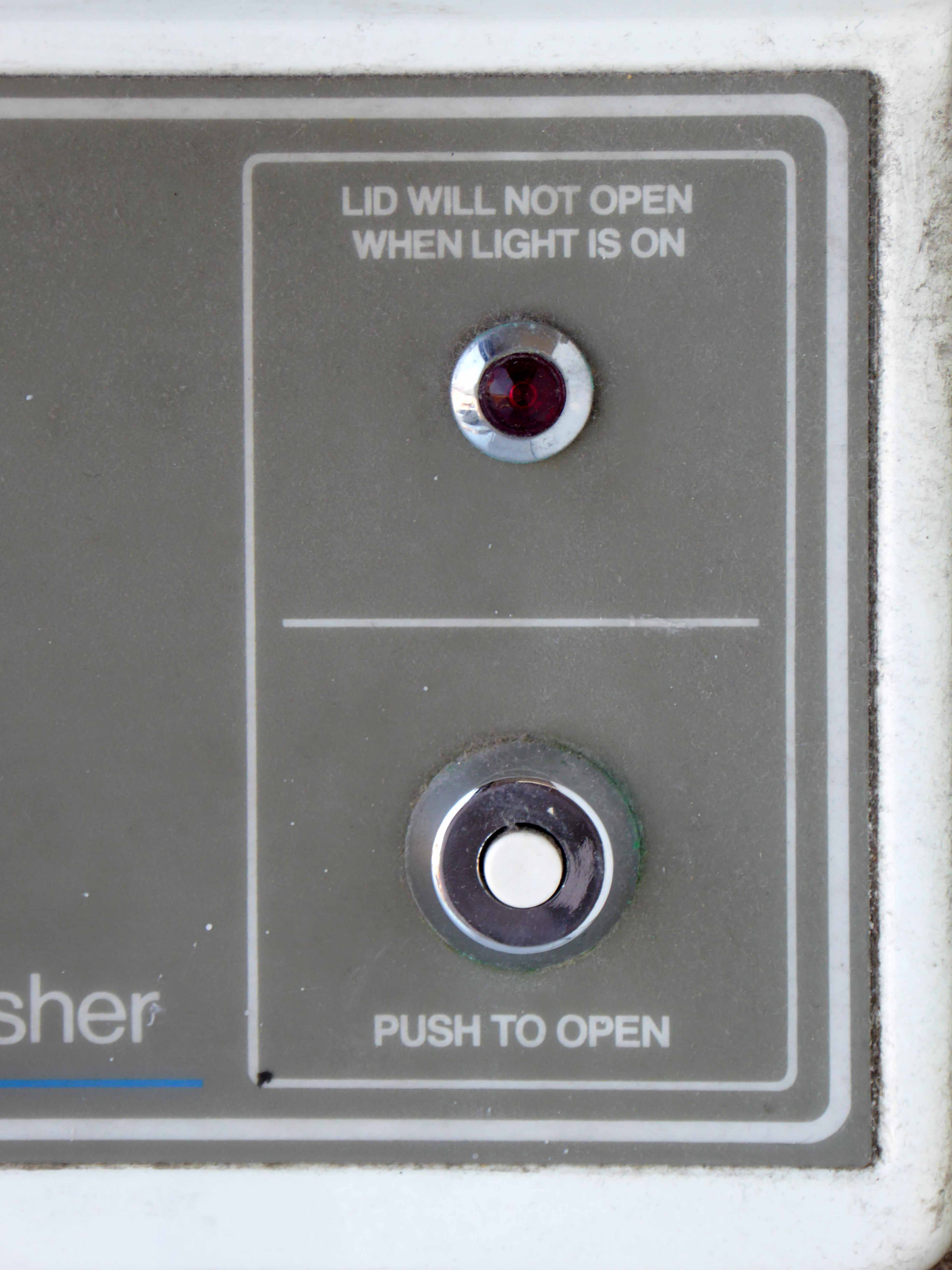
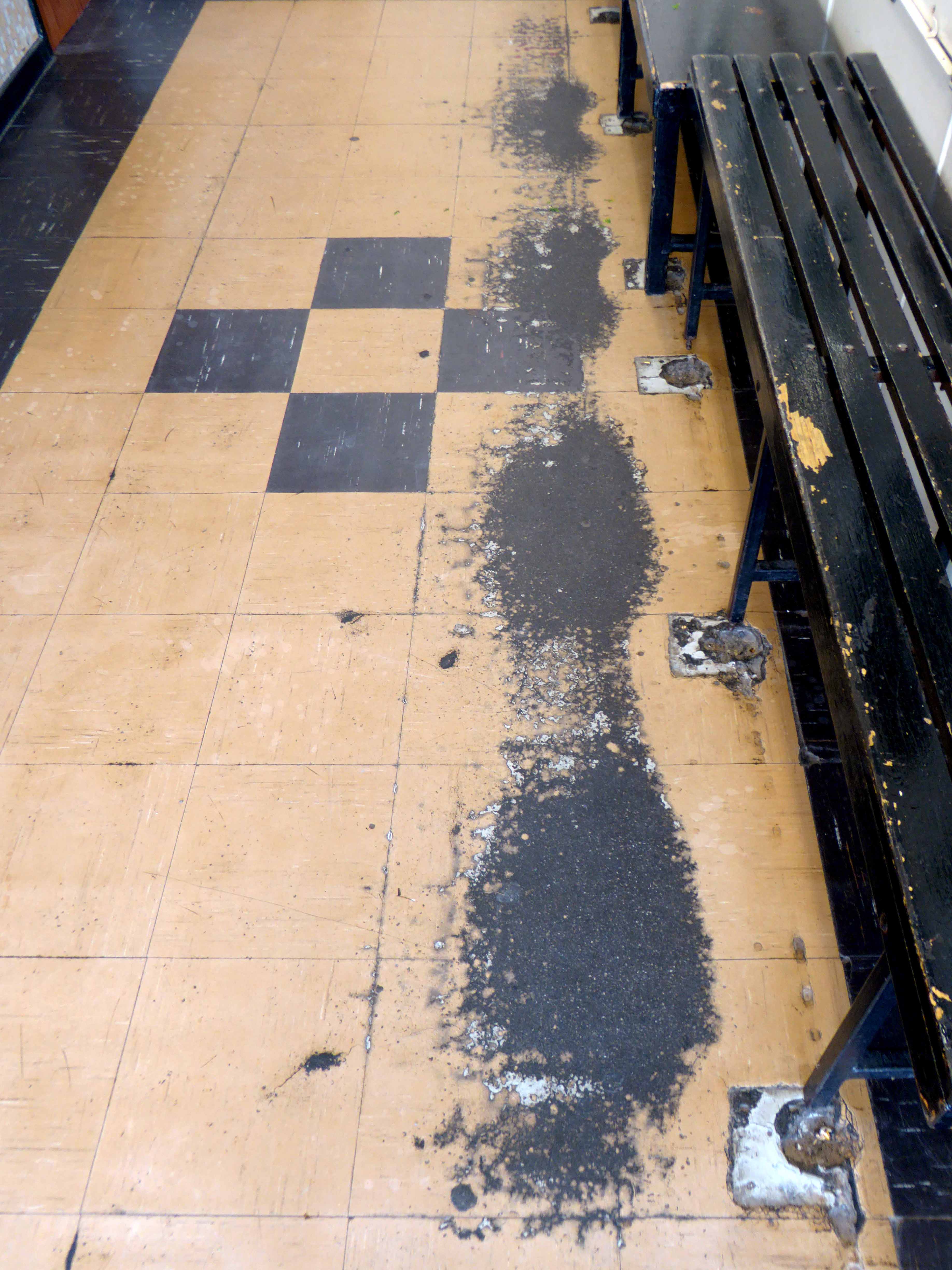
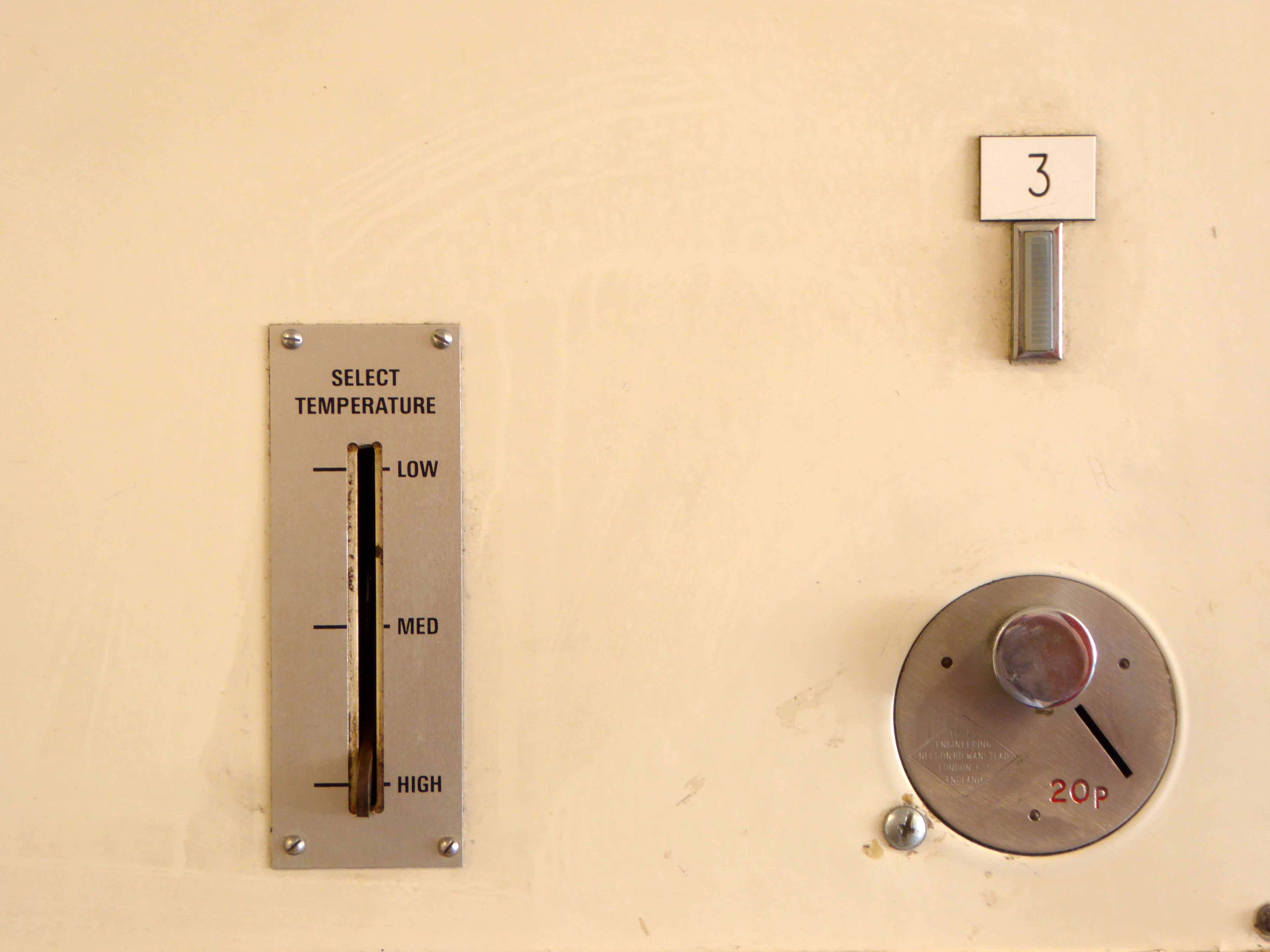
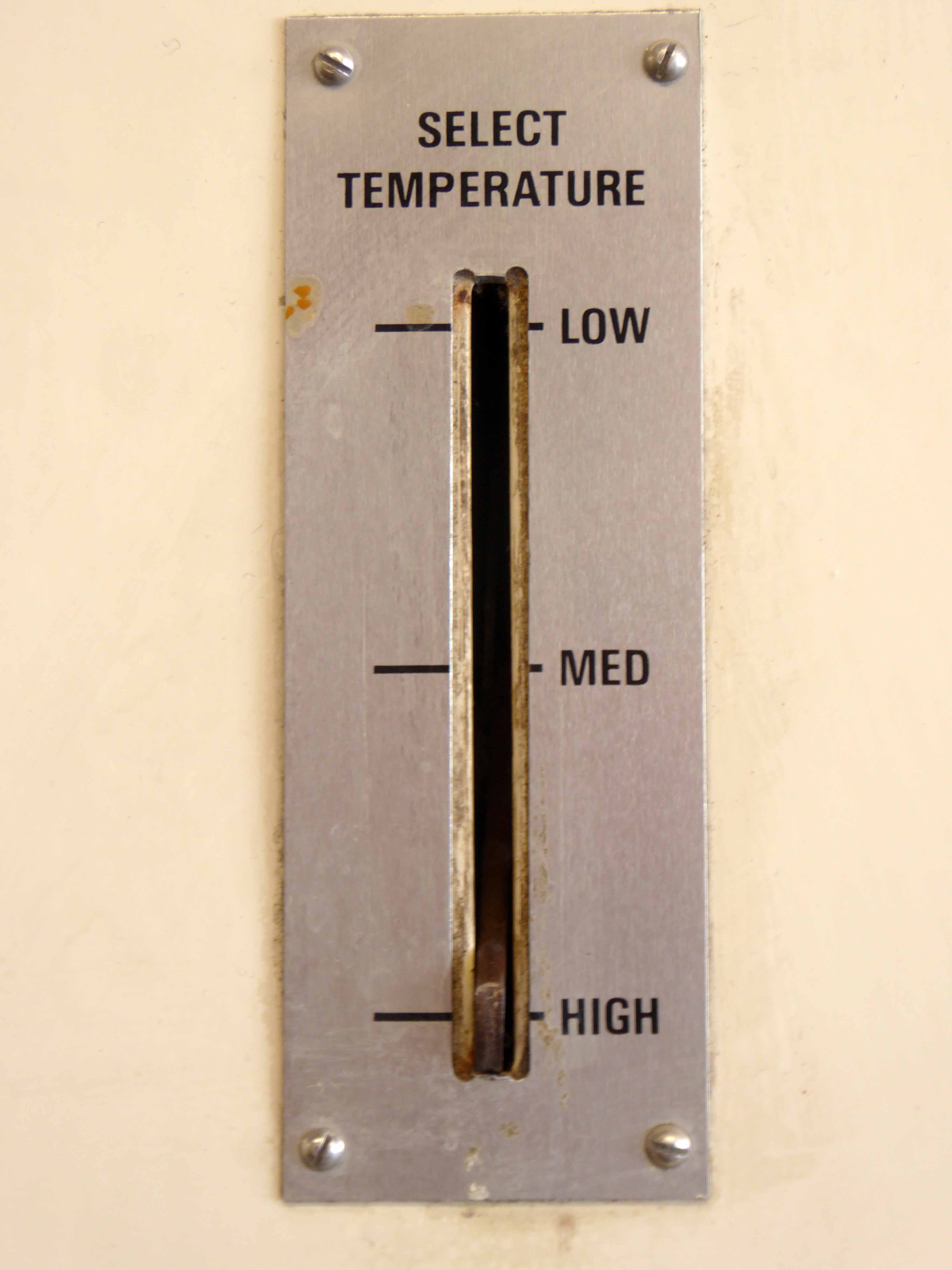
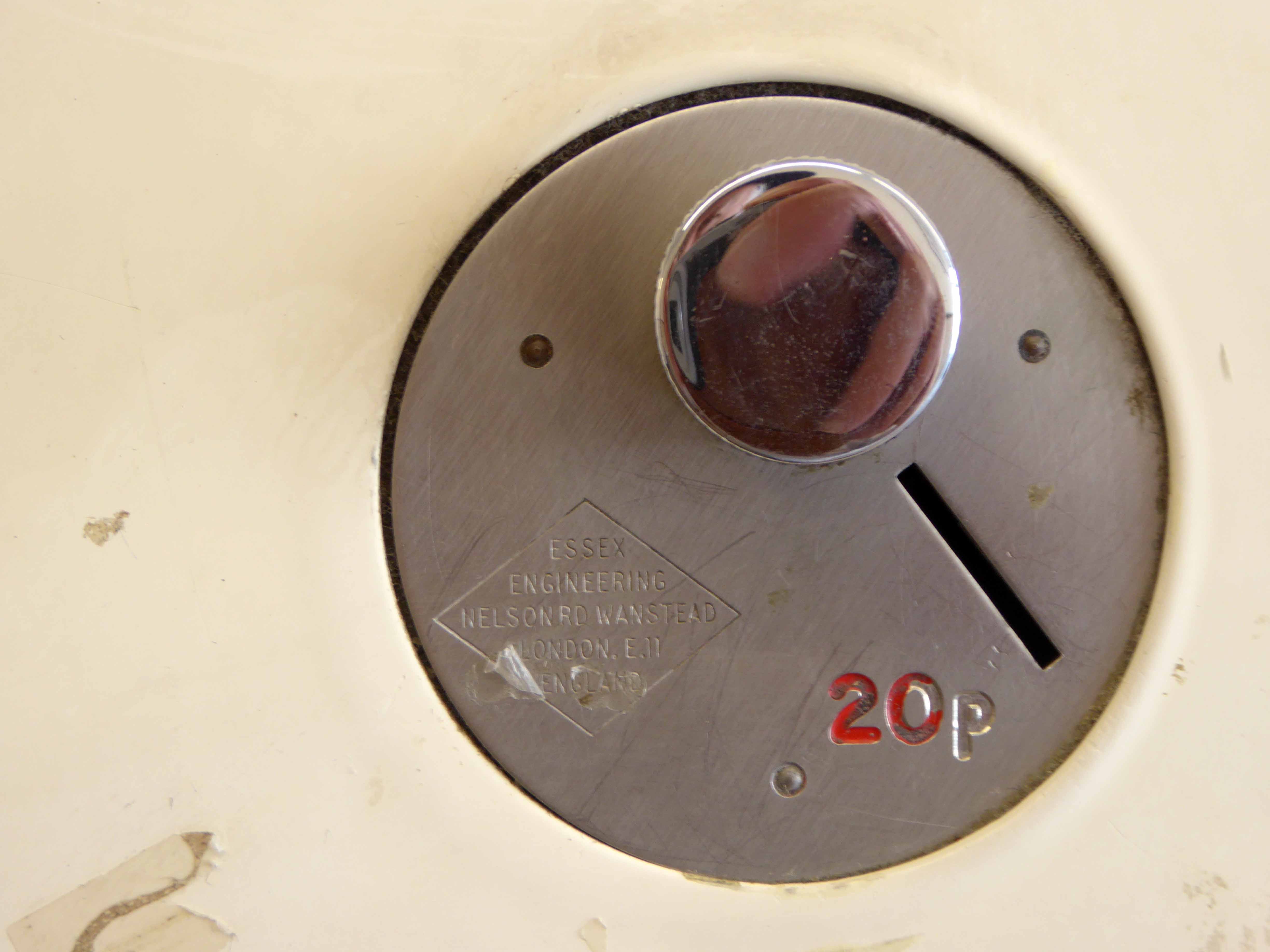
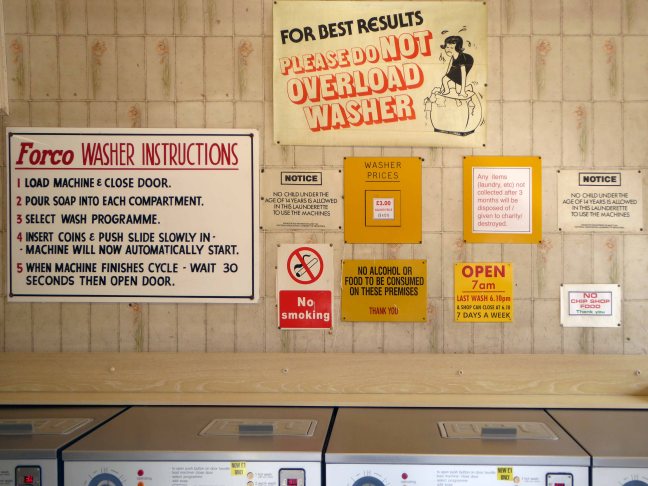
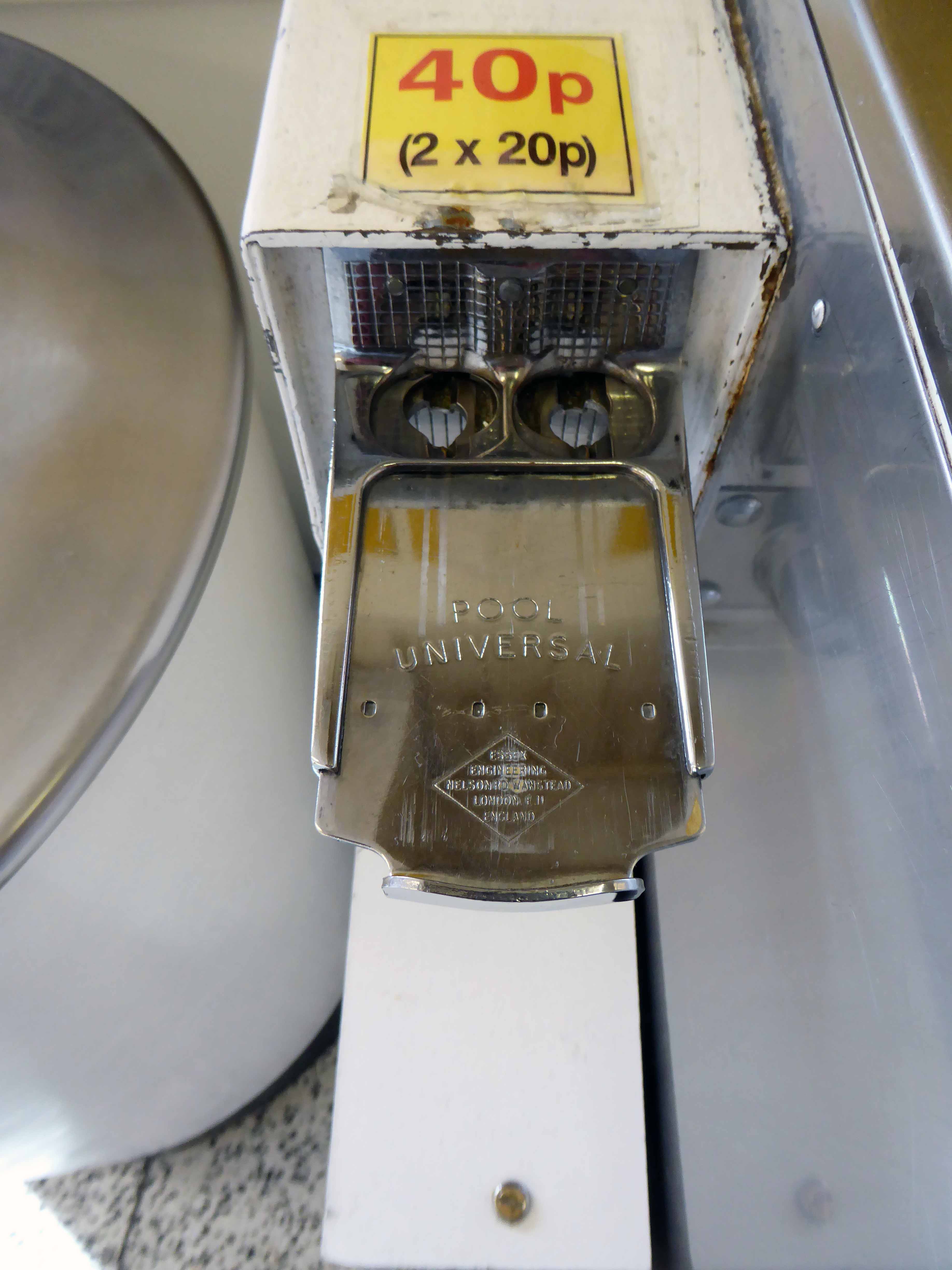
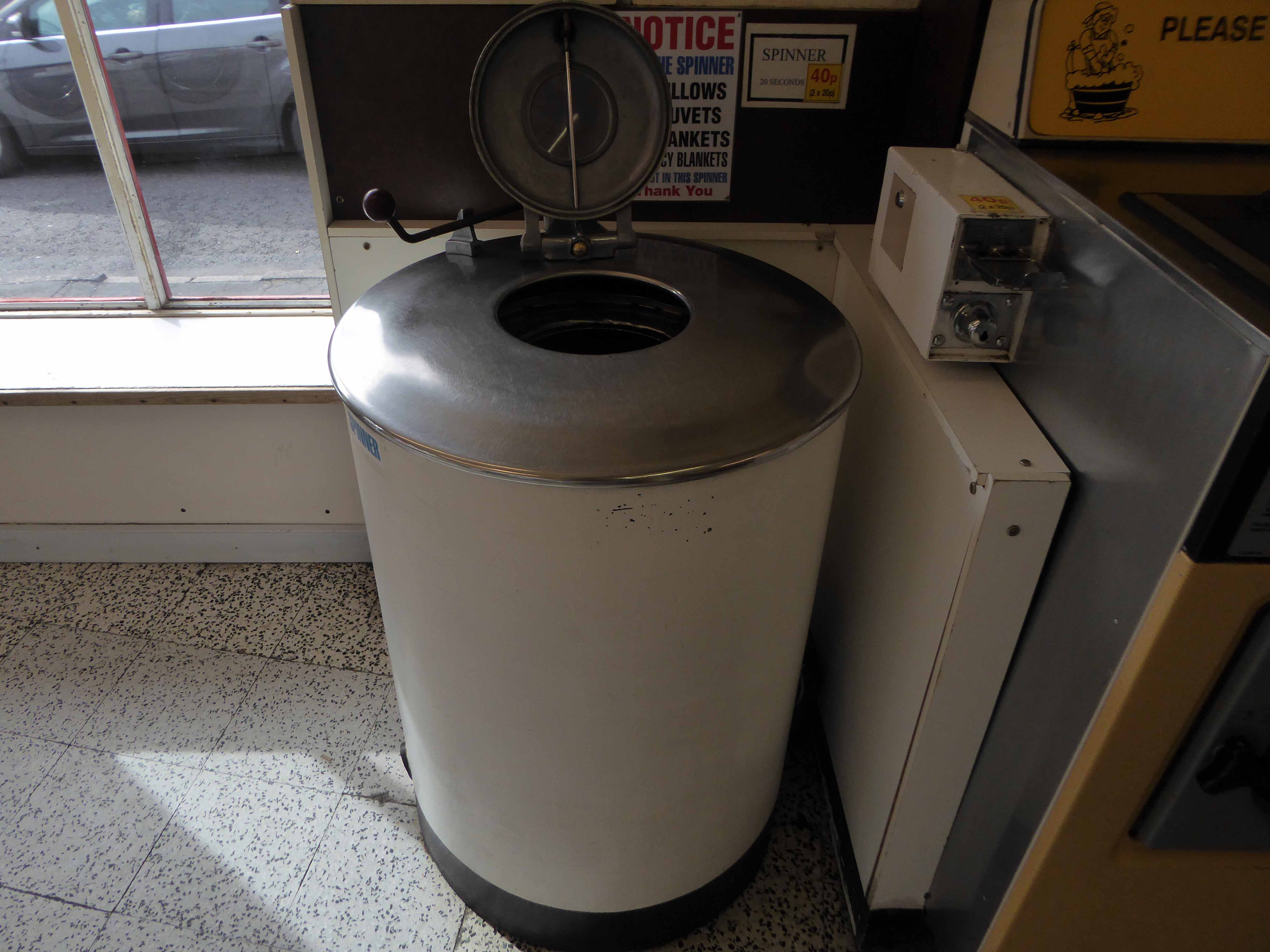
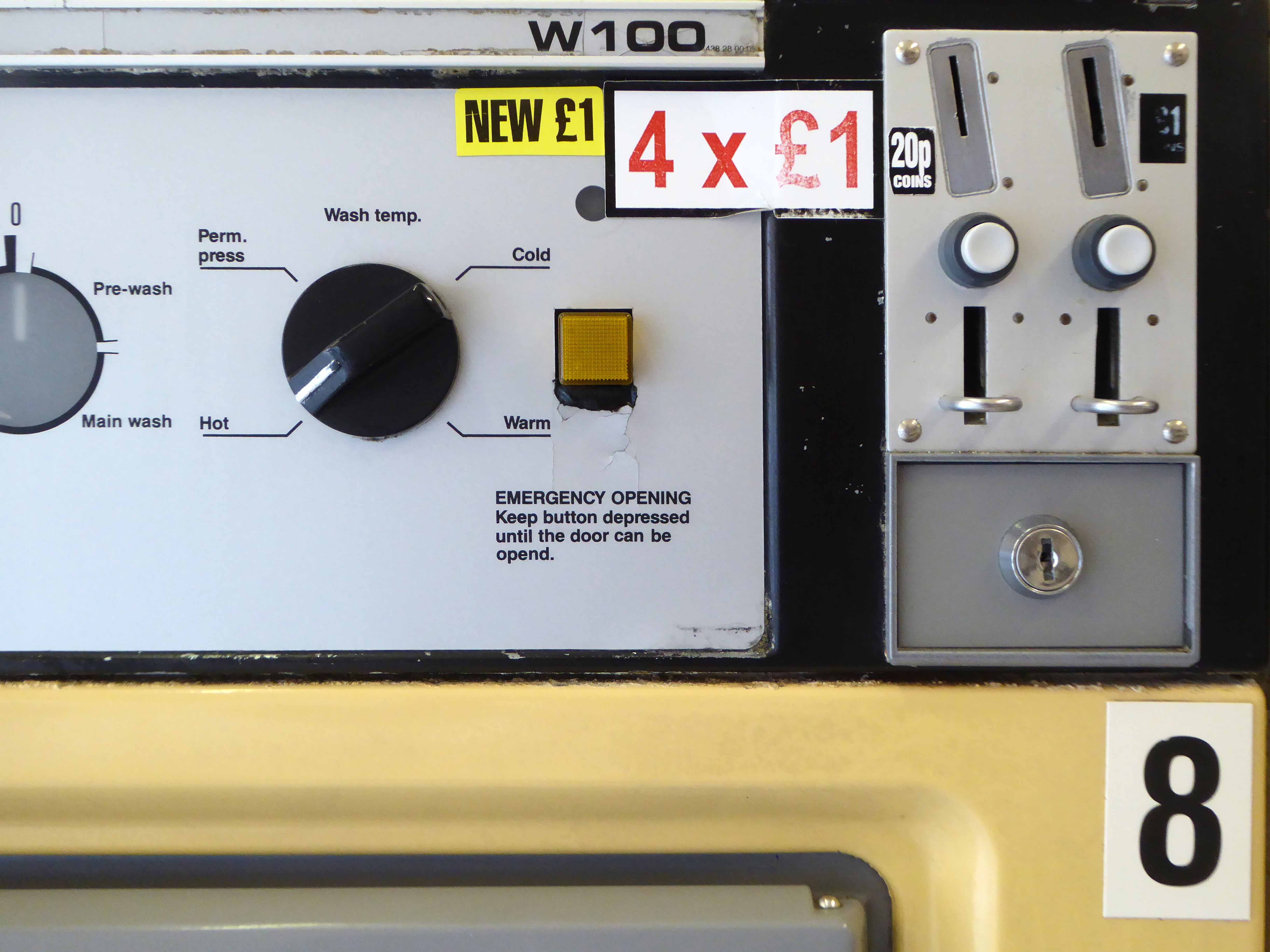
This is the land of the decommissioned washer – cash box removed, unrepurposed, demure and decorative yet sadly redundant.

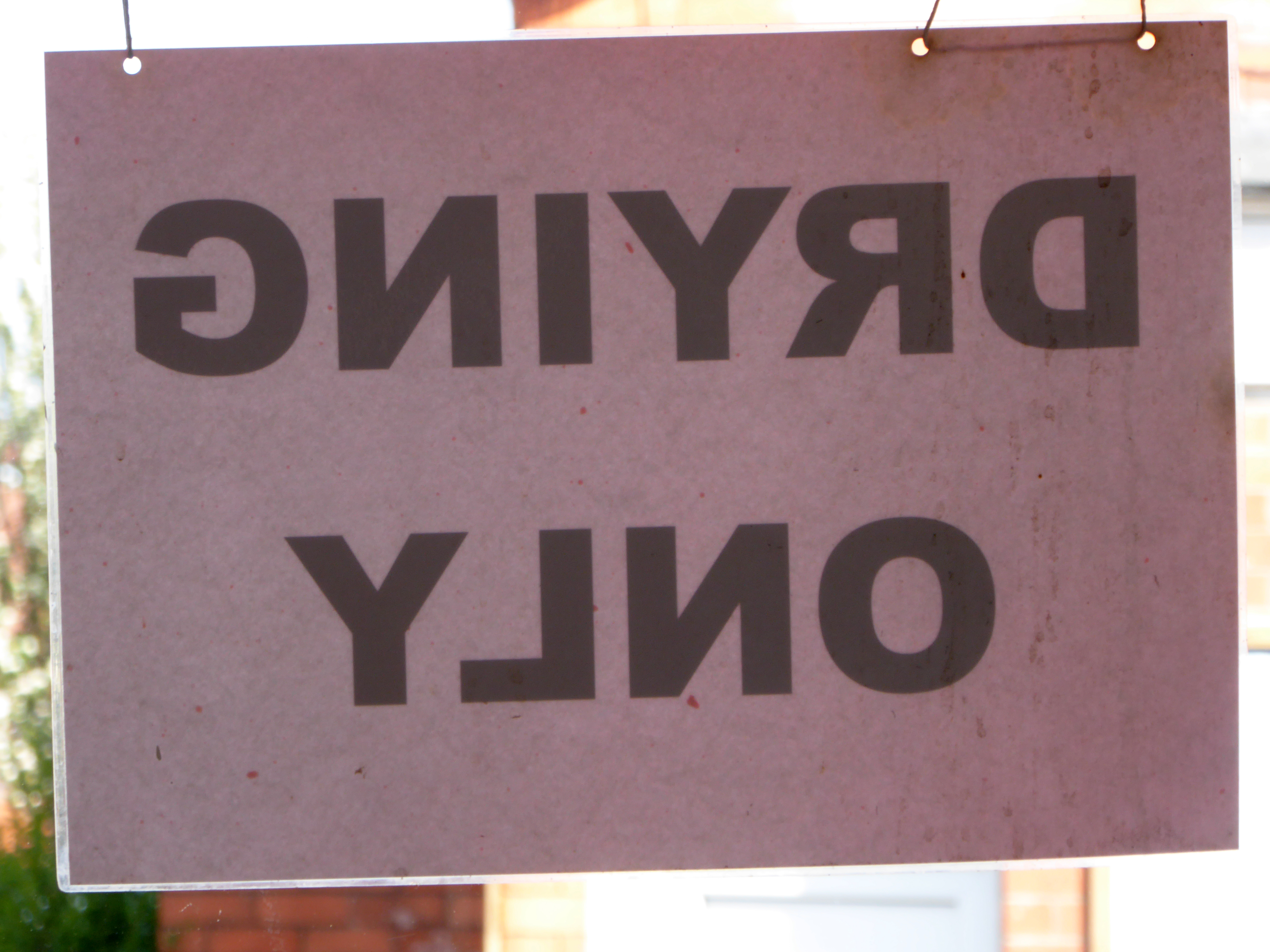
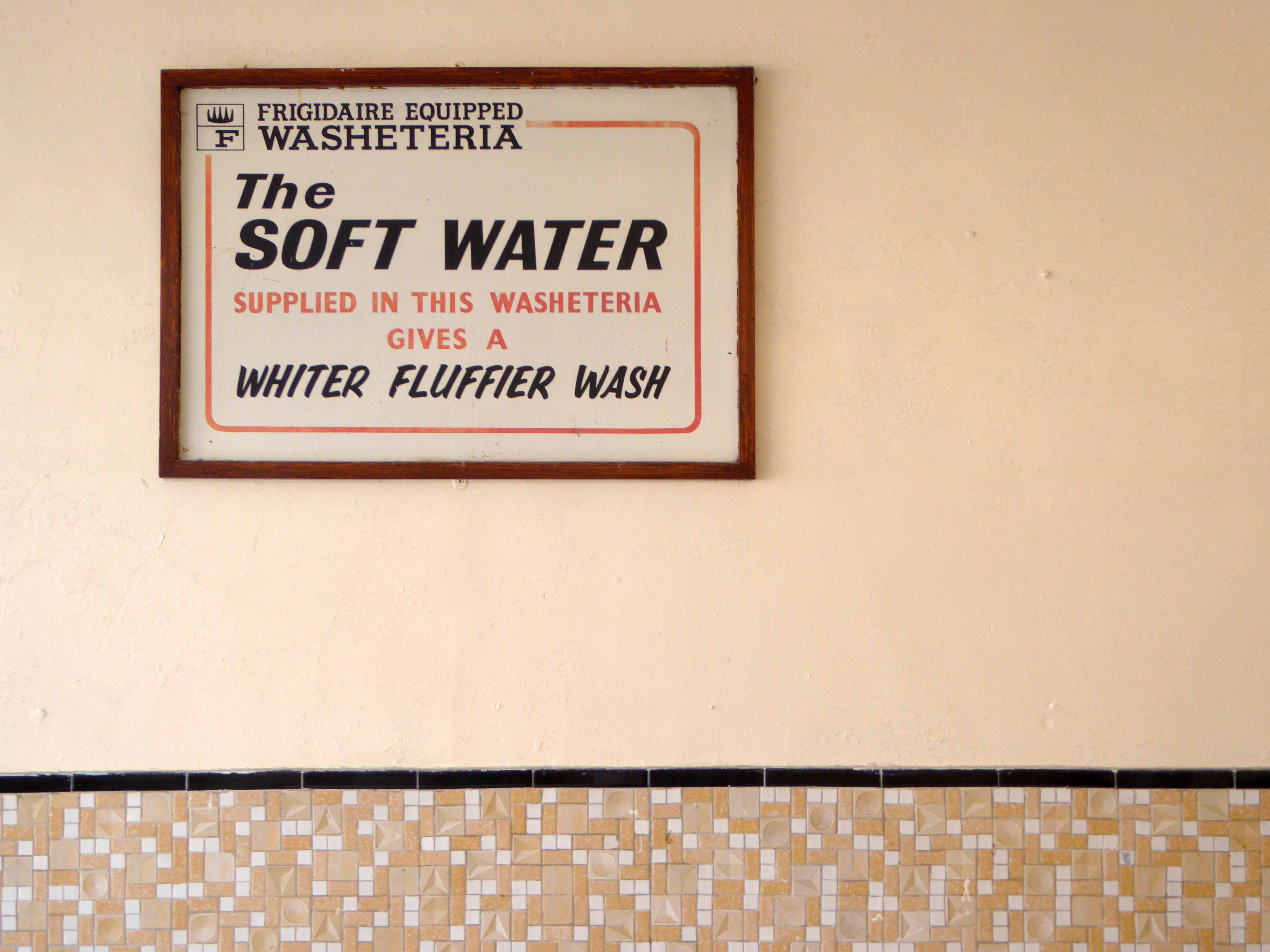
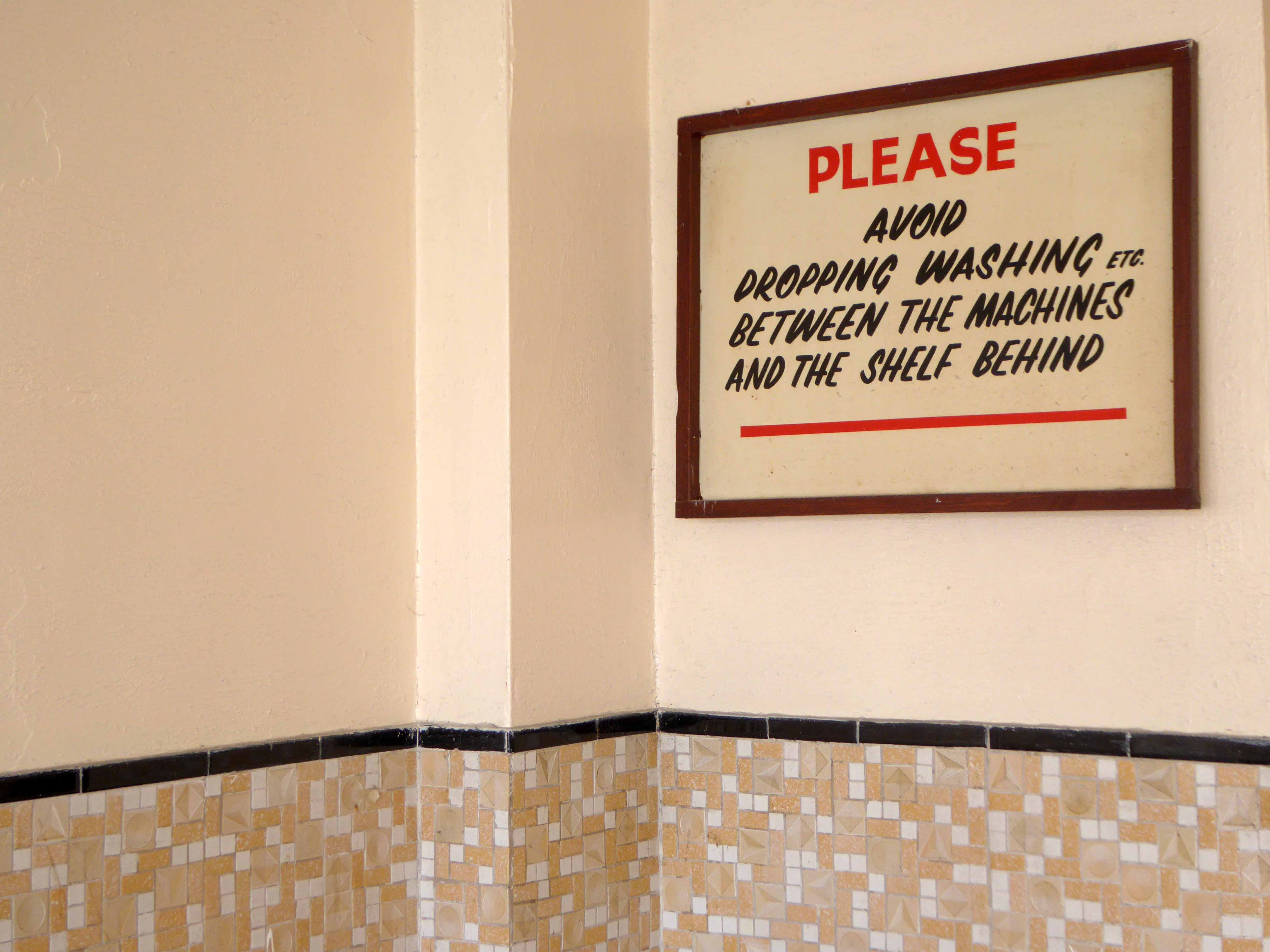
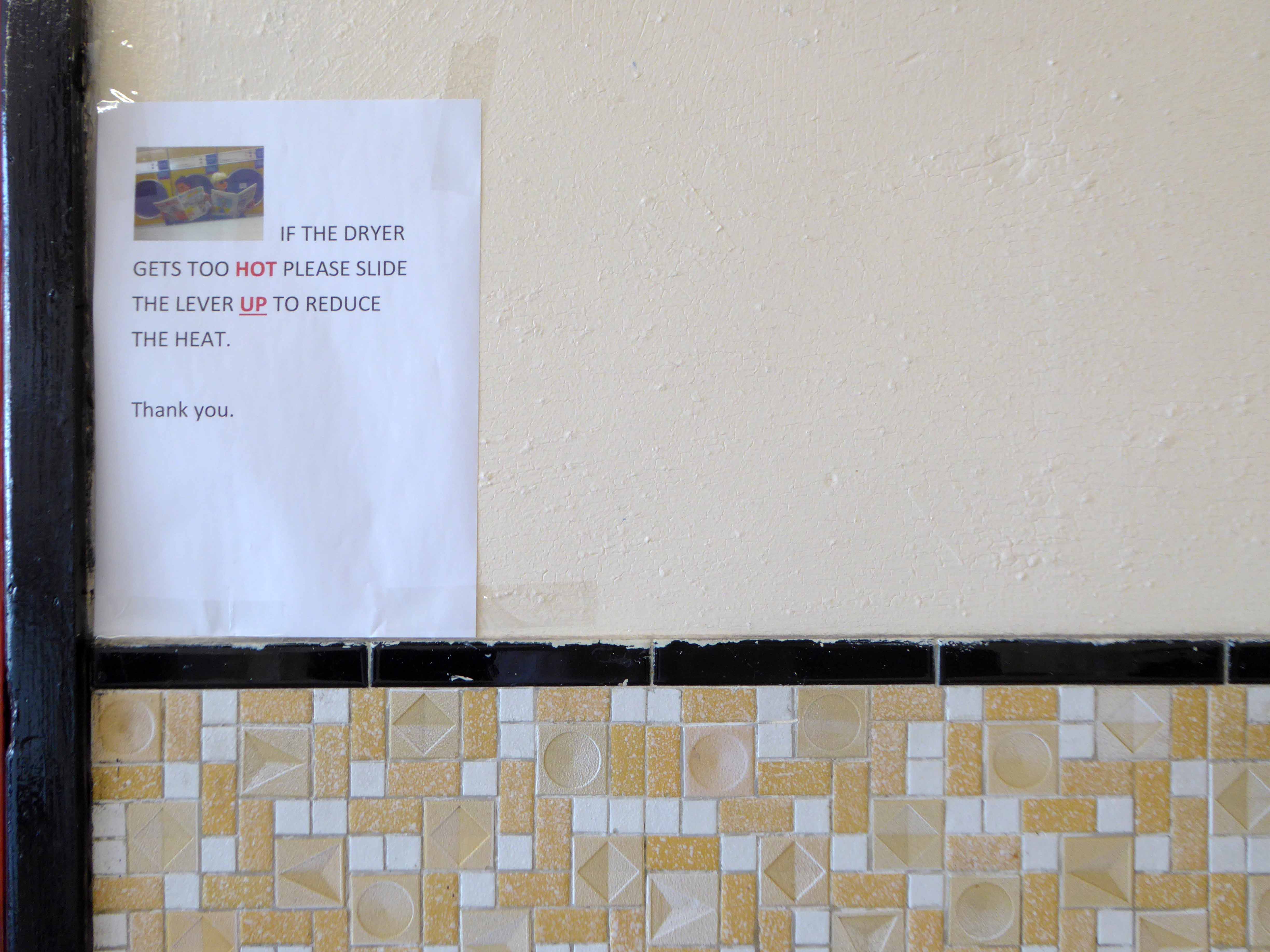
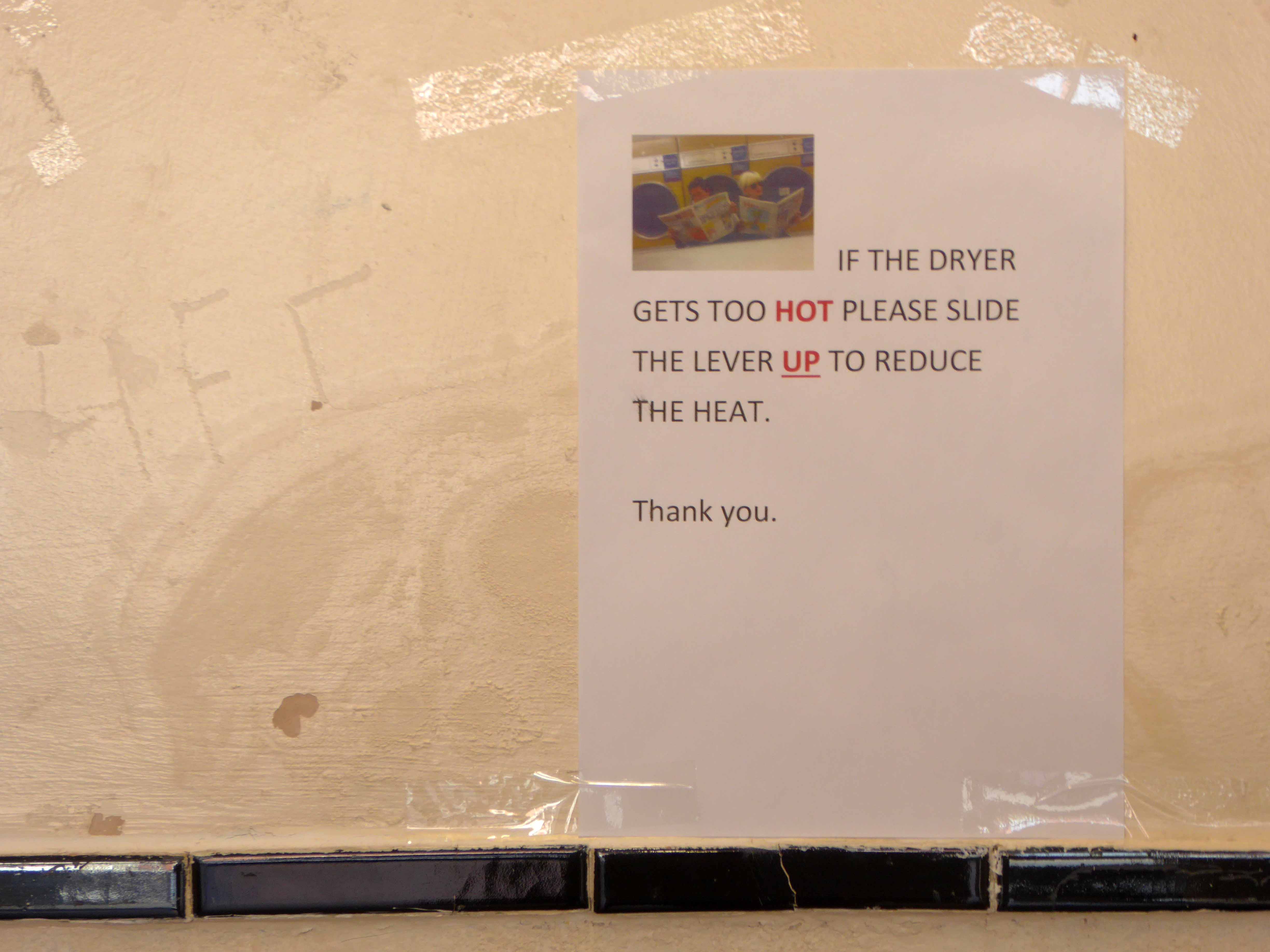
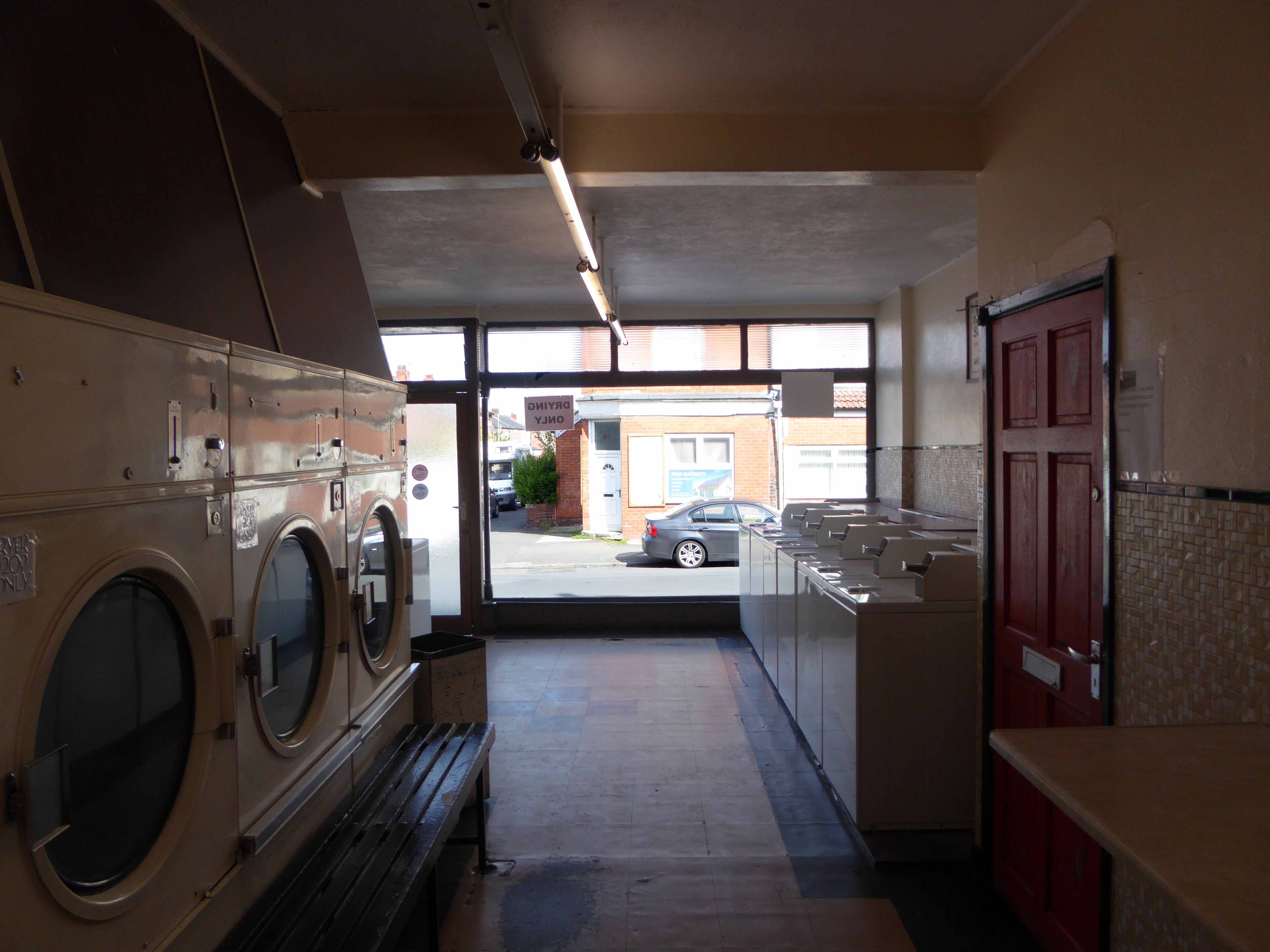
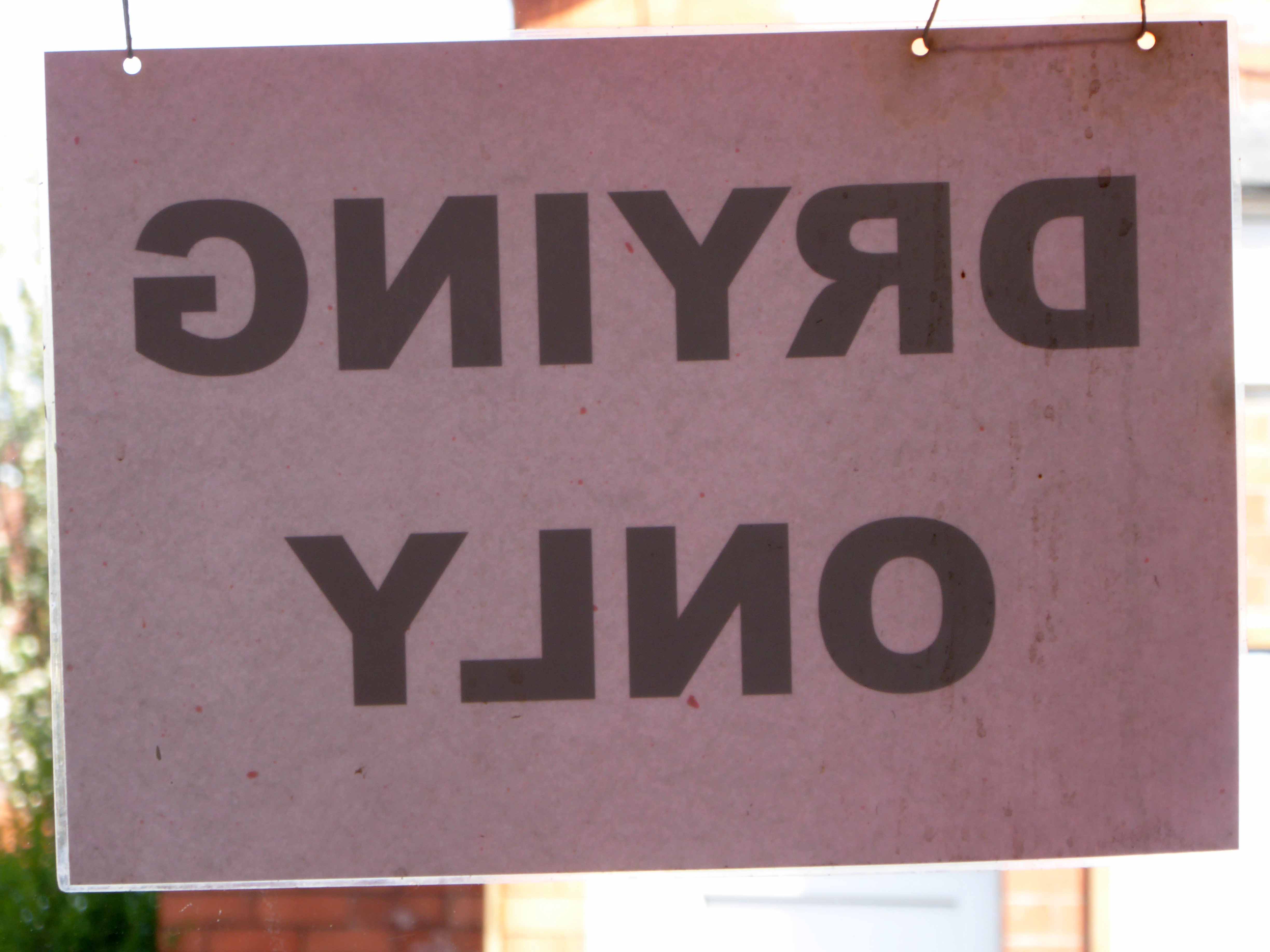
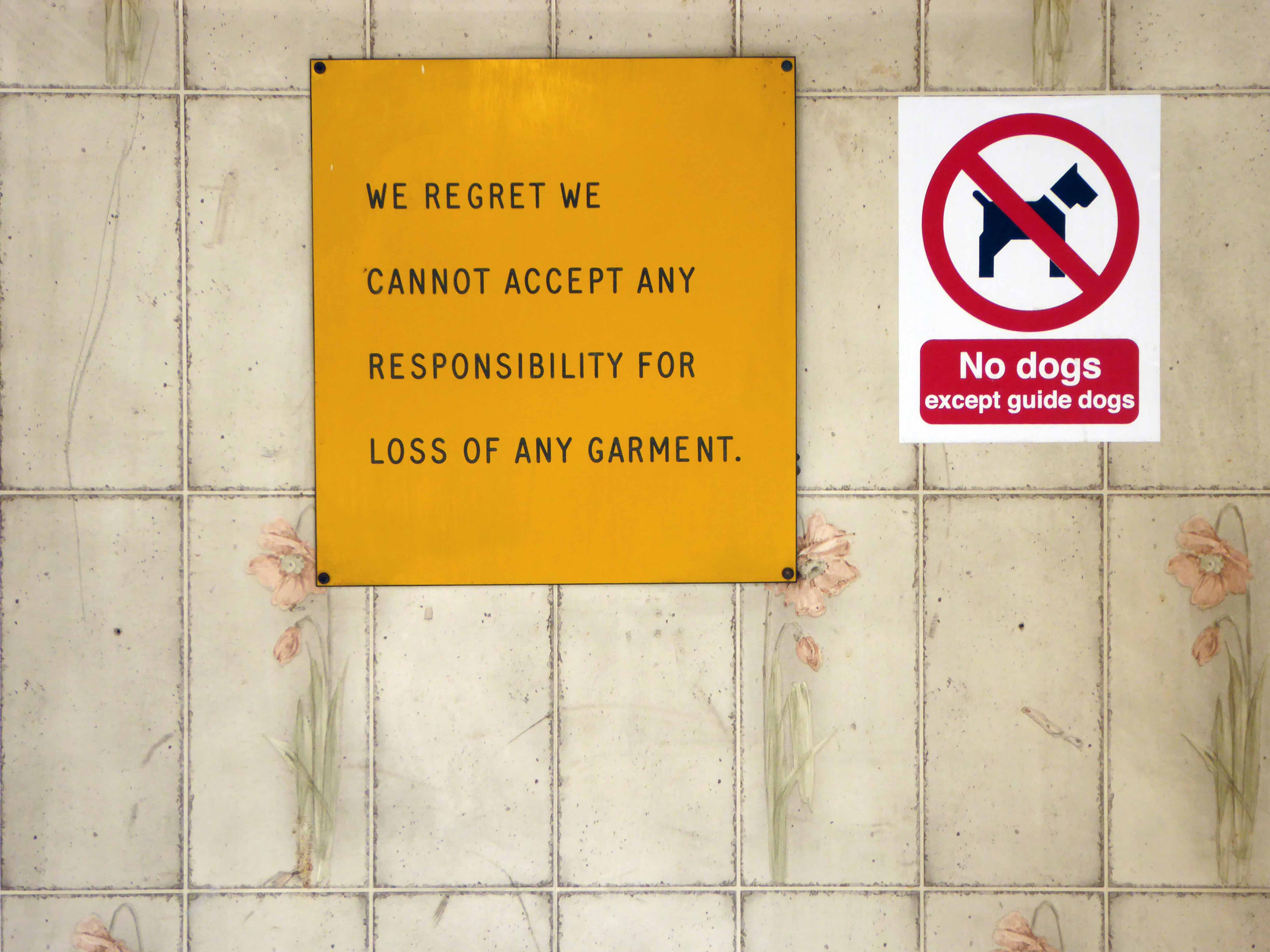
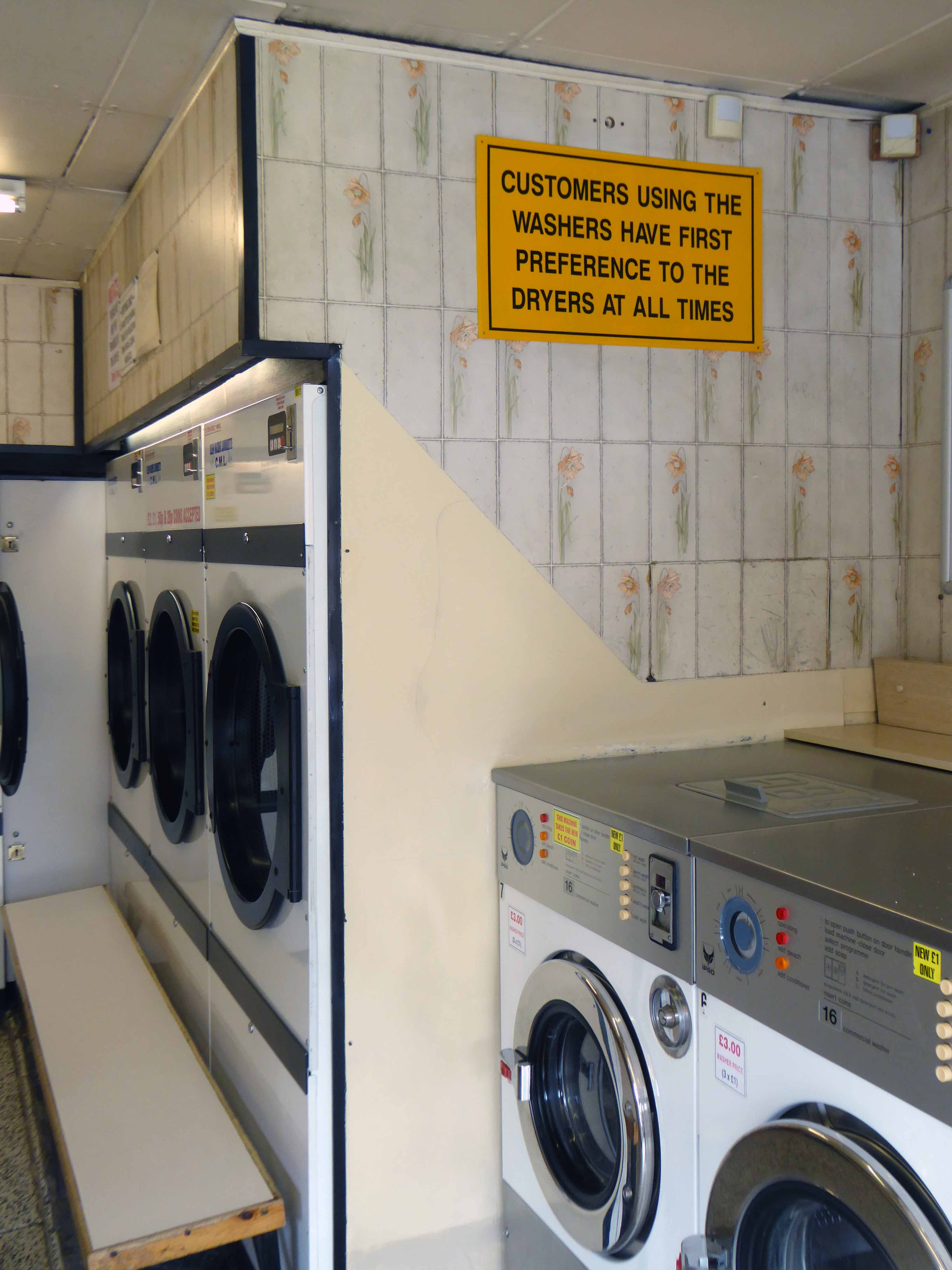
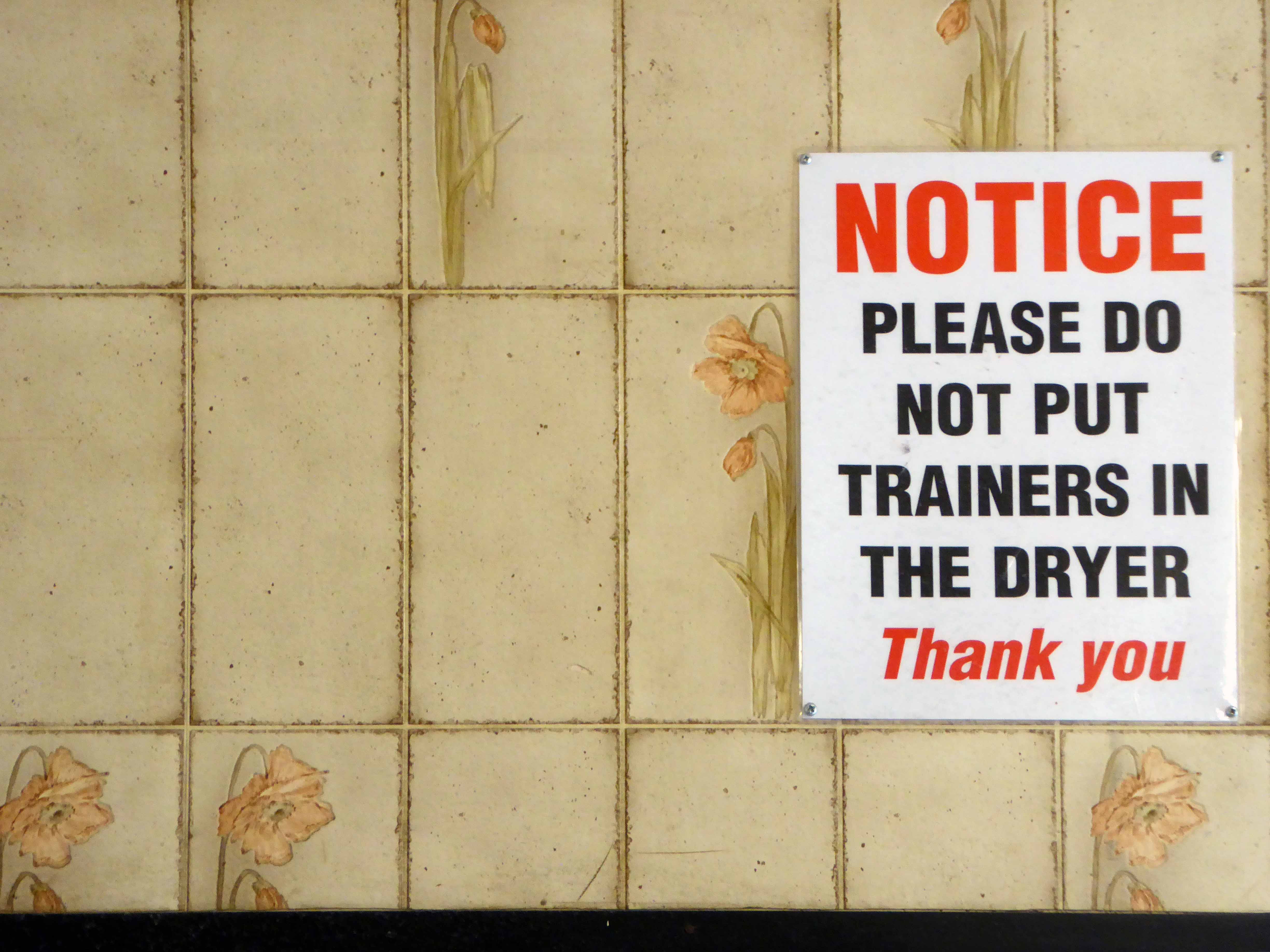
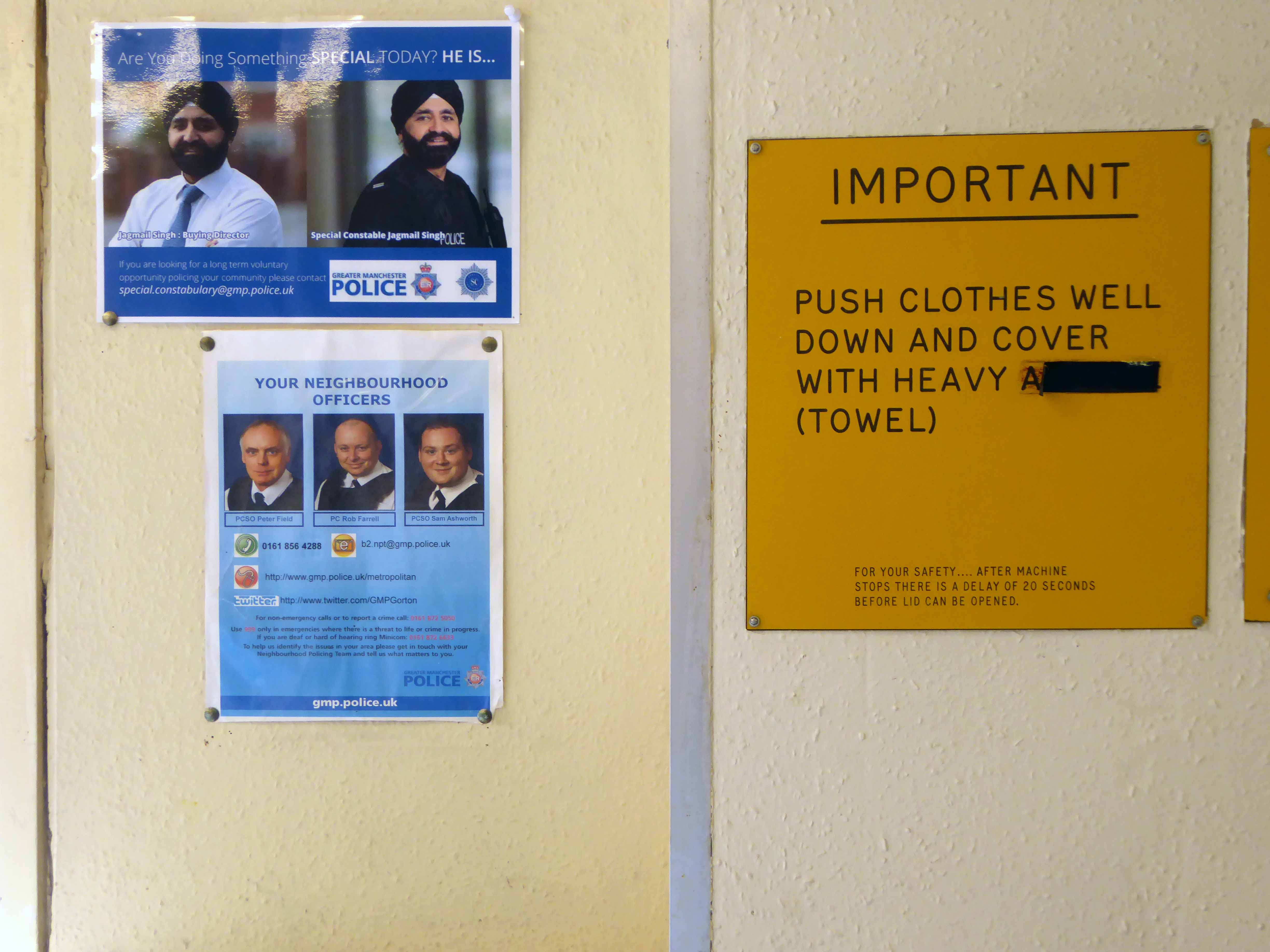
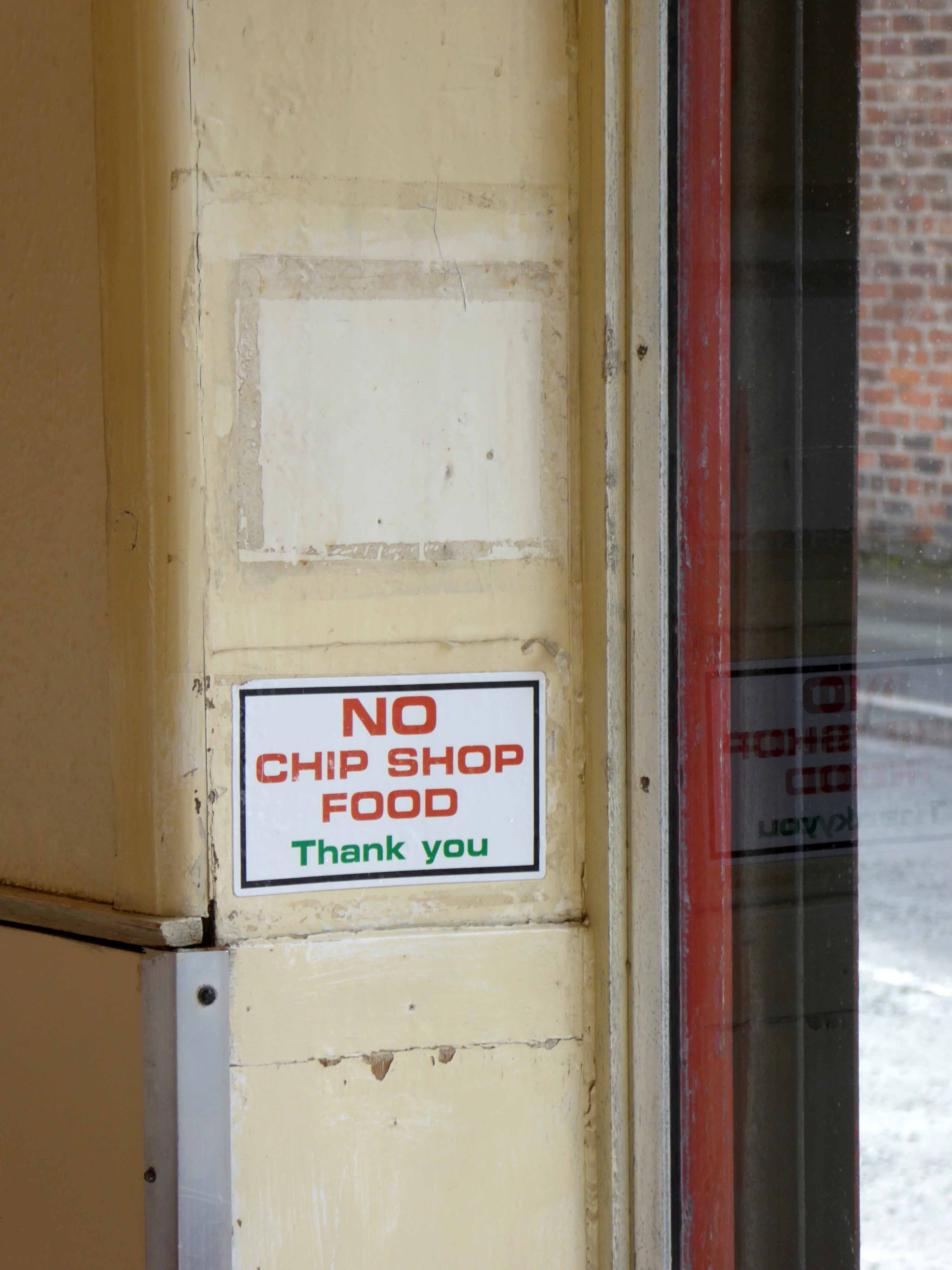
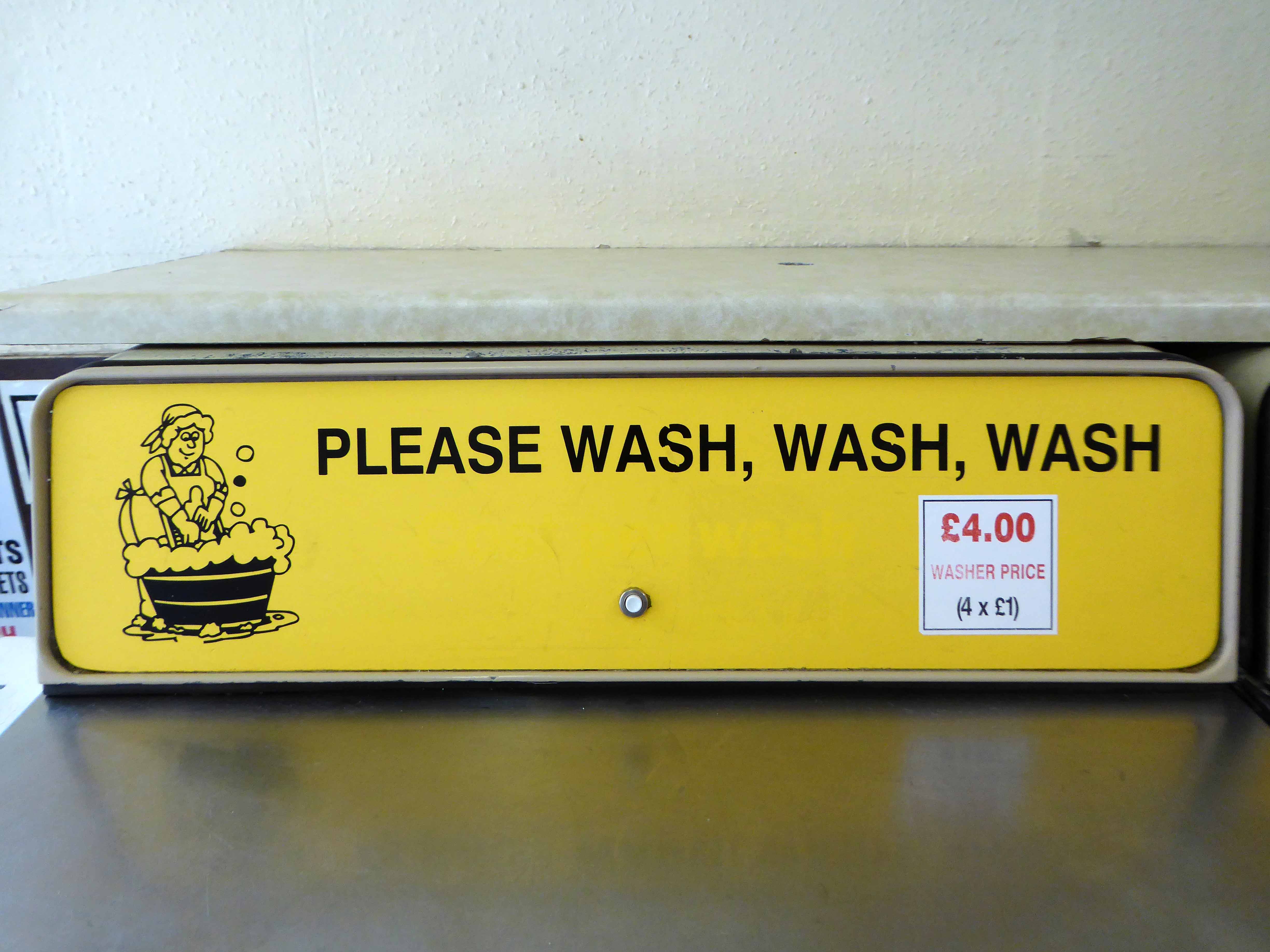
This is a dry only facility its surfaces inert, frozen in time, its sign declaiming pointless imperatives to nobody in particular.

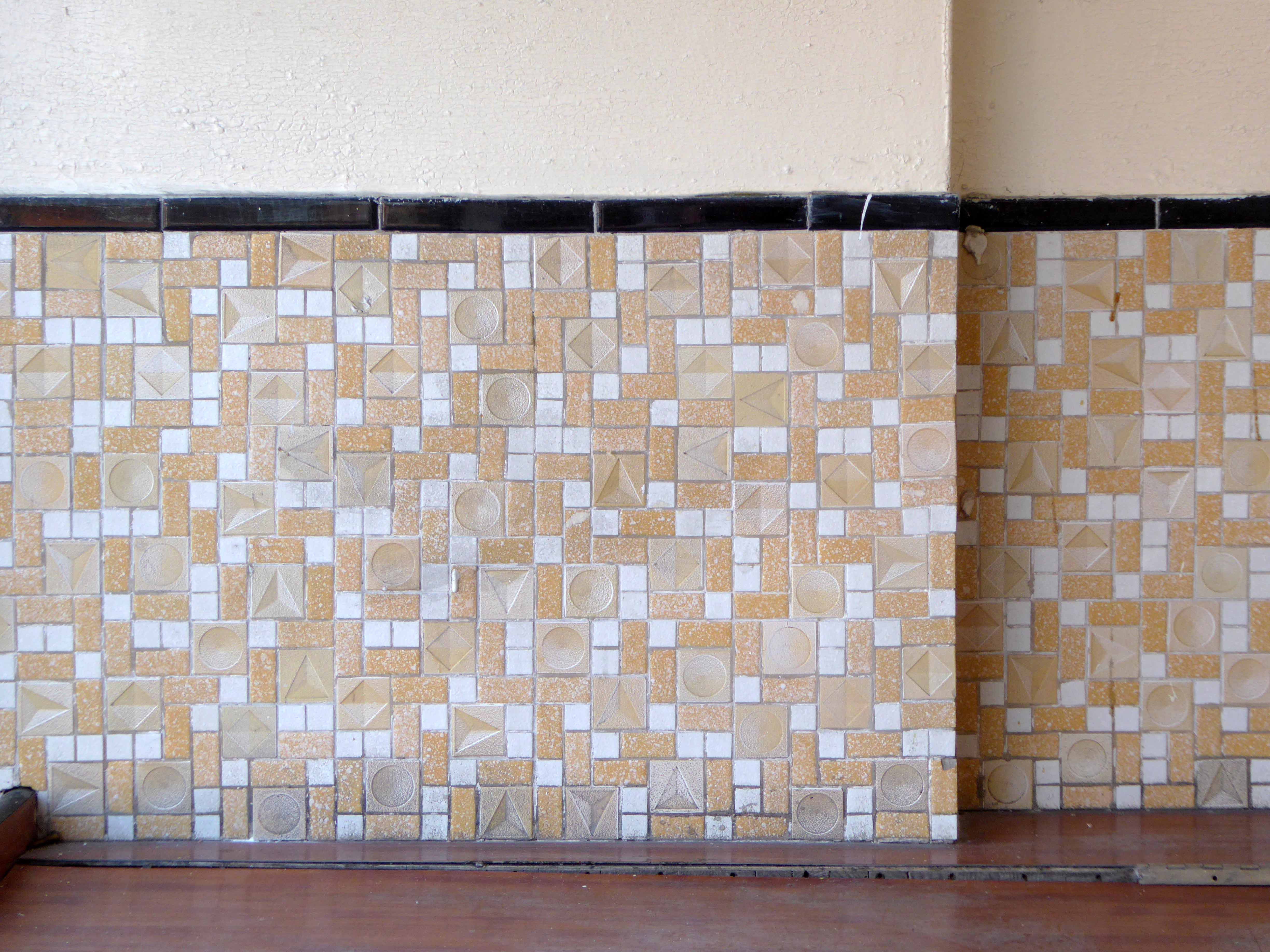
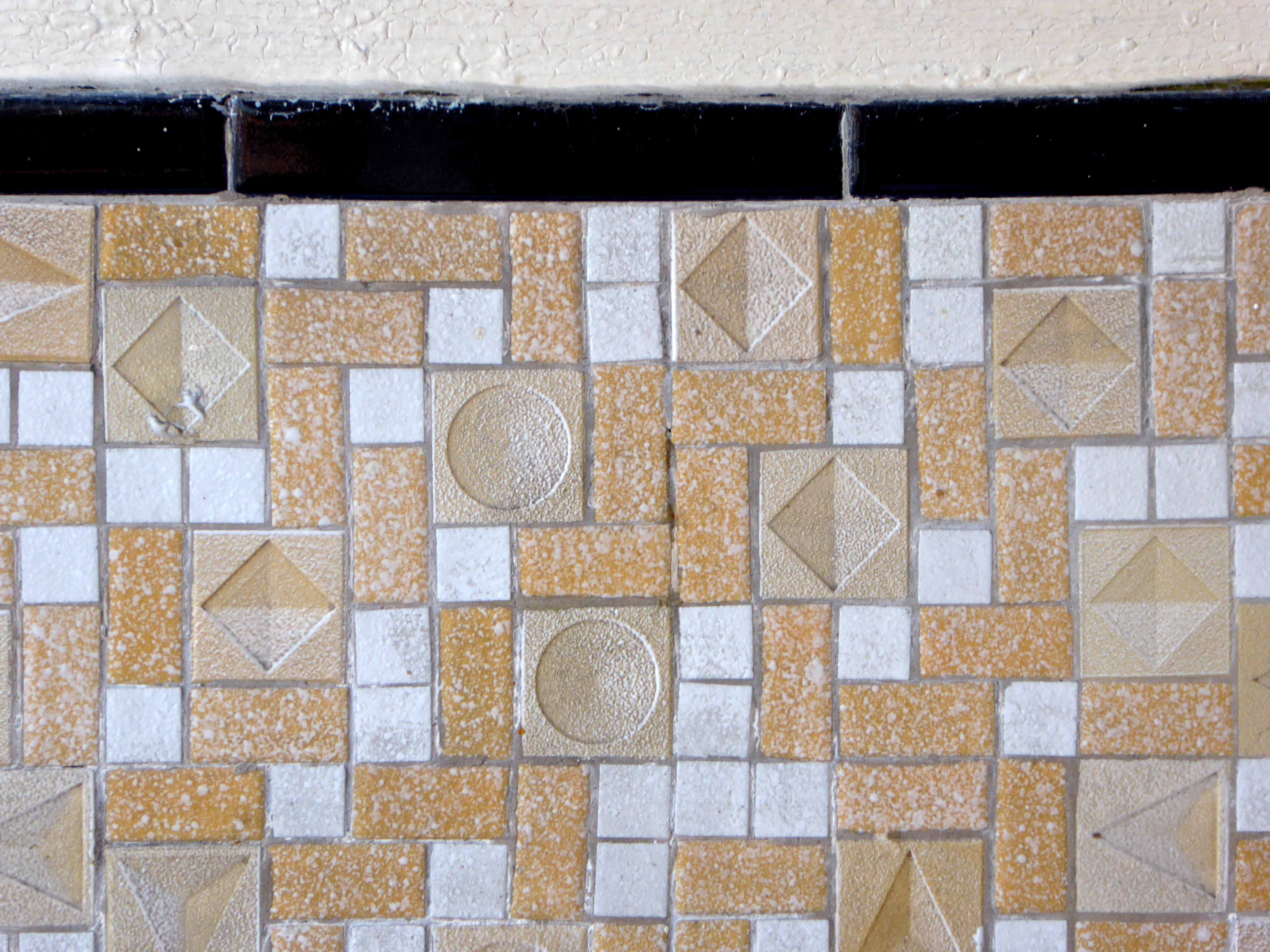
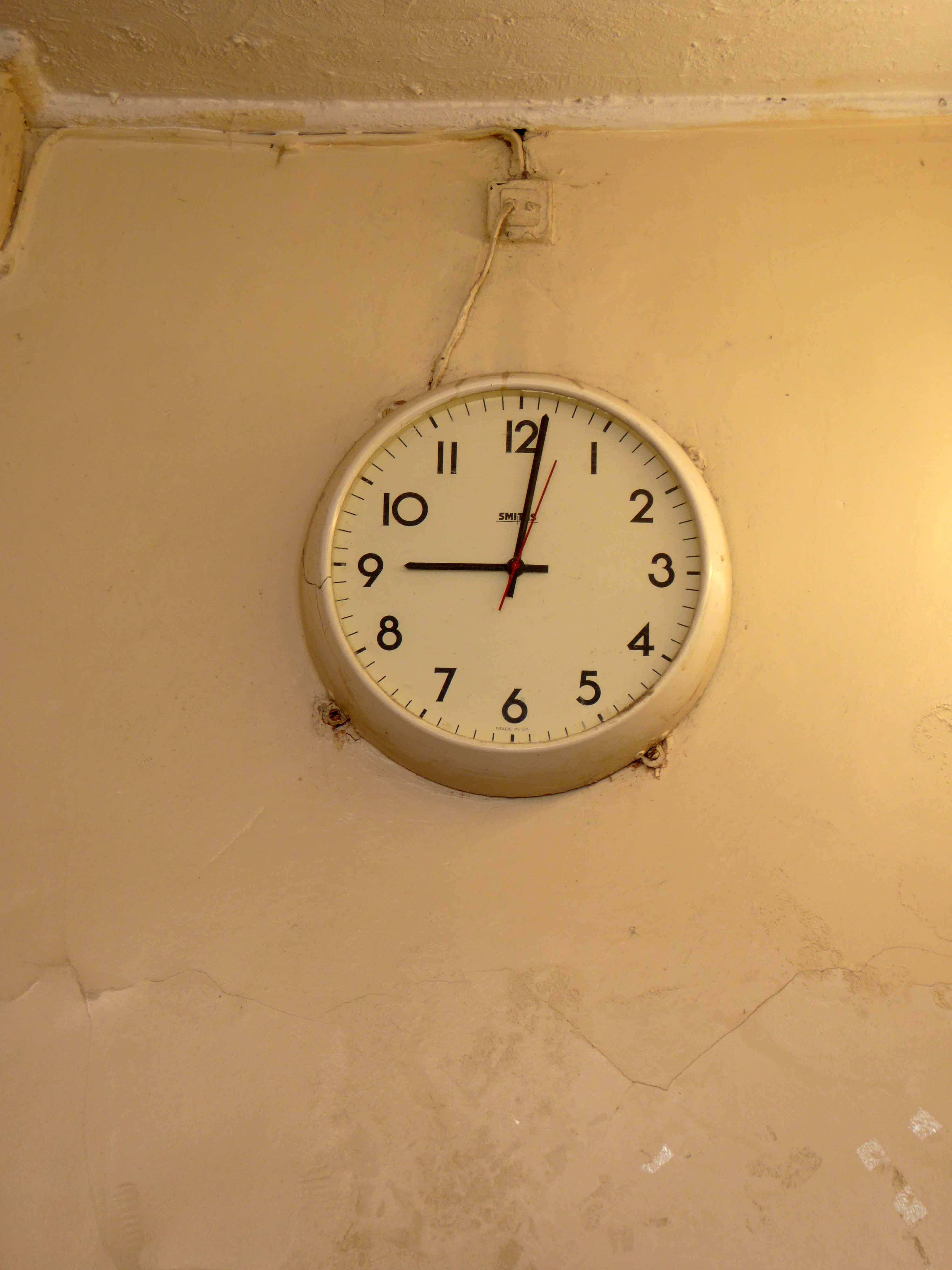
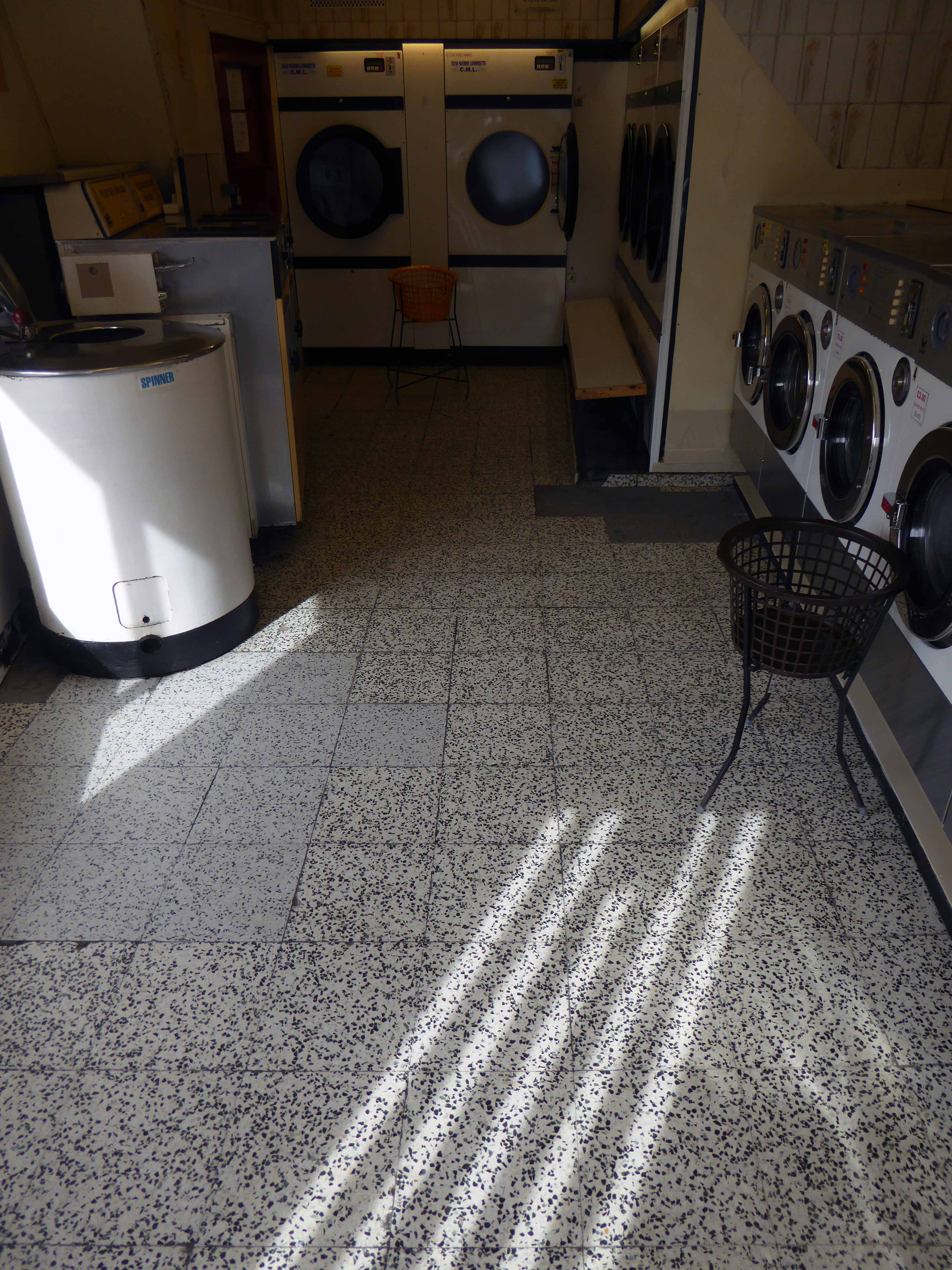
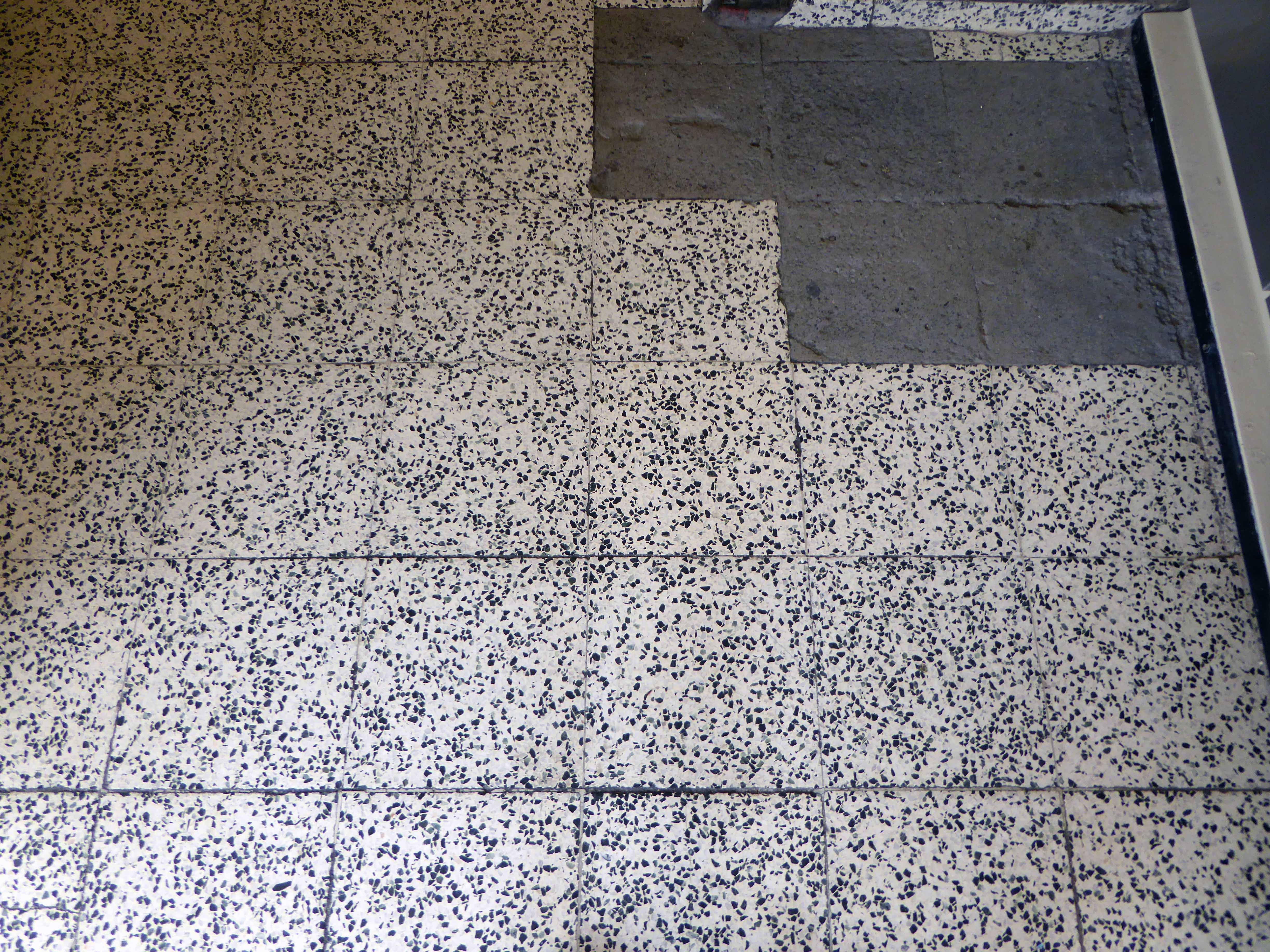
Worn lino, prosaic mosaic, strip lighting, wood-grained Formica, black wooden benches backed up against the warmth of the warm drier – time becomes elastic, limitless.

Enter at your own peril, Persil in hand prepare to be disappointed.

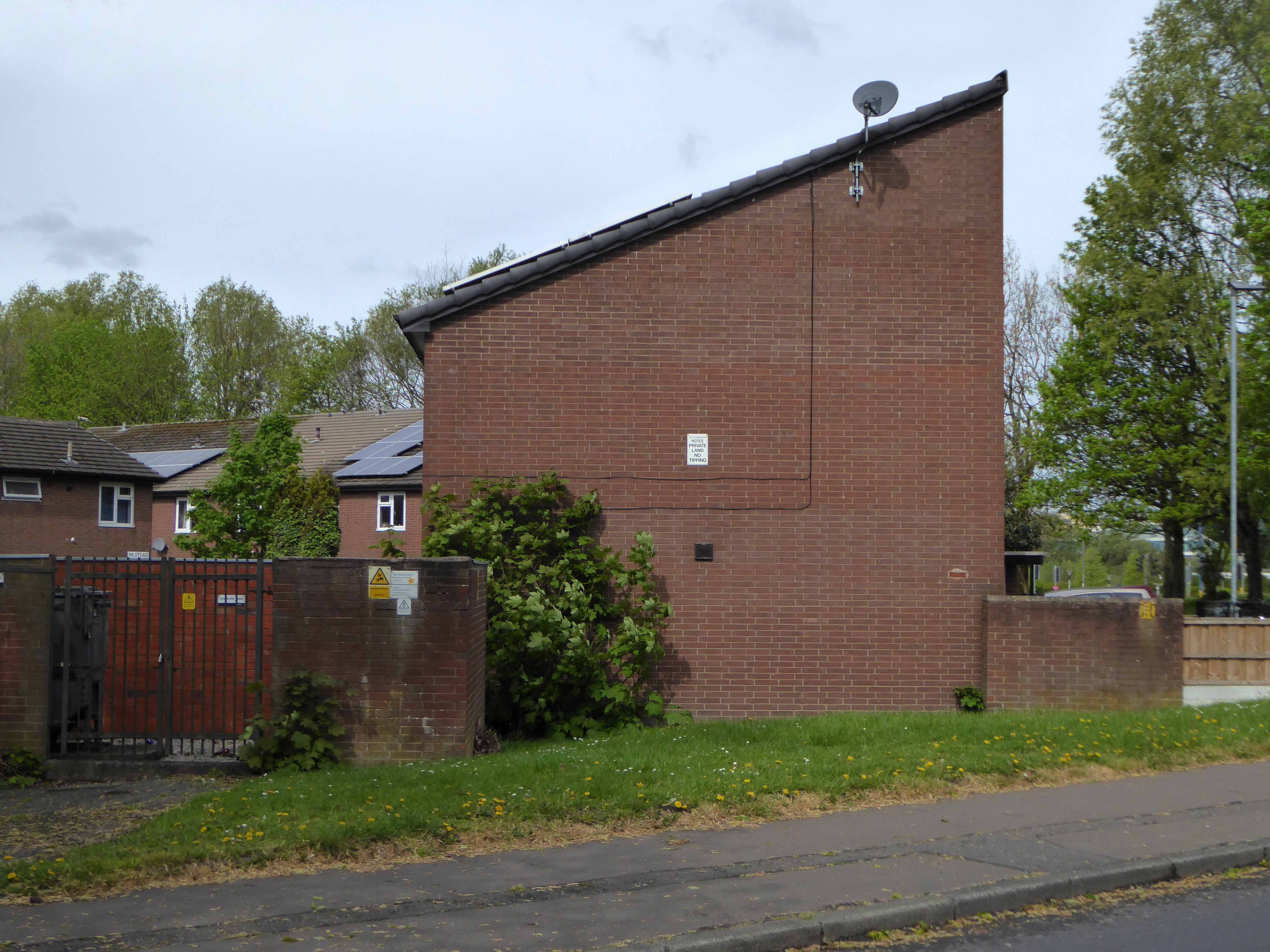
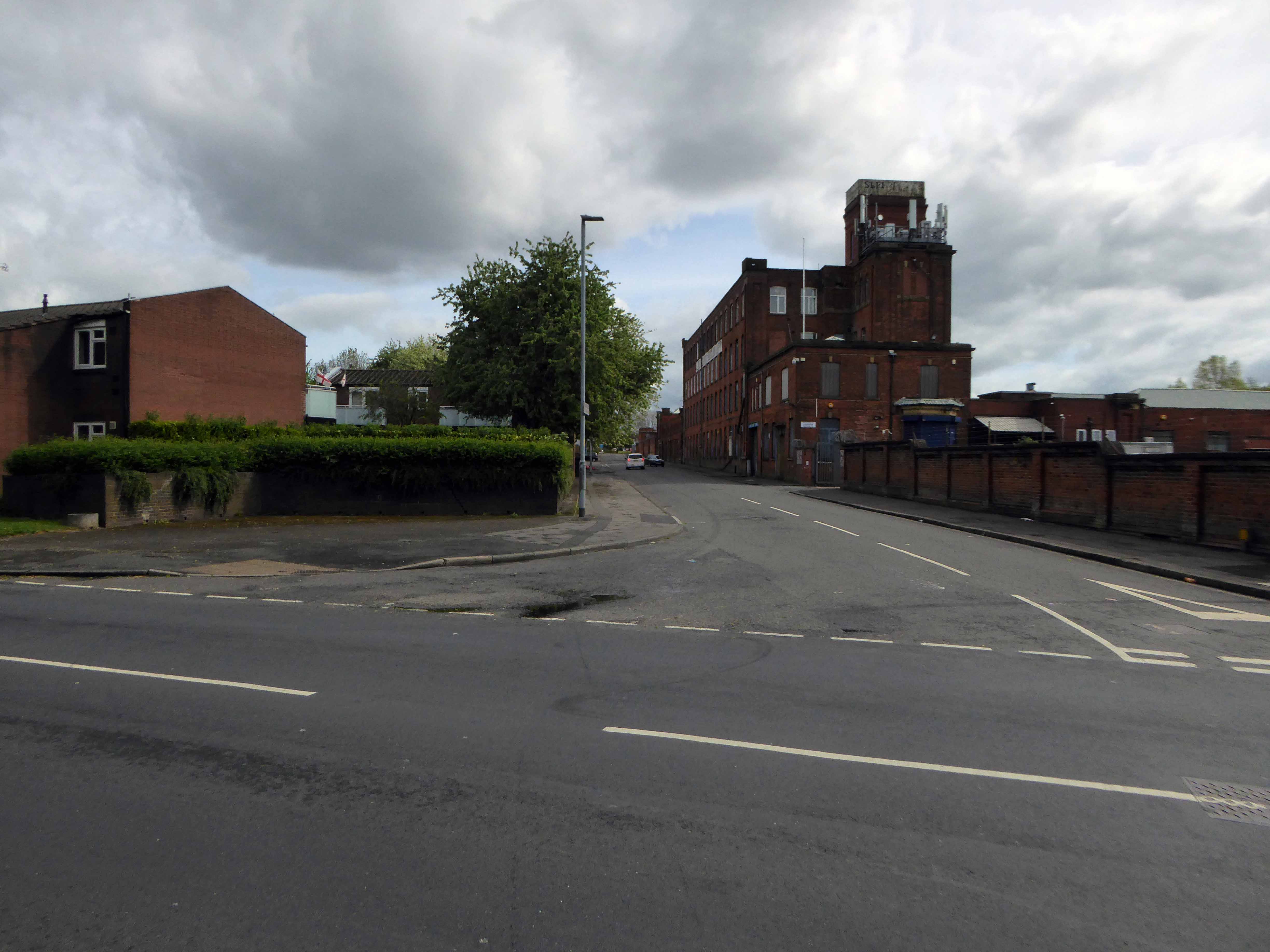
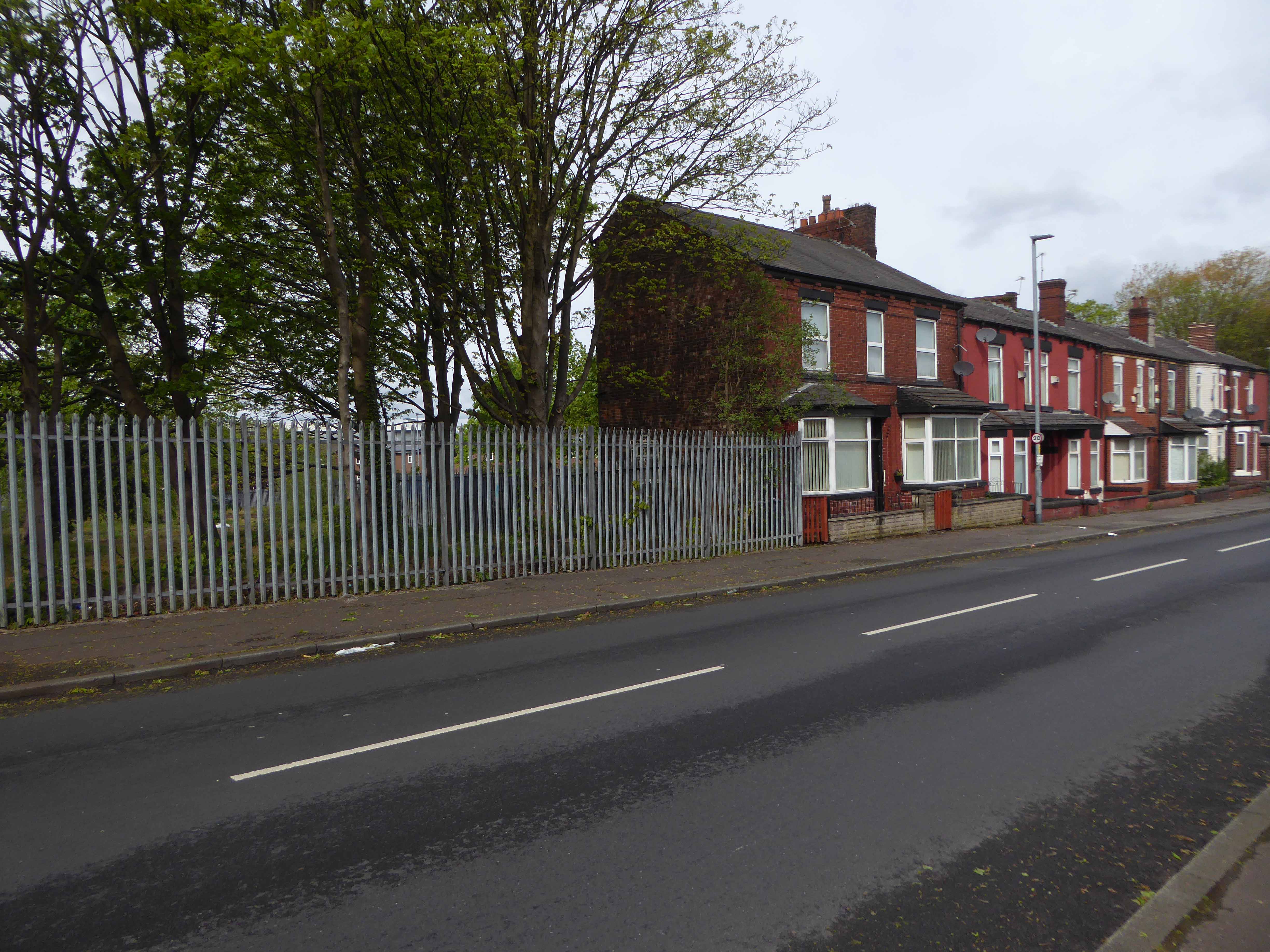
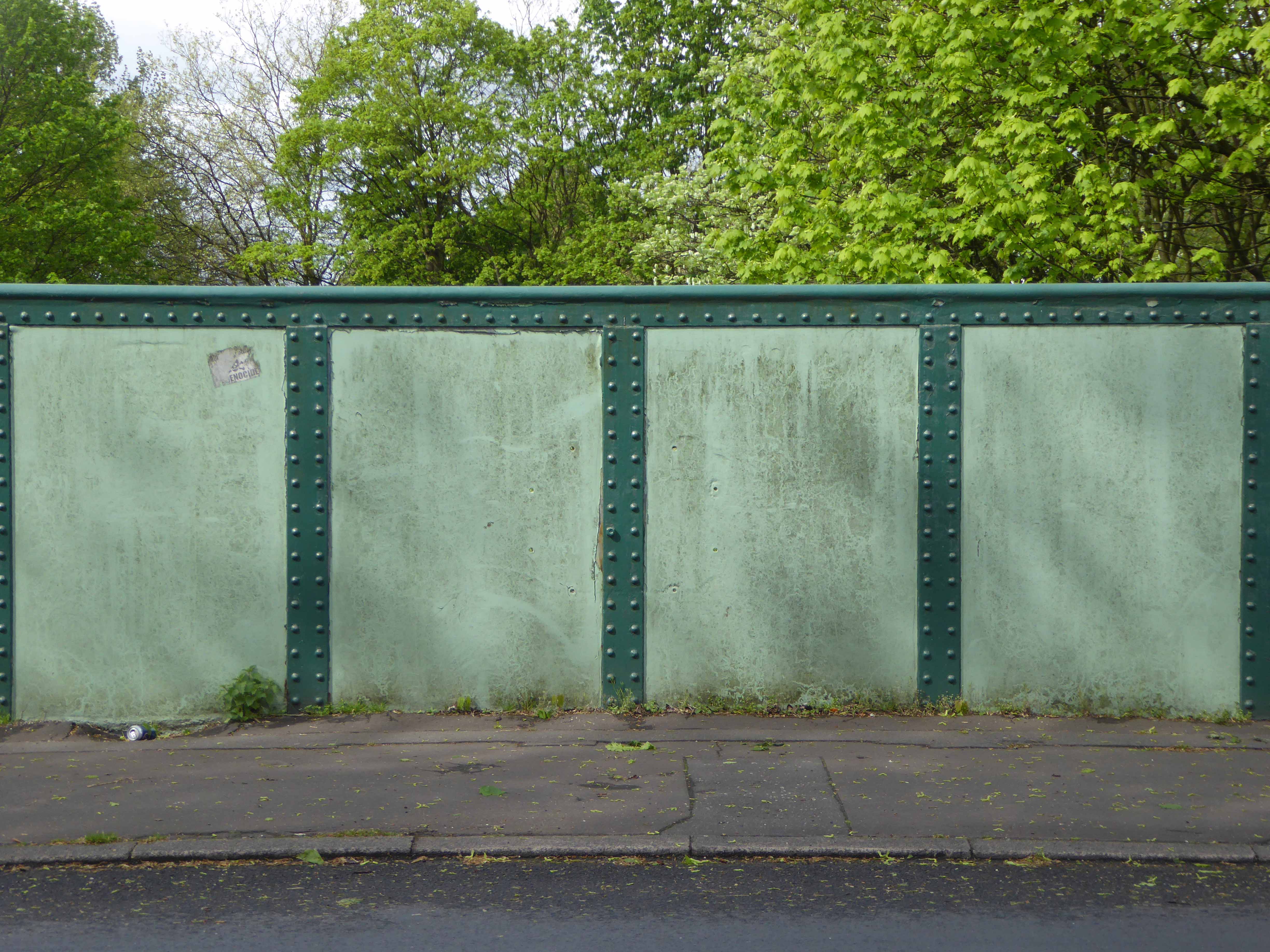
Ten Acres Lane Again – Manchester

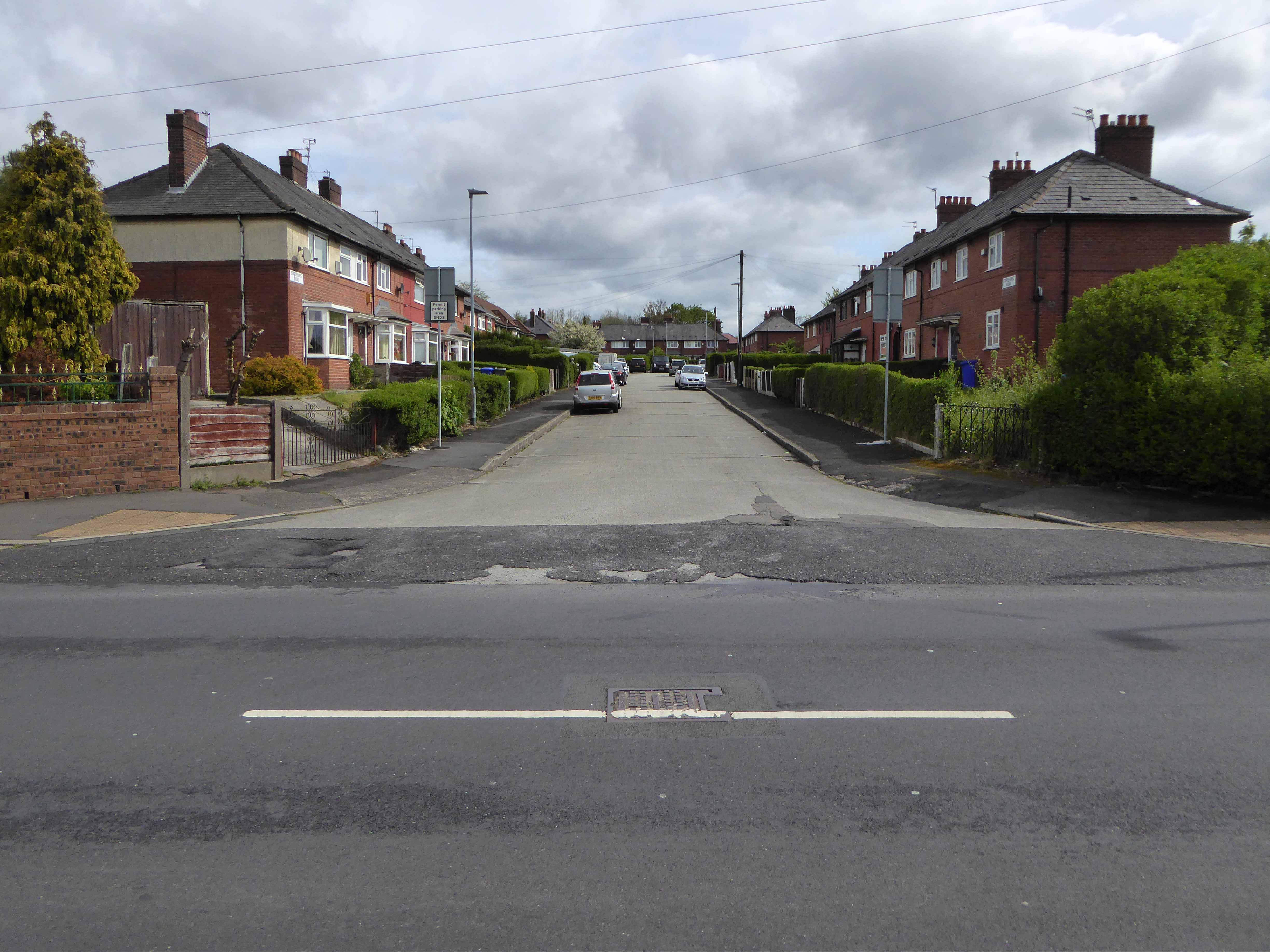
Having travelled back in time along Ten Acres Lane why not come along with me now and see just what’s left – right?

Each Manchester street tells its own tales of homes and people been, gone, rebuilt and buried – whole industries evaporating laid waste by seismic economic forces, land changing use again and again – shop door bells which are a now but a ghostly tintinnabulation on the wind.

Starting from the Oldham Road end the clearance of older terraced homes was followed by the construction of newer 70s social housing.

The former Tootal’s Mill is now owned by Sleepdown Textiles.

Some of the older terraces were spared the wrecker’s ball.

Industrial sites remain fenced and unused slowly returning to some form of urban natural habitat.

The cast-iron Rochdale Canal bridge is still in place – it was itself a replacement for an earlier masonry version.

Mather and Platt’s foundry sheds are just about hanging on – though I am uncertain of their current use and ownership.

The recreation ground is now an extensive community football facility and also home to the National Taekwondo Centre.

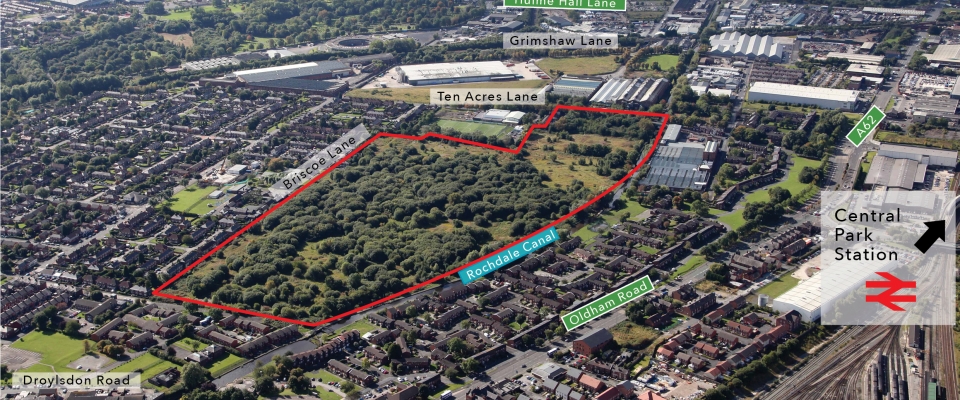
This large tract of land once Jackson’s Brickworks is under consideration for a modern private housing development

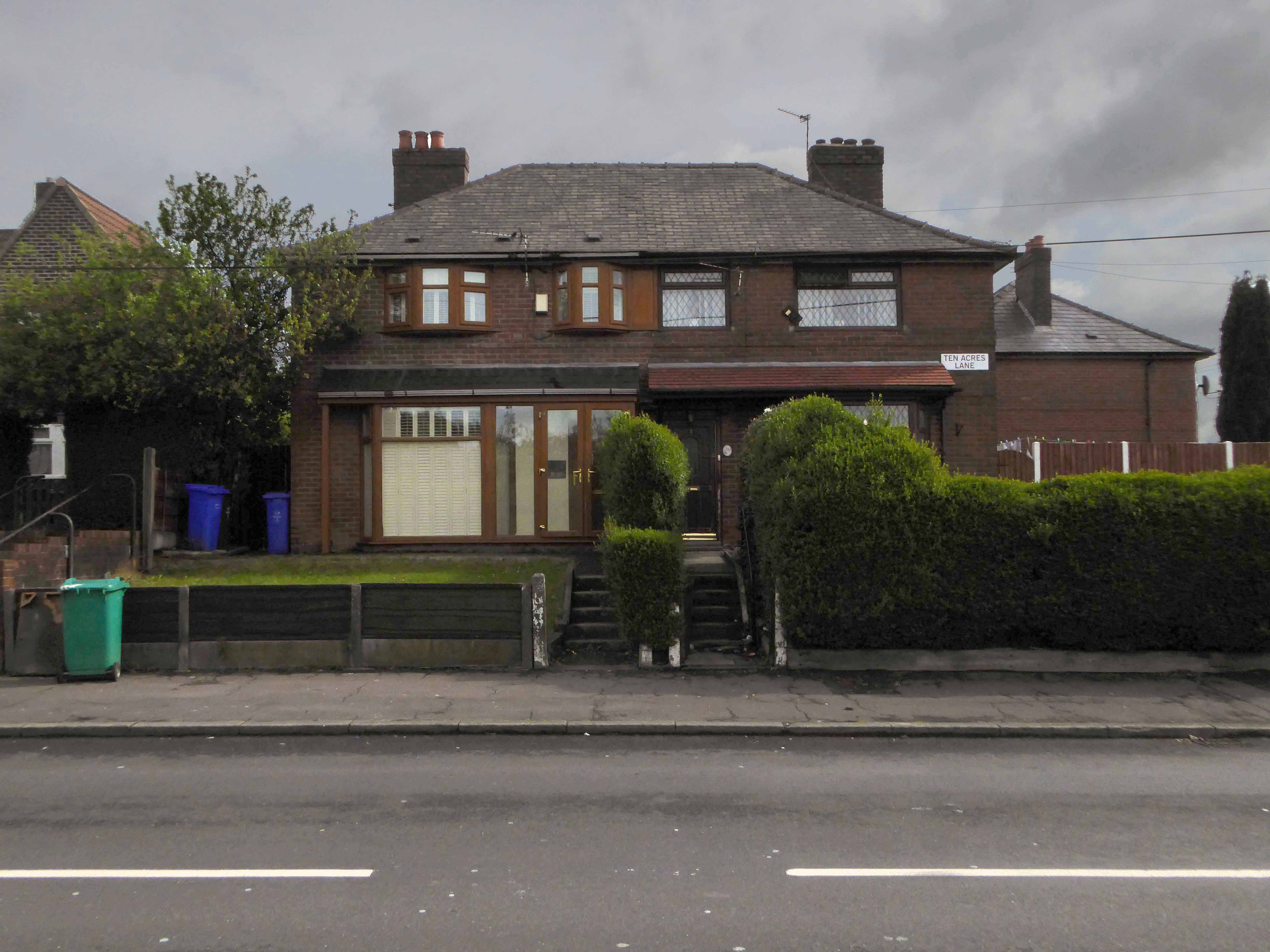
Much of the inter-war housing stock is still extant.

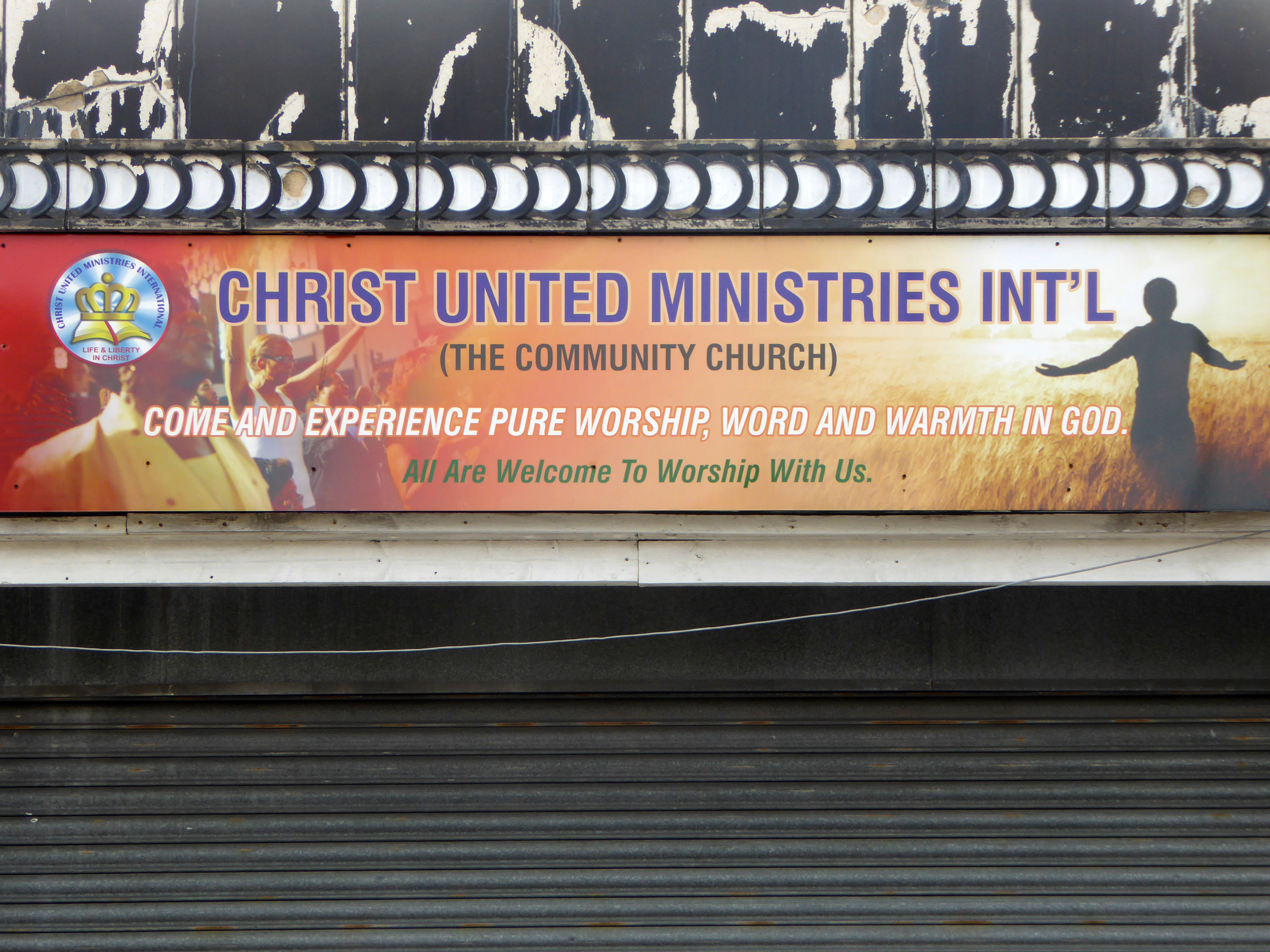
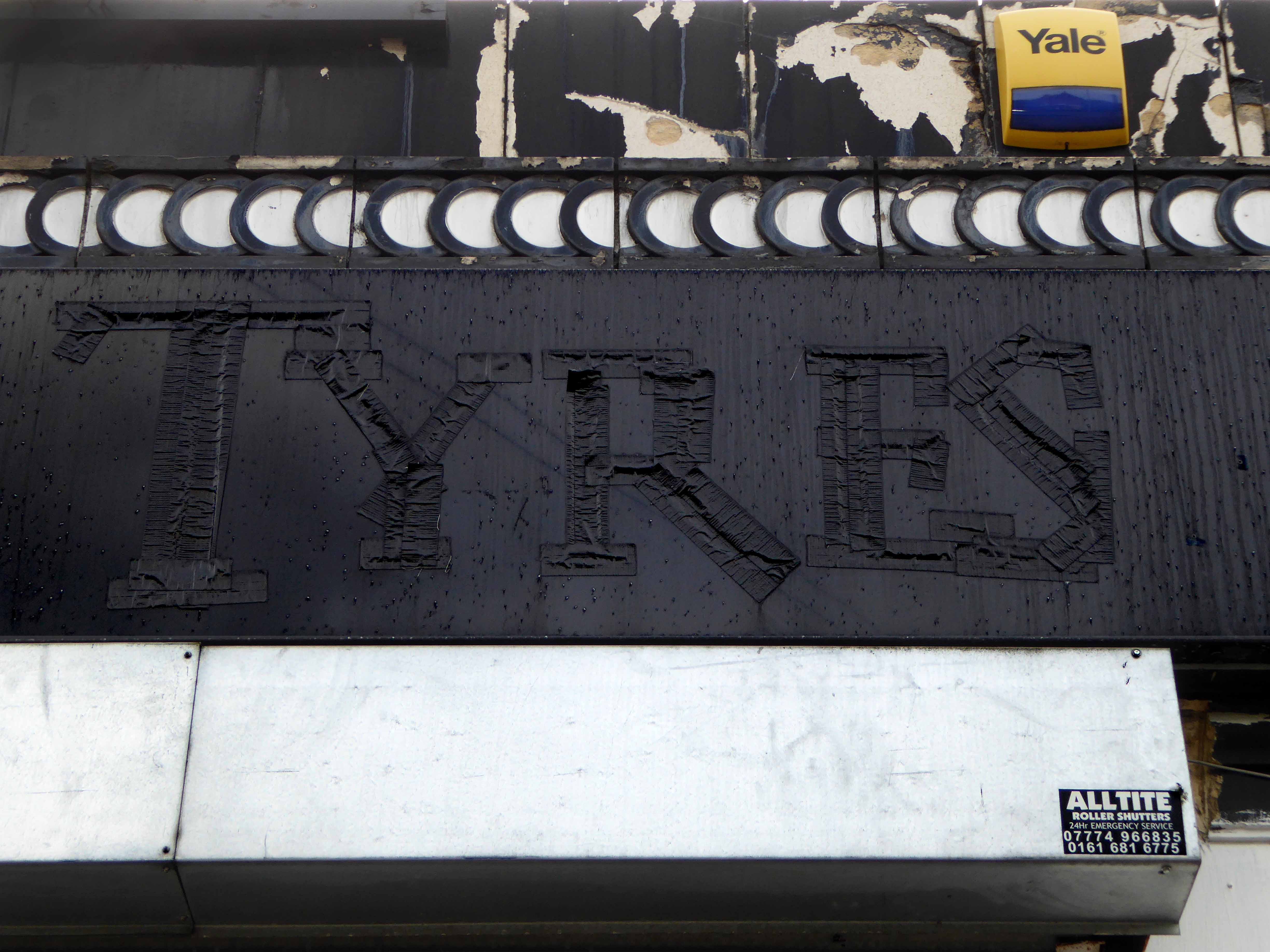
The sad shell of the Co-operative corner shop currently half storefront church half former tyre supplier is a sorry sight.

The still-standing CWS Works.

Finally passing under the railway bridge and descending into the Medlock Valley – our journey’s end.

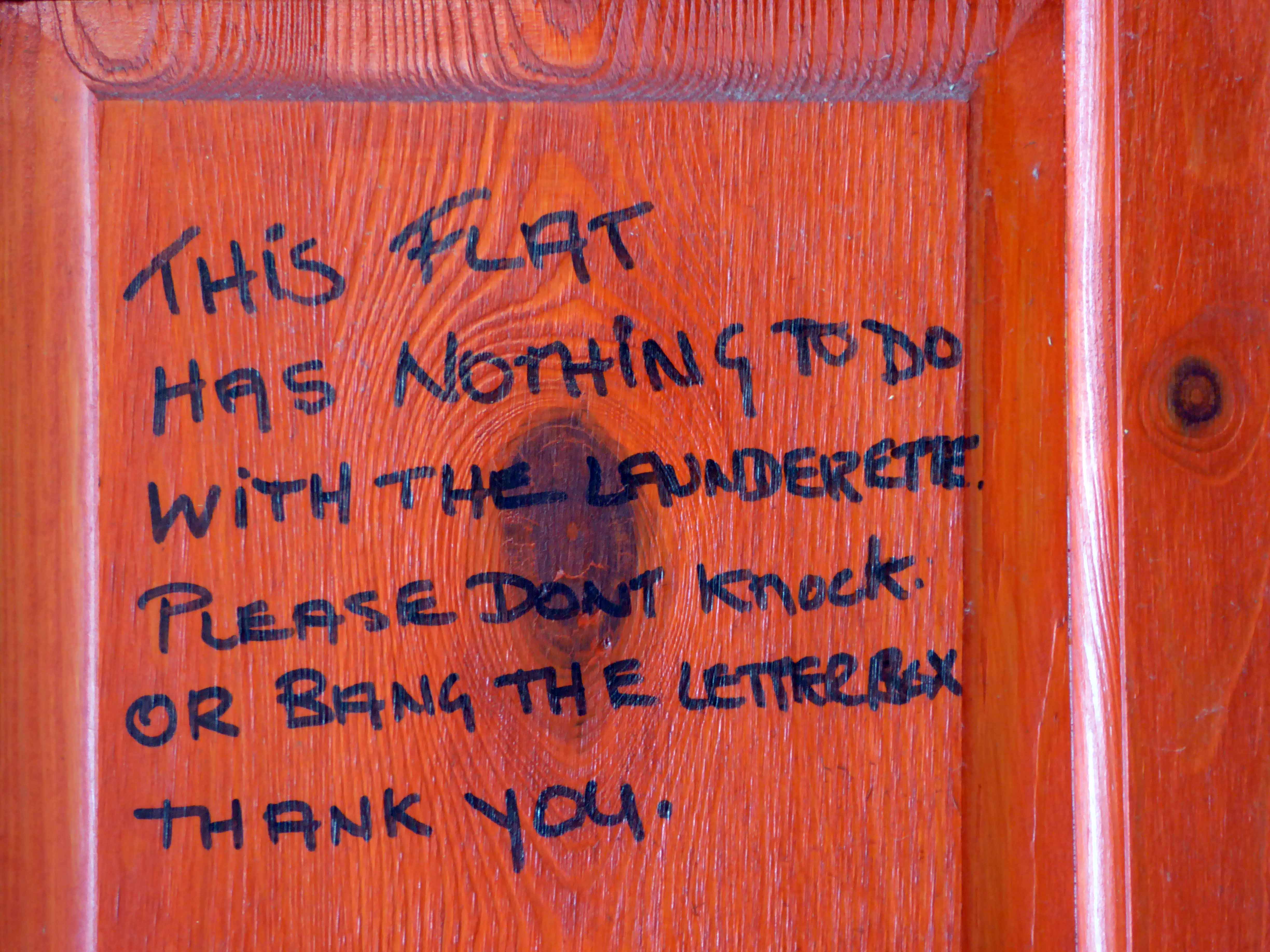
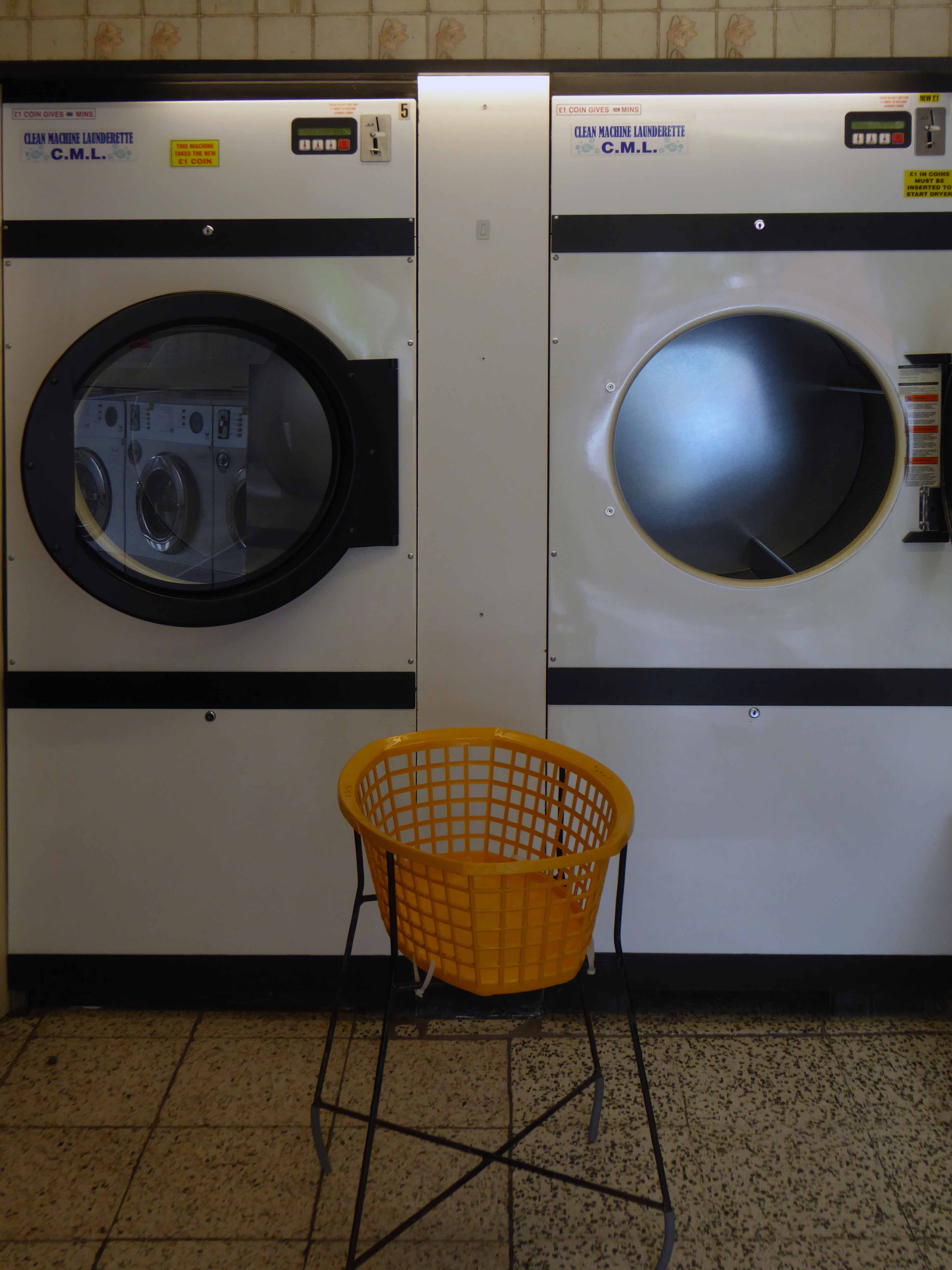
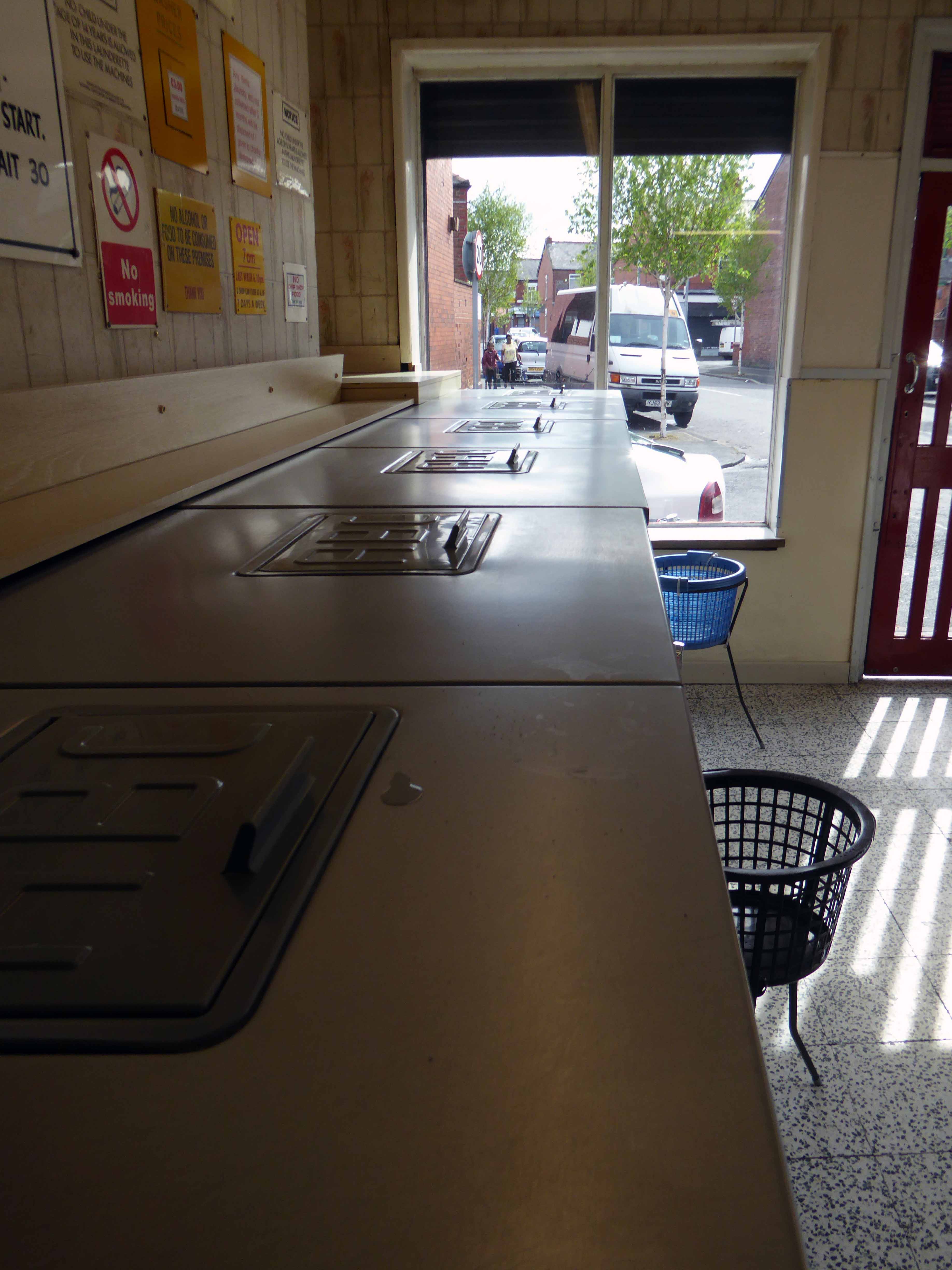
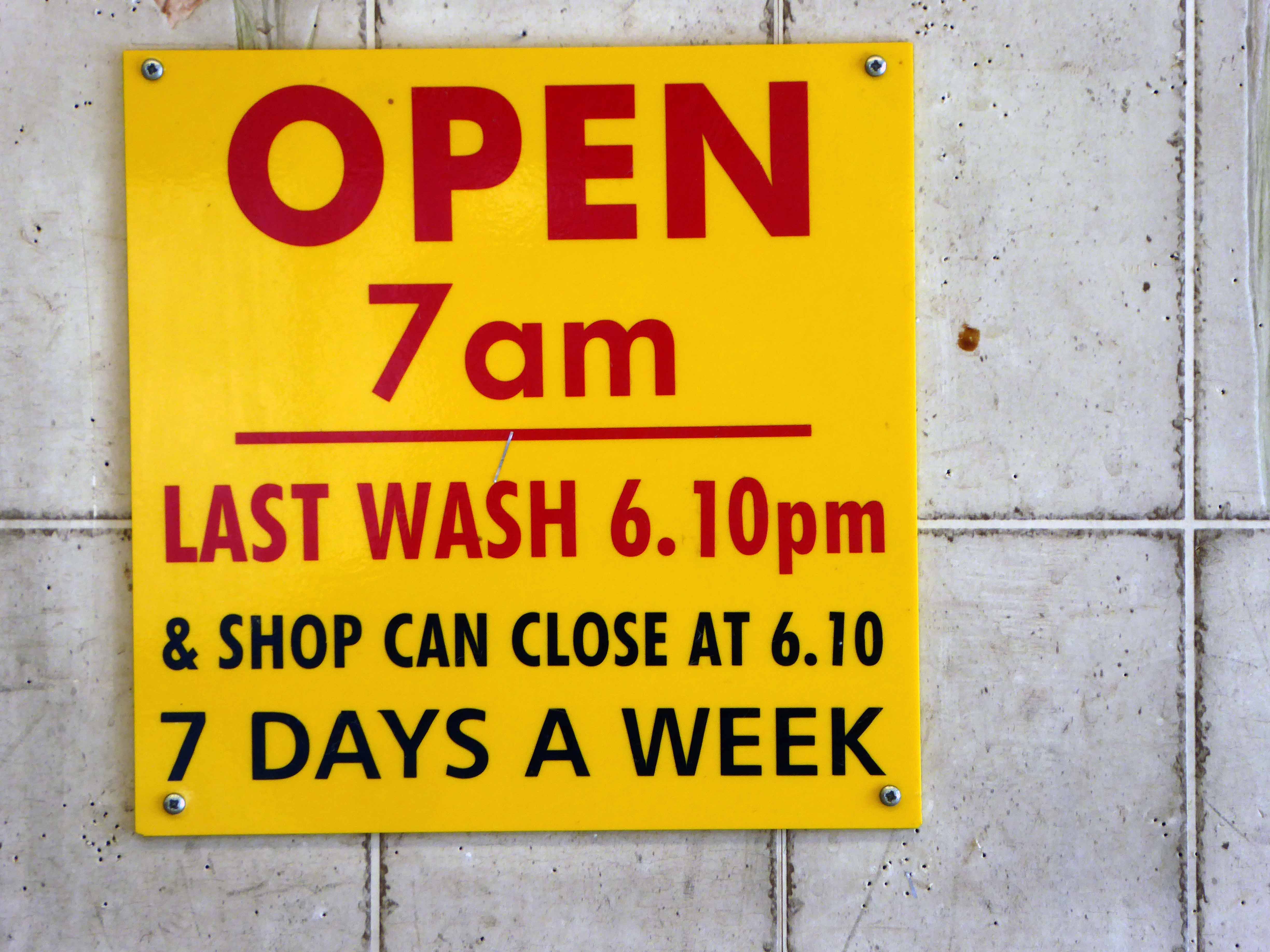
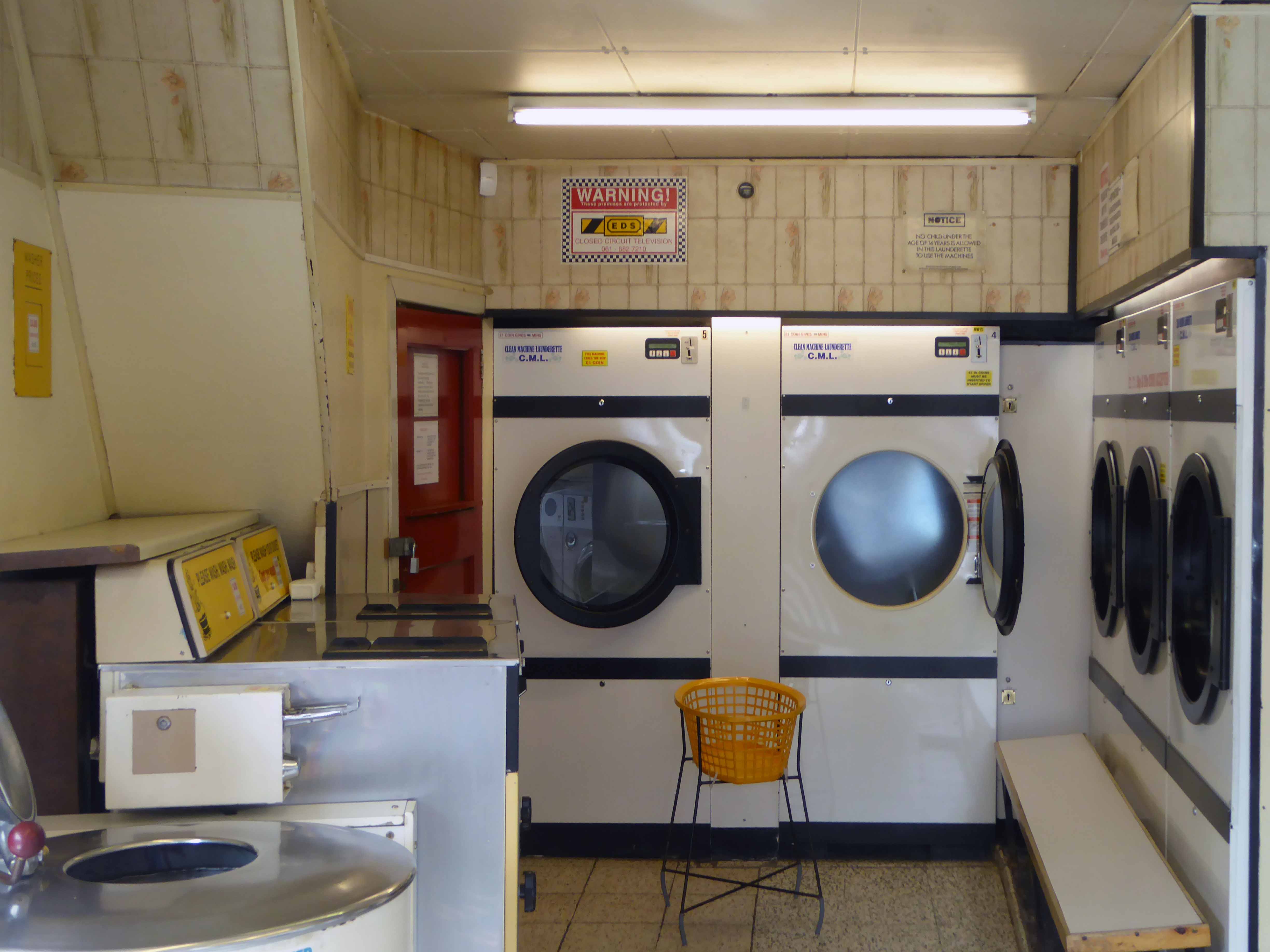
Launderette – Levenshulme

14 Matthews Lane Manchester M19 3DS

It’s been quite a while – following a spate there has been an abatement.

Time was I couldn’t pass a coin-op operation without snapping.

It all began in a Wigan Washeteria one thing lead to another then another.

I was all washed up, rinsed and spun out – I had to call it a day.

Yesterday things changed – I turned a corner in life when I turned the corner into Matthews Road, the familiar aroma, signs and things signified came flooding right back – time stood still beneath a strip light lit suspended ceiling.

William Mitchell – Newton Heath

On meeting an old friend in Manchester – following previous encounters in Coventry, Salford and Liverpool

Following a lead from Neil Simpson I cycled along Clayton Vale and emerged on Amos Avenue where the flats came into view.

I was in search of an an averaged sized totemic concrete municipal public art pillar – similar to the example to be found in Eastford Square.

It belongs to a time when Municipal Modernism was very much in vogue – the provision of social housing along with the commissioning of murals, sculptures, mosaics and tiled reliefs.

There has been some discussion regarding its authorship – it may or may not be the work of William Mitchell – both Skyliner and The Shrieking Violets have tried to find an answer.

Inevitably my only concern is art over authenticity – does it move you?

Let’s just take a little look.


St Gabriel’s Church – Blackburn

Brownhill Dr Blackburn BB1 9BA

The original design of Liverpool architect F.X. Velarde attracted so much attention when St Gabriel’s opened in 1933.

“The new building… marks a new departure from the accepted ecclesiastical style and is unique in this district,” said the old Blackburn Times when it was consecrated on April 8, 1933, by the Bishop of Blackburn, Dr P.M. Herbert.

But this is a church which throughout its life has been fraught with settlement cracks, repairs and redesign – it’s original towers truncated and clad, flat roofs pitched and timbers replaced.

For 34 years ago, the landmark building was facing possible demolition — with the parish confronted with a then-immense bill of £15,000 for repairs. The crisis was due to serious damage to the roof timbers caused by water penetration.

Eventually, it took £40,000-worth of refurbishment inside and out lasting until 1975 to save St Gabriel’s — at considerable expense to its original appearance. The main tower was shortened by six feet and later clad at the top with glass-fibre sheathing while the east tower was removed altogether and its flat roofs were made into pitched ones to deal with the rotting roof timbers and problems of settlement.

In fact, the difficulties that its design and construction posed were recognised much earlier in 1956 when the church, which had cost £20,000 to build, was found to be in urgent need of repairs that would cost more than £1,500. For an inspection by the Diocesan Architect found that major defects in the flat roof could have serious consequences unless they were given early attention and portions of the parapet wall were found to have large cracks due to settlement while half the building’s brickwork needed pointing.

Lancashire Telegraph

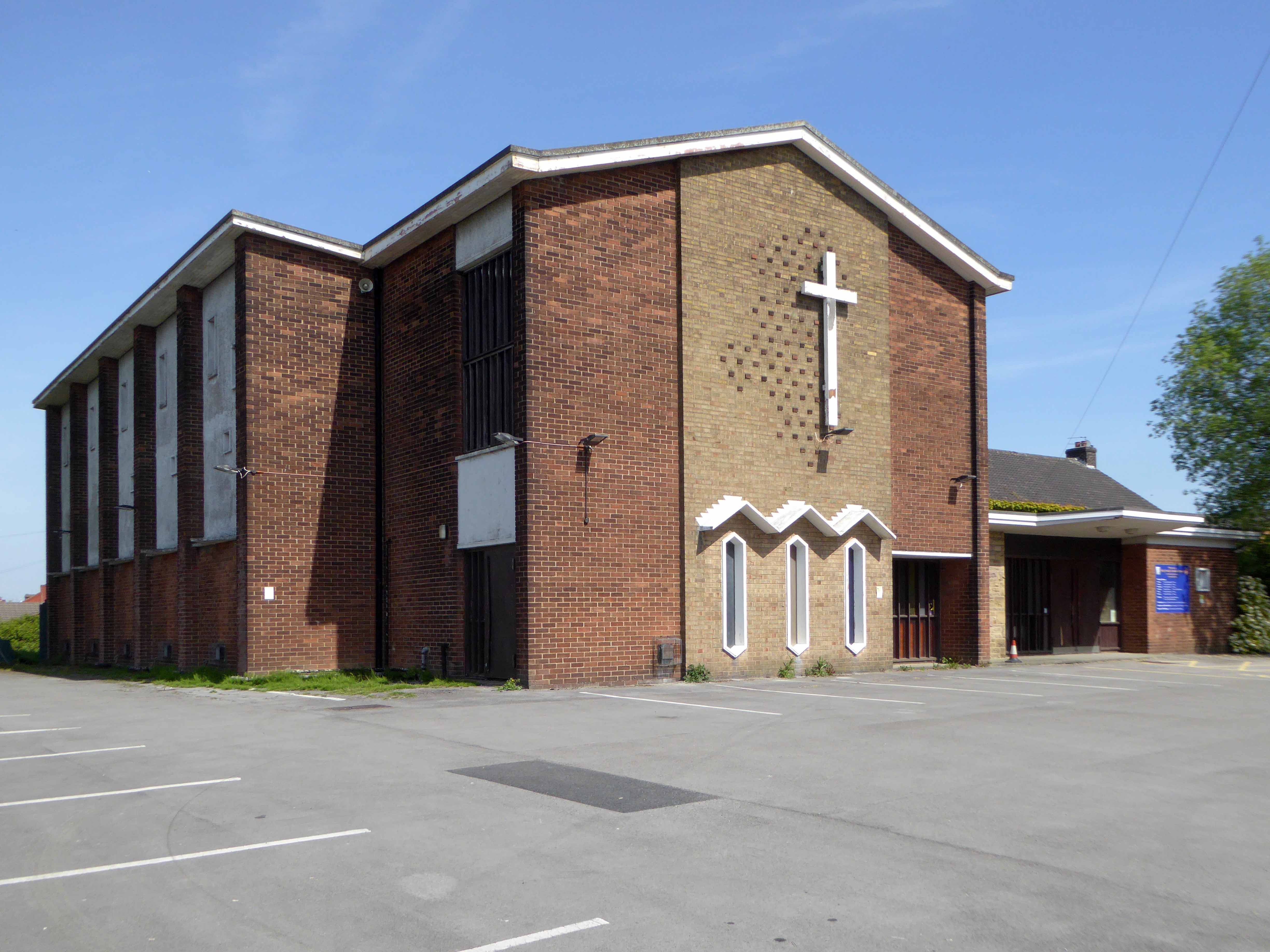
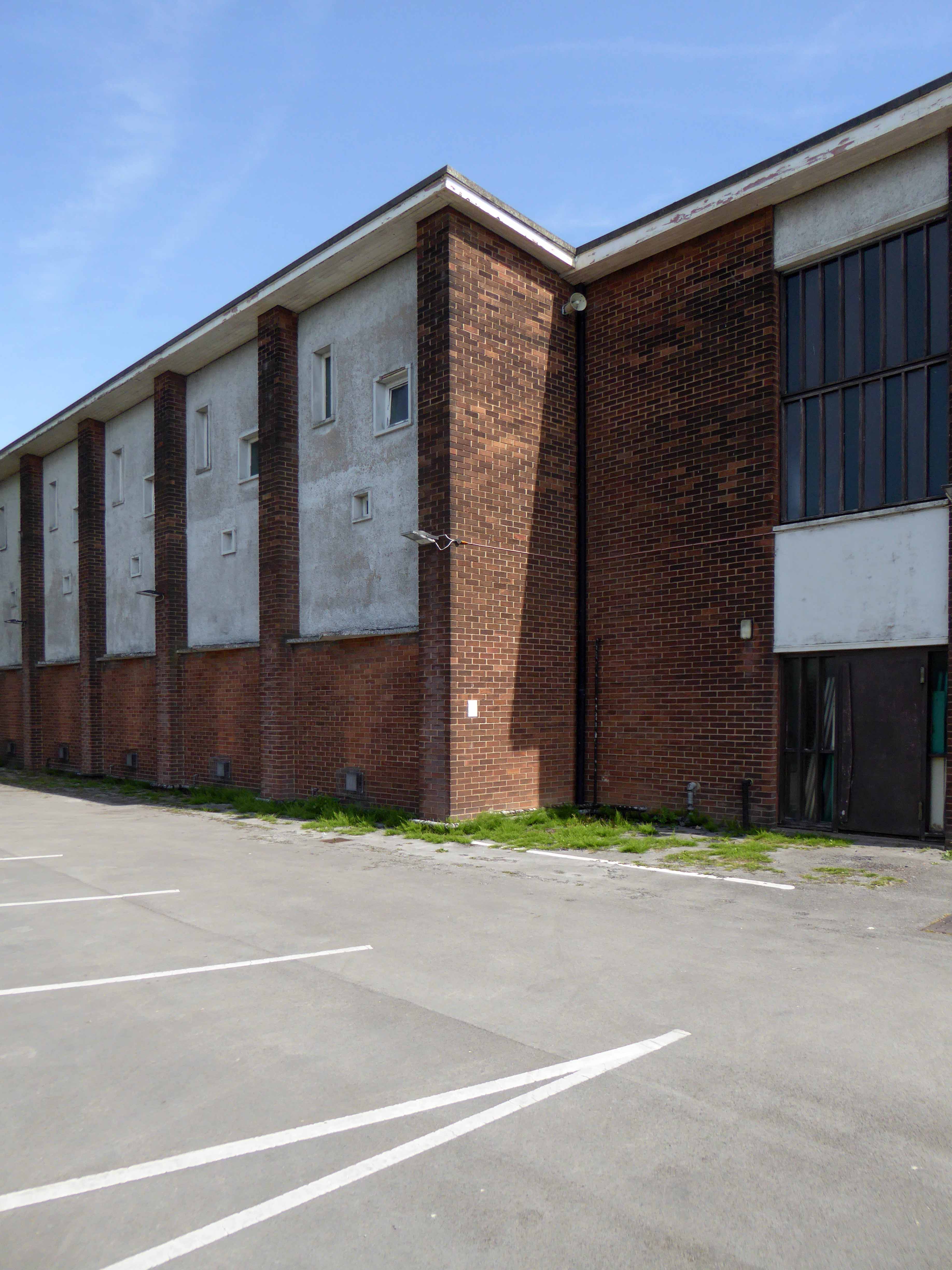
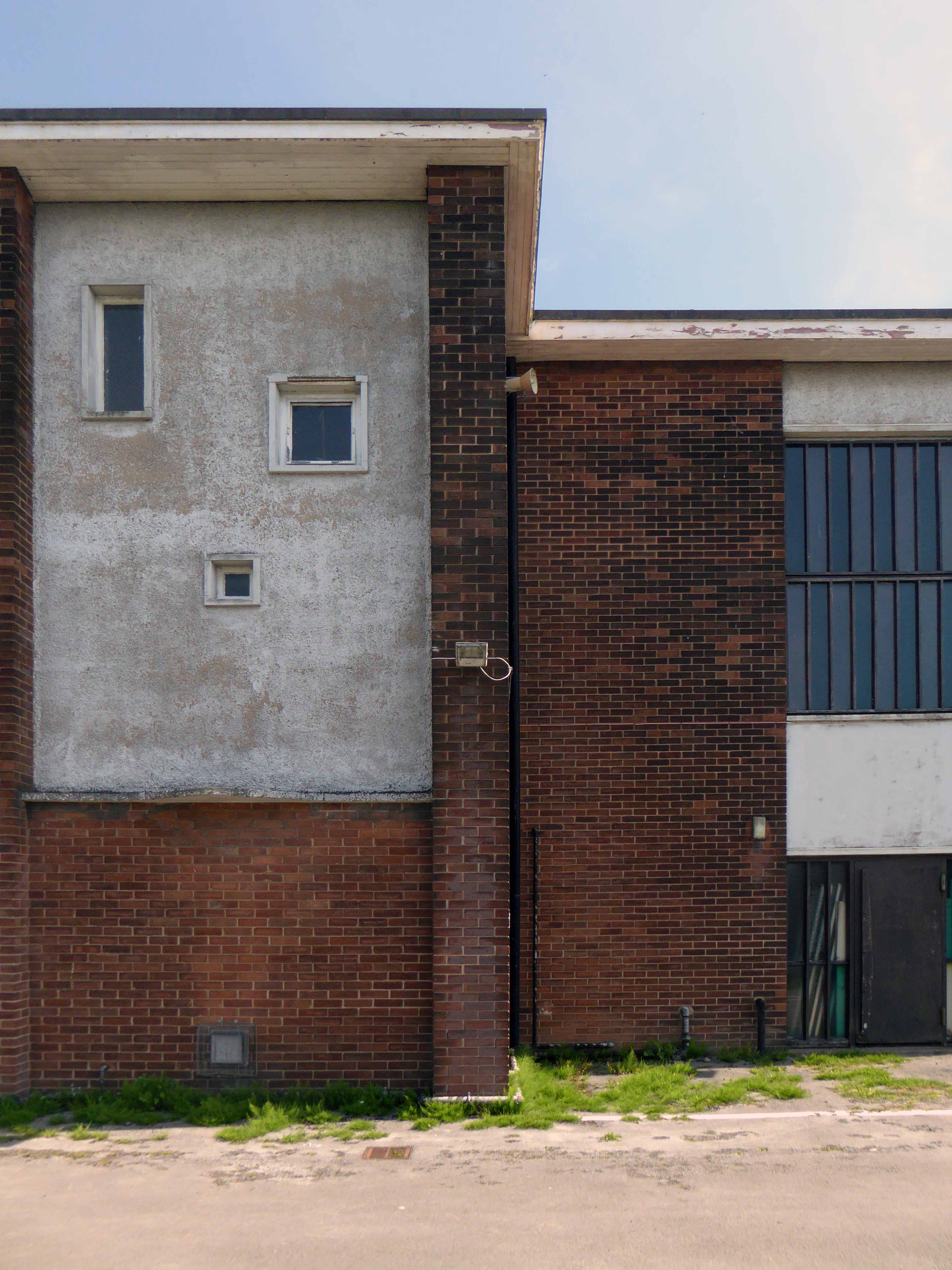
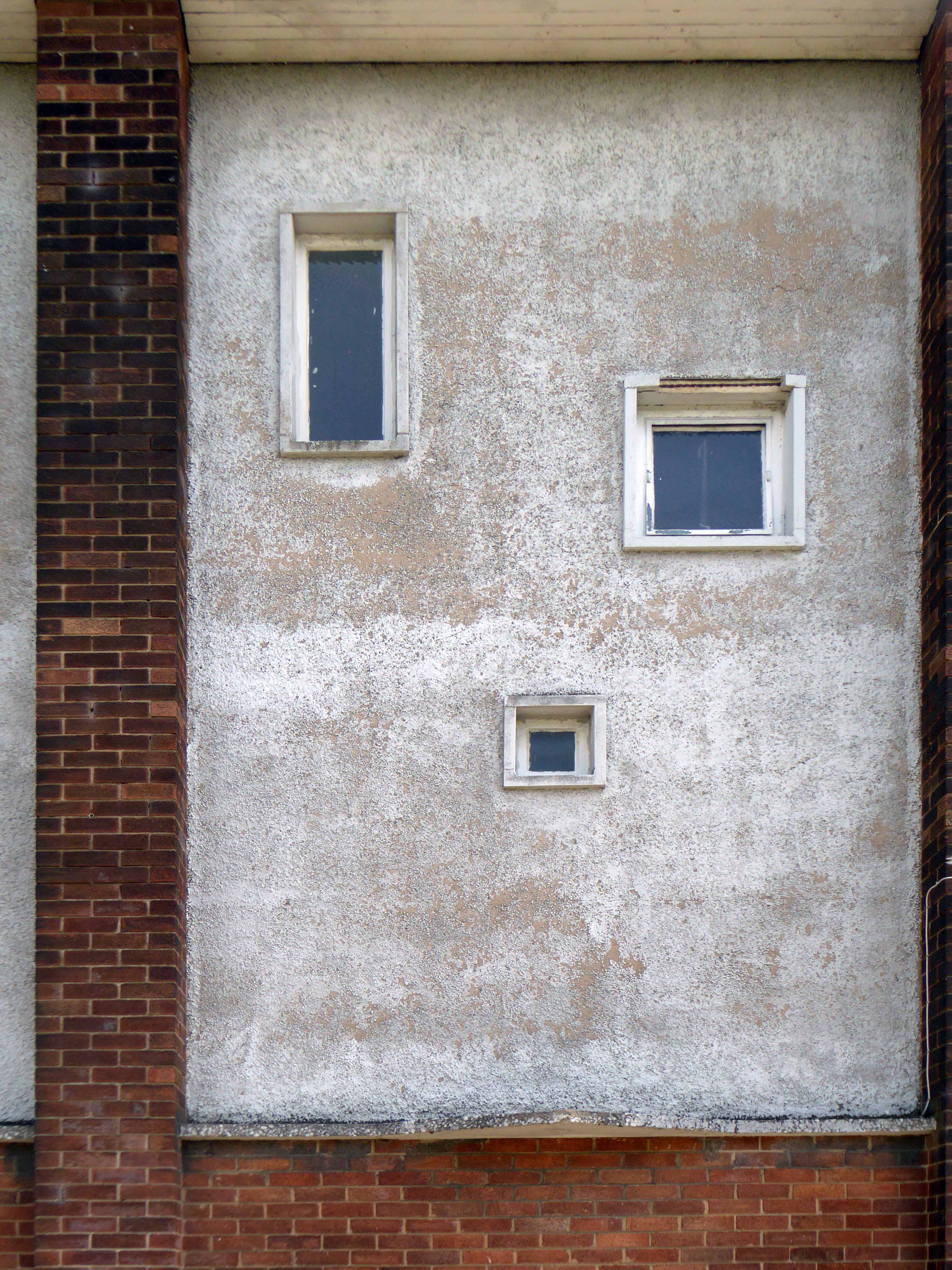
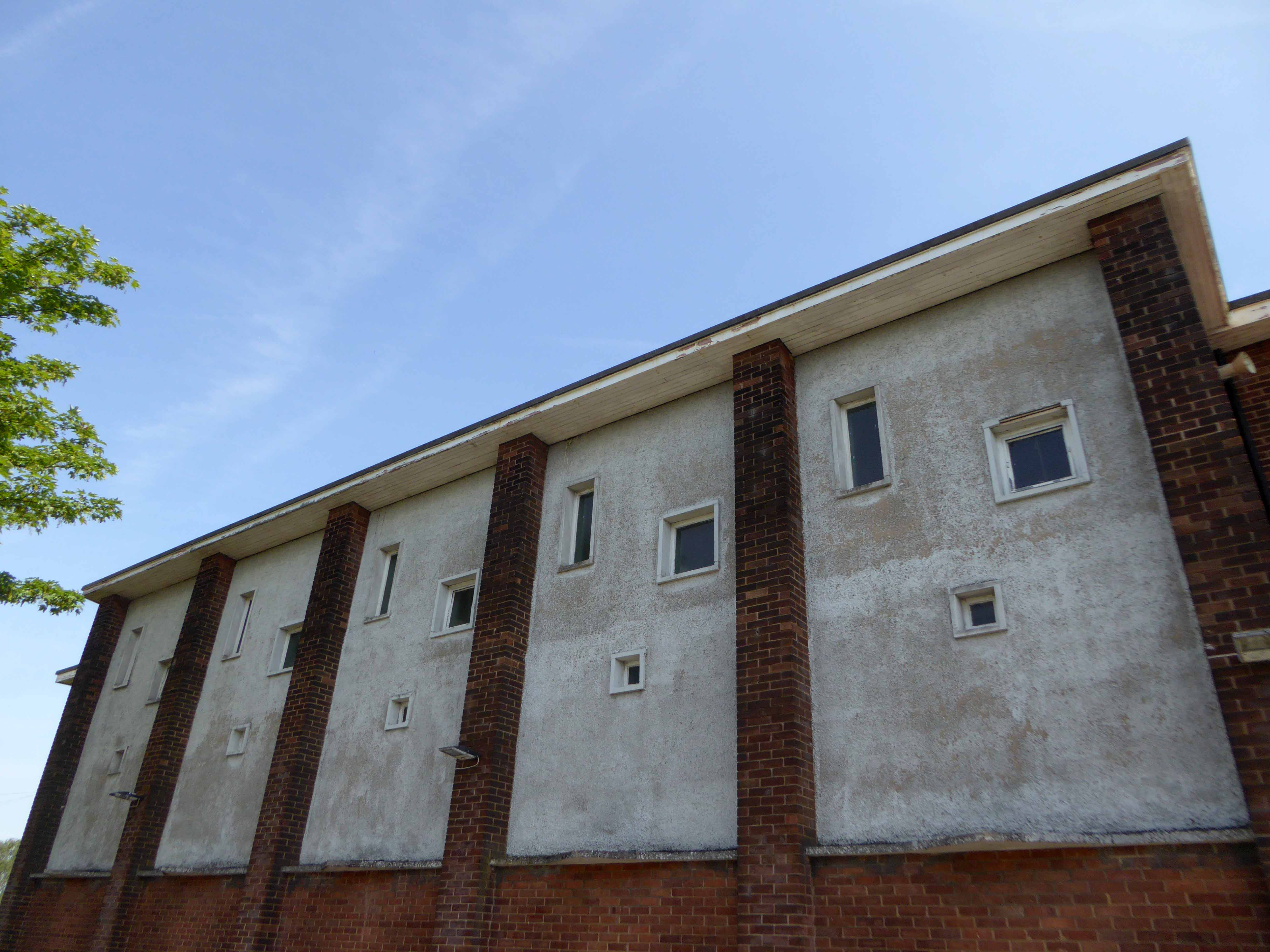
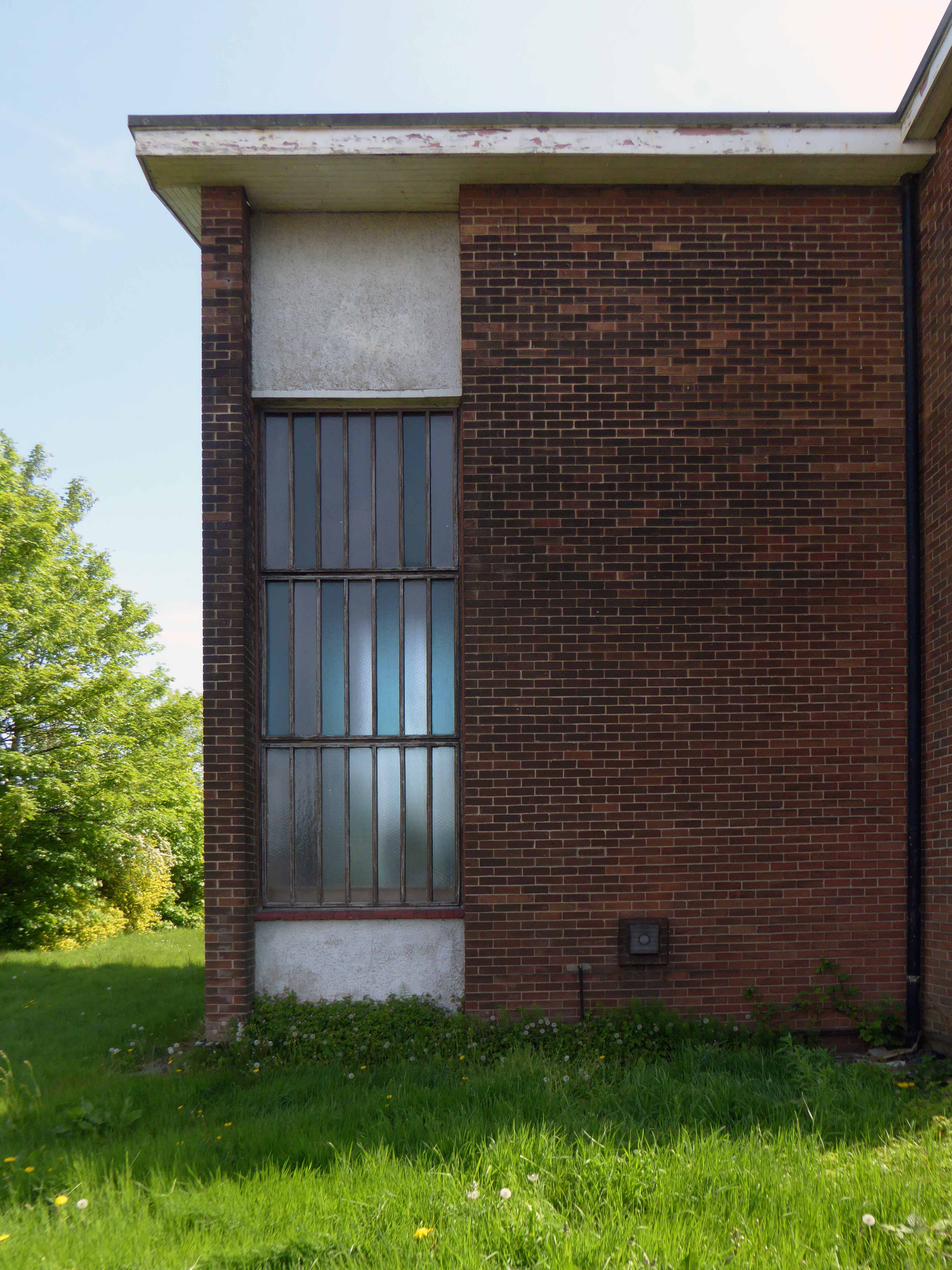
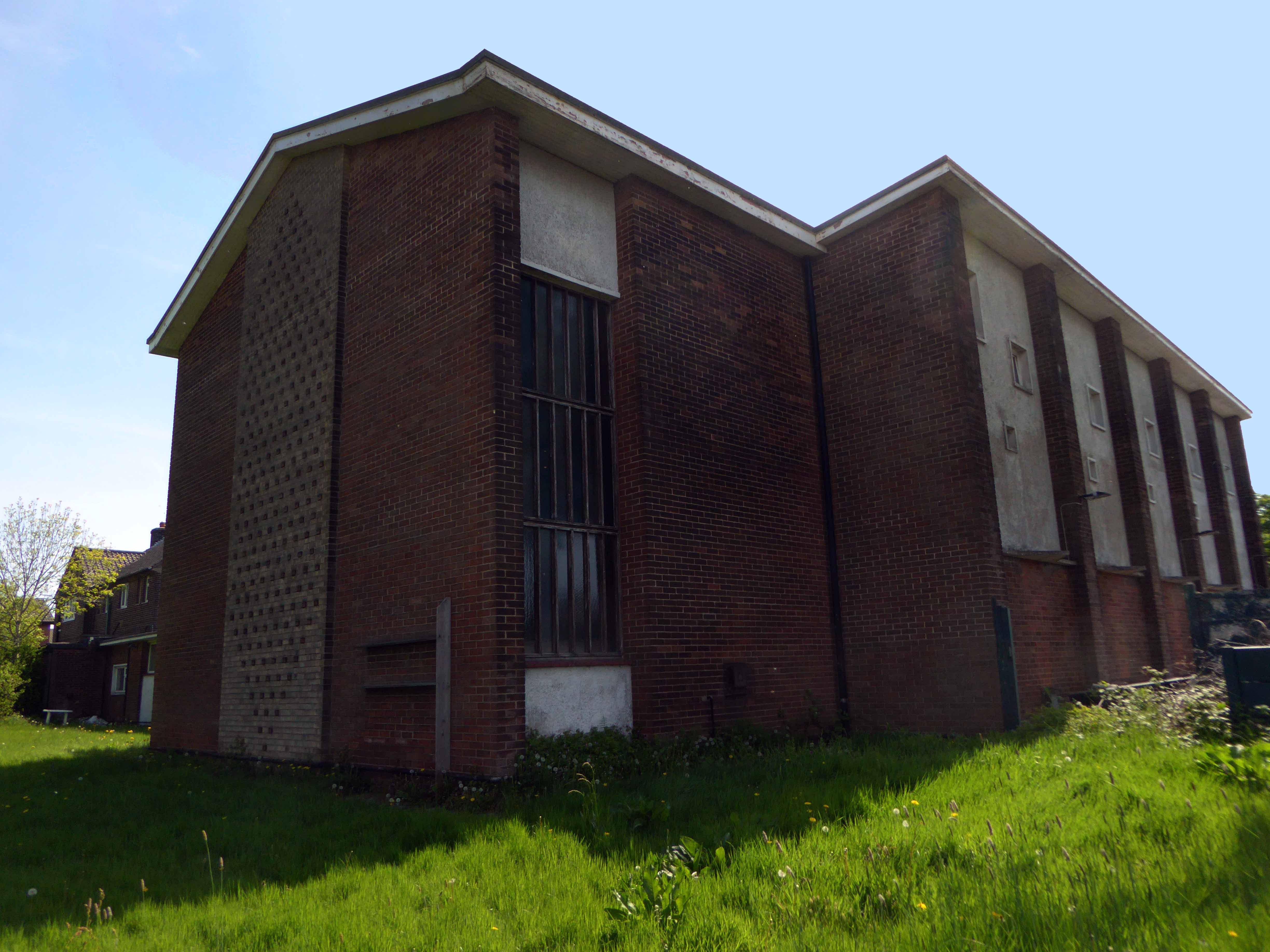
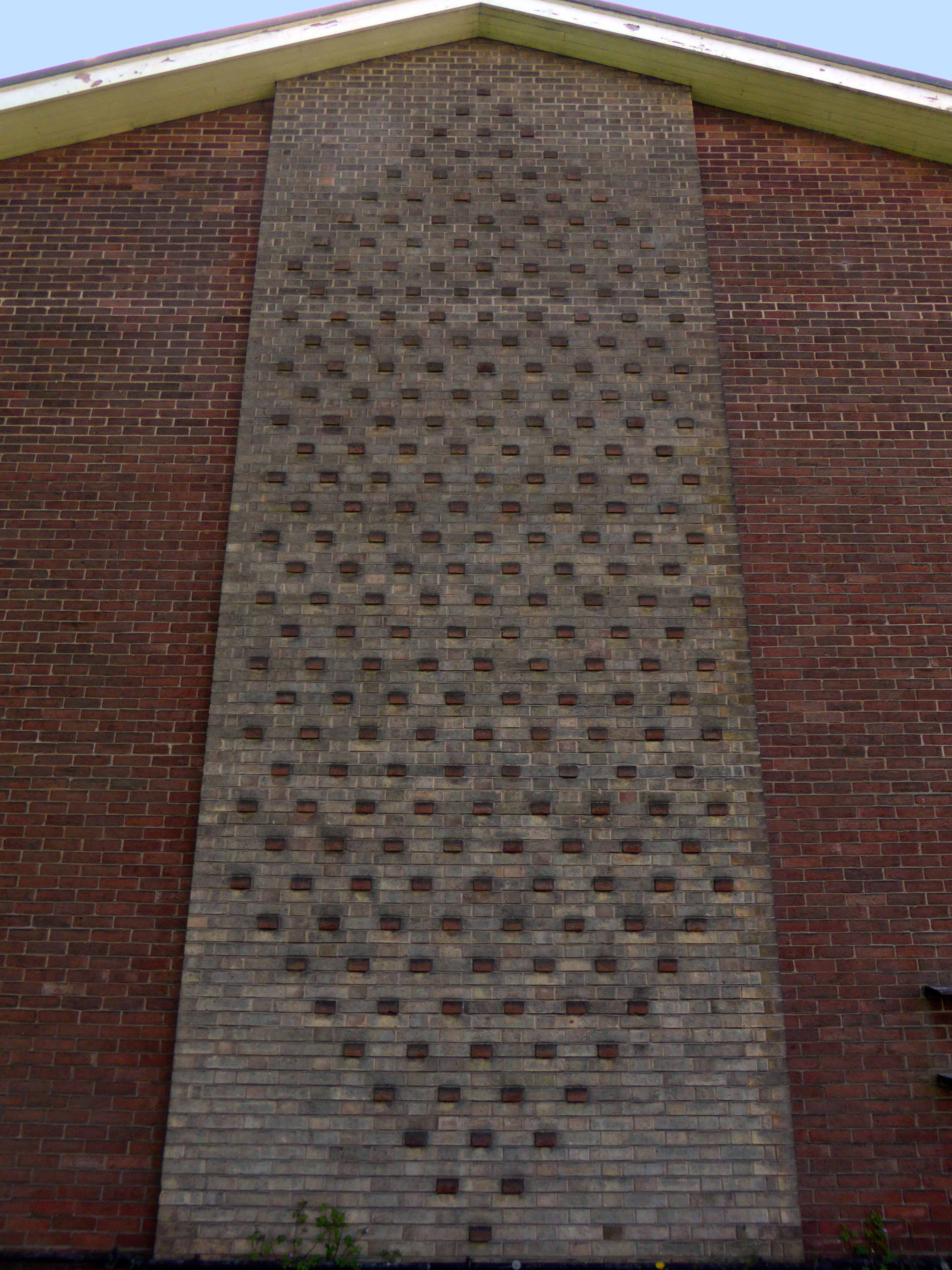
And so it now stands forlorn and unused – services are now held in the adjacent church hall. A series of interlocking monumental interwar functionalist brick clad slabs, once thought to resemble a brewery or cinema, now awaits its fate. Though it remains a thing of wonder in both scale and detailing, well worth a wander around if you’re passing.

Its tall slim arched windows reaching towards the heavens, Deco detailed doors firmly closed.

Pennine Hotel – Derby

Macklin Street Derby DE1 1LF

You’re a big man but you’re out of shape.

Conceived and wrought from concrete, glass and steel in the Swinging Sixties, the passage of time and Trip Advisor reviews, have been far from kind.

They put you in a Quarter renamed you St Peter’s – but that’s only half the battle.

Once busy concourse and conference suites no longer ring to the satisfying clink of glass on glass, cash in till.

Nobody lays their tired head, to take their well earned rest, in your well made beds.

A hotel branded “utterly terrible” by reviewers on a travel website has been forced to close.

One visitor advised travellers to “run away from this hotel as far as possible” and others said they were “filled with dread” while staying there and spoke of towels smelling “rather odd”.

BBC

So so long to The Pink Coconut, Syns and the Mint Casino.

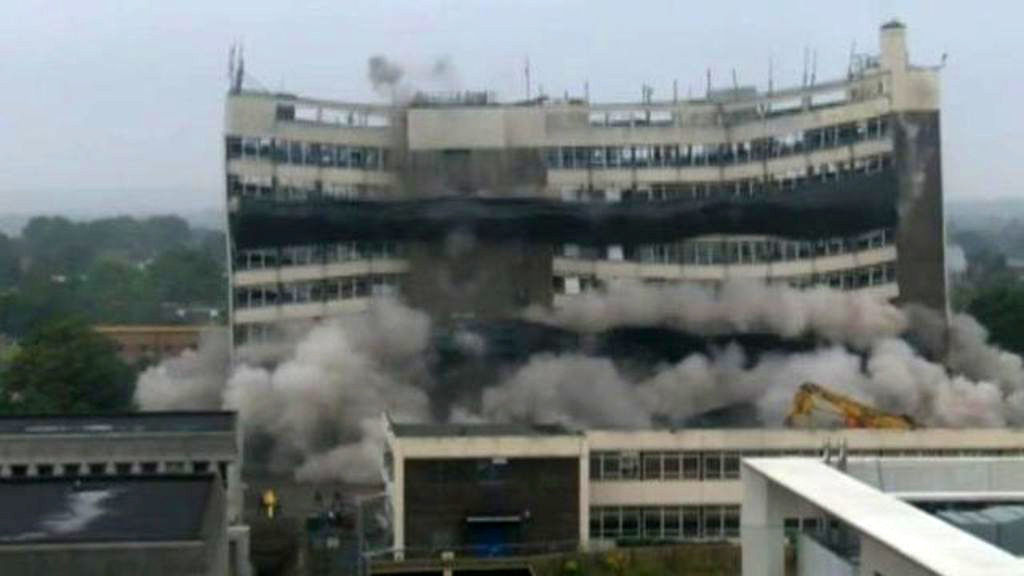
Derby Council has bought you all – awaiting redevelopment as part of the Masterplan to regenerate the whole area.

So here we are one more tinned-up inner city site awaits its fate – meet me at the wrecking ball.