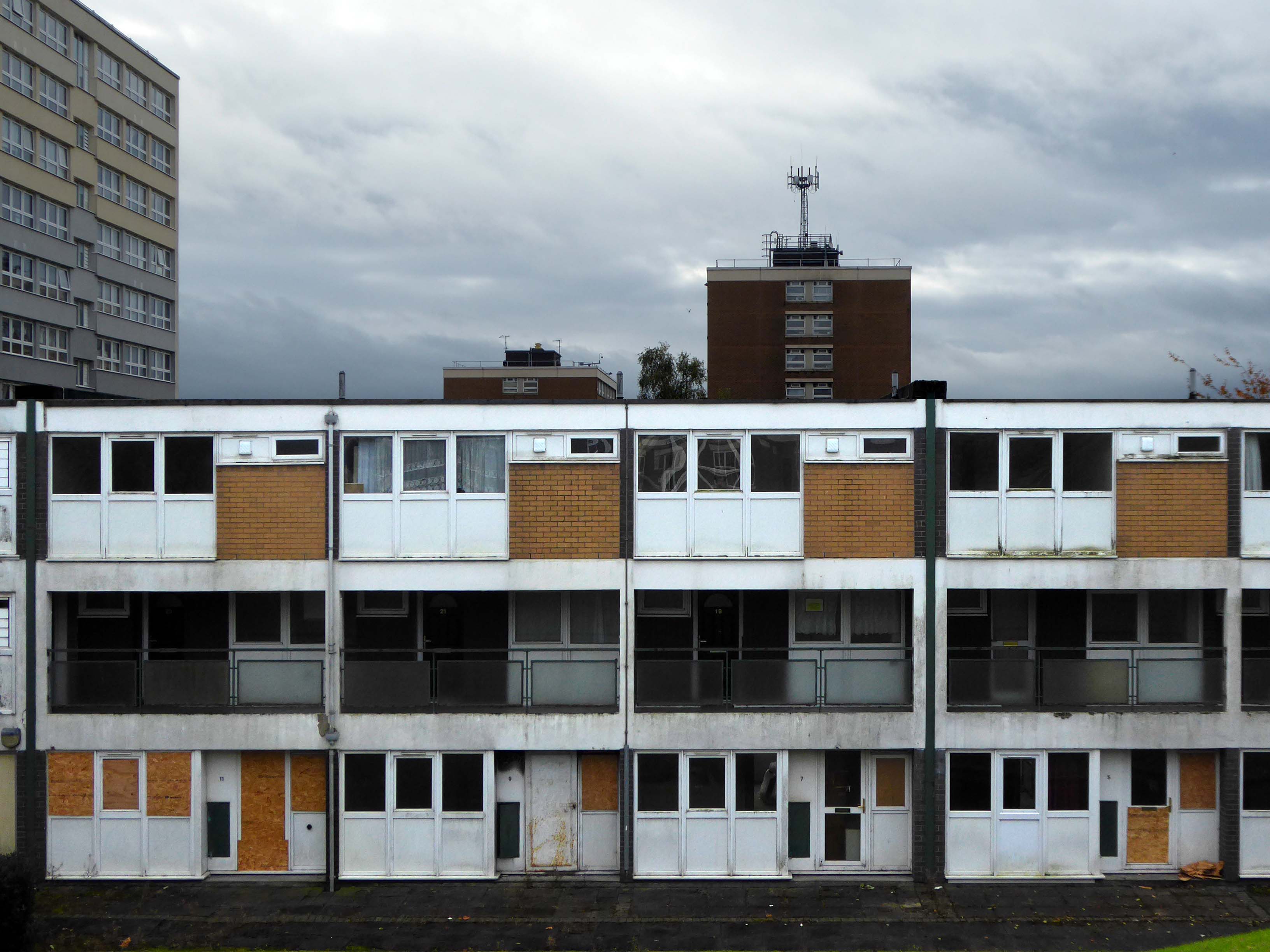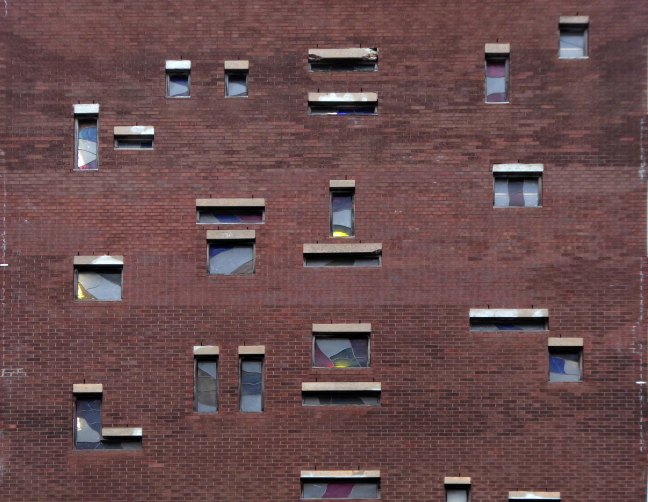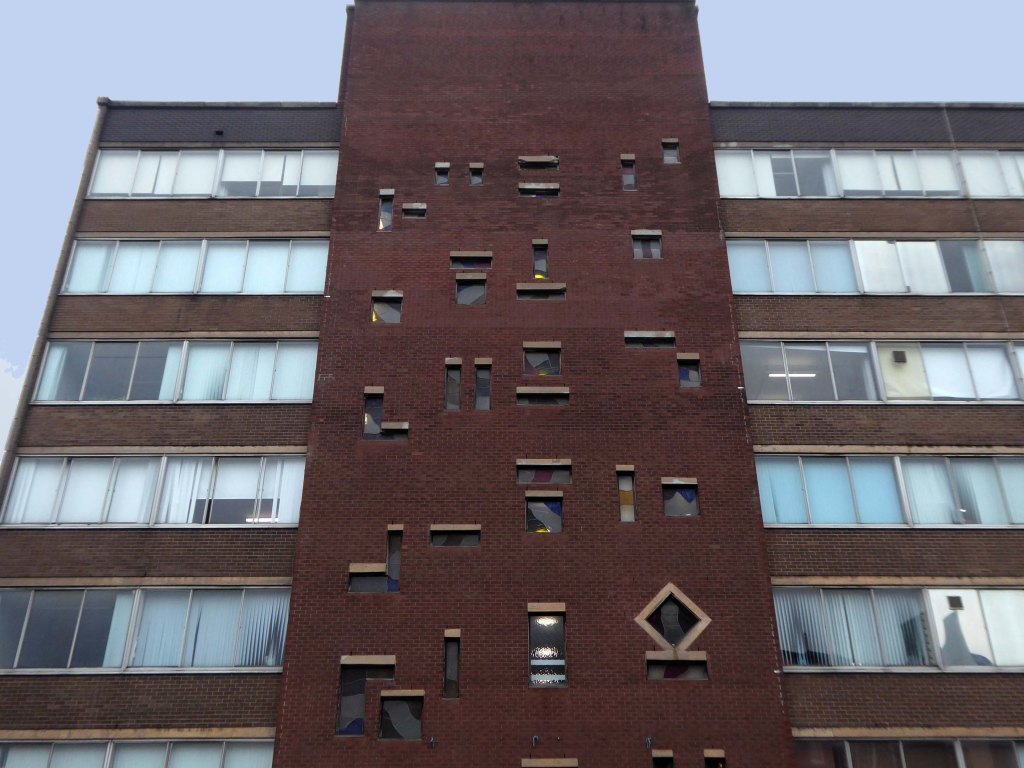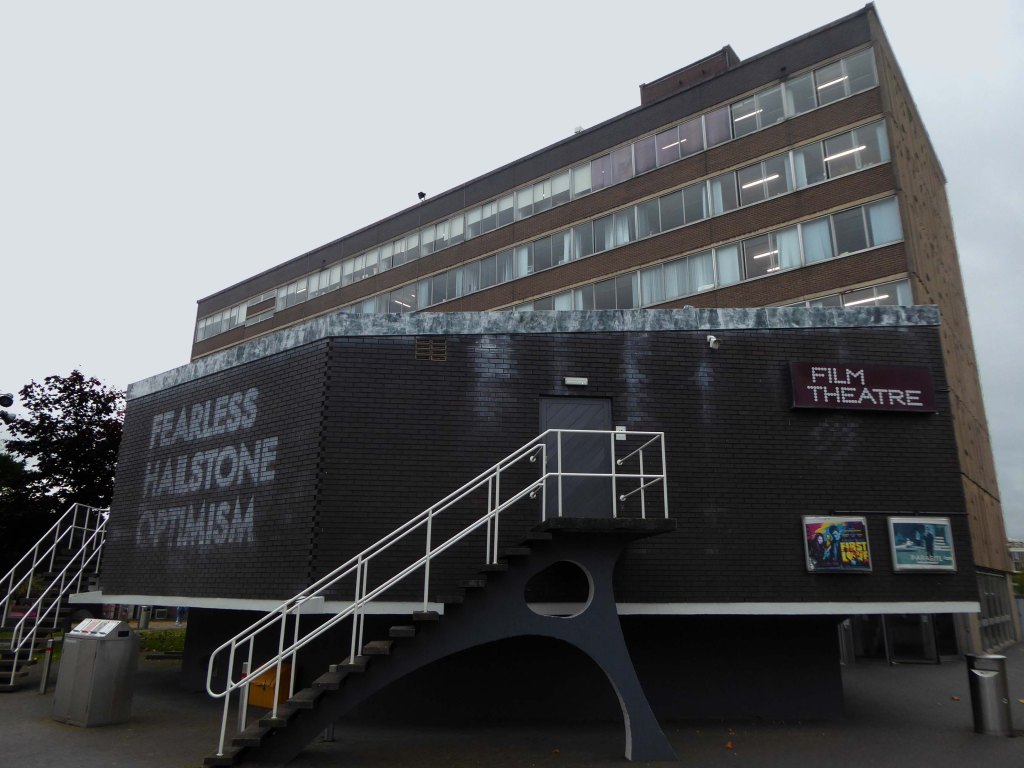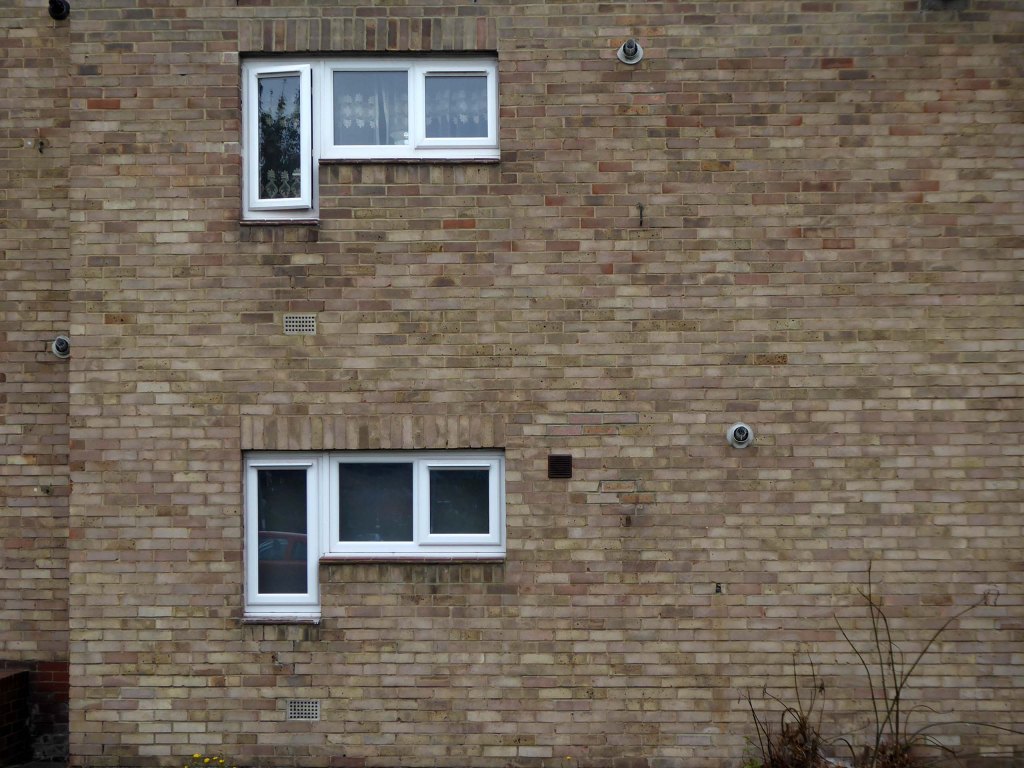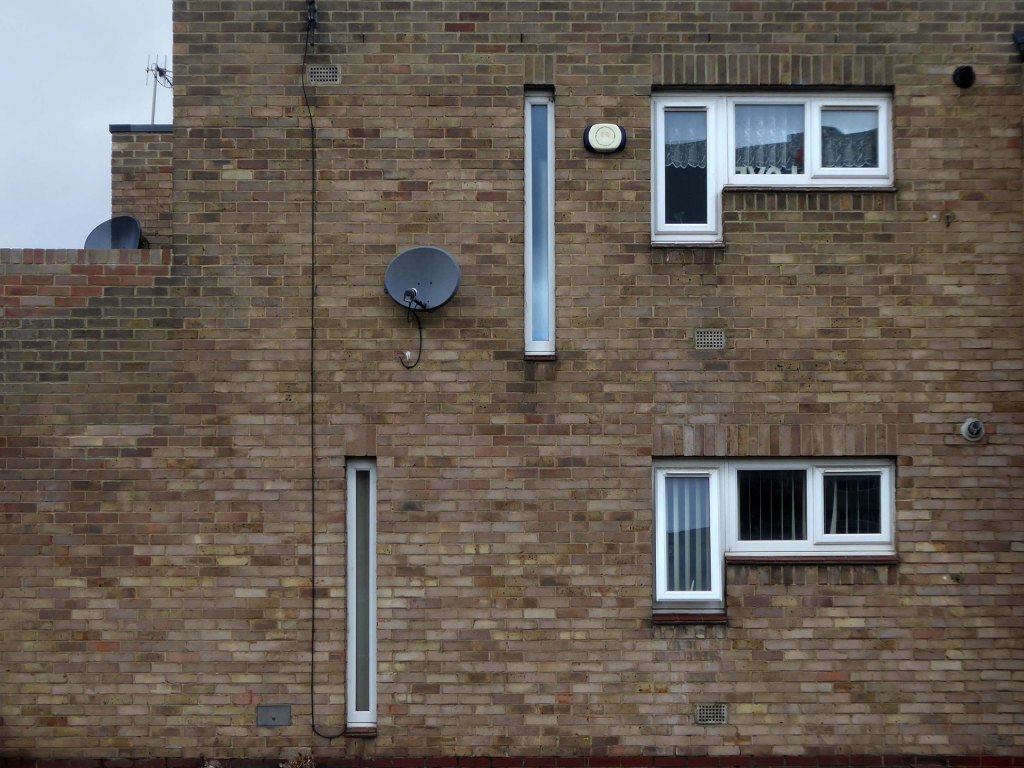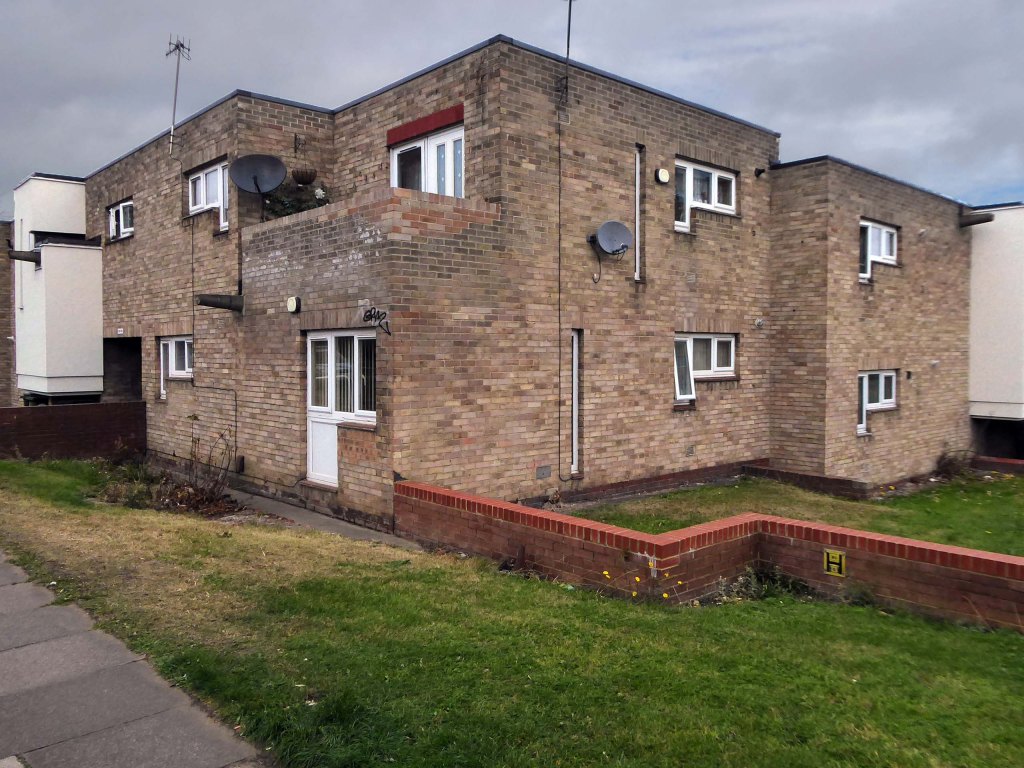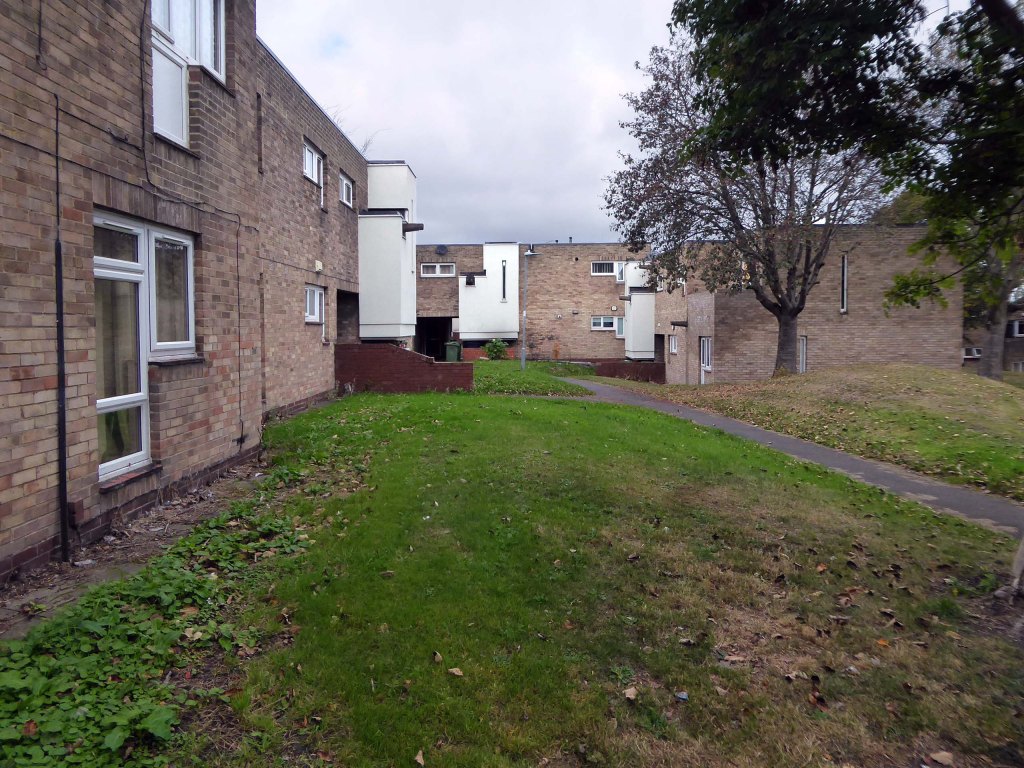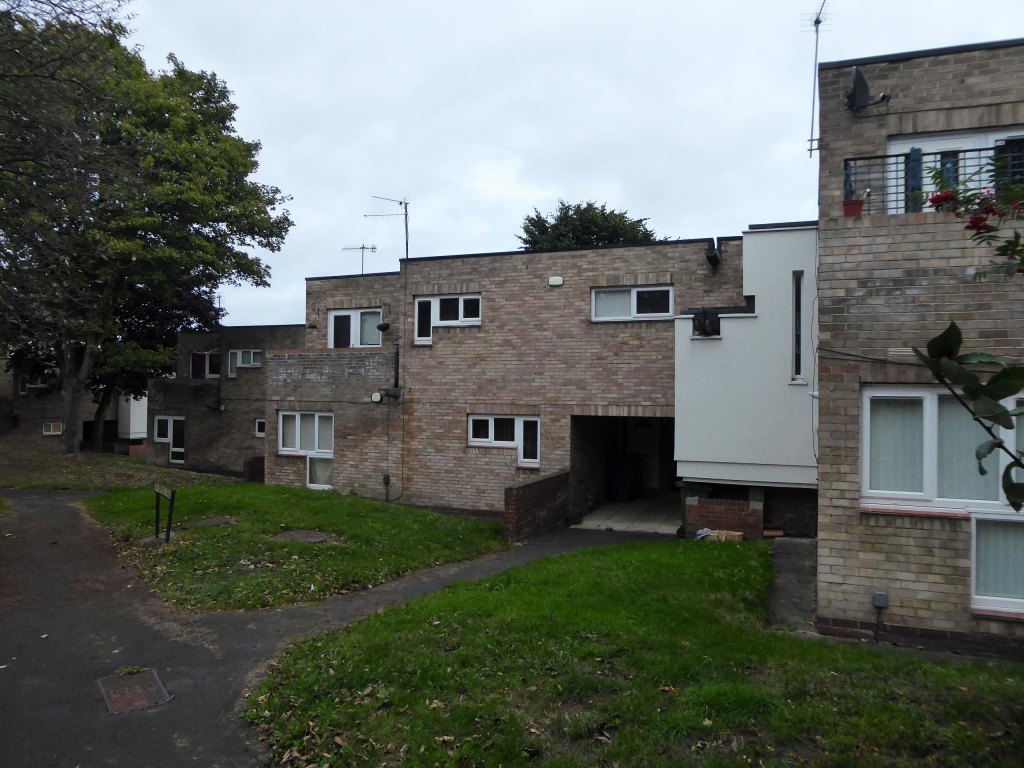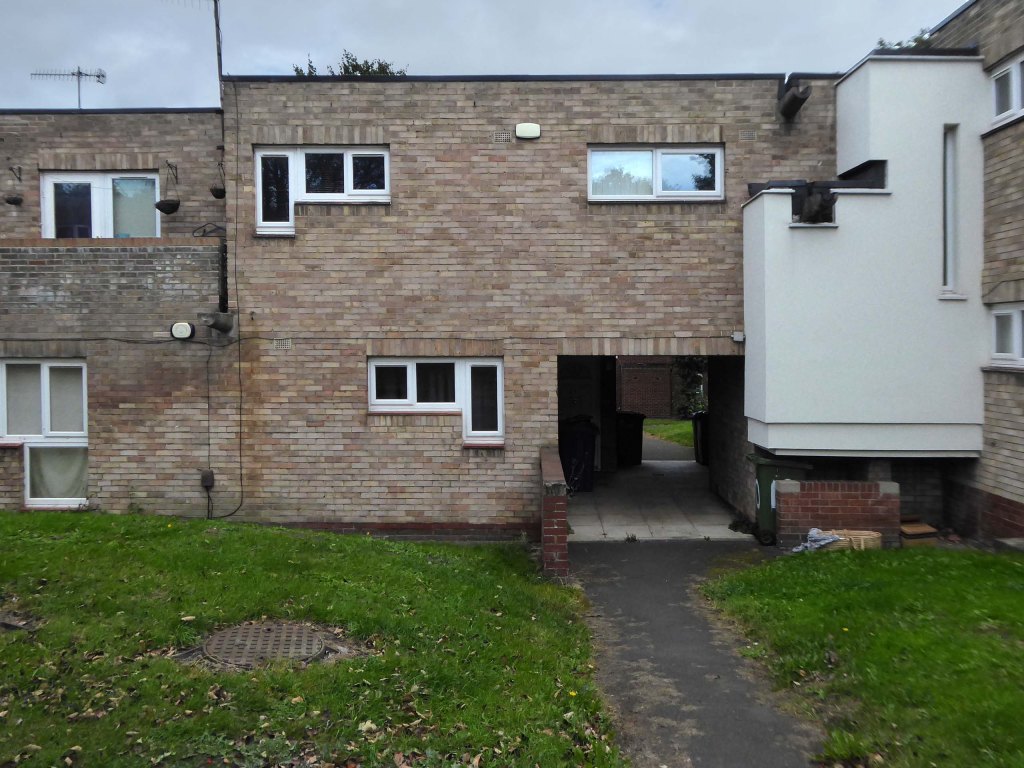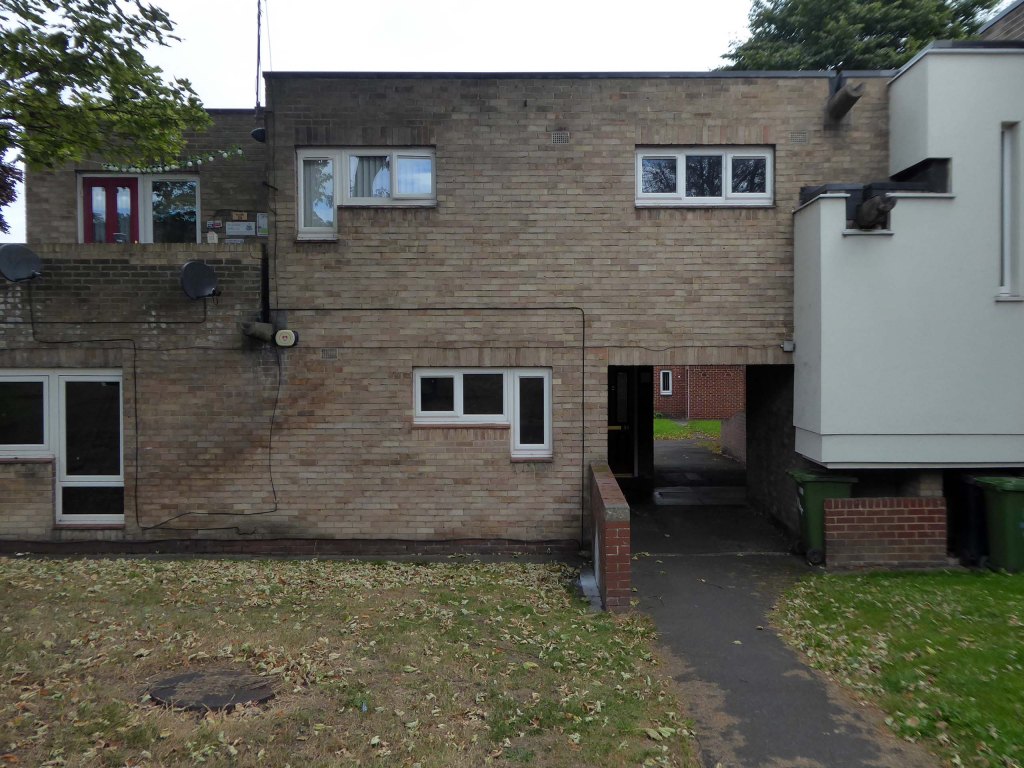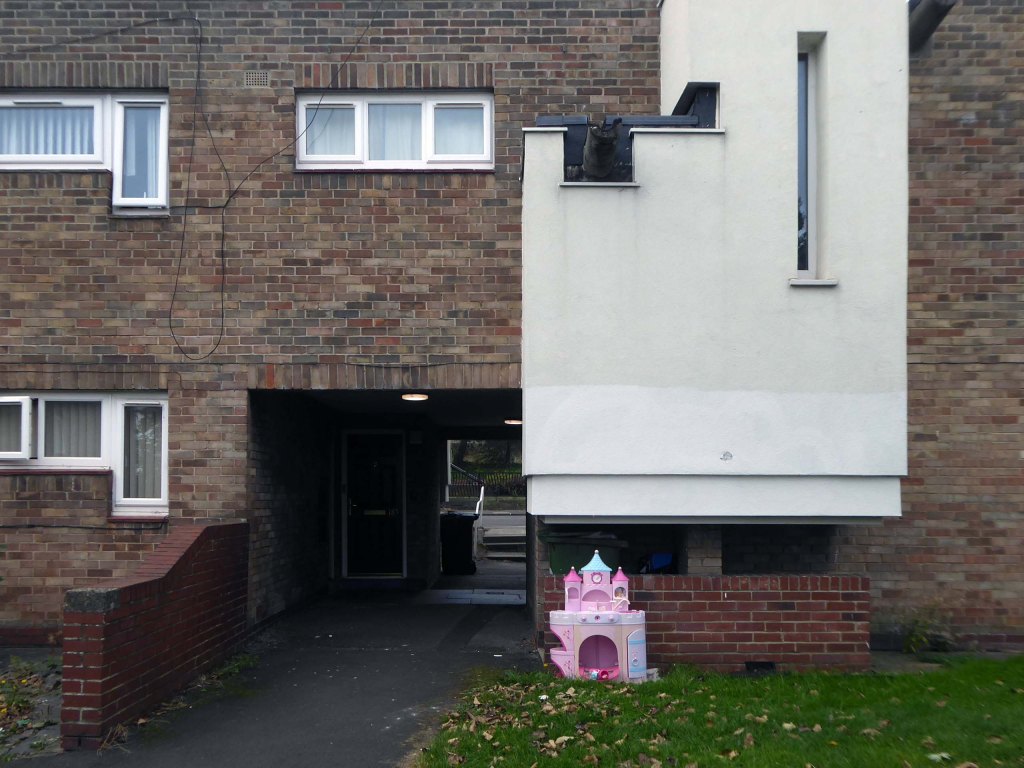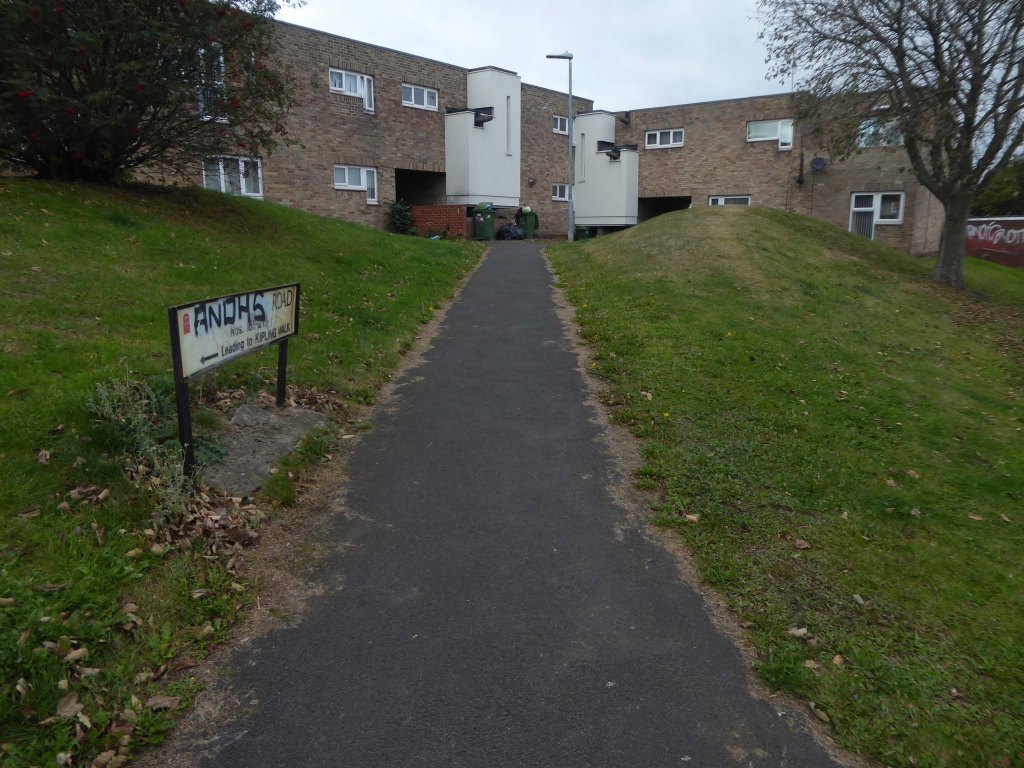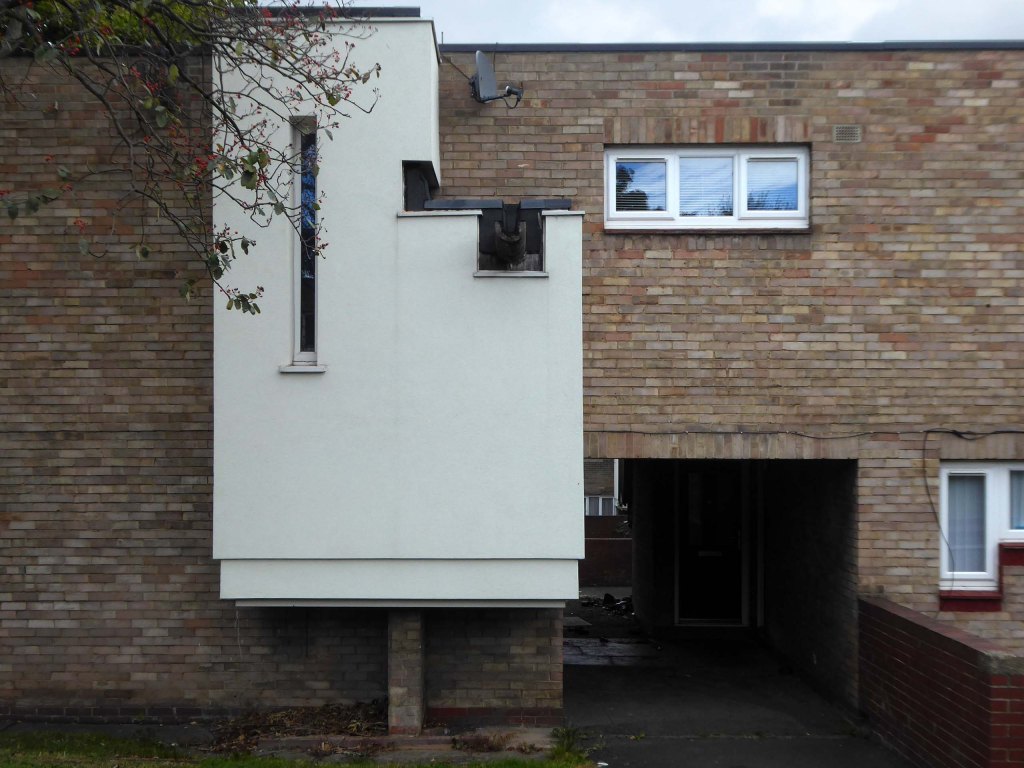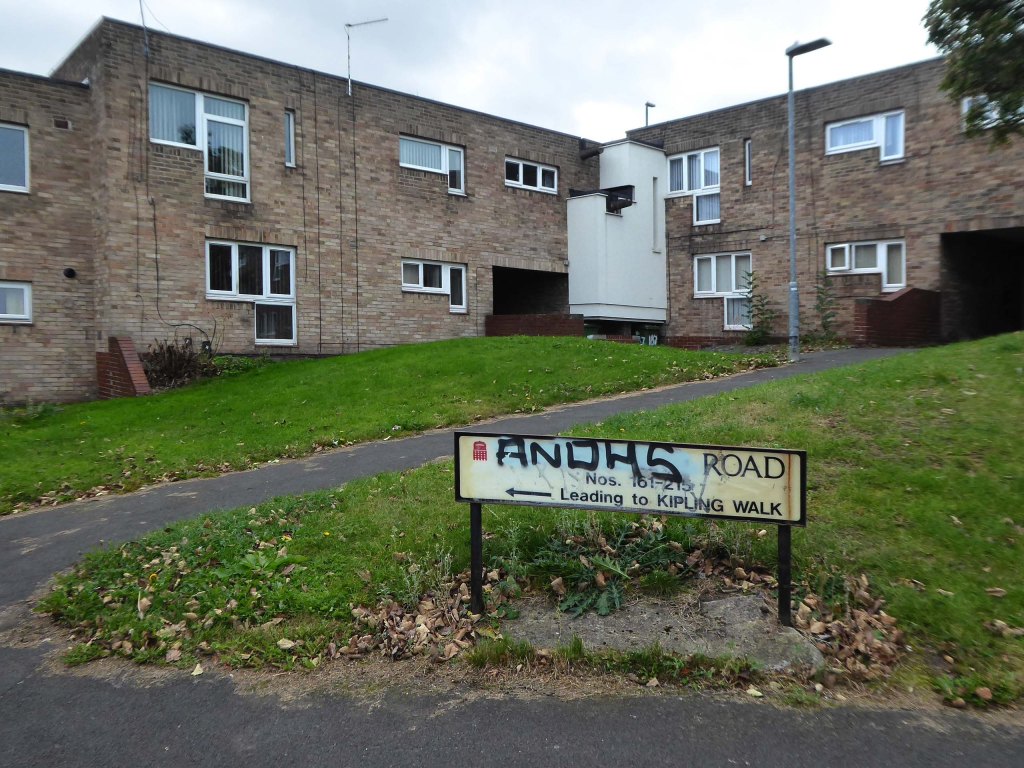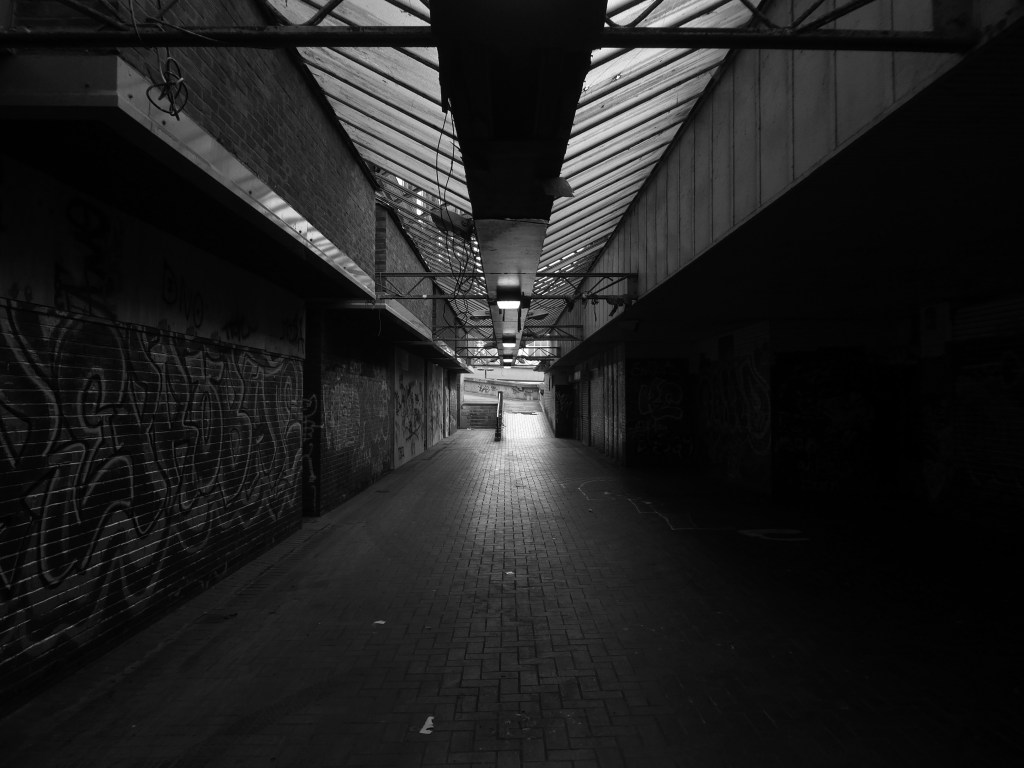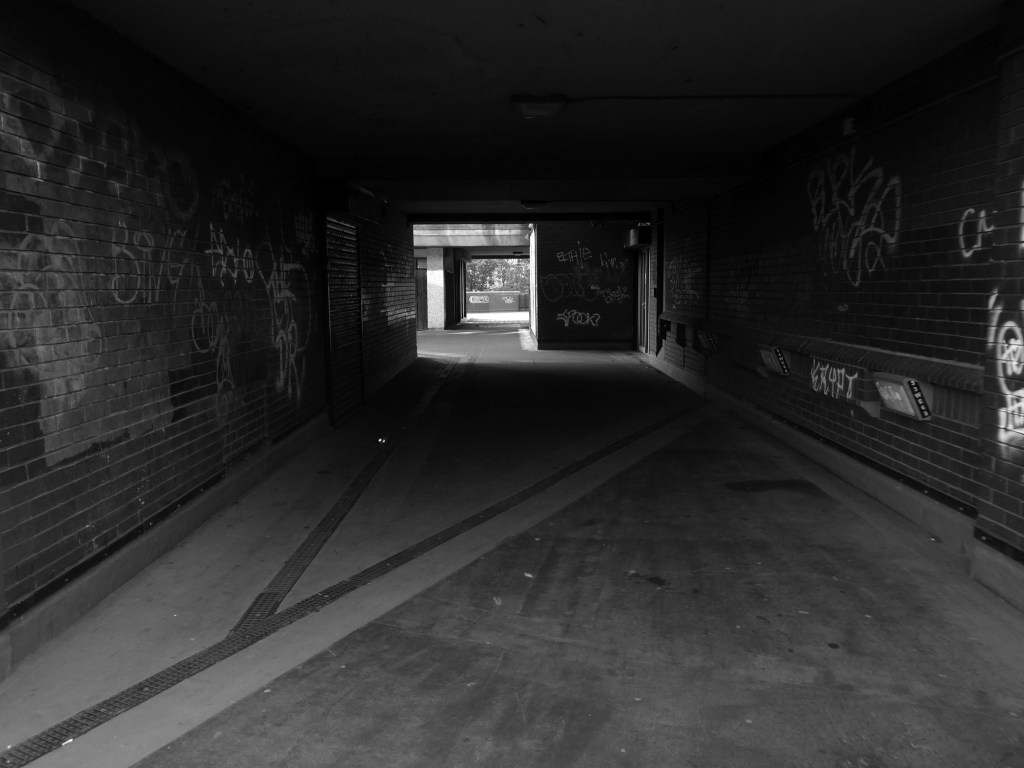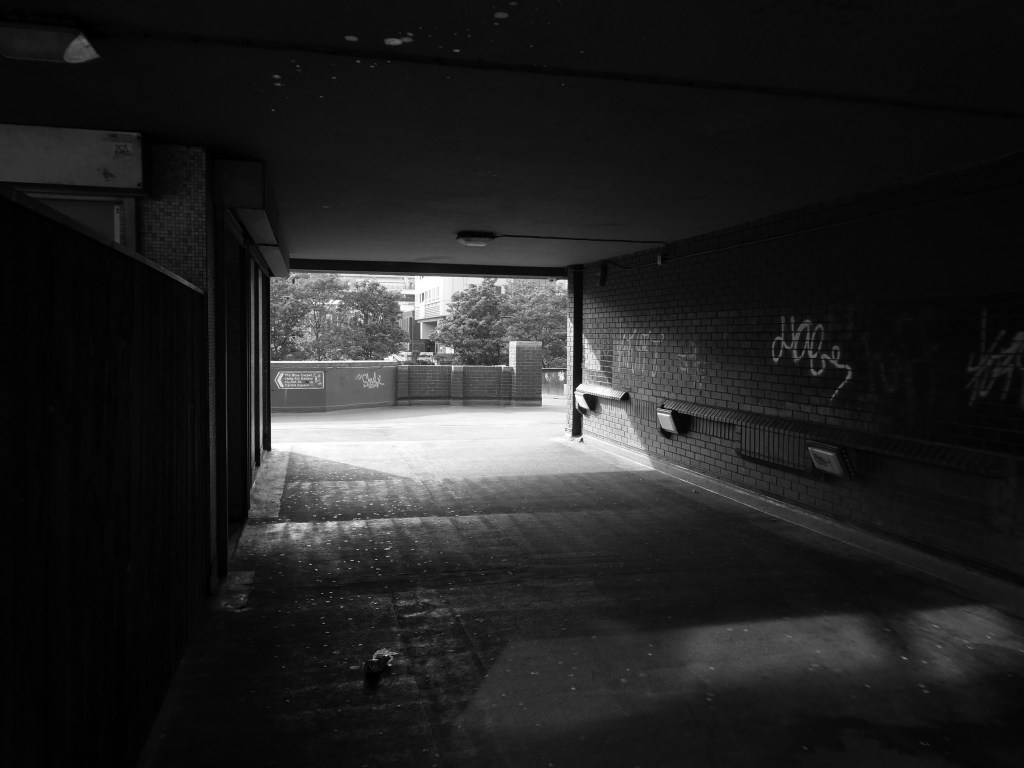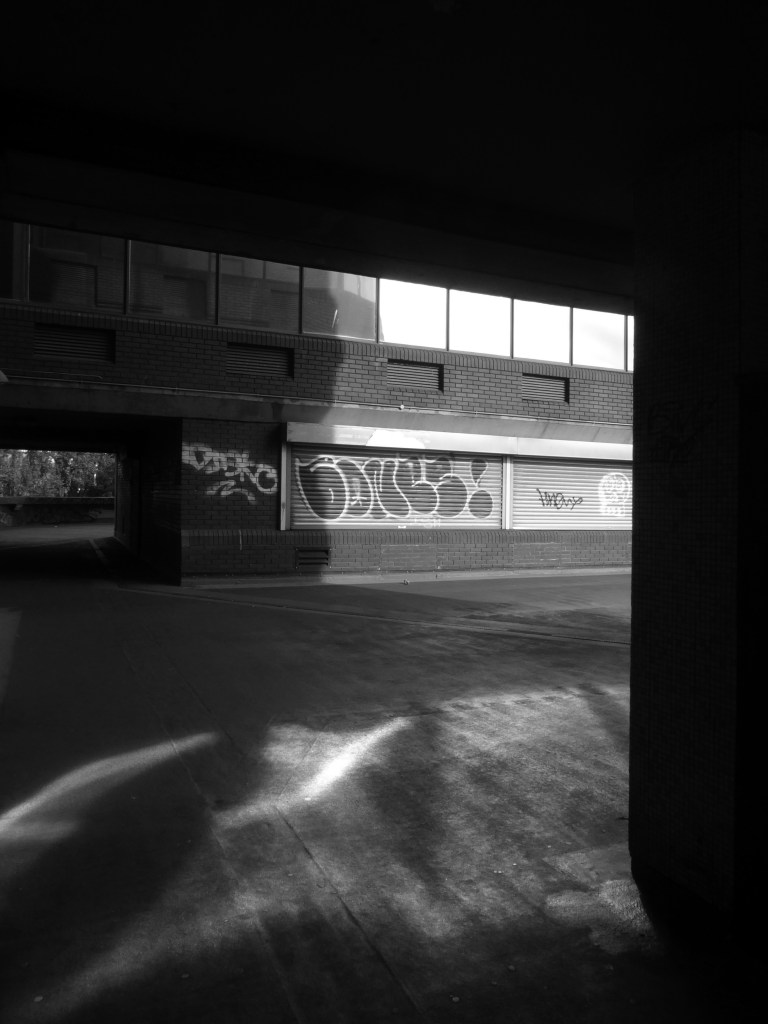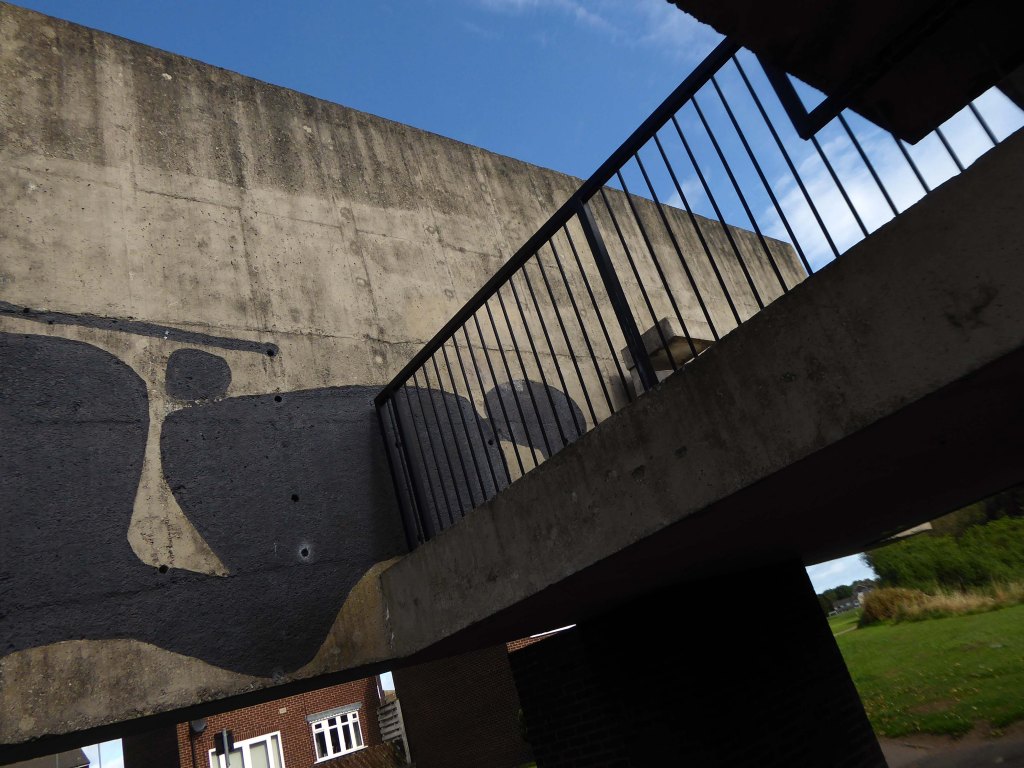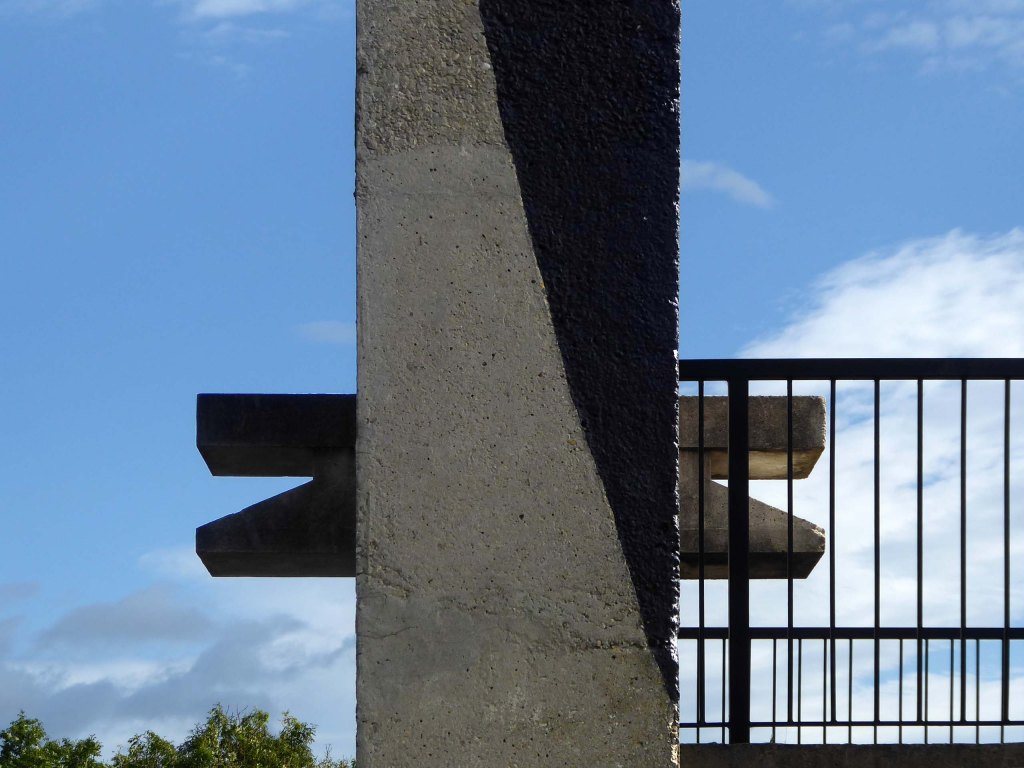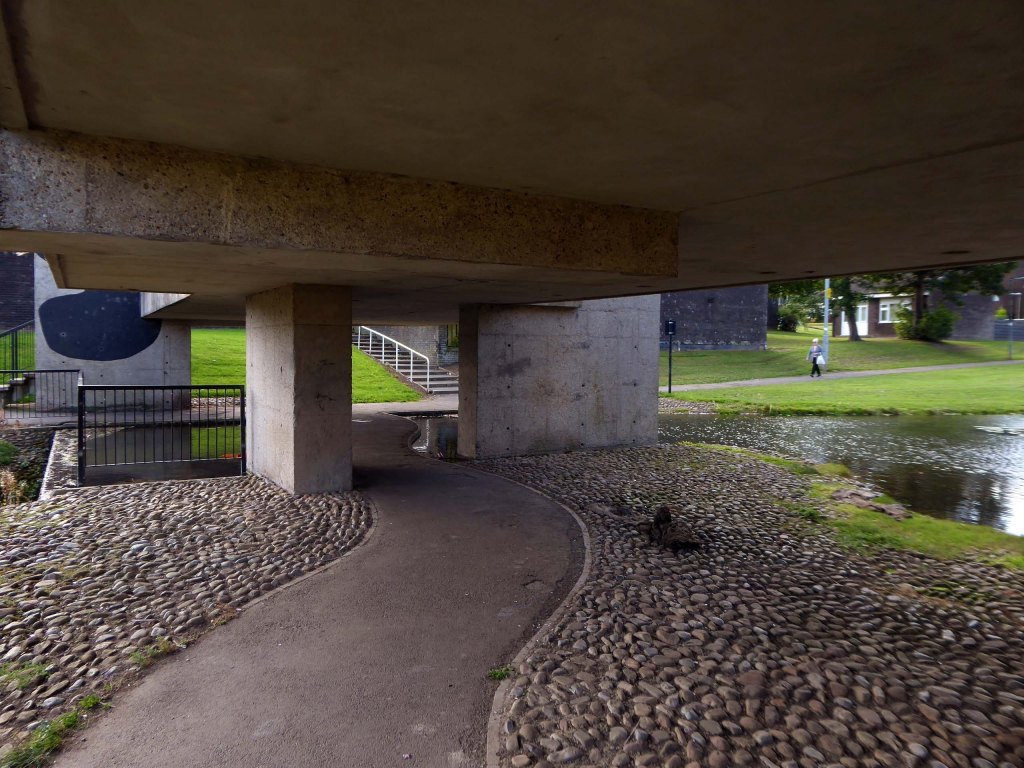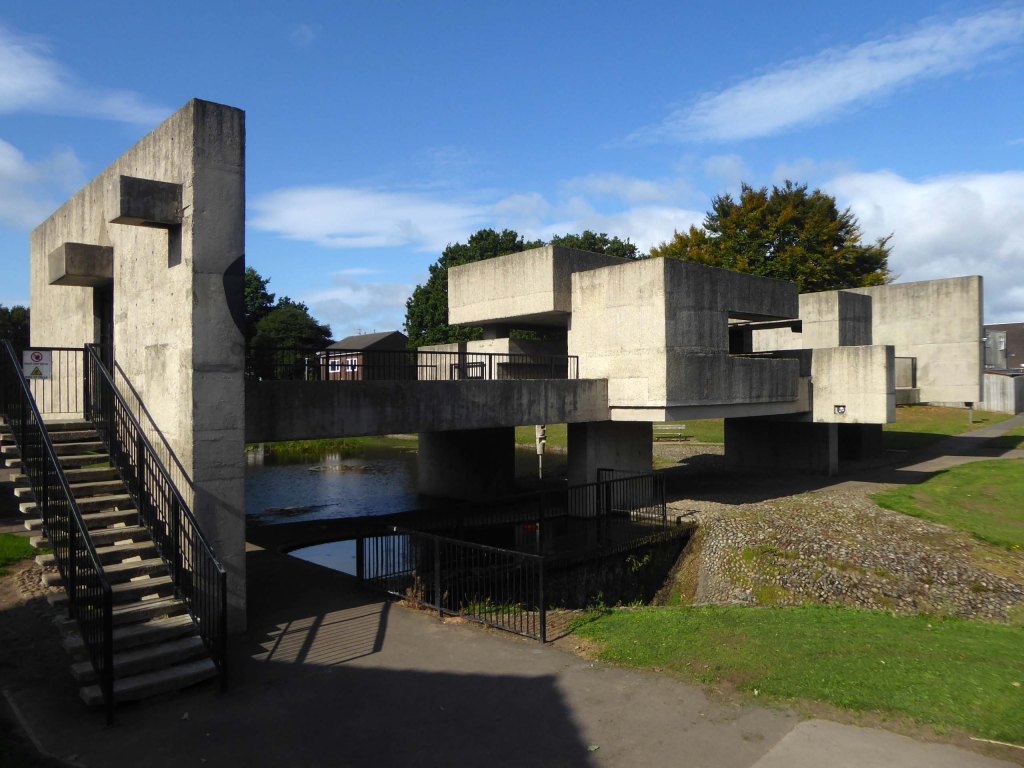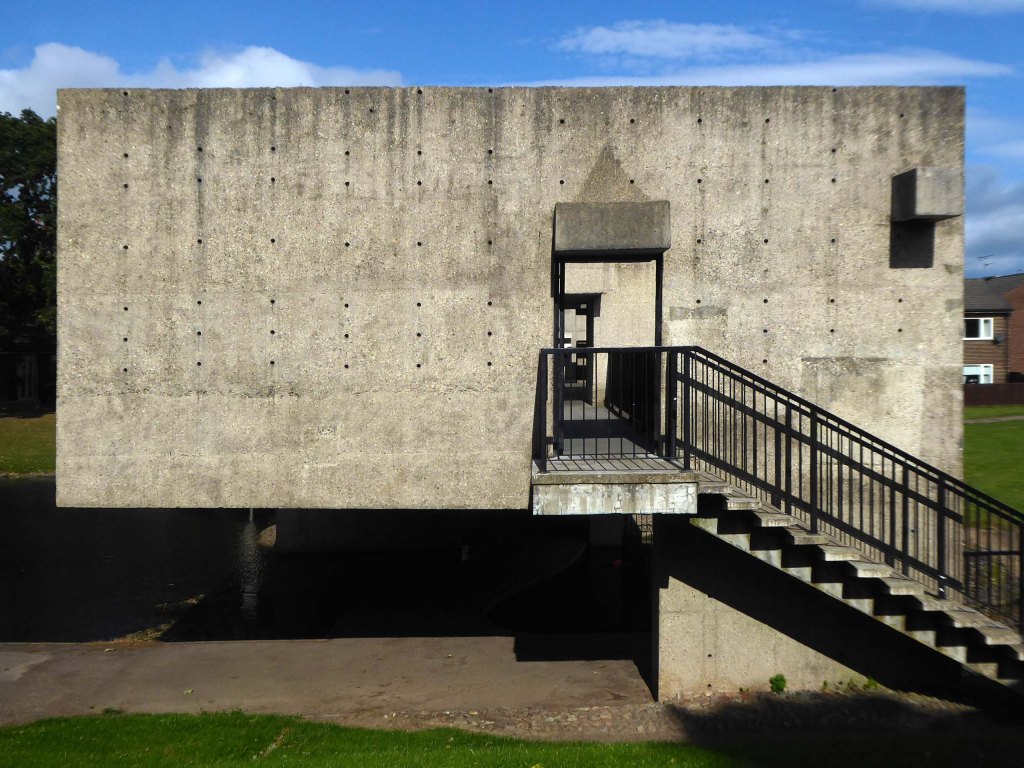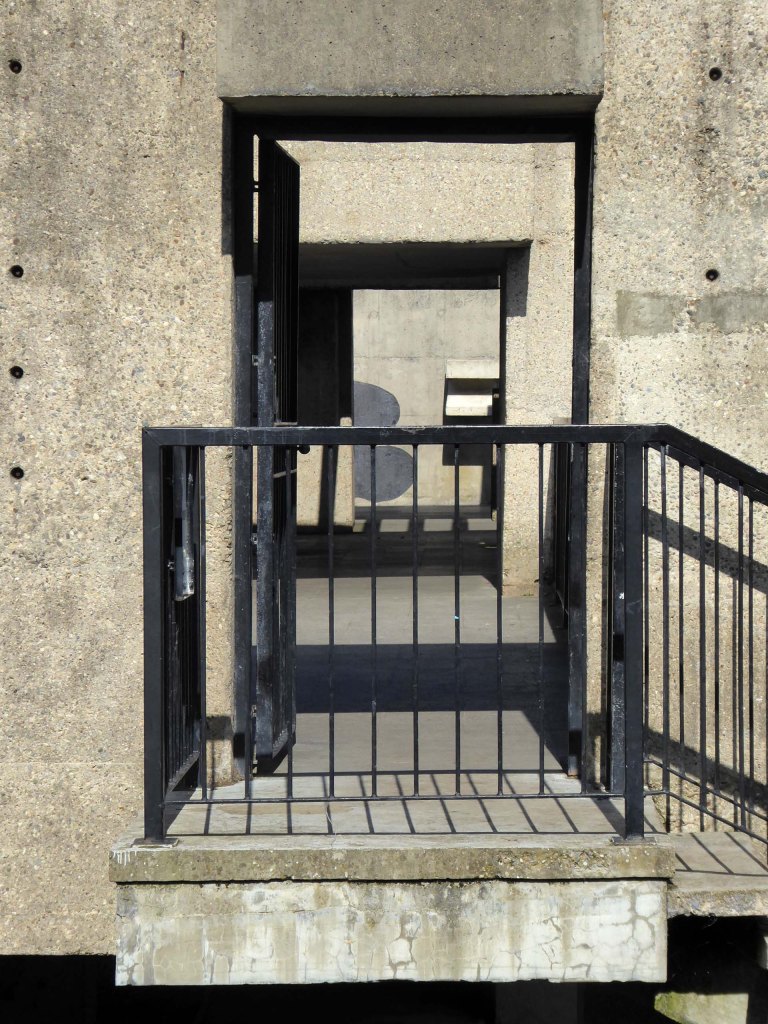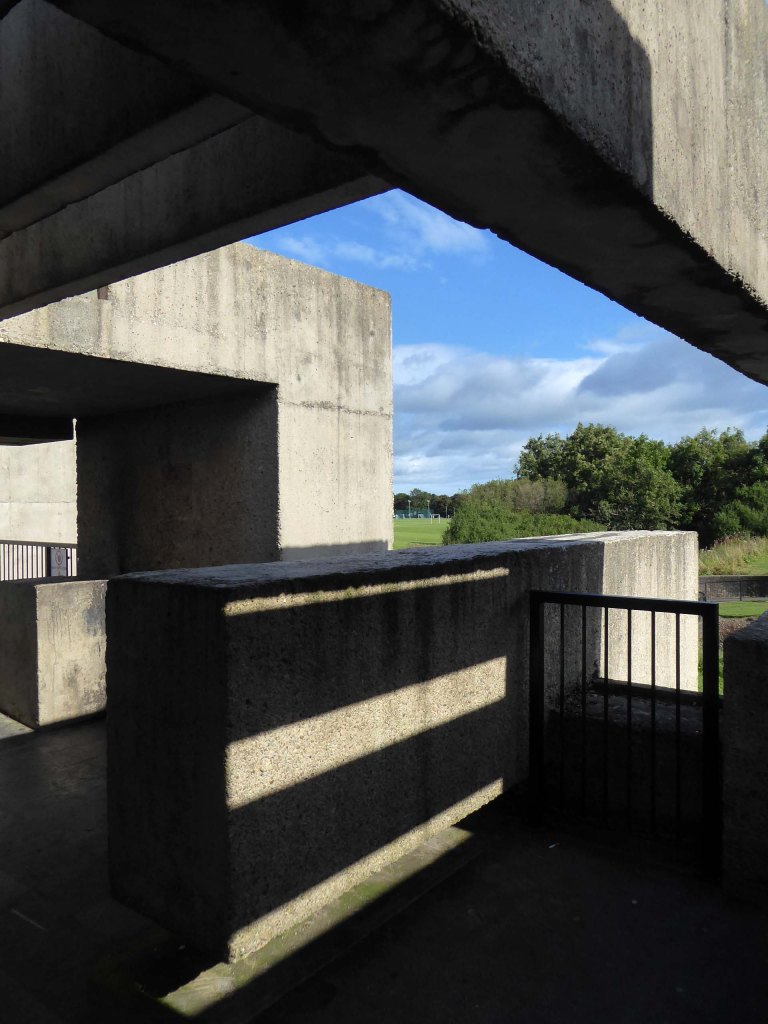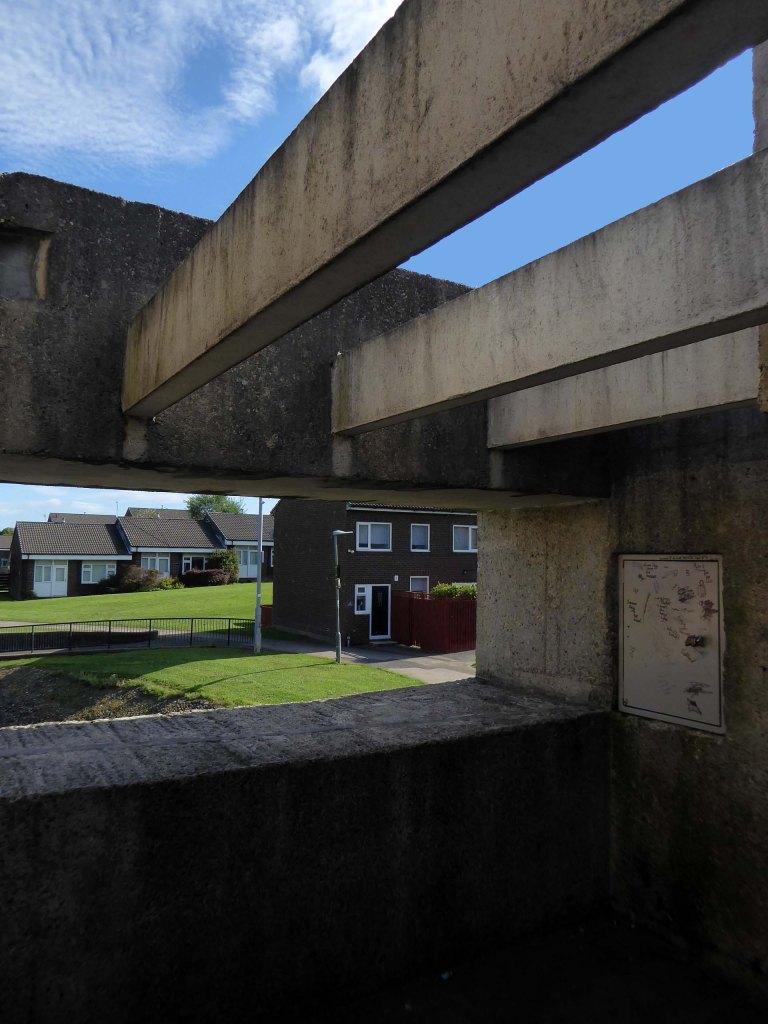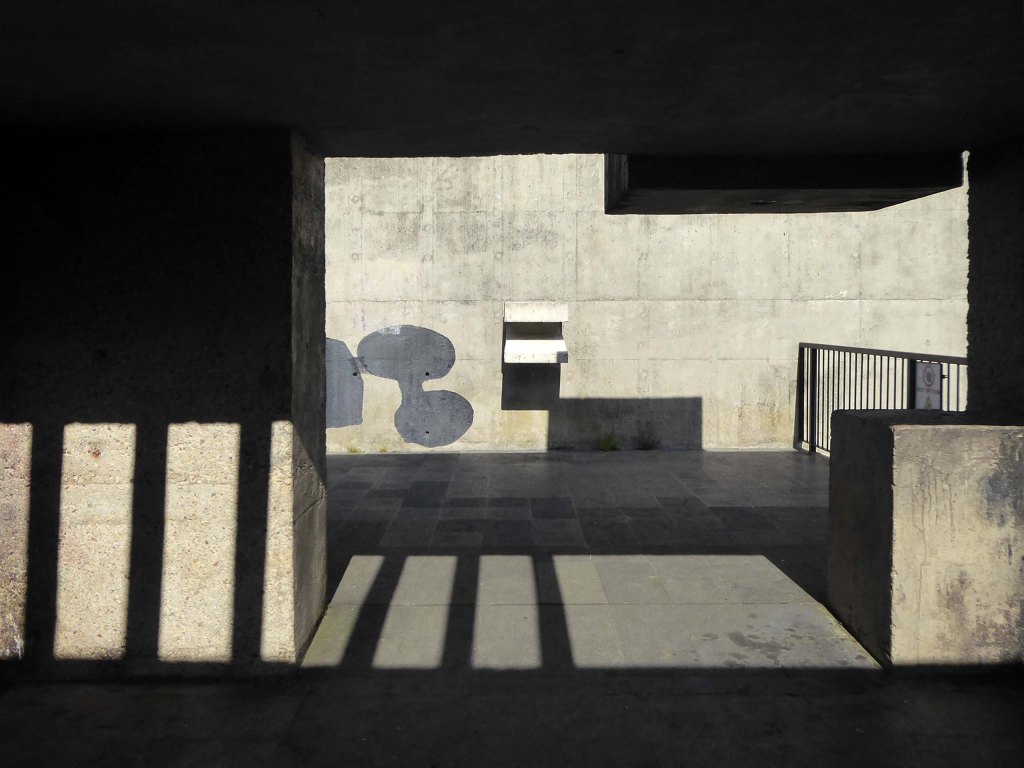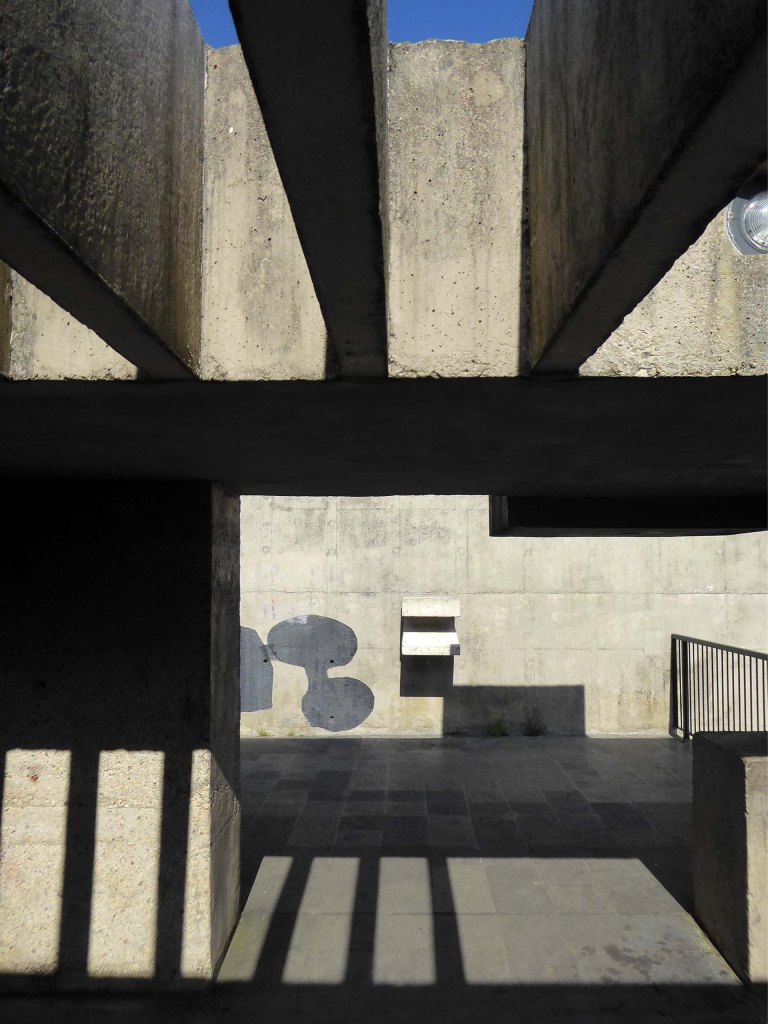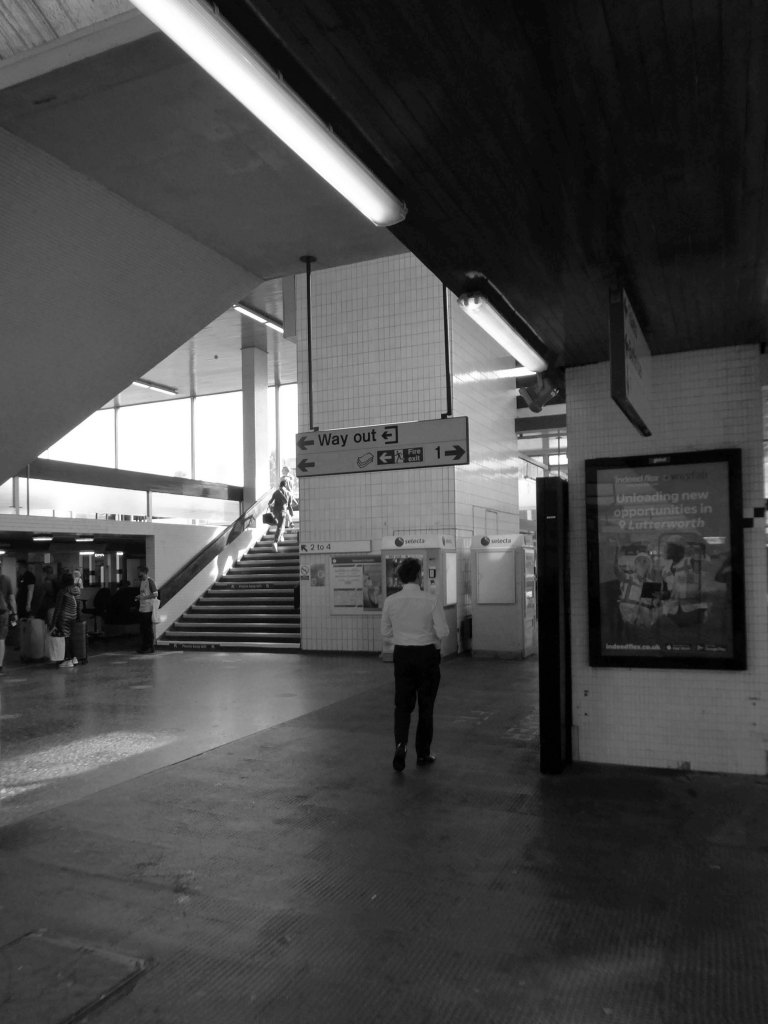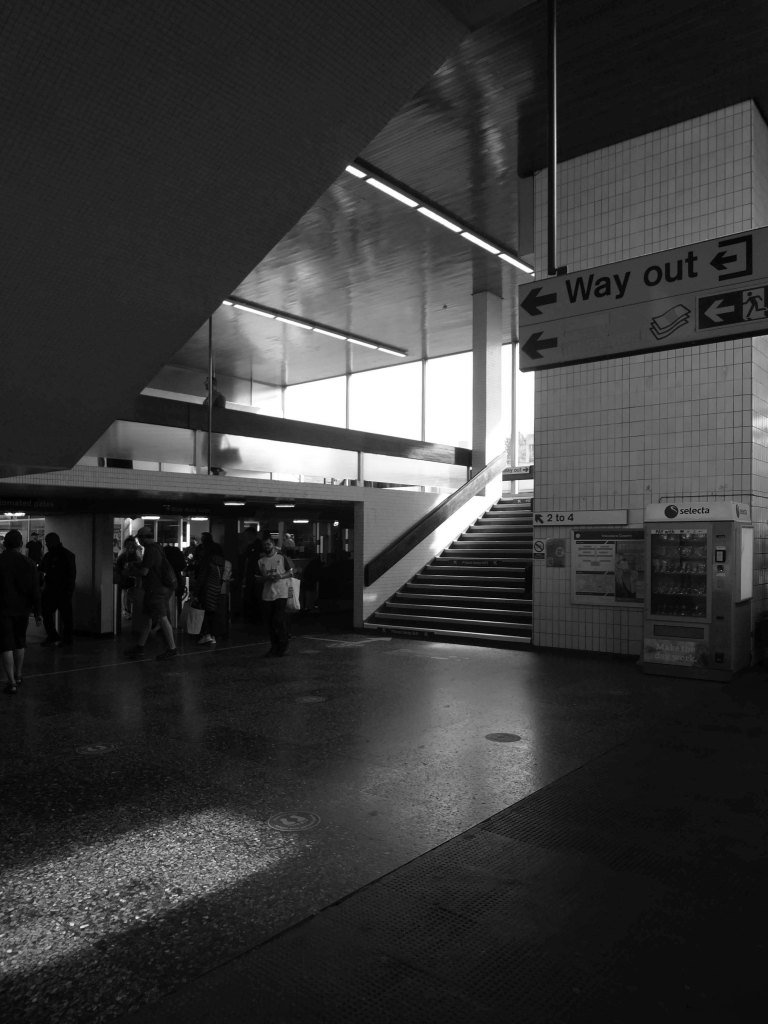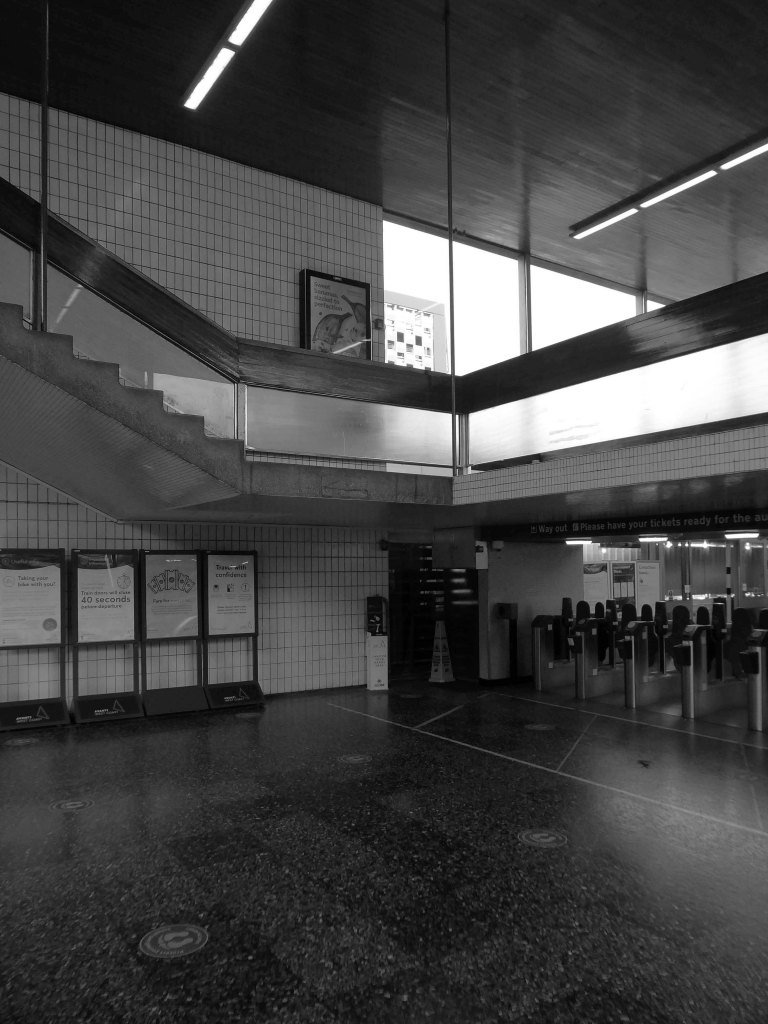
Preston Walk

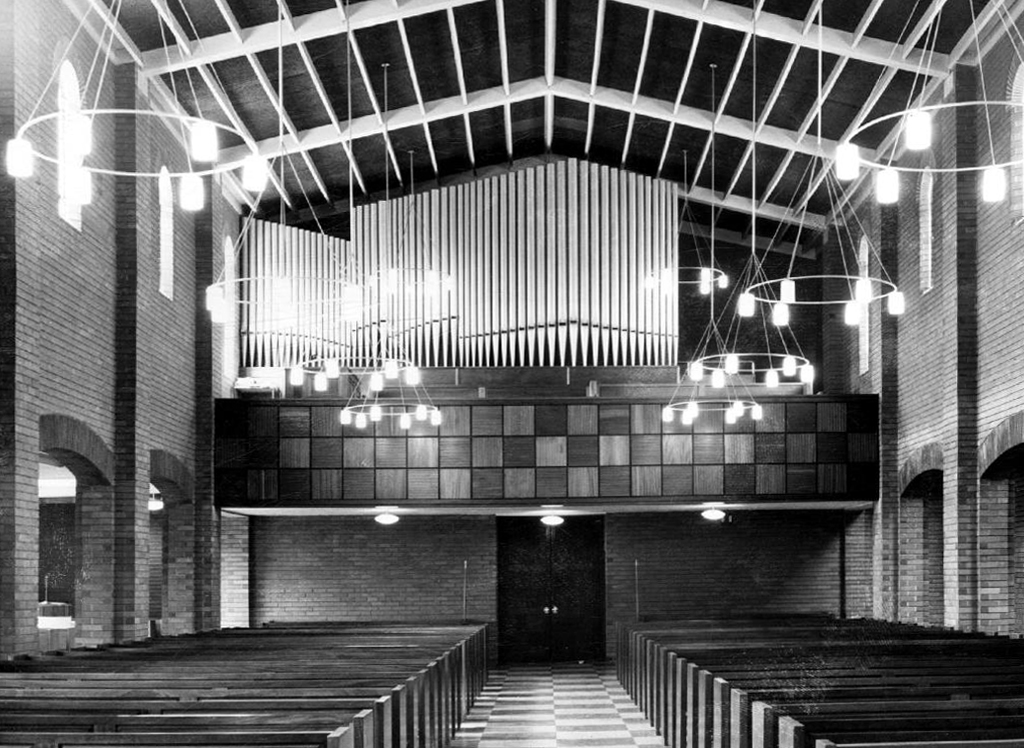
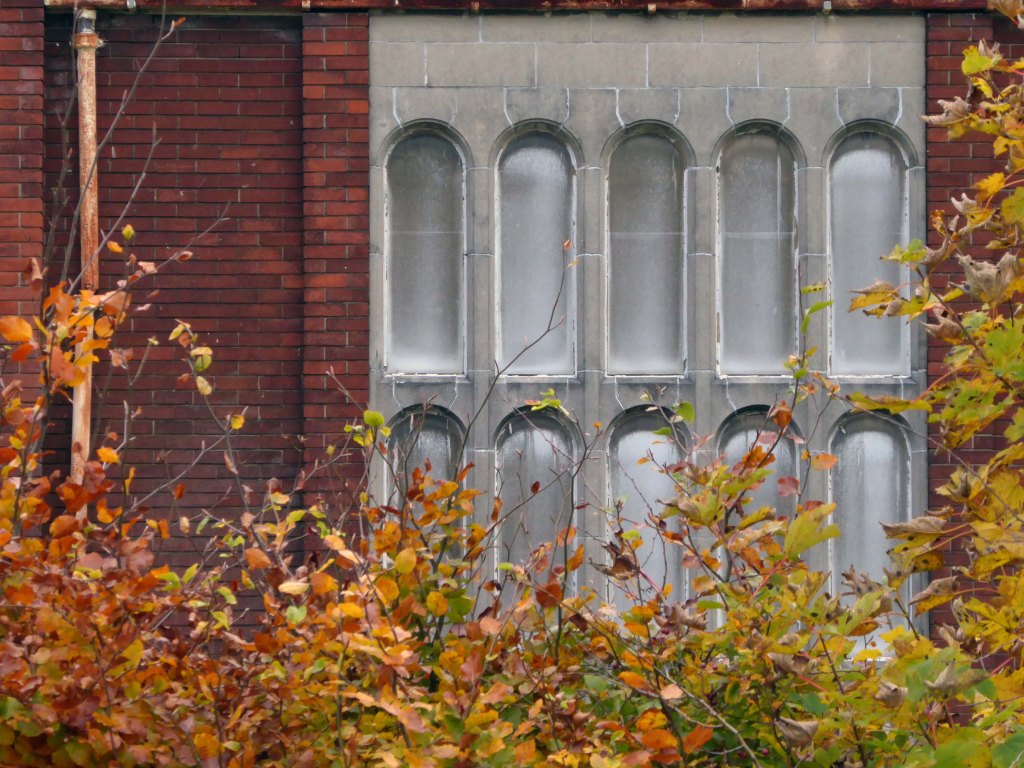
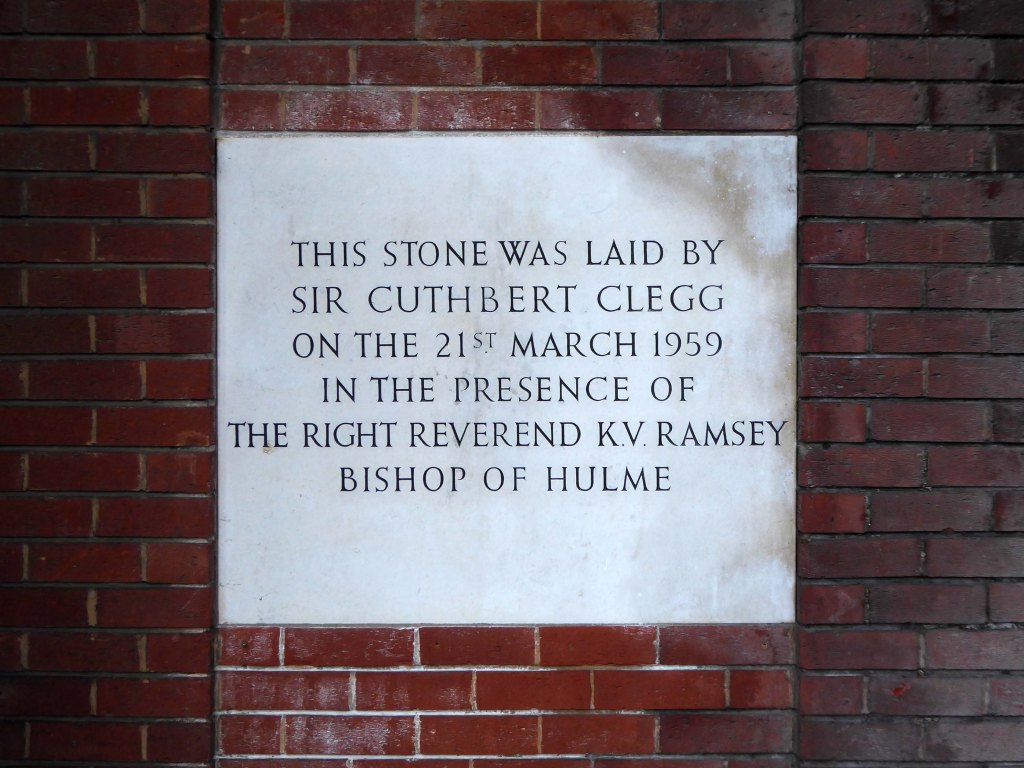
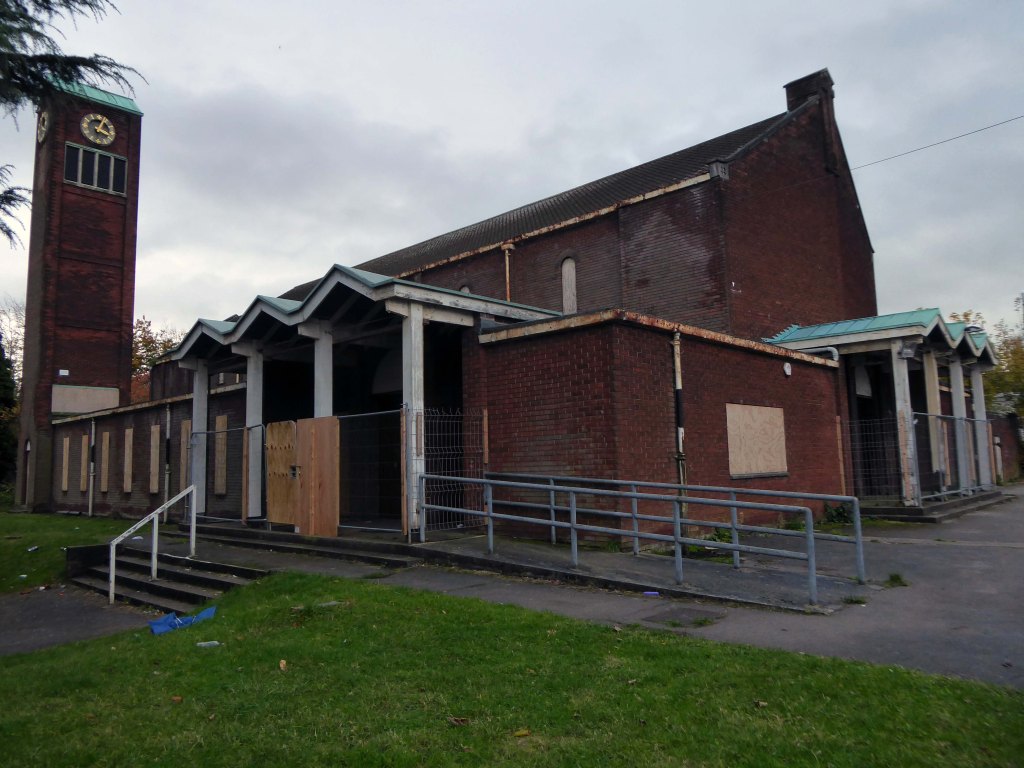
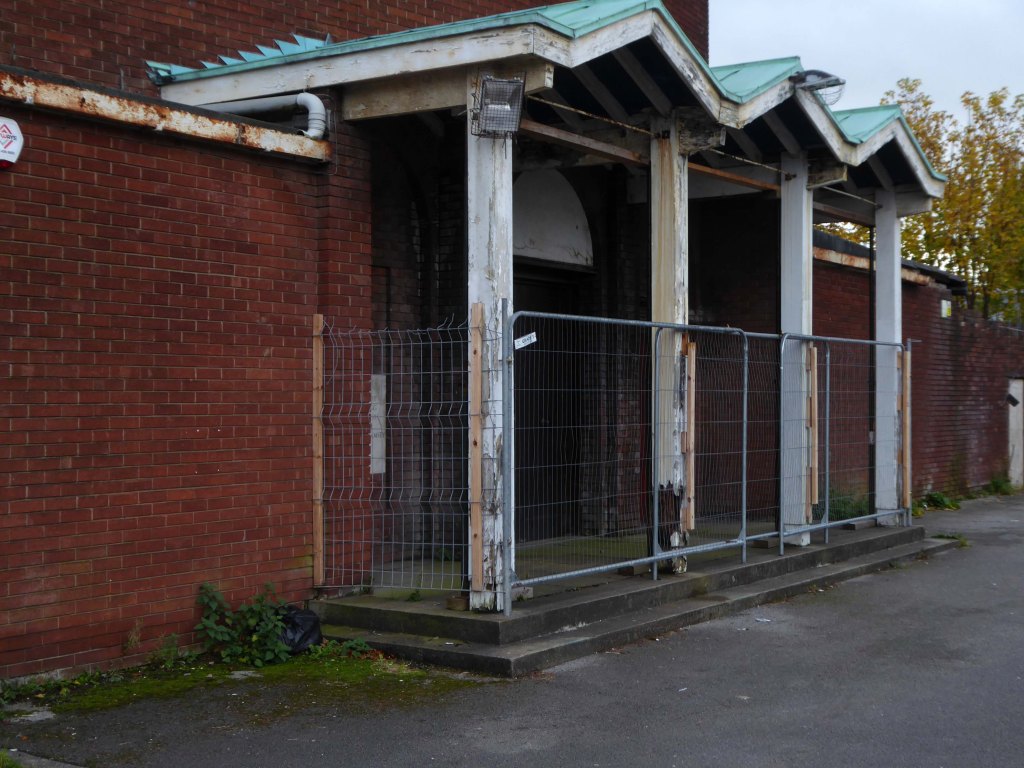
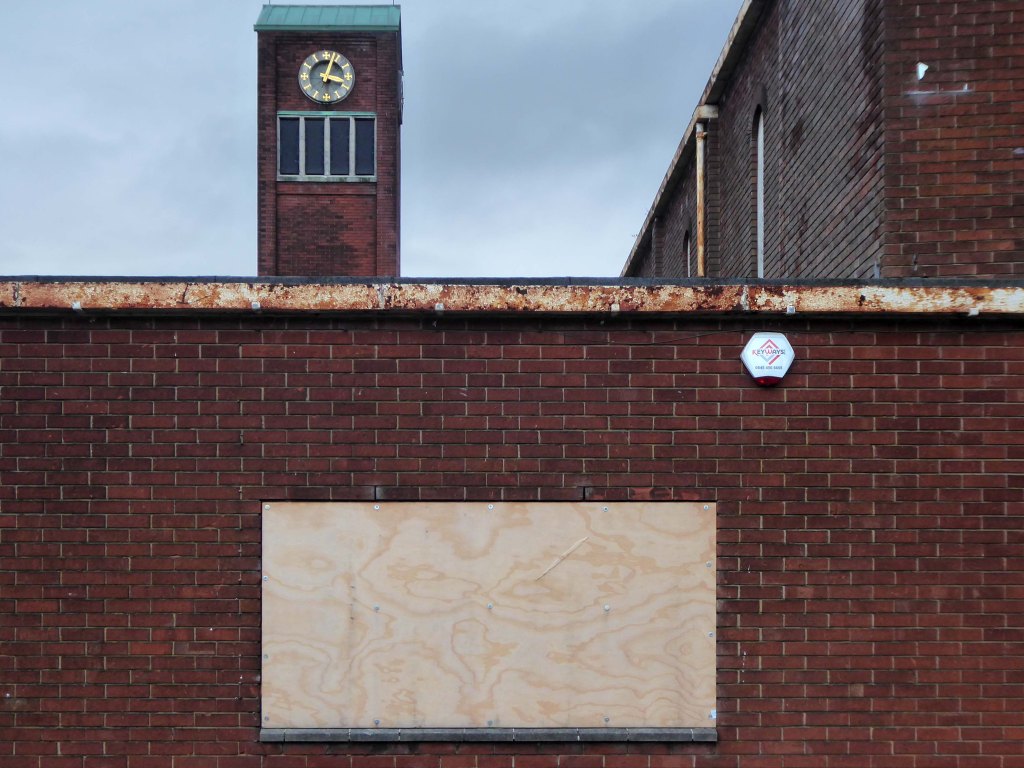
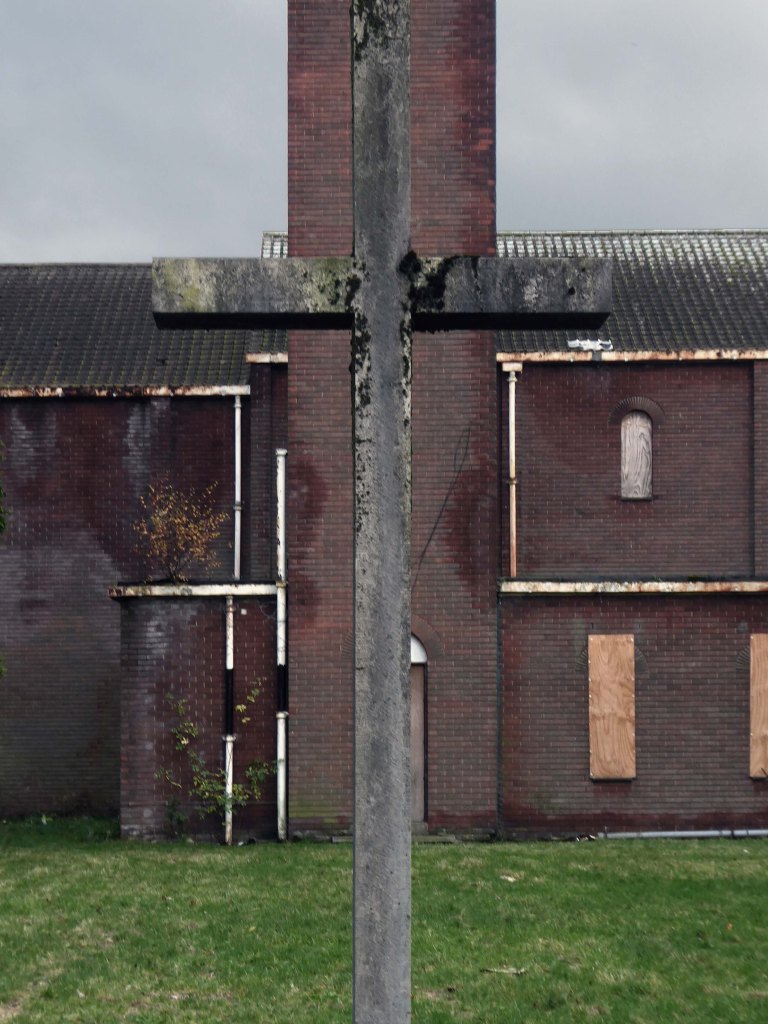
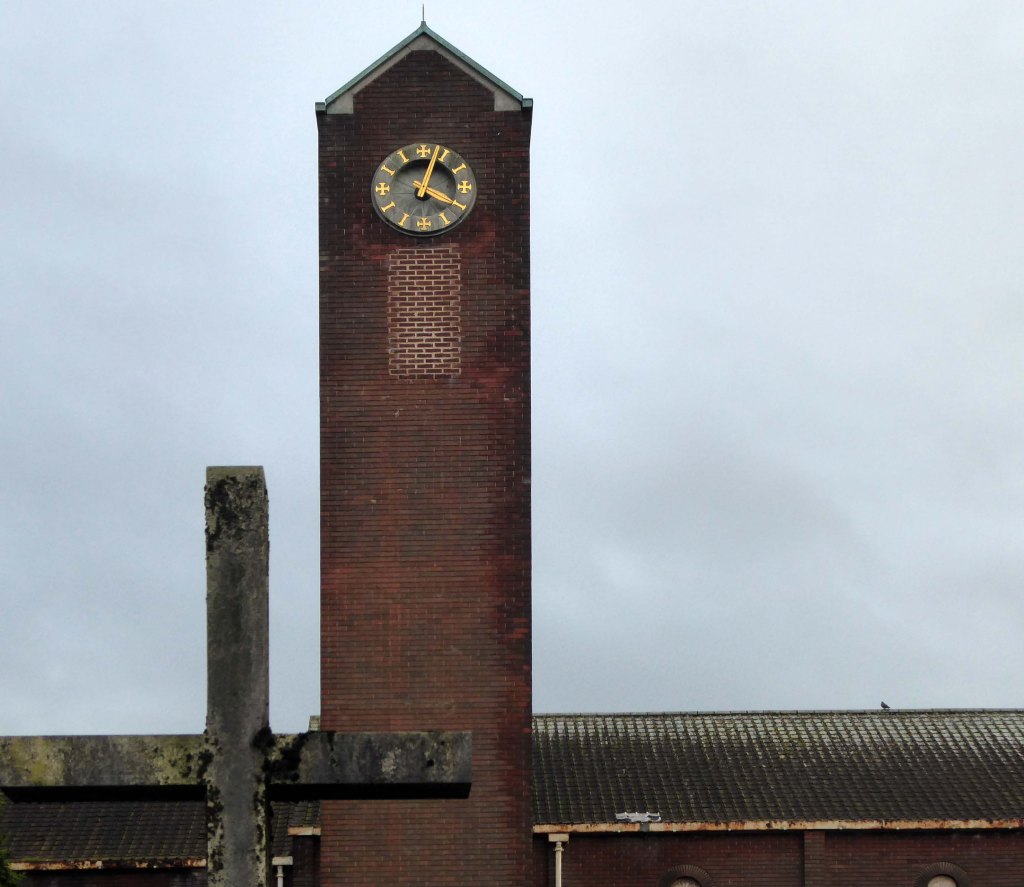
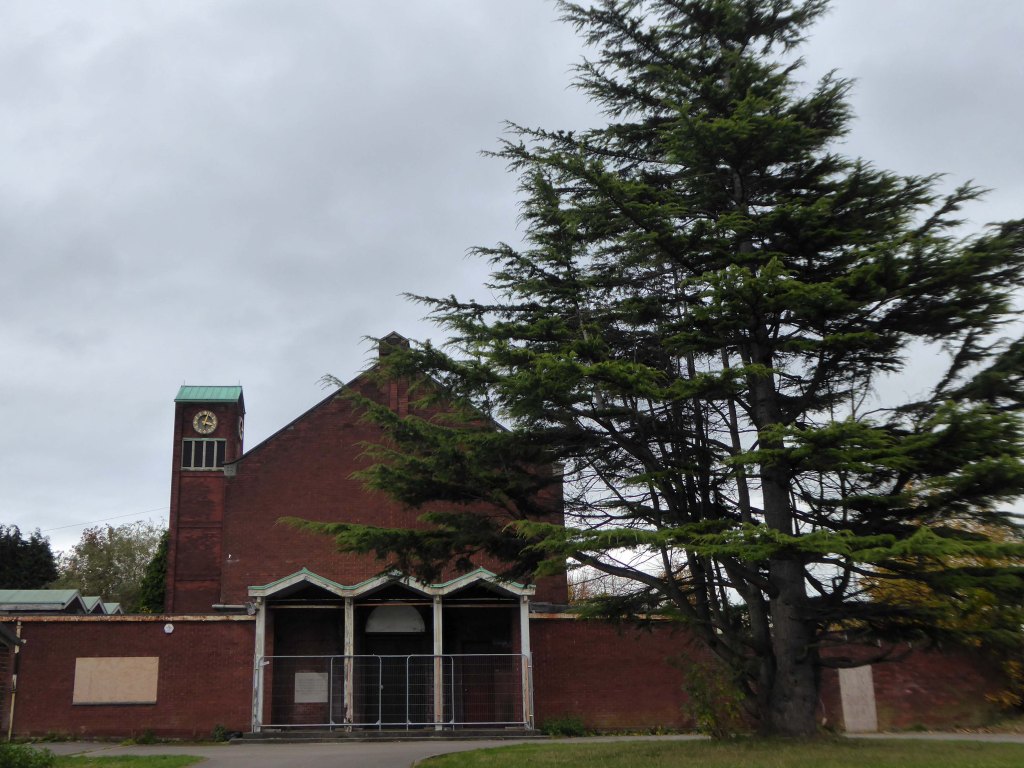
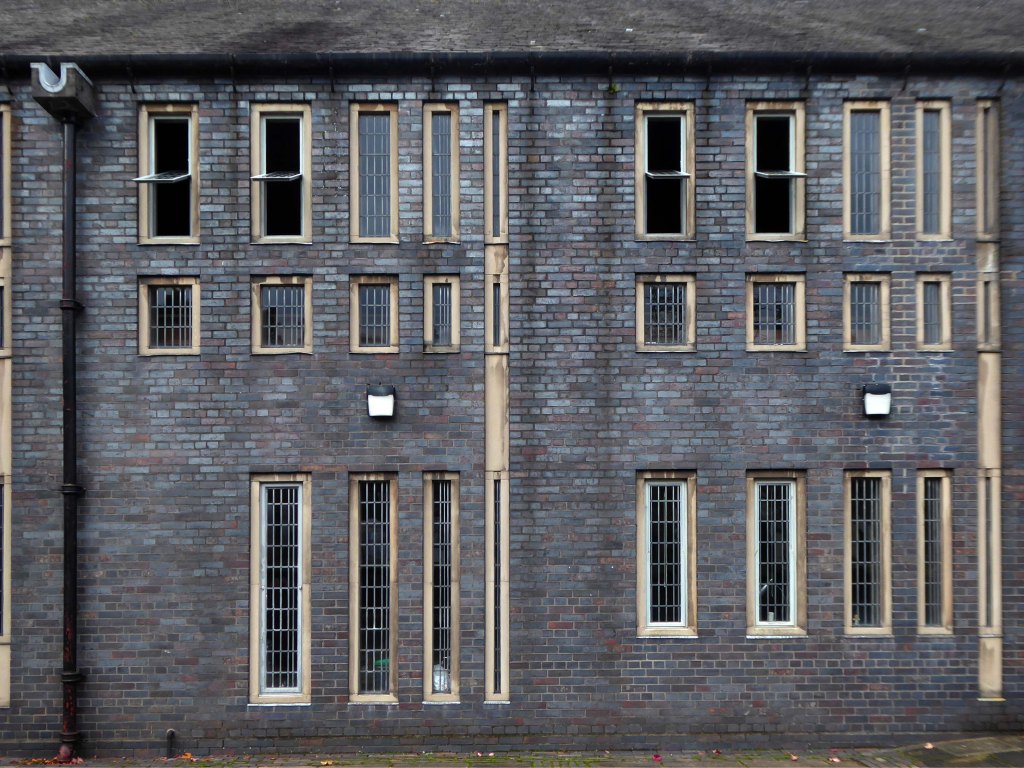
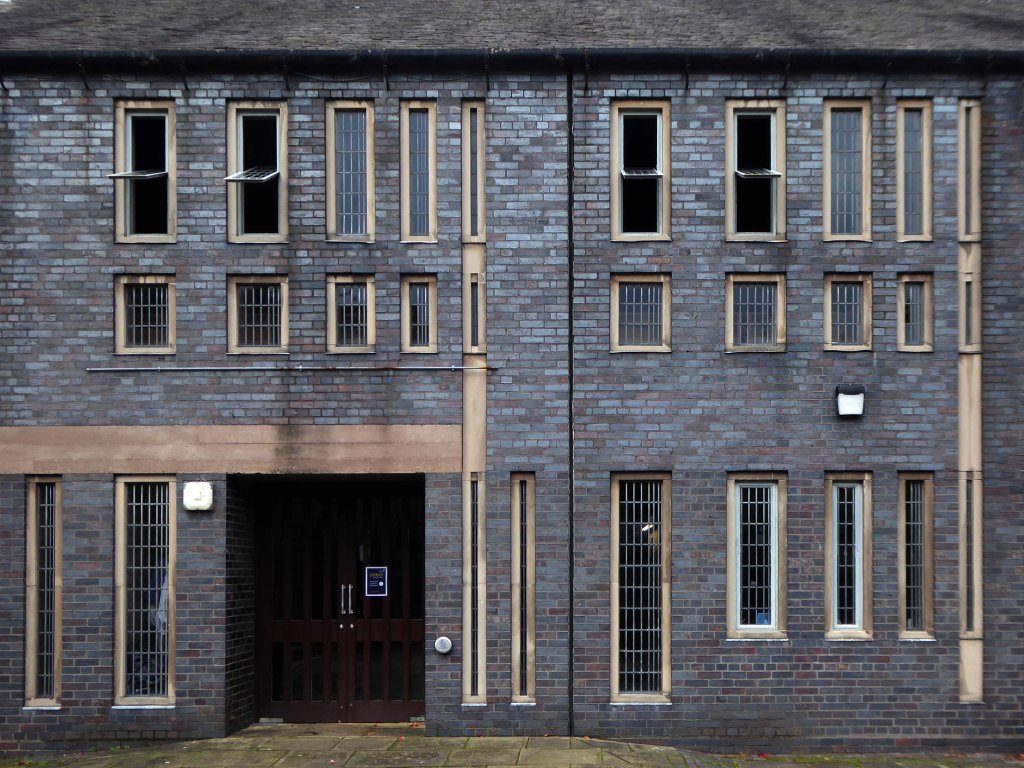
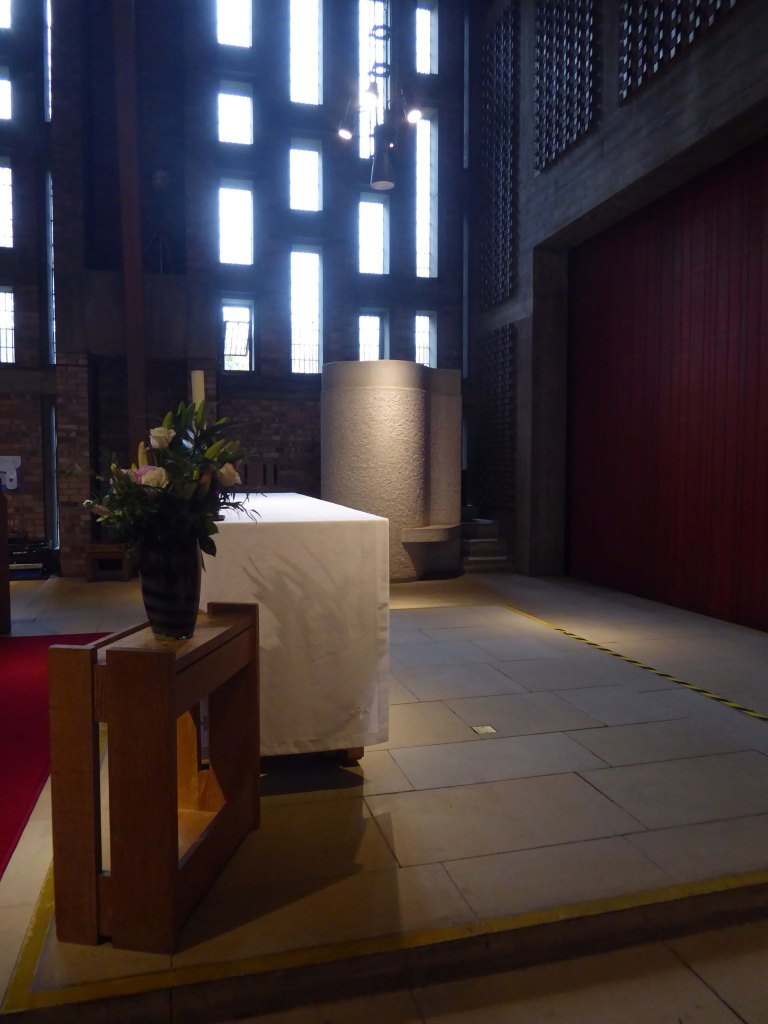
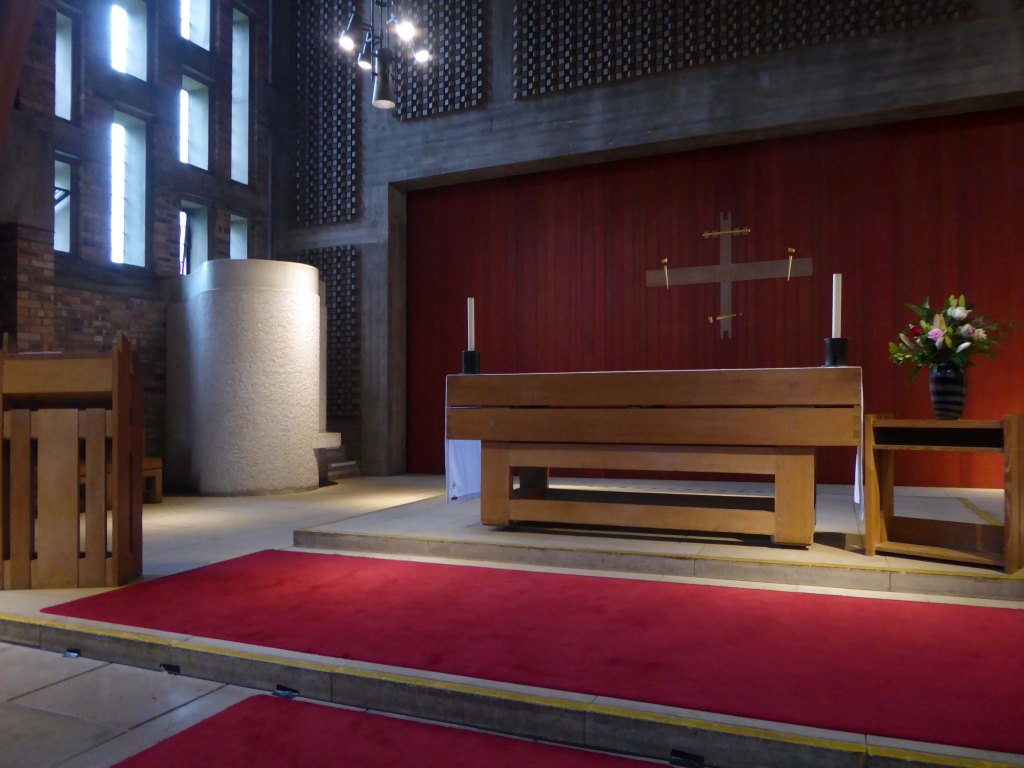
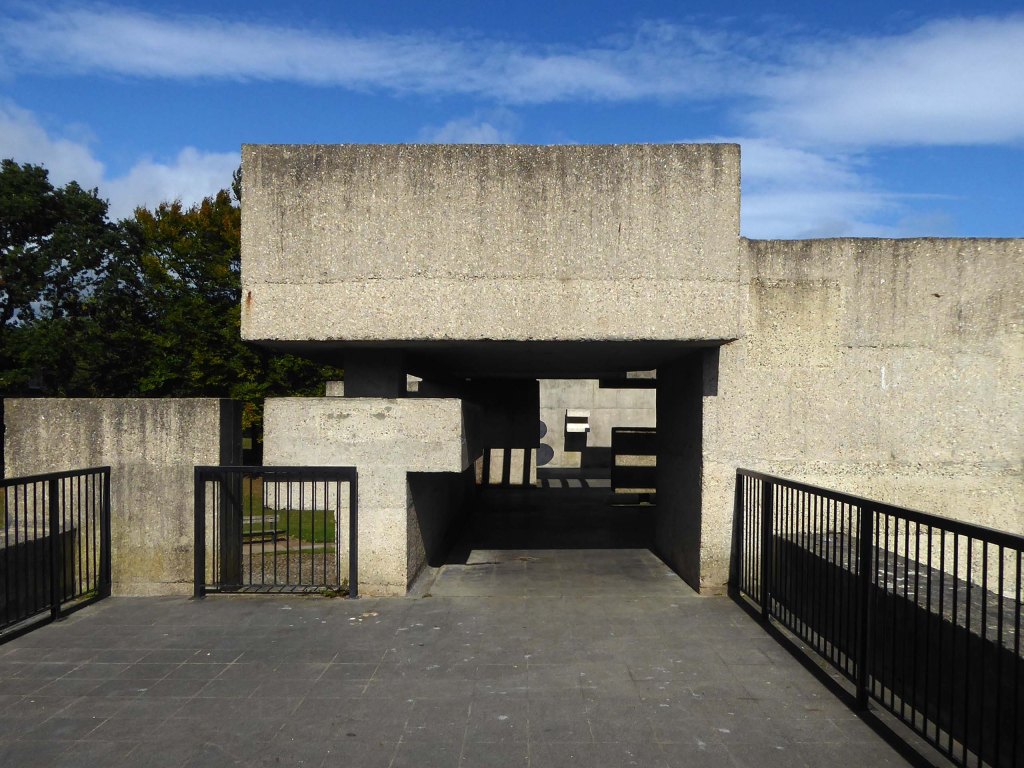
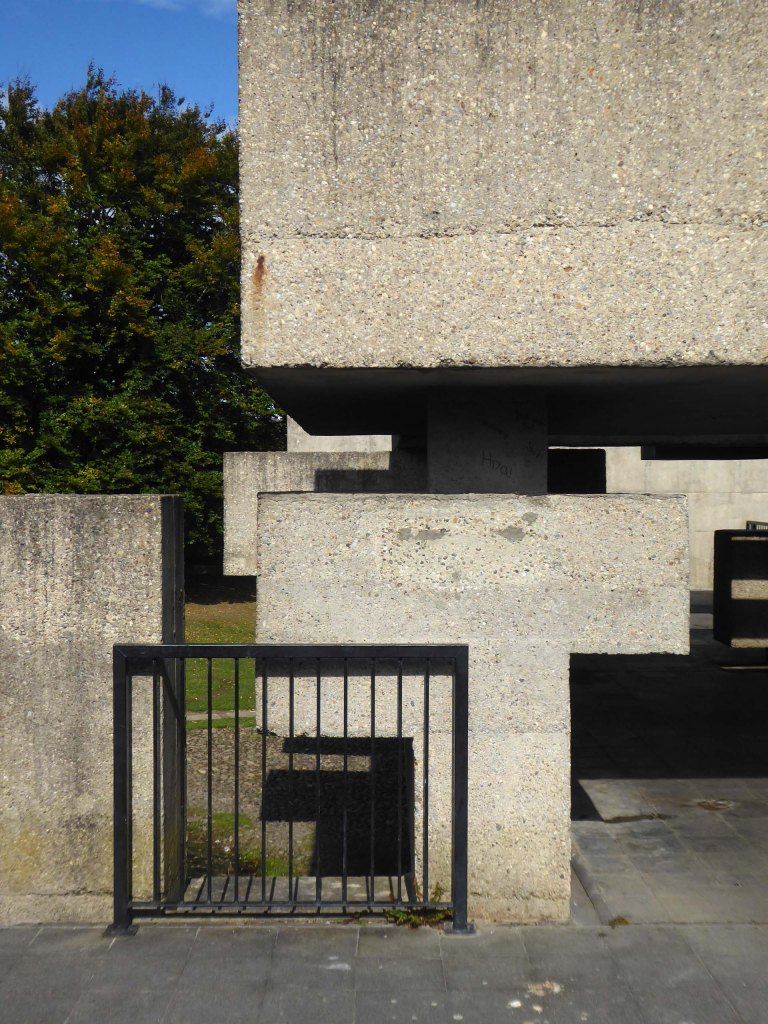
Turning left off the station approach, set back a ways on the right, the Christ Church facade 1835-36 by John Latham.

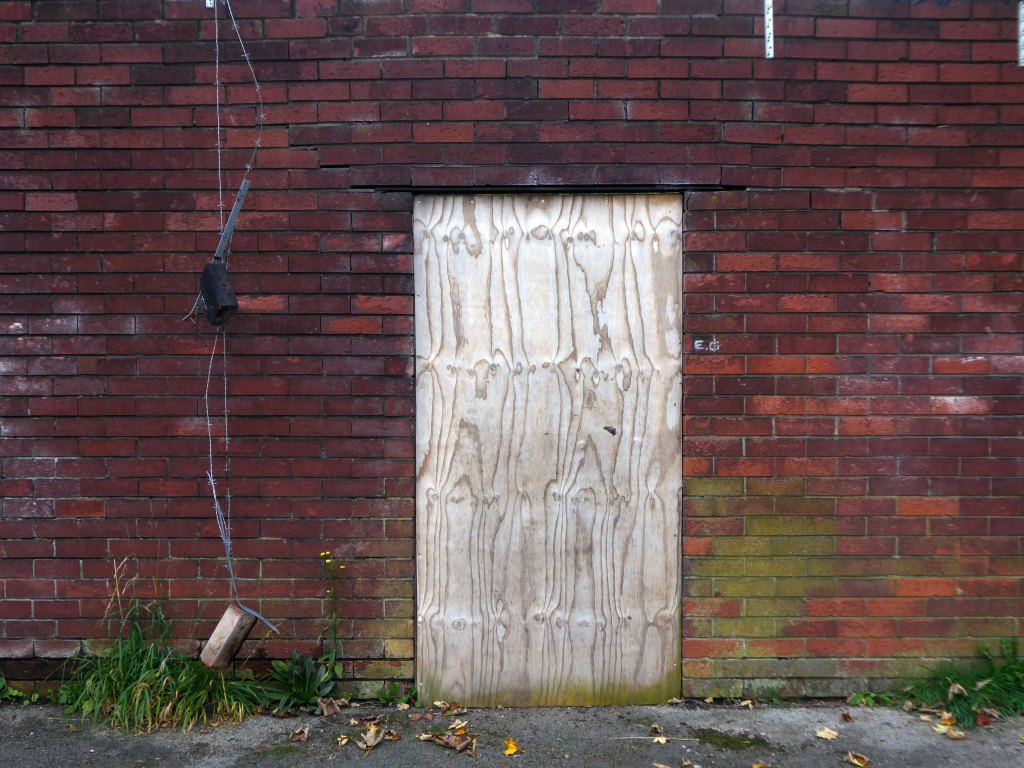
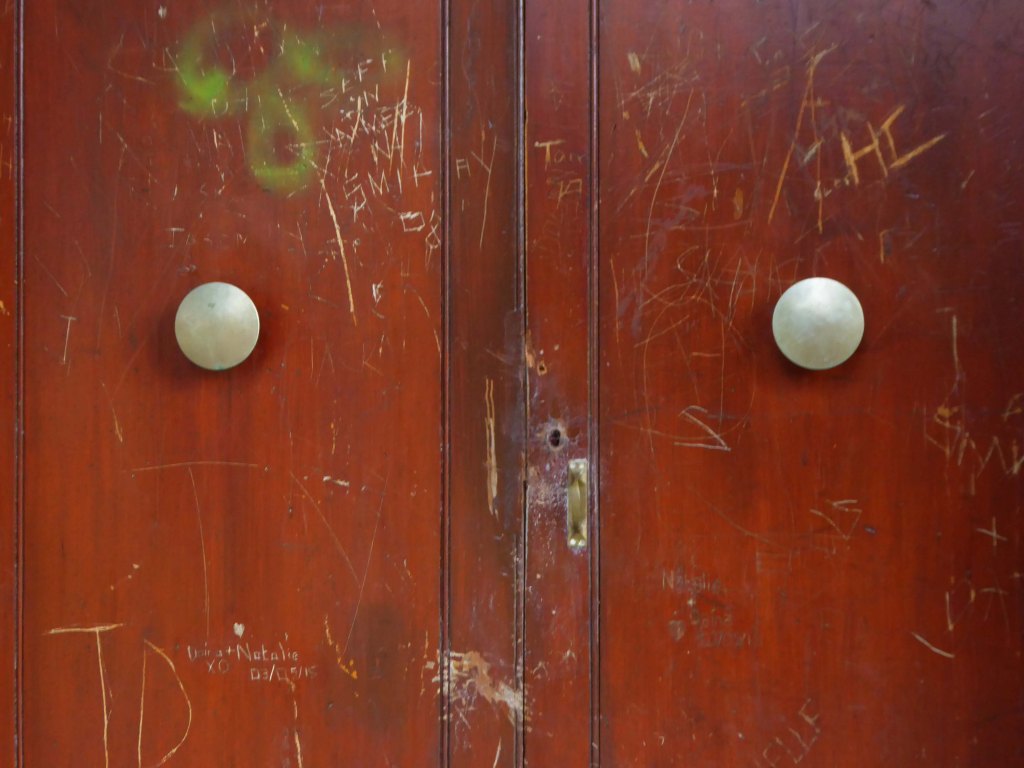
Originally built in 1836, the church closed in 1971 and was subsequently demolished, and is now adorned with a new extension, which is further adorned with sculptural details on the distinctive door handles, which illustrate local industry.

The bronzes are the work of Leslie South and Peter Strong.

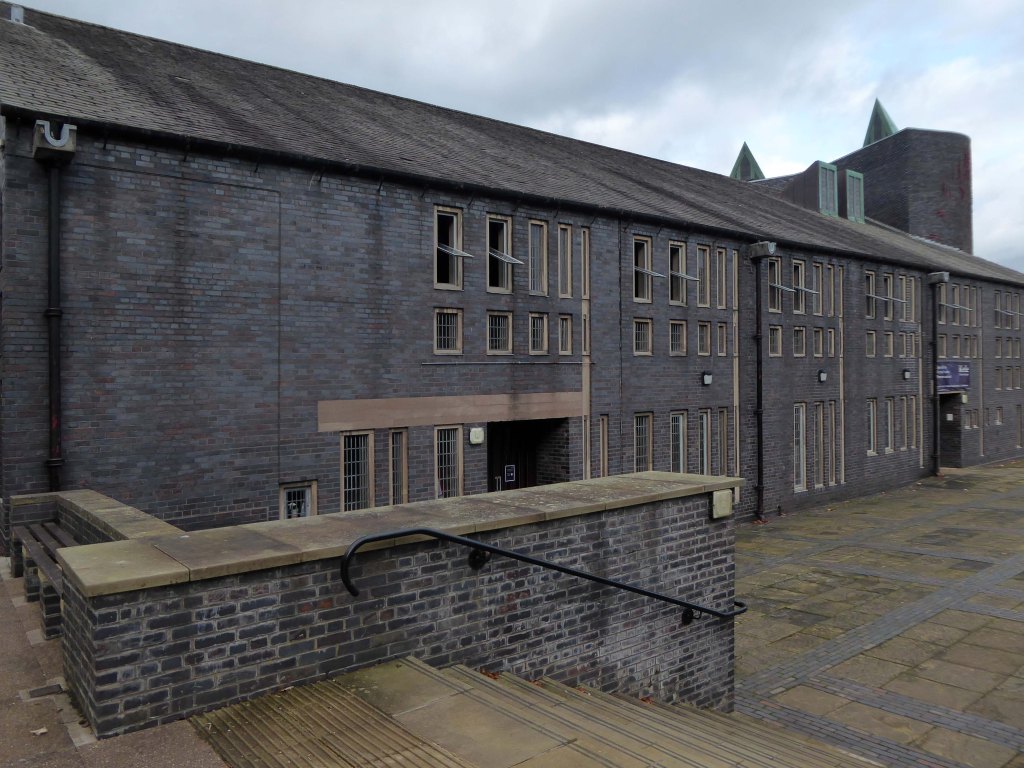
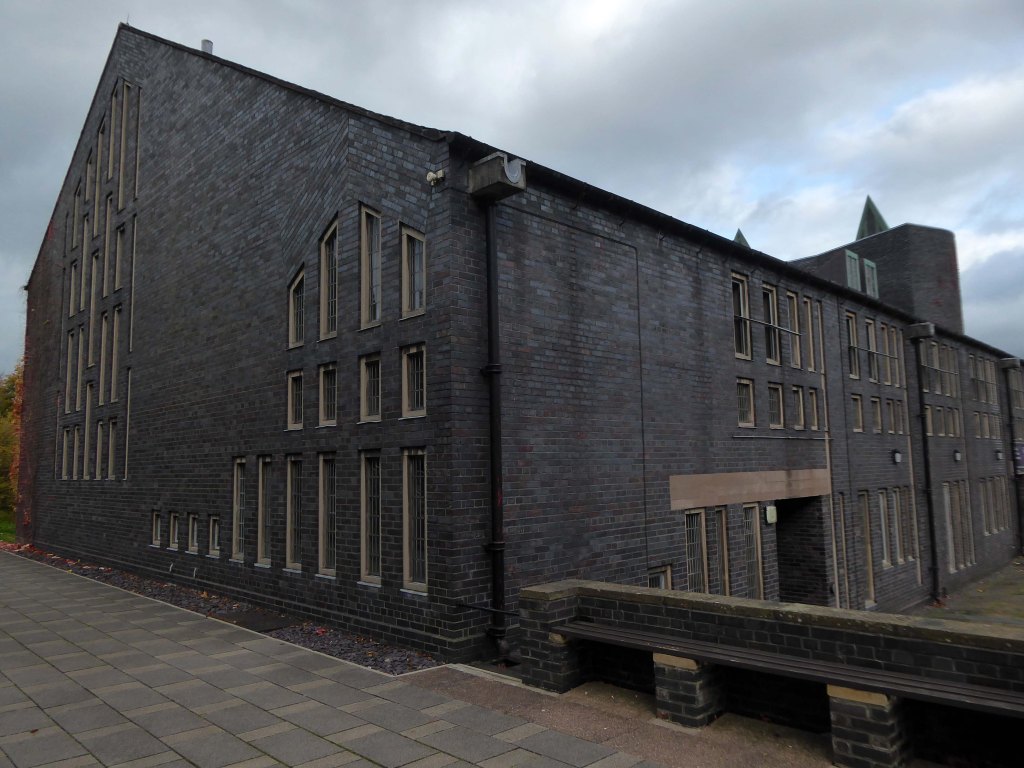
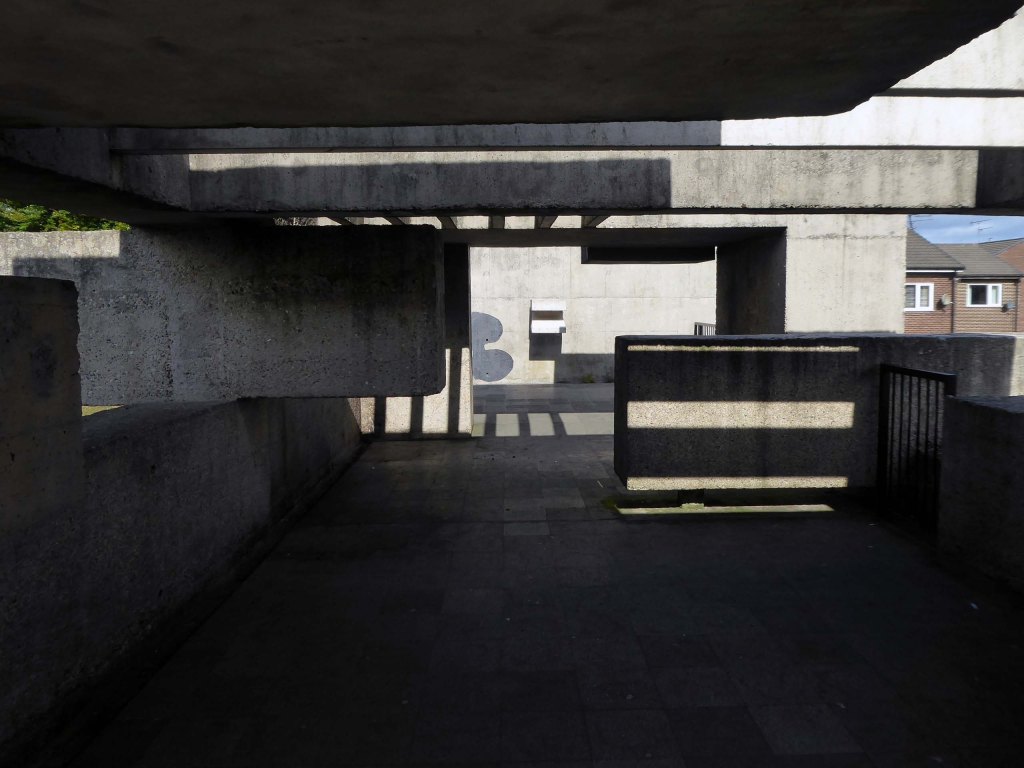
The whole is bedded into the extensions of the County Hall 1976 by Roger Booth County Architect.

Then head on down Bow Lane to the Lancashire Archives 1976, the work of County Architect Roger Booth.

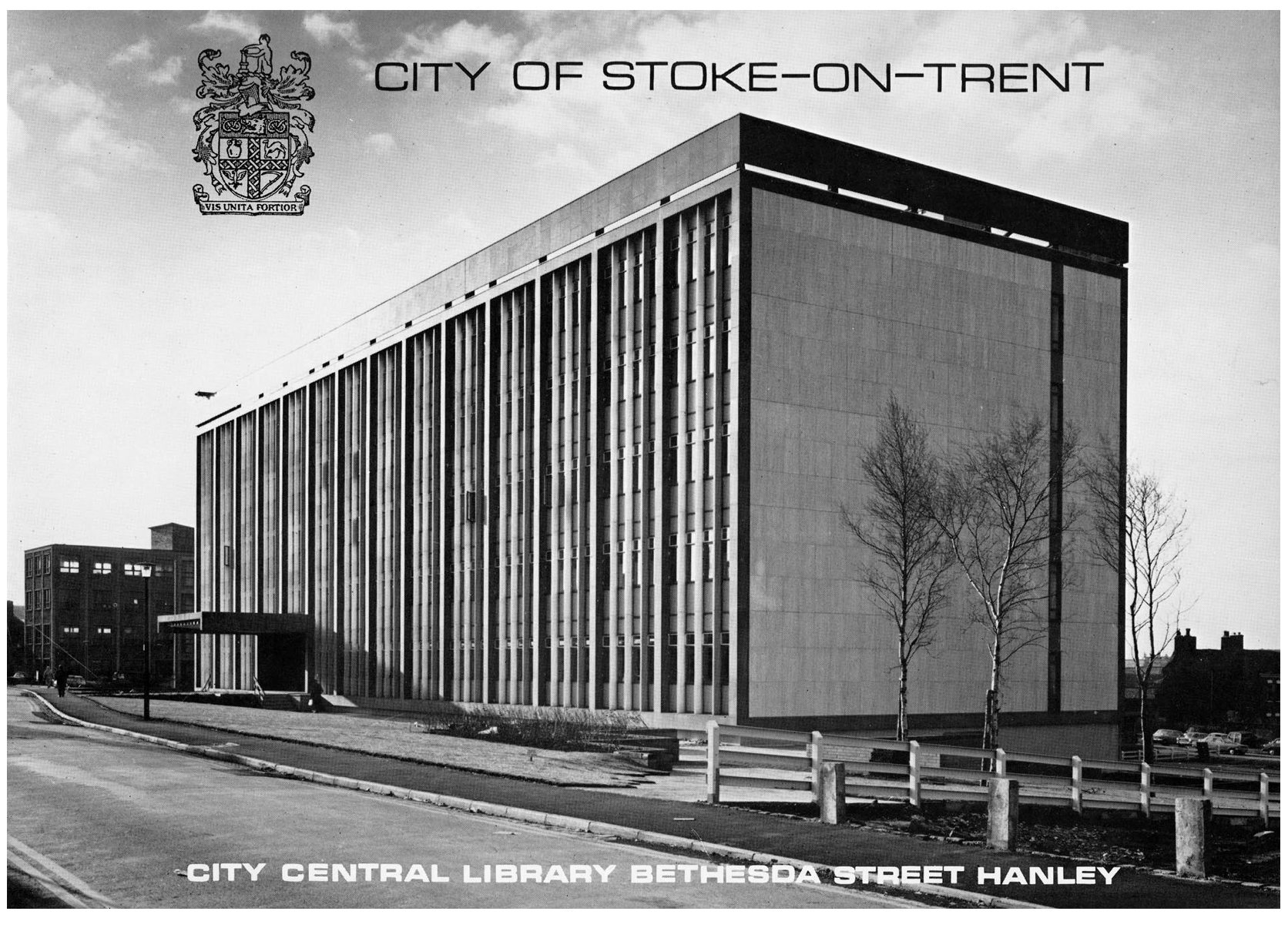
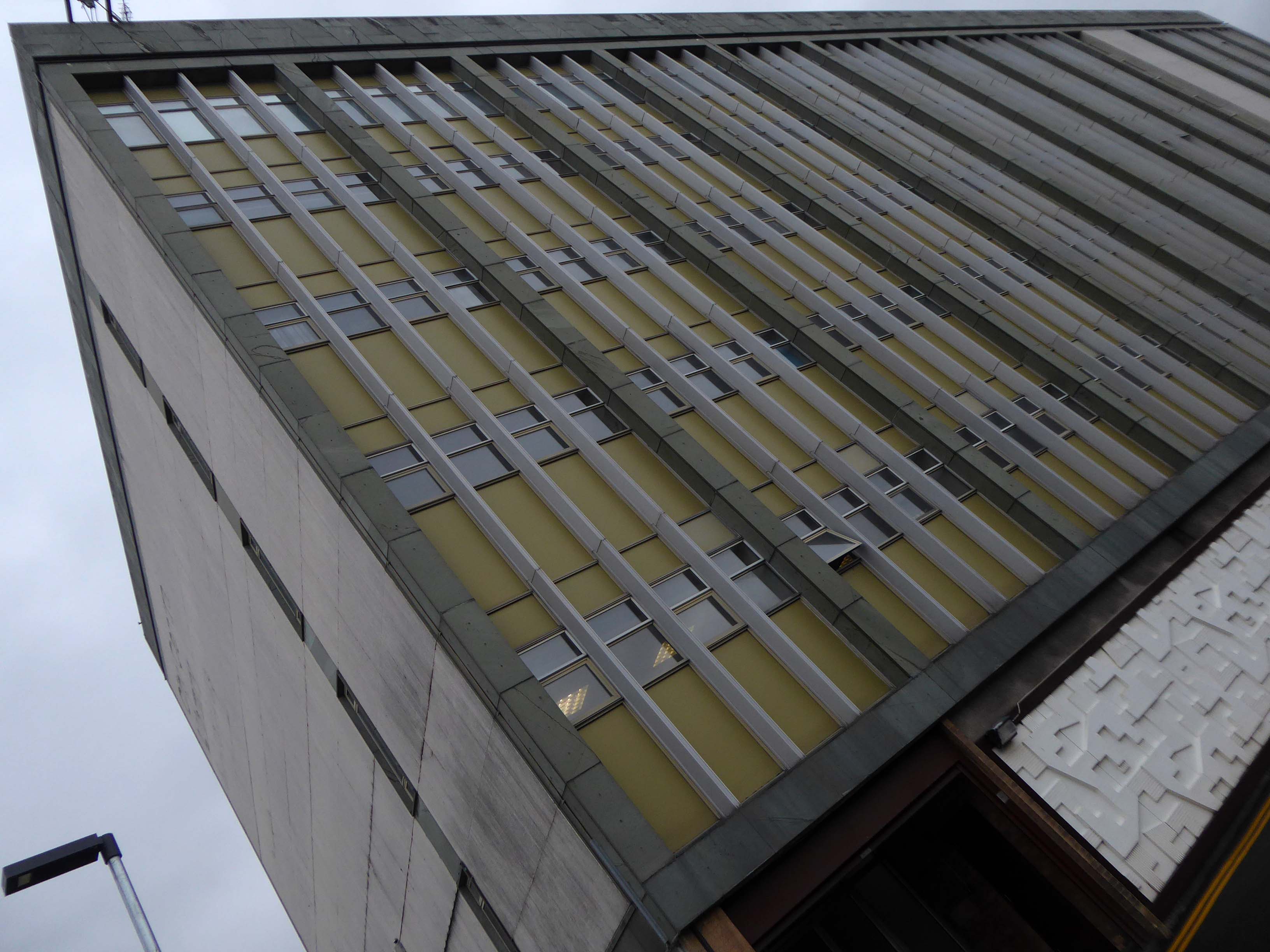
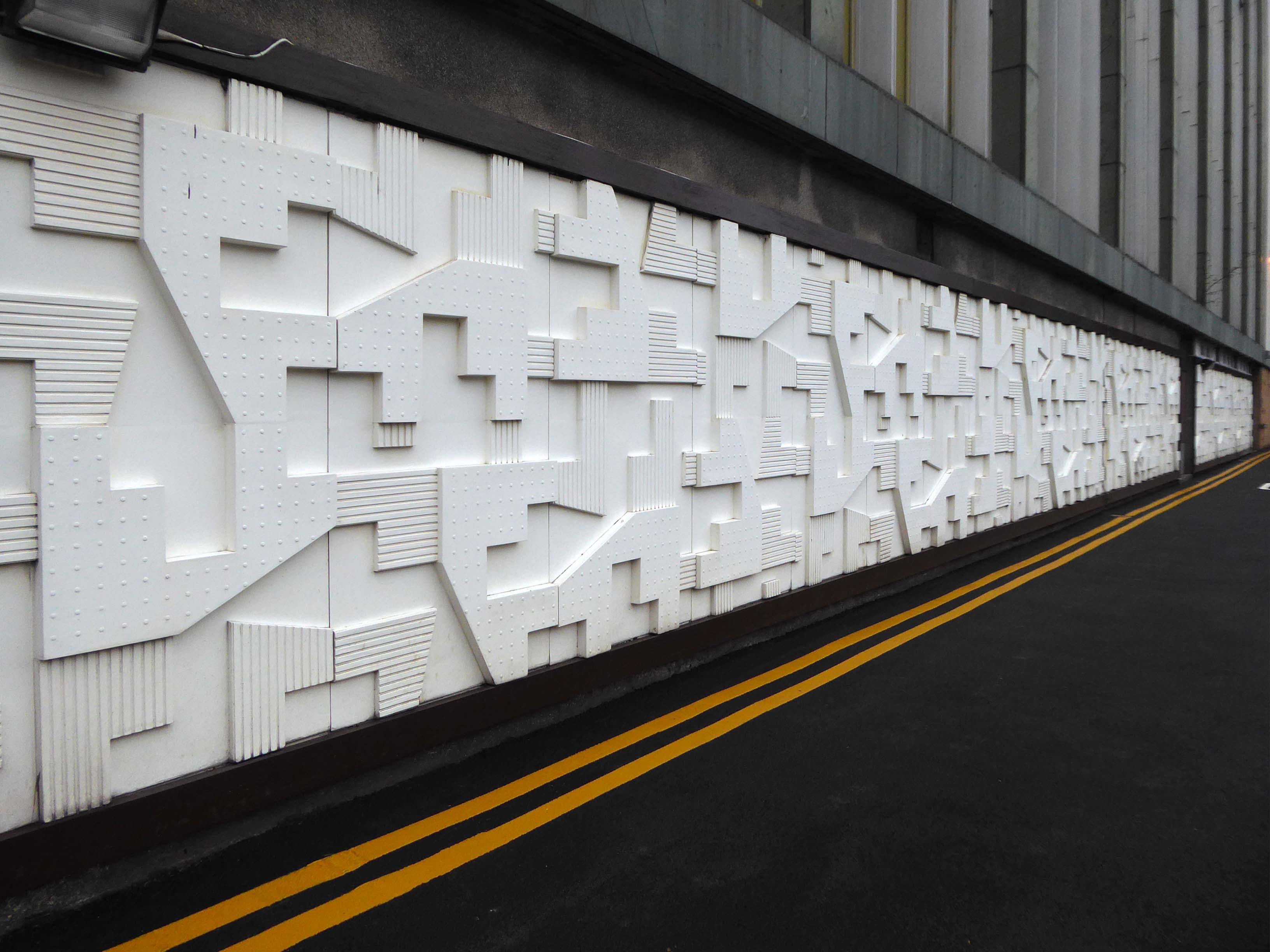
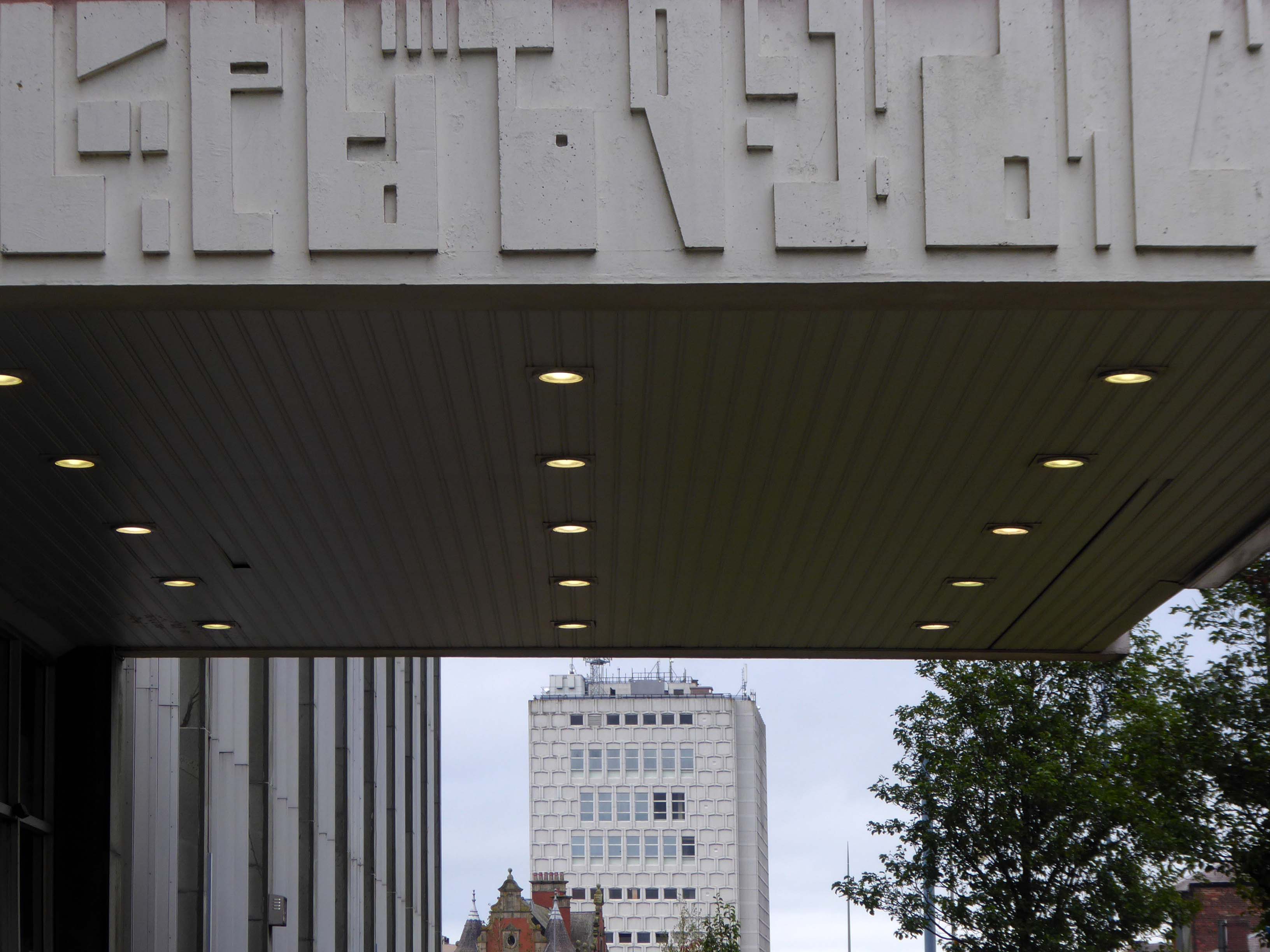
Back track towards town and onwards up Corporation Street to encounter a tiled delight, once home to the County Library.

Cast a glance toward UCLAN’s Livesey House, named in honour of Joseph Livesey of Preston, one of the early teetotal pioneers.

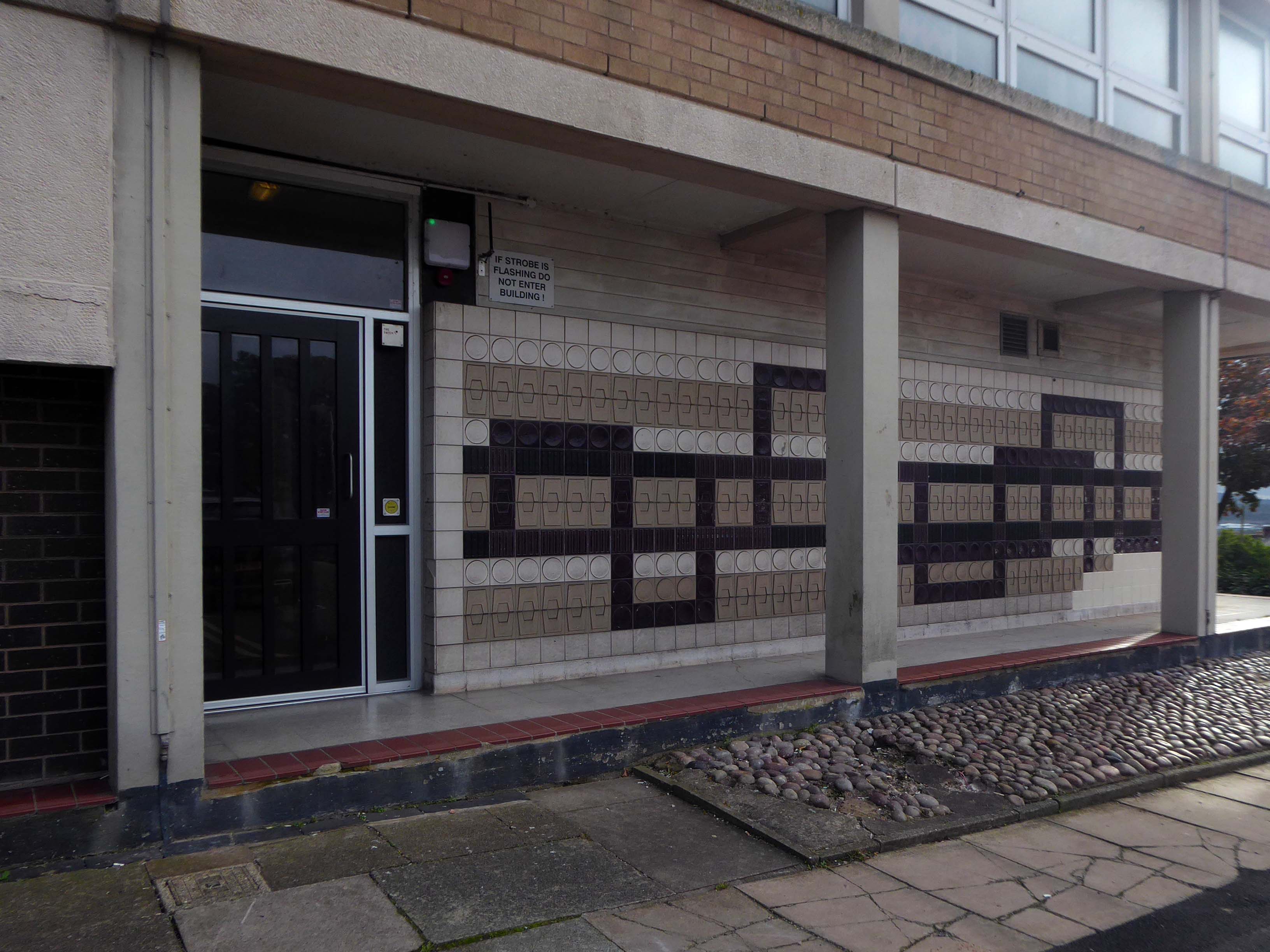
A twisty turn around Hill Street and a mysterious display of exterior wall tiles.

The along Friarsgate to the Humane Building.

For most of the 19th and early 20th century this was the ‘Roast Beef Inn.’ In 1924, the police were said to be “desirous of closing this house because they were difficult of Police supervision, and could be spared without causing inconvenience.” In 1926 the building became the premises of the ‘Preston Humane Assurance Collecting Society.’

Superlative Walks

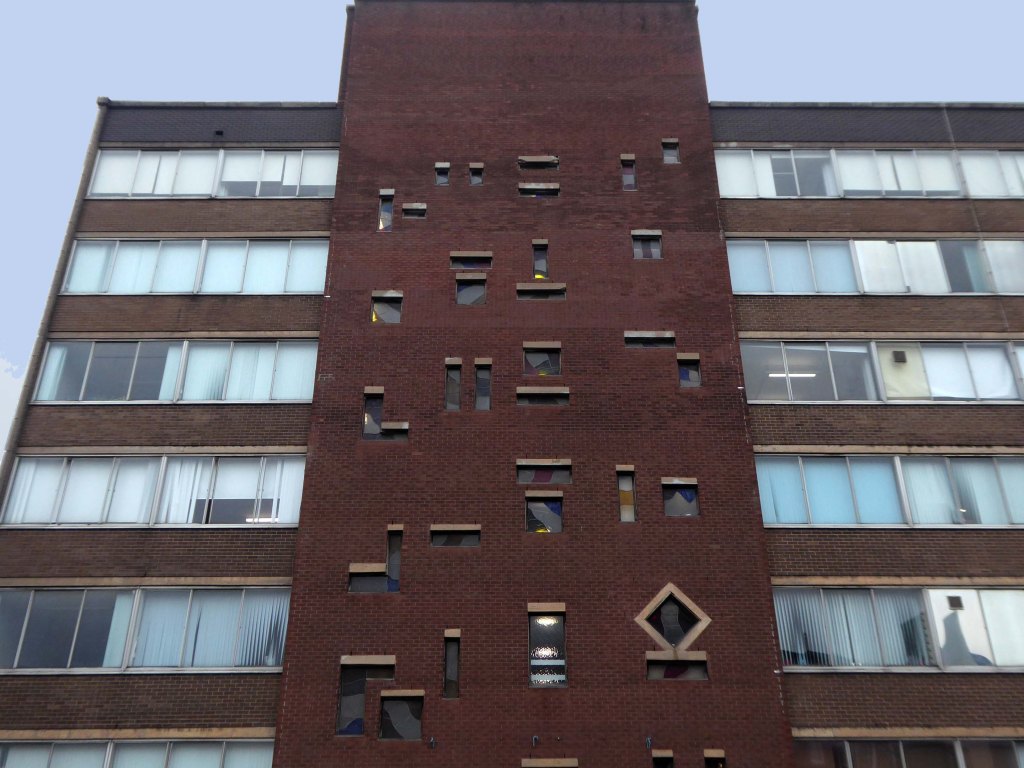
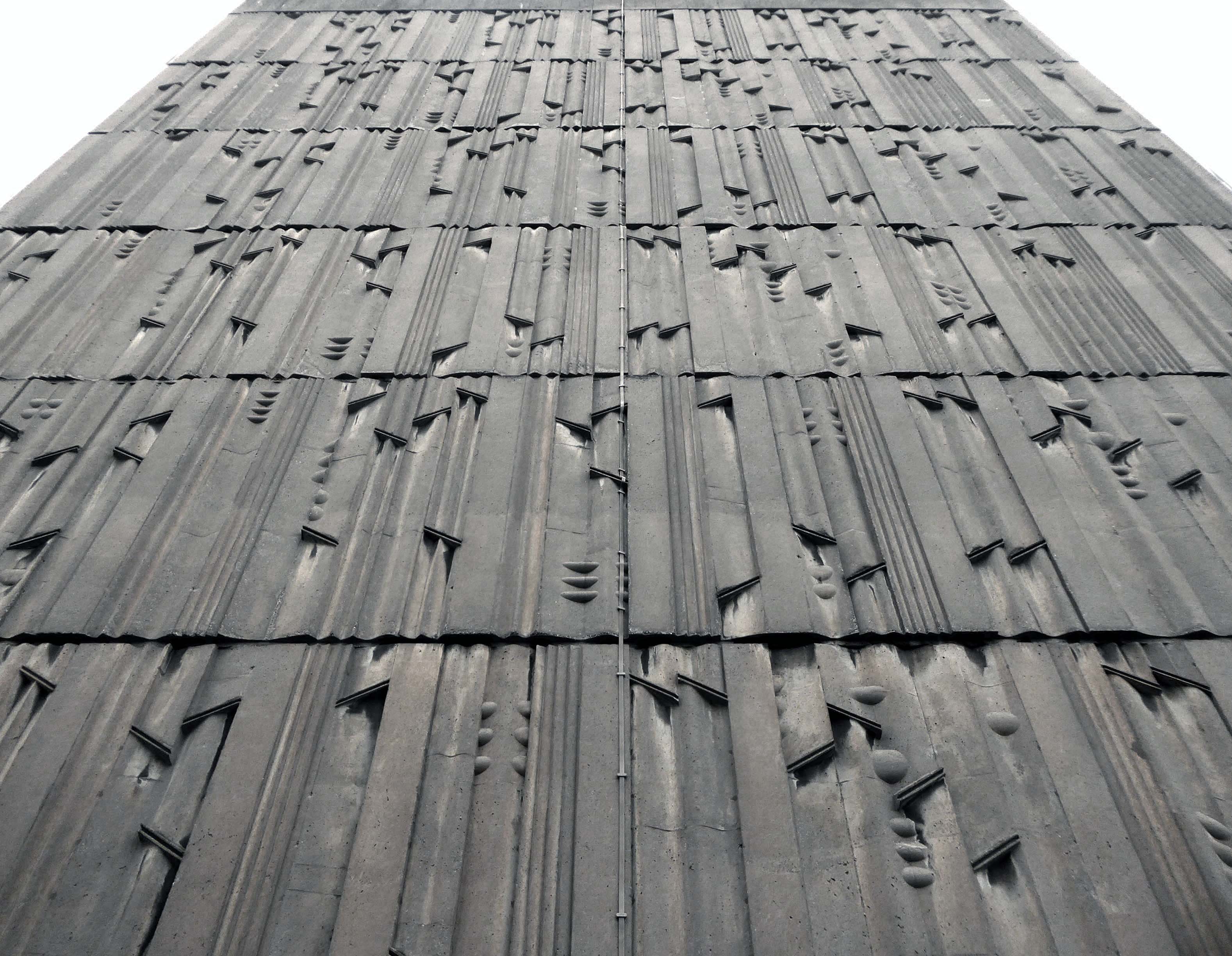
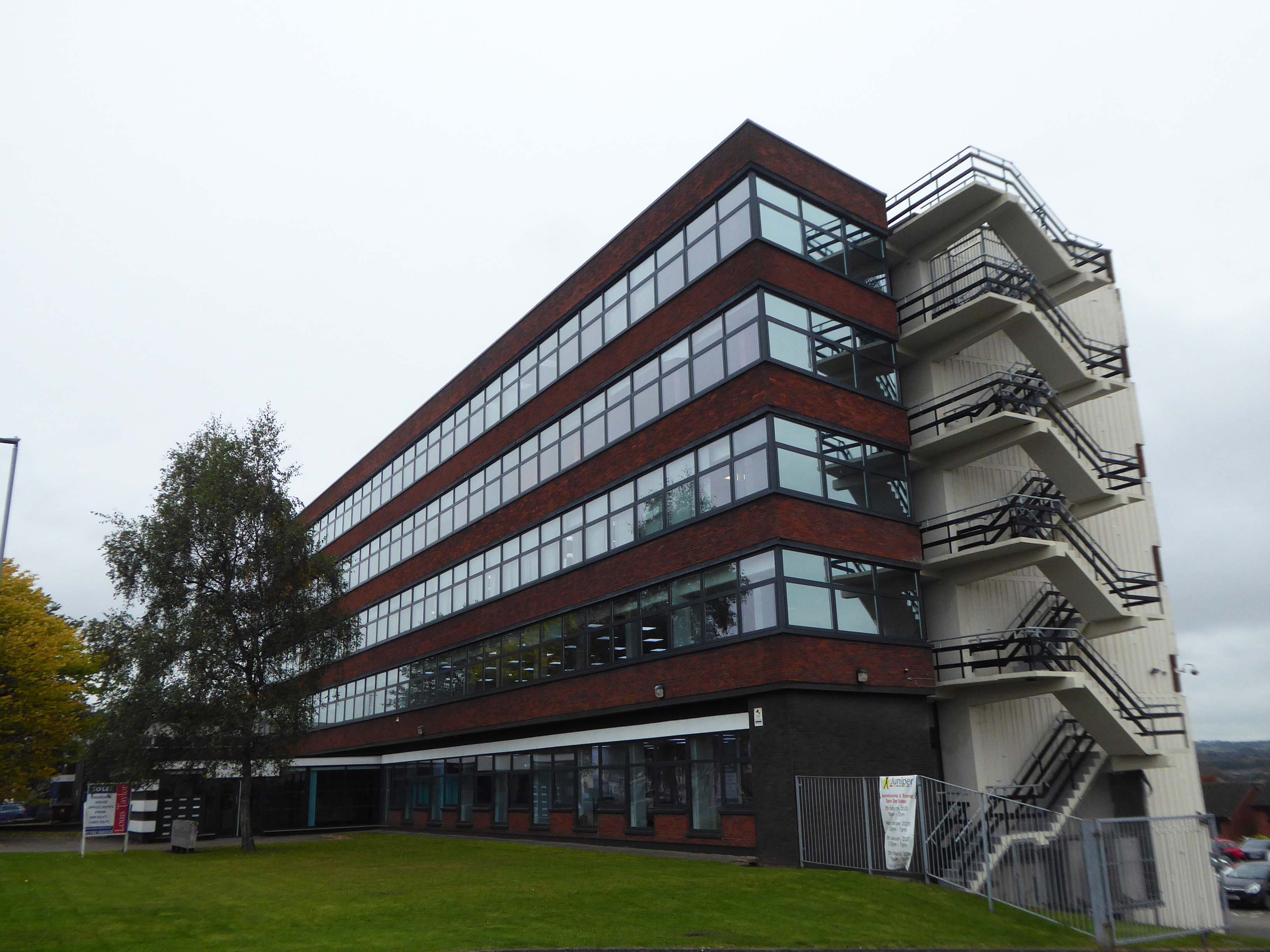
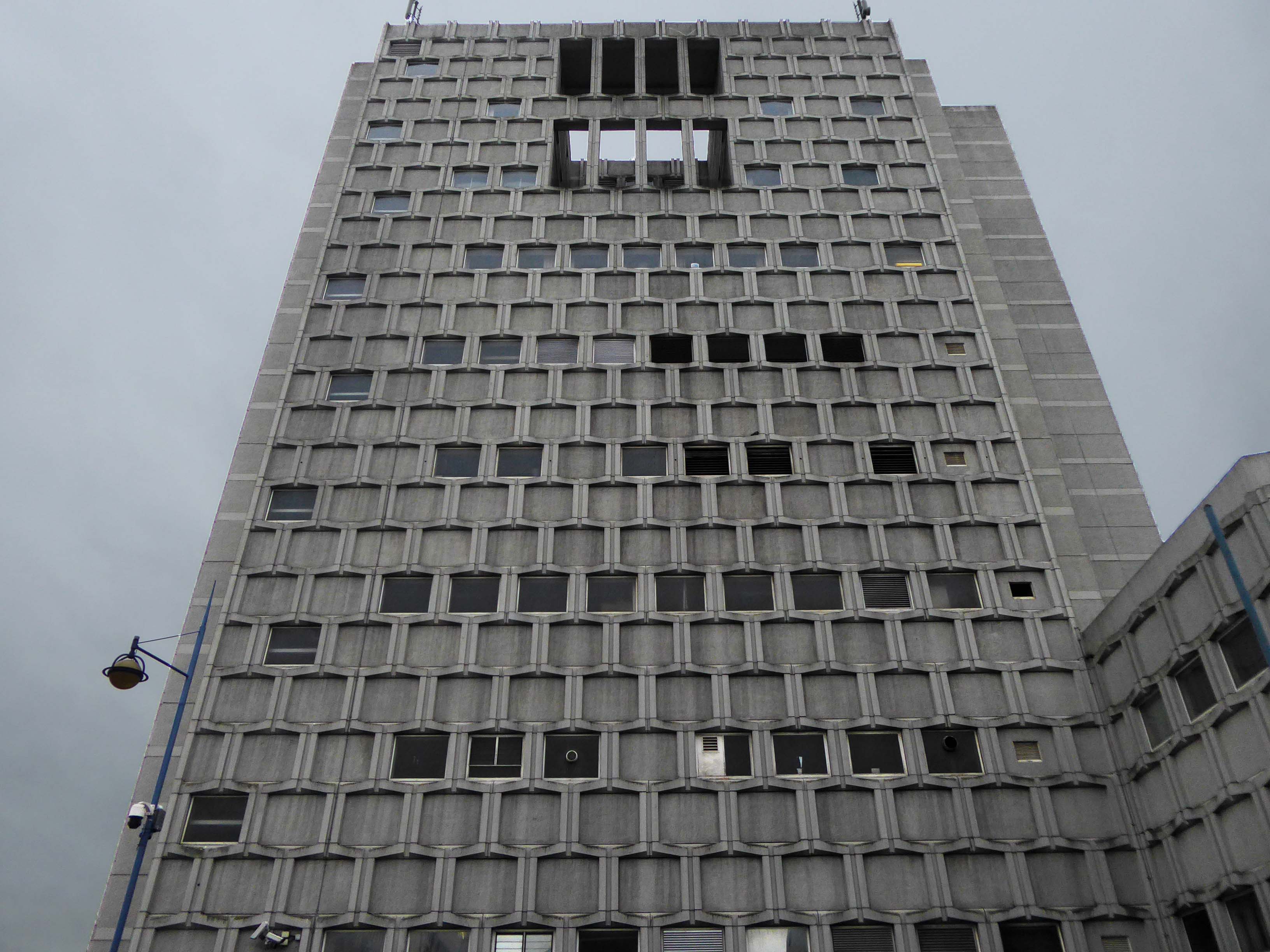
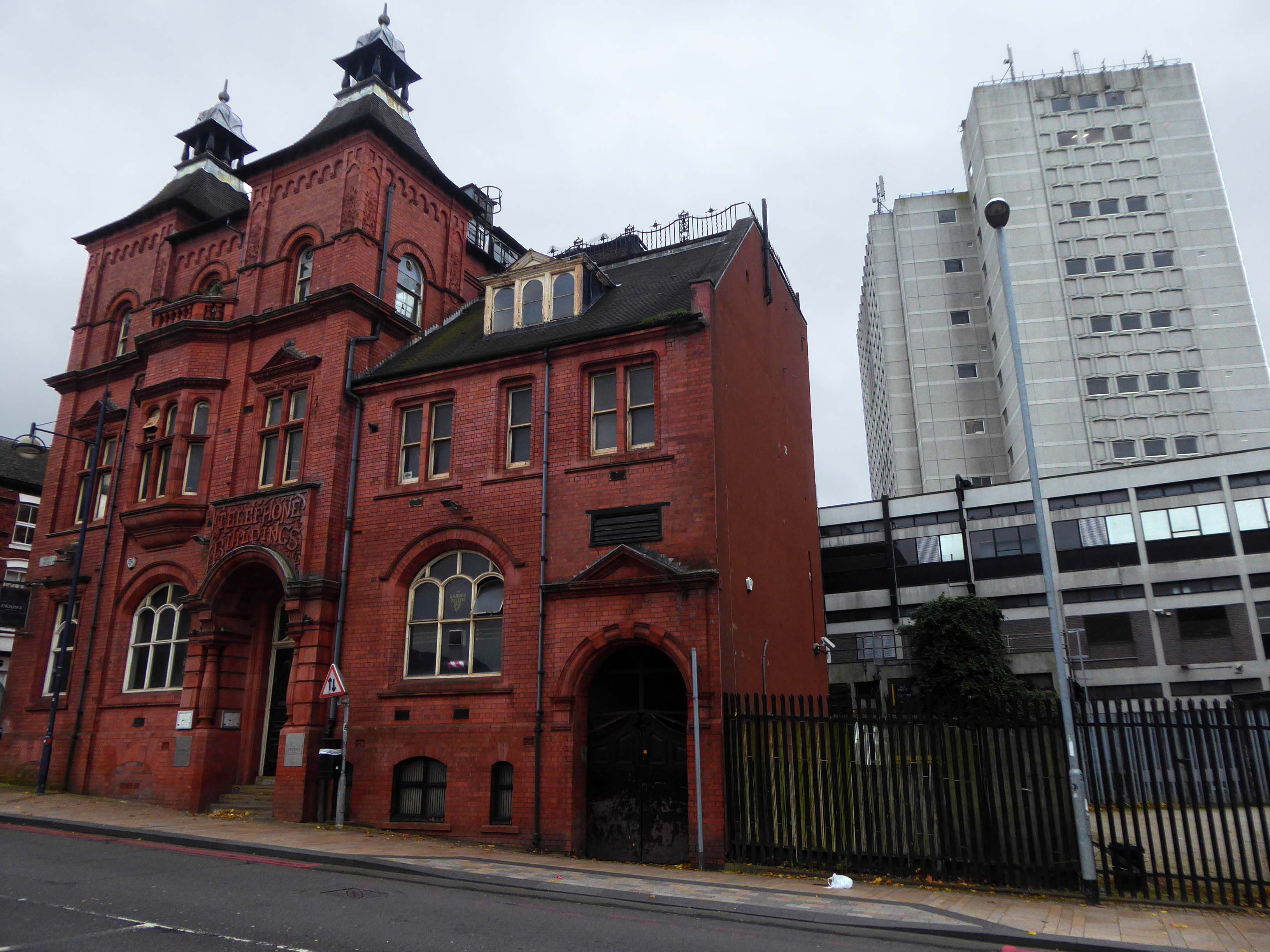
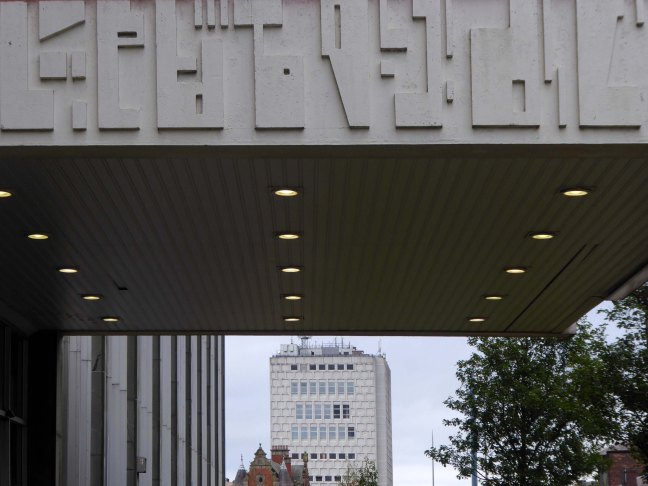
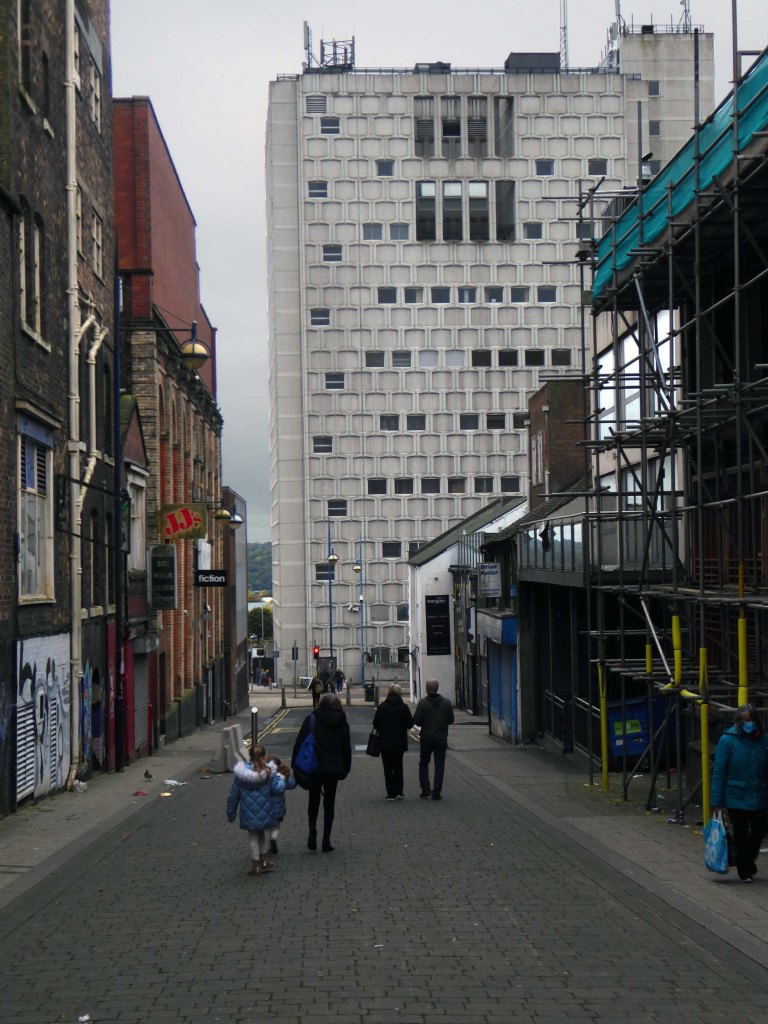
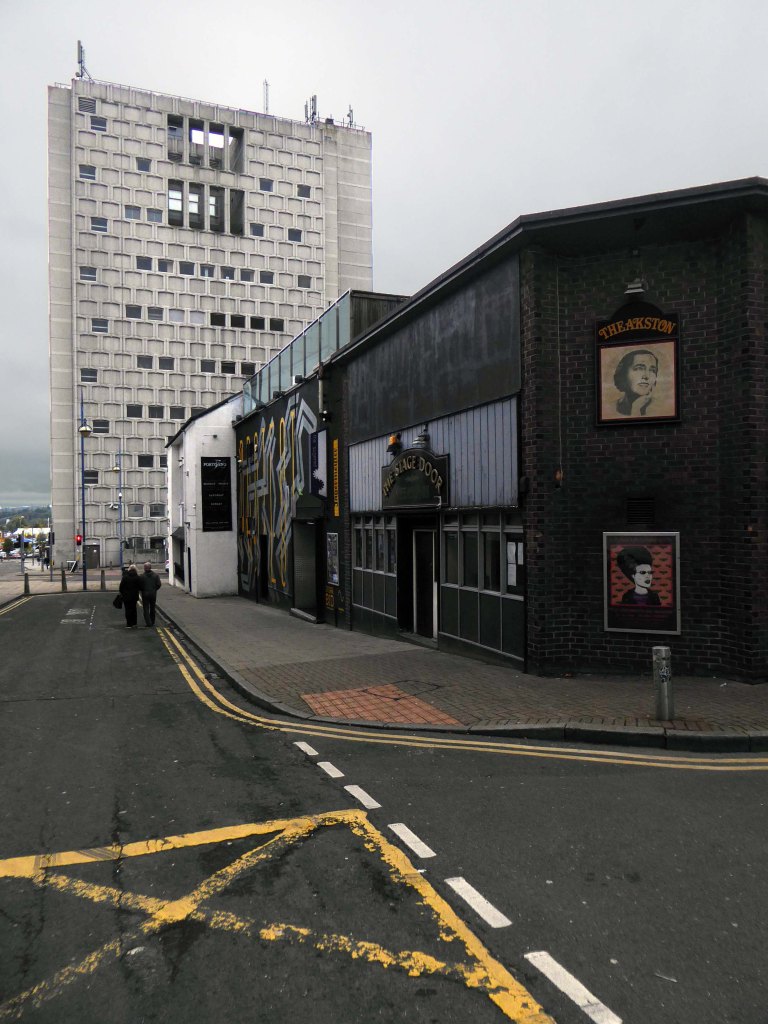
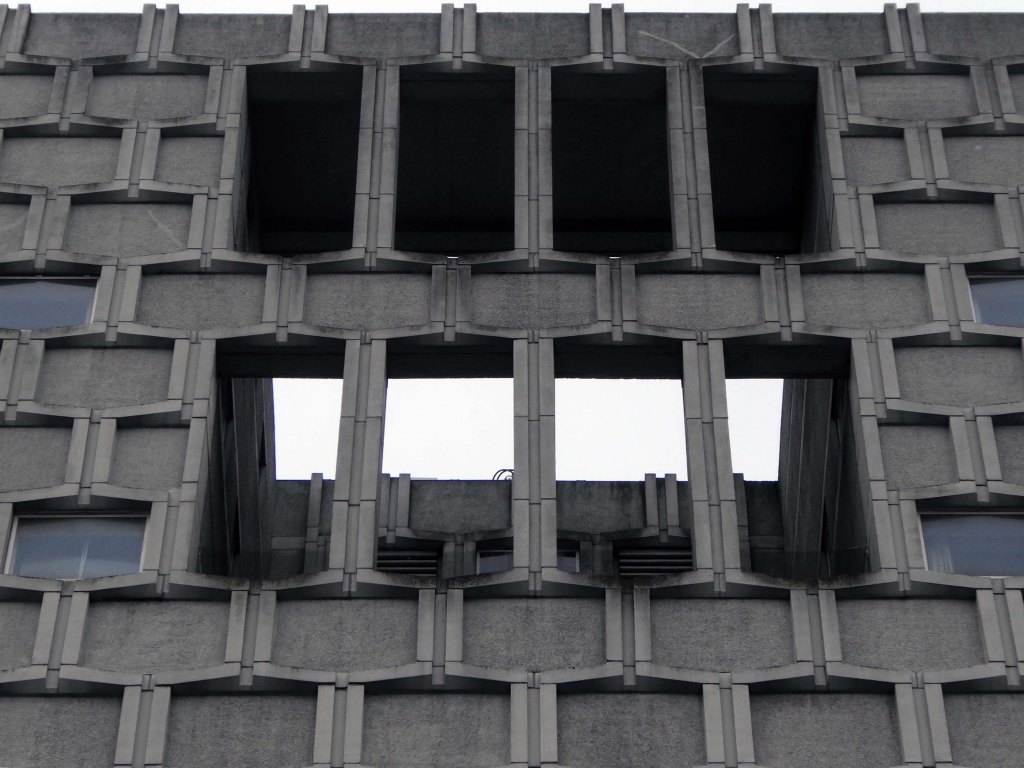
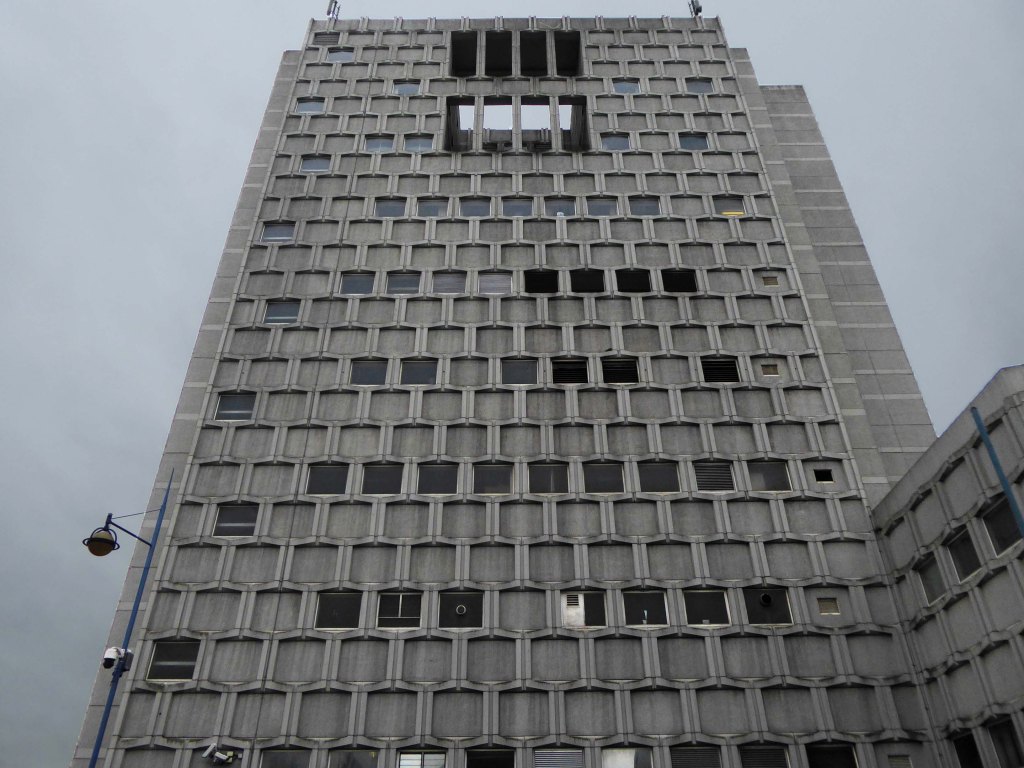
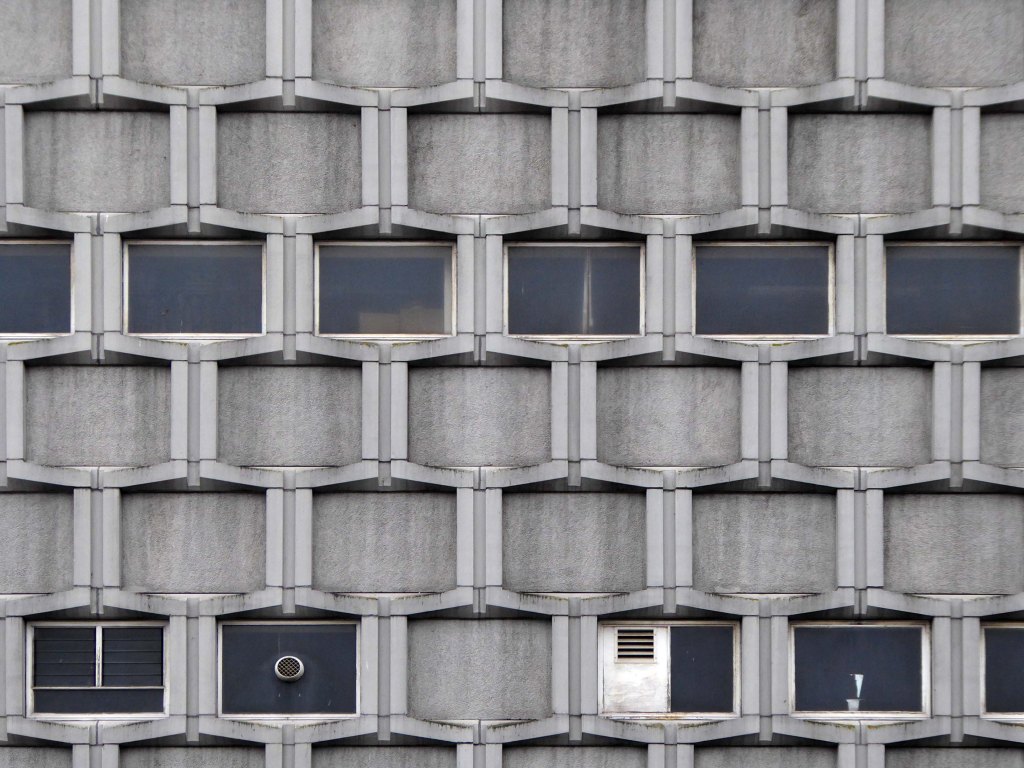
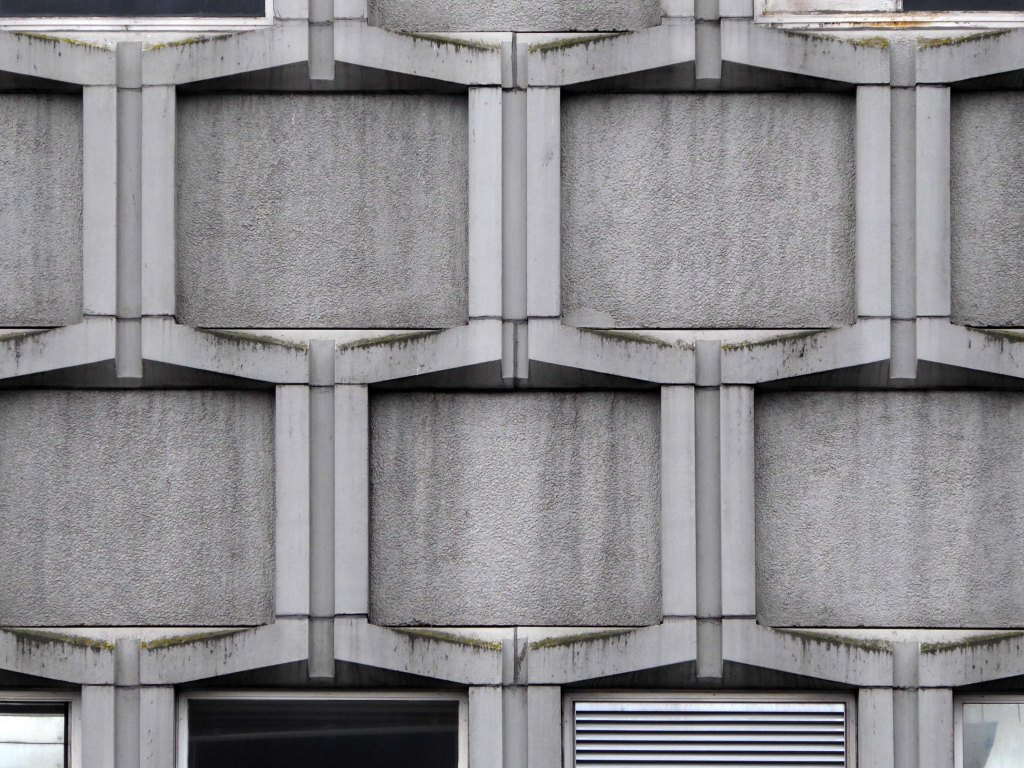
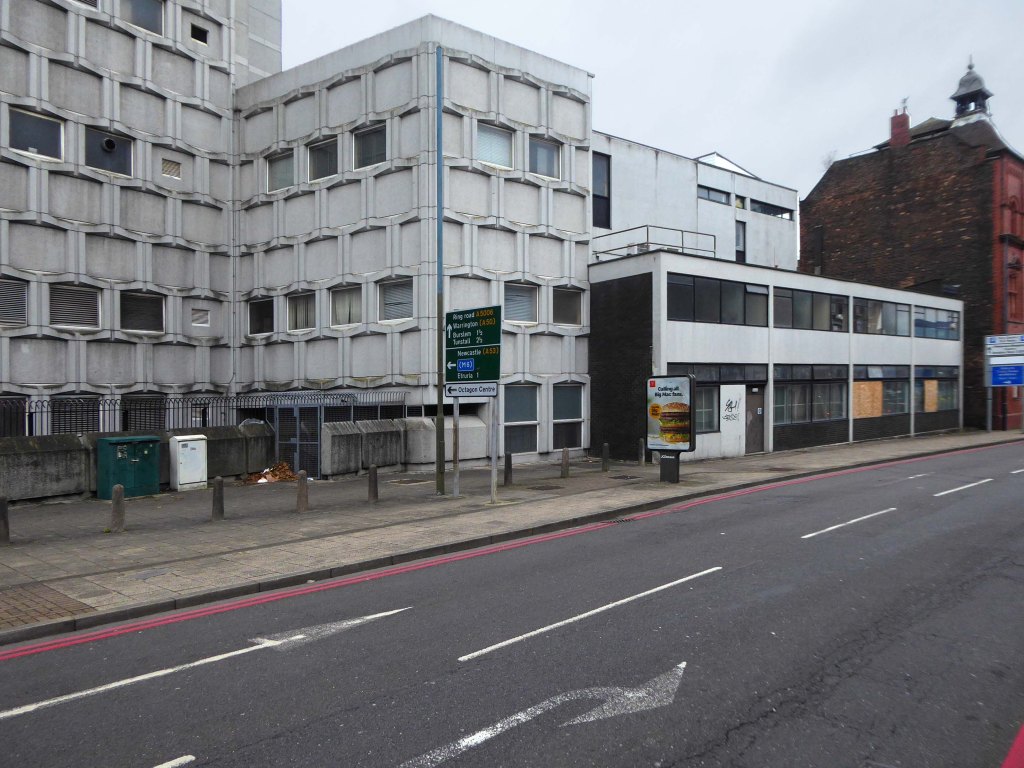
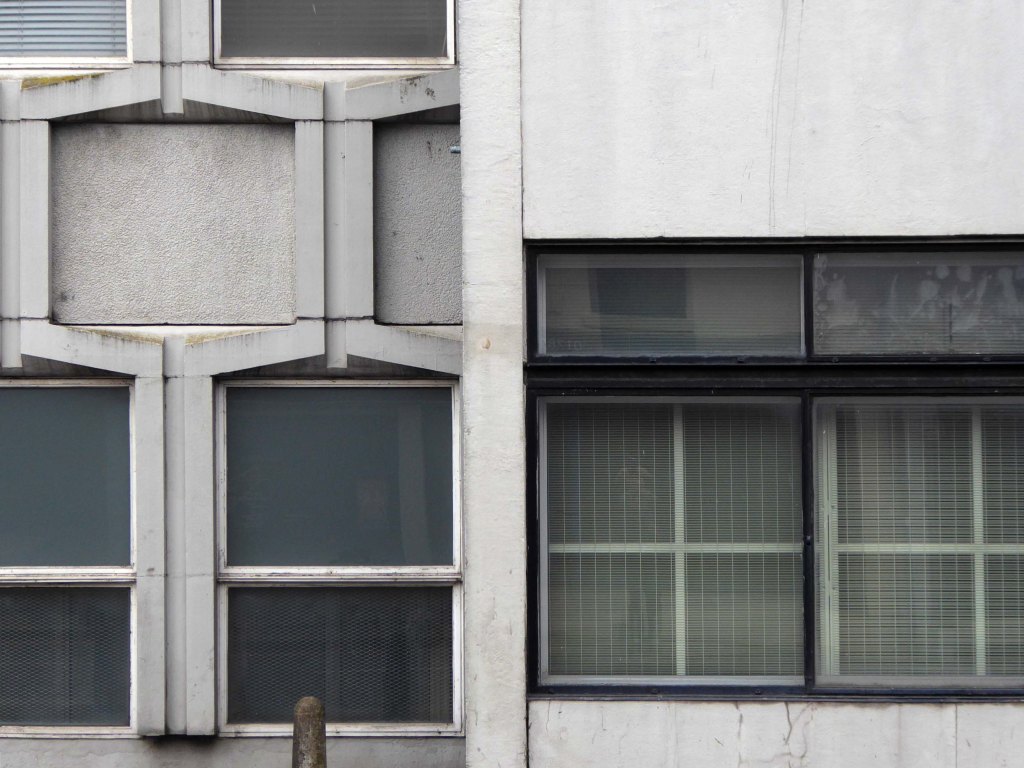
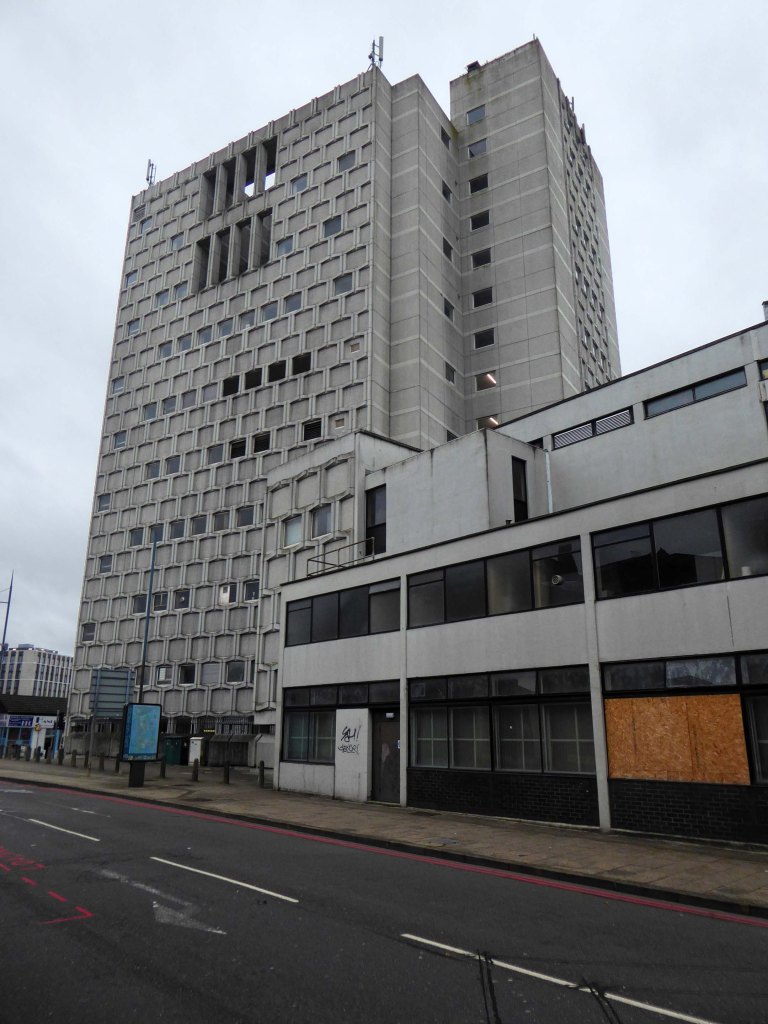
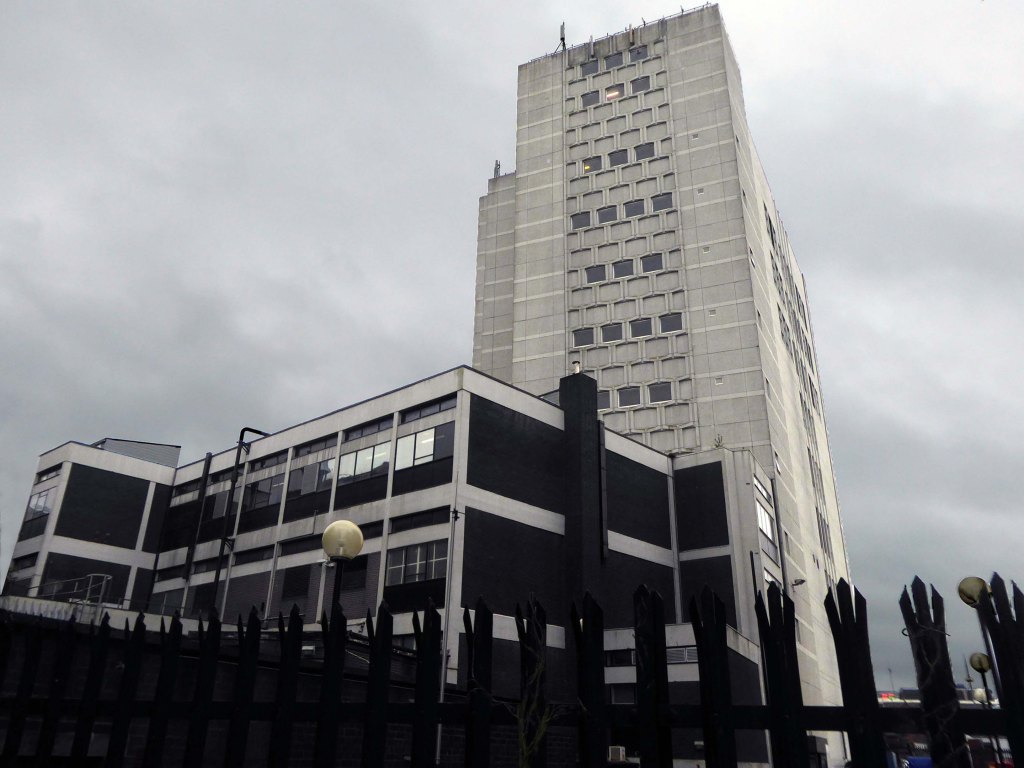
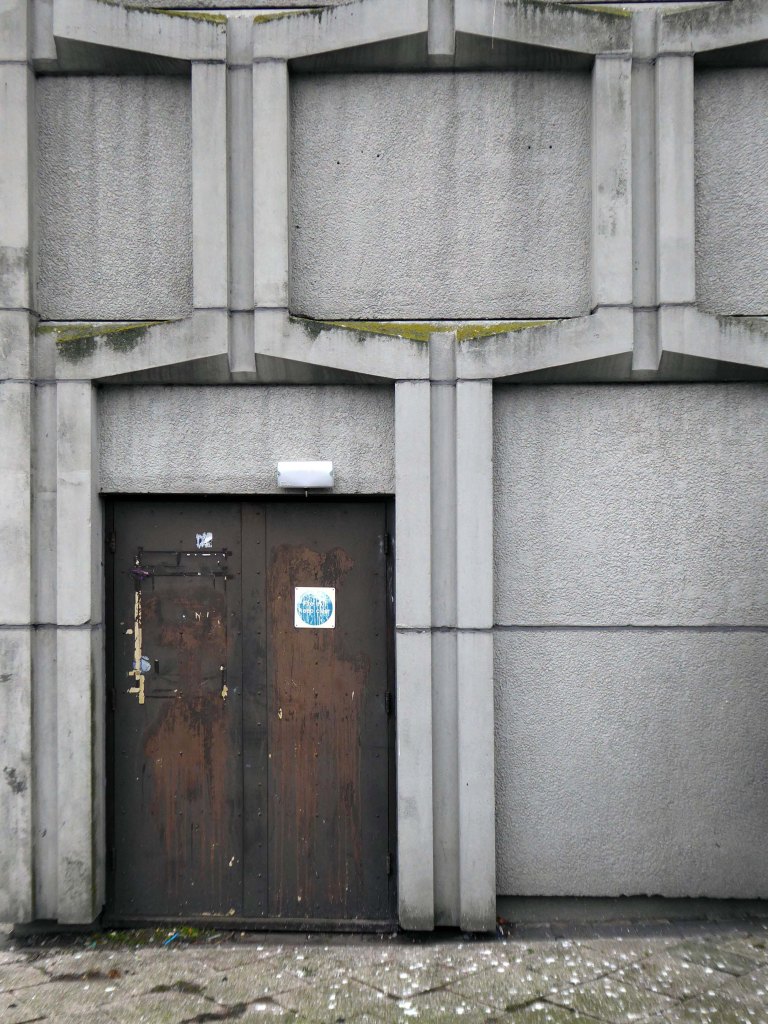
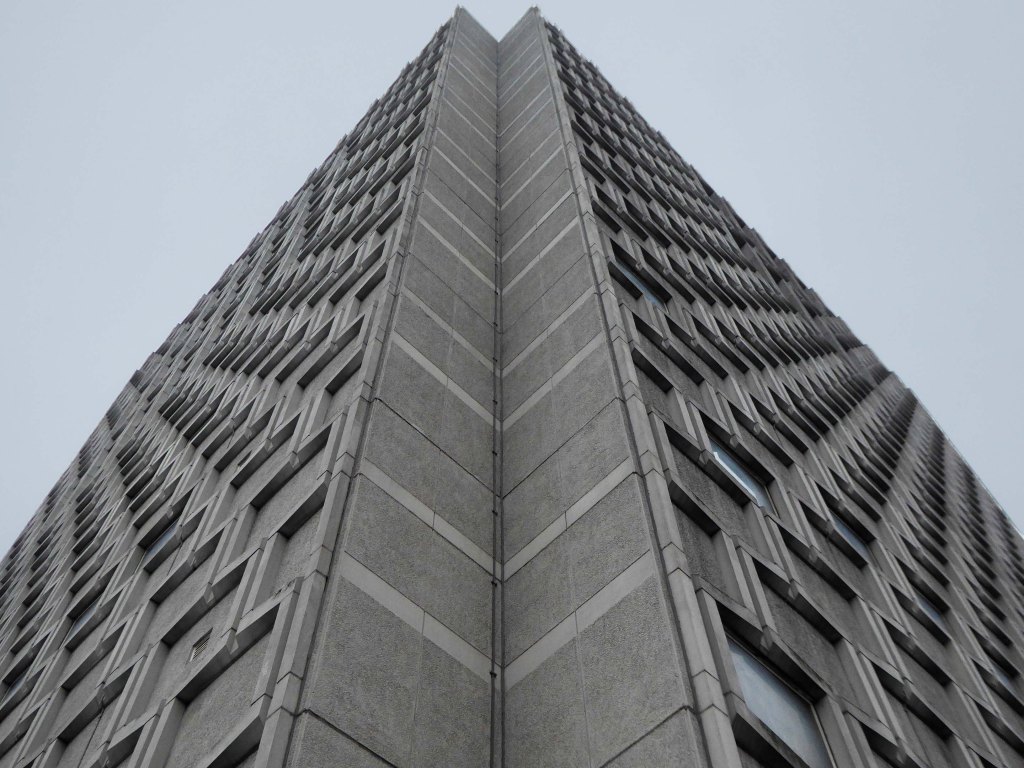
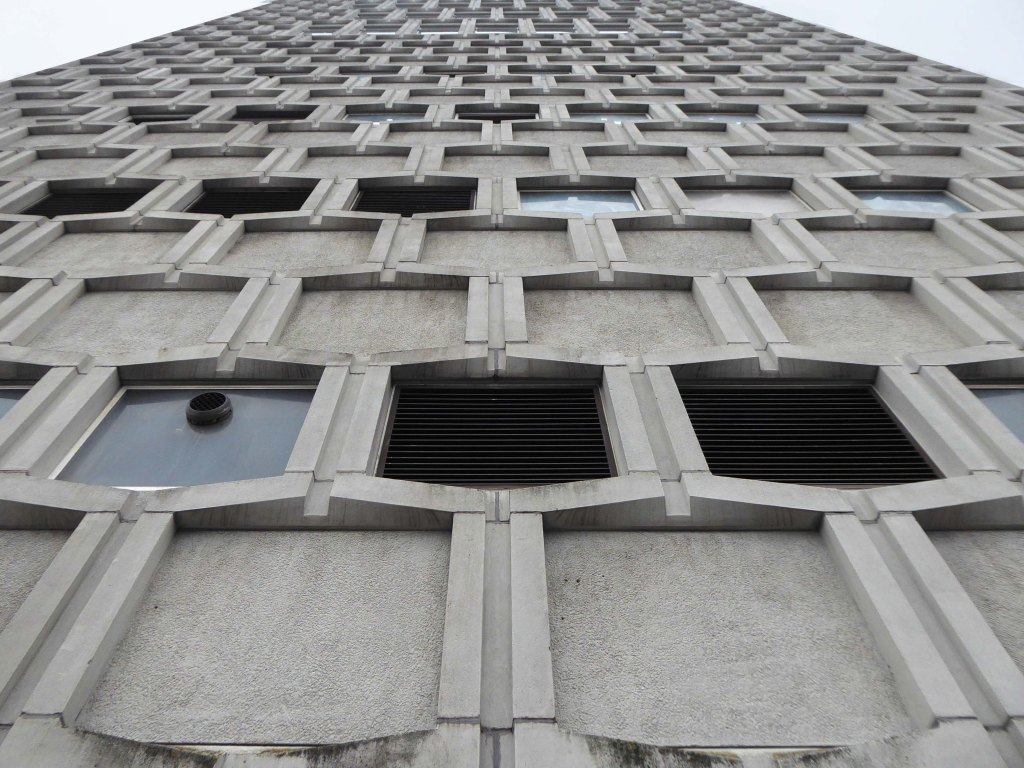
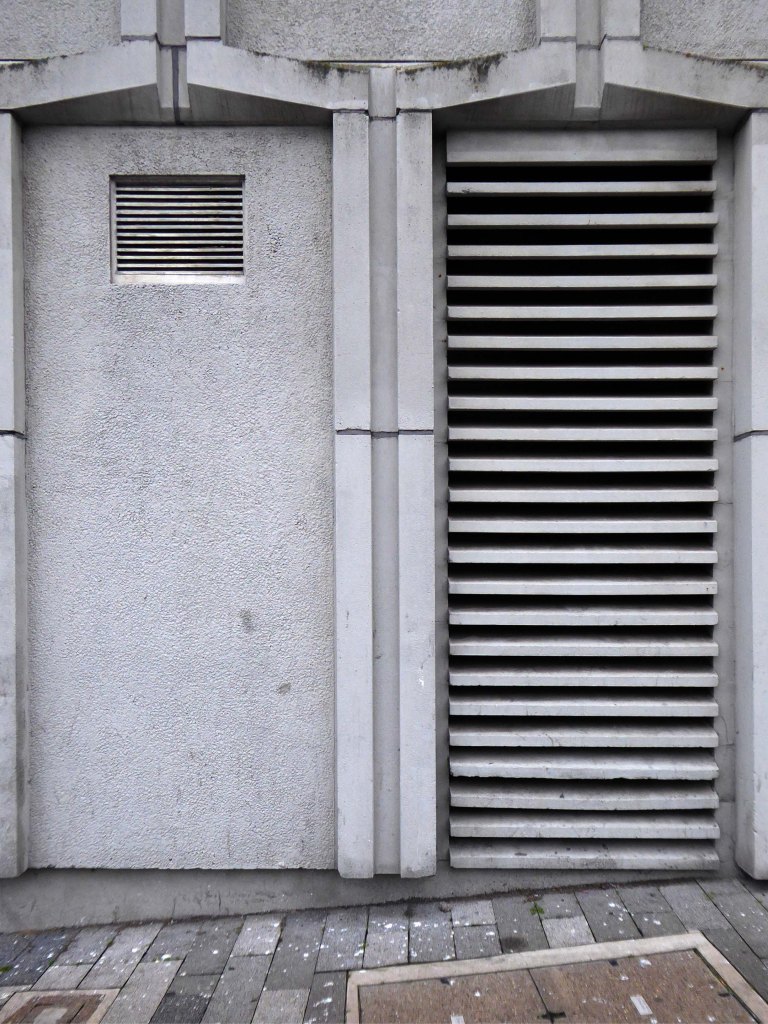
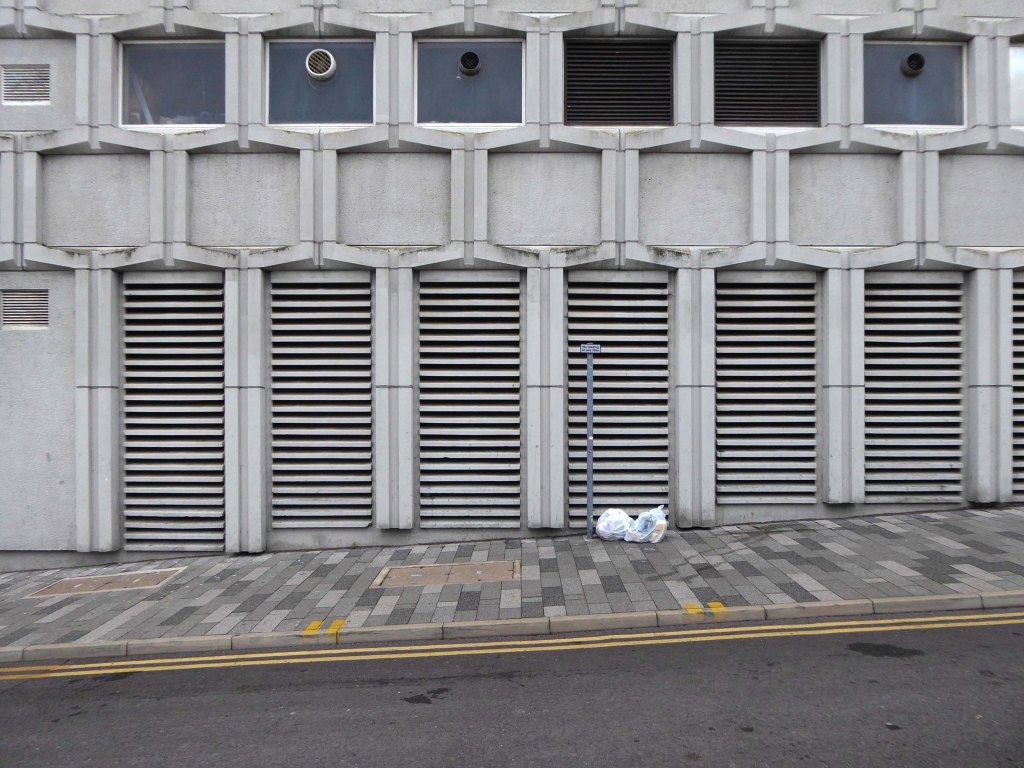
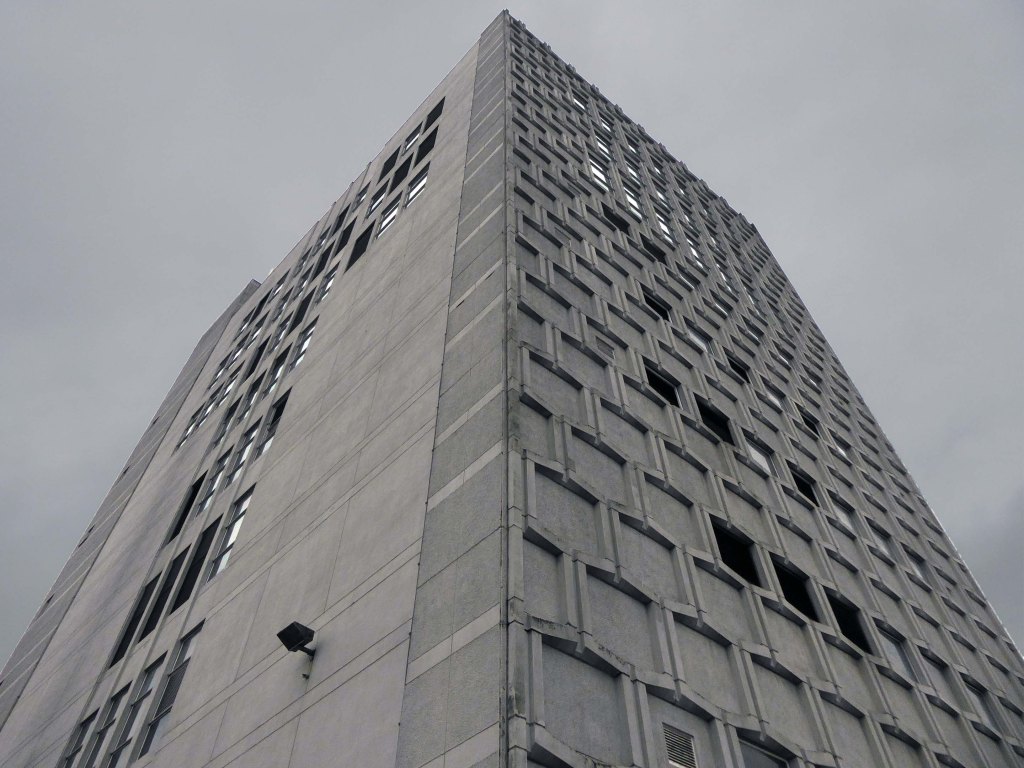
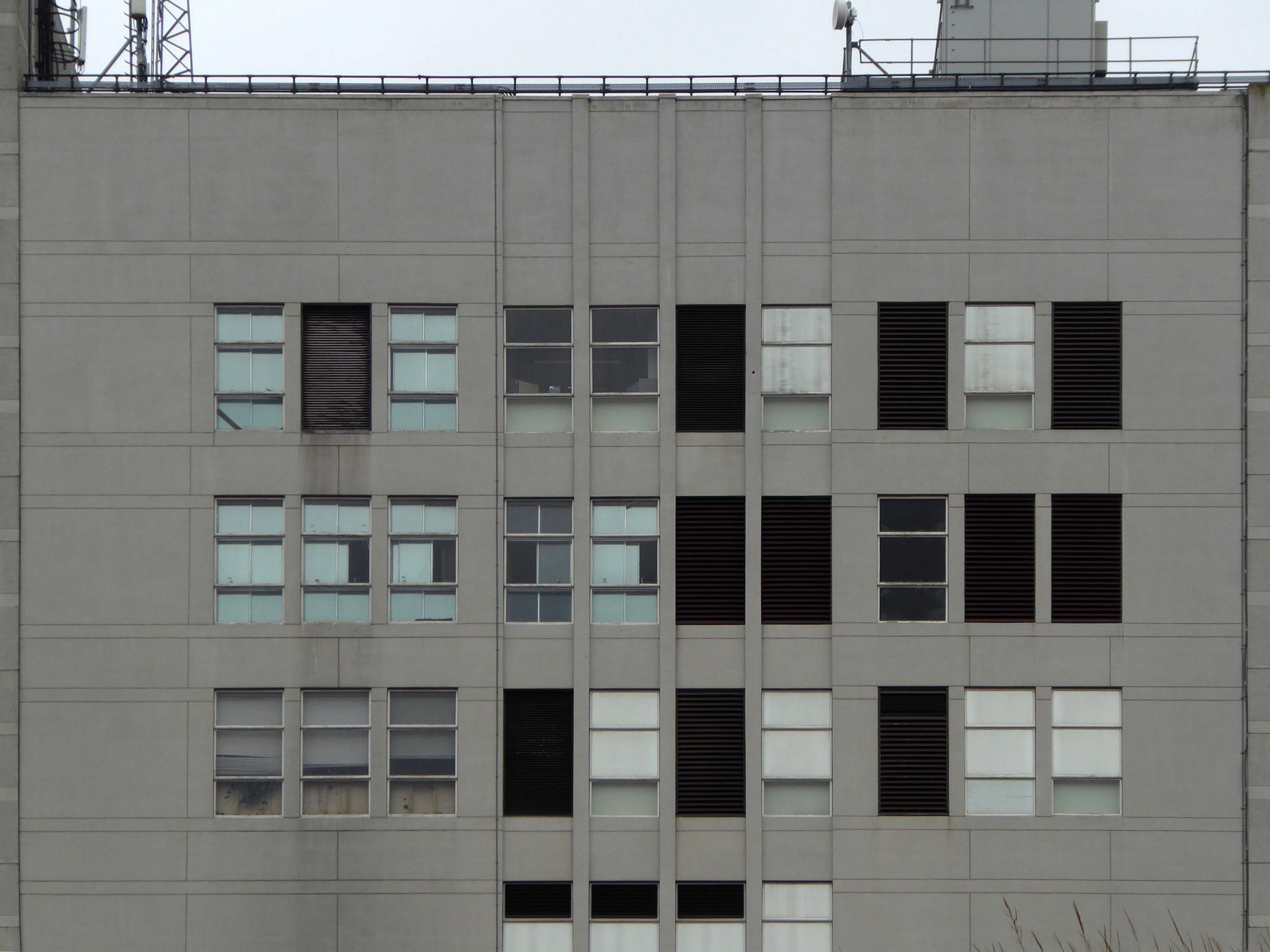
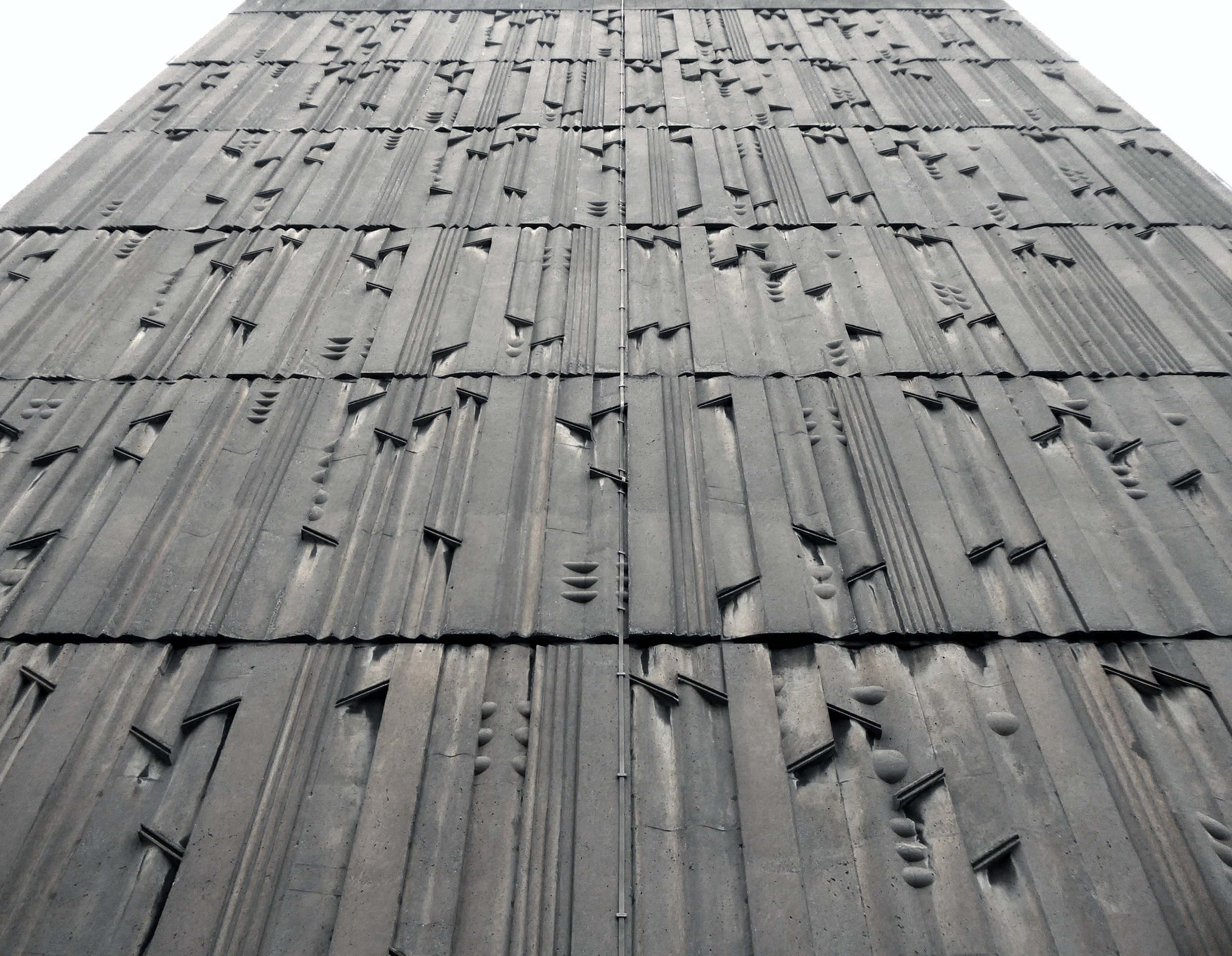
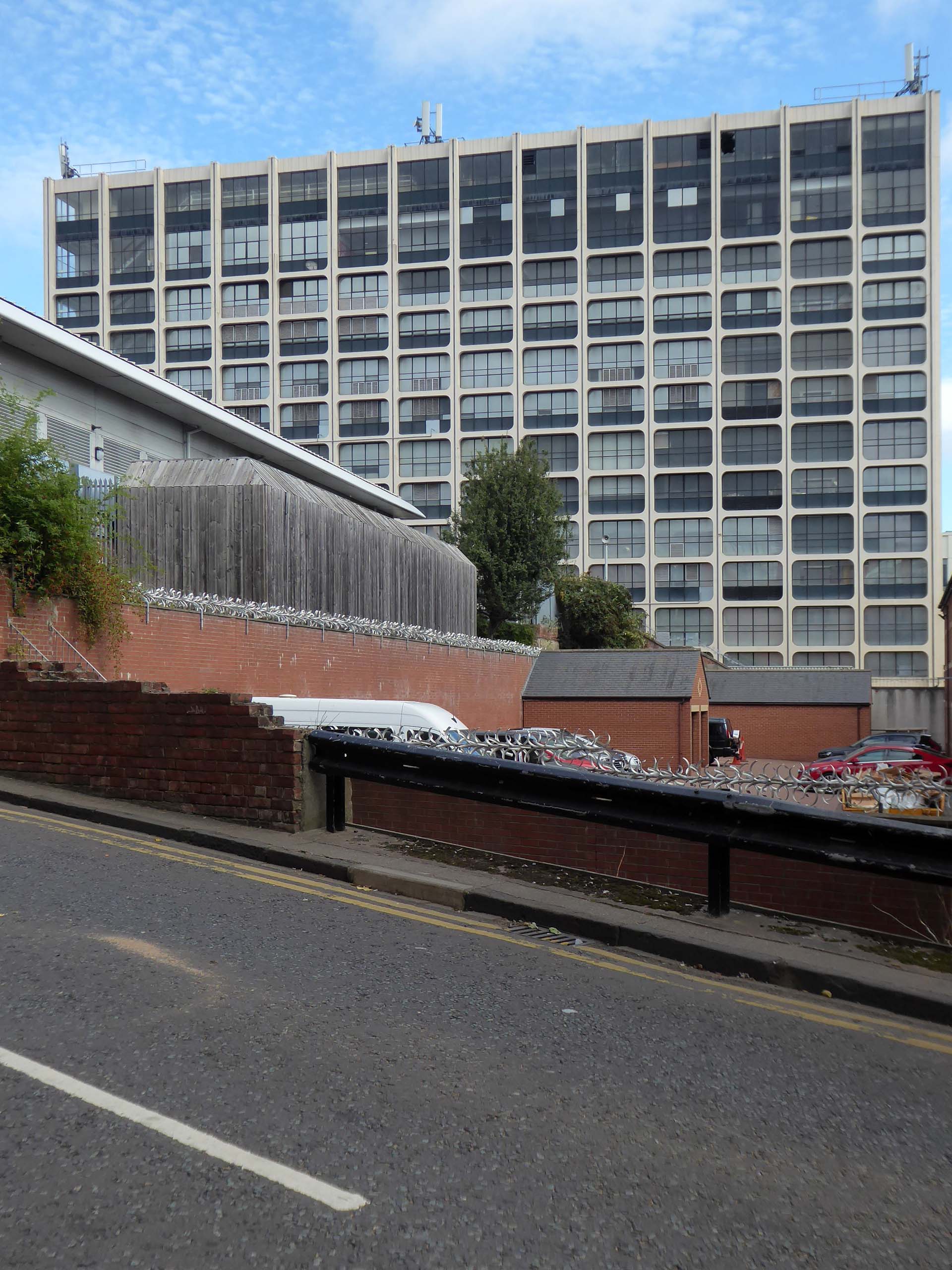
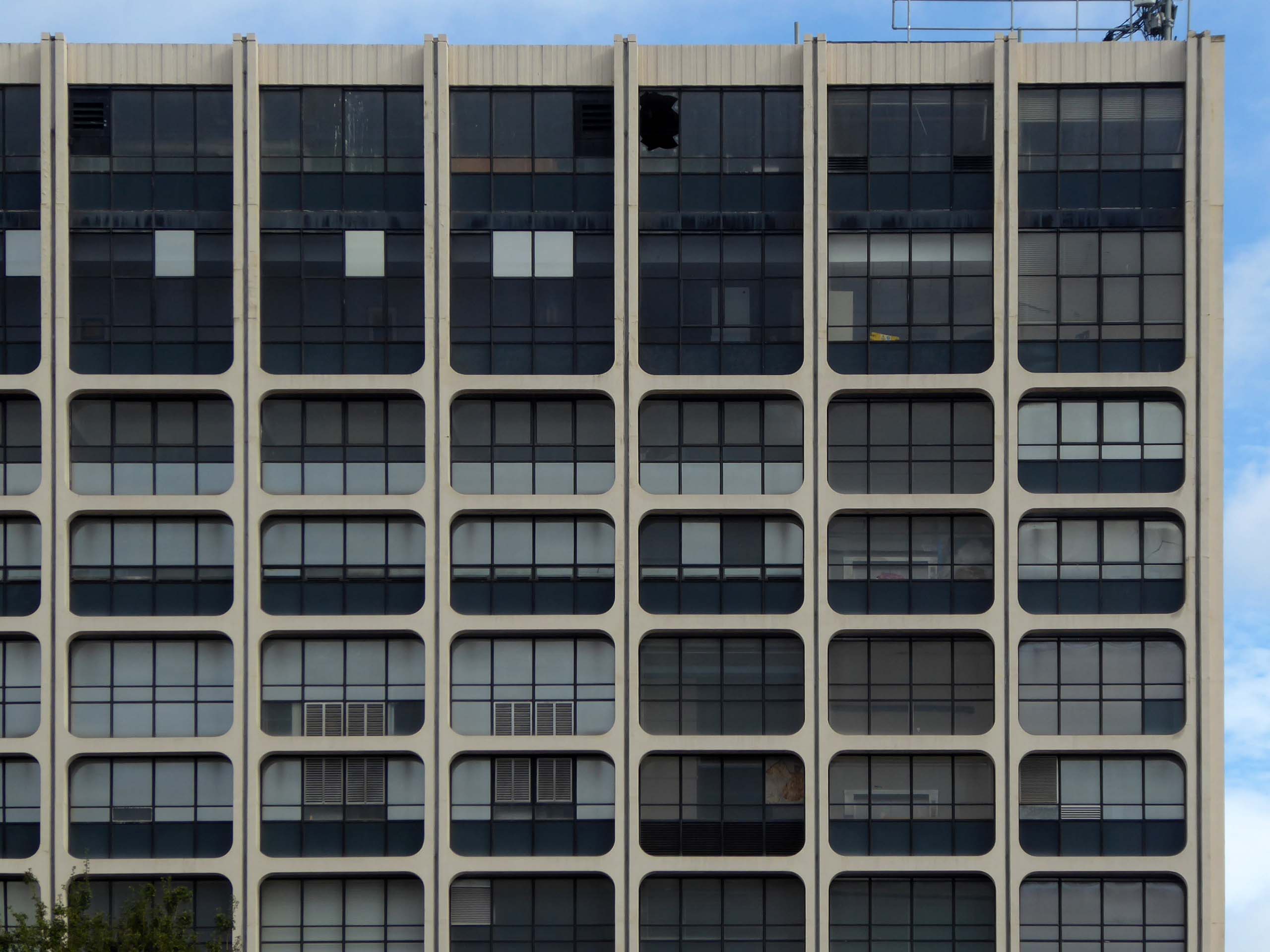
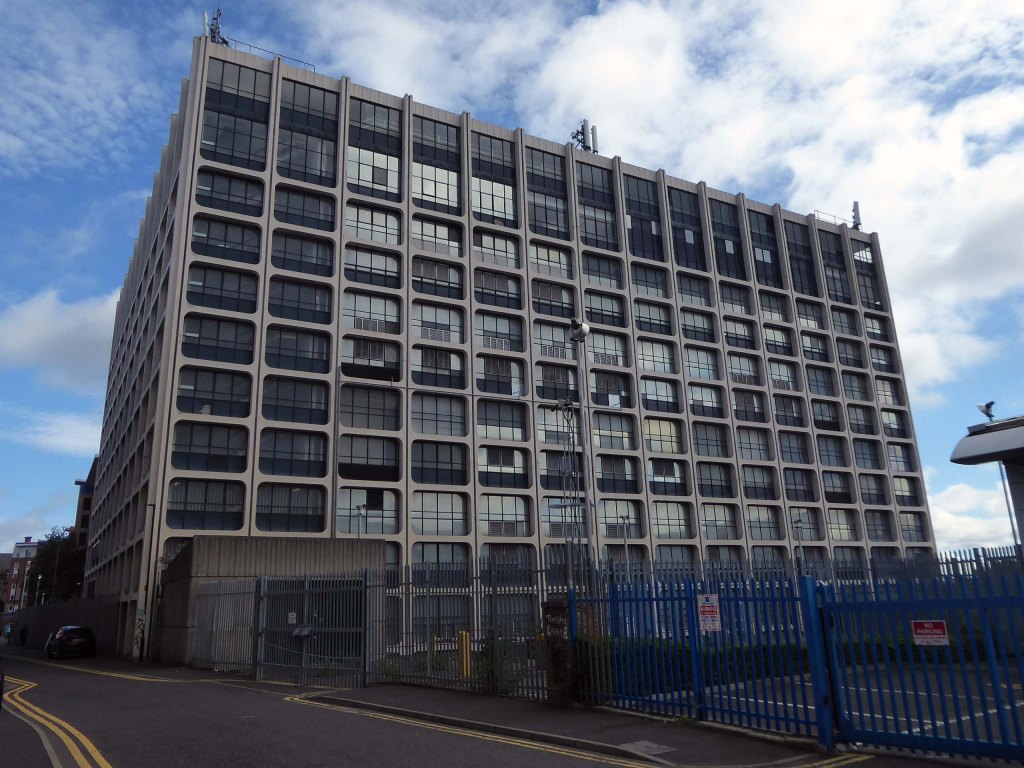
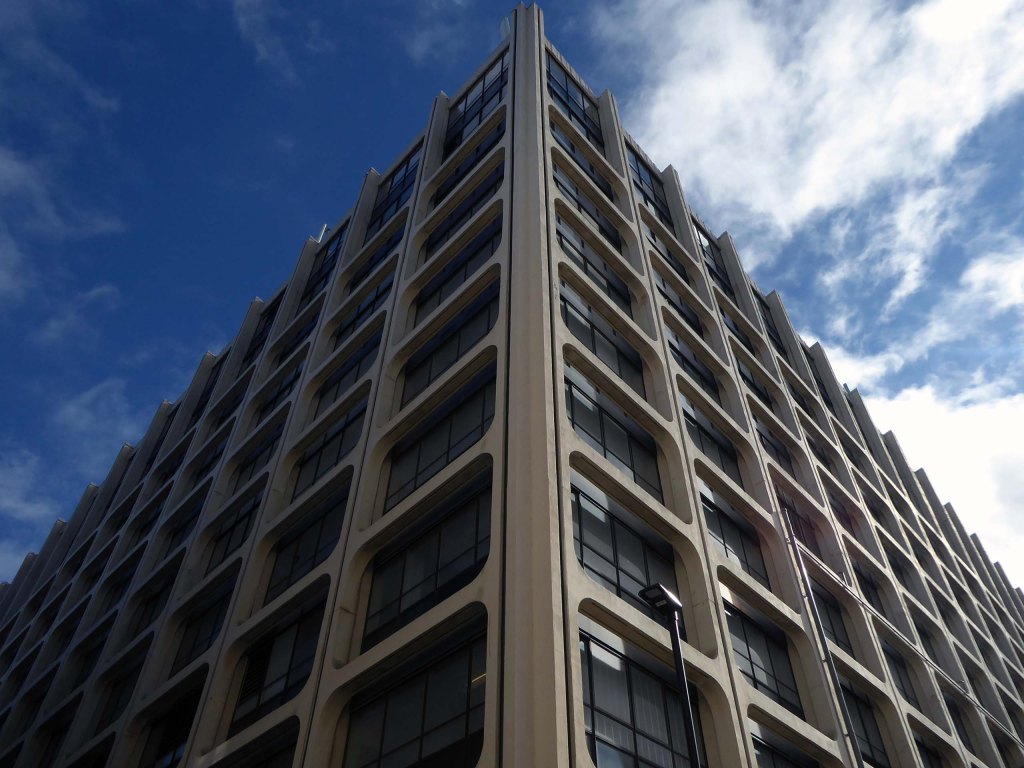
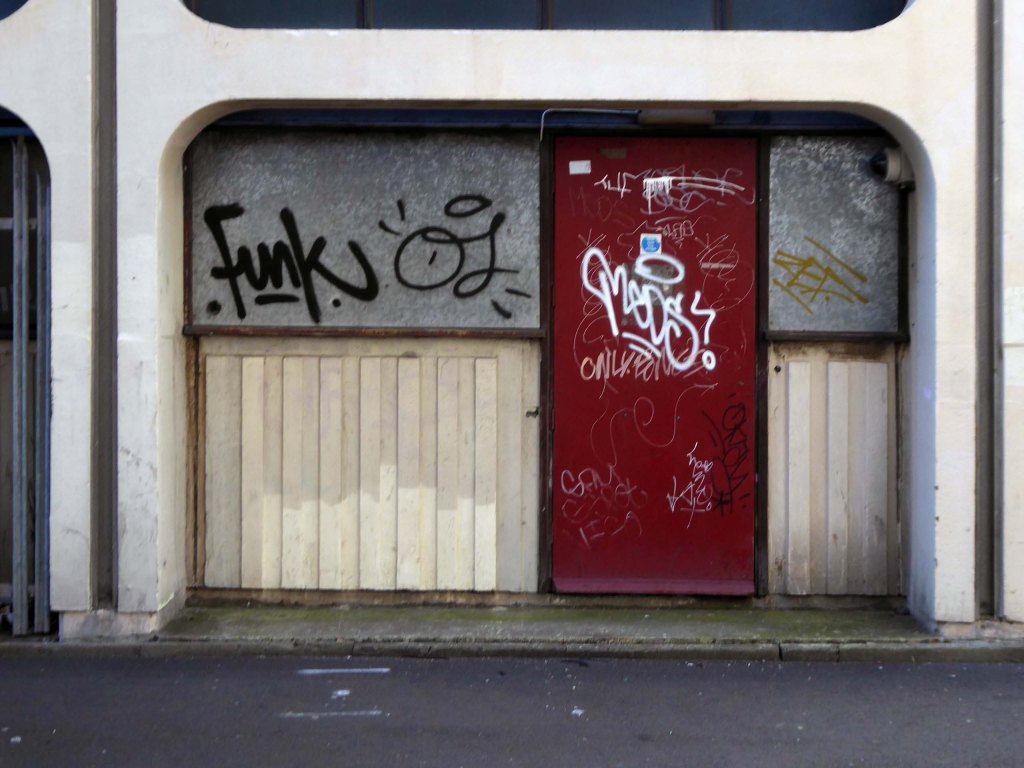
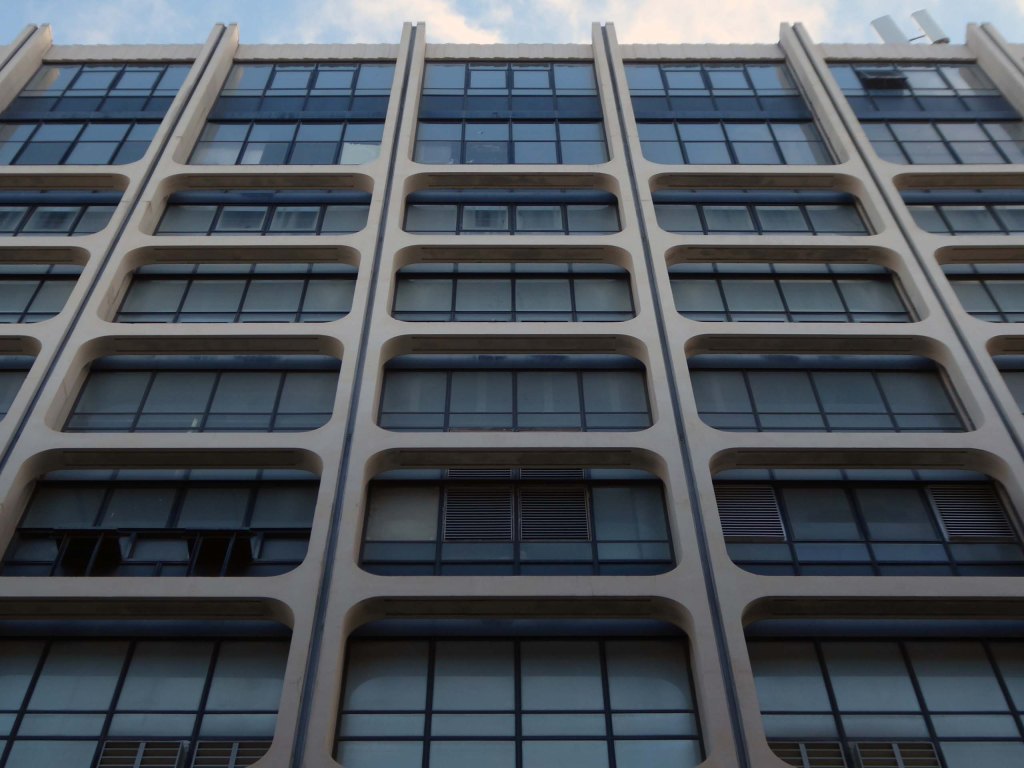
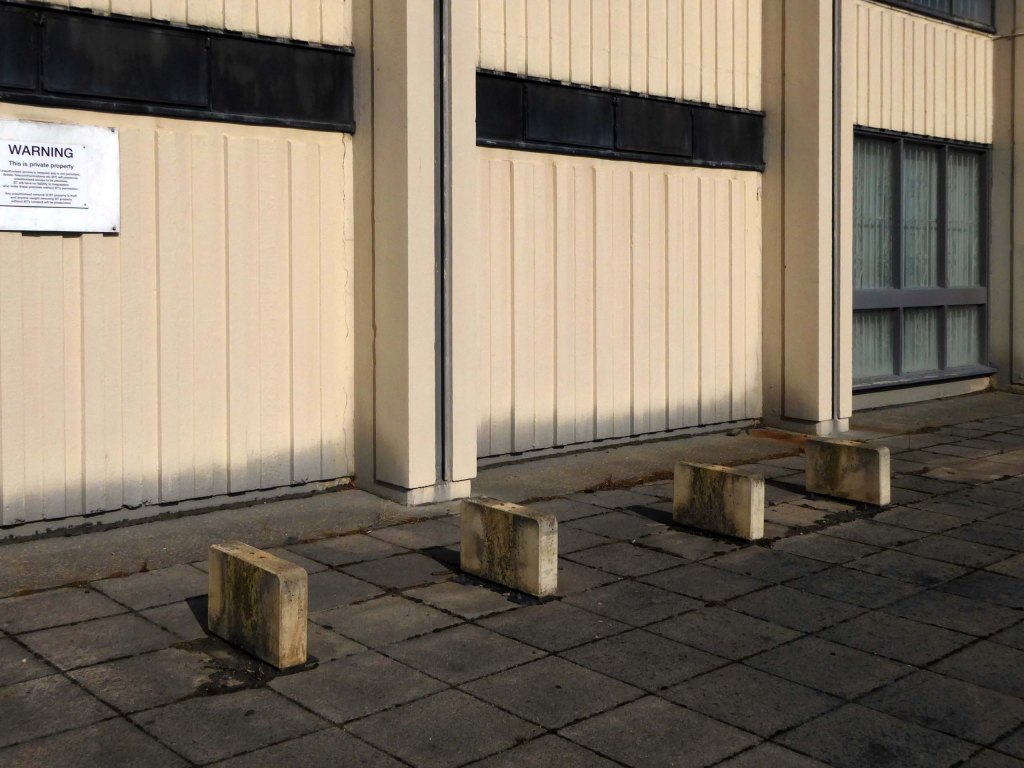
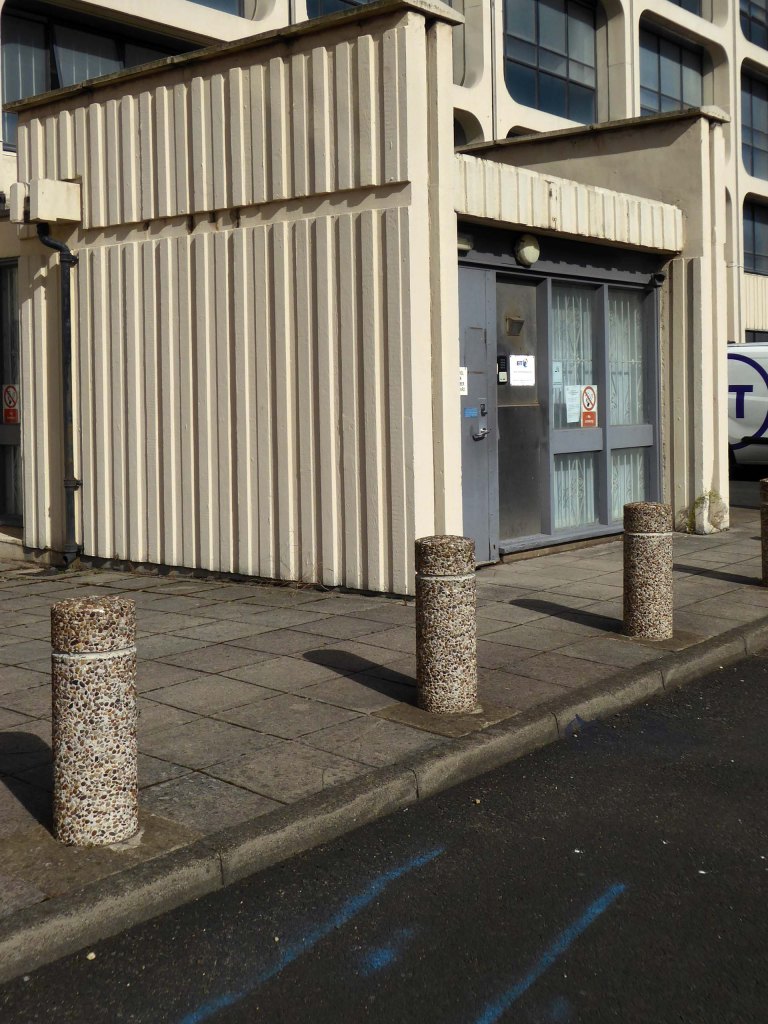
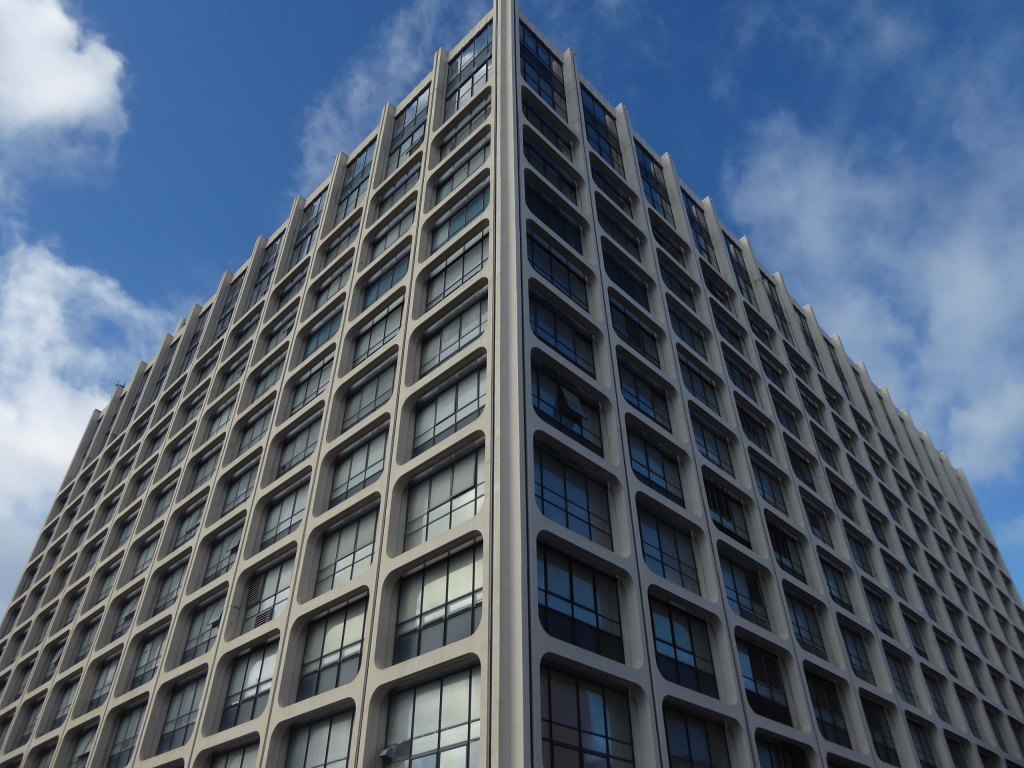
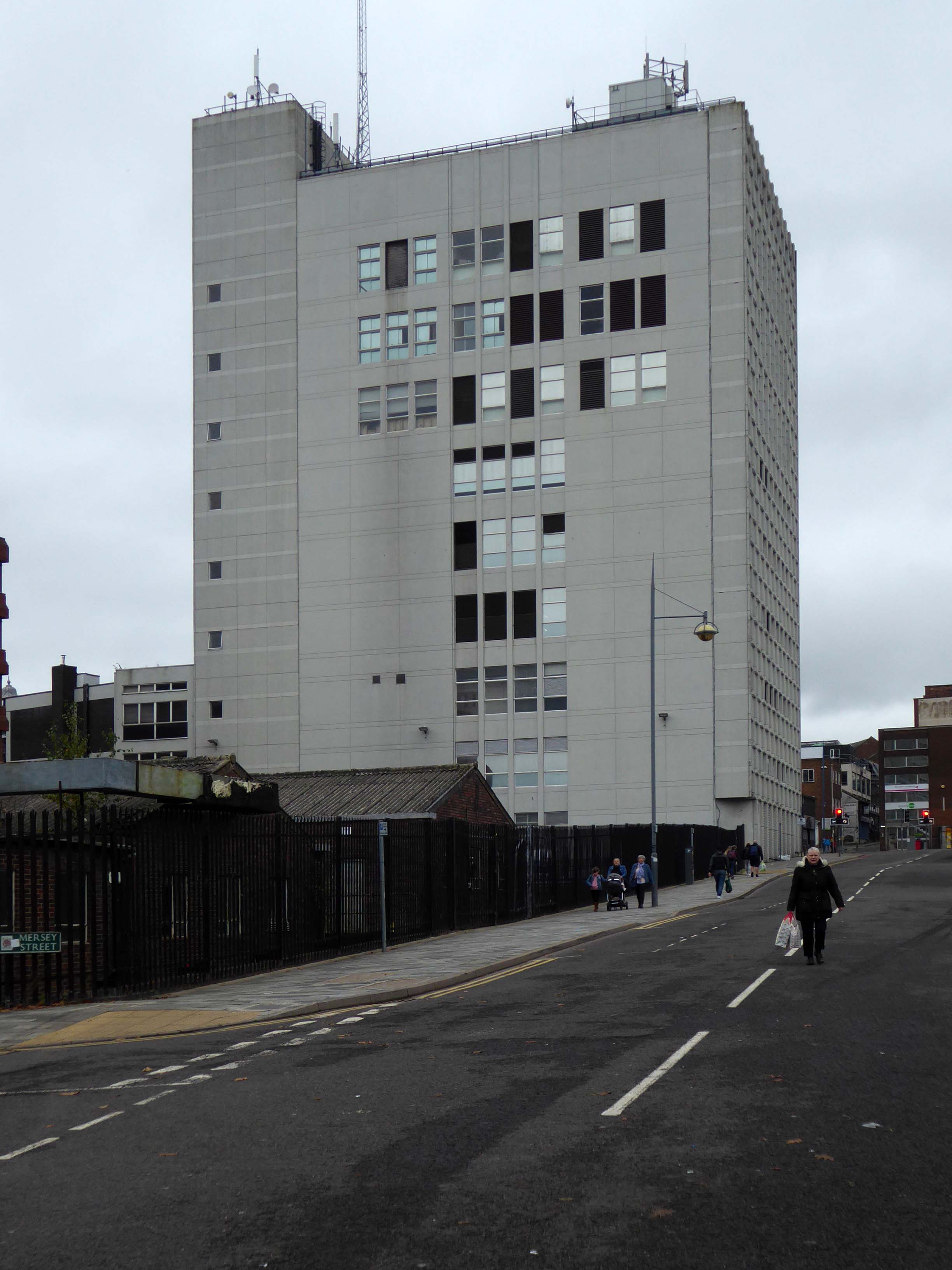
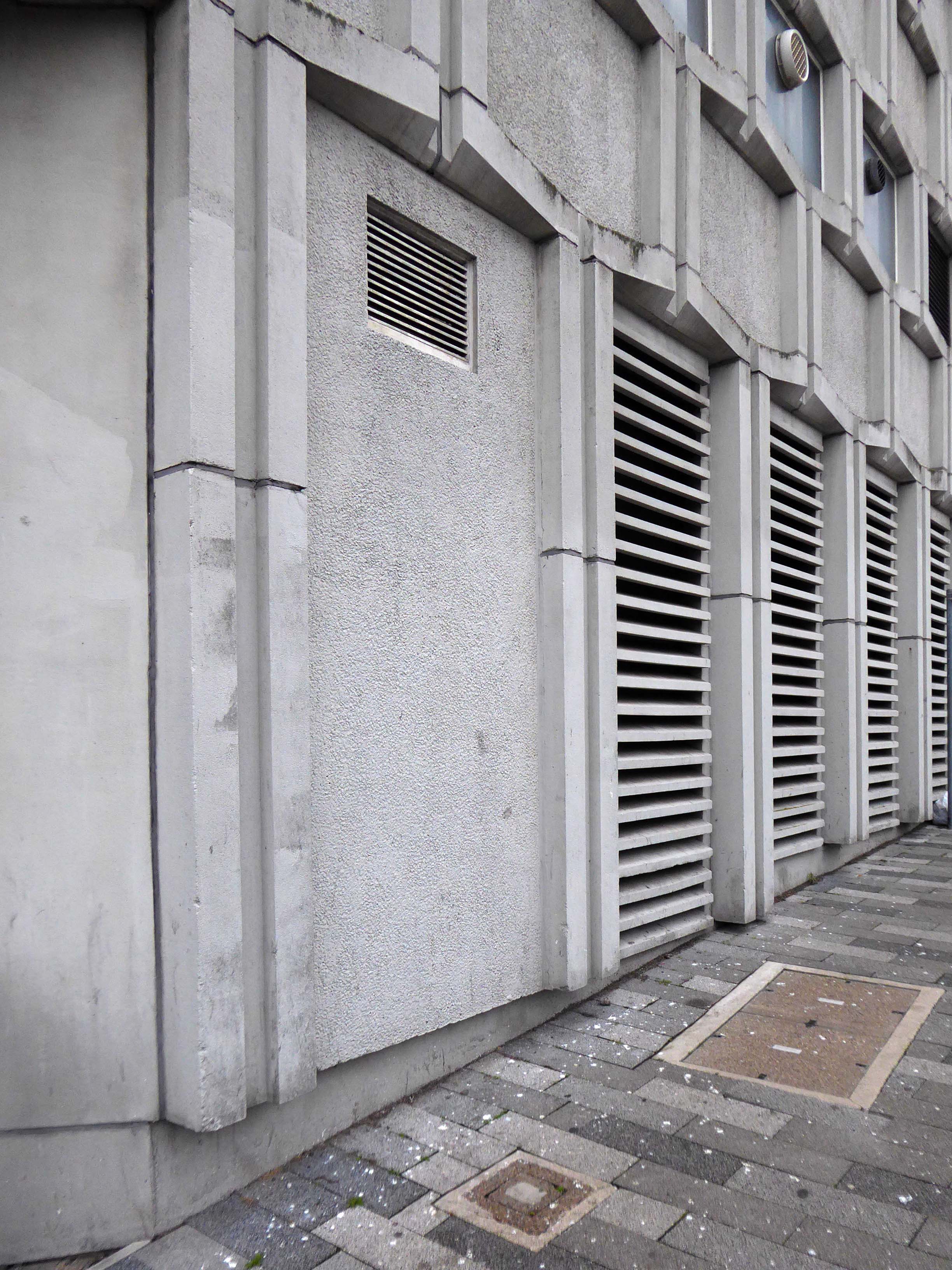
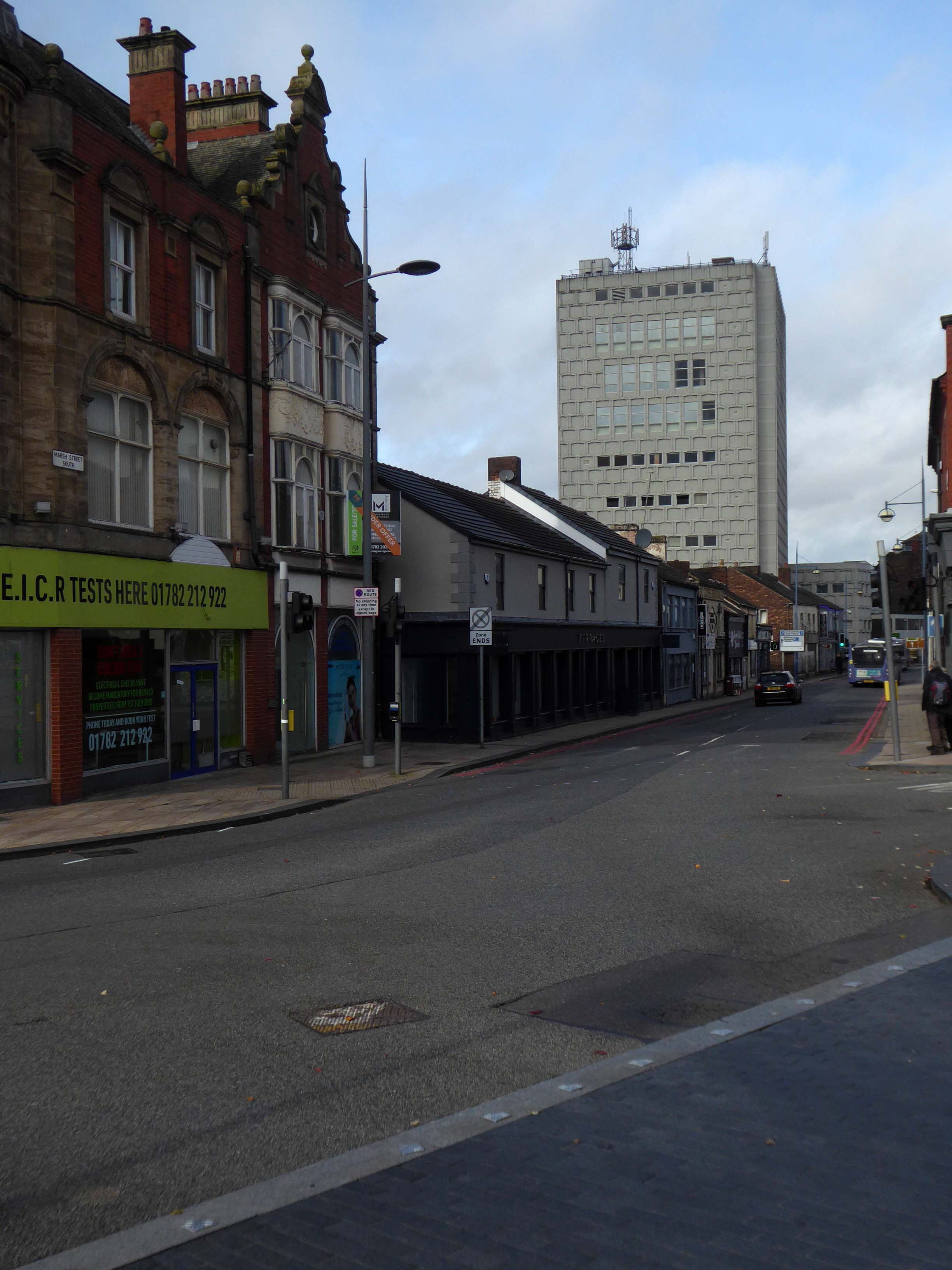
Next twixt Walker Street and Moor Lane the mighty BT Building – Telephone House by Building Design Partnership, 1960-64. A decent office block with rough patterned concrete end walls.

The front elevation was re-clad in 1992 the back is intact

BDP’s founder Professor Sir George Grenfell Baines, known affectionately as GG, was born in 1908 and set up in practice as an architect in Preston in 1937.

Four years later he teamed up with two other Preston practices and the Grenfell Baines Group was born. Expansion in various locations in the UK continued throughout the 1940s and 1950s and in 1951 GG was the only northern architect appointed to design a building for the Festival of Britain in London.

In 1961, his long cherished ambition of establishing the world’s first interdisciplinary practice was realised and Building Design Partnership was founded.  It was a successful formula and on the occasion of his retirement in 1974.

GG’s advice was “keep going, getting better.”

BDP

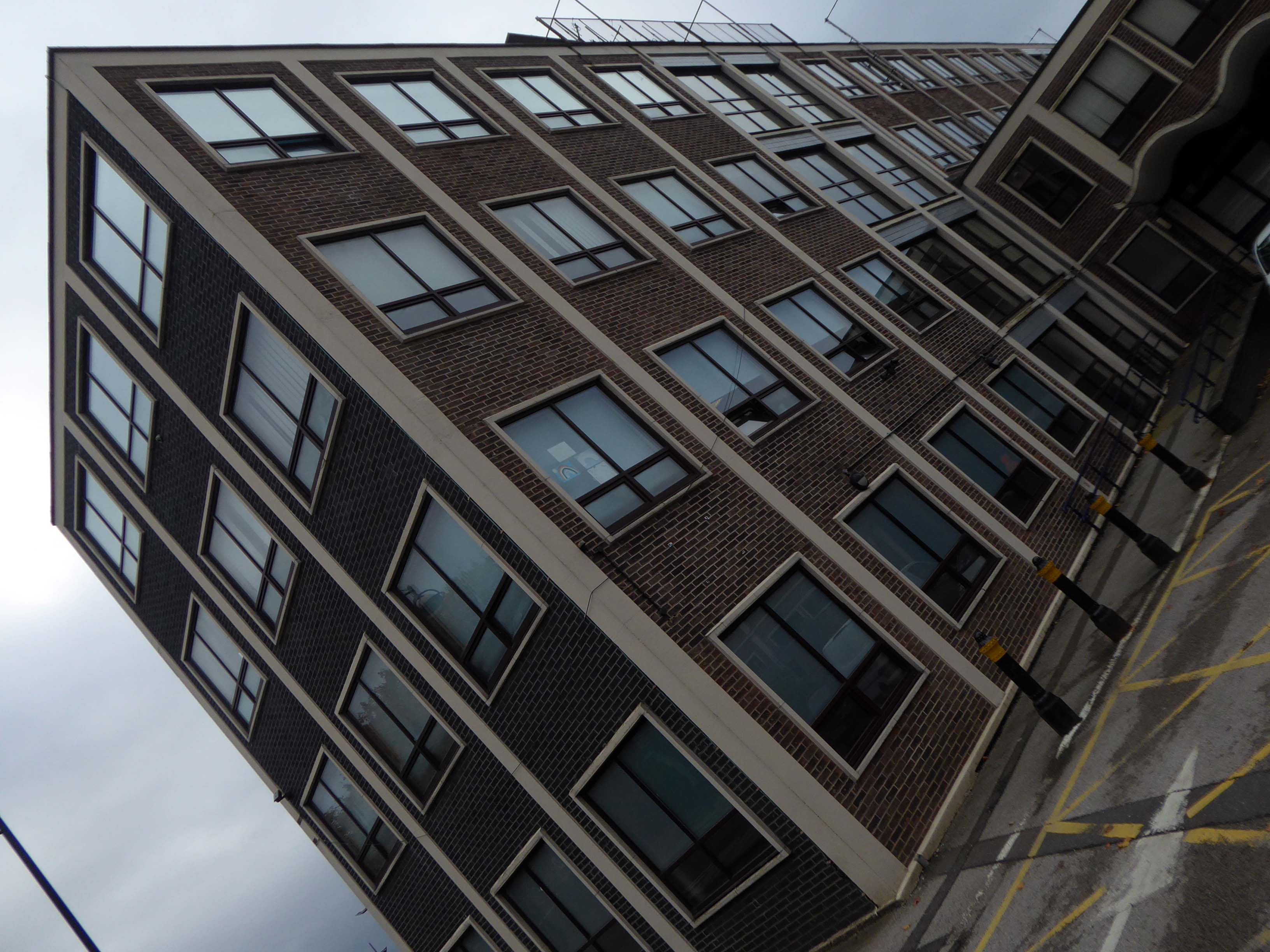
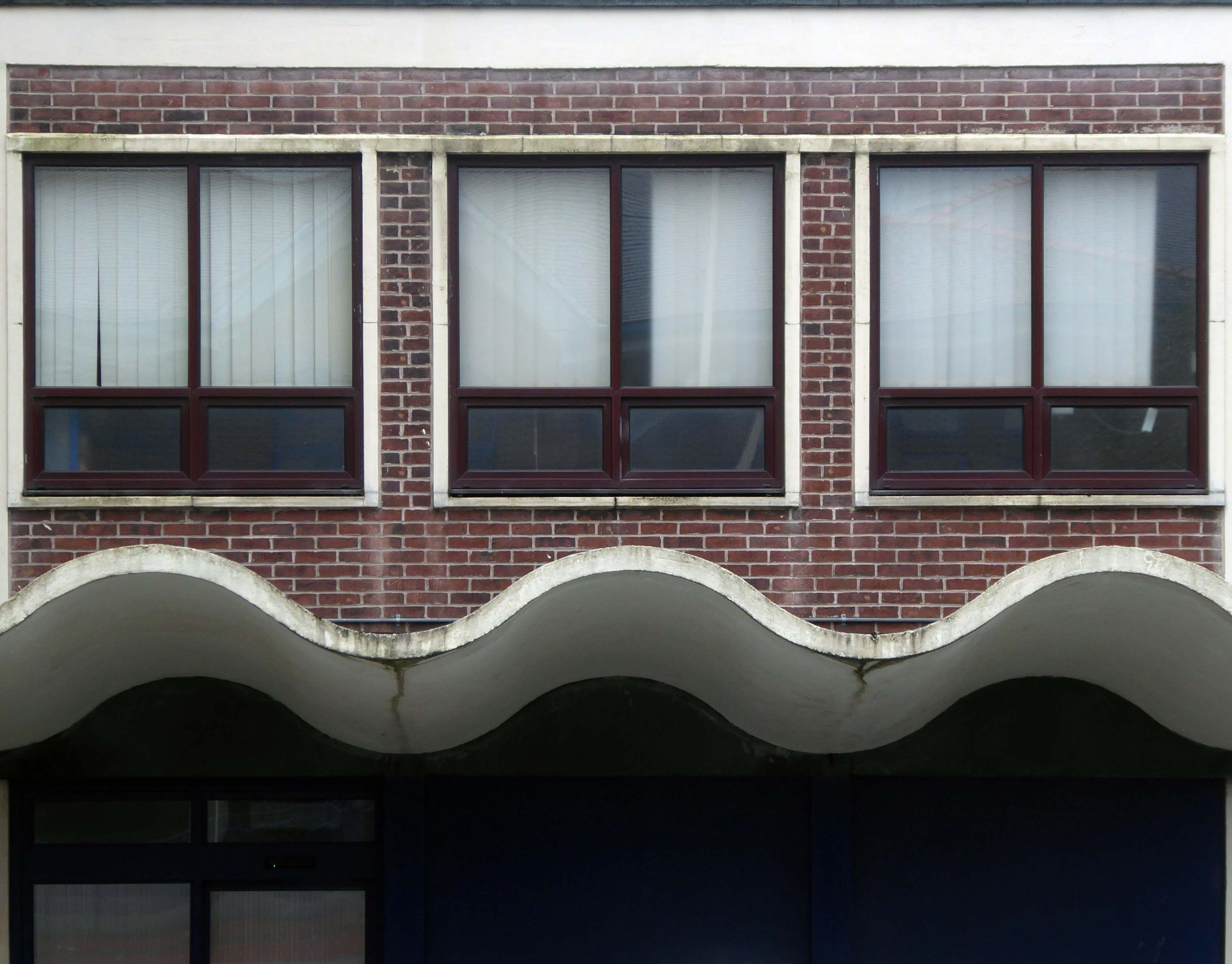
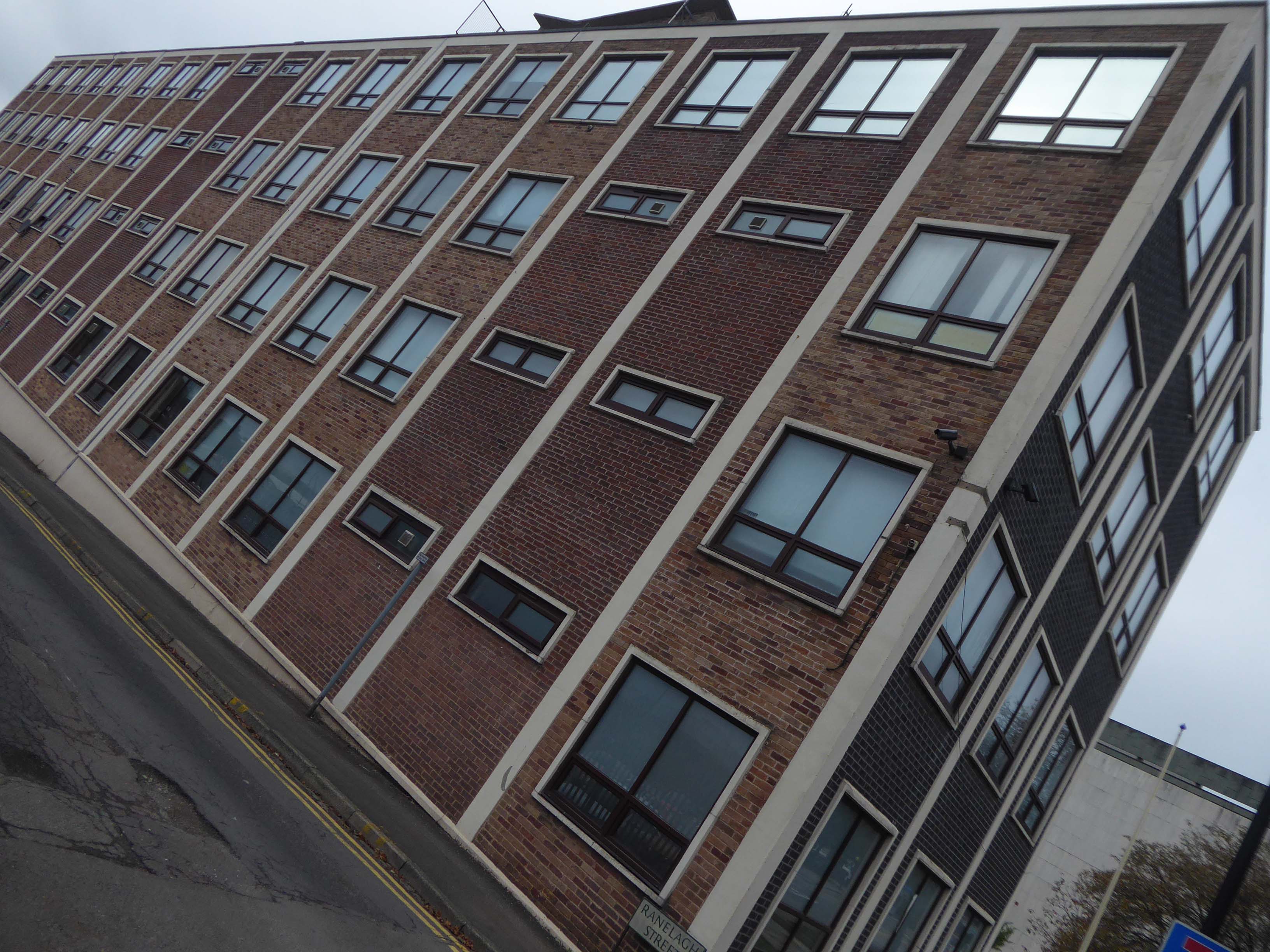
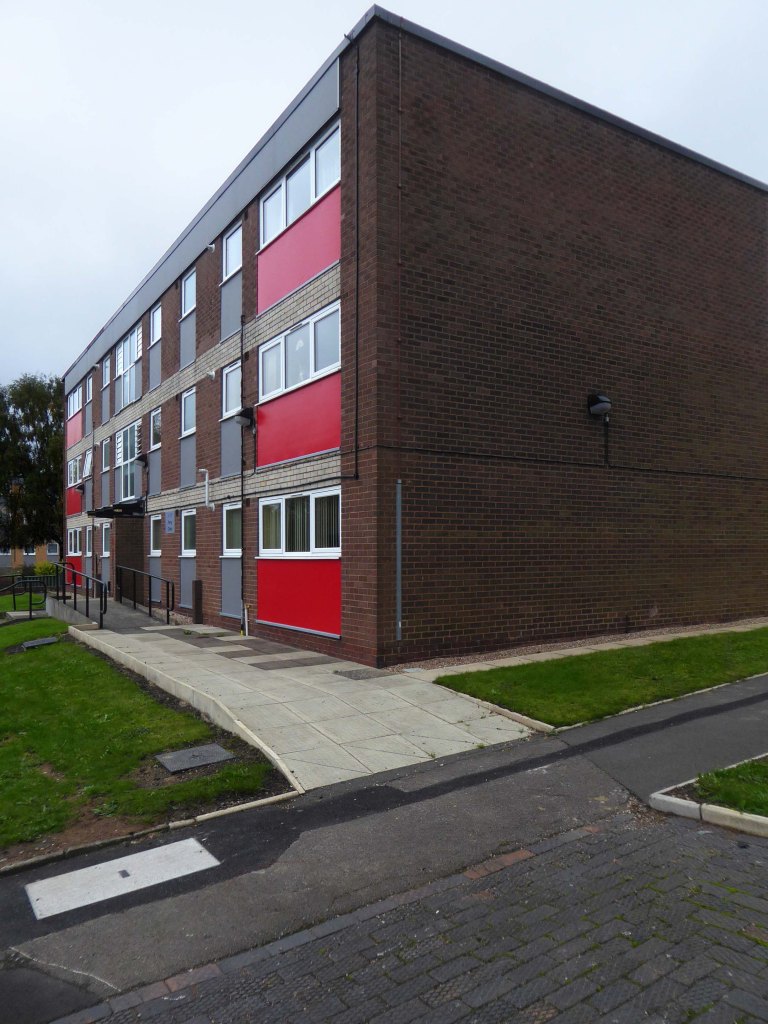
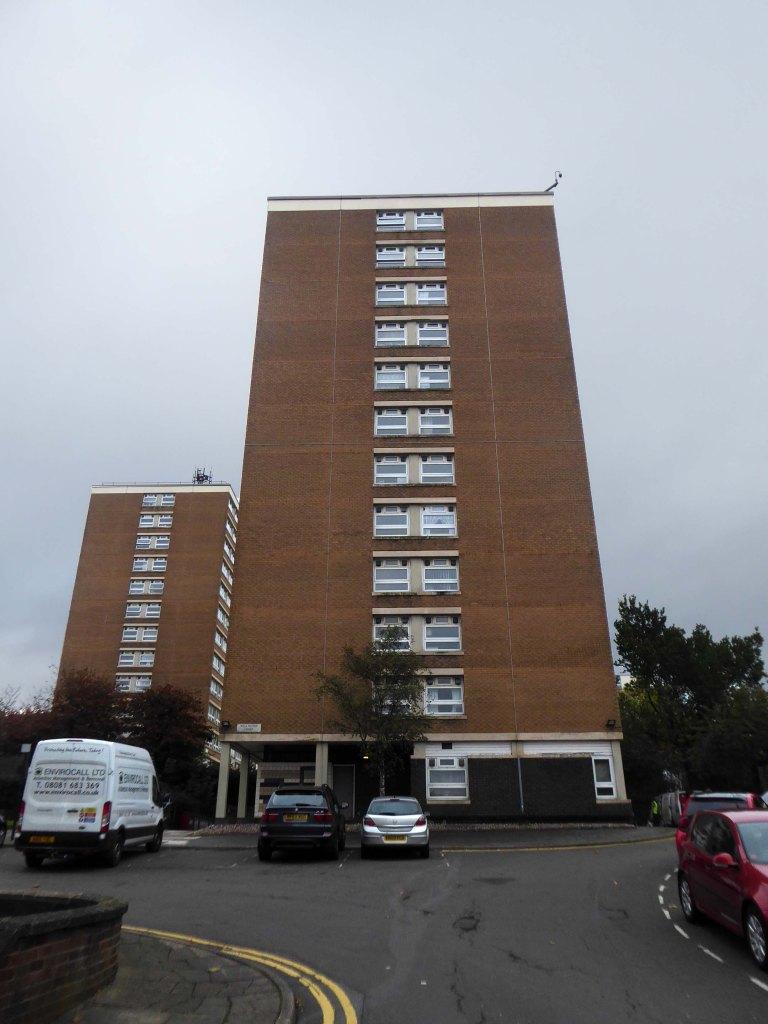
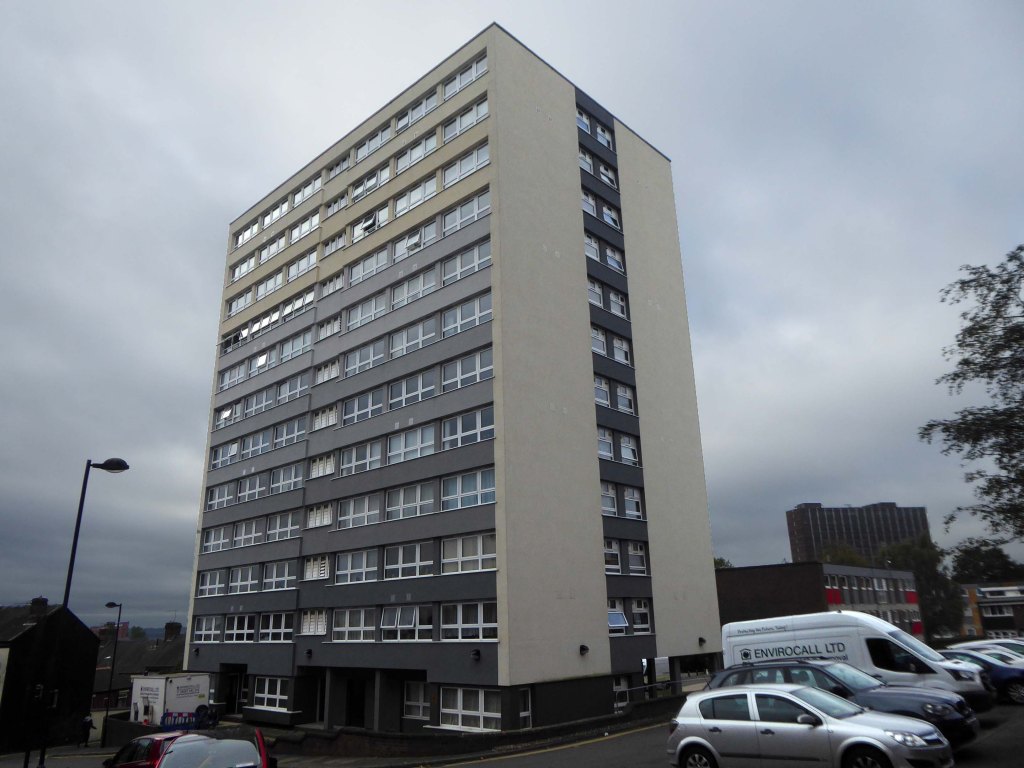
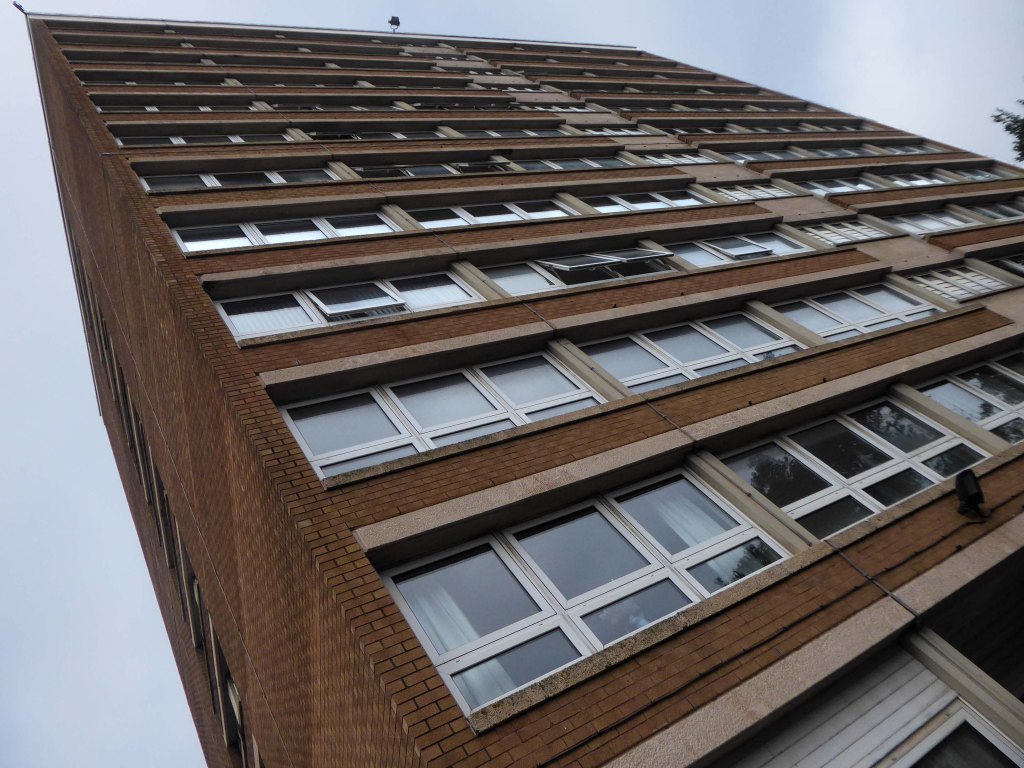
We are now deep in the nowheresville world of student accommodation.

Heading up Walker Street to the Magistrates’ Courts – not the work of Roger Booth work, but the Borough Architect under John Hatton.

Low-lying horizontal tiled and colonnaded

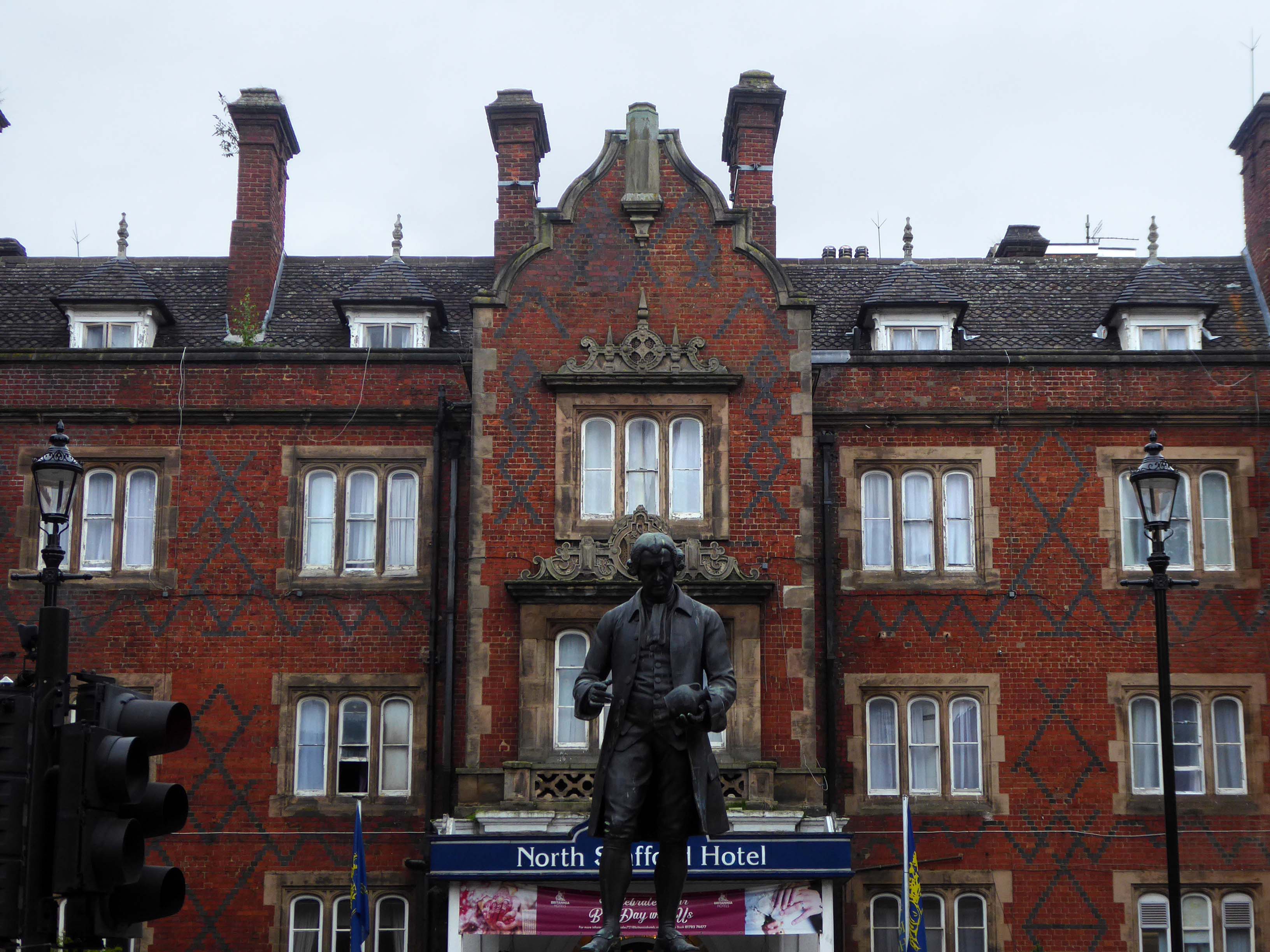
Just around the Conner we find the former Royal Lancaster Hotel

A former Matthew Brown pub, The Lancaster – opposite the Spindlemakers, was very popular pub, with a large public bar on one side and a room that used to feature live music on the other. Then some genius came up with the idea of turning it into a disco pub called the Coconut Grove with the DJ housed in, yes you’ve guessed it, a coconut. It lasted a while then fell off a bit so they relaunched it as Crystals.

This wasn’t a success, so the pub was closed in 1996 and sold off and it was turned into offices. The exterior of the building is more or less as it was when it was a pub.

What Pub

Across the way The Spindlemakers Arms.

A modern Thwaite’s pub that appeared in the first Good Beer Guide in 1974.

The pub closed in 1994 and has been boarded up for over 20 years.

And some concrete steps with exciting piloti.

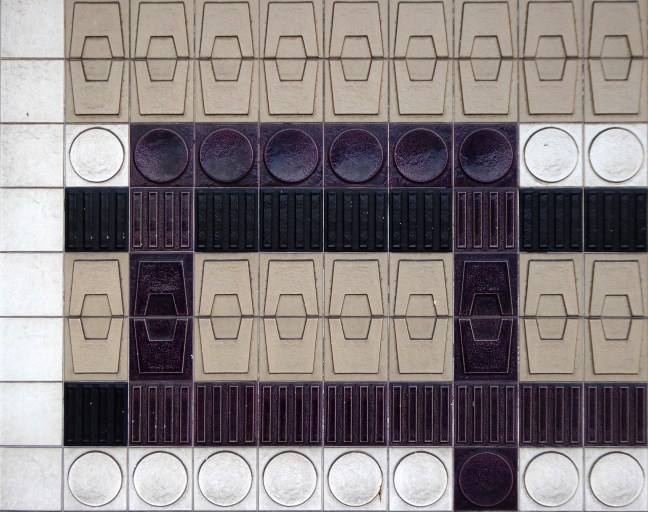
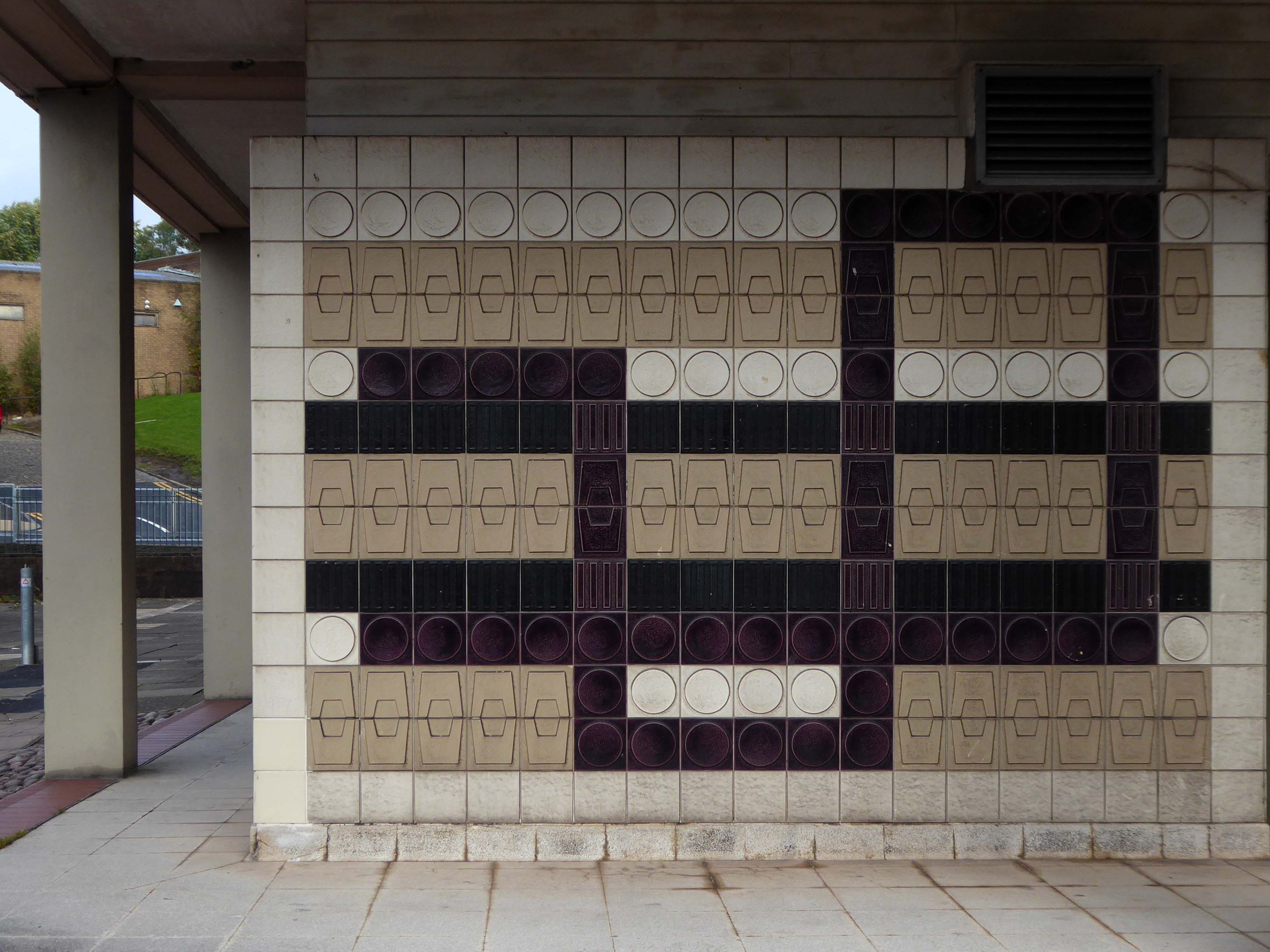
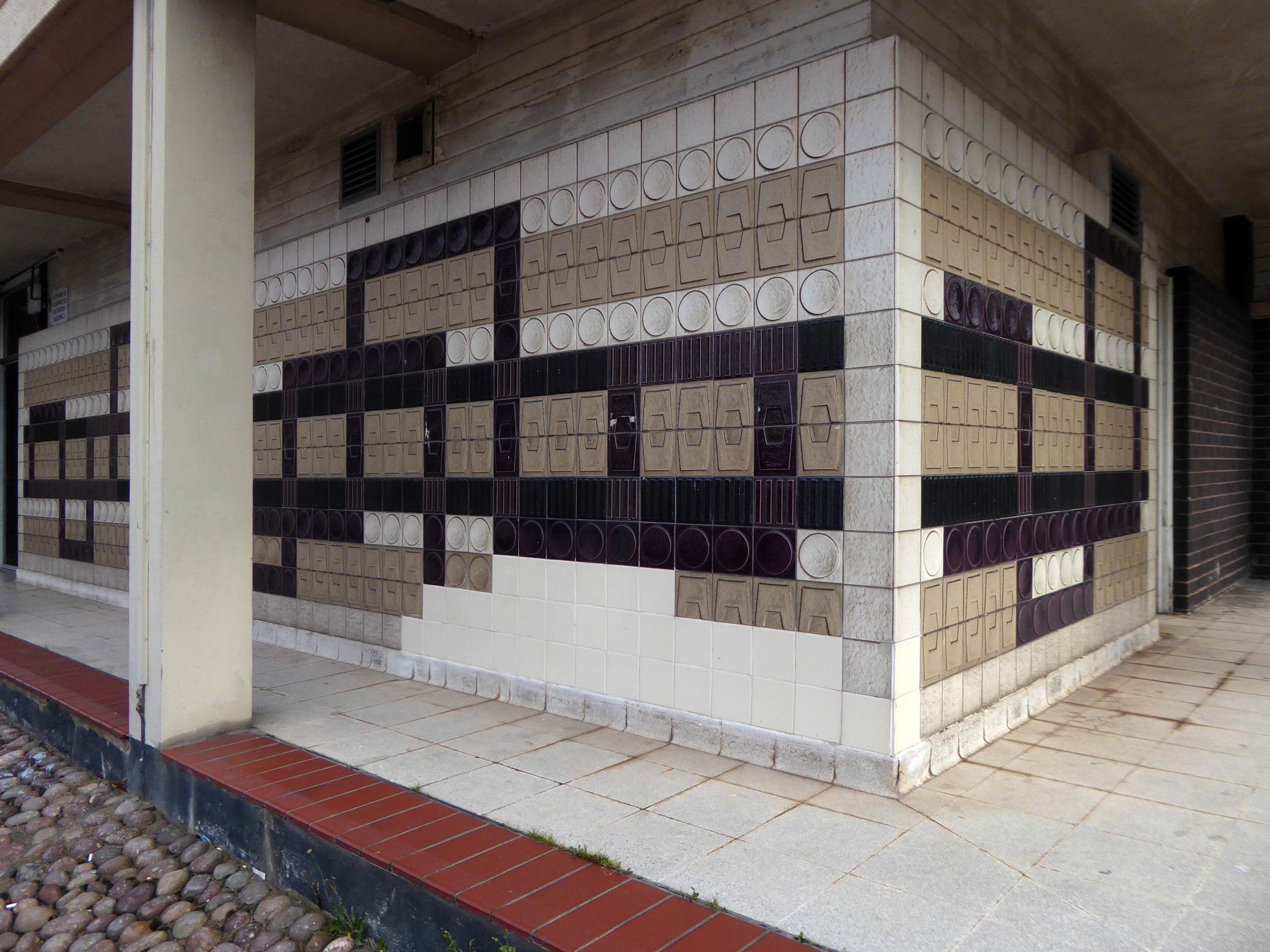
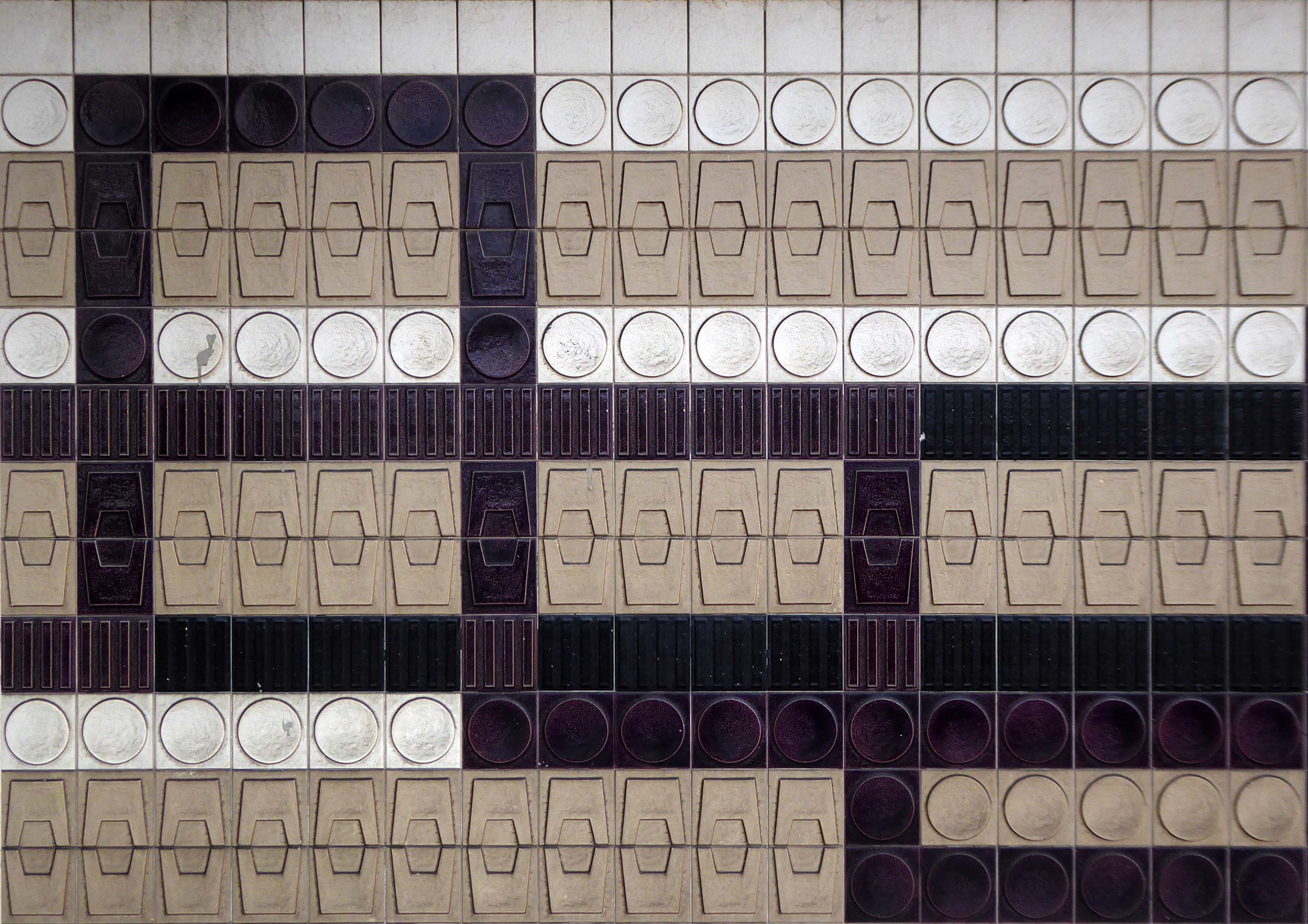
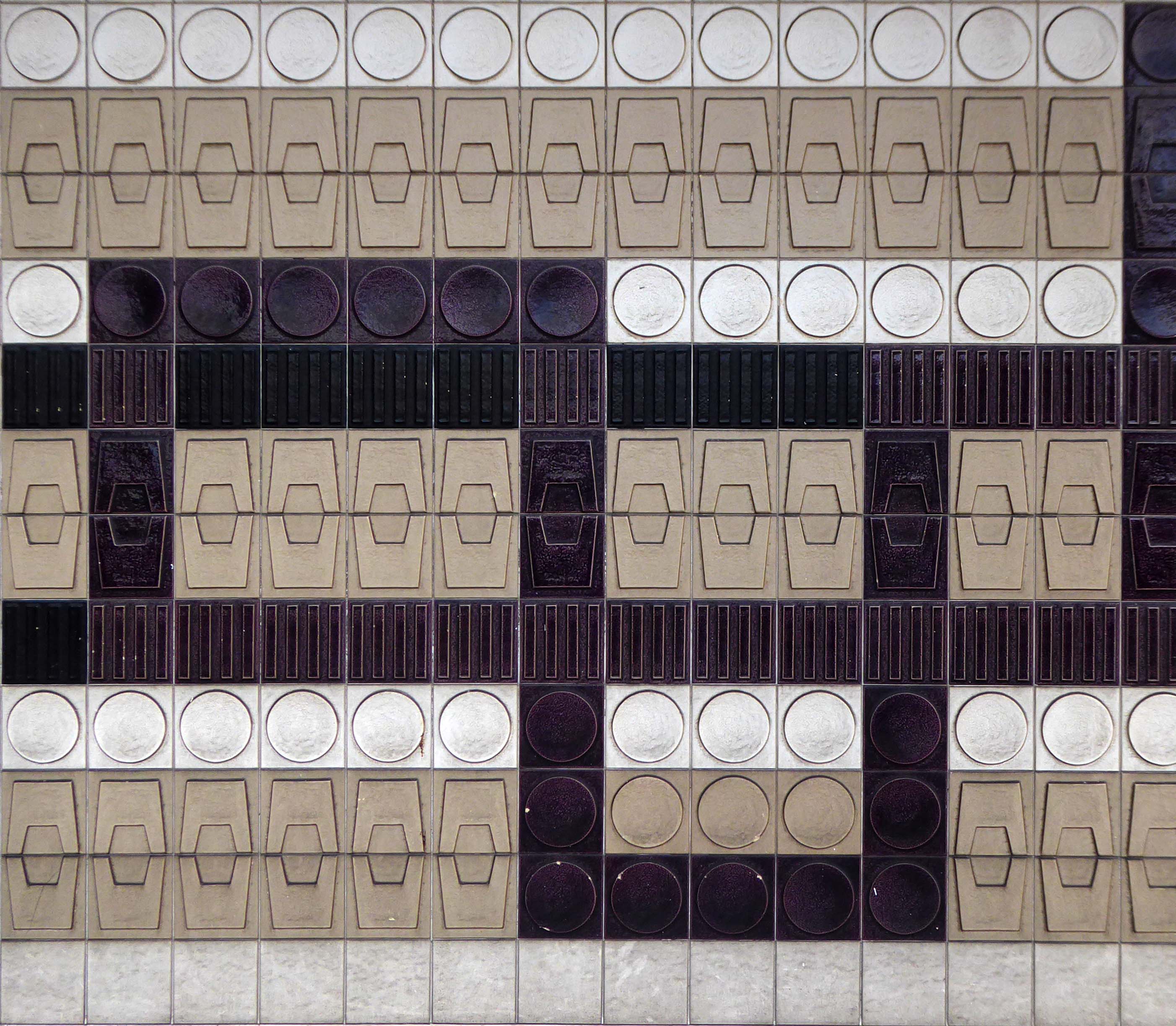
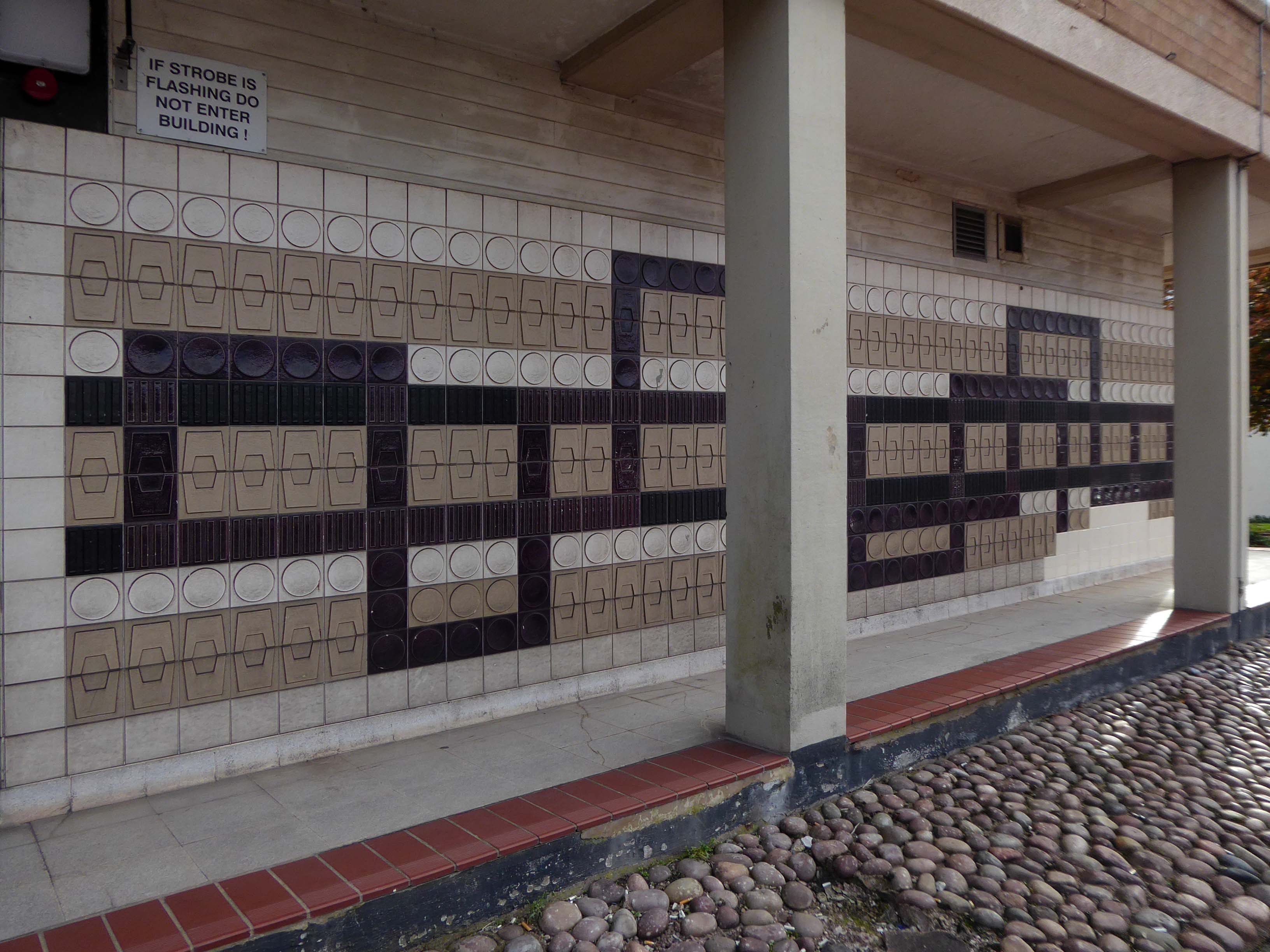
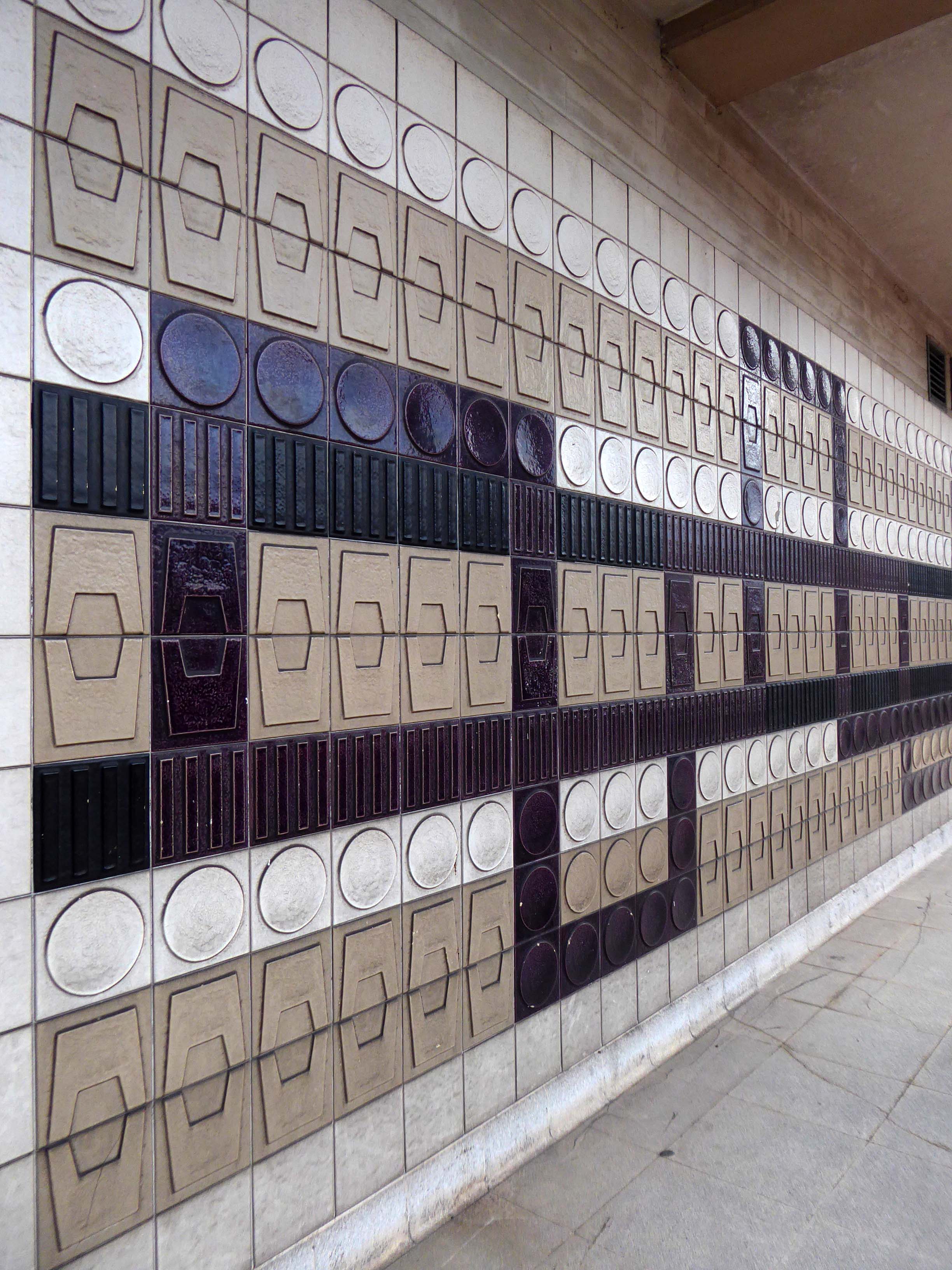
Swing over the ring road and up along St Pauls Road – and astonishing display of exterior Pilkington’s wall tiles on the Preston Vocational centre.

Interesting row of interwar terraces too!

Let’s back track toward the market.

LimeHouse – former office block recently converted to residential use – renting flats from £525 PCM upwards

Next door is Ribchester House awaiting residential conversion.

Whose neighbours Elizabeth House and Red Rose House former home to the Ministry of Works and Pensions, is currently half-ways re-clad as more homes are created, as part of the city council’s flagship City Living Strategy.

Across the way is the former Cooperative Store Lancastria House, built for the Co-op by company architect William Albert Johnson.

His father was the manager of a local Co-op grocery shop.

He studied at the Manchester Schools of Technology and Art under Professors Hugh Stannus and A C Dickie. He was articled to the Chief Architect of the CWS, Francis E L Harris, and after qualifying set up his own practice, sharing offices with Paul Ogden. The struggle of maintaining a practice proved too difficult financially and he decided to go back and work with Harris at the CWS. On Harris’s death in 1924, he succeeded him as Chief Architect. In total W A Johnson worked for the Cooperative Wholesale Society from 1899 until his retirement in 1950.

The covered market has undergone a serious rethink – to include a covered food area and moveable stalls.

Alongside Conlon, the delivery team for the project includes Frank Whittle Partnership and Greig & Stephenson. Construction has included the installation of around 360 glass panels alongside refurbishment of the market’s steelwork and stone flags.

Sadly the Indoor Market is nowhere to be seen.

Demolished to make way for The Light.

The aim of this exciting cinema and restaurant complex development project is to create an exciting new city centre eight-screen cinema and restaurant complex with a new multi-storey car park.

Visit Preston

Which will now accommodate Lancastria House, saved from the wrecking ball.

Let’s hot foot it to The Guildhall.

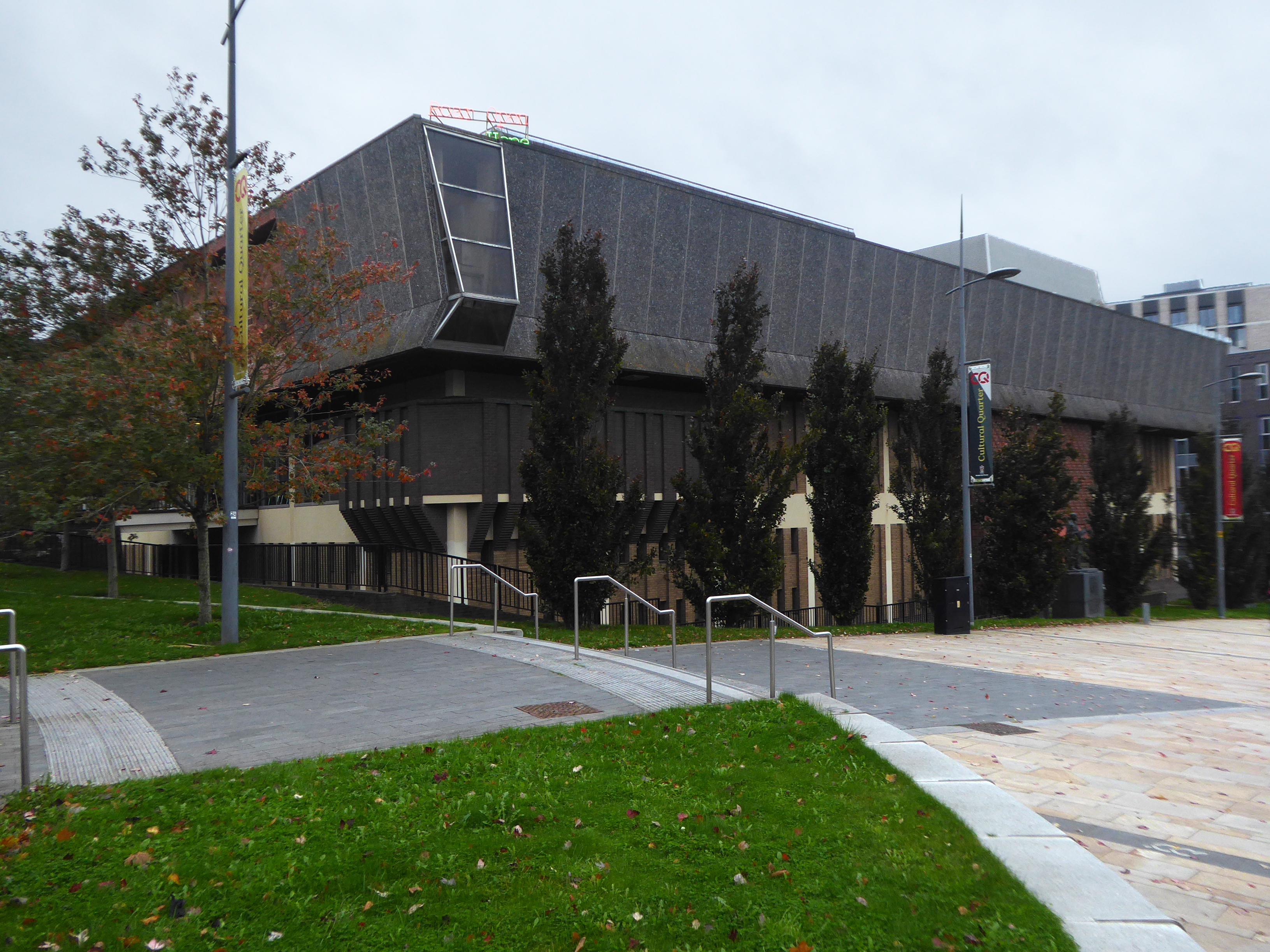
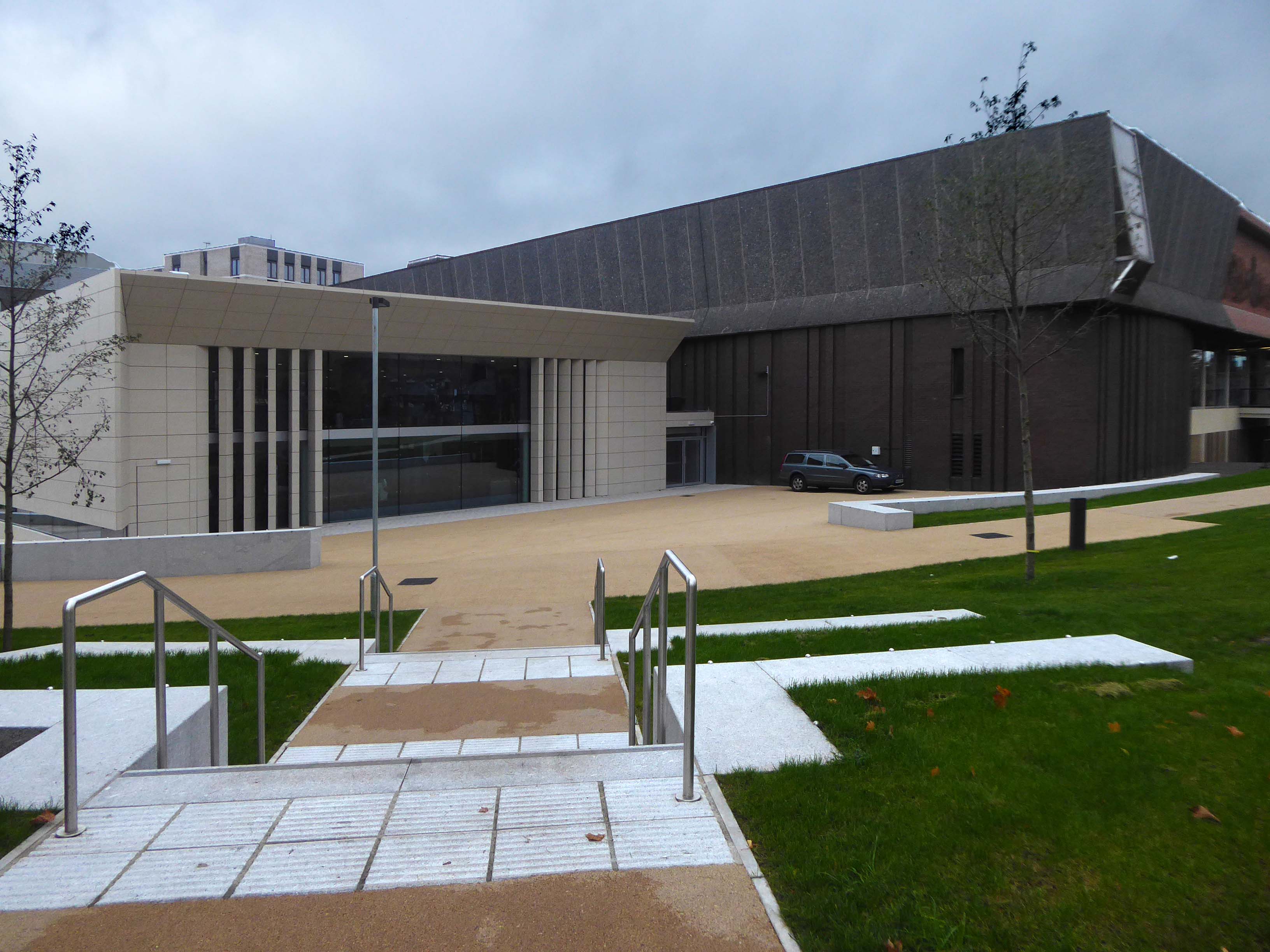
The Guild Hall was commissioned to replace the town’s Public Hall. The new building, which was designed by Robert Matthew, Johnson Marshall, was due to be ready for the Preston Guild of 1972, but after construction was delayed, it only officially opened in 1973.

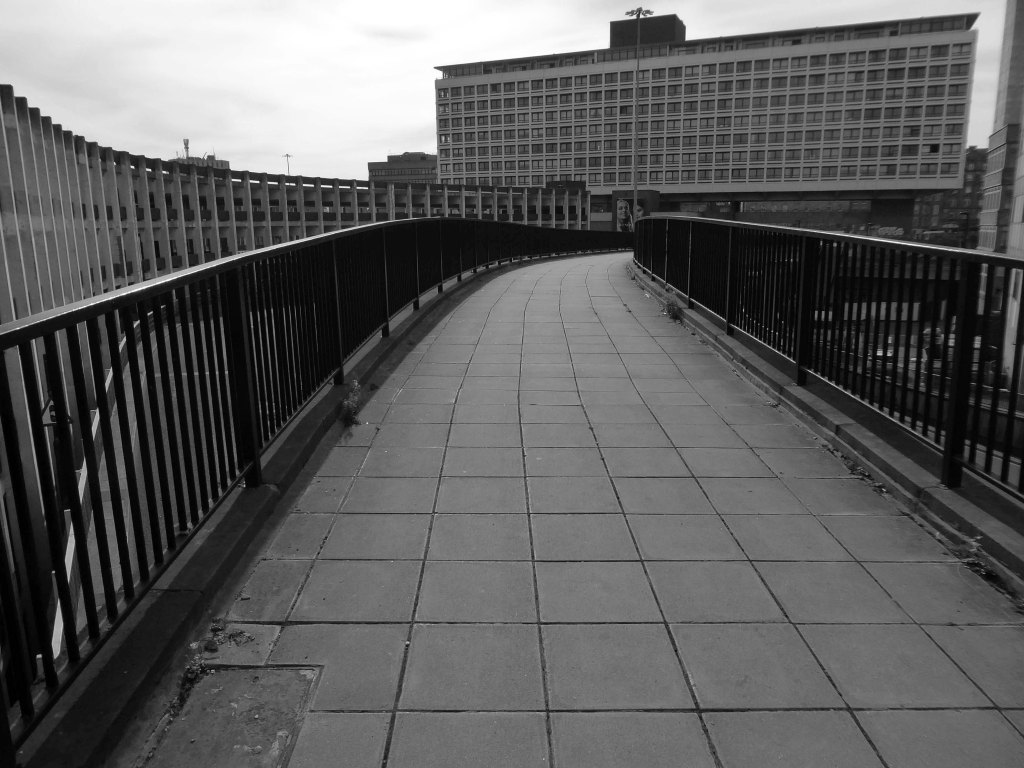
The complex has two performance venues, the Grand Hall which holds 2,034 people and the Charter Theatre which holds 780 people. There is direct pedestrian access, via footbridge, from the adjacent Preston Bus Station and car park. Artists that have performed at the venue include Martha Argerich,  Morrissey, Led Zeppelin, David Bowie, The Jackson 5, Thin Lizzy, Busted and Steve Harley & Cockney Rebel among others. It also hosted the UK Snooker Championship for the years 1978 to 1997.

Until July 2014, it was owned by Preston City Council, who were considering its demolition due to its high running costs. It was then sold to local businessman Simon Rigby, who promised to spend £1m to renovate the venue. Rigby closed the venue in May 2019 and, in June 2019, he placed the business into administration. Preston City Council subsequently reclaimed possession of the building, citing the “unacceptable behaviour” of Rigby. The building was due to host the Business Expo in April 2020 but this event had to be cancelled due to the COVID-19 pandemic.

Wikipedia

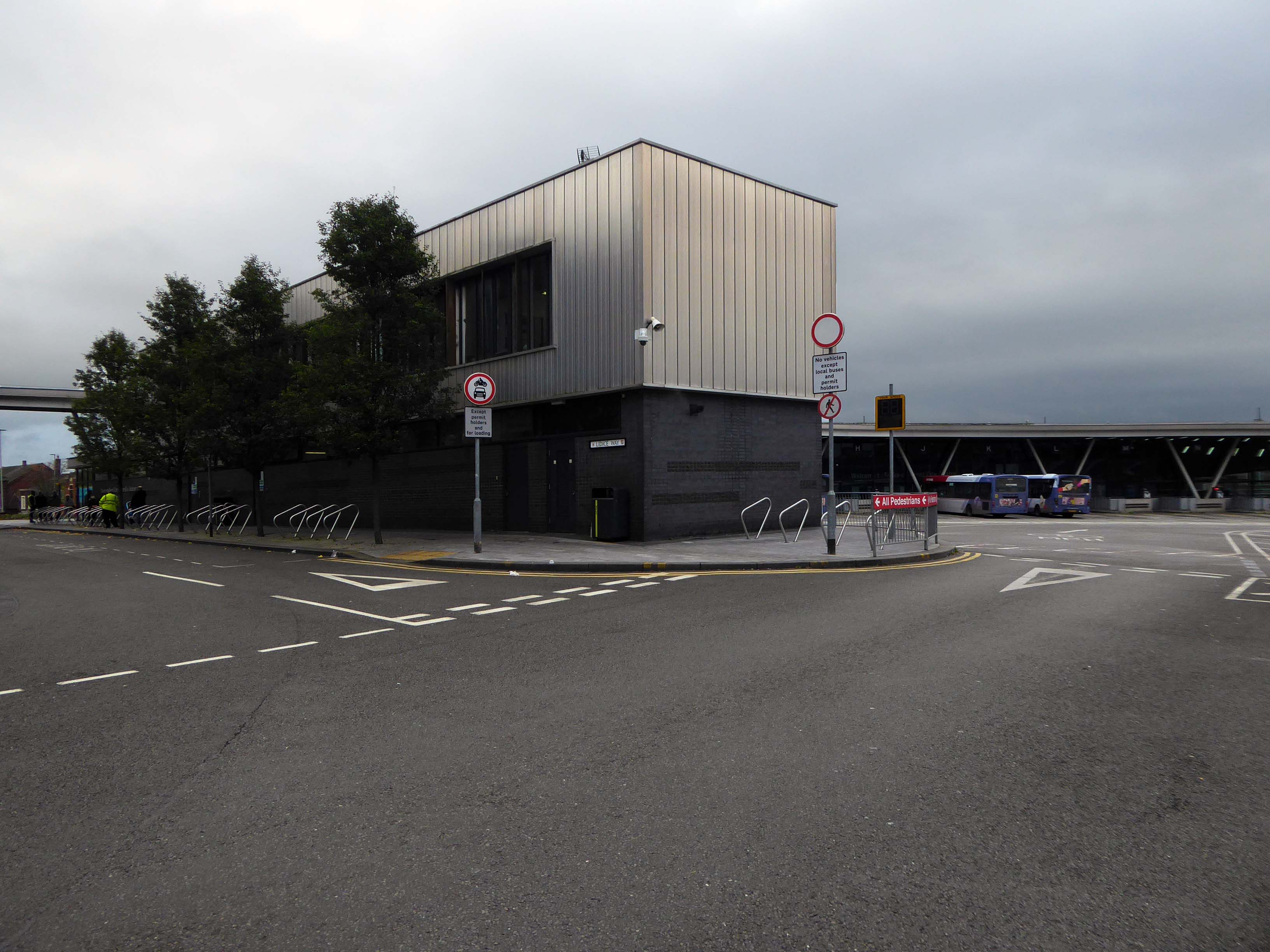
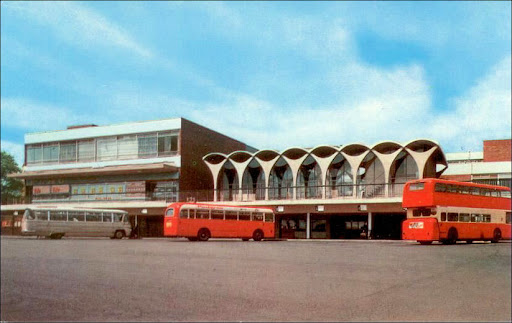
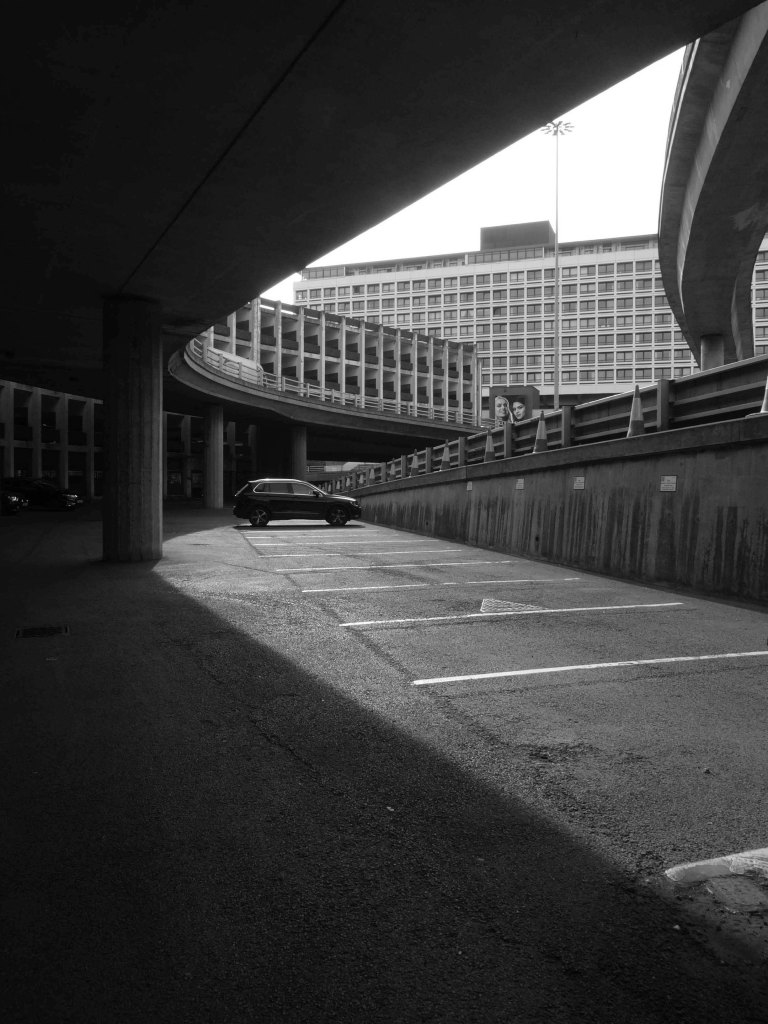
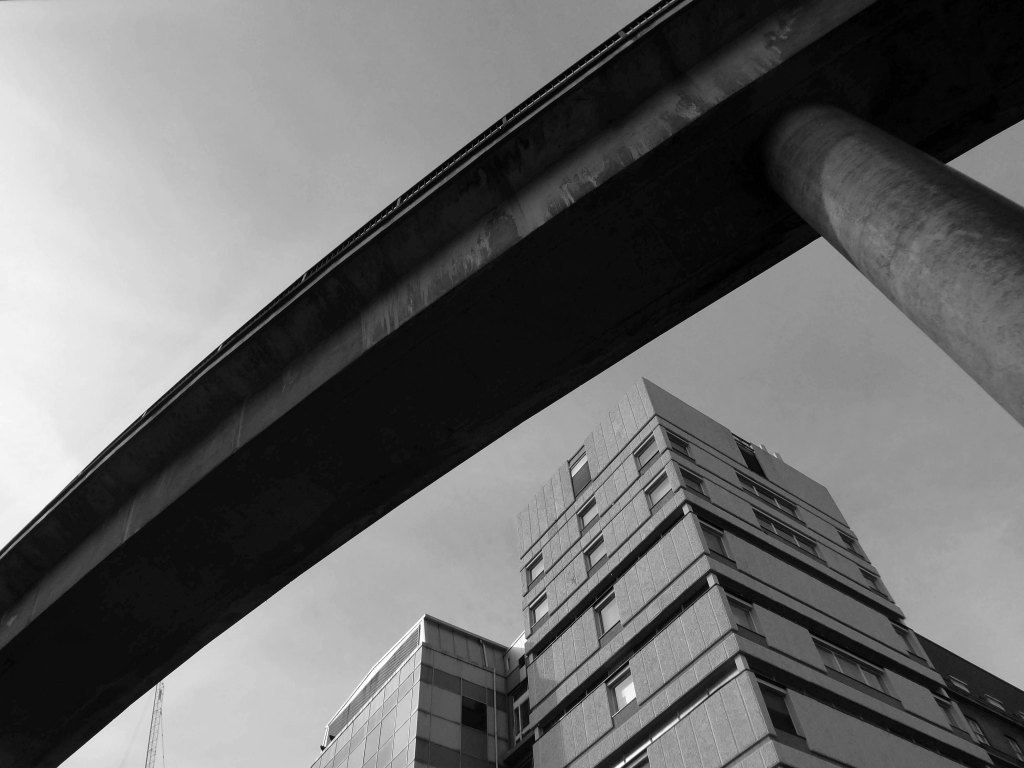
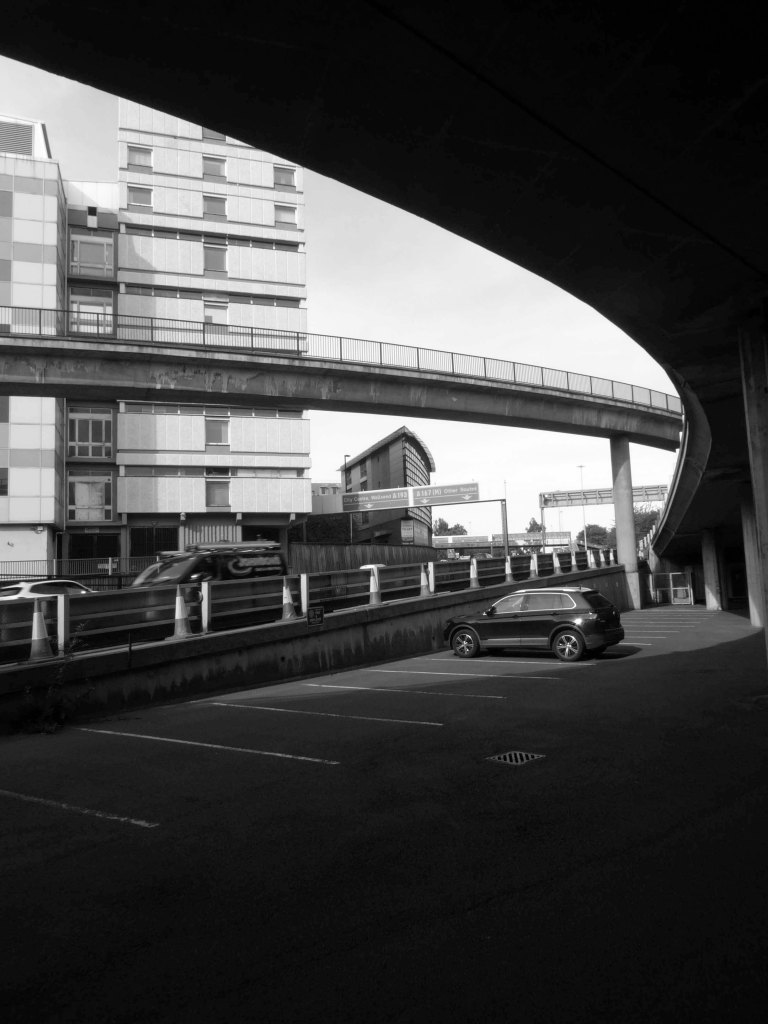
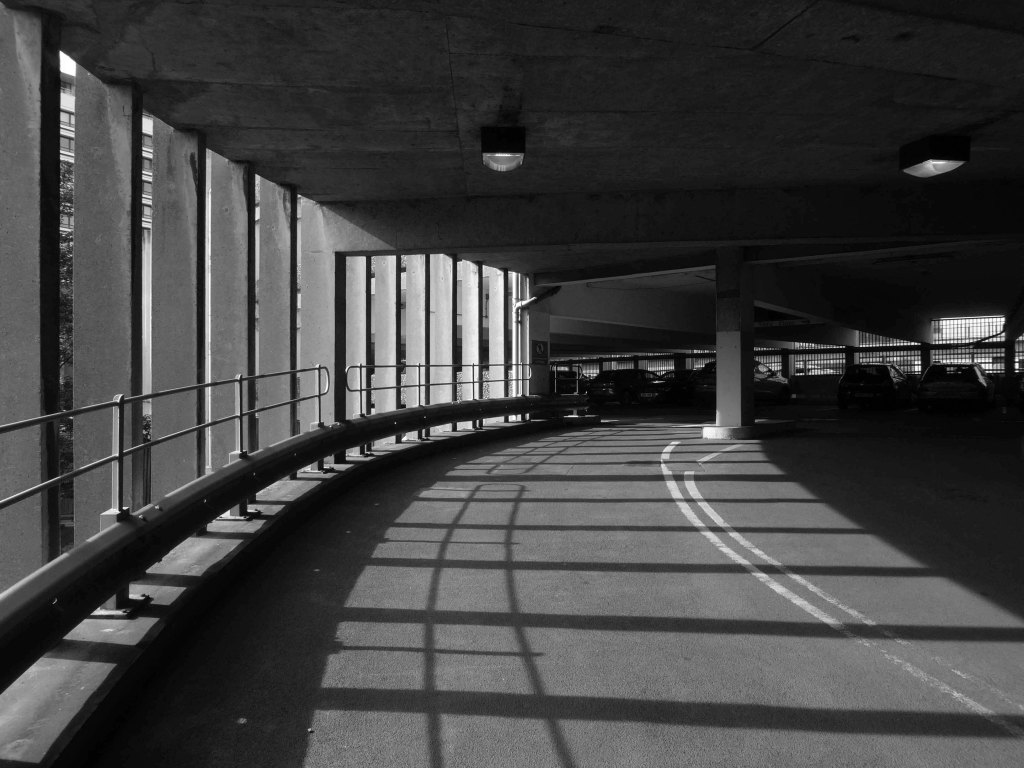
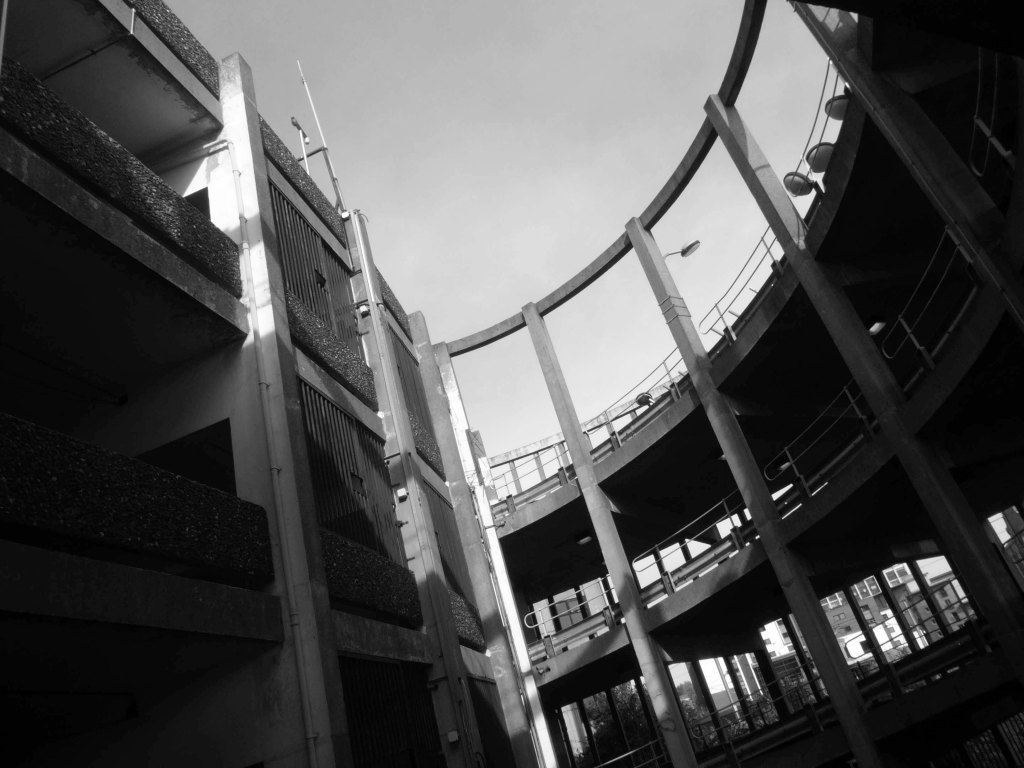
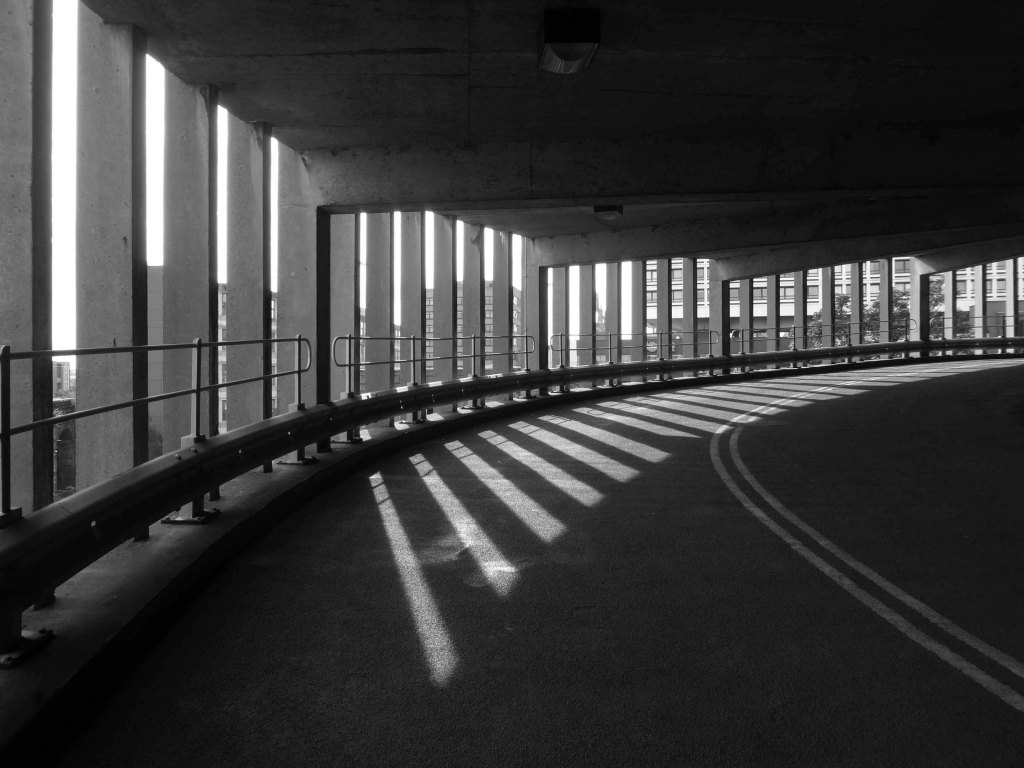
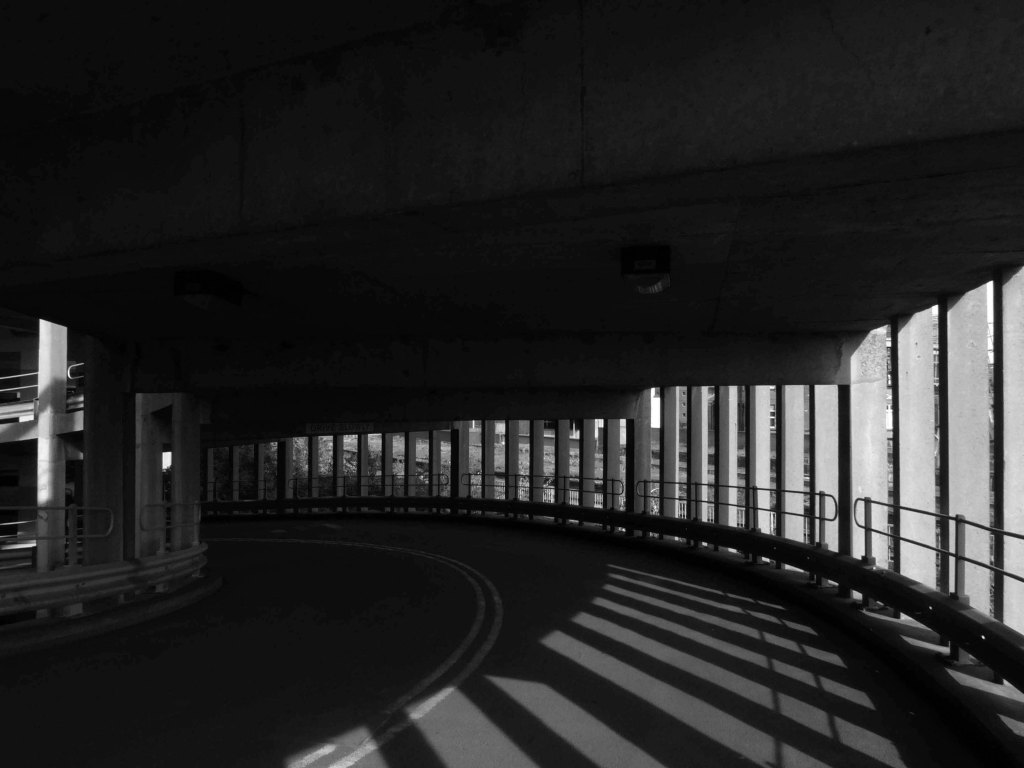
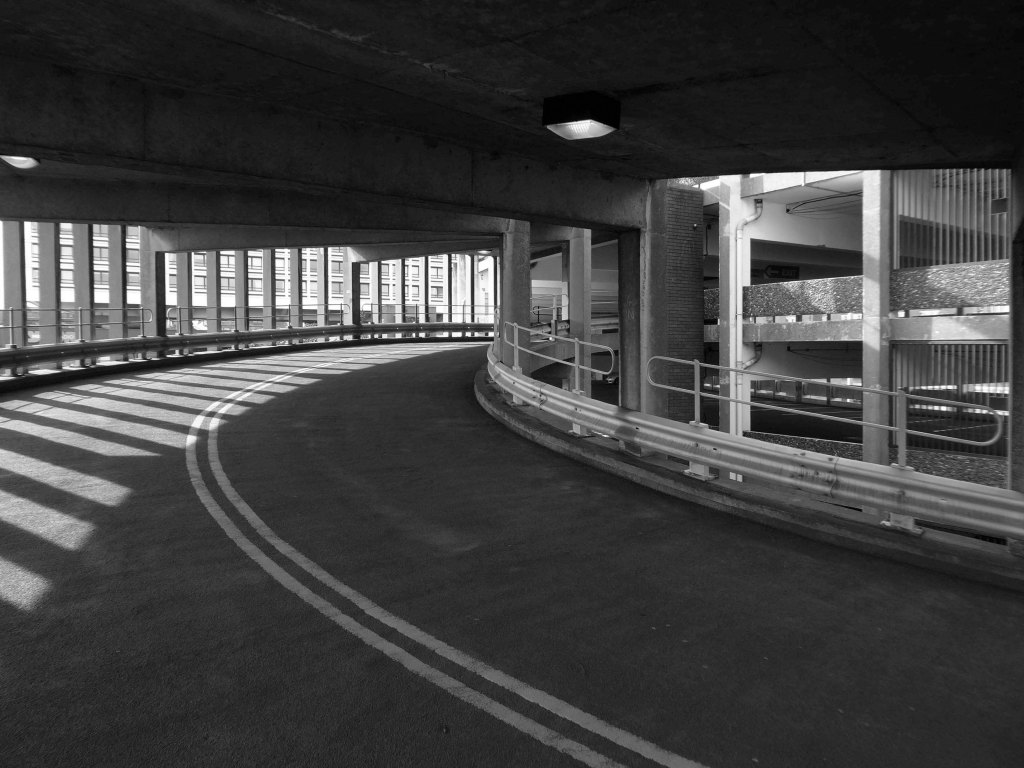
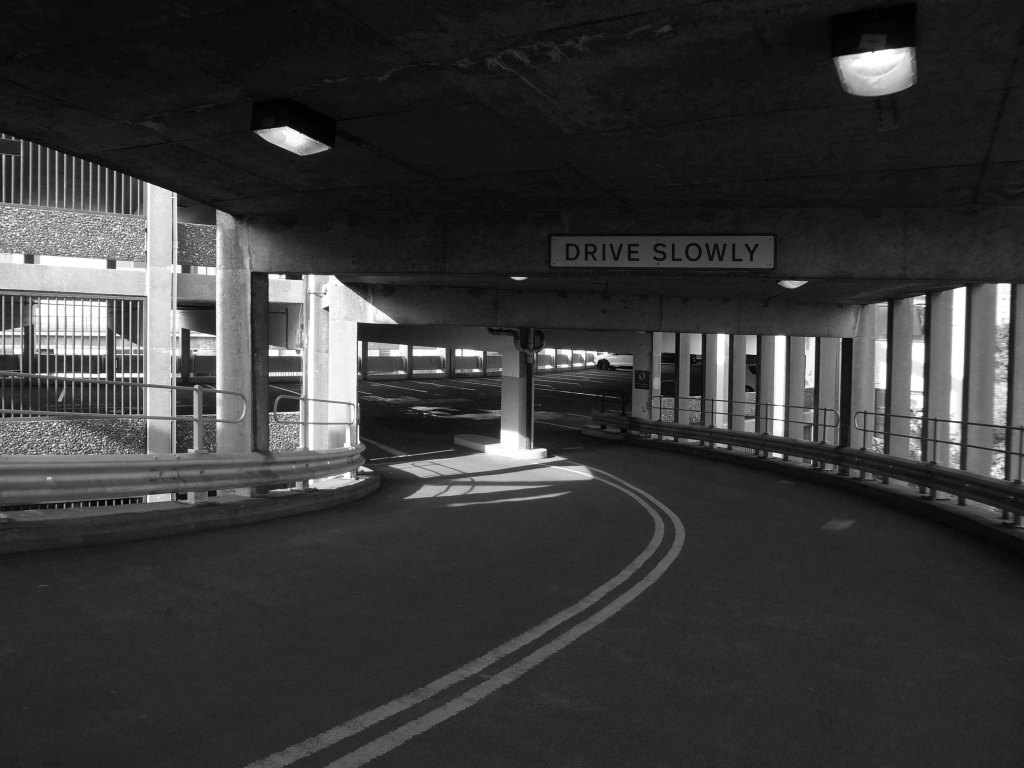
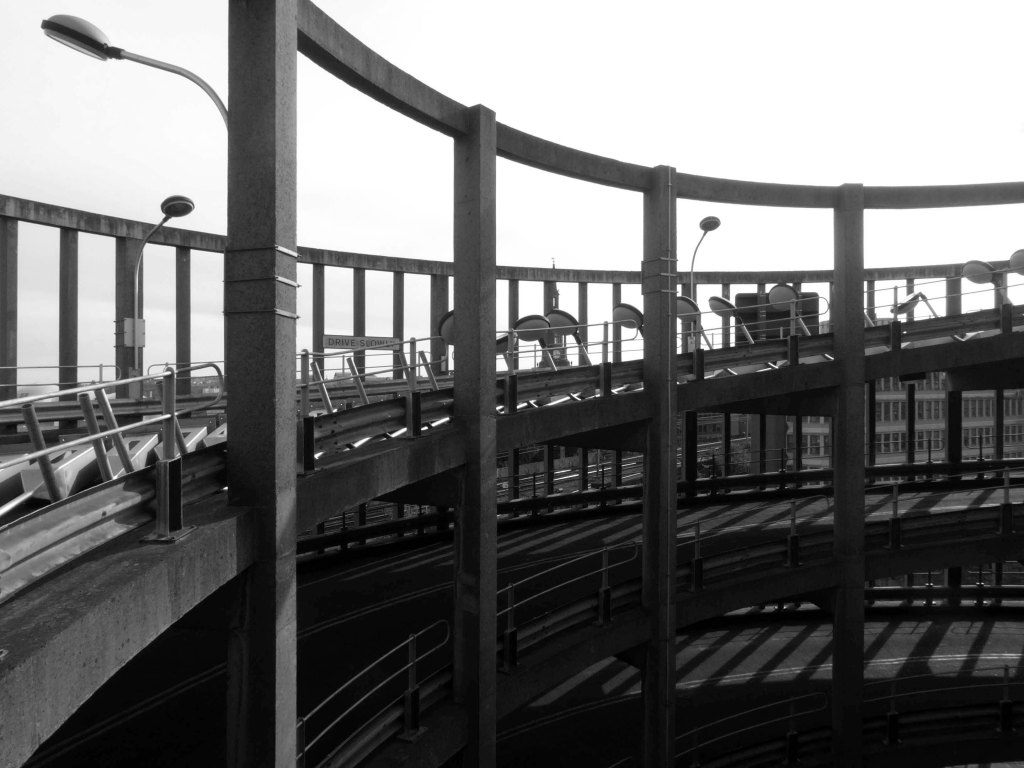
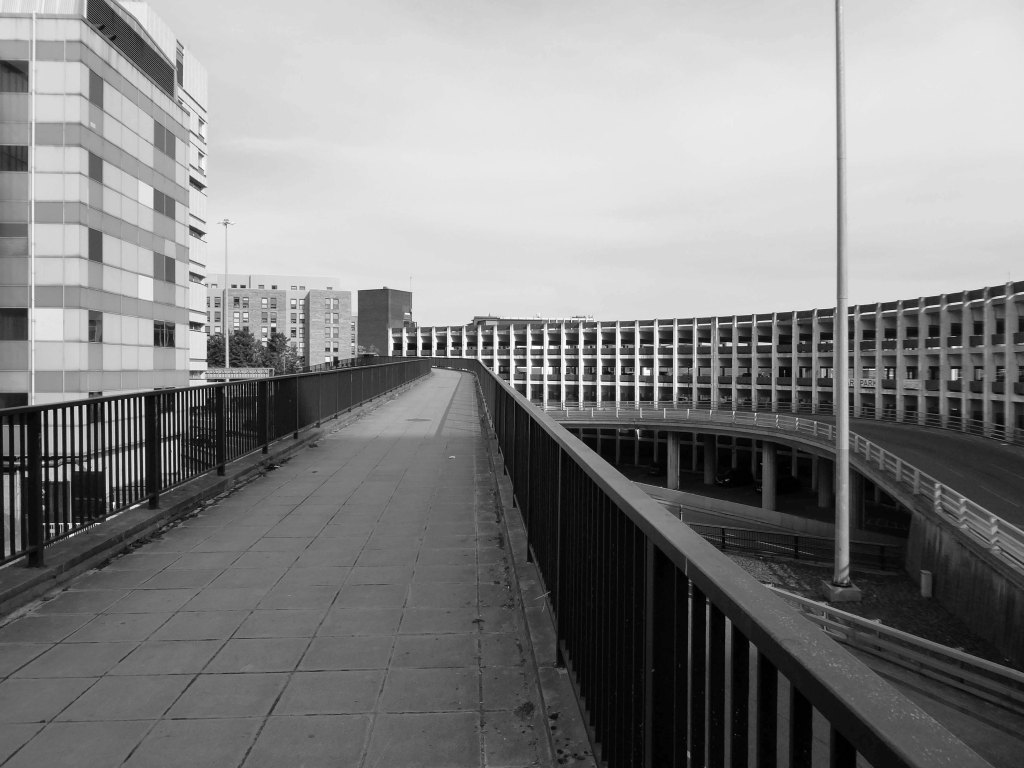
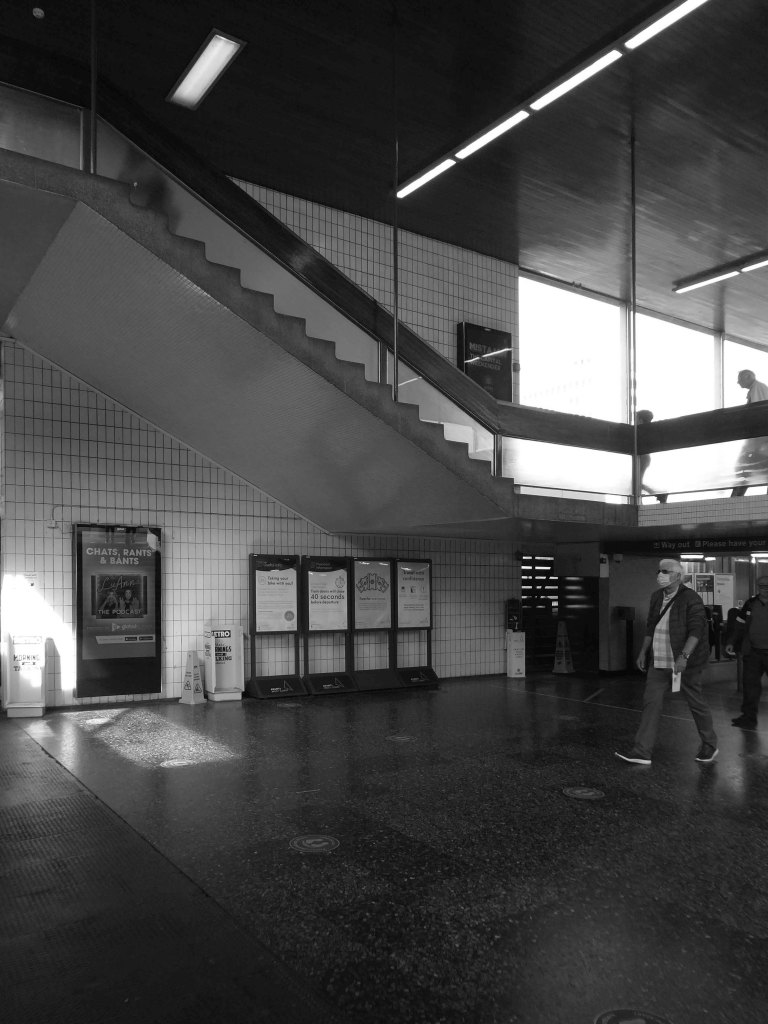
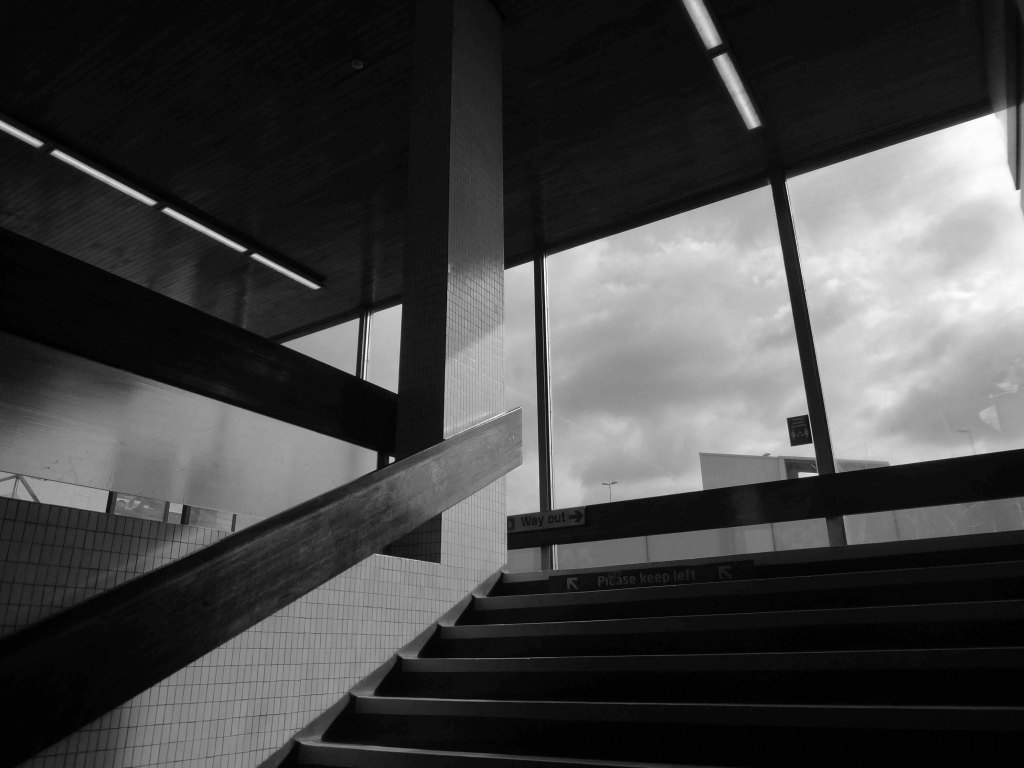
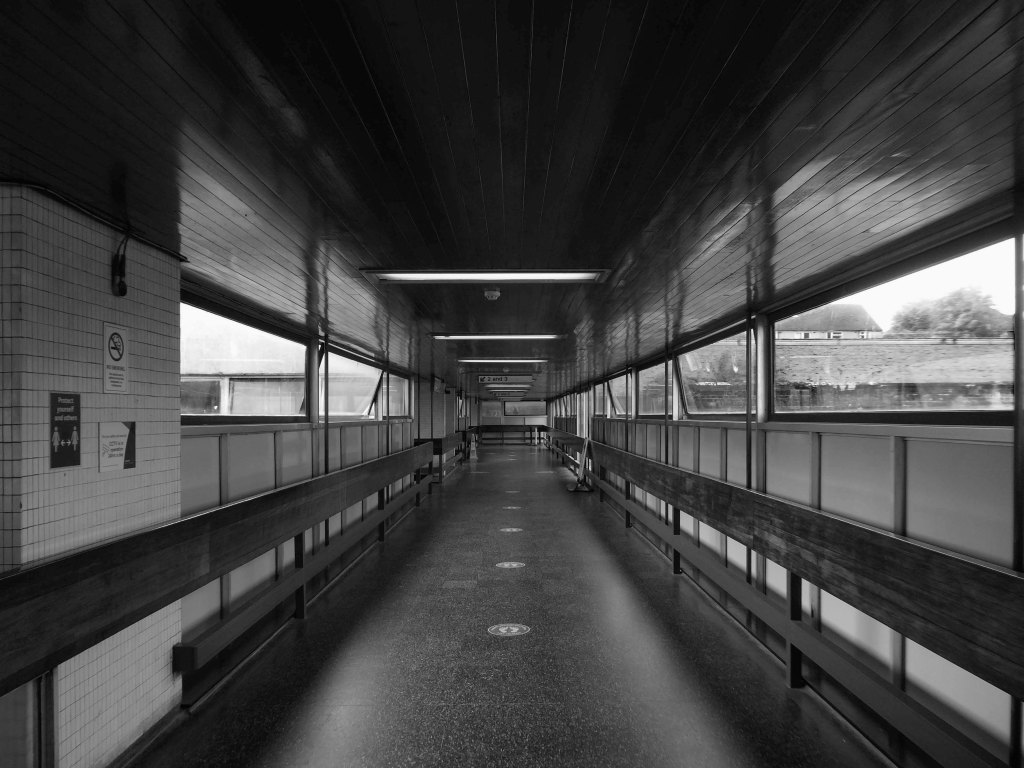
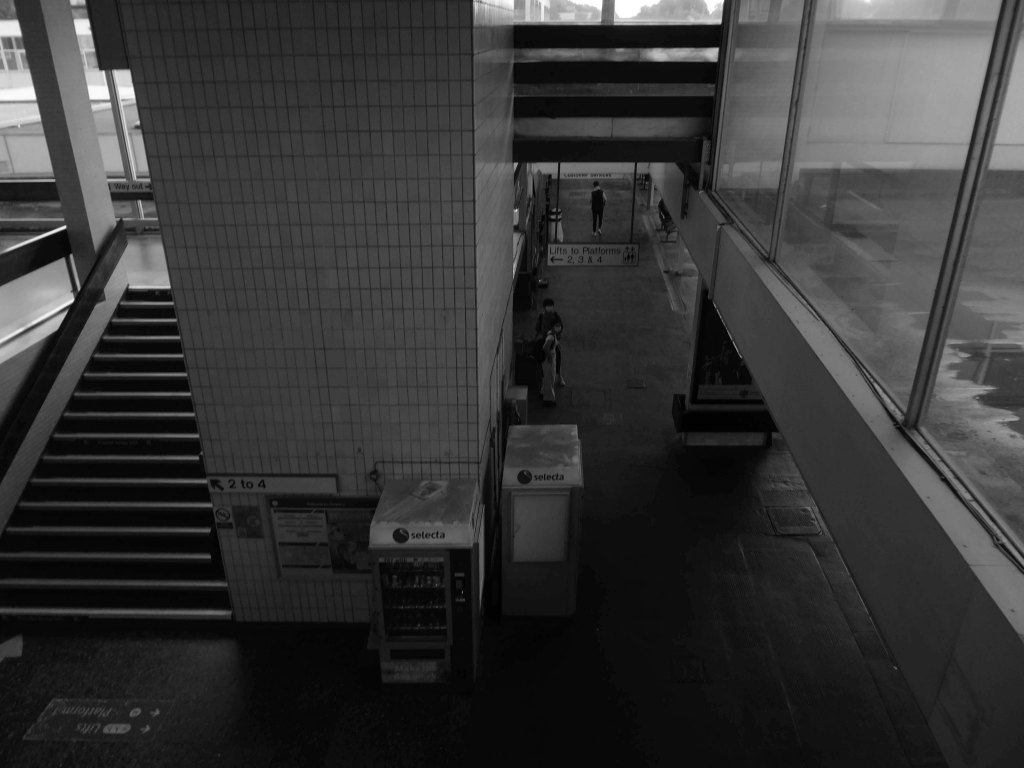
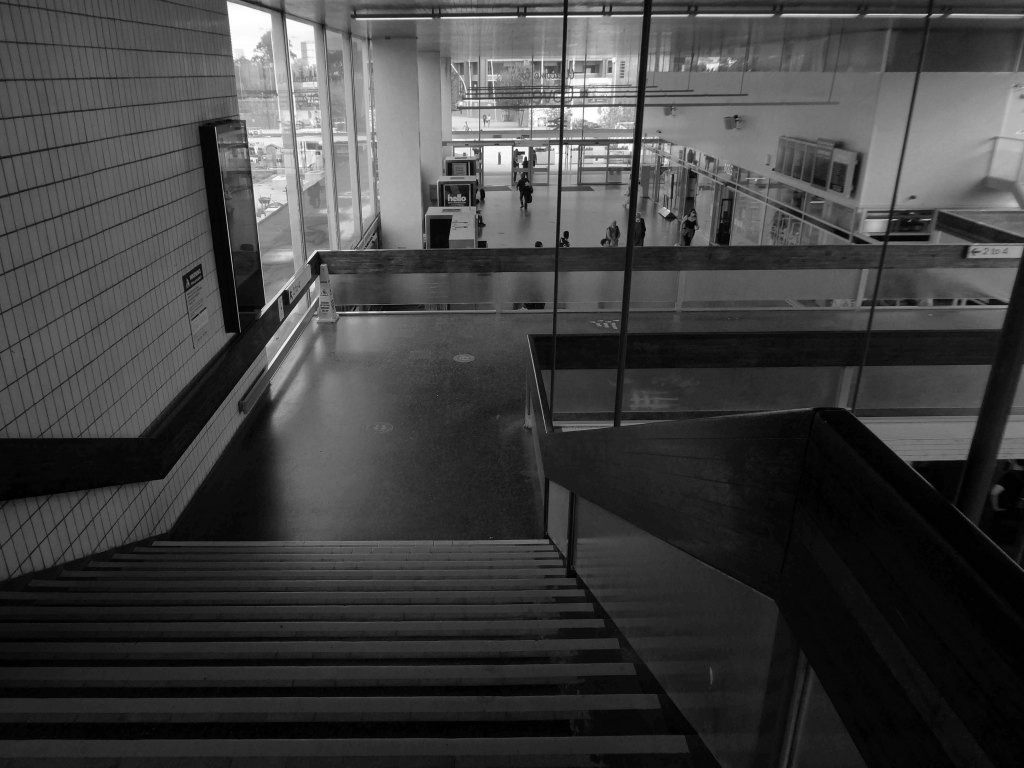
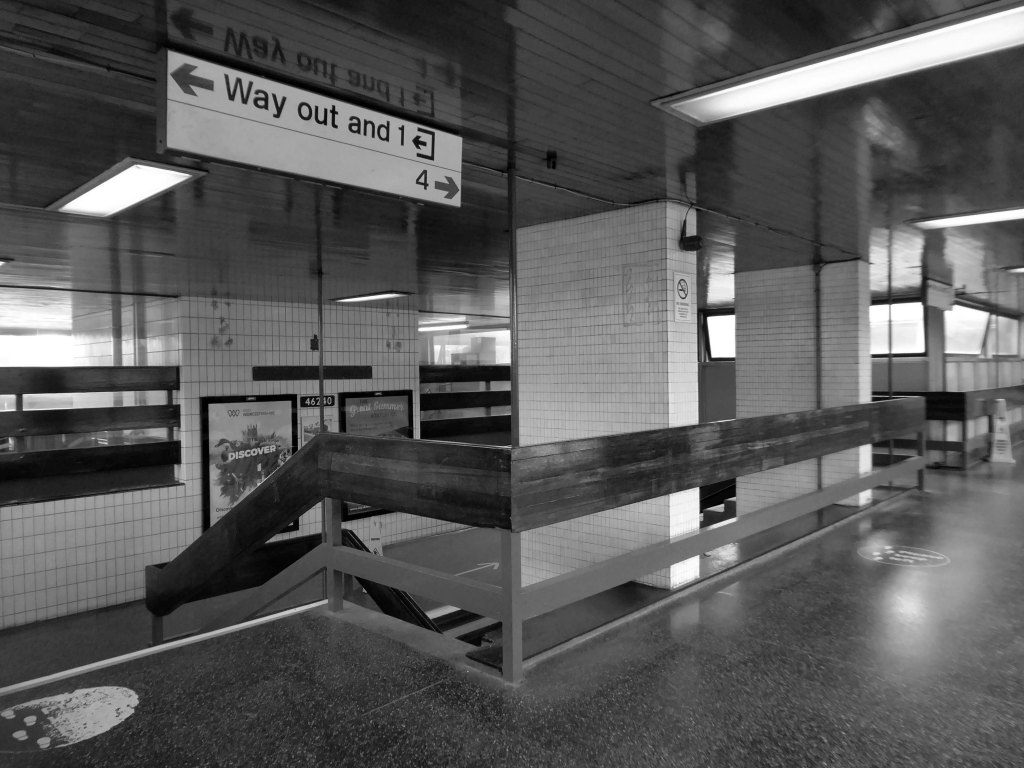
And finally a gargantuan treat the mammoth Preston Bus Station.

Once the most hated building in town, fearless campaigning saw it listed and loved.

Carefully restored and adapted to the needs of 21st Century bus and coach passenger.

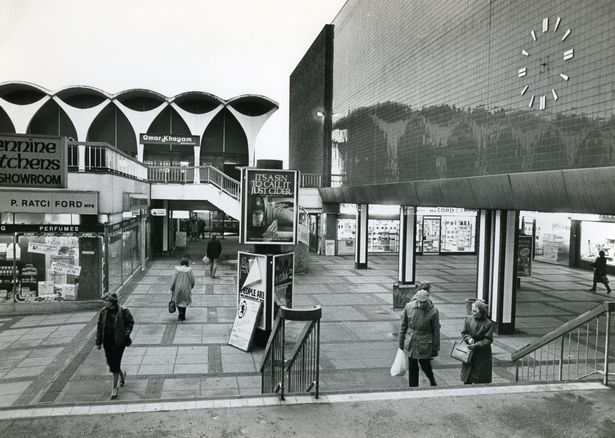
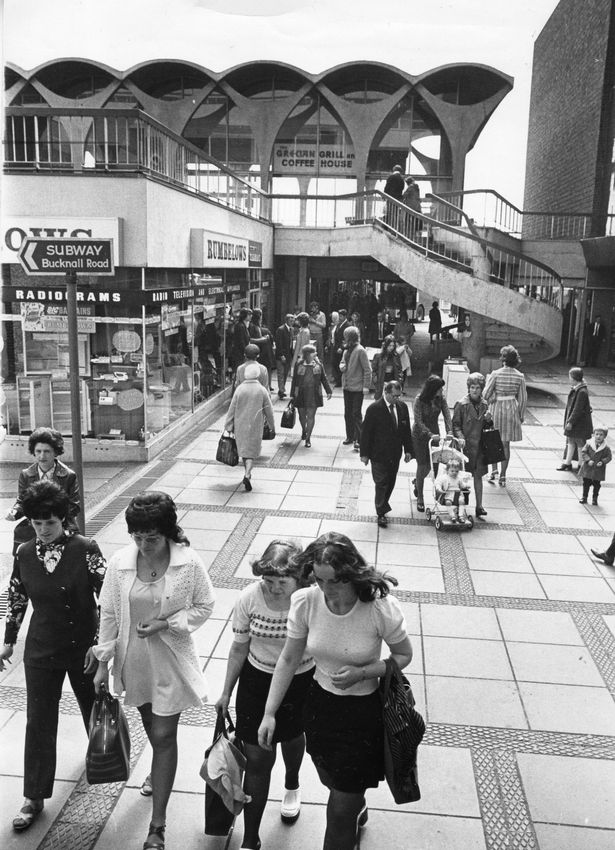
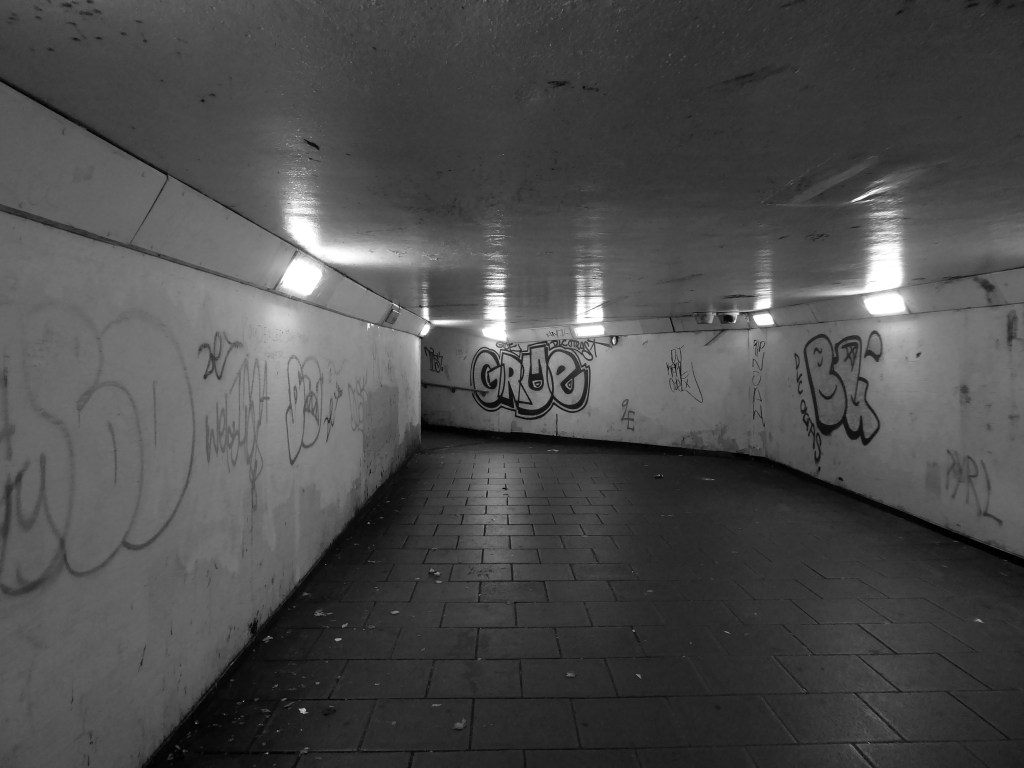
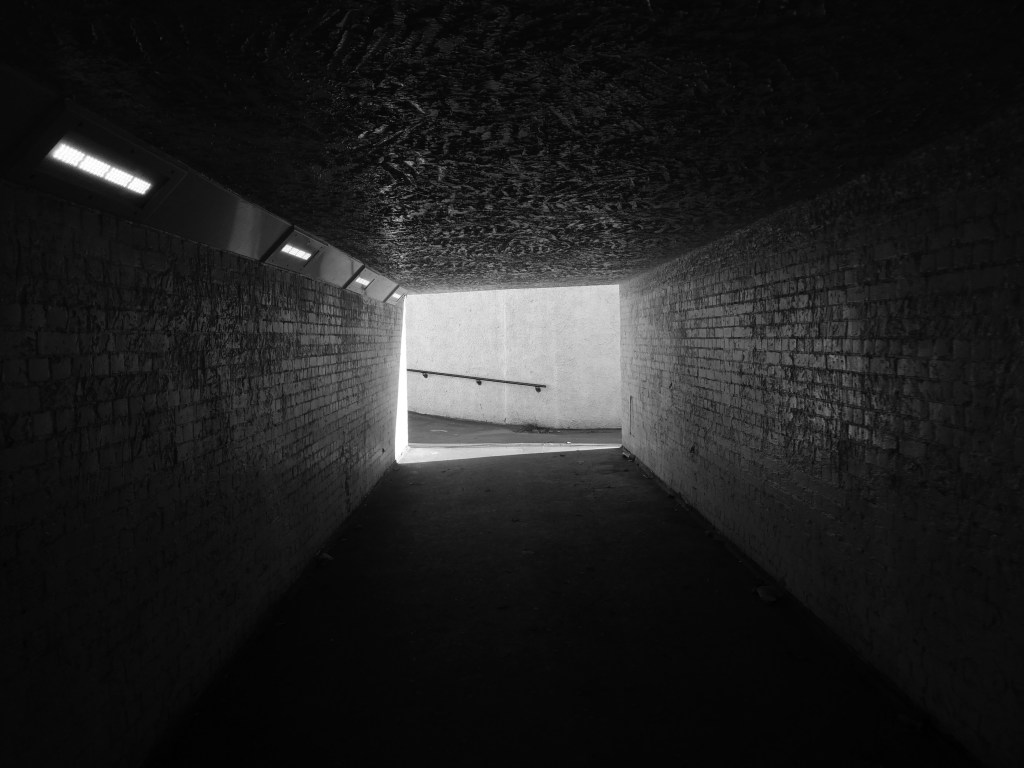
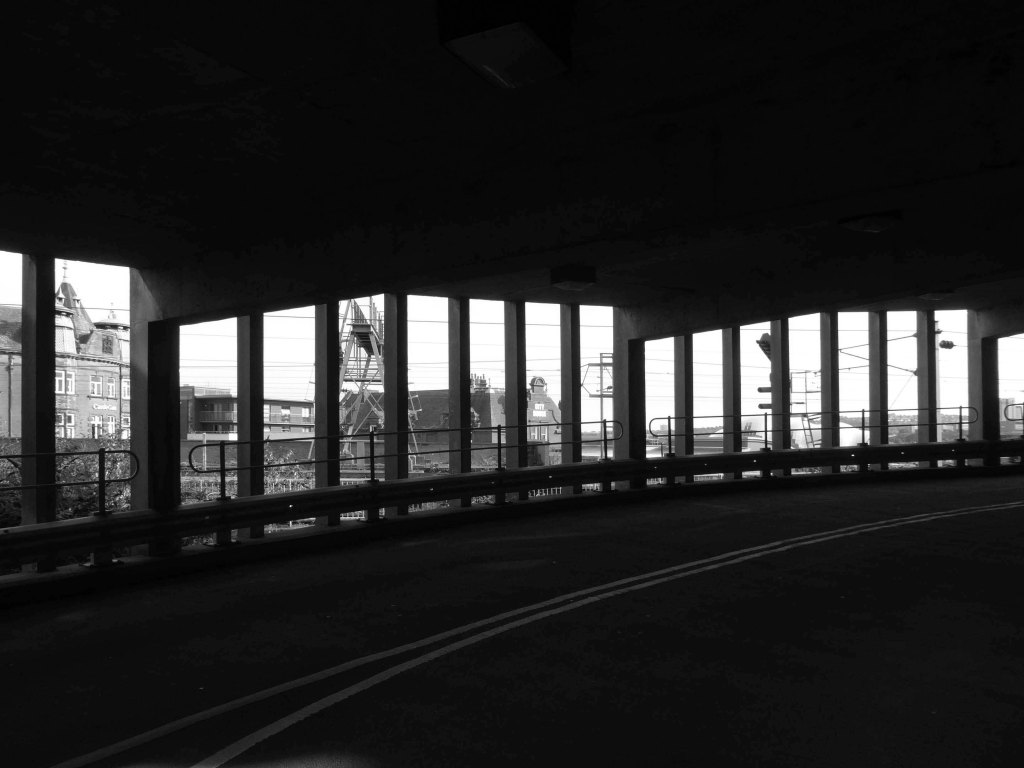
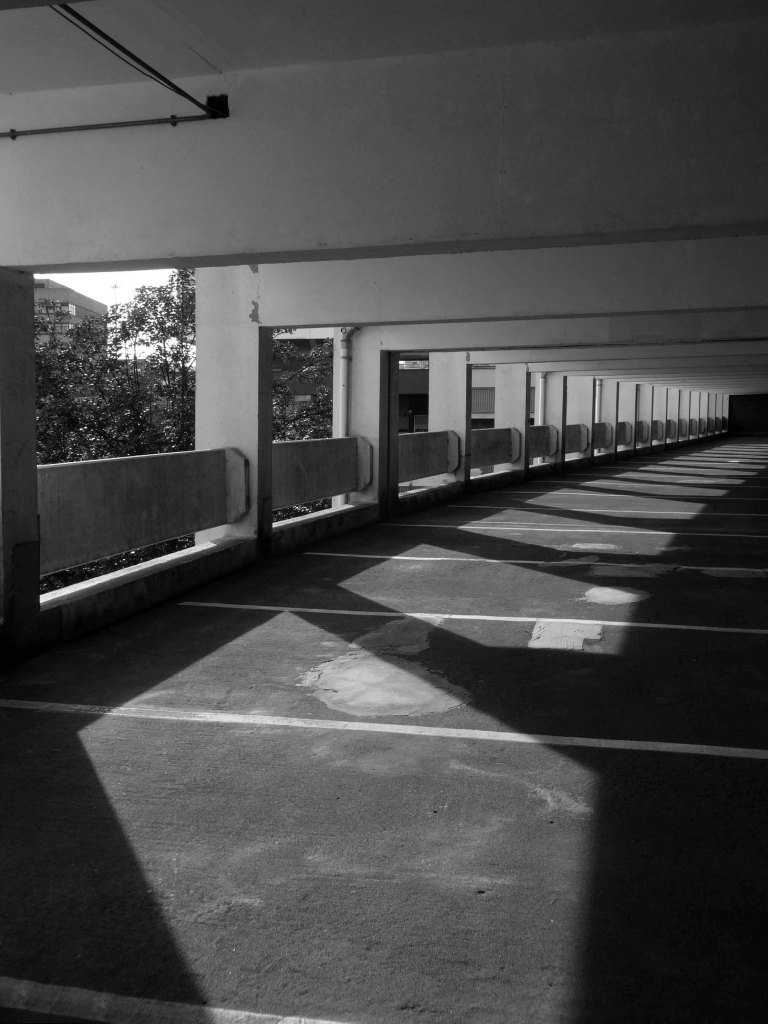
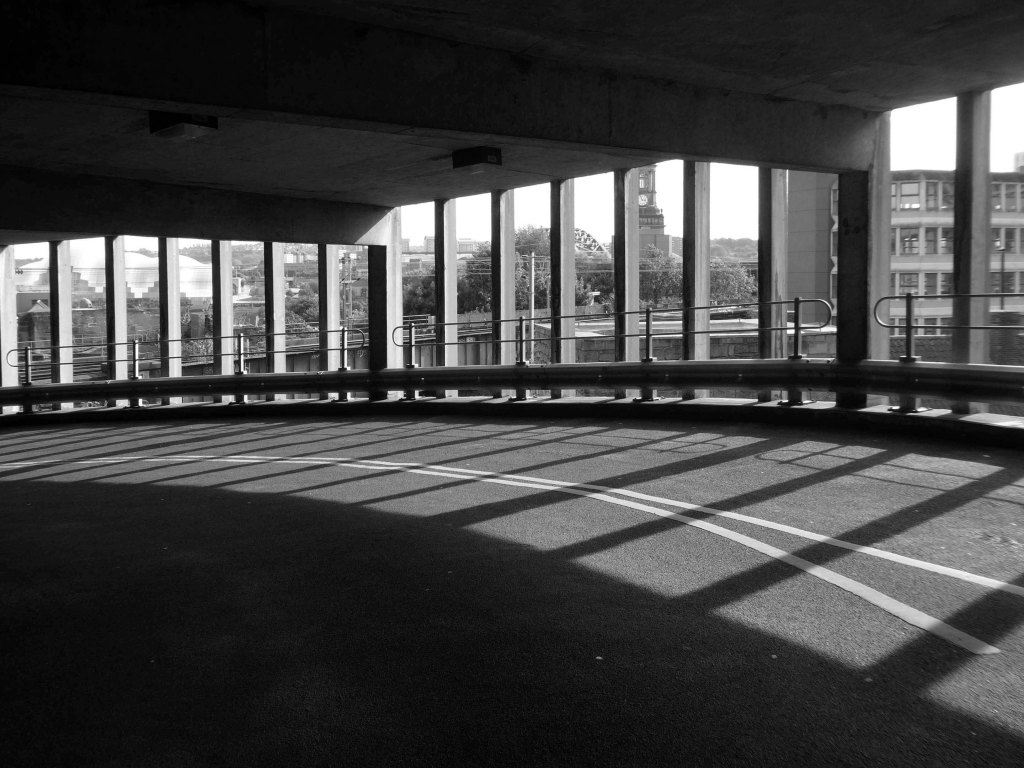
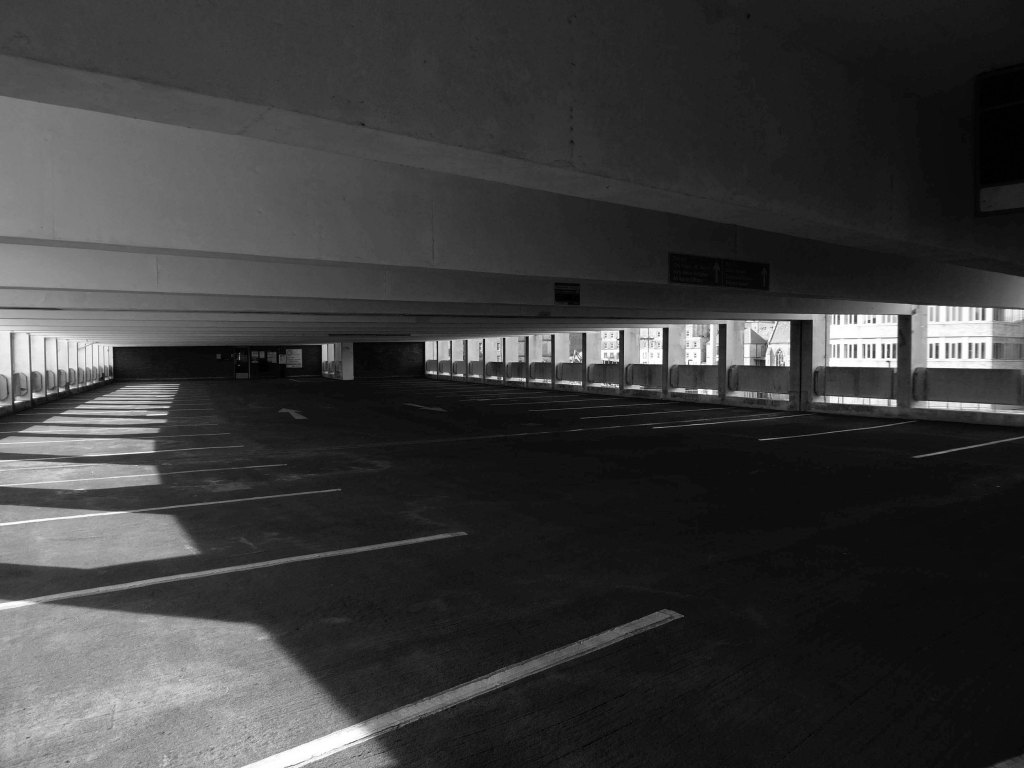
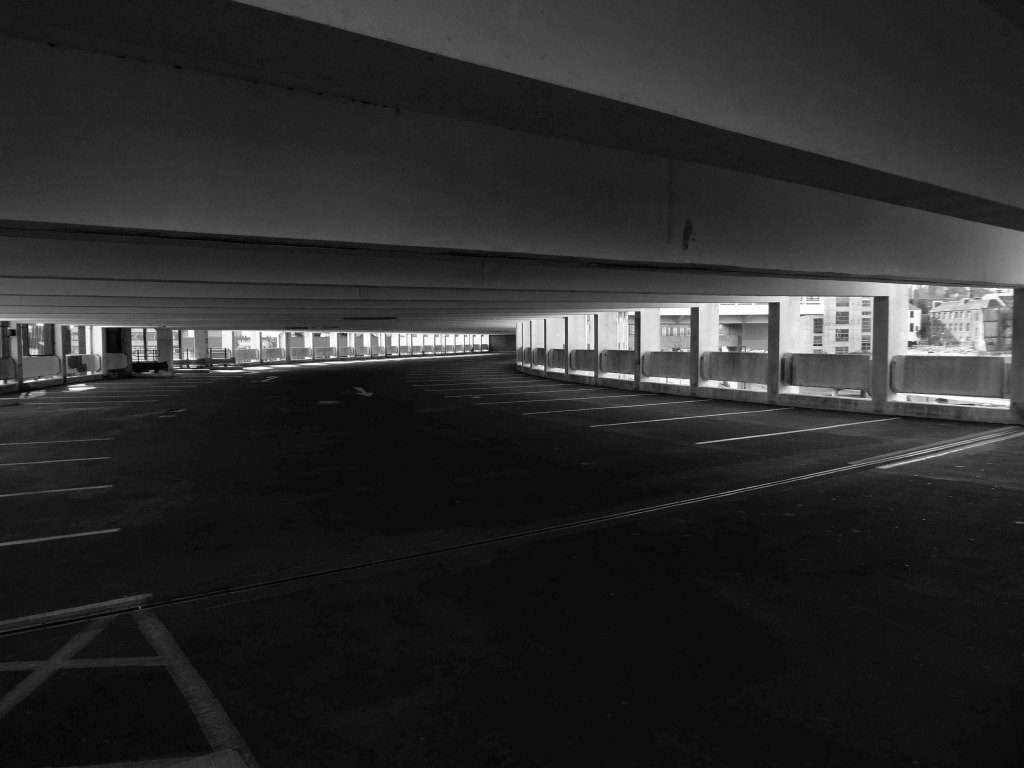
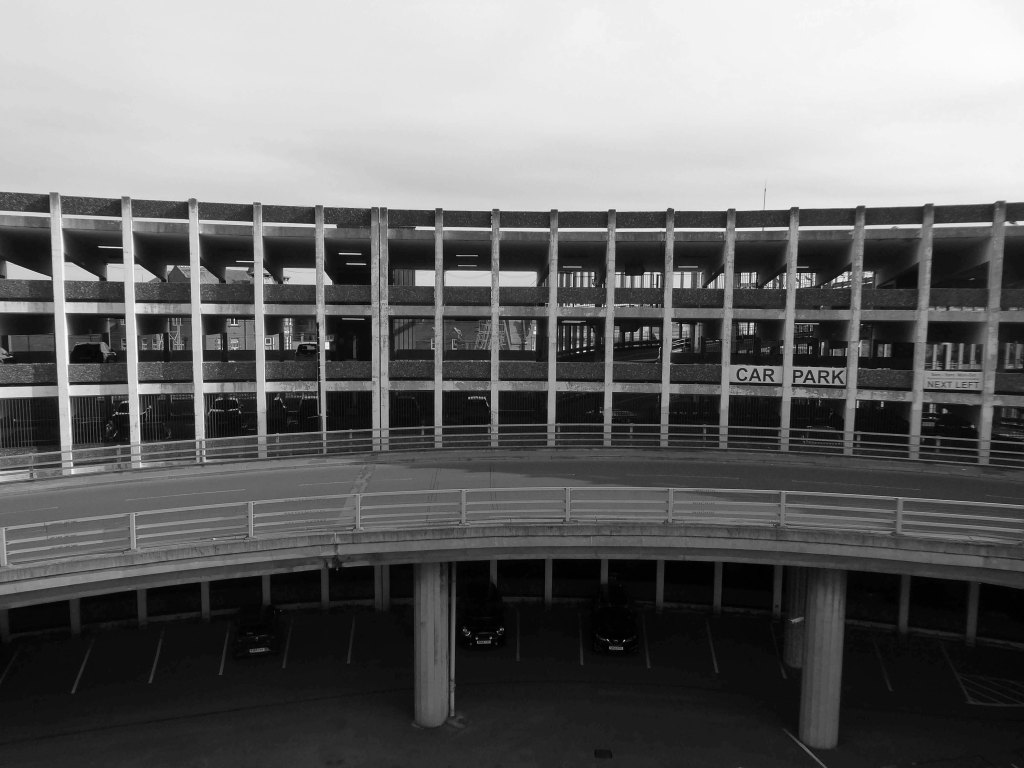
Built in the Brutalist architectural style between 1968 and 1969, designed by Keith Ingham and Charles Wilson of Building Design Partnership with E. H. Stazicker, it had a capacity of 80 double-decker buses, 40 along each side of the building. Some claimed that it was the second largest bus station in Western Europe. Pedestrian access to the bus station was originally through any of three subways, one of which linked directly to the adjacent Guild Hall, while the design also incorporates a multi-storey car park of five floors with space for 1,100 cars. It has been described by the Twentieth Century Society as:

One of the most significant Brutalist buildings in the UK.

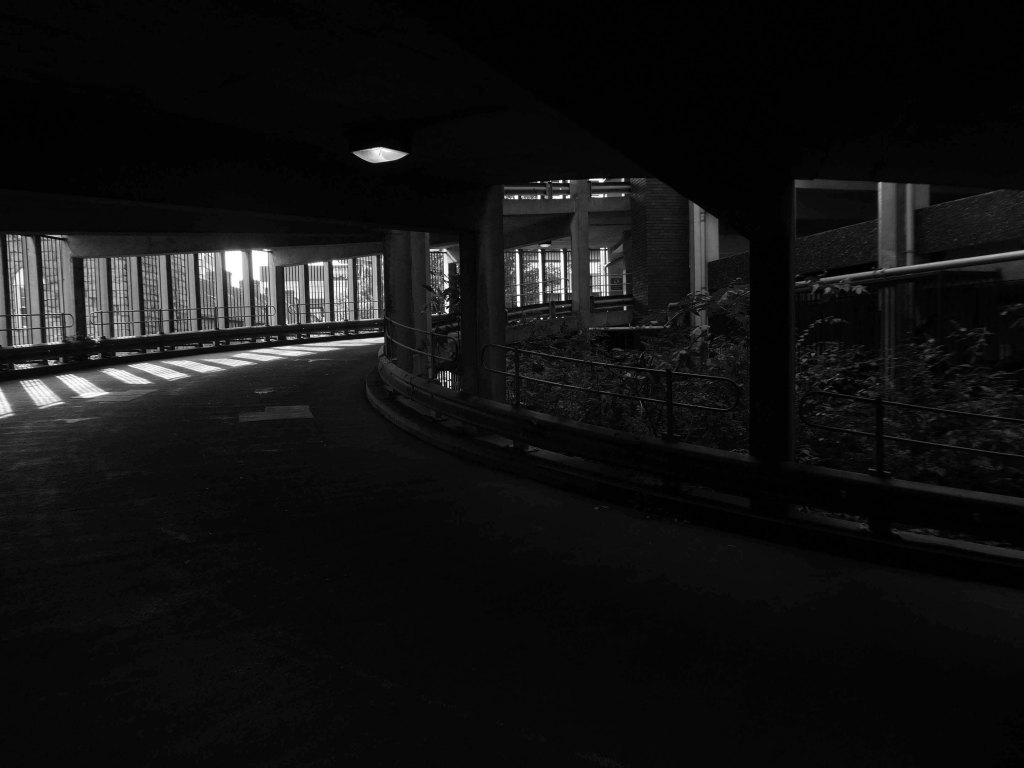
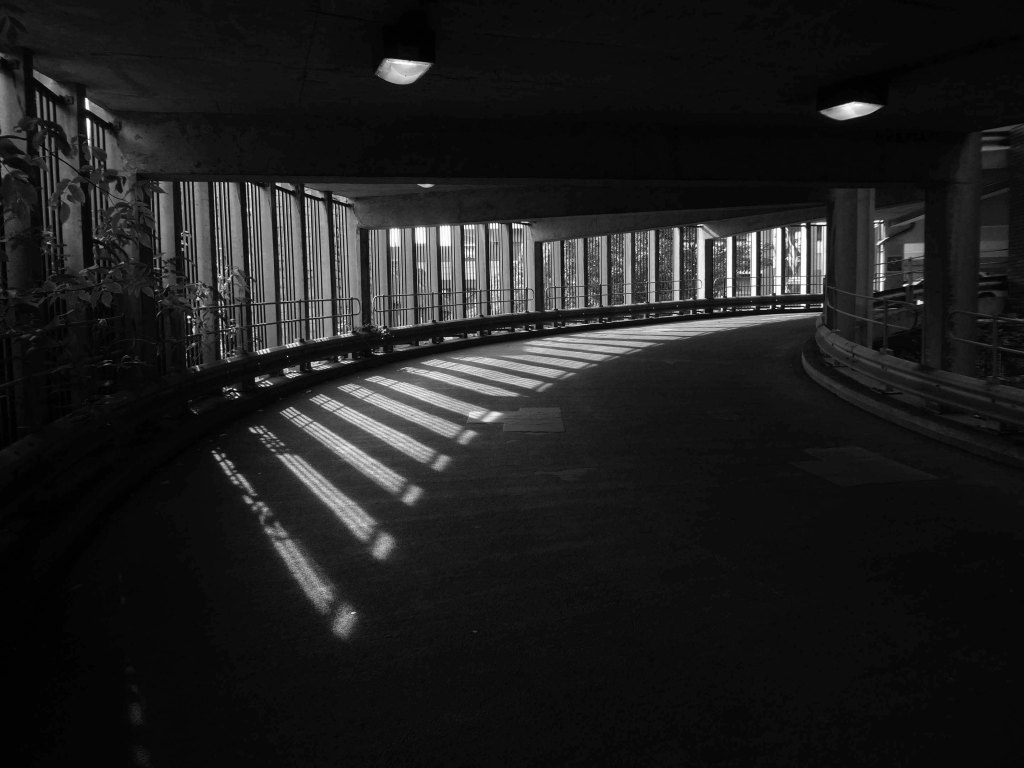
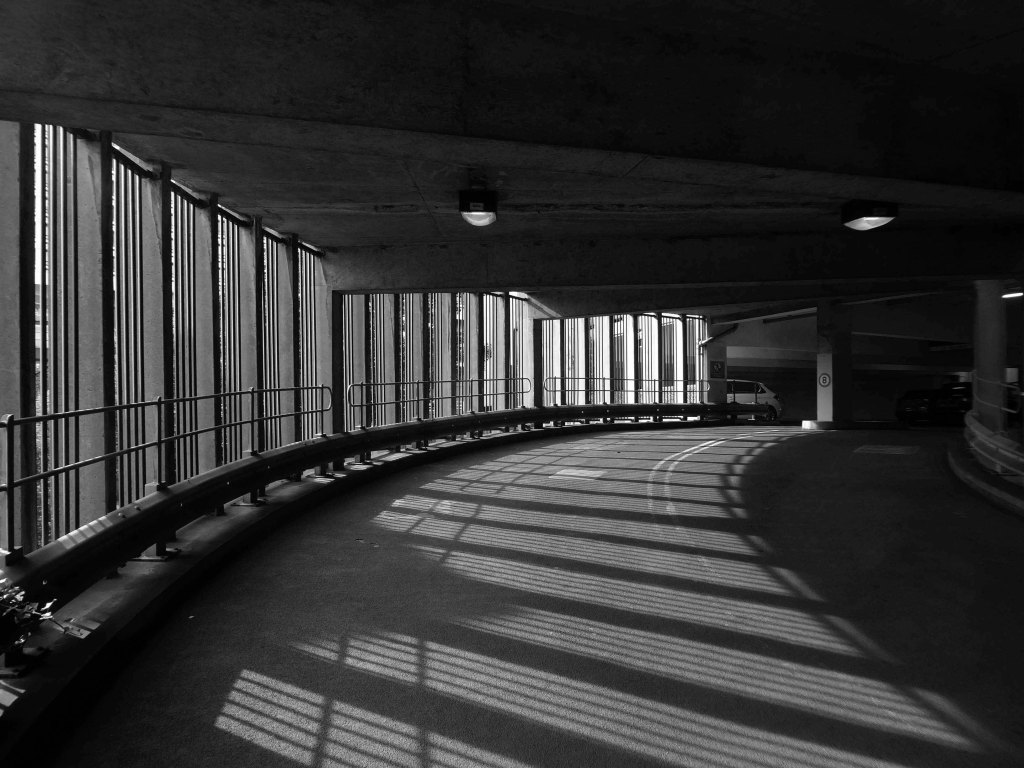
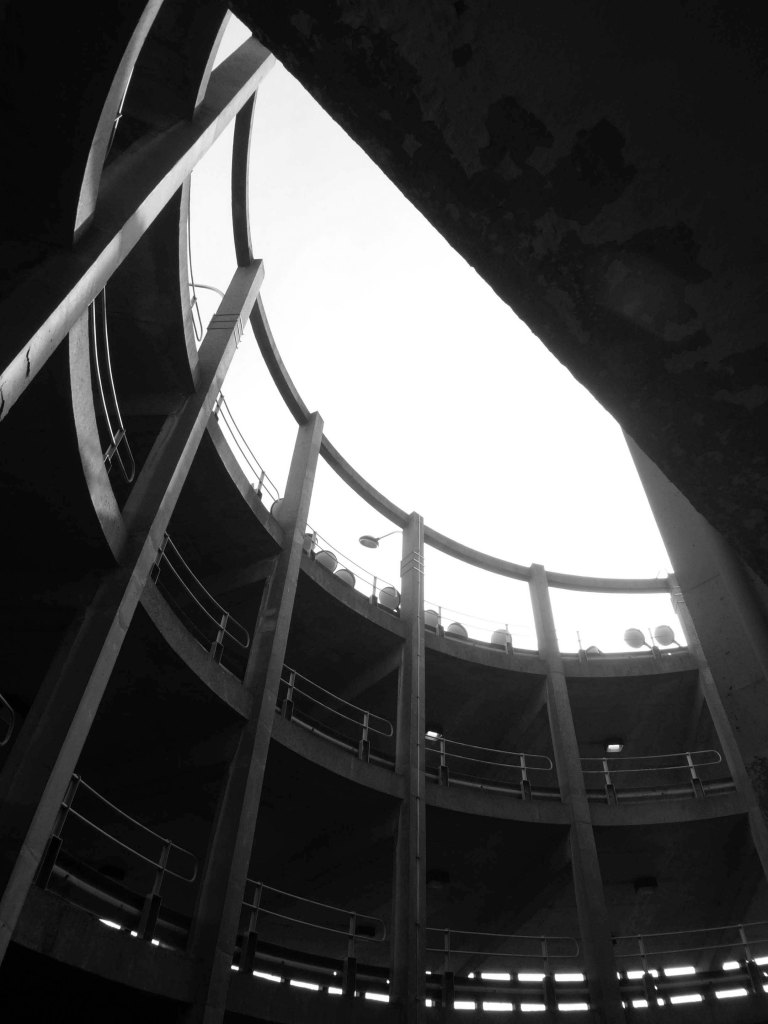
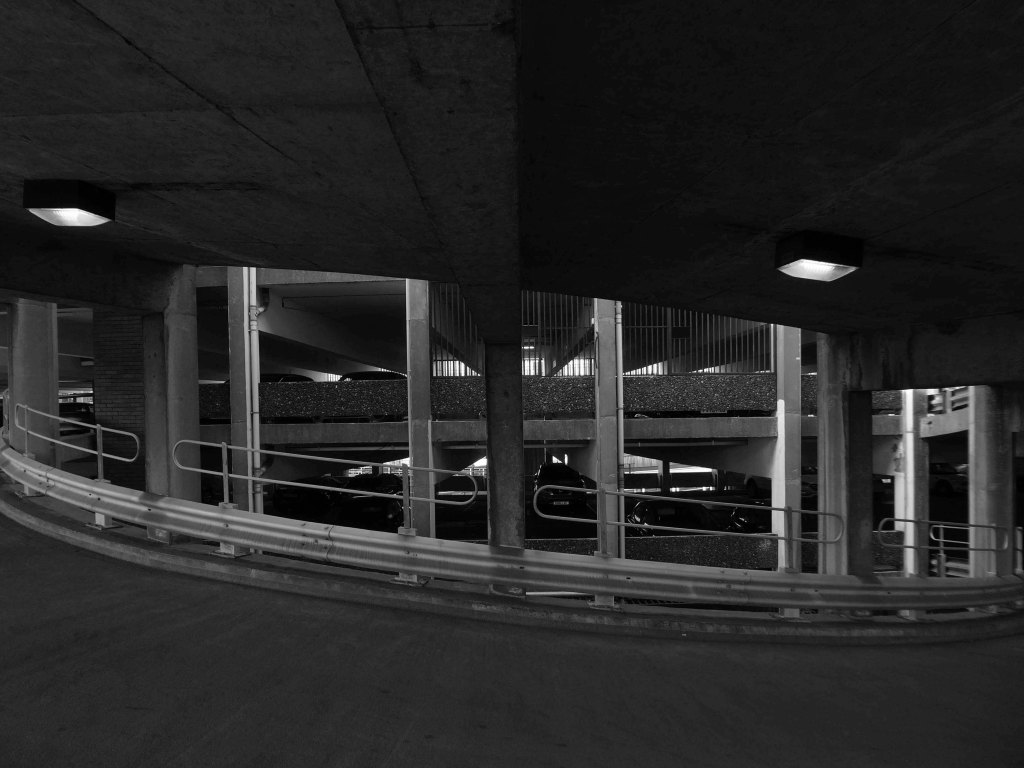
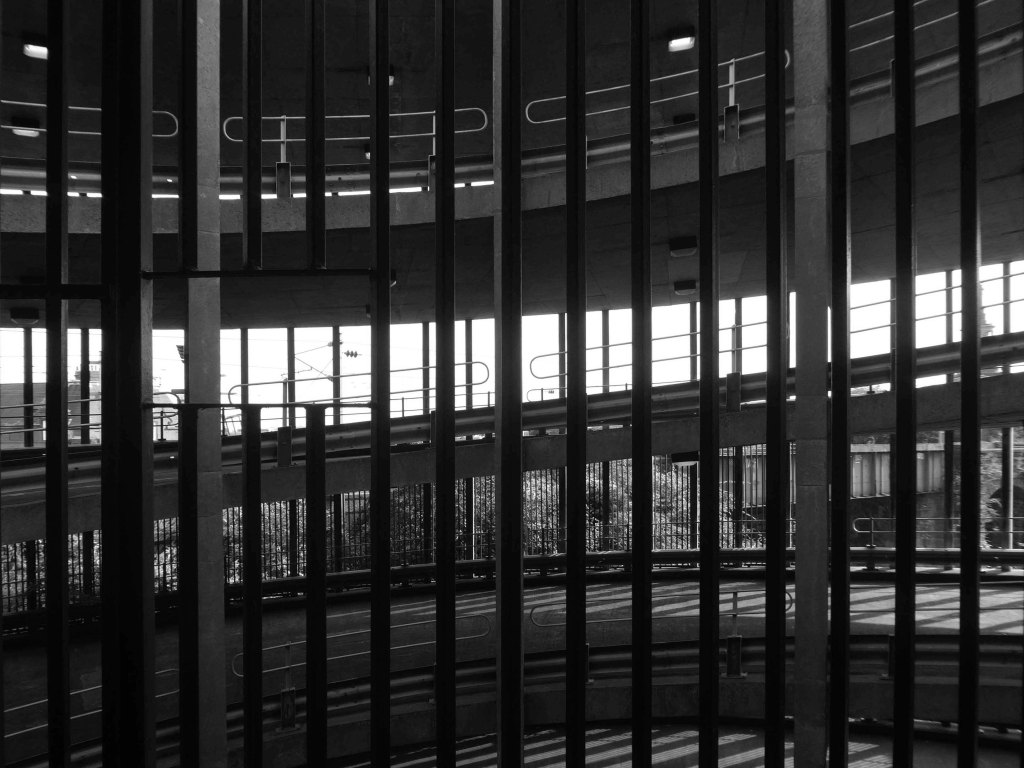
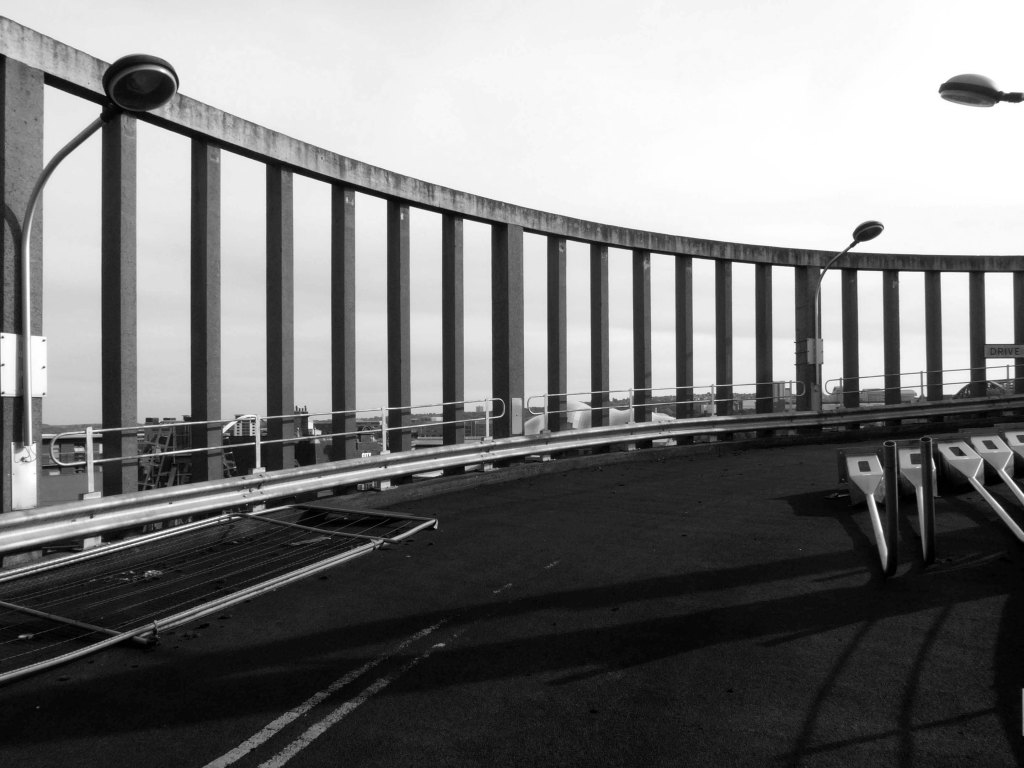
The building’s engineers, Ove Arup and Partners, designed the distinctive curve of the car park balconies after acceptable finishes to a vertical wall proved too expensive, contributing to the organic, sculptural nature of the building. The edges are functional, too, in that they protect car bumpers from crashing against a vertical wall. The cover balustrade protects passengers from the weather by allowing buses to penetrate beneath the lower parking floor.

Wikipedia

Guild Tower the DWP offices, have been the subject of speculative redevelopment – notably by Simon Rigby, he of the failed Guildhall plans.

It remains to be seen wether the apart-hotel, casino, restaurant complex will ever be realised.

Seaward Tower Harbour Tower – Gosport

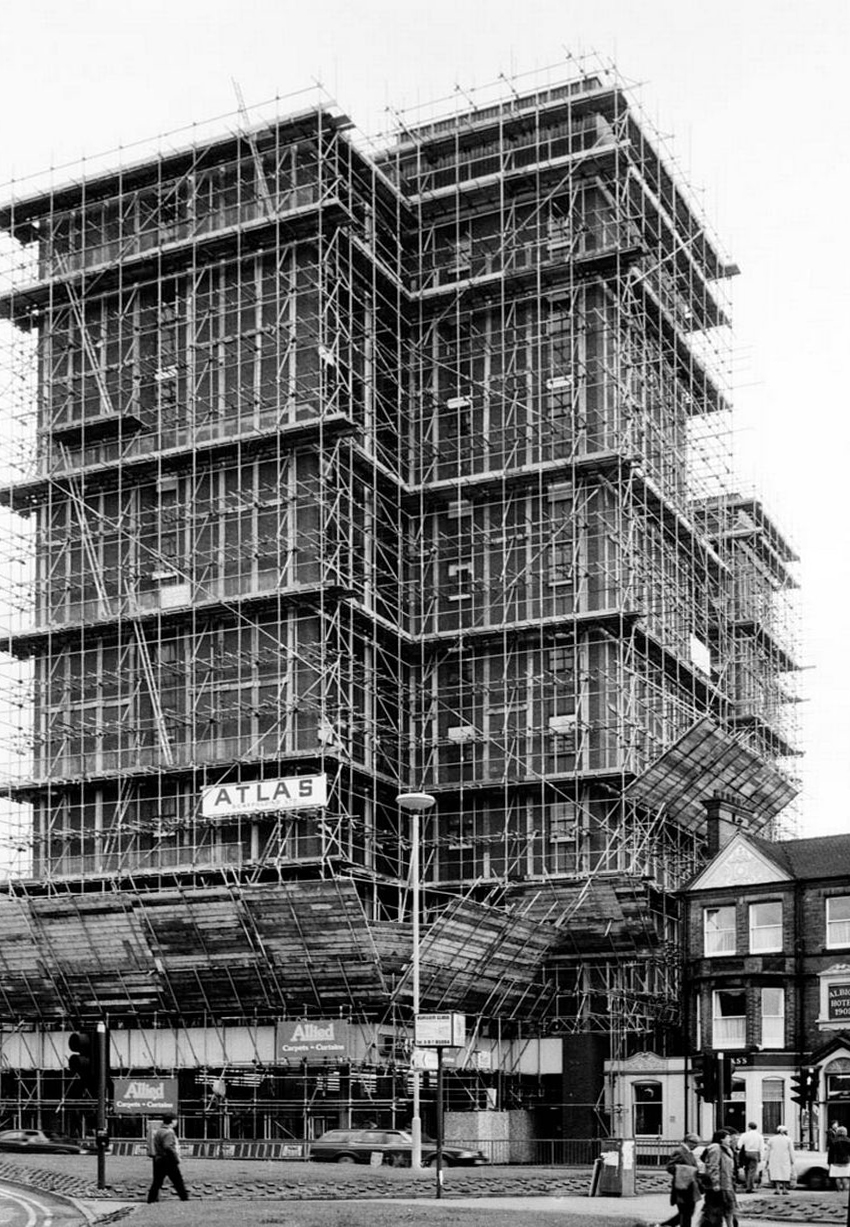
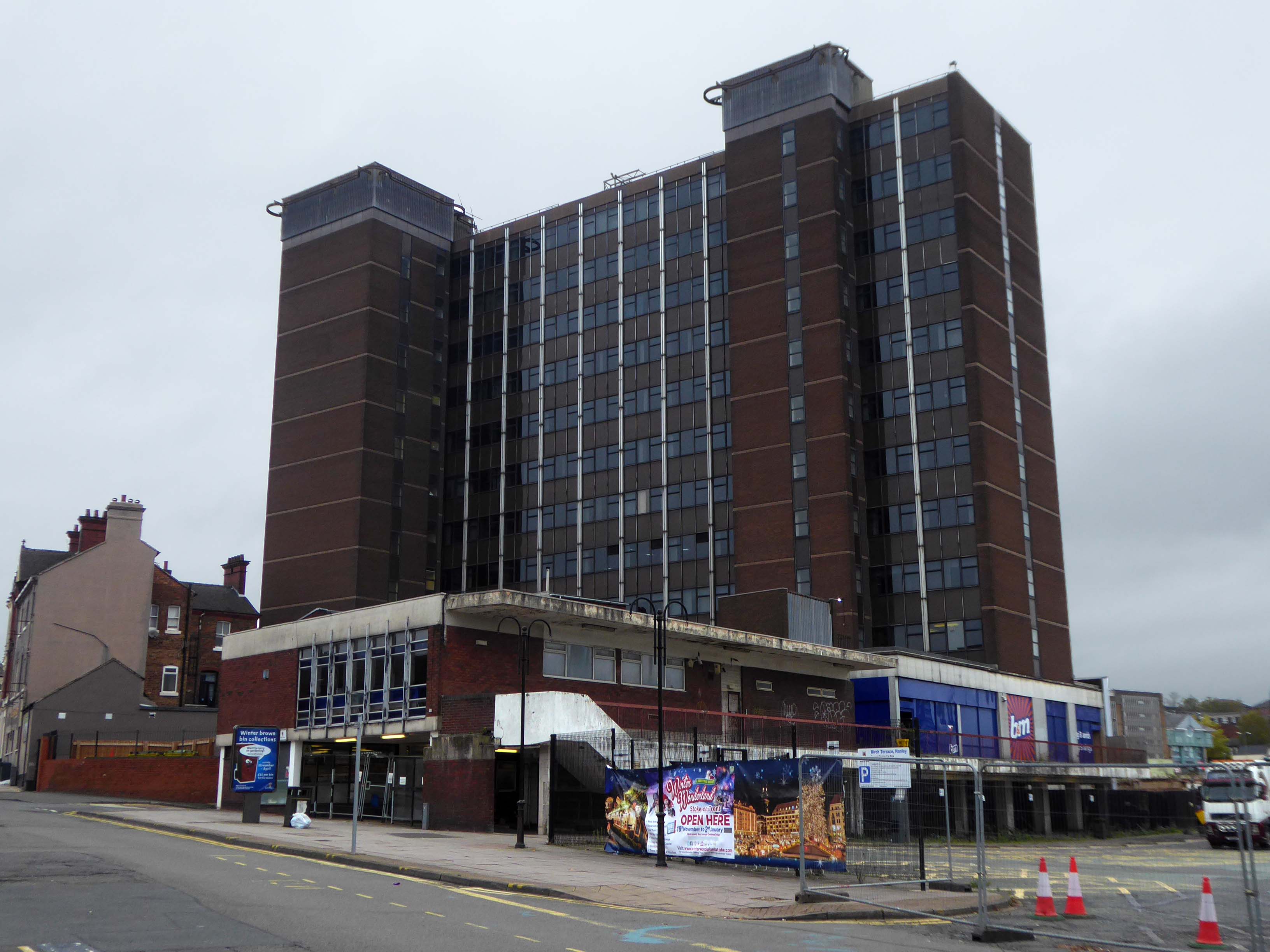
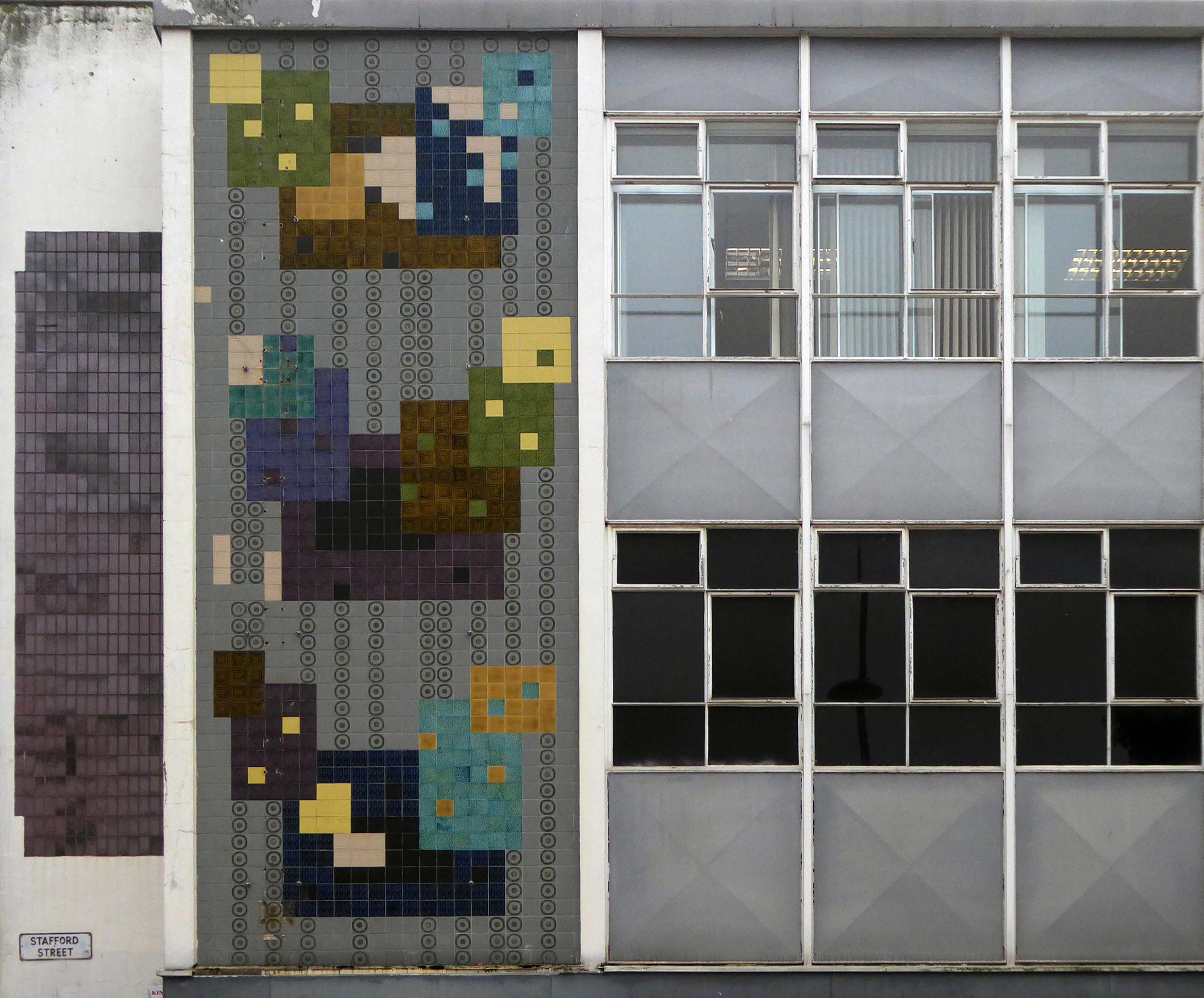
While working for George Wimpey and Co. Ltd, and together with J E Tyrrell, Chief Architectural Assistant to Gosport Borough Council, Kenneth Barden was responsible for tiled murals on Seaward Tower and Harbour Tower, two sixteen-storey tower blocks built in 1963 on the Esplanade in Gosport.

The surfaces of the tower blocks are covered in mosaic murals designed by Barden that rise the full 135 foot height of the buildings. They were controversial initially but are now a tourist attraction.

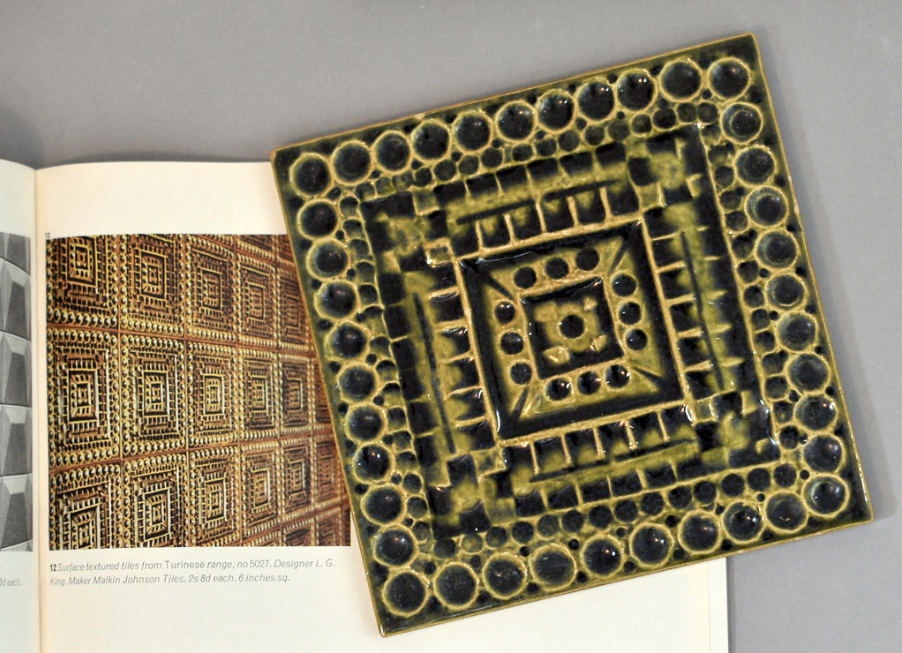
The tiles were produced by Carter and Co of Poole

Wikipedia

He was also responsible for the unlisted and under threat ceramic murals in Halifax Swimming Baths.

C20

Whilst cycling form Southampton to Margate I took the opportunity to walk around and snap the blocks, one sunny day in May.

Here they are unclad in 1984

Tower Block

Brochure courtesy of Peter Blake

The work seems unrivalled in both scale and vision a lasting testament to good design.

New Town House – Warrington

Warrington Borough Council  New Town House Buttermarket Street WA1 2NH

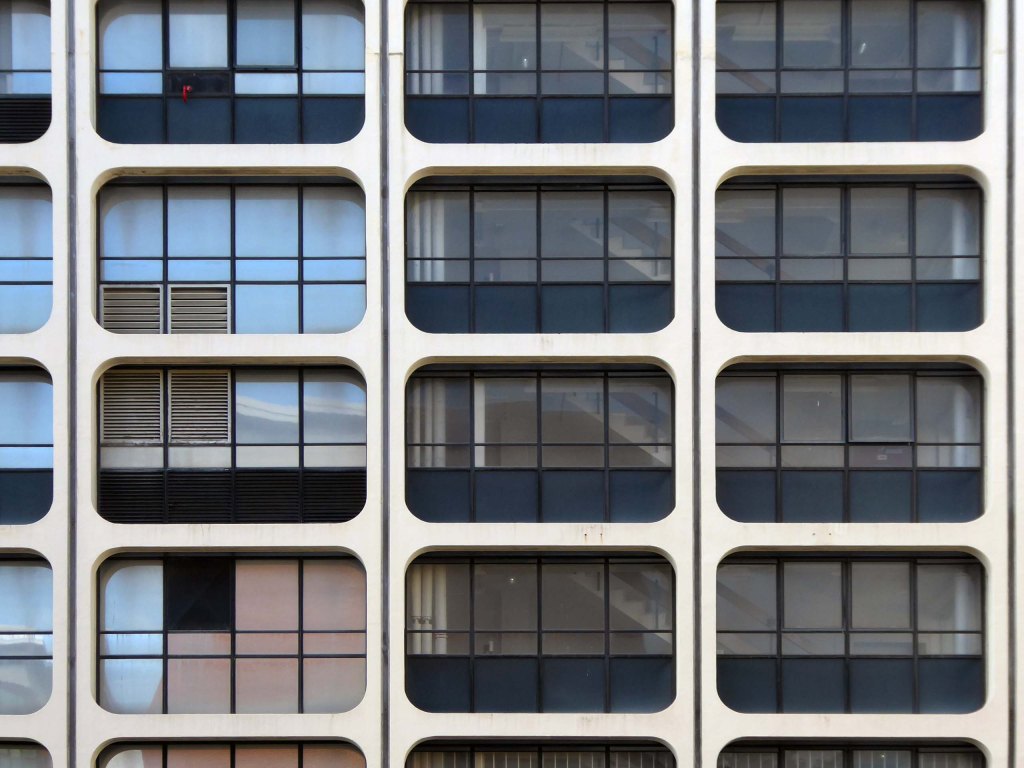
A true brute of a building, relentlessly repeated pre-cast concrete panels and partially mirrored windows, in a predictable grid.

A pale grey monolith on the wrong side of town.

Built in 1976 to house the Warrington & Runcorn Development Corporation.

2007 voted the ugliest kid in town.

Now due for demolition, by way of a suicide note addressed to itself.

It will not be missed by the majority of residents.

Good, it’s horrible and worthy of demolition.

No doubt the Brutalist-loving nutters will be out in force to protect this.

Nobody actually likes brutalist buildings.

They just pretend to like them to make themselves look cool, it’s like craft beer and food that comes in tiny portions.

One lone voice in its defence.

I have started a petition to save this place.

We can’t lose all our Brutalist Architecture to the steel and glass brigade – viva the New Town House.

Place North West

The weary workers are already rehoused in One Time Square.

So I went to take a walk around, before the wrecking ball arrives.

The council said there were:

No operational reasons to keep the building in council use or occupied beyond this point, allowing the site to be cleared for redevelopment.

Justifying the demolition, Warrington said the building has poor energy efficiency, high service costs, and is inflexible for modern office and business working

Cost estimates for refurbishment, M&E installation, and energy efficiency measures to keep the building in office use stand at £5m; even if this is actioned, the building would still have limitations for flexible modern working practices and energy efficiency.

The council had explored renting the building out but said: there was no demand for office space of this scale and quality; a sale was also considered but the council found market demand was not significant.

Residential is the most likely outcome for the site, and it will be built into a masterplan for an area including Scotland Road, Town Hill, and Cockhedge. The council said it would look to sell the site in future.

BT Building – Warrington

Wilson Patten street Warrington Cheshire WA1

A forgotten part of Warrington town centre could be turned into plush new affordable flats.

Developers are looking to put an eight-storey apartment block off Wilson Patten Street close to the former BT telephone exchange building – described in the planning application as an:

ugly concrete monolith

It would be home to a mix of forty one, two and three bed flats on the spare land which is currently used as a car park.

Warrington Guardian

Typically the architecture of Twentieth Century infrastructure is reviled and ridiculed – simply swept away by contemporary, anonymous design and construction.

At least in this instance the developers intend to retain the ugly concrete monolith.

For me it is an essay in confident construction and decoration, the marriage of 1955’s brick utilitarianism, with a later concrete structure.

Poised on massive grey piloti, rising elegantly above the town.

Adorned with a simple articulation of surface.

East Didsbury Station

East Didsbury Station was opened in 1909 by the London and North Western Railway and, until 6 May 1974, was called  East Didsbury and Parrs Wood.

From 1923, the line was operated by the London Midland and Scottish Railway. Following the formation in 1948 of British Rail, rail services were operated by the London Midland Region of British Railways, then North-Western Regional Railways.

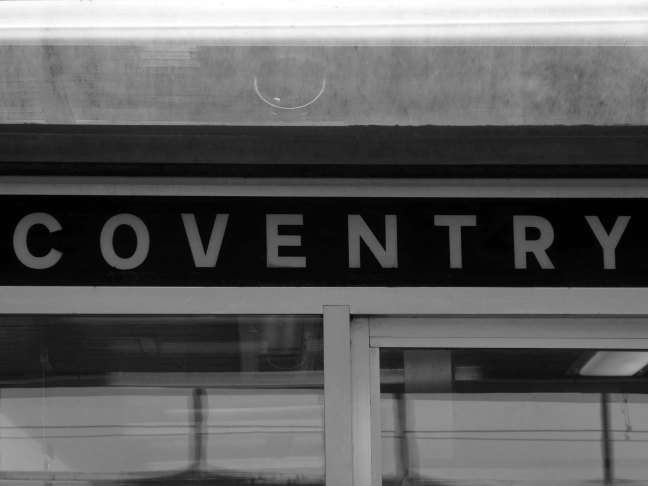
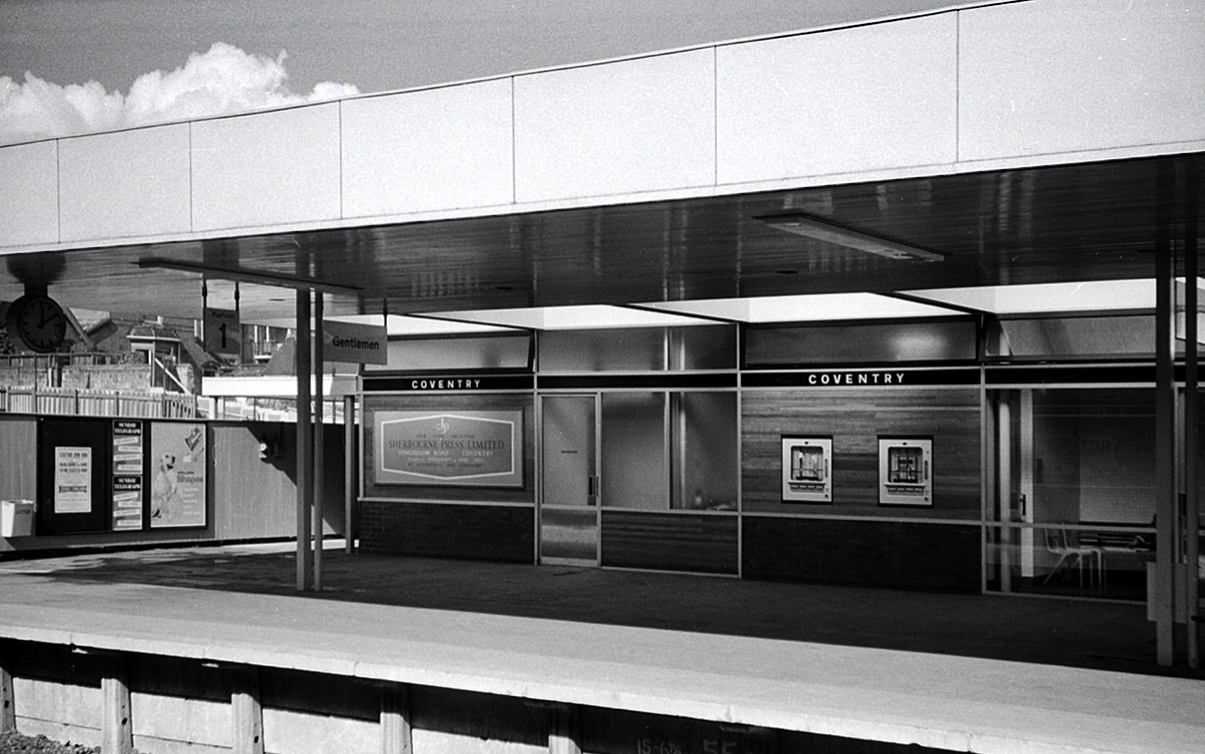
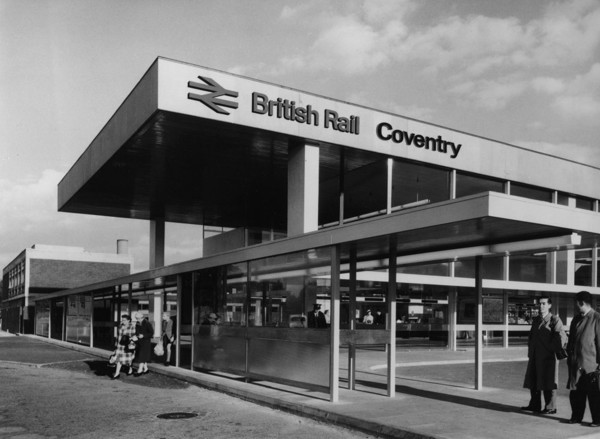
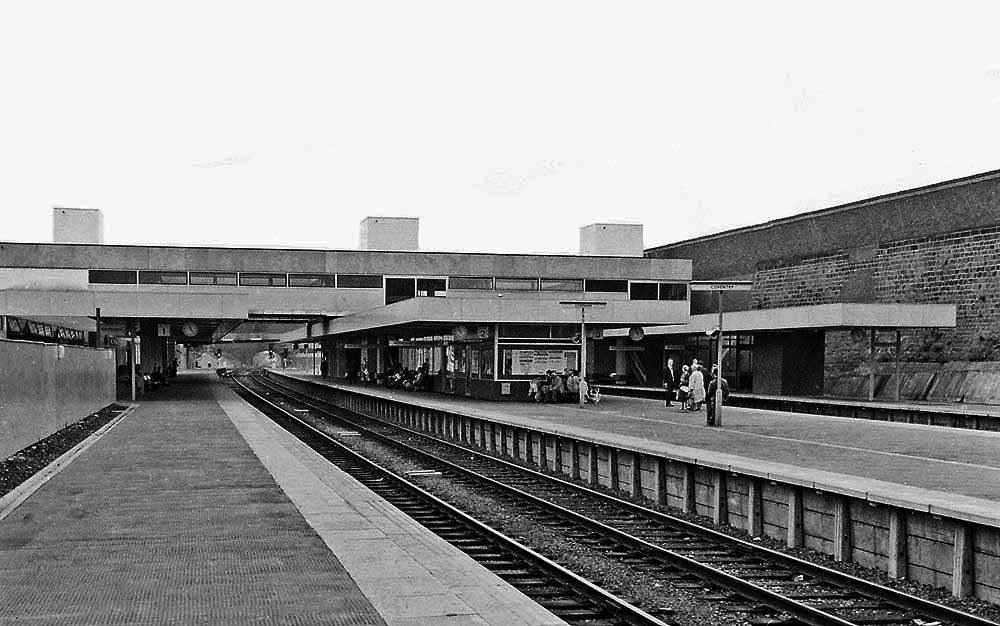
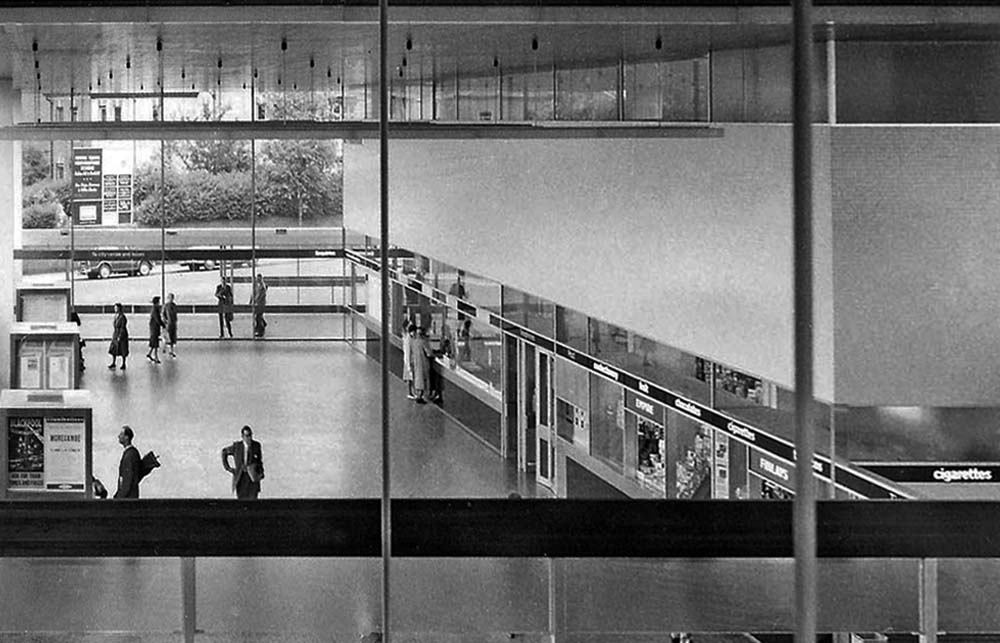
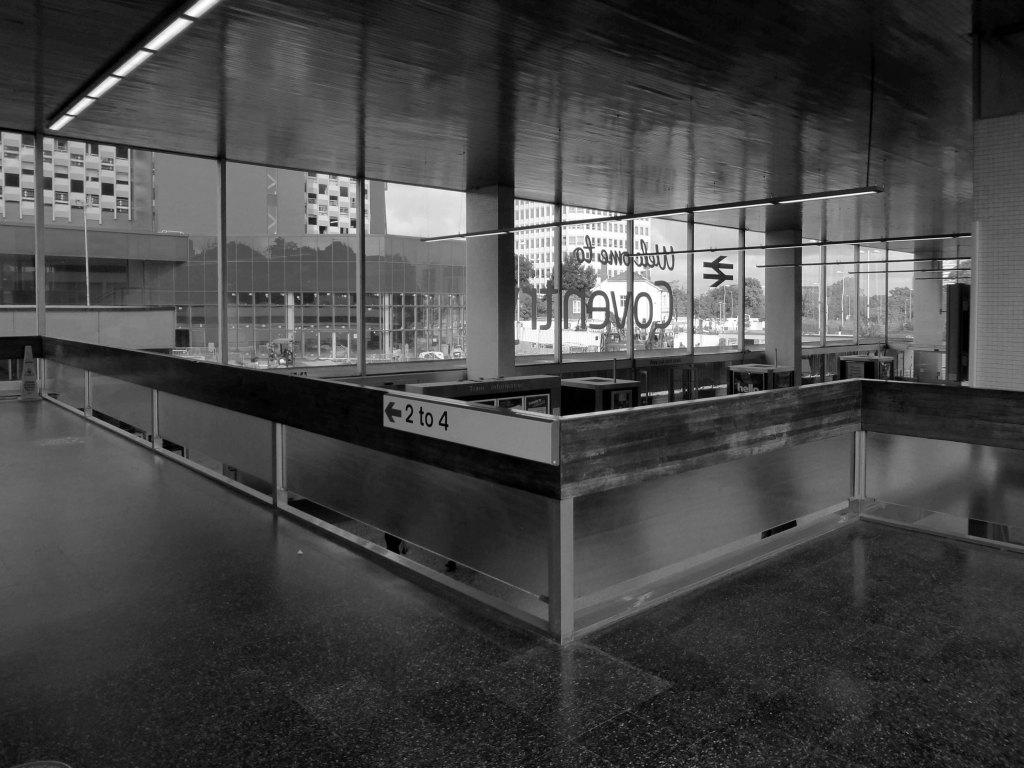
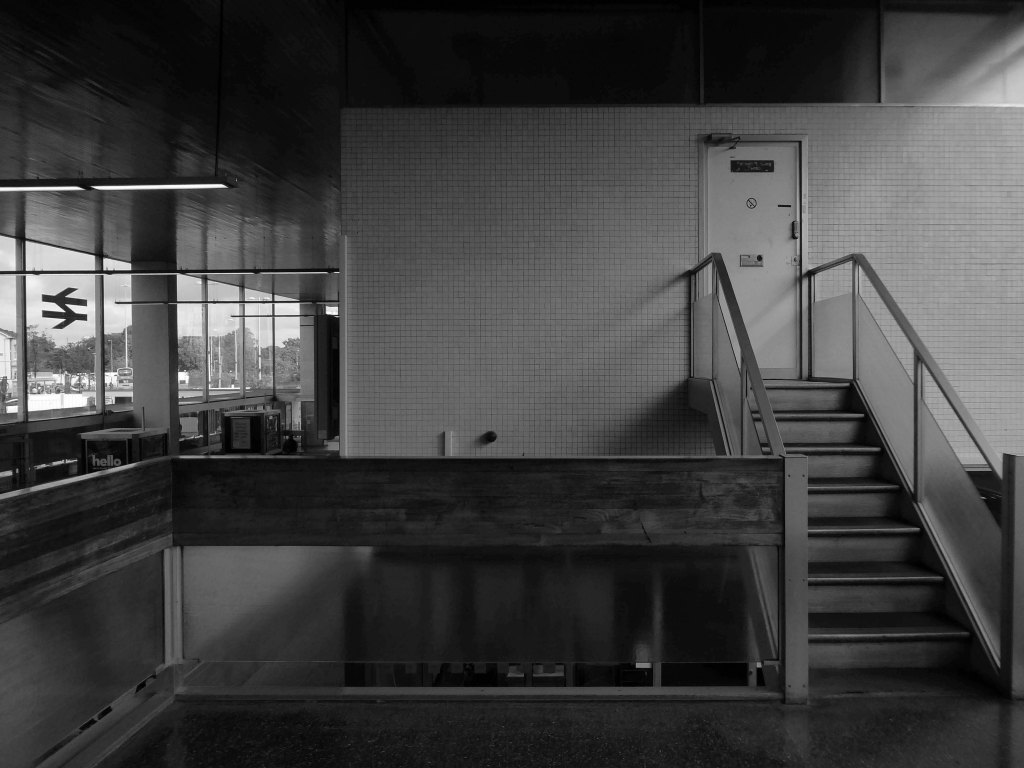
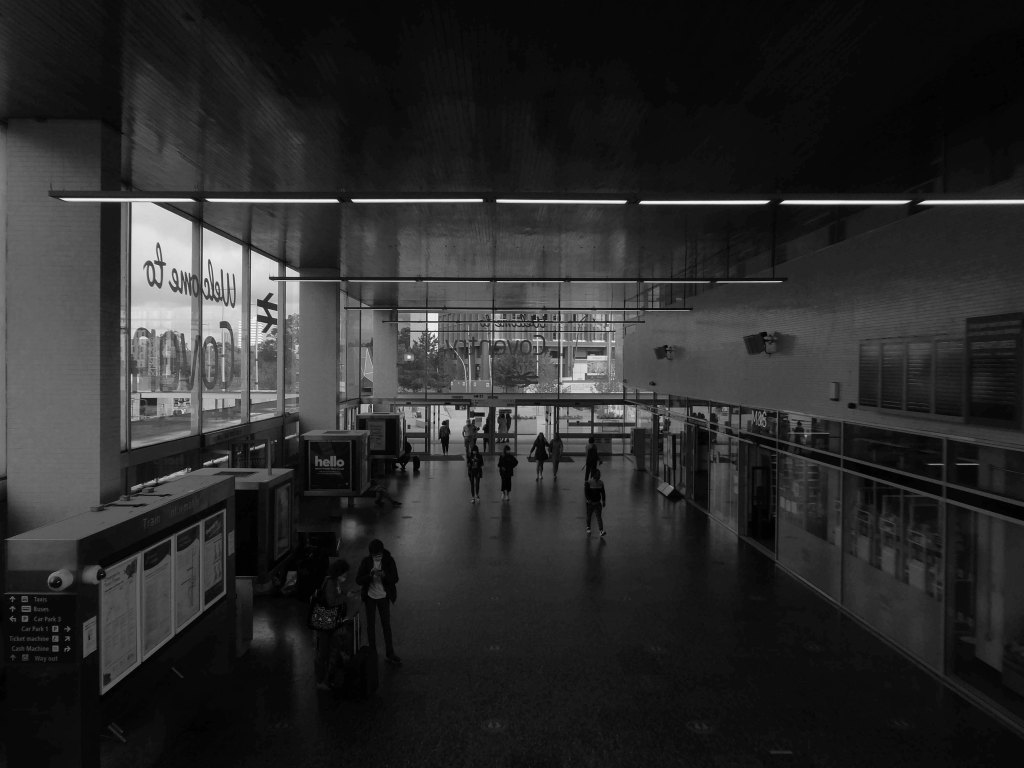
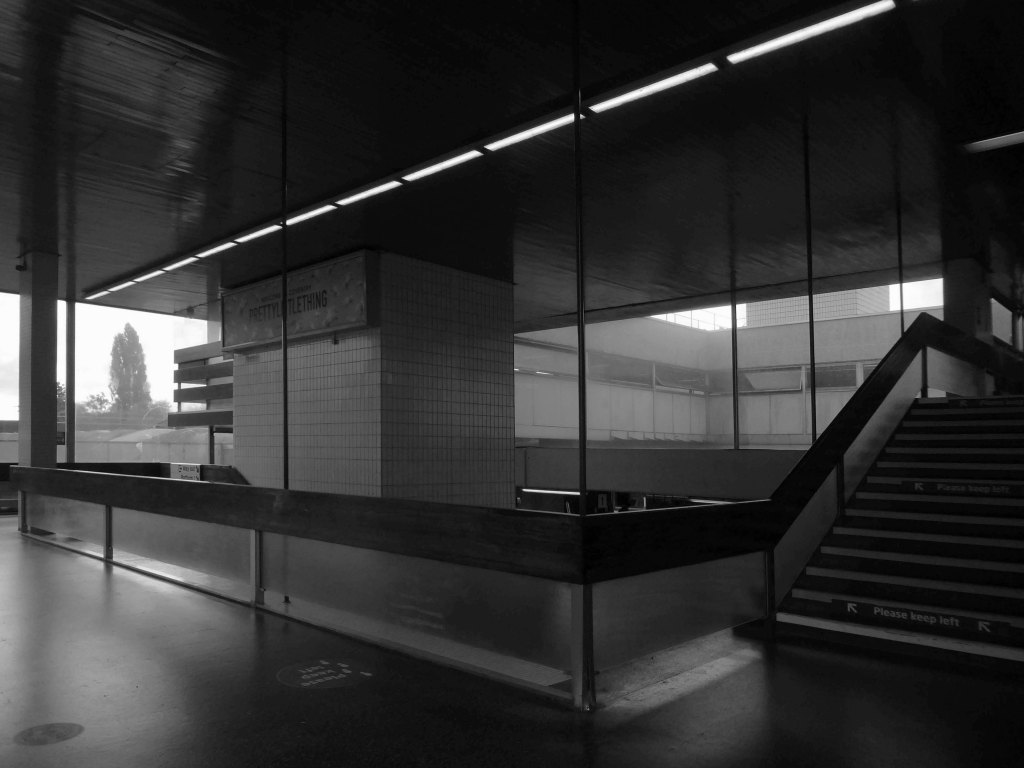
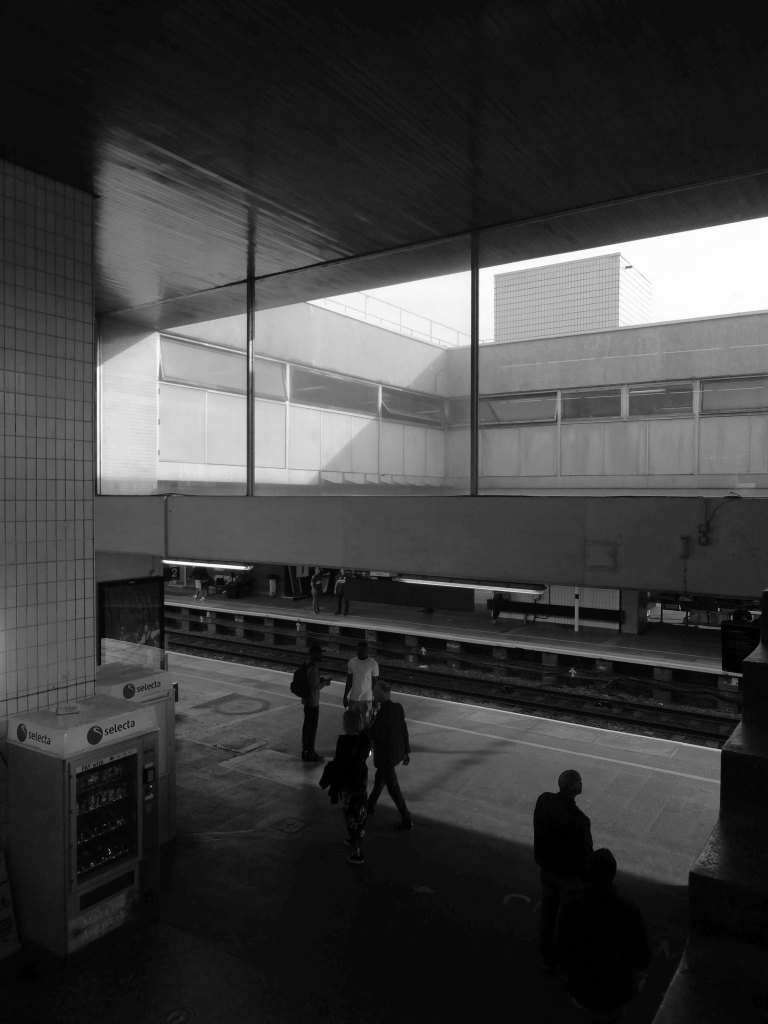
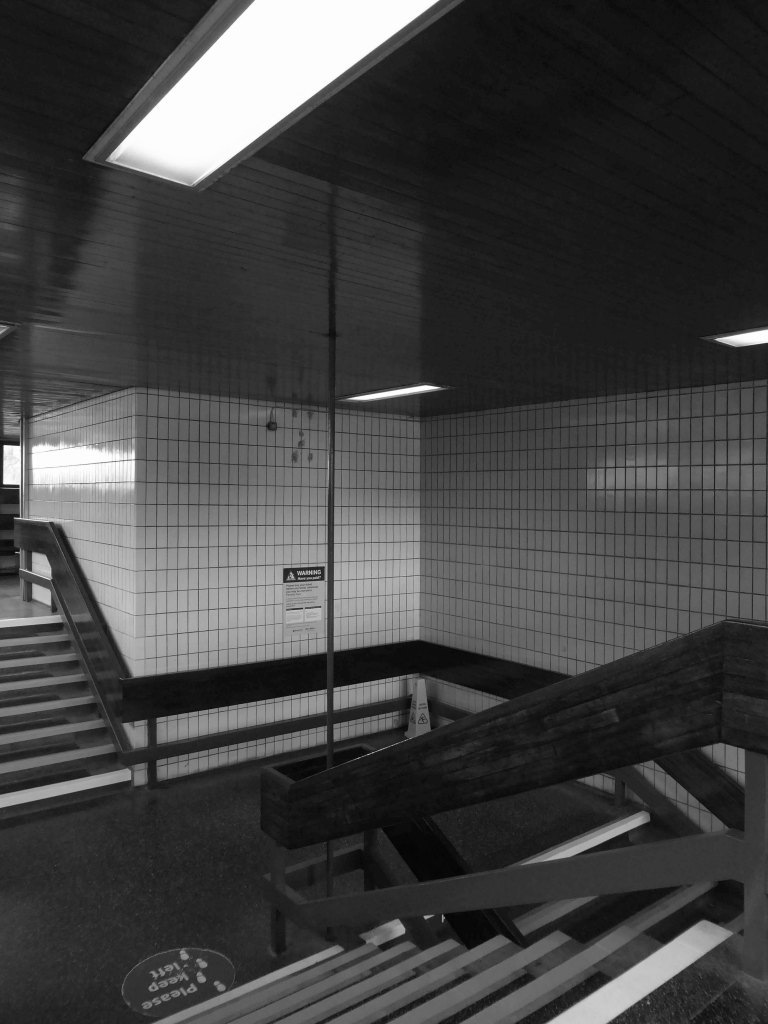
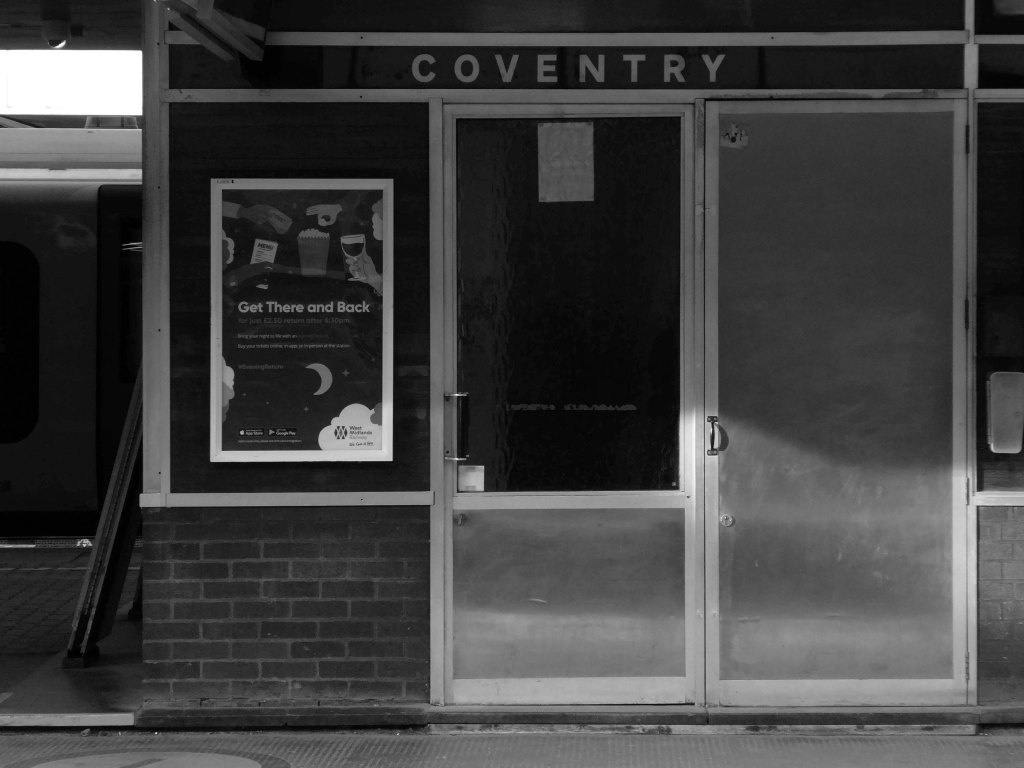
The station was rebuilt in the 1959 by the architect to the London Midland section of British Rail, William Robert Headley – who was also responsible for Coventry, Oxford Road and Piccadilly Stations.

Services to Manchester Airport began in 1993 upon the opening of the Manchester Airport spur.

With the privatisation of rail services in 1996/7, East Didsbury was served by the North Western Trains franchise.

Although it’s just up the road from me, this is the first time I’ve ever travelled back to or from there.

I was off to Eccles – live and direct!

The southbound side has been tastefully replaced by nothing in particular.

In a style to match our austere privatised times – provincial bus stop chic.

happy the northbound side’s still stood standing – on stilts.

The waiting room more or less intact.

The last of the few, get it while you can – all aboard for Patricroft, right away guard!

Archive images: JF Harris 1959

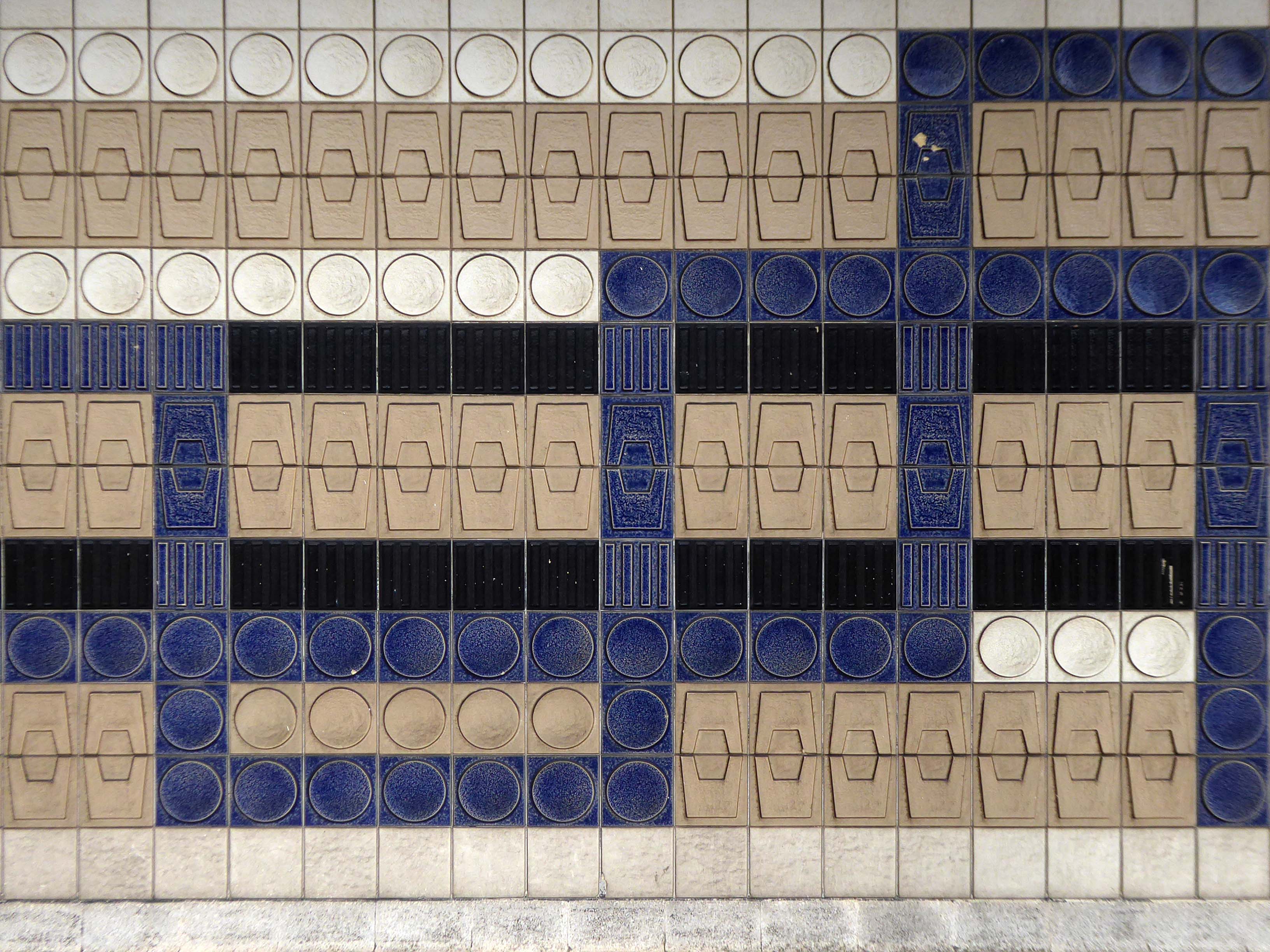
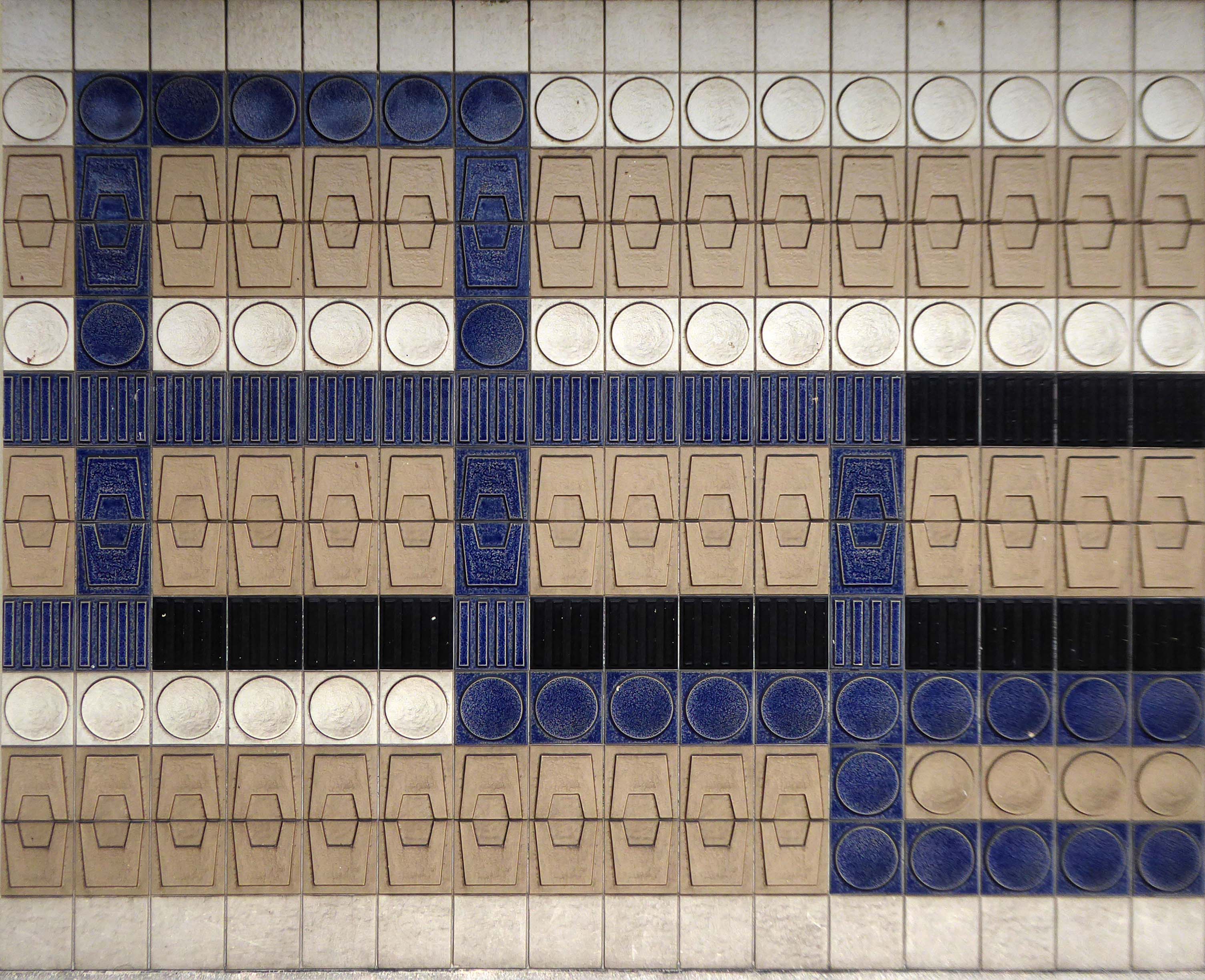
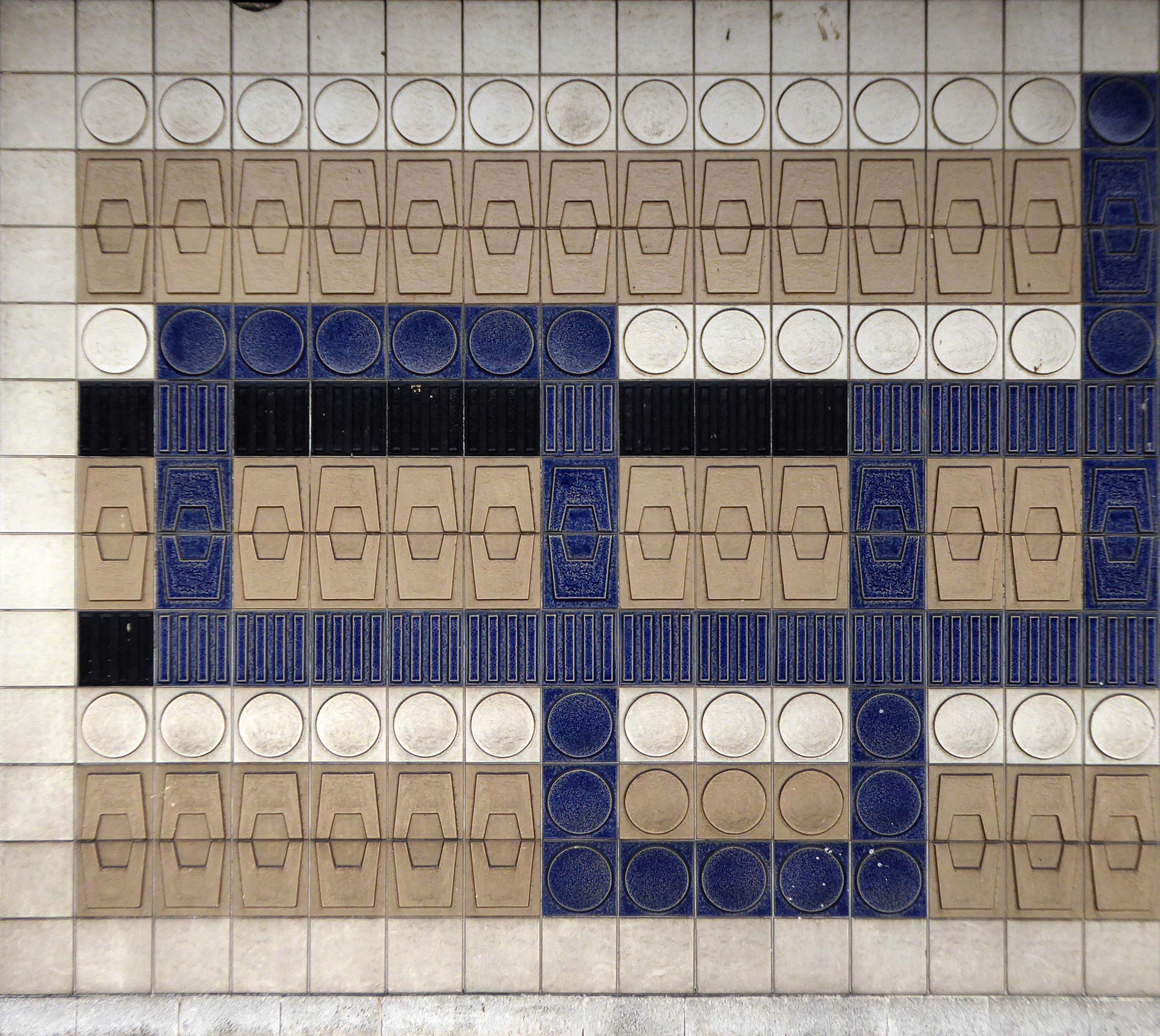
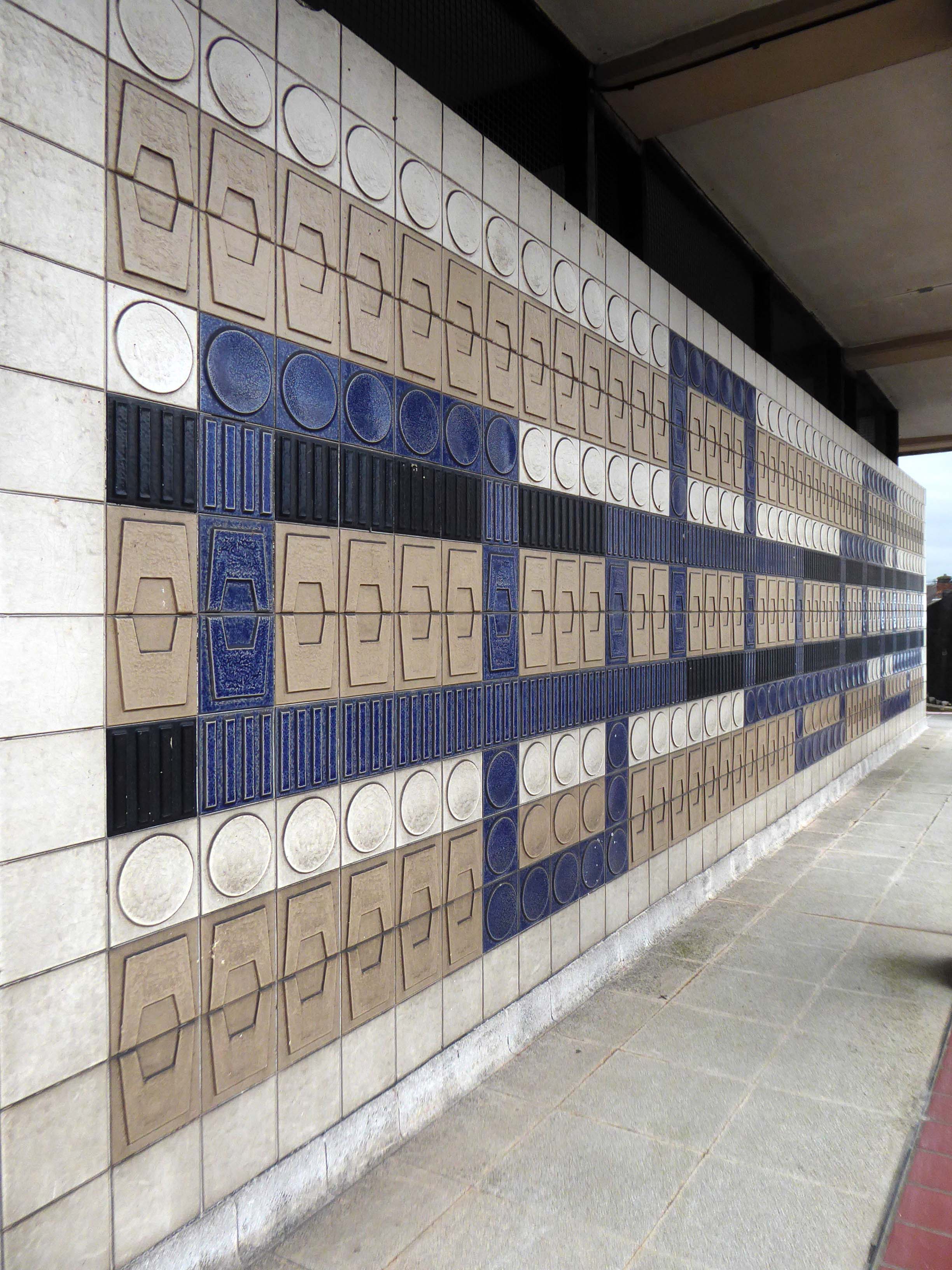
Tiles – St Pauls Road Preston

Preston Vocational Centre PR1 1PX

Traversing the mighty A6, as it passes through Preston and on up along St Pauls Road.

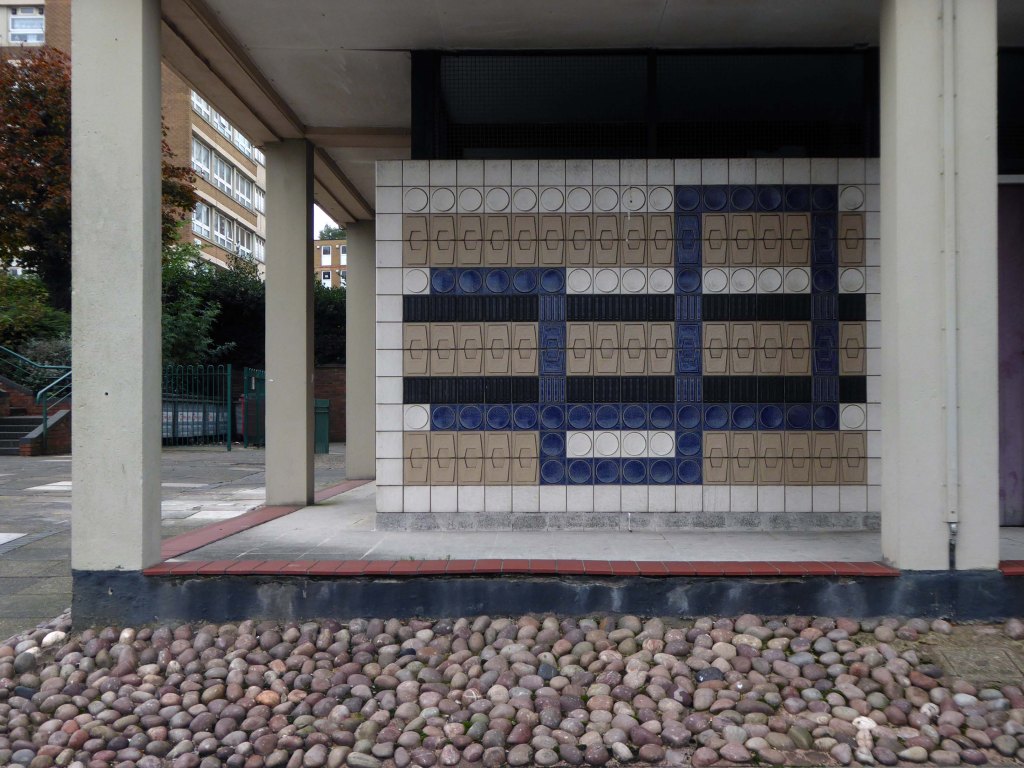
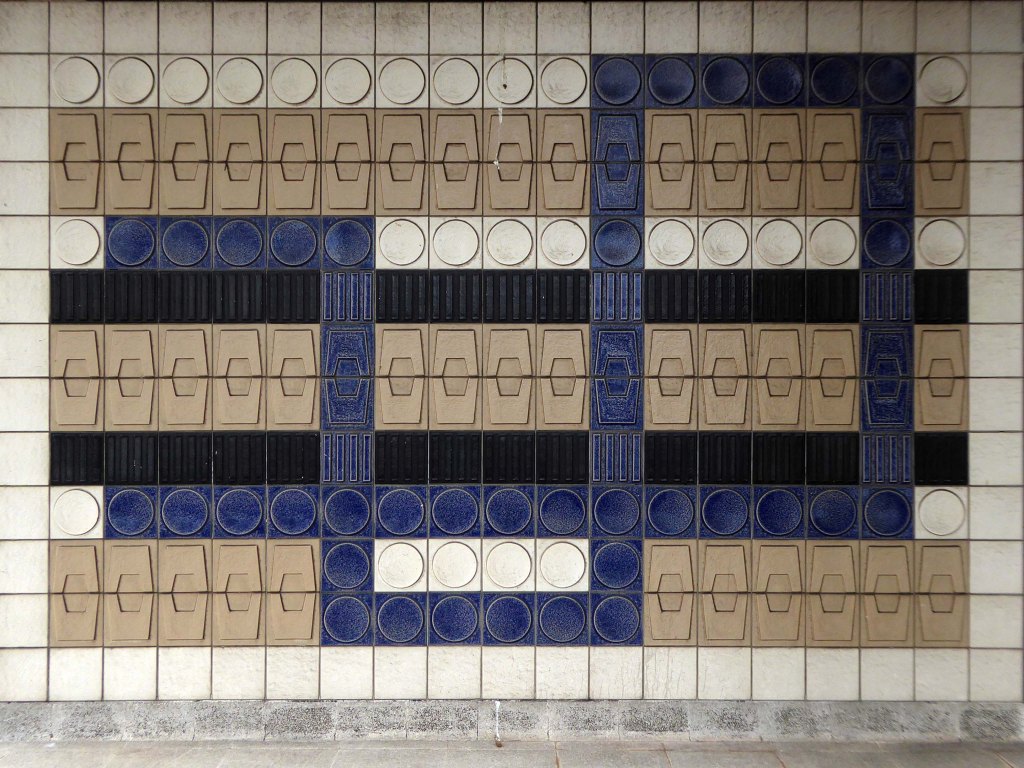
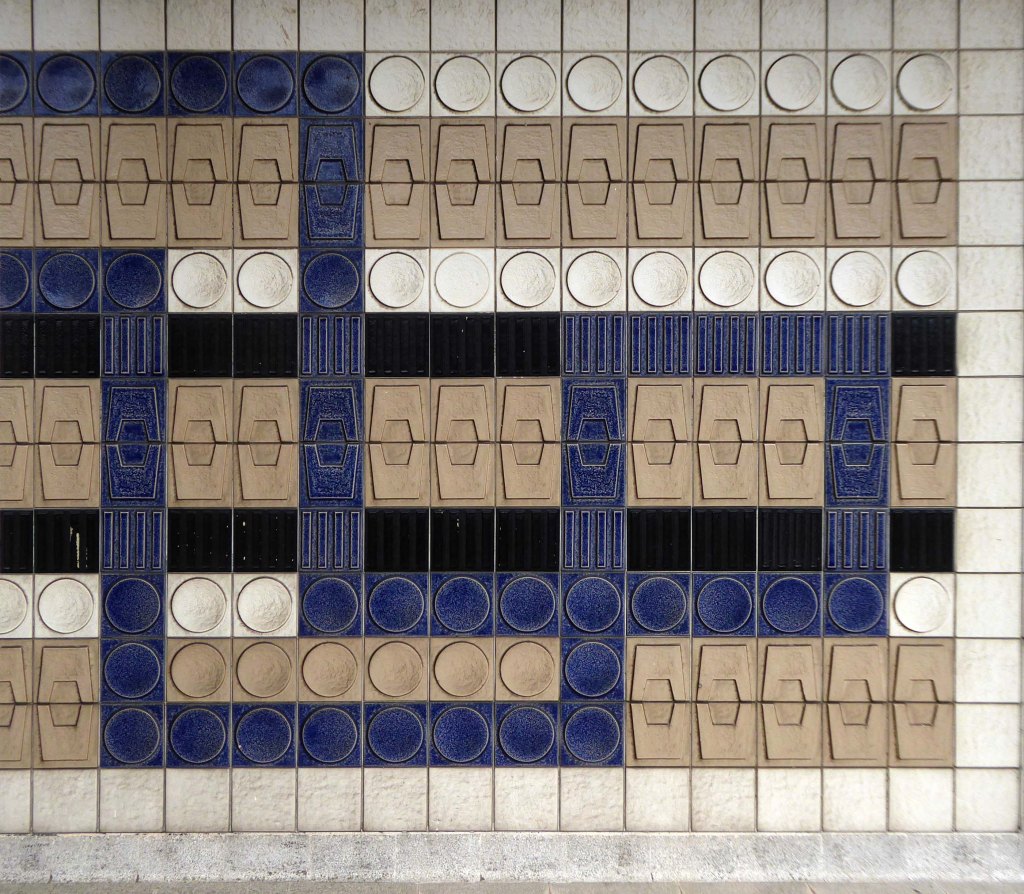
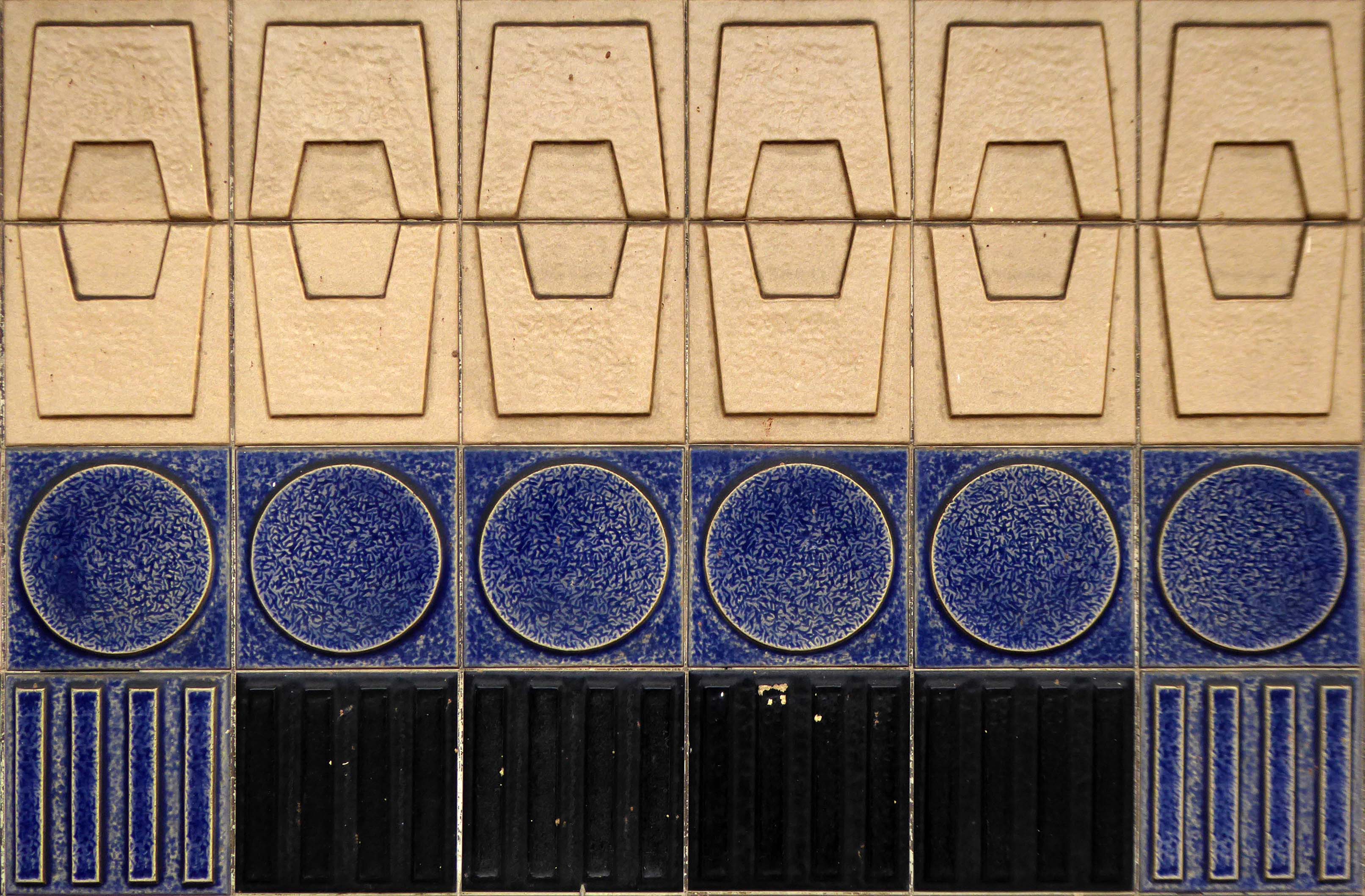
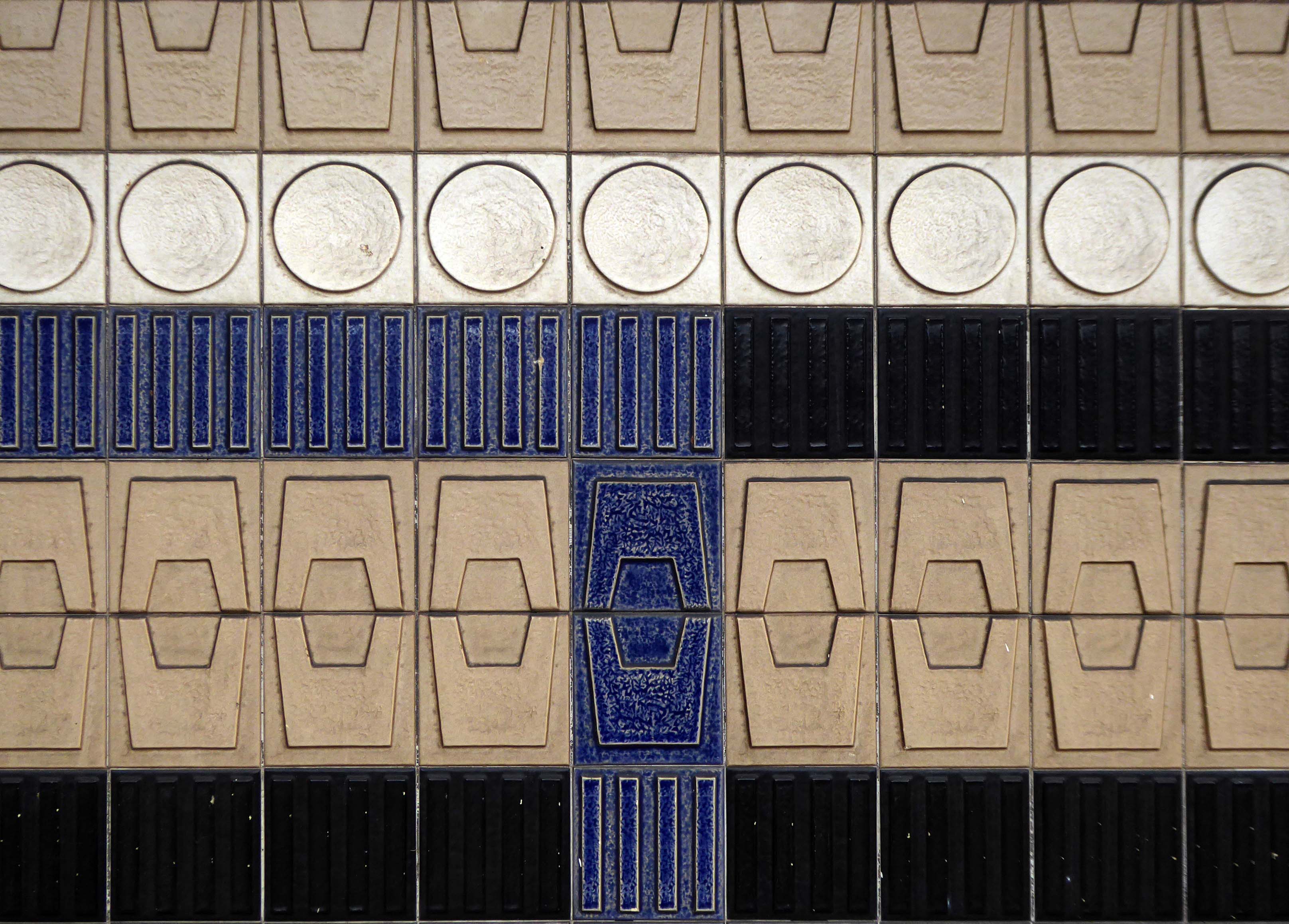
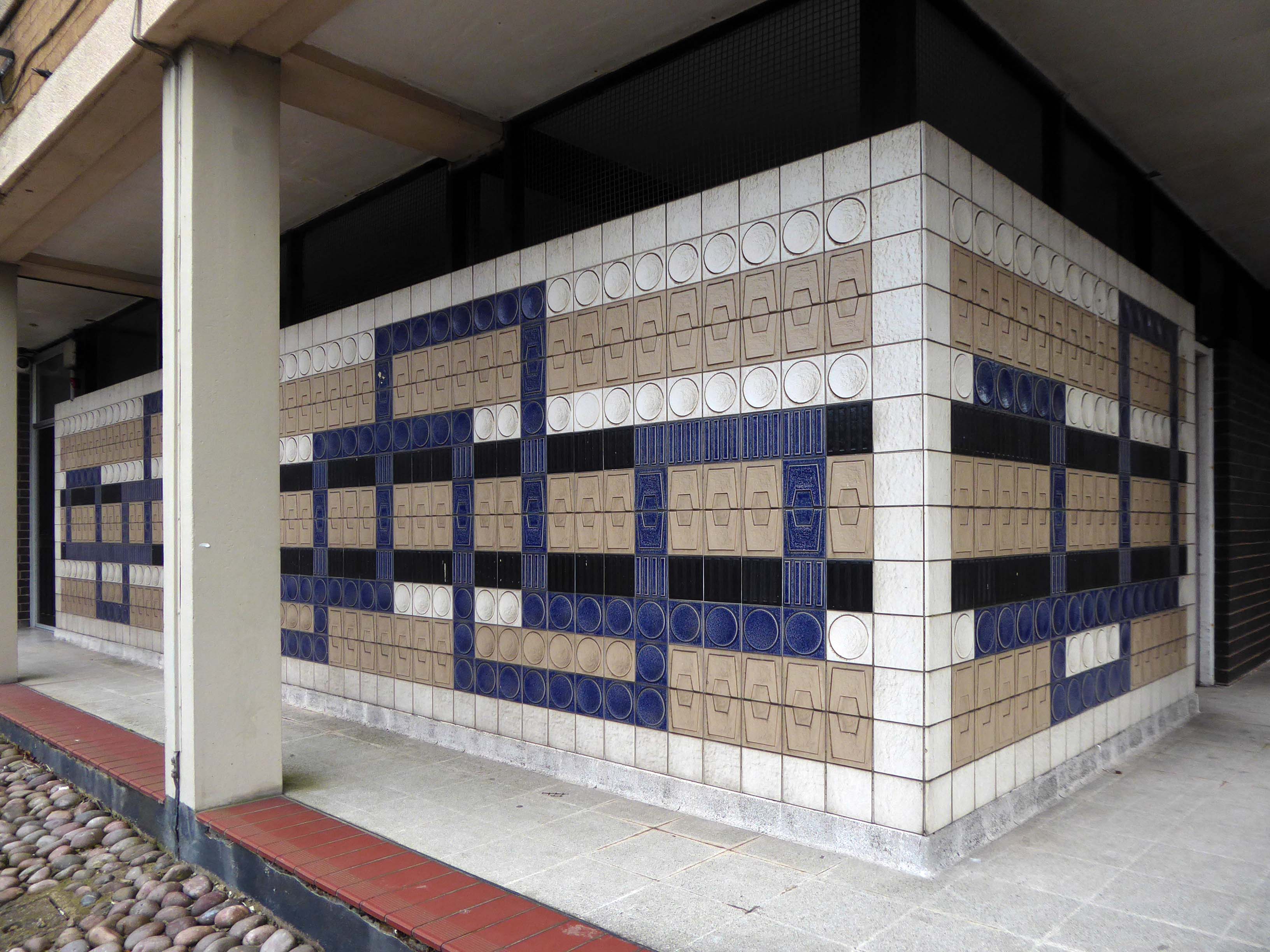
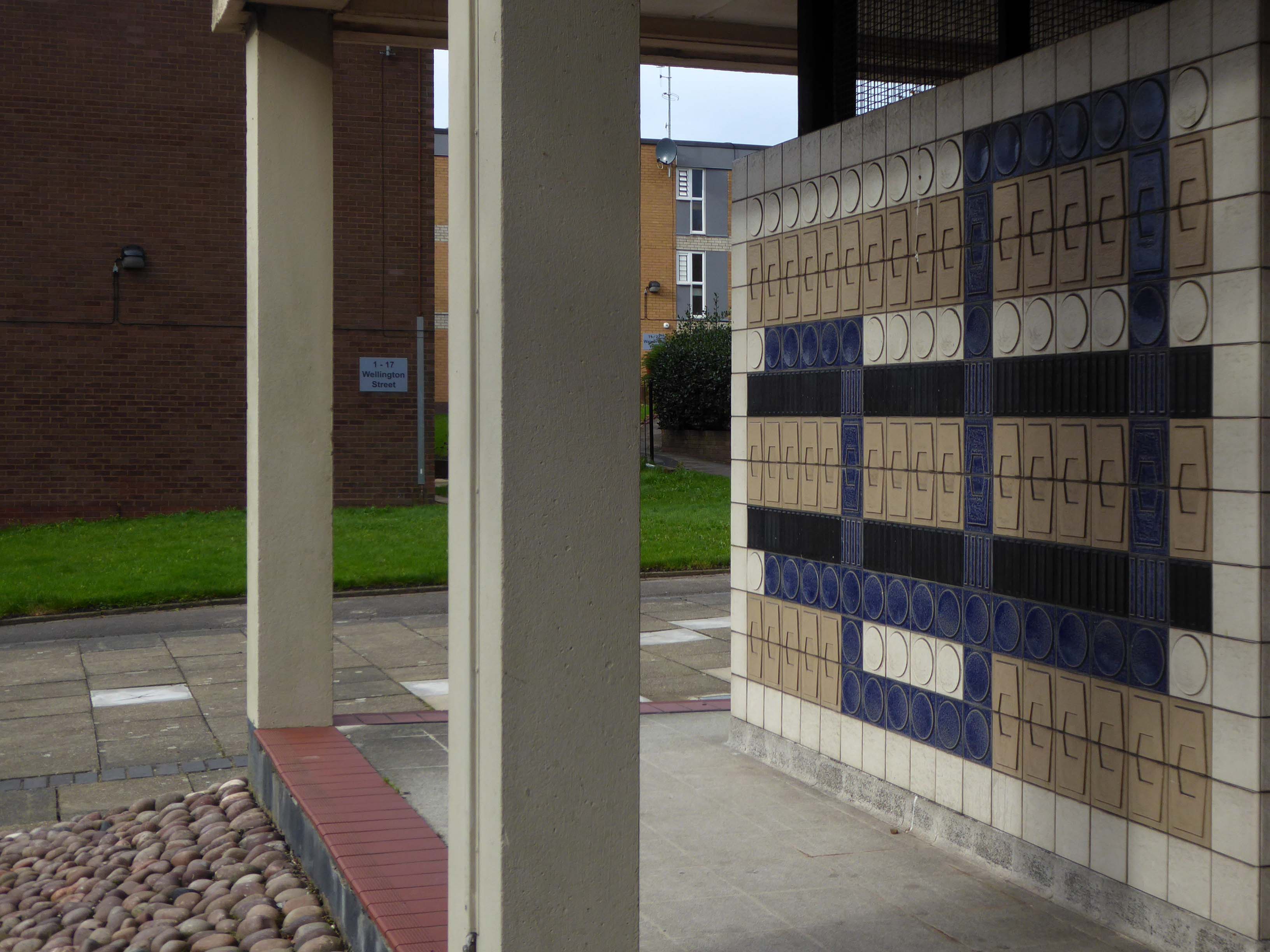
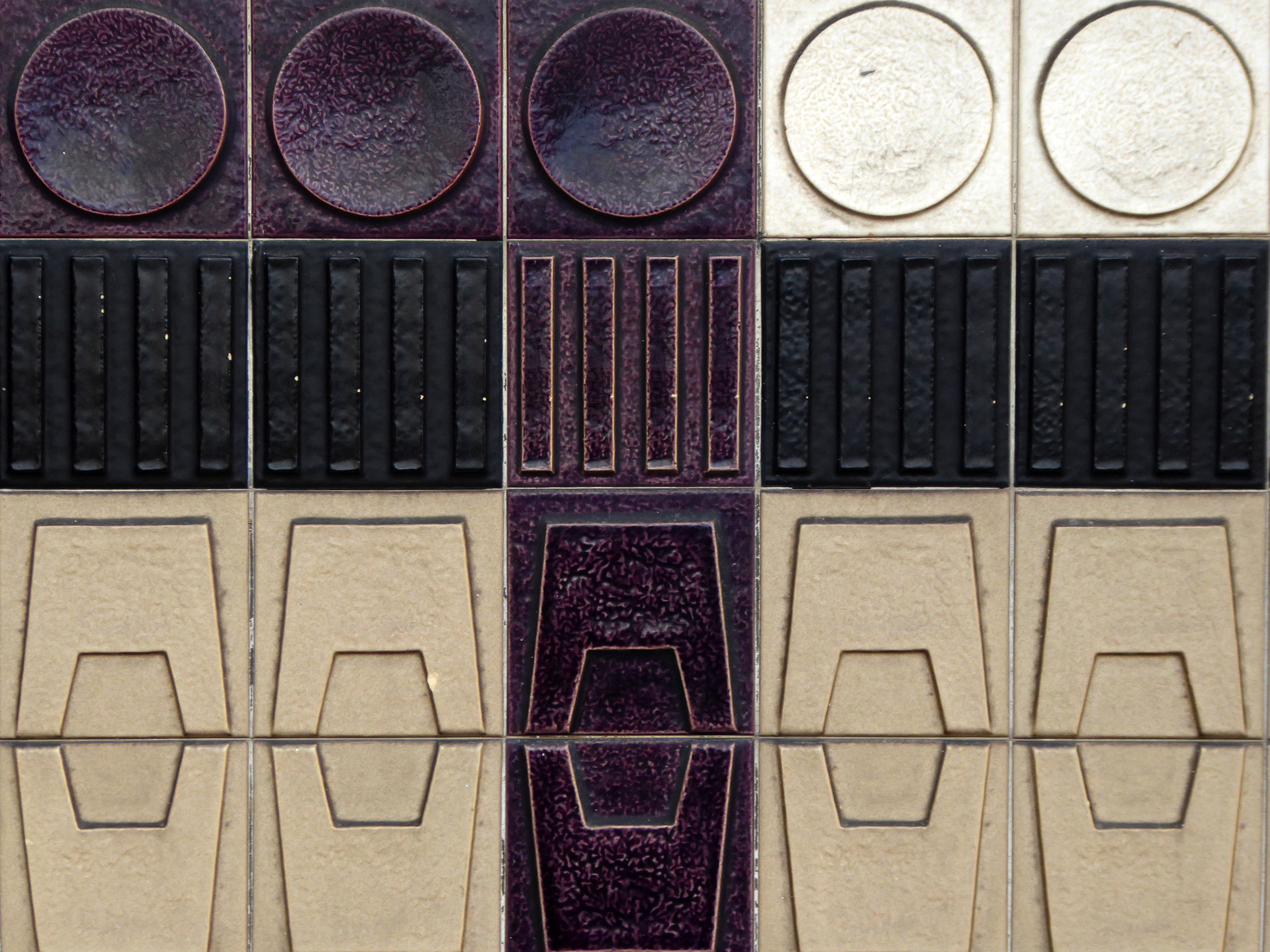
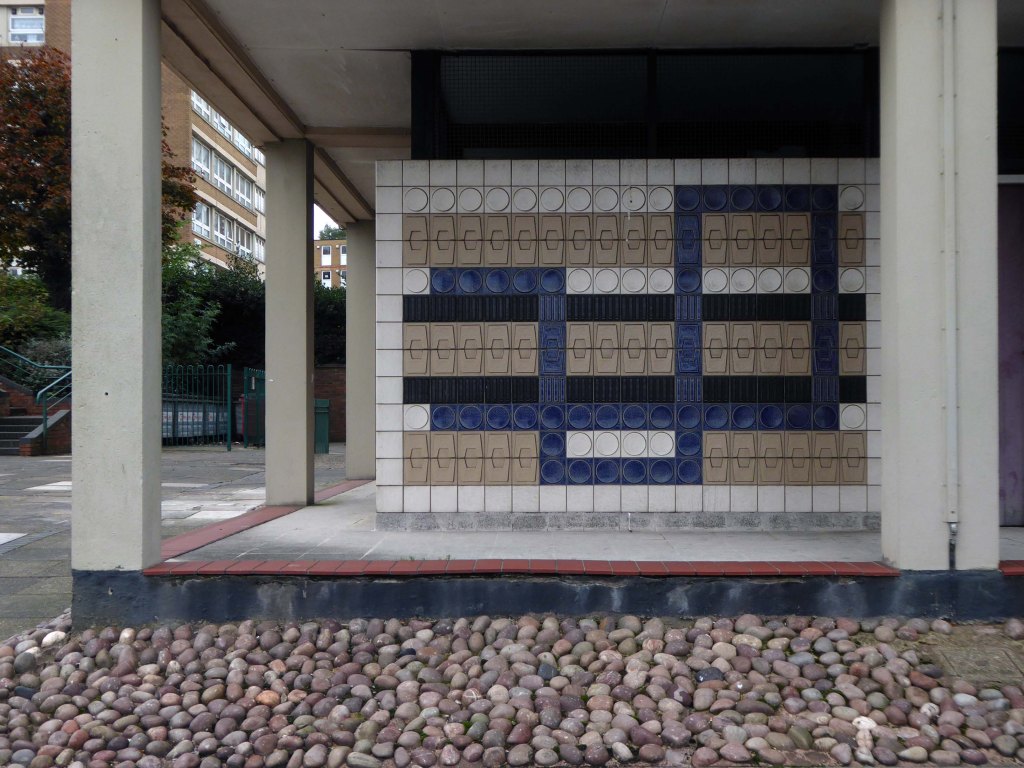
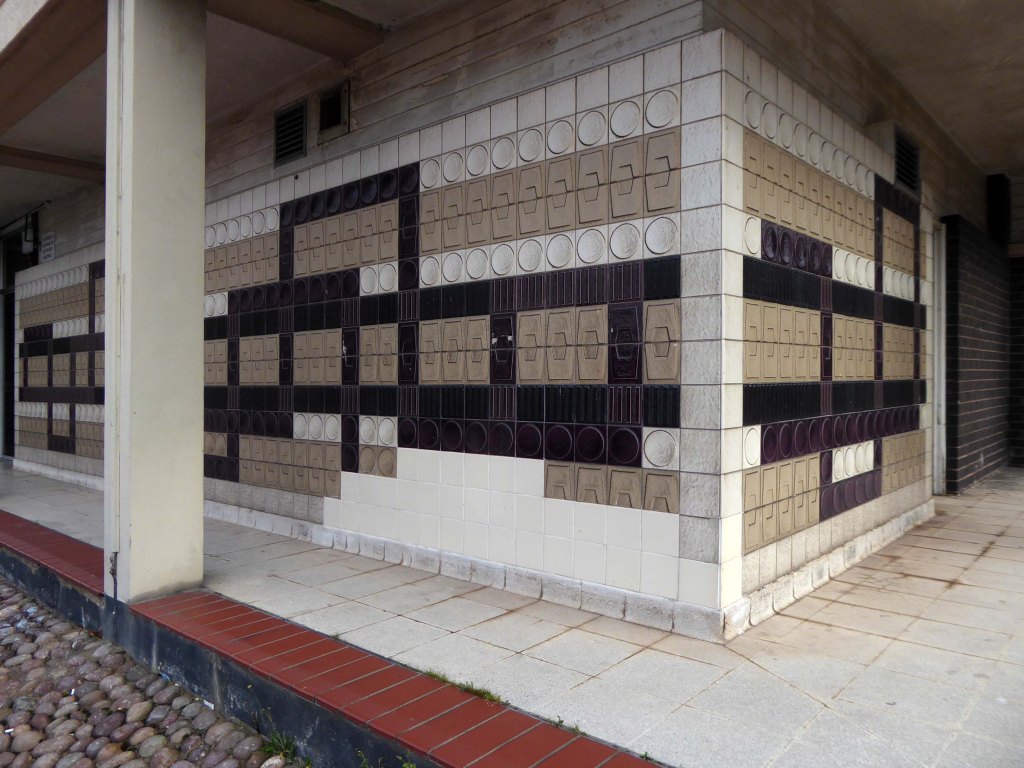
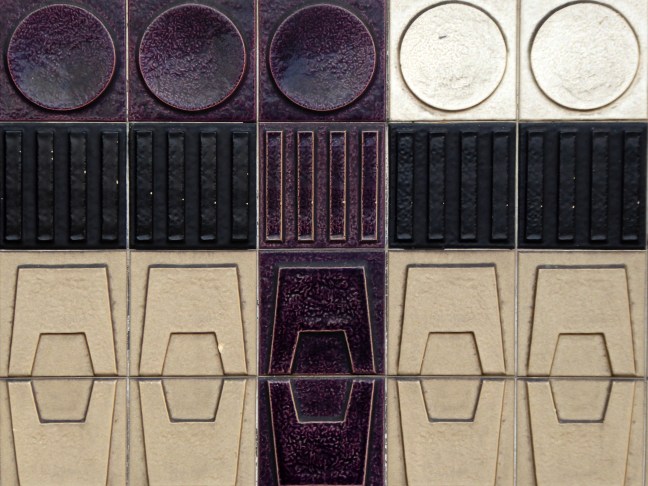
You’re in for a big surprise, for on the wall of the Vocational Centre is a splendid display of tiles.

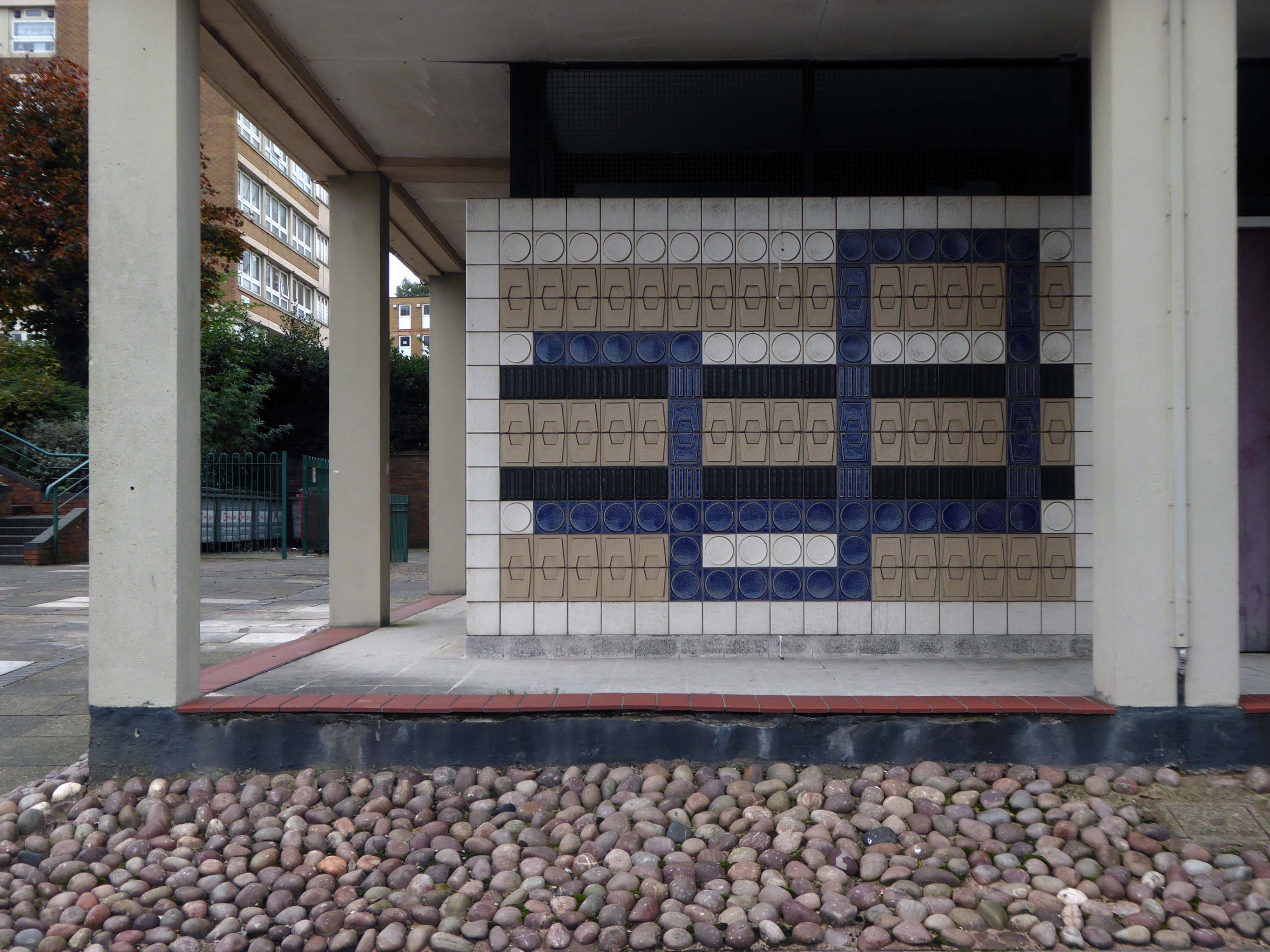
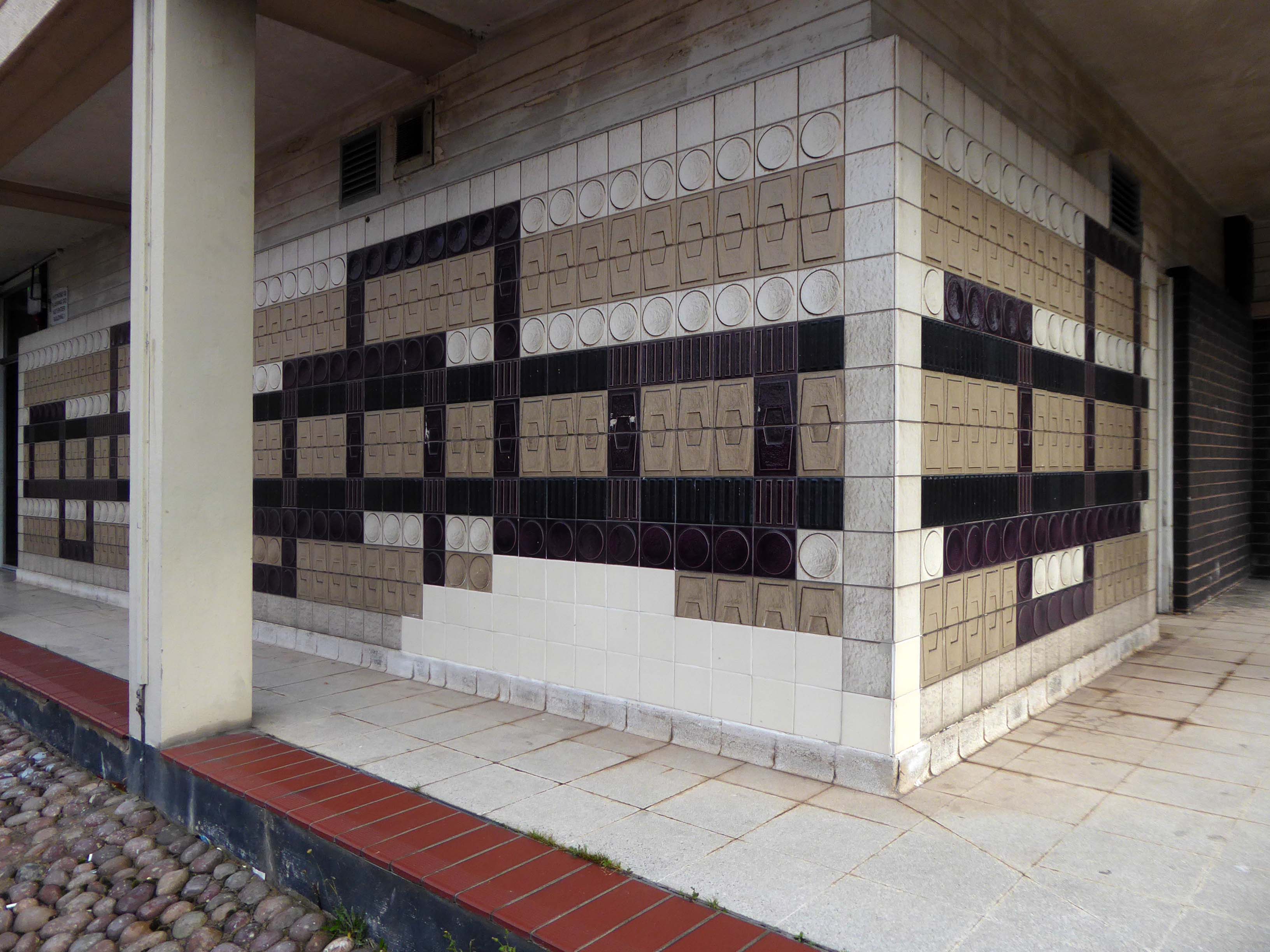
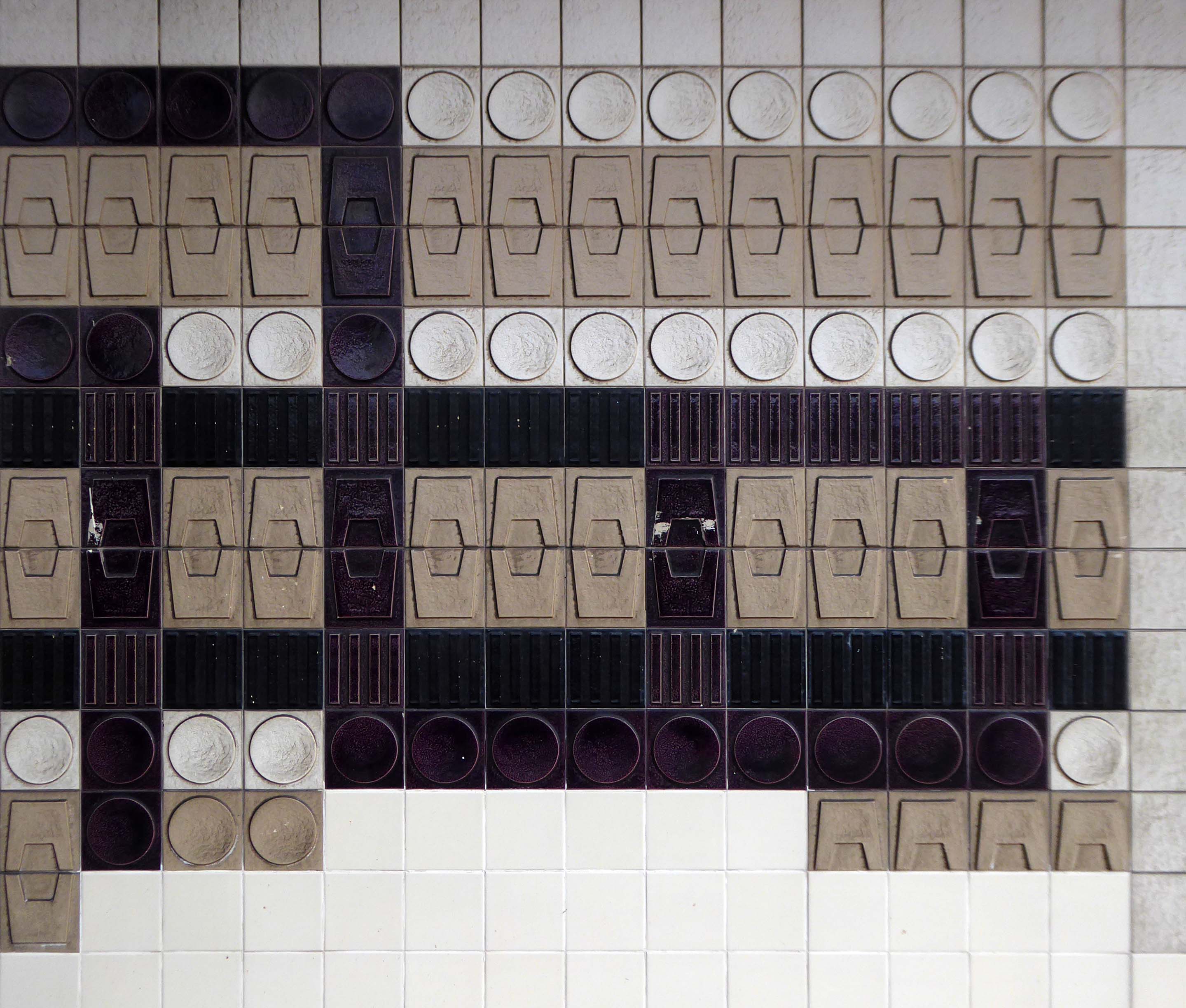
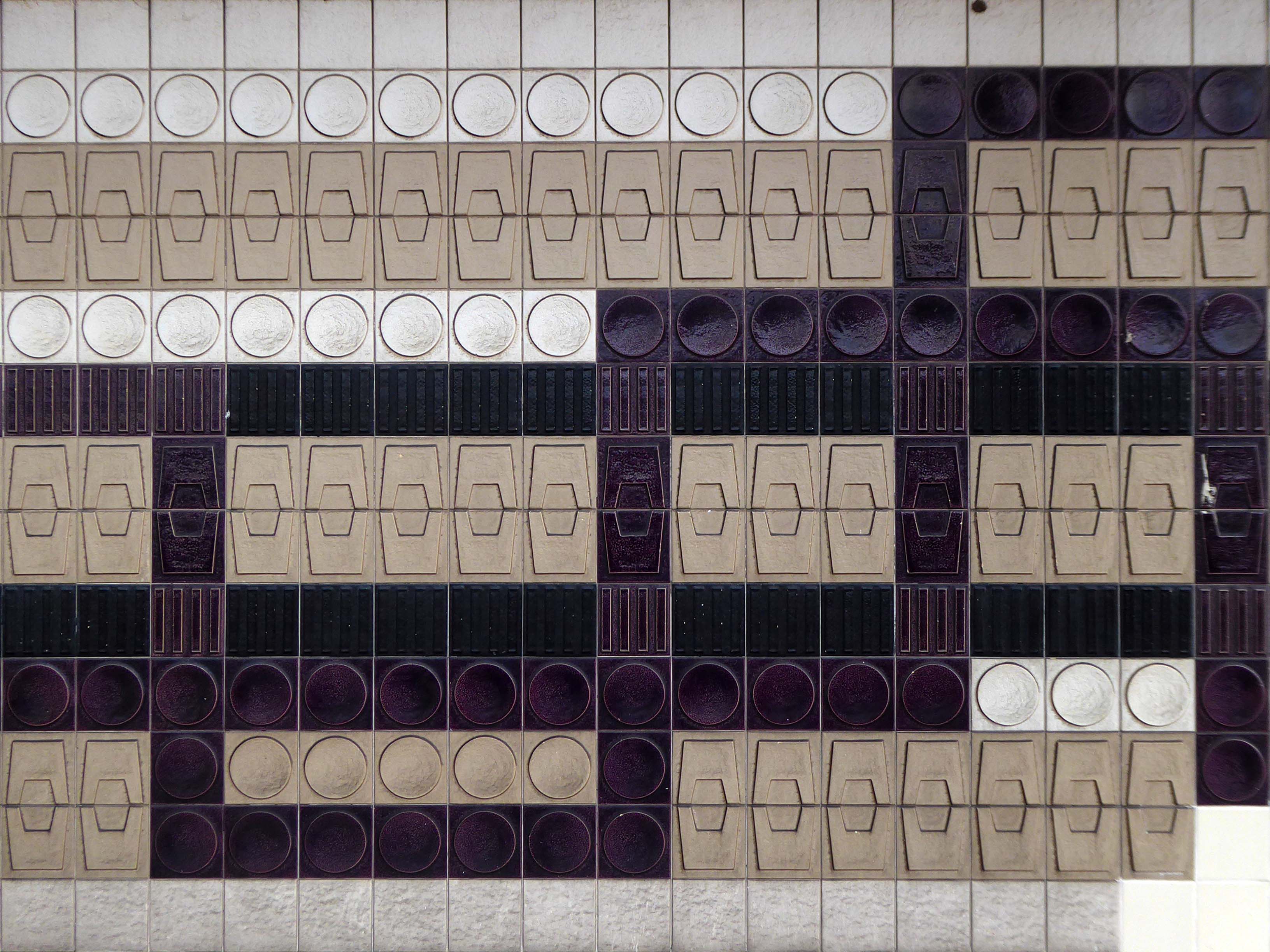
Fiercely geometric, featuring strong linking lines and dynamic dotty dots, softened by a delicate hand-drawn woven mesh.

The varied and distinctive palette set against a pale mid-grey ground.

Well worth the walk even on the rainiest of days in early May.

Reminiscent of the Carter’s Tiles adorning Castle House stairwells in Sheffield.

But actually manufactured by Pilkington’s.

KCOM – Hull

37 Carr Lane Hull HU1 3RB

When Hull City Council founded KCOM back in 1904, as Hull Telephone Department, it was one of several local authorities across the country granted a licence to run its own phone network.

Gradually, over time other authorities gave up control of their networks to the Post Office which wanted to create a single national service, but Hull City Council decided to keep its network and continue to go it alone.

While the Post Office network eventually became BT, Hull’s network, like the city itself, remained fiercely independent. That’s why today Hull has its own distinct cream phone boxes in contrast to the red ones you’ll find elsewhere.

KCOM

1952 Call Father Christmas service was introduced.

Having heard of a recorded message service in Scandinavia, Hull Councillor J M Stamper suggested the idea of putting Father Christmas on the telephone. The Call Father Christmas service was introduced shortly afterwards, the first of its kind in the UK. By dialling a Hull Central number children could hear recordings of a Christmas story and carol singing.

The stories were written and performed by Hull Telephone employees.

The first story attracted 20,000 callers, with 35,000 customers the following year with calls and media interest received nationally and internationally.

The success of the Father Christmas service led to the creation of other recorded information lines, such as Bedtime Stories, Teledisc and Telechef.

This recipe line was introduced in 1950s and was still going strong until the 1990’s, with 50s recipes such as meat loaf and corned beef with cabbages being replaced by dishes such as Italian Chicken Bake.
1964 Celebrating our Diamond Jubilee with the official opening of the new Central Exchange and Head Office – Telephone House in Carr Lane Hull.

KCOM History

The work of City Architect A Rankine OBE RIBA
2007 New company name as Hull City Council sell remaining stake.

The shareholders of Kingston Communications HULL PLC voted to change the company name to KCOM Group PLC to more accurately reflect the changing shape and geographic reach of the company.

Hull City Council sell remaining stake-holding in the business.

This is a fine building of brick, concrete, stone and steel, a restrained palette and commanding volumes, which asserts itself within the framework of the surrounding post-war architecture.

Well worth a walk around – let’s circumnavigate right now!

Good night all, sweet dreams and don’t forget to call Santa – hope that you all enjoyed your corned beef and cabbage.

East Park Gates Hull – Concrete Walls

Holderness Rd Hull HU8 8JU

At the entrance to the park on Holderness Road are eight concrete walls.

They are covered in square, cast concrete modular panels.

Said to be the work of the City Architect in 1964.

Municipal Dreams lists the City Architect at that time to be JV Wall, having replaced David Jenkin in that same year.

My money’s on Wall – well it makes sense don’t it?

I had taken the bus from Hull Interchange on a chill April morning.

The driver obligingly giving me a shout at the appropriate stop – right outside the gates.

They are not universally loved:

A further testament to the concrete pourer’s art is to be found adorning the entrance to East Park. They are so horrible that I could find nothing on the net to indicate who designed them, shame is a powerful motive for reticence. So here they stand to welcome the visitor; after this the actual park couldn’t be any worse.

Hull and Hereabouts

I can only assume that the actual park is held in much higher regard, listed and adored by all.

To my mind they are a bold addition to the park’s entrance, very much of their time, yet at the same time, ever so very now!

The has been a gentle patination to the raw surfaces and limited external intervention from the local Tyke taggers.

Take a look make up your mind – yay or nay?

It looks like they’re here to stay.

If you like this then you’ll like this and possibly this.

From Huyton to Hull and back to UMIST – it’s concrete walls all the way.

Grimsby Walk

Close by the Grimsby Town Railway Station are several examples of the work of Harold Gosney – born in Sheffield, he studied at Grimsby School of Art and London’s Slade School of Fine Art.

The majority of Gosney’s early commissions were collaborations with architects and he has made a significant contribution to public art in Grimsby.

He is the artist responsible for the reliefs on the Abbey Walk Car Park.

The large Grimsby seal by the entrance to the Grimsby Central Library

And the Grim and Havelok themed copper relief on the side of Wilko store in Old Market Place.

On the way to the Central Library along Osborne Street there are a number of 60’s offices and shops

New Oxford House.

Former Norwich Union Building

To our left the magnificent Central Library

Adorned with this delightful concrete honeycomb.

And the figures of the Guardians of Knowledge. 

Sculpted by Peter Todd, the former head of Grimsby Art School. 

Self Portrait

There’s a bronze mixture in the fibreglass to make it look bronze like. They were made at home, we lived in an old school in Walesby, he set up a 15ft table. They were made of clay then with about 10 pots of boiled rubber, he moulded the clay and they were filled with fibreglass and resin.

Pip Todd.

Modular relief to the rear of the Library.

Heading down Doughty Street to circumnavigate the car park.

Taking in the Garden Street Signal Box.

Opened in 1881, and fortified with a new brick base to protect it from bombs in the Second World War, the signal box guided its last train into nearby Grimsby Station in September 1993.

Boarded up, the box blights a popular route into town and is currently home to tens of pigeons.

Grimsby Telegraph

Next we pass through the main shopping street of Freshney Place where there are two concrete reliefs.

The first is an example of Trellis by Mitzi Cunliffe.

The second on the former BHS is unattributed.

On its opening the centre was thought by Ian Nairn to be one of the finest in the country.

Ice Factory Trust

Further along we encounter Santander and New Look.

Whilst just around the corner lurks a William Mitchell door on the former RBS branch.

Making a beeline for the BT Telephone Exchange building

A towering mass wrote Pevsner.

A brick service tower and aggregate-clad slab.

It was designed by George Winterburn and built in 1973.

With an adjoining brick functionalist block of 1935.

Next door are the Magistrates’ Courts.

And across the way the Bus Garage of 1925.

Wandering down Freeman Street we find the former ABC Cinema.

Architects: William Riddell Glen

A Co-op Shop was attached.

Opened by Associated British Cinemas(ABC) on 4th December 1937 as the Regal Cinema, it had an original seating capacity of 1,966, with 1,280 in the stalls and 686 in the circle. It was equipped with a Compton 3Manual/6Ranks theatre organ which was opened by Wilfred Southworth. The organ console was illuminated.

It was renamed ABC in 1961. In July 1966, the ABC was modernised and alterations took place. The new ABC occupied the balcony of the original cinema building and had a seating capacity of 1,231 when it re-opened on 18th March 1967. The former stalls seating area was converted into a Kwik Save supermarket and shops. The layout was unusual in that the circle started at the very rear of the stalls. The new cinema was also back to front – the original projection box was now above the proscenium, and became the plenum room.

Cinema Treasures

The Modernism of Freeman Street Market is much diminished.

Long gone are the East Marsh Flats 1963 – demolished in 2018.

Let’s take a swerve right to Hope Street.

Where we find the Royal National Mission To Deep Sea Fishermen – now Hope House.

With its marvellous mosaic.

Onwards down Victor Street toward the former Ross House now occupied by Young’s Foods.

Ross Engineers and Cochranes apprentices, pictured on the steps of Ross House, Grimsby, in August 1967.

Grimsby Telegraph

In the mid-1960s, a new eleven storey headquarters was built in Grimsby by Myton, a division of Taylor Woodrow

Architects: Howard V Lobbs & Partners – Lobb had a busy practice specialising in schools and had been responsible for coordinating architects on the Festival of Britain. He was also responsible for the design of the British Pavilion at the 1958 World Exhibition in Brussels.

In addition were also responsible for the M1 Services at Leicester.

Fishermen’s Mission – Grimsby

Hope Street Grimsby DN32 7QL

If asked to name the UK’s biggest fishing port many people will answer Grimsby.

That was certainly true in the 1950’s when over 500 trawlers set out to sea, today only a handful of boats remain.

The Fishermen’s Mission

Opened in 1966 the Mission met the needs of those engaged in the most perilous of occupations.

Today it is a residential housing block – with flats for sale and rent.

Part of the town’s history a striking building, in many modern ways – most notably its strikingly modern mosaic.

Along with its striking colour scheme interesting use of textured materials and angular geometry.

Higher Openshaw

There’s been more than a few comings and goings along Ashton Old Road.

1906

Where once there were fields, homes and industry arrive, as the Industrial Revolution is in full swing.

1908

The streets to the north of Ashton Old Road are alive with shops, homes, people and prams.

Along with the occasional motor car.

Alpha Street
Bowness Street
Burman Street
Silverdale Street
Toxteth Street
Trevor Street

The Old Road boasted some fine busy boozers.

And a splendid church and school.

St Clements

The man responsible for the majority of these archive photographs is Tommy Brooks of 56 Gransmoor Road.

He is my hero, a member go the Manchester Amateur Photographic Society, cycling the streets of Manchester to produce a unique record of life in the Sixties.

The Manchester Image Collection is awash with his work.

Chapeau Tommy!

Gransmoor Road 1963

The house is no longer there – the area has recently been redeveloped, some older properties demolished, and new homes built.

Though The Gransmoor is no longer The Gransmoor.

Although it briefly became CKs

Converted to retail use 24th September 2012 after closure. This interesting Victorian building stands back from the road with what may well be a coach road in front. Inside the high ceilings and glorious plasterwork gave the impression of a gentlemen’s club. Though it previously sold cask Banks’s beers in its earlier years, its final days were seen out with only keg beers being available.

Whatpub

2010
2021

St Clements still prevails with a healthy congregation.

In 2010 several properties were removed and the land levelled.

Eleven years later old and new now snuggle up together.

The street structure is more or less unchanged.

Though sadly the wonderfully named Ambush Street is no more.

So the big wheel keeps on turning new homes, new folk and new life for East Manchester.

Droylsden Library

Built in 1937 – very much in the civic style of the day, an inter-war classical moderne utilitarian low-rise in brick, steel, stone and concrete.

A three level, level headed essay in resolute local pride, when Droyslden was an independent UDC, prior to the creation of Tameside.

Furnished in the finest manner.

Computerised and digitised – the first library in Tameside to go live.

Home to local art displays and reading corners.

Droylsden Library Carnival entry – first prize winner in its category.

Closed on March 17th it now faces demolition.

Archive photos Tameside Image Archive

The rising cost of repairs, combined with ‘a desire to progress’ with the regeneration of Droylsden town centre and the inaccessibility of the library’s T shape, three-floor configuration means that a ‘solution for the future of the library’ is now needed, according to the town hall.

Manchester Evening News

Of note are its curved cantilevered concrete balconies, complete with attractive steel balustrades.

Along with its carved relief above the door.

Decorative grille.

Commemorative Communist plaque

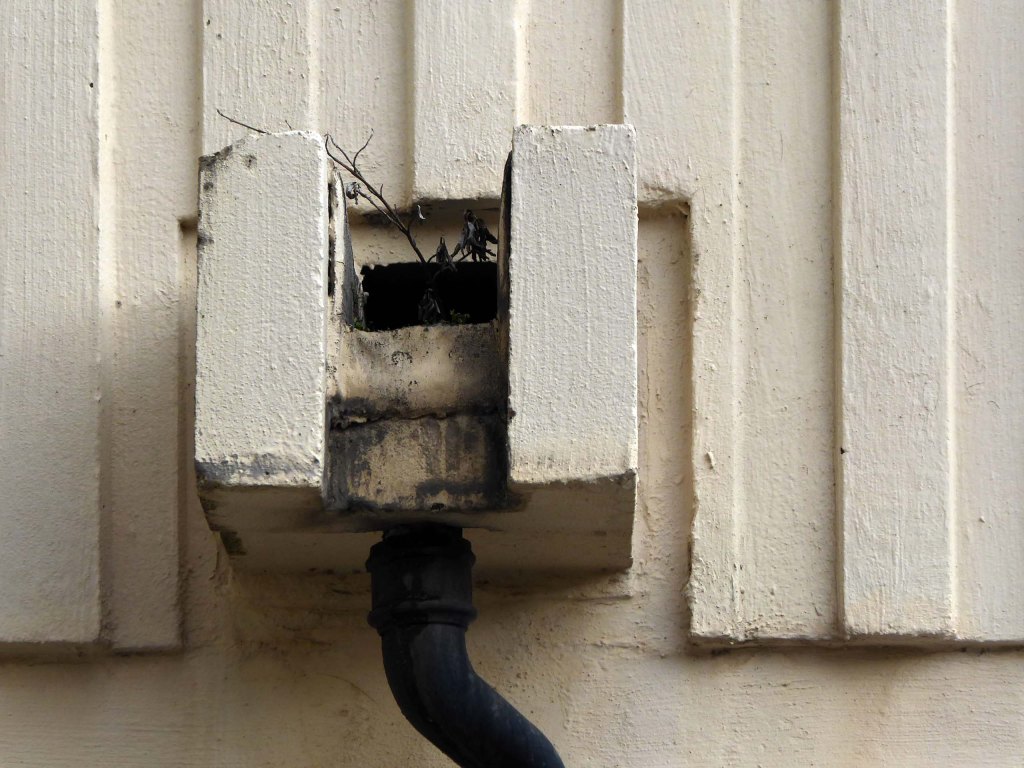
Drainpipes

Architectural Type.

And handrail.

I sure will miss the Library – I have walked cycled and bused by for over fifty years.

You are to be replaced by housing and relocated to the new development next door.

UMIST – Manchester

Every now and then, I get the yen to come back here again.

Having included the site on one of my Manchester Modernist Walks, I pop by protectively just to make sure everything’s still there.

The custodians The University of Manchester may well be averse to listing and have already removed Chandos Hall.

Forever.

In addition, a whole block and a walkway have been subtracted.

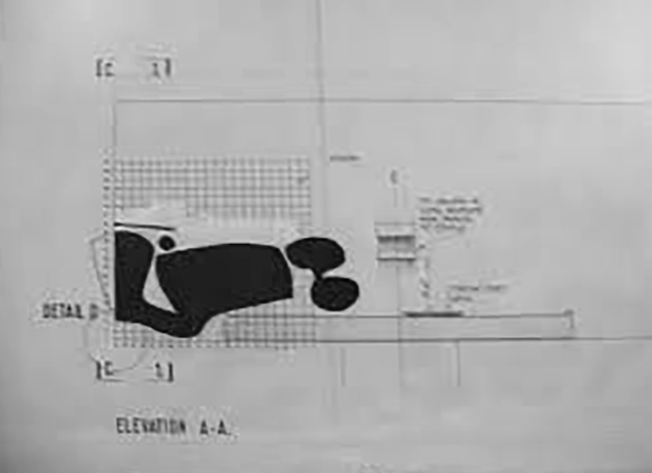
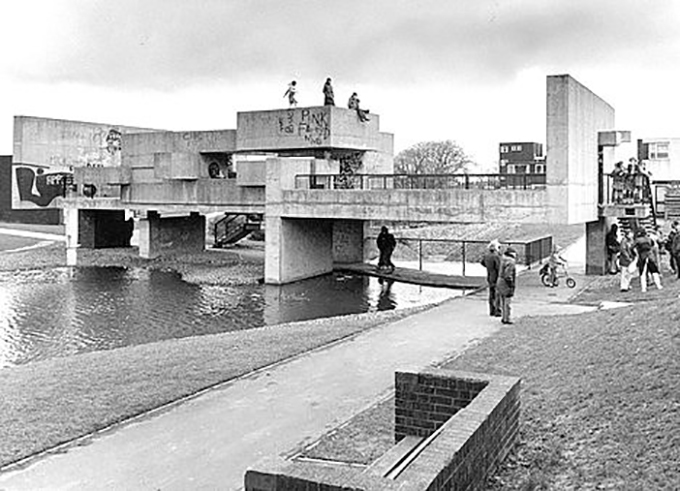
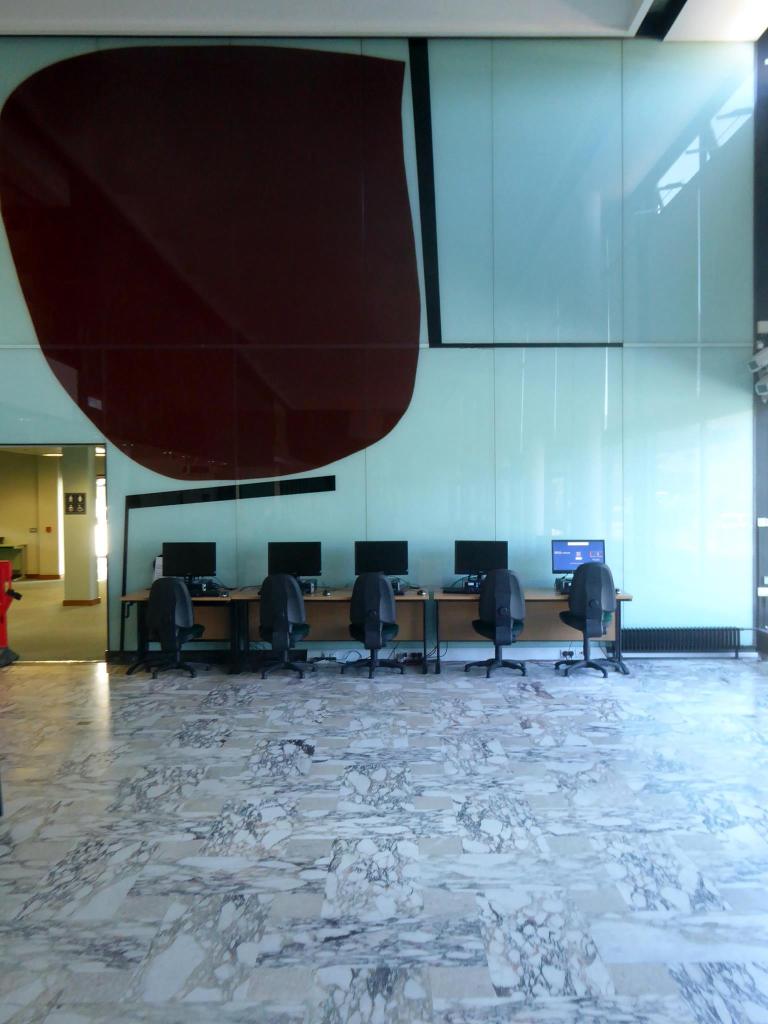
Thereby placing the Hans Tisdall mosaics: The Alchemist’s Elements in jeopardy – currently held in storage, who knows what fate awaits them?

Discussions have taken place pre-lockdown, another year on and possibly the possibility of a positive resolution.

Consequently I always approach the site with a slight sense of foreboding, it’s Easter and there’s nobody about.

The trees are just about to burst into leaf, there are bright bursts of cherry blossom on the bough.

The sun shines down from a big blue sky, strewn with wisps of cloud.

Let’s have a look around – it’s springtime for UMIST and Modernity!

Belle Vue Dogs – Manchester

The stadium opened on July 24th 1926 – 7.30 prompt.

In 1925, Charles A. Munn, an American businessman, made a deal with Smith and Sawyer for the rights to promote the greyhound racing in Britain.

Smith and Sawyer met Brigadier-General Alfred Critchley, who in turn introduced them to Sir William Gentle JP. Between them they raised £22,000 and formed the Greyhound Racing Association Ltd. When deciding where to situate their new stadium, Manchester was considered to be the ideal place because of its sporting and gambling links. Close to the city centre, the consortium erected the first custom-built greyhound stadium and called it Belle Vue. The name of the stadium came from the nearby Belle Vue Zoological Gardens that had been built in 1836 and the land on which the stadium was to stand had been an area of farmland known as Higher Catsknowl and Lower Catsknowl.

By June 1927, the stadium was attracting almost 70,000 visitors a week.
1958

In October 2019 GRA Acquisition sold the lease to the Arena Racing Company and just two months later on 19 December housing planning permission was passed resulting in a probable closure in 2020. 

The imminent closure came following an announcement on 1 August 2020, with the last race being run on 6 June, won by Rockmount Buster – trained by Gary Griffiths.

Wikipedia

Going to the dogs was an institution for many, whole families enjoying the spectacle, possibly having a bet, bite and a pint.

Time changes everything social habits, views on animal welfare and gambling.

Diners enjoying their meal at Belle Vue Greyhound stadium while punters line trails outside waiting for the next race, 23rd September 1976.

The hare no longer courses electronically around the oval track, the traps no longer flap and the Tote has taken the last of your change, for the very last time.

Drink up and go home.

The new £30,000 stand that has just been completed 29th April 1960.
The track’s Assistant General Manager Colin Delaney with the plans for the new stadium complex. 1989.

Speedway was first held at the stadium during 1928 but was not held again until 1 April 1988, when the Belle Vue Aces returned to the stadium. The team departed Kirkmanshulme Lane at the end of the 2015 season, prior to moving to the new National Speedway Stadium for the 2016 campaign.

The shale speedway track was 285 metres in length.

I was a regular of a Monday evening cheering on The Aces.

When I cycled by in 2015 the stadium was already looking tired – the dramatic concrete cantilevered gull-wing turnstiles a neglected storage area.

Last week I had to dodge behind the hoardings to take some snaps.
The site is secured and demolition imminent.
The stadium will soon be gone – as a footnote I have at home a 50s sign, appropriated on a work’s night out and later gifted to me by my dear departed pal – Dave Ballans.

I’ll always treasure the perspex shark’s fin, Dave’s memory and going to the dogs.

So what of the future?

Belle Vue Place – the name lingers on long after the fun has gone.

Countryside are proud to showcase our stunning collection of 114 new homes at Belle Vue Place, featuring a choice of stunning 3 & 4 bedroom homes all designed and finished to the highest standard.

And very handy for the speedway just up the road on Kirky Lane!

St Willibrords RC – Clayton Manchester

1963

North Road Clayton Manchester M11 4WQ

1937-38 by Reynolds and Scott built in buff brick of a Modernist Byzantine style.

The choice of the Apostle of Holland as a patron saint for the parish was that of a Dutch priest, Fr. Sassen, who bought land for the parish from St. Brigid’s in 1905. The new parish was opened in 1906.

Fr. Charles Hanrahan developed the mission in its infancy and was followed by Fr. Richard Mortimer, who laboured here for a long period, devoting most of his priestly life to the parish.

Fr. Patrick Dillon supervised the building of the magnificent new church of unusual design, which was opened in 1938.

Genuki

The church was Grade II listed in June 1994

Research Portal

Our Lady and St. Joseph Hanwell 1967

The church is sited in a densely populated area of the city, comprising Victorian terraces and inter-war social housing.

The interior has extensive mosaic work by the Manchester firm Ludwig Oppenheimer – whose work can also be seen in St John the Baptist RC Rochdale.

1968

So farewell St Willibords and many thanks to the exceptionally kind and welcoming parishioners who granted me access to this very fine church.

Archive photographs Local Image Collection

ASDA Car Park – Stockport

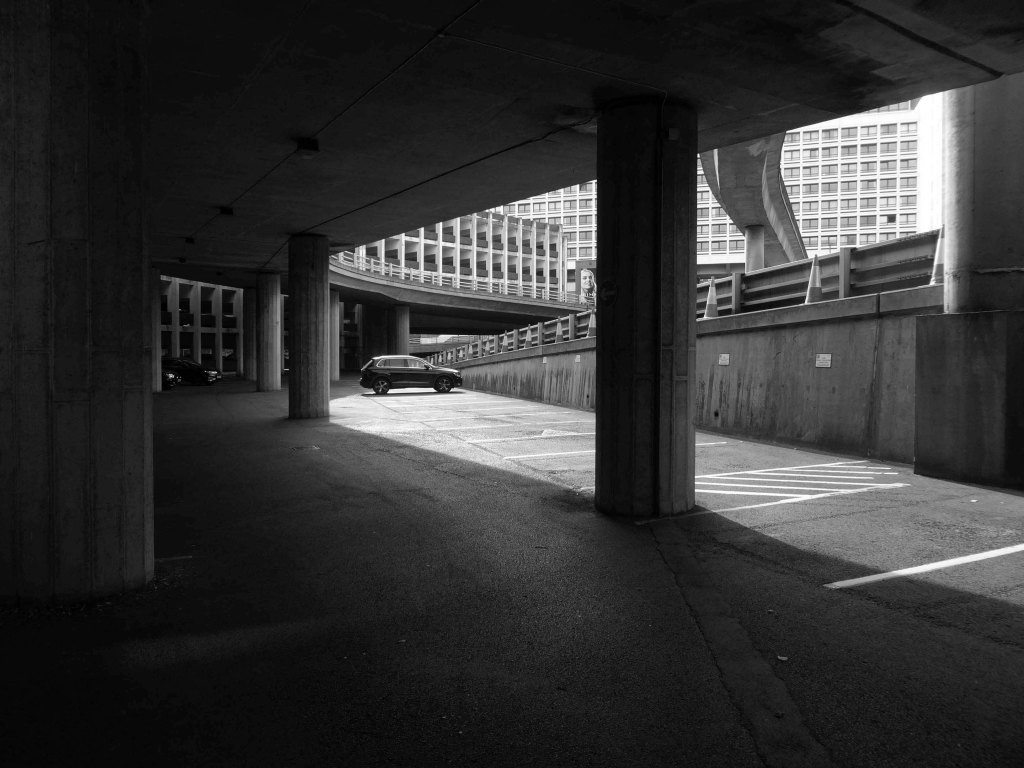
Yet another lockdown exploration of forbidden territory for the intrepid pedestrian.

Following sojourns here, here and there.

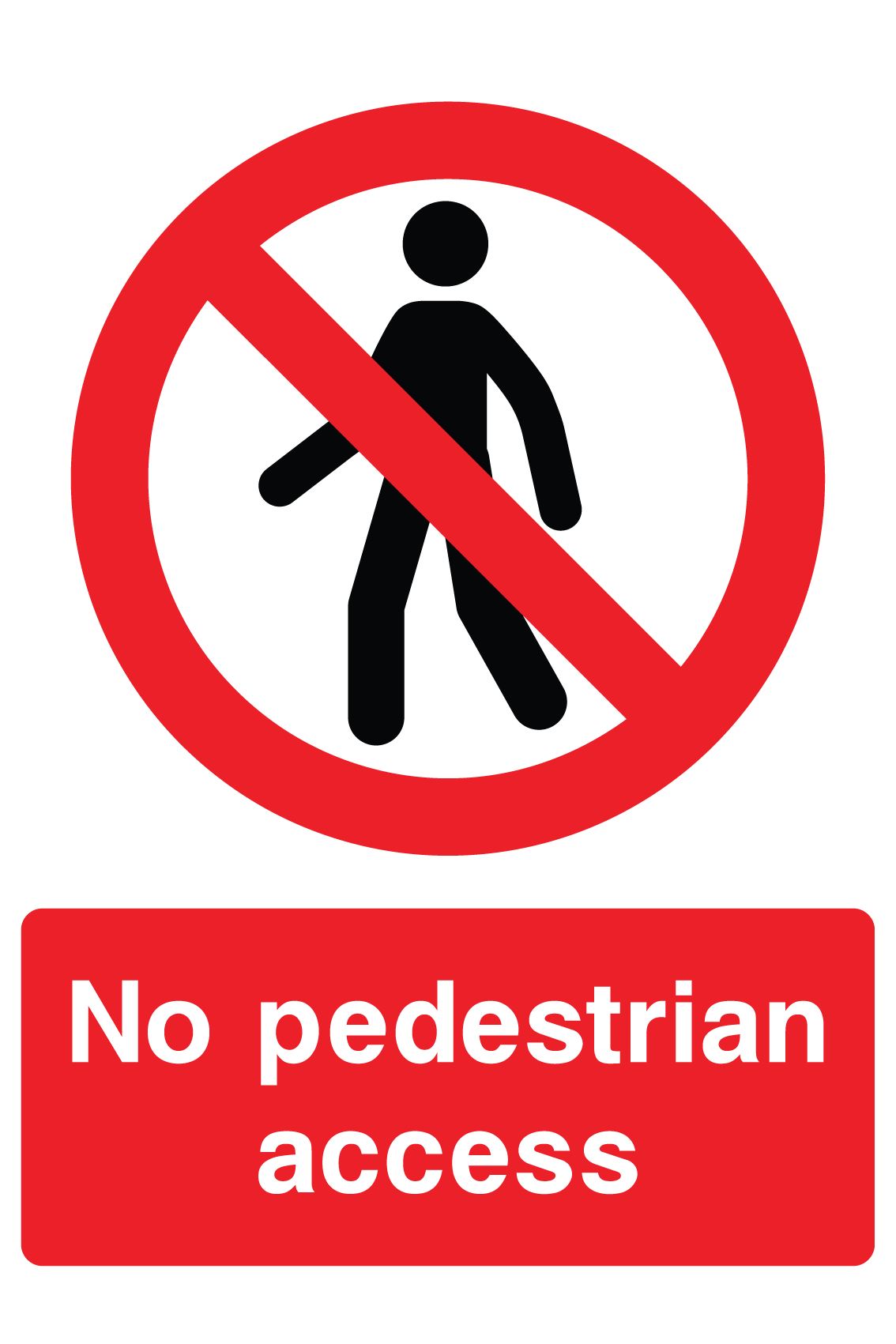
It’s addictive passing the no access signs, onwards into the abyss.

He hated all this, and somehow he couldn’t get away. 

Joseph Conrad – Heart of Darkness

Asda Stores Ltd is a British supermarket chain. It is headquartered in Leeds. The company was founded in 1949 when the Asquith family merged their retail business with the Associated Dairies company of Yorkshire.

It was listed on the London Stock Exchange until 1999 when it was acquired by Walmart for £6.7 billion.

In February 2021, EG Group – led by the Issa brothers and TDR Capital, acquired Asda.

The company was fined £850,000 in 2006 for offering 340 staff at a Dartford depot a pay rise in return for giving up a union collective bargaining agreement. Poor relations continued as Asda management attempted to introduce new rights and working practices shortly thereafter at another centre in Washington, Tyne and Wear.
Wikipedia

Let’s hope that the new owners having been ruled against in an equal pay dispute, attempt to forge better labour relations.

In March 2021 the employees won a Supreme Court ruling upholding an earlier court ruling permitting the action, and enabling employment tribunal action to decide equal value claims.

Asda stated: This ruling relates to one stage of a complex case that is likely to take several years to reach a conclusion. 

The claim could lead to about £500 million of compensation to lower paid employees.

All that aside, let’s have a look at what the car park is like.

Stockport Bus Station 2021

Your days are numbered, work has begun at the temporary site on Heaton Lane.

You are to be demolished, no more in, no more out.

I have tracked your history and slow decline.

You are to become a transport interchange.

So here’s a record of your lost chippy, closed lavatories, control centre, relocated information office, slowly ticking clock, soon to tick no longer.

Say hello and wave goodbye to RS McColl’s kiosk.

So so long my draughty, cold, deserted old pal.

Poundland née BHS – Stockport

Stockport council bought the building in 2019 following the collapse of BHS three years earlier.

The report says the store is now in a poor condition, looks ‘dated and tired’ and ‘contributes to negative perceptions’ of Merseway.

MEN

You were conceived as an integral part of the Merseyway development, which on its inception, was held in the highest regard.

Innovative architecture with confidence, integrity and a clear sense of purpose.

The failure of BHS was a national disgrace, venal management, asset stripping, avaricious, grasping rodents ruled the day.

Dominic Chappell, who had no previous retail experience, bought the high street chain from the billionaire Sir Philip Green for £1 in March 2015. The company collapsed with the loss of 11,000 jobs 13 months later, leaving a pension deficit of about £571m.
Guardian

A sad end for a company with a long history and presence on the high street.

With an architectural heritage to match:

BHS’s chief architect at this time was G. W. Clarke, who generally worked alongside W. S. Atkins & Partners, as consulting engineers. The stores – like Woolworth’s buildings – were composite structures, with steel frames and concrete floors. Clarke sometimes appointed local architects.

At first, like C&A, BHS retained the narrow vertical window bays and margin-light glazing that had characterised high street façades in the 1930s, but by the end of the 1950s Clarke had embraced a modified form of curtain-walling.

This architectural approach became firmly associated with BHS, with framed curtain wall panels – like giant TV screens – dominating the frontages of many stores.

Building Our Past

Of note are the Joyce Pallot and Henry Collins concrete panels on the Deanery Row elevation.

There have been moves to have the work listed, without success.

Of late the store has been home to Poundland – though time has now been called.

Poundland’s retailing concept is extremely simple: a range of more than three thousand – representing amazing value for money.

Our pilot store opened in the Octagon Centre, Burton-upon-Trent, in December of 1990, followed by new stores in High Street, Meadowhall and other quality trading locations.  Shoppers loved the concept and so did fellow retailers and landlords.  The stores proved to be a huge success. Meadowhall’s success was repeated by further stores opening by the end of the year.

The store has been a success even during COVID restrictions, let us hope that the planned return goes ahead.

So here is my record of the building as is, a tad tired, but in its day a simple and authoritative amalgam of volumes and materials.

Mixing variegated grades of concrete, tiling, mosaic, brick, steel and glass.

Ground Control

When the figures say crime is falling, why are we more frightened than ever? Could our towns and cities be creating fear and mistrust? More property is being built in Britain than at any time since the Second World War – but it’s owned by private corporations, designed for profit and watched over by CCTV. From the Docklands boom to cities such as Manchester, gated apartment developments, gleaming business districts and plazas have sprung up over the country.

Has this ‘regeneration’ really made our lives better?

Anna Minton.

I’m returning to the MMU Didsbury Campus, the site began life as a baronial deer park and estate, in 1740 the site was purchased by the Broome family, and a new house was constructed after 1785 by William Broome, from 1812 owned by Colonel Parker. Following a succession of uses and owners the School of Education is established.

I studied for a PGCE in Art there in 1984.

Subsequently, fun and fashionable free-market economics, have increasingly governed the management of education and its assets.

MMU sold the site for an undisclosed sum to the developers PJ Livesey.

This is Sandown House, formerly the administrative block, redeveloped as private homes, each valued at £675,000 and upwards.
St James Park is an exclusive collection of beautifully converted heritage buildings and individually designed luxury homes offering opulent living accommodation finished to an uncompromising specification. Beautifully styled and perfectly connected, this gated development is located moments away from the heart of Didsbury Village.

So why choose a gated community?

The fear of fear it would seem, is on the increase, whilst crime itself is decreasing.

Royal Institute of Chartered Surveyors  says that although residents feel safer in gated communities, it is more of a perception than a reality. Research in the US suggests that gating may not deter criminals and initial studies in the UK suggest the same.

If they are allowed to develop unchecked, it will breed hostility and threaten the social cohesion of the UK’s cities, the surveyors warn.

BBC

Social exclusion, the bitter taste of economic apartheid is obviously the plat du jour here in St James Place – there is limited pedestrian access and secure gates to inhibit unwanted automotive ingress.

There is an exciting array of CCTV devices, encoded gates and doors, ever higher railings in evidence.

Security for the terminally insecure.

It is possible to live in an open environment in East Didsbury, here on Ford Lane folks come and go, hopefully interacting with friends, neighbours. family and strangers passing idly by.

Though this is one of the most affluent areas of Manchester, and happily one is unlikely to find oneself with an unemployed collier as a neighbour.

Community minded, demographically diverse cities, will produce safe, secure, healthy places to live.

There is no evidence that gated communities are in any way safer, in fact they may well be socially divisive – this is the never never land of smoked glass Range Rover windows and mirrored wardrobes.

Architectural critic Ian Nairn makes a convincing case for a socially mixed residential development, which still maintains a regard for the area’s heritage.

I visited Lillington Gardens Estate in August 2018 – now a mature development, where those residents I spoke with, seemed happy and content with their homes.

Sir John Bland 5th Baronet 1691 – 1743 of  Kippax Park and Hulme Hall, was a British landowner and politician who sat in the House of Commons from 1713 to 1727.

His mother was Anne Mosley, daughter of Sir Edward Mosley of Hulme.

He retired from Parliament aged 35 and moved the focus of his local political activity from Yorkshire to Lancashire, where his mother had inherited Hulme Hall and the Lancashire estates which covered most of Manchester.

This is the celebration of privilege, power and property in pressed aluminium and print, saluting the progenitors of the Mosely Family, who once upon a time, were Manchester’s wealthiest landowners.

We live in an owned landscape where access is an issue.

Mr and Mrs Andrews would note, that little or nothing has changed, since Gainsborough’s time.

Completed shortly after Mr. Andrews’ marriage to the daughter of a neighbouring gentry, a marriage that enhanced his estate, the image captures the unchanging power of property relations in pre-industrial England.

“They are not a couple in nature as Rousseau imagined nature,” John Berger comments. “They are landowners and their proprietary attitude to what surrounds them is visible in their stance and their expressions.”

One Way Street

The first thing I’d say is this is going to be an aspirational site within an aspirational areaPJ Livesey

So how did we get here?

Baroness Thatcher makes massive tax cuts for the wealthy, funded by North Sea Oil revenues, impoverishing the public purse, undervaluing the privatisation of public assets, encouraging the right to buy, yet inhibiting the building of social housing, hot housing the property owning democracy.

The term ‘property-owning democracy’ emerges from a discursive history of use. Coined by British MP Noel Skelton in 1920, the concept compounded the terms ‘property-owning’ and ‘democracy’ as a conservative response to left-leaning ideas of liberalism and socialism. At this stage, the term represented the necessity of protecting property rights from democratic organisation.

Wikipedia

More recently stamp duty holidays, houses as speculative assets not homes, low interest rates, massive middle-class inheritances, deregulation in the financial sector, all fuel the upwardly mobile housing boom.

Whilst for the lower orders years and years of pay freezes, attacks upon trade unions, the continued decline in manufacturing, small state austerity, zero hour contracts, rent hikes, attacks on the unemployed, universal credit and indexed benefits, have all fuelled reduced social mobility.

Looks like we have a schism on our hands.

The UK became a much more equal nation during the post-war years. The data available shows that the share of income going to the top 10% of the population fell over the 40 years to 1979, from 34.6% in 1938 to 21% in 1979, while the share going to the bottom 10% rose slightly.

Since 1979 this process of narrowing inequality has reversed sharply, inequality rose considerably over the 1980s, reaching a peak in 1990.

Equality Trust

In a community where public services have failed to keep abreast of private consumption things are very different.

Here, in an atmosphere of private opulence and public squalor, the private goods have full sway.

JK Galbraith

Come, now, you rich men, weep and wail over the miseries that are coming upon you. Your riches have rotted, and your clothing has become moth-eaten. Your gold and silver have rusted away, and their rust will be a witness against you and will consume your flesh. What you have stored up will be like a fire in the last days. Look! The wages you have withheld from the workers who harvested your fields keep crying out, and the cries for help of the reapers have reached the ears of Jehovah of armies. You have lived in luxury and for self-gratification on the earth. You have fattened your hearts on the day of slaughter.

James 5: 1-5

St James Park is an exclusive collection of beautifully converted heritage buildings and individually designed luxury homes offering opulent living accommodation finished to an uncompromising specification. Beautifully styled and perfectly connected, this gated development is located moments away from the heart of Didsbury Village, where residents can enjoy an abundance of independent café bars, restaurants and boutiques, as well as Didsbury Park on the doorstep.

Opulent heritage design, how could one resist?

Tellingly no mention of ever so adjacent Fletcher Moss Park:

Alderman Moss bequeathed the house and gardens to the City of Manchester on his death in 1919 because he wanted the house and its contents to remain, as far as possible, intact “to show what a comfortable house of the olden times was like”.

Didsbury Parsonage Trust

Everything’s gone grey, in the aspirational race for the neutral high ground of individualism, they have painted you into a corner of dull, monochromatic conformity.

Welcome to the professional world of self interested, low-interest, the get rich quick deregulated go-getter.

Now get out.

I dreaded walking where there was no path
And pressed with cautious tread the meadow swath
And always turned to look with wary eye
And always feared the owner coming by;
Yet everything about where I had gone
Appeared so beautiful I ventured on
And when I gained the road where all are free
I fancied every stranger frowned at me
And every kinder look appeared to say
“You’ve been on trespass in your walk today.”
I’ve often thought, the day appeared so fine,
How beautiful if such a place were mine;
But, having naught, I never feel alone
And cannot use another’s as my own.

John Clare

This is a revamped version of my original post, I was contacted by residents, who had reservations concerning the photographs that I had taken of their homes, whilst on their private roads, without their permission, in contravention of current legislation.

I have replaced these with photographs taken from public roads and also from pictures found on the developer’s website.

Places are different: Subtopia is the annihilation of the difference by attempting to make one type of scenery standard for town, suburb, countryside and wild. So what has to be done is to maintain and intensify the difference between places. This is the basic principle of visual planning. It is also the end to which all the other branches of planning – sociology, traffic circulation, industry, housing hygiene – are means. They all attempt to make life more rewarding, more healthy, less pointlessly arduous.

Ian Nairn again

Welcome to Notopia.

Ground control to Colonel Tom.

MMU Campus Didsbury

799 Wilmslow Rd Didsbury Manchester M20 2RR

I was here, once upon a time, studying to be an art teacher – which eventually I was, then I wasn’t.

Such is life, things that is eventually isn’t, such is the story of this here site.

Facts courtesy of Wikipedia

According to local historian Diana Leitch, the site has been in use since 1465; the first house was built in 1603 as part of a large estate with a deer park.

In 1740 the site was purchased by the Broome family, and a new house was constructed after 1785 by William Broome, extant today as the front part of the university’s former administration building, now known as Sandhurst House.

 By 1812 the house was occupied by a Colonel Parker, and in the 1820s and ’30s it was a girls’ school.

The site was purchased by the Wesleyan Methodist Church on 18 March 1841 for £2,000, and opened as a theological college on 22 September 1842.

The Old Chapel building, originally the college chapel, is a two-storey building constructed in gothic style, with Flemish bond brickwork, built on a sandstone plinth in 1842. The structure consists of three wings, containing a central hall range, with two domestic wings on each side,  initially used as tutor accommodation, forming a symmetrical appearance with the gable end of the upper hall. For many years it was used as a library and lecture theatre.

The ground floor eventually became the student union, and contained a bar and café.

During both world wars the site was used as a military hospital. In 1943 the Board of Education had begun to consider the future of education, following reforms that would inevitably come after the war ended. It was estimated that with the raising of the school leaving age, following the 1944 Education Act, about 70,000 new teachers would be needed annually, almost ten times as many as before the war.
 In 1944 a report was produced by the Board of Education on the emergency recruitment and training of teachers, and it was decided that there were to be several new training colleges set up. These colleges were to be staffed by lecturers seconded from local authorities, with mature students selected from National Service conscripts. In 1945 the theological college, which was no longer required by the Wesleyans, was leased to the Manchester Education Authority. The new emergency training college was officially opened on 31 January 1946, with Alfred Body as its first principal.

By 1950, the emergency college was purchased by the City of Manchester and made permanent as Didsbury Teacher Training College, with an initial enrolment of about 250 male and female students. As a result of becoming a permanent college, Didsbury became part of Manchester University’s School of Education.
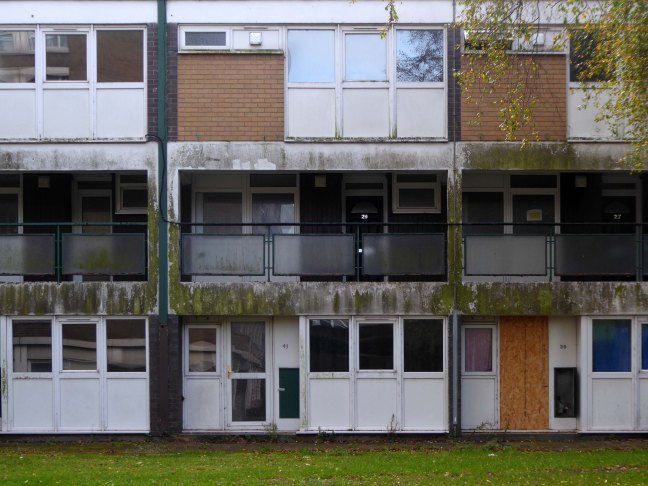
Over the next two decades, numerous buildings were constructed on the site; Behrens, Birley and Simon were all named after prominent local families with ties to the college.

Didsbury became part of Manchester Polytechnic in 1977, renamed Didsbury School of Education.

The adjacent Broomhurst halls of residence have since been demolished.

Both Sandhurst House and the Old Chapel are Grade II listed – the architect was probably Richard Lane.

As of 2018 the site is being redeveloped by local architects PJ Livesey, as a residential area of 93 homes, with the listed buildings being retained.

Here’s a record of my visit, to the soon to be demolished site, in April 2015.

Archive photographs Local Image Collection.