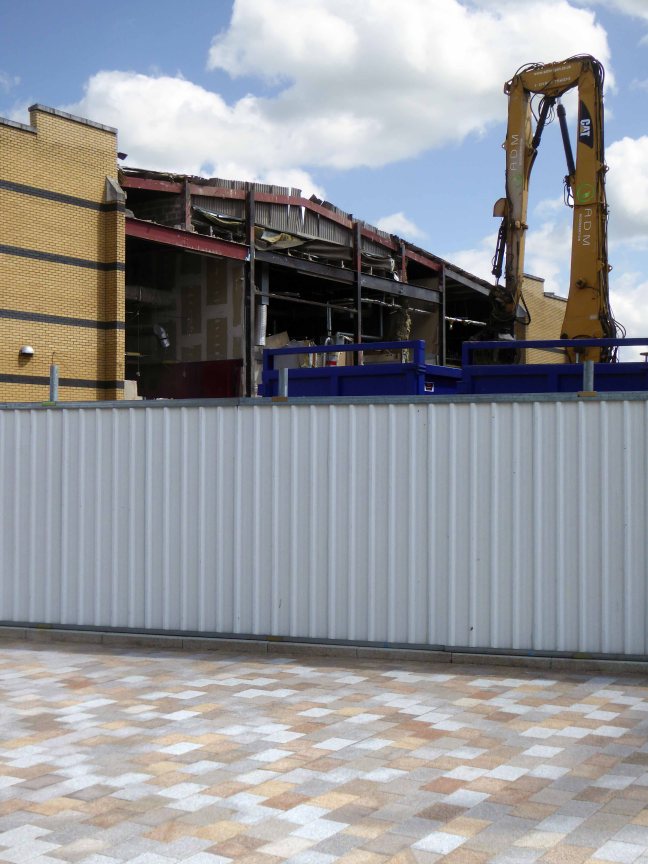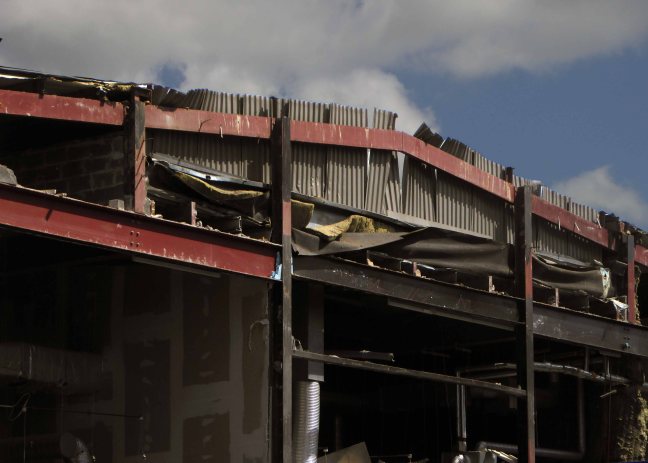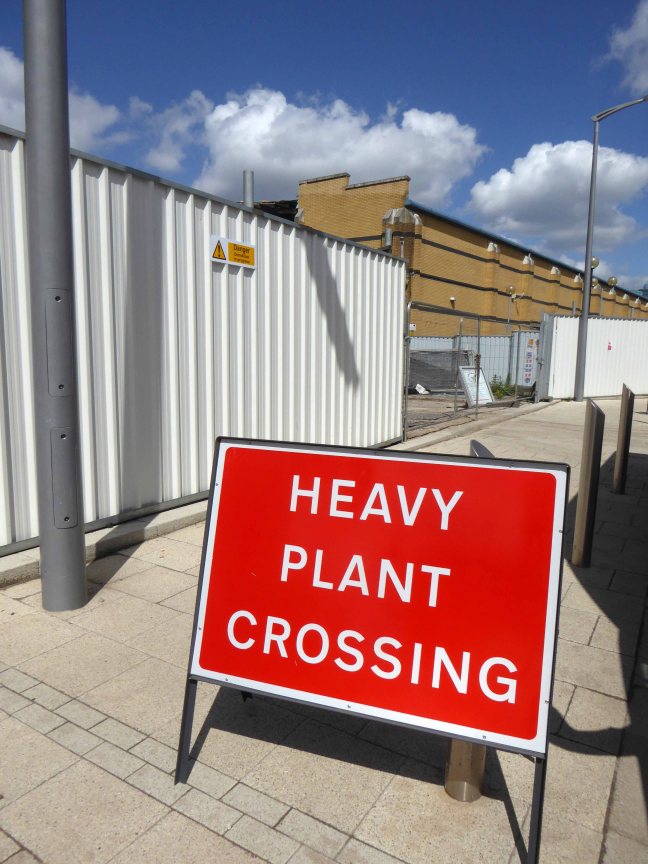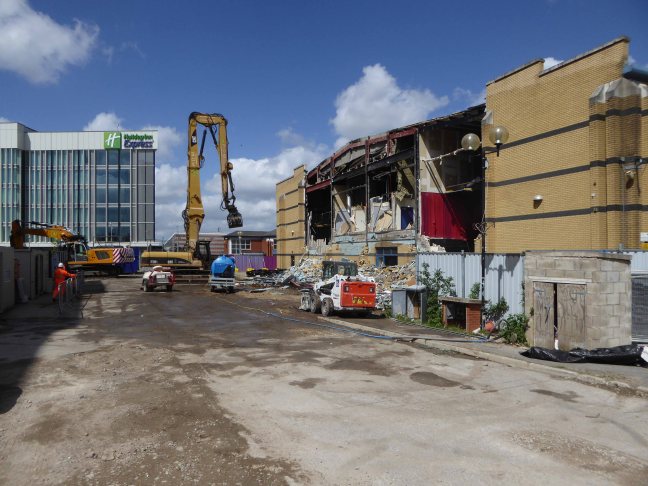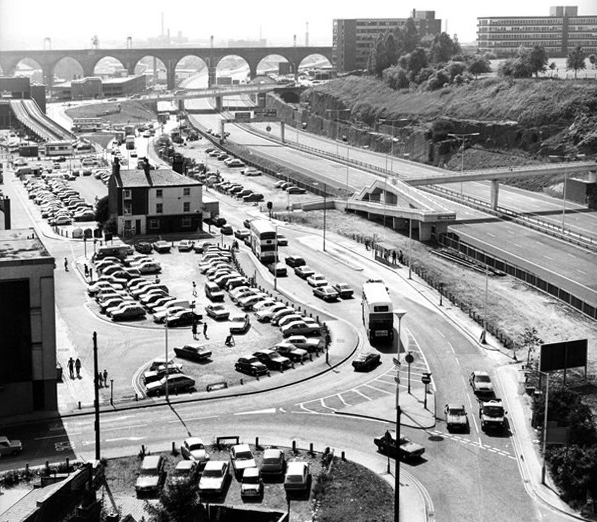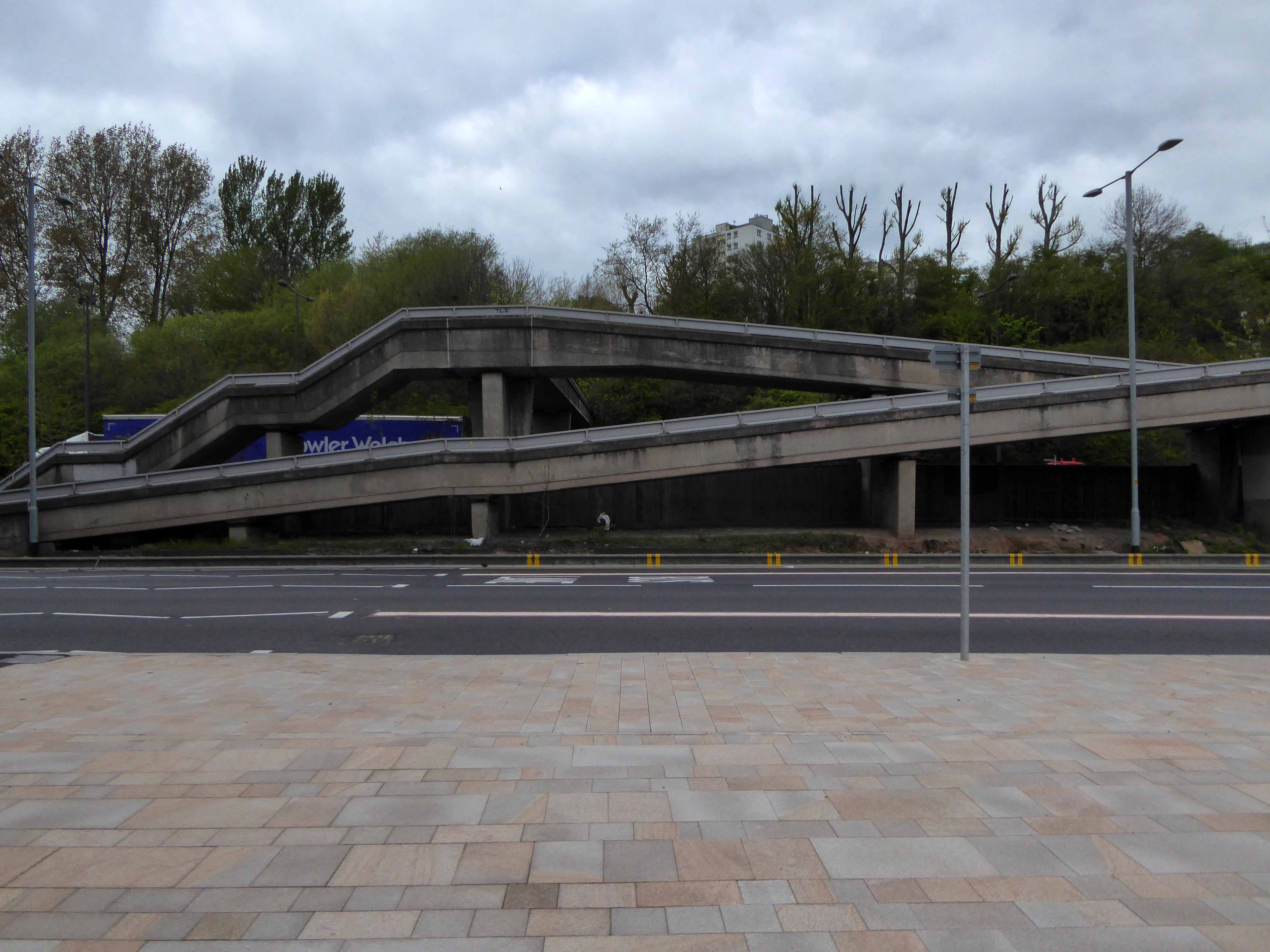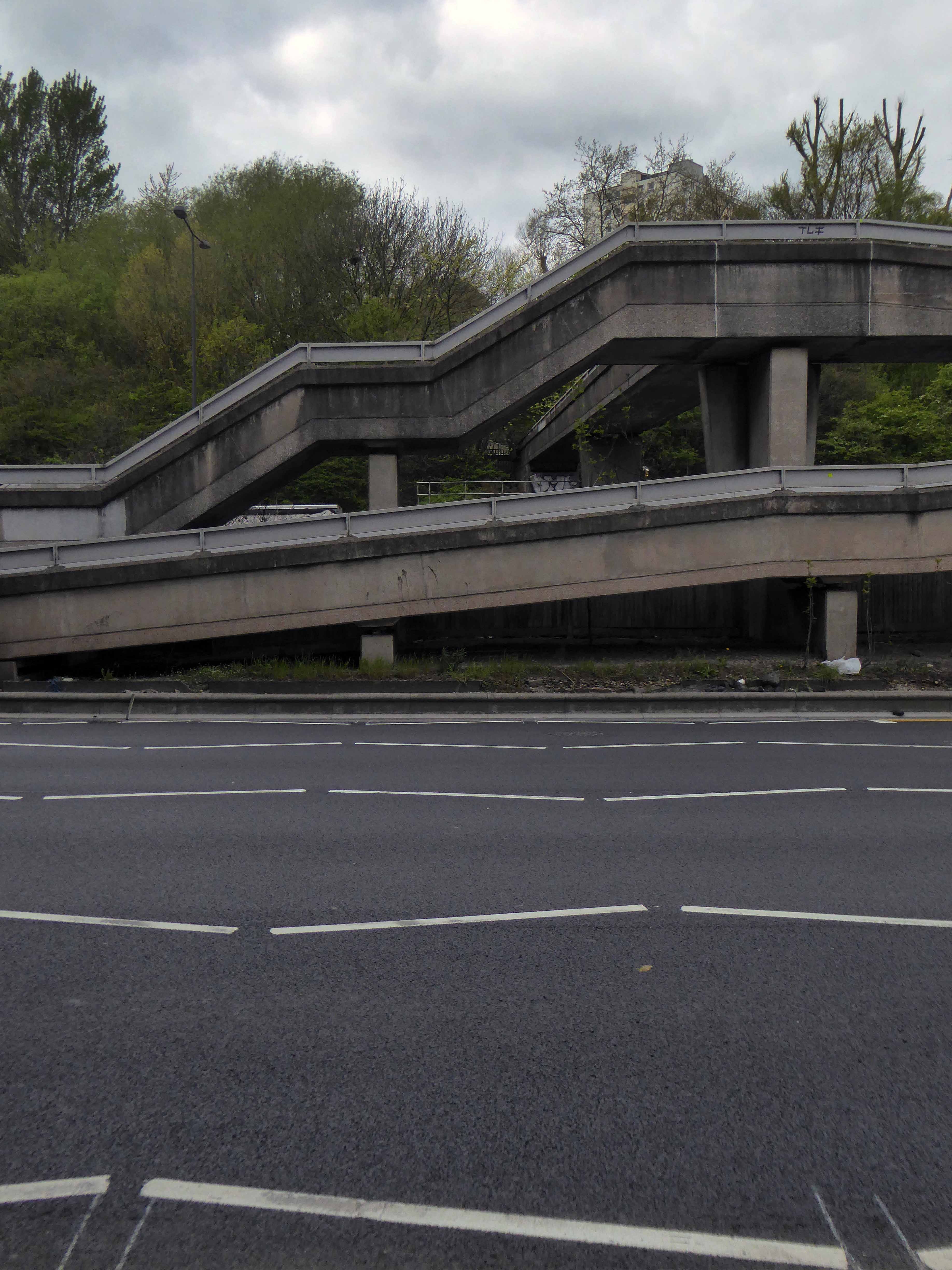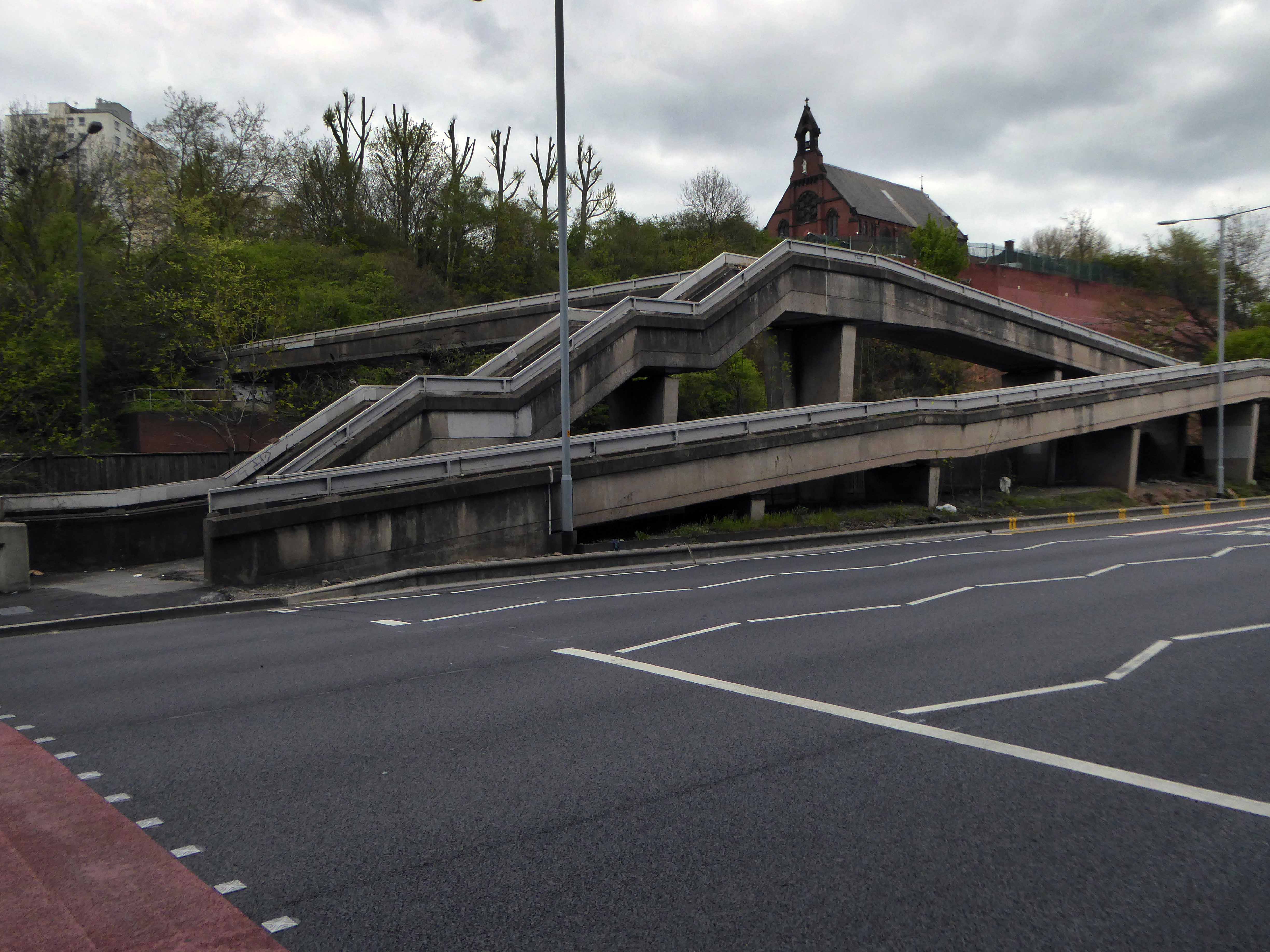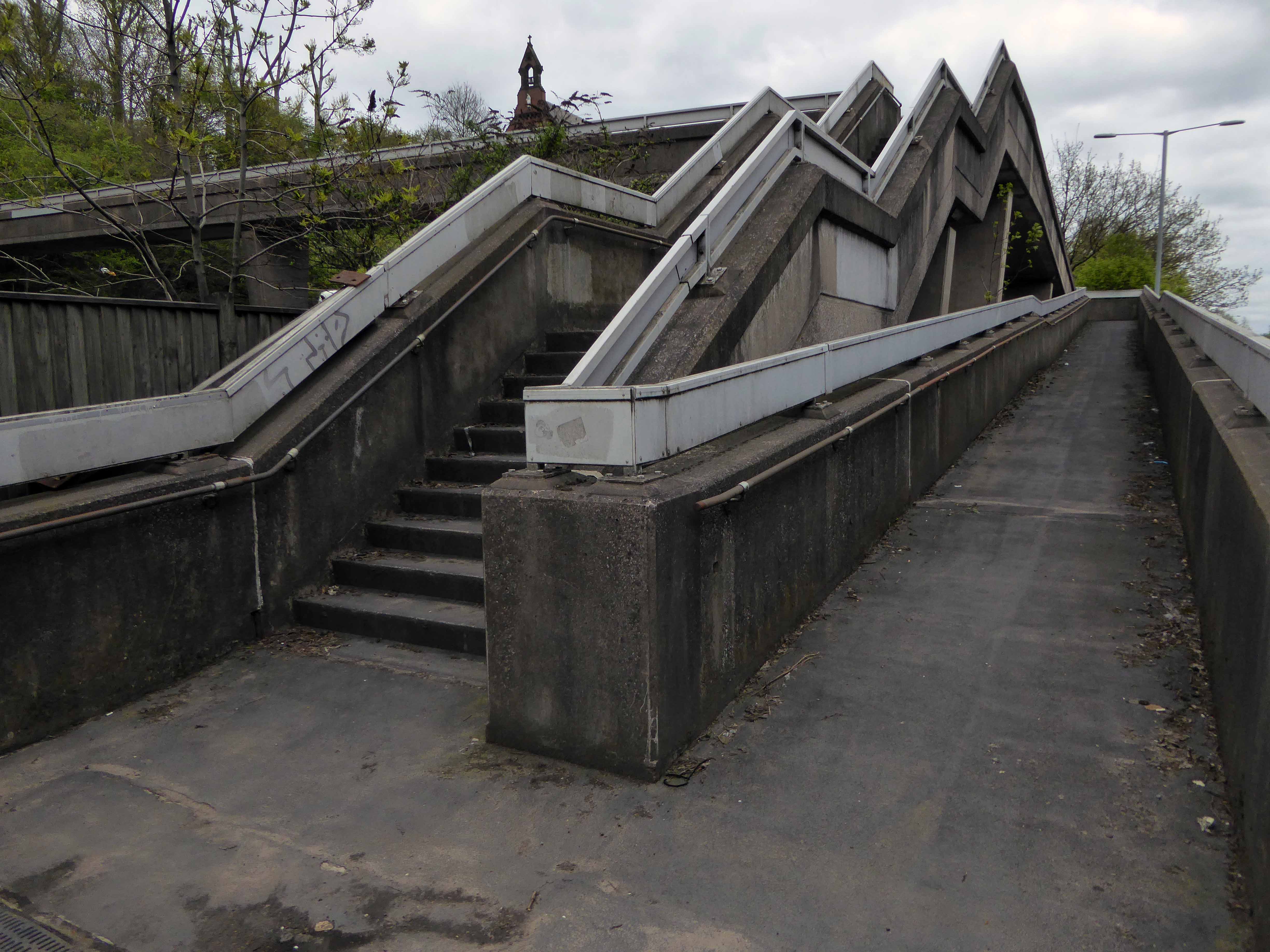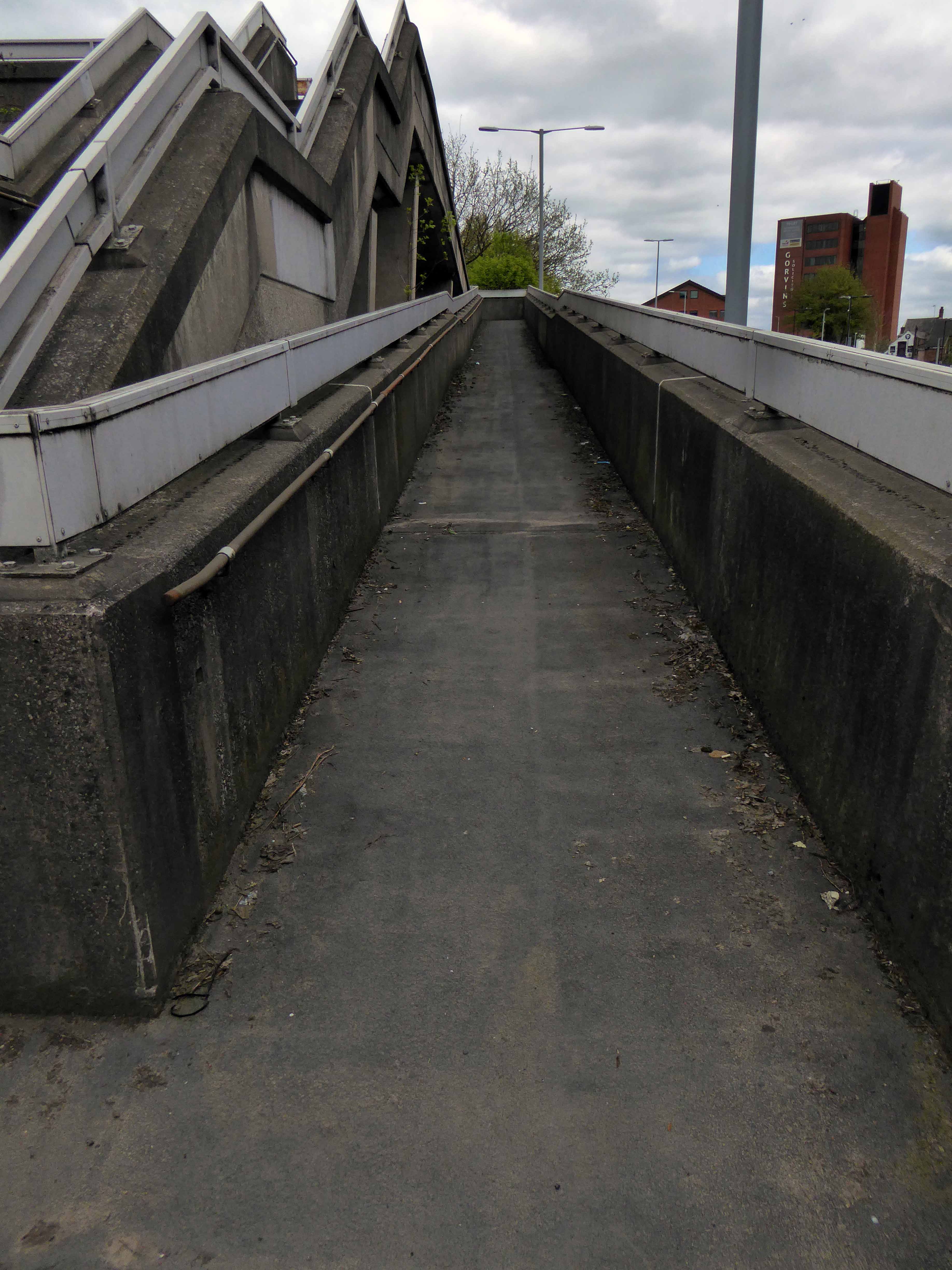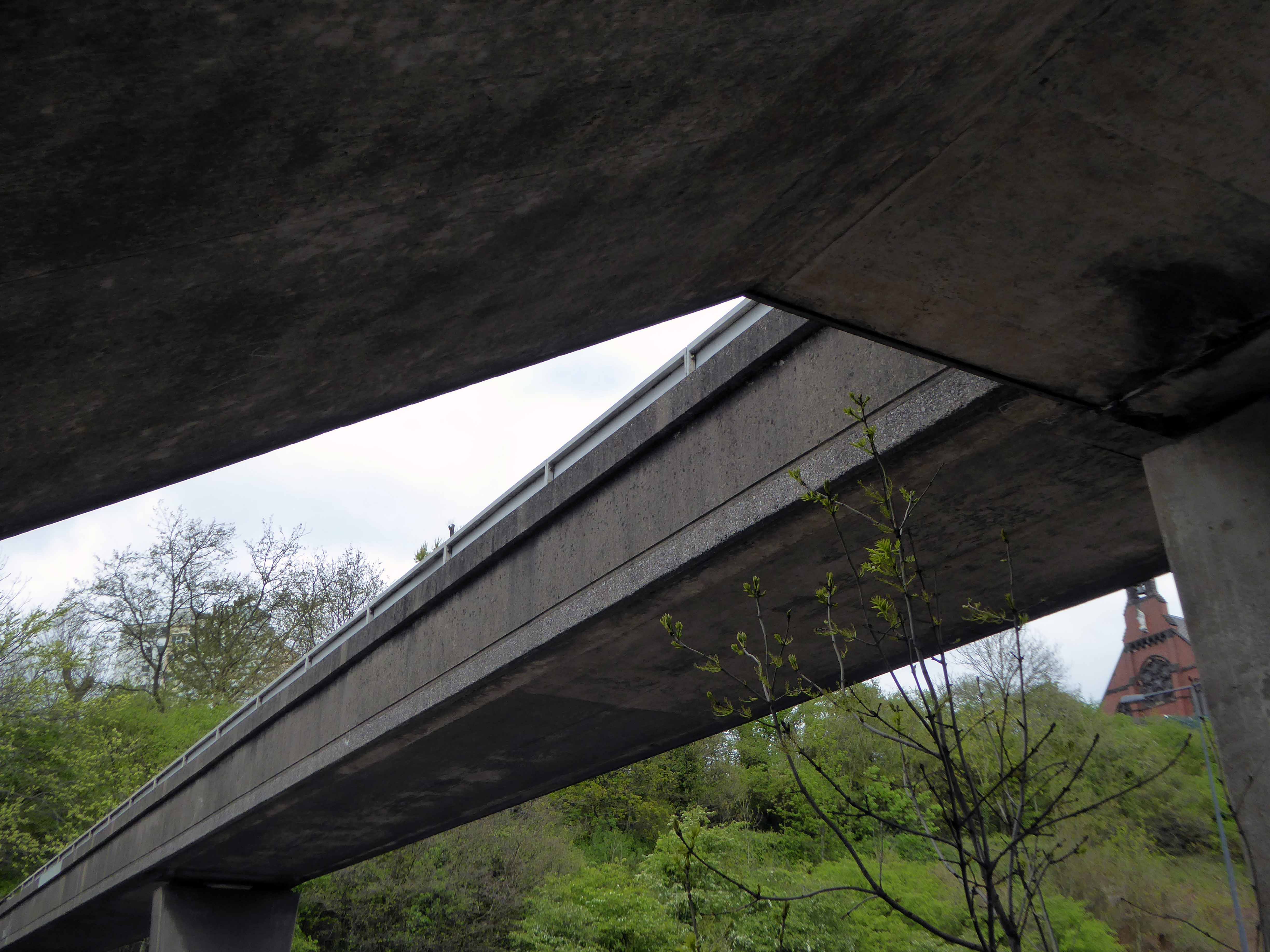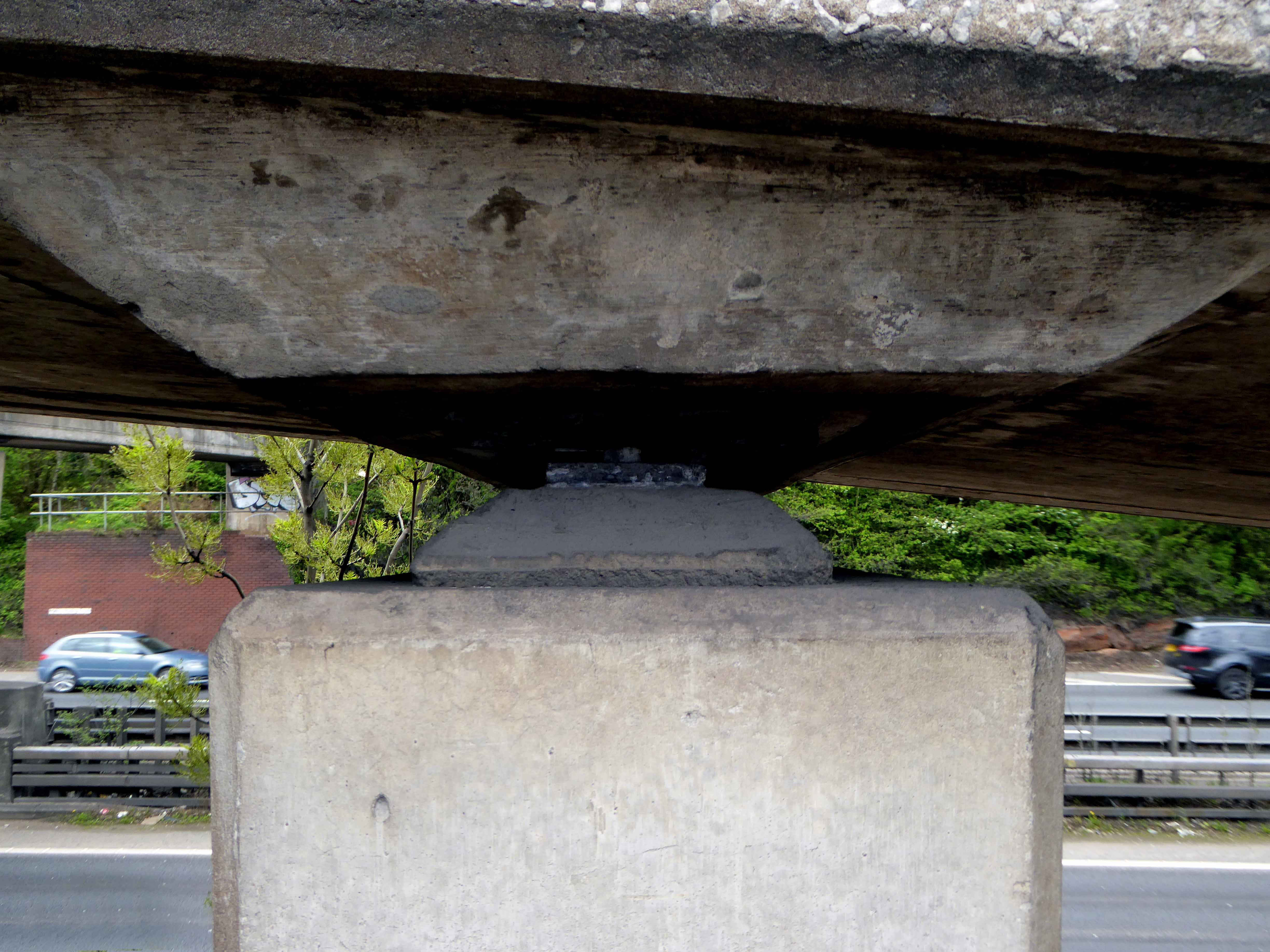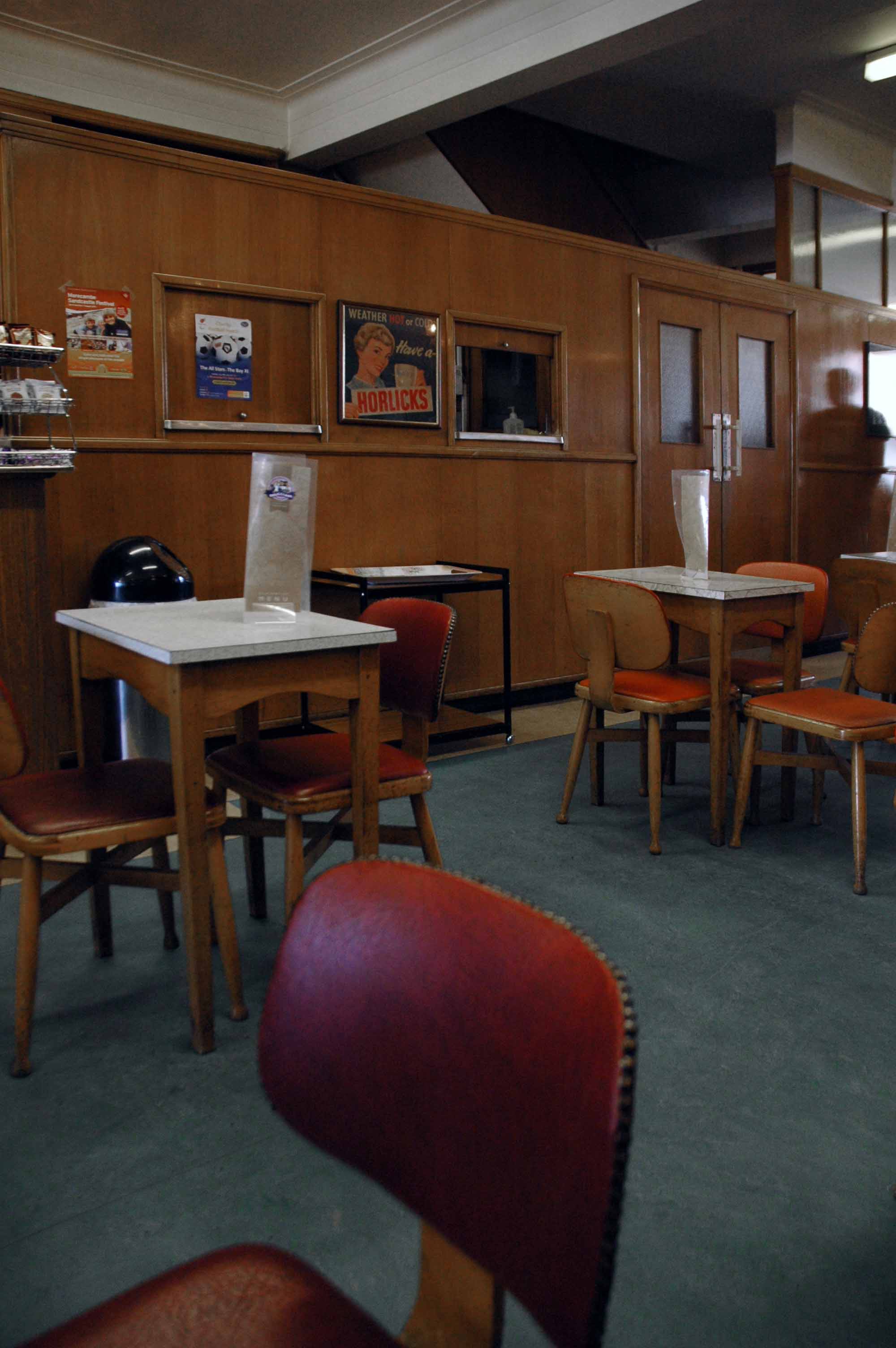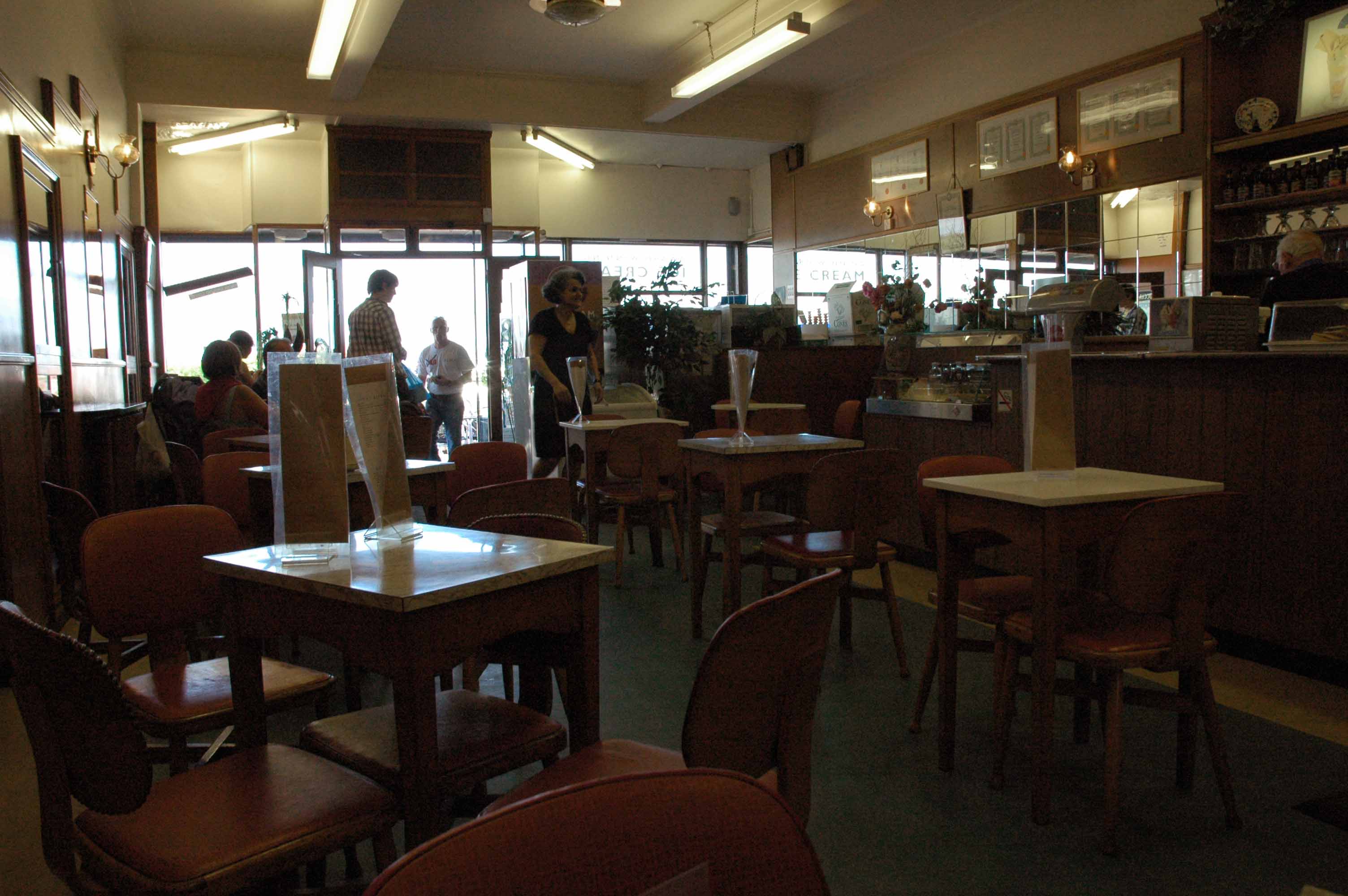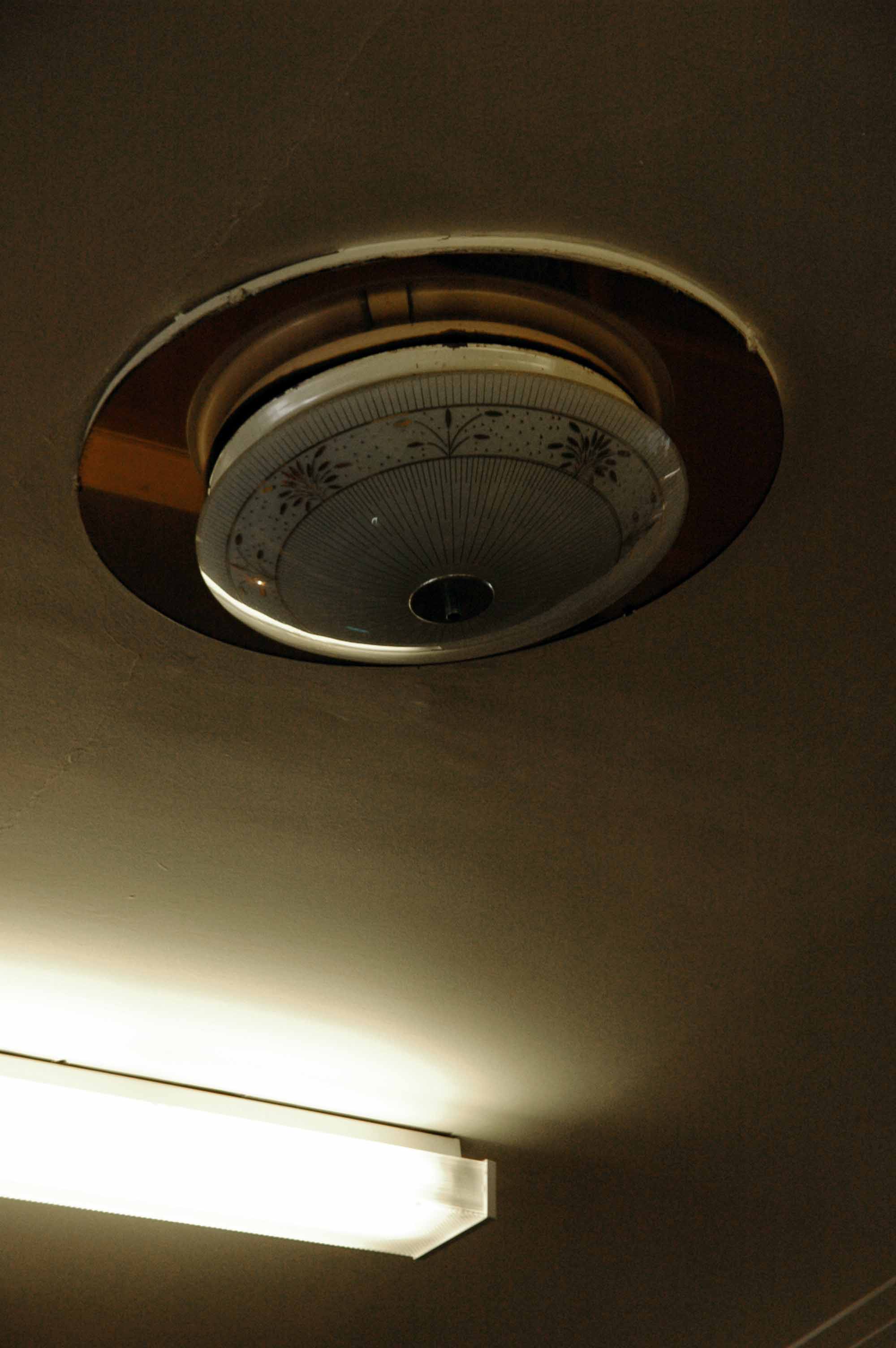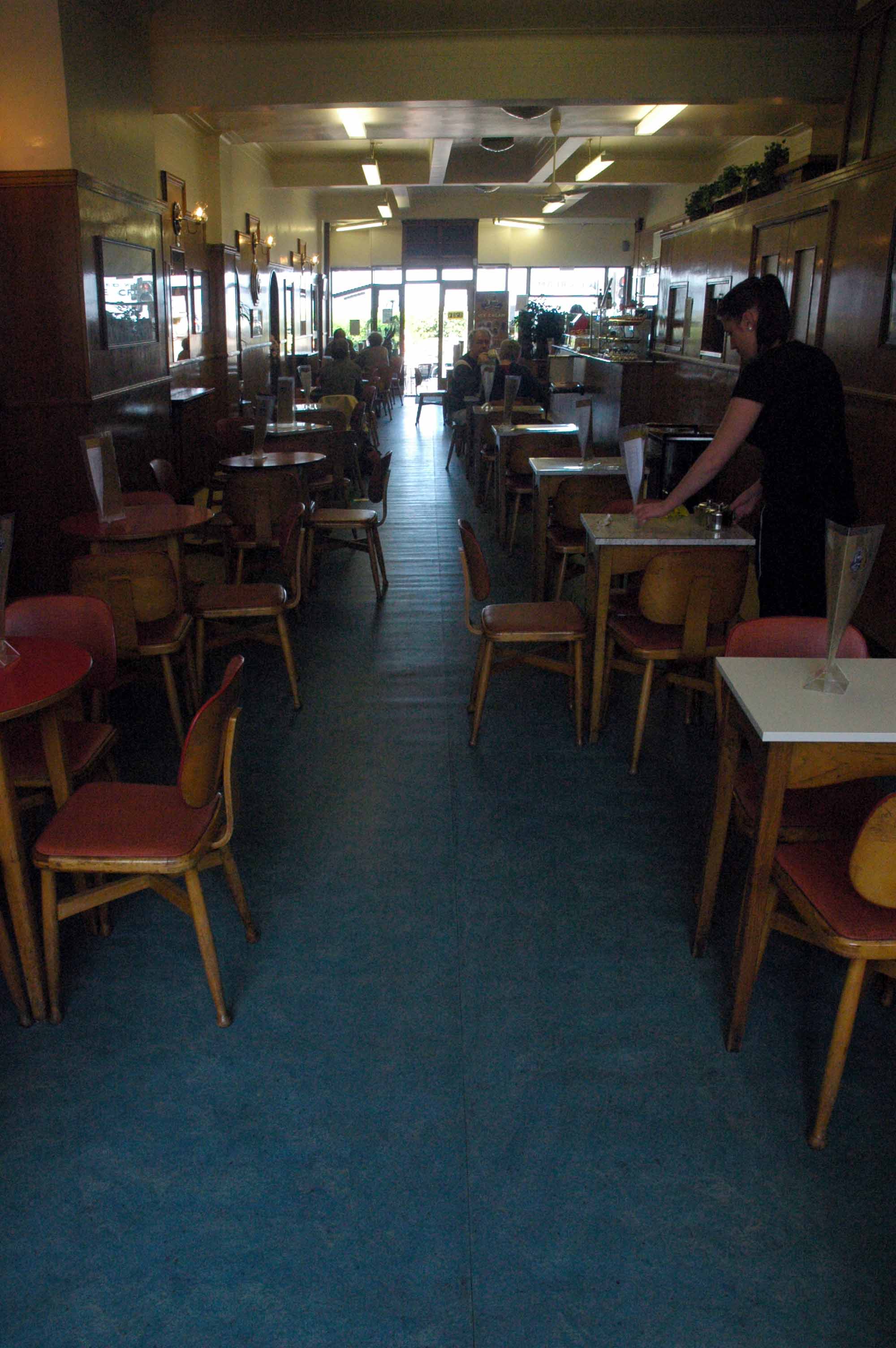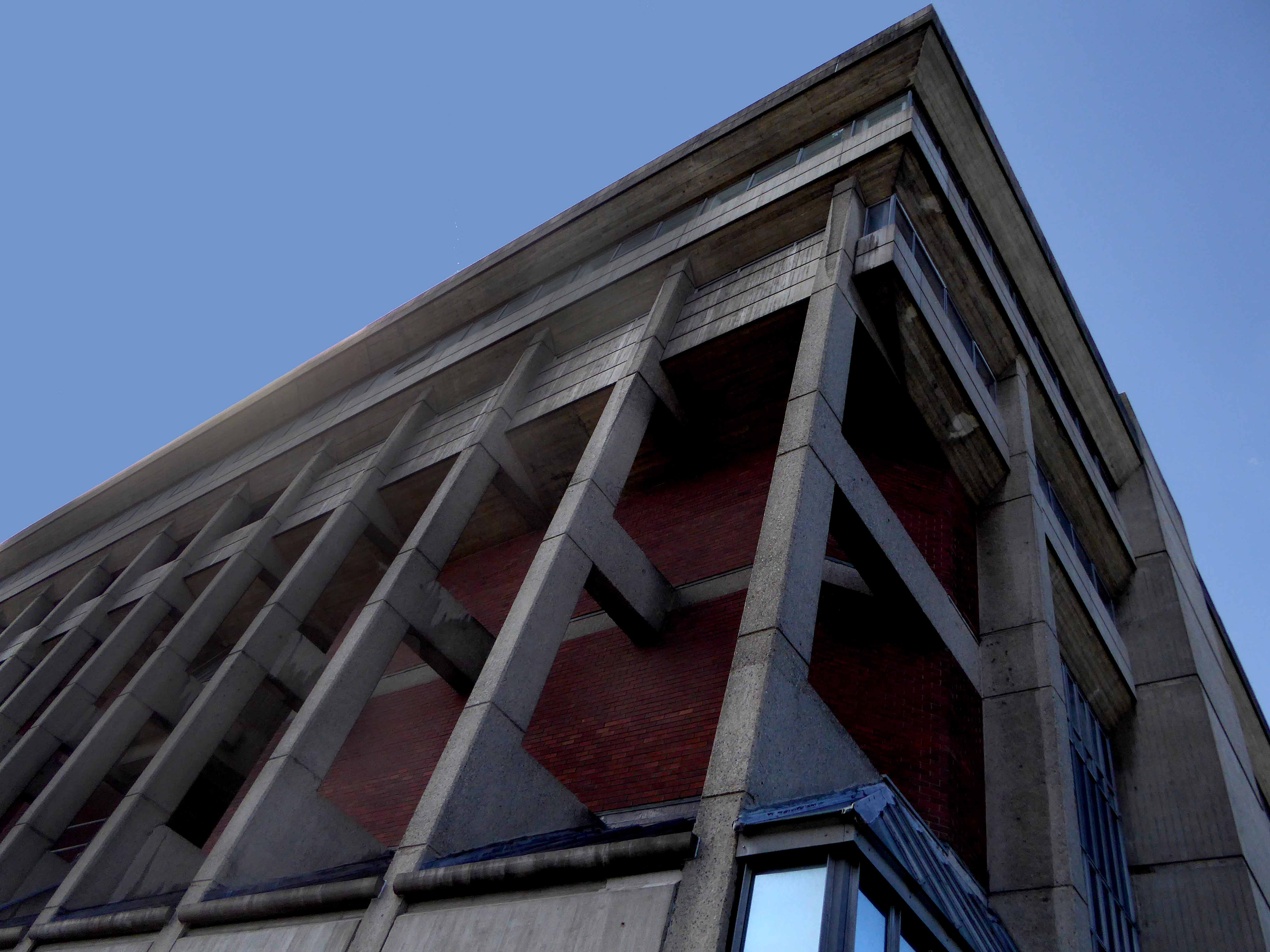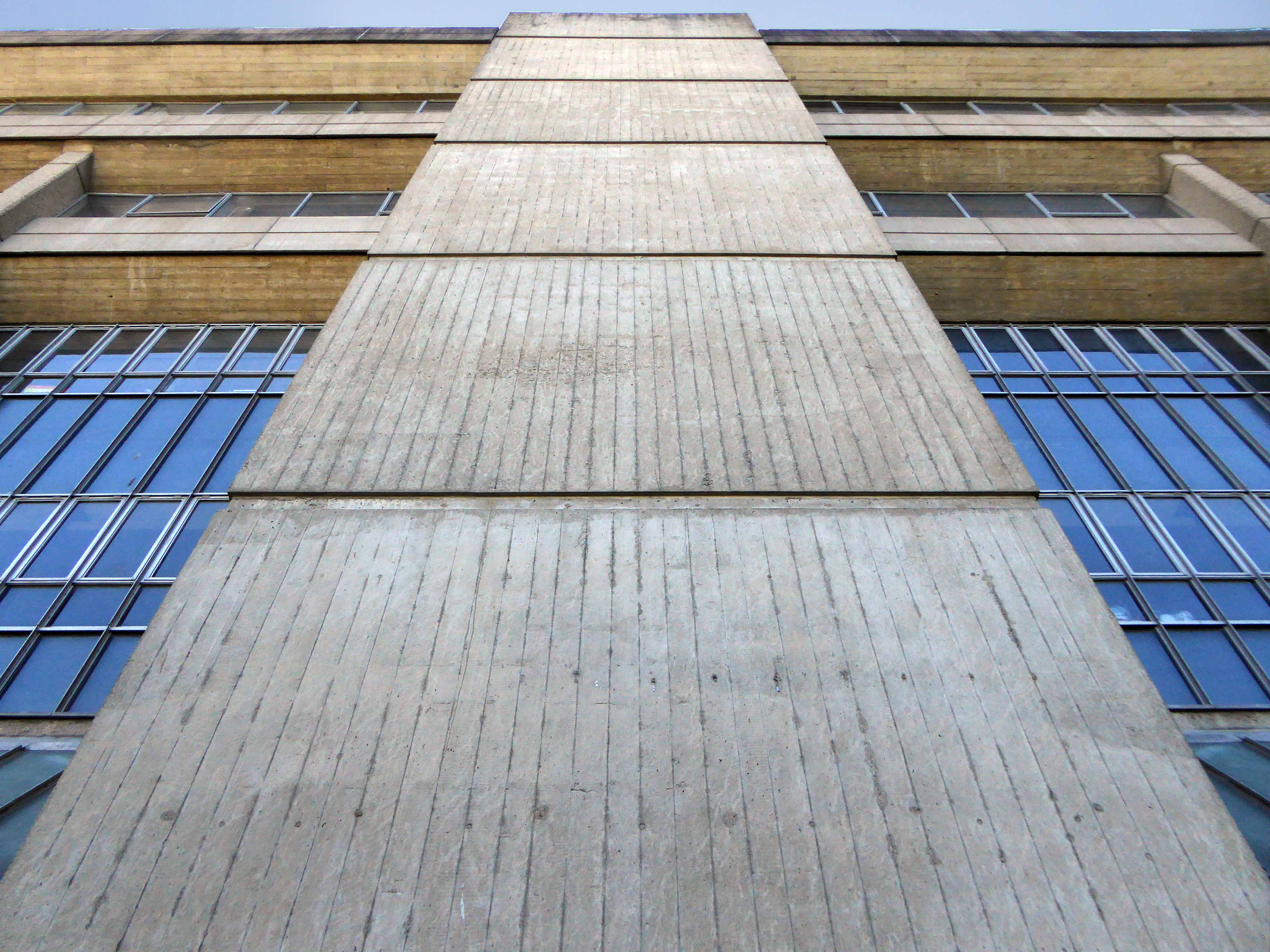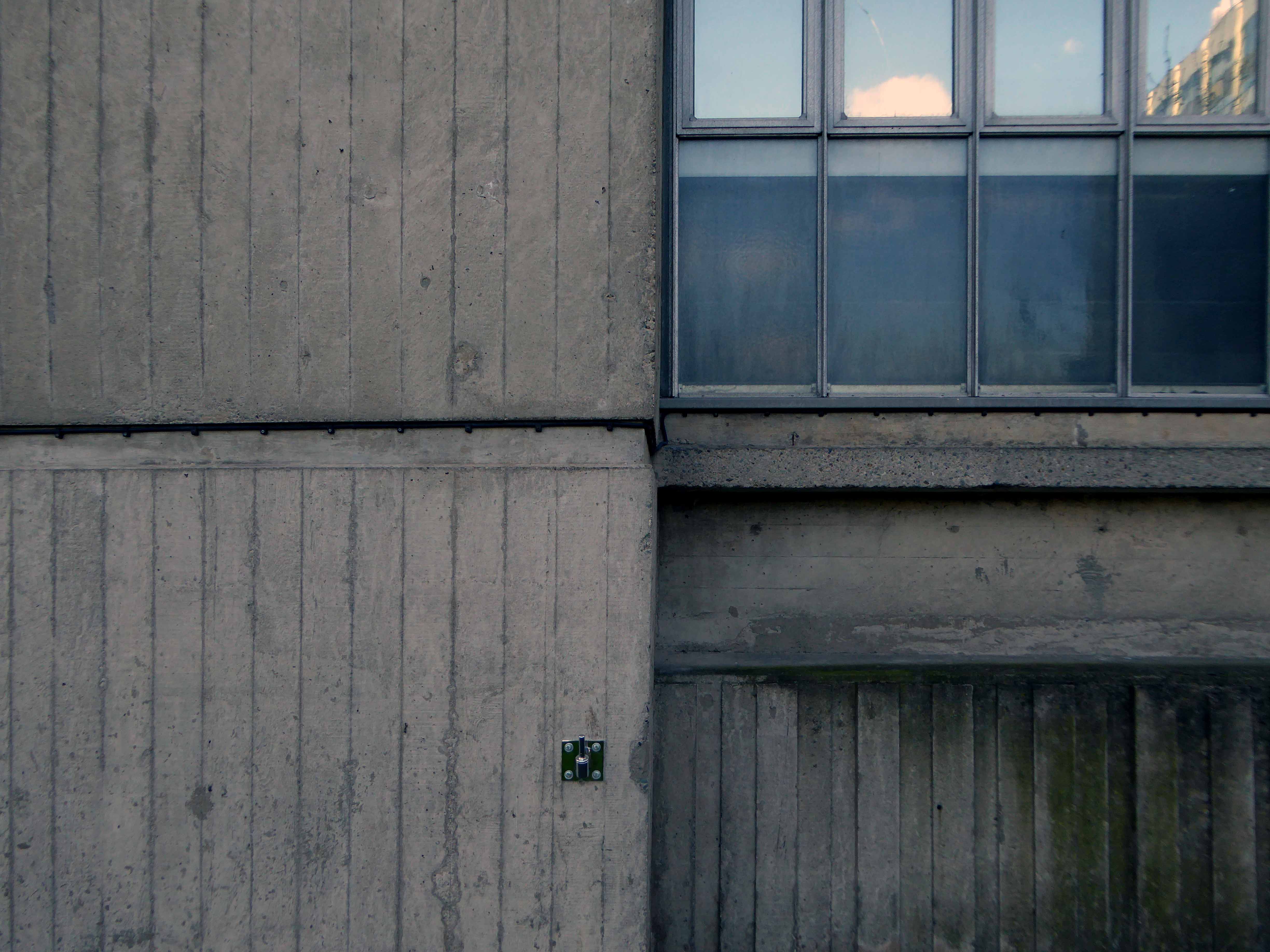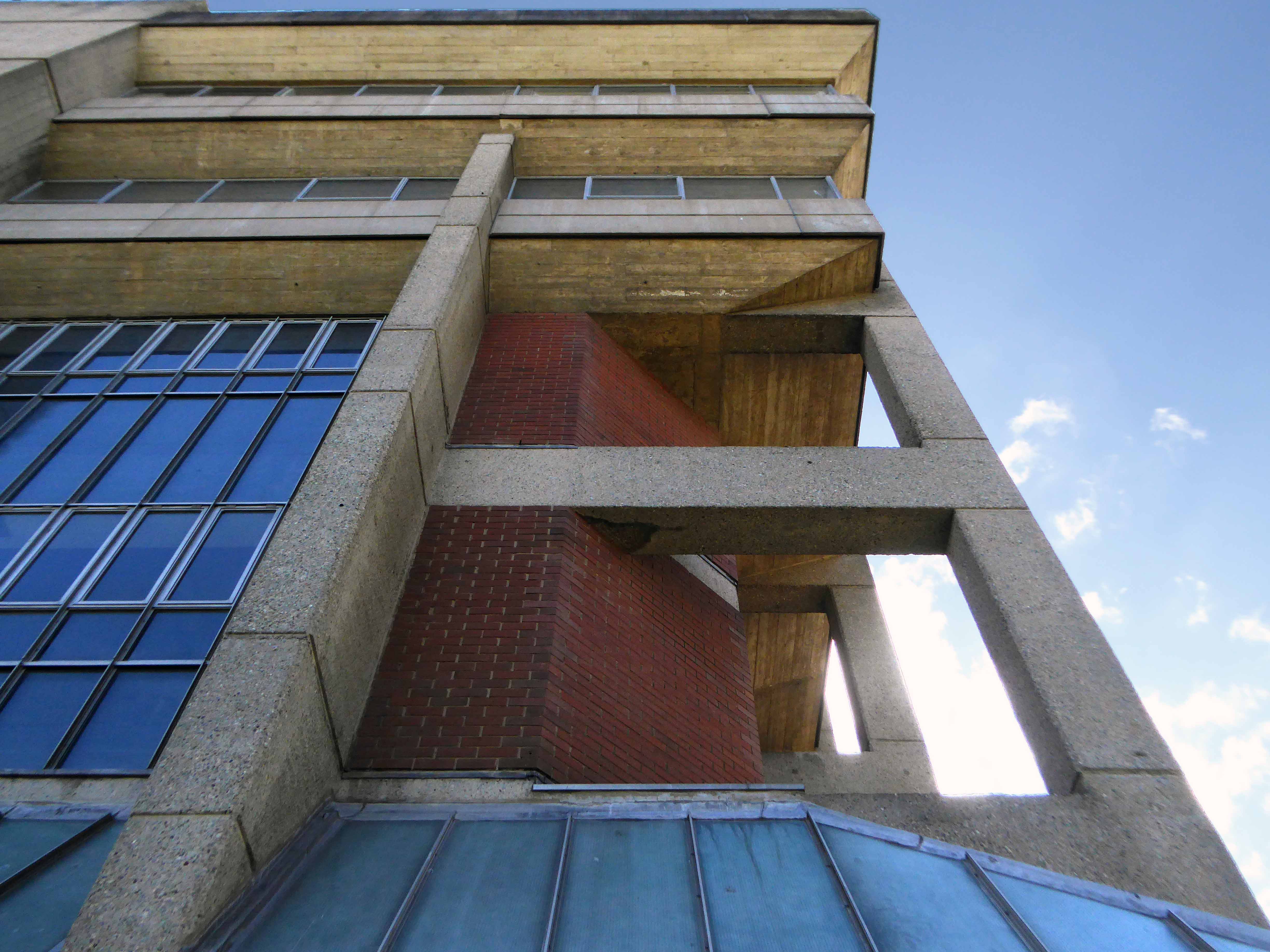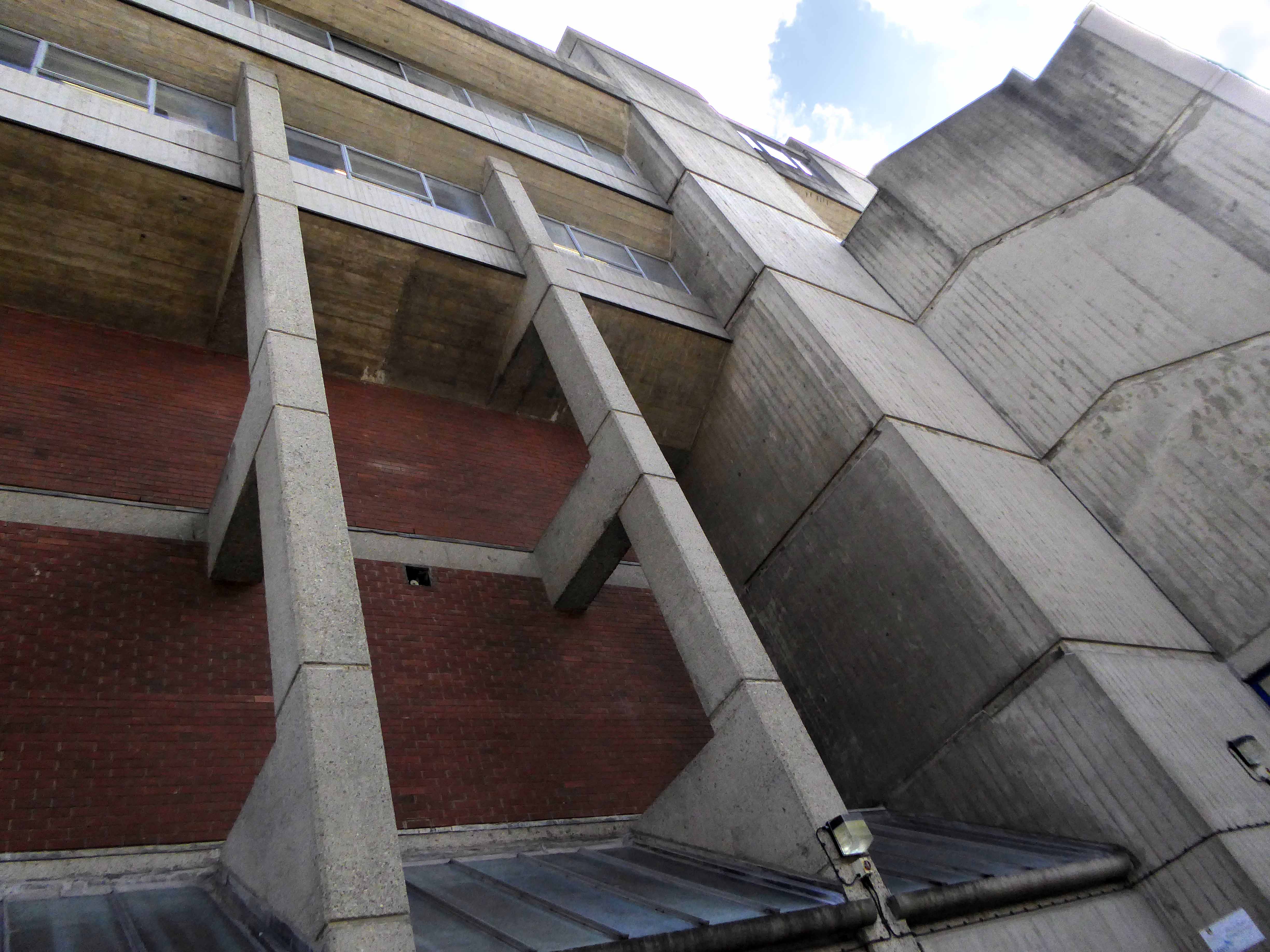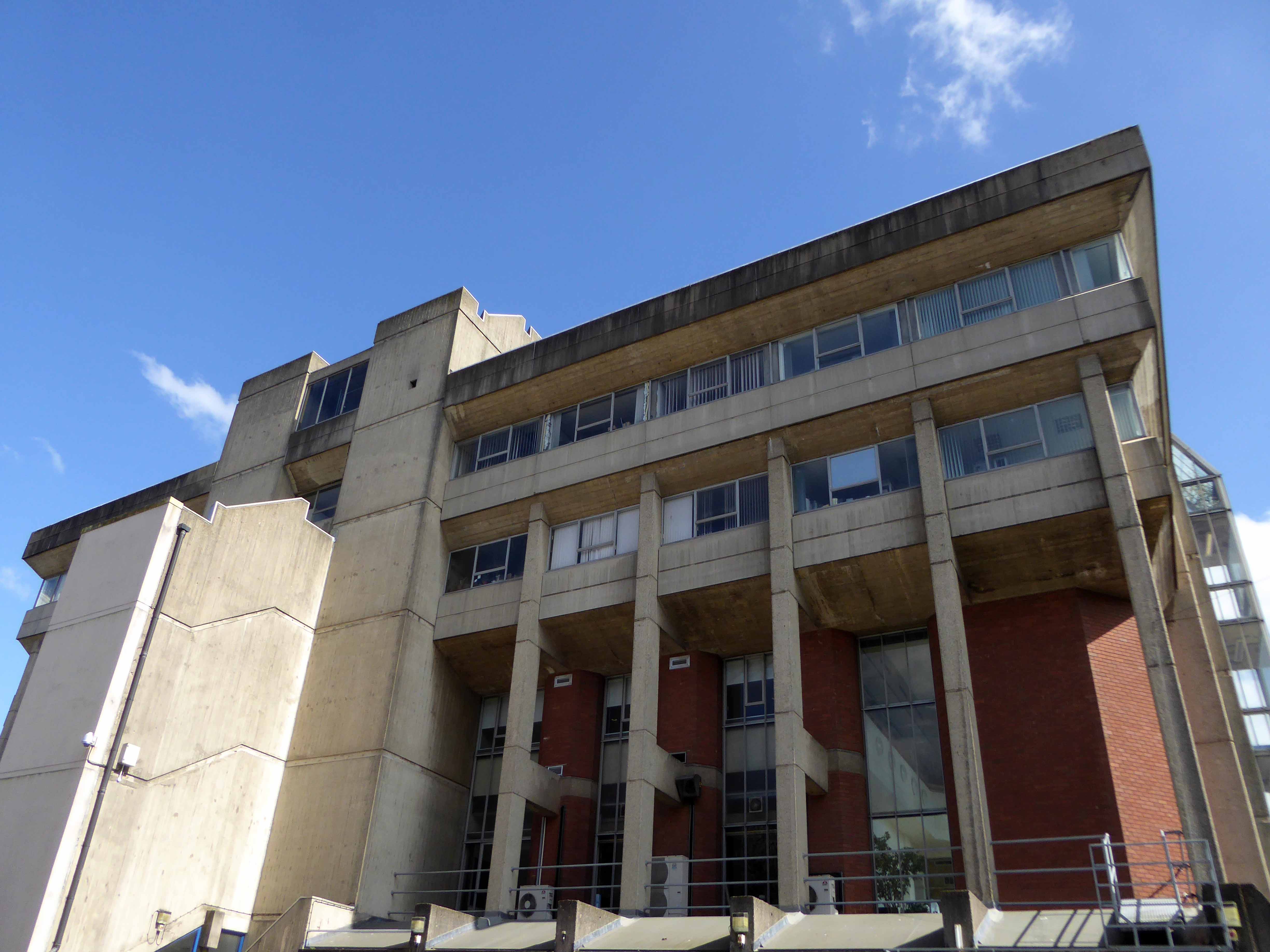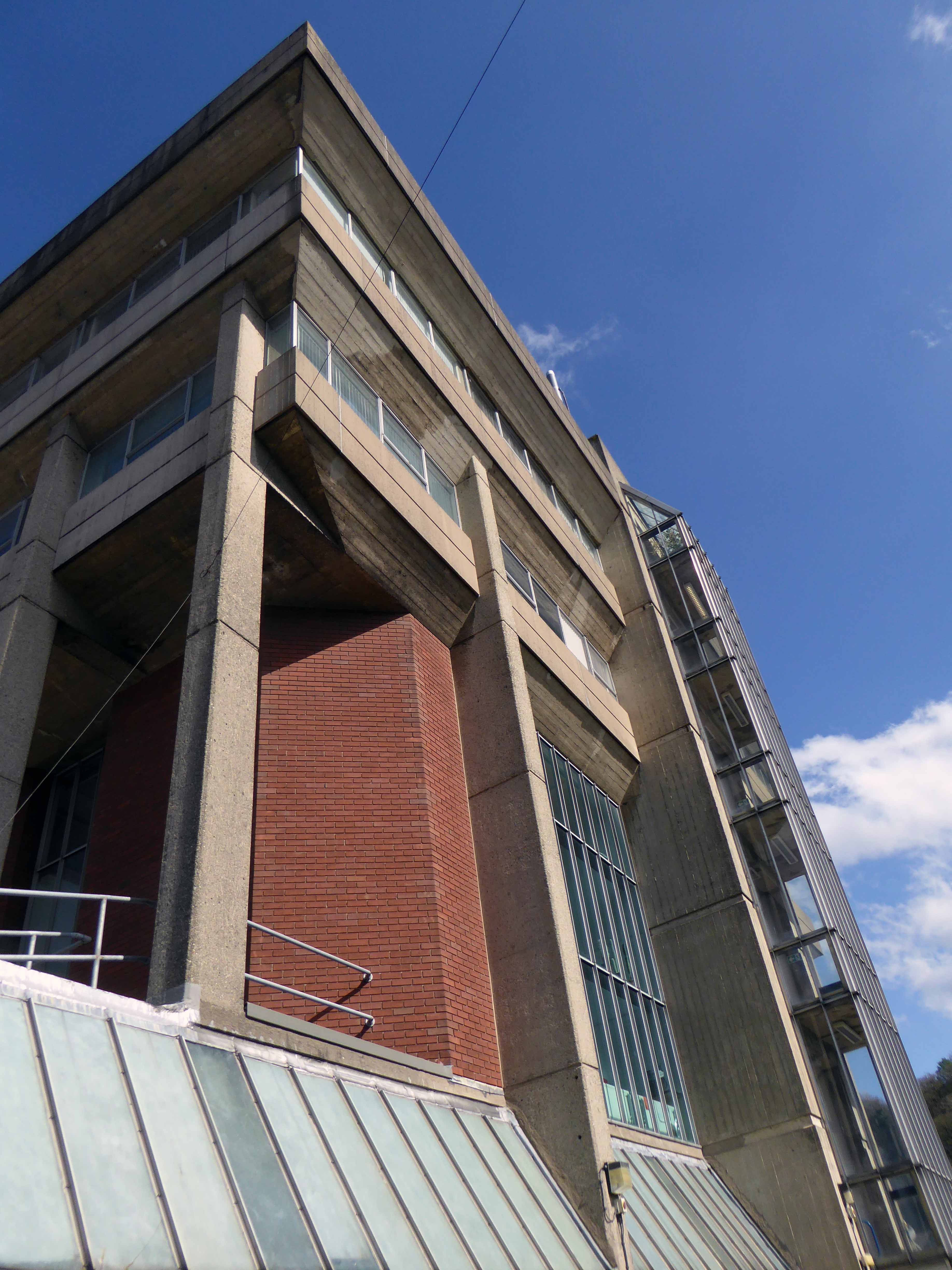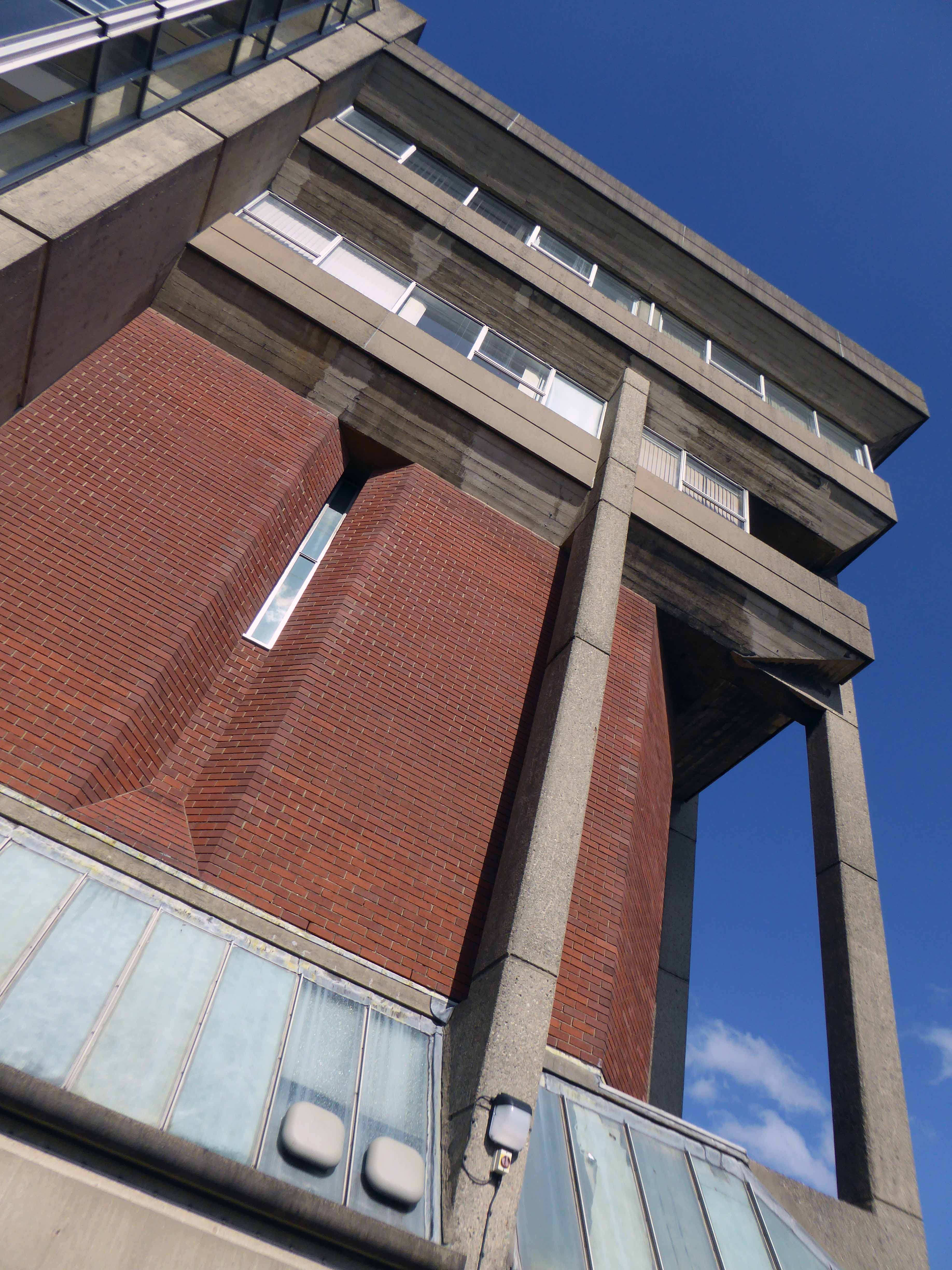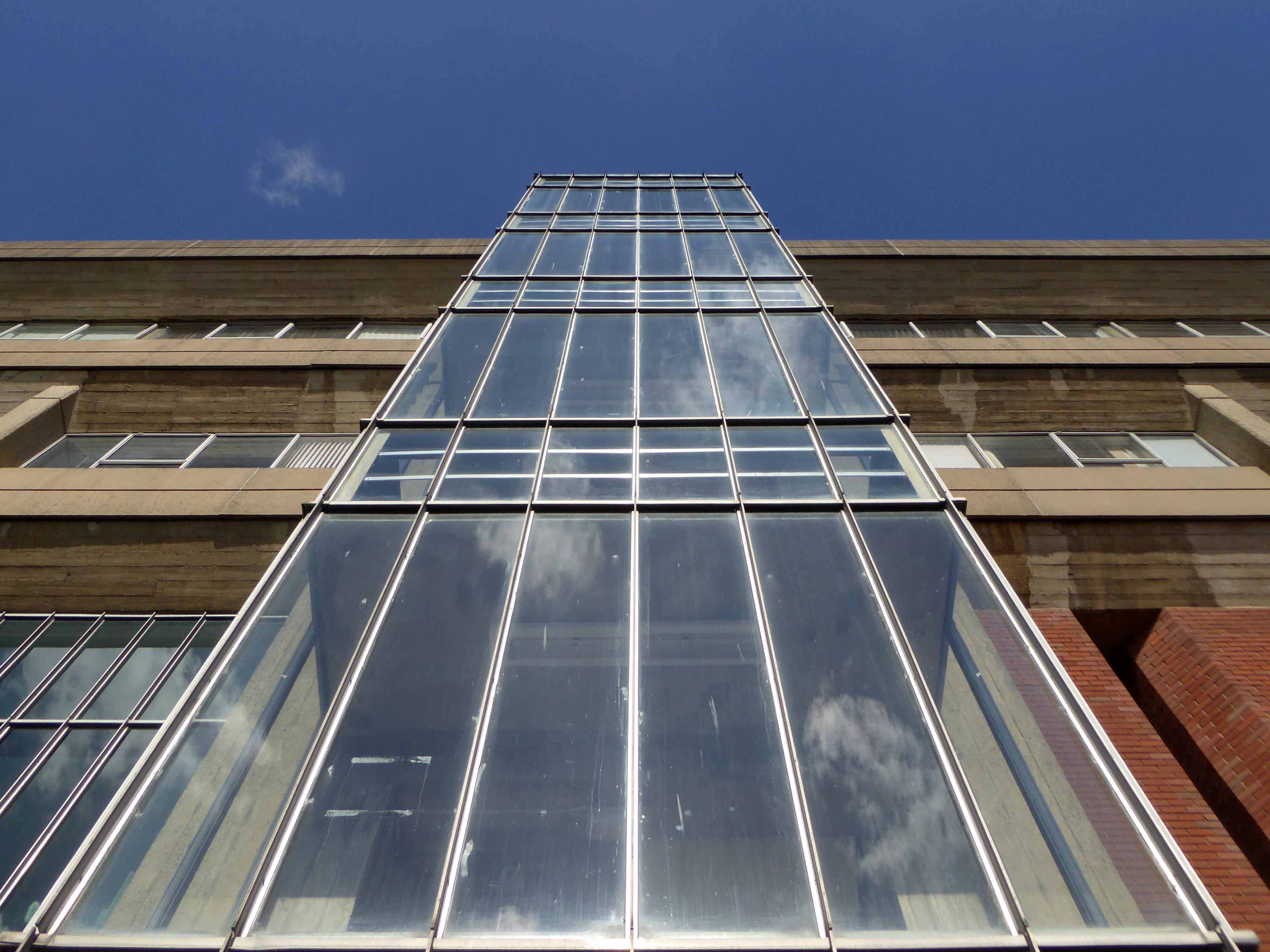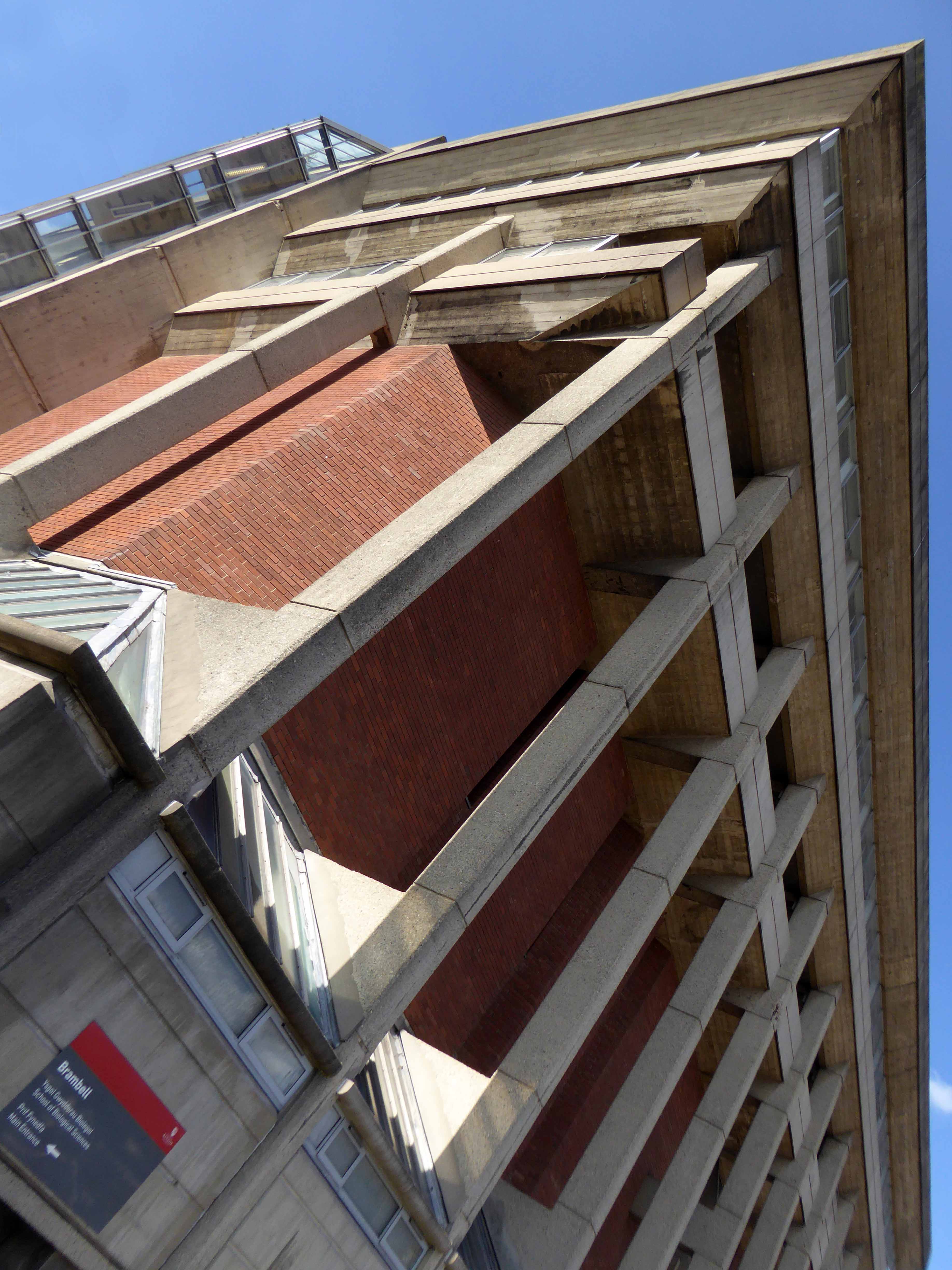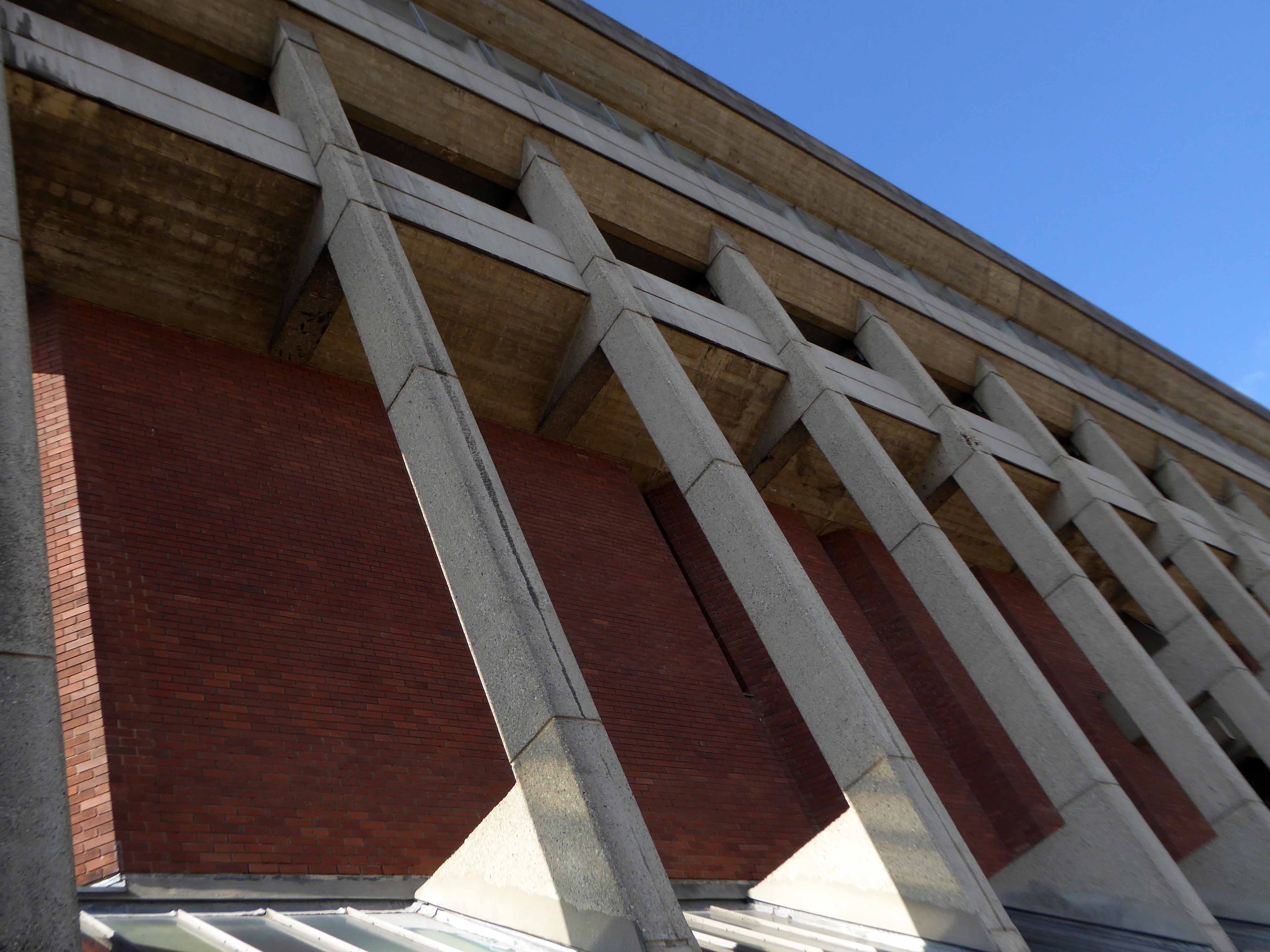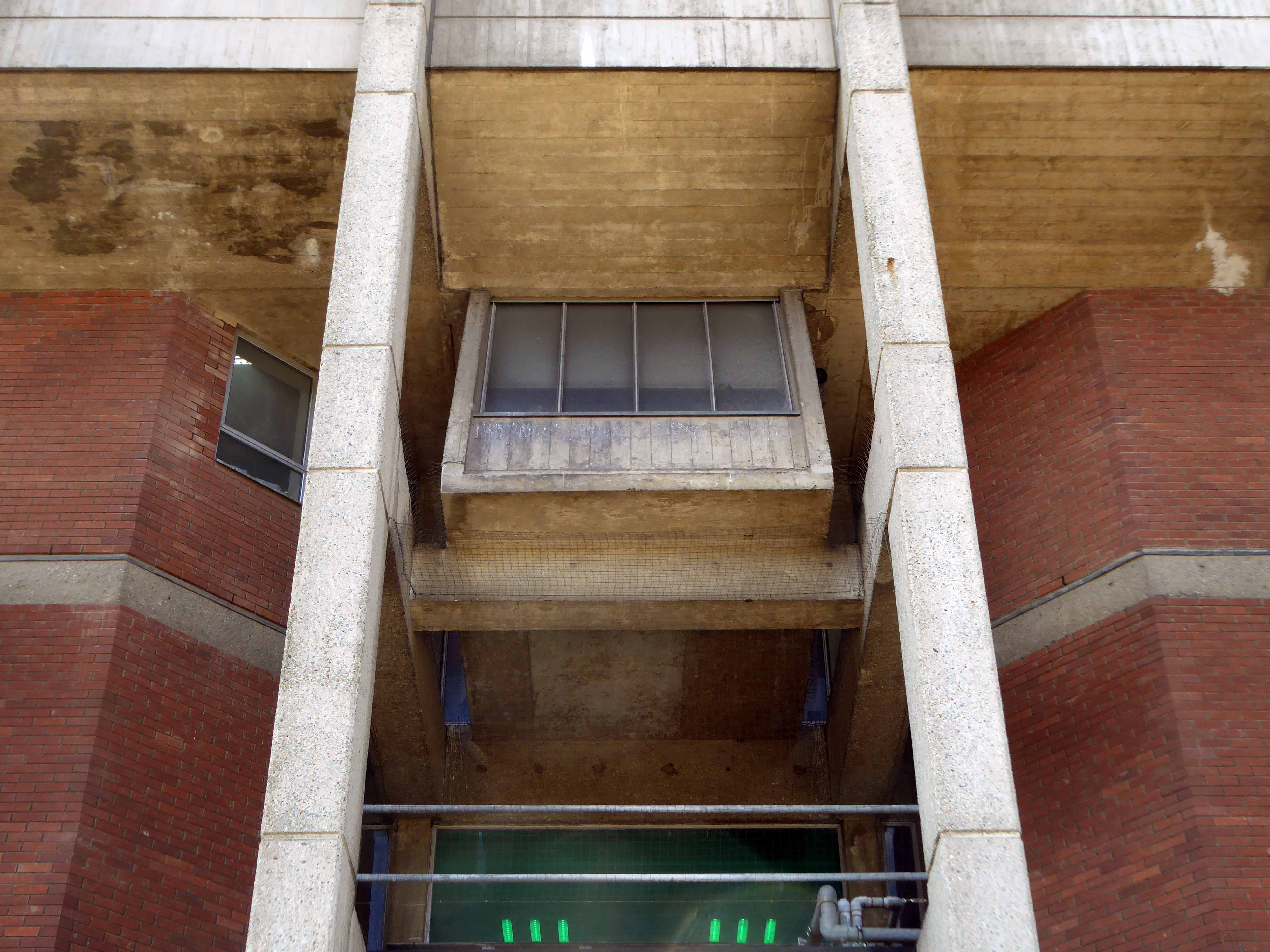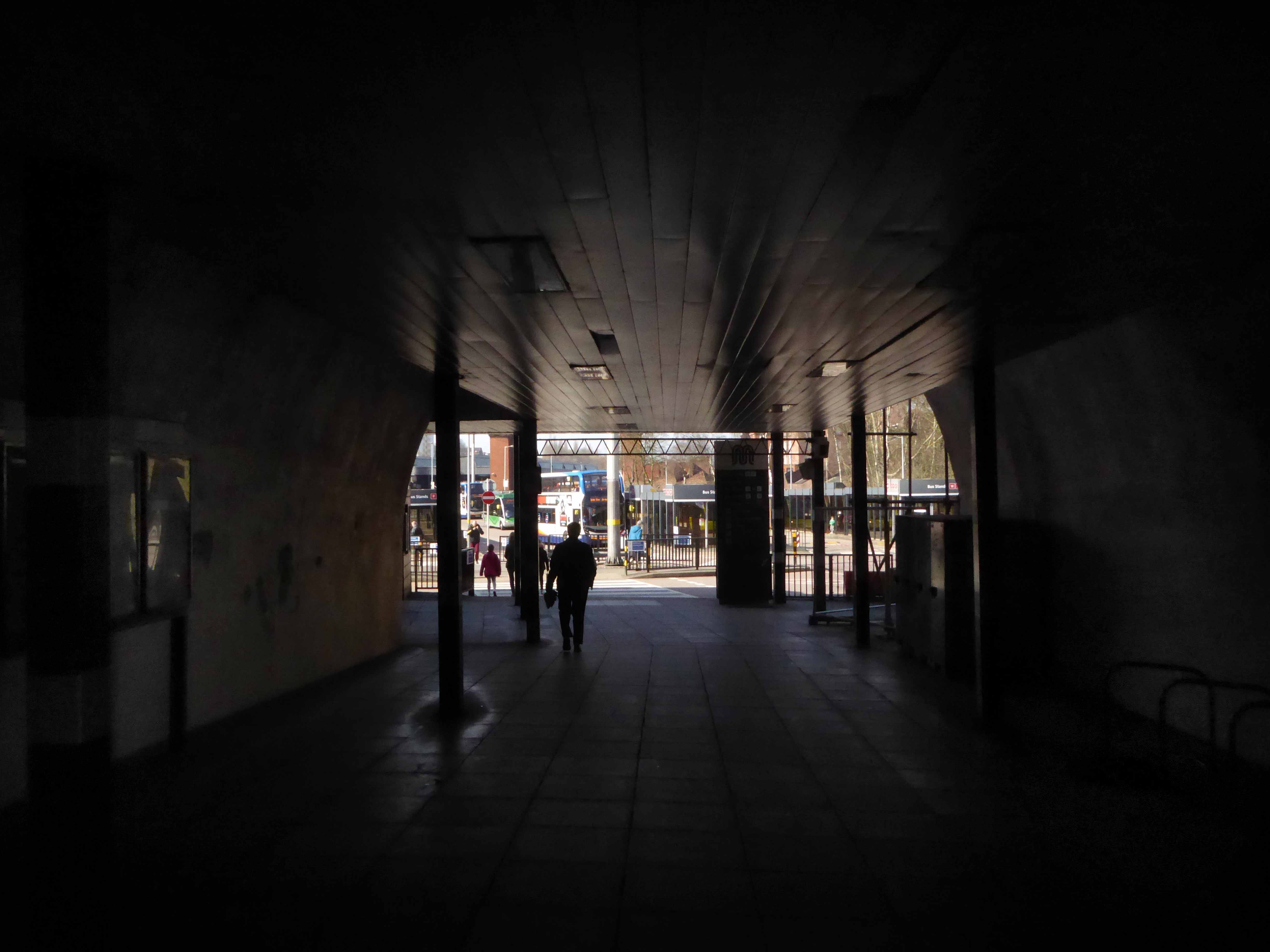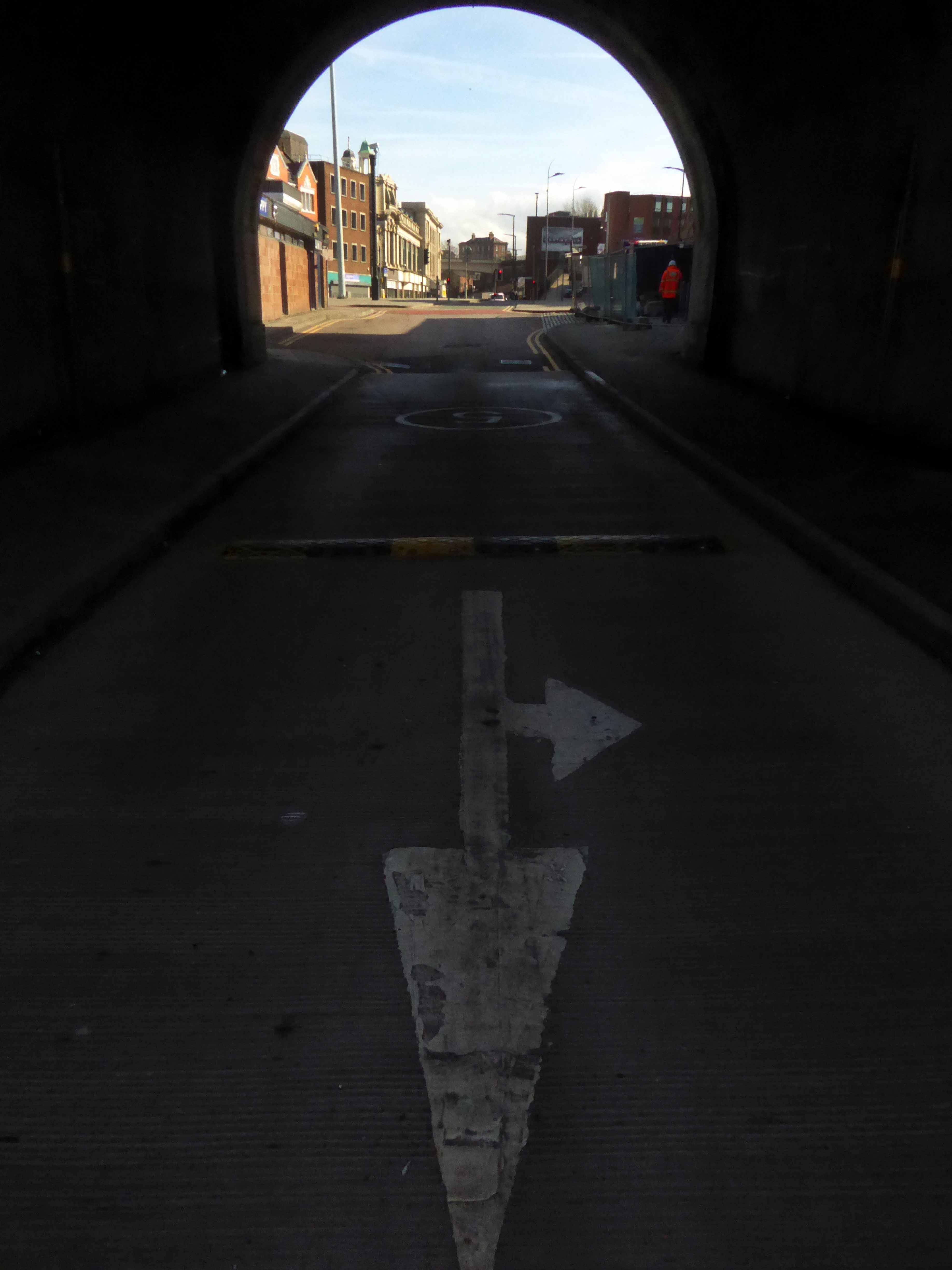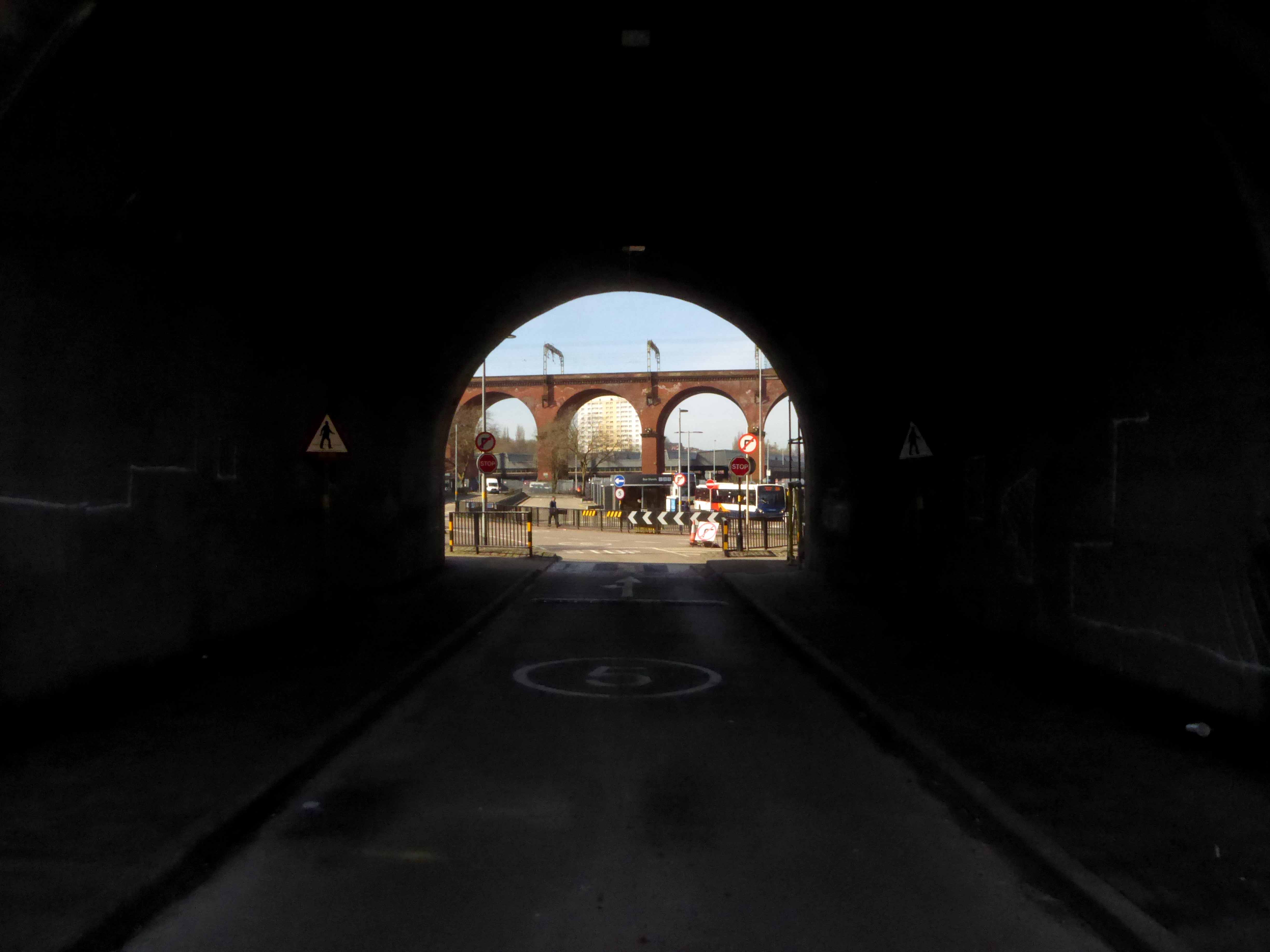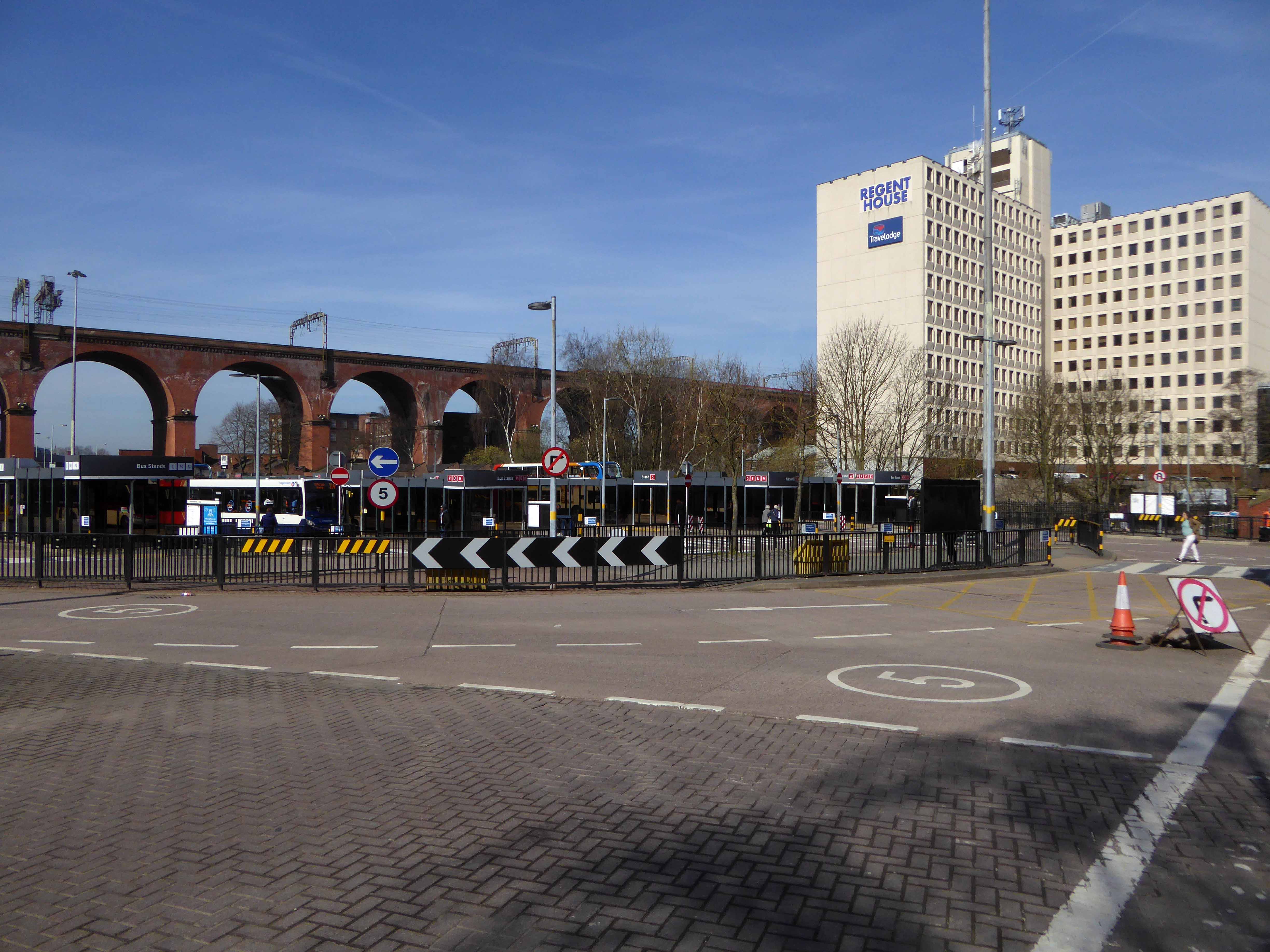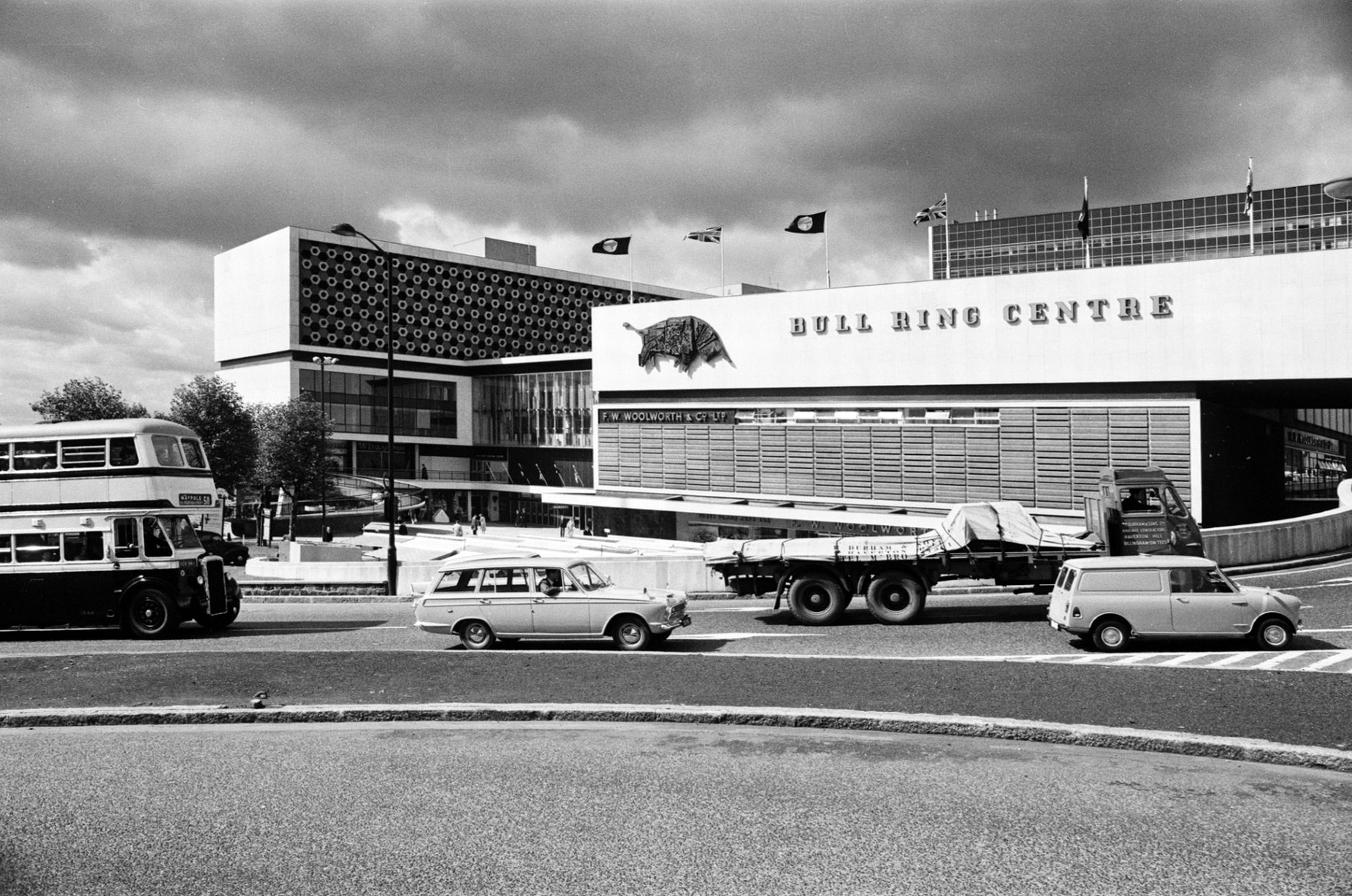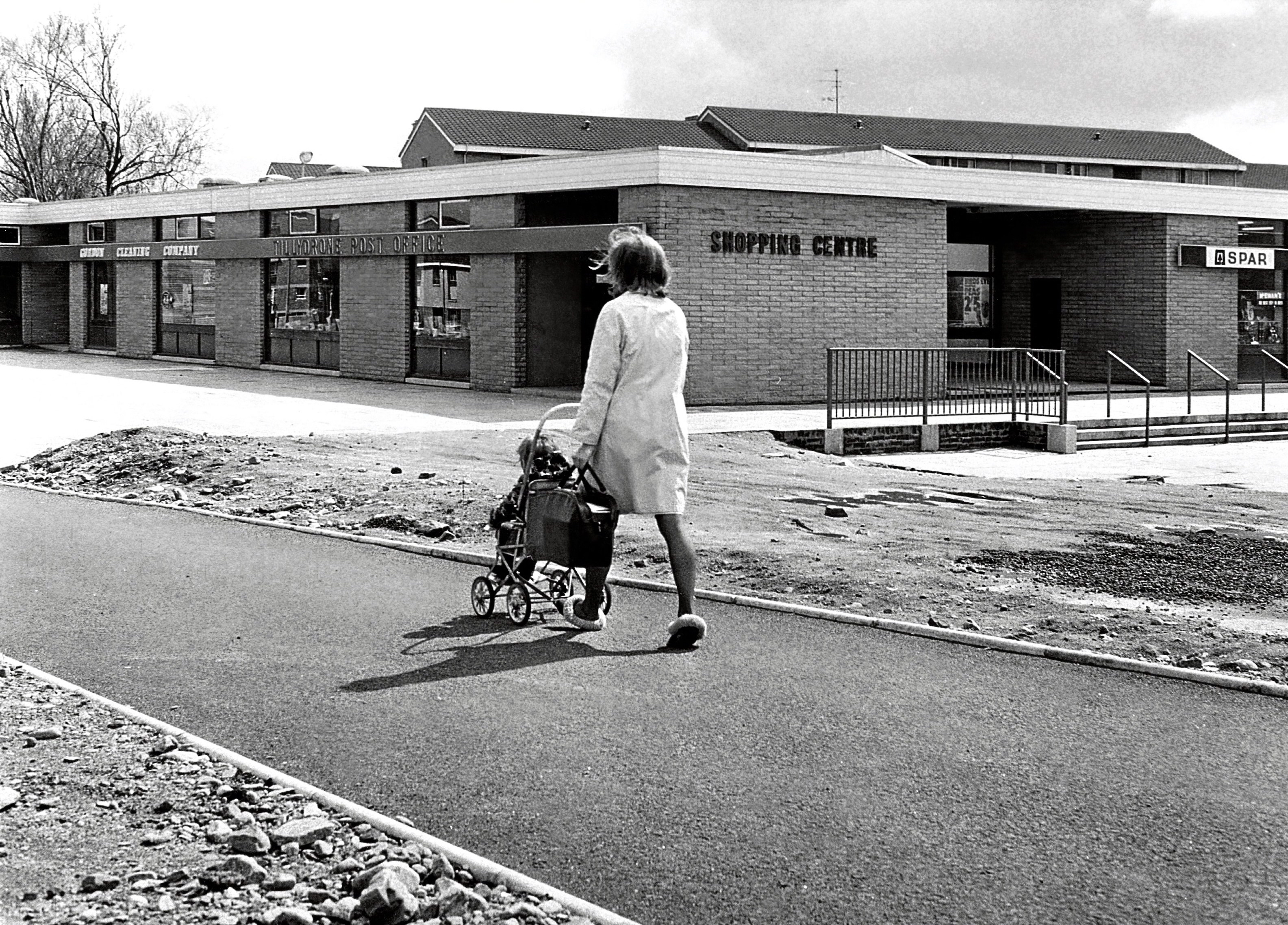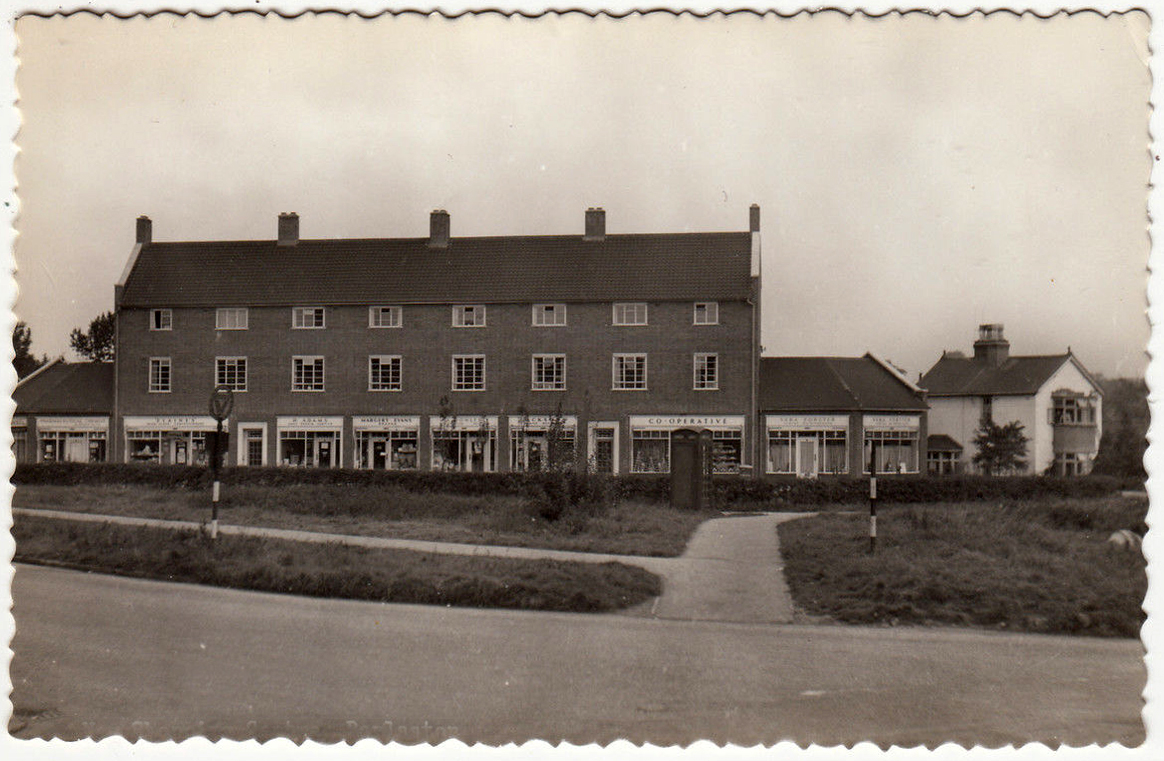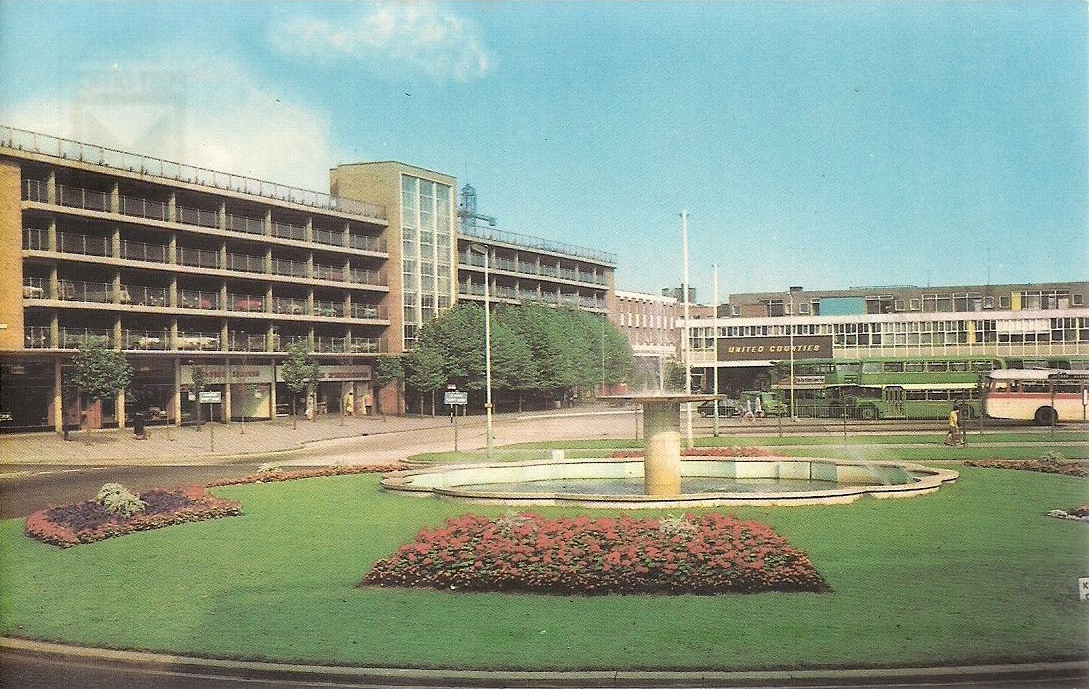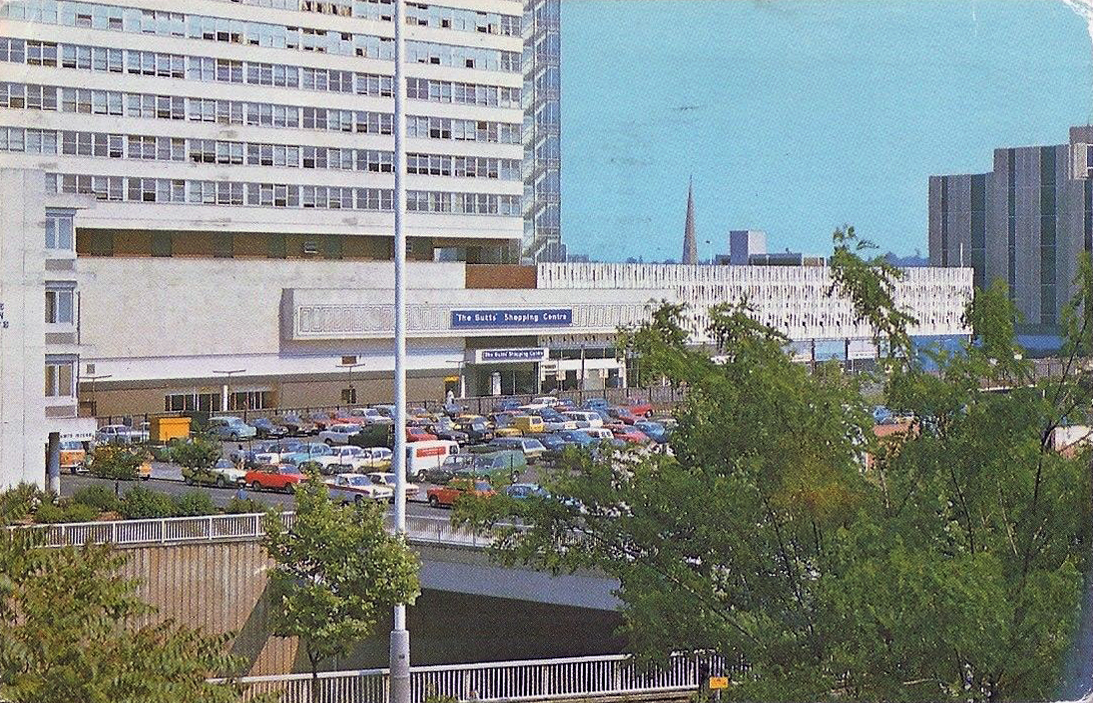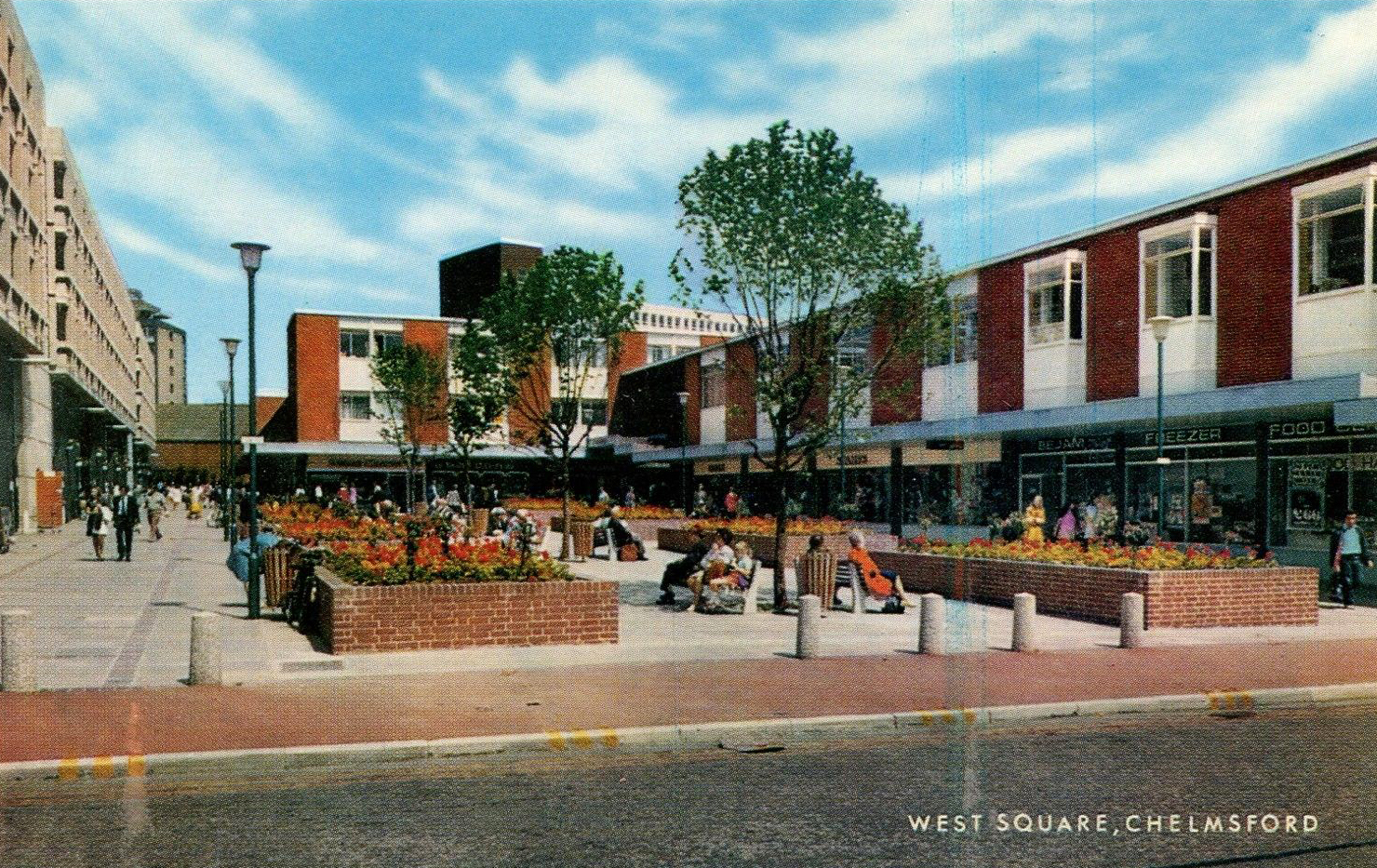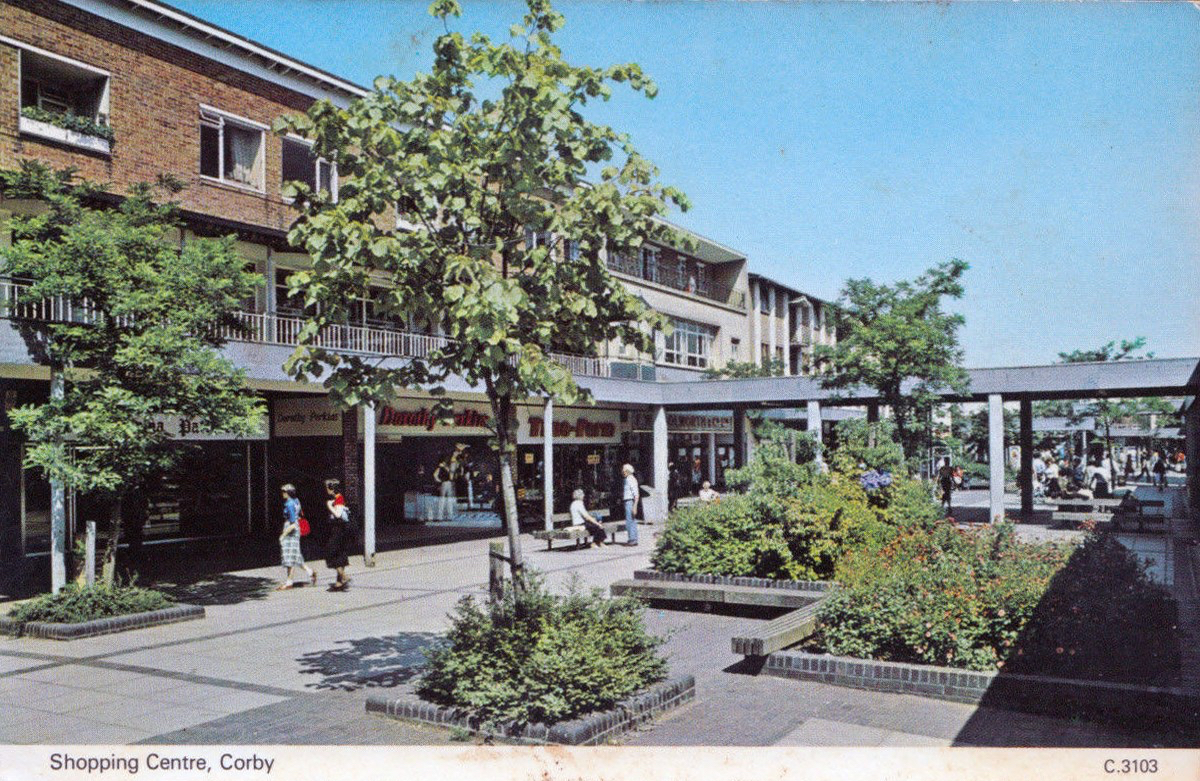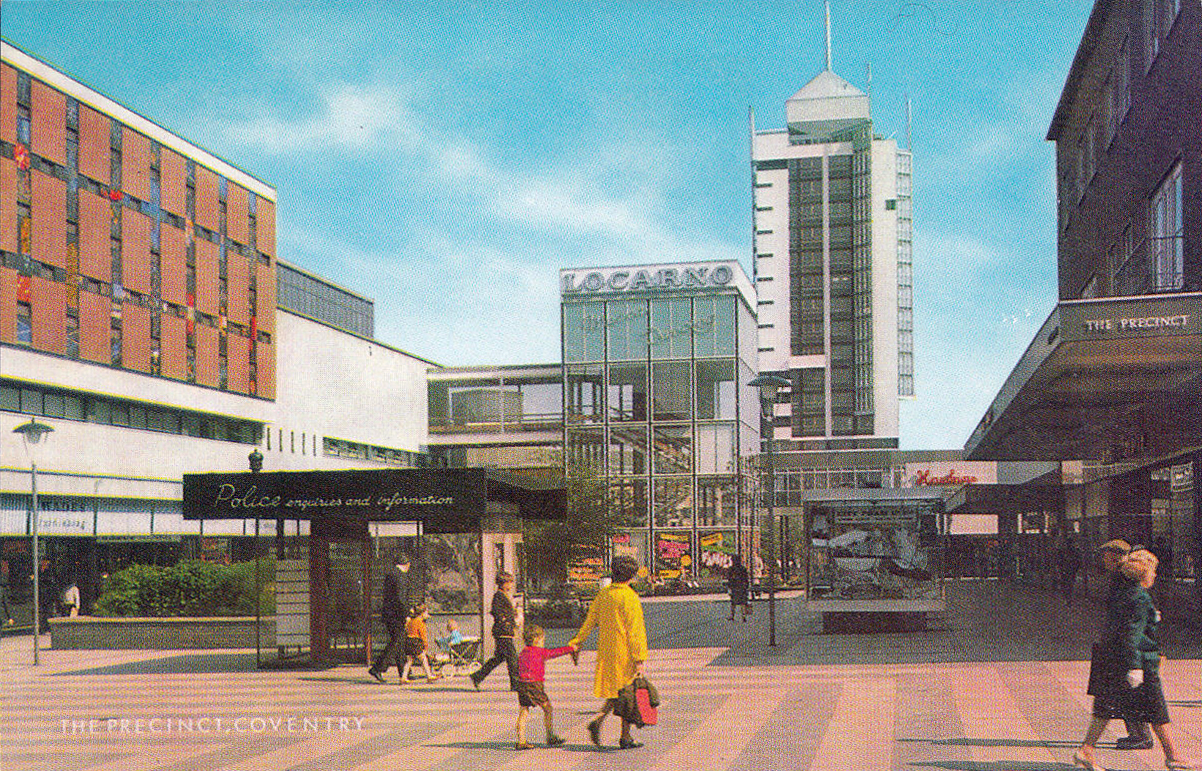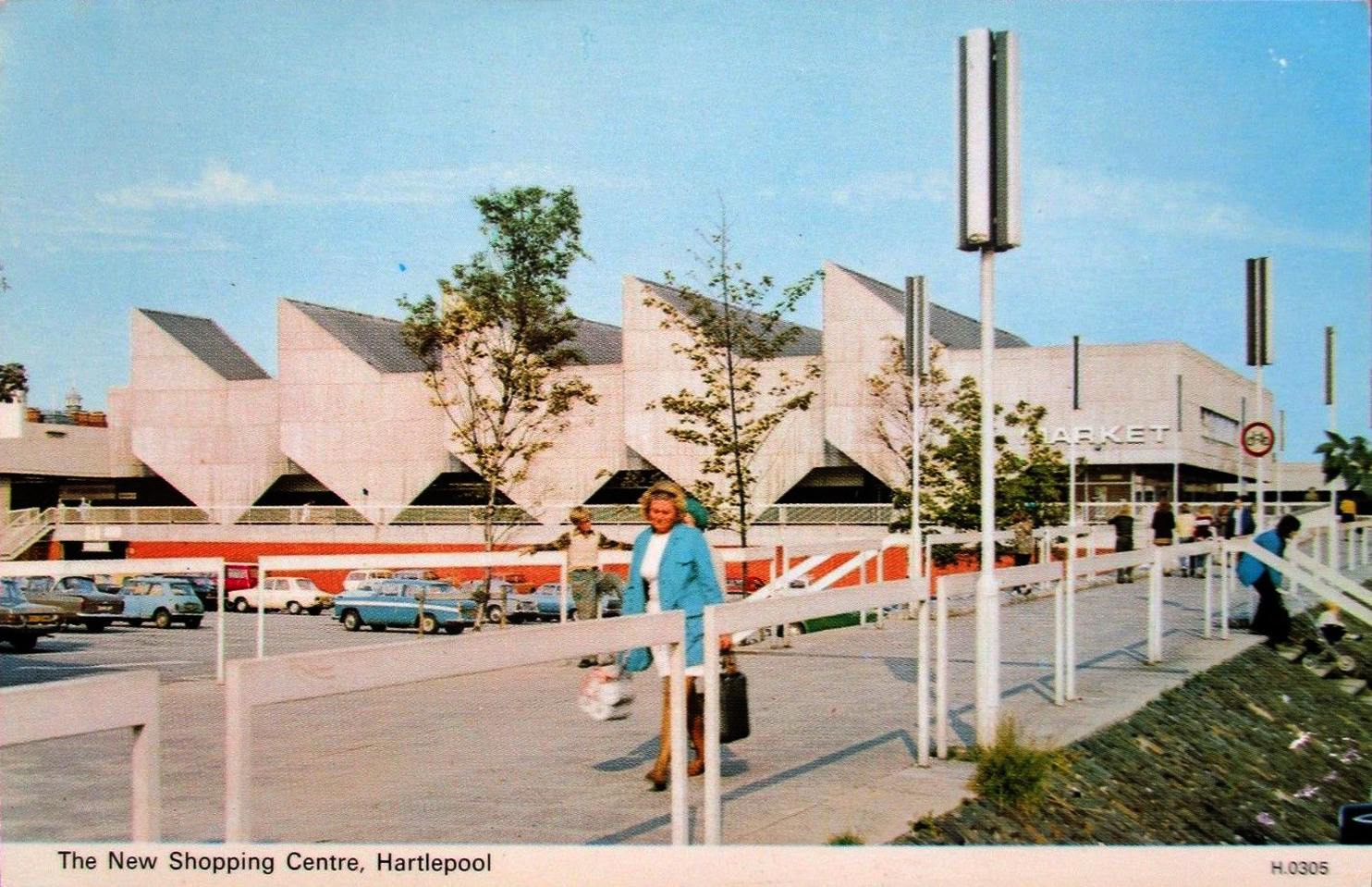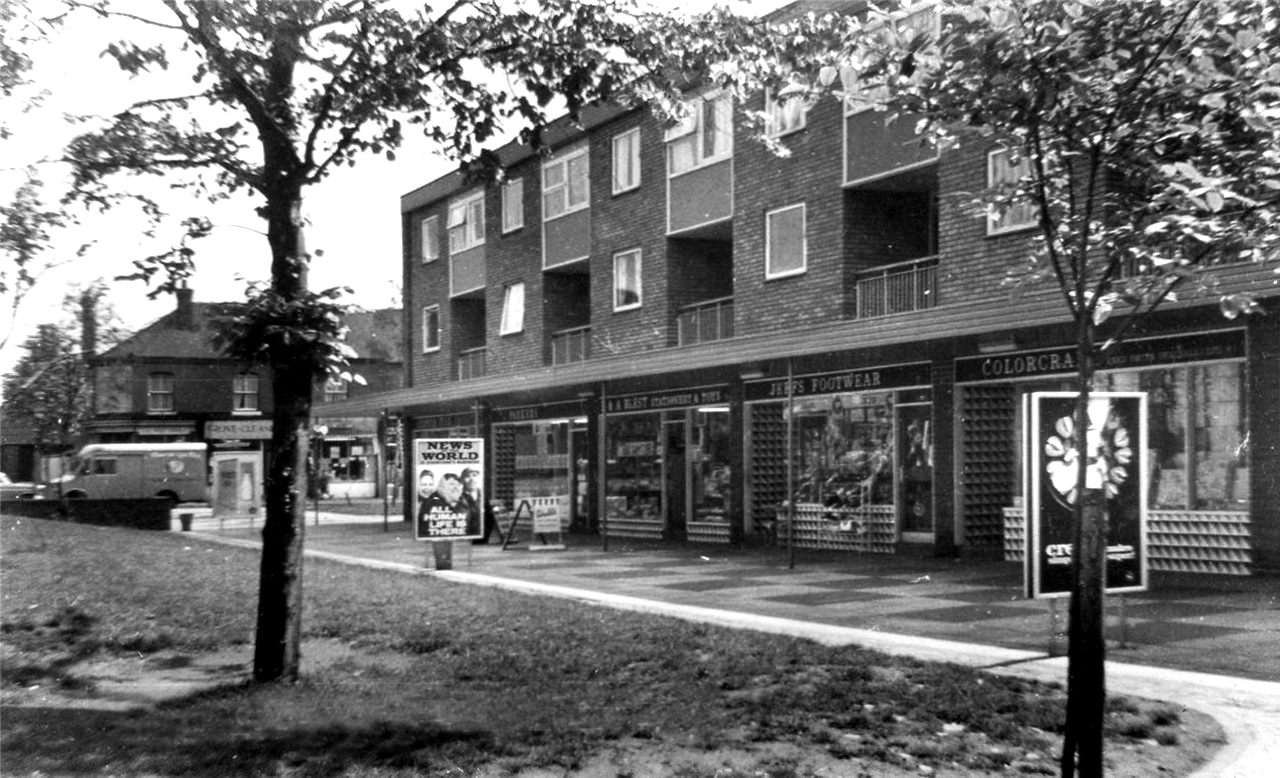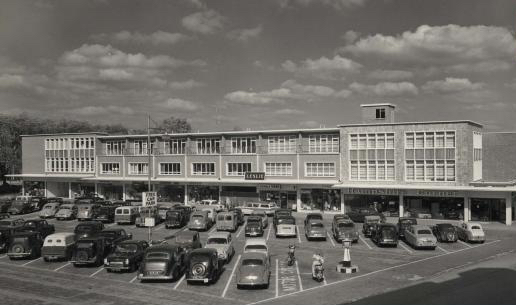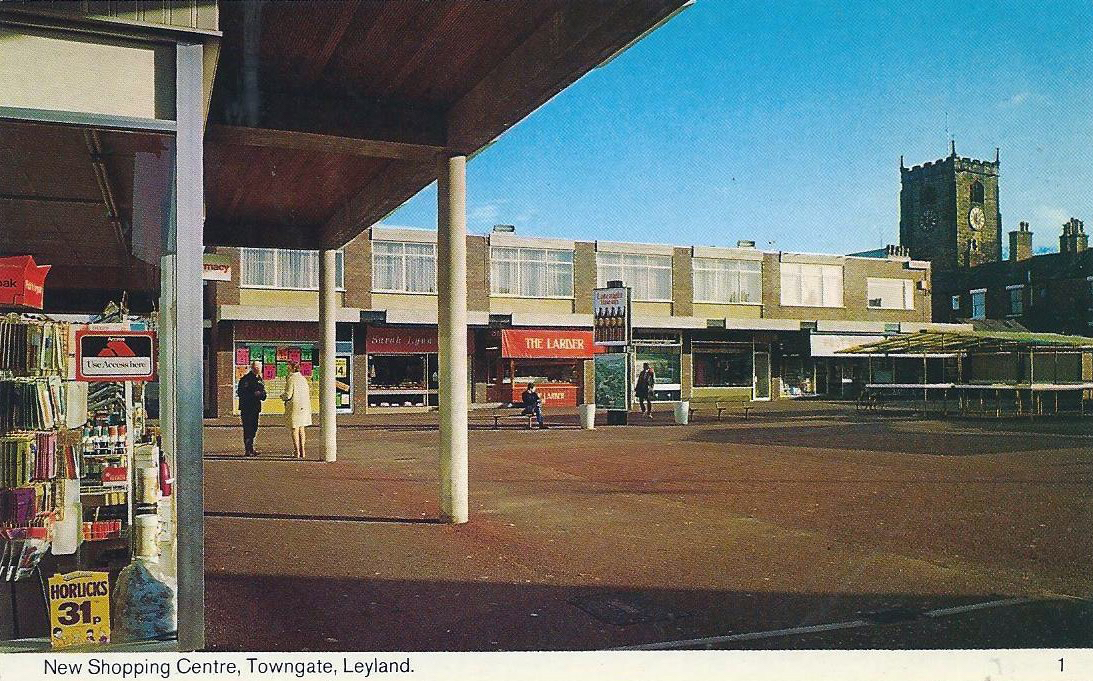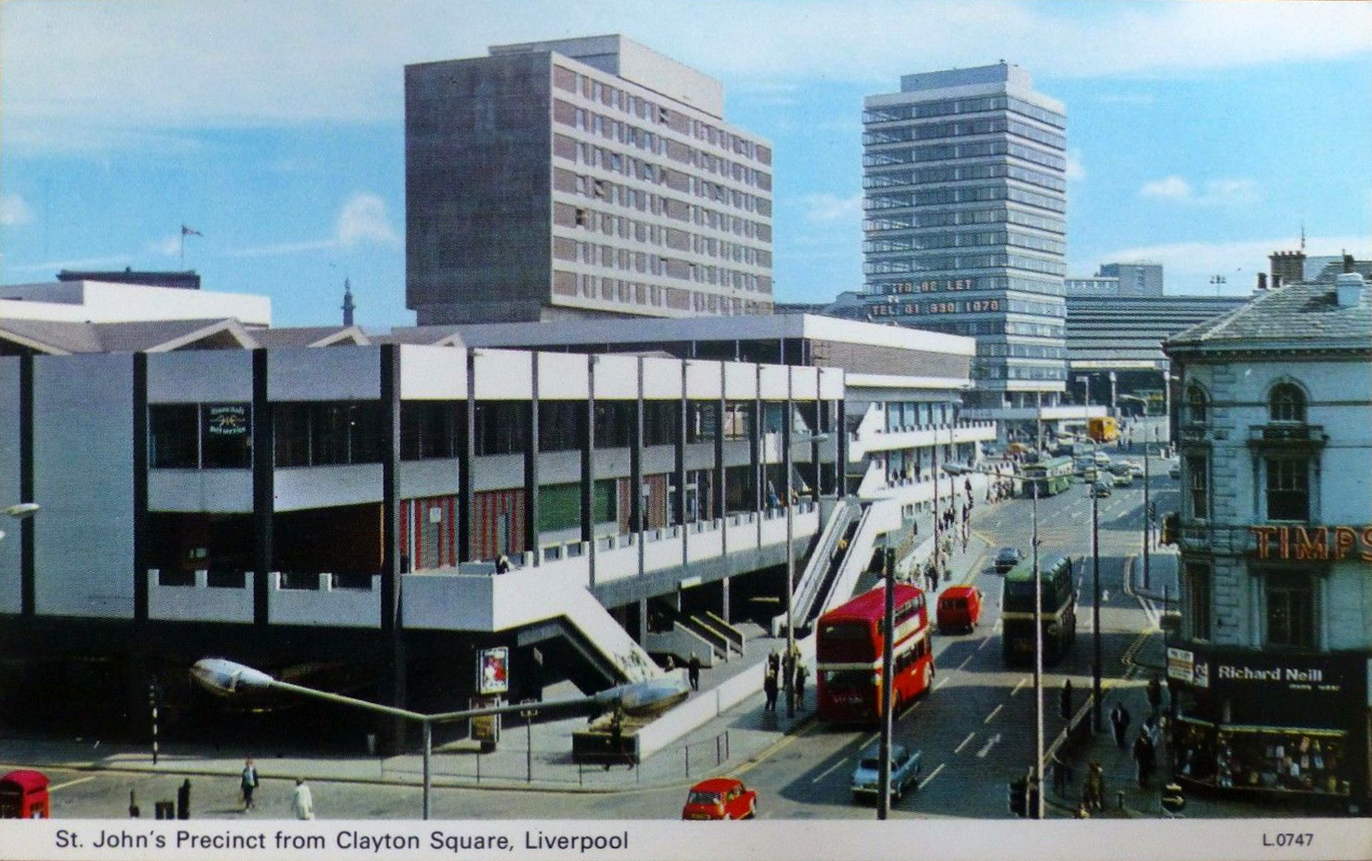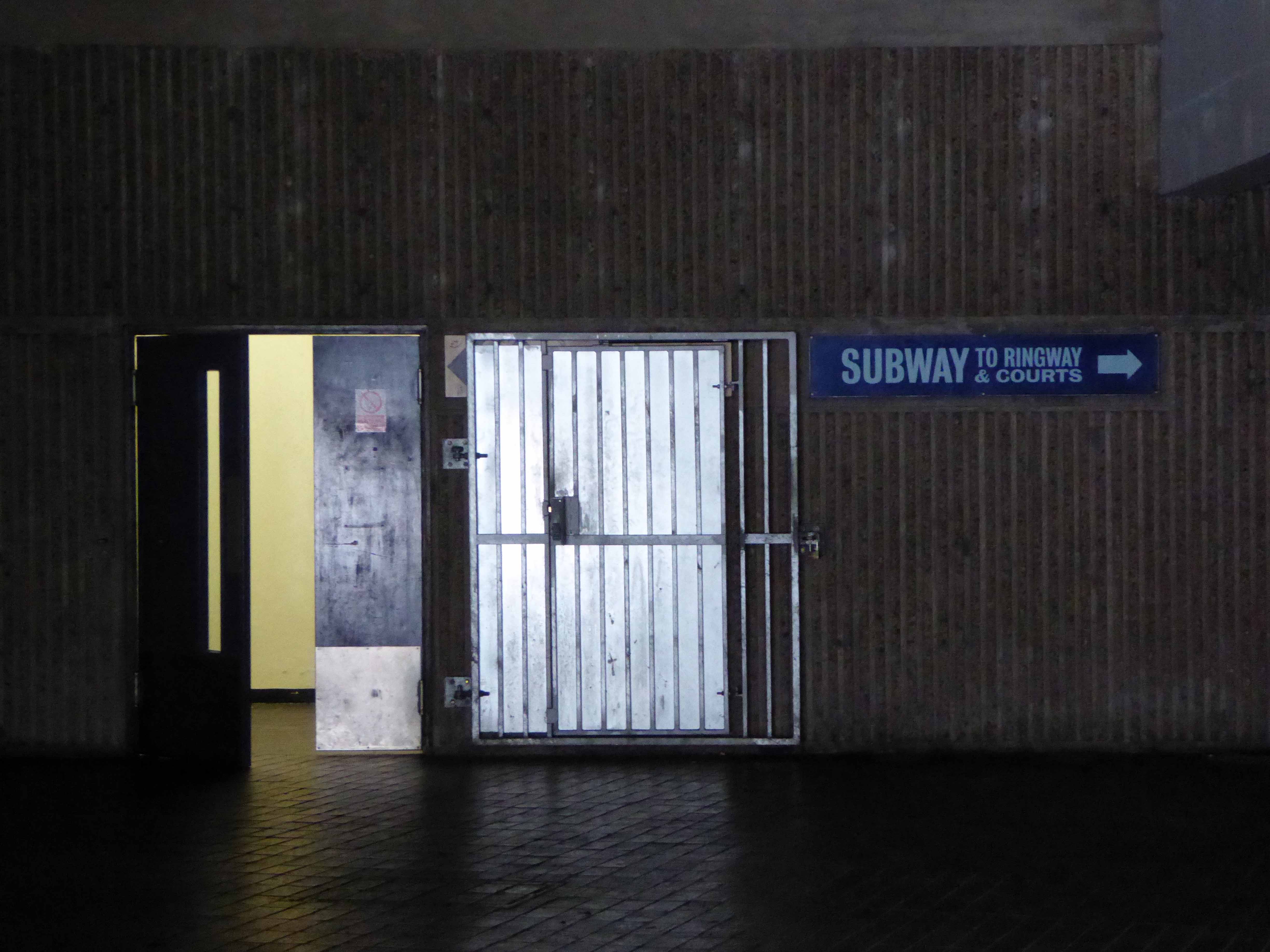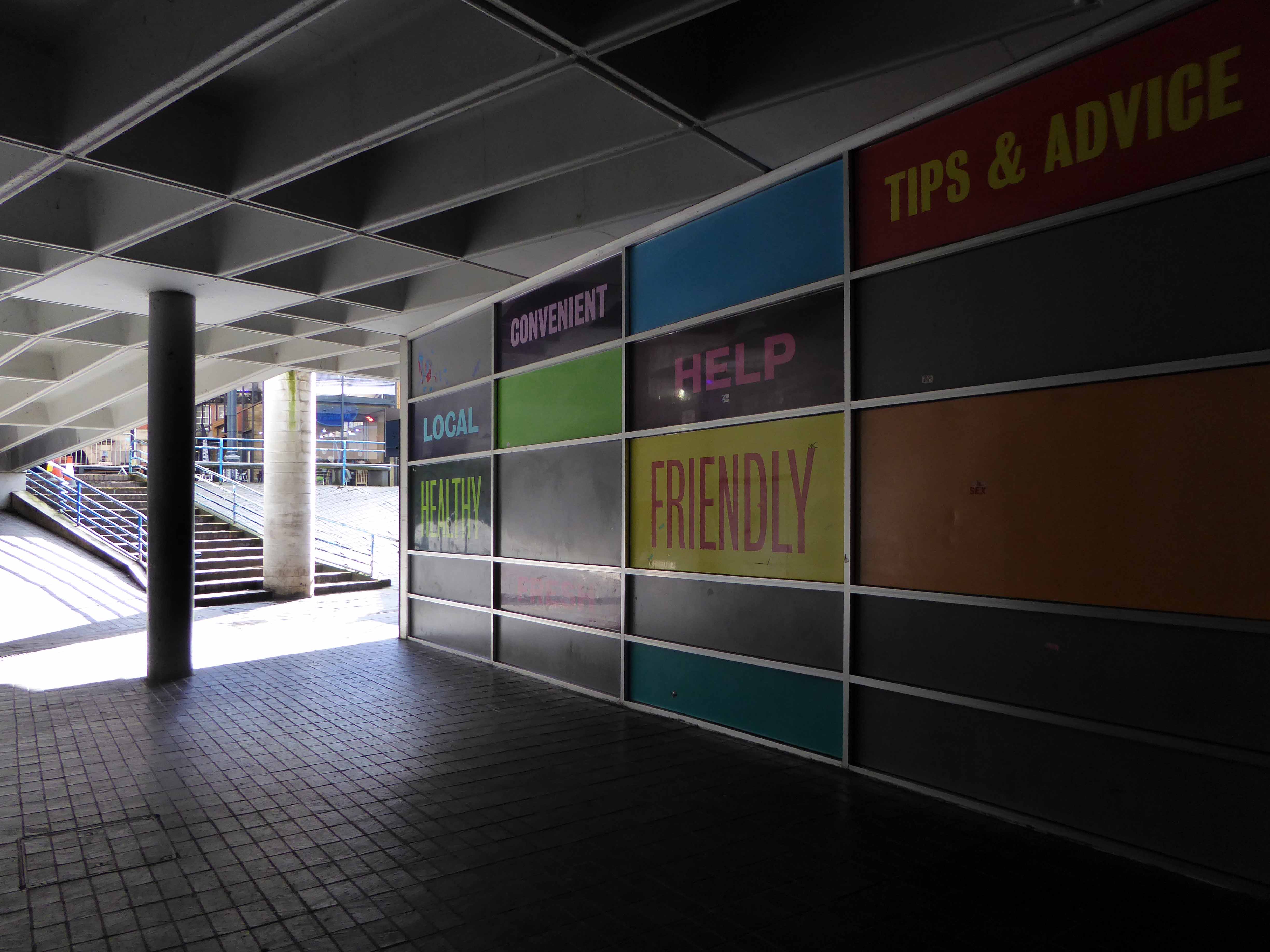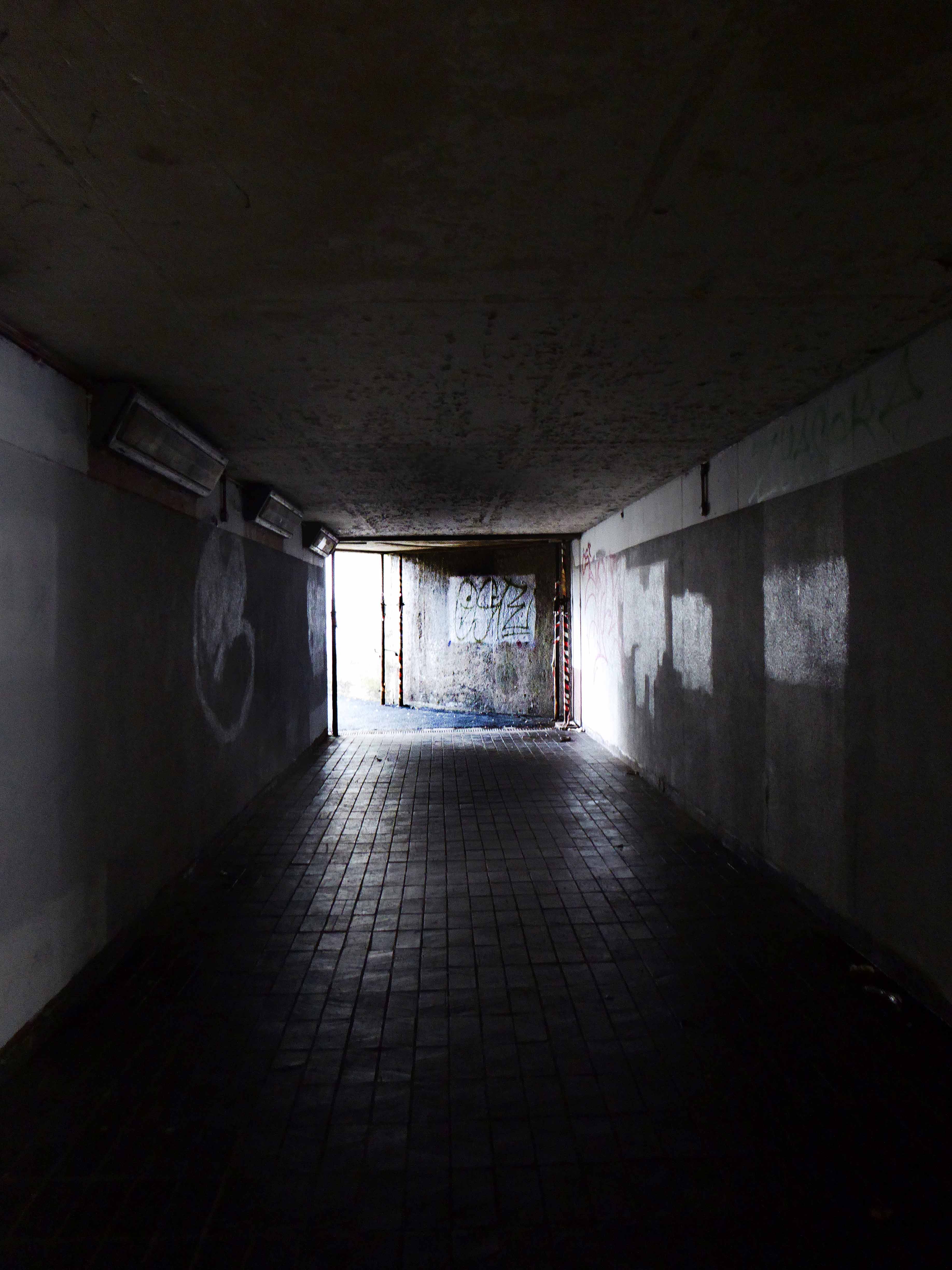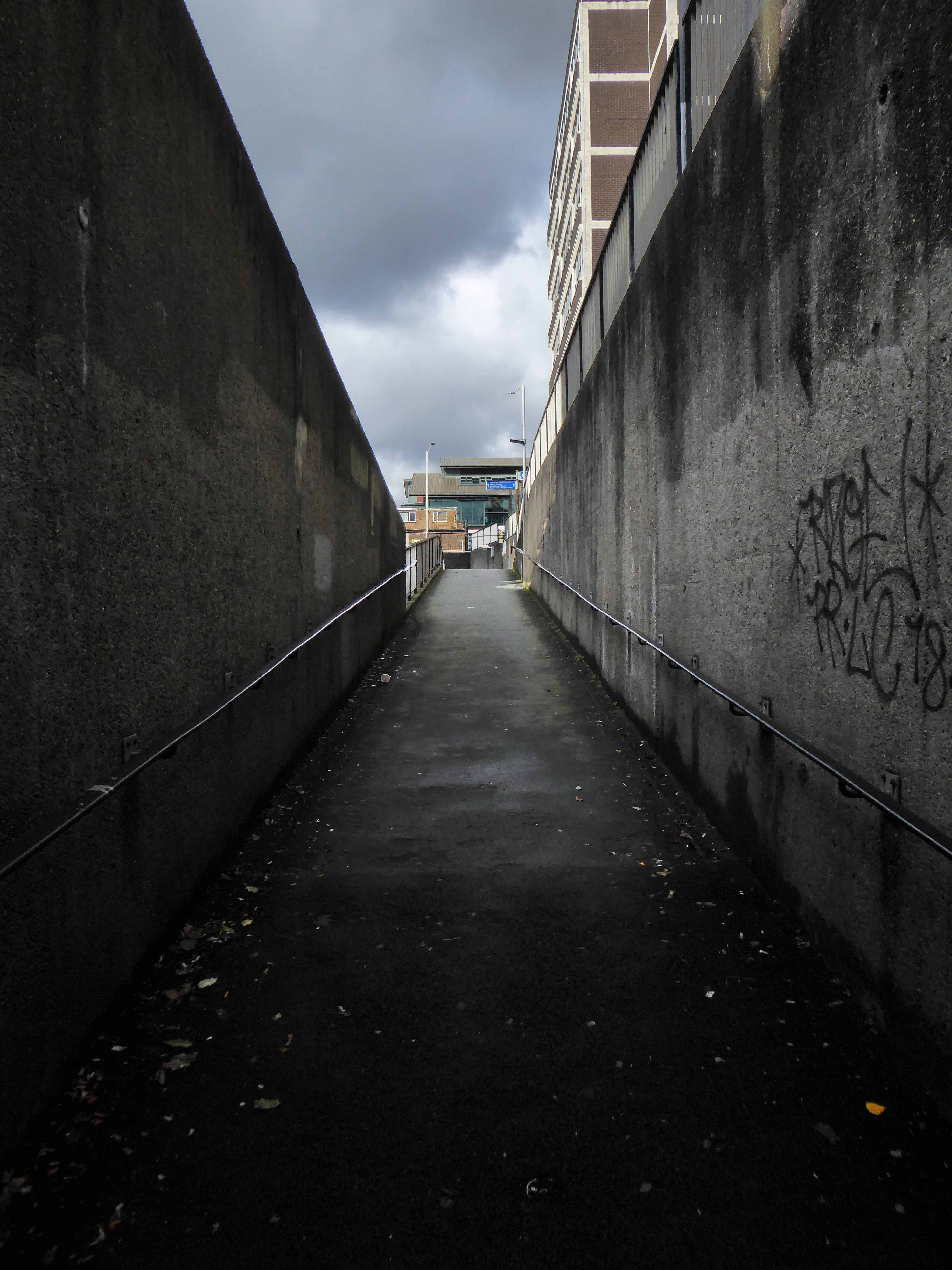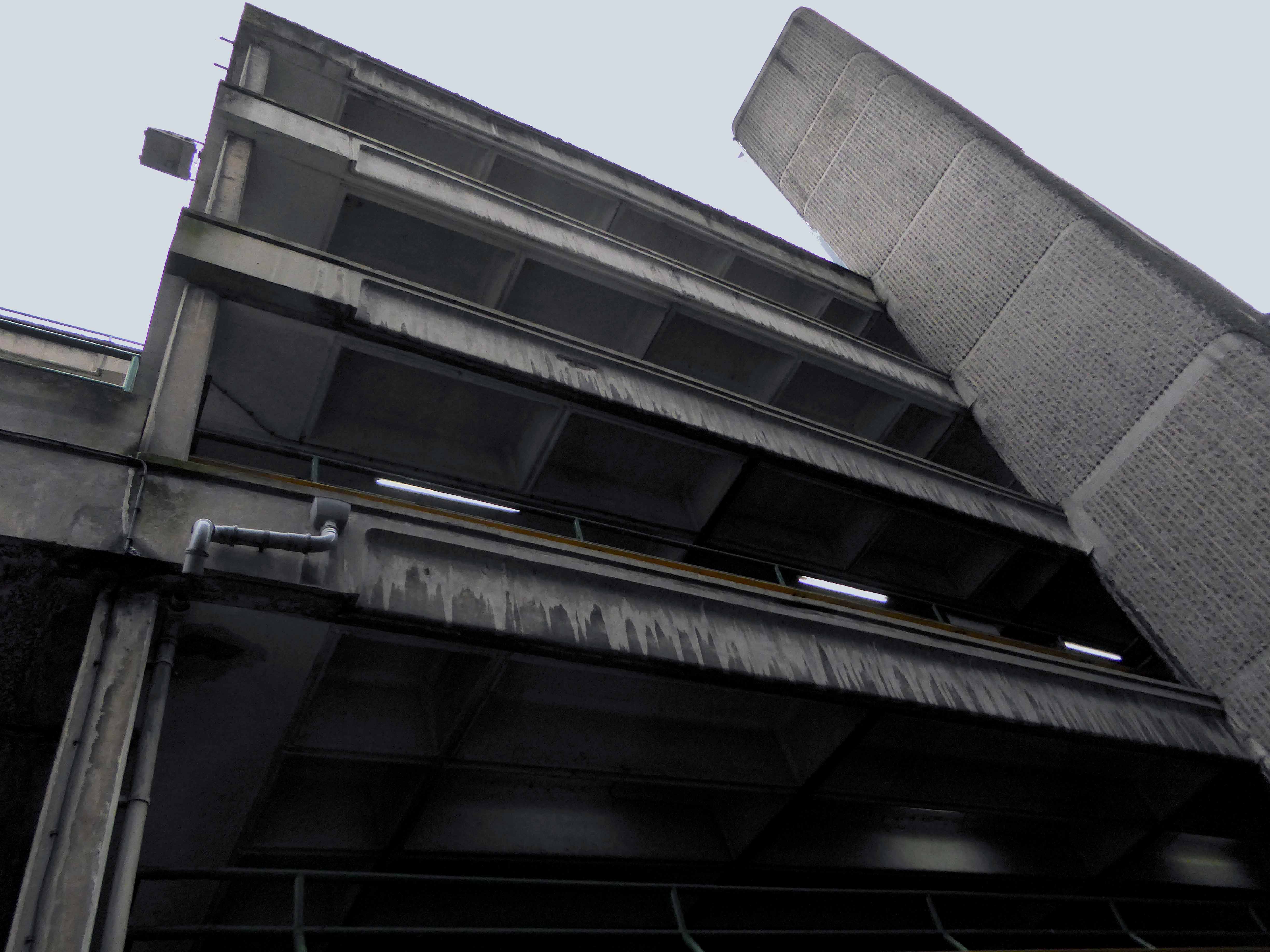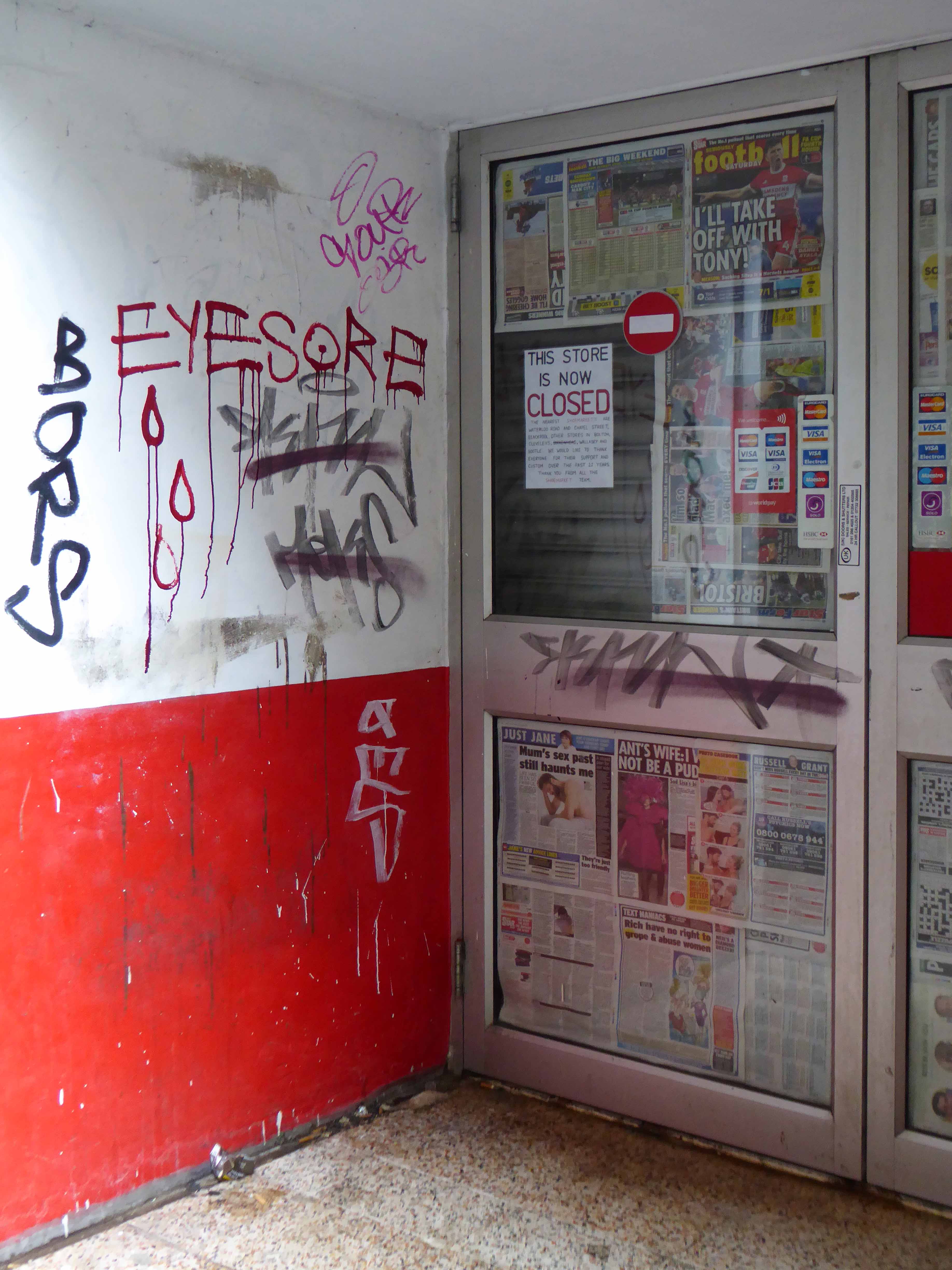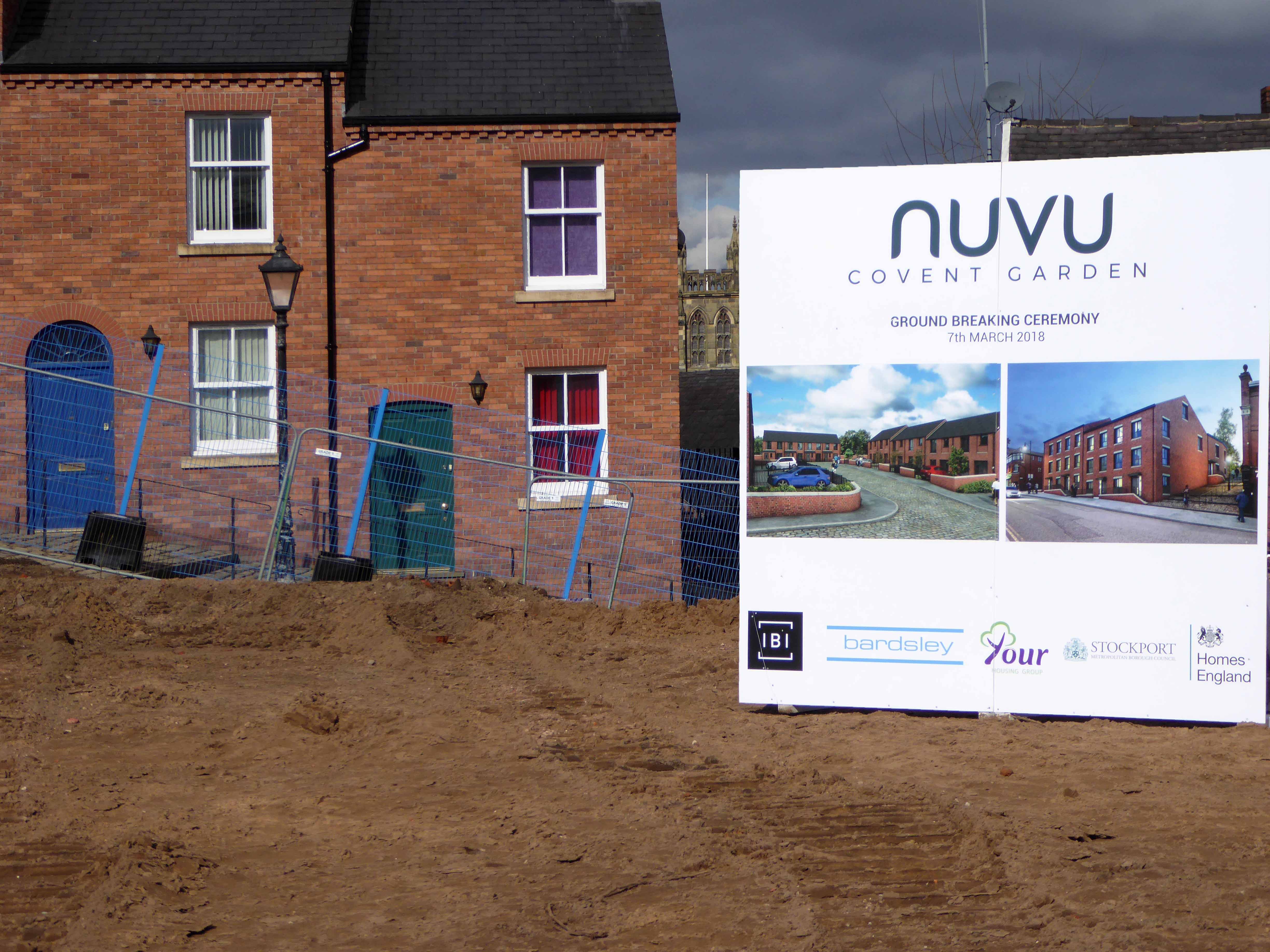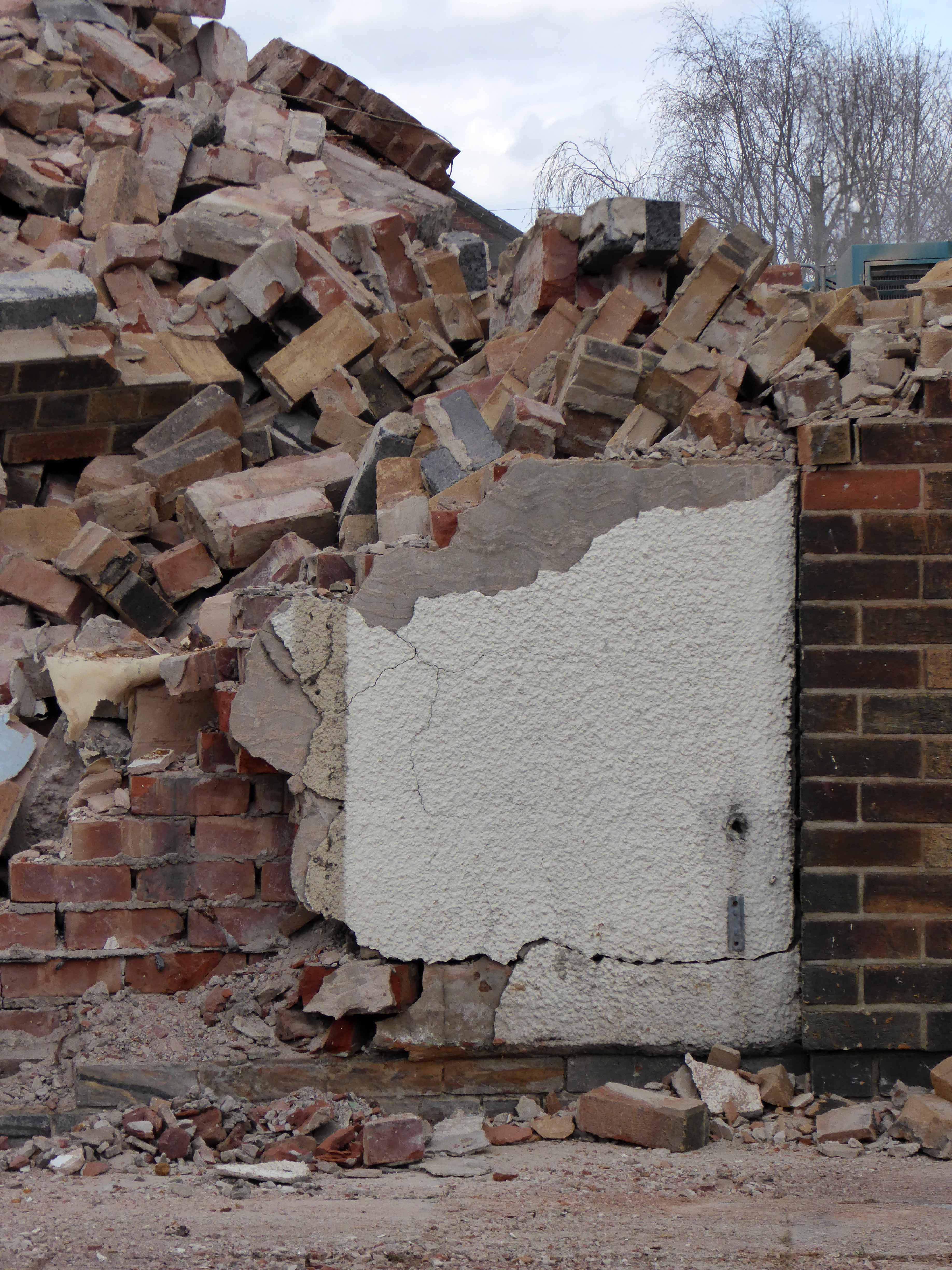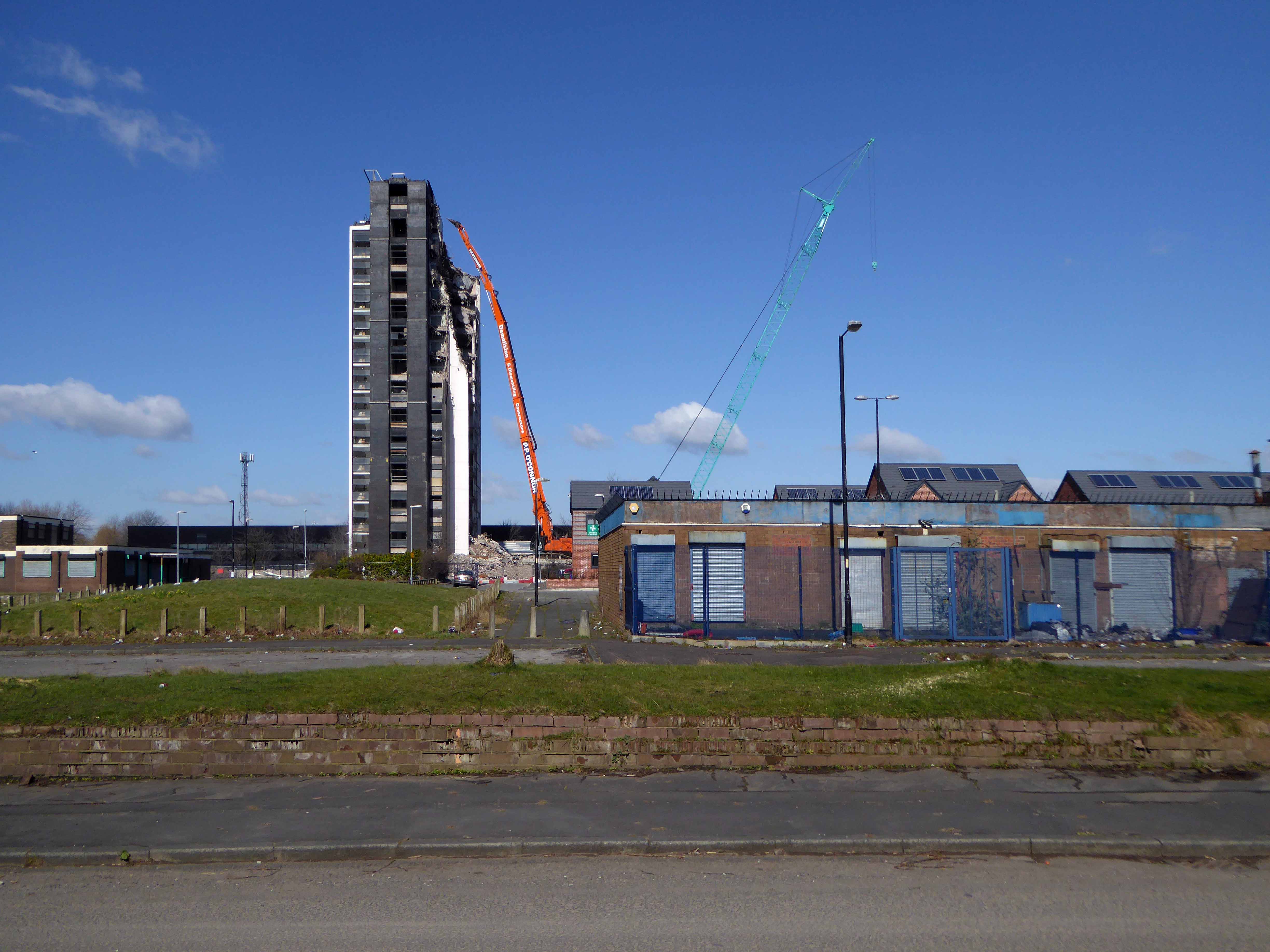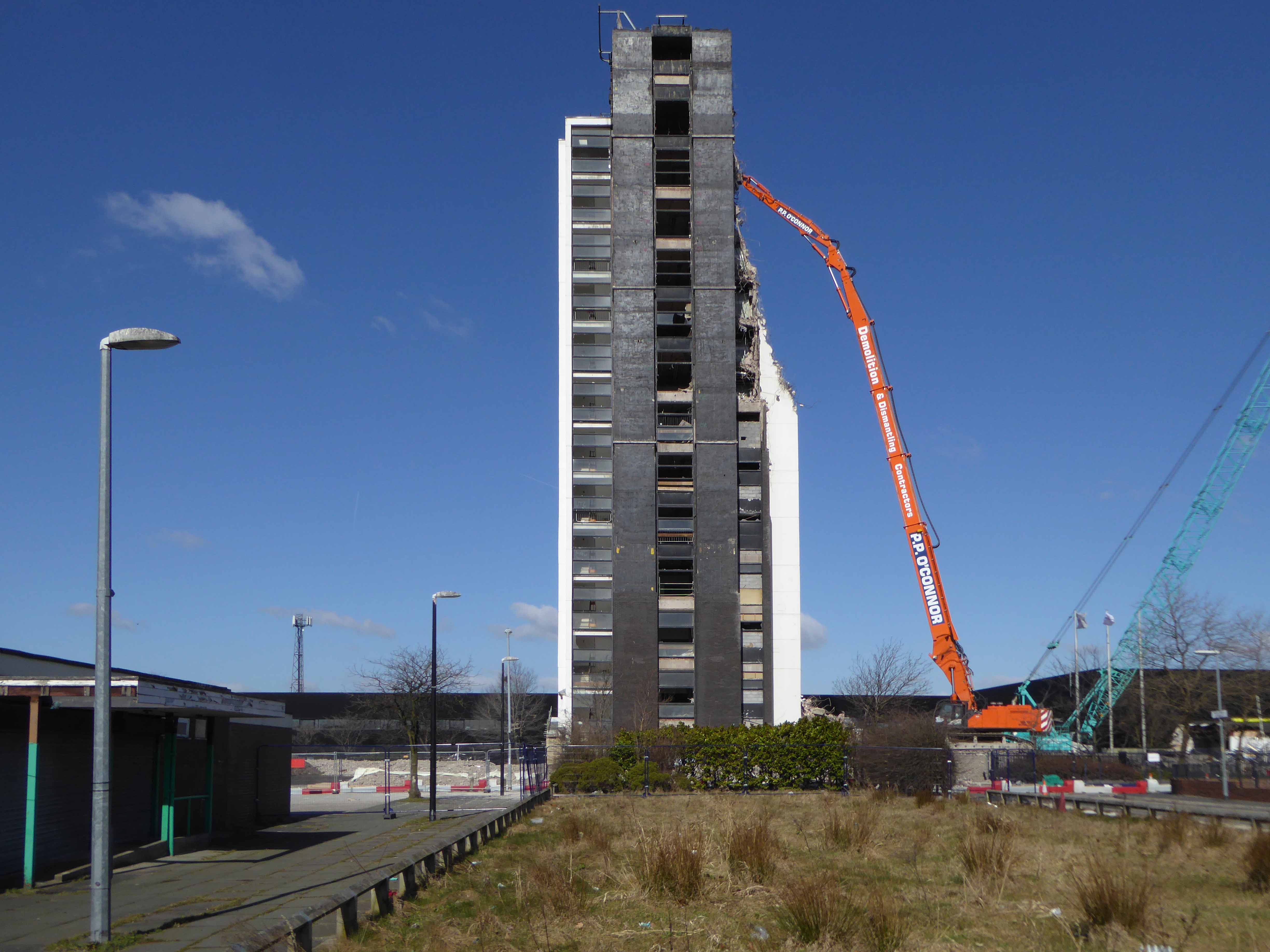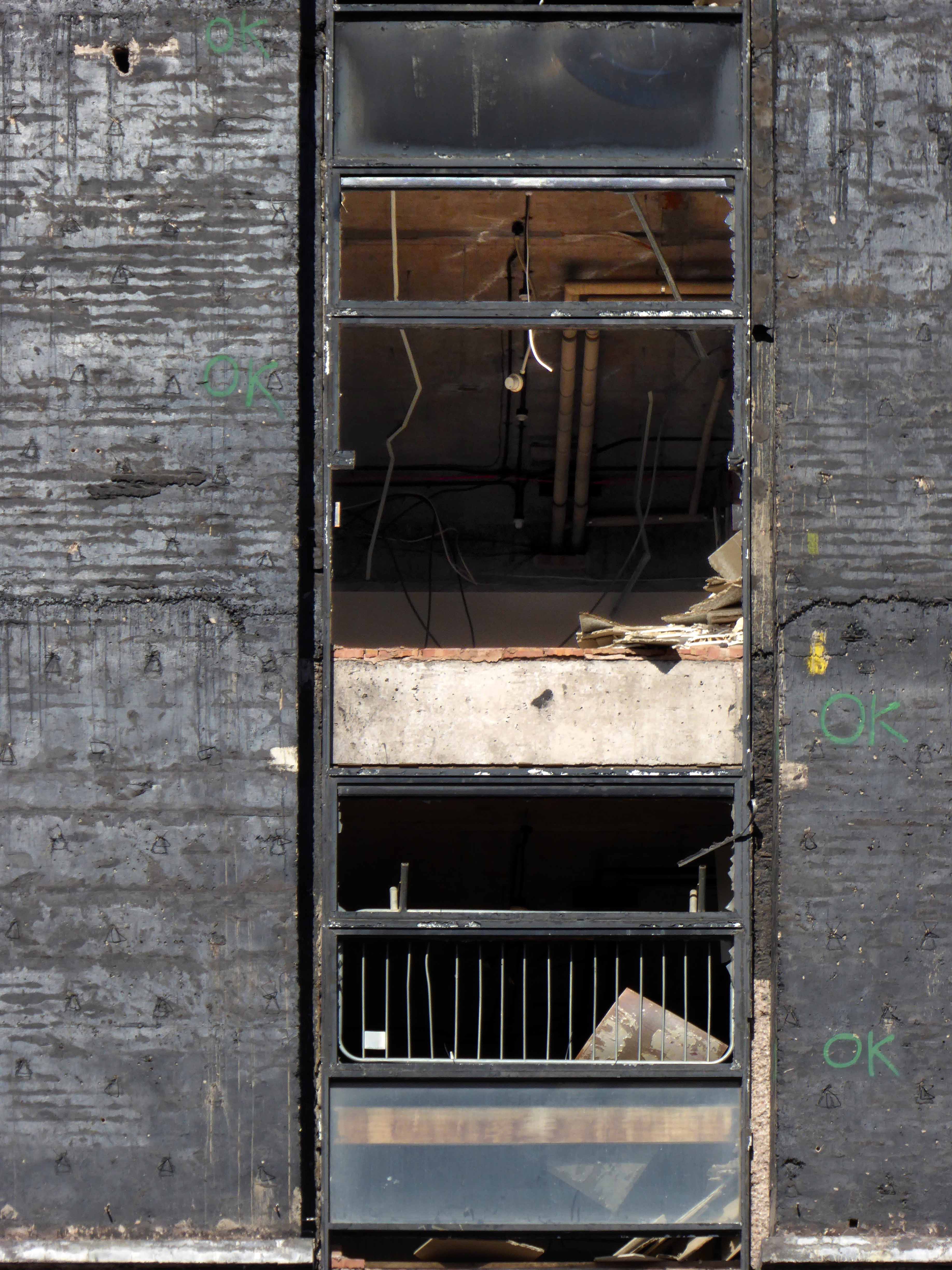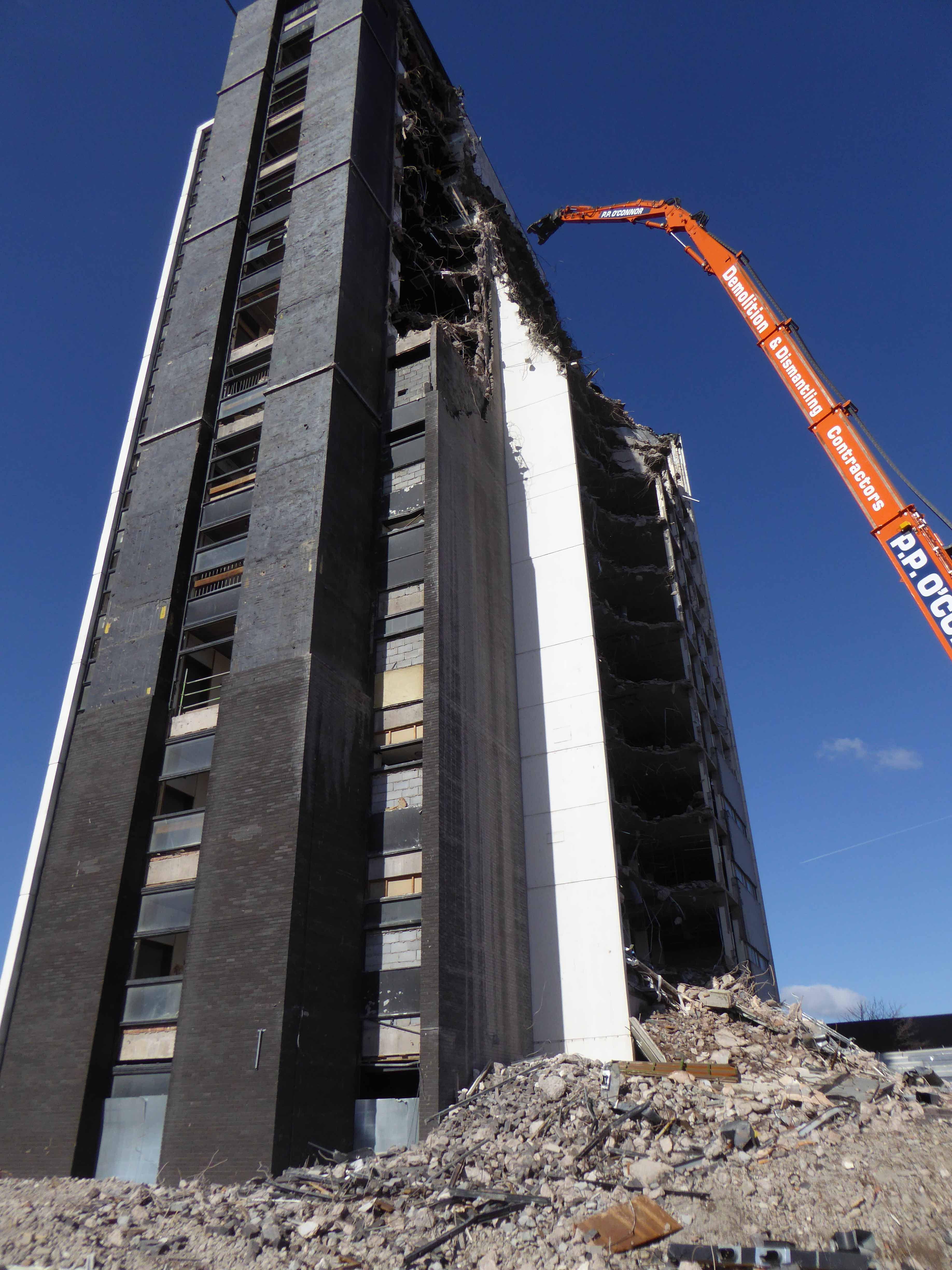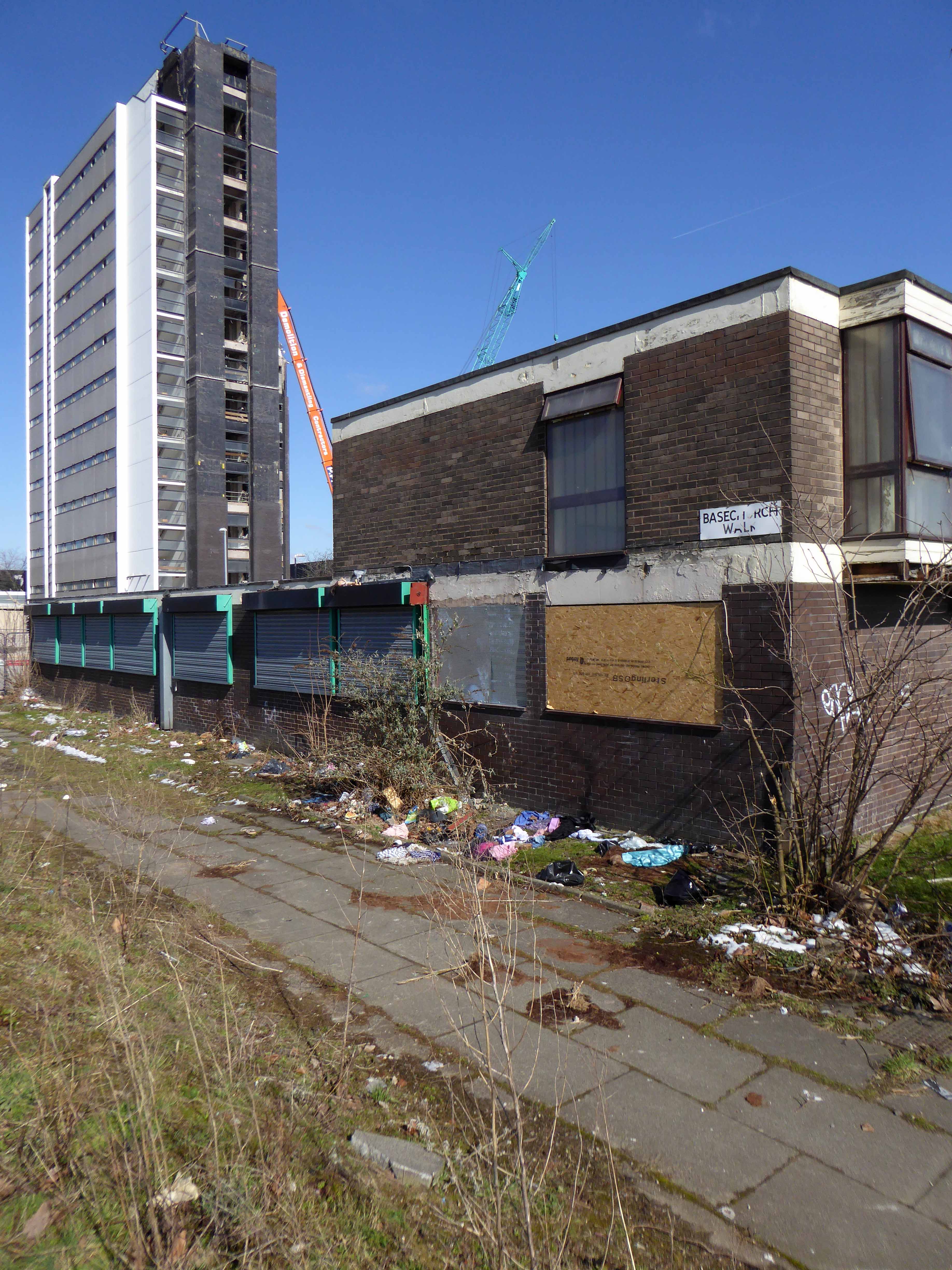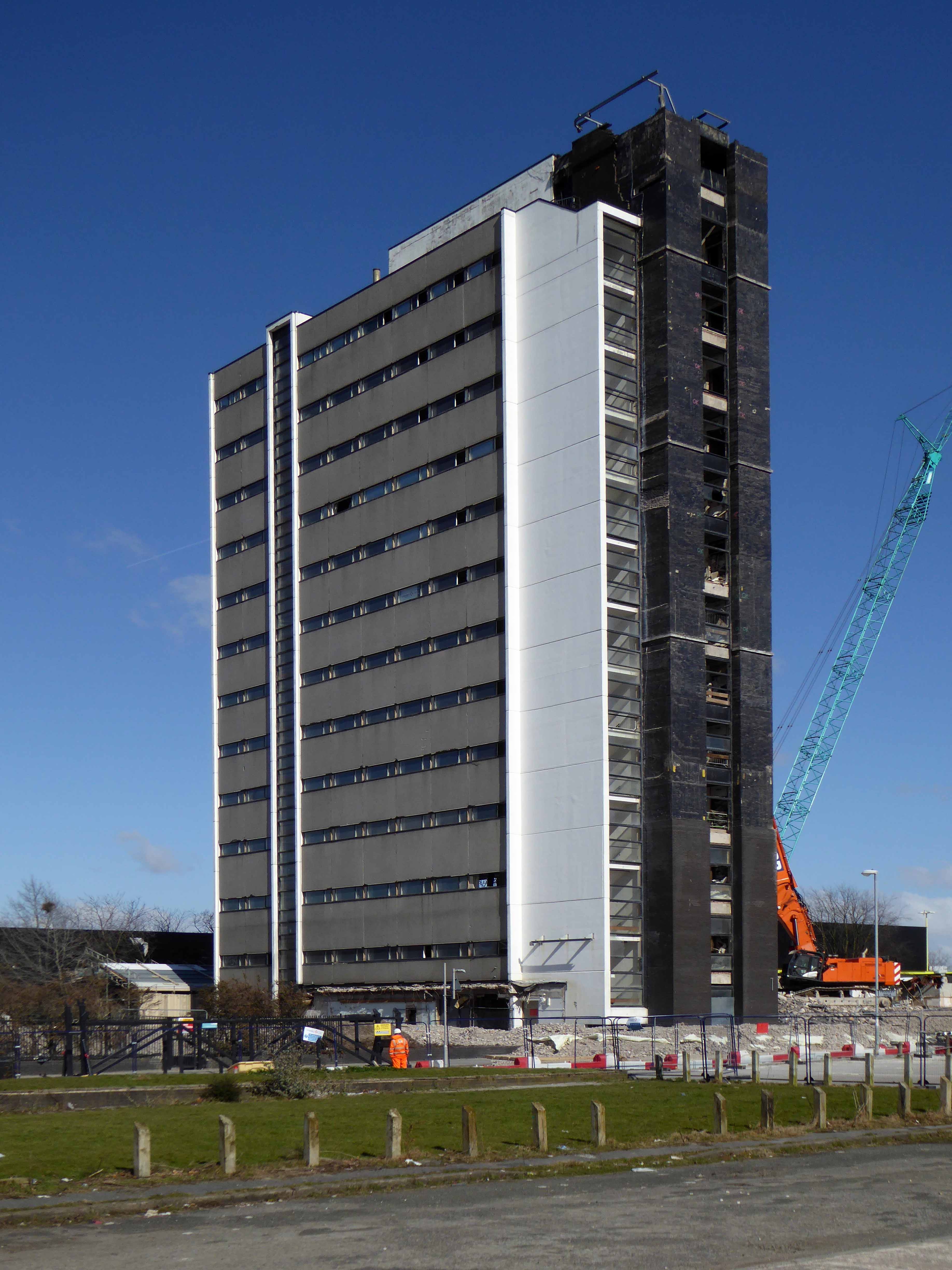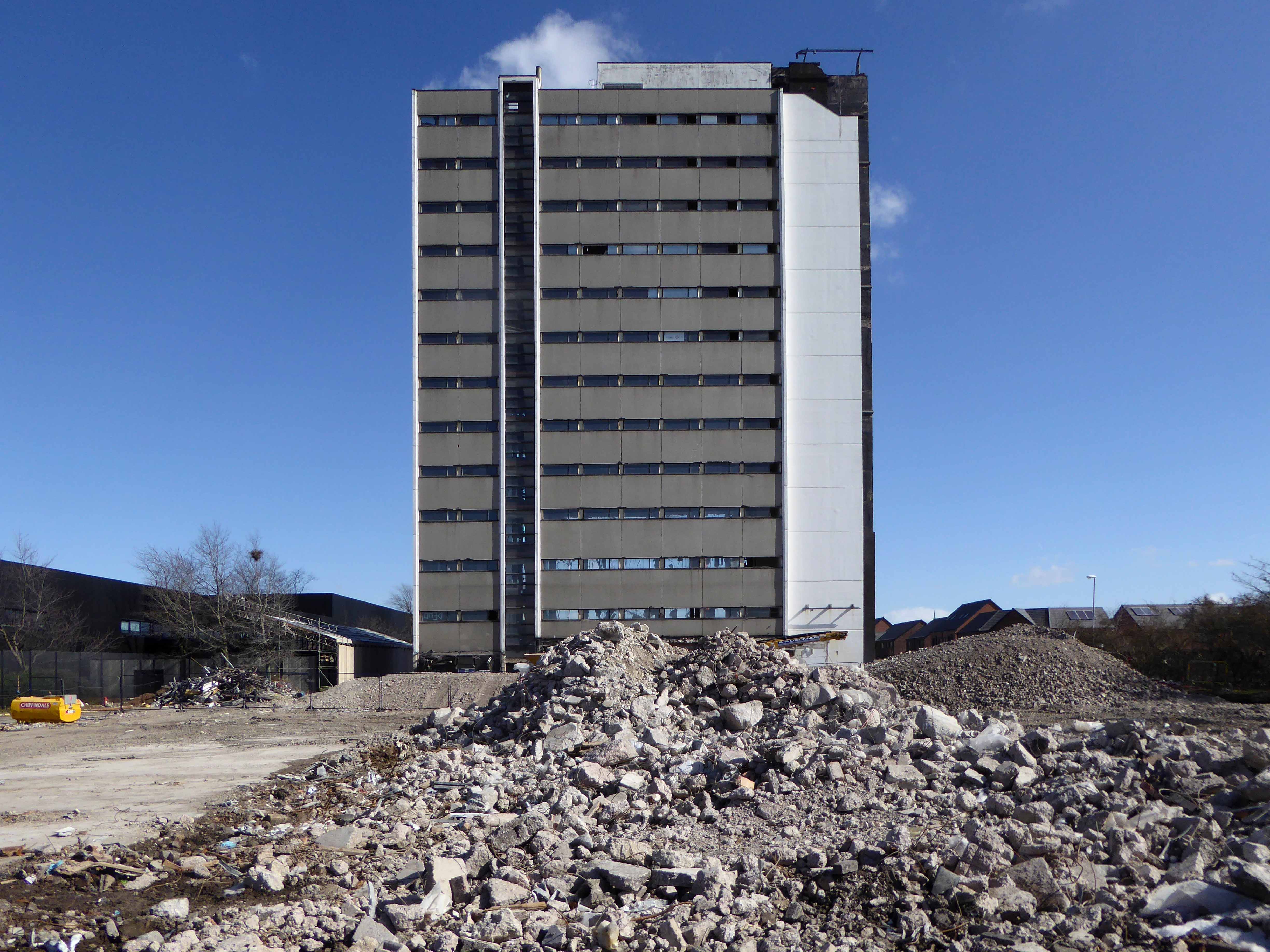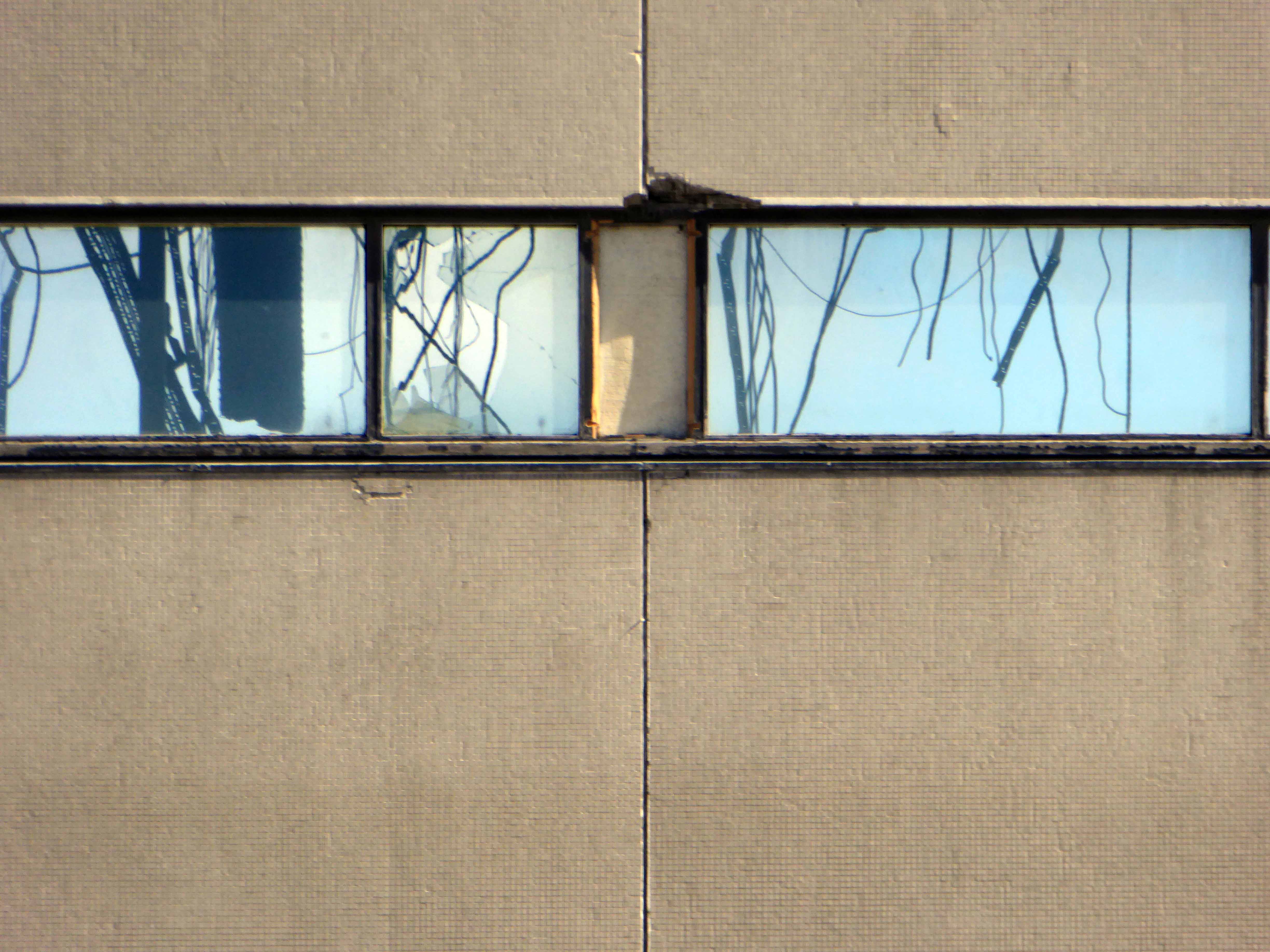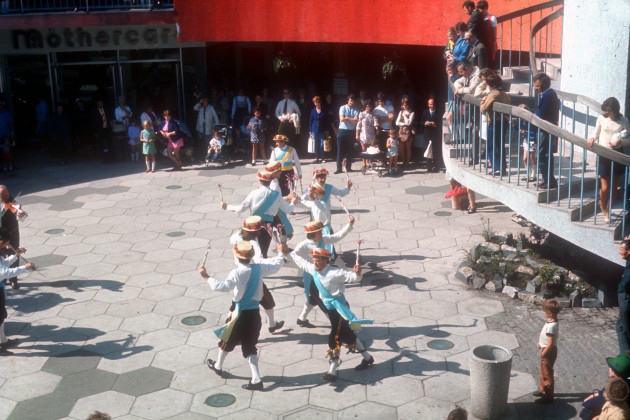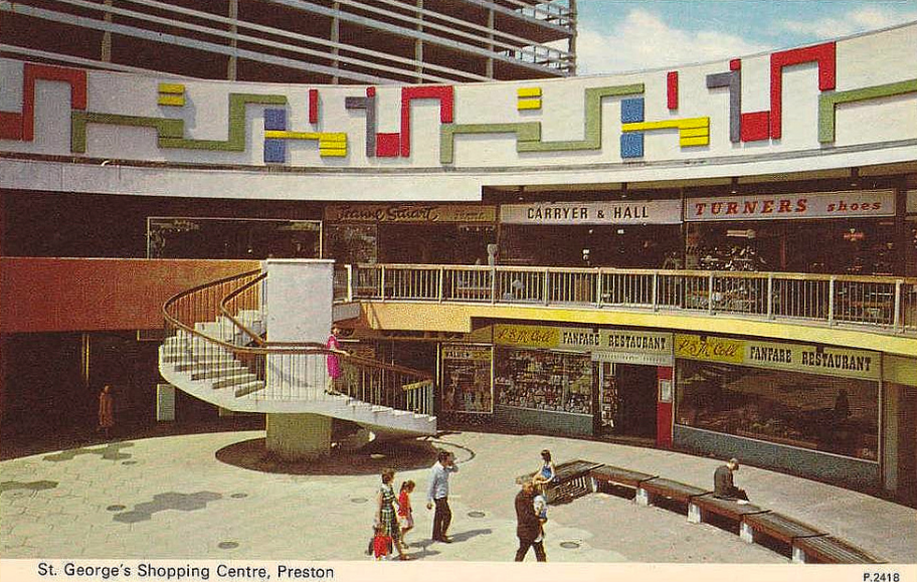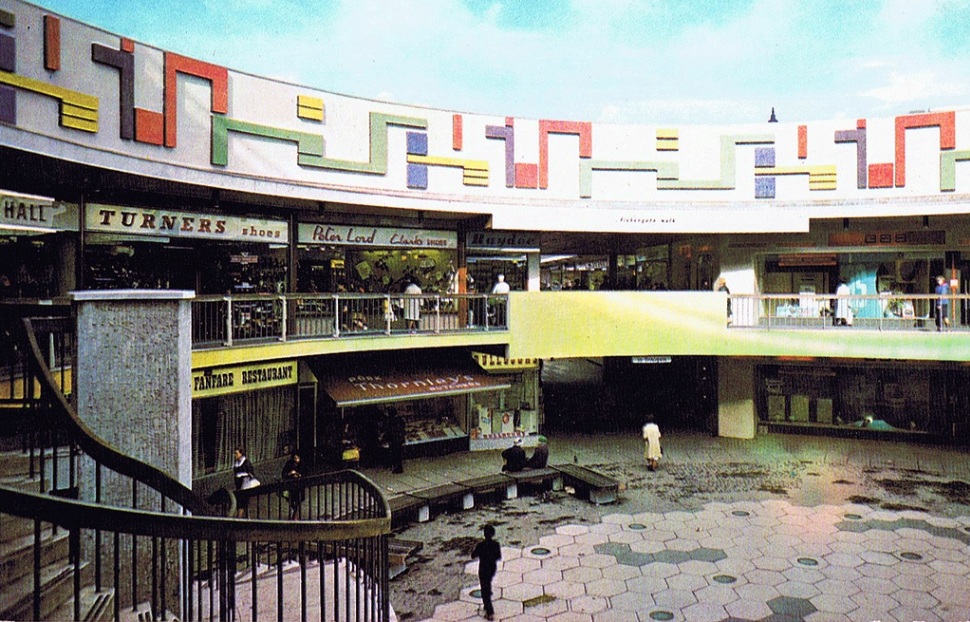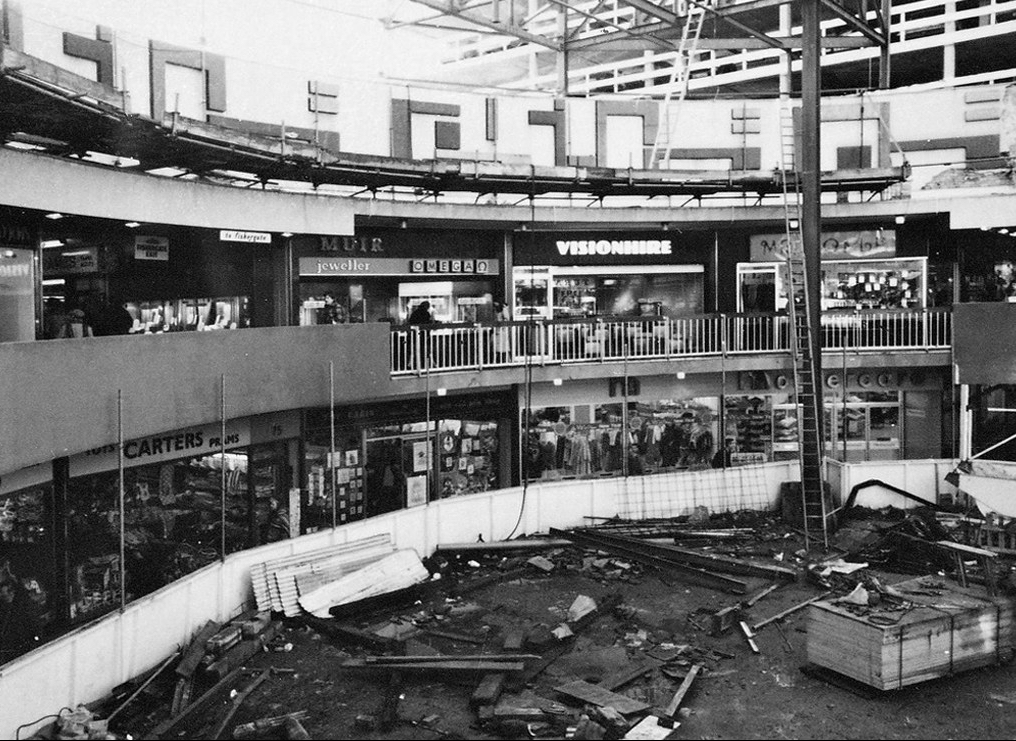
St George’s Shopping Centre – Preston

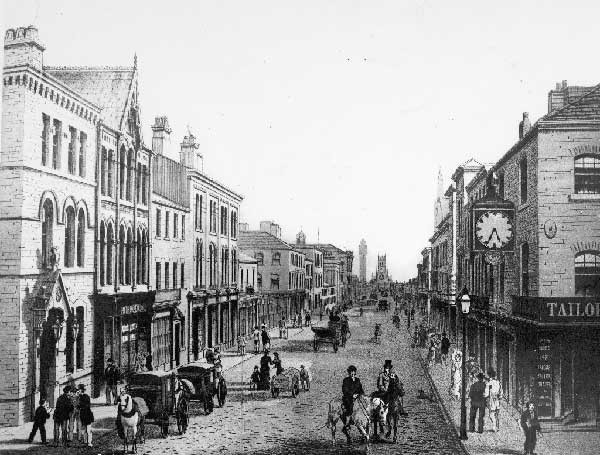
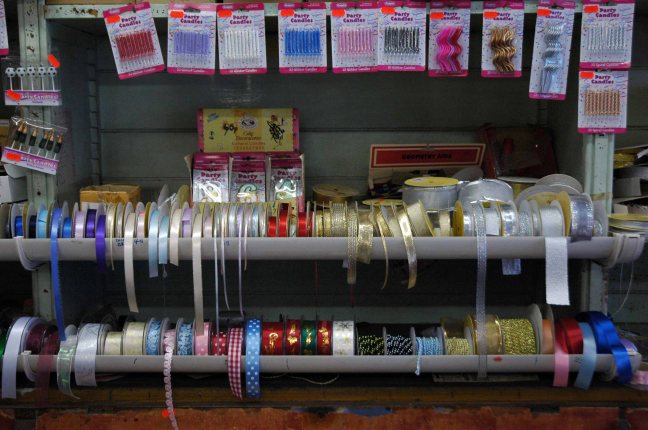
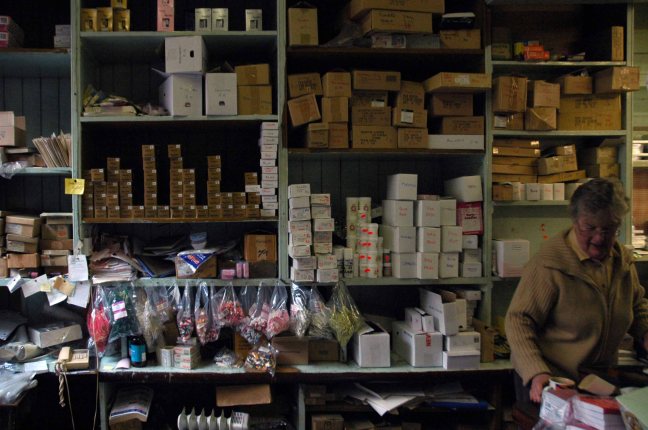
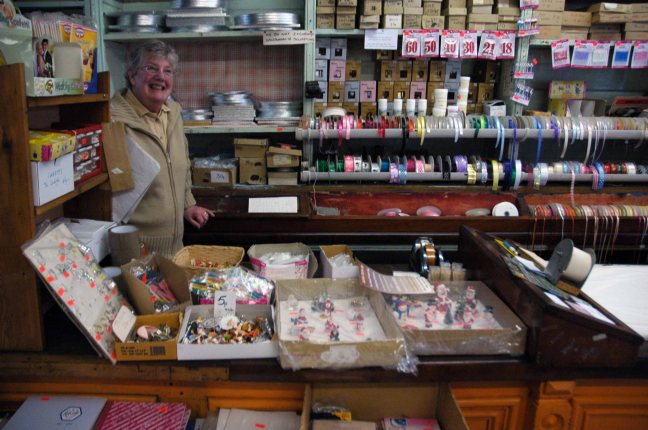
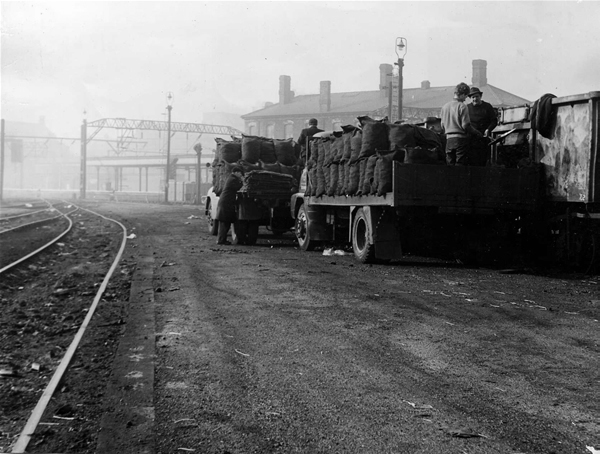
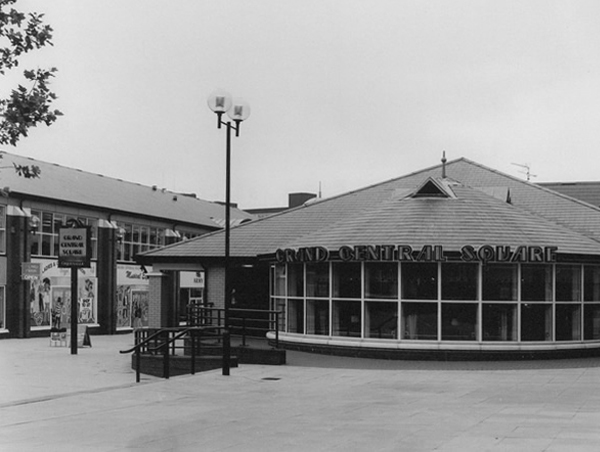
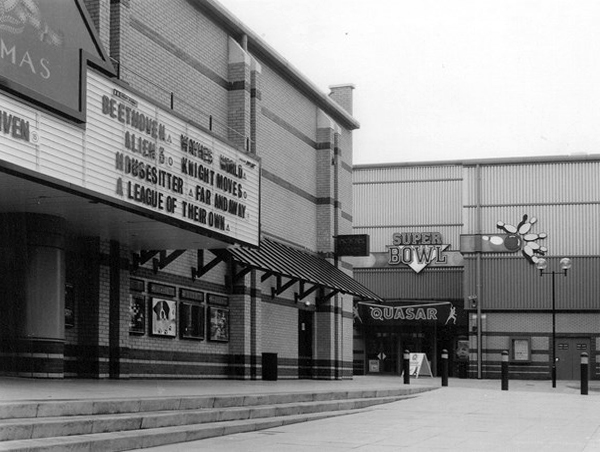
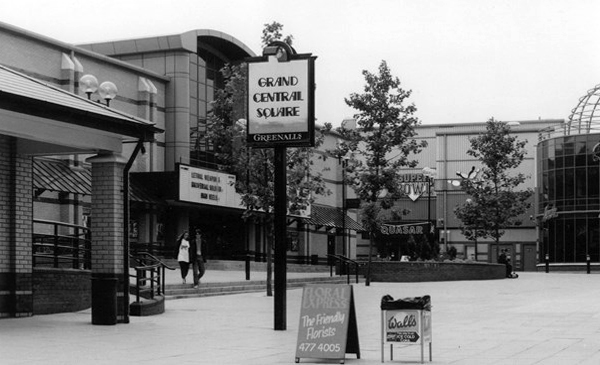
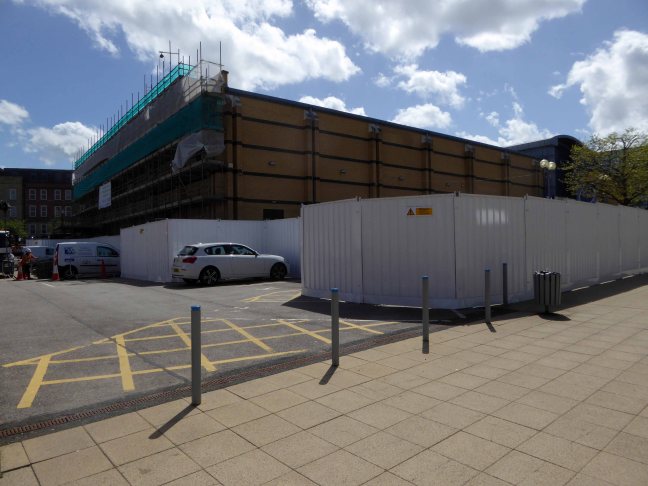
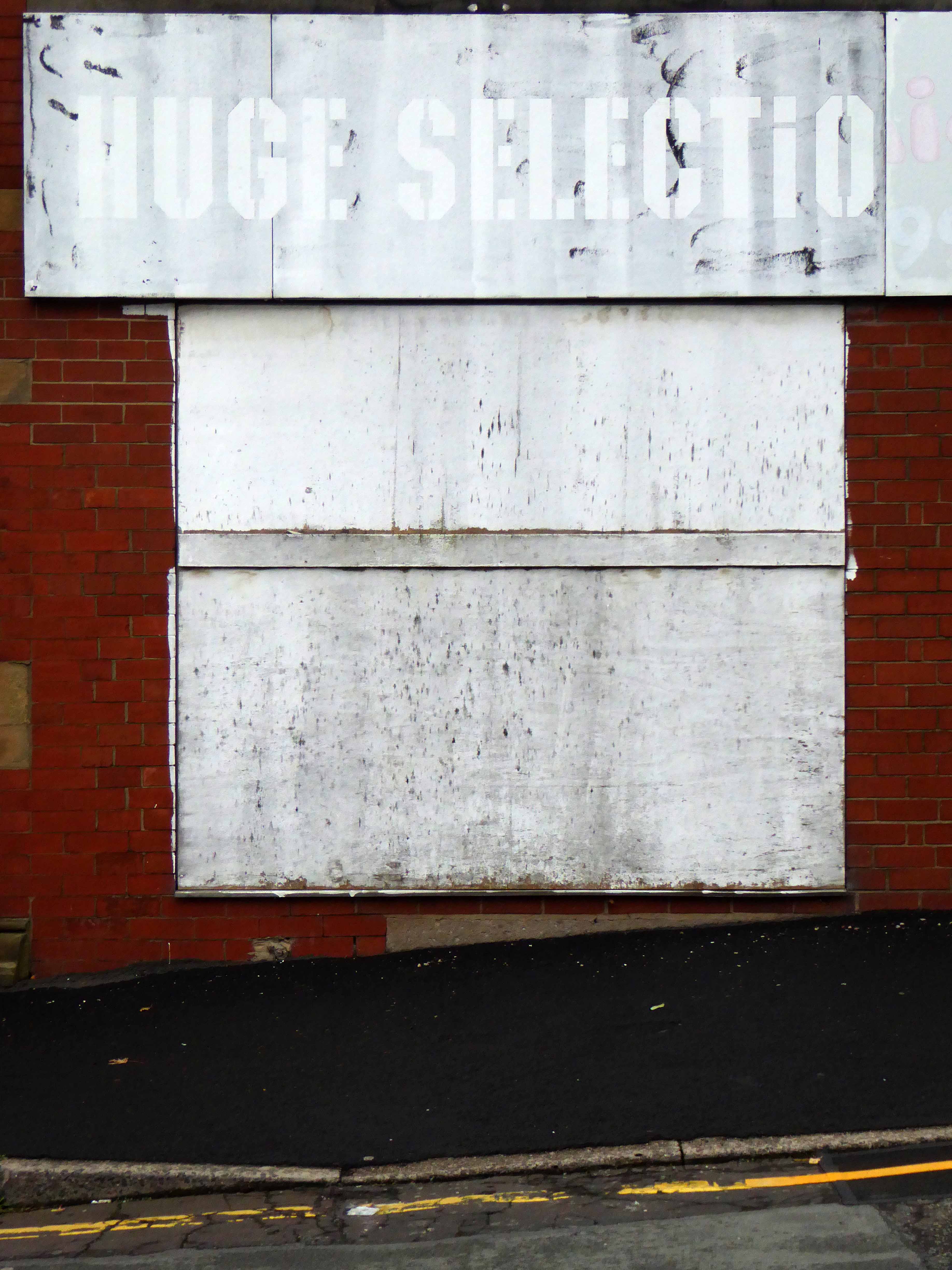
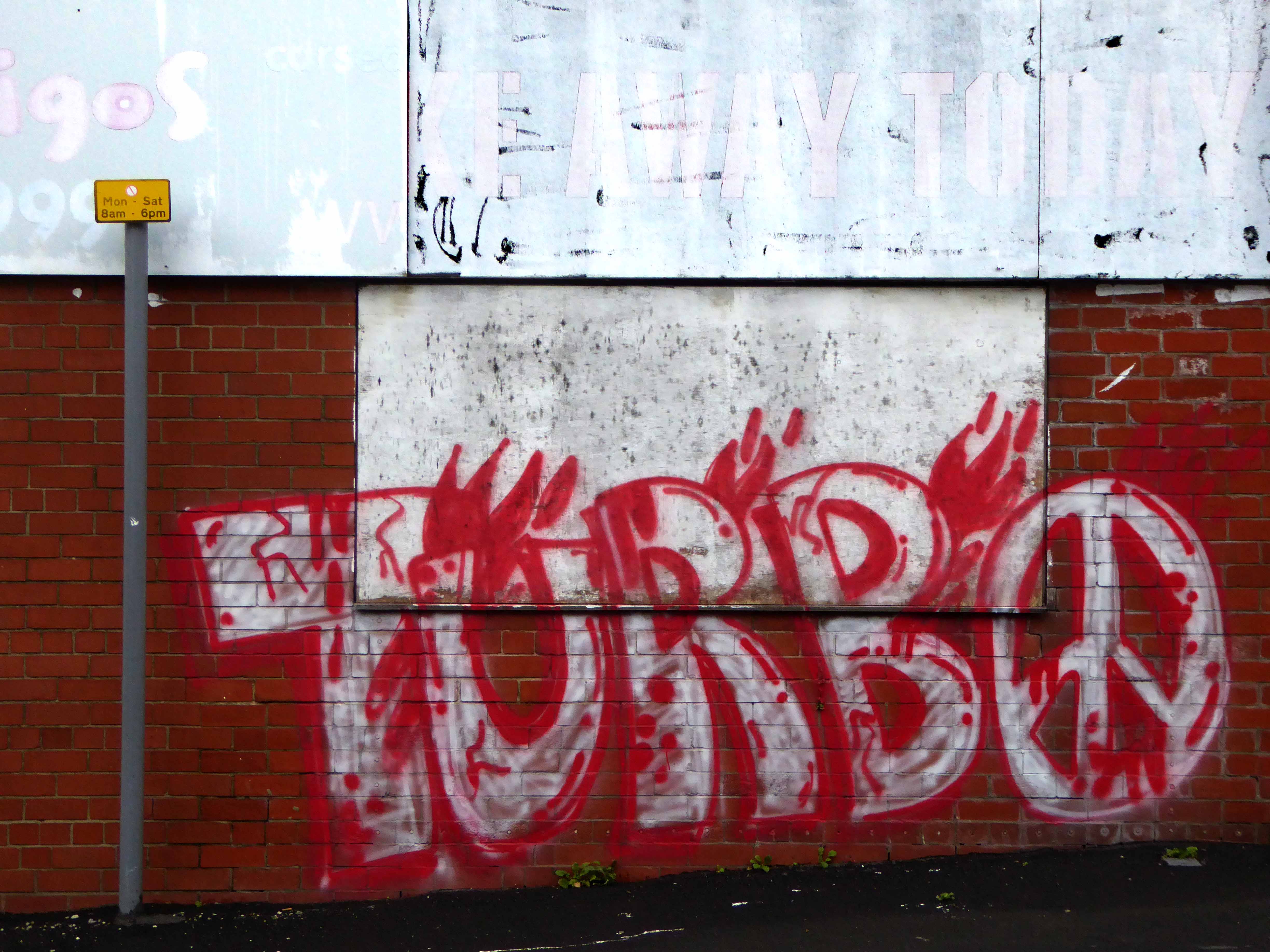
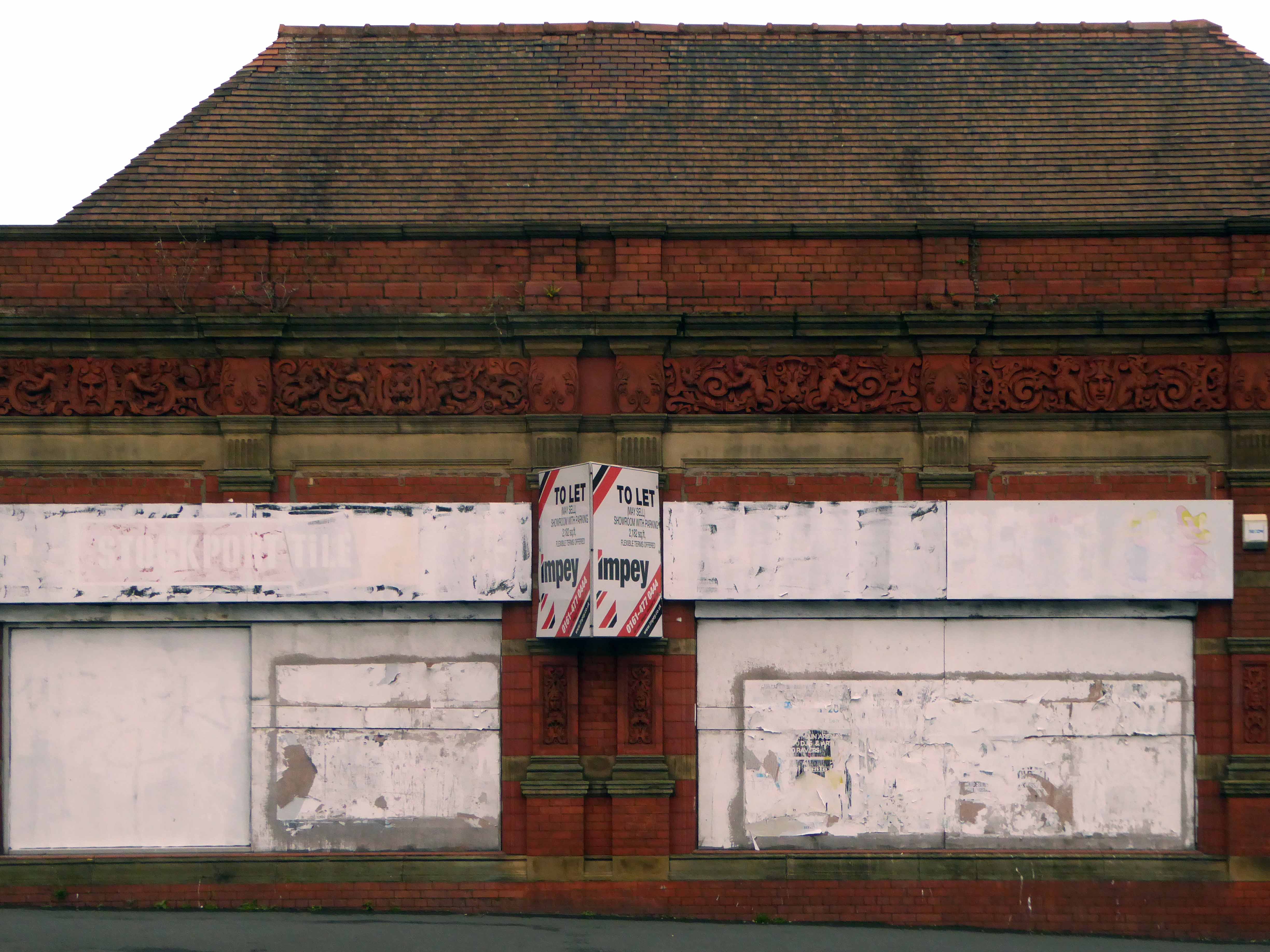
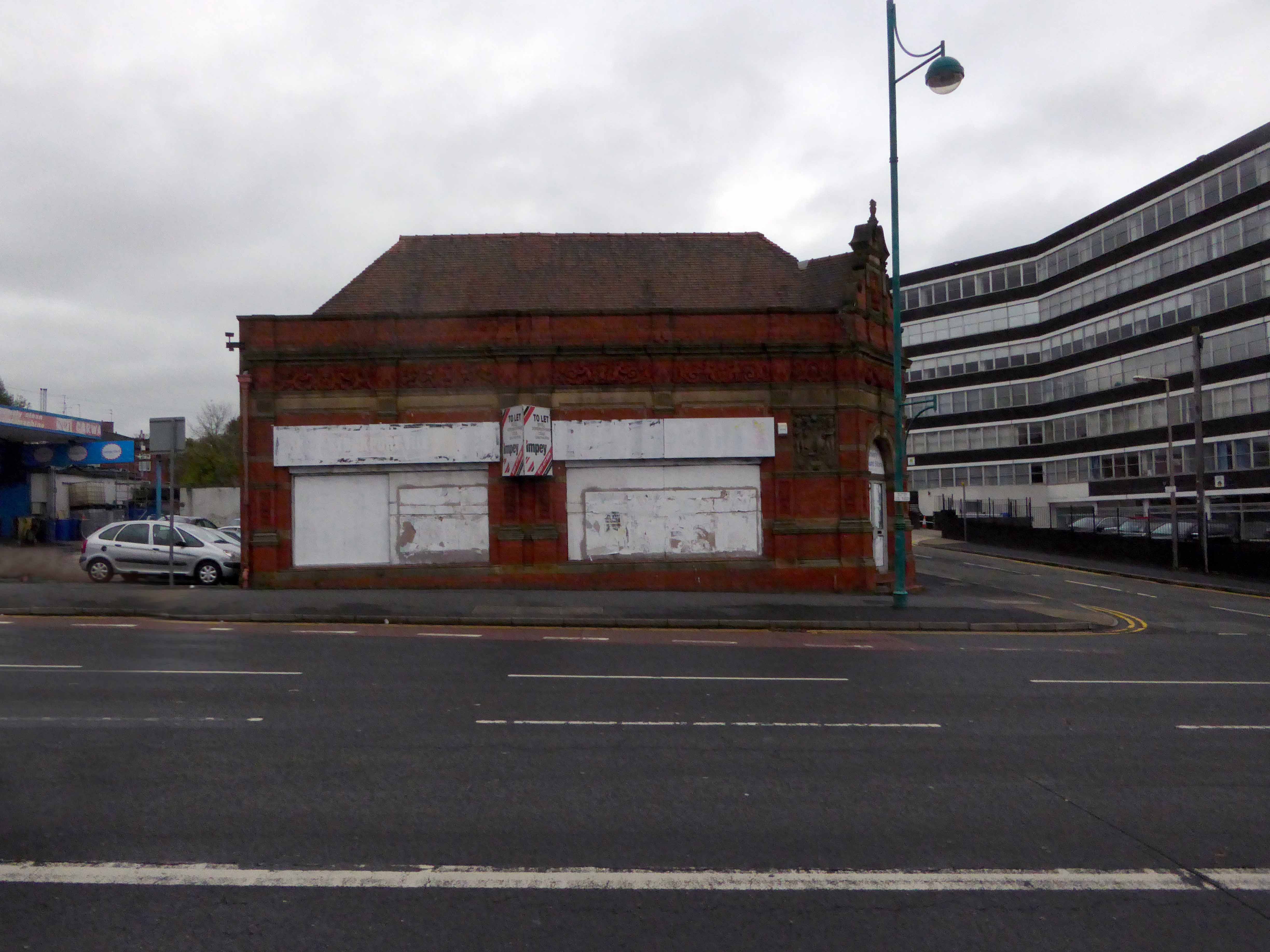
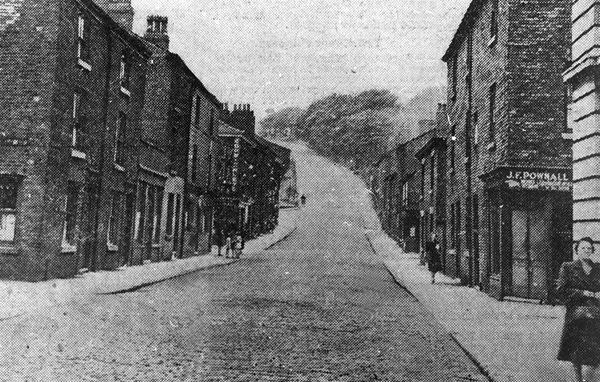
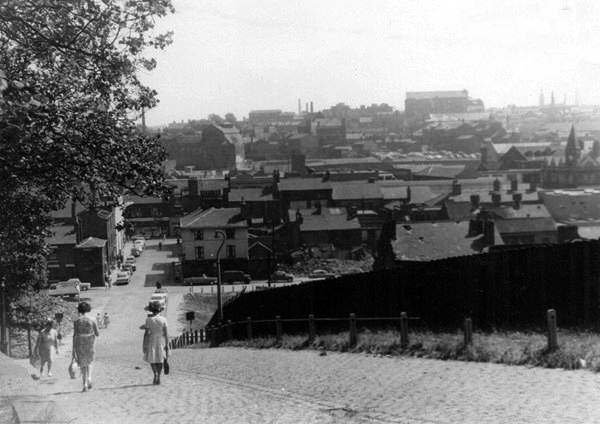
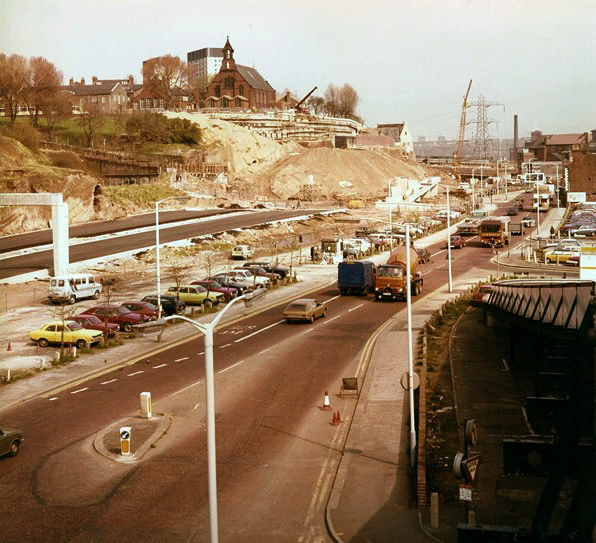
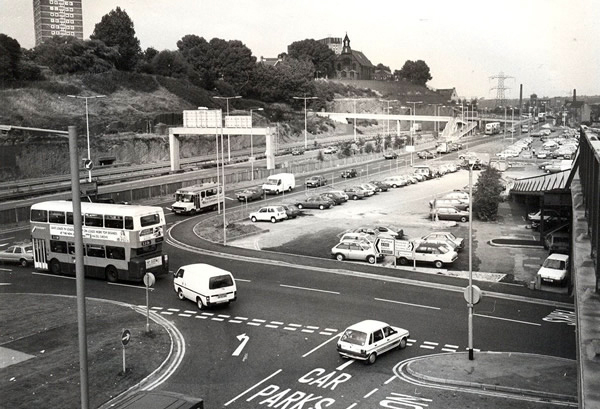
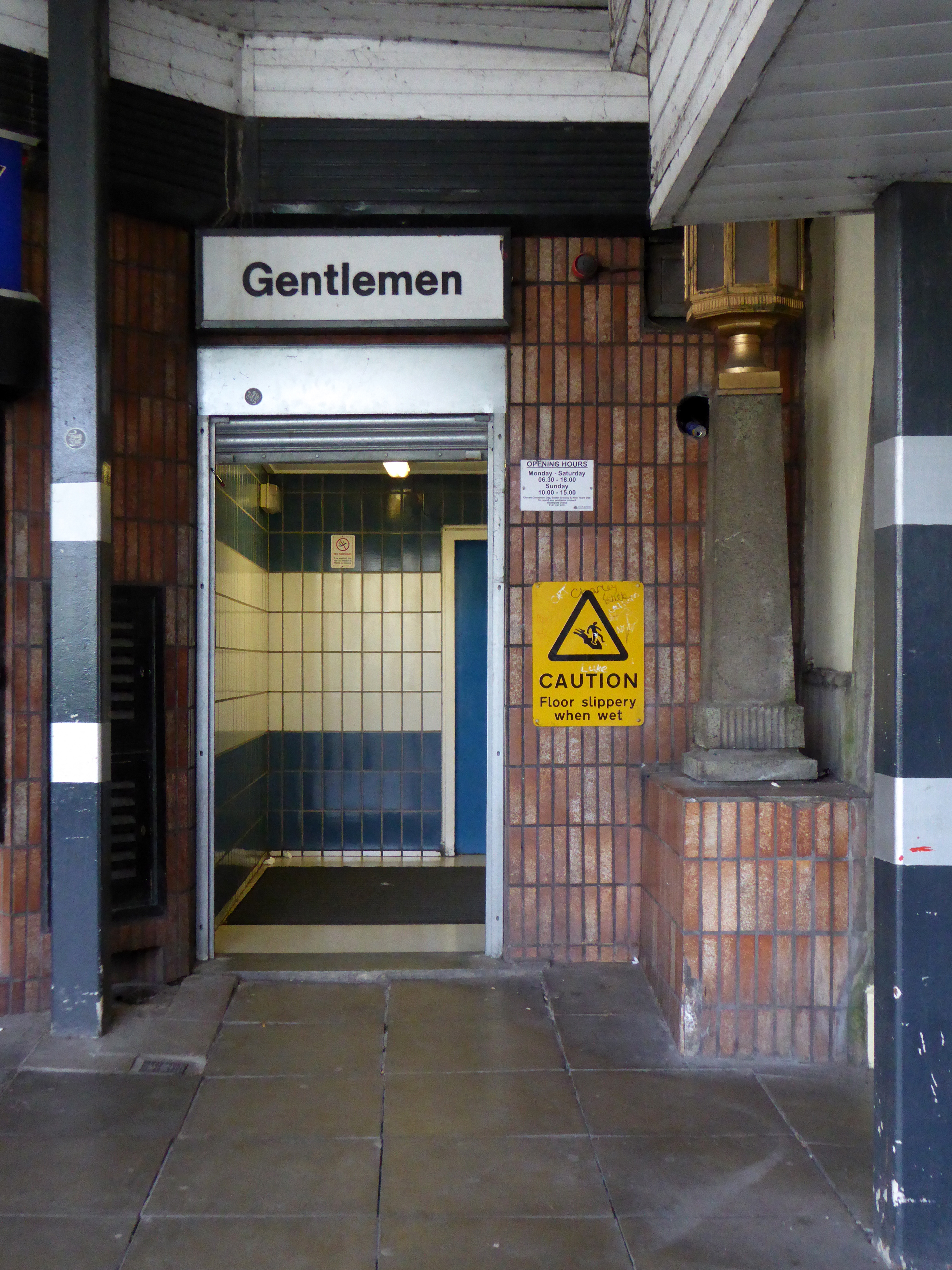
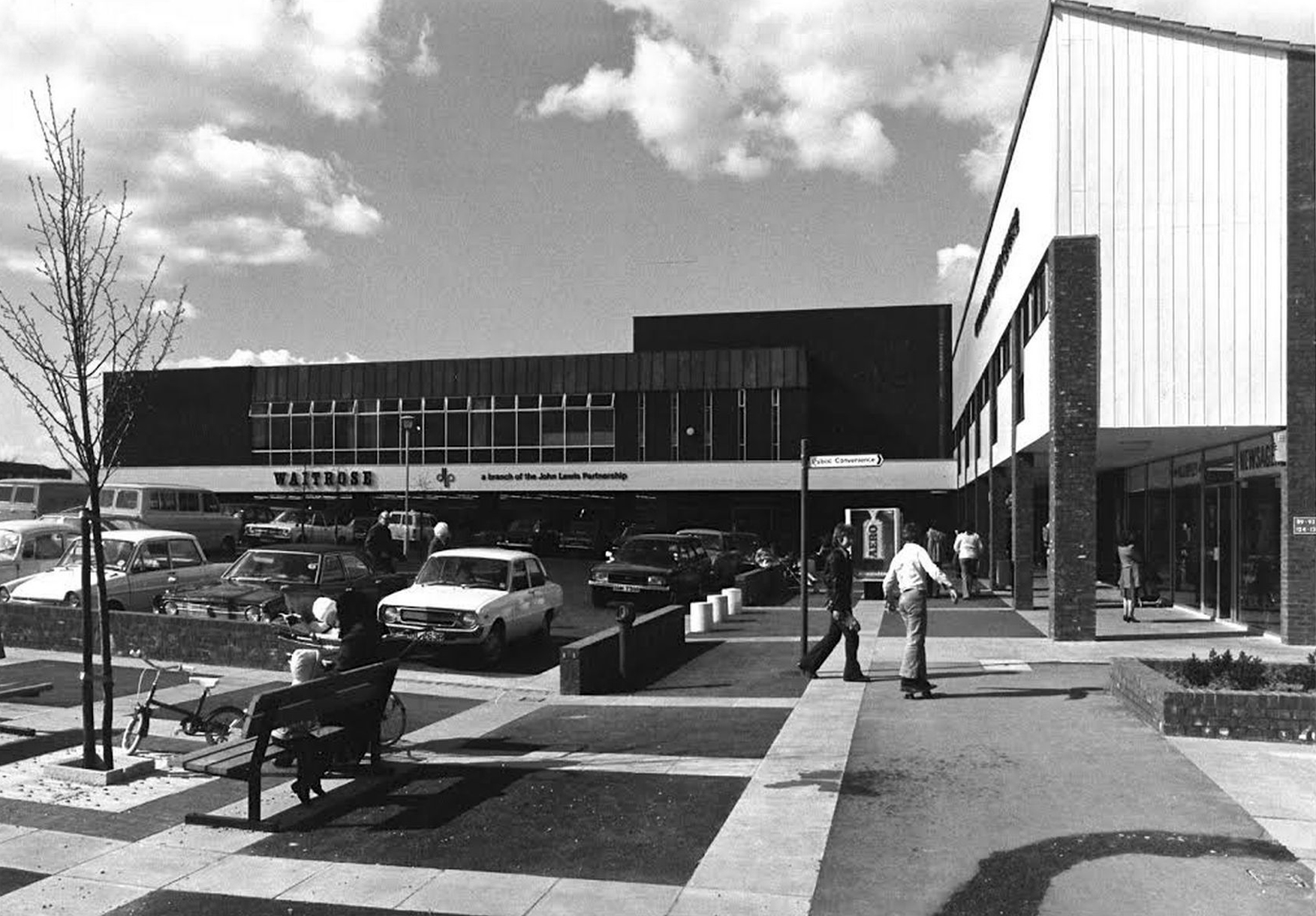
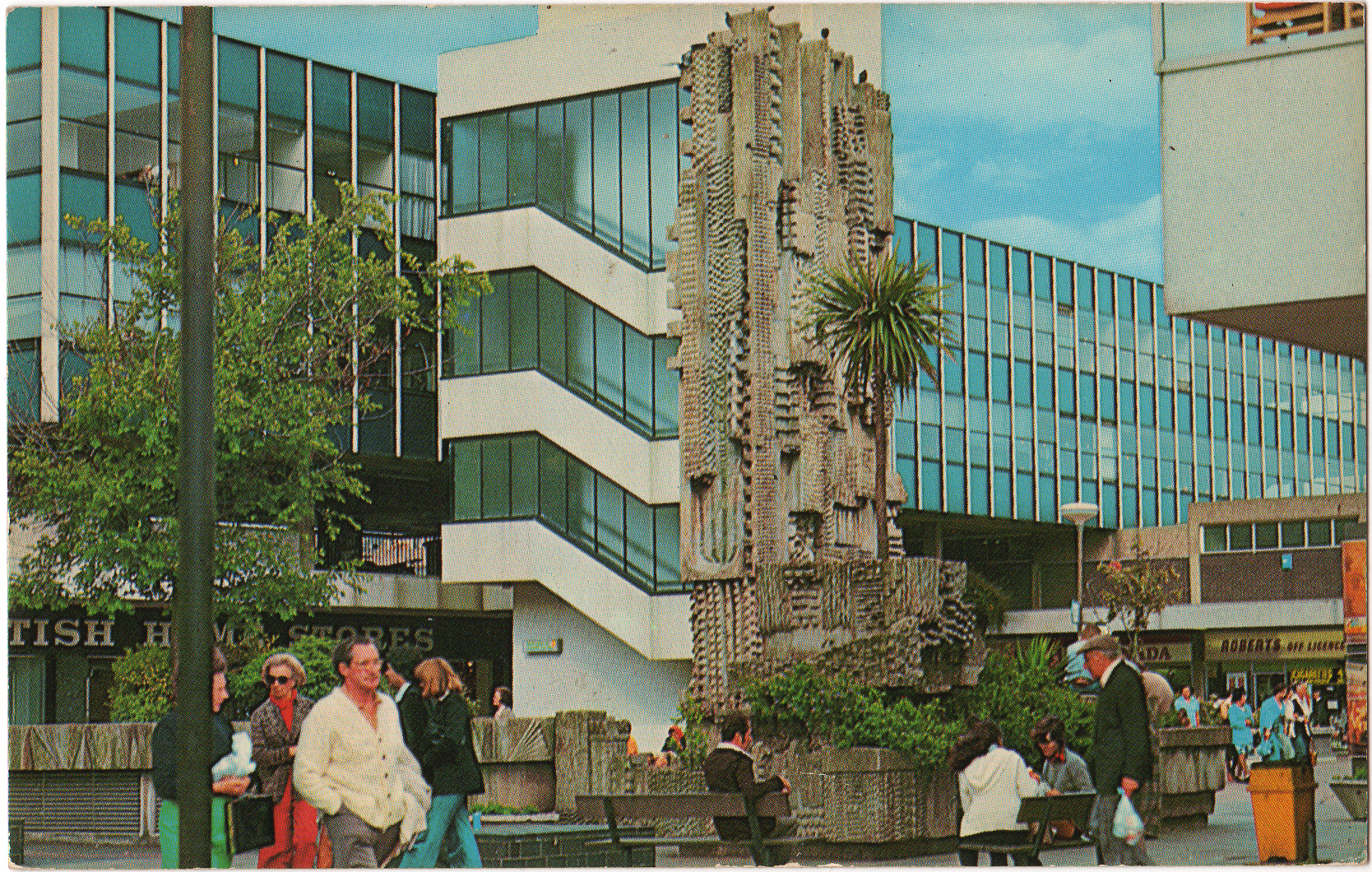
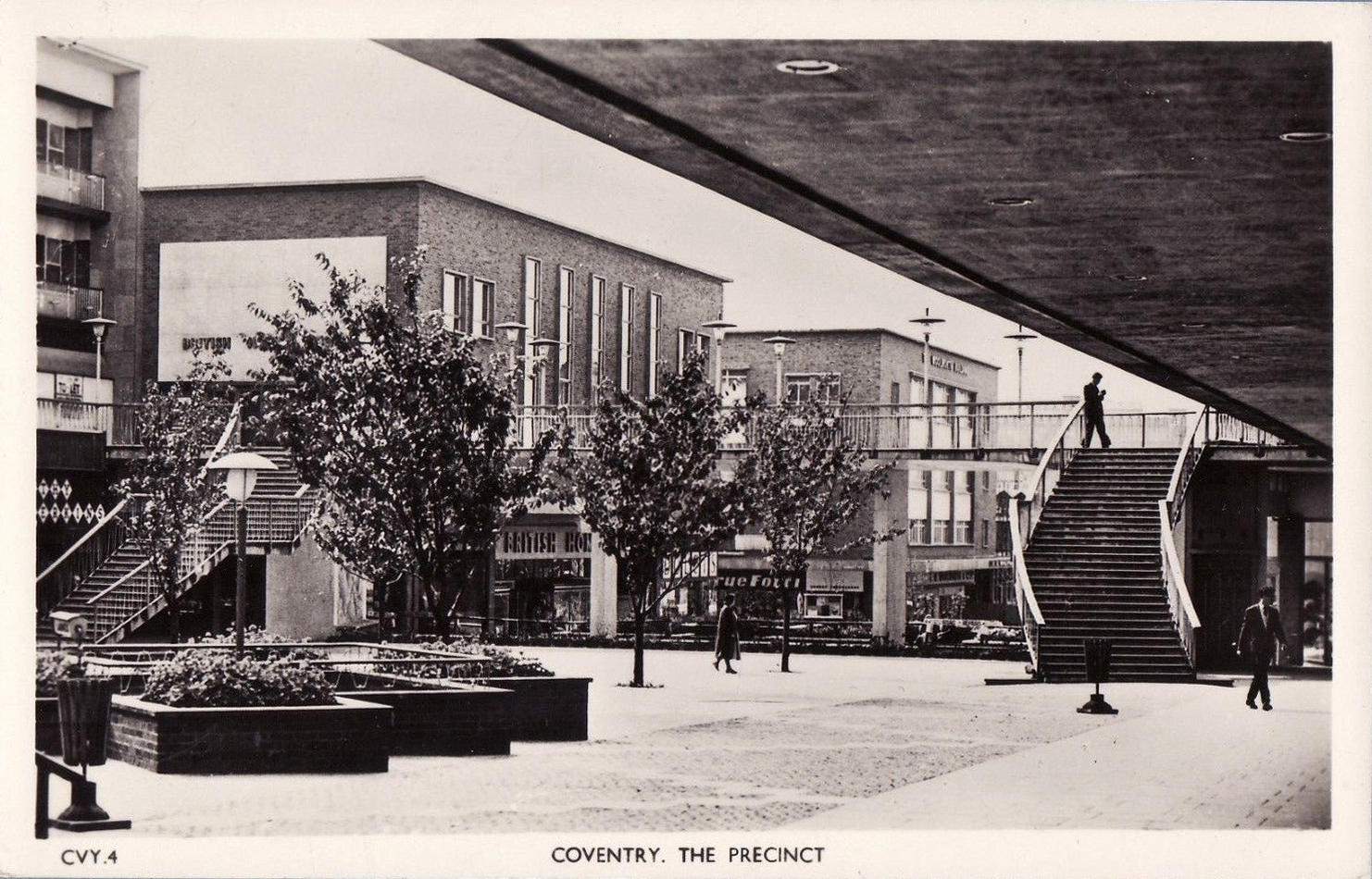
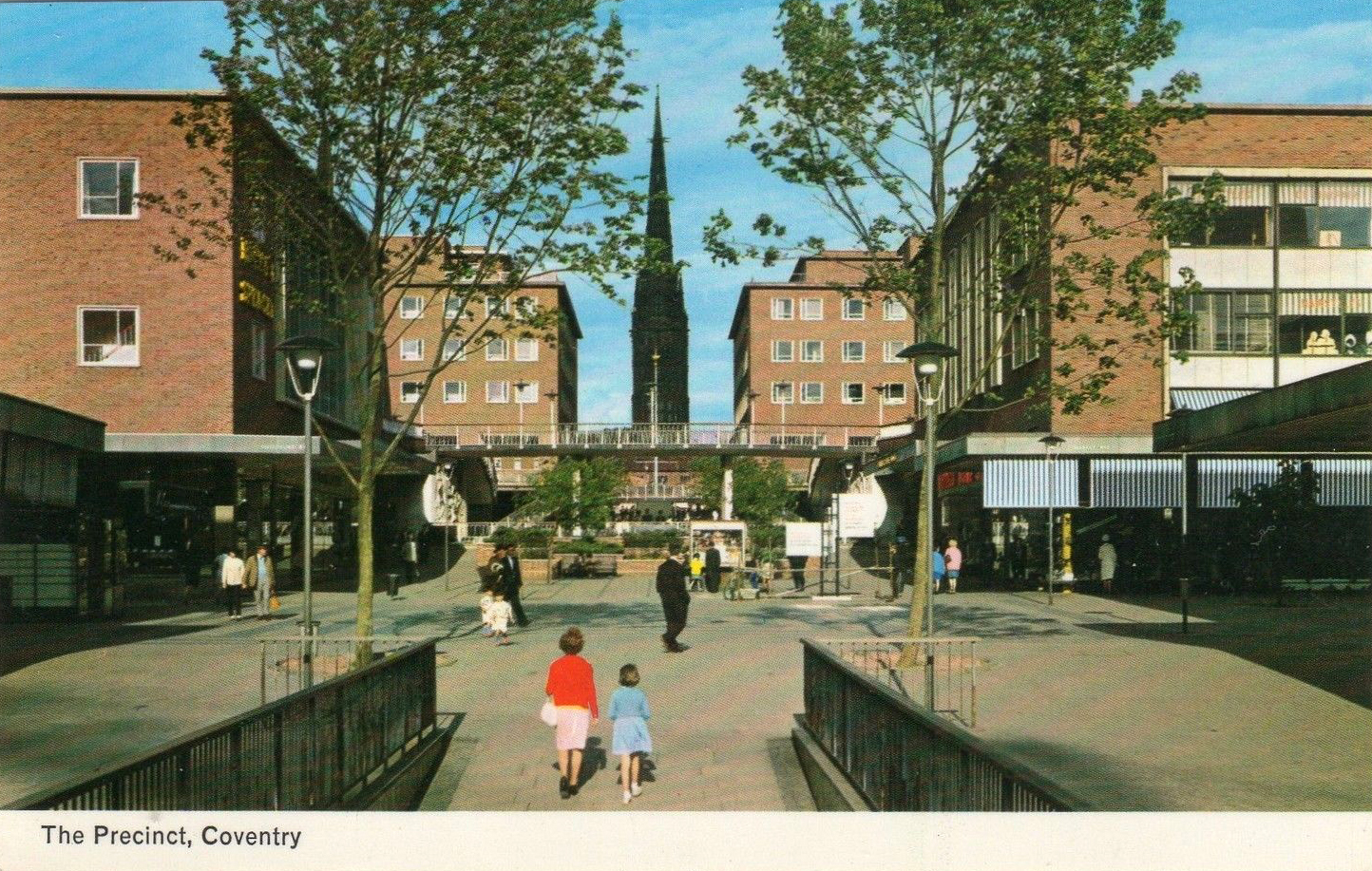
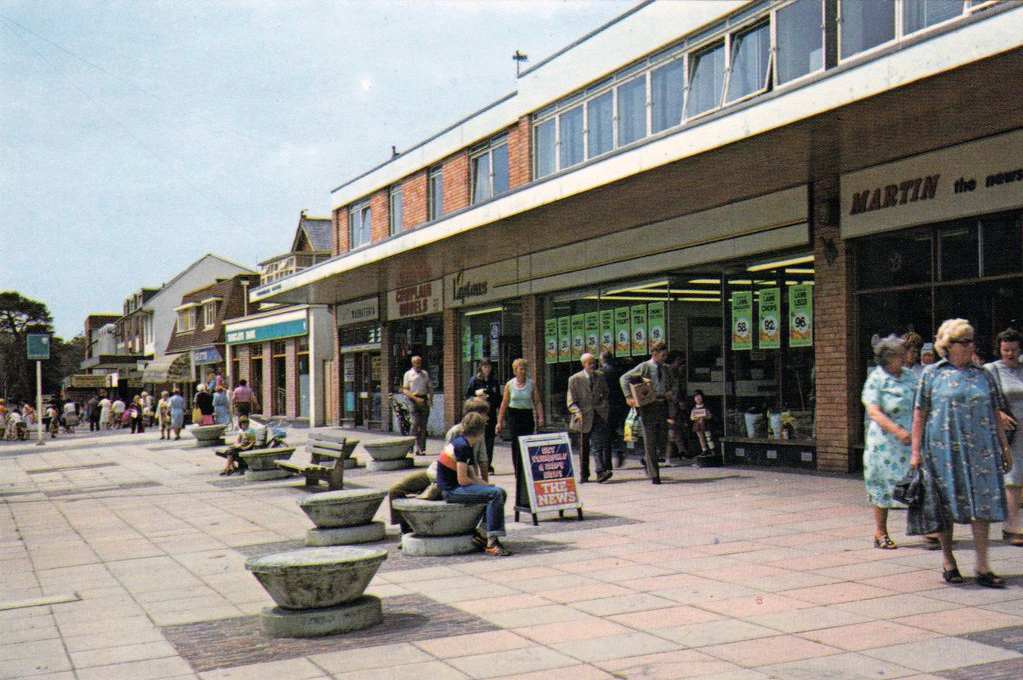
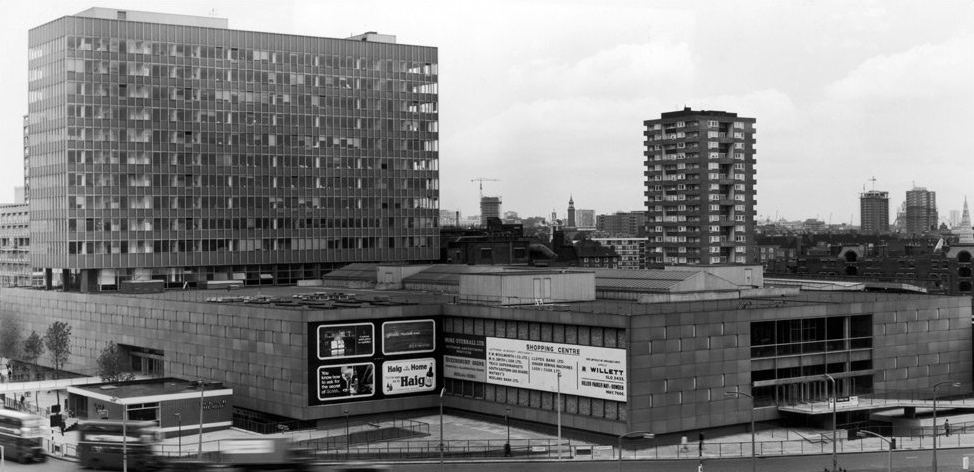
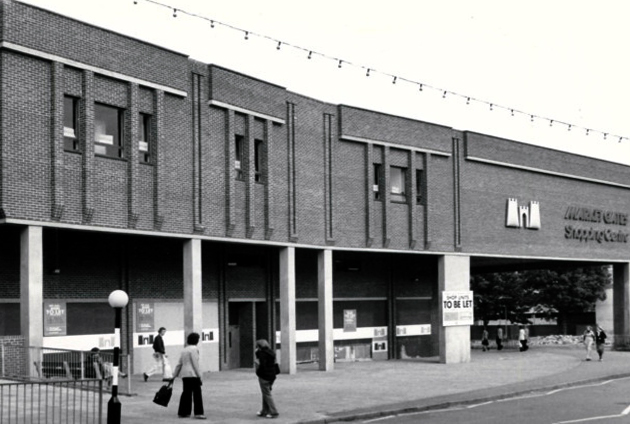
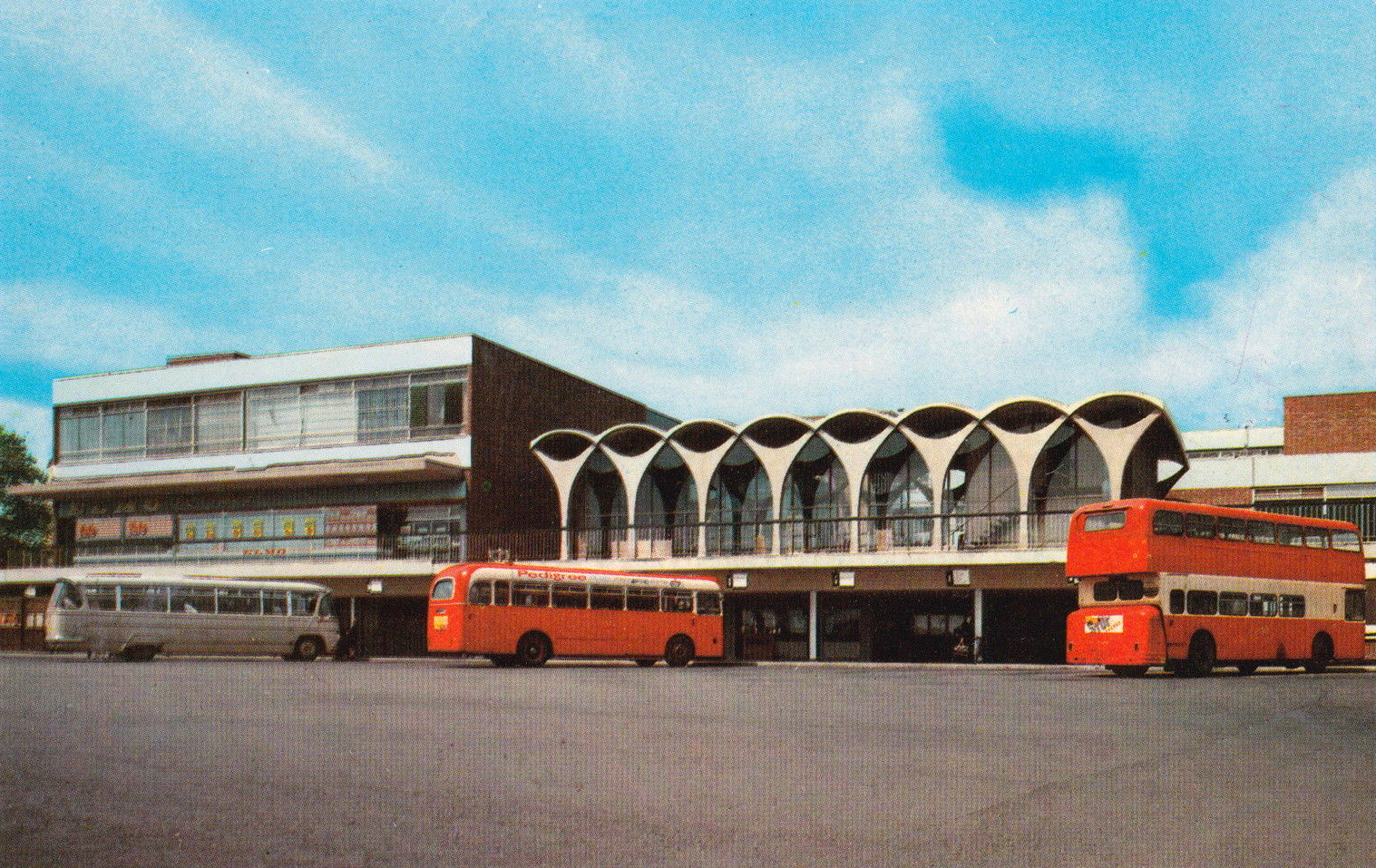
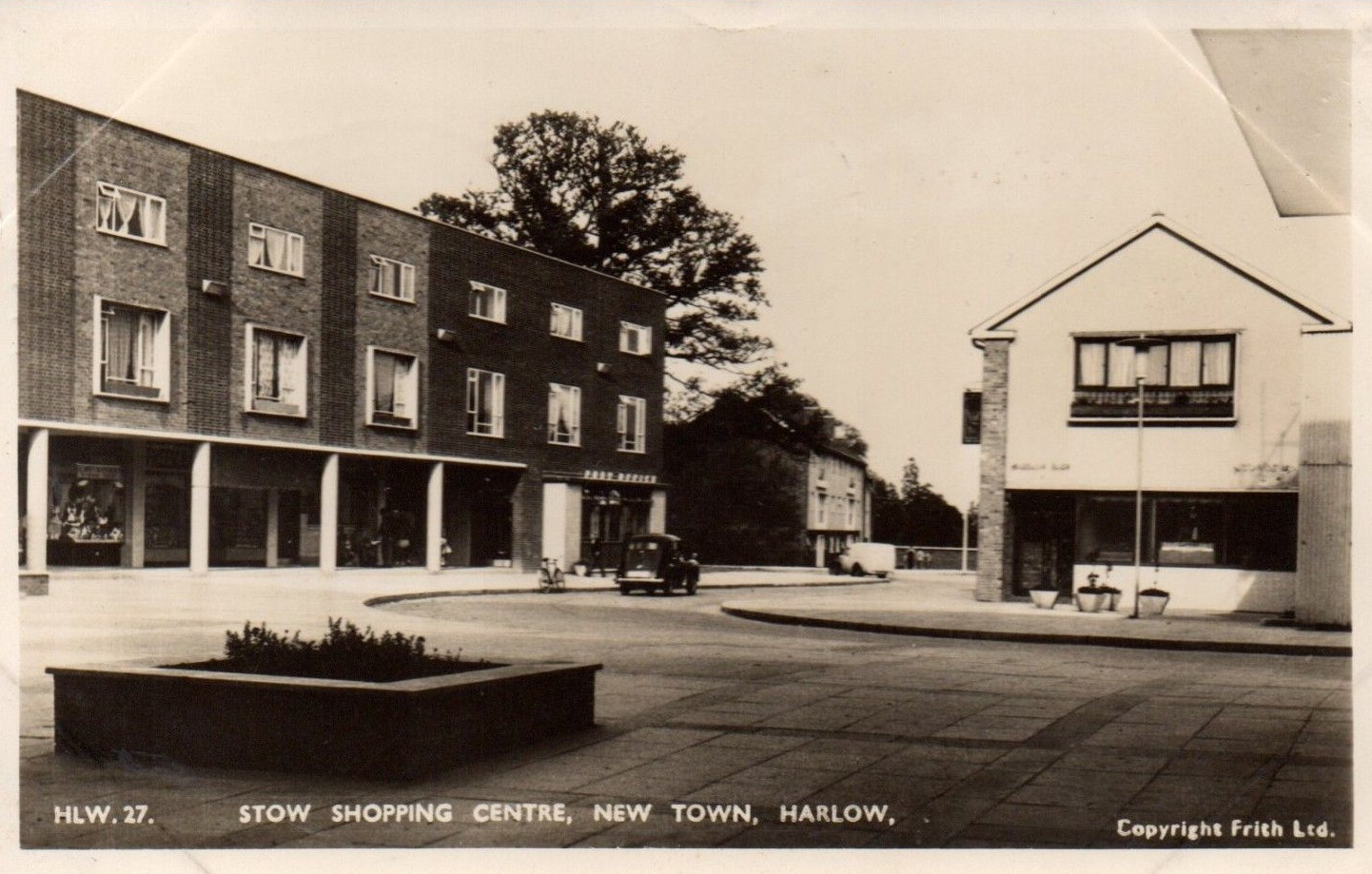
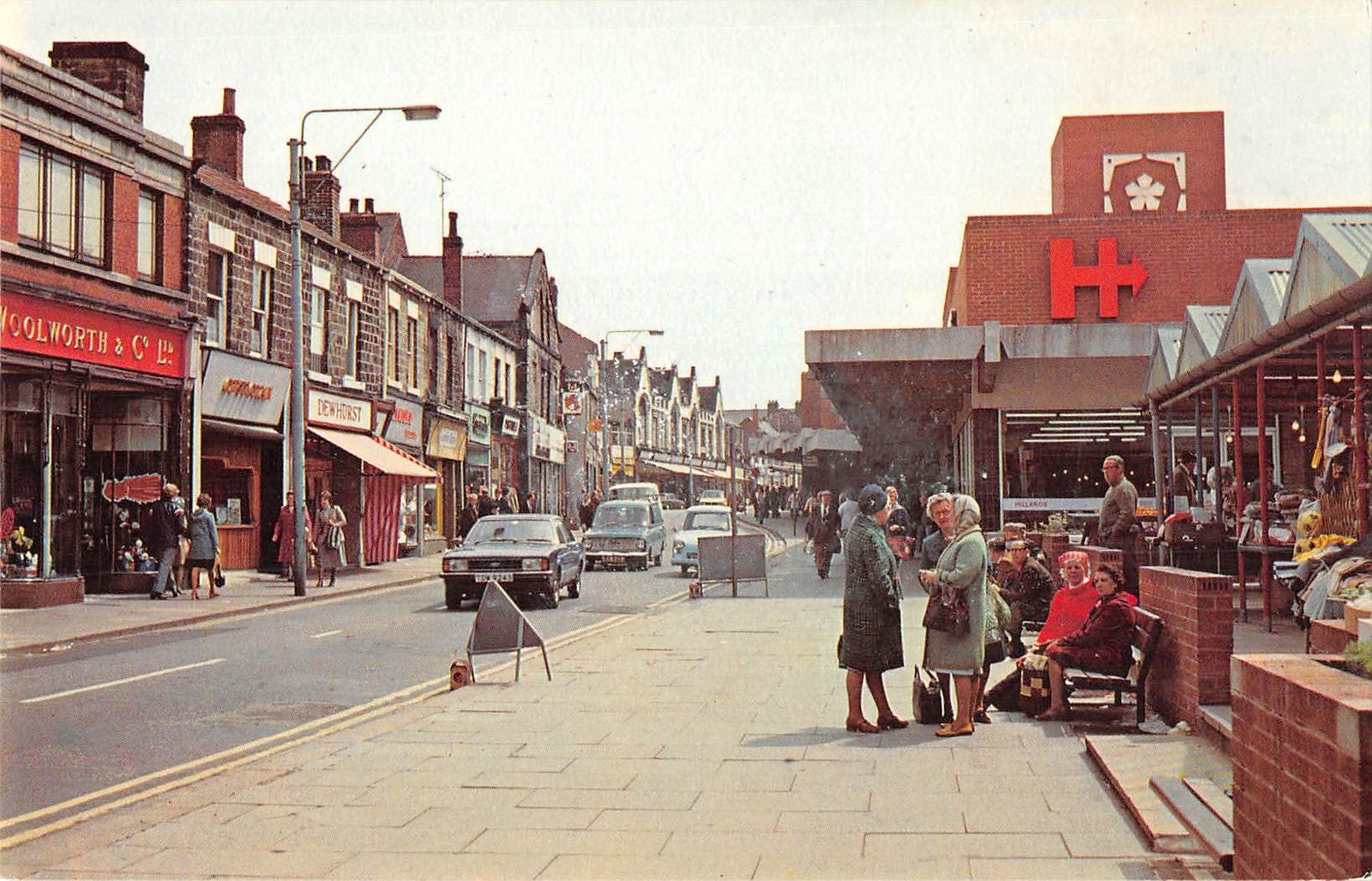
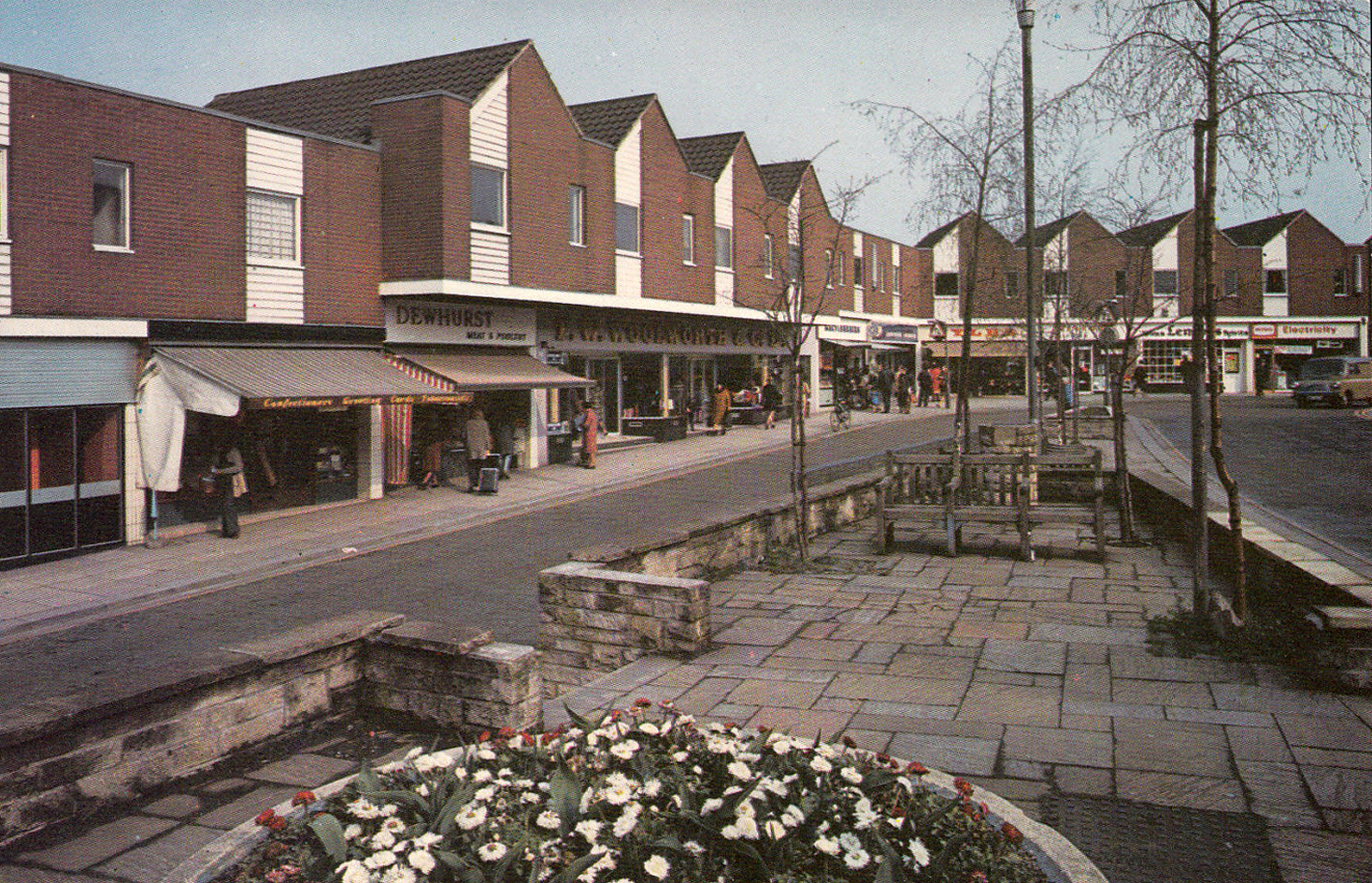
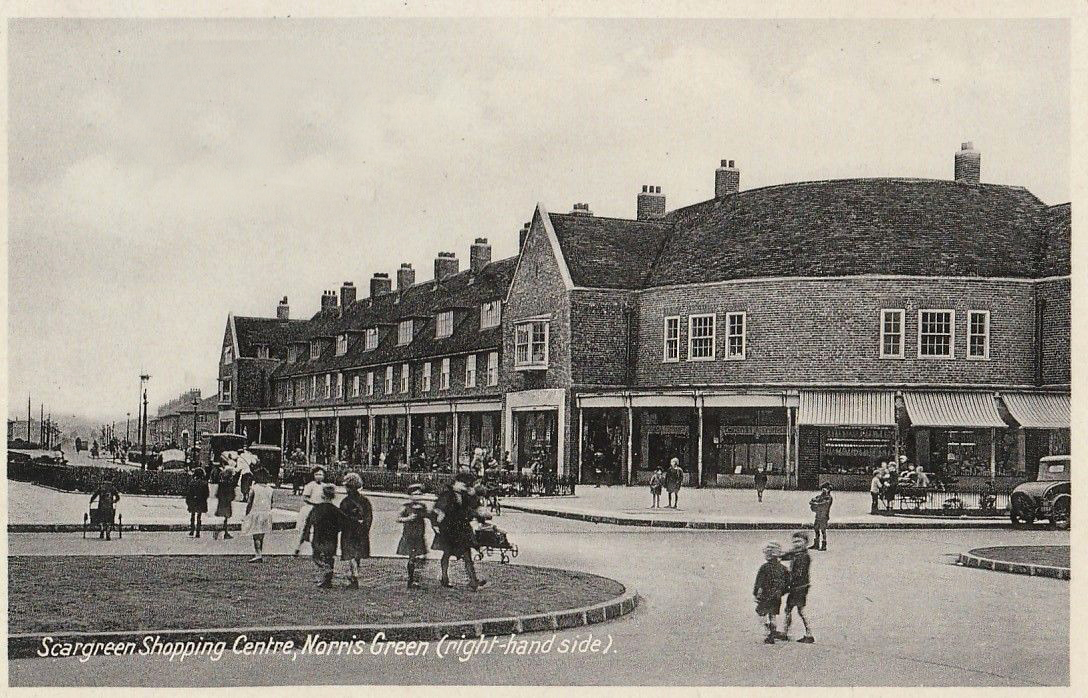
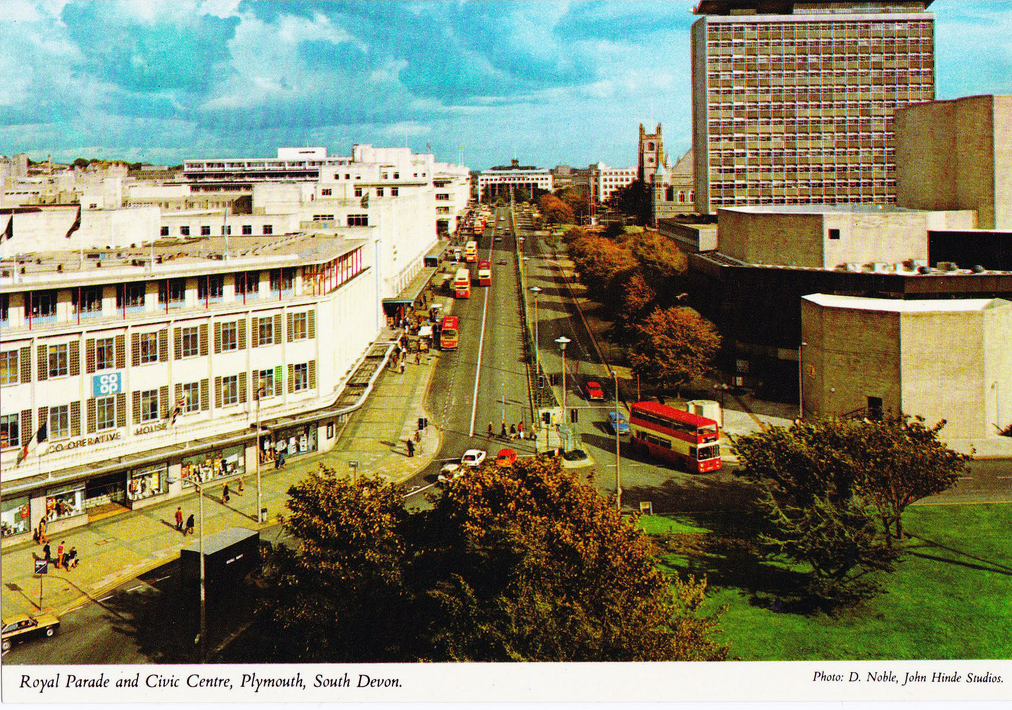
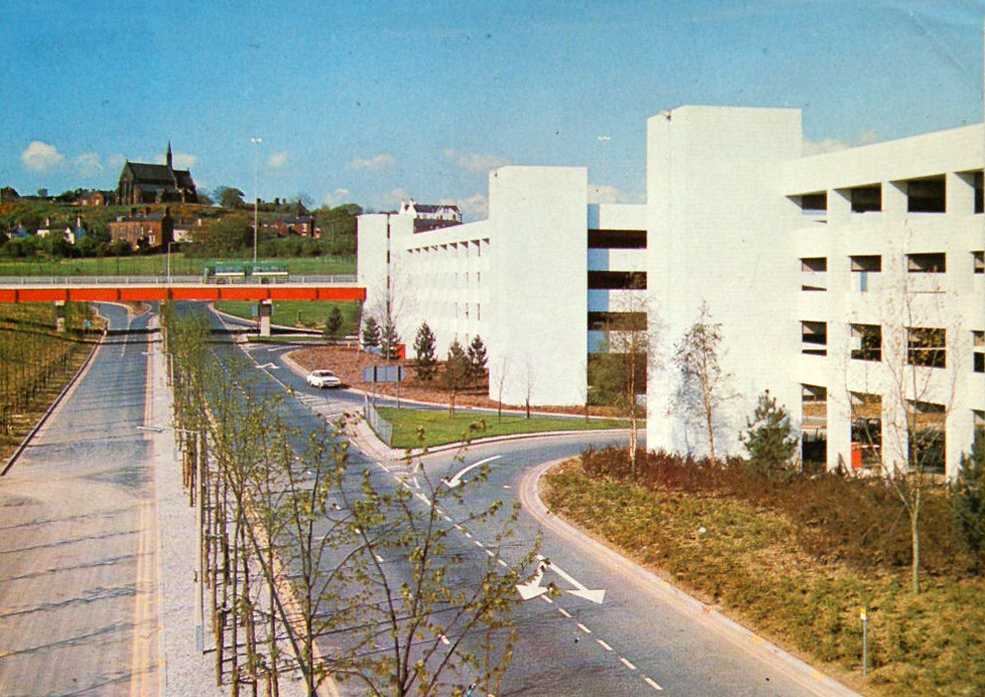
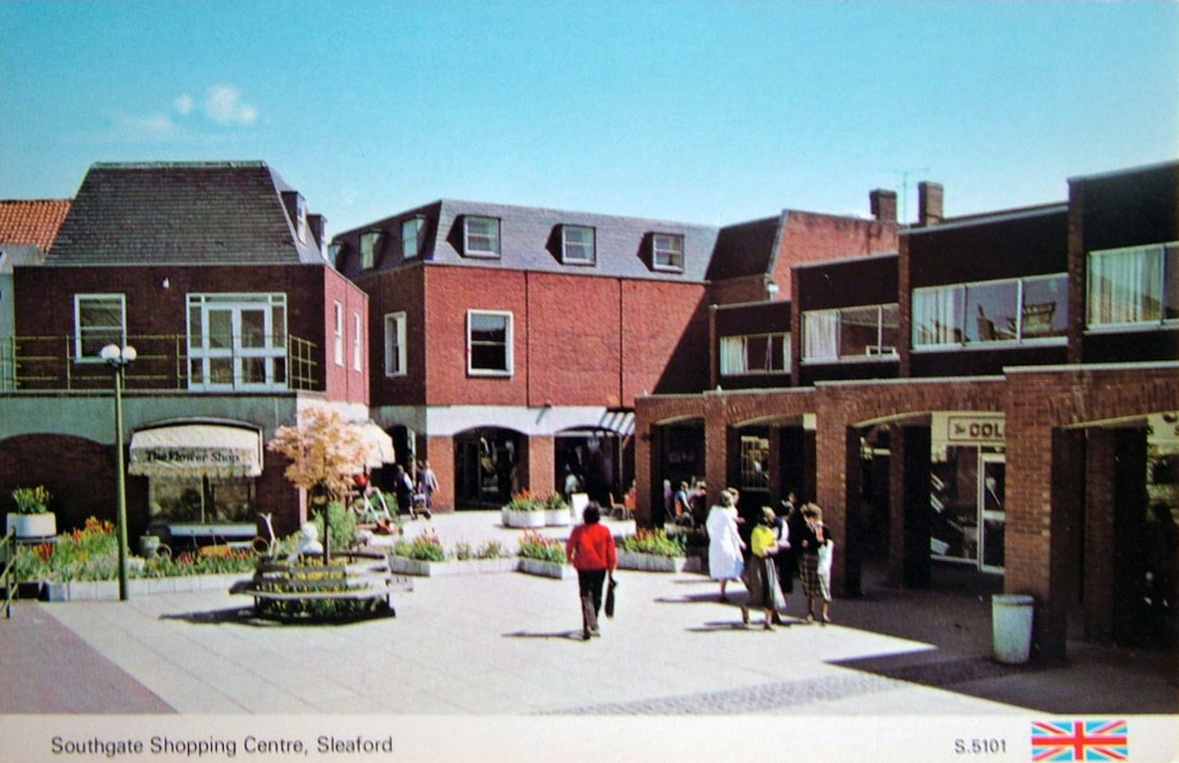
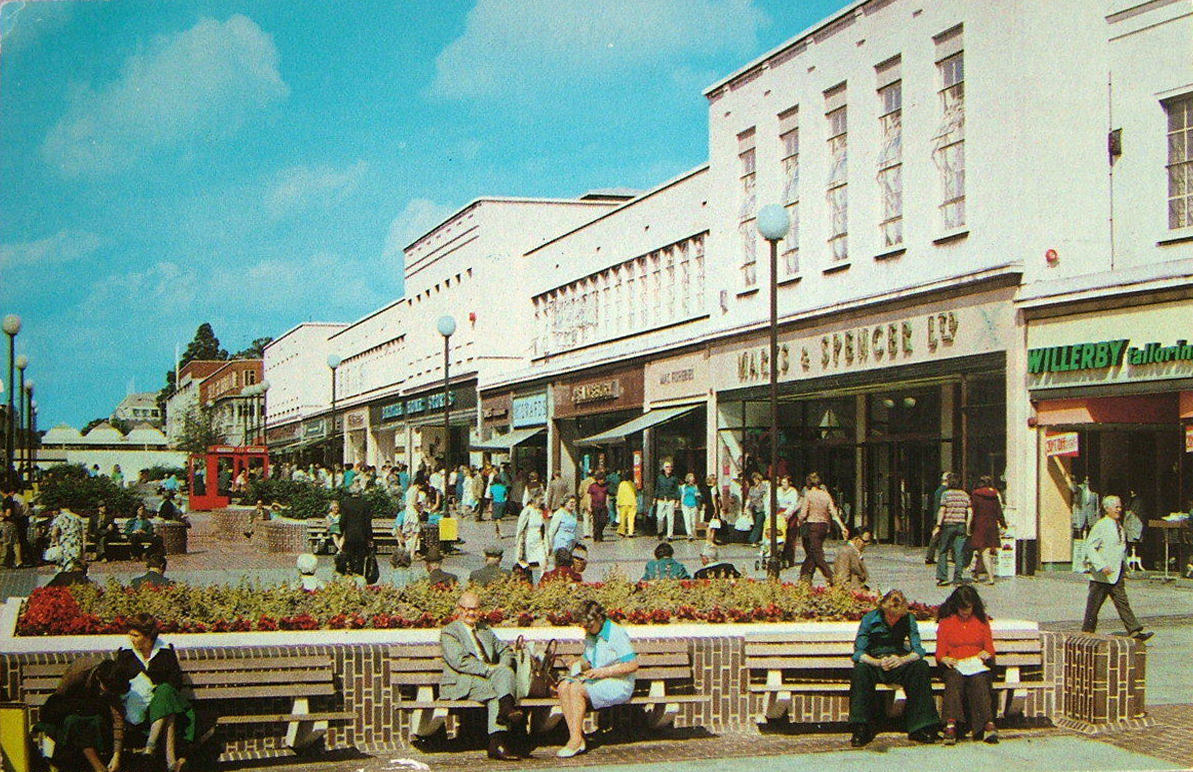
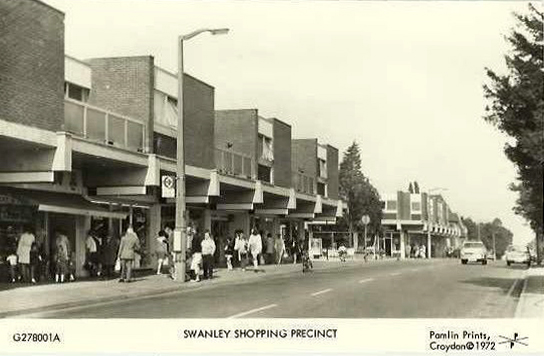
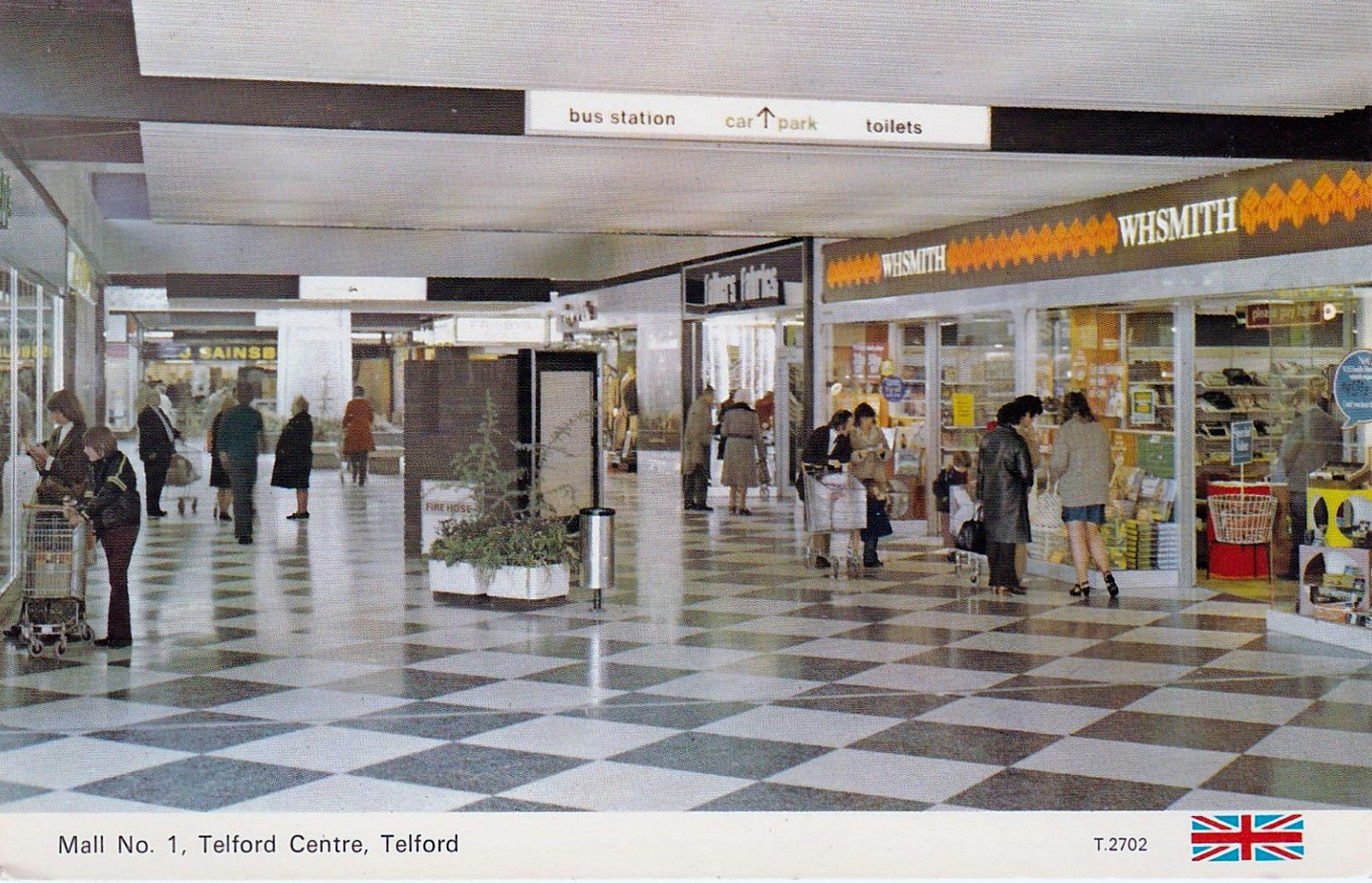
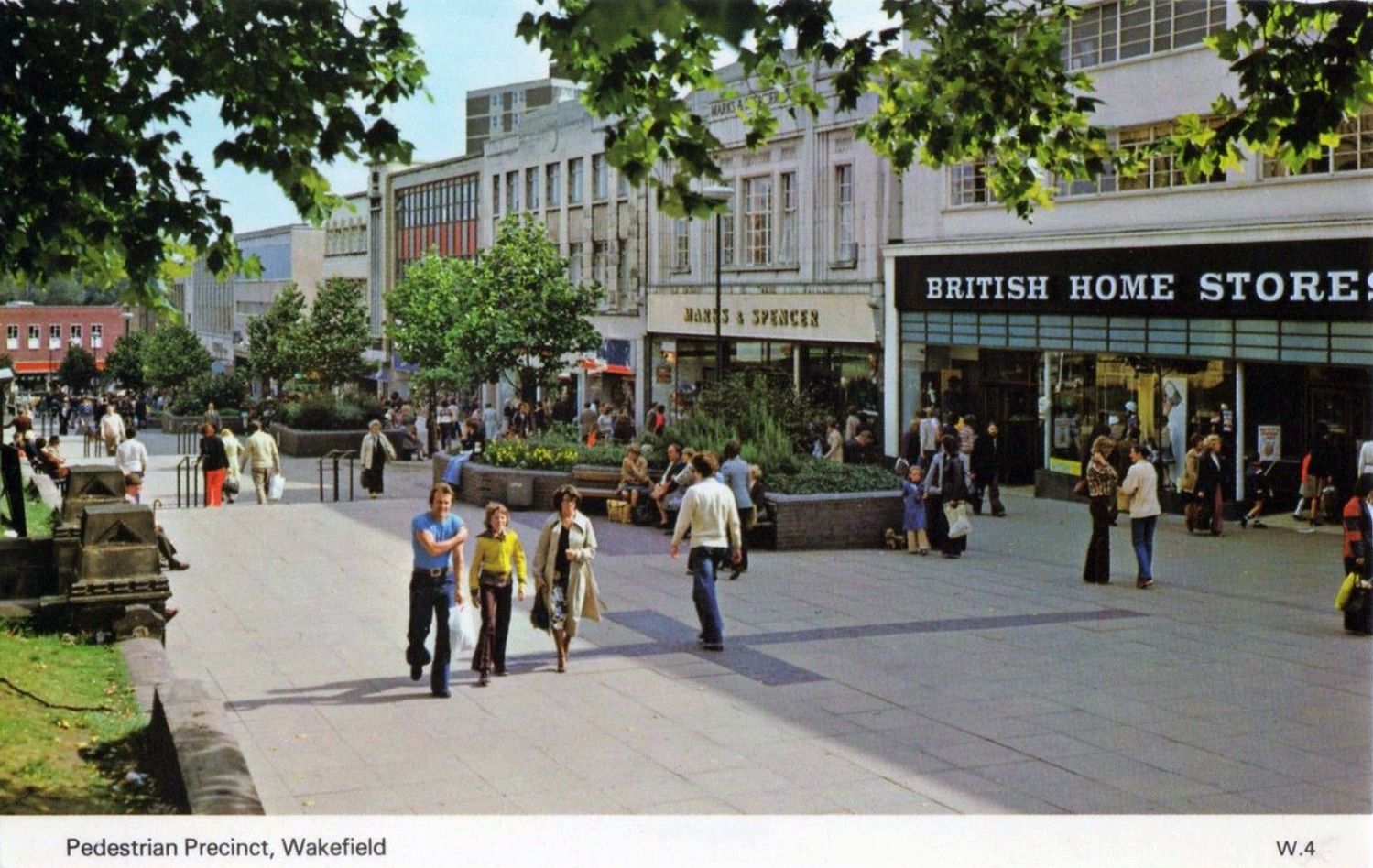
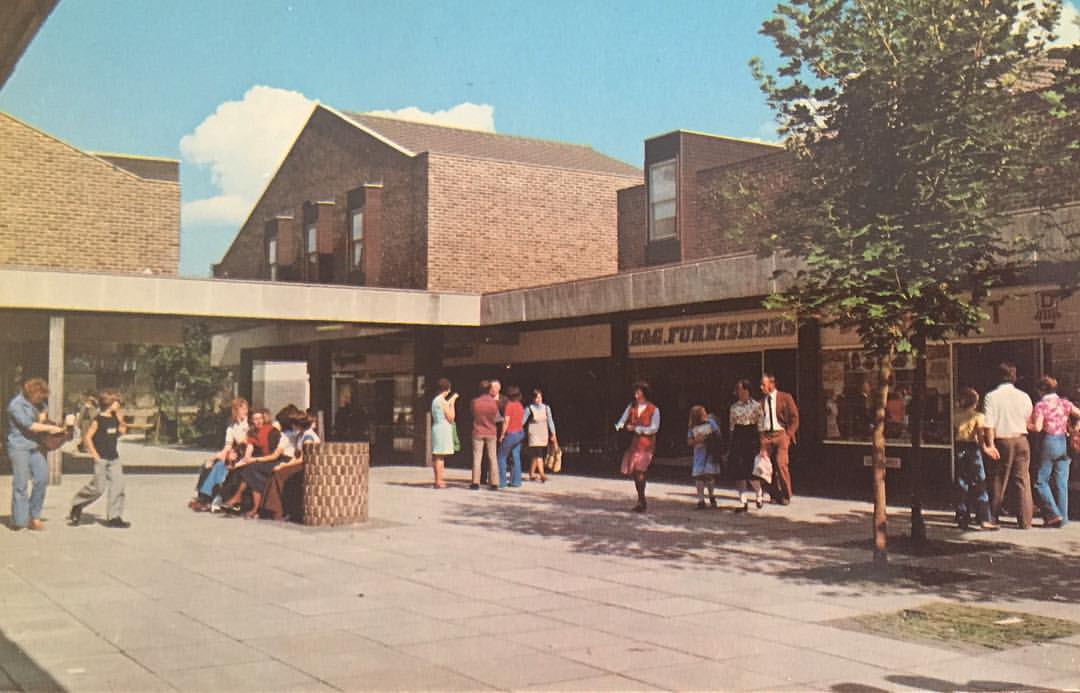
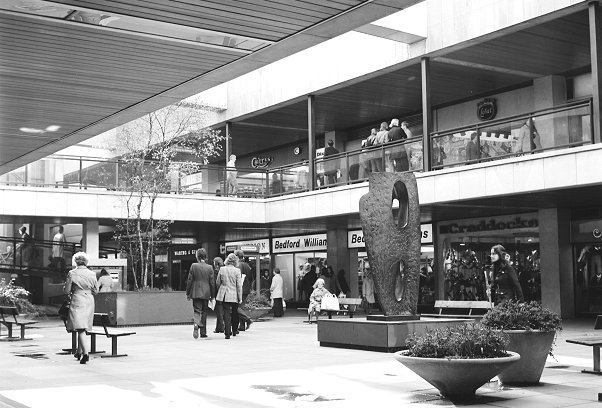
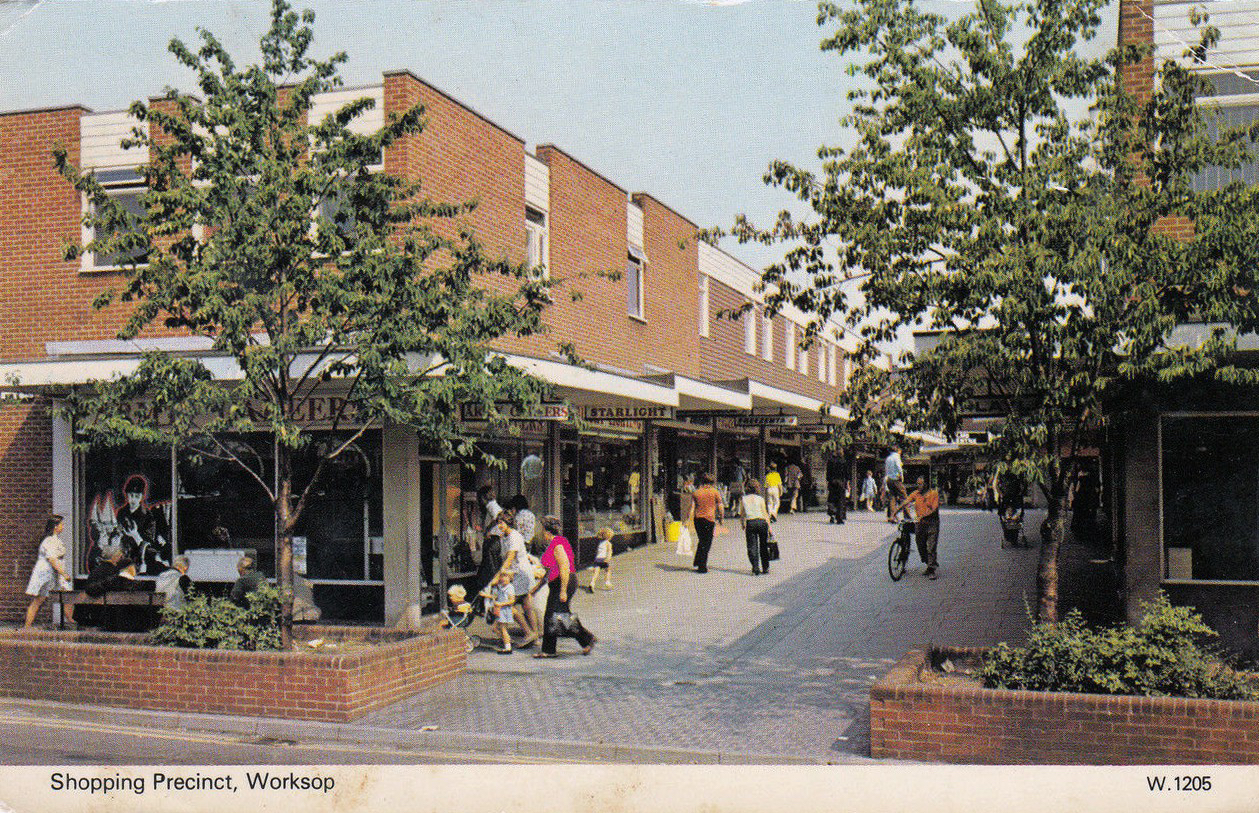
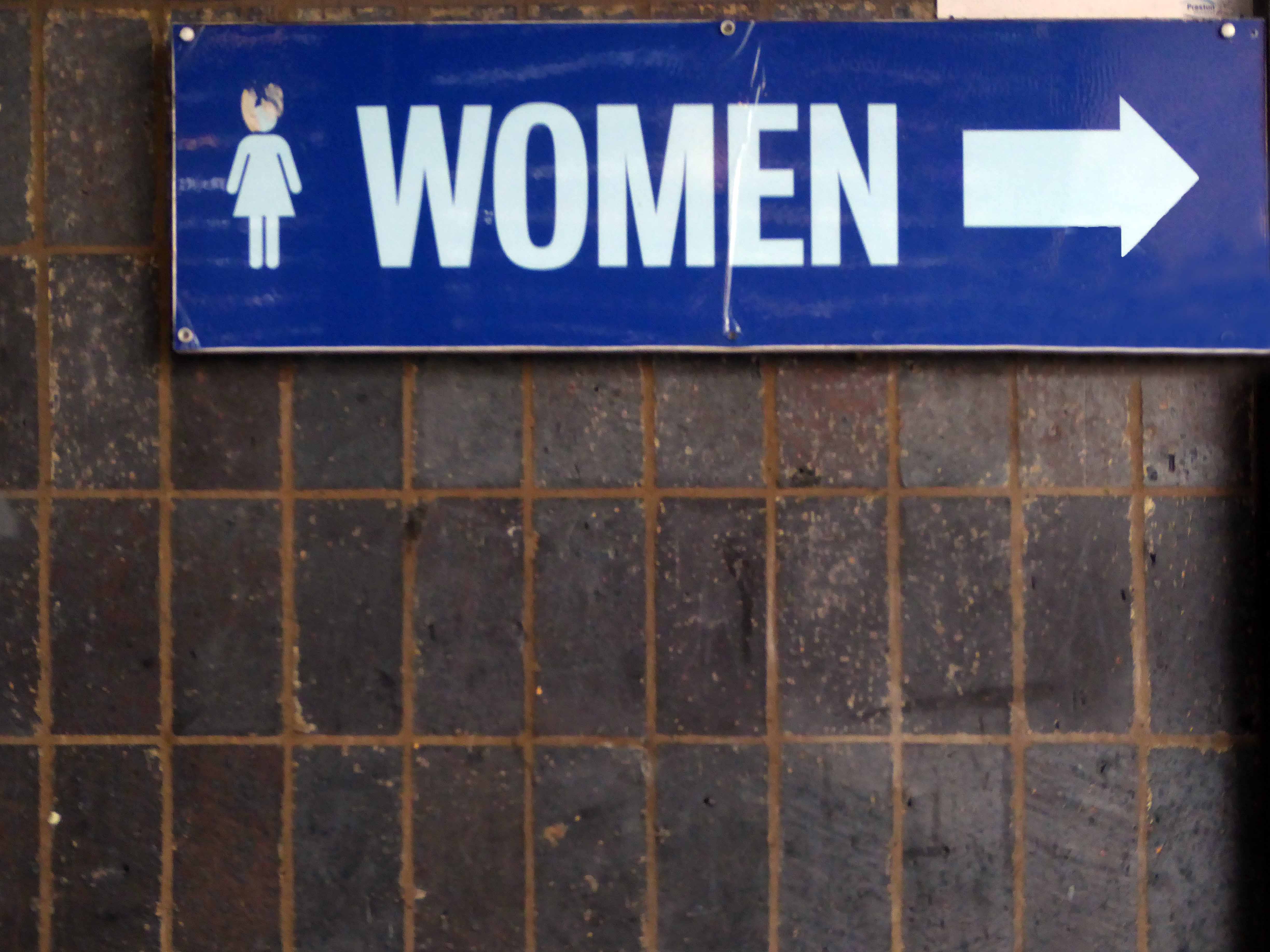
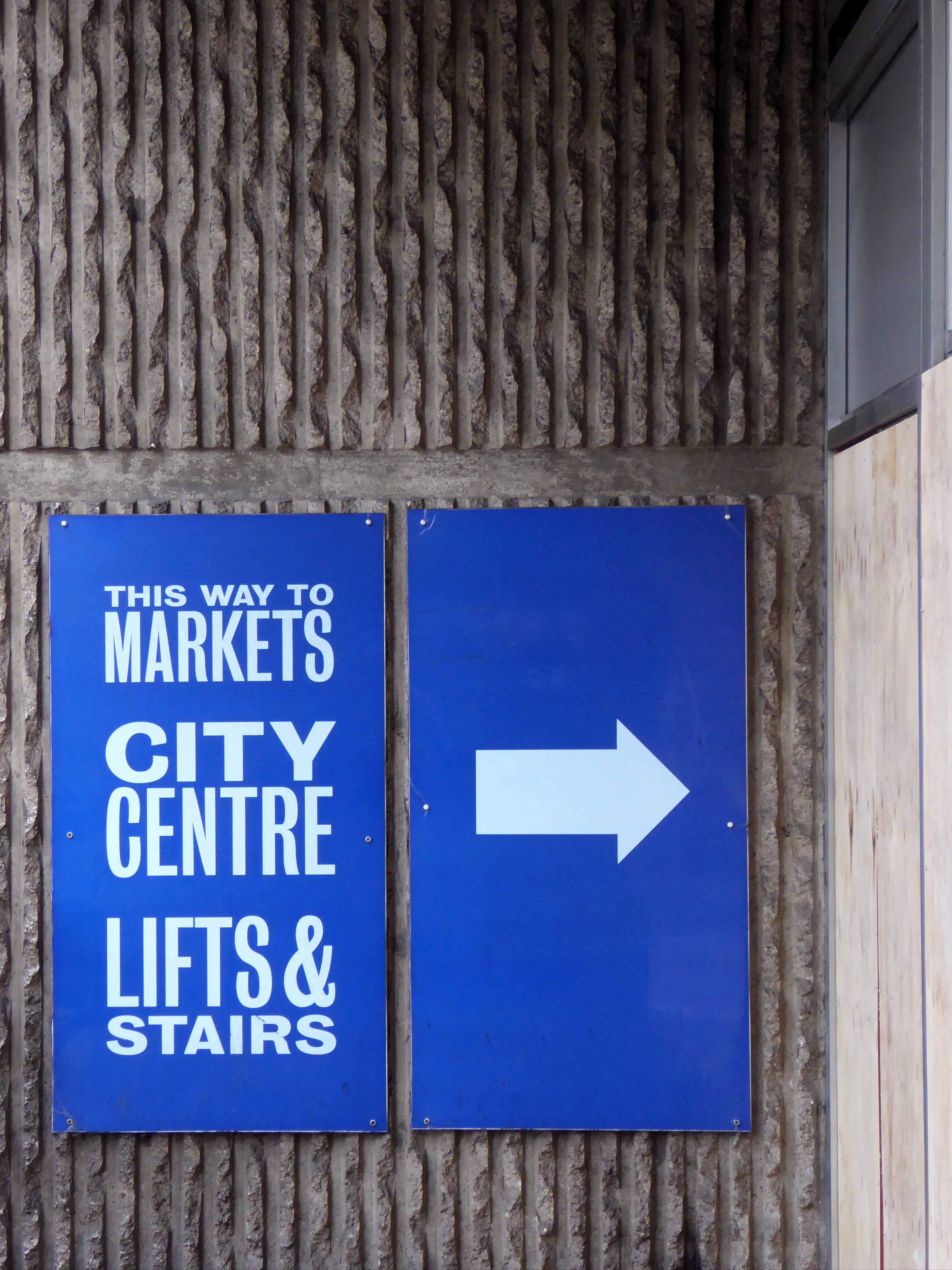
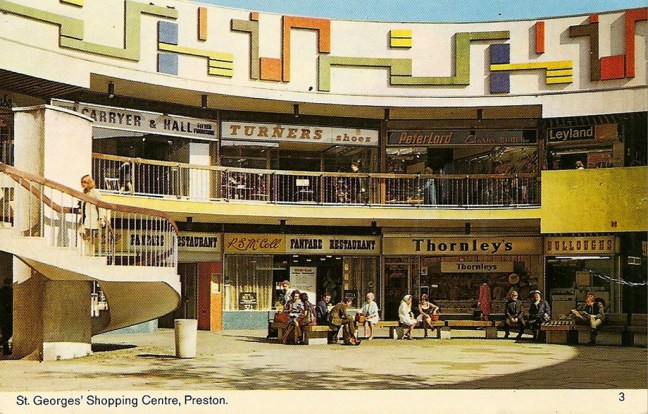
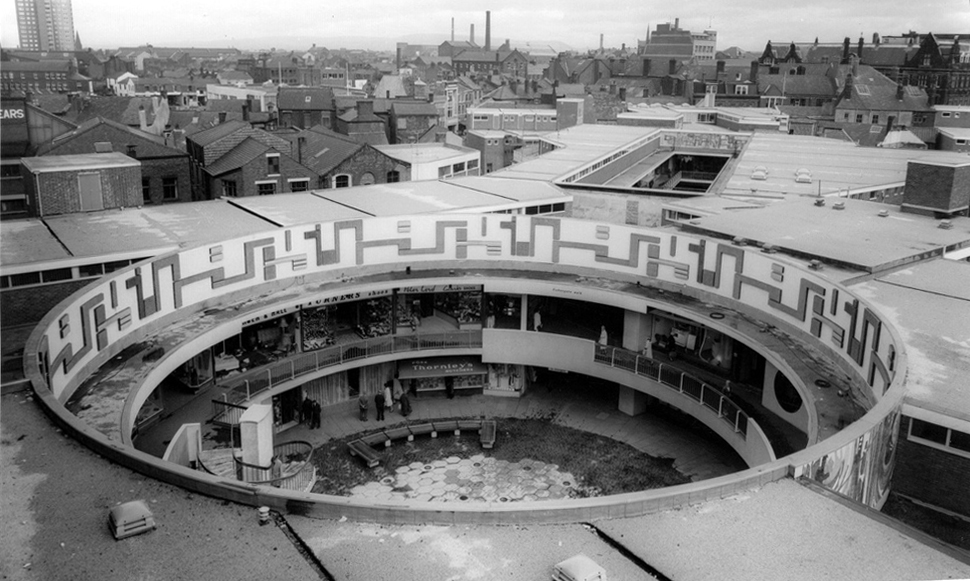
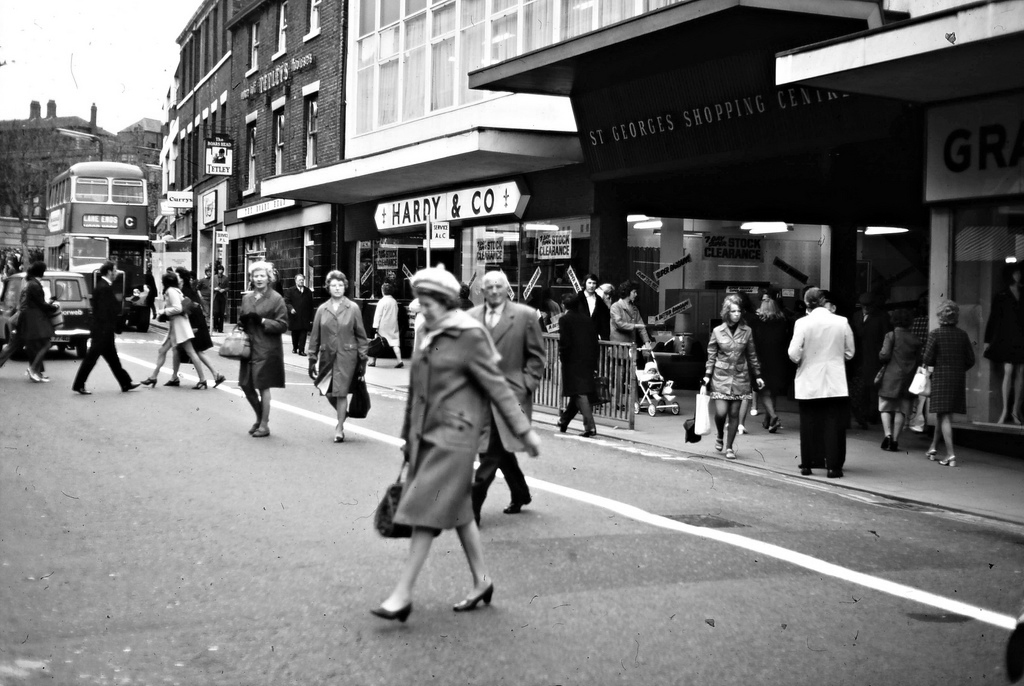
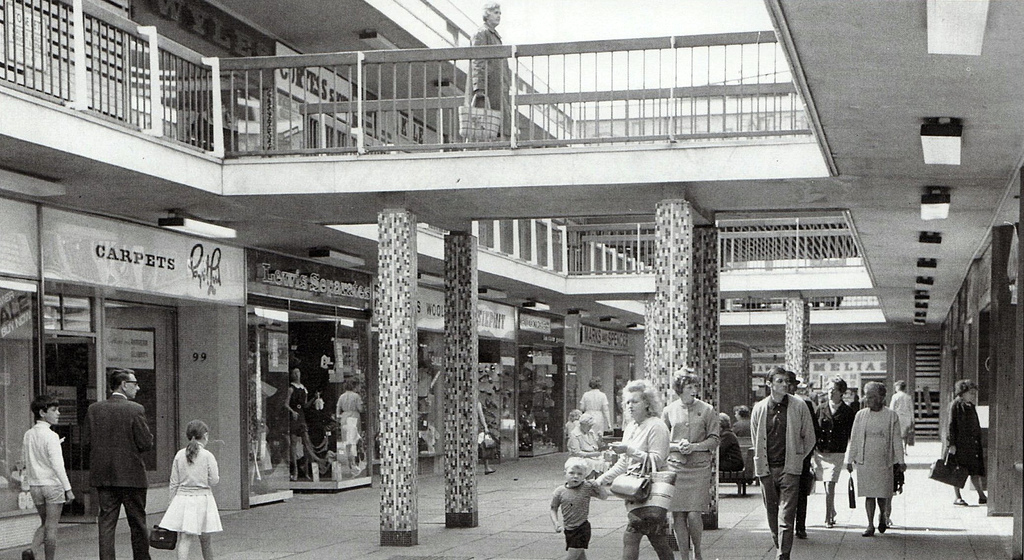
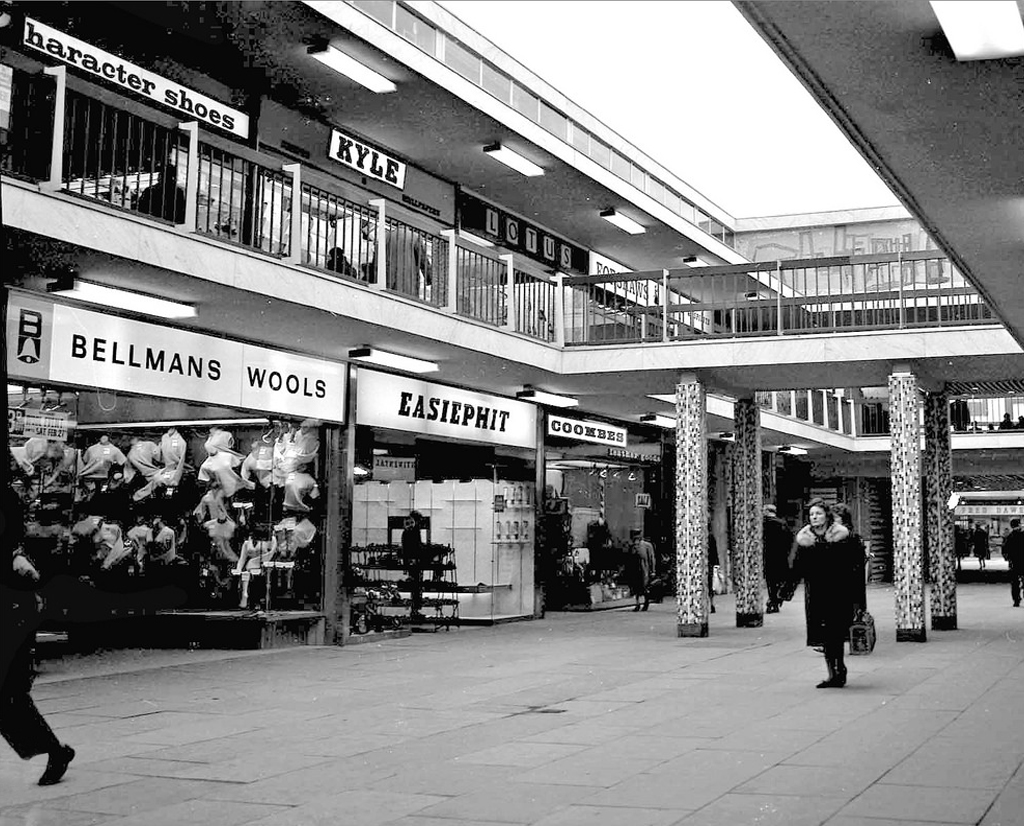
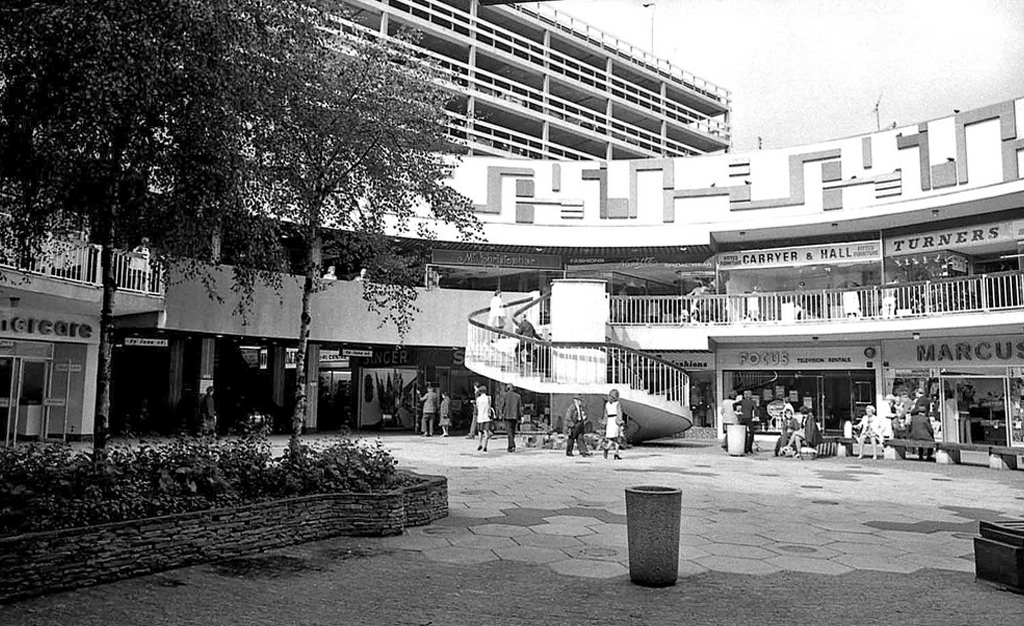
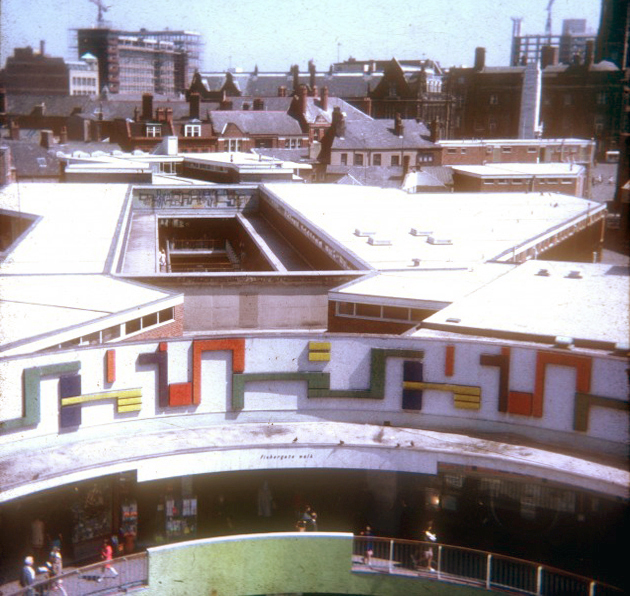
Once upon a time the future was shop-shaped and utopian, the Modernist reliefs a welcome relief from post-war doom and gloom, public decorative art was off the ration for good, or so it seemed. Small retail units, housed small local operators, their shiny well-washed fascias, glowing with graphic pride and diversity, slab serif and decorative script the order of the day.

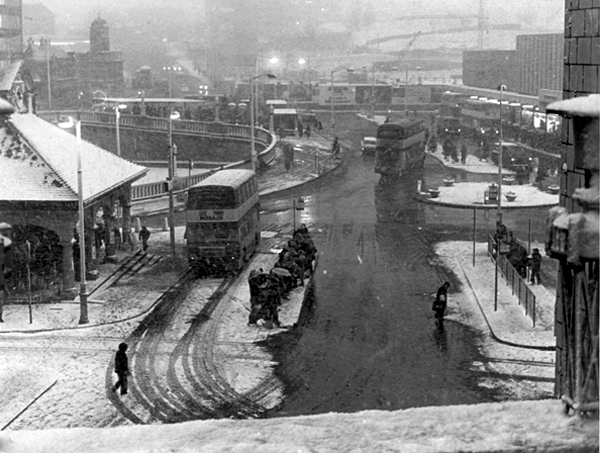
3980715134_6a6b11d851_b

3979957693_ec982cb9df_b

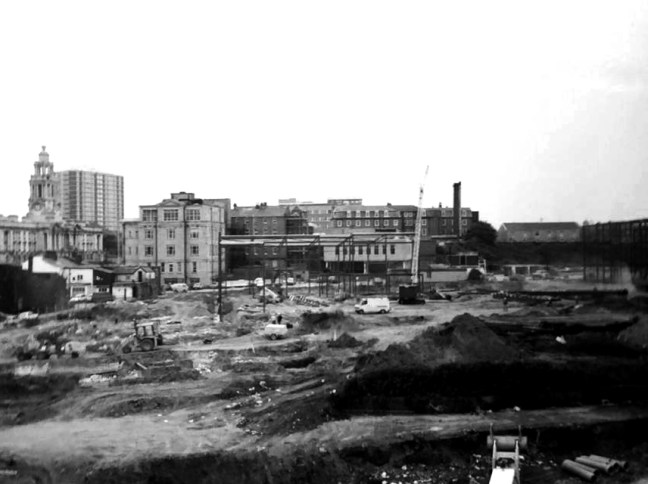
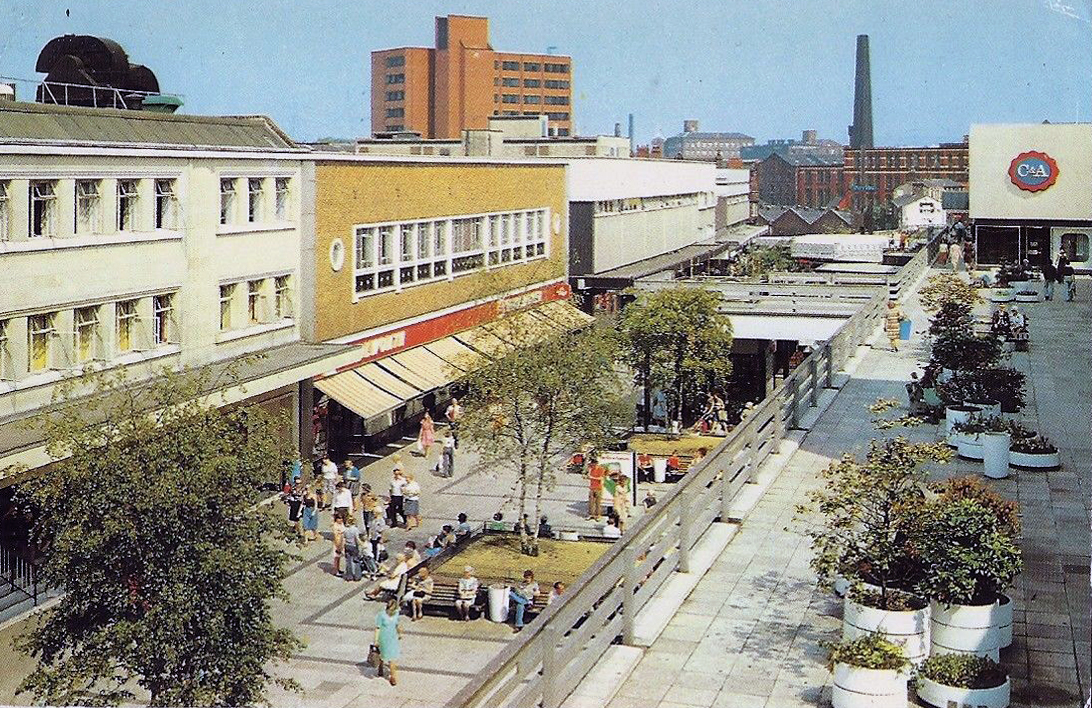
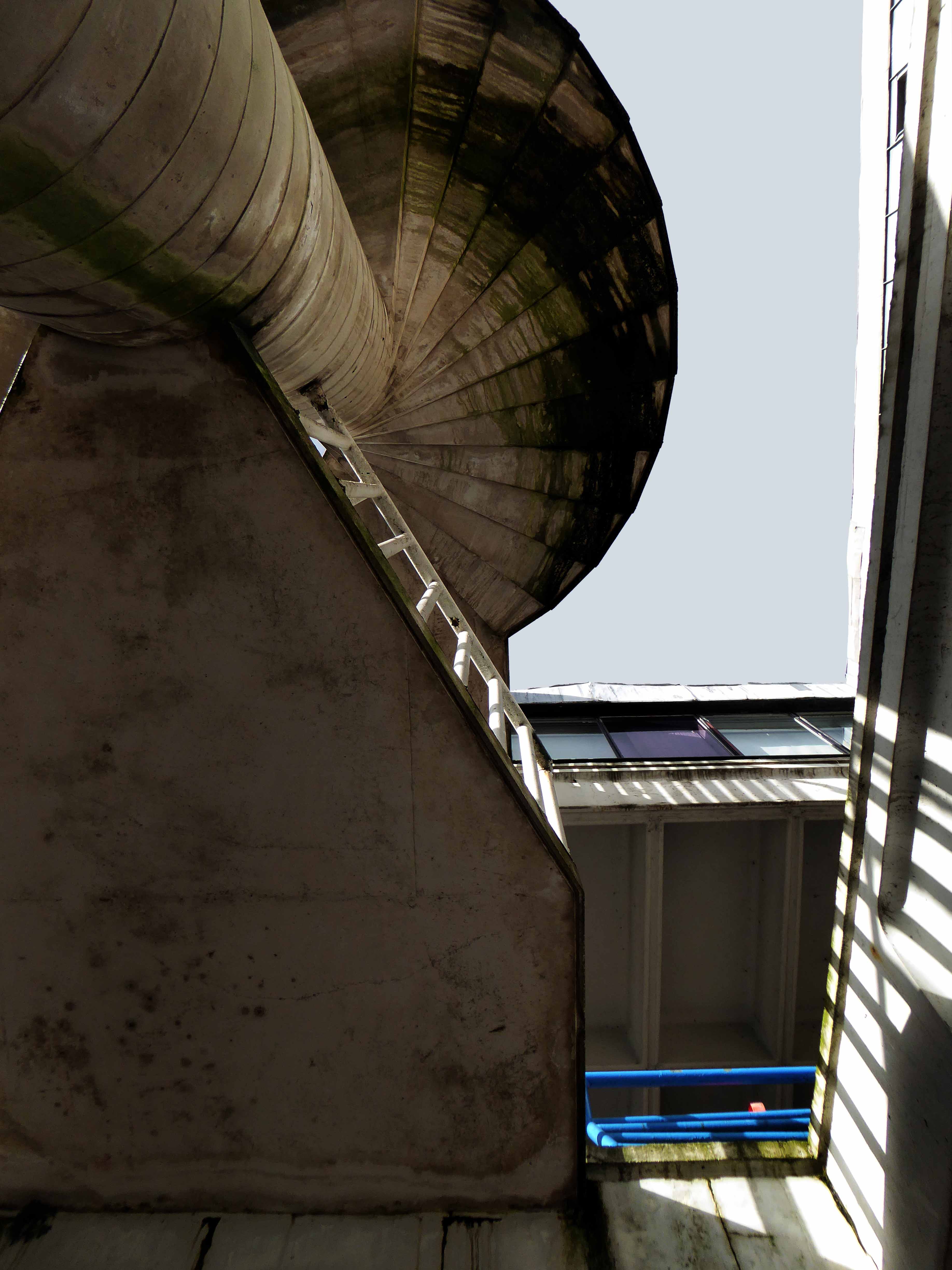
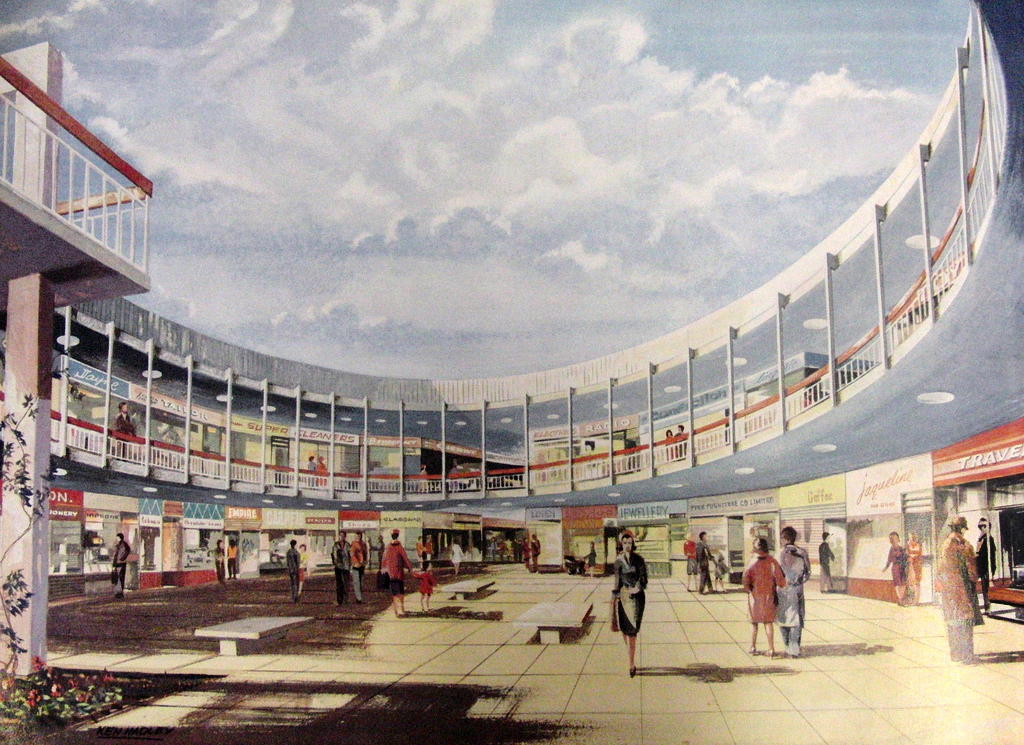
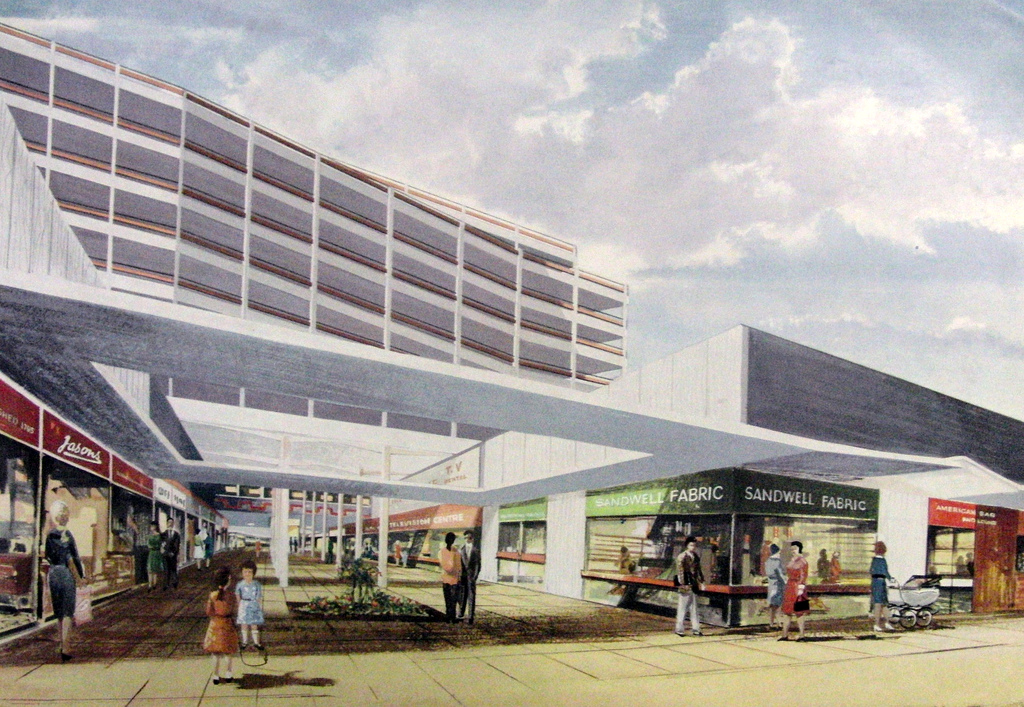
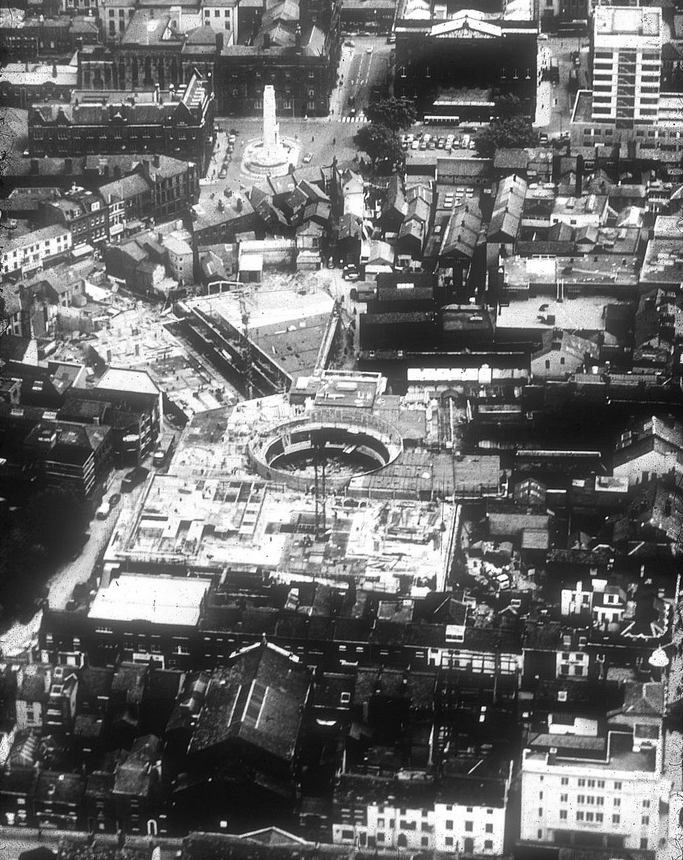
Architects J Seymour Harris and Partners envisaged a brave new water-coloured open-aired world for the grey austerity-tinted folk of Preston.

And lo it came to pass and underpass – the future was here yesterday.

6192877707_f74e4f81e4_b


Screen Shot 2018-03-10 at 11.13.00

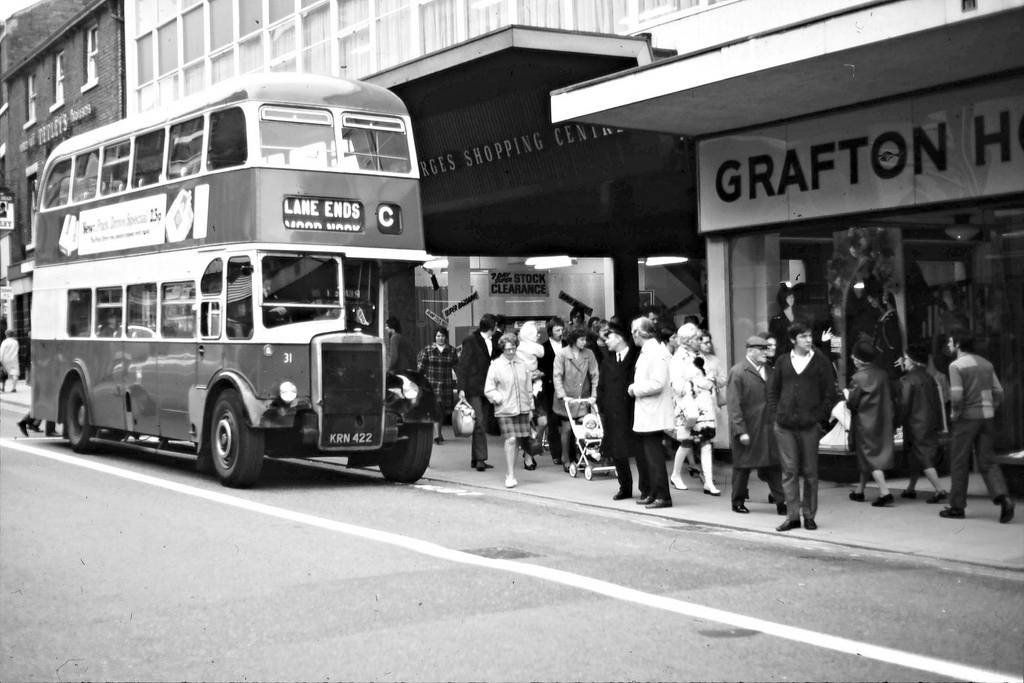
Get off the bus on Fishergate and walk right on in.

8237842239_9856d0e5ba_b

8238909940_7f8e26076c_b

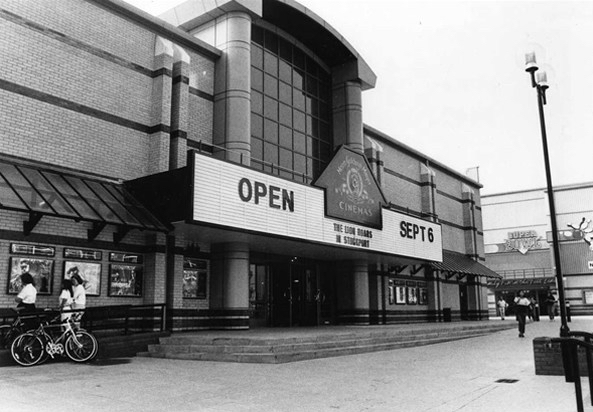
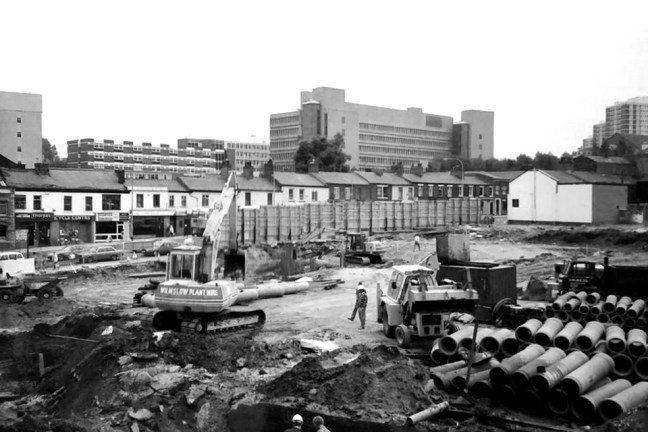
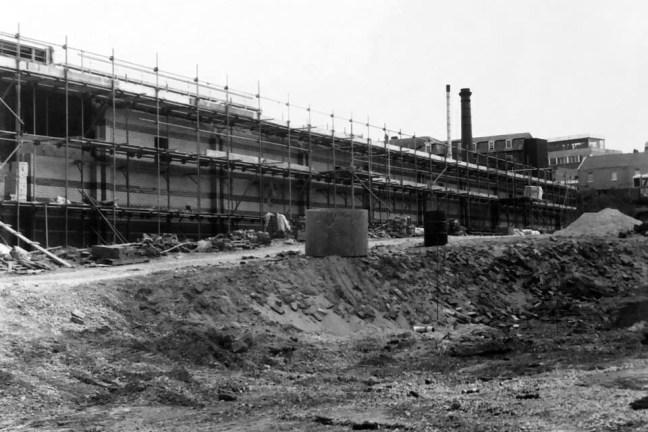
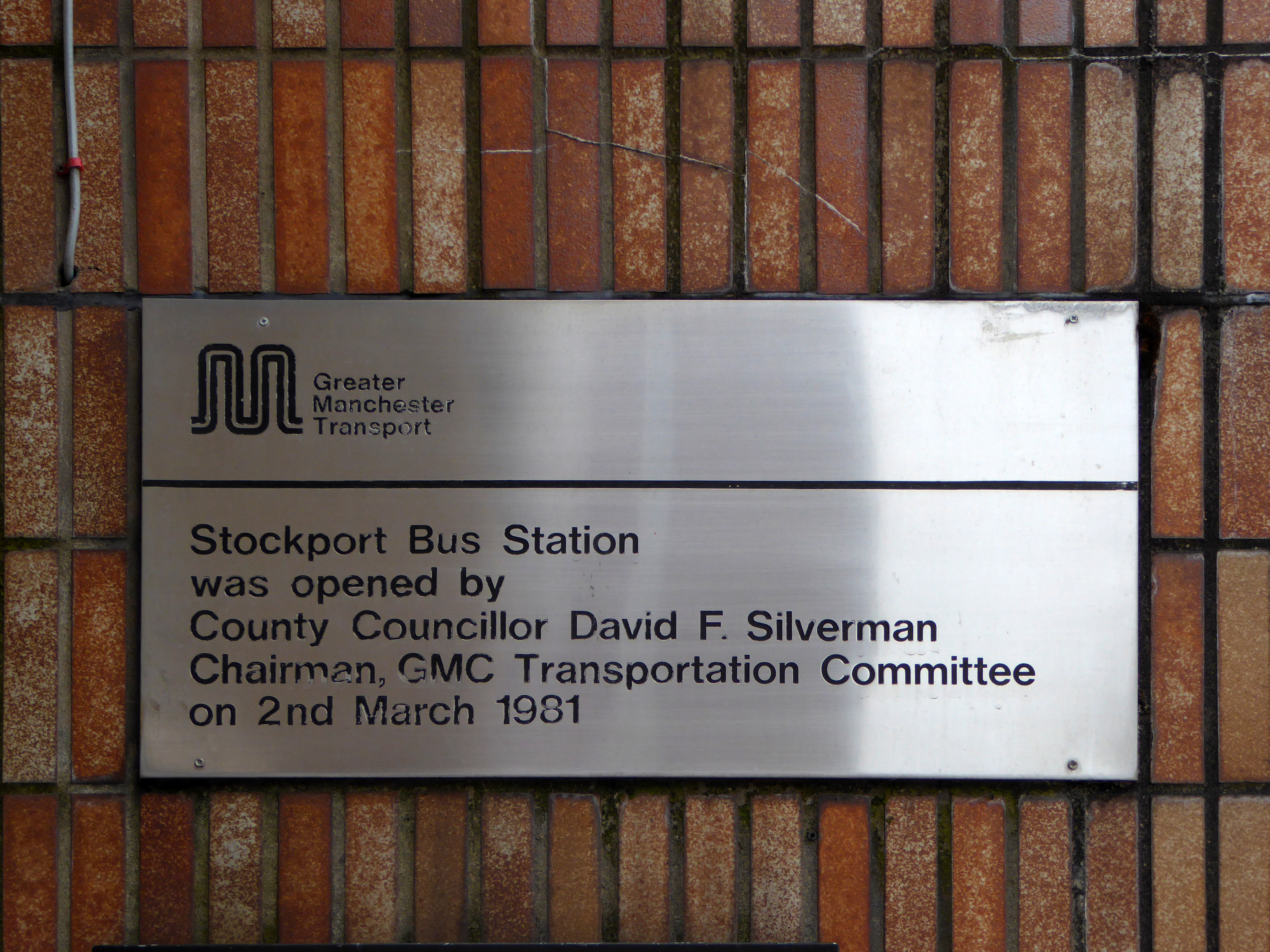
The shopping centre opened on 22 March 1966 as St George’s Shopping Centre.

5188241241_7bcb2f73fc_b

16917731869_2fc59ece6c_b

17103936575_711f3fab1b_b

PHSIH0105-Rooftop-view-of-St-Georges-Shopping-Centre-Preston-1971-630x596

PHSNA0024-Guild-Morris-Dancers-in-St-Georges-Shopping-Centre-Preston-1972-630x420

screen-shot-2018-03-10-at-11-14-58.png

Screen Shot 2018-03-10 at 11.16.47

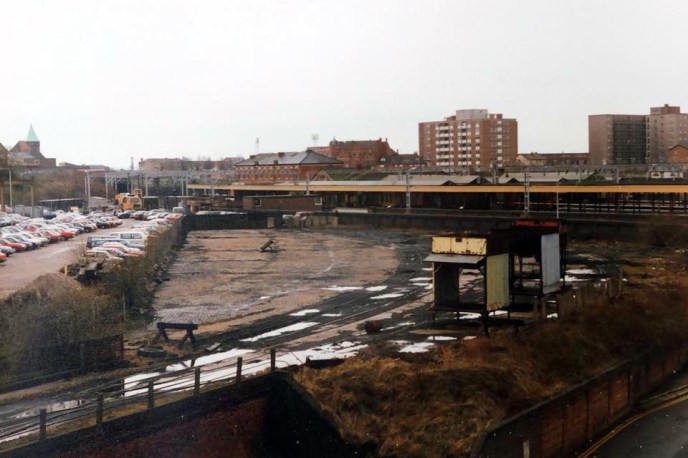
It was originally an open air centre, and was roofed over during refurbishment in 1981. It was further refurbished in 1999.

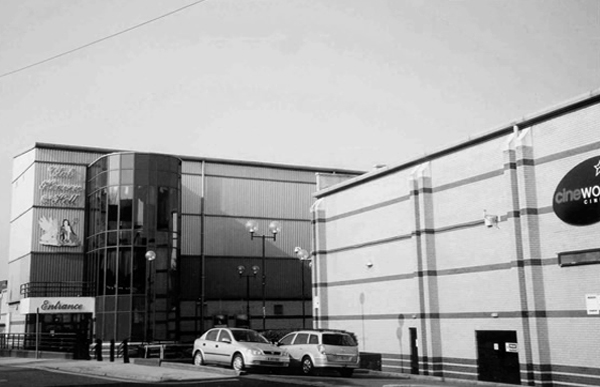
In May 2004, when The Mall Company took over the centre, they were greeted with an ageing shopping centre. The shopping centre was rebranded as The Mall, and a massive development scheme was planned. Small stalls, main shops, cafes, restaurants, toilets, and escalators were overhauled.

In March 2010, the shopping centre was acquired by Aviva Investors for £87 million. In September 2010, The Mall was rebranded under its original name St George’s Shopping Centre.

Wikipedia

6798942417_8f495eefe8_b

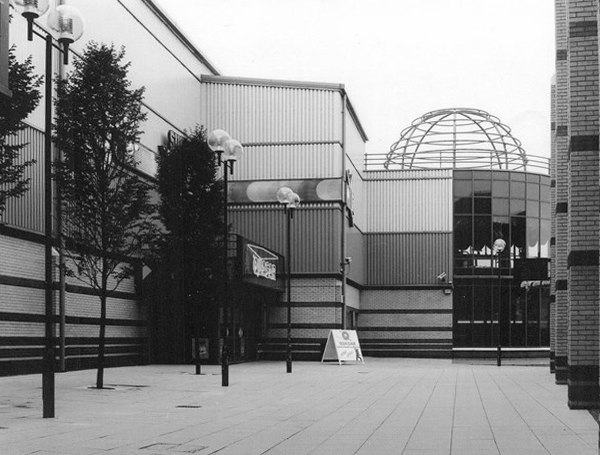
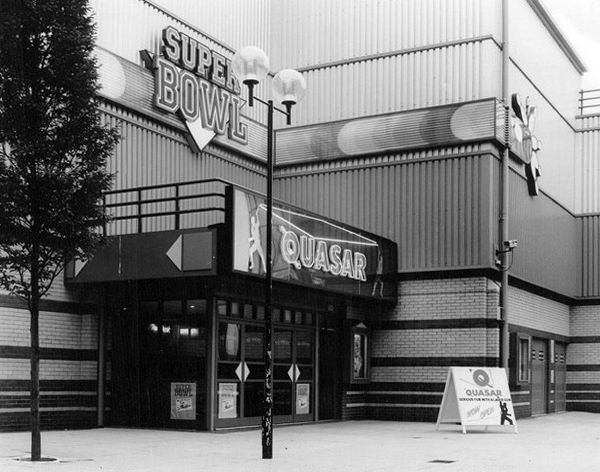
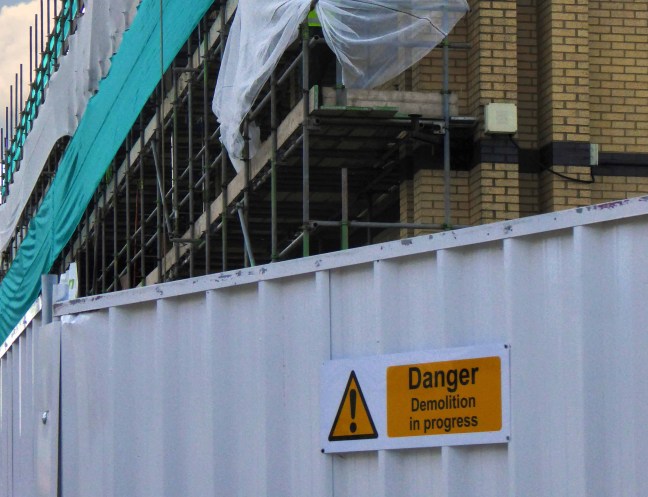
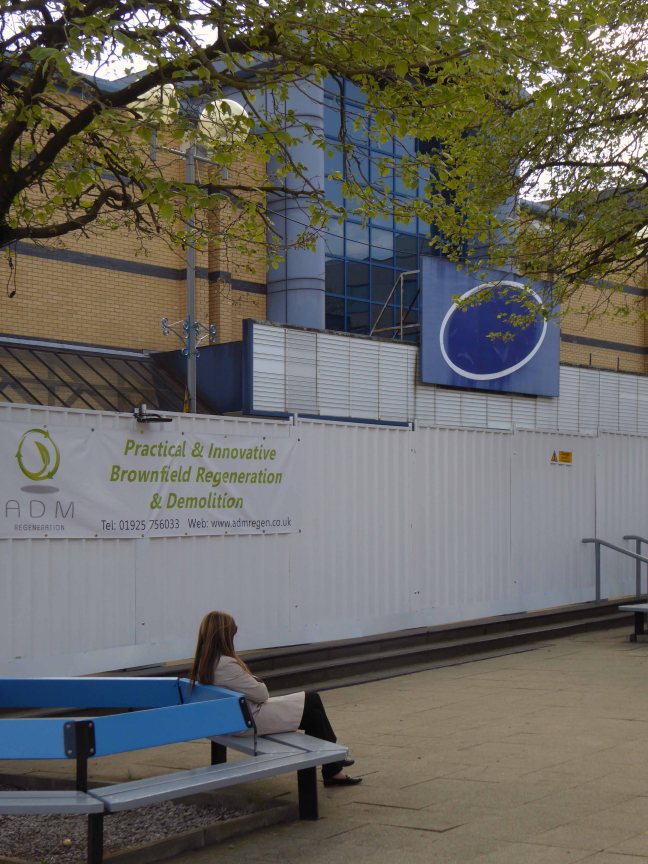
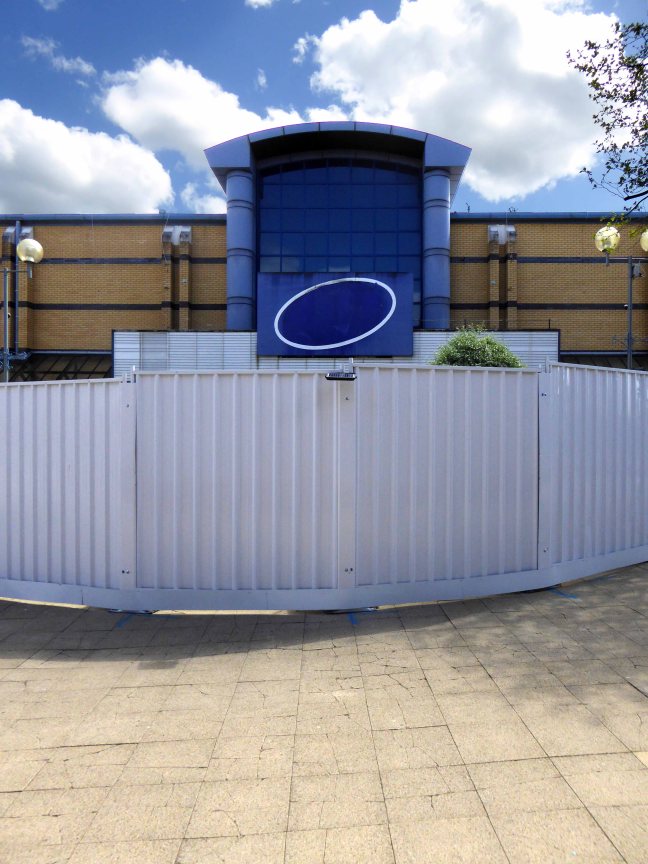
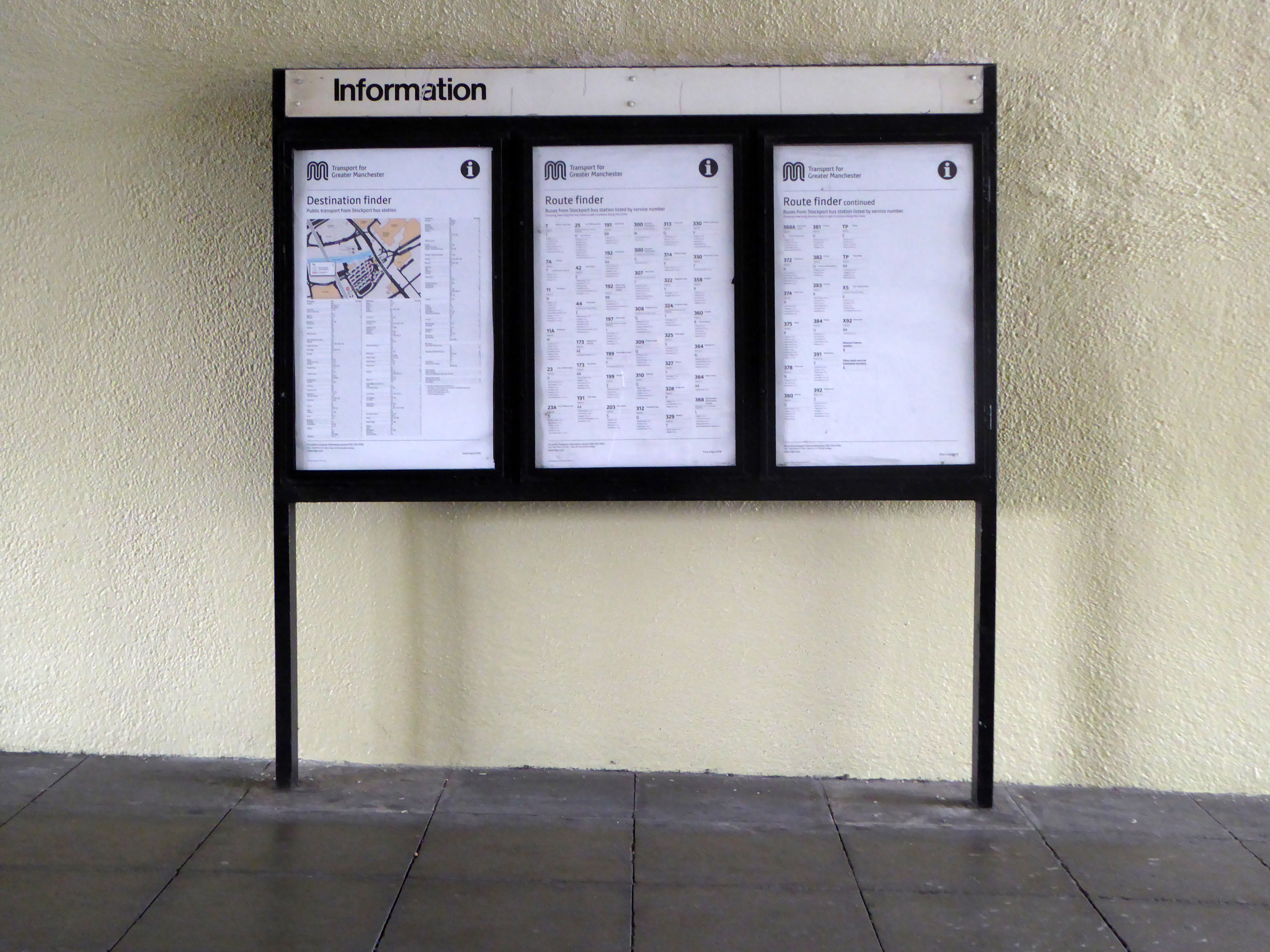
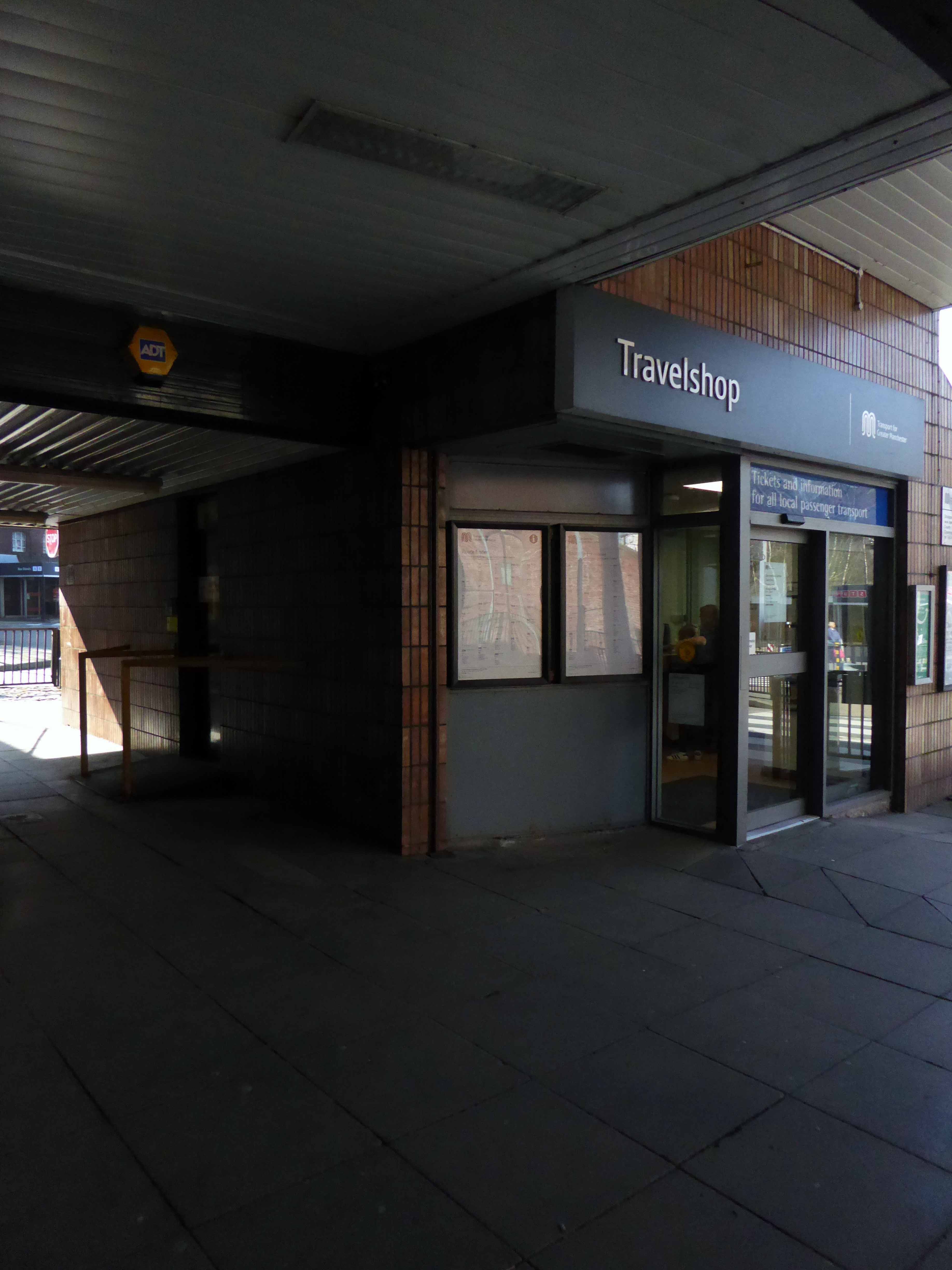
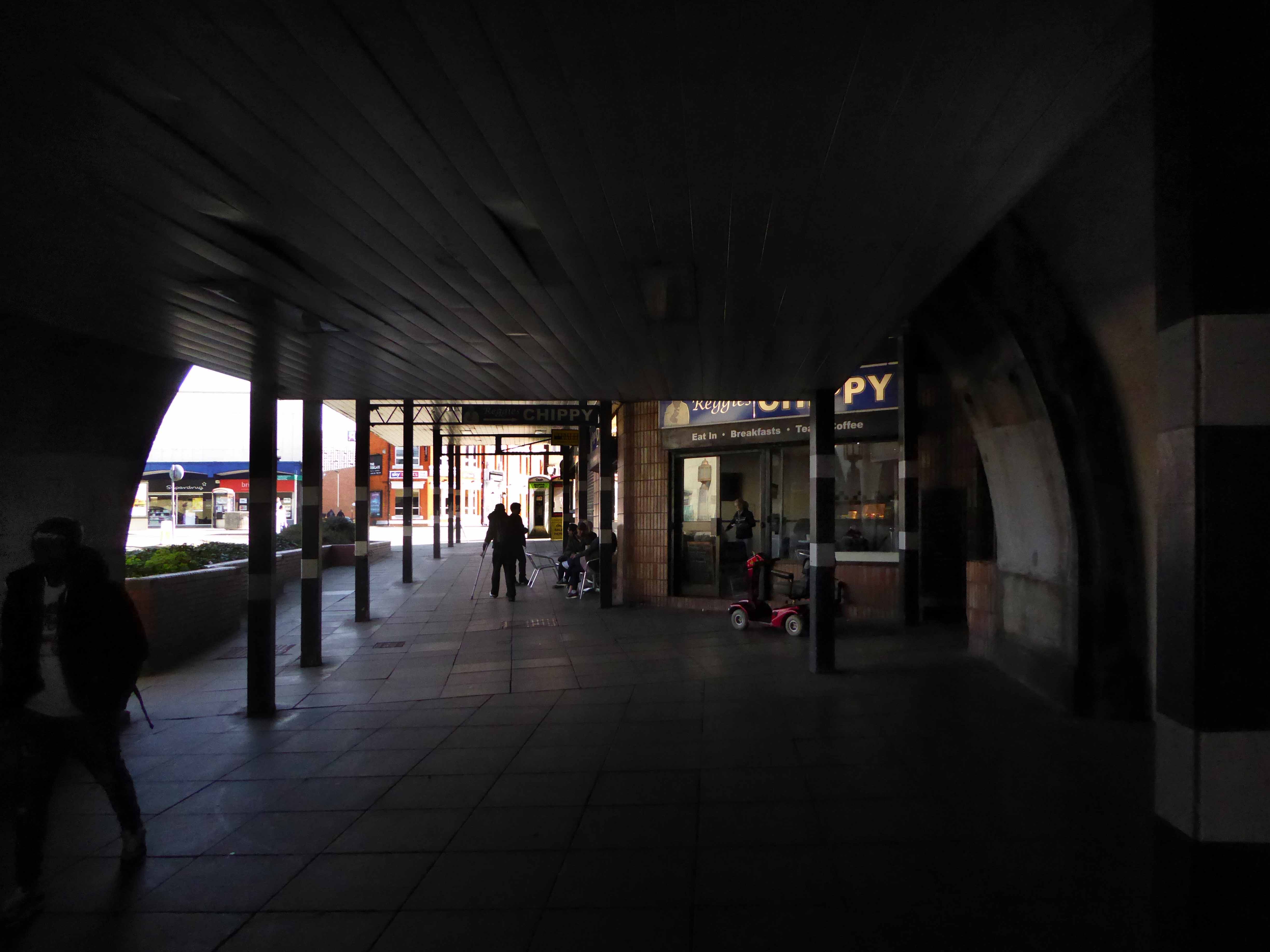
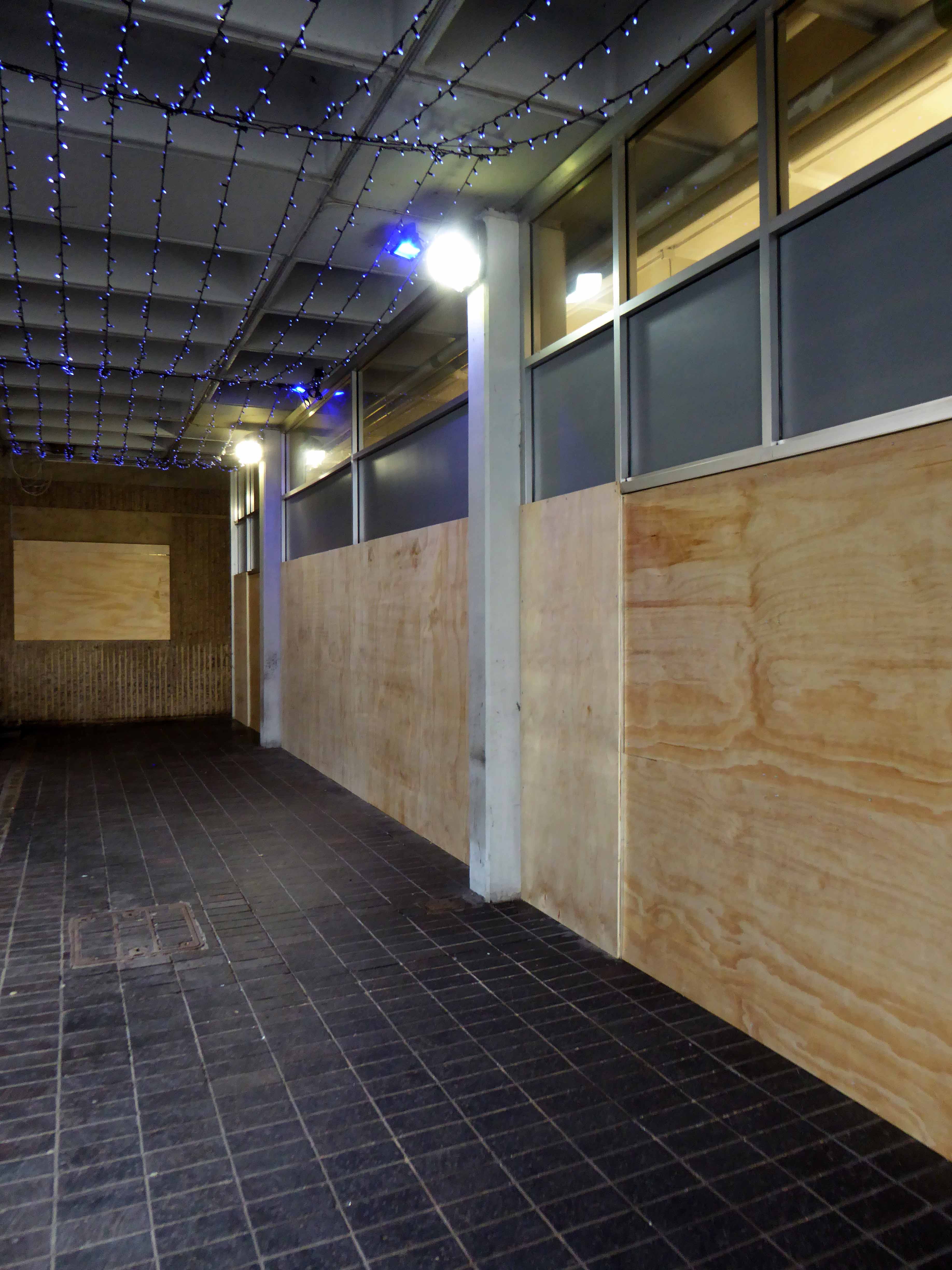
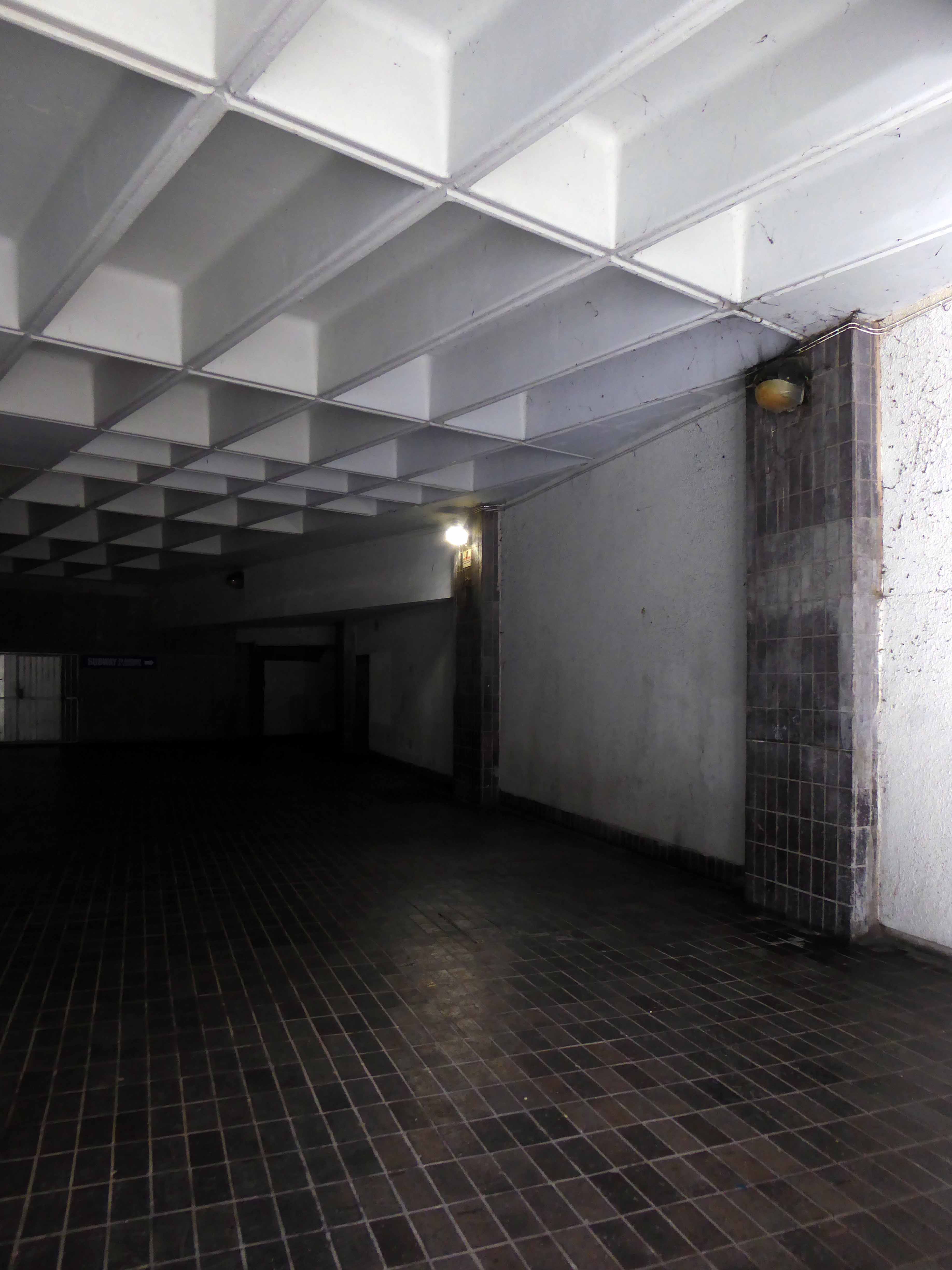
So welcome back to today – stripped of distinctive decoration, covered in and given the international sheen of absolutely nowhere at all.

In intemperate template for the future.

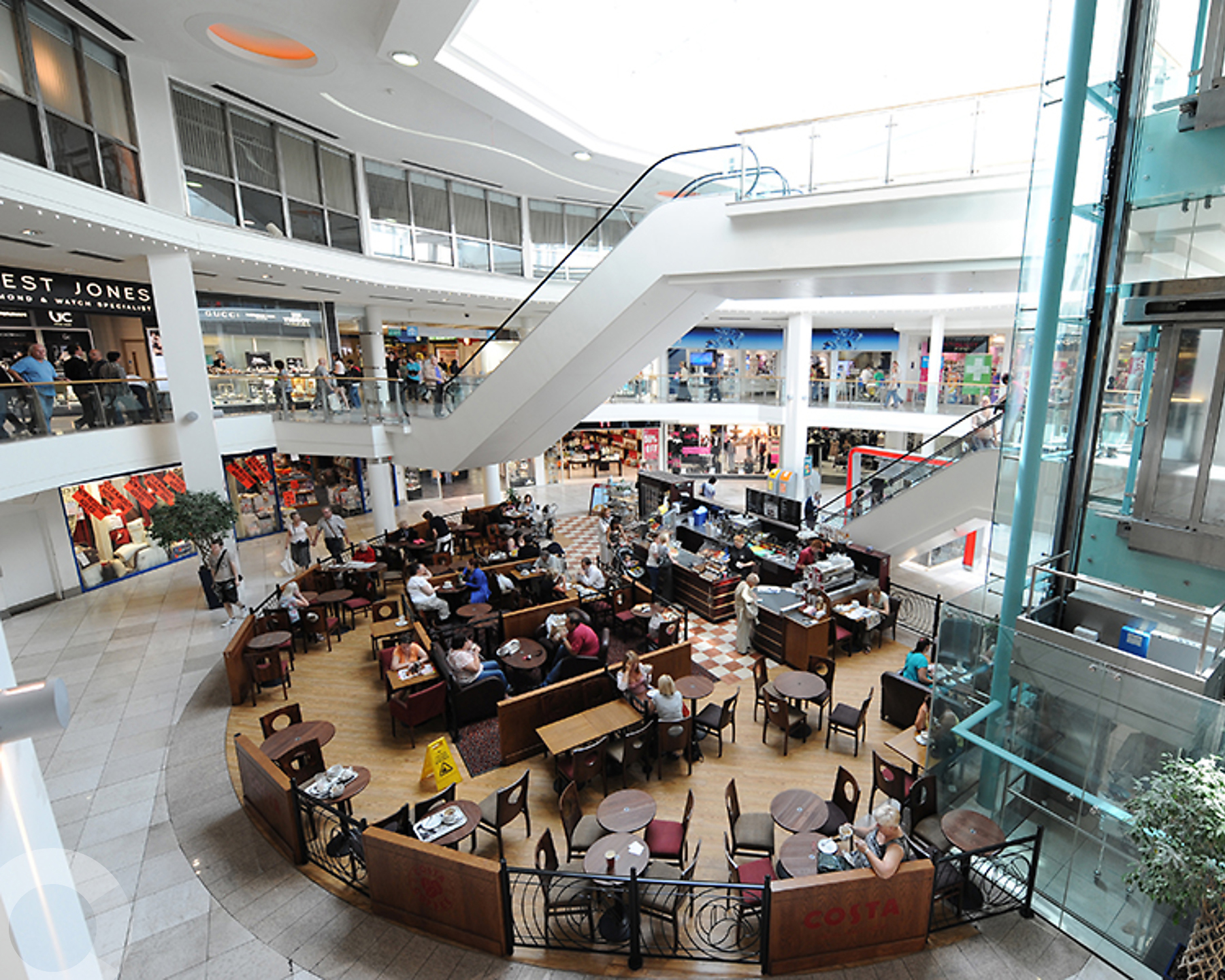
CR_SC_4697_St_Georges_Shopping_Centre_Preston_picture_1_p8_1800x1440

Archival images from the Preston Digital Archive and Peter Reed.
 

Humberston Fitties

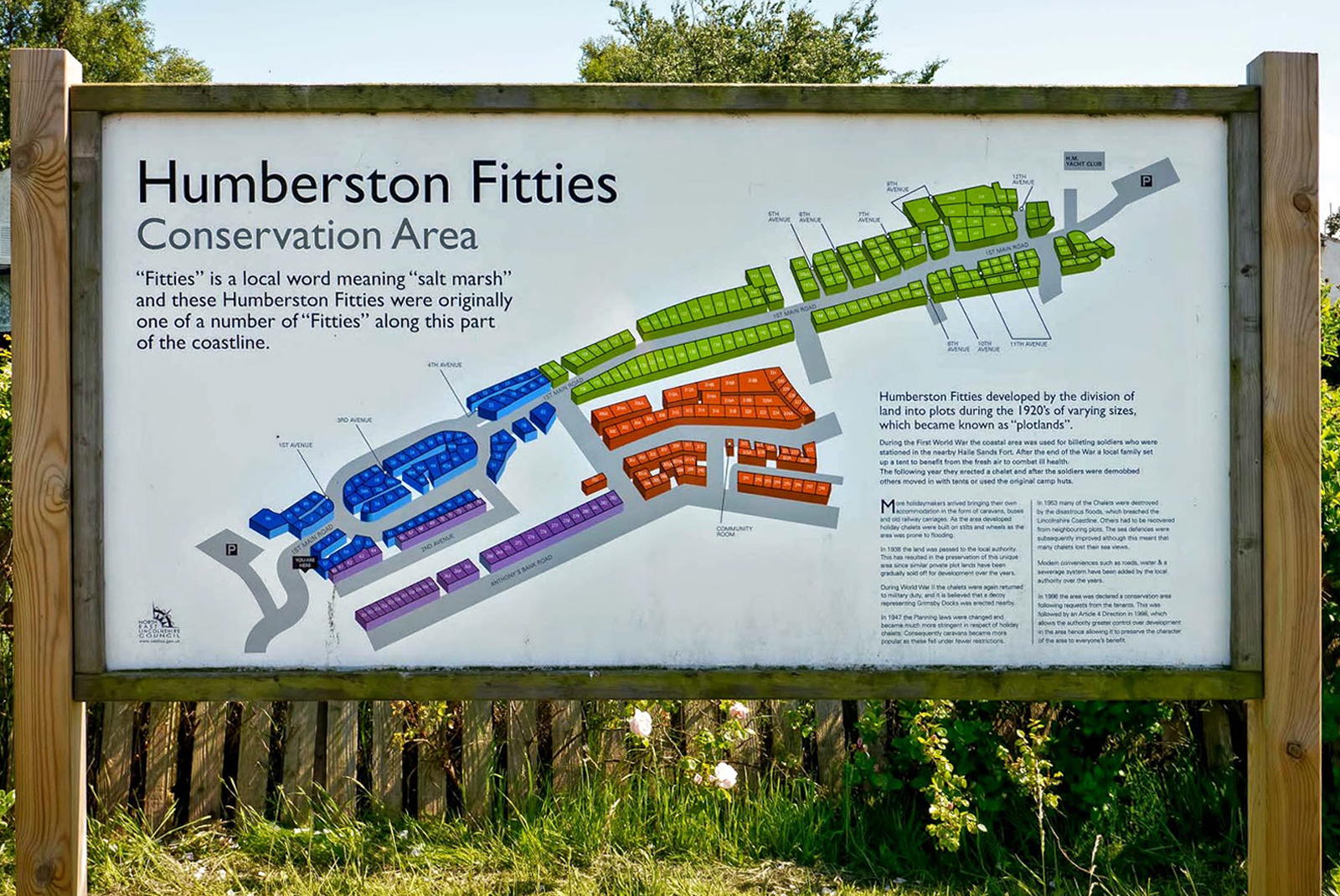
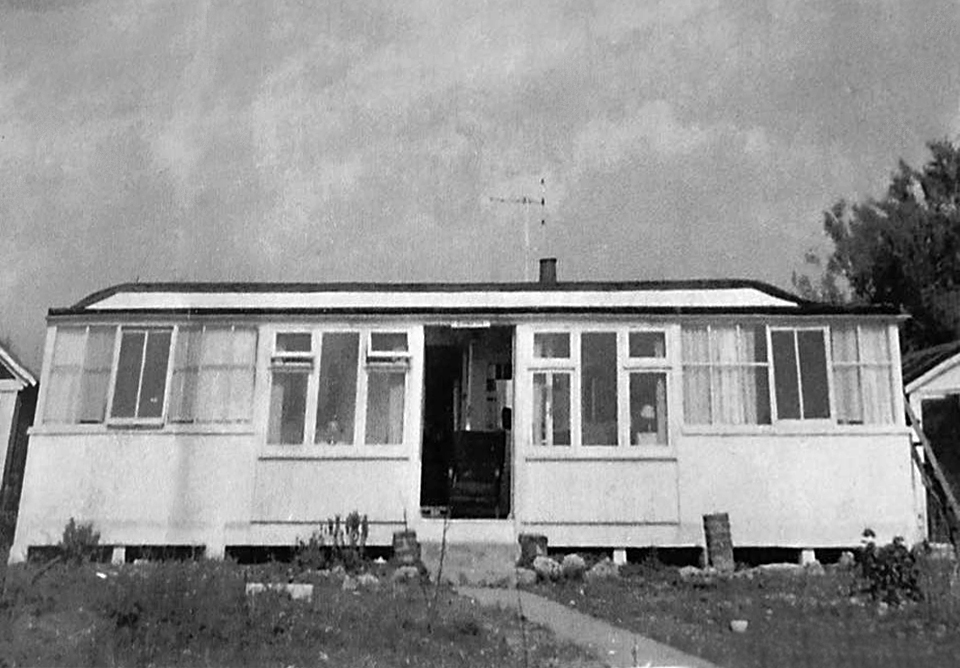
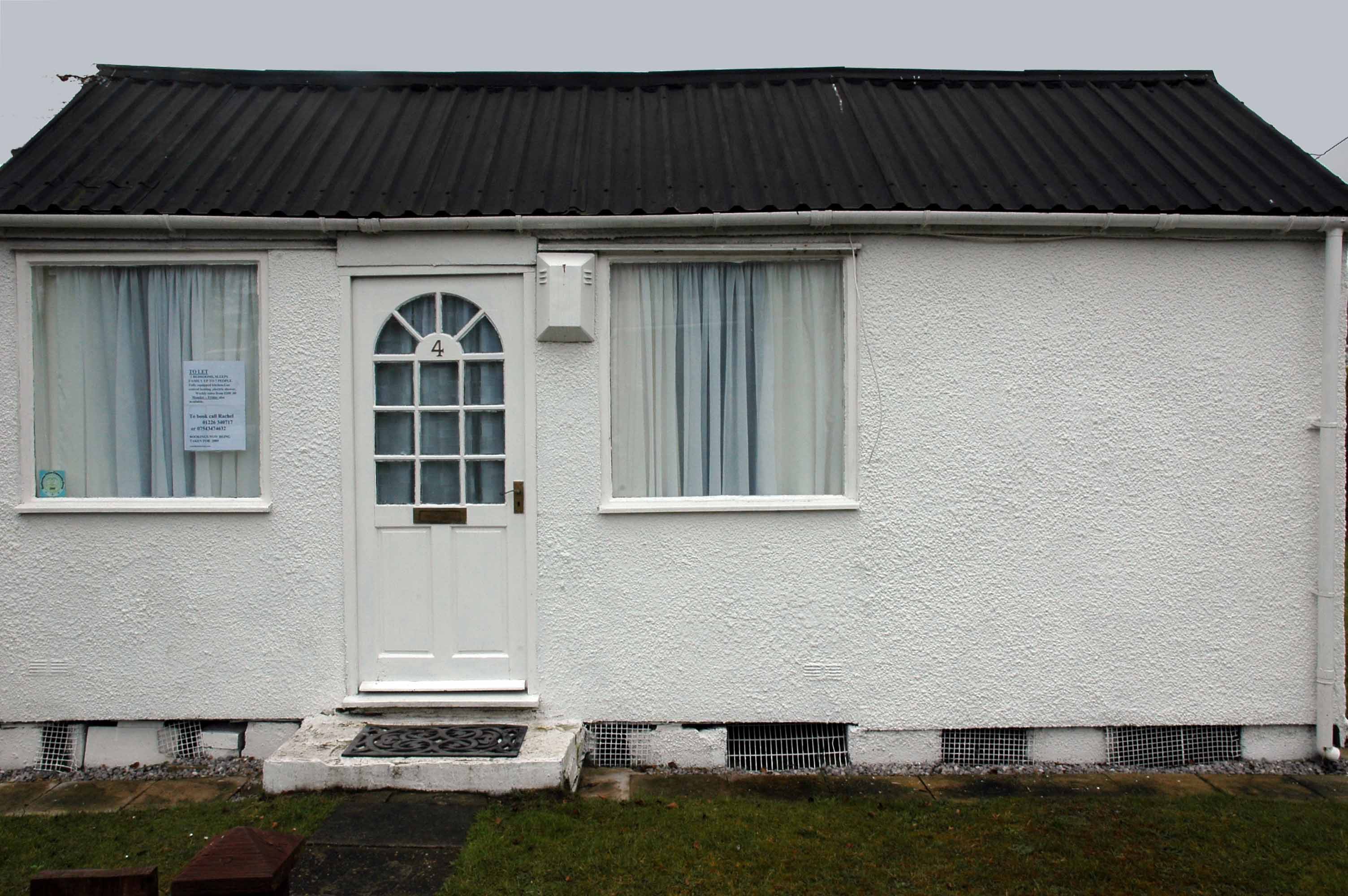
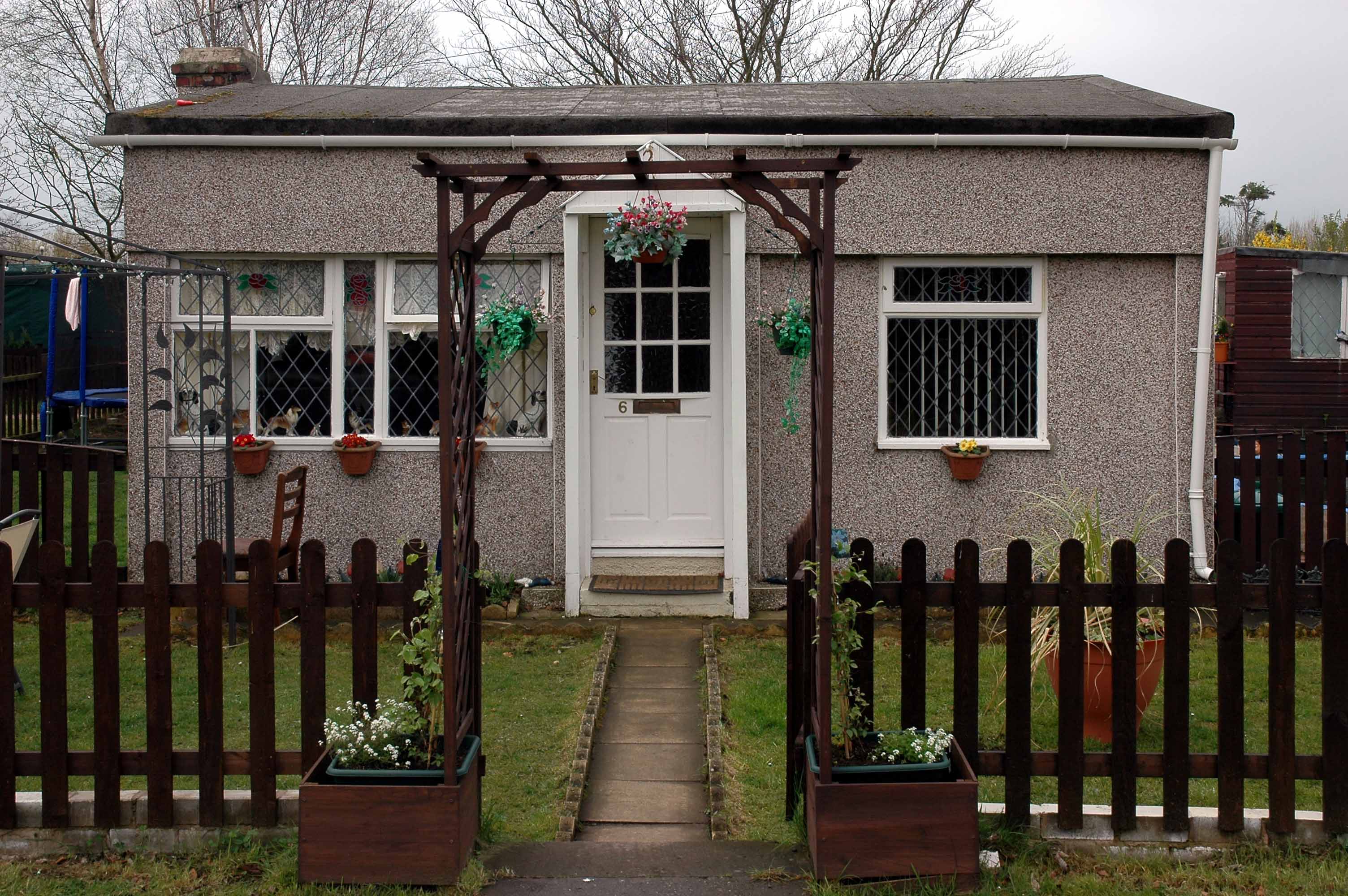
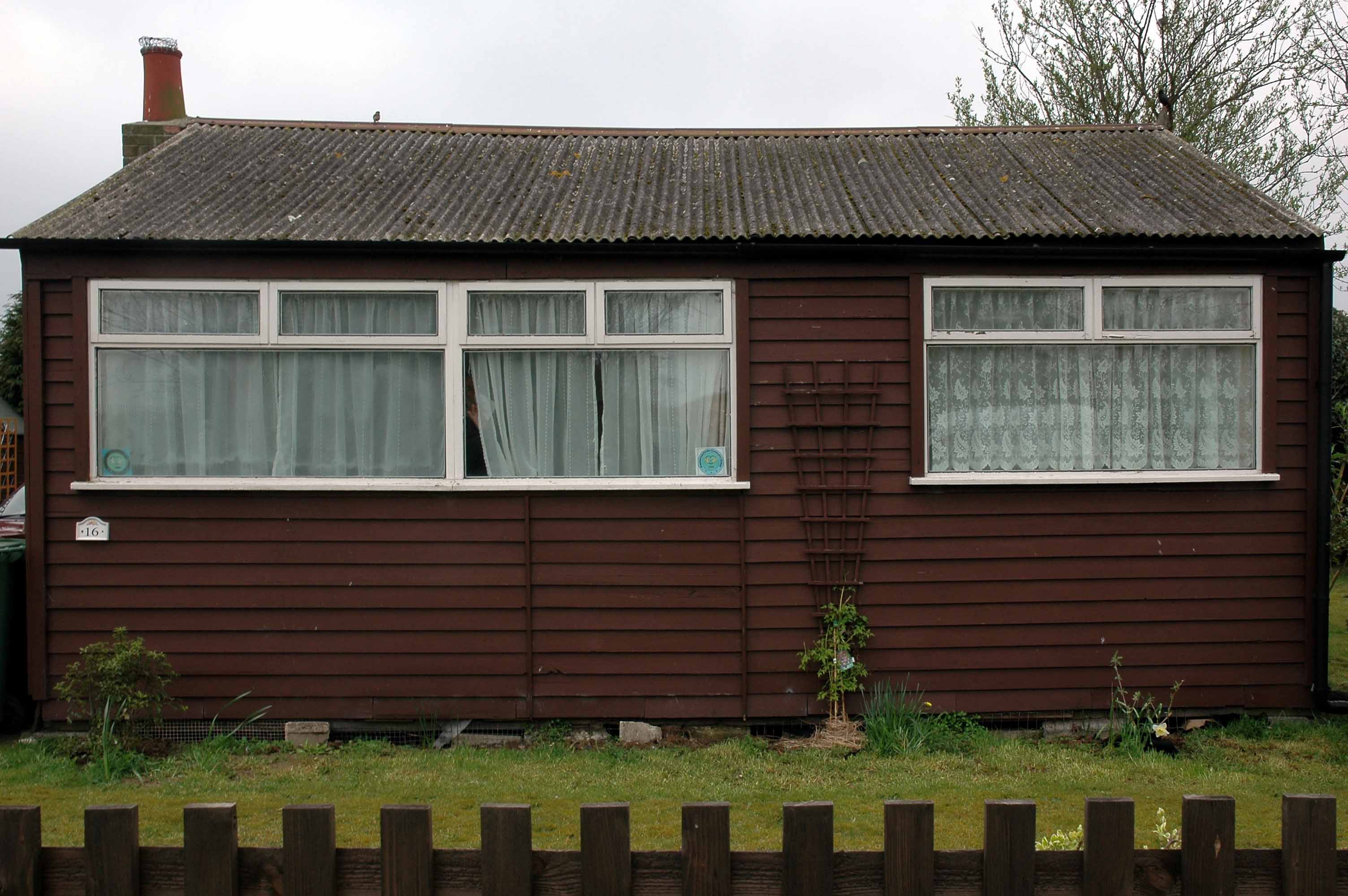
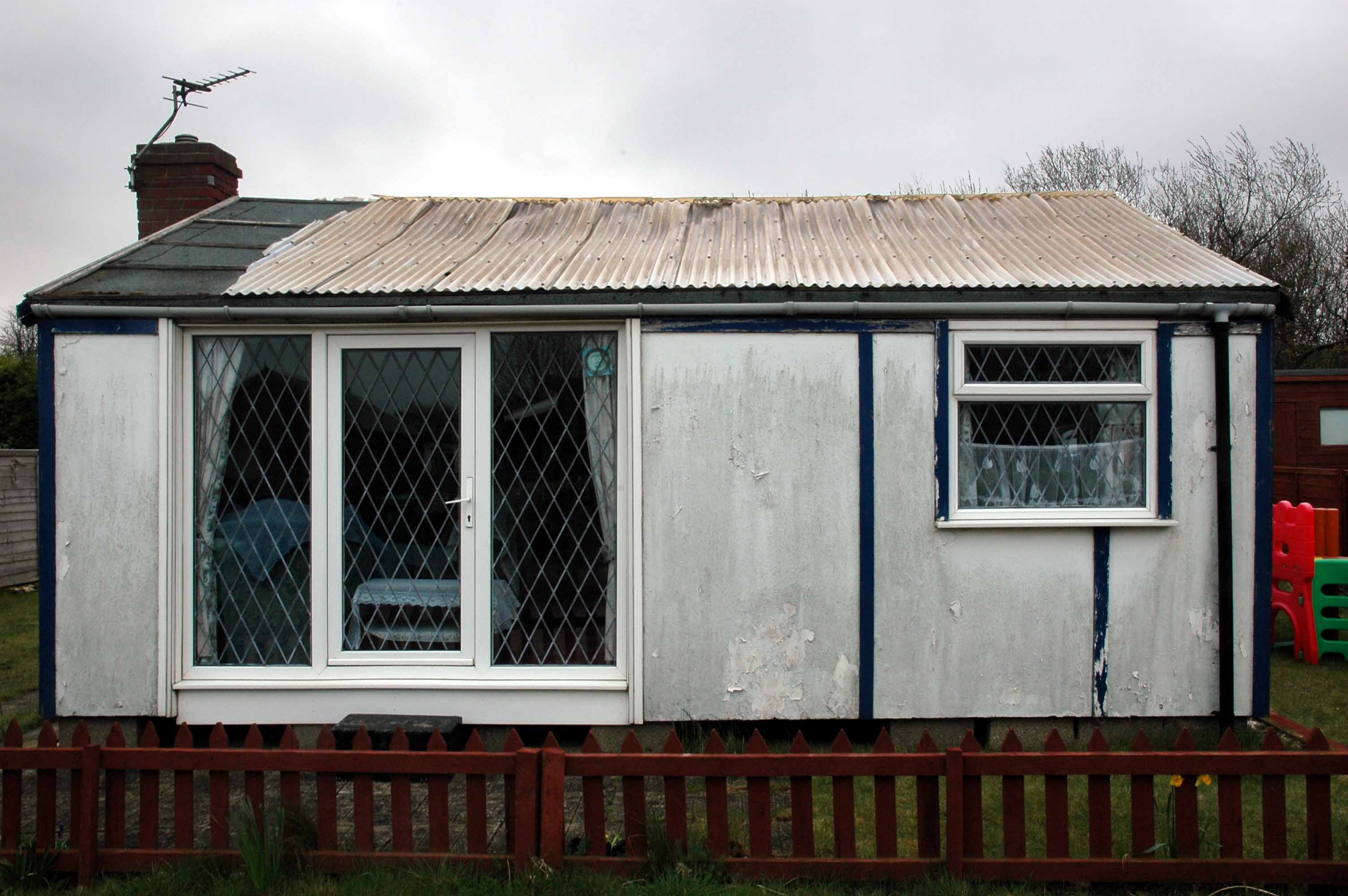
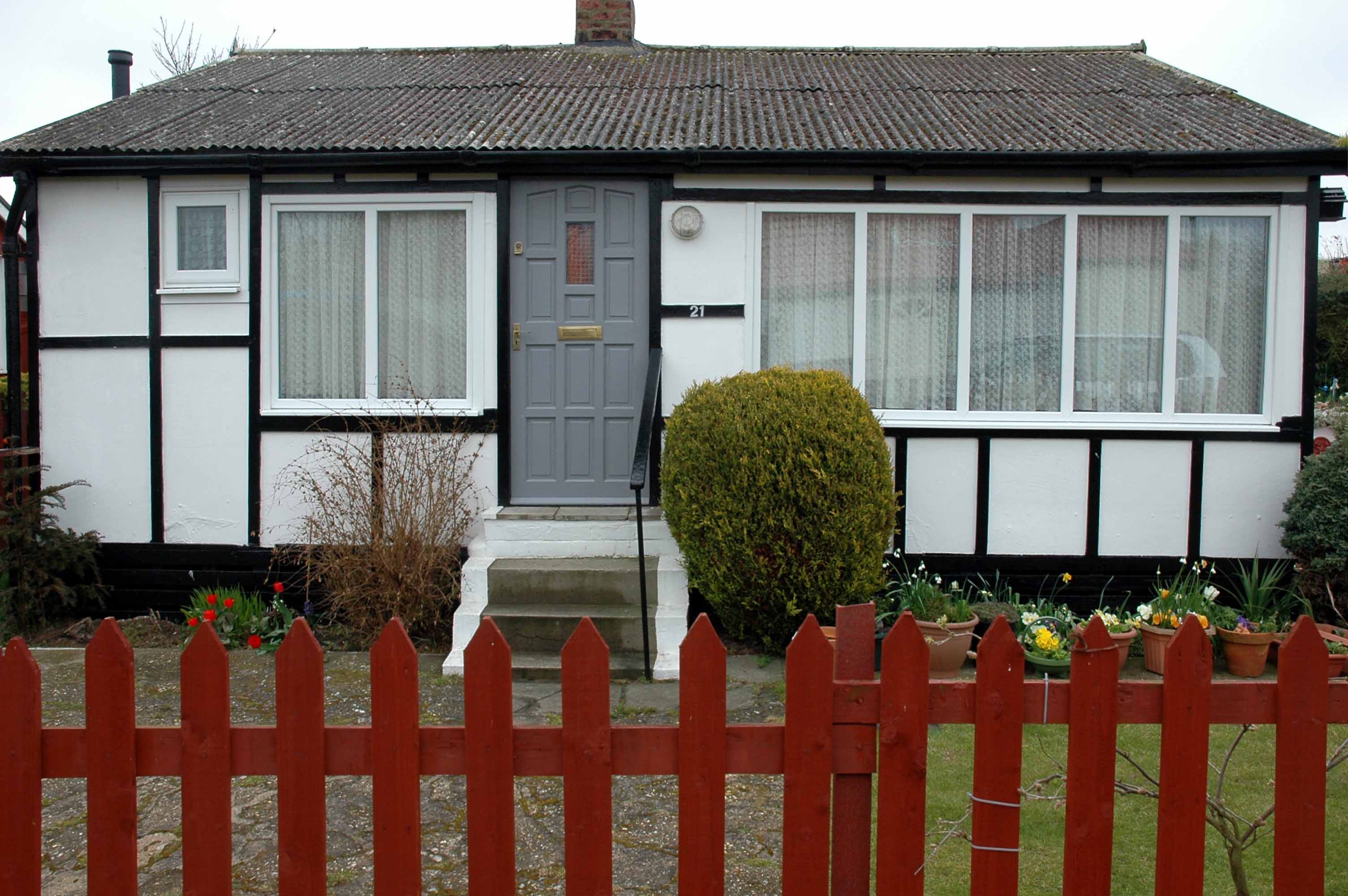
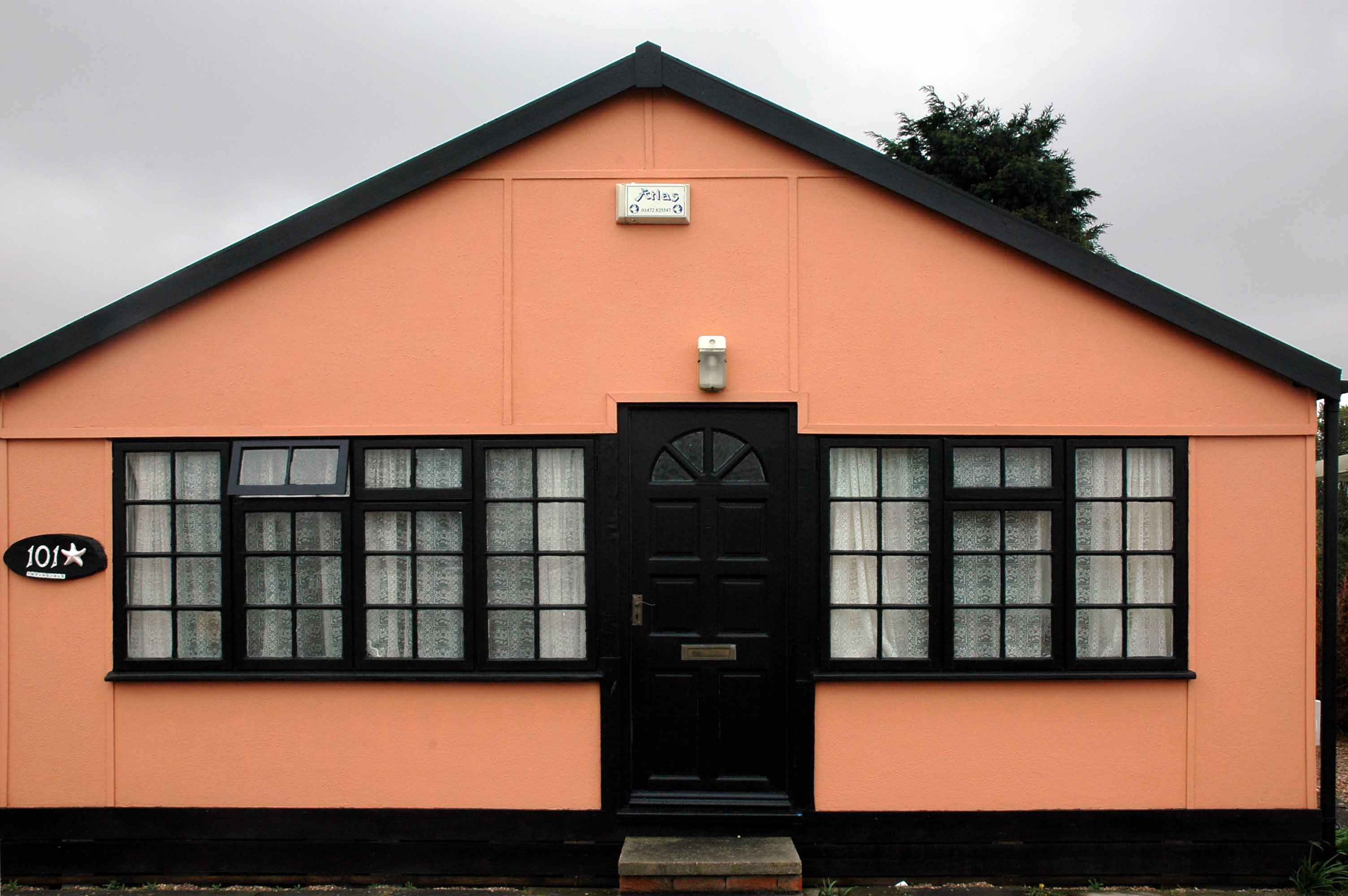
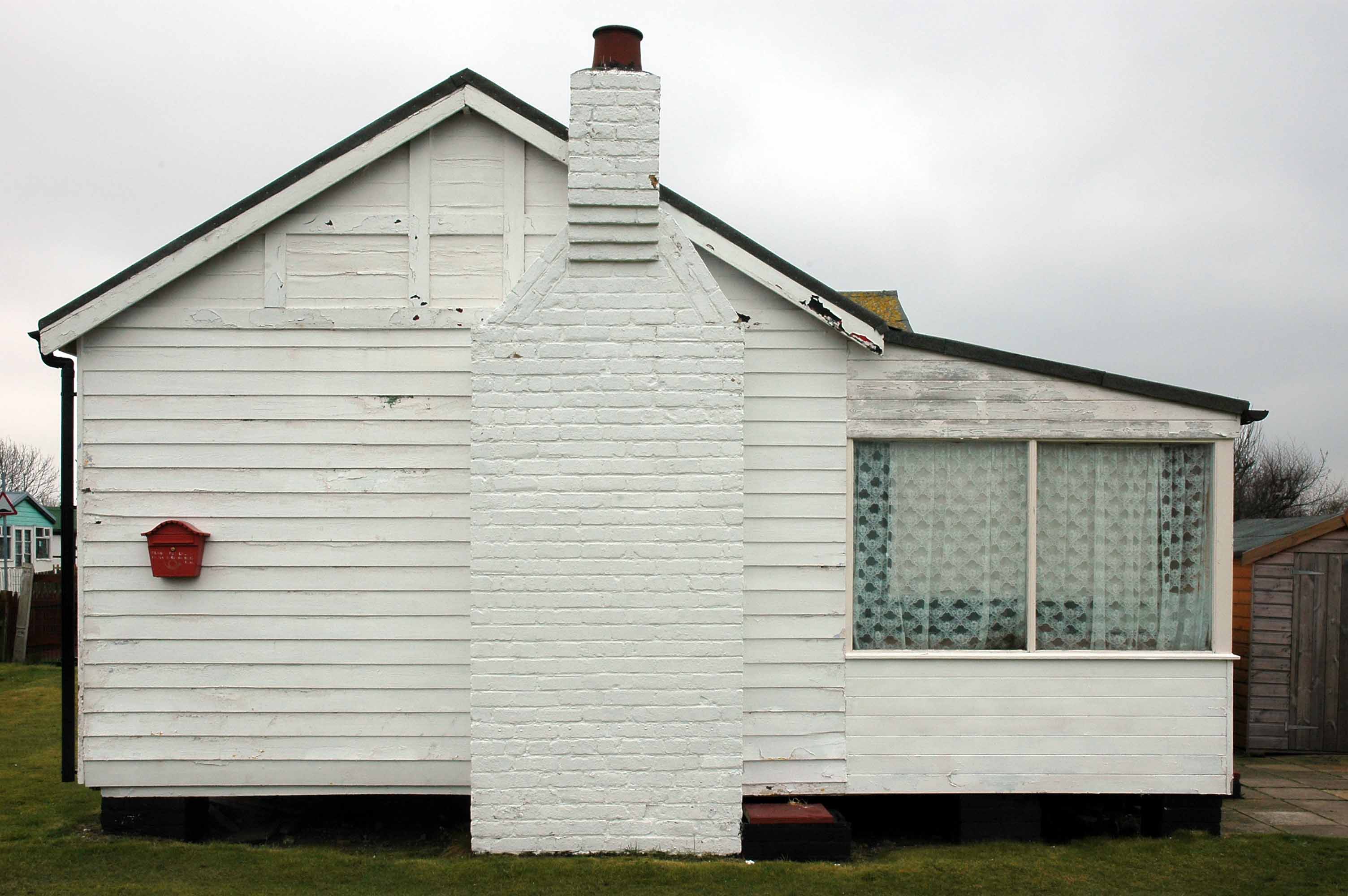
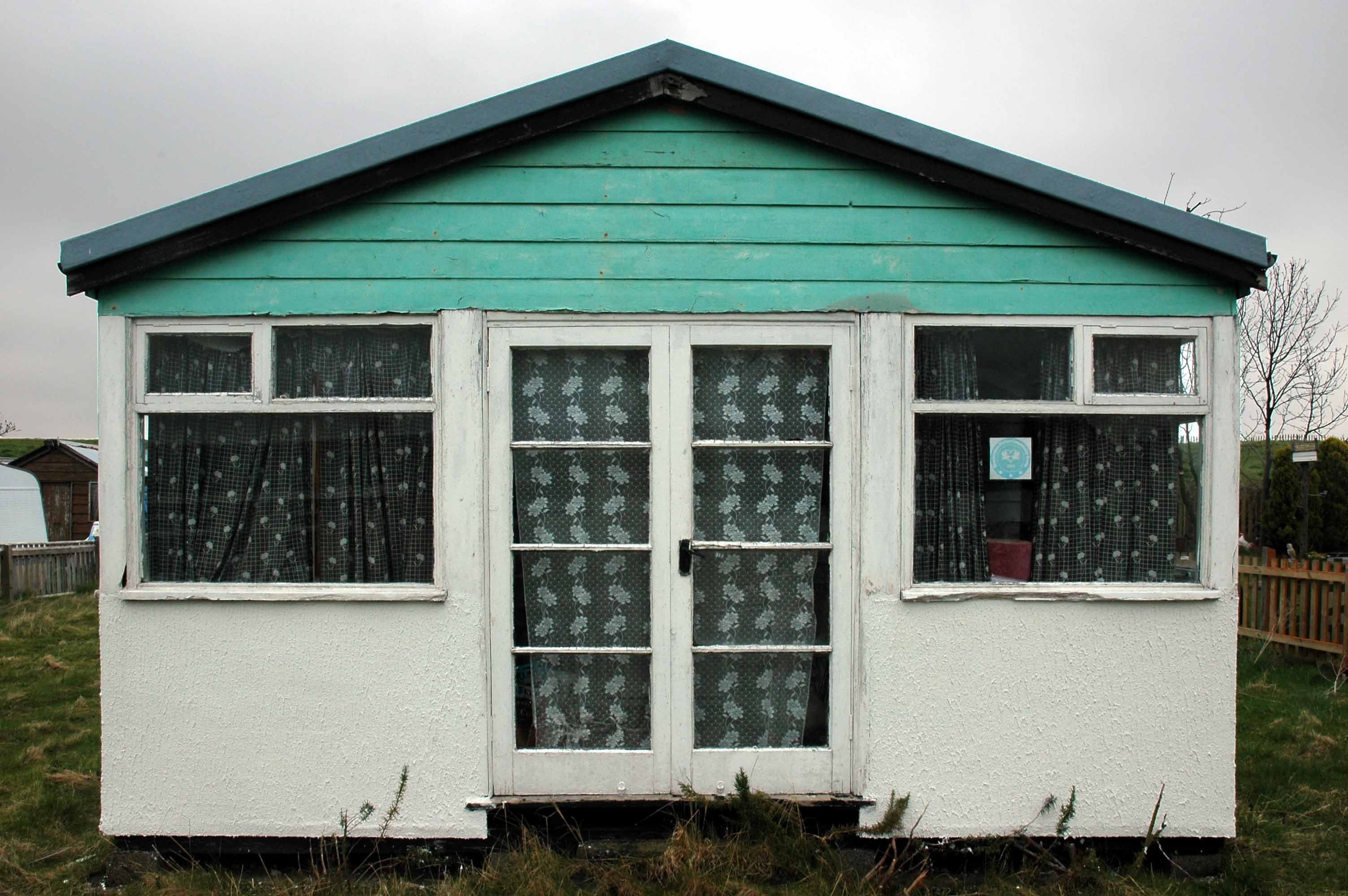
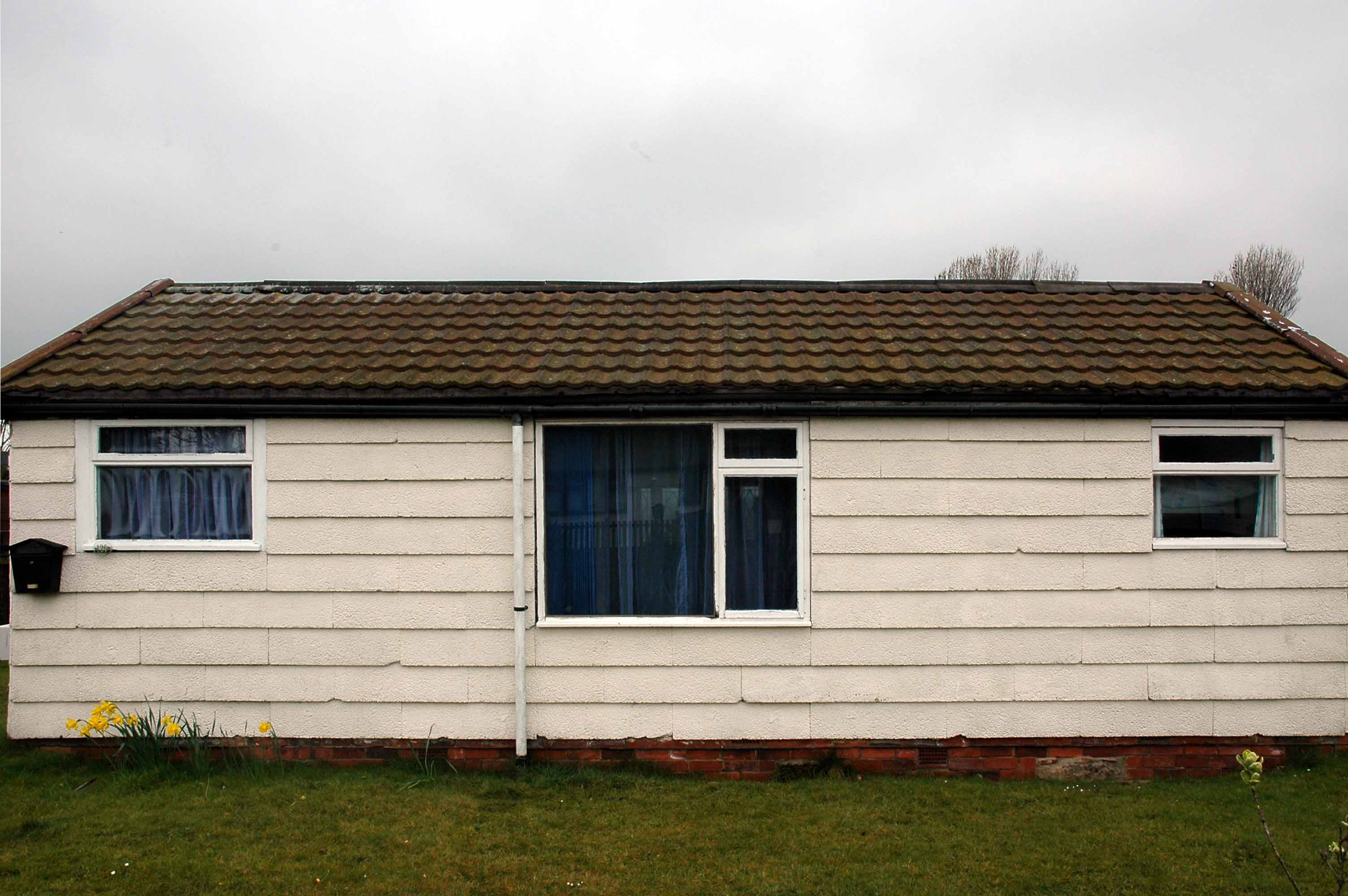
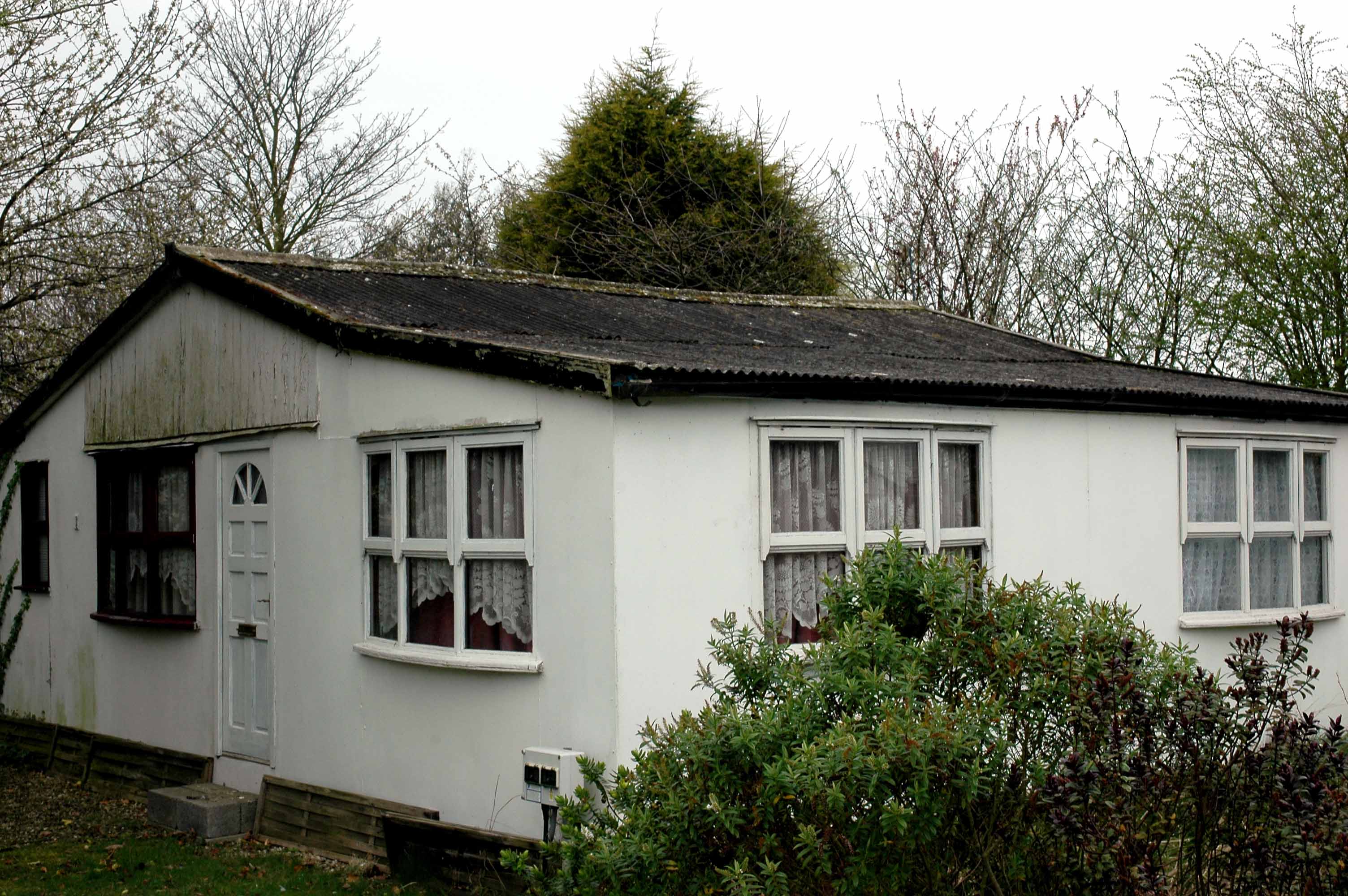
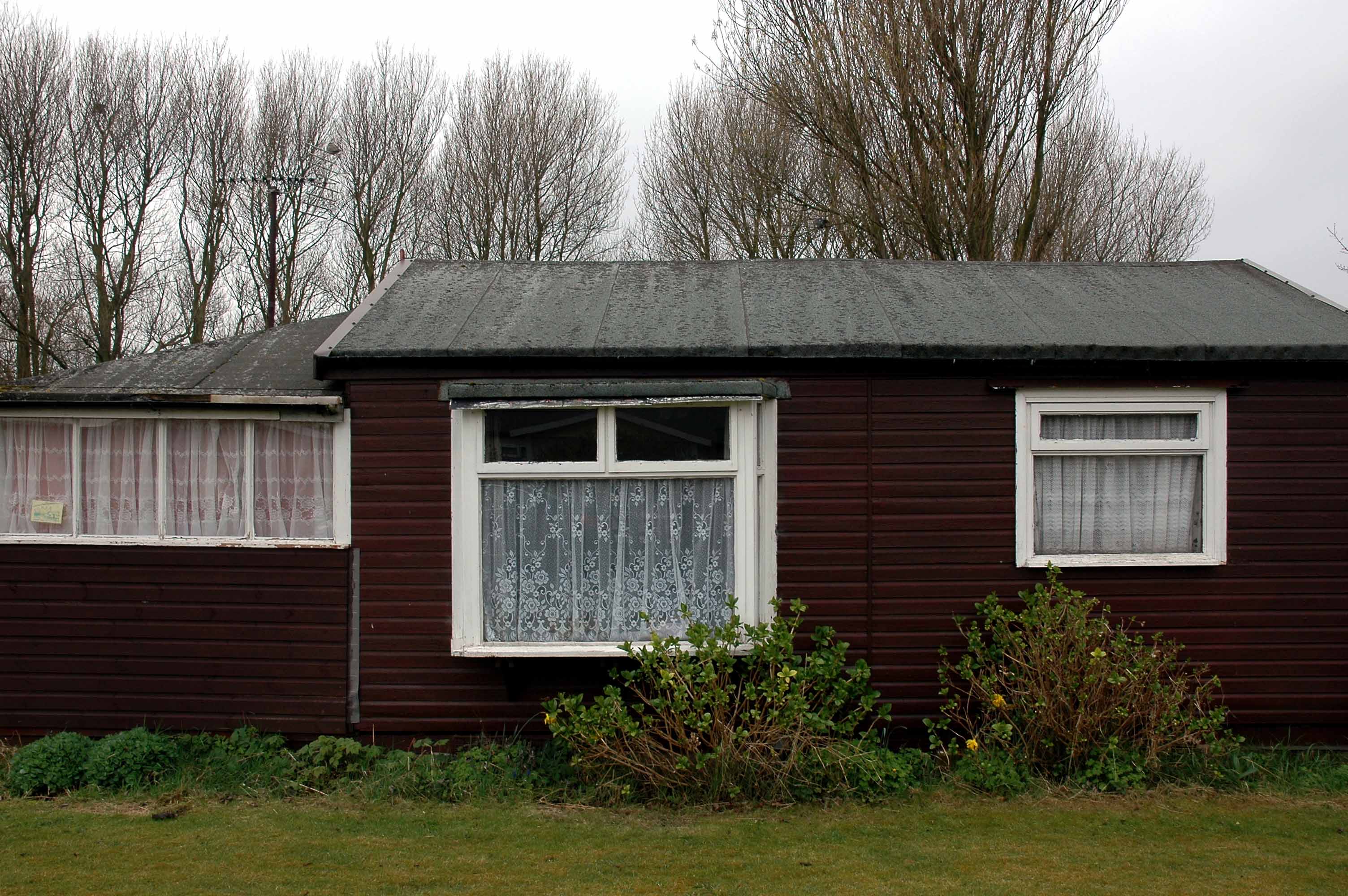
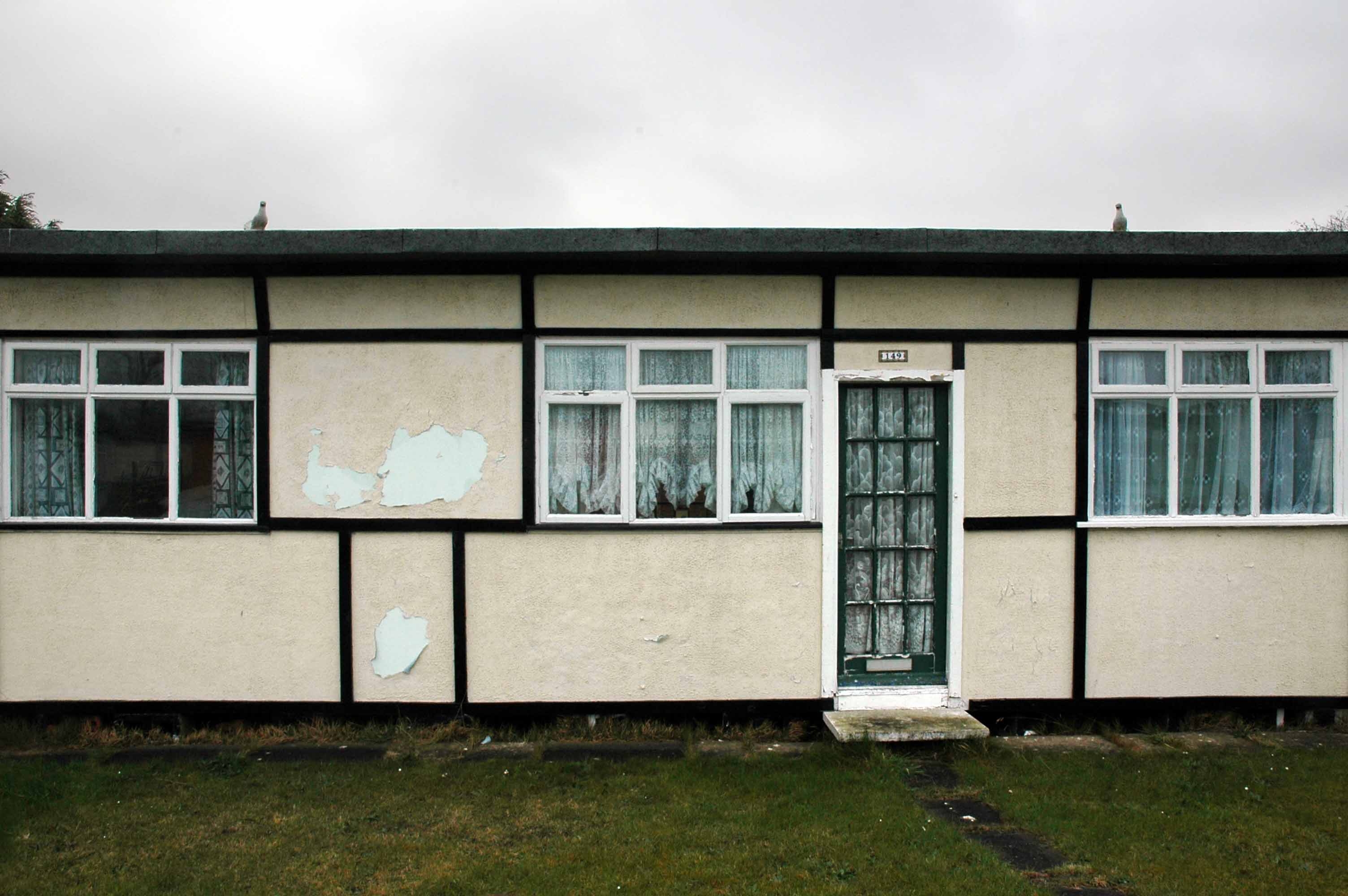
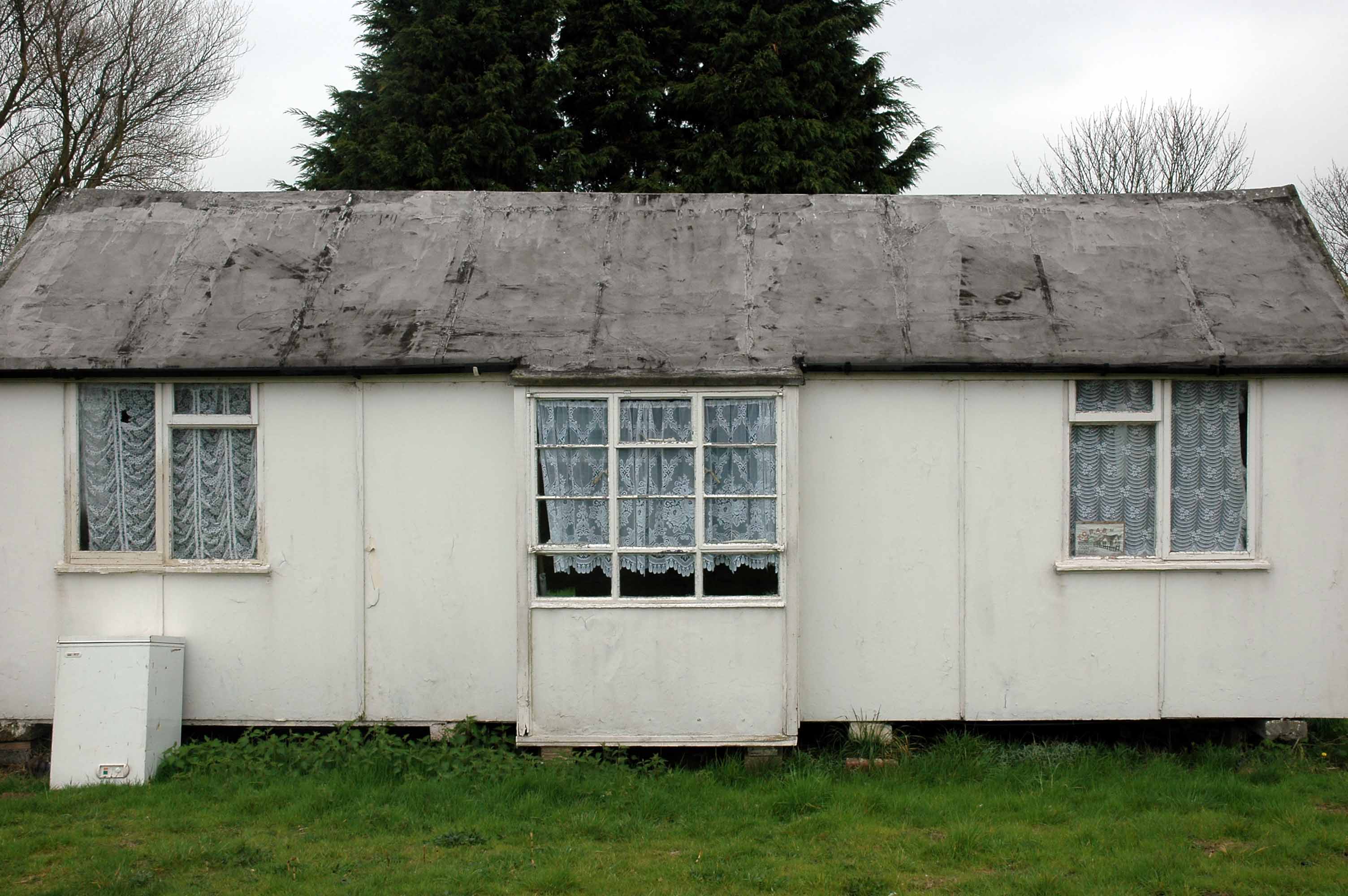
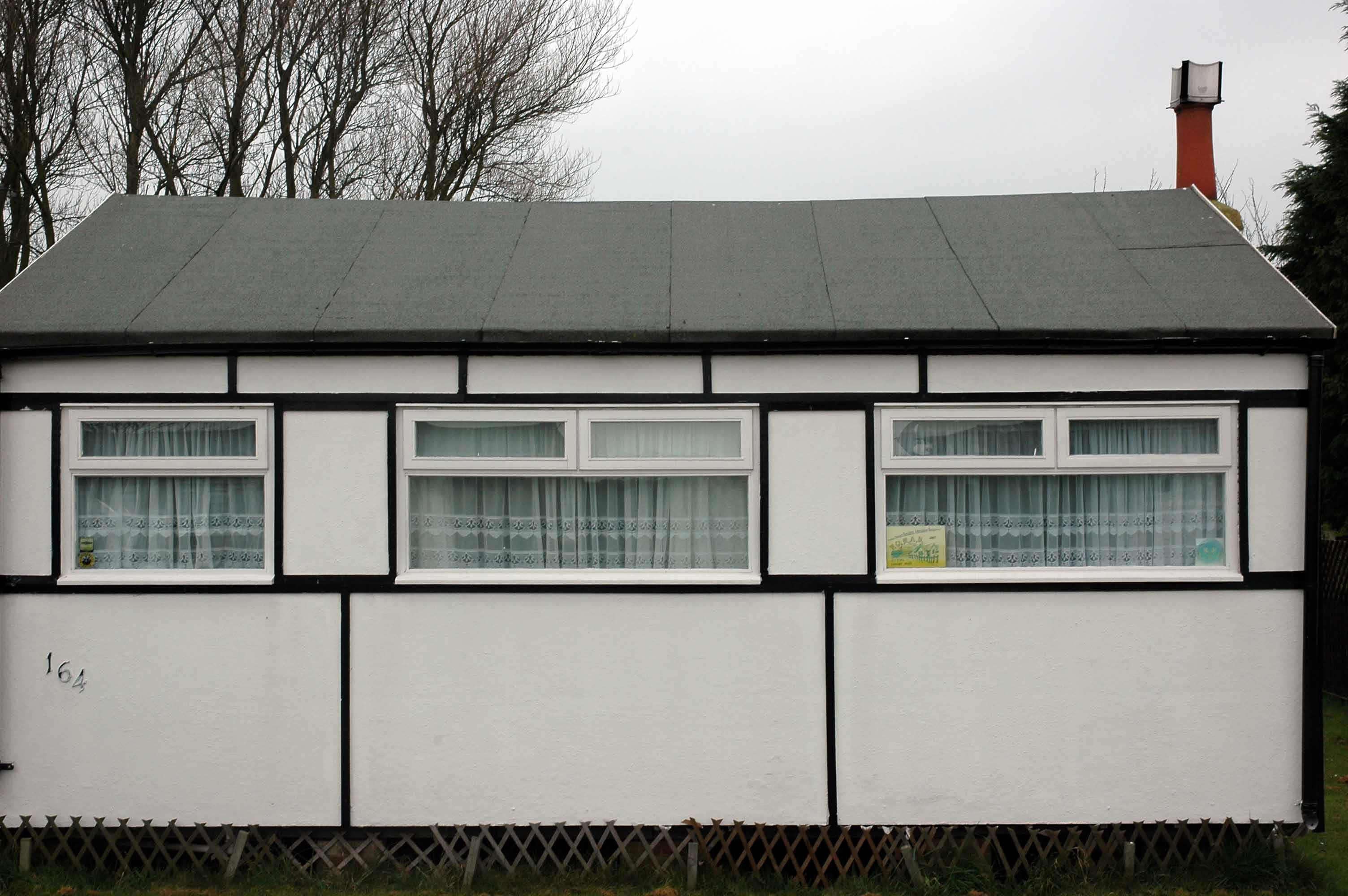
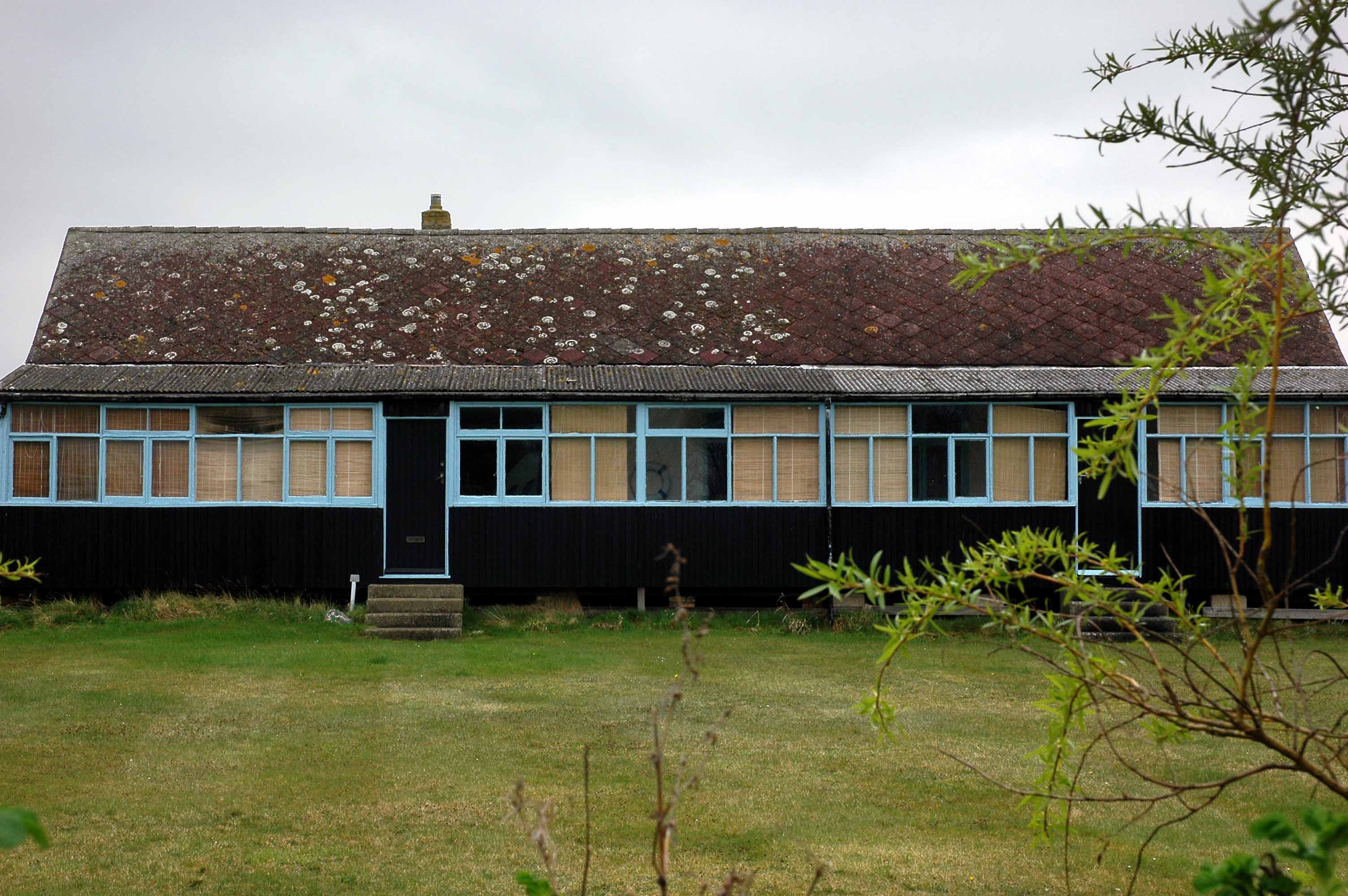
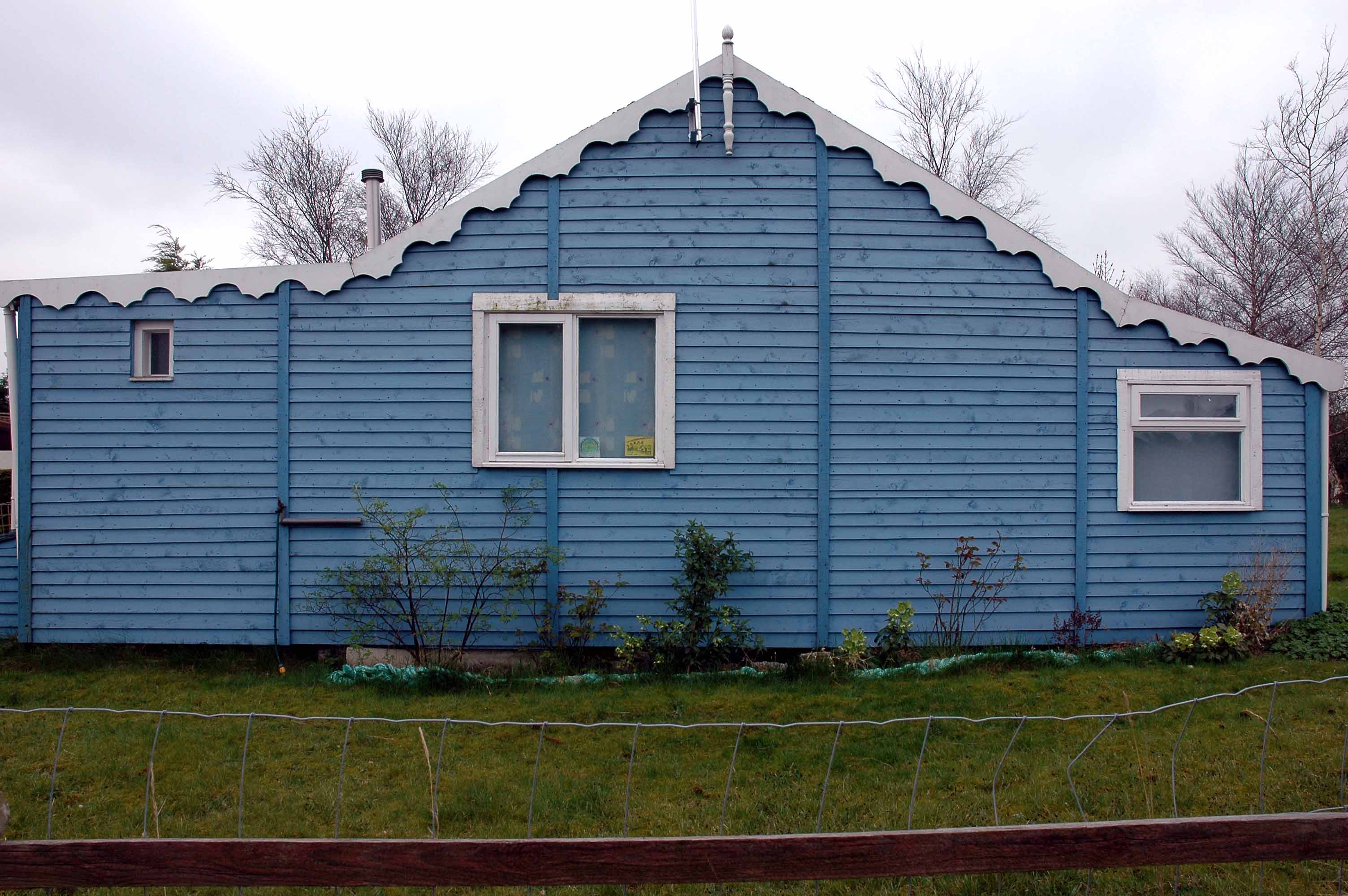
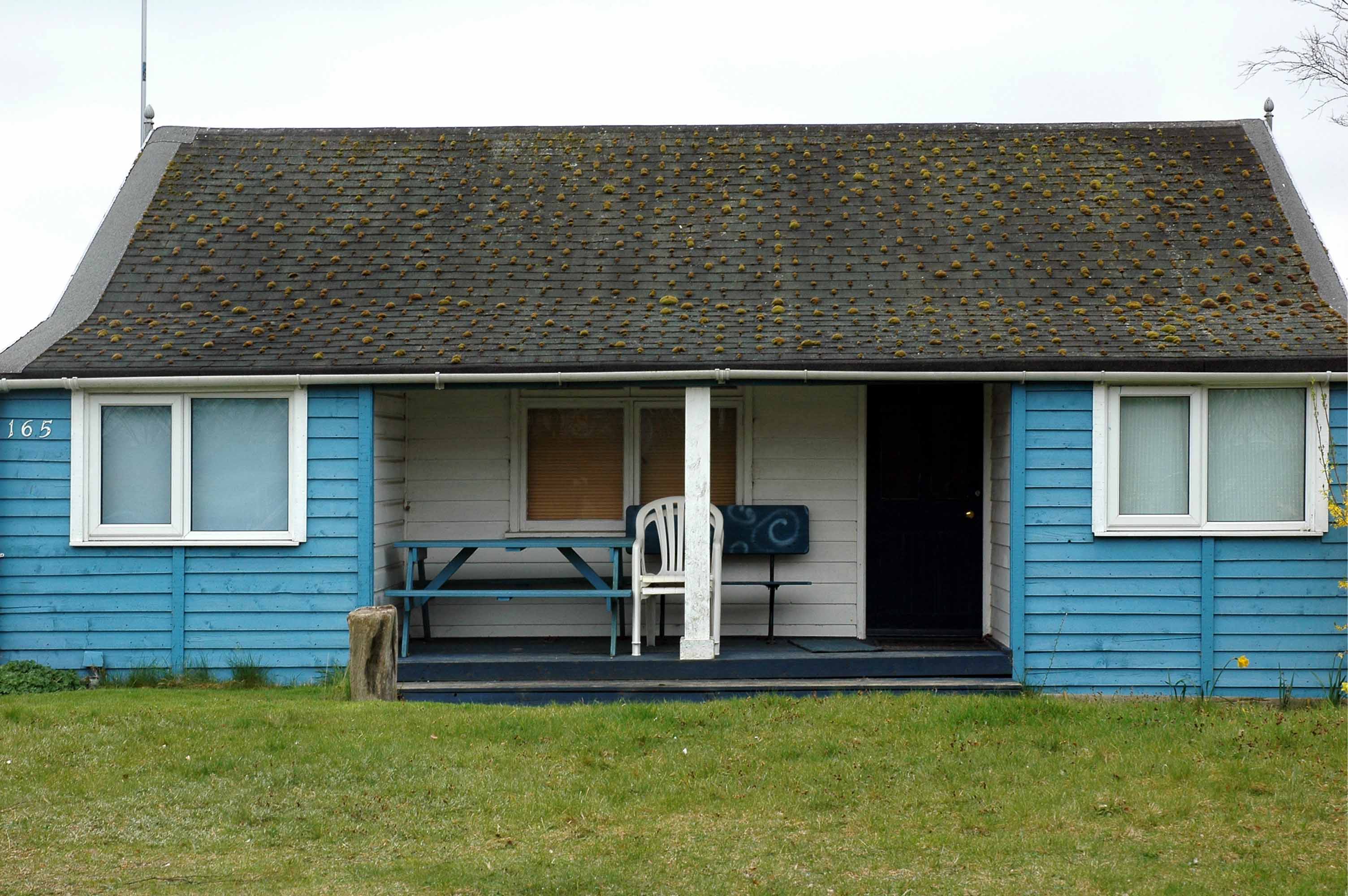
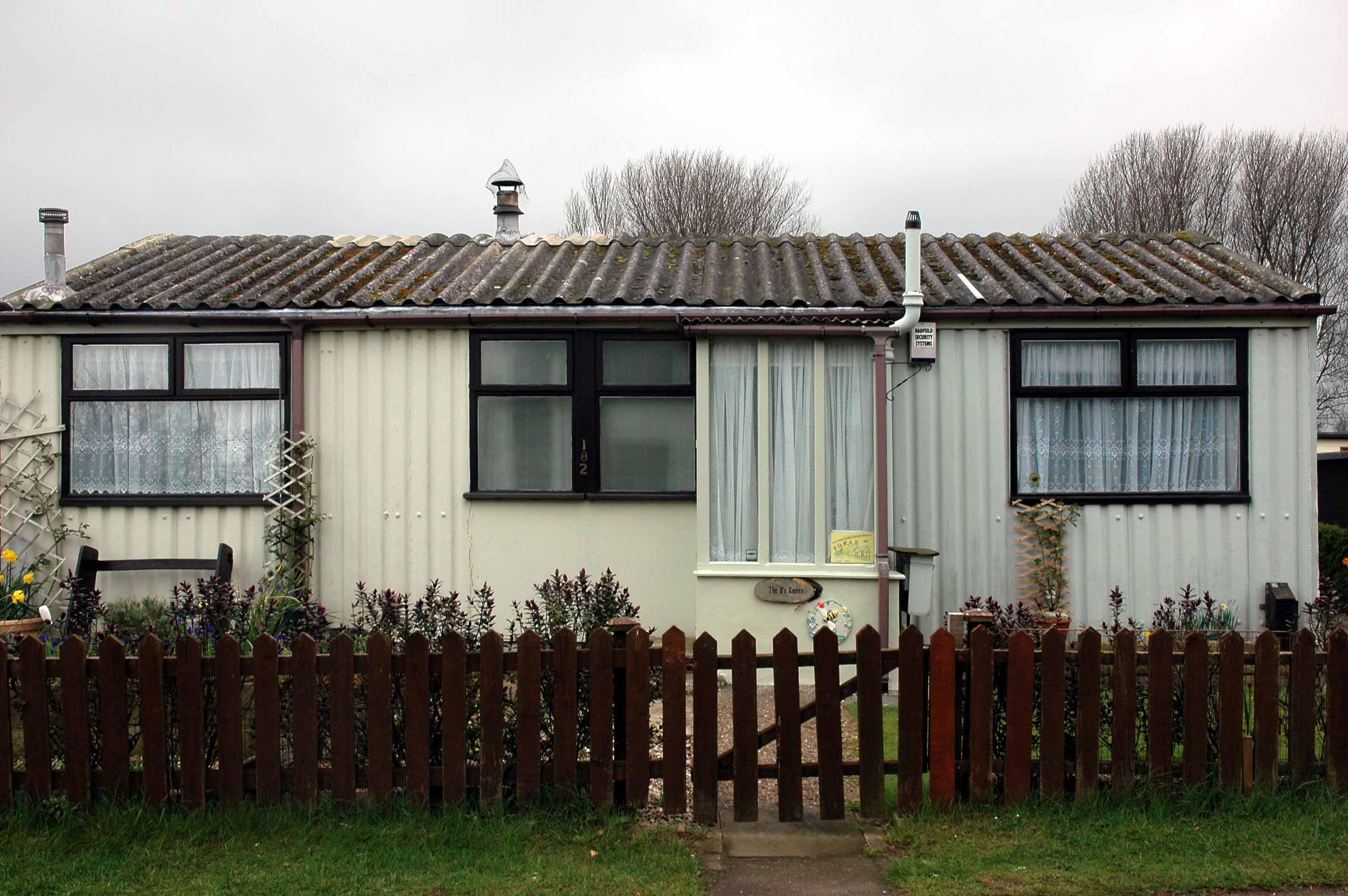
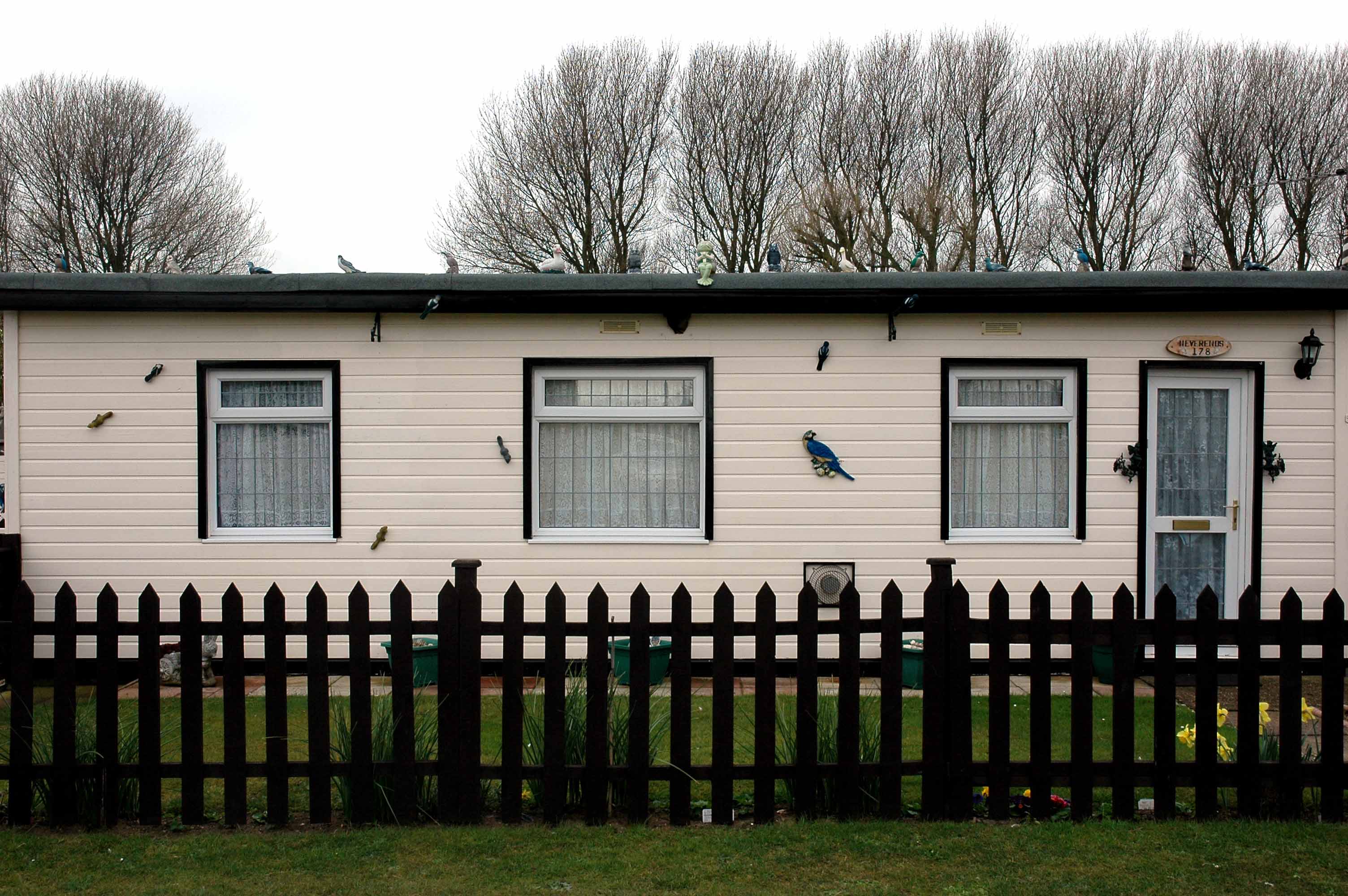
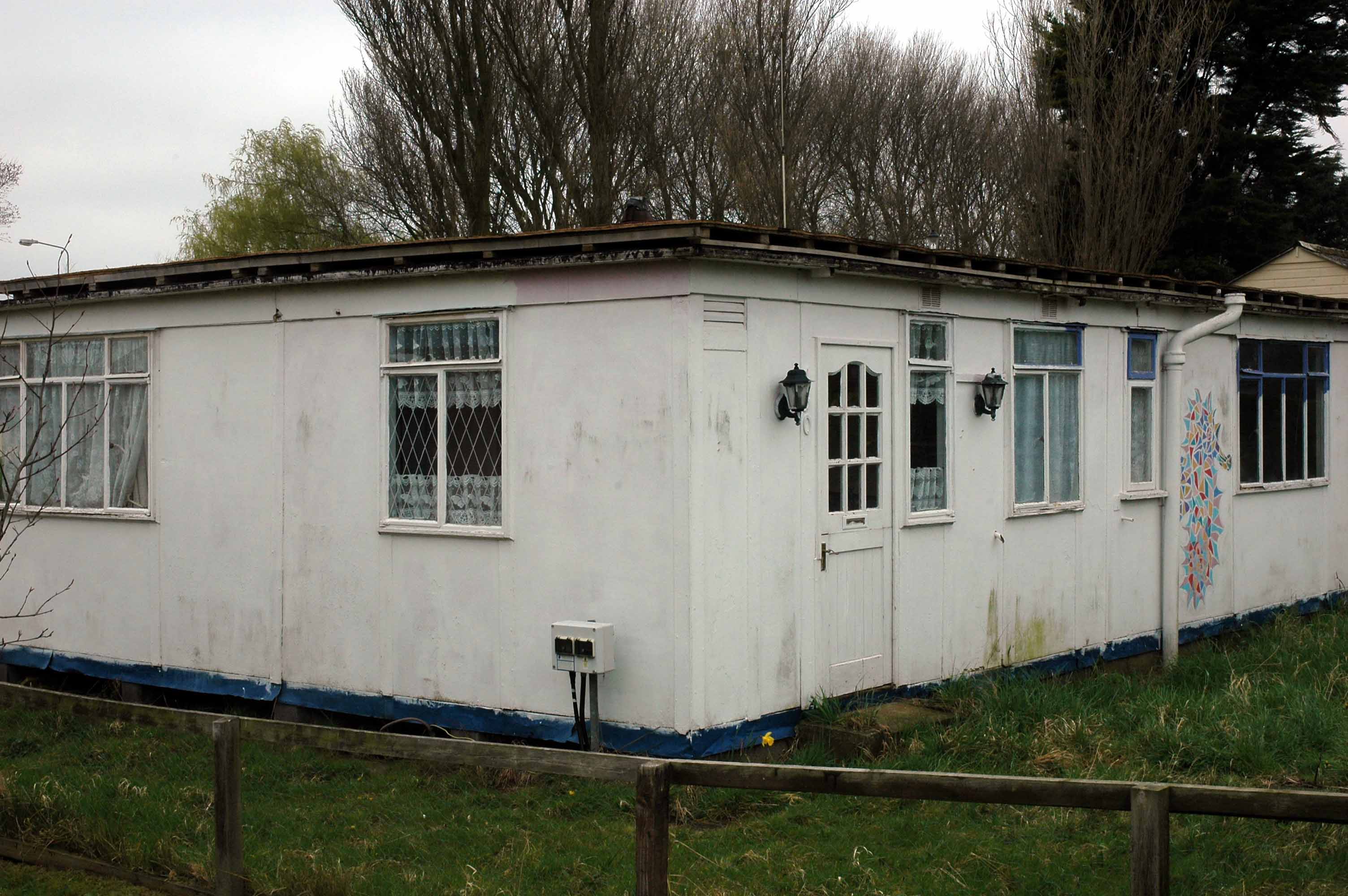
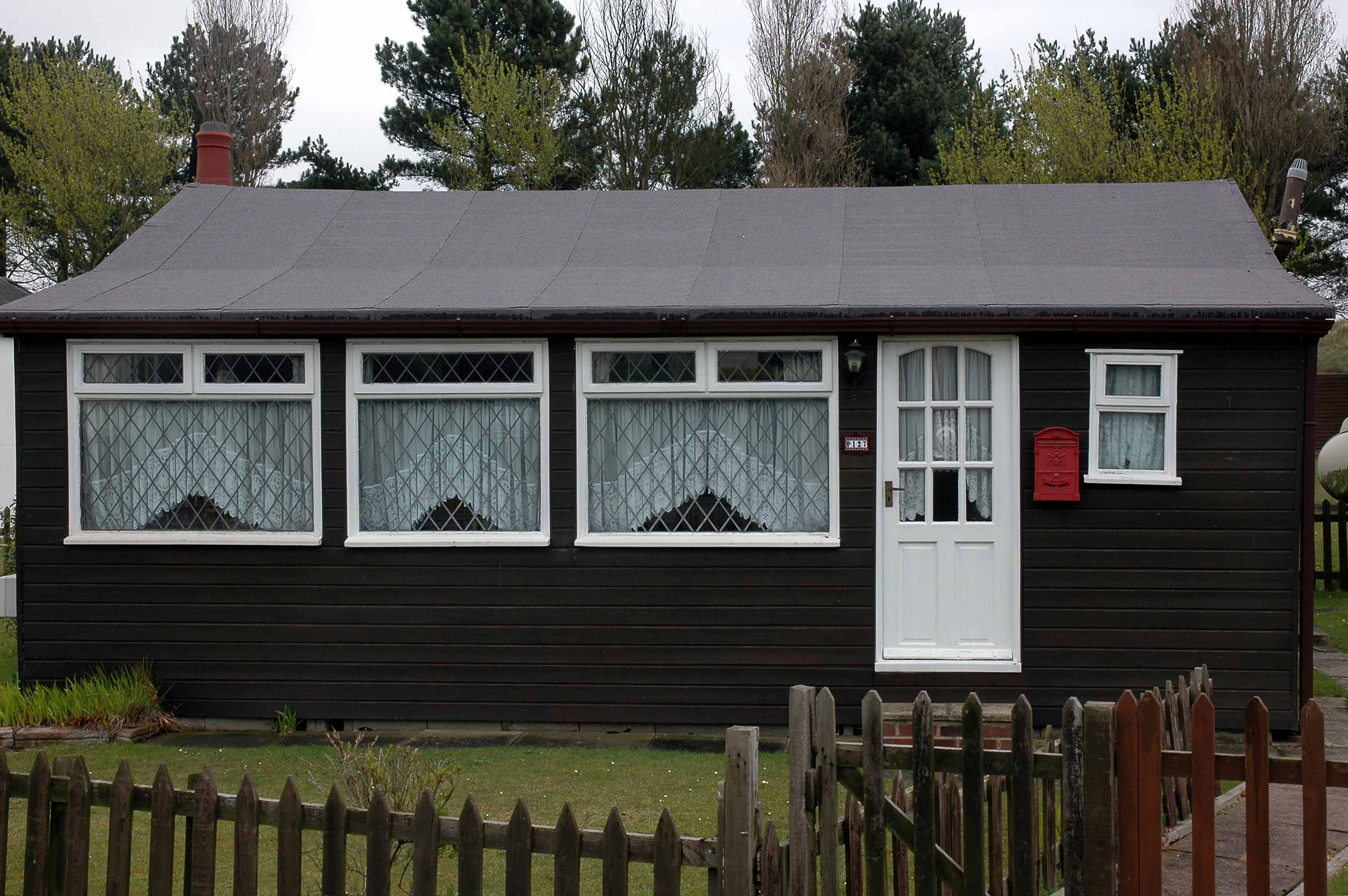
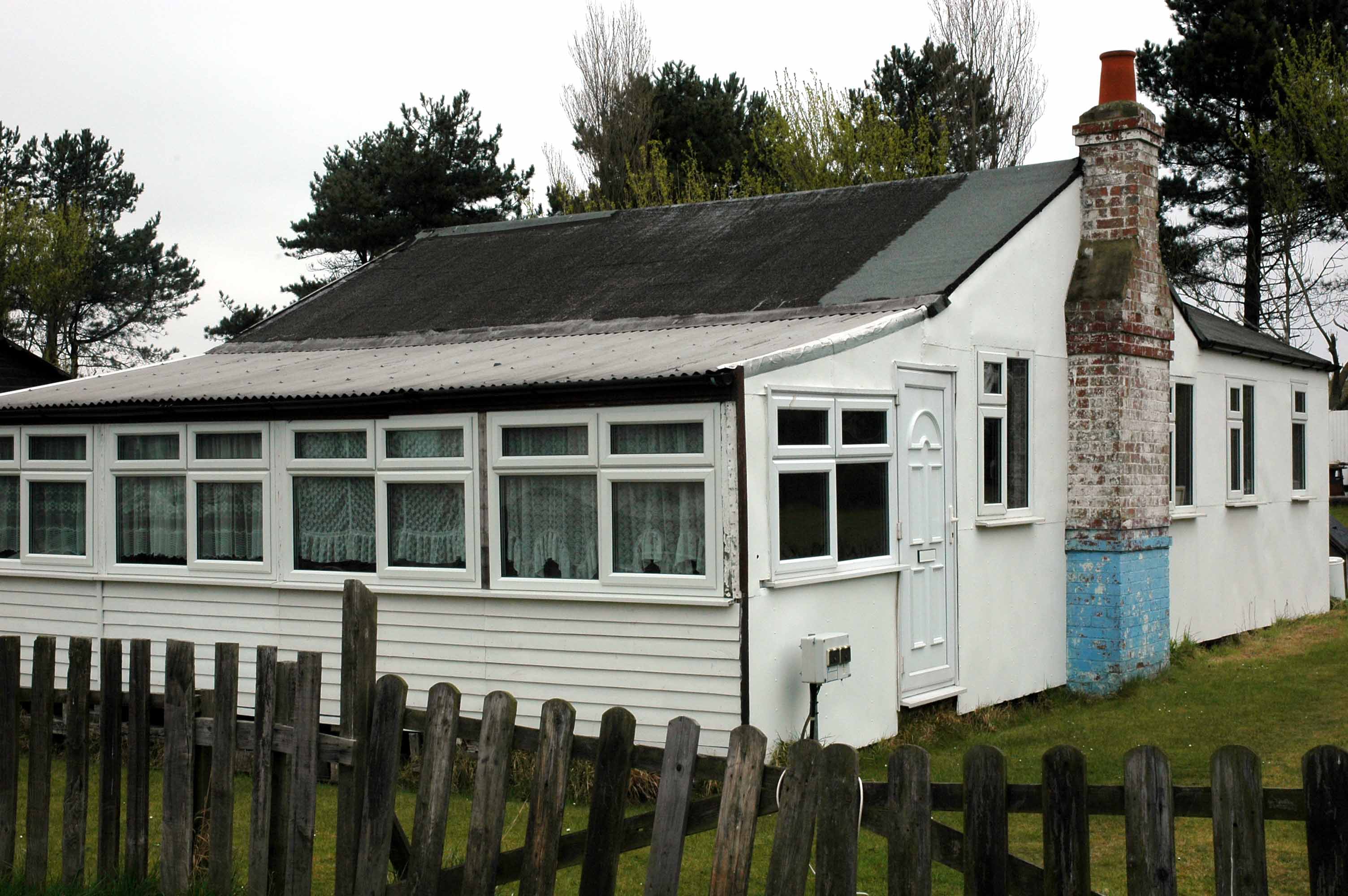
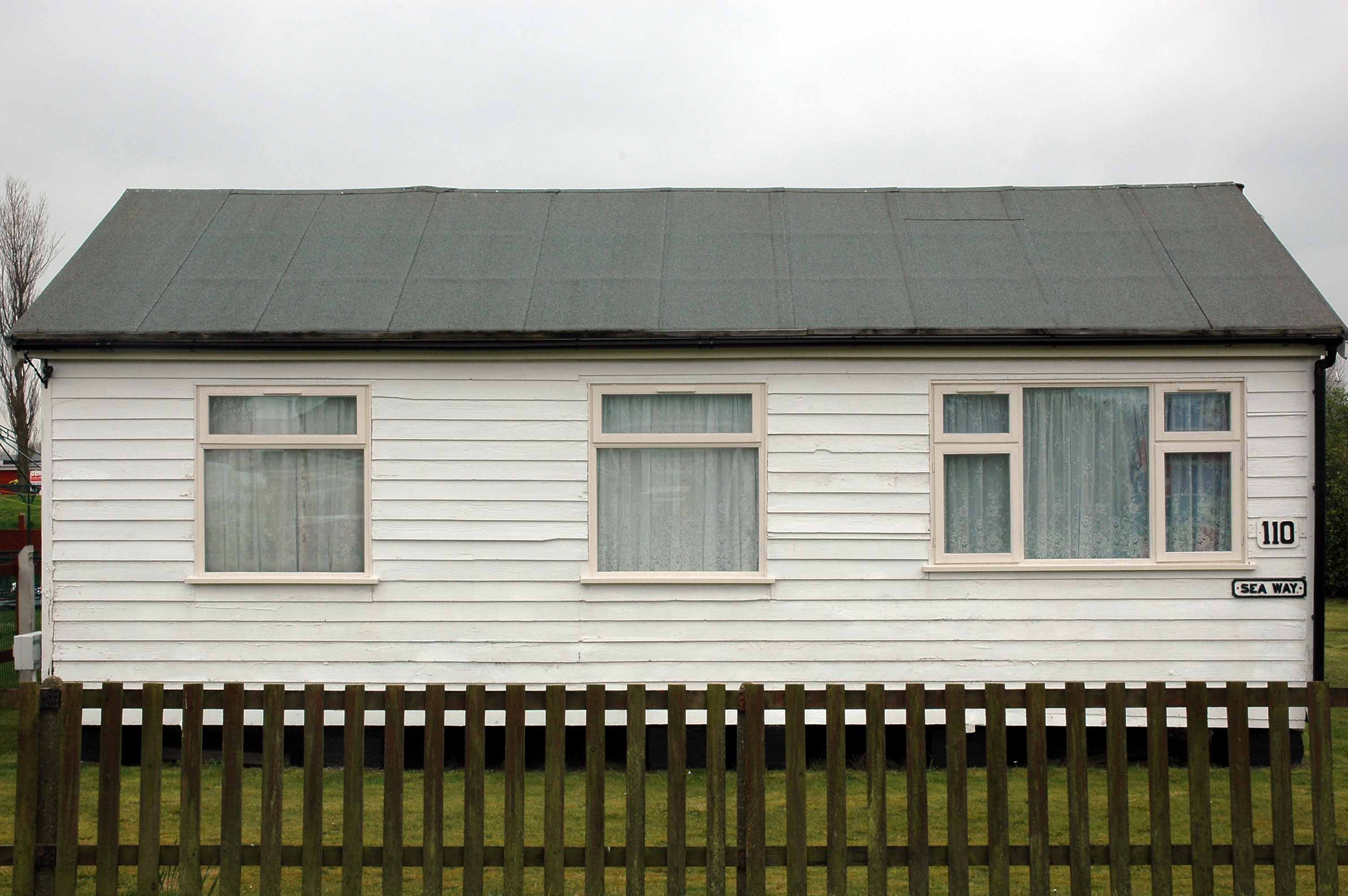
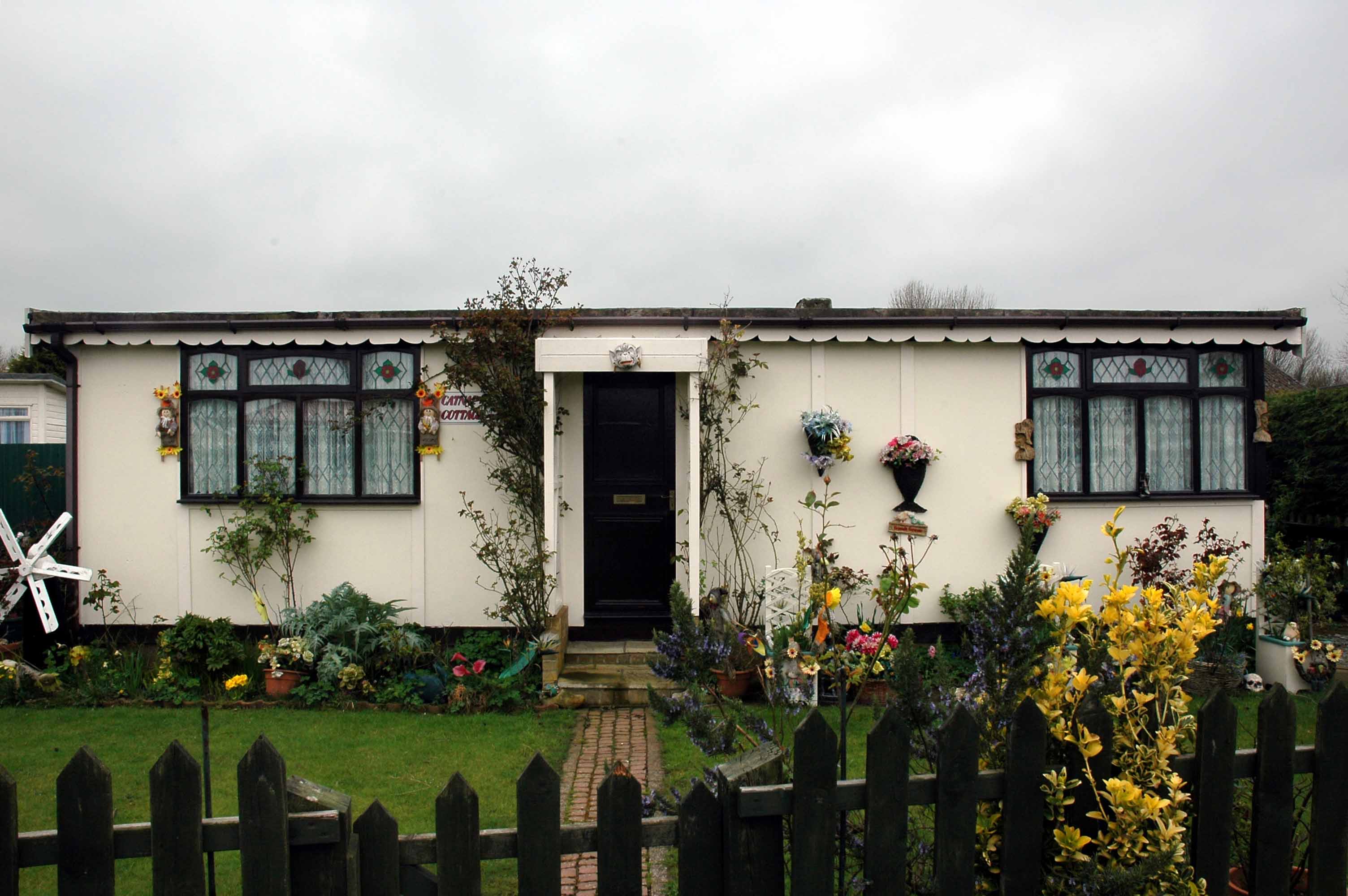
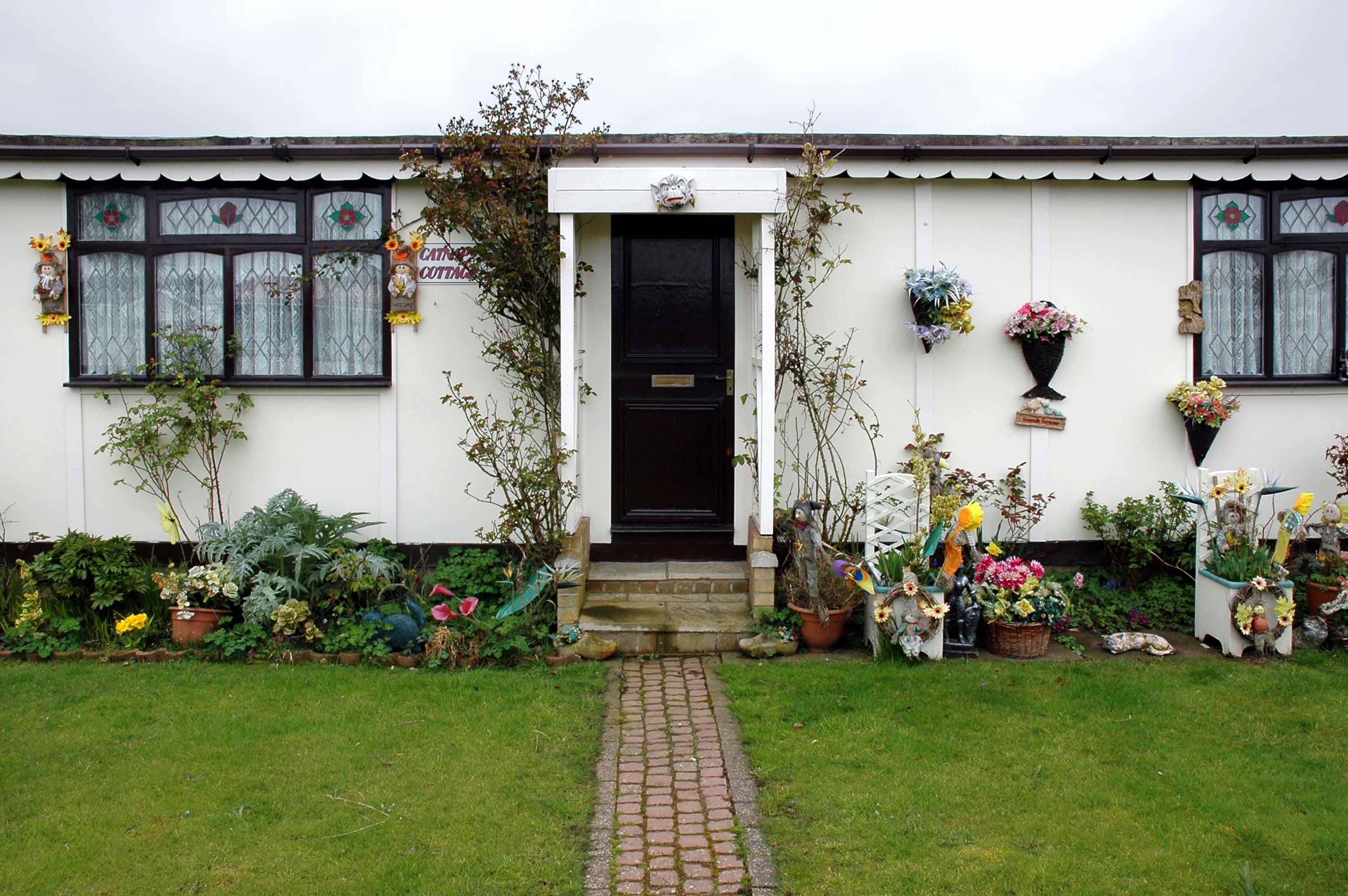
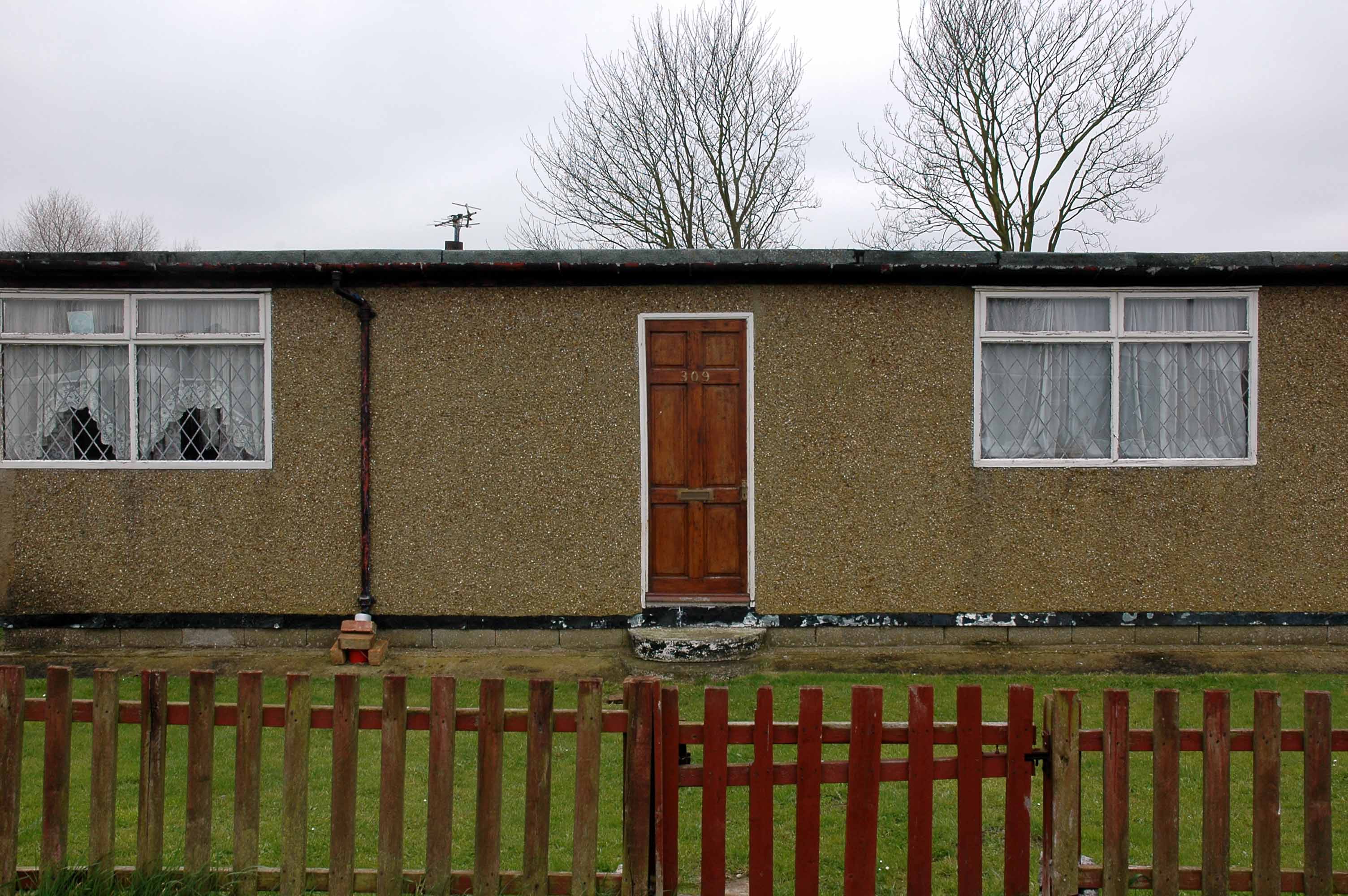
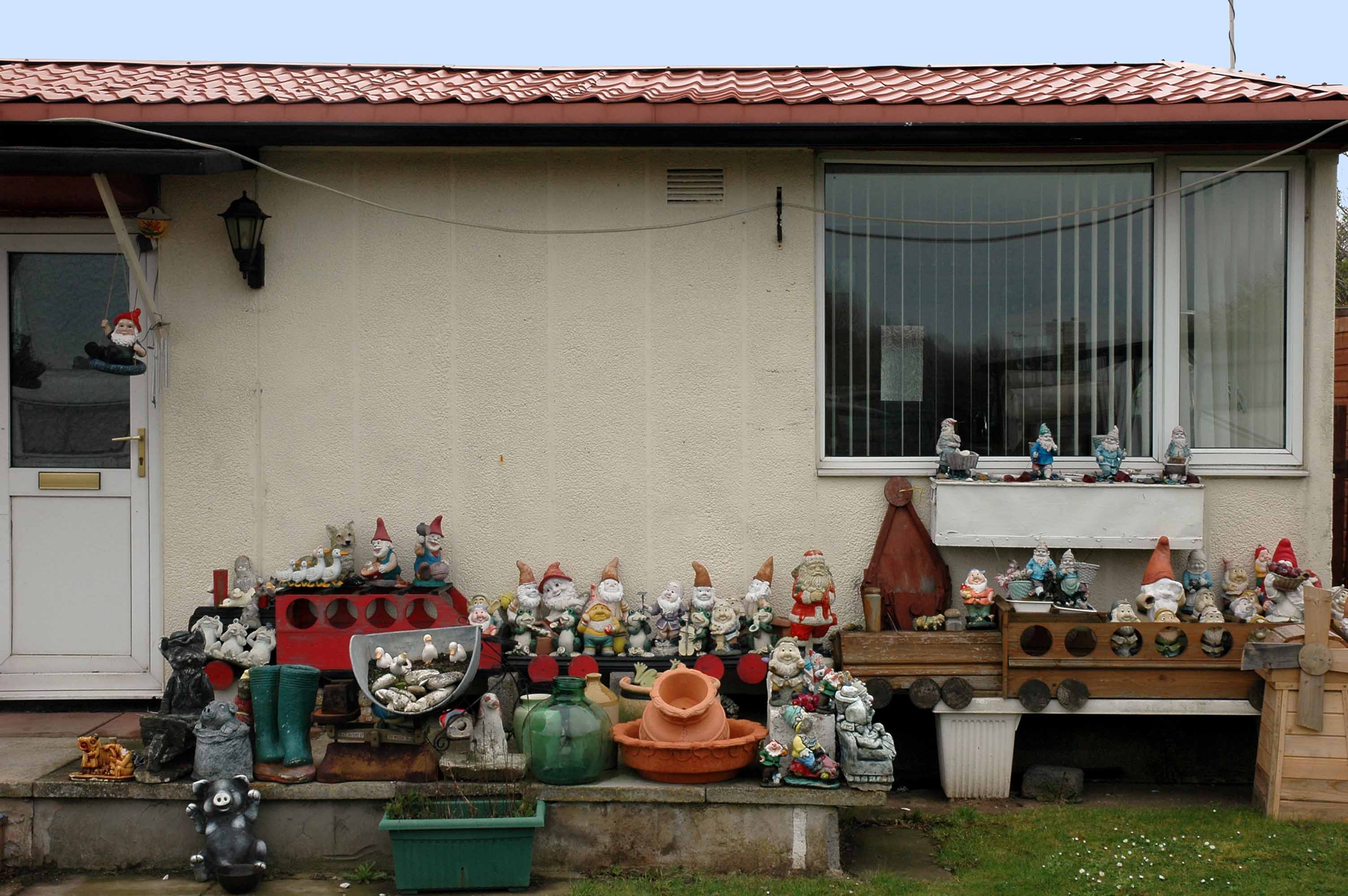
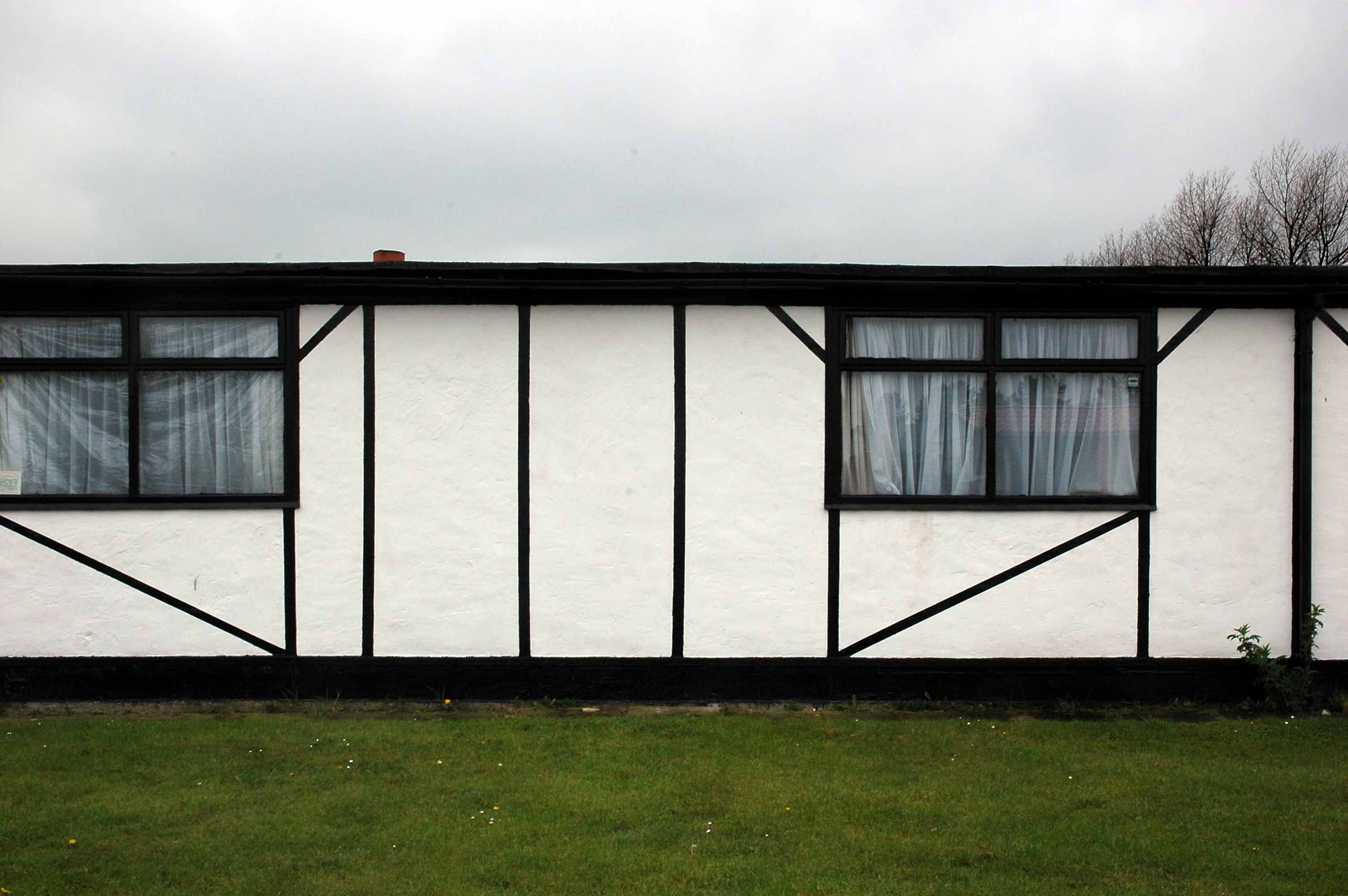
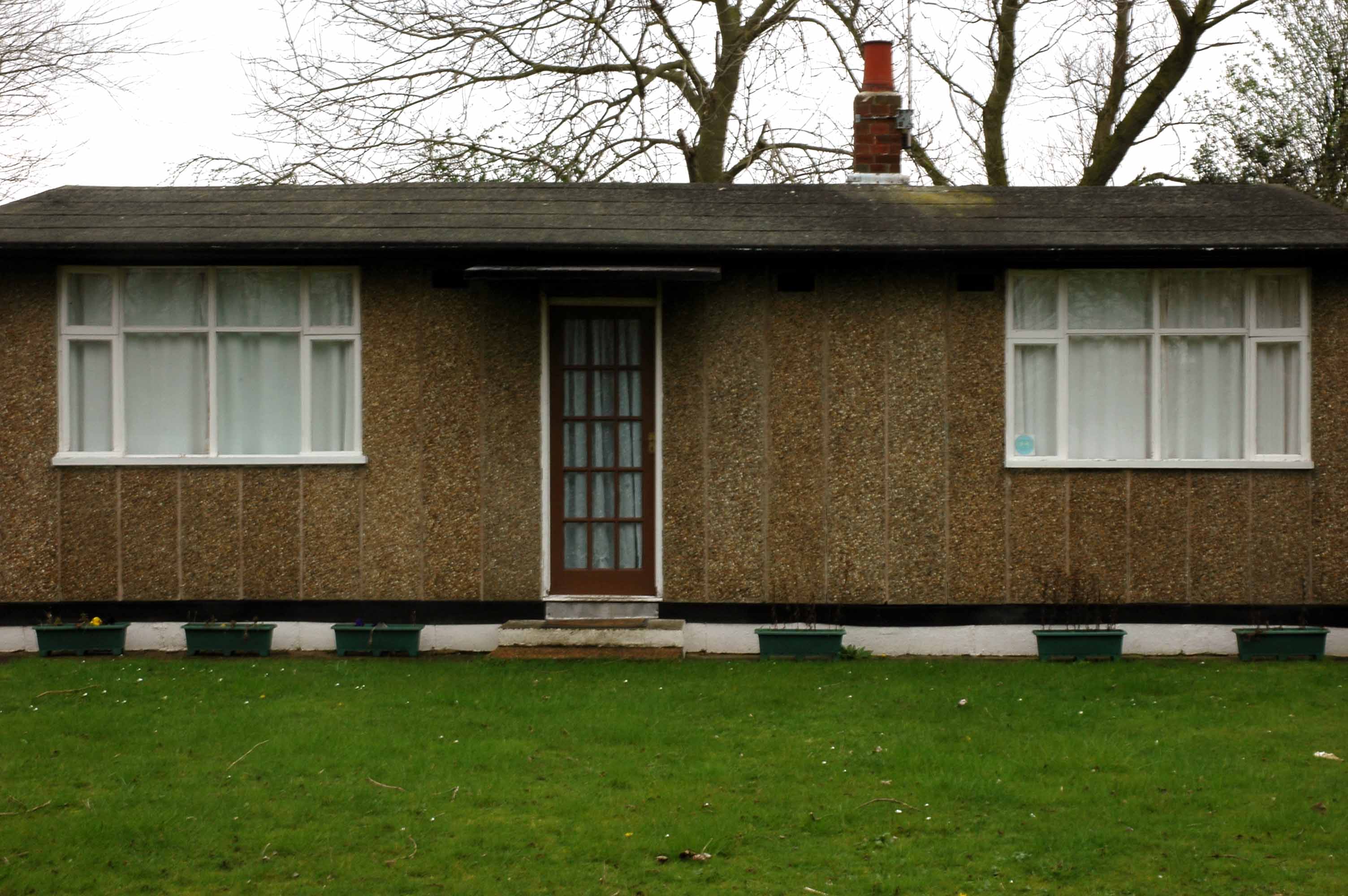
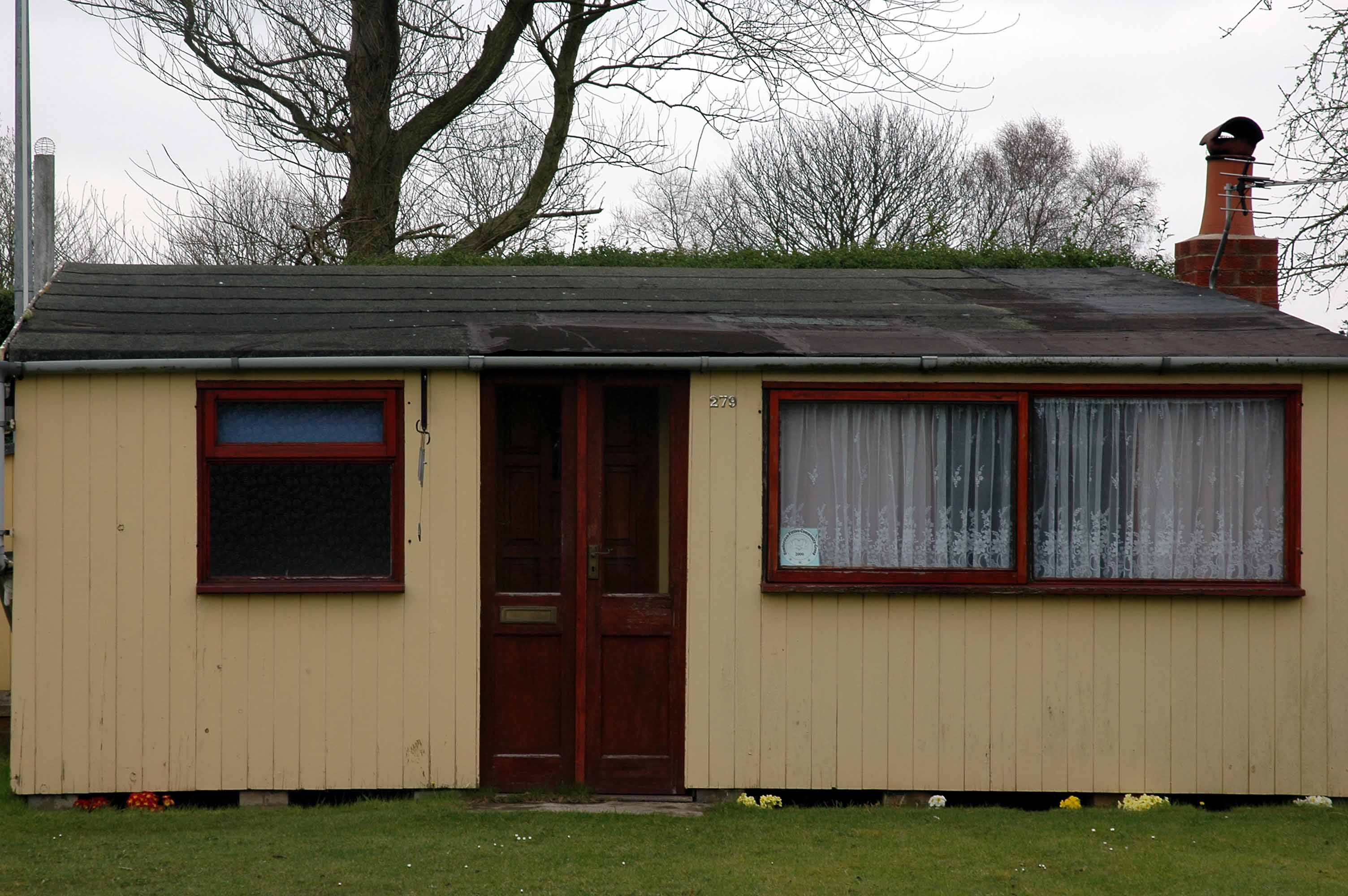
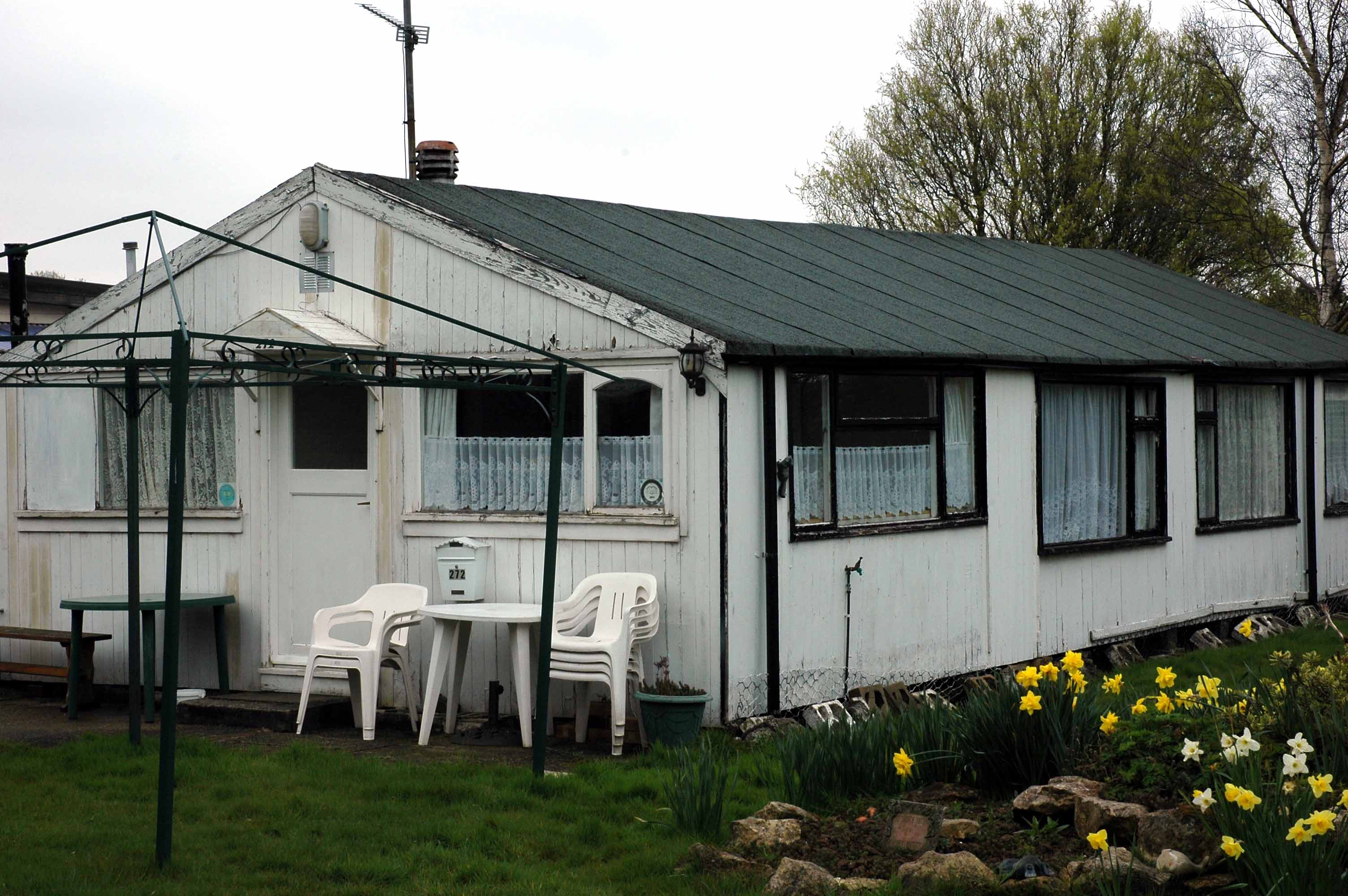
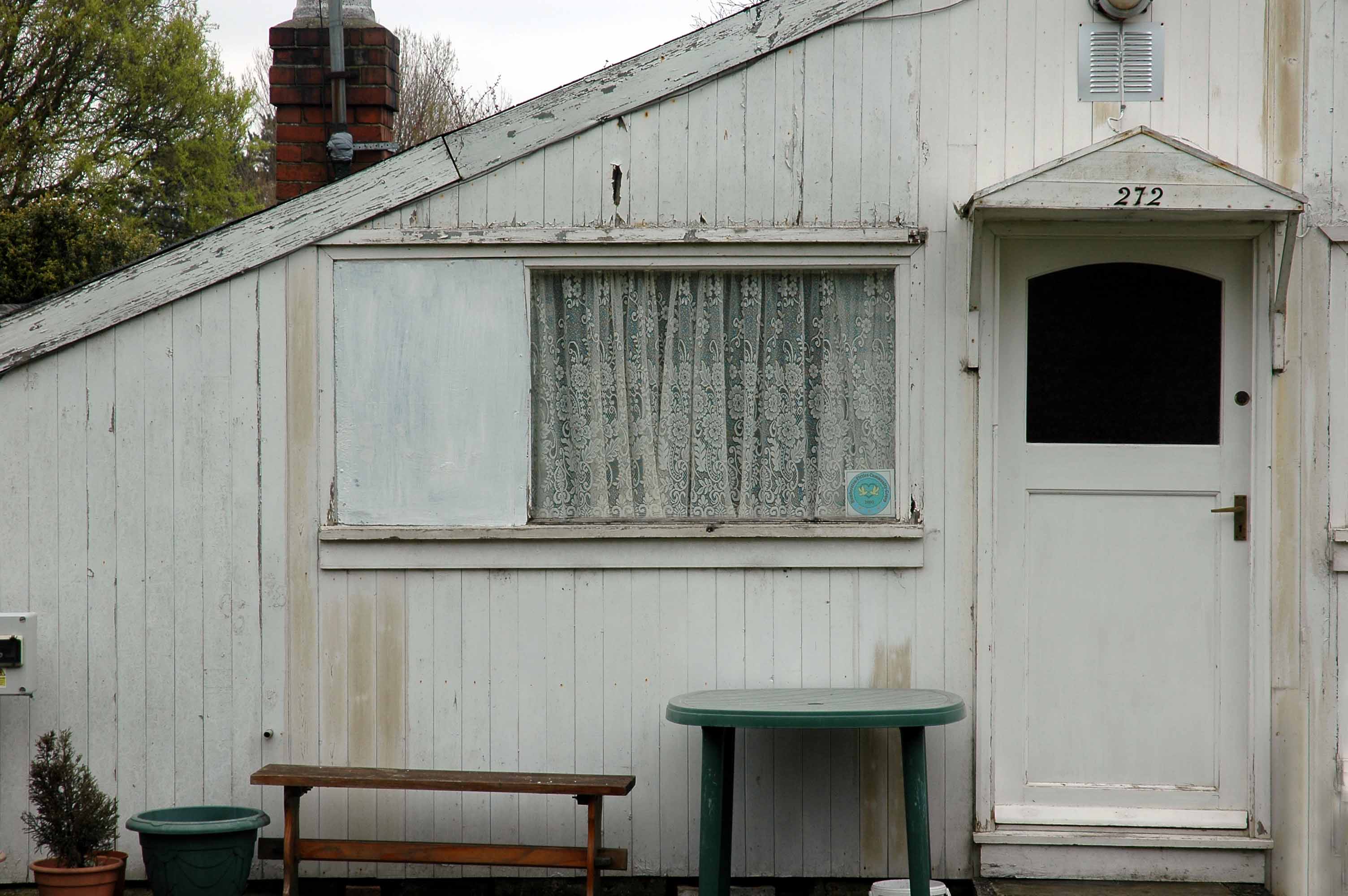
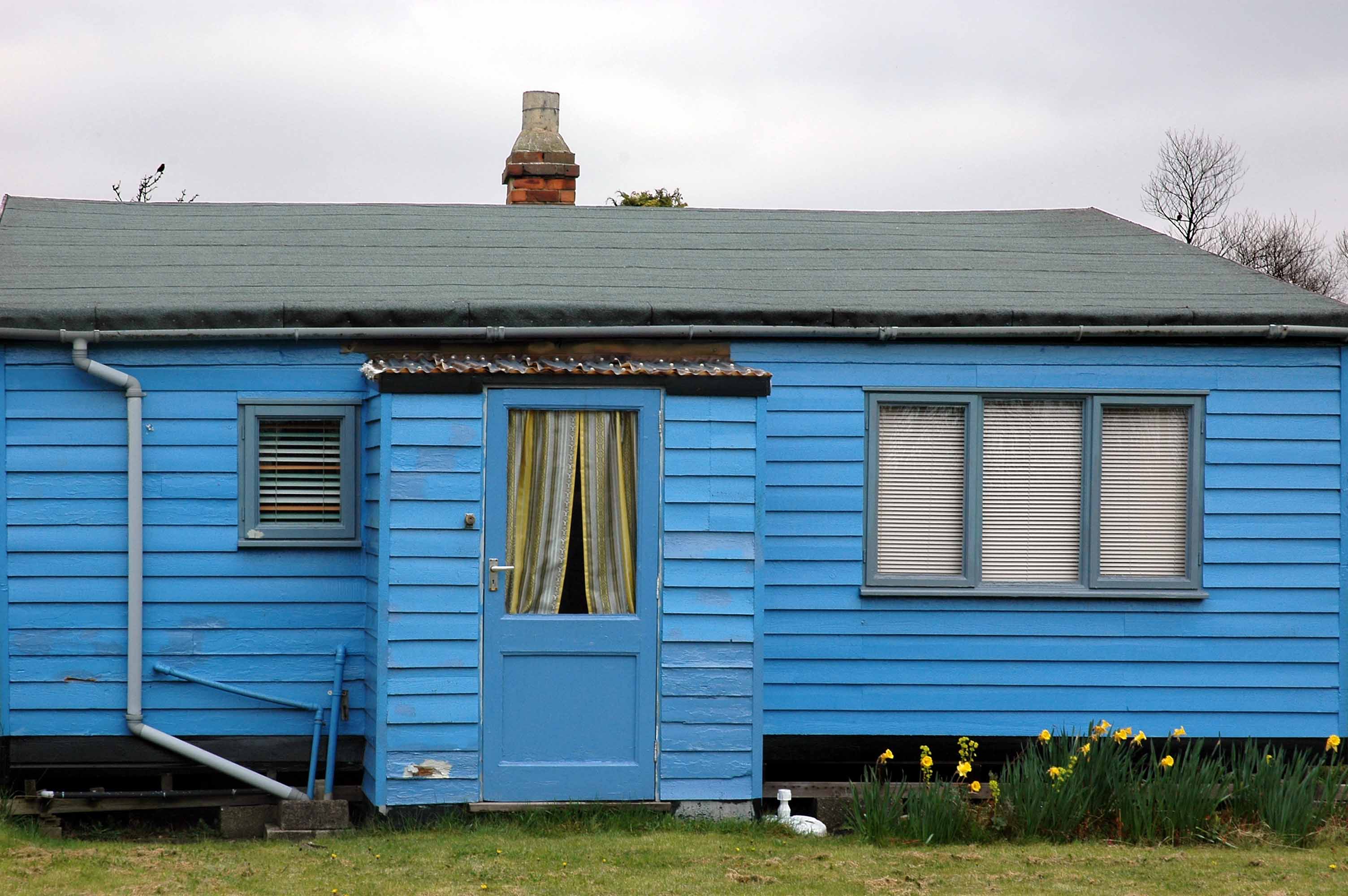
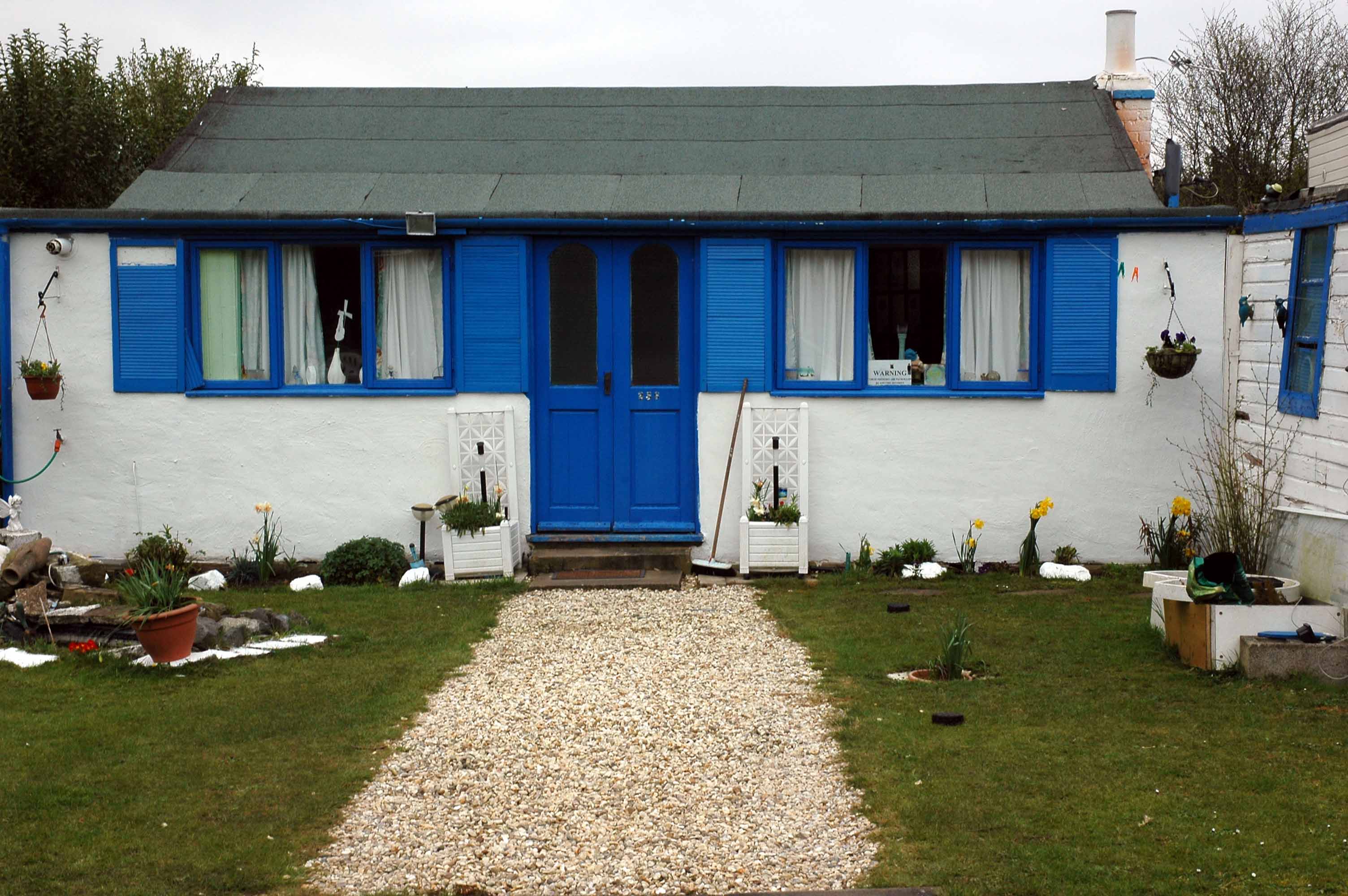
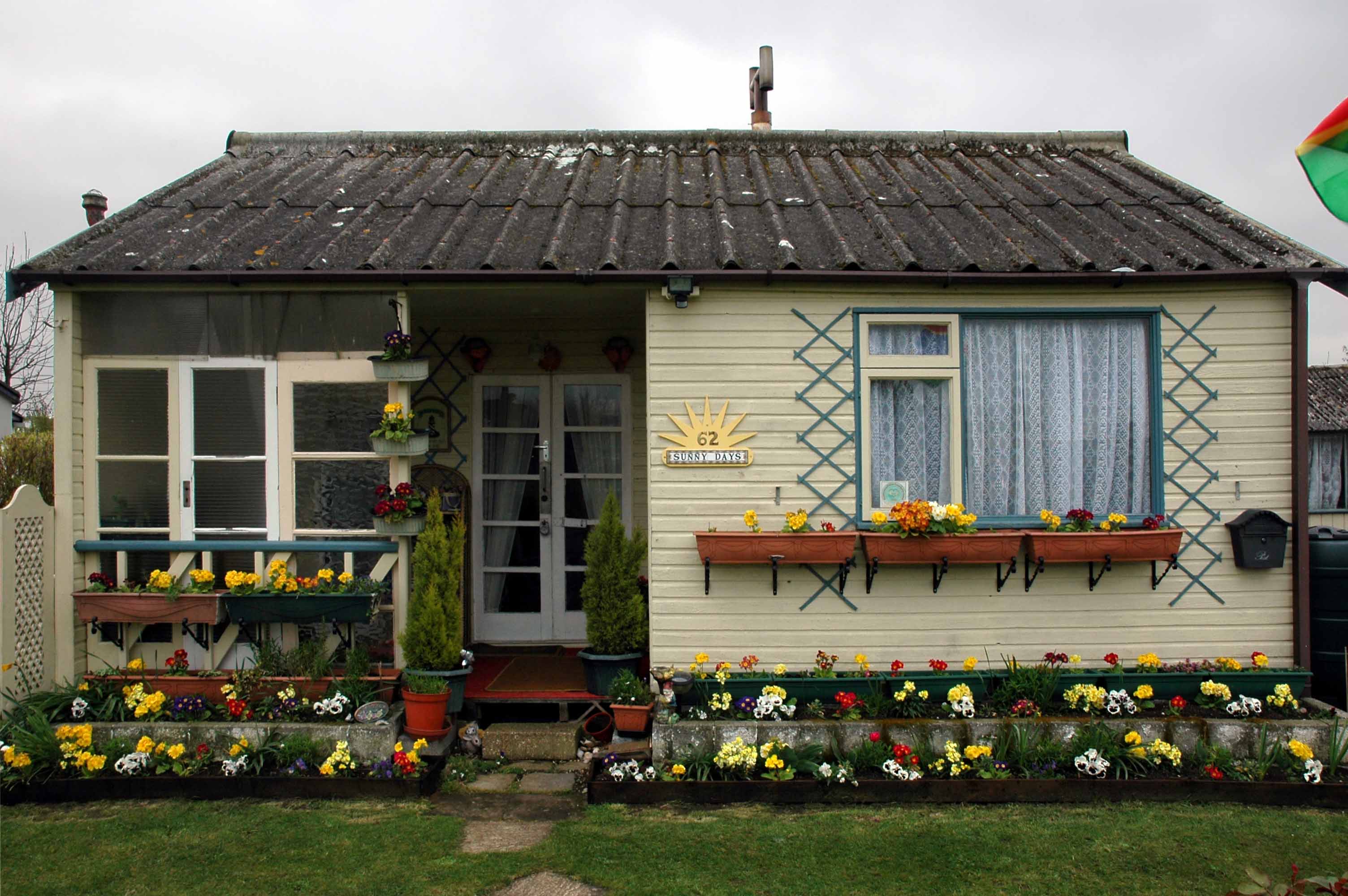
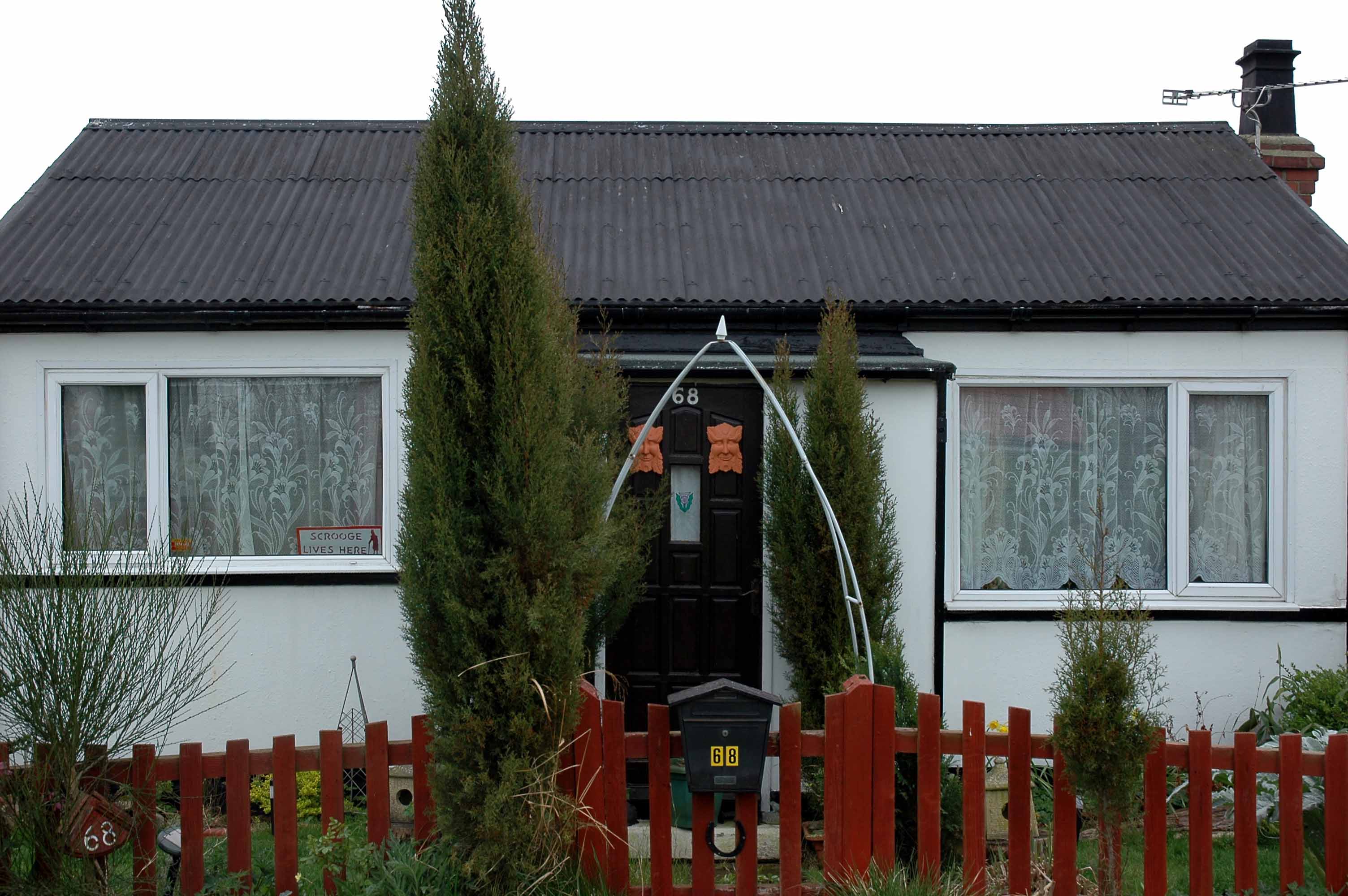
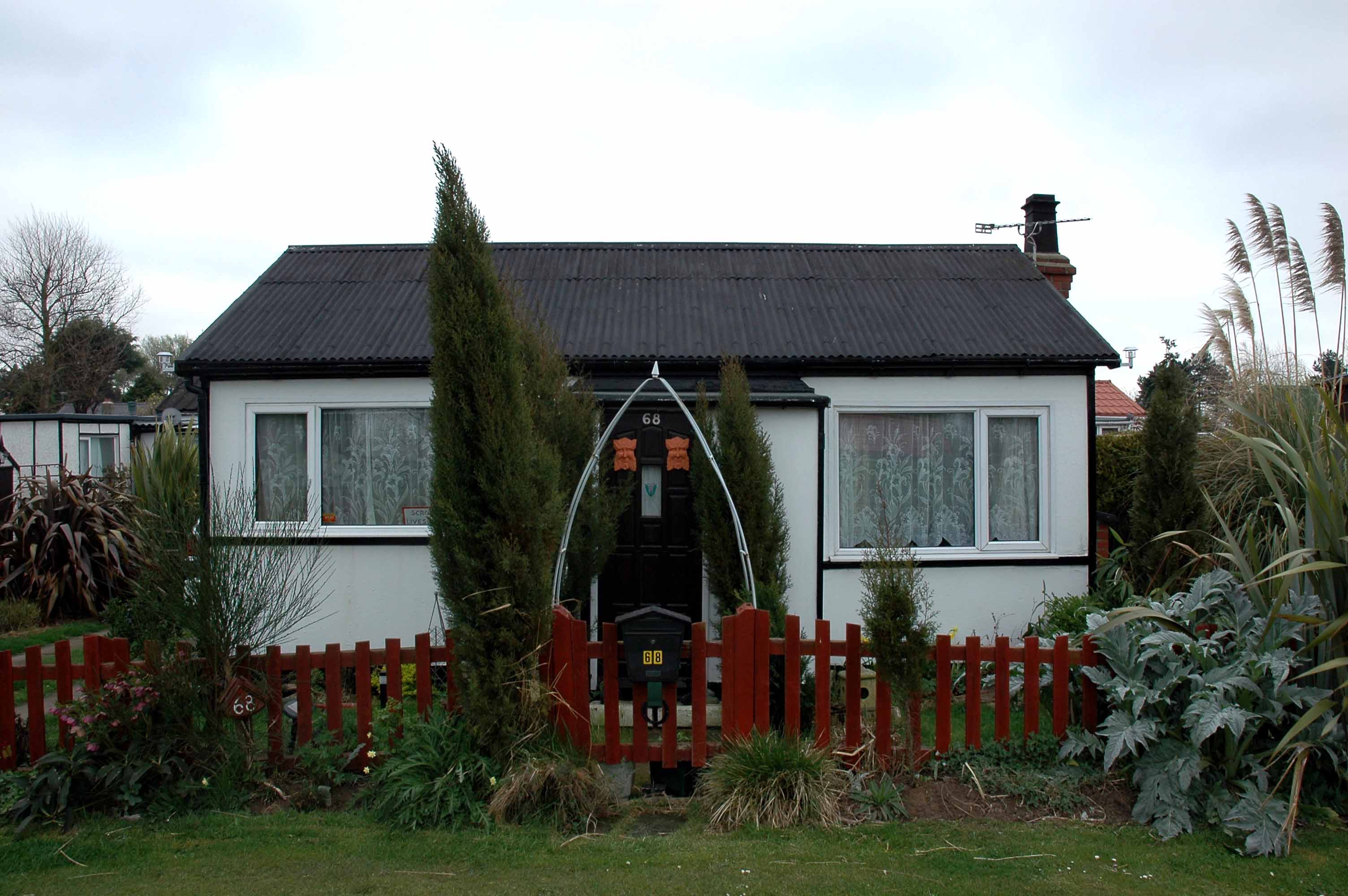
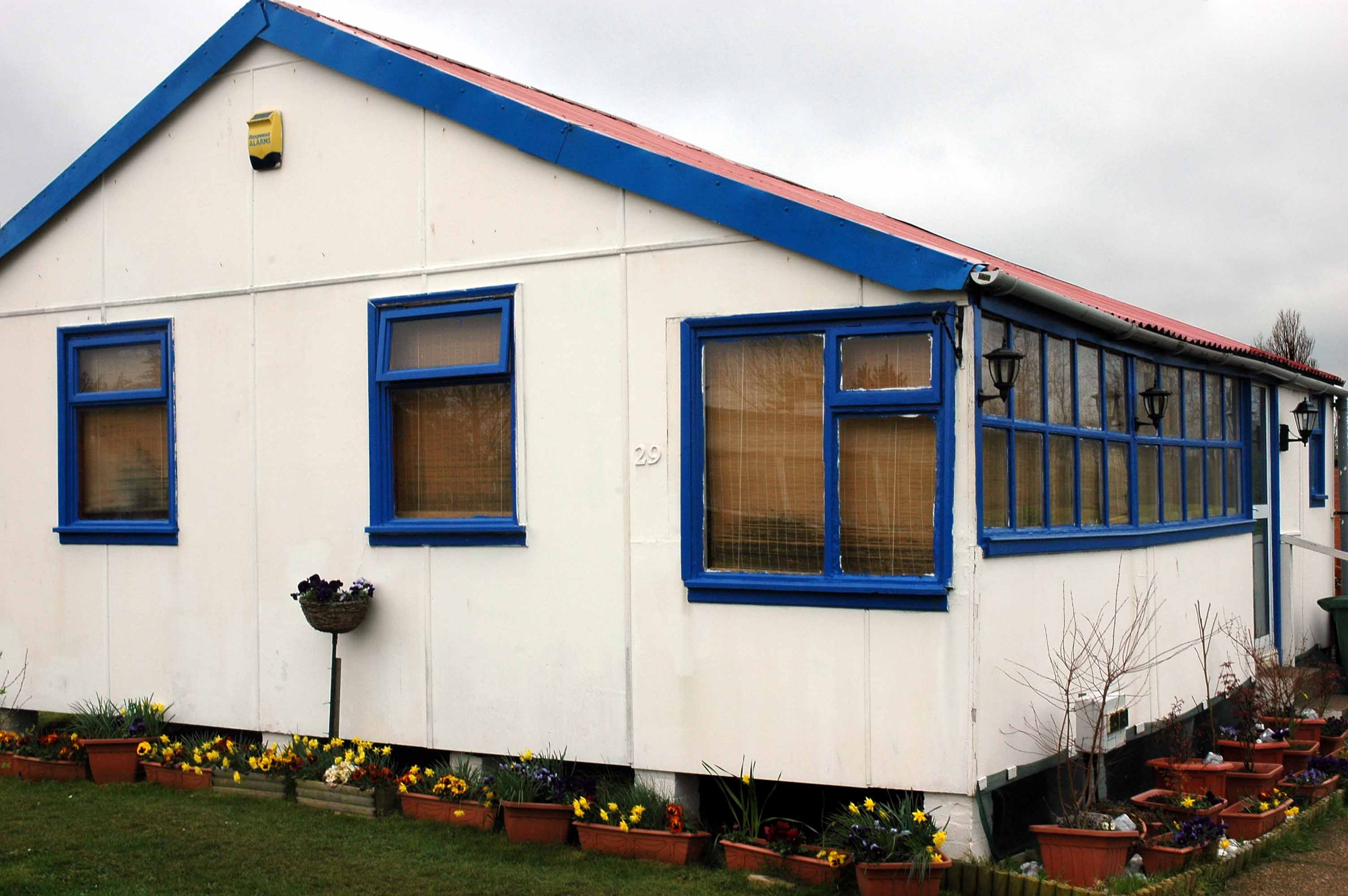
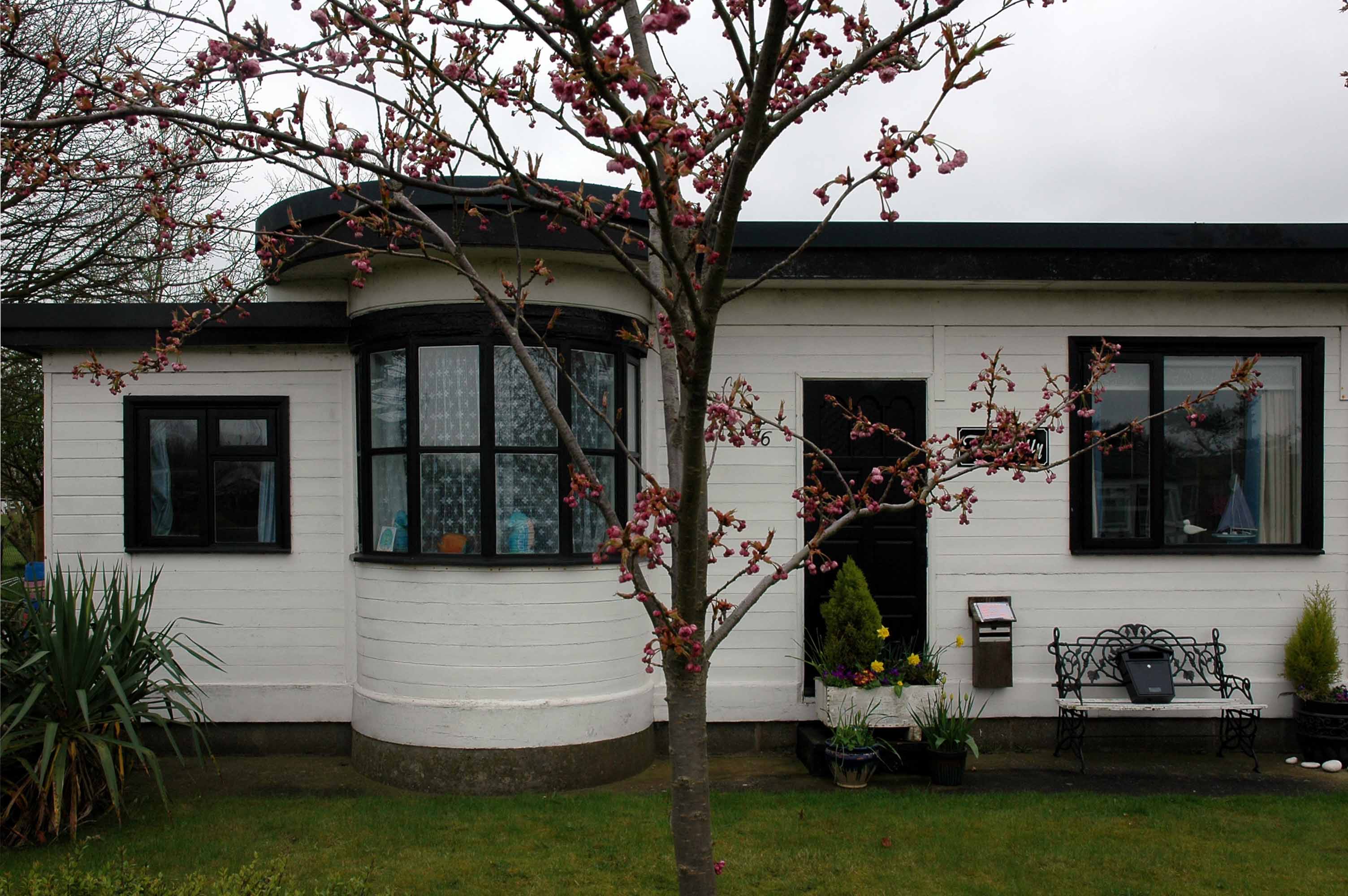
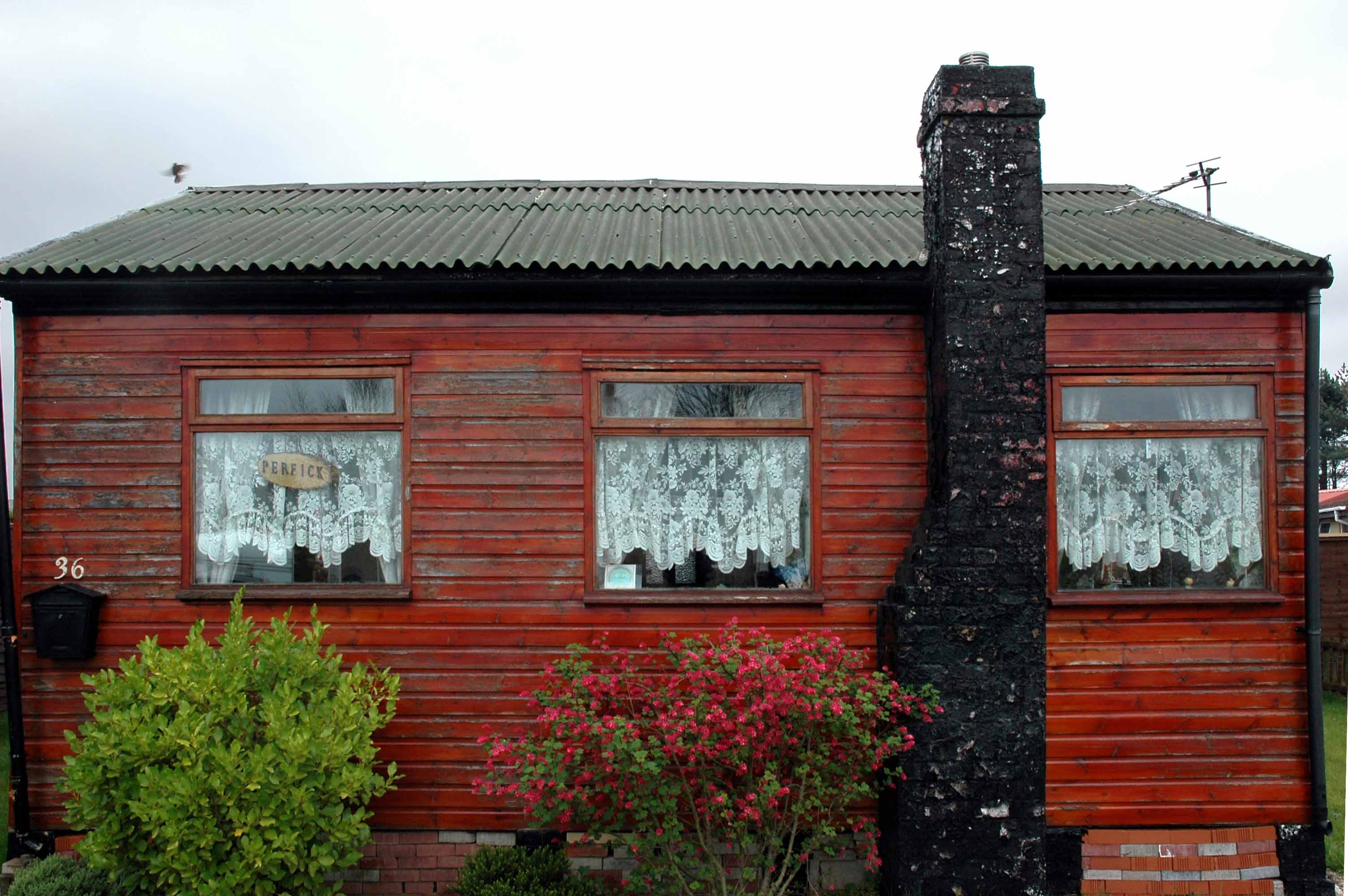
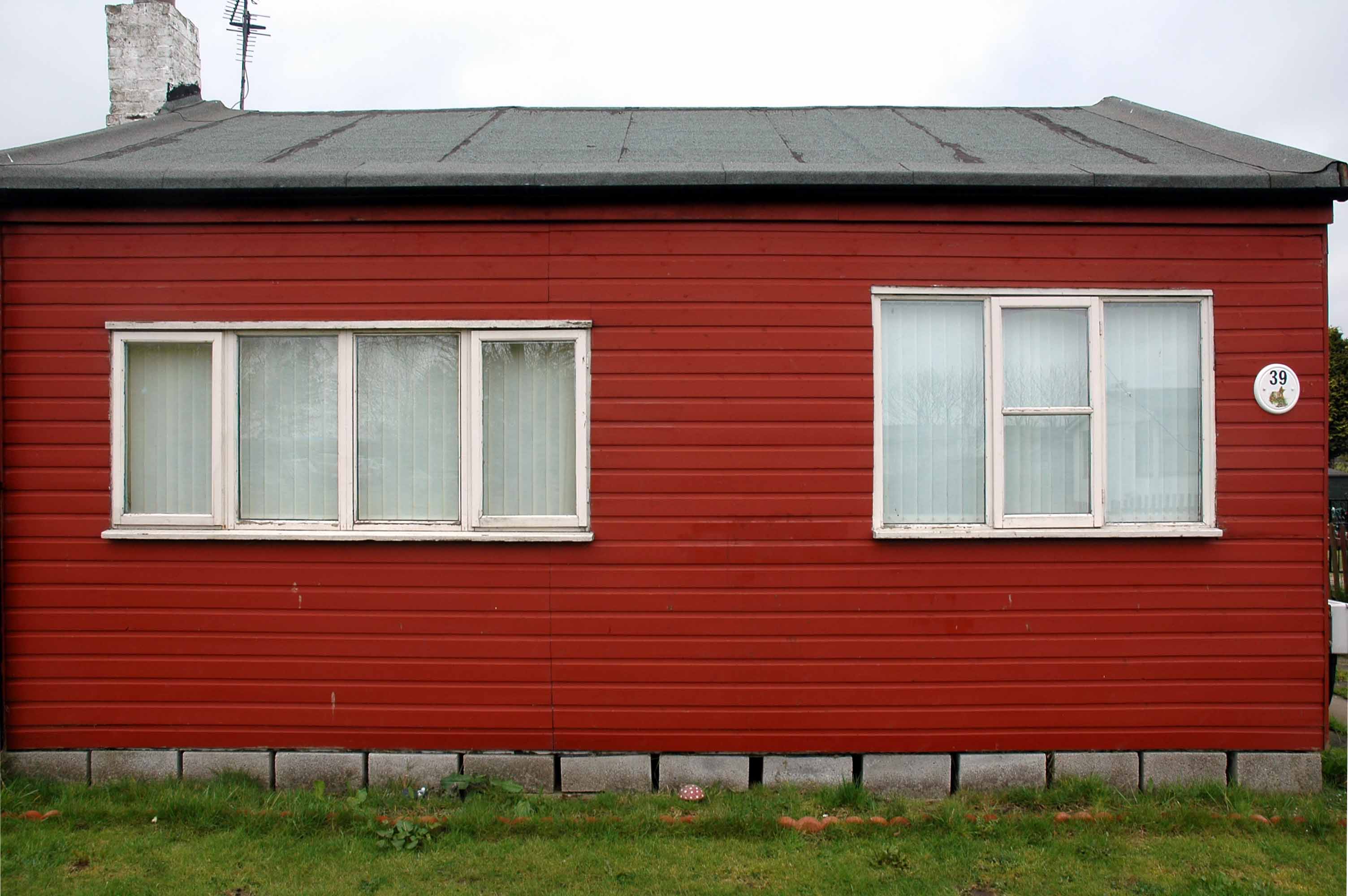
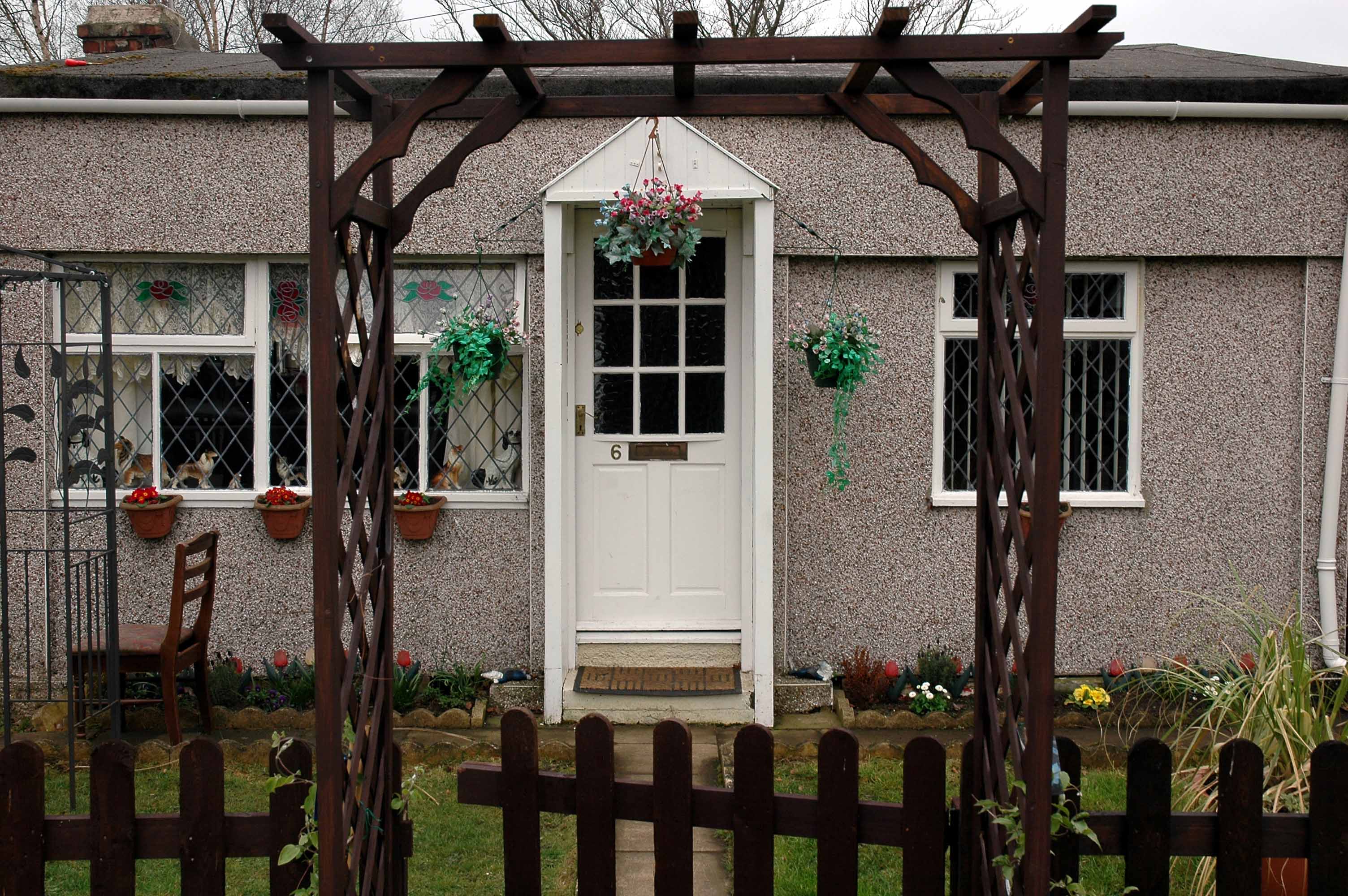
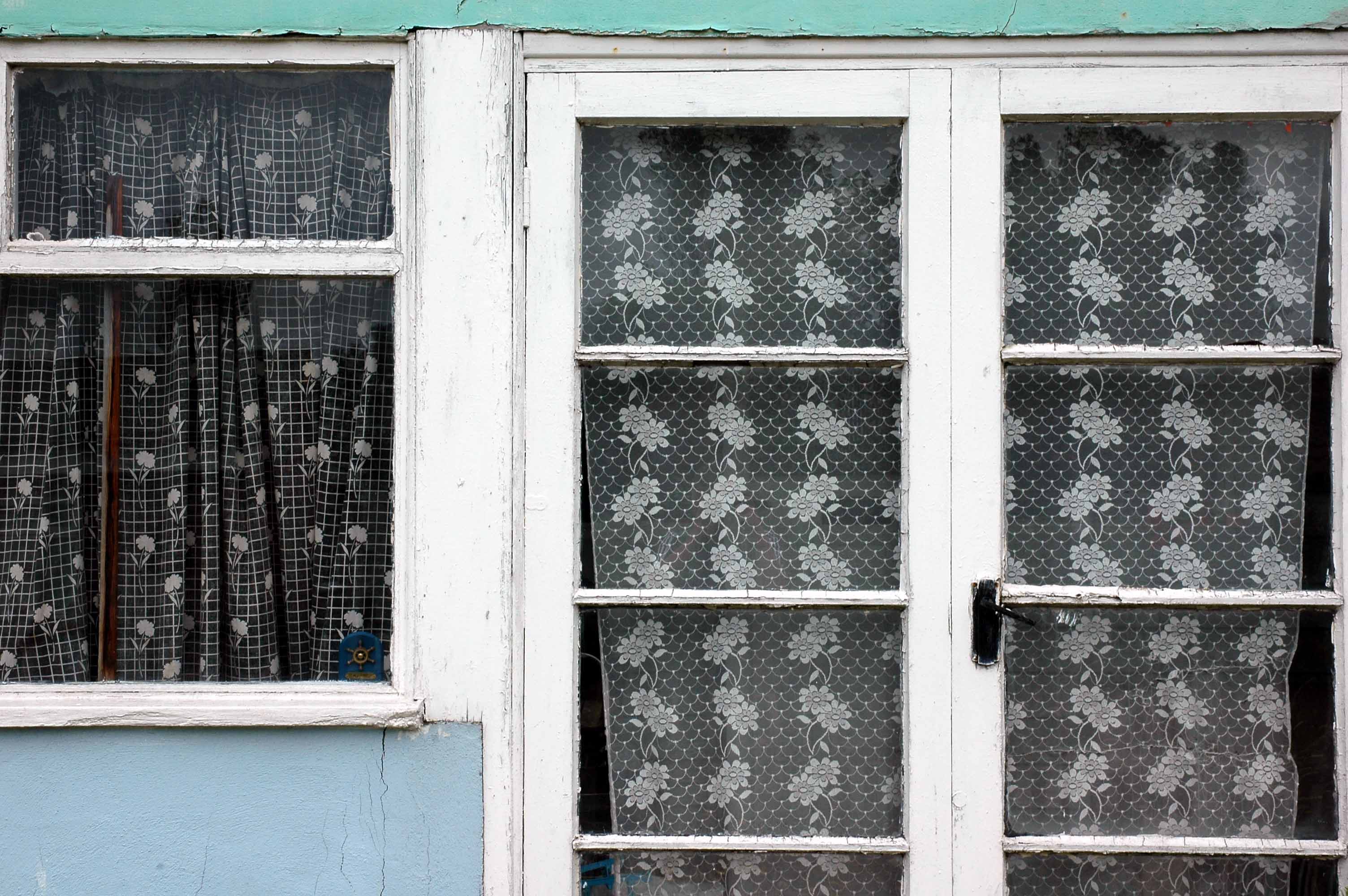
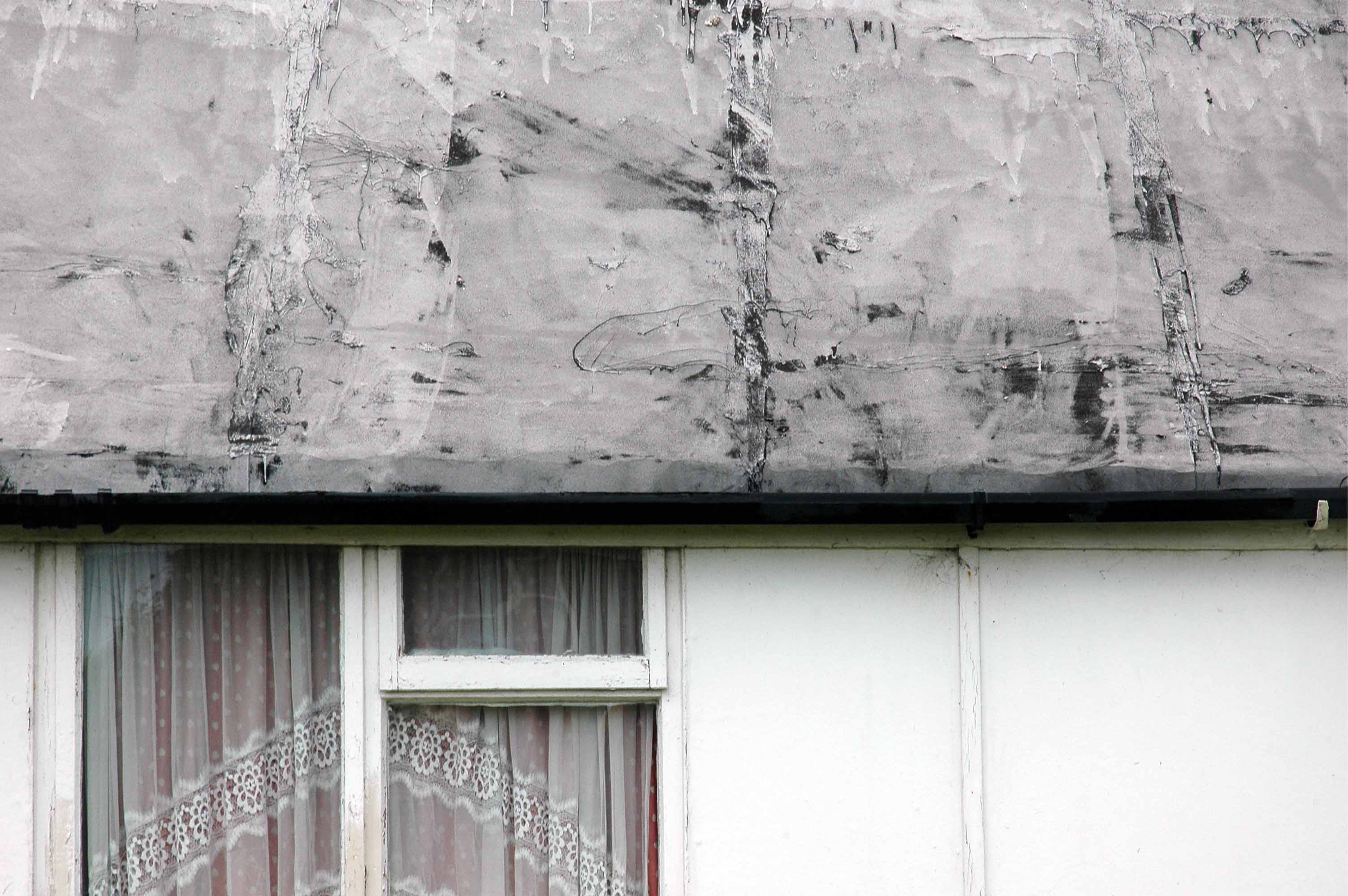
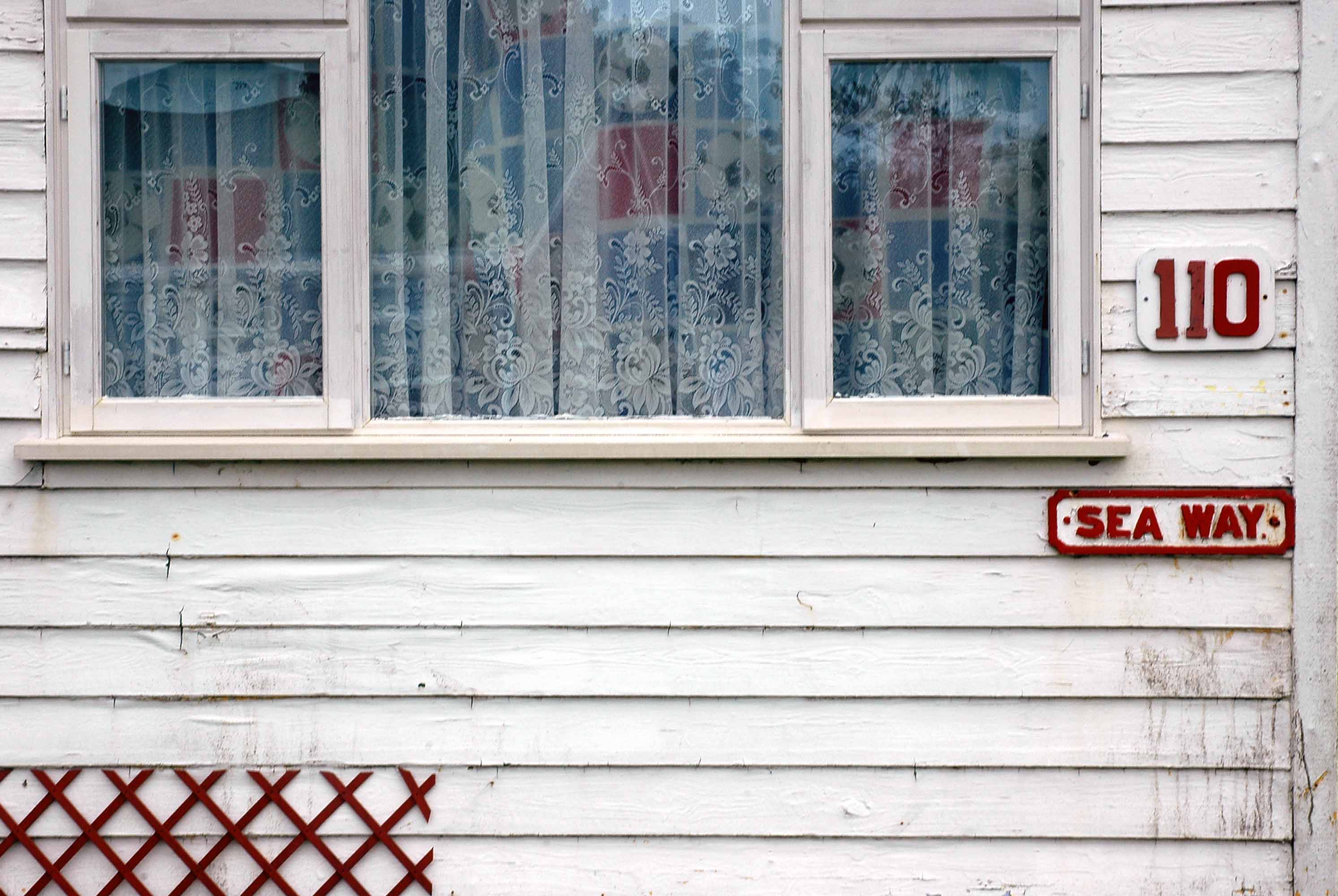
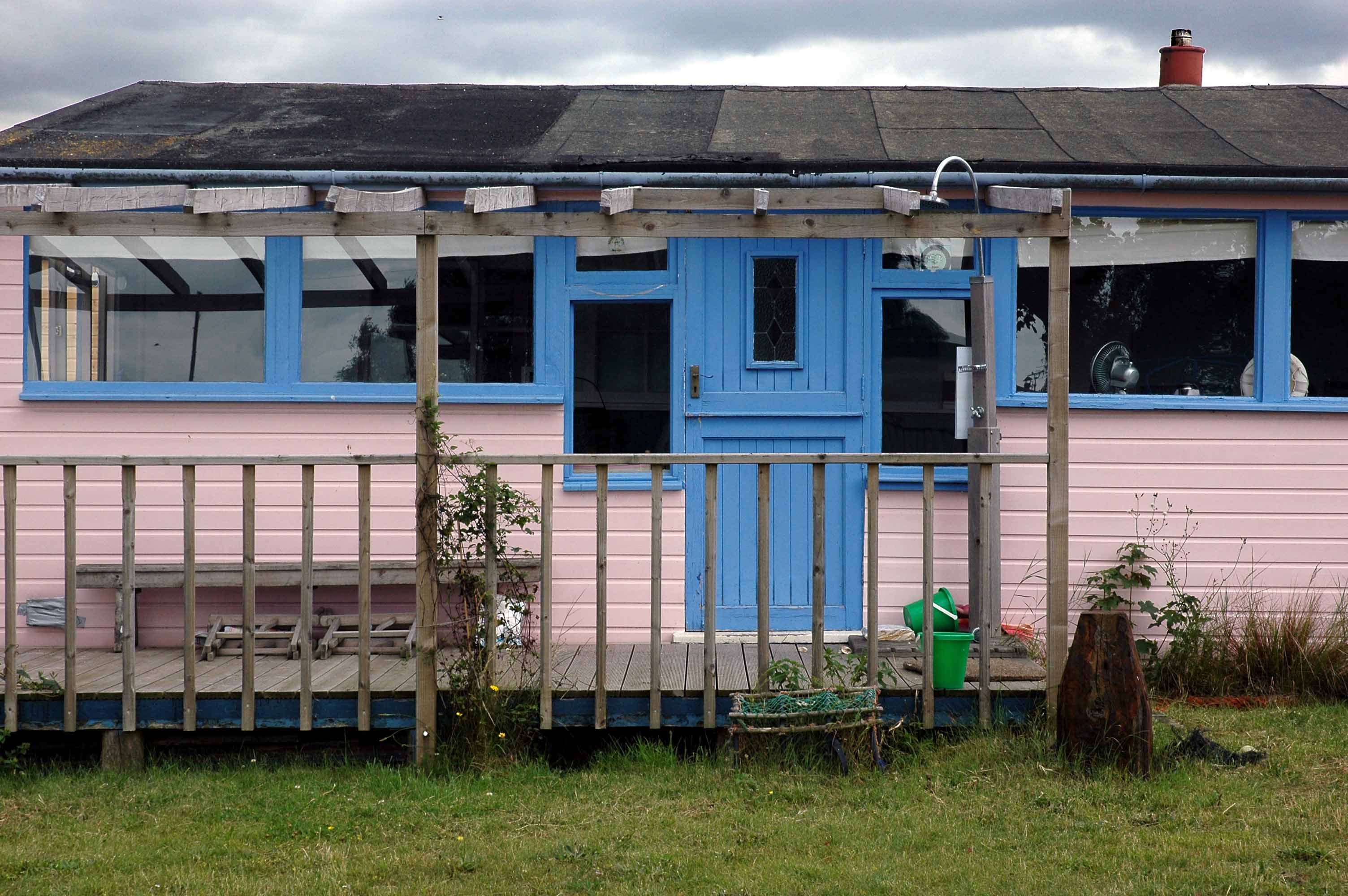
Betwixt and between the two world wars, the shortage of housing for the homeless, hopeless and dispossessed lead to an acceleration in the building of an informal architecture – the so-called Plotlands.

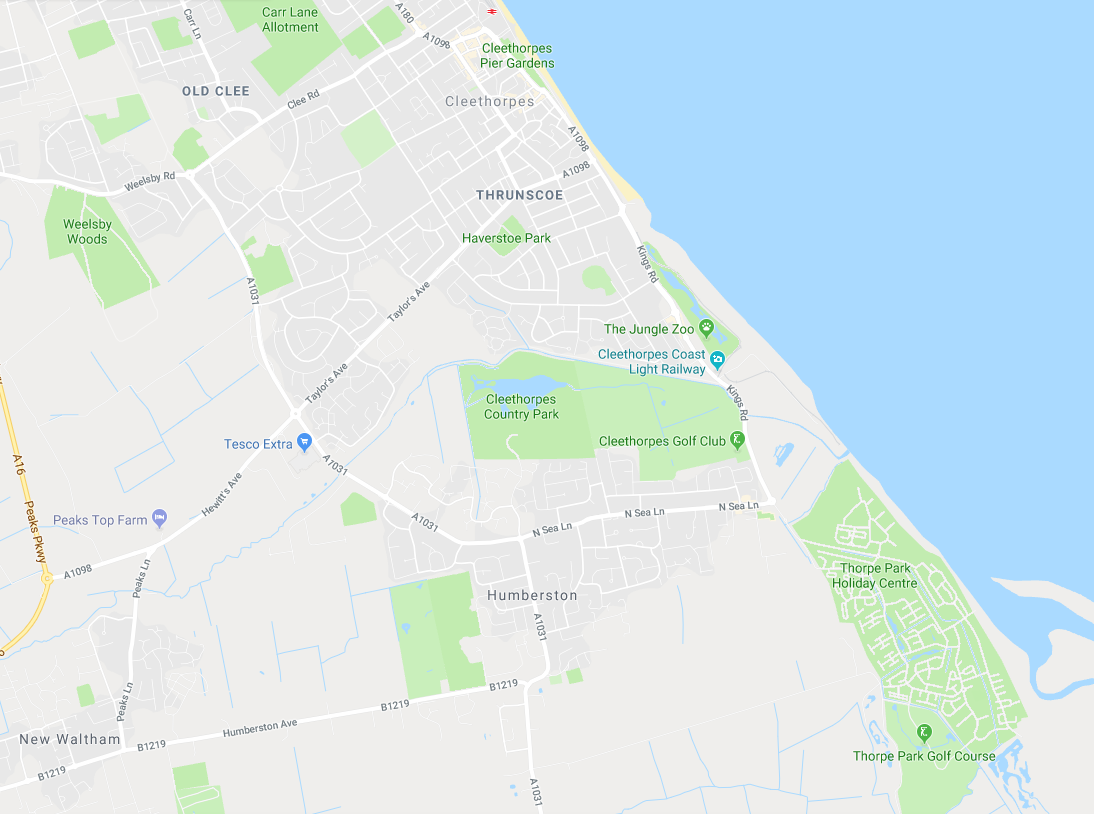
One such area and precious survivor from the last century is the Humberston Fitties – situated to south of Cleethorpes, preserved in time by the happy homesteaders.

Screen Shot 2018-03-04 at 14.47.01

Though under threat from Local Authority negligence or intervention, three hundred and twenty chalets prevail – against the incursion of planning regulations, building specs and a lack of respect.

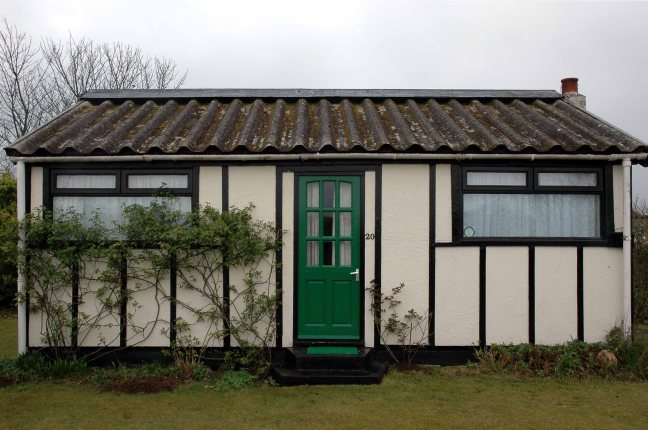
_P1090924_edited-1

I feel a real affinity for all Plotlands, having spent many summers in the converted Pagham railway carriage, belonging to my Aunty Alice and Uncle Arthur. They relocated to the south coast seeking cleaner air for Arthur’s ailing, industrialised northern lungs, thus prolonging his life.

tamarisk

Tamarisk – Pagham

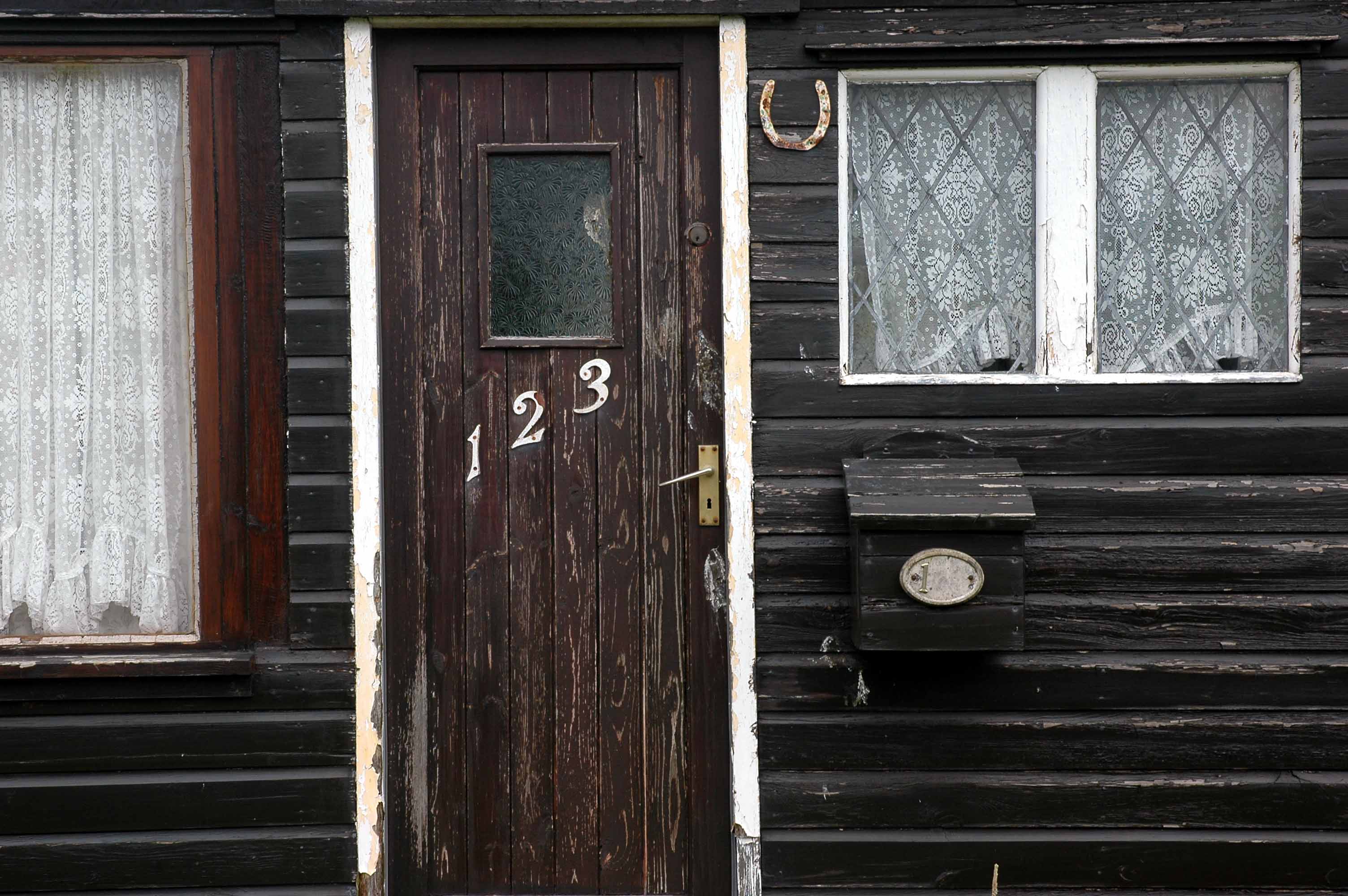
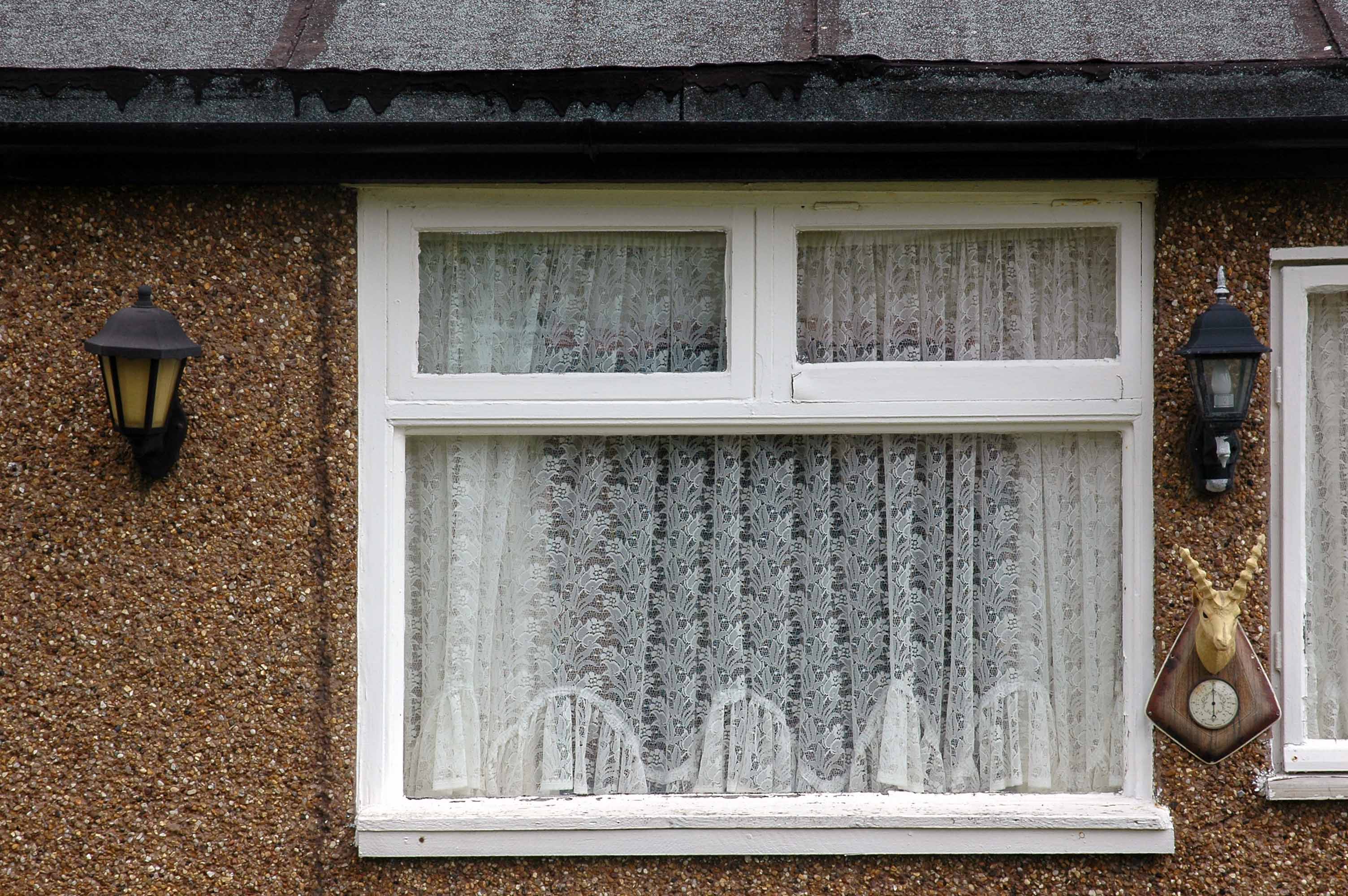
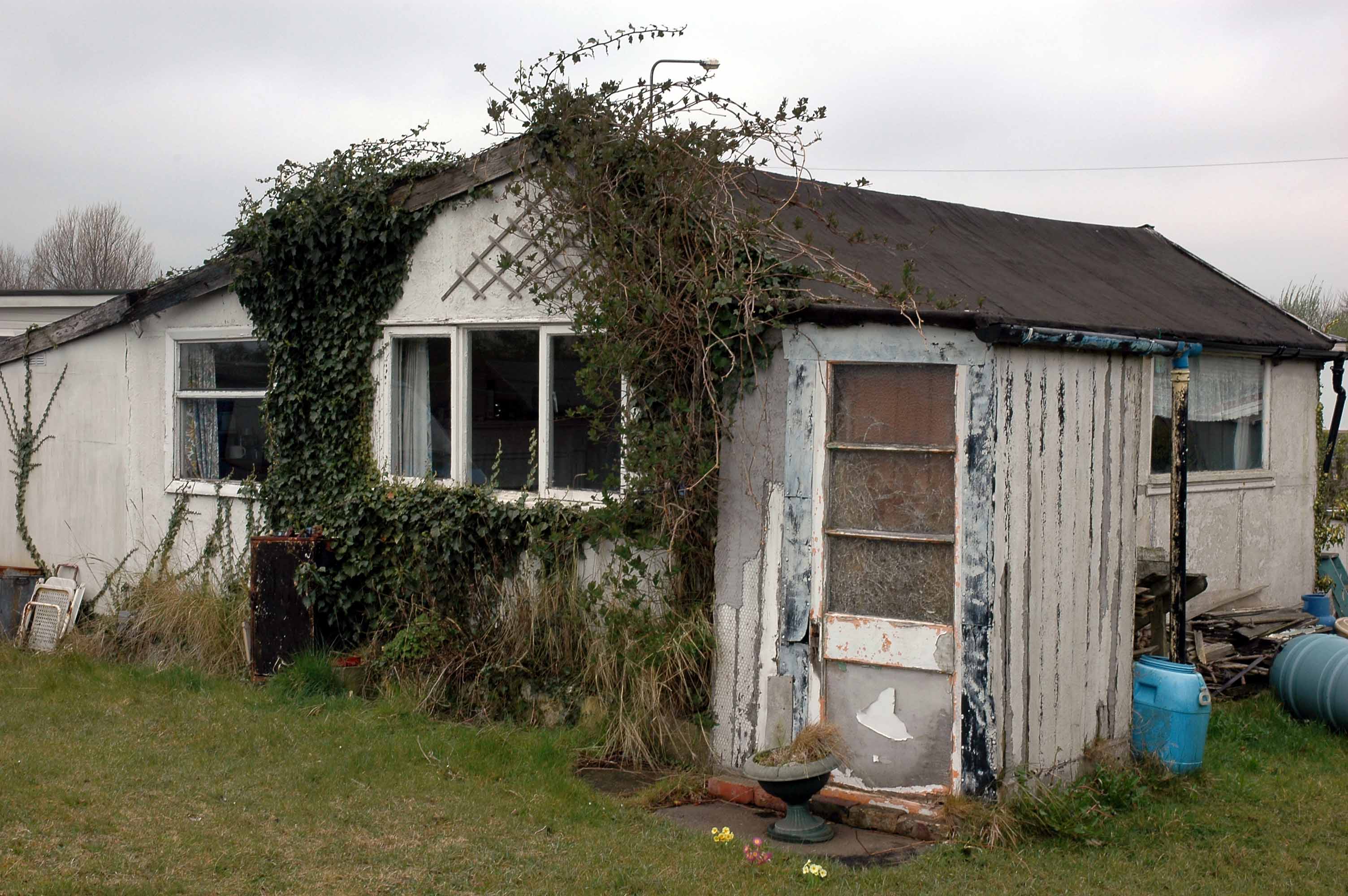
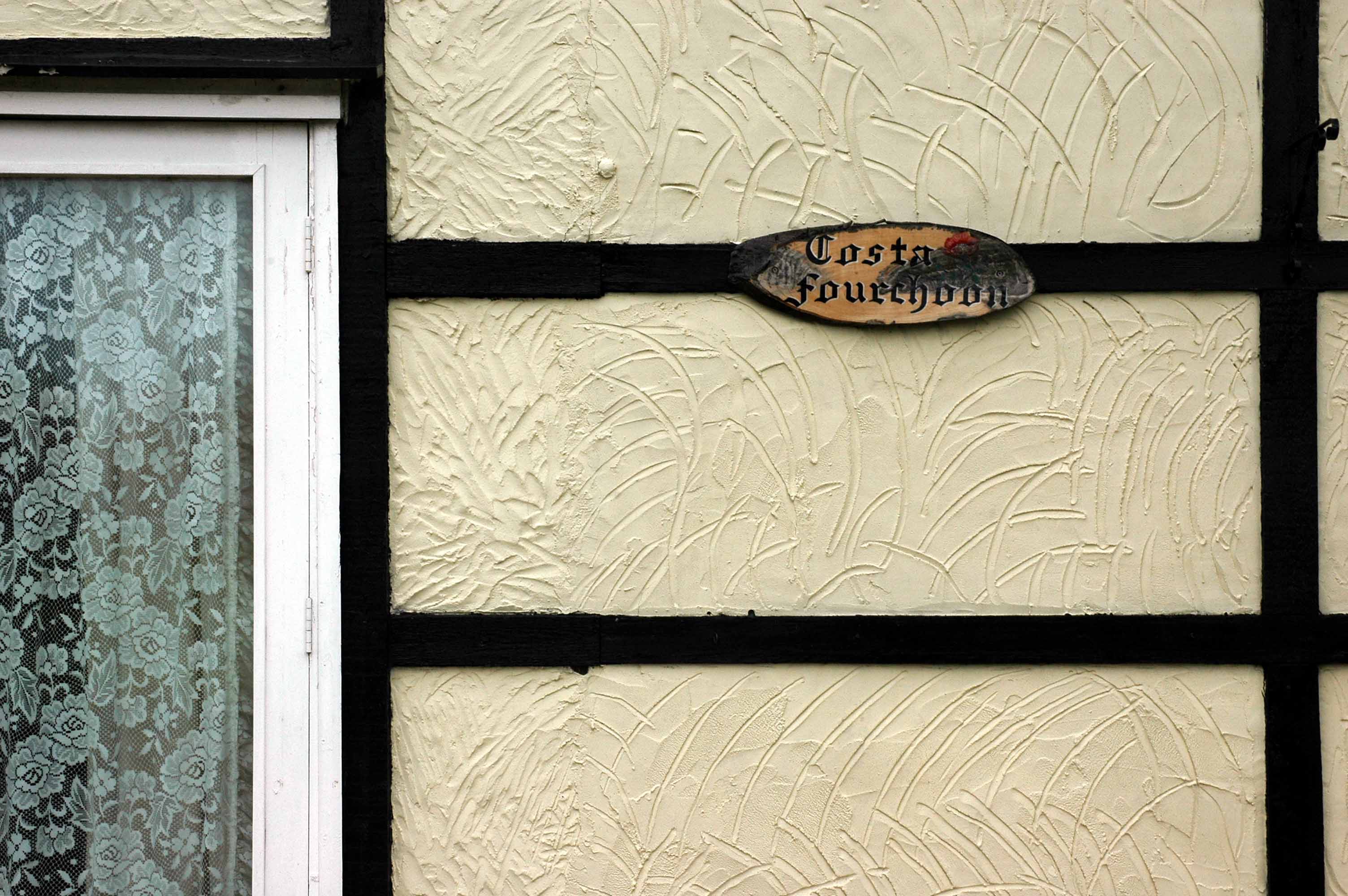
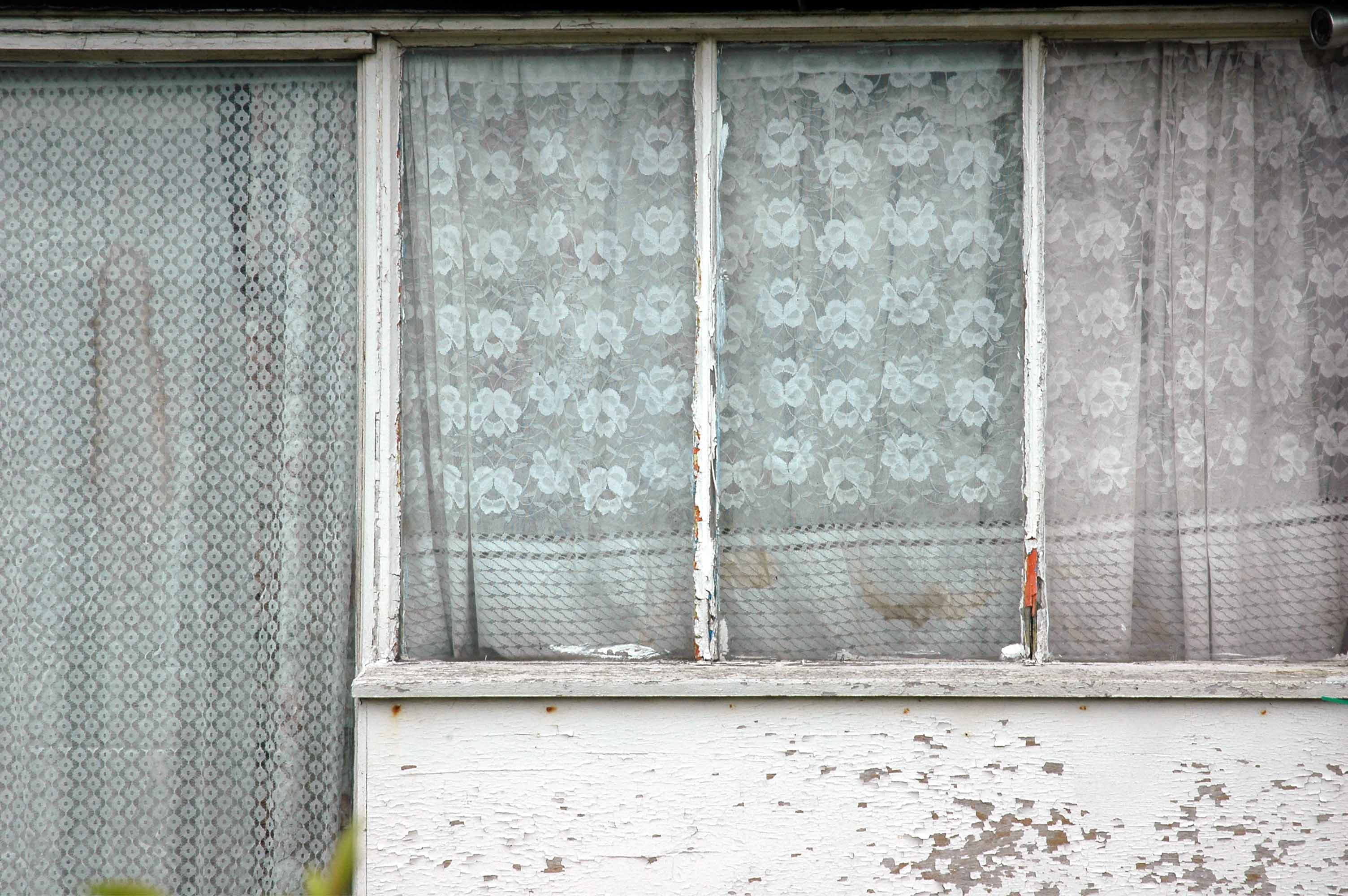
So here are the photographs I took on a visit to The Fitties in July 2008, I walked the home made roads, amazed by the vigour and variety of shape, size, personal affectation and practical pragmatism, of this all too human architecture.

This is a particular form of independent minded Modernism – hand-forged from the vernacular.

It is better to have your head in the clouds, and know where you are, than to breathe the clearer atmosphere below them, and think that you are in paradise.

Henry David Thoreau

123 copy

barometer

DSC_0003

DSC_0004

DSC_0005

DSC_0006

DSC_0007

DSC_0009

DSC_0010

DSC_0012

DSC_0013

DSC_0014

DSC_0015

DSC_0016

DSC_0017

DSC_0018

DSC_0019

DSC_0020

DSC_0021

DSC_0022

DSC_0023

DSC_0024

DSC_0025

DSC_0030

DSC_0032

DSC_0033

DSC_0035

DSC_0036

DSC_0037

DSC_0038

DSC_0040

DSC_0041

DSC_0042

DSC_0043

DSC_0044

DSC_0045

DSC_0046

DSC_0047

DSC_0048

DSC_0049

DSC_0051

DSC_0052

DSC_0054

DSC_0055

DSC_0056

DSC_0057

DSC_0058

DSC_0059

DSC_0061

nets copy

nets2 copy

roof copy

sea way copy

verandah


Strangeways #3 – Black and White World

I’ve been here for the last fifteen years on and off, snapping away, capturing something of the area’s ever changing moods, the old, the new, the borrowed and the blue.

Wading through the archives, or searching for the remains of modernity.

On this occasion I have chosen to work on black and white film – the medium conveying something timeless, at a time when things are forever changing.

Let’s take a contradictory look and walk around those familiar, unfamiliar streets of Strangeways – where colourfully clad industrial barn, collides with blackened brick and stone behemoth.

Scan 2

Scan 3

Scan 4

Scan 5

Scan 6

Scan 7

Scan 10

Scan 11

Scan 12

Scan 13

Scan 14

Scan 15

Scan 17

Scan 8

Scan 18

Scan 20

Scan 21

Scan 22

Scan 23

Scan 24

Scan 25

Eastford Square Collyhurst – Slight Return

I’ve been here before and after.

After now seems further away, forever awaiting redevelopment – waiting.

No more Flower Pot Café and a warm welcome from Lee and the lads.

P1220206 copy

Nearly nine years on – the shutters are down and nobody is home, save for the Lalley Centre – offering food, support and care to the community.

JS79308197

Though Sister Rita Lee has now move on to pastures new.

The homes and shops remain resolutely shut, un-lived in and unloved, though the City plans to re-site the resident sculpture, the residents remain absent without leaving.

P1220207 copy

P1220208 copy

P1220209 copy

P1220212 copy

P1220213 copy

P1220214 copy

P1220215 copyP1220216 copy

P1220217 copy

P1220218 copy

P1220219 copy

P1220220 copy

P1220221 copy

P1220222 copy

P1220223 copy


Strangeways Manchester #2

Way back in the Twentieth Century – Cheetwood Industrial Estate was built.

The future was functionalist flat-roofed, concrete, steel and brick boxes.

Adorned with the flowing scripts and signage of the multi-nationals, nationals and local companies, intent upon rendering corporeal the post-war optimism, attendant full-employment and the buoyant business of business.

Fast forward to the future – the roofs have been pitched up, the windows bricked up or shuttered or both, walls encased in sad cladding.

The semi-permanent signage replaced with terminally temporary vinyl.

Joe Sunlight’s neo-classical pediments have been painted a funny colour.

P1000135 copy

P1000157 copy

P1000217 copy

P1000218 copy

P1000223 copy

P1000229 copy

P1000231 copy

P1000234 copy

P1000235 copy

P1000252 copy

P1000255 copy

P1190103 copy

P1190104 copy

P1190106 copy

P1190111 copy

P1190112 copy

P1190114 copy

P1190117 copy

P1190385 copy

P1190387 copy

P1190388 copy

P1190391 copy

P1190398 copy


Strangeways Manchester #1

Strangeways?

– How strange.

The Strangeways family themselves are certainly recorded in antiquity at the site, although the name appears differently over time; Strongways in 1306, Strangewayes in 1349 and Strangwishe in 1473. In the late 1500s in records at Manchester Cathedral the surname is spelt Strangwaies.

My thanks to Thomas McGrath for his – Long Lost Histories: Strangeways Hall, Manchester

Before panopticon prisons entered the public imagination, and incarceration was the order of the day for the disorderly, it was all fields around here – with the odd house or baronial hall.

Screen Shot 2018-02-04 at 15.08.30

Swire’s map of 1824

Strange days, over time the prison is built, the assizes appears and disappears and tight groups of tired houses cluster around the incipient industry. The fiefdom’s of old become tie and tithe to successions of industrial plutocrats.

webmedia.php copy

webmedia.php

Broughton Street 1910Photograph J Jackson

Screen Shot 2018-02-04 at 15.10.54

Kelly’s map of 1920

The area becomes the centre of the city’s rag trade, a large Jewish Community, the largest outside of London, grows up around Strangeways, Cheetwood and Cheetham Hill – houses, mills, wholesale, retail, warehouse, ice palace, beer-house, brewery. The area is home to several of Joe Sunlight’s inter-war industrial developments – his Jewish family were named Schimschlavitch, his father a cotton merchant. The family emigrated to England in 1890 and settled in Manchester.

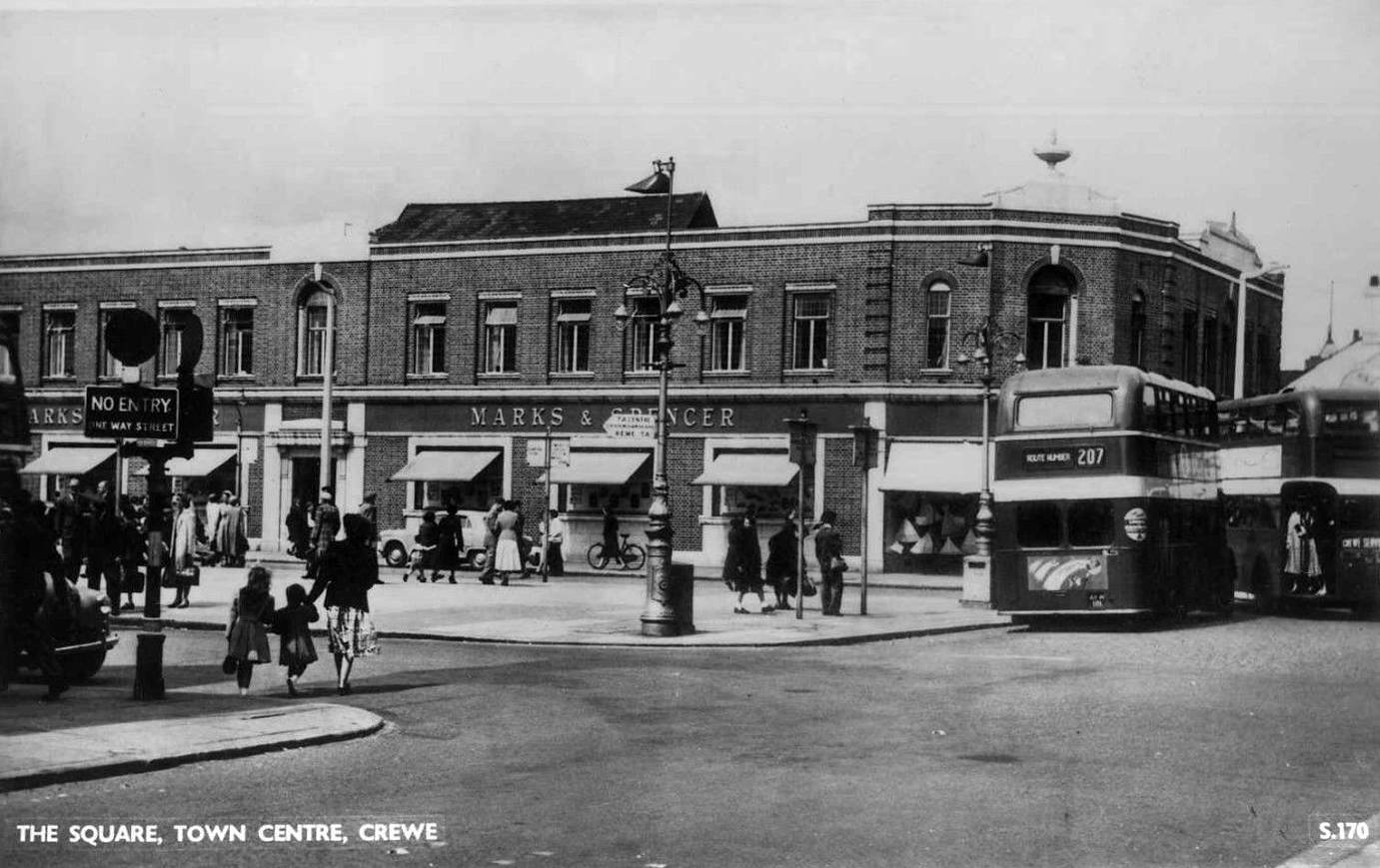
So much for Joe Soap – the area was also the location for local lads, Karl Marx, and Marks & Spencer.

v0_medium

Derby Street 1901 – 1924

Further developments took place with the building of the Cheetwood Industrial Estate – a postwar group of flat-rooved, blocky brick and concrete utilitarian units.

So let’s take a look at the ever so strange streets of Strangeways, in that period of change during the latter part of the Twentieth Century, when manufacturing, retail, repair and distribution were almost, just about to disappear in a puff of globalisation, economic depression and Thatcherism. Where Jack and Jill the lads and lasses, traded, ducked, dived, wheeler dealed from Cortinas, Transits and low milage, one owner, luxuriously leather-seated and walnut-dashed Jags. A vanishing or vanished world, where however briefly – Manchester went architecturally mod.
webmedia-1.php

webmedia-7.php

webmedia.php

Bent Street

webmedia-4.php

webmedia-6.php

webmedia-7.php

webmedia-9.php

webmedia-13.php

Broughton Street

webmedia-1.php

webmedia.php

Carnarvon Street

webmedia-1.php

webmedia-2.php

webmedia.php

Chatley Street

webmedia-5.php

webmedia-9.php

webmedia-10.php

webmedia-4.php

Cheetwood Street

webmedia-3.php

webmedia-5.php

webmedia-8.php

webmedia-9.php copy

webmedia-11.php

webmedia-12.php

webmedia-18.php

Derby Street

webmedia-1.php

webmedia-2.php

webmedia.php

Julia Street

webmedia-1.php

webmedia-2.php

webmedia-3.php

webmedia-5.php

webmedia-6.php

webmedia-8.php

webmedia.php

Knowsely Street

webmedia.php

webmedia-8.php

webmedia-5.php

webmedia-3.php

Sherbourne Street

webmedia.php

Stocks Street

All archival photographs from the Manchester Local Images Collection


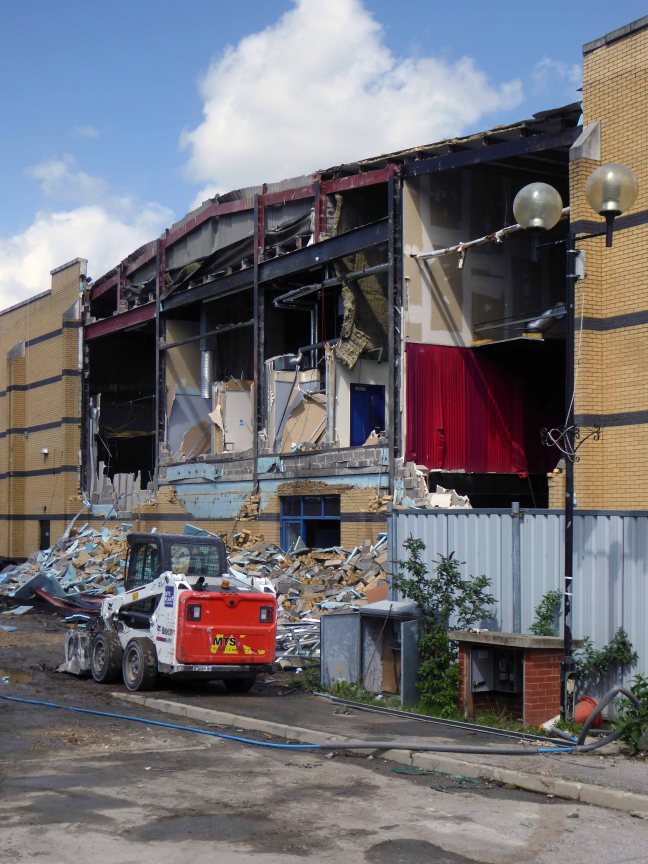
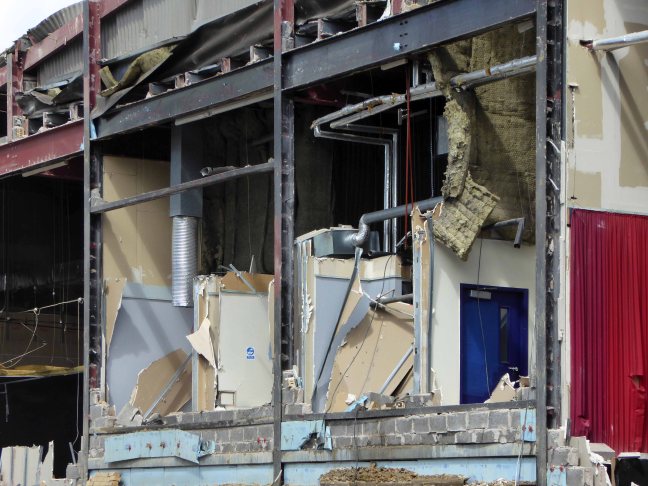
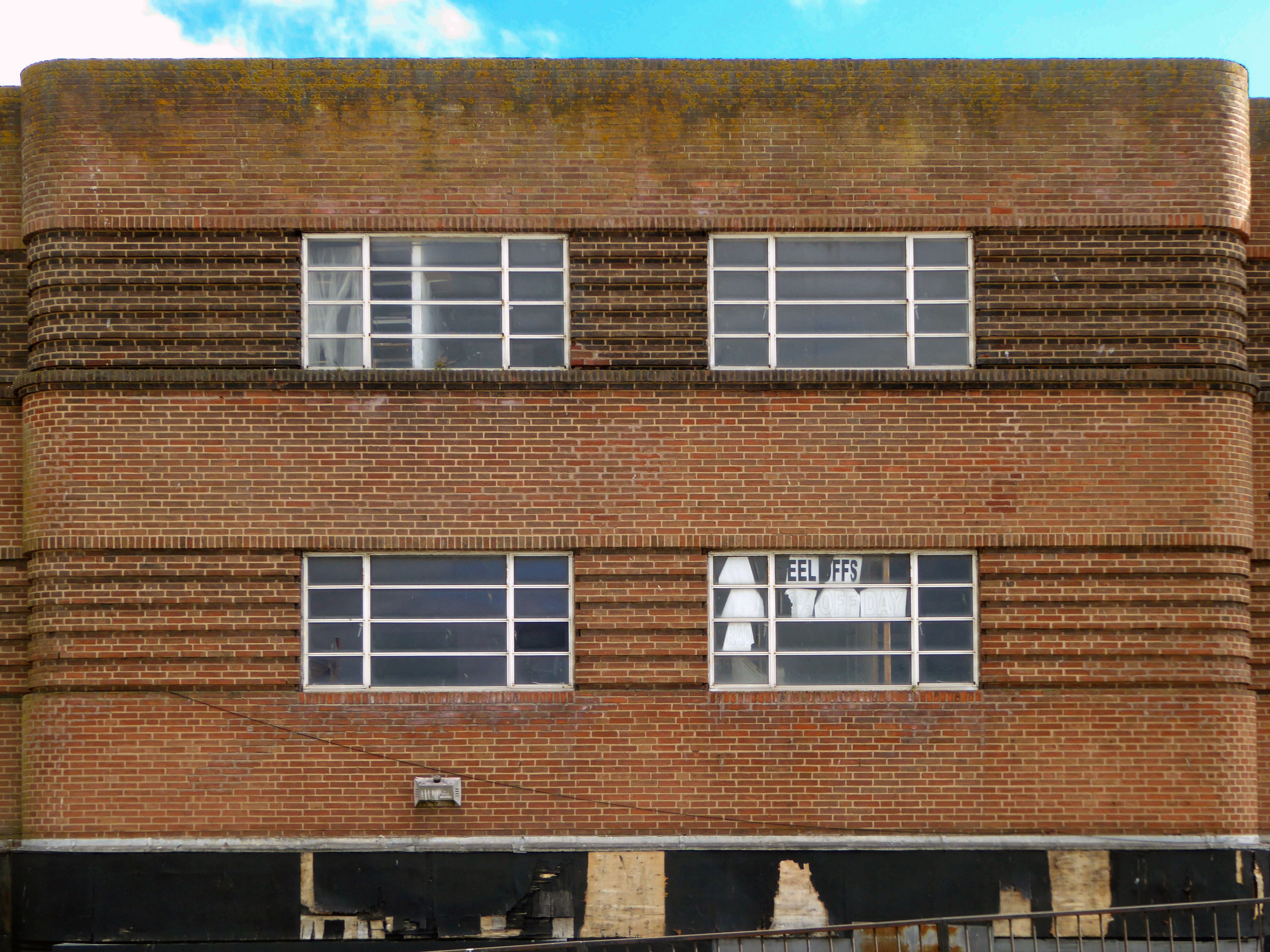
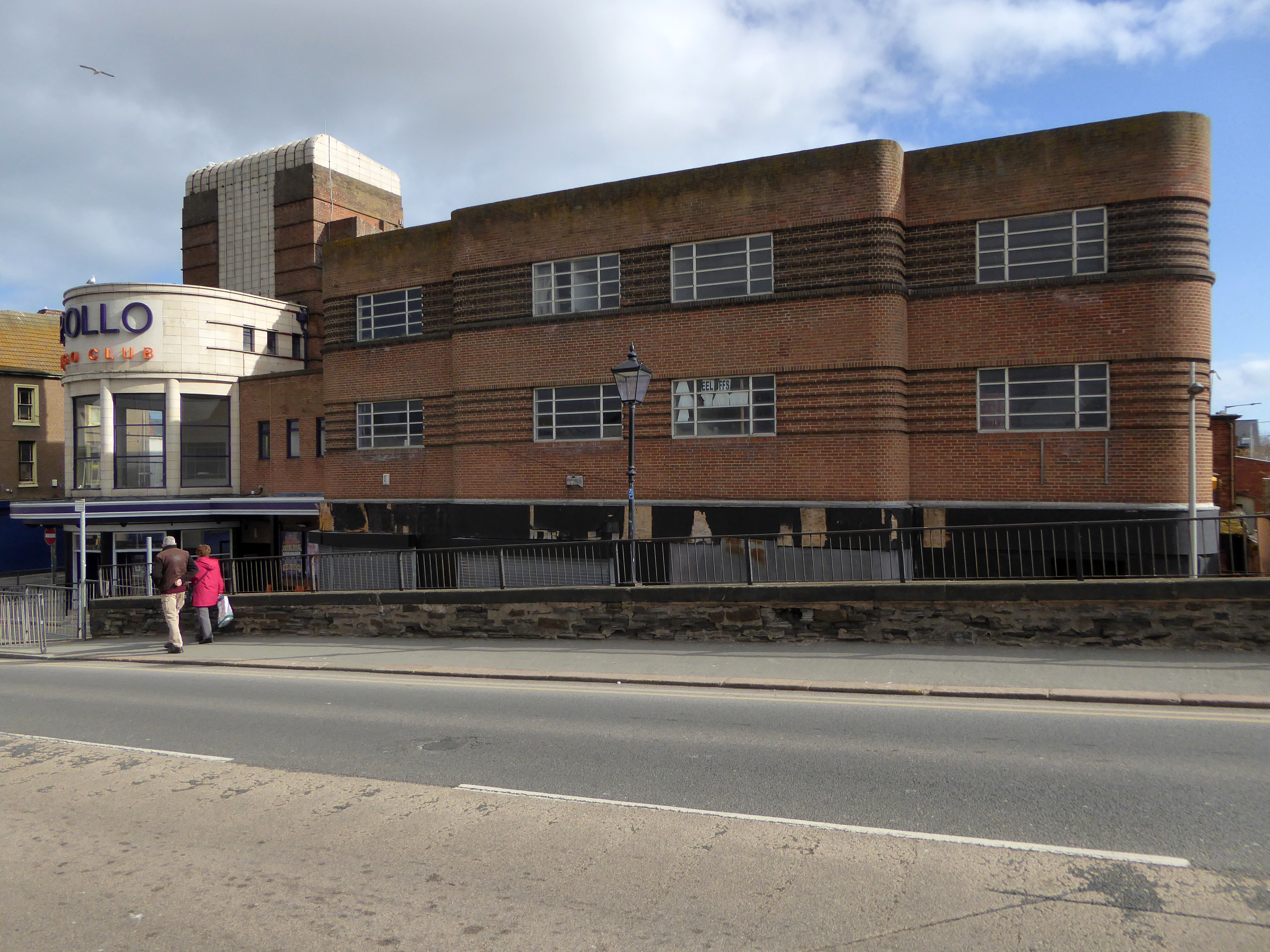
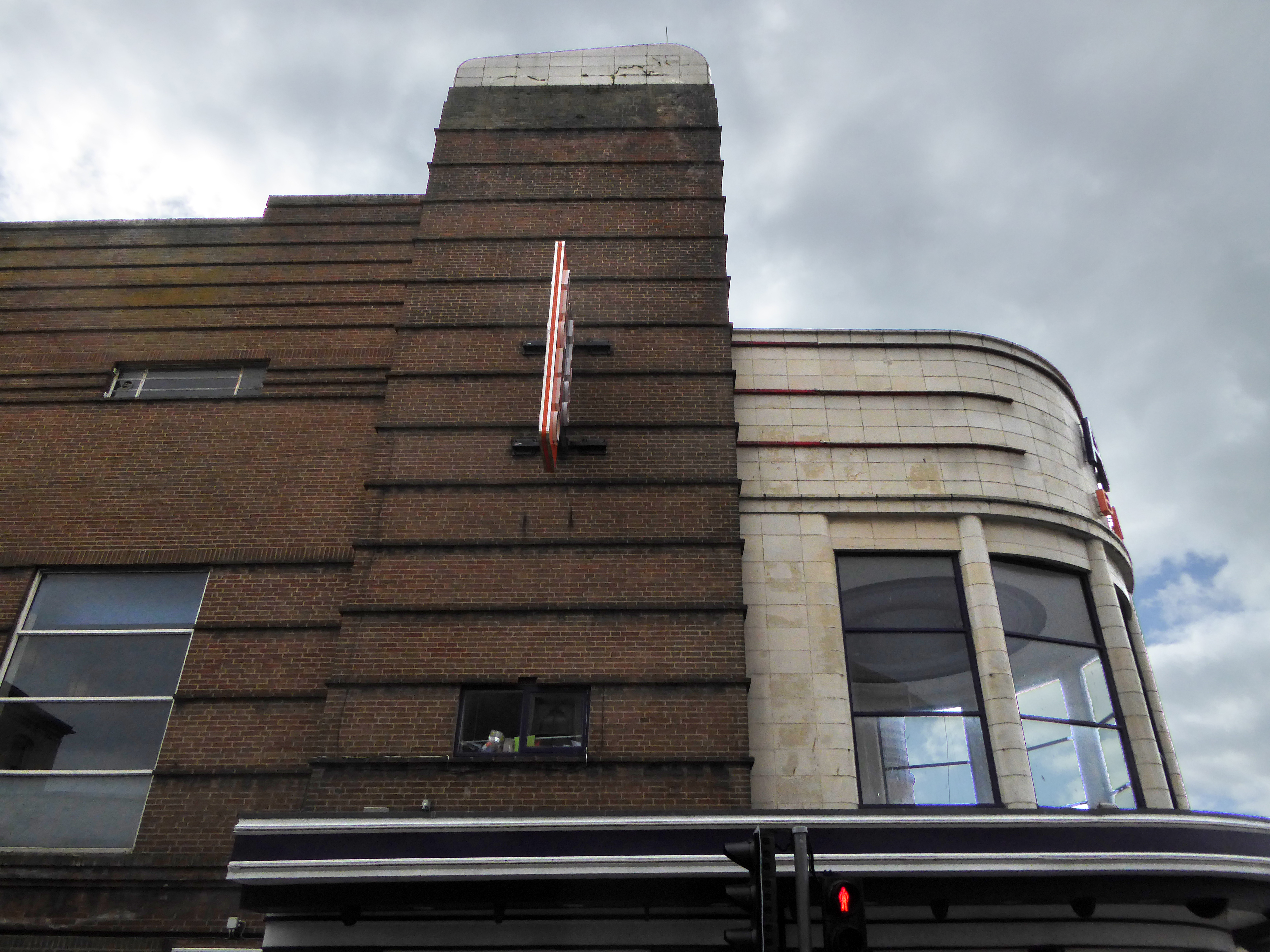
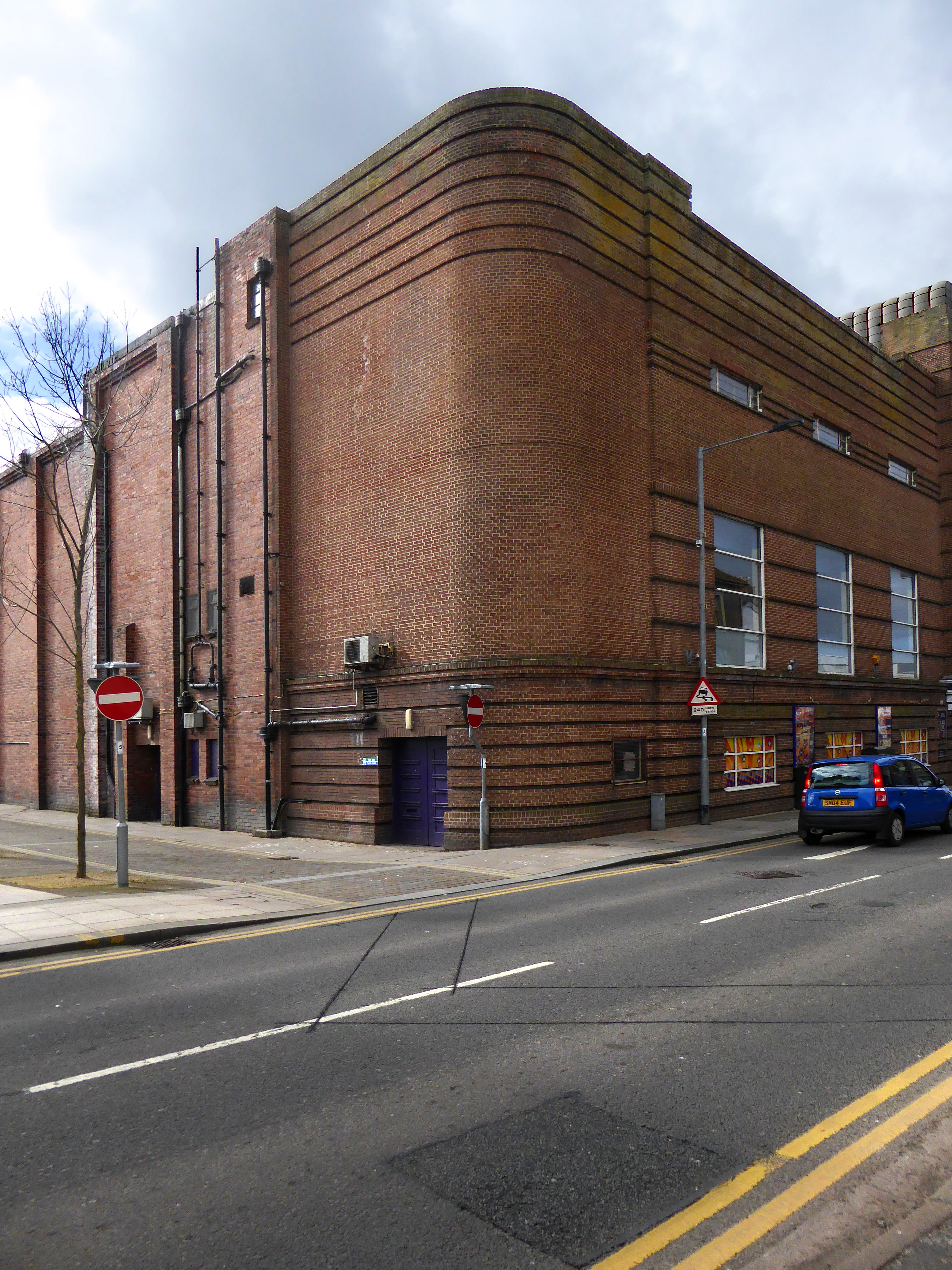
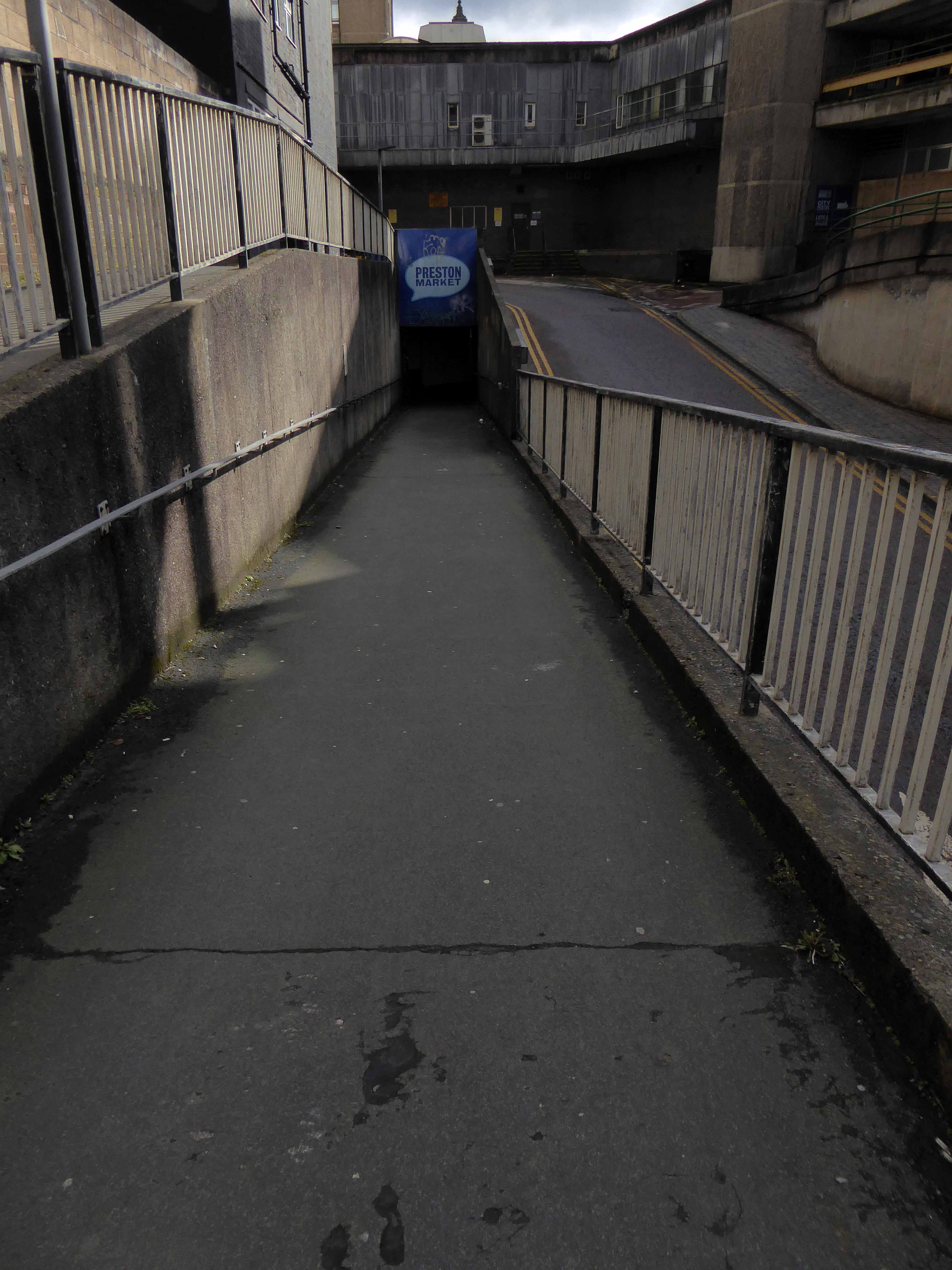
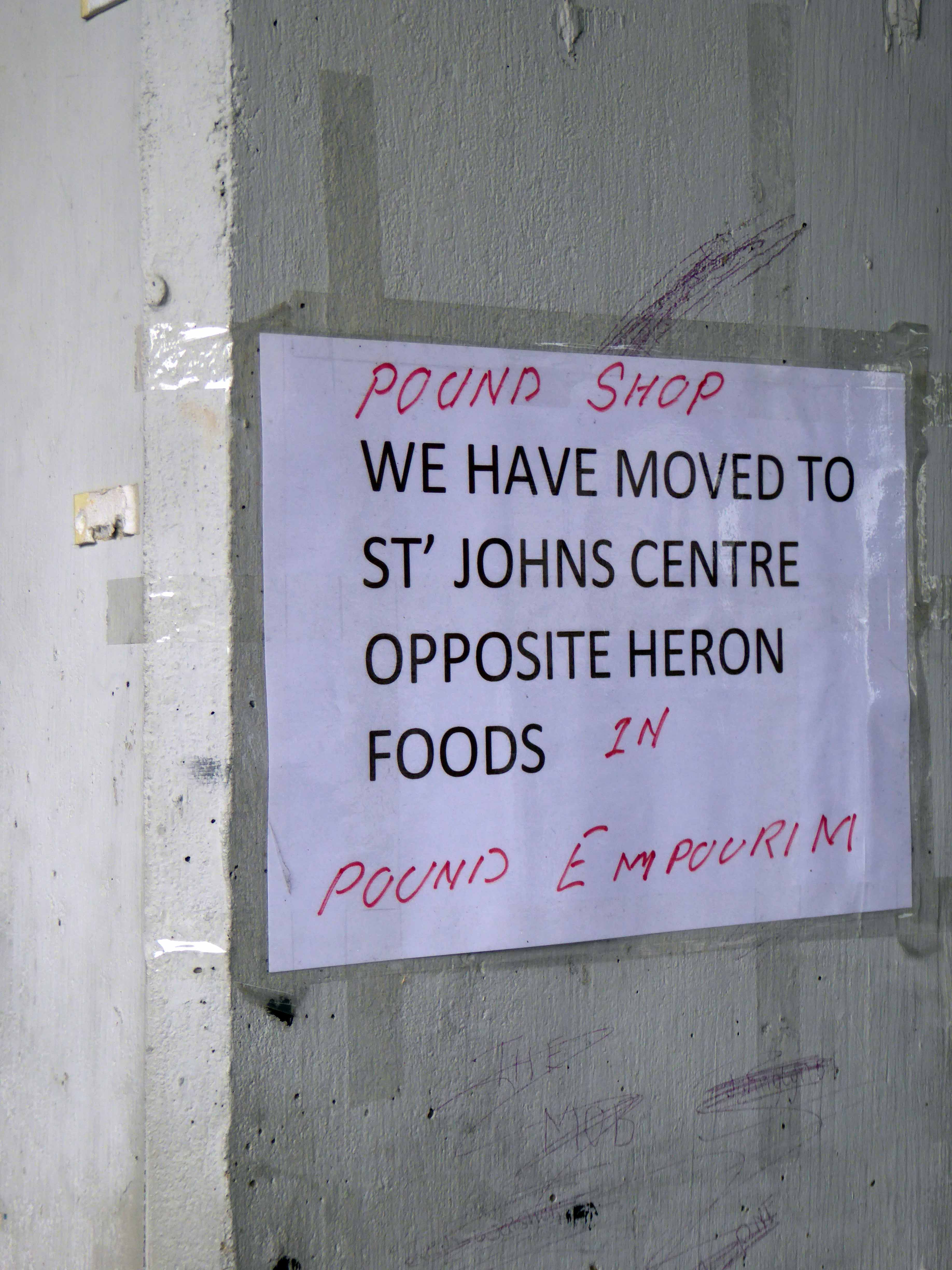
Preston Indoor Market

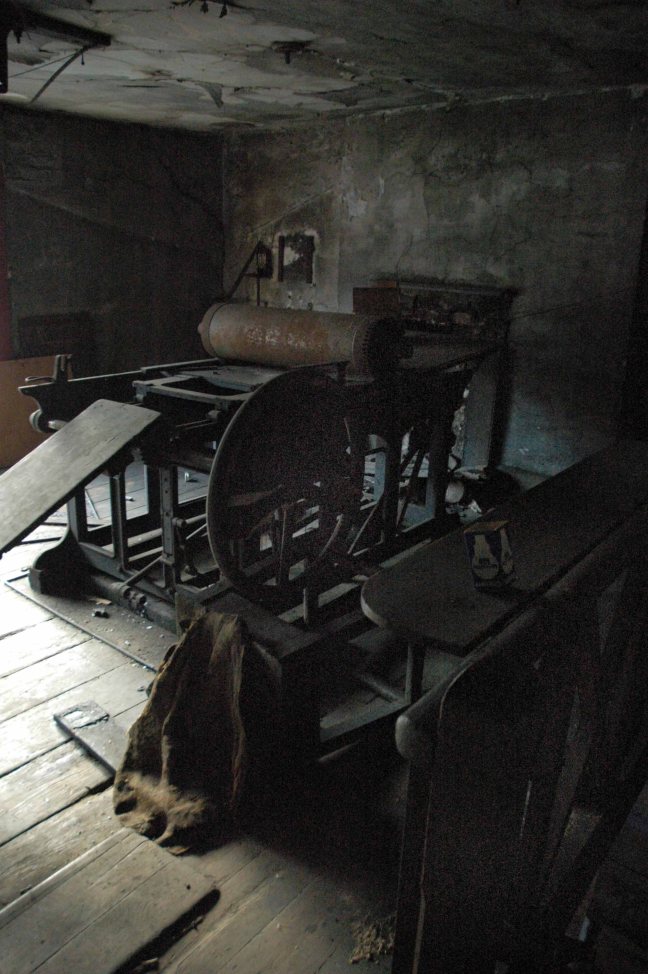
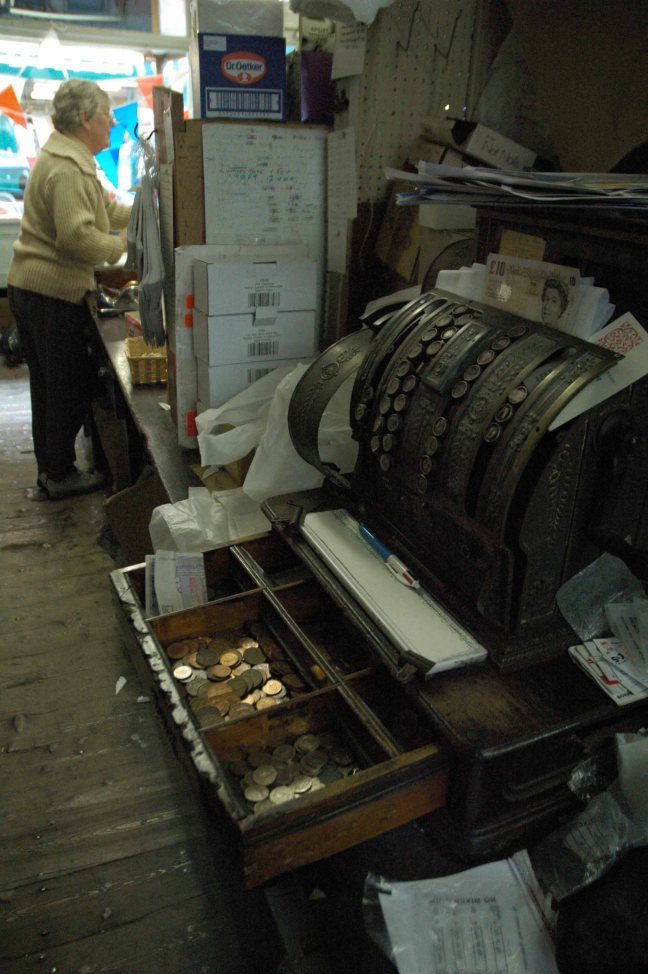
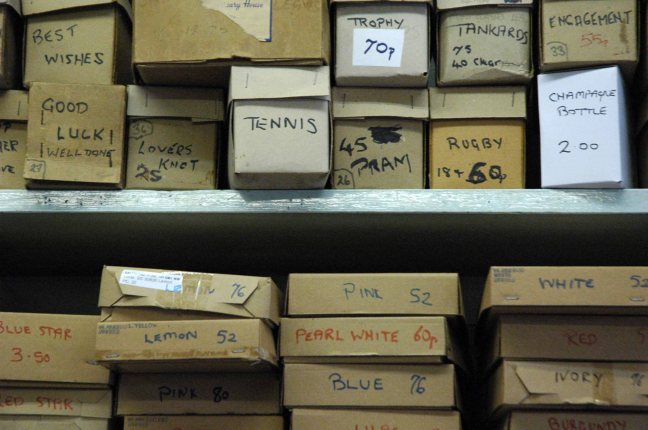
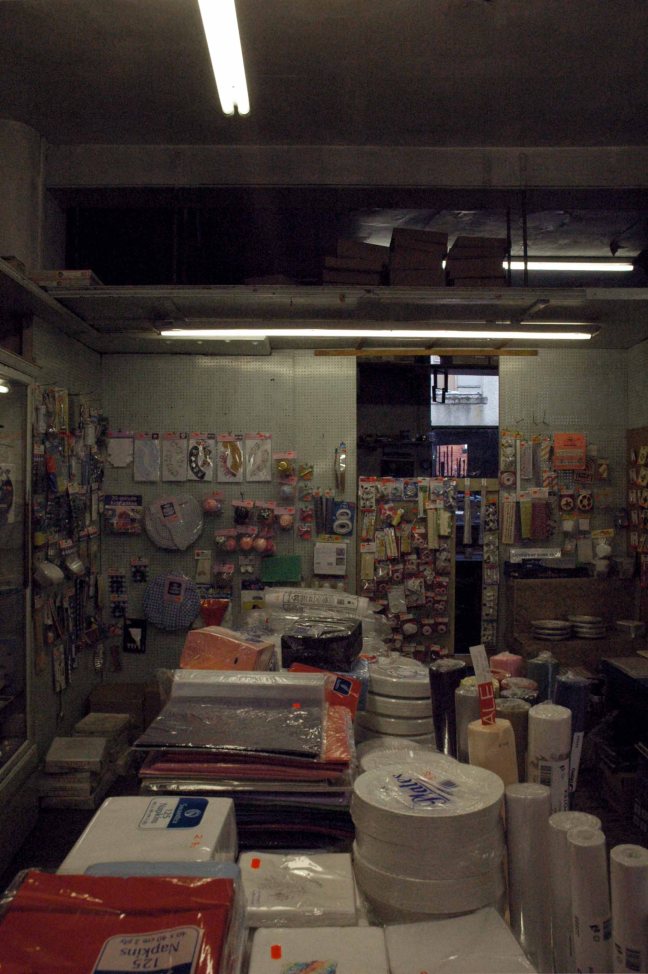
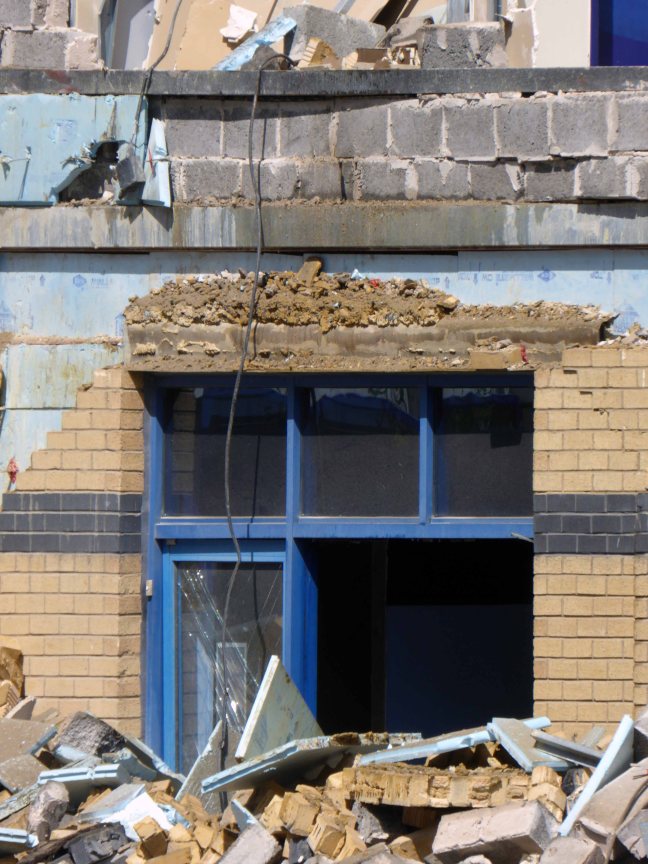
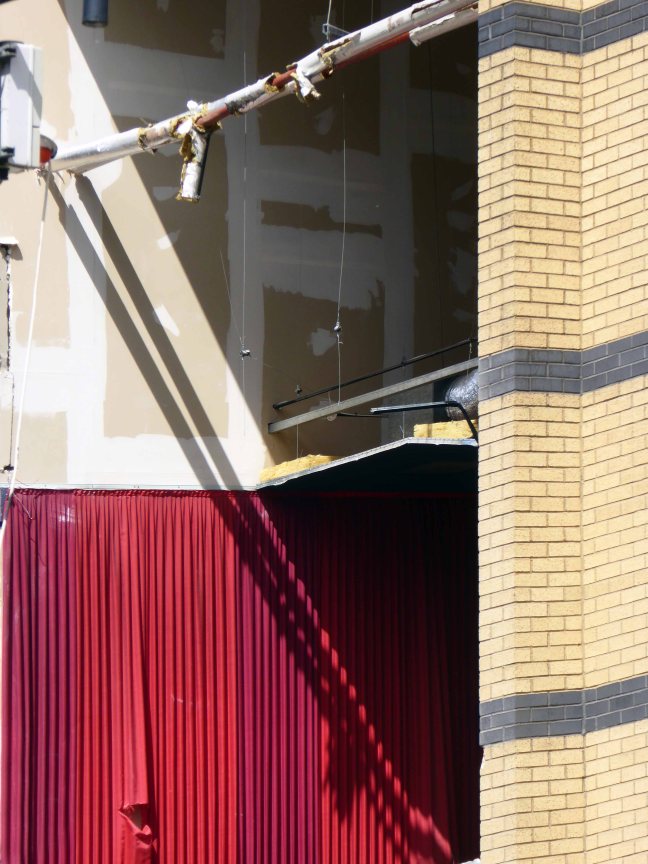
Built in 1973 scheduled to be closed and demolished in ten days time.
The future is not so red rosey for yet another traditional local market.

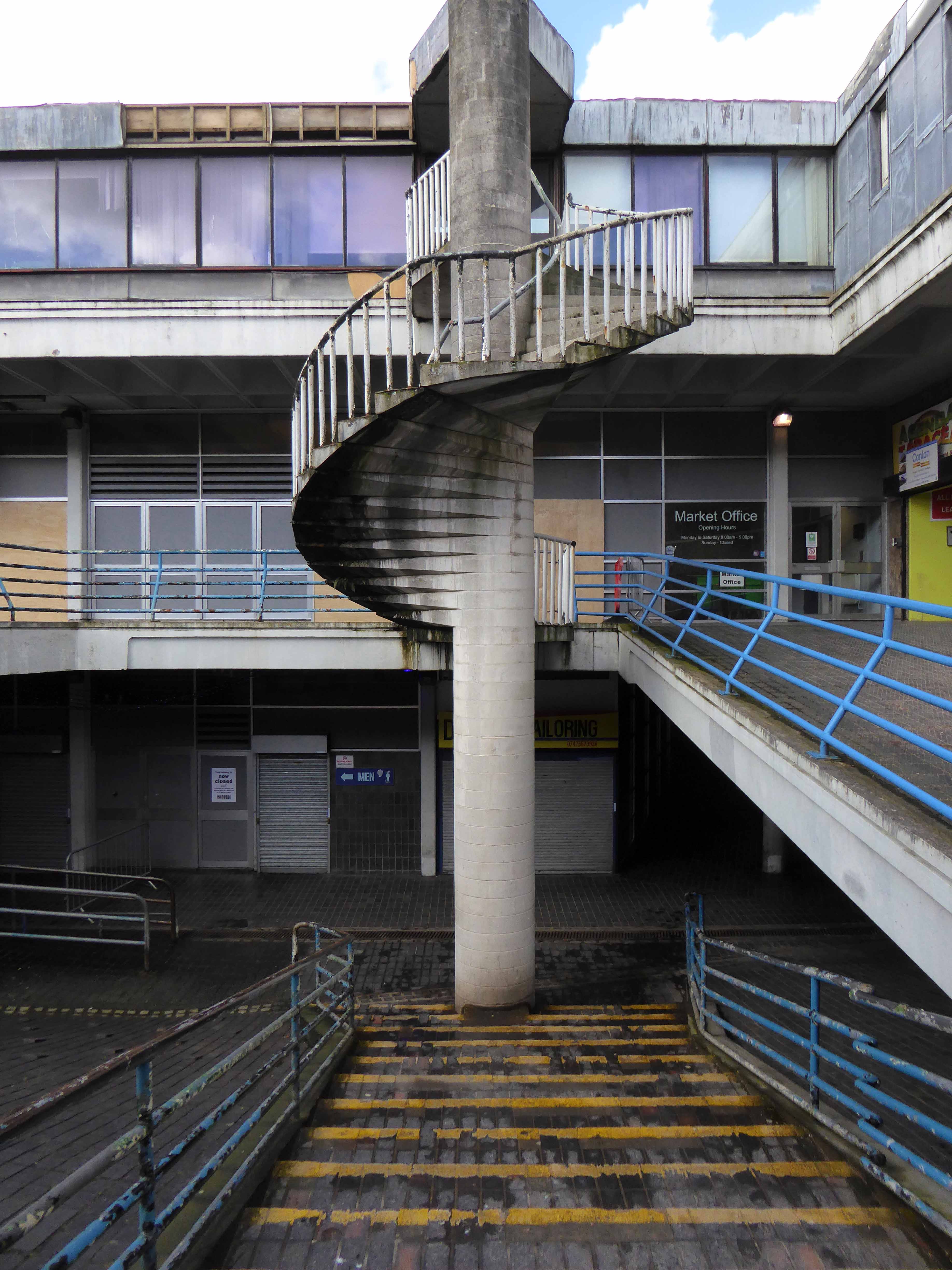
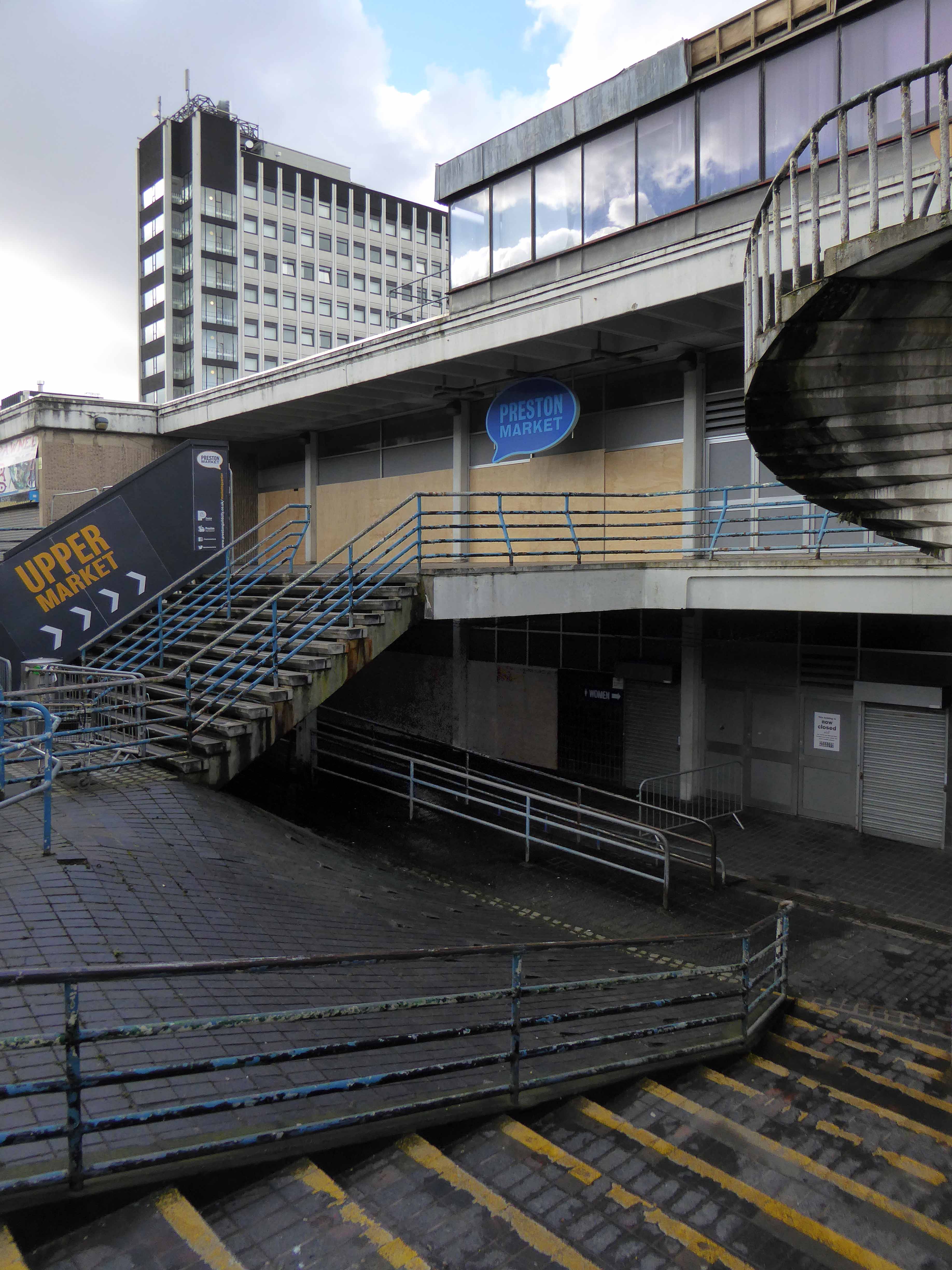
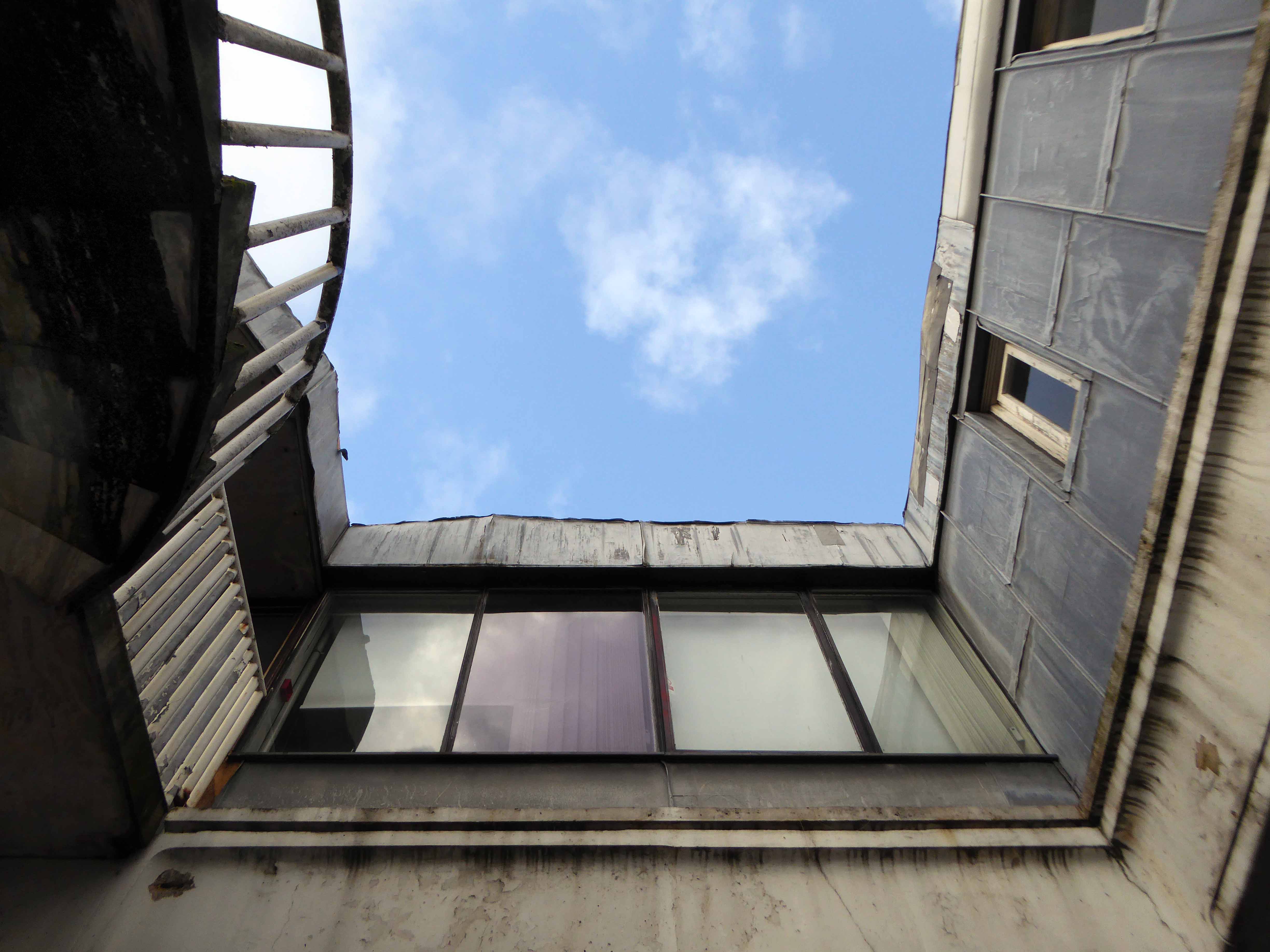
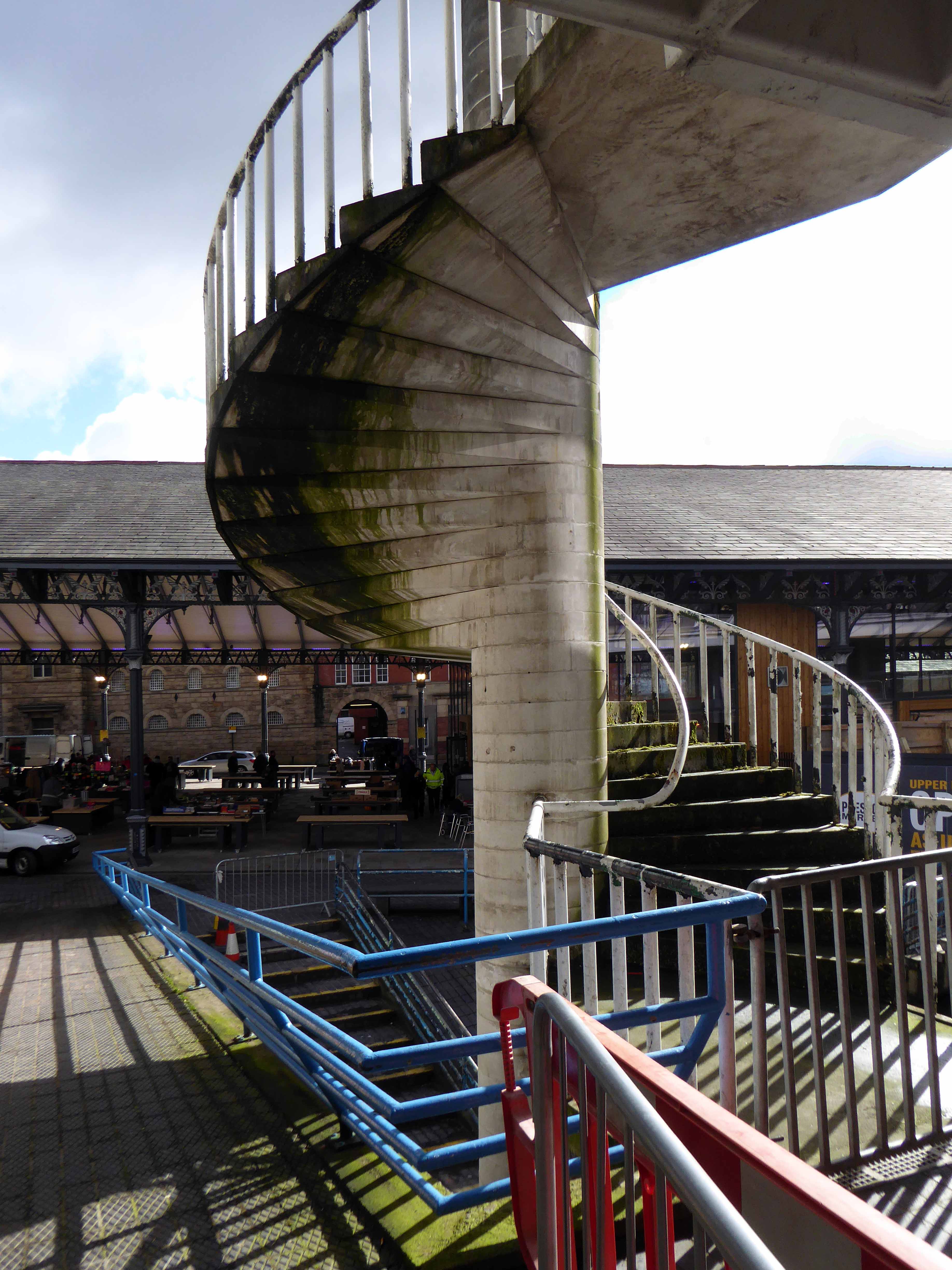
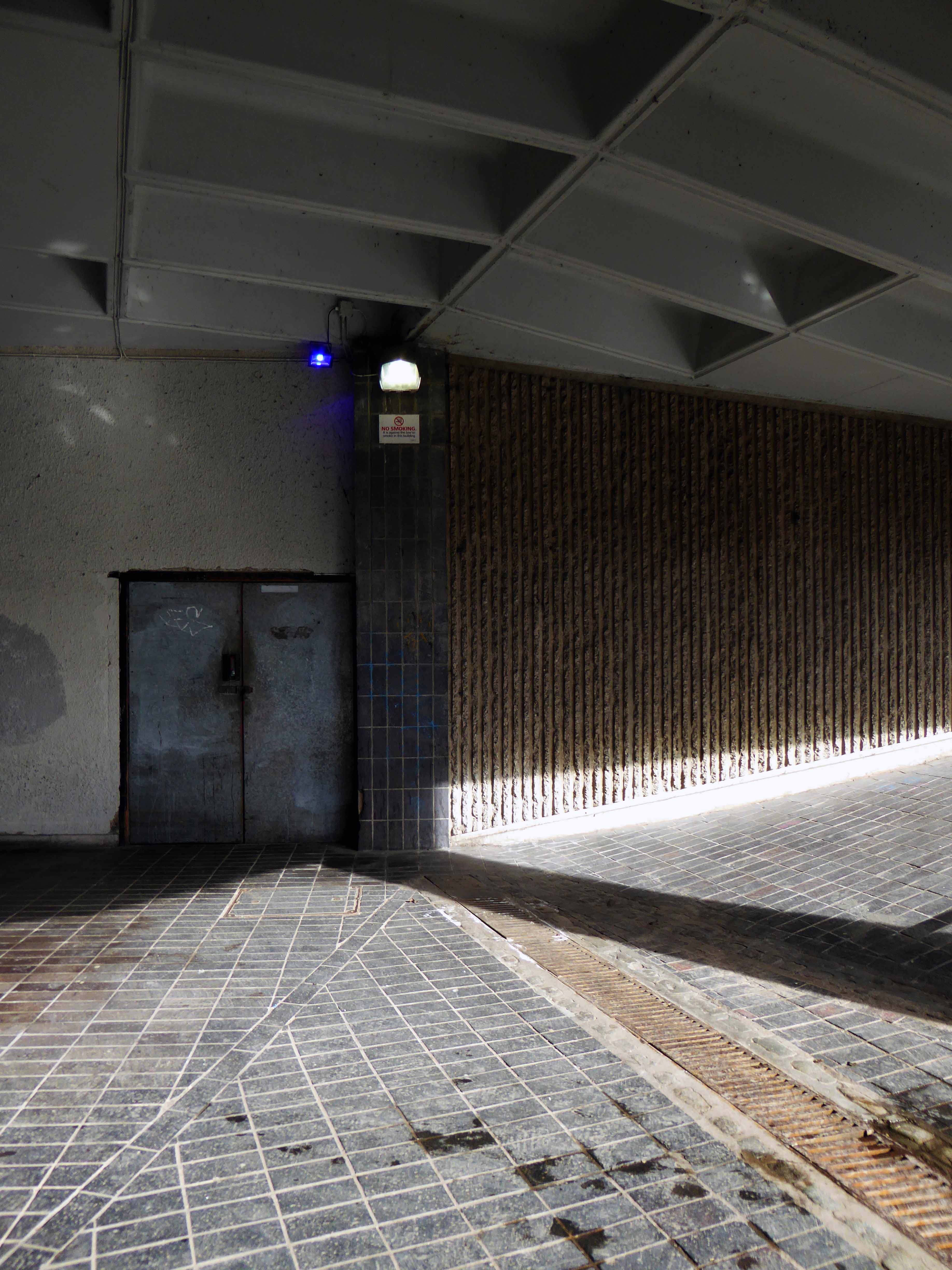
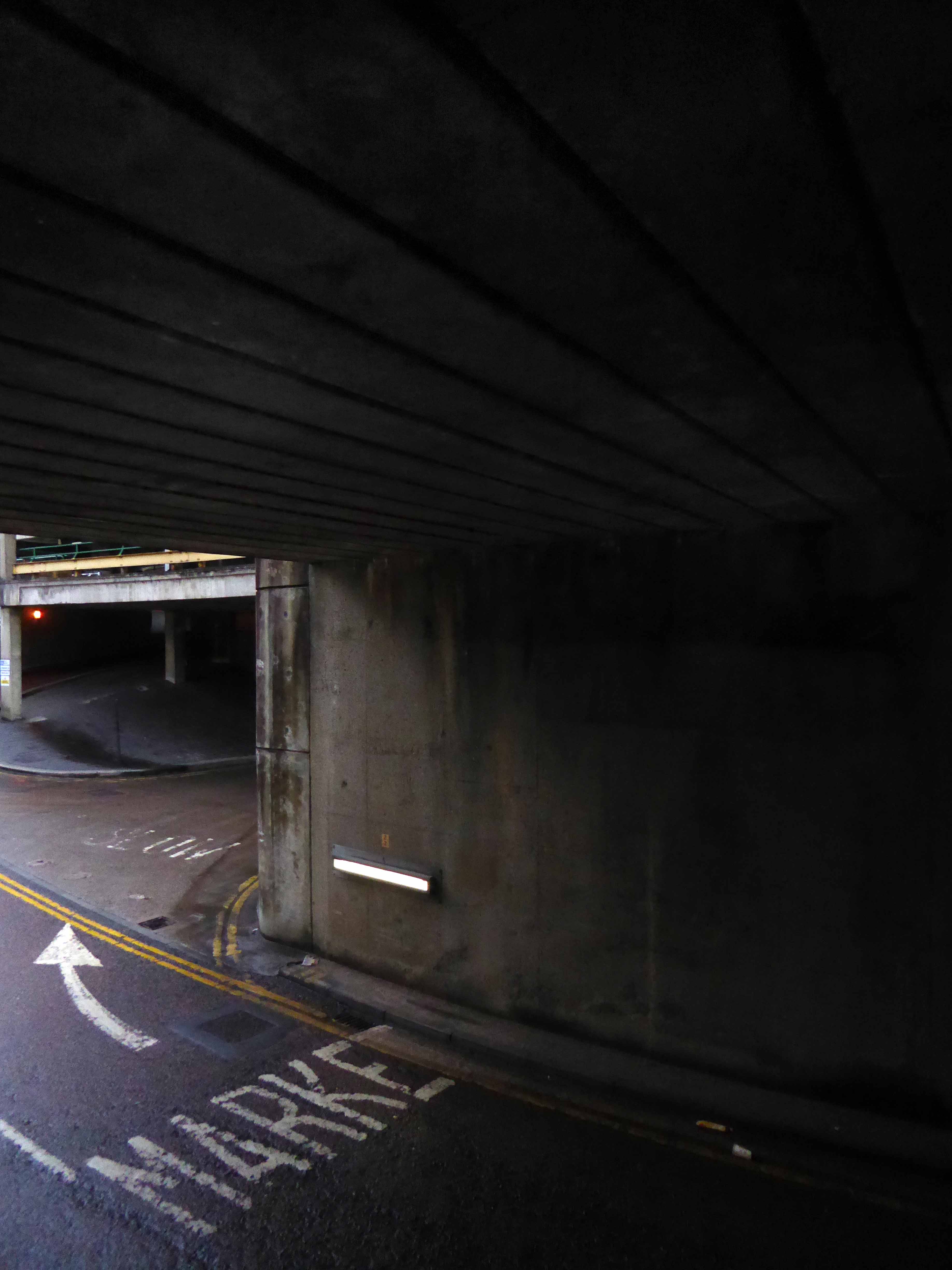
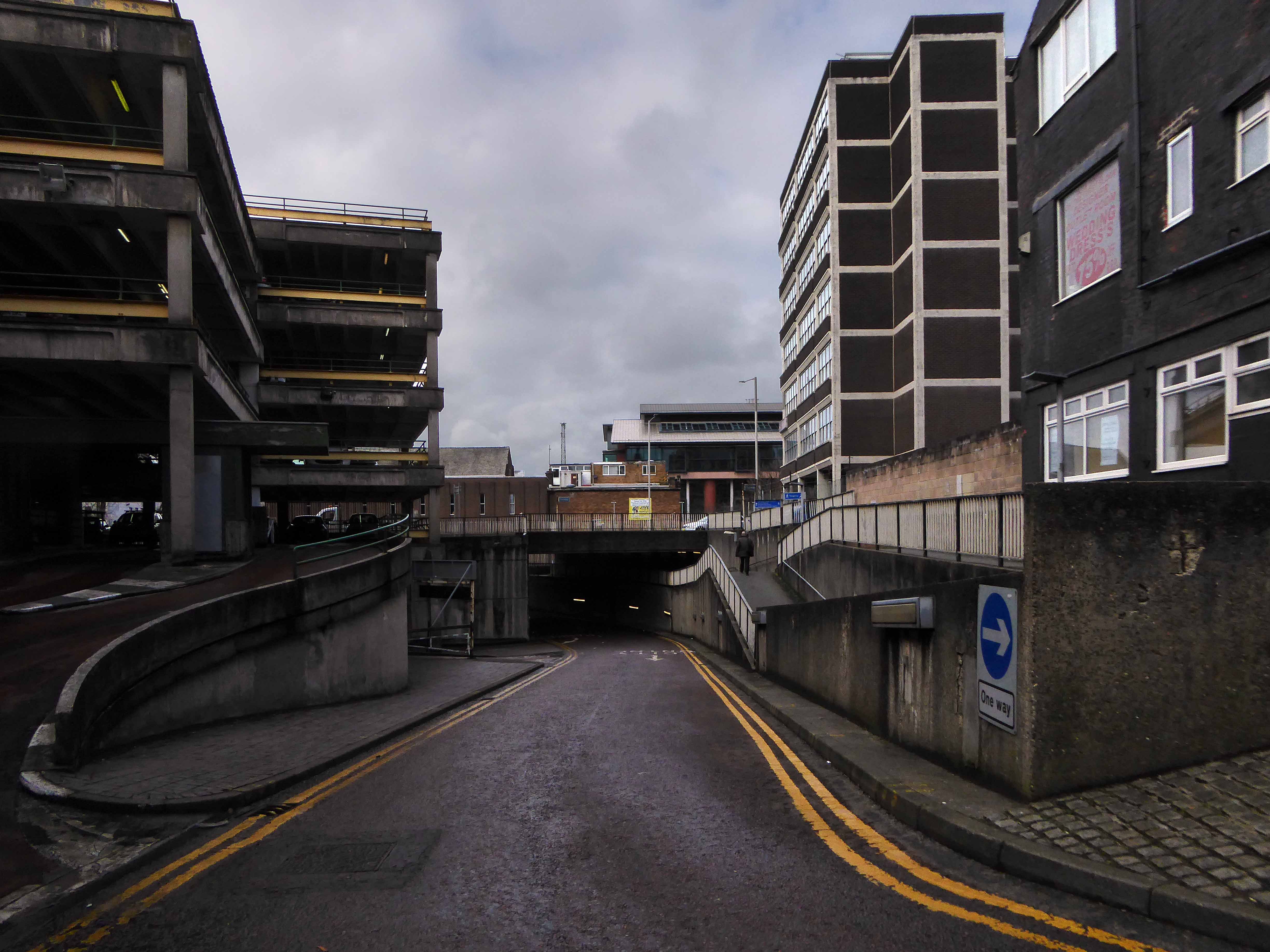
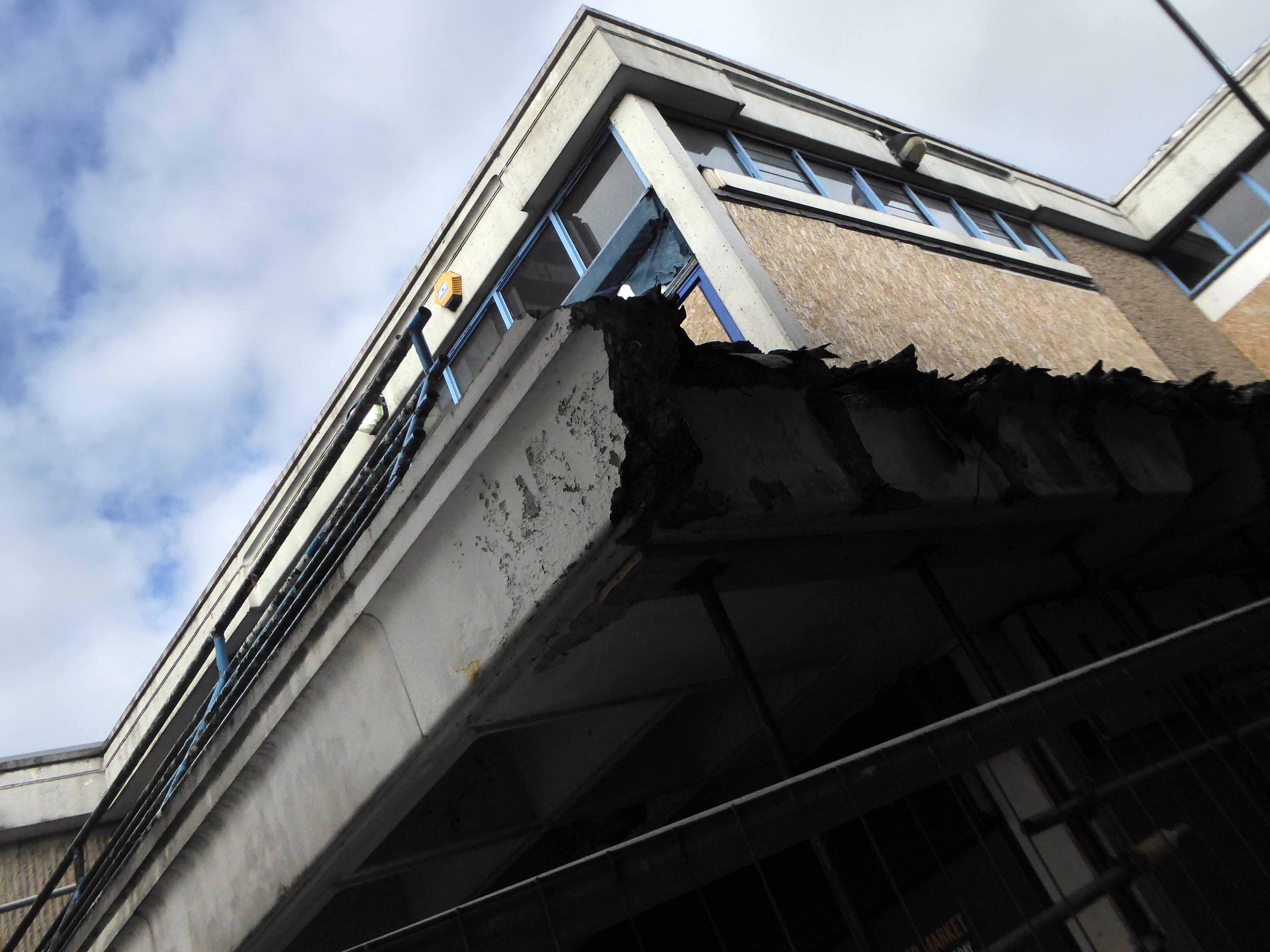
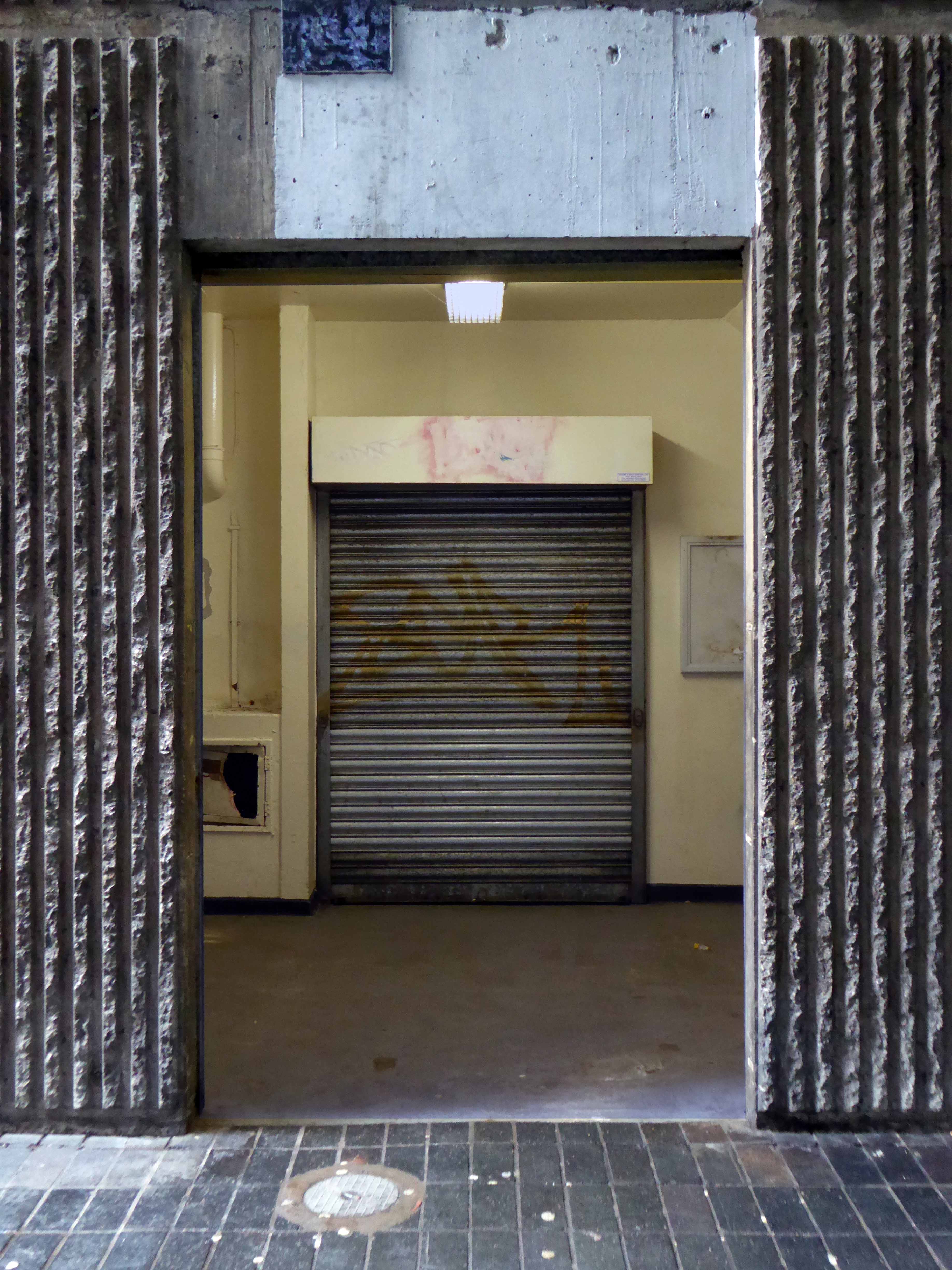
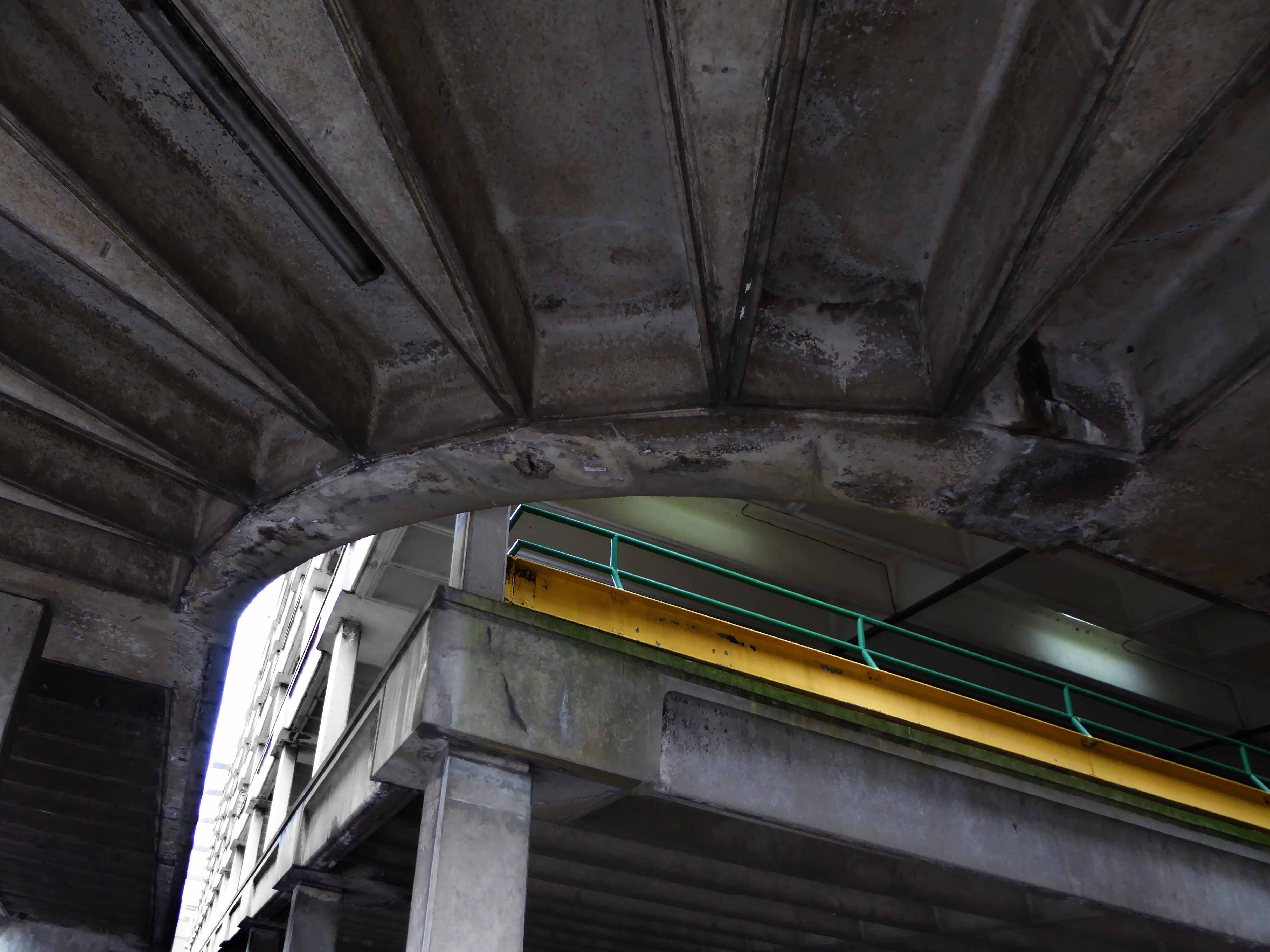
A typically boxy arrangement of steel, concrete, asbestos glass and brick, the complex of trading units, stalls and parking is not without charm. Though as with many other developments of its type, it seems to be without friends, then inevitably without customers and traders.

Following a template originated at London’s Borough Market, developers and councils seem to favour the modern artisan over the proletarian . This concept when meshed with the multi-plex and chain restaurant/bar amalgam, provides a shiny new future, for the shiny new shape of all our retail and leisure needs.

Preston-Market-Quarter-Nov-2017

So ta-ta to another world of hats and socks, fruit and veg, workwear for workers.

You’ve just about time to pop in for a brew.

Two sugars, stirred not shaken.

P1020430 copy

P1020431 copy

P1020432 copy

P1020435 copy

P1020437 copy

P1020434 copy

P1020477 copy

P1020479 copy

P1020480 copy

P1020481 copy

P1020482 copy

P1020484 copy

P1020485 copy

P1020486 copy

P1020487 copy


P1020490 copy

P1020491 copy

P1020492 copy


P1020494 copy

P1020495 copy

P1020496 copy


Gorsey Bank – Stockport #3

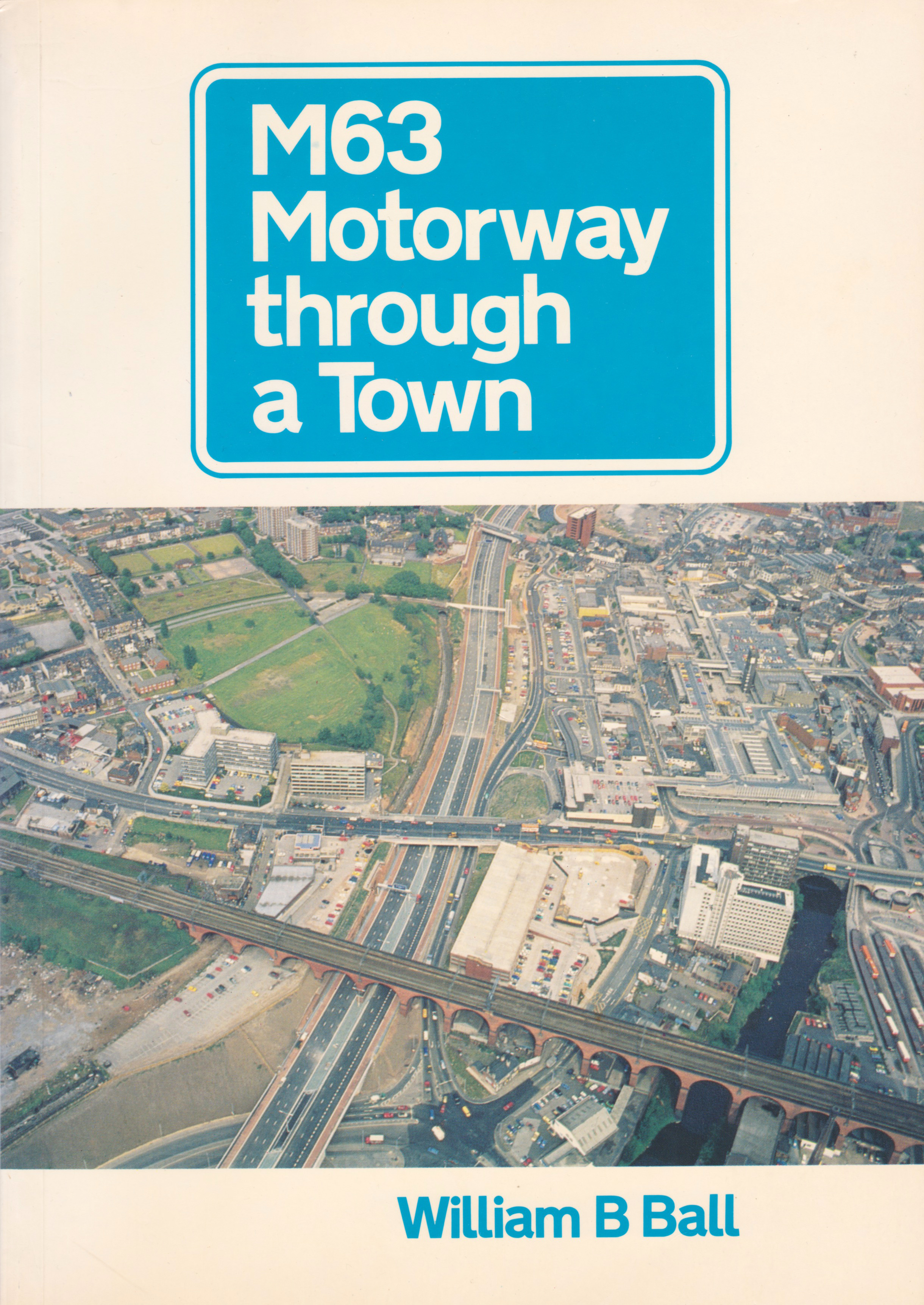
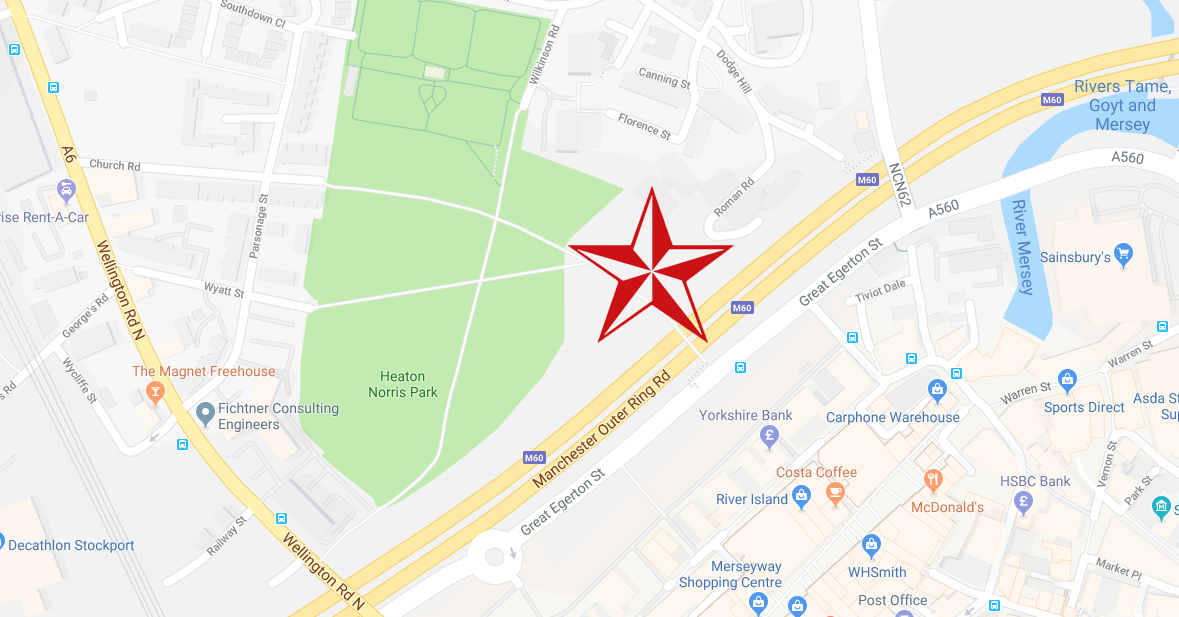
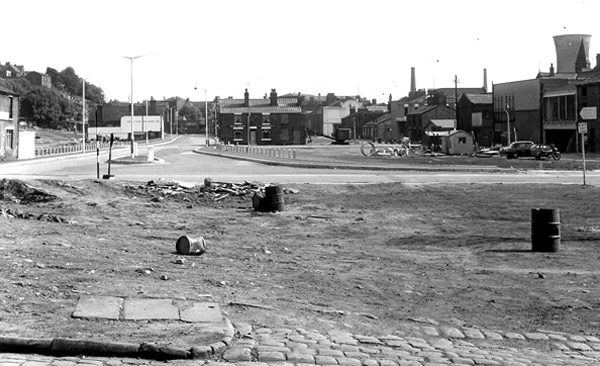
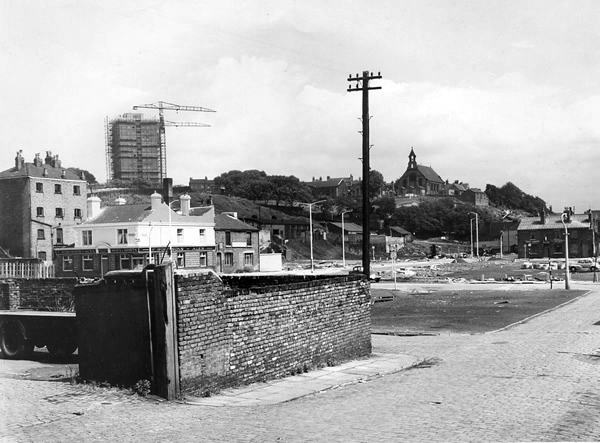
Once there were homes – 200 homes tucked between the M60, River Mersey and A560 Stockport Road.

2253


I’ve been here before, many times, seen those homes demolished and the site returning  to nature, brambled and overgrown, as the long standing lampposts disappeared for scrap, the kerbs covered in thick grass and moss.

DSC_0011 copy

Then the diggers arrived, the trees felled and the site cleared – no longer any trace remained of the lost homes of Gorsey Bank.

P1100079 copy

Building commences, steel erected, fences, roads and paths instated.

P1110236 copy

Welcome to the Aurora Industrial Park – open for business.

Screen Shot 2018-01-22 at 15.38.37

Emerging from the houses, the undergrowth, the Mersey clay and sandstone – a shiny new assemblage of state of the art industrial sheds. I’ll  wander by from time to time, listen to the ghostly chatter of busy neighbours, going about their business.

Wait for the trees and brambles to take over again.

P1220877

P1220878

P1220882

P1220884

P1220885

P1220887

P1220889

P1220892

P1220893

P1220894

P1220899

P1220901

P1220905

P1220906

P1220908

P1220909

P1220911


Hyde Road – Manchester

From Ardwick Green in the west to Abbey Hey in the east – runs Hyde Road Manchester.

Screen Shot 2018-01-23 at 14.35.48

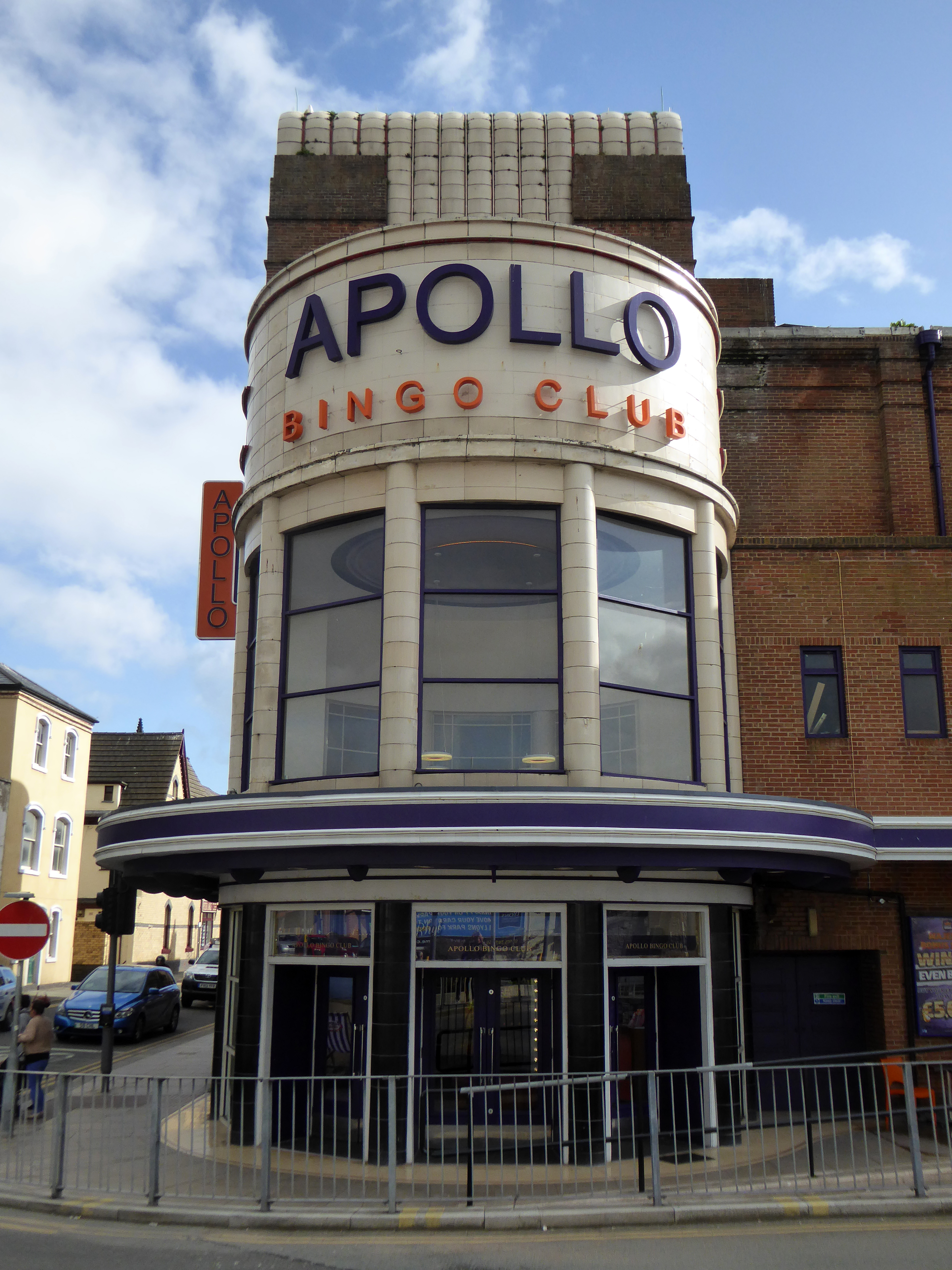
It’s a a road I have travelled from my early teens onwards, visiting friends, family, speedway, school sports days, fun and frolics at Belle Vue, tea and toast in Sivori’s, bike parts from Cowans. Working at the former Bishop Greer School, drinking in it’s many pubs, going to the flicks at the Apollo.

It was an area thick with the hustle and bustle of folks going about their business – working, shopping, boozing, waltzing in the Elizabethan, or the waltzers, bobbing up and down on the Bobs. A self contained community, just about prosperous enough in times of full employment –  take just one more walk with me.

webmedia-1.php

ss55

80

82

85

107

110

404 410

471 477

479 483

baths

swim

bobby

bobs

cowans

harry hall

meth

ns 26

NS5

NS6

NS10ns29

olympia

post

seymour

ss10

ss45

ss47

ss51


ss56

ss58

ss59

station

webmedia.php

woolworths

All photographs from the Manchester Local Image Collection

R.E & J. Parker Bakers – Leigh

I do have a particular penchant for pâtisserie – though close in spirit to their Euro equivalents, the vernacular bakers of the North are by comparison, sadly now a seldom seen, rare and precious breed.

My dad’s three sisters Alice, Jenny and Lydia all trained as confectioners, and he himself was a van man for Mother’s Pride. In my turn I worked as a van lad at their Old Trafford base.

Screen Shot 2018-01-16 at 11.21.08


Flour, eggs, sugar and fat are in my blood.

In their way the growth of the mass-market bakers, along with the motor car and supermarket hegemony sealed the fate of the local bread, cake and pie shop, along with the demise of the associated skills and attendant early morning work patterns. When I visited Cochrane’s in Audenshaw, it was clear that their youngsters no longer wished to take on the family baking business. So the once unremarkable sight of remarkable rows of fancies, growlers and tarts, is now a thing of familiar folk memory, rather than a sweet and savoury reality.

On both of my visits to Leigh I have passed Parker’s – the windows warm from the freshly baked confectionery – including the almost unique Singing Lily – sweet double crust pies, a large circle of shortcrust pastry folded over dried fruit and rolled until the fruit is visible, sugared and baked.

Next time I’ll go in and try one or two treats – get it while you can.

P1120865 copy

P1120868 copy

P1120869 copy

P1120870 copy

P1120871 copy

P1220700

P1220701

P1220702

P1220703

P1220704

P1220705

P1220706


Sam’s Bar – Wigan

Screen Shot 2018-01-15 at 14.12.16

Sam’s Bar – Orchard St, Wigan WN1 3SW.

Once there was The Ball and Boot – oval or round, no dubbin required.

A Tetley Walker pub on the edge of the then new Scholes Estate – seen here in 1987.

Screen Shot 2018-01-15 at 14.18.18

Photograph Tower Block

This is the one and only photograph of its former black and white self.

zv7qdp2s

Though an internet search revealed a rich heritage of pool, football, fancy dress and trips to Lloret De Mar, for the lads and lasses of Lower Scholes.

o1e83y61

obiabruu

g7z7ihyd

umvkgs1y

awqzc8a8

The pub now named Sam’s Bar, has retained its jolly jumble of modernist volumes and angles – though having lost the harlequin panels and off licence. Mid-morning the lights were on and the pub was surrounded by cars taking advantage of the £1.90 a day parking.

P1220736

The online reviews seem to divide opinion as to the quality of the current provision.

This pub is not a nice place to visit. If your not a regular you get leered at all night, the people and staff are absolutly terrible. You will wait at the bar all night waiting to get served, whilst all the regulars get their drinks. Then and only then will you get yours. You will see a fight at least once a night. Karaoke is only for those of us who are blessed with the ability to sing – they wont let you up again if not. This pub needs knocking down it’s a menace to society, out of 10 a big fat 0.

Solid, dependable and well-run. Friendly bar staff and regulars, local and national newspapers, rugby league memorabilia, jukebox, pool table, and very fair prices. Has been my local for years, ever since I got tired of the landlord turnover at the Cherries. I’ve never seen anyone refused a go at karaoke, including me, and I can’t sing, and rarely pick a song anyone likes. So you carry on spouting tripe, and I’ll carry on drinking at Sam’s Bar Scholes.

Beer in the evening.

You’ll have to swing by and judge for y’self – my own karaoke tune of choice as ever:

In The Ghetto.


P1220729

P1220731

P1220733

P1220735

P1220738

P1220740

P1220741

P1220742

P1220744

Poco a Poco – Stockport

There was a field – Ash Farm, farmhouse and field, at the junction of Manchester Road and Denby Lane, owned by one Harry Hitchen.

Harry Hitchen’s ambitious grandson reckoned that it was time that Heaton Chapel had a picture house, so on 6th May 1939 – where once there was a fertile farmer’s field, the seven hundred seat Empress Cinema opened.

22805

poco1

Opening with a screening of Alexander Korda’s The Scarlet Pimpernel.

Poster-Scarlet-Pimpernel-The-1934_04

It continued to trade as a cinema until 18th April 1959, whereafter it transformed at the end of that year, into a dance house opening as the Empress Club on the 9th December, run by Manchester City footballer, Keith Marsden.

Other parts of building were used for Flamingo Coffee Jive Club, from 1961 Empress Bingo club used the none-cabaret portion of the building.

30728

Empress Ballroom

3403812

Keith Marsden

In many northern towns and cities at this time a thriving beat scene emerged, literally hundreds of local bands, playing a circuit of clubs large and small.

Further details can be found here at Manchester Beat and Lanky Beat.

One such band played at the Empress on 14th November 1964, formerly The Matadors, then becoming The Swinging Hangmen, later known as The Hangmen. With a now sound, slick suits, a business card and a swinging, dead, novelty teddy bear mascot, they had everything going for them.

The Hangmen [1024x768]

The Hangmen card 4

Screen Shot 2017-10-23 at 17.58.02

I too played in such bands during the late 60’s and early 70’s, piling in and out of assorted vans, cars and buses to arrive at a packed venue, sandwiched between the bingo and a top flight comedian.

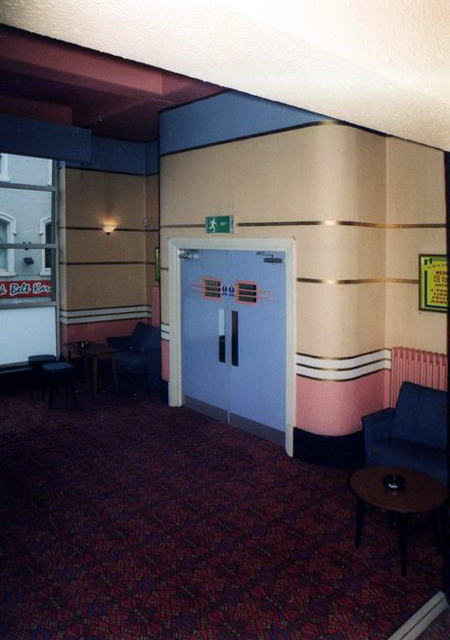
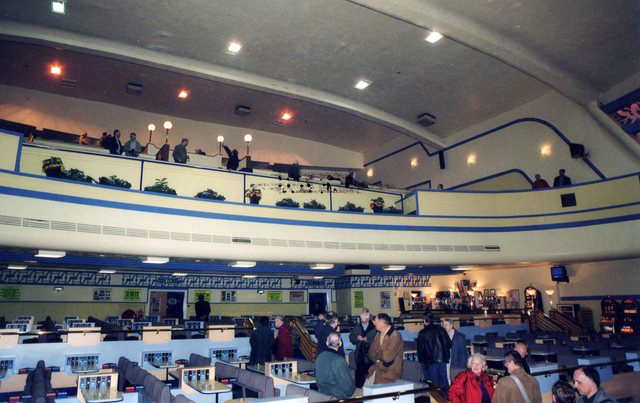
December 1968, in a flurry of flags, the Poco a Poco Club and Casino is born, international cabaret and entertainment abounds from here on in, beginning a fashion for the American style supper club, boil in the bag dining, for the discerning chicken in a basket cases.

17362764_10212578410804991_8101248843354062103_n

As beat becomes mod, psych, prog and glam a new generation of bands adapt and mutate to suit the ever changing moods and modes of modern music.

One such were Toby Twirl.

They hailed from Newcastle upon Tyne in the North East of England. Formed in the 60’s and originally called ‘The Shades of Blue’. After being signed to Decca Records by Wayne Bickerton, a name change was called for, as there was a US group of the same name. The group released three singles on Decca – Back In Time, Toffee Apple Sunday and Movin In. Although critically acclaimed in later years, none of the singles charted due to lack of major radio play. The group concentrated on live work during the late 60’s and early 70’s and were a top draw around the North of England. The line up was Dave ‘Holly’ Holland vocals, Barrie Sewell keyboards, Stuart Somerville bass, Nick Thorburn guitar and John Reed drums. Stuart was replaced by Dave Robson after he was tragically drowned in Tynemouth and Holly was replaced by Steve Pickering.

Interest in 60’s psych has seen the recent release of a Toby Twirl LP, a long overdue compilation of their admirable singles – including Romeo and Juliet 1968.

Other Poco regulars included Wishful Thinking:

Prior to 1969, they were recording with ex-Shadows drummer and record producer TonyMeehan. Between 1965 and 1969 the group released 9 singles and a live album. There were some changes in personnel and some successes, most notably Step by Step, Count To ten, Cherry Cherry, It’s So Easy and Peanuts, the latter remaining in the Danish charts for 3 months and also reaching No 8 in Japan.

My personal choice would be their version of Clear White Light.

Famously  Mr David Laughing Gnome Bowie played there on the 27th April 1970, just a few days before receiving his Ivor Novello award at The Talk Of The Town in London, for Space Oddity, which had been voted the best original song of 1969.

The club traded on through the 70’s and 80’s, continuing to ride the trends in popular music, the emergence of the discotheque and the almost superstar local DJ. As interest in the live cabaret music scene waned, the club began hosting boxing matches in the 80’s. Changing its name to Chester’s in 1983 and finally closing in May 1987.

It had lasted almost 50 years as a rich source of entertainments for thousands of Stopfordians, from a flickering film to a flaming beat, sadly it all ended in demolition.

11807110_536021009884734_6696872117870440677_o

The beat goes on.

Many thanks to Stephen for the essential facts and copyright images from his website.

Hill Street to Ashton Brothers

mam map

This a journey to work, my mam’s first day at work, cycling from her family home in Hill Street Ashton-under-lyne, to Ashton Brothers Mill Hyde.

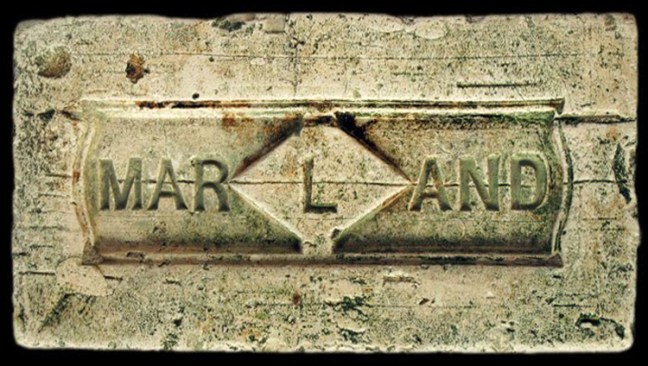
Clara Jones was born in 1924, daughter to Nelly and Sam. She grew up in the west end of Ashton, tough and bright – an eldest sister who stood up for her own and looked after herself. On passing her entrance exam to grammar school, she was then denied entry, the family having little or no money for the expenses of uniform and books.

So in 1938 aged fourteen, she found a job and a second hand bike, found herself on the way to work. So in 2017 aged sixty two I followed her, the three miles along the very same roads, the very same roads that had not remained the same.

Hill Street was a mix of poor quality two up two down terraces, industry and pubs. There are no archive photographs to be found, an area thought too unremarkable to record. There remains traces of that industry and newer dwellings.

P1210450

P1210454

P1210455

Above is the site of her former home.

P1210458

P1210461

P1210462

P1210464

P1210470

The view at Hill Street’s junction with Cavendish Street would have taken in the Brougham Inn, where her father drank and I would later play in 1970 with our band, along with Clive Gregson.

Once a Gartsides Ales pub, my father Eddie Marland had worked at the nearby brewery as a drayman, and told tales of deliveries, where Neddy had much more horse sense, than the drunken drivers.

It closed in 1972 under the auspices of its last landlord Arthur Davies.

All archival photographs from the Tameside Image Archive

t06553

Today all thoughts of horse drawn drays, bands and draught bitter have been washed away by progress, pampas grass, by-passes and ASDA.

P1210472

From here we turn right towards Dukinfield, moving from Lancashire into Cheshire, under the railway and over the Alma Bridge – named for the Battle of Alma in Crimea and the local men who served.

t12914

P1210482

P1210484

Ahead on the left is the site of Greens Cycle Shop, I bought my first touring bike from Laurie Green, a Dawes Galaxy – he and his partner Eileen were and possibly still are members of one of the oldest cycling clubs in the country, the Dukinfield CC. The shop was once announced by a sign written gable end, now all that remains is this sad fragment.

P1210487

Up the hill along King Street she would have passed shop after shop, long established businesses, serving a local community that neither drove or travelled too far, in order to sustain their everyday needs. Broad open-eyed windows displaying varied wares, unhindered by intrusive steel shutters.

t22339

On her left was the Princess Cinema, which can be seen to the right of the photograph below. Opened as the Princess Picture Theatre with 700 seats, the proprietor was W.B. Holt. Later it was operated by Ashton New Theatre Ltd and became part of the H.D.Moorehouse circuit. Its final years were under the operation of Orr Enterprises Ltd of Coventry. Dukinfield was once home to two other cinemas the Palladium and the Oxford – both long gone, swamped by the unstoppable stampede of bingo and telly.

t00504

It currently trades as the Pyramid Snooker Club, there are small remnants of its former self visible to the right and left of the building, unhidden by the tastefully intrusive red and green cladding.

P1210498

P1210495

Today’s fascias exhibit the final, vital, vinyl abandon that characterises the contemporary visual environment of the high street, along with a kaleidoscopic array of international  fast food outlets.

P1210491

P1210500

The Town Hall still stands tall, its clock chimes, boinging down on the diminutive figure of Sir Robert Dukinfield – conqueror of the Isle of Man, the tiny fellow also defended Stockport Bridge against Prince Rupert and conducted the Siege of Wythenshawe.

The constituent parts of the almost recently created Tameside, were once independent UDCs, all with their individual civic pride and unique identity, before that the fiefdoms’ of local dignitaries, afore that just there.

P1210506

What were once mighty boozers overflowing with customers and kindness, are now dwellings, overflowing with cold comfort and UPVC windows. When cotton was king, her route would have been peppered with pubs, slaking the thirsts of thirsty workers, hot footing it from the surrounding places of industry and commerce.

t06676


P1210501

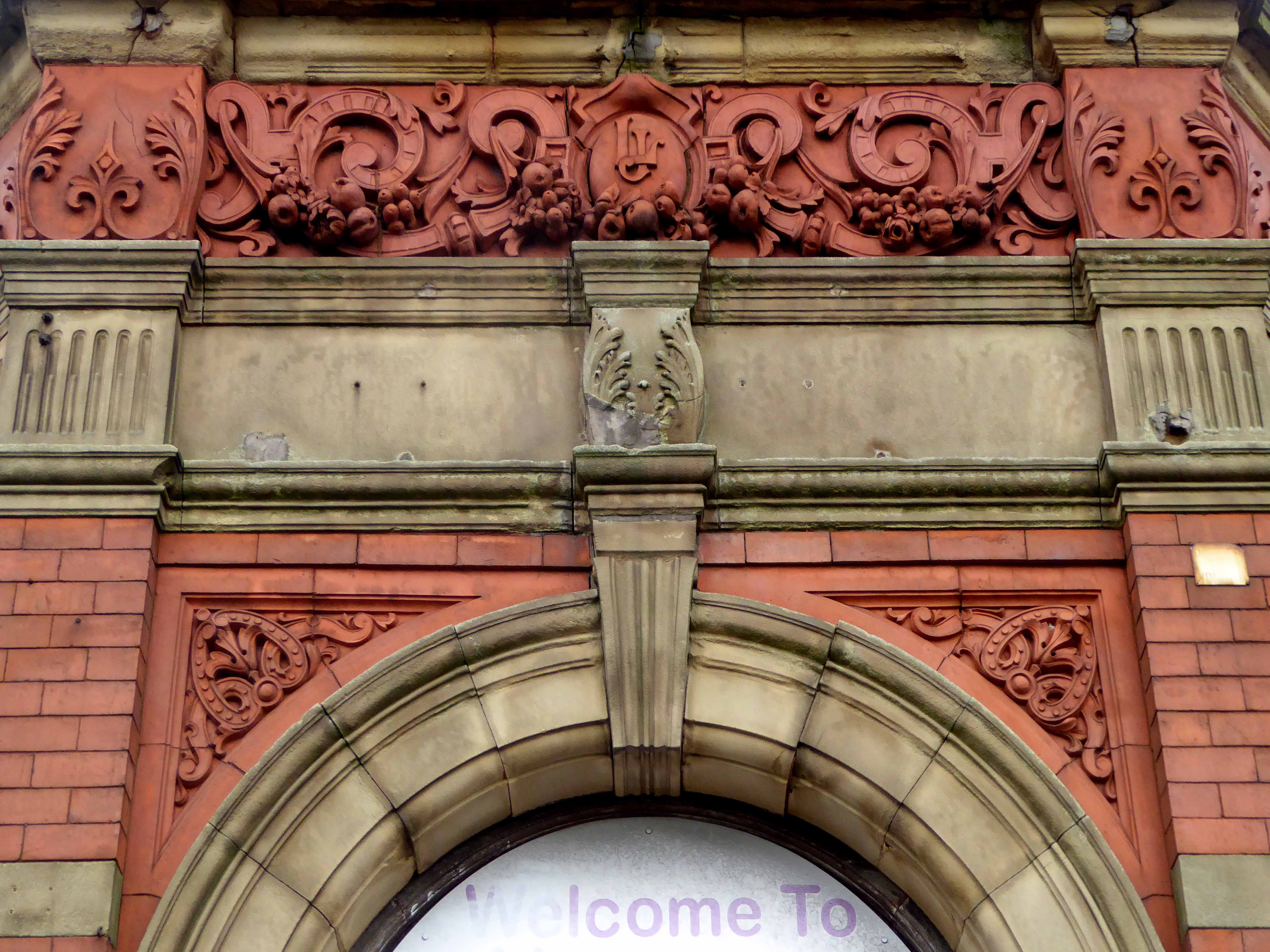
There were once well appointed post offices their architectural type formed in the kilns from local clay, the wholesome white-hot, fired earth technology of the nineteenth century.

P1210503

The road now crosses rail at the White Bridge, to the right is the site of the former Dewsnap Yard, where my grandfather Sam and I found work as plate layer and freight guard respectively.

8447198675_dde8d8204a_b

P1210515

P1210512

P1210514

A view down Victoria Street opens up on the way to Hyde, everywhere, in industry, street and pub names we find evidence of queen and empire – an age of empire, industry and deference that did not survive intact.

P1210517

On the right stands the refurbished Newton Hall:

This cruck-framed buildings, stands on the corner of Dukinfield Road and Dunkirk Lane in Hyde, Cheshire. Carbon dating placed the construction of this building to c.1370 and it survived because much later it was encased in a brick building having a blue slate roof. By the 1960s it was in a ruinous condition and in 1968 Sir George Kenyon, the Chairman of William Kenyon & Sons Ltd of Dukinfield, Cheshire, rescued it. Browns of Wilmslow undertook the restoration work and this was completed in 1970.

During the Roman era, a track connecting the Roman garrison town of Mamucium (Manchester) and the fort of Ardotalia (long known as Melandra at Gamesley near Glossop) crossed the river Tame hereabouts and passed close by the site of the future Newton Hall. To cross the Pennines, the Romans then made use of an ancient British ridgeway from Ardotalia. This track was in use until medieval times as a packhorse road.
P1210520

An finally here we are at the Ashton Brothers‘ factory gates mam, you along with hundreds of others, would walk on through. She doubtless, with no small sense of trepidation, entering into the whirring world of cotton spinning.

P1210526

But it’s all gone, long gone – all that remains is a rusty A and the dusty footings.

P1210522

P1210523

But I remember,

I remember you Clara Jones,

Your bike, your journey to work,

Your kind  smile.

mam


Mottram Street Flats – Stockport

A post-war northern town, facing the problems of bomb damage, poor quality housing, and the pressing need for new homes.

In 1963 there seemed to be space and the will to build, the site at the centre of the image flanked by ageing Victorian terraces and industry.

5060

1960a

Soon to become the Mottram Street Development.

31117

5061

Back in 1965 these were the highest housing tower blocks in Greater Manchester.

The work of borough architects John Rank and Clifford Fernley.

1348

123

1351

1352

1353

34249

47177

1960’s Photographs from the Stockport Image Archive

Screen Shot 2017-10-22 at 14.01.33

Screen Shot 2017-10-22 at 14.02.34

1980’s photographs from The Tower Block

Typically they incorporated concrete street furniture, sculptural and decorative detail, in keeping with the age.

Like many other developments of the period they have subsequently been clad, fenced, painted and secured beyond recognition.

There was a raised concrete play area, of which nothing has survived.

A little of their original character however has prevailed – a William Mitchellesque fallen obelisk, along with some panelling and planters.

The monolith was designed by Peter Shuttleworth, a newly qualified architect at Stockport Council

Curious to see public art behind bars

– would that they were removed.

DSC_0038 copy

a new relief copy

DSC_0032 copy

DSC_0033 copy

DSC_0037 copy

DSC_0039 copy

DSC_0046 copy

DSC_0047 copy

DSC_0048 copy

DSC_0049 copy

DSC_0050 copy

DSC_0051 copy

DSC_0030 copy

Unity Hall – Wakefield

Wool, wool, wool I do declare – Westgate Wakefield the worse for wear, warehousing, banks and halls in a state of transition. The enormous wealth created by the local textile trade and associated industries, has left an architectural legacy that permeates the wide street, with a more than somewhat faded grandeur.

laying-of-foundation-stone

Laying the Foundation Stone

The Co-operative Unity Hall has seen better days – opened in 1902 and offering extensive retail space, along with a concert and dance hall, echoing to the sound of silent films, all-in wrestling and a fine array of music.

$_57Screen Shot 2017-08-02 at 15.30.55s-l1600

Sadly, as the post-war boom becomes an ever distant, sonic shadow of its former self, the hall closes. Listed yet unused, it stood aloof and alone, unloved. The Beat were on, sadly the beat no longer went on.

9276764393_e5b1688d09_c

9276733799_772ac84eb7_c

9276755169_9fd0bacd58_c

Derelict Places 

Happily a corner has been turned and under new management:

Unity Works is a stunning grade II listed multi-use space, where modern meets state-of-the-art. Unity Works is a great space for work and play, from 1:1 meeting areas, to large conferences, office & work space, to live events, comedy, music, theatre and film screenings.

There’s something for everyone!

More than 400 people invested in a community share scheme to help fund the refurbishment, which began in January. Continuing the tradition of a movement in this architectural gem, which was established as the Wakefield Co-operative headquarters in 1867, a building alive with rich detailing, signage, architectural type and mosaic.

Get gone take a look, listen and dance.

P1070024 copy

P1070025 copy

P1070026 copy

P1070027 copy

P1070029 copy

P1180727

P1180728

P1180729

P1180730

P1180731

P1180732

P1180733

P1180734

P1180735

P1180736

P1180737

P1180738

P1180739


P1180746

P1180747

P1180748

P1180749

WISLa copy


Richard Peacock – Gorton Manchester

My journey begins here, at the Brookfield Unitarian Church, Hyde Road, Gorton, in search of the mausoleum of a man, who helped to shape the history of engineering, locomotion and Manchester.

P1200599

Richard Peacock 9 April 1820 – 3 March 1889 was an English engineer, one of the founders of locomotive manufacturerBeyer-Peacock. Born in Swaledale, Richard Peacock was educated at Leeds Grammar School, but at 14 left to be apprenticed at Fenton, Murray and Jackson in Leeds. 

At 18 Peacock was a precocious locomotive superintendent on the Leeds and Selby Railway. When the line was acquired by the York and North Midland Railway in 1840 he worked under Daniel Gooch at Swindon, but reputedly fled to escape Gooch’s wrath. In 1841, he became the Locomotive Superintendent of the Sheffield, Ashton-under-Lyne and Manchester Railway, subsequently the Manchester, Sheffield and Lincolnshire Railway from 1847. In this role he was responsible for founding the Gorton locomotive works for this railway, although he had left the firm shortly before they were completed in 1848.

In 1847 Peacock was present with Charles Beyer at a meeting at Lickey Incline which it is generally acknowledged gave birth to the Institution of Mechanical Engineers. George Stephenson was elected as first president and Charles Beyer as a vice president. Peacock became a member of the Institution of Civil Engineers in 1849.

In 1853, he joined Charles Beyer to found the celebrated locomotive company Beyer-Peacock. Peacock had originally met Beyer through the acquisition of locomotives from Sharp Brothers, and as mentioned earlier through both being among the founders of the Institution of Mechanical Engineers in 1847.

Wikipedia

The locomotives designed and built in Gorton in their thousands were exported to the four corners of the globe, Manchester a confluence of capital and ingenuity, harnessing a workforce of millions, to produce a treasure trove of things and stuff

Screen Shot 2017-09-27 at 14.13.47

29 buenos aires

Shipping to Buenos Aires 1929

49 turk 2 10 0

2 10 0 Locomotives bound for Turkey 1949

last d 66

Last Diesels in the Paint Shop

By 1966 it was all over, the politically motivated, managed decline of manufacturing industry, a failure to adapt and compete, the loss of Empire, an increase in competition from other nations, all contributing to the almost inevitable, closing of the door.

boier shopp 66

Archive photographs copyright Manchester Local Image Collection

The clang, hiss and controlled chaos of the boiler shop, just a faint, empty echo – listen.

There remains a legacy, the memories of all those men and women who laboured under those aching skylit eaves, millions of weary travellers world wide.

Not forgetting the church that Richard Peacock benevolently built, the mix of non-conformist worship, Liberal politics and philanthropy that informed Victorian Manchester, which still stands extant in stone, around our city.

Designed by Thomas Worthington in 1869-71, it has a six bay nave with north and south aisles. Arcade columns are of polished granite and wall faces are plaster lined with a large painting over the chancel arch. The roofs have been repaired but the interior has suffered from consequential water damage to the plasterwork which, at the time of visiting, was drying out. The church has been a victim of heritage crime.

Historic England

Listed and left to the pressures of time tide, wind, rain and unwanted ingress.

P1200602

Inset into the north wall of the church, facing onto Hyde Road – sculptor John Cassidy.

The Peacock Mausoleum is also the work of the church’s architect Thomas Worthington.

This sumptuous mausoleum takes the form of a Gothic shrine with a steeply pitched roof and arched openings filled with tracery and surmounted by gablets. The statues standing on slender pedestals at the four corners of the monument represent a Blacksmith, a Draughtsman, an Engineer and the architect himself. Further carved embellishments include head-stops, bats and twining ivy.

Condition – still sound, though the bronze angels that used to stand on the gables at either end were stolen some years ago in 1997.

Mausoleum and Monuments Trust

So we arrive at the end of another journey through time and space and Gorton, the lives of so many long lone souls, bundled up in the graveyard of a now closed church, the fortunes won and lost eroded by the vagaries of the climate – economic and meteorological.

The curfew tolls the knell of parting day, 
         The lowing herd wind slowly o’er the lea, 
The plowman homeward plods his weary way, 
         And leaves the world to darkness and to me. 
 P1200604
blank
P1200605
 blank
P1200606
 blank
P1200608
blank
P1200612
 blank
P1200616
 blank
P1200617
 blank
P1200618


Queen Elizabeth II Law Courts – Liverpool

And so castles made of sand, 
Fall in the sea, eventually.

Once there was a battle here, several actually, and battles mean castles, possibly.

13

Erected in the between 1232 and 1235, inevitably through the passage of time, blows were exchanged, the Banastre Rebellion of 1315, and later in 1689 Prince Rupert was battered by King Billy, and so on until it was eventually demolished in 1726. A series of churches ensued, finally to be supplanted by the arrival of an amusingly statuesque Queen Victoria, replete with plaque.

1200px-Victoria_Monument,_Liverpool_Plaque_2

In 1976 excavation of the south side of Castle Street was conducted before the construction of the Crown Courts building, which was built in the style of a castle.

What goes around comes around, ending up largely square in Derby Square.

And lo and so it came to pass, new law courts were erected upon the site begun in 1973, opened in 1984. Architects were Farmer and Dark, who were also responsible for the Fawley Power Station.

fawley

And the Cornwallis Building at the University of Kent.

Cornwallis uok 68

I passed by there yet again last Saturday, still maintaining a restrained ambivalence regarding this monolithic concrete and sand pseudo-castle. Less than, and larger than the sum of its parts. The quirky detailing and awkward geometry, producing a somewhat confused, yet imposing scheme, an ossified pinkish ribbed construct from another age.

Mass – possibly without redemption.

P1200504

P1200505

P1200506

P1200507

P1200508

P1200509

P1200510

Coat of arms by Richard Kindersley

P1200513

P1200515

P1200518

P1200519

P1200521

P1200523

P1200524

P1200525

P1200527

P1200529

P1200530

P1200532

P1200534

P1200537

Gore Brook – A History

To begin at the beginning, well actually to begin in the middle and walk to the current beginning. The Gore Brook flows from the Lower Gorton Reservoir and from there onwards to meet the Chorlton Brook in the west, though I should imagine that prior to the construction of the waterworks, it was fed by more distant moorland waters.

gore map

Manchester being on the eastern edge of the Lancashire Plain and the western edge of the Pennines is riddled with rivers, rivers which now wriggle in an under and overground web, across heavily developed urban areas. Following the Industrial Revolution former meadow, common and farmland was overwritten by factories, housing and roads, the rural character of the rivers and brooks soon becoming darkened and polluted by the surrounding industries.

I was lead here by my search for a lost pub The Garratt on Pink Bank Lane, then drawn in further by this site The Red Path of Longsight.

The Red Path is a pedestrian link between Pink Bank Lane and the Gorton boundary at Buckley Road. It roughly follows the course of Gore Brook. The original footpath, running from Buckley Road to the bank of the brook, was made using black cinders. It was probably made in the 1940s to provide access to the allotments located on either side. In the early 1950s , a concrete bridge was laid across Gore Brook and the footpath extended to Pink Bank Lane. This section used red bricks in it’s construction, probably supplied by Jacksons brickworks . Crushed bricks were then used as a topping to make the path smoother and fill in any cracks. The thoroughfare soon became known as the Red Path.

So wide eyed and mapless I bowled up at Brook Terrace, just off Stockport Road Longsight, in search of The Gore and its source.

stockport rd 1911

stockport road

In the early 1900’s the river was still open and bridged, here at Stockport Road, later culverted and covered – anticipating the arrival of Tesco’s and Granada TV Rentals.

beneath

From there we pass under the railway along Brook Terrace and into Parry Road.

brook

The underpass is still there and very much in use, as is Stanley Grove School – the Manchester Central Schools’ Kitchens are long gone, along with the food filled, insulated aluminium cases, that fed the hungry mouths of many, with semolina, pink custard, meat pies and lumpy mash.

parry 64

kitchens 1965

Onwards to Elgar Street and still no sign of the river, hidden beneath our feet, the corner of Northmoor Road, can be seen on the corner, no longer distributing dividends, but now providing social housing.

elgar

We arrive at Pink Bank Lane, a rich mix of terraced homes, flats and factories – and the long lost Garratt, and the long lost Gore.

garratt

pink bank 64

Though the lazy, lazy river has been confined in a brick lined wind, to meet the ever pressing needs of the Gorton Sewage Works.

sewage 1910

sewage works 38

The river then hugs the edge of Annie Lea Playing fields on Buckley Road, until it disappears again as it meets Mount Road, the playing fields are still open ground – the Manchester Cleansing Department, seen on the left – is no more.

annie lea

Here on Knutsford Road we see the construction of the tunnels and culverts, the footbridge to the left spanning the railway, is still there.

knutsfrod 1907

1907

knutt 1911

1911

knut 1914

1914

Finally we see The Gore reemerging clear, clean, wide, proud and resplendent in Sunny Brow Park, where it is still maintained as a decorative, duck-filled lake.

sunny 1907

1907

sunny1910

1910

sunny 1964

1964

Briefly underground again and into the back of Far Lane, skirting the Brookfield Church graveyard.

far 1920

1920

far 1937

1937

fa 64

1964

Then tunnelling under Hyde Road at the back of the church lodge, appearing once again alongside Tan Yard Brow.

webmedia-1.php

ty 1904

1904

tan yard 1922

1922

tan yard brow 1964

1964

The manmade waterfall continues to cascade, the Fairfield to Old Trafford railway is now the Fallowfield Loop, Manchester Cycleway, young lads no longer mess about in wellies and torn Tek Sac jeans on the bank, the Tannery no longer tans.

Then we end our journey by the broad expanse of the Lower Gorton Reservoir, implausibly dotted with jolly yachts, and home to a now absent stepped outflow stream. Look up to the east, and there you’ll see the moors, you could go further.

deb 66

deb

All archive photographs from Manchester Local Image Collection.


Holy Rosary – Fitton Hill

The first mission in the Fitton Hill, a post-war housing estate, was due to the work of Fr Buckley, an assistant priest at St Patrick’s Oldham. He arranged for the purchase of land in the Fitton Hill area in 1940, before the new housing was built. Once the estate had begun to be developed, Fr Buckley said Mass in an upper room in Maple Mill. The foundation stone of Holy Rosary was laid by Bishop Marshall on 2 October 1954 and the church was officially opened by Mgr Cunningham in July 1955.  The presbytery was built in about 1970. The first campanile blew down and had to be rebuilt.  In 2009, the parishes of Holy Family and Holy Rosary were merged.

Taking Stock told me so and will tell you even more.

Architect: W and JB Ellis who were also responsible for Our Lady of The Assumption in Langley.

Screen Shot 2017-09-13 at 11.11.41

I first passed by one sunny day in April 2016 – happily snapping the exterior of this ever so pleasingly prosaic Italianate brick building.

P1030961 copy

P1030962 copy

P1030965 copy

Following a cue from pal Tim Rushton, I was alerted to the significant decorative work within.

The mosaic and fresco work of Georg Mayer-Marton – born in Hungary 1897, died in Liverpool 1960 was one of Britain’s very few experts in the art of face or facetted mosaic.

GMMMosaic_compressed-580x380-1

Sadly the fresco is no longer visible – painted over with emulsion when thought to be too tatty – a tiny fragment has been revealed by conservators.

P1200312

There is currently a campaign to restore and preserve these important works.

The church is now closed, but we were ever so fortunate to have Bernard Madden on hand to open up and show us around, a warm welcoming space once full to overflowing.

Now sadly silent.

We all deserve better.

P1200300

P1200301

P1200303

P1200304

P1200306

P1200309

P1200310

P1200313

P1200314

P1200320

P1200321


Northmoor Road Co-op – Manchester

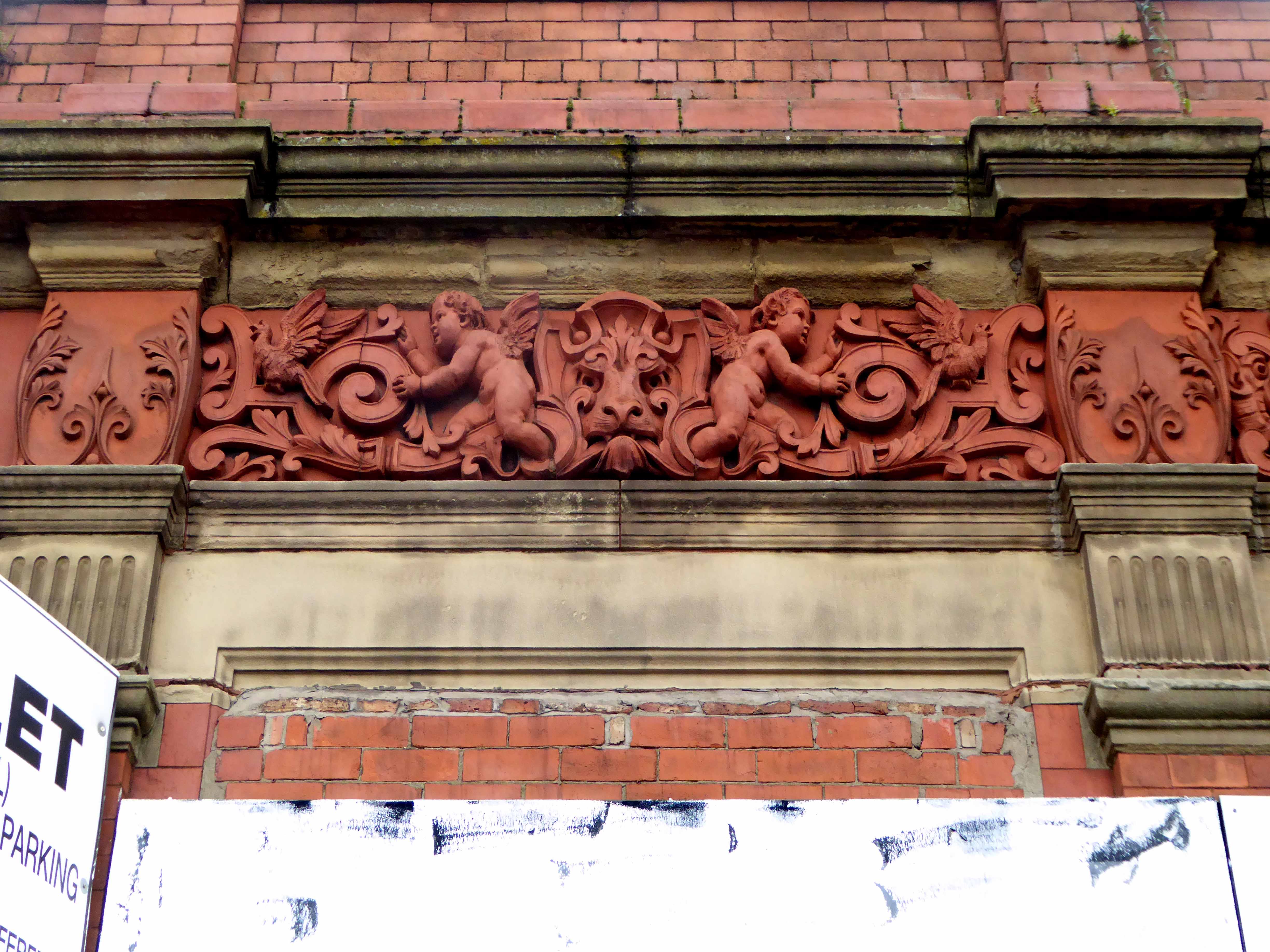
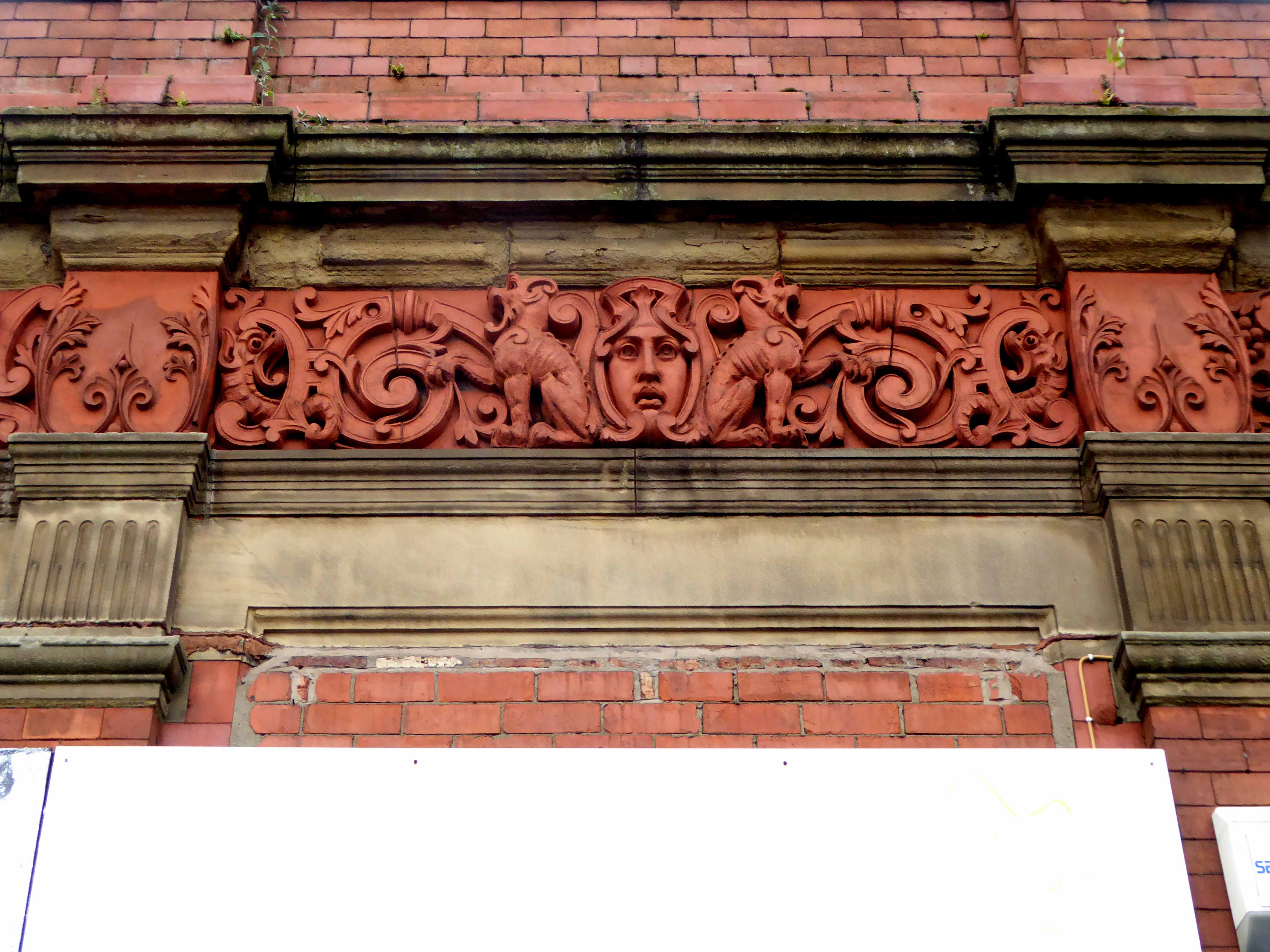
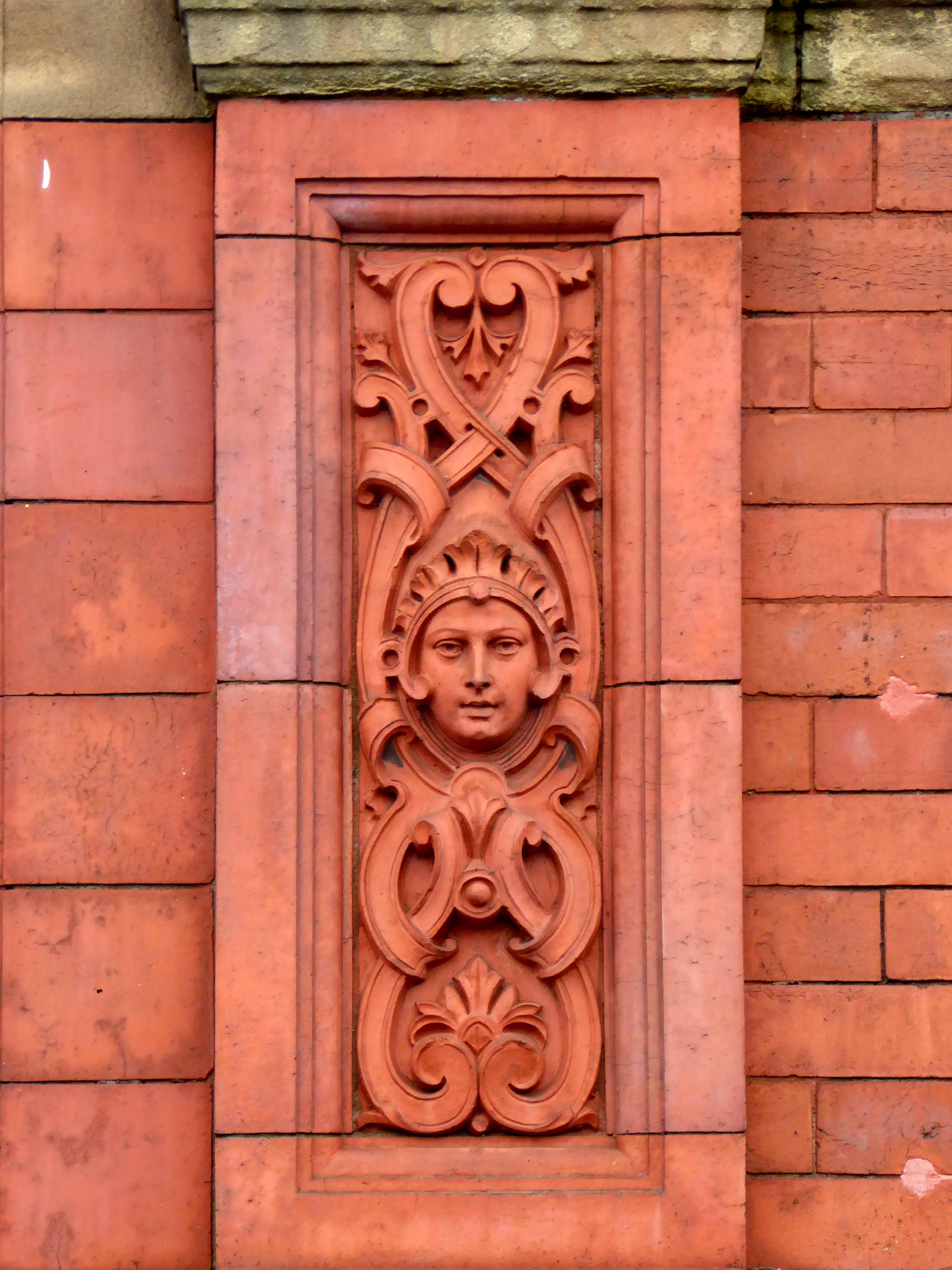
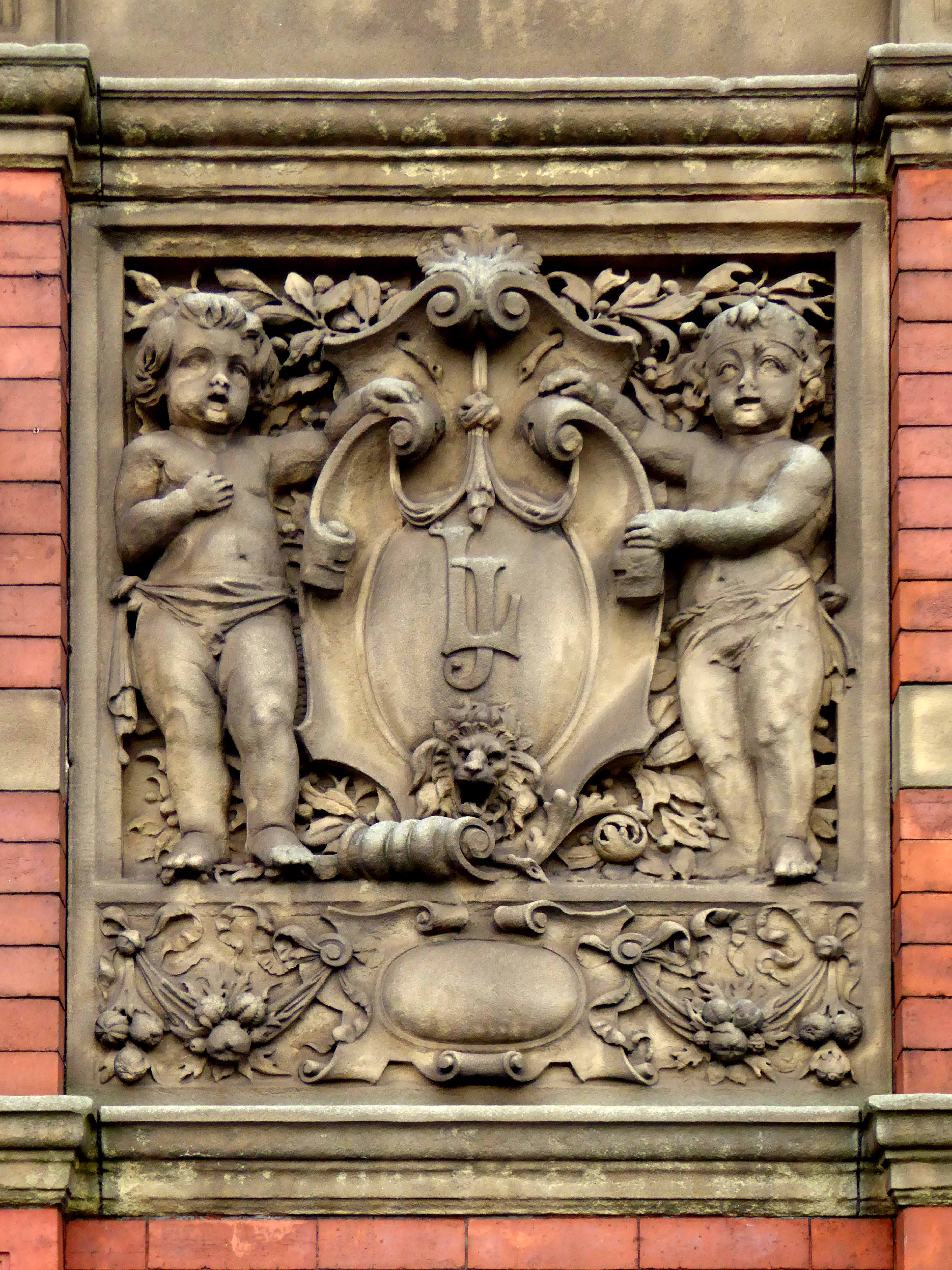
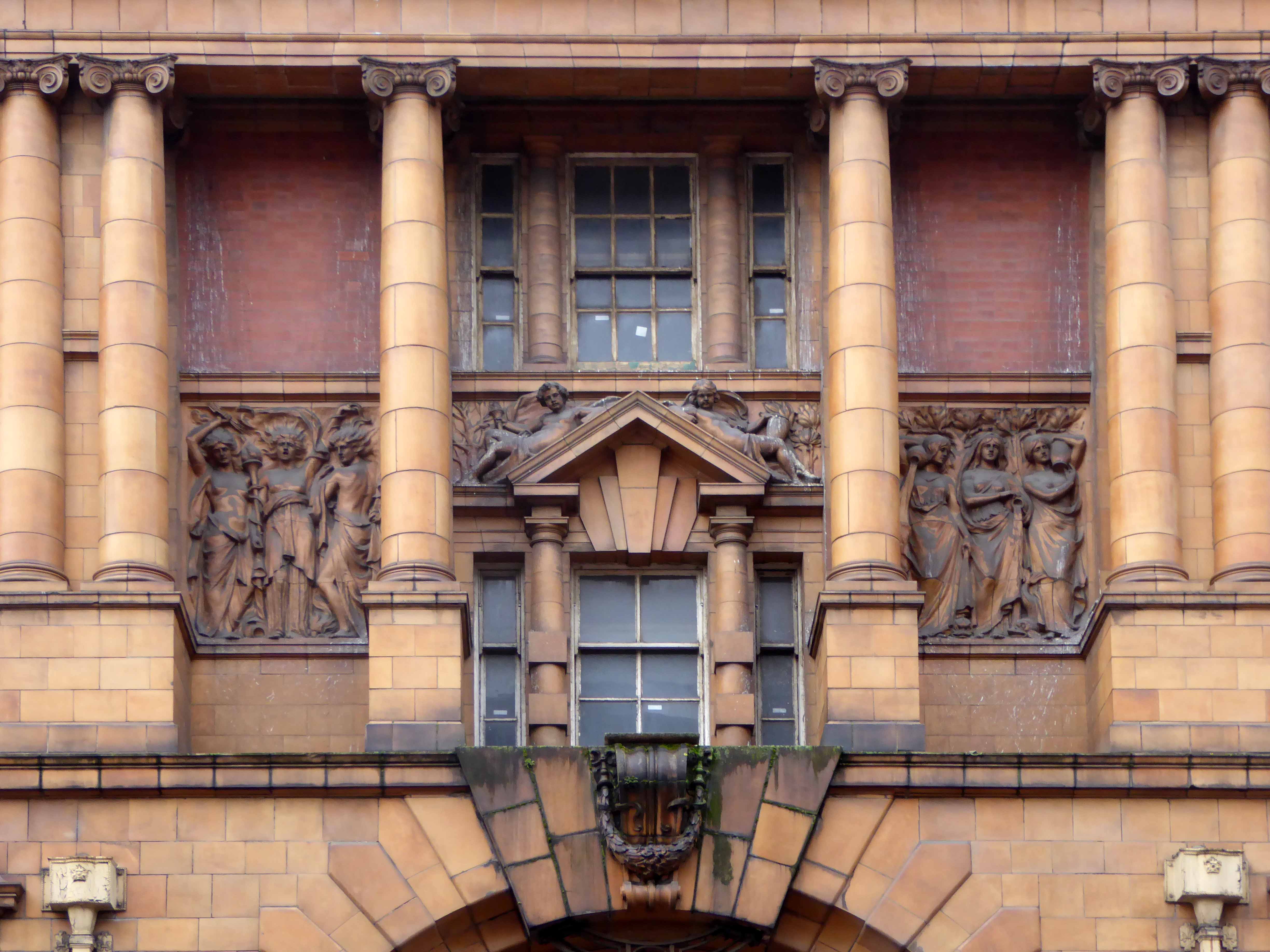
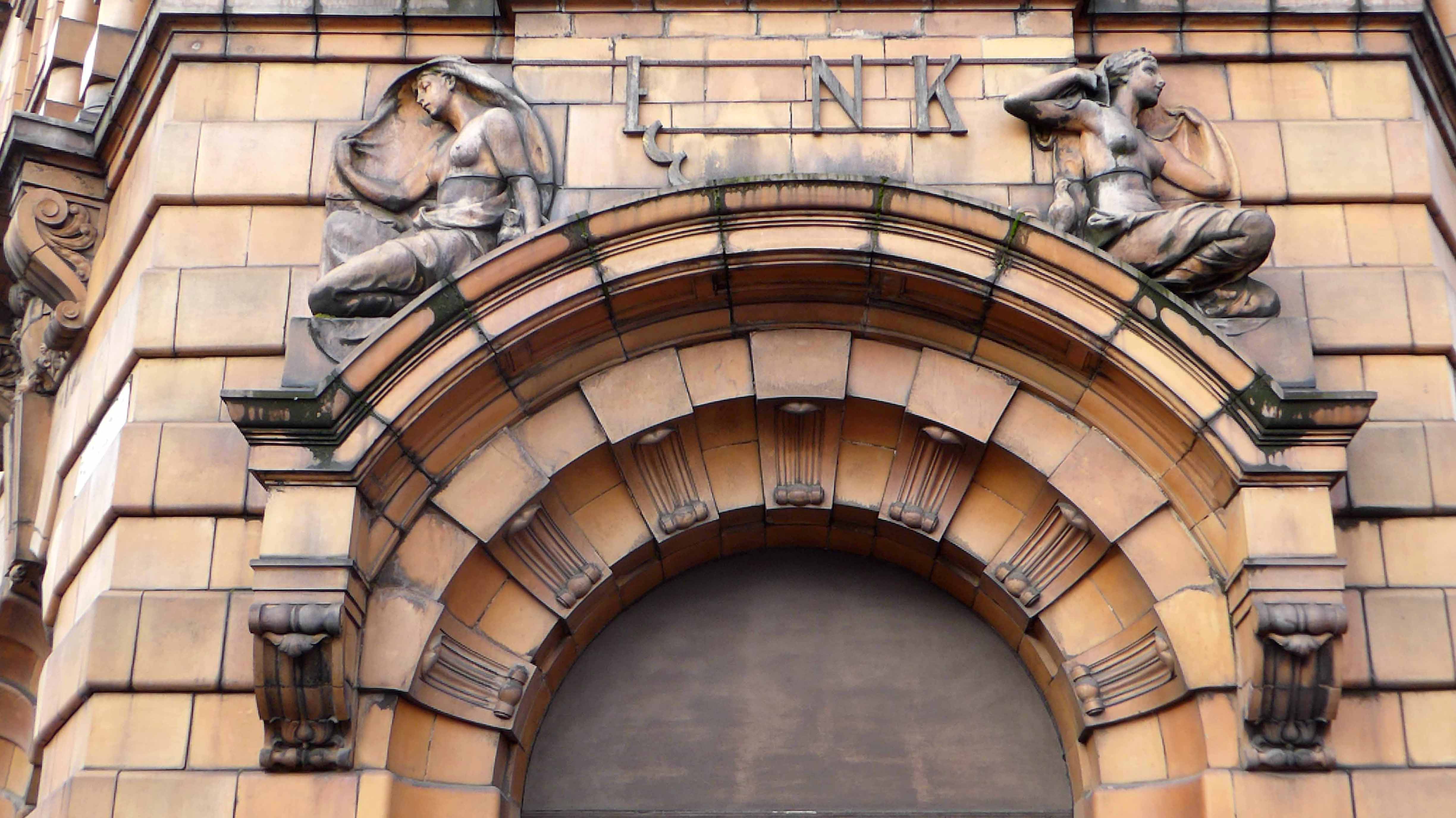
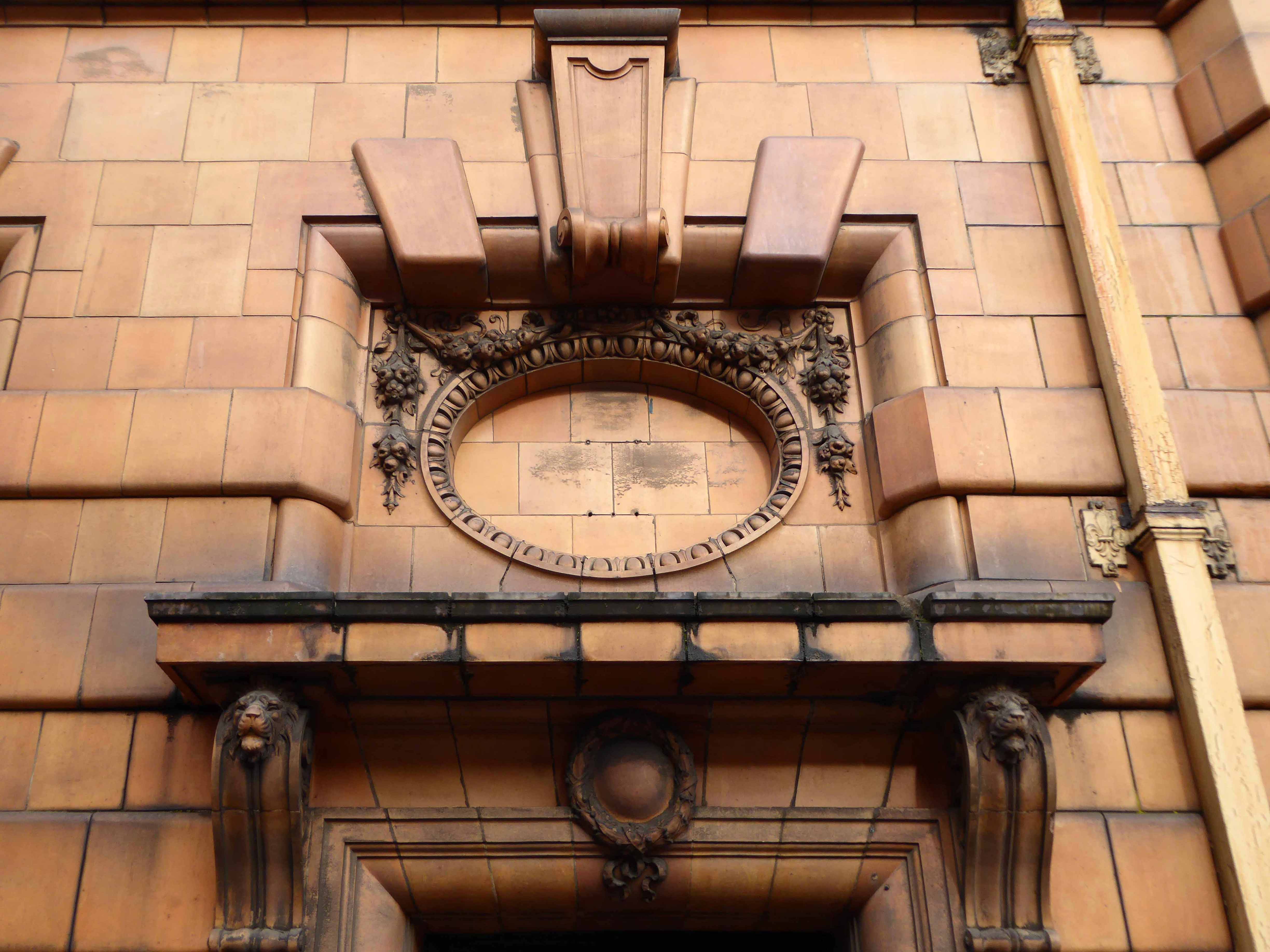
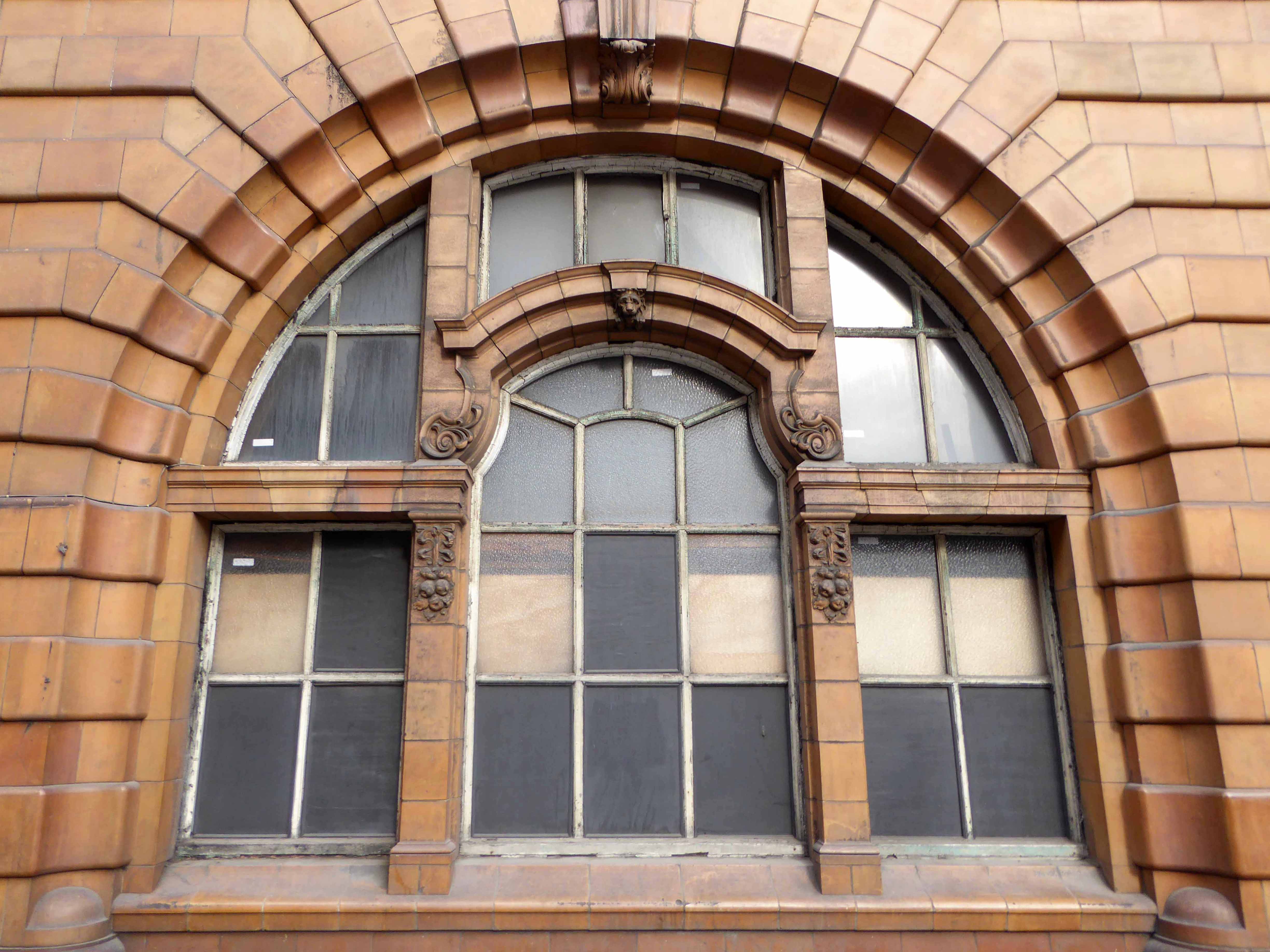
Cooperative Society shops and meeting hall. Dated 1912; altered. Red brick with liberal dressings of green and buff glazed terracotta, red tiled roof with geometrical patterned band and cockscomb ridge tiles. Rectangular plan. Edwardian Baroque style. Two storeys and attic, 11 bays; projected ground floor with dark green Ionic pilasters between the shops and a central recessed porch with dark green surround, light green Ionic columns and segmental open pediment ; inverted voluted brackets linking ground floor pilasters to alternate pedestals of 1st-floor colonnade, which has Ionic semi-columns with festoons and a thin cornice, all in matching light green terracotta; swagged frieze of buff terracotta with buff modillions to a green cornice; brick parapet with buff terracotta balustrades and triangular dormers in alternate bays, interrupted in the centre by a green segmental pediment with raised lettering “Beswick Cooperative Society LTD”. Tall segmental-headed windows at 1st floor including a canted bay in the centre with parapet lettered “Built AD 1912”, and coupled windows in the 2nd, 3rd, 10th and 11th bays, all with elaborate surrounds of buff terracotta including quoined jambs, moulded transoms and enriched keystones; and stained glass in the upper lights. Square Baroque-style turret at left gable.

Grade II Listed

The building itself was originally designed for commercial use with a department store on the ground floor boasting five departments including a butchers, shoes and boots, a drapery and a grocery. On the first floor there was a meeting room that was large enough to host dances with live music. Its inaugural event was an exhibition by the Co-operative Workers Society that also included a recital by the C.W.S. orchestra of Balloon Street; it was reported to have been a great success. It was also used for community events such as the Crowcroft Bowls Club prize-giving ceremony in 1914.

Northmoor Road was called North Road at the time the building was in use as a co-operative and was developed between 1899 and 1930’s. Its most famous resident was J.R.Tolkien who lived here between 1926 and 1947.

North moor Community Association

1965

1965 Manchester Local Image Collection

Northmoor Rd copy

Now home to Great Places Housing

This is such a substantial building exuding an opulent retail grandeur that easily leaves your local Tesco Local in the deep dark ignominious shade. From a time when the expanding Cooperative movement provide for most of the areas material needs – though the Beswick Society was disliked for its aggressive territorial ingress, outside of any recognised geographic constriction.

Externally it is still substantially as was – clearly visible from the nearby Stockport Road and continuing to command the street with degree of grace.

Go take a walk, take a look!

DSC_0019 copy

northmoor d copy

P1200038

P1200039

P1200040

P1200041

P1200042

P1200044

P1200045

P1200046

P1200047

P1200048

P1200049

P1200050

P1200052

P1200053

P1200054

P1200055

P1200056