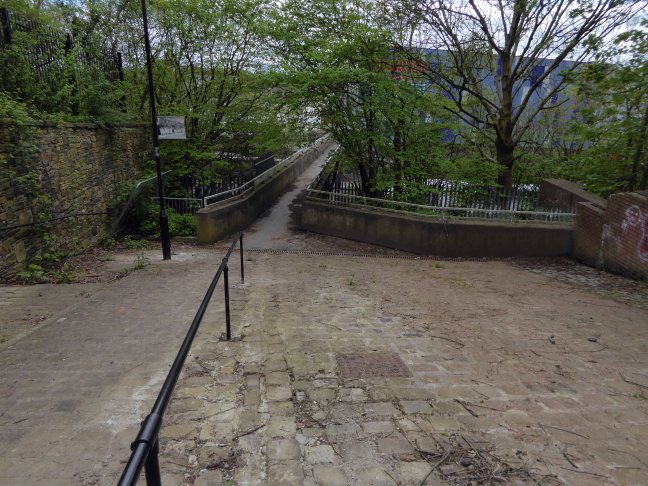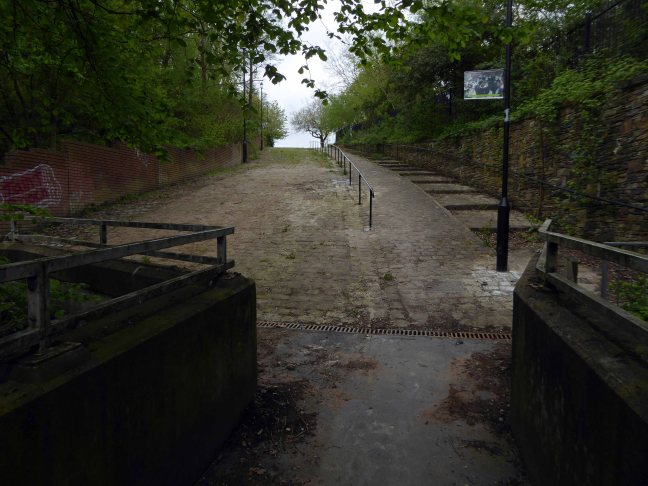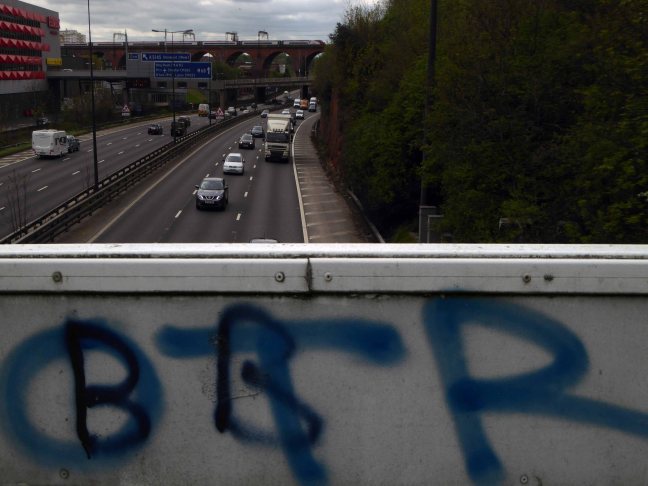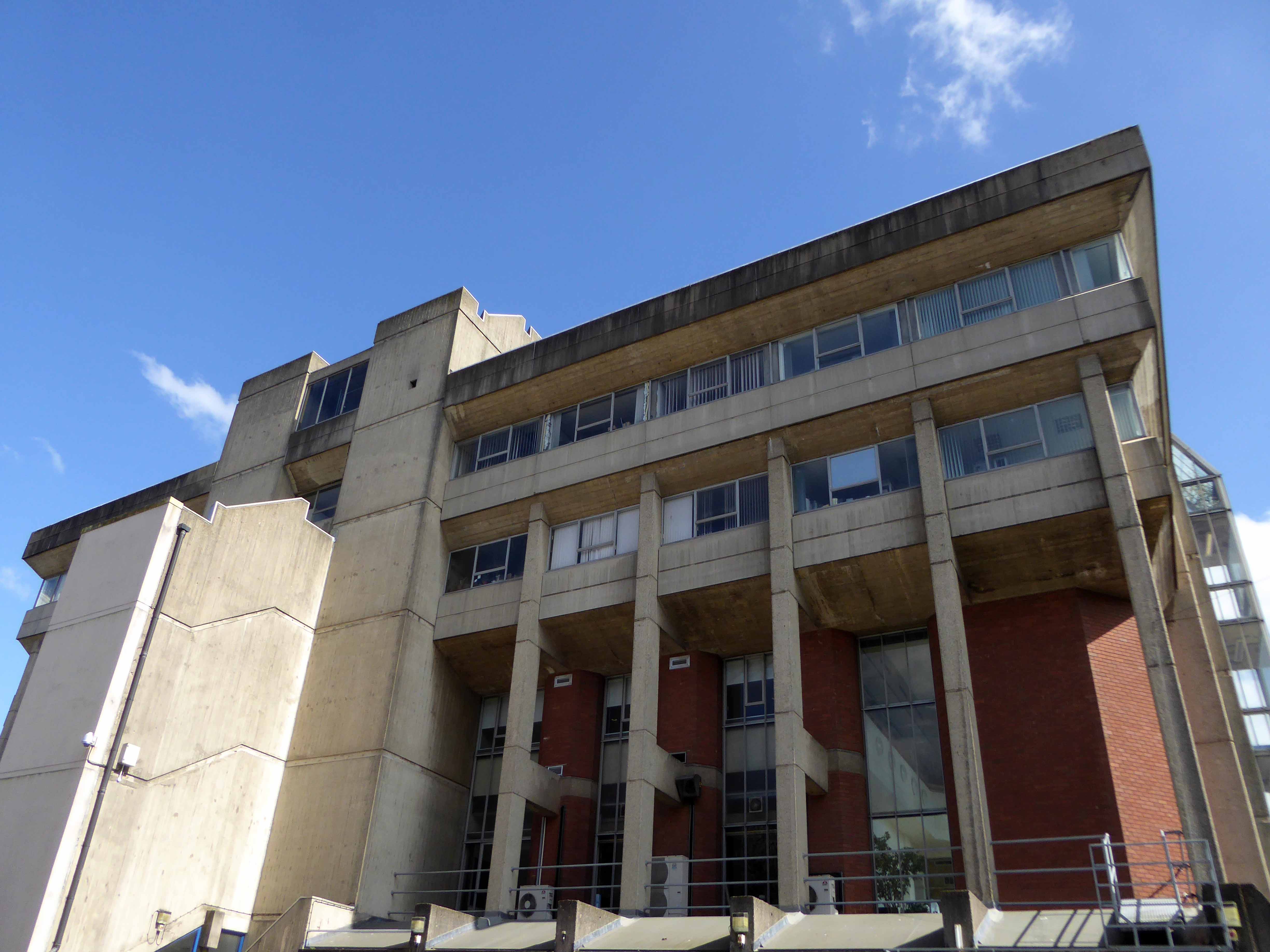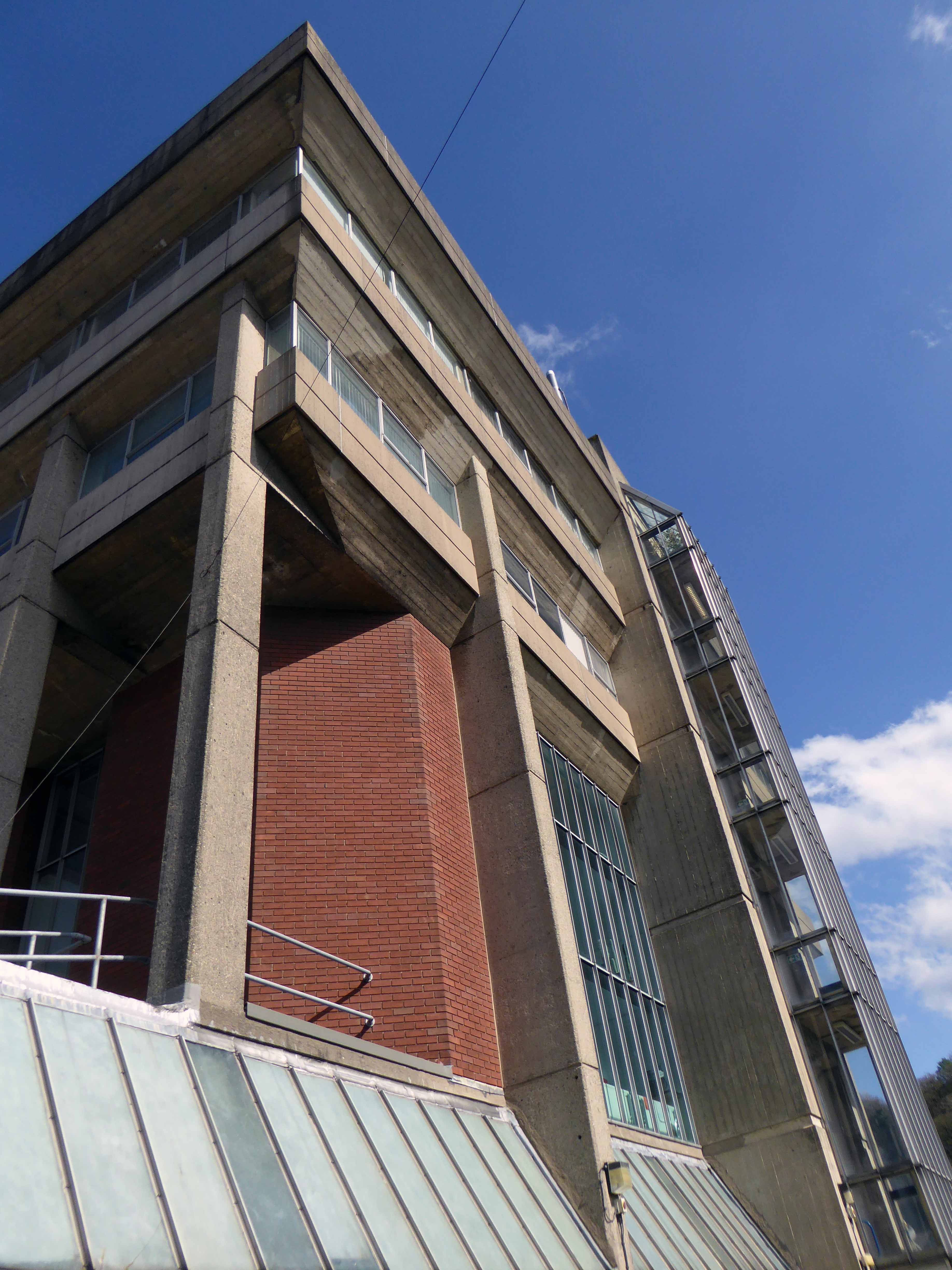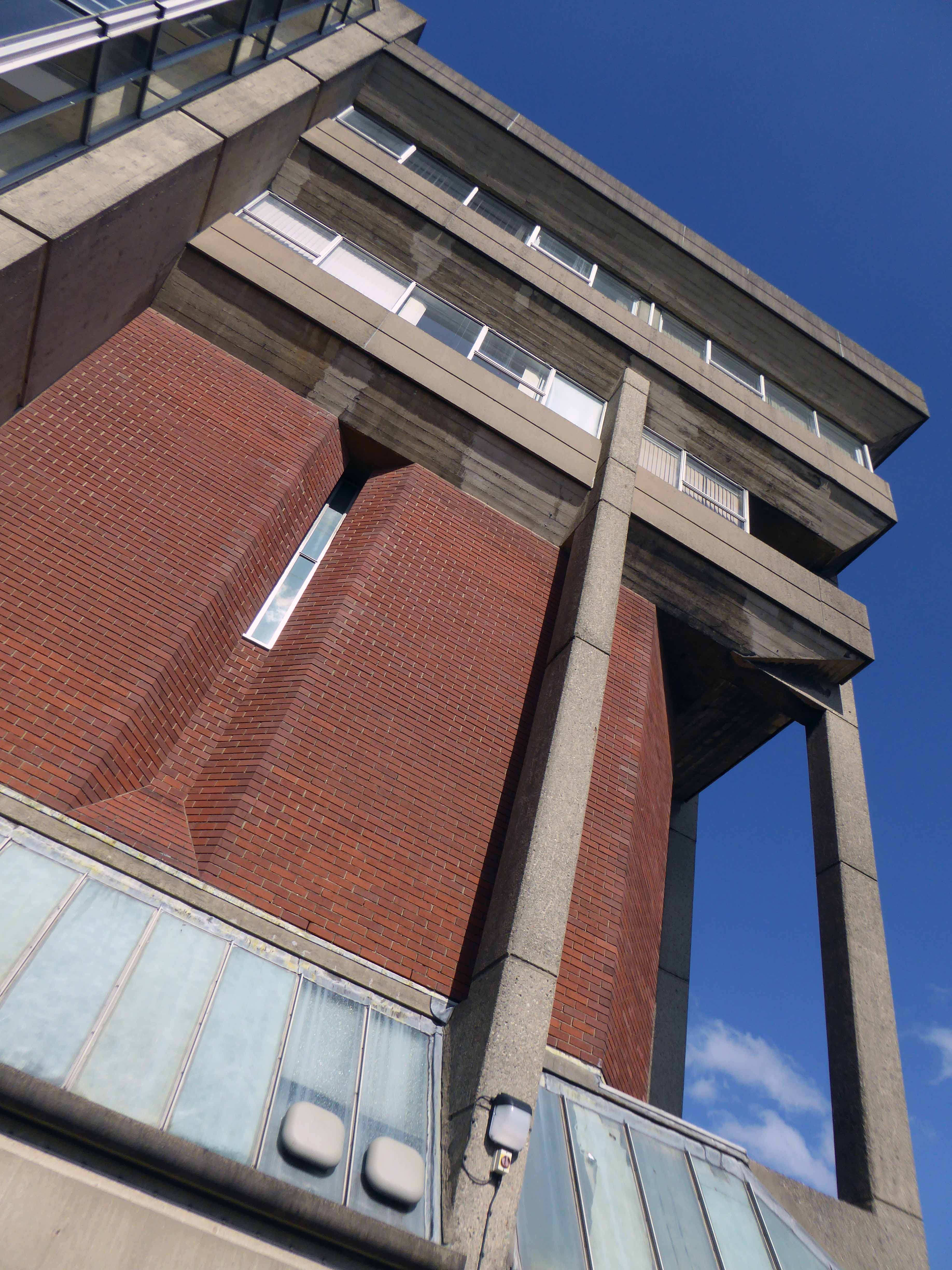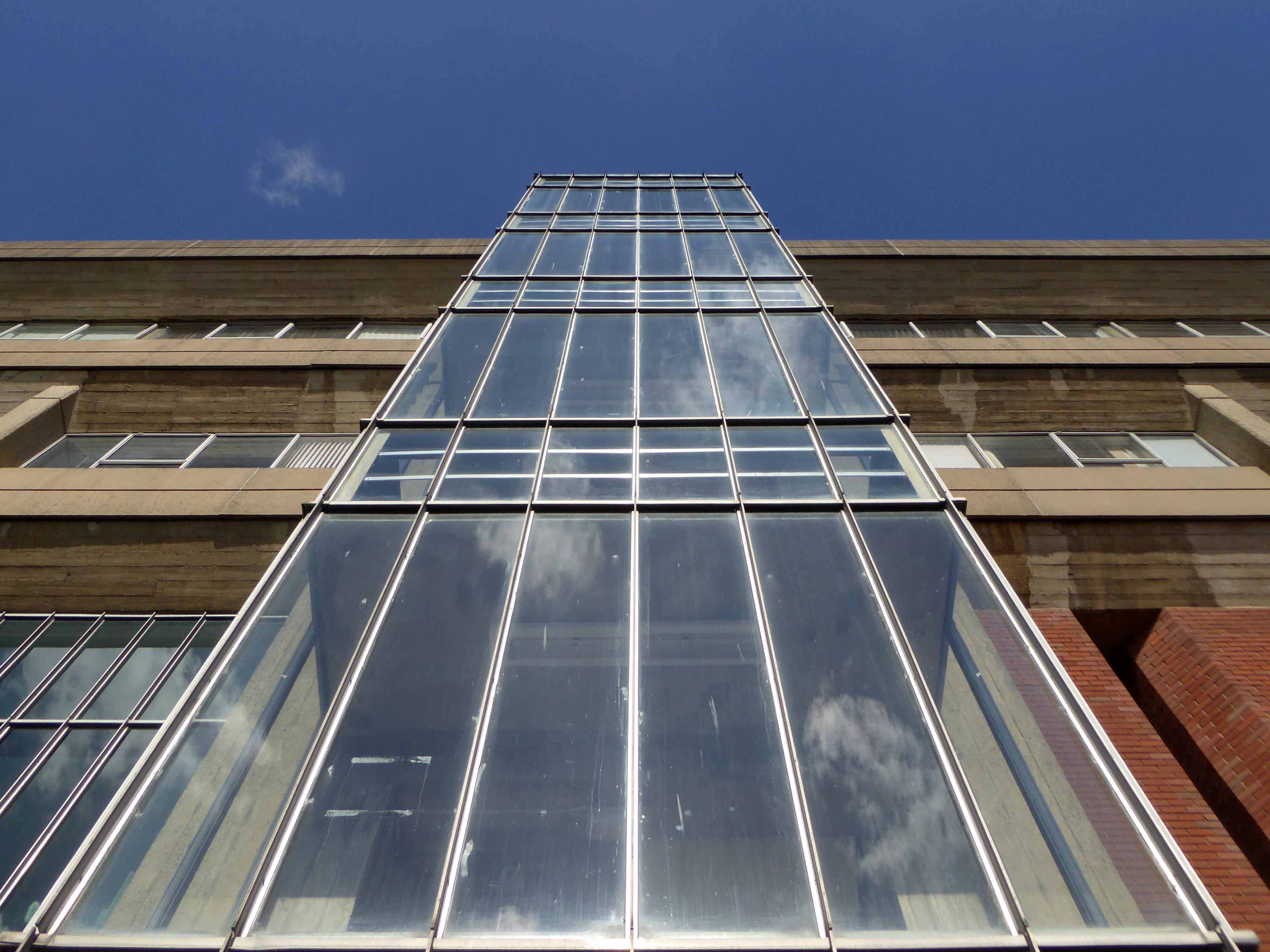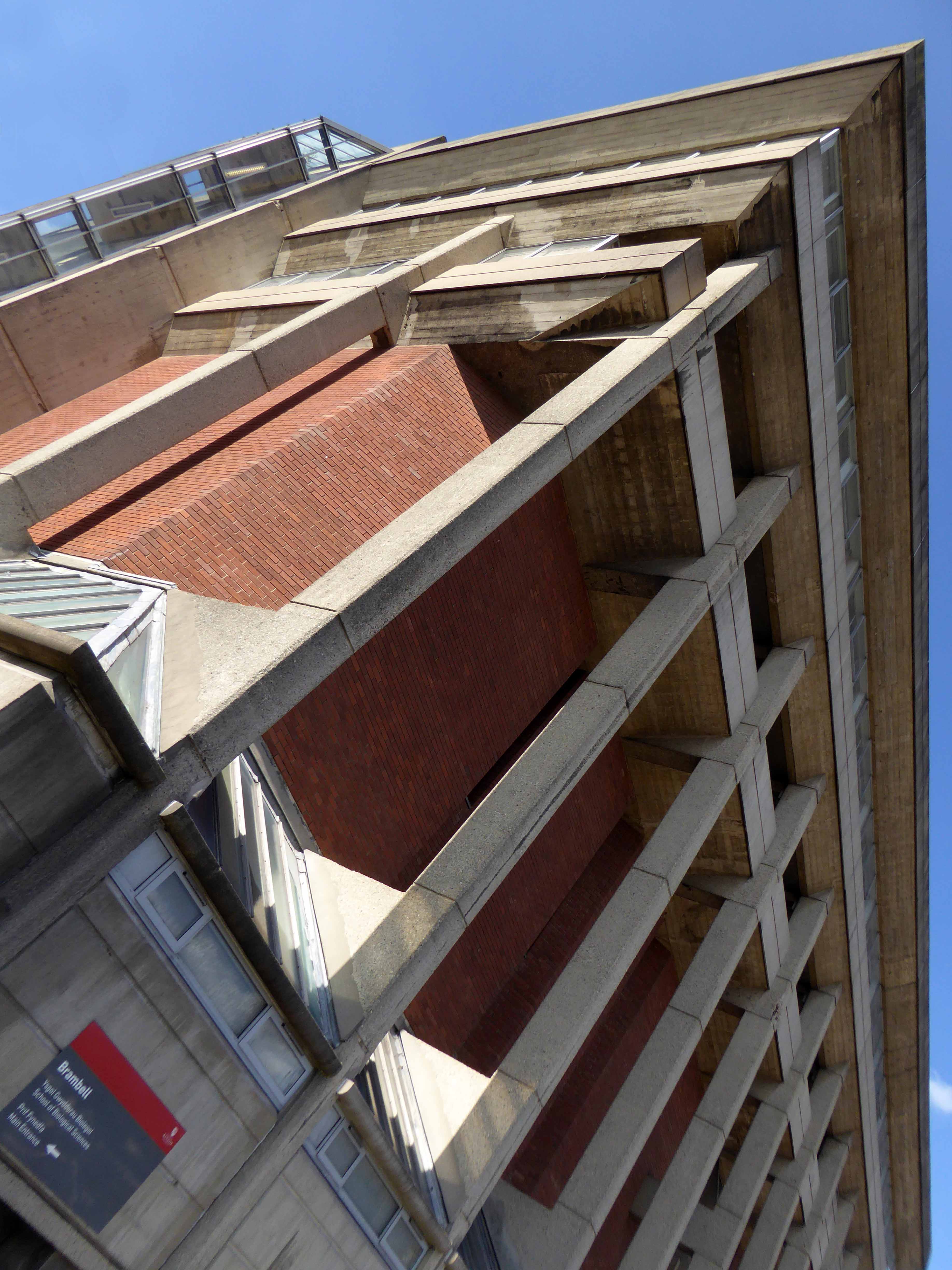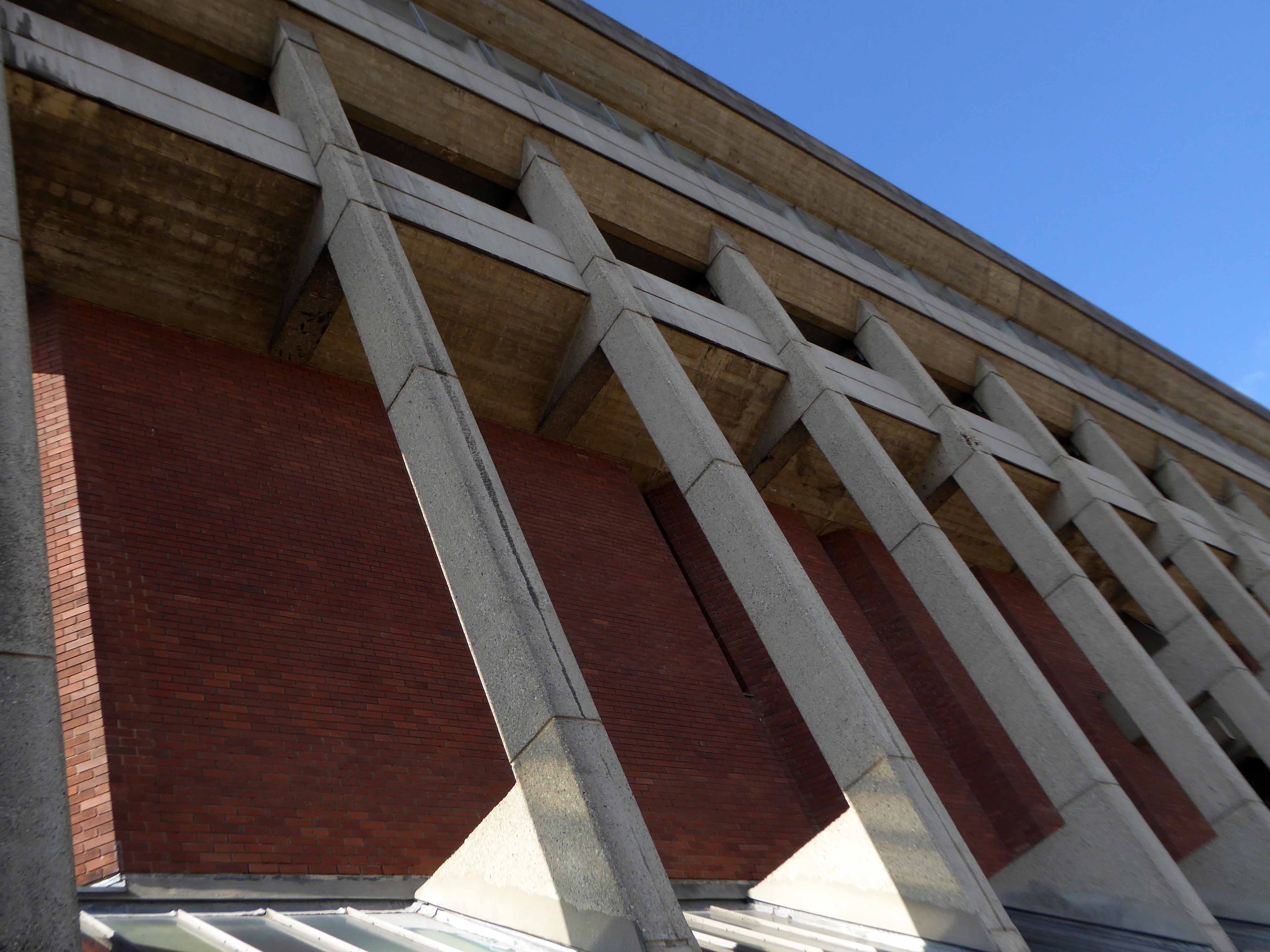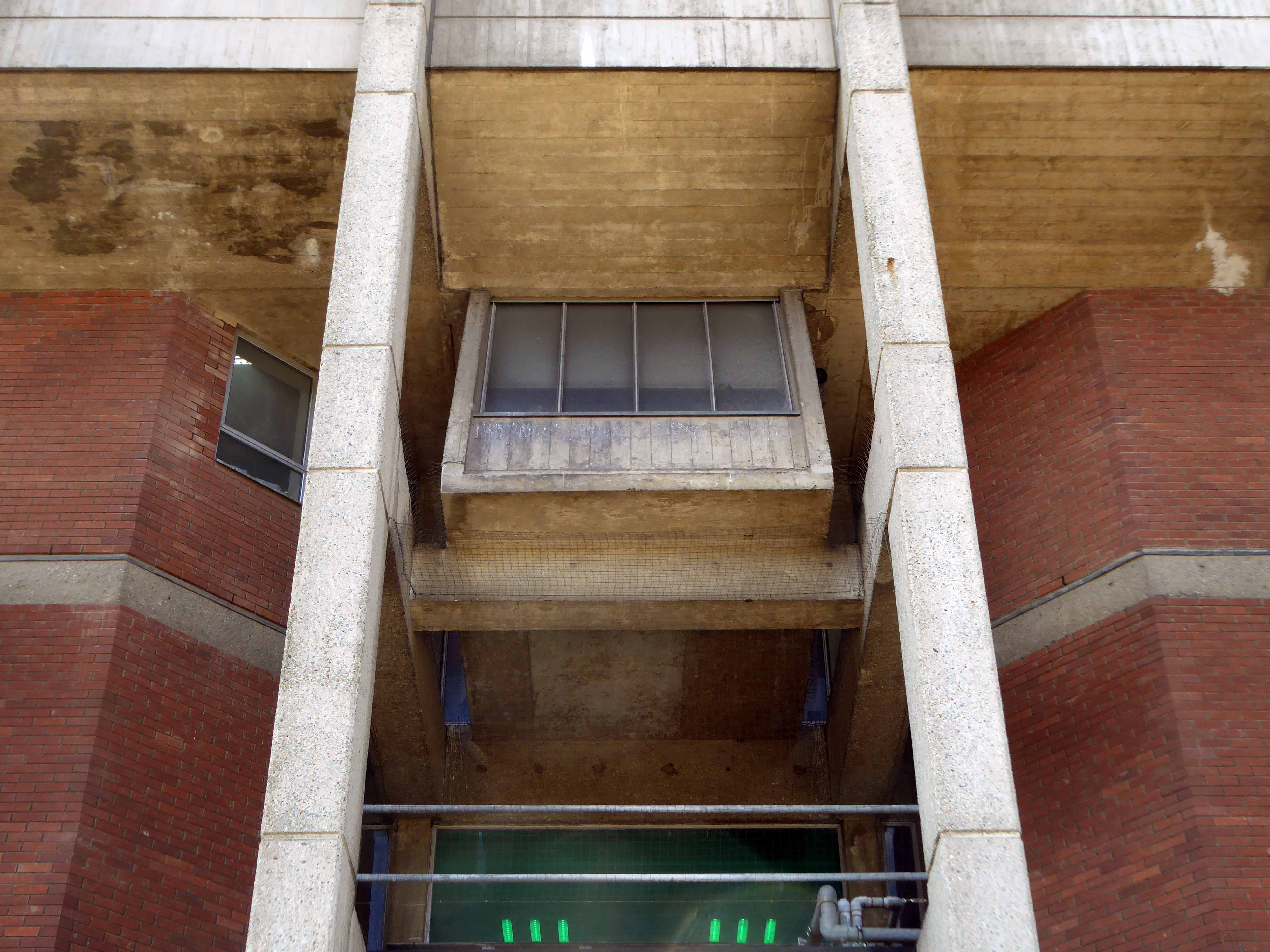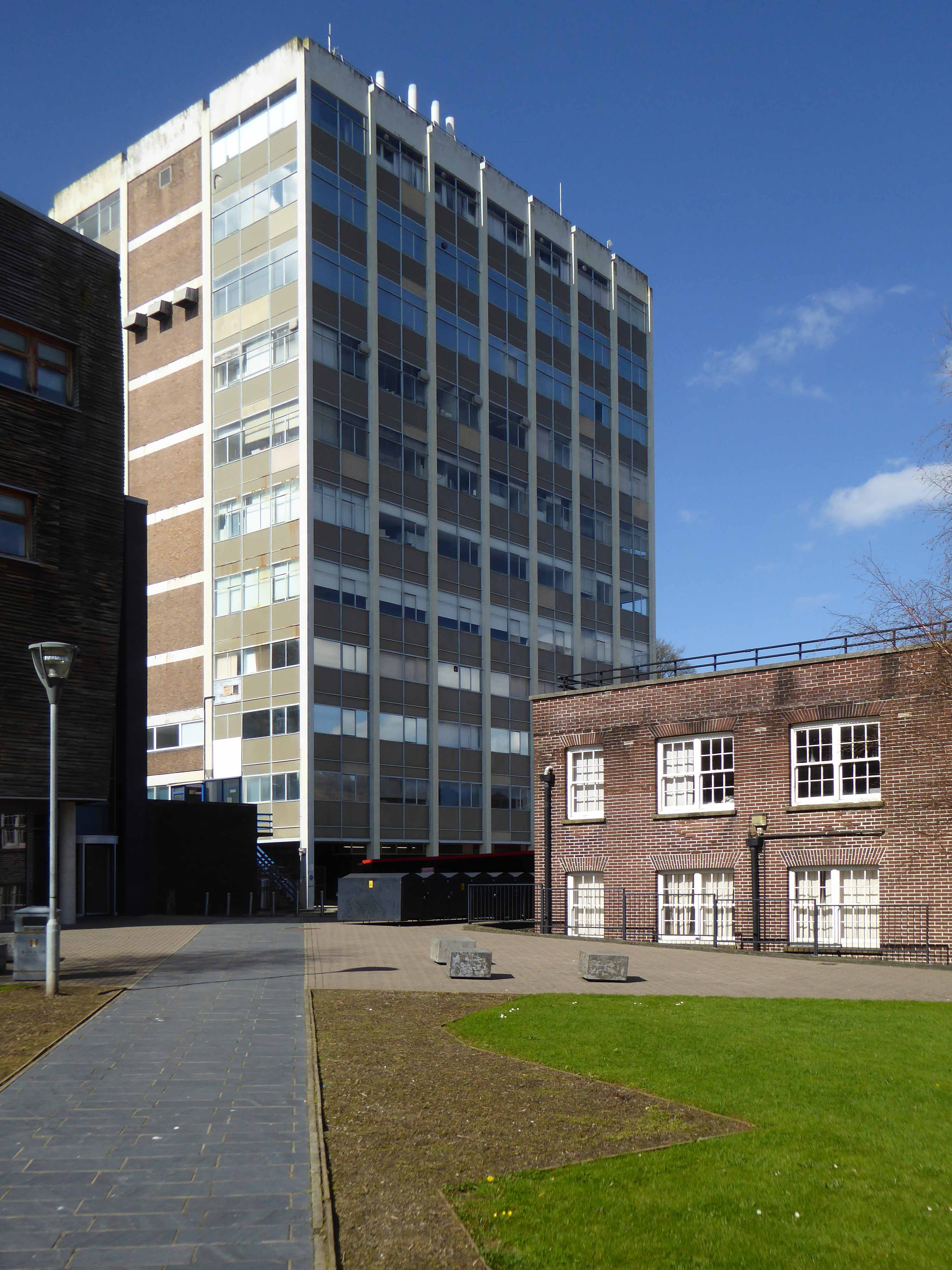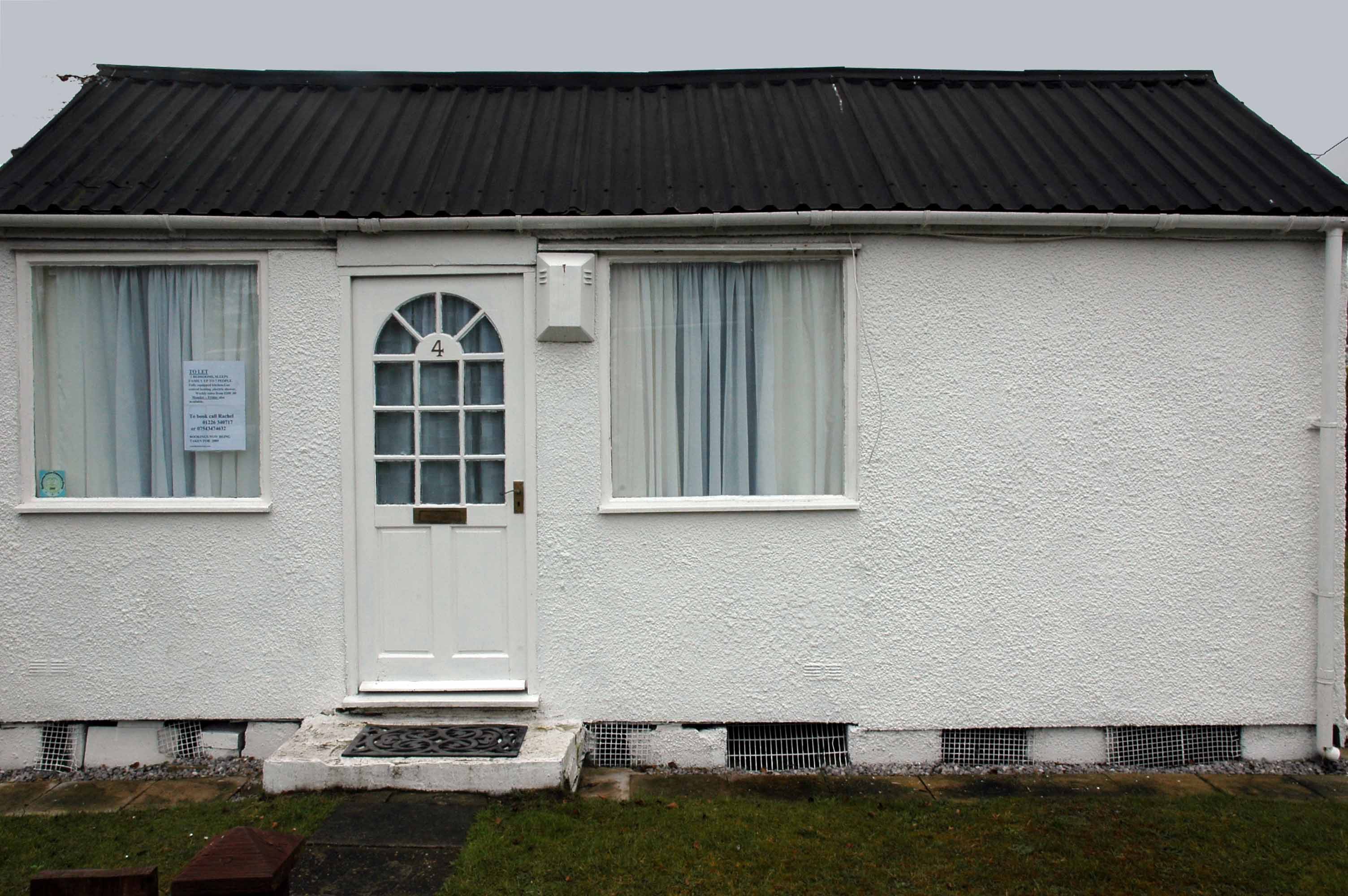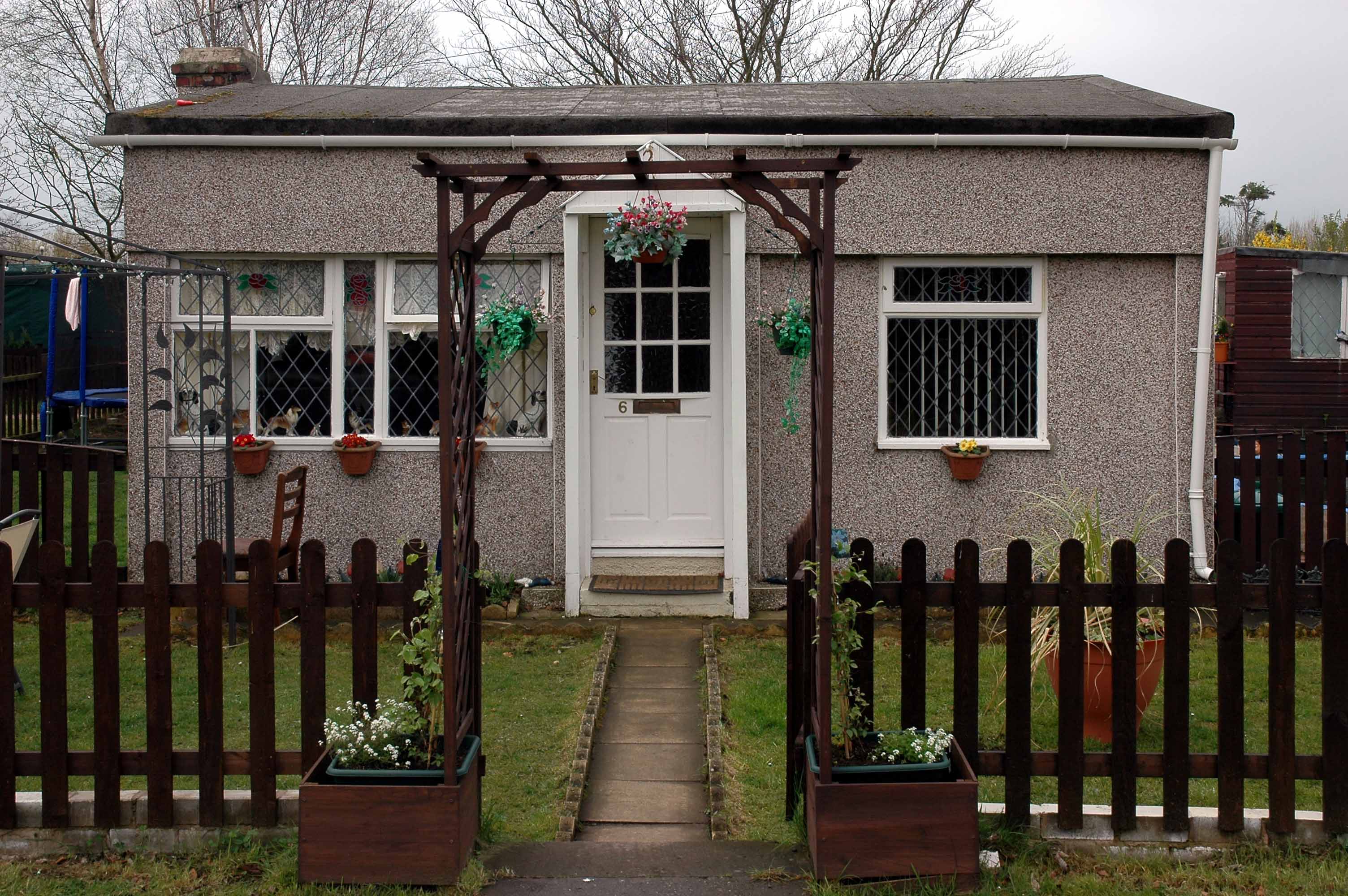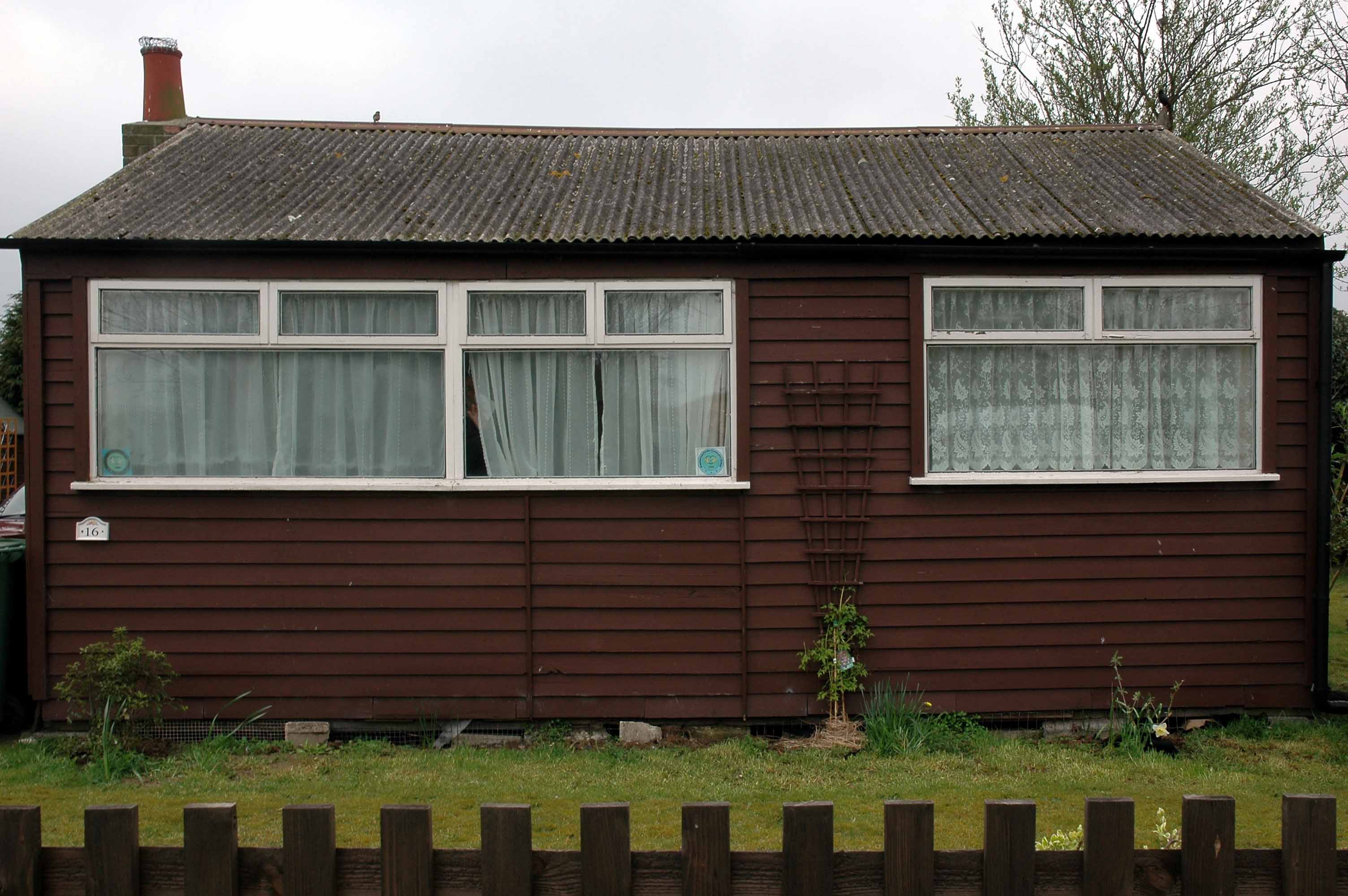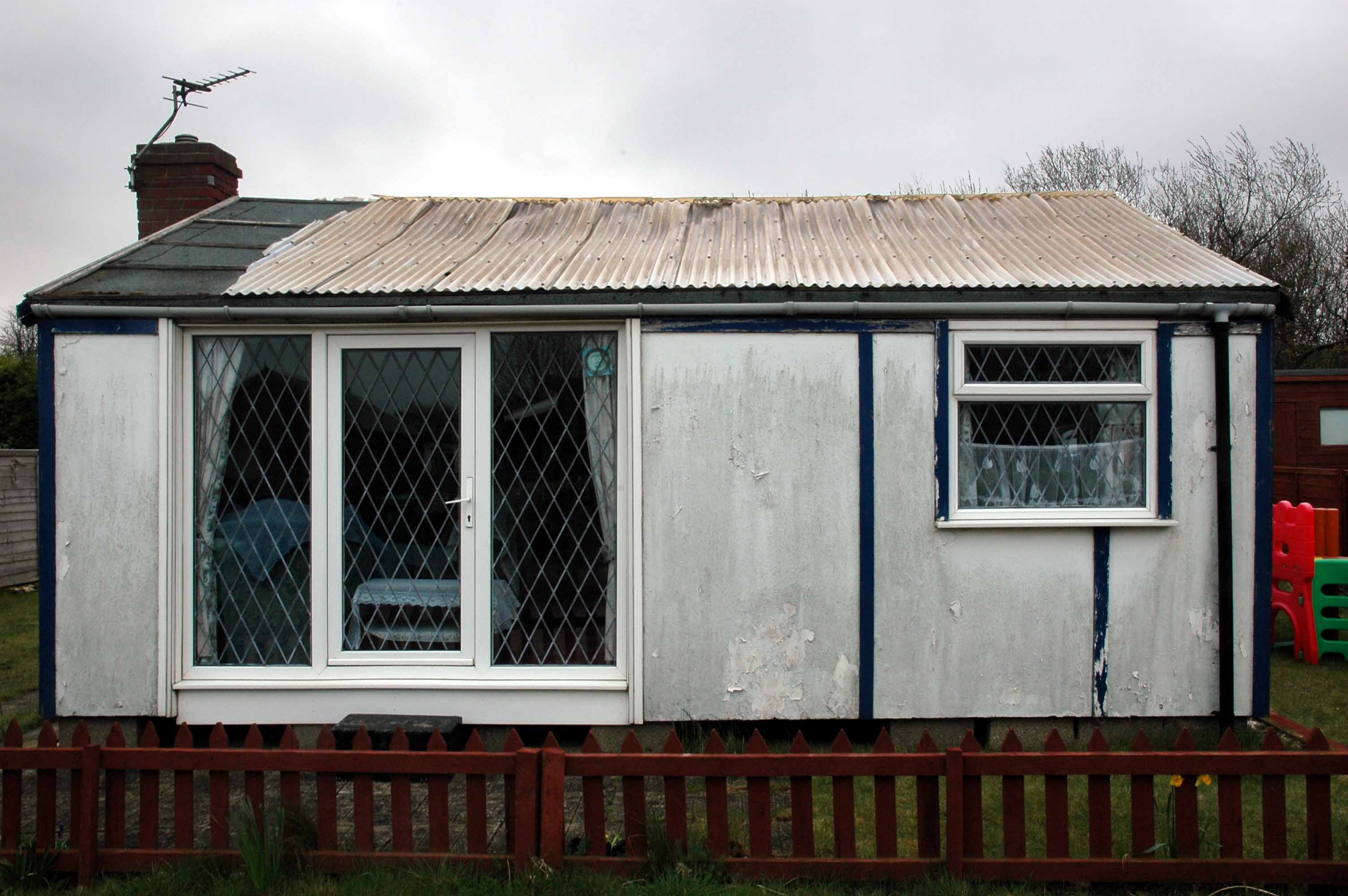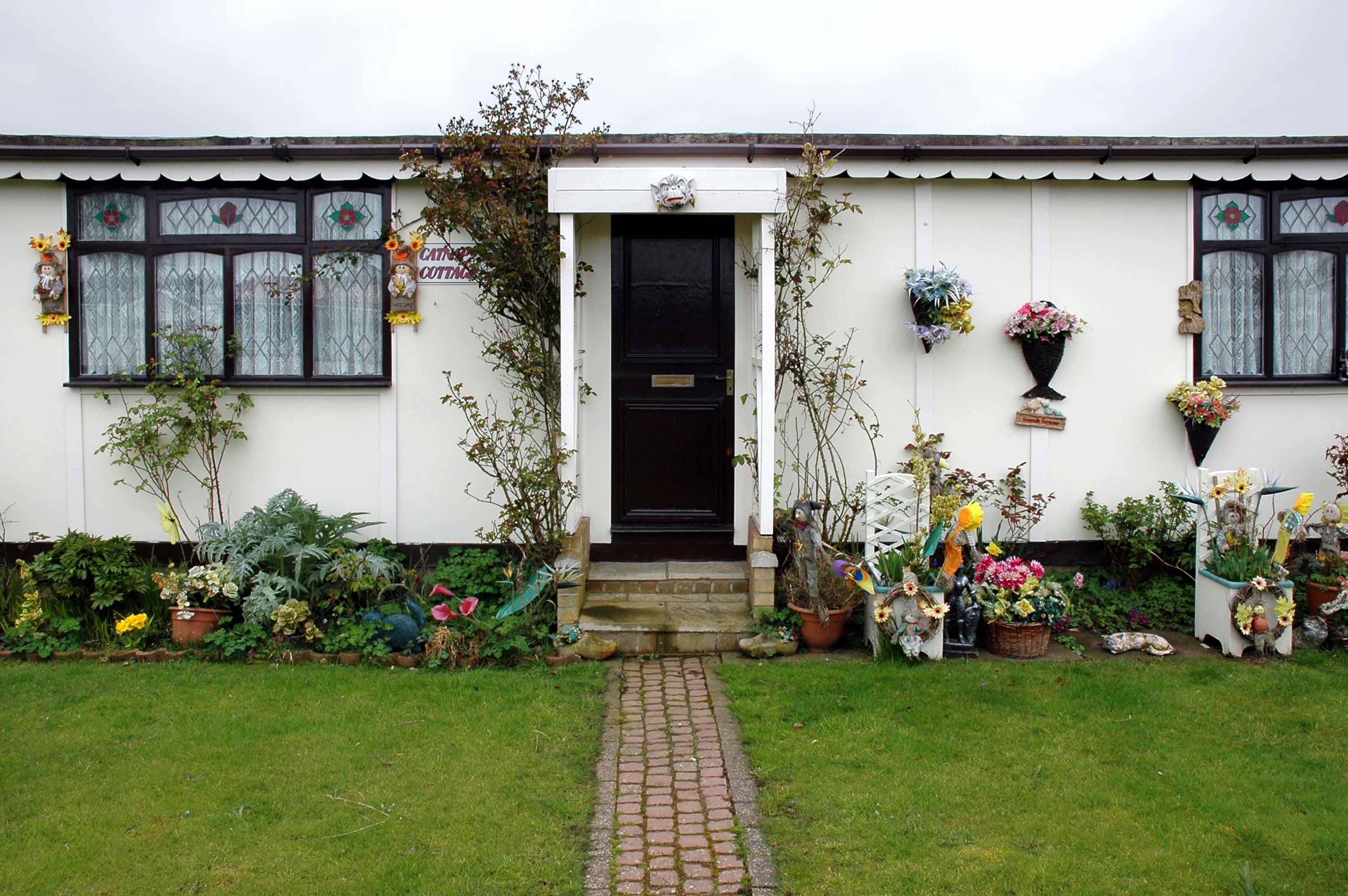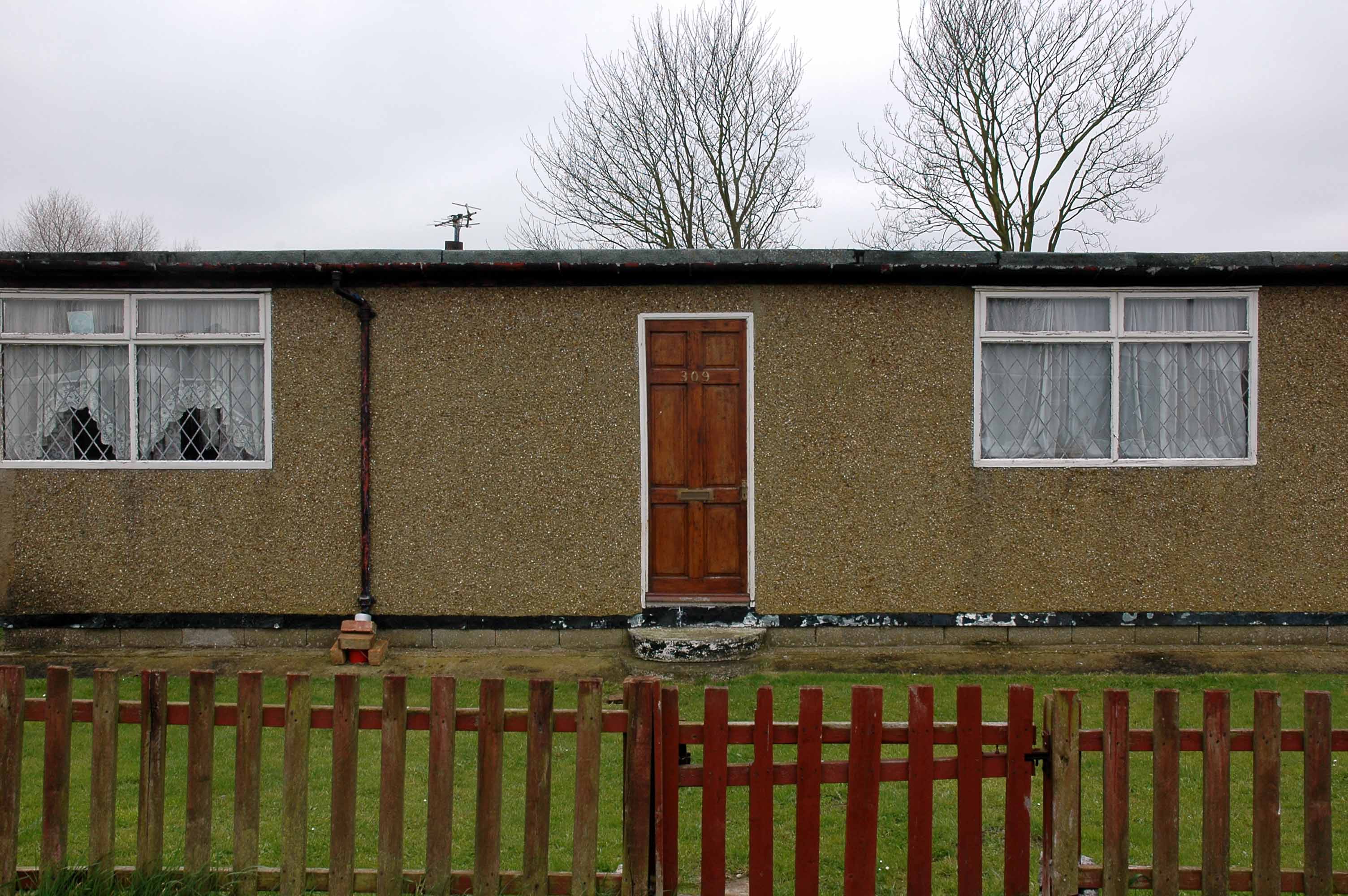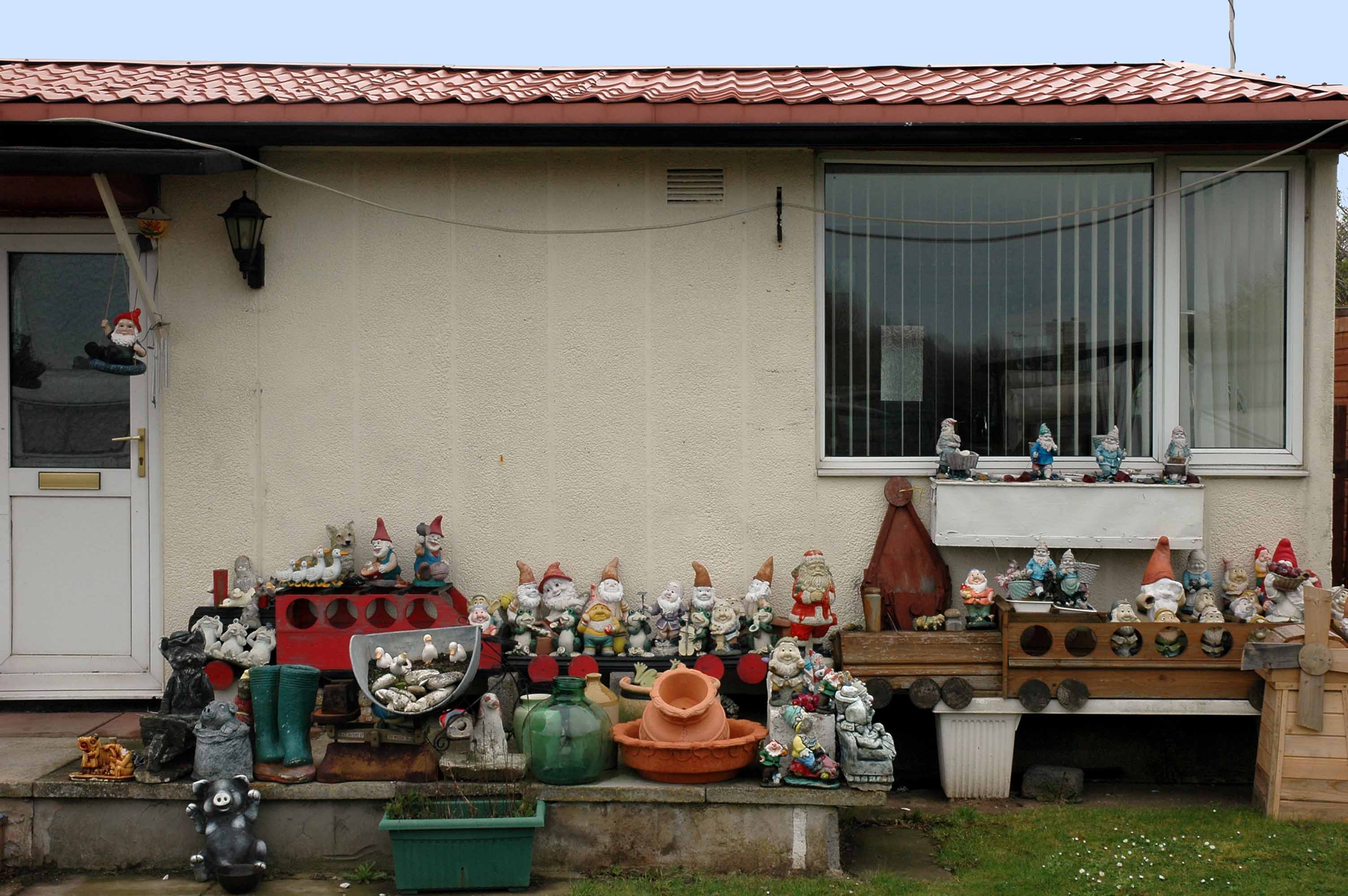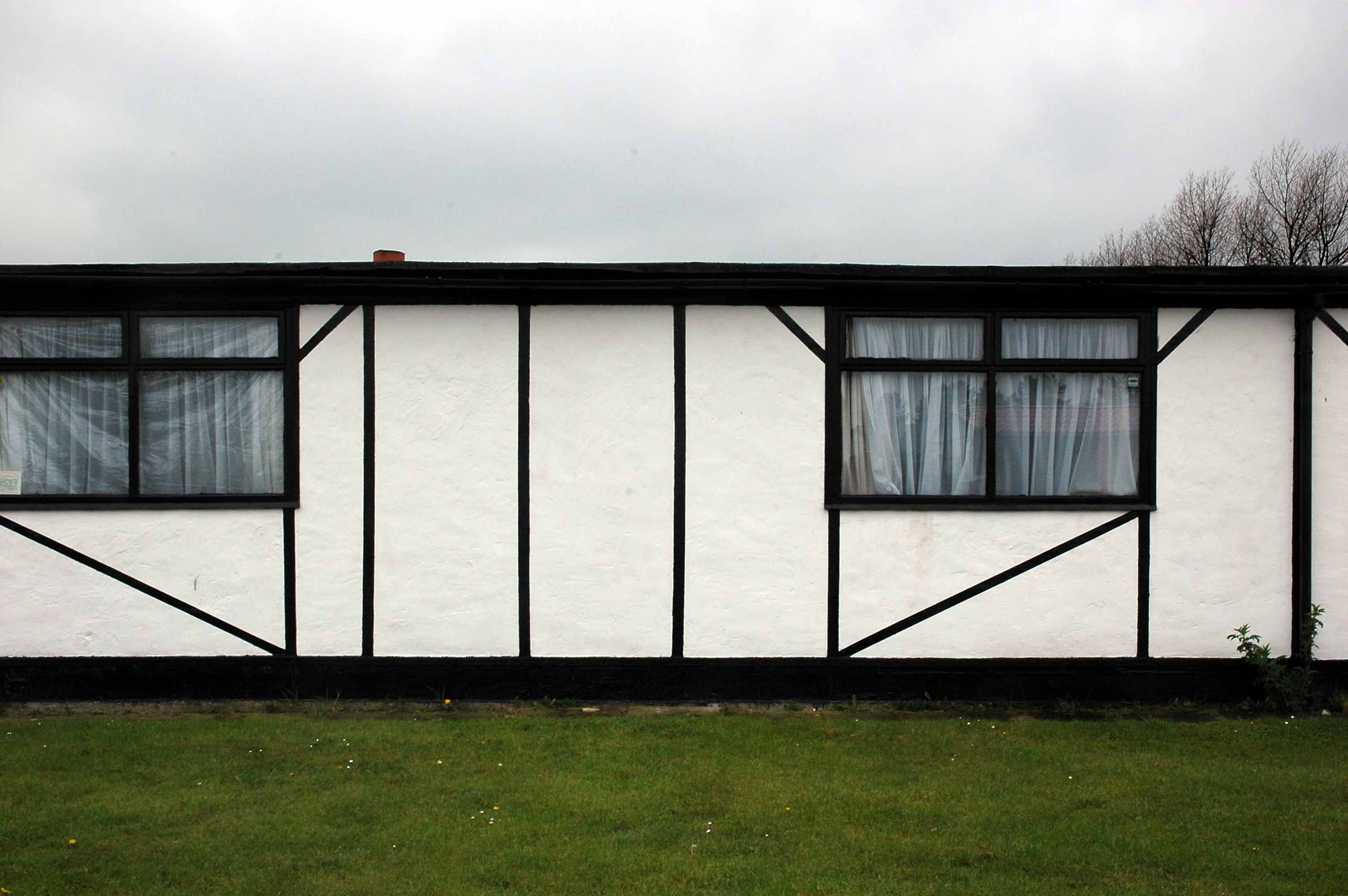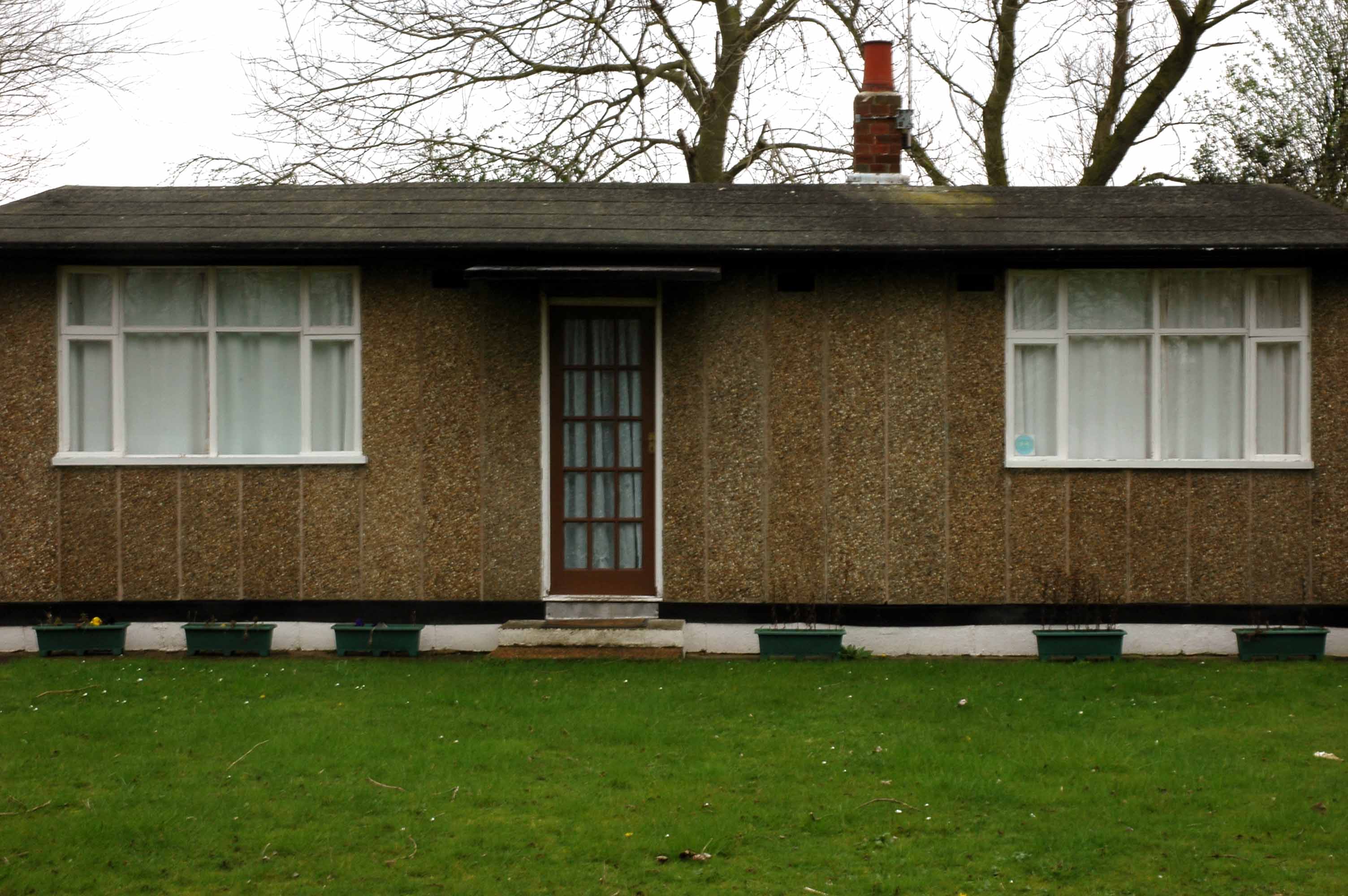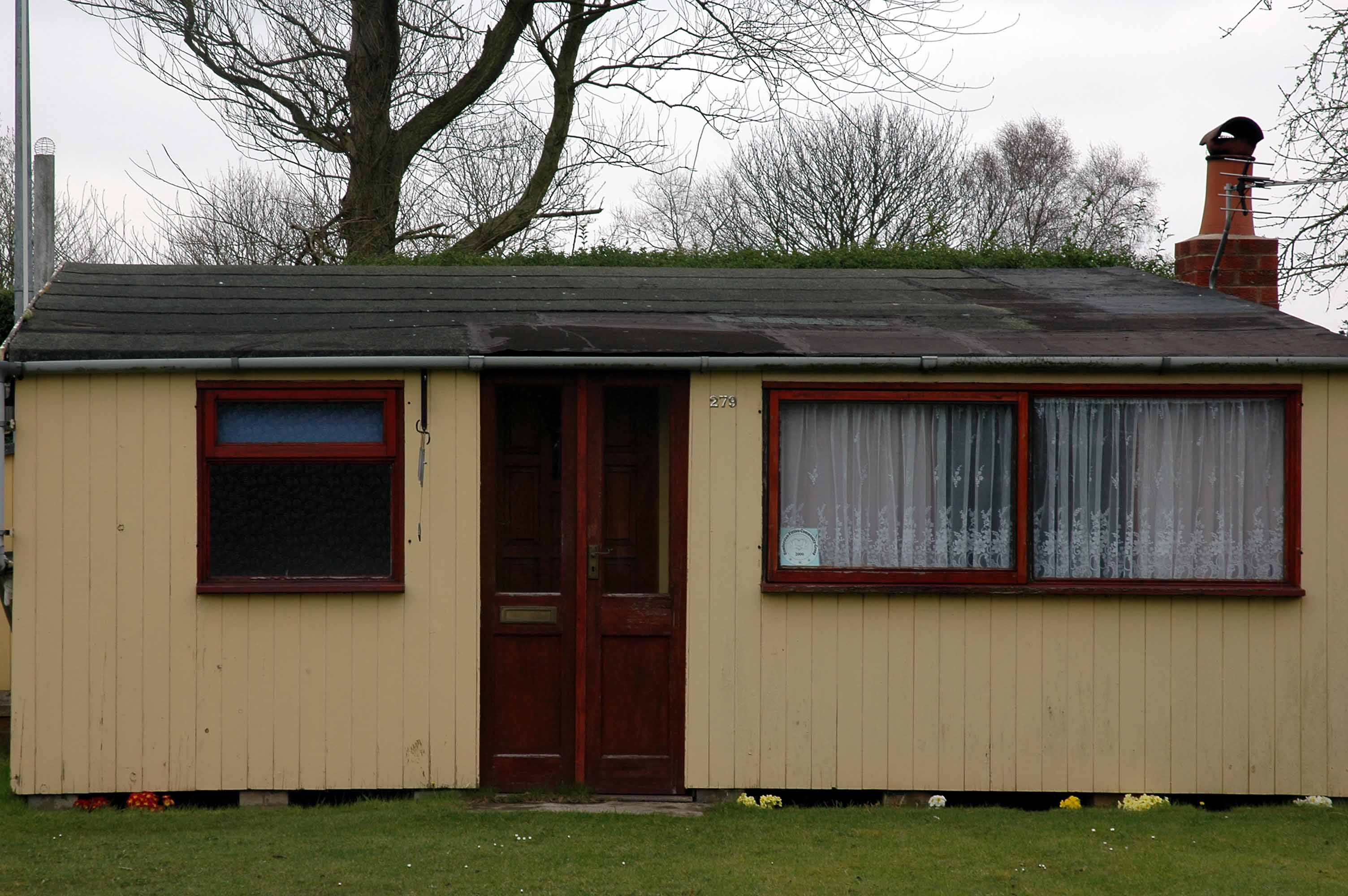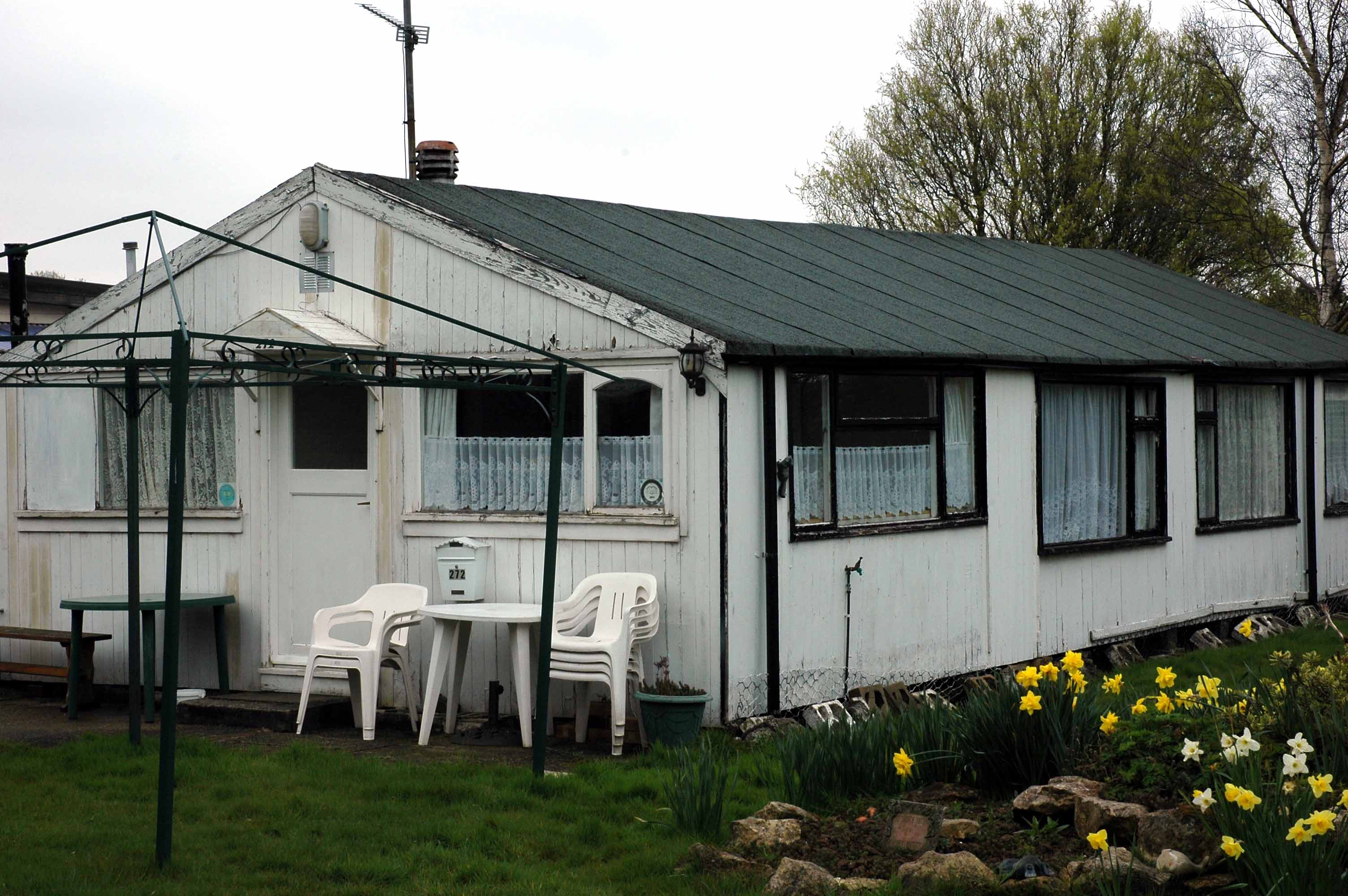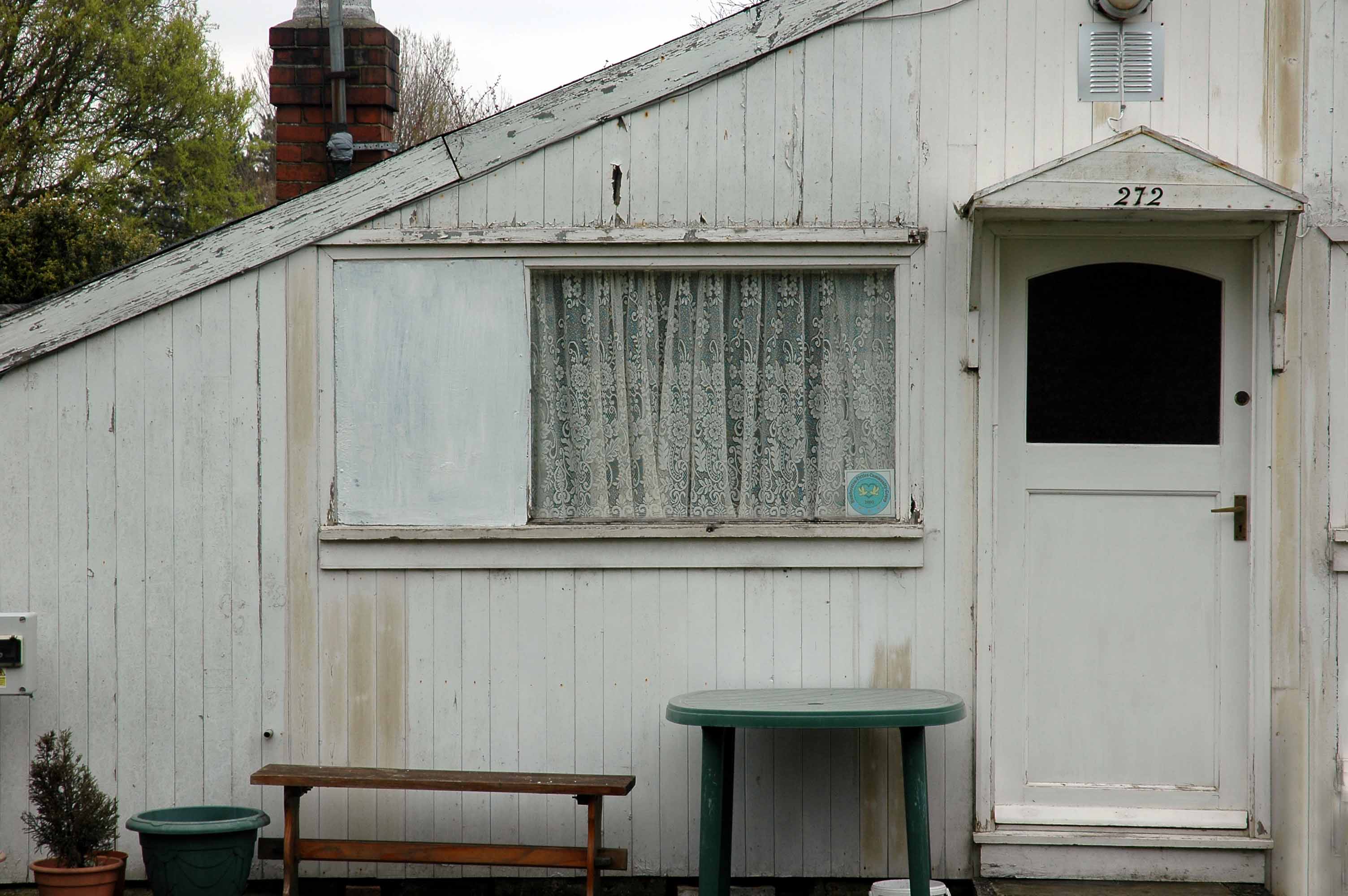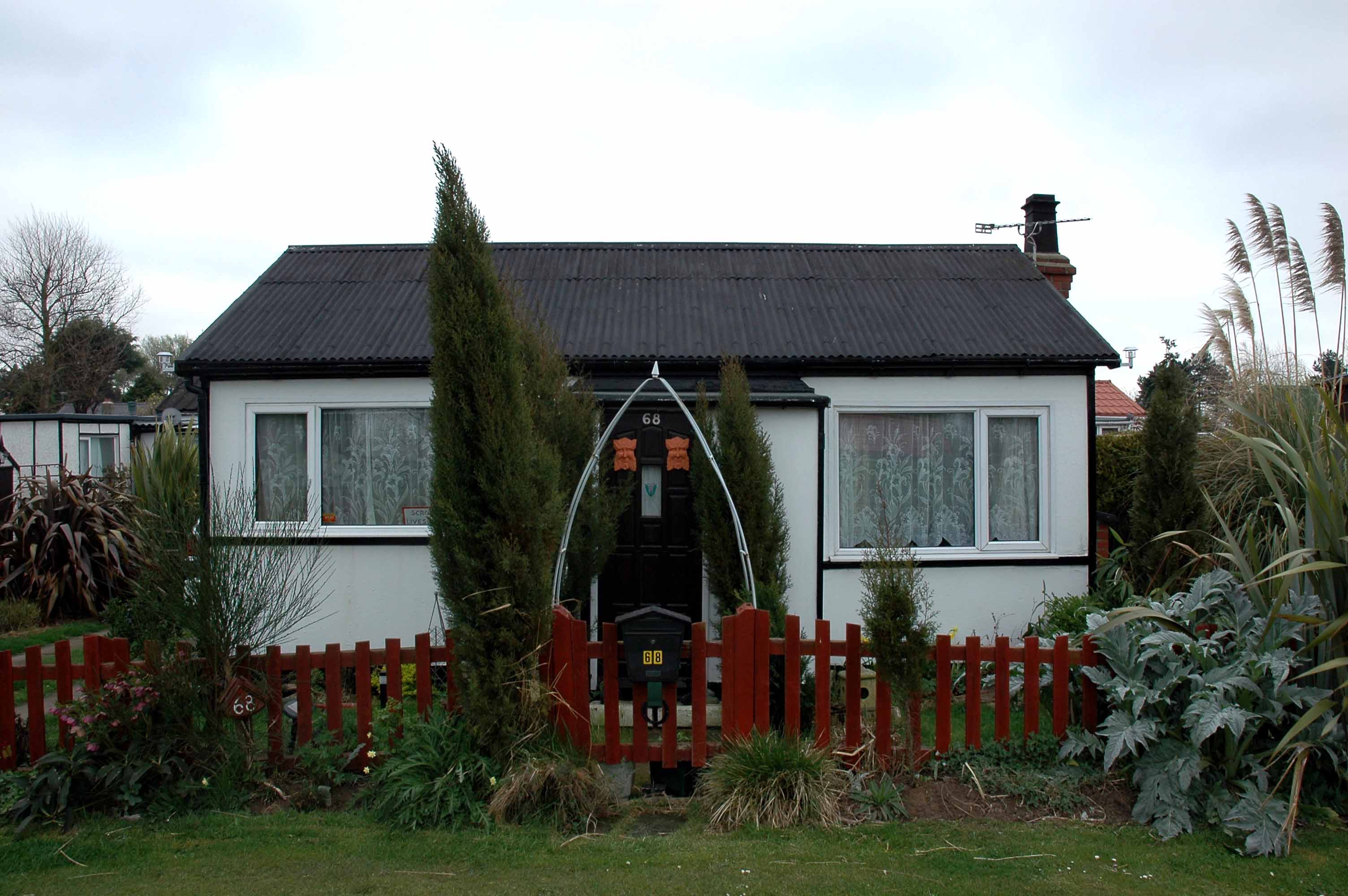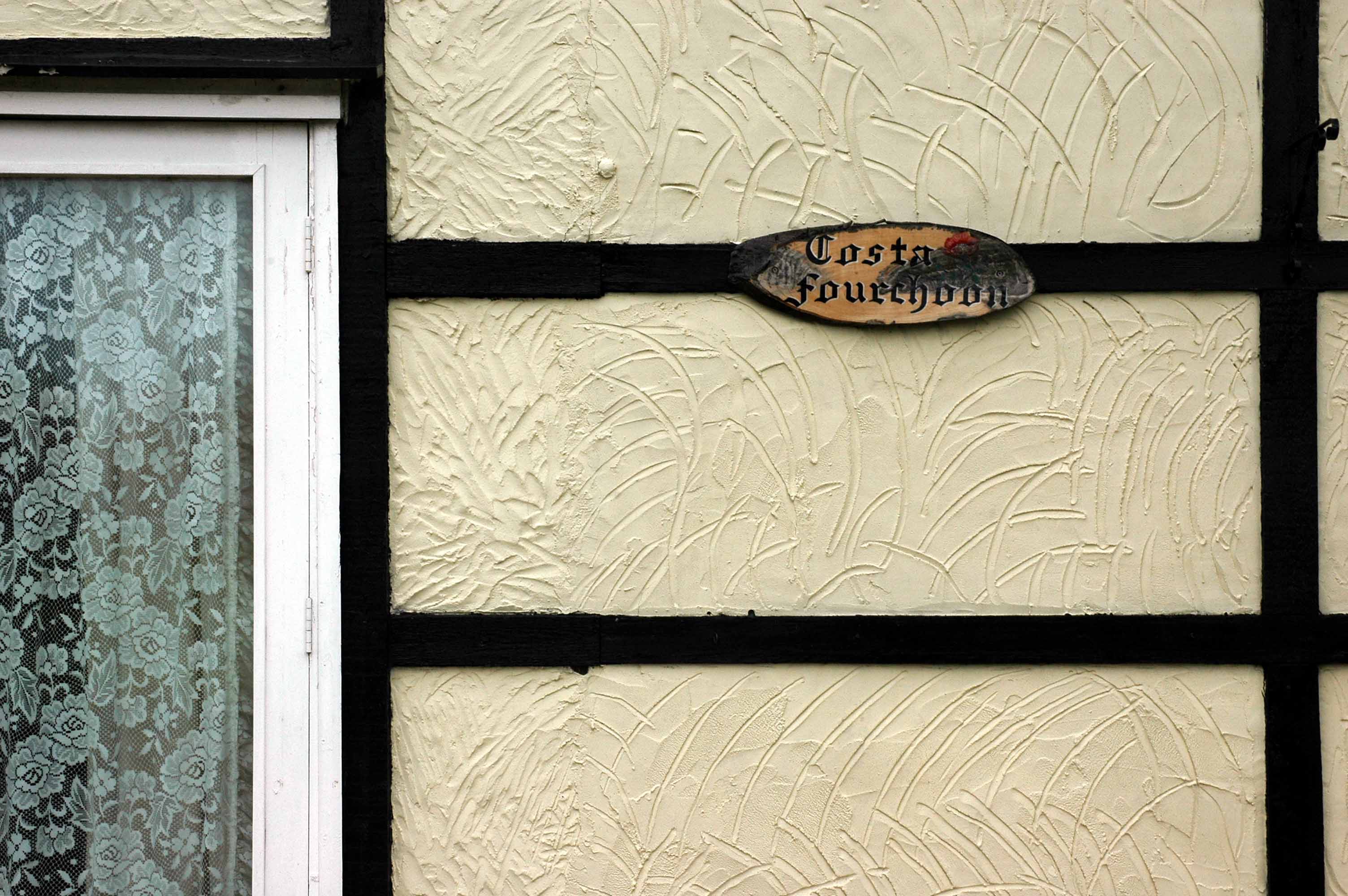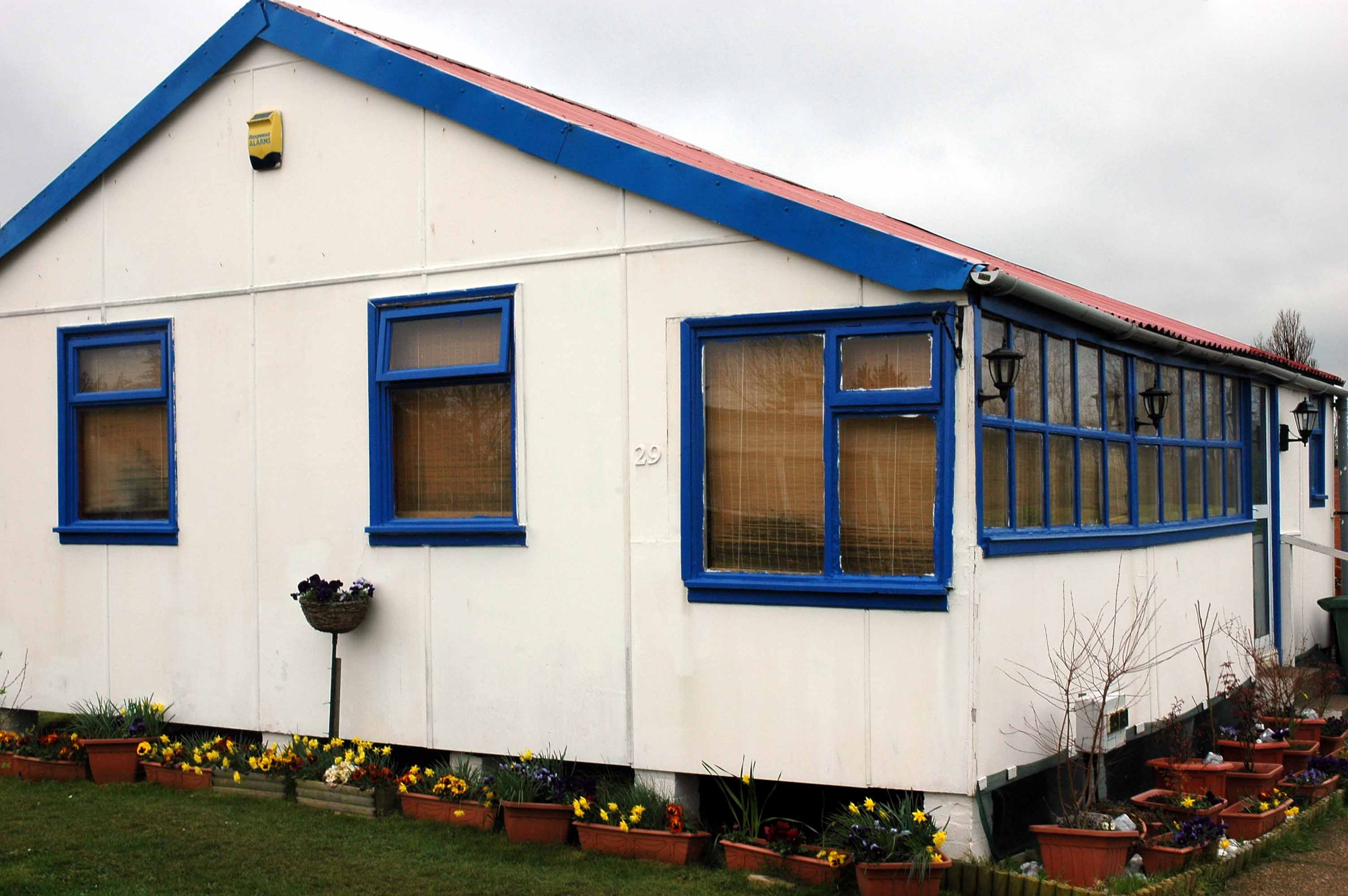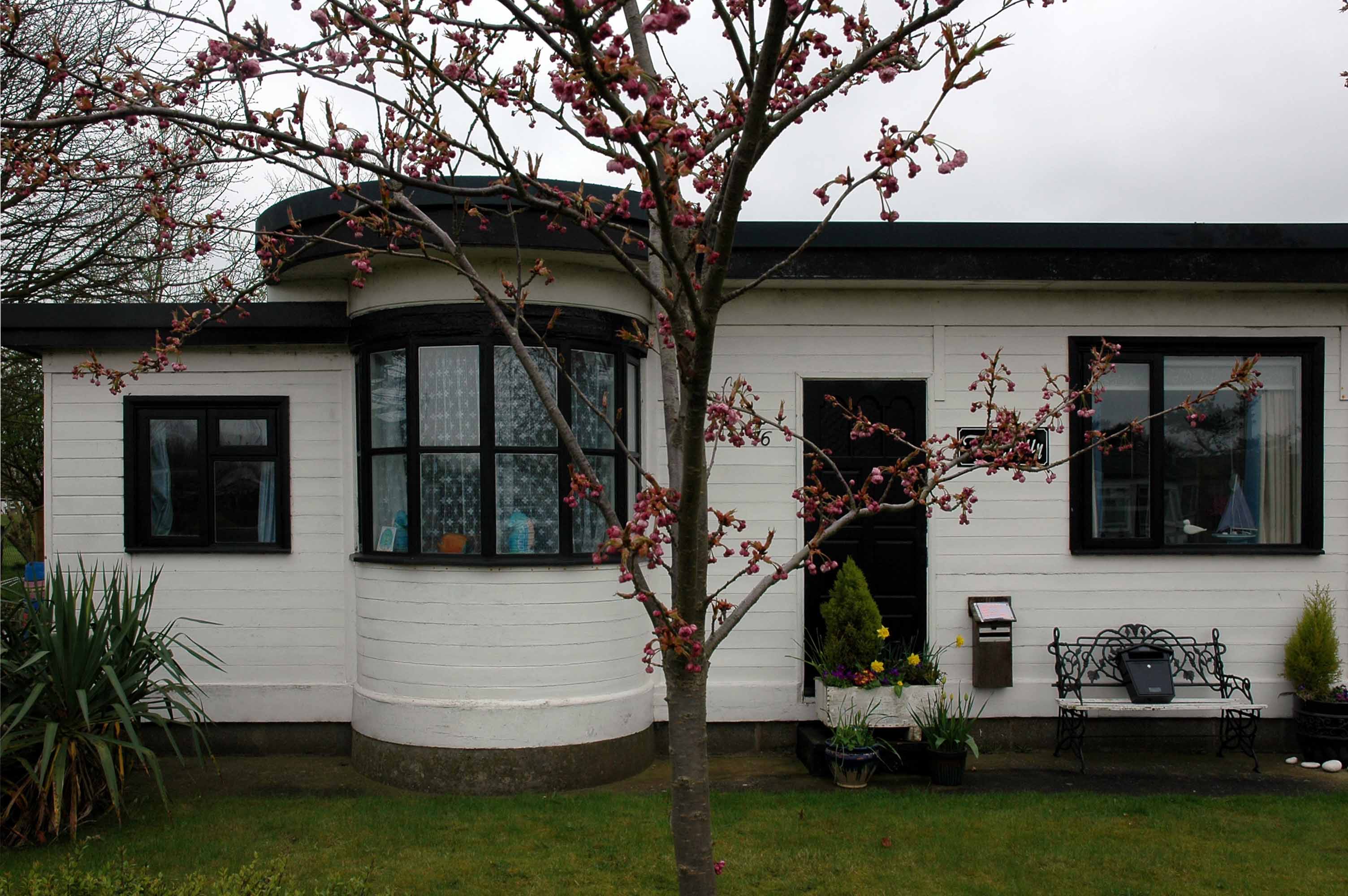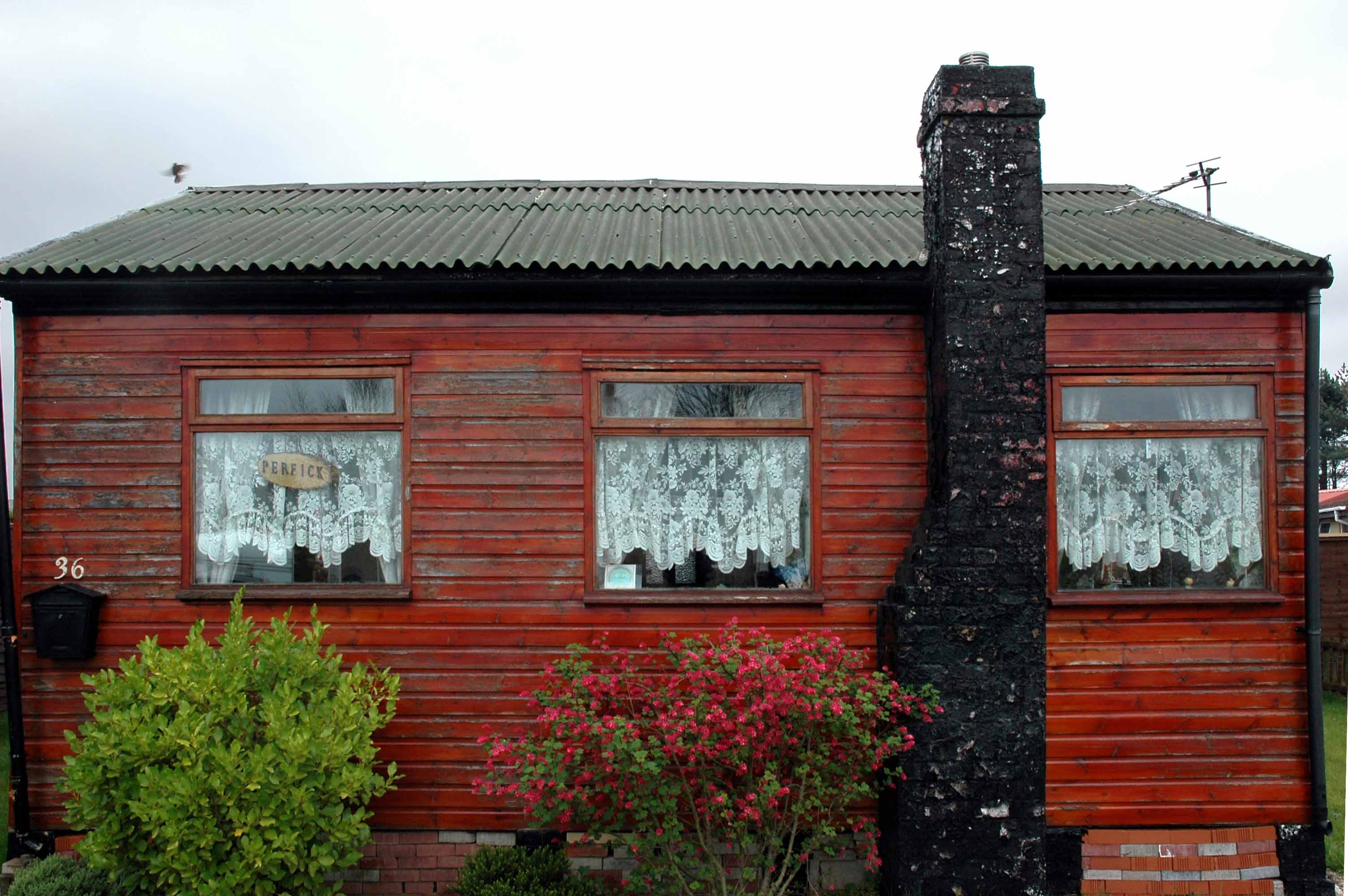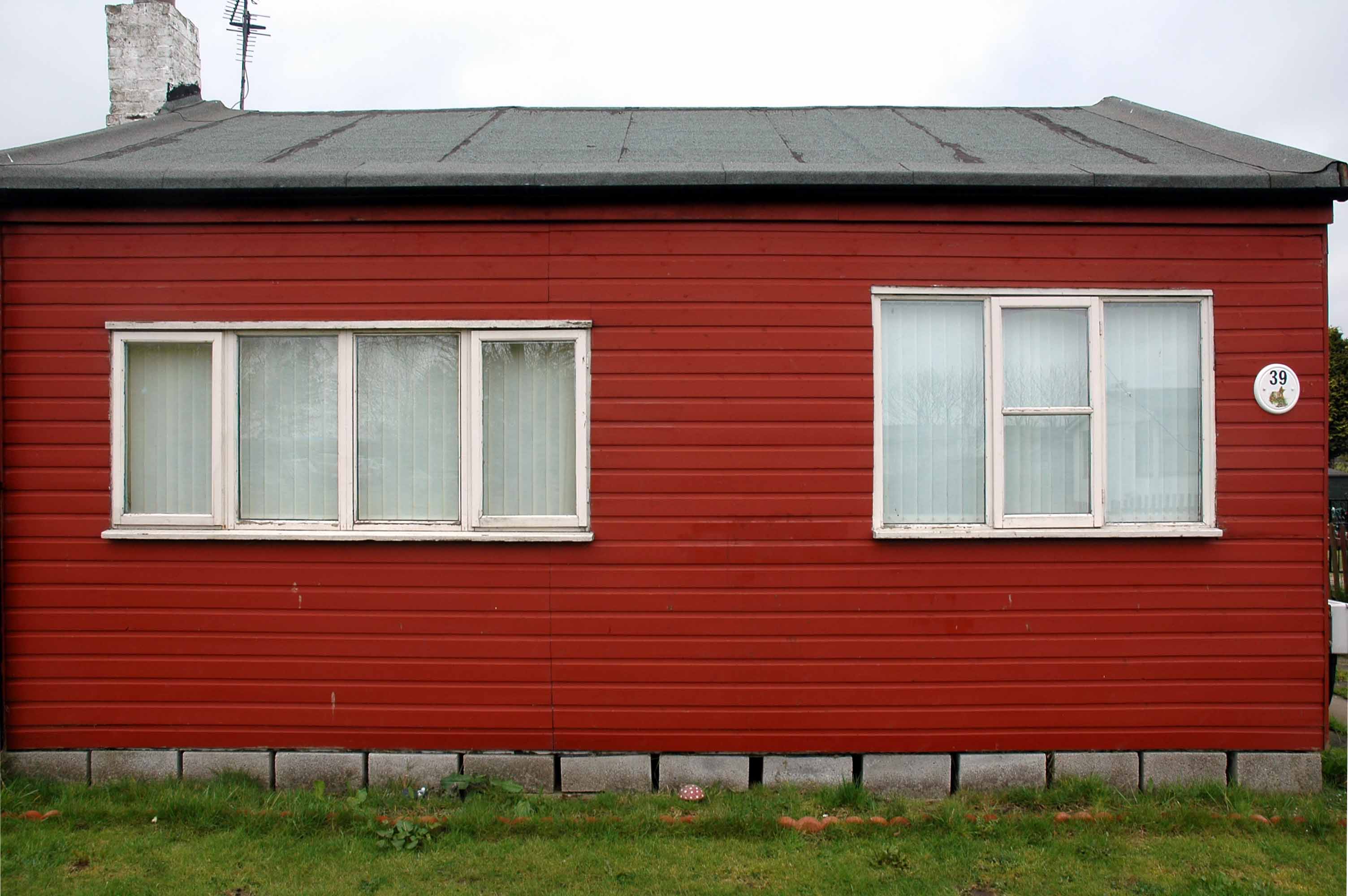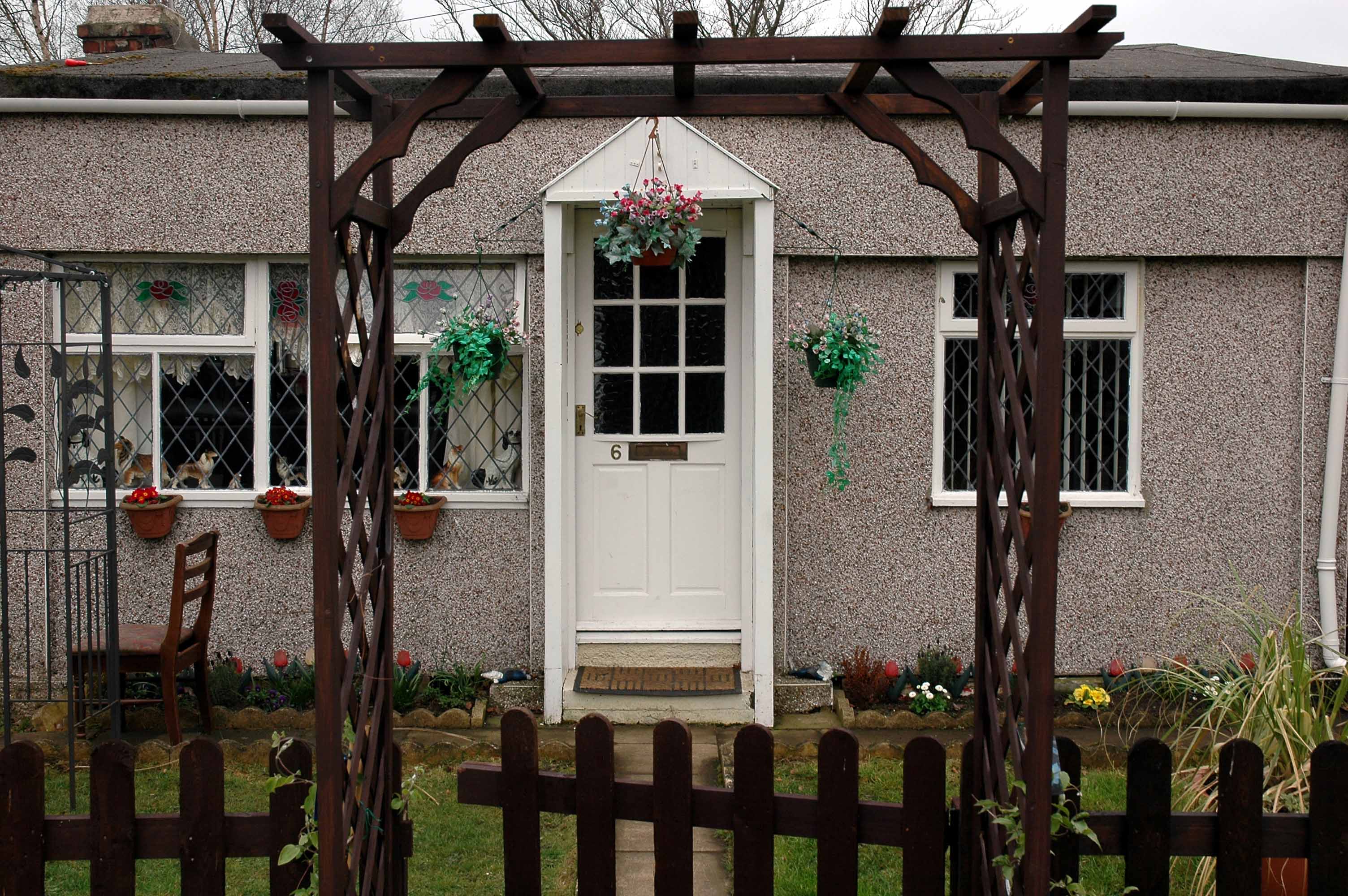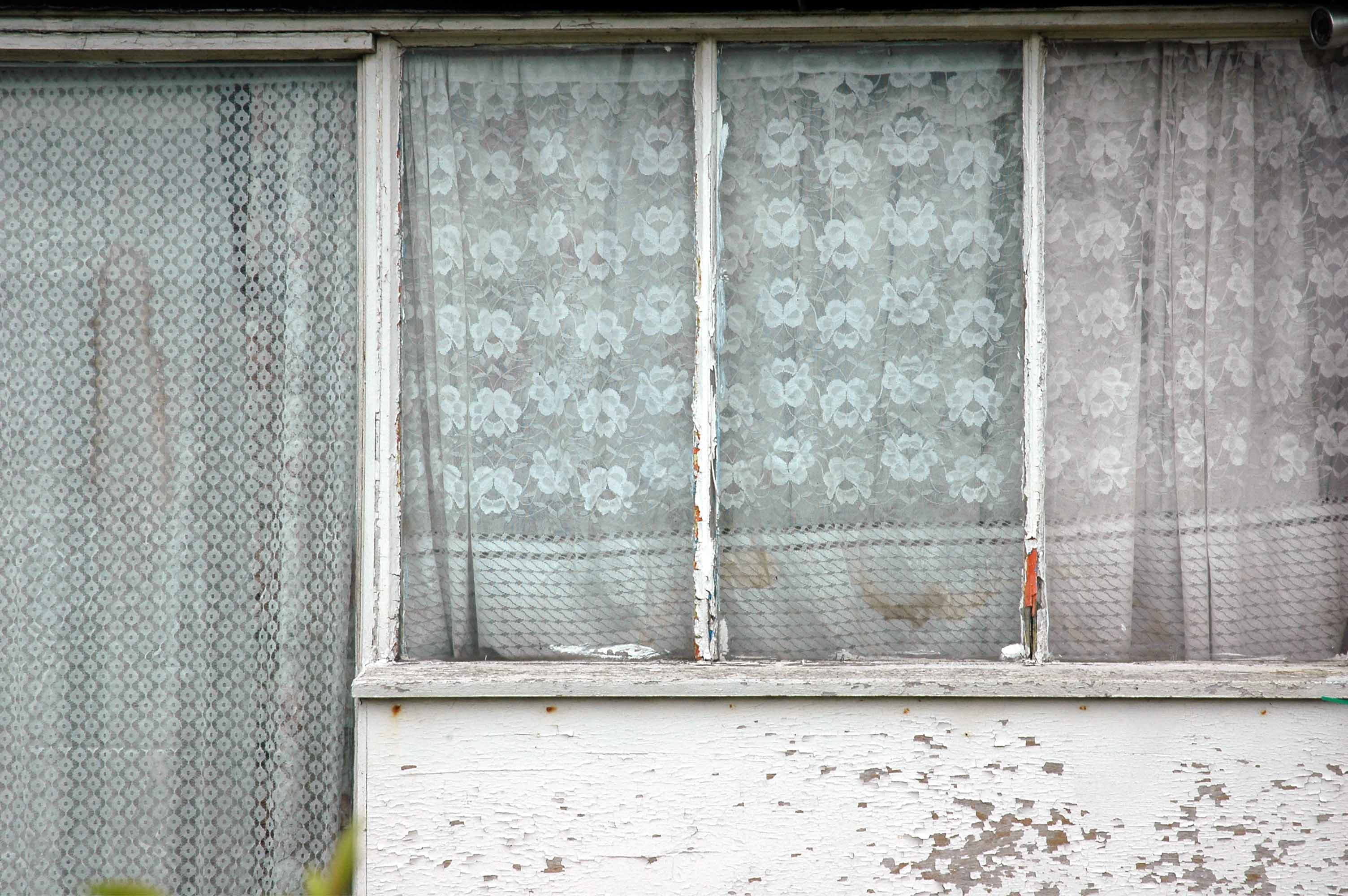
Humberston Fitties

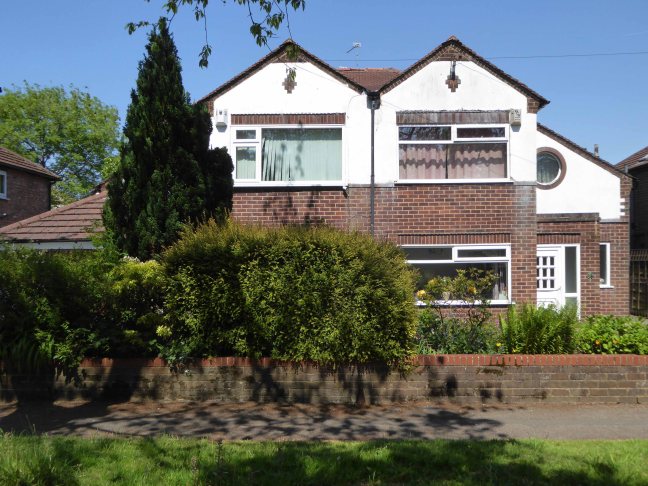
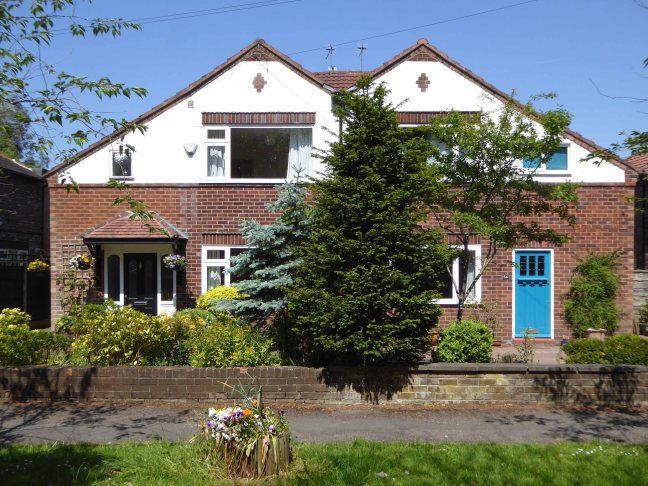
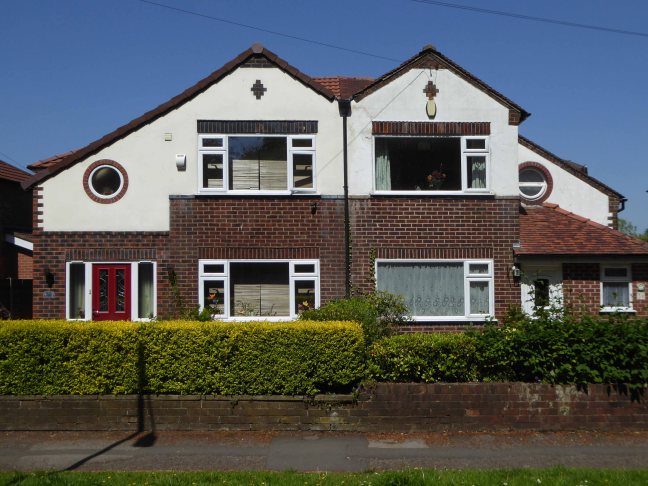
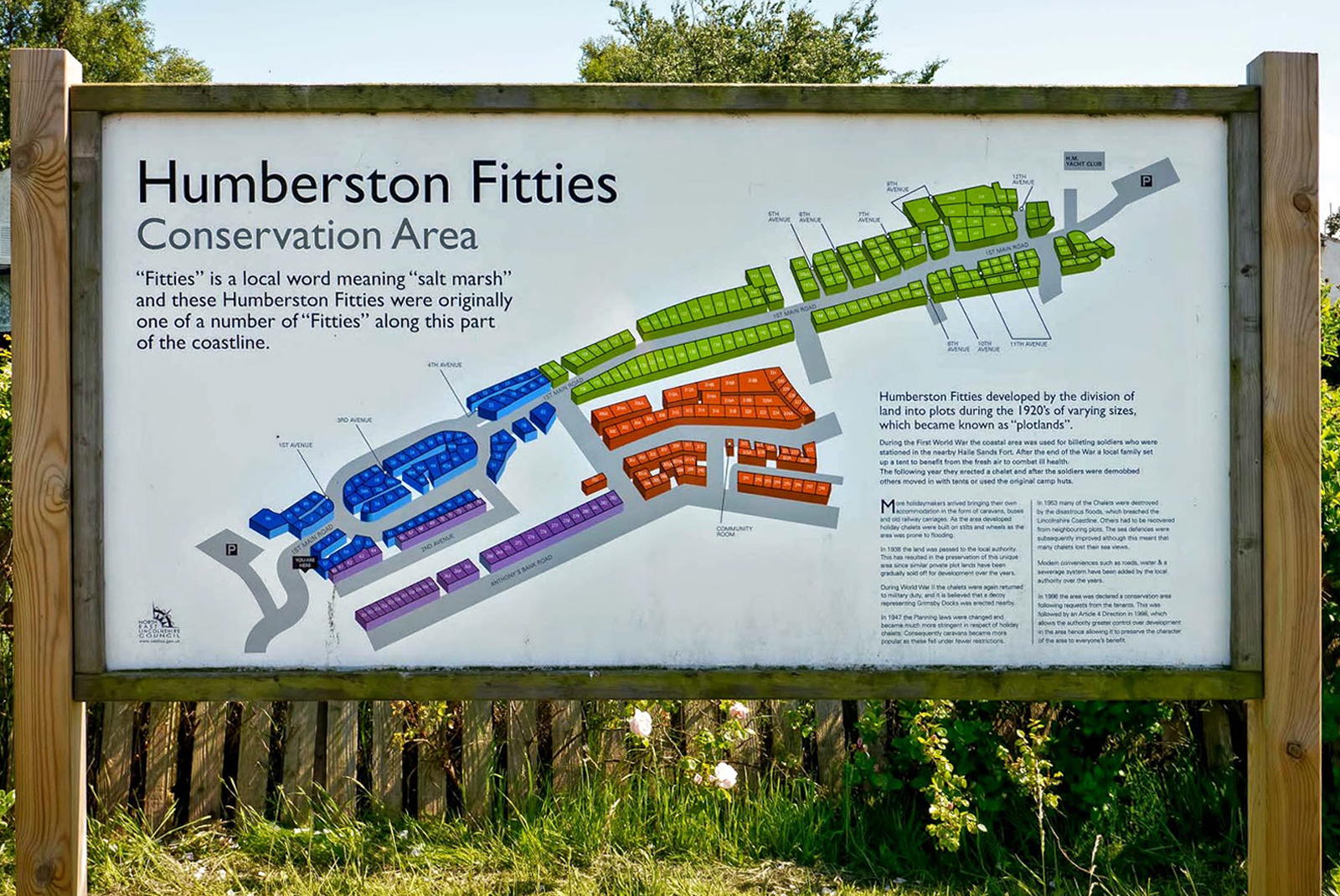
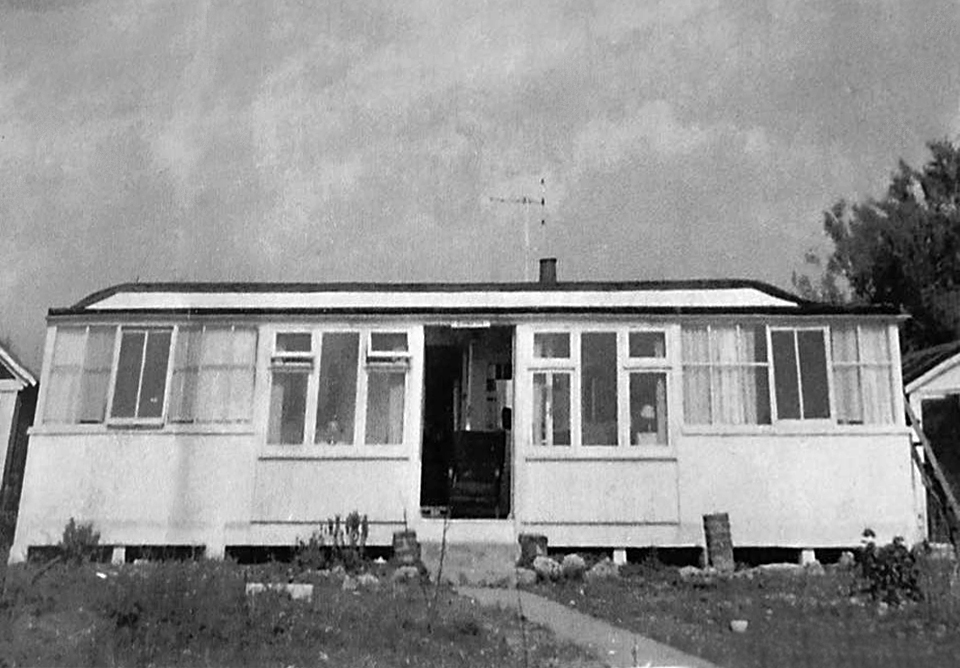
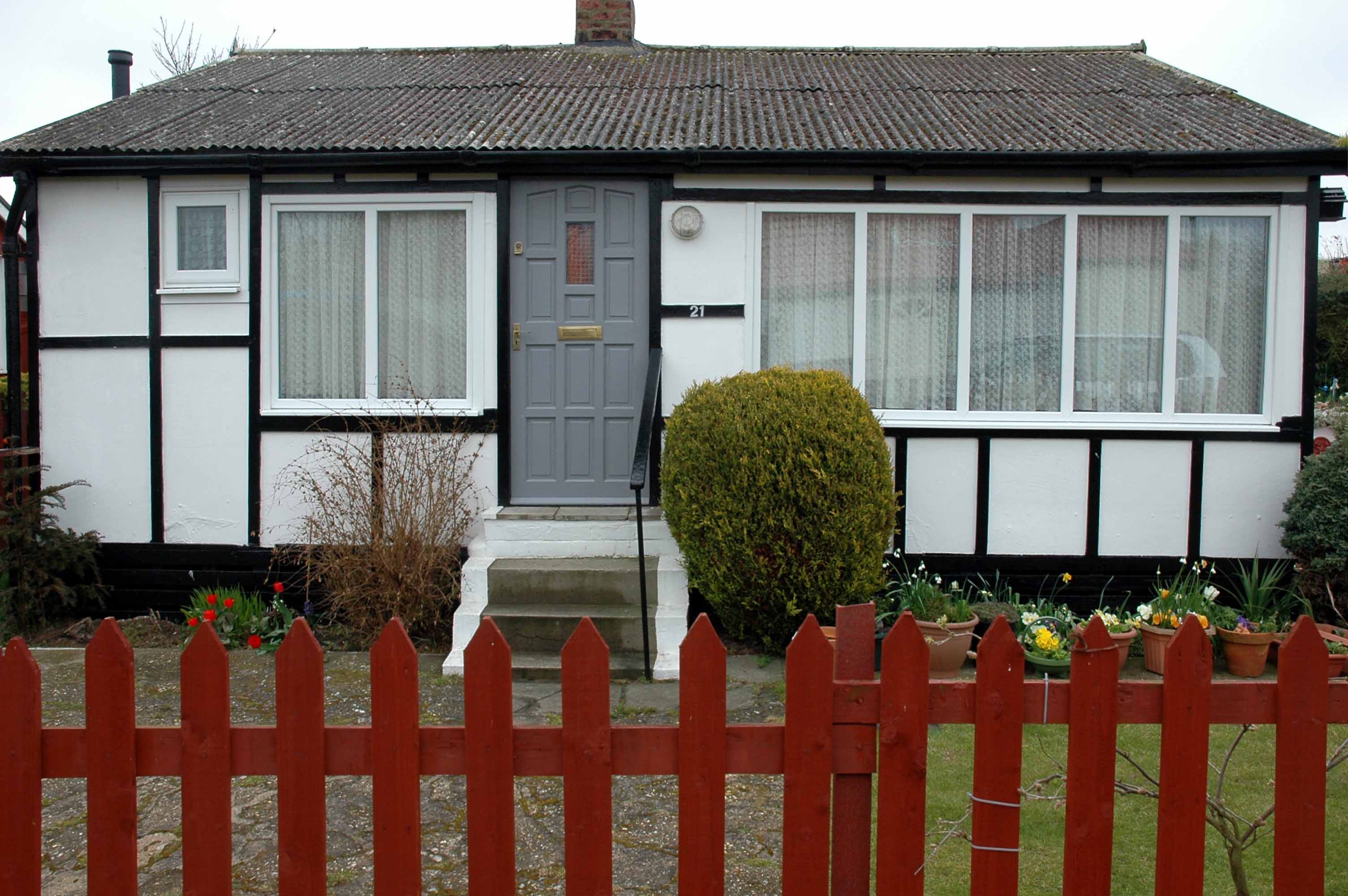
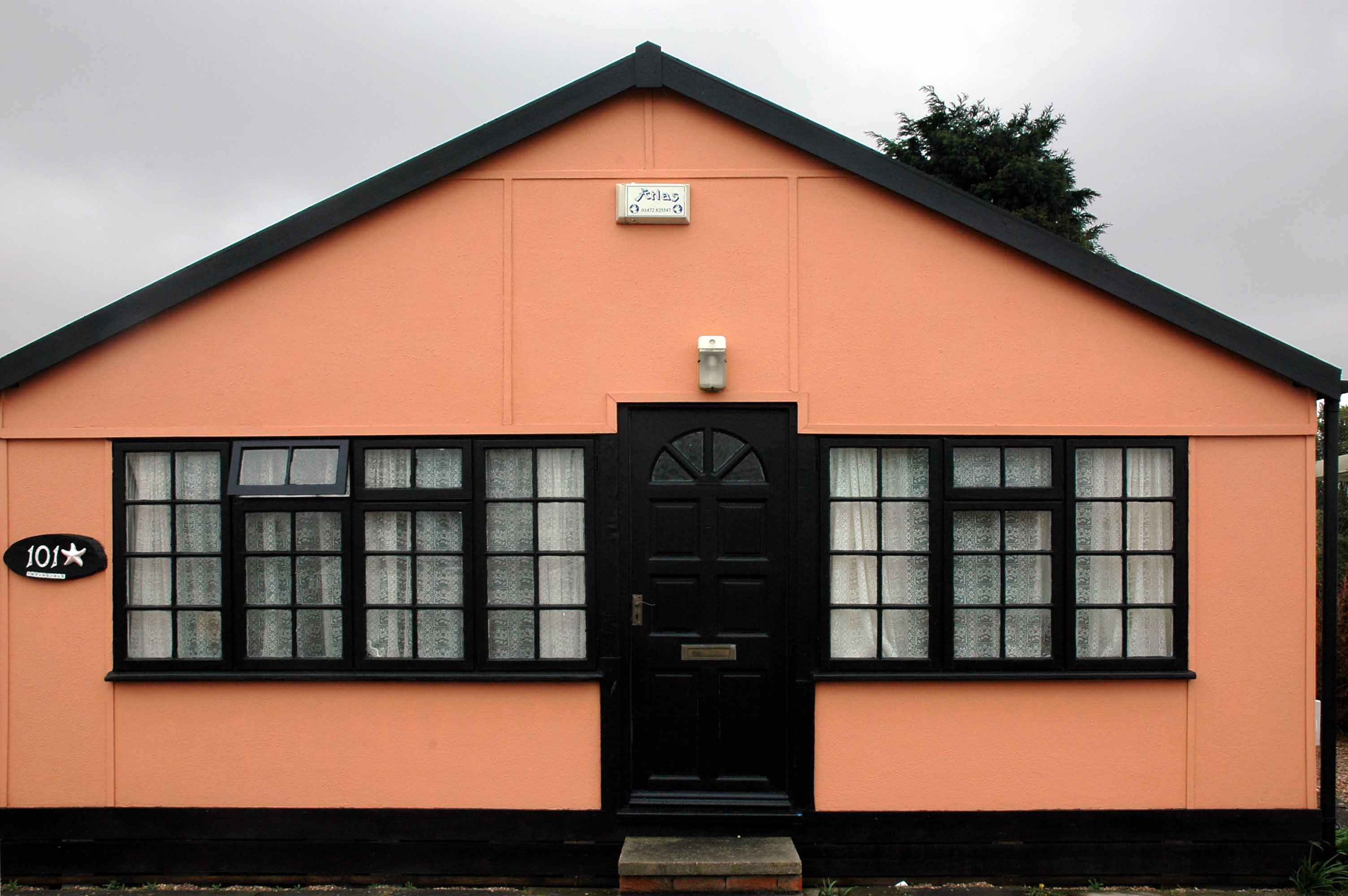
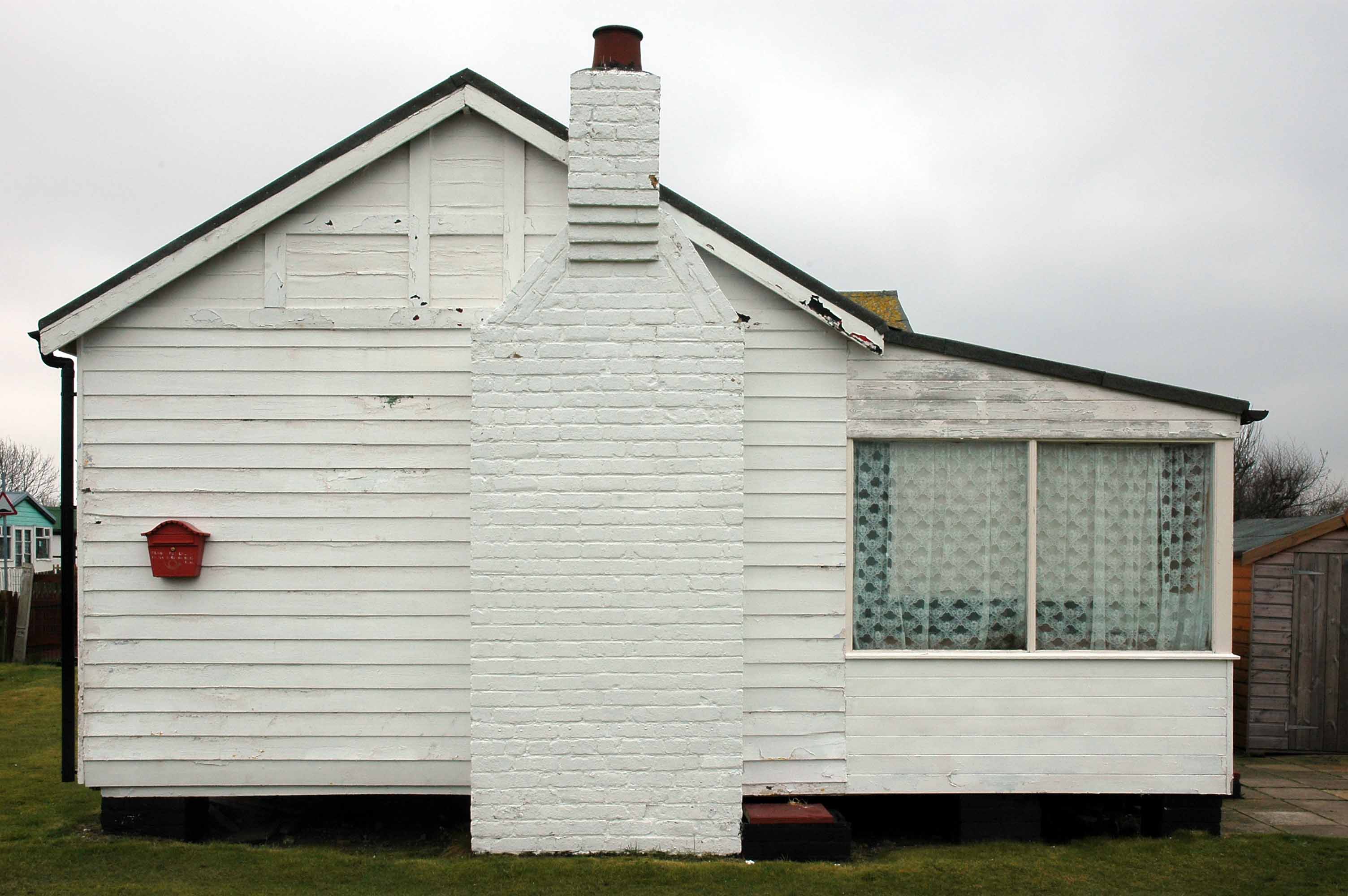
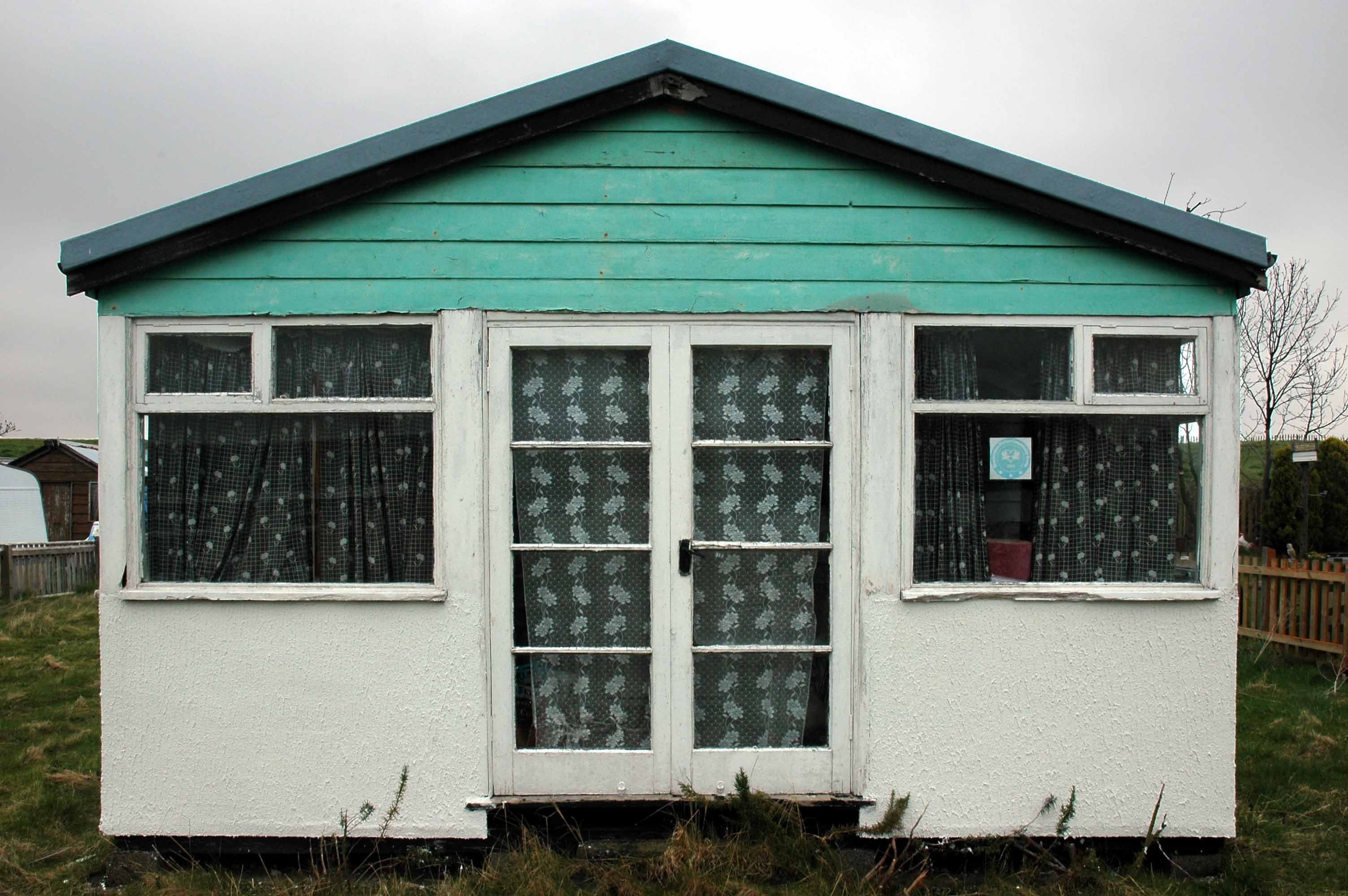
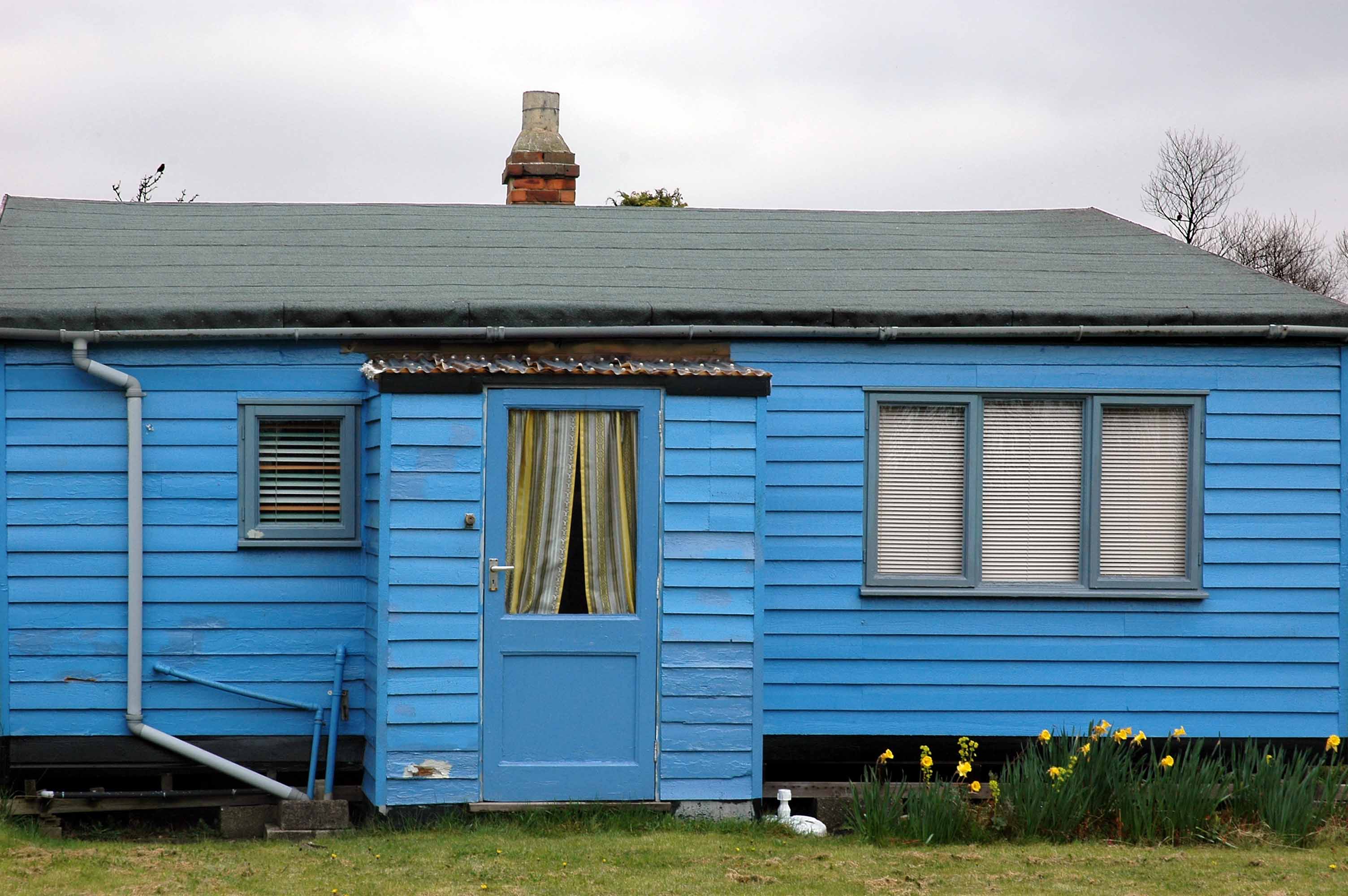
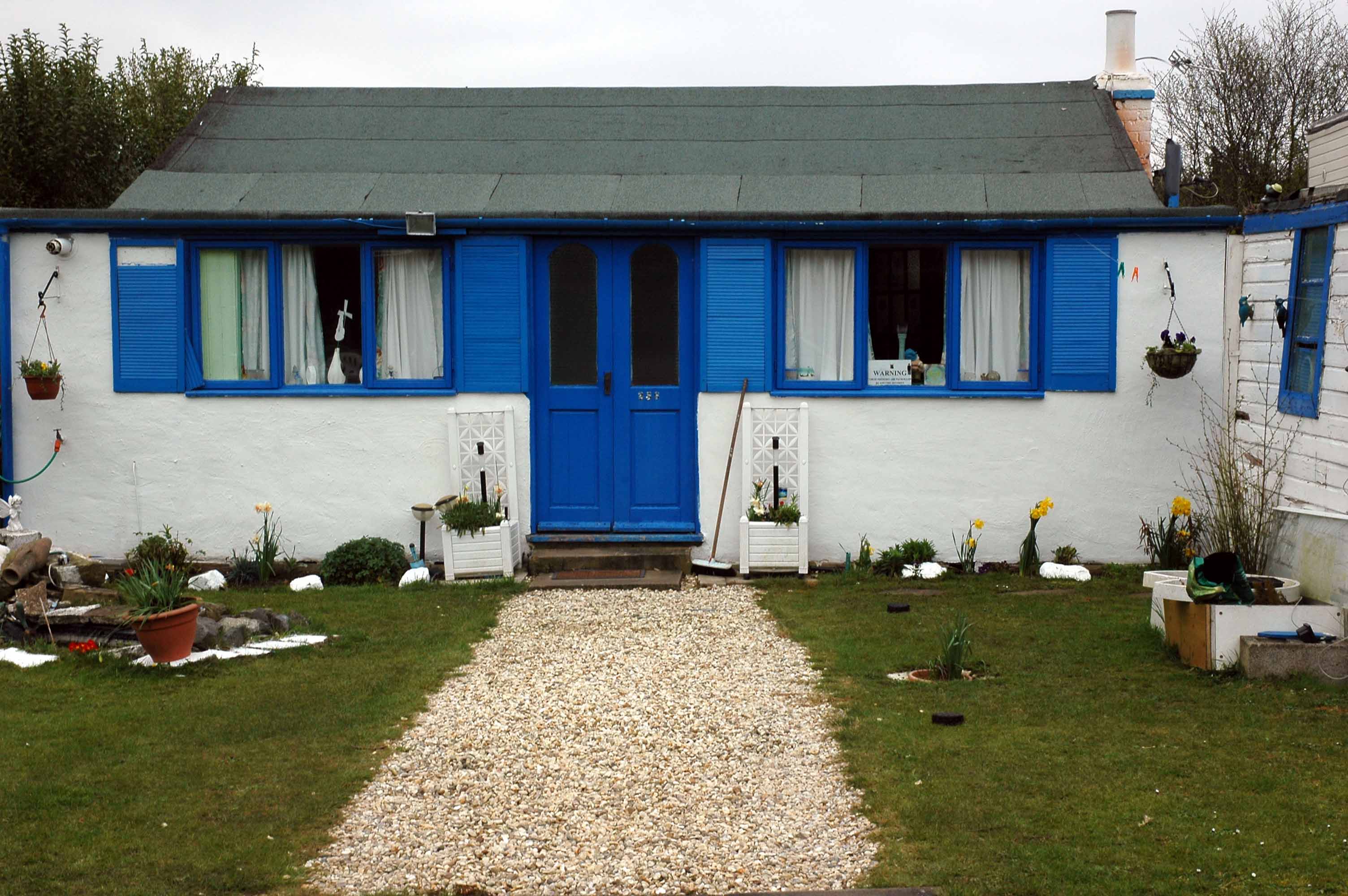
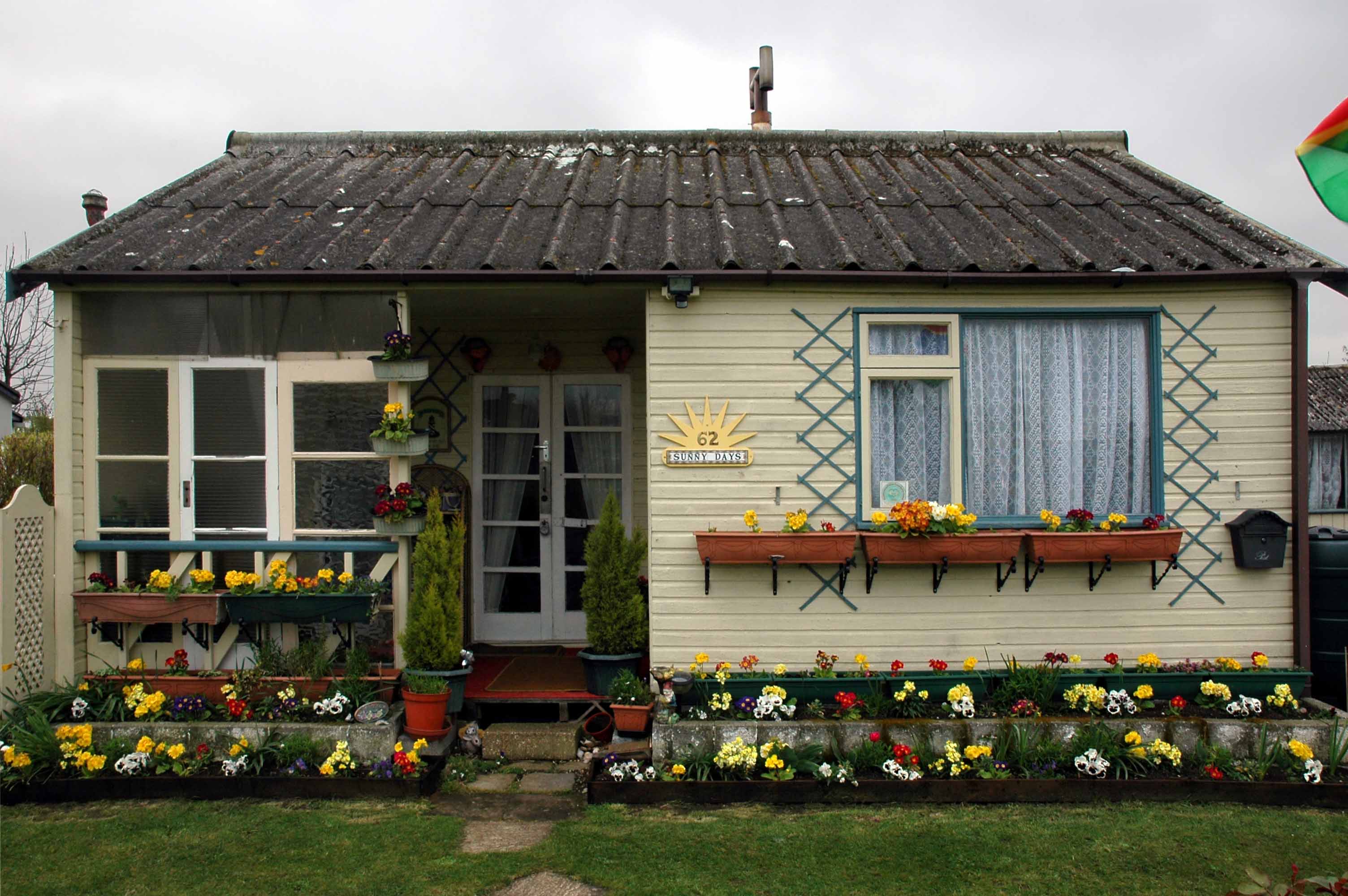
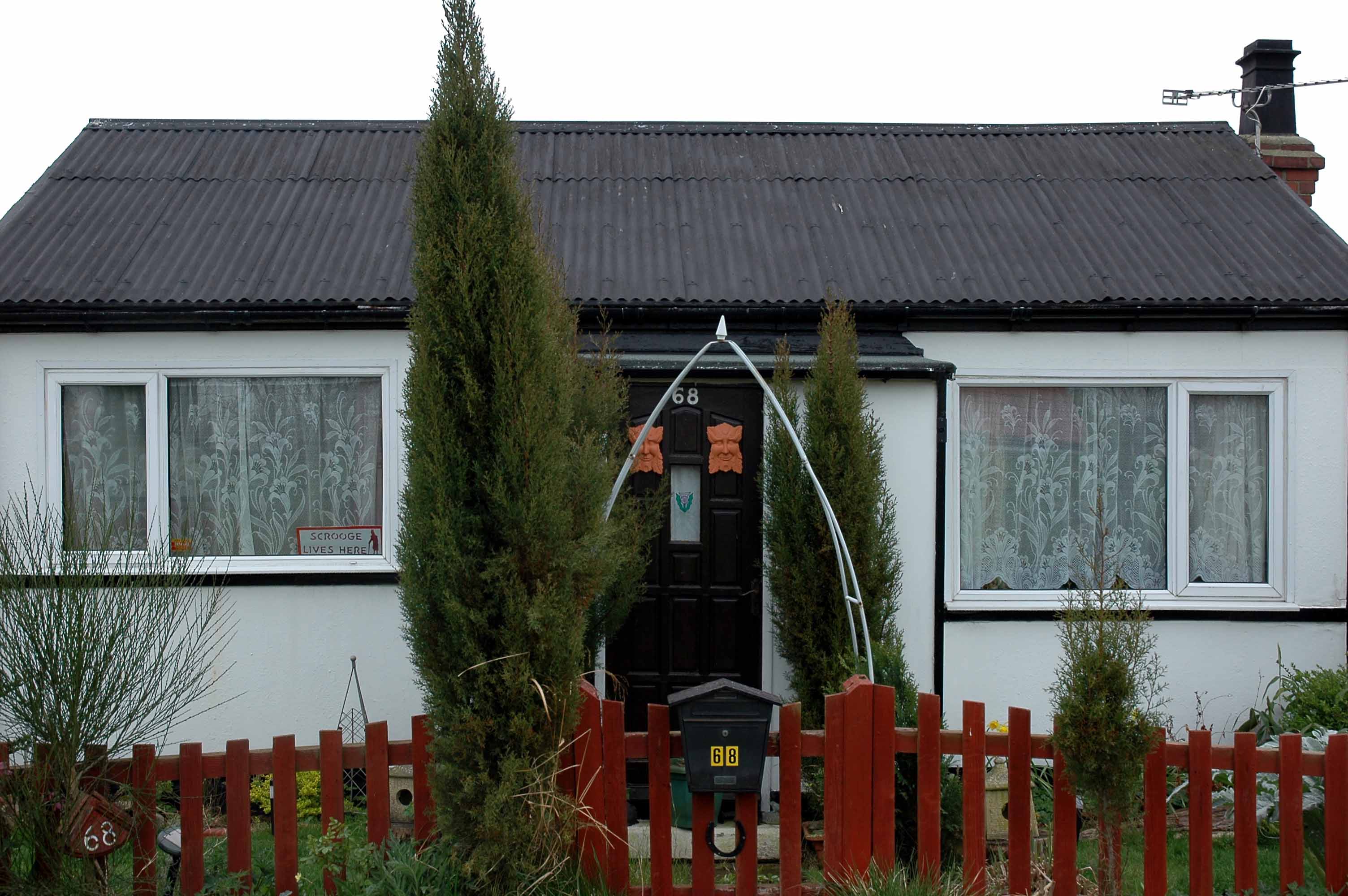
Betwixt and between the two world wars, the shortage of housing for the homeless, hopeless and dispossessed lead to an acceleration in the building of an informal architecture – the so-called Plotlands.

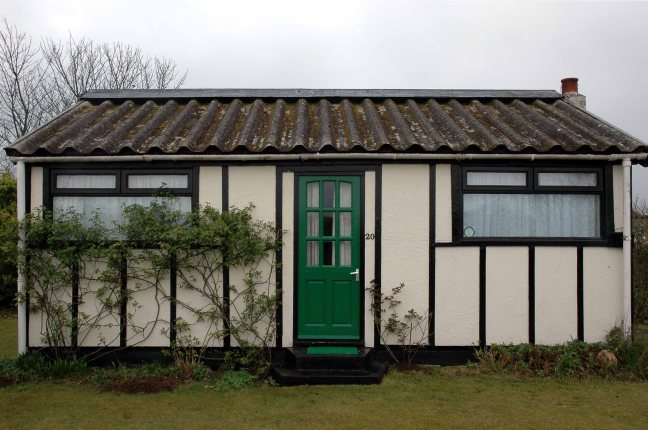
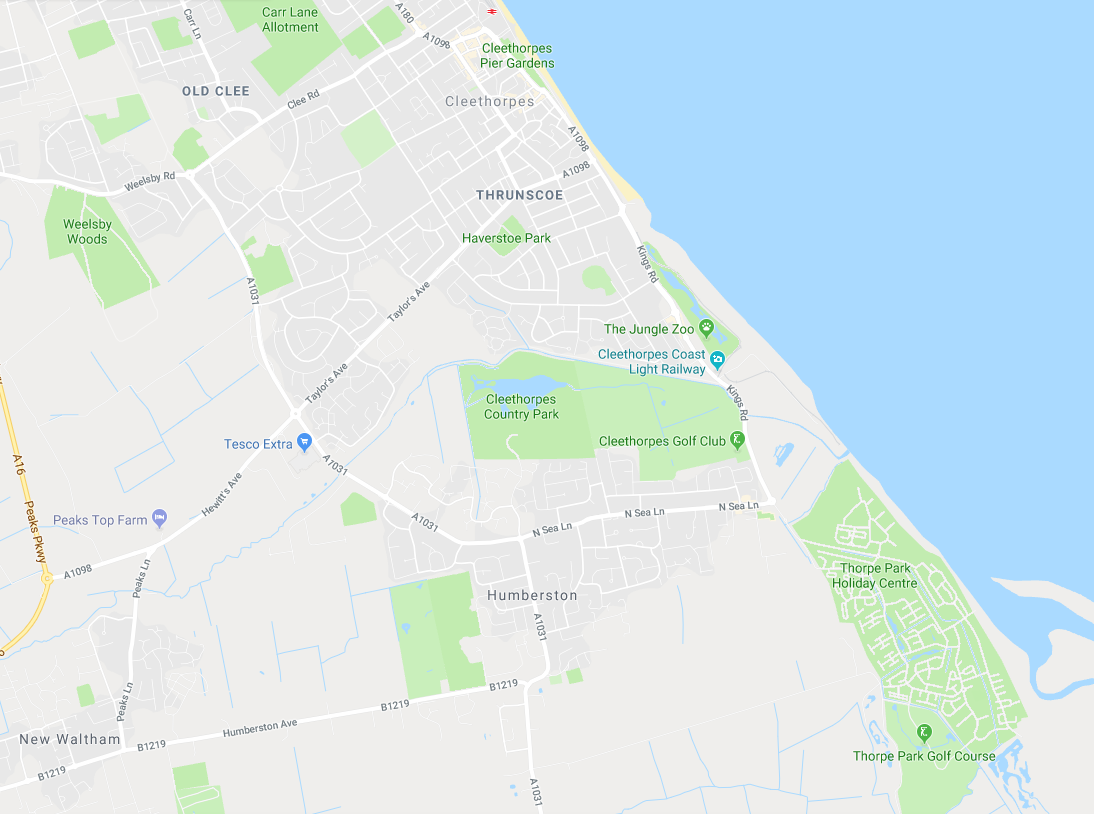
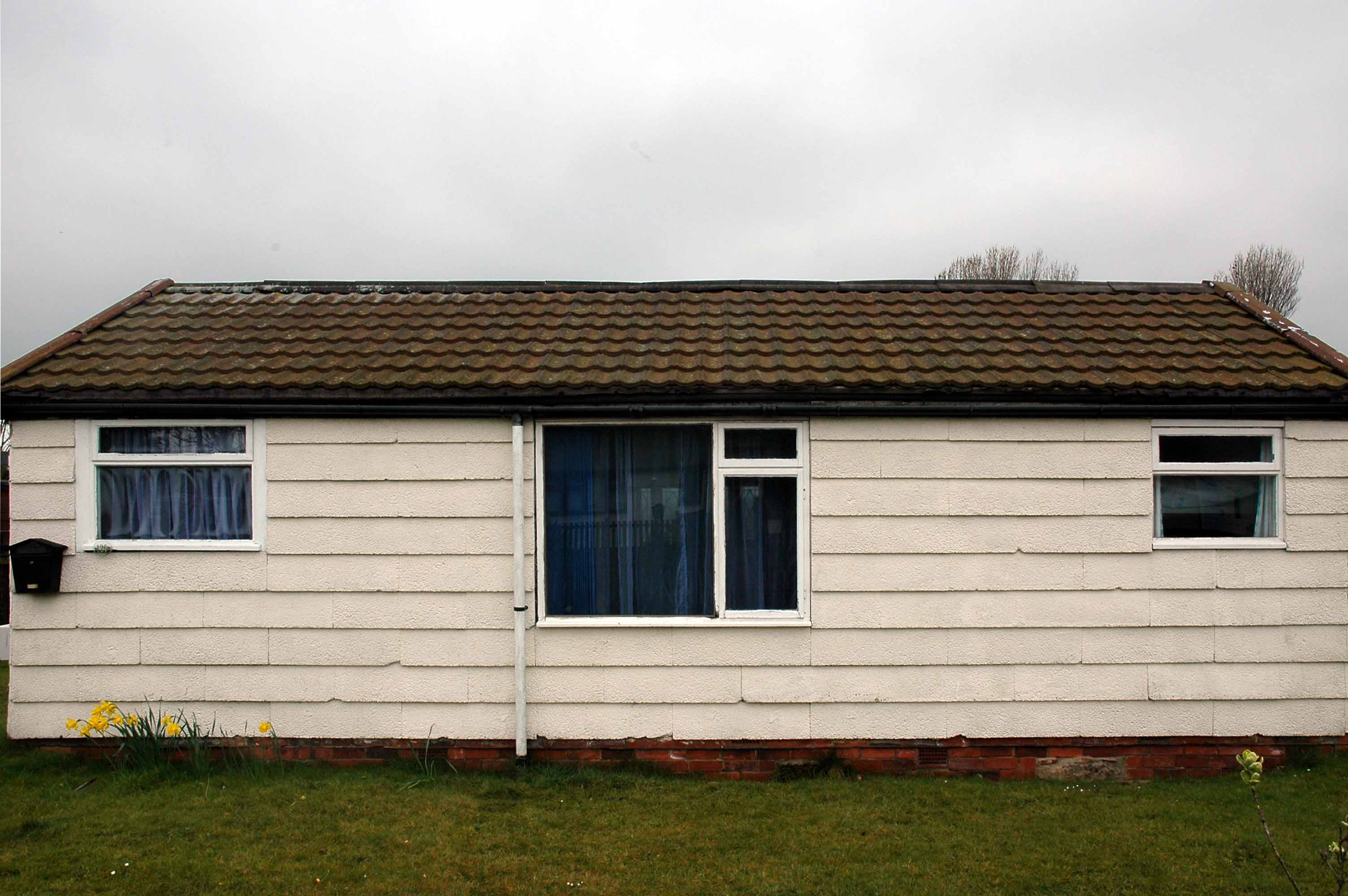
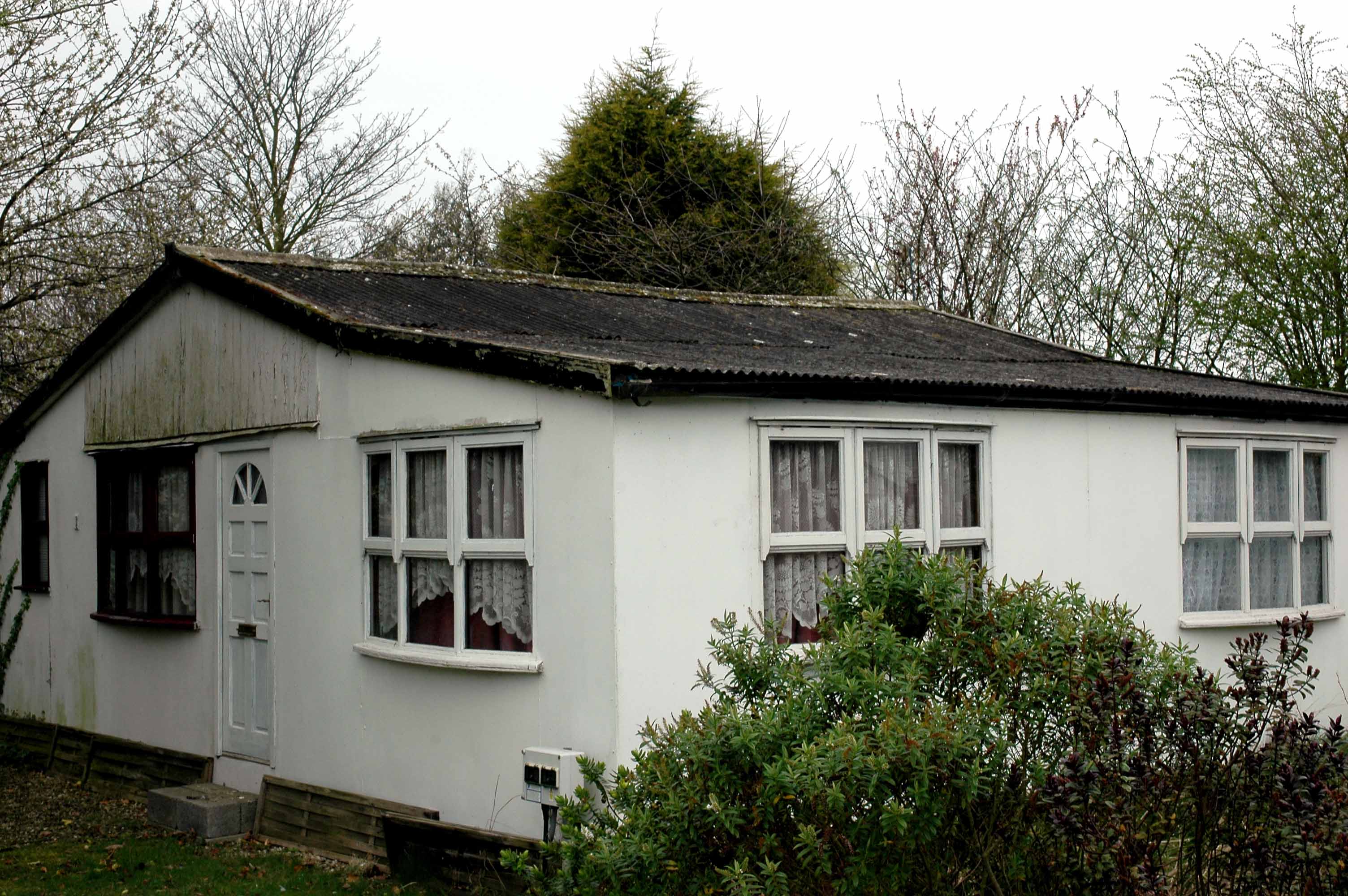
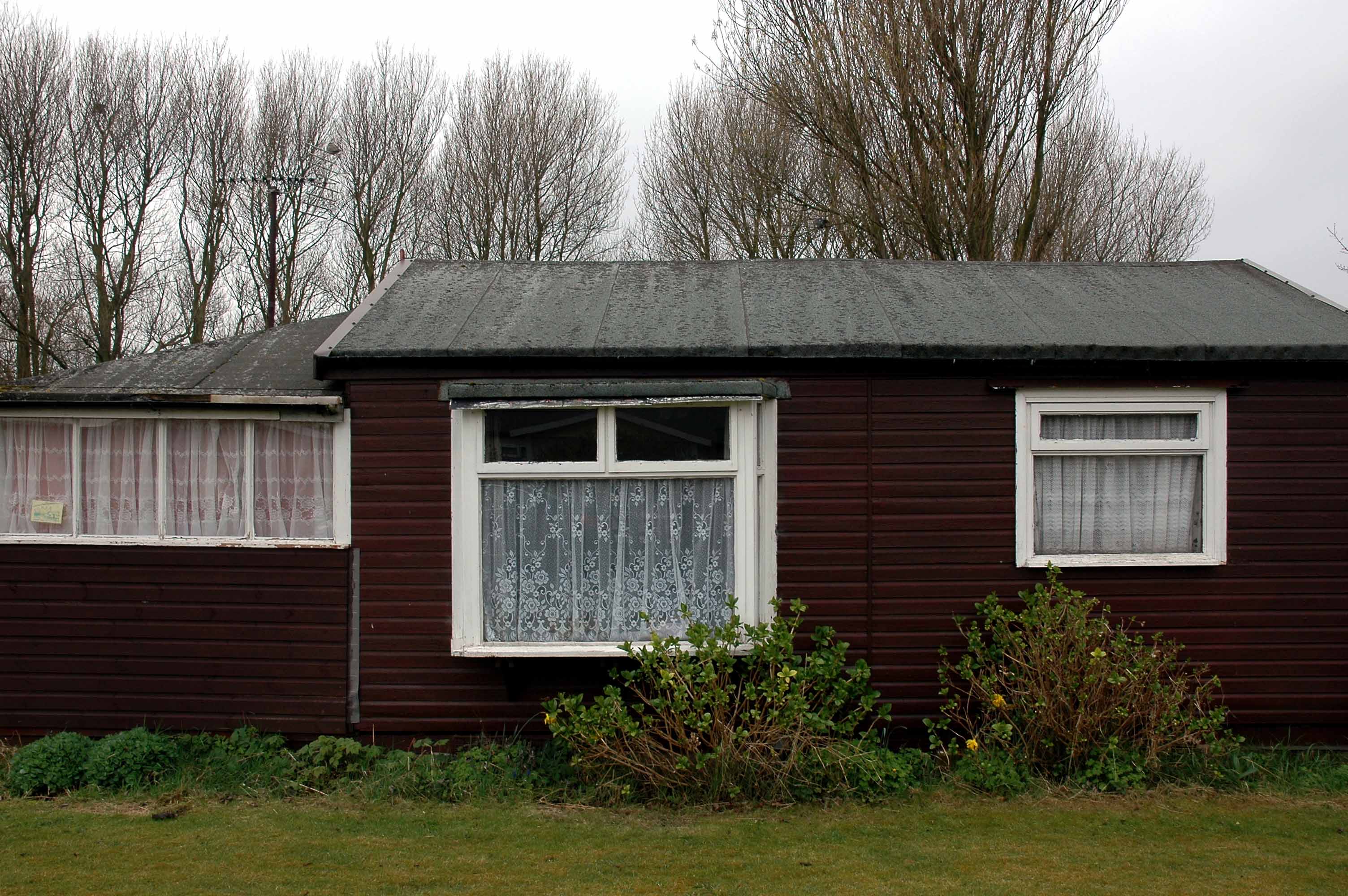
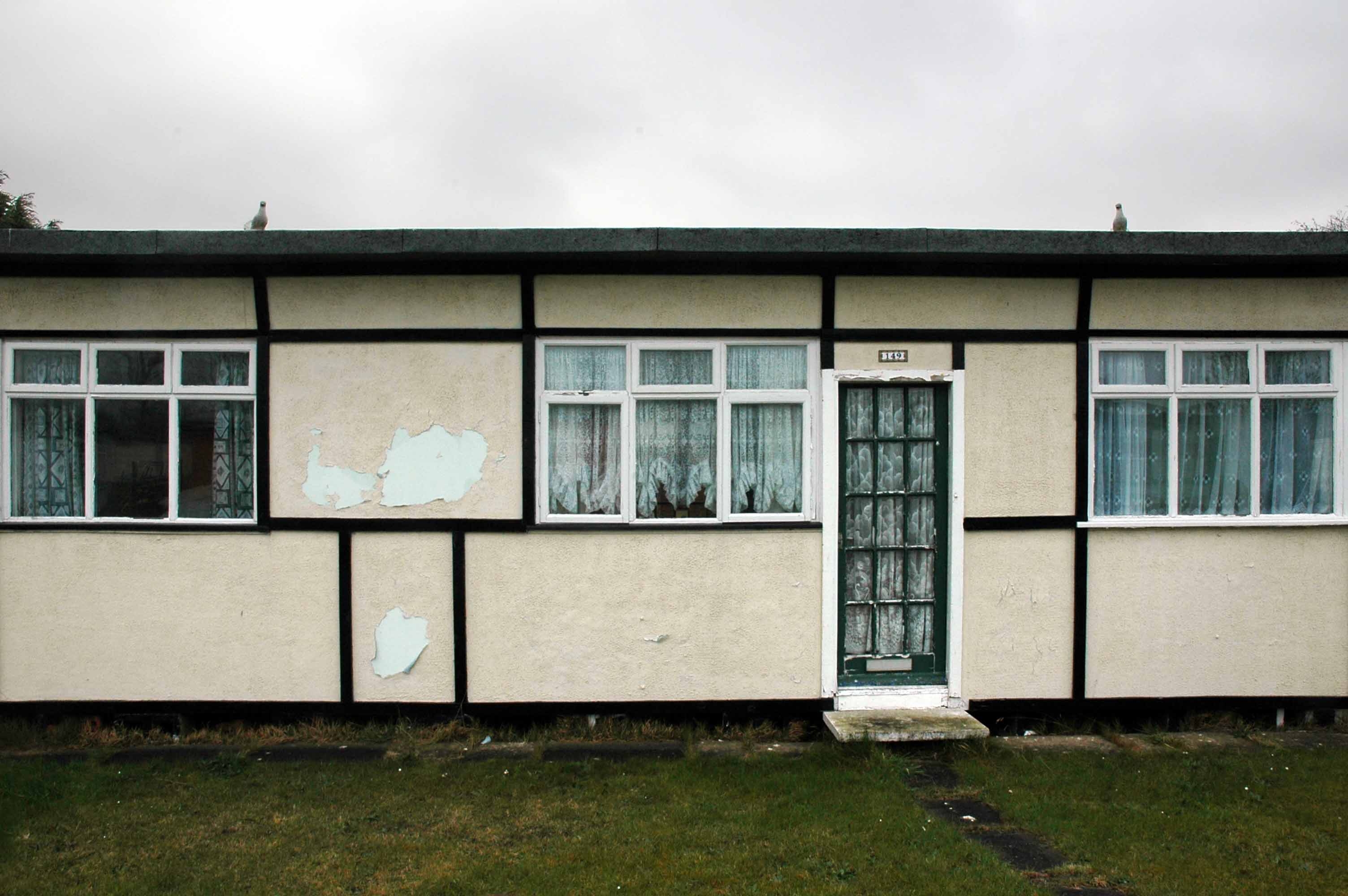
One such area and precious survivor from the last century is the Humberston Fitties – situated to south of Cleethorpes, preserved in time by the happy homesteaders.

Screen Shot 2018-03-04 at 14.47.01

Though under threat from Local Authority negligence or intervention, three hundred and twenty chalets prevail – against the incursion of planning regulations, building specs and a lack of respect.

_P1090924_edited-1

I feel a real affinity for all Plotlands, having spent many summers in the converted Pagham railway carriage, belonging to my Aunty Alice and Uncle Arthur. They relocated to the south coast seeking cleaner air for Arthur’s ailing, industrialised northern lungs, thus prolonging his life.

tamarisk

Tamarisk – Pagham

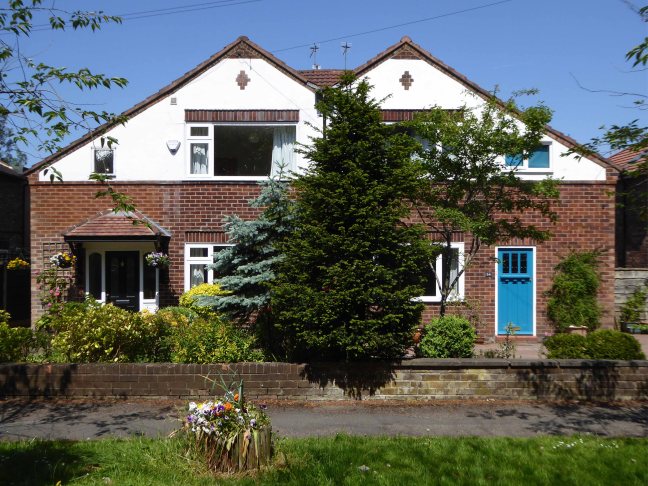
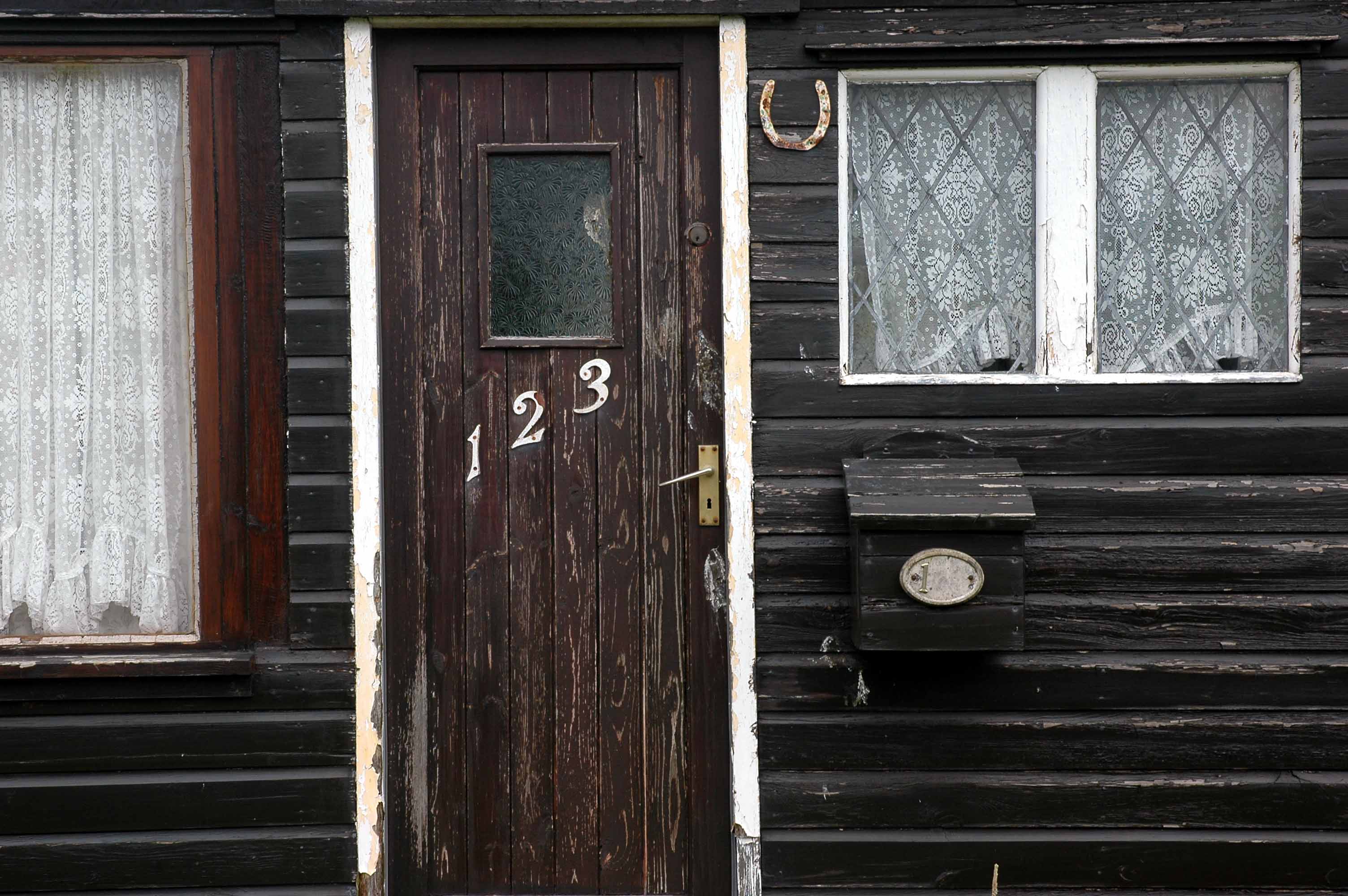
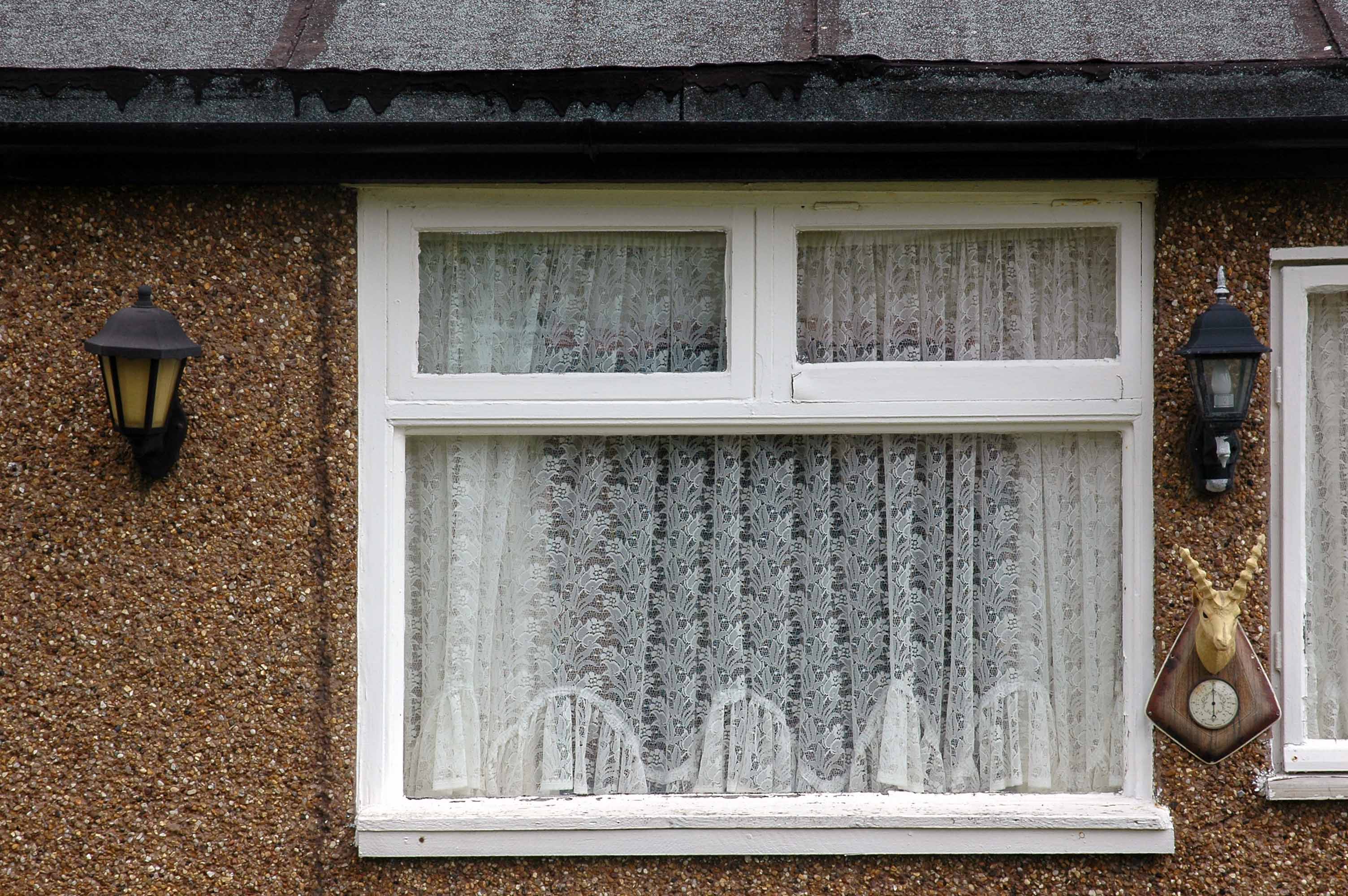
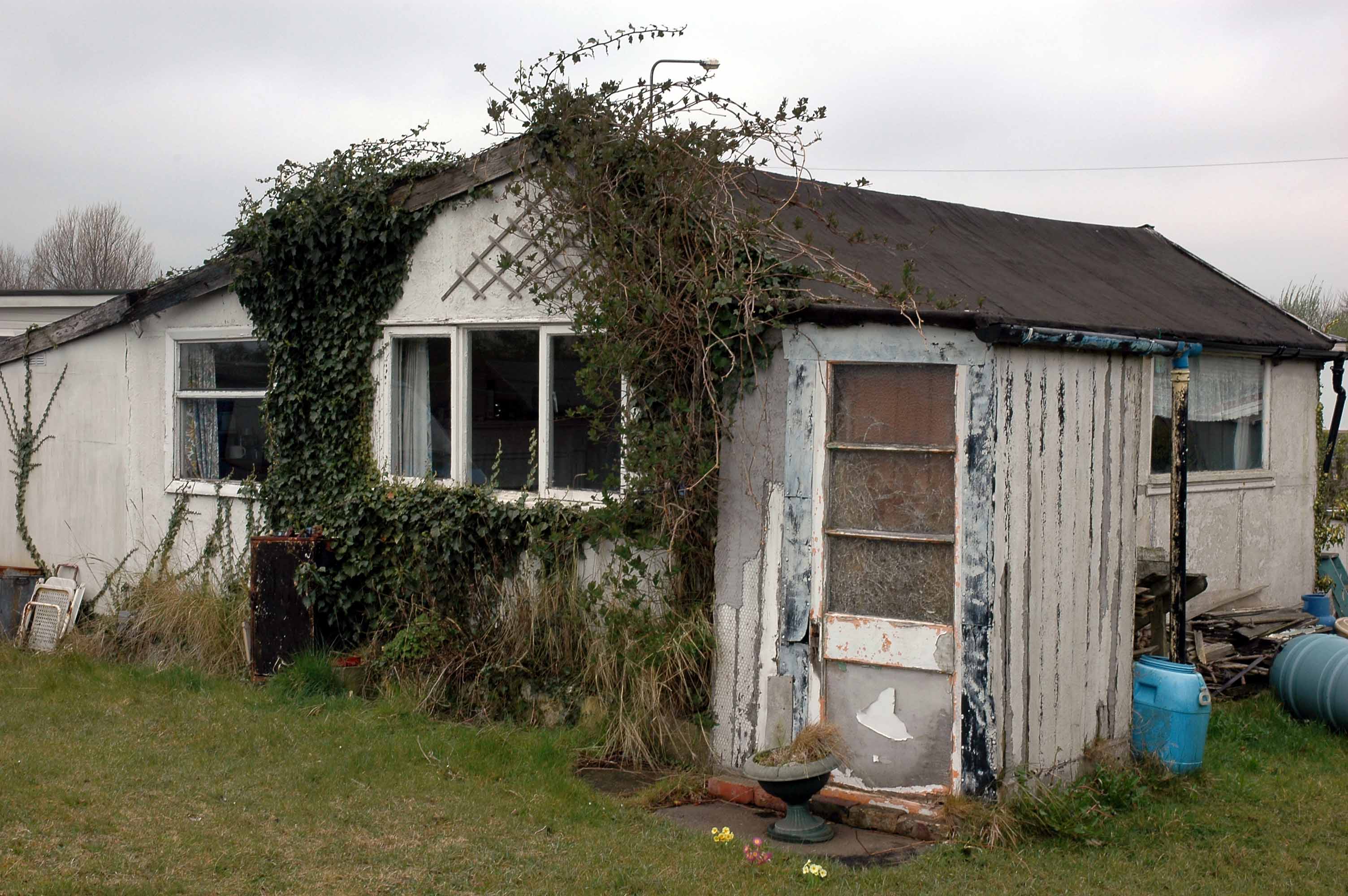
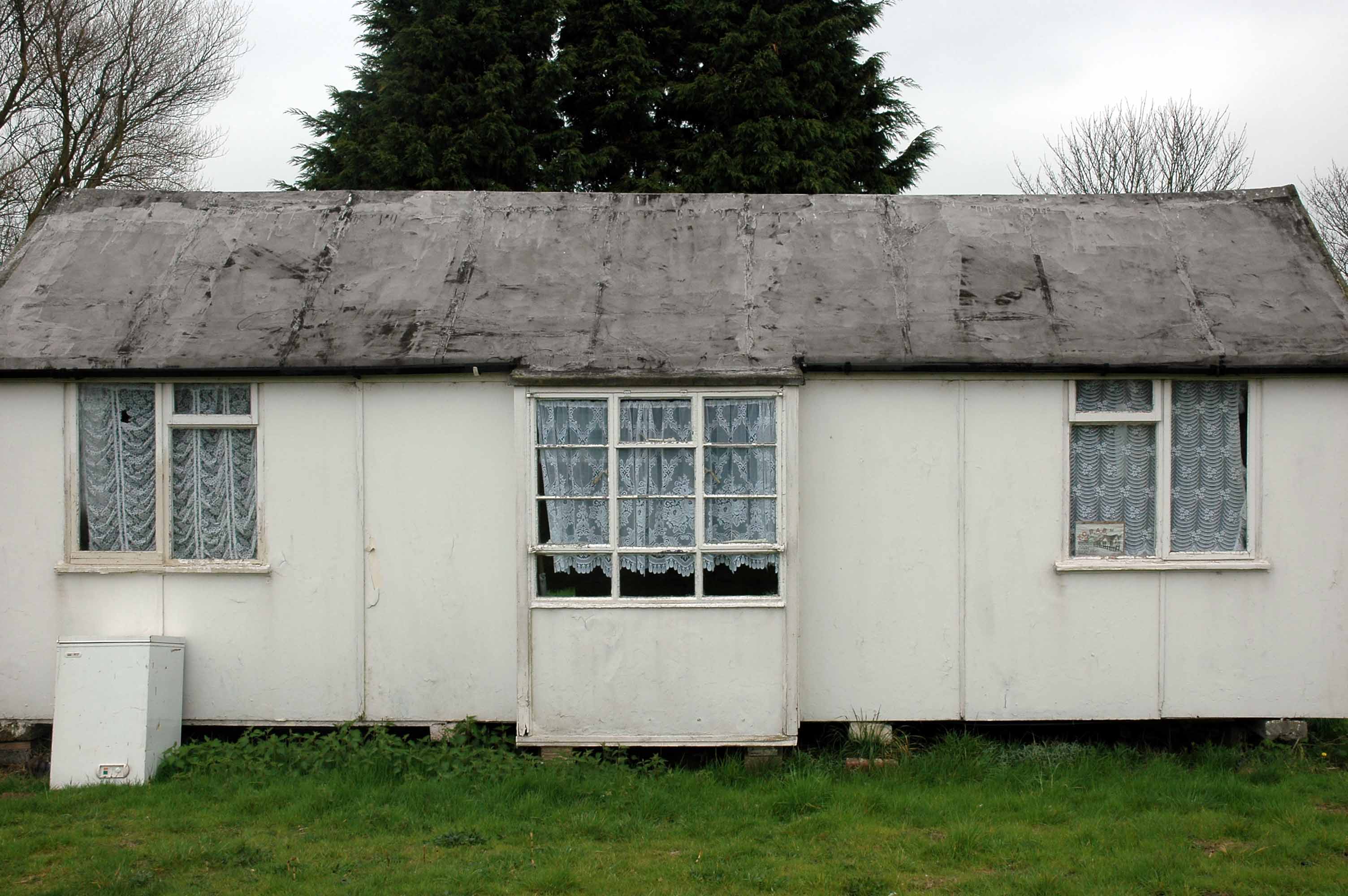
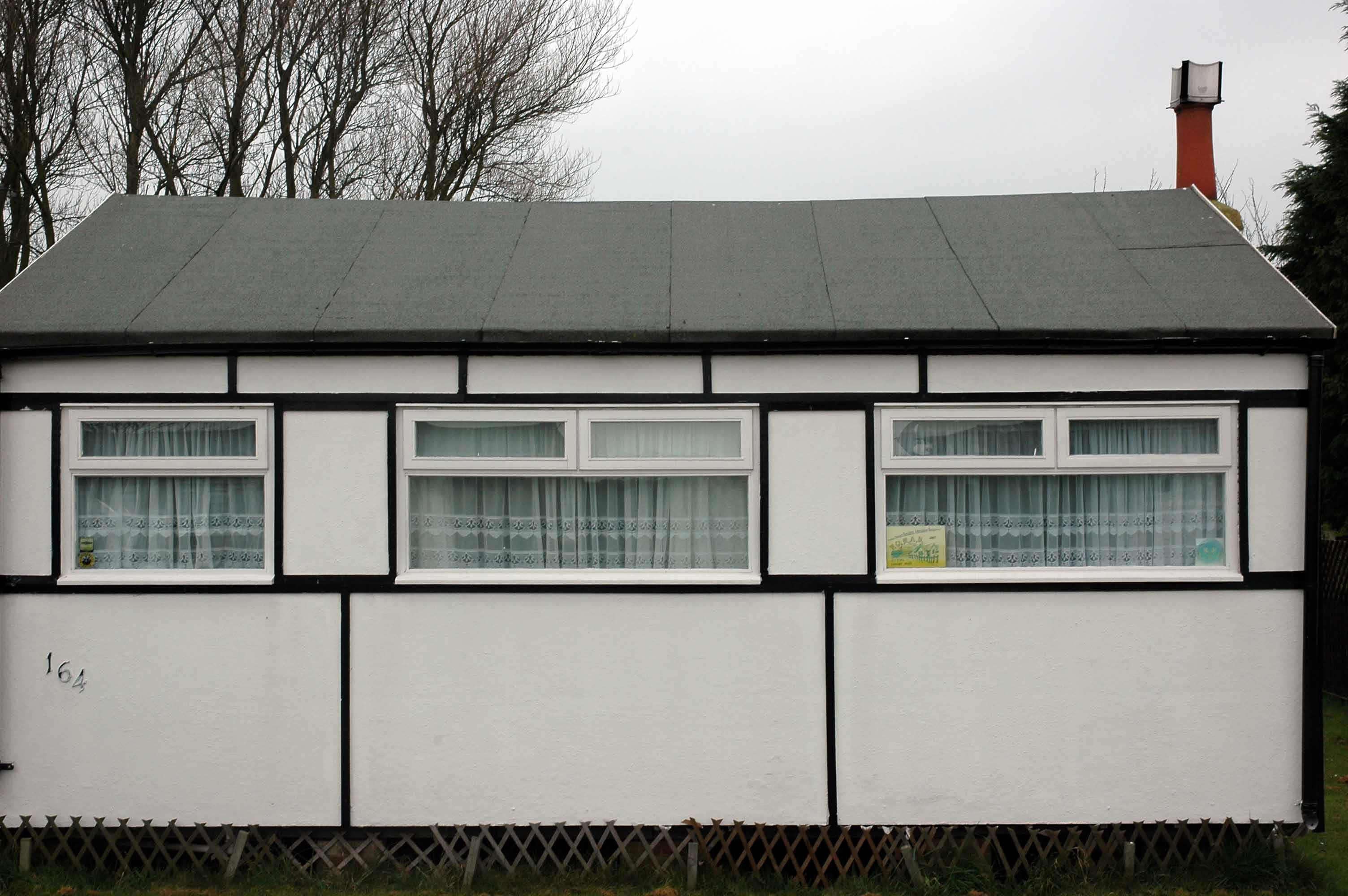
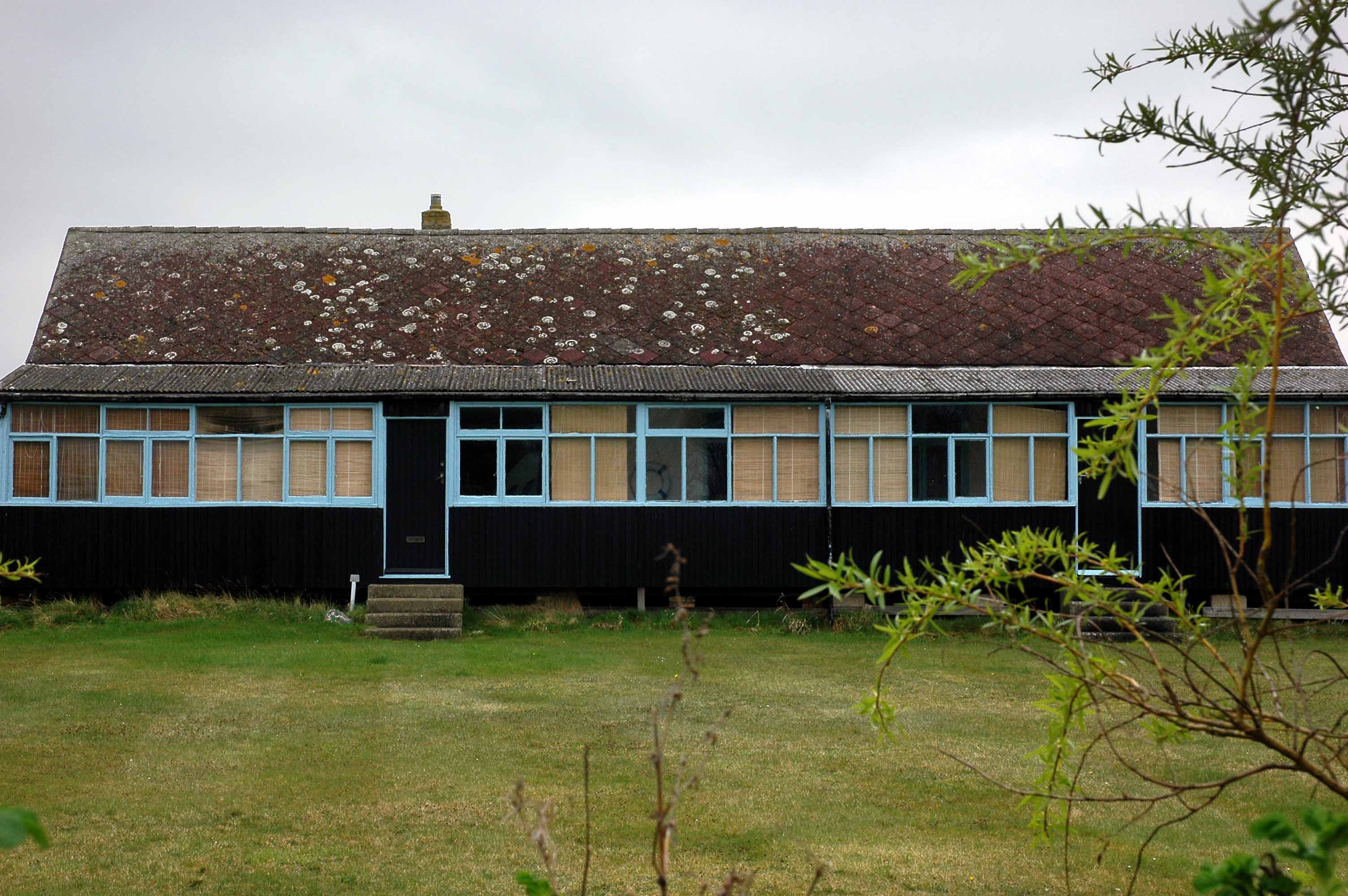
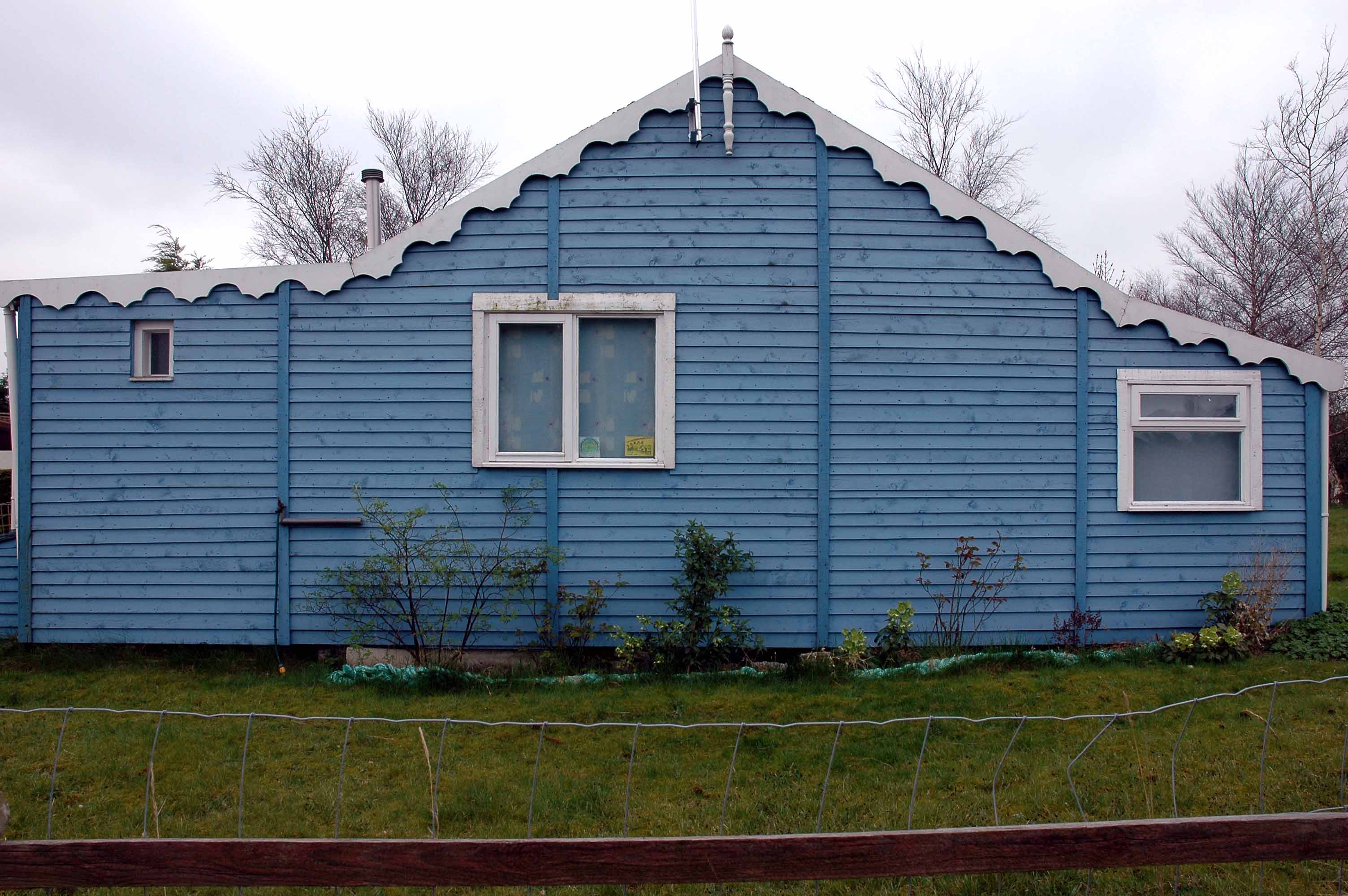
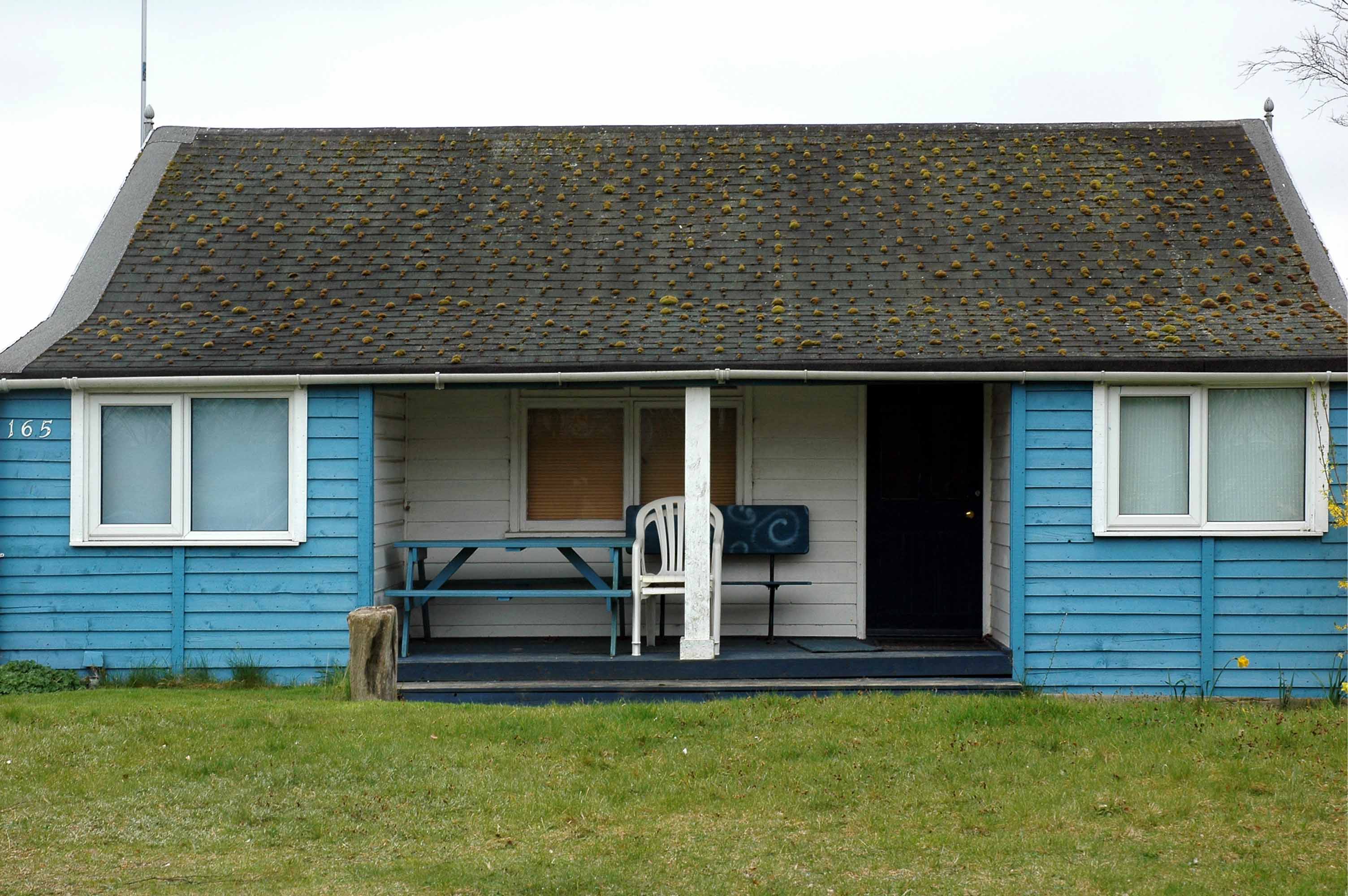
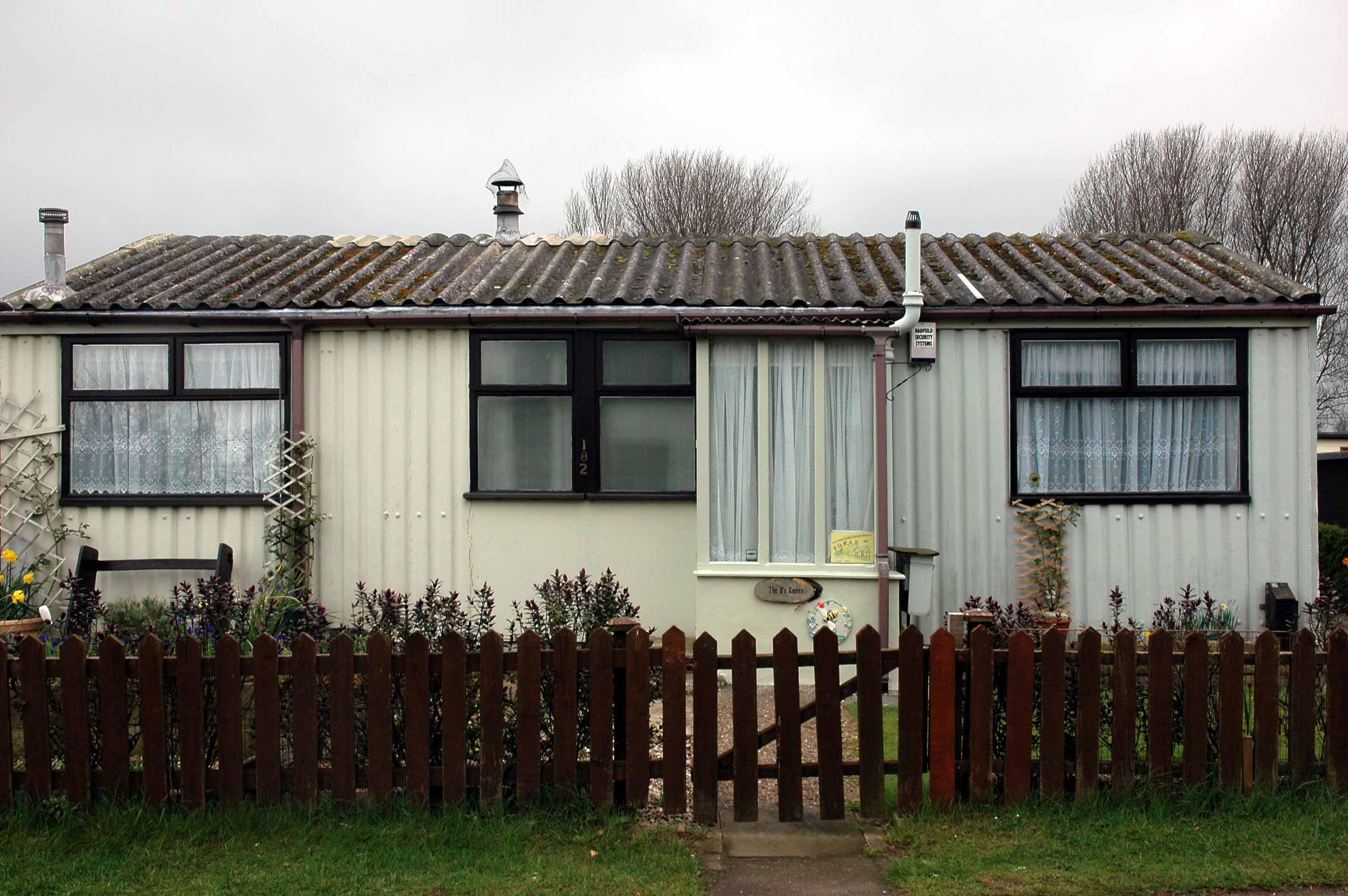
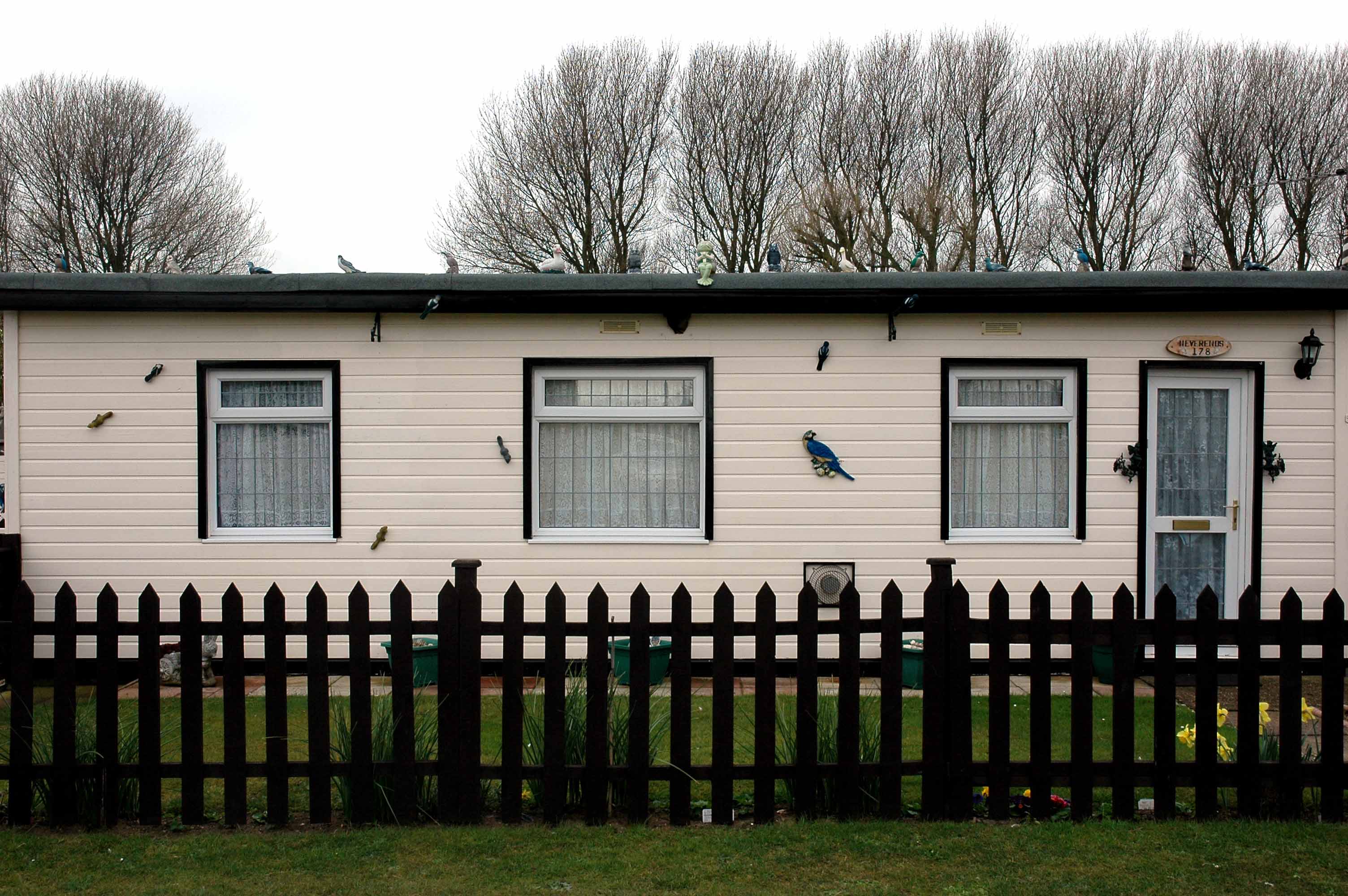
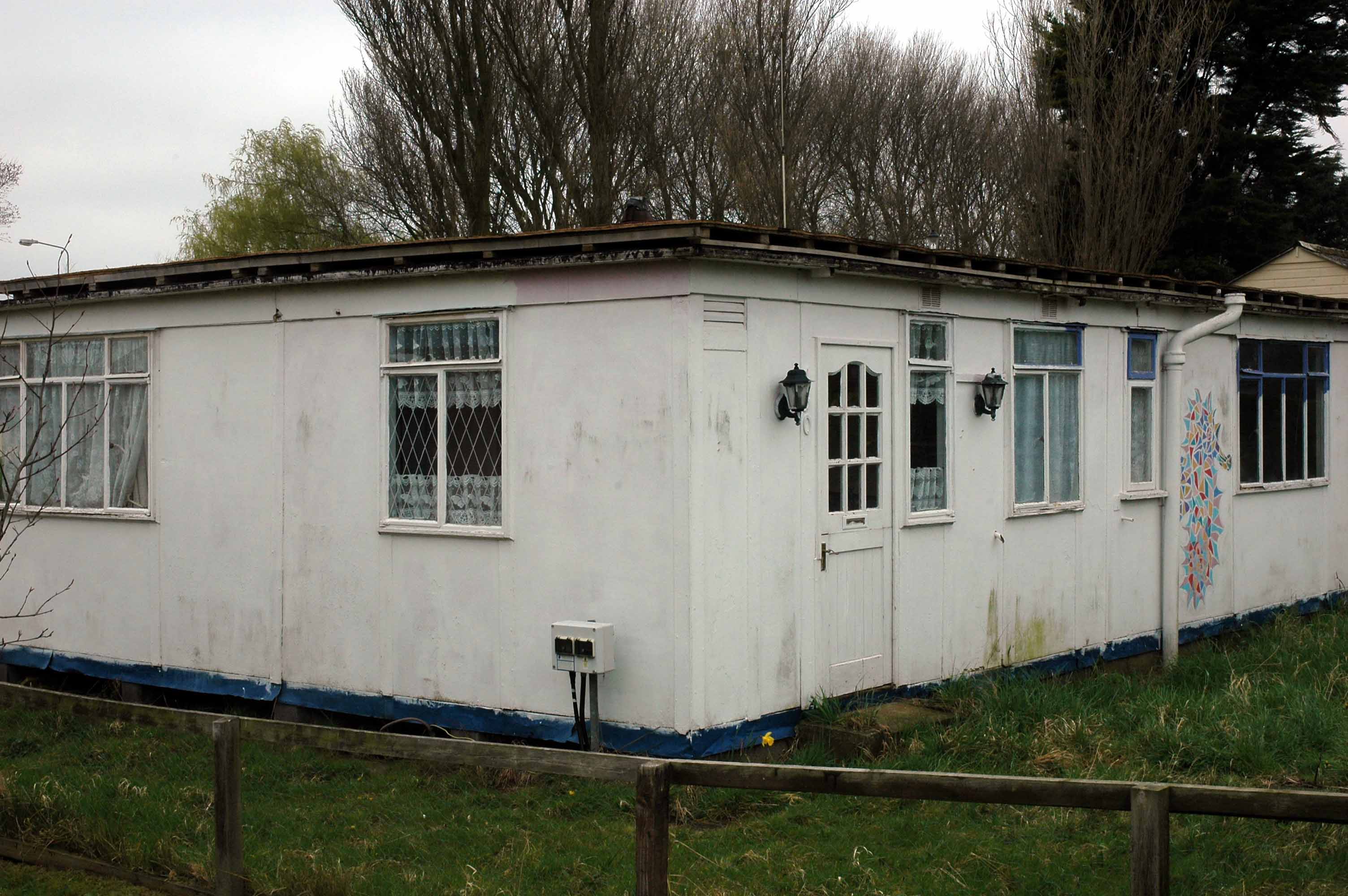
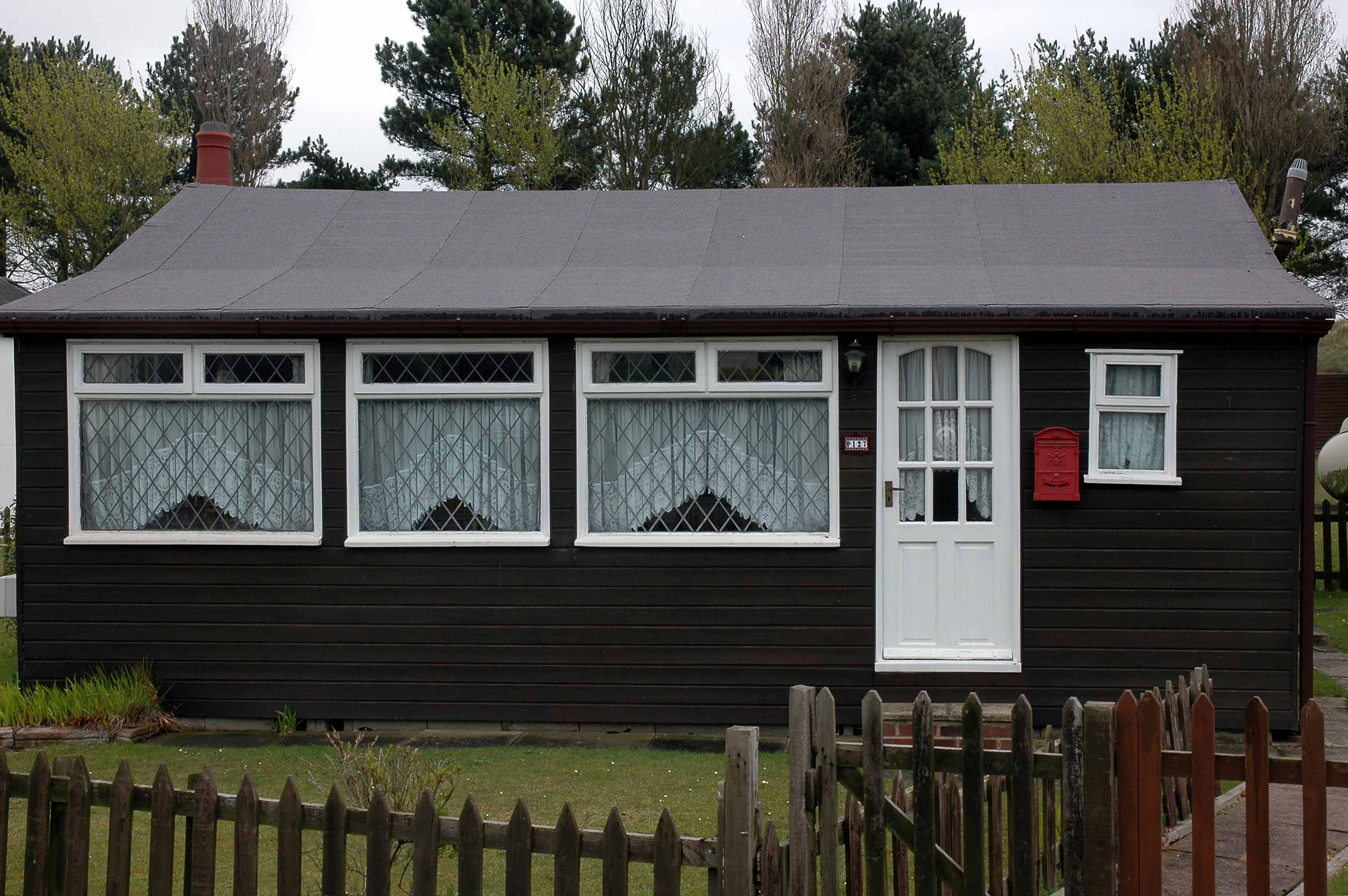
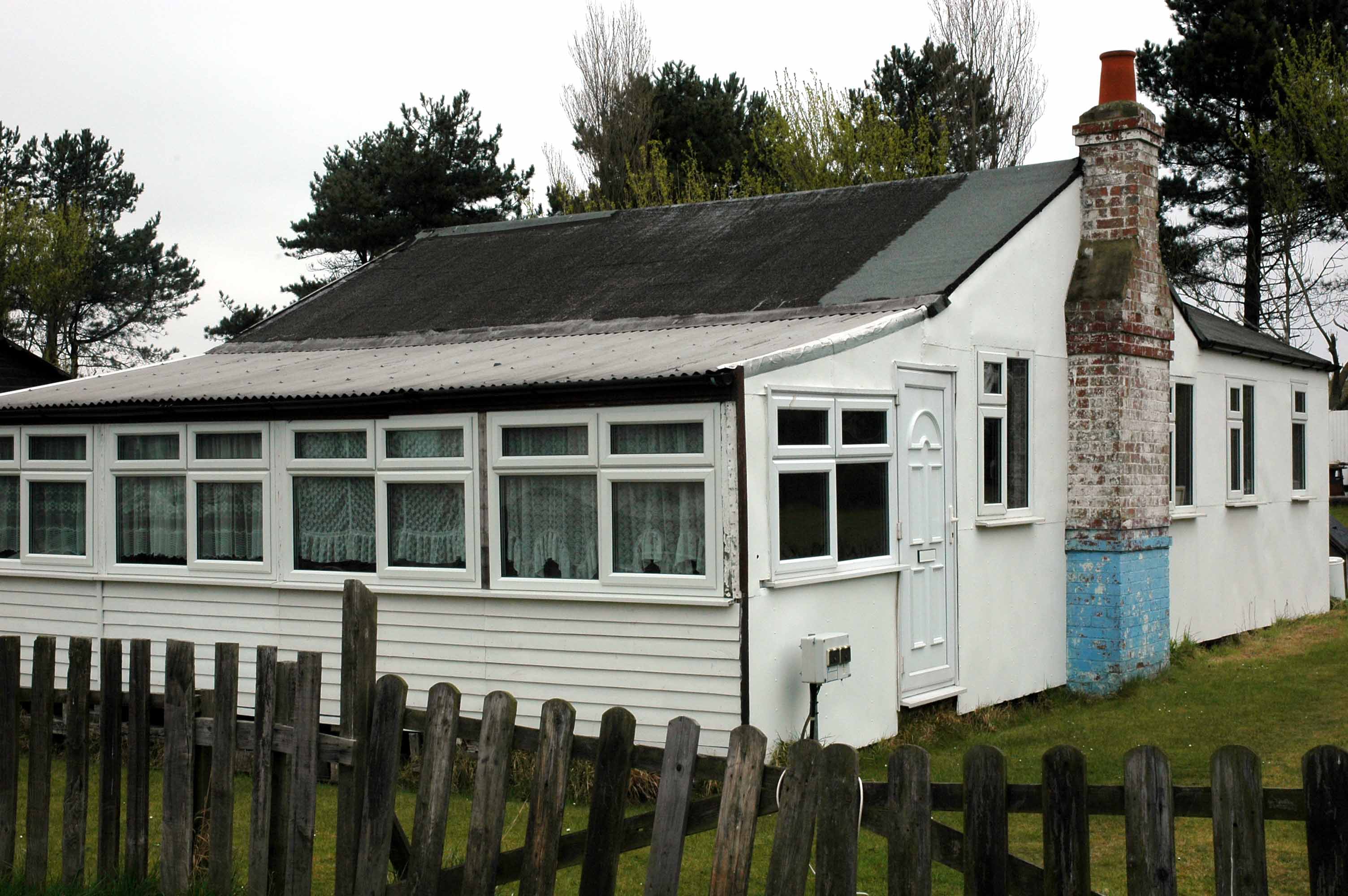
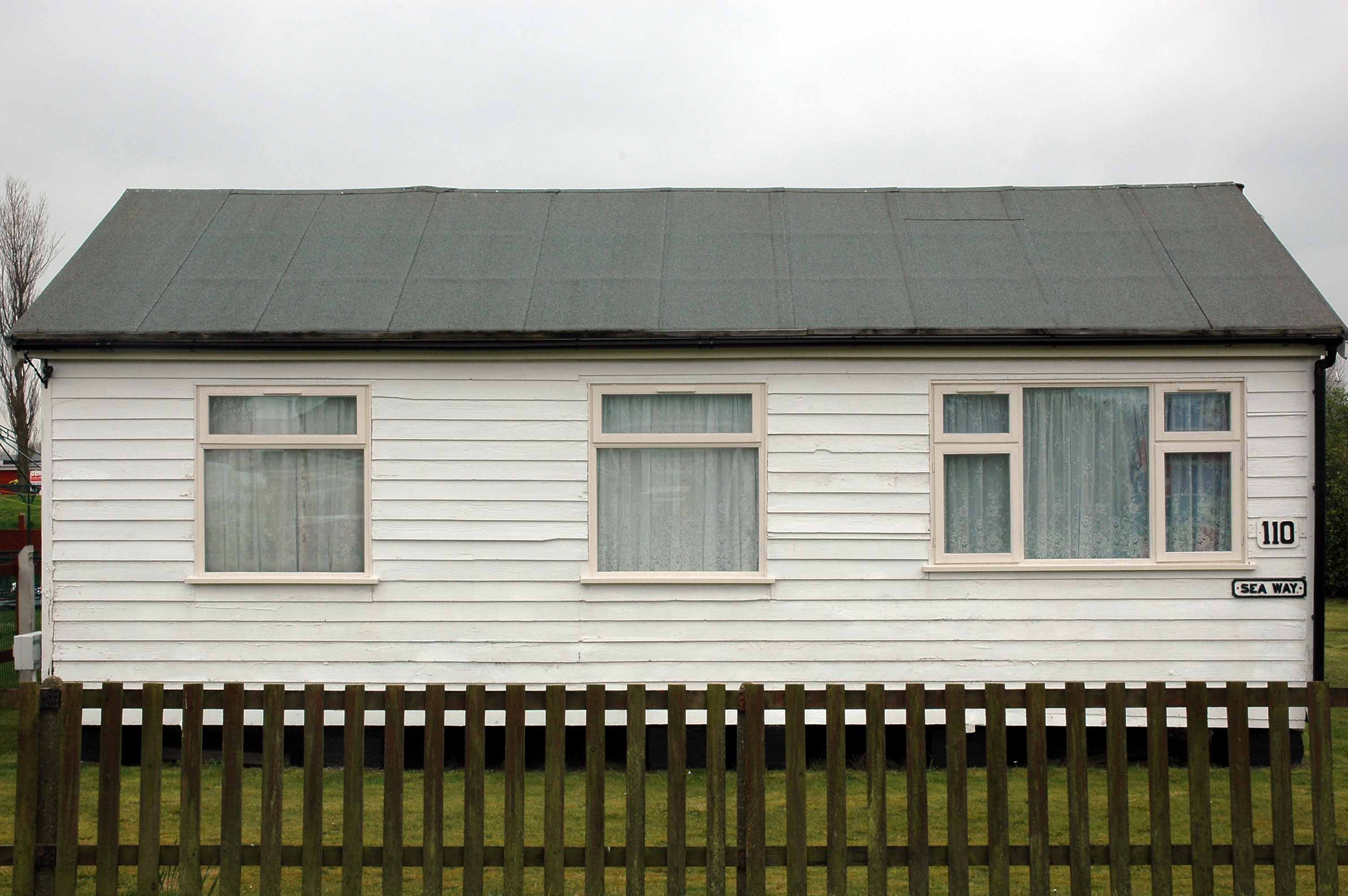
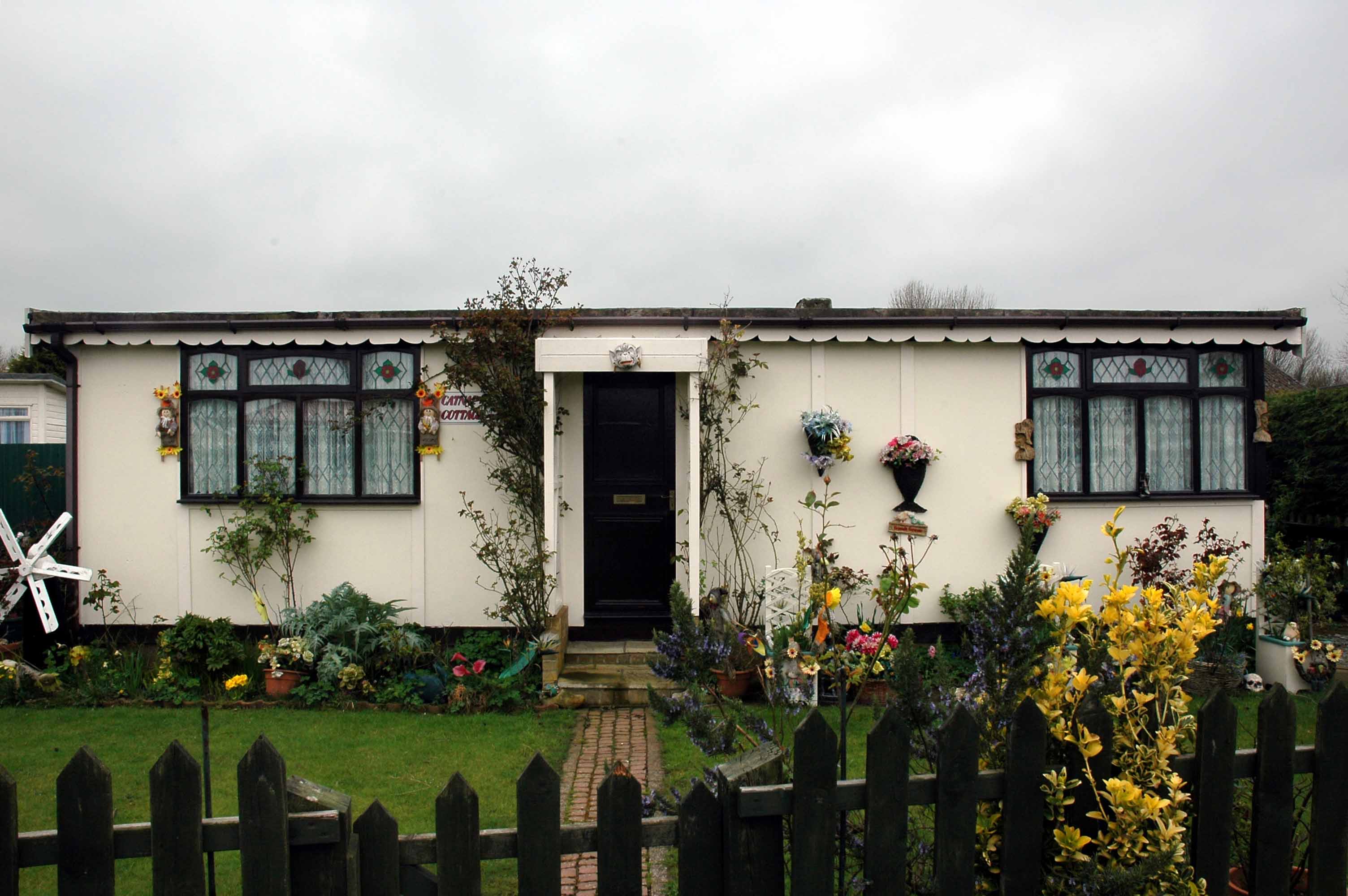
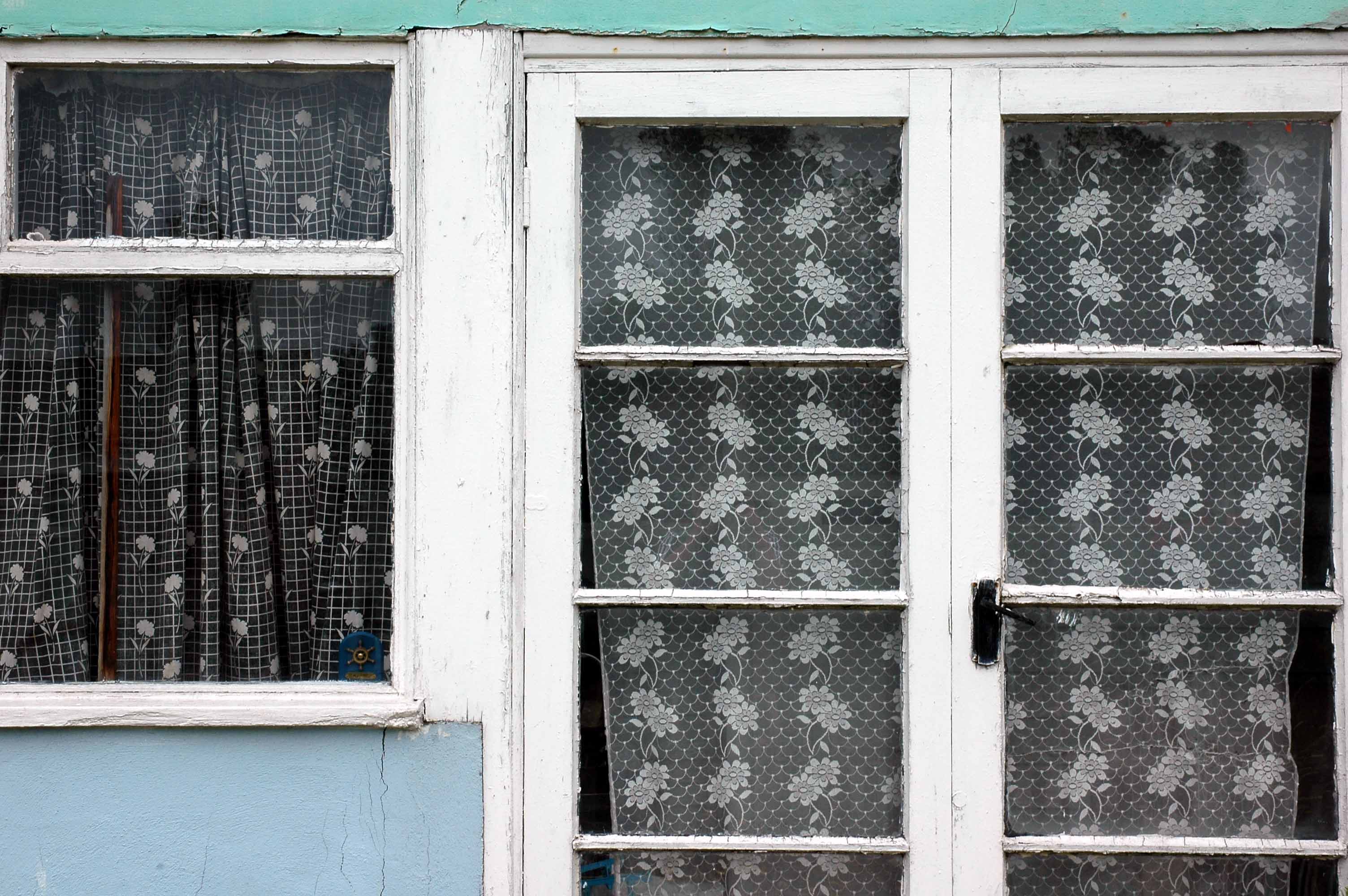
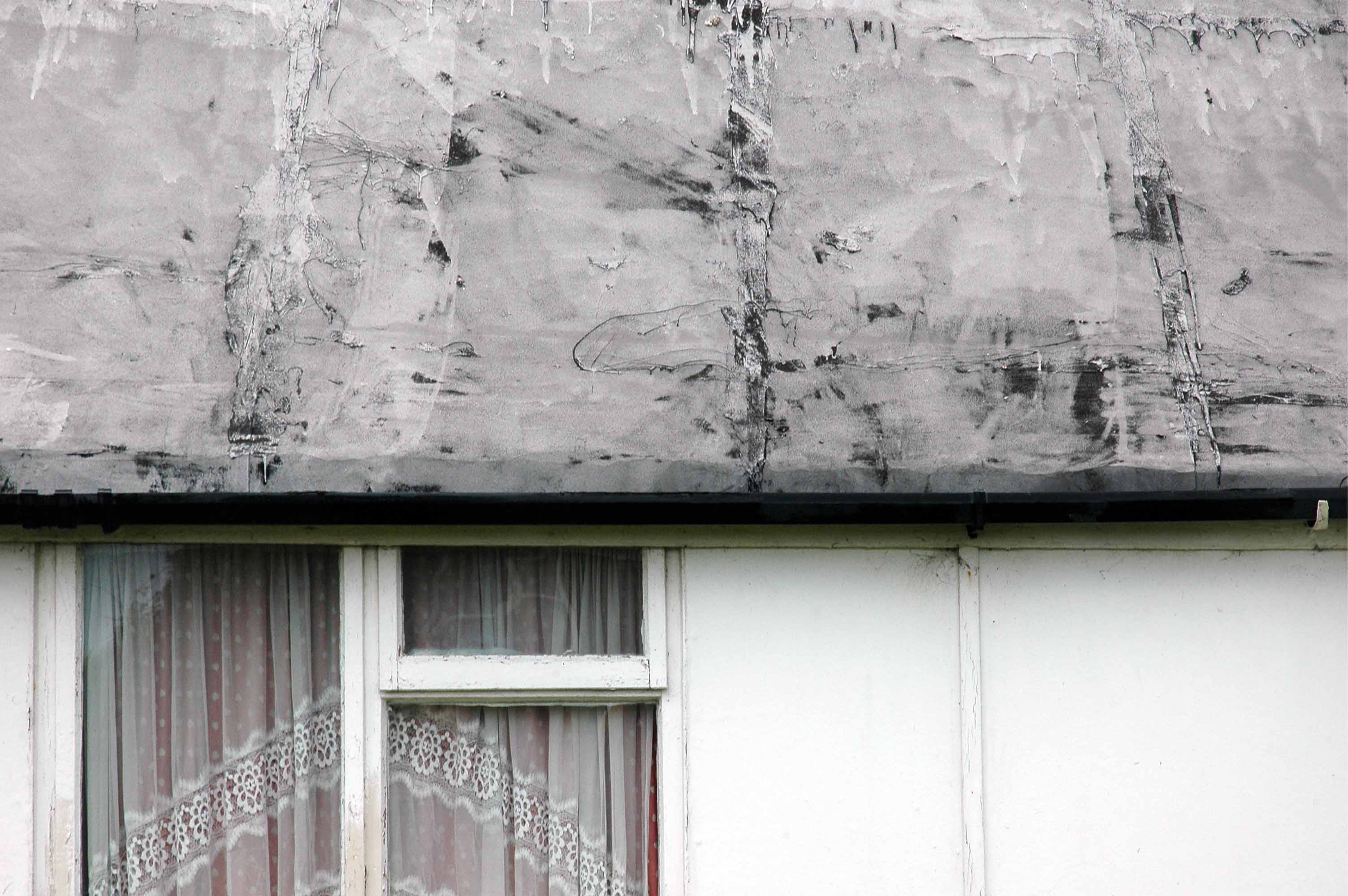
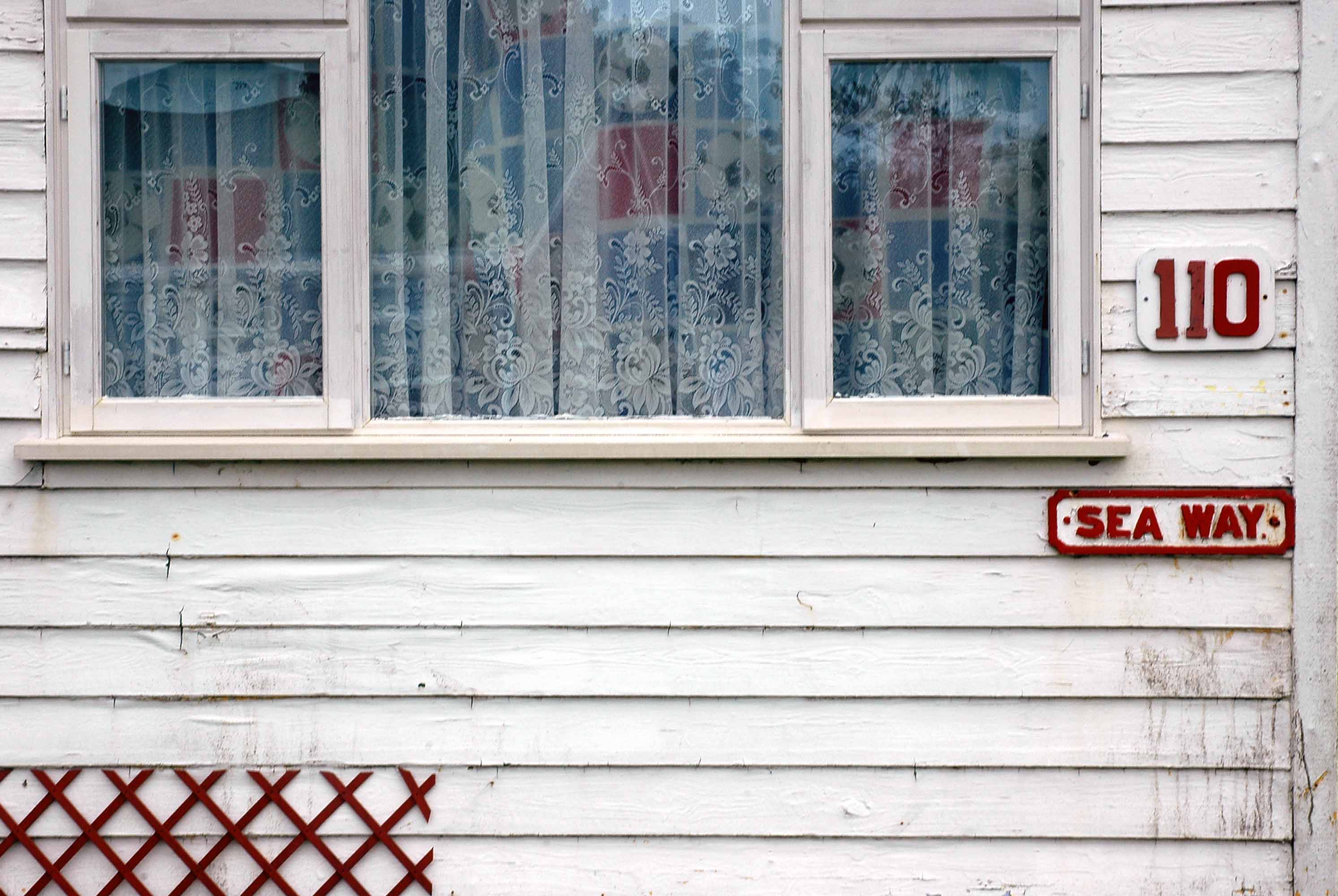
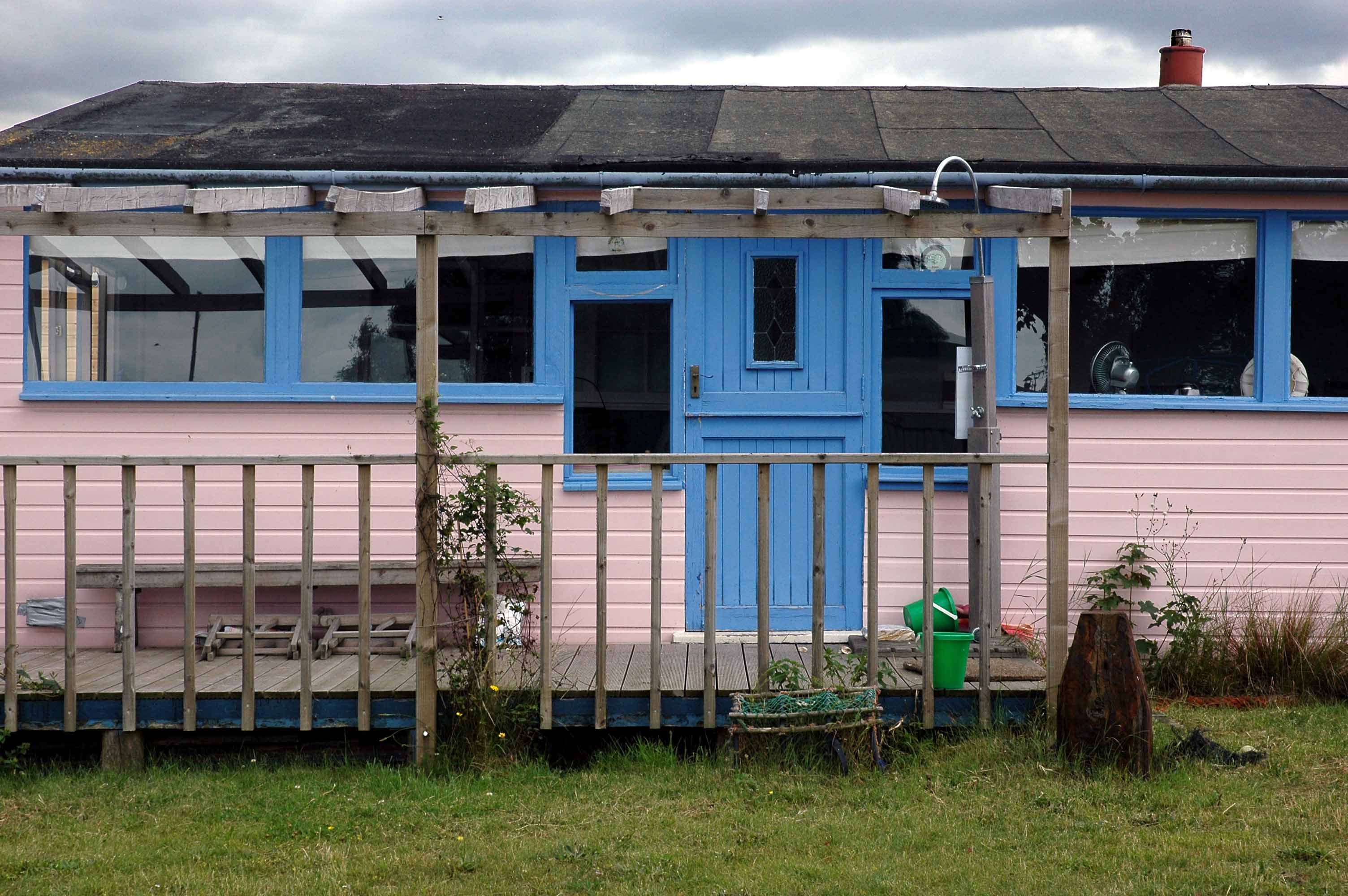
So here are the photographs I took on a visit to The Fitties in July 2008, I walked the home made roads, amazed by the vigour and variety of shape, size, personal affectation and practical pragmatism, of this all too human architecture.

This is a particular form of independent minded Modernism – hand-forged from the vernacular.

It is better to have your head in the clouds, and know where you are, than to breathe the clearer atmosphere below them, and think that you are in paradise.

Henry David Thoreau

123 copy

barometer

DSC_0003

DSC_0004

DSC_0005

DSC_0006

DSC_0007

DSC_0009

DSC_0010

DSC_0012

DSC_0013

DSC_0014

DSC_0015

DSC_0016

DSC_0017

DSC_0018

DSC_0019

DSC_0020

DSC_0021

DSC_0022

DSC_0023

DSC_0024

DSC_0025

DSC_0030

DSC_0032

DSC_0033

DSC_0035

DSC_0036

DSC_0037

DSC_0038

DSC_0040

DSC_0041

DSC_0042

DSC_0043

DSC_0044

DSC_0045

DSC_0046

DSC_0047

DSC_0048

DSC_0049

DSC_0051

DSC_0052

DSC_0054

DSC_0055

DSC_0056

DSC_0057

DSC_0058

DSC_0059

DSC_0061

nets copy

nets2 copy

roof copy

sea way copy

verandah


Strangeways #3 – Black and White World

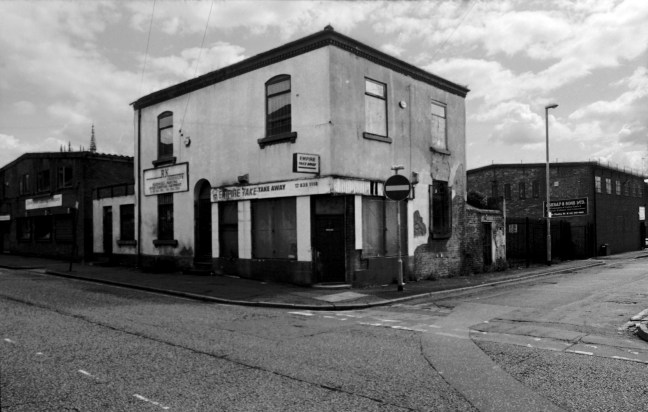
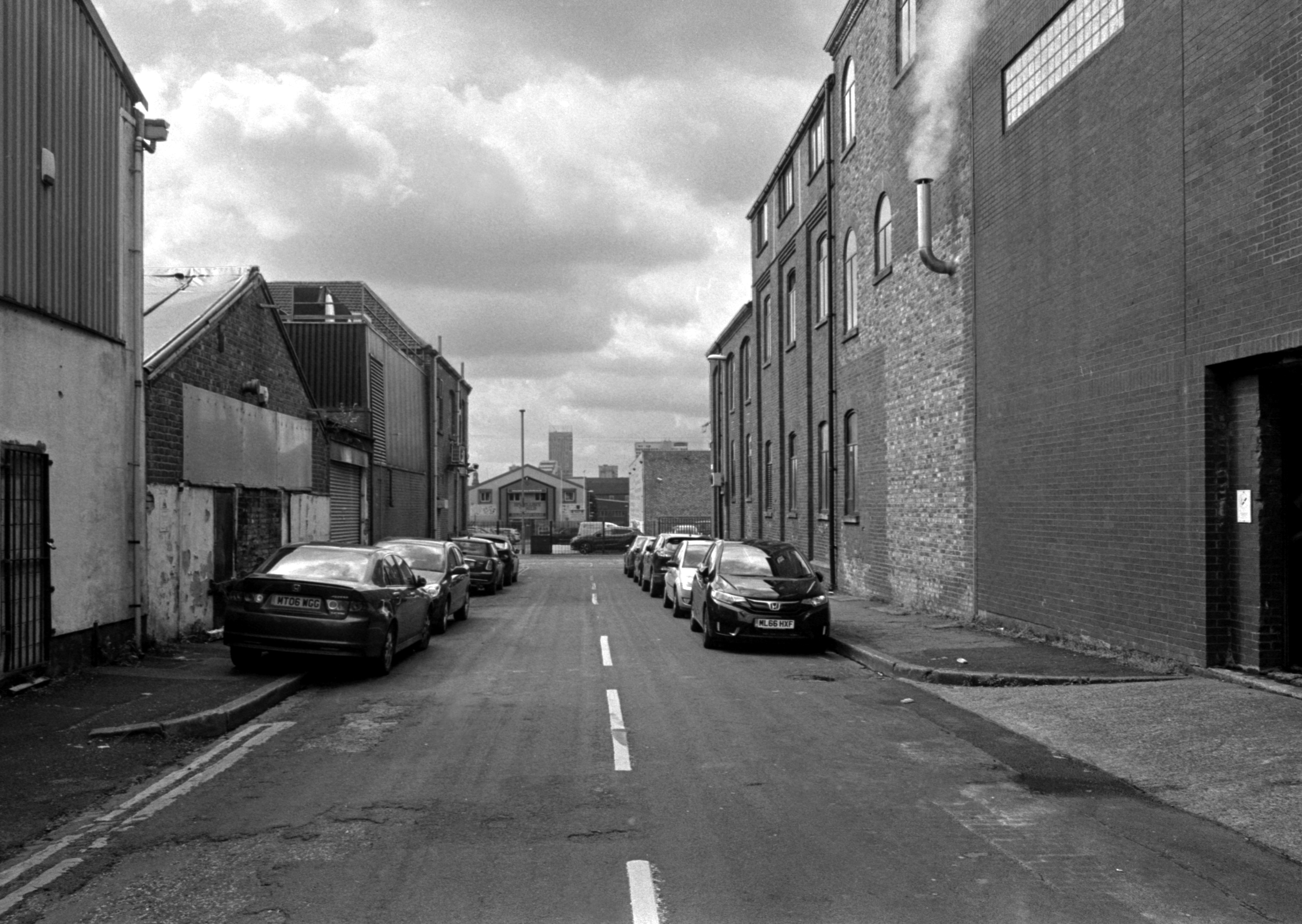
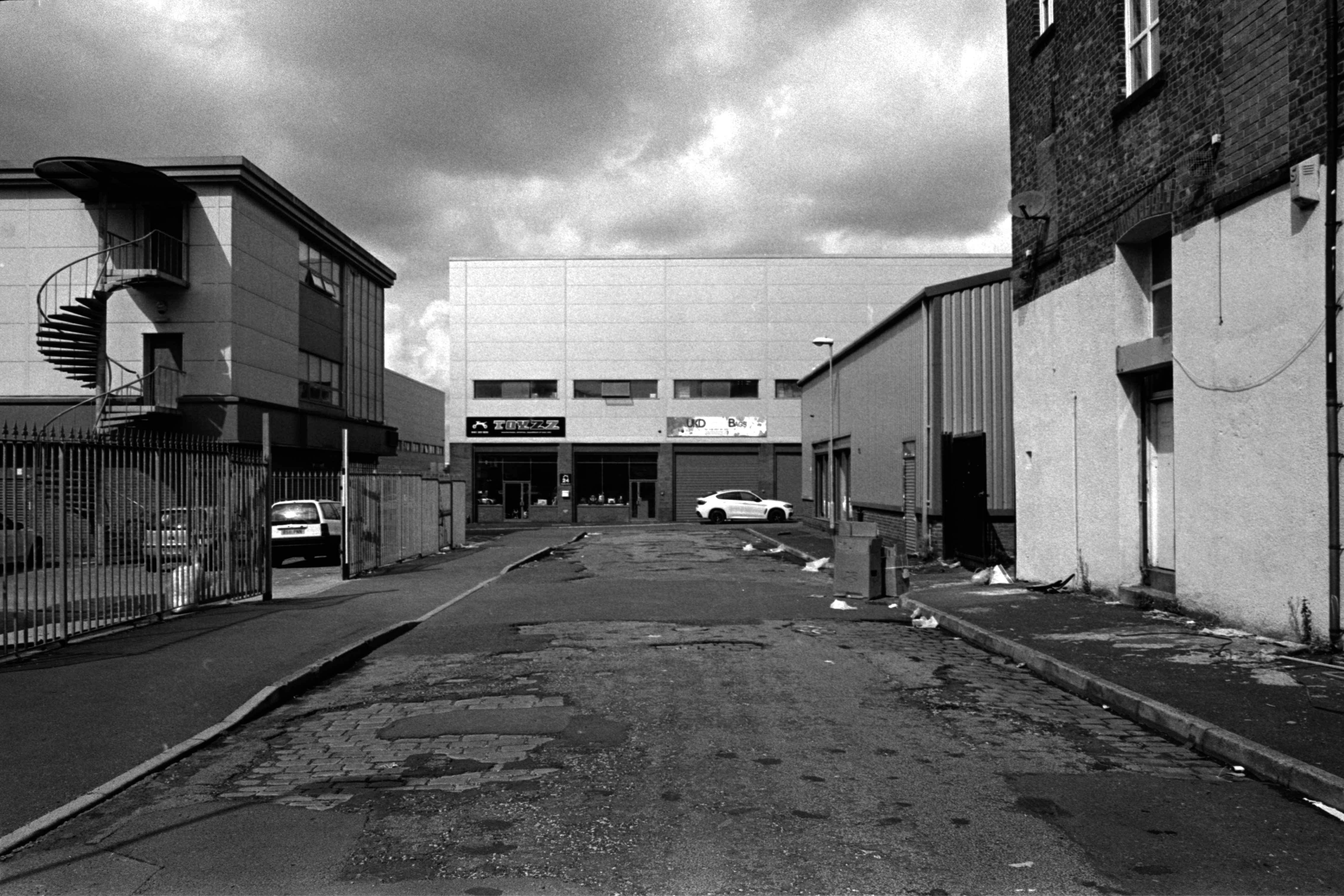
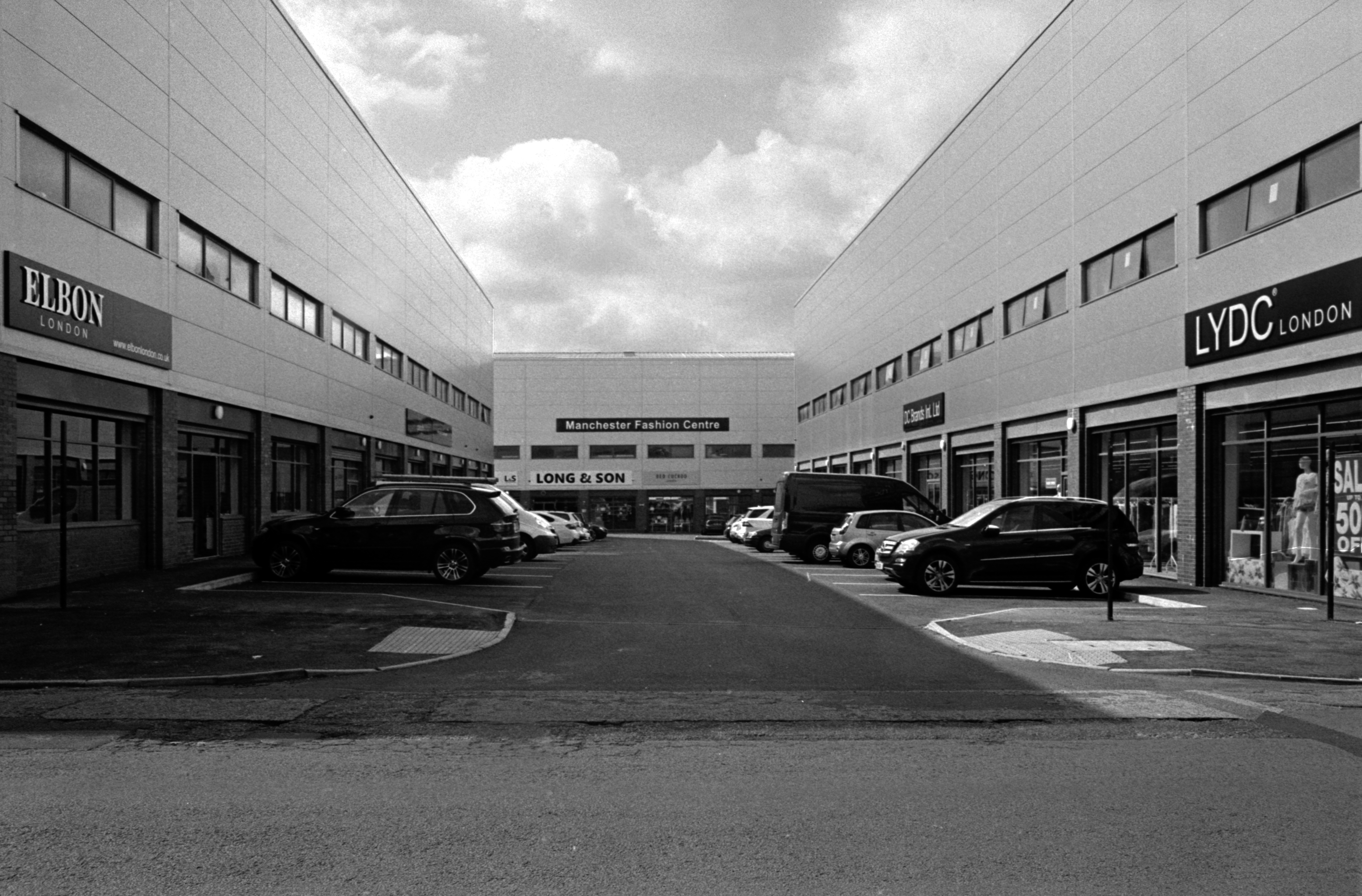
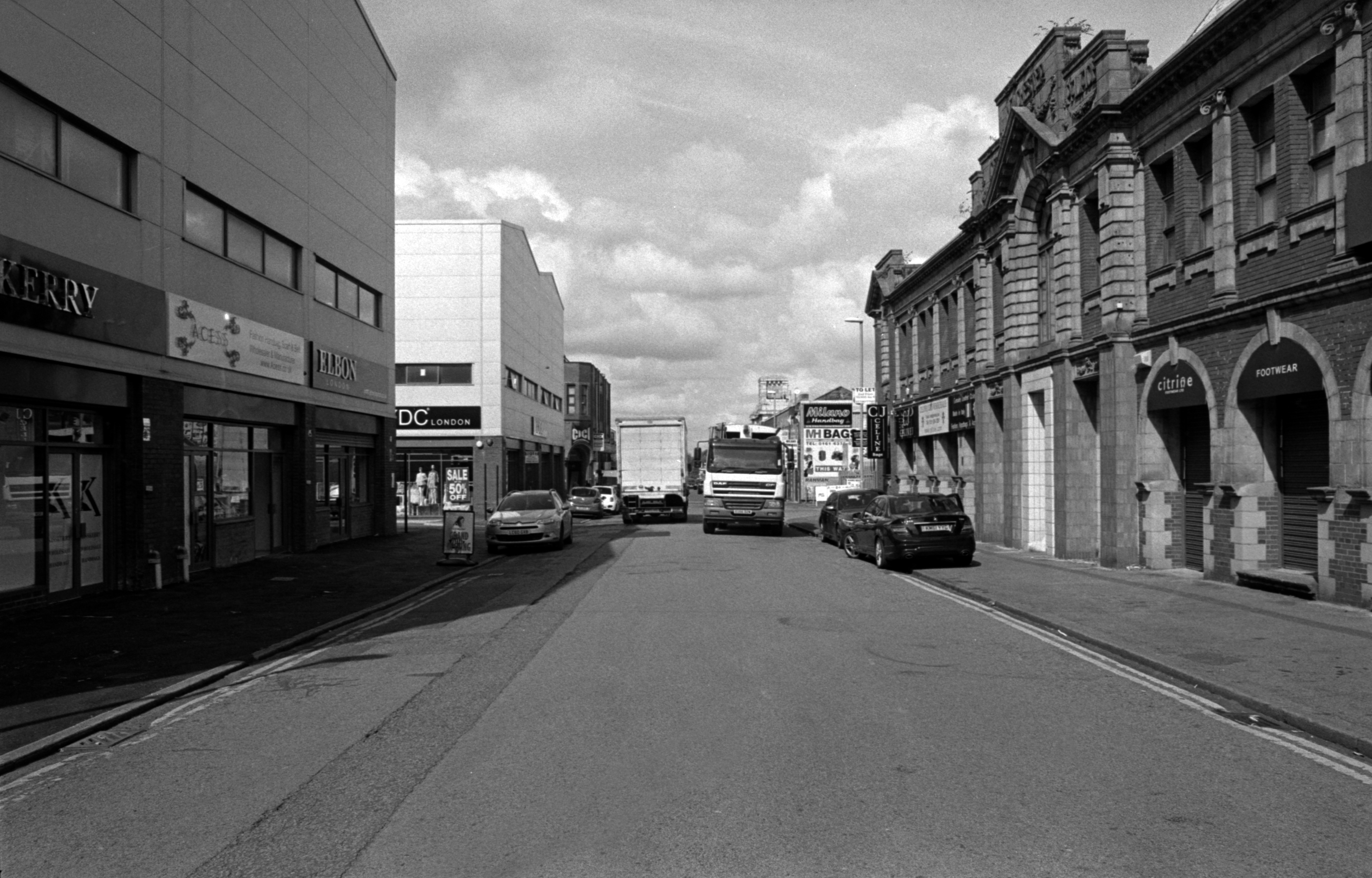
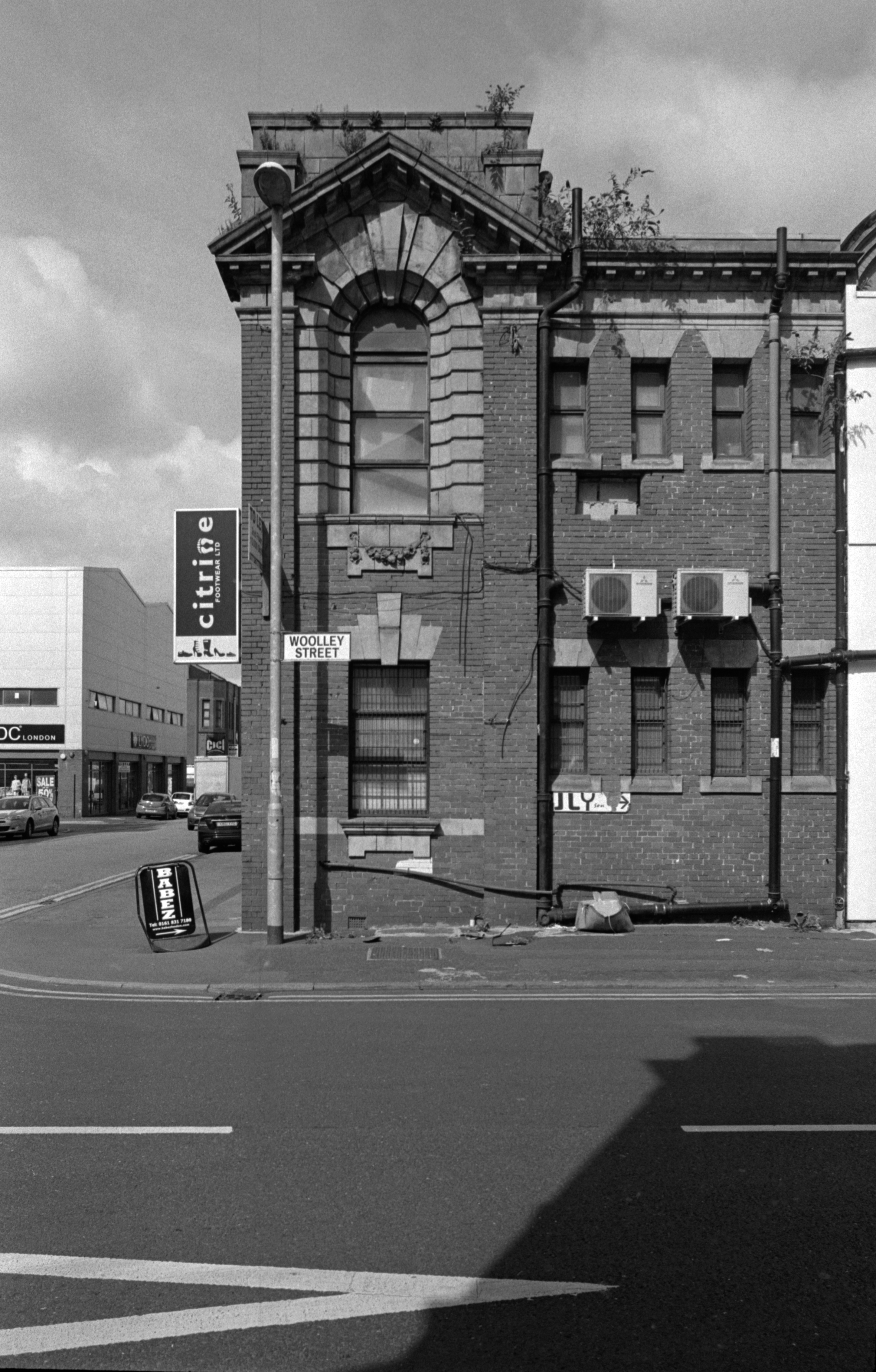
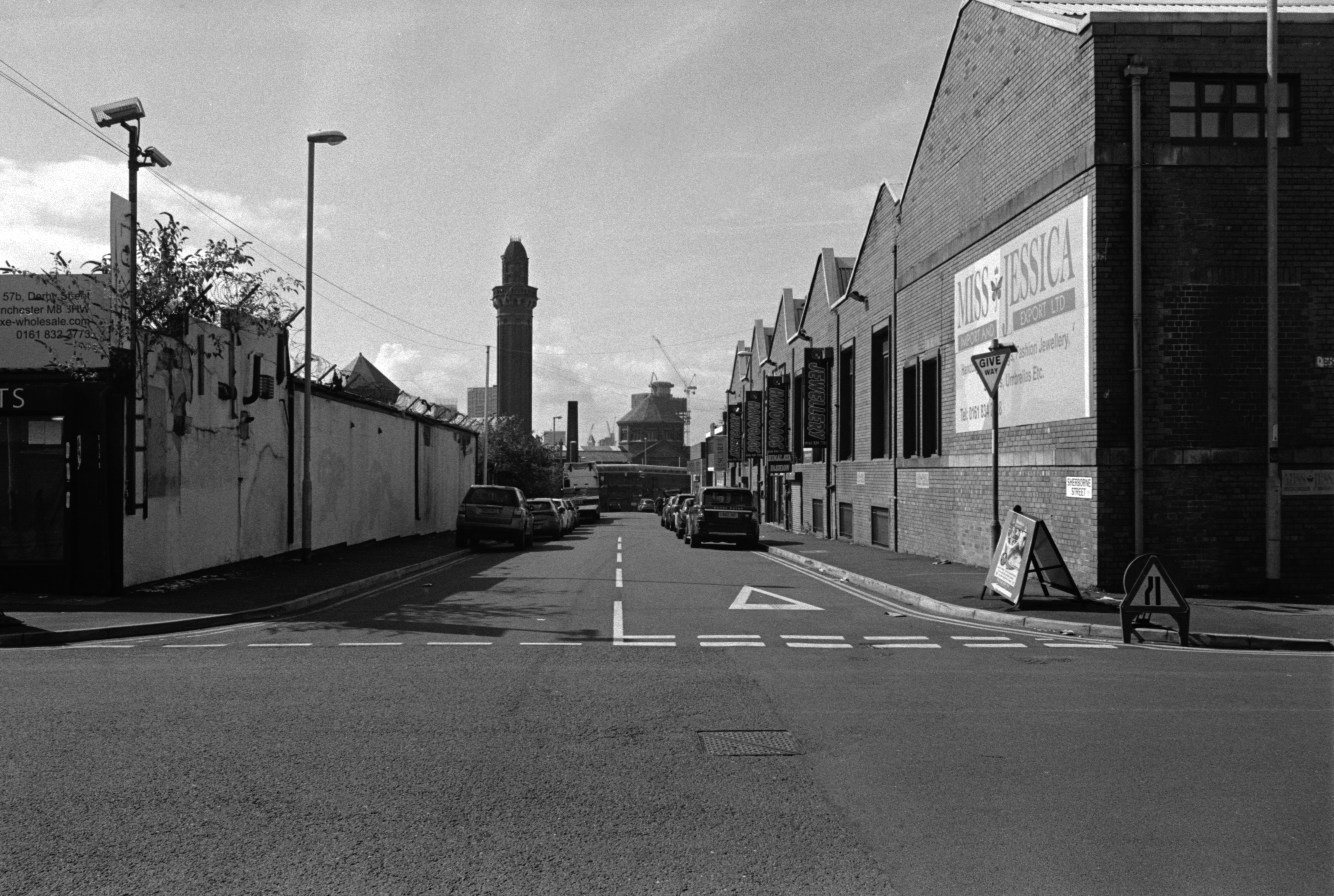
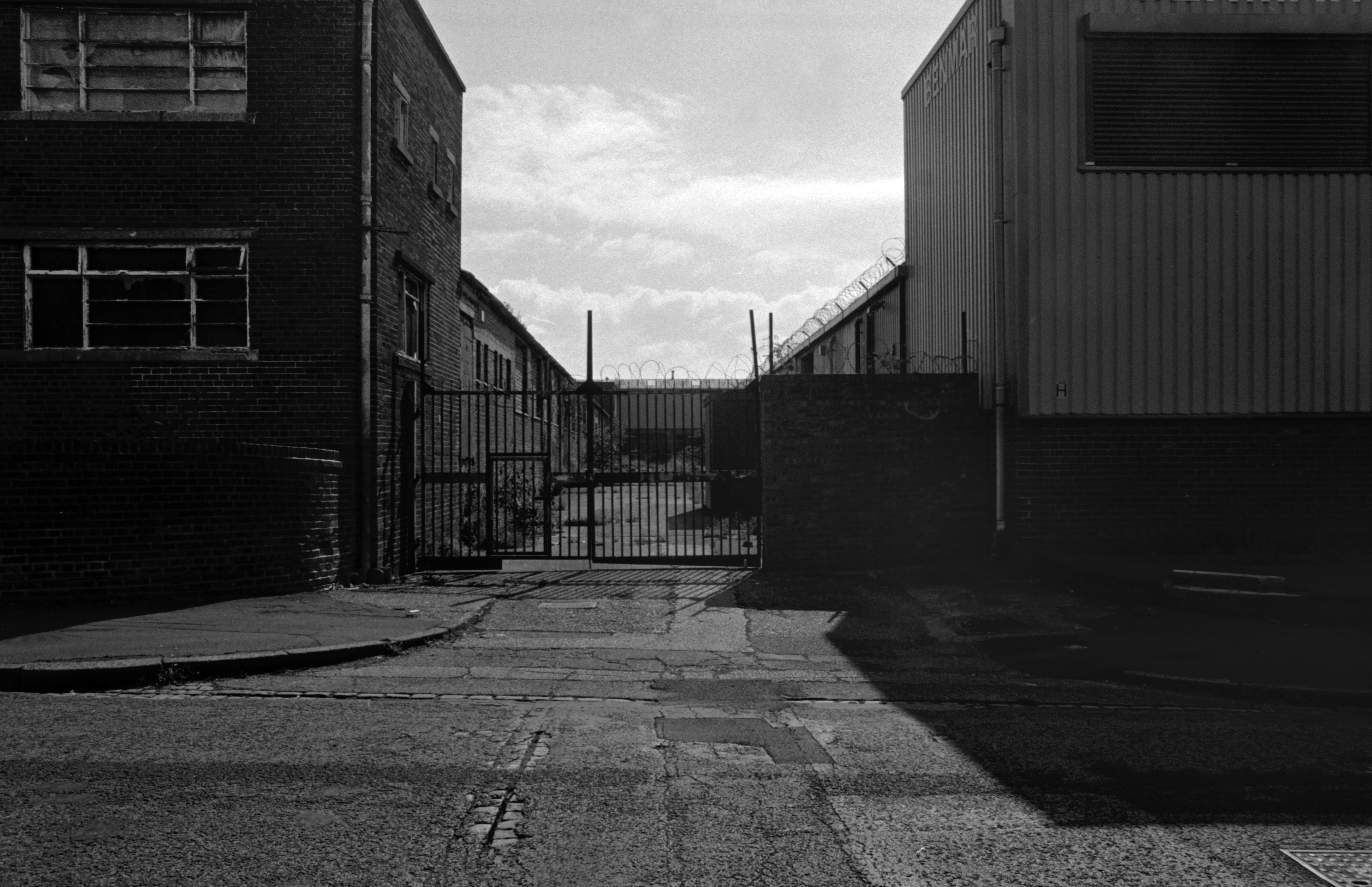
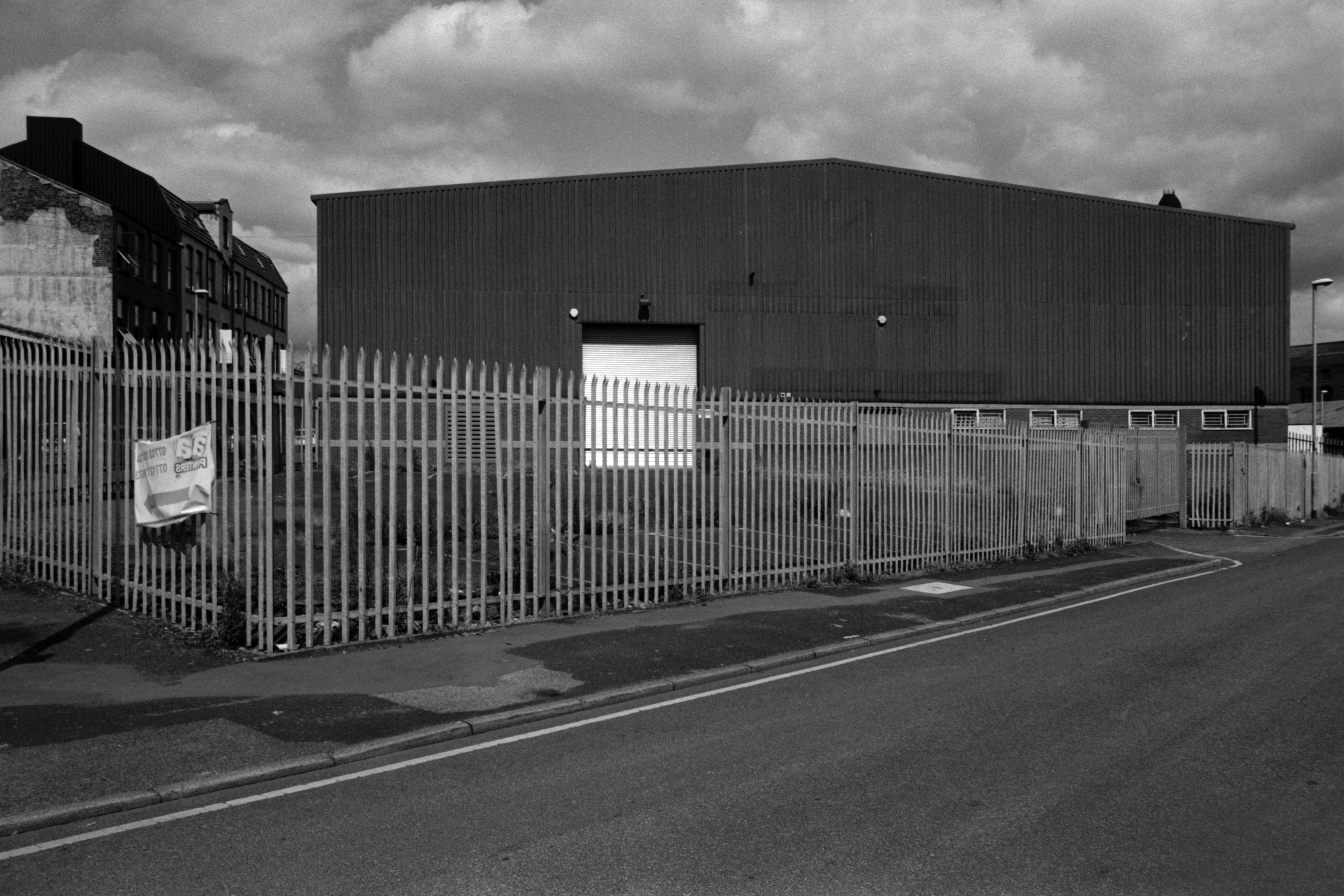
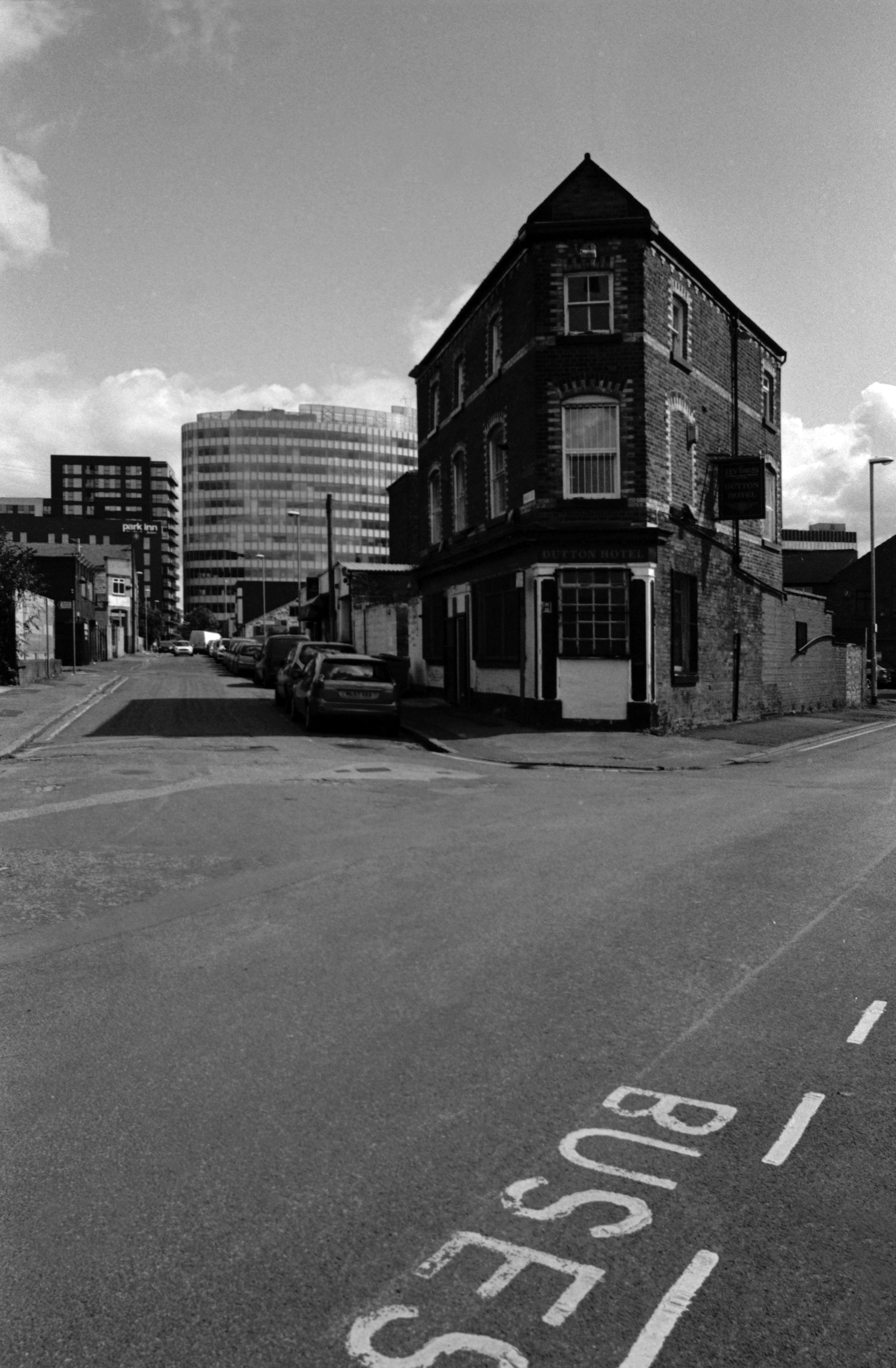
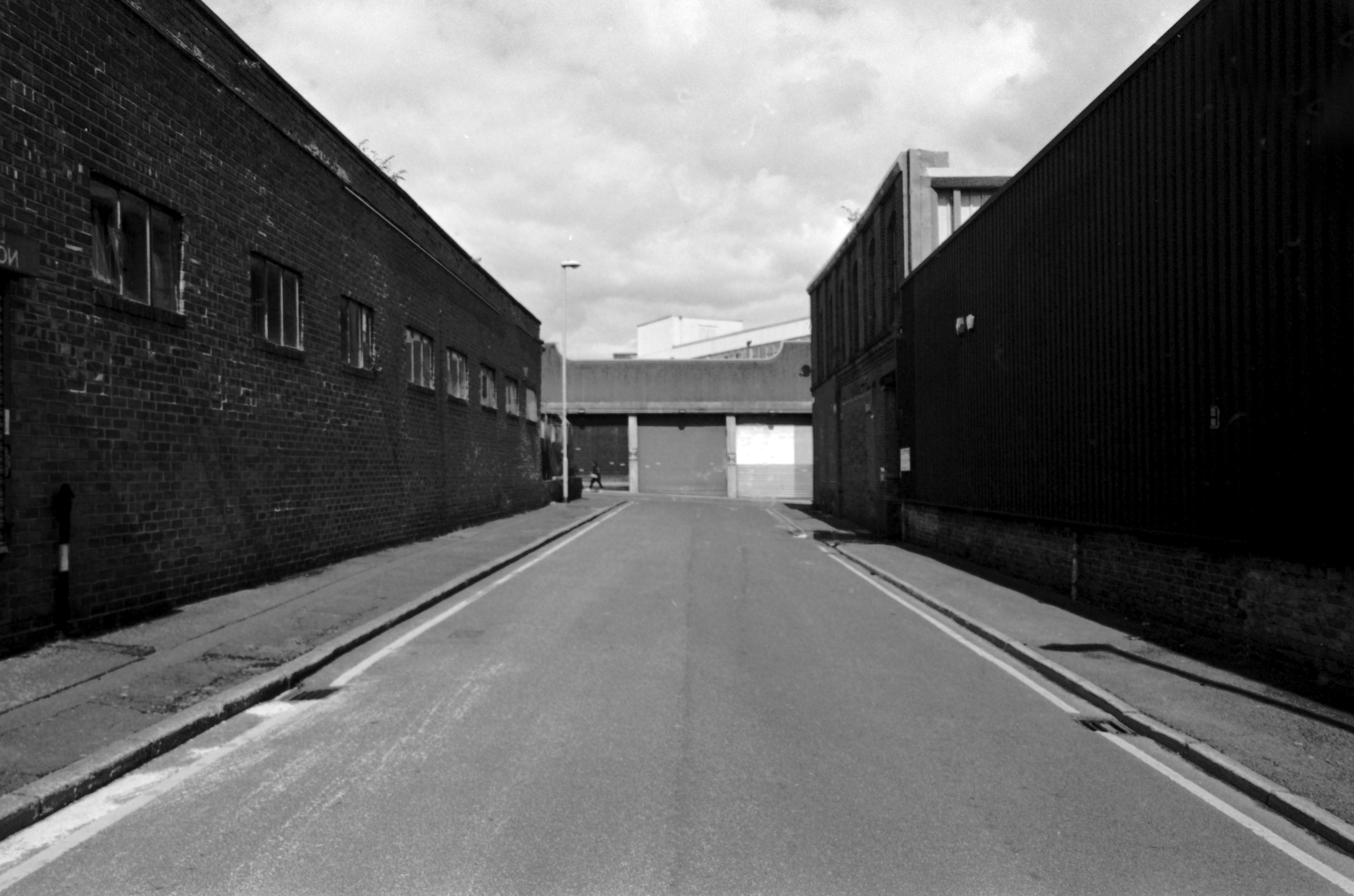
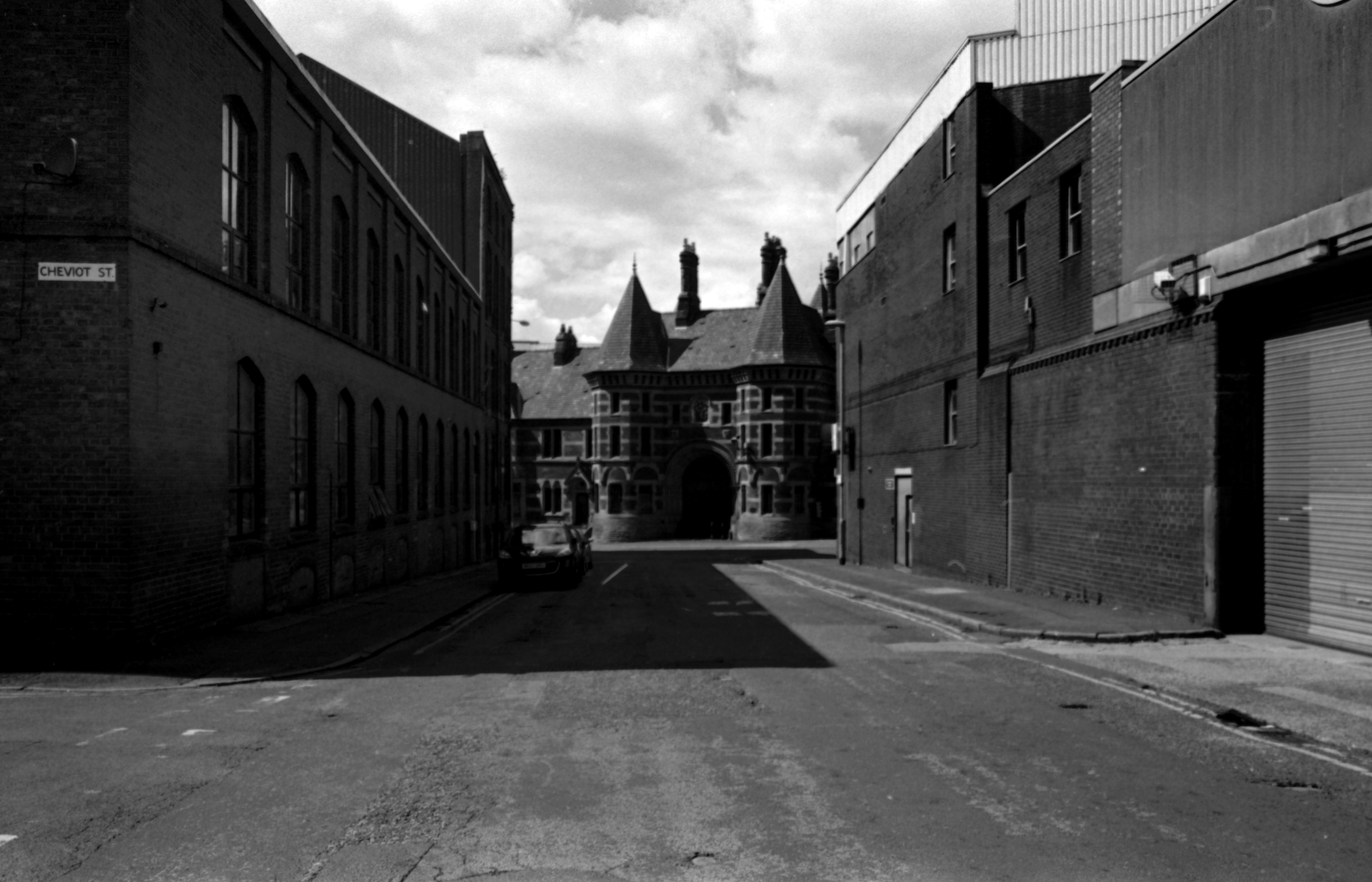
I’ve been here for the last fifteen years on and off, snapping away, capturing something of the area’s ever changing moods, the old, the new, the borrowed and the blue.

Wading through the archives, or searching for the remains of modernity.

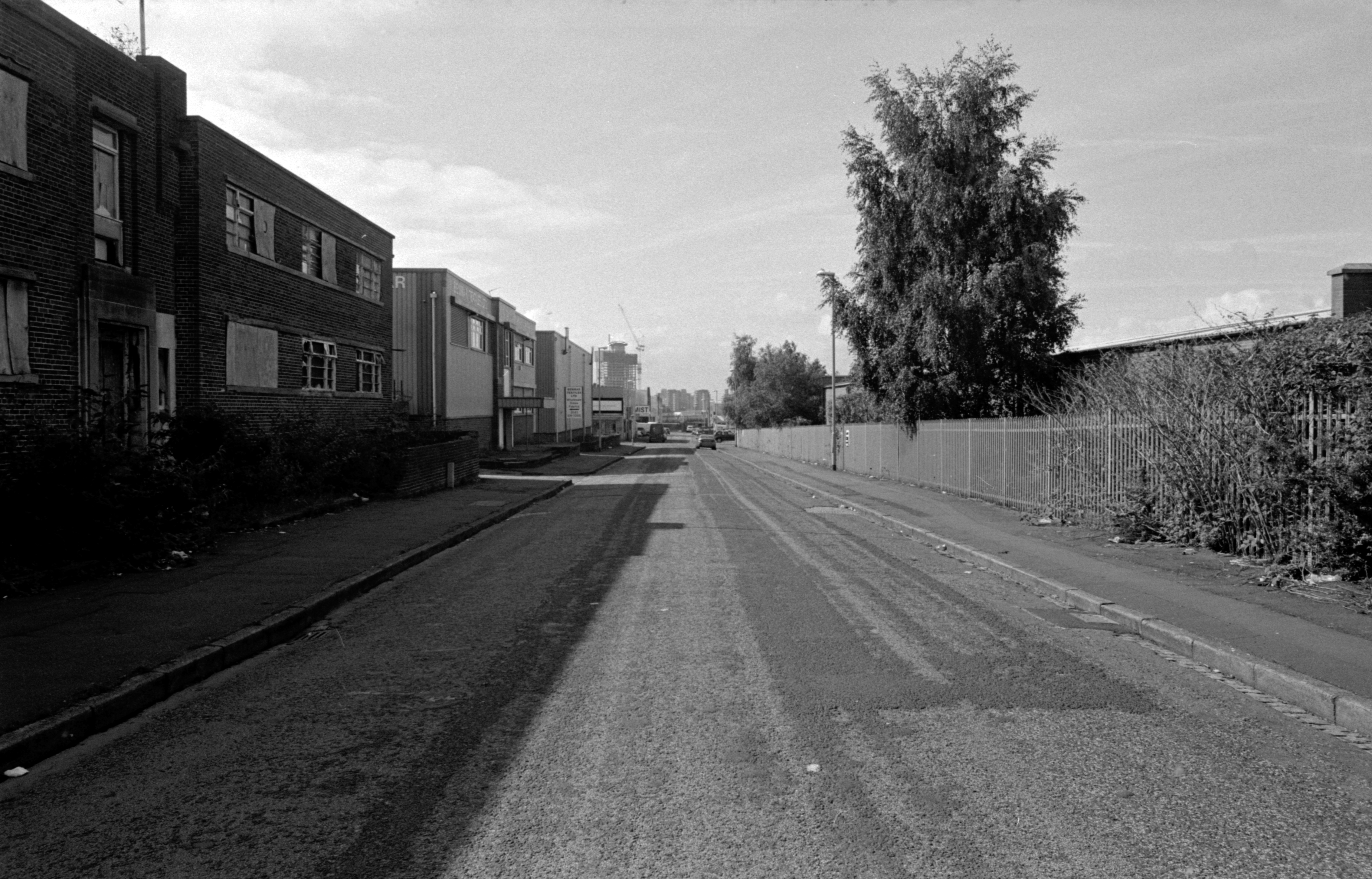
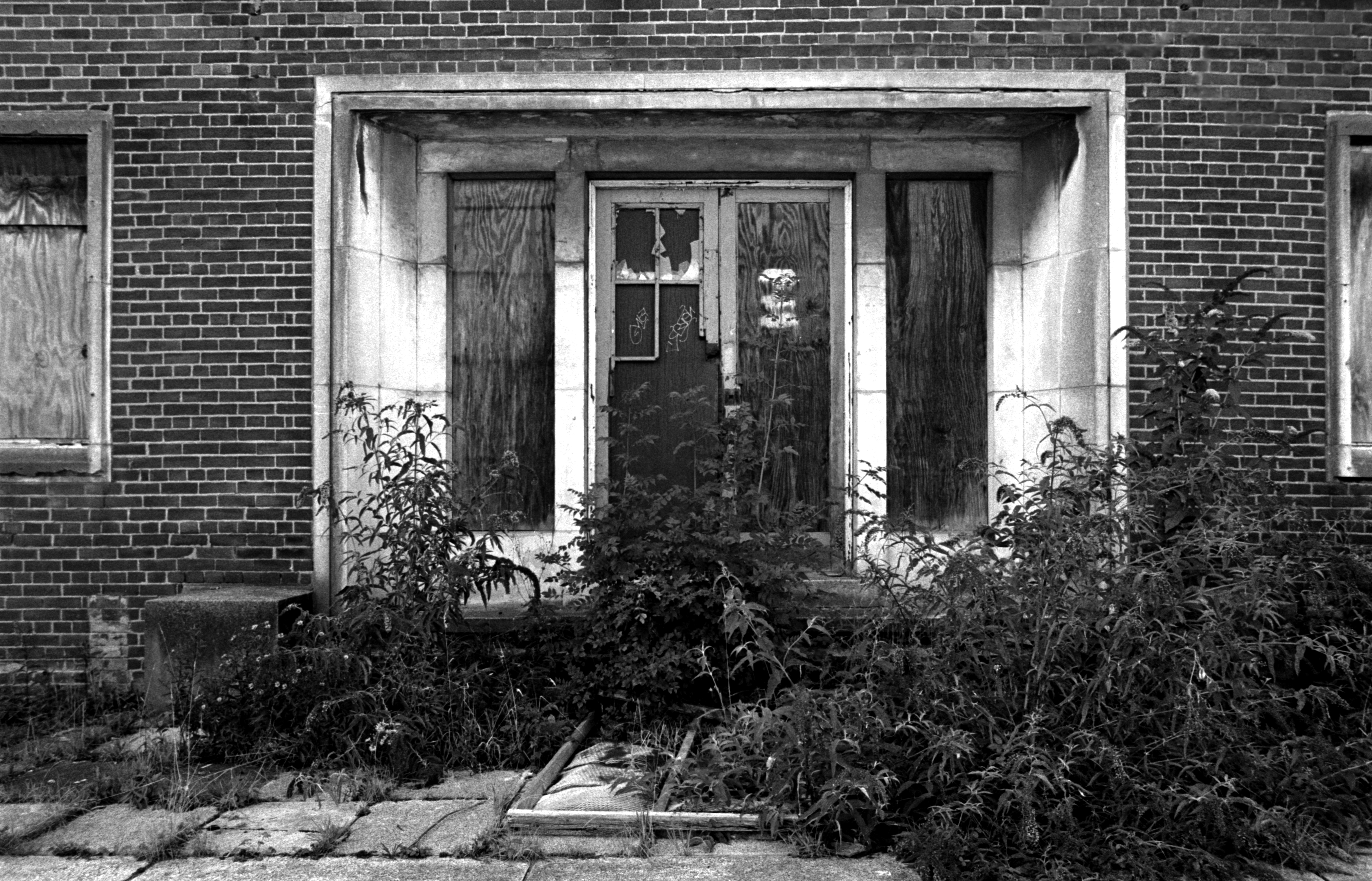
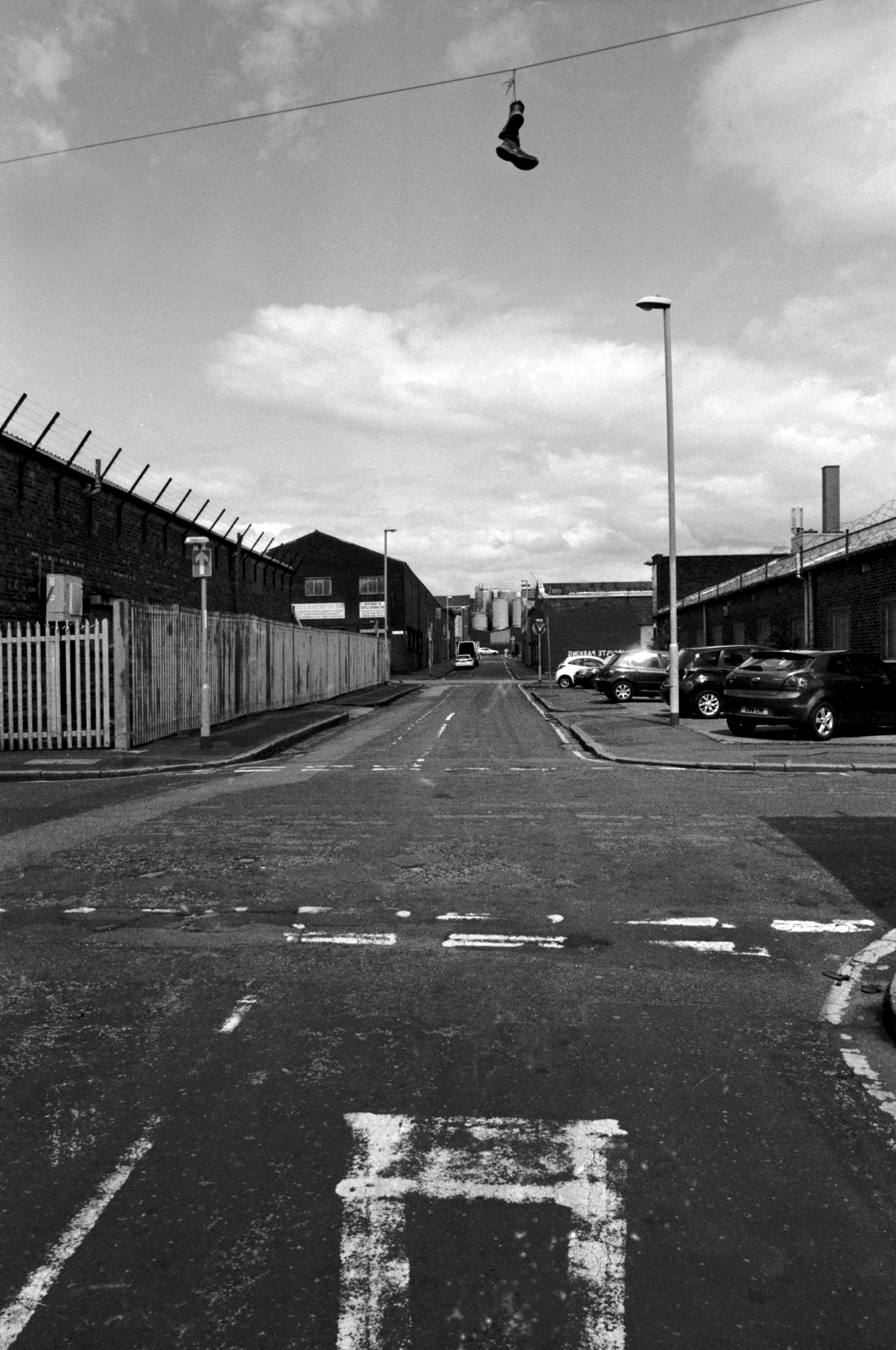
On this occasion I have chosen to work on black and white film – the medium conveying something timeless, at a time when things are forever changing.

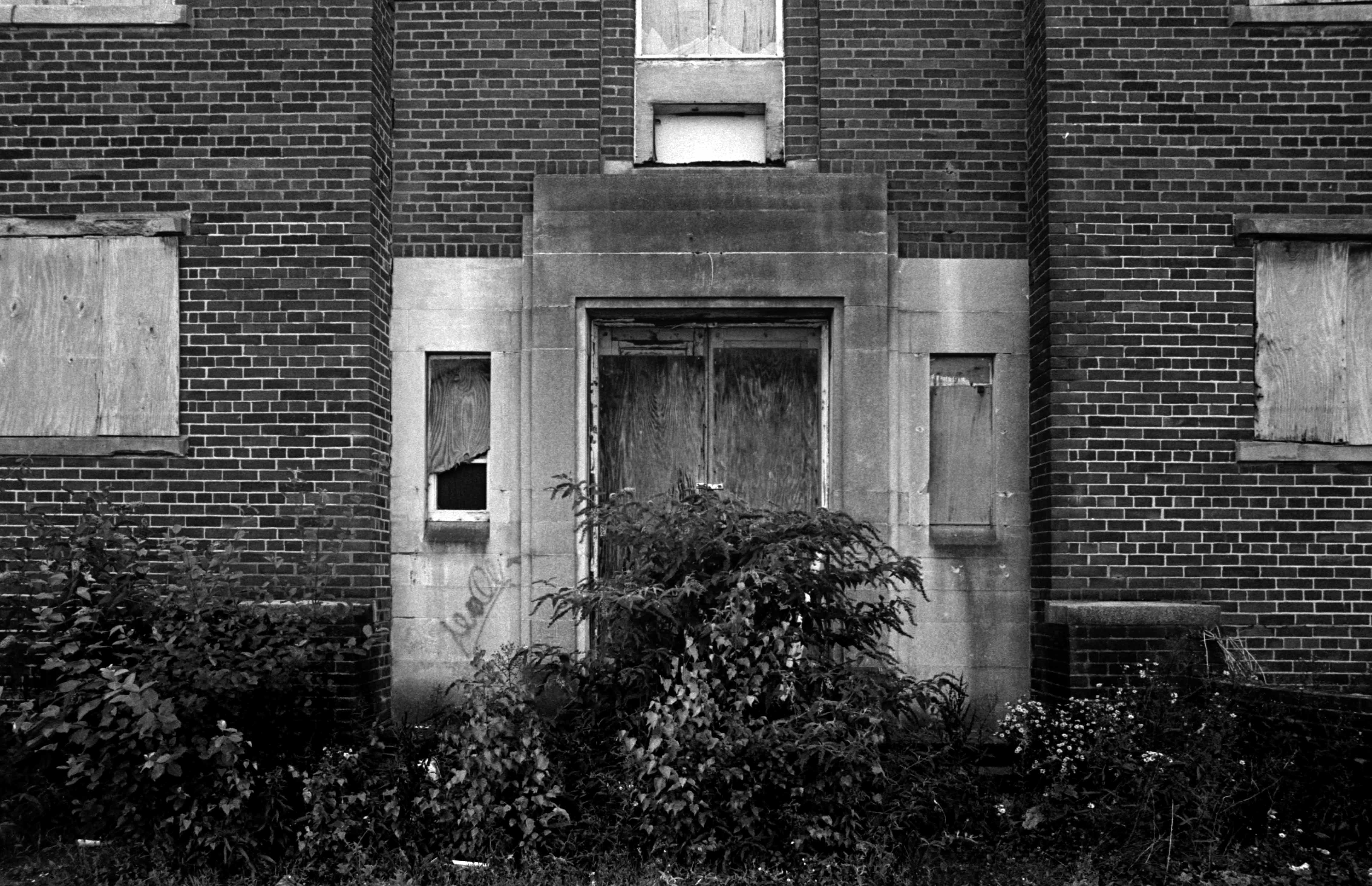
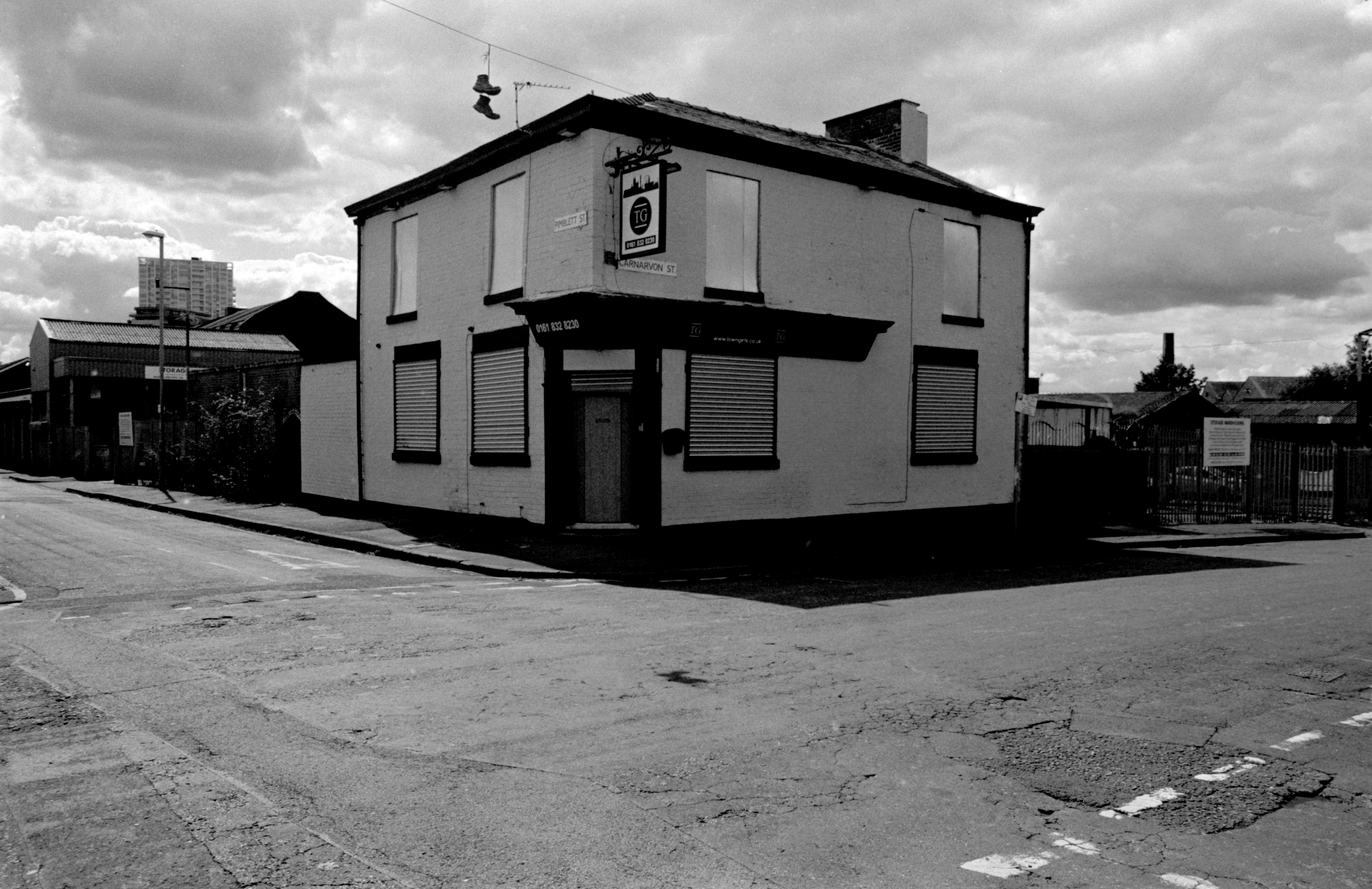
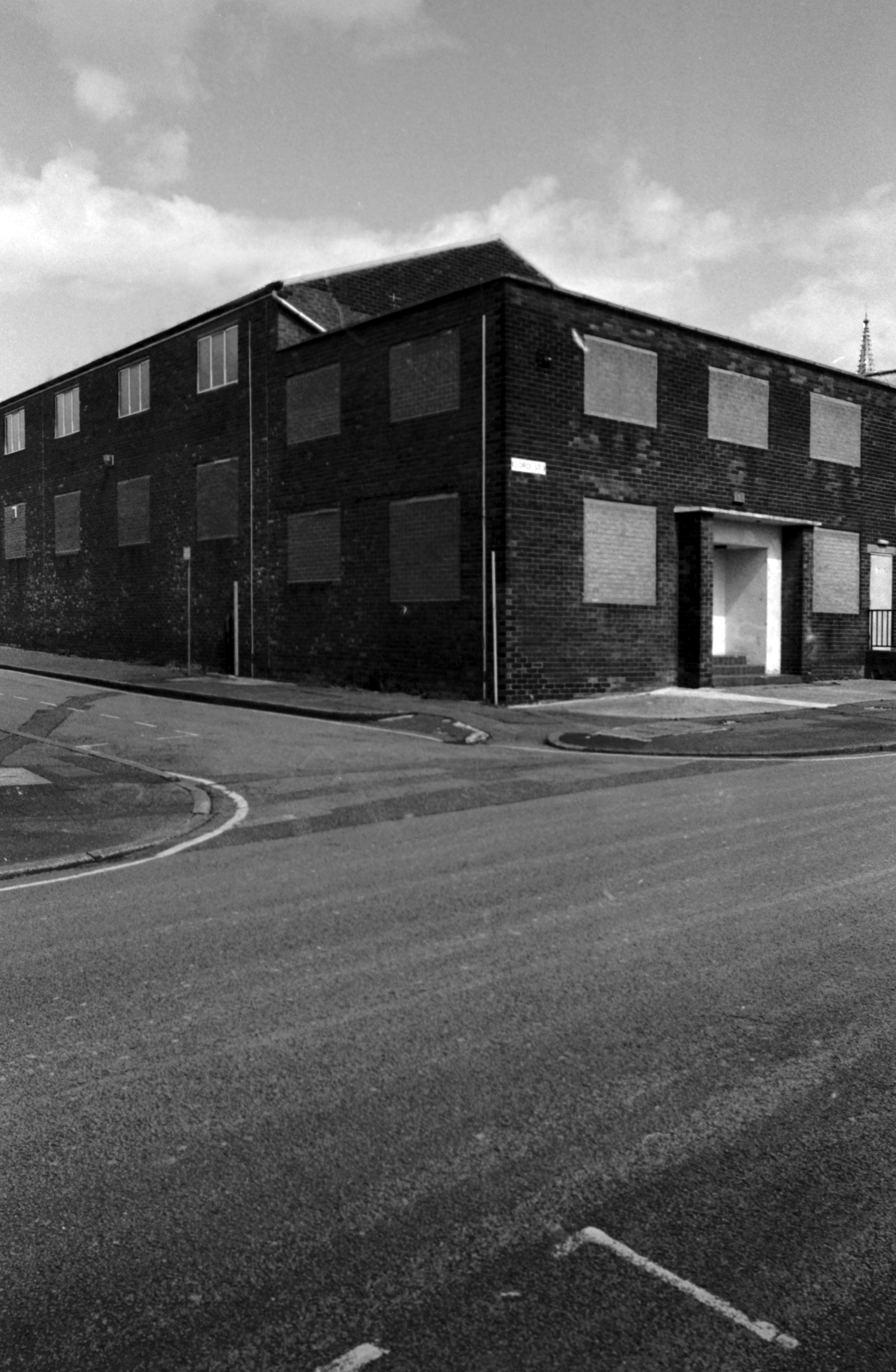
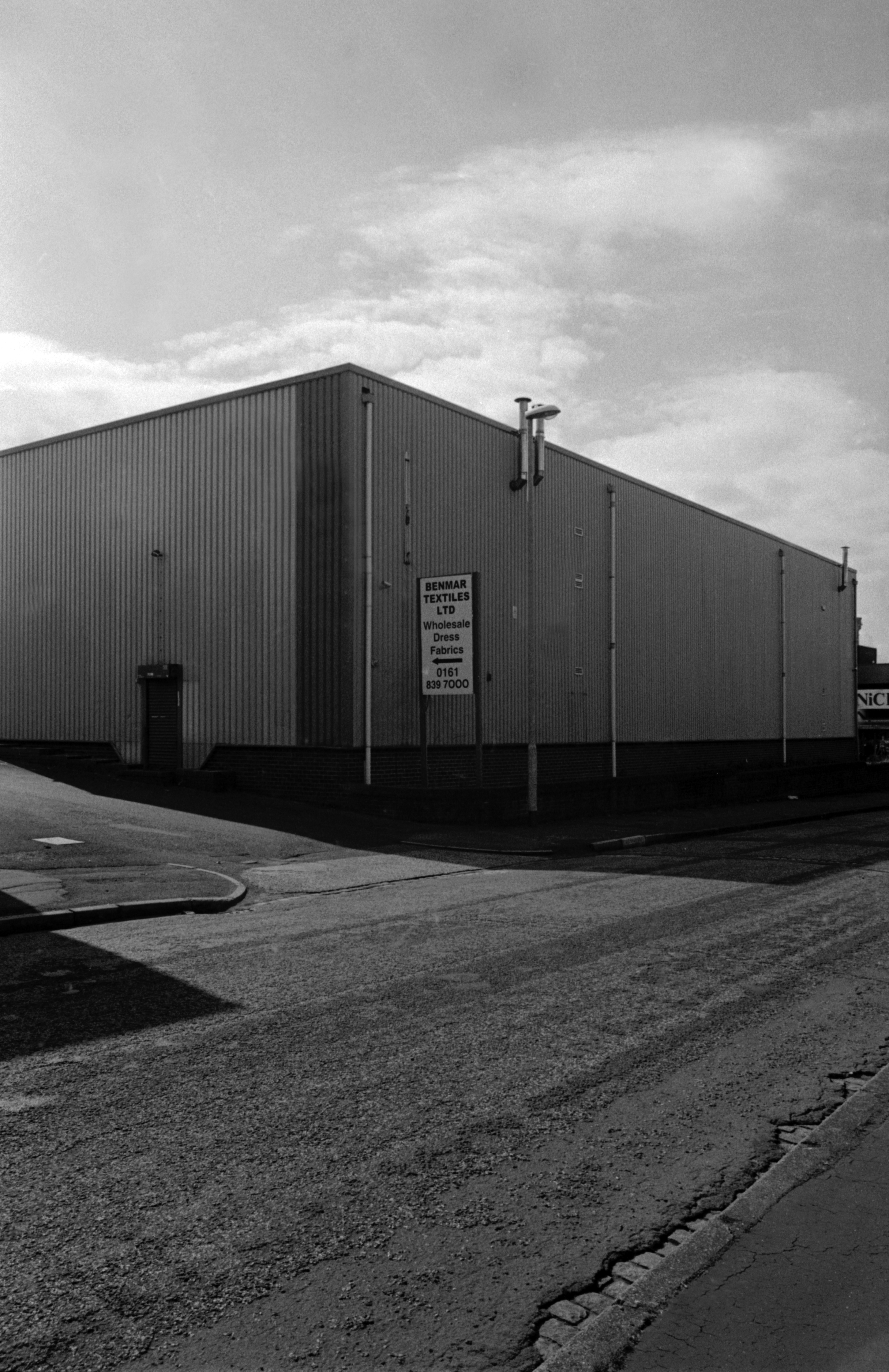
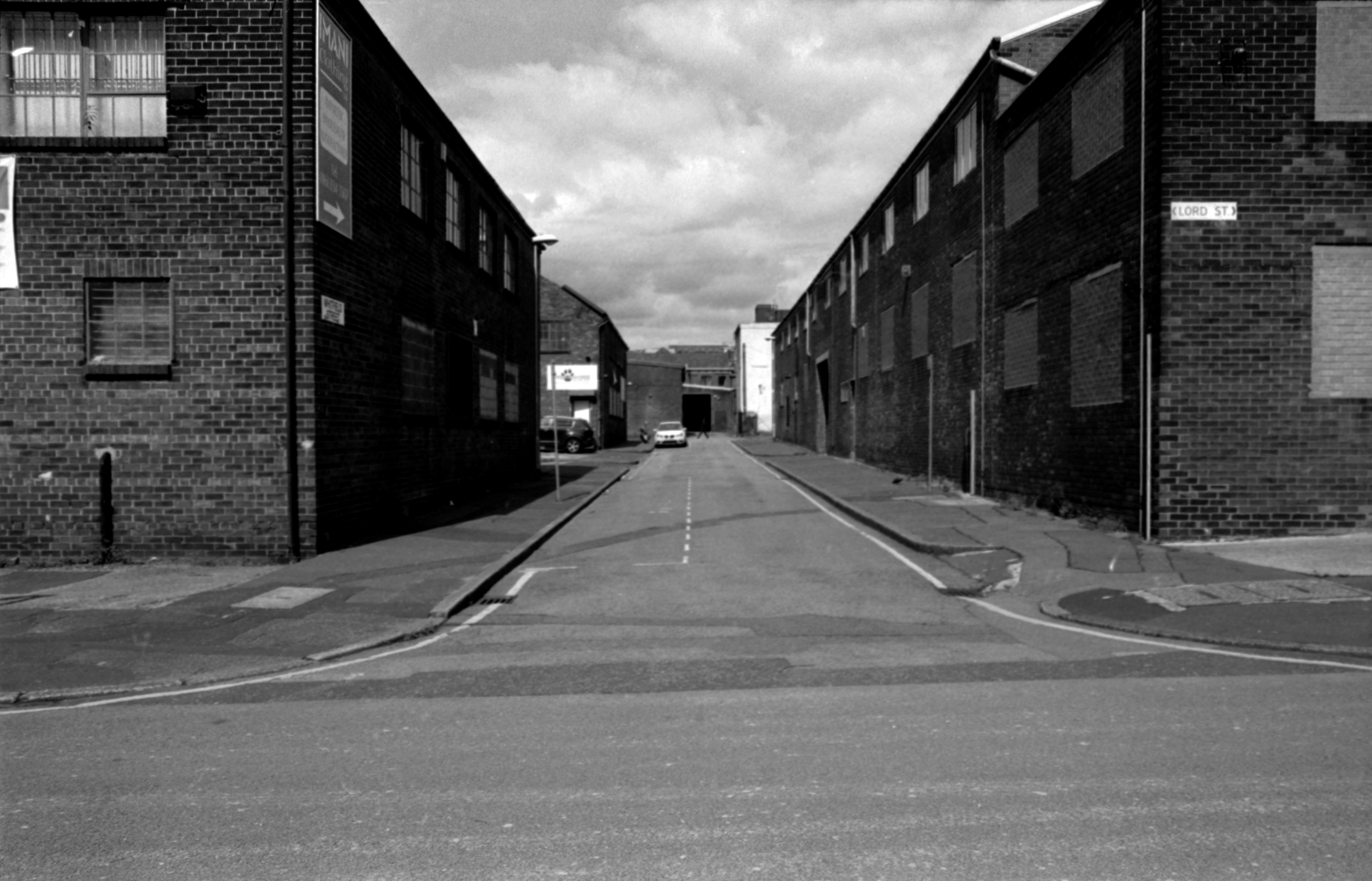
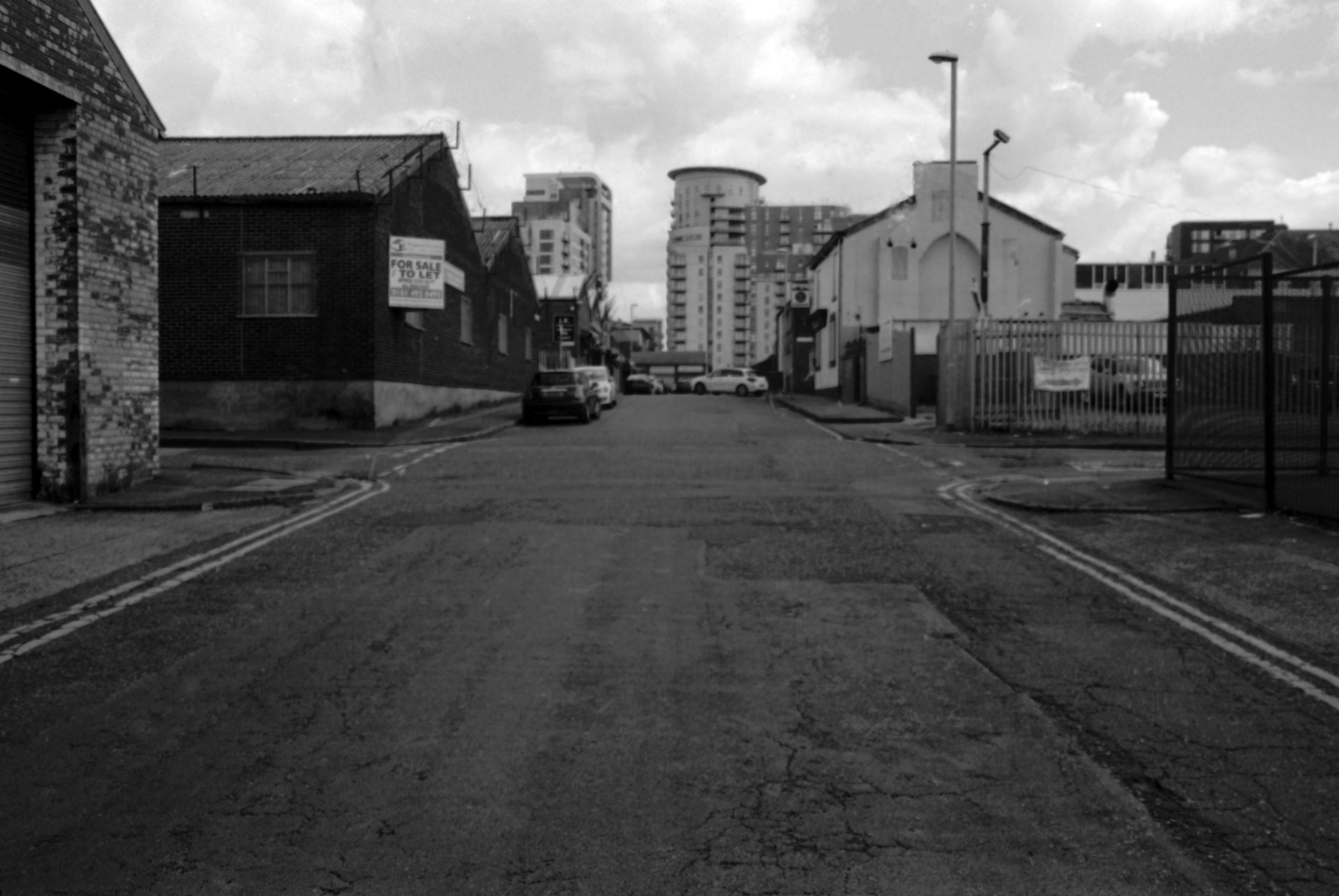
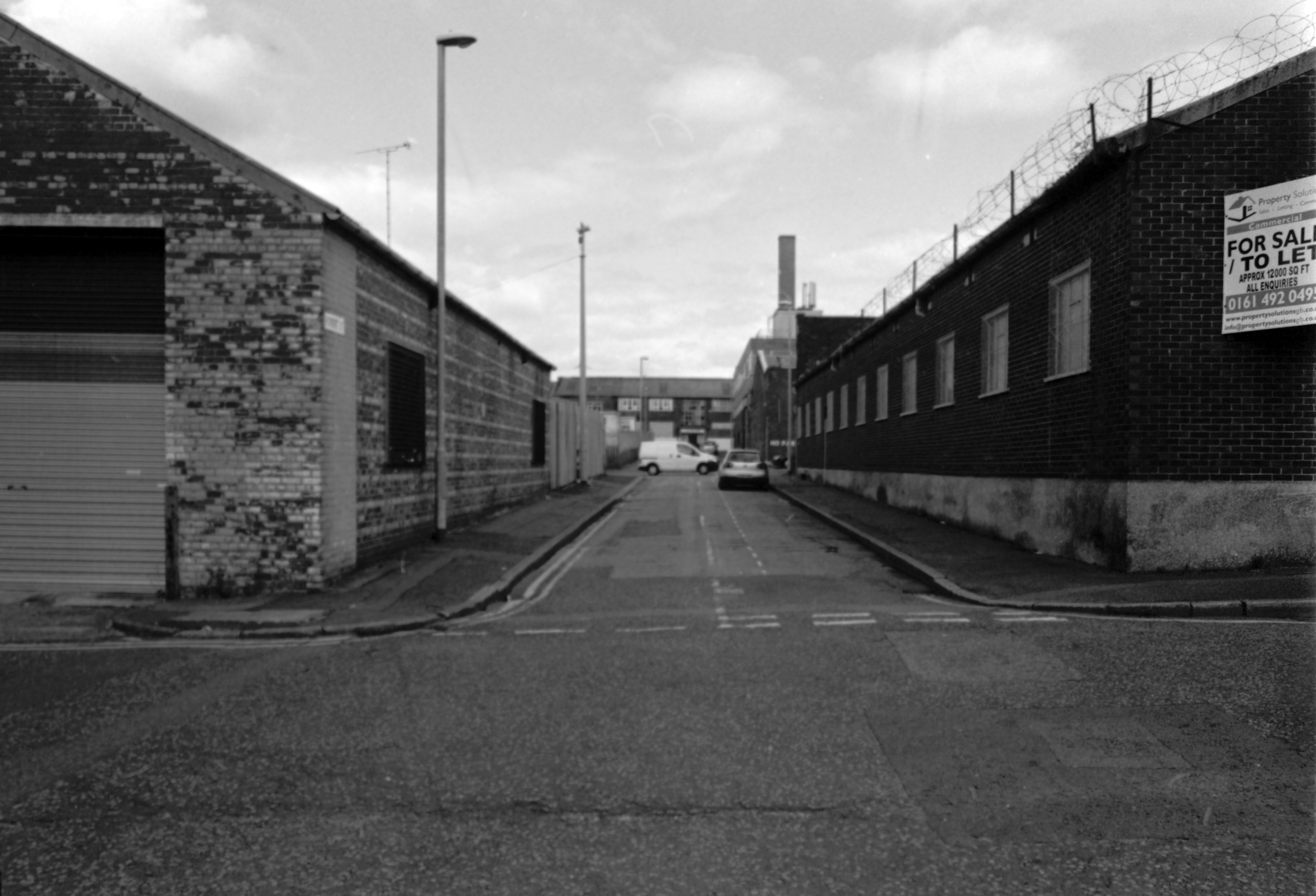
Let’s take a contradictory look and walk around those familiar, unfamiliar streets of Strangeways – where colourfully clad industrial barn, collides with blackened brick and stone behemoth.

Scan 2

Scan 3

Scan 4

Scan 5

Scan 6

Scan 7

Scan 10

Scan 11

Scan 12

Scan 13

Scan 14

Scan 15

Scan 17

Scan 8

Scan 18

Scan 20

Scan 21

Scan 22

Scan 23

Scan 24

Scan 25

Eastford Square Collyhurst – Slight Return

I’ve been here before and after.

After now seems further away, forever awaiting redevelopment – waiting.

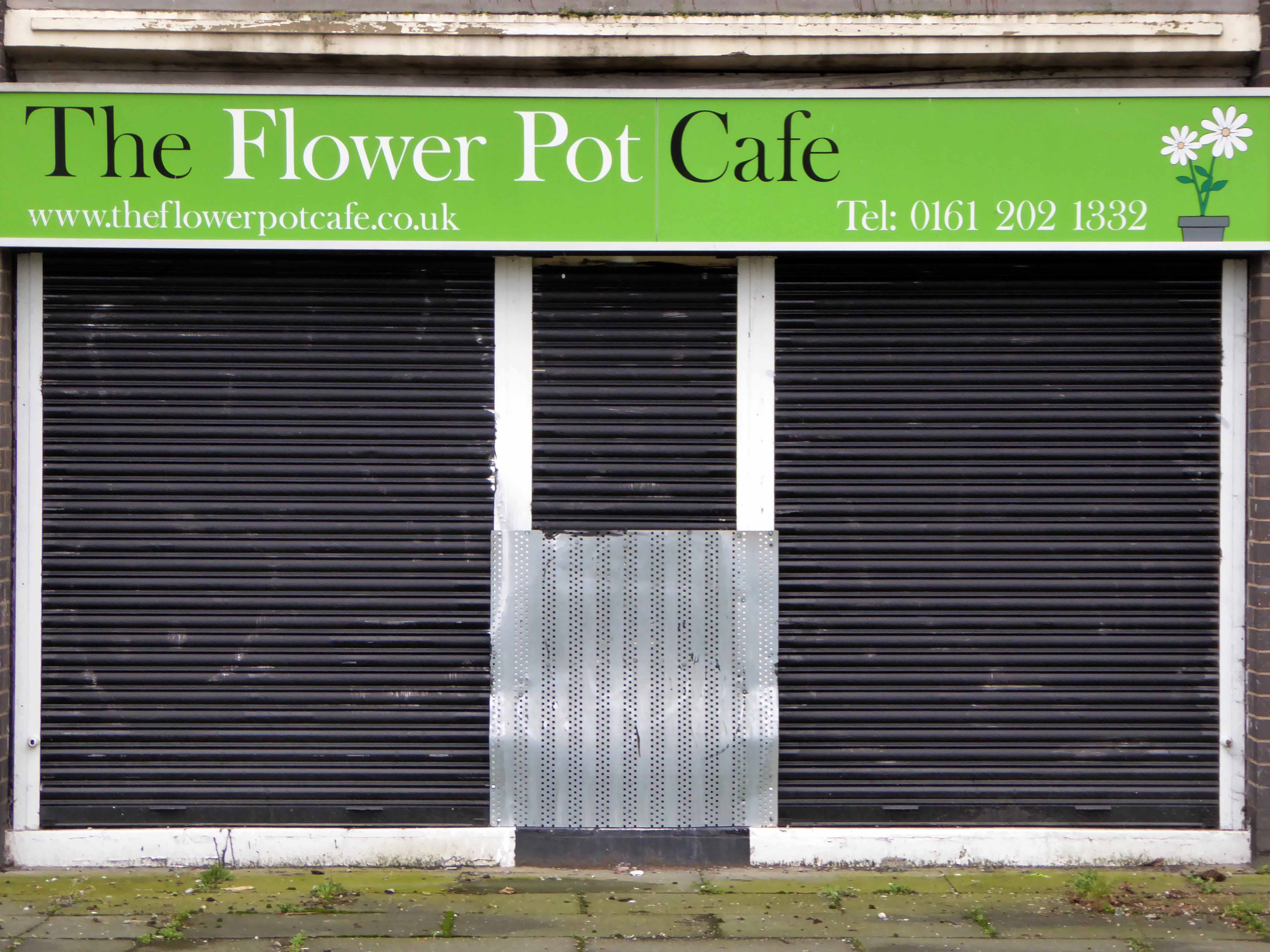
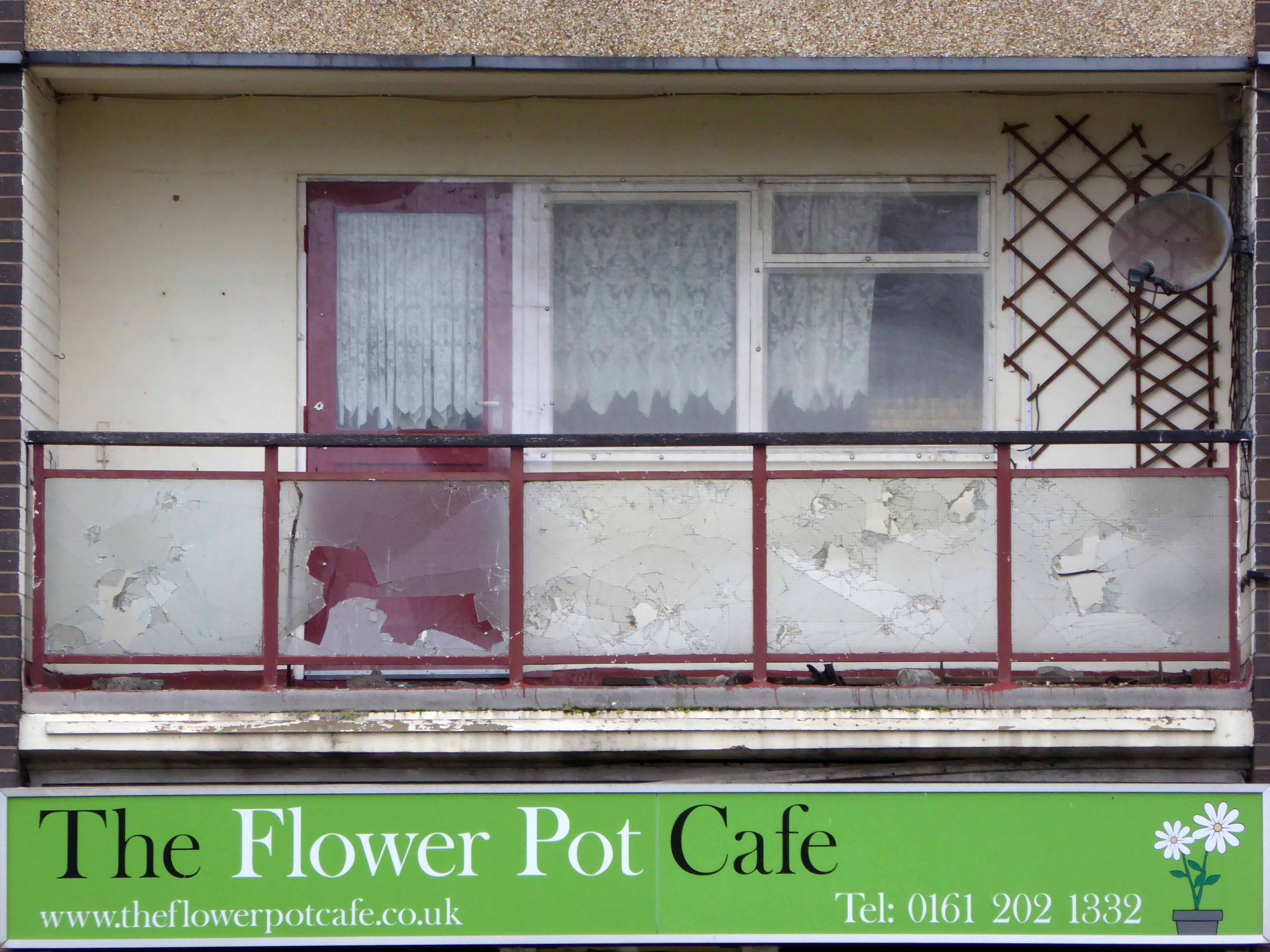
No more Flower Pot Café and a warm welcome from Lee and the lads.

P1220206 copy

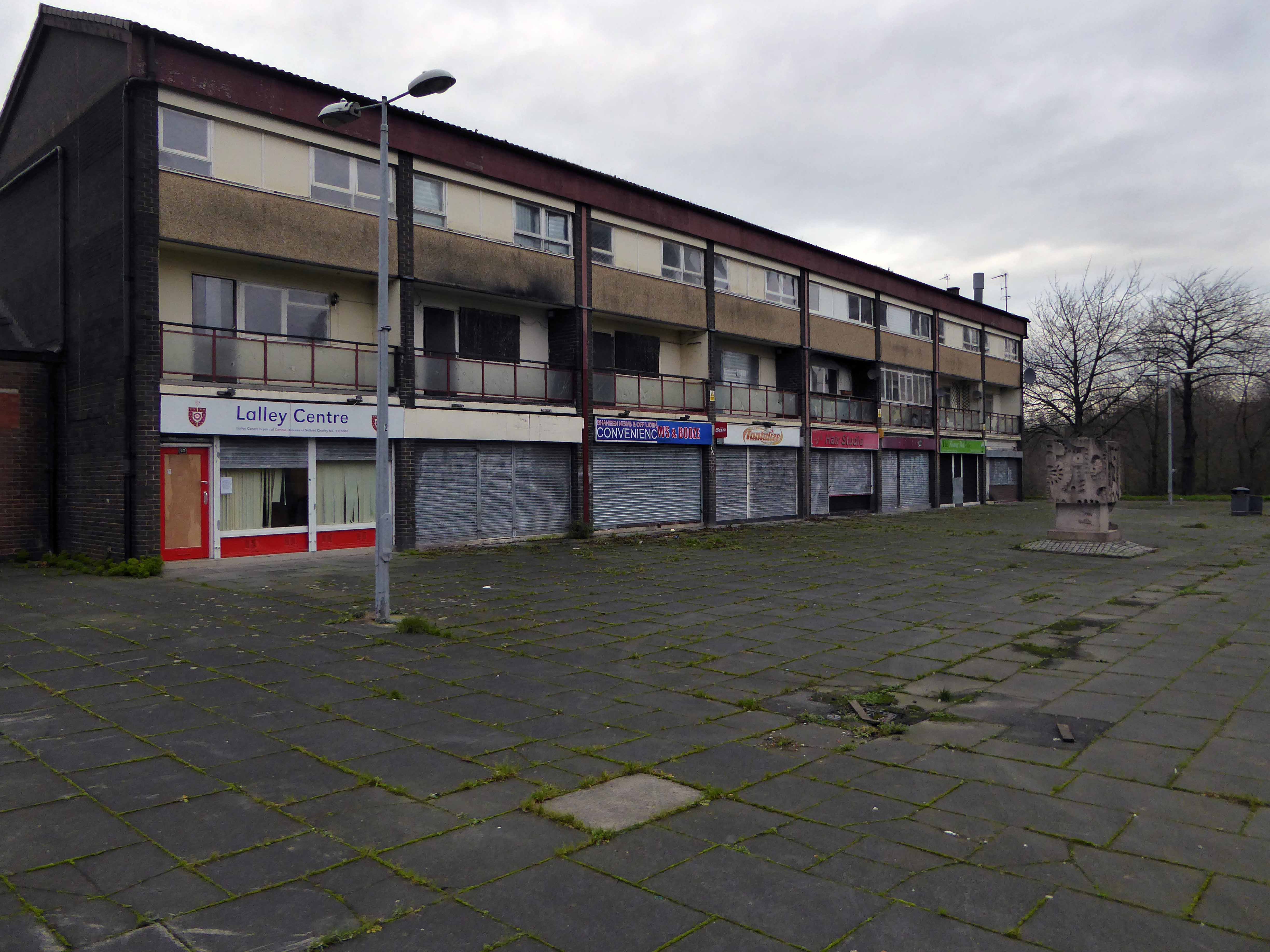
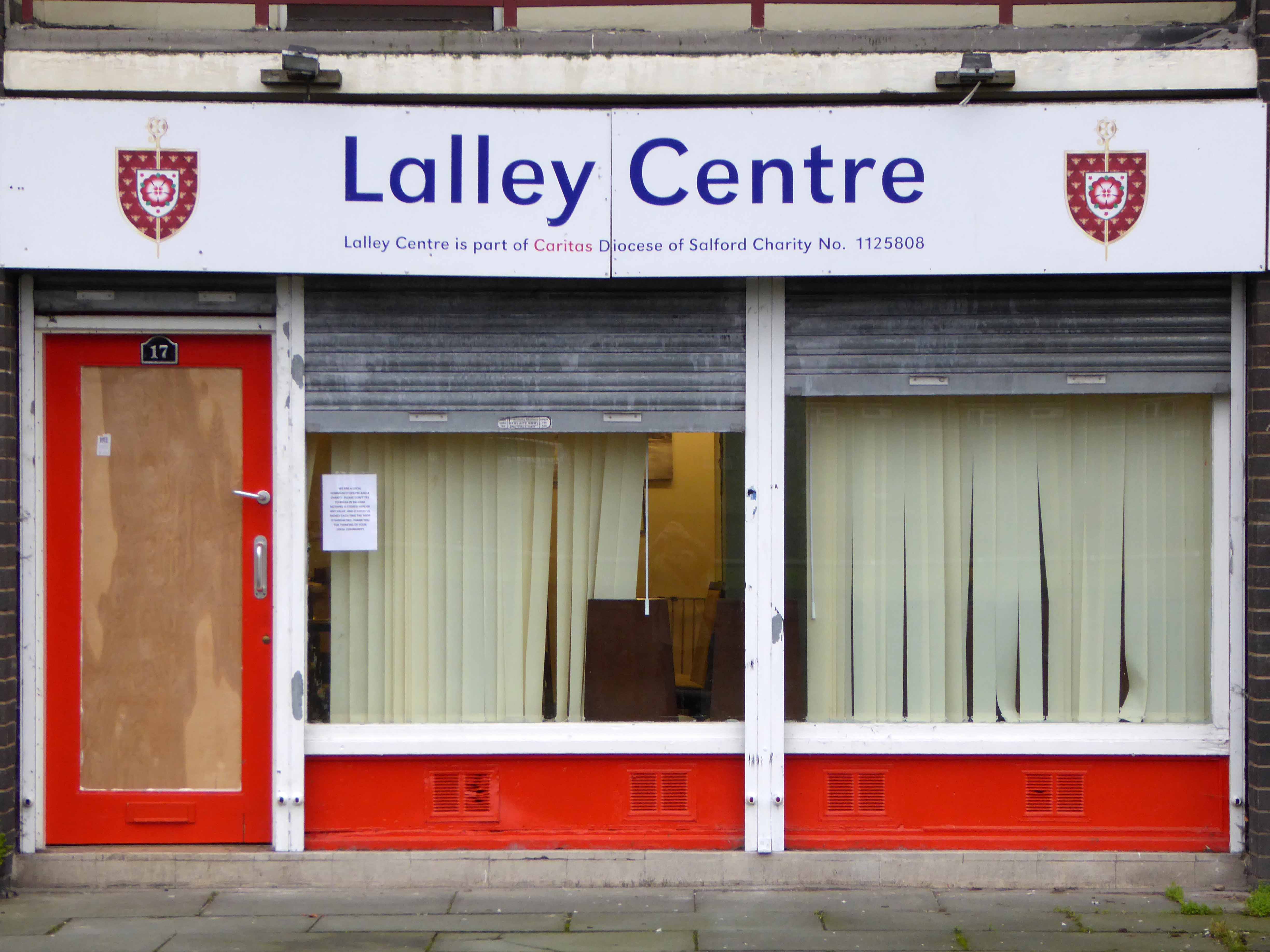
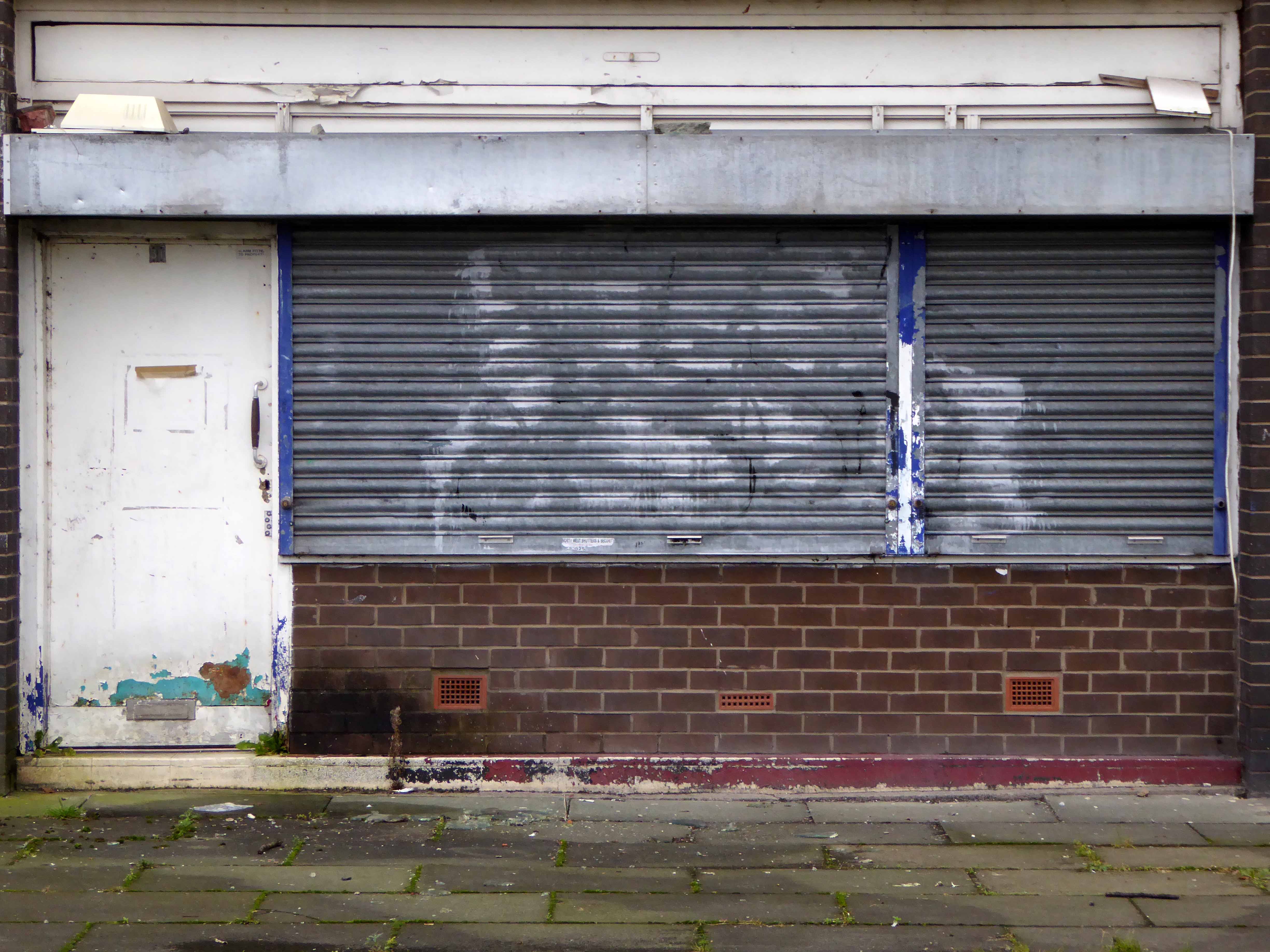
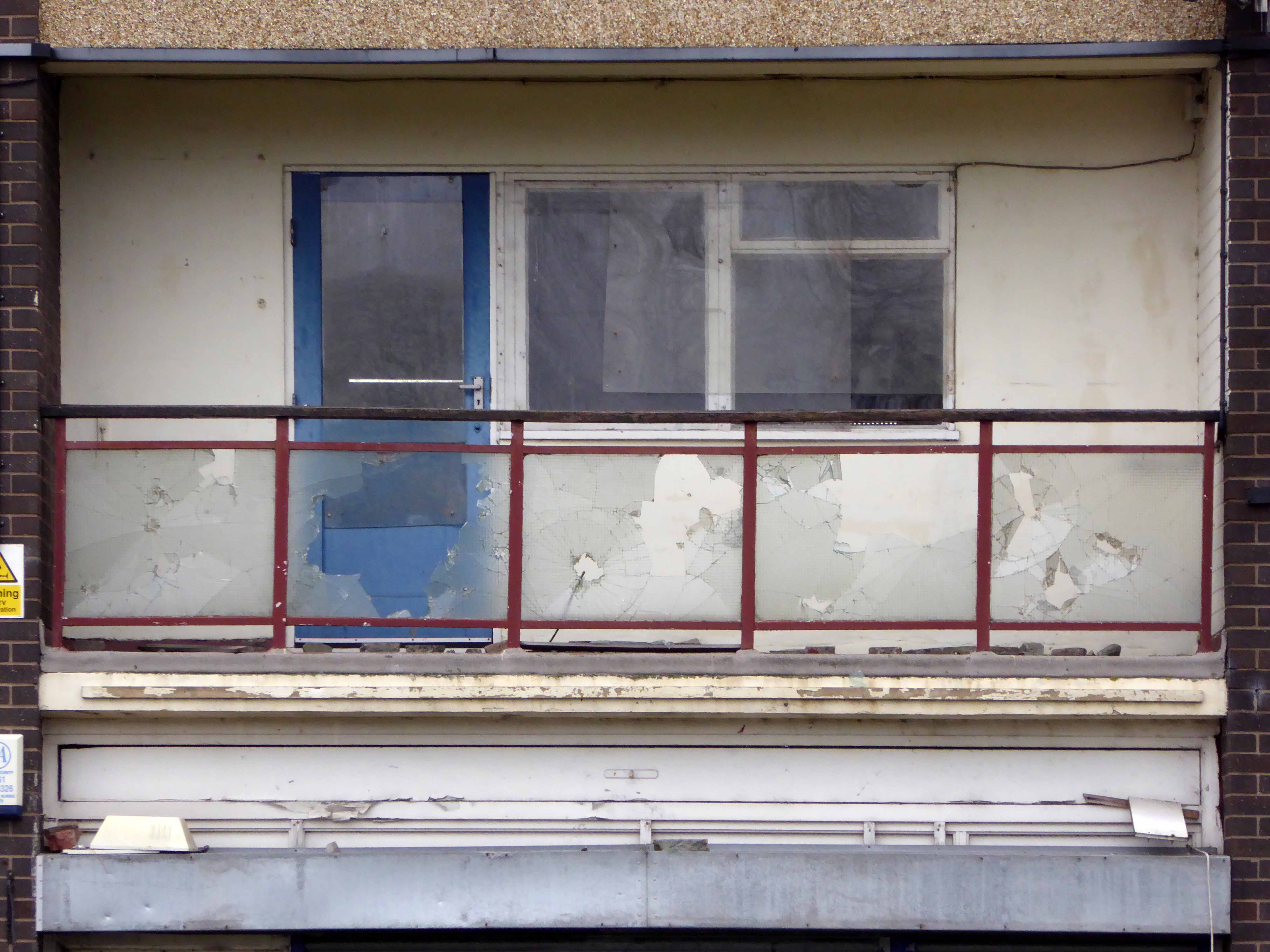
Nearly nine years on – the shutters are down and nobody is home, save for the Lalley Centre – offering food, support and care to the community.

JS79308197

Though Sister Rita Lee has now move on to pastures new.

The homes and shops remain resolutely shut, un-lived in and unloved, though the City plans to re-site the resident sculpture, the residents remain absent without leaving.

P1220207 copy

P1220208 copy

P1220209 copy

P1220212 copy

P1220213 copy

P1220214 copy

P1220215 copyP1220216 copy

P1220217 copy

P1220218 copy

P1220219 copy

P1220220 copy

P1220221 copy

P1220222 copy

P1220223 copy


Richard Peacock – Gorton Manchester

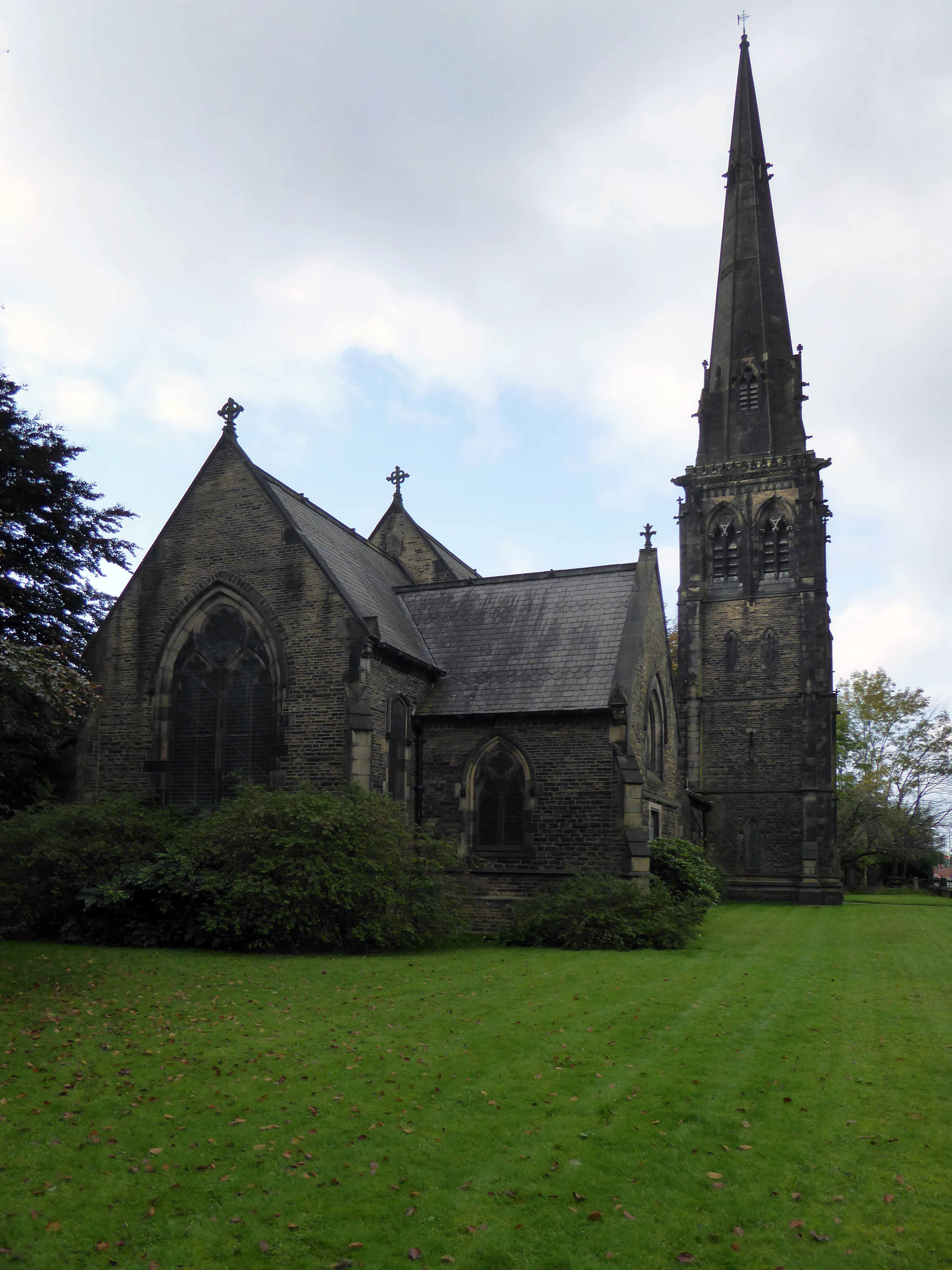
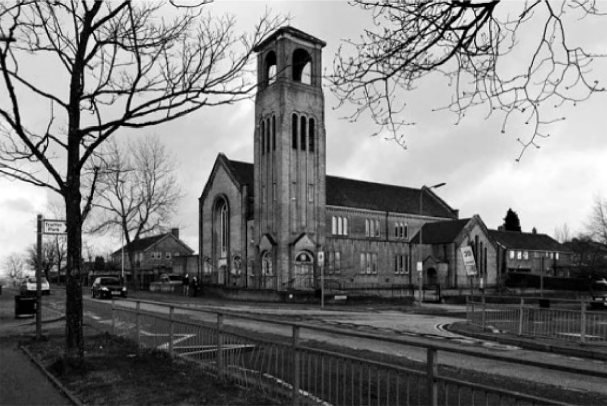
My journey begins here, at the Brookfield Unitarian Church, Hyde Road, Gorton, in search of the mausoleum of a man, who helped to shape the history of engineering, locomotion and Manchester.

P1200599

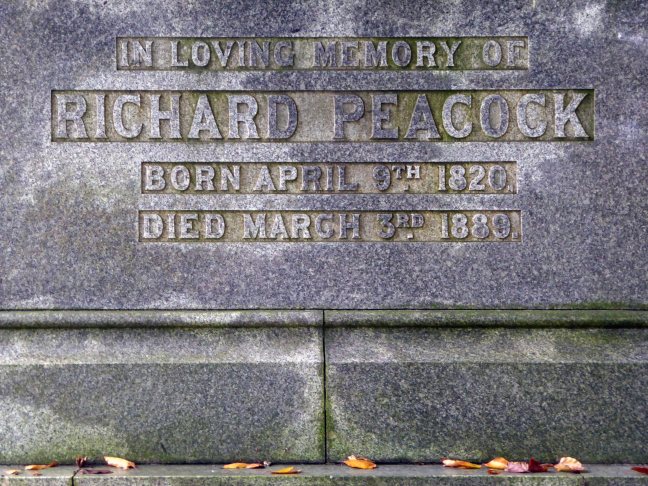
Richard Peacock 9 April 1820 – 3 March 1889 was an English engineer, one of the founders of locomotive manufacturerBeyer-Peacock. Born in Swaledale, Richard Peacock was educated at Leeds Grammar School, but at 14 left to be apprenticed at Fenton, Murray and Jackson in Leeds. 

At 18 Peacock was a precocious locomotive superintendent on the Leeds and Selby Railway. When the line was acquired by the York and North Midland Railway in 1840 he worked under Daniel Gooch at Swindon, but reputedly fled to escape Gooch’s wrath. In 1841, he became the Locomotive Superintendent of the Sheffield, Ashton-under-Lyne and Manchester Railway, subsequently the Manchester, Sheffield and Lincolnshire Railway from 1847. In this role he was responsible for founding the Gorton locomotive works for this railway, although he had left the firm shortly before they were completed in 1848.

In 1847 Peacock was present with Charles Beyer at a meeting at Lickey Incline which it is generally acknowledged gave birth to the Institution of Mechanical Engineers. George Stephenson was elected as first president and Charles Beyer as a vice president. Peacock became a member of the Institution of Civil Engineers in 1849.

In 1853, he joined Charles Beyer to found the celebrated locomotive company Beyer-Peacock. Peacock had originally met Beyer through the acquisition of locomotives from Sharp Brothers, and as mentioned earlier through both being among the founders of the Institution of Mechanical Engineers in 1847.

Wikipedia

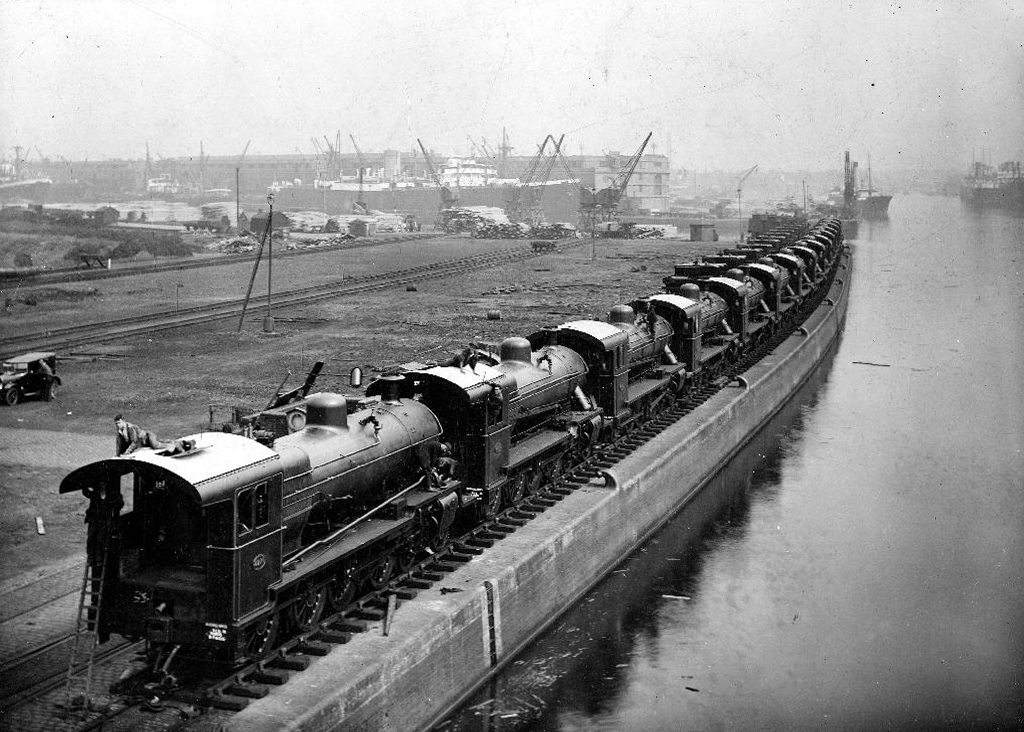
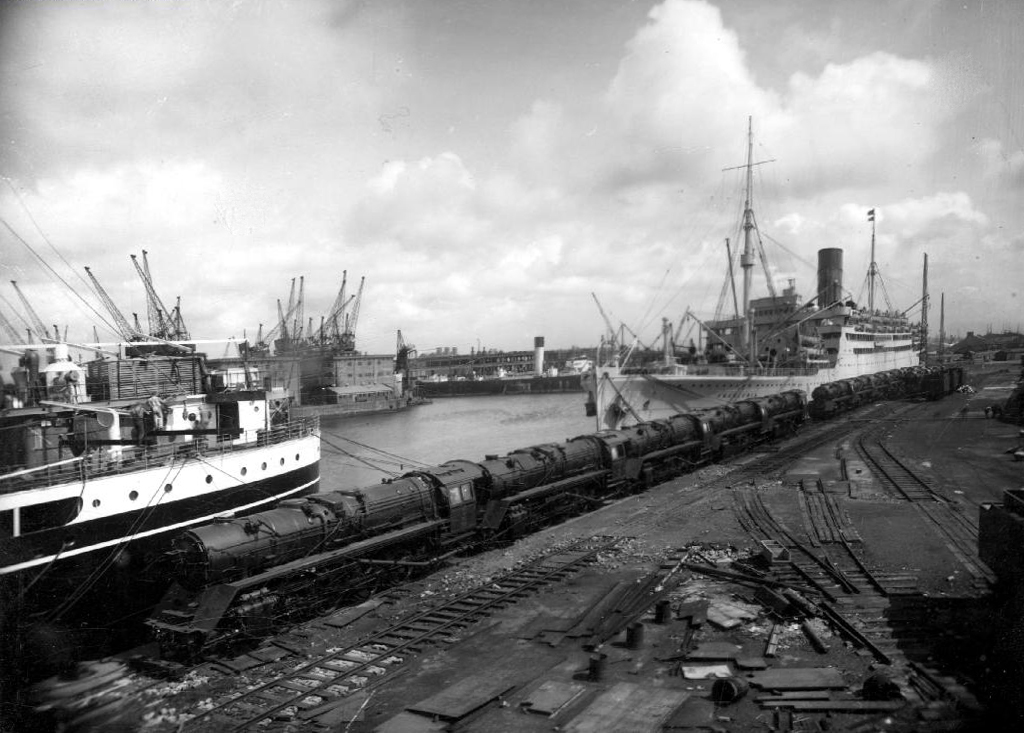
The locomotives designed and built in Gorton in their thousands were exported to the four corners of the globe, Manchester a confluence of capital and ingenuity, harnessing a workforce of millions, to produce a treasure trove of things and stuff

Screen Shot 2017-09-27 at 14.13.47

29 buenos aires

Shipping to Buenos Aires 1929

49 turk 2 10 0

2 10 0 Locomotives bound for Turkey 1949

last d 66

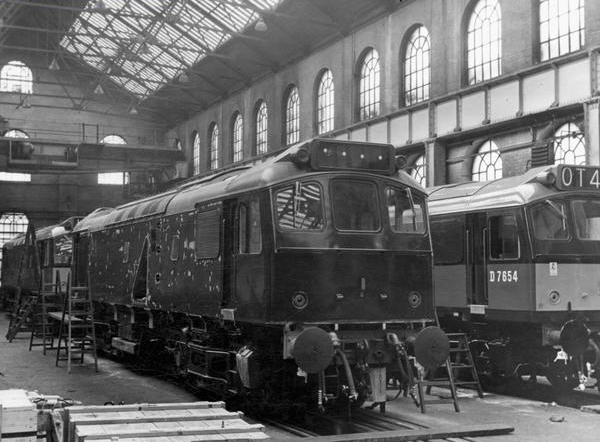
Last Diesels in the Paint Shop

By 1966 it was all over, the politically motivated, managed decline of manufacturing industry, a failure to adapt and compete, the loss of Empire, an increase in competition from other nations, all contributing to the almost inevitable, closing of the door.

boier shopp 66

Archive photographs copyright Manchester Local Image Collection

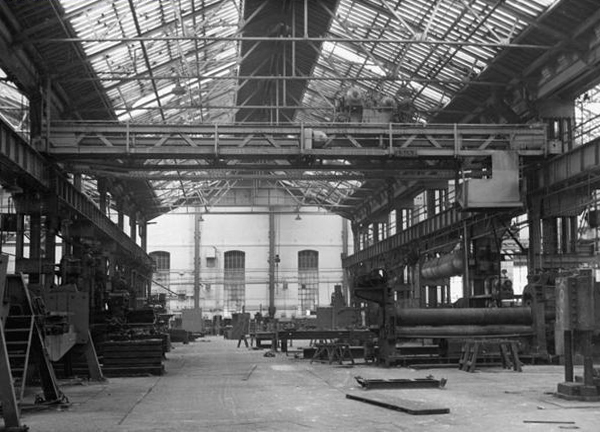
The clang, hiss and controlled chaos of the boiler shop, just a faint, empty echo – listen.

There remains a legacy, the memories of all those men and women who laboured under those aching skylit eaves, millions of weary travellers world wide.

Not forgetting the church that Richard Peacock benevolently built, the mix of non-conformist worship, Liberal politics and philanthropy that informed Victorian Manchester, which still stands extant in stone, around our city.

Designed by Thomas Worthington in 1869-71, it has a six bay nave with north and south aisles. Arcade columns are of polished granite and wall faces are plaster lined with a large painting over the chancel arch. The roofs have been repaired but the interior has suffered from consequential water damage to the plasterwork which, at the time of visiting, was drying out. The church has been a victim of heritage crime.

Historic England

Listed and left to the pressures of time tide, wind, rain and unwanted ingress.

P1200602

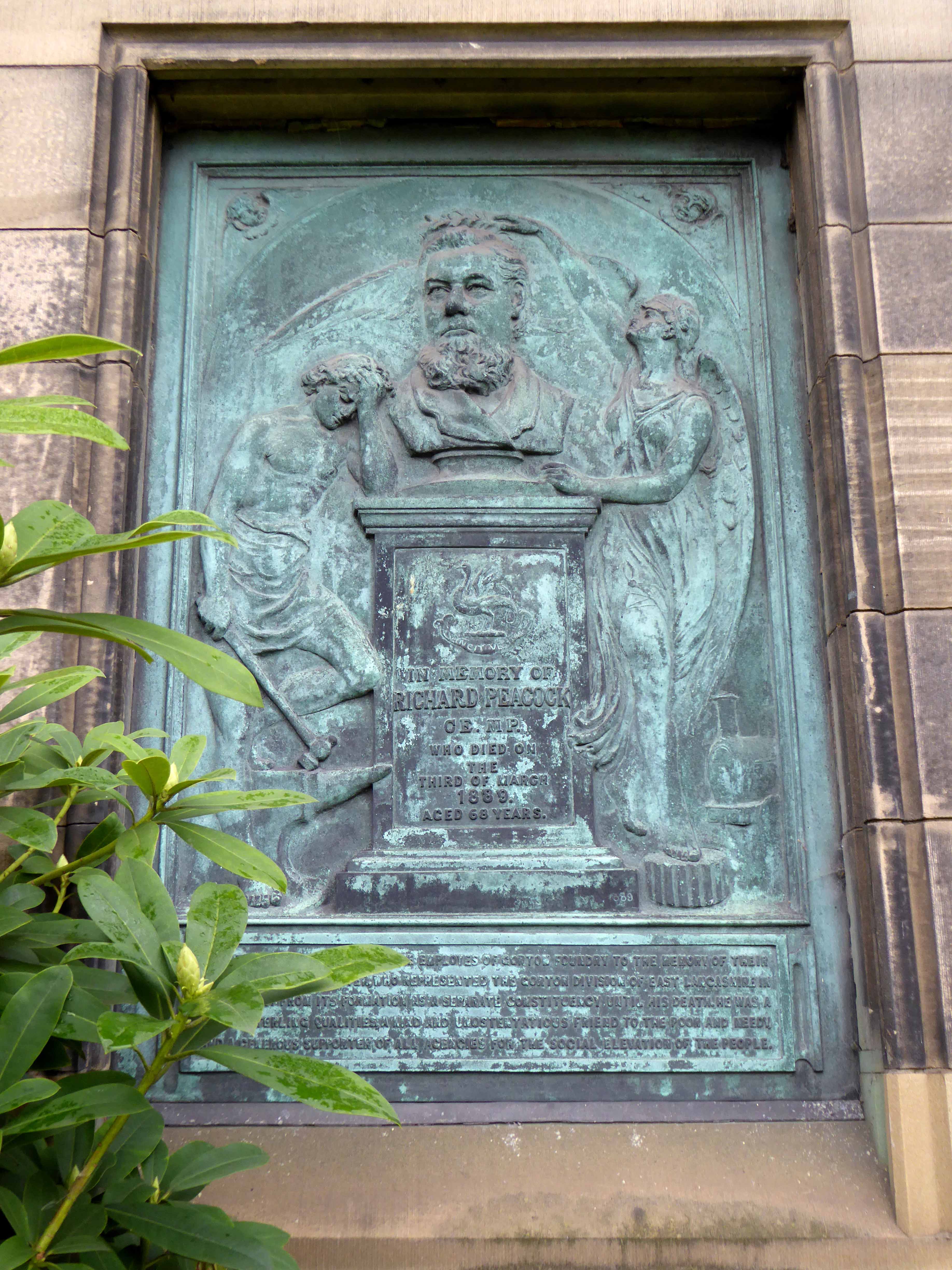
Inset into the north wall of the church, facing onto Hyde Road – sculptor John Cassidy.

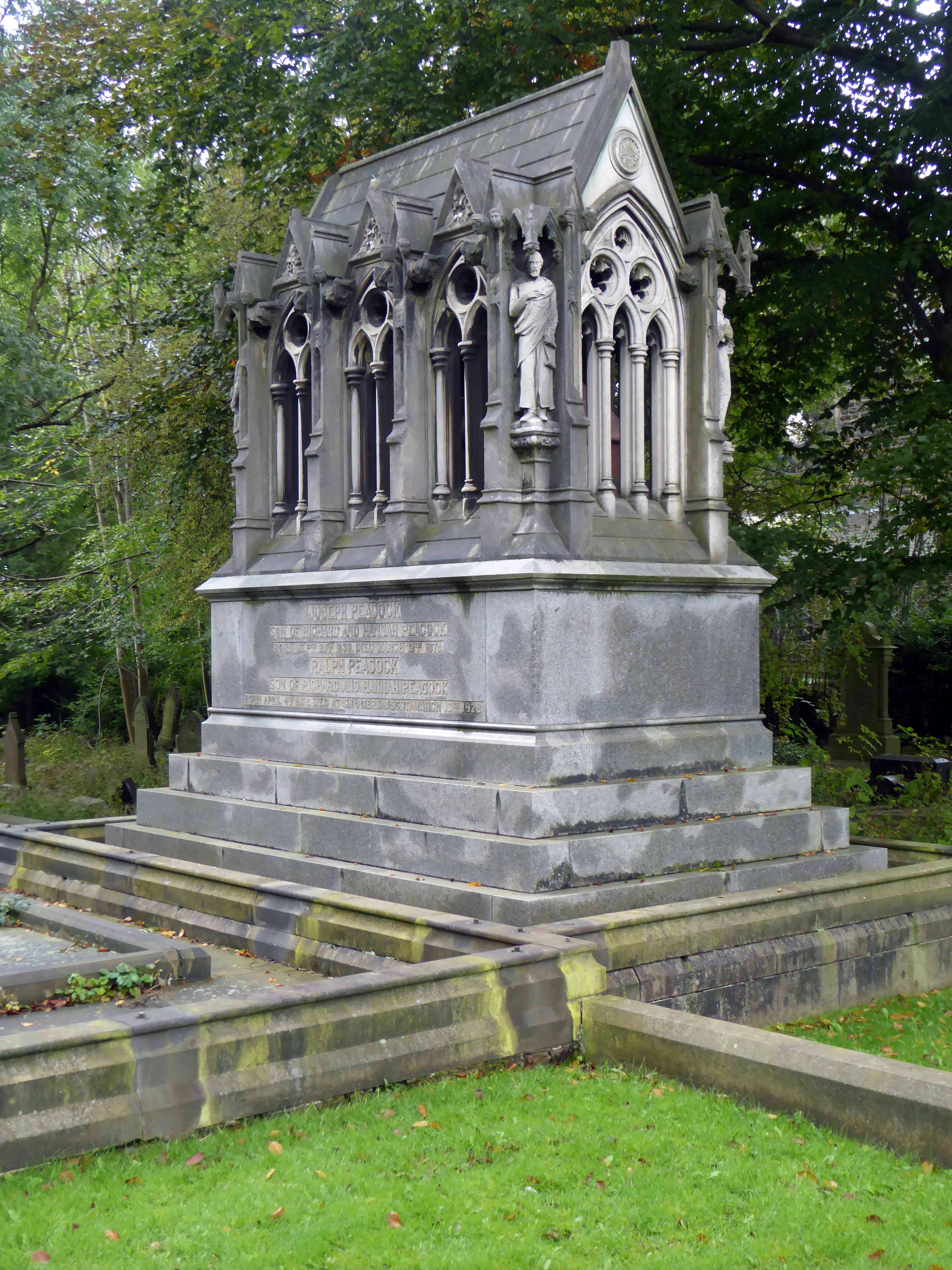
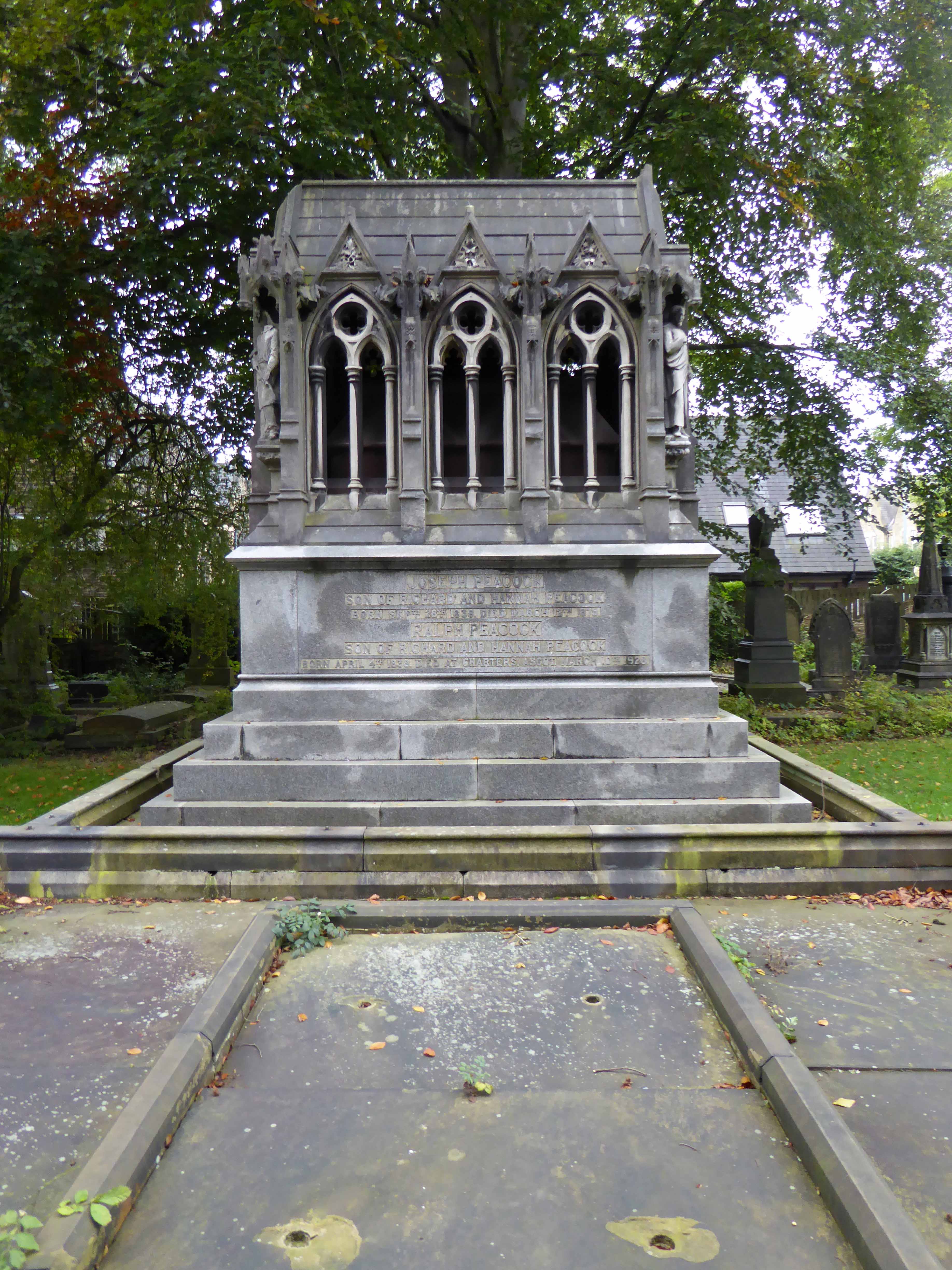
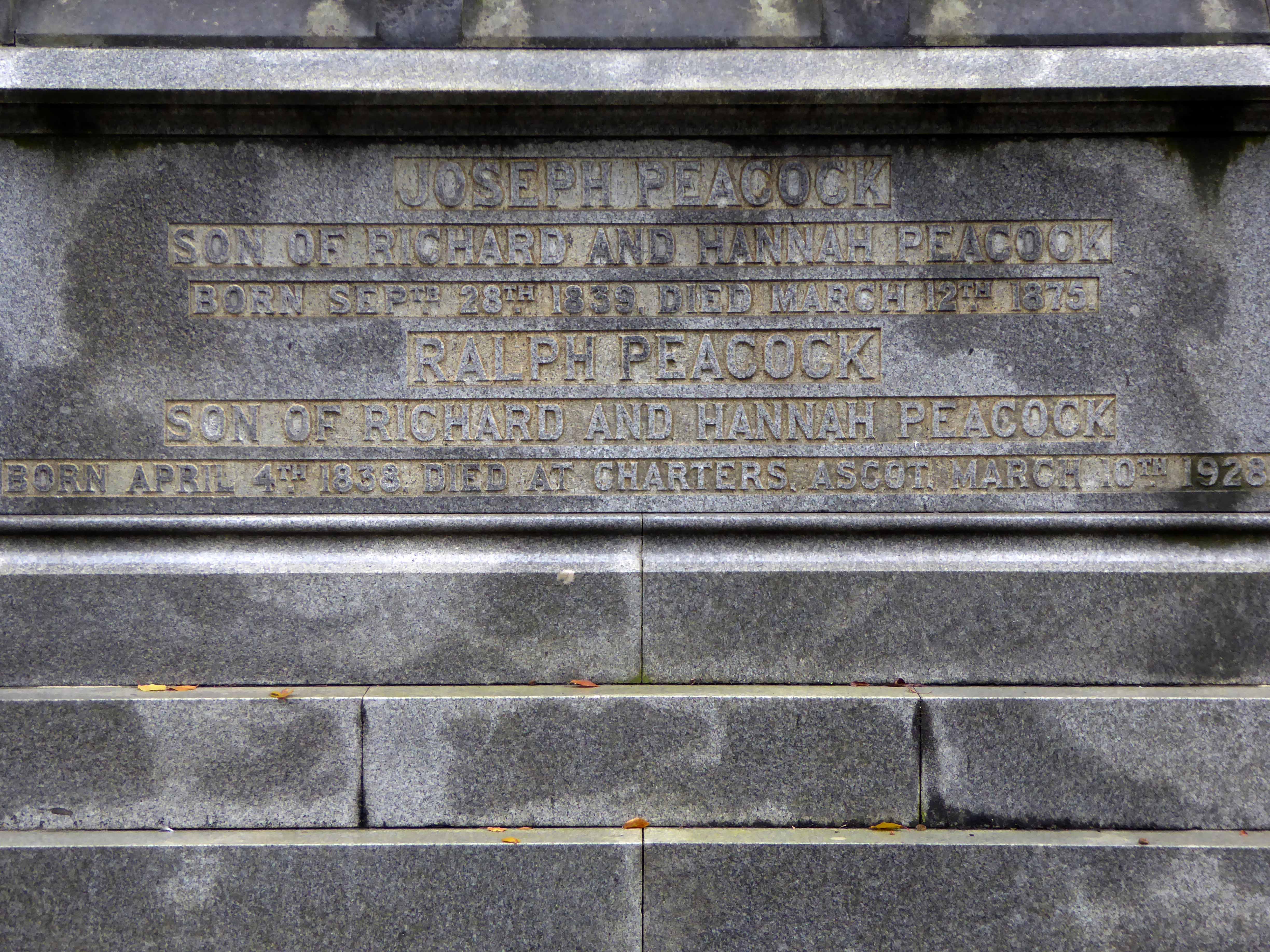
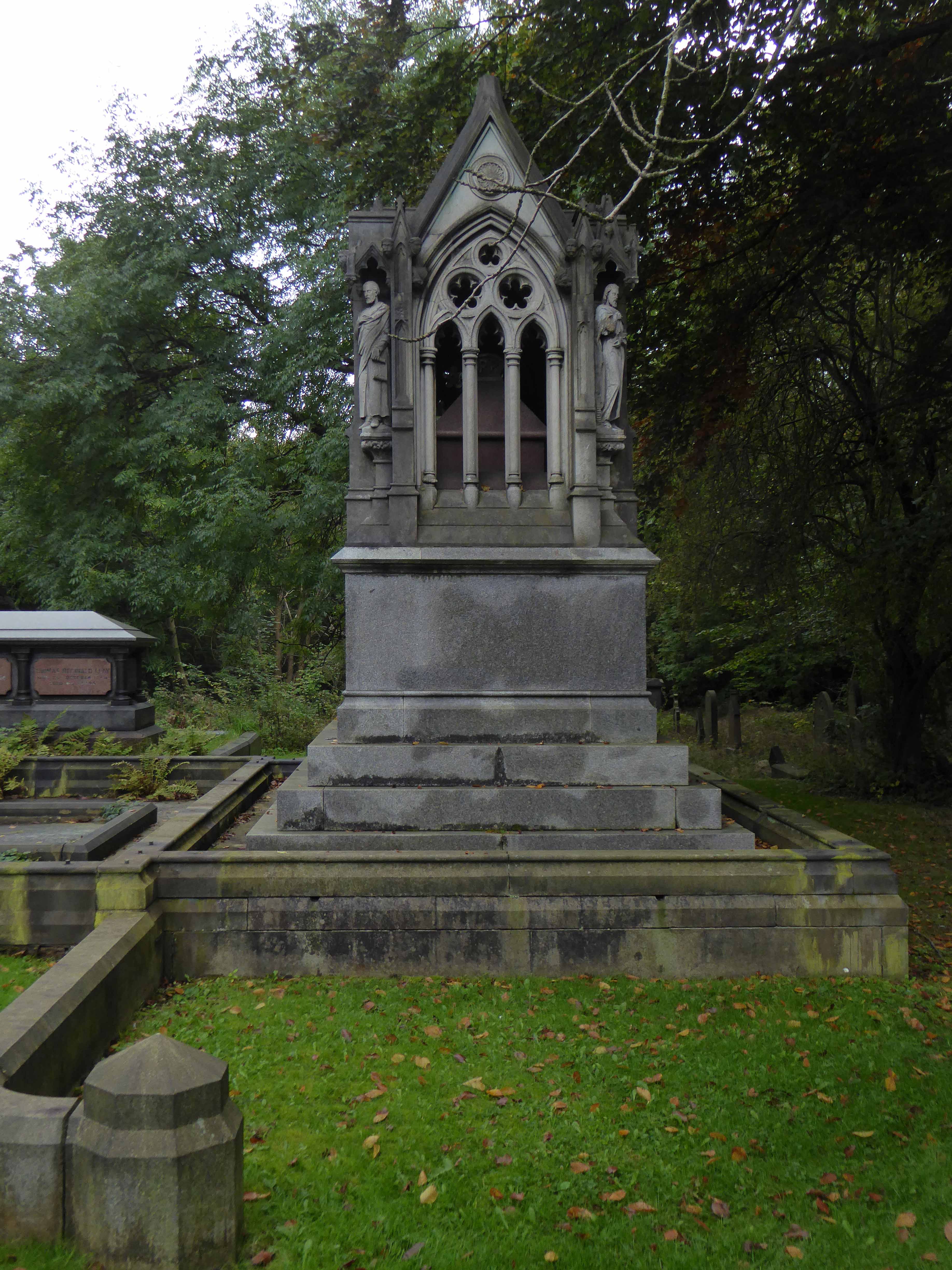
The Peacock Mausoleum is also the work of the church’s architect Thomas Worthington.

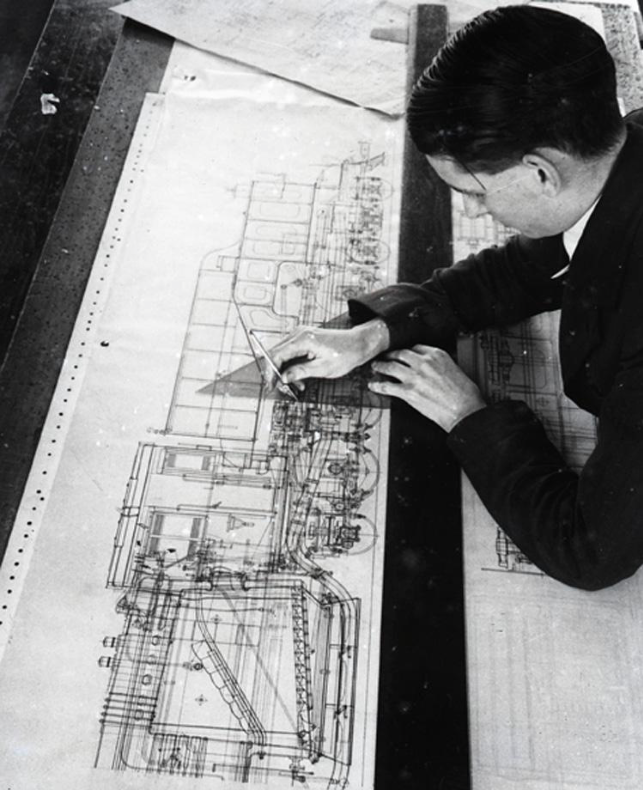
This sumptuous mausoleum takes the form of a Gothic shrine with a steeply pitched roof and arched openings filled with tracery and surmounted by gablets. The statues standing on slender pedestals at the four corners of the monument represent a Blacksmith, a Draughtsman, an Engineer and the architect himself. Further carved embellishments include head-stops, bats and twining ivy.

Condition – still sound, though the bronze angels that used to stand on the gables at either end were stolen some years ago in 1997.

Mausoleum and Monuments Trust

So we arrive at the end of another journey through time and space and Gorton, the lives of so many long lone souls, bundled up in the graveyard of a now closed church, the fortunes won and lost eroded by the vagaries of the climate – economic and meteorological.

The curfew tolls the knell of parting day, 
         The lowing herd wind slowly o’er the lea, 
The plowman homeward plods his weary way, 
         And leaves the world to darkness and to me. 
 P1200604
blank
P1200605
 blank
P1200606
 blank
P1200608
blank
P1200612
 blank
P1200616
 blank
P1200617
 blank
P1200618


Queen Elizabeth II Law Courts – Liverpool

And so castles made of sand, 
Fall in the sea, eventually.

Once there was a battle here, several actually, and battles mean castles, possibly.

13

Erected in the between 1232 and 1235, inevitably through the passage of time, blows were exchanged, the Banastre Rebellion of 1315, and later in 1689 Prince Rupert was battered by King Billy, and so on until it was eventually demolished in 1726. A series of churches ensued, finally to be supplanted by the arrival of an amusingly statuesque Queen Victoria, replete with plaque.

1200px-Victoria_Monument,_Liverpool_Plaque_2

In 1976 excavation of the south side of Castle Street was conducted before the construction of the Crown Courts building, which was built in the style of a castle.

What goes around comes around, ending up largely square in Derby Square.

And lo and so it came to pass, new law courts were erected upon the site begun in 1973, opened in 1984. Architects were Farmer and Dark, who were also responsible for the Fawley Power Station.

fawley

And the Cornwallis Building at the University of Kent.

Cornwallis uok 68

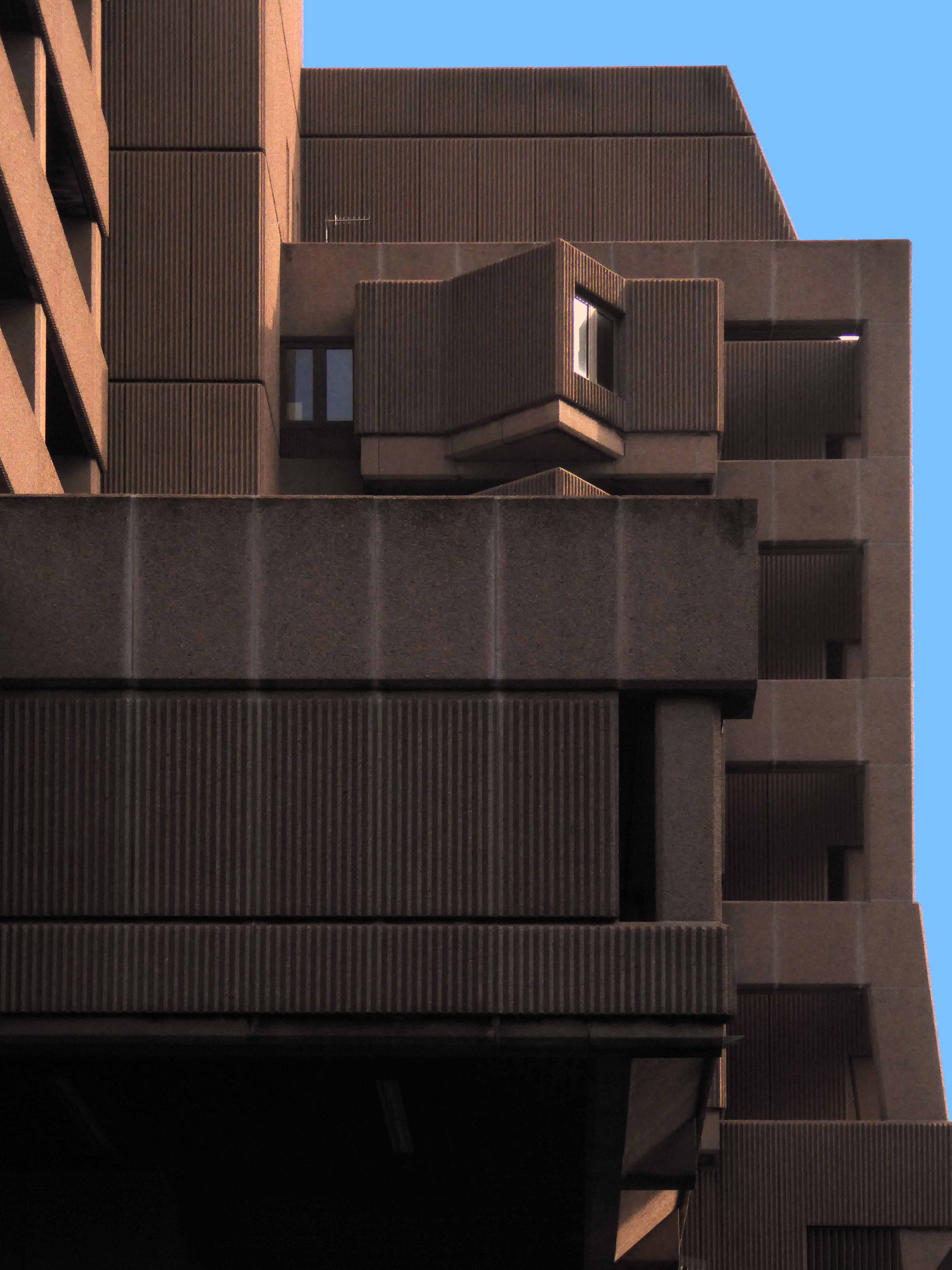
I passed by there yet again last Saturday, still maintaining a restrained ambivalence regarding this monolithic concrete and sand pseudo-castle. Less than, and larger than the sum of its parts. The quirky detailing and awkward geometry, producing a somewhat confused, yet imposing scheme, an ossified pinkish ribbed construct from another age.
Mass – possibly without redemption.

P1200504

P1200505

P1200506

P1200507

P1200508

P1200509

P1200510

Coat of arms by Richard Kindersley

P1200513

P1200515

P1200518

P1200519

P1200521

P1200523

P1200524

P1200525

P1200527

P1200529

P1200530

P1200532

P1200534

P1200537

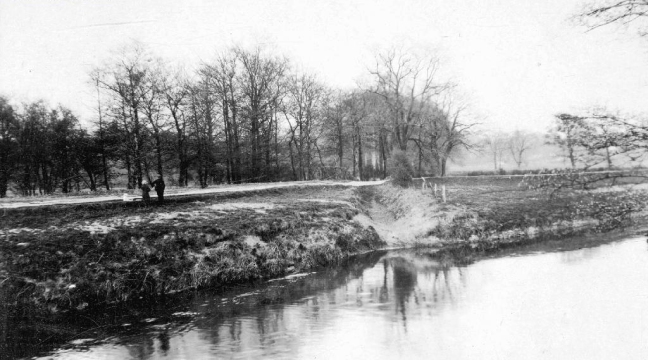
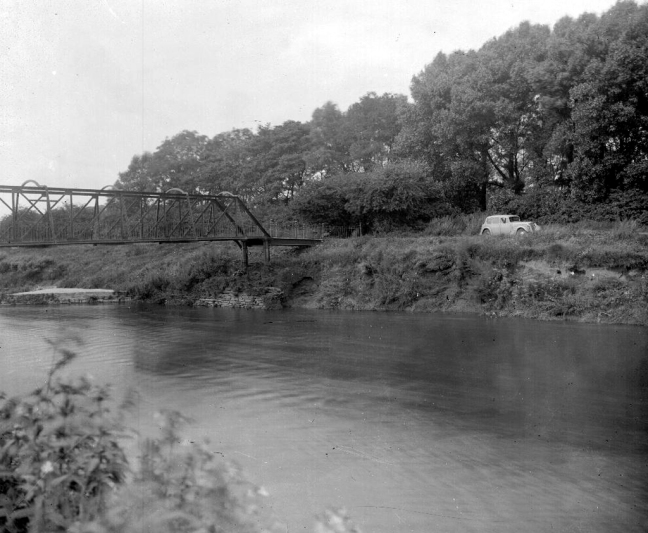
Gore Brook – A History

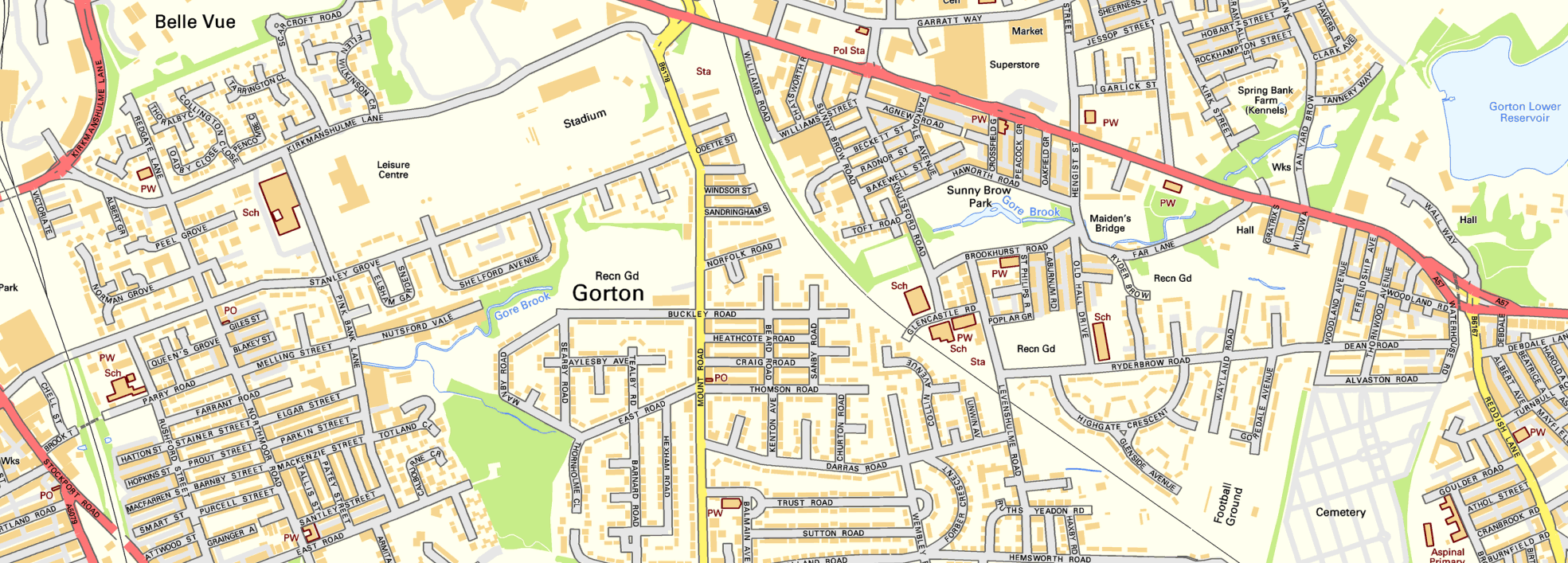
To begin at the beginning, well actually to begin in the middle and walk to the current beginning. The Gore Brook flows from the Lower Gorton Reservoir and from there onwards to meet the Chorlton Brook in the west, though I should imagine that prior to the construction of the waterworks, it was fed by more distant moorland waters.

gore map

Manchester being on the eastern edge of the Lancashire Plain and the western edge of the Pennines is riddled with rivers, rivers which now wriggle in an under and overground web, across heavily developed urban areas. Following the Industrial Revolution former meadow, common and farmland was overwritten by factories, housing and roads, the rural character of the rivers and brooks soon becoming darkened and polluted by the surrounding industries.

I was lead here by my search for a lost pub The Garratt on Pink Bank Lane, then drawn in further by this site The Red Path of Longsight.

The Red Path is a pedestrian link between Pink Bank Lane and the Gorton boundary at Buckley Road. It roughly follows the course of Gore Brook. The original footpath, running from Buckley Road to the bank of the brook, was made using black cinders. It was probably made in the 1940s to provide access to the allotments located on either side. In the early 1950s , a concrete bridge was laid across Gore Brook and the footpath extended to Pink Bank Lane. This section used red bricks in it’s construction, probably supplied by Jacksons brickworks . Crushed bricks were then used as a topping to make the path smoother and fill in any cracks. The thoroughfare soon became known as the Red Path.
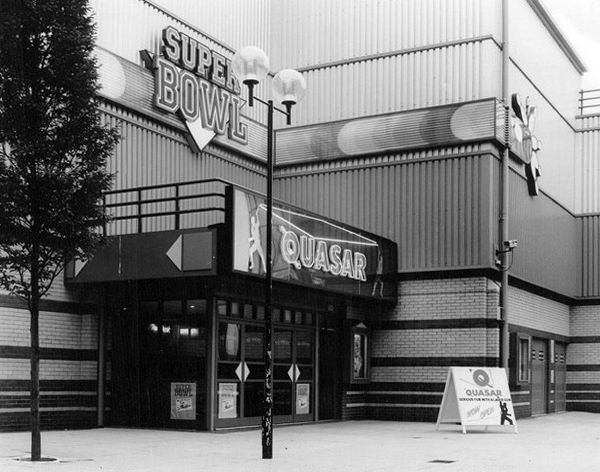
So wide eyed and mapless I bowled up at Brook Terrace, just off Stockport Road Longsight, in search of The Gore and its source.

stockport rd 1911

stockport road

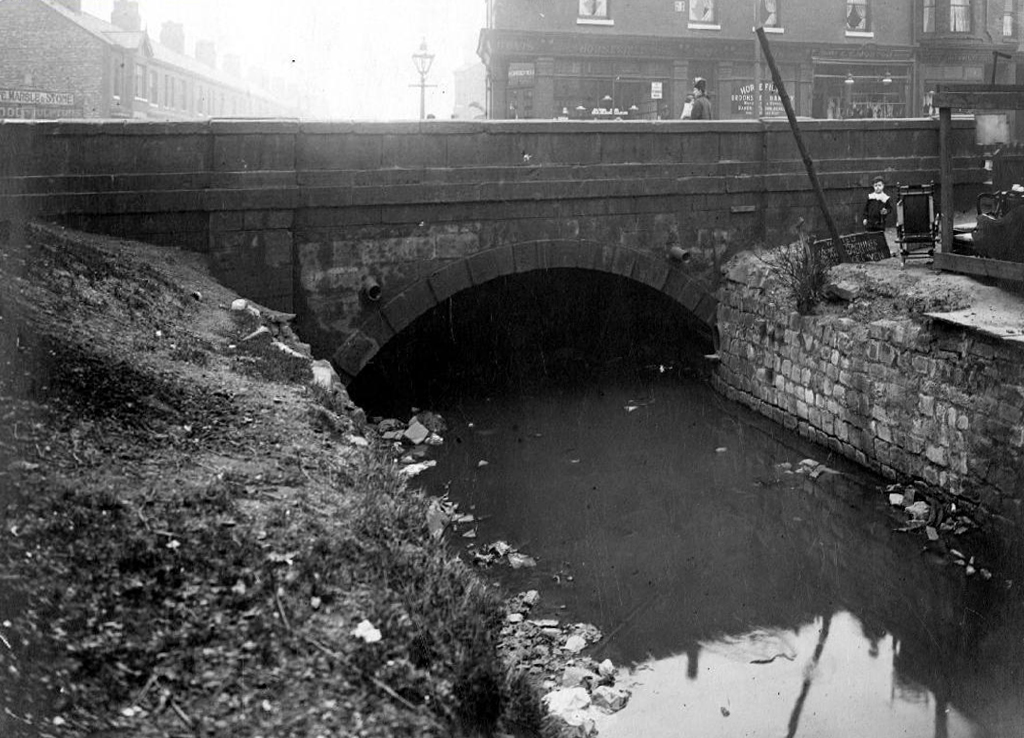
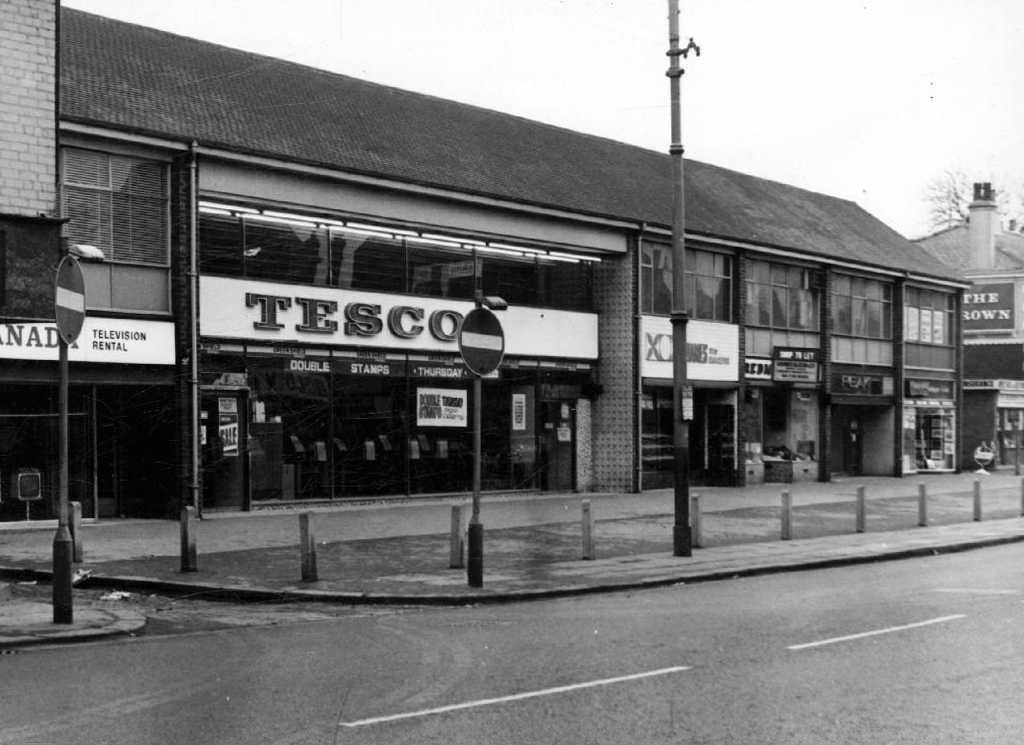
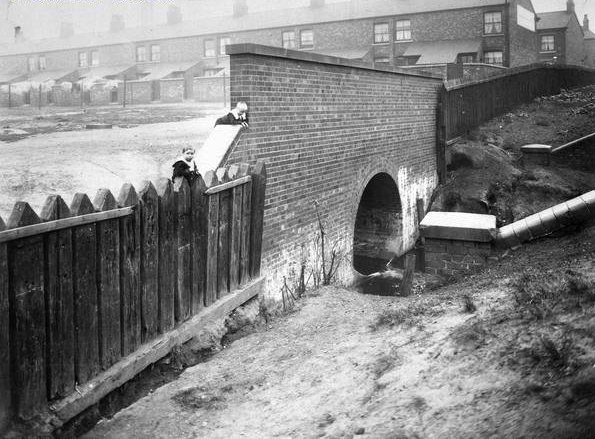
In the early 1900’s the river was still open and bridged, here at Stockport Road, later culverted and covered – anticipating the arrival of Tesco’s and Granada TV Rentals.

beneath

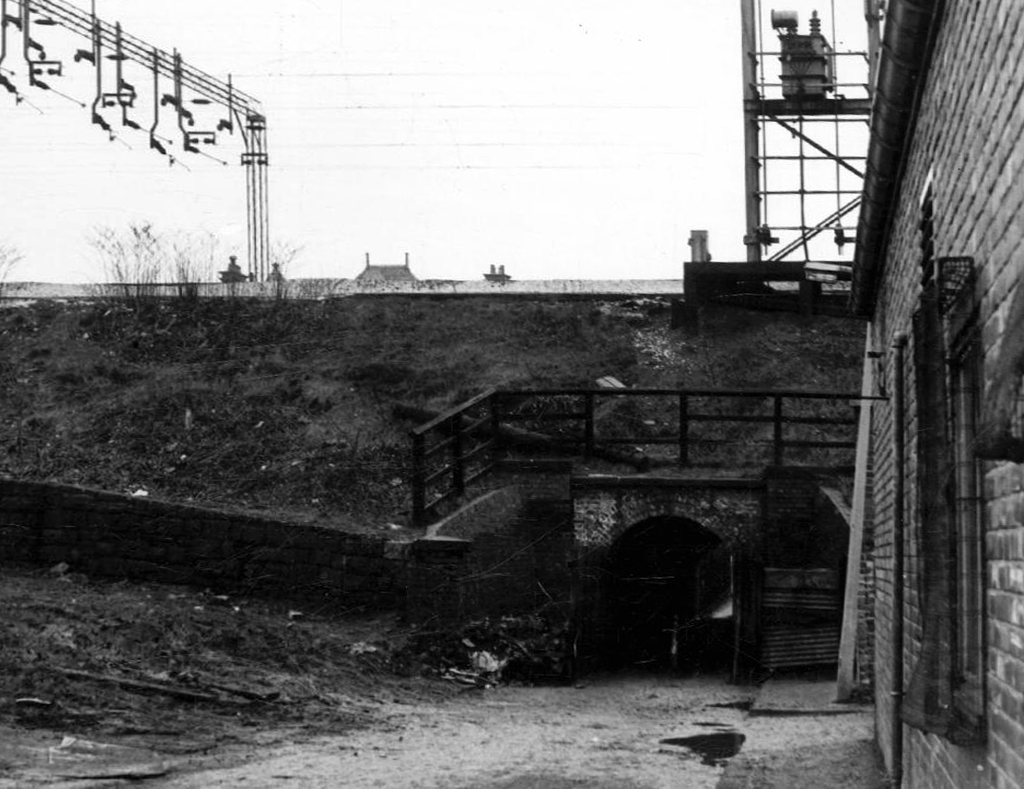
From there we pass under the railway along Brook Terrace and into Parry Road.

brook

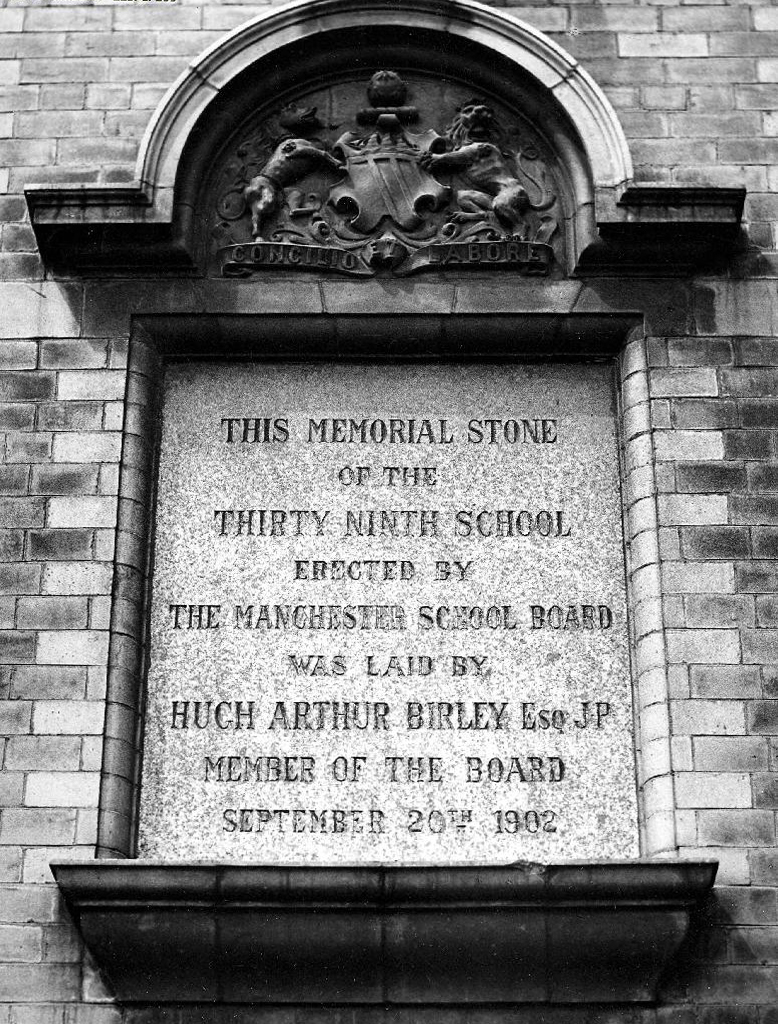
The underpass is still there and very much in use, as is Stanley Grove School – the Manchester Central Schools’ Kitchens are long gone, along with the food filled, insulated aluminium cases, that fed the hungry mouths of many, with semolina, pink custard, meat pies and lumpy mash.

parry 64

kitchens 1965

Onwards to Elgar Street and still no sign of the river, hidden beneath our feet, the corner of Northmoor Road, can be seen on the corner, no longer distributing dividends, but now providing social housing.

elgar

We arrive at Pink Bank Lane, a rich mix of terraced homes, flats and factories – and the long lost Garratt, and the long lost Gore.

garratt

pink bank 64

Though the lazy, lazy river has been confined in a brick lined wind, to meet the ever pressing needs of the Gorton Sewage Works.

sewage 1910

sewage works 38

The river then hugs the edge of Annie Lea Playing fields on Buckley Road, until it disappears again as it meets Mount Road, the playing fields are still open ground – the Manchester Cleansing Department, seen on the left – is no more.

annie lea

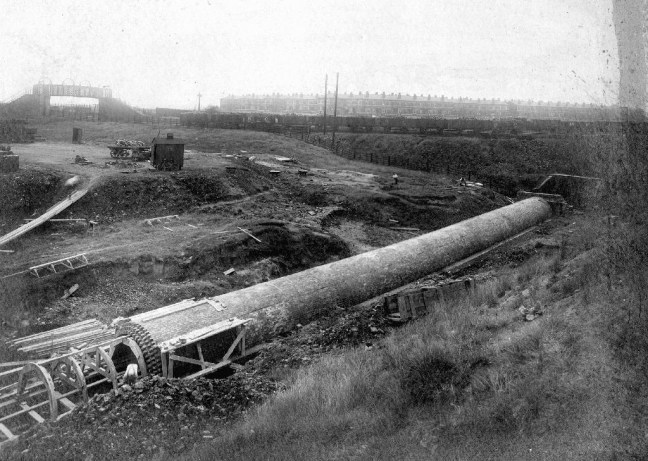
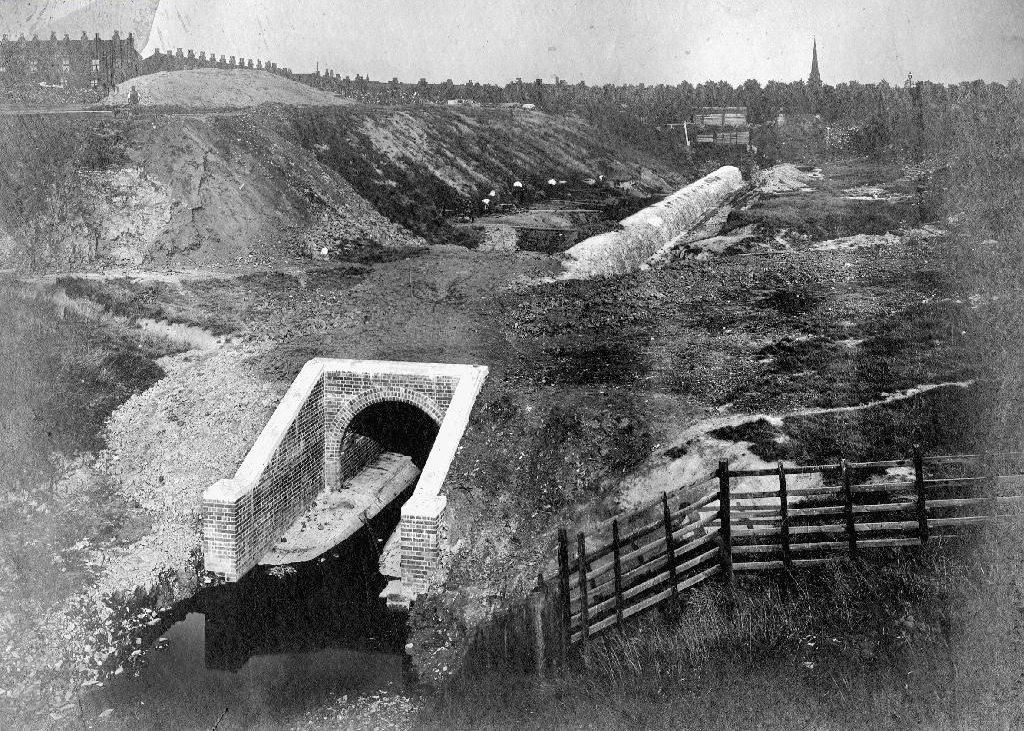
Here on Knutsford Road we see the construction of the tunnels and culverts, the footbridge to the left spanning the railway, is still there.

knutsfrod 1907

1907

knutt 1911

1911

knut 1914

1914

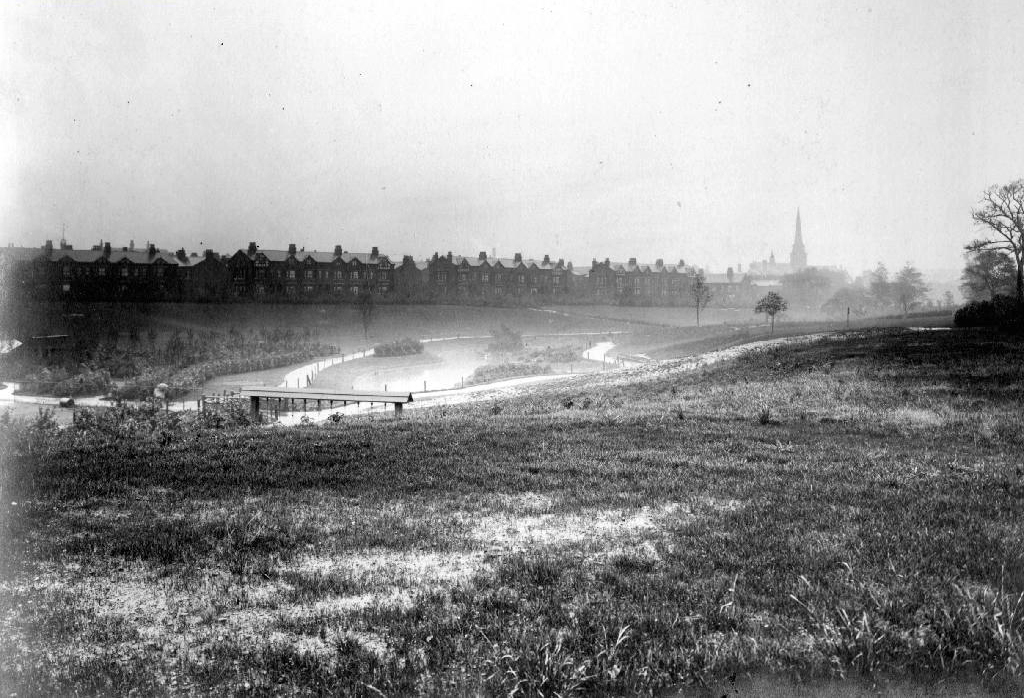
Finally we see The Gore reemerging clear, clean, wide, proud and resplendent in Sunny Brow Park, where it is still maintained as a decorative, duck-filled lake.

sunny 1907

1907

sunny1910

1910

sunny 1964

1964

Briefly underground again and into the back of Far Lane, skirting the Brookfield Church graveyard.

far 1920

1920

far 1937

1937

fa 64

1964

Then tunnelling under Hyde Road at the back of the church lodge, appearing once again alongside Tan Yard Brow.

webmedia-1.php

ty 1904

1904

tan yard 1922

1922

tan yard brow 1964

1964

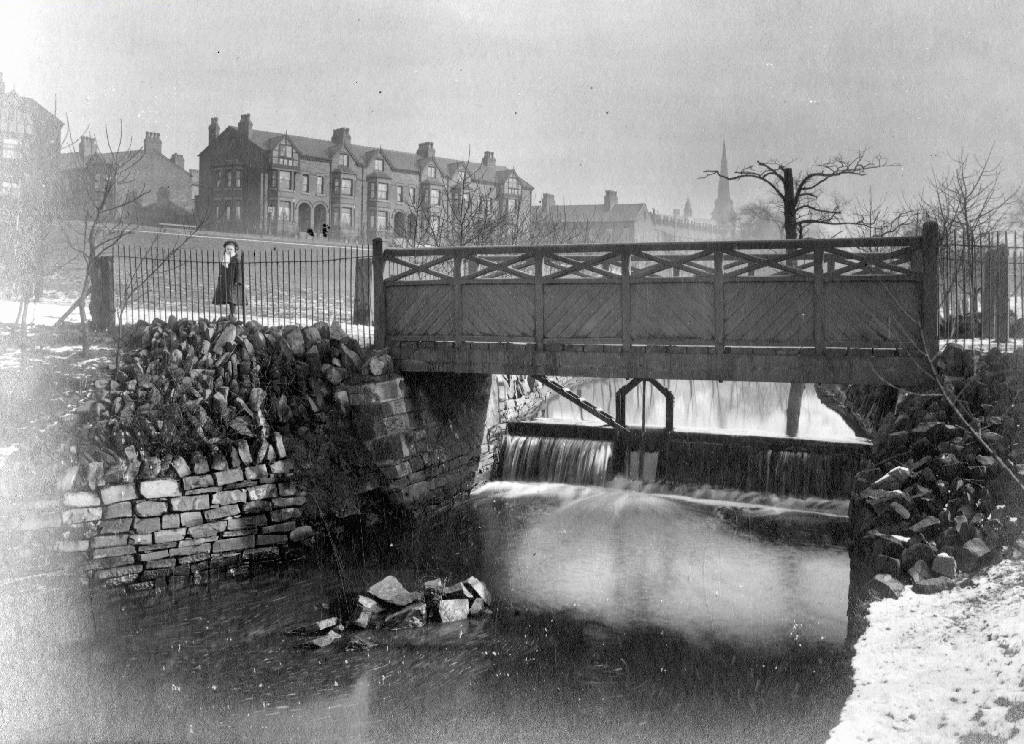
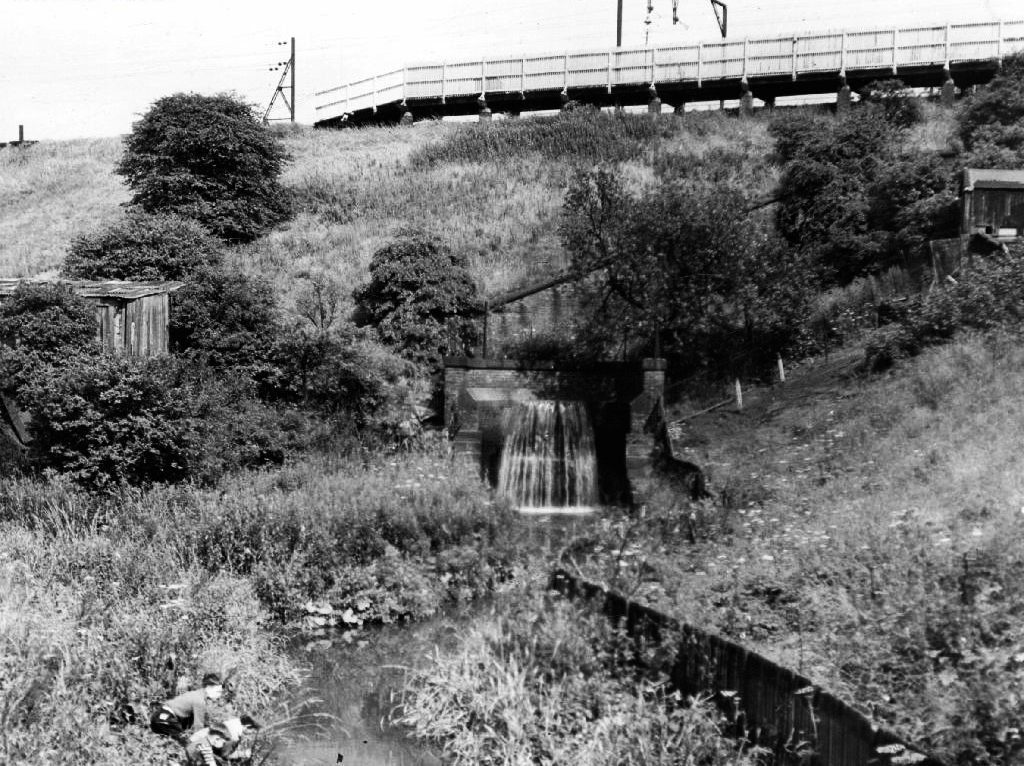
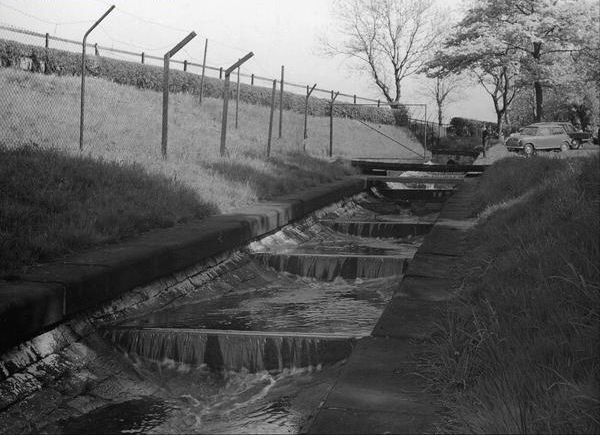
The manmade waterfall continues to cascade, the Fairfield to Old Trafford railway is now the Fallowfield Loop, Manchester Cycleway, young lads no longer mess about in wellies and torn Tek Sac jeans on the bank, the Tannery no longer tans.

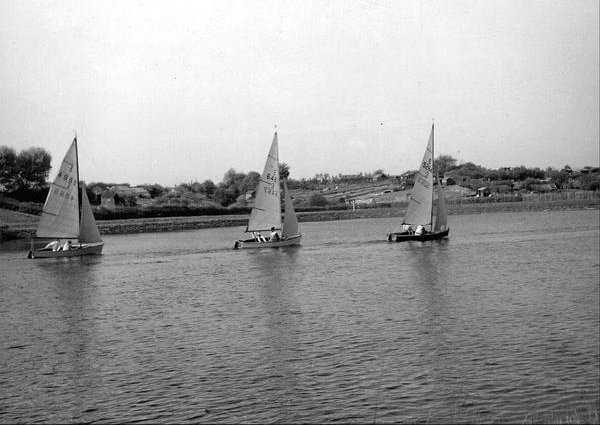
Then we end our journey by the broad expanse of the Lower Gorton Reservoir, implausibly dotted with jolly yachts, and home to a now absent stepped outflow stream. Look up to the east, and there you’ll see the moors, you could go further.

deb 66

deb

All archive photographs from Manchester Local Image Collection.


Holy Rosary – Fitton Hill

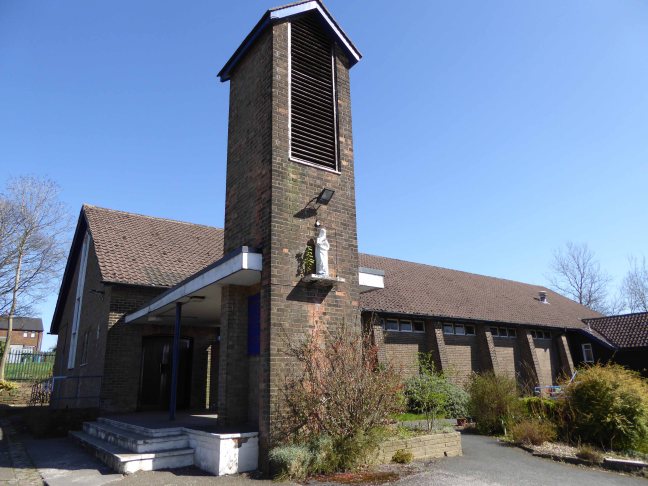
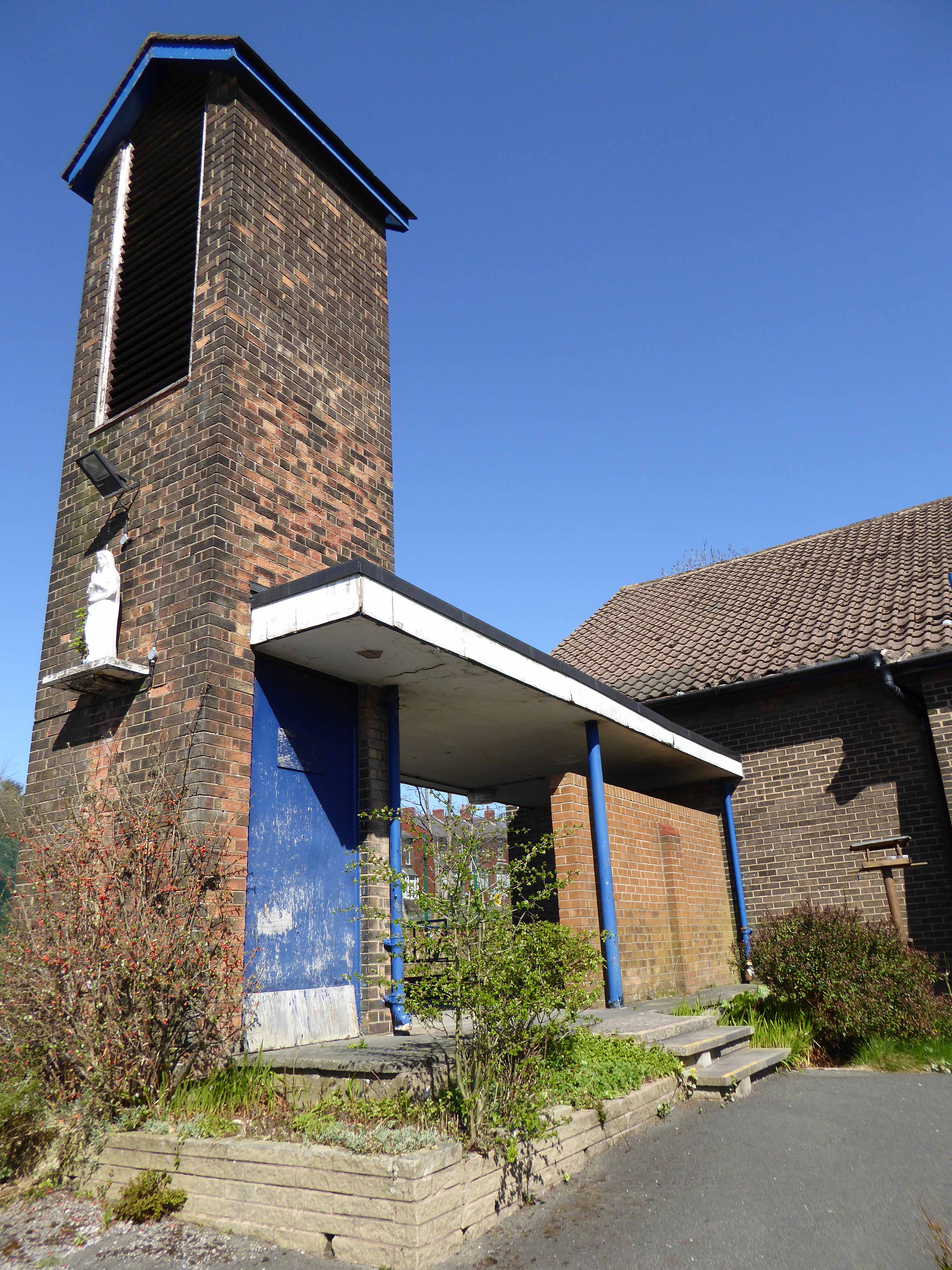
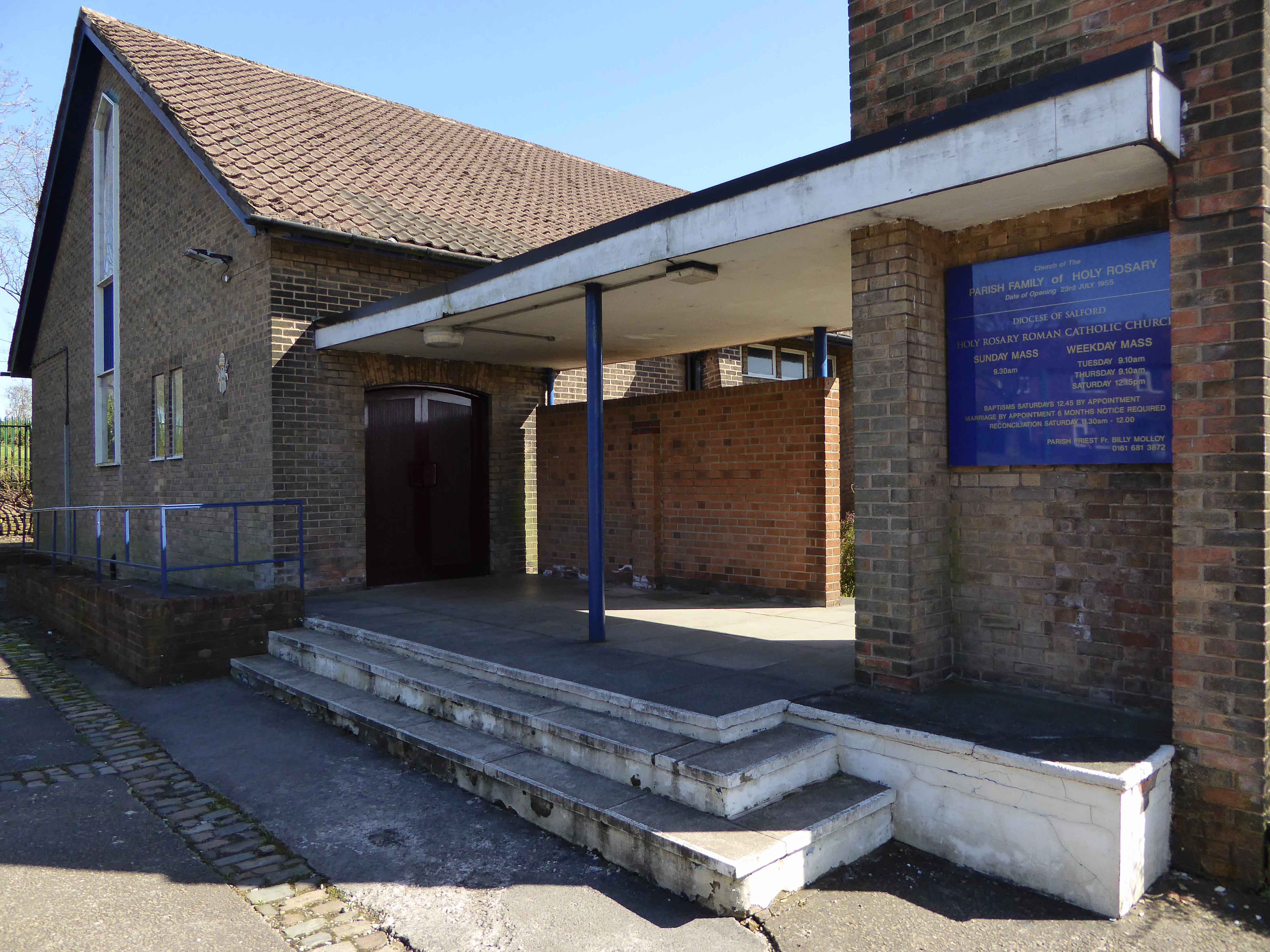
The first mission in the Fitton Hill, a post-war housing estate, was due to the work of Fr Buckley, an assistant priest at St Patrick’s Oldham. He arranged for the purchase of land in the Fitton Hill area in 1940, before the new housing was built. Once the estate had begun to be developed, Fr Buckley said Mass in an upper room in Maple Mill. The foundation stone of Holy Rosary was laid by Bishop Marshall on 2 October 1954 and the church was officially opened by Mgr Cunningham in July 1955.  The presbytery was built in about 1970. The first campanile blew down and had to be rebuilt.  In 2009, the parishes of Holy Family and Holy Rosary were merged.

Taking Stock told me so and will tell you even more.

Architect: W and JB Ellis who were also responsible for Our Lady of The Assumption in Langley.

Screen Shot 2017-09-13 at 11.11.41

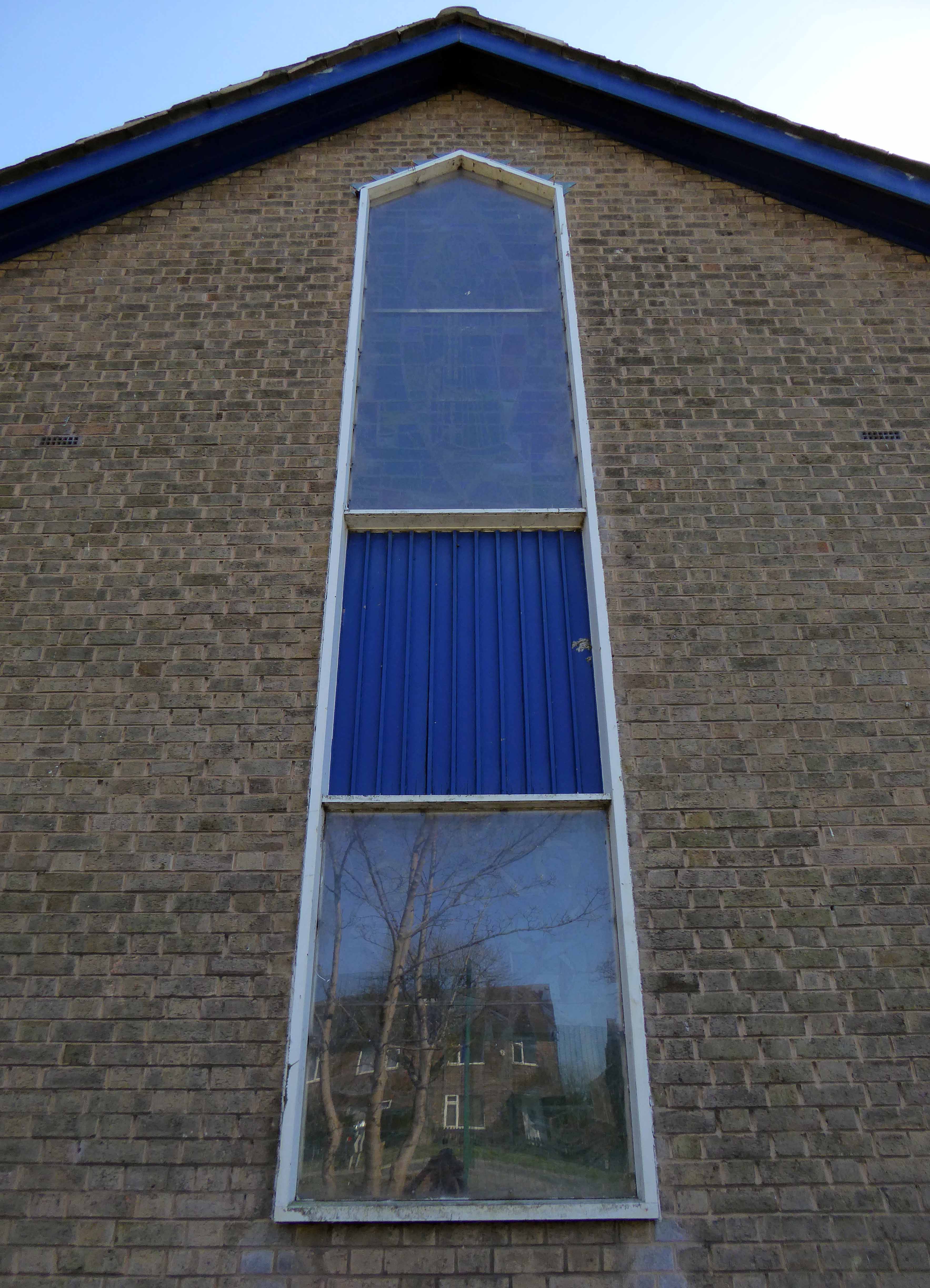
I first passed by one sunny day in April 2016 – happily snapping the exterior of this ever so pleasingly prosaic Italianate brick building.

P1030961 copy

P1030962 copy

P1030965 copy

Following a cue from pal Tim Rushton, I was alerted to the significant decorative work within.

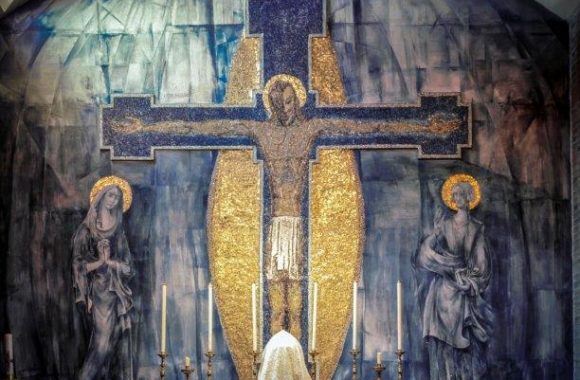
The mosaic and fresco work of Georg Mayer-Marton – born in Hungary 1897, died in Liverpool 1960 was one of Britain’s very few experts in the art of face or facetted mosaic.

GMMMosaic_compressed-580x380-1

Sadly the fresco is no longer visible – painted over with emulsion when thought to be too tatty – a tiny fragment has been revealed by conservators.

P1200312

There is currently a campaign to restore and preserve these important works.

The church is now closed, but we were ever so fortunate to have Bernard Madden on hand to open up and show us around, a warm welcoming space once full to overflowing.

Now sadly silent.

We all deserve better.

P1200300

P1200301

P1200303

P1200304

P1200306

P1200309

P1200310

P1200313

P1200314

P1200320

P1200321


Northmoor Road Co-op – Manchester

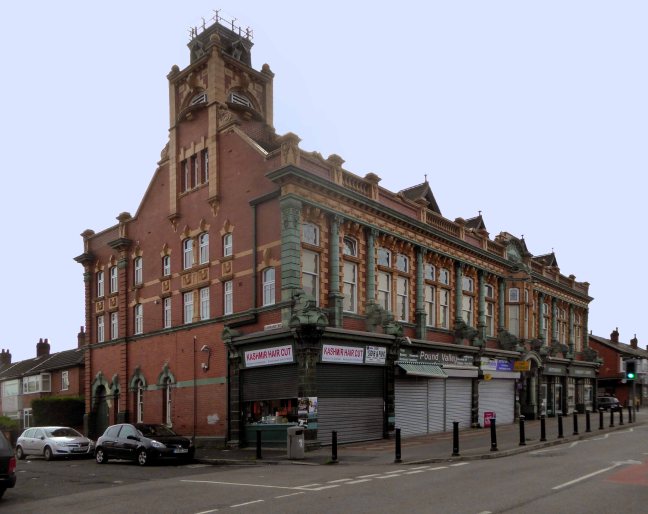
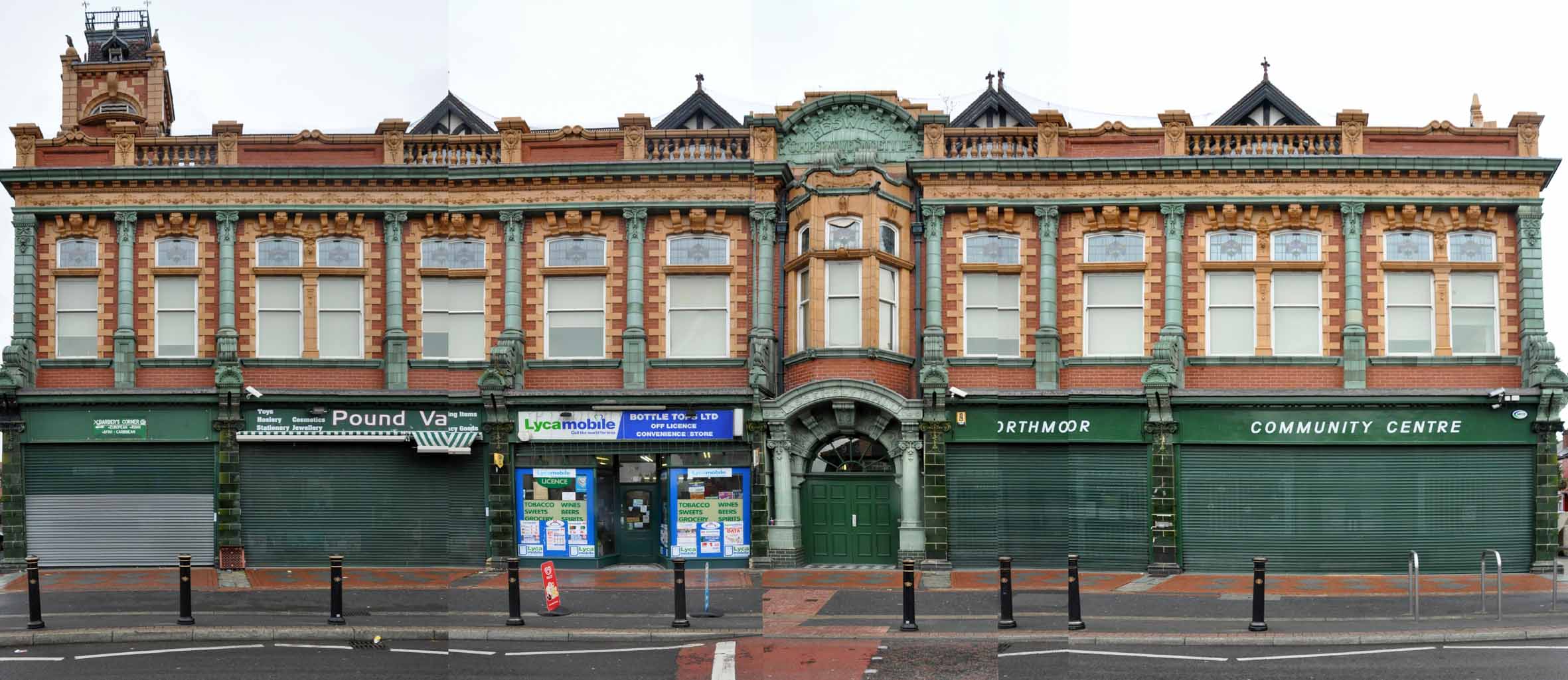
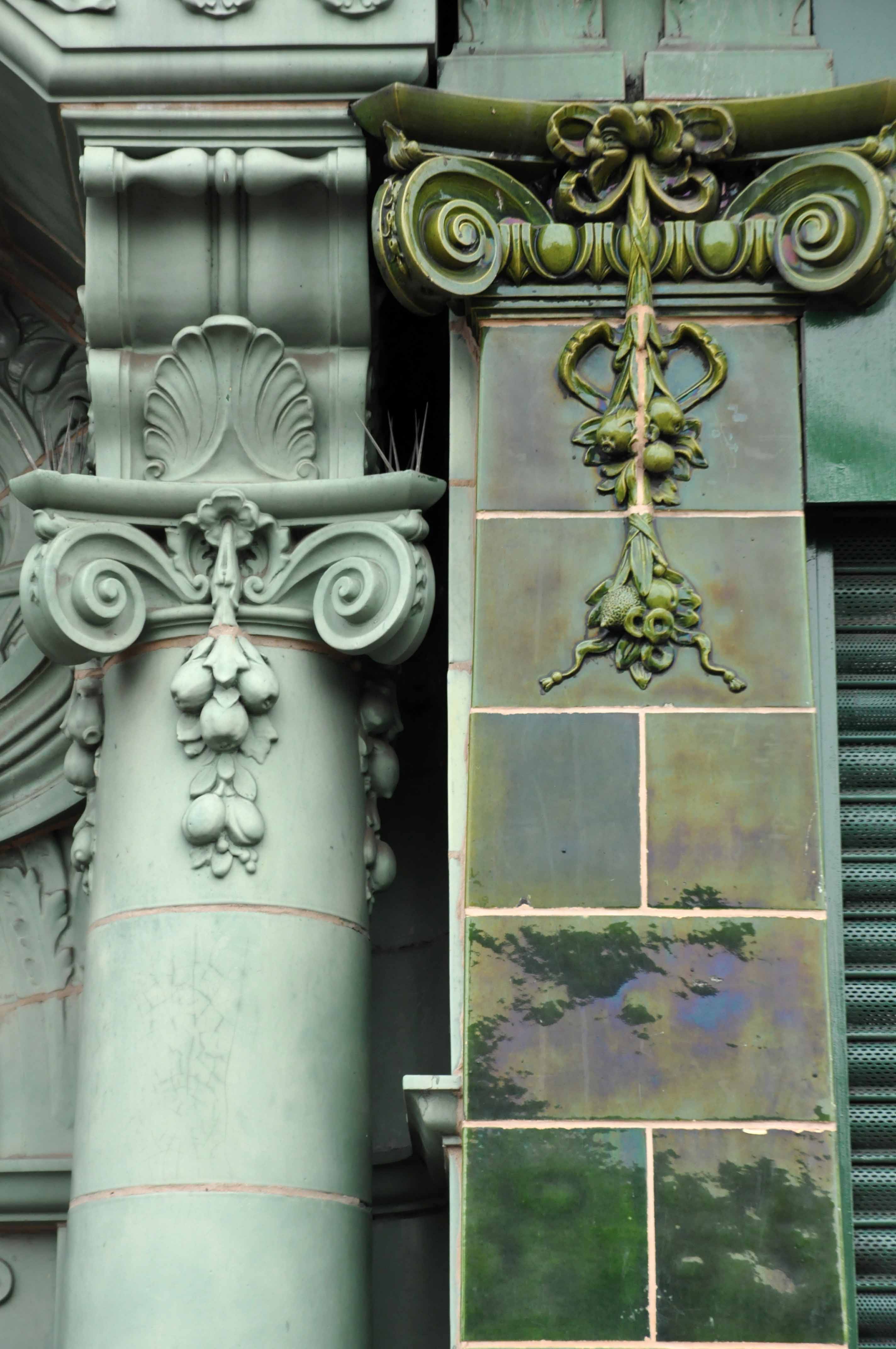
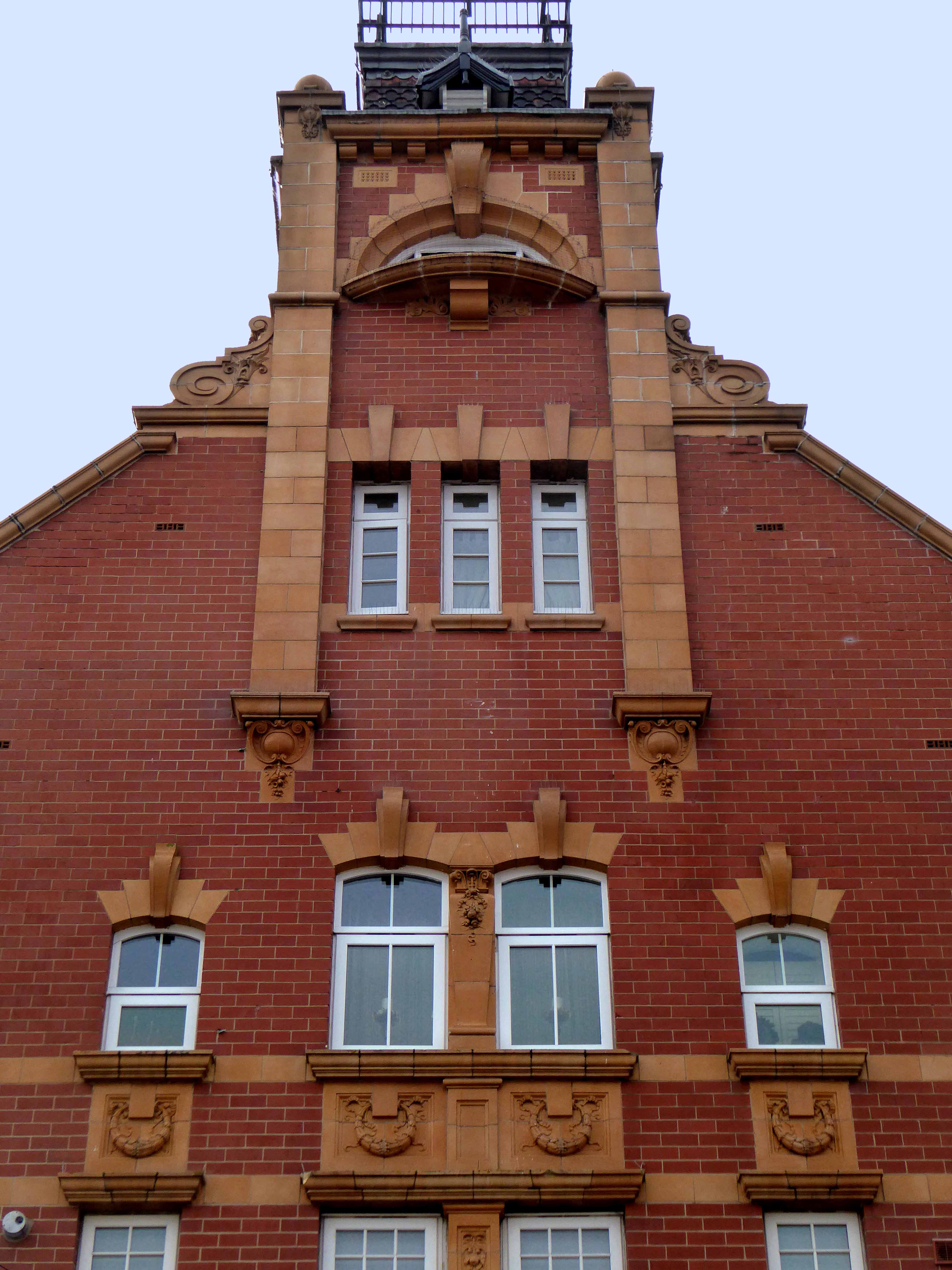
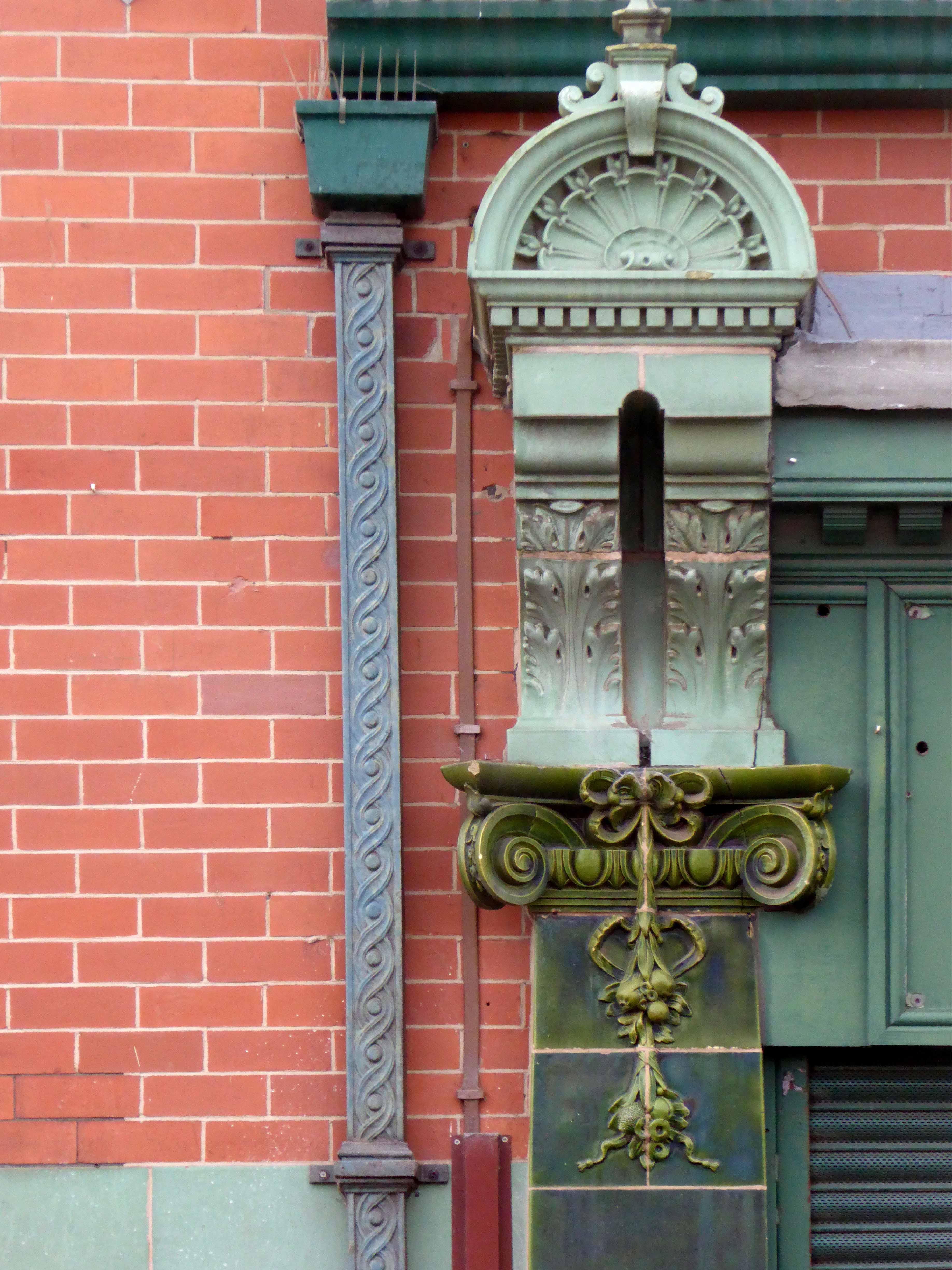
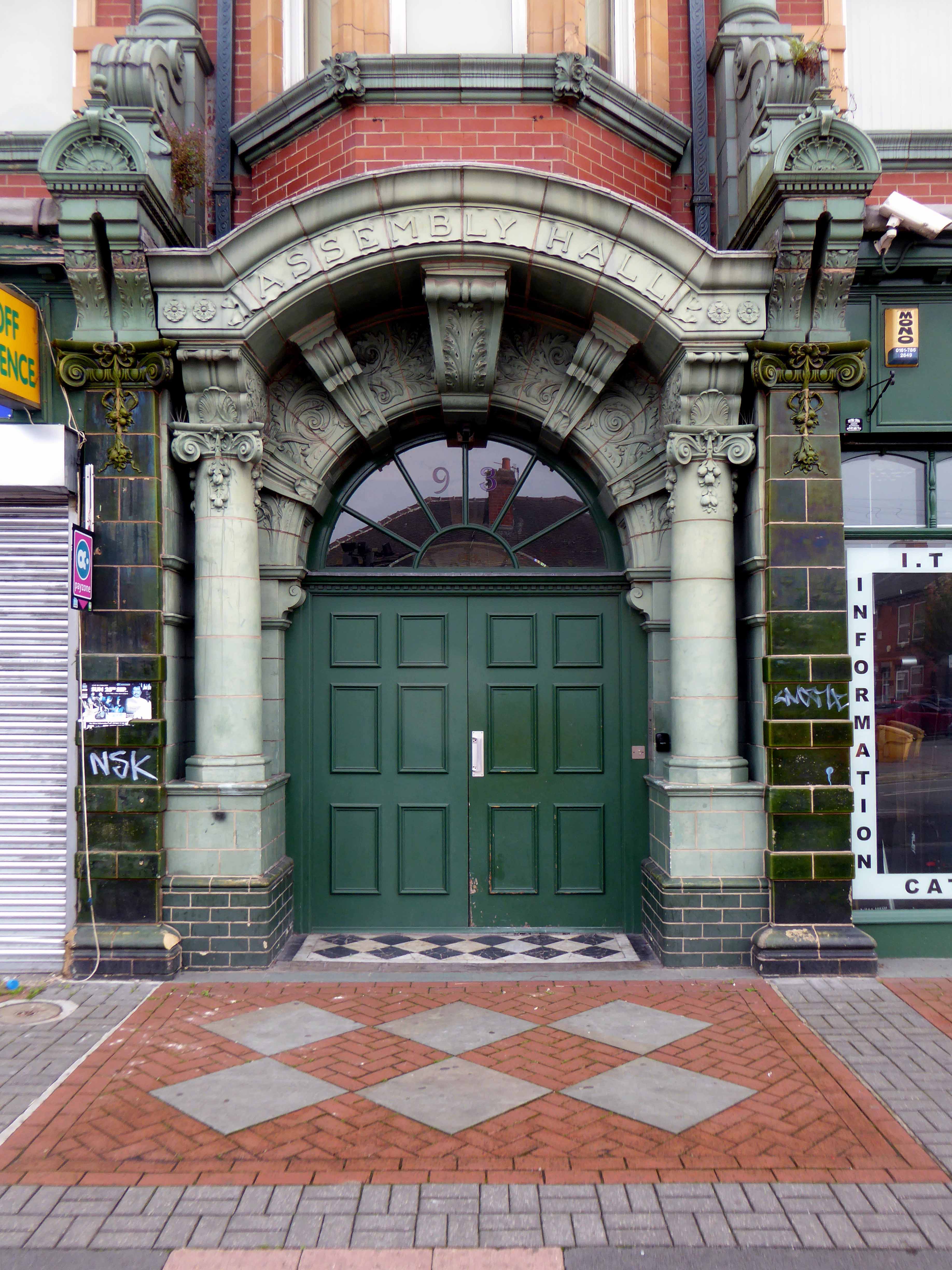
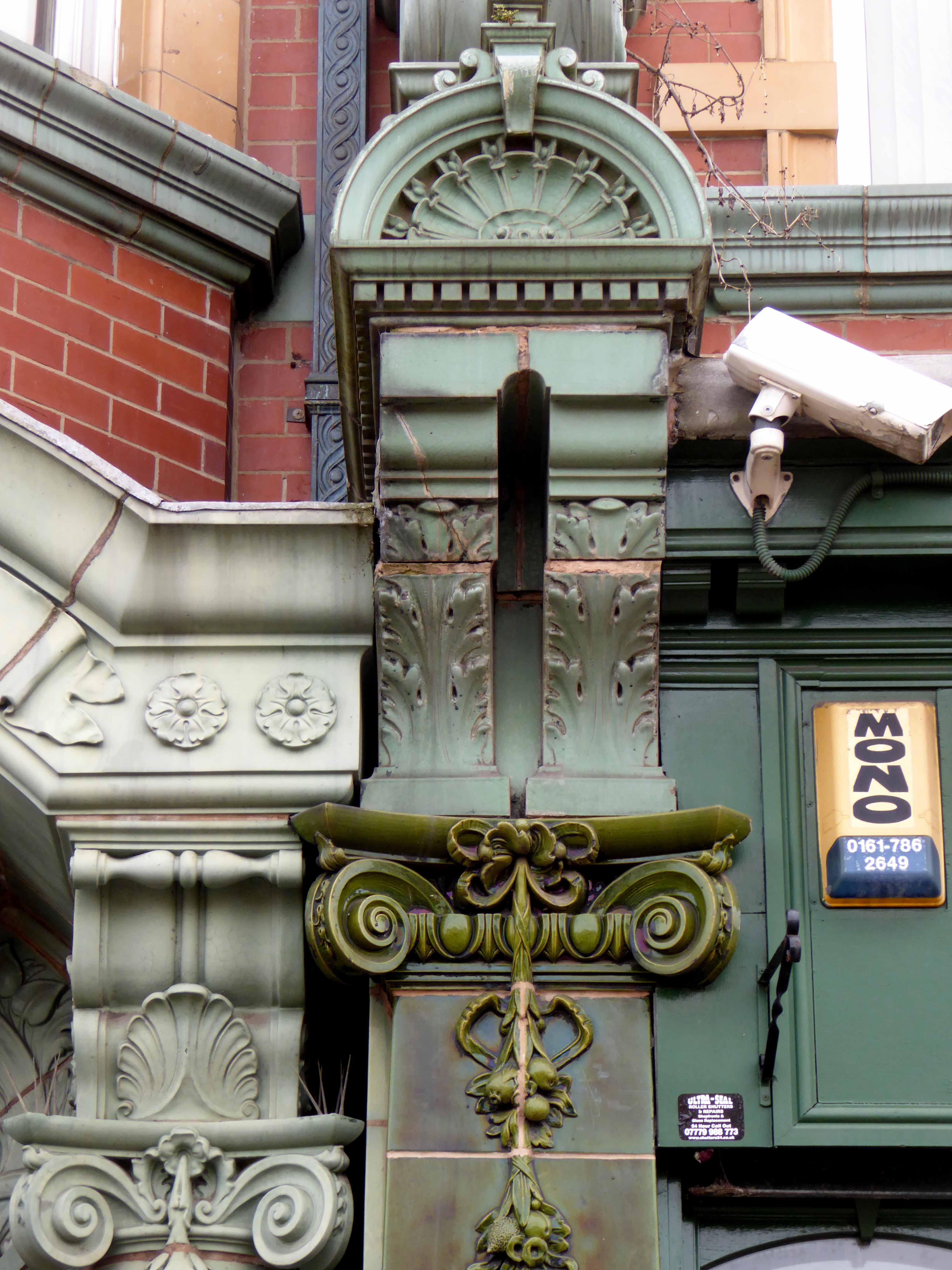
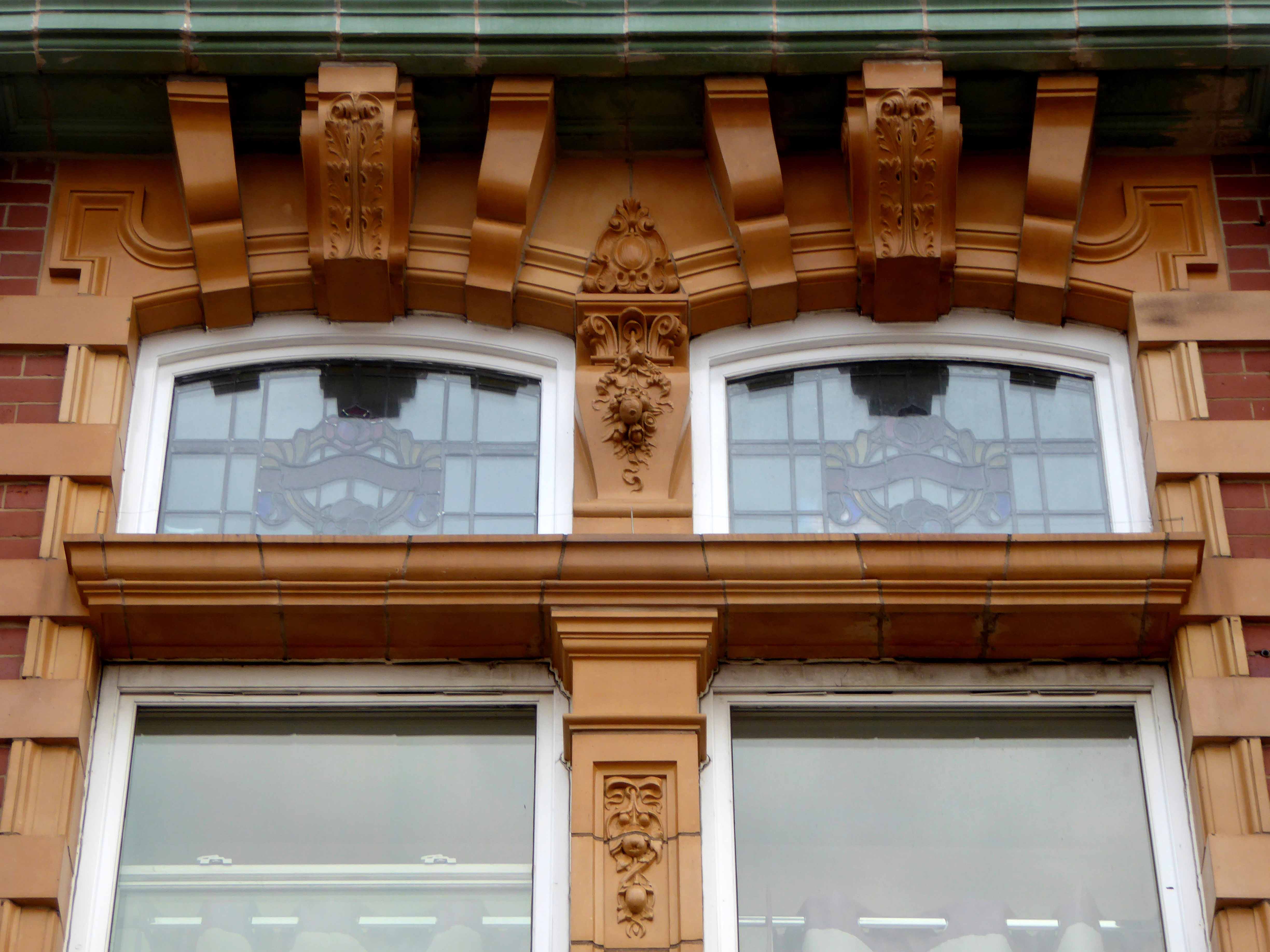
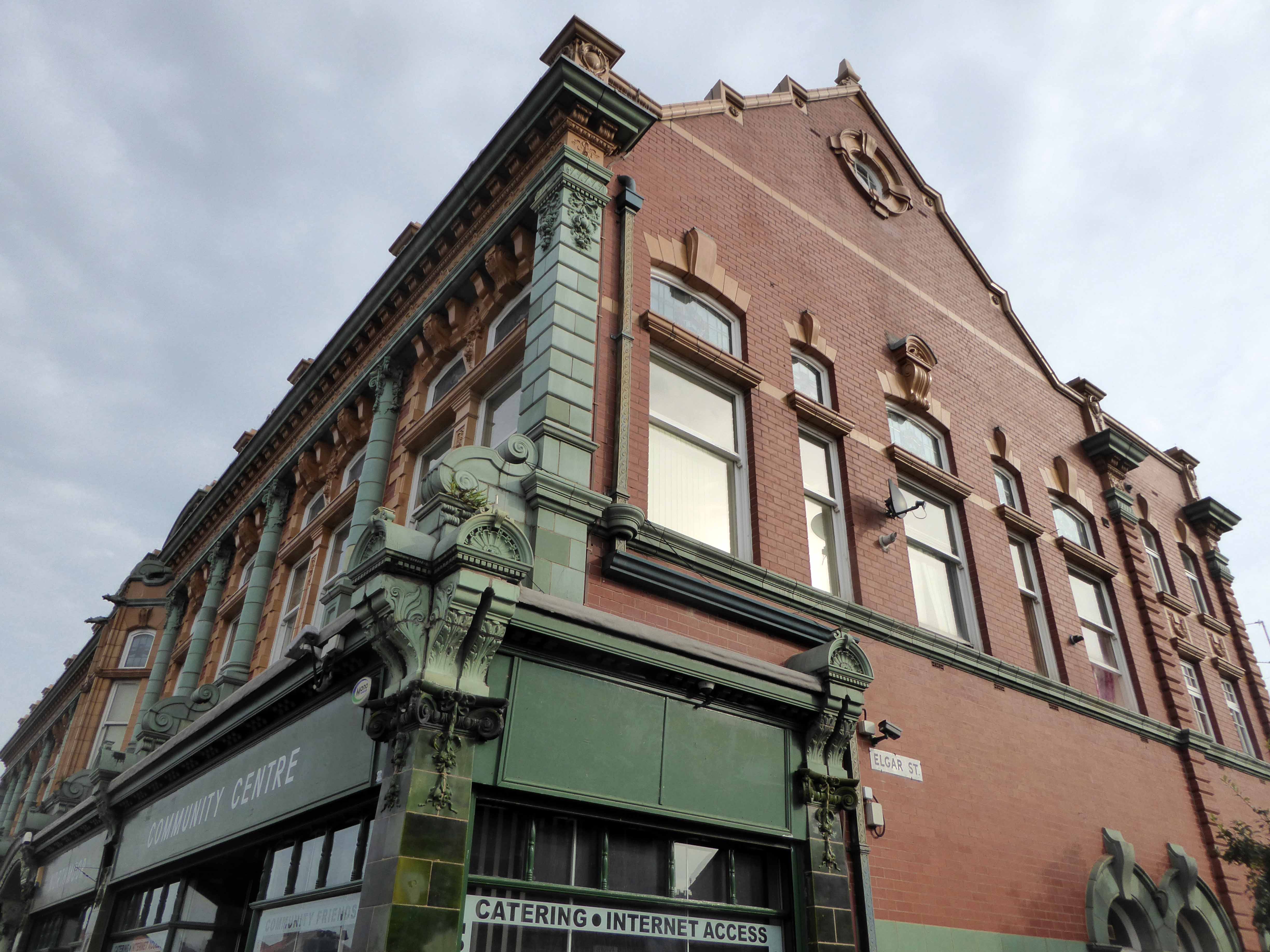
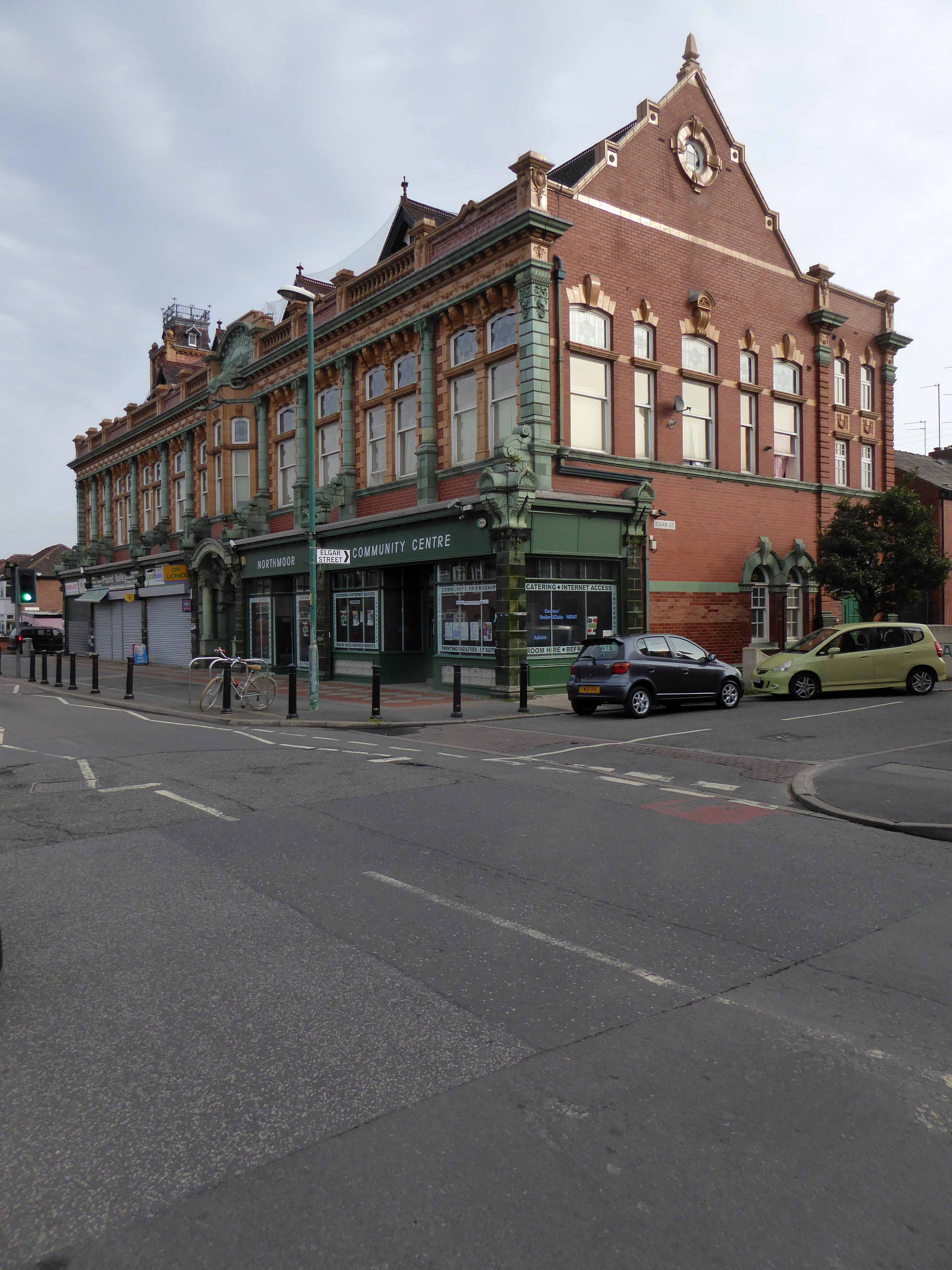
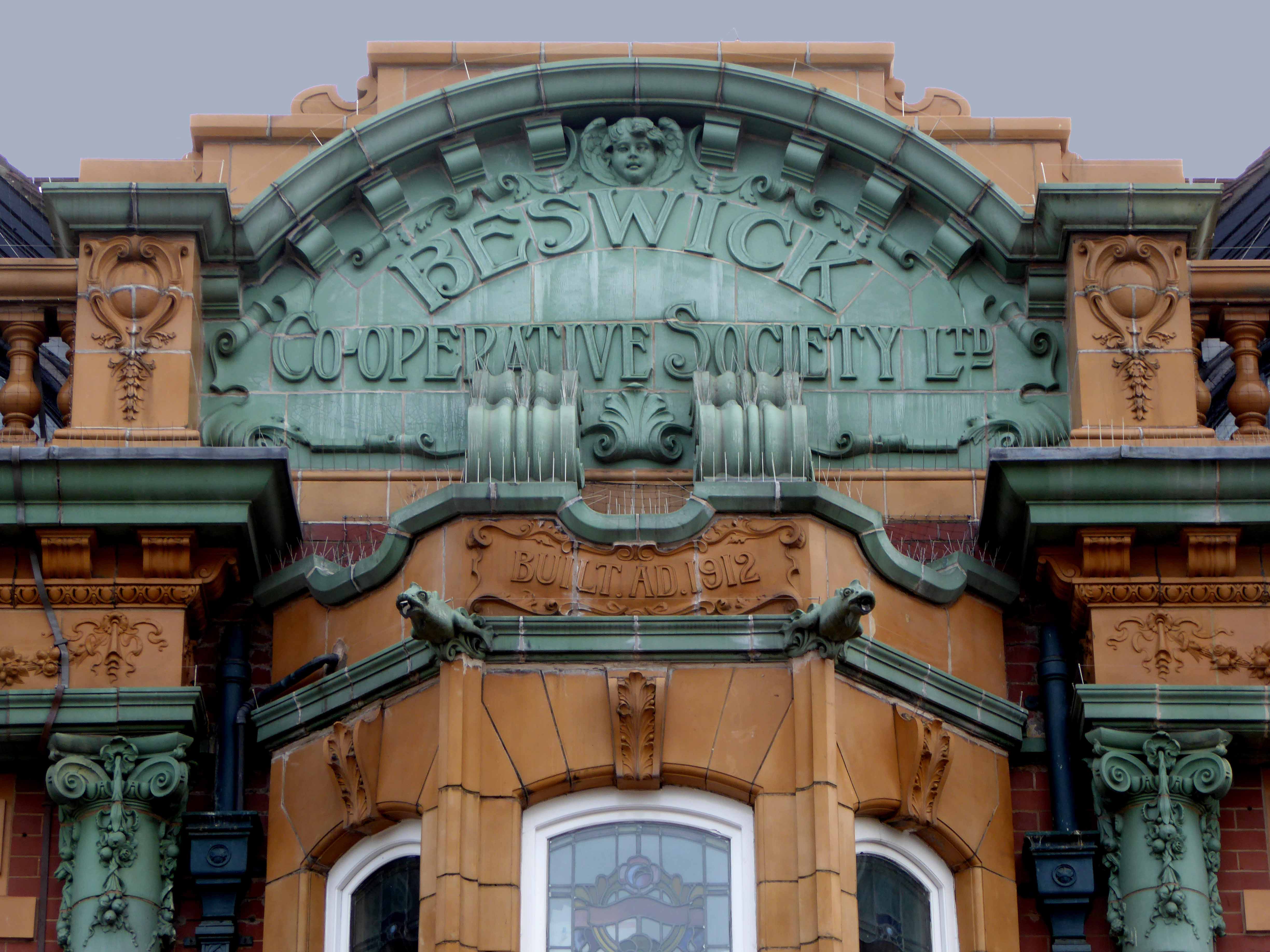
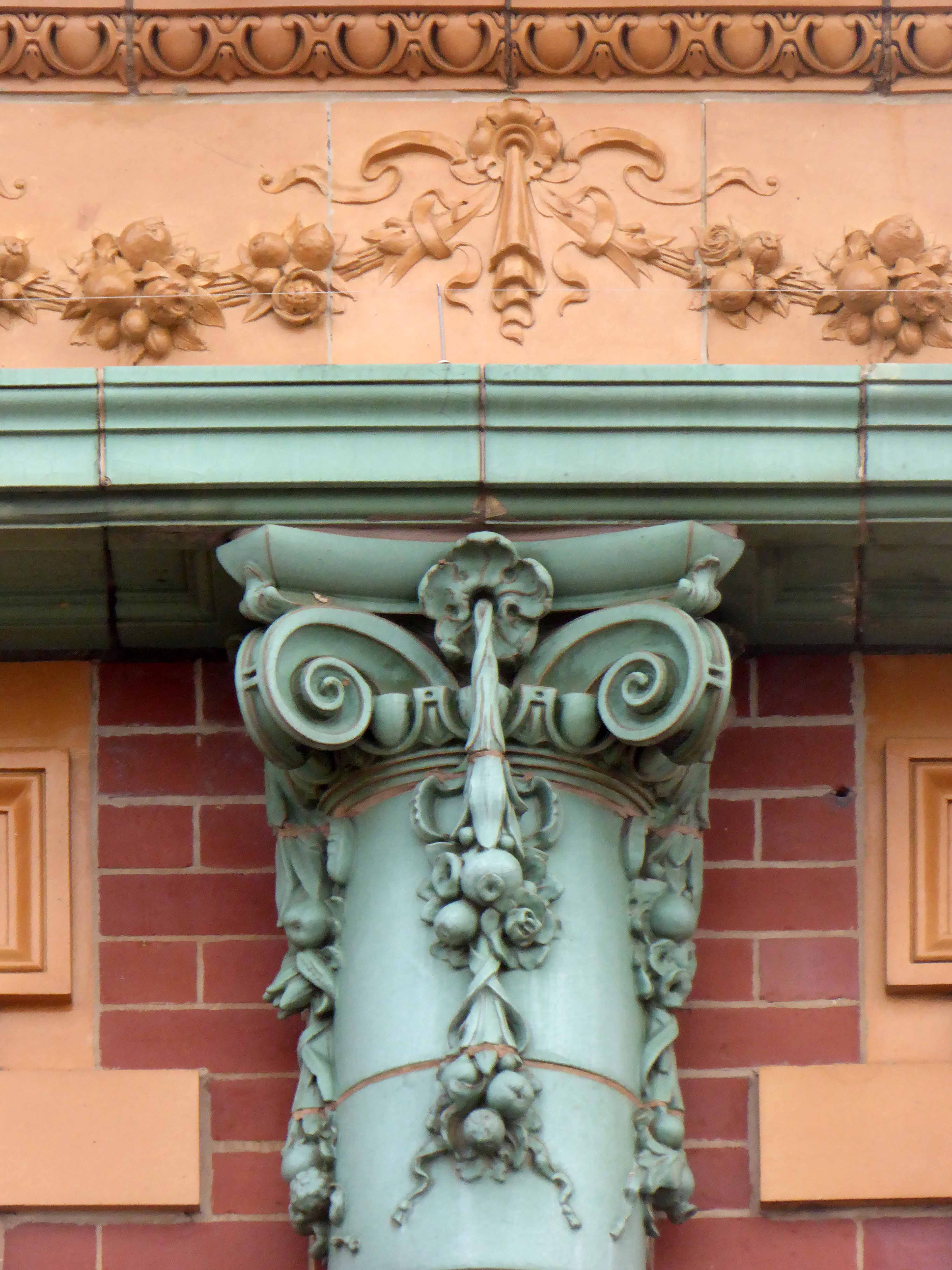
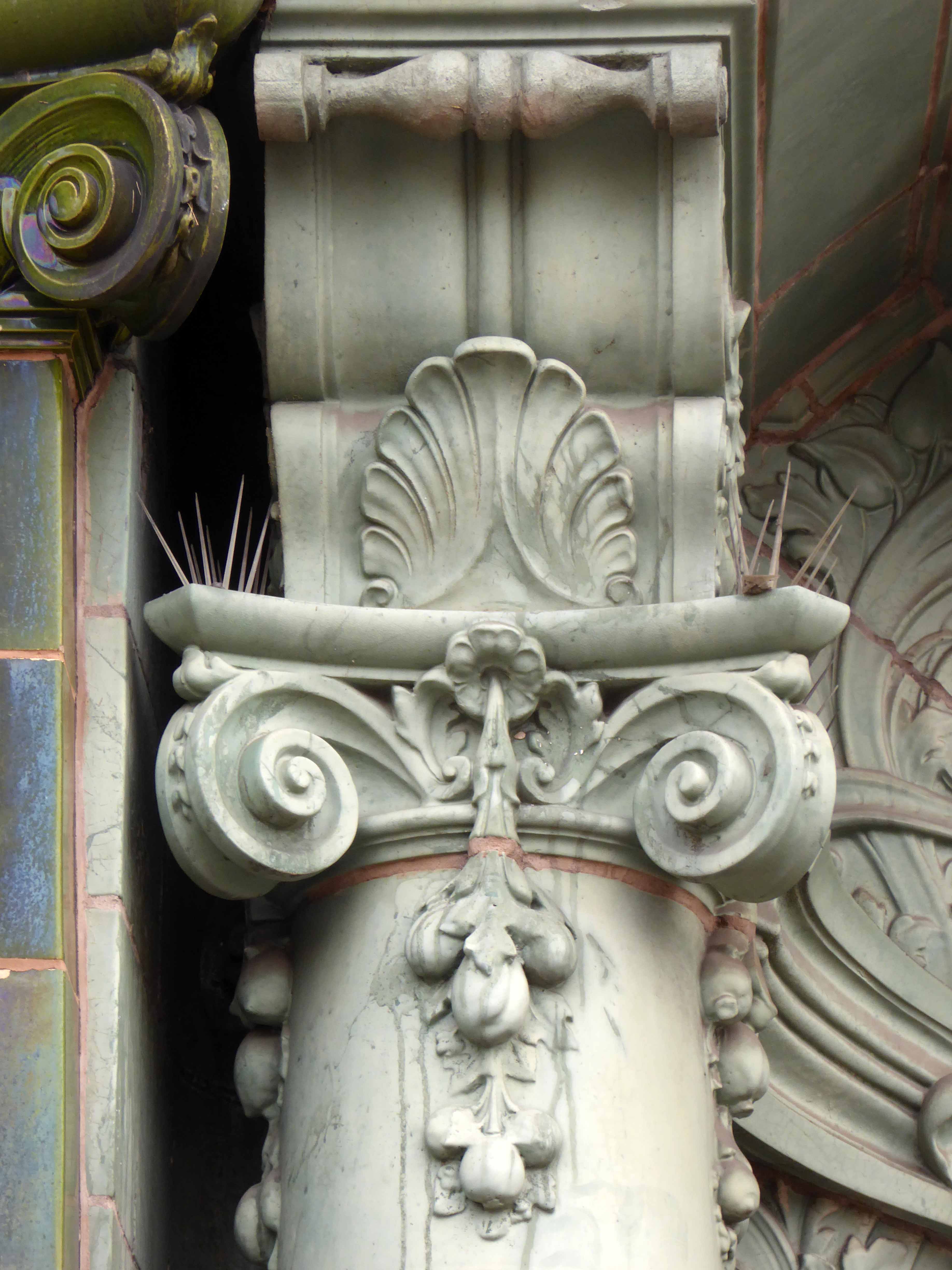
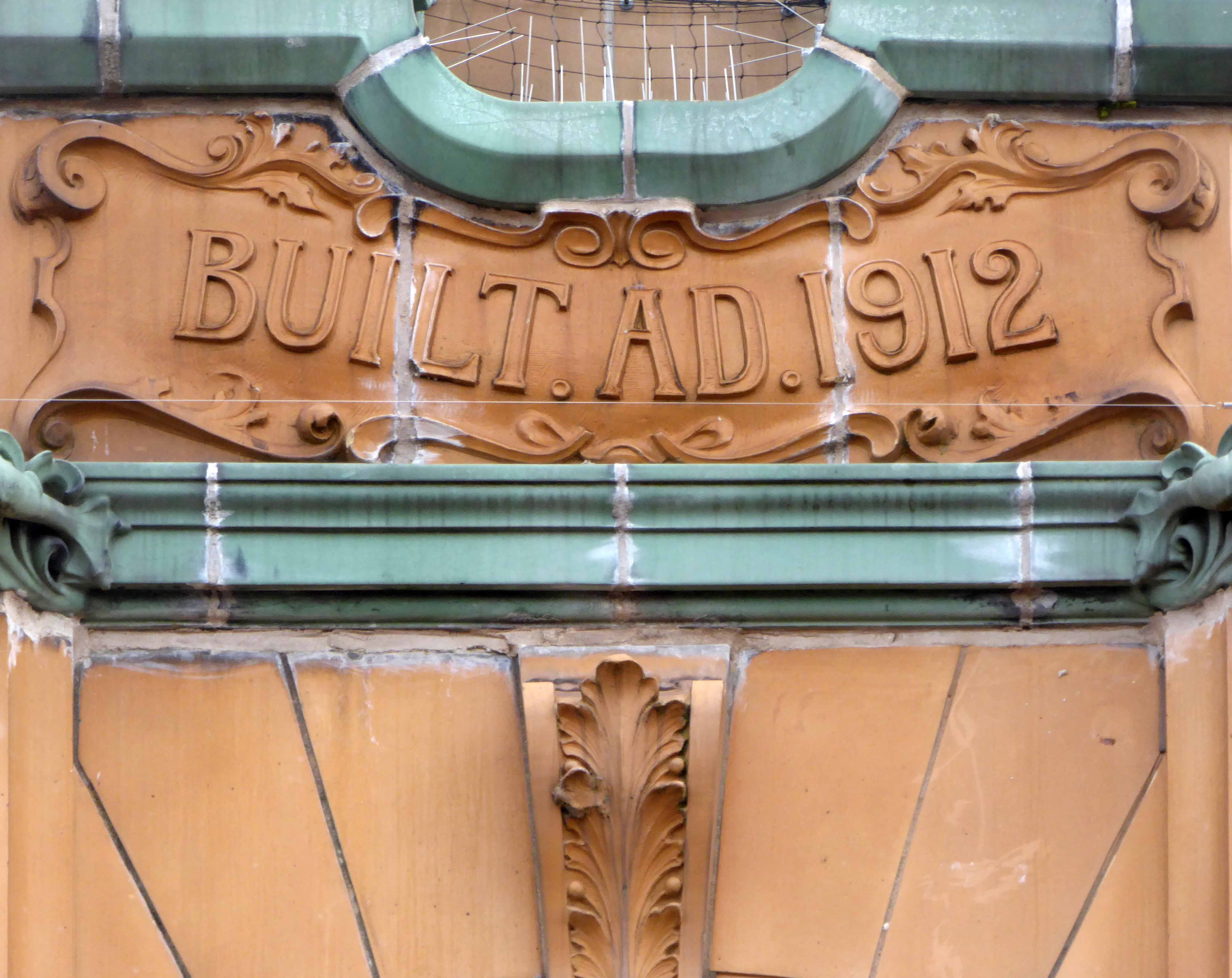
Cooperative Society shops and meeting hall. Dated 1912; altered. Red brick with liberal dressings of green and buff glazed terracotta, red tiled roof with geometrical patterned band and cockscomb ridge tiles. Rectangular plan. Edwardian Baroque style. Two storeys and attic, 11 bays; projected ground floor with dark green Ionic pilasters between the shops and a central recessed porch with dark green surround, light green Ionic columns and segmental open pediment ; inverted voluted brackets linking ground floor pilasters to alternate pedestals of 1st-floor colonnade, which has Ionic semi-columns with festoons and a thin cornice, all in matching light green terracotta; swagged frieze of buff terracotta with buff modillions to a green cornice; brick parapet with buff terracotta balustrades and triangular dormers in alternate bays, interrupted in the centre by a green segmental pediment with raised lettering “Beswick Cooperative Society LTD”. Tall segmental-headed windows at 1st floor including a canted bay in the centre with parapet lettered “Built AD 1912”, and coupled windows in the 2nd, 3rd, 10th and 11th bays, all with elaborate surrounds of buff terracotta including quoined jambs, moulded transoms and enriched keystones; and stained glass in the upper lights. Square Baroque-style turret at left gable.

Grade II Listed

The building itself was originally designed for commercial use with a department store on the ground floor boasting five departments including a butchers, shoes and boots, a drapery and a grocery. On the first floor there was a meeting room that was large enough to host dances with live music. Its inaugural event was an exhibition by the Co-operative Workers Society that also included a recital by the C.W.S. orchestra of Balloon Street; it was reported to have been a great success. It was also used for community events such as the Crowcroft Bowls Club prize-giving ceremony in 1914.

Northmoor Road was called North Road at the time the building was in use as a co-operative and was developed between 1899 and 1930’s. Its most famous resident was J.R.Tolkien who lived here between 1926 and 1947.

North moor Community Association

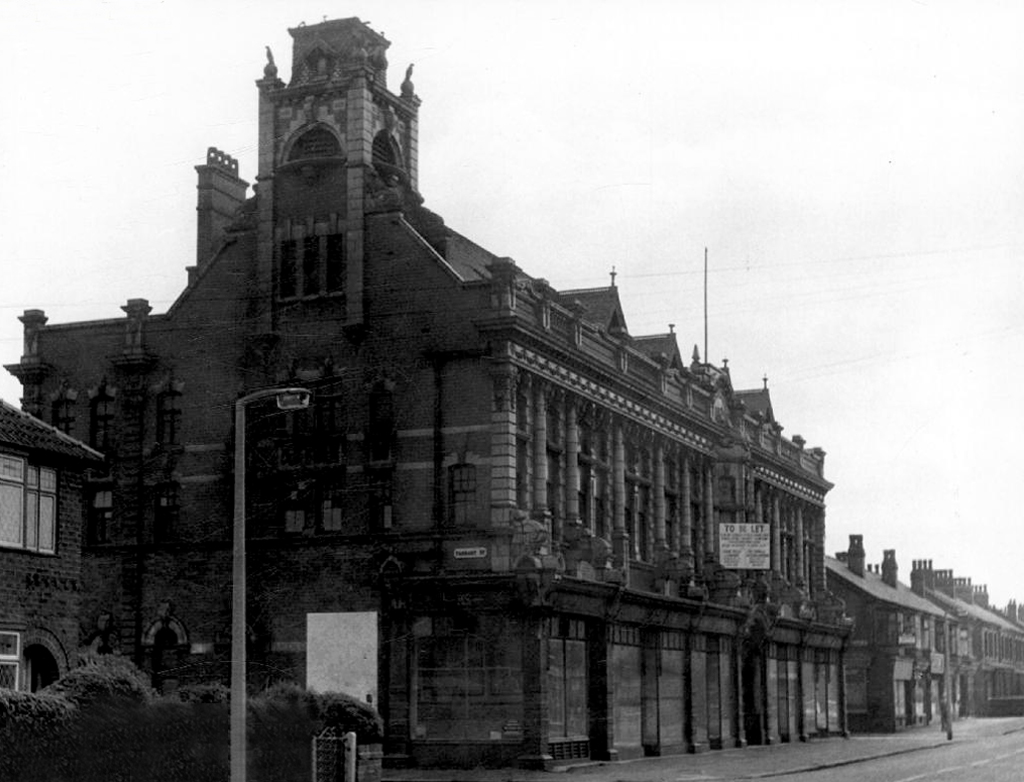
1965

1965 Manchester Local Image Collection

Northmoor Rd copy

Now home to Great Places Housing

This is such a substantial building exuding an opulent retail grandeur that easily leaves your local Tesco Local in the deep dark ignominious shade. From a time when the expanding Cooperative movement provide for most of the areas material needs – though the Beswick Society was disliked for its aggressive territorial ingress, outside of any recognised geographic constriction.

Externally it is still substantially as was – clearly visible from the nearby Stockport Road and continuing to command the street with degree of grace.

Go take a walk, take a look!

DSC_0019 copy

northmoor d copy

P1200038

P1200039

P1200040

P1200041

P1200042

P1200044

P1200045

P1200046

P1200047

P1200048

P1200049

P1200050

P1200052

P1200053

P1200054

P1200055

P1200056

Chesterfield – Magistrates Courts

Mysteriously lacking much evidence of its past, save for this Historic England listing.

Chesterfield Courthouse – II Magistrates Court house. 1963-65. Designed by Prof S Allen and Robert Keenlyside for Chesterfield Borough Council, altered in 1975. Reinforced concrete, with decorative stone cladding, and timber roofs clad with copper sheeting. Double fan shaped plan, three storeys. Original east entrance front has recessed ground floor with central double glazed doors now blocked with glazed side lights. Either side four windows with concrete louvres to the offices. Above eleven bays topped with gables, the three central bays have recessed windows to both floors. Either side the two storey courts have grey slate panels with side lights and set back grey! green slate cladding. West front has recessed ground floor with eleven windows each with concrete louvres. Above eleven gabled bays, the central three and outer tow with grey slate cladding and side lights with set back grey green slate cladding. The four remaining bays on either side have recessed windows. The north and south sides have recessed angled facades with slightly recessed ground floor with glazed entrance at centre of east section with large glazed windows above. Flanking wings have concrete louvres set in grey slate cladding. Interior has original Y-shaped entrance hall way which rises up through all three floors. East entrance now blocked and converted to offices. Entrances from north and south into hallway with marled floor and marble clad columns with wooden ceilings and recessed lights. Central imperial type staircase marble clad with metal and wood balustrade. Upper floors have wooden clad walls and movable glazed screen for dividing access from juvenile court when in session. Two storey courts on upper floor retain original wooden cladding, ceilings and courtroom fittings, including magistrates bench, dock, seating for lawyers and the public. 

P1190488

And self evidently facing a very uncertain future:

2015 – The Grade II listed building, which is located between Rose Hill and West Bars, has received planning consent allowing it to be used for a range of purposes including office, retail and leisure facilities. Stuart Waite, associate director at Innes England in Derby, who is handling lettings on behalf of a private client, said: “We have been in serious discussions with a number of occupiers regarding this building for a variety of uses. “Occupier confidence is growing and with the economic forecast for 2015 looking positive we are confident that will see early interest converted into deals. “We are working closely with Chesterfield Borough Council which has identified the Rose Hill and West Bars area of the town as a key strategic location for growth.”

It has stood empty for the last few years and been a hotspot for vandalism.

Last July, arsonists set a wheelie bin on fire and pushed it up against the building, causing the flames to spread.

mqgh90gr0b3fnfoy2jkq

2017 – Chesterfield’s former magistrates’ court is being used as a drugs den, shock pictures reveal – and a council chief has warned that the building poses a danger to public health. Extremely concerning images obtained by the Derbyshire Times today show hypodermic needles and what appears to be heroin inside the historic property – as well as extensive damage in rooms and excrement smeared up walls.

Derbyshire Times.

It’s seen better days.

It remains on the market for £450,000 a steal if you ask me.

Thread Architects have proposed redevelopment as an Arts Centre

dna p1.psd
dna p1.psd

On the day of my visit there was little evidence of arts activity, save for a short performance piece by a heavily intoxicated mini-mosher and her partner – funding sources having proved to be at best illusory and subject to market forces.

Talk is cheap.

Take a walk on the wild green sward side of town, it remains a marvel, open and accessible, just requires a tender touch, of cash.

P1190489
P1190490
P1190491
P1190492
P1190493
P1190494
P1190495
P1190496
P1190497
P1190499
P1190501
P1190502
P1190503
P1190508
P1190509
P1190510
P1190511

St Michael and All Angels – Manchester

I’ve passed this way before, 2012 at the behest of Richard Hector Jones in the company of Owen Hatherley and others – recreating the legendary White Bus Tour.

DSC_0031

Screen Shot 2017-08-21 at 11.23.38

So have Historic England:

GV II*

Church. 1937, by N.F.Cachemaille-Day. Red brick in English bond with some stone dressings (roof concealed). Star-shaped plan formed by the diagonal intersection of two unequal squares, plus a wide rectangular narthex enclosing the west end. The main vessel is a lofty structure with plain walls, sill-band carried round, and plain parapet, except for the upper part of each side of the cardinal projections, which have windows in tall intersecting Romanesque arcading with Y-tracery, all in brick, with a central pilaster strip rising to a moulded cornice. Large plain cross rising from roof. The single-storey flat-roofed narthex has coupled plain rectangular doorways in the centre and 3 narrow rectangular lancets to each side. Interior (as reported 16.01.81): ingenious plan with lofty columns supporting flat ribbed roof. Forms group with Rectory attached to south side.

Screen Shot 2017-08-21 at 10.09.15

So have Revolvy:

The Corporation of Manchester acquired the Wythenshawe Estate in 1926 and began laying out the garden suburb in 1930. It was eventually to have 25,000 houses and a population of 100,000. The garden suburb was designated part of the parish of Church of St Wilfrid, Northenden, but that small parish church proved insufficient to accommodate the rising congregation. A mission church was therefore opened in 1934, and in 1935 the diocese approved plans for the construction of a new parish church at Orton Road. The budget was £10,000. Nugent Francis Cachemaille-Day was appointed as architect for both the church and the adjoining parsonage. The foundation stone for the church was laid on 8 May 1937, by the Bishop of Manchester. The builder was J. Clayton and Sons of Denton.
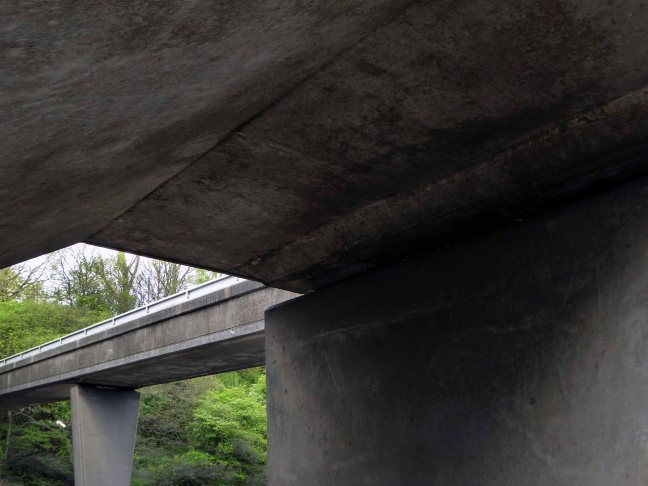
So has the redoubtable Nikolaus Pevsner:

A sensational church for its country and its day. The material is brick, bare in four of the corners, with large brick windows in the other four. The intersecting arches of the windows are the only period allusion.The interior has very thin exposed concrete piers and a flat ceiling. The church make sit clear that the architect had studied Continental experiments, the parsonage points to Germany and Mendelssohn. Stained glass by Geoffrey Webb.

Geoffrey Webb lived and worked in the centre of East Grinstead at the height of his career and is noted among enthusiasts of fine glass for his use of brilliant blues. In his early career he worked with Charles Eamer Kempe, the most prolific and best-known stained glass artist of his generation. Webb’s work can also be found in many other places around the UK including Manchester Cathedral and Tewkesbury Abbey, and in Daresbury parish church in Cheshire where he designed a memorial window in honour of Lewis Carroll.

scaled_full_20e9abadb45184ac7126

So I cycled by one almost sunny Sunday morning, engaged in the porch by an elderly joke telling gent, awaiting his more devout partner.

I love the bible, they all rode on motor bikes – “the roar of Moses’ Triumph is heard in the hills, Joshua’s Triumph was heard throughout the land.”

The Apostles were in one Accord. – Acts 5:12

We waited out the end of the morning service, exchanging gags, eventually I entered. Met by cheery parishioners and priest, welcomed with open arms, happy to chat and allow me to go about the business of snapping this enchanting building. Take yourself down there and bathe in the stained glass light from the sun drenched east windows, feel the warmth of the open elevating space, everything’s looking up:

A sensational church for its country and its day – today.

P1190671

P1190673

P1190675

P1190684

P1190685

P1190686

P1190689

P1190691

P1190692

P1190693

P1190695

P1190696

P1190697

P1190698

P1190699

P1190700

P1190702

P1190703

P1190704


Trafford Park Hotel

It takes a whole corporation to raise a village:

The first American company to arrive was Westinghouse Electric, in 1899, and purchased 130 acres on two sites. Building work started in 1900, and the factory began production of turbines and electric generators in 1902. By the following year, British Westinghouse was employing about half of the 12,000 workers in Trafford Park. Its main machine shop was 899 feet long and 440 feet wide; for almost 100 years Westinghouse’s Trafford Park works was the most important engineering facility in Britain.

In addition to the factory Westinghouse built a village for his workers on the American style grid system of avenues and streets.  The community had shops, eating rooms, a dance hall, schools, a church, and a cinema.

Eleventh_avenue_trafford_park_1910

And where there is people there is almost inevitably pubs, as sure as night shifts follow day shifts.

Trafford Park Hotel

Built in 1902 to keep the Trafford Park industrial dust down, quenching the thirst of the workers employed in the world’s first and largest industrial estate – get in and get outside a pint or two.

Speed headlong through the years and by 1984, a mix of industrial and economic decline and the general move away from the urban mix of housing and factories, the end is in sight for most of the Village’s homes.

Untitled-3

Photograph Nigel Richards

Move a little further along the line and by 2009 and the pub is closed, temporarily home first to a marijuana farm, and subsequently squatters.

Paul, 46, originally from Chew Moor, Bolton, was left homeless in May when his house was repossessed after he lost his job as a mechanical engineer. He found The Freedom Project through its Facebook group and was invited to move in to the Trafford Park Hotel. He said: “The group is apolitical – it’s about freedom of expression, activity and thought.” Enterprise Inns have taken members of The Freedom Project to Salford County Court where a judge gave the brewery an order for possession of the building. 

Enterprise Inns declined to comment.

It takes a whole judicial system and corporate clout to deny a man home.
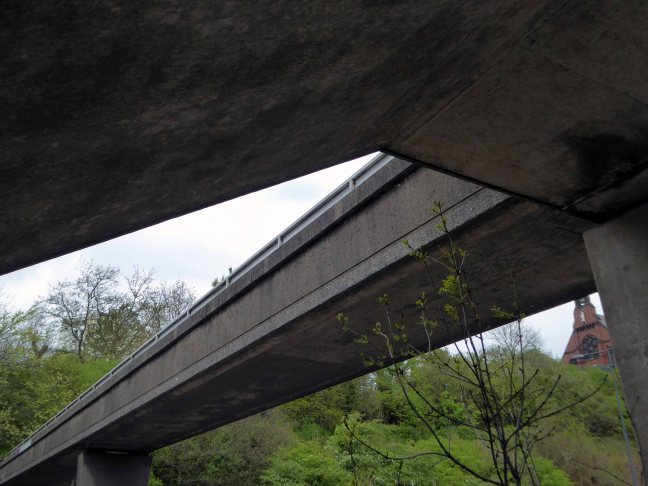
In February 2017 pub was sold for £900,000, though on the day of my August visit there were few signs of the planned conversion to flats or hotel.
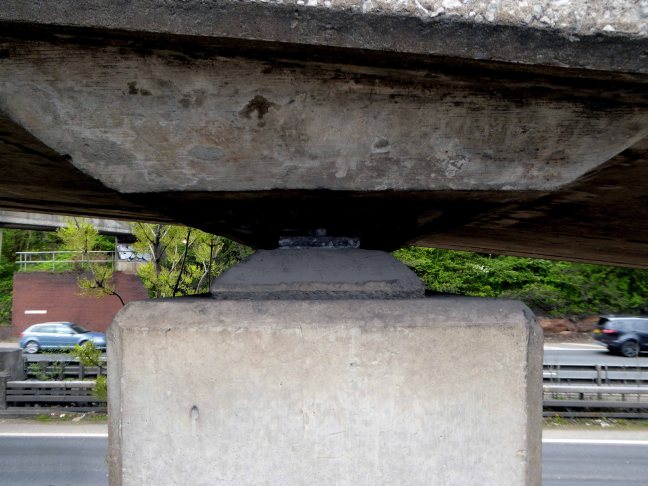
One day time will be called on time itself, in the meantime take a walk down the Avenue and feast your eyes on a Grade II  listed terracotta and brick behemoth.

P1180834

P1180832

P1180836

P1180837

P1180838

P1180839

P1180840

P1180841

P1180842

P1180843

P1180844

P1180845

P1180847

P1180848

P1180849


P1180860

P1180861

P1180862

P1180852

Sea Front Shelter – Hastings

I have been here before, adoring the full range of Hasting’s sea front shelters.

They form an integral part of the general scheme designed and overseen by The Concrete King Sidney Little.

On my most recent visit the most distant shelter was receiving a wash and brush up, a brand new coat of paint or two, restored to bright red and white shipshape order, this land locked delight looked ready to set sail across the adjacent Channel to who knows where.

Offering a somewhat occluded view of blue skies and faraway shores, the bus stops here and goes on forever and forever.

P1170950

P1170955

P1170956


P1170961

P1170963


P1170965

P1170966

P1170967

P1170968

P1170969

P1170970

P1170971

P1170972

P1170973

P1170974

P1170976

P1170977

P1170978

P1170979

P1170980

P1170982

Back to Bideford Drive – Baguley

Screen Shot 2017-06-16 at 11.05.28

Here we are again – having previously travelled back to the inception of the estate in the 1970s.

Structurally little has changed, politically and economically things have shifted.

Tectonically:

The Conservative Party had committed itself to introducing a Right to Buy before Margaret Thatcher became Party leader. After the election of May 1979 a new Conservative government drafted legislation to provide a Right to Buy but, because this would not become law until October 1980, also revised the general consent to enable sales with higher discounts matching those proposed in the new legislation. The numbers of sales completed under this general consent exceeded previous levels. Between 1952 and 1980 over 370,000 public sector dwellings were sold in England and Wales. Almost a third of these were in 1979 and 1980 and it is evident that higher discounts generated and would have continued to generate higher sales without the Right to Buy being in place. 200,000 council houses were sold to their tenants in 1982, and by 1987, more than 1,000,000 council houses in Britain had been sold to their tenants.

The Right to Buy: History and Prospect

The post war policy of building and renting local authority housing was swamped by the phrase property owning democracy, on which the popular conservatism of the 20th century rested, and with it a vision of the good society, was coined by the Scottish Unionist Noel Skelton in a quartet of articles for the Spectator entitled Constructive Conservatism, written in the spring of 1923. The appeal of Popular Capitalism proved compelling, however the periods of de-industrialisation, and the subsequent lull in the building of new affordable homes, has created a myriad of obstacles for those simply seeking somewhere to live and work.

The estate illustrates this historic shift, replete with homeowners decorative amendments and addenda, managing agents and trusts and an end to the architectural integrity of the development.

One could become all Ian Nairn about this, swathed in Outrage.

I myself feel that despite the cosmetic surgery, this remains a homely enclave, residents going about their business in a relatively orderly and happy manner.

Take a look:

P1170298

P1170299


P1170303


P1170306

P1170307

P1170309

P1170312

P1170313

P1170315

P1170318

P1170319


P1170325

P1170327

P1170329

P1170331

P1170335

P1170337

P1170338

P1170339

P1170343

P1170345

P1170348

P1170349

P1170351

P1170353

P1170354

P1170356

P1170358

P1170359


Newcastle Civic Centre – Rooms

Following a path from the Grand Entrance and Council Chambers, my genial host and erudite guide Debbie took me behind the scenes into the back rooms. 

Further delights unfold in this most remarkable of buildings.

Firstly into the Banqueting Hall – beneath your feet Arabescato Marble, inset with a sprung dance floor and on the vaulted ceiling  hand carved African walnut. The slightly sloping walls are of Clapham Stone, with the only double glazed arrow slit windows in the country.

P1150893

The chandeliers are hand cut crystal from Westphalia and  have the Newcastle castles on the top part of the fitting.

P1150892

The seahorse carpet was recently replaced, digitally designed and woven to perfectly match the original.

P1150895

The facing wall is graced by a John Piper tapestry, which  represents the mineral resources of the area.

P1150899

P1150901

Grilles by Geoffrey Clarke cover the alcoves and have an orange backlight to simulate a medieval fireplace.

P1150896

The room can seat up to six hundred people and is available for hire, in regular use for a wide variety of functions.

P1150891

The Model Room houses a magnificent architectural replica of the city.

P1150988

P1150962

It is also blessed with a living, walking talking spiral staircase, cast in one single piece of steel, it moves with you as you ascend and descend.

P1150983

P1150984

P1150987

This ante room dressed with Arne Vodder furniture, walls clad in raw silk and hand carved wood, is a place green oasis, a sea of calm.

P1160002

P1160003

P1160004

P1160005

Newscastle Civic Centre – The Grand Entrance

Opened on 14th November 1968 by King Olav of Norway, opened for me by Debbie Harvey on Friday 5th May 2017, thanks ever so much.

This takes us into architect George Kenyon’s Civic Centre 

Cast Aluminium portals and reveals to Ceremonial Entrance by Geoffrey Clarke.

P1160082

Staff on reception were once able to notify officials of the arrival of guests and dignitaries, using this right bang up to the minute electrical intercom.

P1150867

To the right is the engraved John Hutton Screen engraved glass panels depicting – the inventive genius of Tyneside’s most famous sons and daughters.

From left to right: George Stephenson the steam locomotive, Sir Charles Parson the turbine engine, Sir Joseph Swan electric light bulb, Lord Armstrong the gun.

Brigantia – Celtic Goddess of the tribe, The Three Mothers – offering fruit for fertility, Mithras – the slaying of the bull , Coventina  the goddess of a well, she reclines on a water-borne leaf and below her are three intertwined figures of nymphs of streams,  for in those days every self-respecting stream had its own tutelary deity. All have been found when Roman temples have been unearthed on the Roman wall.


P1150869

P1150870

P1150871

P1150872

P1150874

P1150876


P1150878

P1150879

P1150880

P1150881

A twenty three foot high, eleven tiered chandelier of hand cut Bavarian crystal from Westphalia, hangs above your head. This chandelier was commissioned on behalf of Newcastle City for the opening of the building in 1968. It has 119 light bulbs, the crystal on the top is in the shape of a castle on the base of the chandelier are sea horses. The walls are lined with random English oak, the floor down stairs is Portuguese Verde Viana marble.

P1150883

P1150884

P1150887

P1150908

P1150909

P1150910

P1150994

P1150998

Elegant Arne Vodder designed sofas litter the entrance, this truly is a palace of delights a temple of  Municipal Socialism, take your shoes off set a spell.

Y’all come back now!

P1150912


Newcastle Civic Centre – Council Chamber

Within the exterior of architect George Kenyon’s distinguished civic drum sits the inner sanctum of the Council Chamber – my thanks to the delightful head of hospitality Debbie Harvey for providing me with the most erudite and educational tour.

DSC_0059 copy

Outside the division bell, set against Danish slate, was originally to be found on the HMS Newcastle.

This silver bell is of the 10,000 ton cruiser HMS Newcastle presented to the ship by the Lord Mayor and citizens of Newcastle upon Tyne to mark her commissioning in 1937. Launched by the Duchess of Northumberland on the 23rd January 1936 at the Walker Naval Yard. In 1959 HMS Newcastle was towed from Portsmouth to Newport Monmouthshire to be broken up.

P1150916

The entrance padded with soft green leather the door clad in hand carved Cedar of Lebanon.

P1150917

P1150921

We illuminated the illuminated sign and entered – what treasures await, leather and teak furniture by acclaimed Danish designer Arne Vodder, worth thousands and thousands of pounds. Fine Swedish marble and further Cedar of Lebanon acoustic cladding, each surface of the highest quality and chosen to enhance the sound properties of the space. The councillors seated once a month on 149 leather clad  seats with integral voting and microphone modules. A high grey, skylight lit domed ceiling.

This is work of the highest possible quality, a proud summation of Municipal Socialism, our friends in the North, matched with the imaginary world of the Man from Uncle.

P1150922

P1150923

P1150924

P1150925

P1150926

P1150927


P1150929

P1150931

P1150932

P1150933

P1150934

P1150935

P1150936

P1150937

P1150938

P1150939

P1150940

P1150942

P1150943

JS109654085


Subway – Scarborough

When is a subway not a sandwich?

When it’s a doughnut!

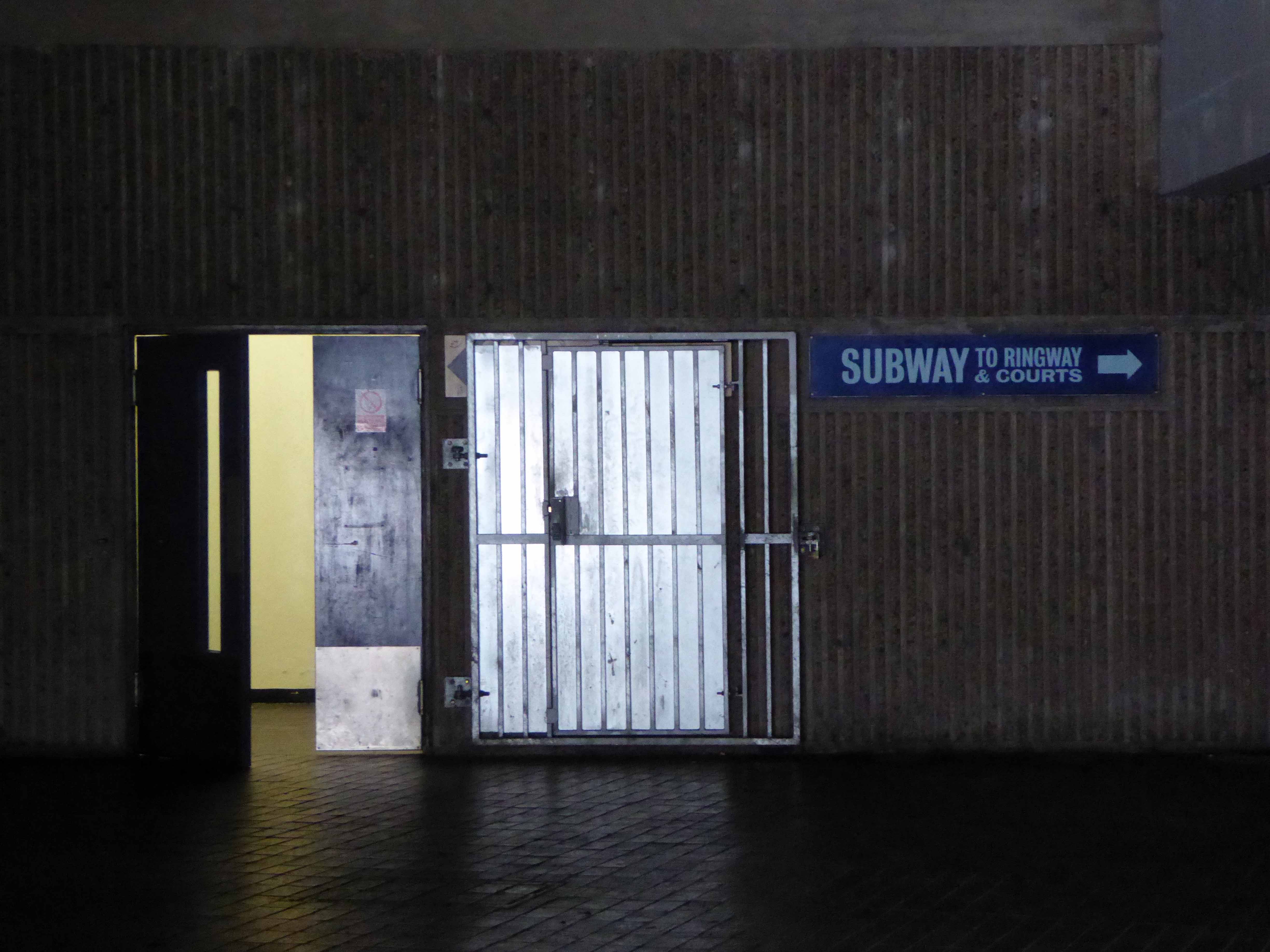
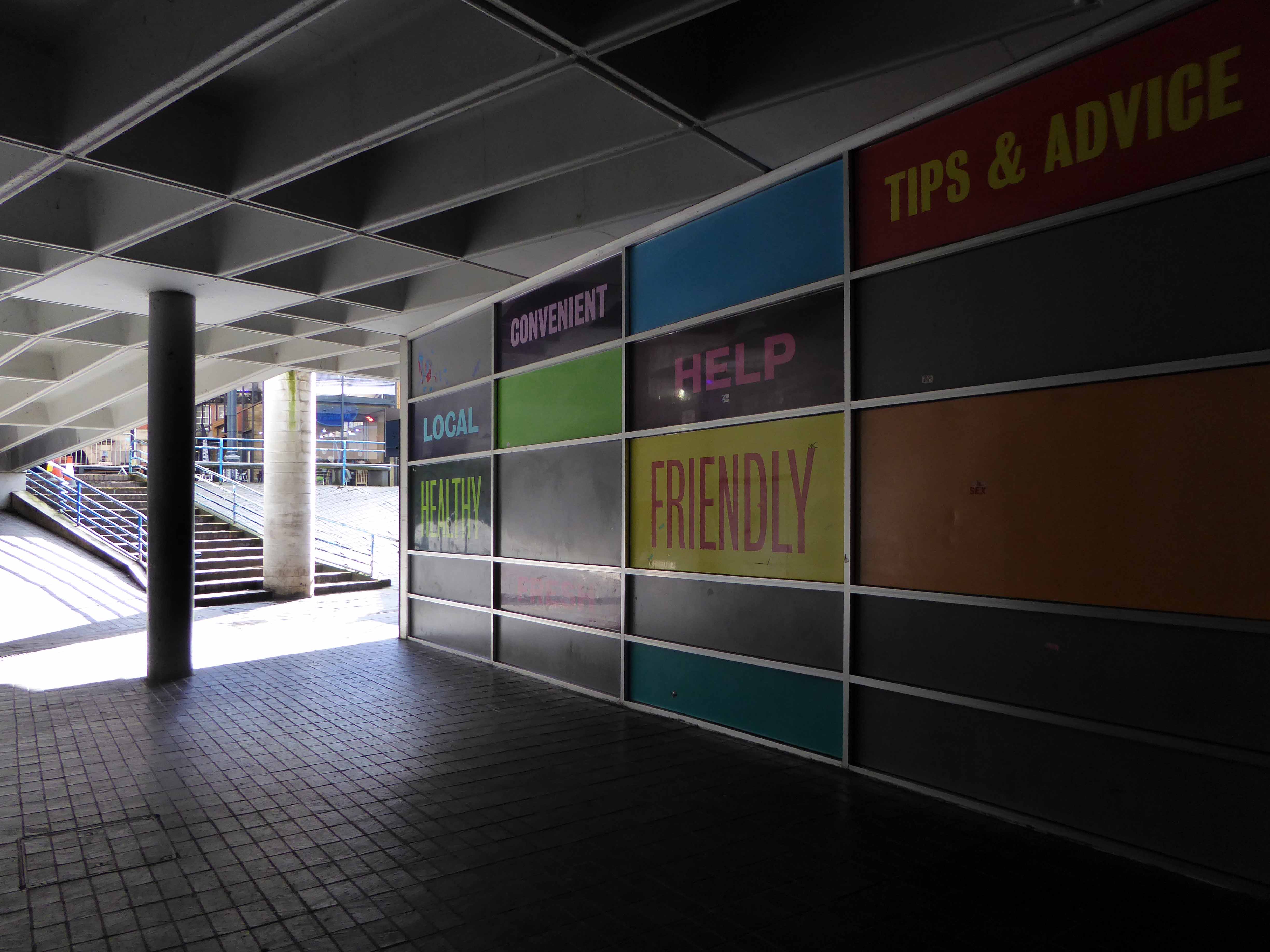
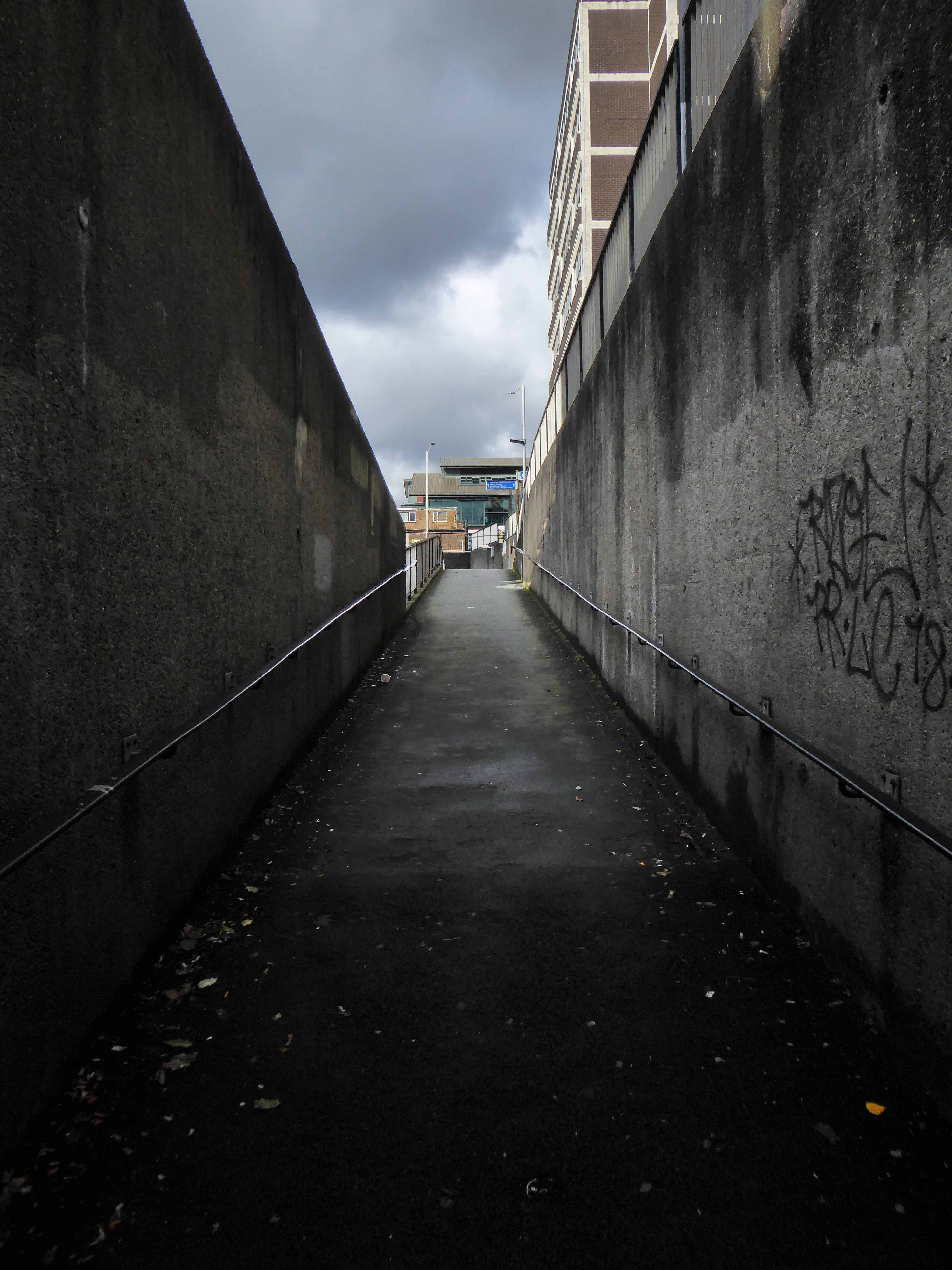
Hard by the seafront linking Foreshore, Cleveland Way and Valley Road sits a neat little tight little island, giving pedestrian access to almost everywhere – and a car park.

Screen Shot 2017-05-03 at 16.54.51

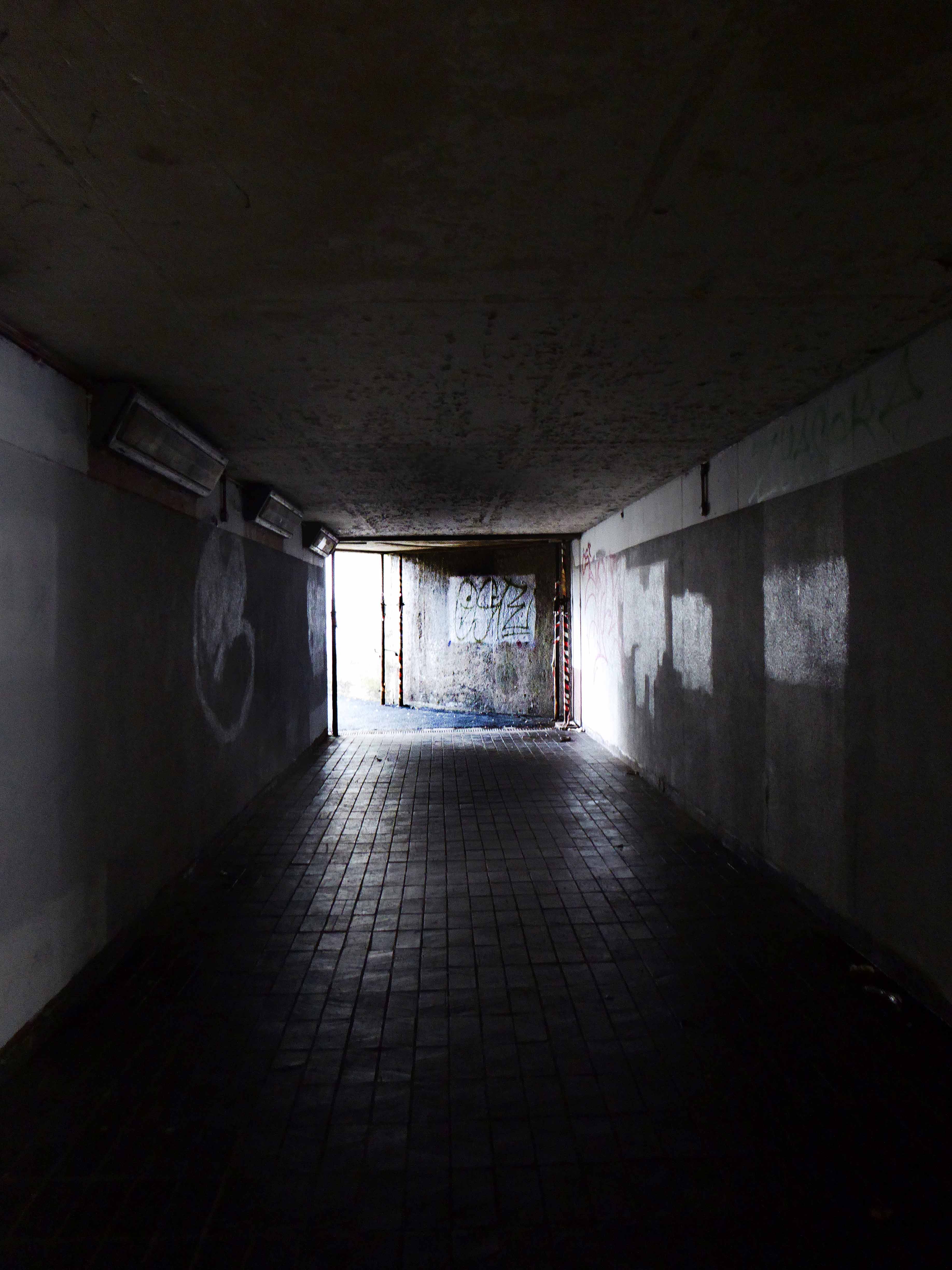
As with every other torus worth calling a torus, at its very centre sits the presence of absence, darkened concrete subterranean causeways, linking everything to nothing.

There’s a world going on underground.

P1150450

P1150451

P1150452

P1150453

P1150454

P1150456

P1150457

P1150458

P1150459

P1150461

P1150465

P1150467

P1150468

P1150469

P1150471

P1150472

P1150482

Paddling Pool – Whitby

High atop West Cliff Whitby is a pale blue imitation of the deep blue North Sea below.

A TG Green Cornishware blue and cream striped pot, reimagined on the distant Yorkshire coast, in paddling pool form.

Scarborough Borough Council has resurfaced the paddling pool, re-concreted and repainted the bottom and the sides. The railings adjacent to the footpaths at Whitby Pavilion have been repaired and re-painted and seating next to the crazy golf has also been improved.

 Martin Pedley, Scarborough Borough Council’s asset and risk manager said:
The council has, in conjunction with the voluntary sector, invested both time and money in continuing to revitalise the West Cliff area in preparation for the summer season and the influx of visitors to Whitby.
1033839943West Cliff councillor Joe Plant added:

The improvement works that have been done both last year and this year is most welcome. Not only the visitors will benefit, but local people also and it again shows working in partnership with the voluntary sector does make a difference.

The Big Society in action, replacing railings improving lives.

I arrived in late April the pool as yet sans d’eau, more of a pedalling pool than paddling pool as the BMX bandits invaded the space, in direct contravention of the rules and regulations.

P1150592

The water when present is some twelve inches deep, clearly better suited to larking, splashing and cavorting rather than performing The Twister, a  bewildering blur of twists and turns two and a half back-somersaults with two and a half twists during the 1.5 seconds between launching and entering the water at 40mph.

The pool is flanked to the north by a sweeping Lubetkin style, flat roofed pavilion complete with fully functioning toilet facilities.

Turn your back on the Abbey, go wild – take a wet walk on the West Cliff side.

P1150586

P1150587

P1150588

P1150589

P1150590

P1150596

P1150599

P1150603

P1150604

P1150605

P1150606

P1150607

St Barnabas – Manchester

barnabas

There has been a church here since 1837, there is still a church here.

Almost.

webmedia-1.php

Openshaw in the 60s was still a busy community of terraced homes and their occupants, tumbling cheek by jowl with industry, both heavy and light.

webmedia.php copy

A tightly wrapped world of corner shops and sun-canopied Silver Cross prams.

webmedia-1.php copy

The original imposing, imperious St Barnabas’s was demolished, to be replaced by a sharper space age architecture, embodying a new age of optimism.

webmedia-2.php

webmedia-3.php

webmedia-6.php

webmedia-5.php

Photographs from the Manchester Image Archive

At the same time the soot-blackened Victorian terraces, are in part replaced by newer brick and block homes, the future seemed bright.

The industry however, once so invincible, both light and heavy, begins to disappear, becomes weightless, invisible.

Slowly the assured social cohesion of that new age comes unstuck.

When the doors of one St Barnabas’s close, likewise eventually another closes.

P1050899 copy

P1050900 copy

P1050901 copy

P1050904 copy

P1050905 copy

P1050907 copy

P1050910 copy

P1050911 copy

P1050912 copy

P1050914 copy

P1050915 copy

P1050916 copy

P1150211 copy

P1150212 copy

P1150218 copy

London Road aka Piccadilly Station – Manchester

The station was originally built as Store Street Station by the Manchester and Birmingham Railway in 1842, before being renamed London Road Station in 1847.  It was shared by the Sheffield, Ashton-under-Lyne & Manchester Railway and it has been rebuilt and added to a number of times, with two news spans added to the train shed roof in 1881 and island platforms added linking to Manchester Oxford Road in 1882 (replacing two old Manchester, South Junction and Altrincham Railway platforms which were built next to the station).

1997-7409_lms_2969

An imposing classical façade with a substantial cast iron and glass train shed, the approach sloping up to the frontage, as of necessity the line entered the city on a raised trackbed.

Manchesterlondonroad_old_postcard

Initially the approach was lined with railway warehousing, subsequently demolished to make way for the redevelopments of the 1960s.

webmedia-5.php

Detailed plans are made to reshape the station concourse and entrance.

webmedia-2.php
1997-9266

Dreams are turned into reality, as near as makes no difference.

webmedia-6.php
webmedia-8.php
tumblr_npa35mFqXm1rr41pto1_1280

The newly electrified lines opening up the city to a world of high speed intercity travel.

0000-0-a-nmsi-wcml-electric-1

The Krays it seems were deemed to be unwelcome visitors, everyone else came and went, met with equanimity and a bright new modernist vista.

tumblr_mhwtgsHJhN1rr41pto1_1280

The brand new shiny buffet replaces the archaic dining rooms, as Brylcreemed, bow tied and moustachioed waiters are consigned to the scrapheap of history.

1995-7233_livst_hr_76

Likewise the gloomy destination boards – out with the old!

1997-7409_LMS_2972

And in with the new.

webmedia-11.php
piccadilly

We have a fully integrated modern interior to deal with the modern passengers’ every need – including crystal clear signage, seating and bins.

114900
webmedia.php
34483218_10216677058538309_3758328904939470848_n
114899
webmedia-12.php
webmedia-14.php

Stars of screen and stage are guided through with consummate ease, Margot Fonteyn and Rudolf Nureyev in his brand new baby seal skin coat arrive in 1968 to dance Swan Lake at the Palace.

128088

Esteemed footballer Eusebio on his travels during the 1966 World Cup.

Eusebio

In 1969 Gateway House arrives, Richard Sieffert & Partners wavy hello and goodbye to  Manchester’s premier railway station.

webmedia-17.php

Piccadilly has now seen several revamps, the concourse an exercise in contemporary cluttered retail/airport chic, a 125mph Pendolino journey away from the carefully considered internal order of yesteryear.

Who knows what the future holds?

HS2 to name but one – sit back let the train take the strain.

bdb45994802efc2dffc5f6d4b13b0f78

Archival images Manchester Local Image Collection