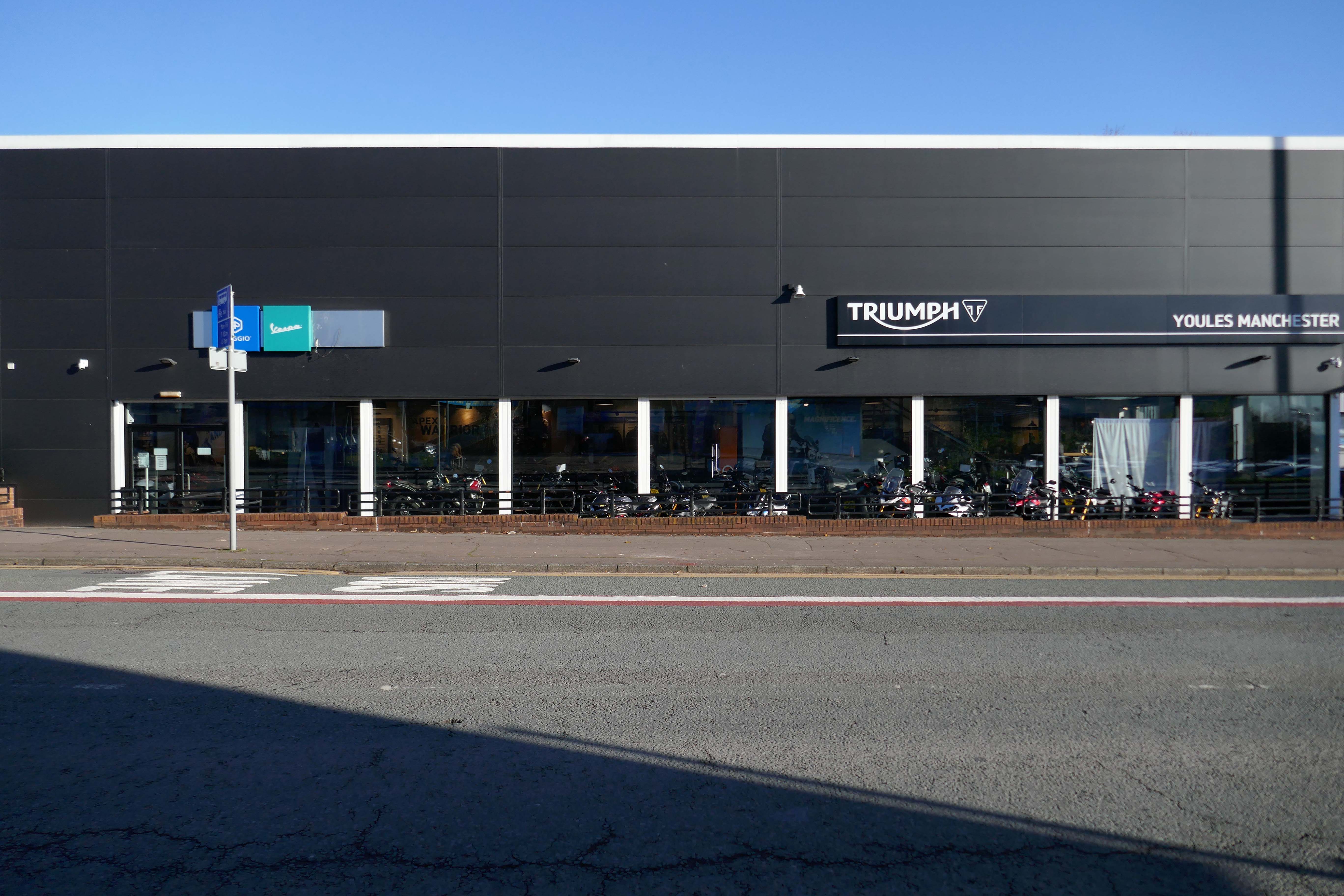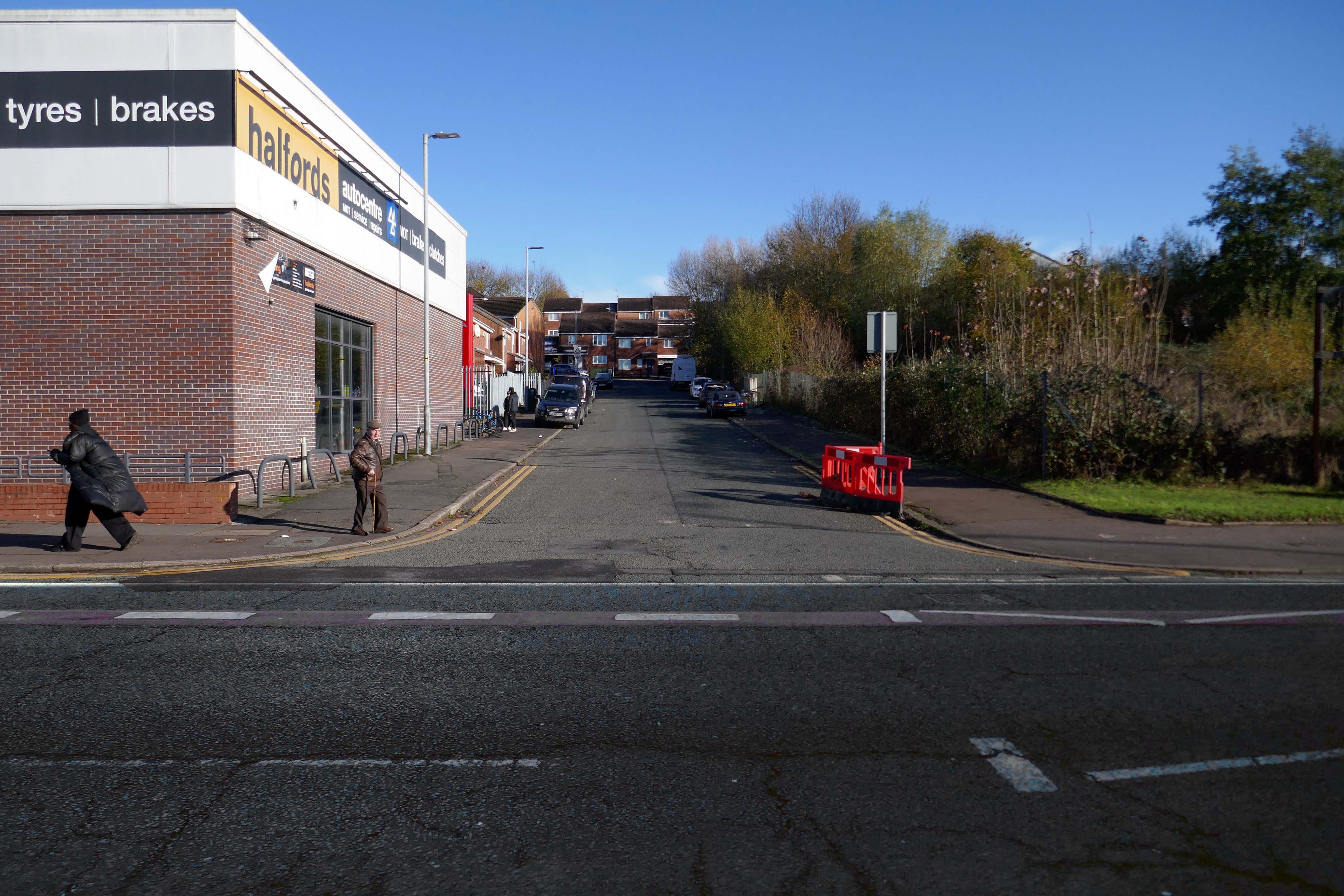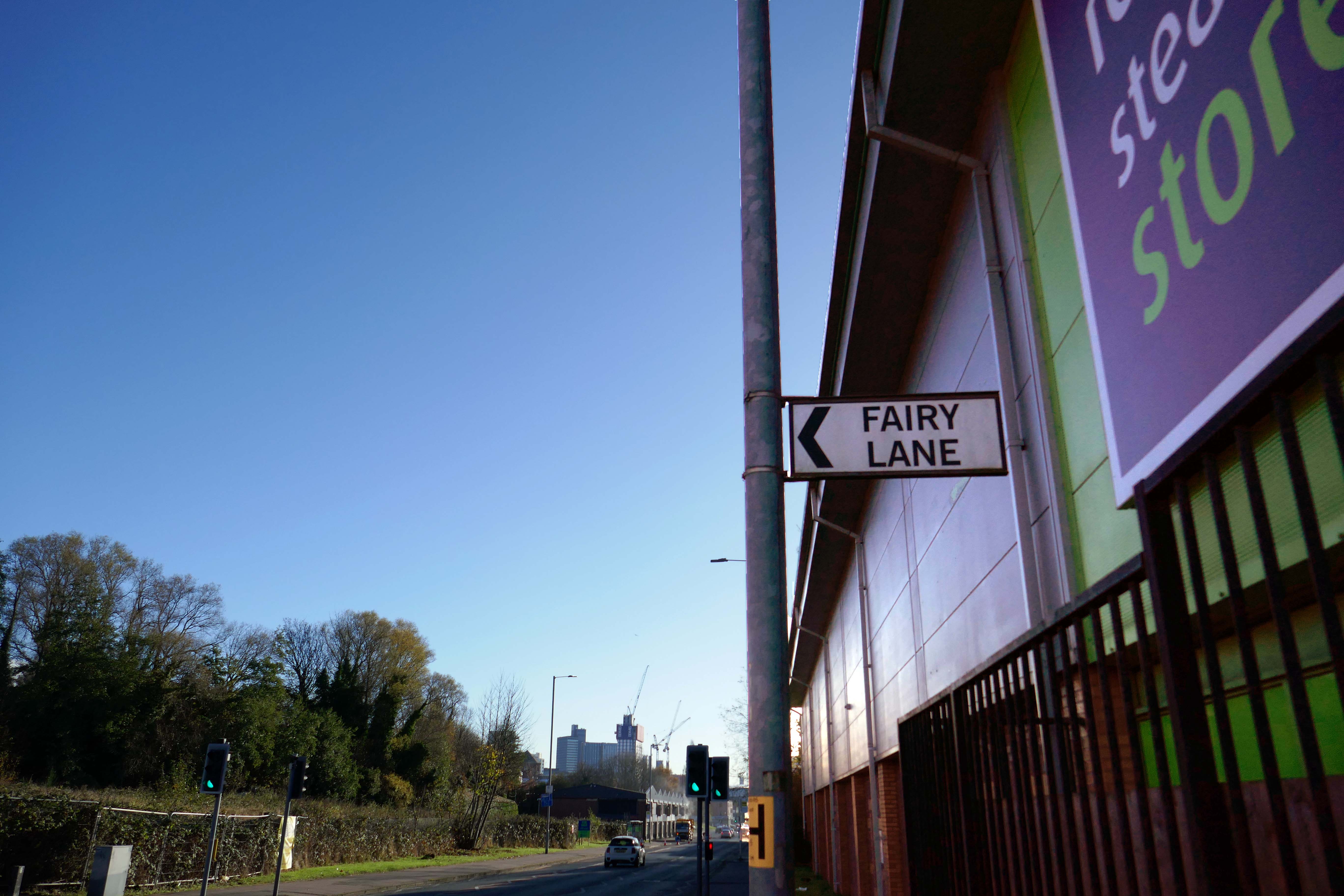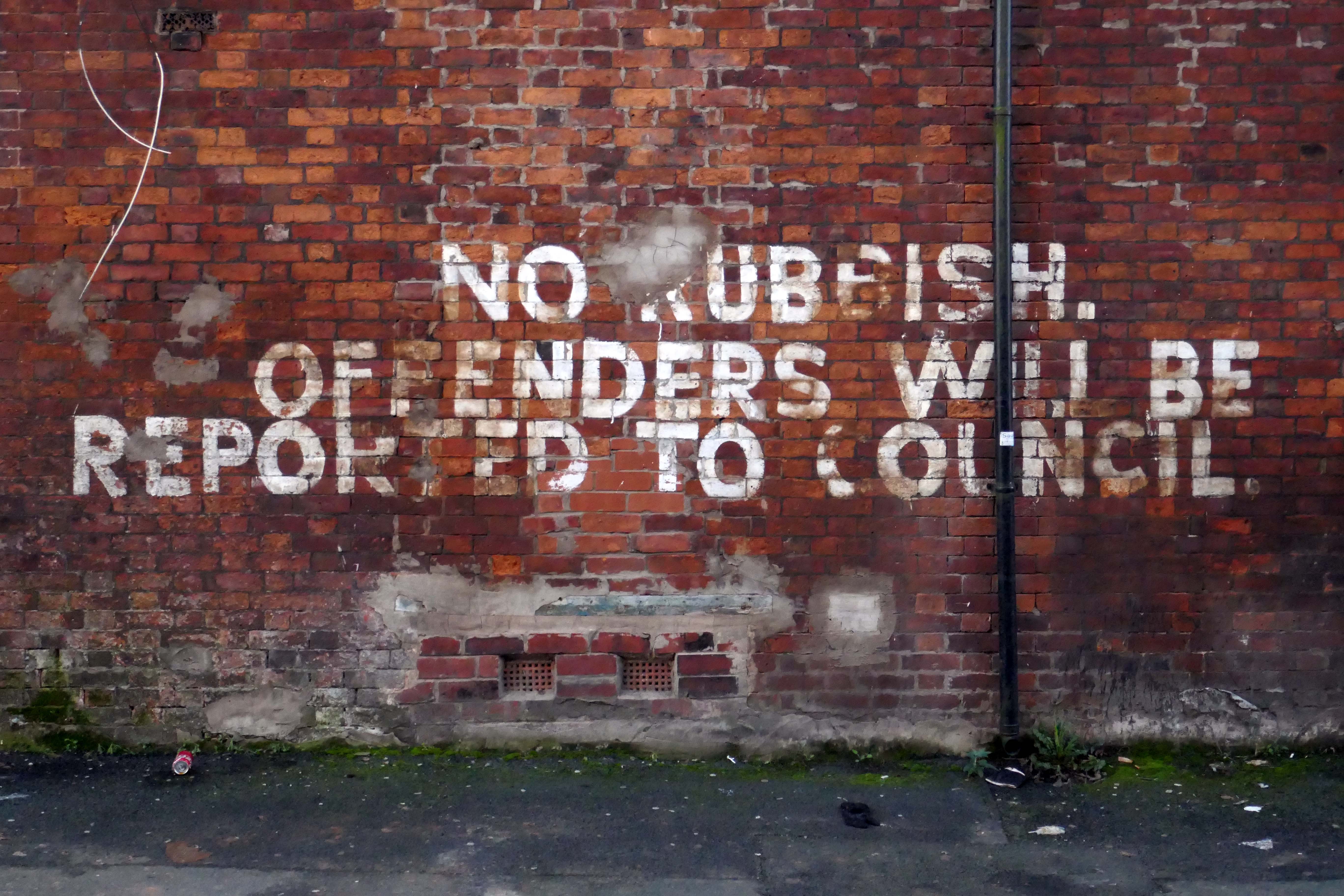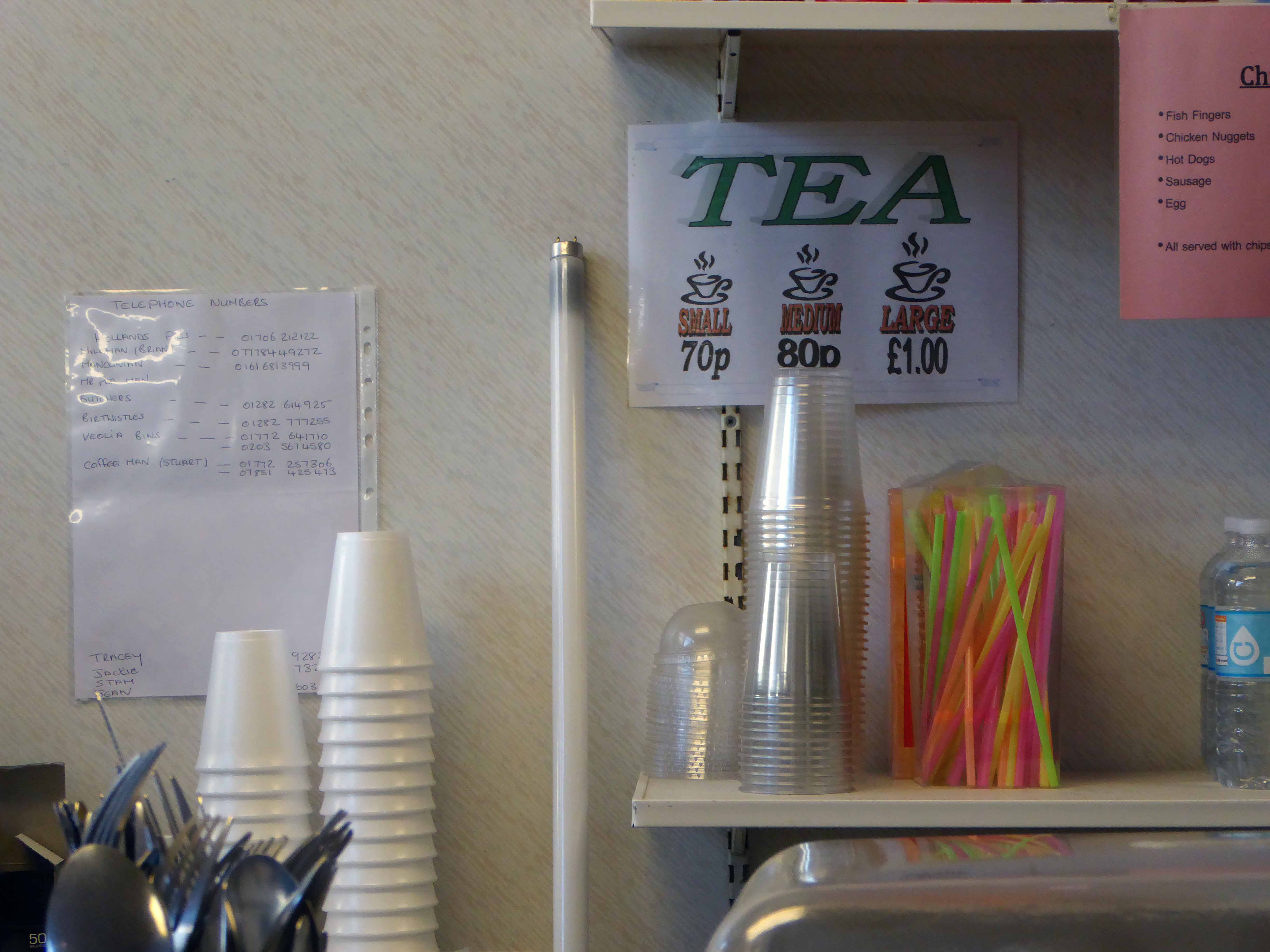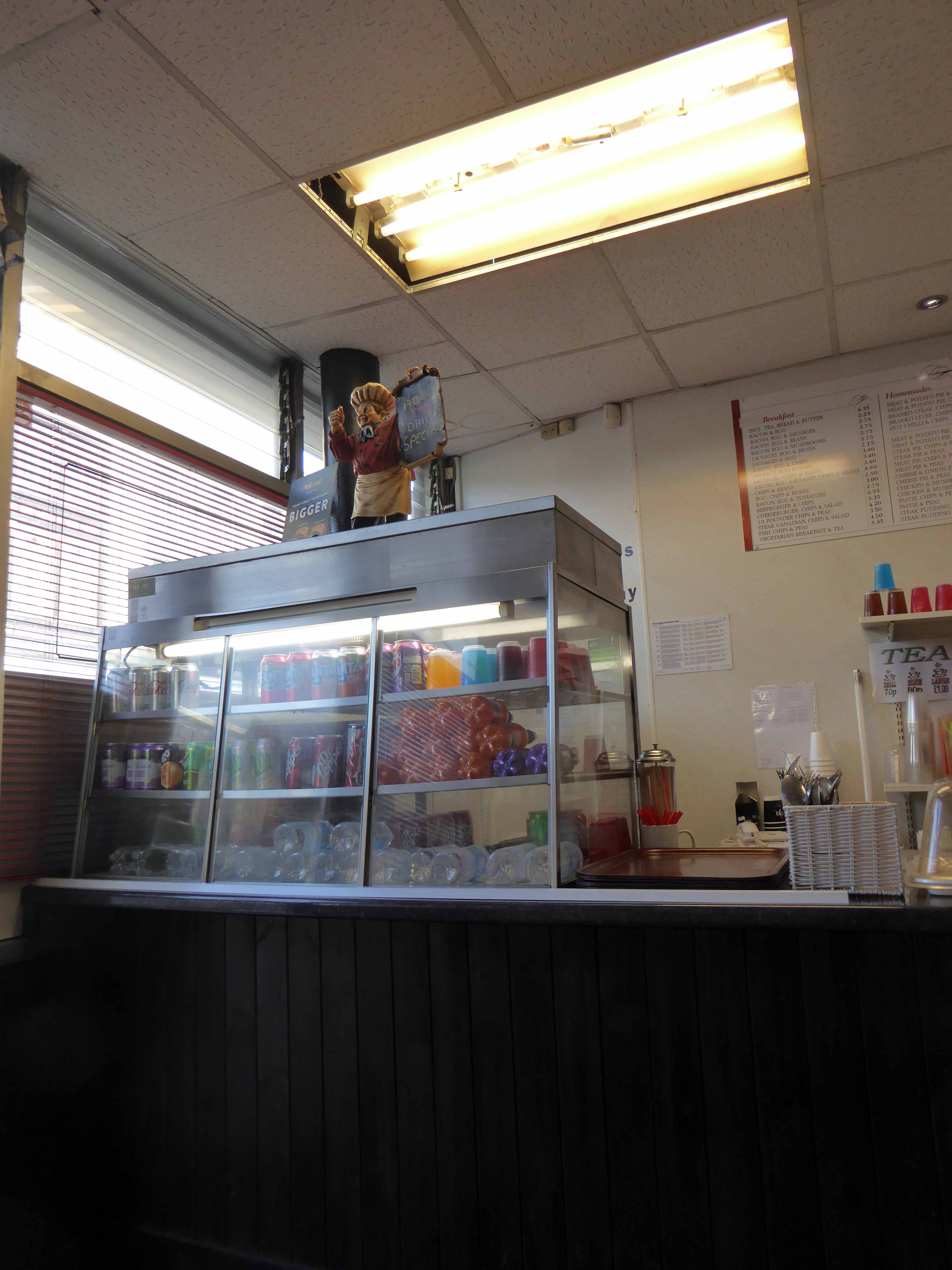
Walking From Rhyl To Colwyn

Previously on Modern Mooch.

My last words on my last North Wales post were:

Time for the train home to Stockport – but you can bet I’ll be back.

And true to my word I have been back, several times – on this occasion alone and on foot.

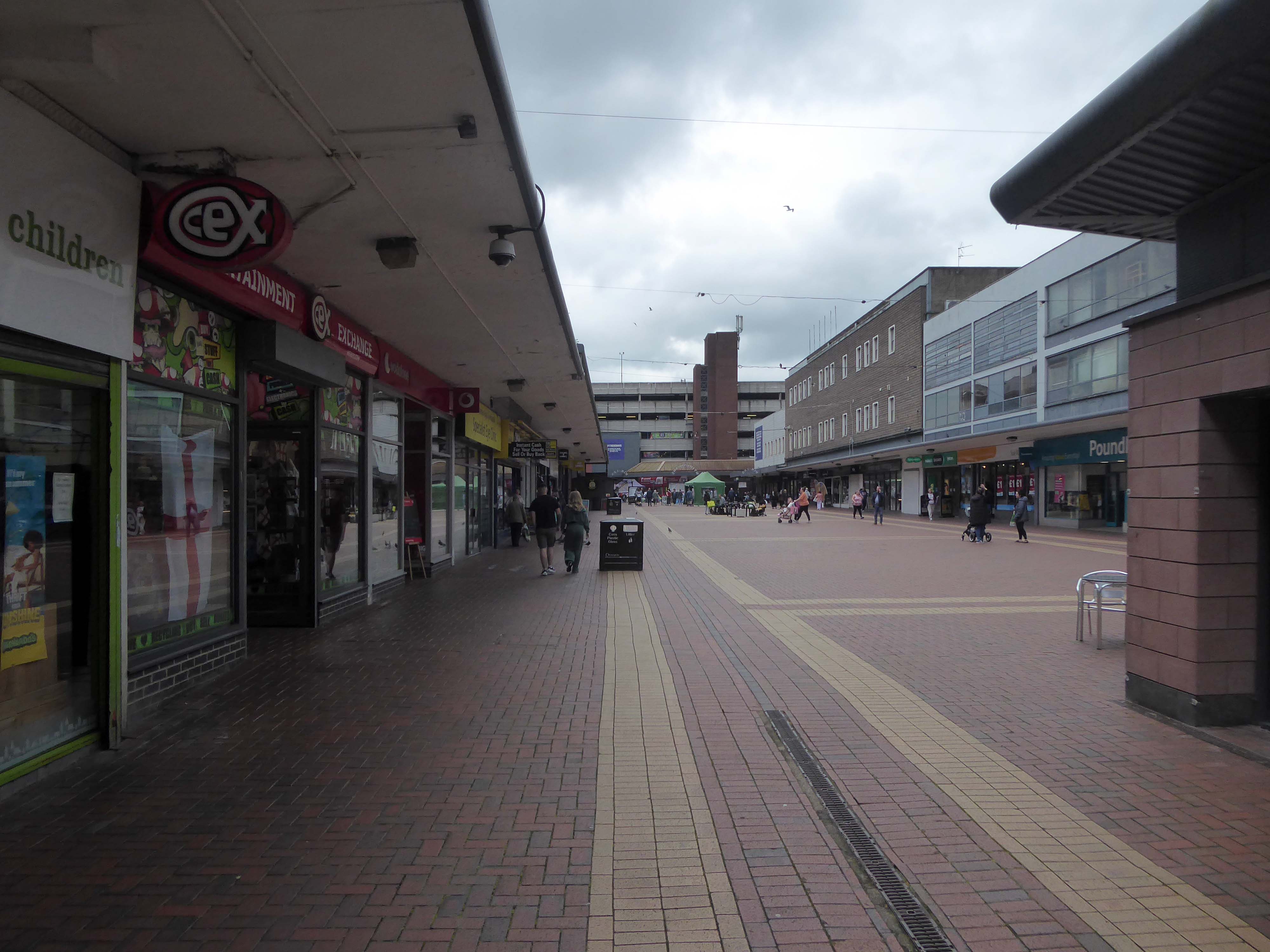
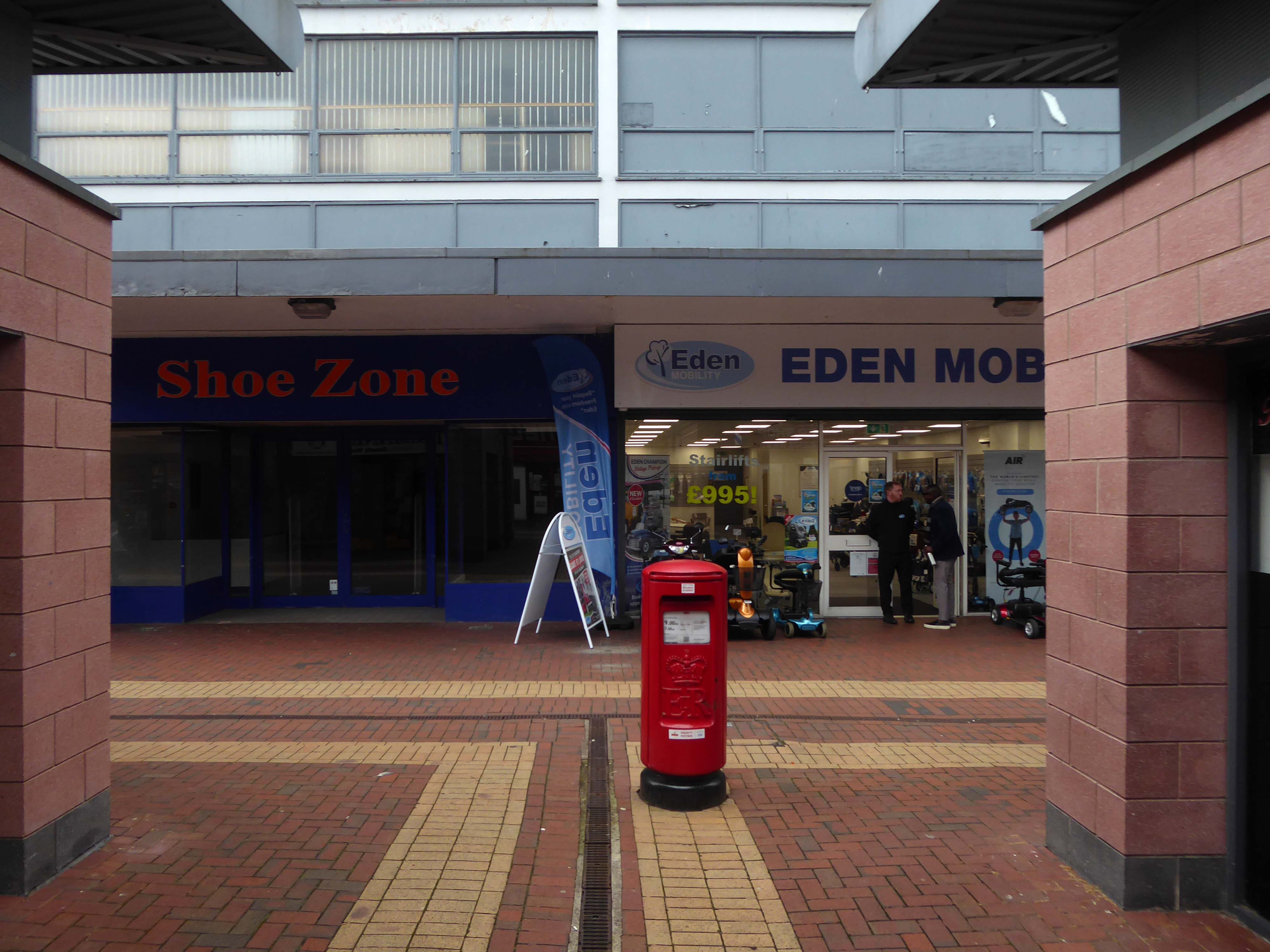
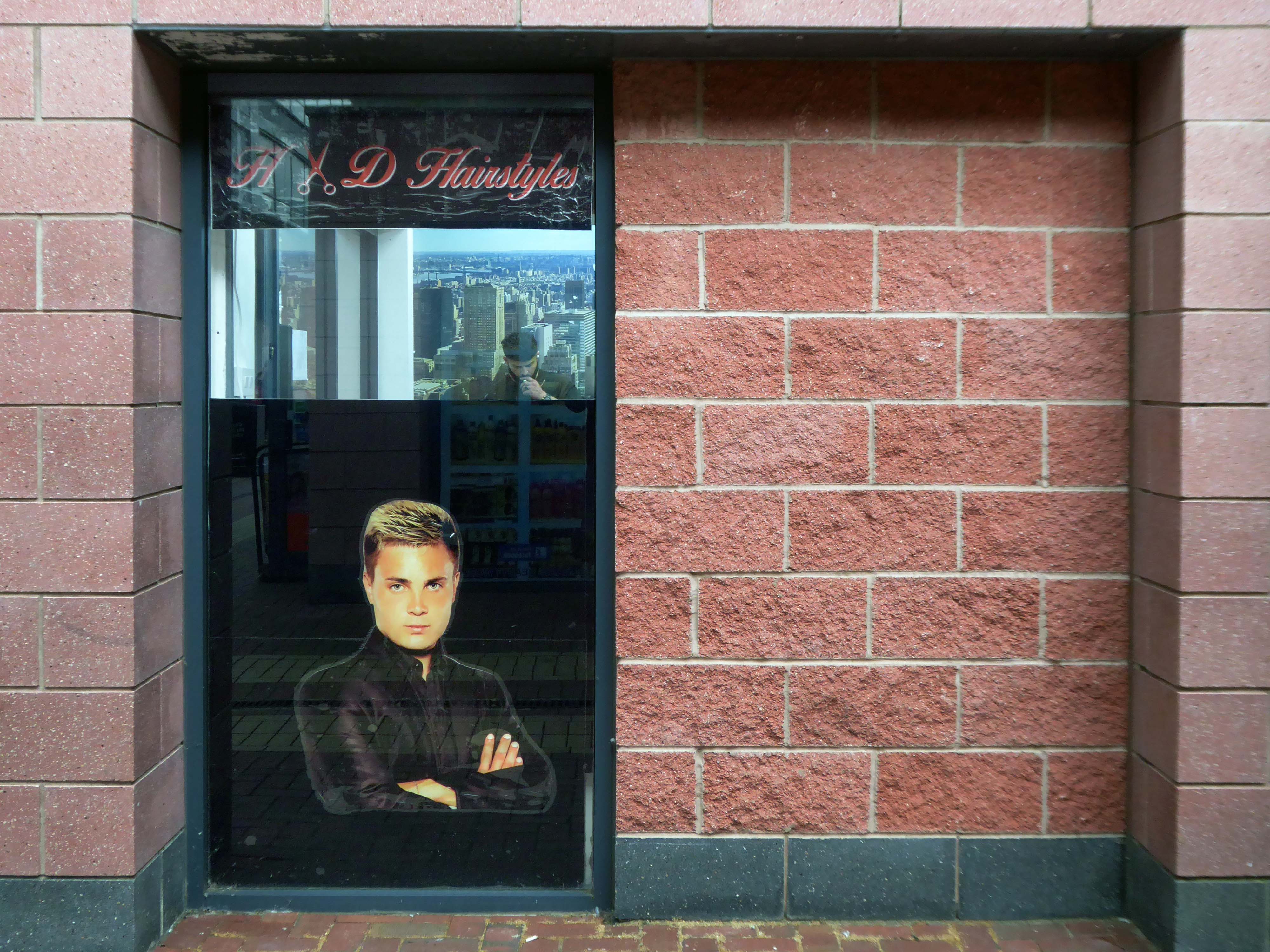
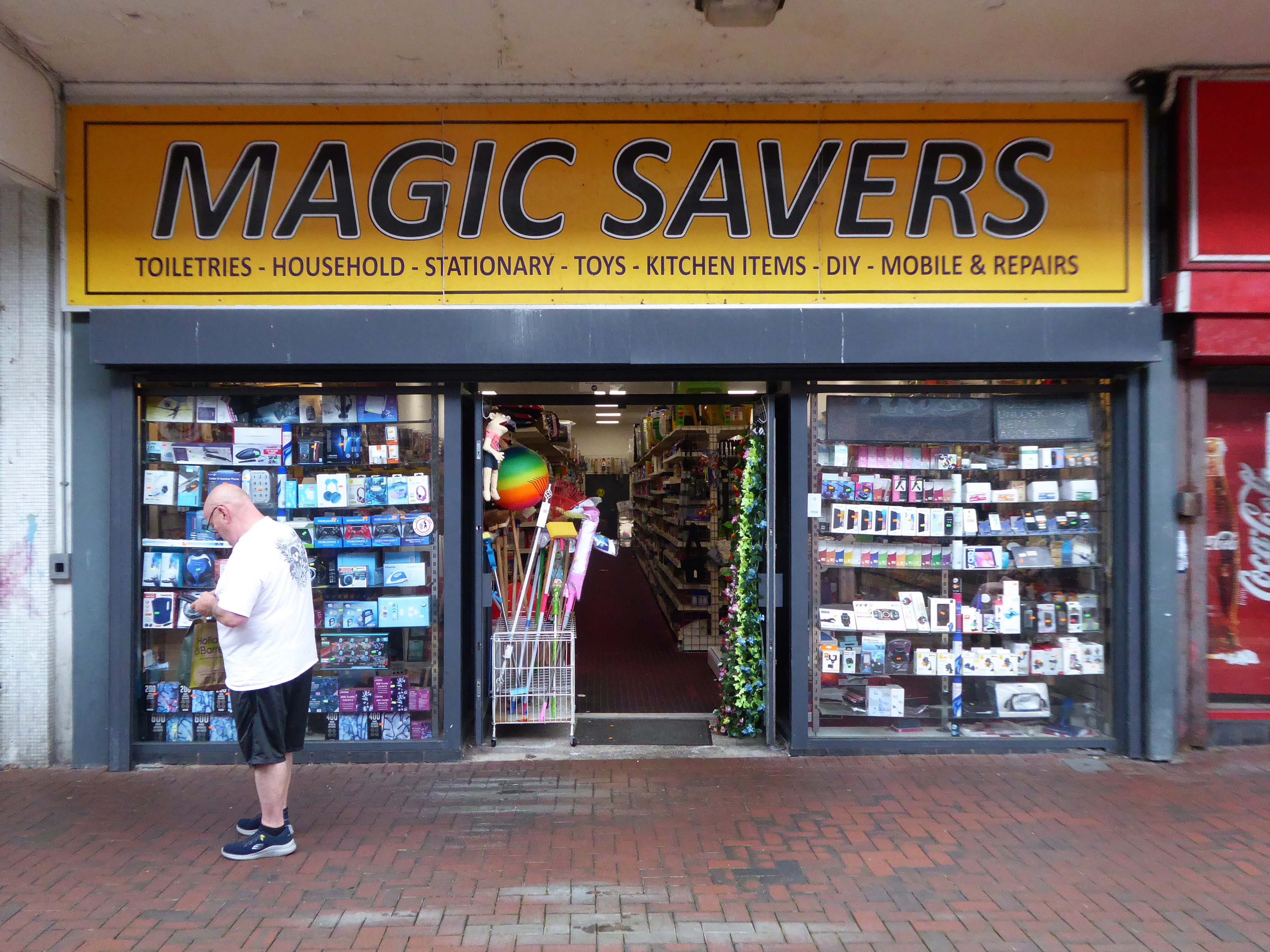
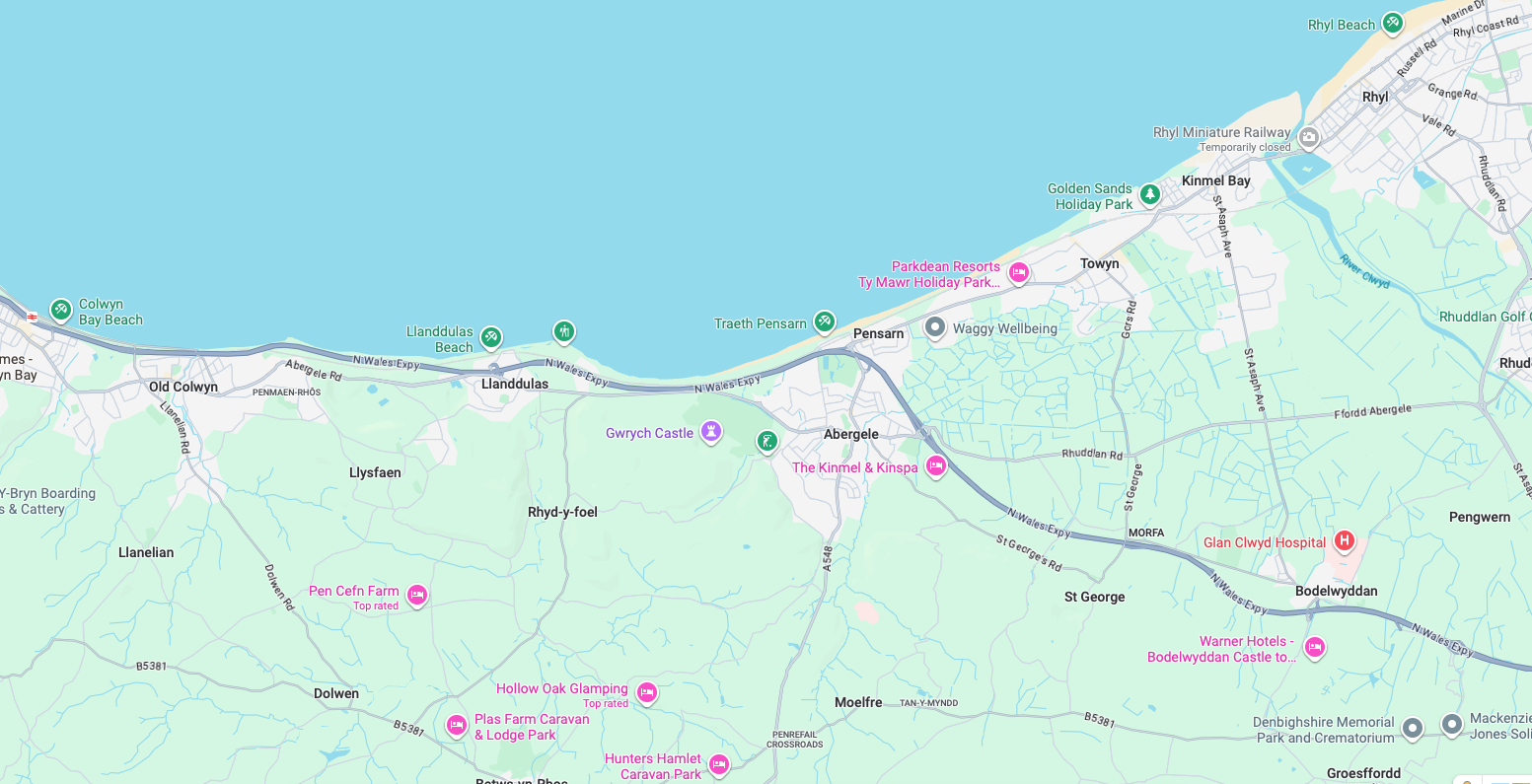
An almost overcast mid-grey day in November, alighting at Rhyl Station and loafing along to Colwyn Bay – this what I done seen.
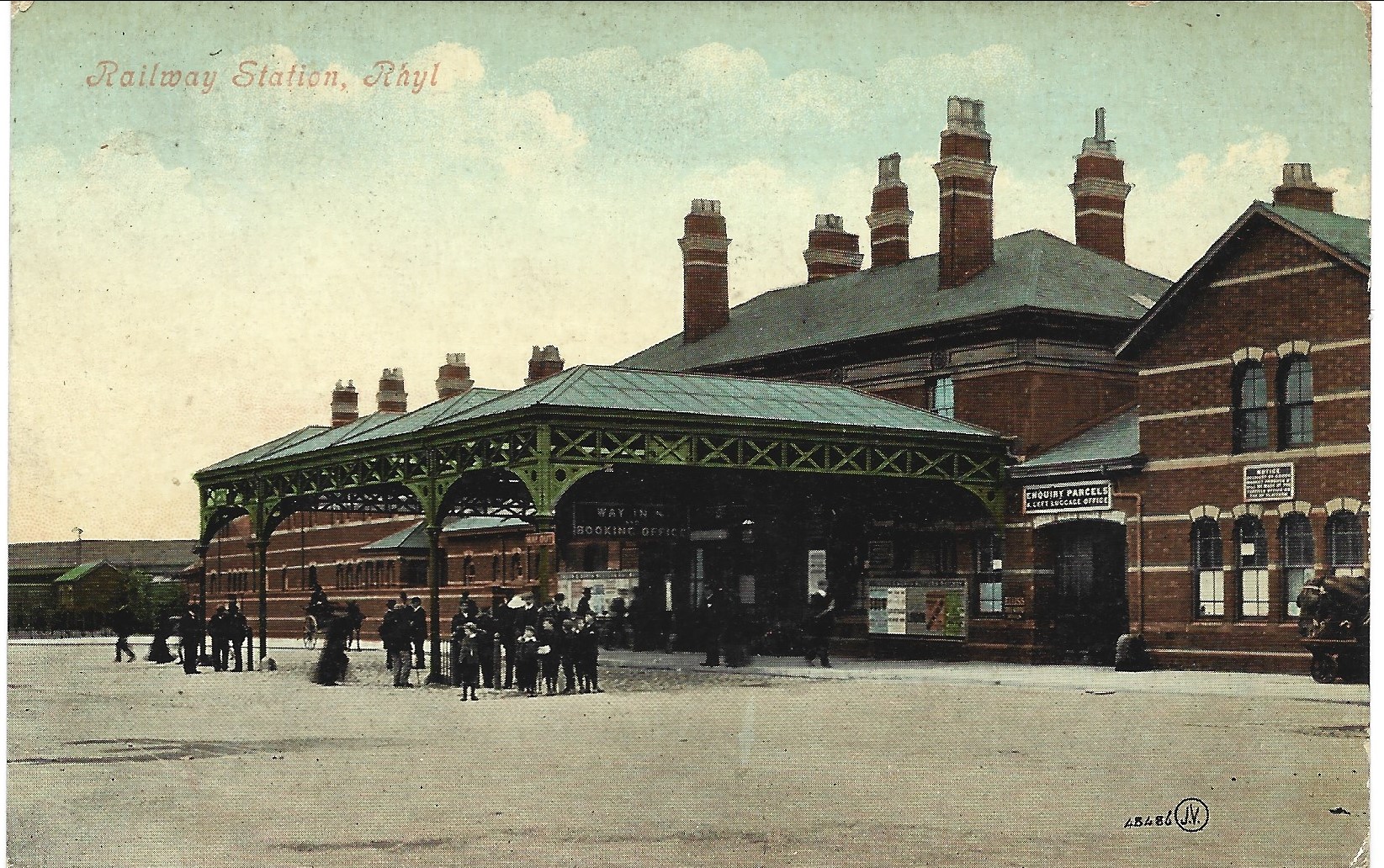
1907

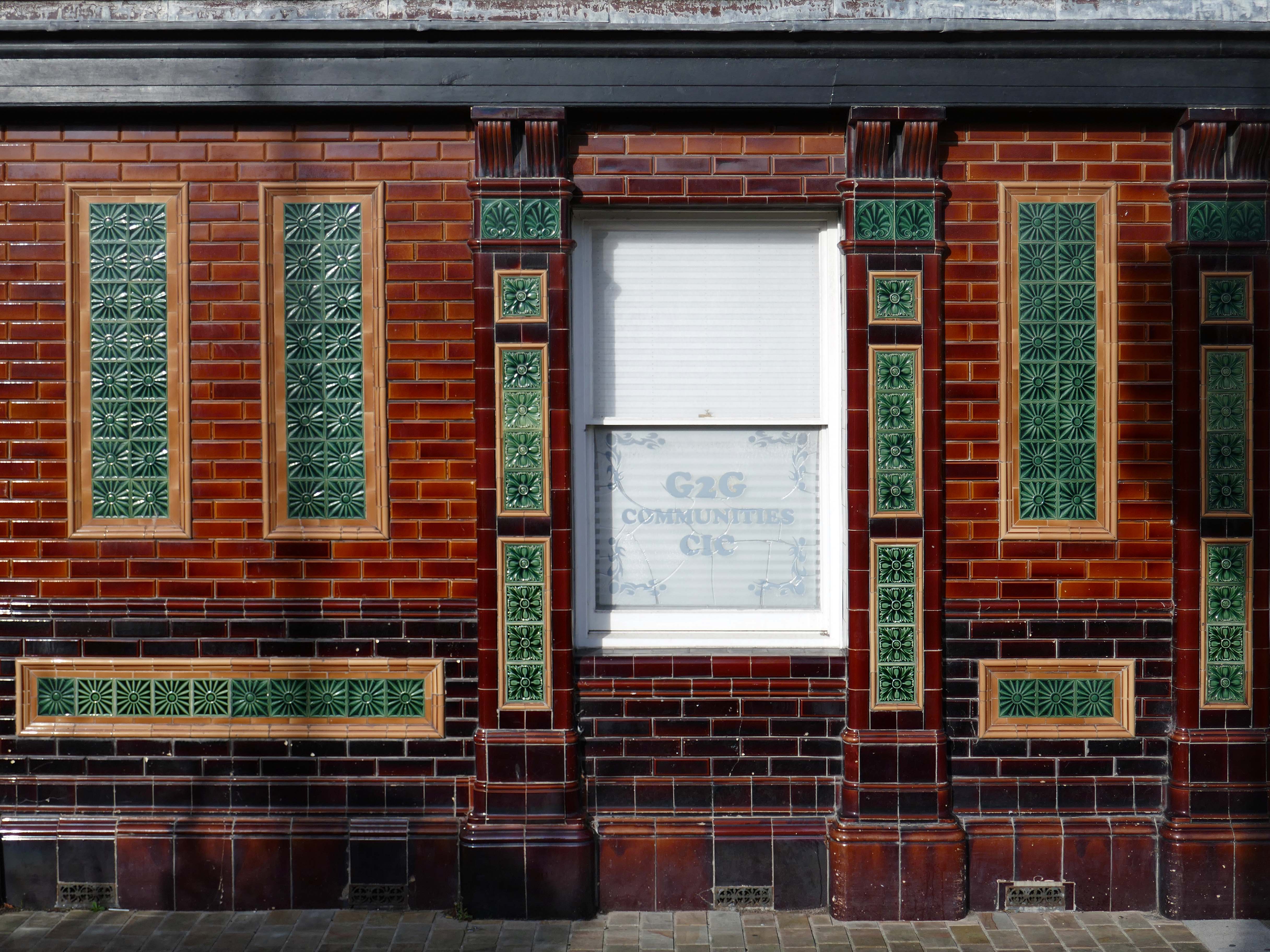
Former Bee and Station Hotel immediately opposite the Station.

The Bee and Station Hotel was built in the 1860s. The decorative tile work of the exterior was probably added during remodelling c.1890. Inside, the lobby is also richly decorated with brightly coloured tiling. The building was listed in 1991 as an excellent example of pub of the late 19th century with a complete tiled frontage and a rare surviving internal layout throughout.

The pub closed in 2005. The building reopened in 2013 after being refurbished and given a modern extension by Denbighshire County Council, under the Townscape Heritage Initiative, to provide new offices for small businesses
History Points

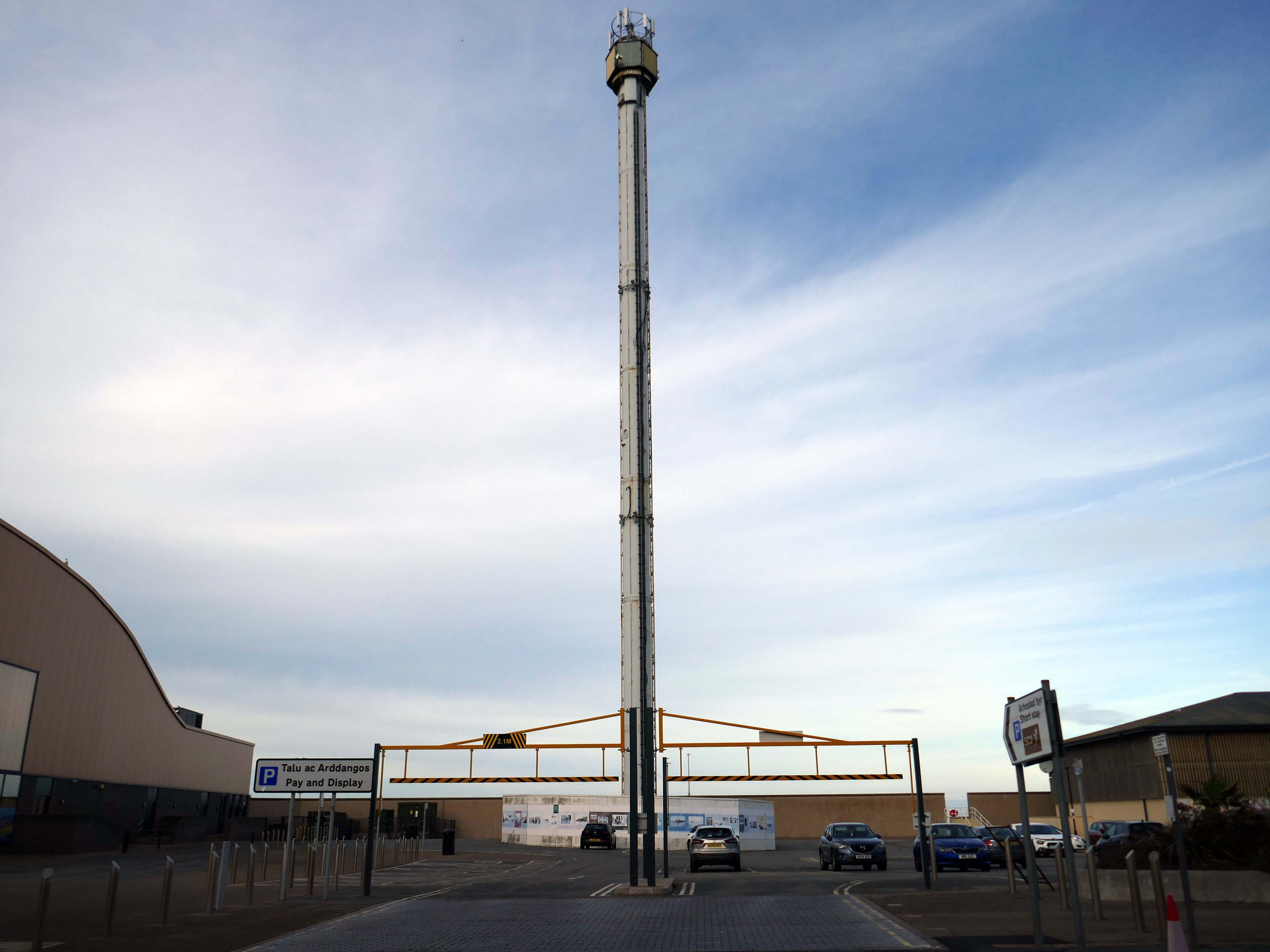
Onward to the seafront, home to the defunct Skytower.

The tower first operated at the 1988 Glasgow Garden Festival, where it was known as the Clydesdale Bank Tower and was opened by Prince Charles and Princess Diana. Following the festival, it was dismantled and reassembled on the Rhyl seafront.

The tower last operated in 2010. The following year, a safety report found that £400,000 worth of repairs were required to keep the ride operational. After standing but not operating for seven years, in 2017 work was carried out to turn the tower into a beacon.
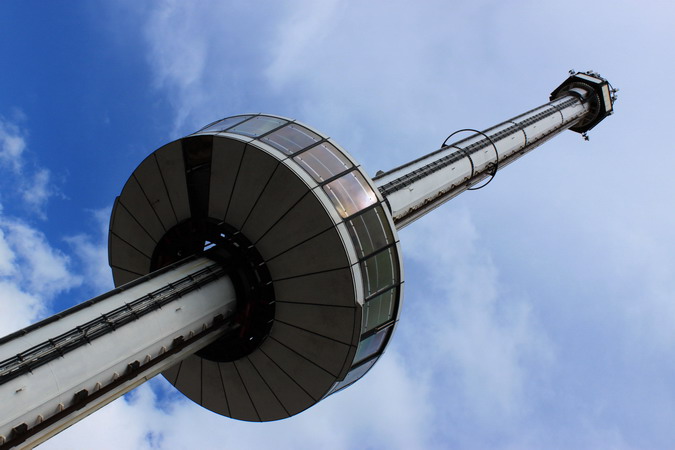
Photo – GA Stephen ©
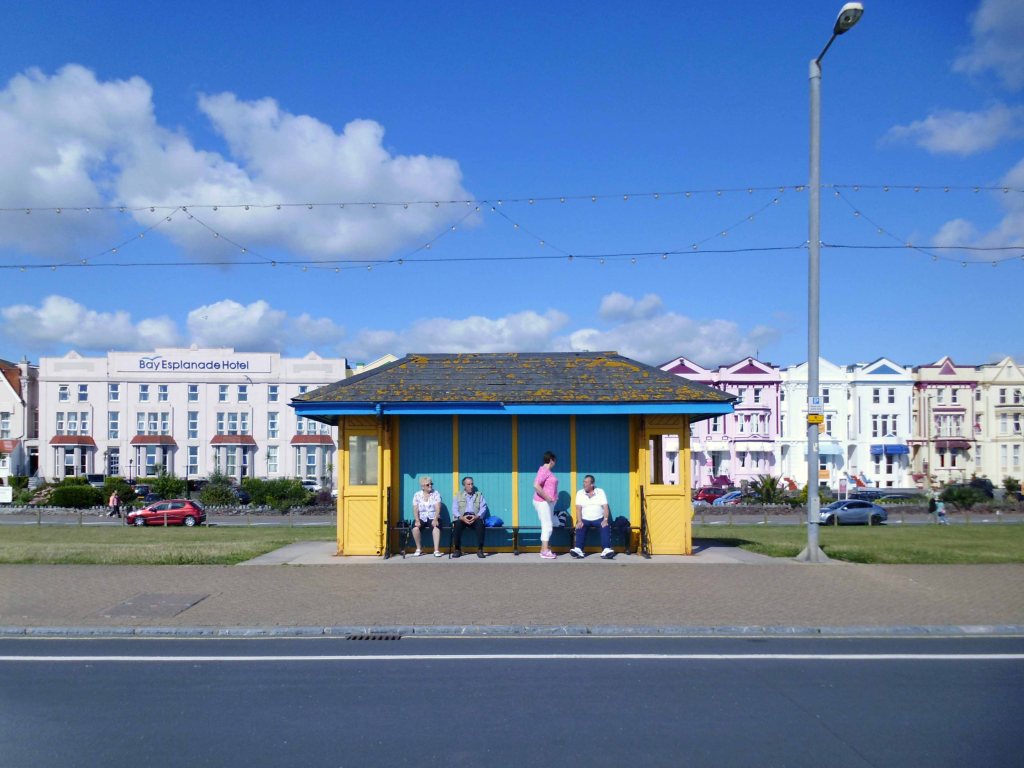
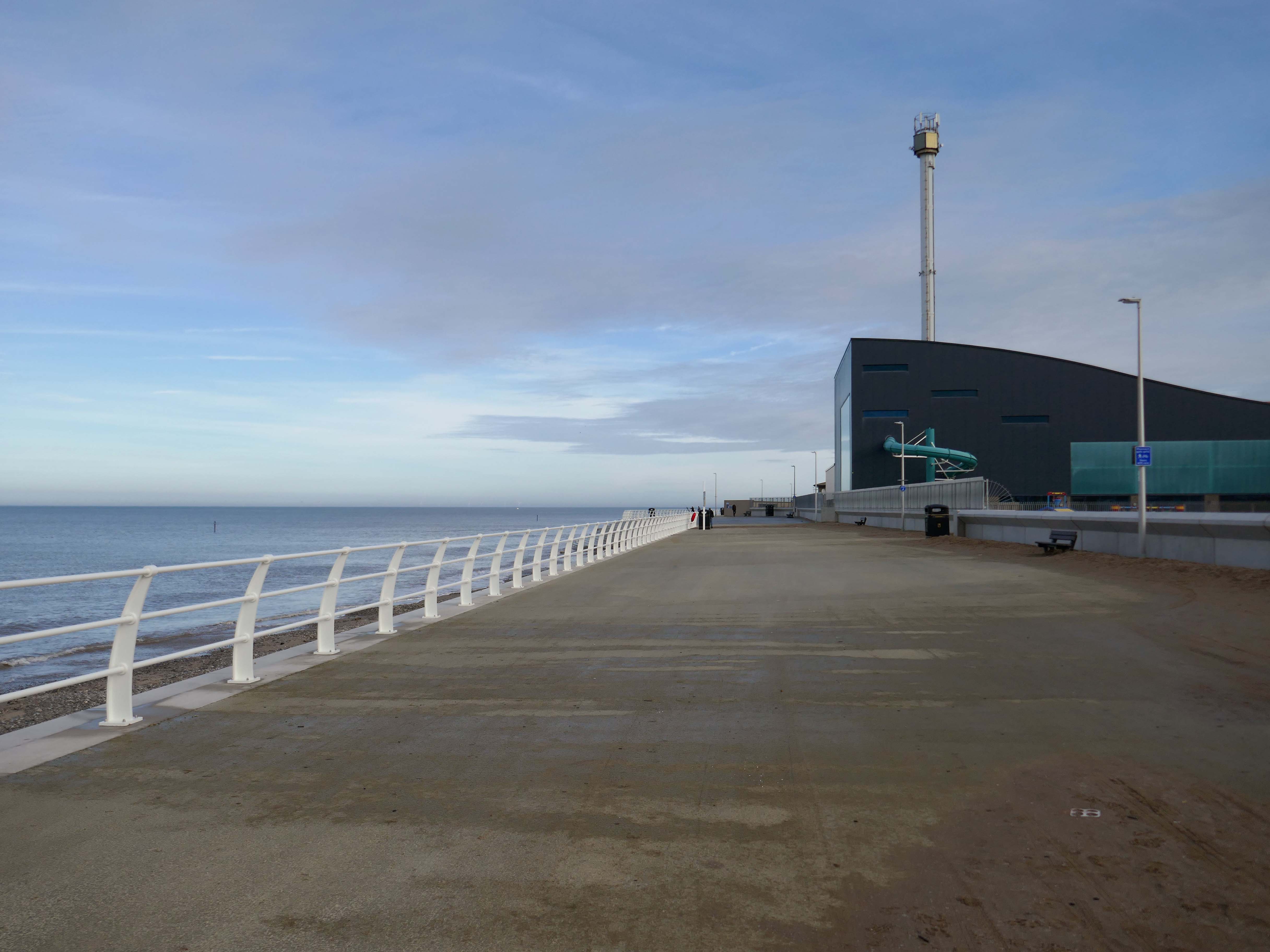
Much has been done to improve the promenade, with sumptuous hard landscaping, coastal defences and seafront shelters.
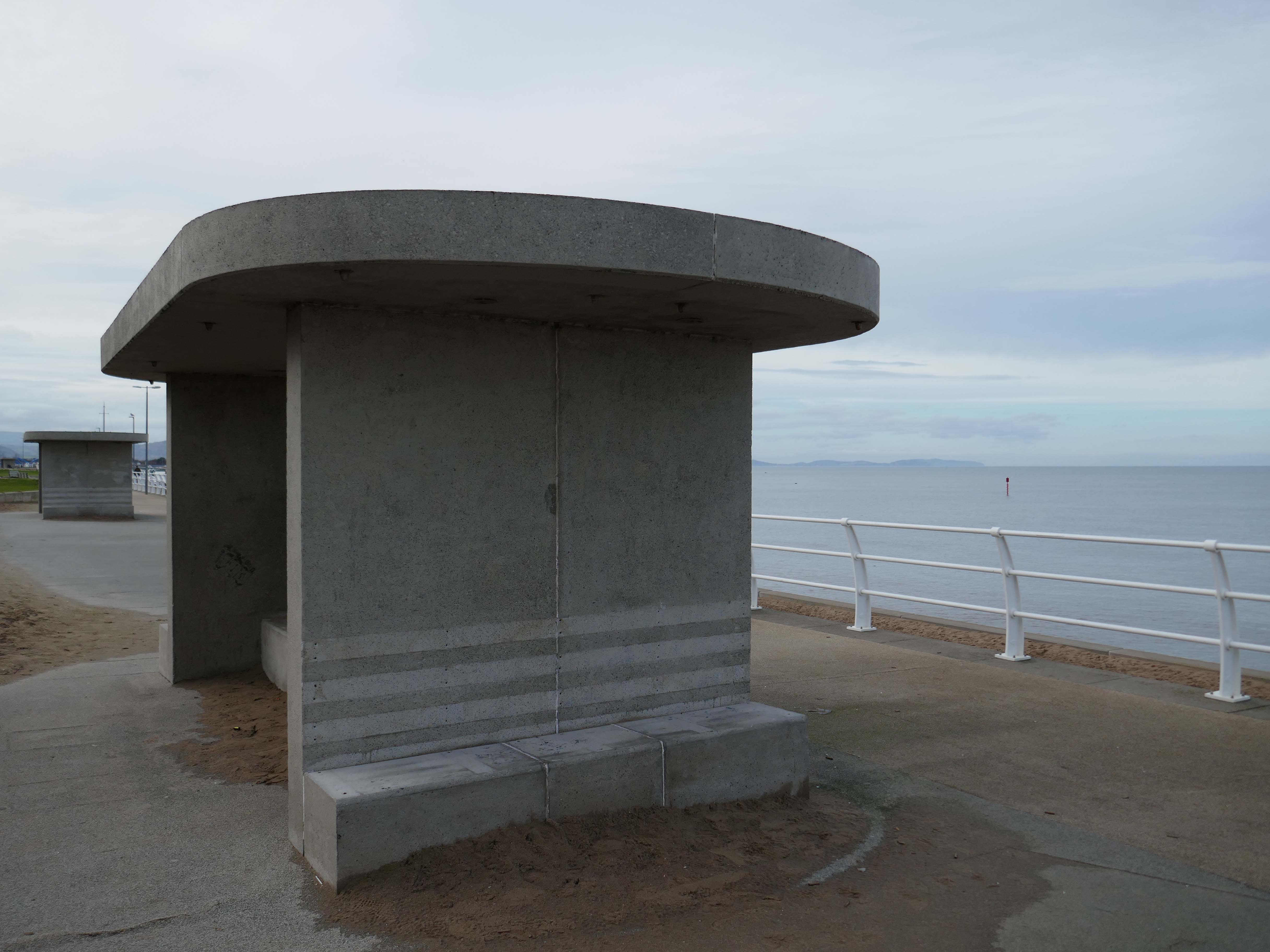
The £66m Central Rhyl Coastal Defences Scheme will protect almost 600 properties in Rhyl from flooding and coastal erosion for decades to come.

85% of the construction costs have been funded by the Welsh Government, with the Deputy First Minister labelling the project a ‘significant milestone’ in efforts to protect Welsh communities from the growing threats of climate change. Denbighshire County Council contributed the remaining 15%.
Gov. Wales

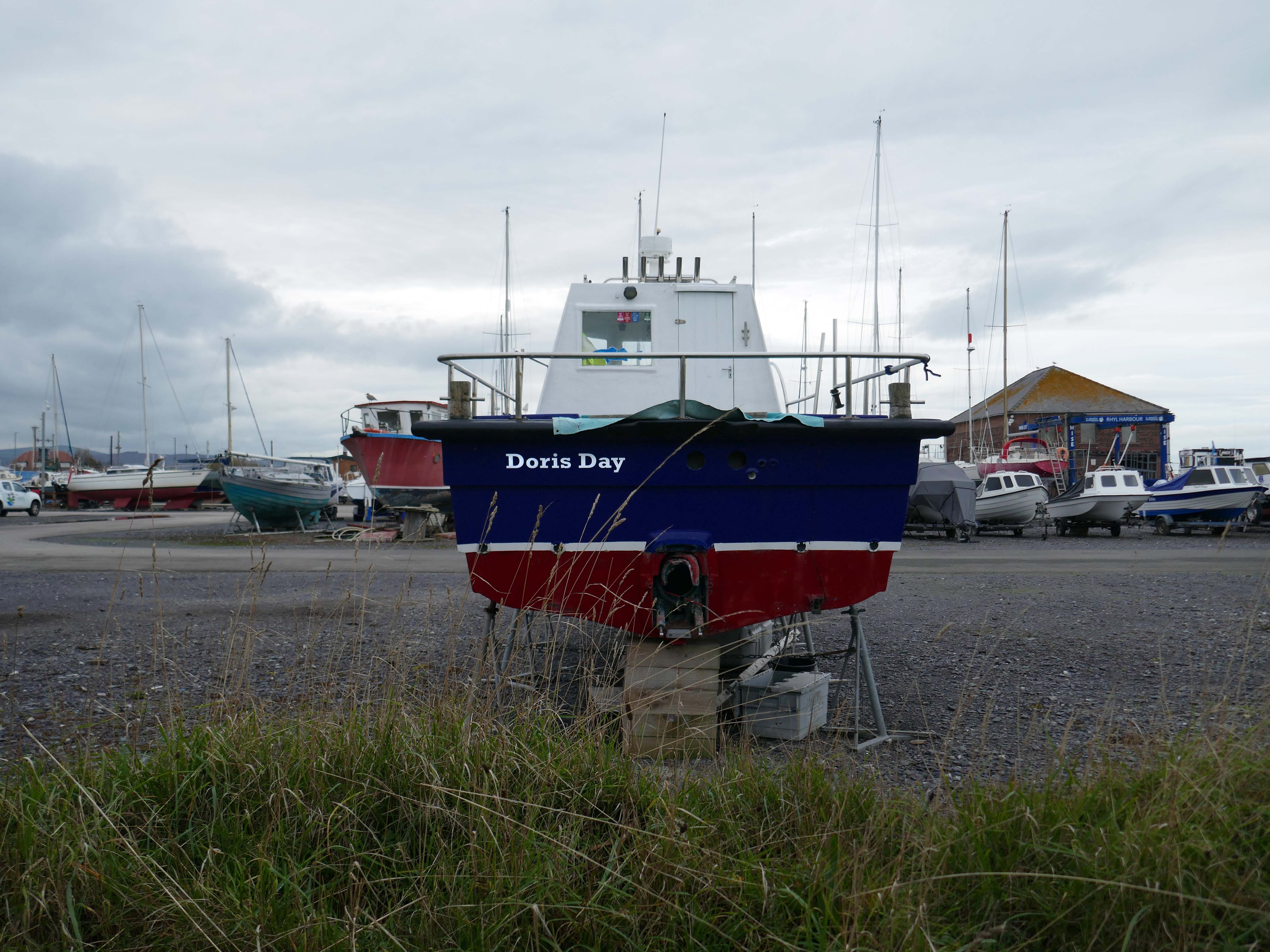
Over the estuary to Rhyl Harbour home to Doris Day.

Rhyl Harbour is located on the spectacular North Wales Coast and has undergone a dramatic refurbishment which has hugely improved the facilities on offer. The original timber yard which was used by sailing ships up until the Second World War, has been redeveloped and now offers storage for over 150 boats.
Denbighshire Gov UK

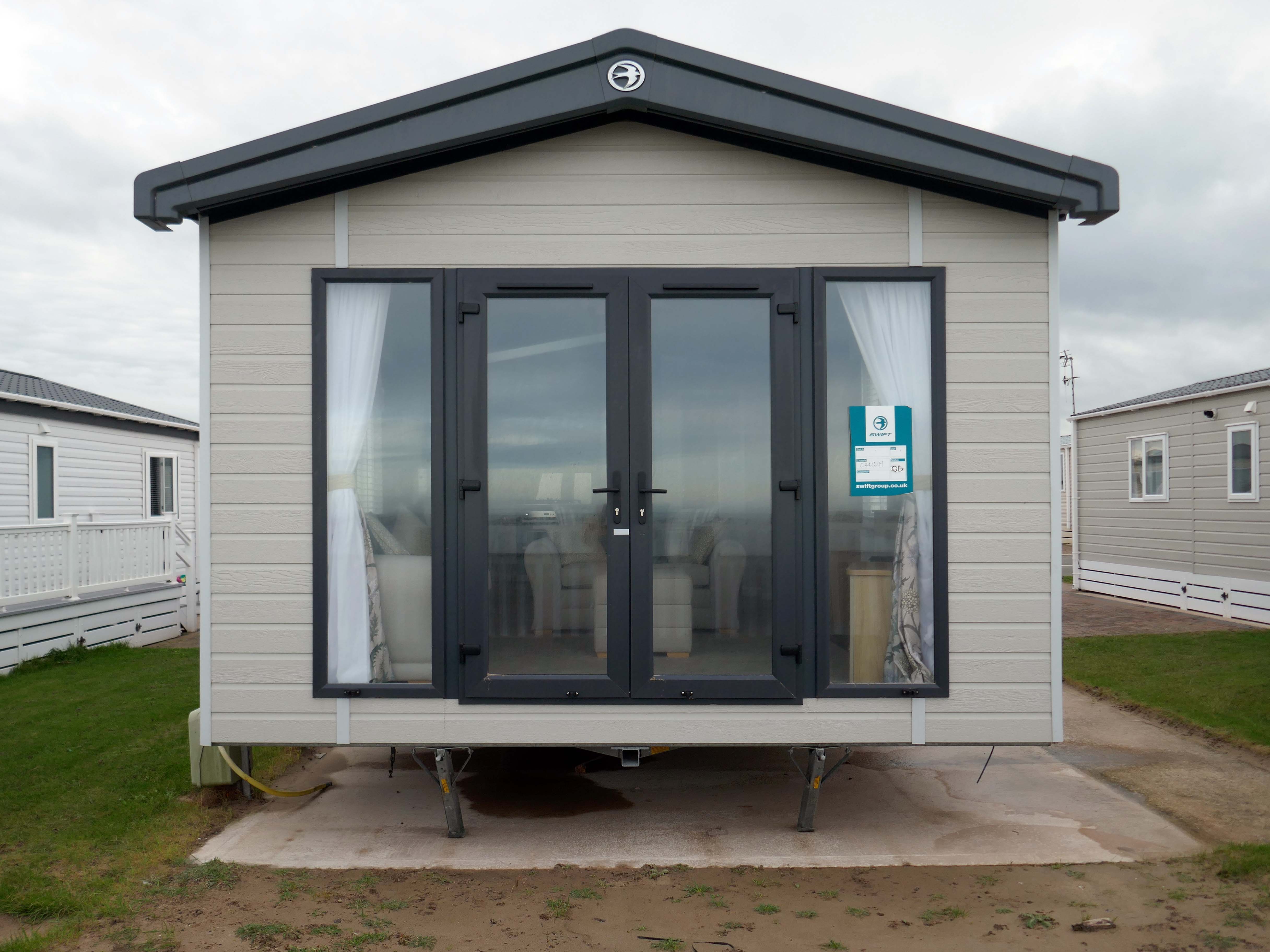
The foreshore home from home for thousands of caravan dwellers.

Golden Sands Holiday Park Rhyl has over 85 years history of fun filled holidays. Wonderfully located right next to the beach in Kinmel Bay in North Wales, it’s the perfect place for a family seaside holiday. It’s also an excellent base for exploring the beauty of North Wales. The town of Rhyl is closest, though also nearby are Prestatyn, Colwyn Bay and Llandudno – with the Great Orme. Blue Flag beaches offering wonderful seaside holiday traditions along with stunning Snowdonia National Park are within an easy drive.
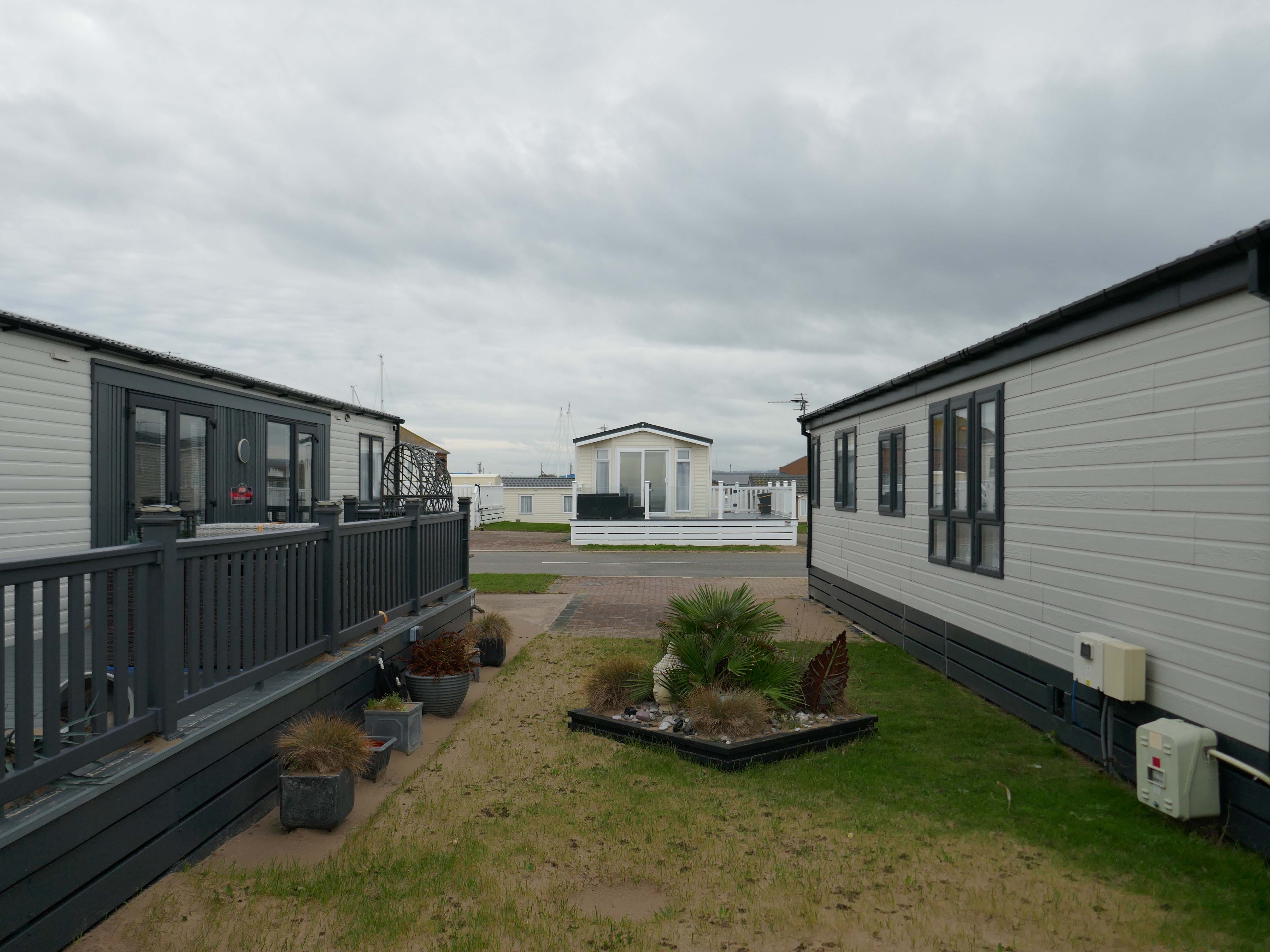
Hoseasons

This is not food for thought, or is it?

Fast food is often nutritionally poor and high in calories. Evidence demonstrates that overeating commercial fast food products can negatively impact health in both the short and long term.

However:

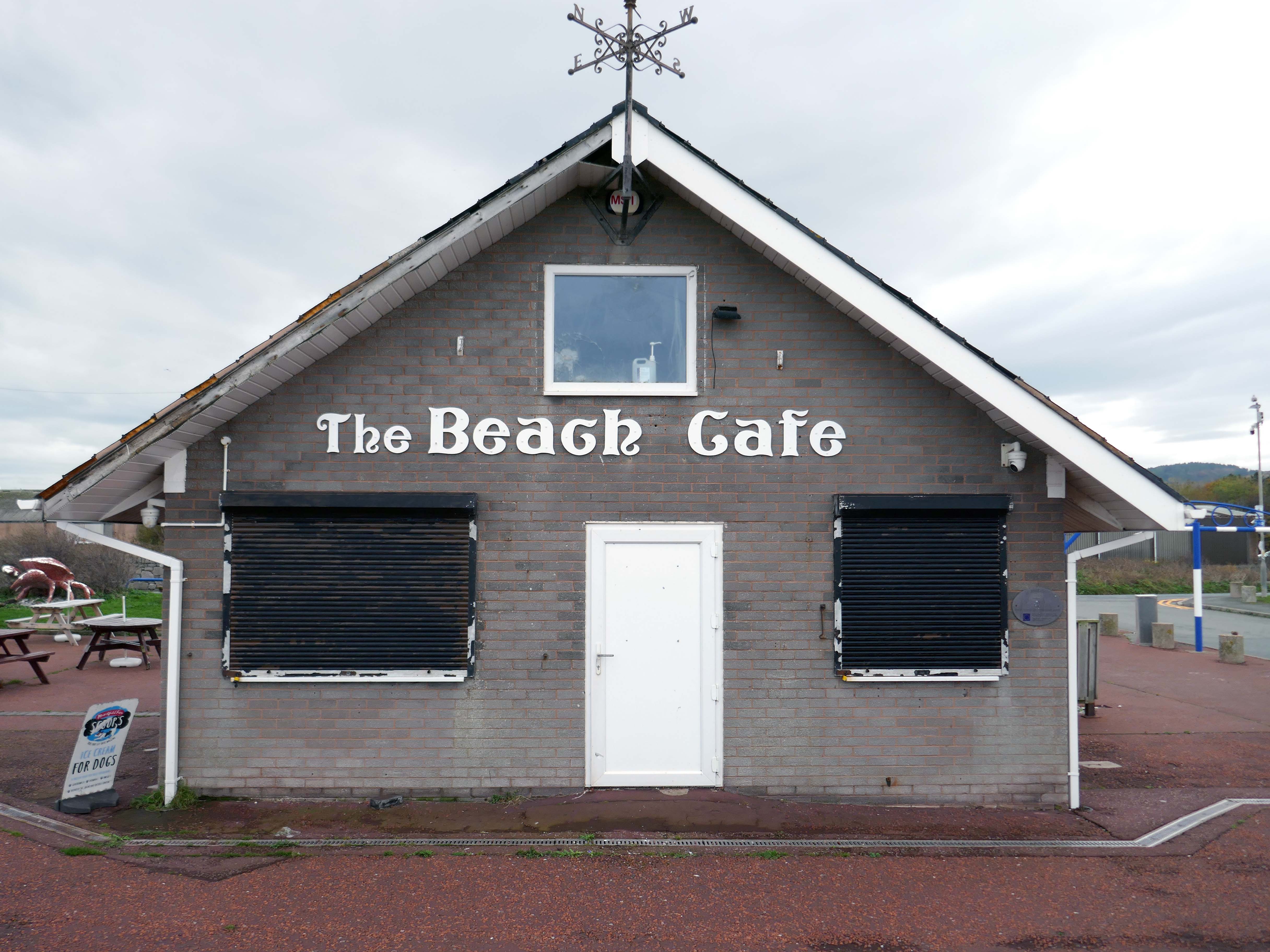
Baysville is lovely and clean, lots of tables and a good choice of foods from ice cream, donuts, burgers, hot and cold drinks and a bar. The staff are pleasant and welcoming.
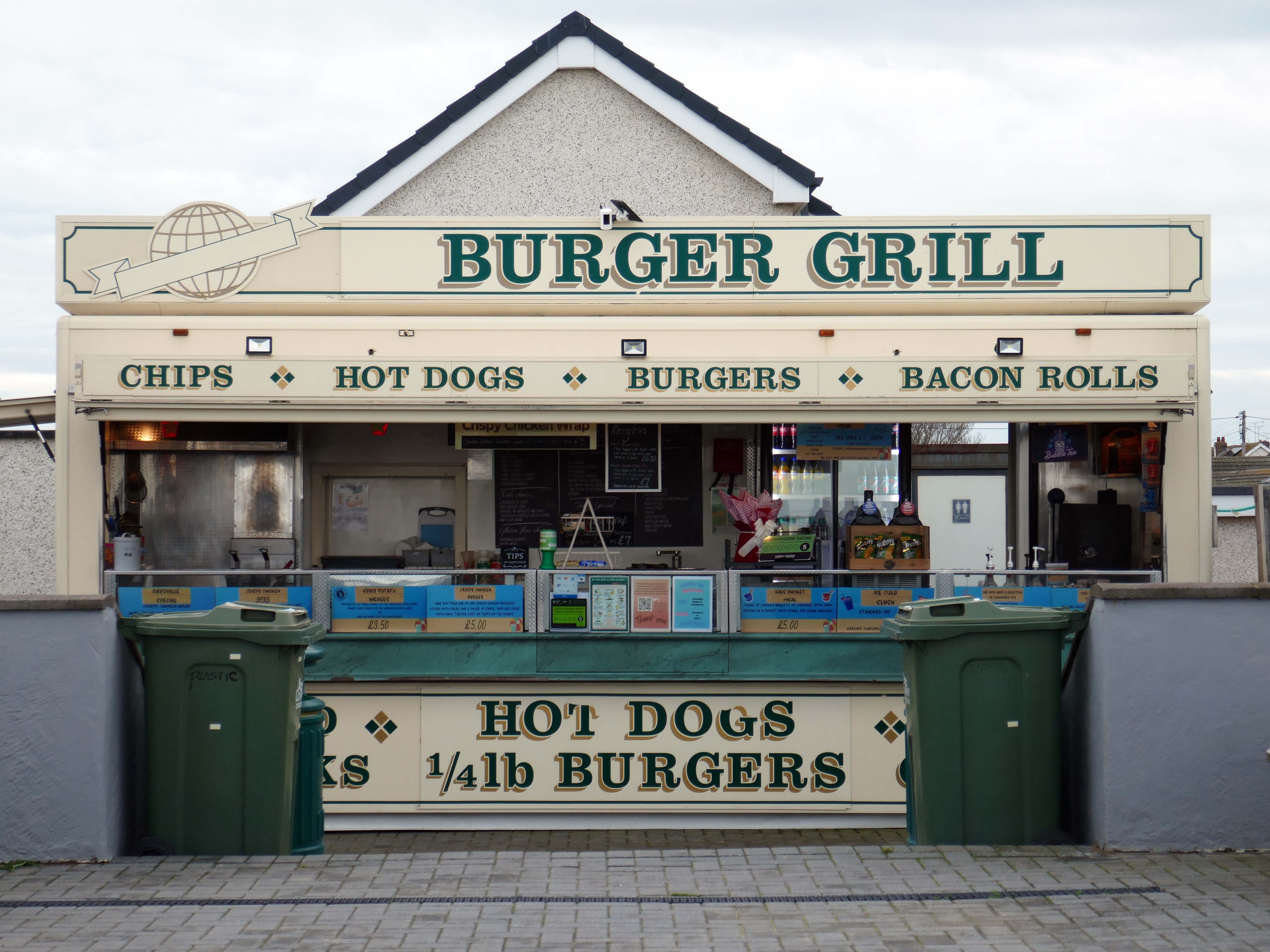
Christinecupcake

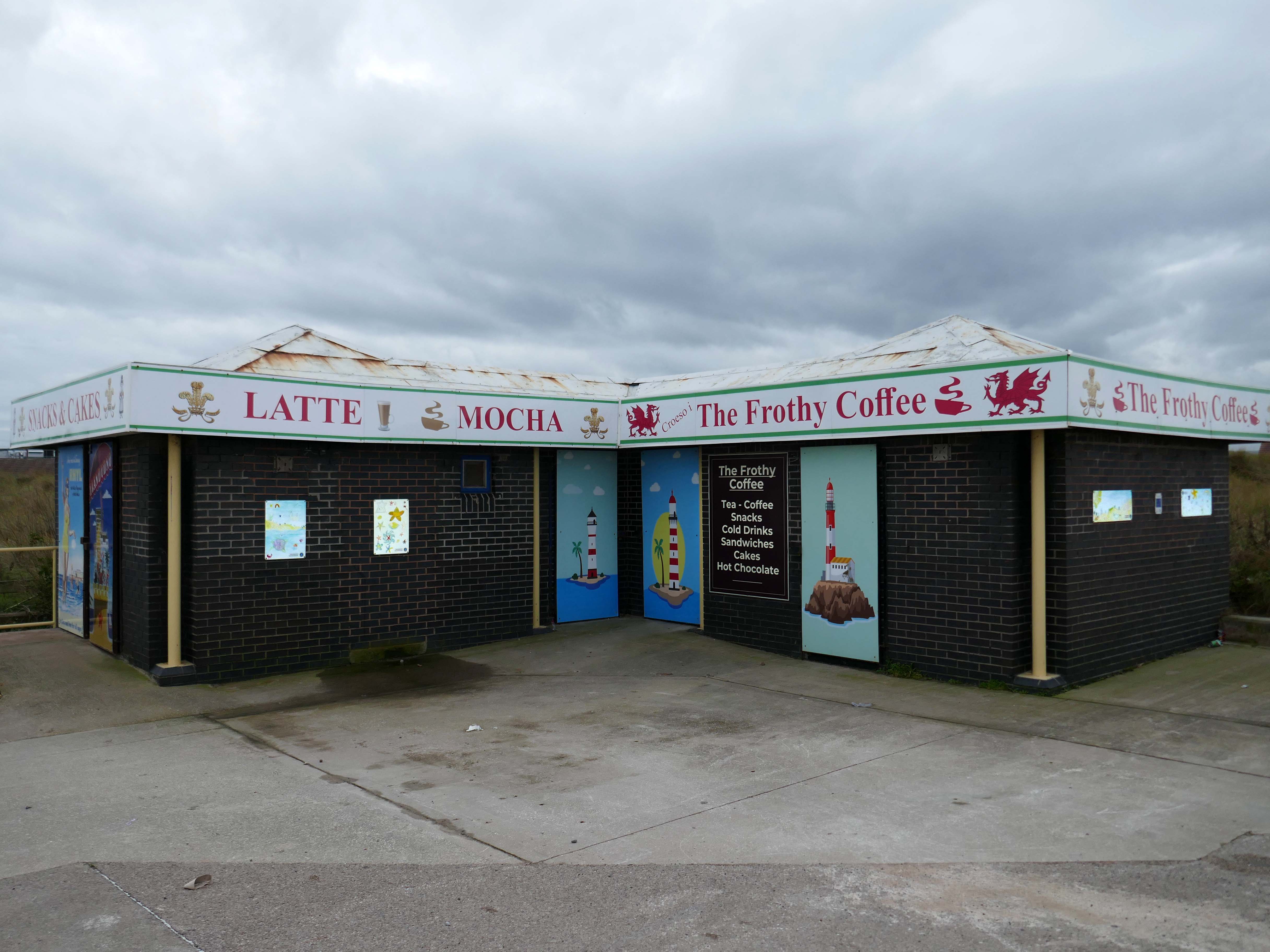
I am unaware of the effects, negative or otherwise, concerning overexposure to Frothy Coffee.

I love this place, what an amazing way to spend a day, having the best cappuccino I’ve ever tasted while taking in the sea air.

Lovely lady, amazing prices, brilliant with my son that has autism.

Anna S

Researchers have found people who drink up to three cups of coffee a day could have a healthier heart and a lower risk of dying of any cause.

But too much caffeine can produce anxiety, sleeplessness, agitation, palpitations, diarrhoea and restlessness. In individuals with a mental health condition caffeine can worsen psychosis and result in the need for higher amounts of medication.
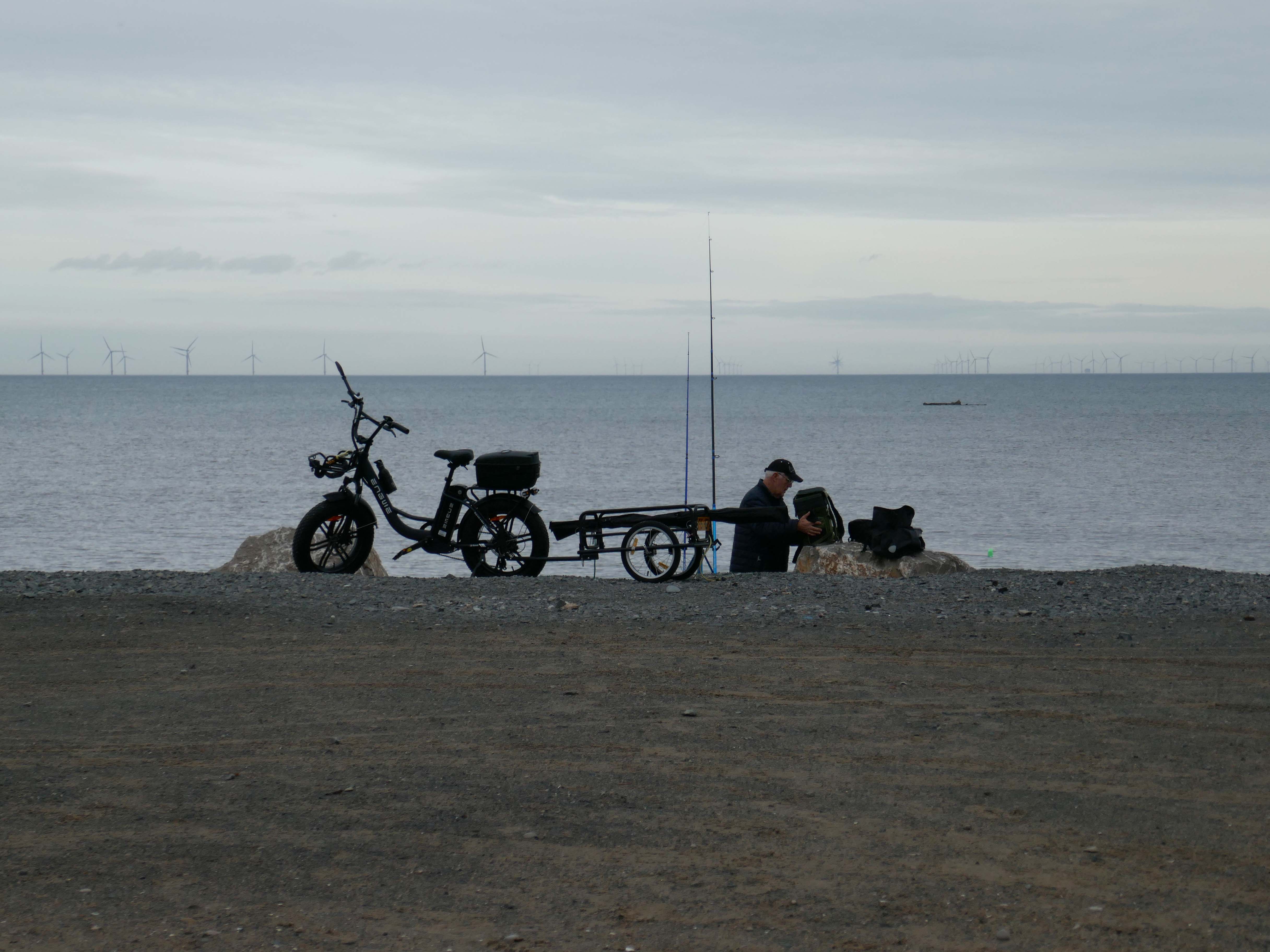
Possibly wiser to take a leisurely ride on your electric bicycle, followed by an hour or two of beach casting .
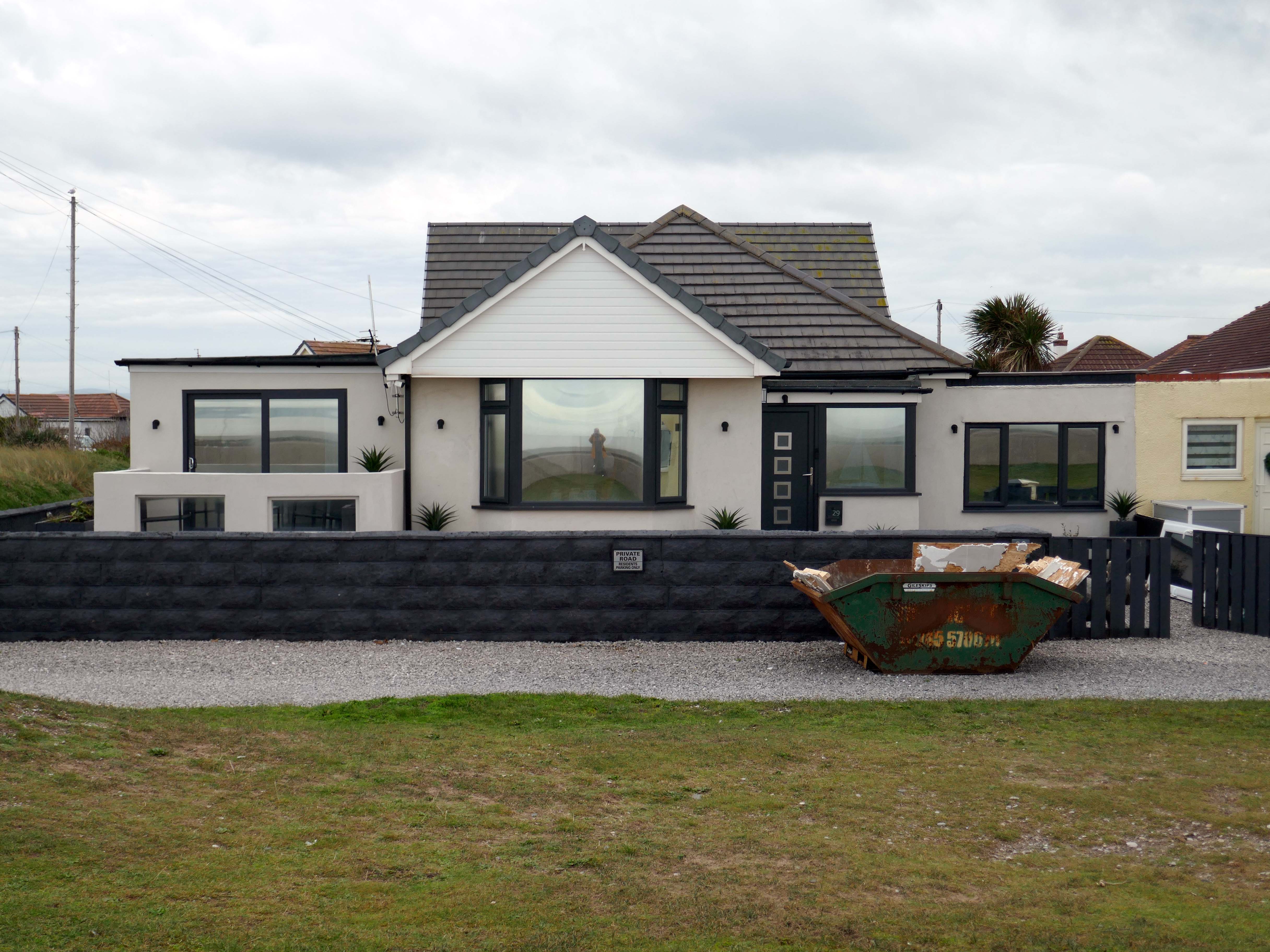
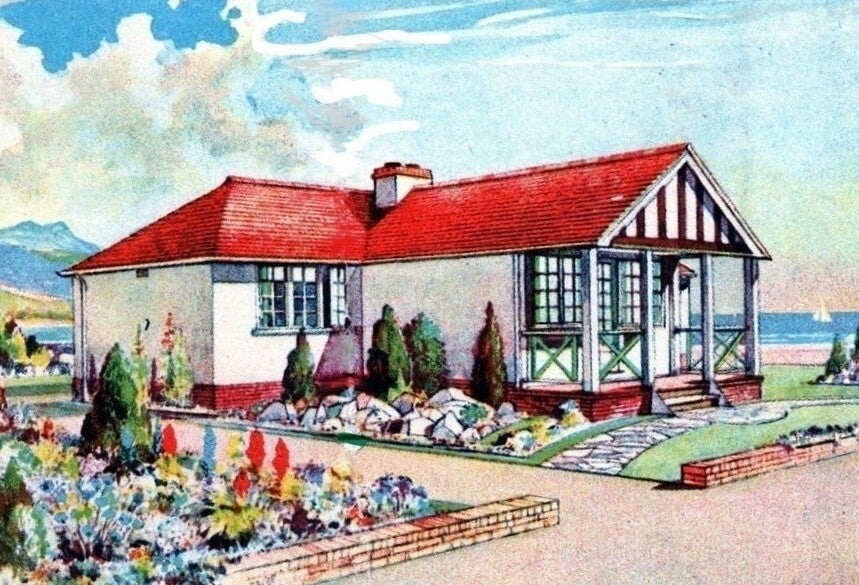
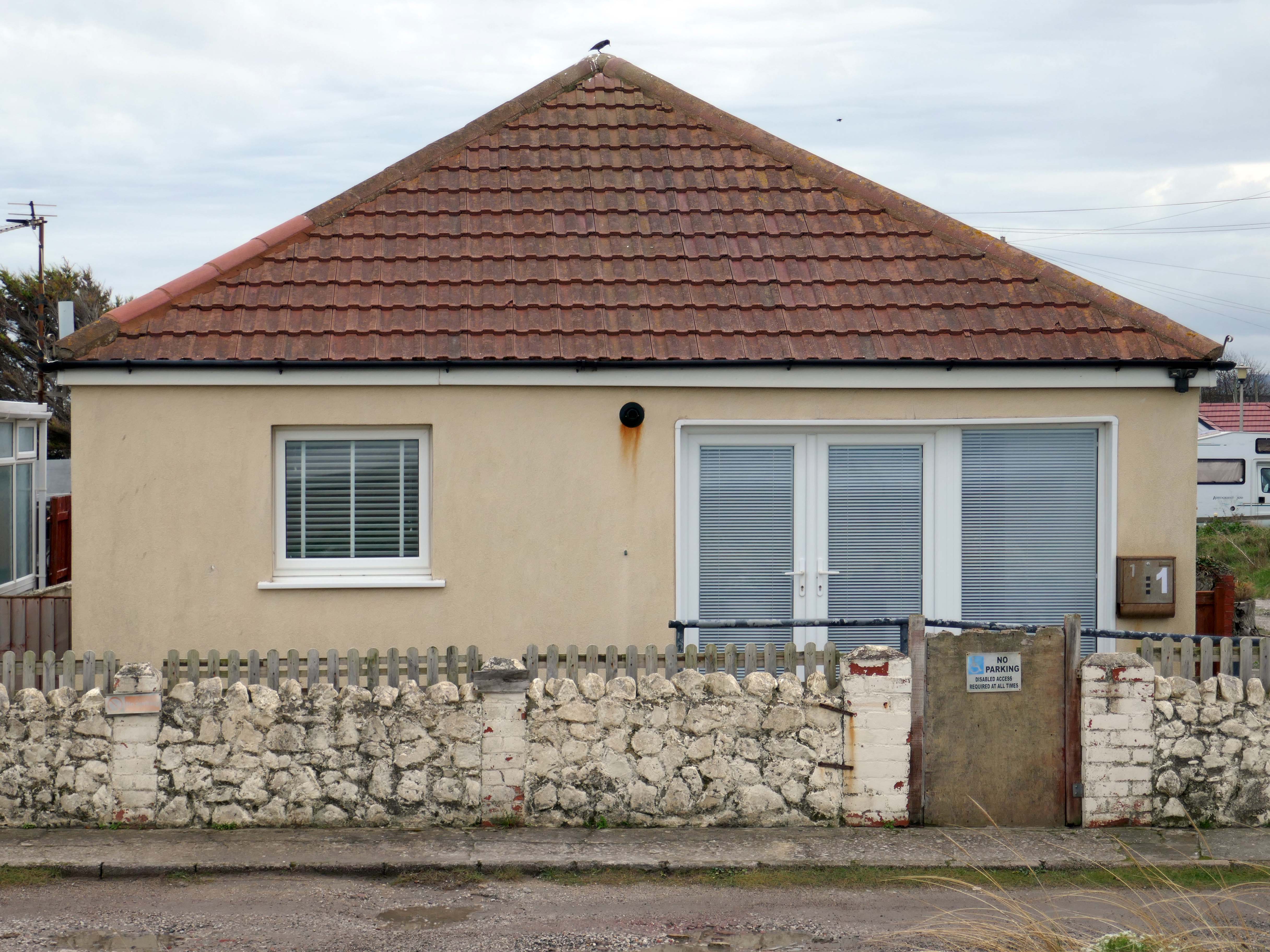
The coastal housing at Kinmel bay is undergoing a cosmetic upheaval, the determinedly down home bungalow swamped by the relentless monotone tide of home improvements.
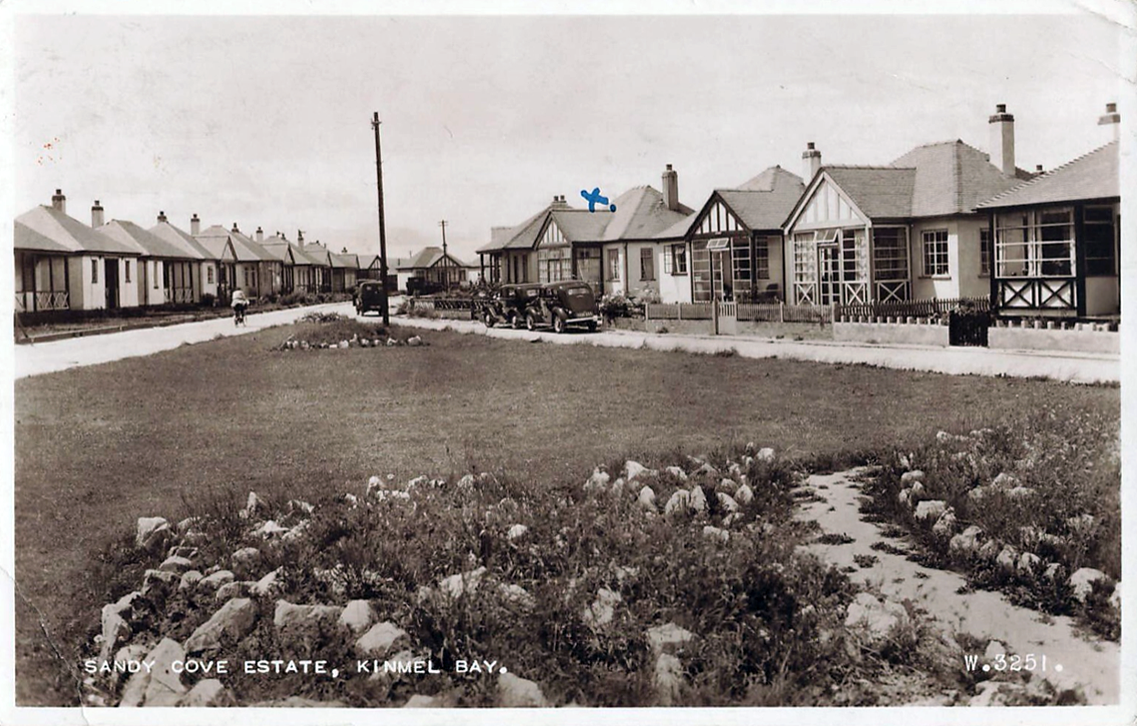
The Sandy Cove Estate consists of 250 bungalows that were built in the 1930s by the Kinmel Estates Ltd, who sadly went into liquidation around 1947, before the estate was completed. This left the estate with only dirt tracks for roads with no sidewalks or pavements, no drainage for surface water or any adequate street lighting. After the liquidation of the company the roads and communal greens were escheated to the Crown who then offered the land free of charge to successive Councils for the to incorperate into the towns that were developing. This was refused by the Councils.

Sandy Cove

Fifty or more homes are ready for you to choose from, gardens and tennis courts have been provided for the sole use, in perpetuity of residents.
Onward now to Towyn.
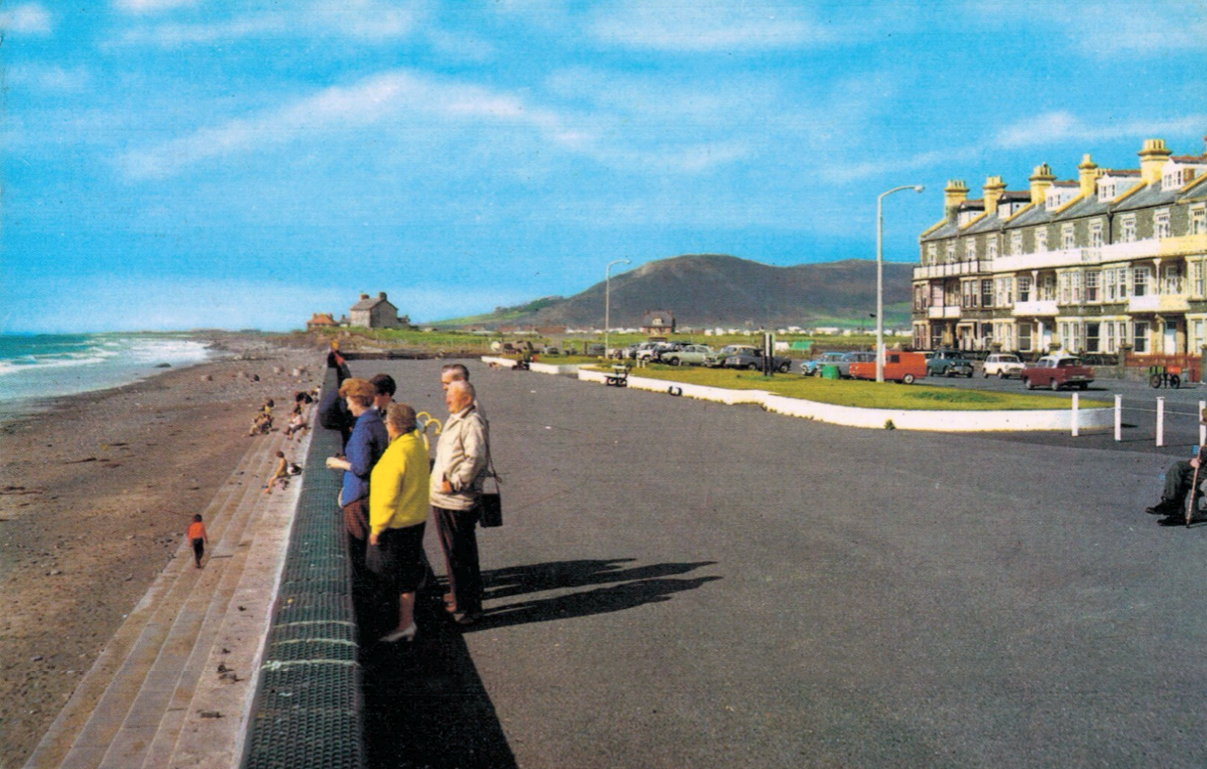
The town made national headlines in 1990 when a combination of gale-force winds, a high tide and rough seas caused Towyn’s flood defences to be breached at about 11.00am on 26 February. 4 square miles of land was flooded, affecting 2,800 properties and causing areas of the resort to be evacuated. Further flooding occurred later the same week, on 1 March, shortly after the site of the disaster was visited by Prince Charles and Princess Diana.

Scientific experts also believe that the silt left behind from the flooding had left the town with a higher concentration of radioactivity, over ten times the governmental safety limits, most likely originating from the nuclear processing plant at Sellafield which had been dispersed into the Irish Sea over many years since its construction. The National Radiological Protection Board stated that there was a “small risk” to the people there, while the Welsh Office claimed there was no danger to the public. The coastal defences have since been reconstructed and significantly enhanced.
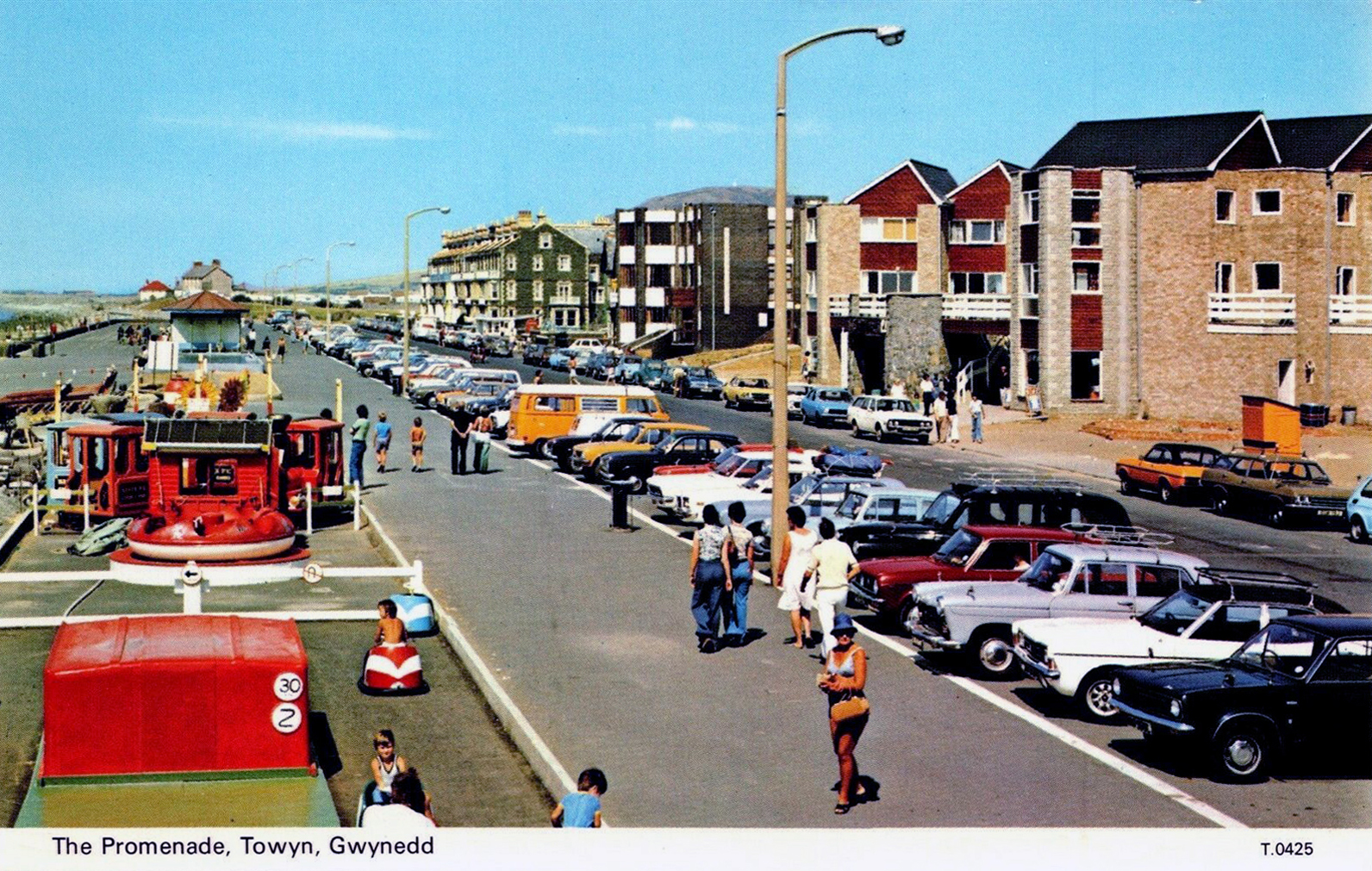
Wikipedia

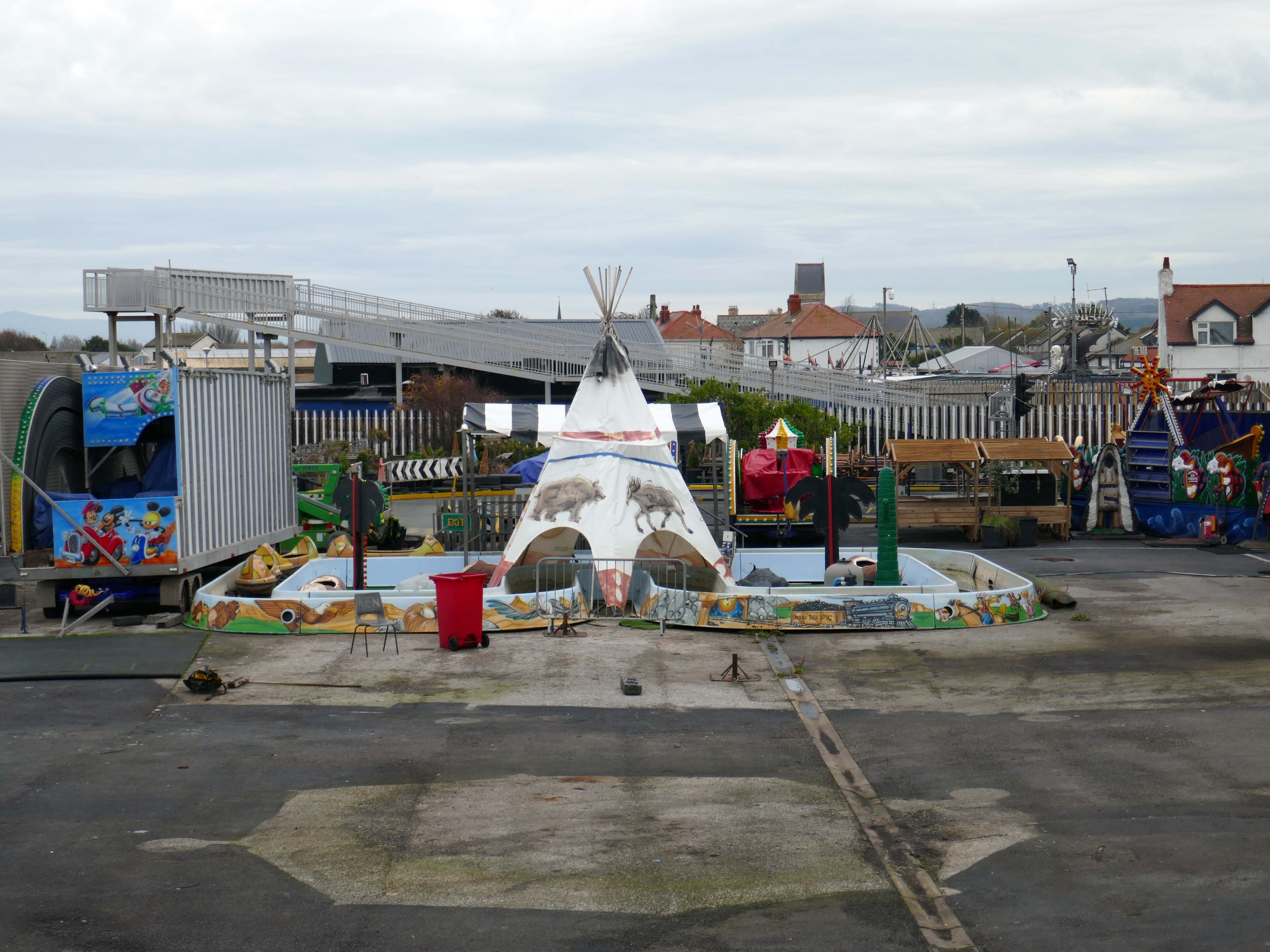
The People of the First Nation here at Knightly’s Fun Park are now safe from the threat of flood.

Knightly’s Funfair has a fantastic range of rides for the whole family! Experience high speed thrills and heart pumping excitement! We’ve got rides for the little ones too as well as games and food stalls to keep the whole family entertained all day!

We also welcome dogs, so you don’t have to leave your furry friends behind!
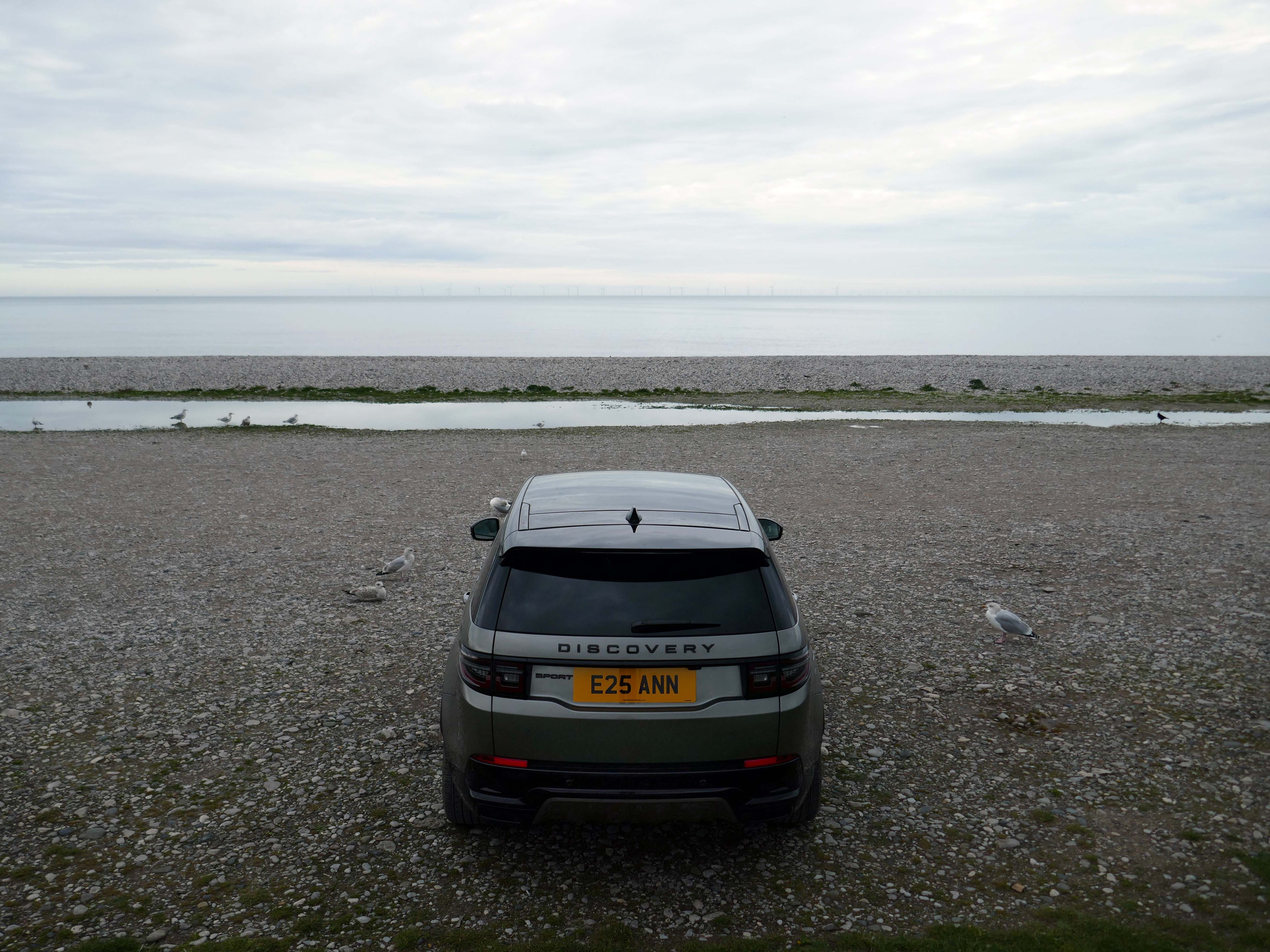
The monotone gentrified home is accompanied by the monotone SUV – the Land Rover Discovery Sport.

The joy of Discovery Sport is in finding that no adventure is out of reach. Offering the ultimate in comfort, while having the toughness to cope with family life.

All yours for from £43,195

Land Rover UK

According to a Europe-wide study, which included the UK, when vehicles are 300kg heavier, the risk of fatal injuries is 30% higher for vulnerable road users.

Pedestrians and cyclists are also 30% more likely to be killed if they’re hit by a car with a bonnet that’s 10cm higher than average.
My Green Pod

Think again Ann.

E25 is Spirulina Extract Phycocyanin, when taken as directed, Spirulina generally doesn’t cause side effects. In some people, it may cause mild side effects, including headaches, diarrhoea, bloating and gas.

Here we are now at Abergele and Pensarn which have quiet sandy beaches close to historic sites and wooded hills. From here, you can escape the stresses of everyday life. Enjoy sea views, historic places such as Gwrych Castle – home to ITV’s I’m a Celebrity 2020 and 2021 TV series, and a range of things to do providing fun for all the family.
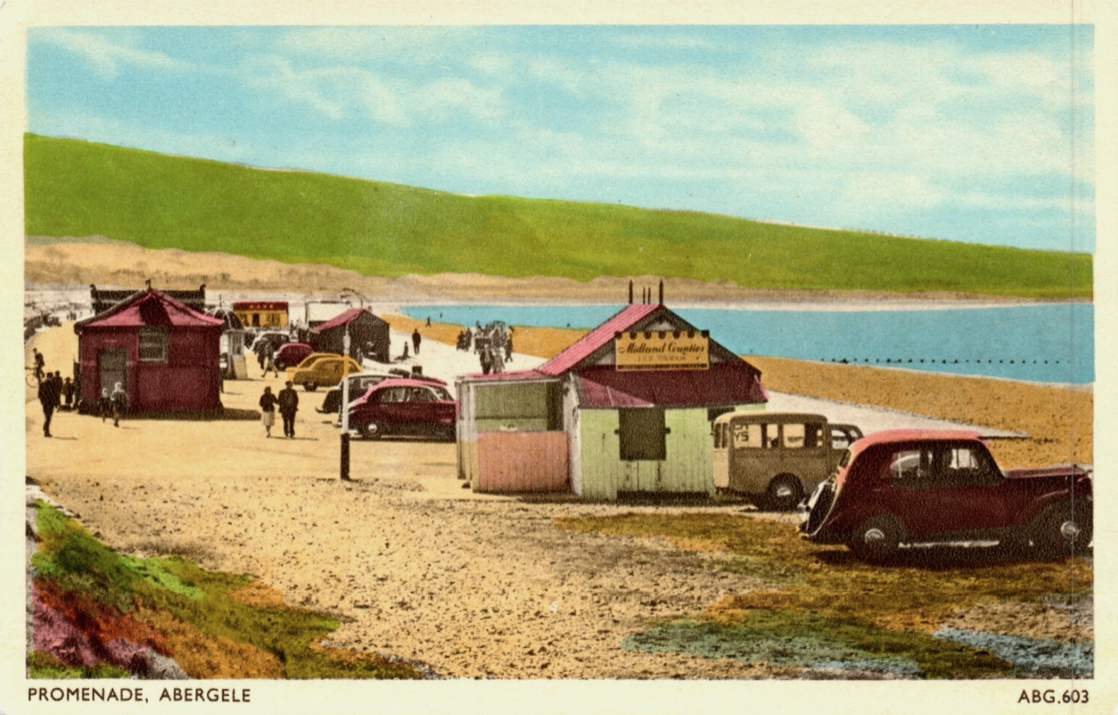
Visit Conwy

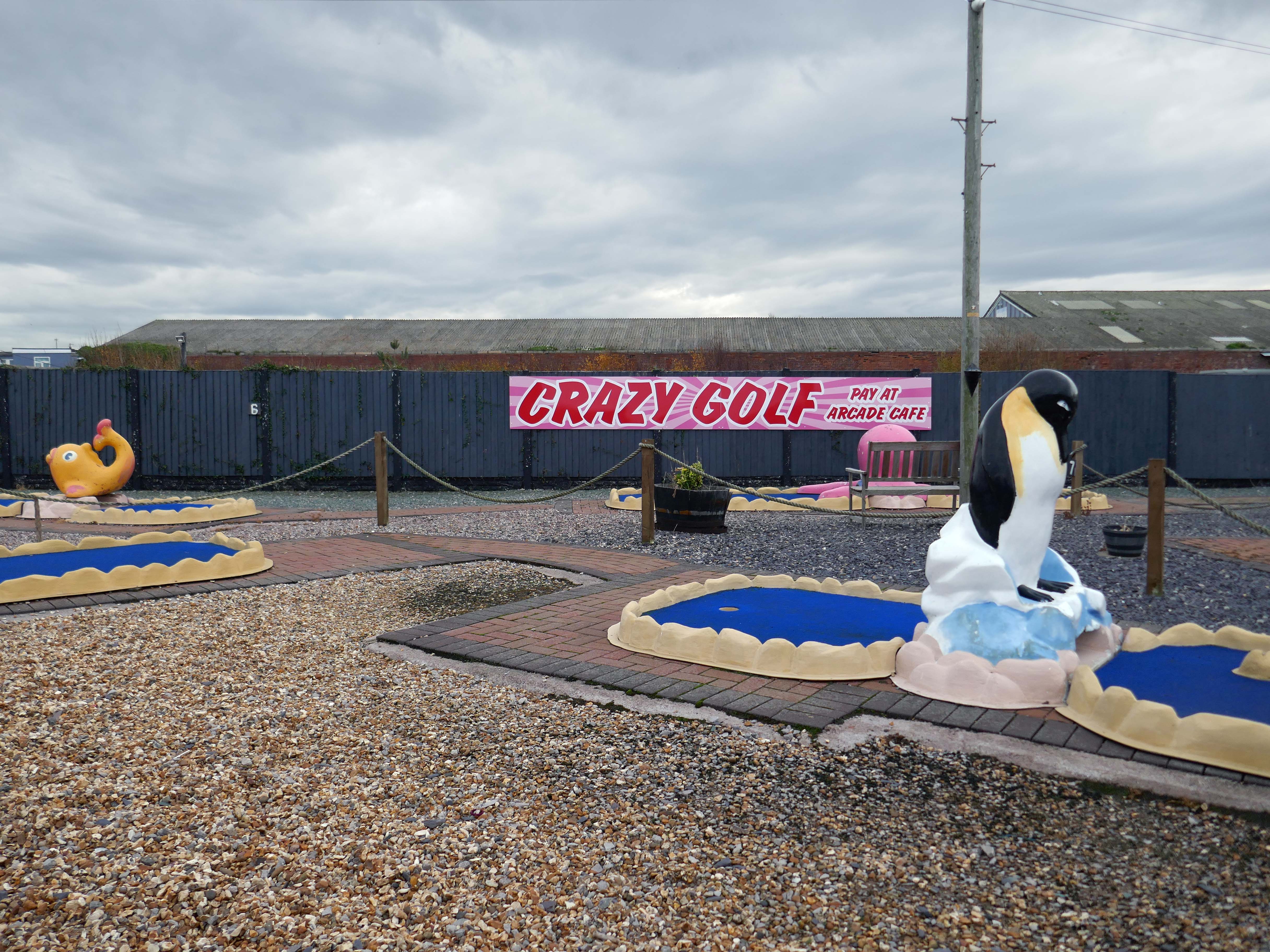
We are open seven days a week, cafe, arcade, crazy golf from 10am and bingo from midday. 
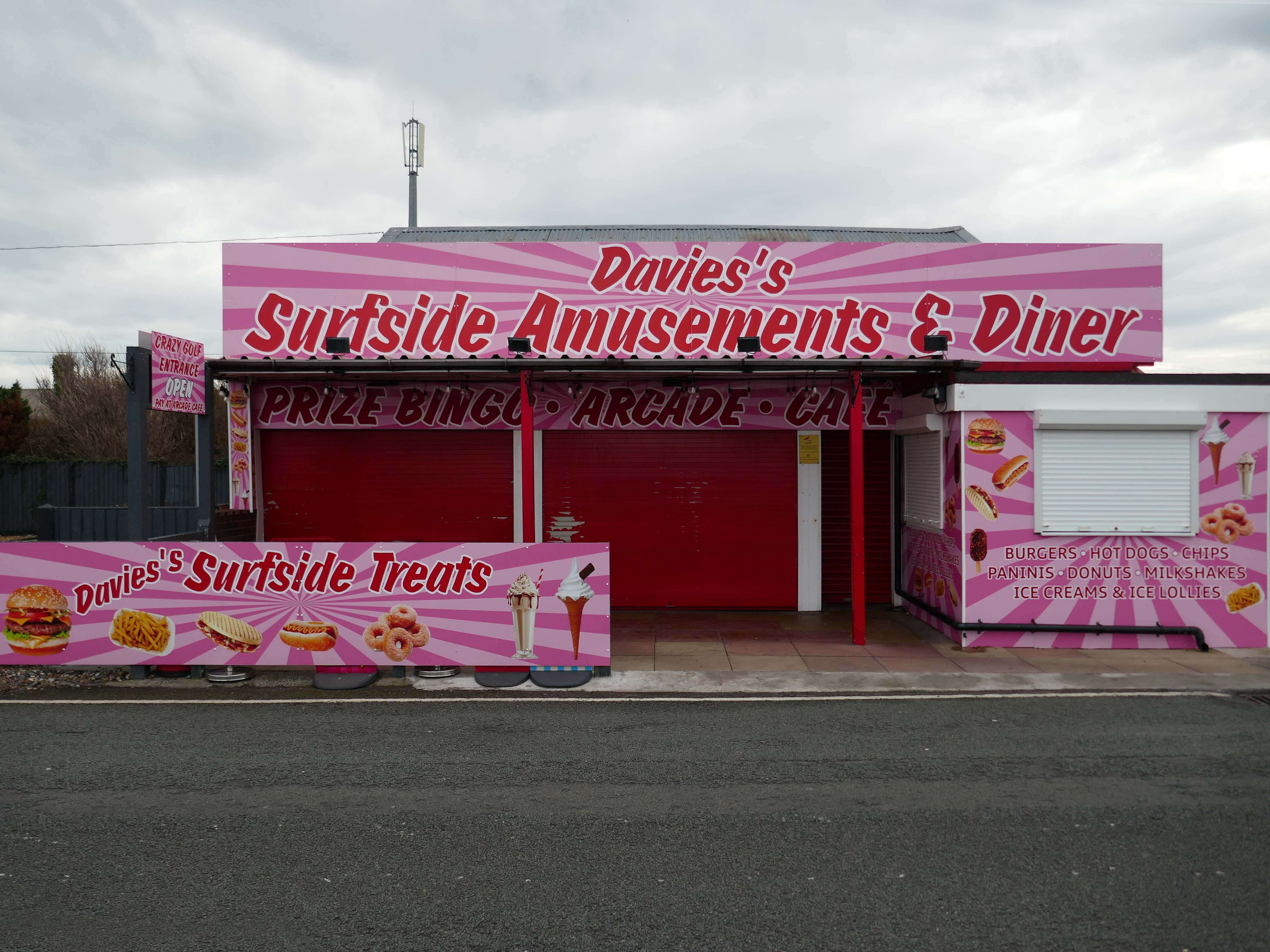
Surfside Amusements

Pensarn Pleasure Beach Amusement Arcade, operated by Laurence Williams Amusements, offers a charming family-friendly experience. Visitors often highlight its nostalgic appeal with fun penny machines and small shops selling drinks and handmade goods.

While many appreciate the charm of the arcade, some mention that certain machines are quite dated and do not work properly, this aspect may affect overall enjoyment for some users.

The reviews indicate a good variety of activities including classic penny slots and local shops offering food and unique handmade items like dog harnesses, catering to diverse interests.
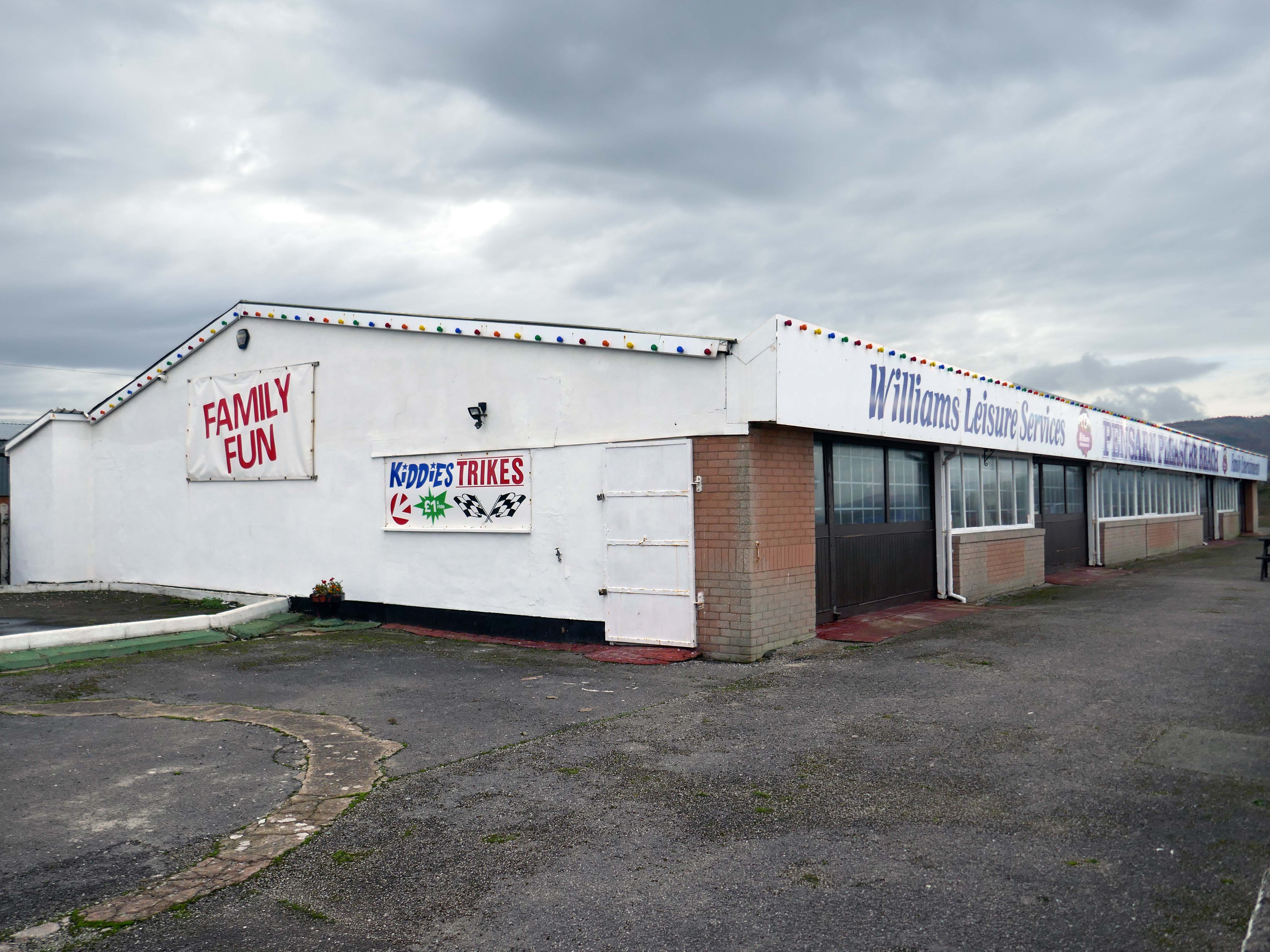
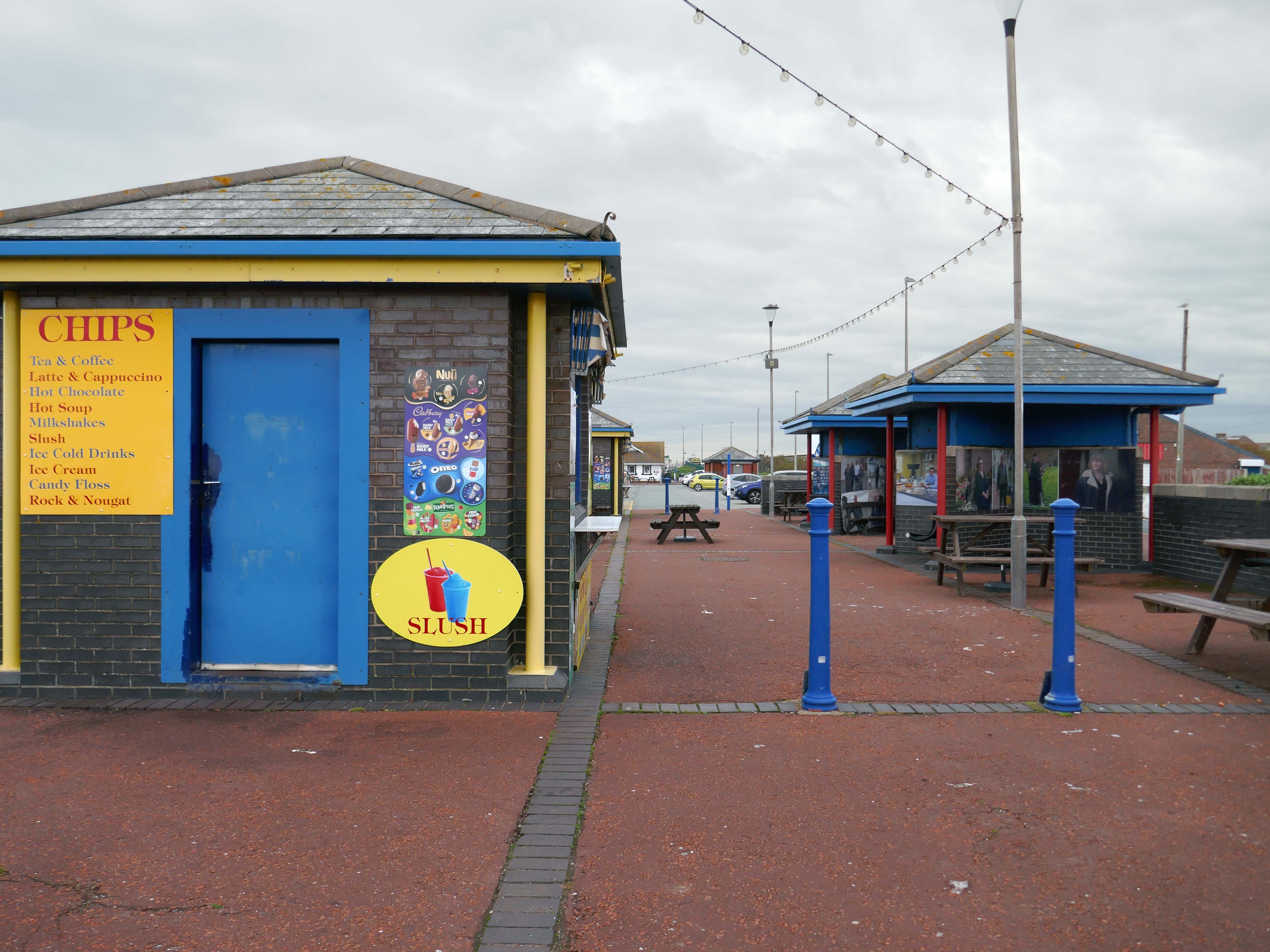
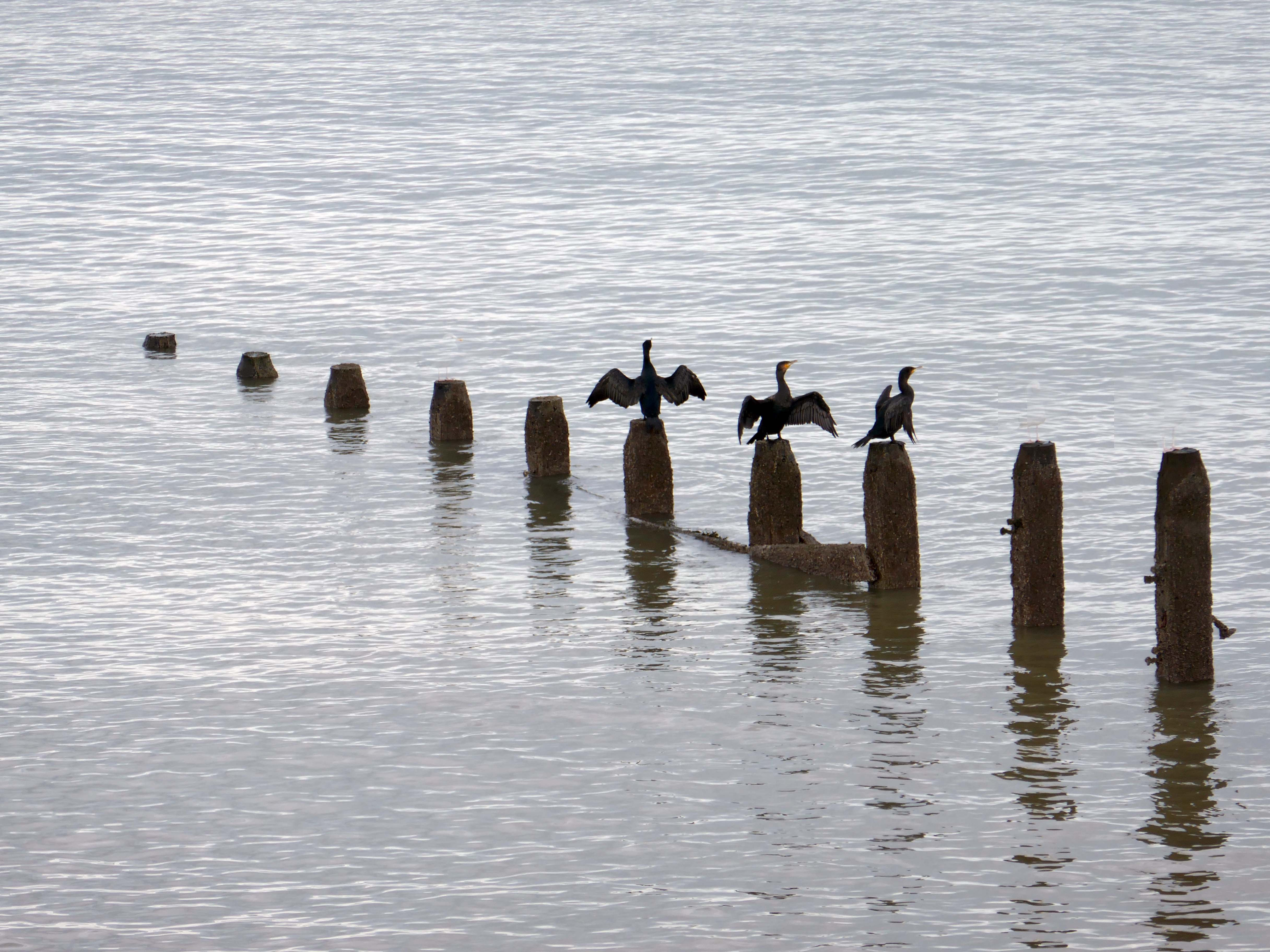
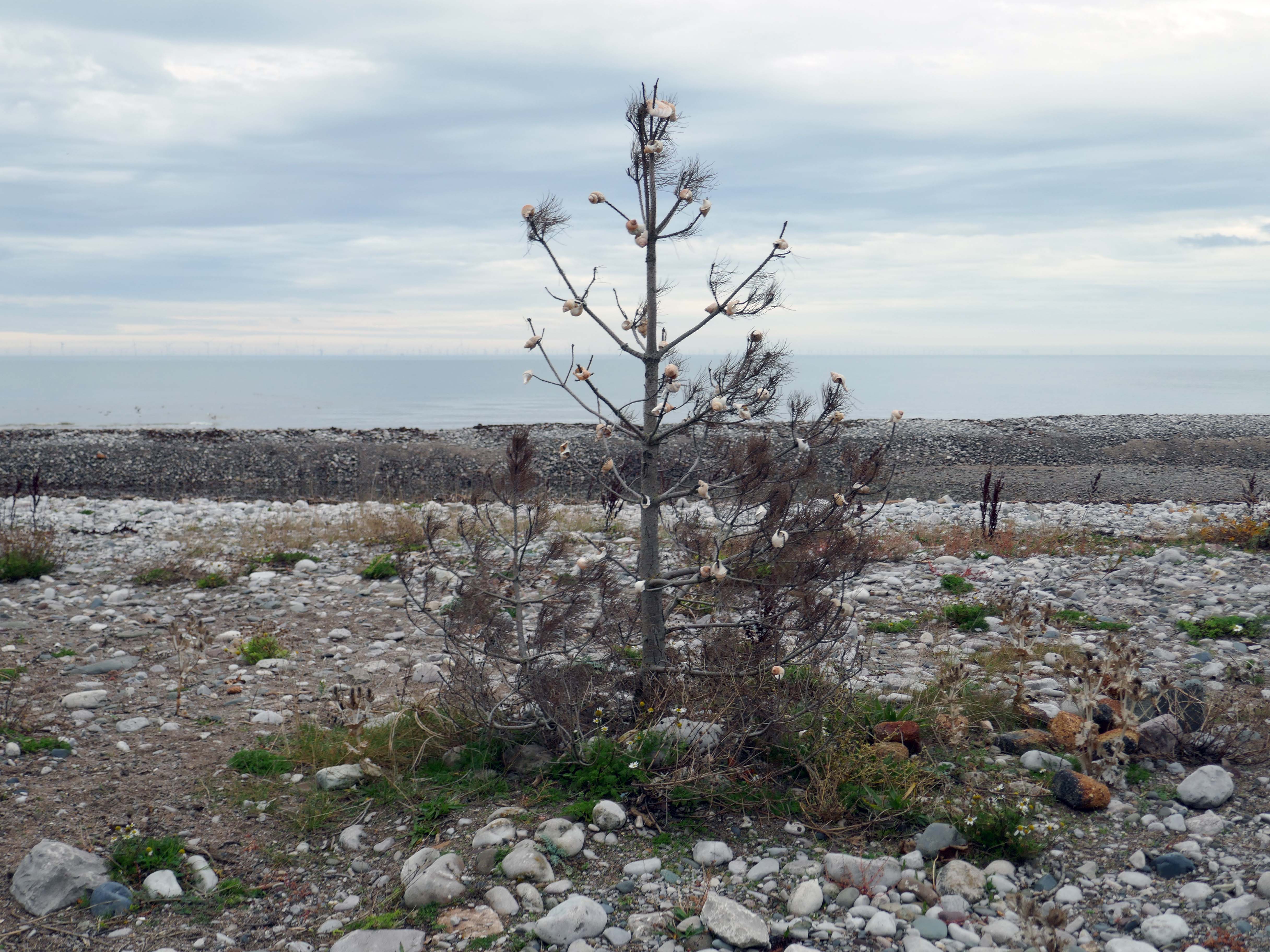
Such a pleasant stretch of coast to stretch your legs along.
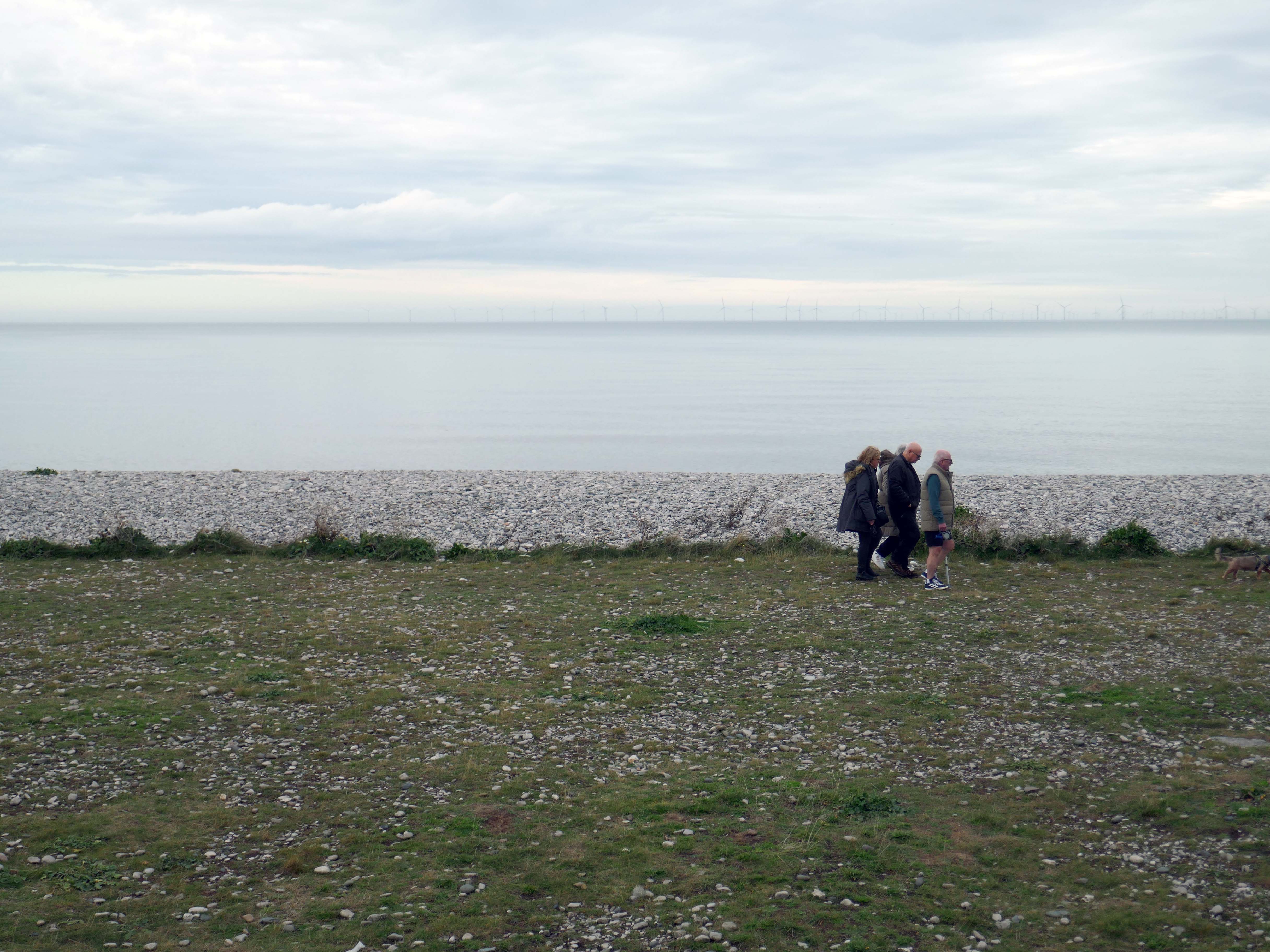
Or to stretch your wings for that matter, should you happen to be a cormorant.
Coastal defences from the giant concrete bobbers and jacks.

tetrapod is a form of wave-dissipating concrete block used to prevent erosion caused by weather and longshore drift, primarily to enforce coastal structures such as seawalls and breakwaters. Tetrapods are made of concrete, and use a tetrahedral shape to dissipate the force of incoming waves by allowing water to flow around rather than against them, and to reduce displacement by interlocking.
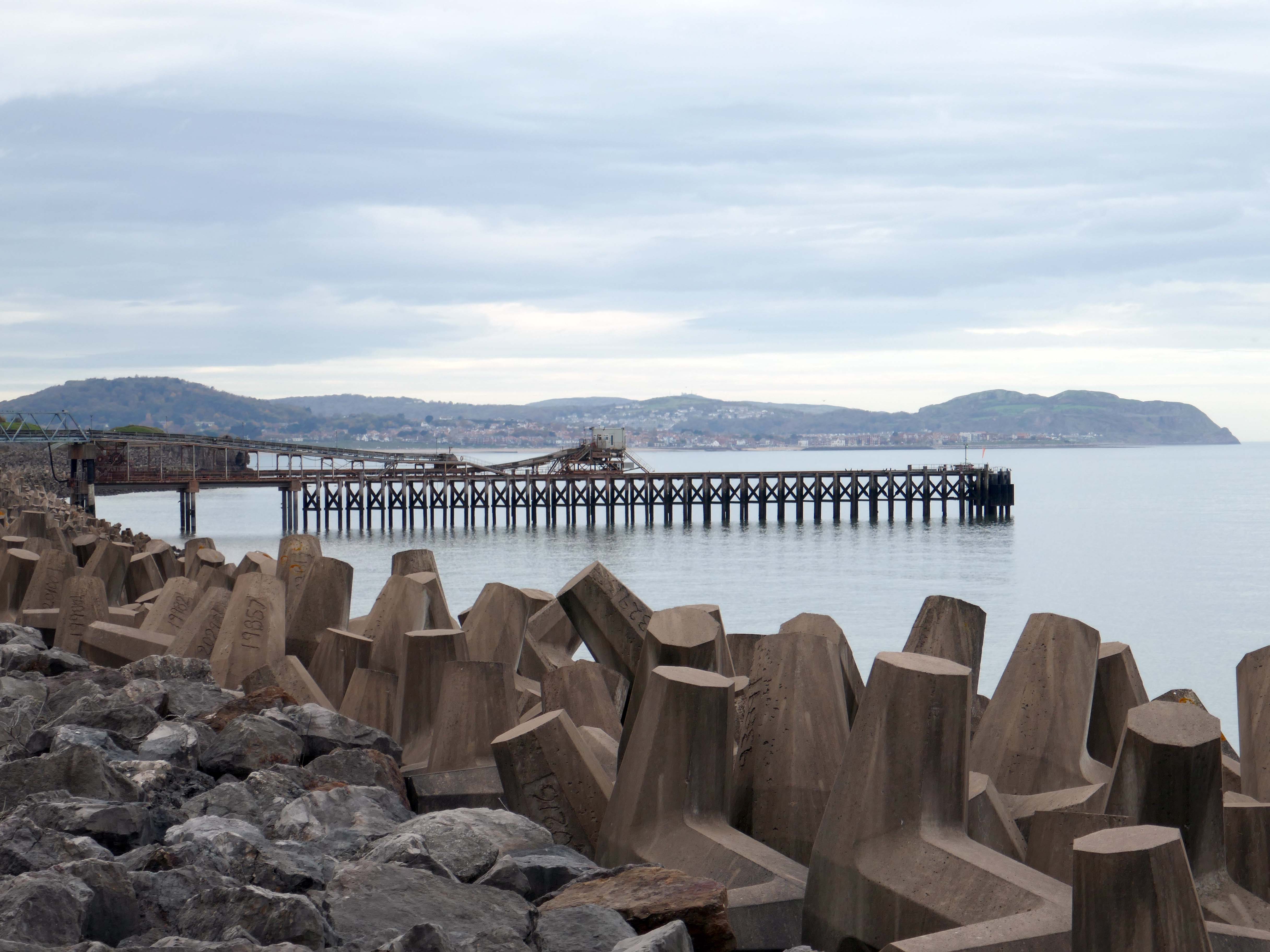
Tetrapods were originally developed in 1950 by Pierre Danel and Paul Anglès d’Auriac of Laboratoire Dauphinois d’Hydraulique in Grenoble,who received a patent for the design. The French invention was named tétrapode, derived from Greek tetra ‘four’ and pode ‘foot’.

Tetrapods were first used at the thermal power station in Roches Noires in Casablanca, to protect the sea water intake.

Wikipedia

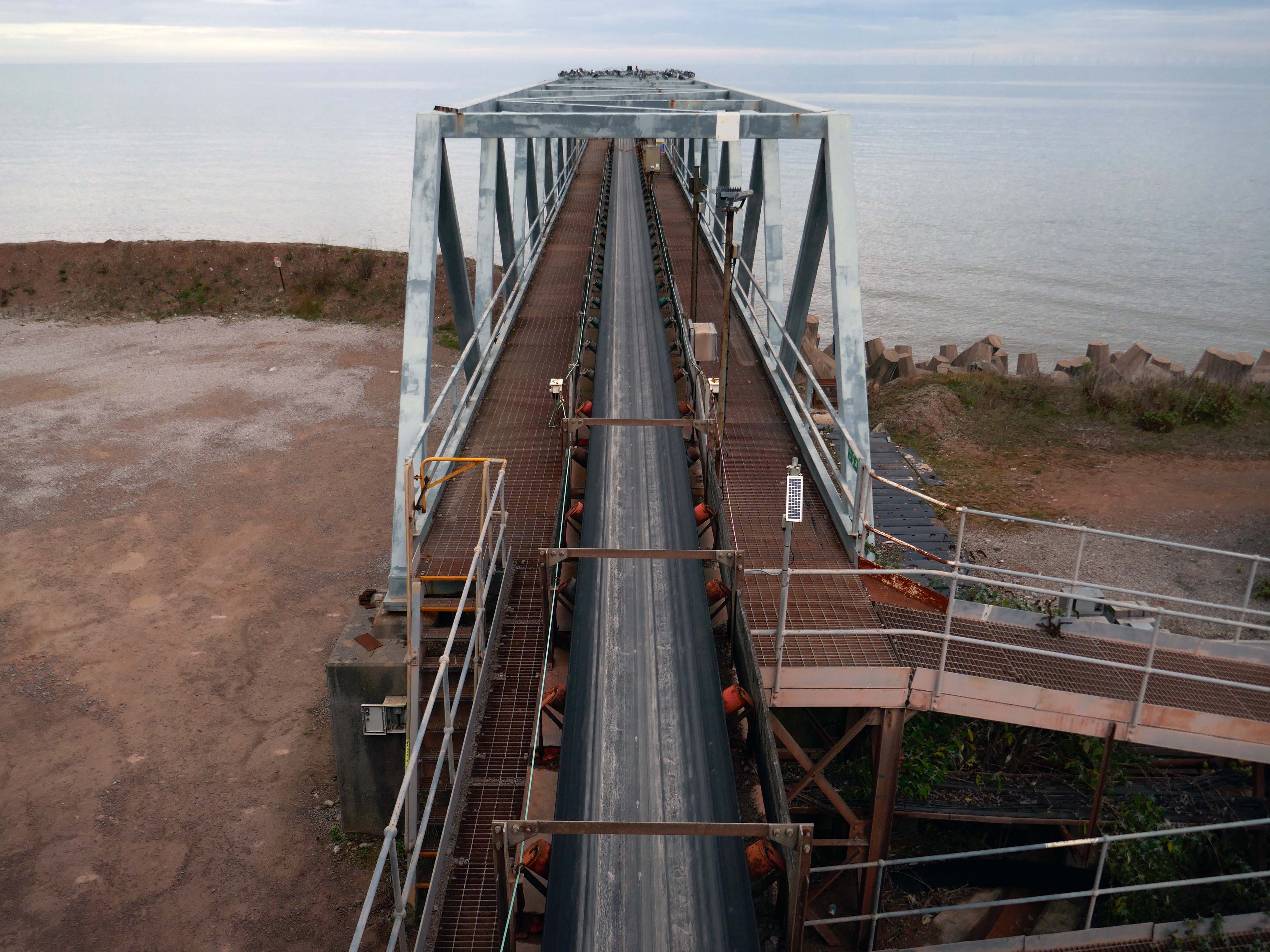
Next we pass Raynes Jetty the quarry conveyor belt – shifting and shipping limestone out to sea.

Limestone from Raynes quarry, to the south, is transported by conveyor belts to the jetty, crossing the A55 Expressway and railway. From the jetty it is loaded into coastal freighters which take it to other parts of the British Isles. Limestone from this quarry is a pure form of the rock, making it ideal for the chemical and cement industries.
History Points

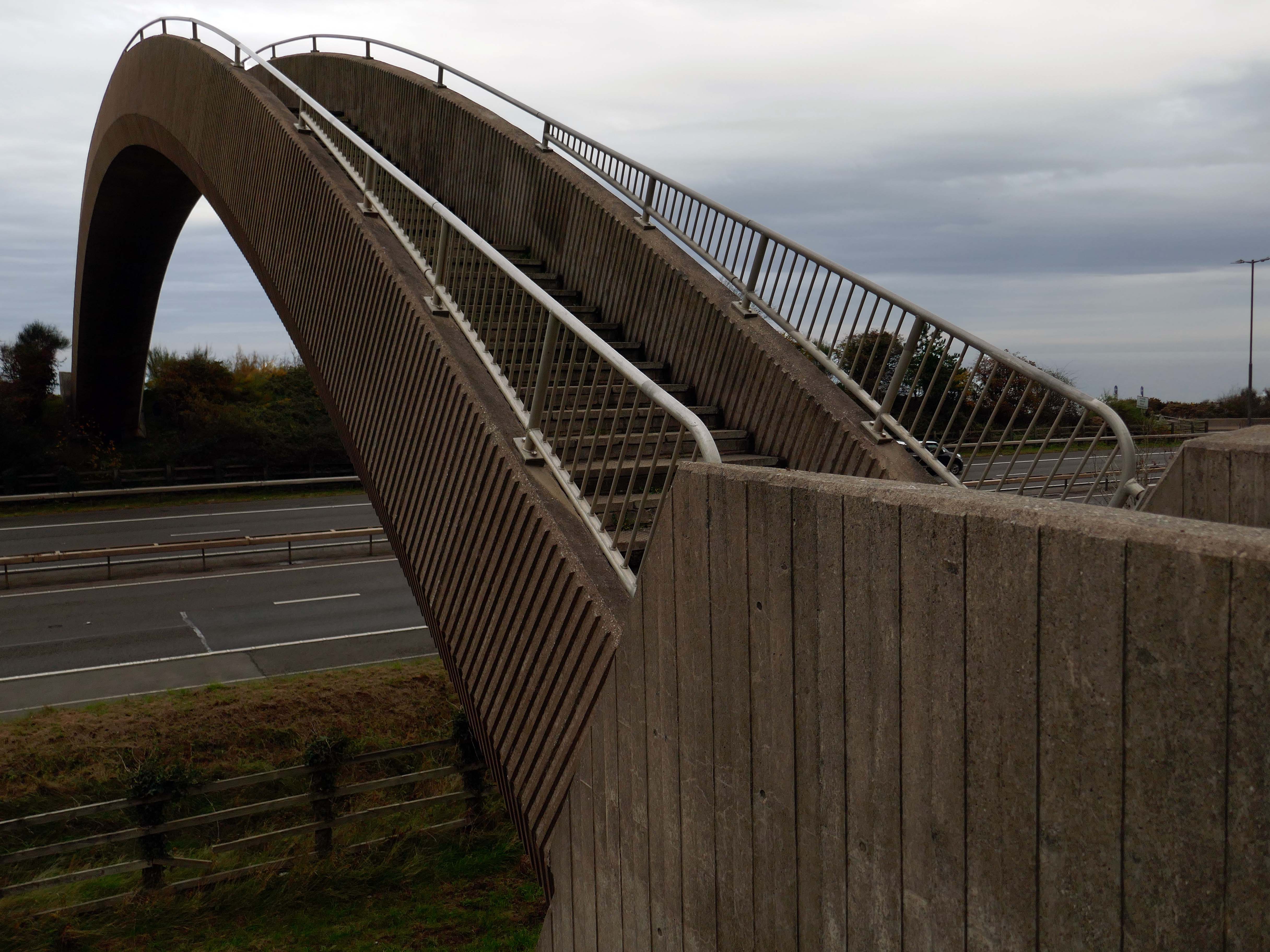
Limestone forming an important constituent part of the nearby concrete Rainbow Bridge – linking Old Colwyn’s pedestrians to the shore.
On the site of Colwyn Bay Pier is a seriously truncated pier.
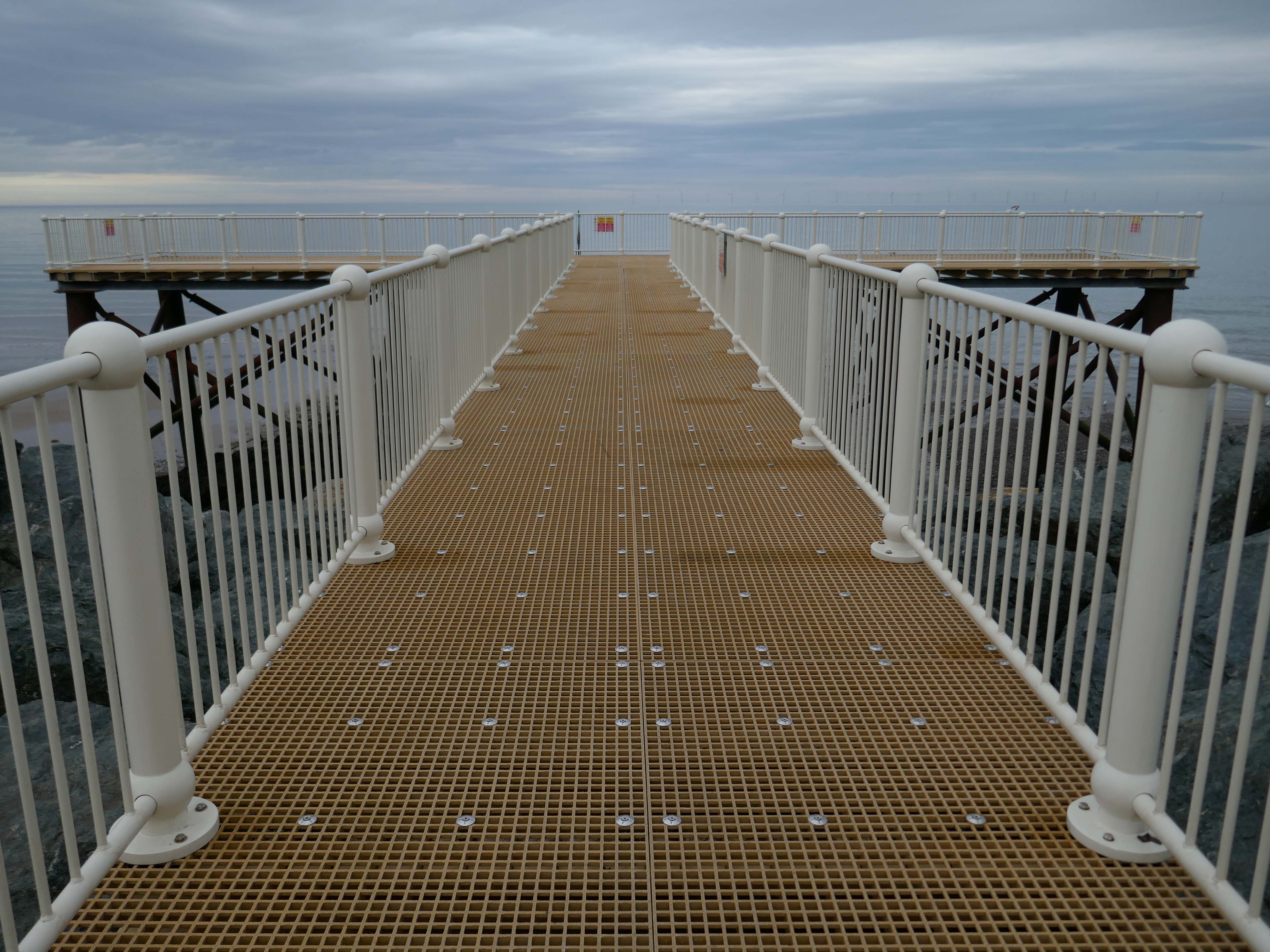
It was conceived in the late 19th century, when Colwyn Bay wanted to catch up with other towns which had piers where steamers deposited and collected passengers. However, it was found that the proposed pier would have to extend almost half a mile to reach the area where the water was deep enough for ships. This was too costly, so the pier was built purely for entertainments. The councillors saved face by saying this would avoid day trippers arriving by steamer and lowering the tone of Colwyn Bay!

The pier was less than 100 metres long when it opened in 1900. The pavilion had a 2,500-seat theatre, shops and a restaurant. The opening performance featured Adelina Patti, one of the world’s most renowned operatic sopranos in her day.
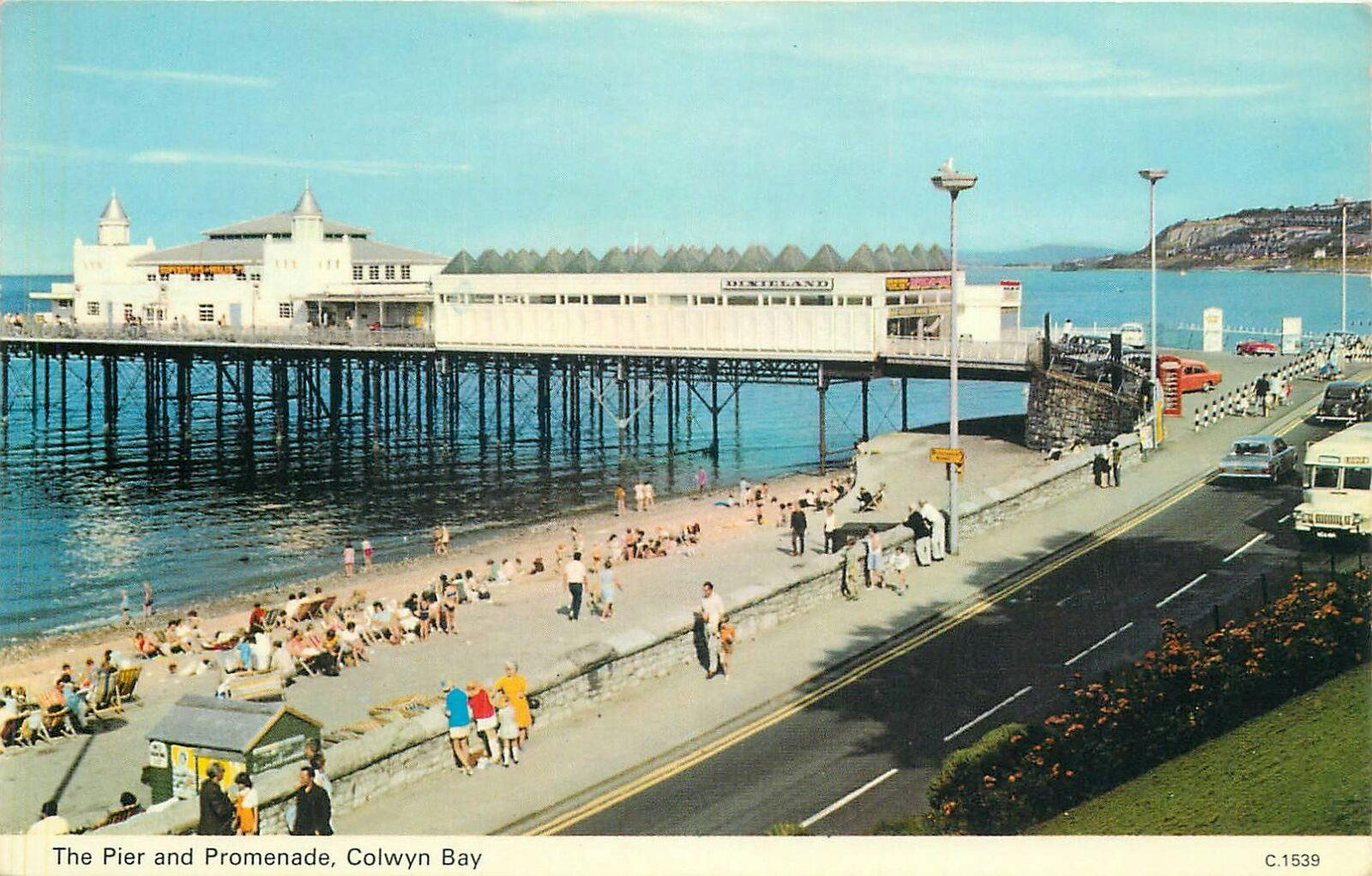
The final pavilion, opened in 1934, incorporated Art Deco features and murals by Eric Ravilious and Mary Adshead.

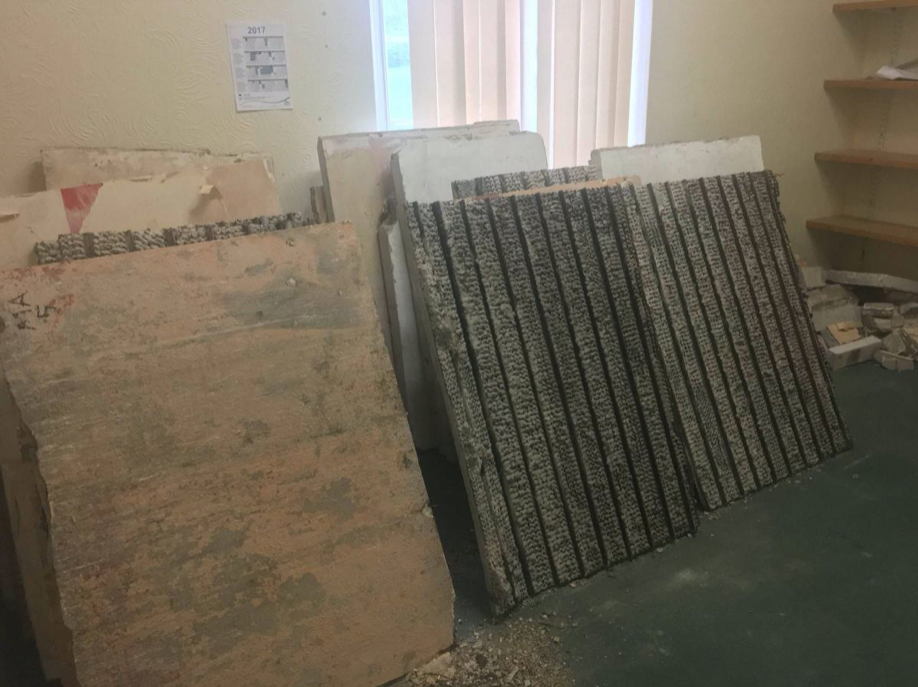
Both walls of the last remaining Eric Ravilious mural have been successfully removed, and were placed safely in storage. But with CCBC staff set to relocate to new Colwyn Bay offices a more permanent home is needed for the murals.
North Wales Pioneer

Fish sketch for the Colwyn Bay Mural.
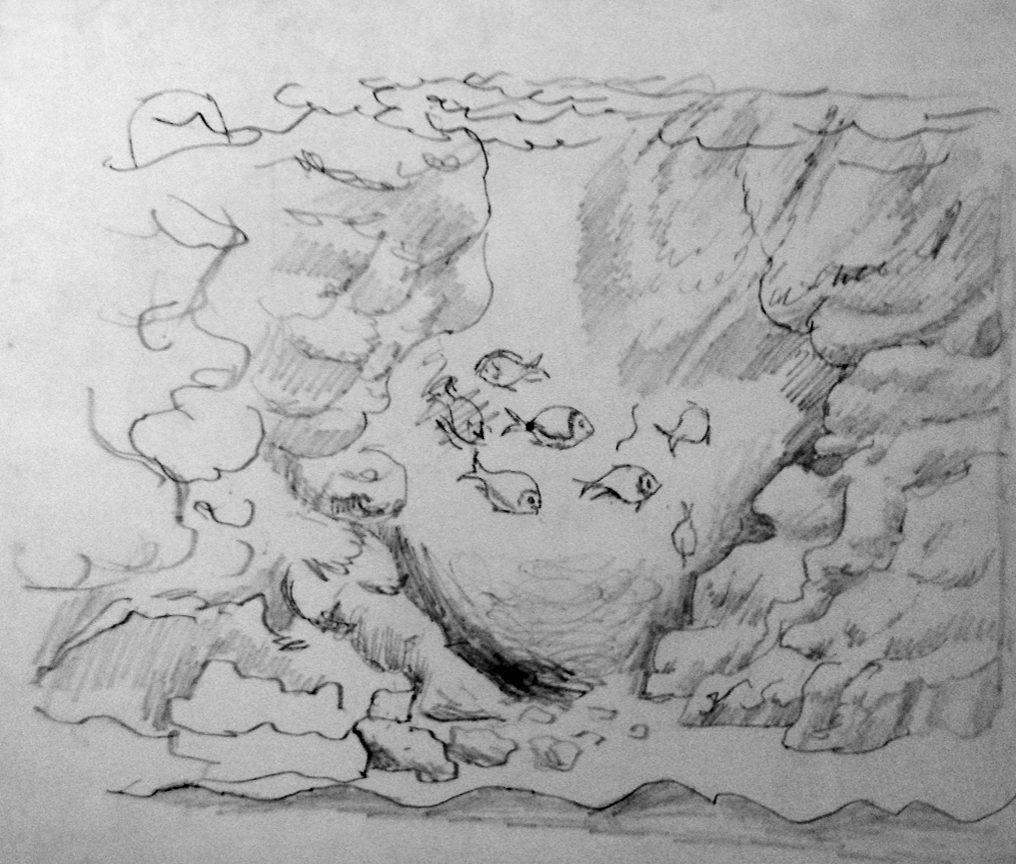
Many of those features were destroyed or obscured in post-war refurbishments. Entertainers who performed at the pier in this period included comedians Ken Dodd and Morecambe and Wise, and singers Harry Secombe and Elvis Costello.

History Points

The promenade has recently been updated.
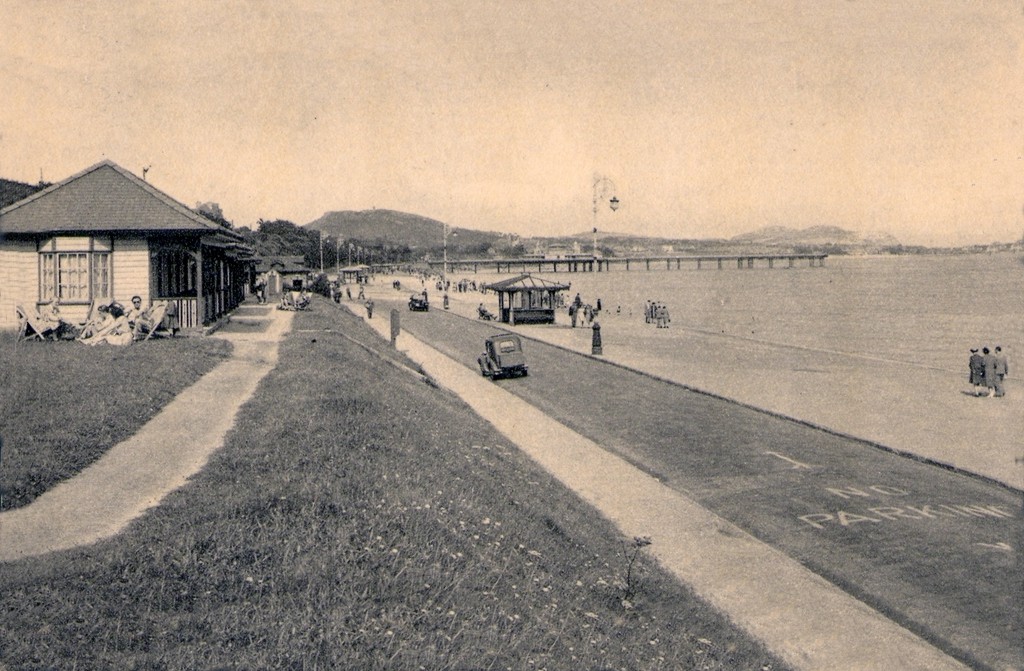
The new promenade, measuring 2.3 miles long, has been designed to protect the town and its infrastructure from the effects of the sea. The project was split into two phases; the first, to remove what was originally there and to construct the new raised promenade including a road, cycleway and car parking. The second phase was to transform the promenade with further development as well as reinforce the defence structures.

BSFG

This is the last of the Sixties concrete shelters – which once stretched all the way to Rhos on Sea.
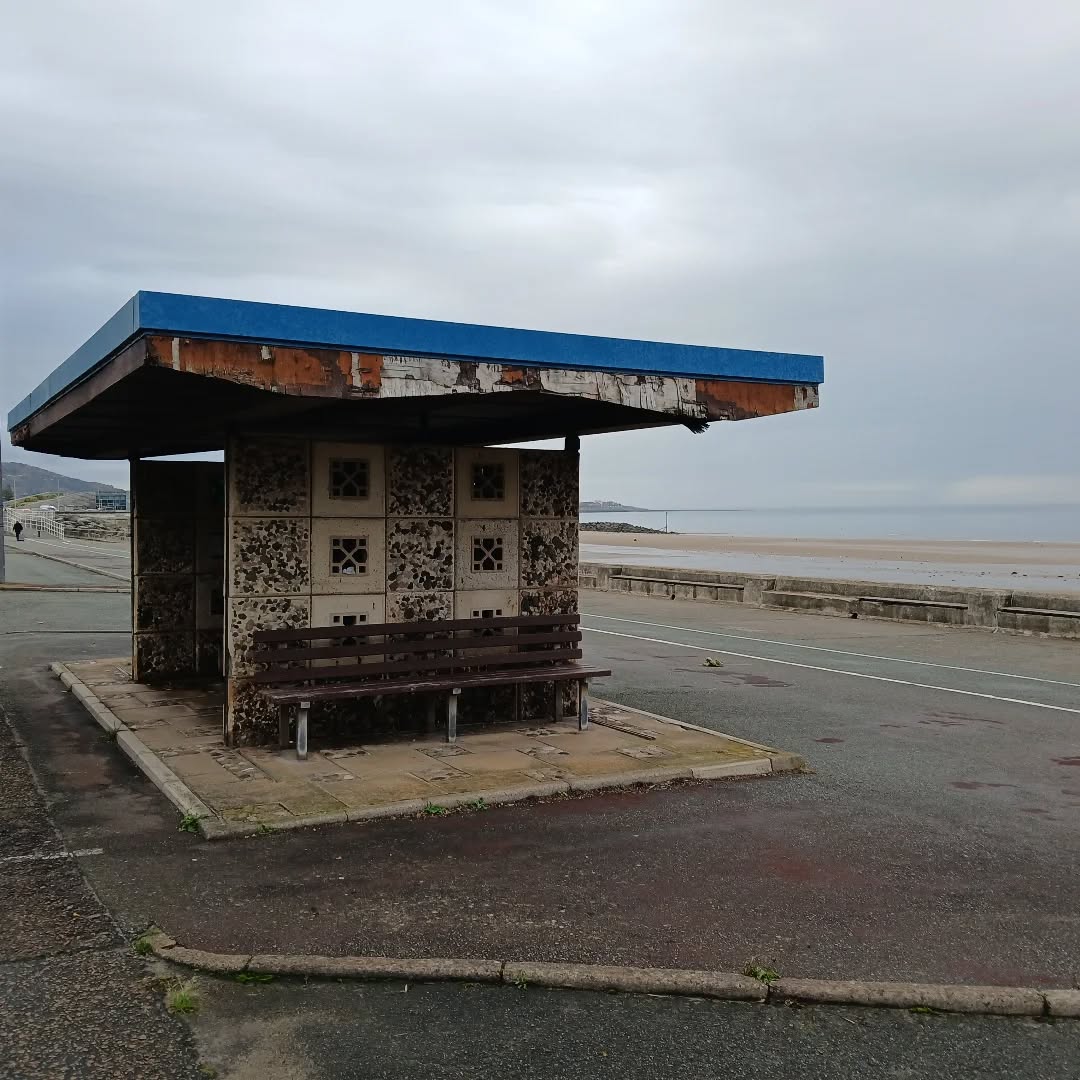
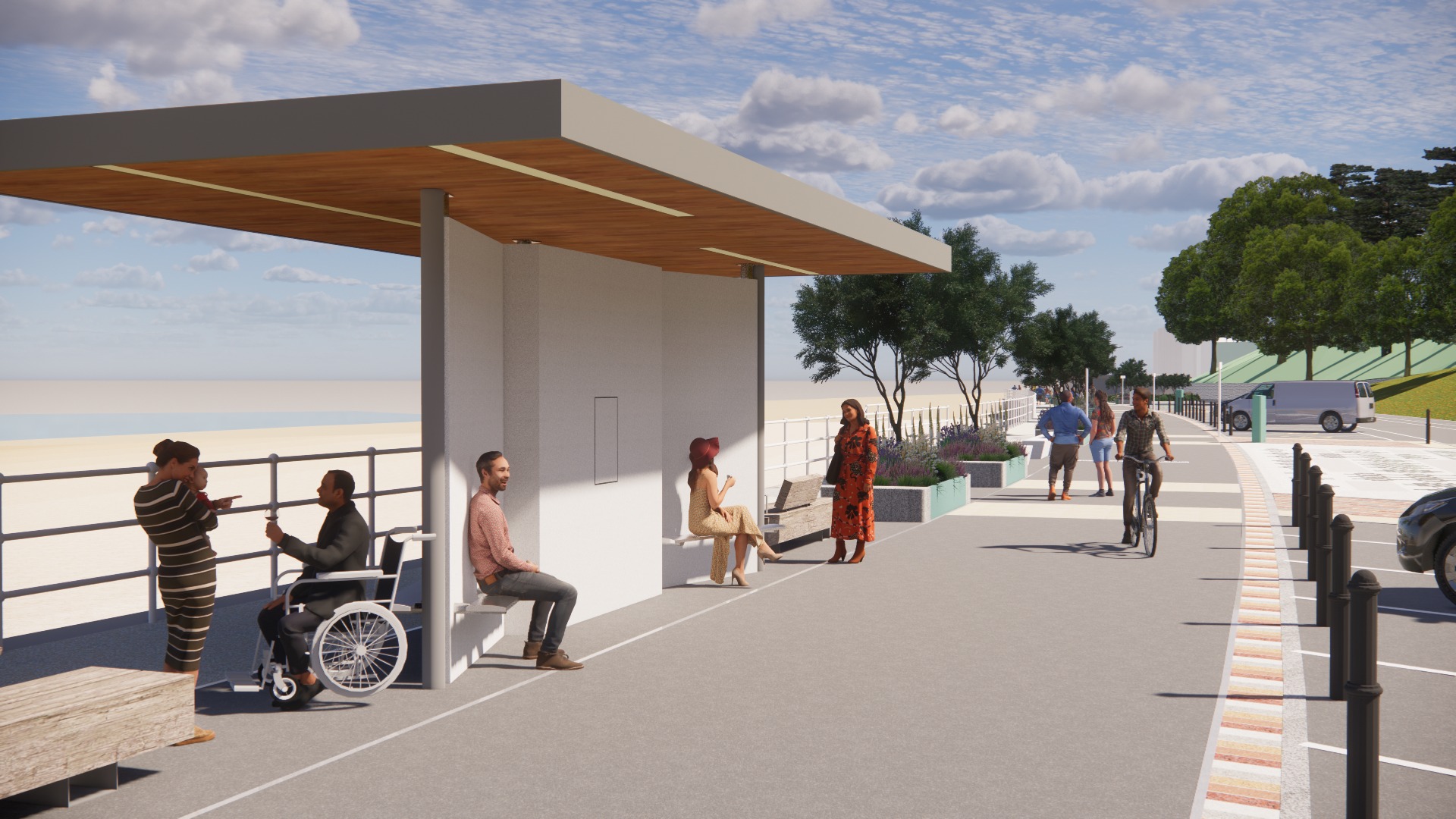
New shelters have appeared

A Conwy County Borough Council spokesperson said:

The shelters include new features such as solar power lighting and are designed to be accessible for wheelchair and mobility scooter users.

The closed design of the old shelters made anti-social behaviour easier and led to their condition deteriorating.
And a new pier has appeared.

Construction on the new Pier at Colwyn Bay commenced in July 2020. Despite being initially slated for completion in the summer, the erection of scaffolding and subsequent work on the 45-meter truncated Colwyn Bay pier were delayed. However, the project timeline was expedited, and the construction was successfully finished in July 2021.
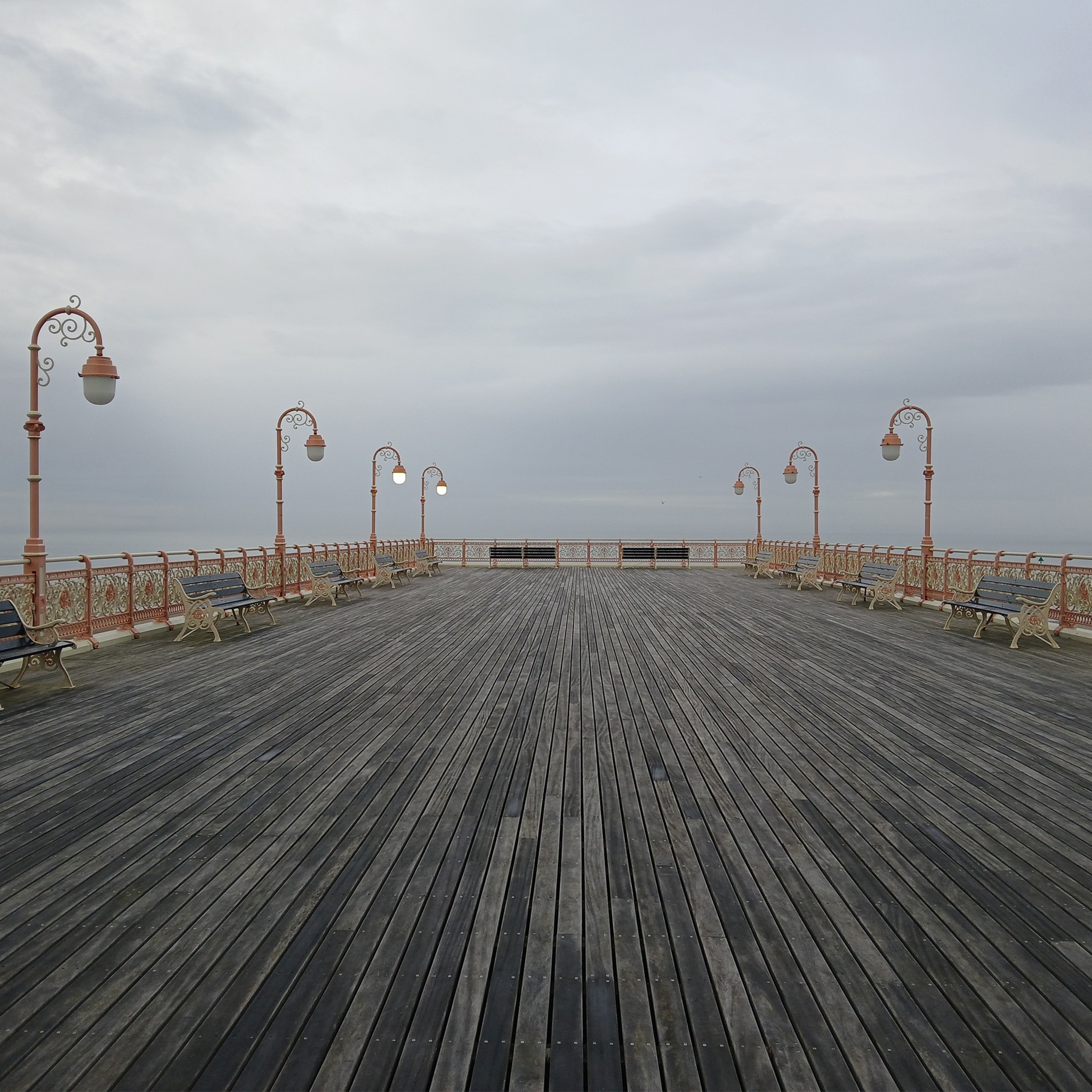
Pier Bae Colwyn

At this point it began to rain – so I hastened to see solace and shelter in the Black Cloak, again.

Time for the train home to Stockport – but you can bet I’ll be back.
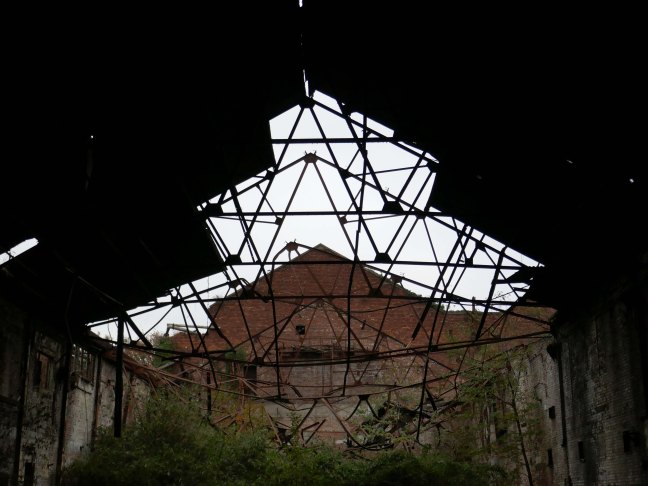
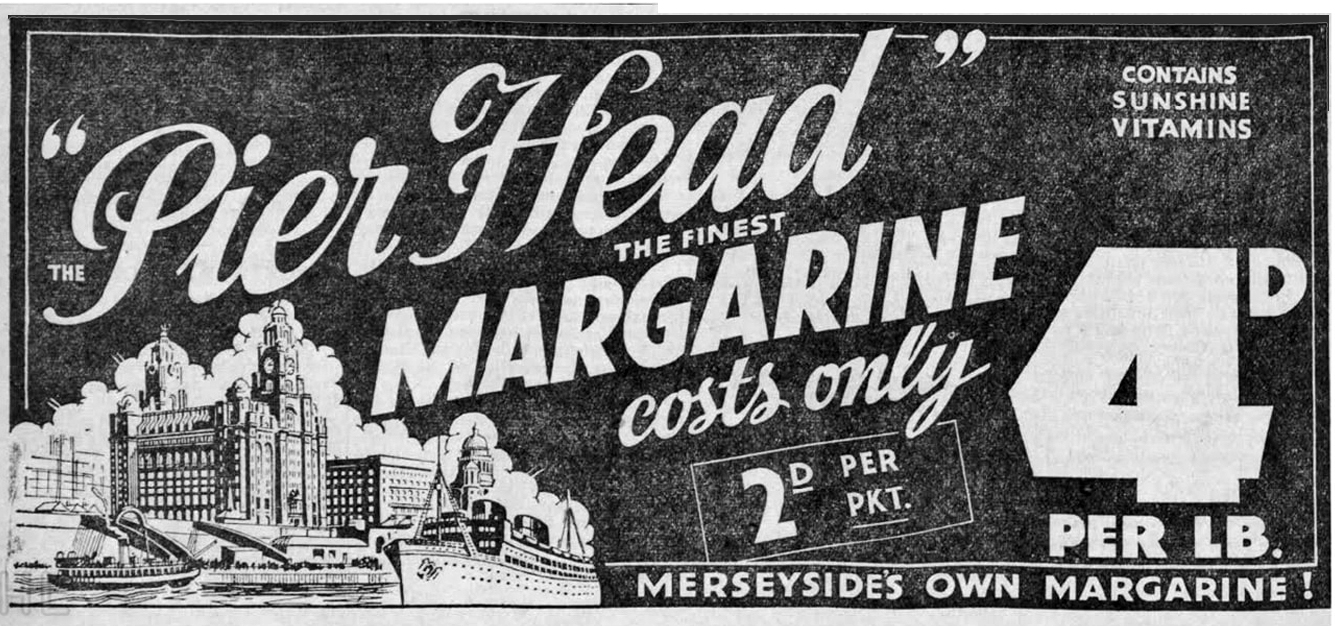
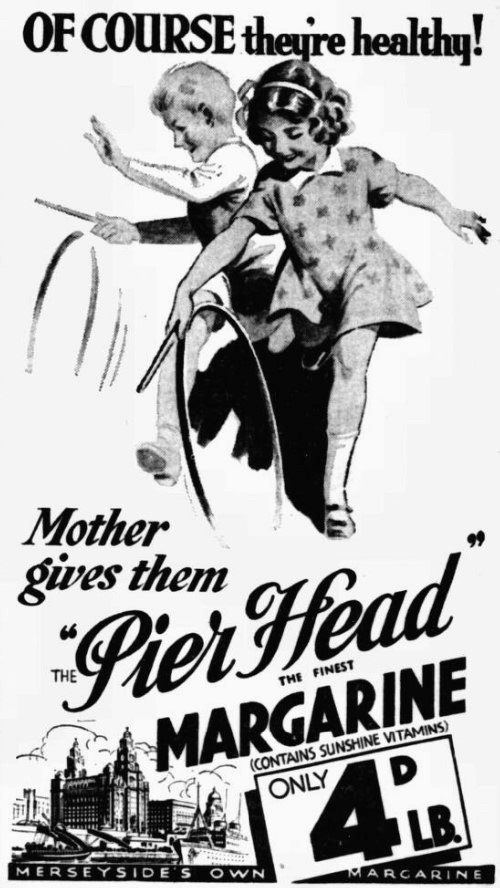
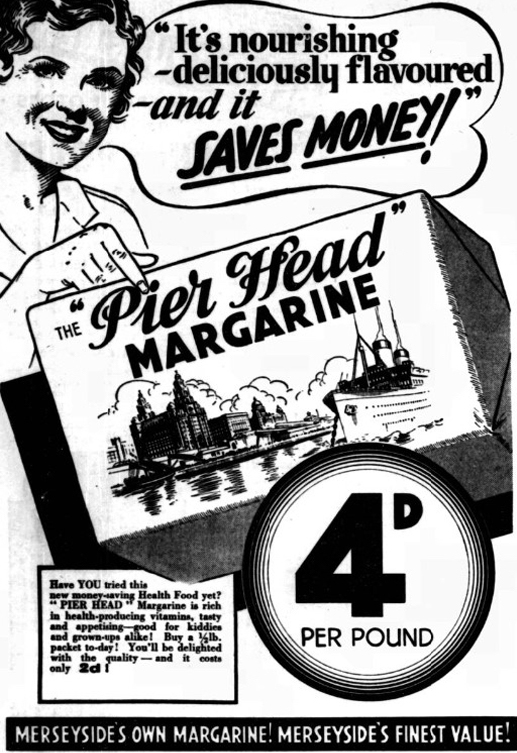
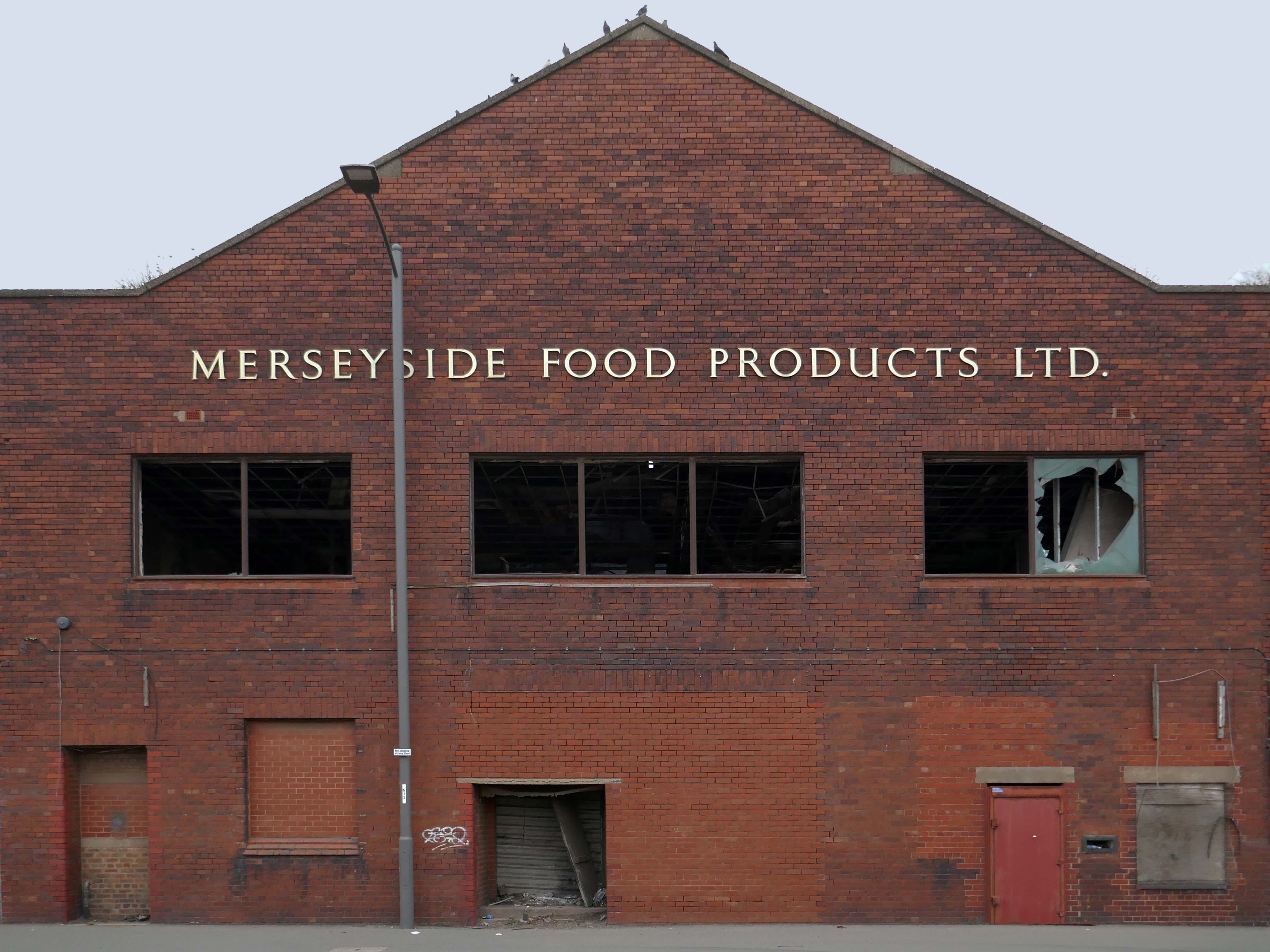
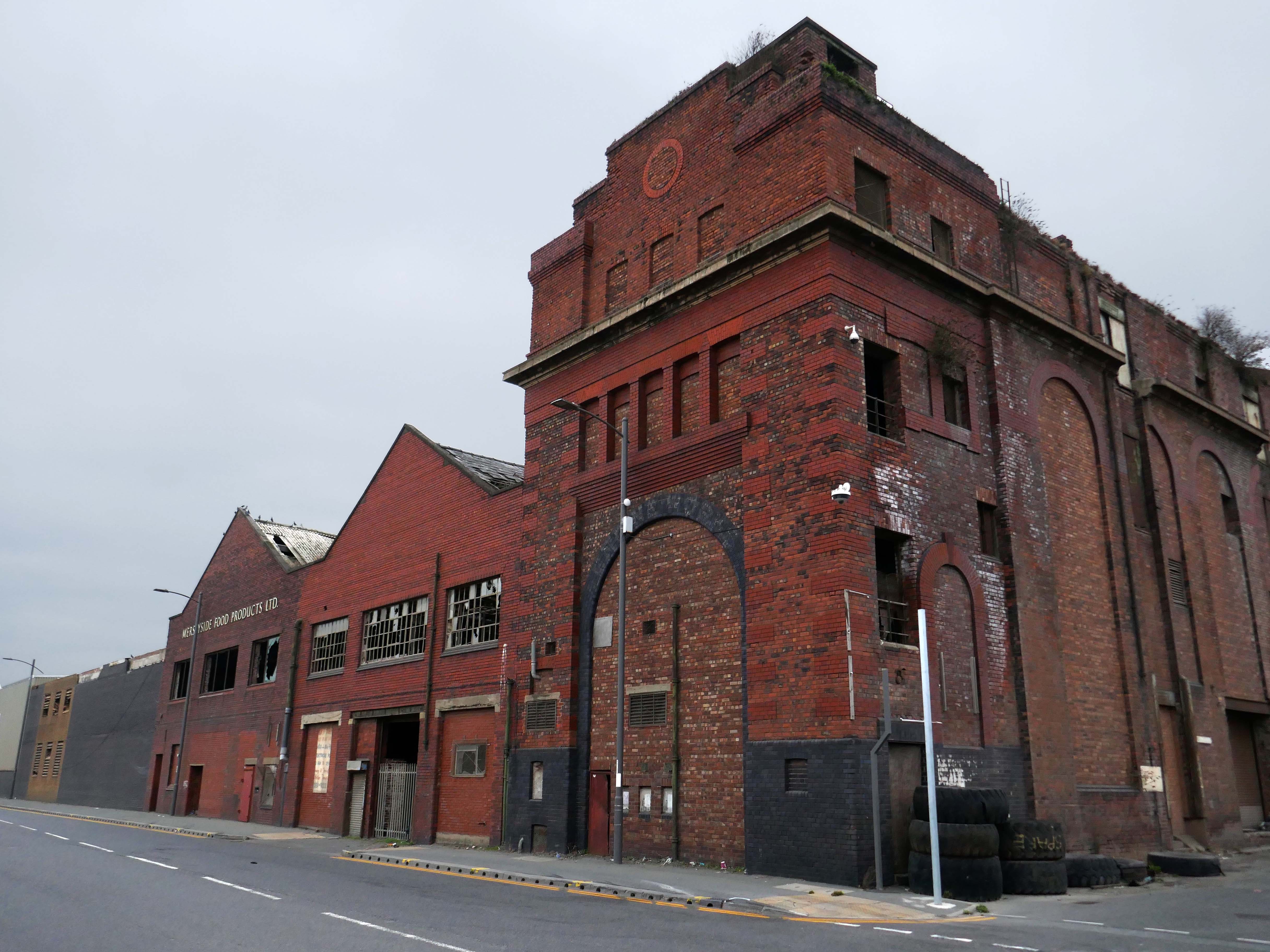
Merseyside Food Products Ltd – Liverpool

Merseyside Food Products Ltd of Marsh Lane, later 185 Regent Road.

Edible oil producers.

1939 Producing Pier Head brand margarine.

The Regent Road premises had originally been the marine engineering North Works of H&C Grayson. It appears that the southern block was converted to a warehouse at some point before being occupied by Merseyside Food Products in the 1950s. 

The Regent Road factory closed in 1984.

Graces Guide.

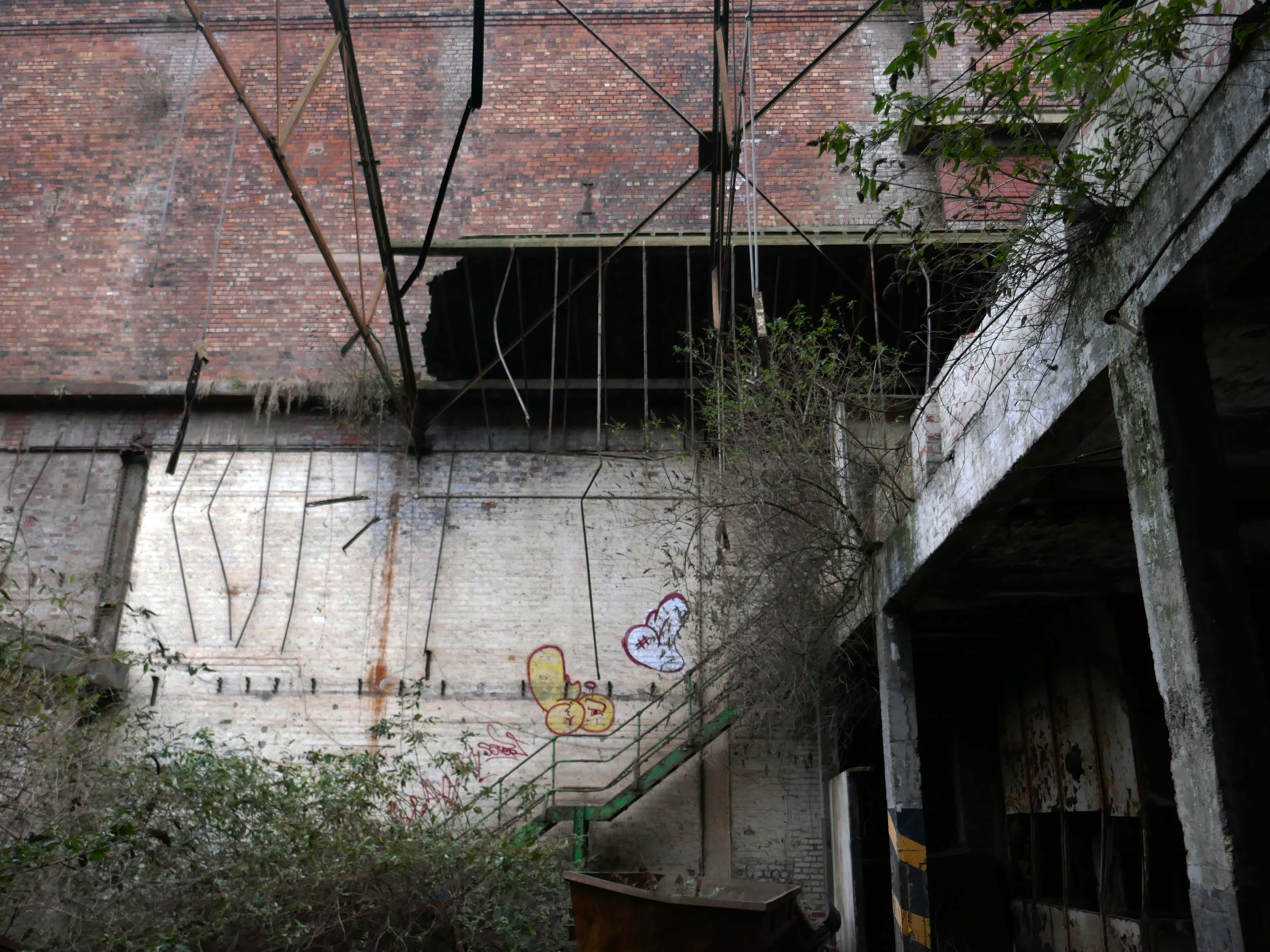
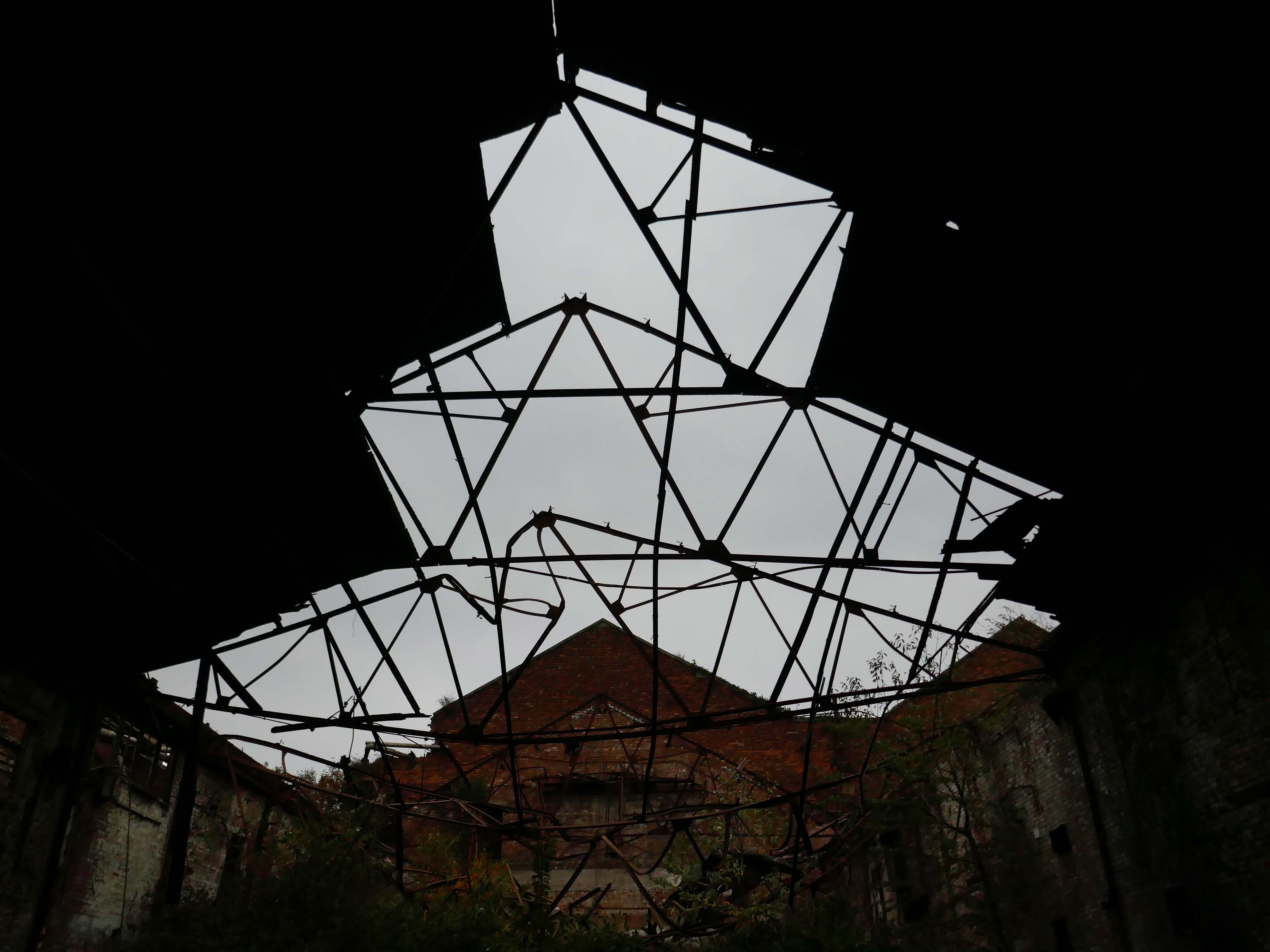
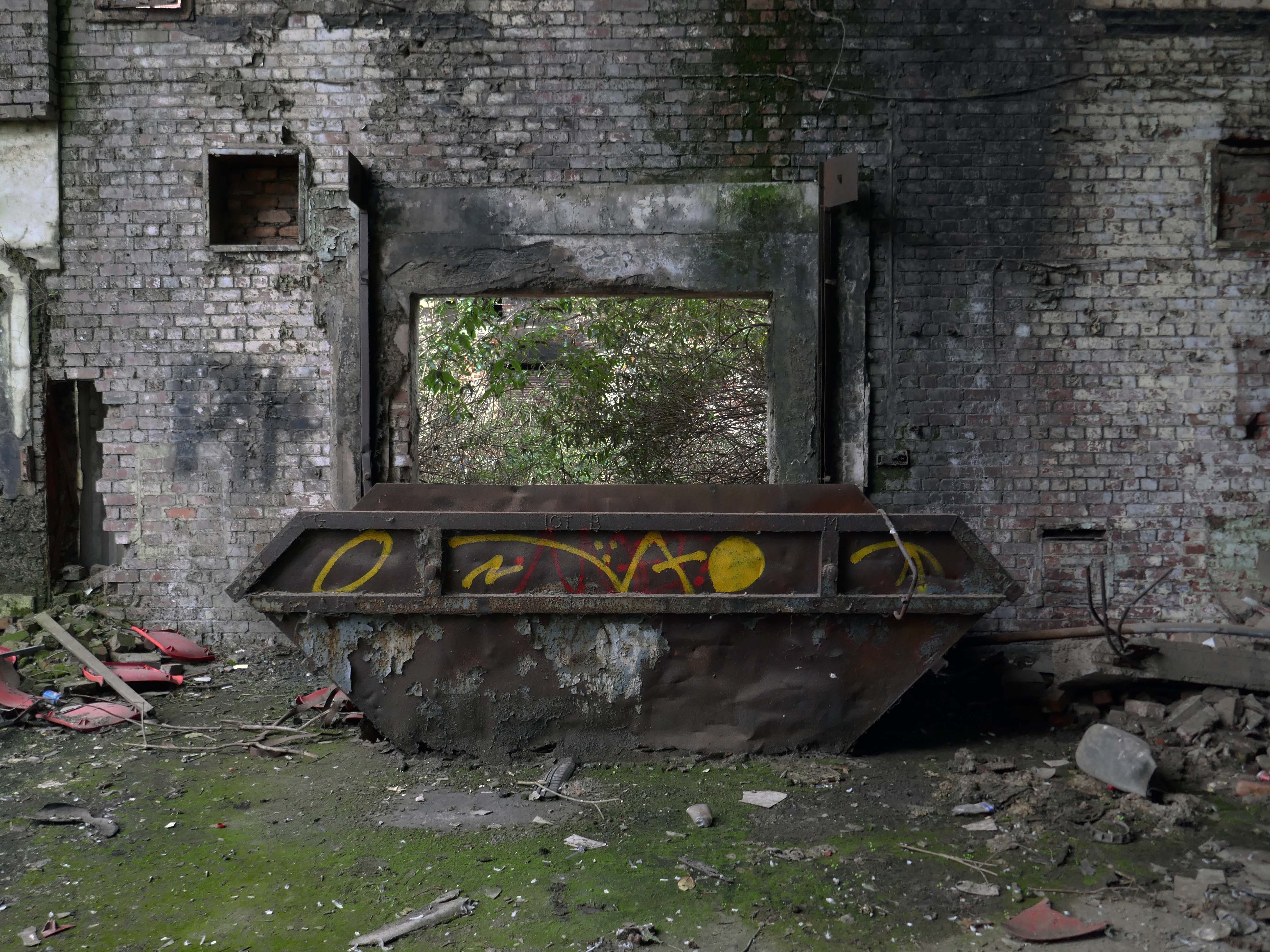
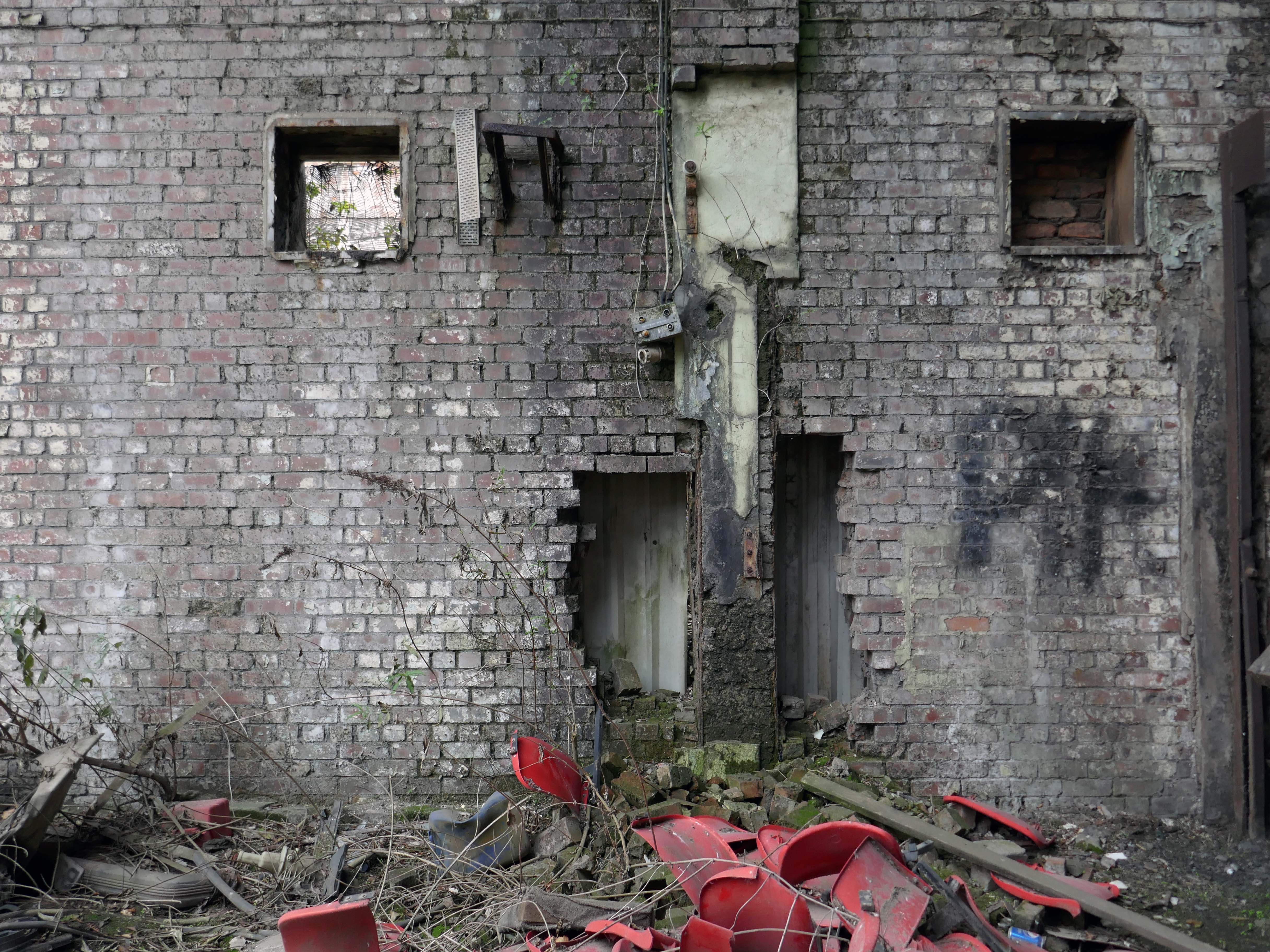
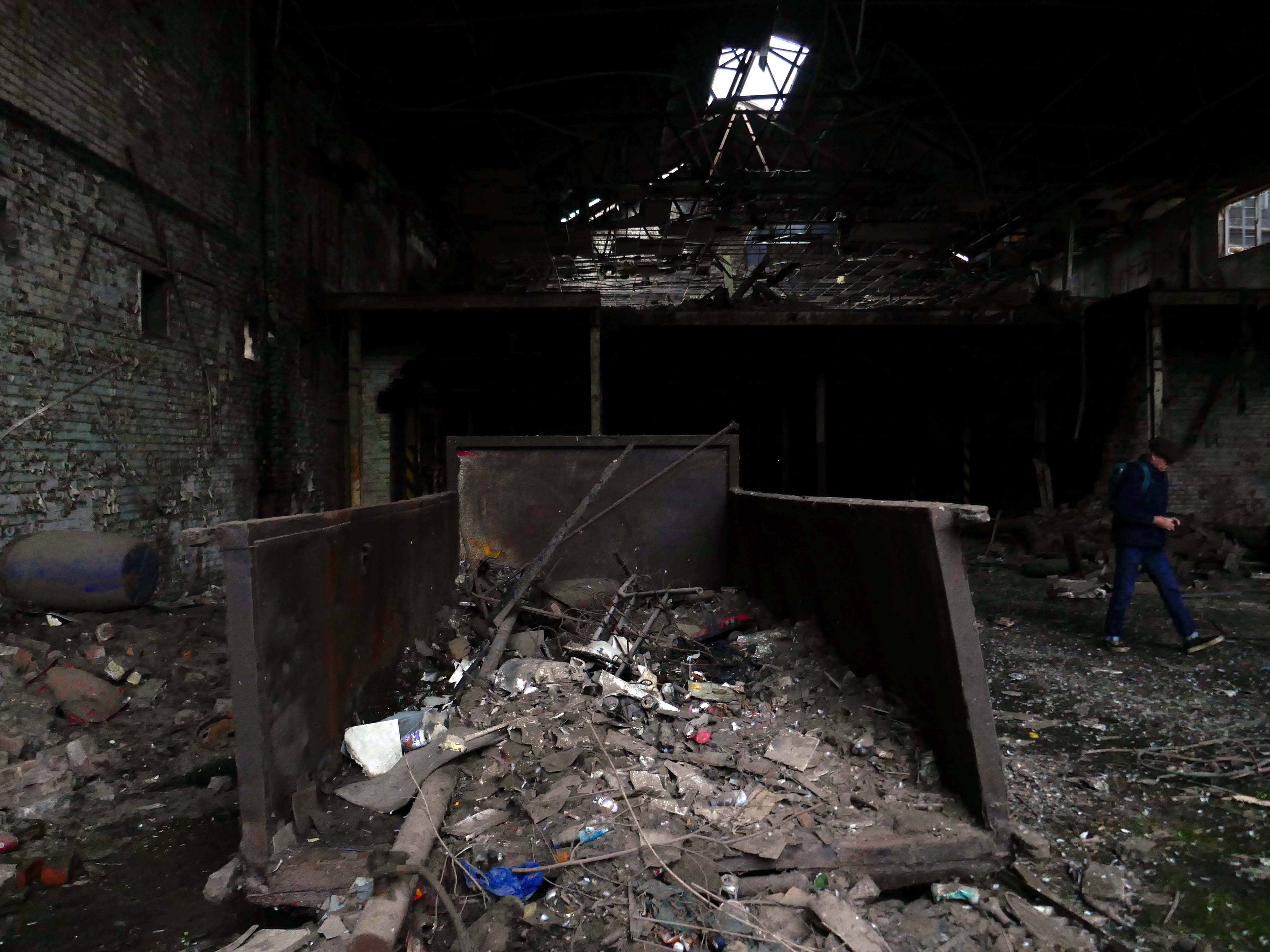
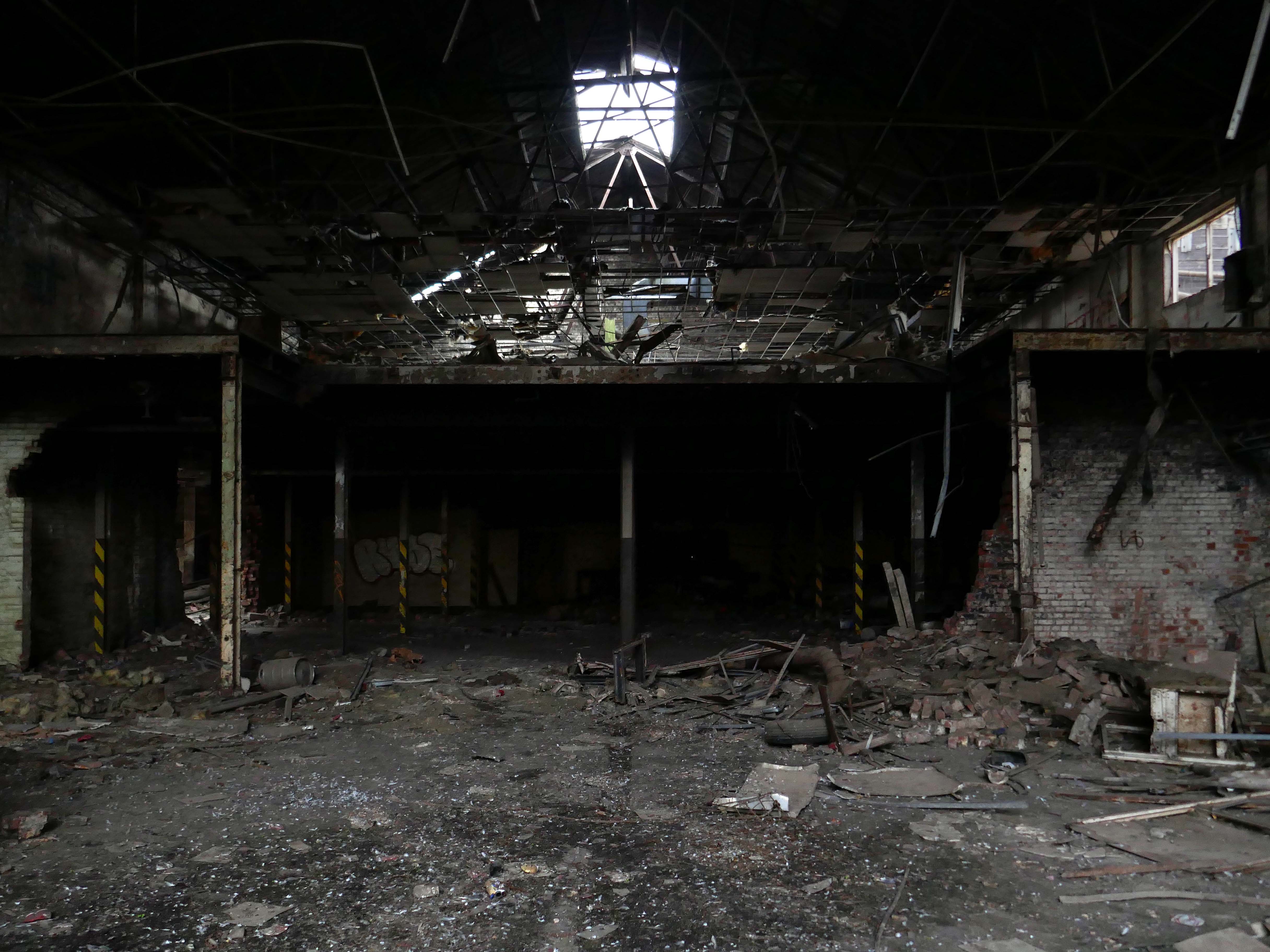
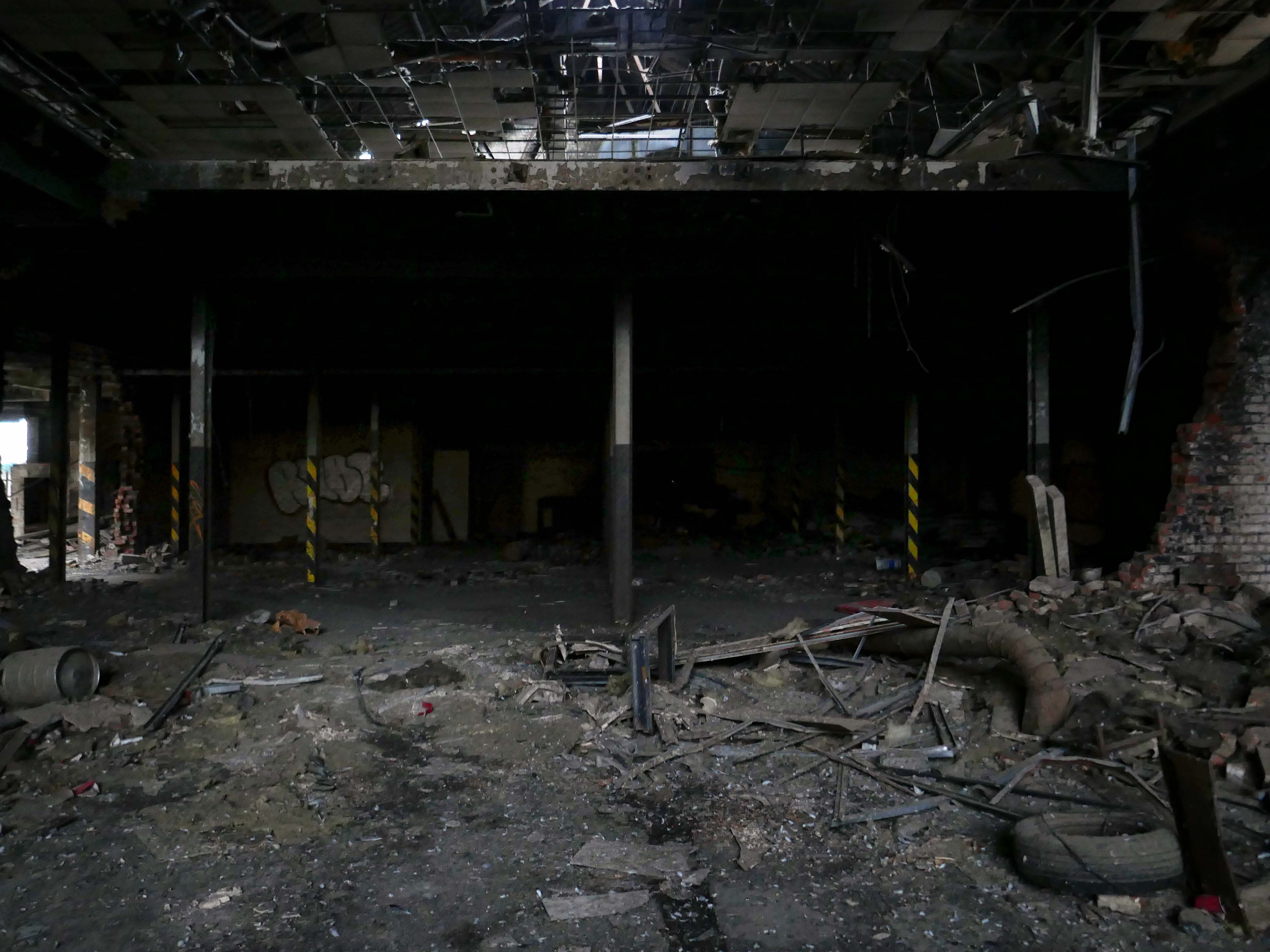
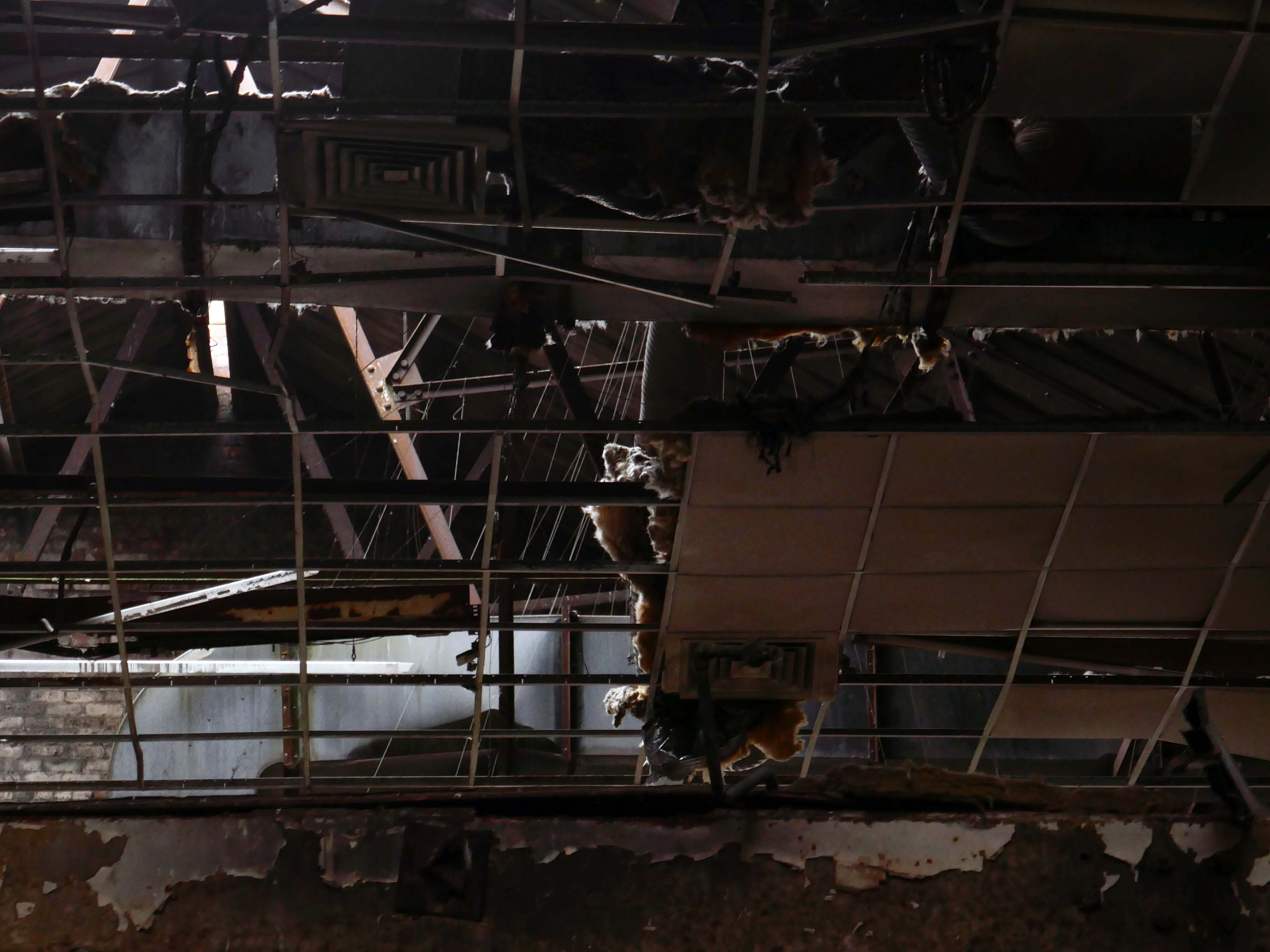
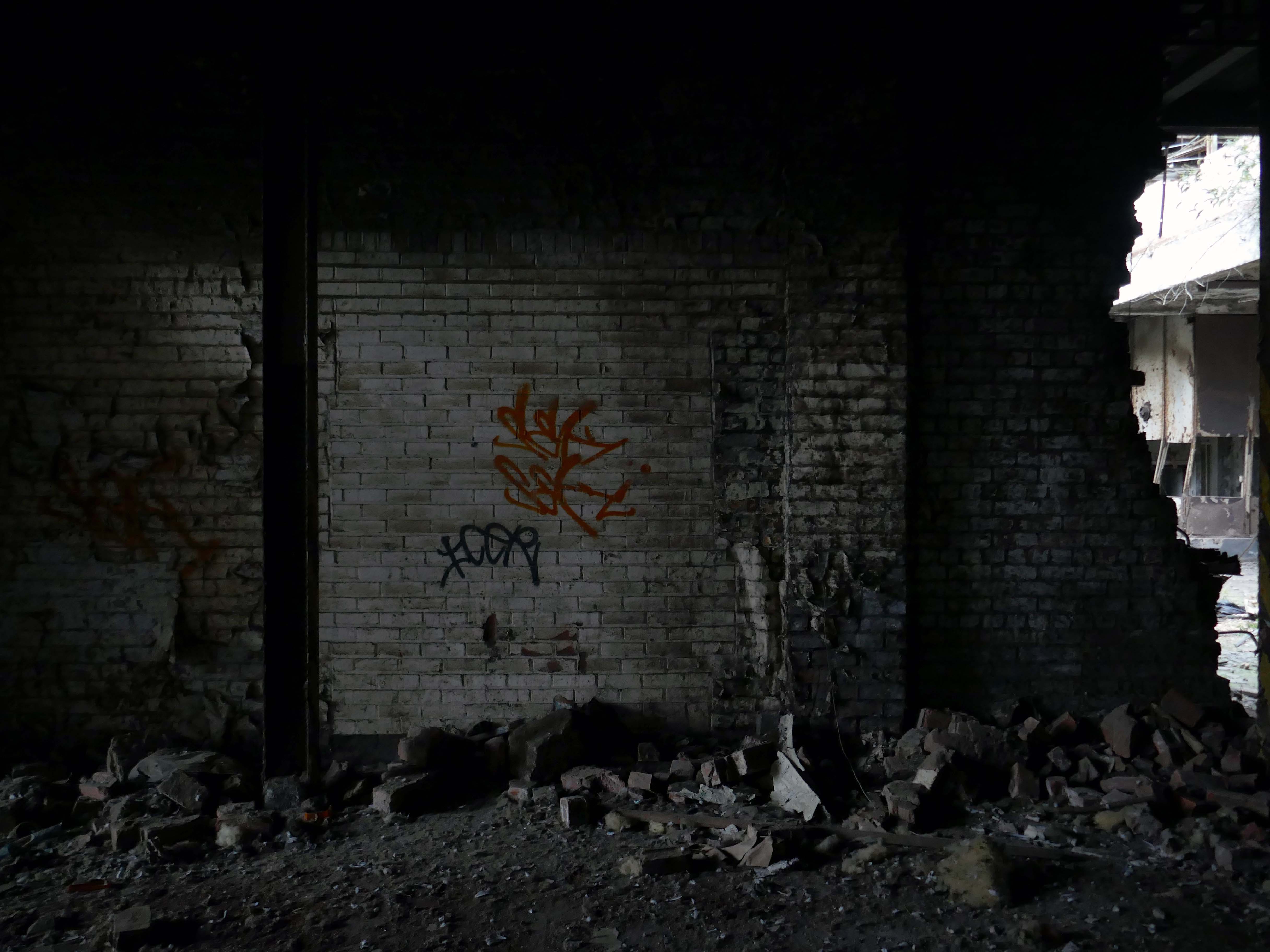
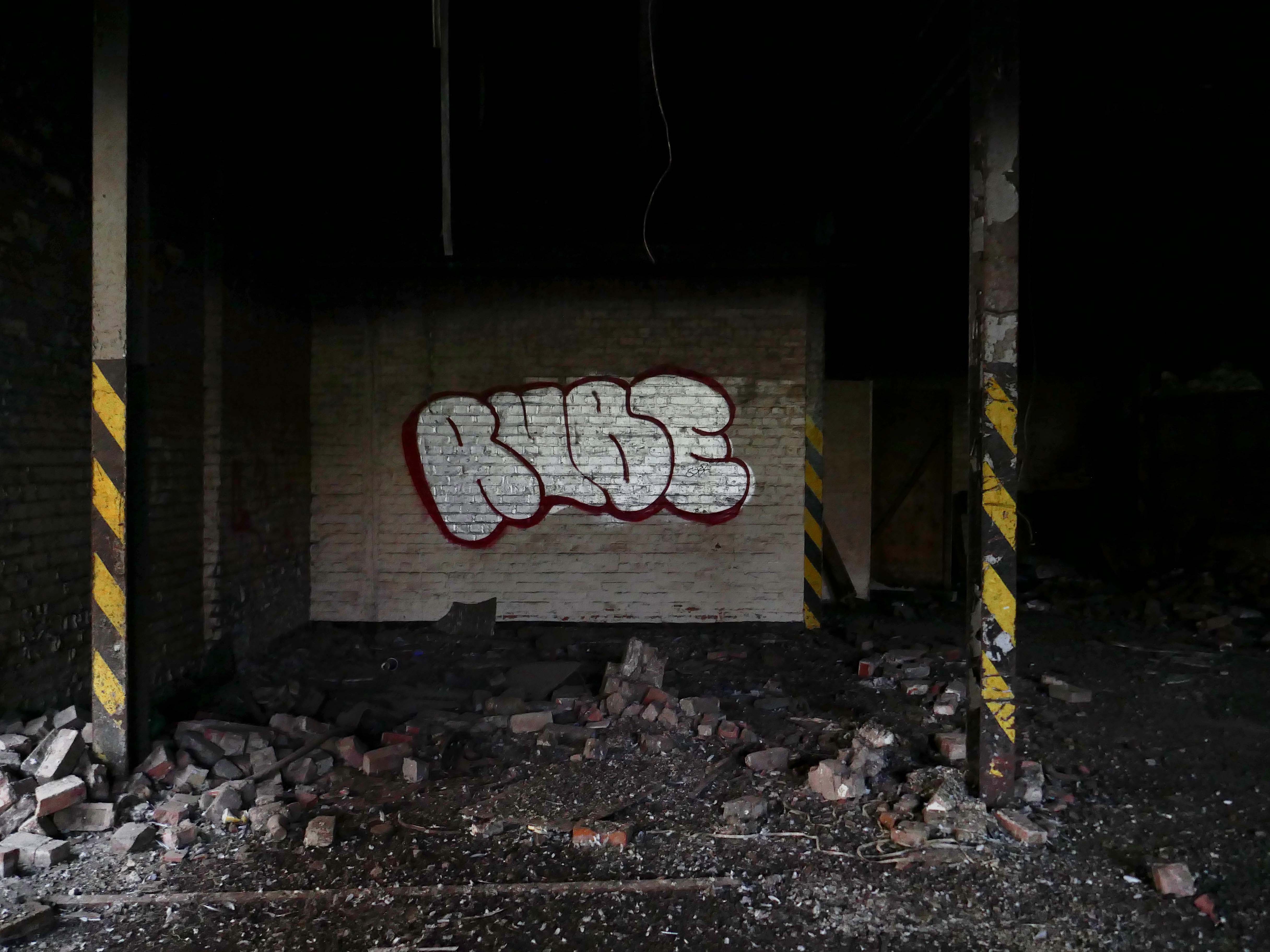
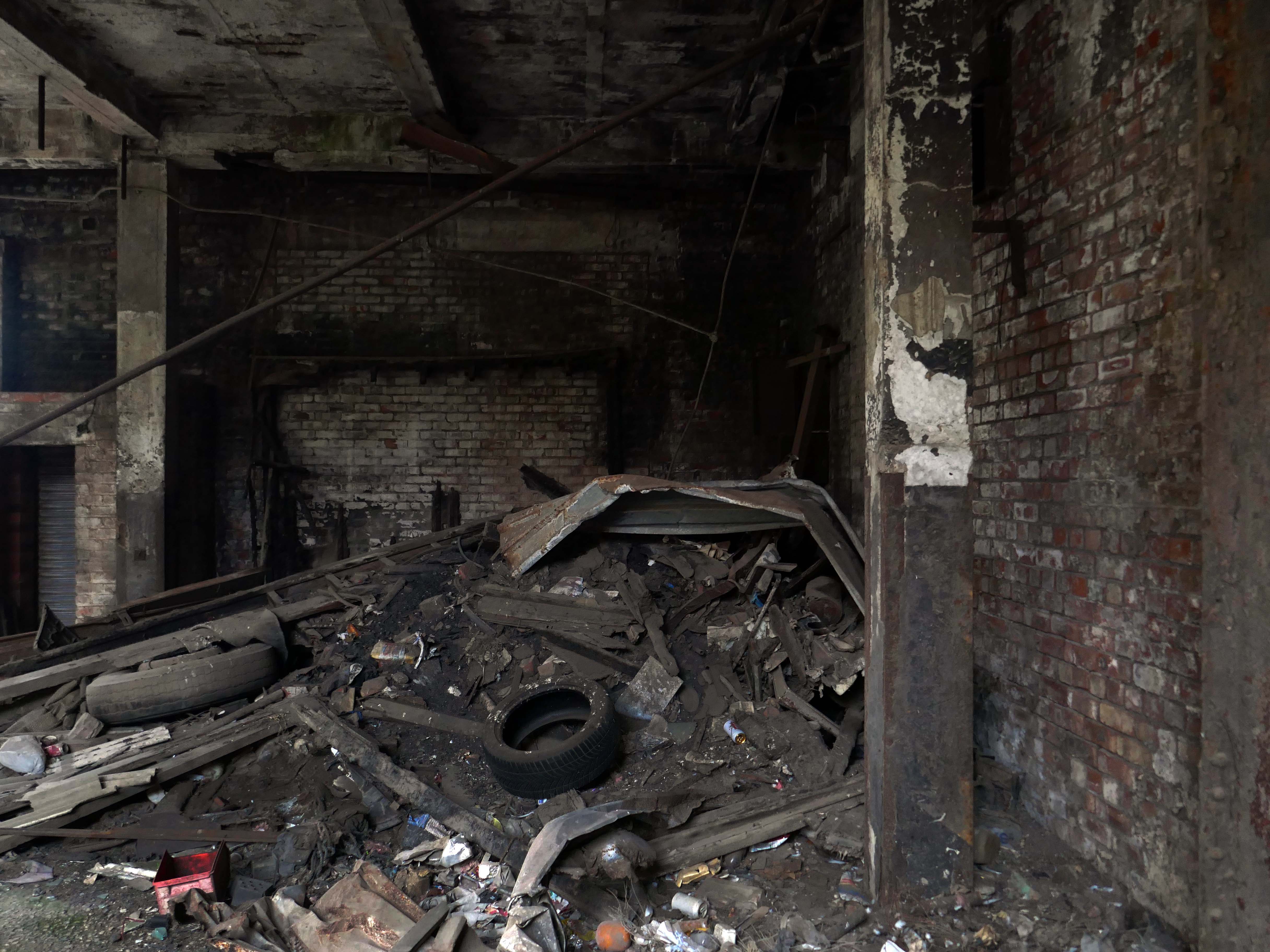
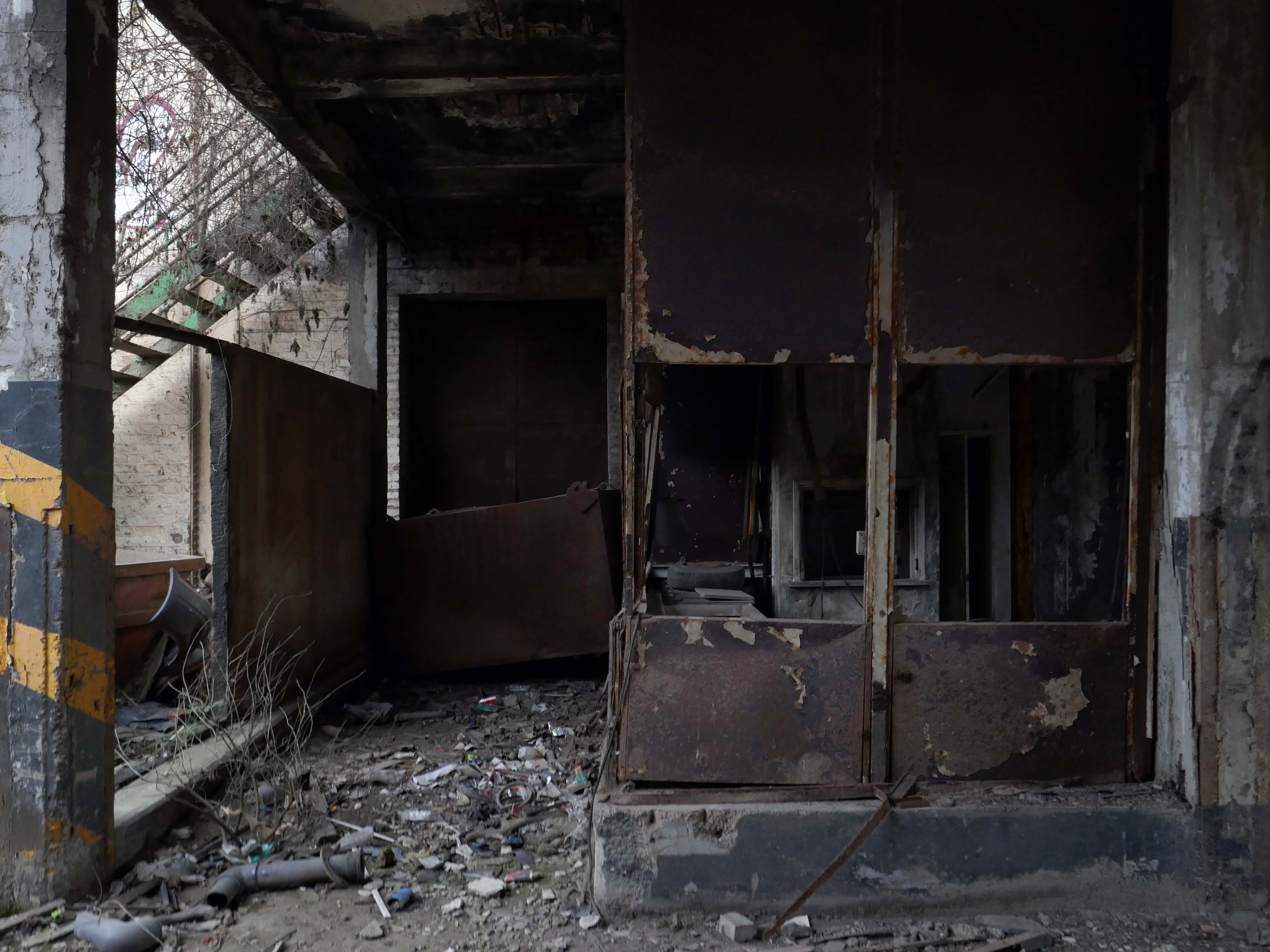
Having a casual afternoon stroll along the road, I espied a narrow gap in the railings, whilst I could never be considered a devotee of urbex, who can resist a narrow gap in the railings?

There are those who have been here before – the 28 Days Later folk take a much deeper peep.

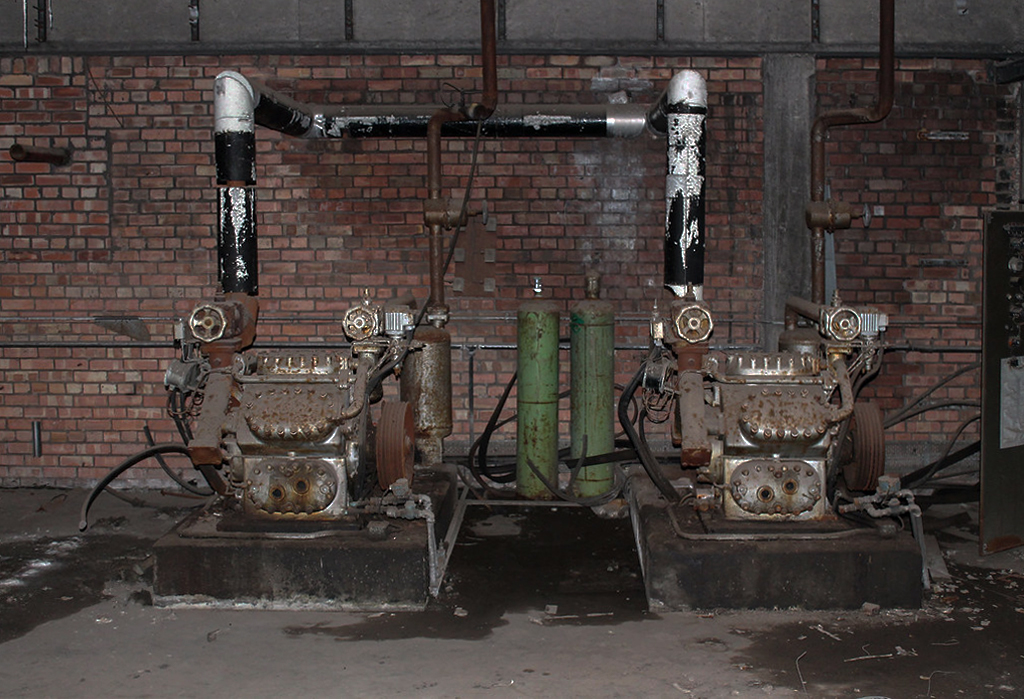
Uncovering some of the left behind plant.

And attracting a comment from a former employee:

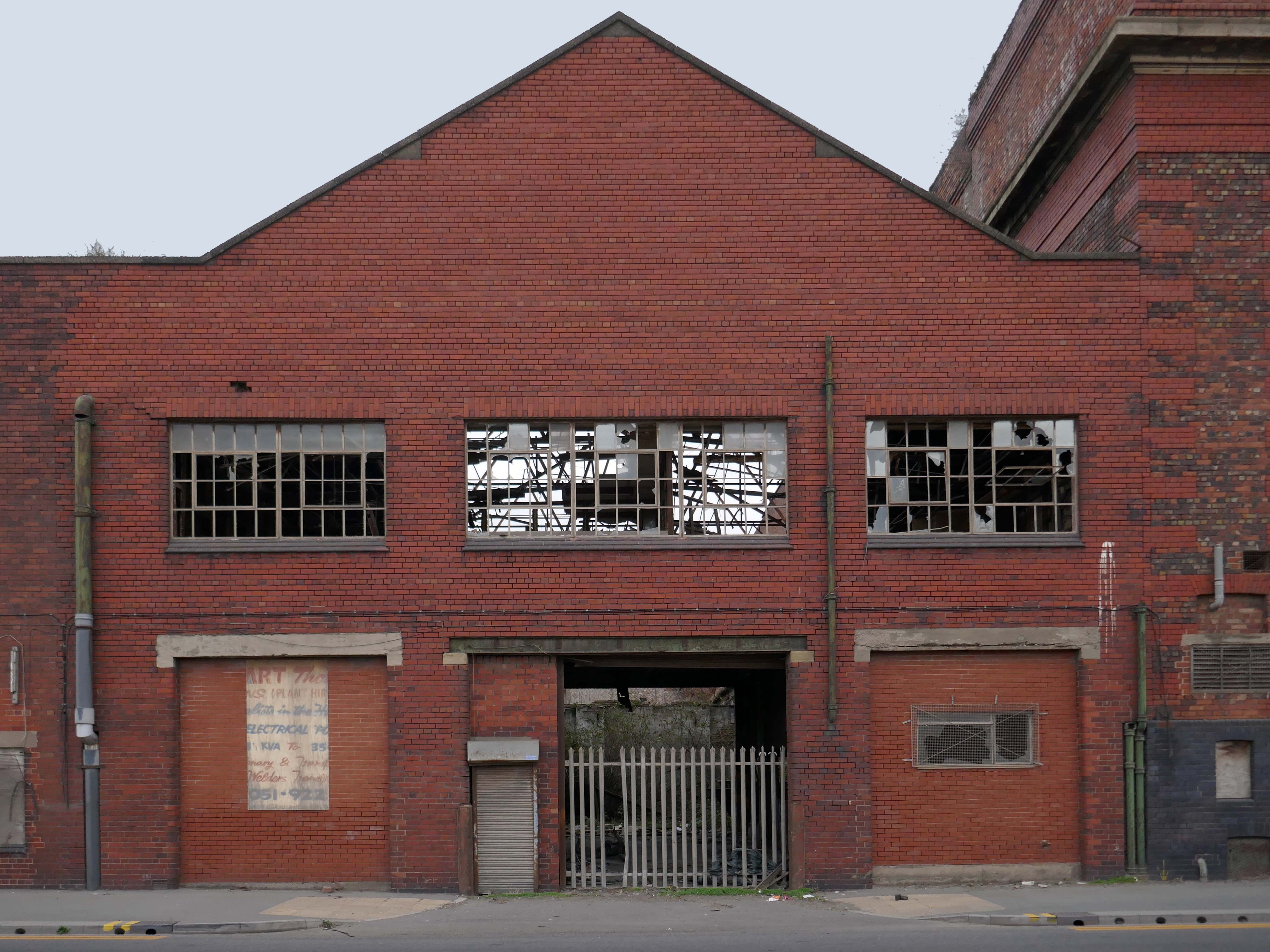
I was company microbiologist at this site, The sets of broken windows at the front of the building on the first floor were the laboratories. 

The main photograph shows the chemistry laboratory, my microbiology laboratory was next door. 
The larger windows to the left provided light to a large open plan reception and office area. Within the factory, the main area had various packing machines for margarines, from 250g paper wrapped packets to 2 Kg catering packs.

A second packing area contained a machine that produced tinned margarine for the Ministry of Defence, who supplied it to the Army overseas.

Cratedigger

urbanchemist – 18th

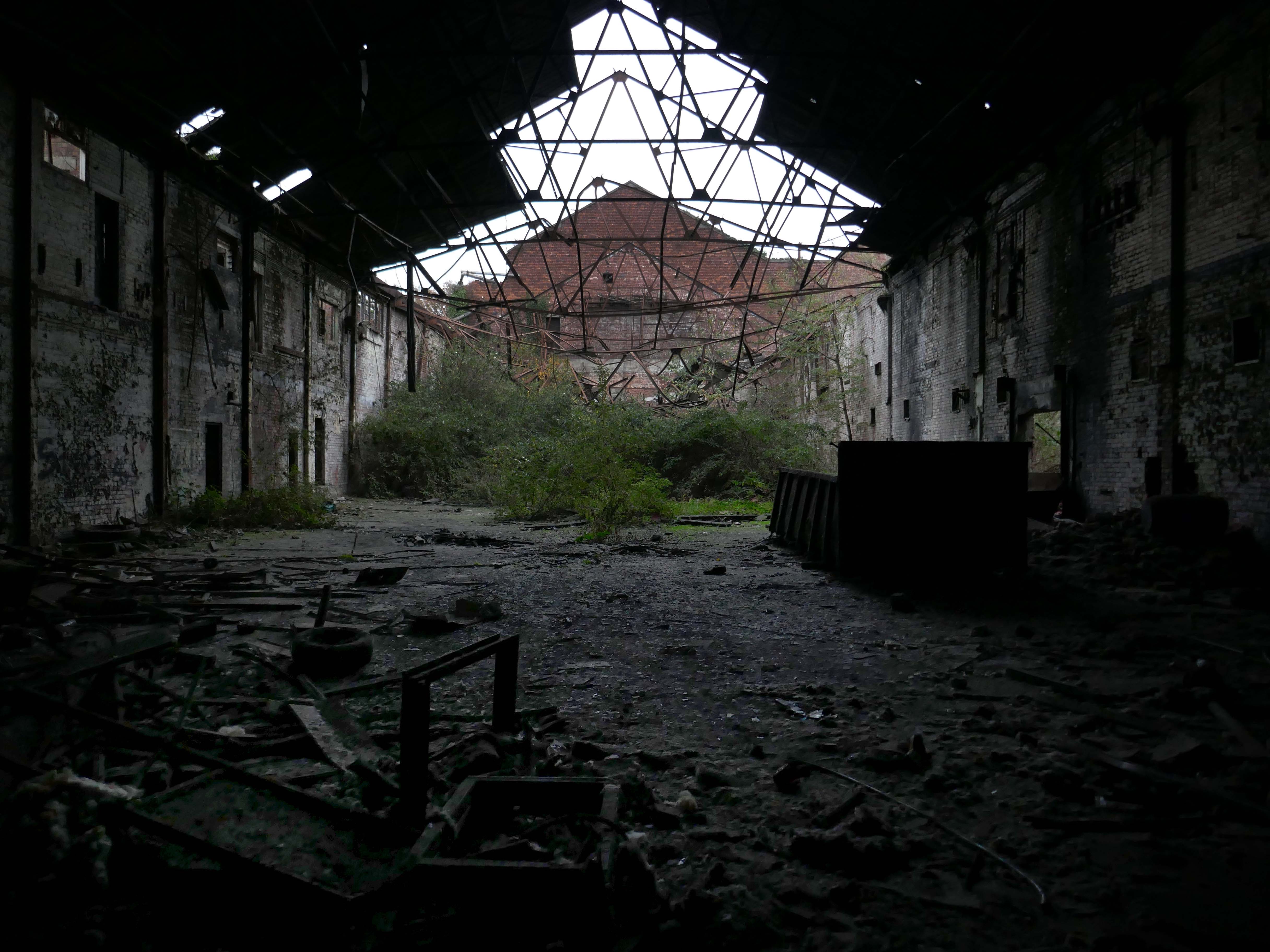
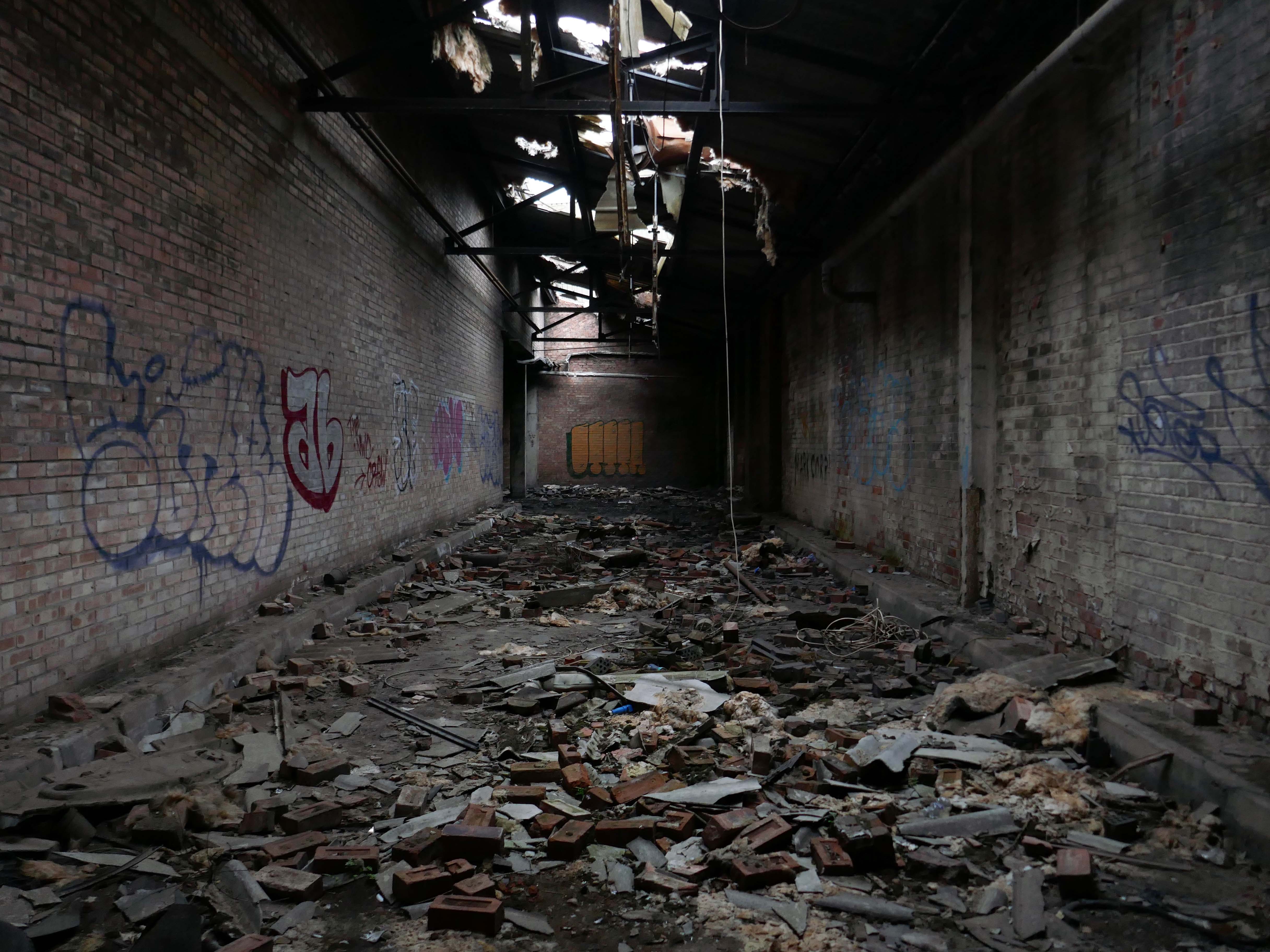
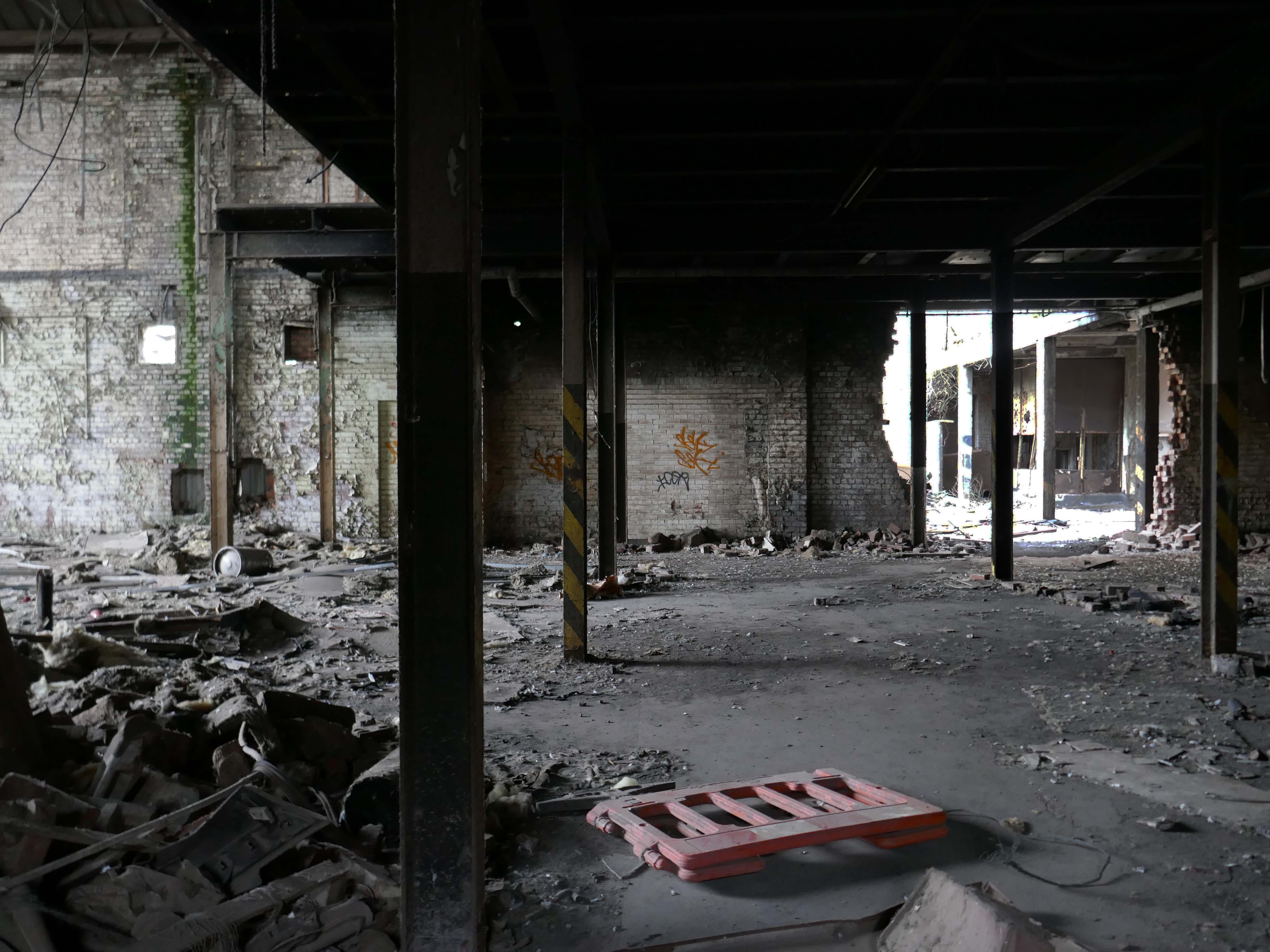
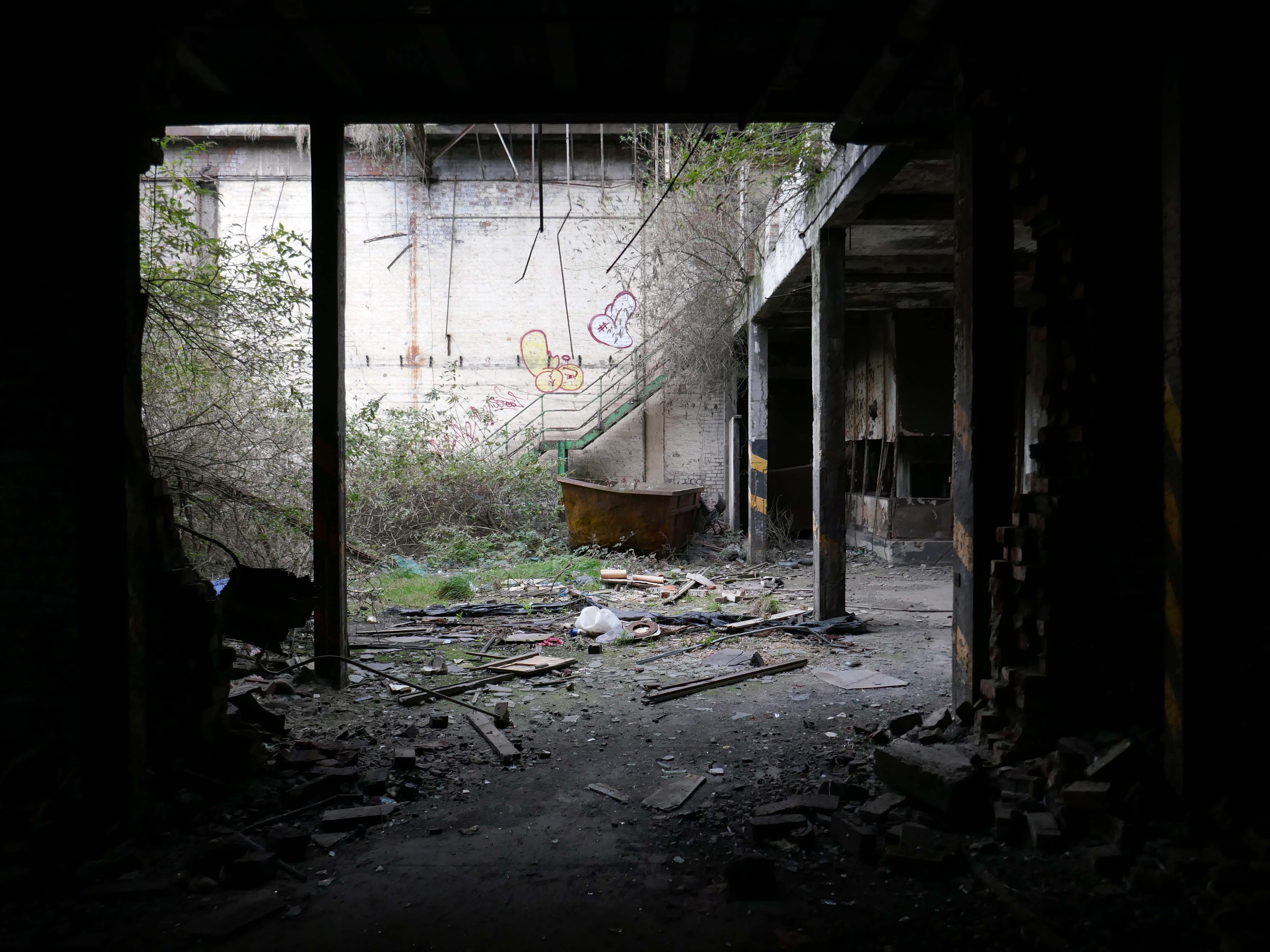
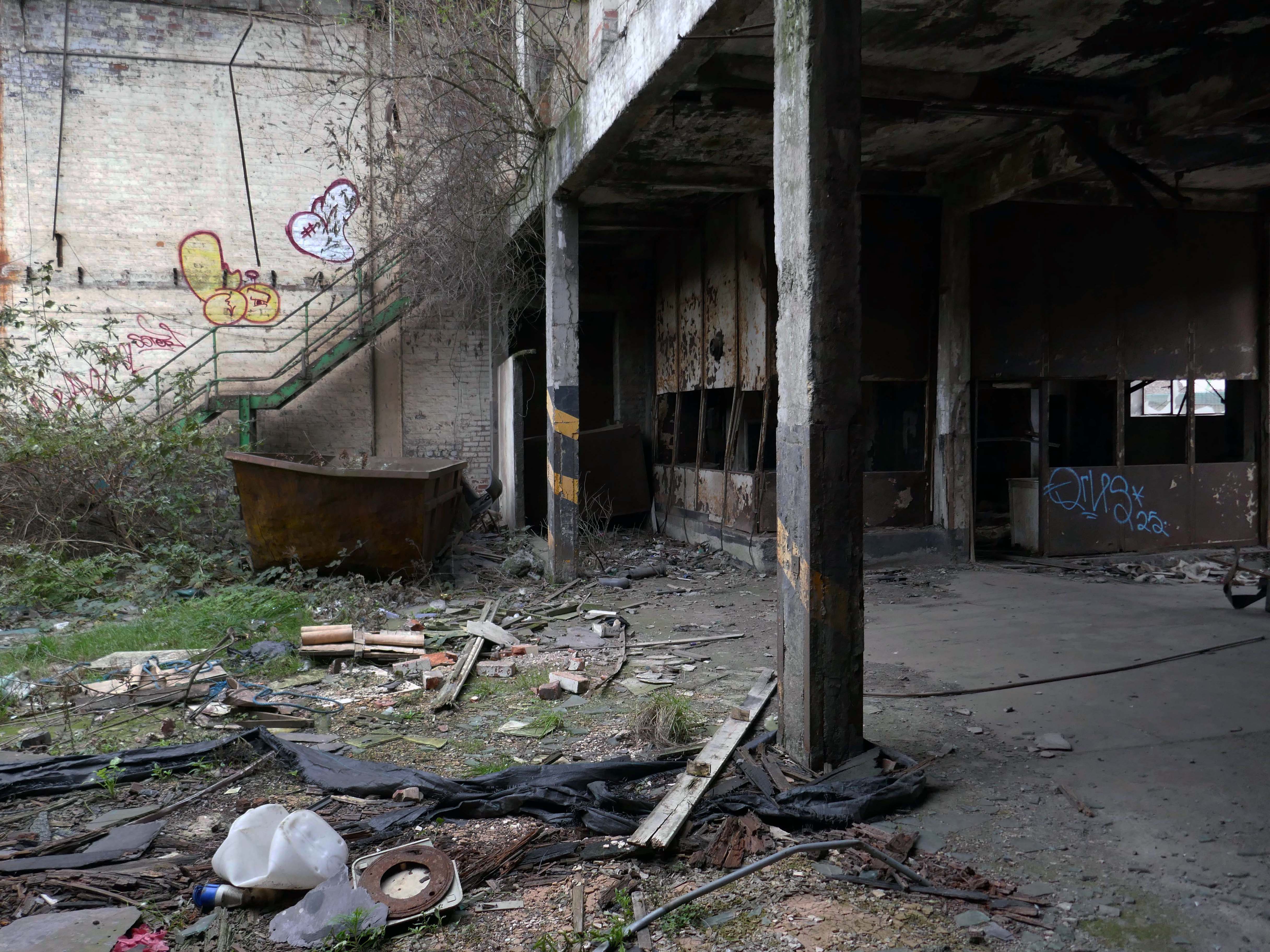
Whilst feeling that familiar frisson of mild trepidation, whilst walking through the debris, dirt and decay, it’s important to recall those who have walked and worked in these now derelict premises.

With that in mind here’s what I saw whilst feeling that familiar frisson of mild trepidation, whilst walking through the debris, dirt and decay,

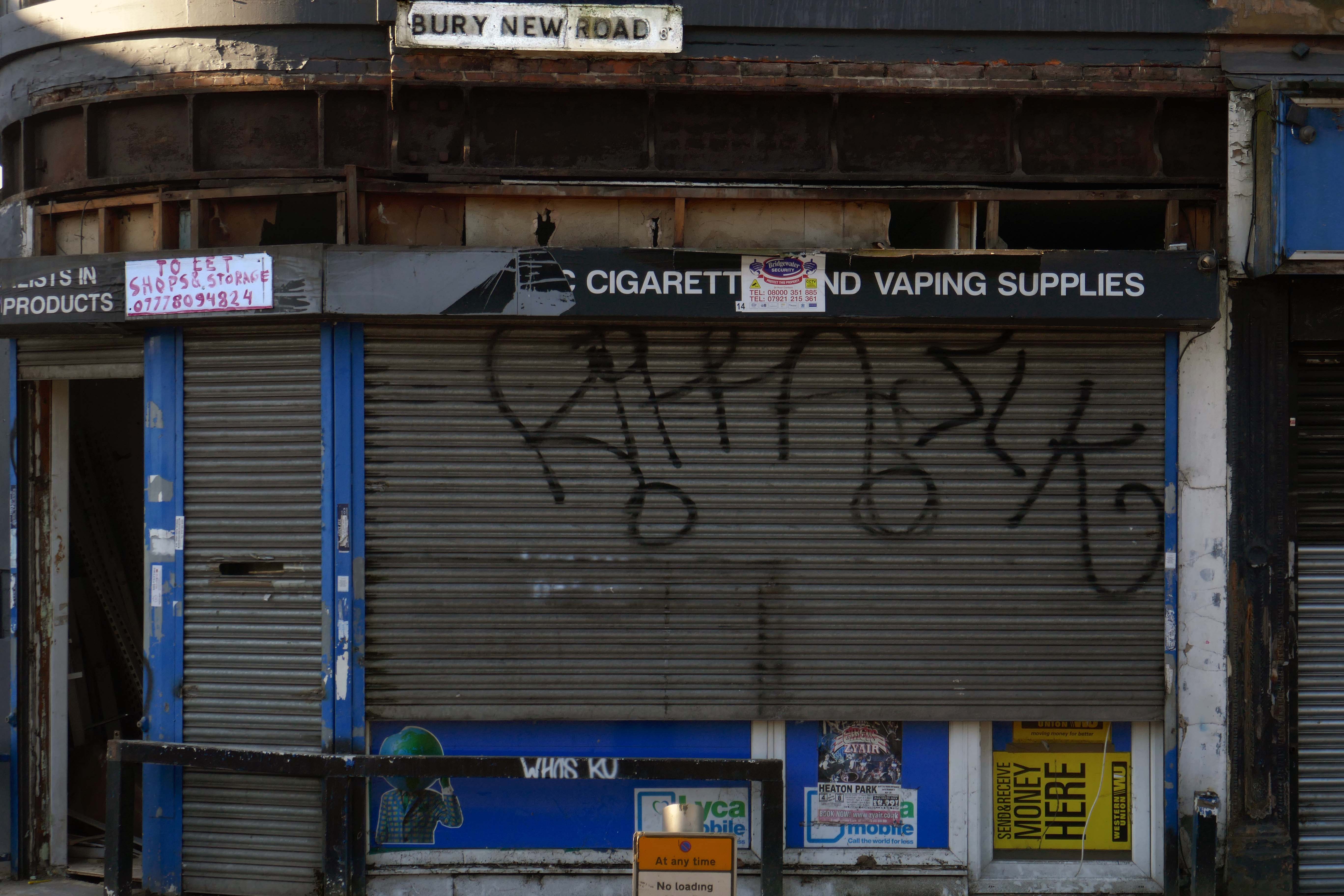
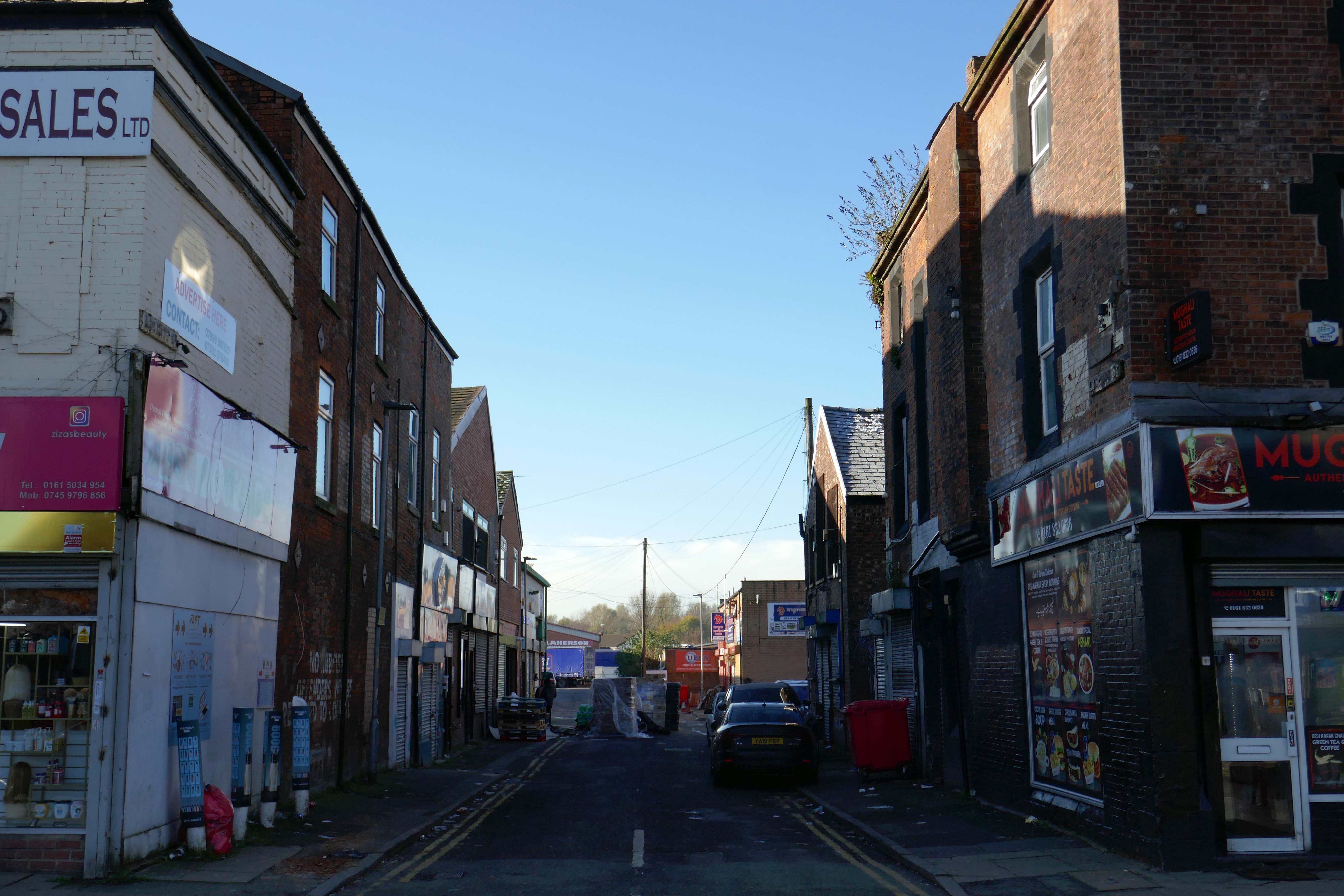
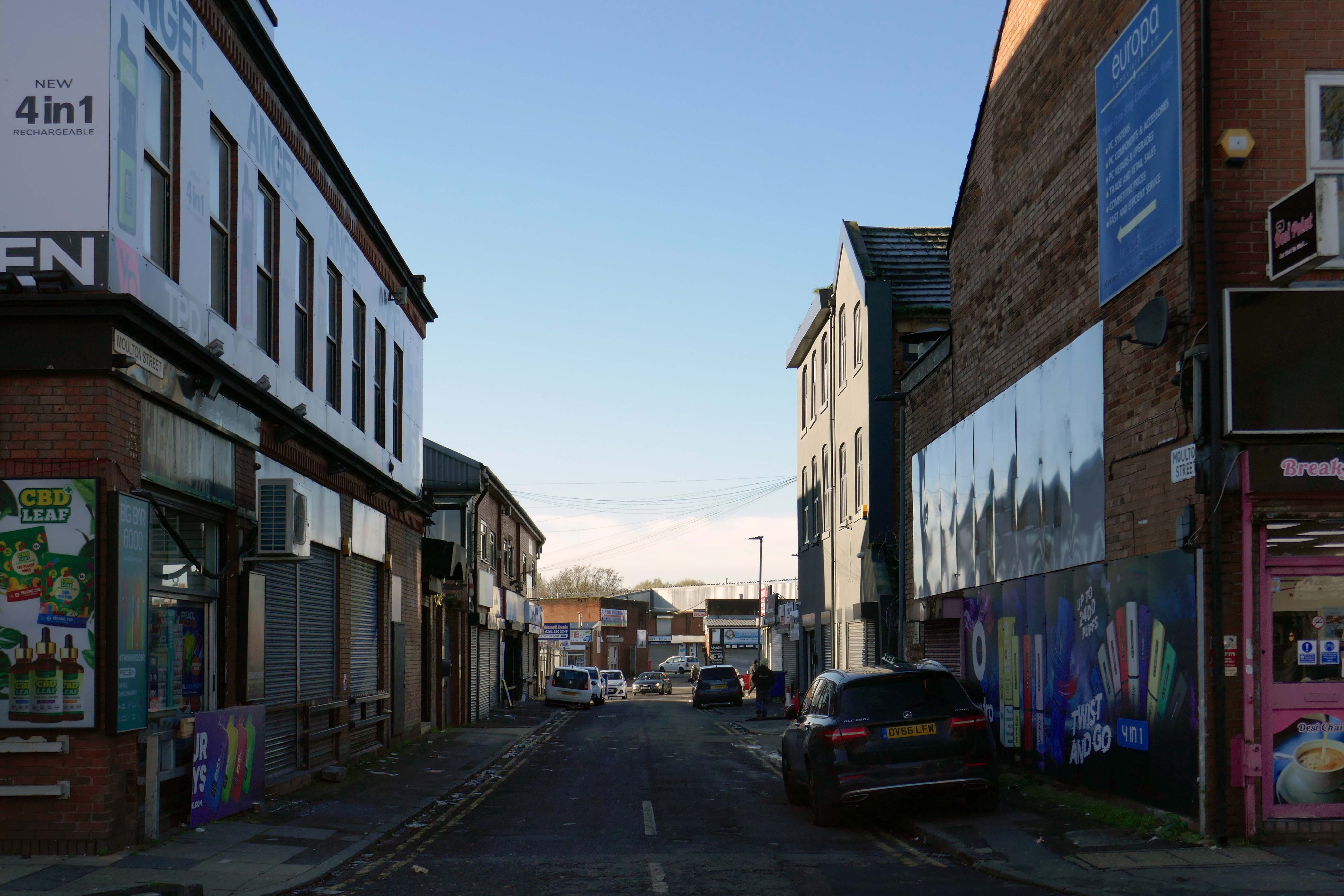
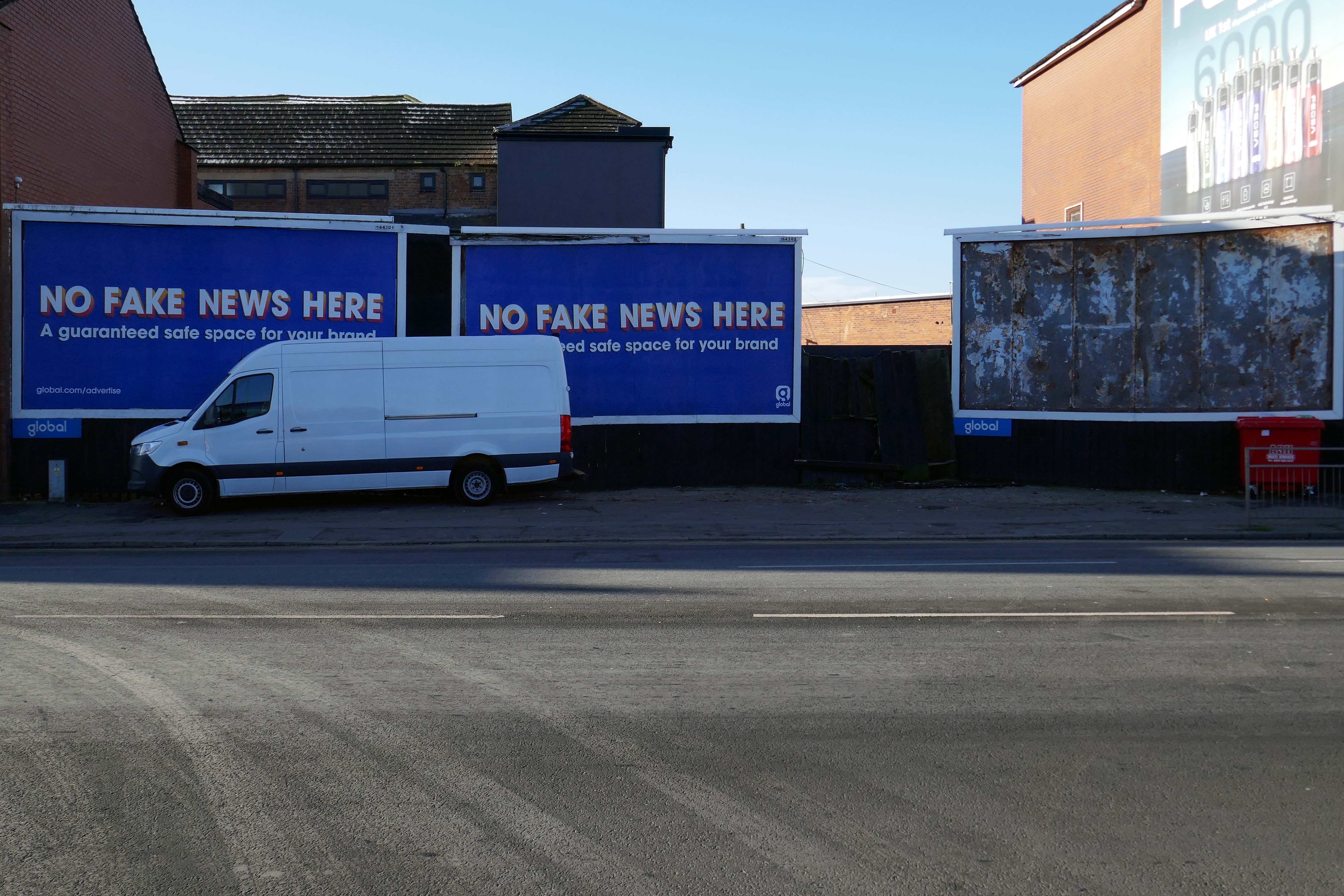
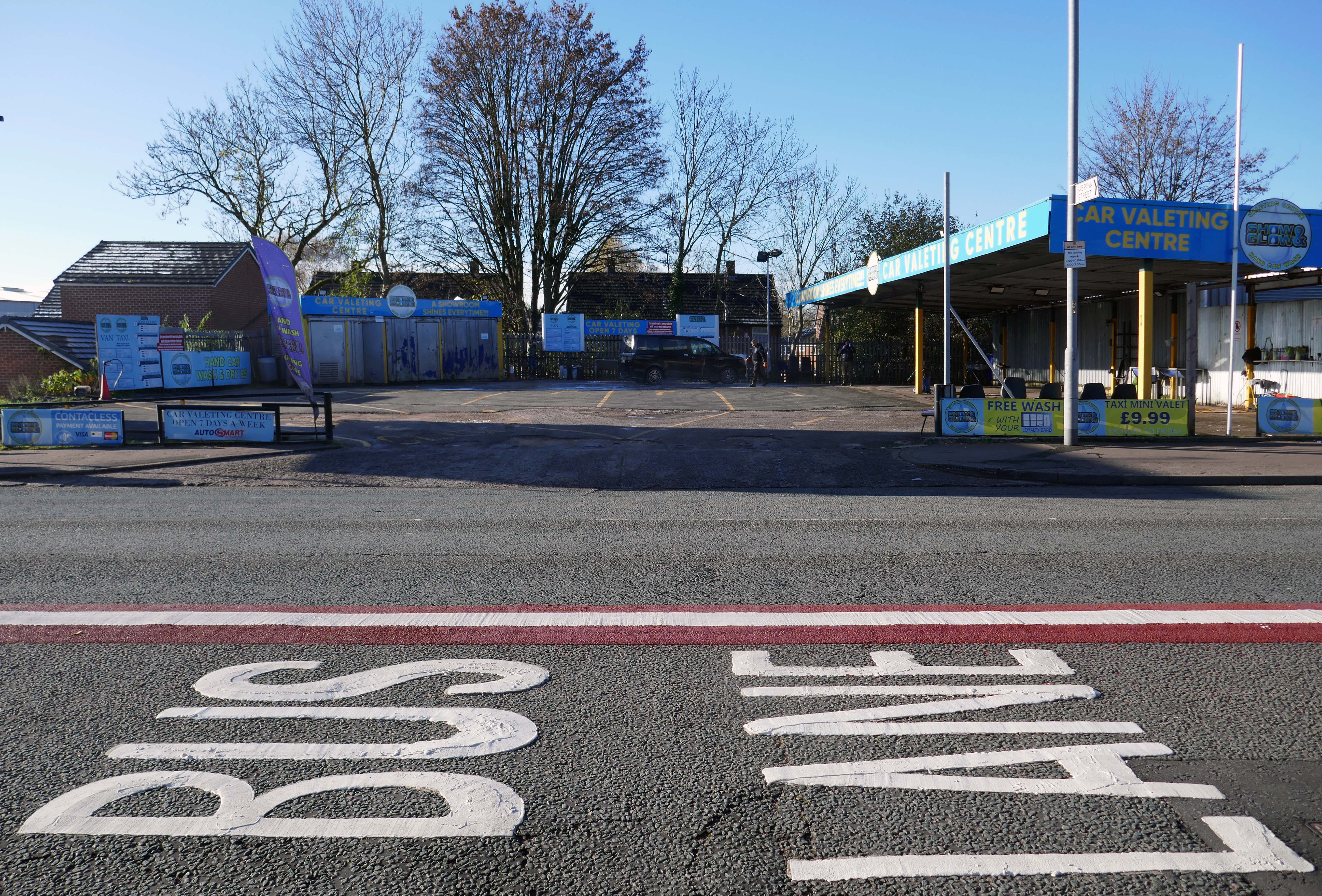
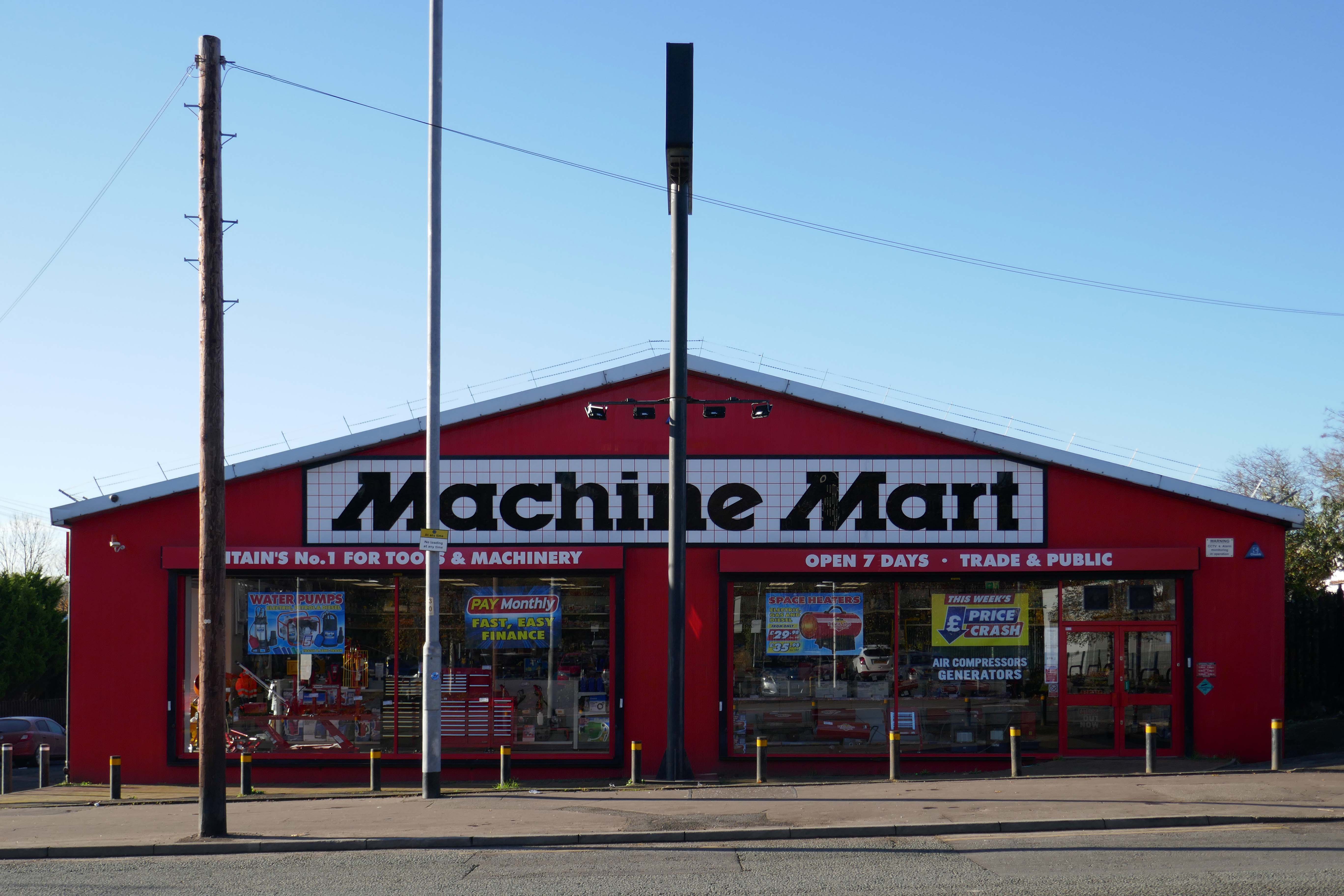
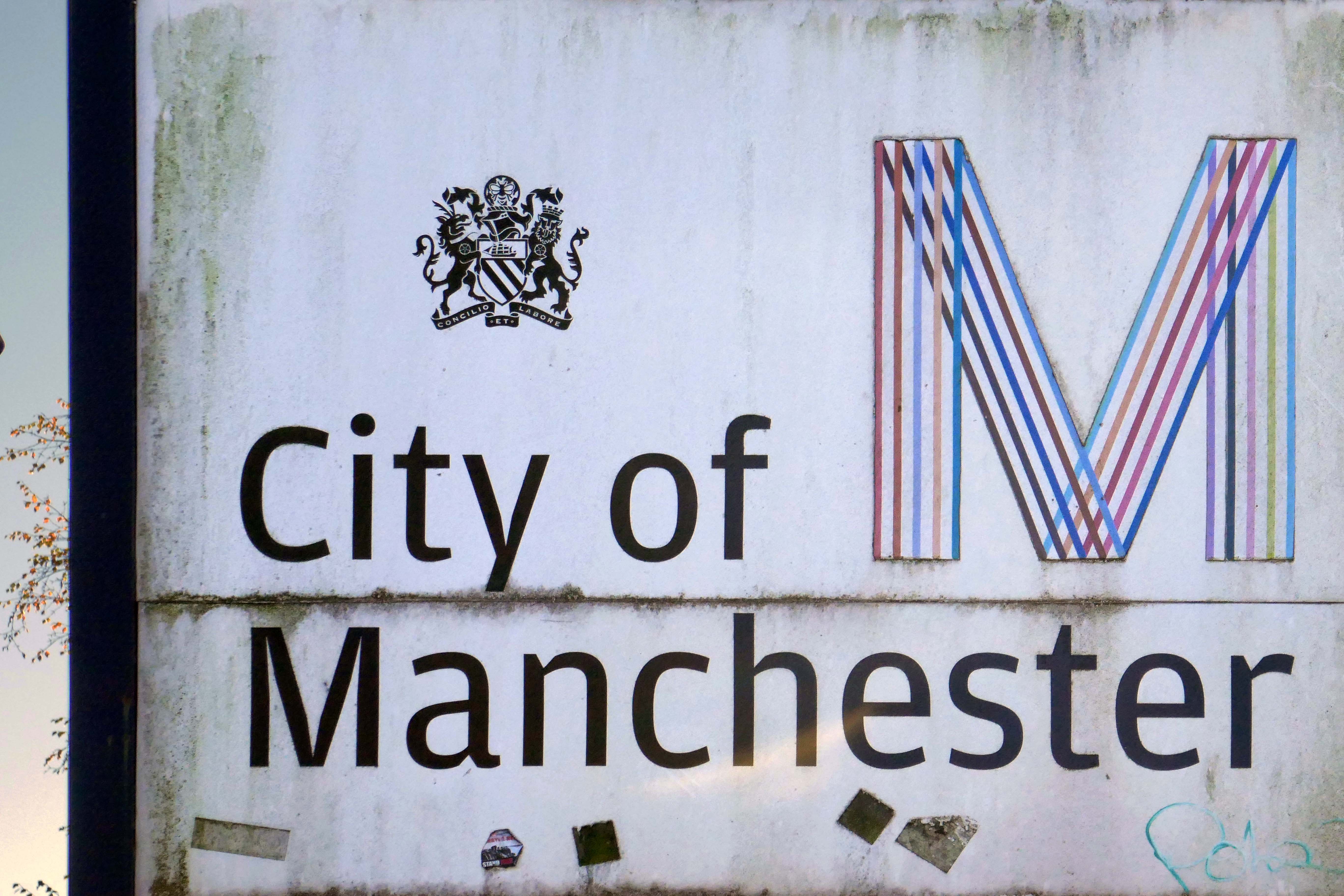
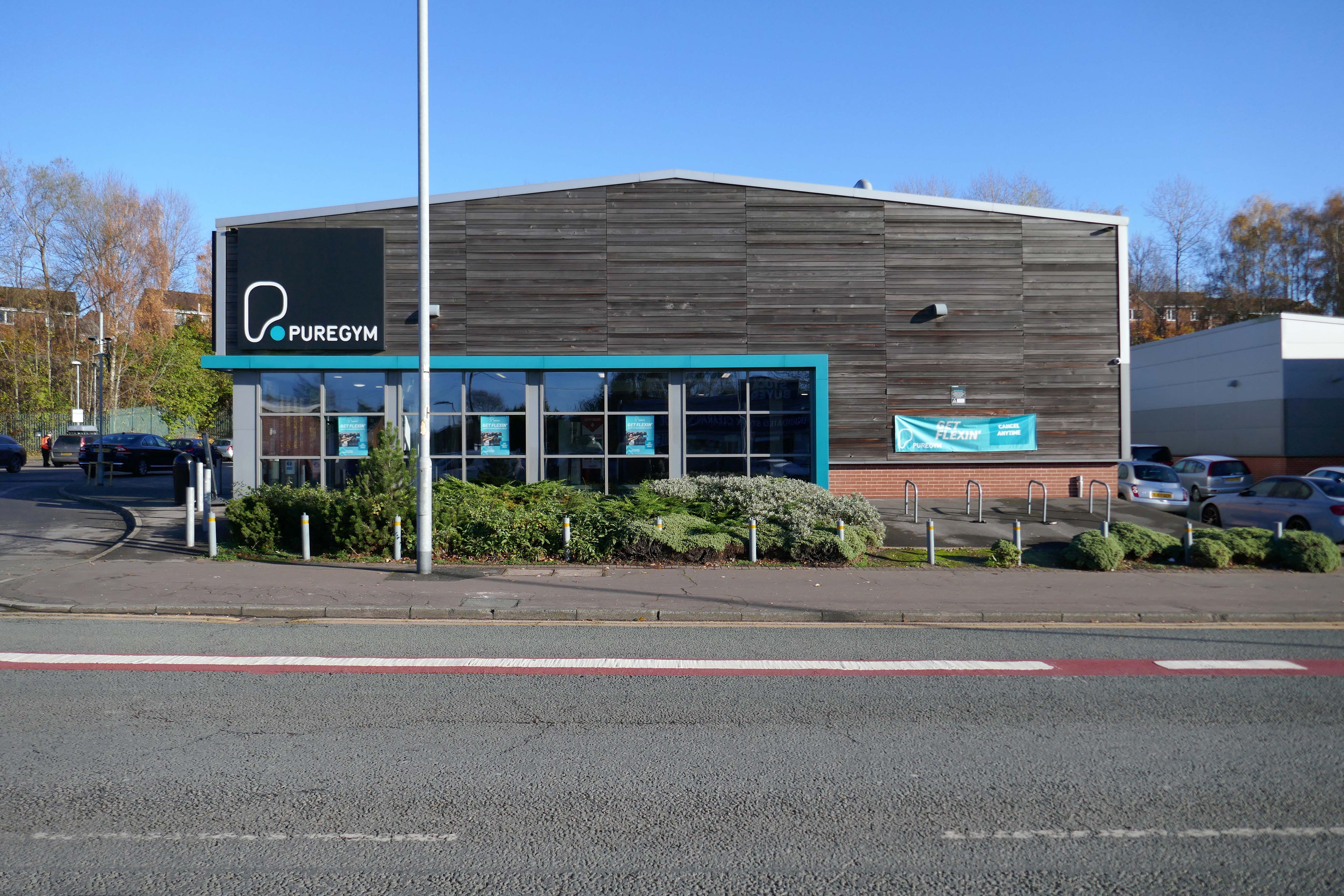
Arterial Manchester 2024 – A56

Having photographed the arterial roads of Manchester in 2014, I have resolved to return to the task in 2024.

Some things seem to have changed, some things seem to have stayed the same.

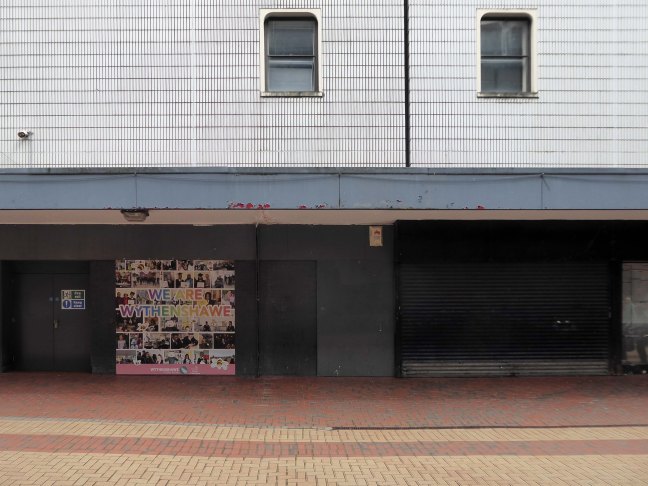
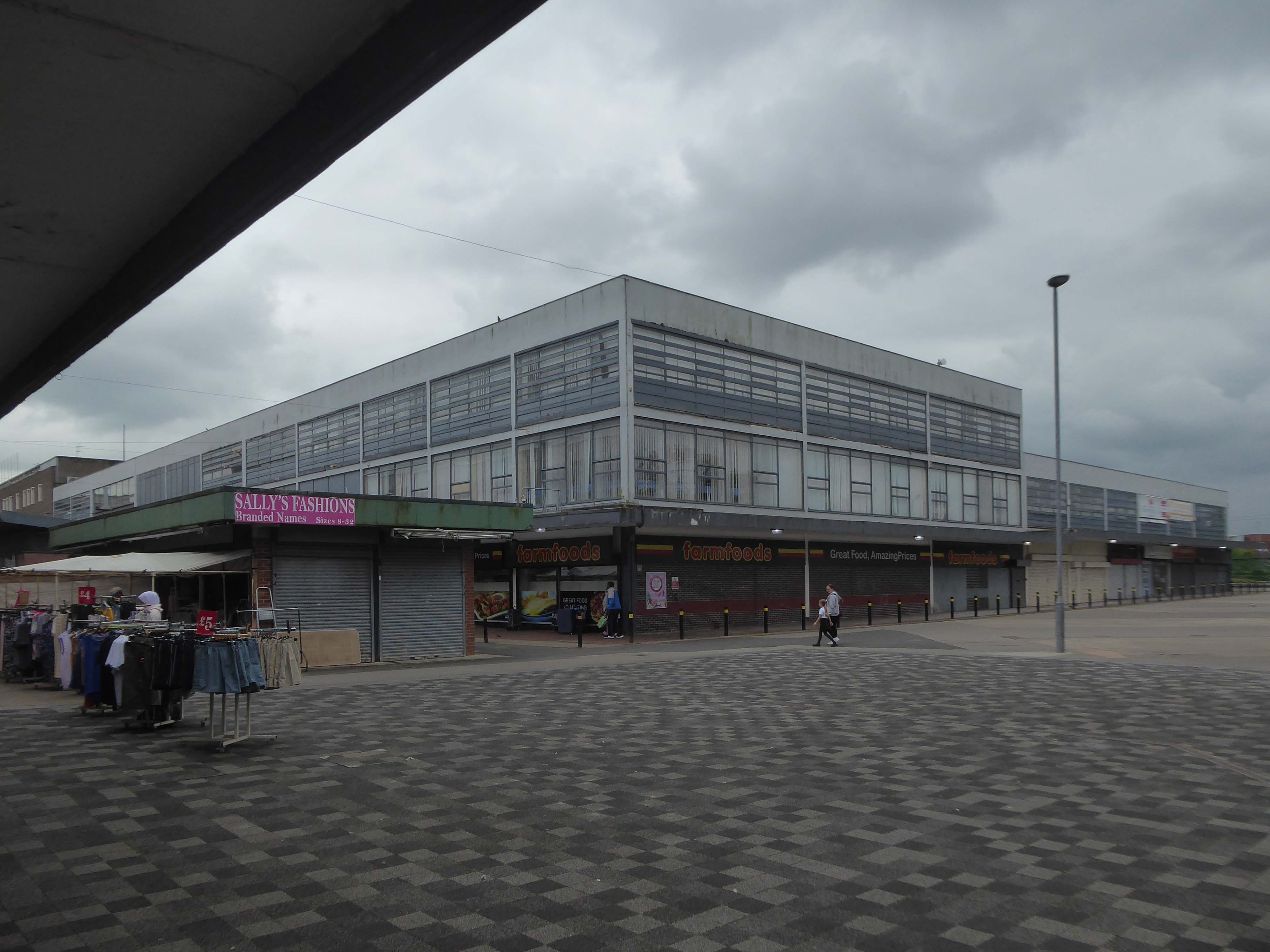
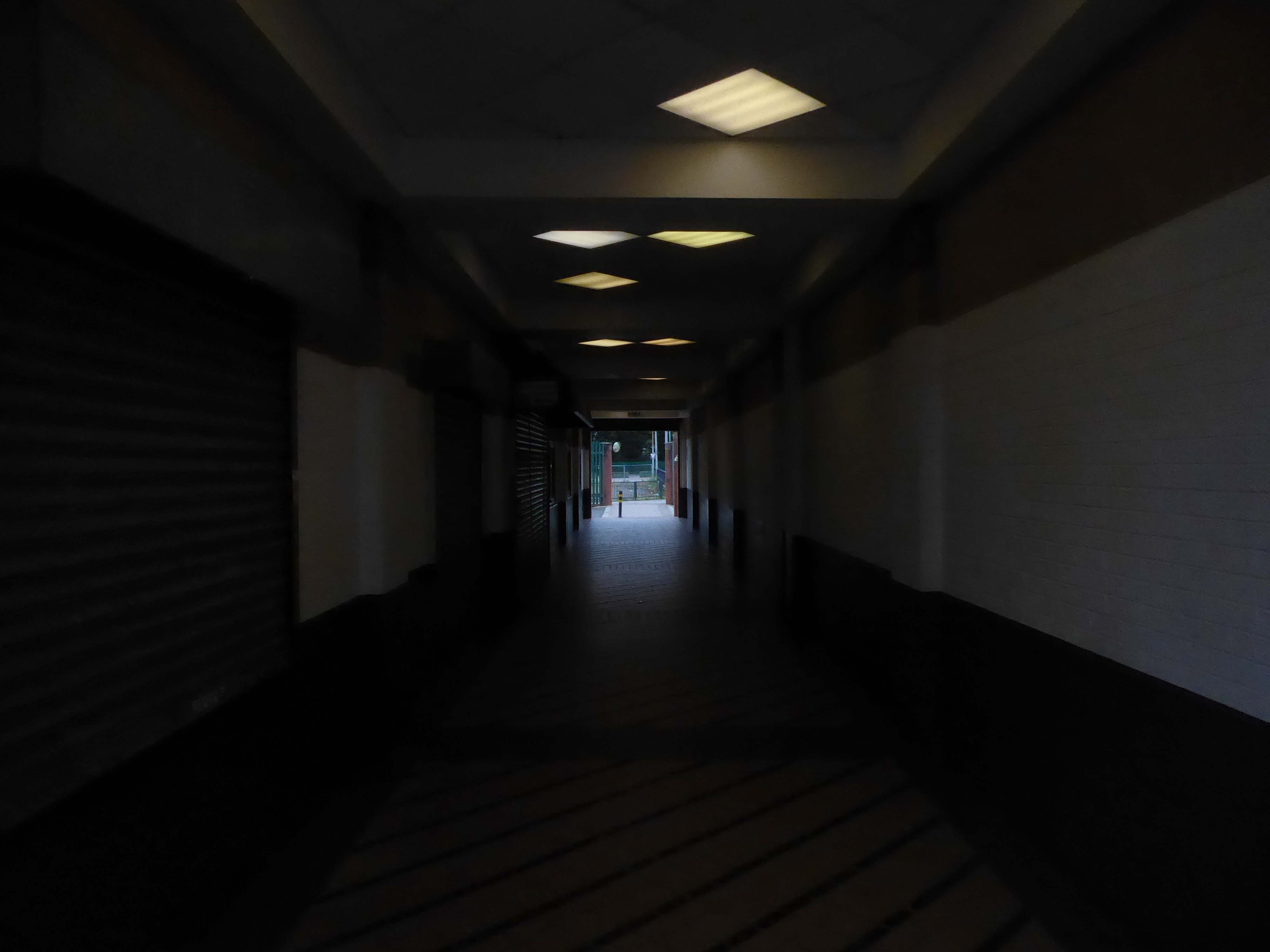
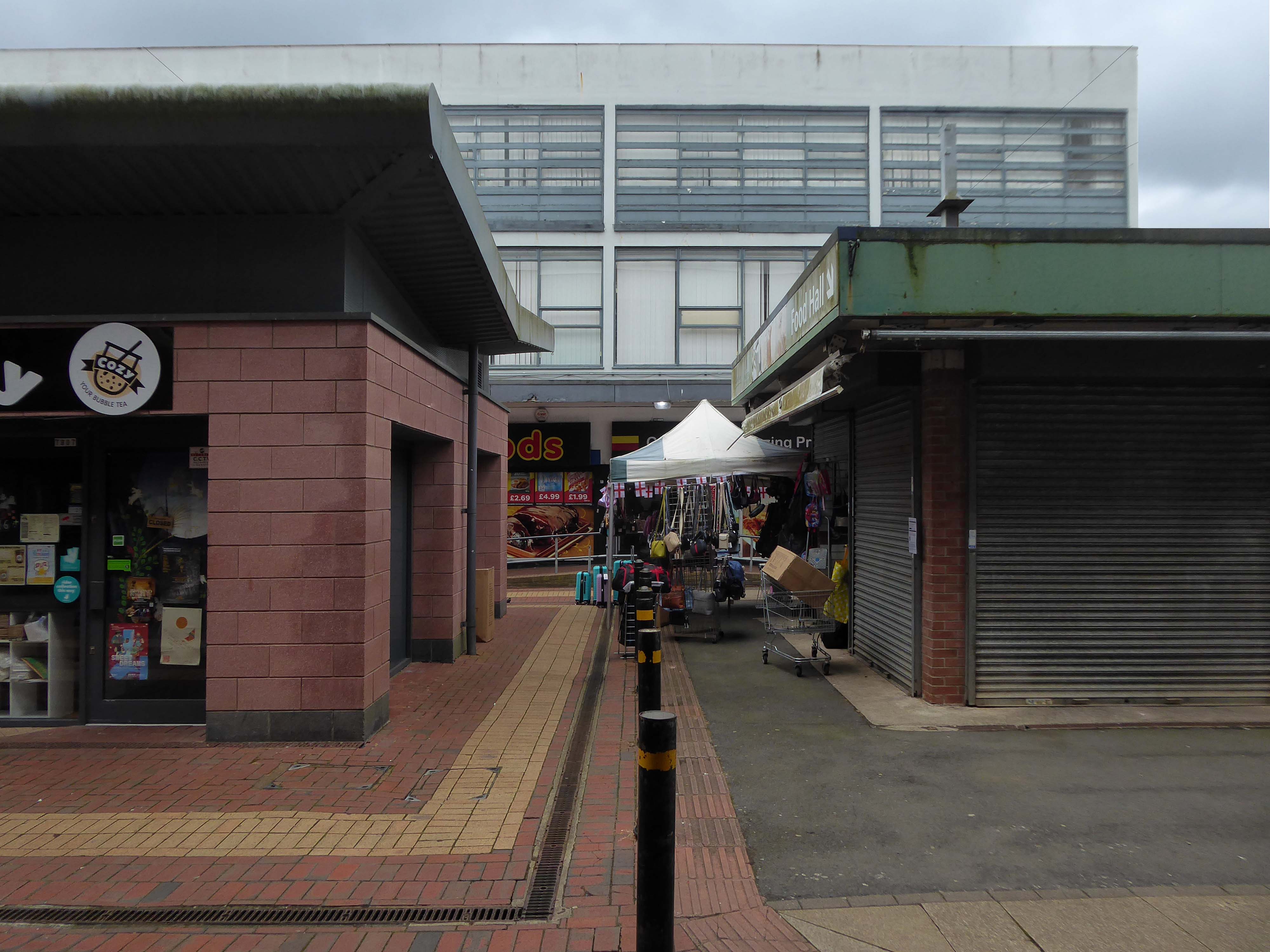
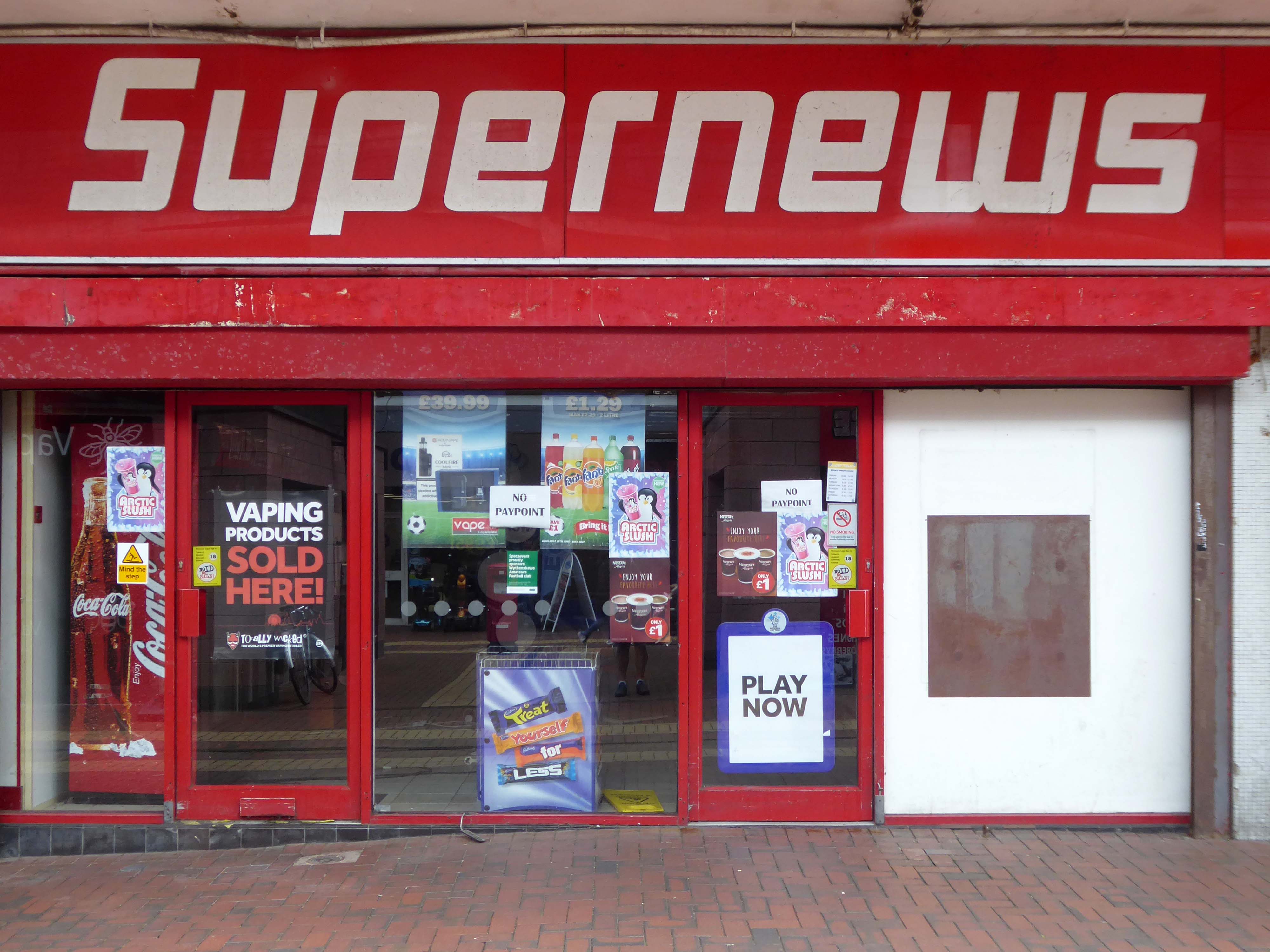
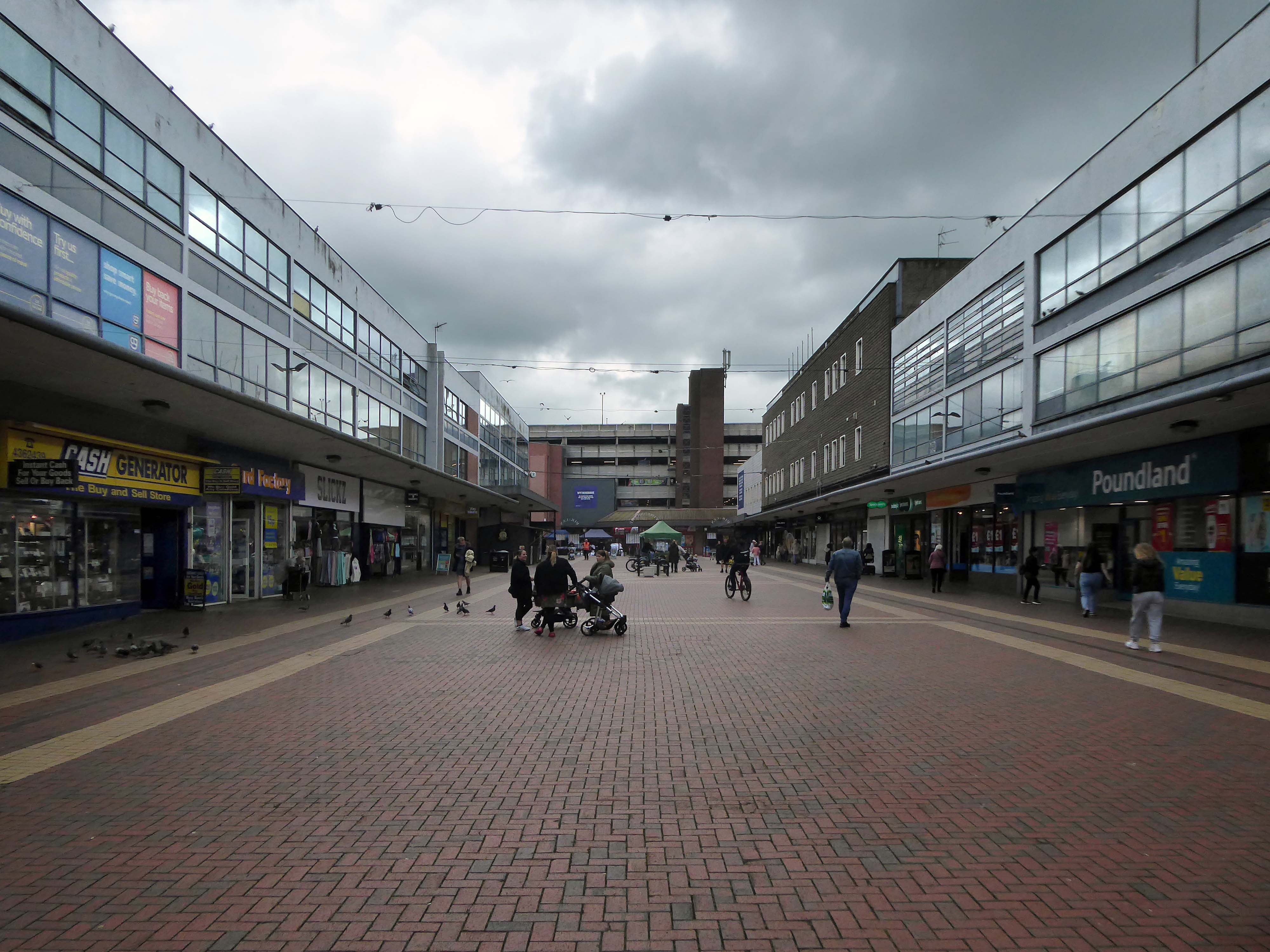
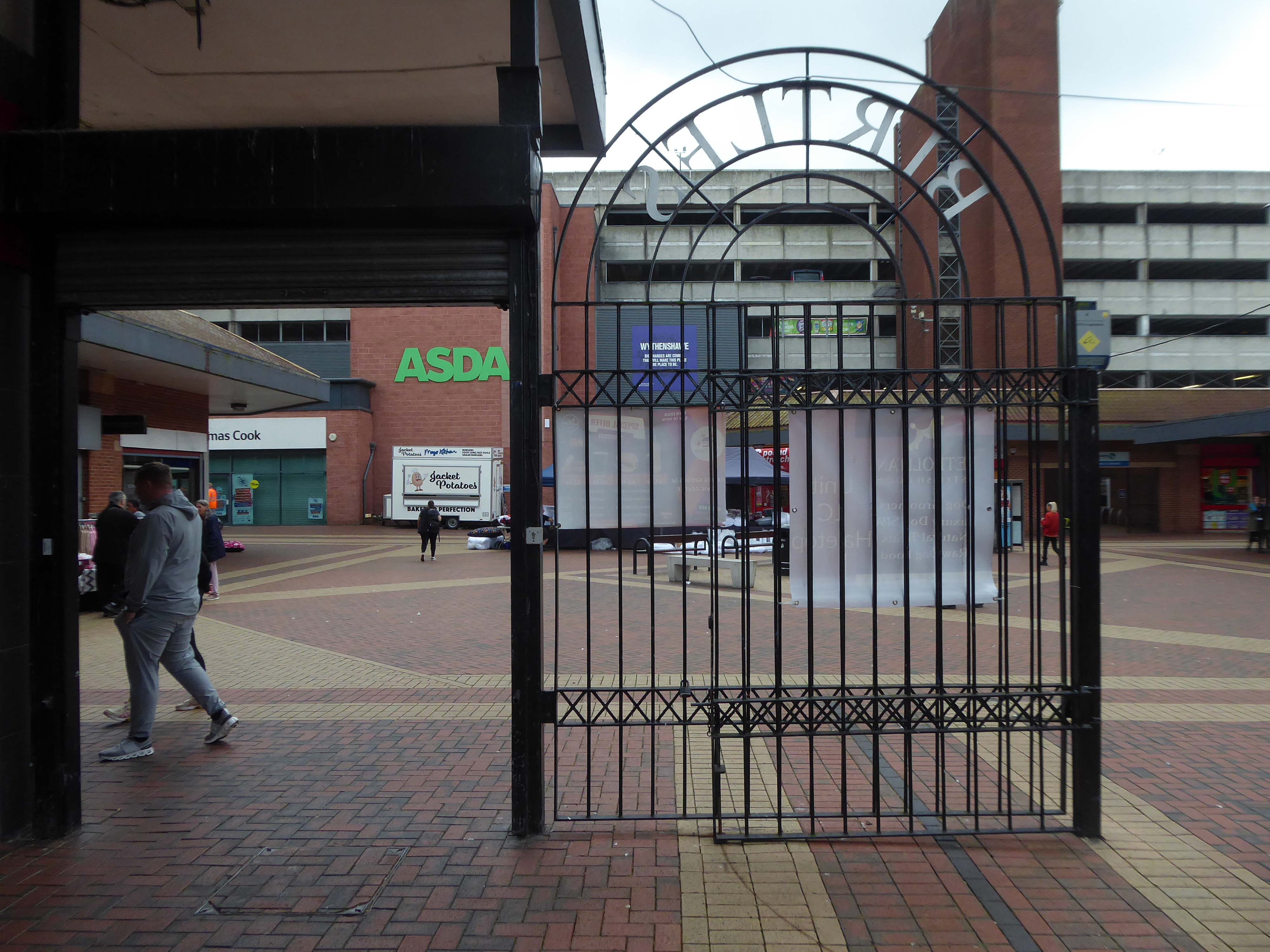
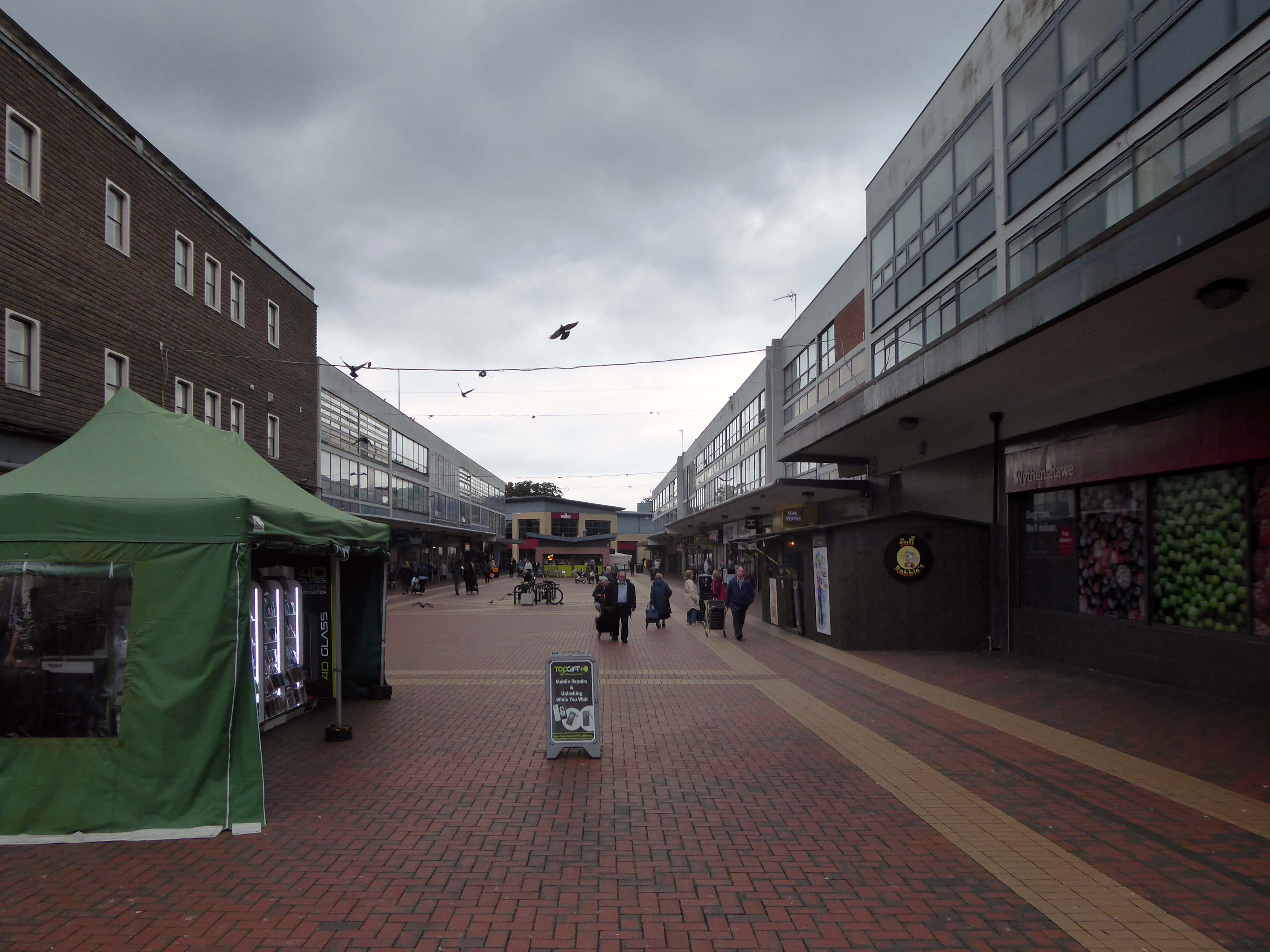
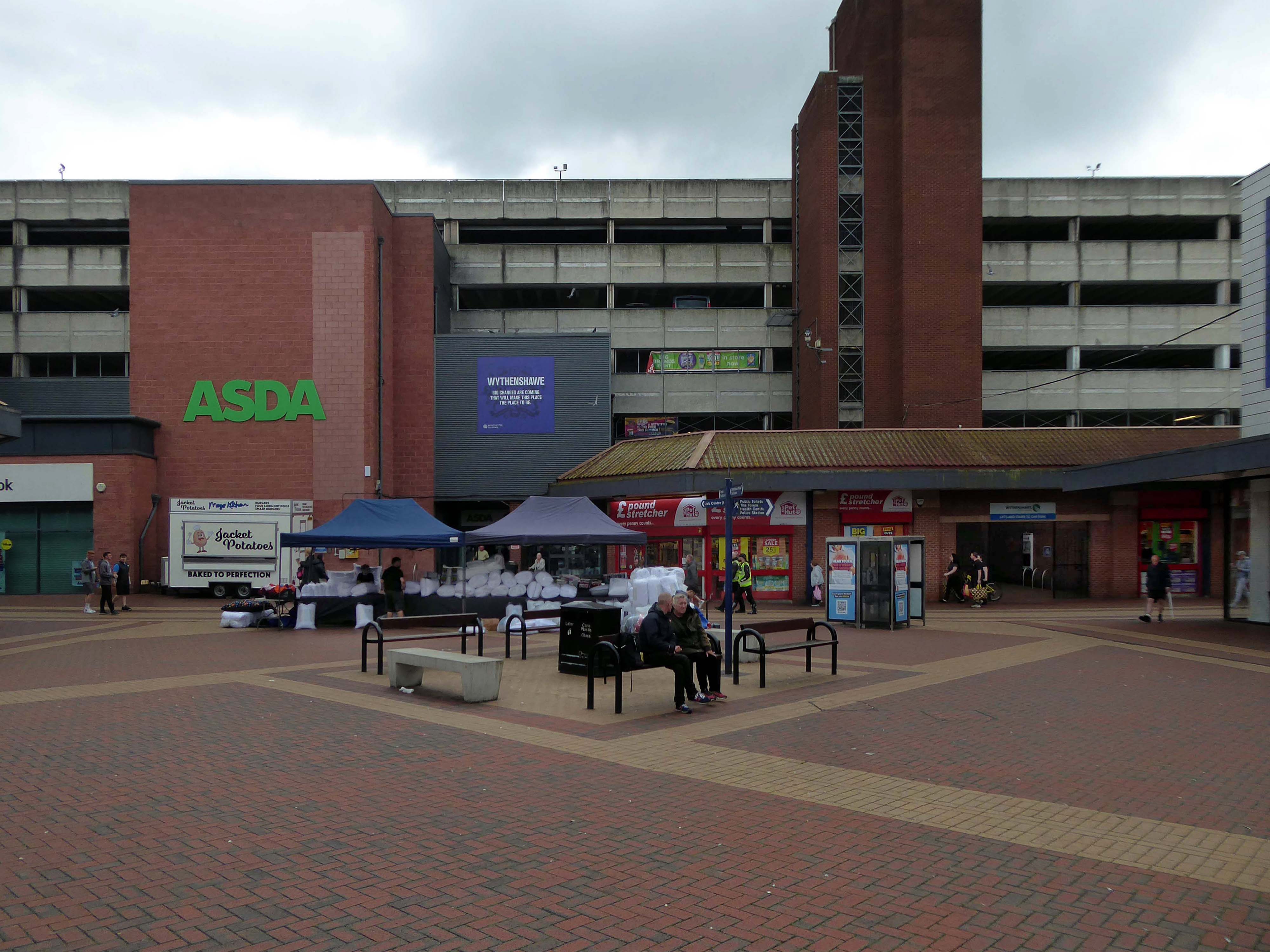
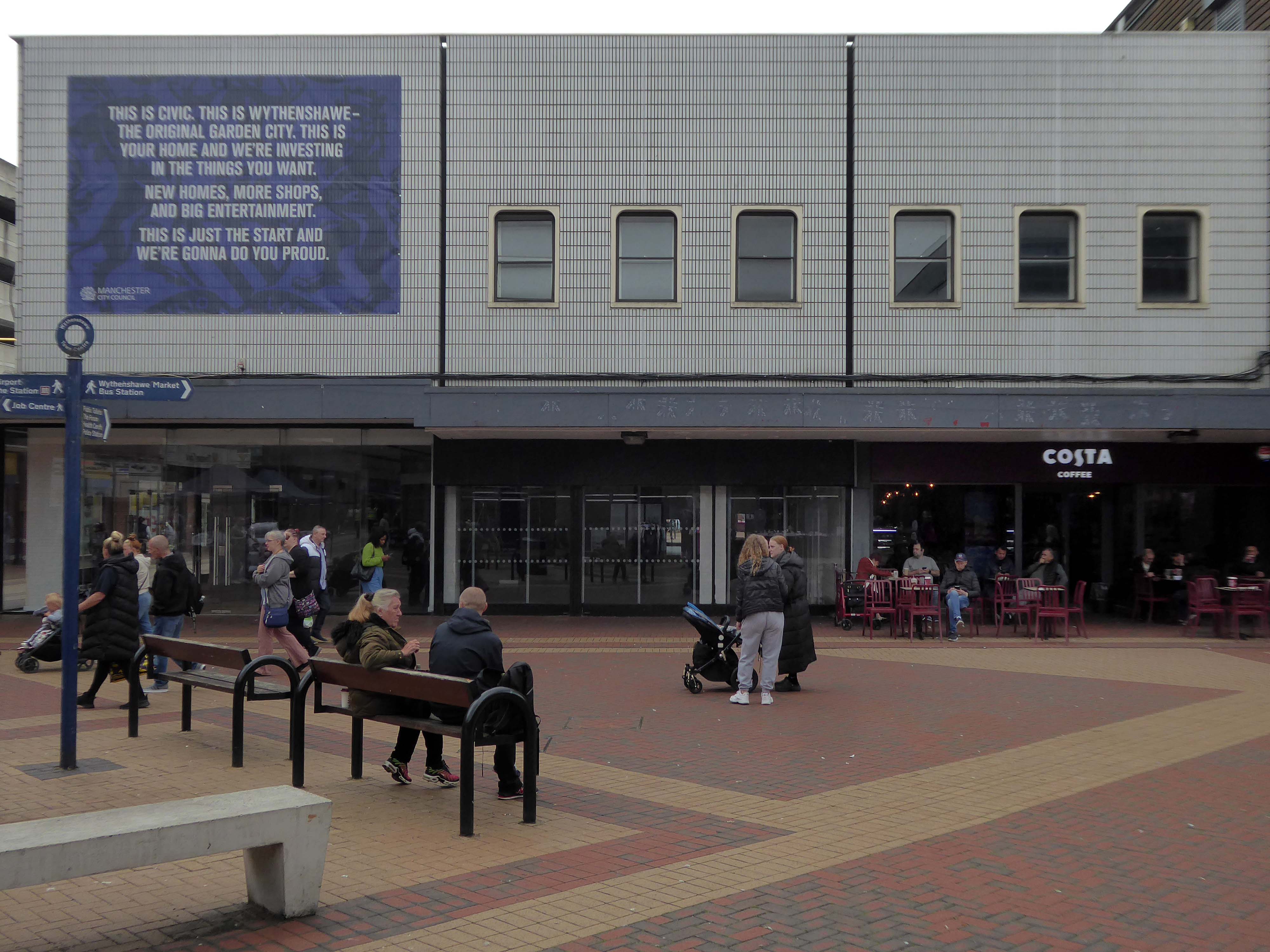
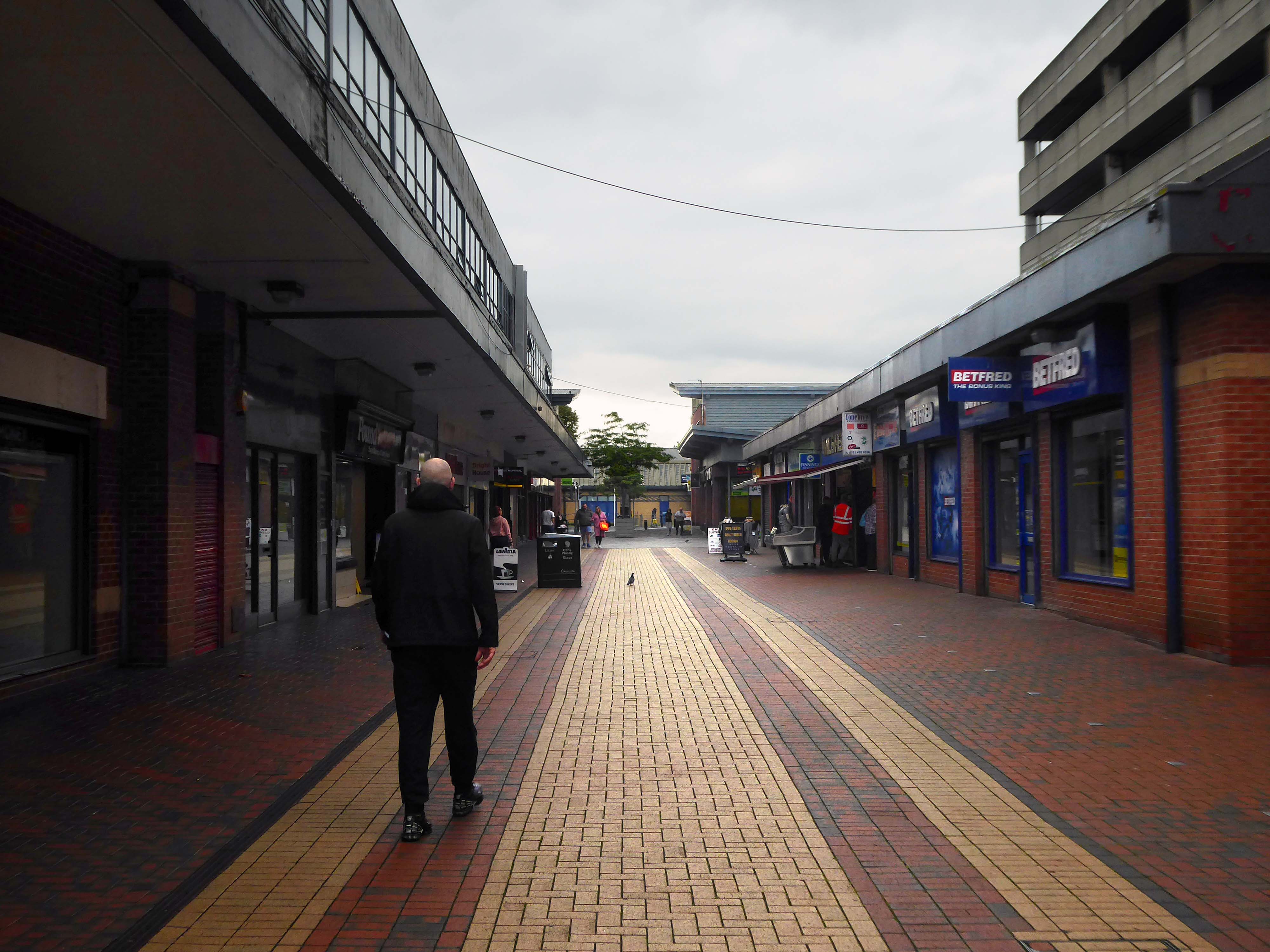
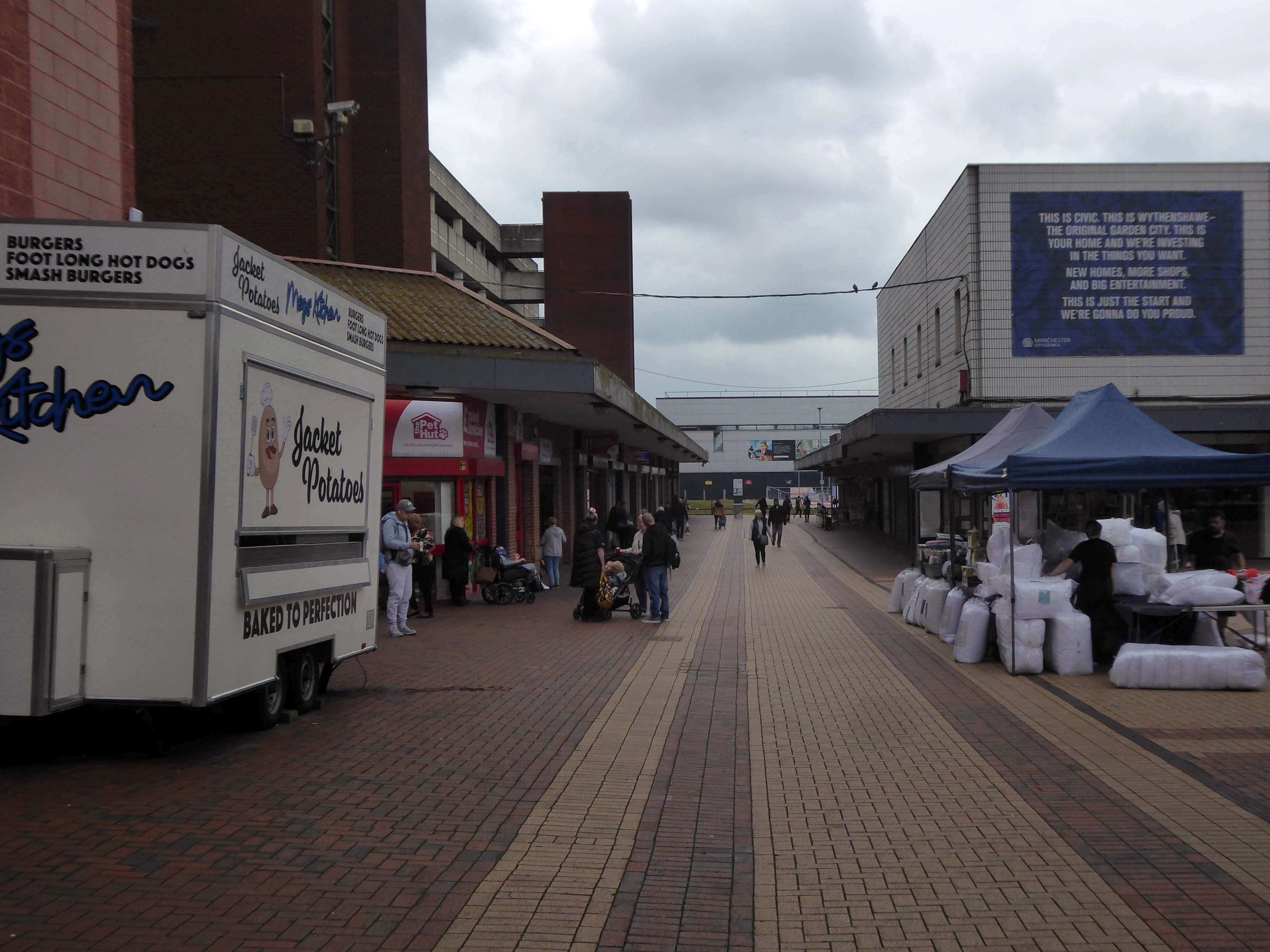
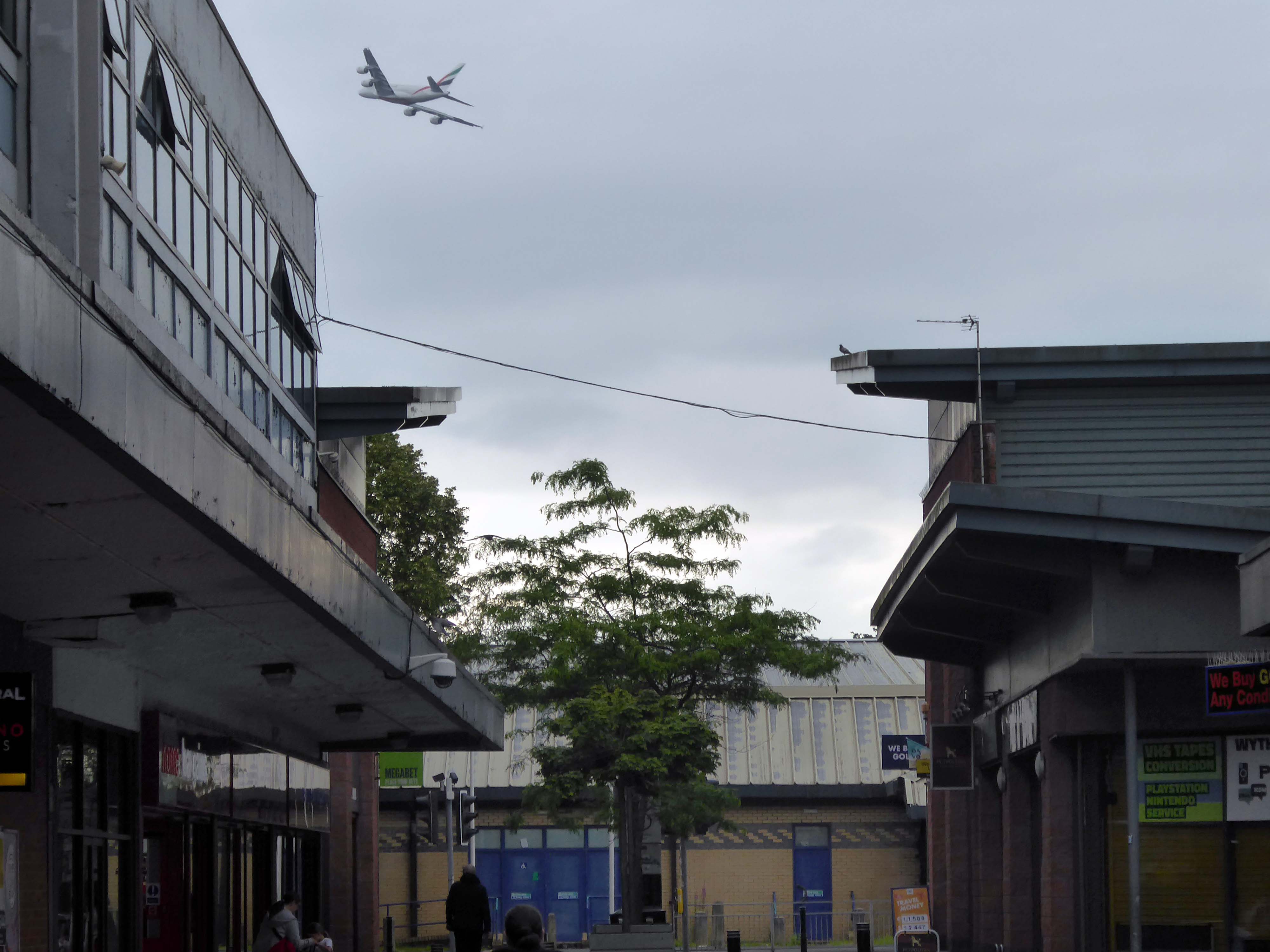
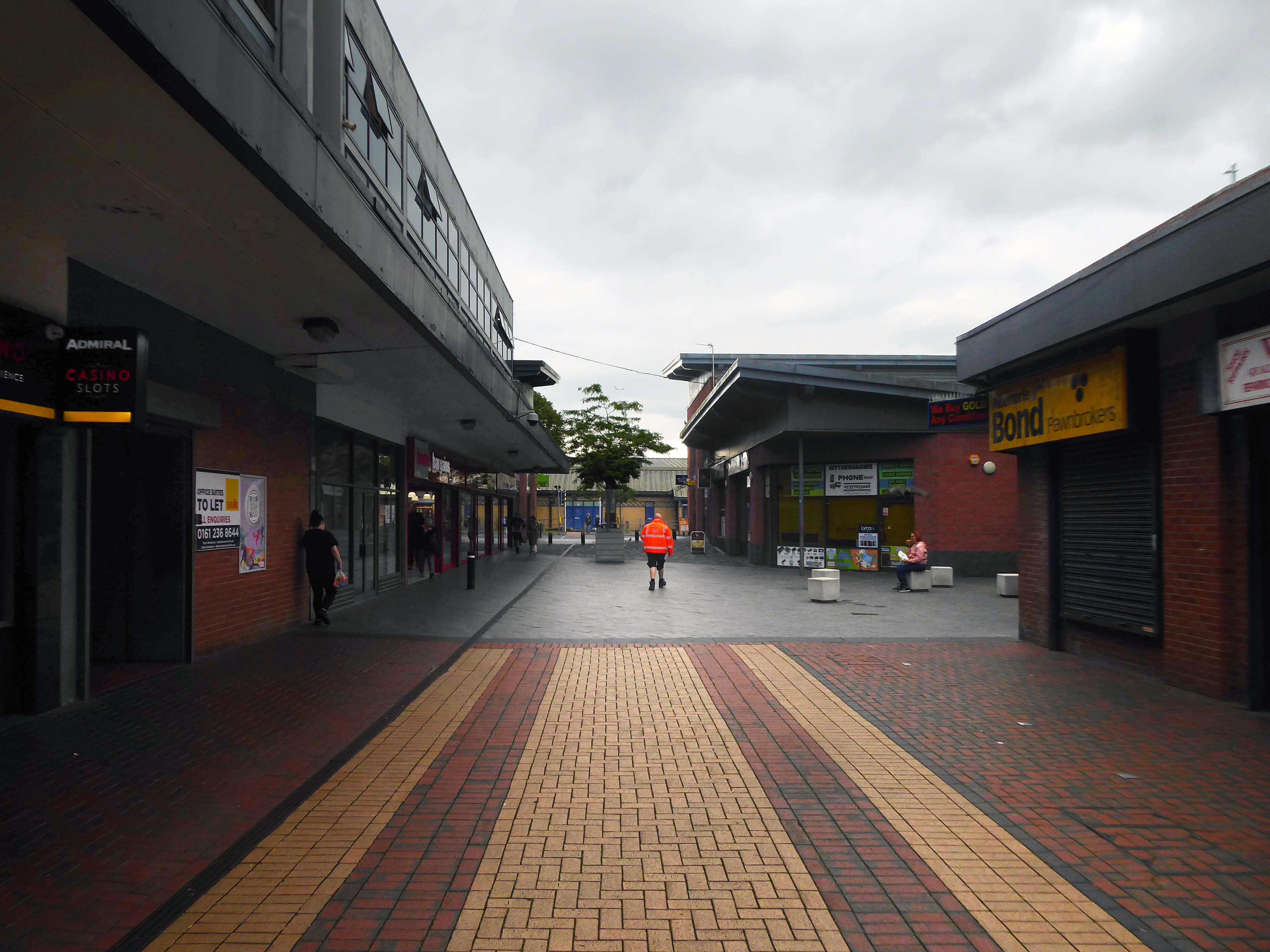
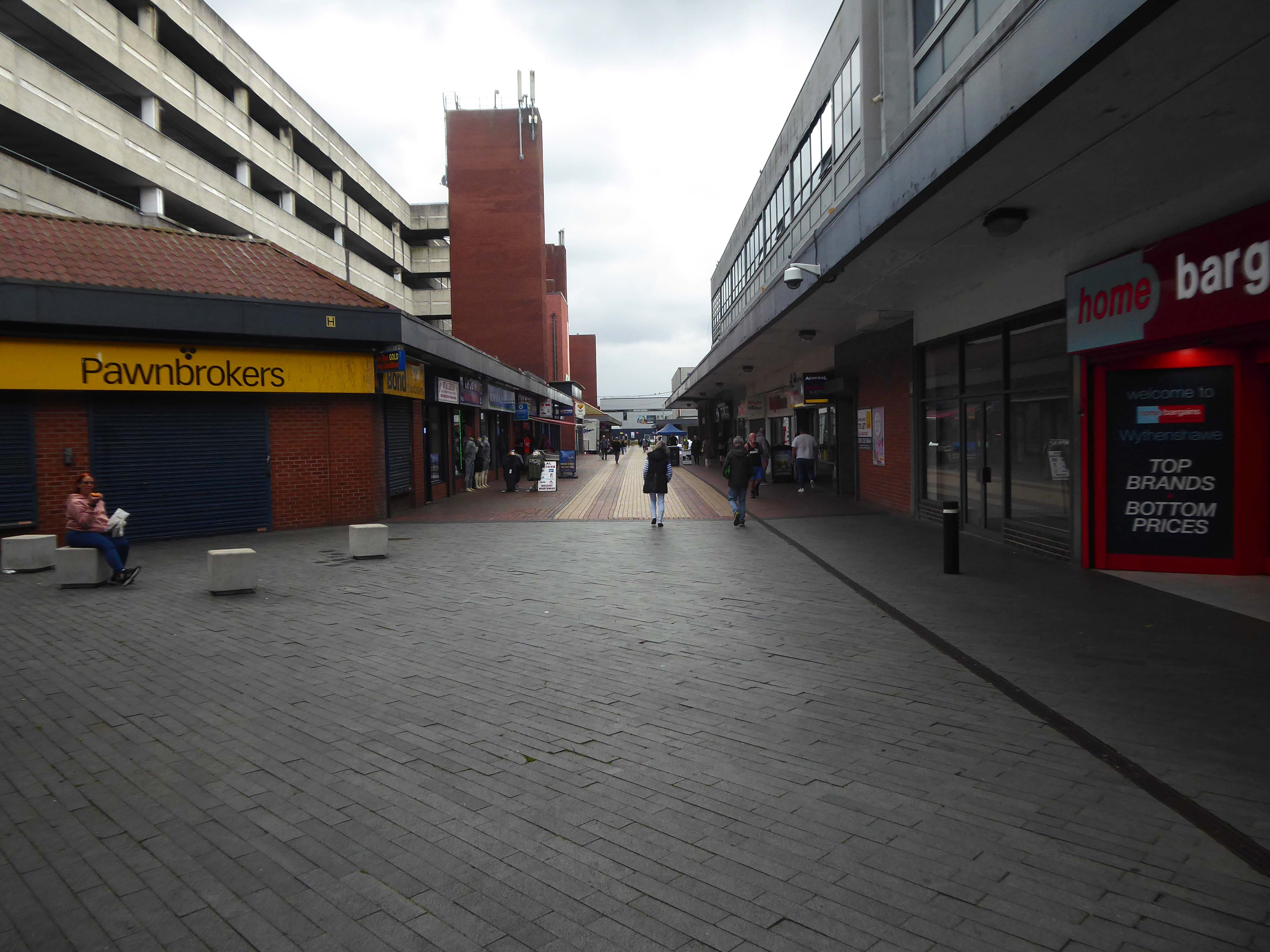
Civic Wythenshawe 2024

I wrote about the history of Civic in 2020.

Also visiting the multi-storey car park yesterday.

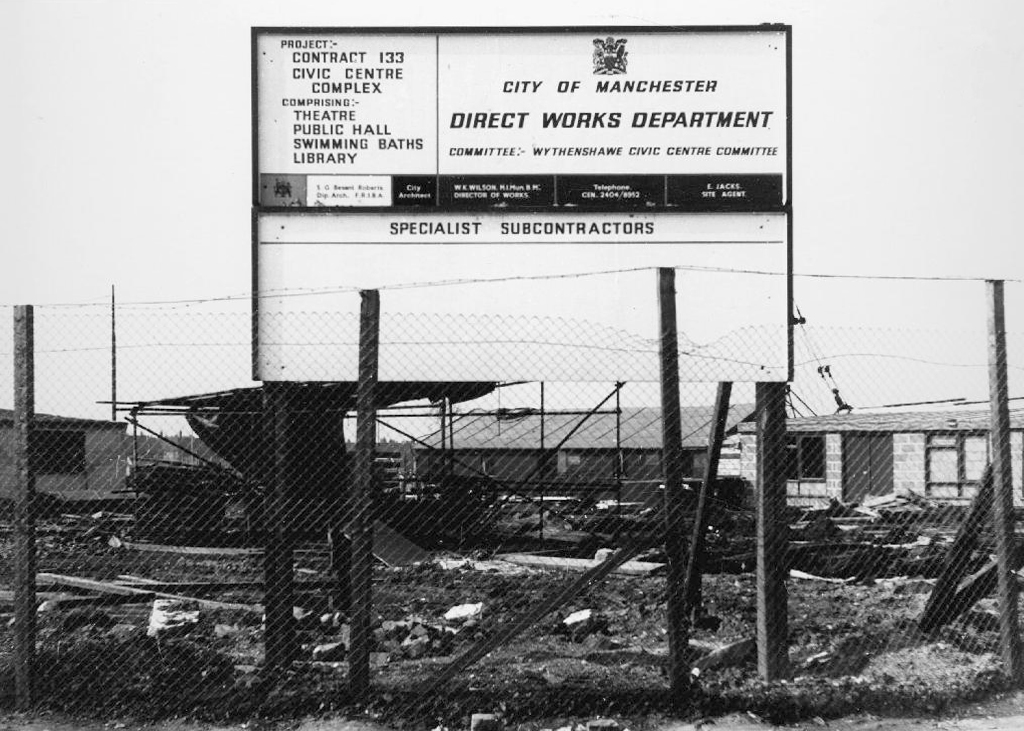
The work of Manchester City Architect Sydney George Besant-Roberts and his team.

Work began in the interwar years, and continued following the hiatus of 1939-45. The shopping centre named the Civic Centre was open in 1963, the actual Civic Centre containing a swimming pool, theatre, public hall and library in 1971.

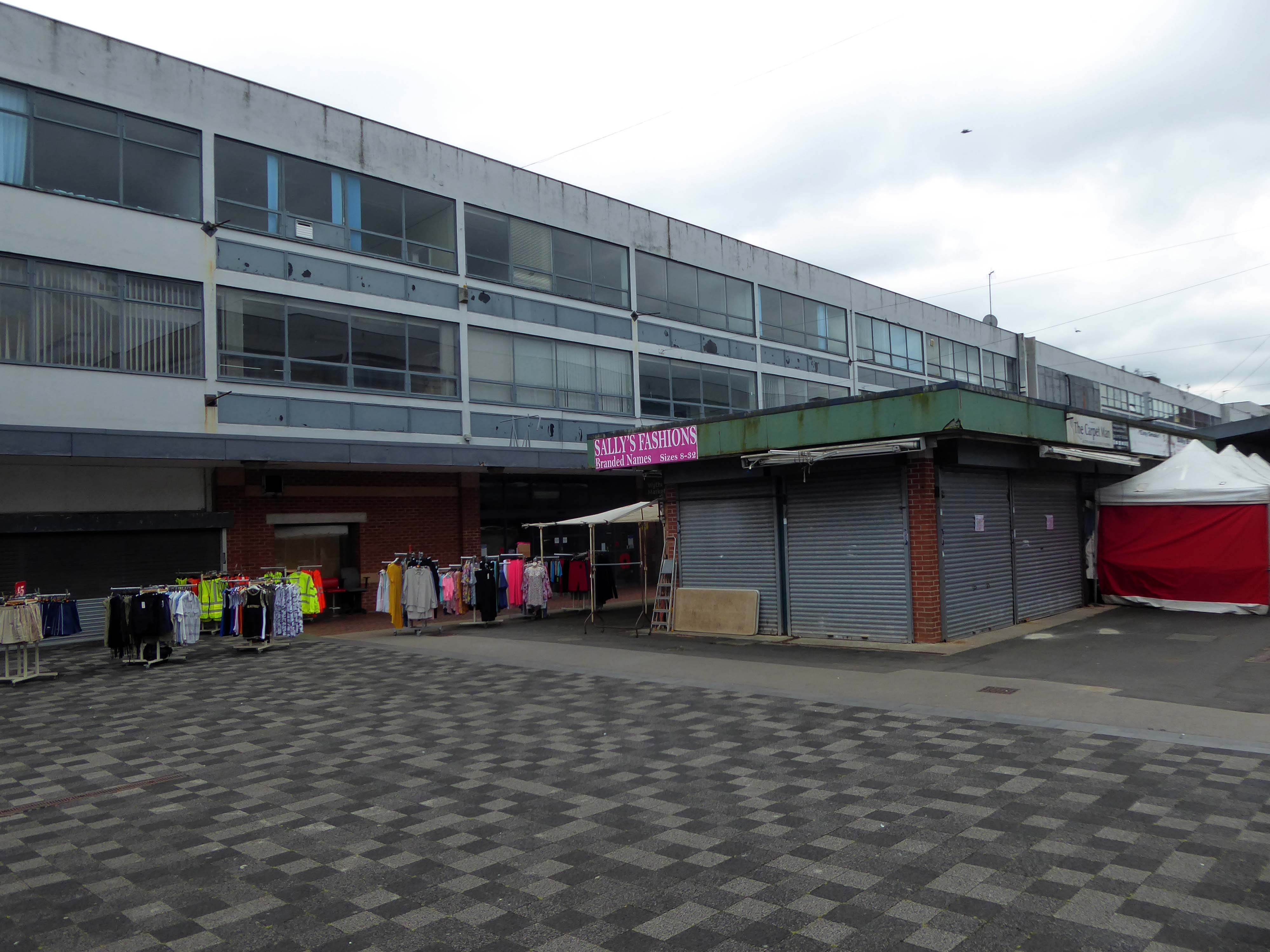
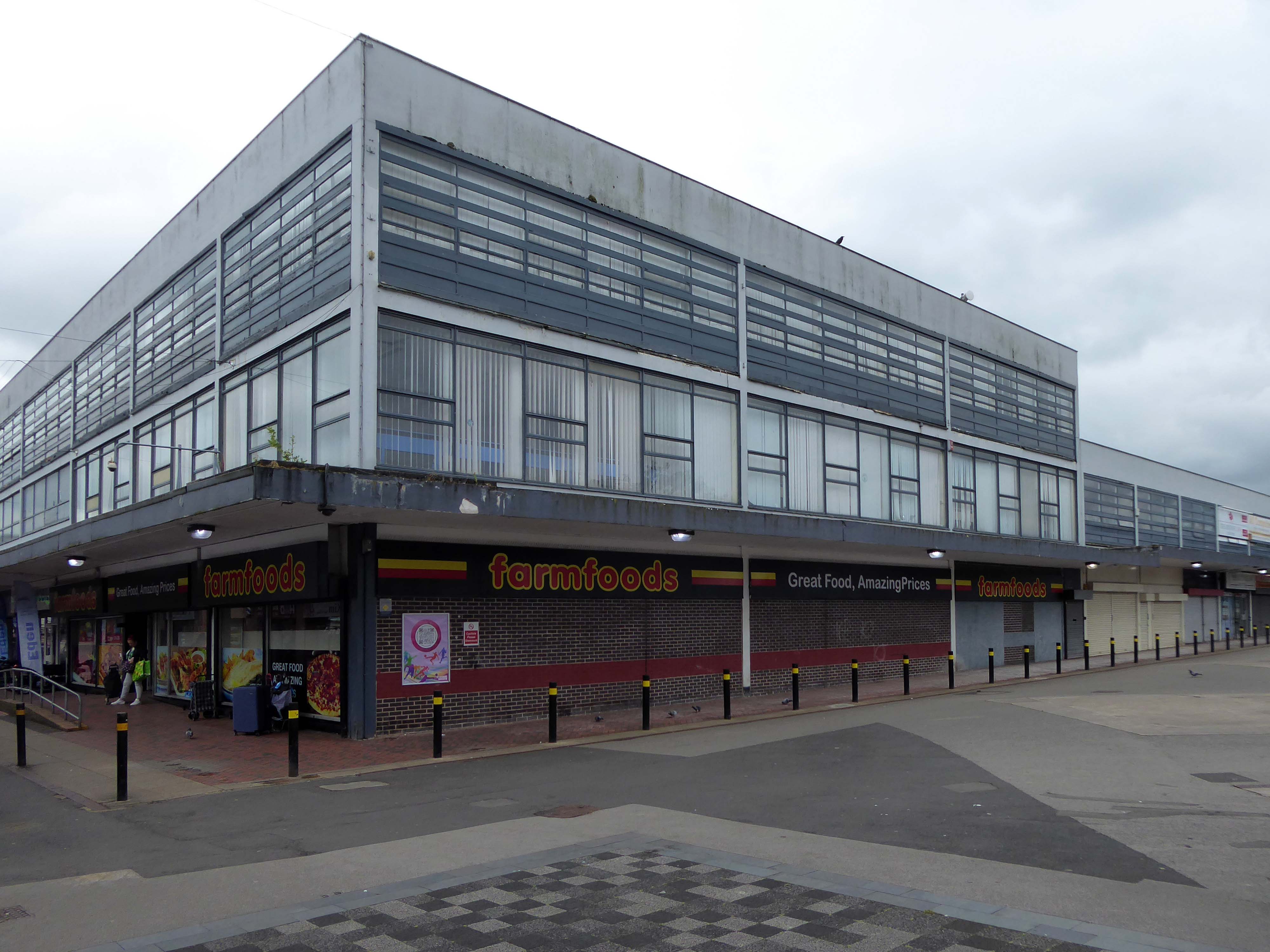
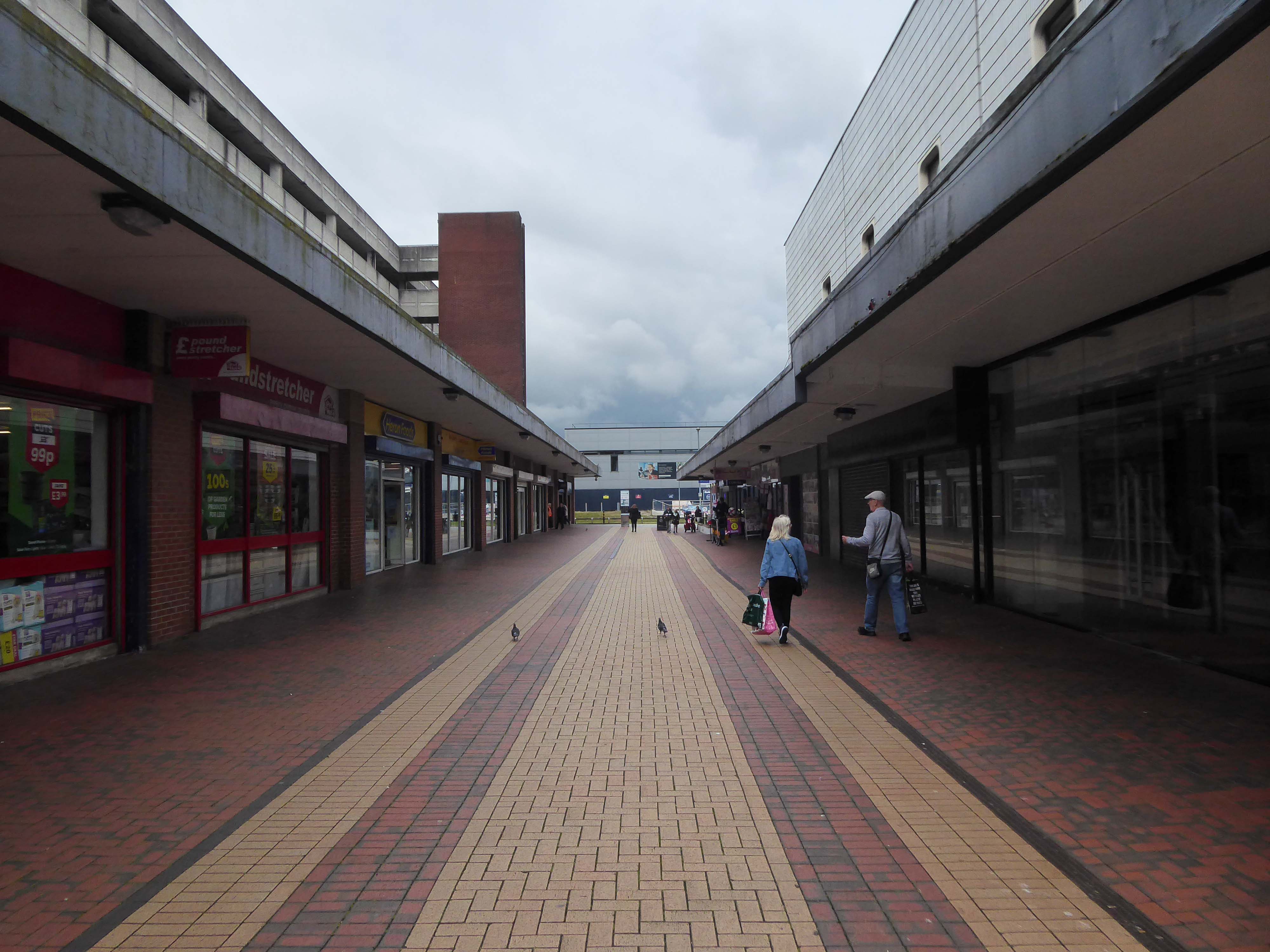
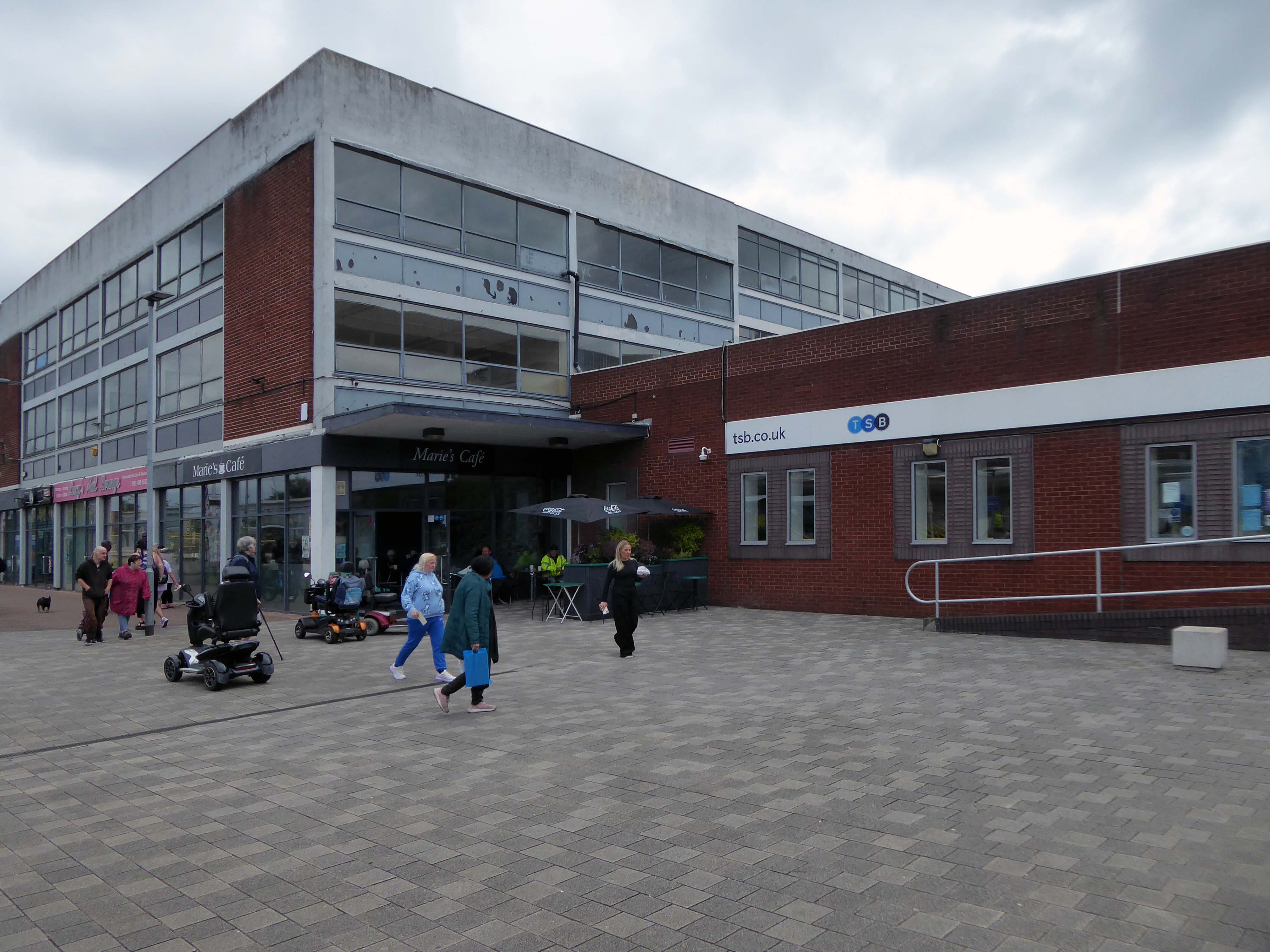
Here I am again four years later, taking a look at how it looks today.

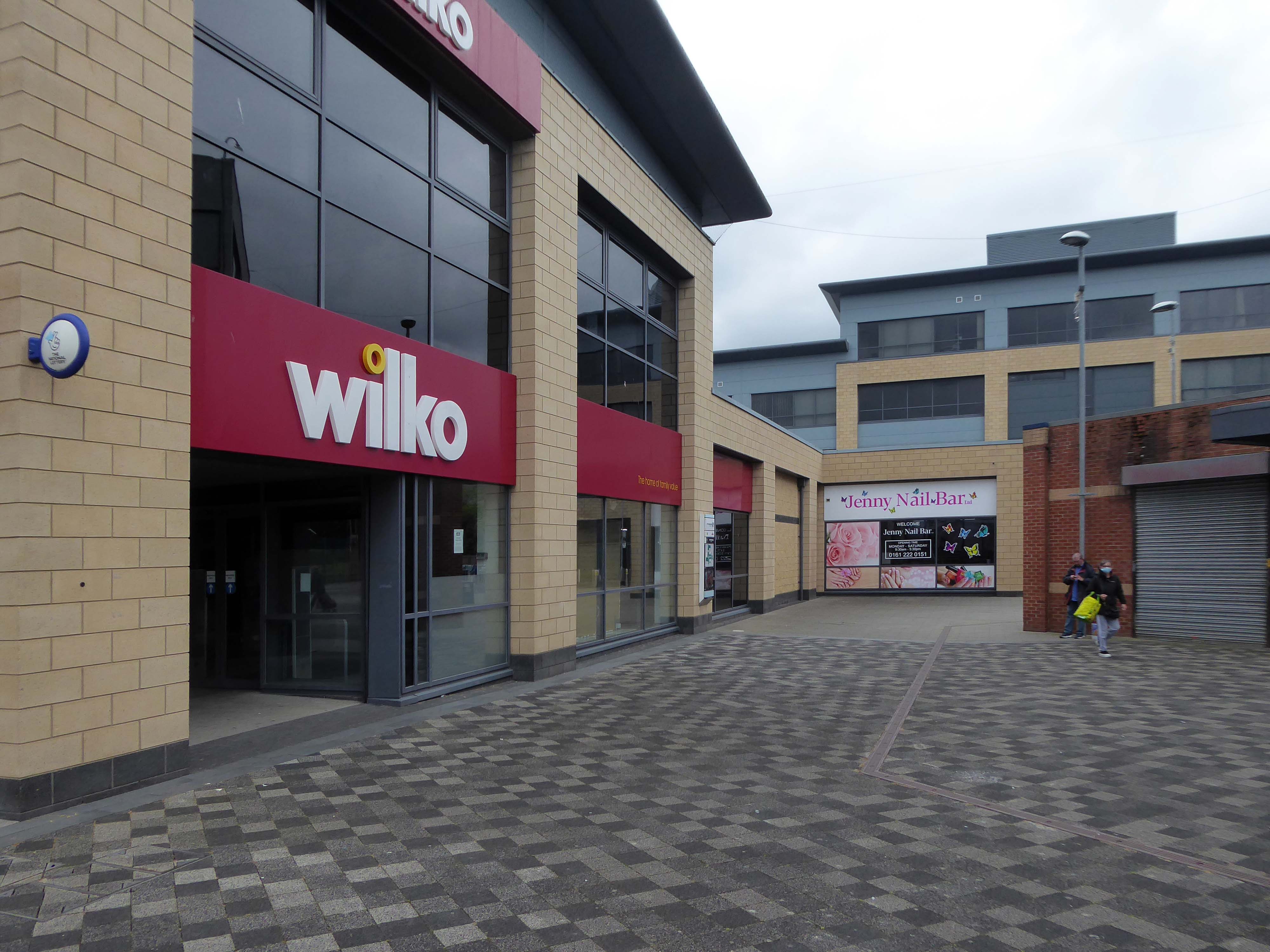
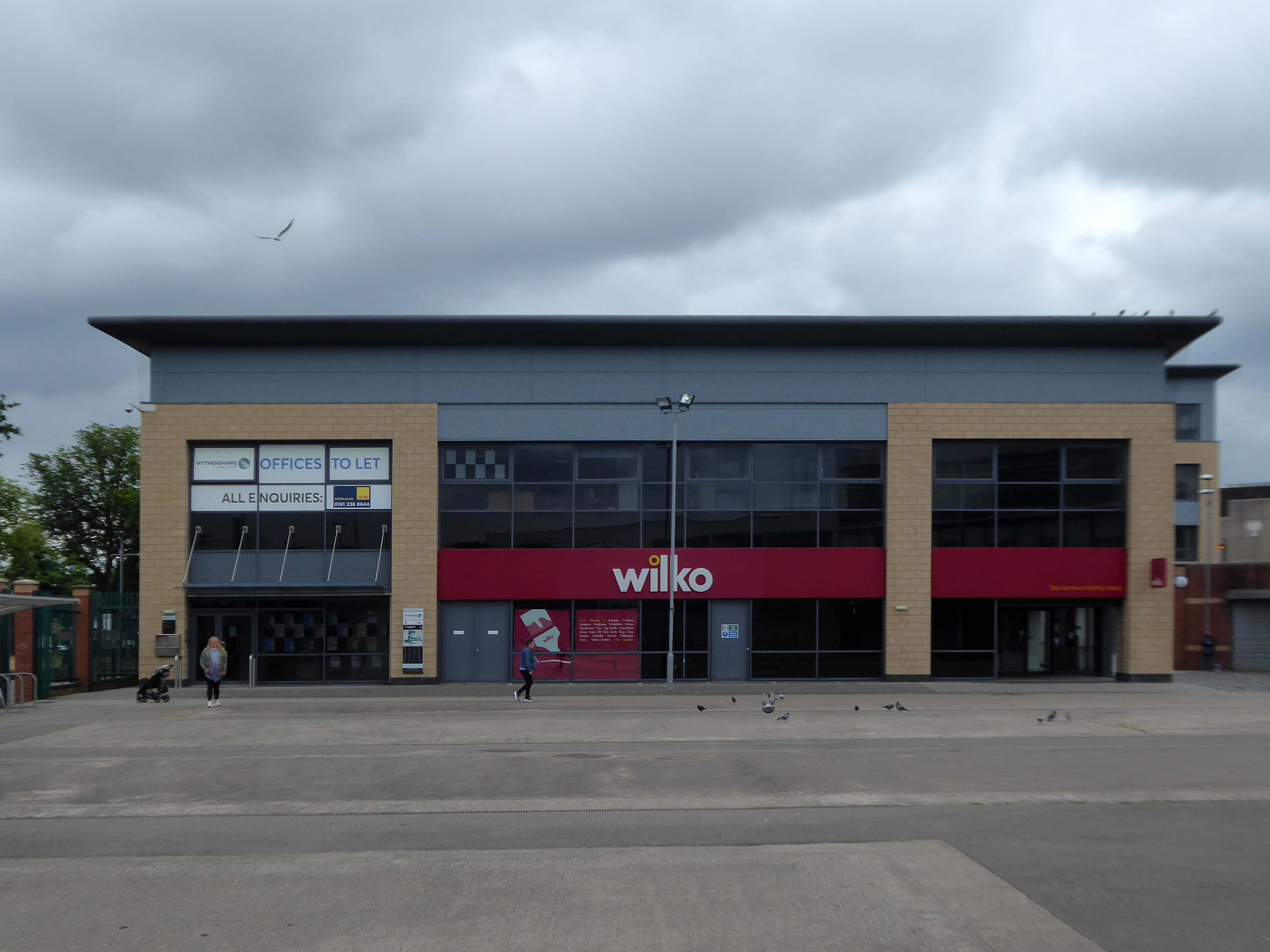
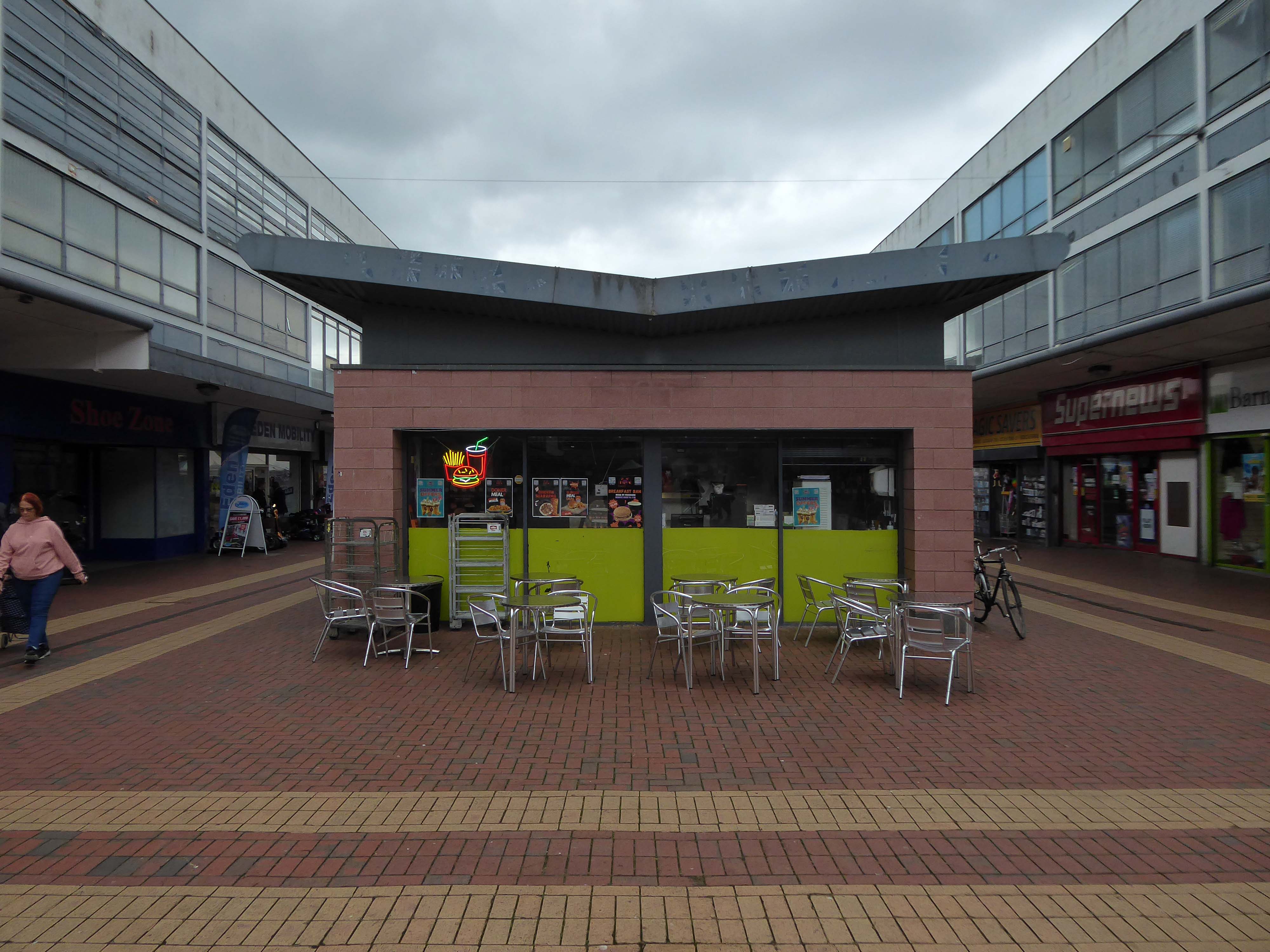
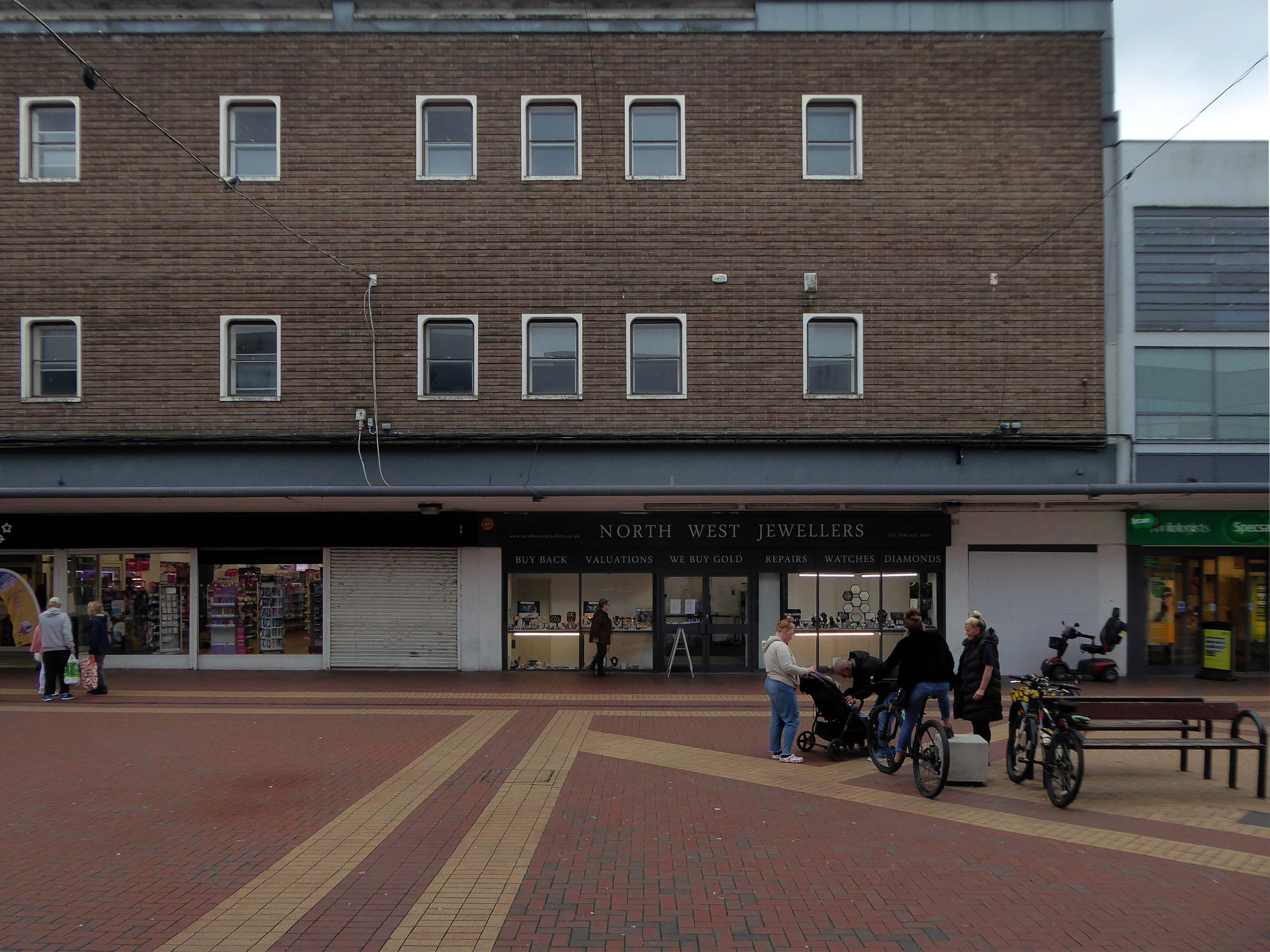
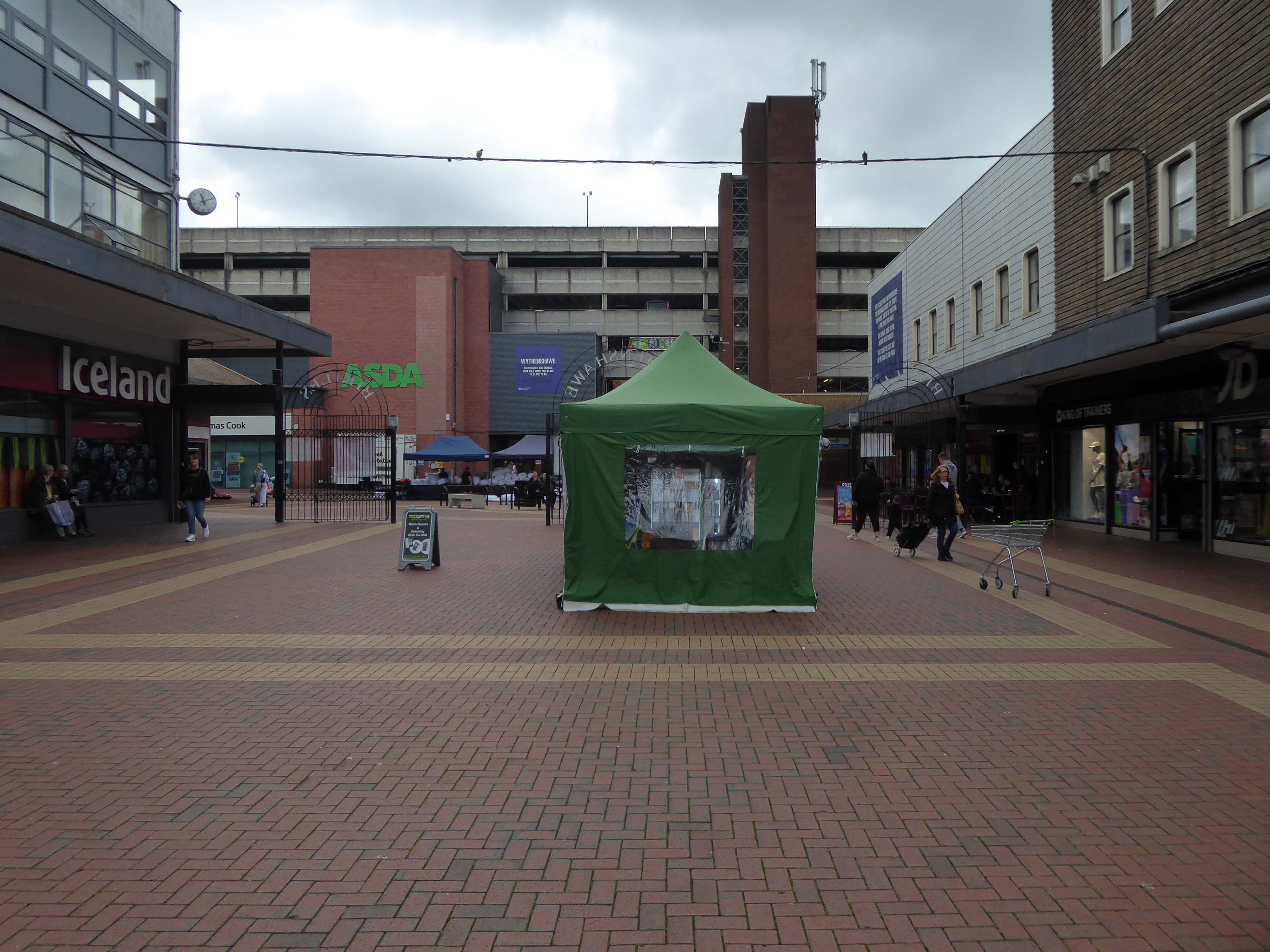
ASDA remains the anchor store, Wilko having left a Wilko sized hole in the precinct. On an overcast Friday morning there was sufficient footfall to sustain the wide variety of smaller shops and larger retail chains. As with many other towns within the central Manchester orbit, the easy proximity fills those busy trams and buses, which are leaving the area.

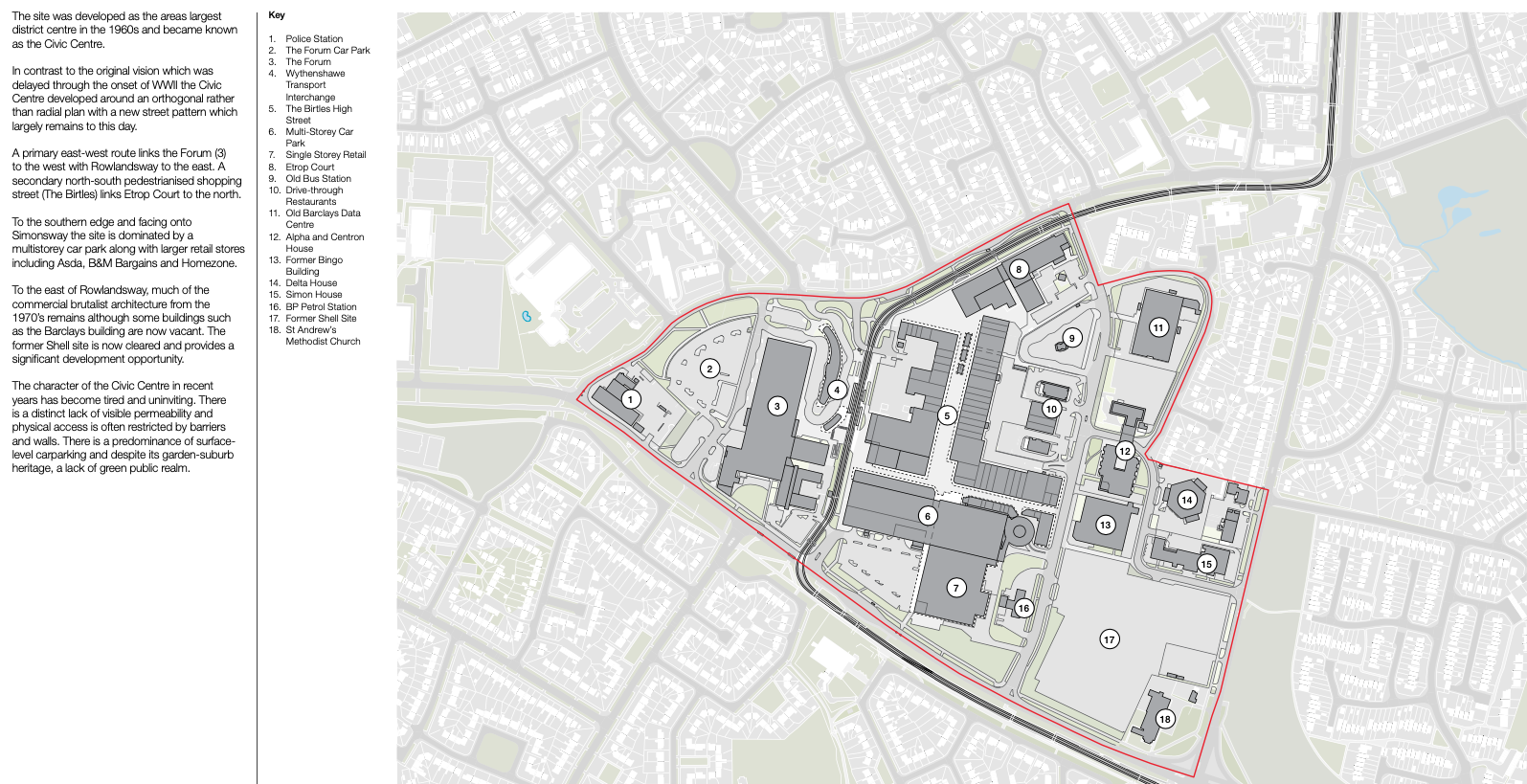
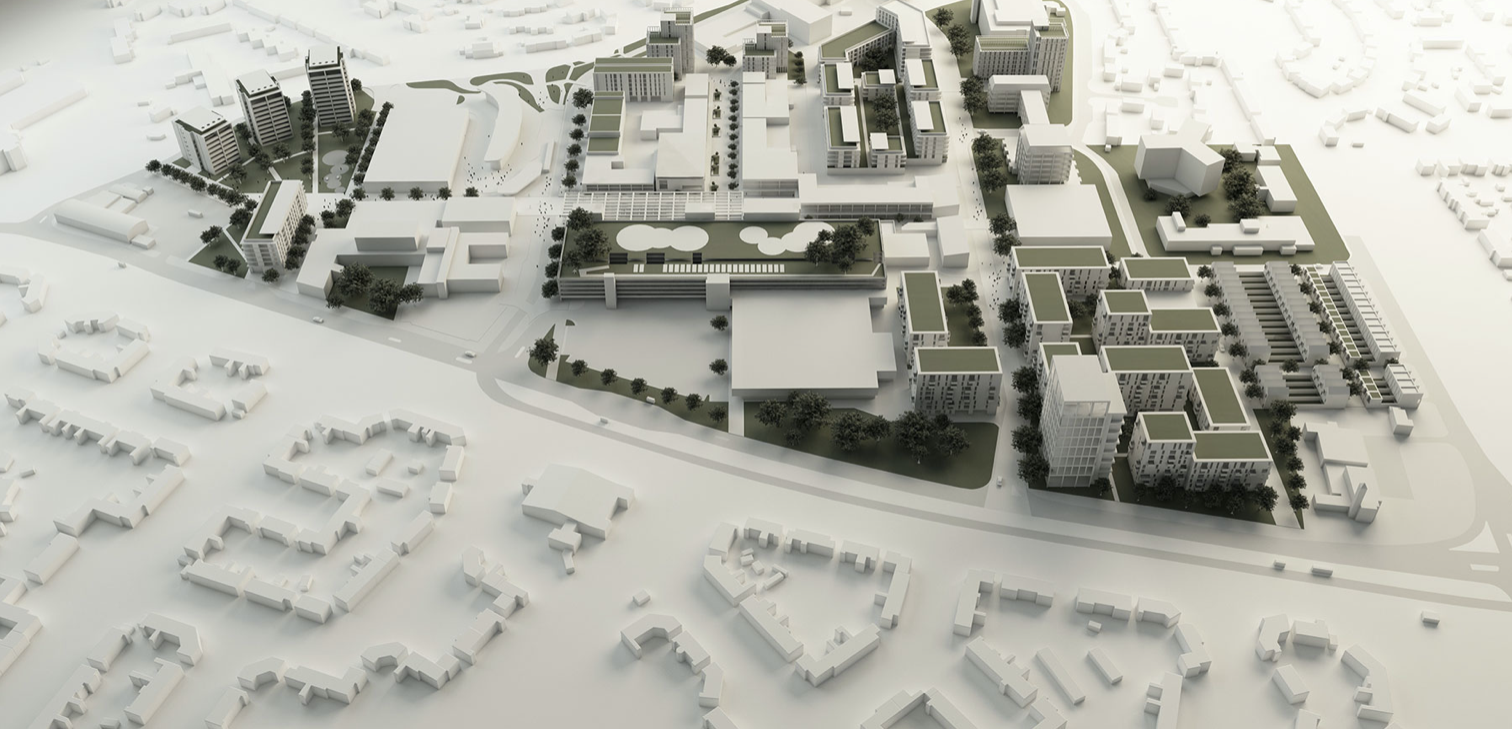
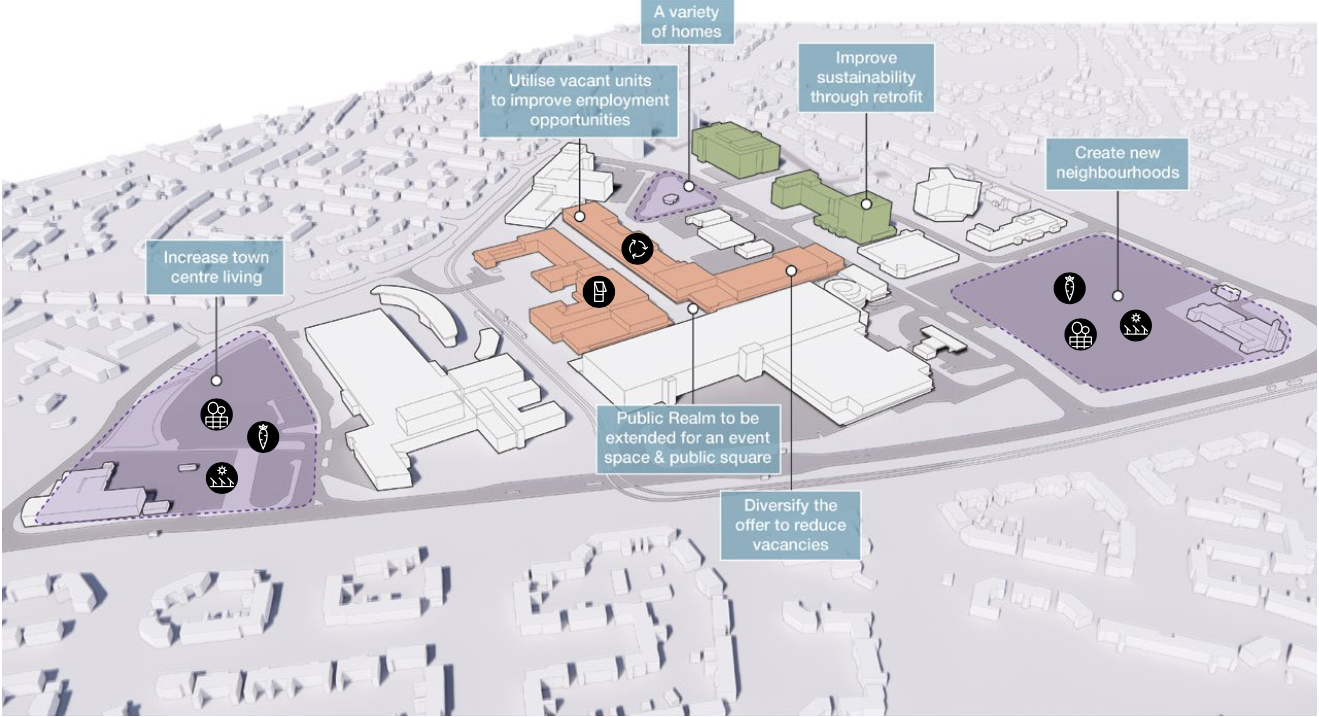
There are plans in place to regenerate the area, in the form of a Masterplan – which can be downloaded here.

Between 1991-2002 there have been some architectural changes, including new stores and office developments. Some of the interventions included significant adaptions which further increased retail into the existing buildings high street.

The interventions included significant adjustments to the multi-storey car park with the aim of reducing parking numbers whilst providing additional lettable space. Further Transport Hub Arrival commercial development was created to the north of the site with the construction of Etrop Court, despite there being significant commercial vacancy across other parts of the estate.

Whilst there has been significant incremental intervention, the character of the area has
not fundamentally changed from its founding concept. However the cumulative impact of the various changes have had a negative impact on the functionality and suitability of place, so much so that the centre is in many ways no longer fit- for purpose.

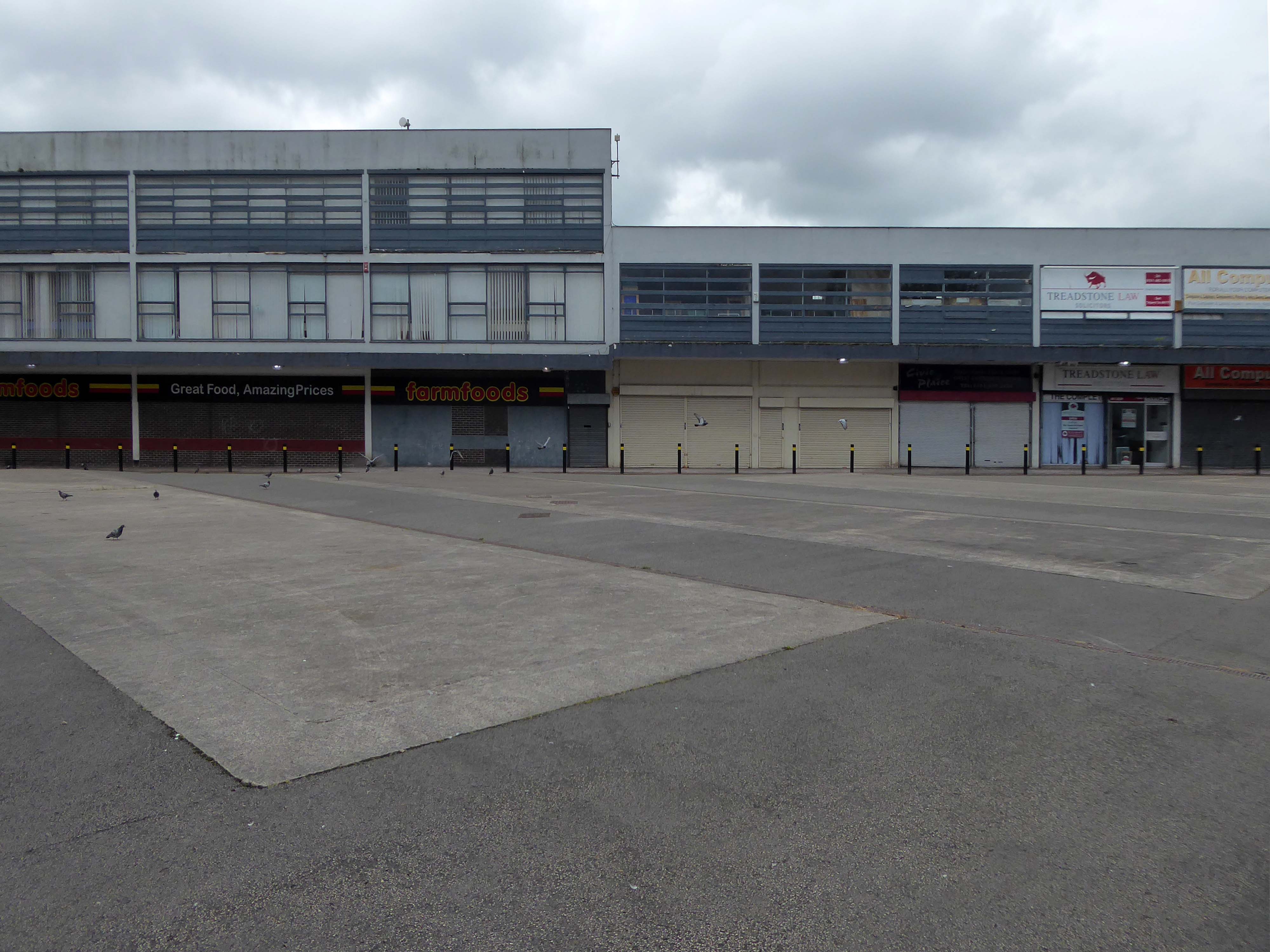
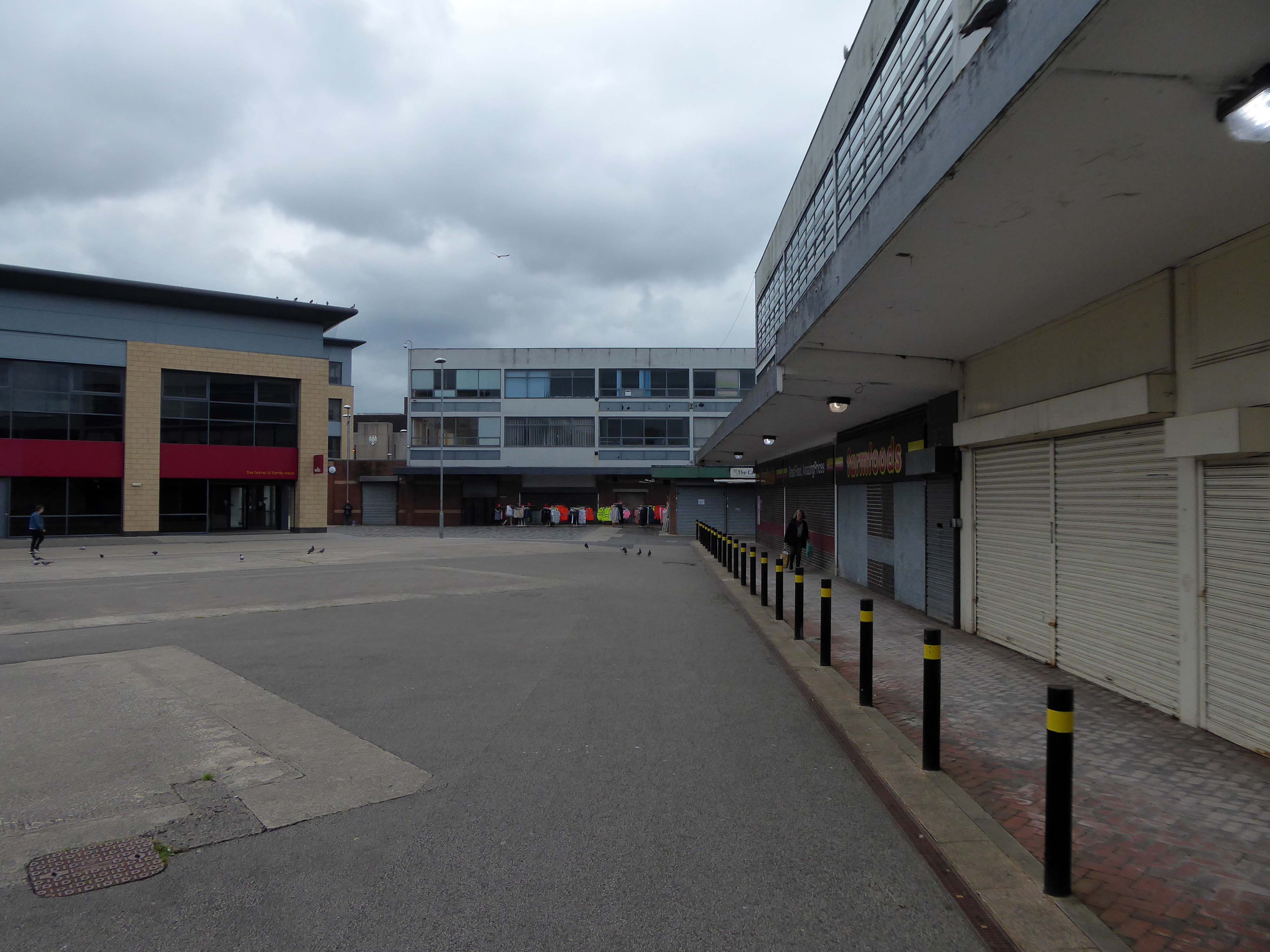
The site today is surrounded by surface car parks, with a total of around 2,500 car parking spaces, 1,700 of which are contained within the multi-storey car park. Many of the retail units, the upper floor office spaces along the Birtles and Hale Top, and buildings to the east are vacant.

Typically, the levels of vacancy are consistent with the changing demands of the high street, where typically modern and successful retail centres are now more diversified and focussed on creating a visitor or destination-based experience. In this sense, we anticipate a need to diversify the high street and to promote a smaller more concentrated retail core, whilst supplementing the offer with more meanwhile and permanent uses and activities based on culture, food and creative workplace.

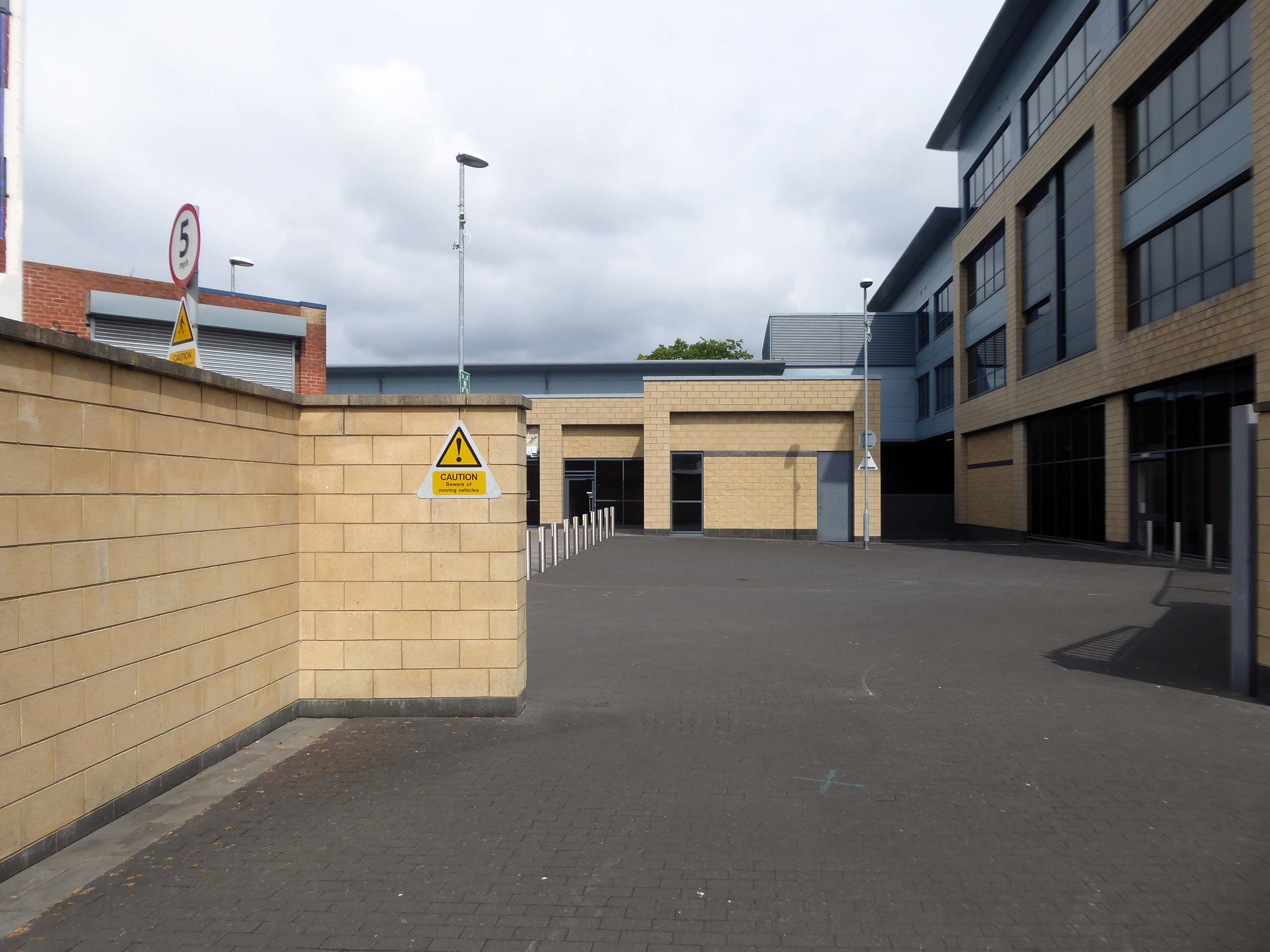
The gateway to the Civic Centre on arrival from the Transport Interchange is very poor. Access to the high street isn’t obvious and the route through to the high street isn’t clear. Much of the site is surrounded by fencing, barrier and gates and whilst they are open during the day, they are locked at night to prevent vandalism. This barricaded aesthetic does nothing to promote an easily accessible and family friendly environment as well as preventing any opportunity to promote a much needed night- time economy.

Currently, the Civic Centre appears to only cater for those with a need to visit for a particular purpose, rather than capitalising on an opportunity to create a place to visit and dwell.

Manchester Arterial – A6

The A6 is Britain’s fourth longest road. Its route varies greatly from the lower lands of the South East, though the Peak District, right though the heart of Manchester city centre, then onwards towards Preston. It then goes though the historic city of Lancaster before skirting the Eastern fringe of the Lake District before ending in Carlisle, bang on the start of the A7.

Sabre Roads

North from Stockport towards Manchester, the A6 was a wide, four lane road, but still 30 mph, which usually flowed pretty well. According to Mudge, it looks like it has now been massacred by bus lanes and red paint. Shame. We meet the A57 from the east, just south of the city centre, and multiplex until we reach Mancunian Way, the A57 heading off as a short urban motorway, the A6 heading into the city centre via London Road/Piccadily, where it loses its number and vanishes. It would have gone straight down Piccadily/Market Street to meet Deansgate, and then across the River Irwell into Salford, and up Chapel Street, where the number reappears. Market Street has been pedestrianised for years, so the A6 has long ceased to be a through route.

Sabre Roads

In 2014, having taken early retirement from teaching photography, I embarked on a series of walks along the arterial roads of Manchester.

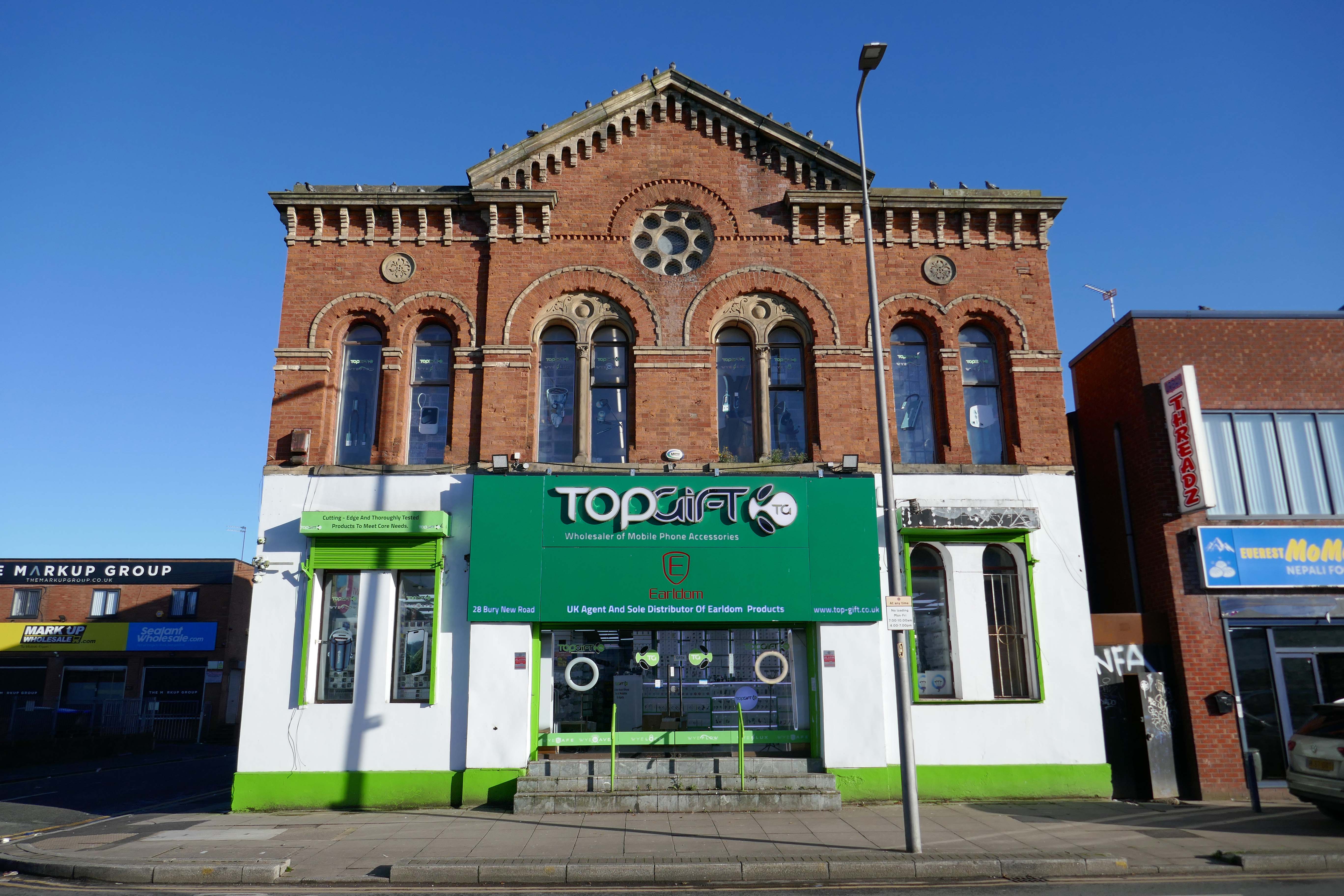
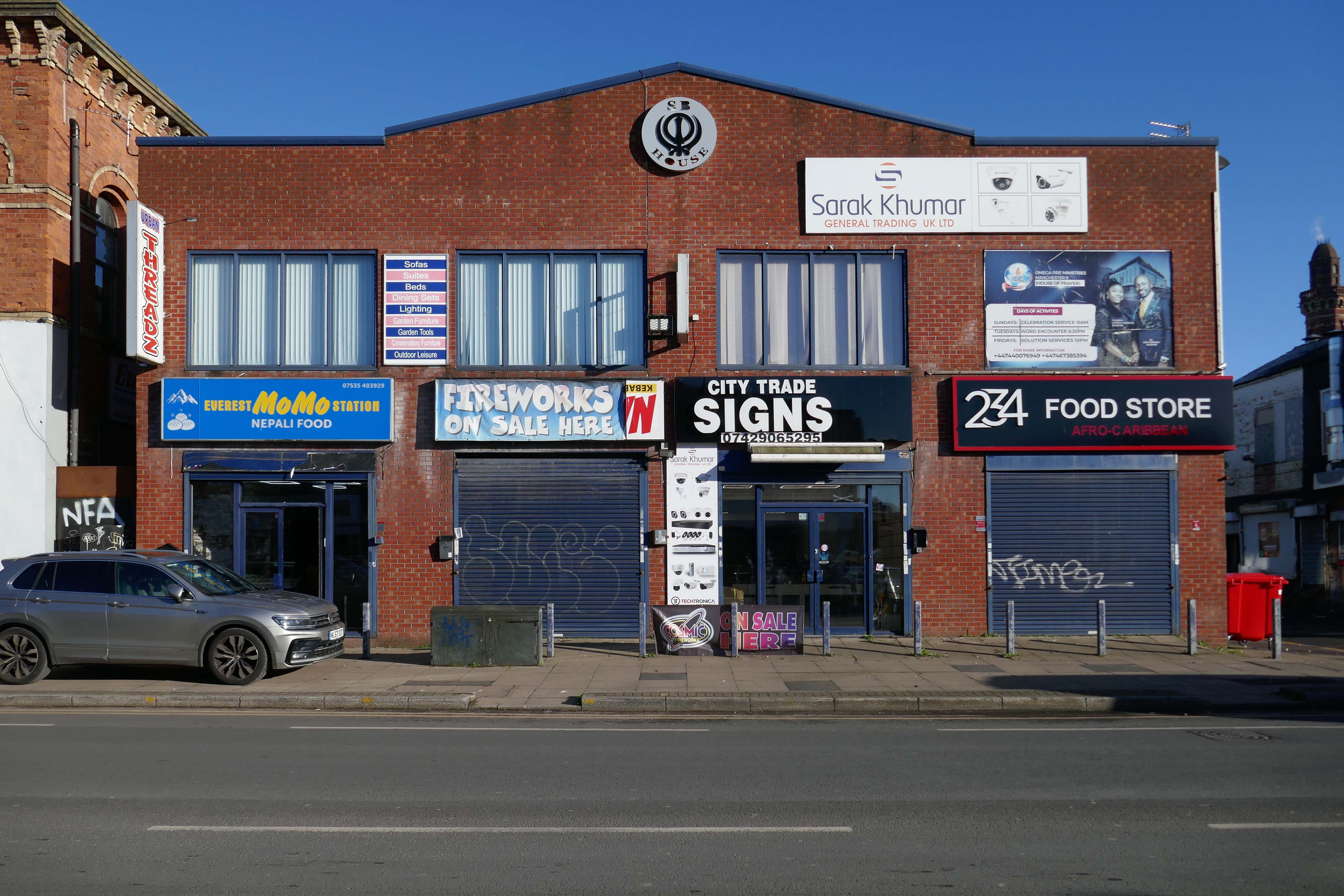
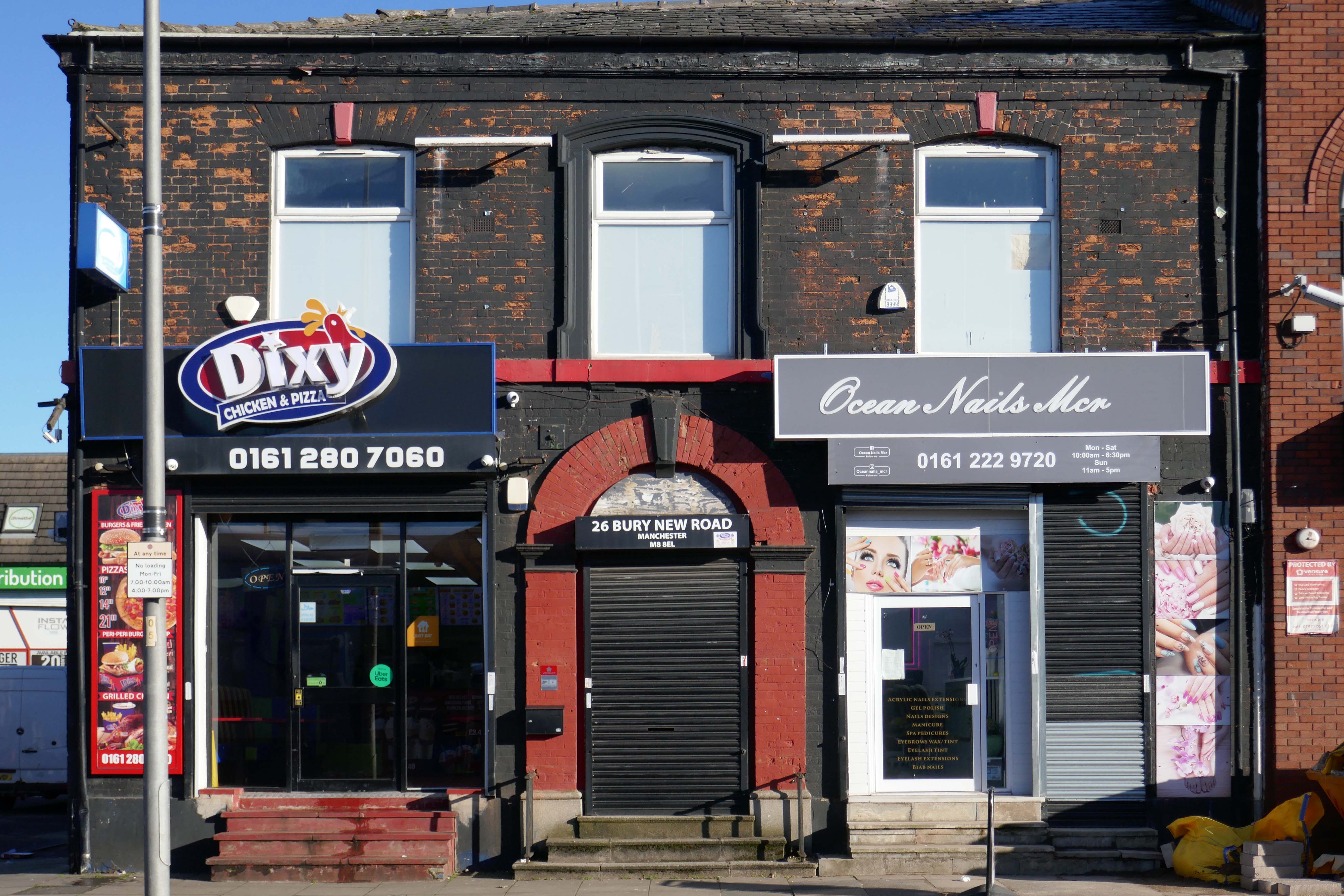
See also Bury New Road and Cheetham Hill Road and Rochdale Road and Oldham Road and Ashton New Road and Ashton Old Road and Hyde Road.

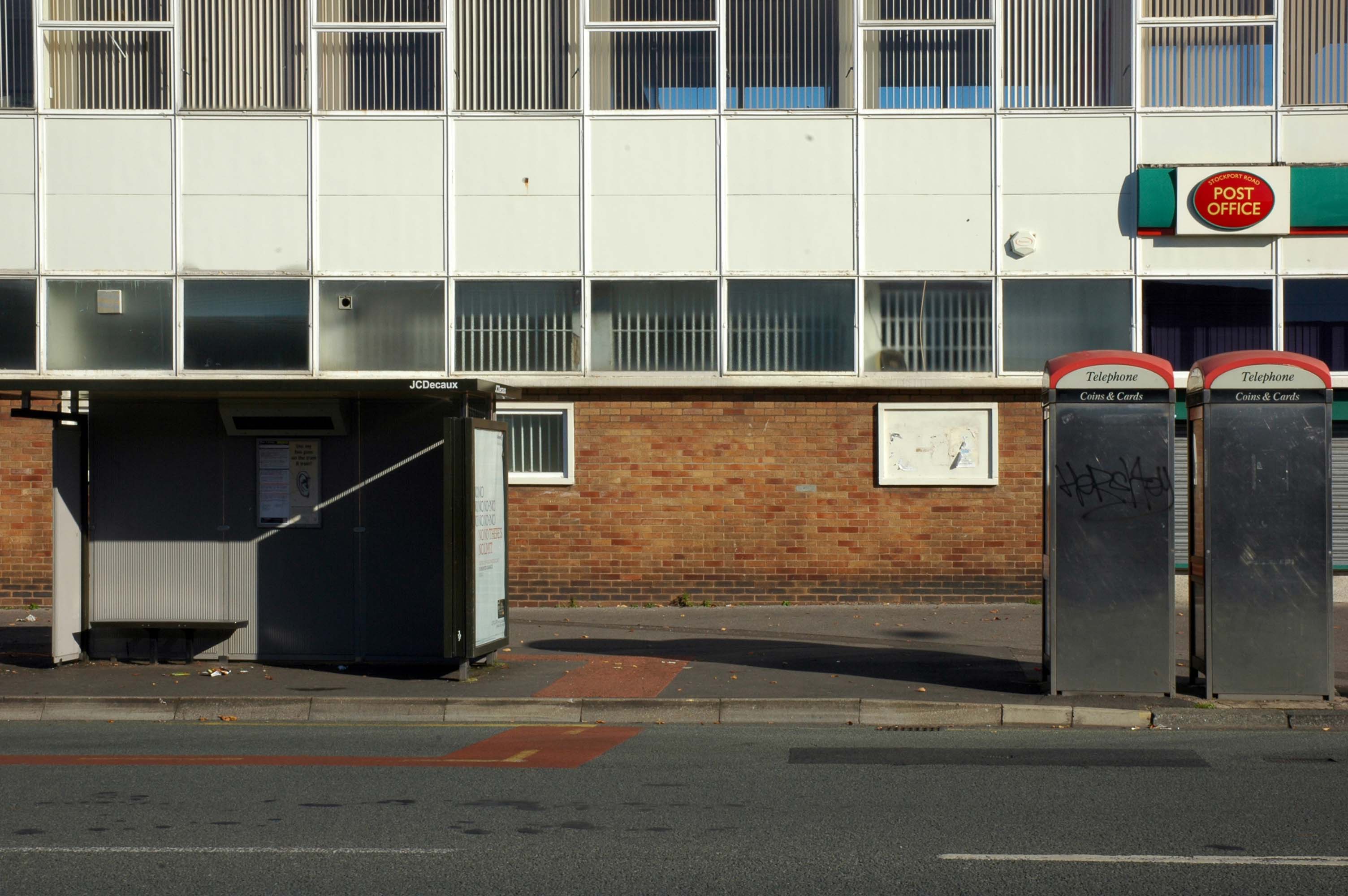
Manchester Arterial – A662

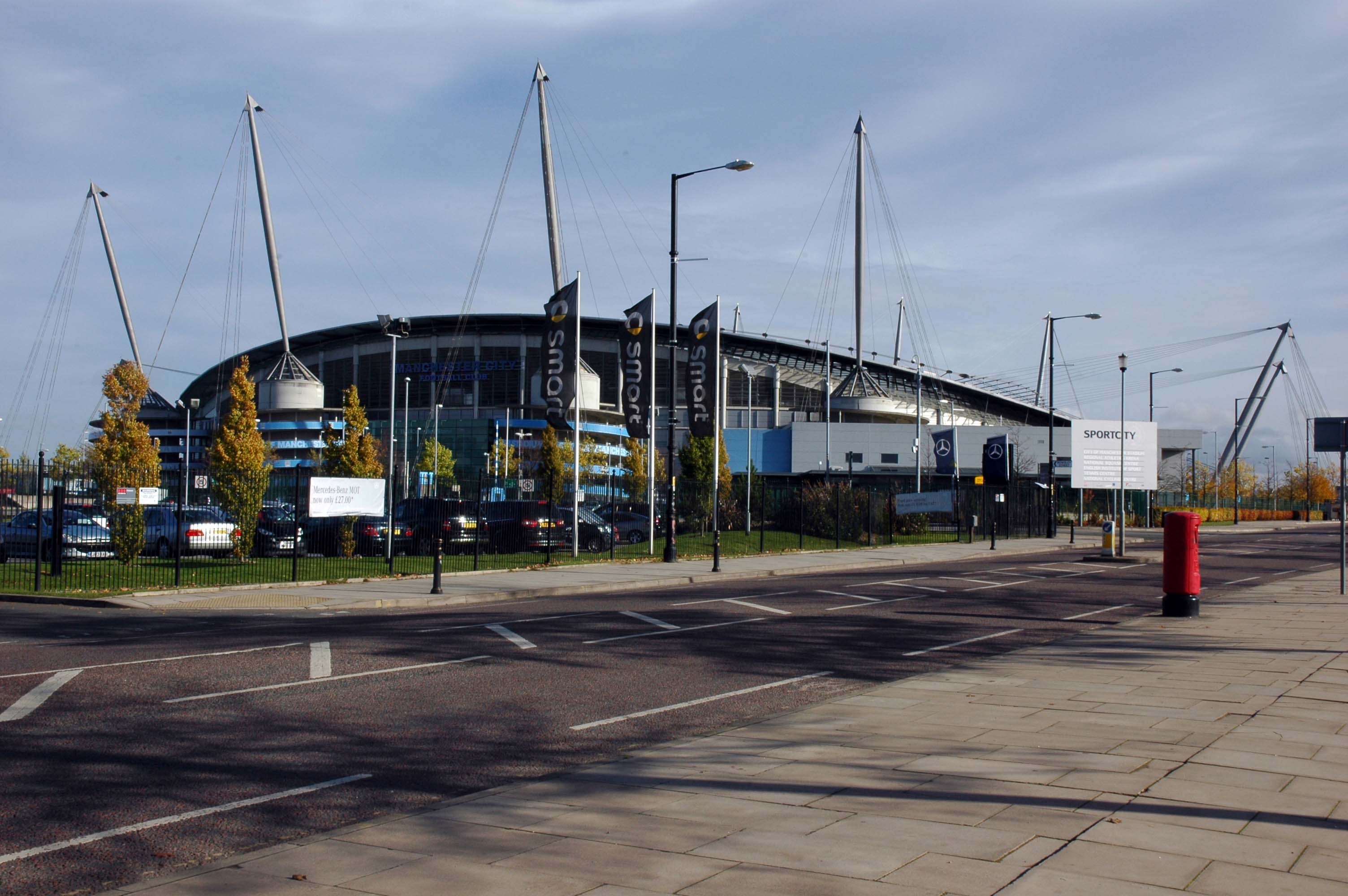
Starting at traffic lights on the A665 the road heads northeastwards, initially with the Metrolink on the left and a factory building on the right. The road then bears right at traffic lights marking the first section of on-street running for the trams, which lasts until just before a bridge over the River Medlock, after which the road passes to the south of the Sportcity complex whilst the tram line runs through the middle.

The A6010 is crossed at traffic lights, after which we see the tram lines on the left once more. We go over the Ashton Canal, then the tram lines at grade before bearing to the right to pass Clayton Park before another section of on-street running for the Metrolink begins, which continues for some distance. Just after crossing the Manchester city limit there is a set of traffic lights, after which the road becomes D2 for a short distance to allow a tram stop – Edge Lane, to be located in the central reservation. The tram leaves the road to the right for the next stop – Cemetery Road, and the stop in Droylsden town centre is once again in the central reservation. In all three cases the street running recommences after the stop.

Sabre Roads

In 2014, having taken early retirement from teaching photography, I embarked on a series of walks along the arterial roads of Manchester.

See also Bury New Road and Cheetham Hill Road and Rochdale Road and Oldham Road.

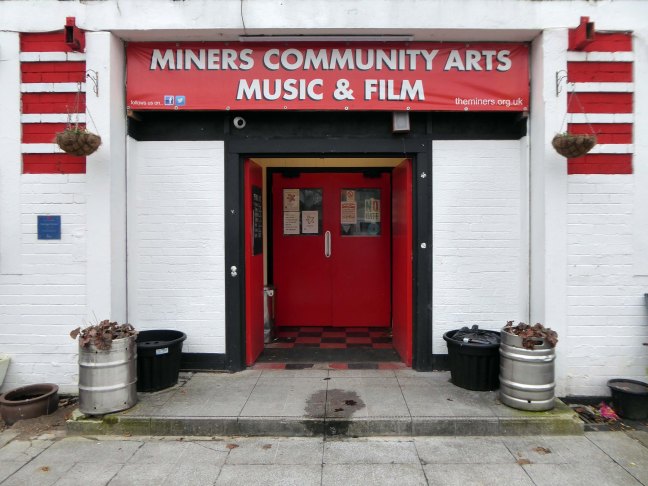
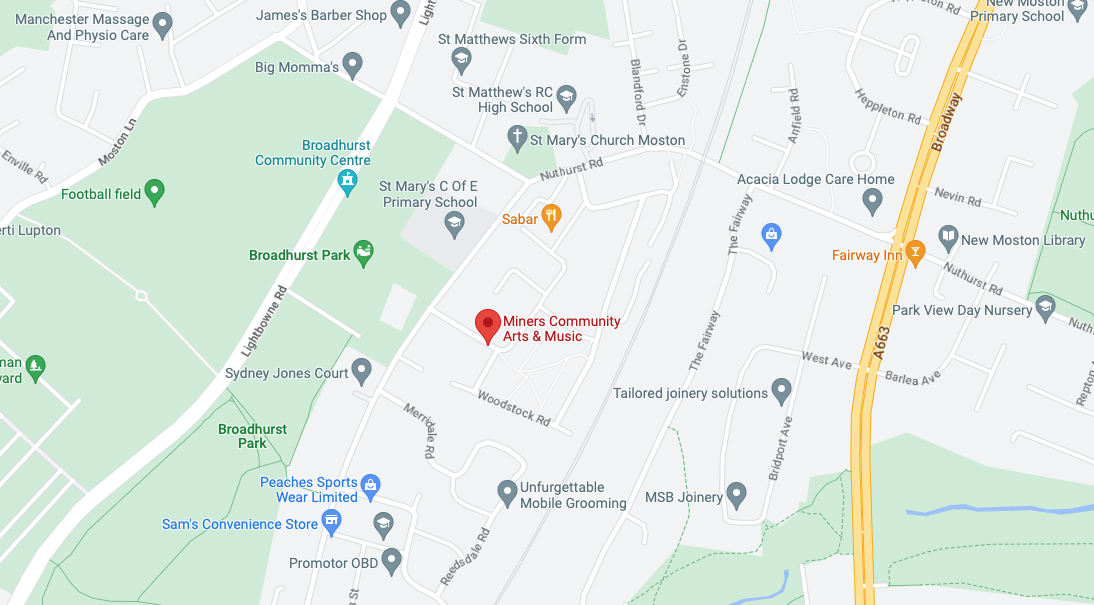
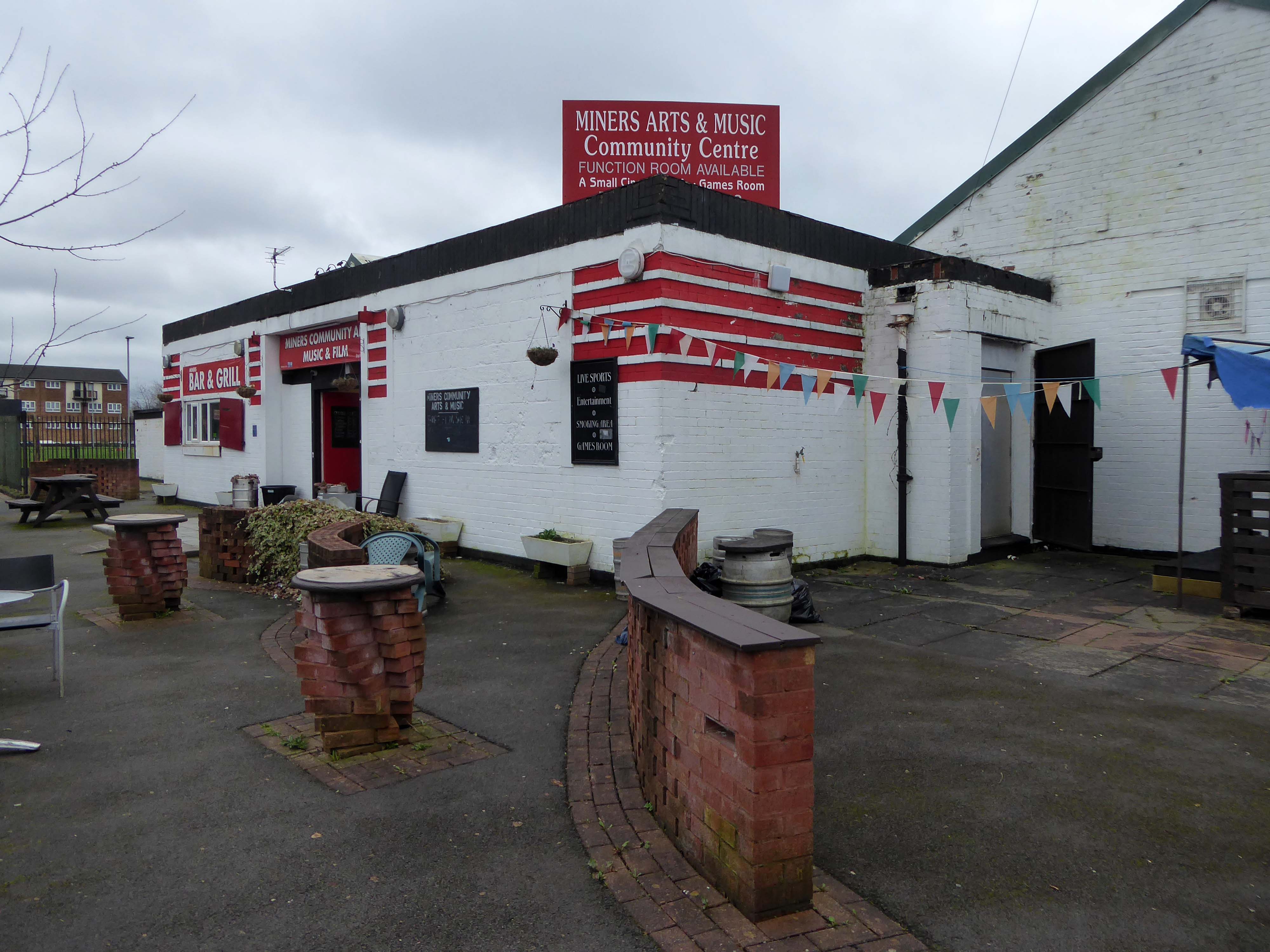
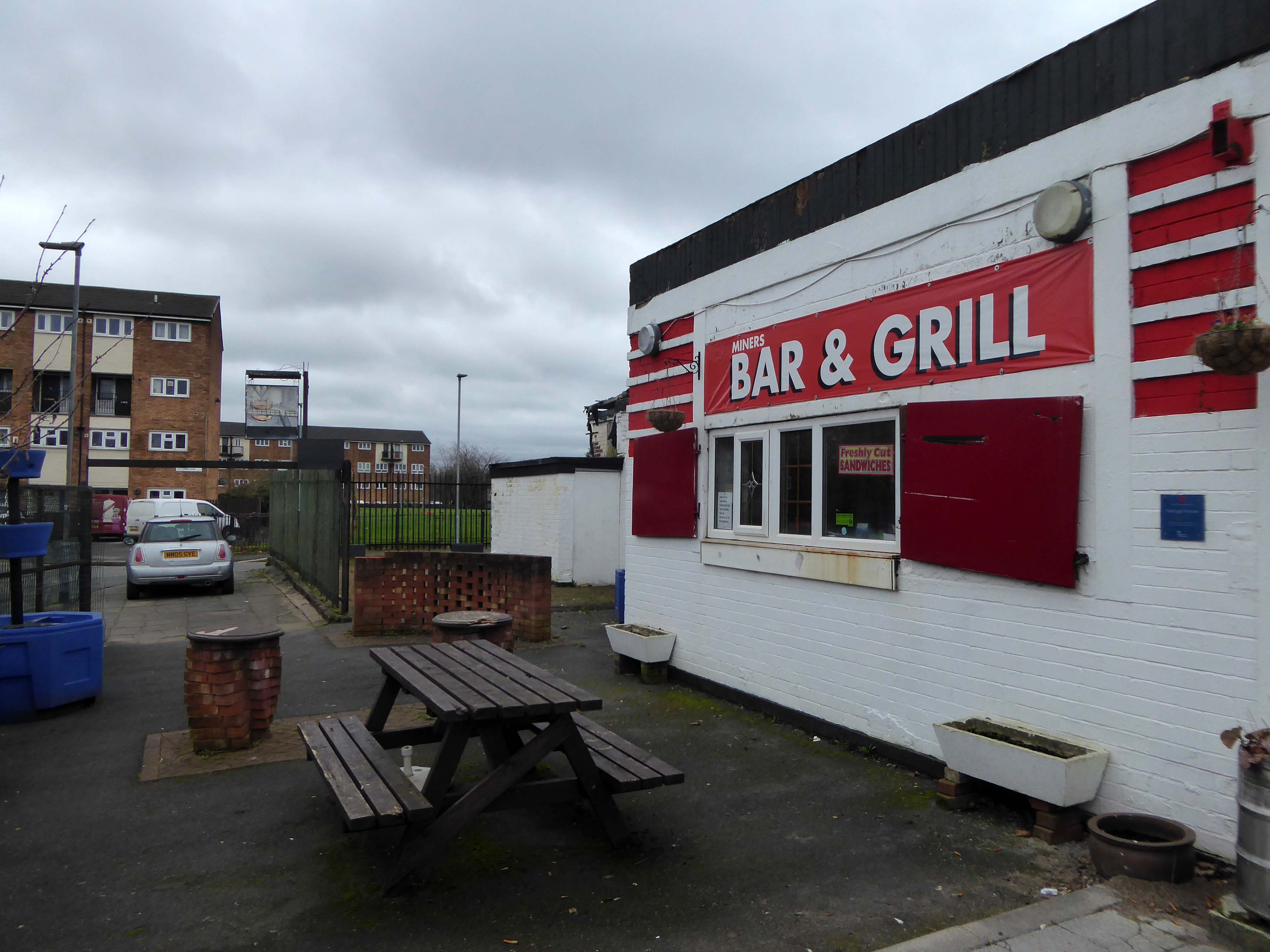
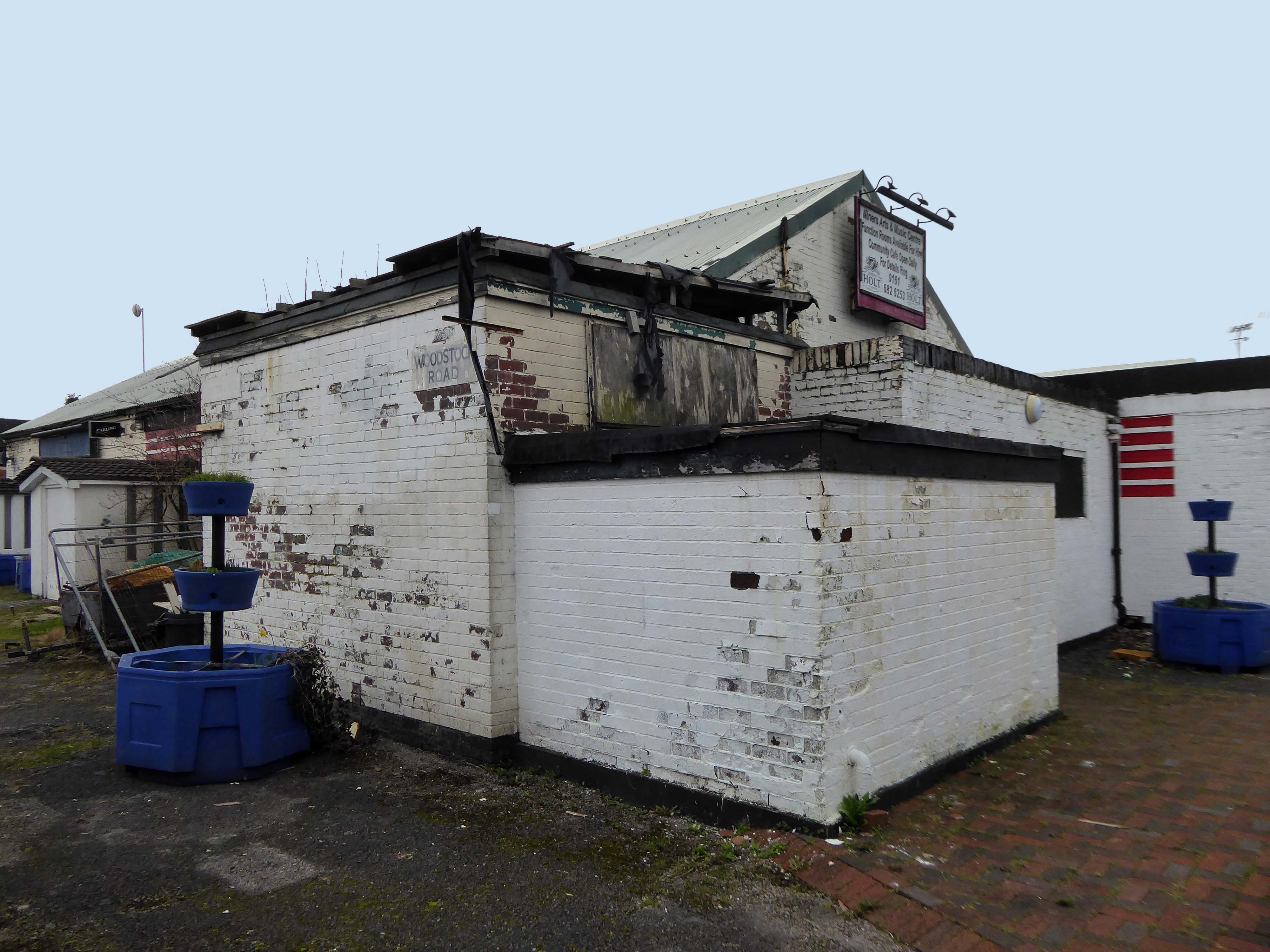
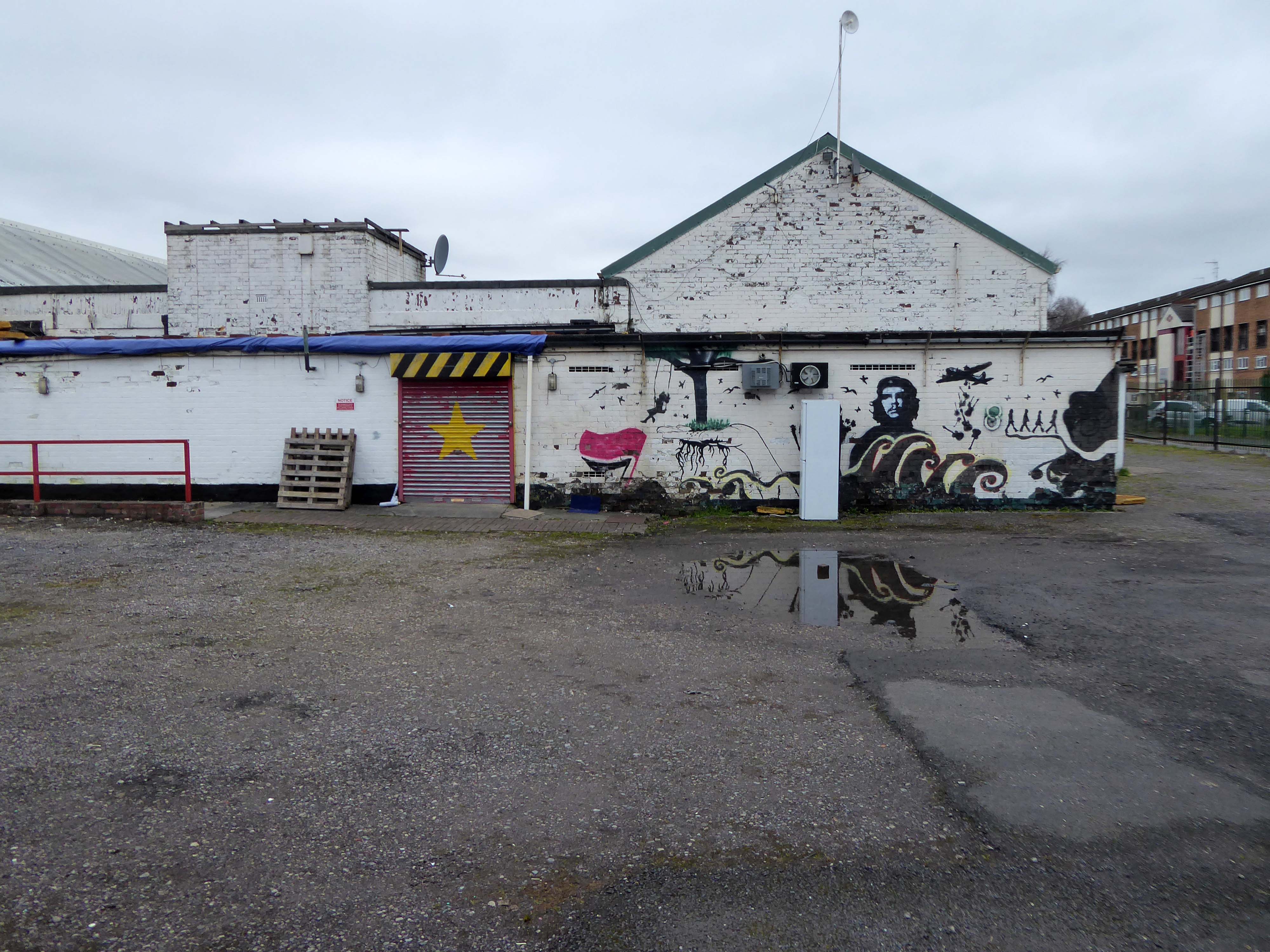
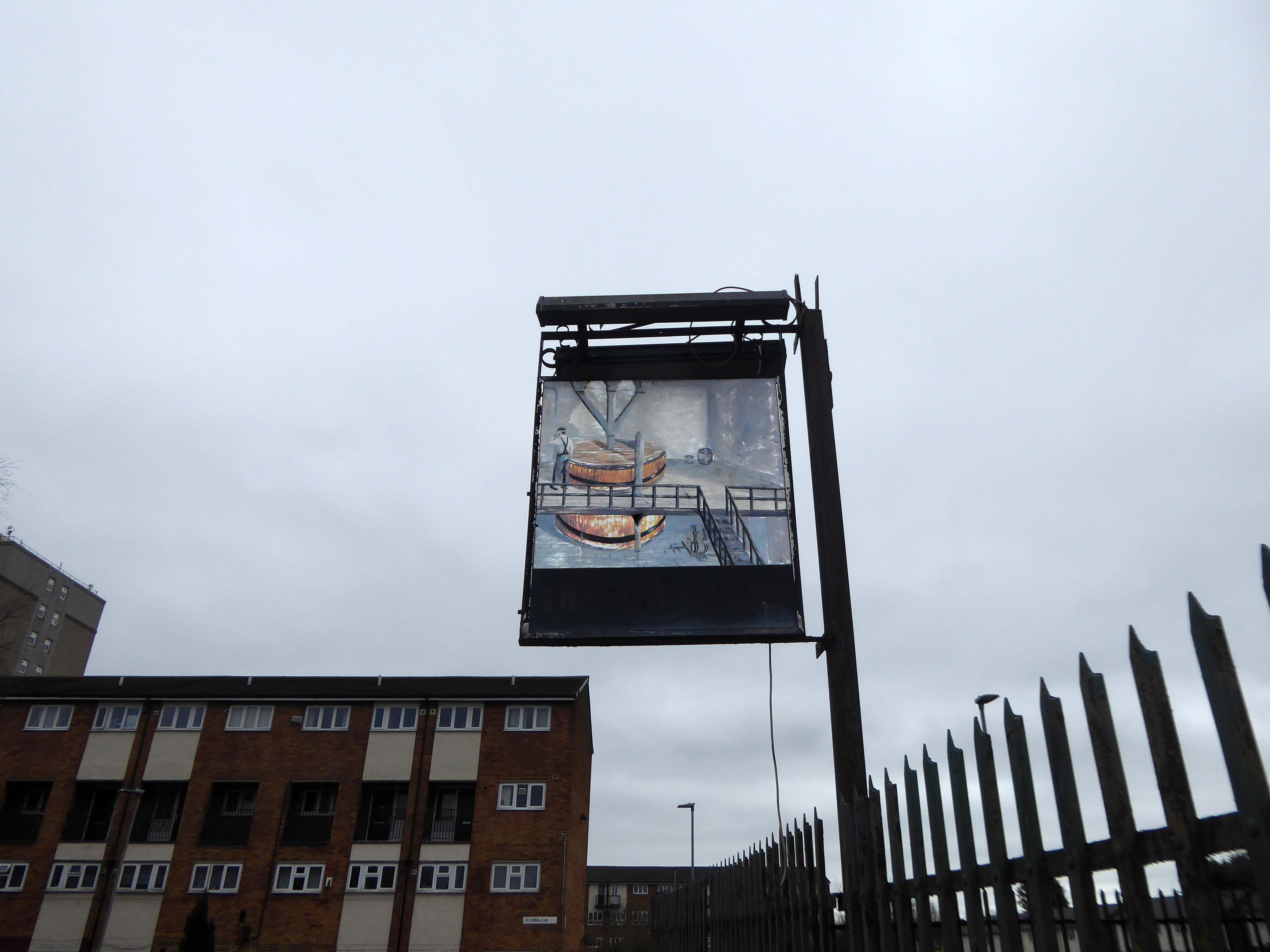
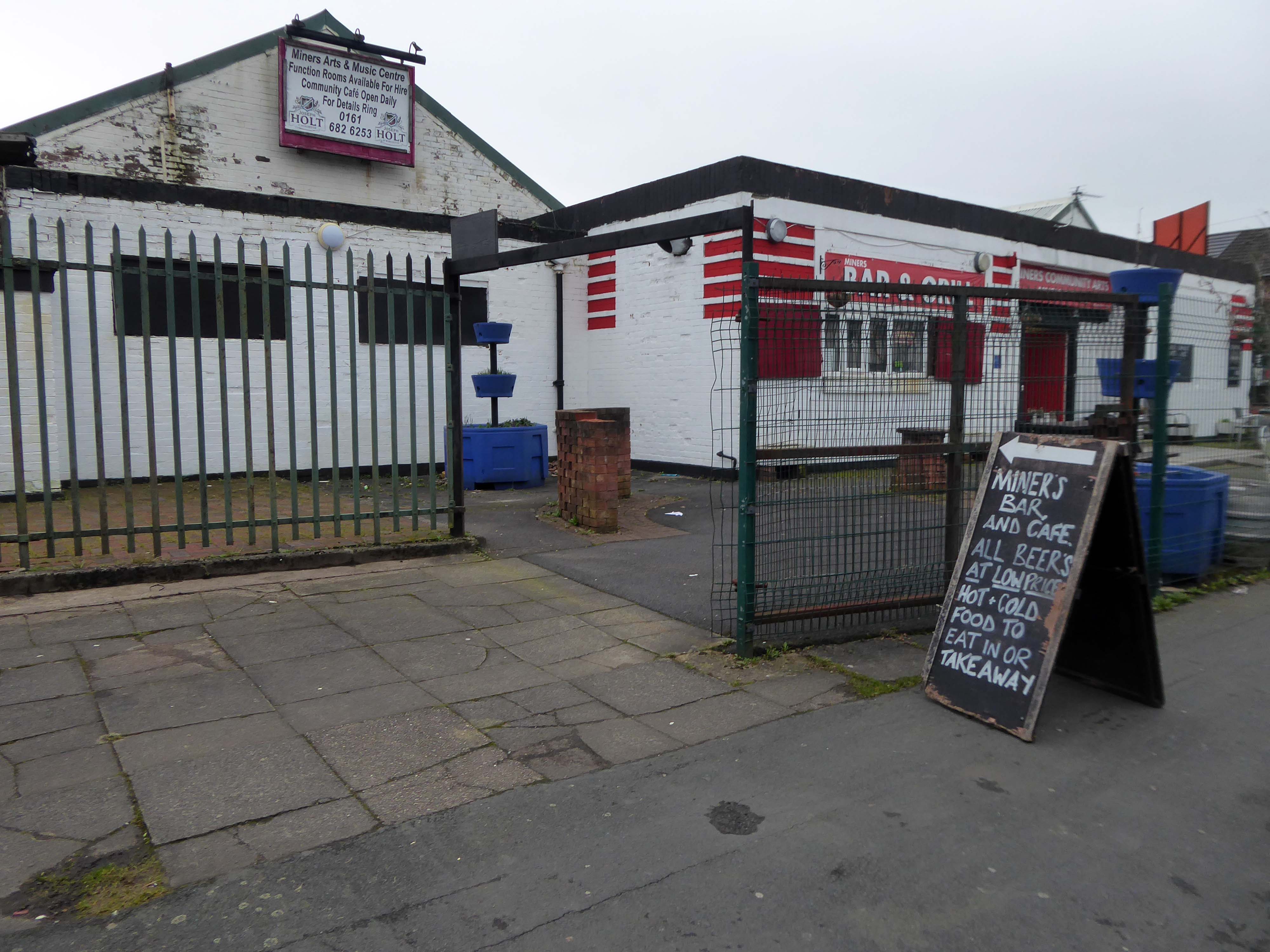
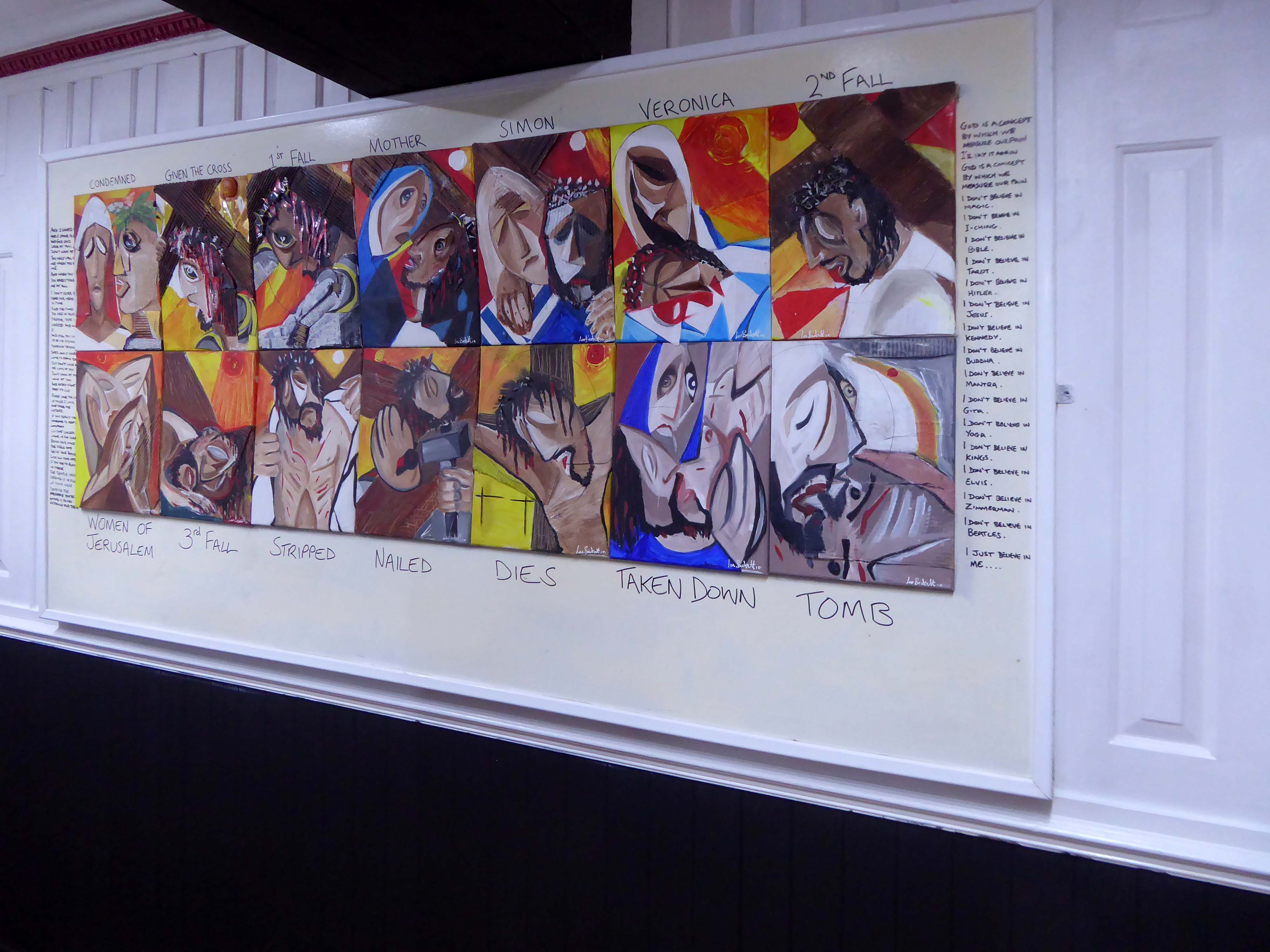
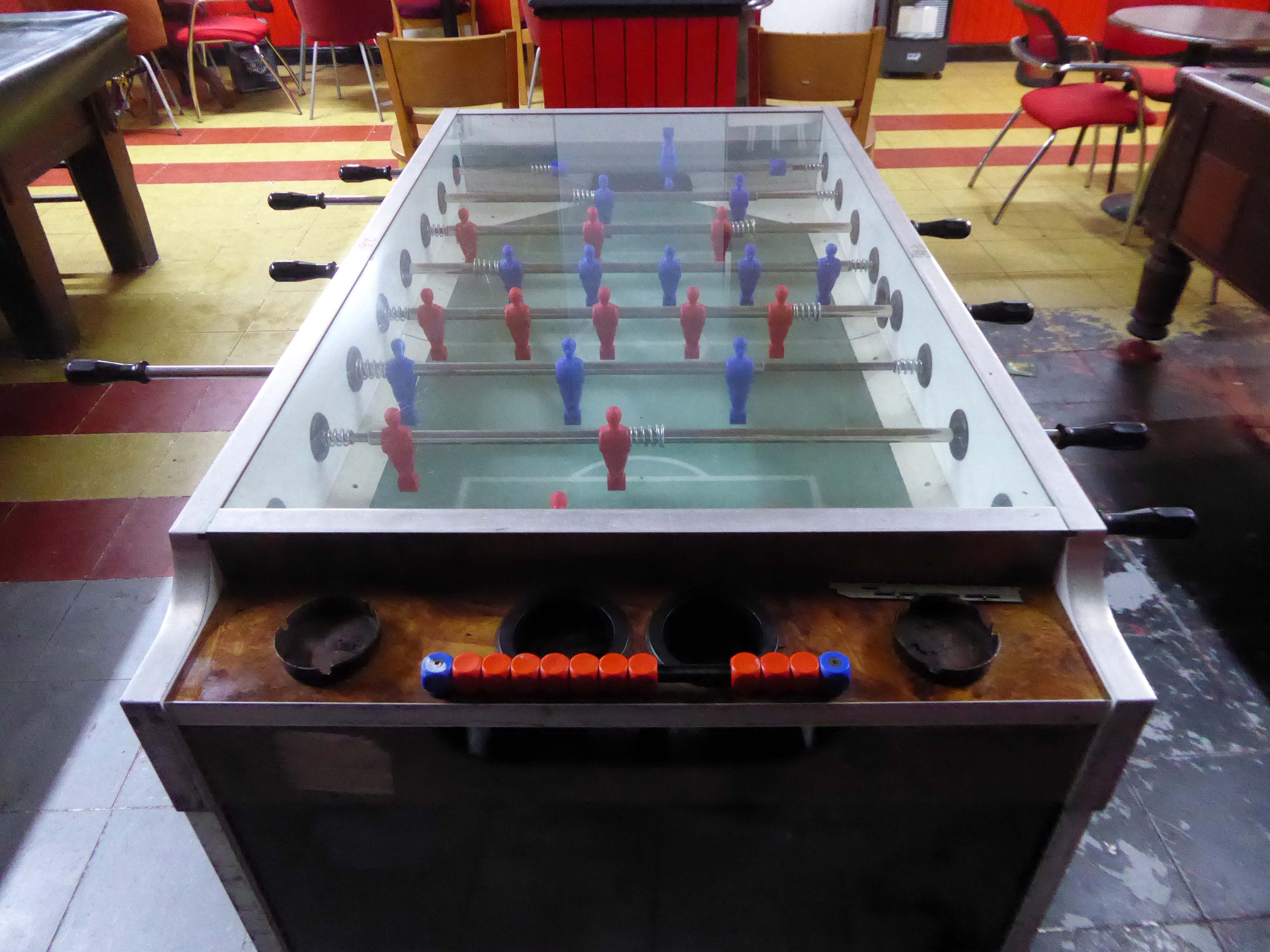
Moston Miners Community Arts and Music Centre

63 Teddington Rd Moston Manchester M40 0DJ

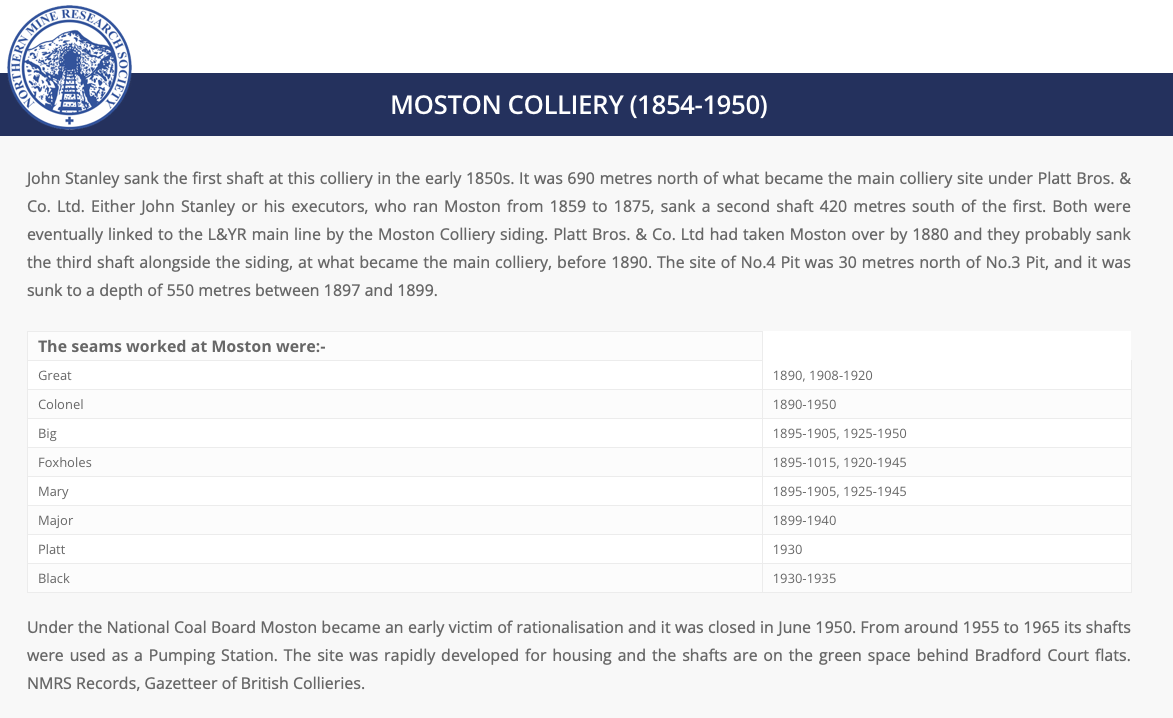
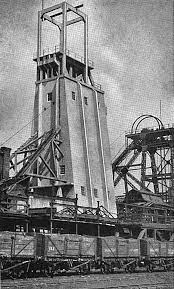
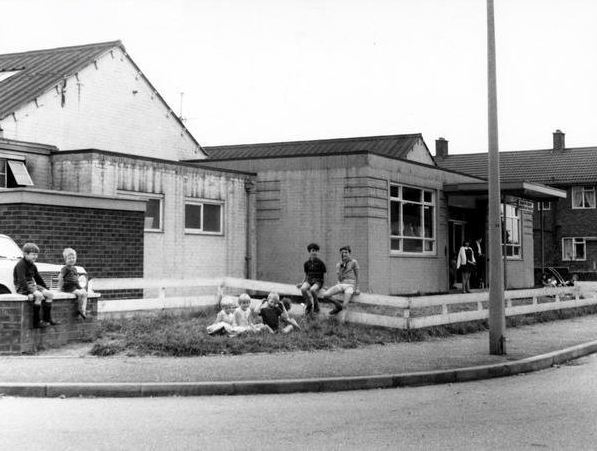
The building began life as a pit-head bath for Moston Colliery.

Several years ago I visited the listed baths at Lynemouth

NMRS

It later became a working mans’ club.

More recently it has had a renaissance under the stewardship of local lad Louis Beckett.

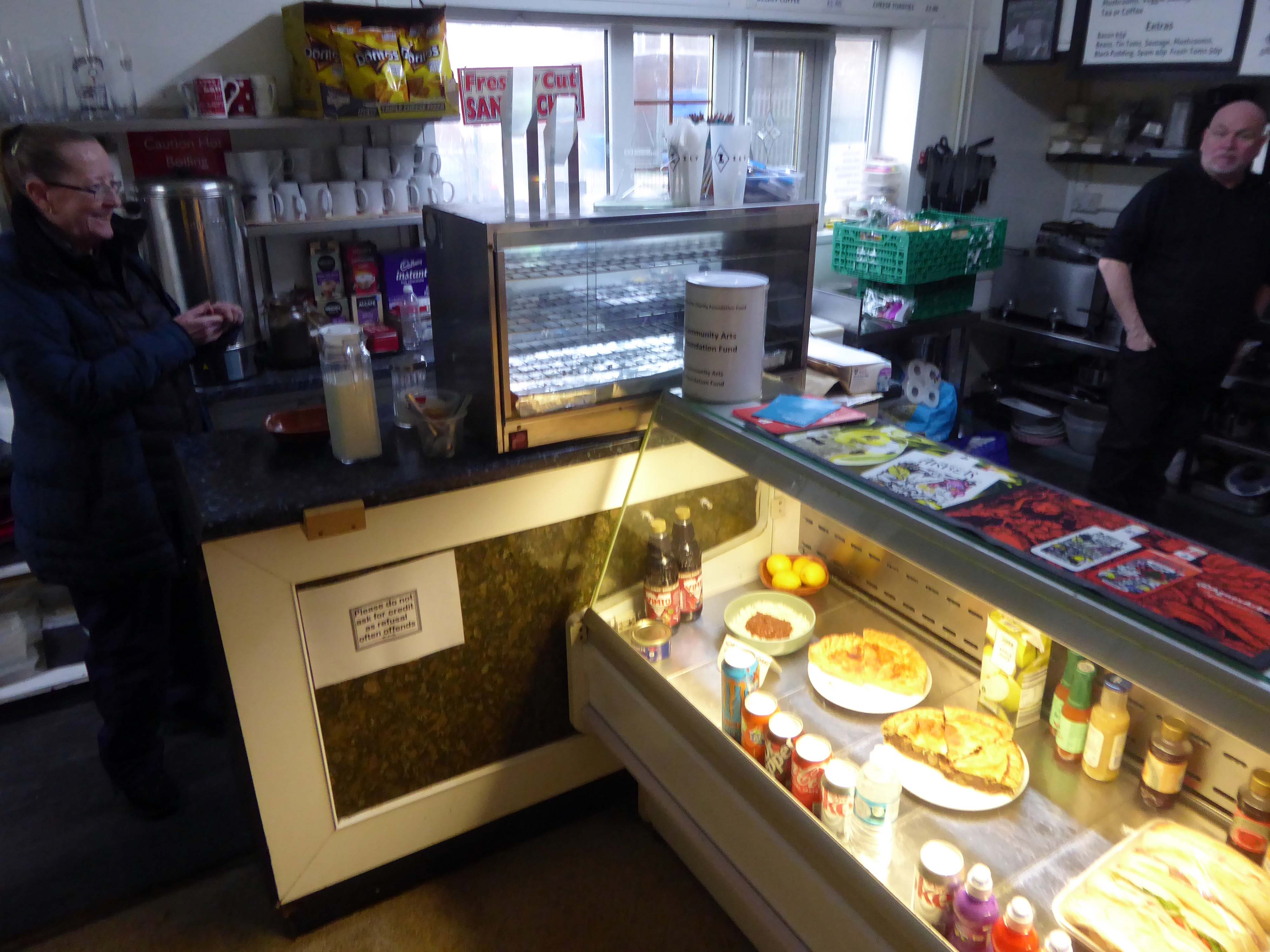
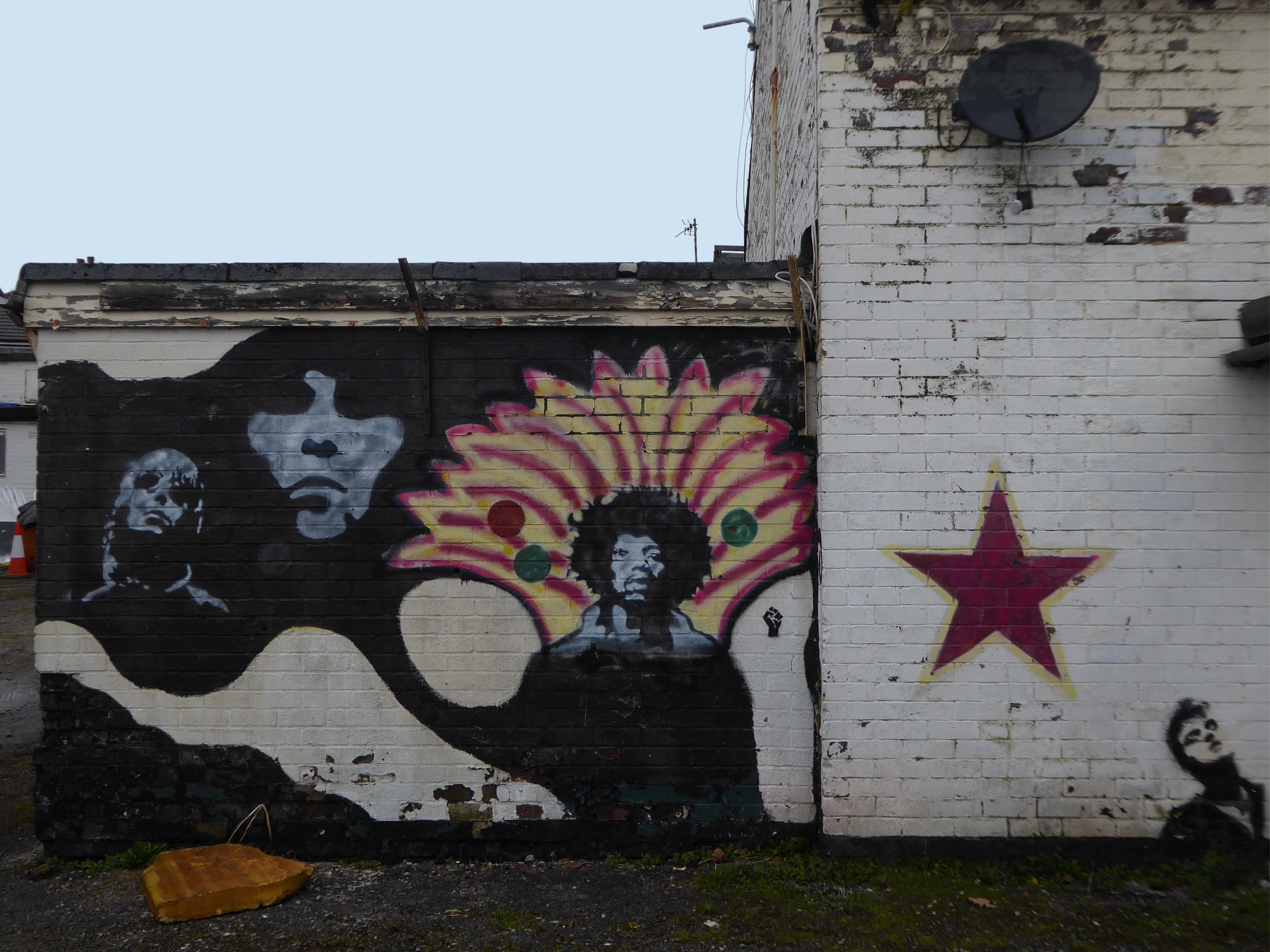
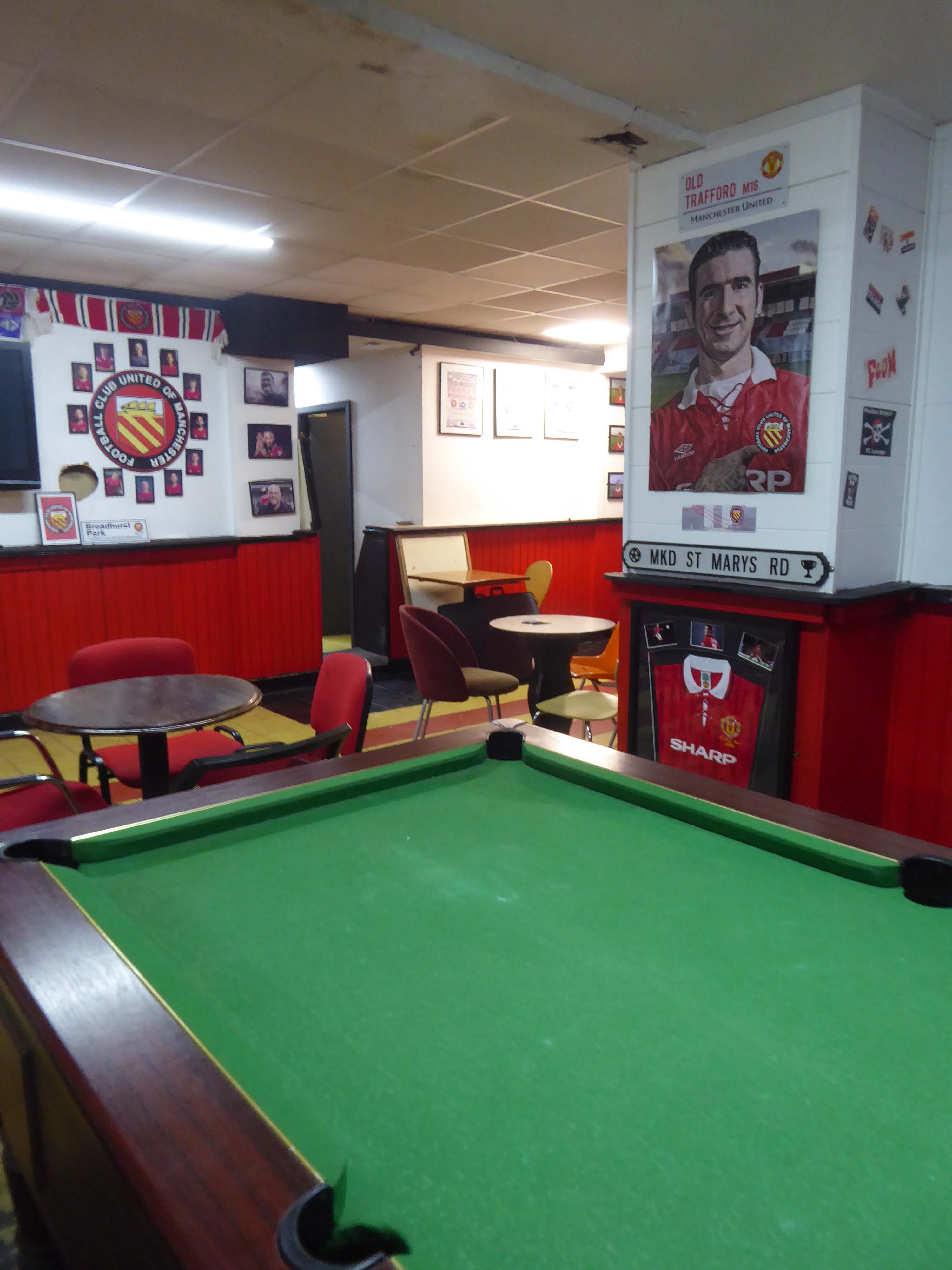
The community centre now provides space for local bands to rehearse, local artists to exhibit their work, a community cafe and larger function rooms that are available for events. 

A wide range of events takes place here through the year including live gigs, pantomines, Halloween parties, cabaret nights and art exhibitions, and since 2012 it’s been home to the Moston Small Cinema which screens a range of films and sporting events.

The Skinny

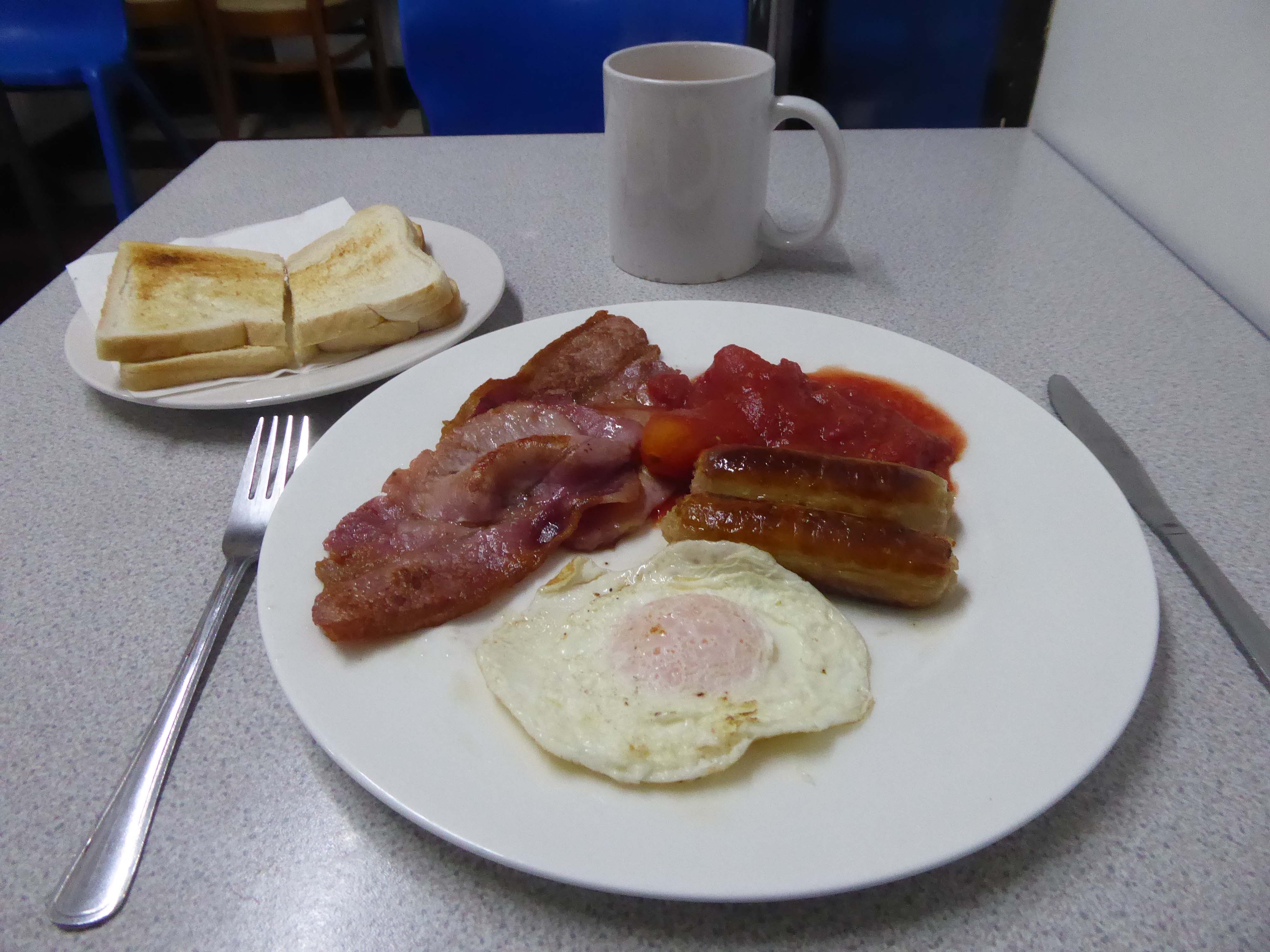
I popped by a couple of weeks ago and was given a terrific tour by Paula and Lou, along with a competitively priced tasty brew and breakfast.

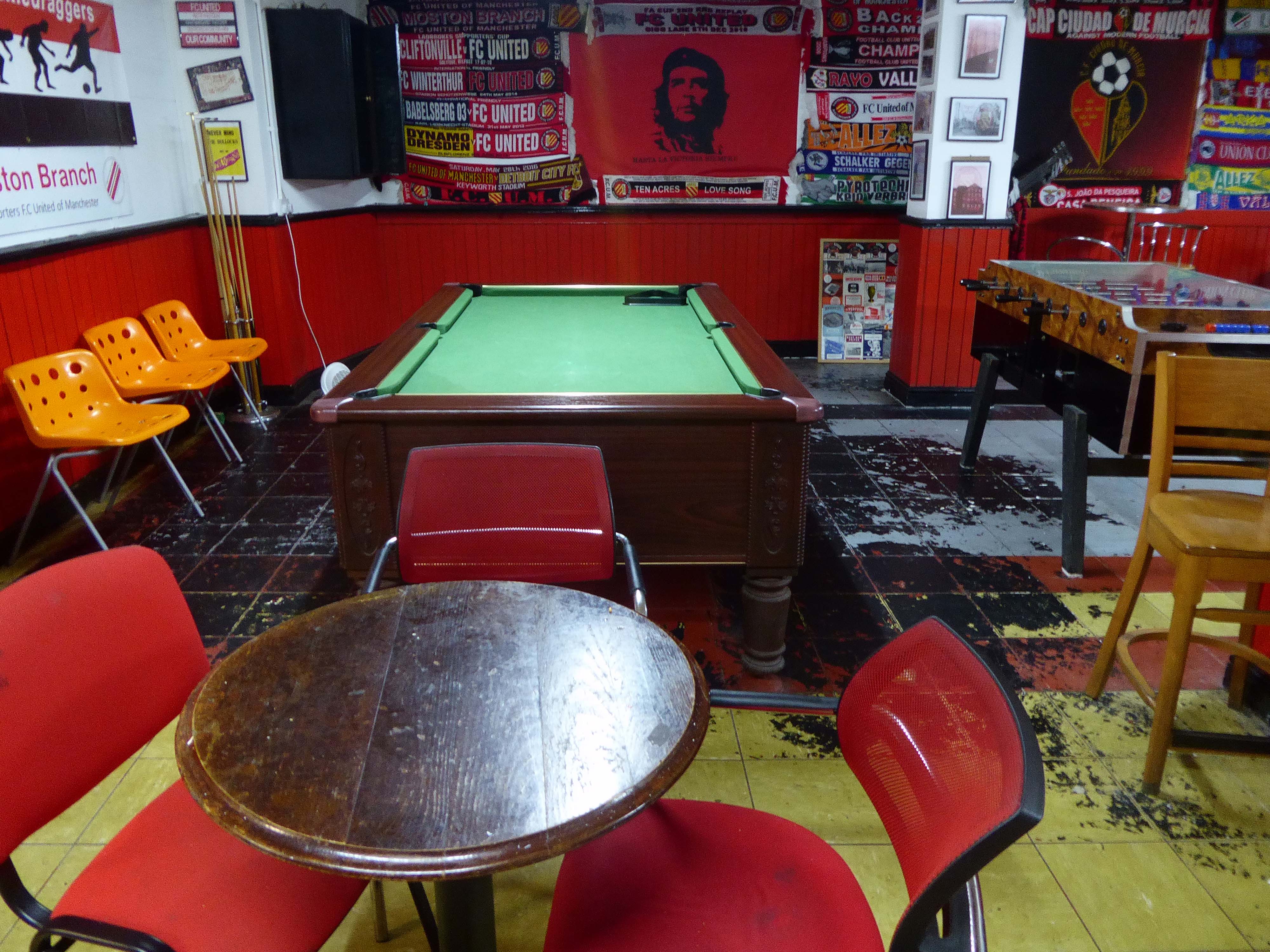
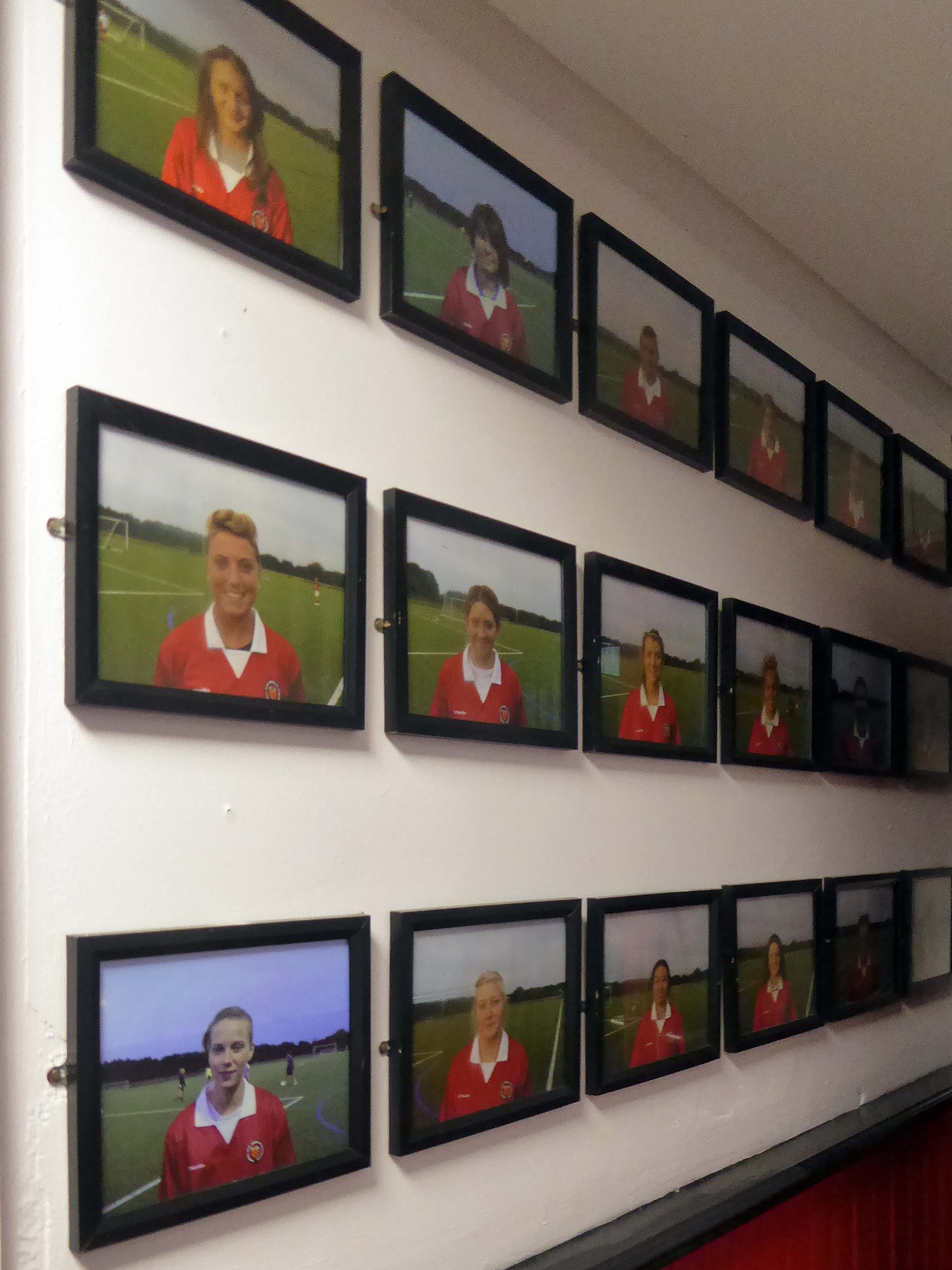
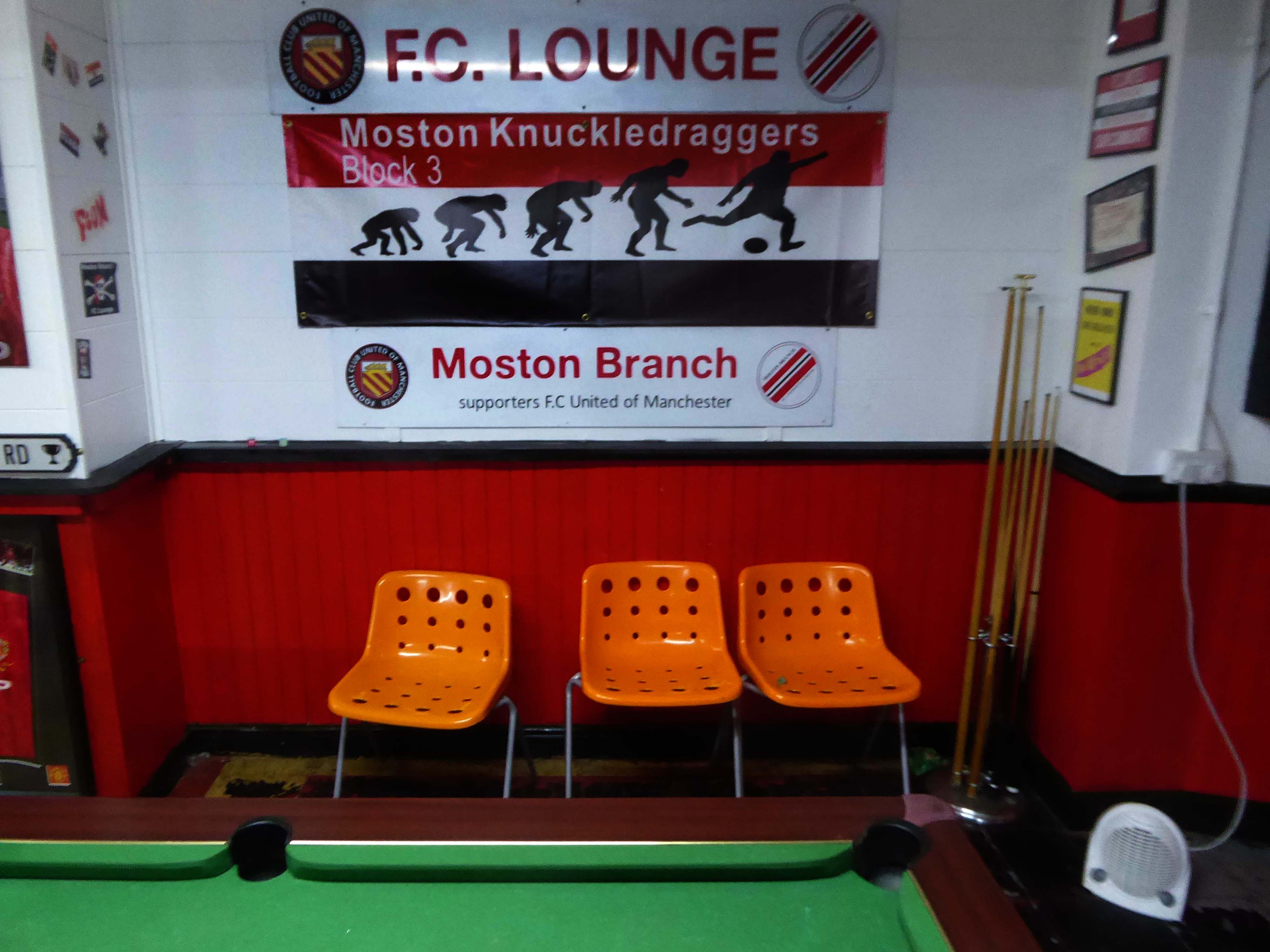
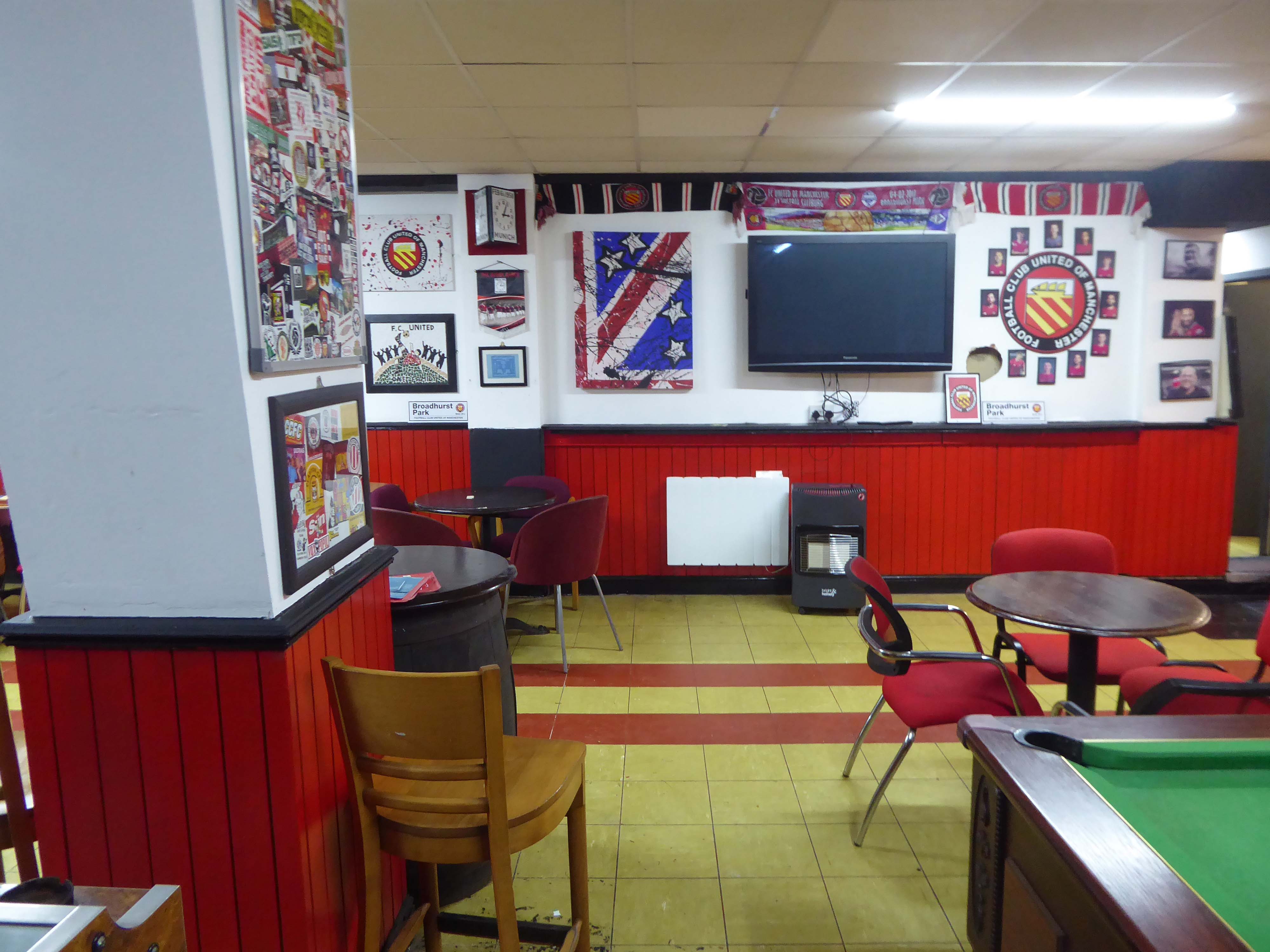
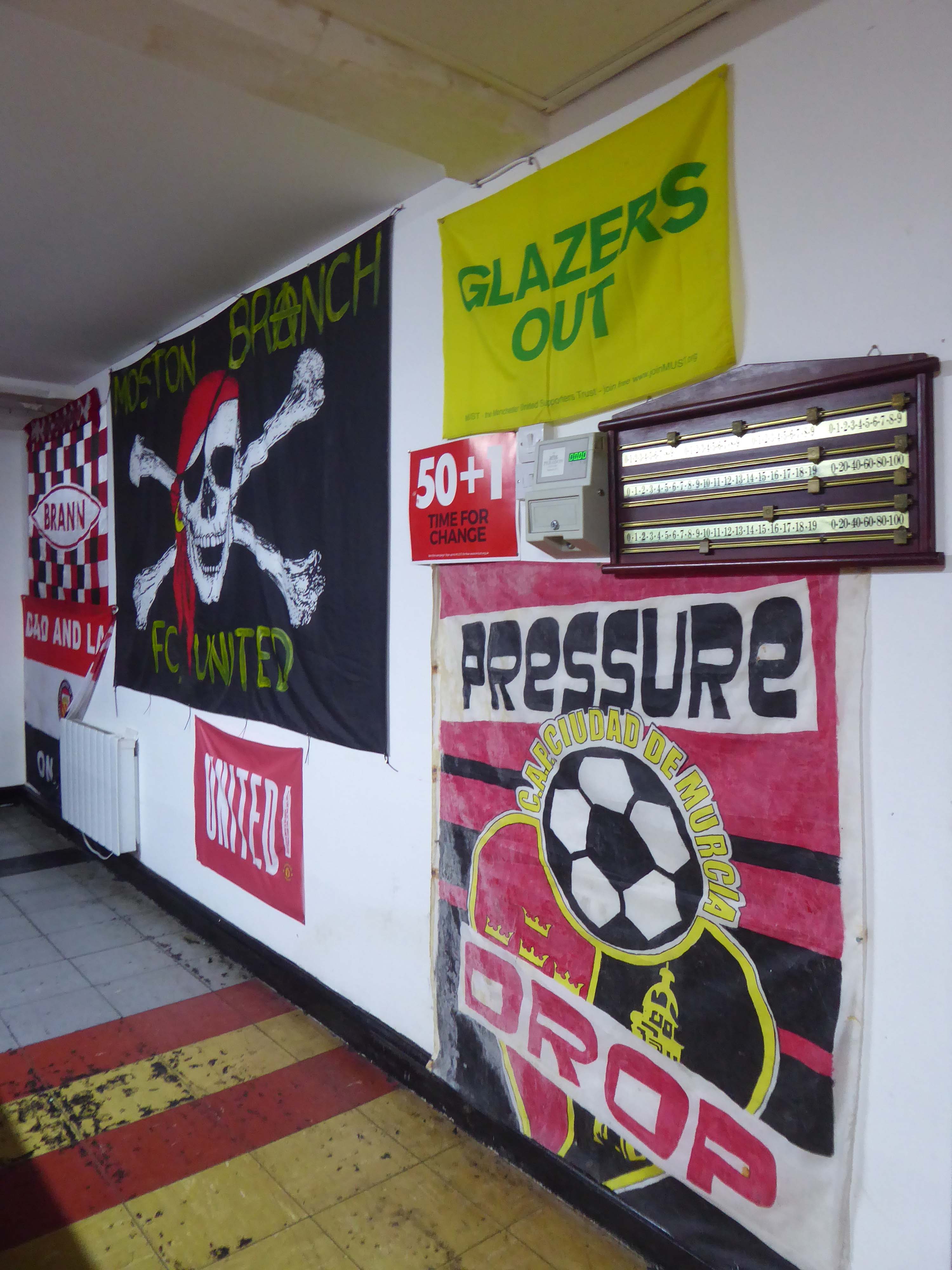
Work was underway for the current Art Show and evidence of the club’s affable affiliation with FC United of Manchester, along with the results of the previous week’s art activities for the local youngsters.

Let’s take a look around outside and in.

Keep an eye and ear out for forthcoming events – get y’self up there soon!

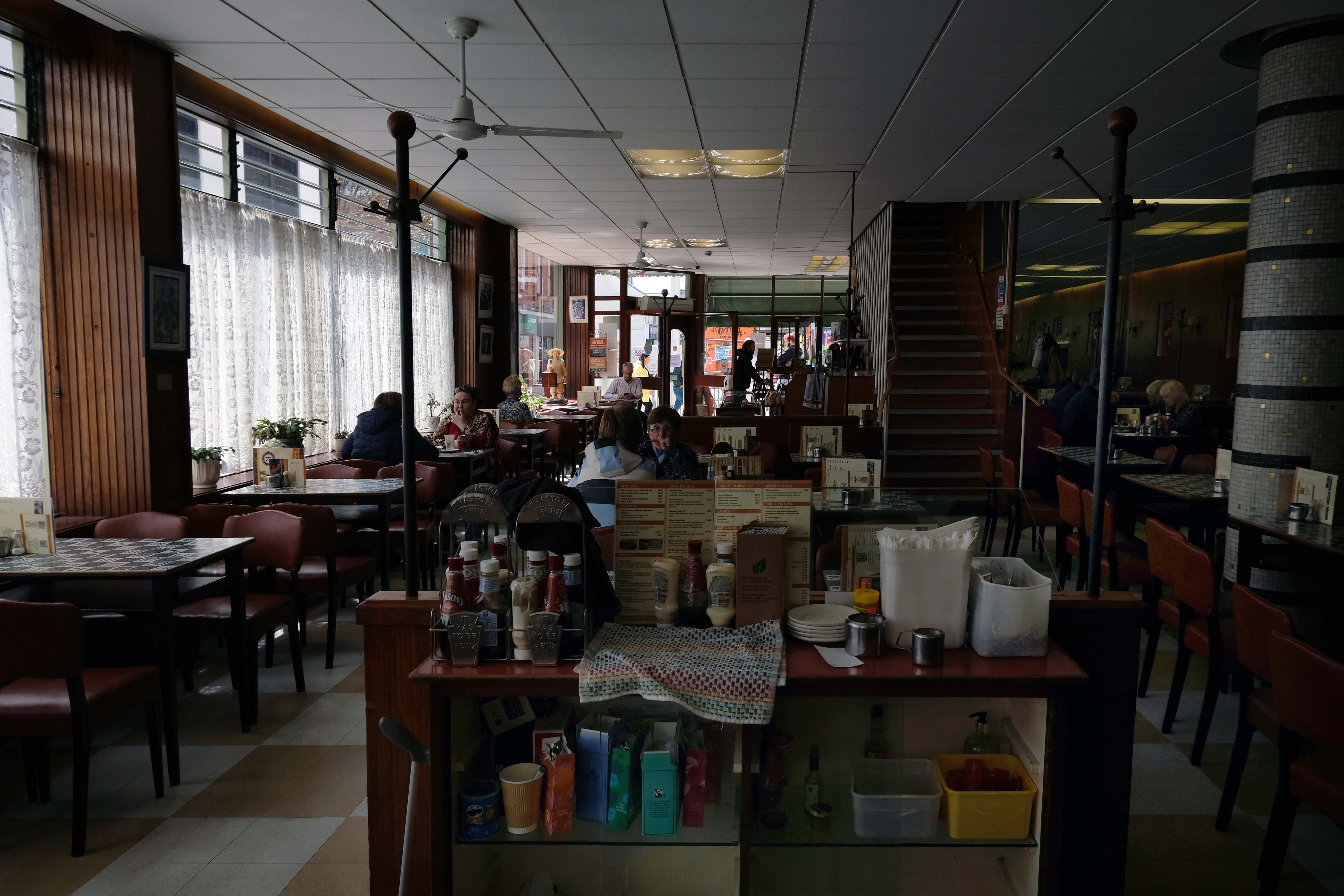
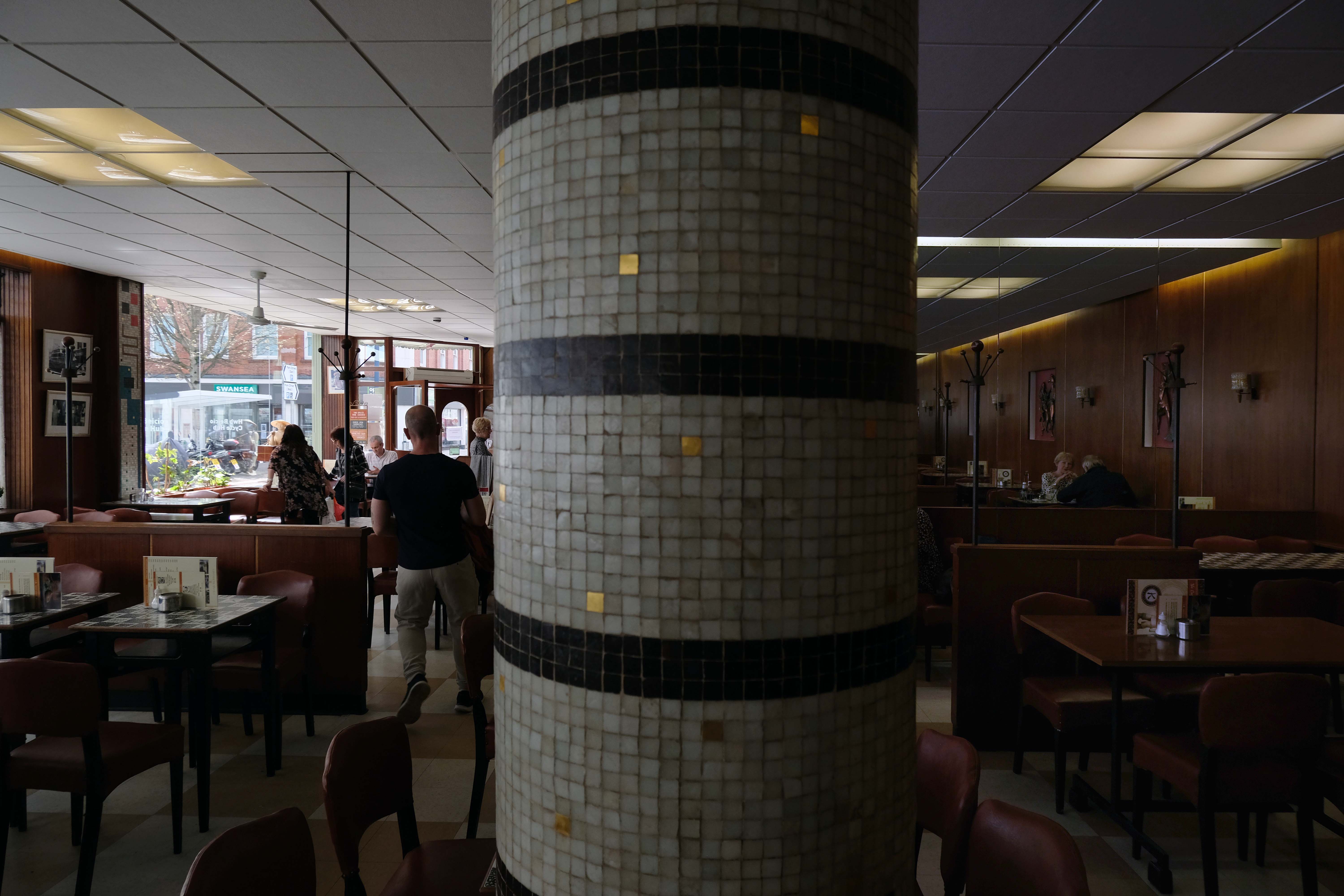
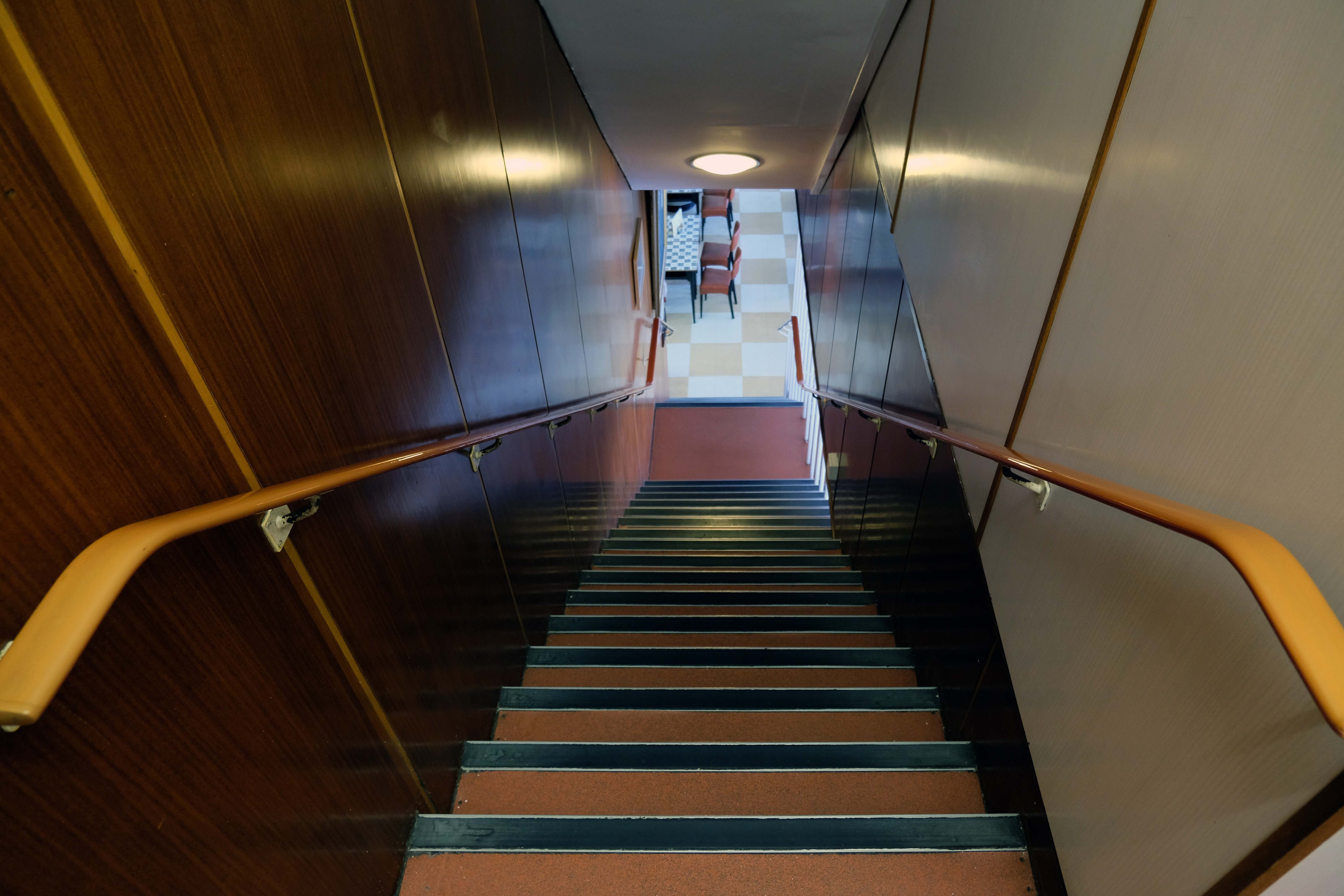
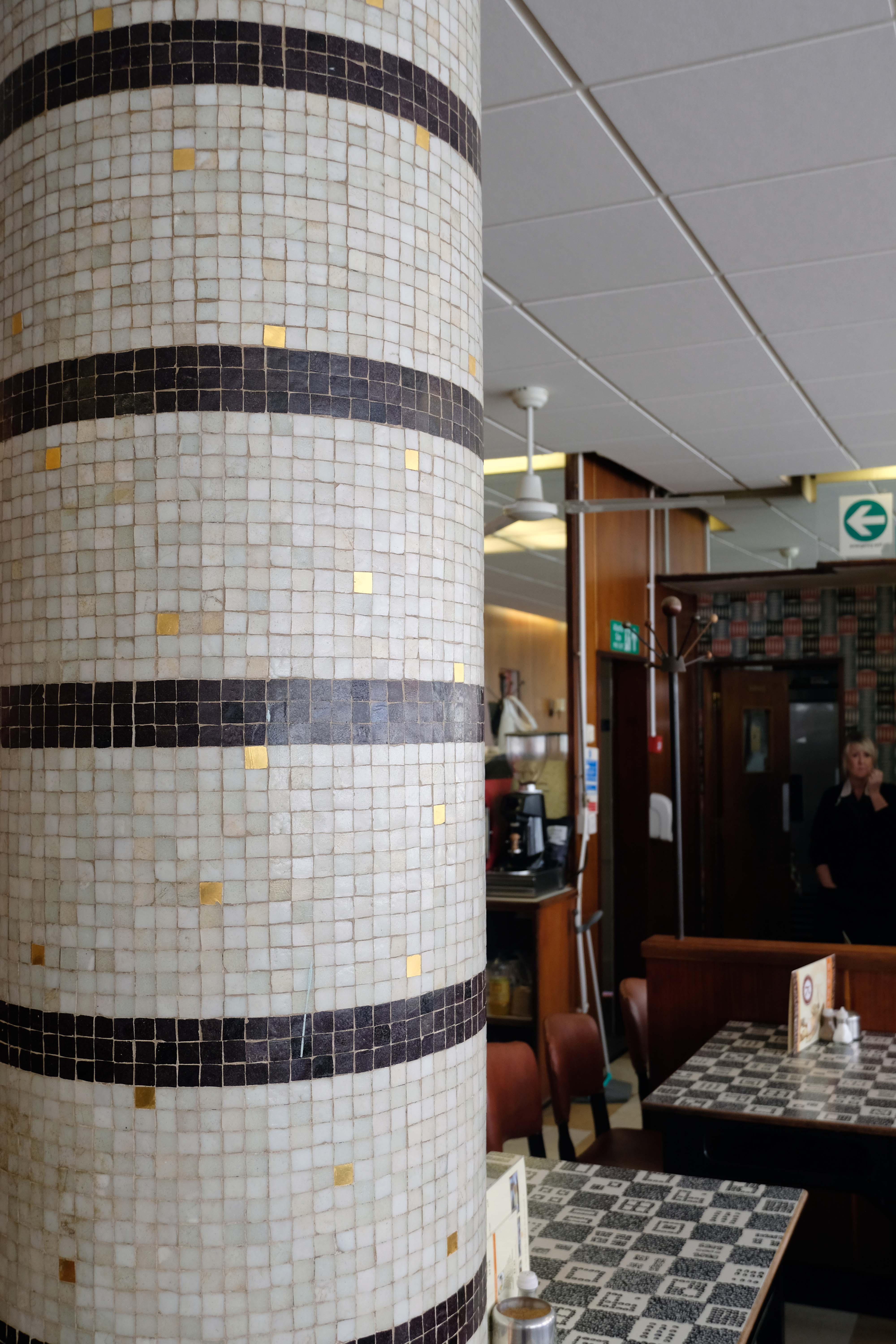
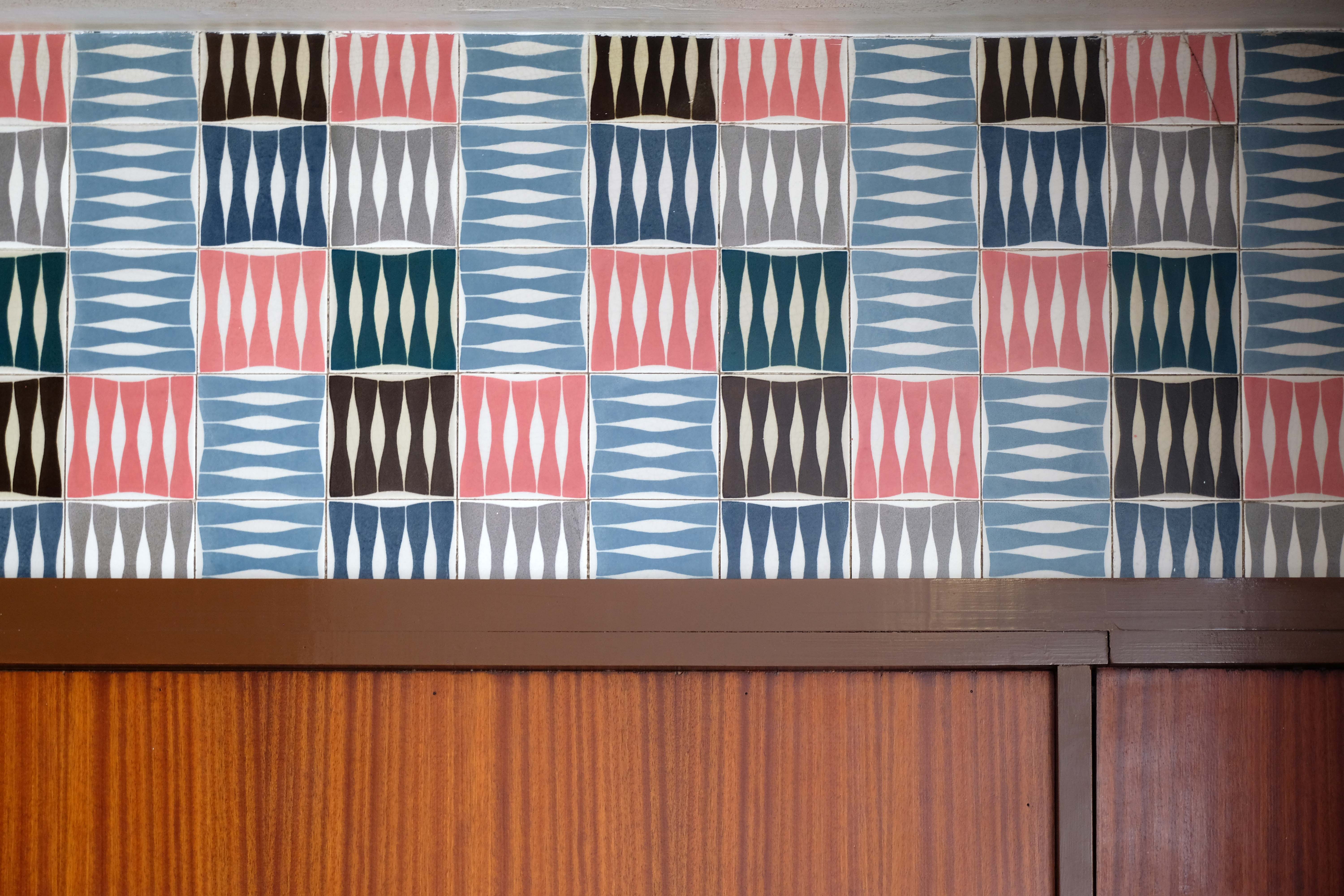
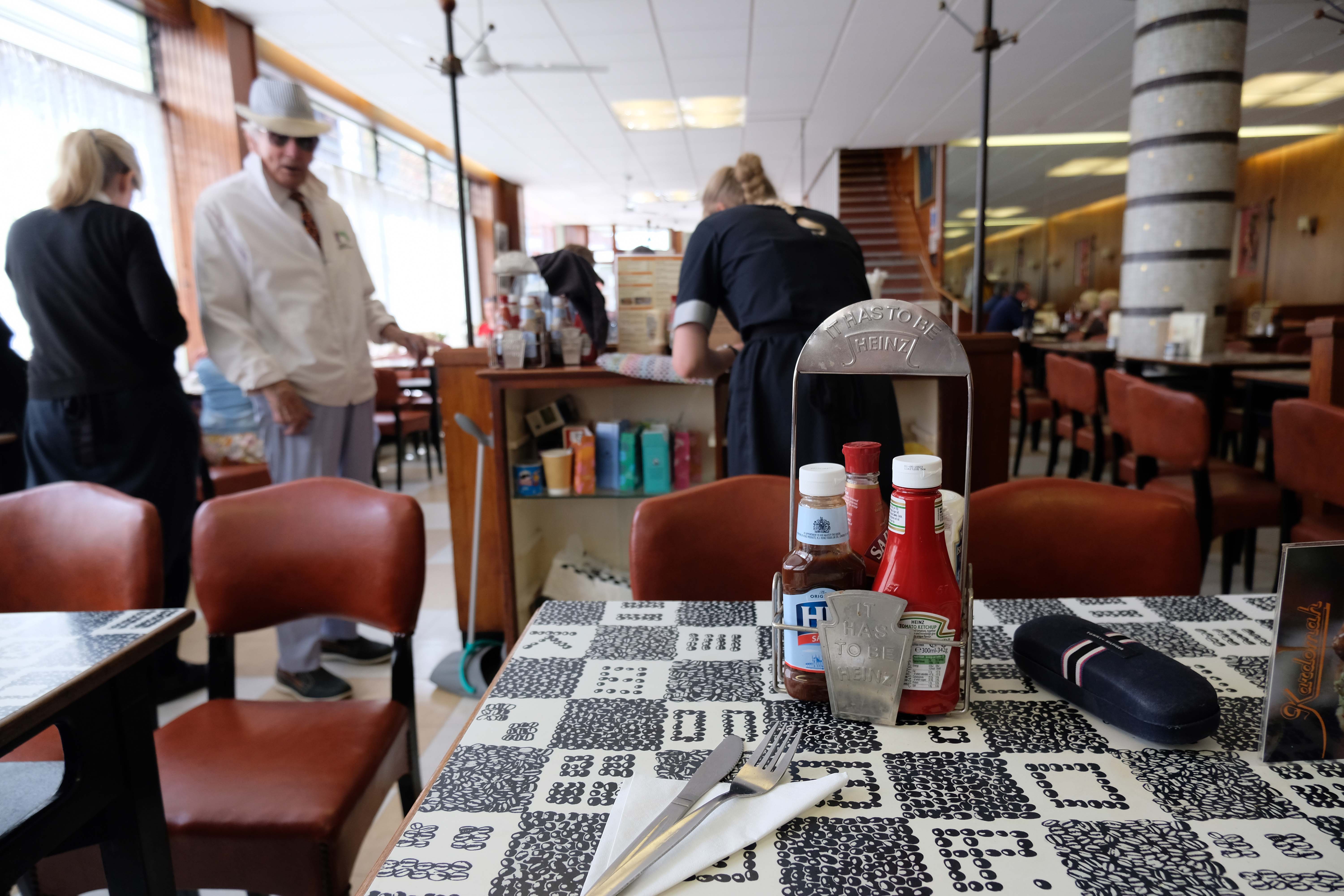
Kardomah Café – Swansea

Morris Buildings 11 Portland St Swansea SA1 3DH

Welcome, at the Kardomah Cafe we have a long history of excellent service, great food and wonderful coffee. We are an independent, established, family run business of nearly 50 years. Traditional values are important to us and have helped us create a warm and friendly atmosphere, which is seen by many of our customers as an important part of their lives, a place to meet their friends, whilst enjoying quality food and drink.

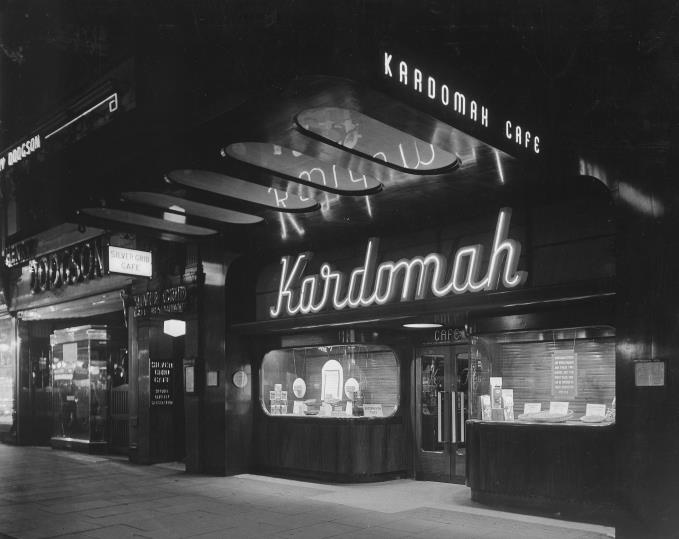
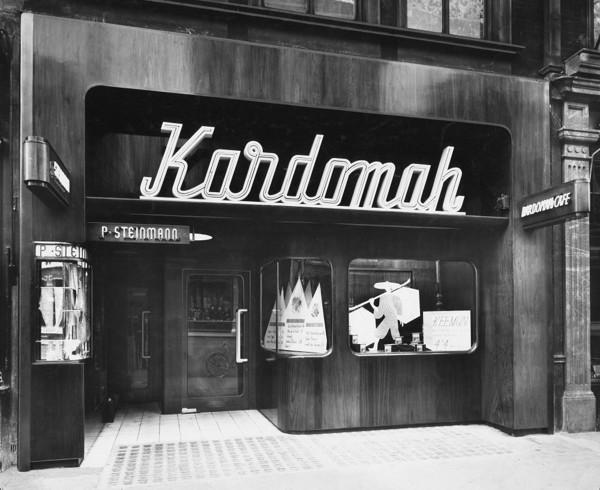
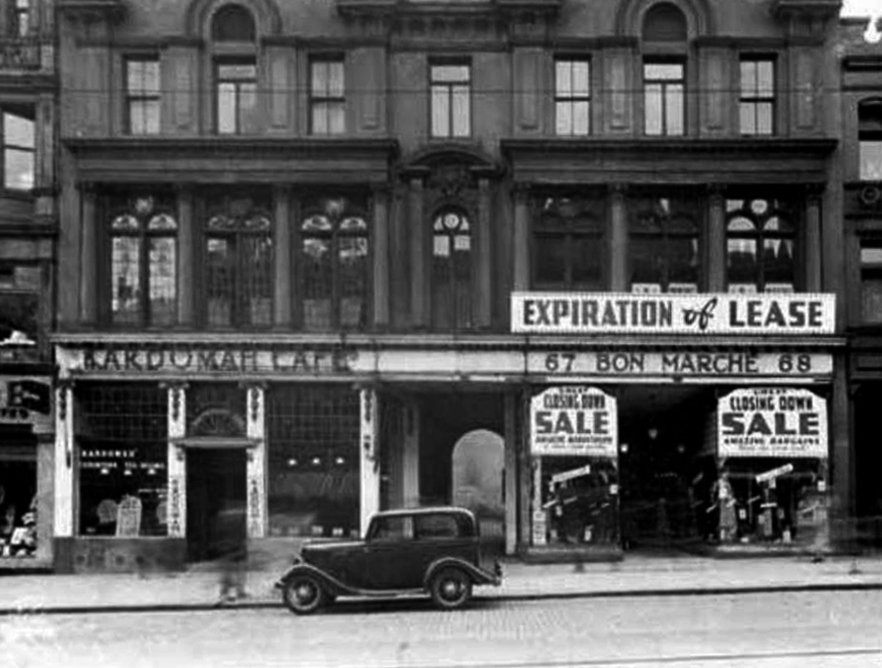
The company that created the Kardomah brand began in Pudsey Street, Liverpool in 1844 as the Vey Brothers teadealers and grocers. In 1868 the business was acquired by the newly created Liverpool China and India Tea Company, and a series of brand names was created beginning with Mikado. The Kardomah brand of tea was first served at the Liverpool colonial exhibition of 1887, and the brand was later applied to a range of teas, coffees and coffee houses. The parent company was renamed Kardomah Limited in 1938. The brand was acquired by the Forte Group in 1962, sold to Cadbury Schweppes Typhoo in 1971, and became part of Premier Brands some time between 1980 and 1997. The brand still exists, selling items such as instant coffee and coffee whitener.

The Kardomah Cafés in London and Manchester were designed by Sir Misha Black between 1936 and 1950.

Manchester
LondonRibapix

The original Swansea branch was at 232 High St, and known as ‘The Kardomah Exhibition Cafe & Tea Rooms’, moving to the Castle Street in 1908.

Castle Street

The Castle Street cafe was the meeting place of The Kardomah Gang, which included Dylan Thomas, and was built on the site of the former Congregational Chapel where Thomas’s parents were married in 1903. The cafe was bombed during WW2 and was later replaced by the present Kardomah Coffee Shop Restaurant in Portland Street.

Wikipedia

An in-depth history is available here.

I’d never had the pleasure of visiting a Kardomah before, imagine my delight when I was directed there by local artist, activist and archivist Catrin Saran James, during our delightful Swansea Moderne tour!

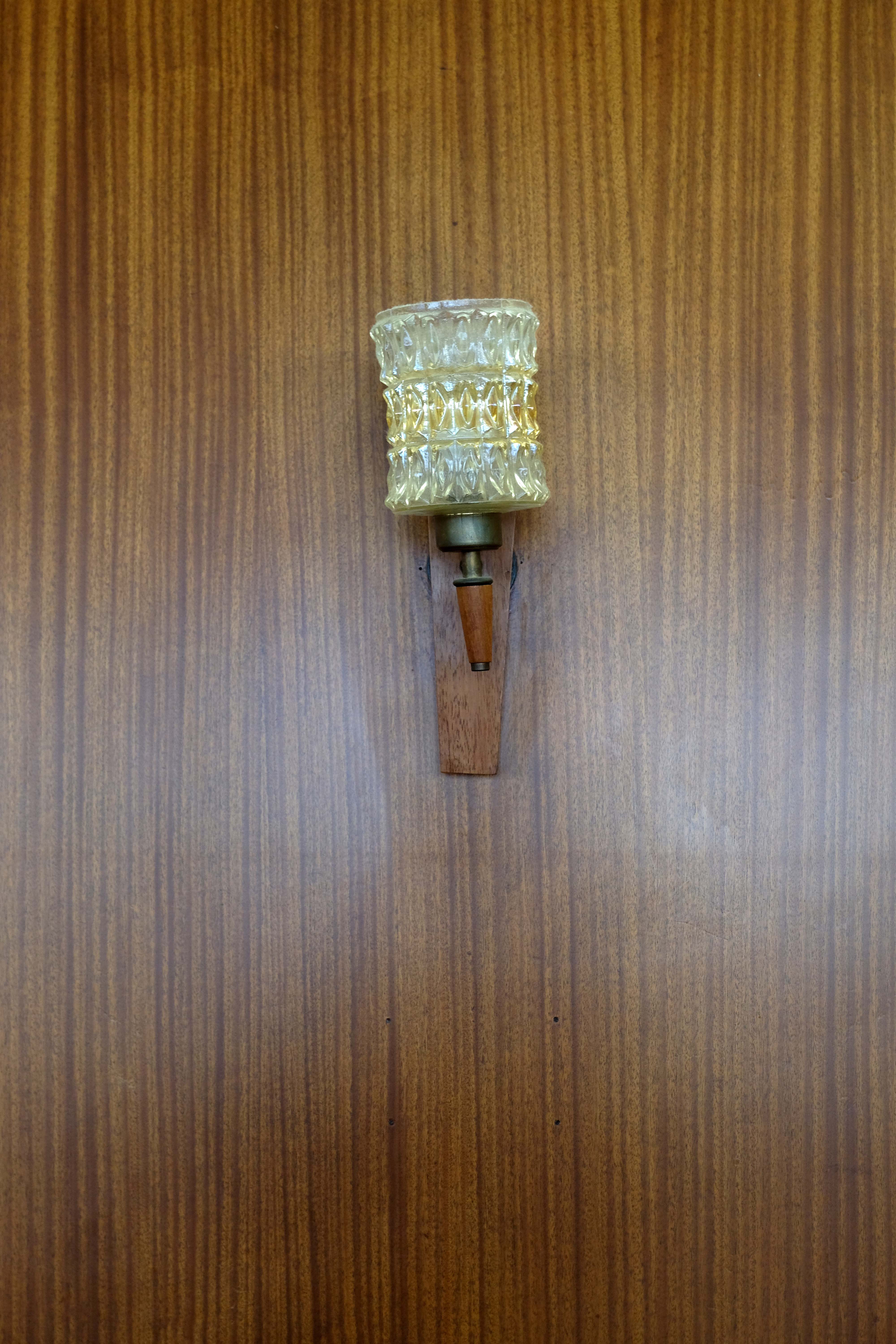
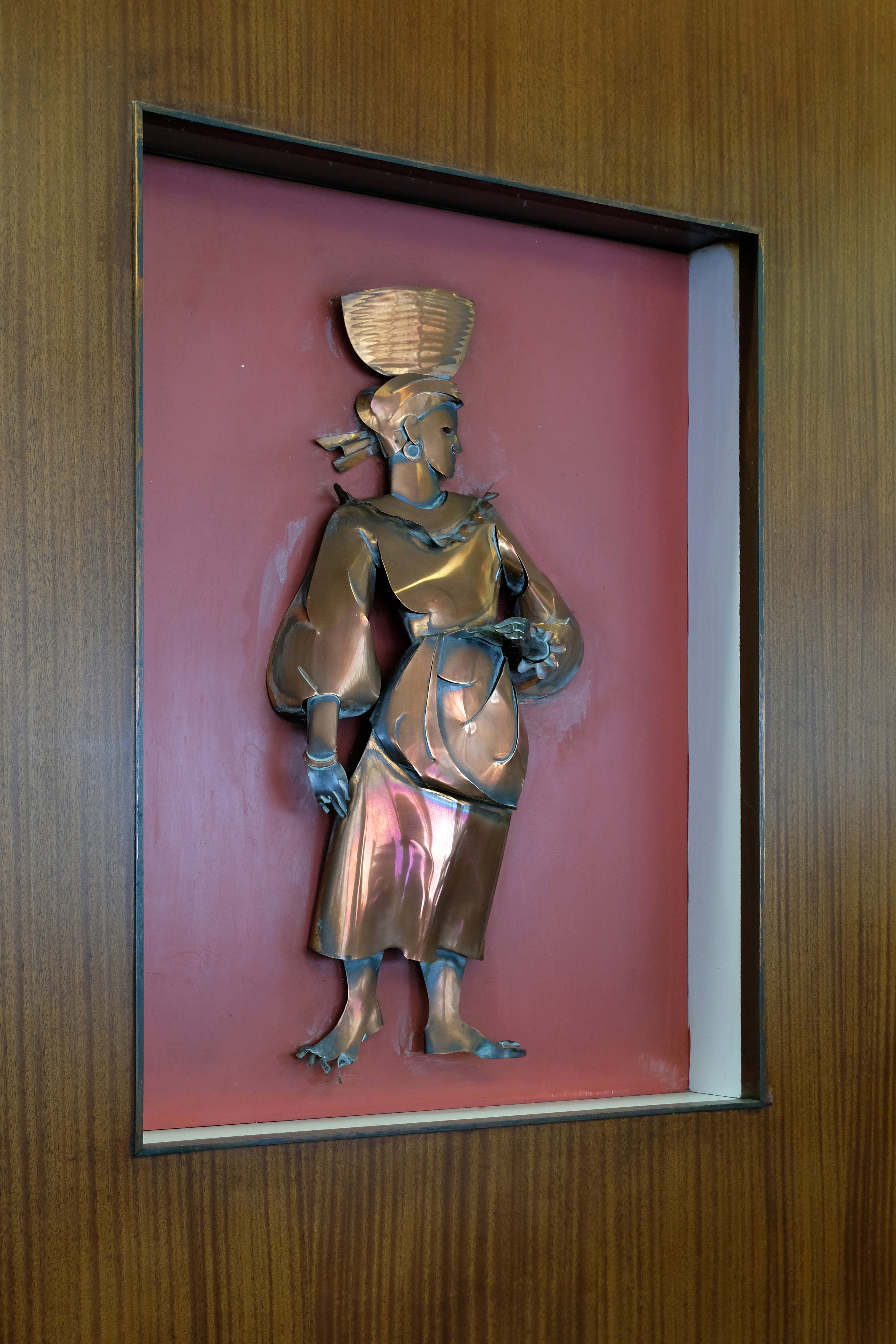
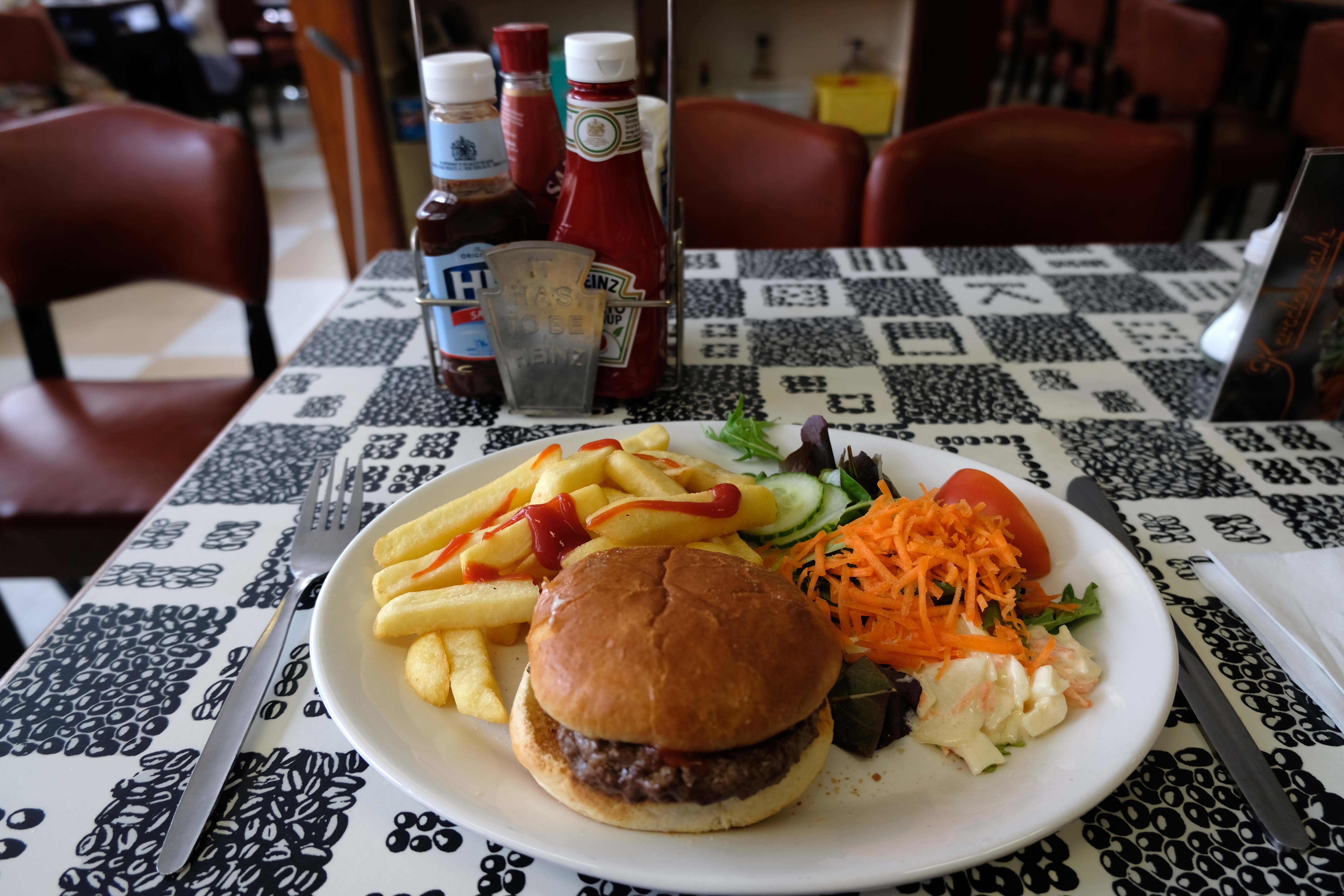
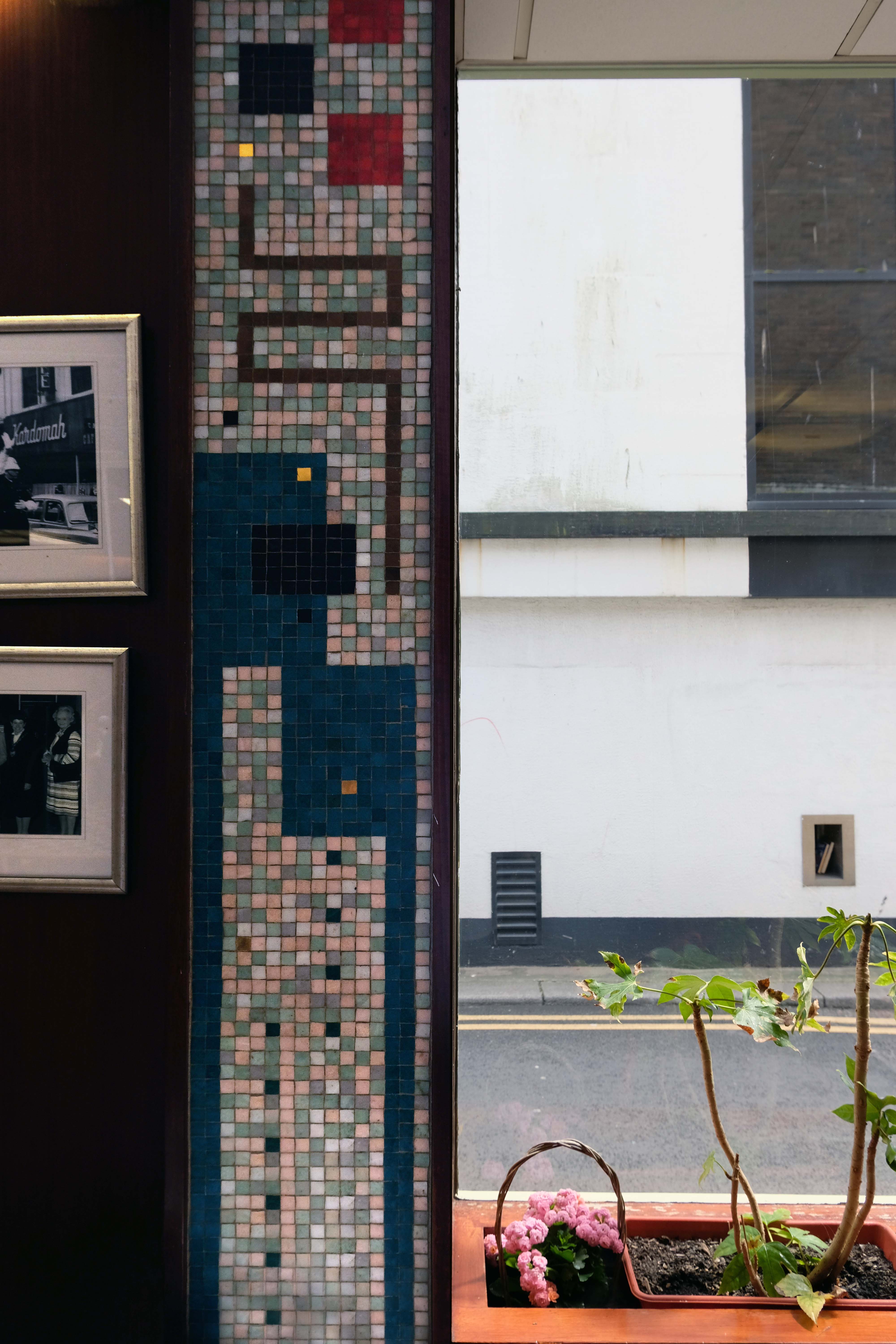
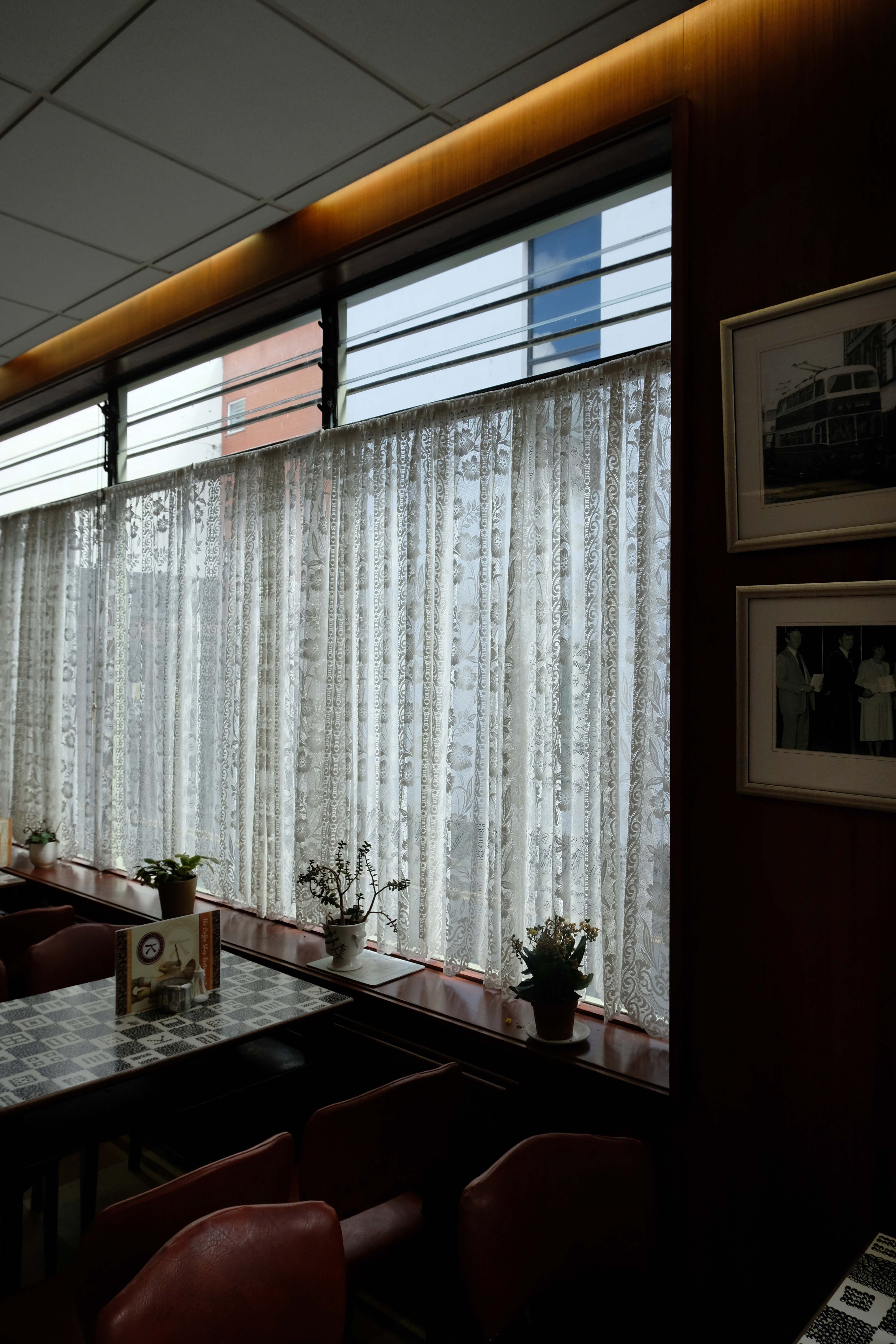
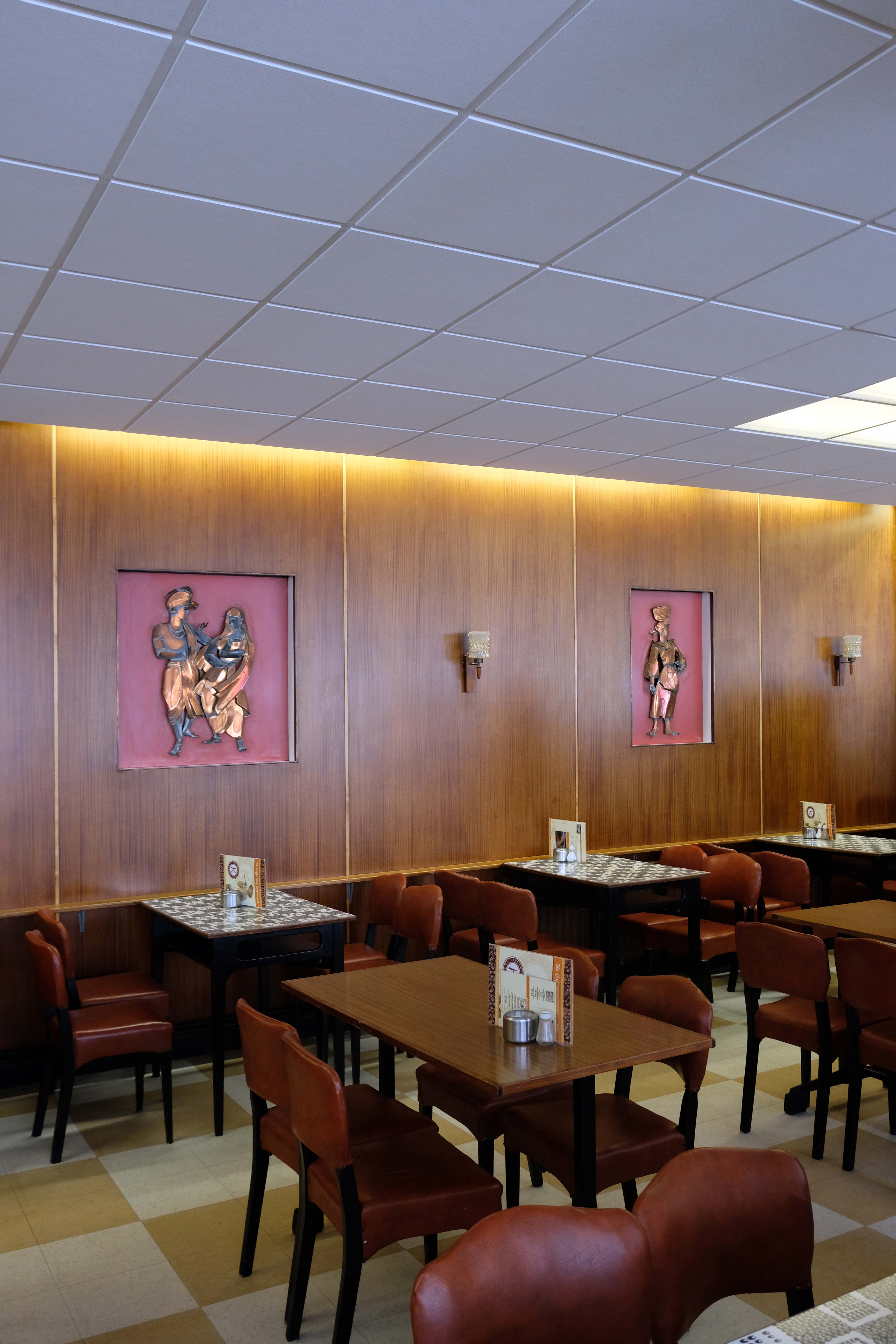
Following an extensive walk from one end of town to the other, I returned there for a late midday bite to eat and a sit down – it looked a little like this:

Many thanks to the staff and customers for putting up with me wandering around for a while with my camera, whilst they worked and ate.

Diolch yn fawr.

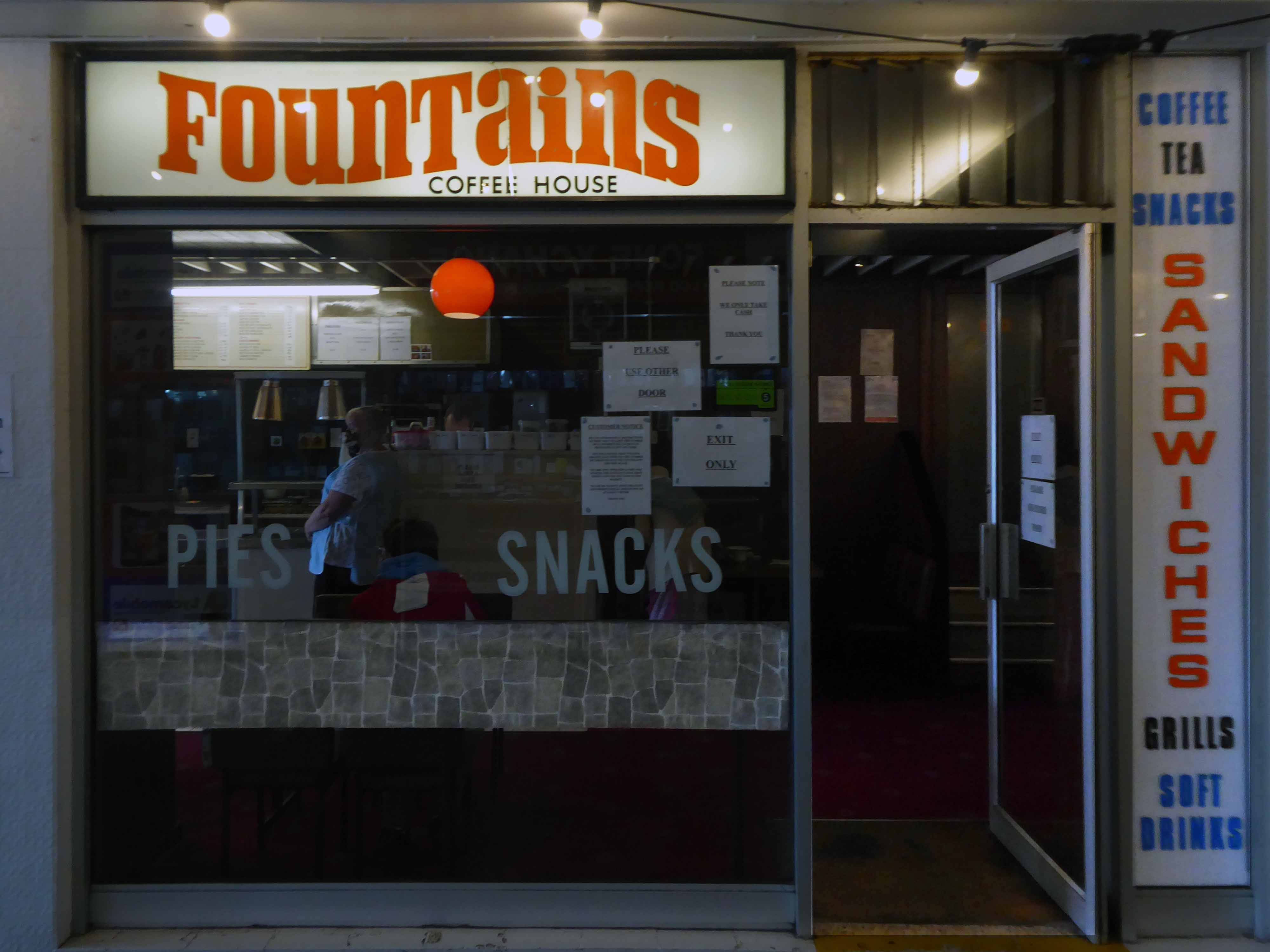
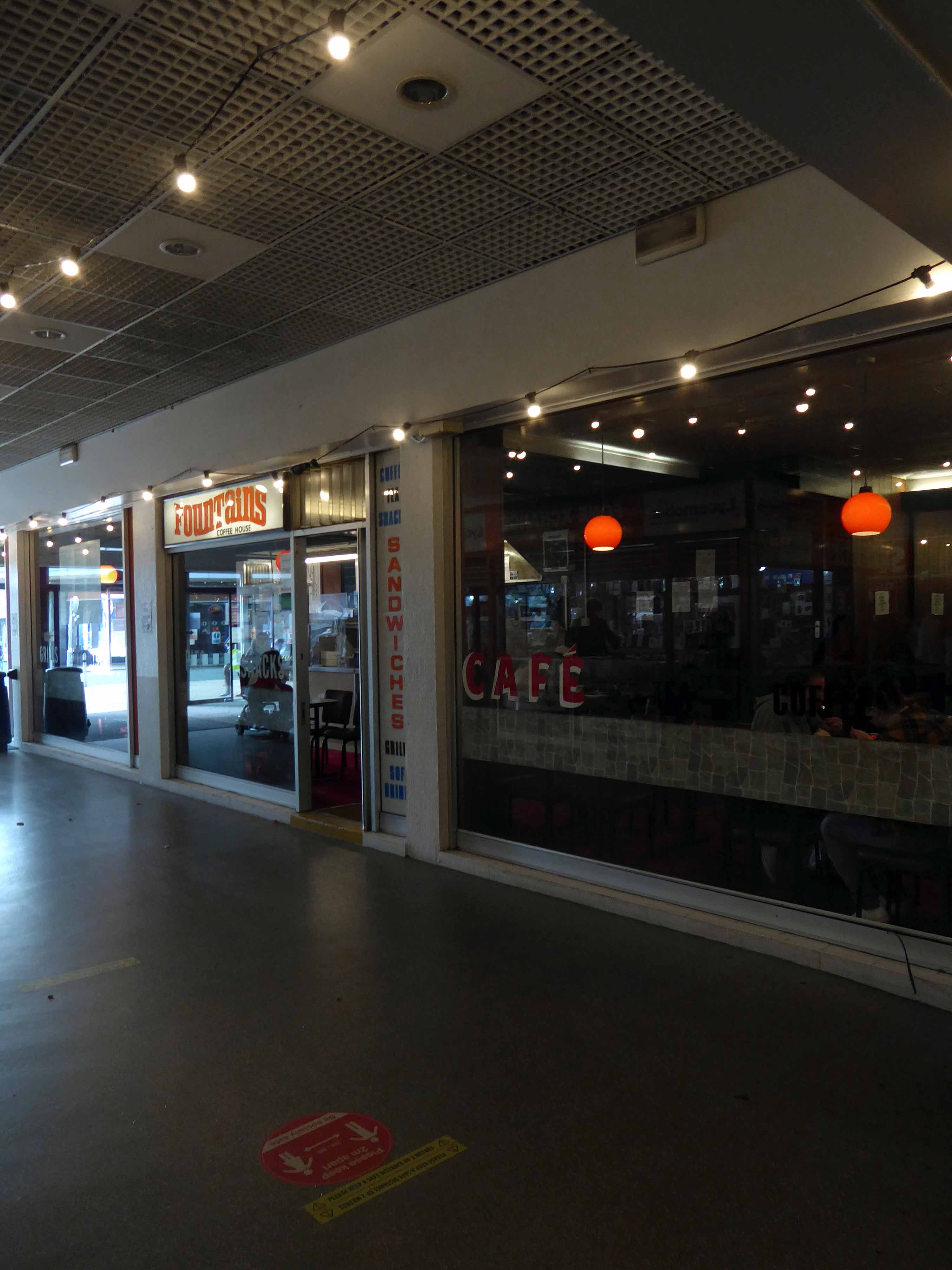
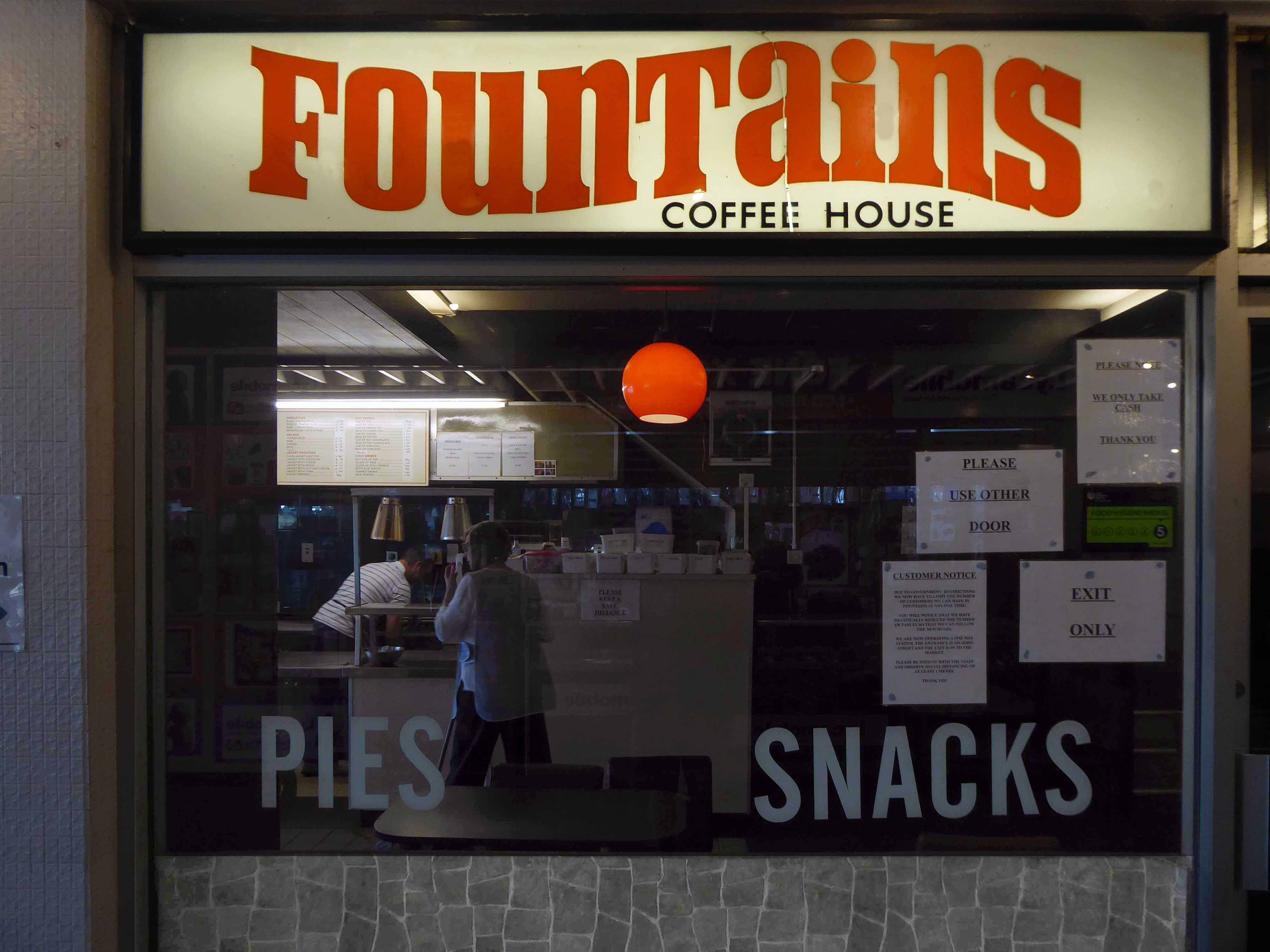
Fountains Café – Bradford

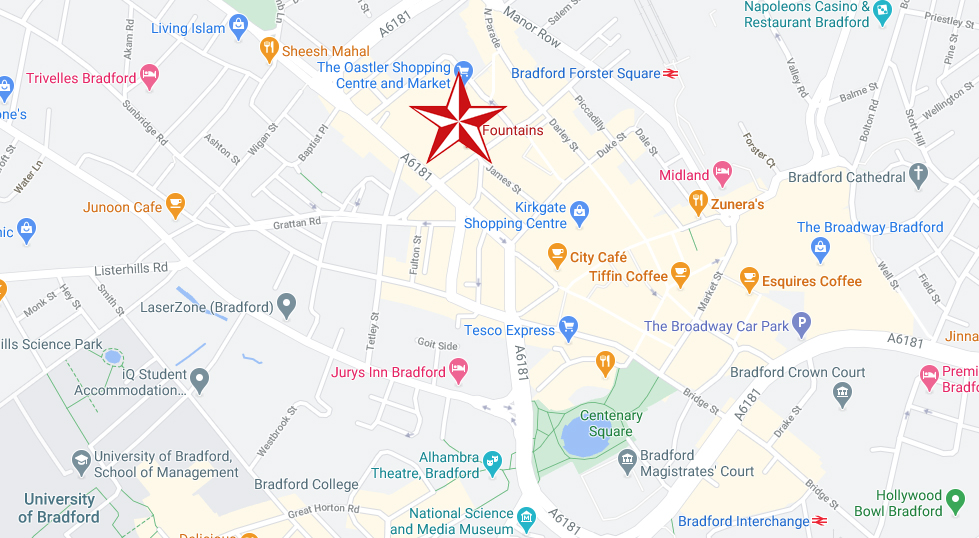
17 John St Bradford BD1 3JS

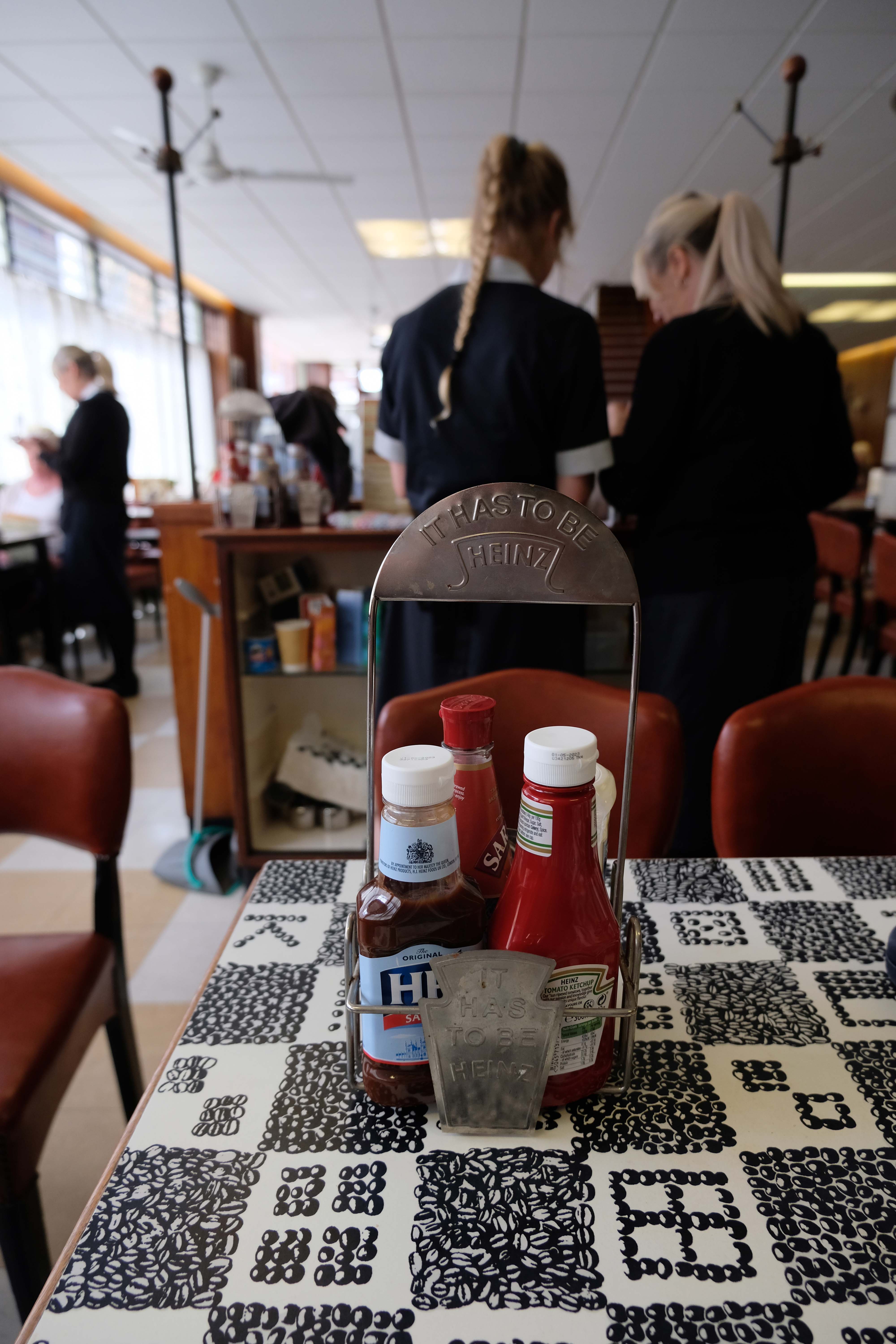
I first came here some twenty years ago or so and on each subsequent visit little seems to change.

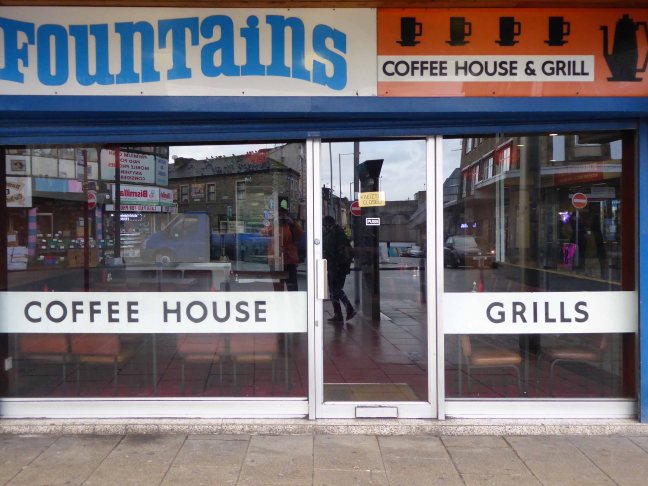
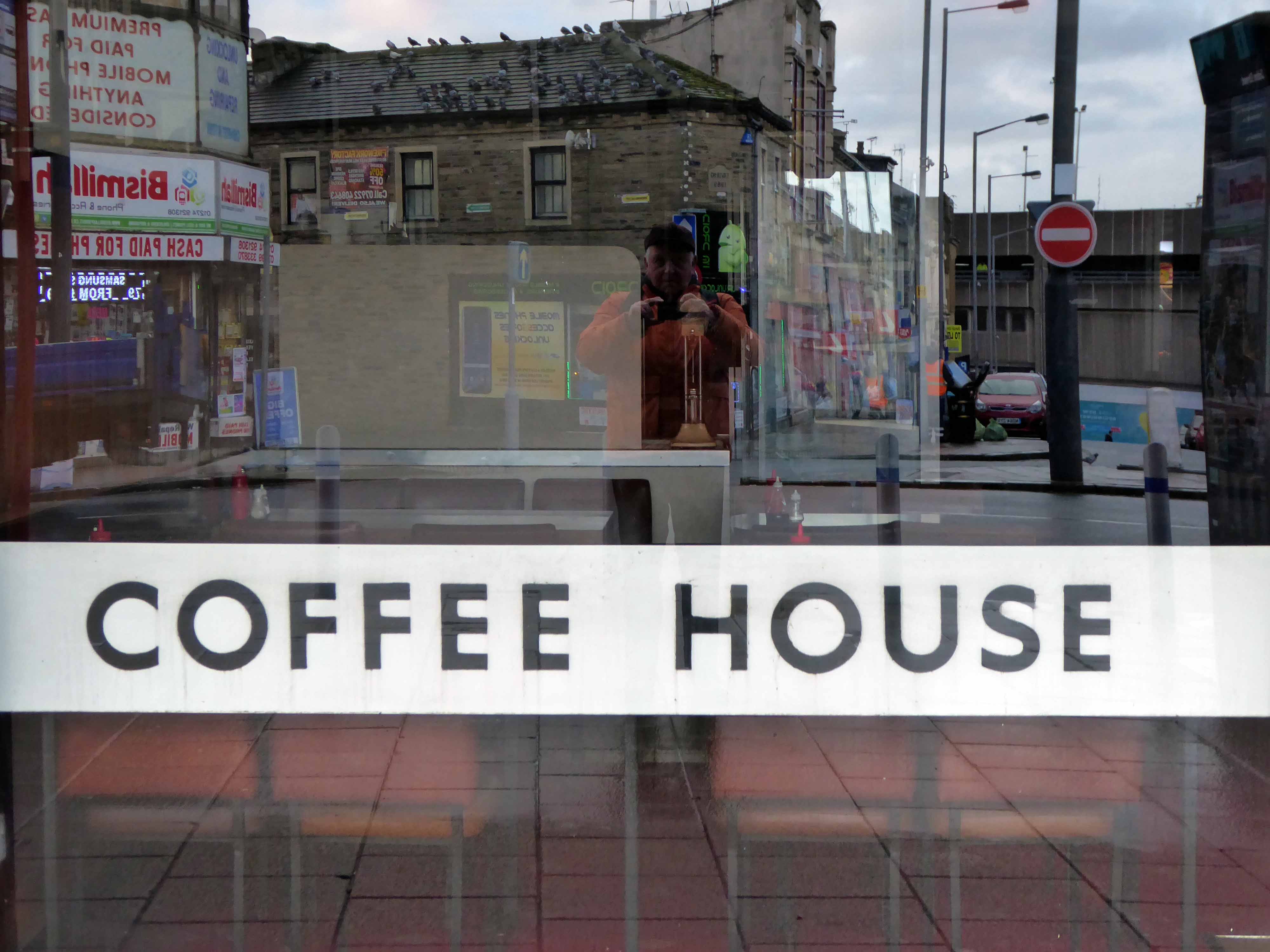
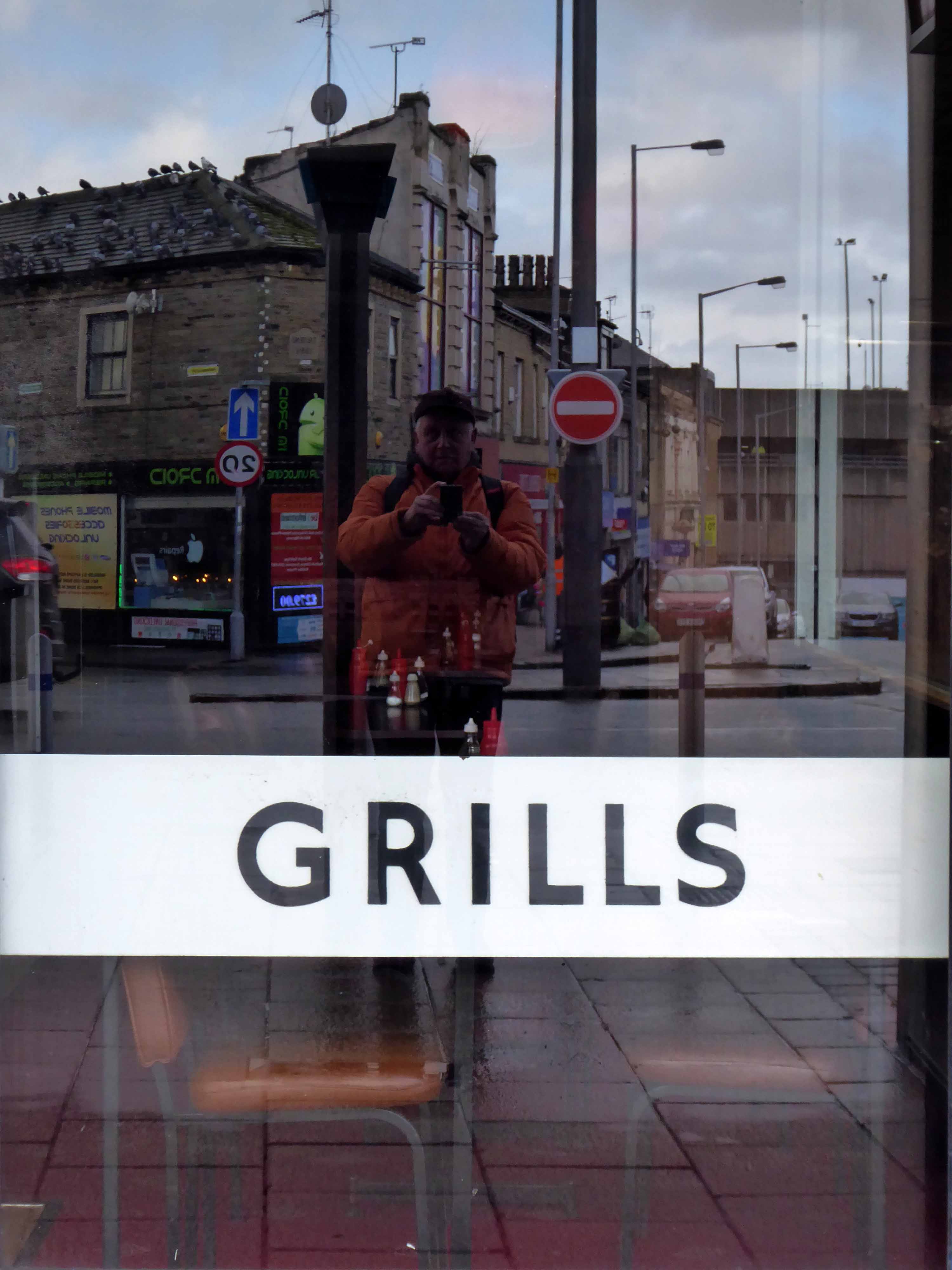
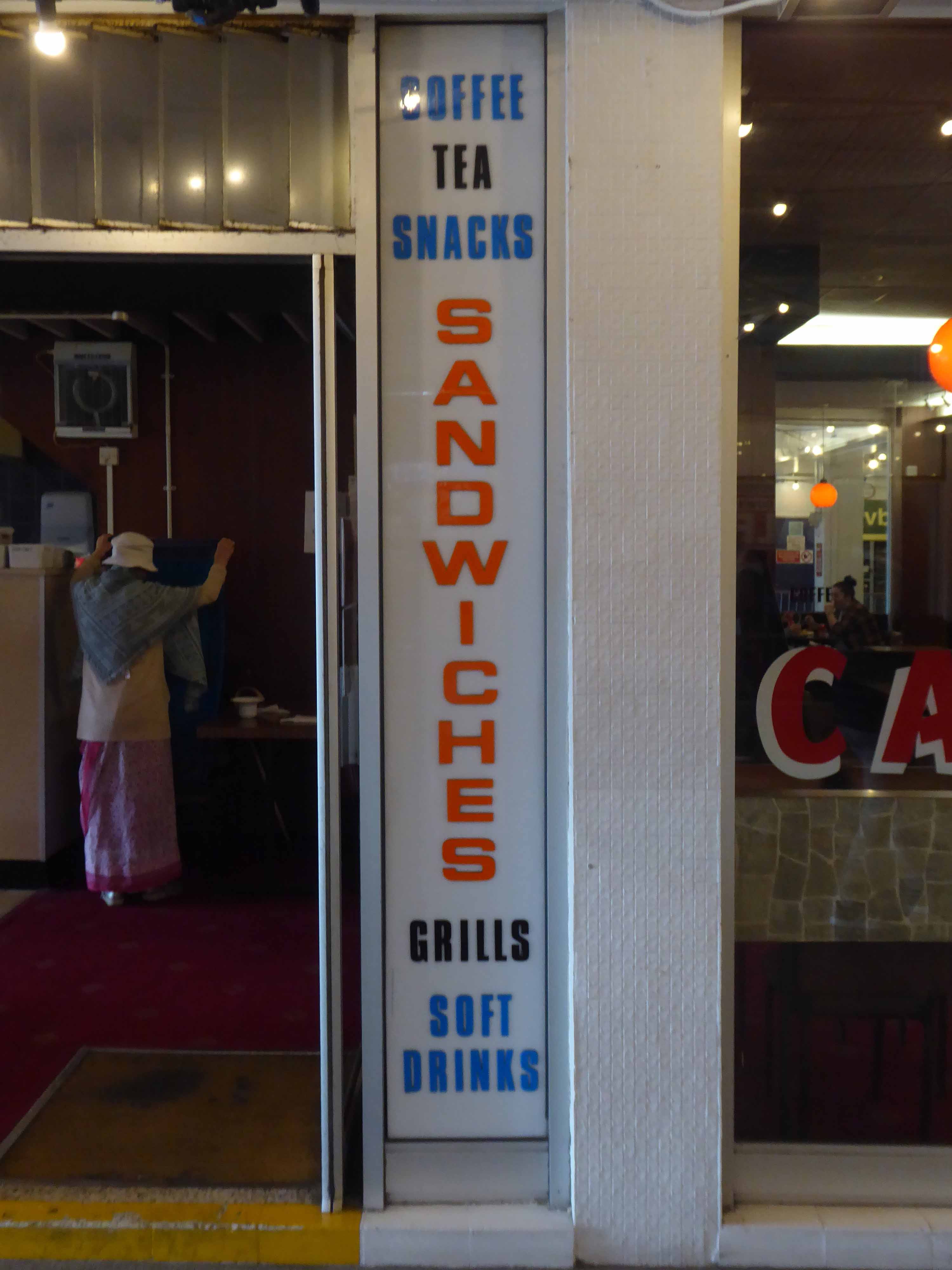
The exterior signage and fascia remain intact.

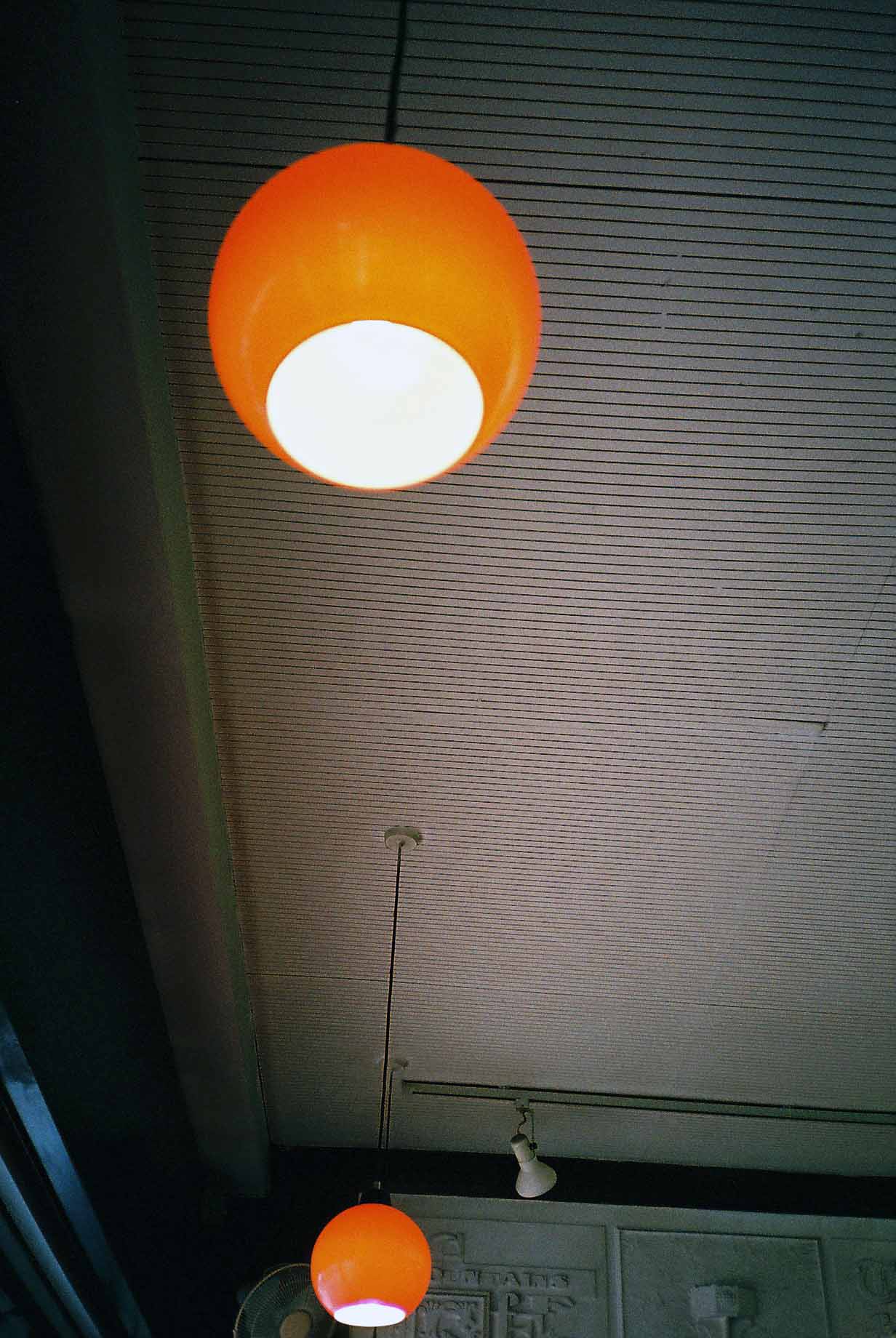
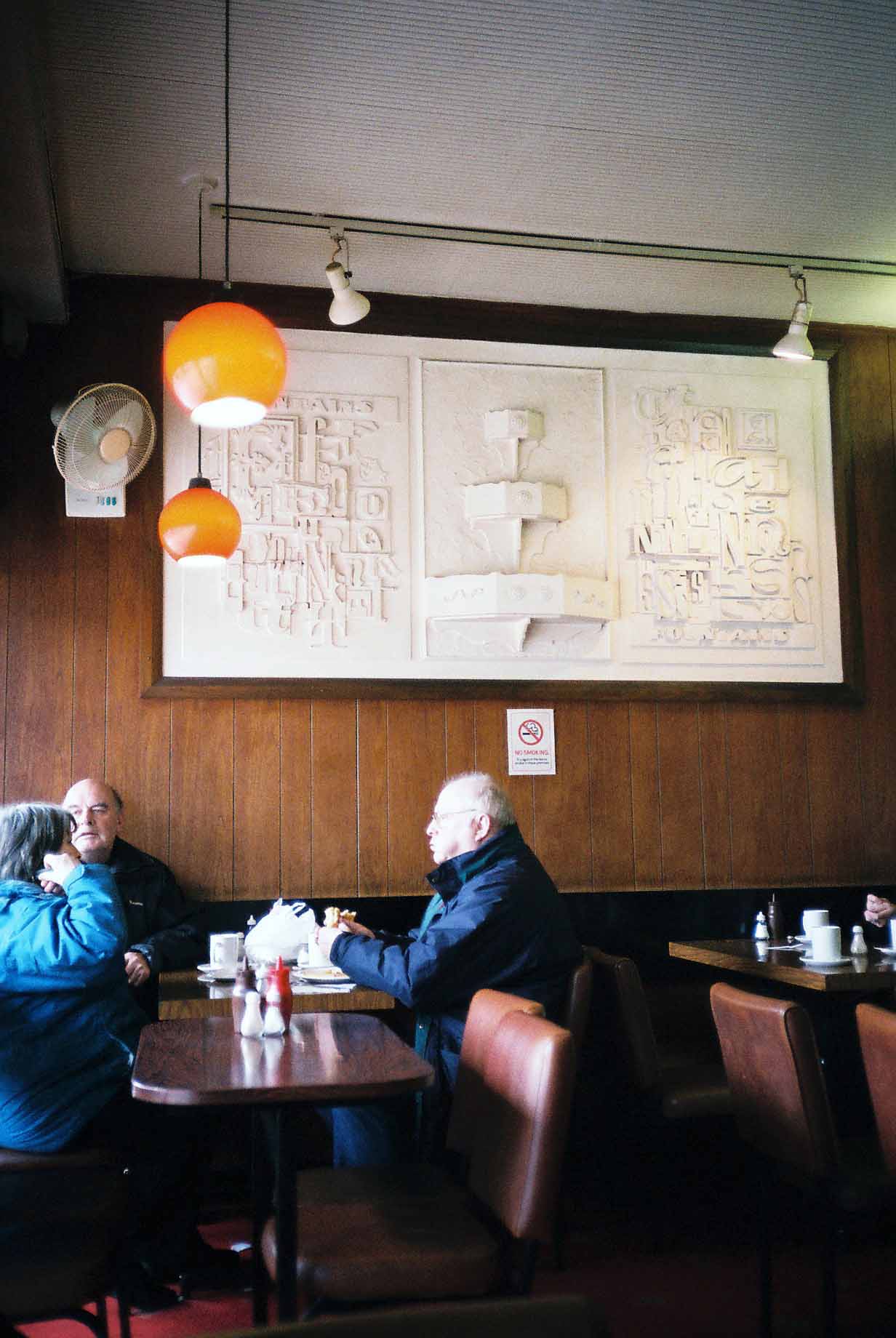
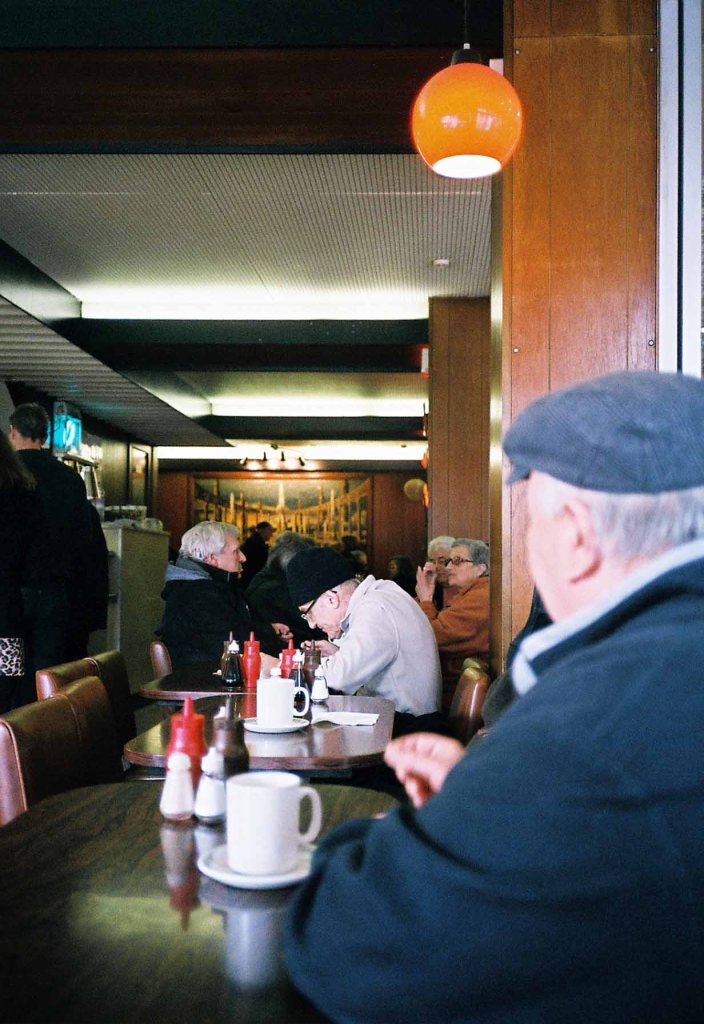
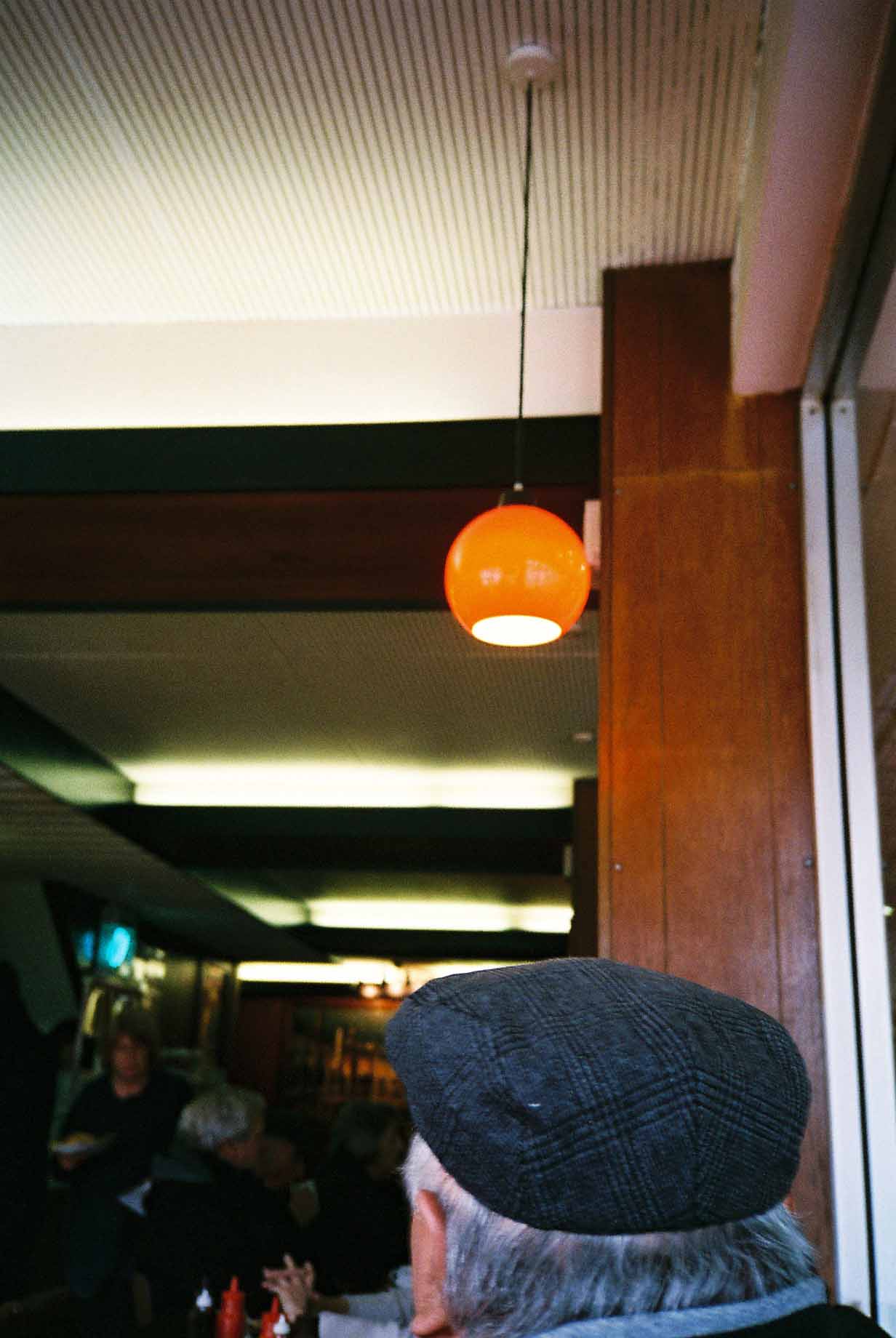
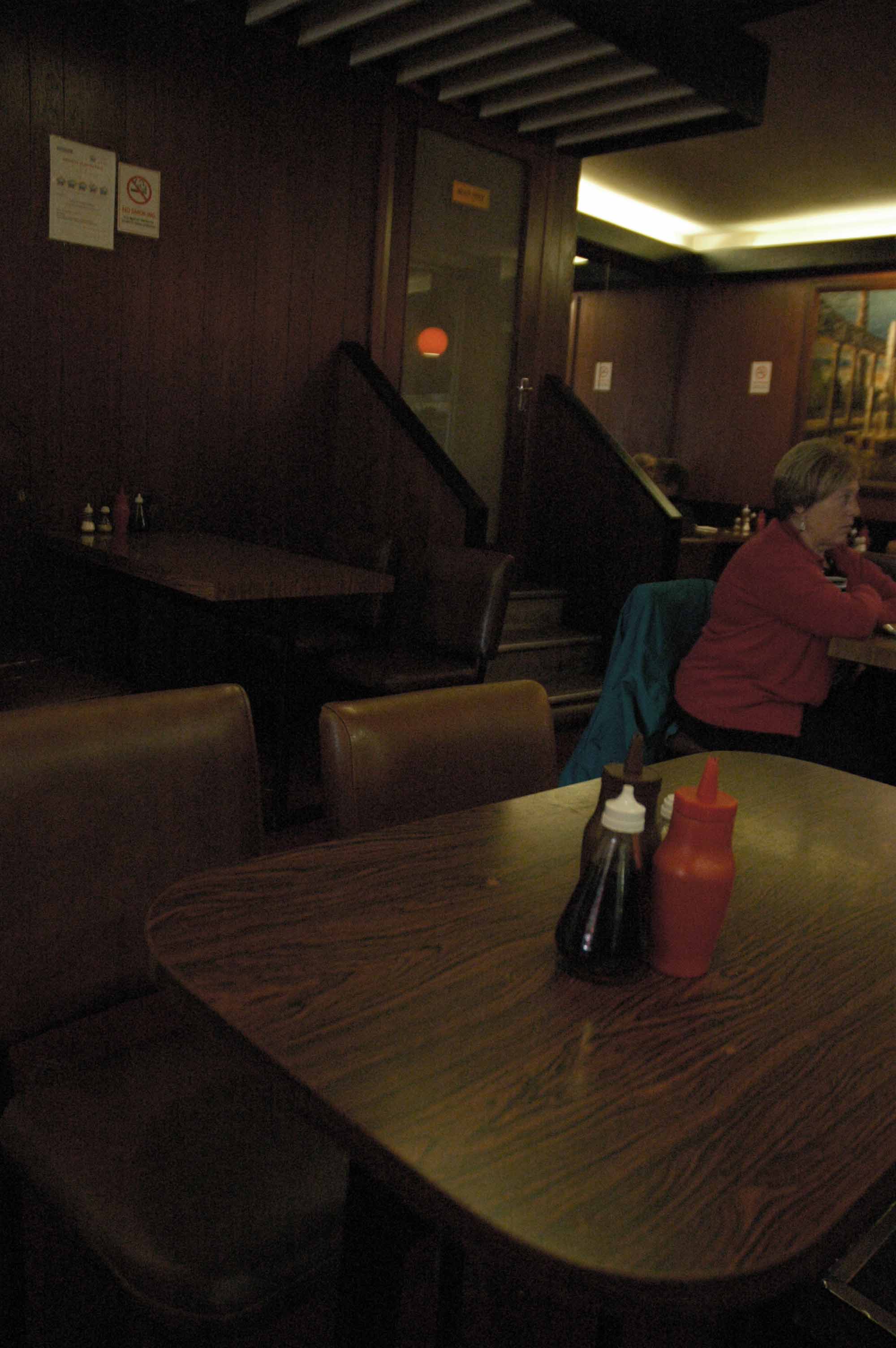
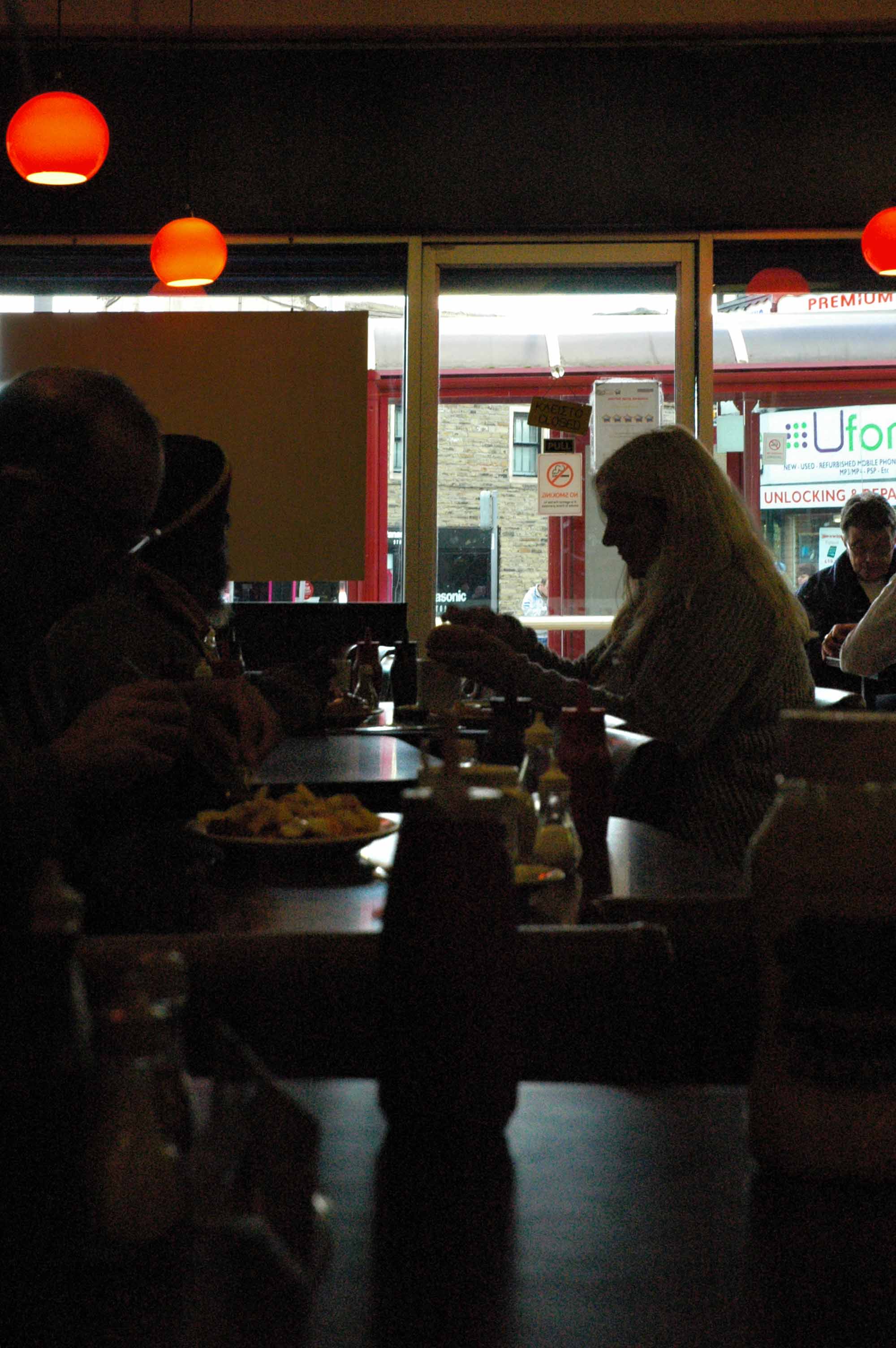
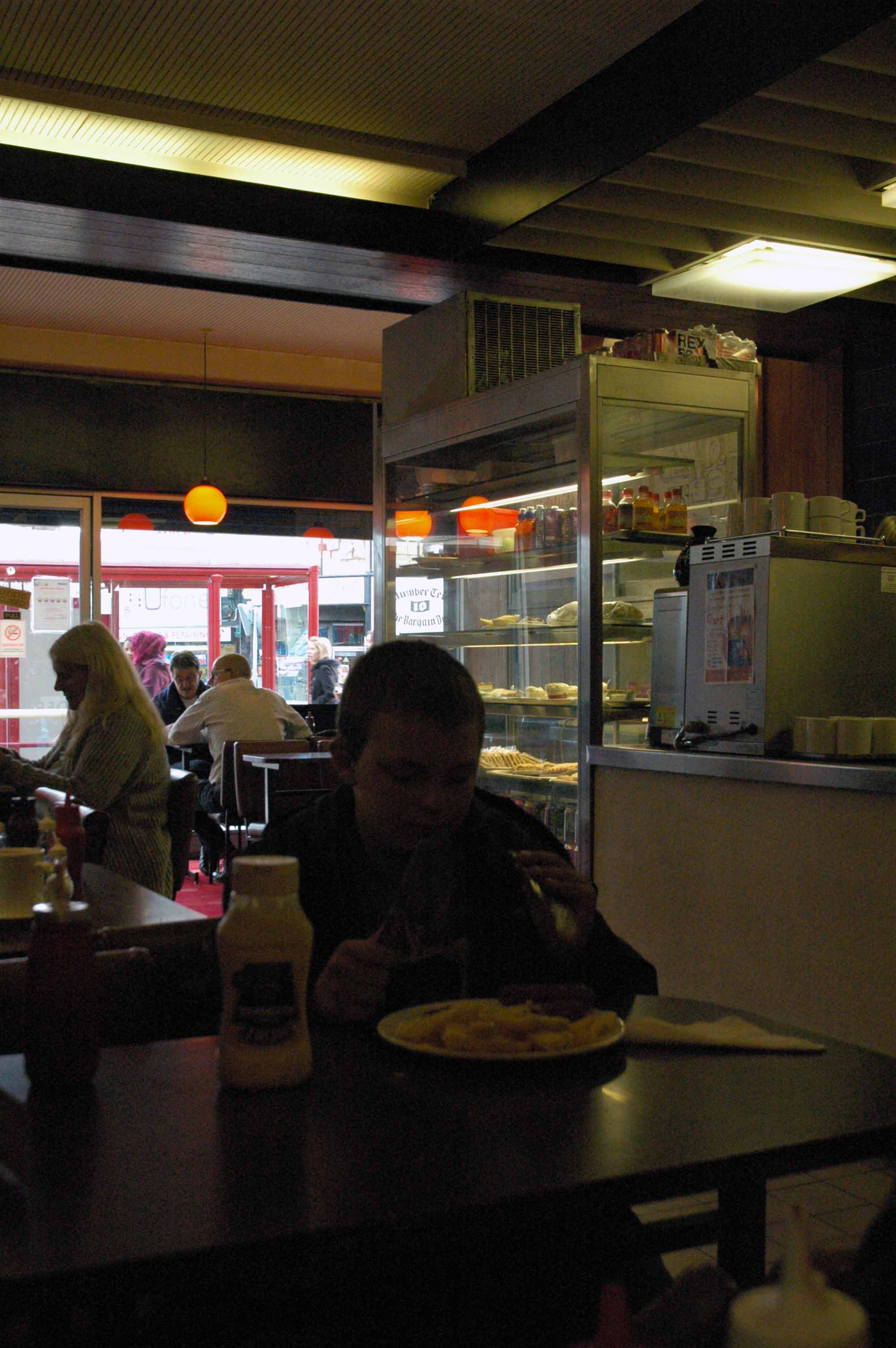
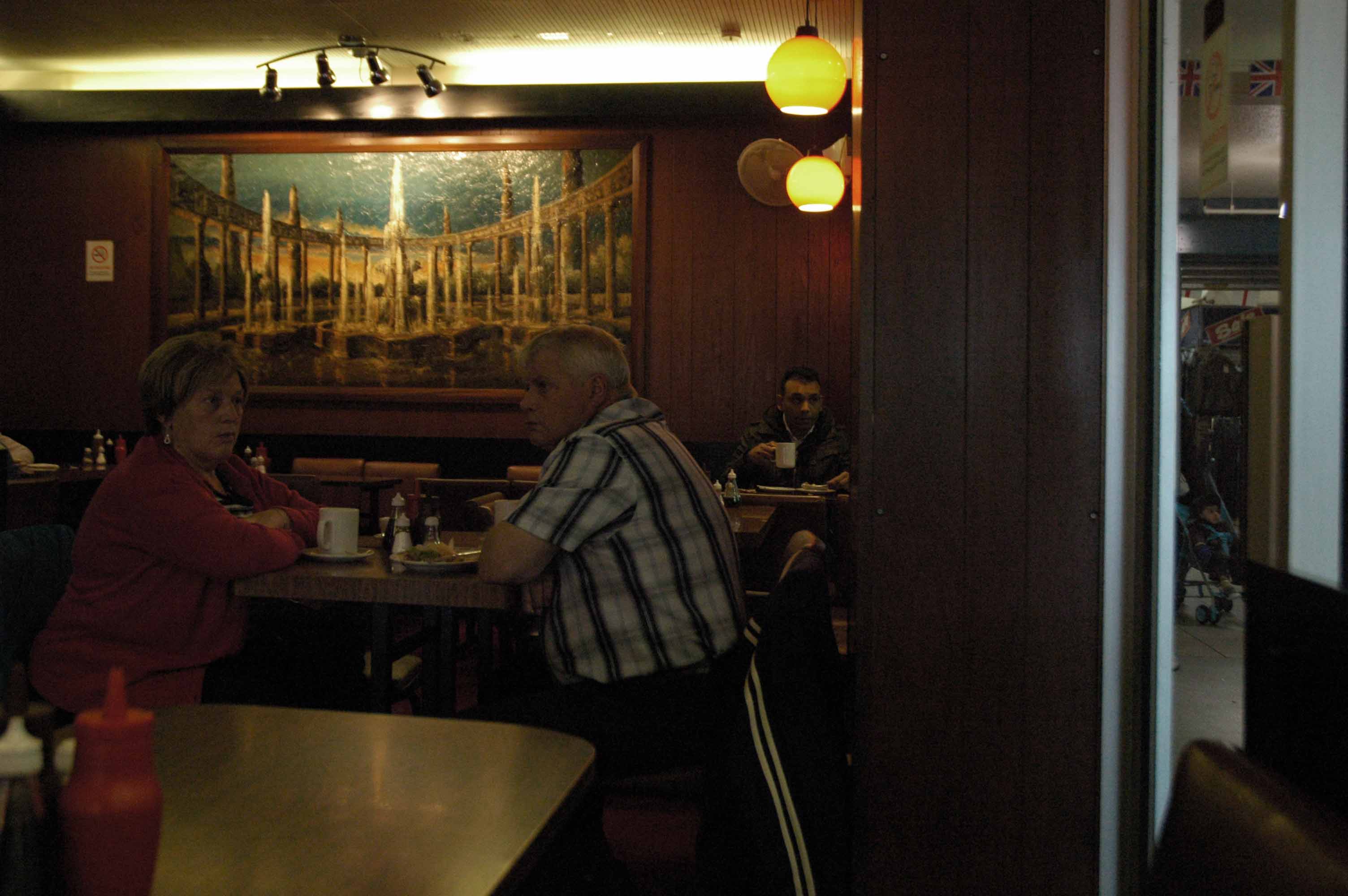
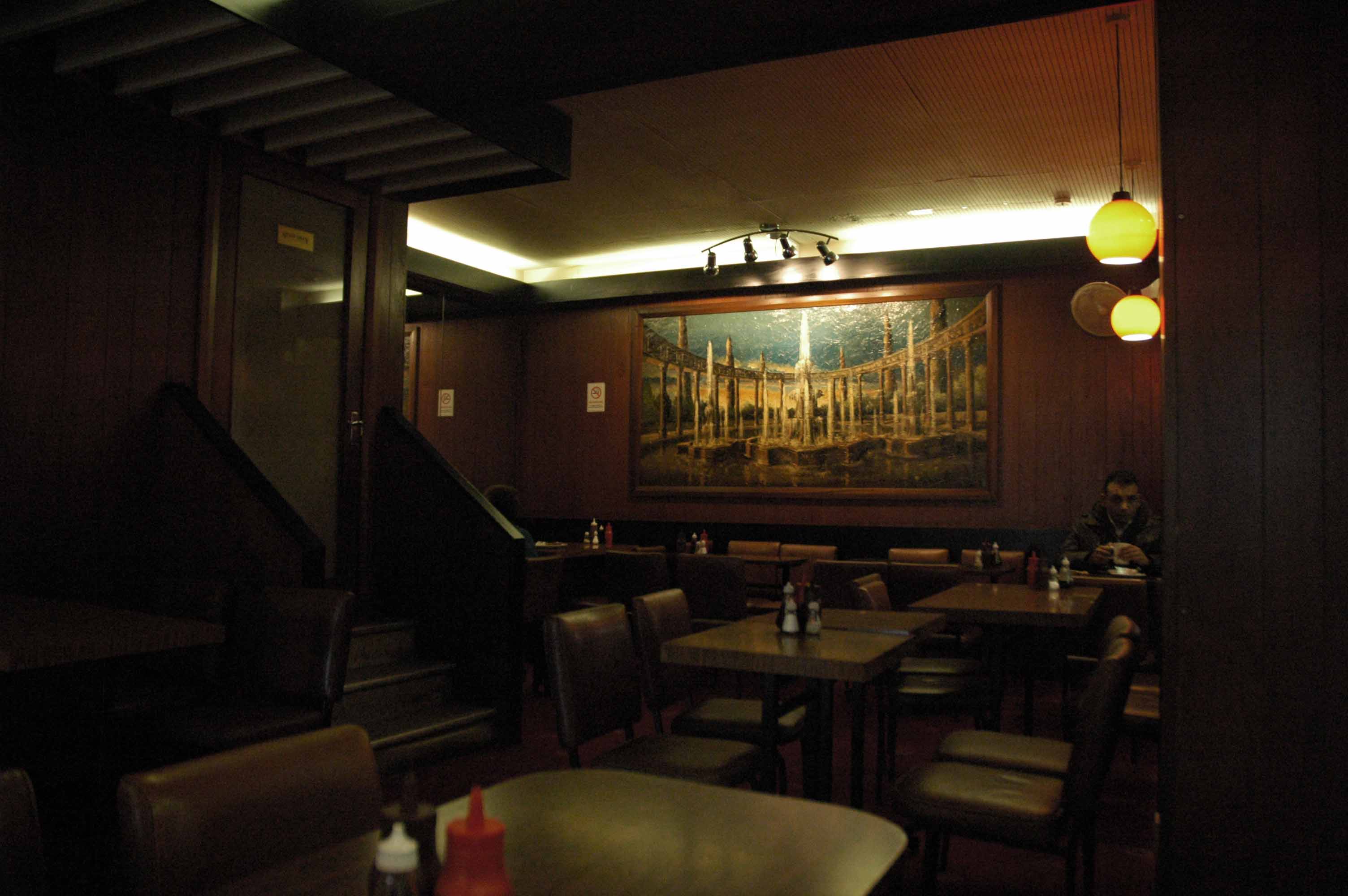
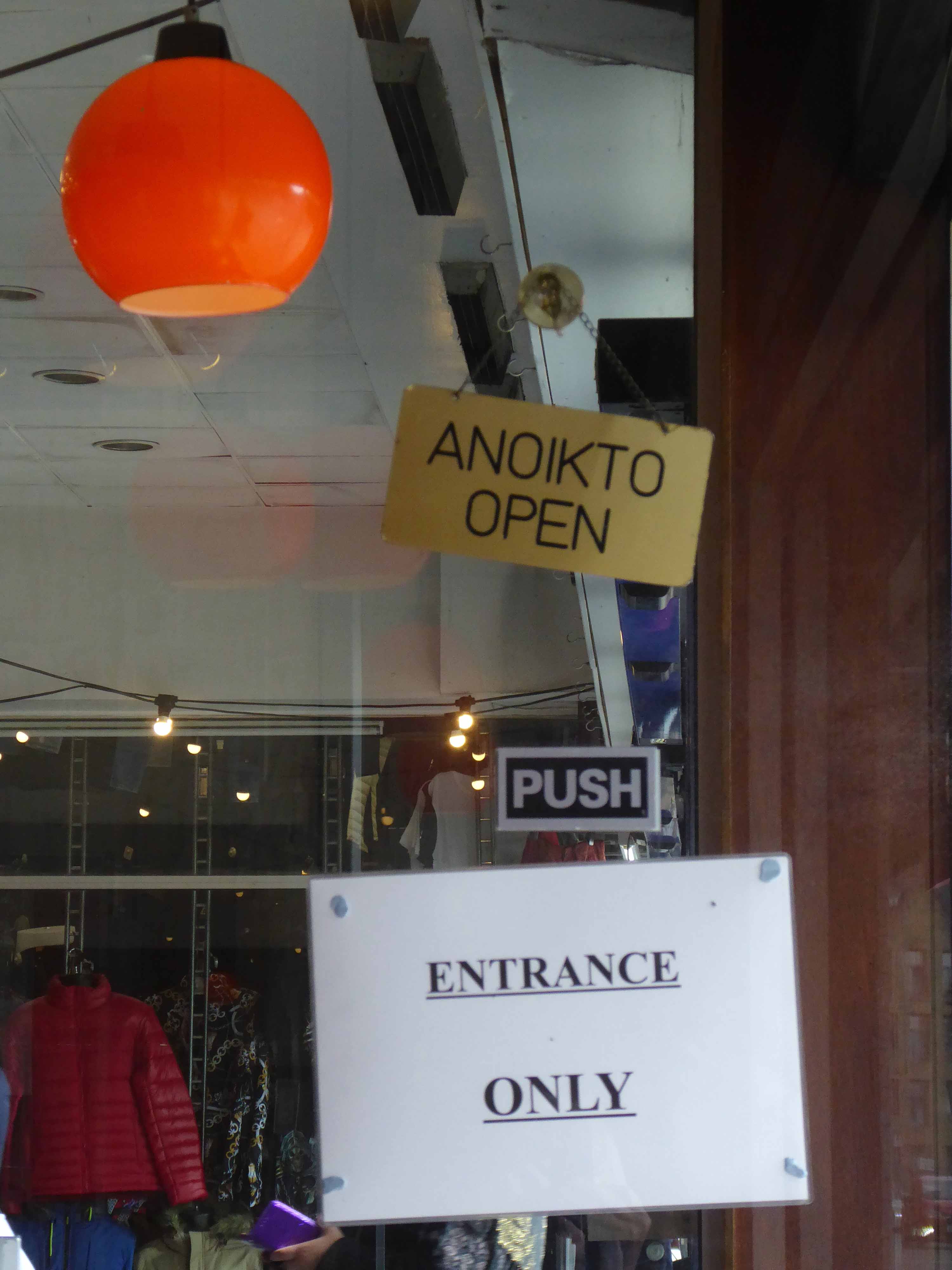
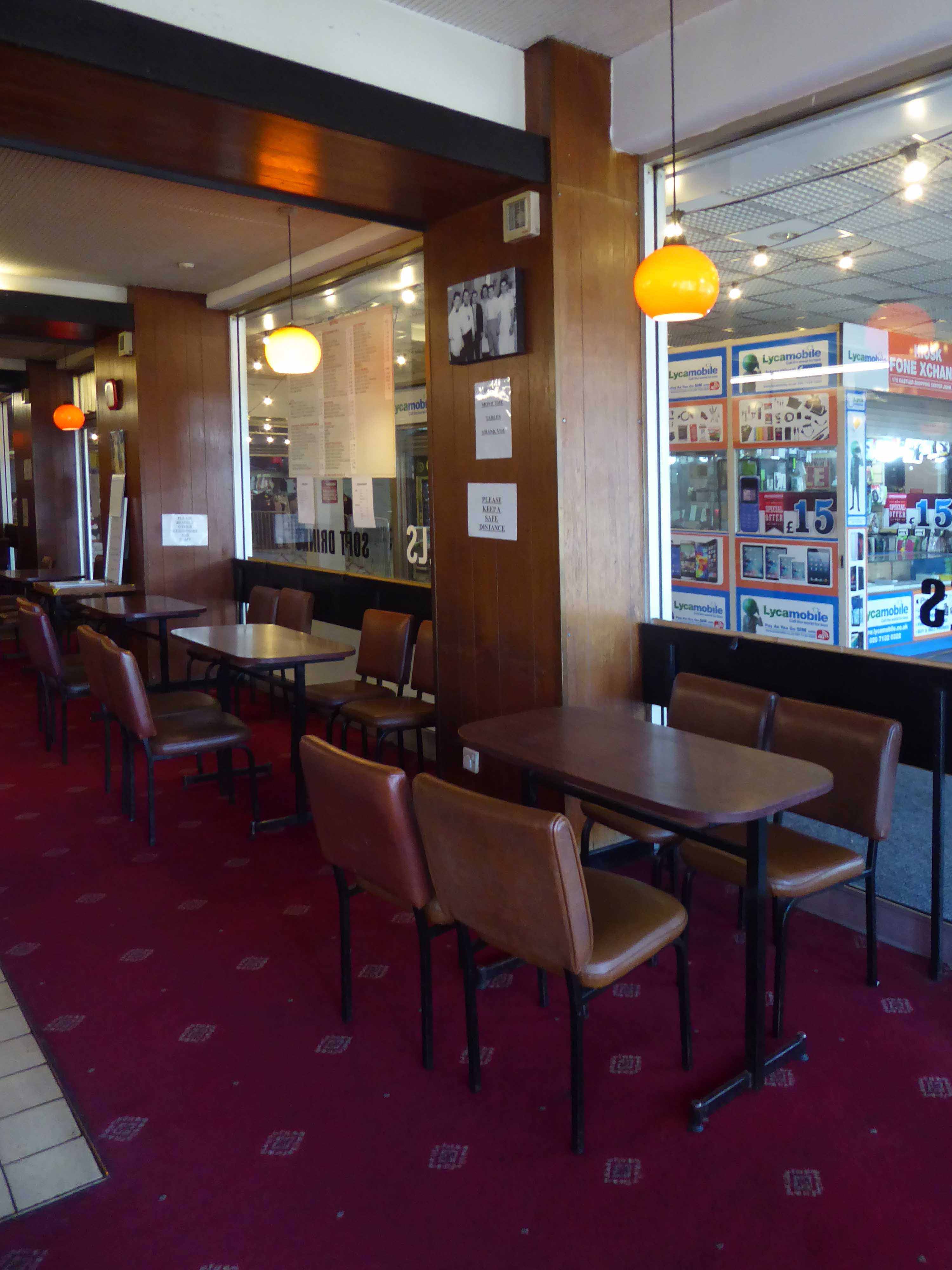
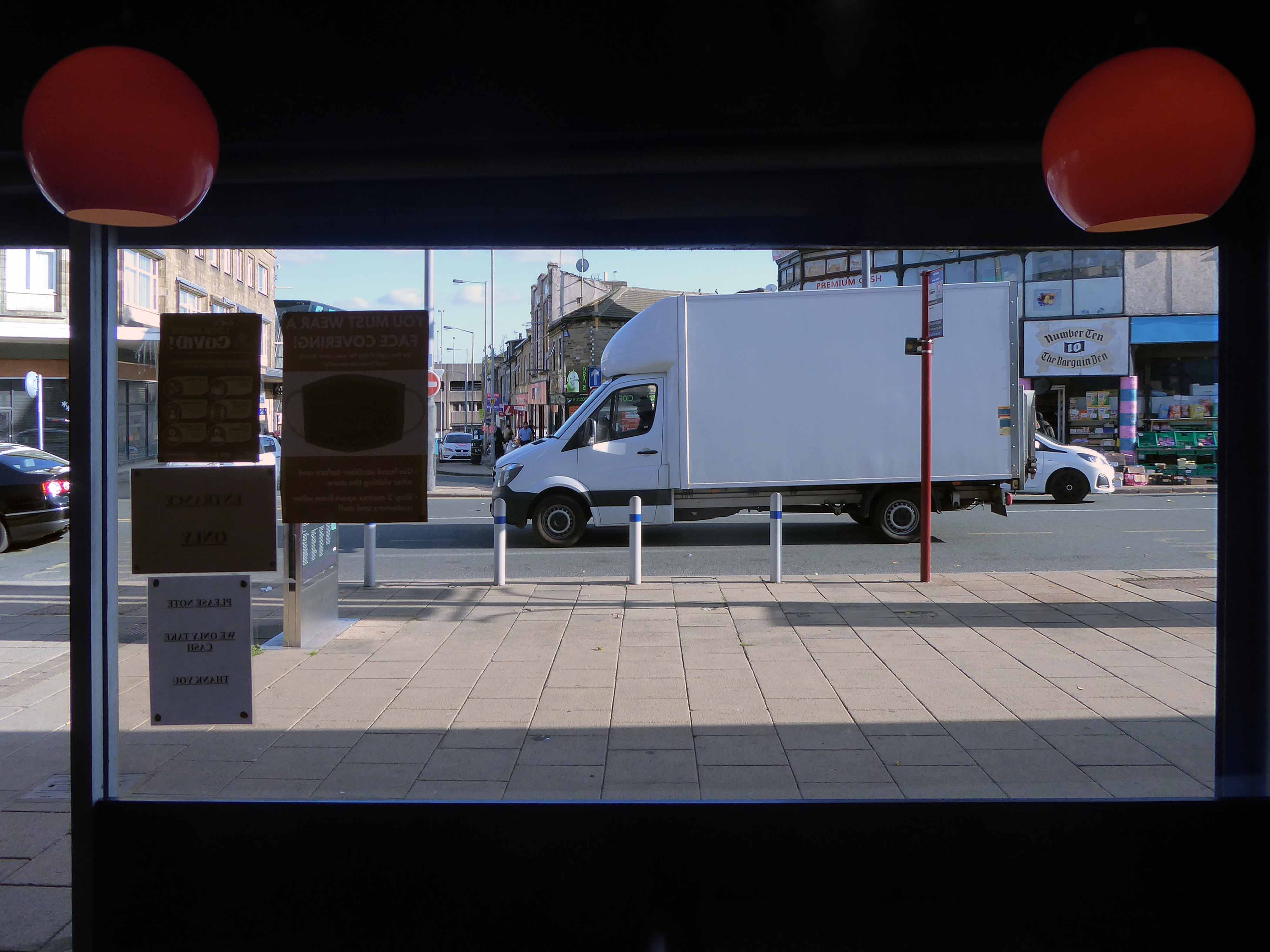
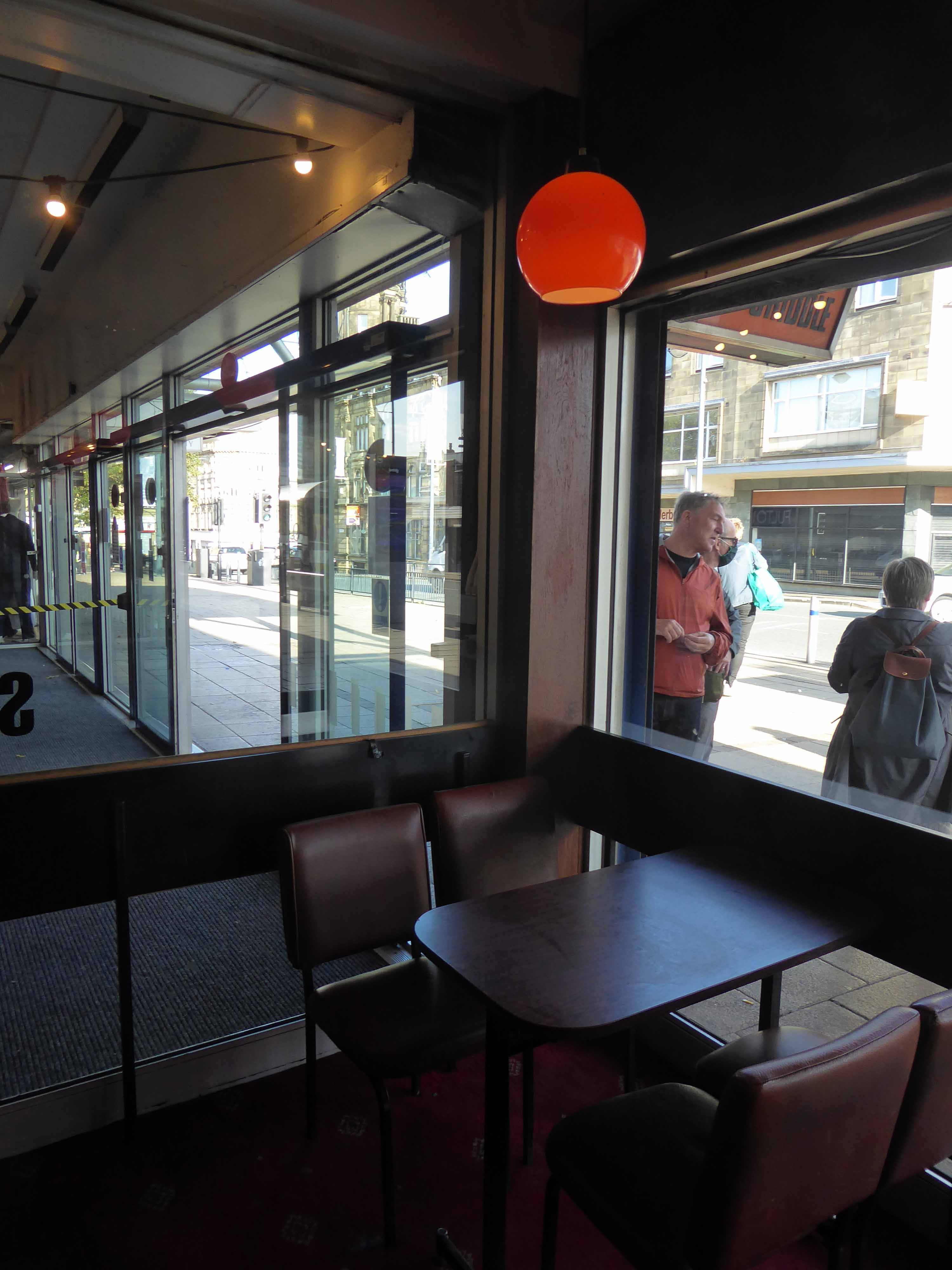
The orange light shades are still hanging limp and bright from the suspended ceiling.

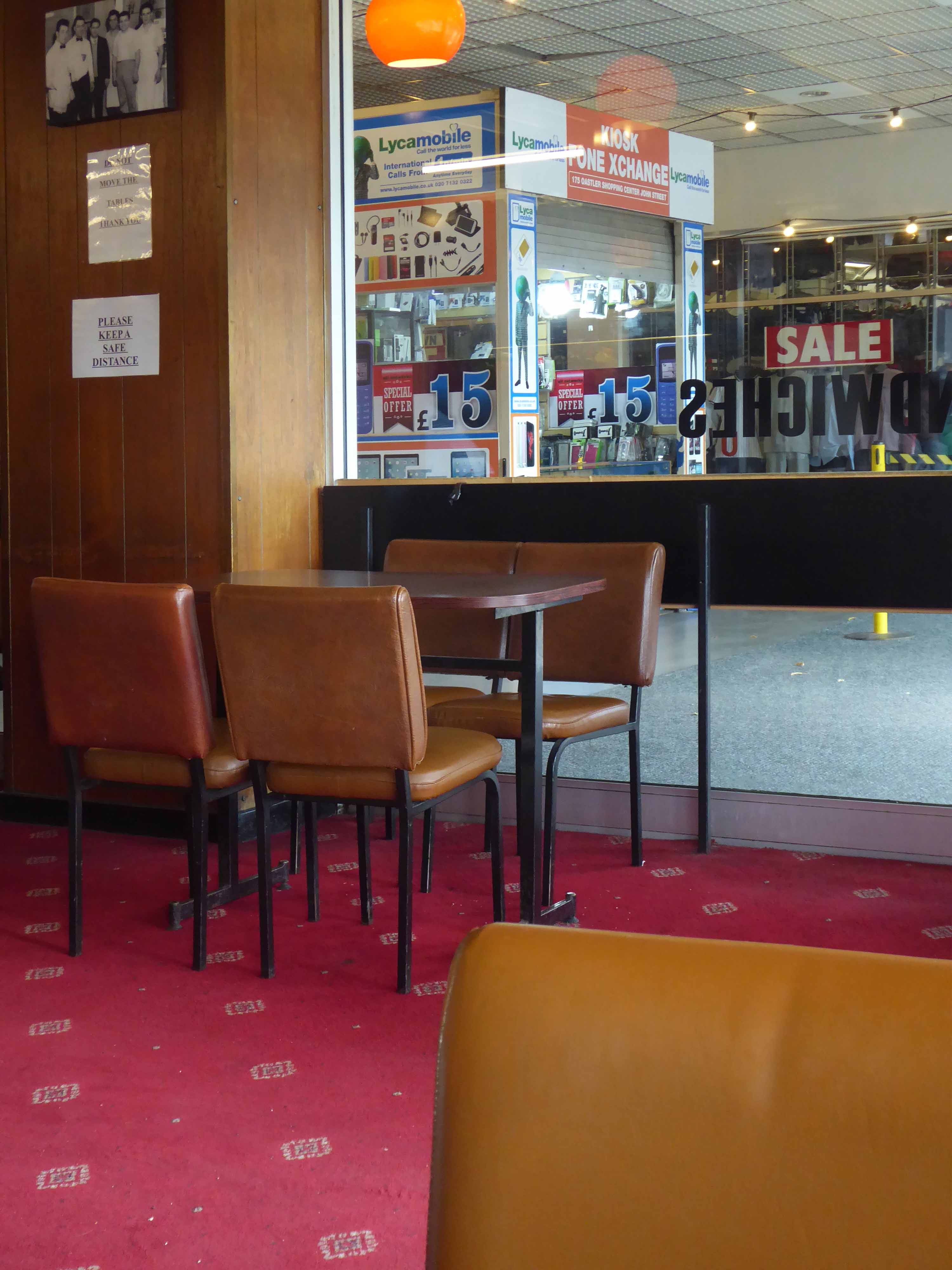
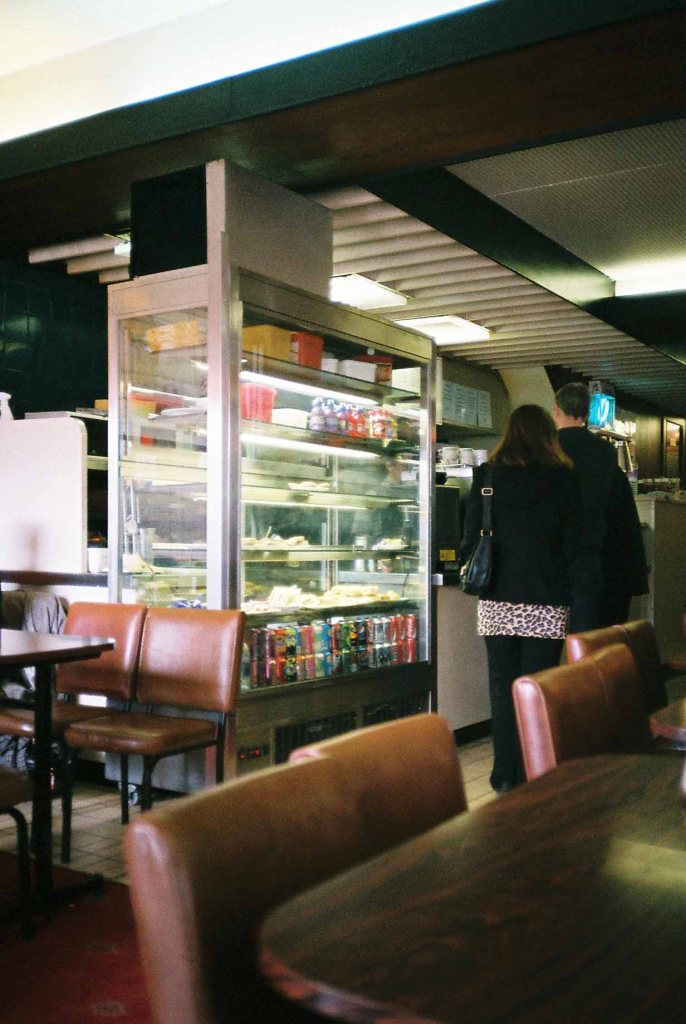
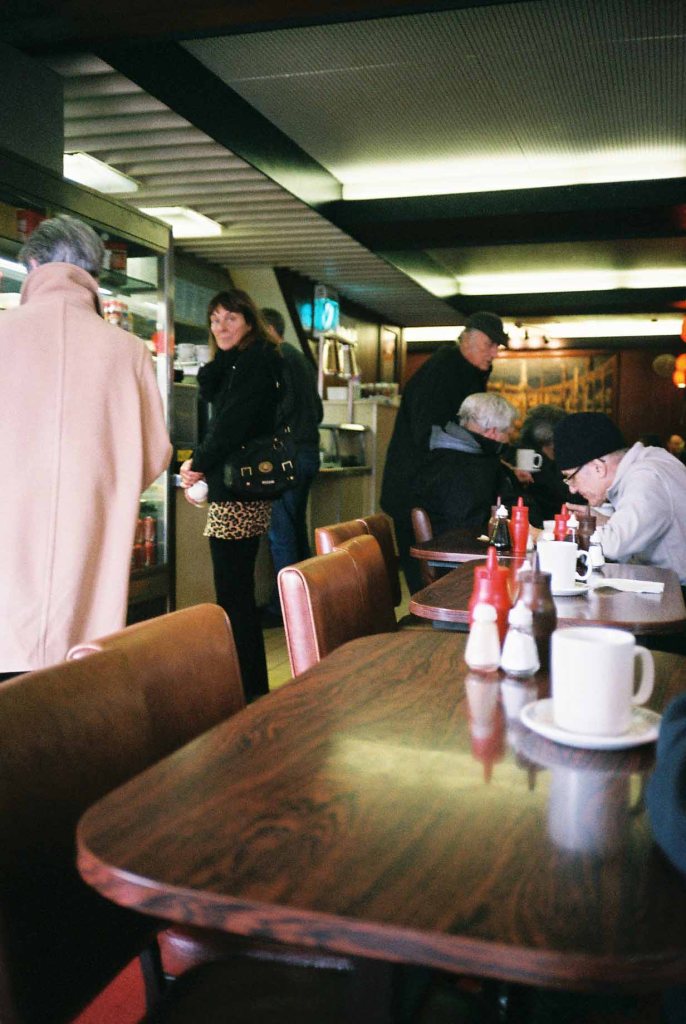
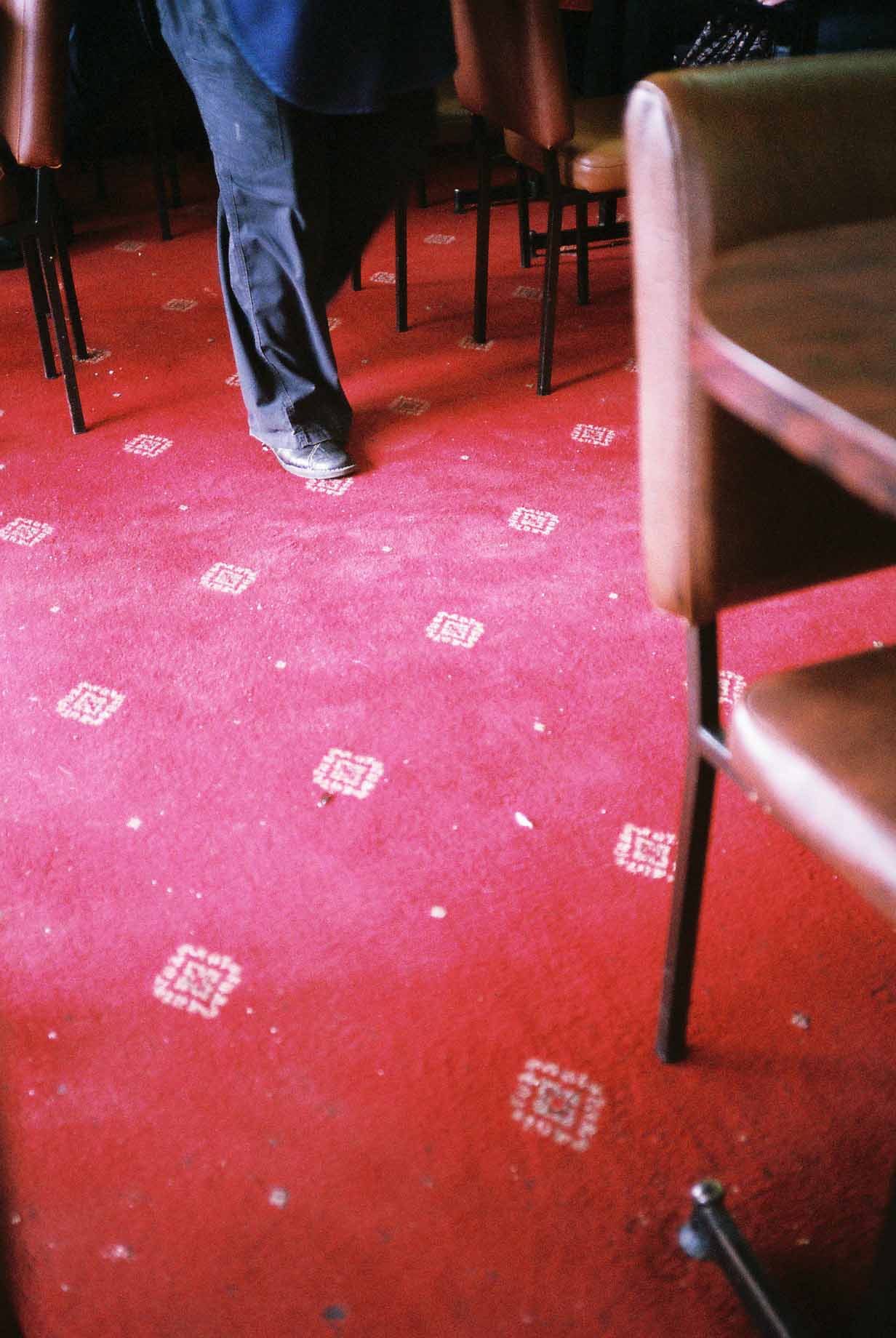
The furniture and scarlet carpet unmoved, as the cheery waiting staff weave merrily in, out and round about with meals and drinks.

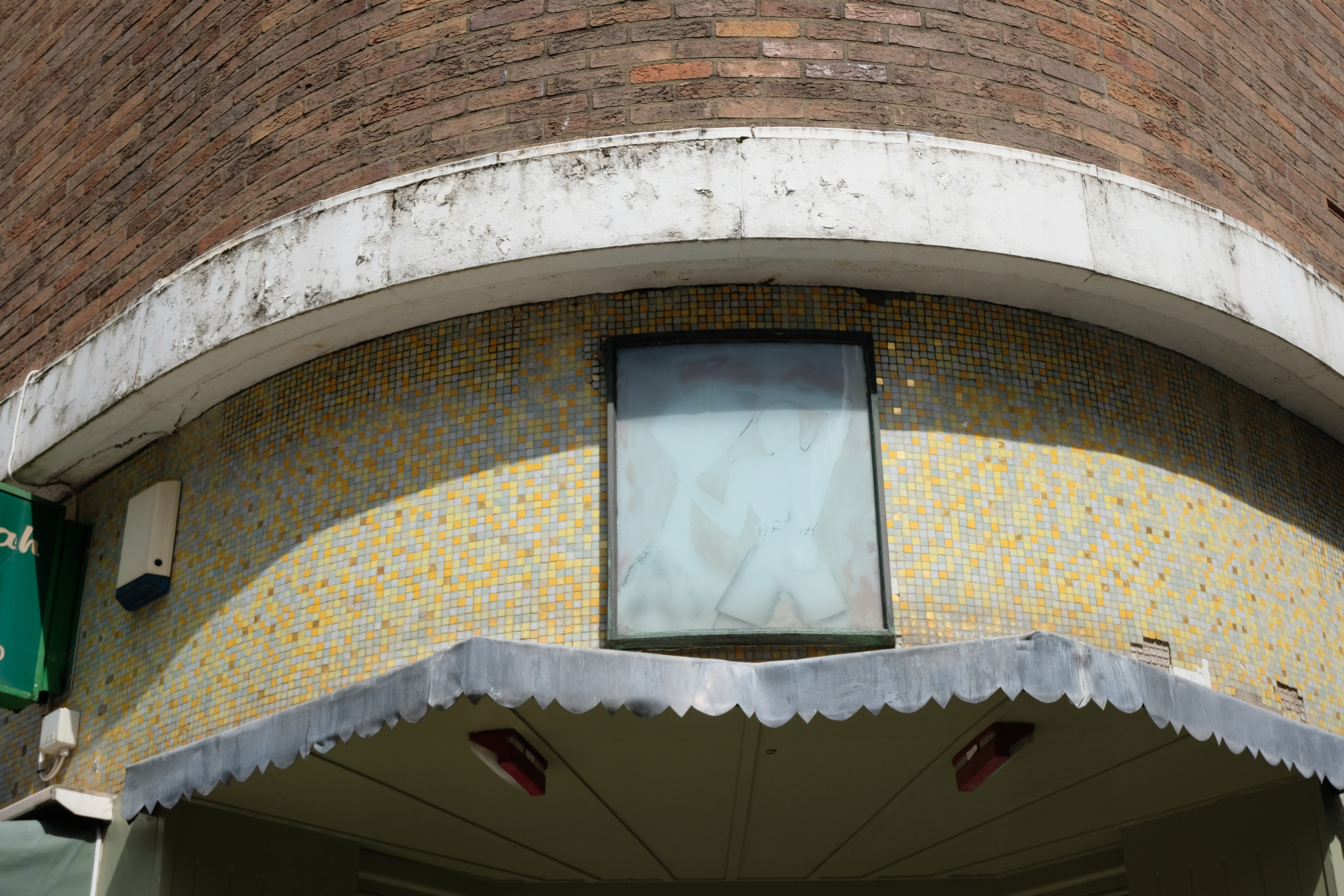
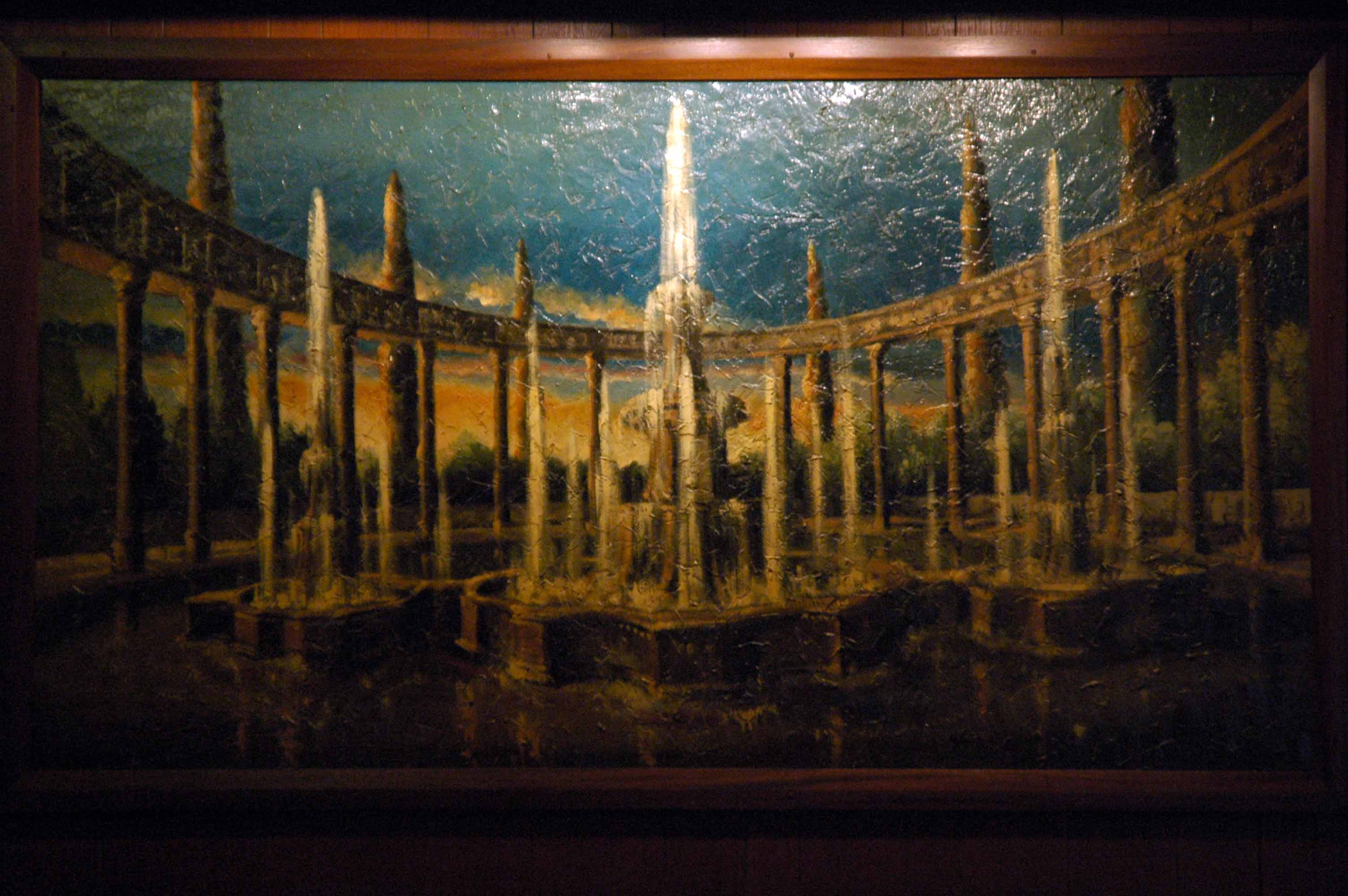
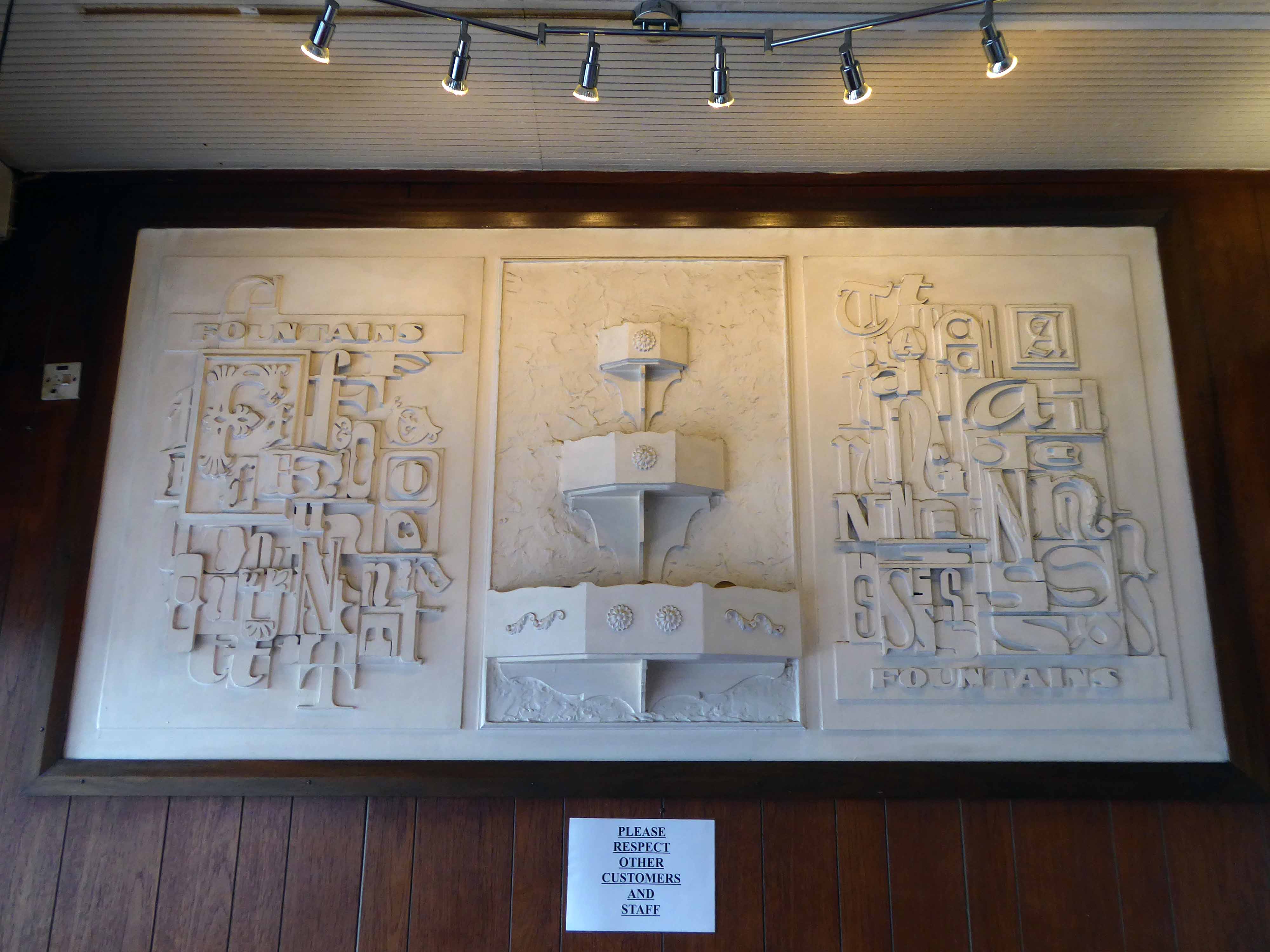
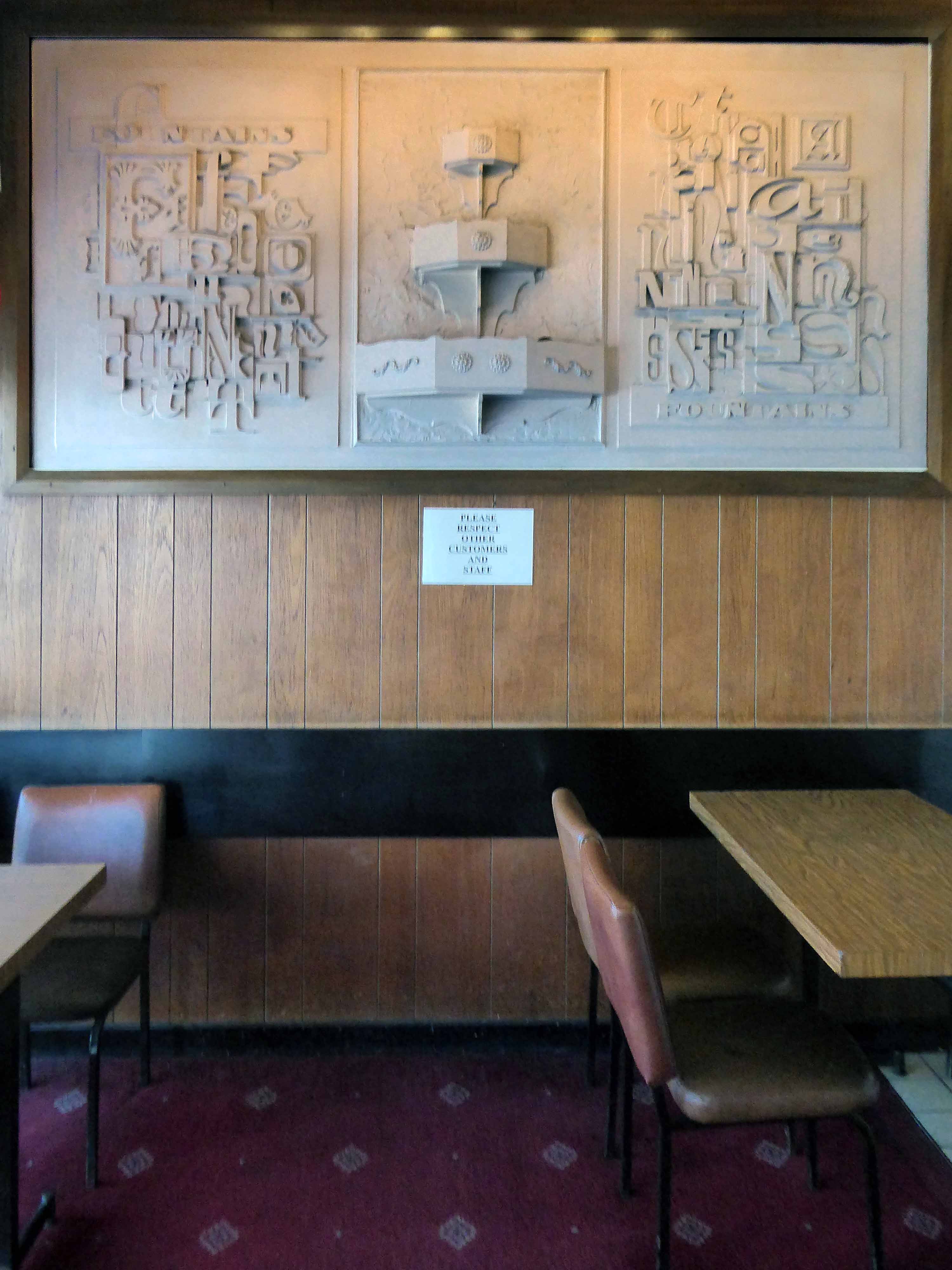
The distinctive white relief sits in the same place on the wall.

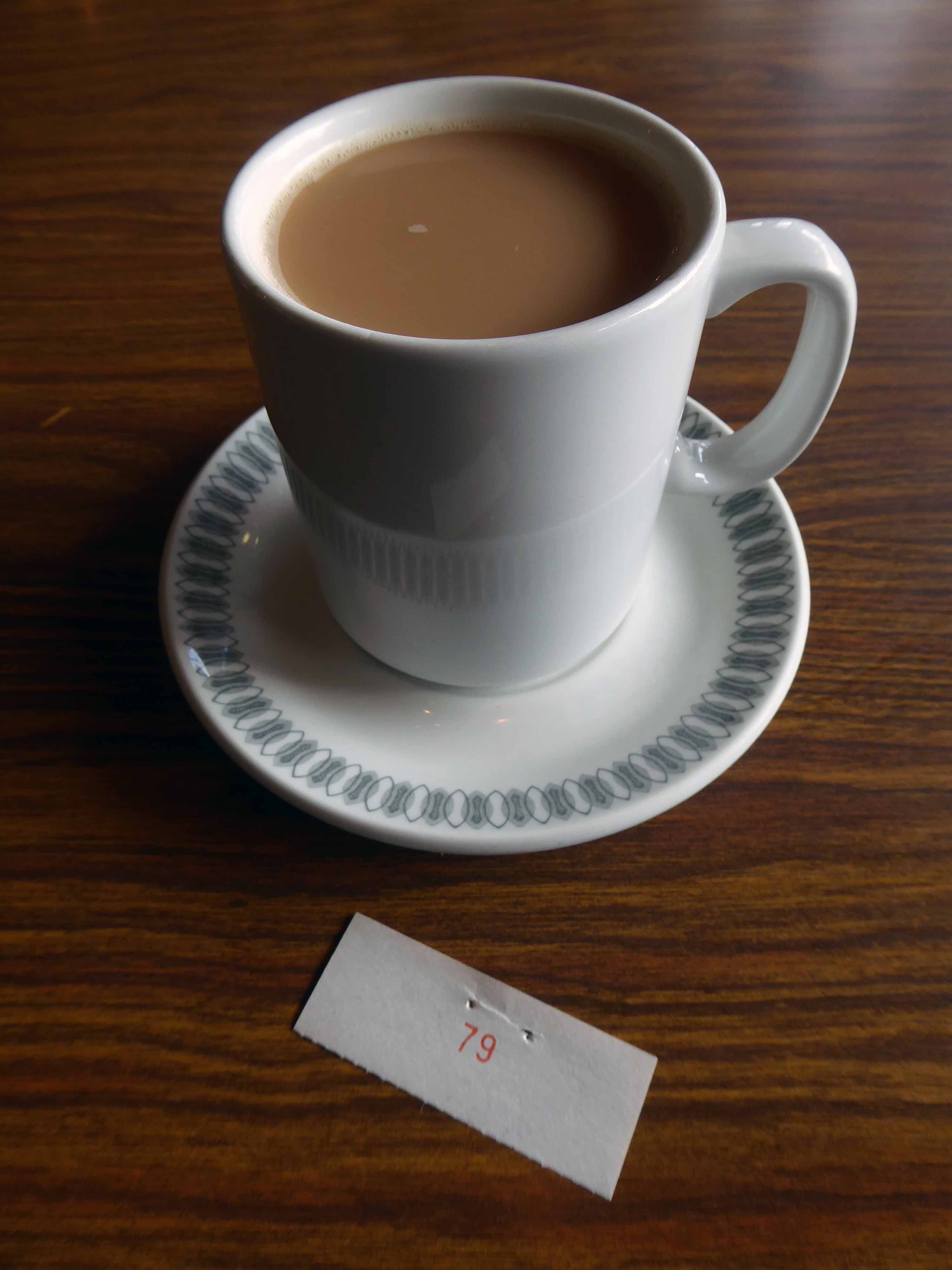
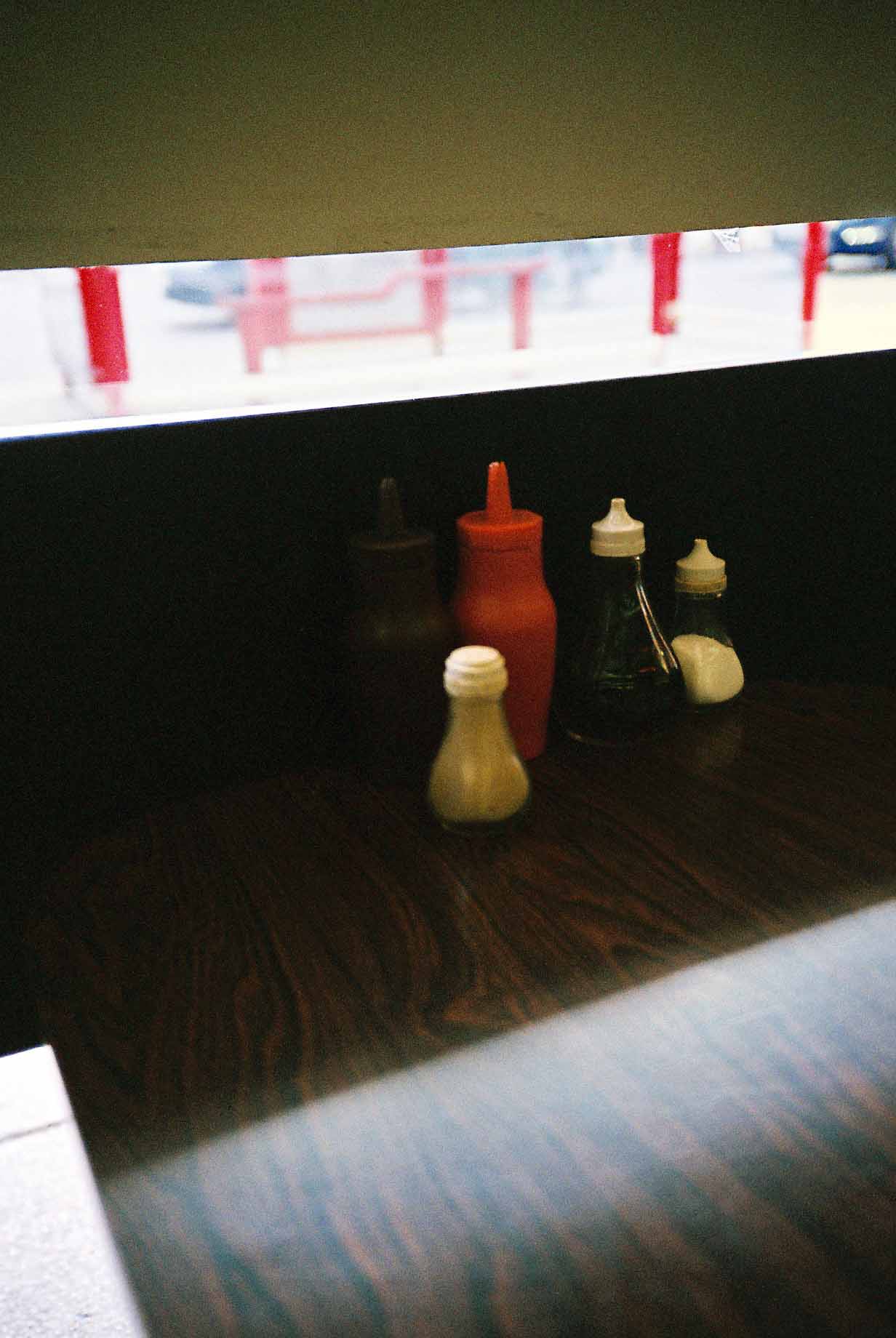
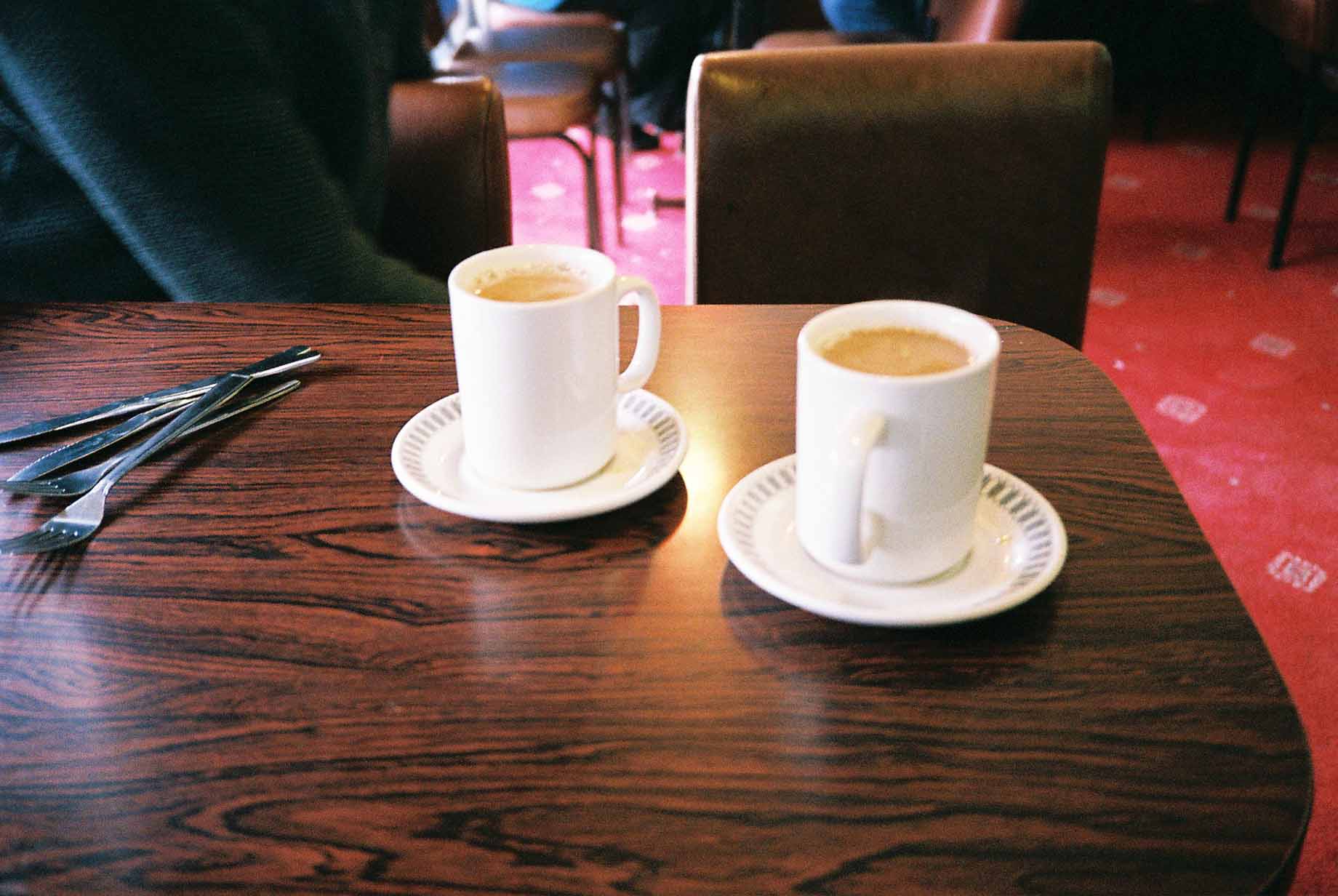
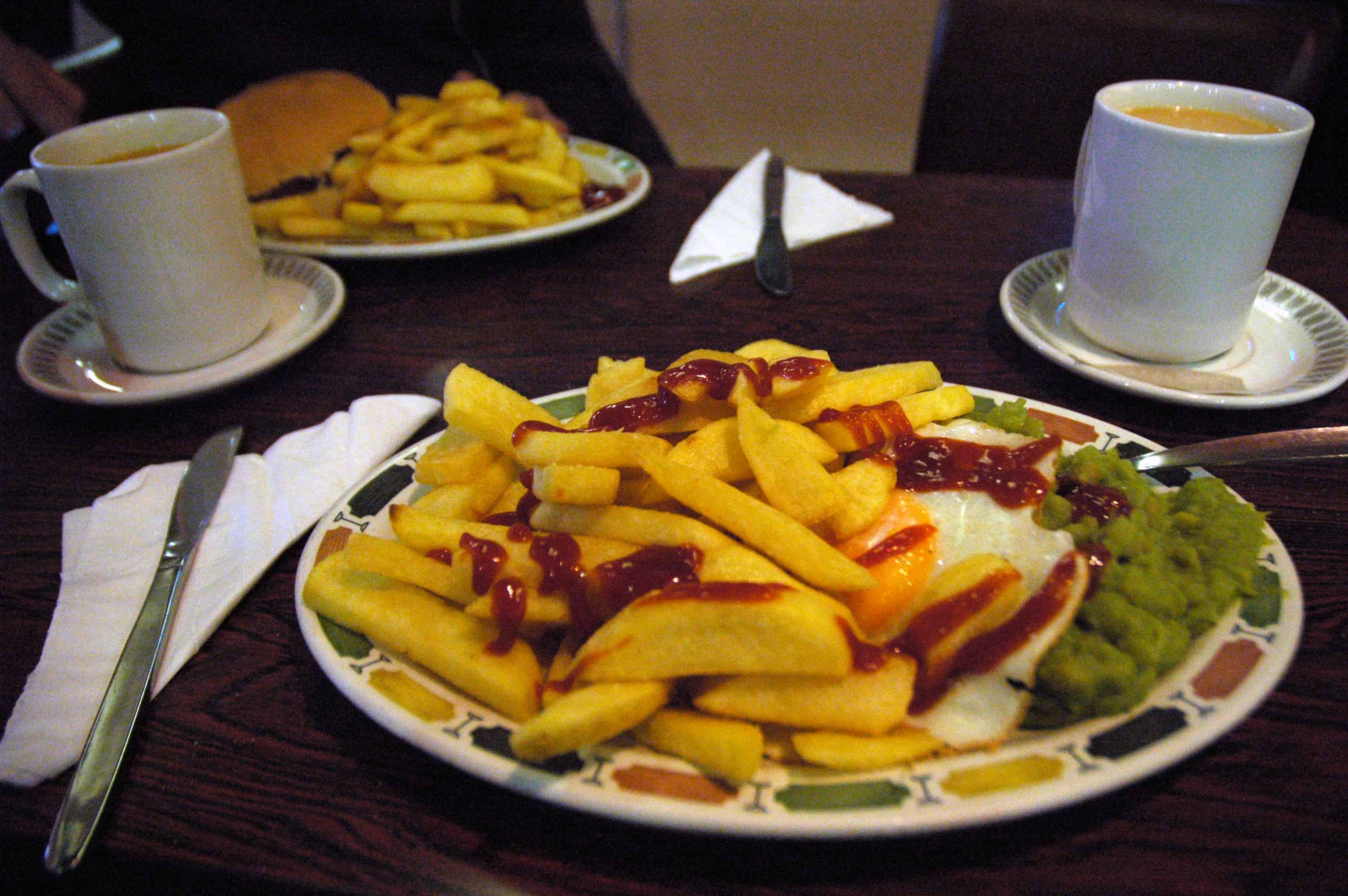
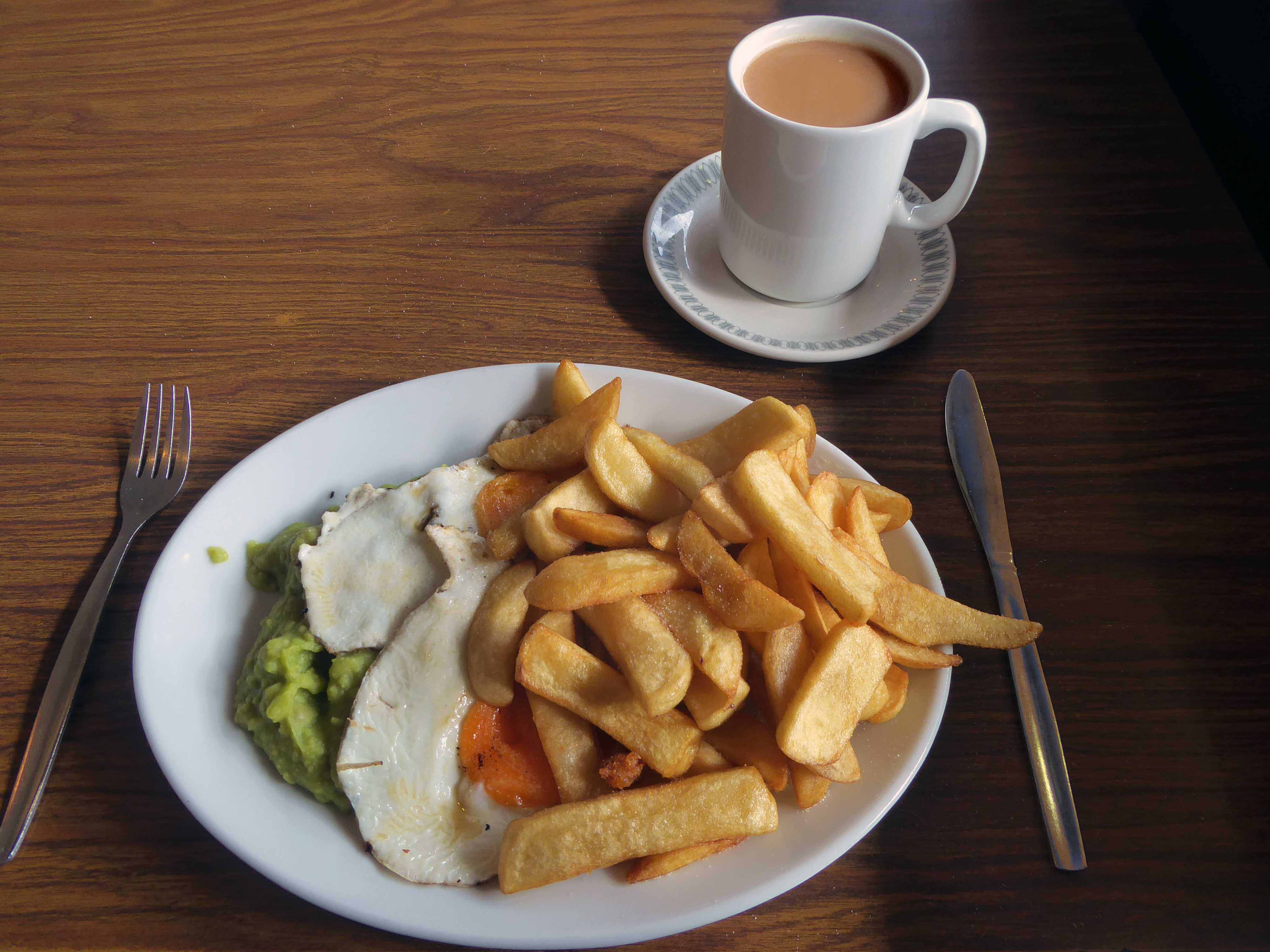
Almost inevitably I order a mug of tea.

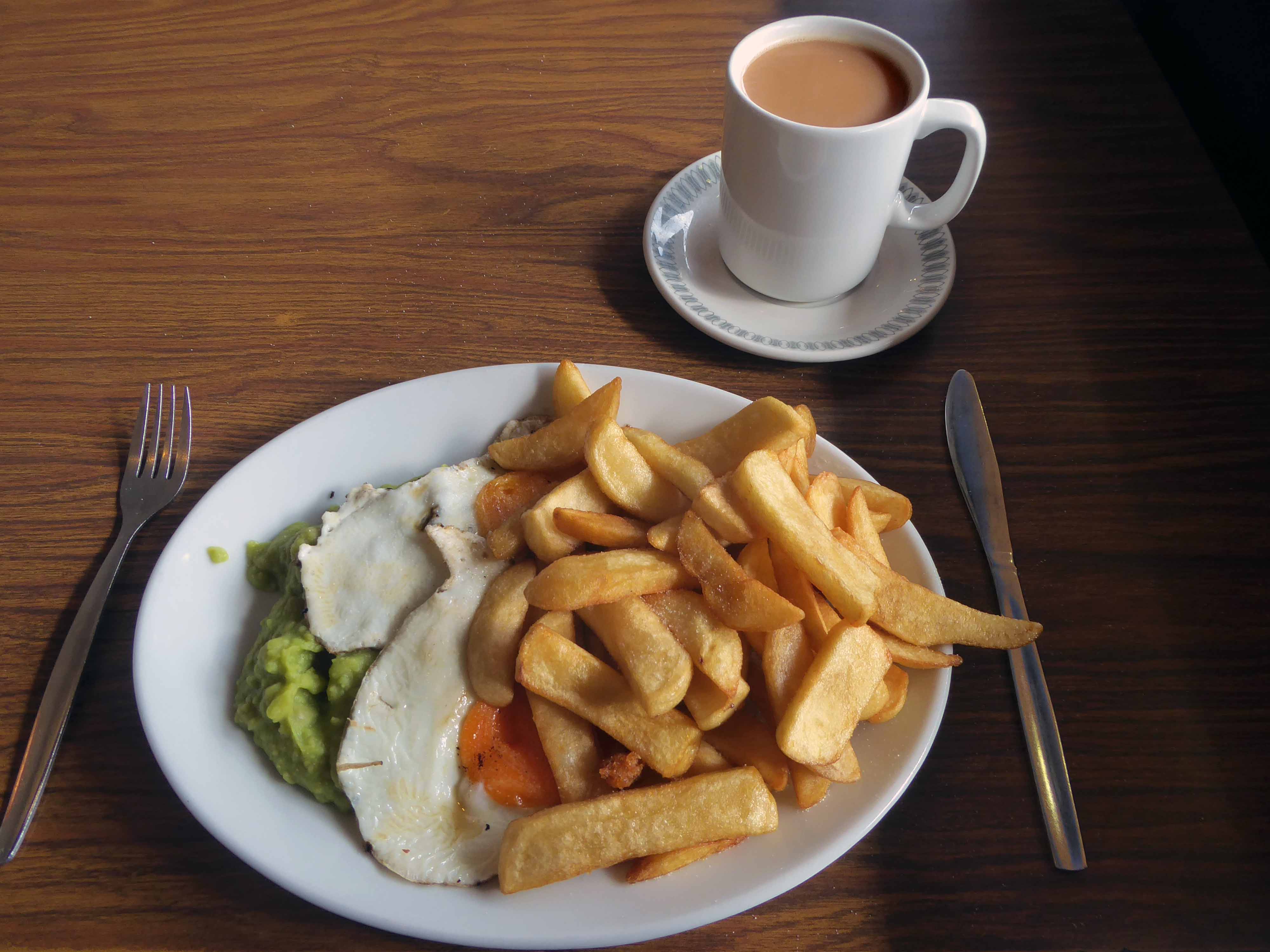
Along with a plate of eggs chips and peas.

Eat and drink the lot and leave happy and contented – who can resist a well run, well appointed classic café?

I can’t.

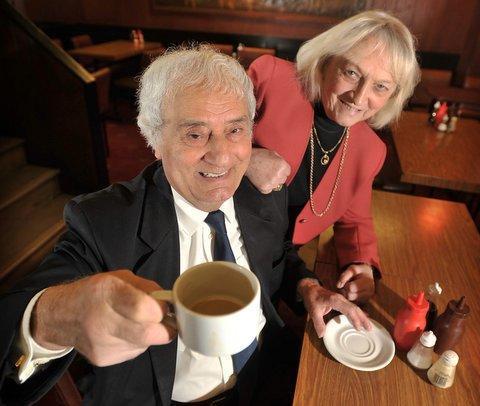
A well-known and respected figure in the Bradford business world, Mr Paul Georgiou ran Fountains Coffee House in John Street for just shy of 50 years alongside his wife Mary, and has run cafés and other businesses in the city for almost six decades.

Other ventures created by Mr Georgiou include the Hole in the Wall nightclub, which was one of the first underground nightclubs in the city centre. It hosted acts including Sir Tom Jones and rockers Thin Lizzy as they rose to fame in the late 1960s and early 1970.

Sadly he passed away in 2019.

His main business Fountains Coffee House is now managed by his son Michael, but when it opened it was one of the first businesses to open in the John Street Market, as the Oastler centre was known then.

Telegraph and Argus

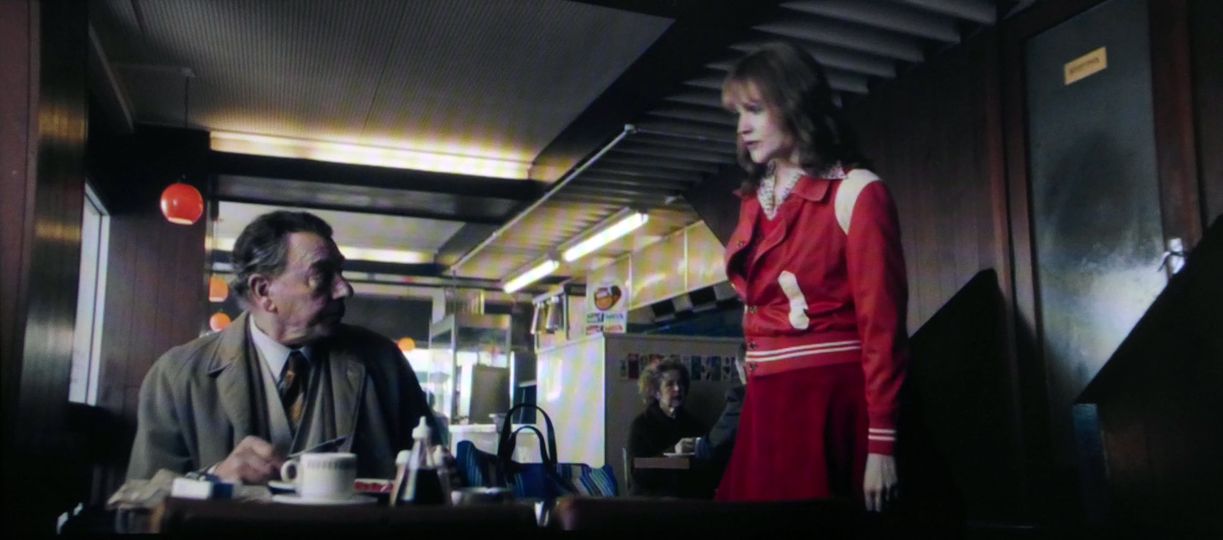
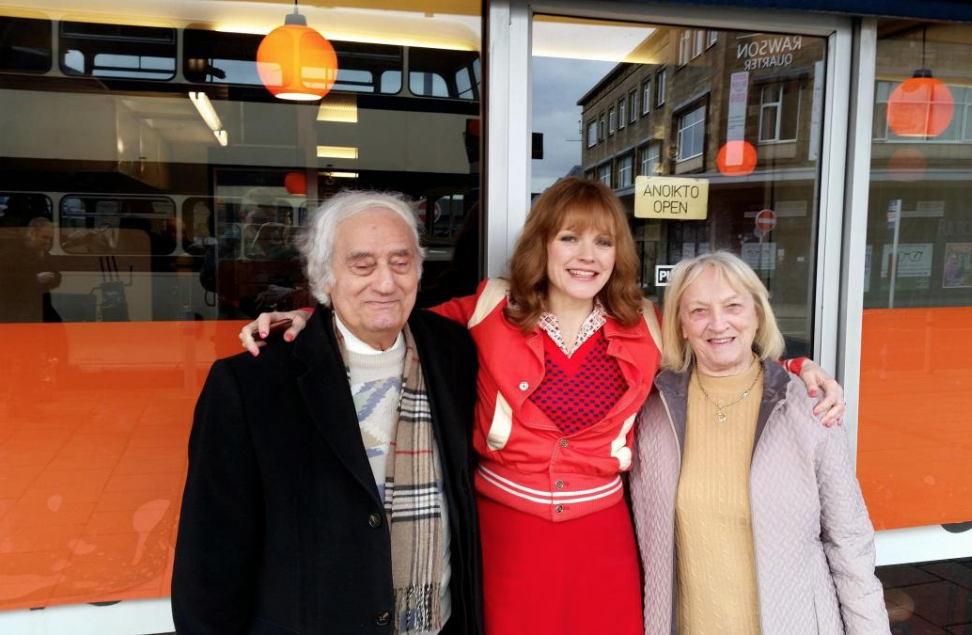
Maxine Peake was a recent visitor – filming a sequence for the film Funny Cow, along with Alun Armstrong.

I pop in every time I hit town – often whilst hosting a Modernist Mooch.

So here they are my own observations, brews and grub from the last few years.

Do yourself a favour pop in, if and when you pass, you won’t be disappointed.

The Trawl – Bridlington

5-7 Cliff Street Town Centre Bridlington YO15 2NJ

The best chippy in Bridlington

I first bowled up in 2011 – walking the wild streets of East Yorkshire – eager to eat.

I was instantly enchanted by your fragrant fish and chips, peg board menu and marvellous tiles.

It would have been rude not to walk right in, sit right down and order a Haddock Special with tea – so I did.

Delightful.

Fast forward to 2014 and here we are again, some minor adjustments to prices and layout, but essentially business as usual.

One more time please – a Haddock Special with tea.

2020 and this time it’s serious I’m going in, armed with an insatiable curiosity, a Panasonic Lumix TZ70 and a healthy appetite – in that order.

I ordered a Haddock Special with tea.

The food was as ever superb, served with winning smile and cooked to perfection by the same owner who had dealt a winning hand nine years ago.

Whilst I awaited my food, I sat patiently taking in my surroundings and a few snaps.

Noting the notice my host observed that she loved children but couldn’t eat a whole one.

For the very first time I noticed the illustrative pictorial panels adorning the range counter.

And the menu above the entrance.

Replete, enough is as good as a feast – I complimented the chef, thanked all and sundry, exited stage right.

Once out on the streets once more, I surveyed the fascia, its tiles and newish fascia.

One thing is for sure I will return, if the good Lord’s willin’ and the creeks don’t rise.

So a big Bird goodbye from the old fish.

And hello to the new.

Hastings 2015

I had completed my journey from Weston super Mare, with a final day’s cycle ride from Eastbourne and had two days to spare.

So I took some time to have a mooch around and this dear readers is what I did see.

I have snapped the seafront shelters previously and put together one post after another.

These are an integral part of Sidney Little’s concrete promenade scheme

Lurched toward London Road Launderette in St Leonards – which was featured in my 2020 book eight laundrettes.

Next door is this Post Office mosaic.

Back to the front for a more traditional seaside shelter.

Exploring the backstreets in search of fitness for purpose and secret signs.

Then diving in for a delicious dosa at the long gone St Len’s Lakshmi Mahal – since moved to Bexhill on Sea.

Snapping the plaques at the White Rock Theatre.

Currently closed but hopefully open in time for the We Love The Spice Girls.

Popped into Arthur Green – former gent’s outfitters, current bric a brac brokers.

Before we know it, we’re in another laundrette, once more without washing in the Wash Inn.

Back along the front to the well appointed and freshly painted Marine Court.

Time to pop into the not always open subsequently closed St Leonard’s Church.

When World War II broke out, Hastings and St Leonards-on-Sea were considered vulnerable to attacks and invasion from abroad. On the night of Saturday 29 July 1944 a doodlebug was hit over the English Channel. Damaged, it nevertheless continued to fly towards the coastline of St Leonards-on-Sea. It was approaching Marine Court which was hosting a servicemen’s party – but it veered and crashed in front of the doors of St Leonard’s Church, making a deep crater. The tower fell into this, and the rest of the church was brought down as well. Although there were no casualties, the church was completely destroyed. Although the problem of rock falls and subsidence associated with the cliffs had continued throughout the life of the church, the War Damage Commission would only pay for it to be rebuilt on the same site. The architectural partnership of brothers Giles and Adrian Gilbert Scott were commissioned to design the new building.

Patrick Reyntiens stained glass

The unique features were inspired by Canon Cuthbert Griffiths, rector from 1929 to 1961. Following a dream, he went to Israel and had the prow of a Galilean fishing boat constructed to form the pulpit.

Marble work on the floor depicts locally caught skate and herring.

Beyond the communion rail are loaves and fishes set in different marble patterns bordered by scallop shells, a copy of the Byzantine mosaic in the Church of the Feeding of the Five Thousand in Galilee.

The structure set into shifting cliffs is subject to subsidence.

Procedures have been completed for St Leonard’s Parish Church on Marina to be closed for worship. 

The service will be next Saturday August 4 2018 at 3pm. 

Because the building cannot be used the service will be at St Ethelburga’s in St Saviour’s Road.

St Leonard’s has been called the church with an inbuilt message.  Even the very stones cry out to those who have eyes to see, ears to hear and a heart to understand and accept the Good News of the Gospel.

St Leonards Church

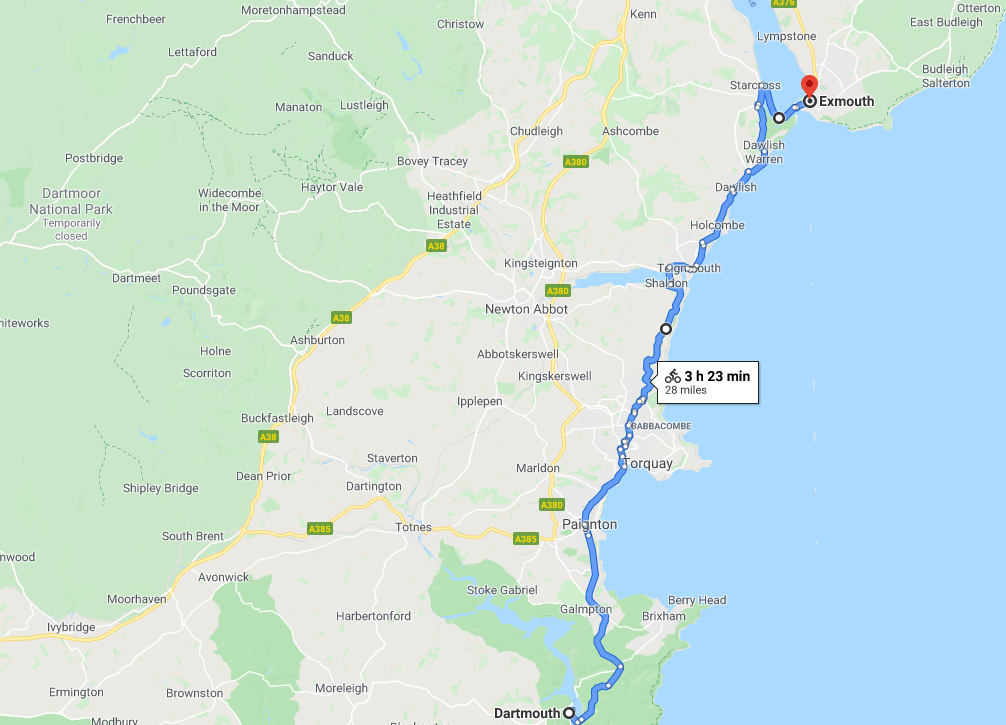
Dartmouth to Exmouth

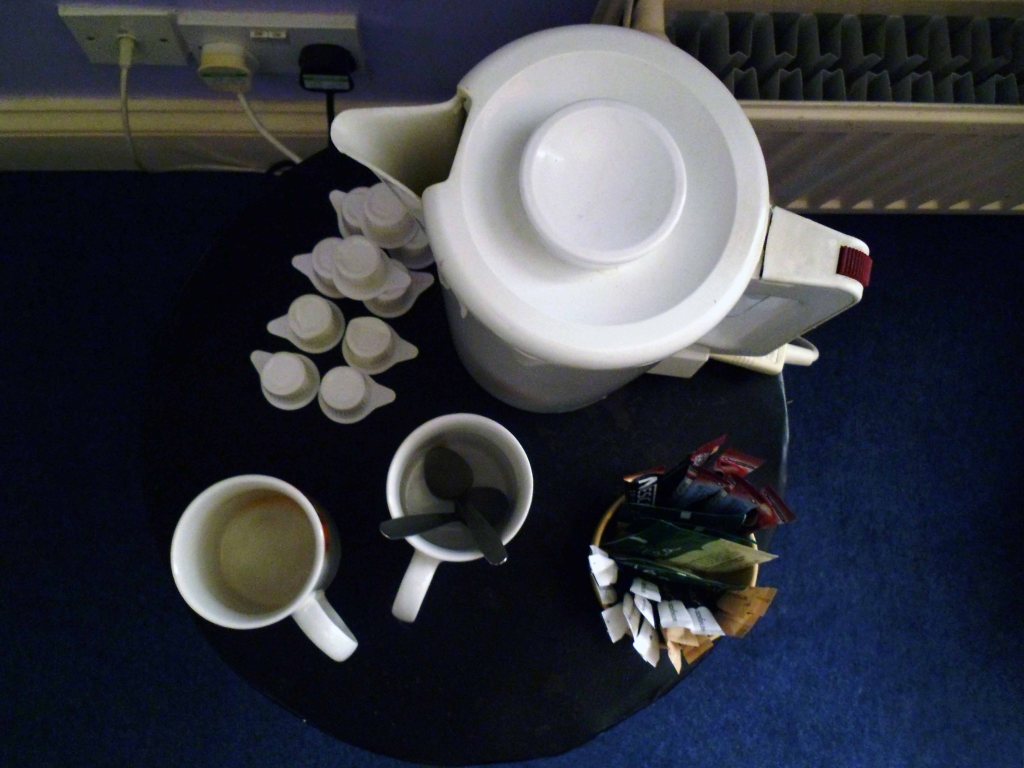
Wake up Steve put the mini-kettle on!

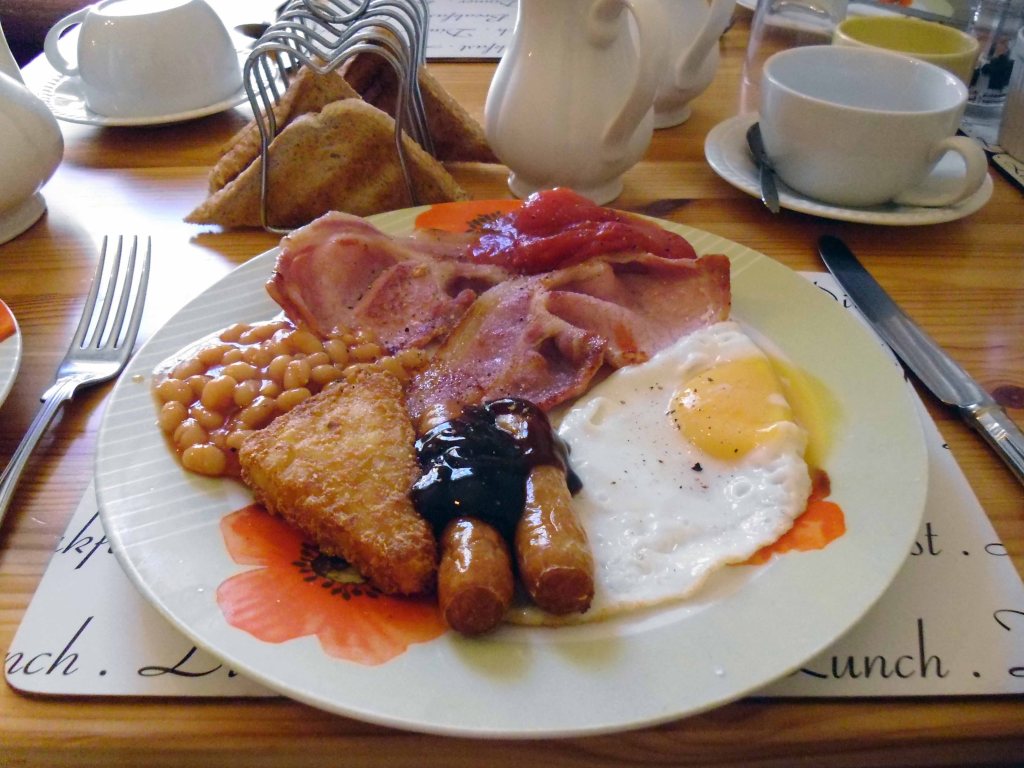
Get down for breakfast – I personally regret the untimely passing of fried bread and the appearance of the so-called hash brown.

Originally, the full name of the dish was hashed brown potatoes or hashed browned potatoes, of which the first known mention is by American food author Maria Parloa in her 1887 Kitchen Companion, where she describes the dish of hashed and browned potatoes as a fried mixture of cold boiled potatoes which is folded like an omelet before serving.

Years later we got them.

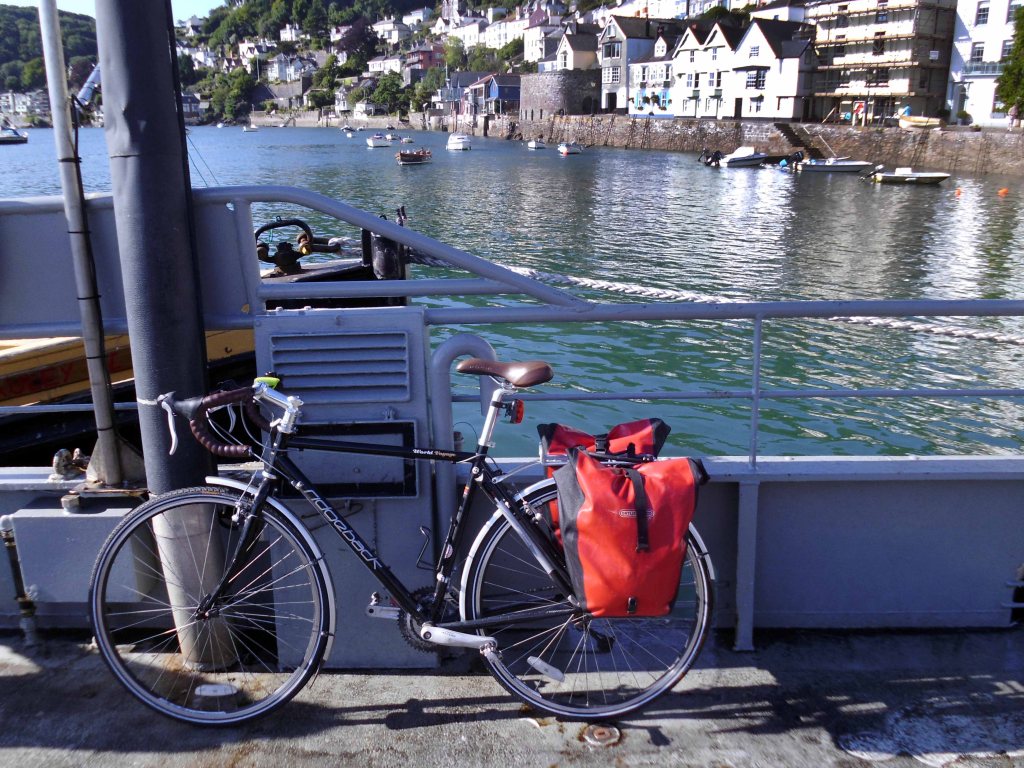
Thursday 30th July 2015 and the sun is a shining brightly on the Dart.

Get on the ferry!

We’re off again.

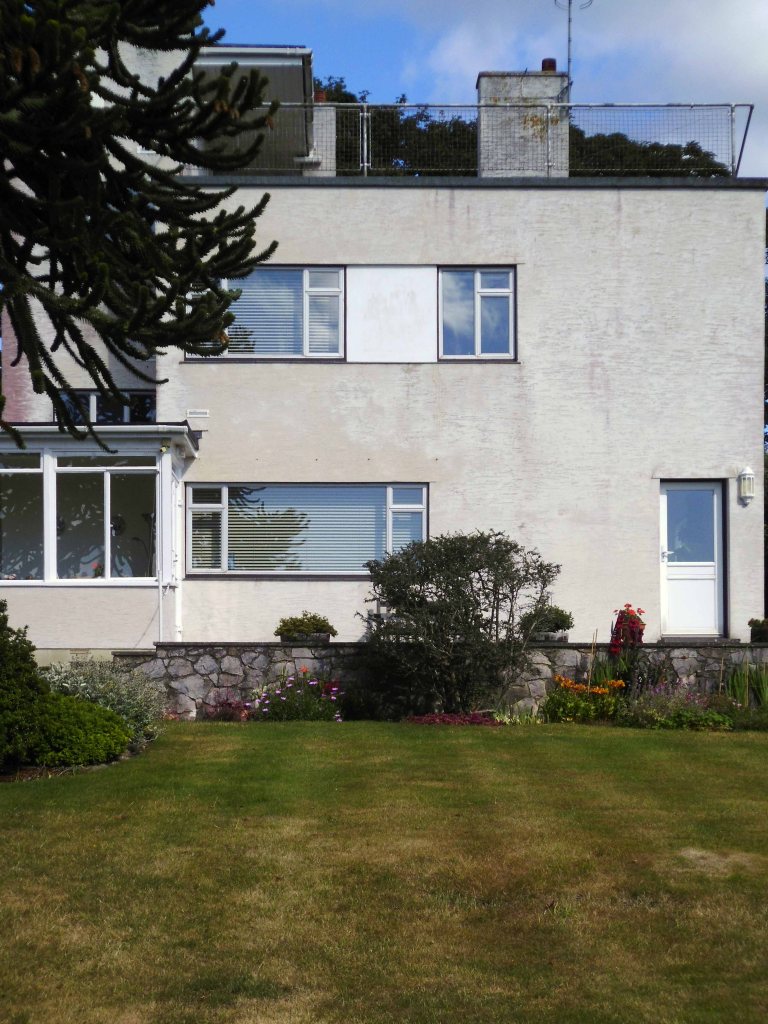
The Monkey Puzzle tree Araucaria araucana is one of the oldest trees in the business – of being a tree.

It is native to central and southern Chile, western Argentina, and a welcome visitor to the English Riviera.

The hardiest species in the conifer genus. Because of the prevalence of similar species in ancient prehistory, it is sometimes called a living fossil.

The refined white rectilinear box shaped houses of the genus Seaside Moderne, are an offspring of the International Style, to be found all over the globe.

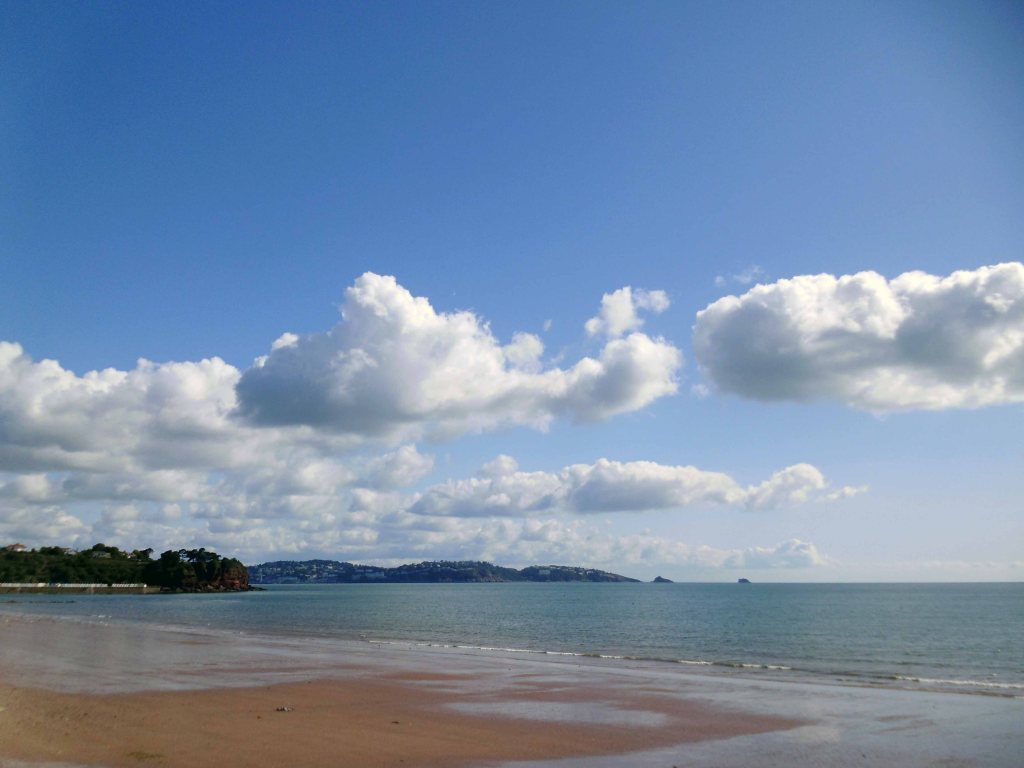
The sea covers seventy percent and rising, of our planet.

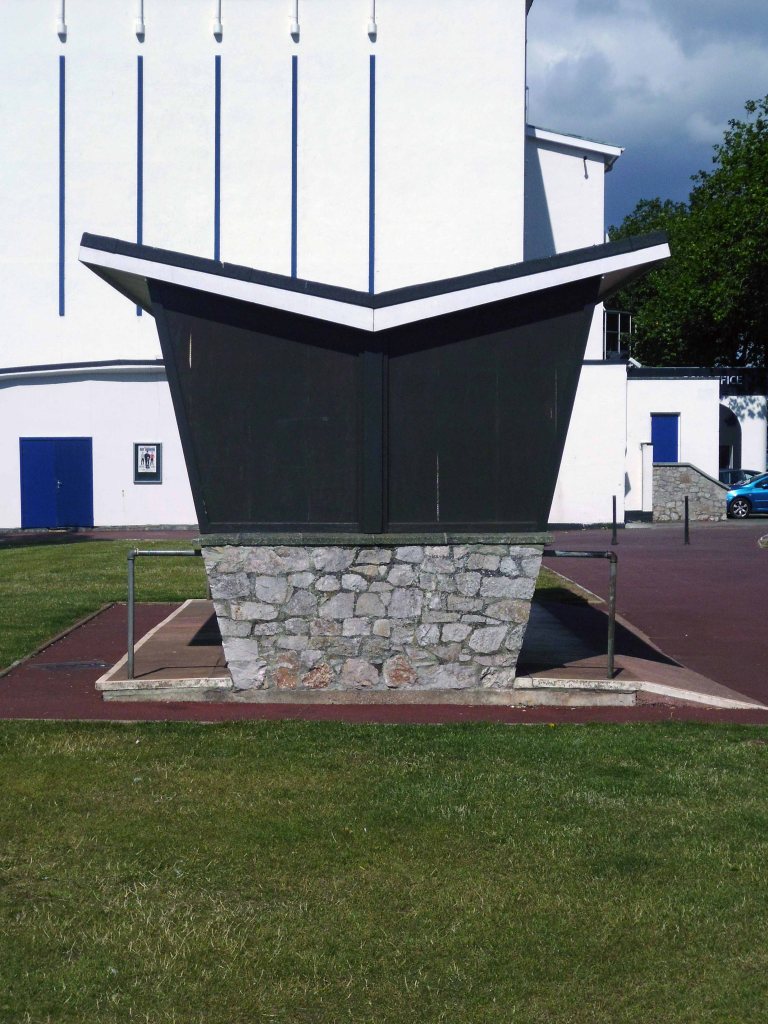
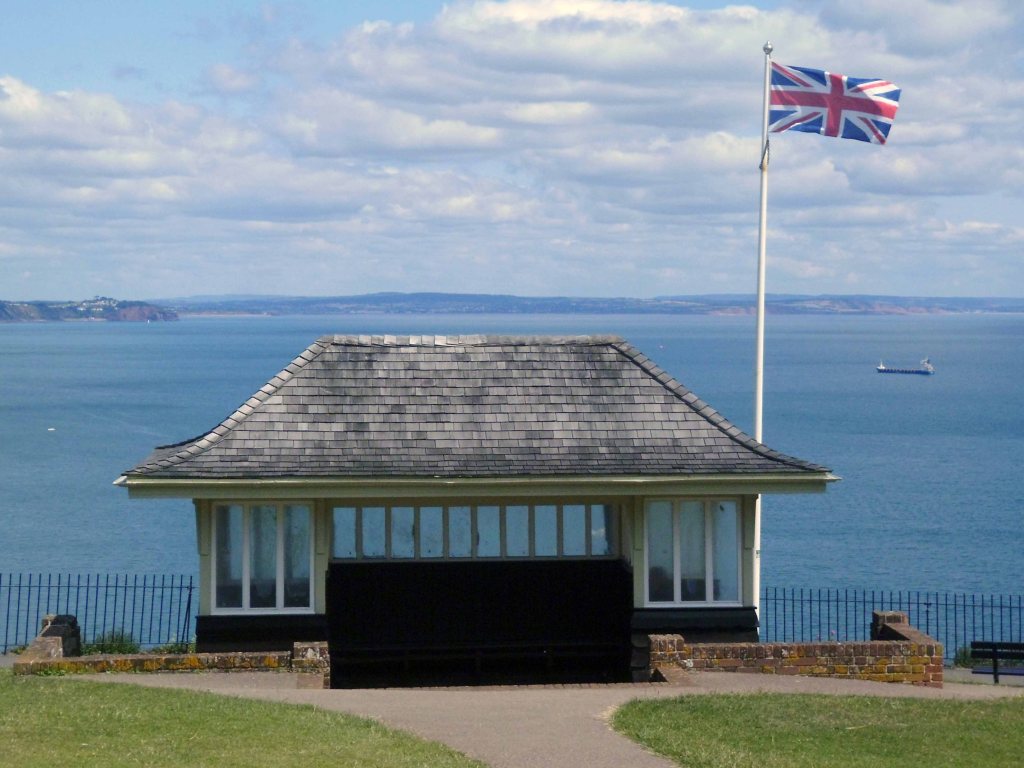
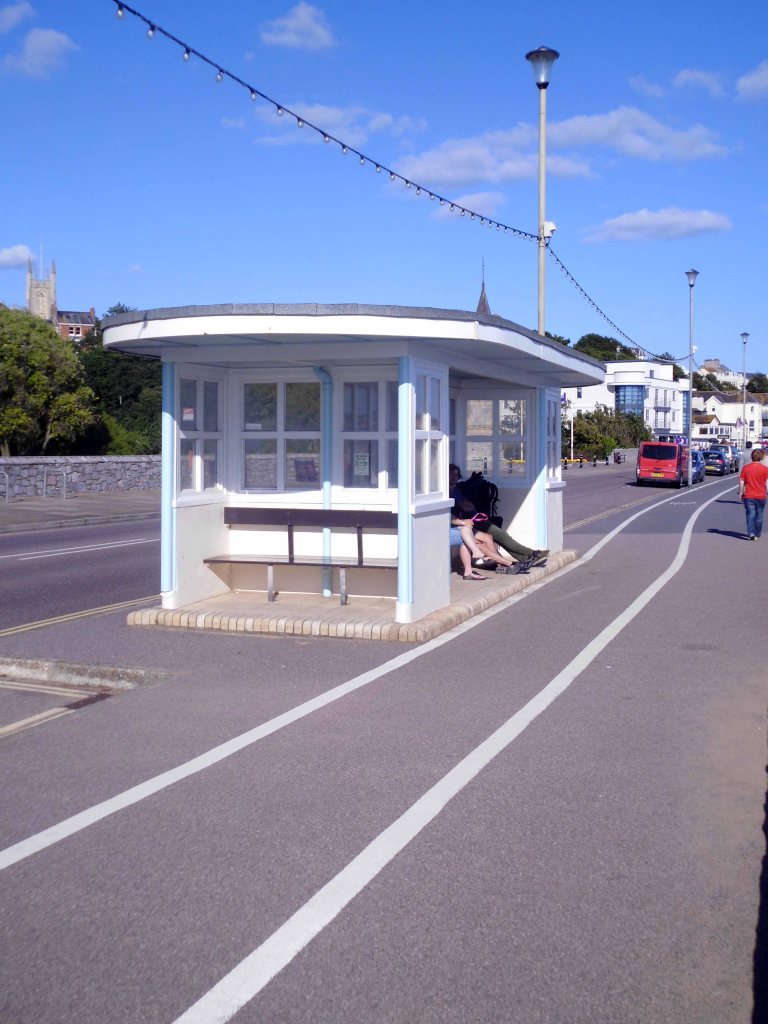
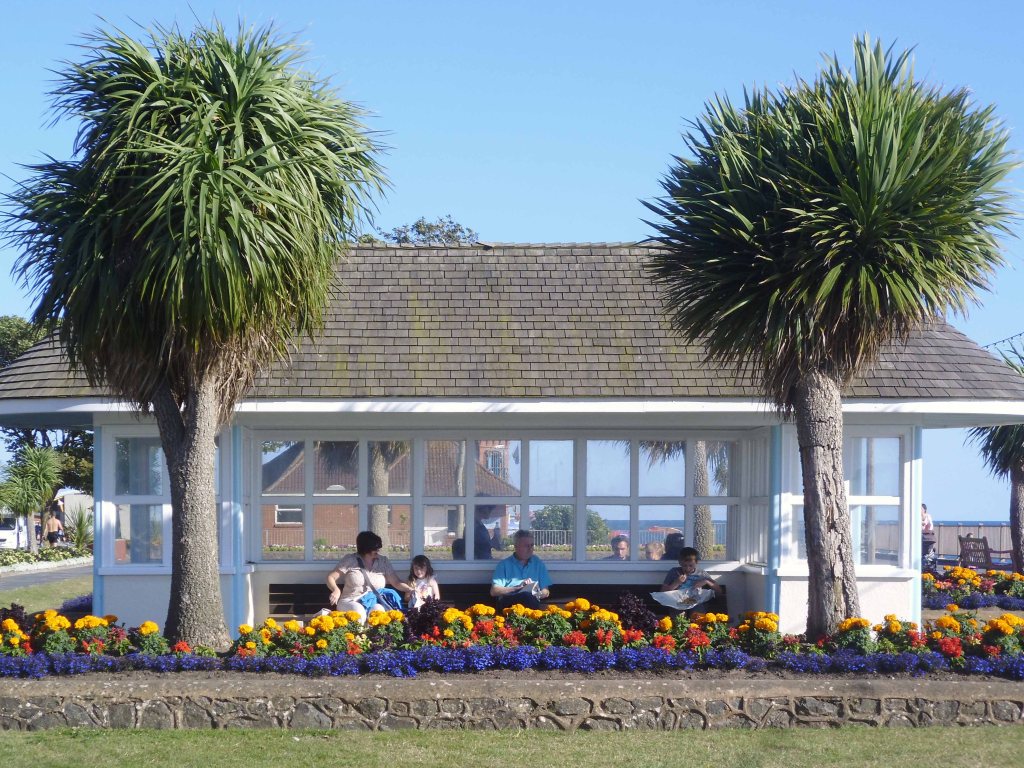
Seaside shelters are ubiquitous along our coast and form a typology determined by a rich variety of wild and wonderful Municipal tastes – flat, broke, baroque, modern and functionalist, hardly two the same.

Electricity is a popular power source both locally, nationally and internationally.

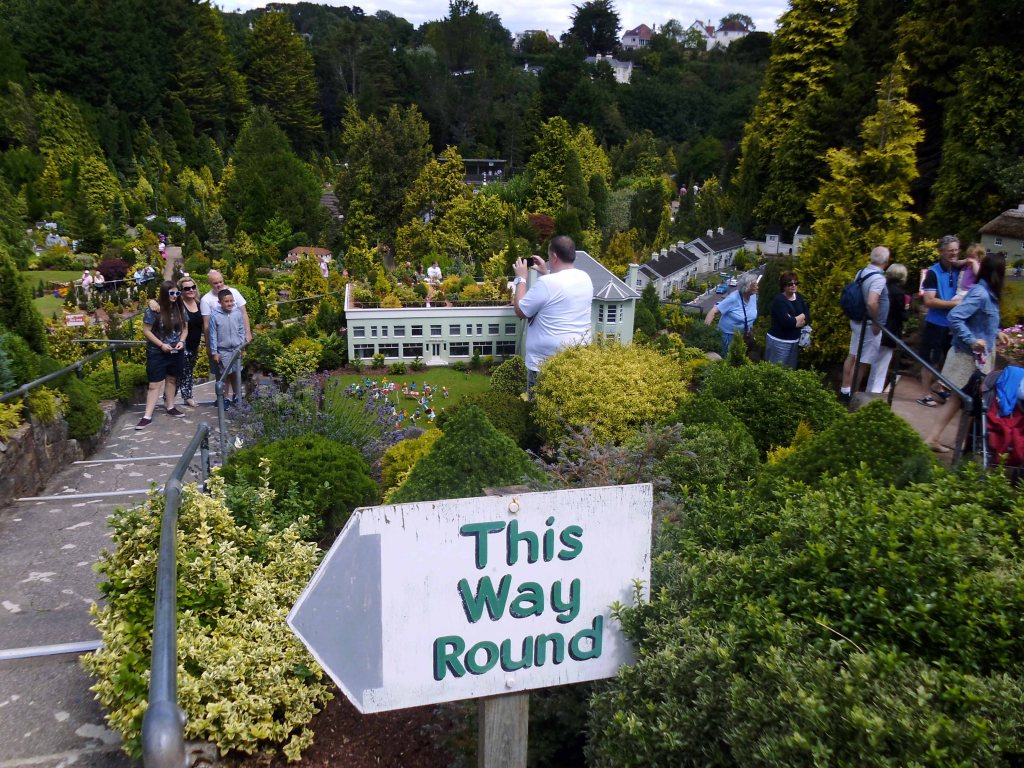
Model villages originated in seventh century China, there is only one way around a model village.

This one is in Babbacombe.

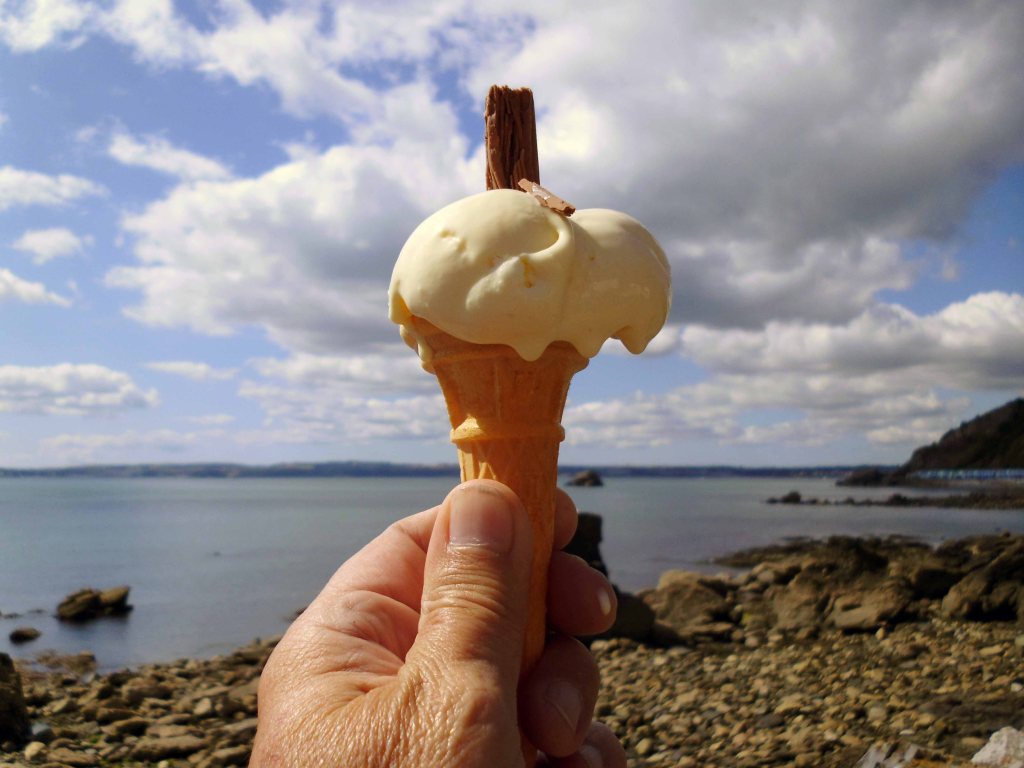
Time for a 99 – quick it’s melting Steve!

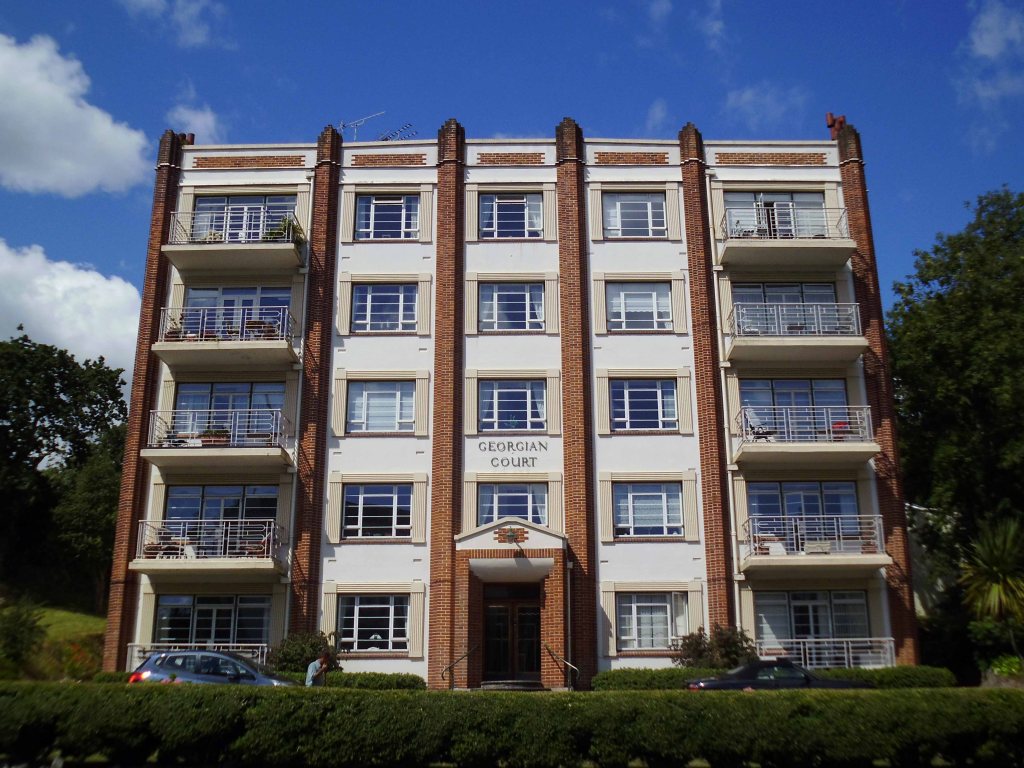
This Georgian Court is situated just outside Torquay, a restrained Neo Classical/Deco brick and render apartment block – the couple I chatted to, very kindly offered to show me around the place.

Ghost signs have the habit of disappearing all over the place.

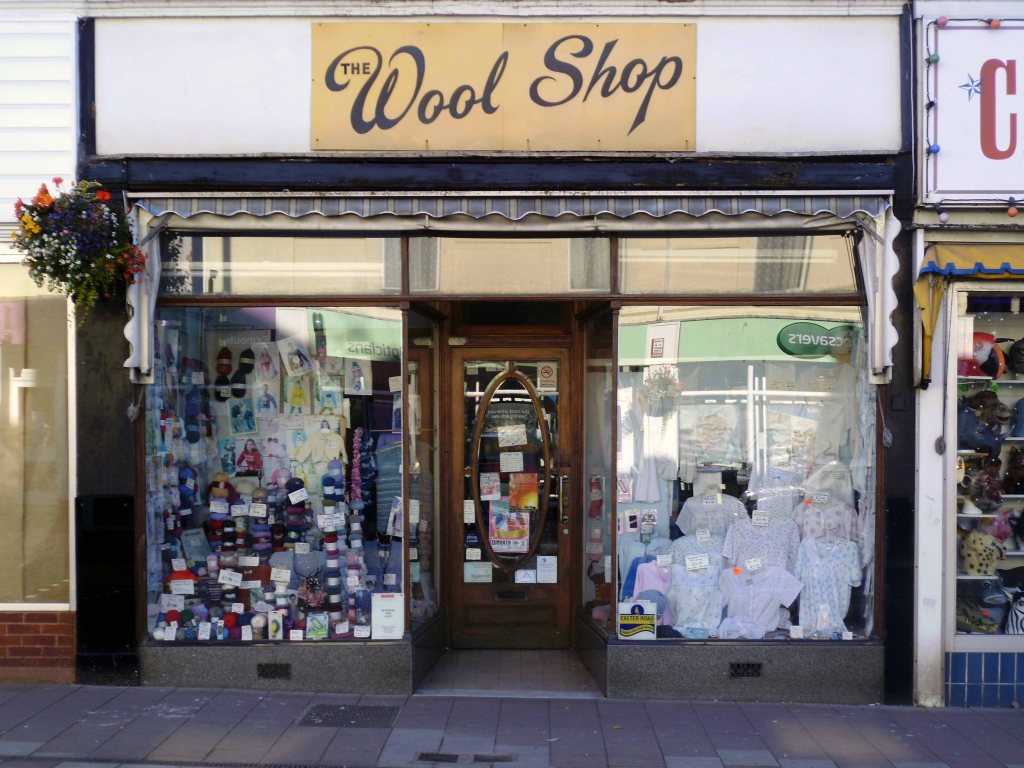
So to shops of all shapes and sizes.

Whilst others prevail.

Including this arcane example in Exmouth – The Wool Shop.

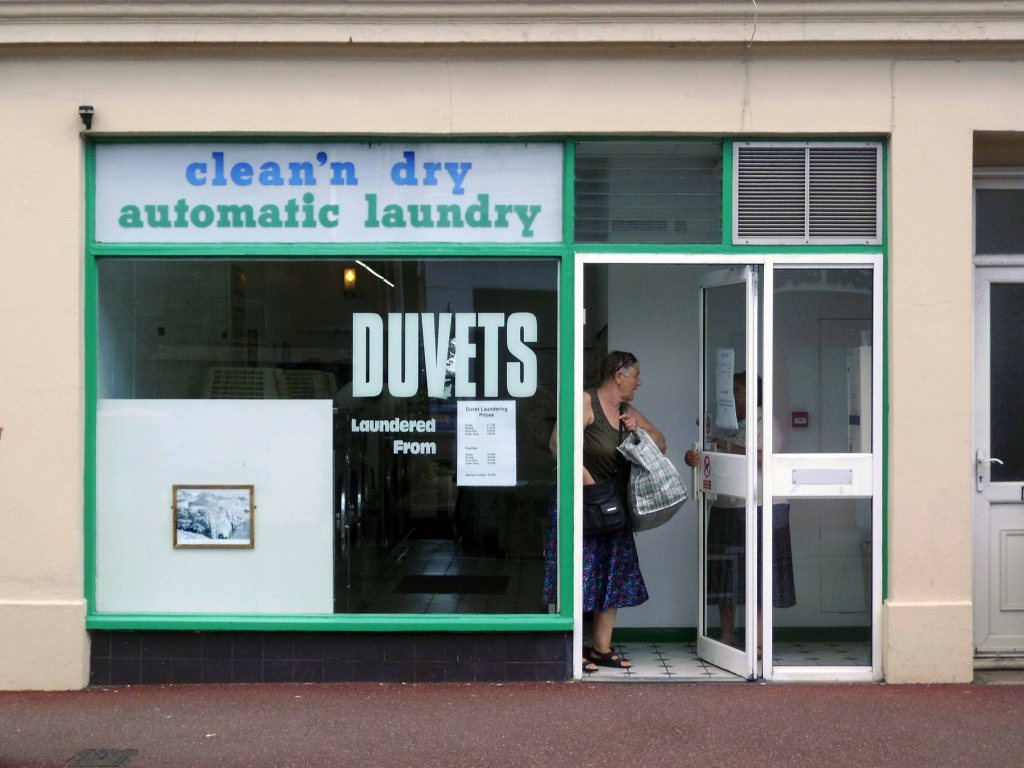
Laundrettes may be on the way out but this gallant knight of the road continues to record them, both online and in print.

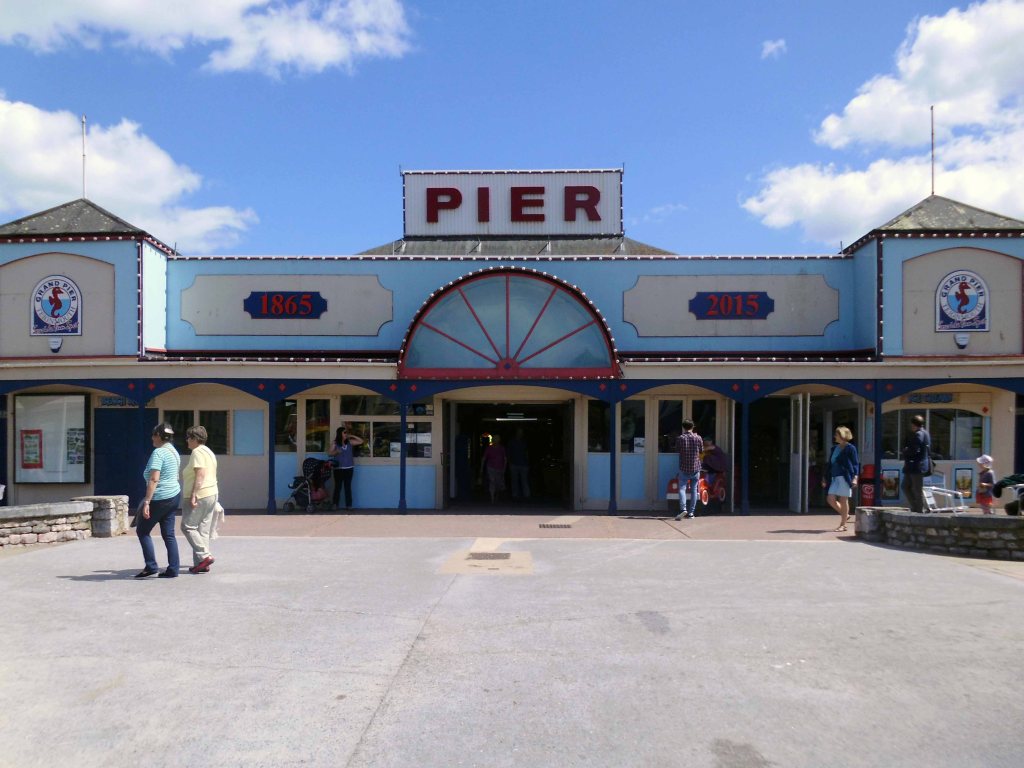
Here in Teignmouth a pier appears not uncommon on certain parts of the coast.

Teignmouth Grand Pier is a great day out for family and friends. There’s something for everyone – from big kids to little ones – it offers you all the traditional attractions and entertainment in the Great British spirit of the seaside.

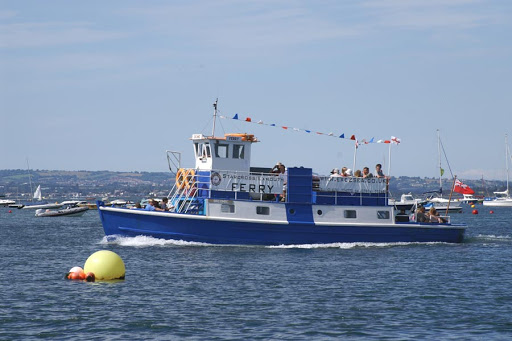
Time to get on the ferry again Steve – crossing the Exe Estuary on the Starcross to Exmouth Ferry.

Bikes carried for a small additional charge.

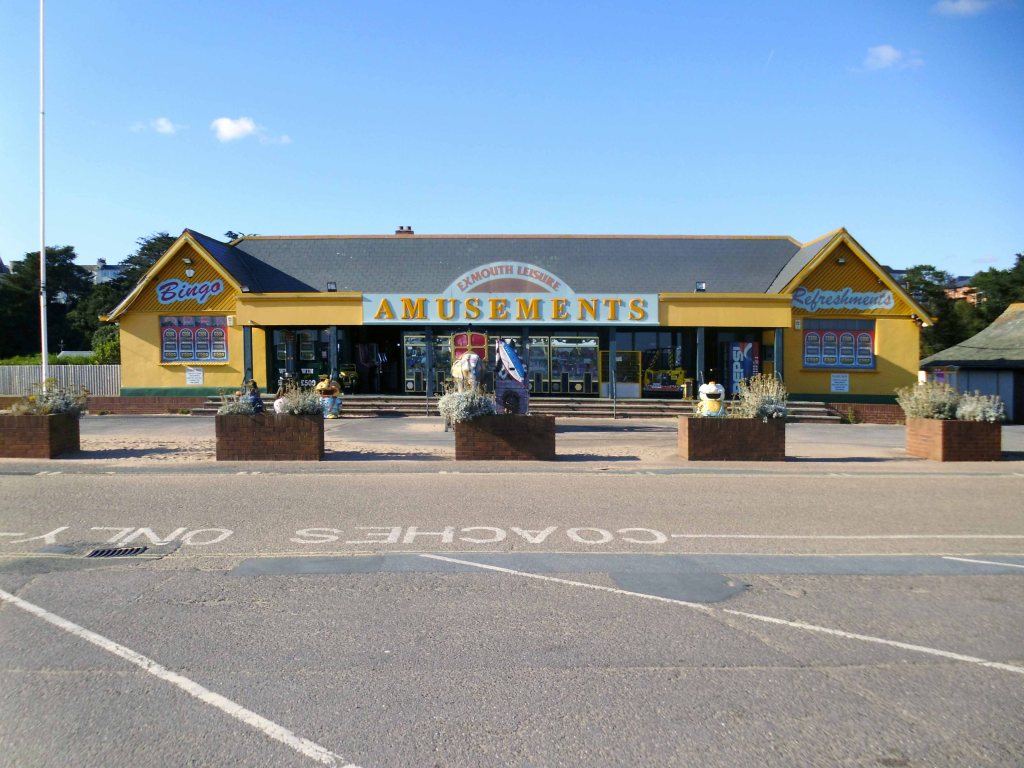
No time for Bingo, reading the local paper or the amusements – time for a pint, in the form of two halves.

Then a wander back to the digs – see you all tomorrow.

Night night

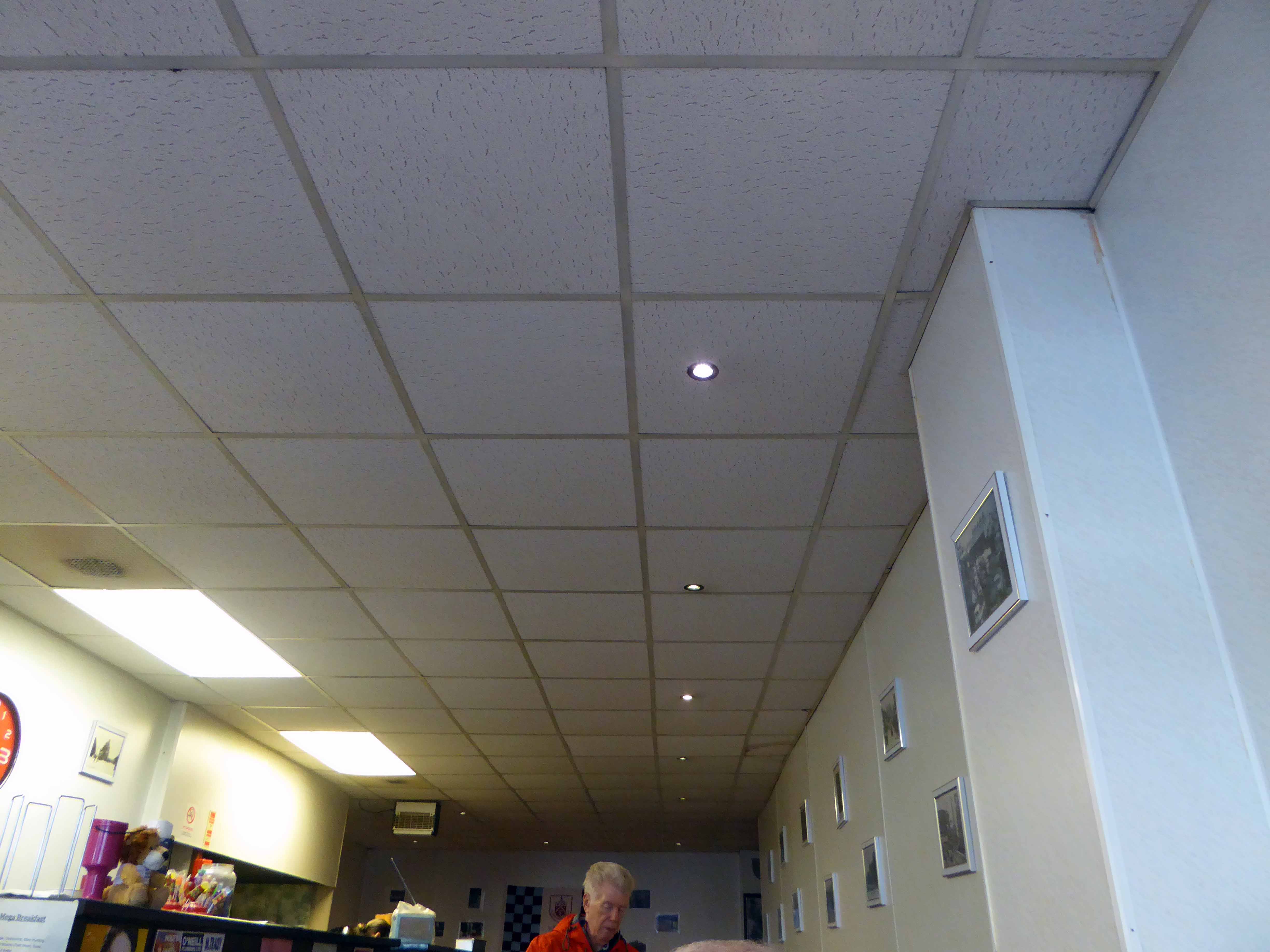
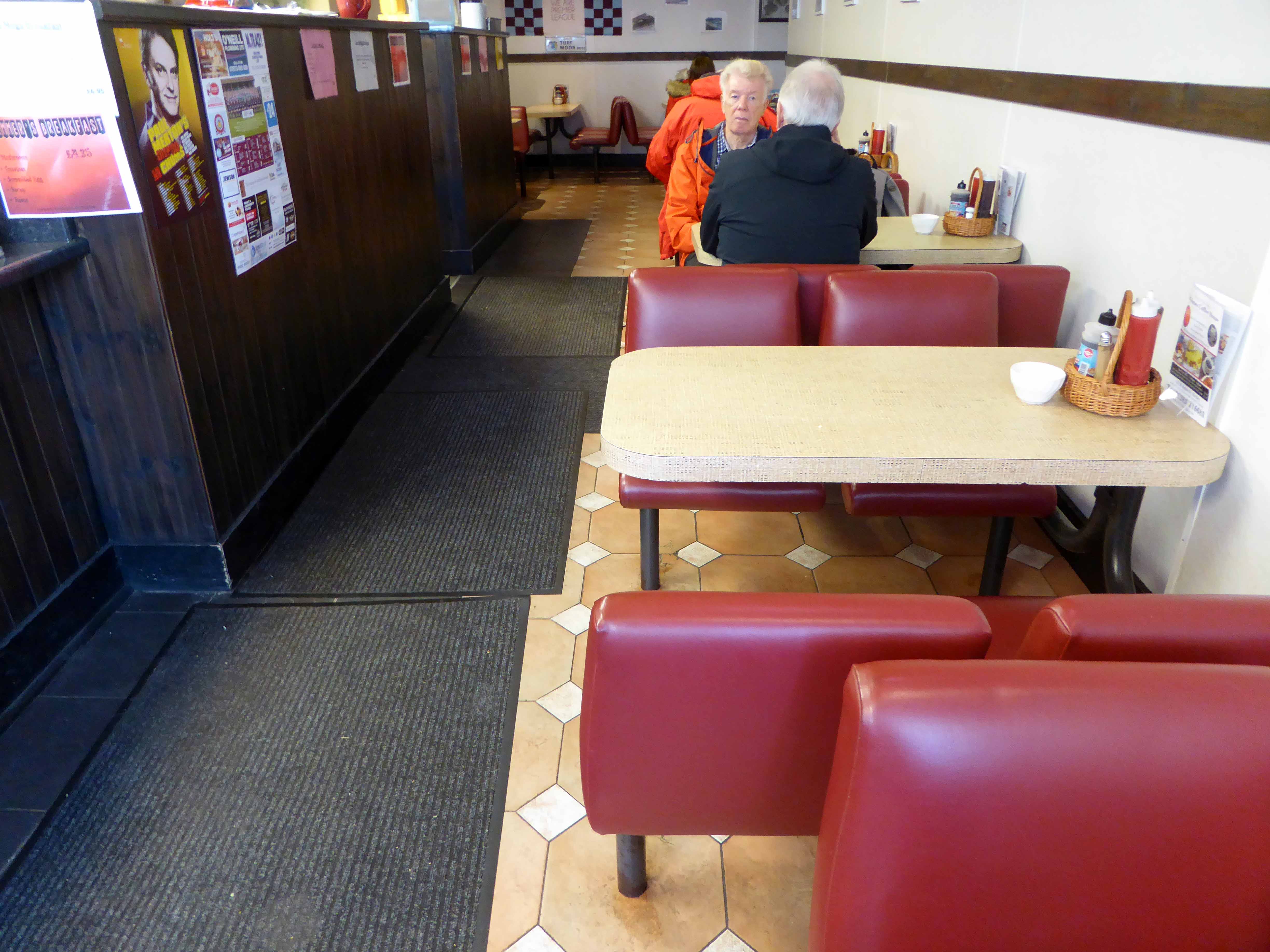
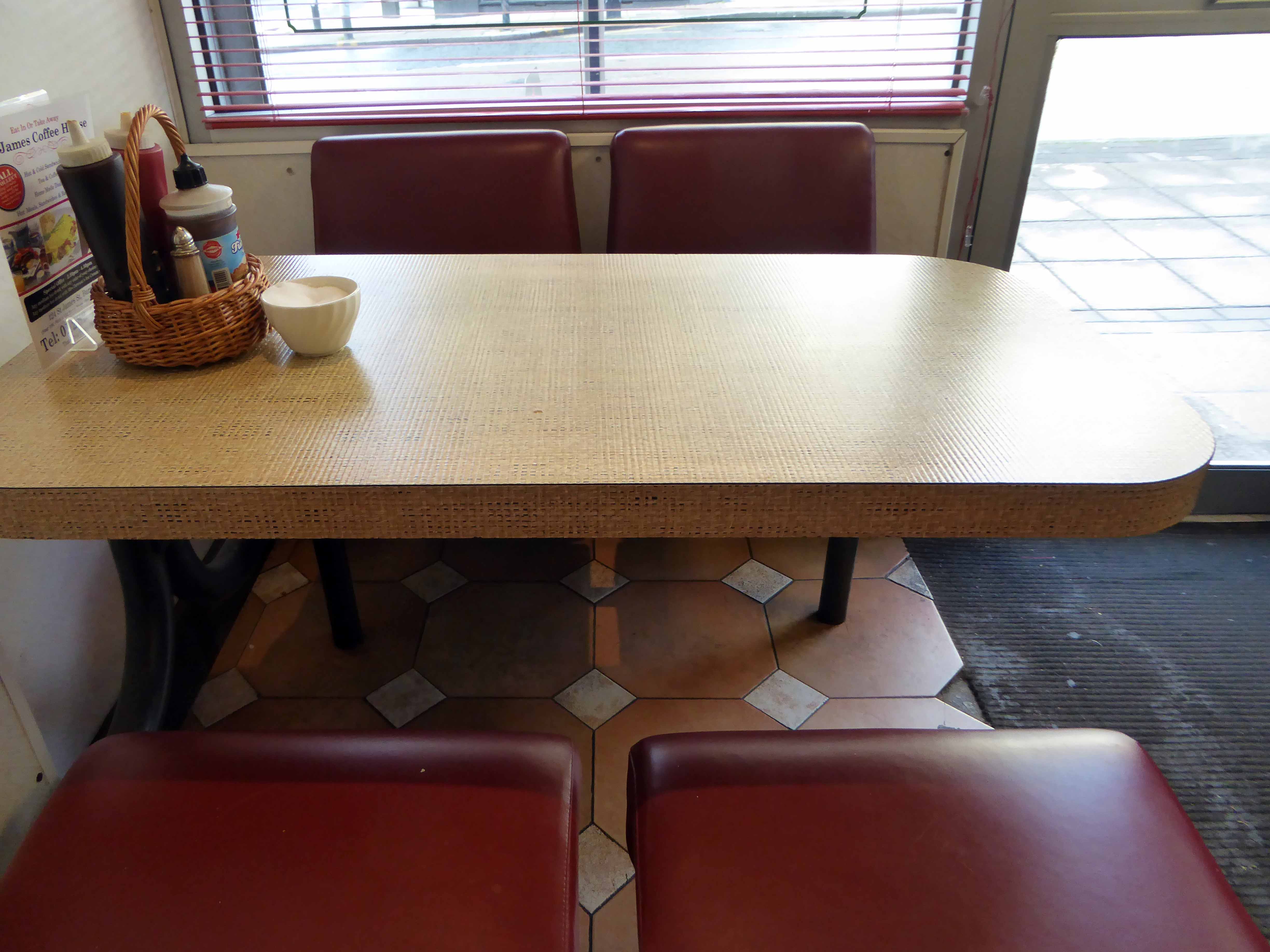
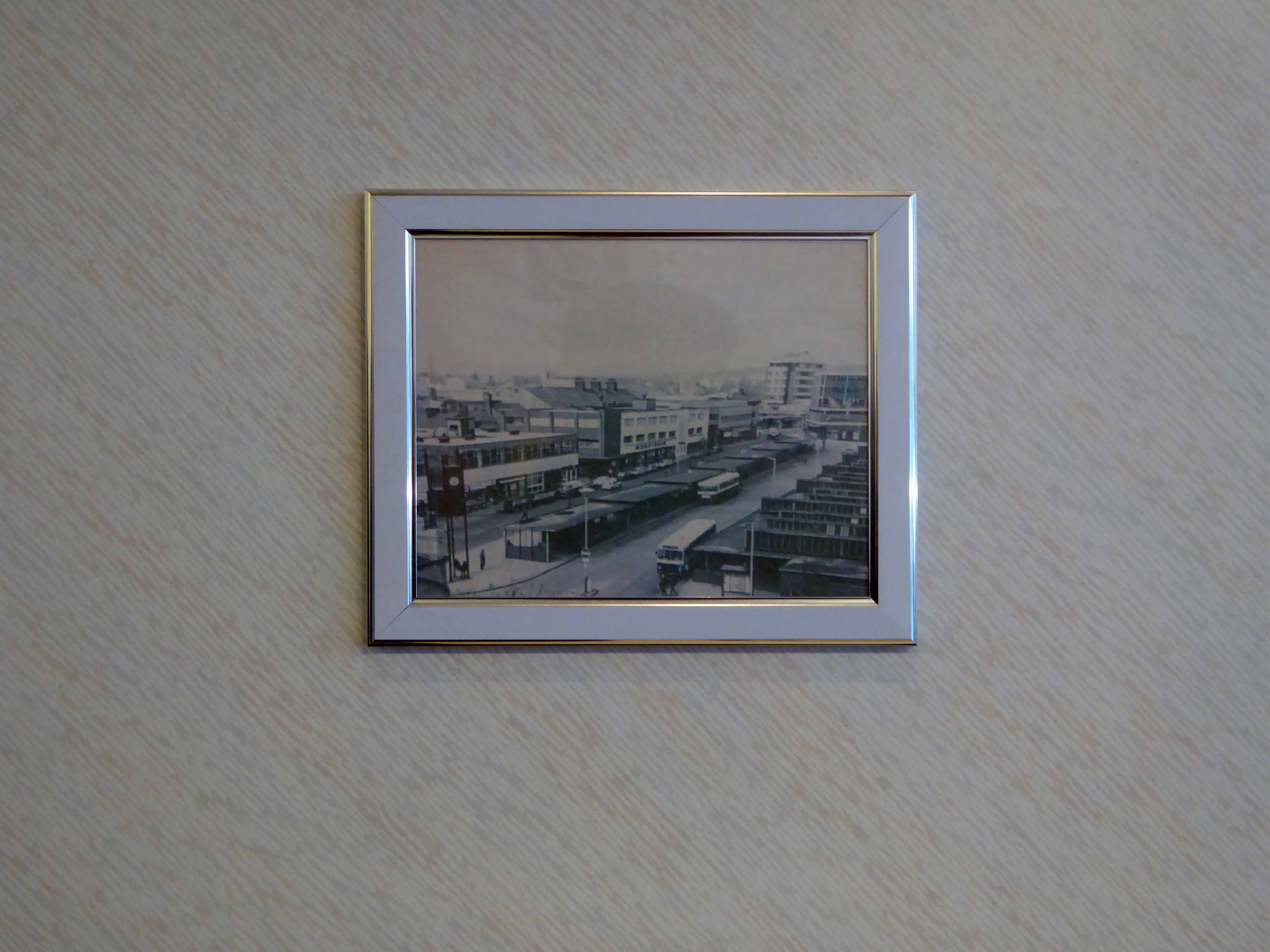
St James Coffee House – Burnley

124 St James’s Street Burnley Lancashire BB11 1NL

Having never ever been, I thought it time to go.

To Burnley.

Several trains from Stockport later, along the length of the East Lancs Line, I arrived at Burnley Manchester Road Station via the reinstated Todmorden Curve.

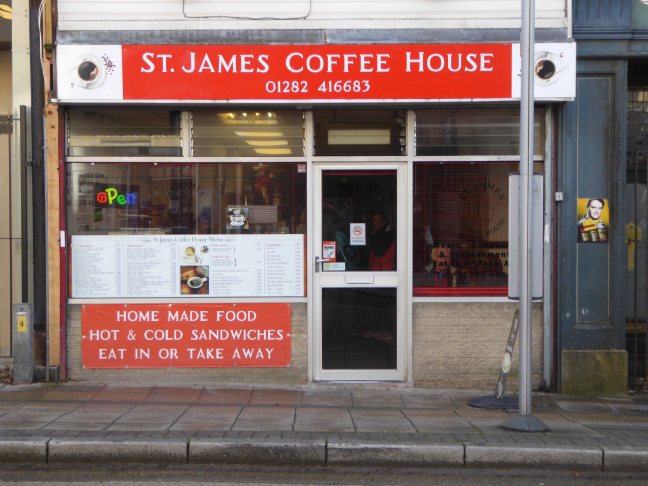
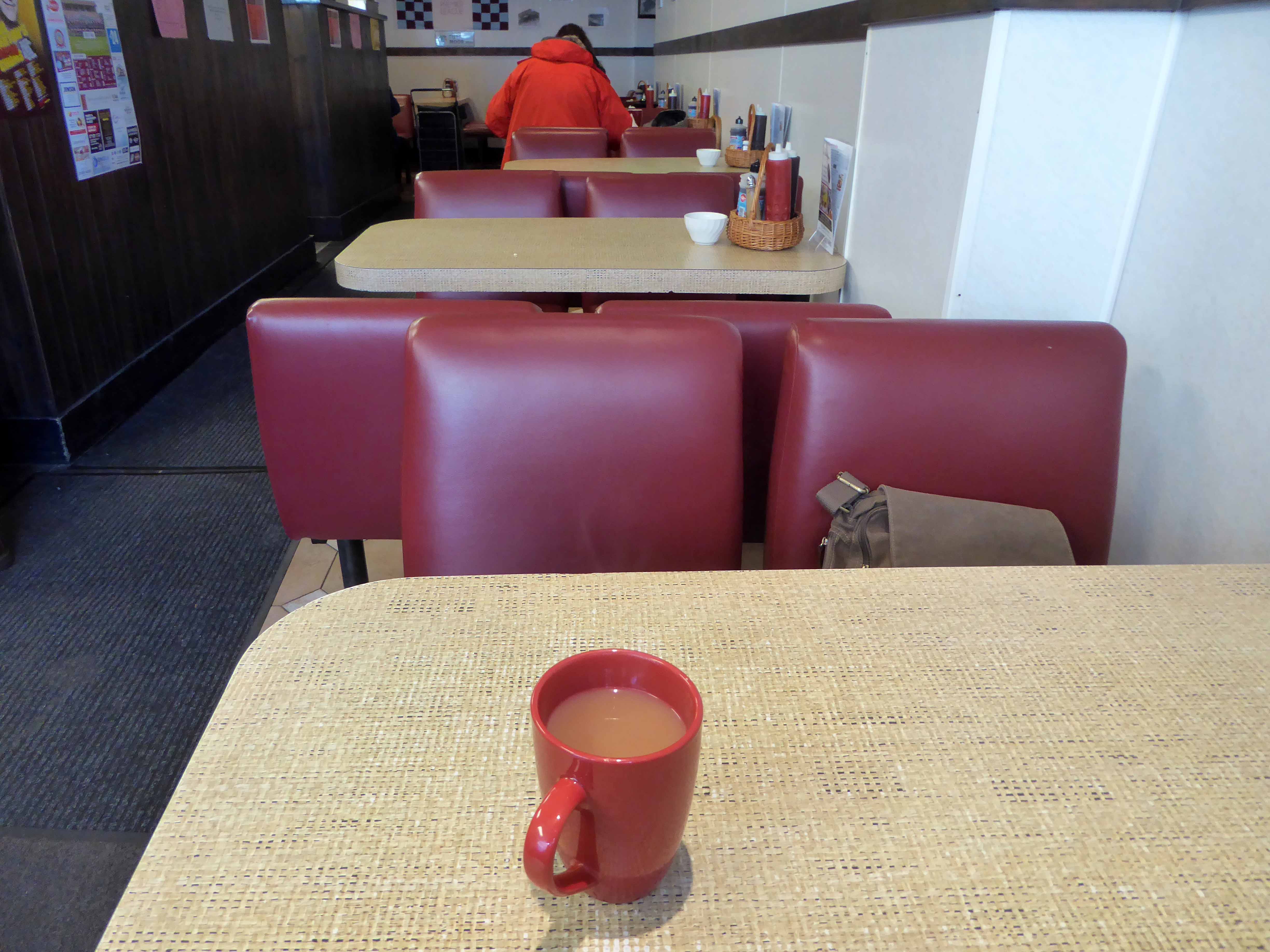
Having wandered aimlessly awhile, it was time for a spot to eat – and there it was a vision to behold before my very eyes.

St James Coffee House

We’re situated in the town centre on St James’ Street, just a little bit further down from DW Sports – the old JJB store and next to the entrance to the old Empire Theatre, when you get to the art gallery you’ve gone too far!

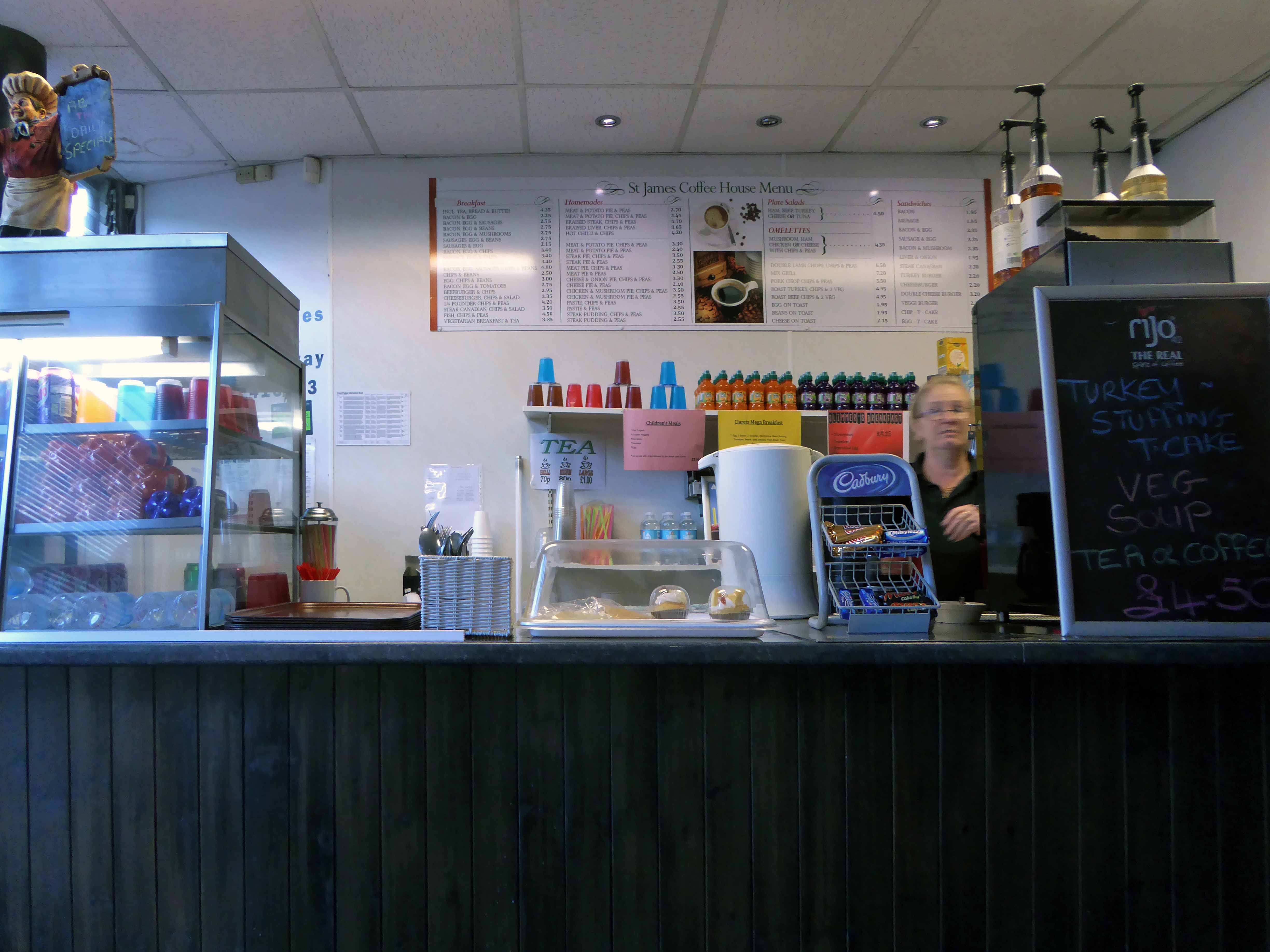
The menu had caught my eye – pie!

To get in and get some grub was my sole and urgent imperative.

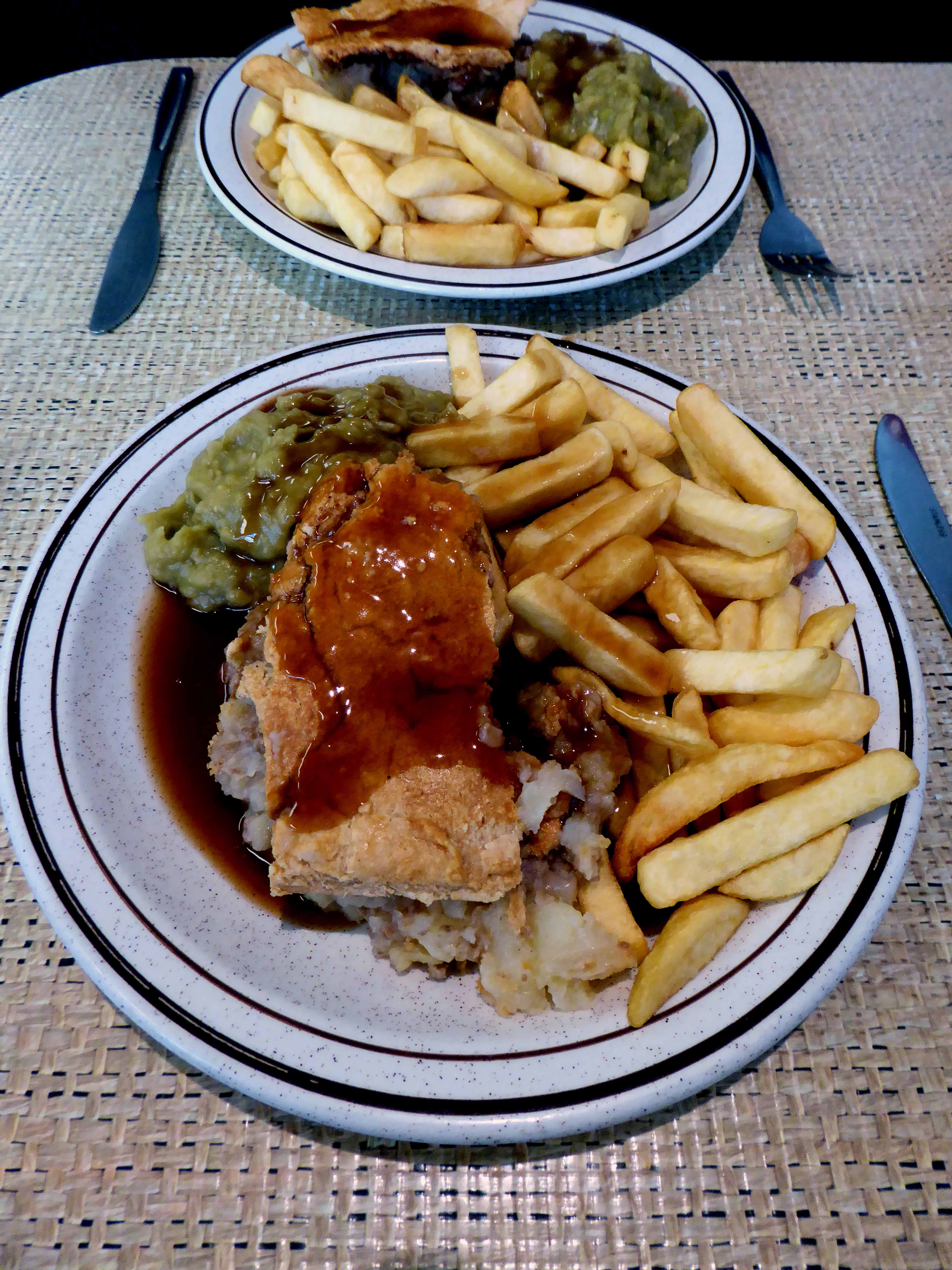
A warm welcome awaited, and even warmer food, served with alacrity and aplomb – tasty homemade meat and potato pie, chips, peas and gravy. A soft light crust and mushiest mushy peas – a real delight, seen off in no time and all washed down with a piping hot mug of tea.

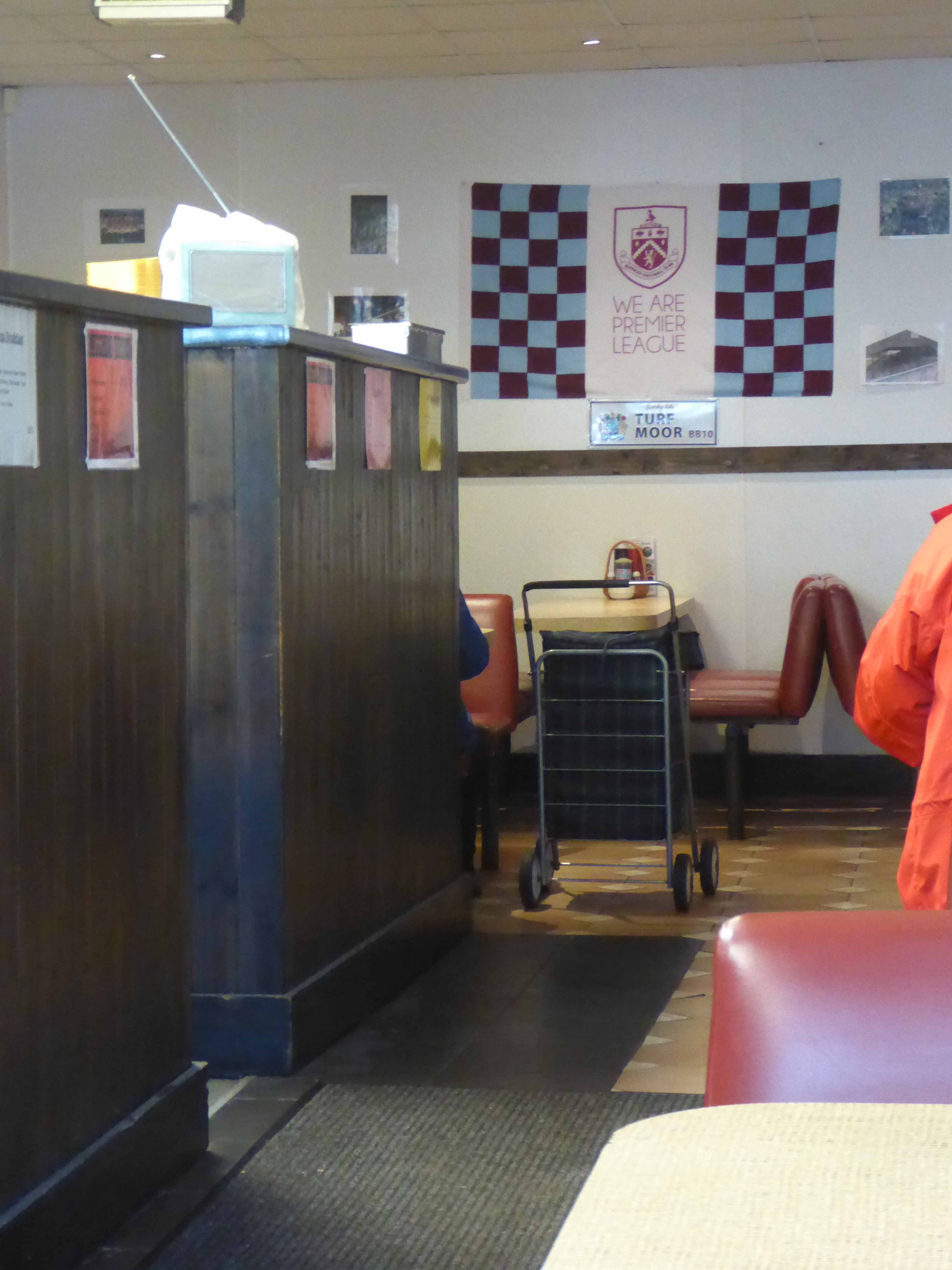
£4.40 all in – service with a smile, in cosy, comfortable, traditional café surroundings.

I’ll be back – go and treat y’self soon.

P1310376

P1310377

P1310392

P1310379

P1310381

P1310383

P1310385

P1310386

P1310393

P1310387

P1310388

P1310394

P1310390

P1310395

P1310396

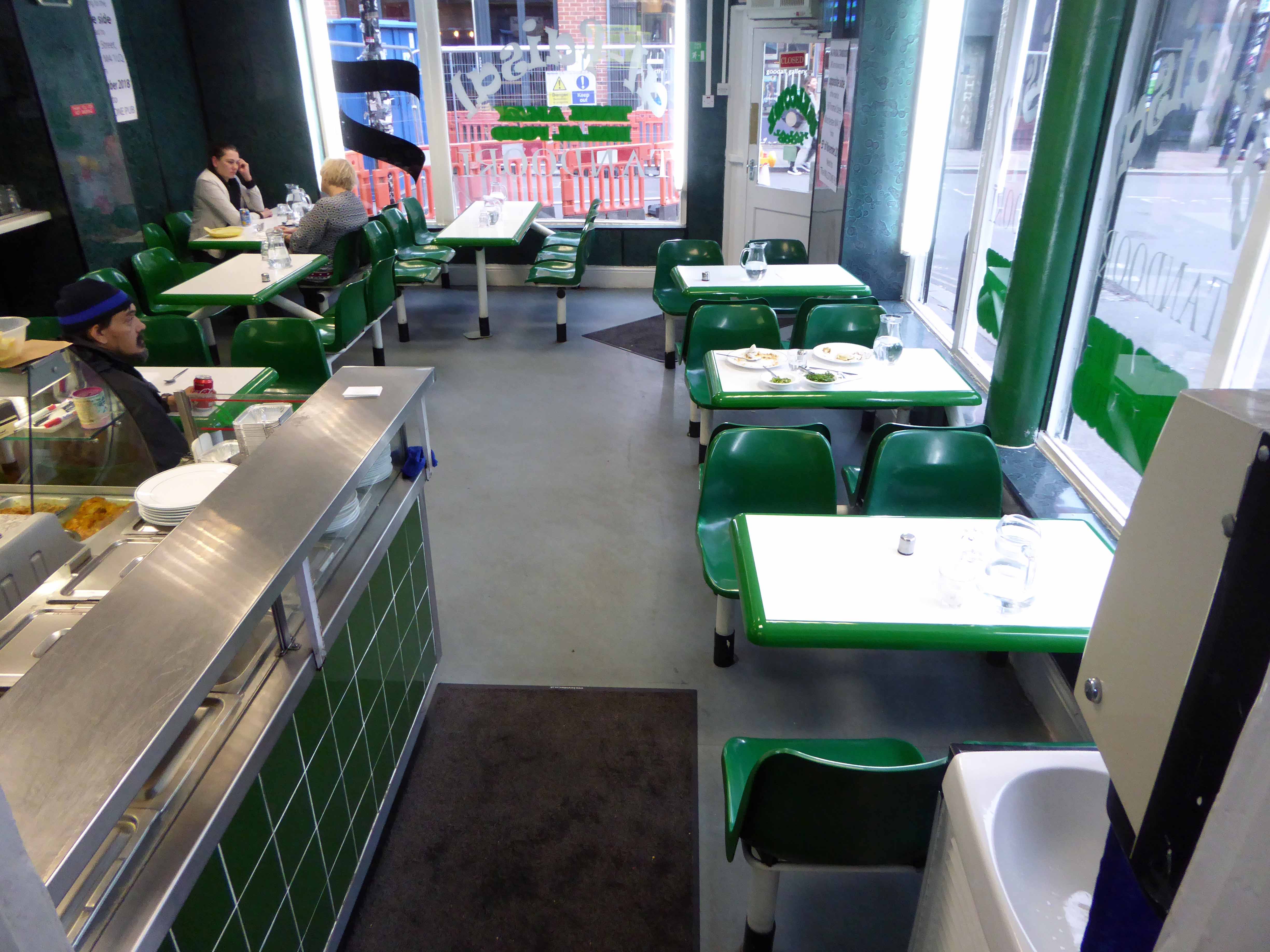
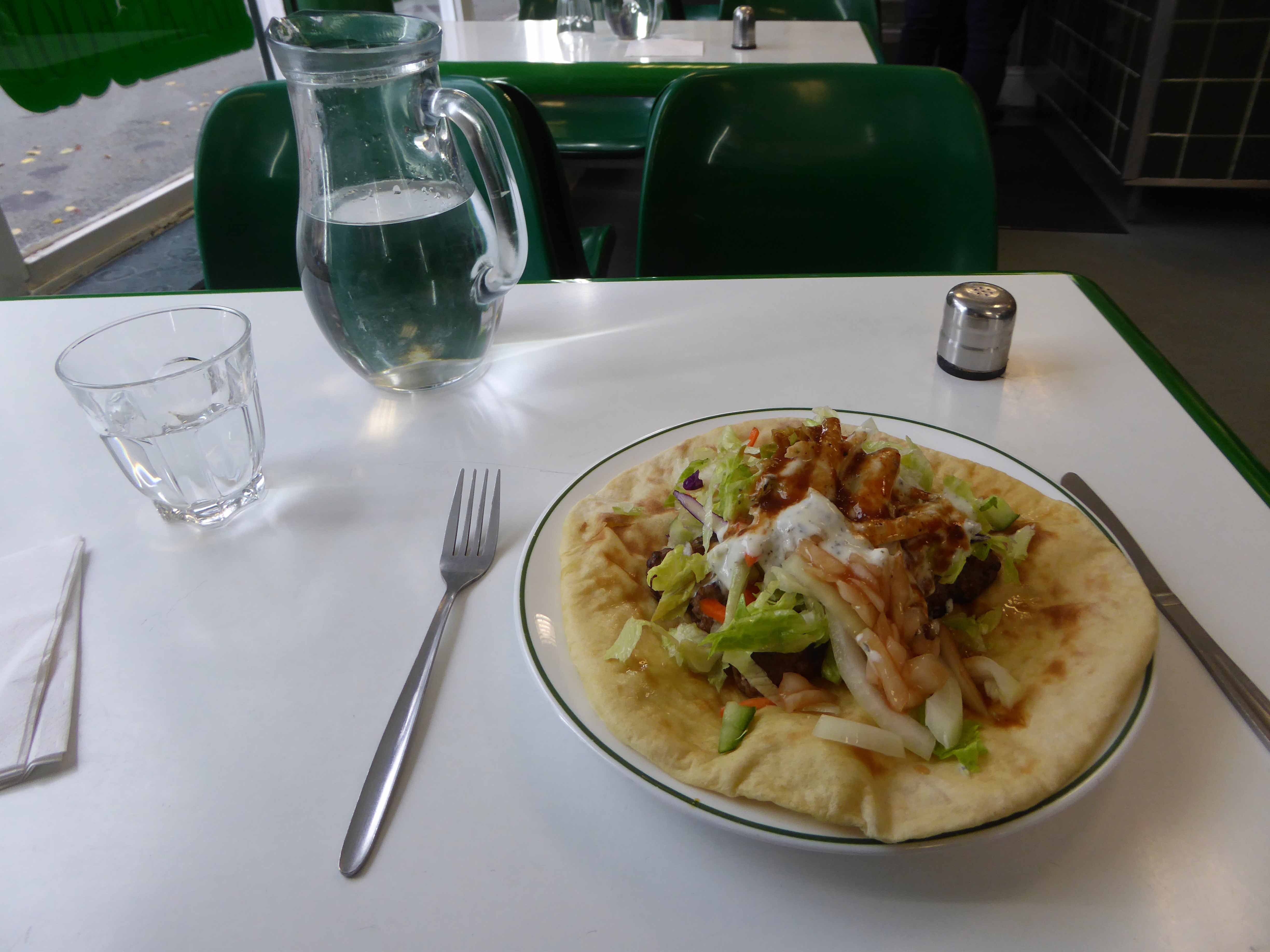
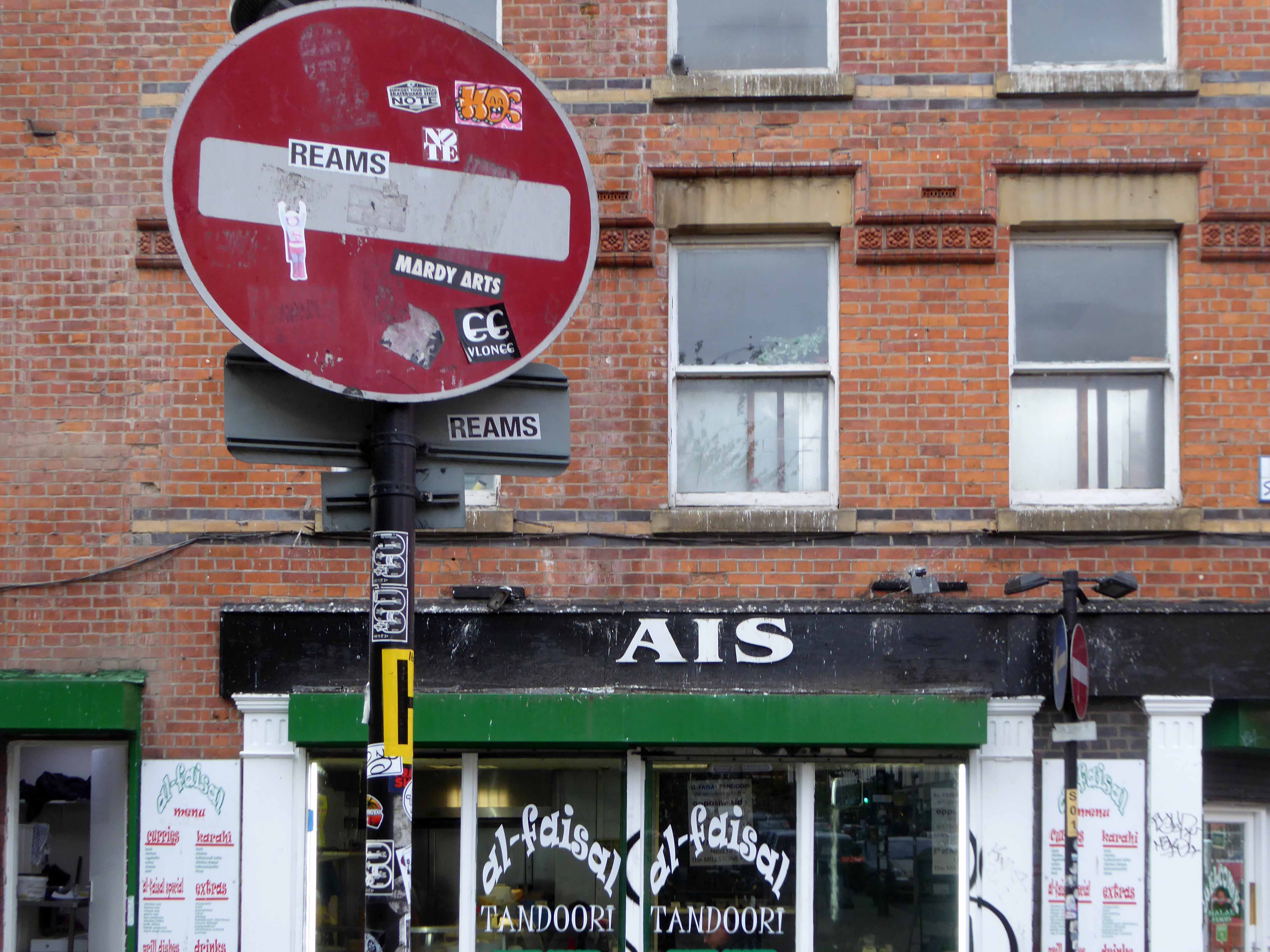
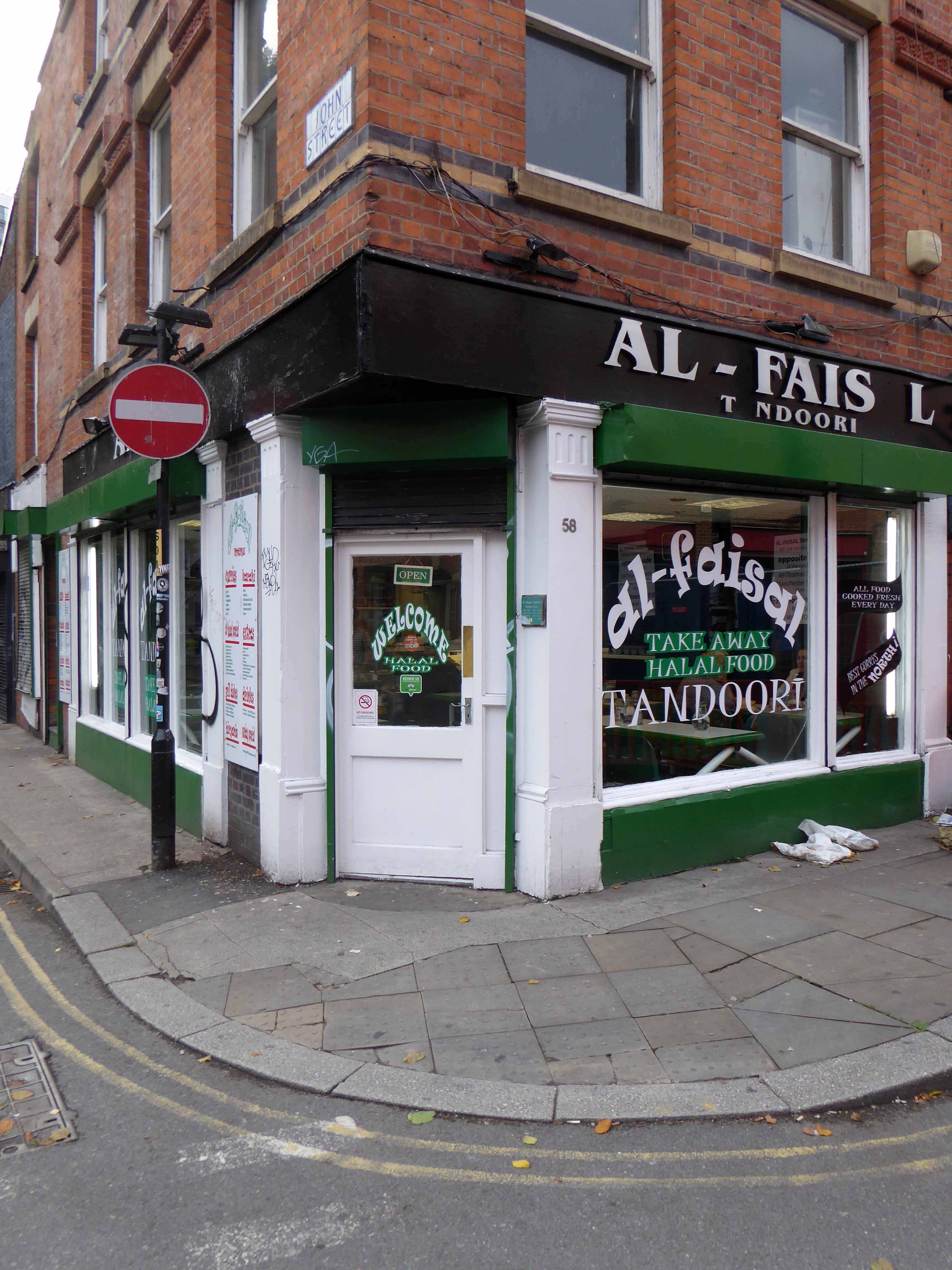
Al Faisal – Thomas Street Manchester

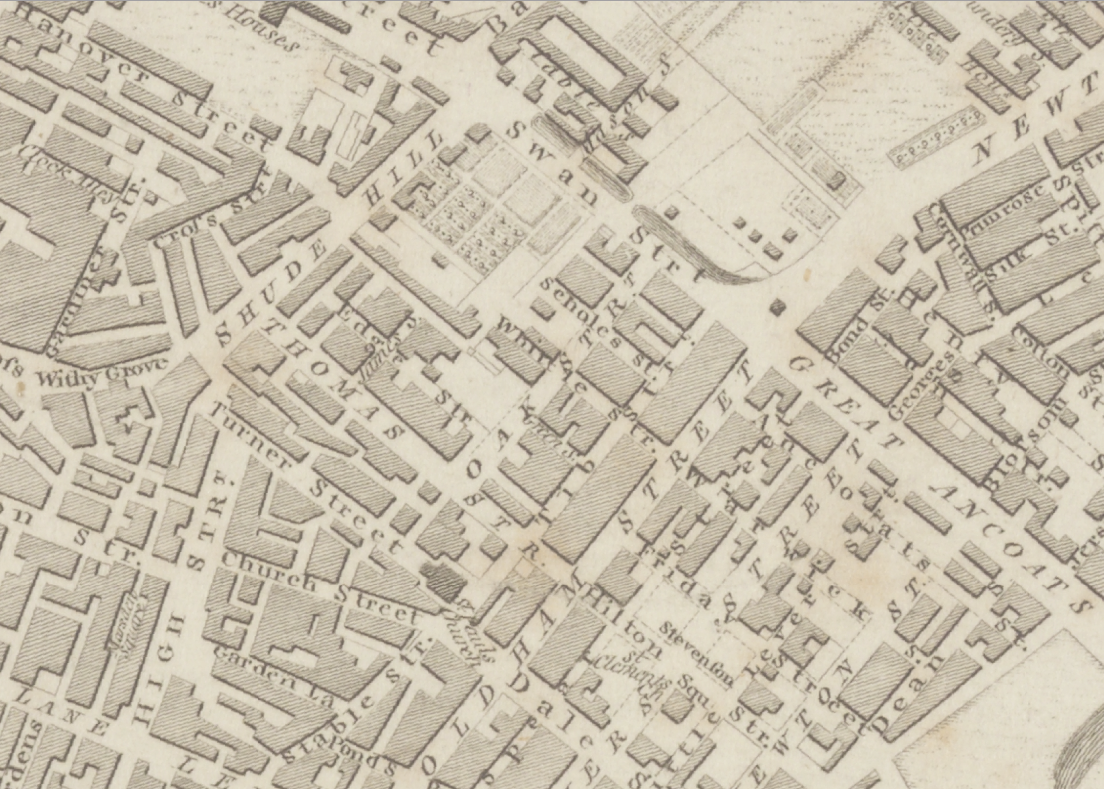
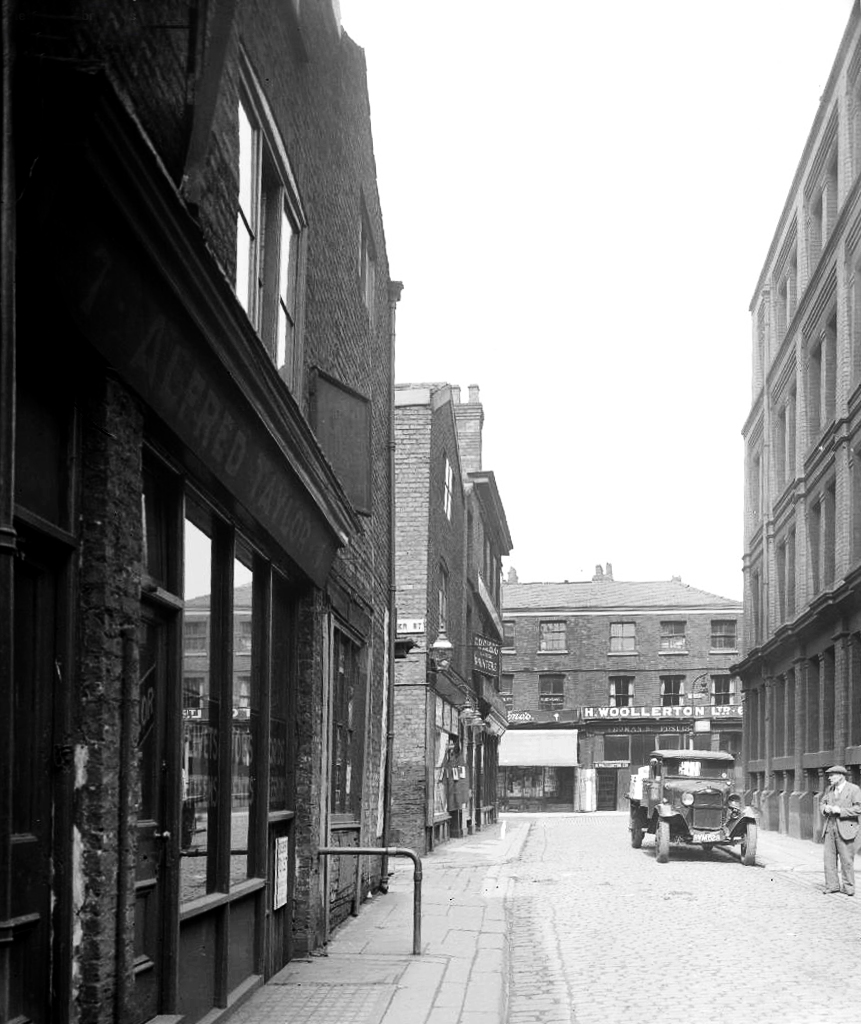
Things, as we know, come and go – by 1807 Thomas Street had arrived.

roper 1807

At the heart of the new Manchester – providing dwellings, shops, pubs and manufacturing premises for the masses.

One of the earliest architectural complexes of the Industrial Revolution.

1905

1908

2445_l

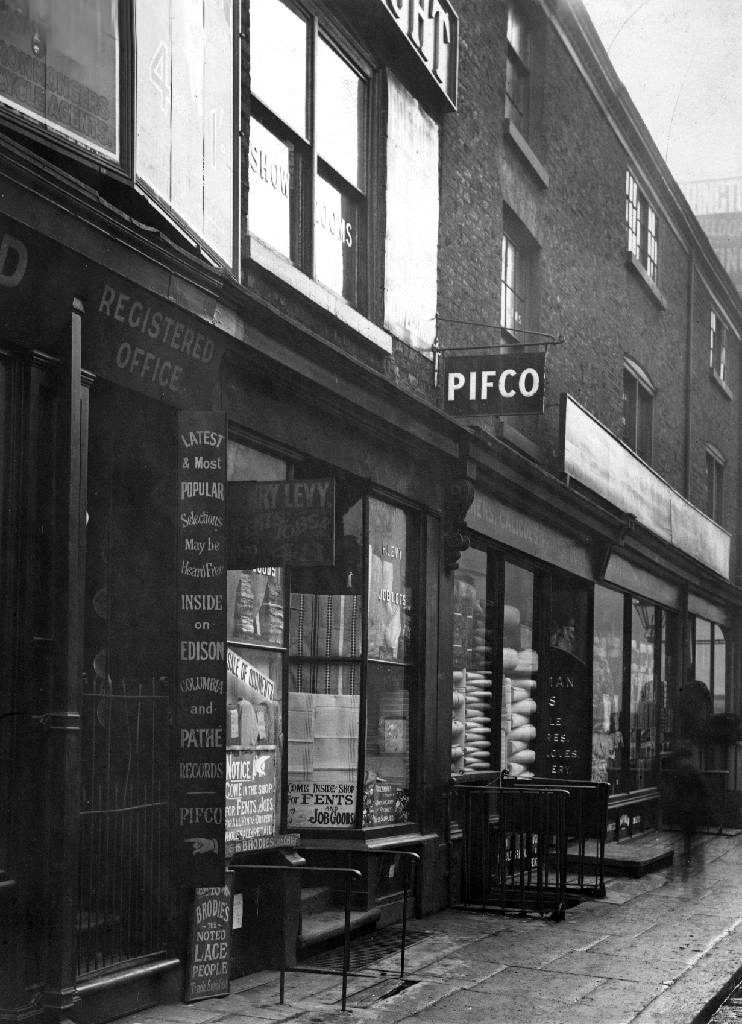
Pifco – Manchester Manufacturing

1938

1938

1970

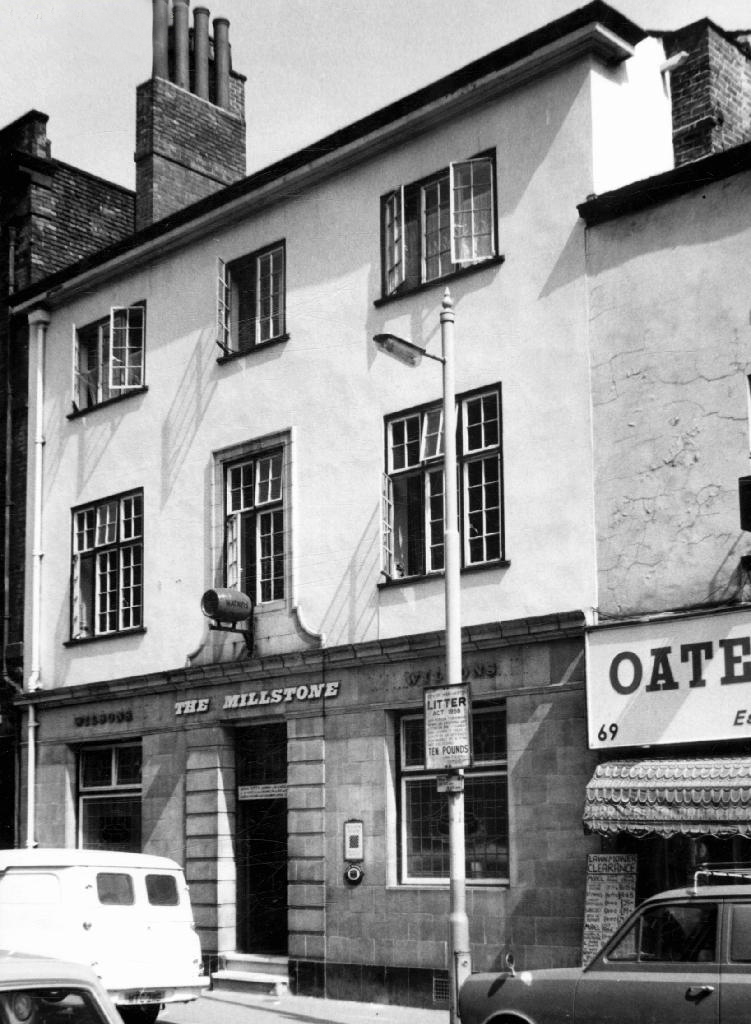
The Millstone 1970

bay 70

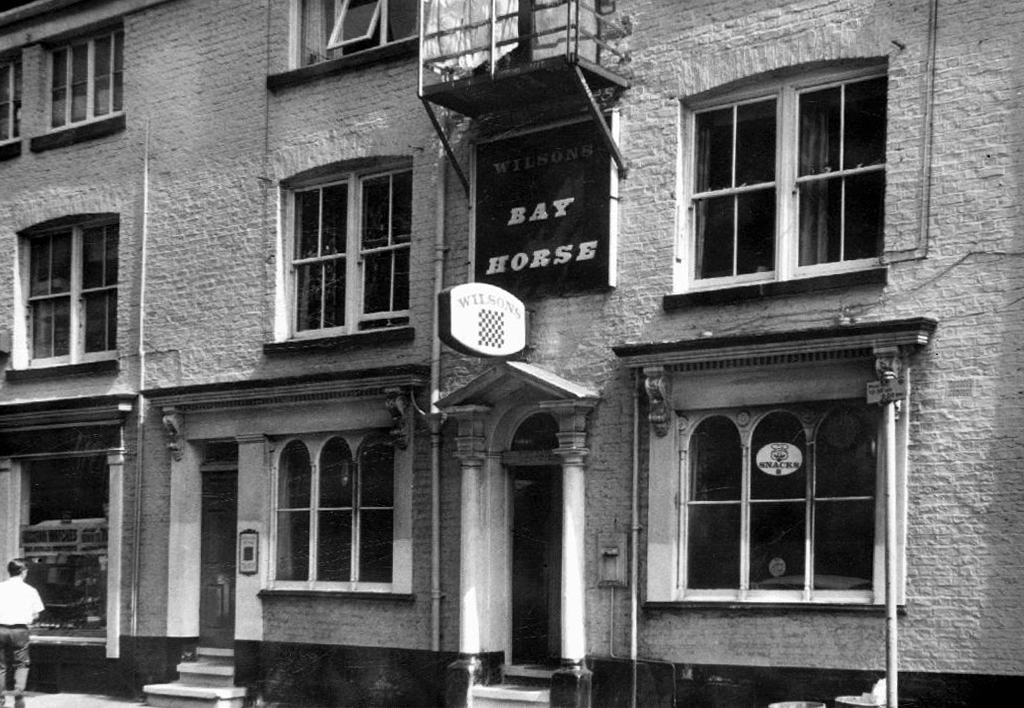
Bay Horse 1970

Both pubs have survived and the street is home to several relative newcomers, including the Richard Goodall Gallery and celebrated men’s outfitters Oi Polloi.

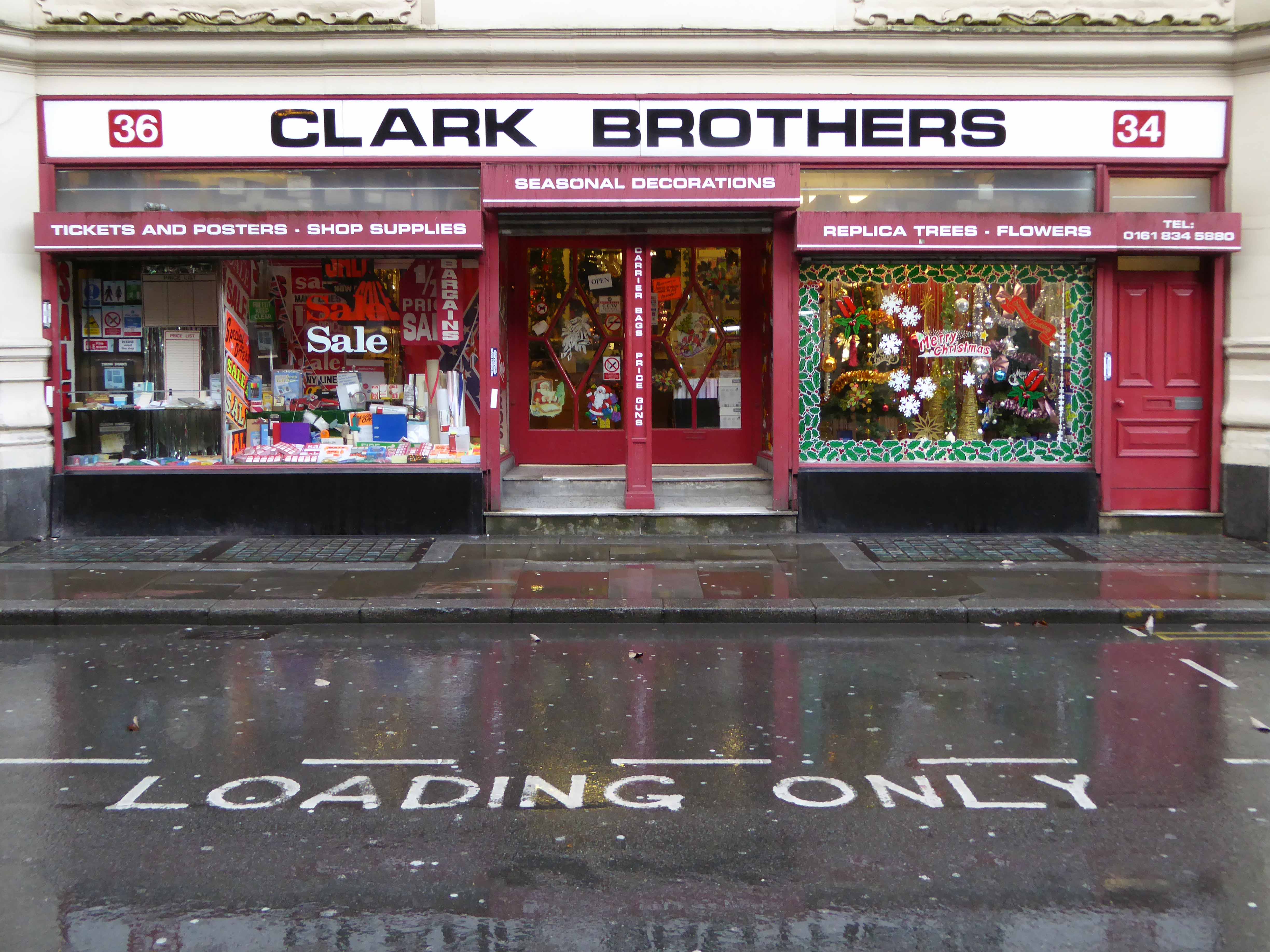
Also the location of my most favourite shop in the whole wide world.

P1110739 copy

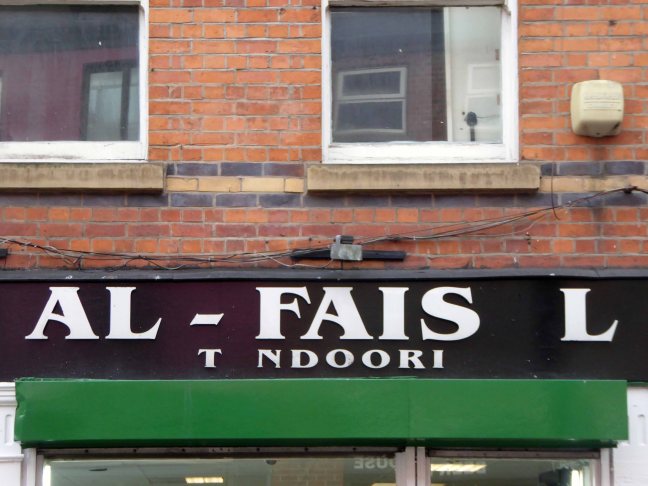
From the 70’s onwards the area had been at the centre of the Asian garment trade – and so it came to pass some 26 years ago the Al Faisal arrived, one of several curry cafés, feeding the faces of the passing parade.

I’ve eaten there for most of that time, fed very well indeed thank you very much, for way less than a king’s ransom.

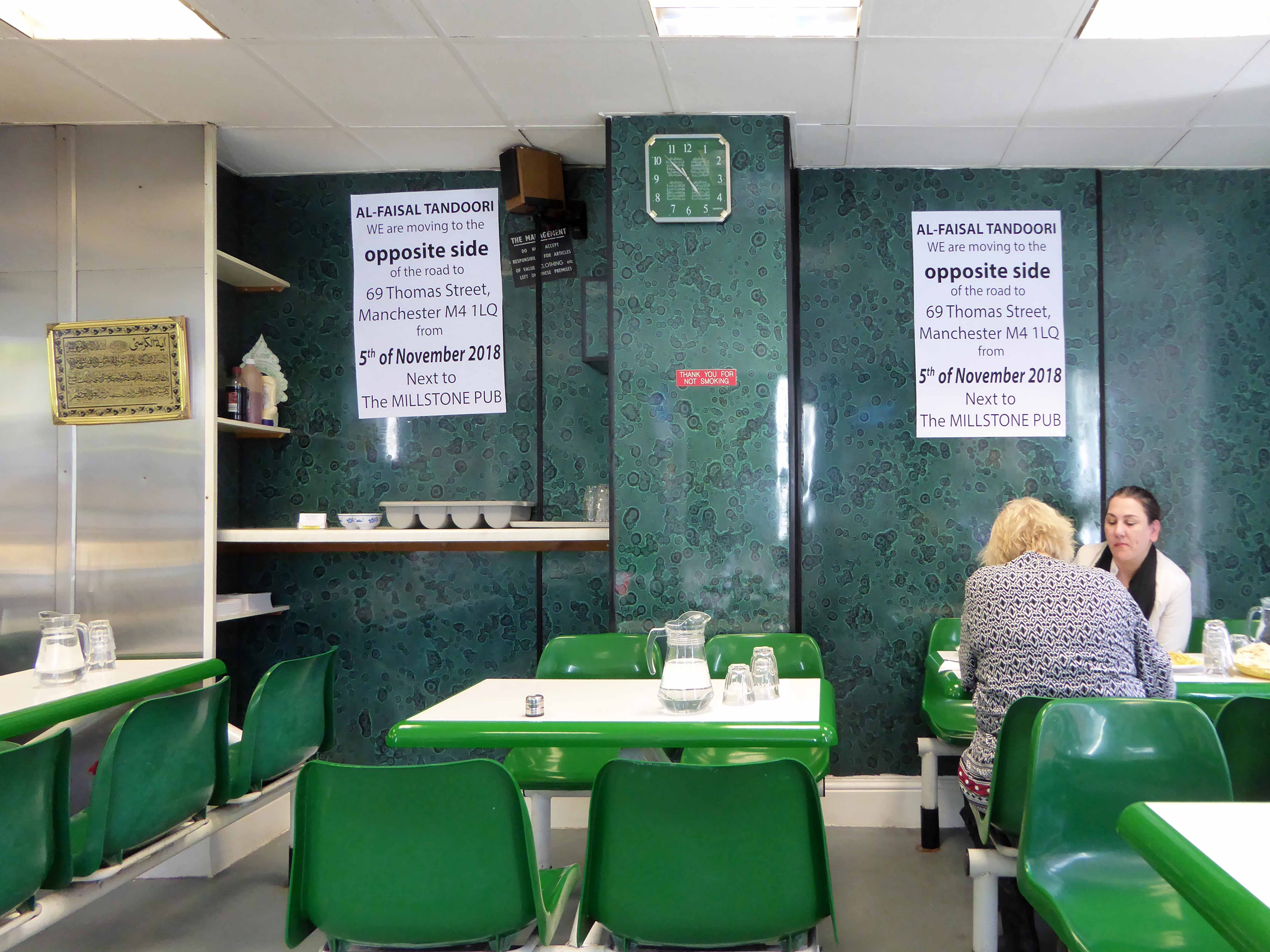
Yesterday I popped in at teatime, for my tea – posters proclaimed an imminent move.

P1290999

The whole block is to be demolished and a hotel to be built – there is naturally a suspicious resistance to such change, what was a protected area of historical interest, is fast becoming a deregulated playground for the avaricious developer.

A Manchester council spokesman said:

Our building control officers have been engaged with owner of the property on Thomas Street for some time.

The condition of the building means there is an imminent danger of collapse and a potential threat to pedestrians. Unfortunately, the poor weather has only served to add to our concern over the safety of the building.

A conservation specialist will be on site working closely with the building owner to ensure as much of the fabric of the property can be retained as possible, and only parts that are unsalvageable will be removed to ensure public safety.

Manchester Evening News

Rumours have also been rife concerning the fate of the nearby This & That – an essential part of the heartbeat of the city – the affordable independent trader.

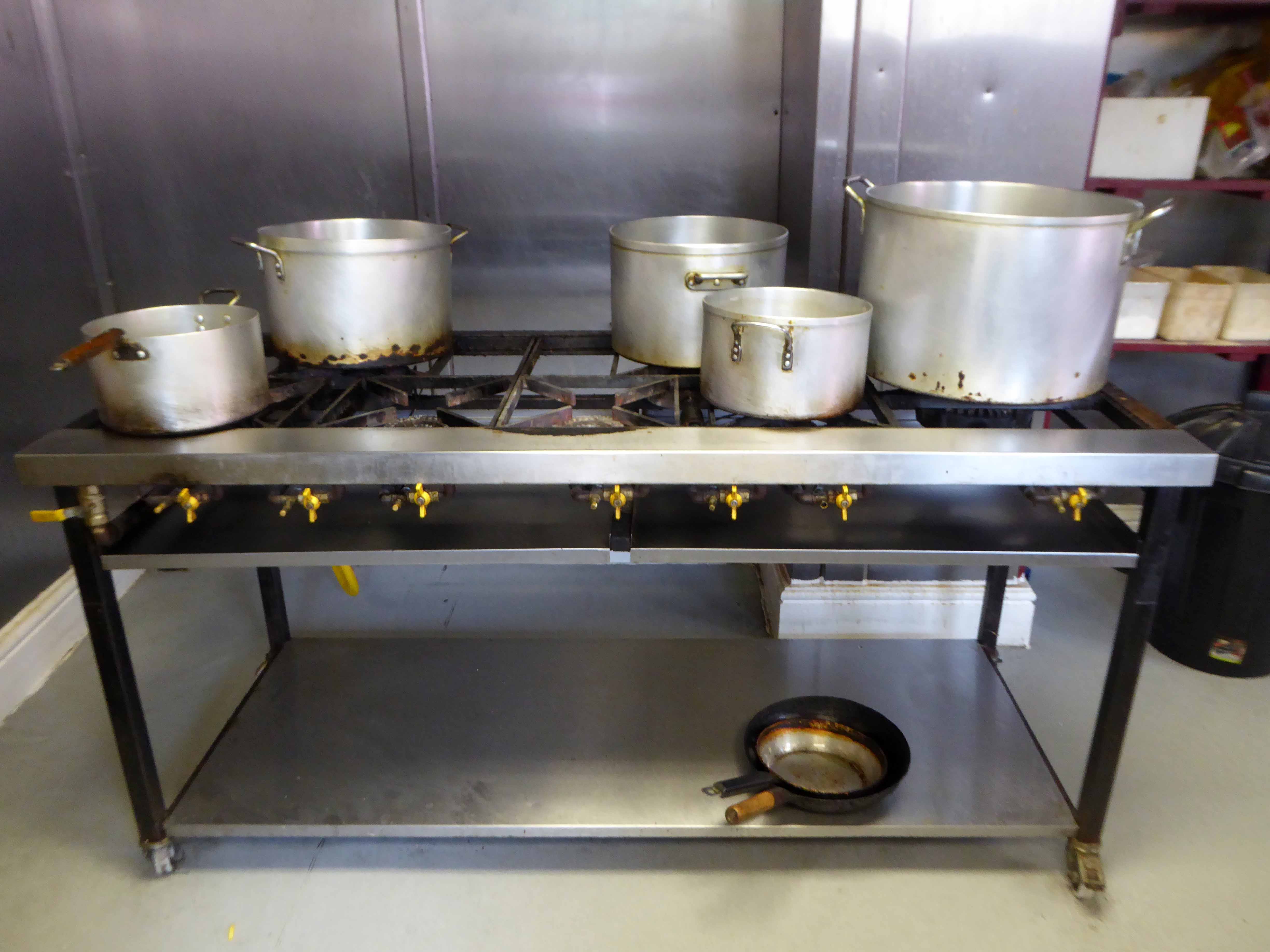
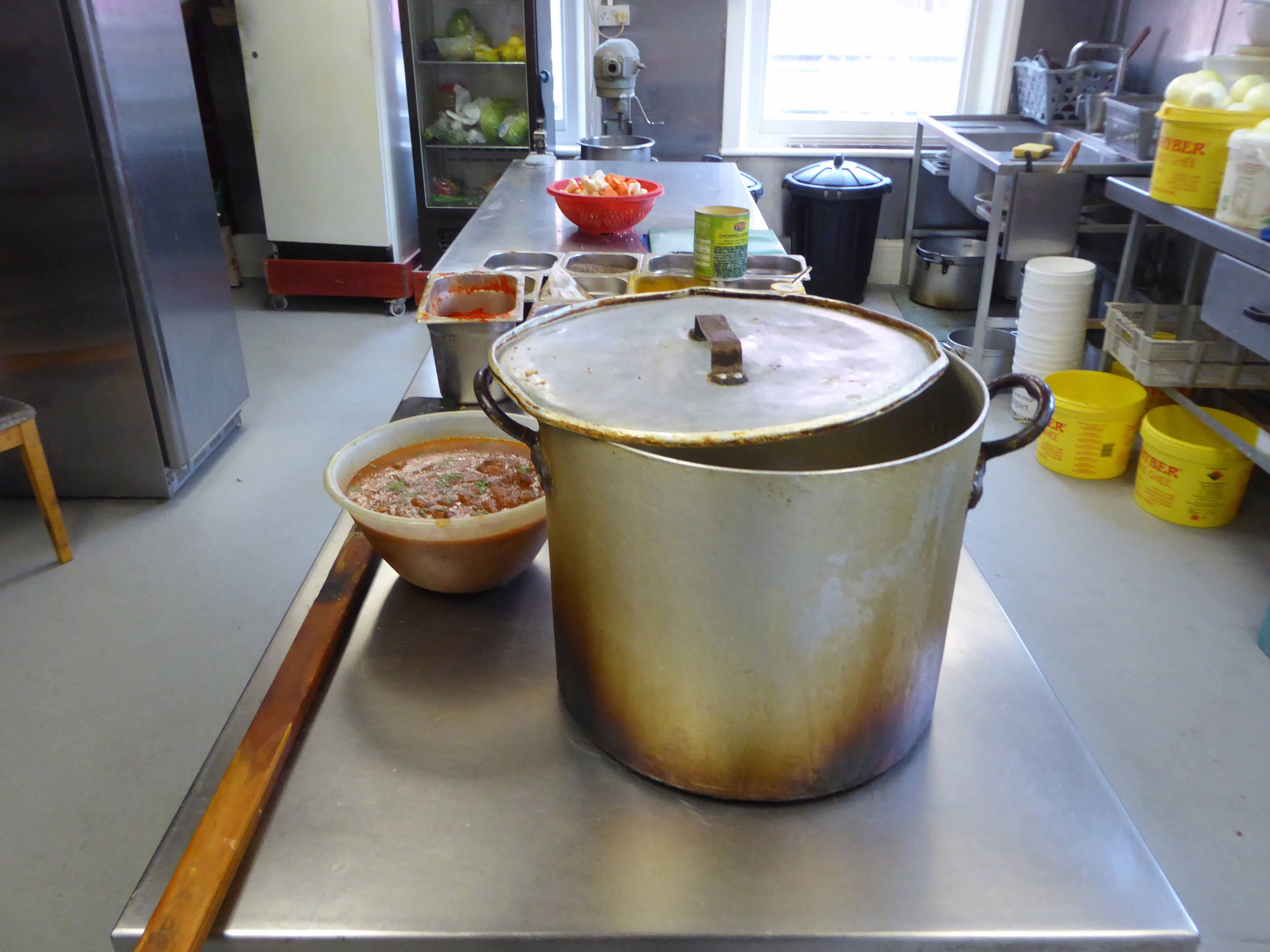
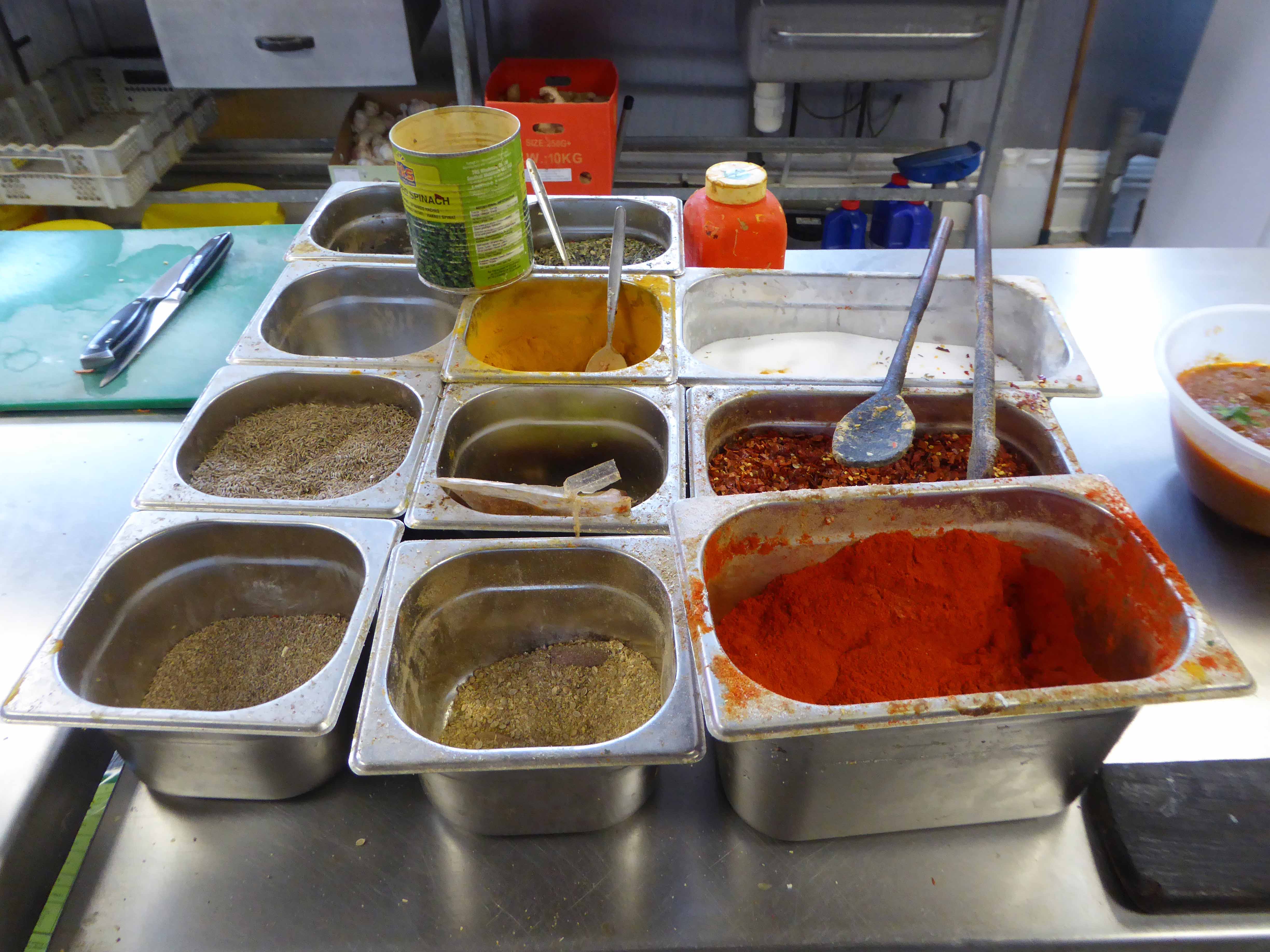
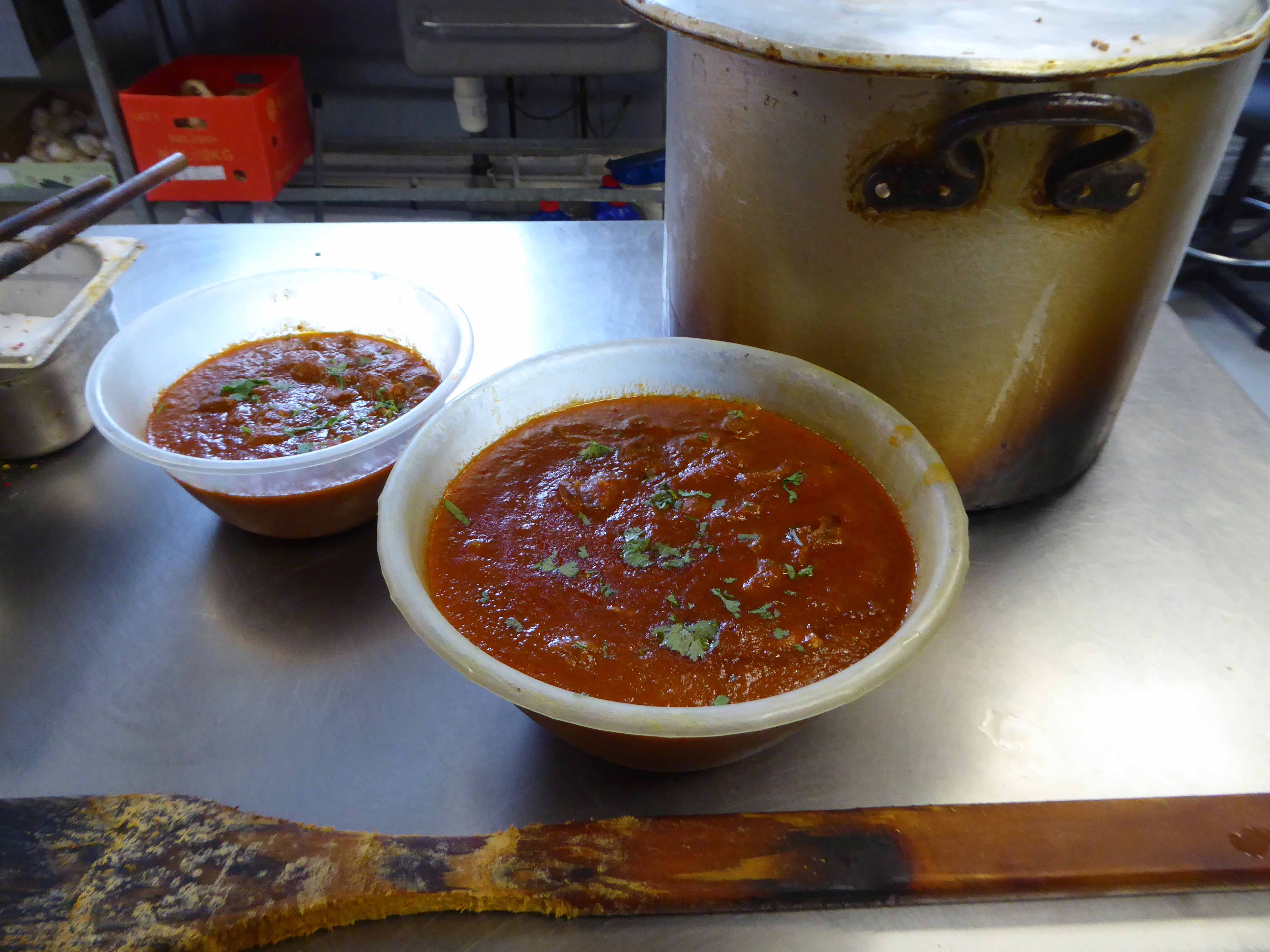
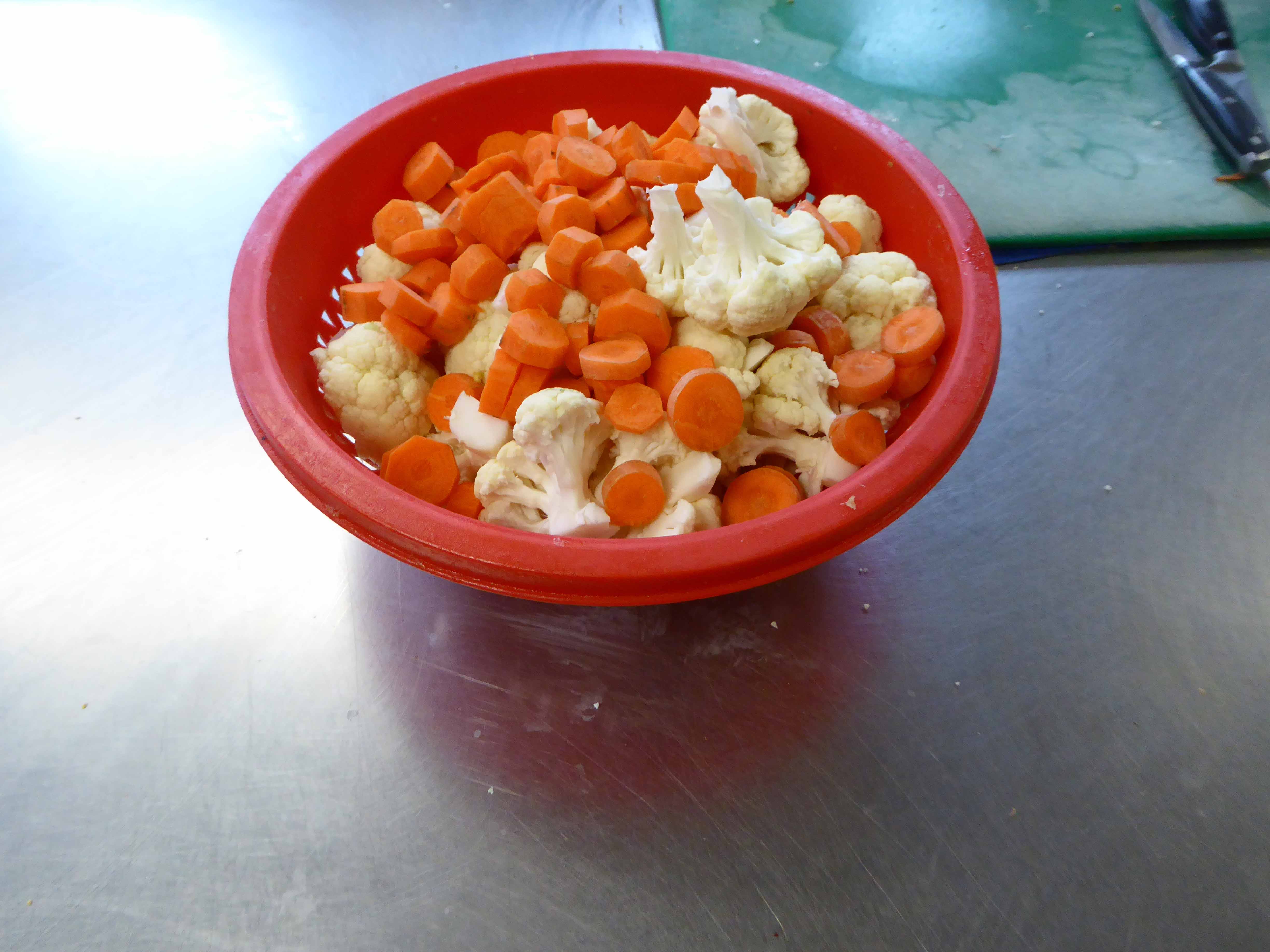
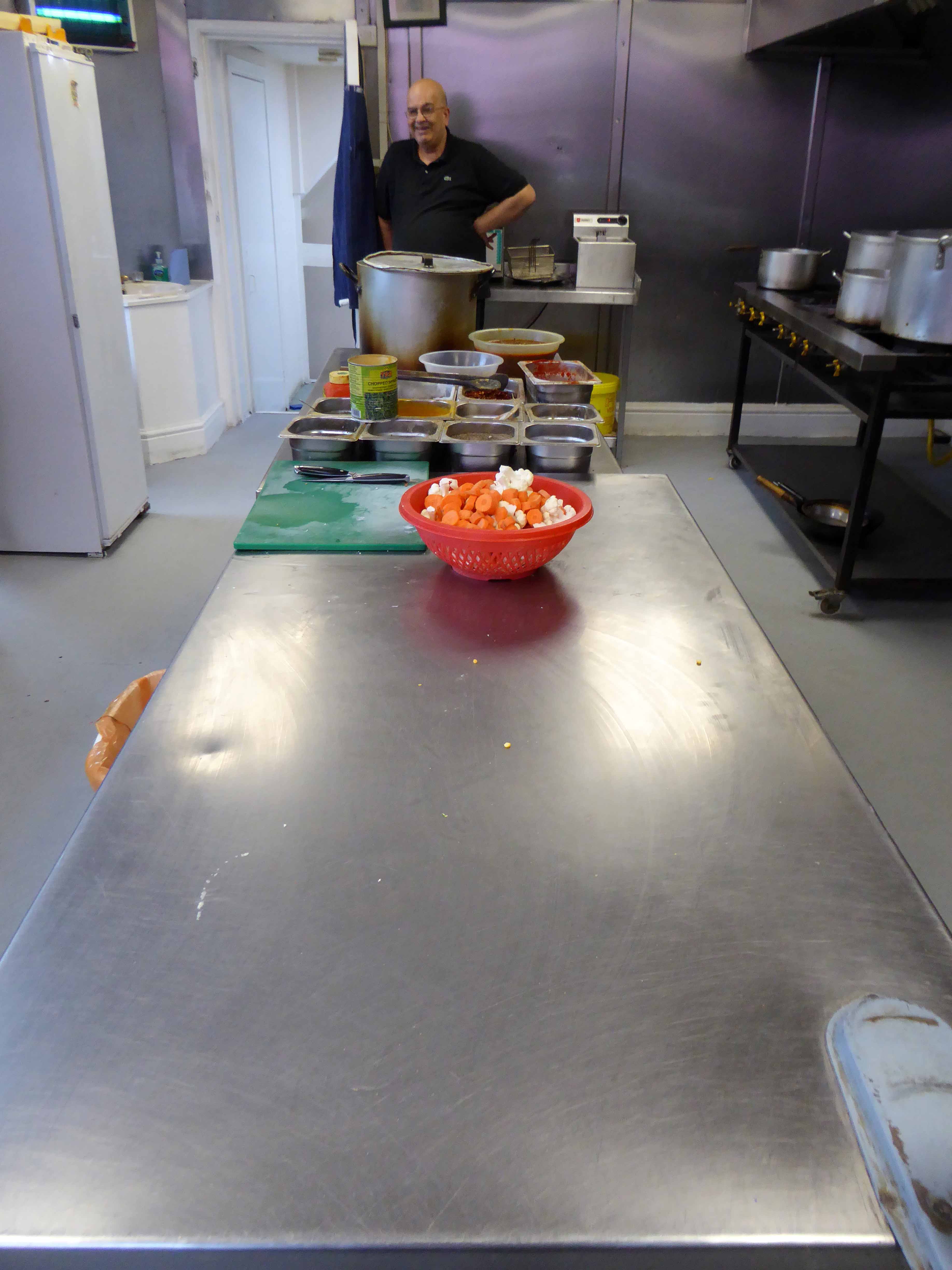
I sat and ate happily, and was privileged to be given a tour of the kitchens by owner Tariq, recording for posterity a site of some culinary and social consequence.

Let’s take a look around and look forward to a meal just across the road real soon.

P1300012

P1300013

P1300014

P1300015

P1300016

P1300017

P1300019

P1300020

P1300021

P1300022

P1300023

P1300024

P1290997

P1300008

P1300010


The Beefeater Grill – Halifax

1 George Street, Halifax, West Yorkshire, HX1 1HA

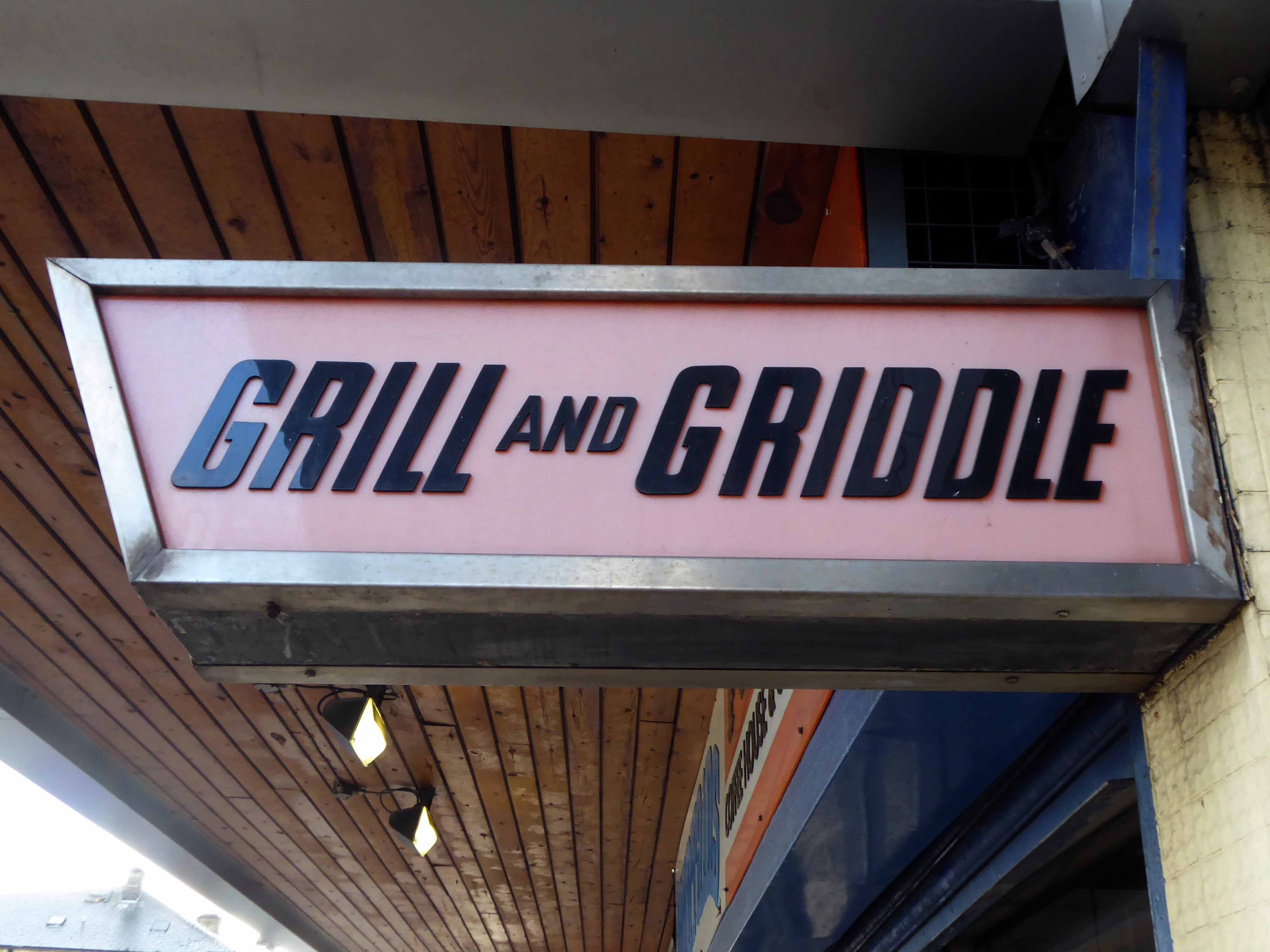
The Beefeater Grill and Griddle is a long established family run grill and coffee house located at George Square Halifax. The place has an old fashioned feel to it and serves typical English cafe food which seems to make it popular amongst its local regulars.

Long may it do so.

Strangers to the town we wandered the streets in search of sustenance.

Bewitched bothered and bewildered – seduced by the tiles and signage, it was love at first sight.

The ability and will to resist the broad brush of regeneration and reinvention is all too rare, the traditional café is constantly under threat – the Beefeater has prevailed.

A stunning tiled exterior, a multi level interior and a menu to match, it’s win, win, win, win all the way.

We went inside and ate.

P1010328

P1010329

P1010331

P1010333

P1010334

P1010335

P1010336

P1010337

P1010338

P1010339

P1010340

P1010341

P1010343

P1010344

P1010345

P1010347

P1010348

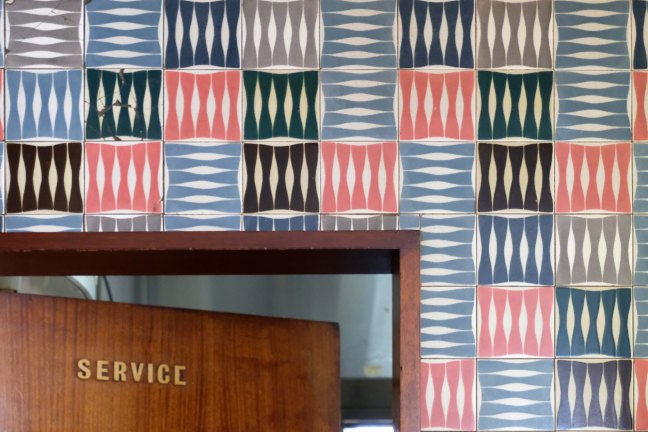
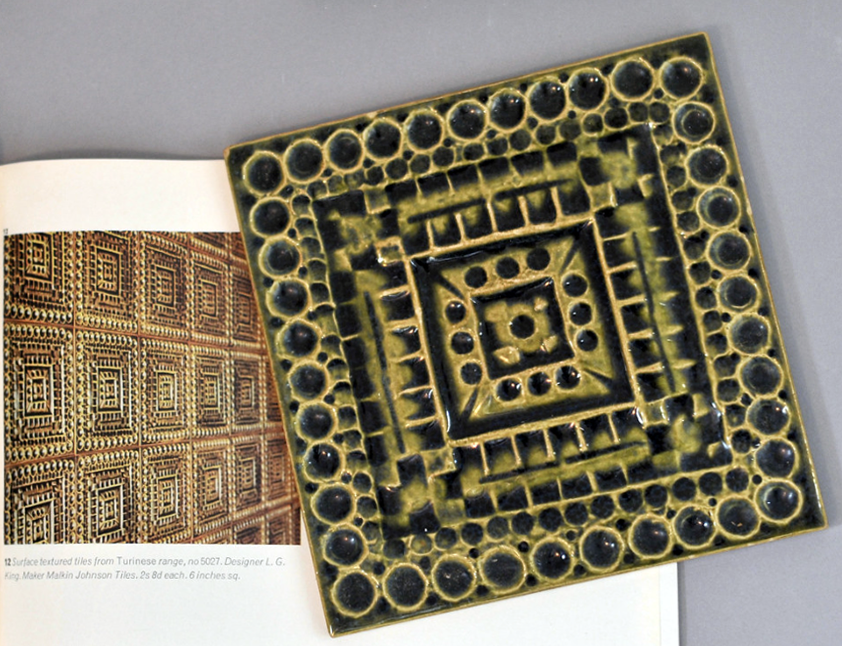
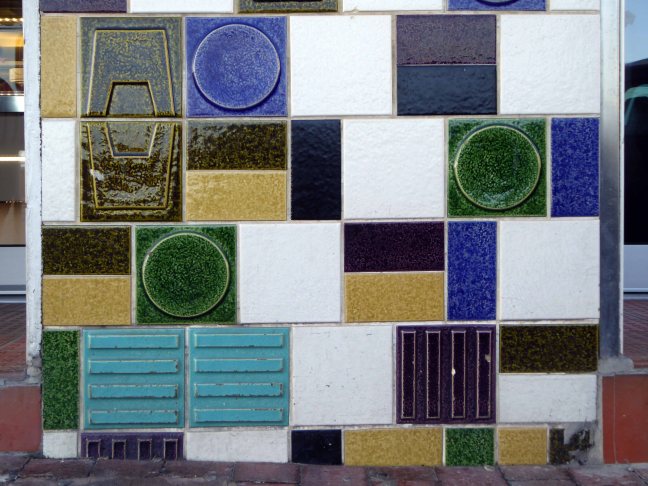
These tiles were originally designed by Kenneth Clarke, subsequently redesigned as the cheaper Turinese range by James Rushton and Leonard Gladstone King for Malkin Tiles, 1960 – 68.

Variety and Vitality in Ceramic Tiles – March 1960 issue of ‘Design’ magazine.

Rob McCrorie – Flickr

These tiles decorate the fascia of Fusciardis in Eastbourne.

And in addition the former C&A in Hanley.

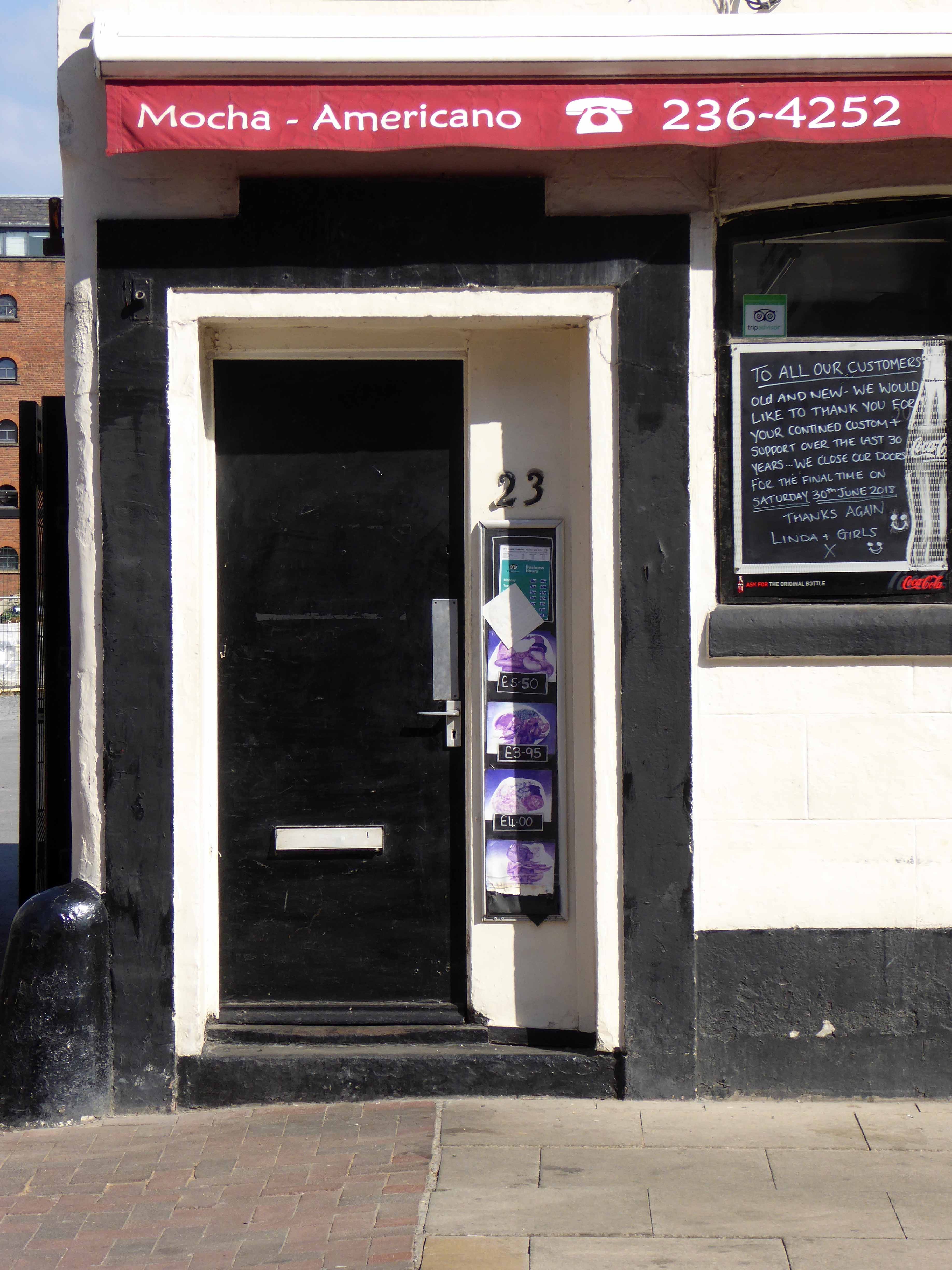
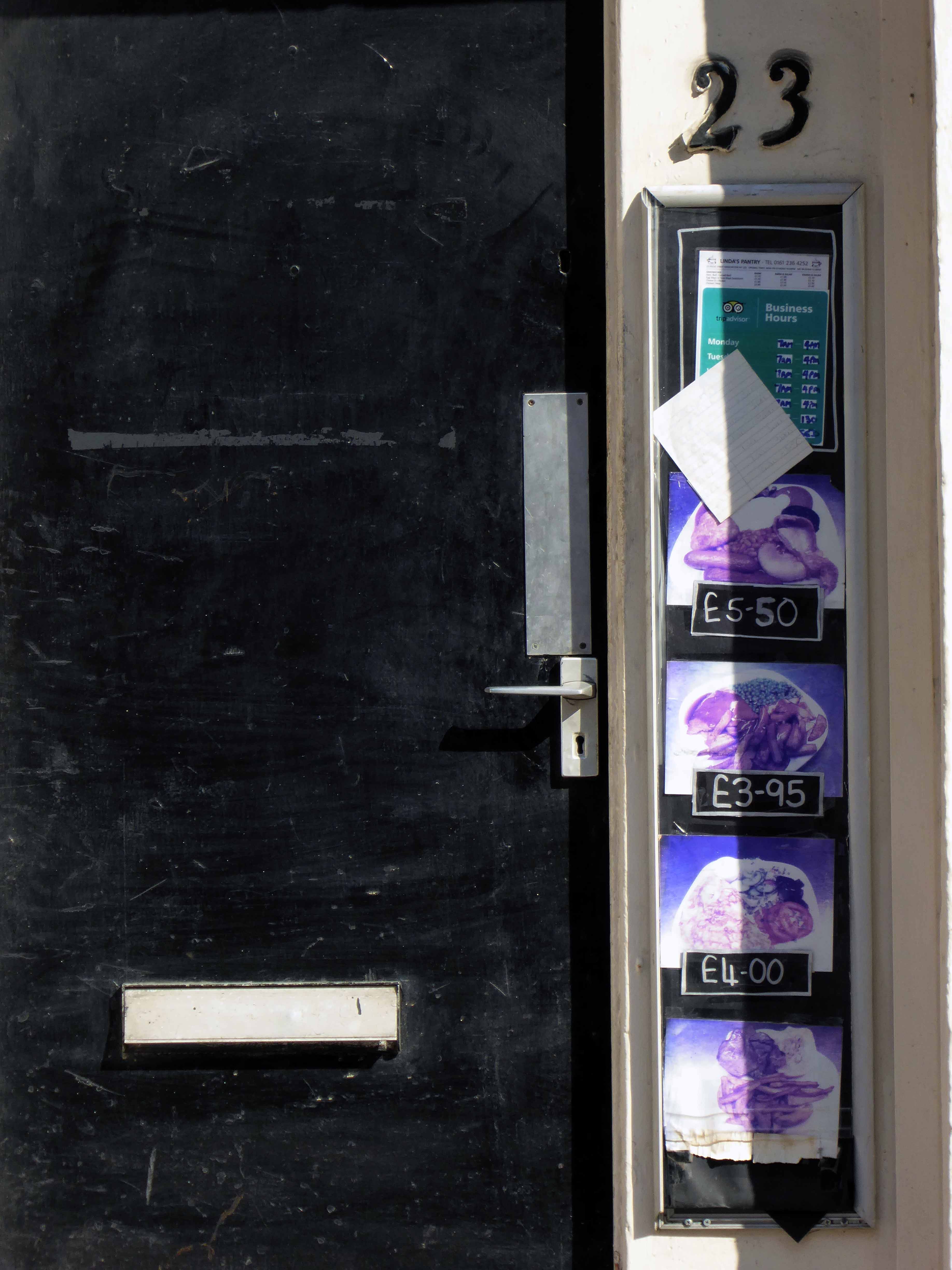
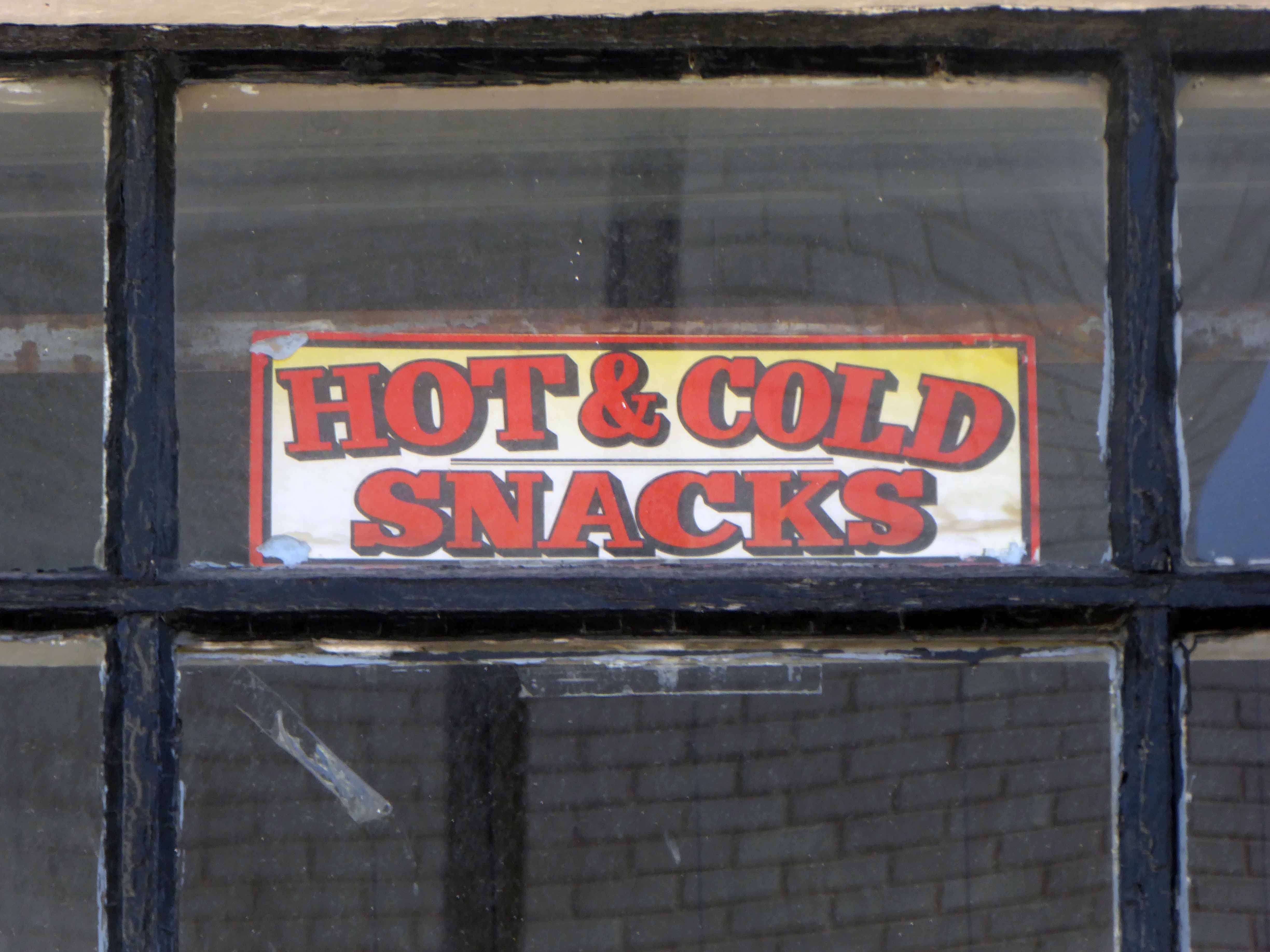
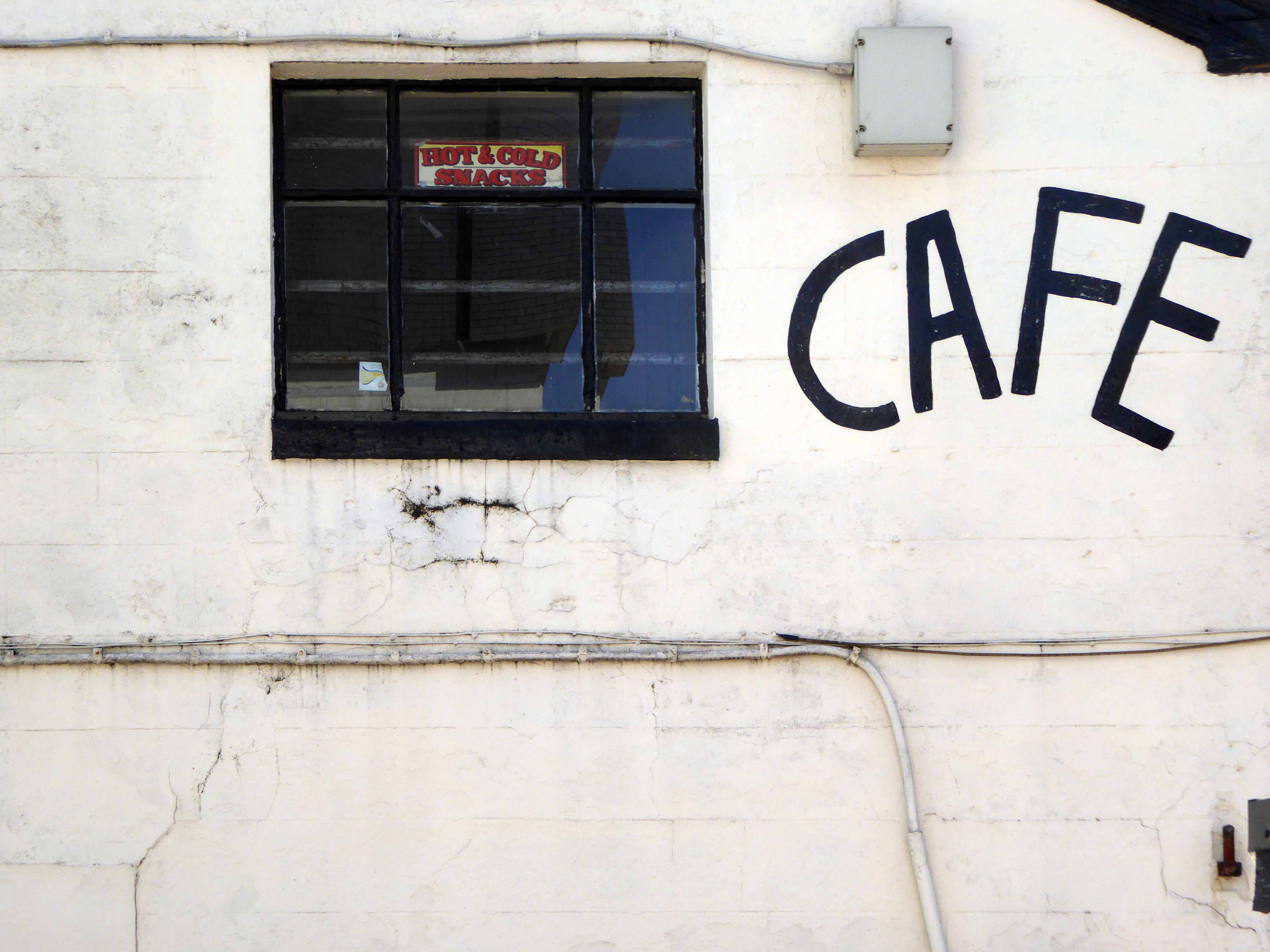
Linda’s Pantry – Manchester

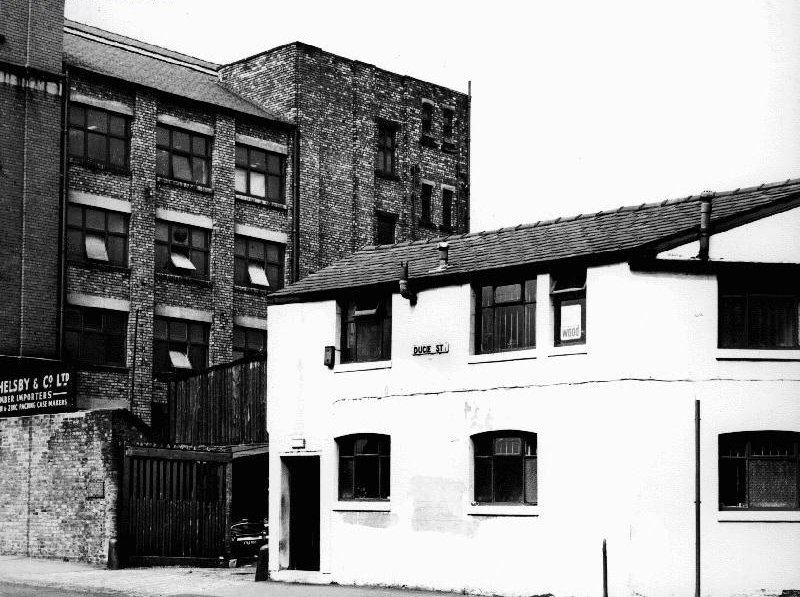
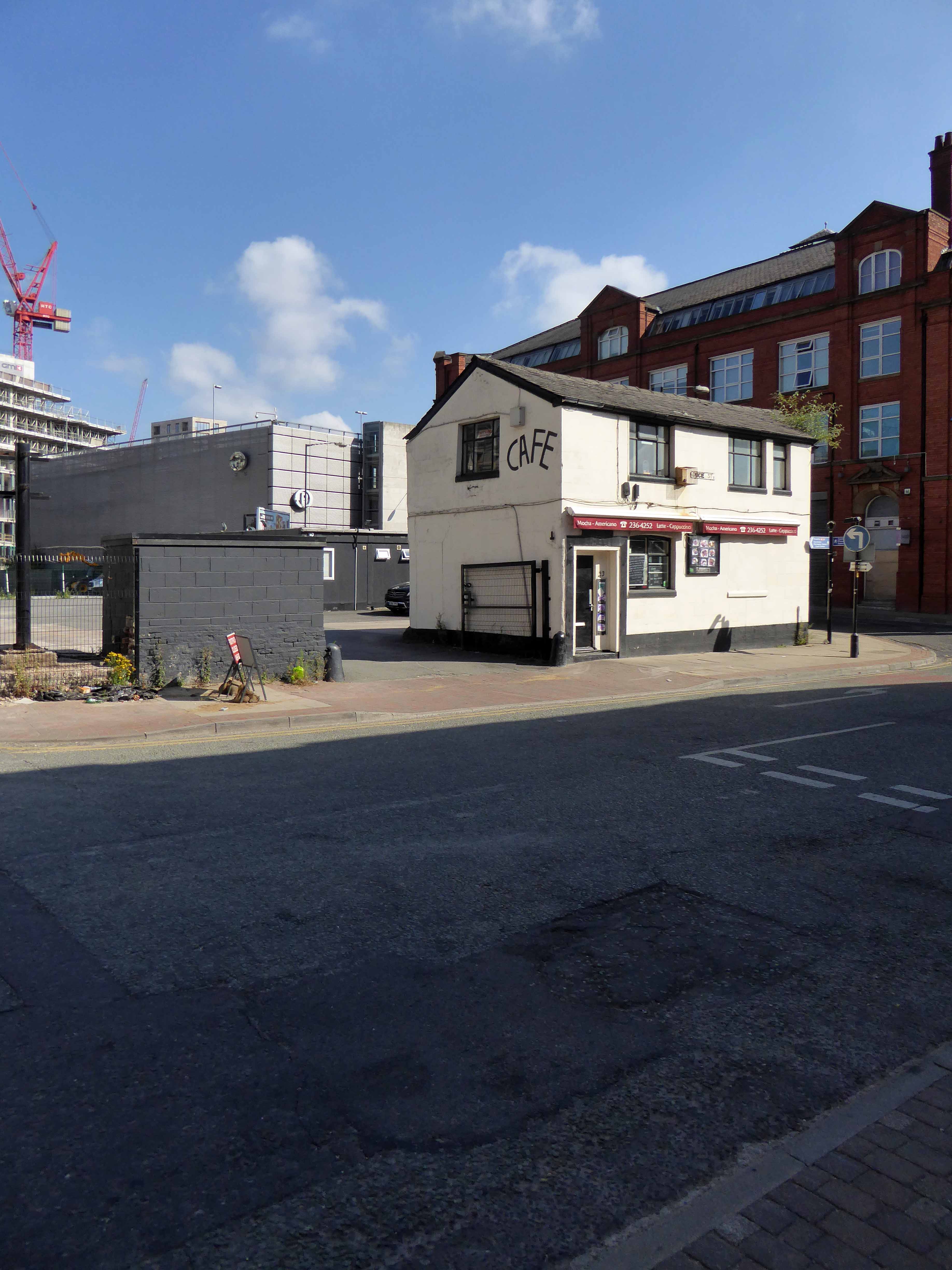
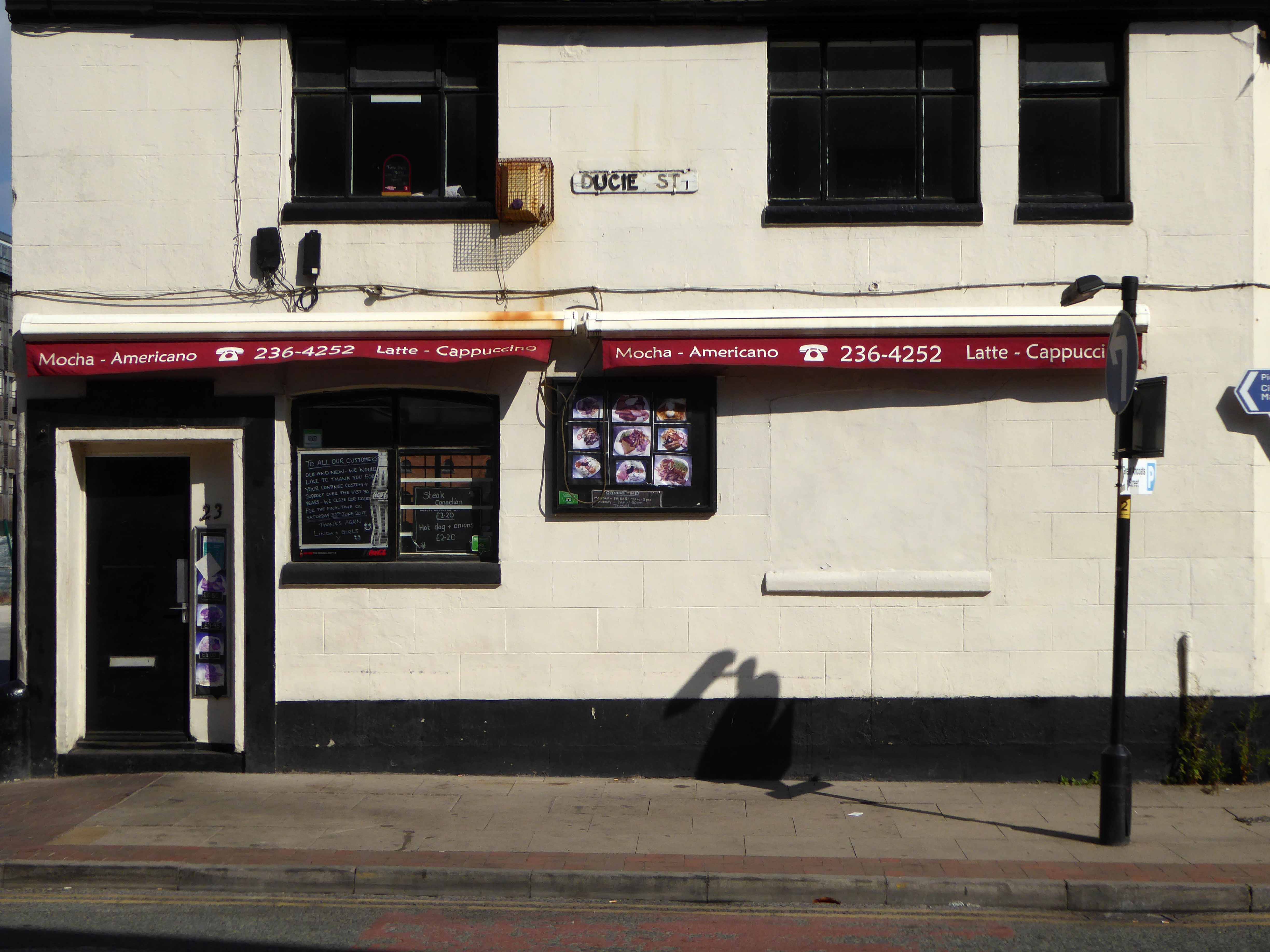
Turn off London Road and into Ducie Street, it’s just around the corner from Piccadilly Station.

Enter a world of warehouses, homes and industry.

webmedia-1.php

webmedia-4.php

webmedia-1.php

webmedia-3.php

webmedia-2.php

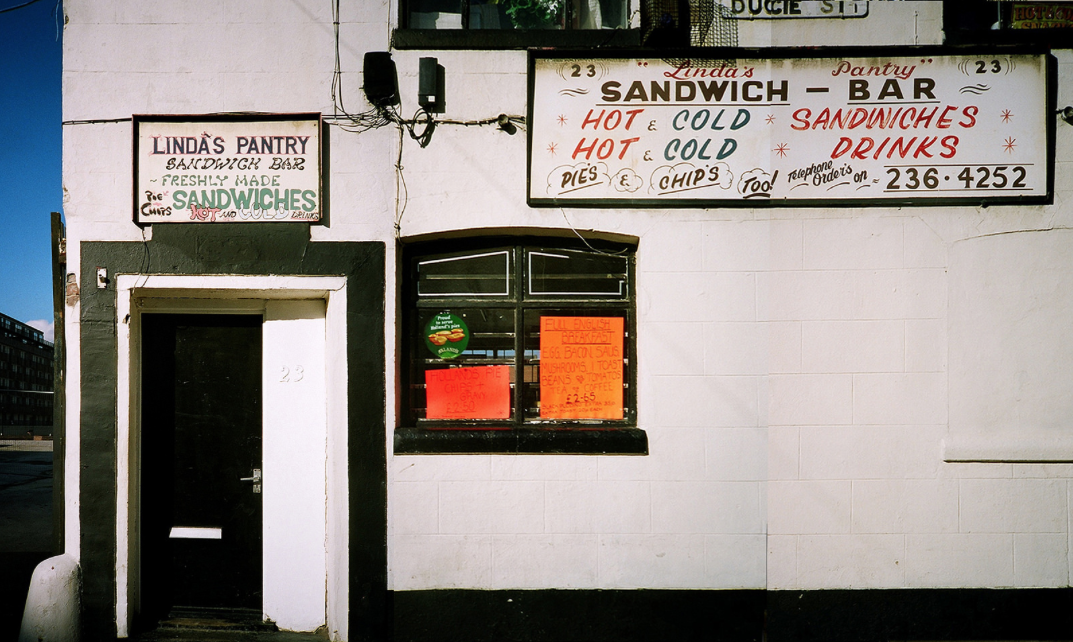
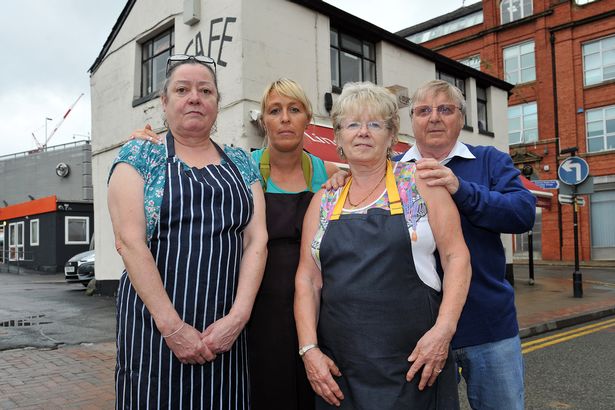
Return some fifty years later and you’ll find a café on the corner.

Screen Shot 2018-07-09 at 19.55.53

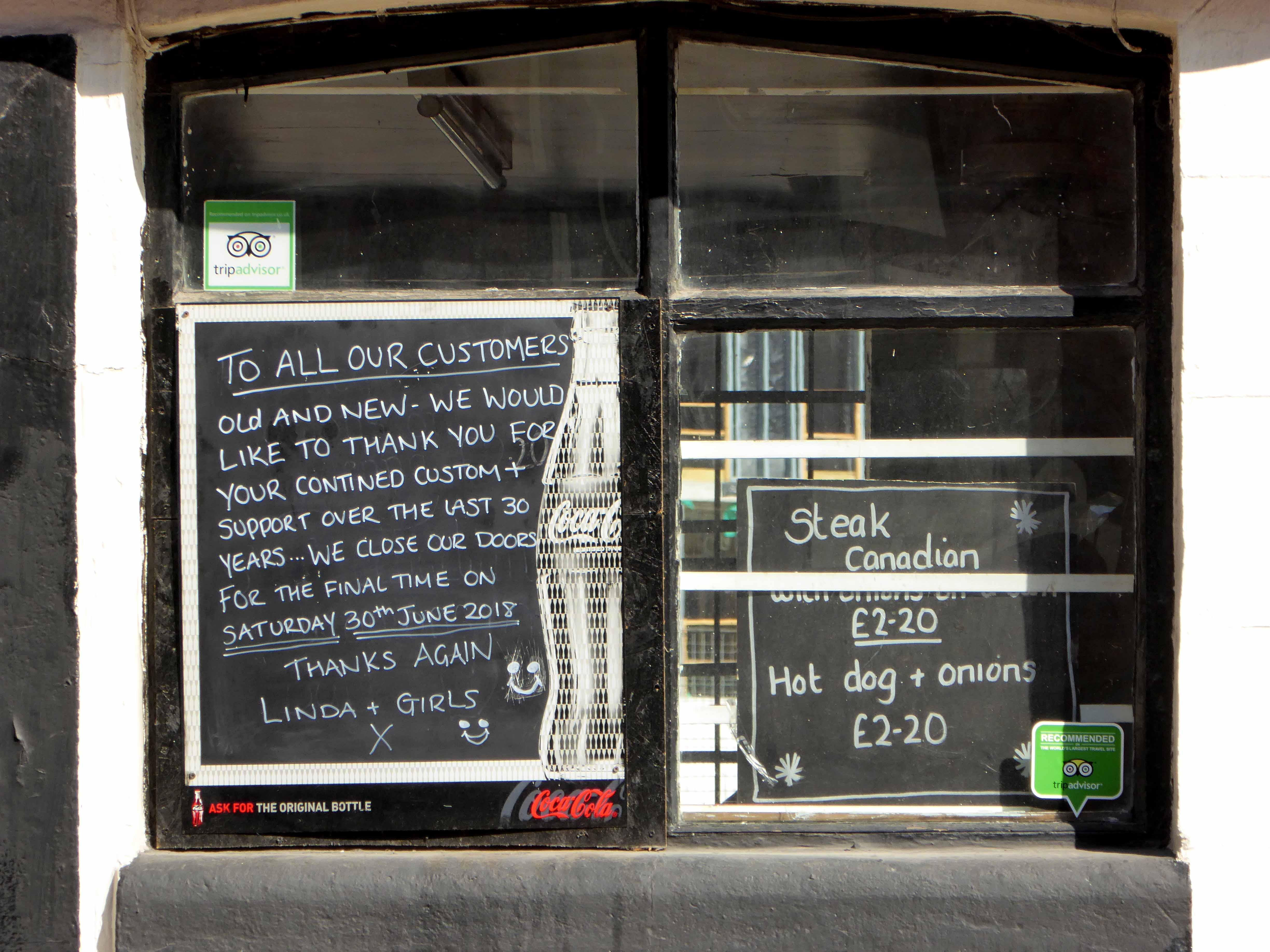
Return last Saturday you’ll find that it’s gone.

P1270029

No more of this.

b872c05fb8251eb973cf30b3cee7e421


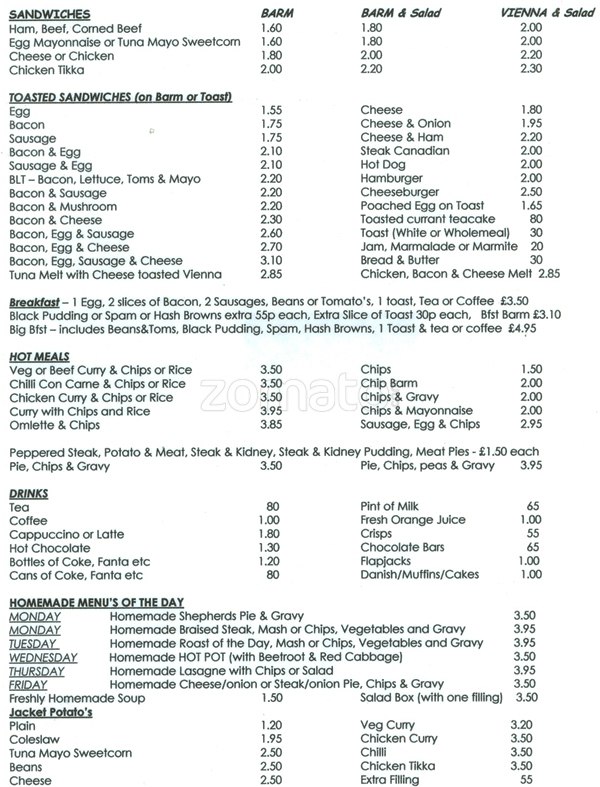
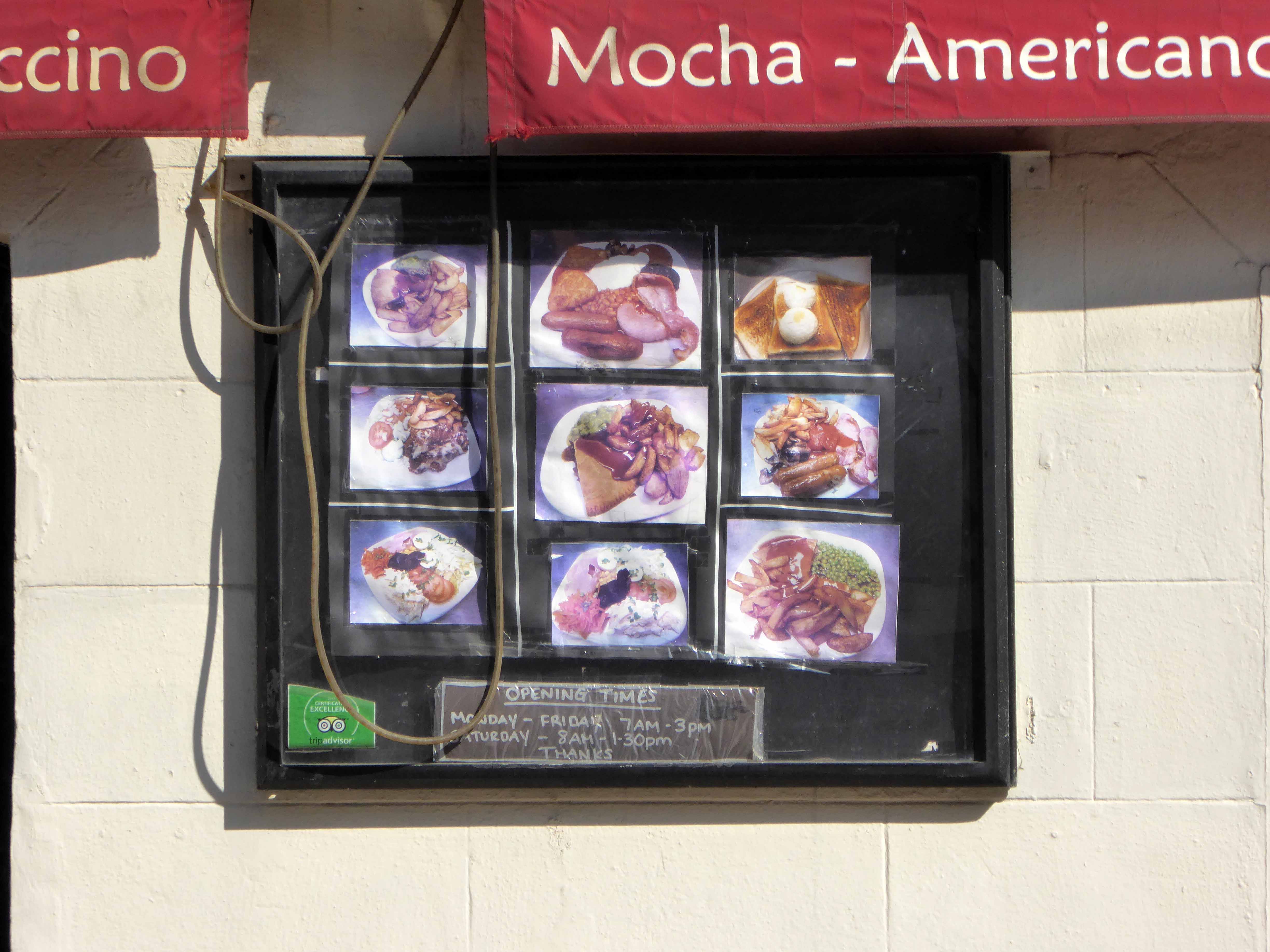
Top class scran at prices to suit all pockets.

EGP_MEN_LindasPantry_201017_007JPG

Linda and her crew have packed up the pans and scrammed.

Read all about it – Manchester Evening News

The face of the city changes, as one by one faces and places disappear, new build and mass tourism making ever new demands on space.

The rag trade is in tatters and the tatters are long gone.

It would seem that there is no place for the traditional café or its customers.

So thank you and goodnight, the last pie, chips and gravy has left the counter.

Shut the door and turn out the lights.

P1270025

P1270027

P1270028

P1270033

P1270034

P1270035

P1270038

P1270039

P1270042

P1270044

P1270048

P1270051

P1270052


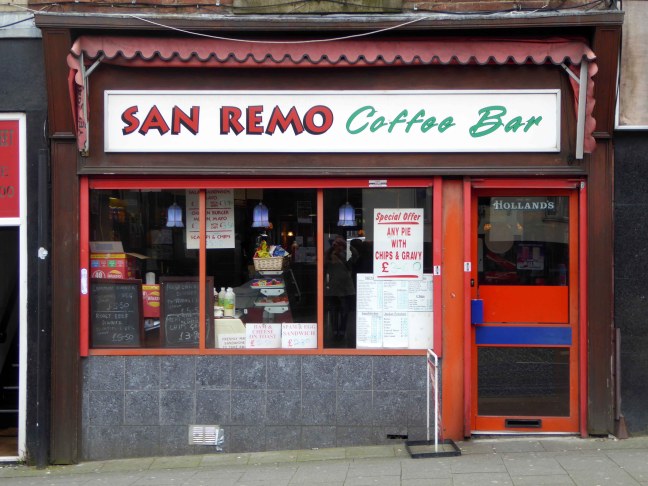
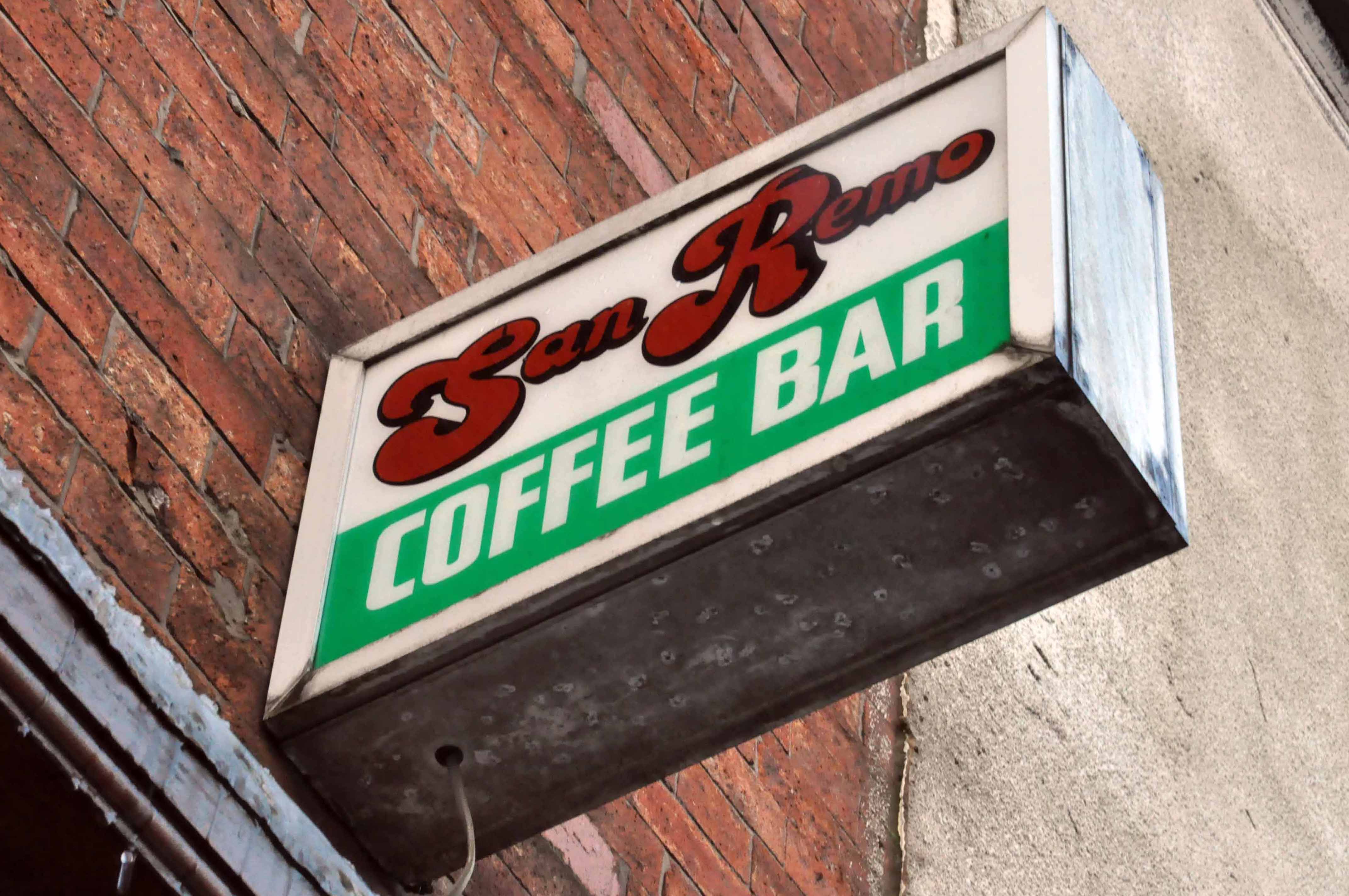
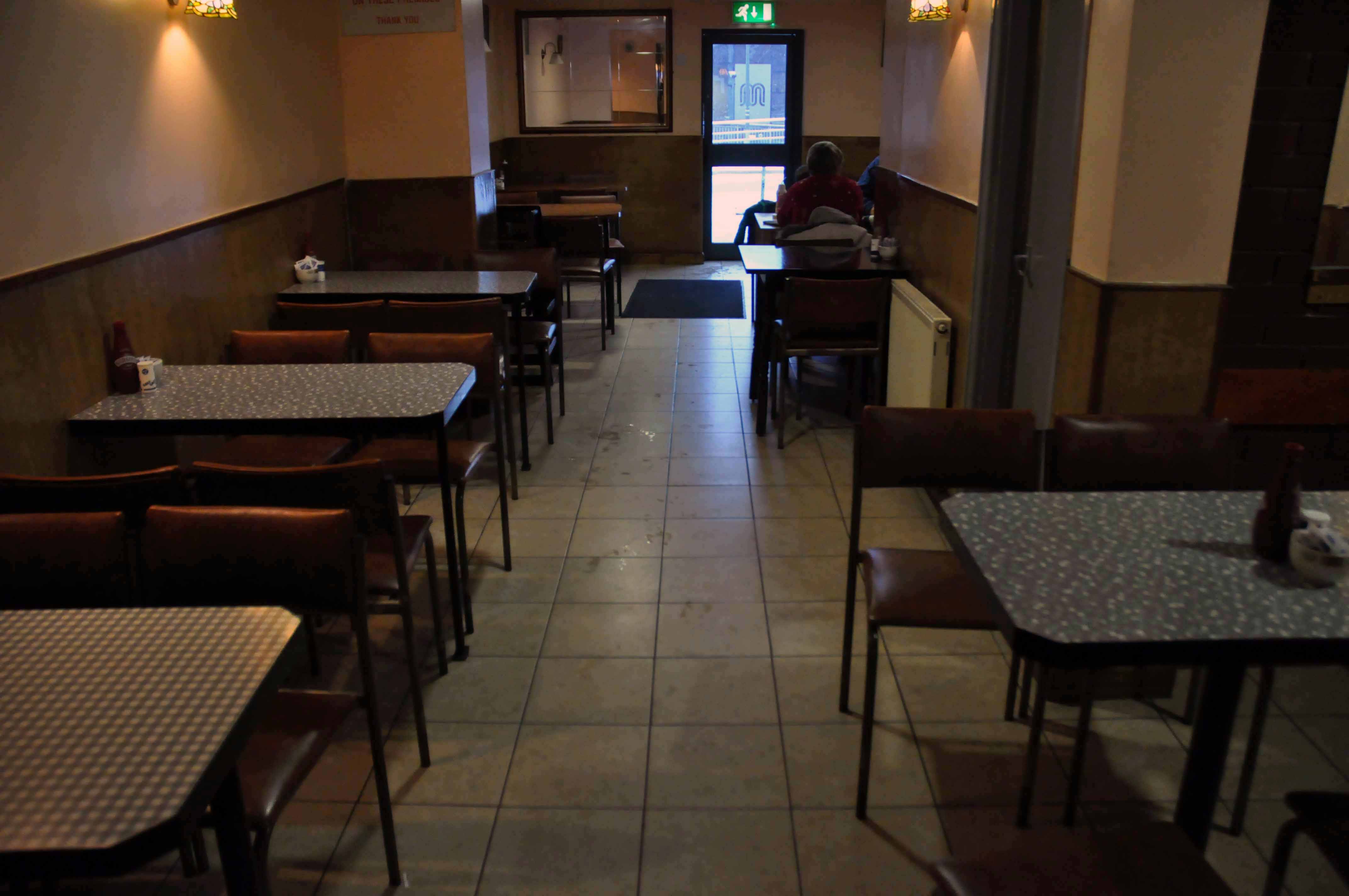
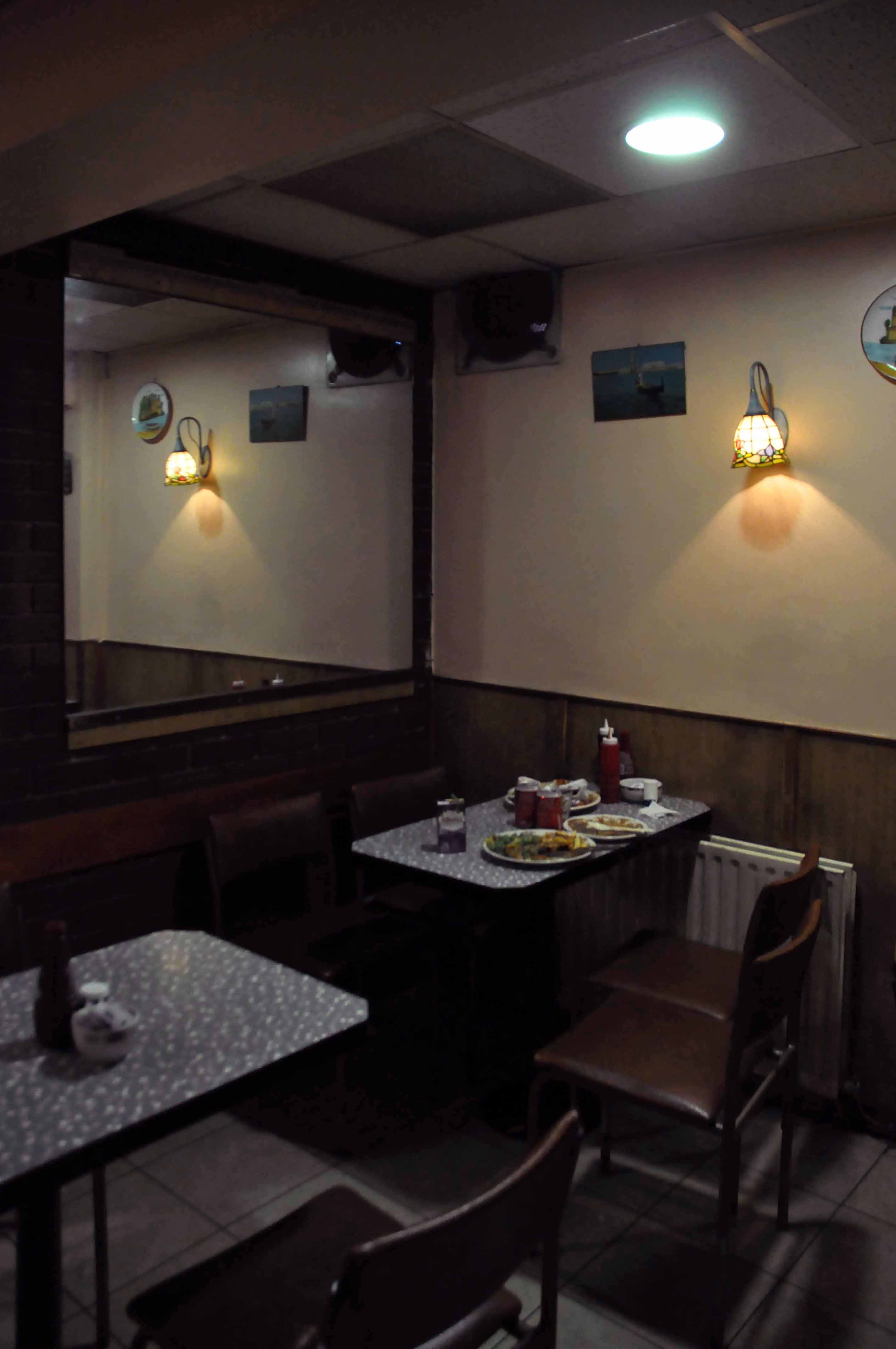
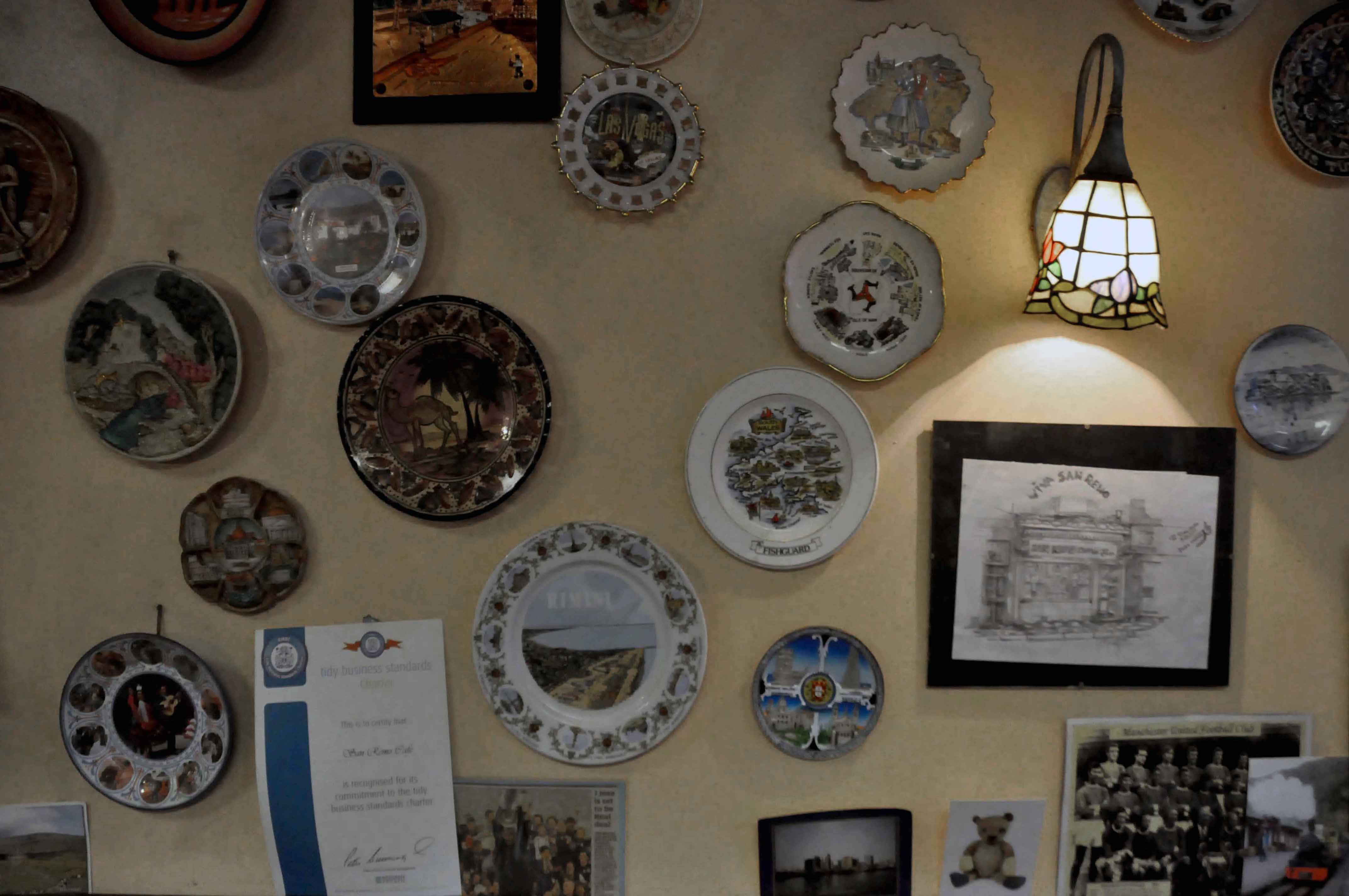
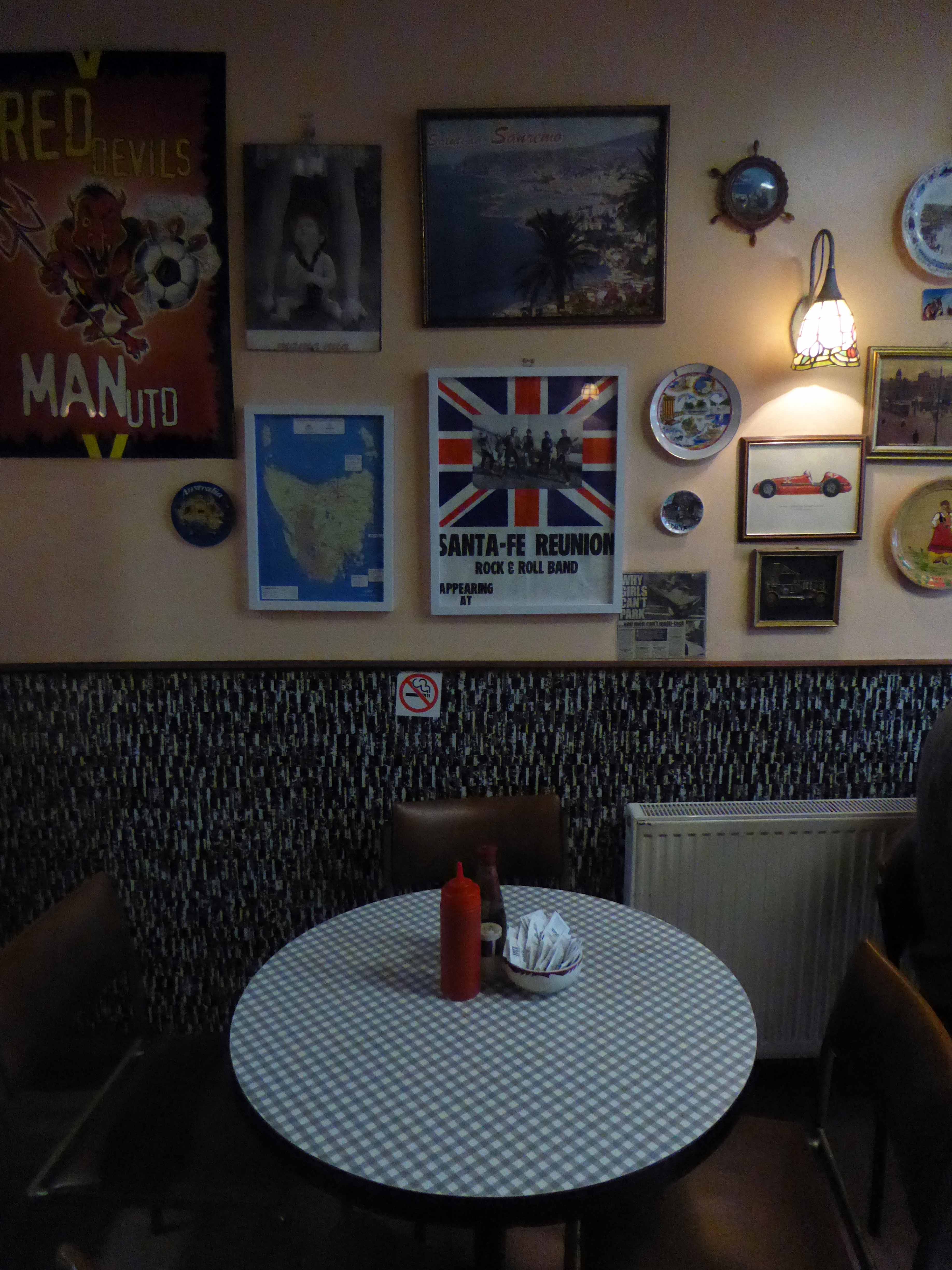
San Remo Coffee Bar – Rochdale

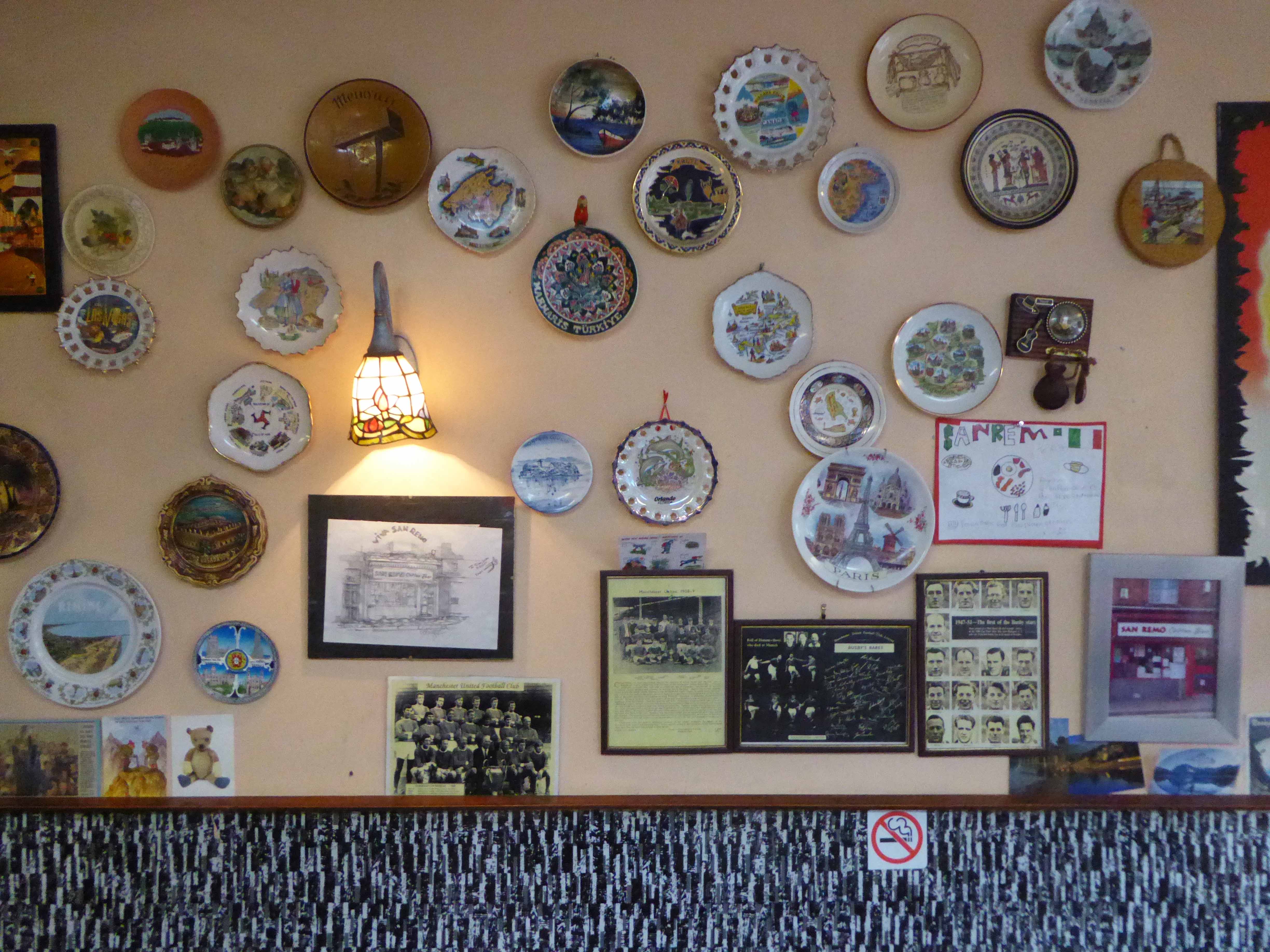
Sanremo or San Remo is a city on the Mediterranean coast of western Liguria in north-western Italy. Founded in Roman times, it has a population of 57,000, and is known as a tourist destination on the Italian Riviera. It hosts numerous cultural events, such as the Sanremo Music Festival and the Milan–San Remo cycling classic.

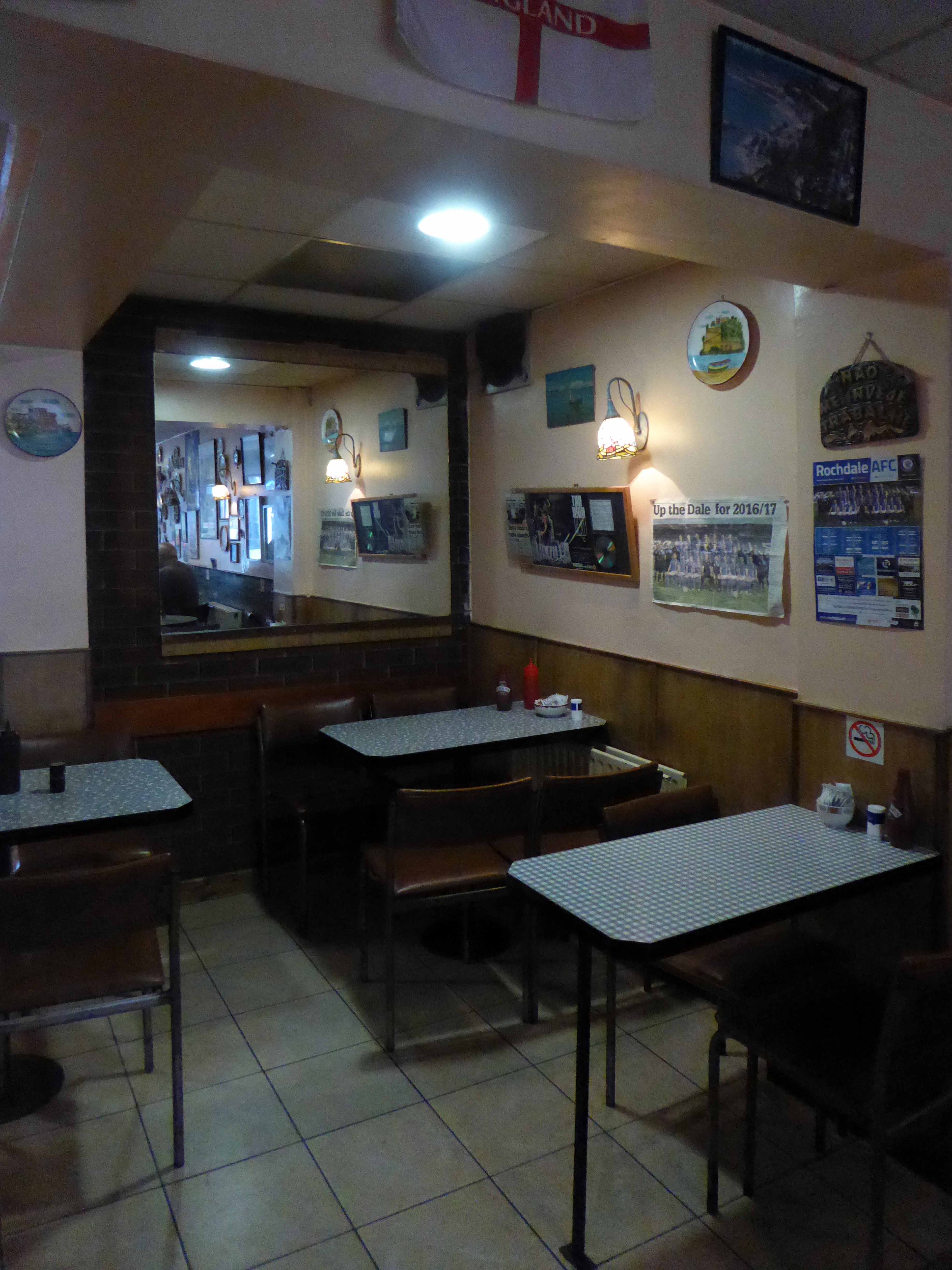
Rochdale is a market town in Greater Manchester, England, positioned at the foothills of the South Pennines on the River Roch, 5.3 miles north-northwest of Oldham, and 9.8 miles  north-northeast of the city of Manchester. Rochdale is surrounded by several smaller settlements which together form the Metropolitan Borough of Rochdale, population 211,699. Rochdale is the largest settlement and administrative centre, with a total population of 107,926. Home to the Cooperative Movement, Rochdale AFC and a redundant cotton industry.

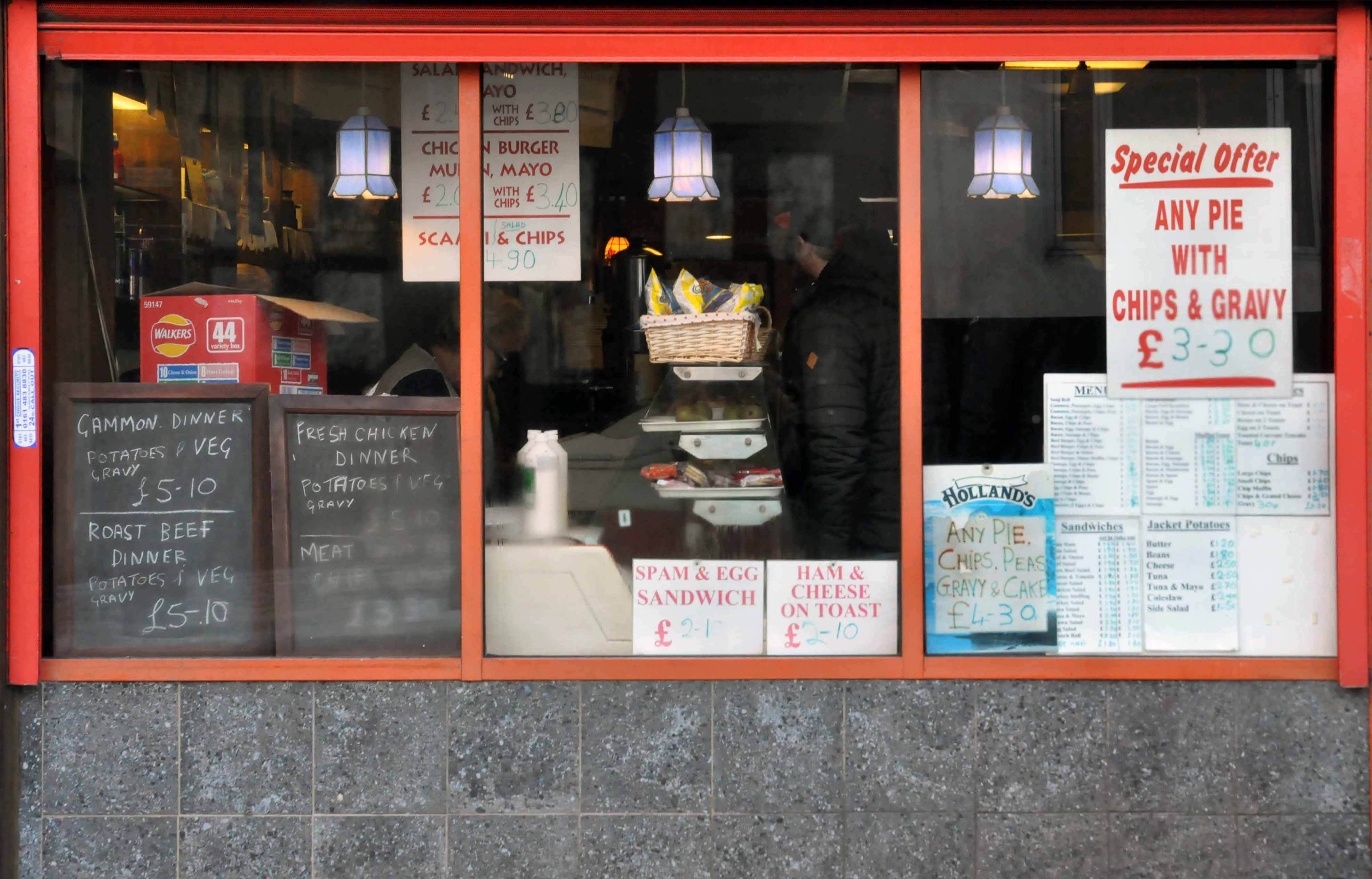
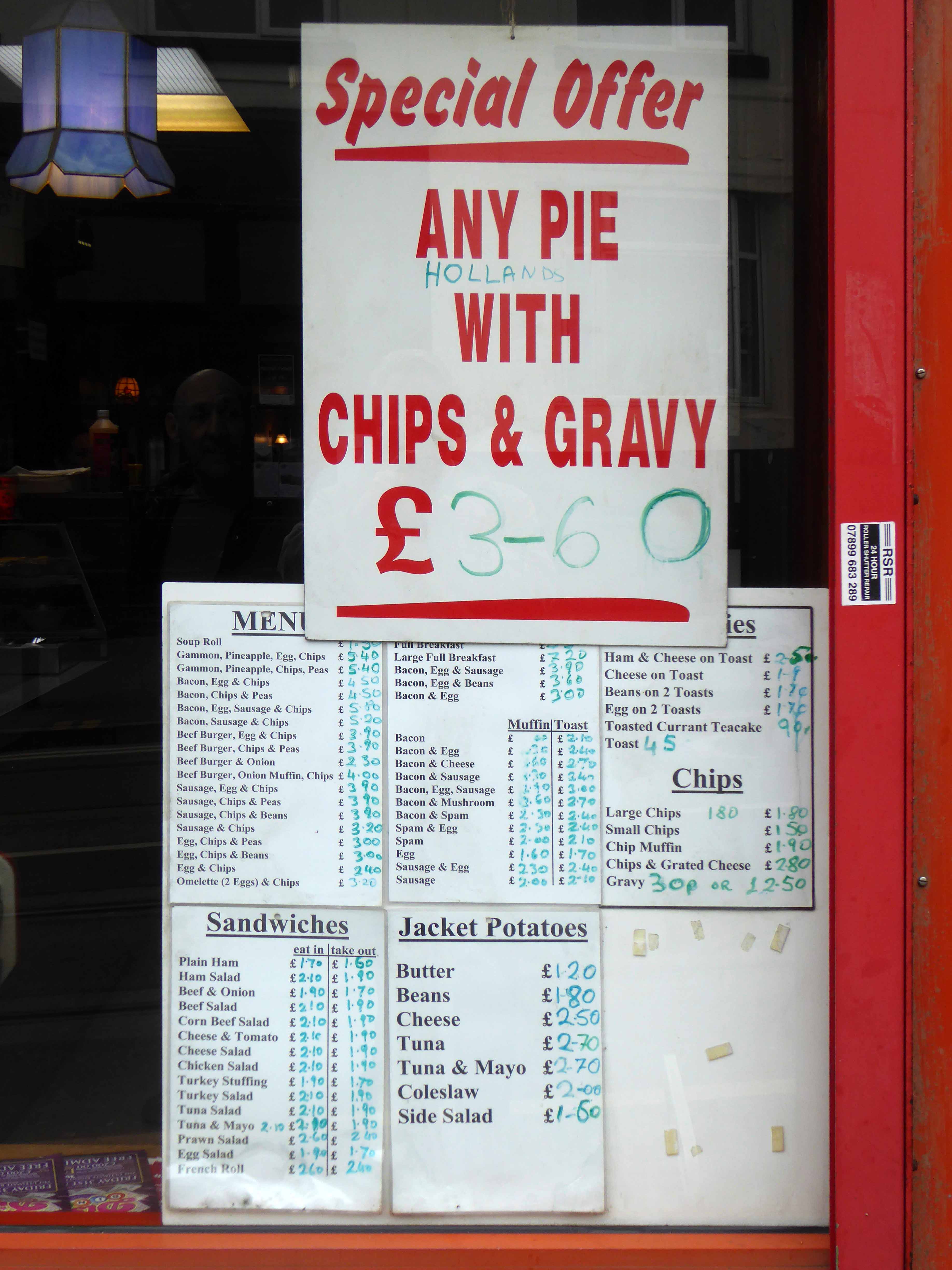
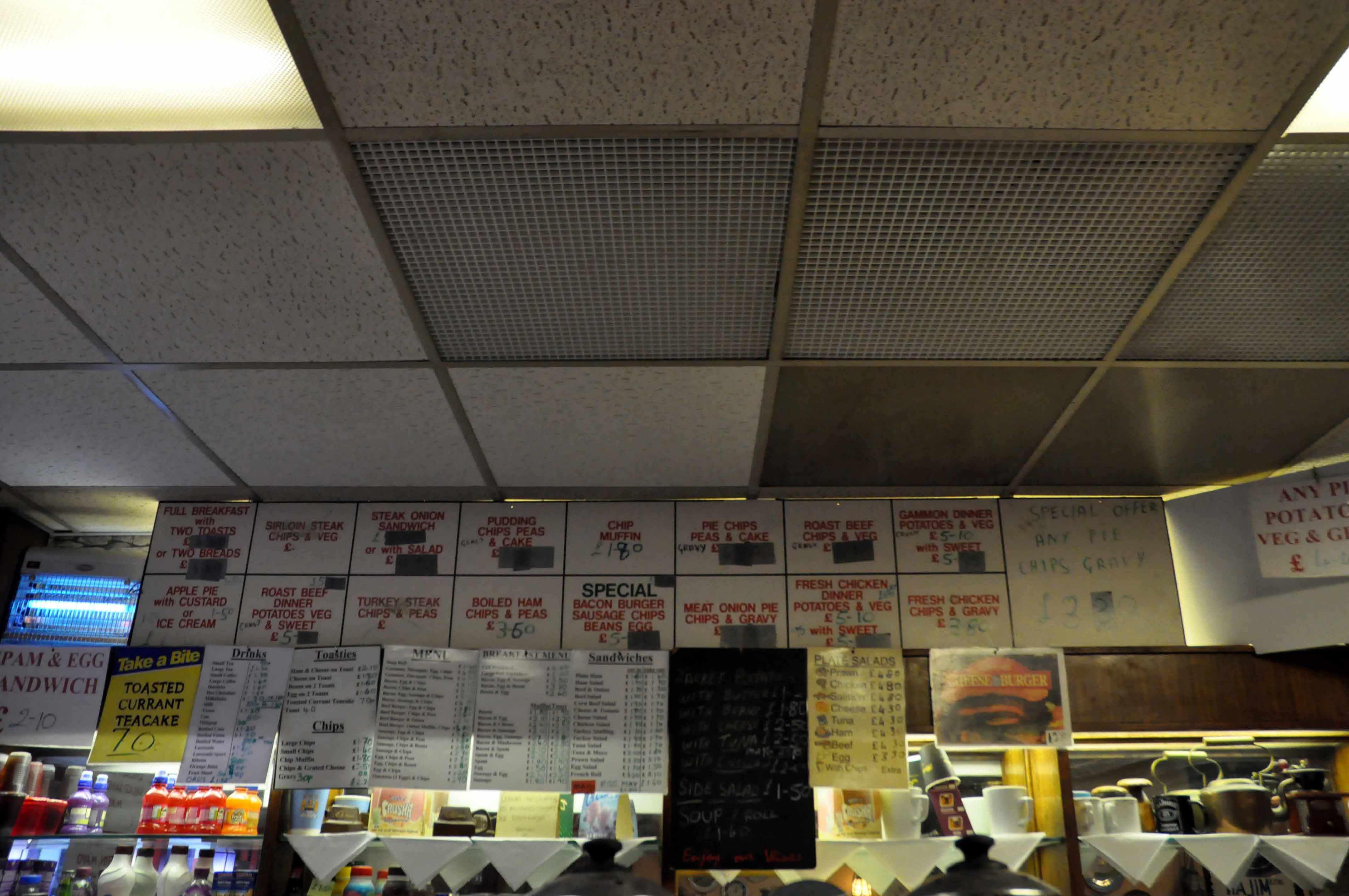
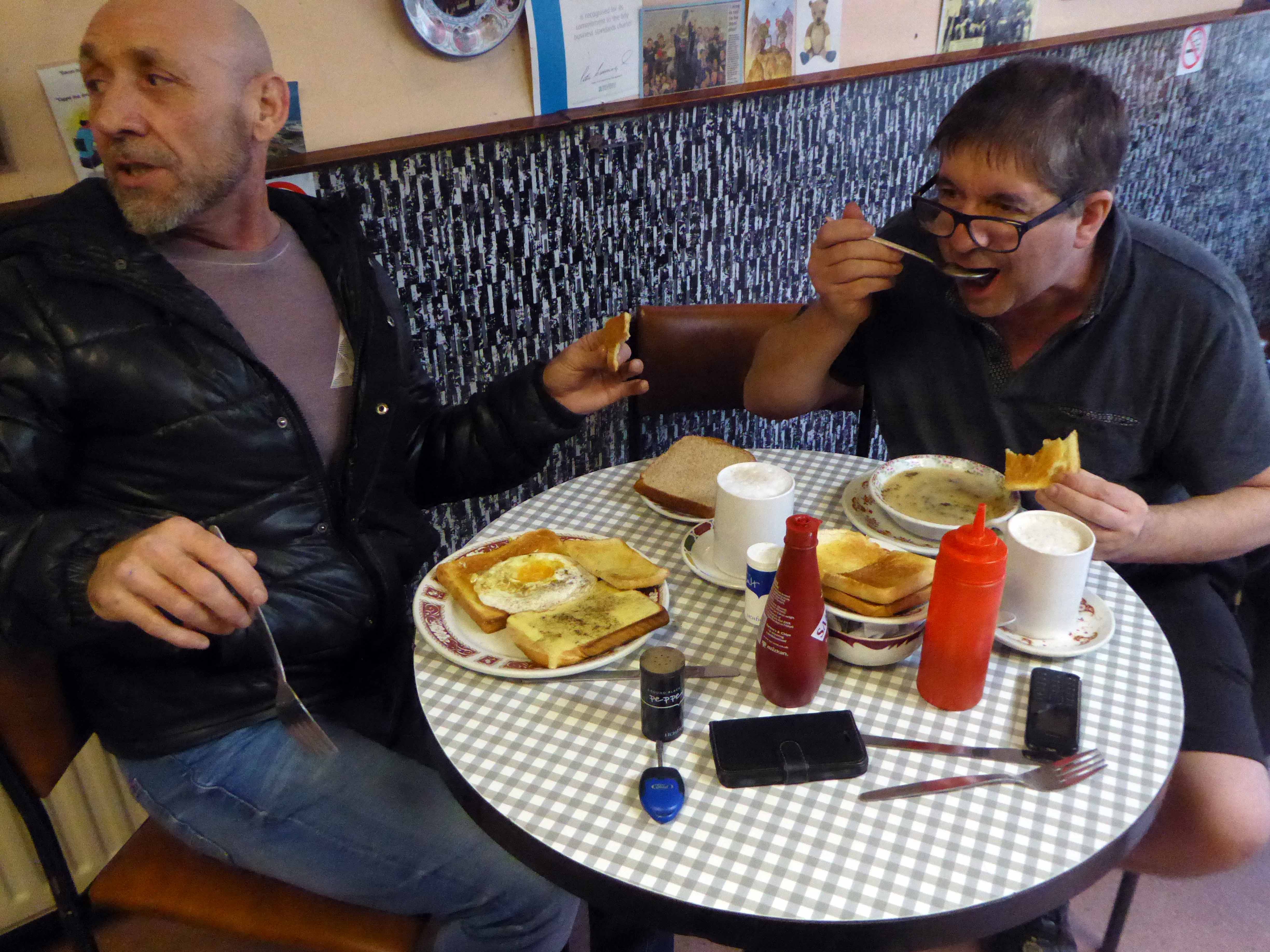
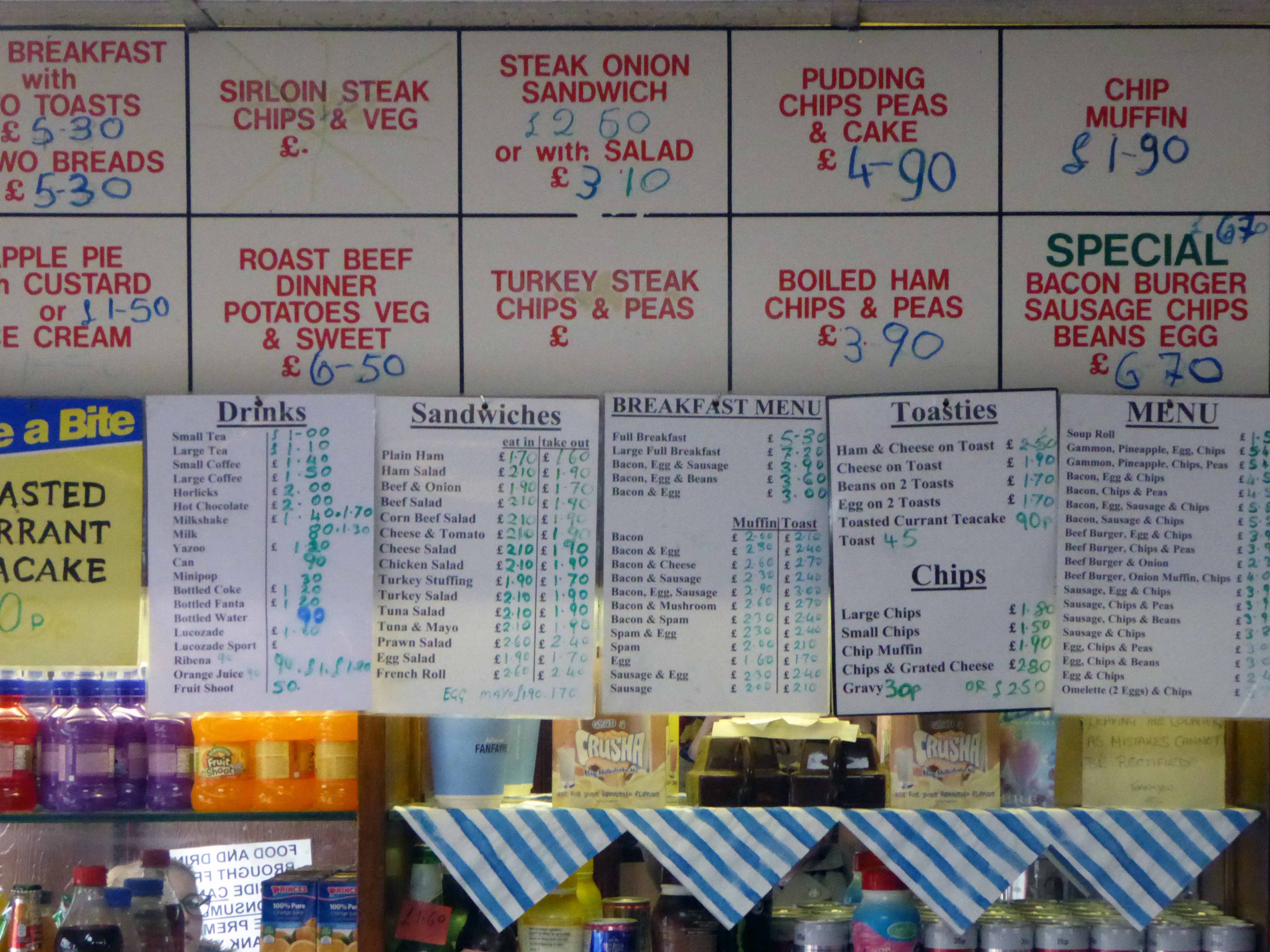
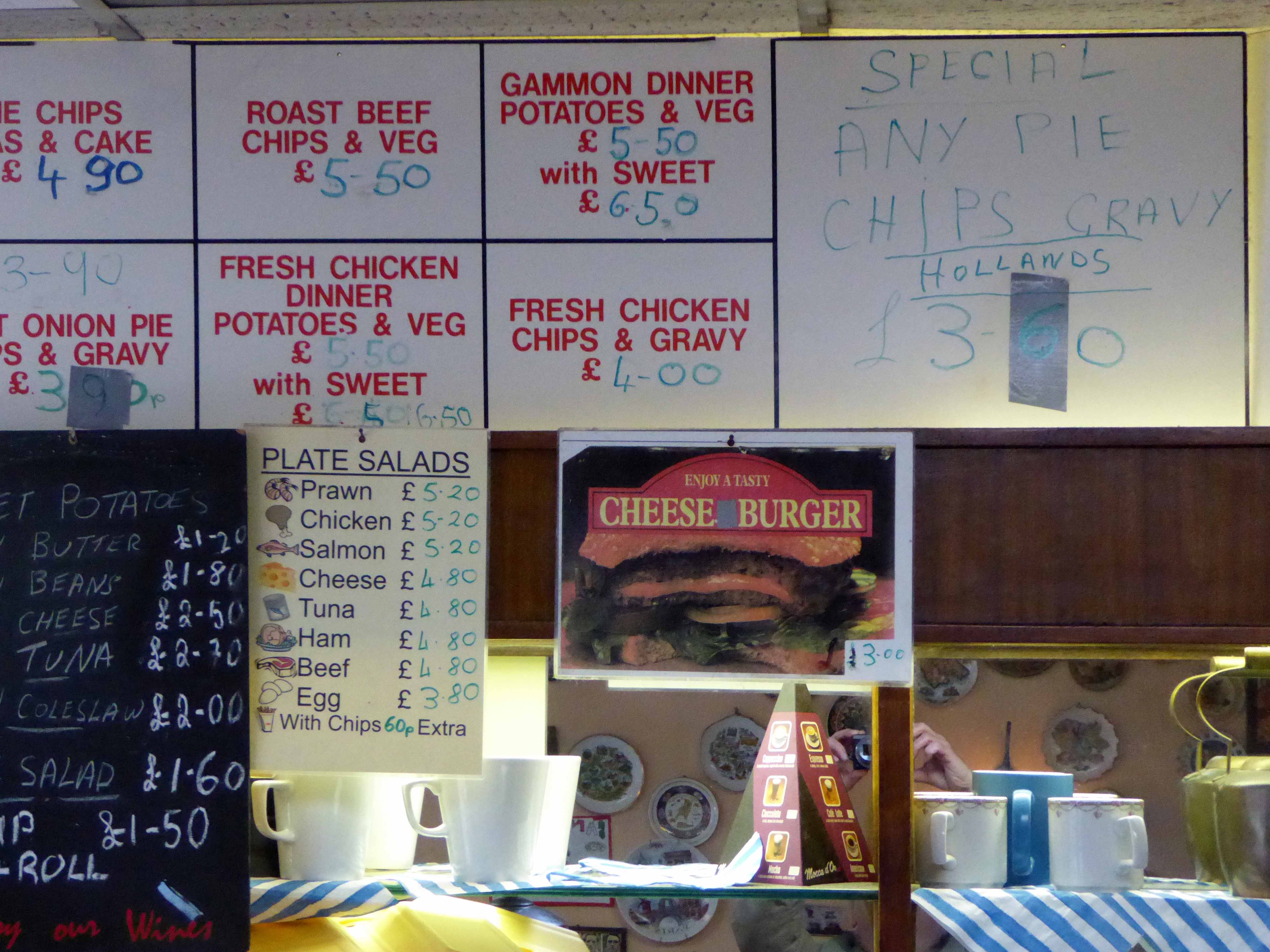
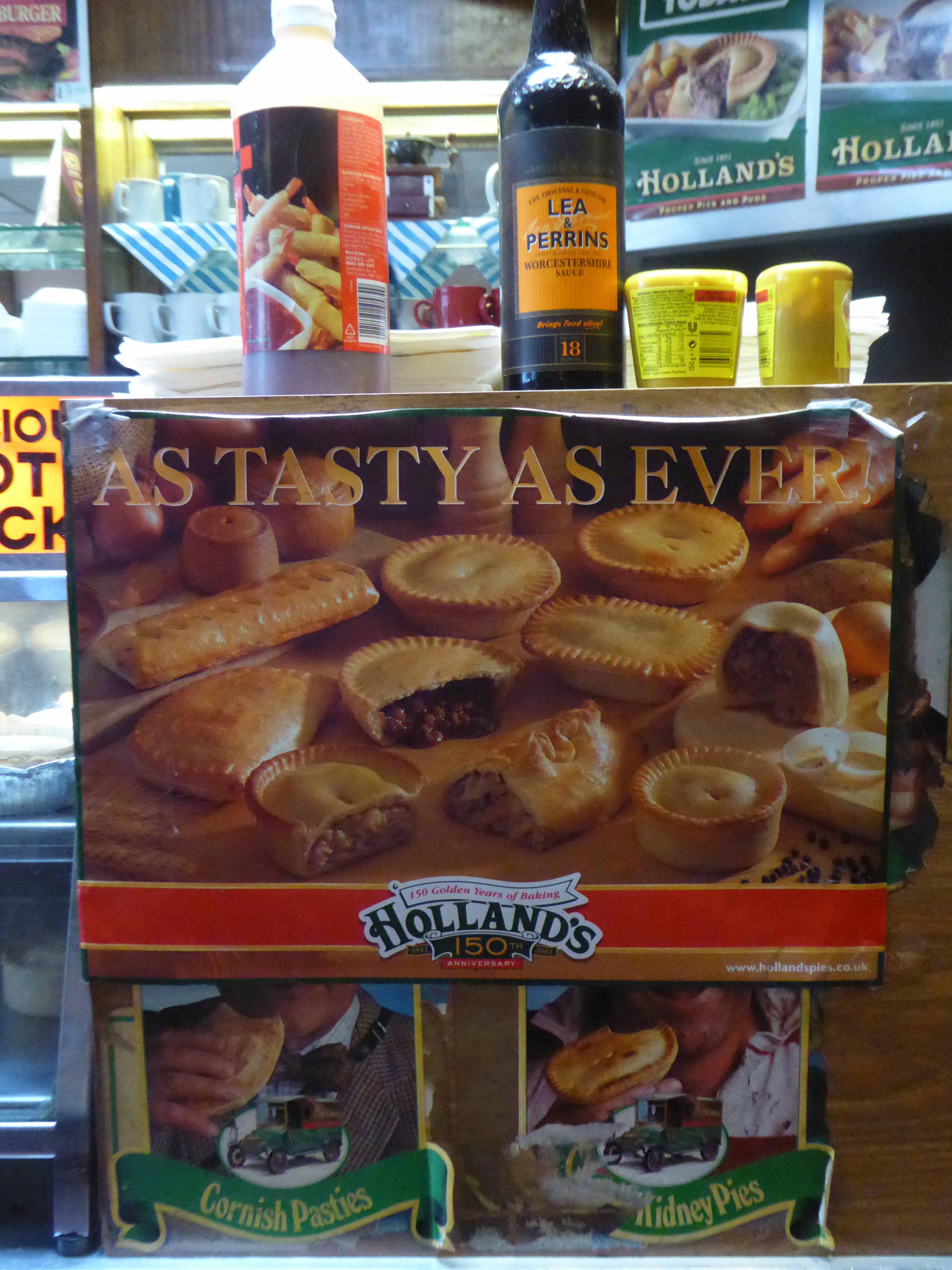
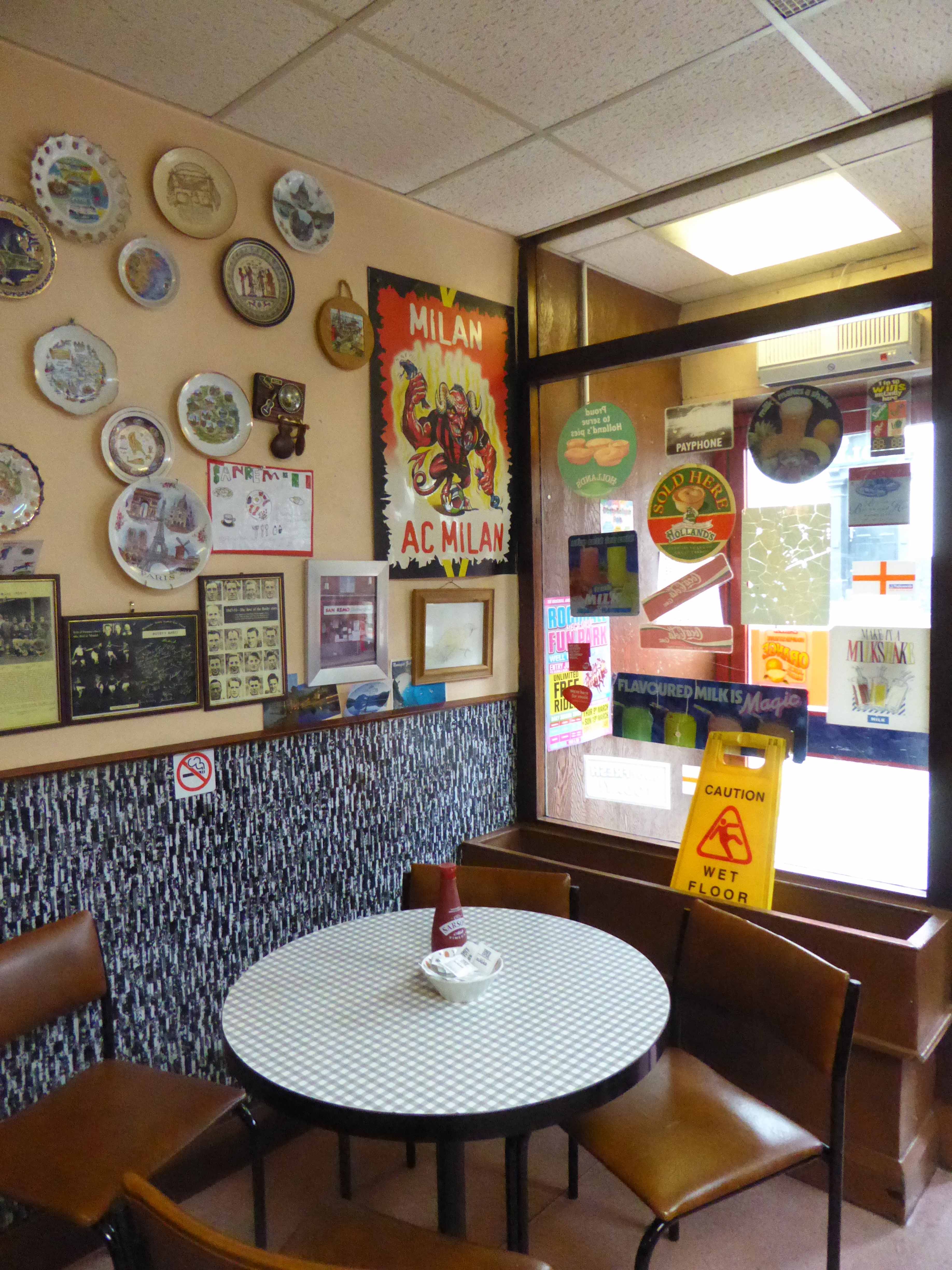
The two towns come together at 27 Drake Street, Rochdale, Lancashire OL161RX, home to a fine café and Italian born Tony and family. It has a well preserved menu that reflects industrial Lancastrian tastes rather than flavours of Liguria. It has an internal decorative order that is pure mid century a la mode – Pennine Style. Several more than several signs leave you in no doubt as to the availability of pies, pies with chips/potatoes, peas, gravy, veg – pies of all varieties, pies.

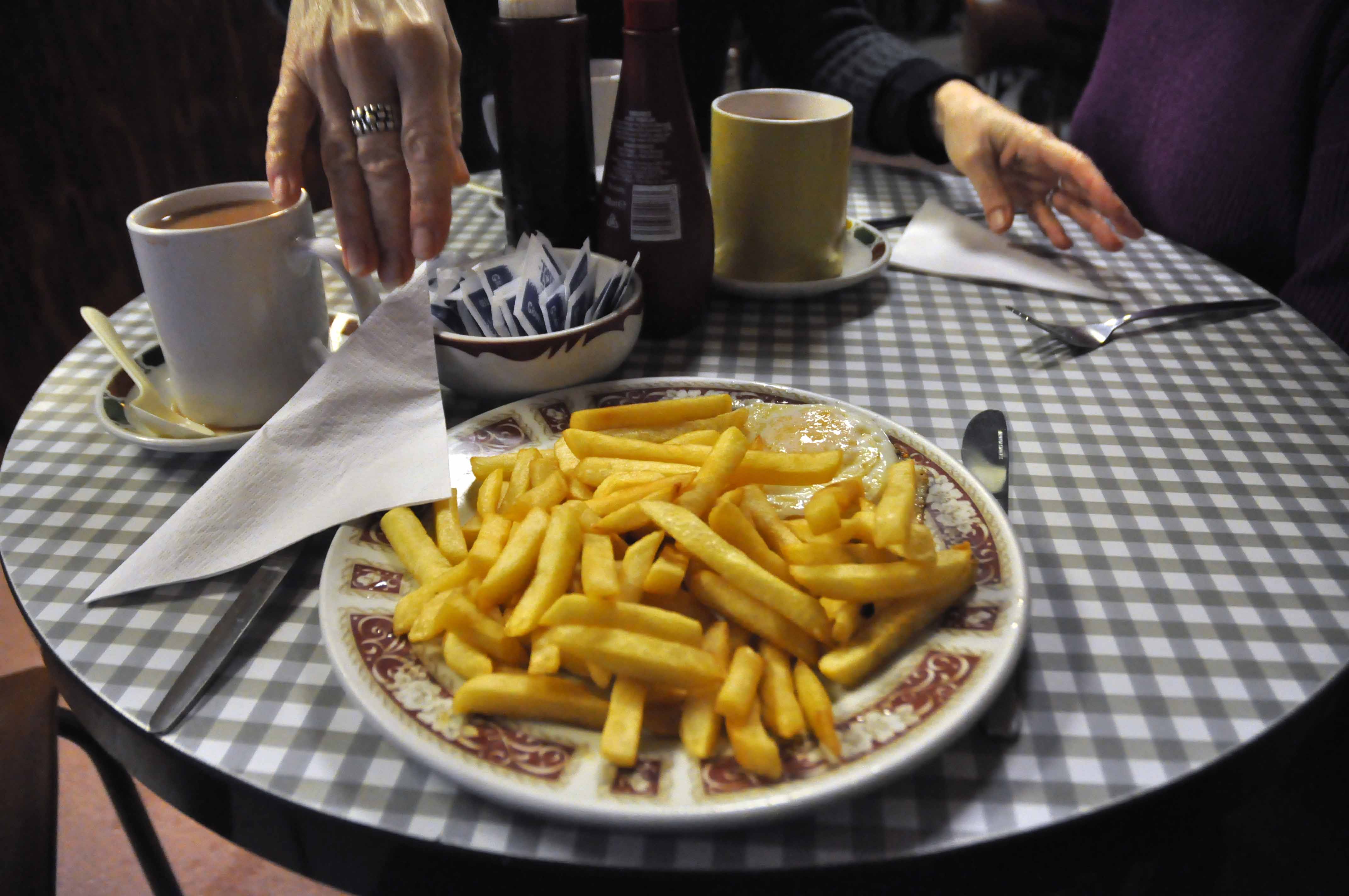
So pie, chips, peas and gravy it was, with a mug of tea – it always is.

Pop in say Buongiorno!

DSC_0069

DSC_0071

P1140277

DSC_0039 copy

DSC_0041

DSC_0043

DSC_0044

DSC_0050

DSC_0051

DSC_0053

DSC_0056

DSC_0059

DSC_0064

P1140278

P1140280

P1140282

P1140283

P1140287

P1140288

P1140289

P1140290

P1140294

P1140295

P1140296

P1140297

P1140298

P1140300

P1140302

P1140308

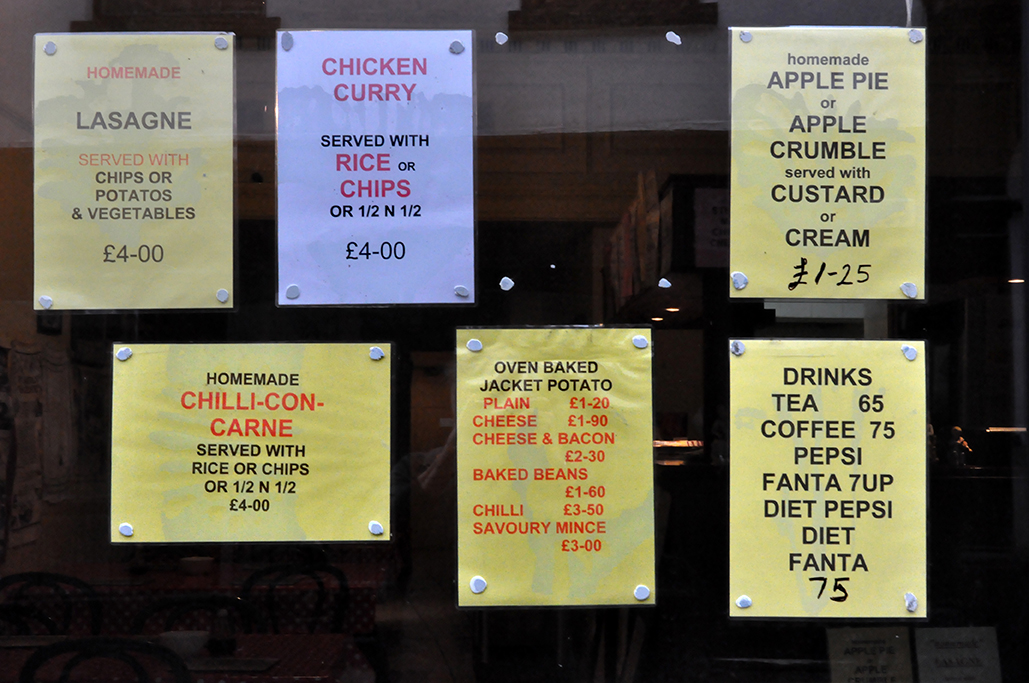
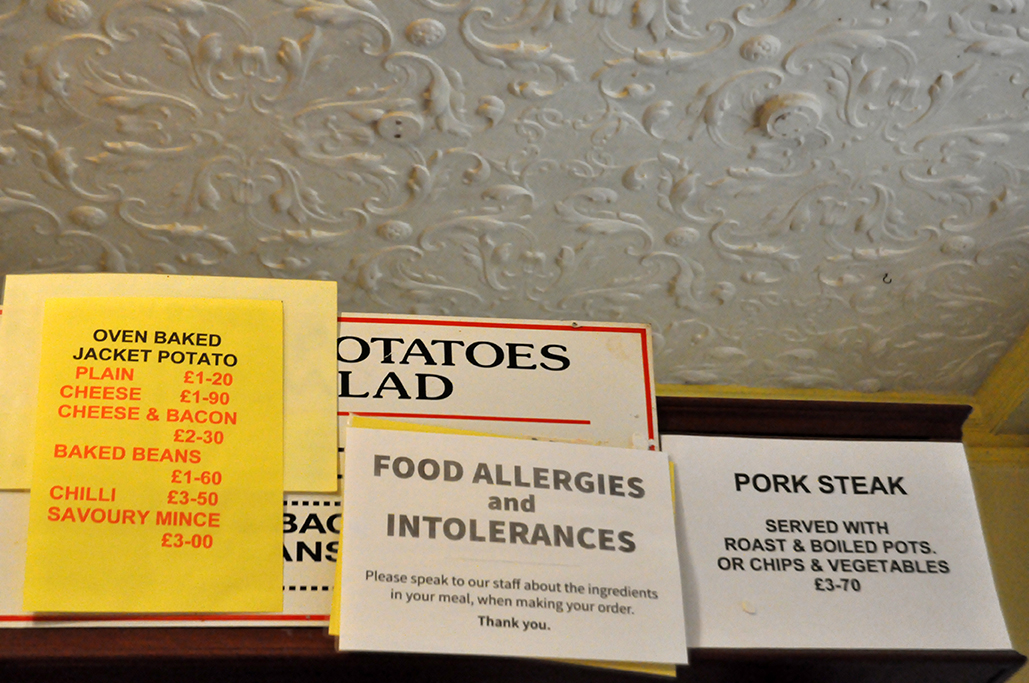
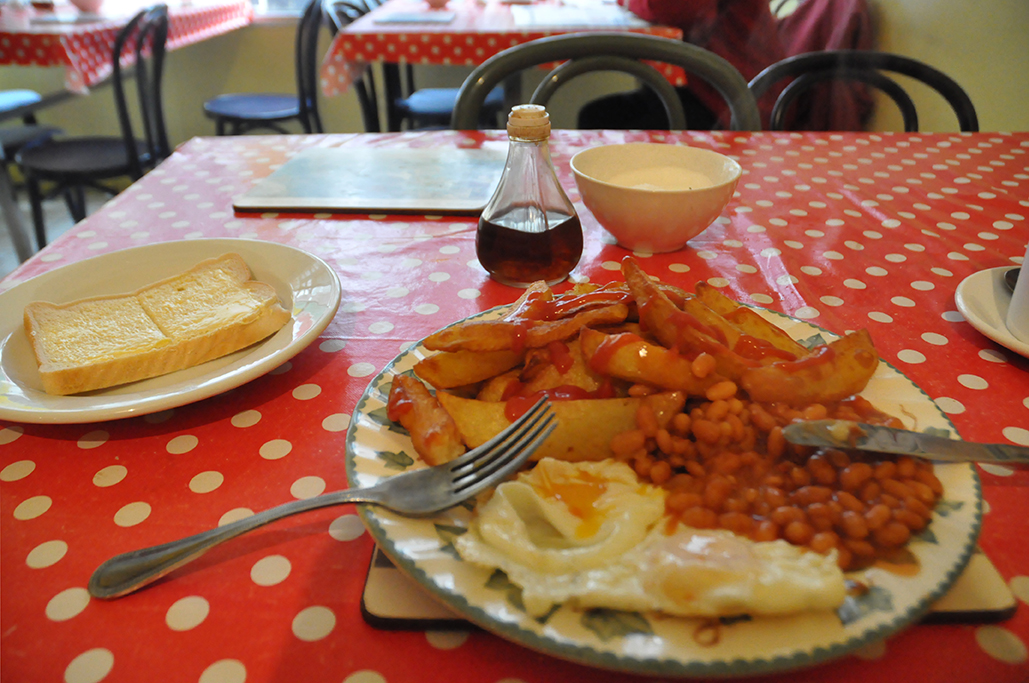
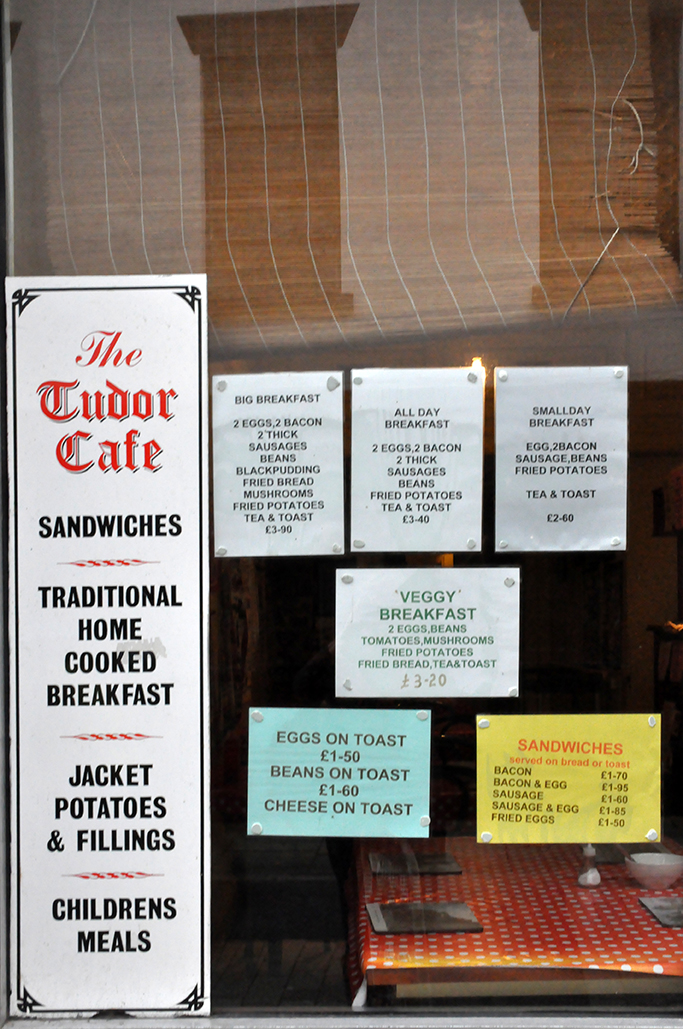
The Tudor Café – Stockport

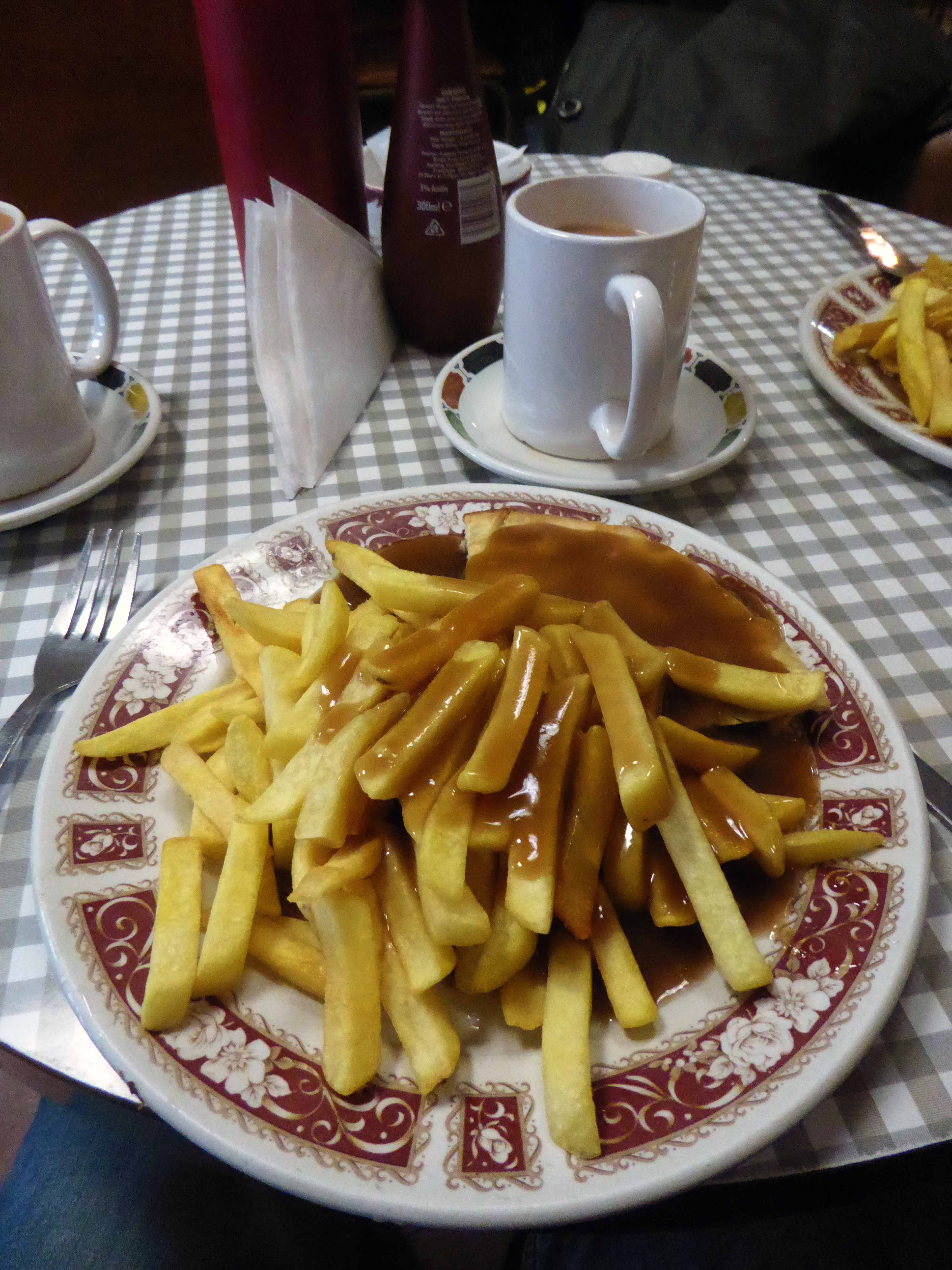
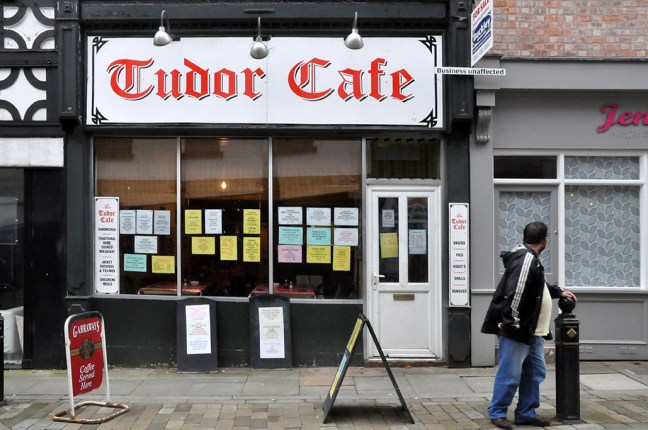
On Lower Hillgate, almost next door to where it used to be, there stands The Tudor Café.

Almost where it has almost always stood.

Other businesses have come and gone, happily it prevails.

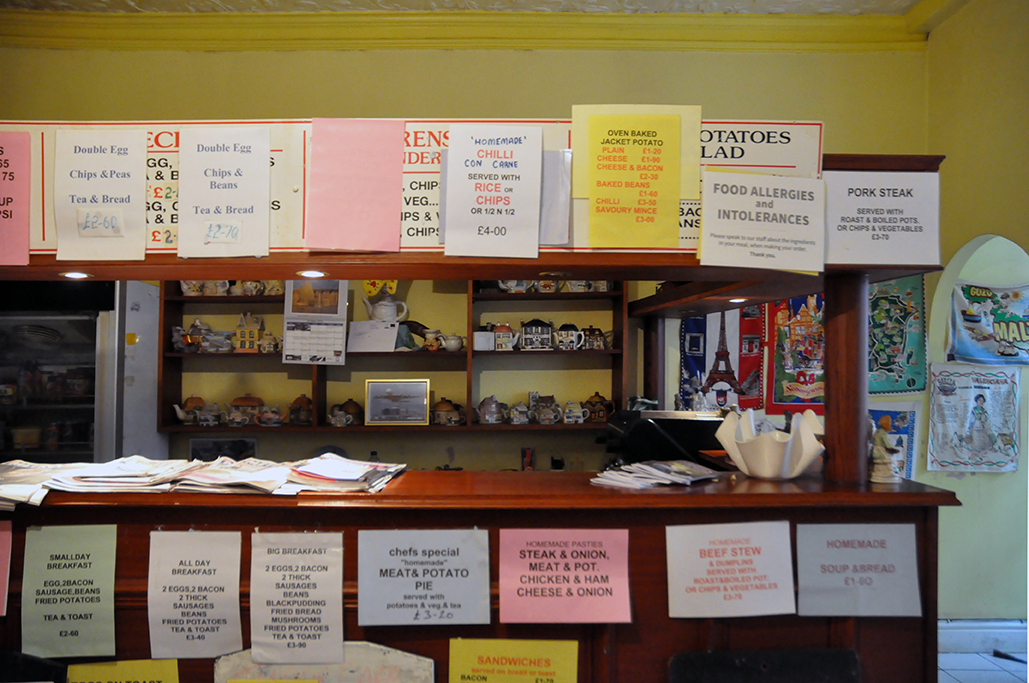
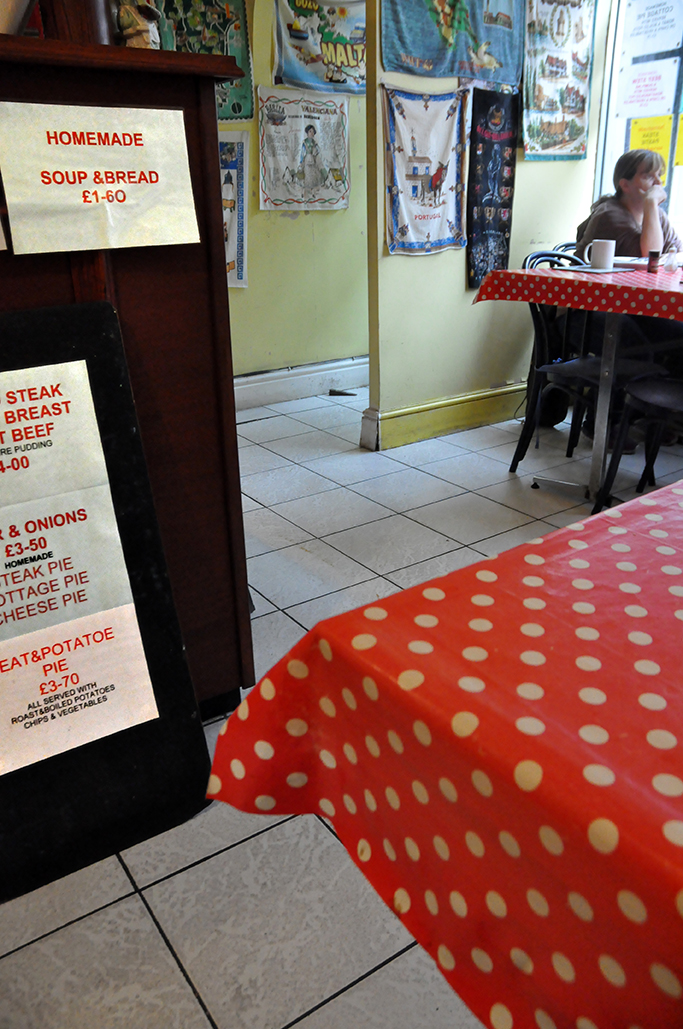
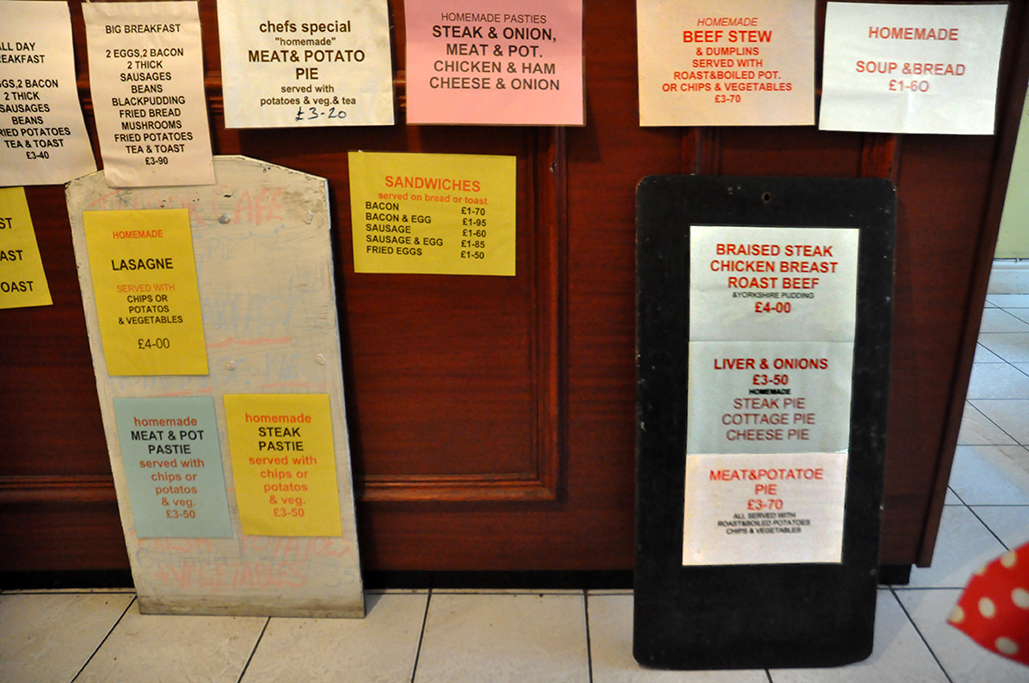
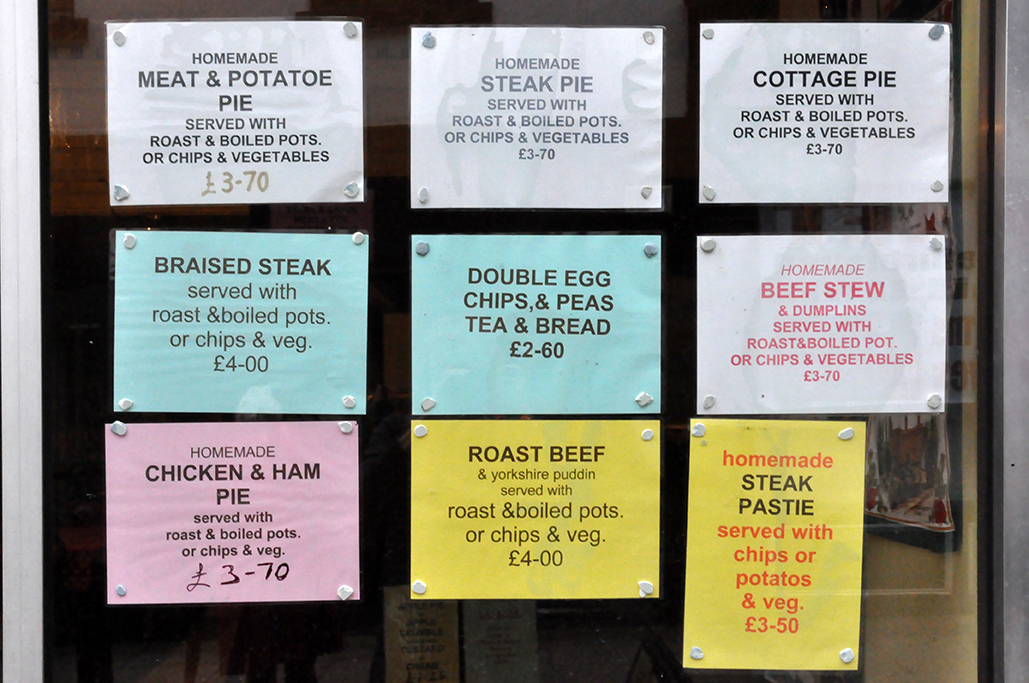
The cheapest tastiest grub in town.

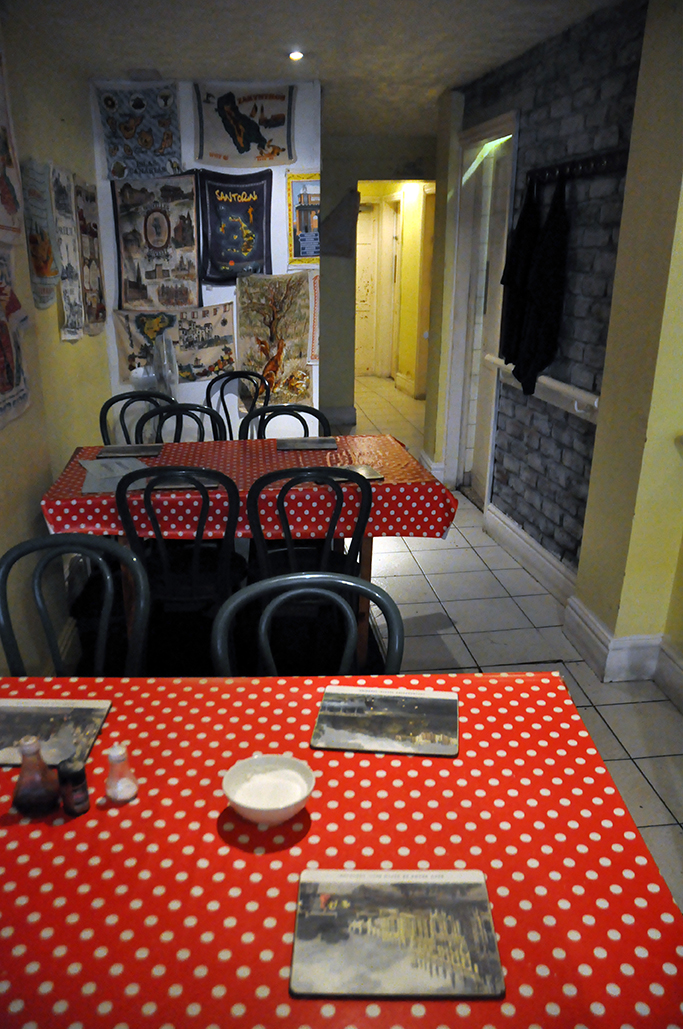
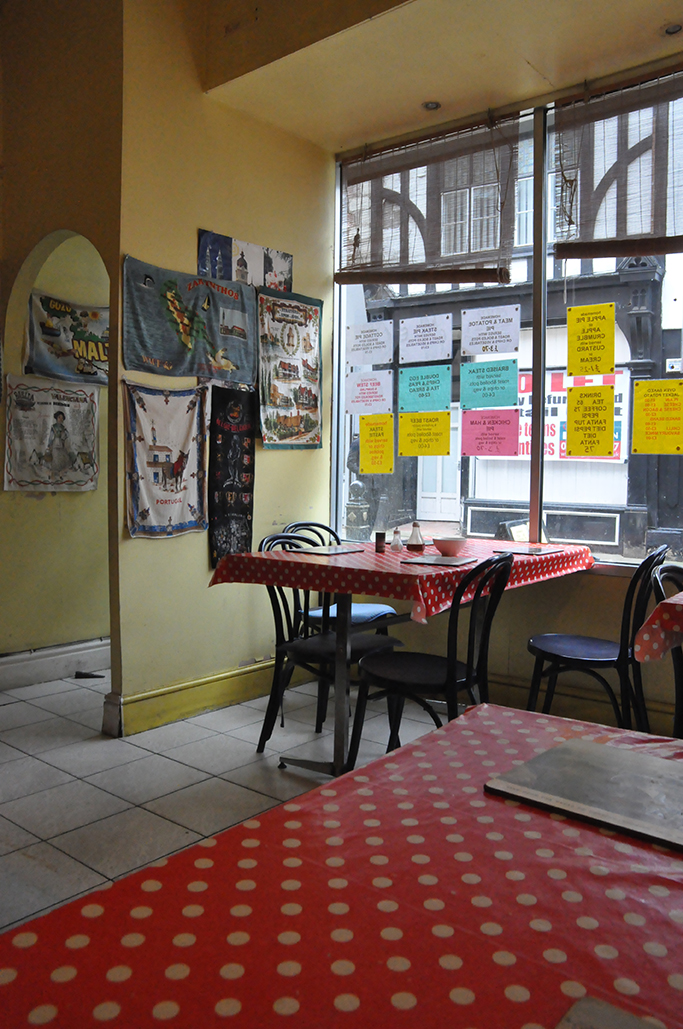
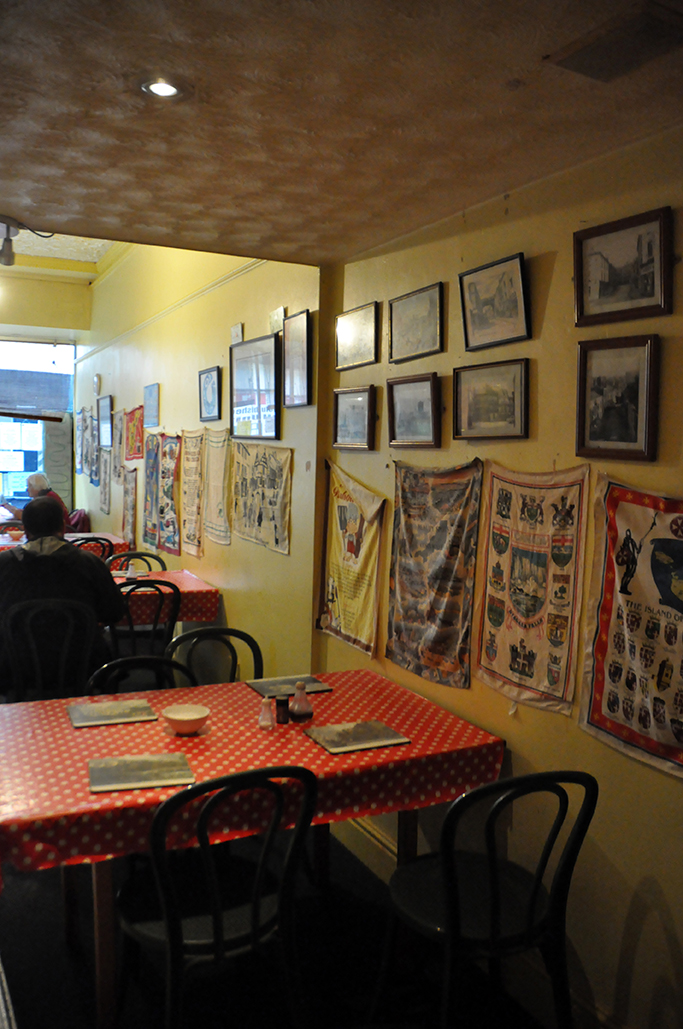
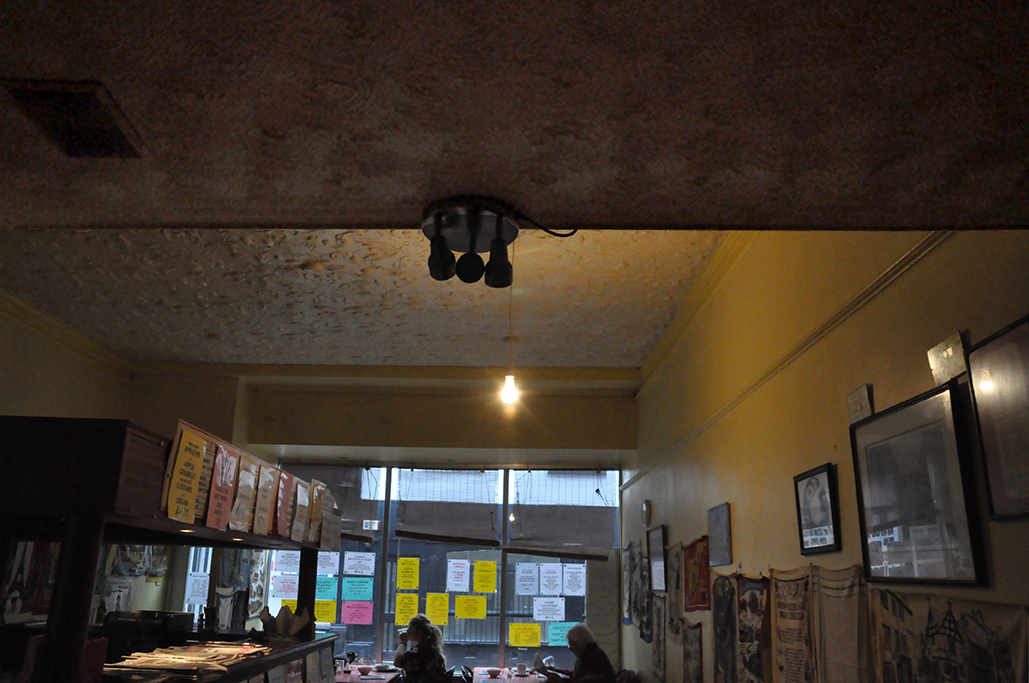
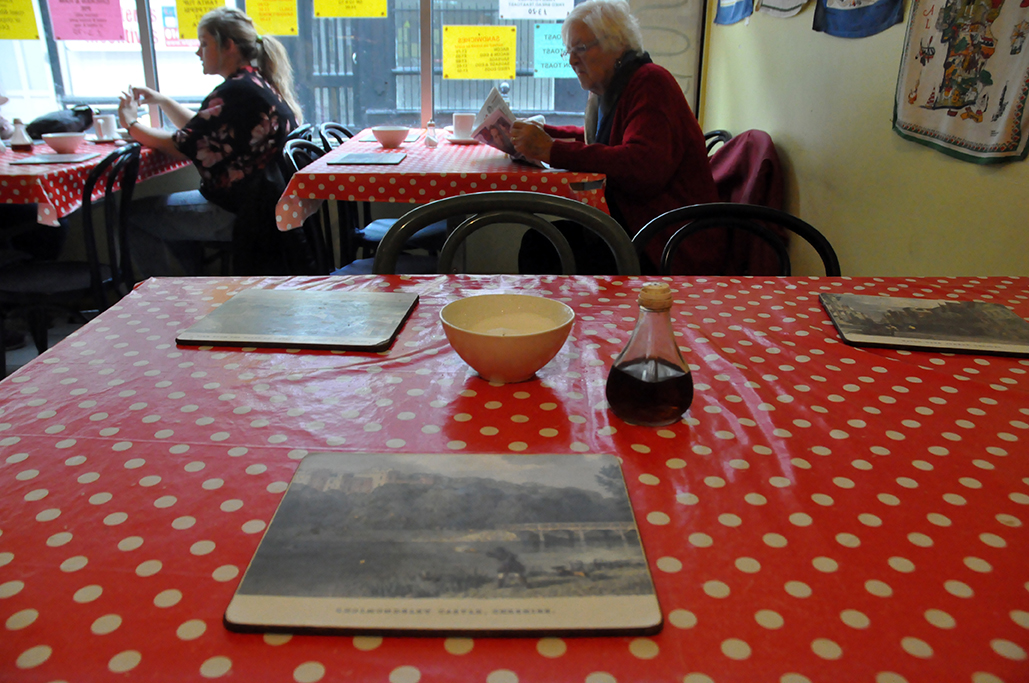
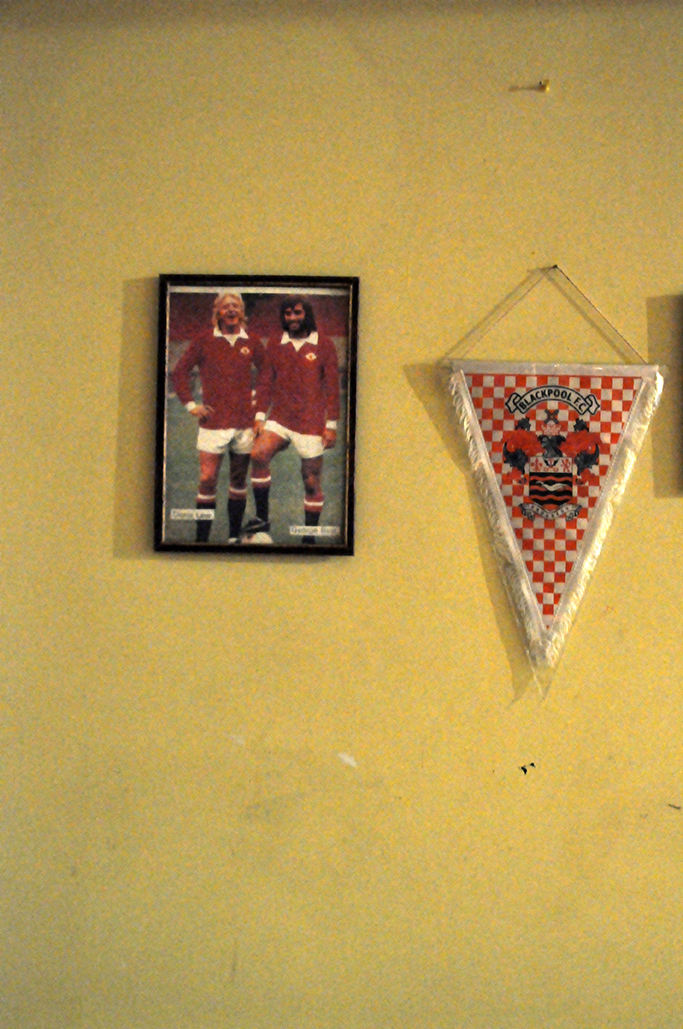
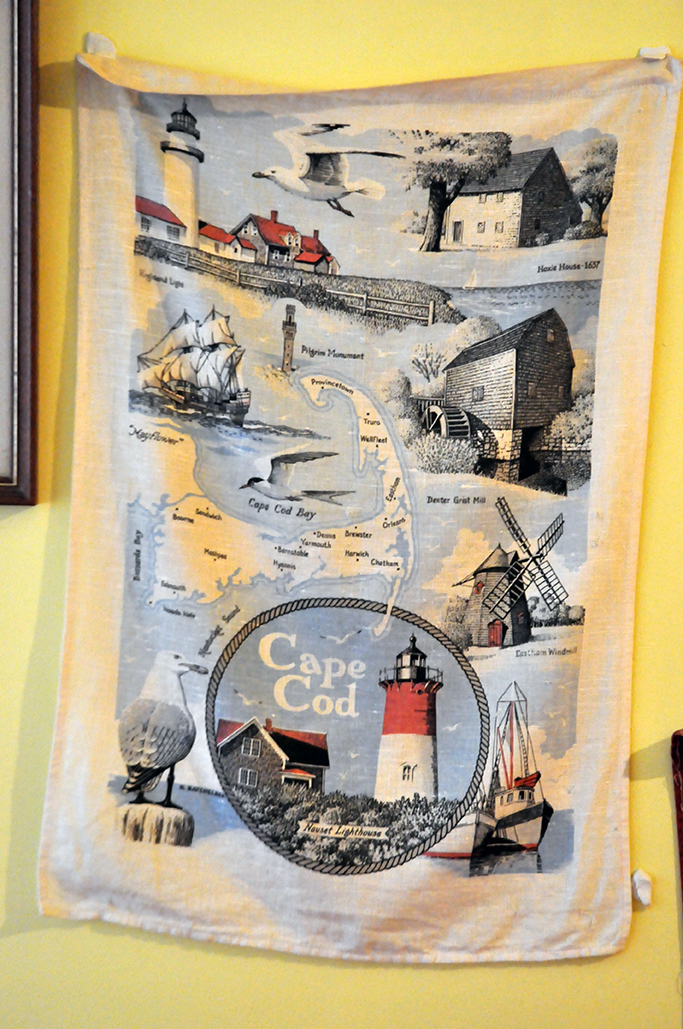
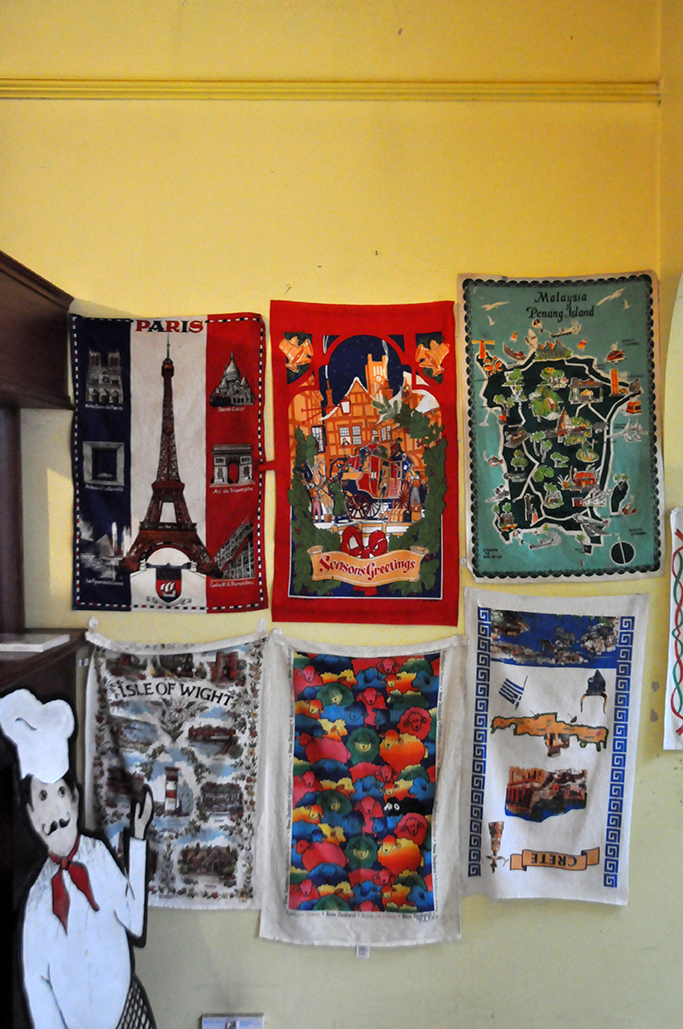
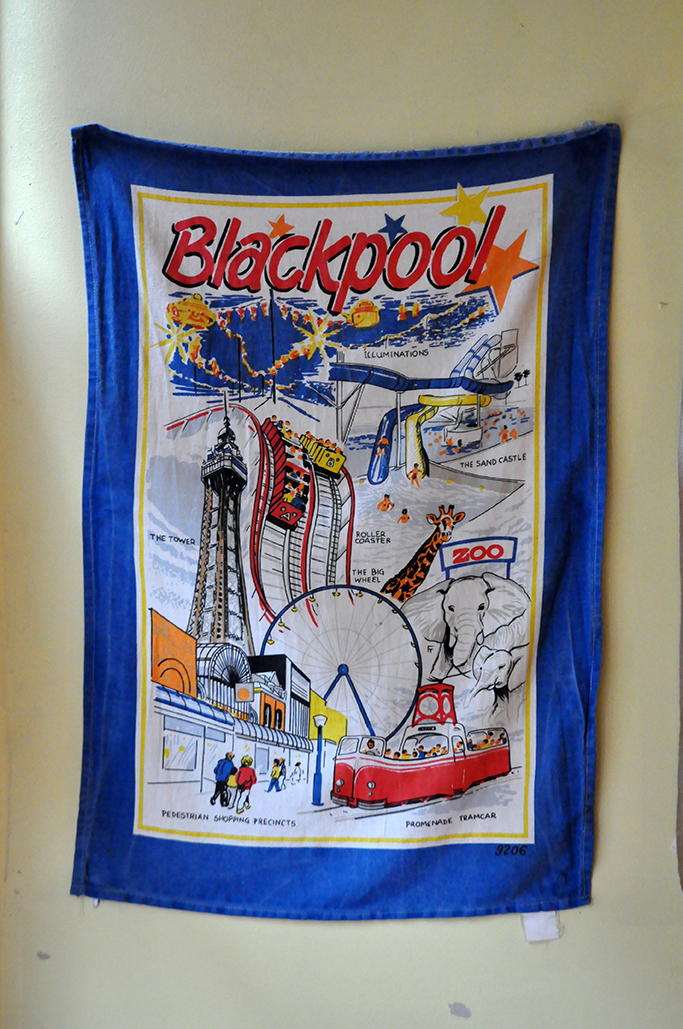
An interior festooned with tea towels.

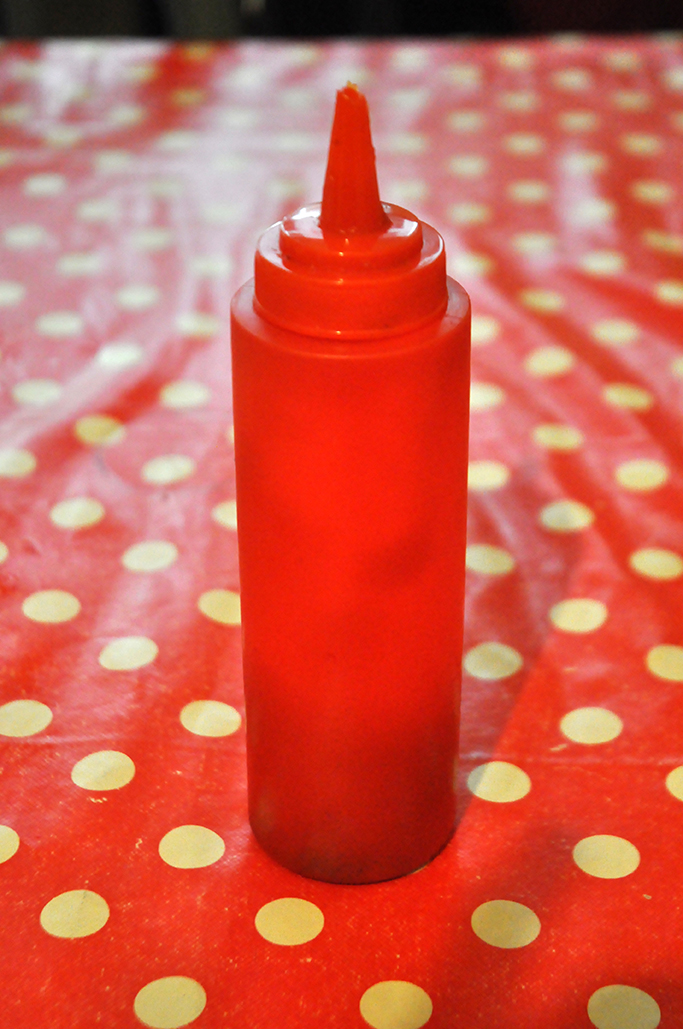
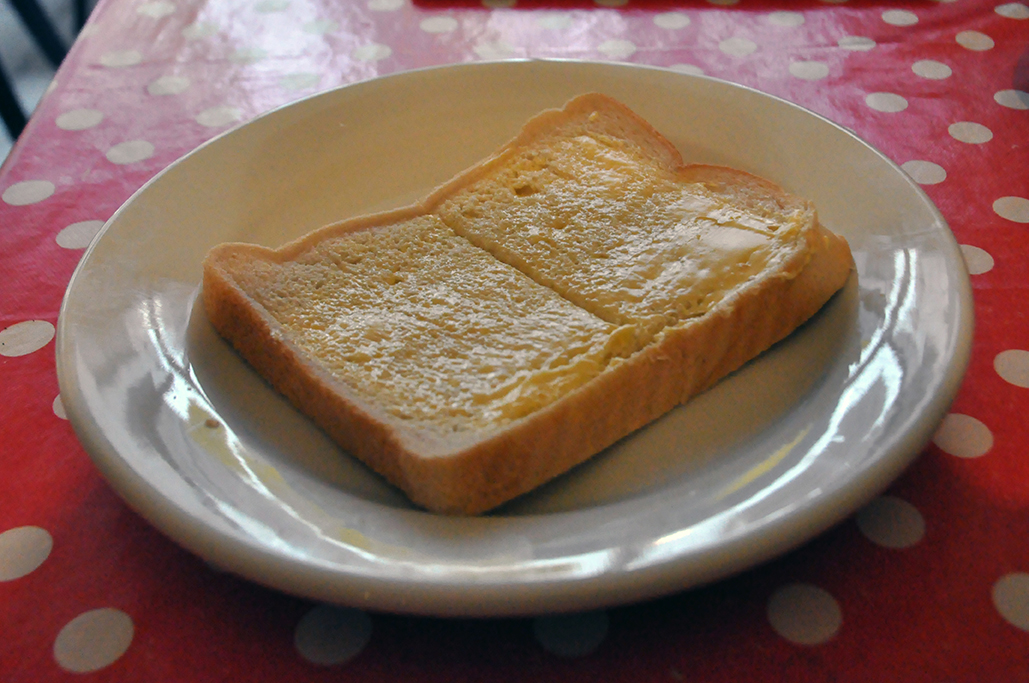
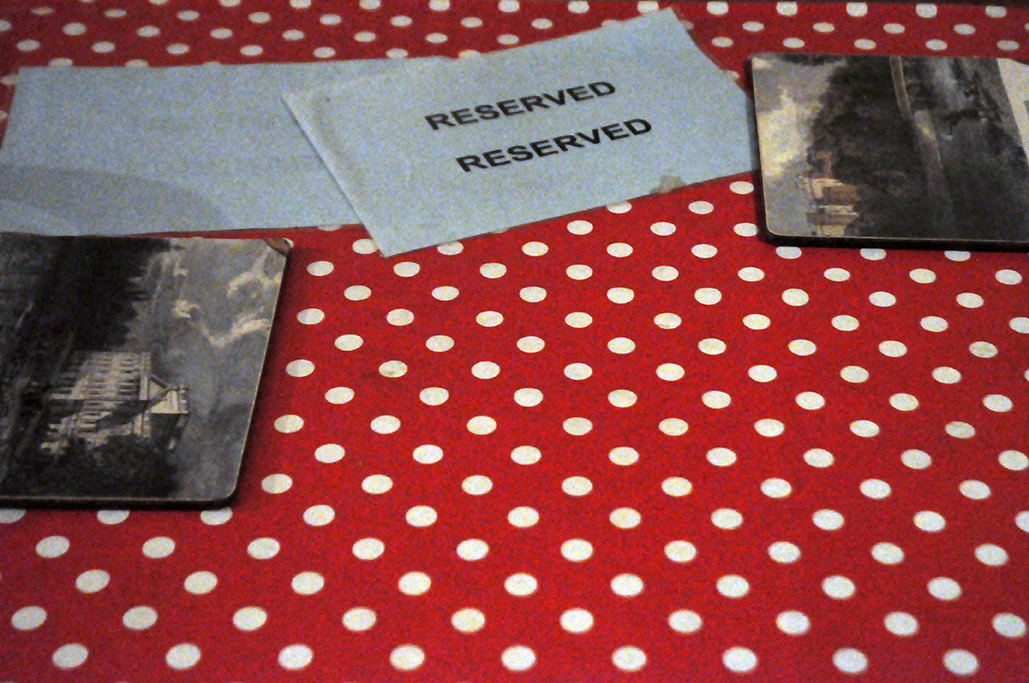
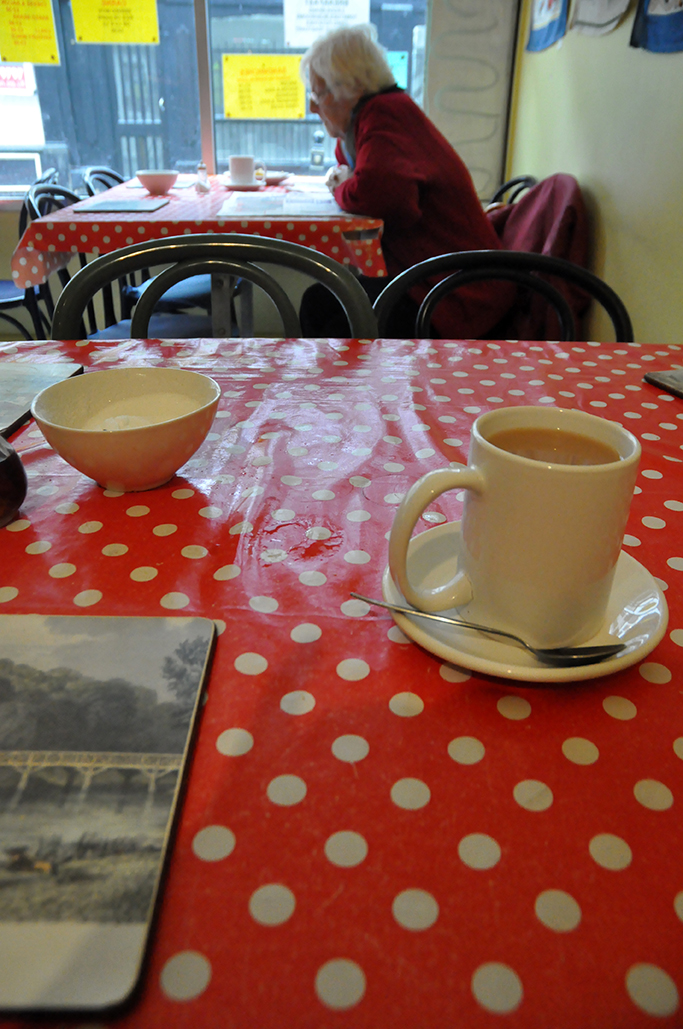
Tables polka dotted, teas hot.

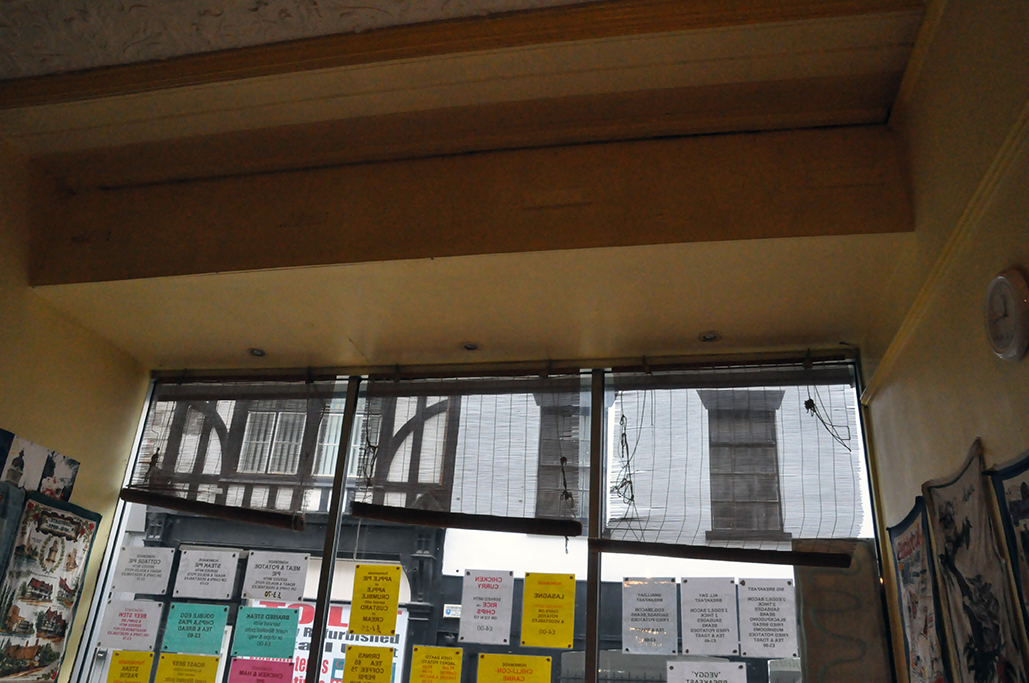
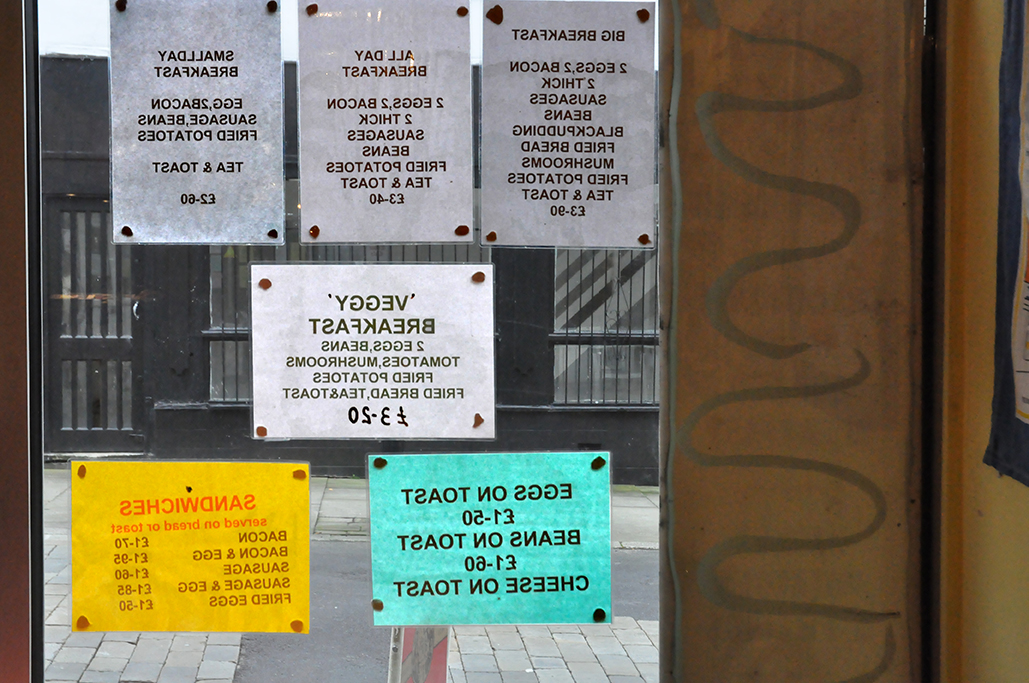
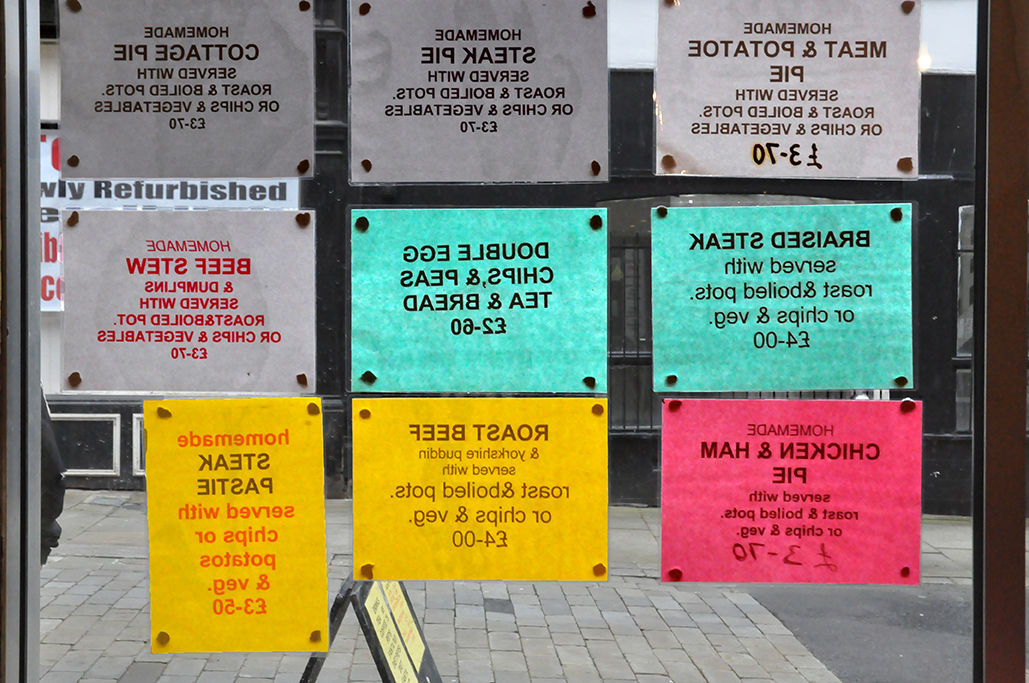
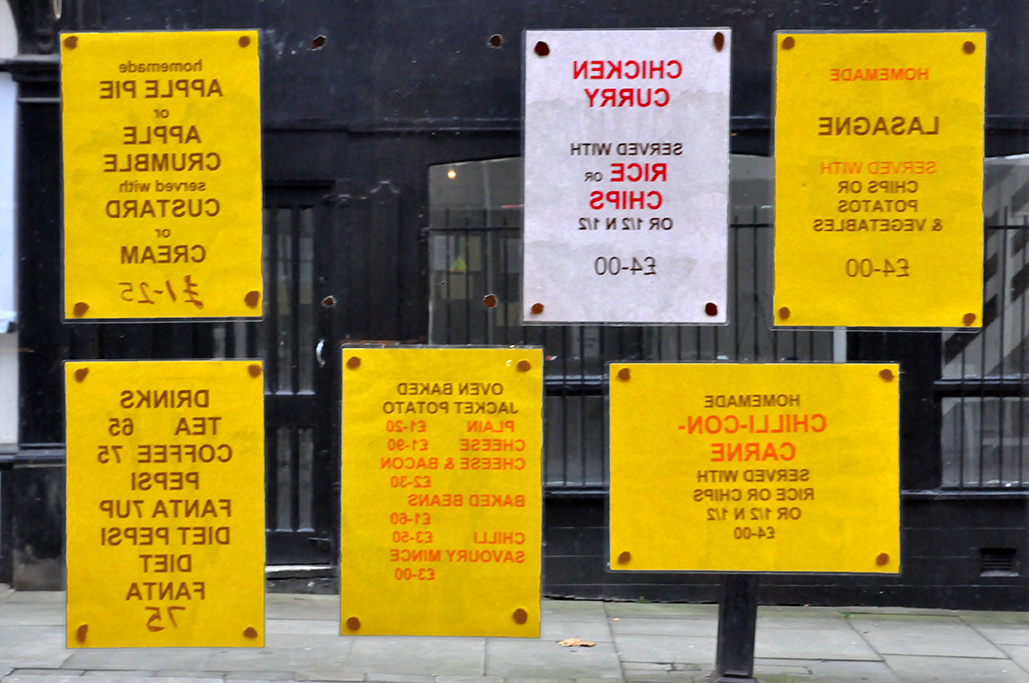
Signs inside and out, some of them inside out.

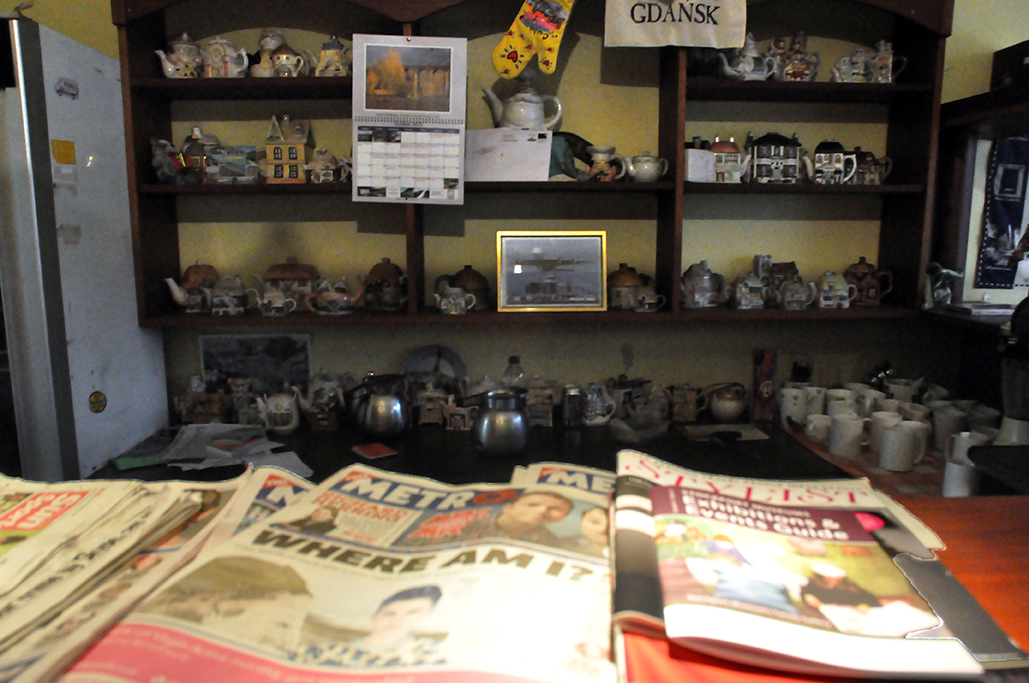
Greetings from Gdansk.

DSC_0025 copy

DSC_0026 copy

DSC_0046 copy

DSC_0030 copy

DSC_0024 copy

DSC_0045 copy

DSC_0053 copy

DSC_0043 copy

DSC_0034 copy

DSC_0039 copy

DSC_0032 copy

DSC_0051 copy

DSC_0040 copy

DSC_0037 copy

DSC_0063 copy

DSC_0059 copy

DSC_0029 copy

DSC_0060 copy

DSC_0064 copy

DSC_0041 copy

DSC_0052 copy

DSC_0065 copy

DSC_0061 copy

DSC_0062 copy

DSC_0058 copy

DSC_0049 copy

Margate – Batchelor’s Patisserie

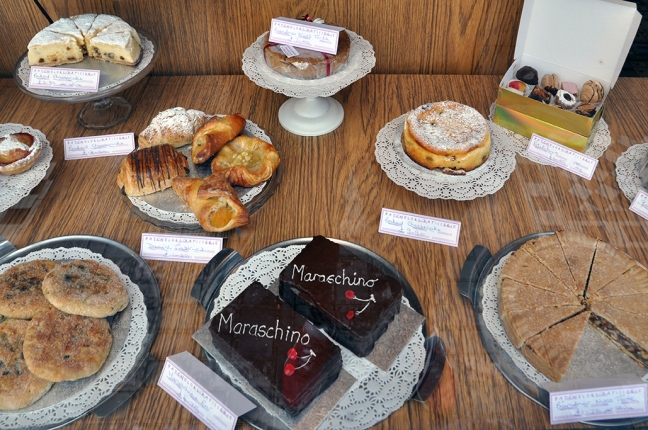
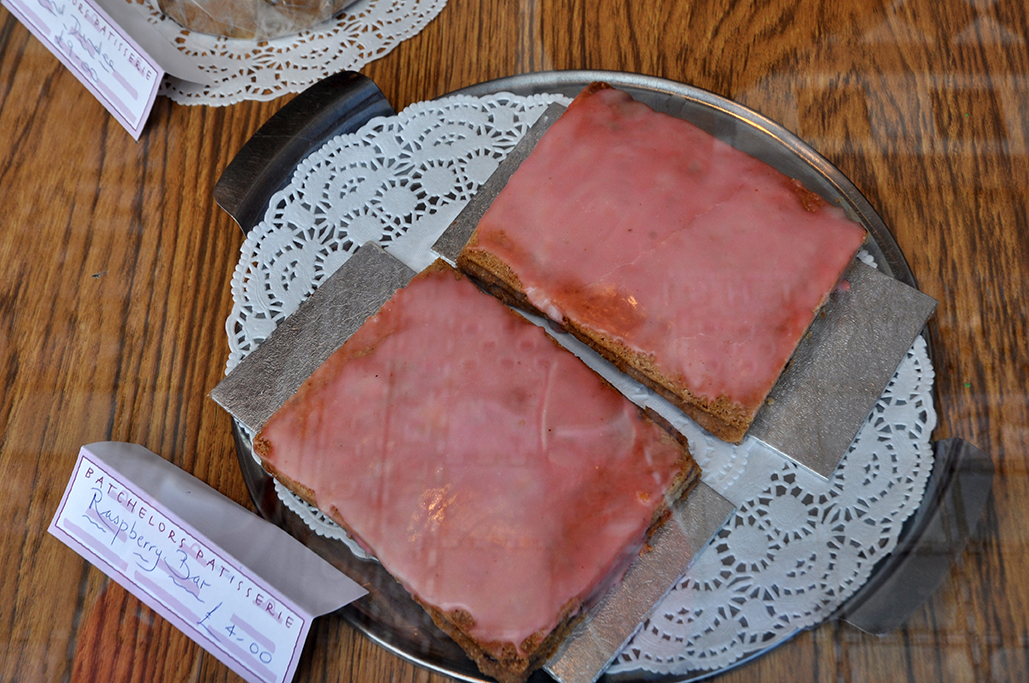
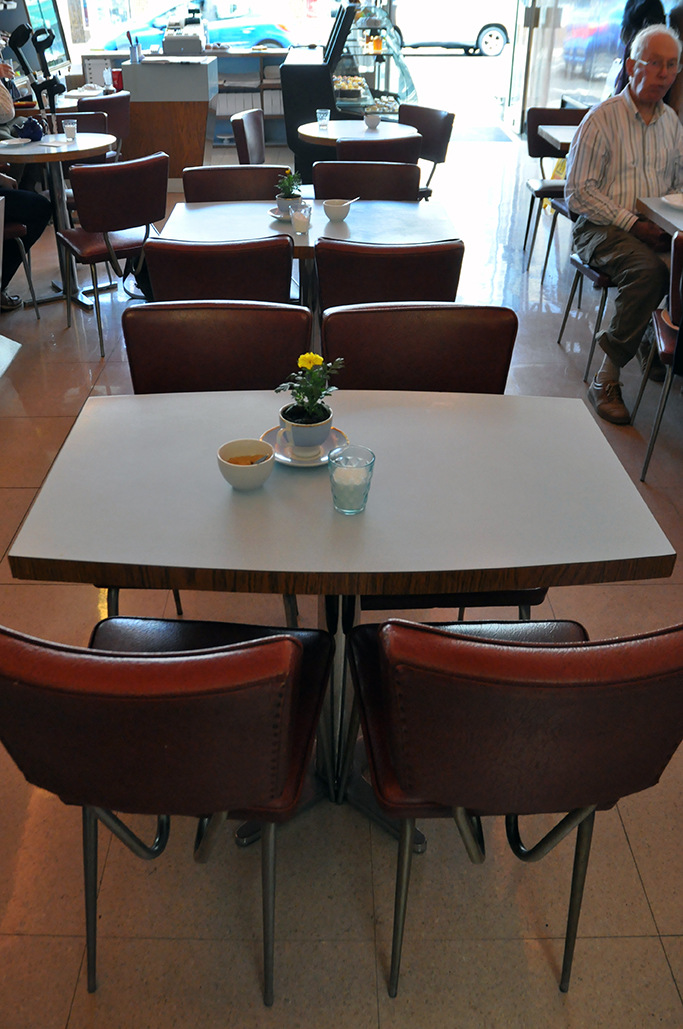
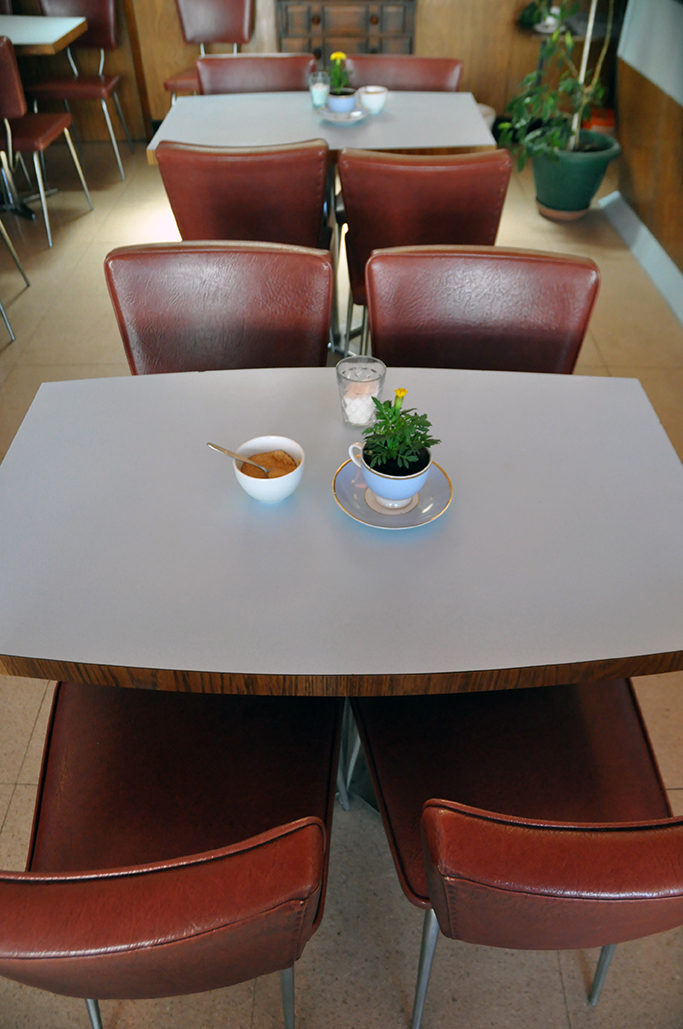
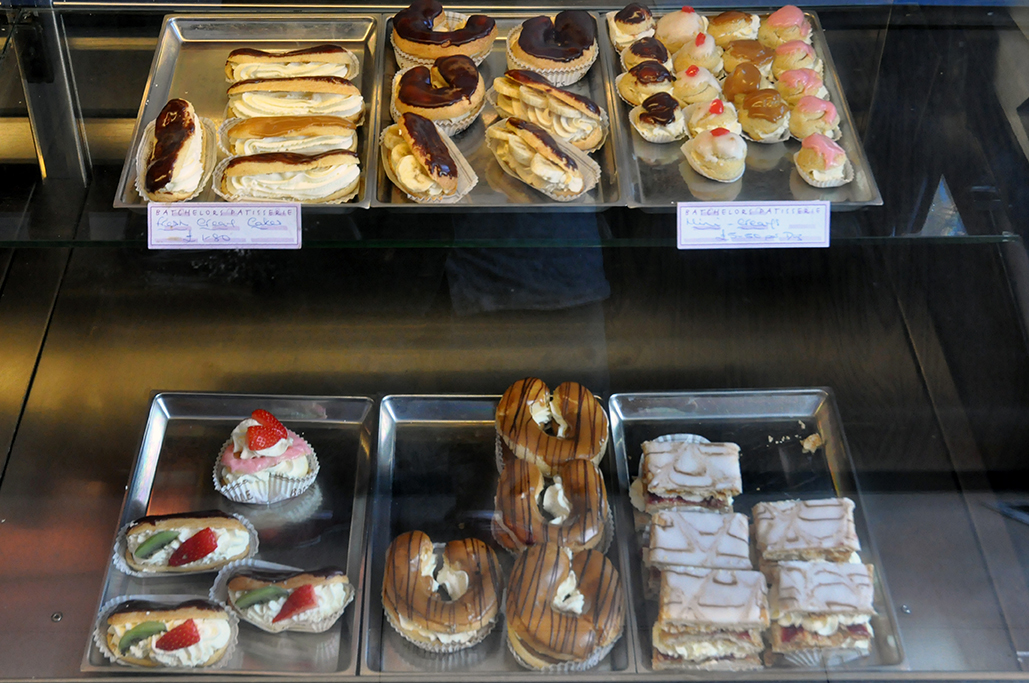
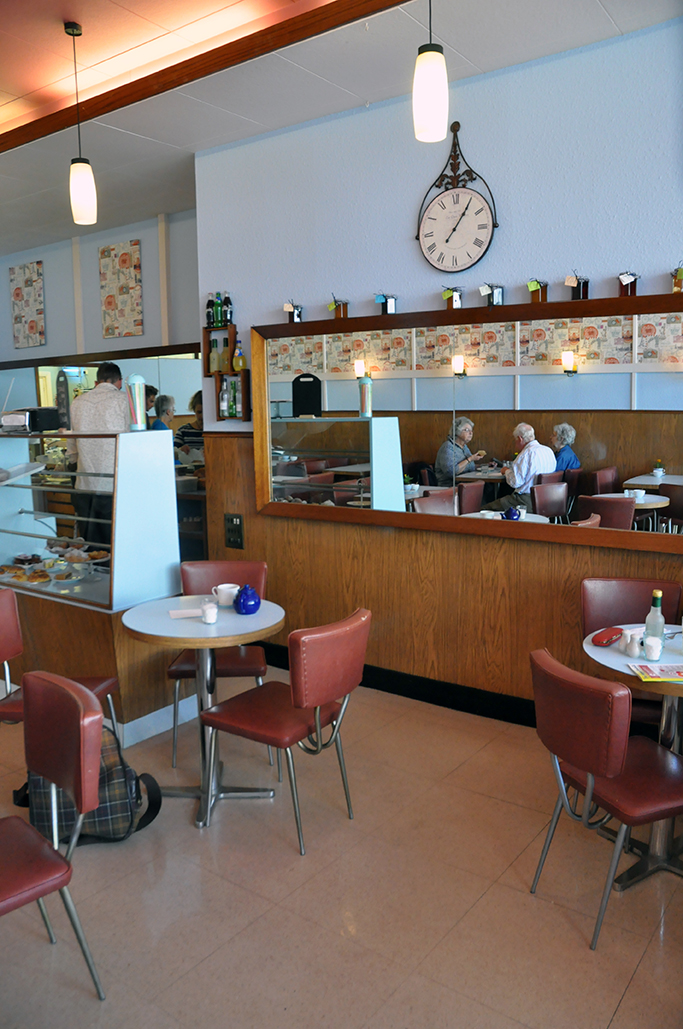
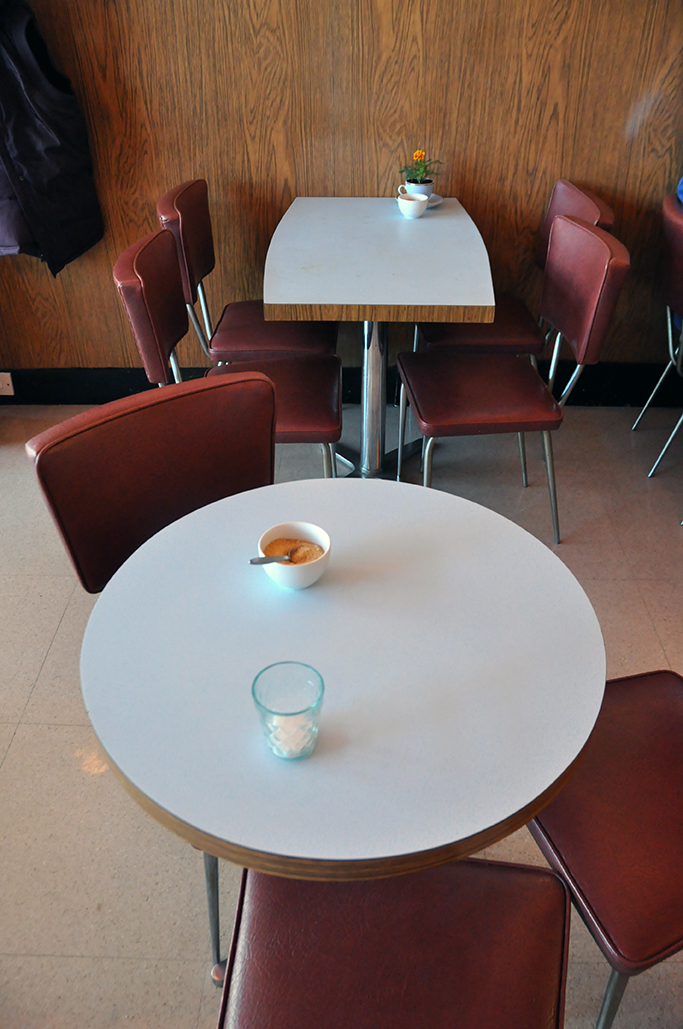
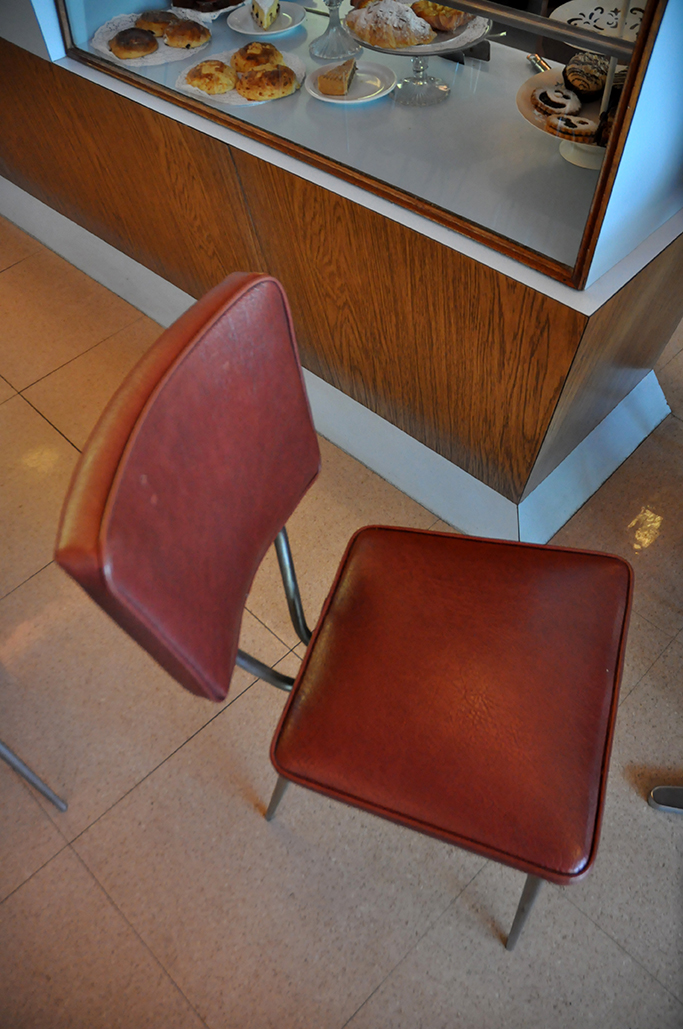
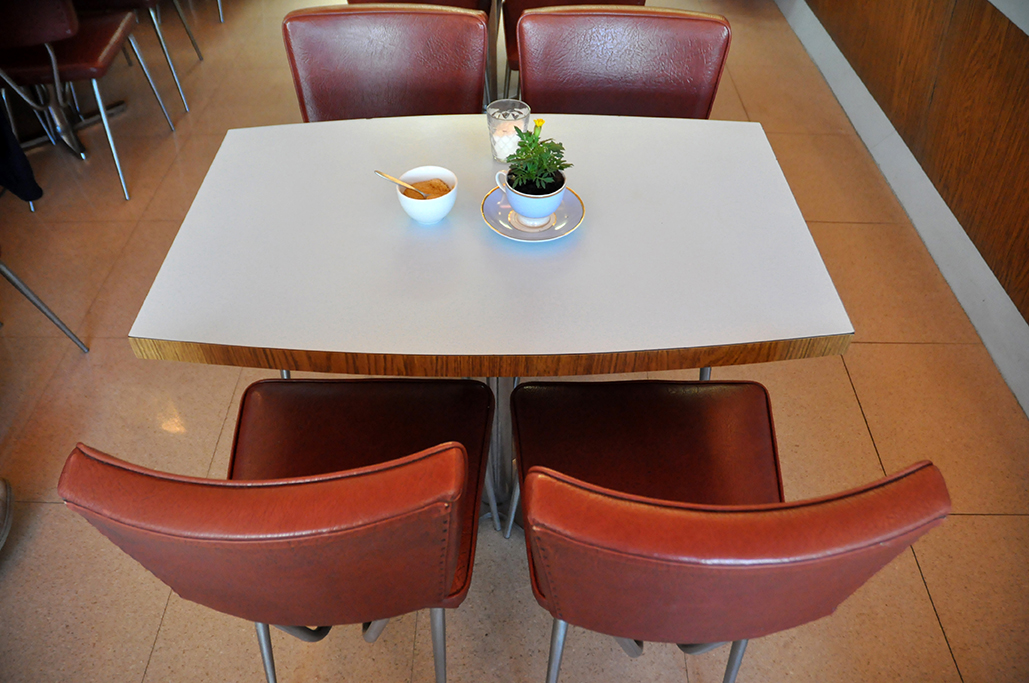
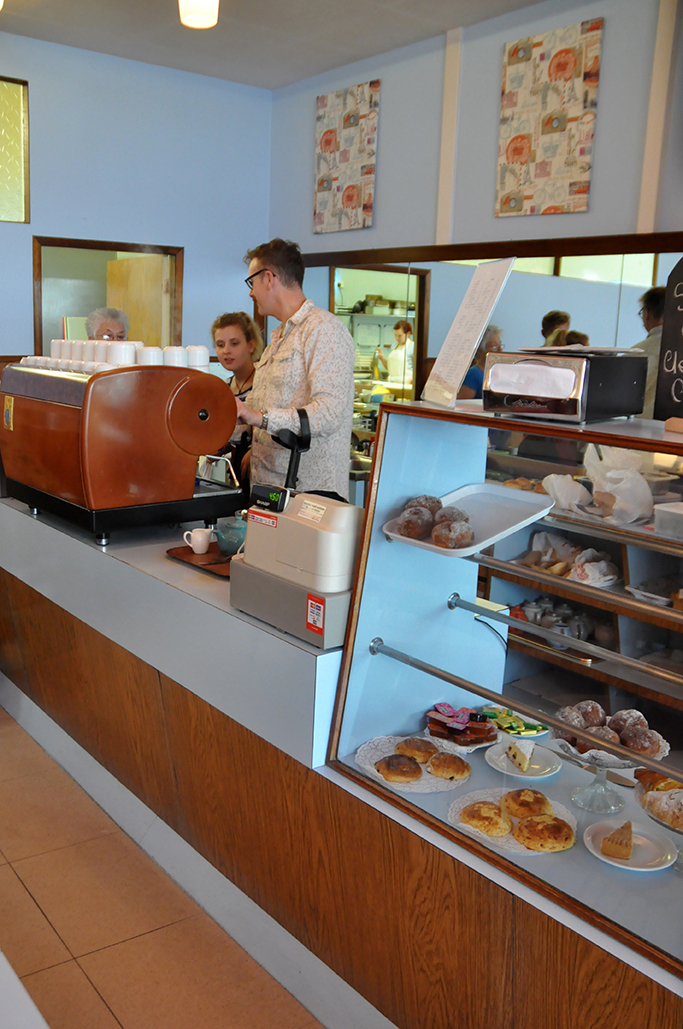
Idly meandering through Cliftonville, along Northdown Road, I chanced upon the most delightful of cake shop windows. Being something of an aficionado of cakes, shops and windows it seemed like an ideal opportunity to snap away, with customary broad-smiling, wide-eyed enthusiasm. Furthermore why not go in? I was met with the most charming of receptions from the patron Stuart Turner and staff – not unreasonably inquisitive regarding my impromptu picture taking, I explained my particular interest in the patisserie. The interior of the 50’s bakery, shop and café is perfectly preserved, with a little sympathetic restorative work. Well upholstered and formica topped the furniture is the finest of its kind, each table graced with fresh flowers, condiments and loving care and attention. An exquisite array of breads, pastries and cakes, resting on delicate doilies, displayed in glass fronted cases. I encourage you to visit, take tea, take cake, take away the fondest of sweet memories.

DSC_0261 copy

DSC_0278 copy

DSC_0270 copy

DSC_0266 copy

DSC_0269 copy

DSC_0264 copy

DSC_0291 copy

DSC_0289 copy

DSC_0284 copy

DSC_0282 copy

DSC_0273 copy

DSC_0279 copy

DSC_0285 copy

DSC_0286 copy

DSC_0287 copy

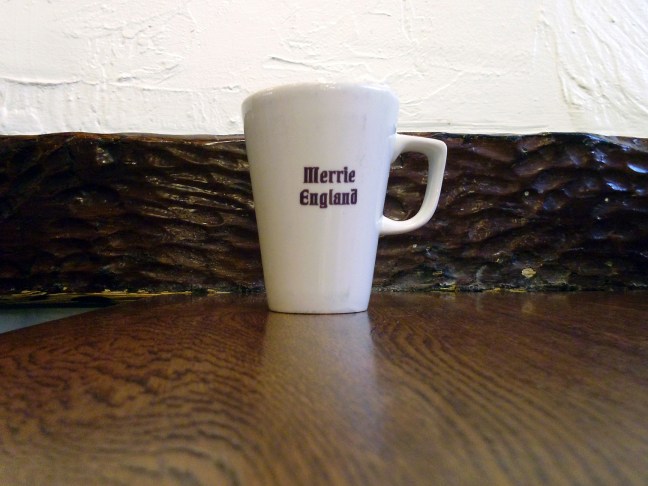
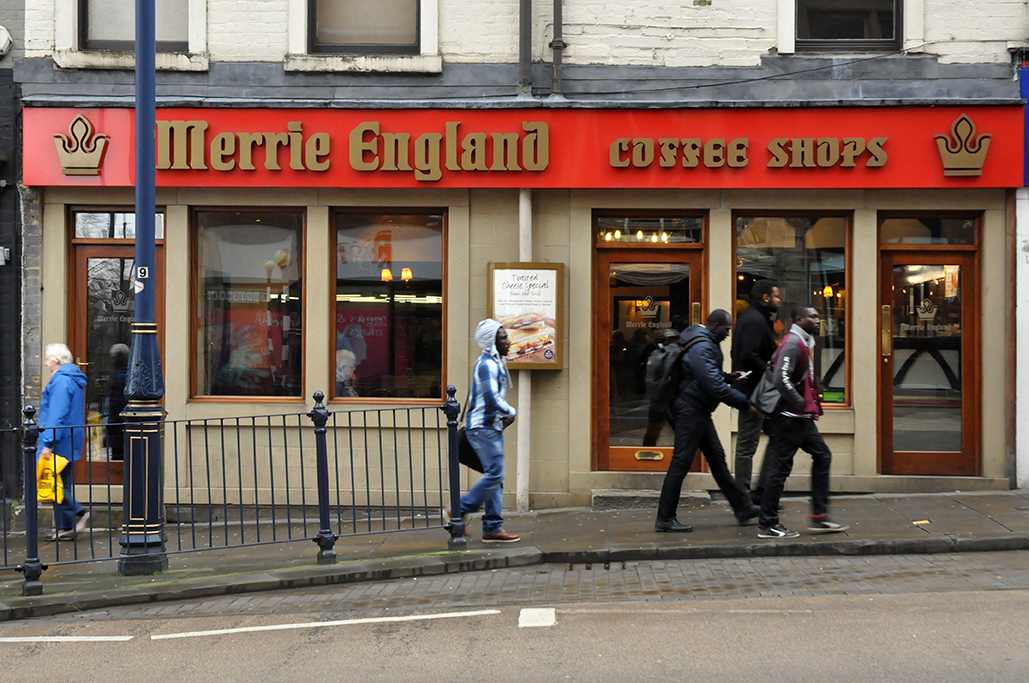
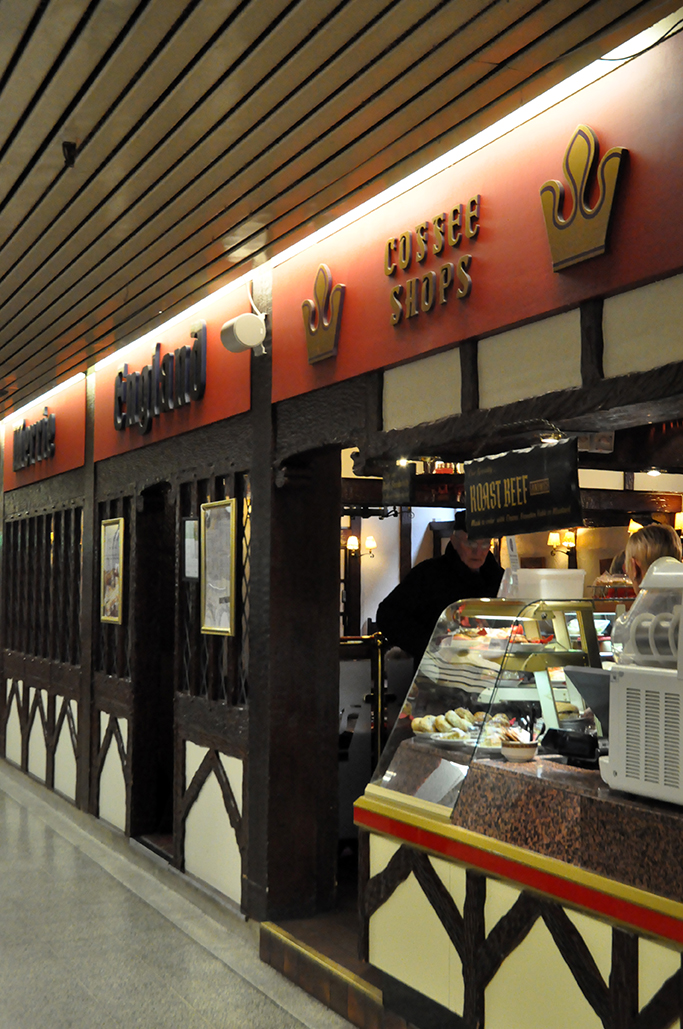
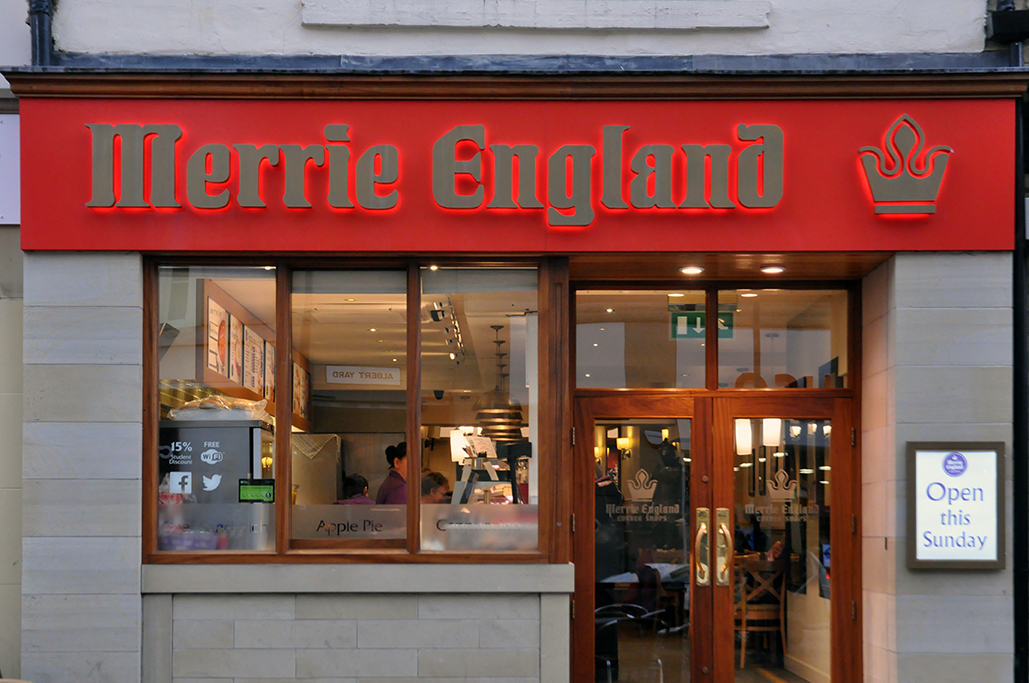
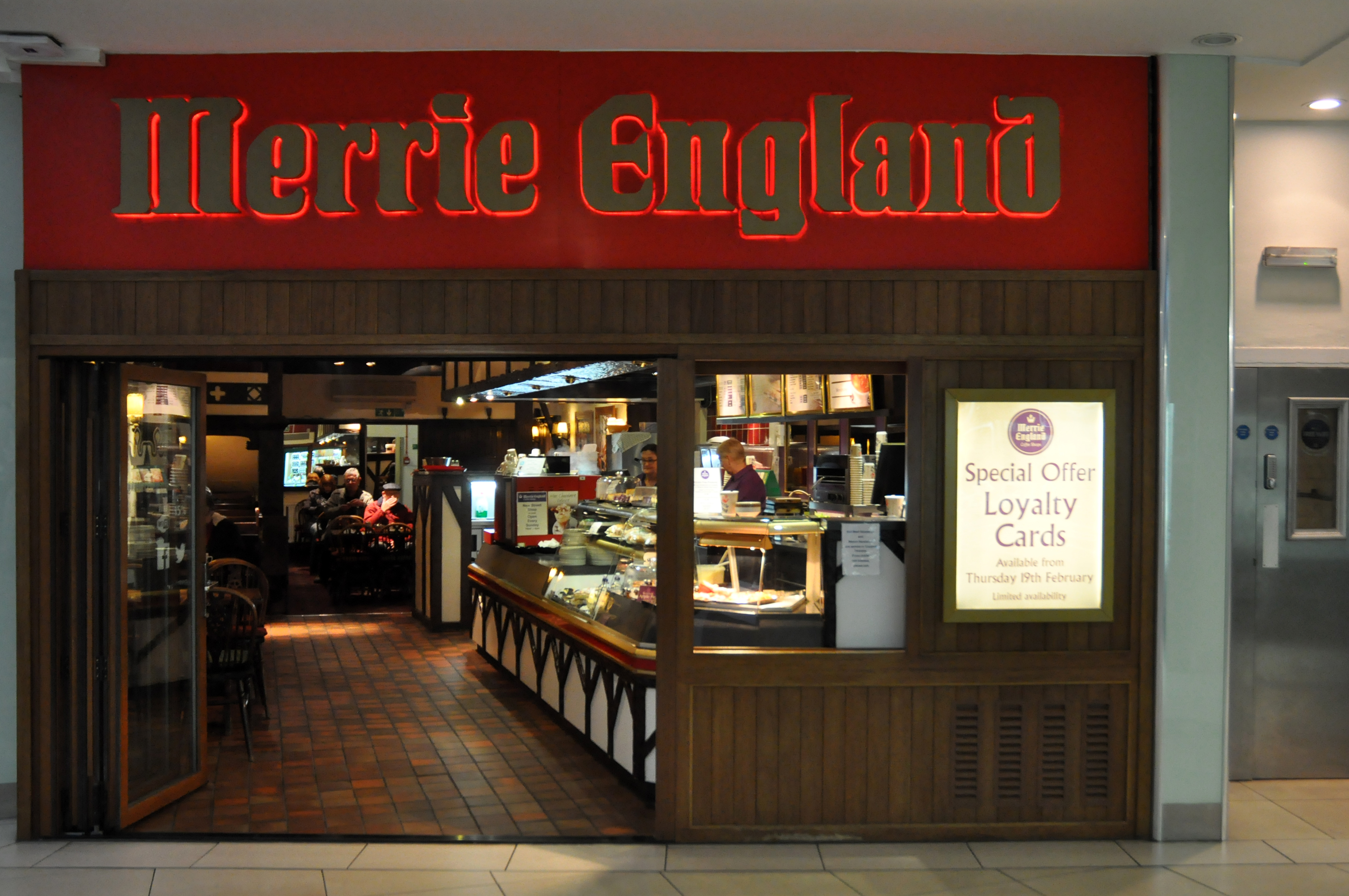
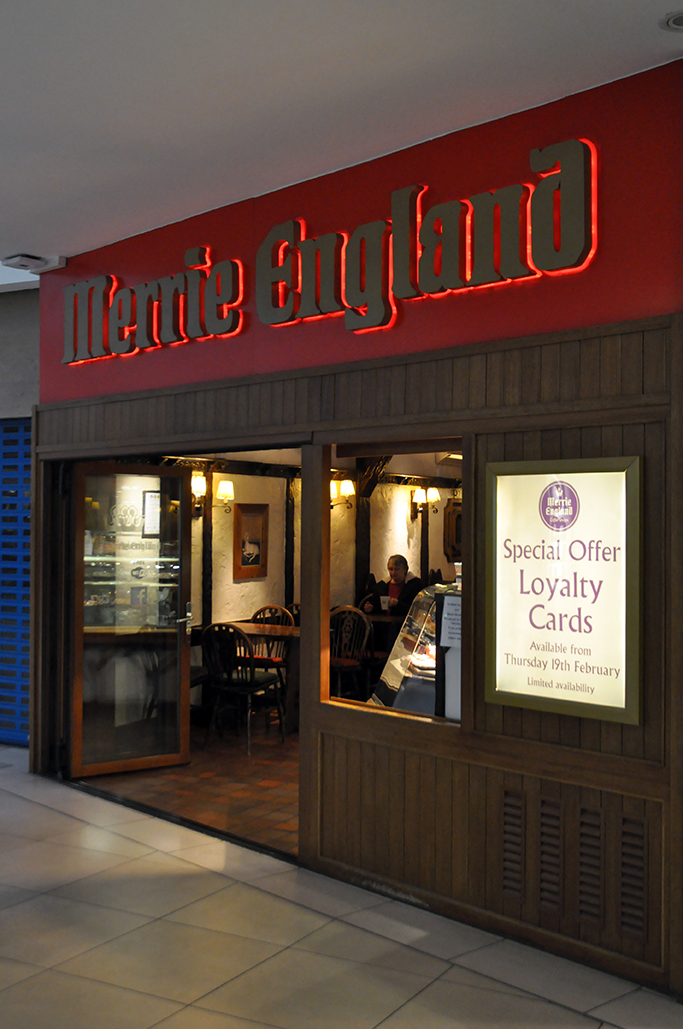
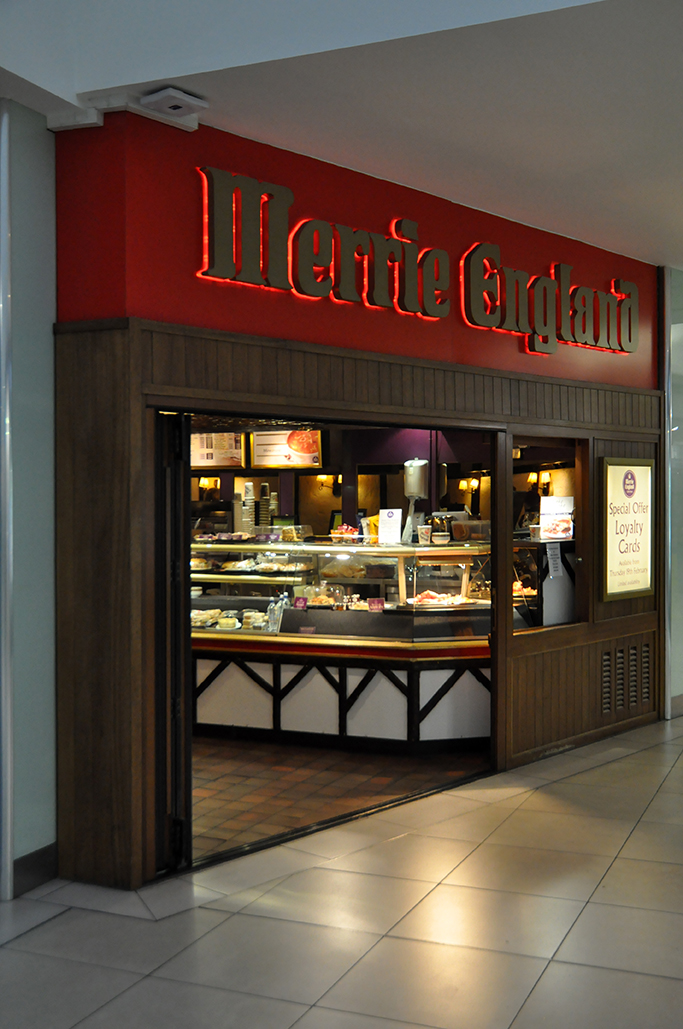
Huddersfield – Merrie England

Did you know,

That there’s some corner of Huddersfield.

That is for ever Merrie England?

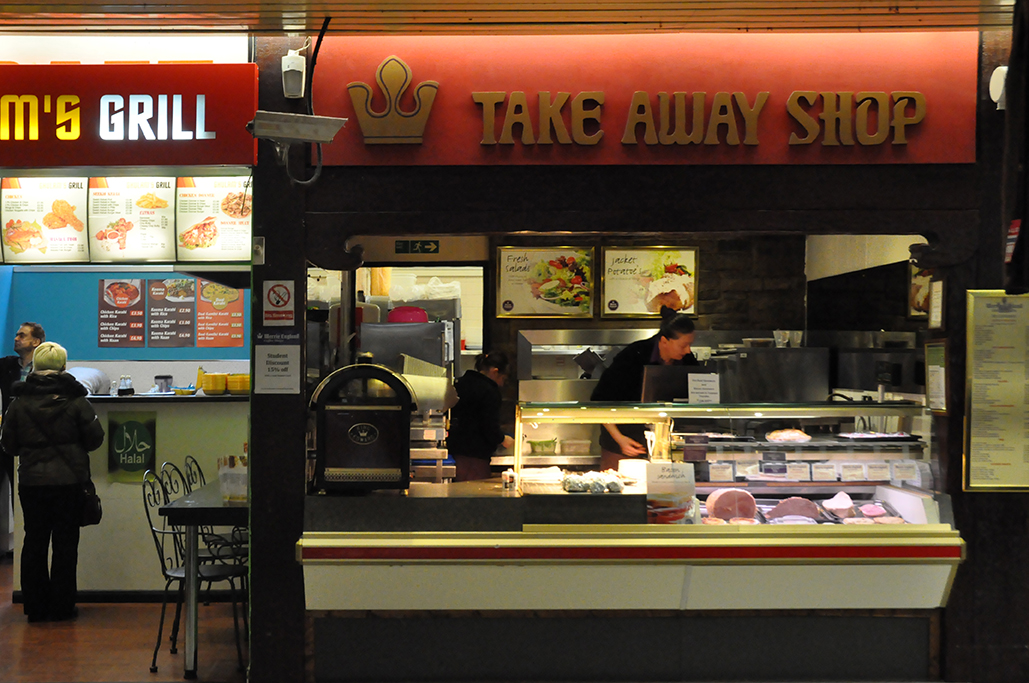
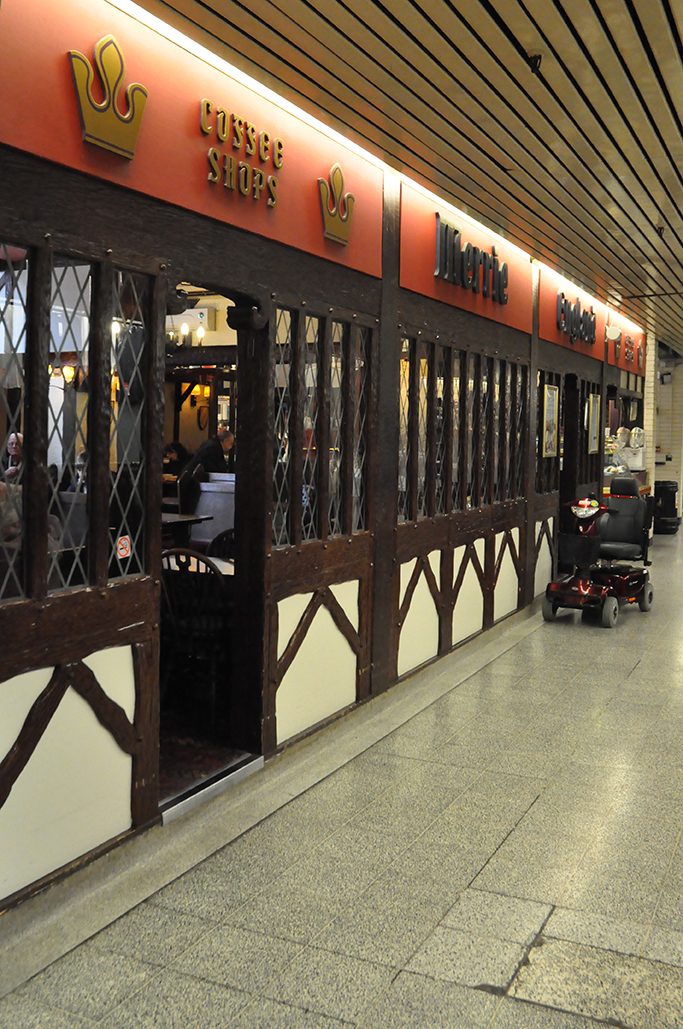
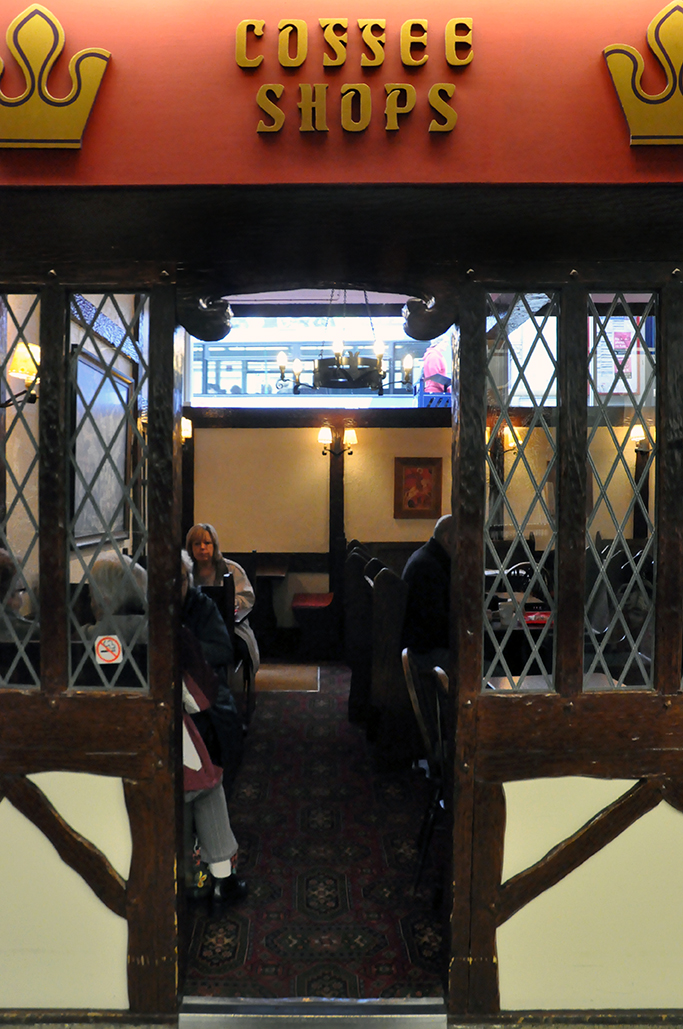
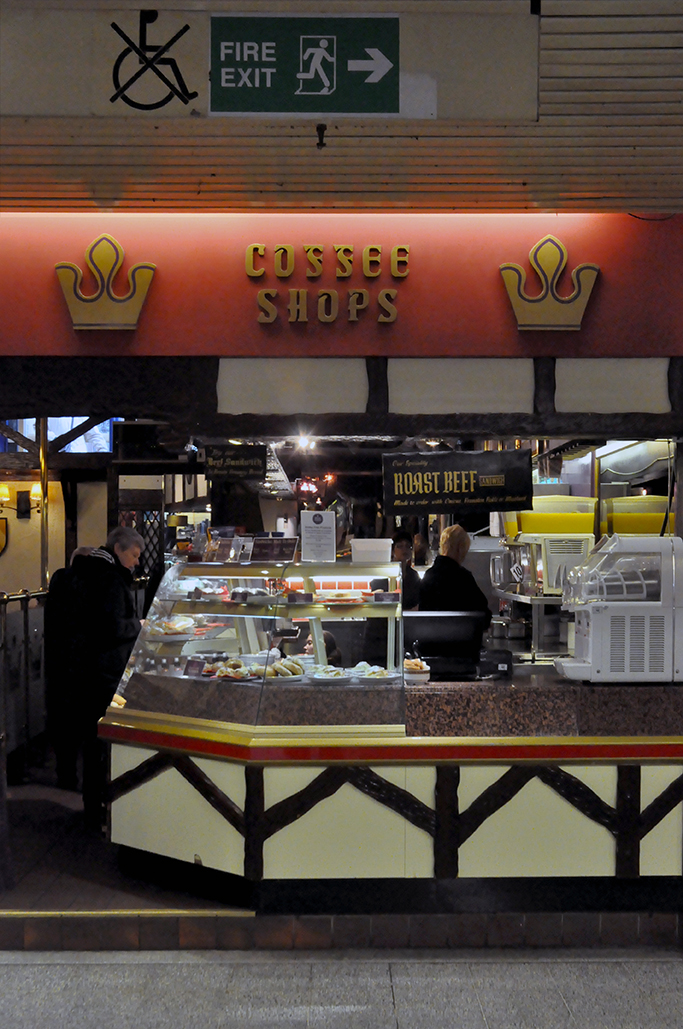
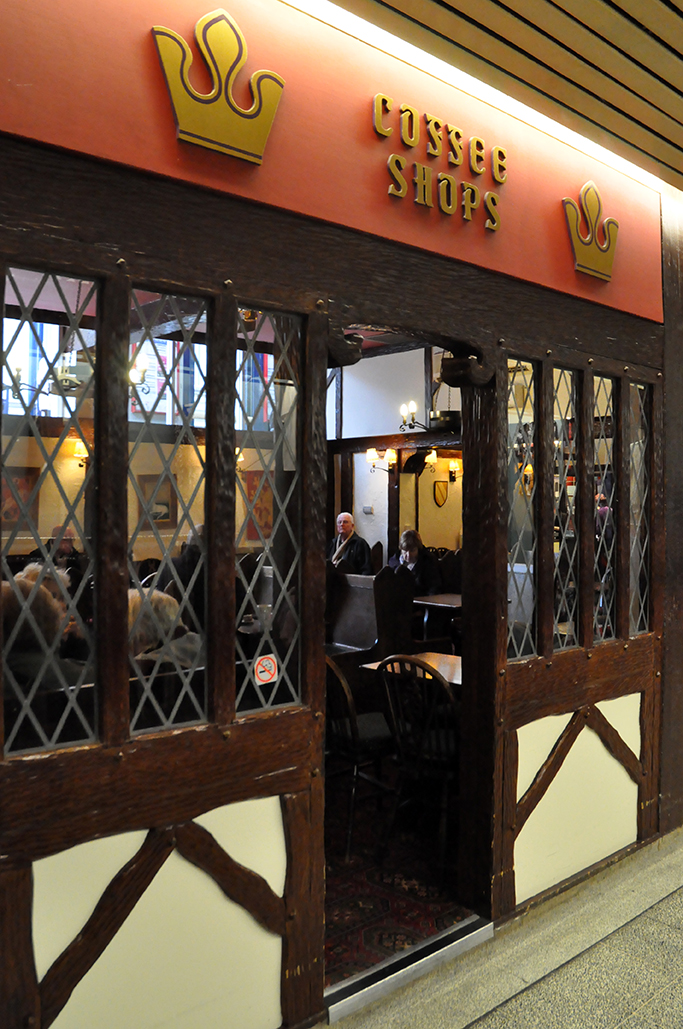
A local café group, that has the market cornered in West Riding mock-baronial dining.

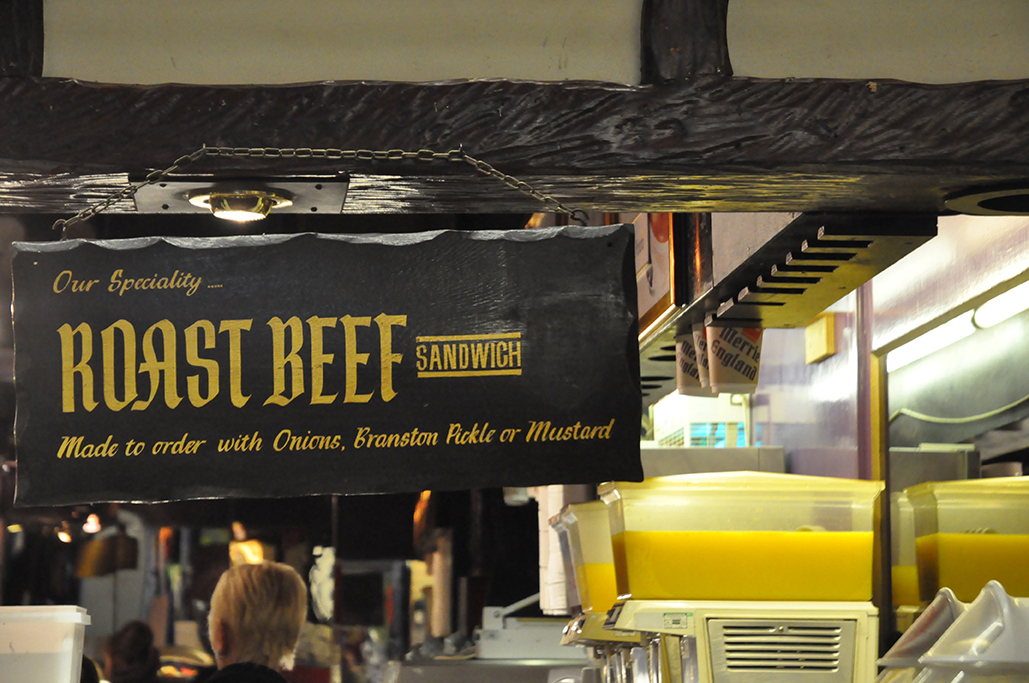
Walking into a half-timbered, overwhelmingly cream and red, world of tea, toast and hot beef sandwiches, there is a dislocation in time and location. No longer March 2015 in the centre of a Yorkshire Town, but in a lukewarm Westworld totally lacking in animatronic psychopathic killers.

The furniture is brown.

Moves are afoot to refurbish and refresh the brand, one branch doing its best to emulate an Argos furniture showroom, with an incongruous suit of armour thrown in for good luck.
Clank!

Pop in make your own mind up – old new old, or new new old.
http://www.merrie-england.com

DSC_0018 copy

DSC_0021 copy

DSC_0136 copy

DSC_0137 copy

DSC_0138 copy

DSC_0141 copy

DSC_0143 copy

DSC_0147 copy

DSC_0148 copy

DSC_0295 copy

DSC_0330

DSC_0332

DSC_0334

P1060072

DSC_0333