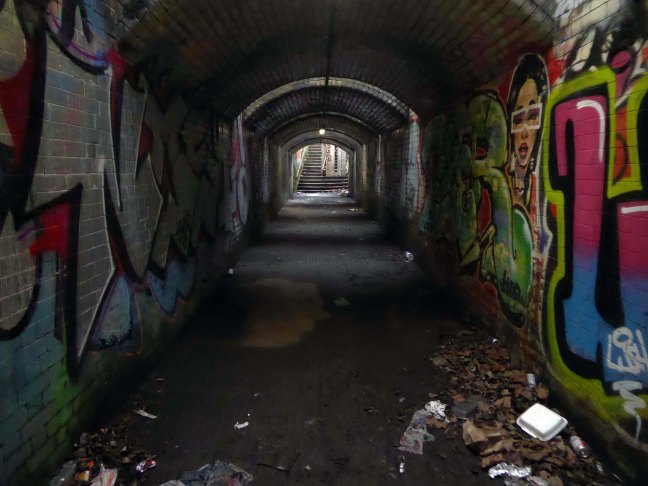
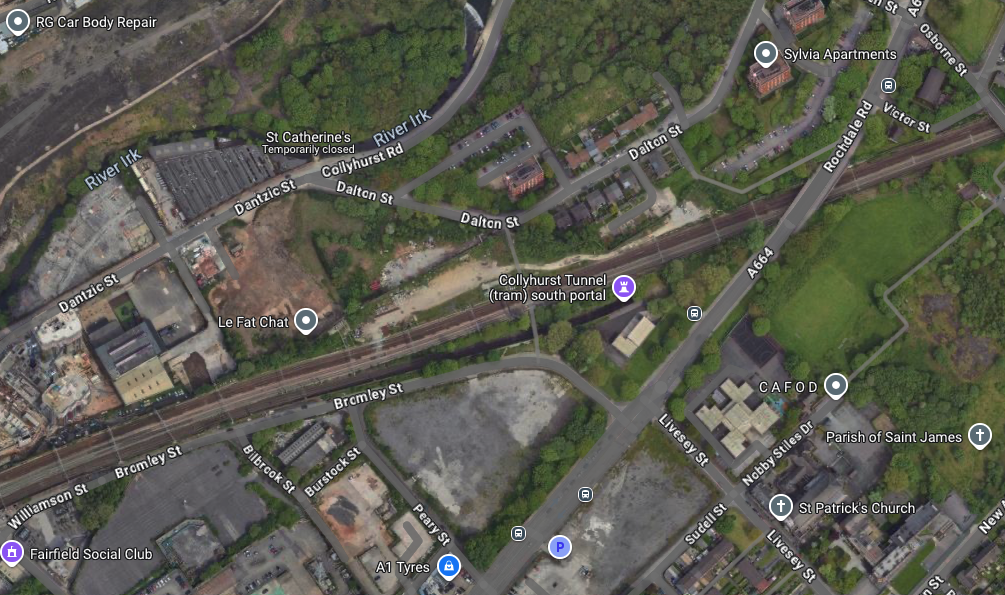
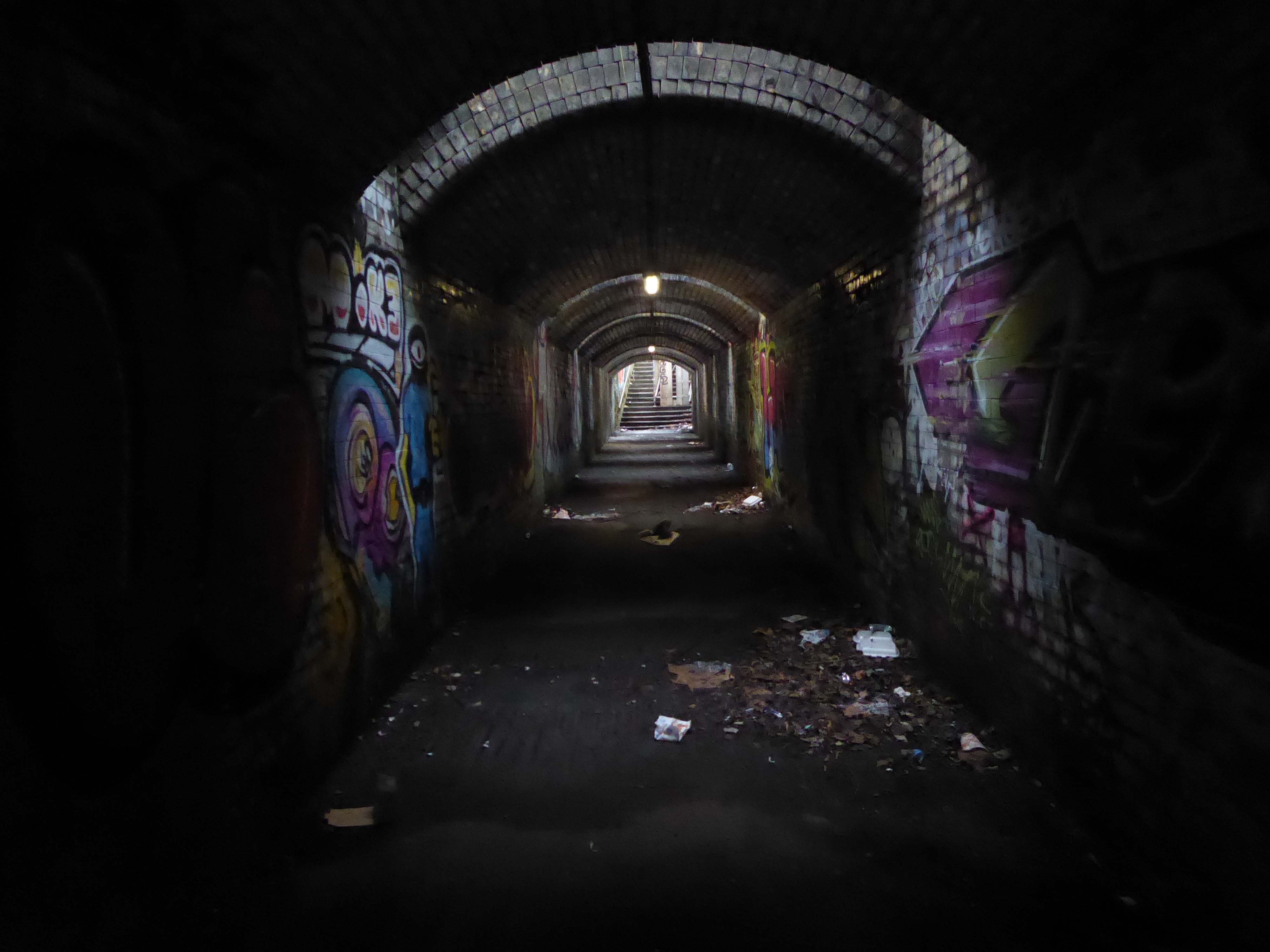
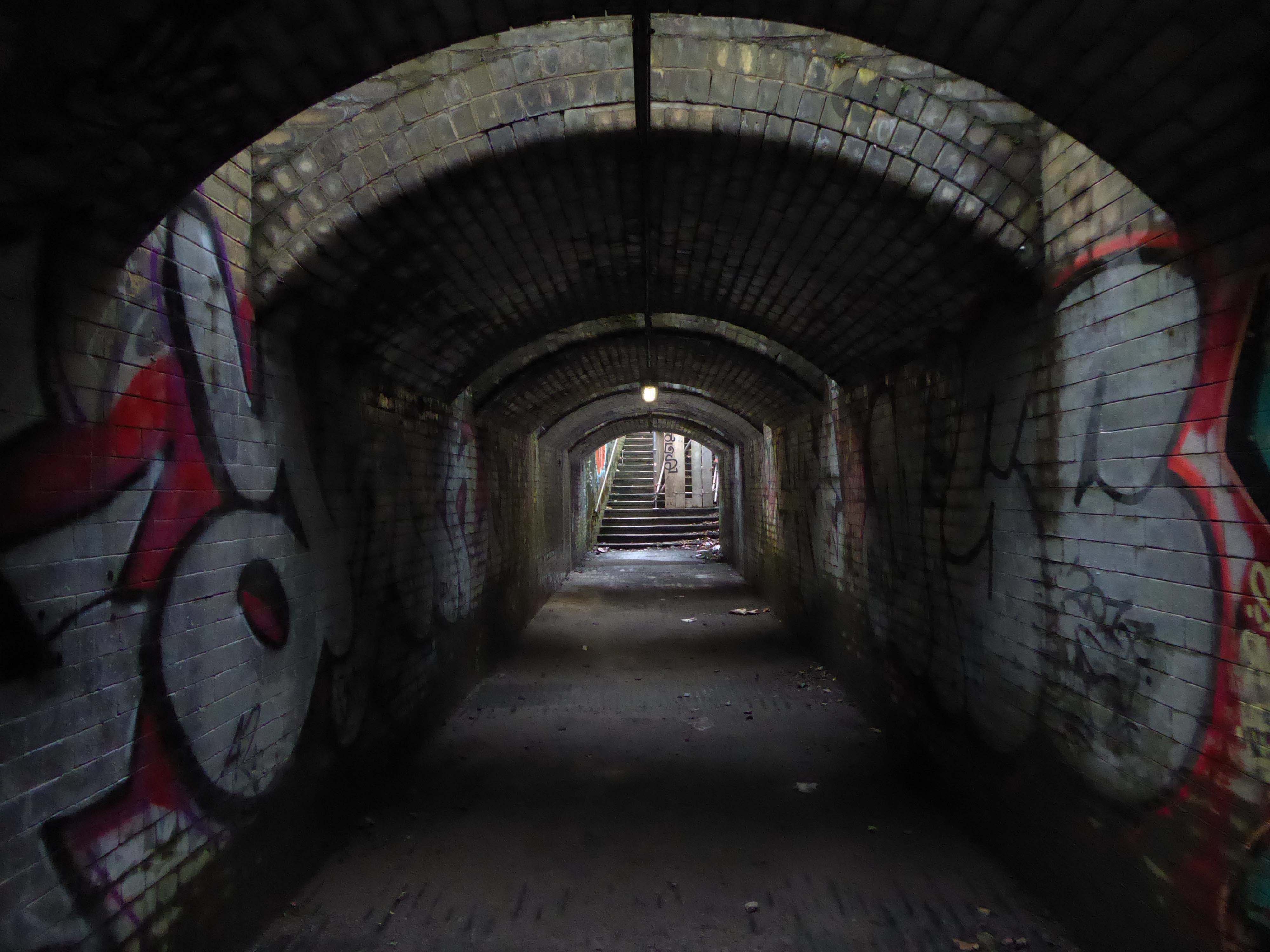
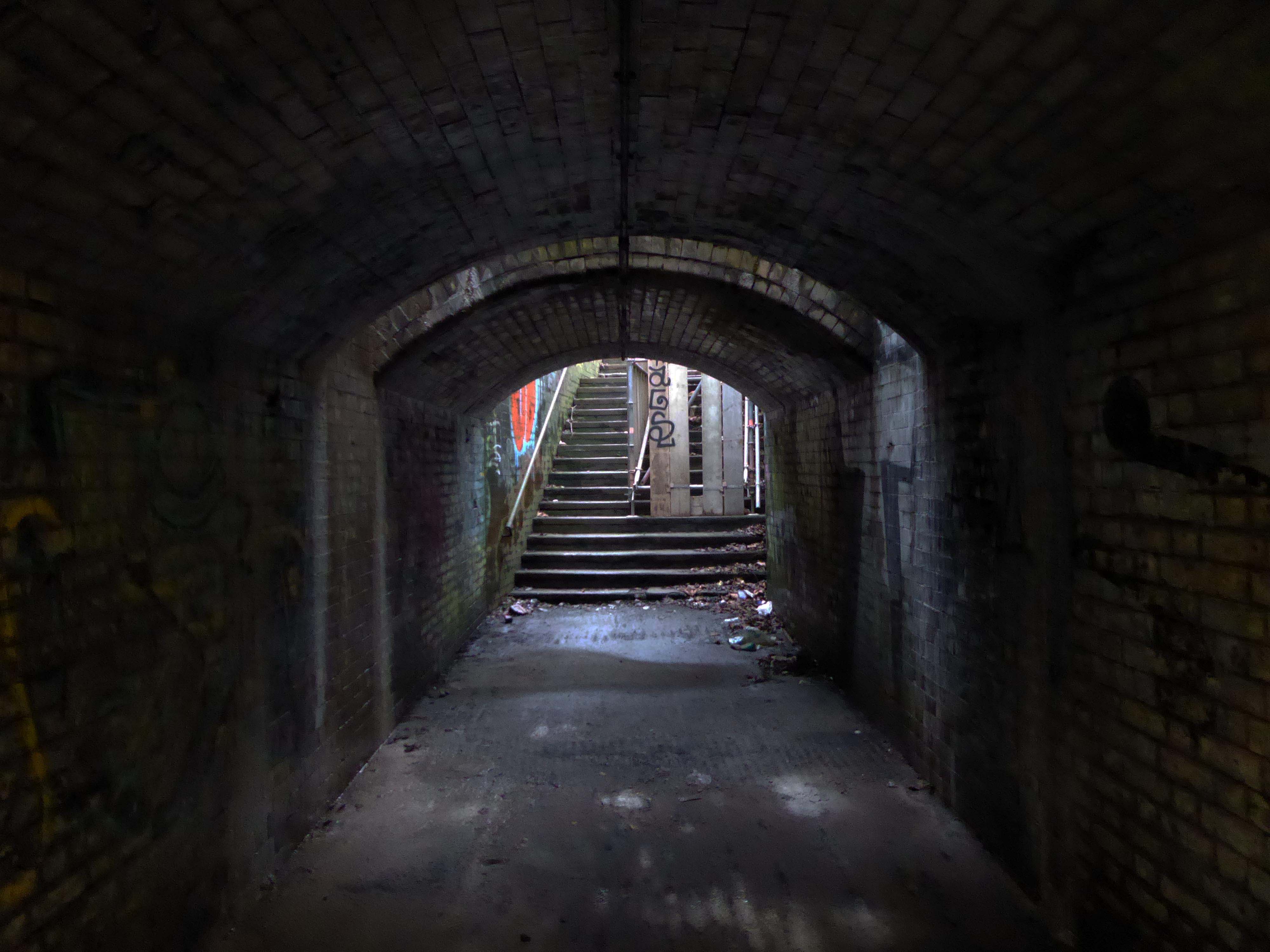
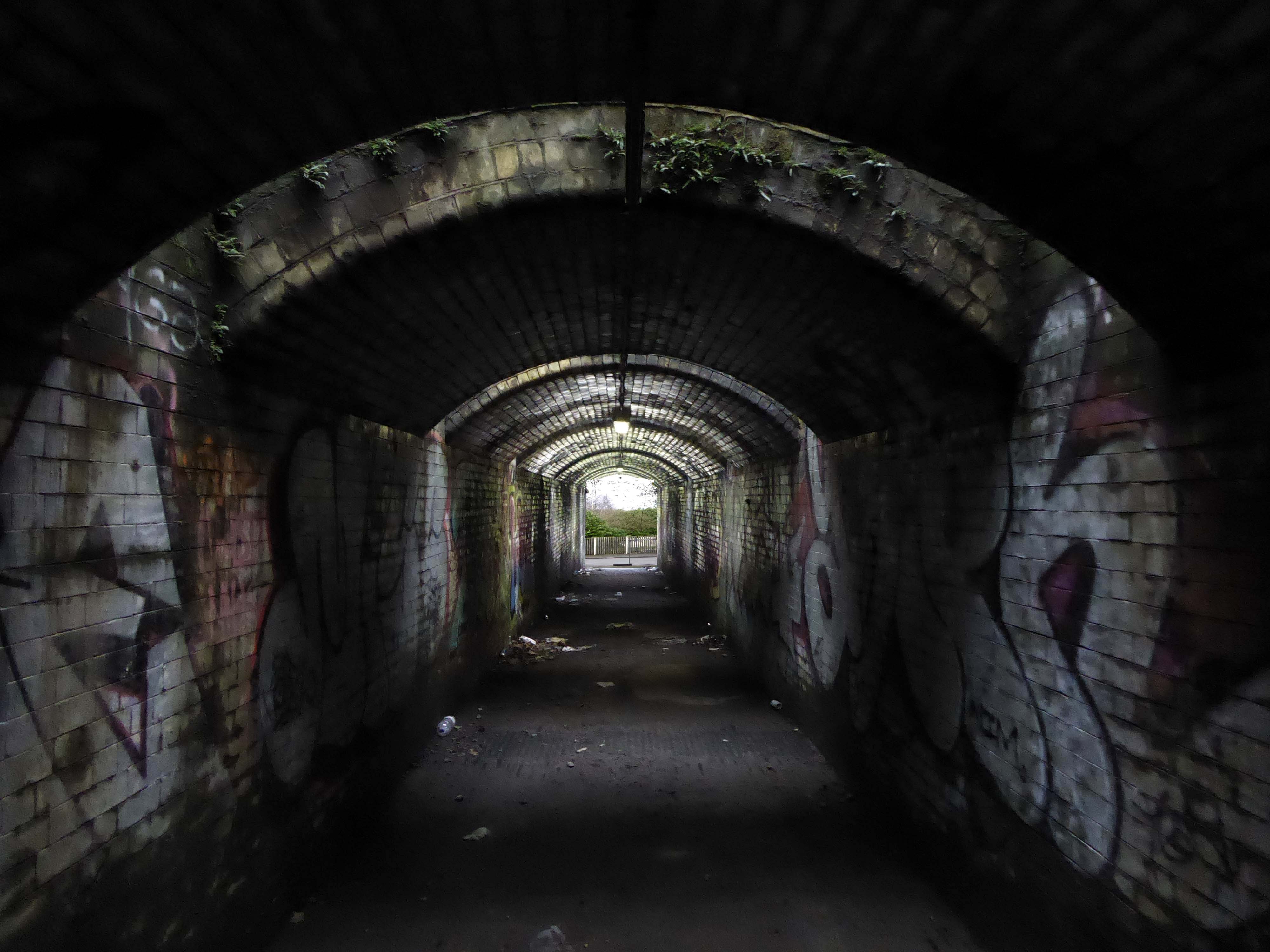
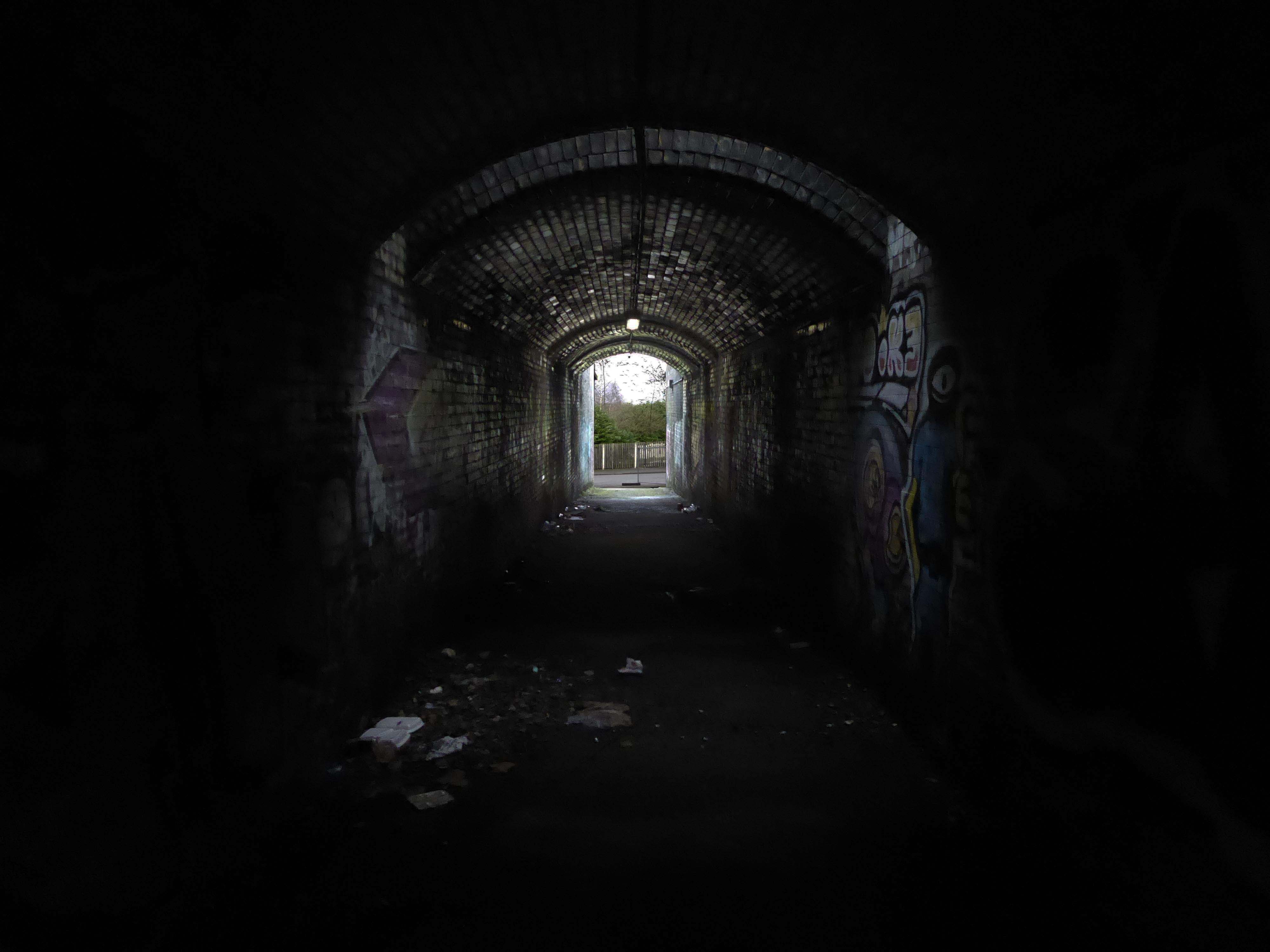
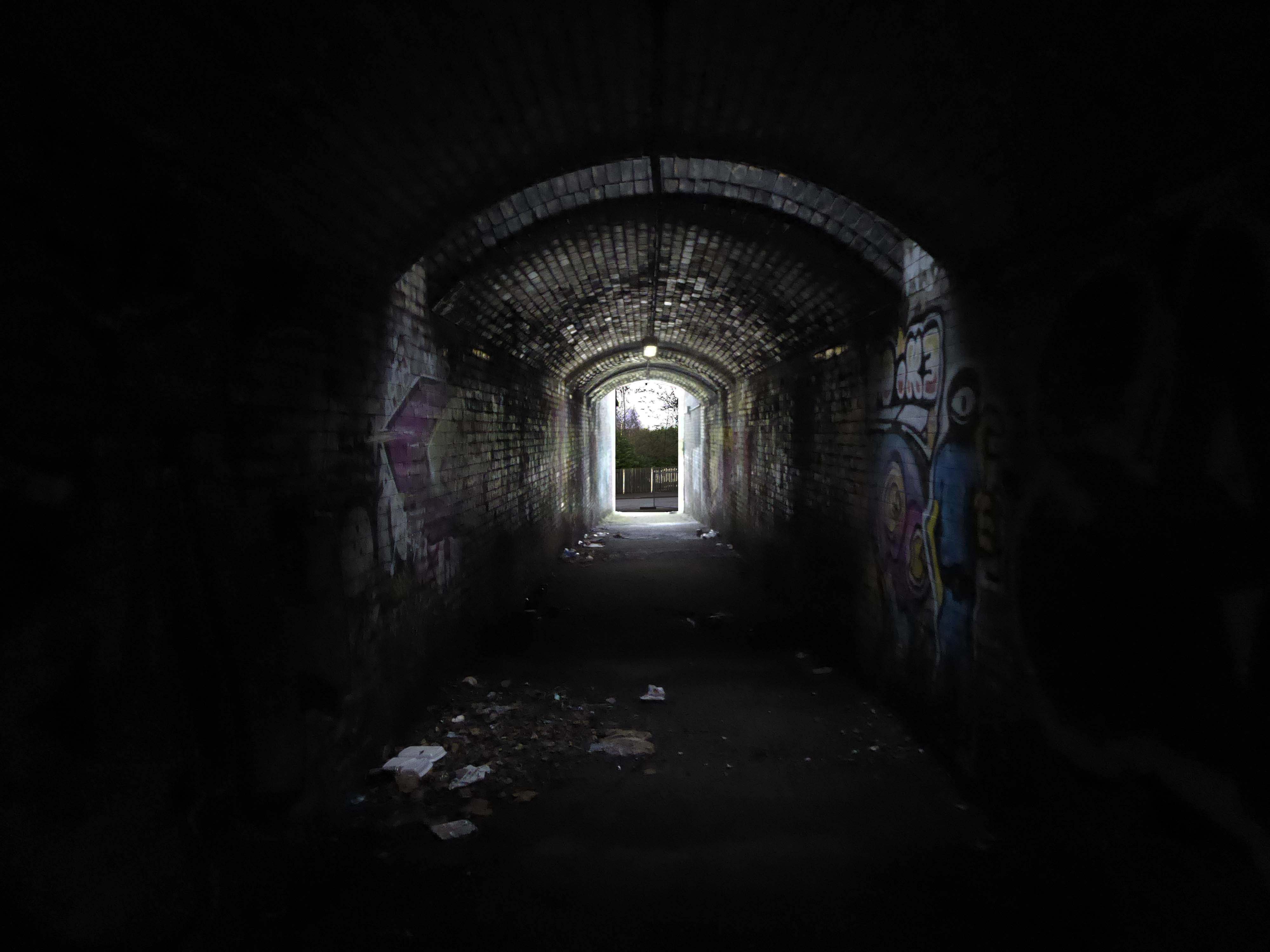
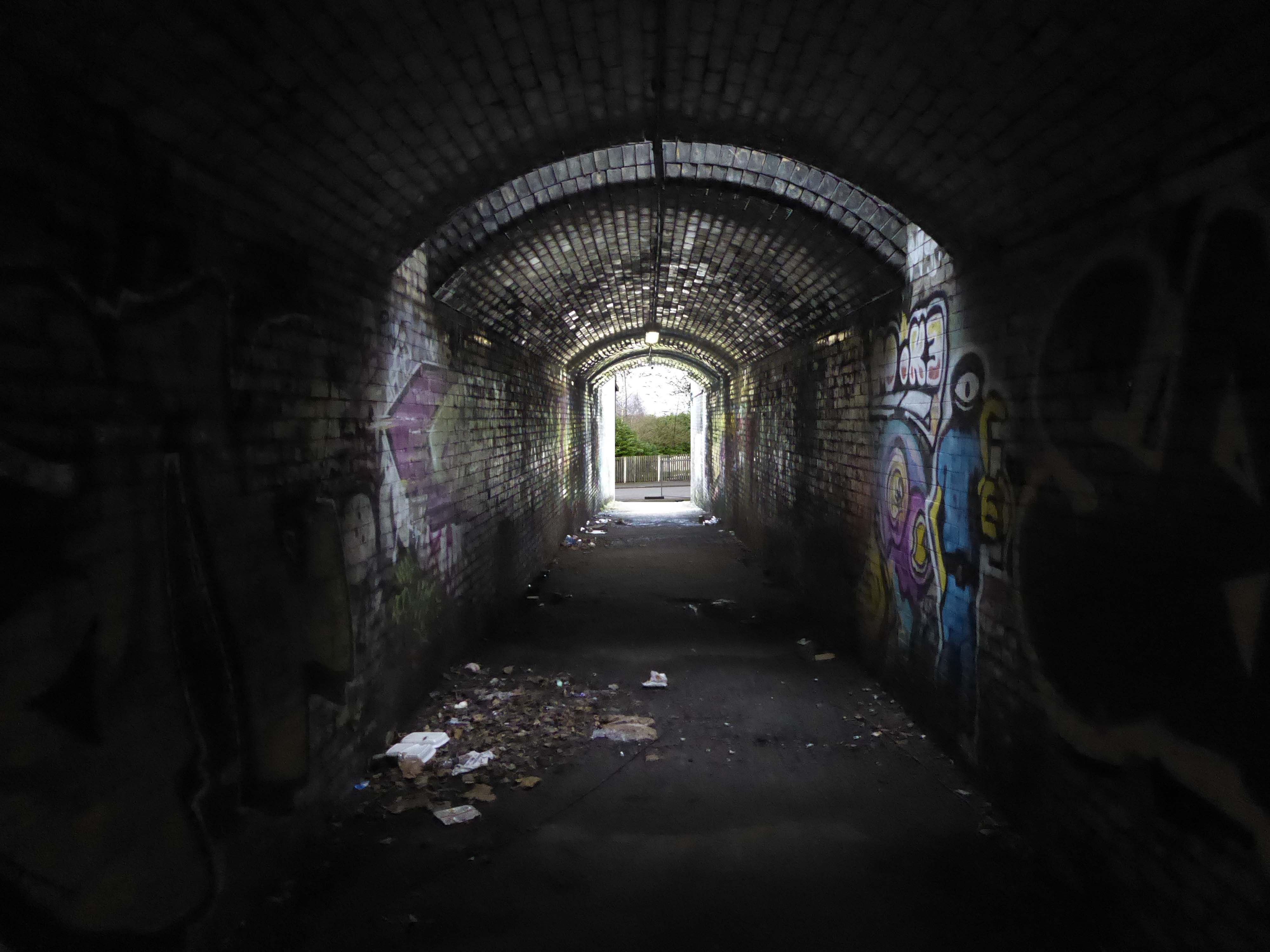
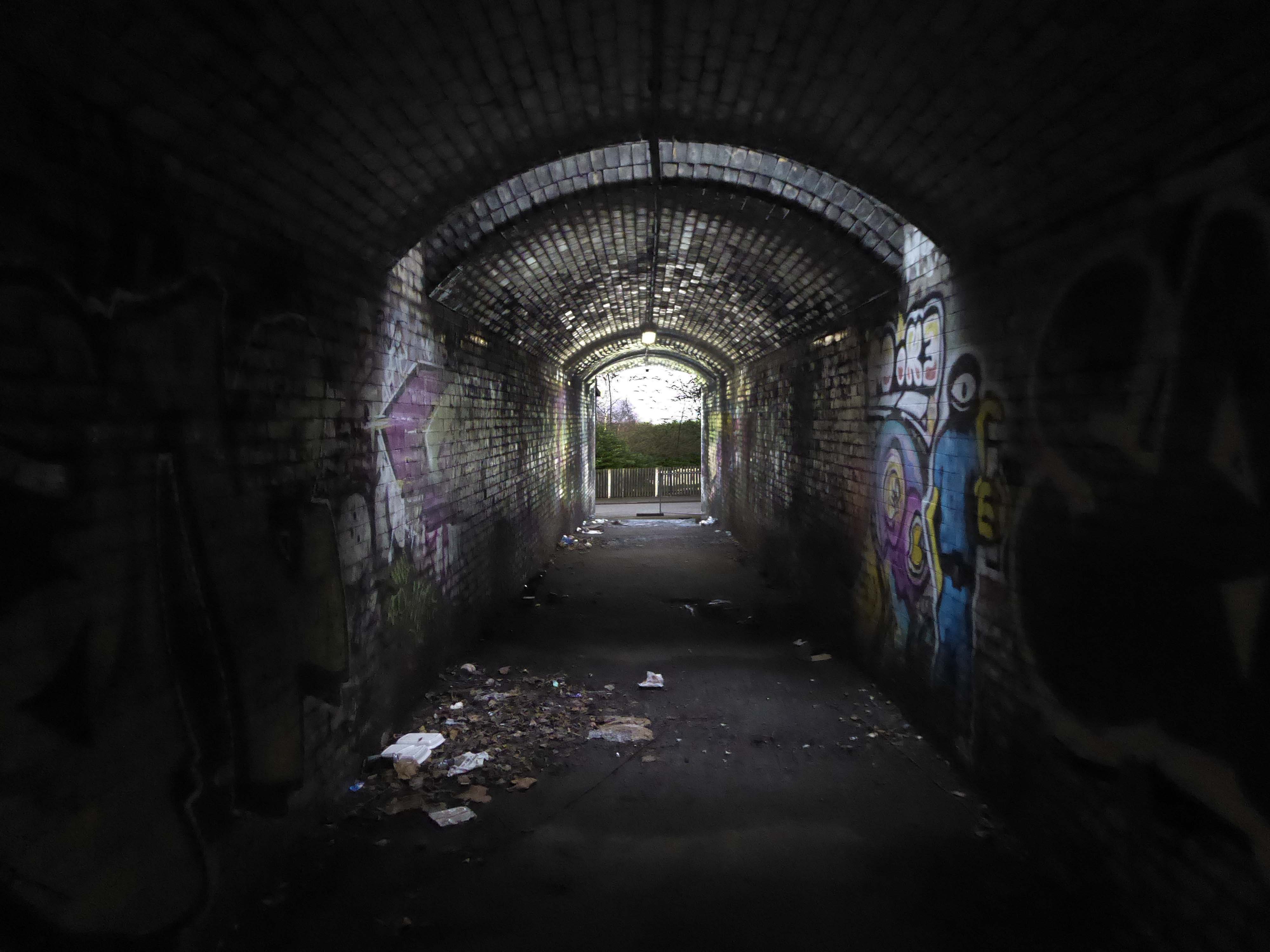
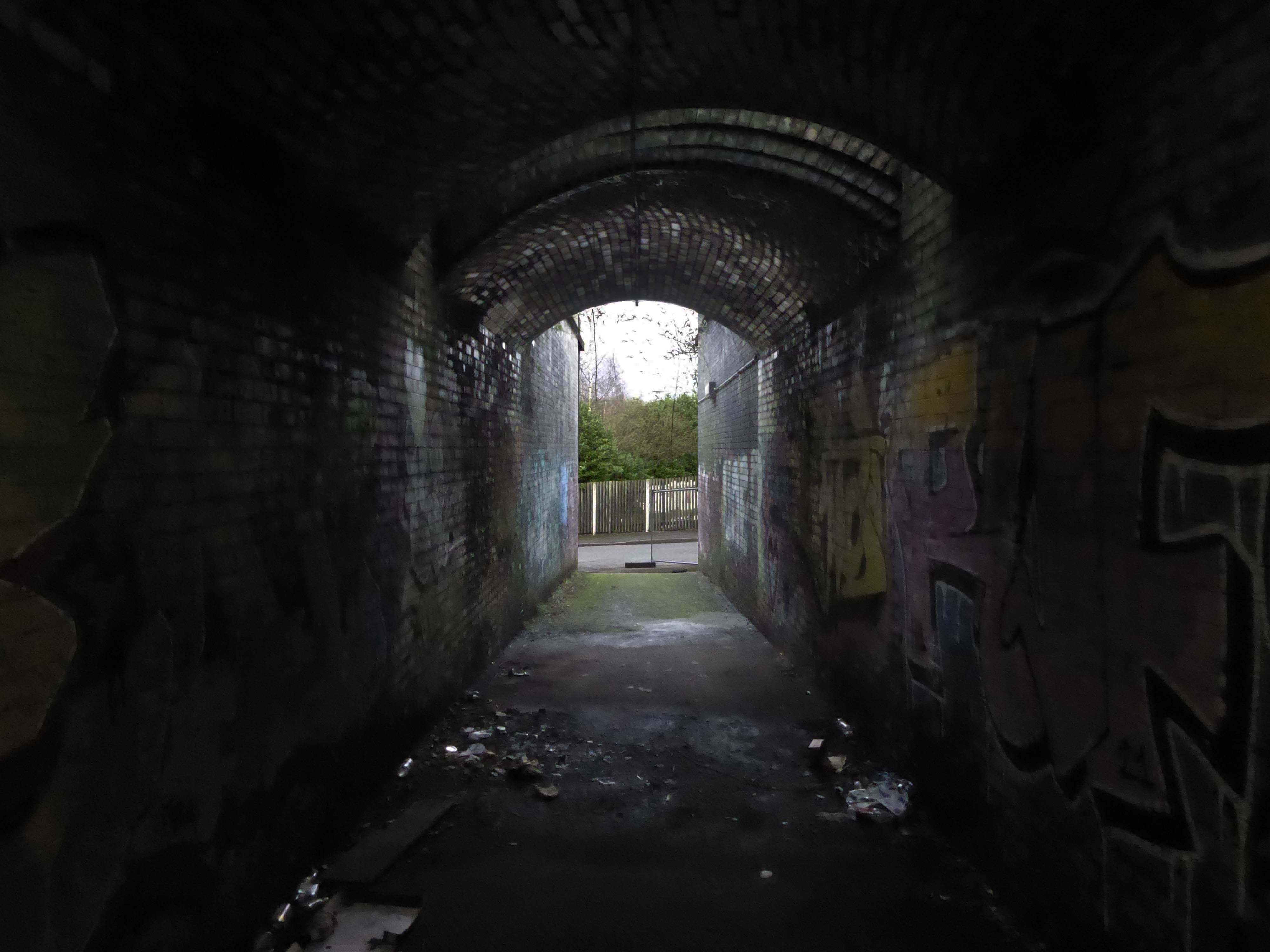
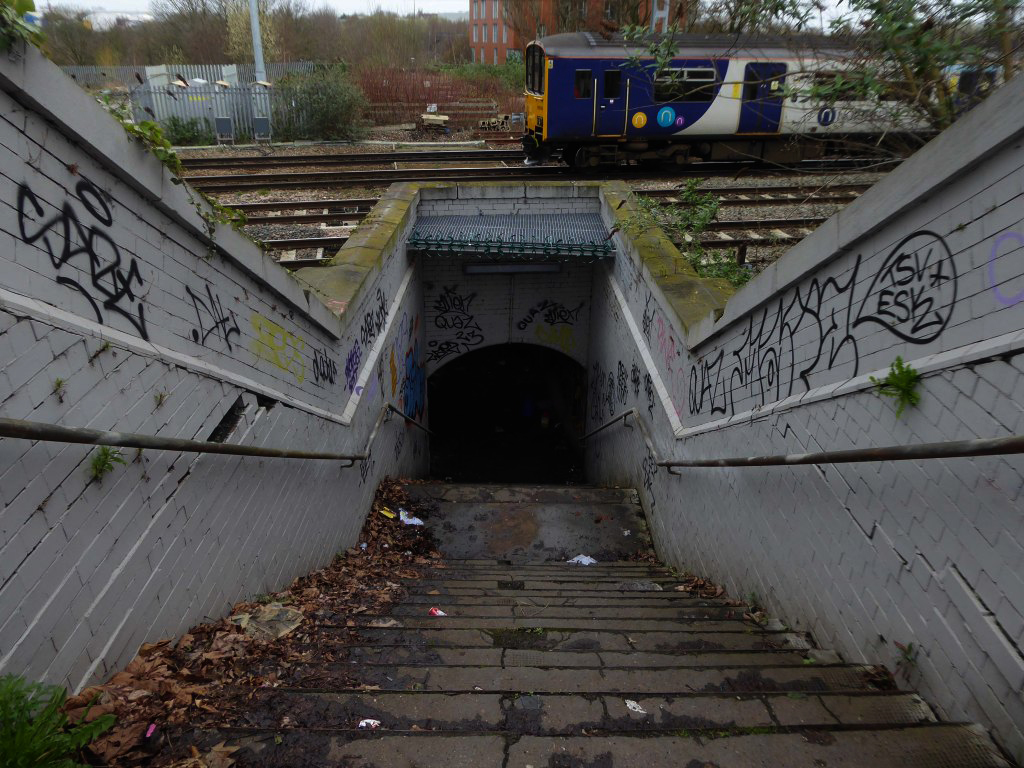
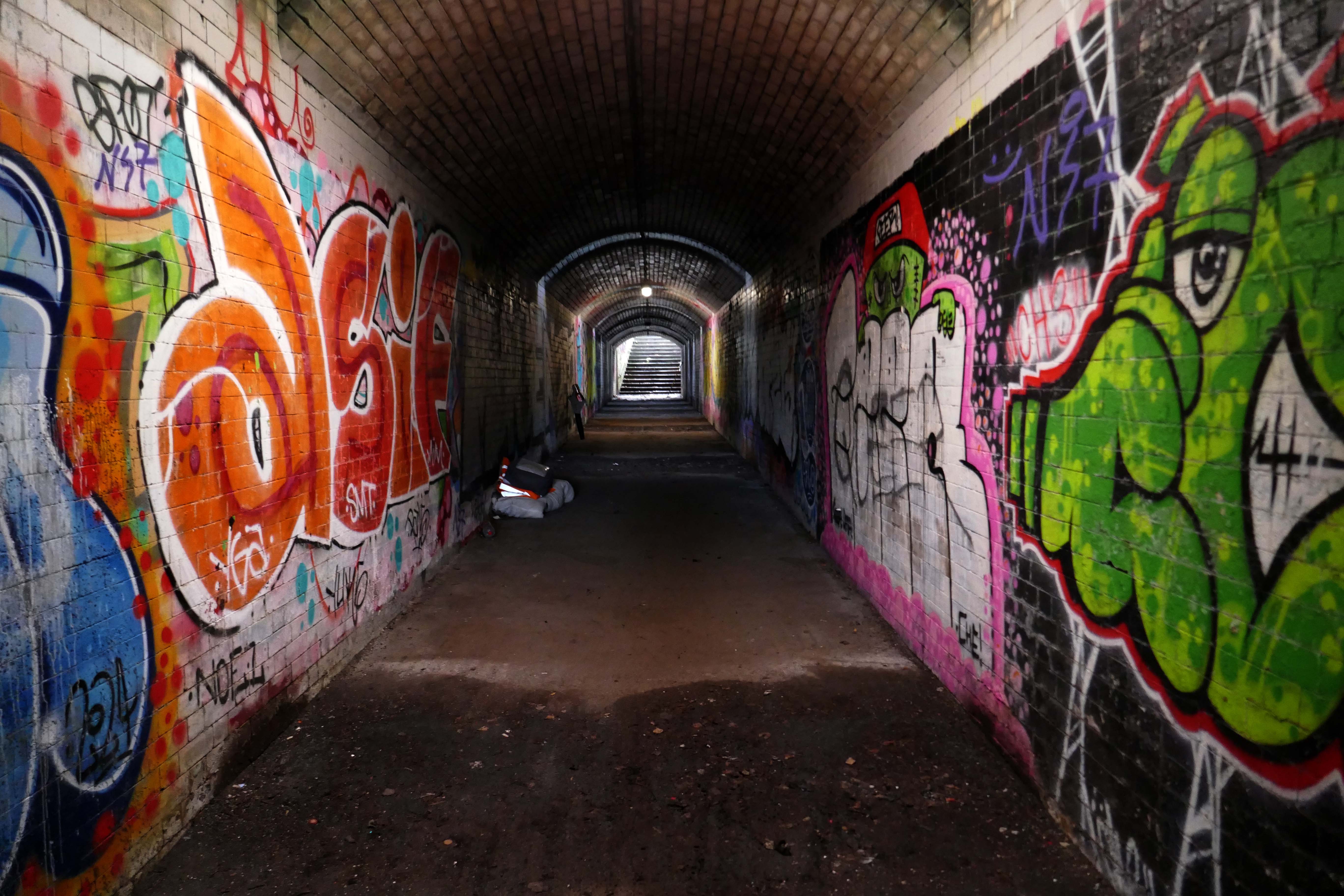
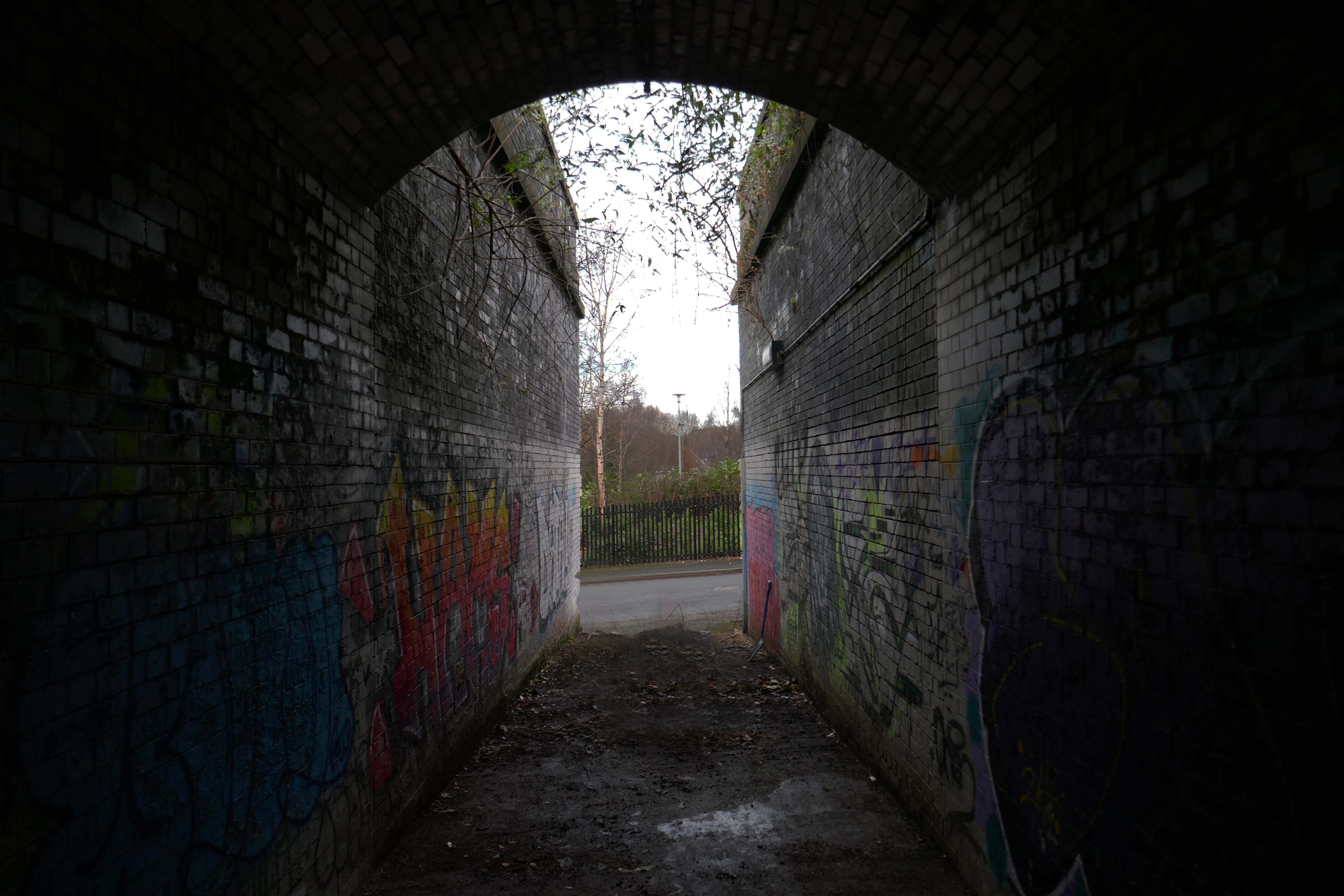
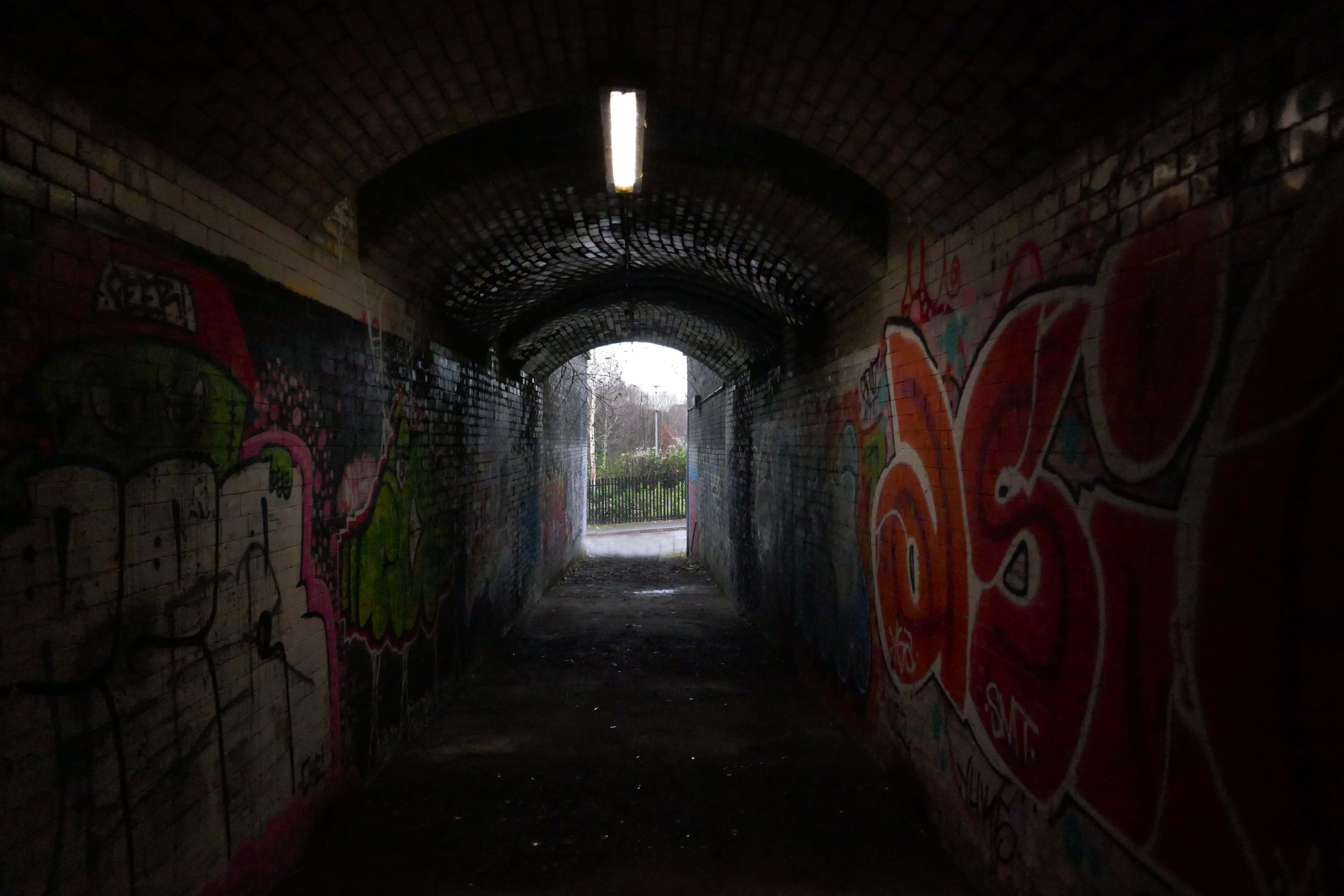
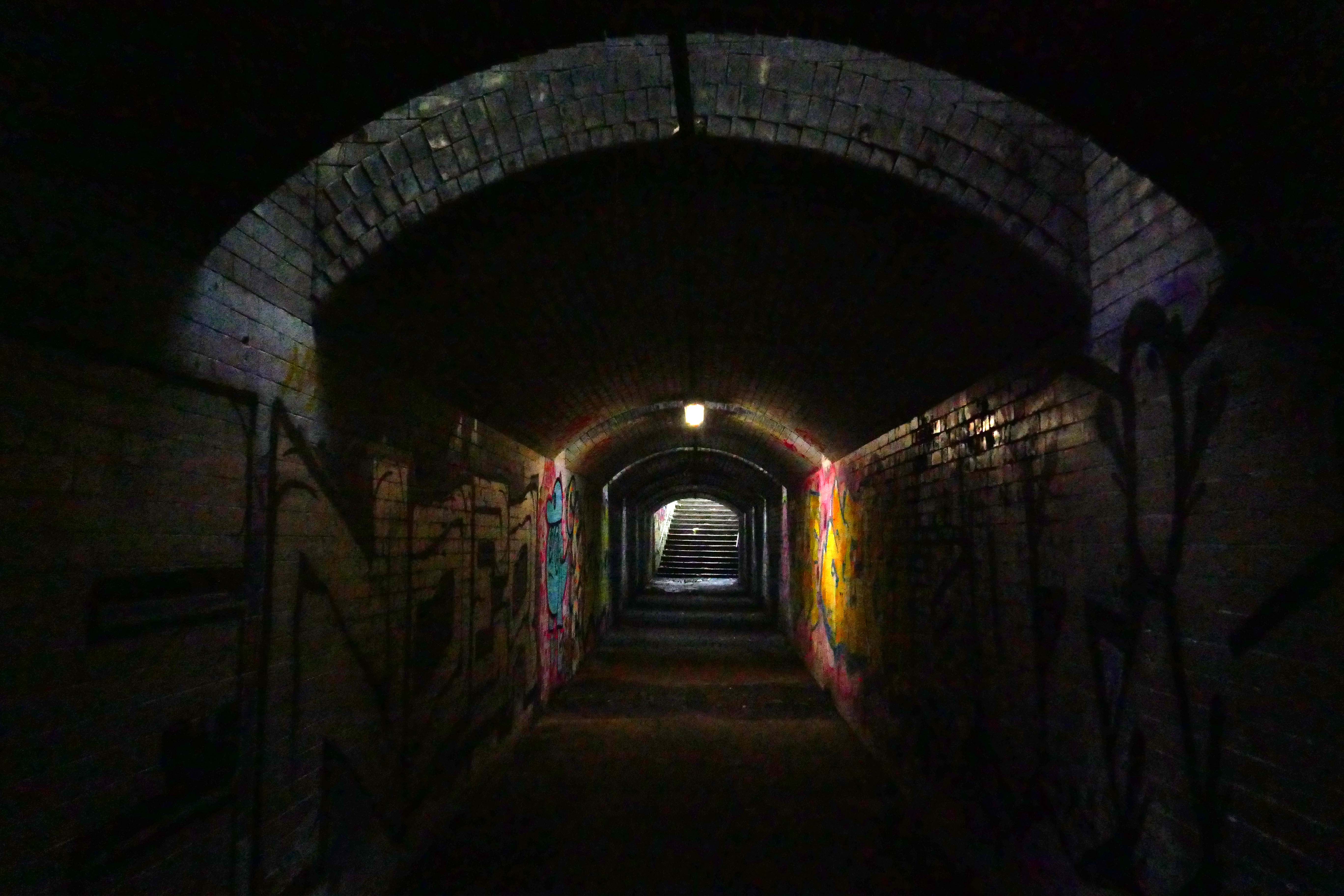
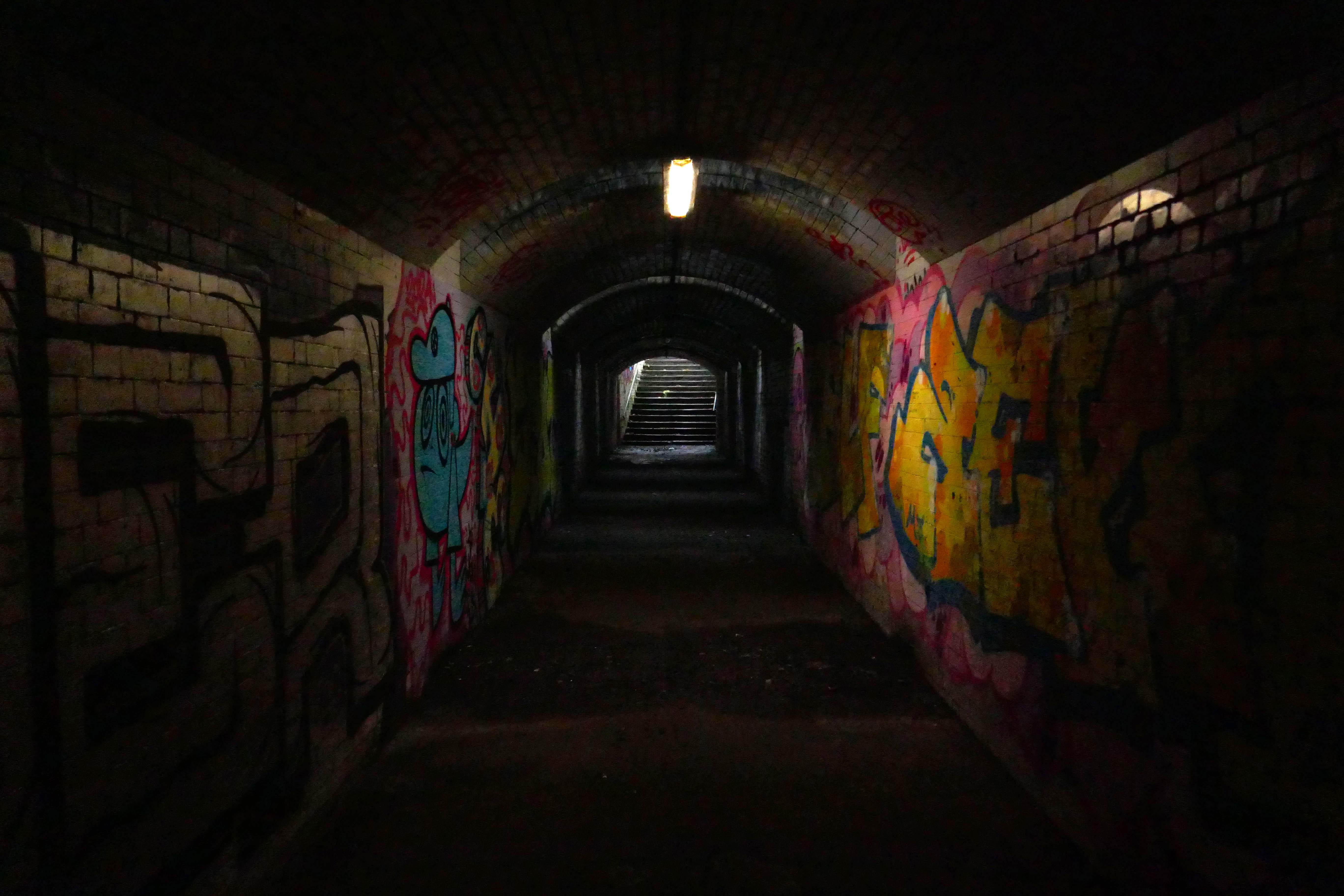
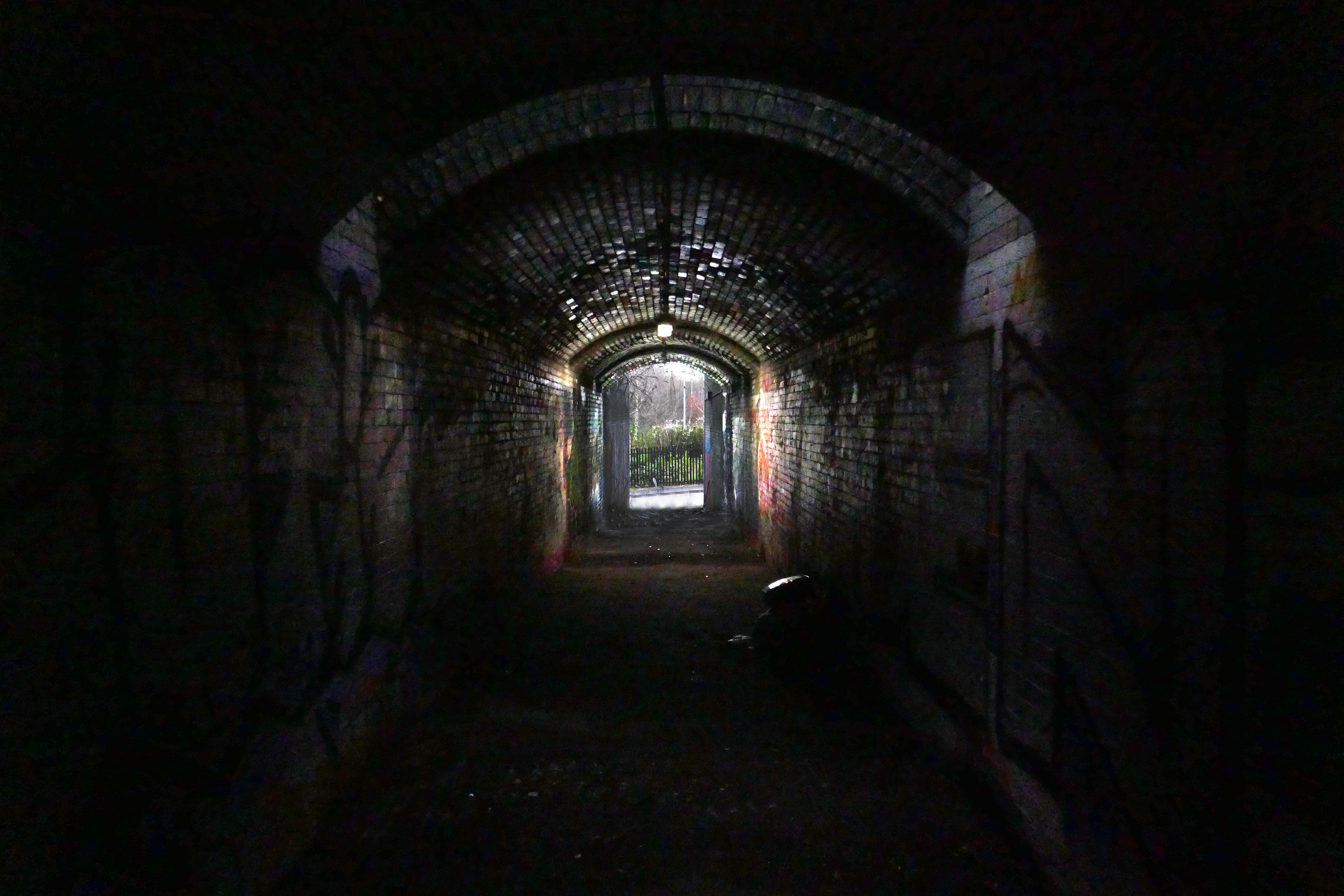
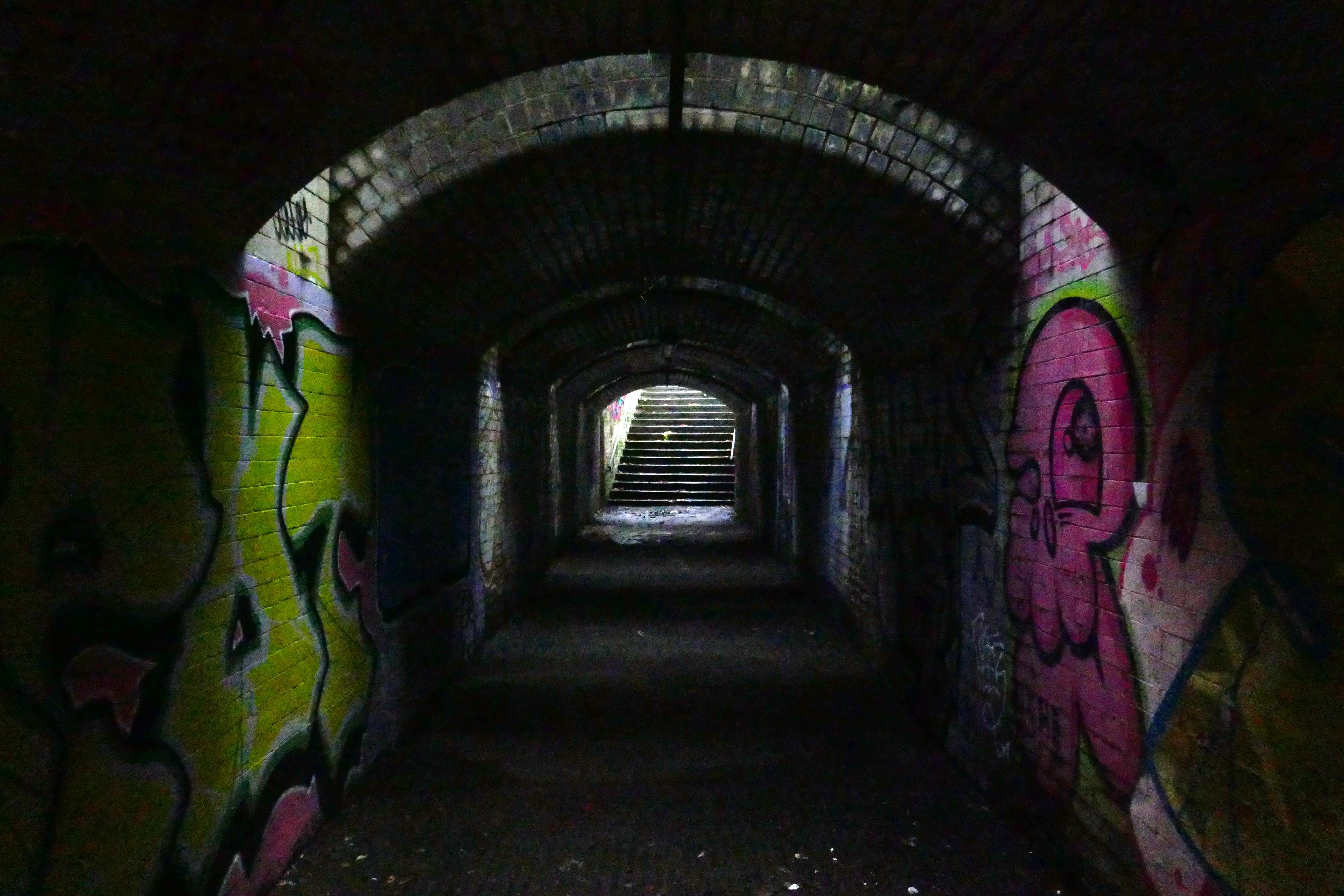
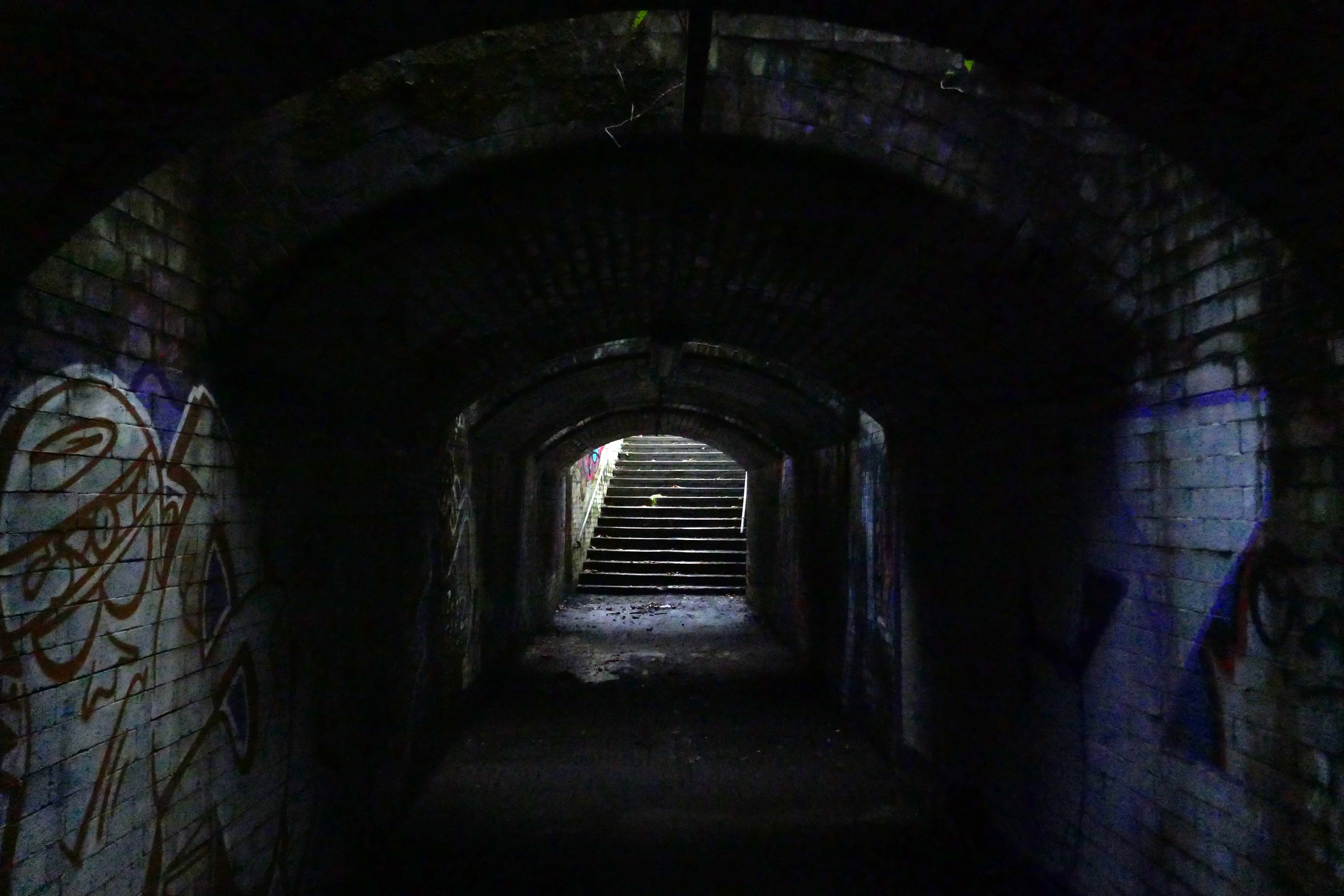
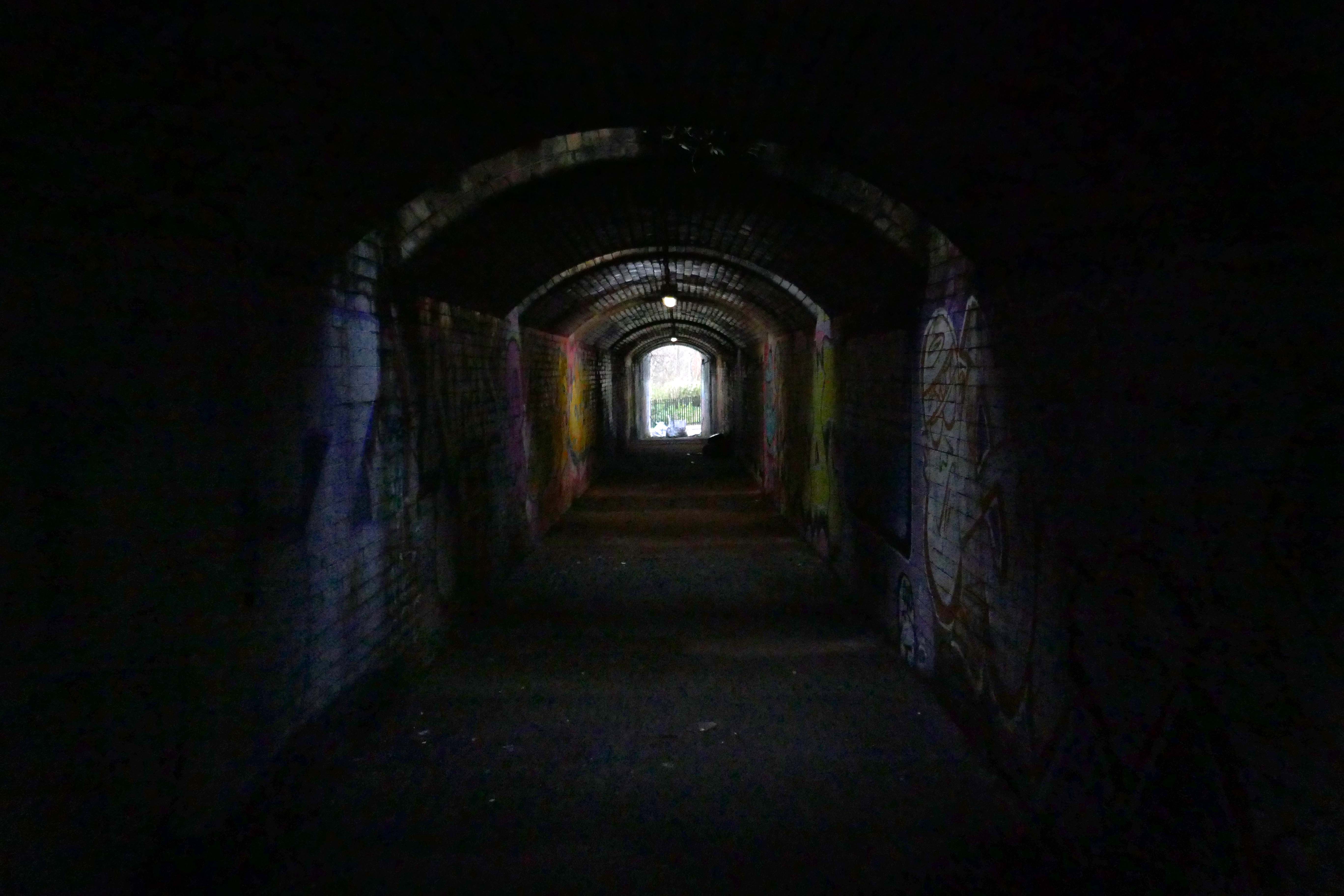
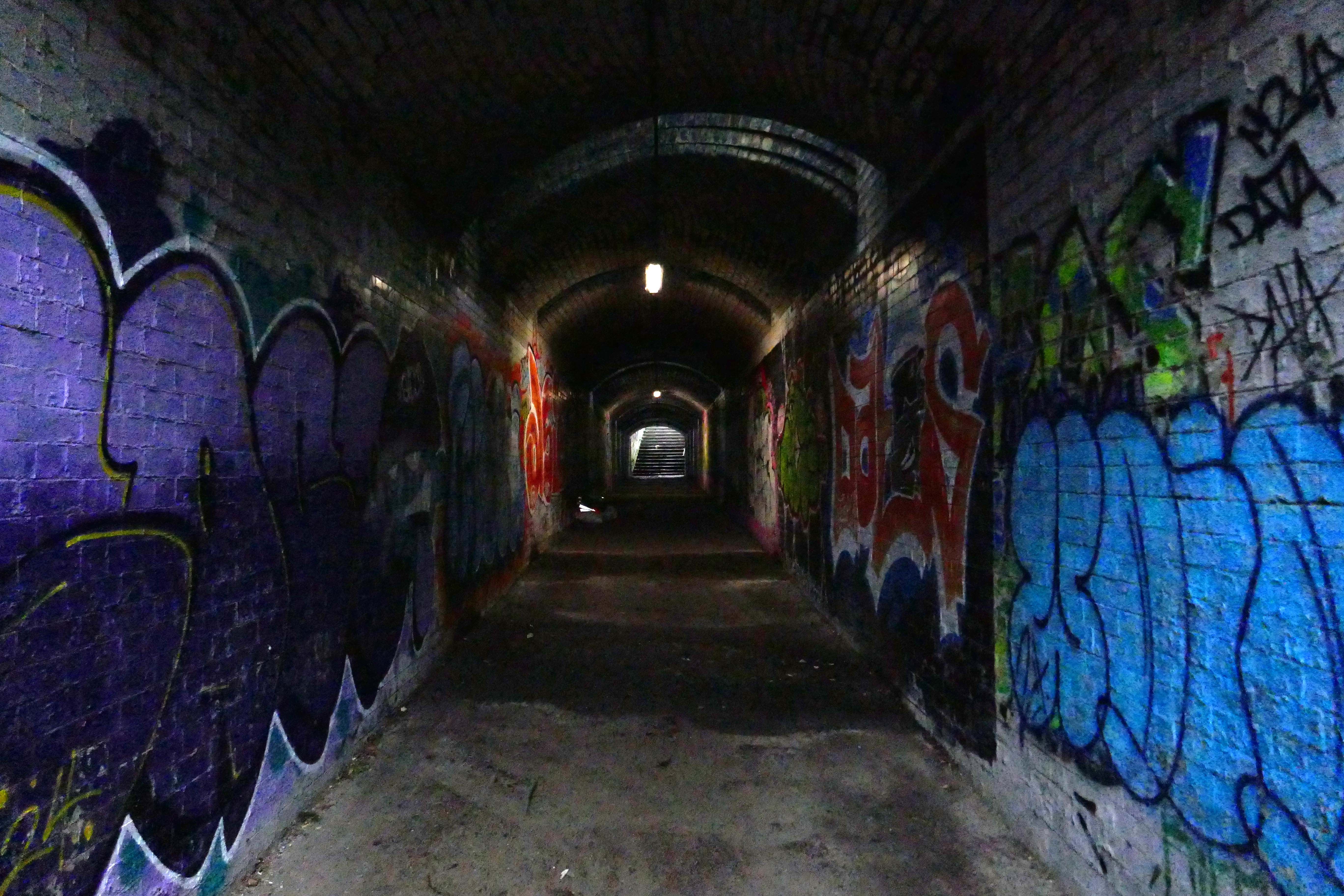
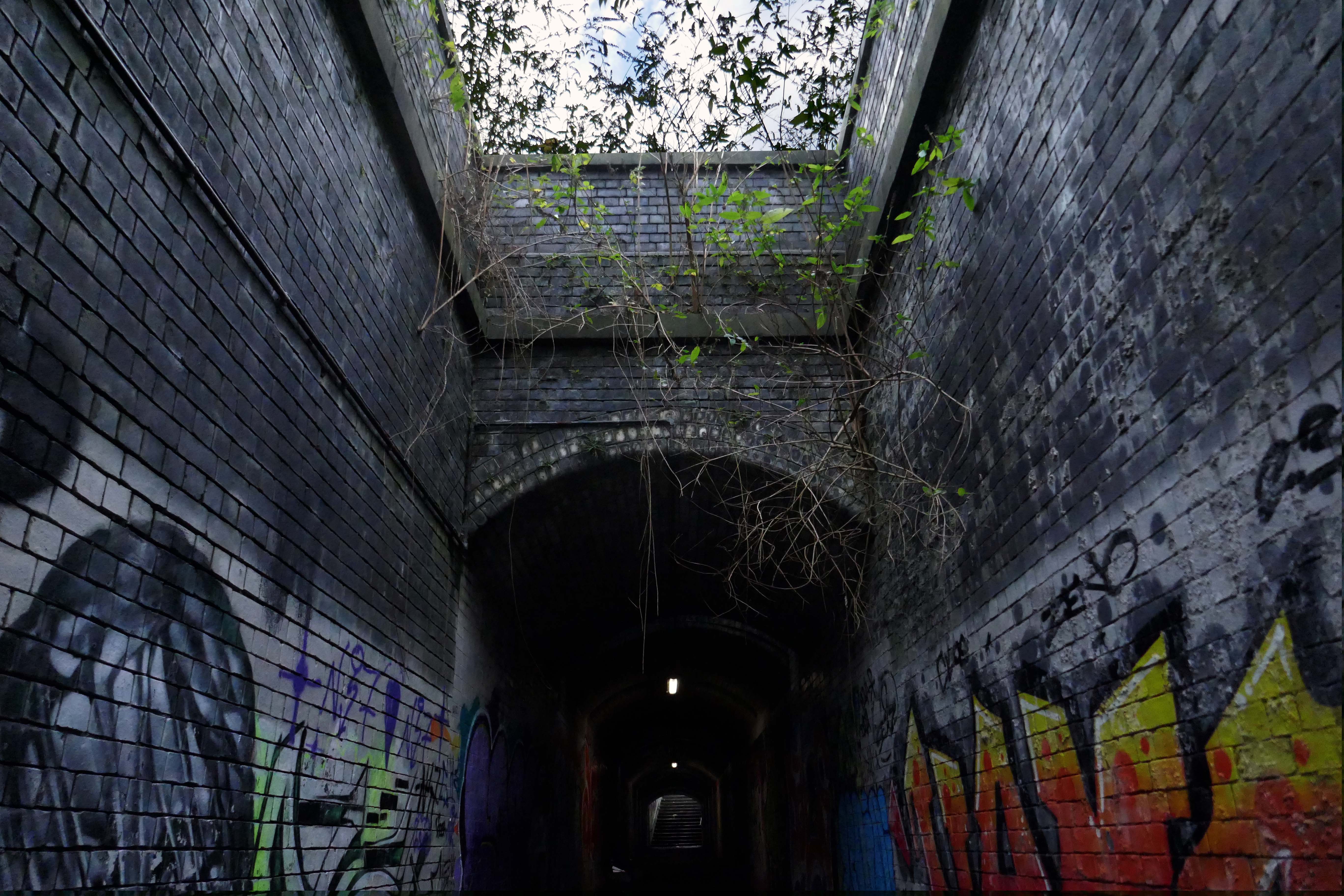
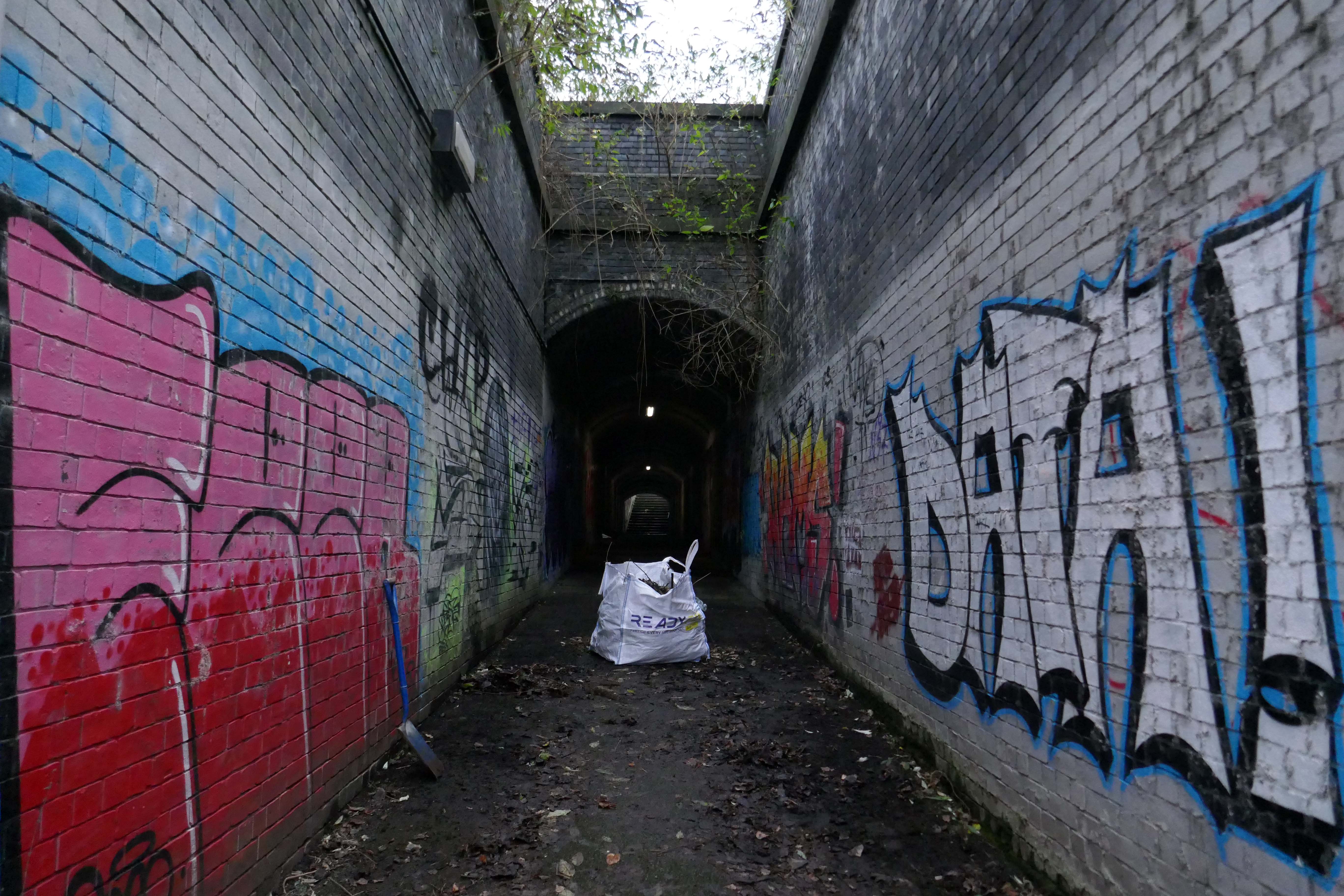
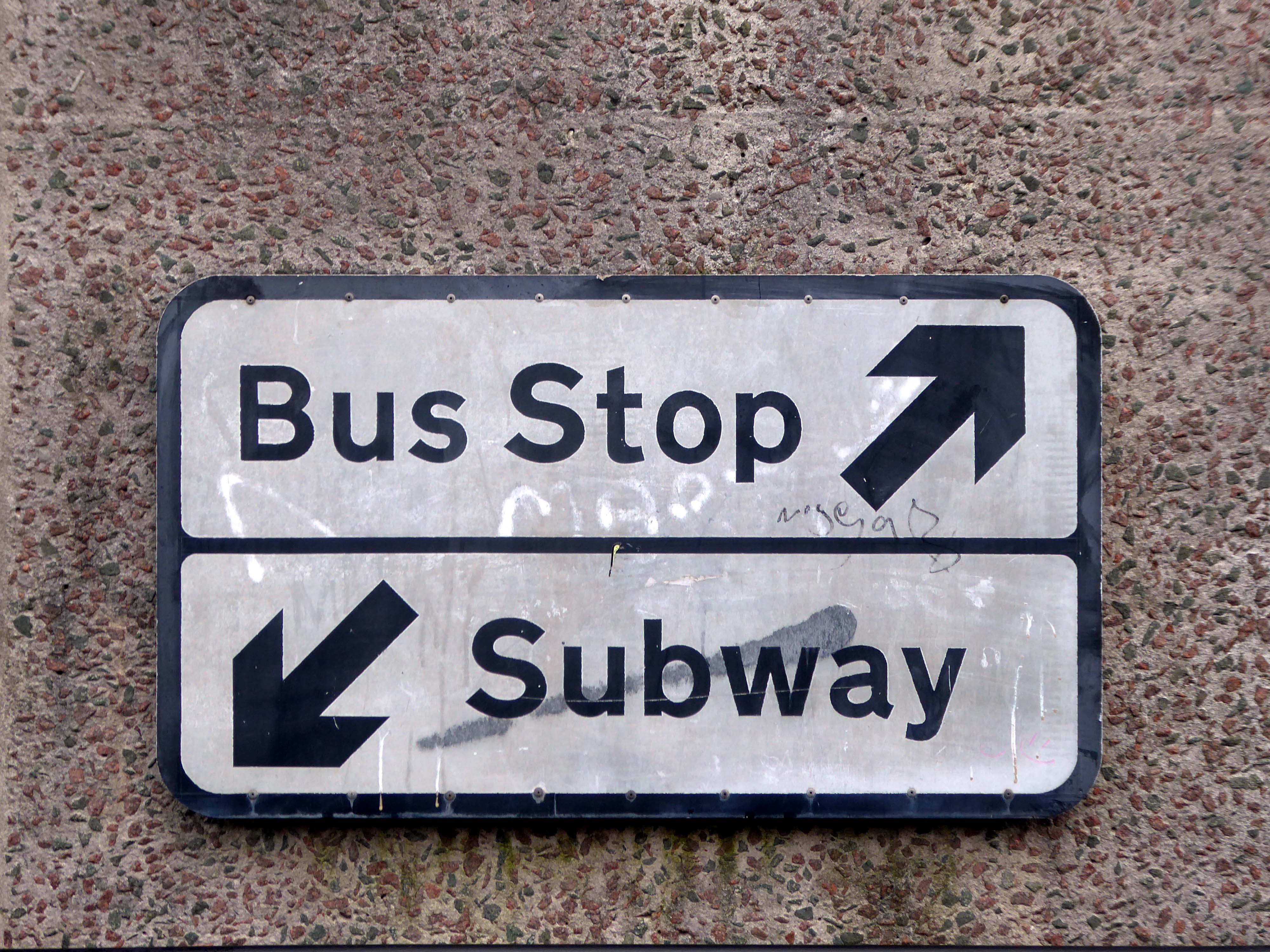
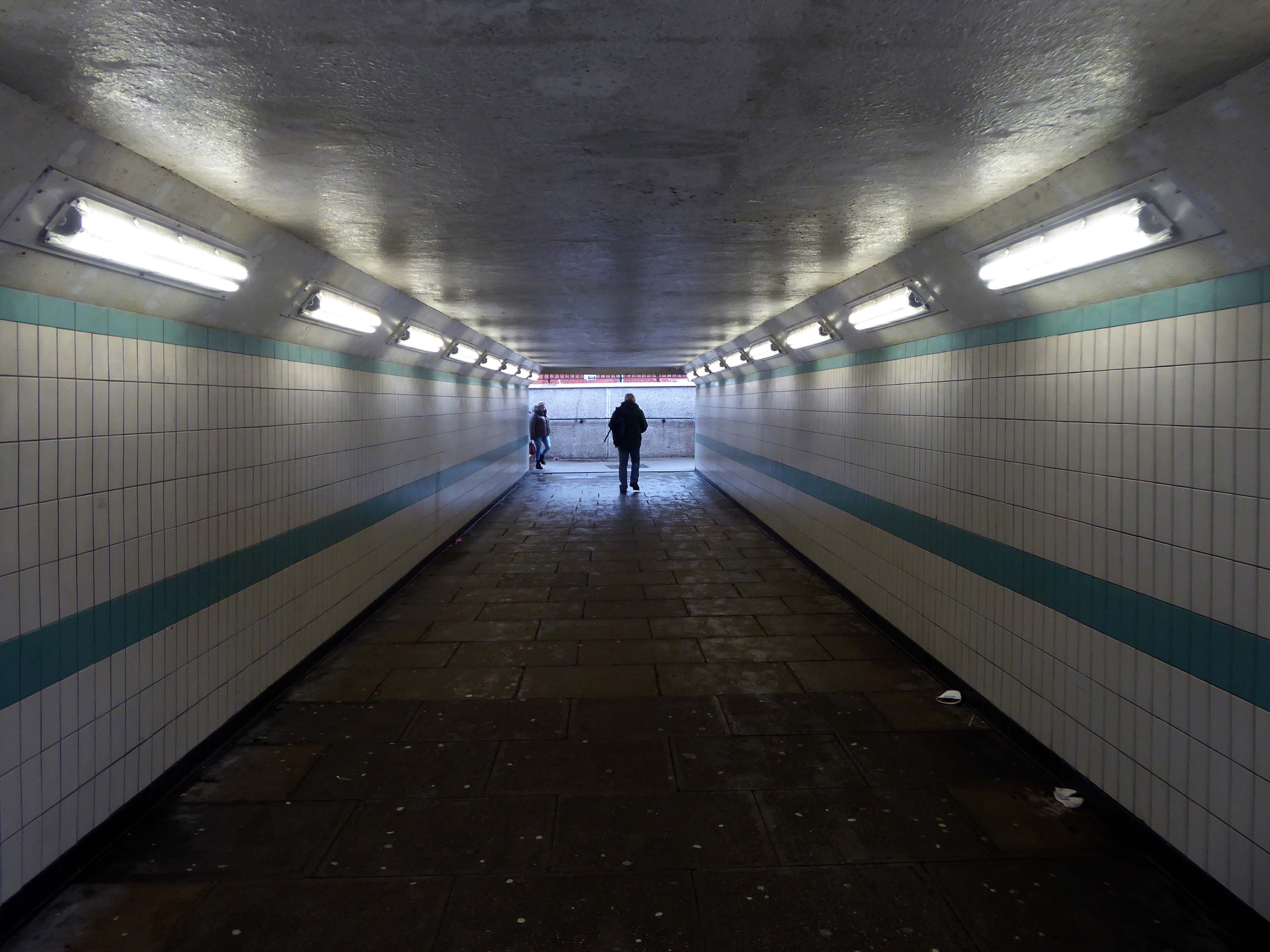
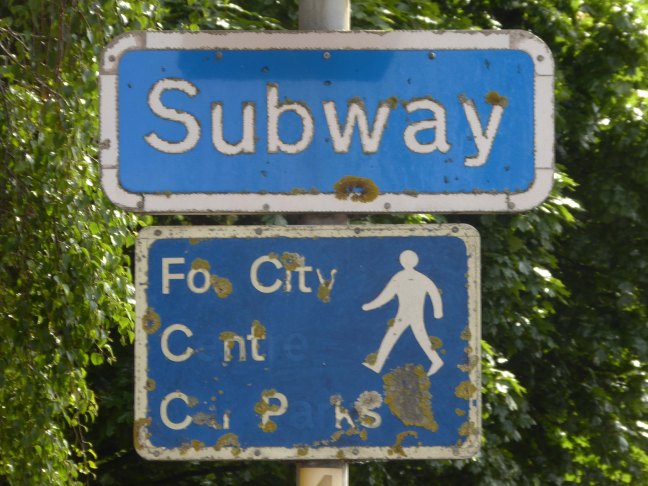
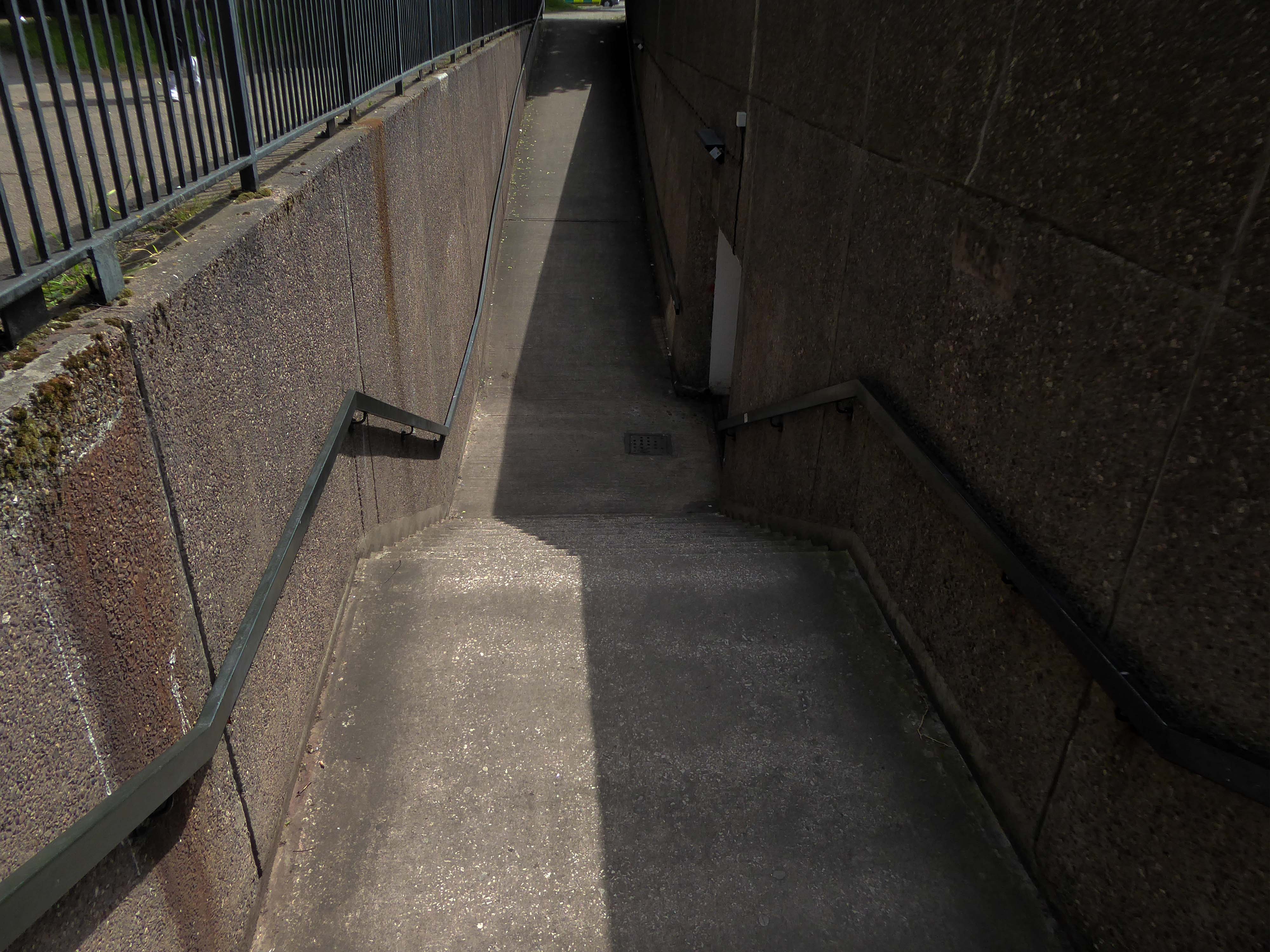
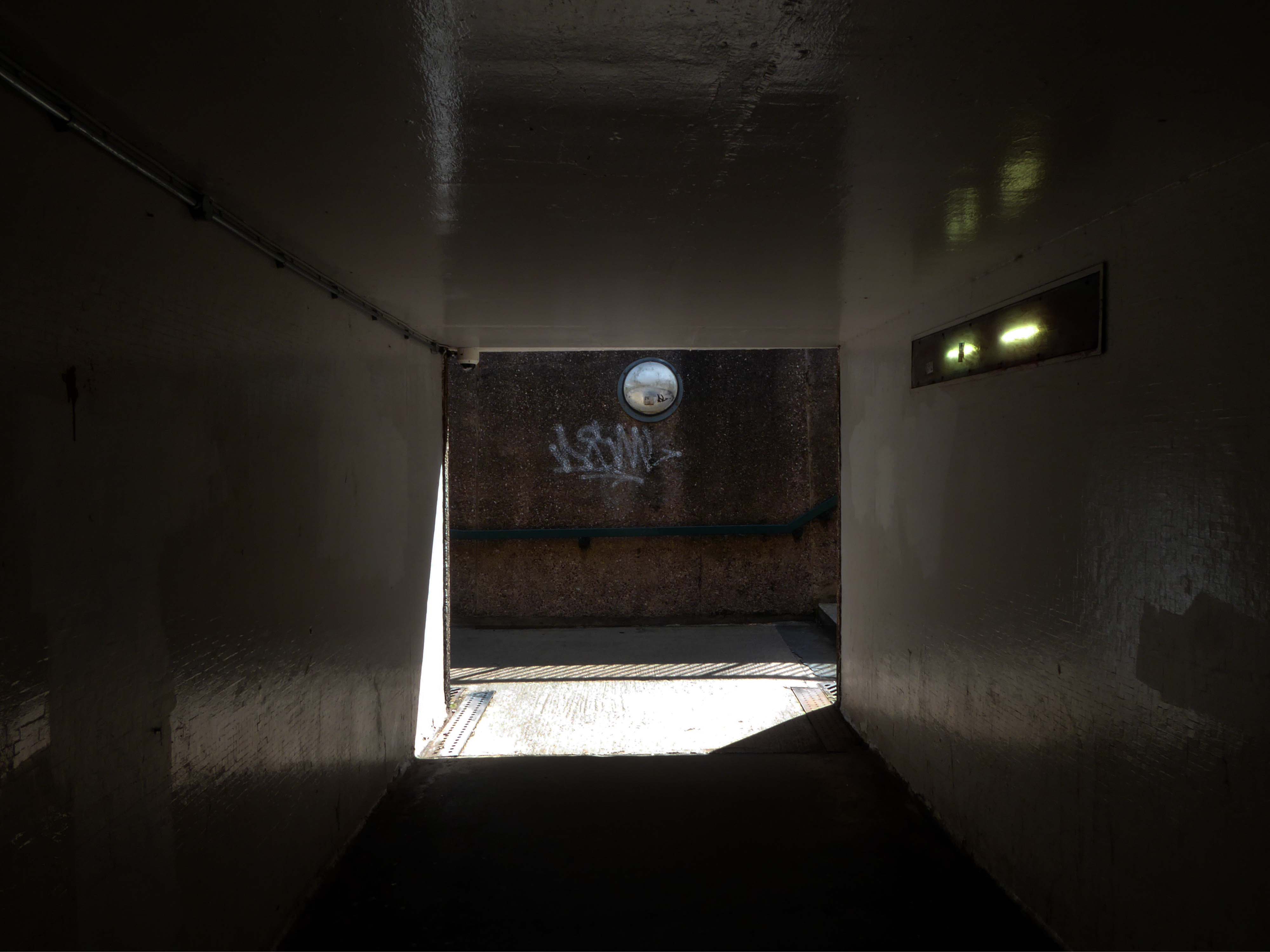
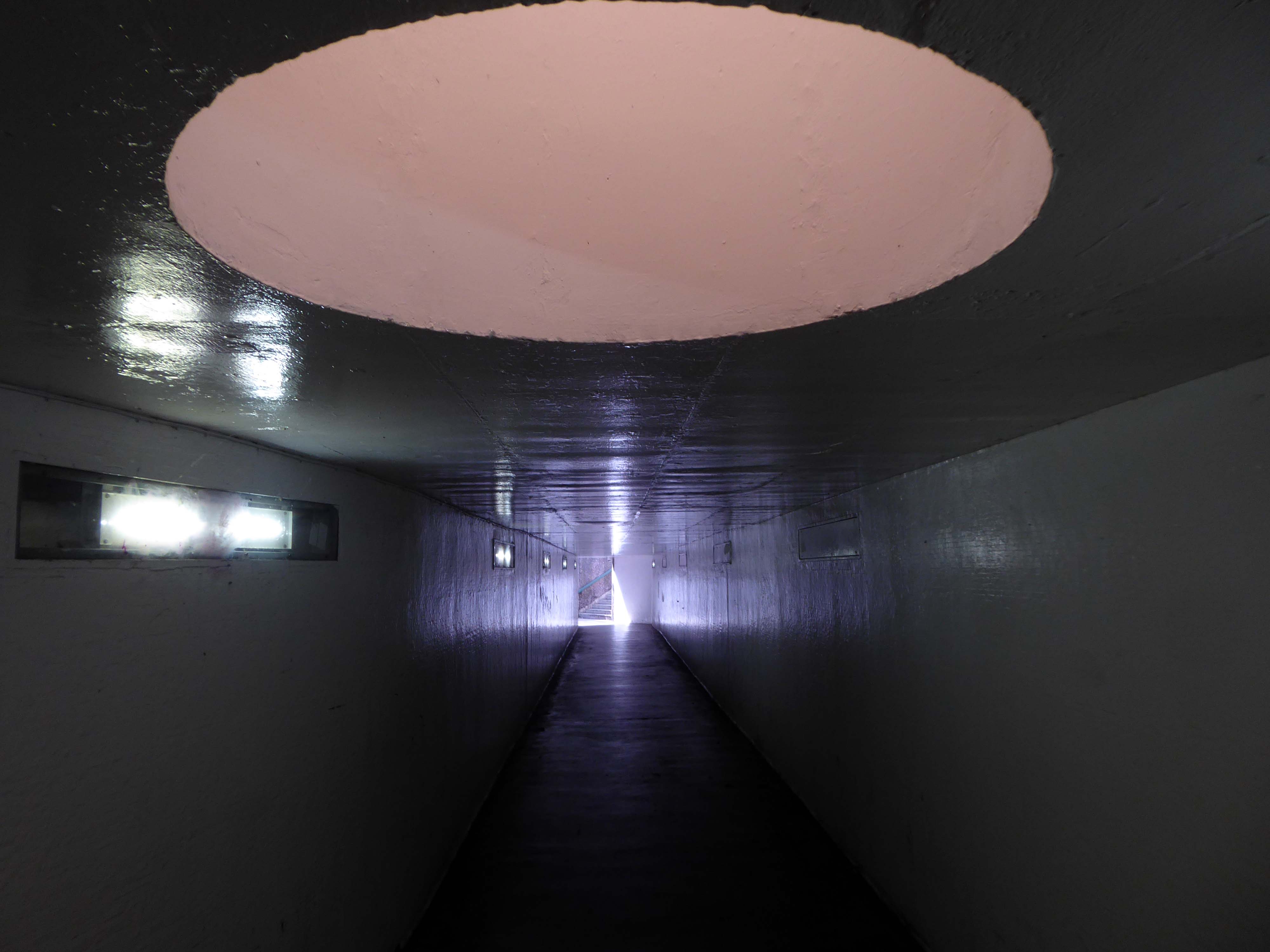
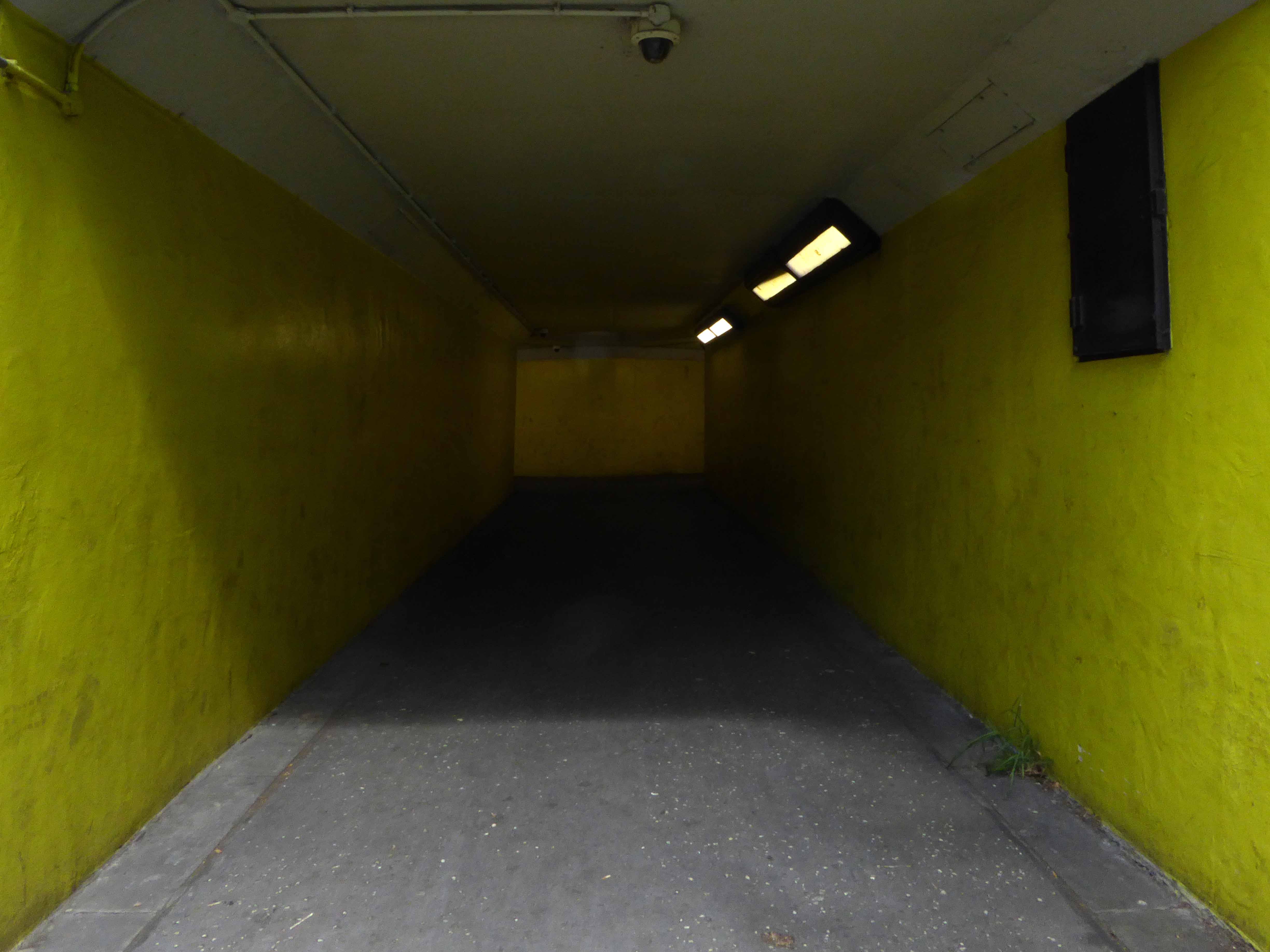
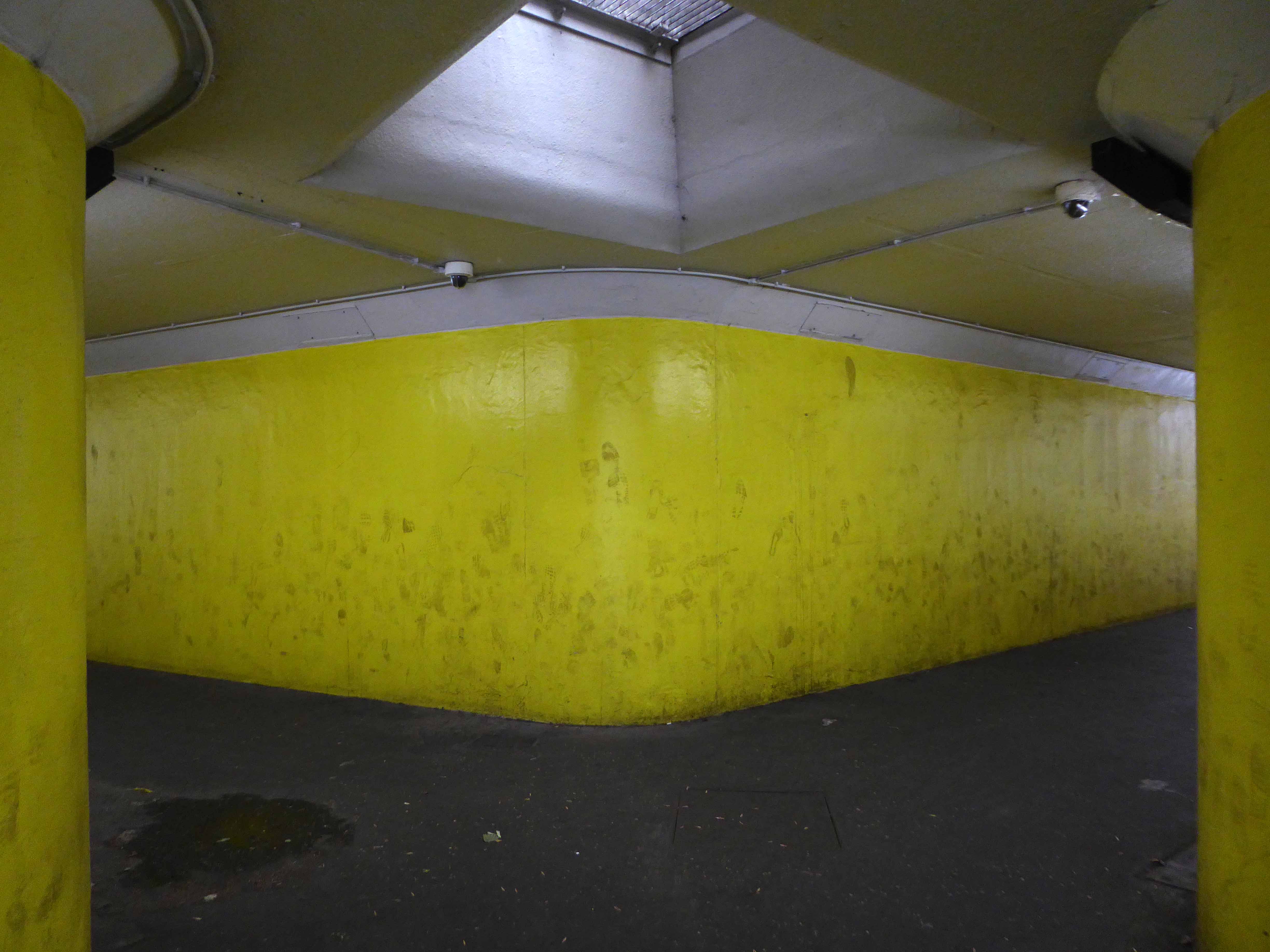
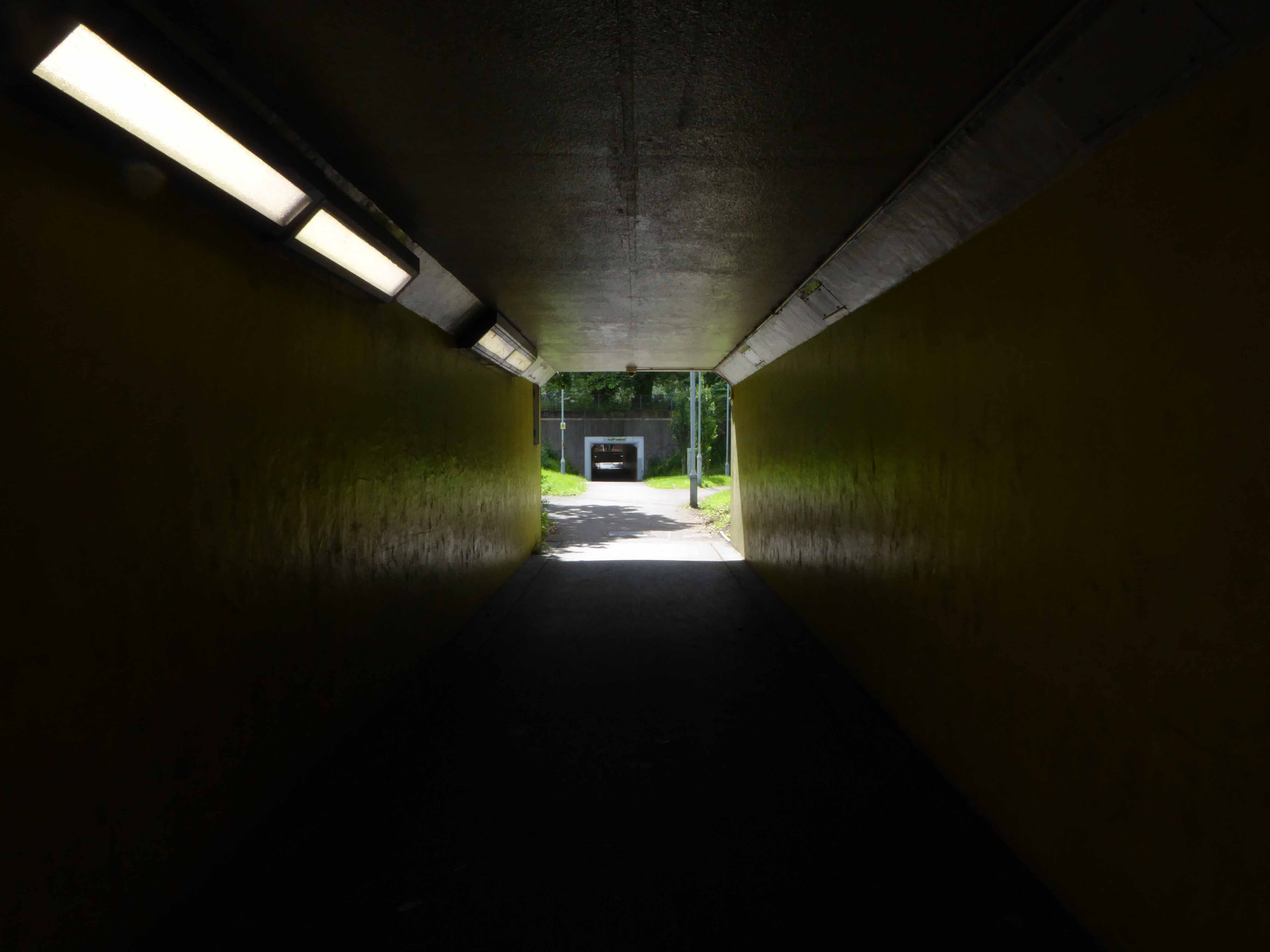
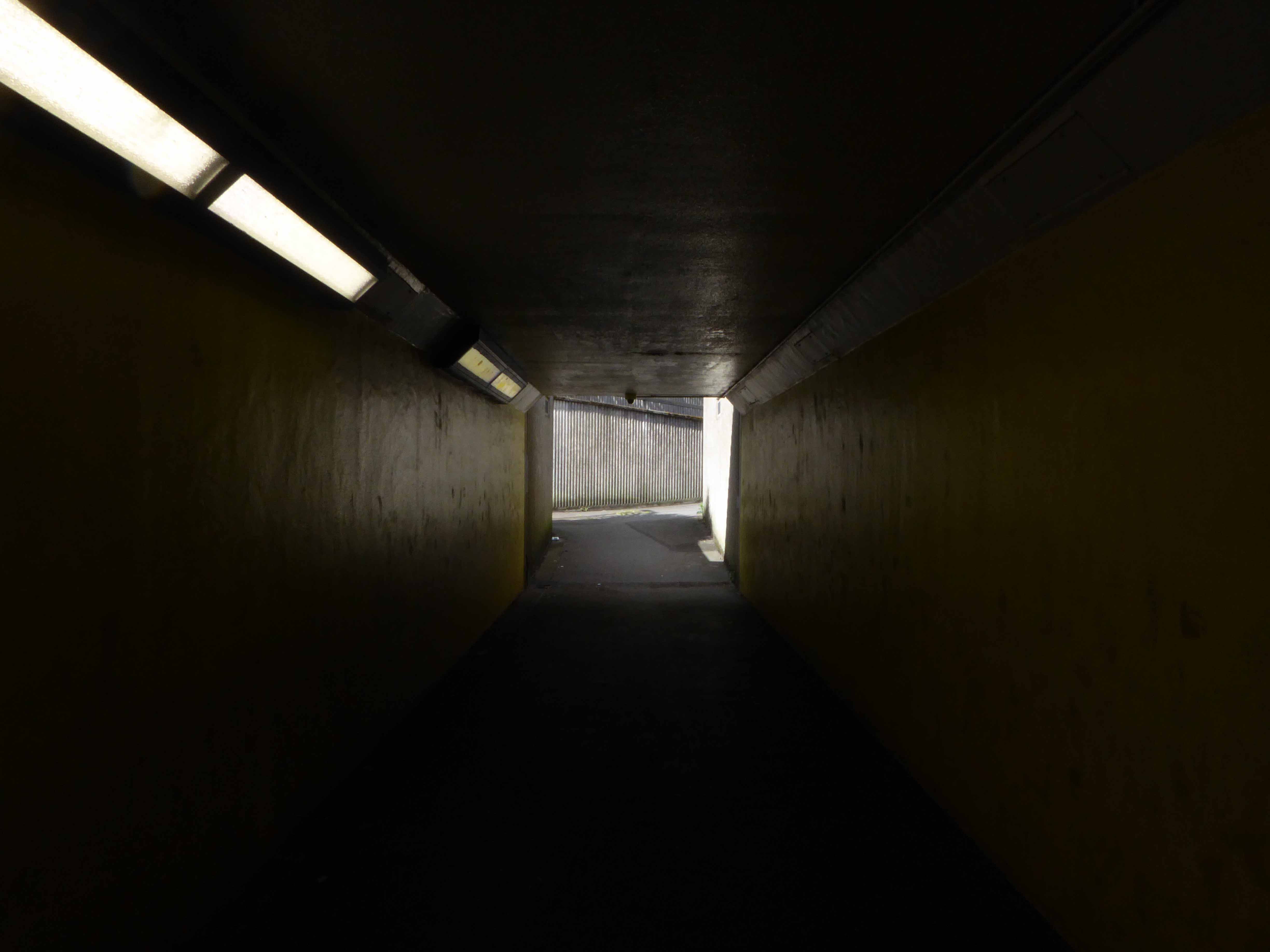
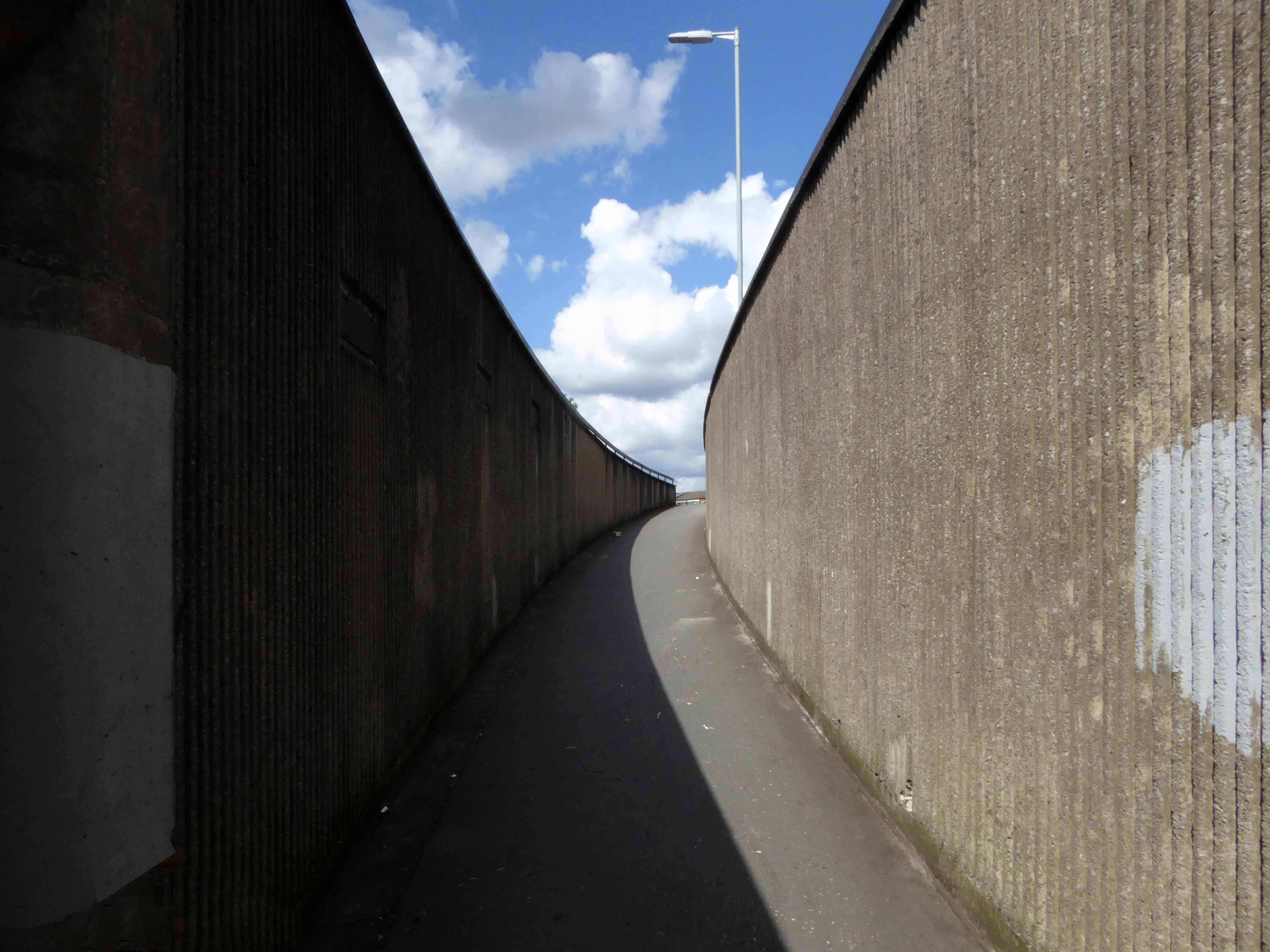
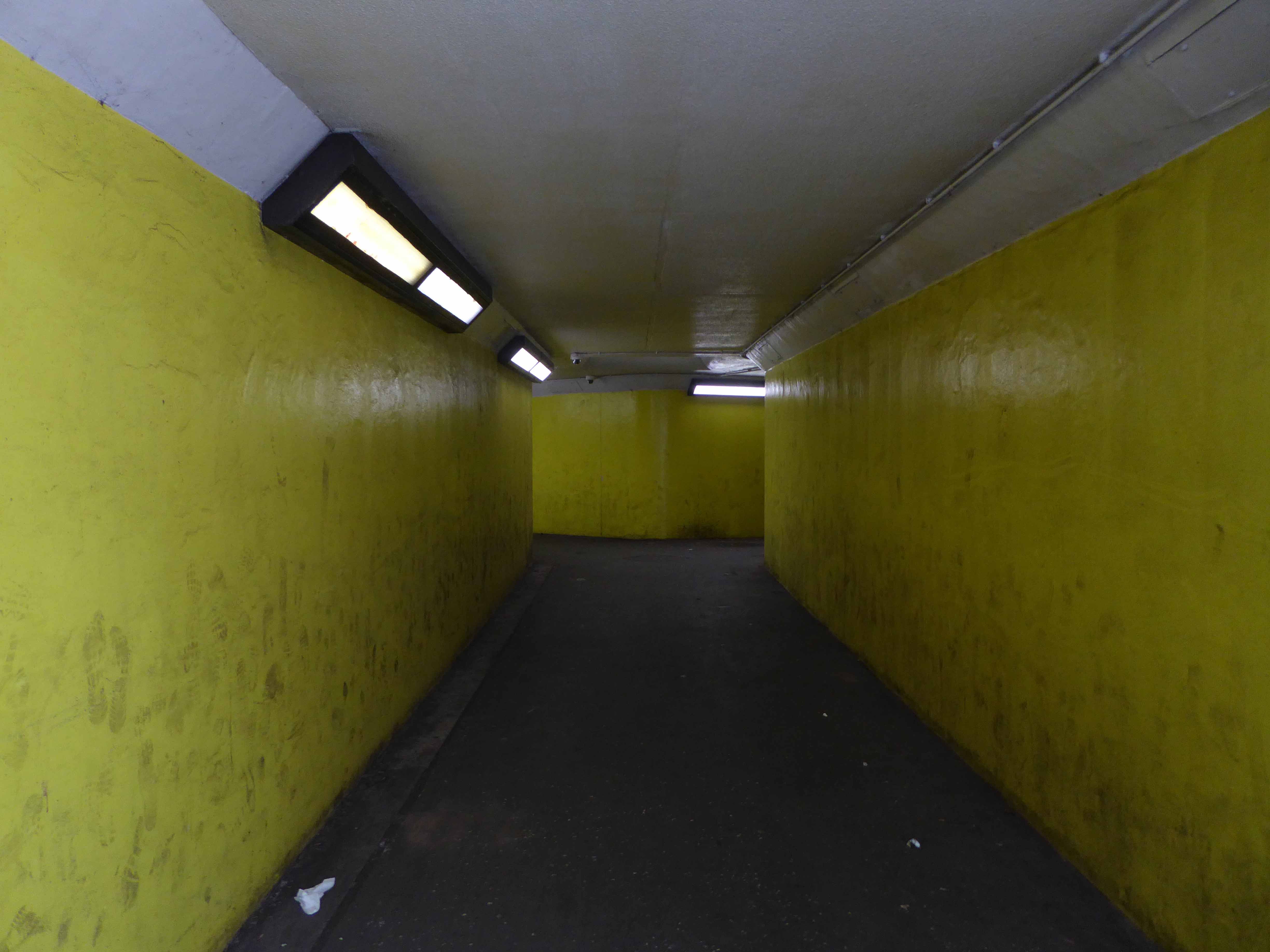
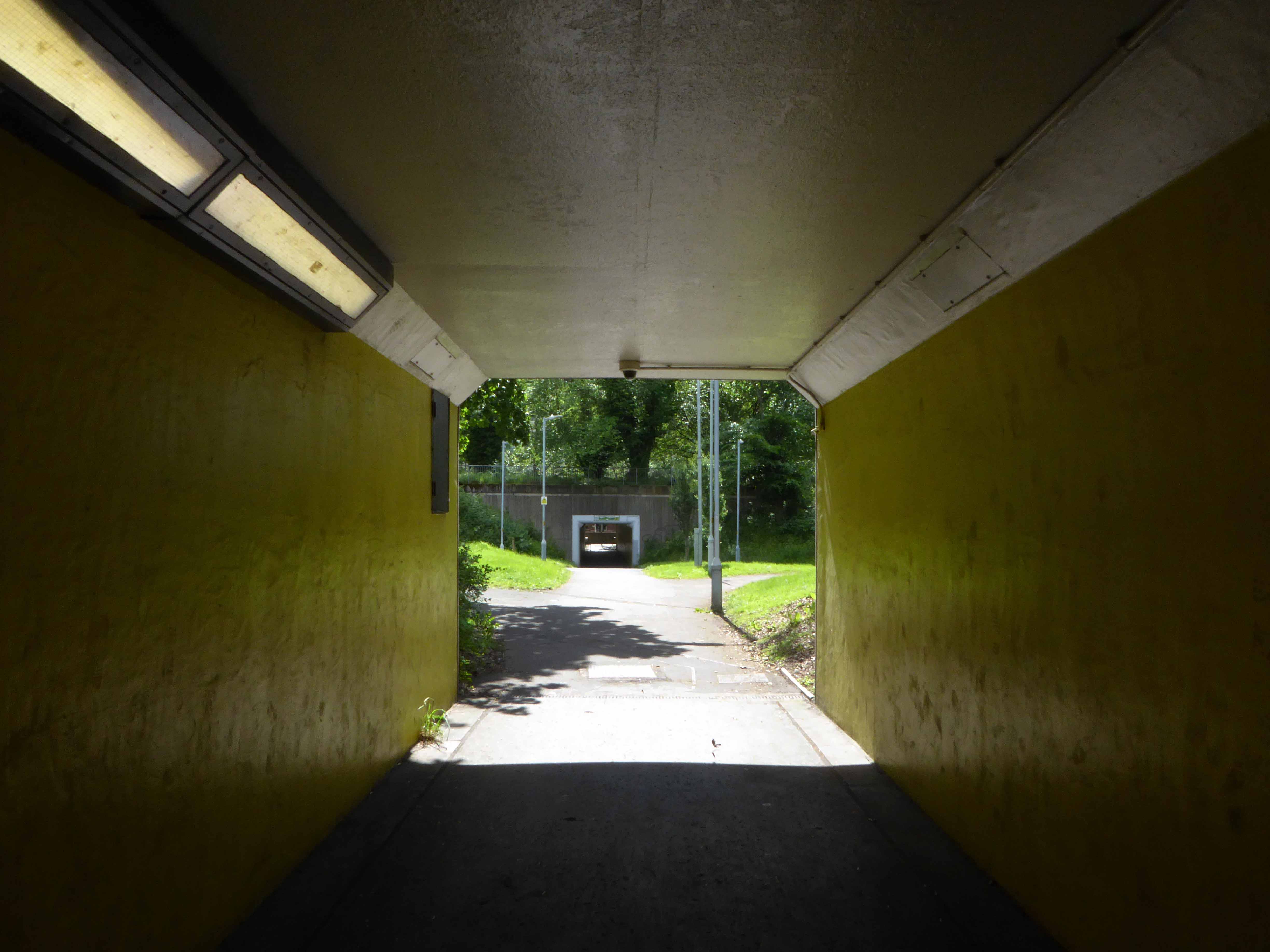
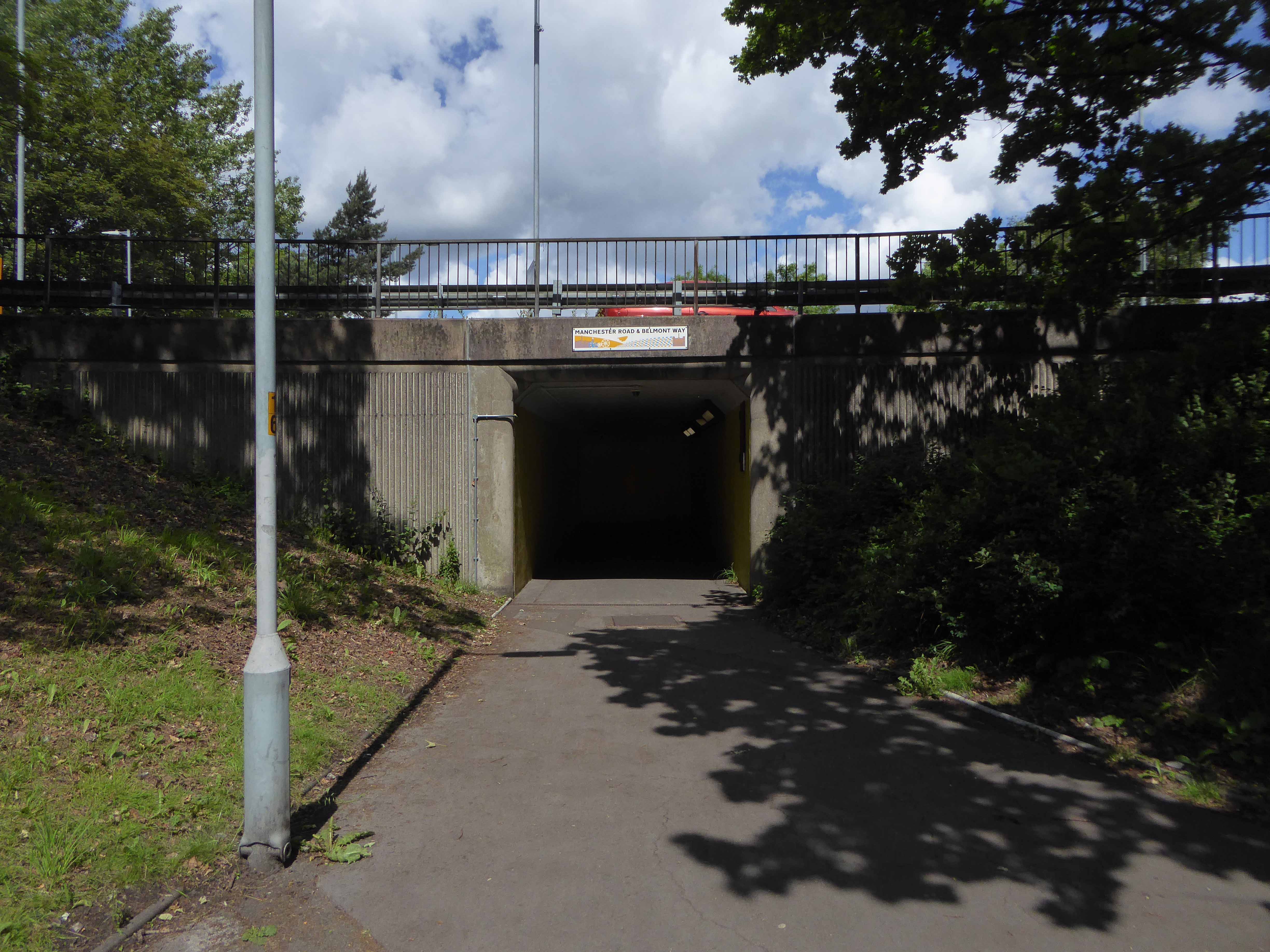
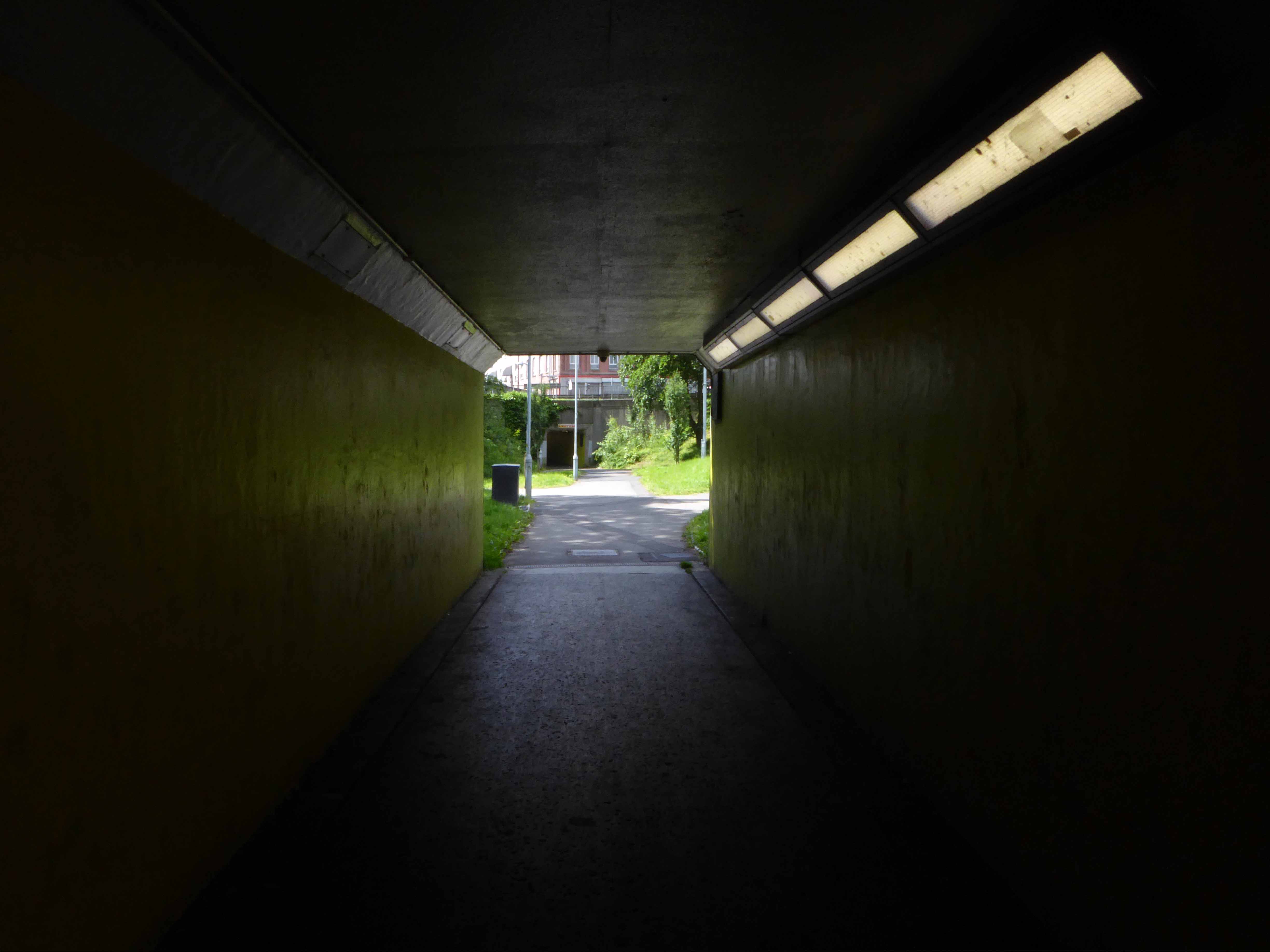
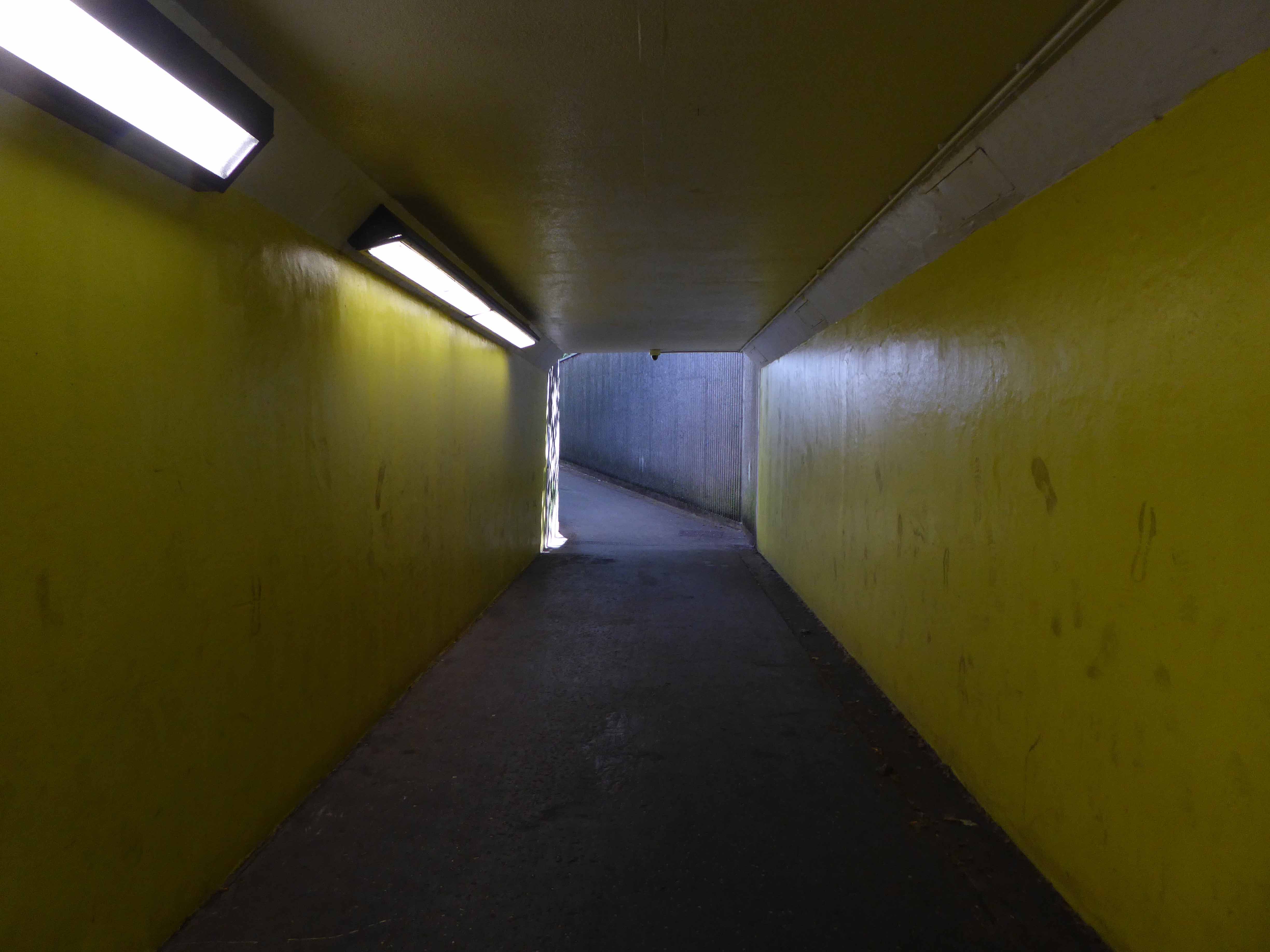
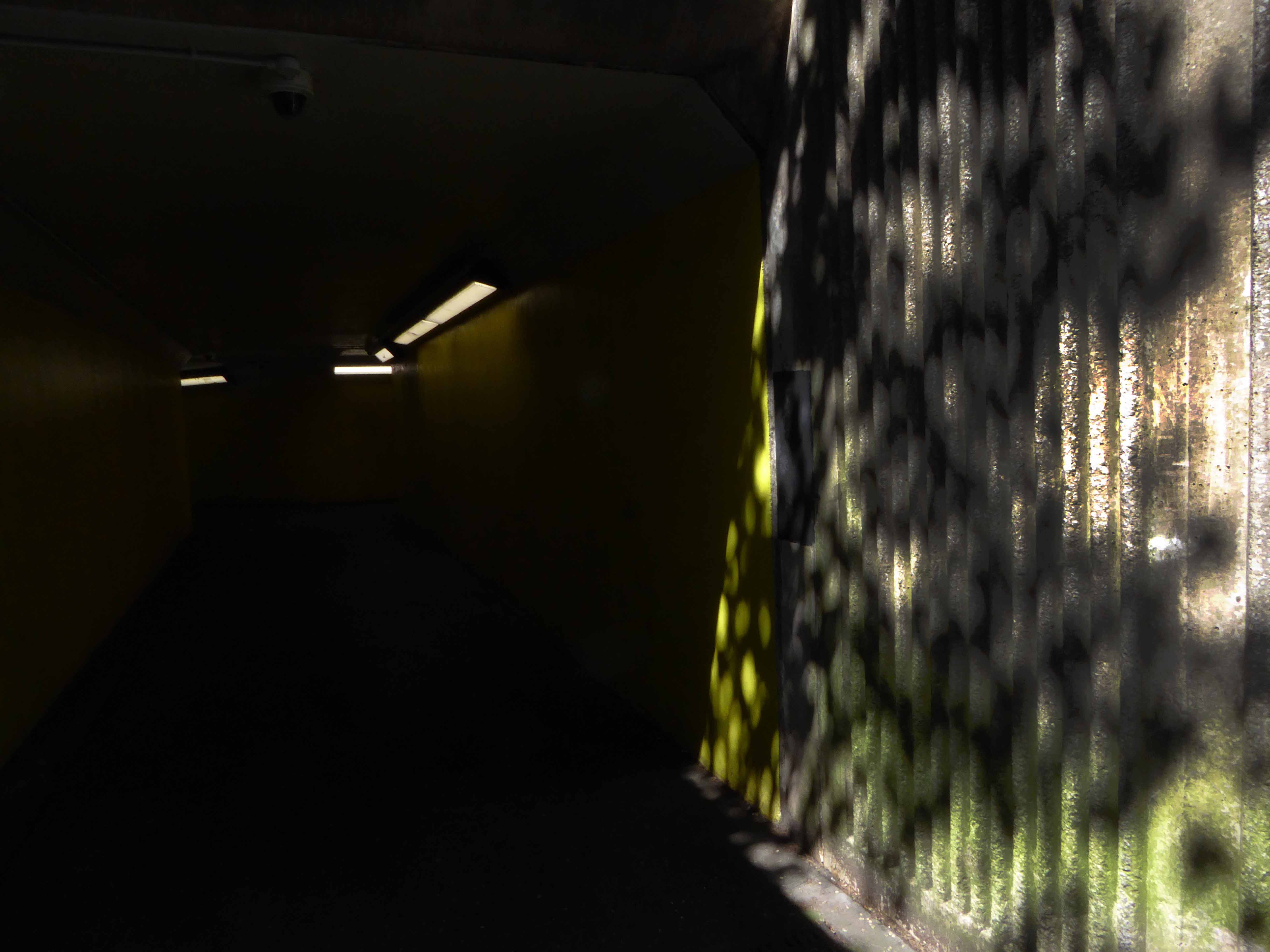
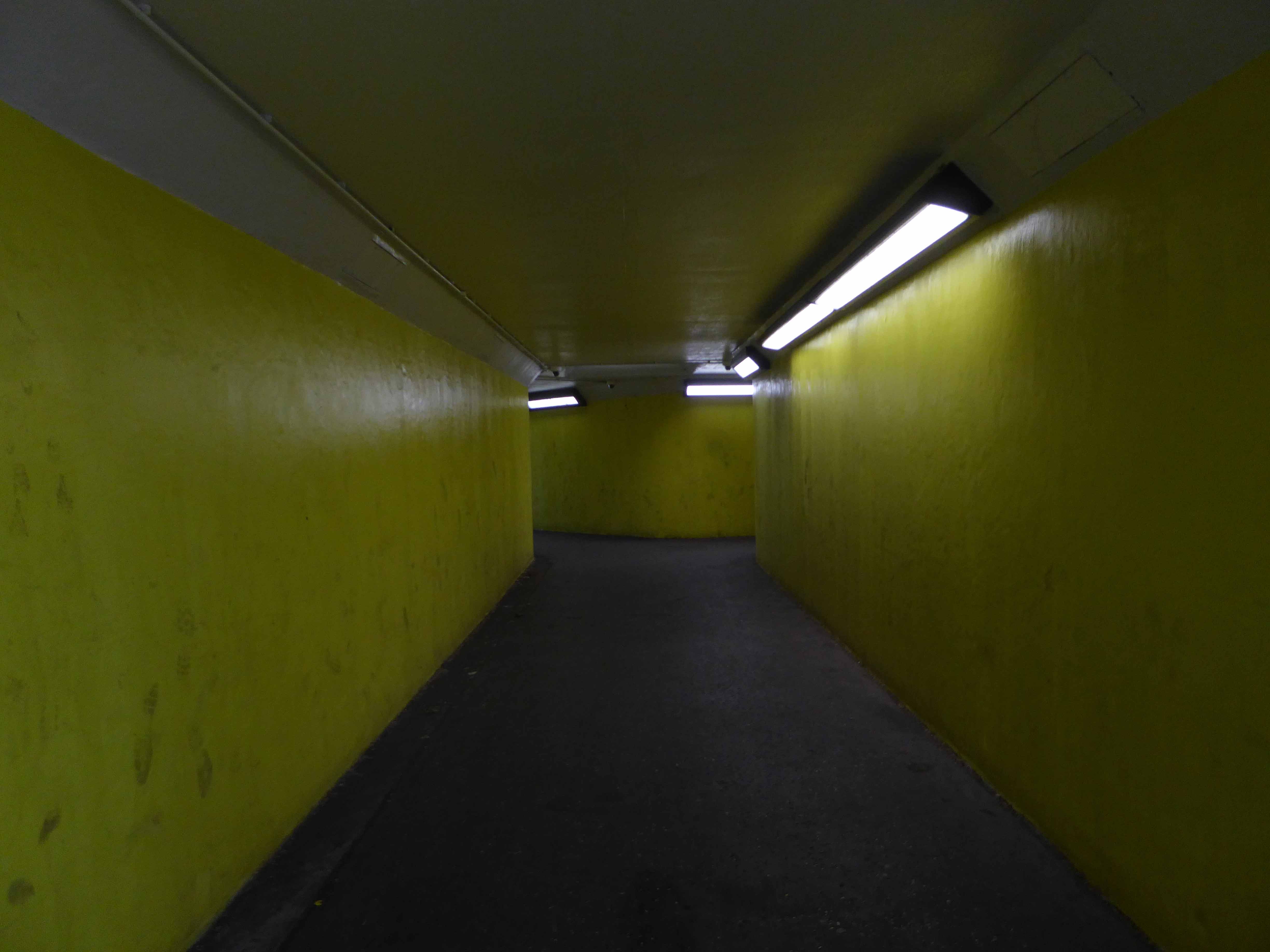
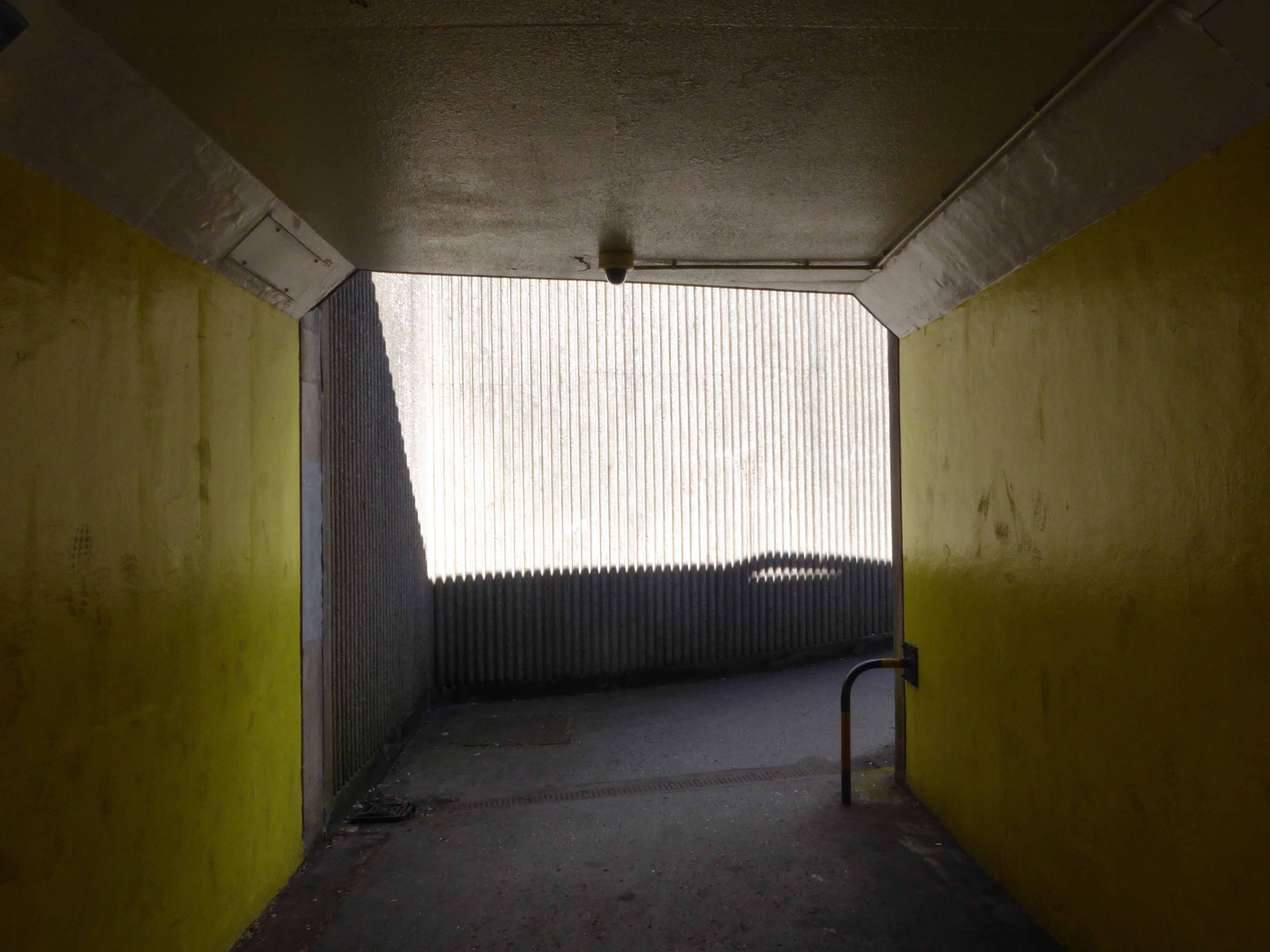
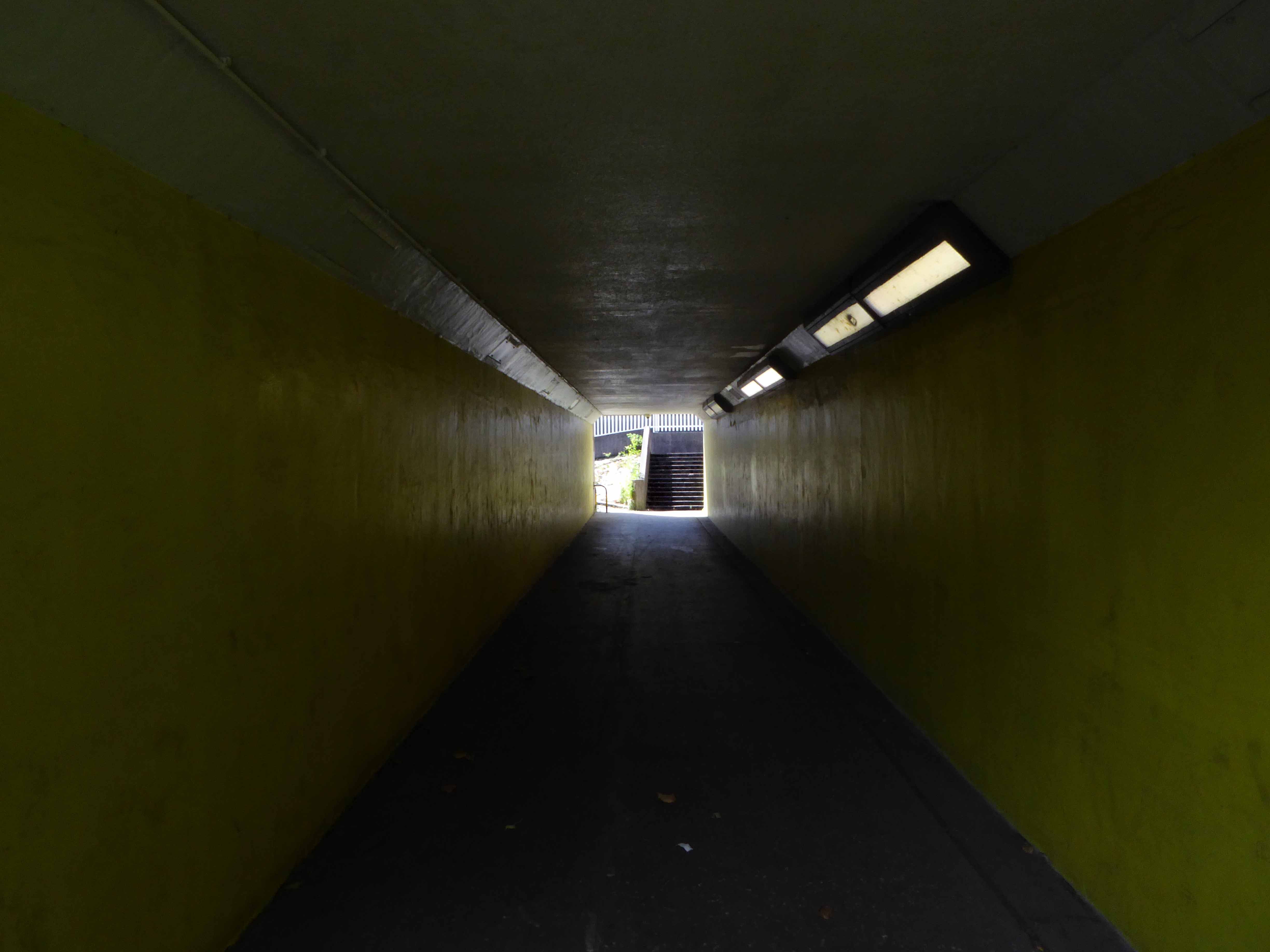
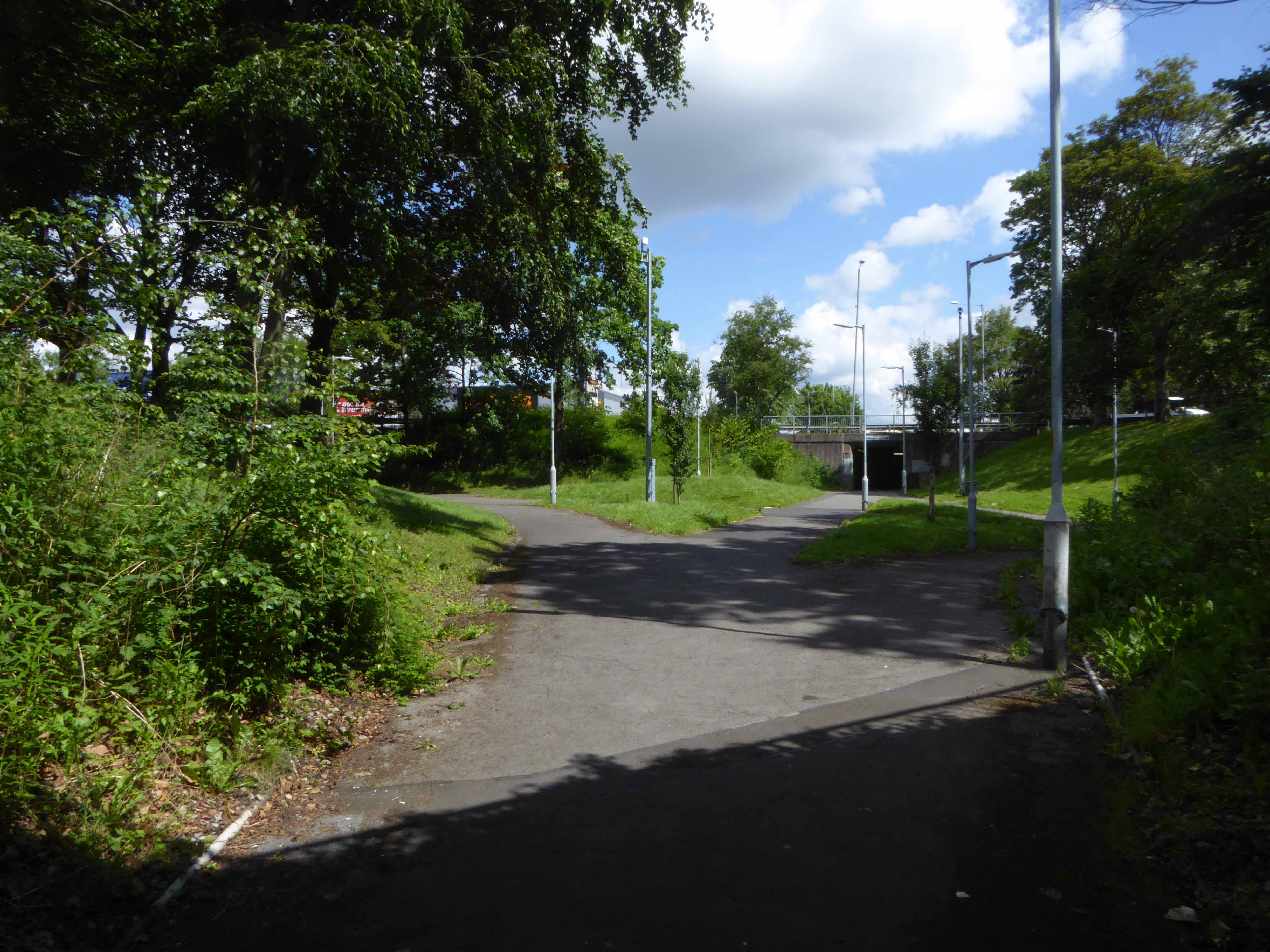
Passing between Dalton Street and Bromley Street is a pedestrian underpass, subway or tunnel.
Beneath both the Bury and Rochdale tram lines.
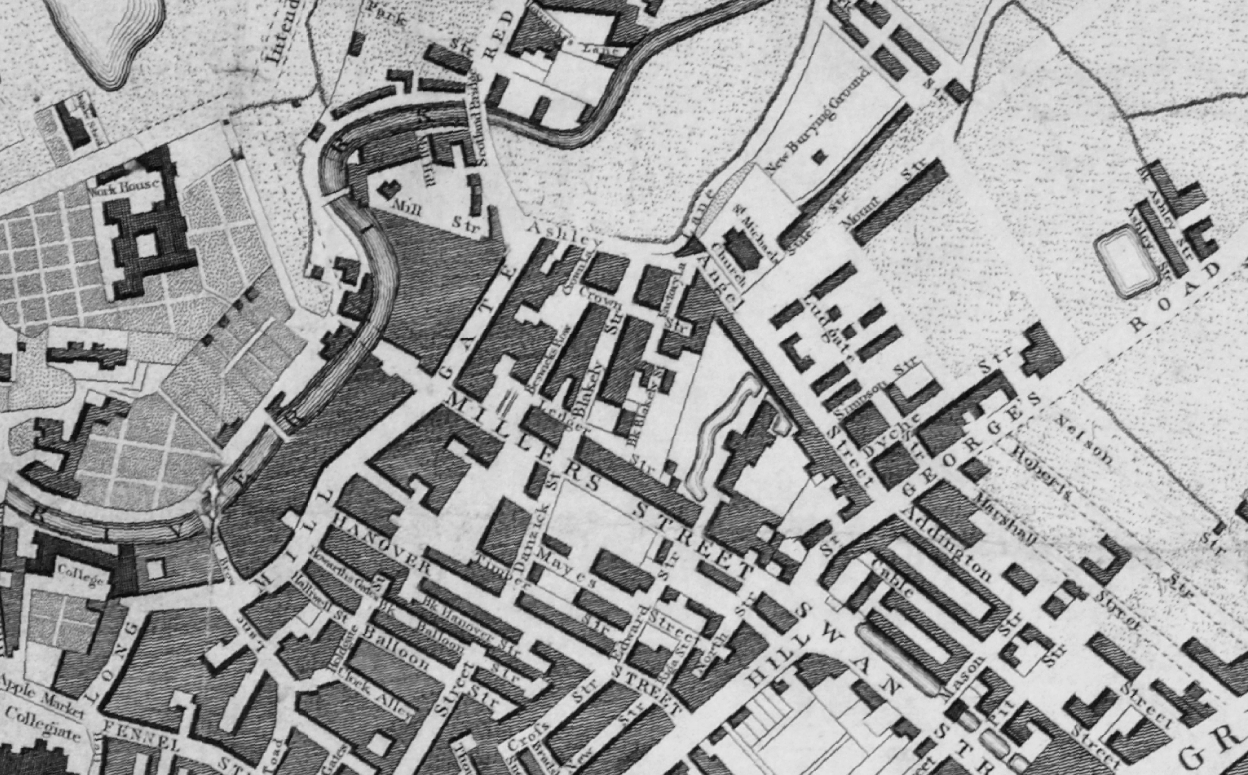
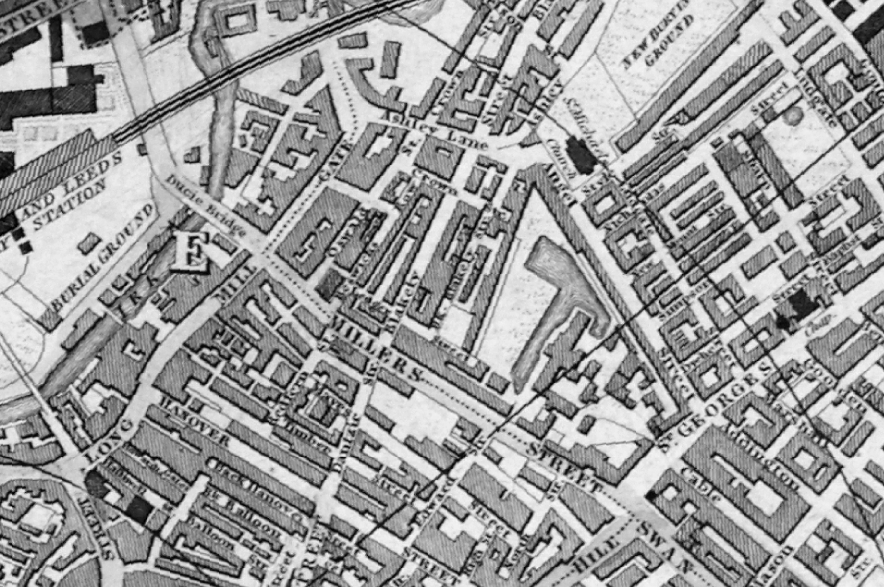
Once upon a time in 1807, it wasn’t there at all.
Then in 1848, it was there, as the L&Y had established a rail route.
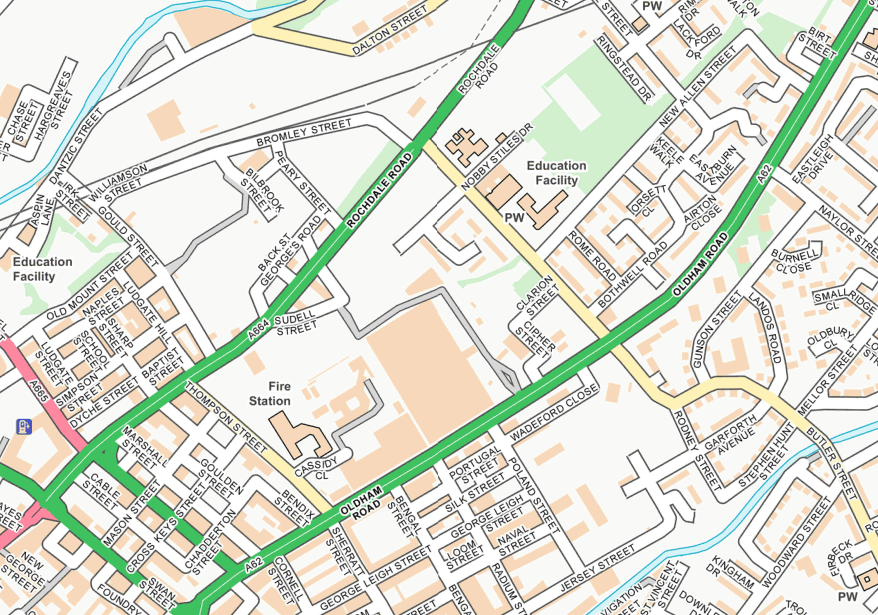
Studying historical maps, we can see the development of dense patches of housing, matching the city’s industrial growth, this is followed by a thinning of housing up to the present day – matching the city’s industrial decline.
There is yet another twist in the tale, as the development of Collyhurst Village and Victoria North, are adding another layer of housing history.
I have walked this area for several years now, recording the relentless but gradual change.
Including the pedestrian underpass, subway or tunnel.
On my most recent visit there were works cleaning the pedestrian underpass, subway or tunnel.
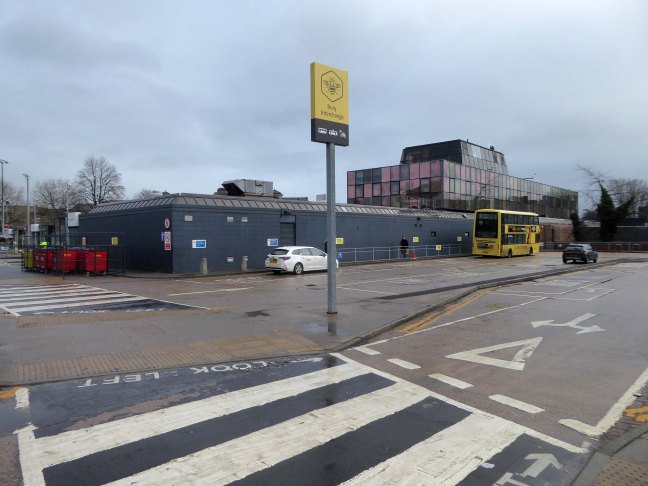
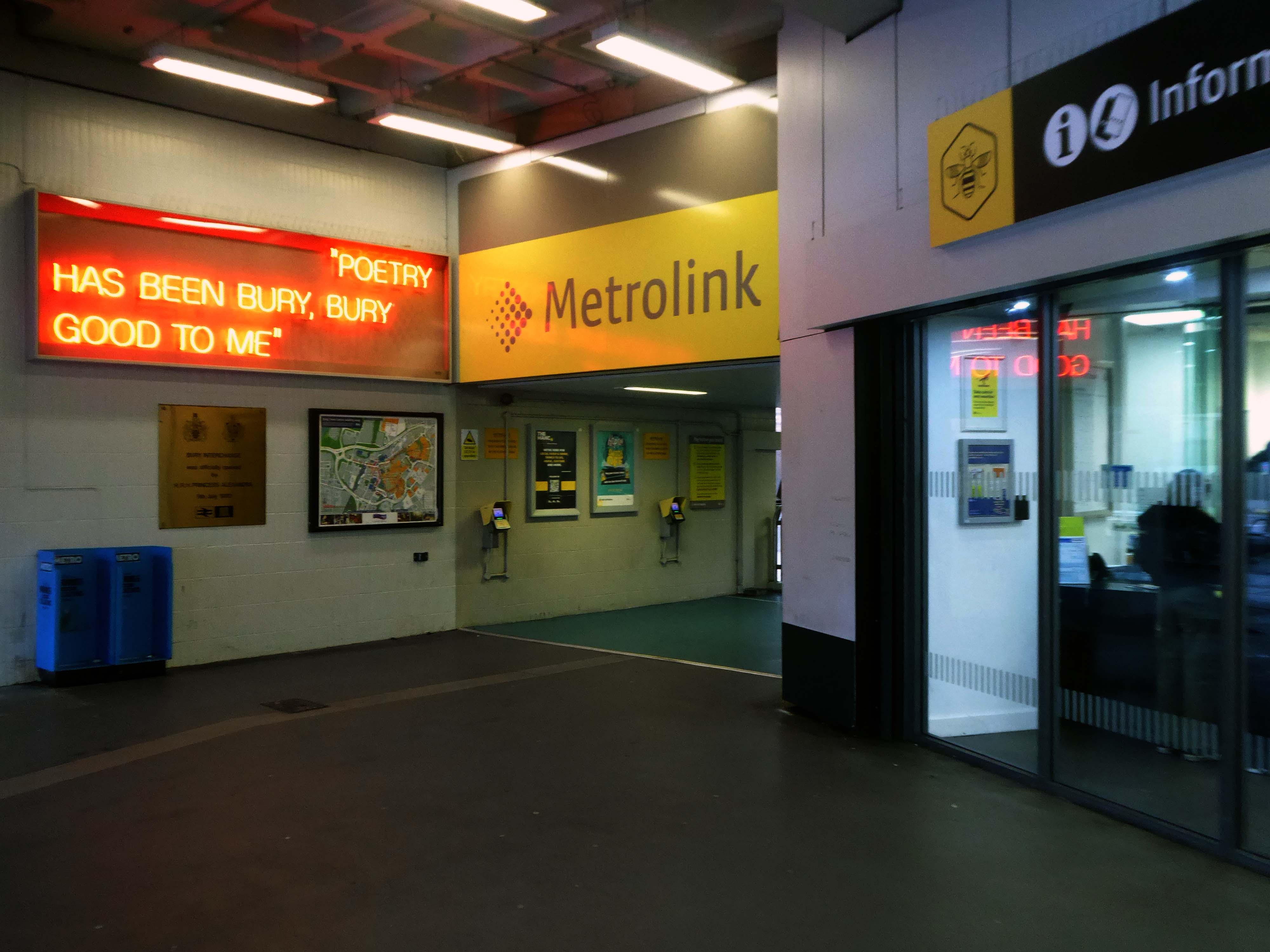
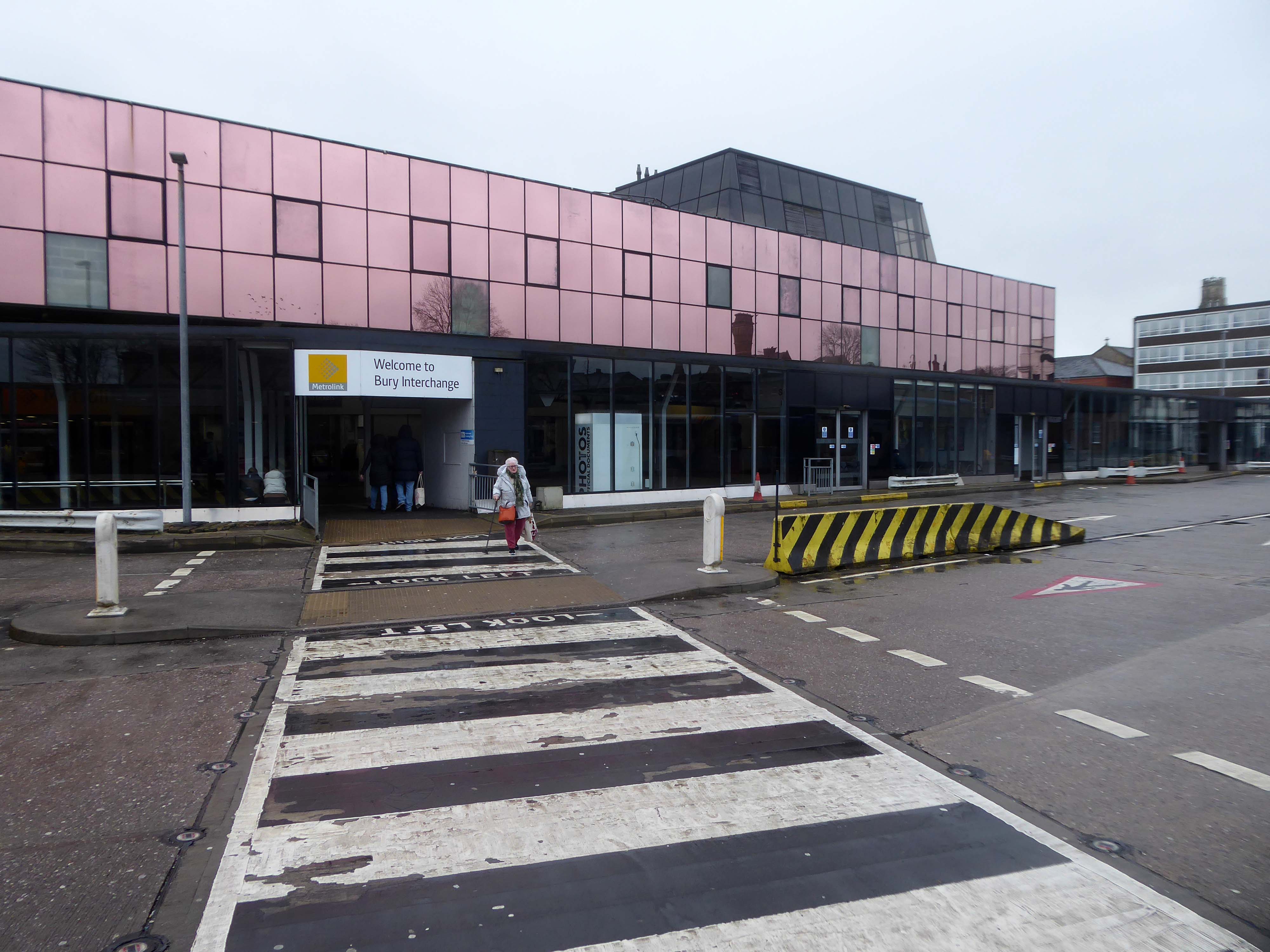
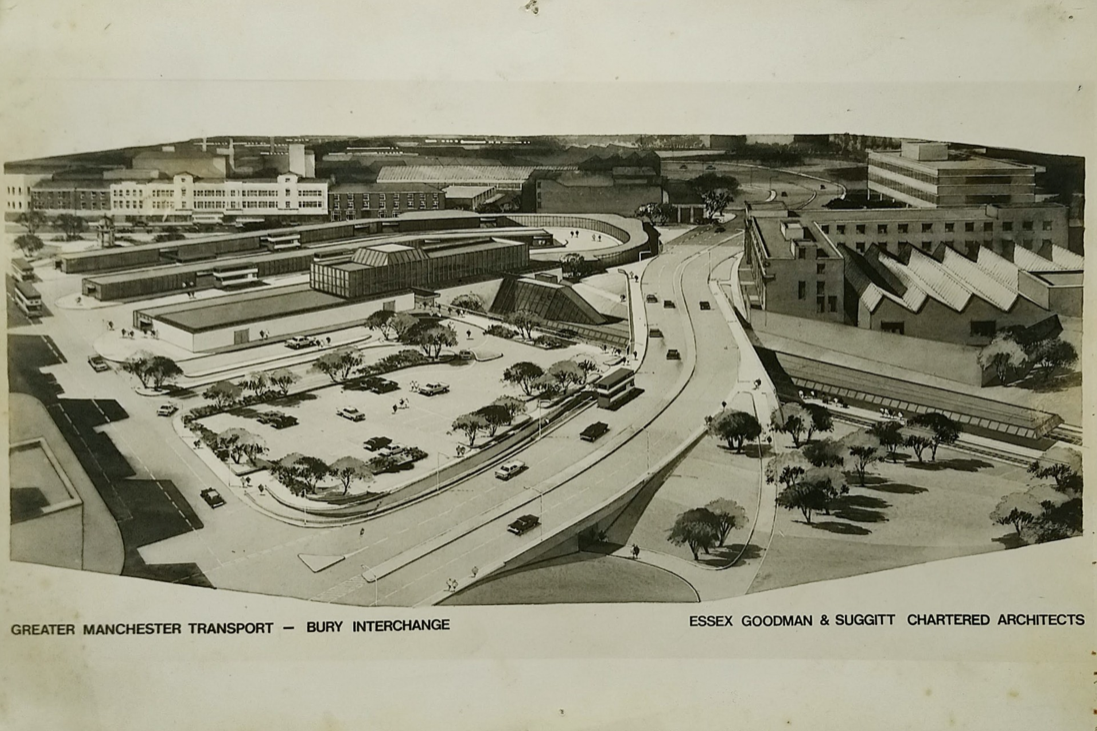
Arriving at and looking around the Interchange – 1980 architects: Essex Goodman & Suggitt
It is the northern terminus of the Manchester Metrolink’s Bury Line, which prior to 1992 was a heavy-rail line.
A new short spur line was constructed to connect the new station. The railway had originally run into Bury Bolton Street which was further away from the town centre, and was closed by British Rail on the same day that Bury Interchange opened.
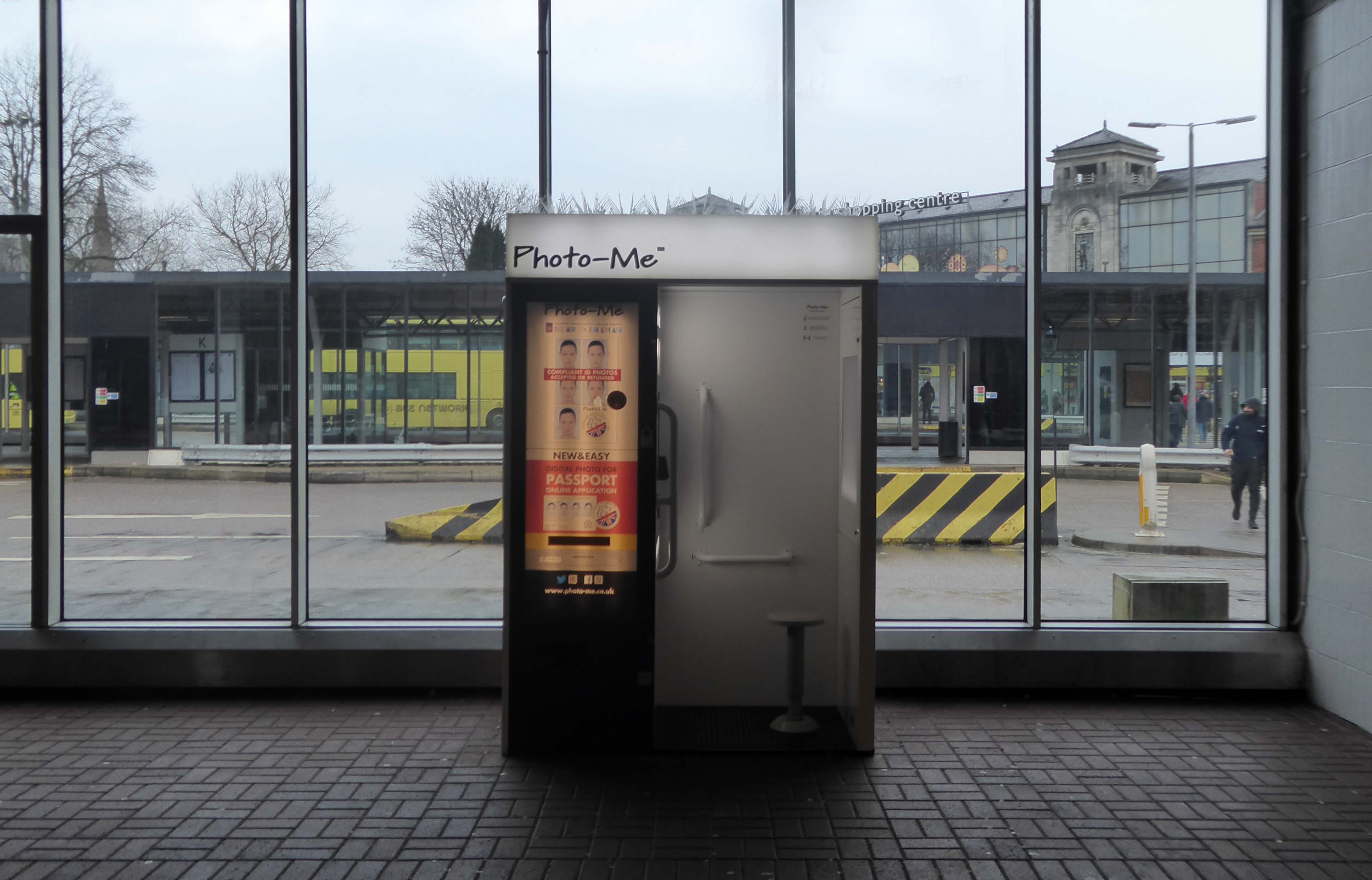
It also incorporates a bus station.
Bury Interchange replaced the bus termini scattered around Bury town centre, notably around Kay Gardens.
An £80m transformation is coming to the Bury Interchange, which will see step-free access at the Metrolink, a “vertical circulation core” to better connect the Metrolink with the bus facility, and an integrated travel hub with spaces for cycle storage.
The work is much-needed, explained Transport for Greater Manchester’s Alan Lowe, he said that the interchange was built in the 1980s and very much is of its time.
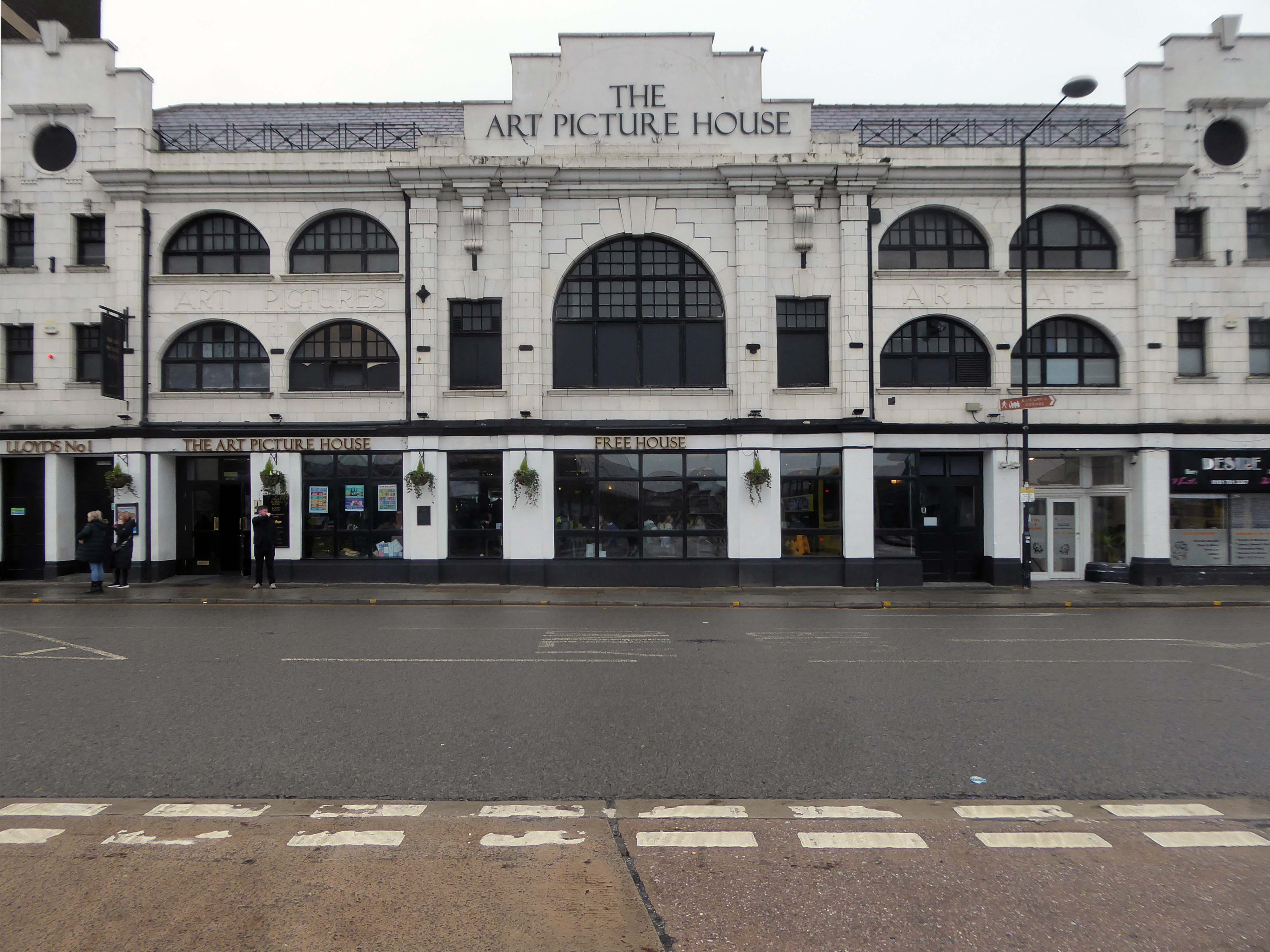
The Art Picture Palace was a 1923 rebuild of the earlier Art Picture Hall both designed by architect Albert Winstanley. The Art Picture Palace was opened on 26th January 1923. A remarkably complete survivor of a 1920’s cine-variety house executed in an elaborate style.
Films ceased in February 1965 and it became a bingo club. Later converted into a billiard hall until 19th May 1991 when it became a bingo club again, it later became a Chicago Rock Cafe.
Cinema Treasures
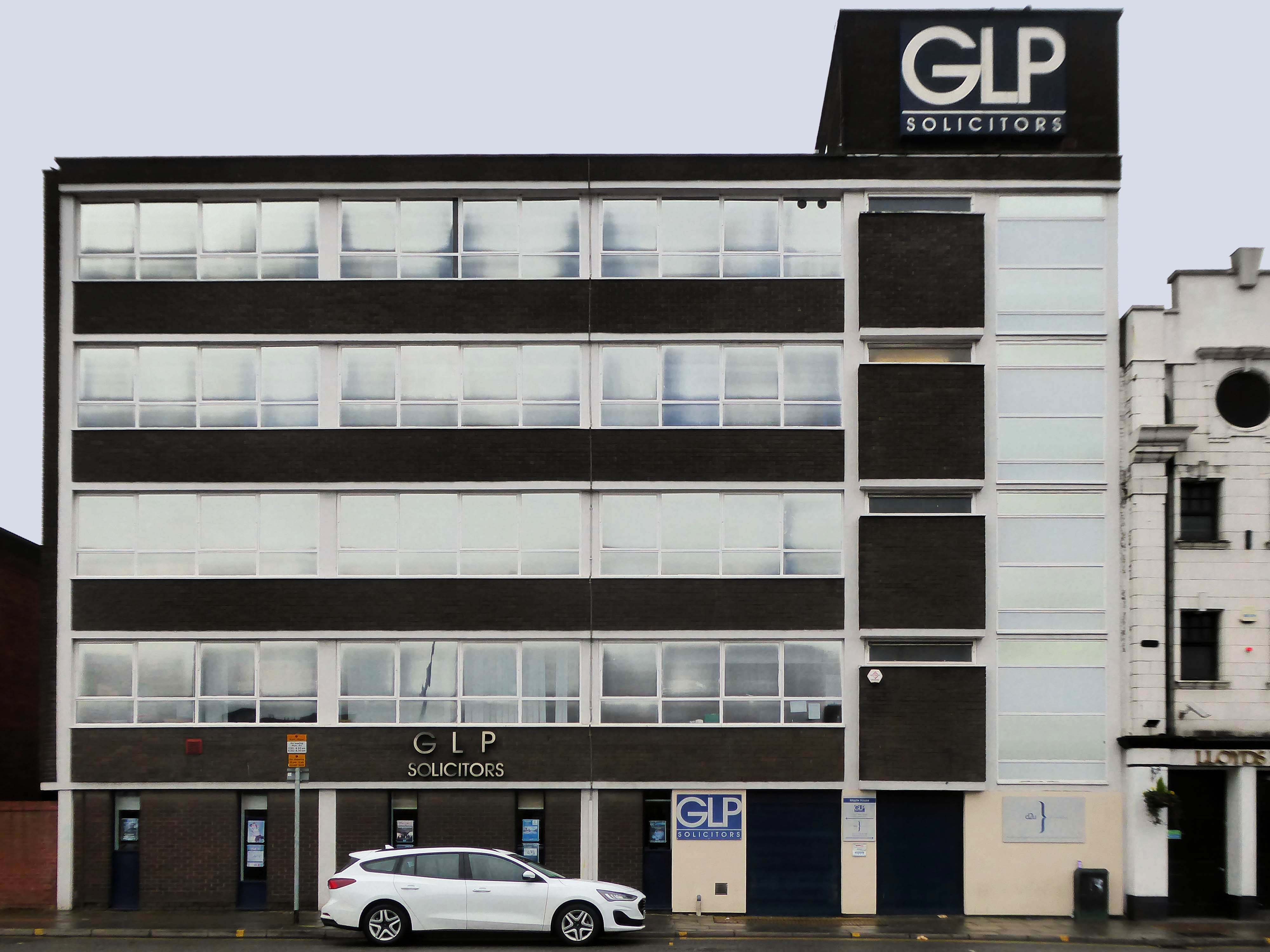
Next door a typical steel glass and brick banded office block Maple House.
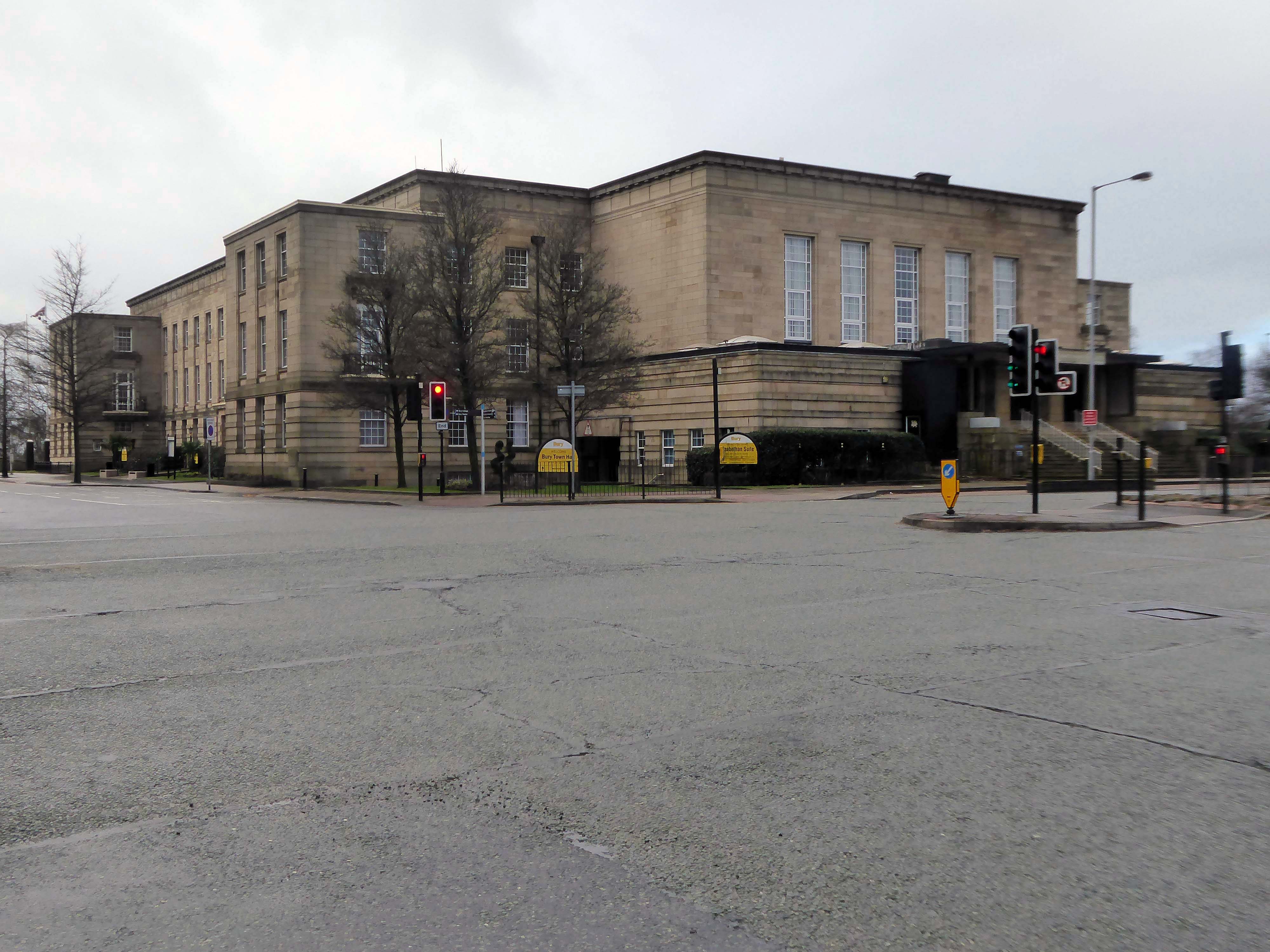
Around the corner and over the road to the Town Hall 1939-40 architects: Reginald Edmonds of Jackson & Edmonds then 1947-54.
Large and Dull – Niklaus Pevsner.
Back through the Interchange to the former Cooperative Store of the 1930’s.
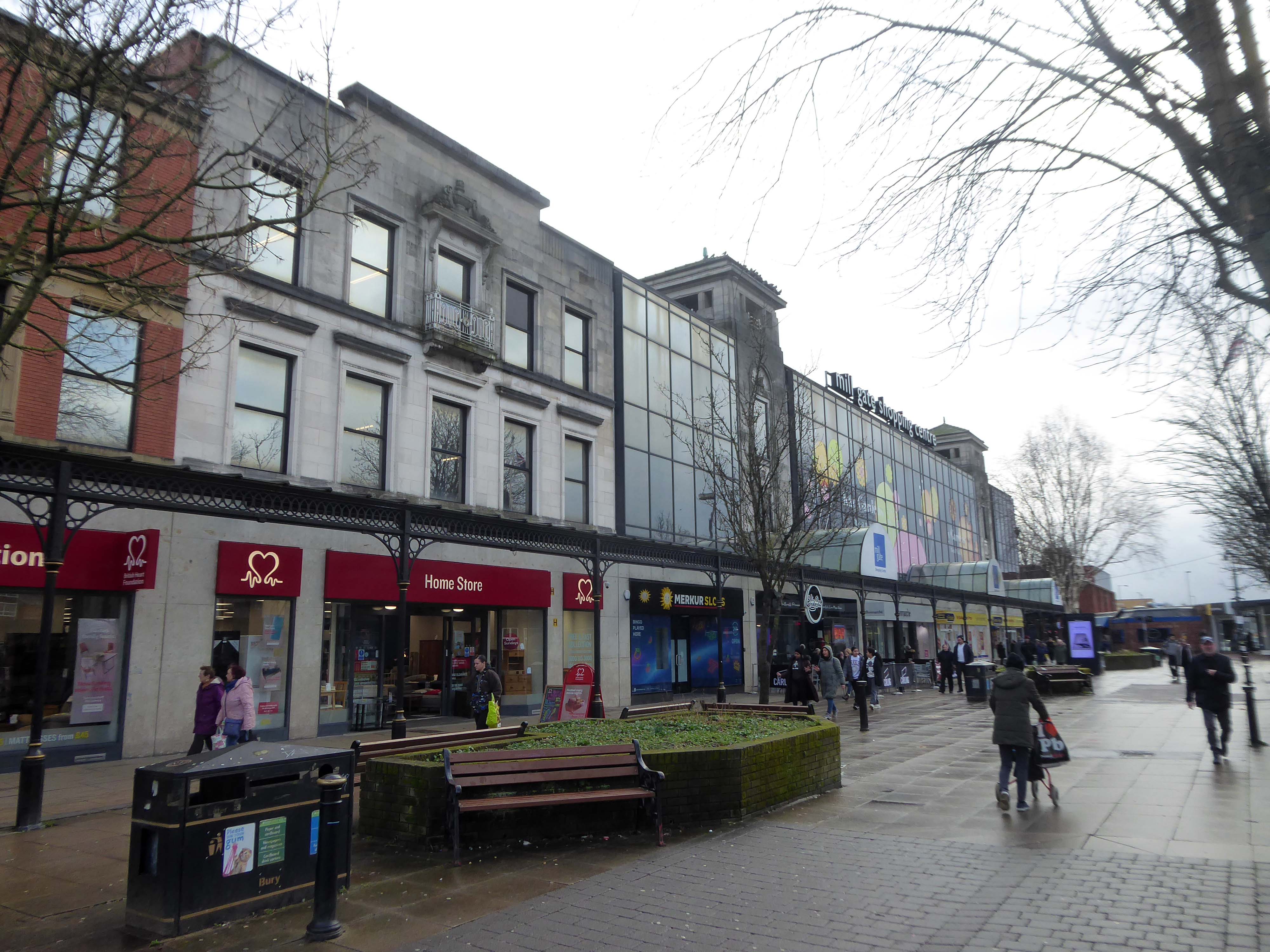
The Portland Stone towers still visible – the elevation largely retro-clad in glass.
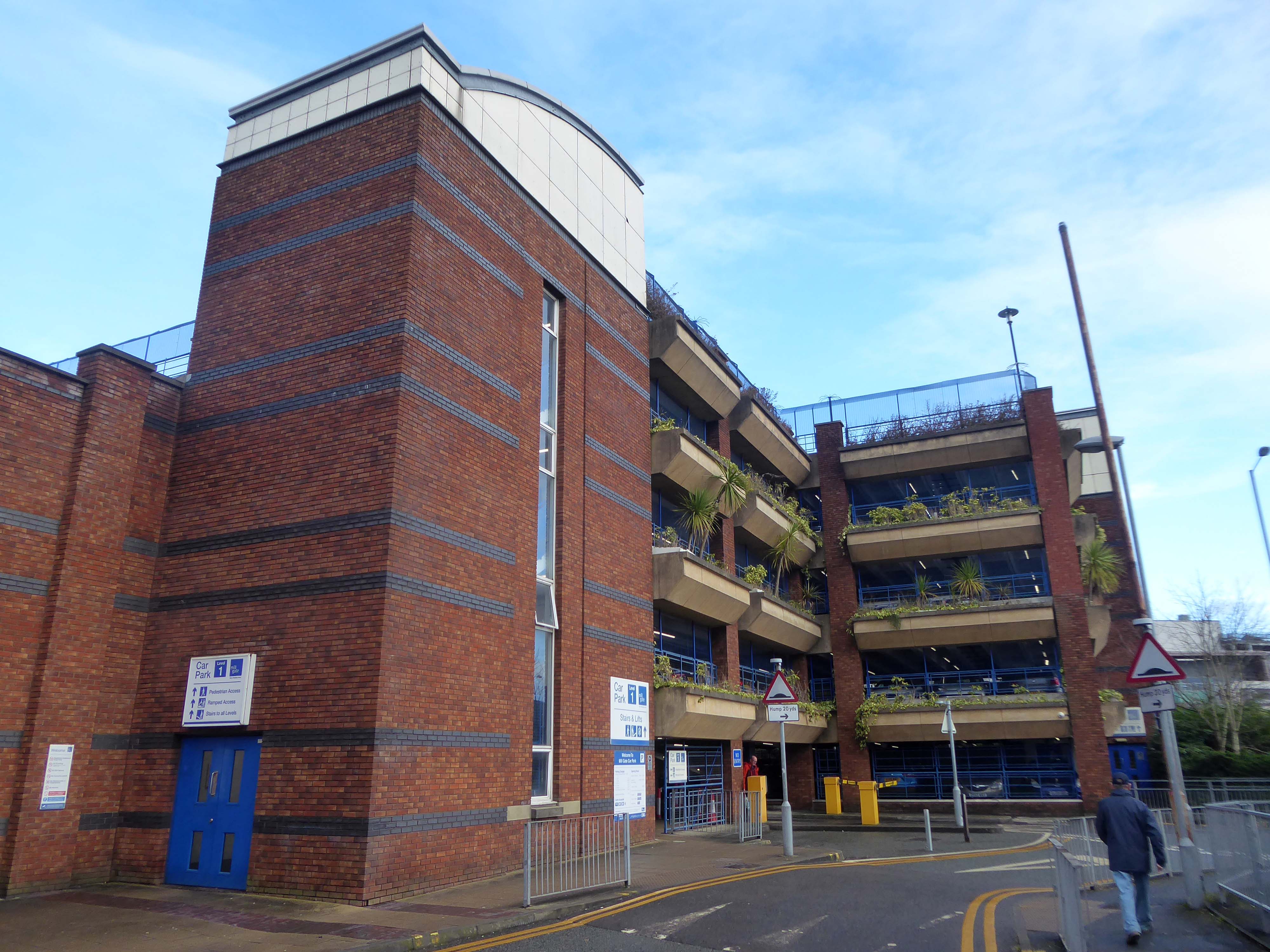
Passing through the Millgate Shopping Centre of the 1980’s.
Unambitious but successful, the floors cheerfully tiled – Niklaus Pevsner.
Down in the subway at midday.
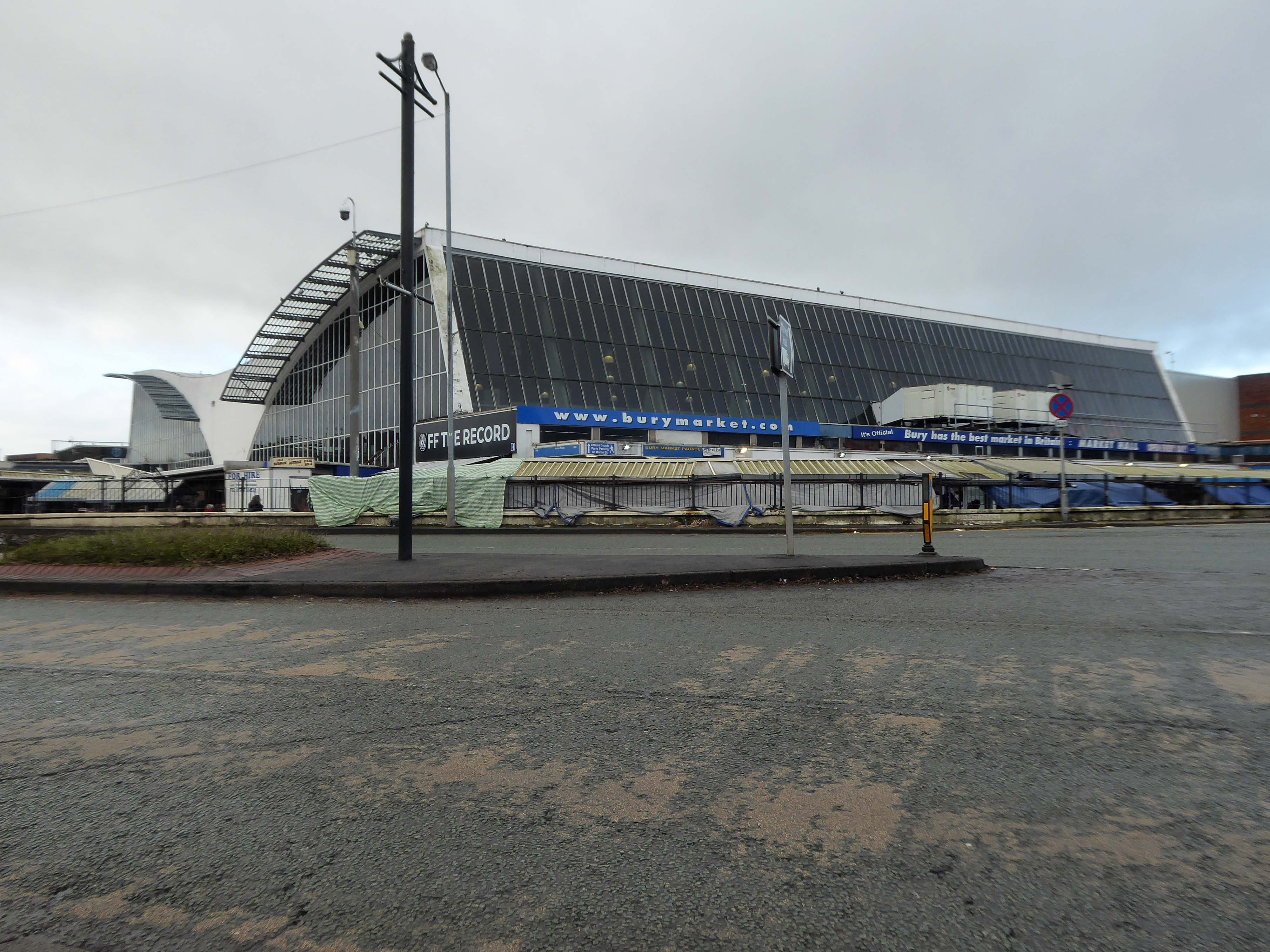
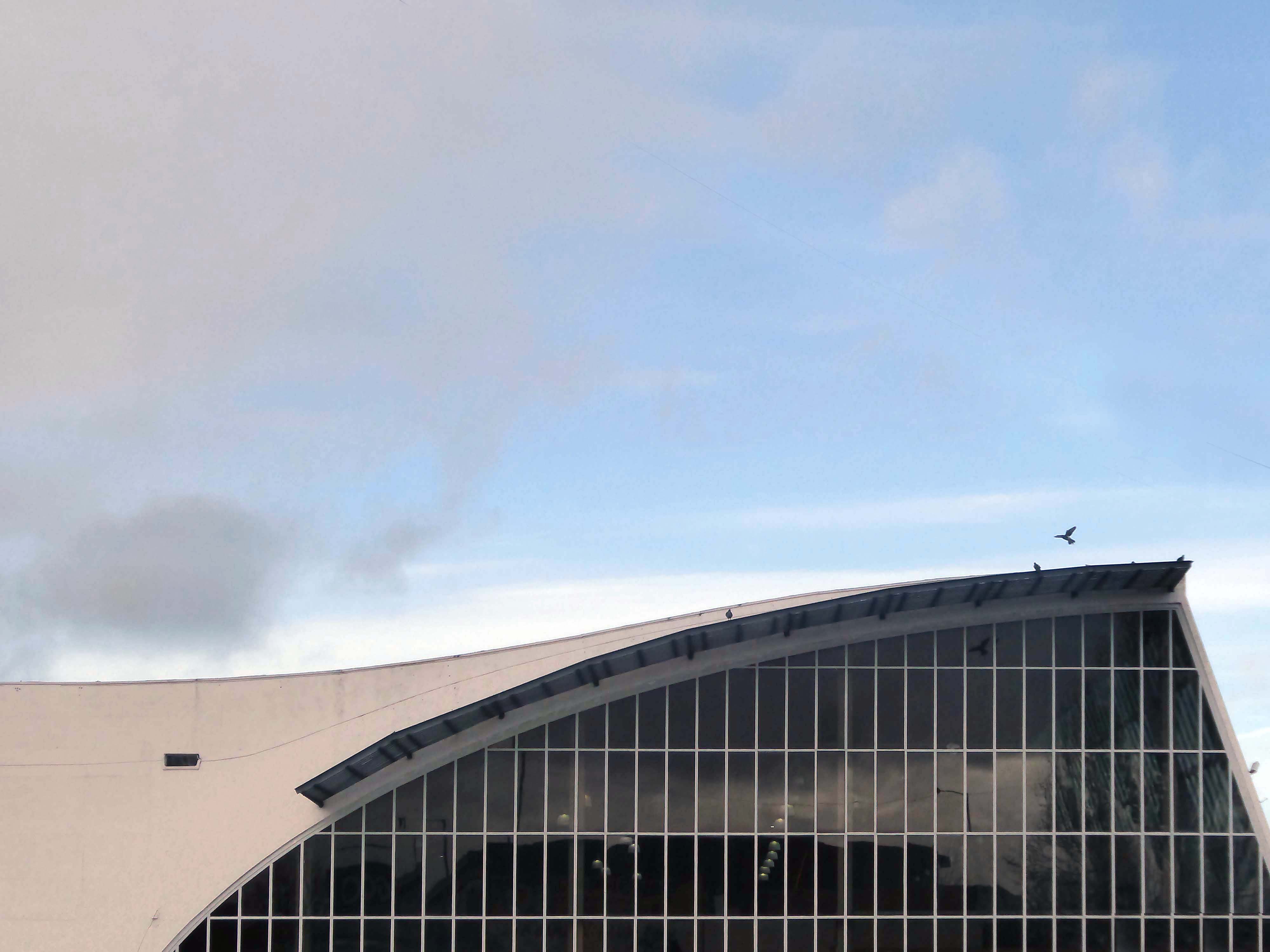
The better to get a view of the Market Hall 1971 – architects: Harry S Fairhurst.
The Indoor Market Hall is currently closed due to the discovery of Reinforced Autoclaved Aerated Concrete – within the building structure. RAAC is a lightweight type of building material that was used between the 1950s and 1990s.
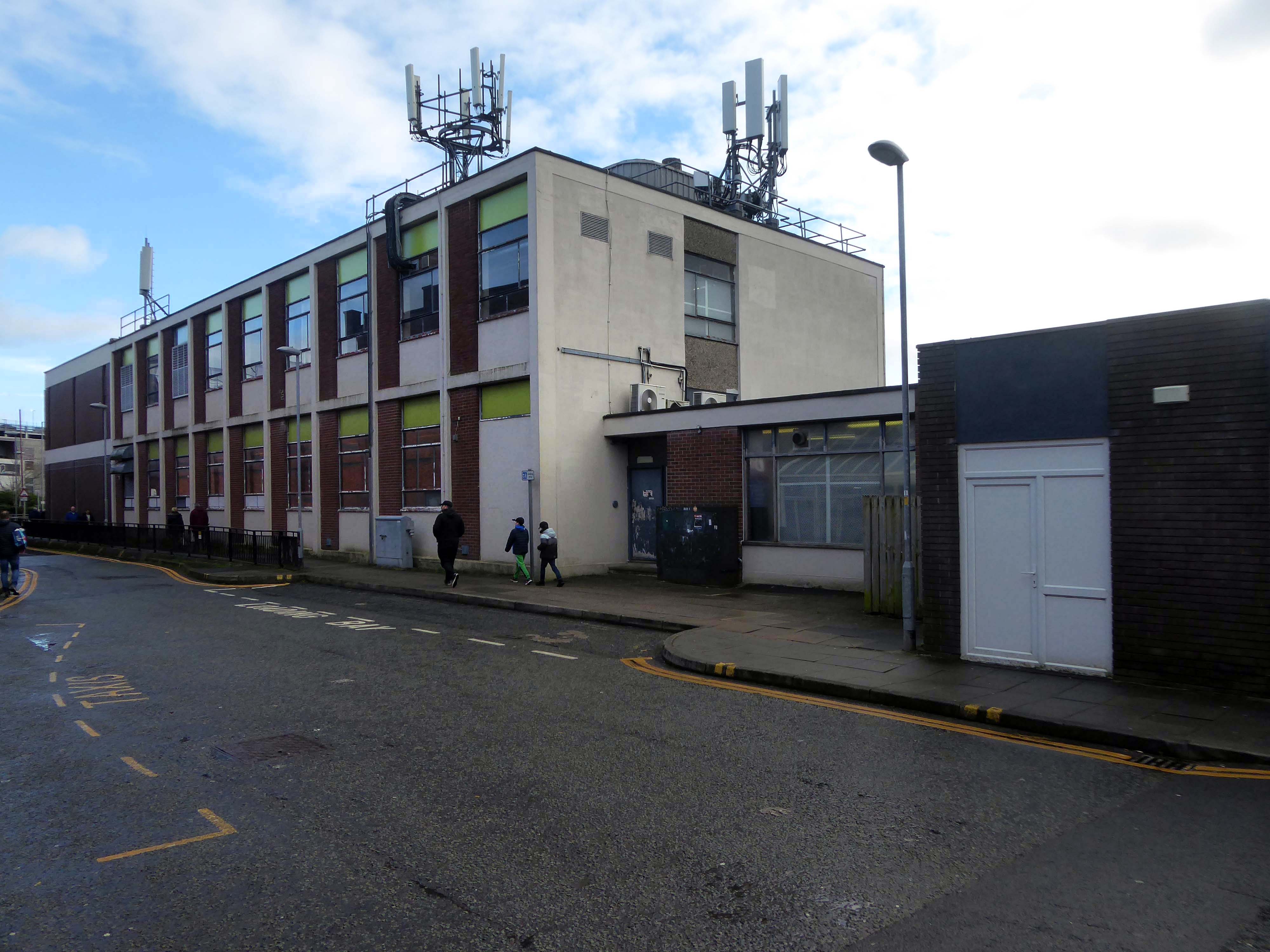
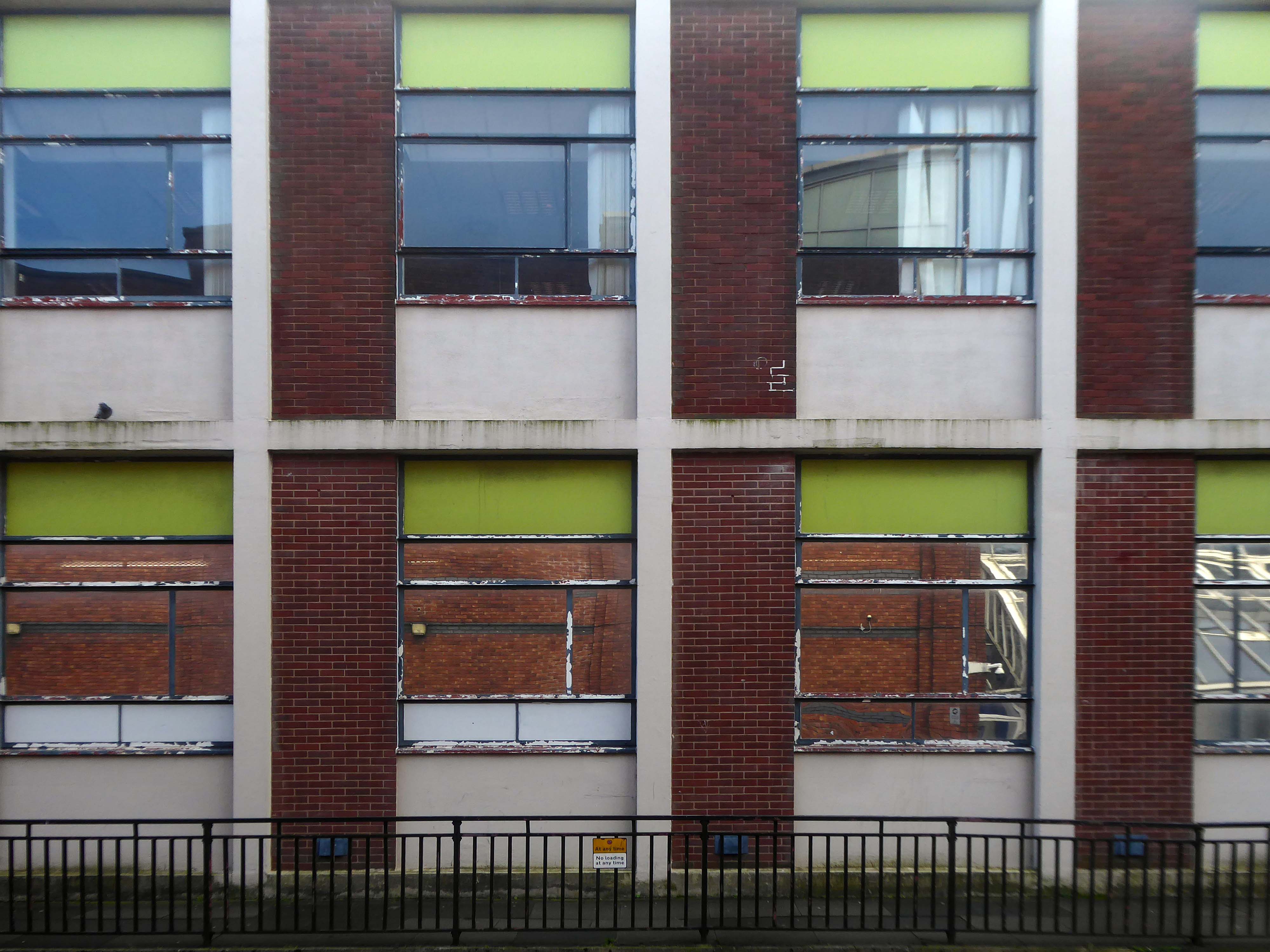
Back under the road – where we find a delightful Telephone Exchange.
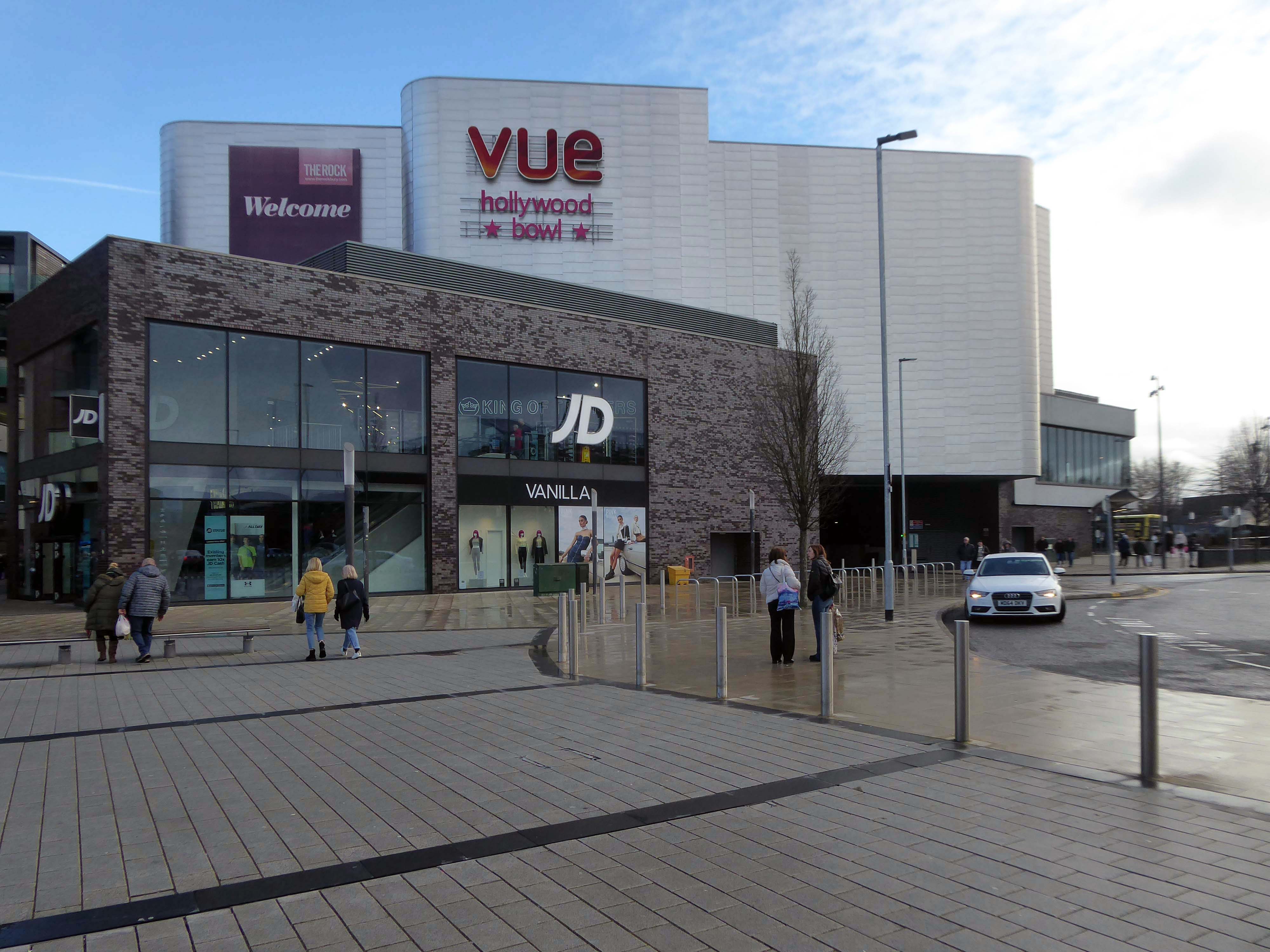
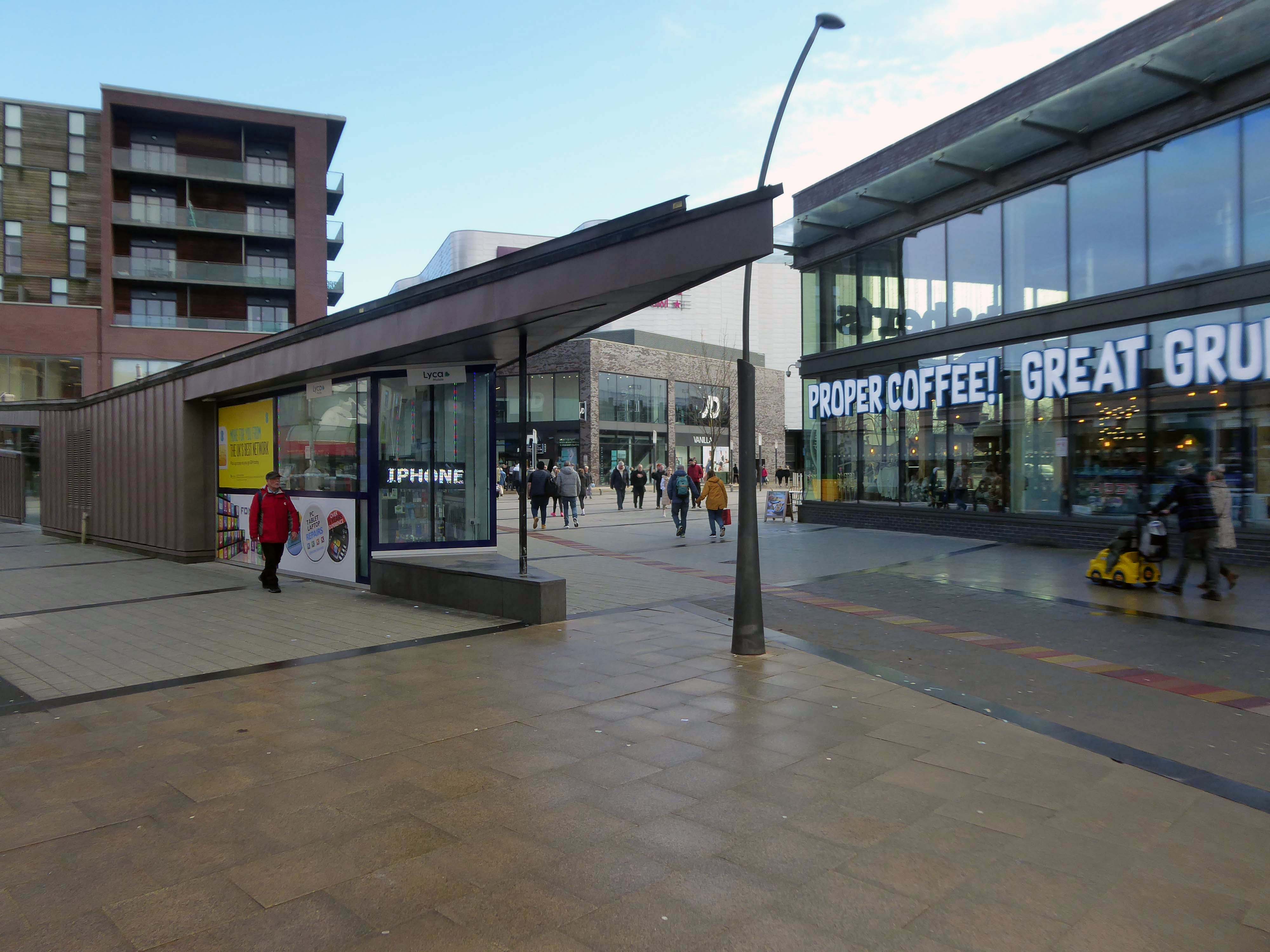
The Rock is a vibrant retail and leisure centre which is home to a range of high street fashion brands, independent retailers, tantalising eateries and fantastic entertainment – it’s the perfect place to visit any day of the week.
It is the work of architects BDP – completed in 2010 at a cost of £350 million.
Our masterplan for The Rock took into account the historical street pattern and public realm context to give the scheme its own identity, and make visual connections to local landmarks.
The retail and leisure scheme brings many exciting brands to Bury for the first time.
New pedestrian streets rejuvenate and improve connections to adjacent areas stitching the town back together.
The development will also contain 408 one and two-bedroom apartments.
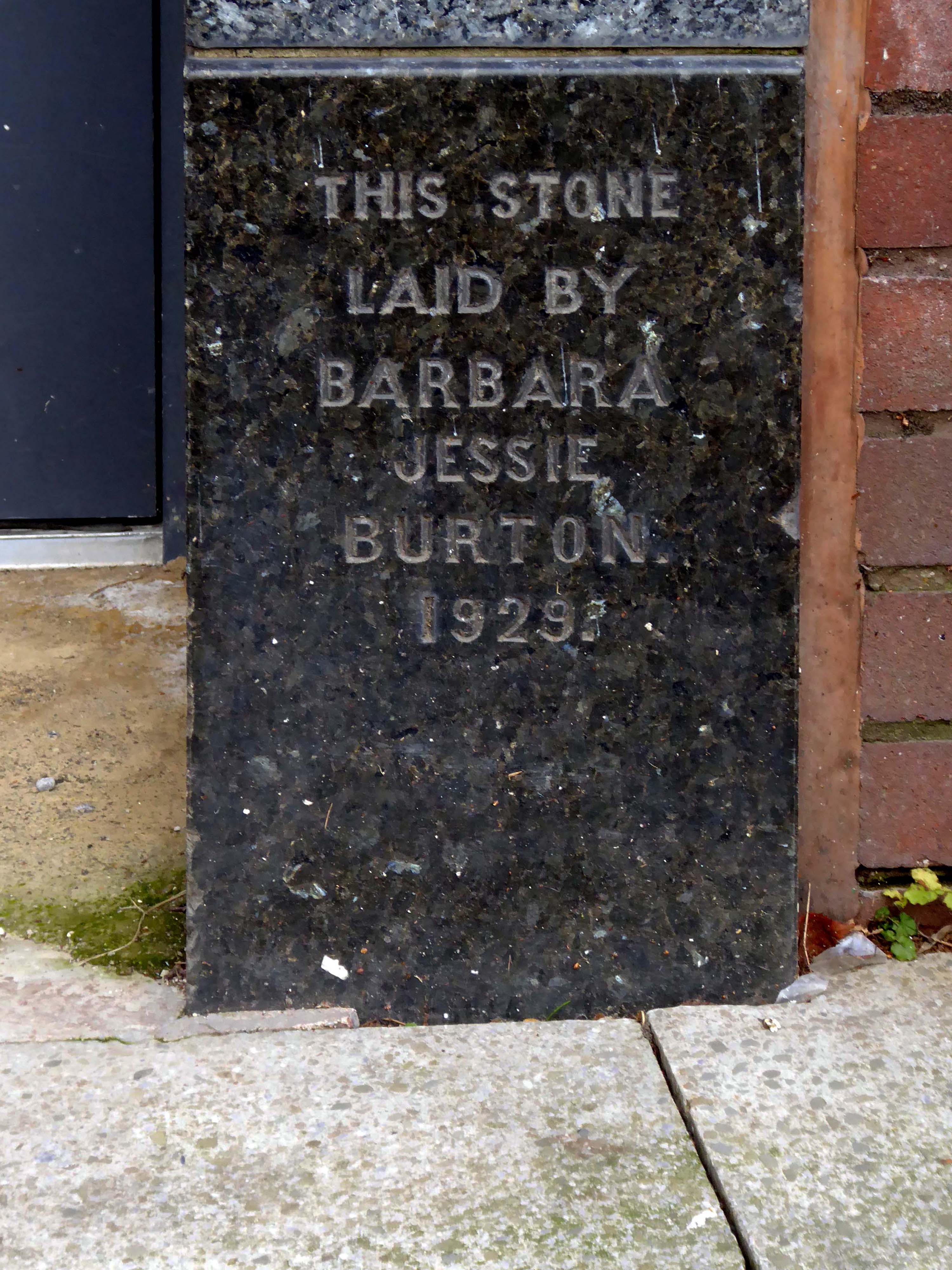
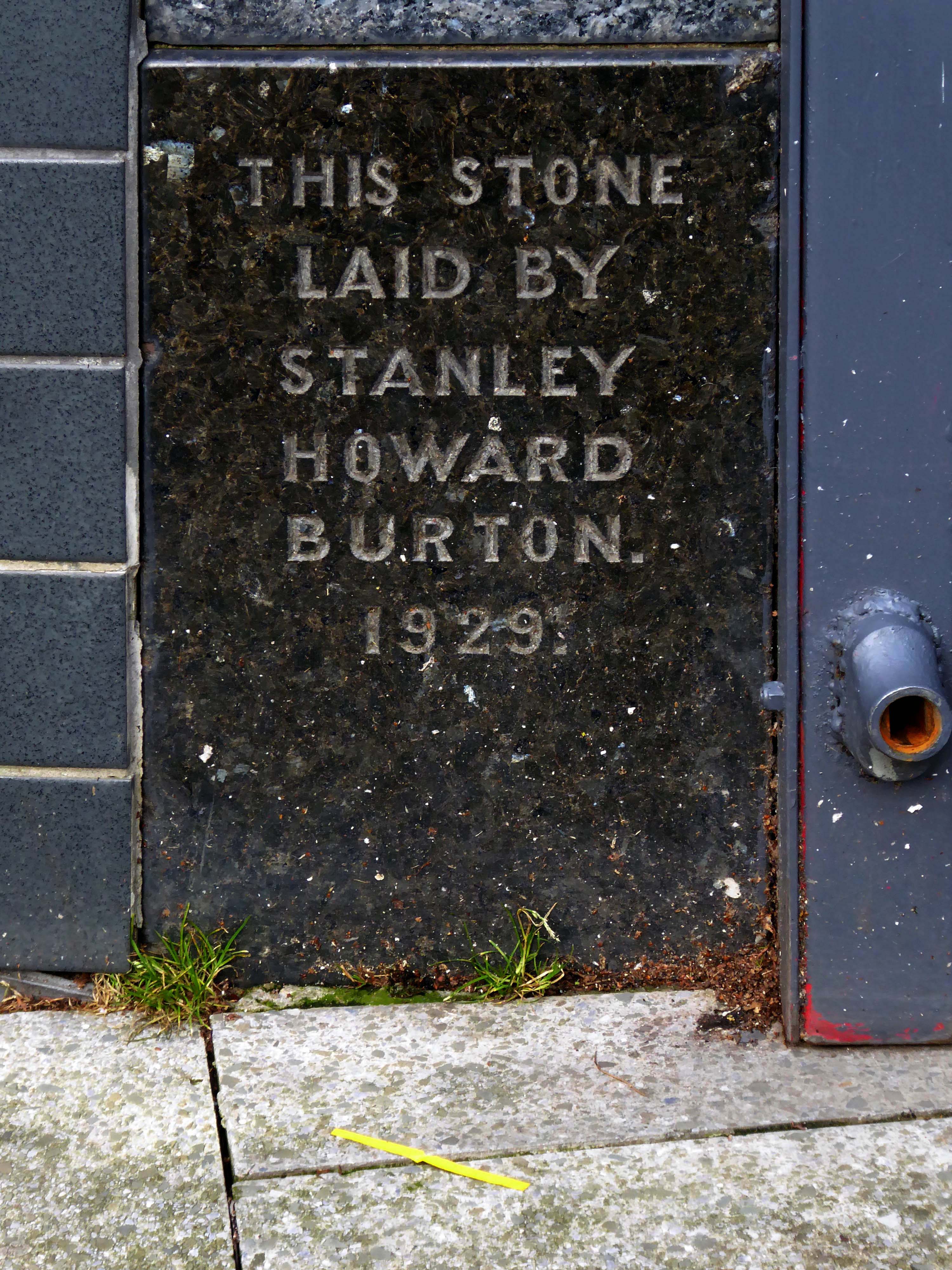
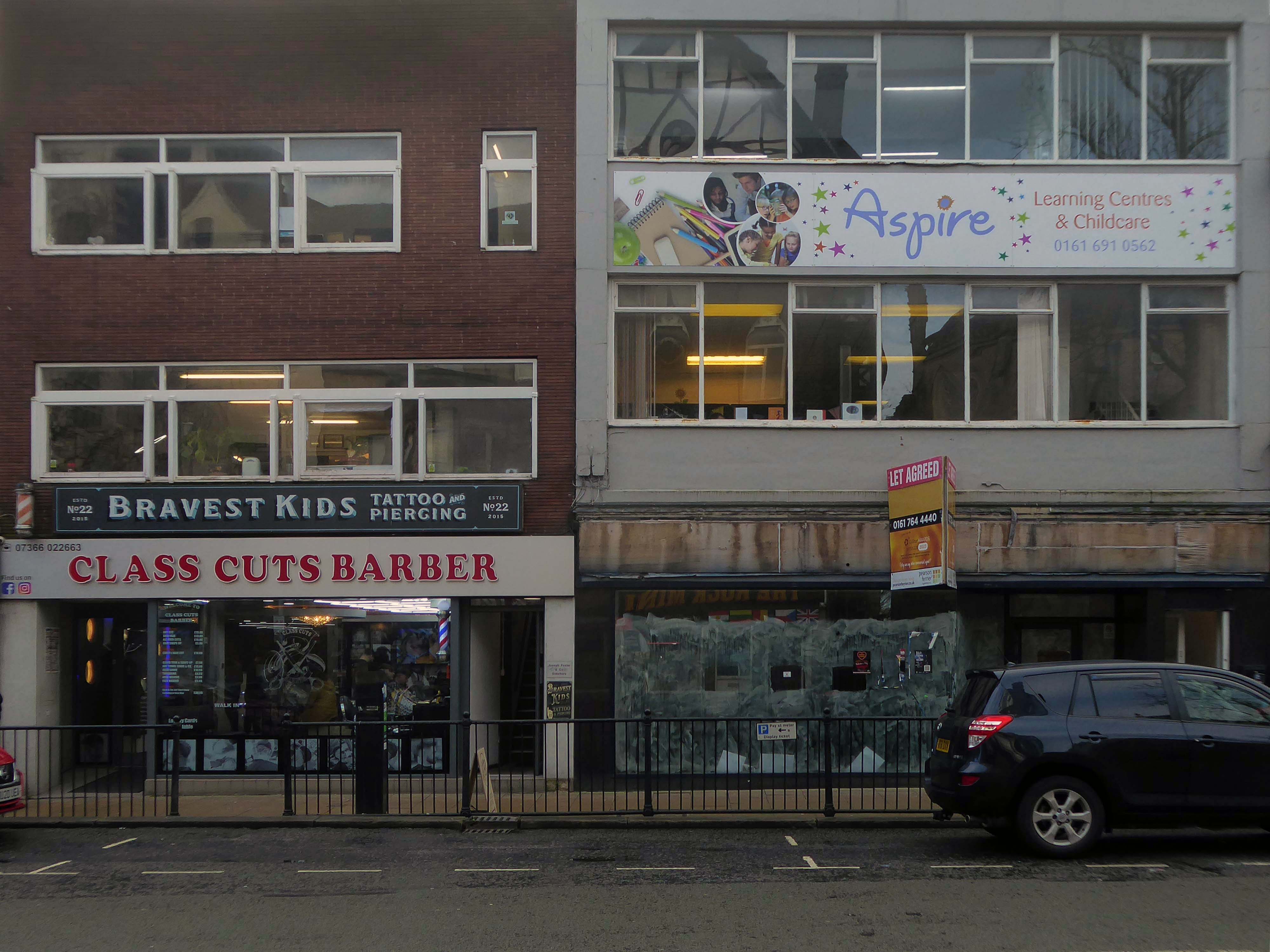
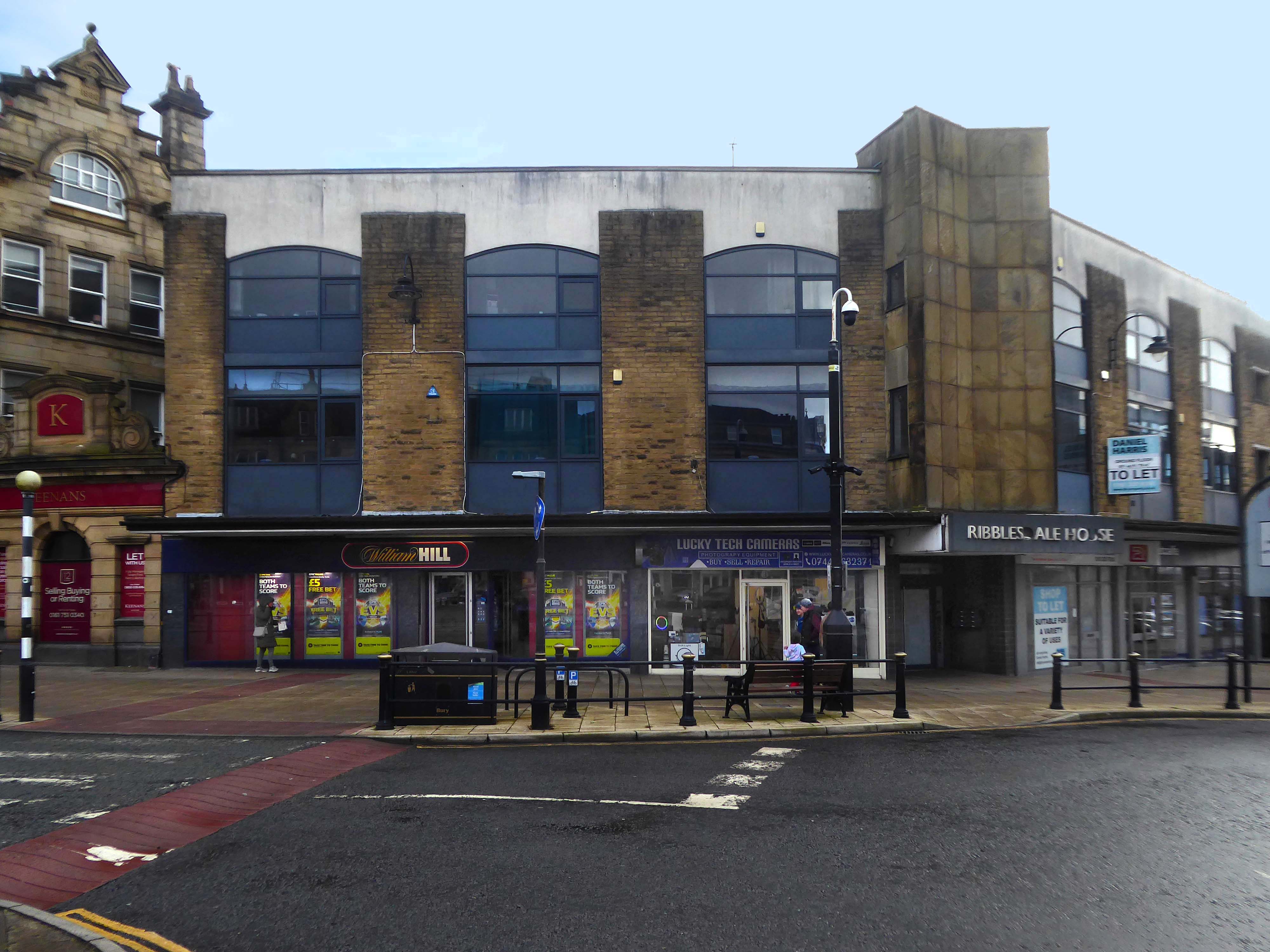
Back to basics at a former Burton’s hiding its faience facade.
Typical inter-war infill on our crazy mixed up mongrel high streets.
Ribblesdale House
Application by Shop and Store Developments Ltd submitted August 1965. Architect on application was Samuel Jackson and Son of Ocean Chambers in Bradford but during the application process this changed to John Brunton & Partners – Brunton was a partner in Jackson’s firm, at the same address. It had a restaurant and shops on the first floor.
The street level buildings were destroyed by fire on 14 May 1947 and were replaced with a new brick and concrete entrance and footbridge in 1952.
British Rail closed the station on 17 March 1980, when it was replaced by a new bus/rail interchange station further east into the town centre. Bury Interchange railway station served up until 1991 before the entire Bury Line was converted to light rail operation. It reopened in 1992 for Metrolink operation.
Bury was once the centre of multiple train links and the lost station of Knowsley Street.
Over the road the former Temperance Billiard Hall 1910 architect Norman Evans.
Planning application January 1965 – work started in June 1965. The architectural firm was Richard Byrom, Hill and partners. Richard Byrom was submitting building applications in the 1930s in Bury and locally.
The rendering on the building is original but the windows have been changed. The Job Centre took over the building in 1993. It is in a conservation area and the Civic Trust had some concerns!
Many thanks to David French for the above information.
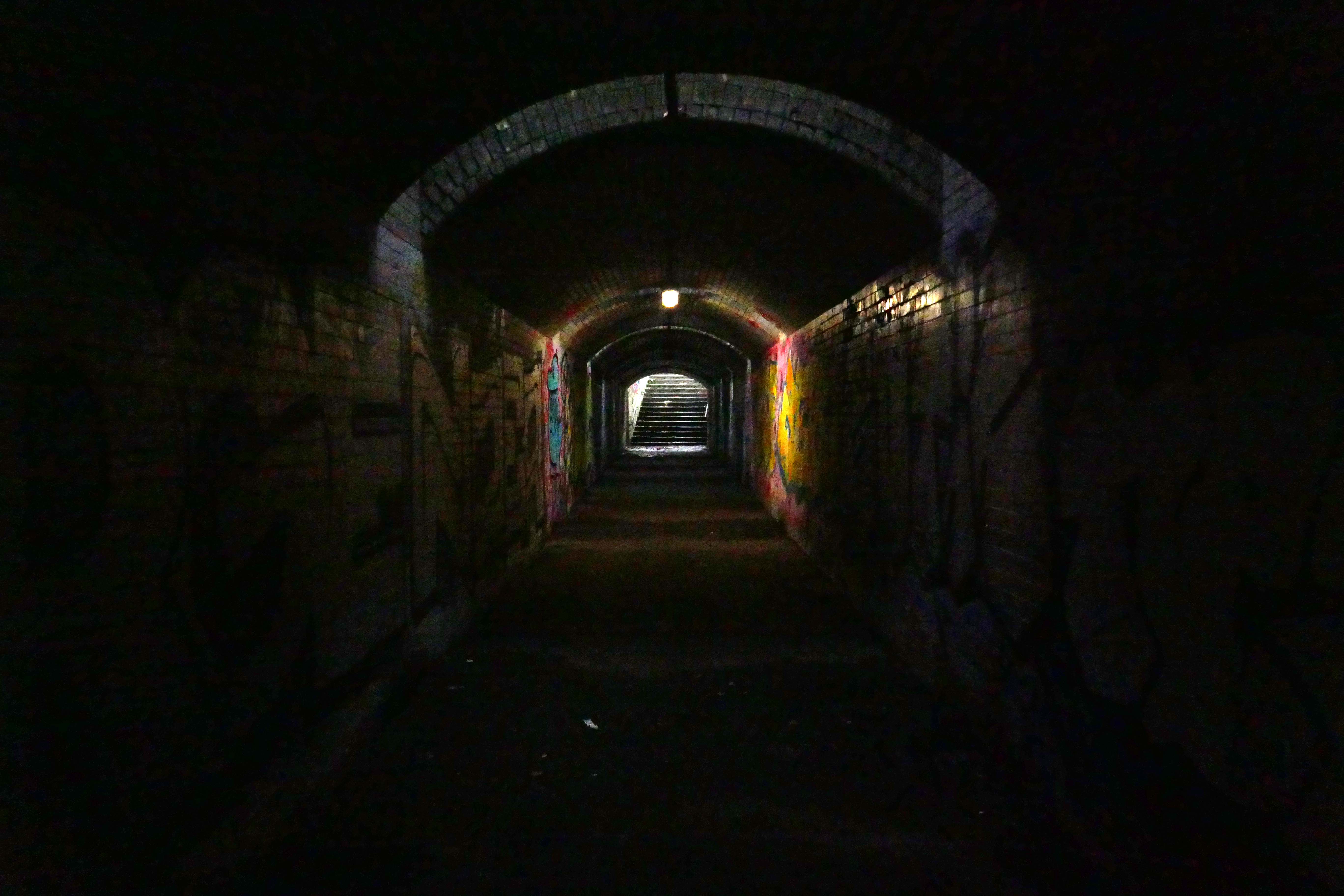
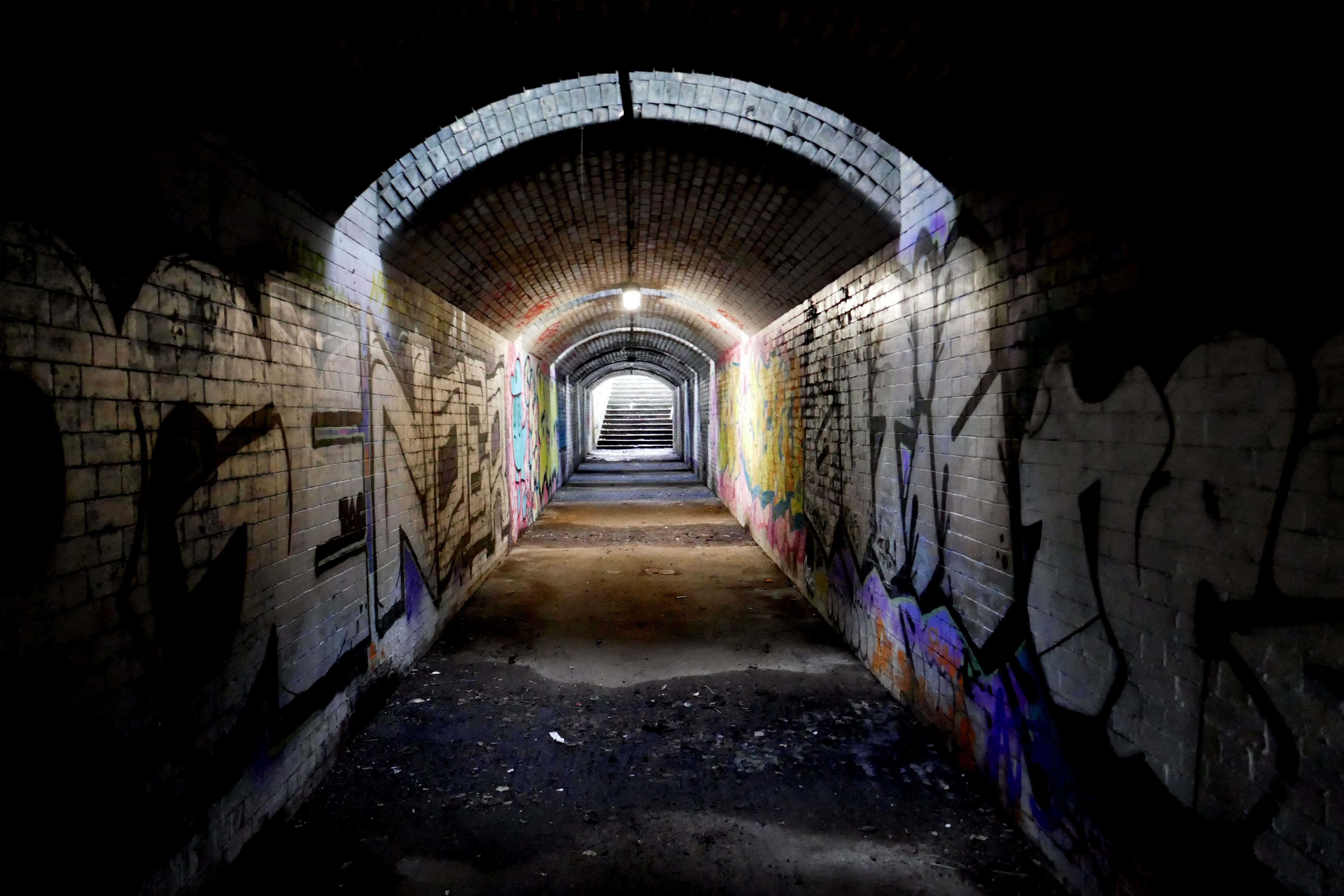
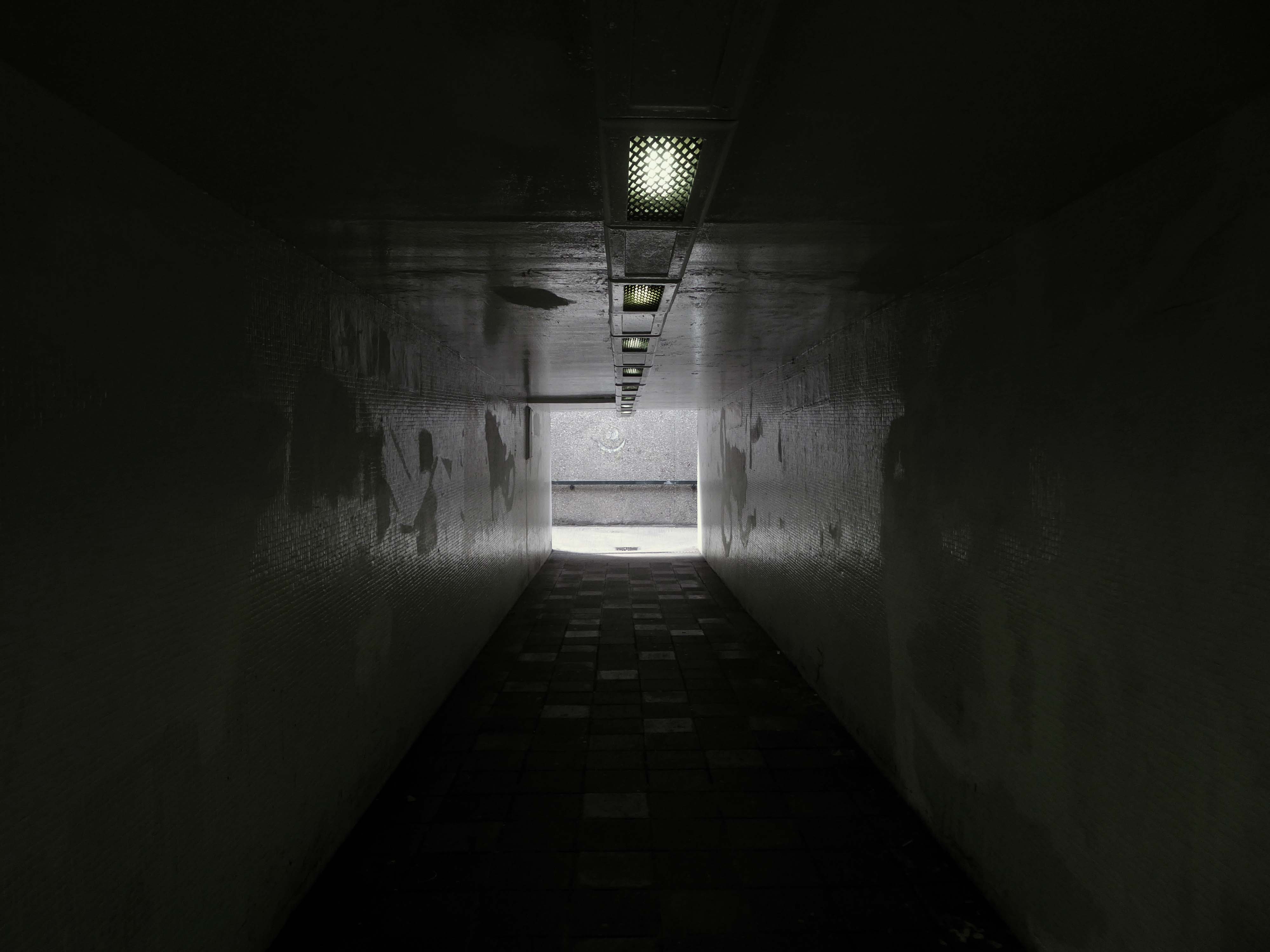
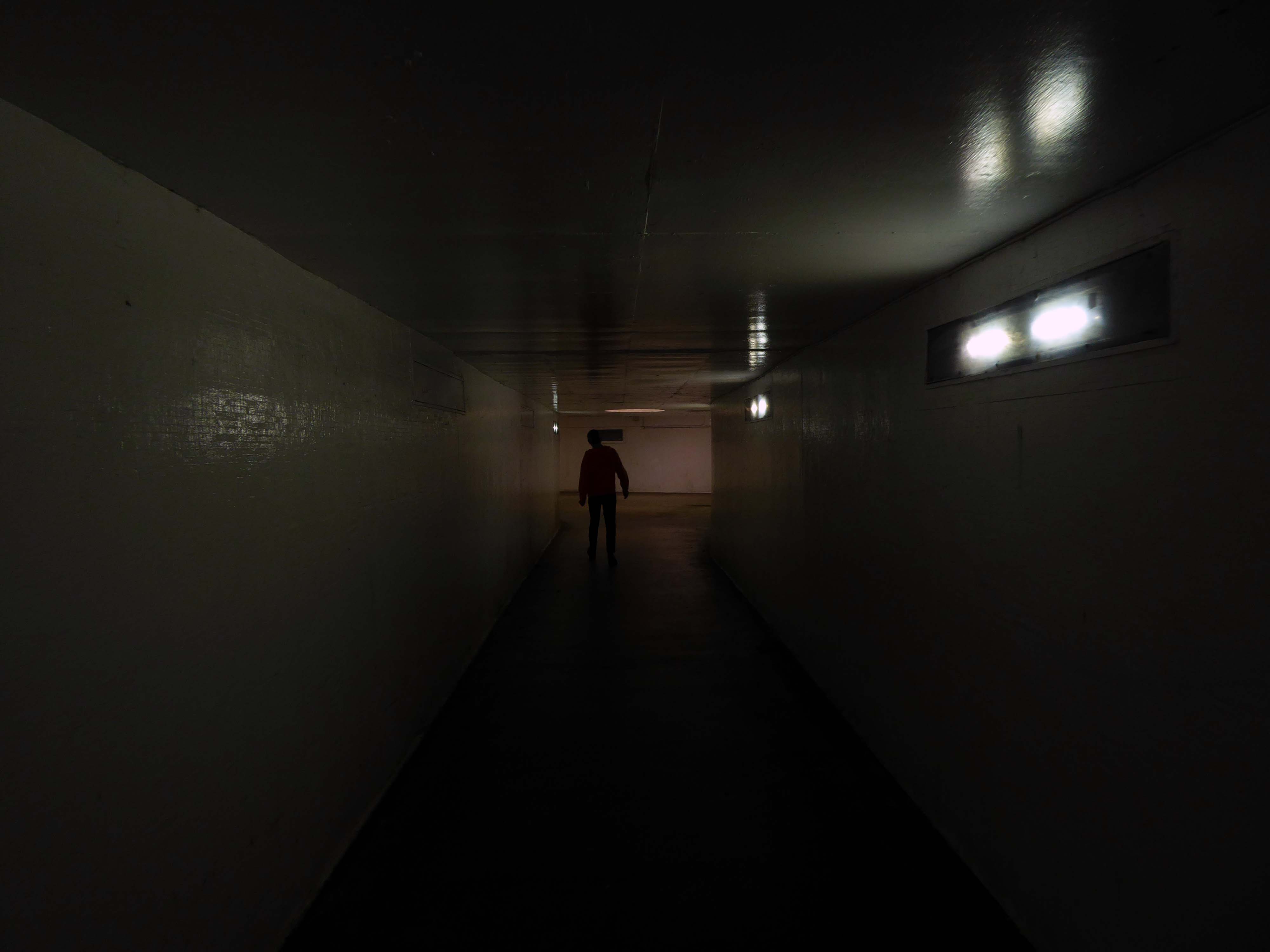
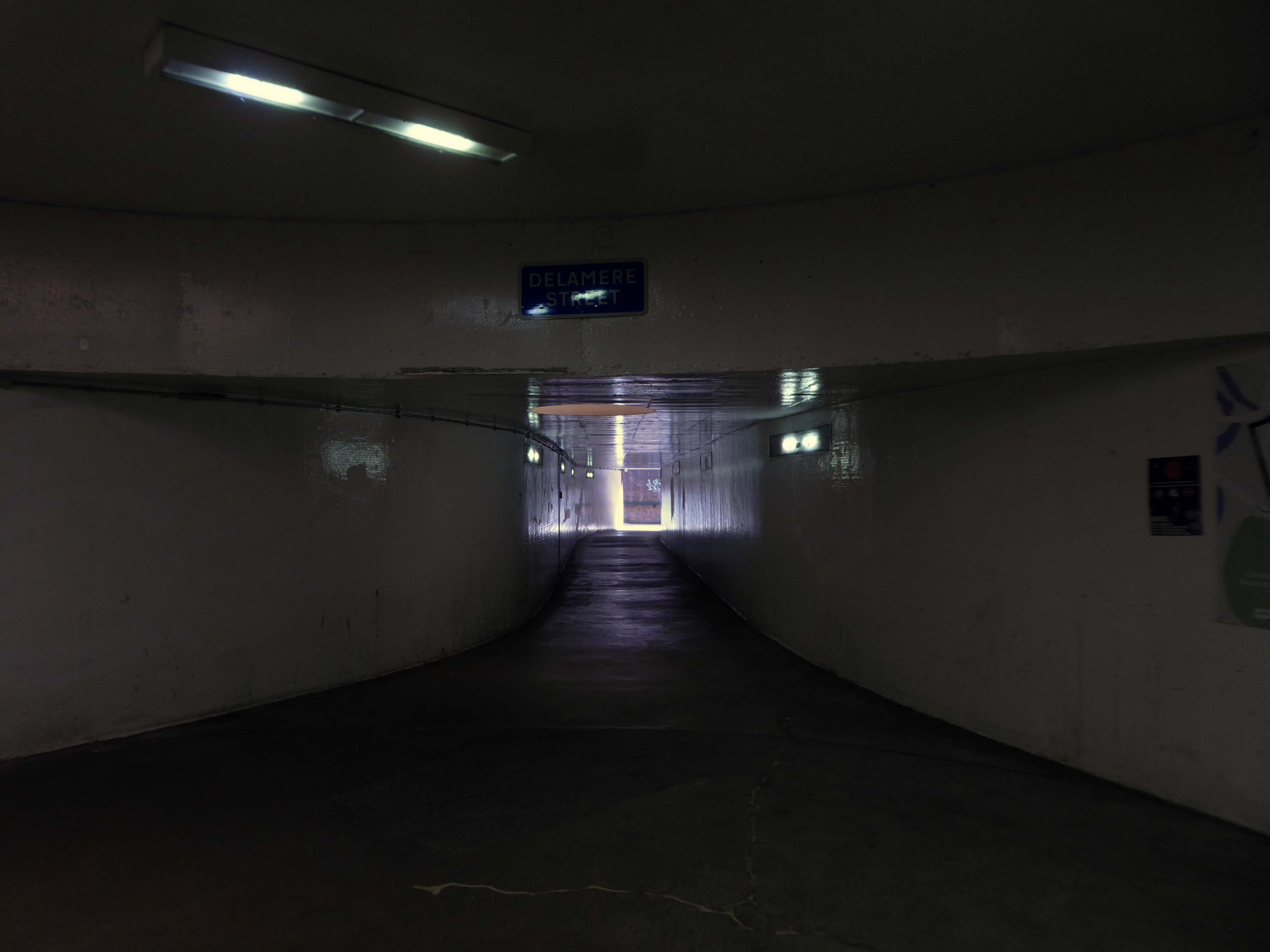
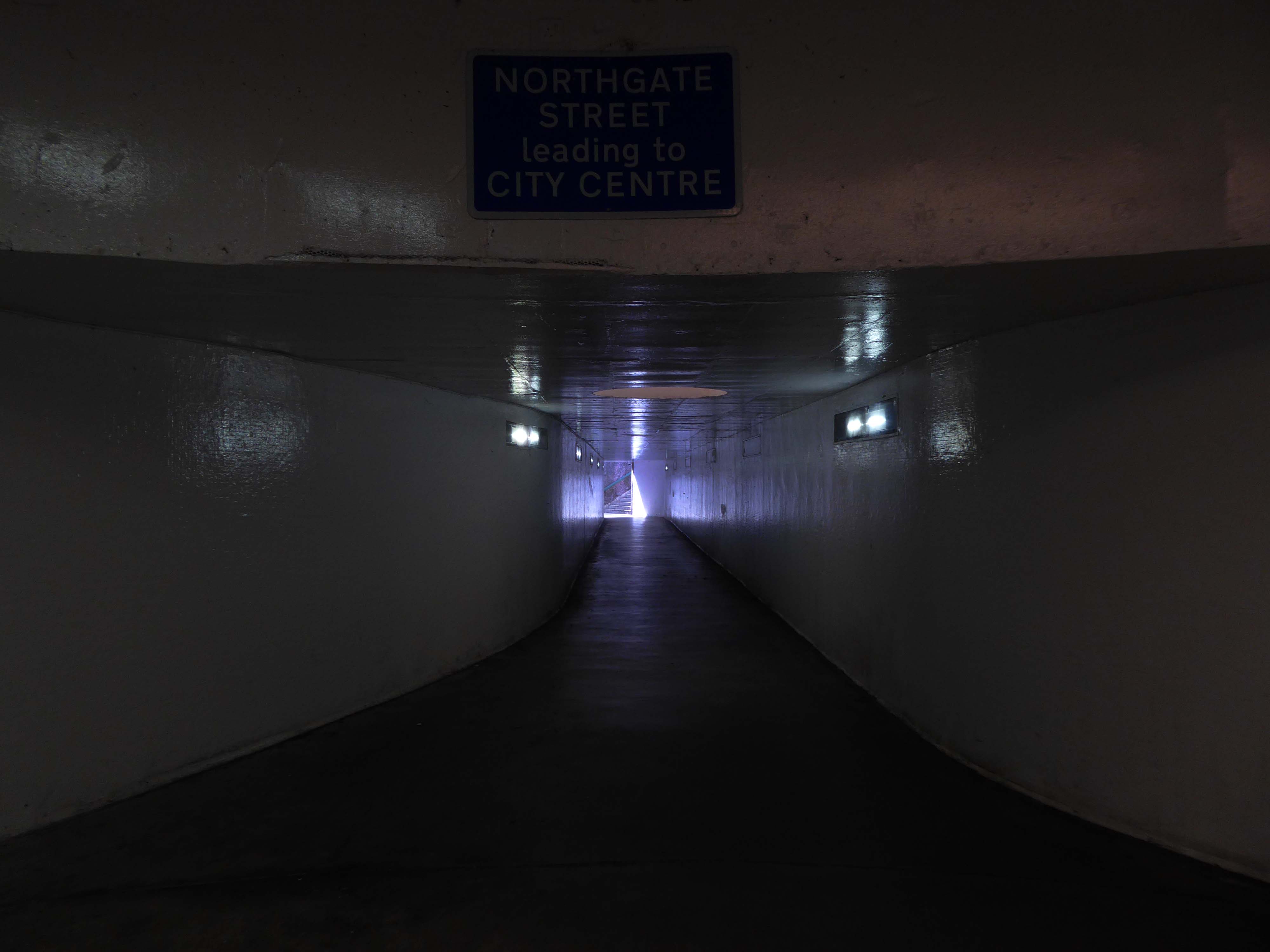
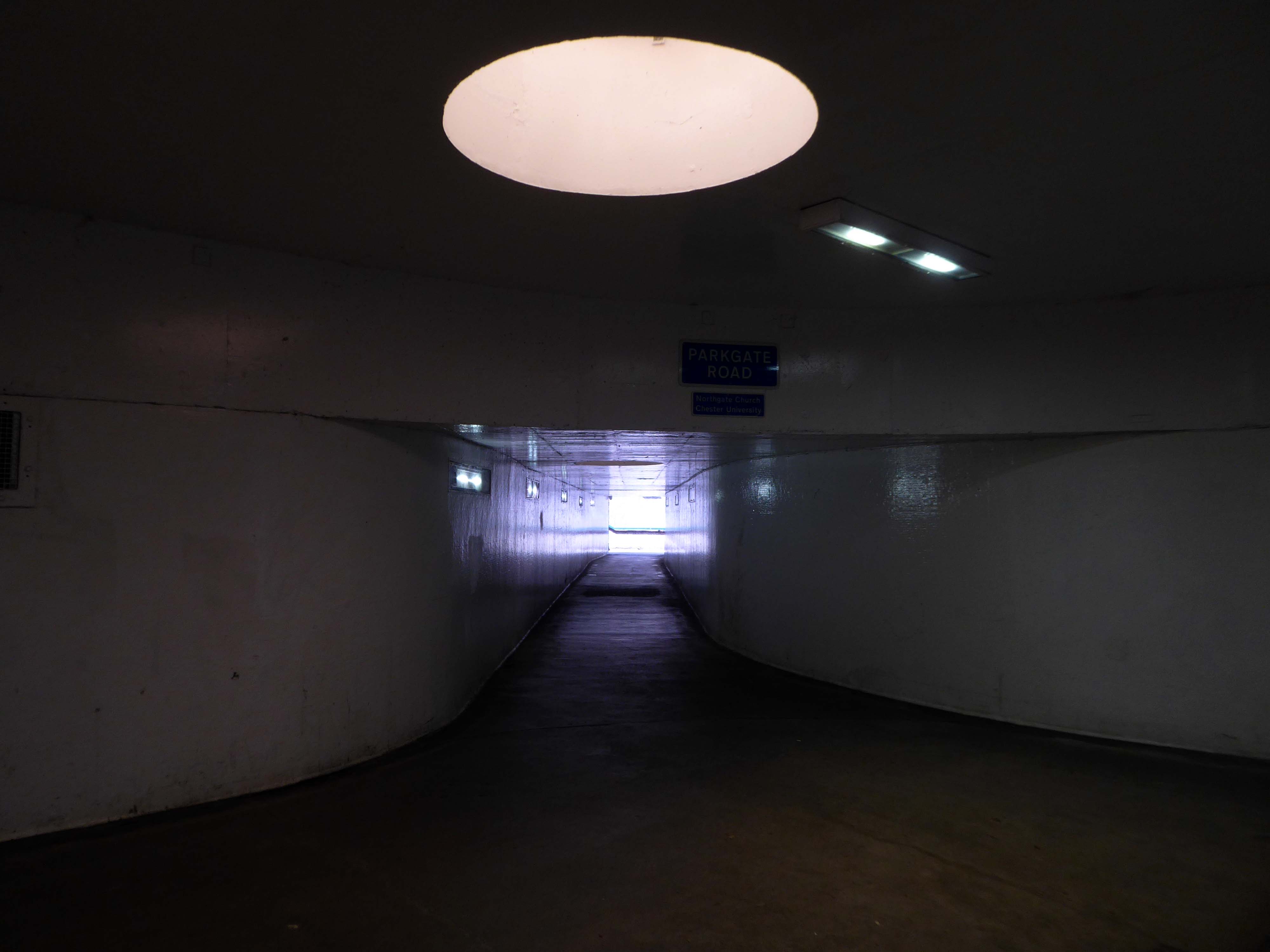
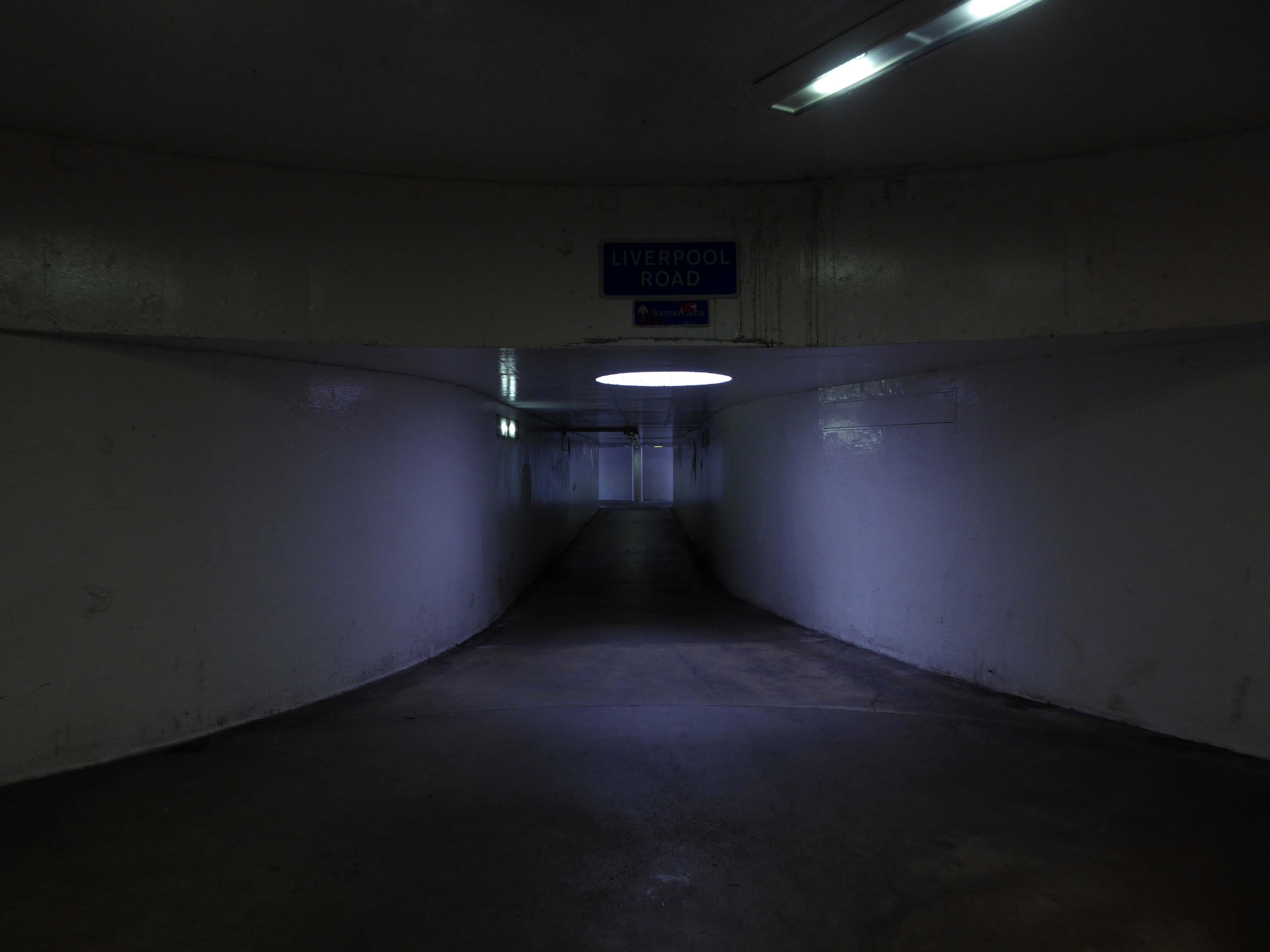
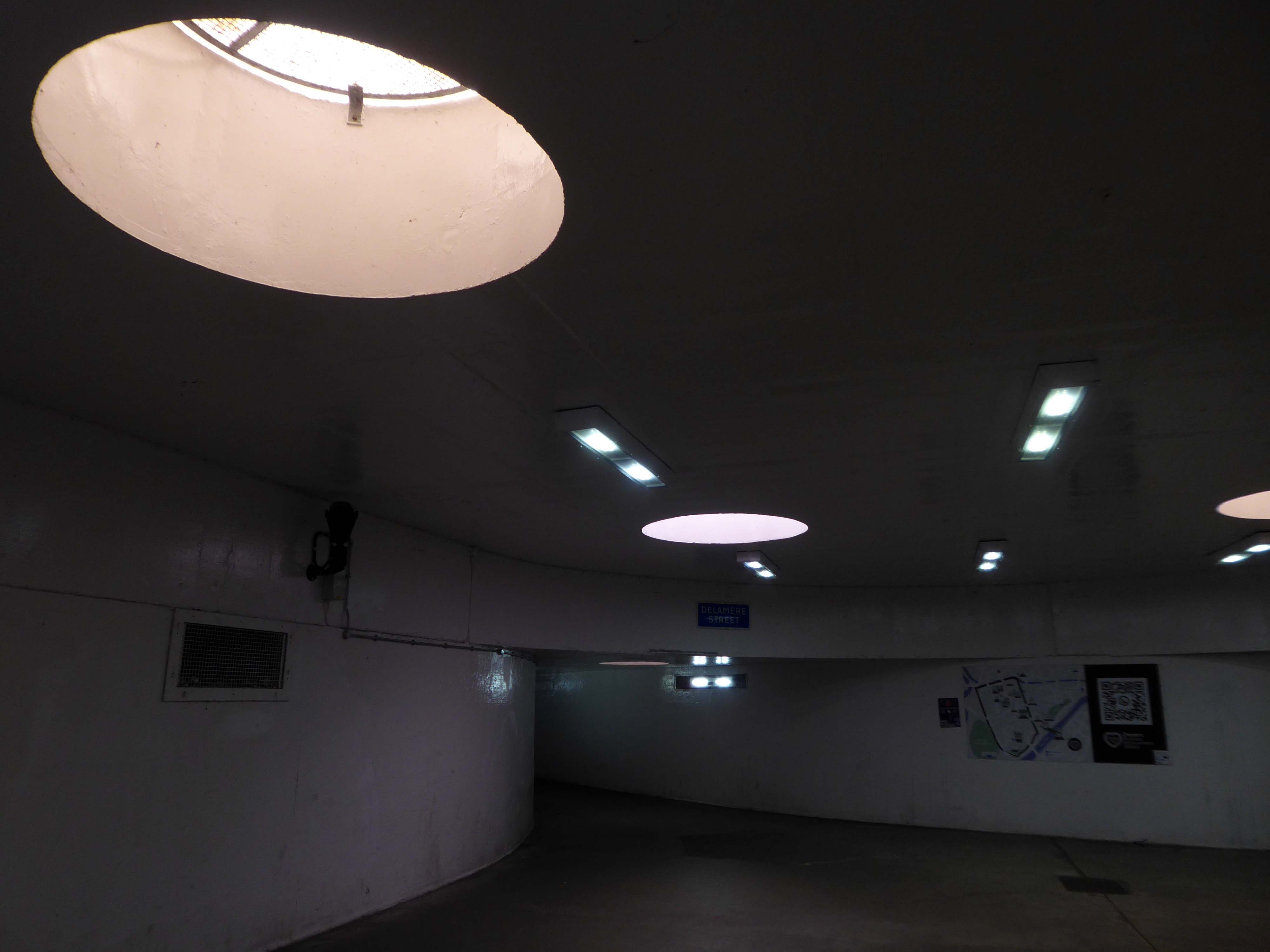
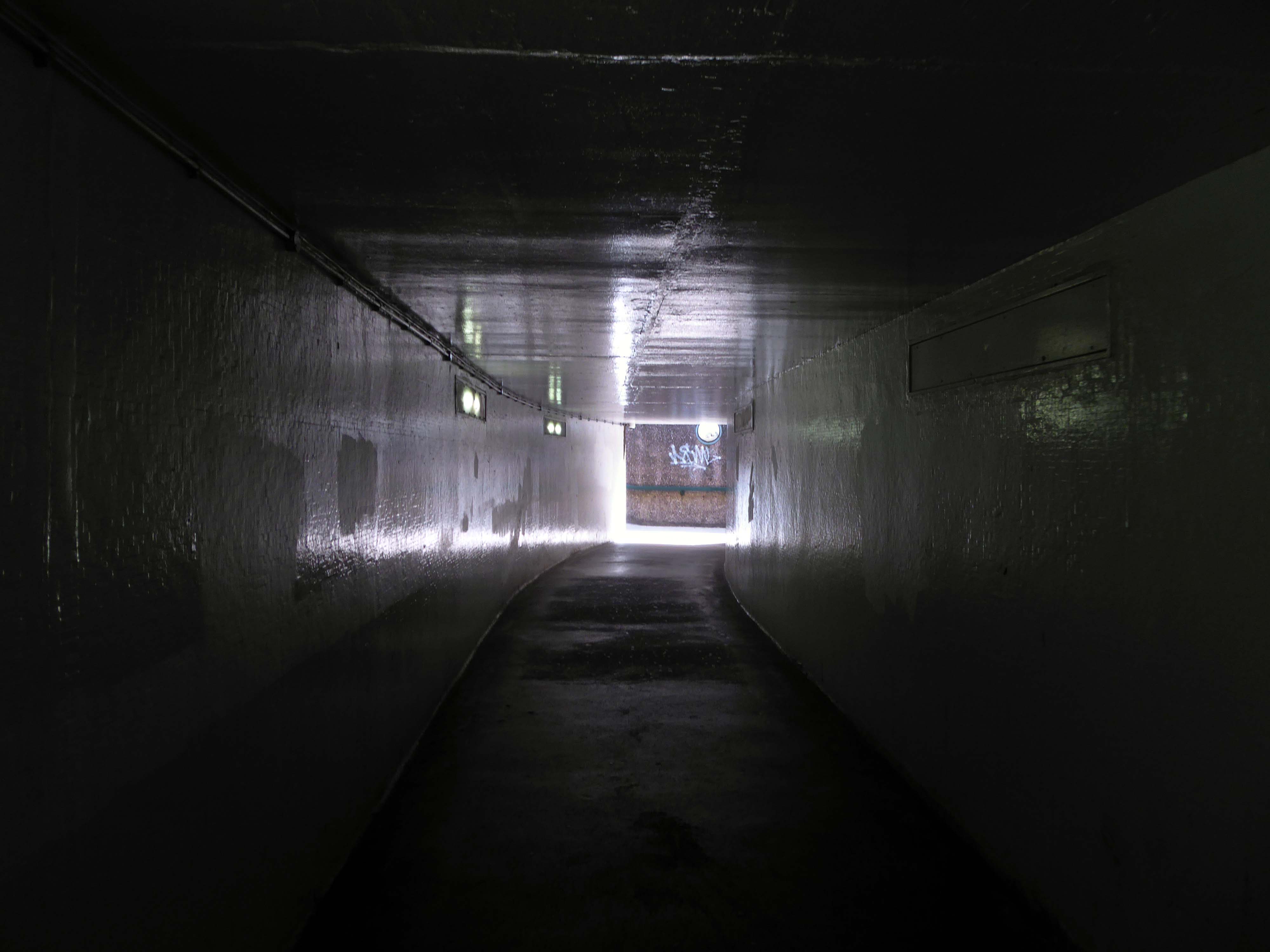
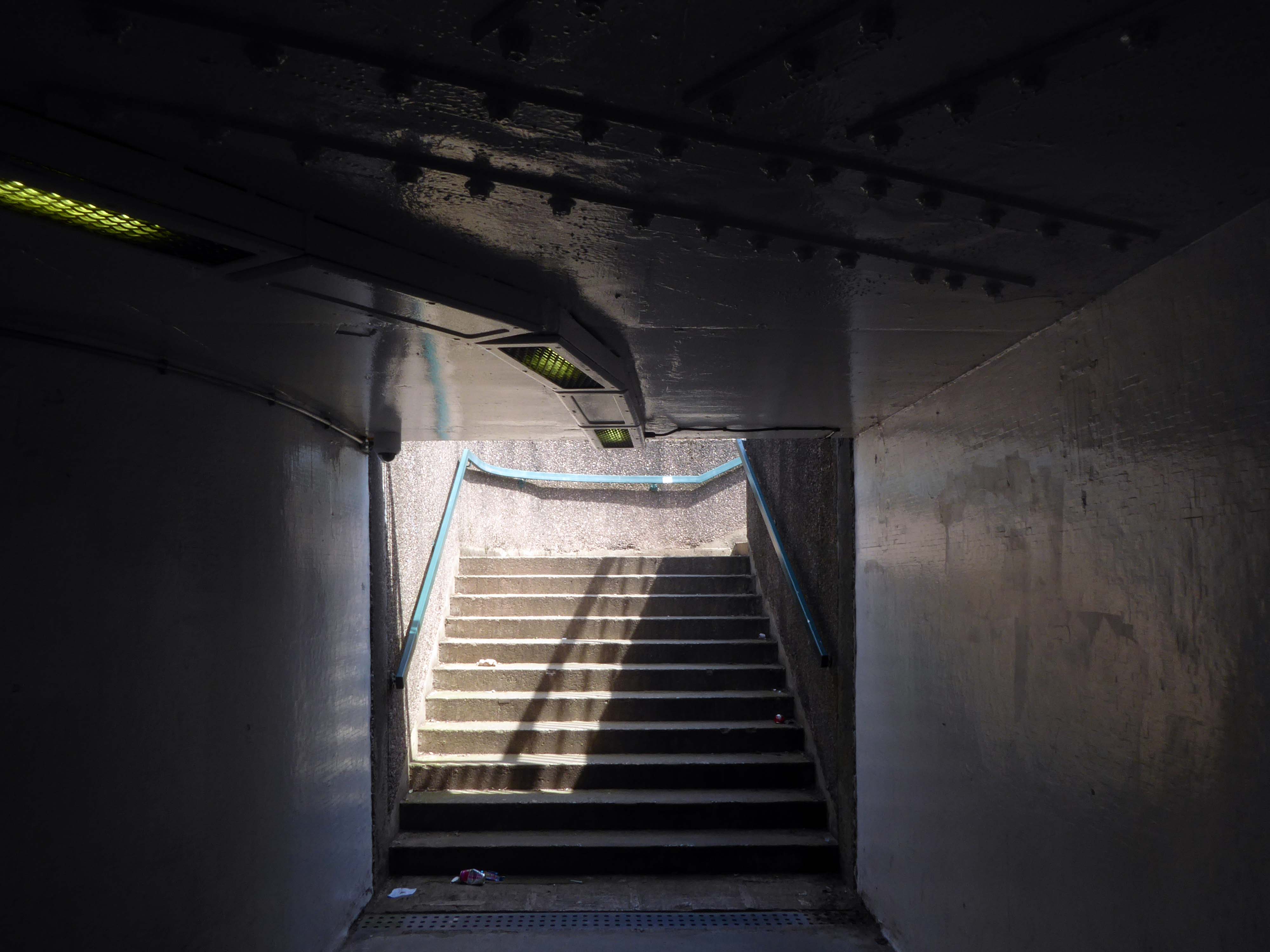
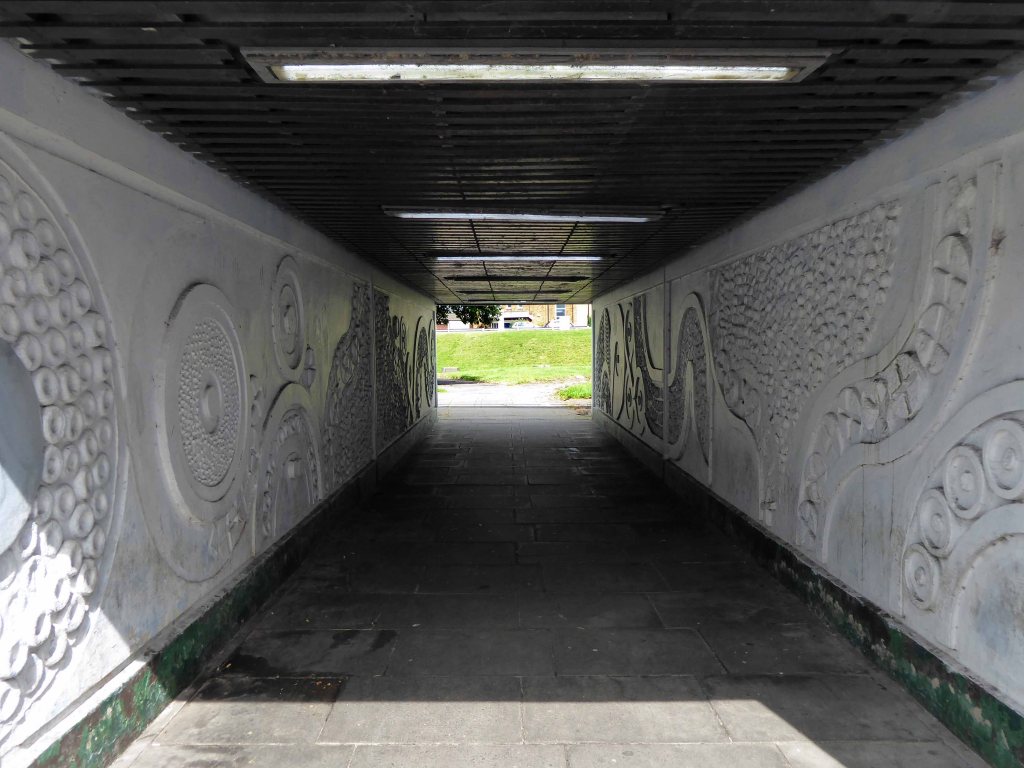
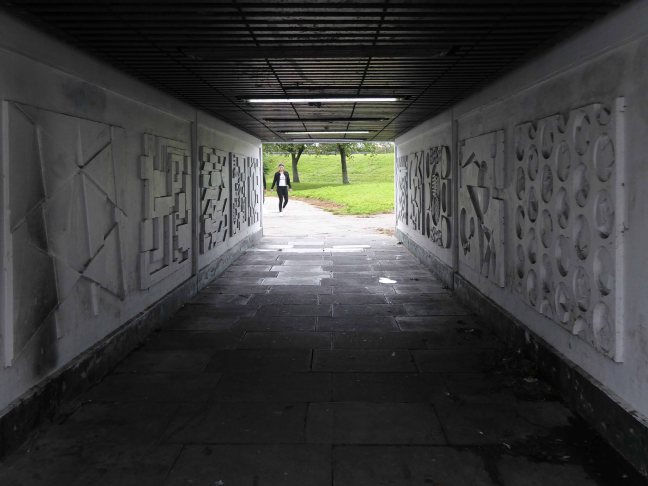
I’m overwhelmed by the underpass, where the passage of time is both slowed and hurried.
A feeling of unease will hasten your pace, a strange sense of transcendence allows you to linger longer.
There’s a world going on underground.
Rattle big black bones in the danger zone There’s a rumblin’ groan down below There’s a big dark town, it’s a place I’ve found There’s a world going on underground
There comes a time in everyone’s life, when one simply must go to Rotherham, at least once – so I did.
To keep company with my personal town guide, Sheffield Modernist and local resident, Helen Angell.
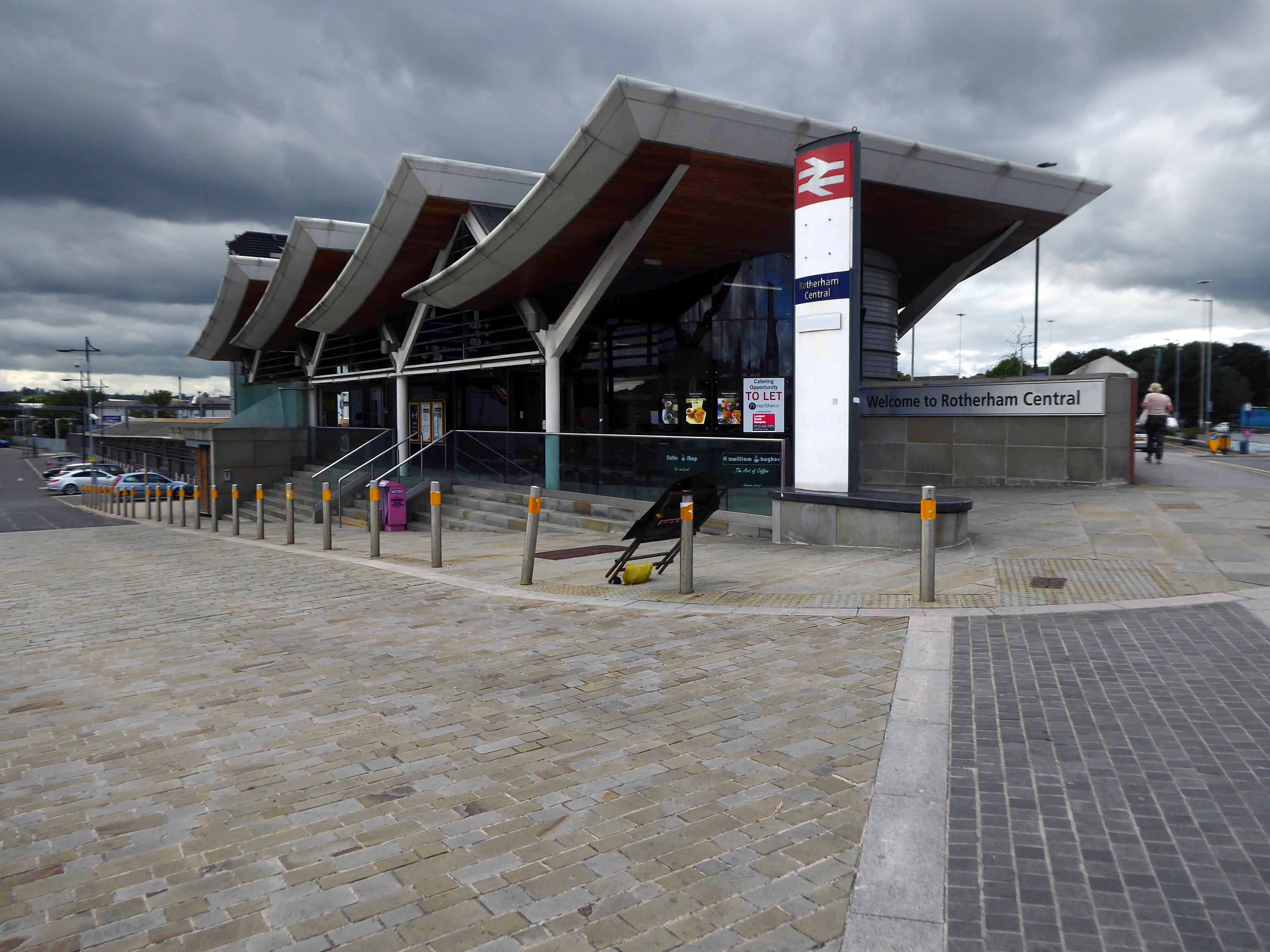
I arrived early at Rotherham Central, so went for a solo wander.
The station was originally named Rotherham, becoming Rotherham and Masborough in January 1889 and finally Rotherham Central on 25 September 1950.
The newish Rotherham Central station was opened to passengers on 11 May 1987, the present iteration on Friday 24 February 2012, as part of the Rotherham Renaissance plans for the regeneration of the town.
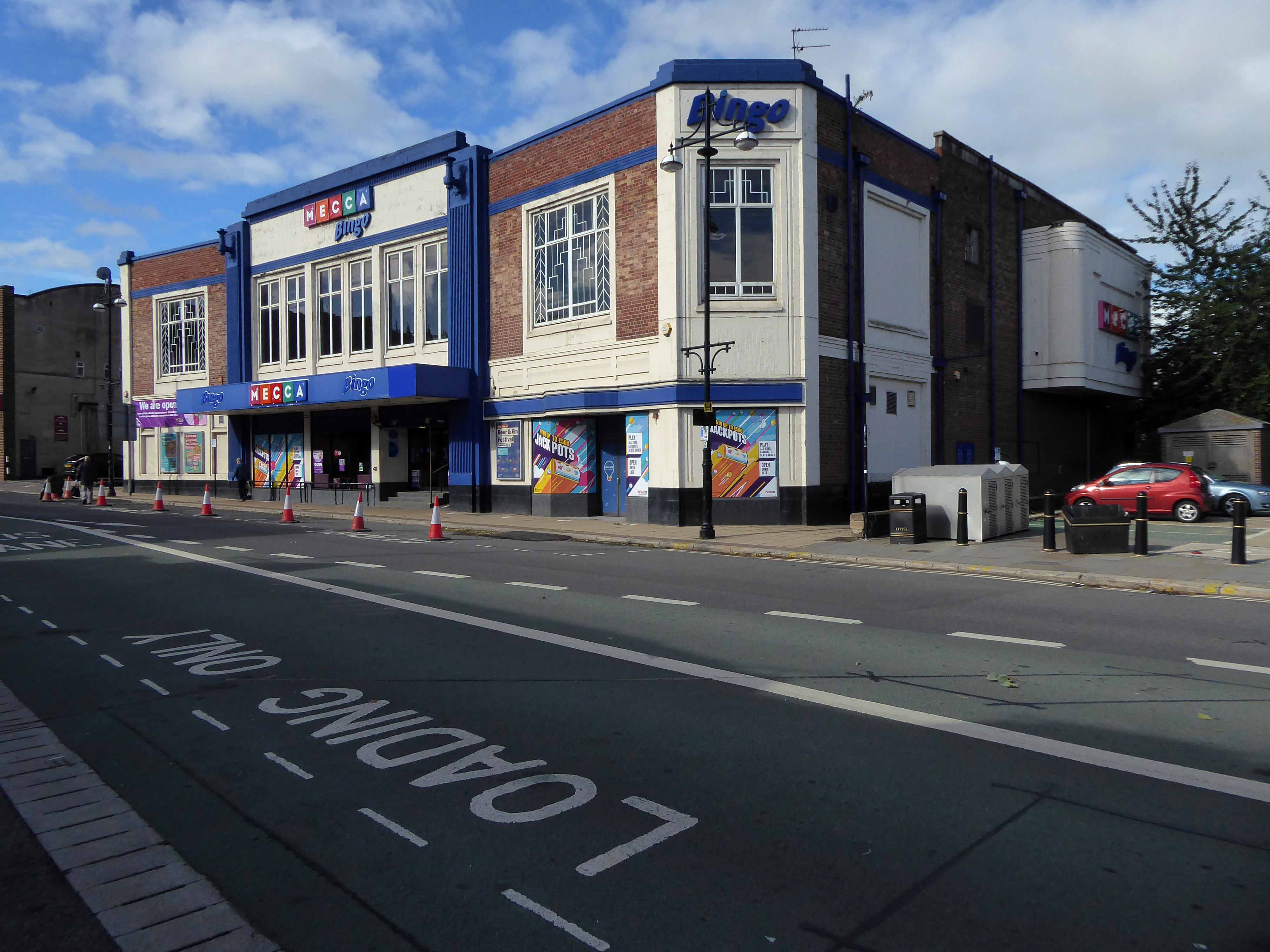
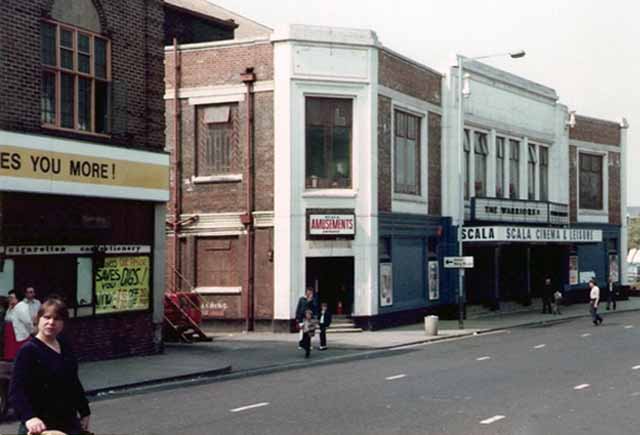
Opened 22 December 1934 as the Regal Cinema with Leslie Howard in Girls Please. Sandy Powell, the famous comedian attended opening night this 1,825 seat. It was designed by the Hull based architectural firm Messrs Blackmore & Sykes for local exhibitor Thomas Wade and was leased to the Lou Morris chain.
By 1937 it was operated by the London & Southern Super Cinemas Ltd. chain. The Regal Cinema was leased to the Odeon circuit in 1946 and was re-named Odeon. It was sold by the Rank Organisation to an independent operator in 1975 and renamed Scala Cinema, by 1981 using the circle only.
Closed 23rd September 1983 with the film Porky’s.
Became a bingo hall initially named Ritz but now Mecca. On 20th February 2020 the building was put up for sale by auction at an asking price of £600,000+, but failed to sell, with the maximum reached £590,000. Mecca bingo continues in the building.
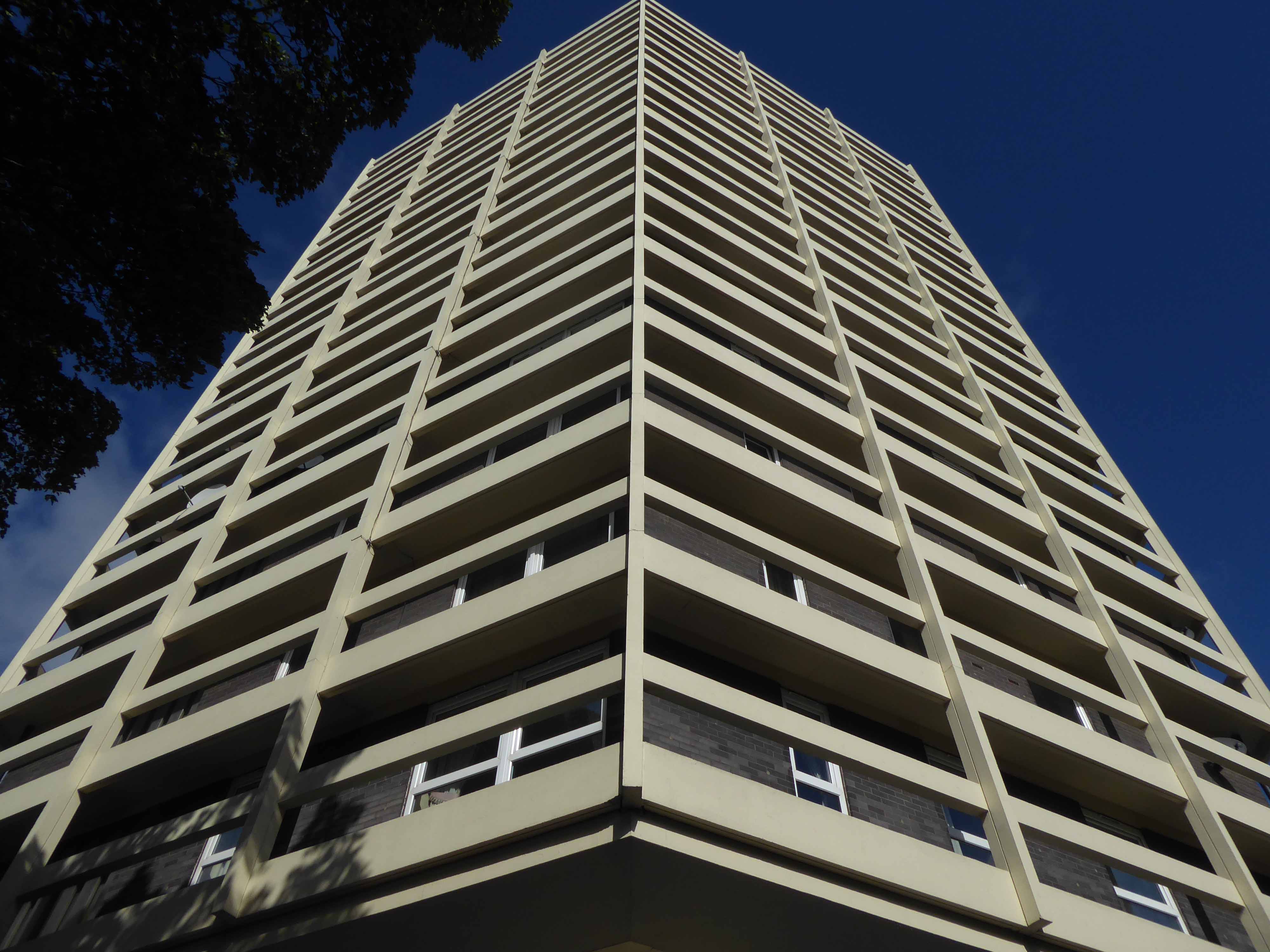
Main contractors J. Finnegan it’s thirteen storeys high – housing forty eight dwellings.
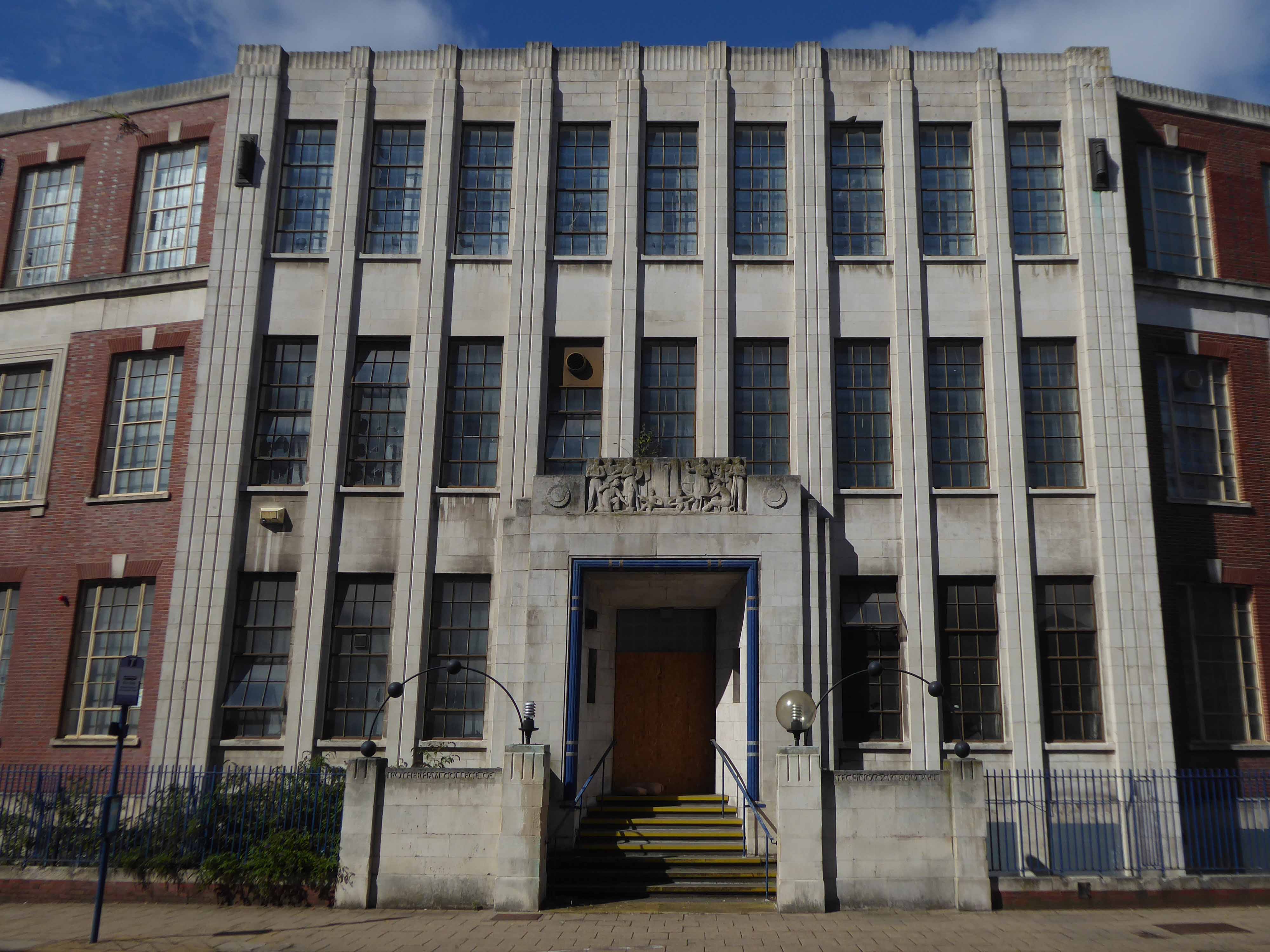
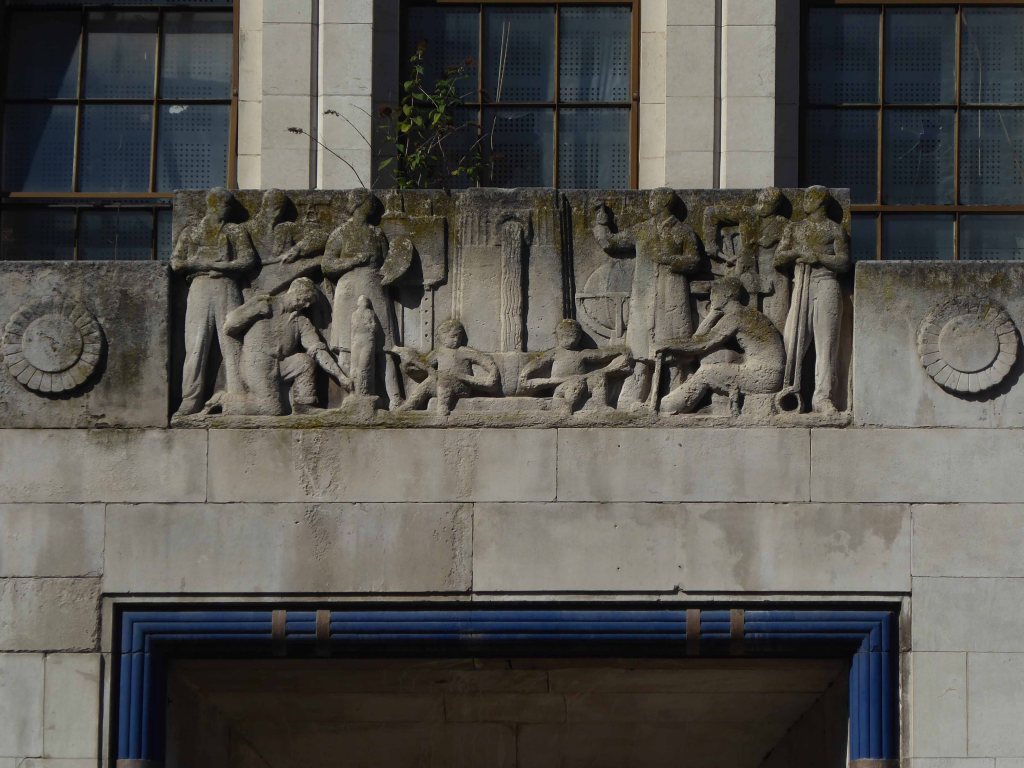
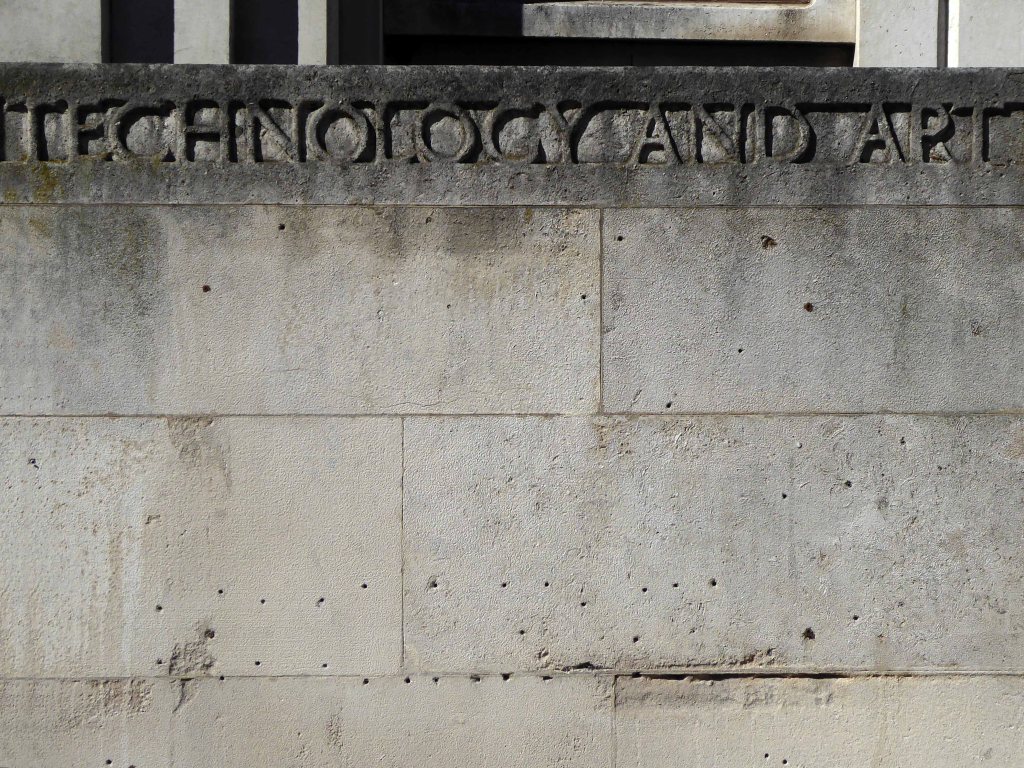
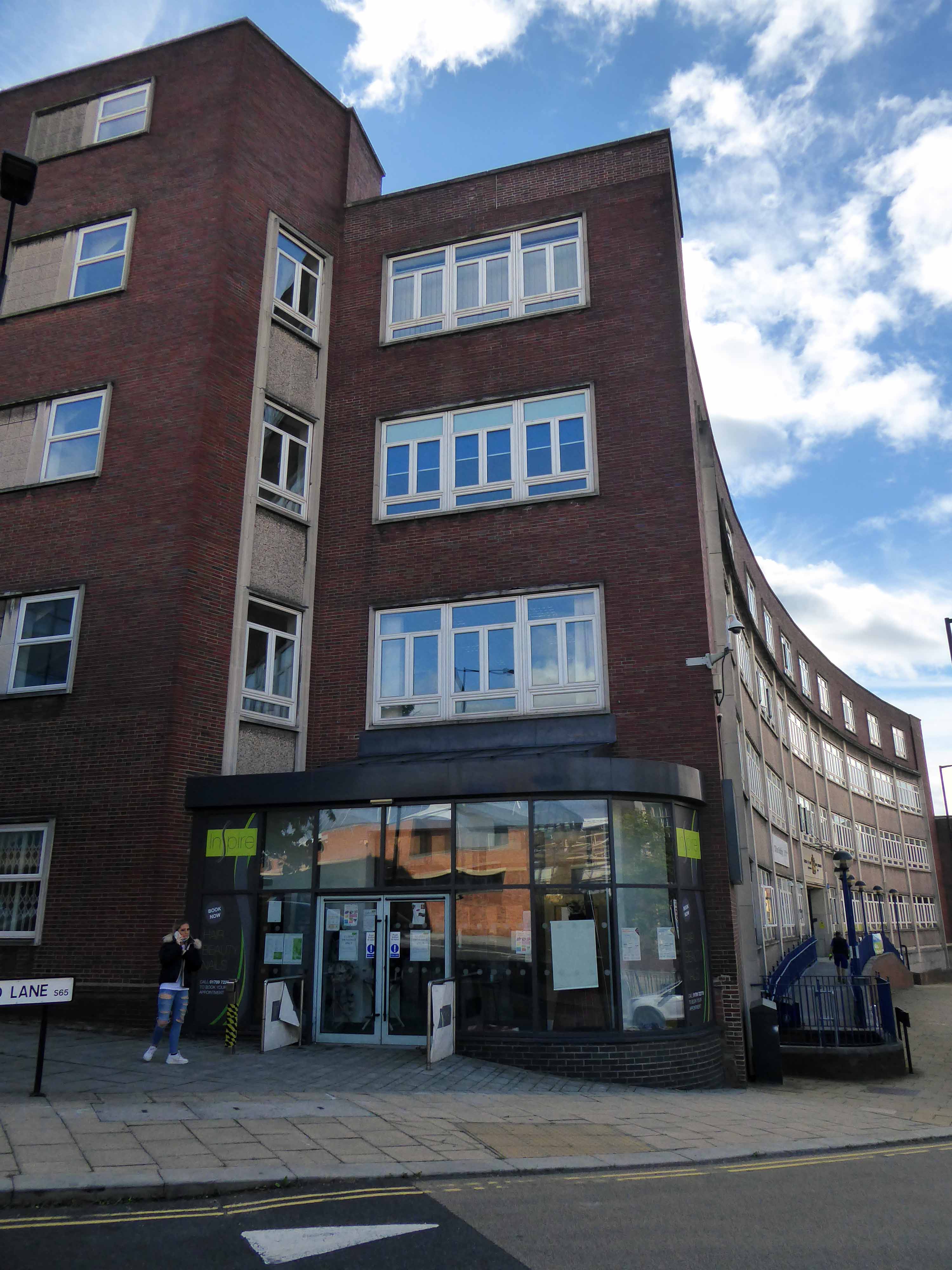
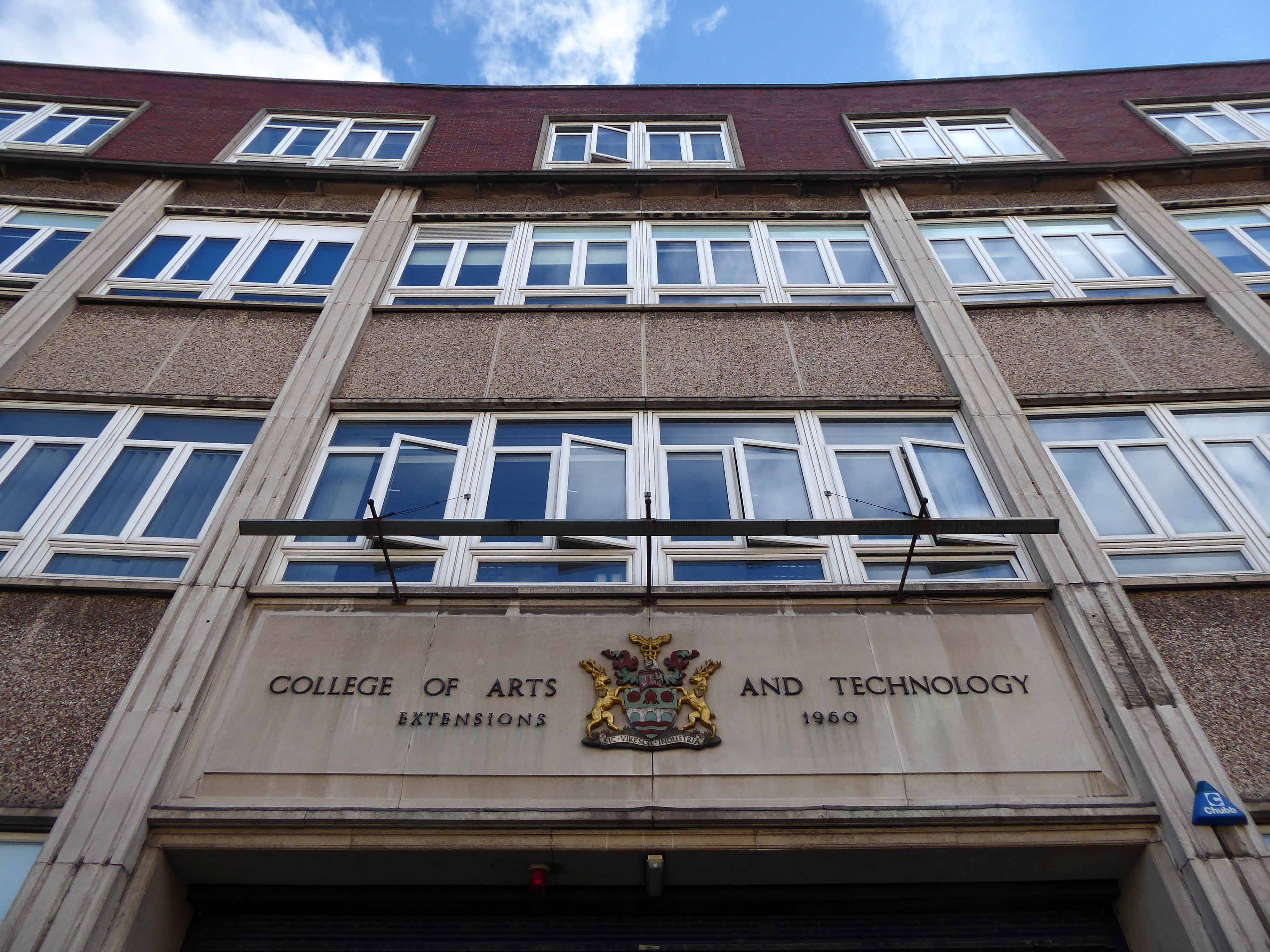
Interwar Technical College – Howard Building
From the 1930s, it provided technical-orientated education from the Howard Building on Eastwood Lane, Rotherham. In 1981, three neighbouring colleges of arts, technology and adult education were merged into one. As a result, the college became known as Rotherham College of Arts and Technology.
Revised plans to convert the historic Howard Building in Rotherham town centre into self-contained studios and apartments have been approved by the planning board at Rotherham Council.
The prominent former college building was sold prior to going to auction last September after it was advertised as a development opportunity and given a guide price of £250,000 by local auctioneers, Mark Jenkinson & son.
A group of rogue property directors with links to a prominent derelict building in Rotherham have been banned for a total of 54 years. The six, of Absolute Living Developments, were found to have misled more than 300 people to invest at least £12 million in residential properties.
The firm was linked through a lender to Avro Developments, which had plans passed in 2015 to renovate former college block the Howard Building in Rotherham town centre.
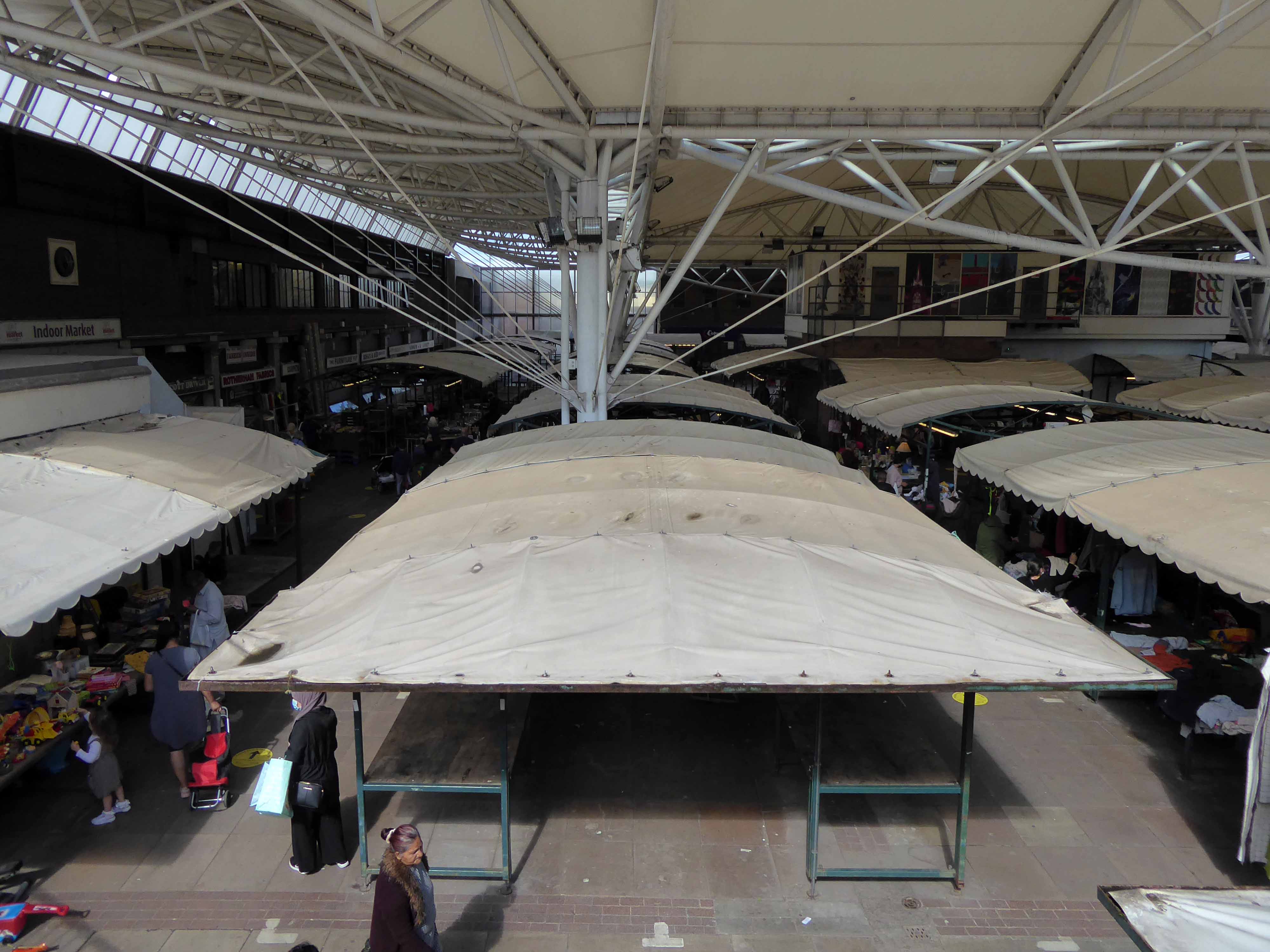
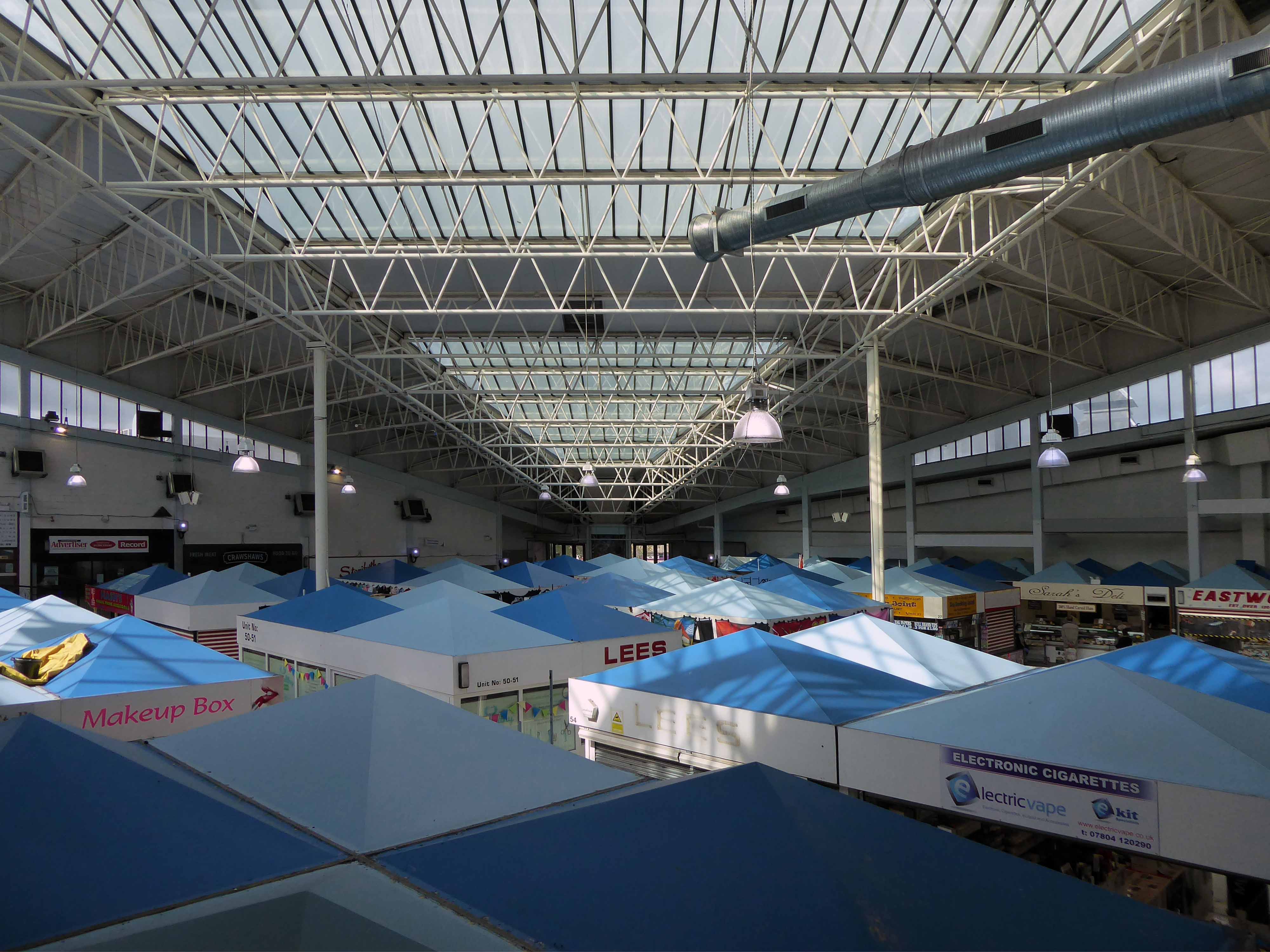
With a strident high tech canopy, very recently added – though Rotherham’s history stems back 800 years when it is thought that the original royal market charter was granted by King John in the year 1207.
There are traces of the 1970’s rebuild.
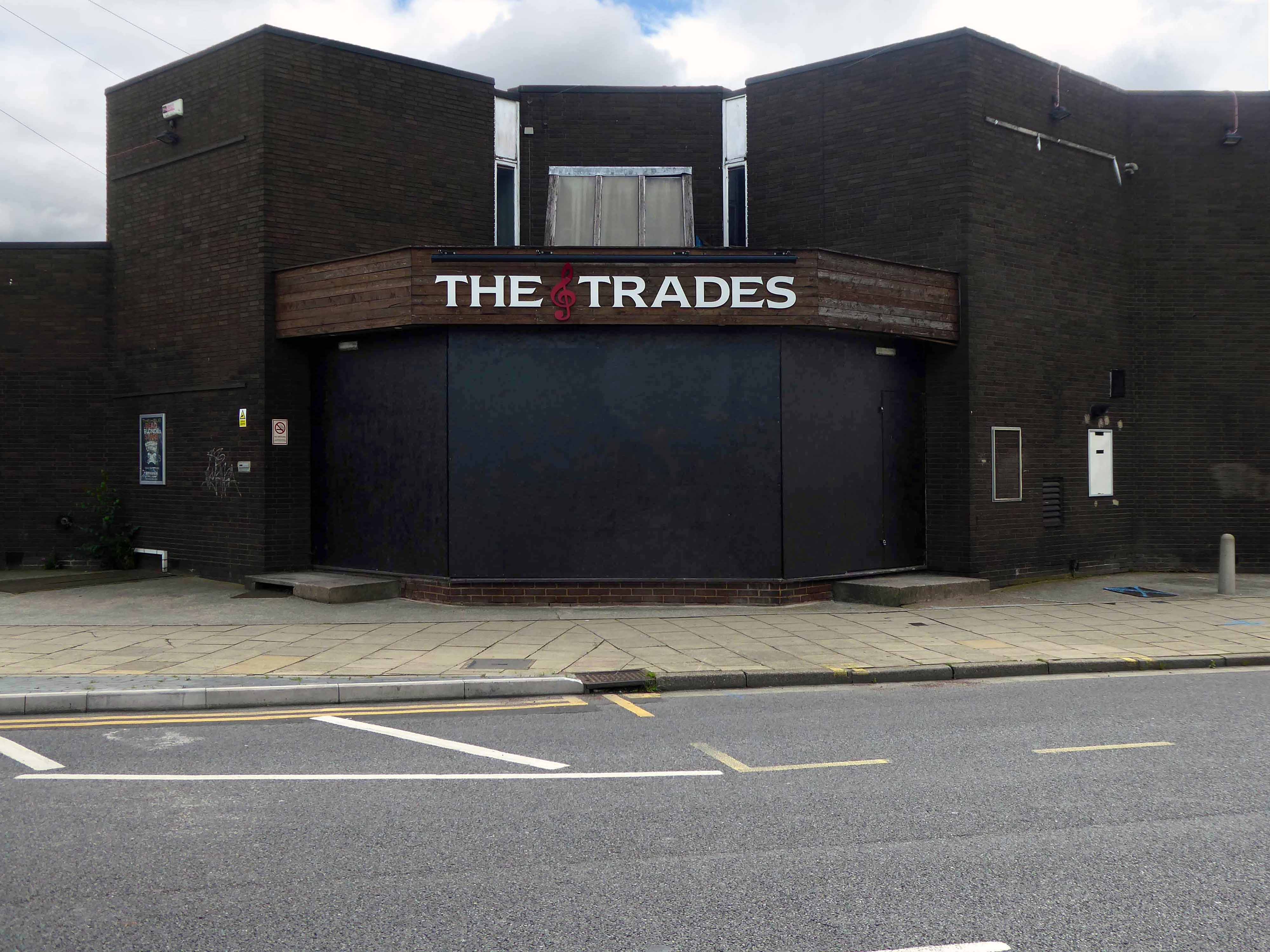
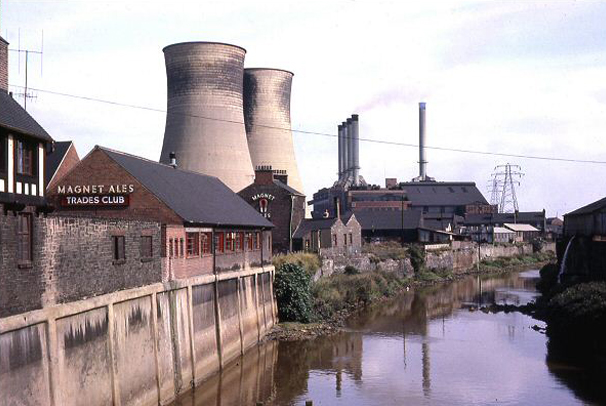
Bunker-like The Trades former music venue/pub, which replaced the former riverside Trades Club.
The PA now silenced.
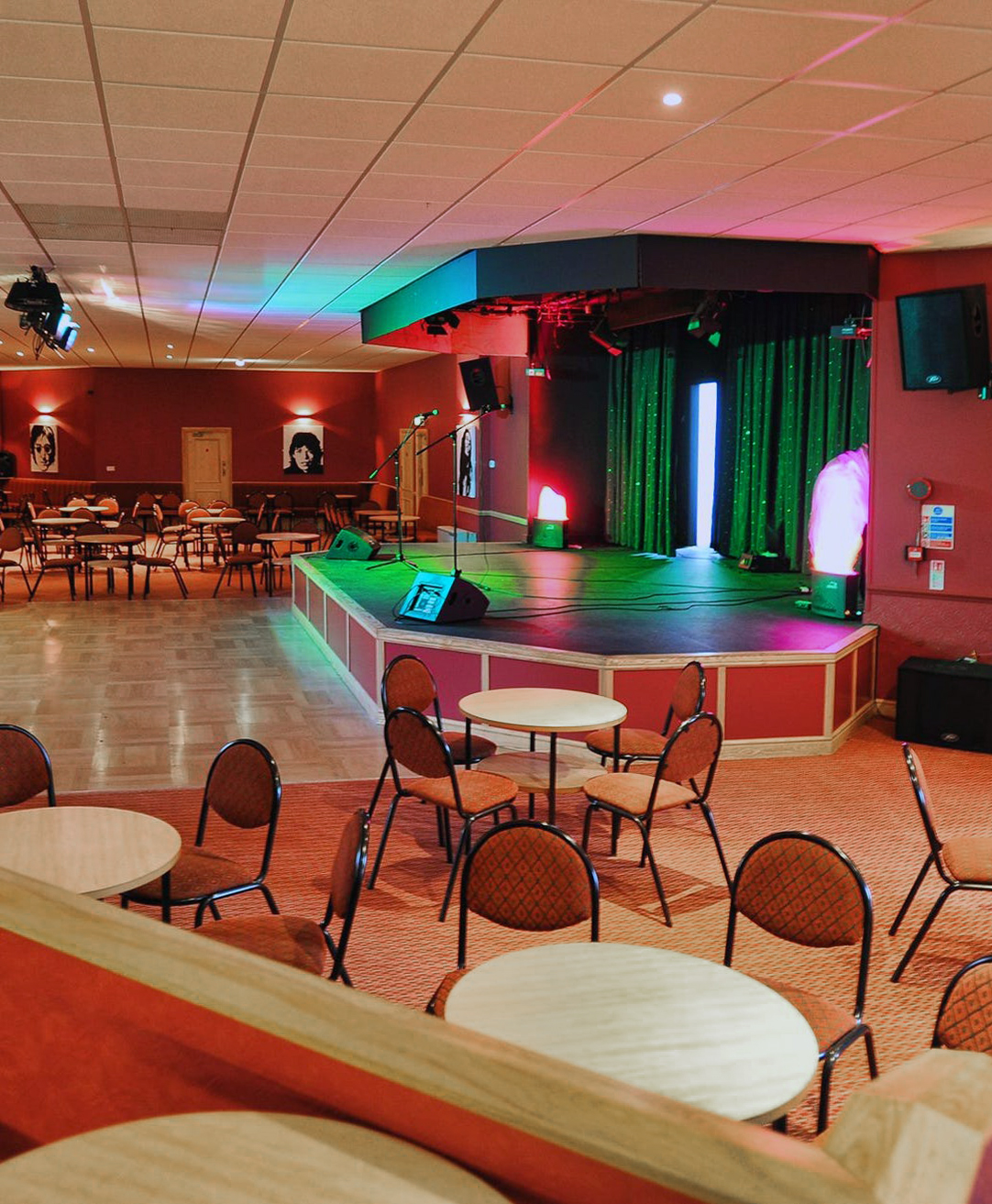
This was an amazing event. The bands were really good and the drinks offers, while limited, were good. The ceiling in the ladies toilets had fallen through and was dripping, presumably there had been a leak from all the rain, but this didn’t lessen the awesome experience.
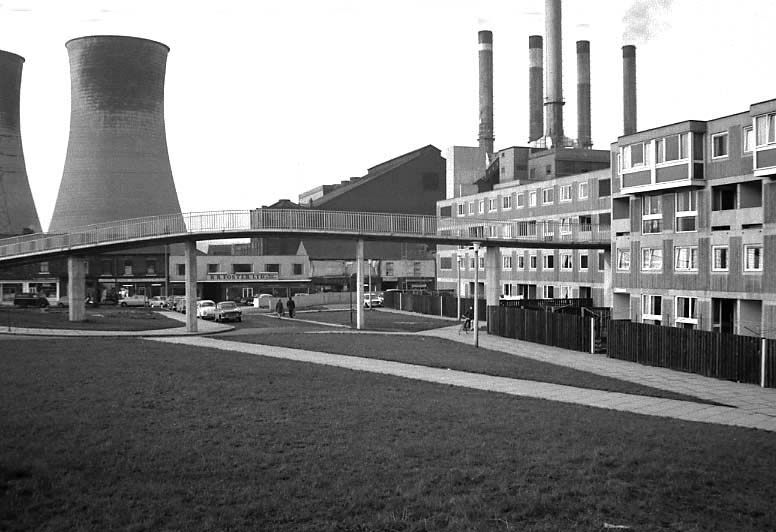
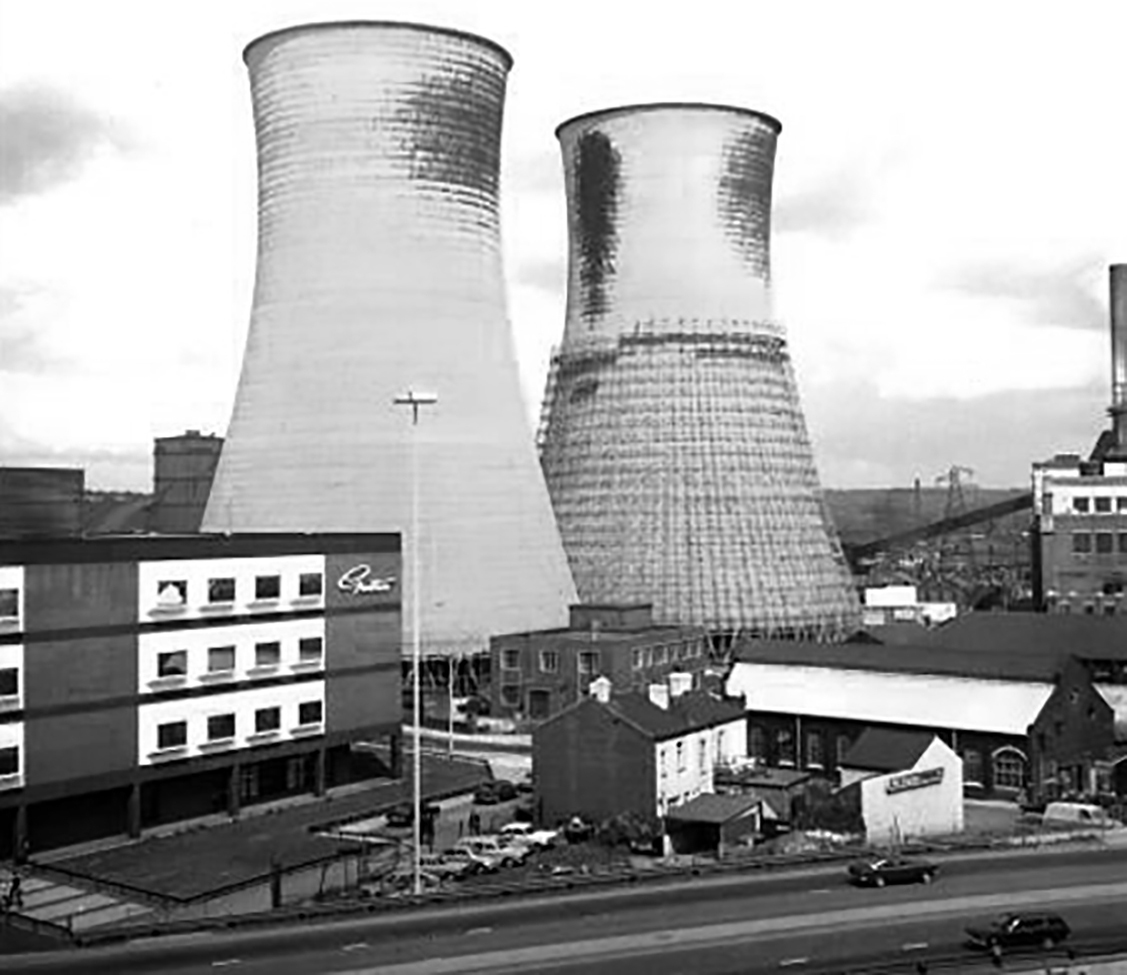
The cooling towers and flats are long gone – the coal-fired power station operated from 1923 until October 1978.
The Prince of Wales Power Station in Rotherham was located on Rawmarsh Road and was opened by the Prince of Wales – the future King Edward VIII.
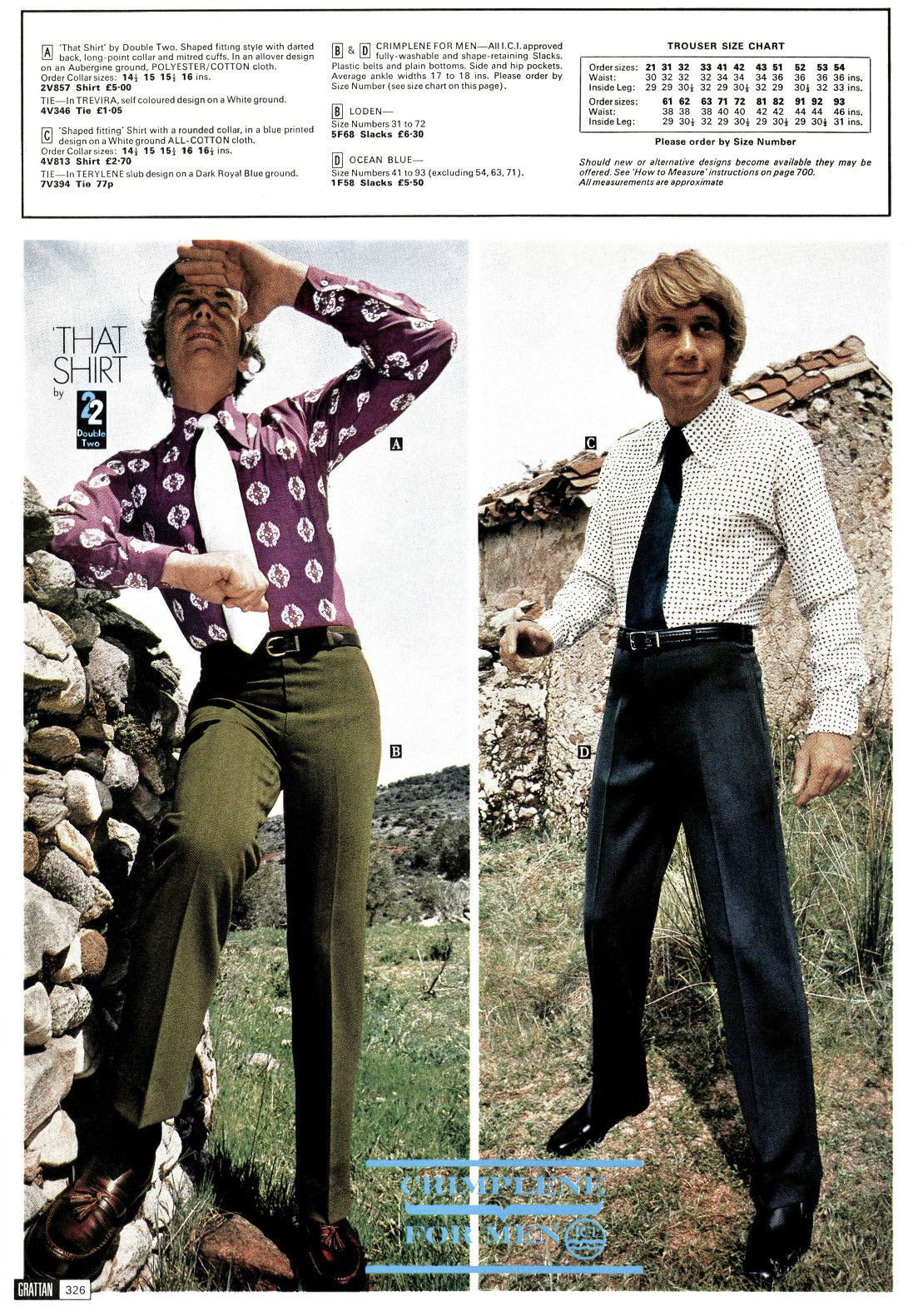
The former Grattans catalogue offices can be seen to the left.
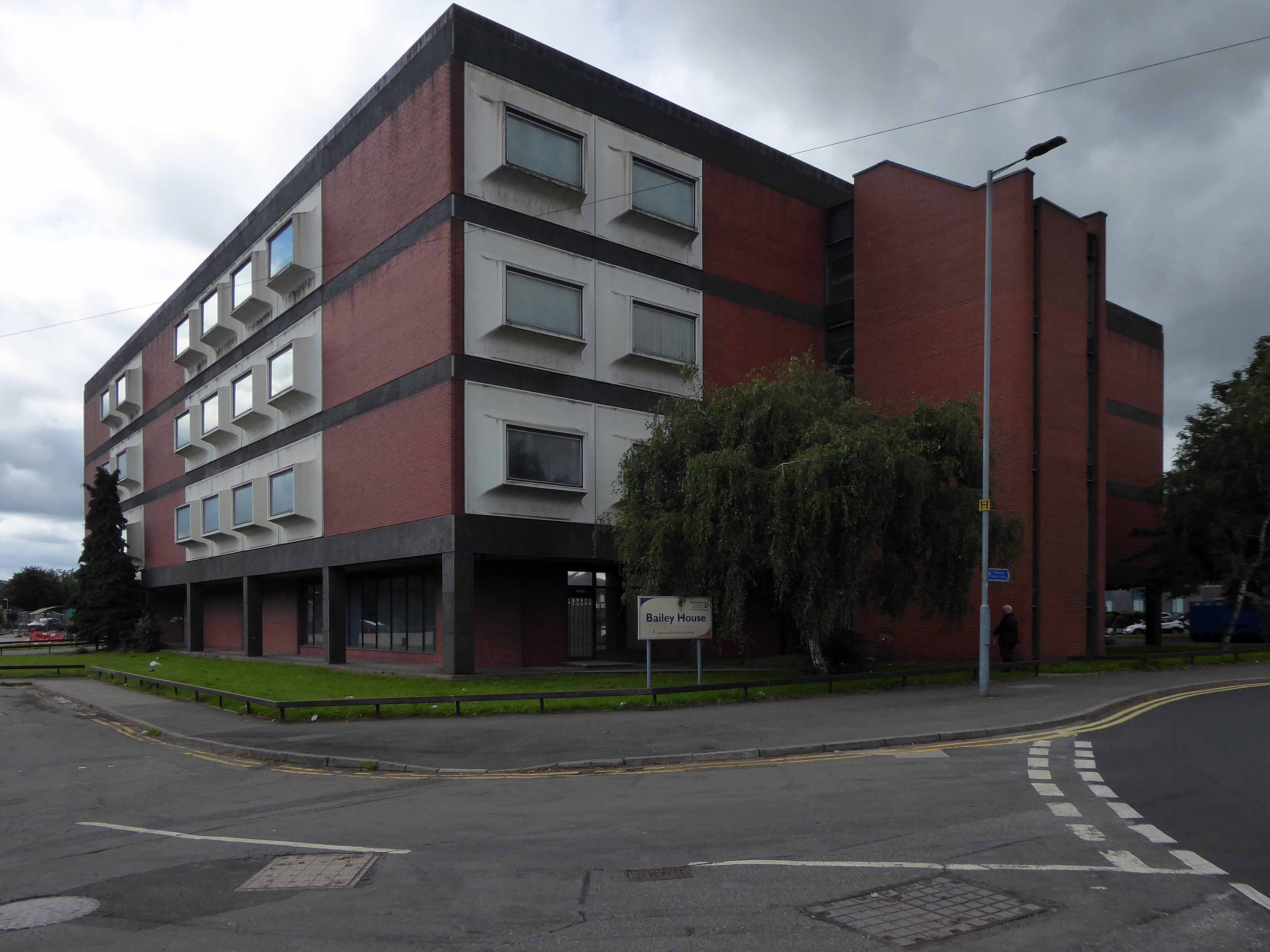
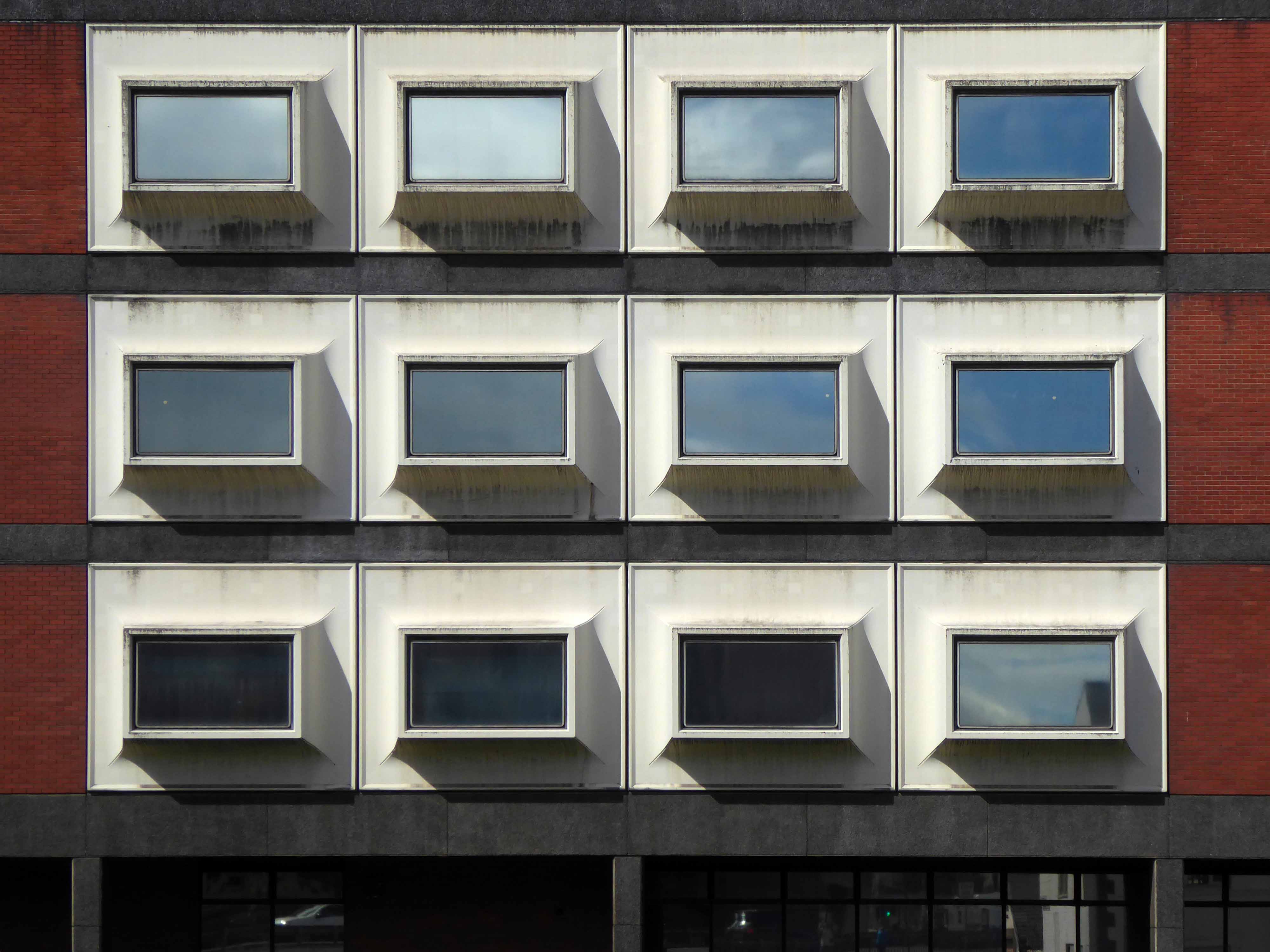
Renamed Bailey House and still in use by the local authority, its days it seems are numbered.
The building is named after Rotherham-born engineer Sir Donald Bailey whose ingenious bridge designs played a key role in shortening World War II, the house in which Bailey was born, 24 Albany Street is still standing.
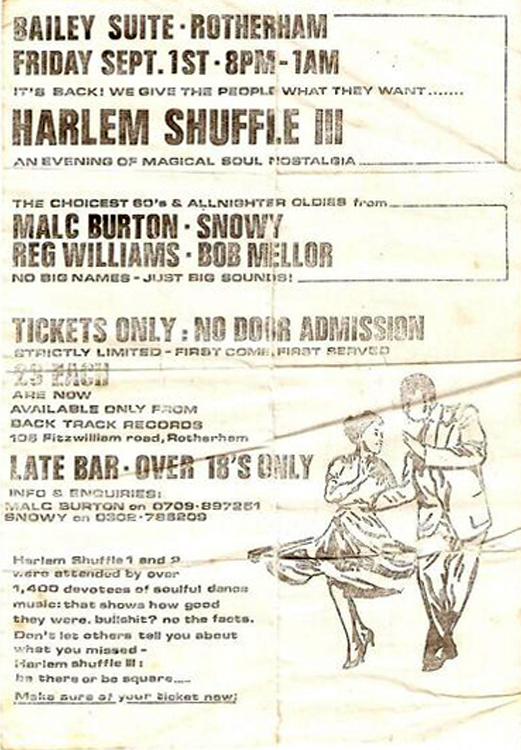
Sadly no longer home to the Harlem Shuffle
No big names – just big sounds.
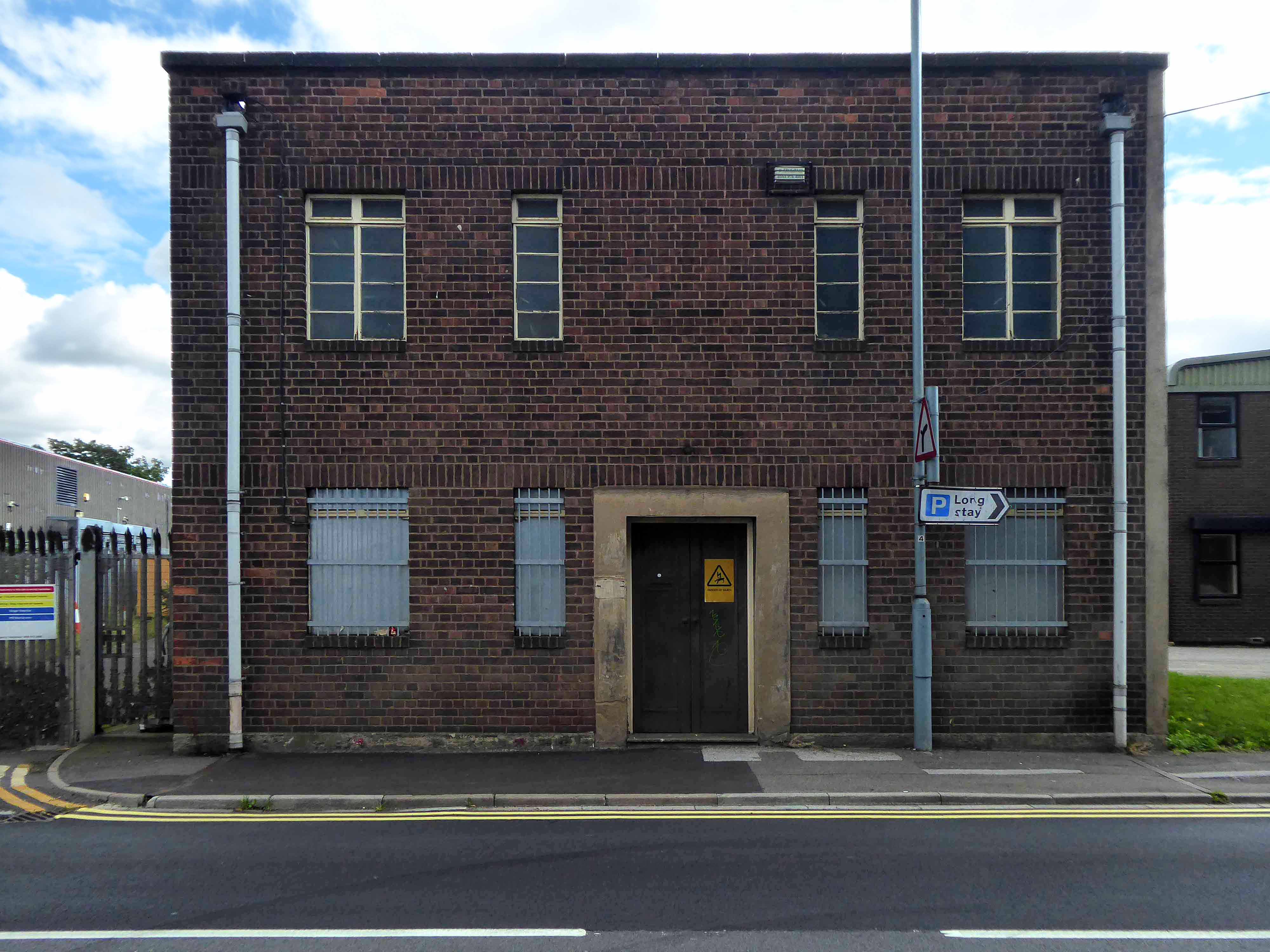
There are some surviving power station buildings.
Along with electrical infrastructure.
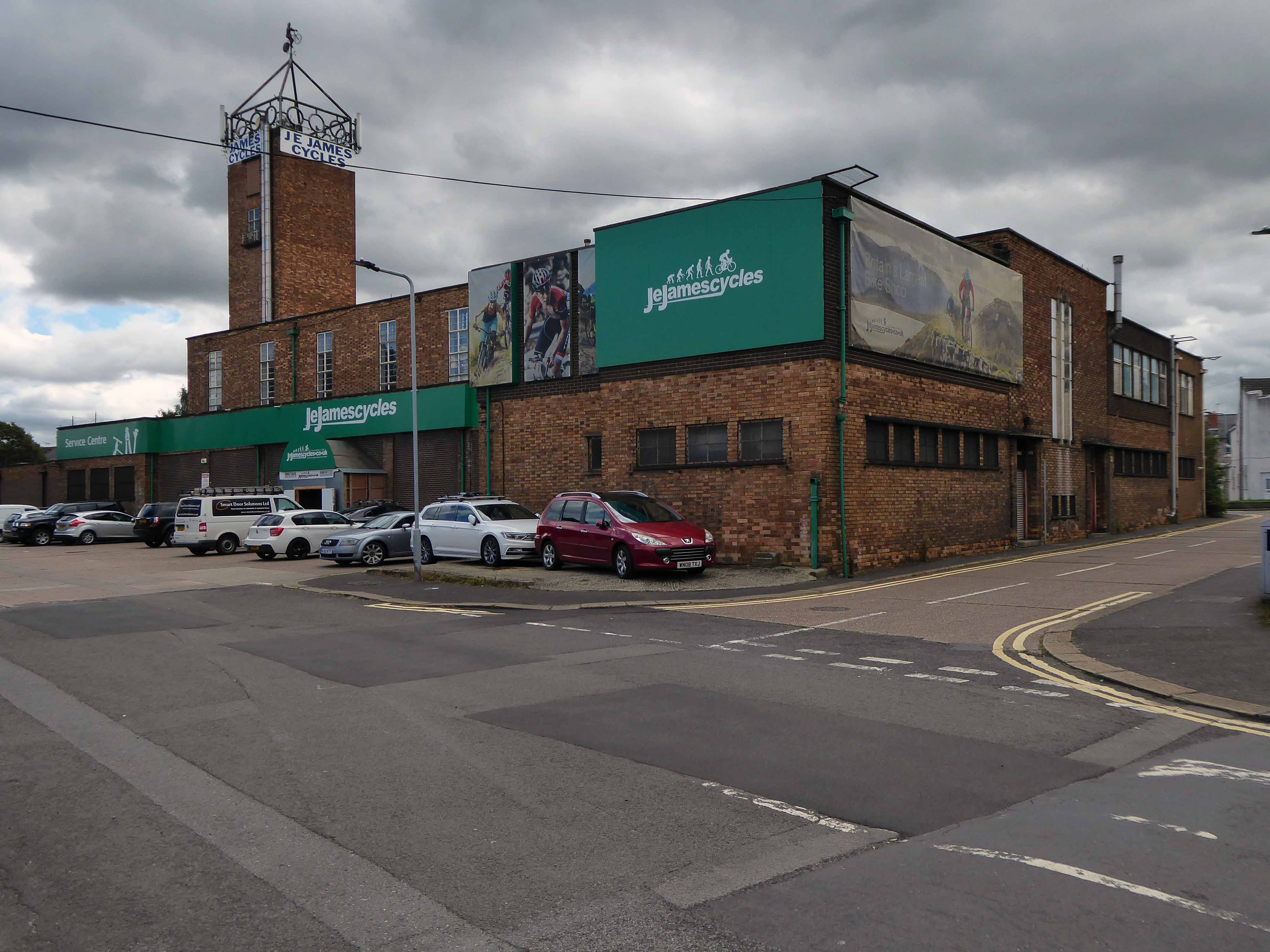
Up the road next, to the former fire station, which now houses J E James Cycles.
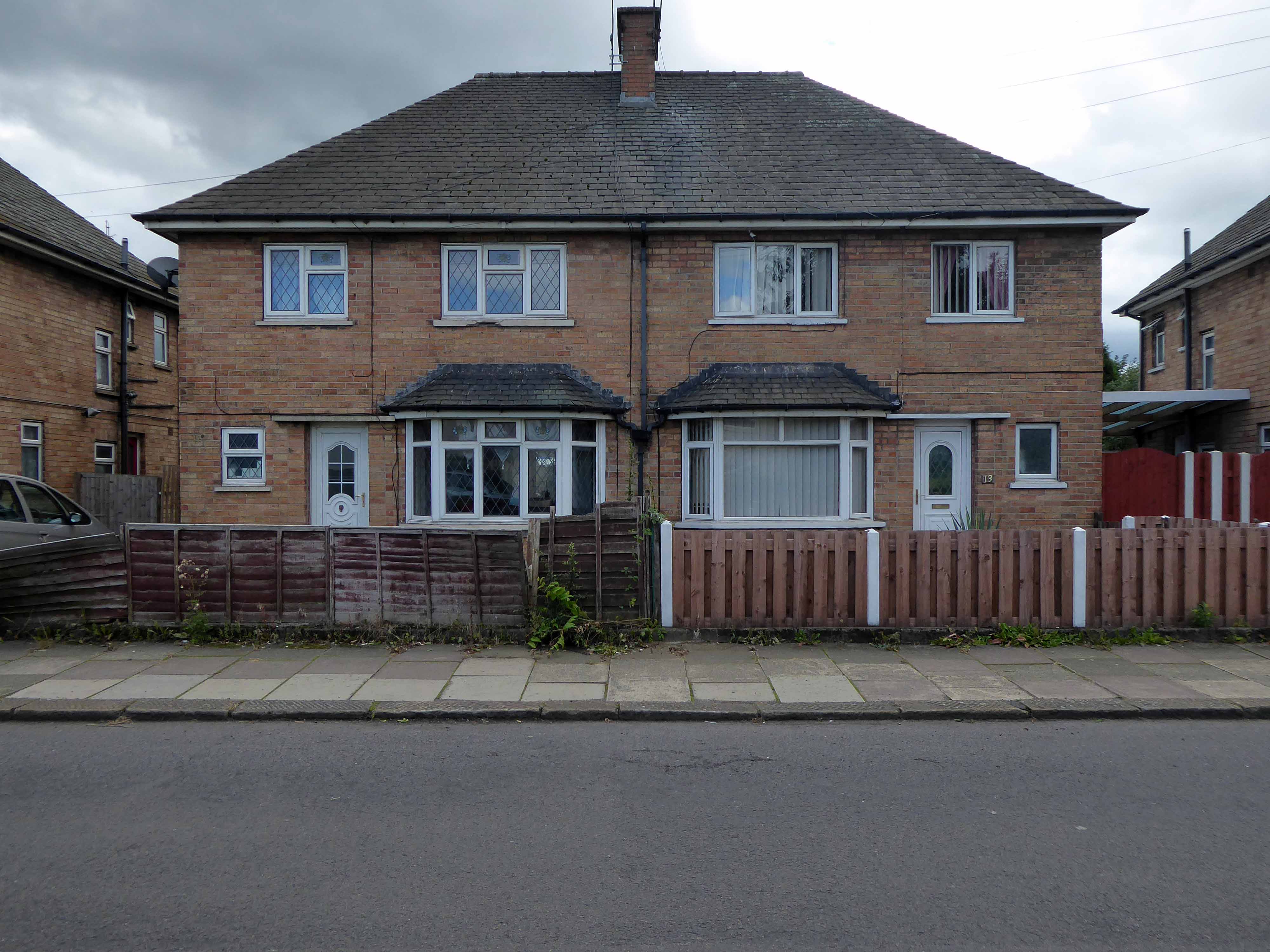
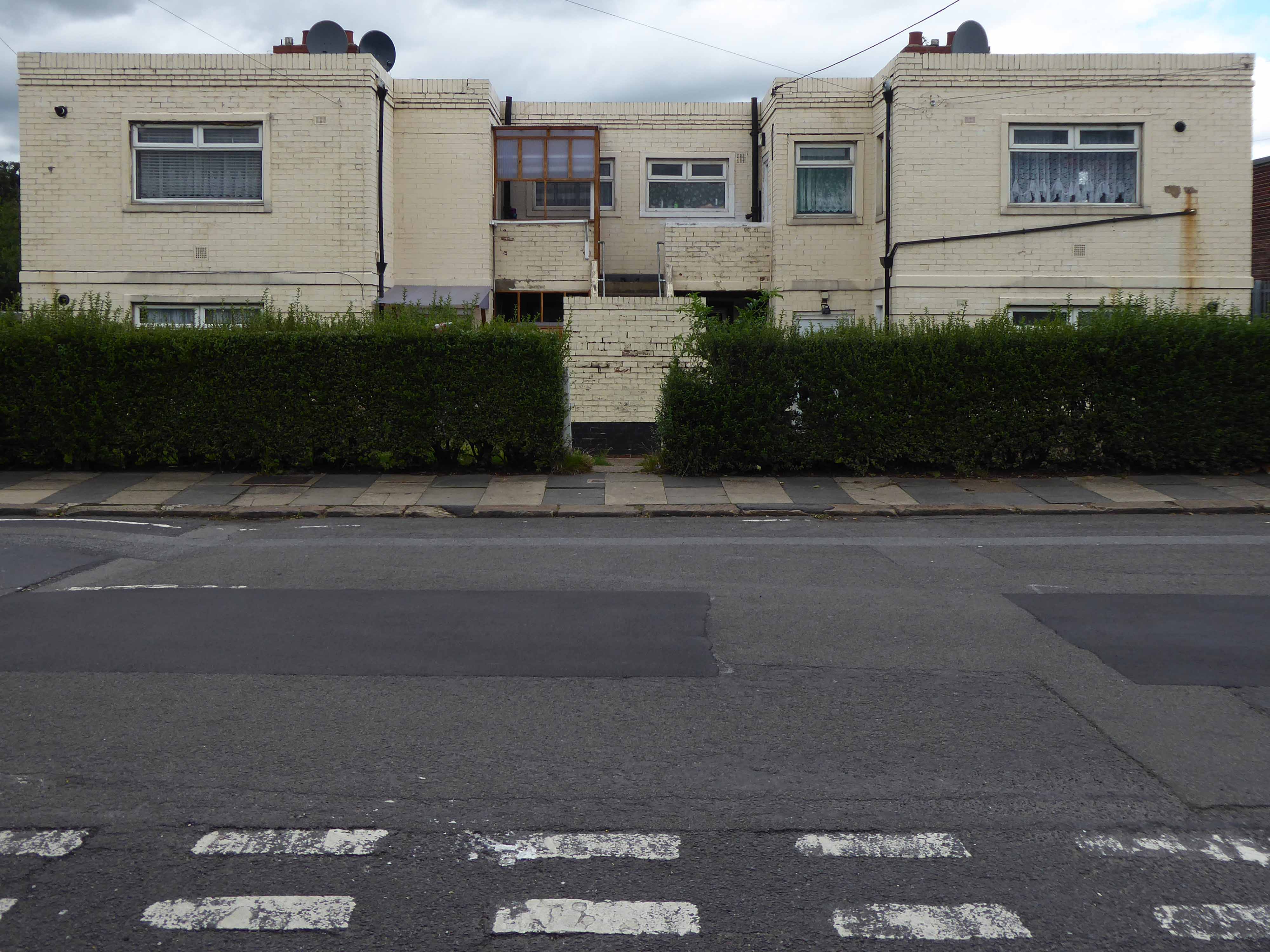
It is surrounded by typically atypical inter war housing.
I could make the wild assumption, that these flat roofed maisonettes were originally homes fit for firefighters.
With a final notable note regarding Rotherham’s hand painted council commissioned signage – I’d like to think that they have a sign writer in their employ.
Many thanks to my learned companion Helen – thanks for a fine day out, so much to see and do!
I had seen a photograph posted by Mandy Payne of an underpass in Rotherham – illustrating a delightful concrete relief.
Enlisting the assistance of friend and local resident Helen Angell, we set out on a mission to visit the roundabout in back of the big Tesco, which housed the three underpasses.
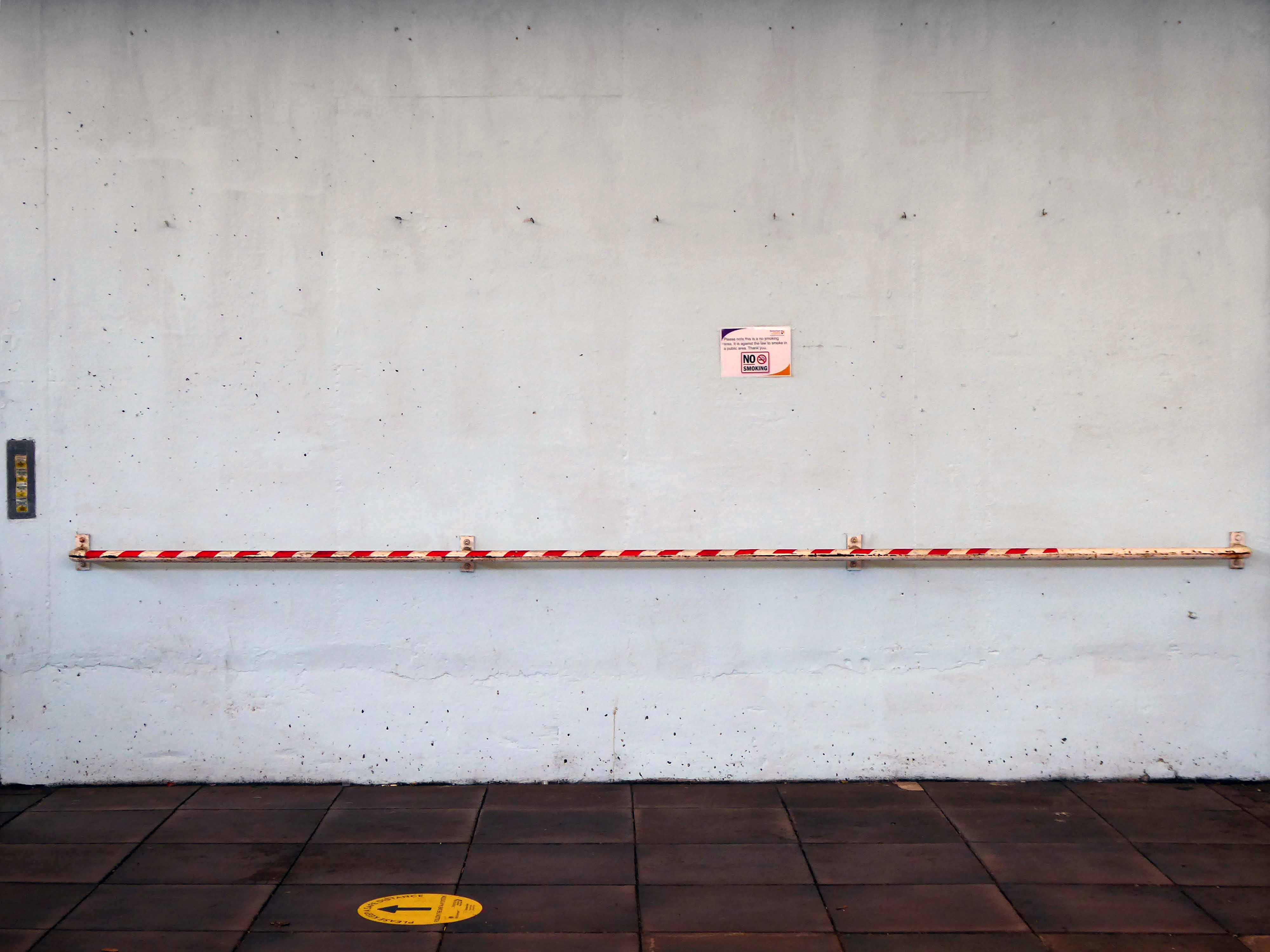
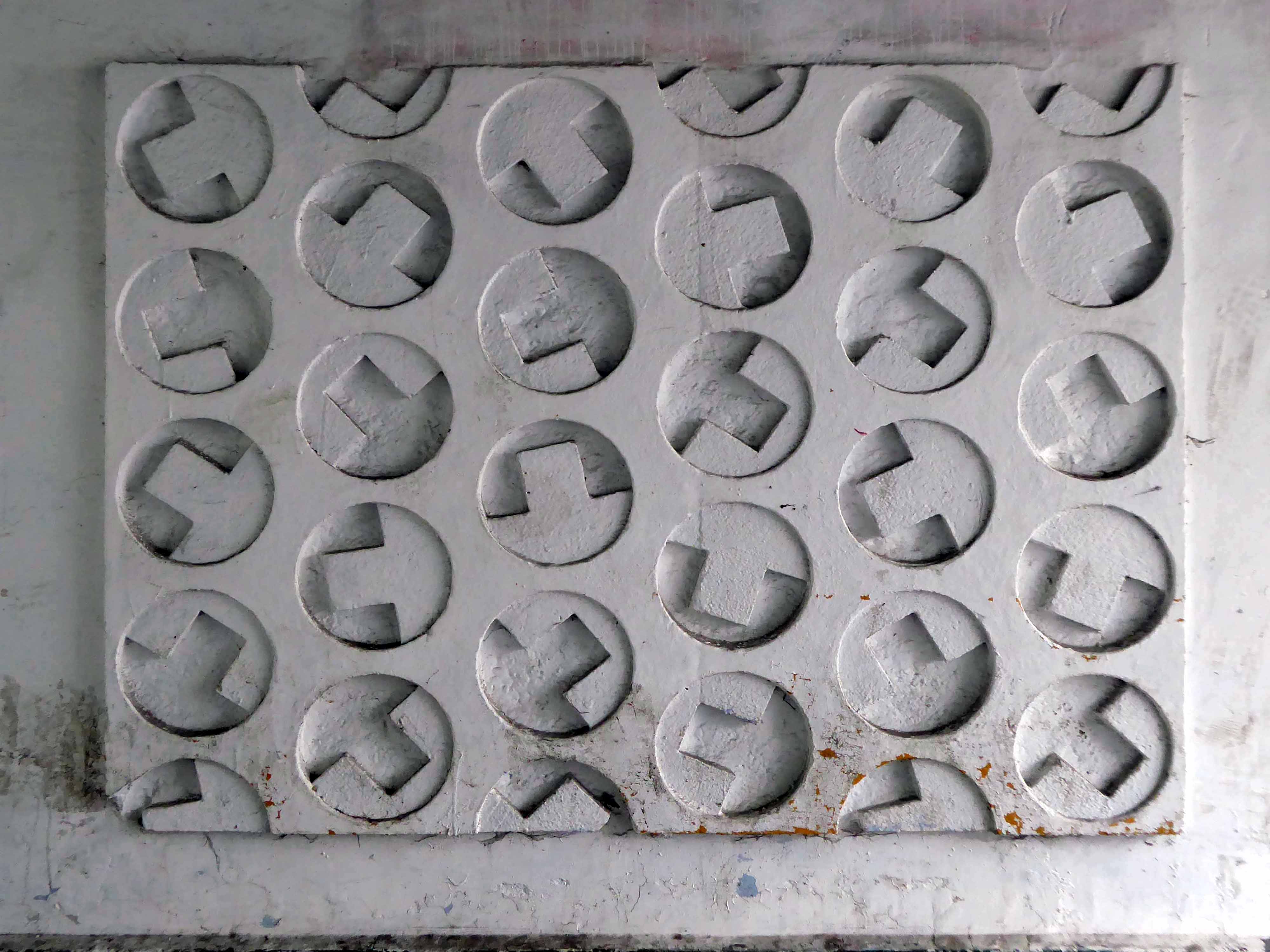
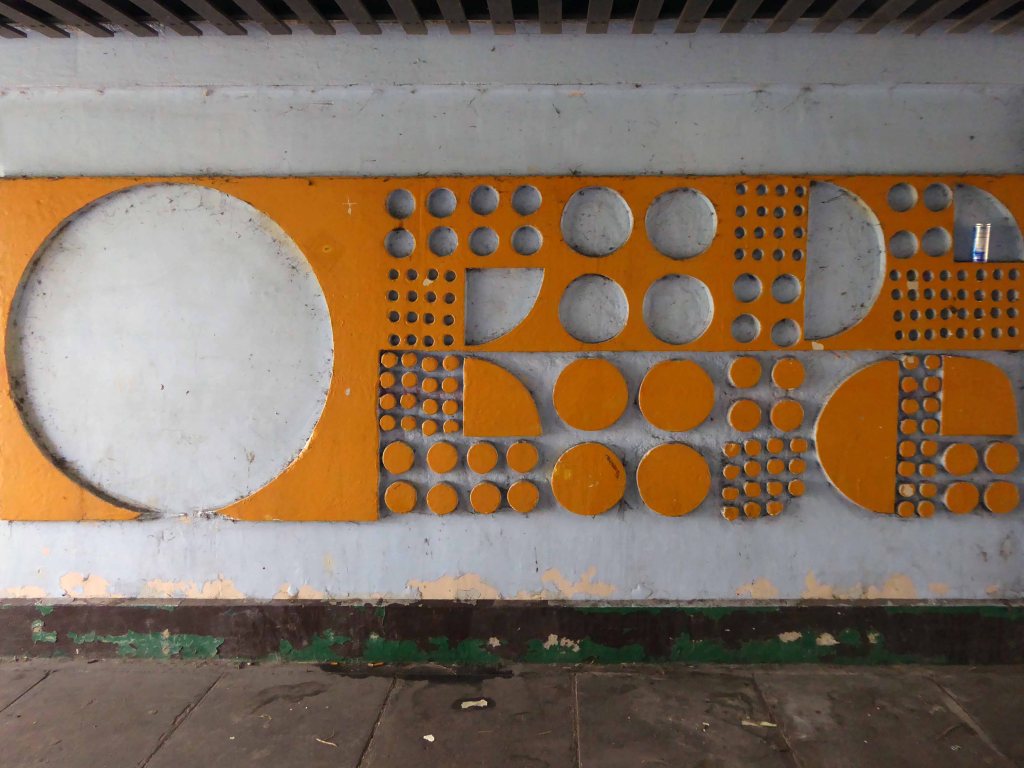
This is the first – painted white, well whiteish – more than somewhat disabused by the passage of time and the passage of users of the underpass.
Brute and angular, incised and cursive and currently lacking authorship or attribution.
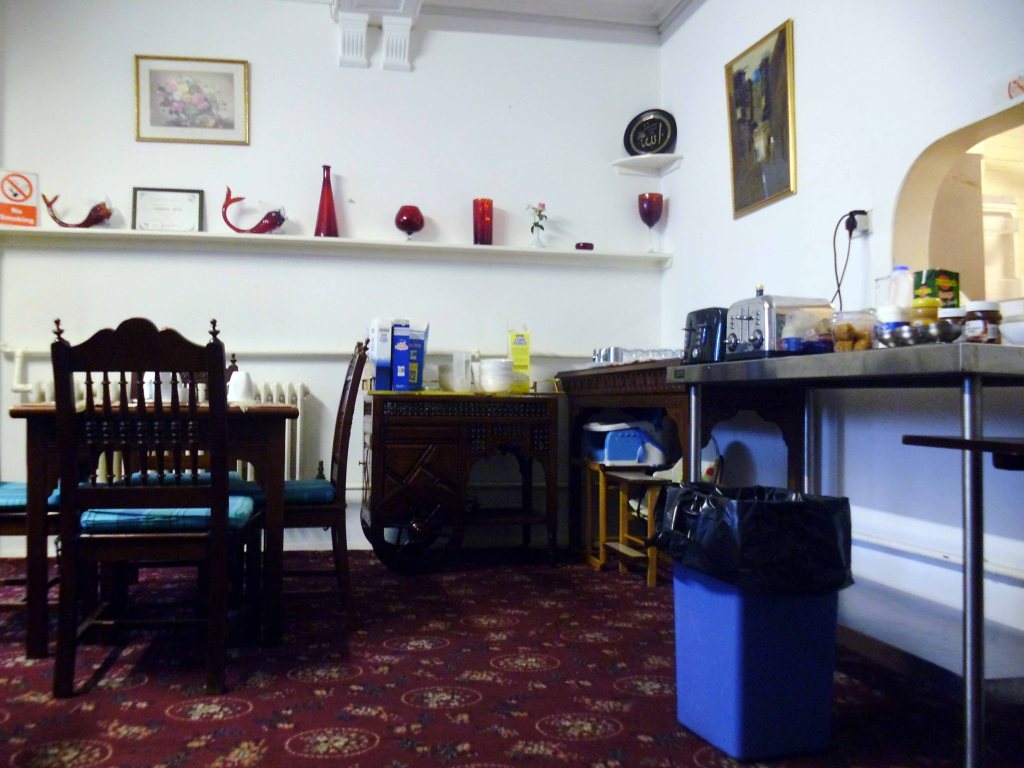
Monday 3rd August 2015 one finds oneself wide wake in the Rydeview Hotel.
Faced with a breakfast best described as indescribable.
I arose and departed, not angry but hungry.
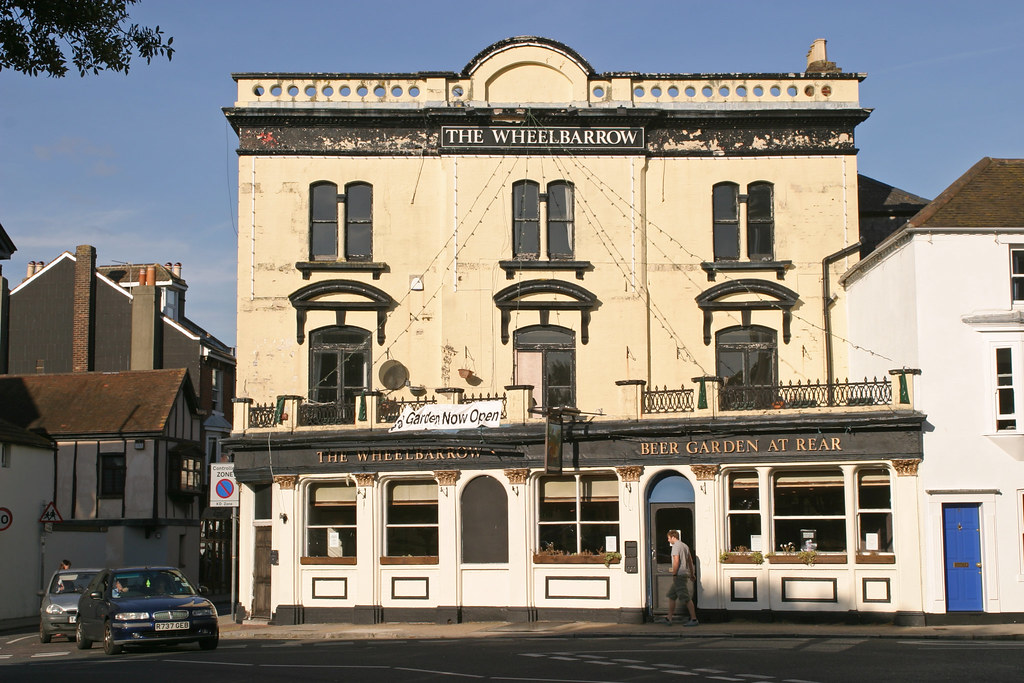
Made my way to the corner of Southsea Common, where once we drank – Tim Rushton and I were often to be found in The Wheelbarrow together.
A boozer no longer, now named for the city’s long gone famous son.
How bad a pub is this? I walk past it to get to my local. Most nights there are six people max in the bar, all huddled around the bar itself, backs to the door. – this often includes the landlord and landlady. They have live music there once in a while and you can’t get served by the one bloke behind the bar – the landlord and landlady never help out, they don’t seem to give a toss.
Beers crap, not worth a visit.
It was never like that in our day.
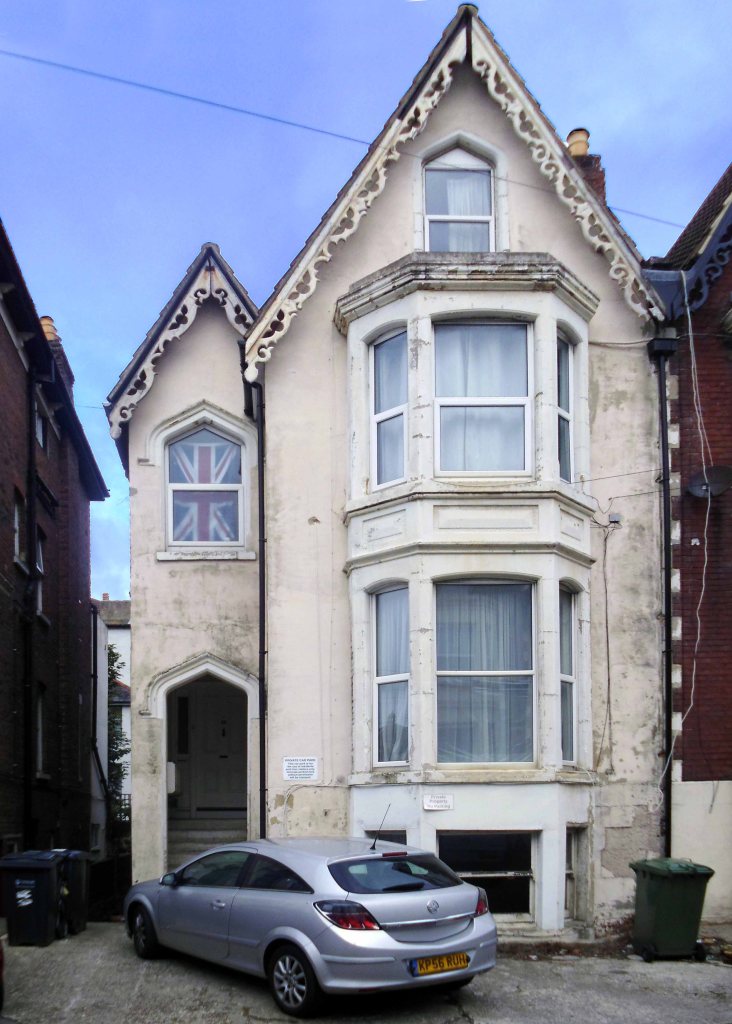
Visiting our former abode on Shaftesbury Road – where I once dwelt along with Tim, Catherine, Liz and Trish.
Yet more Stymie Bold Italic.
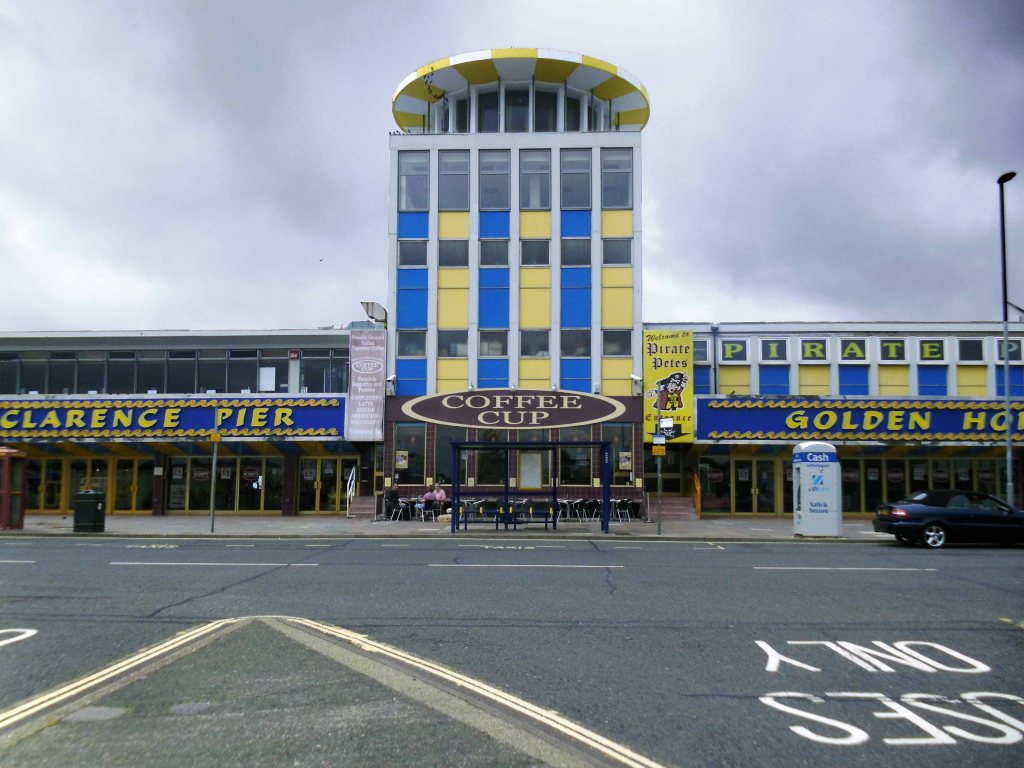
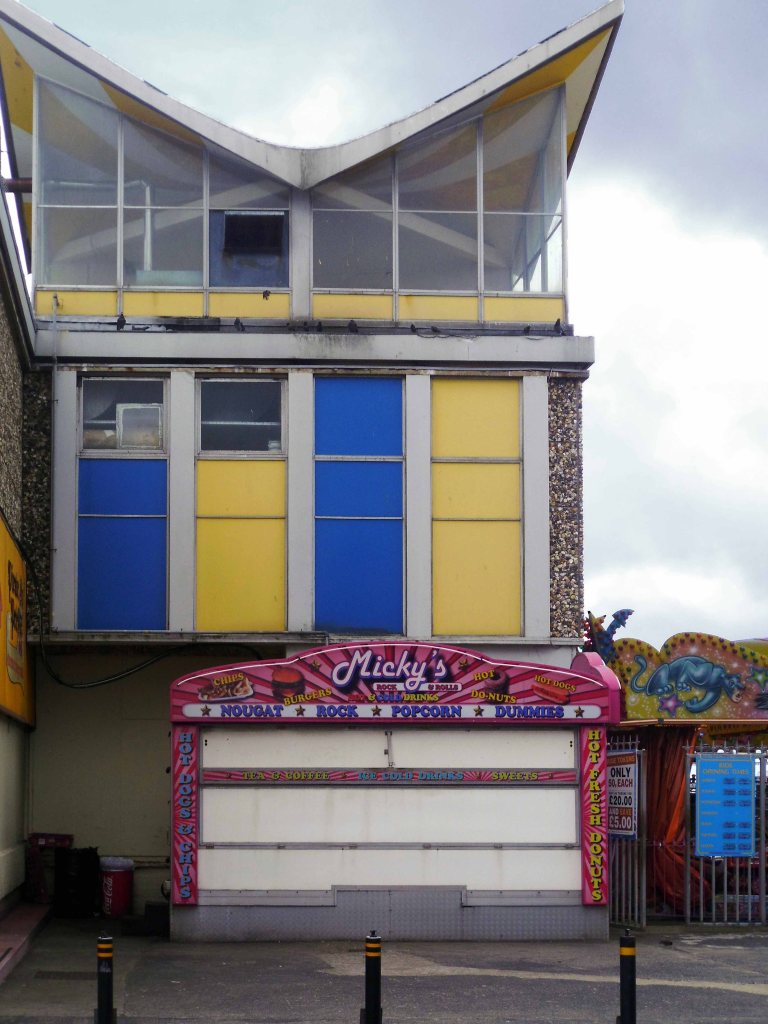
Back to the front for a peer at the pier.
Clarence Pier is an amusement pier located next to Southsea Hoverport. Unlike most seaside piers in the UK, the pier does not extend very far out to sea and instead goes along the coast.
The pier was originally constructed and opened in 1861 by the Prince and Princess of Wales and boasted a regular ferry service to the Isle of Wight. It was damaged by air raids during World War II and was reopened in its current form on 1 June 1961 after being rebuilt by local architects AE Cogswell & Sons and R Lewis Reynish.
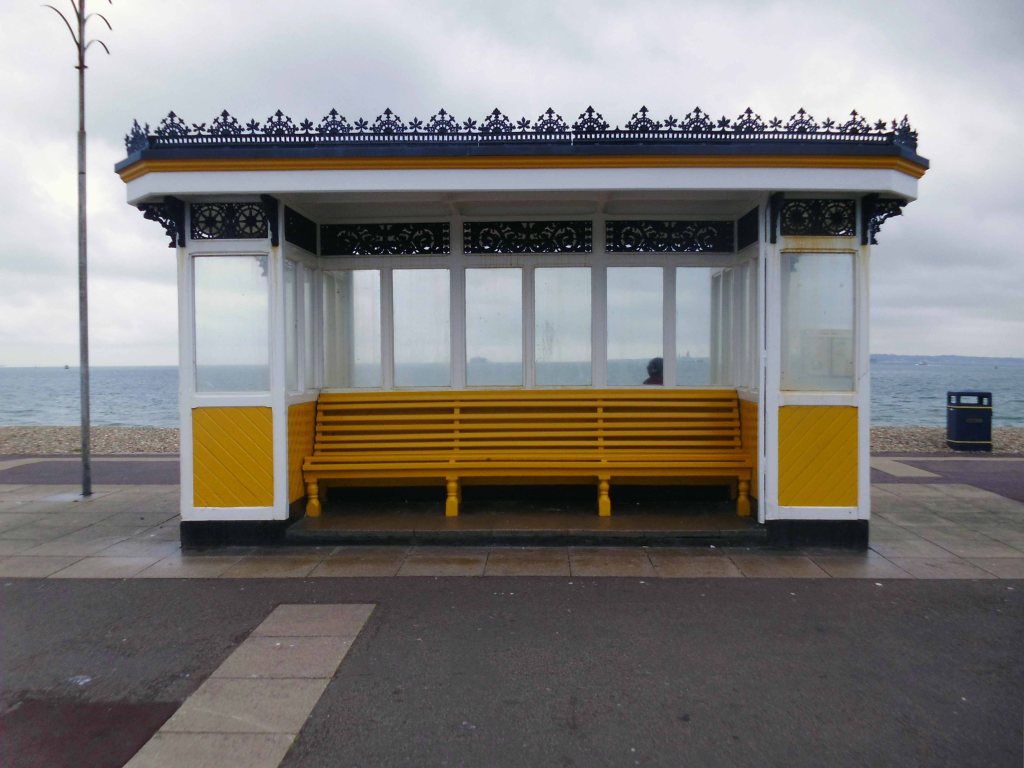
Low cloud grey skies and drizzle.
This sizeable two bedroom apartment situated on the seventh floor of the ever popular Fastnet House is offered with no onward chain and the option of a new 999 year lease as well as a share of the freehold. With panoramic views over The Solent towards the Isle Of Wight and Spinnaker Tower, situated in a central location and close to all amenities, this lovely apartment offers luxury living for any prospective buyer. With lift access, the apartment comprises; entrance hallway, a large lounge diner with box bay window boasting stunning sea views across the city and The Solent, master bedroom with built in wardrobes and sea views over The Solent, a spacious second bedroom, fitted kitchen with breakfast bar and a recently updated modern shower room.
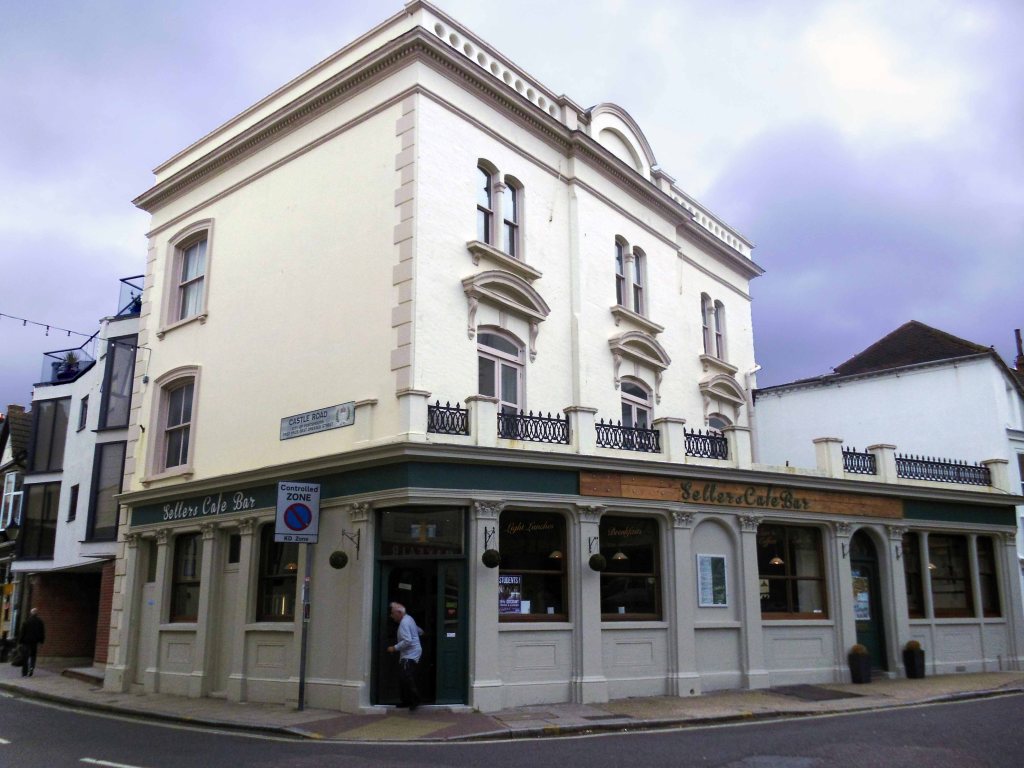
Coal Exchange– Peter and Dawn welcome you to their traditional pub in the heart of Emsworth adjacent to the public car park in South Street and close to the harbour.
Lillywhite Bros Ltd is a family run business established over 60 years ago in Emsworth, which is ideally located between Portsmouth and Chichester. It is currently run by brothers Paul and Mike who continue to keep up with modern techniques and equipment, as well as maintaining their traditional values and high standard of customer service.
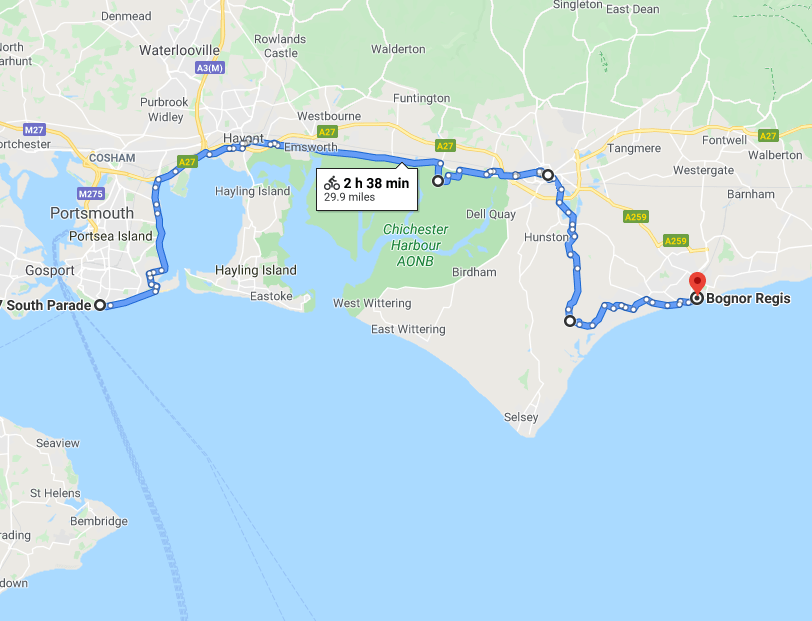
Next thing you know I’m in Pagham, having become very lost somewhere between there and here, asking for directions from the newsagents and buying a bottle of Oasis.
The newsagent was mildly amused by lack of map, sense and/or sensibility.
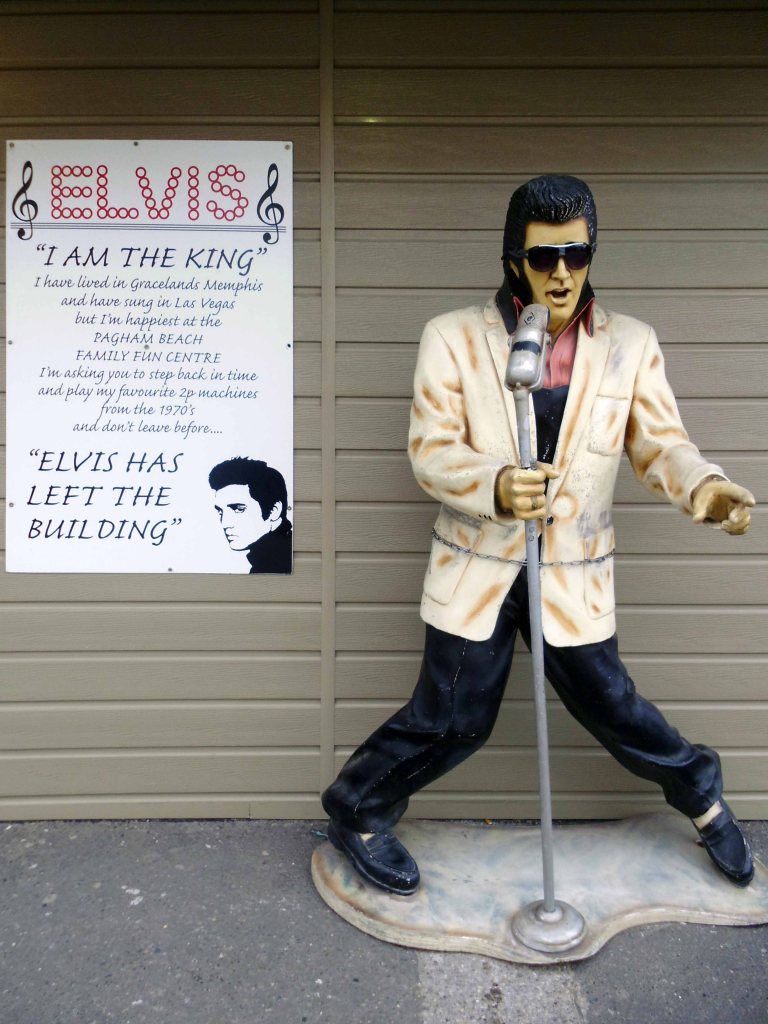
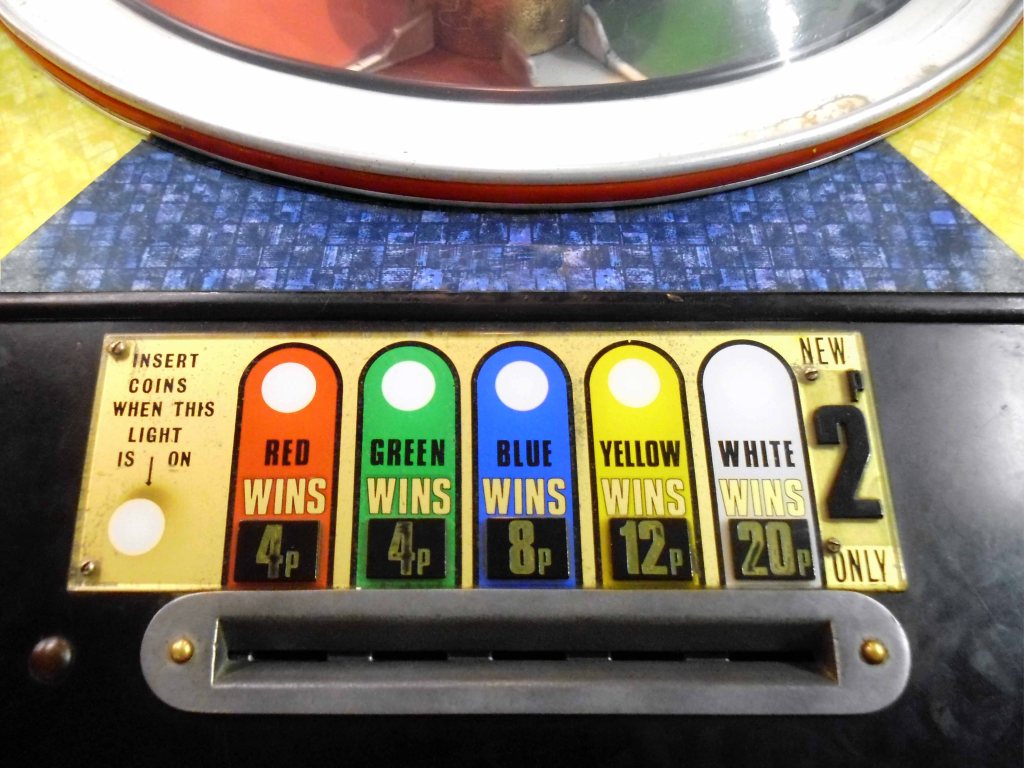
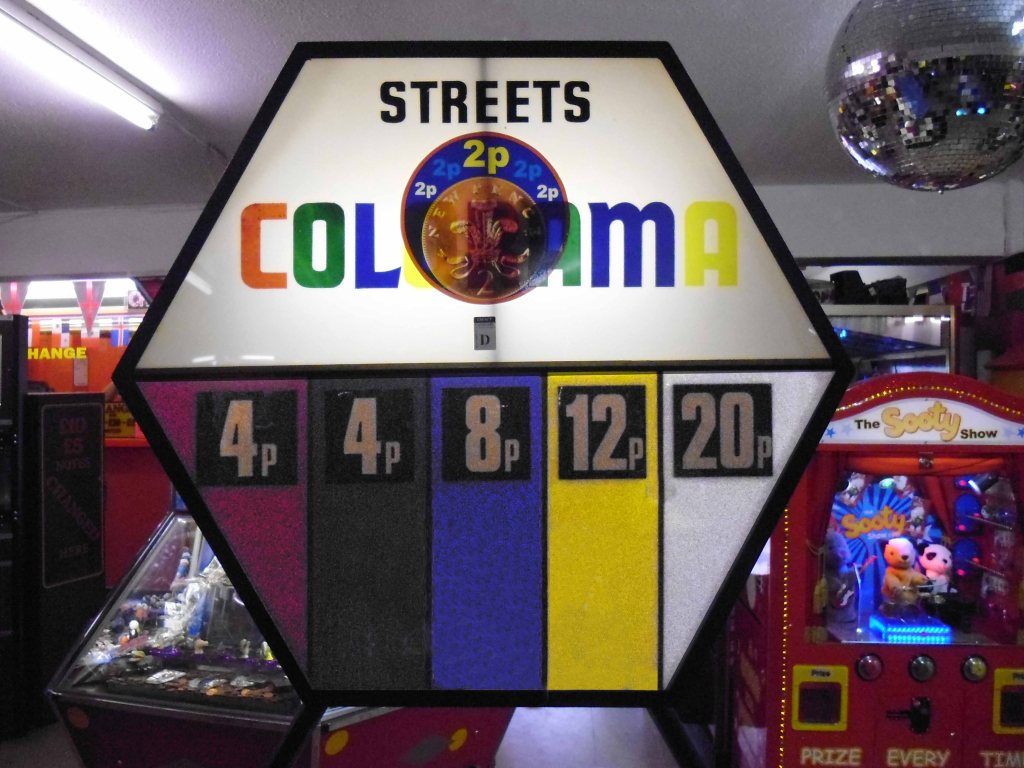
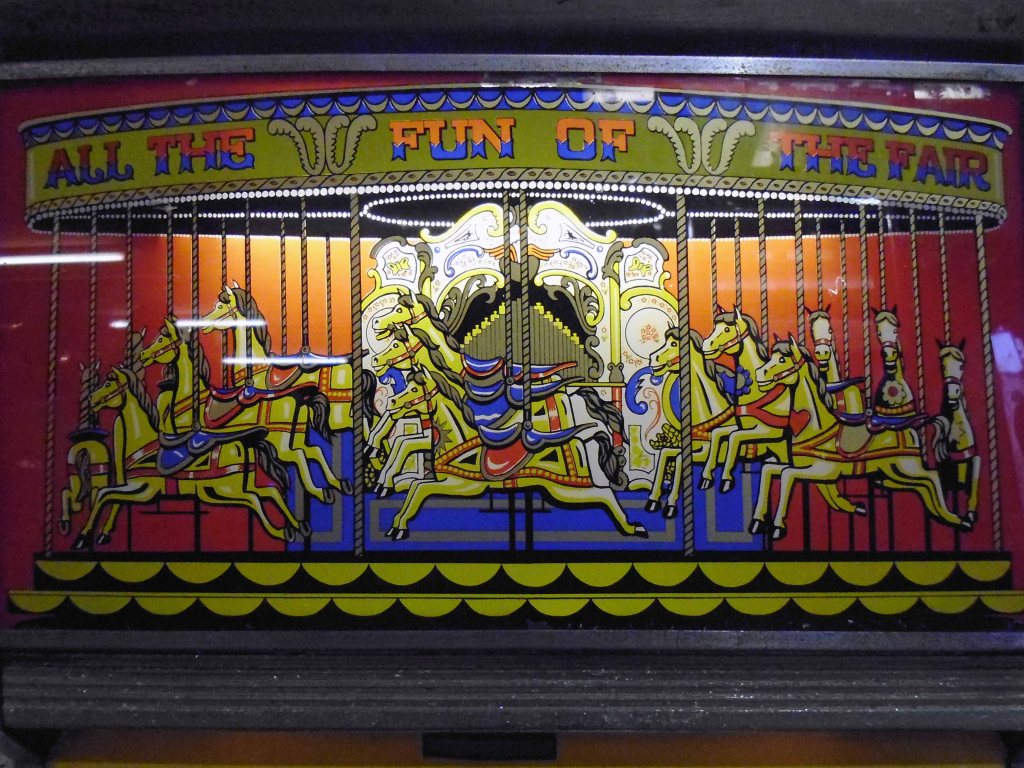
I spent many happy hours here in my youth playing the slots with The King.
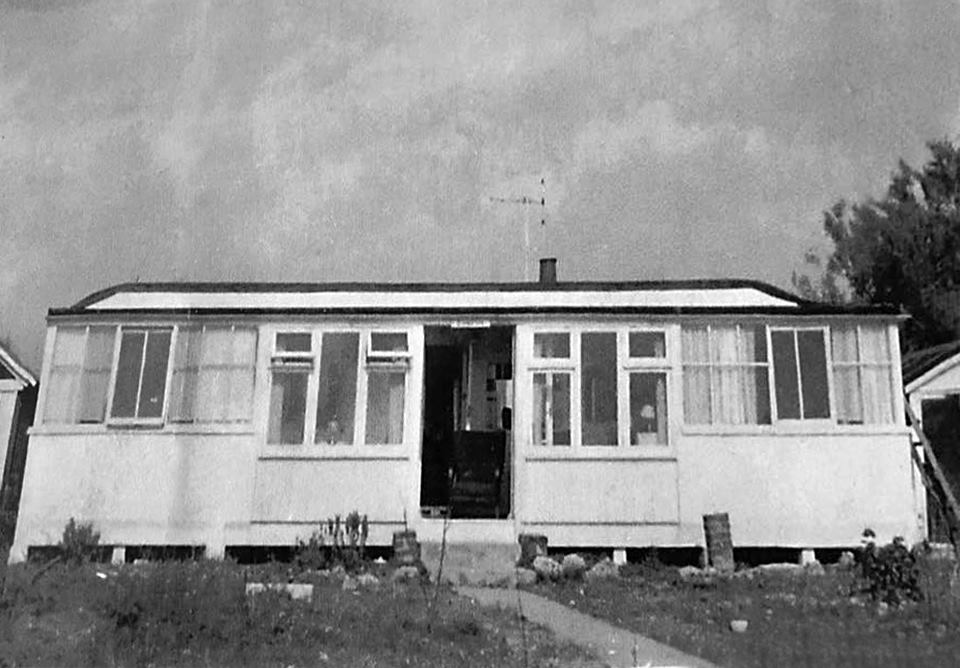
We would stay here in Tamarisk with my Aunty Alice and Uncle Arthur and Smudge the cat, an idyllic railway carriage shack two rows back from the pebbled seashore.
We would enjoy a shandy at the King’s Beach with Lydia, Wendy and David.
All gone it seems.
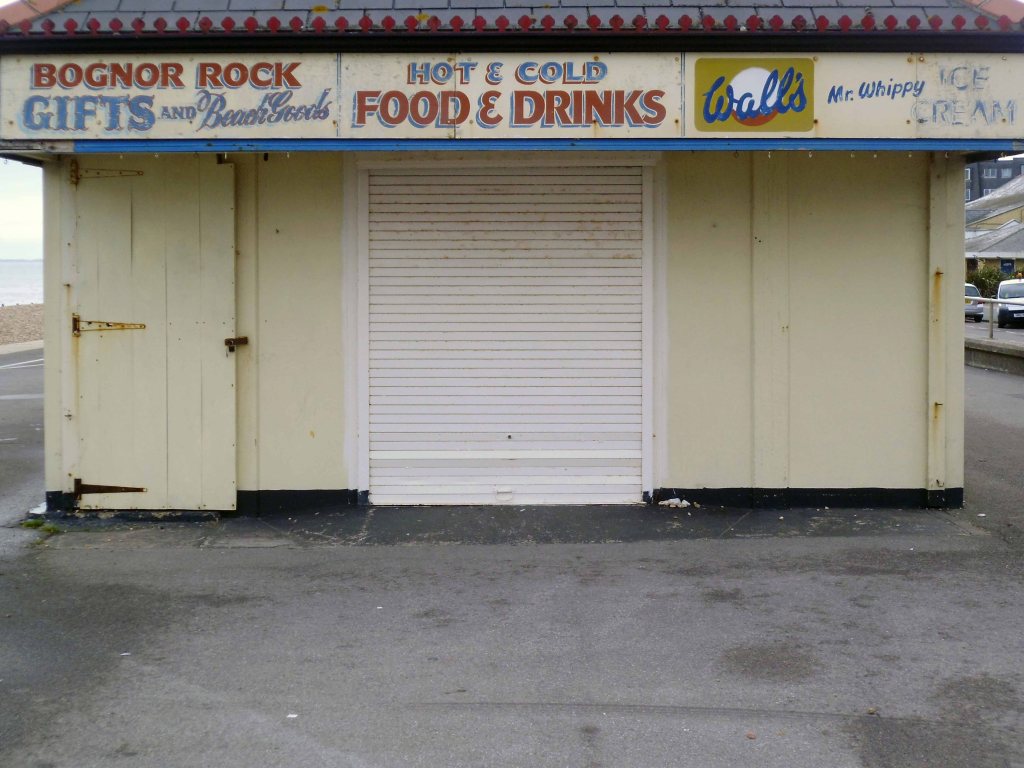
On to Bognor a B&B and a brew – a brief glimpse into my luxury lifestyle.
I’ll take an overcast Monday evening stroll along the prom, where I chanced to meet two landlocked Chinese lads, gazing amazed at the sea – they were on a course in Chichester learning our own particular, peculiar ways.
There was no-one else around.
Who can resit the obvious allure of the novelty item?
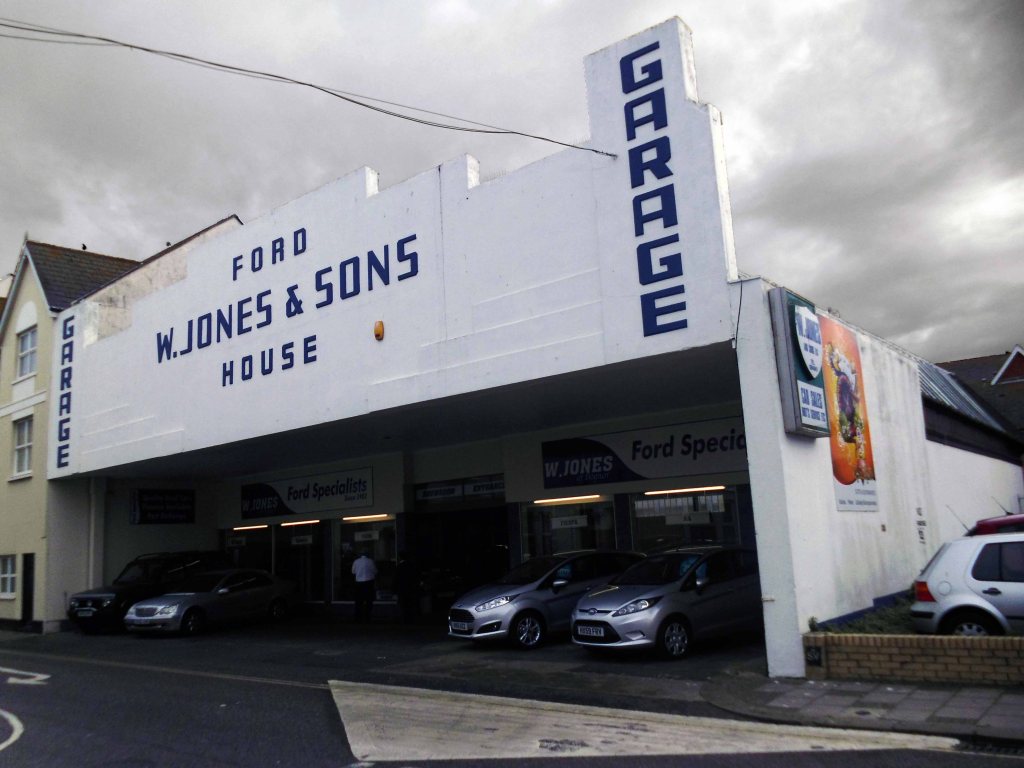
Or an Art Deco garage fascia.
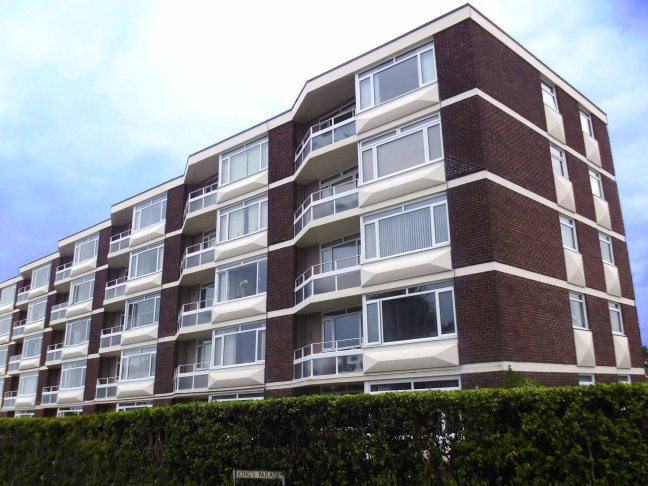
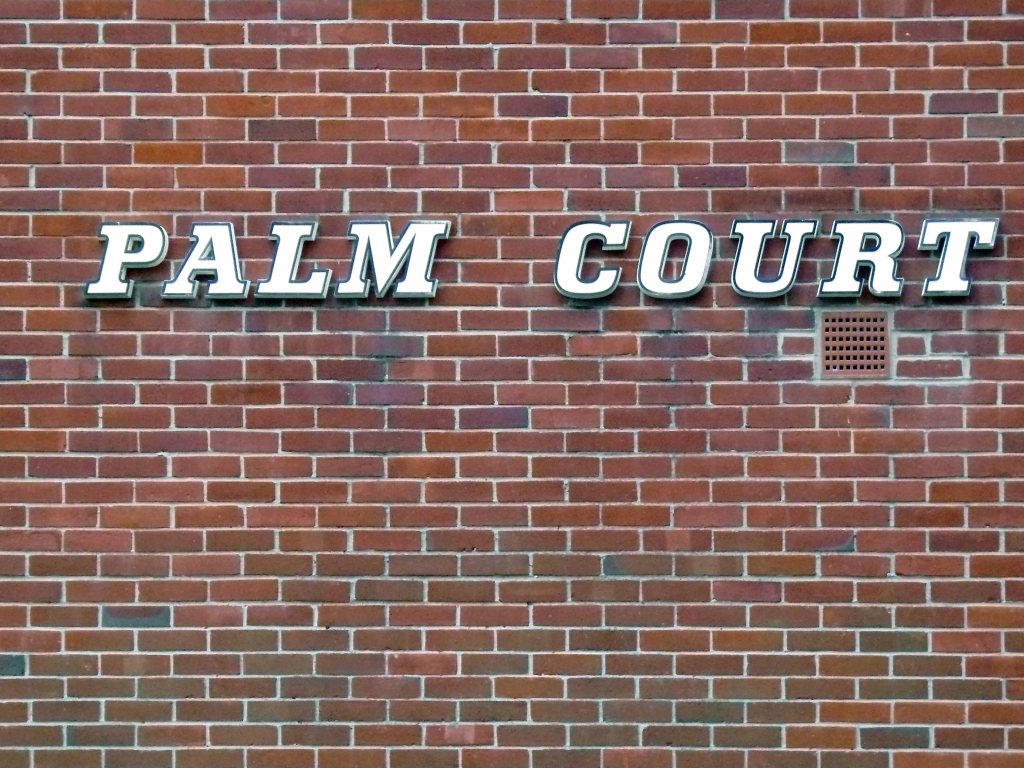
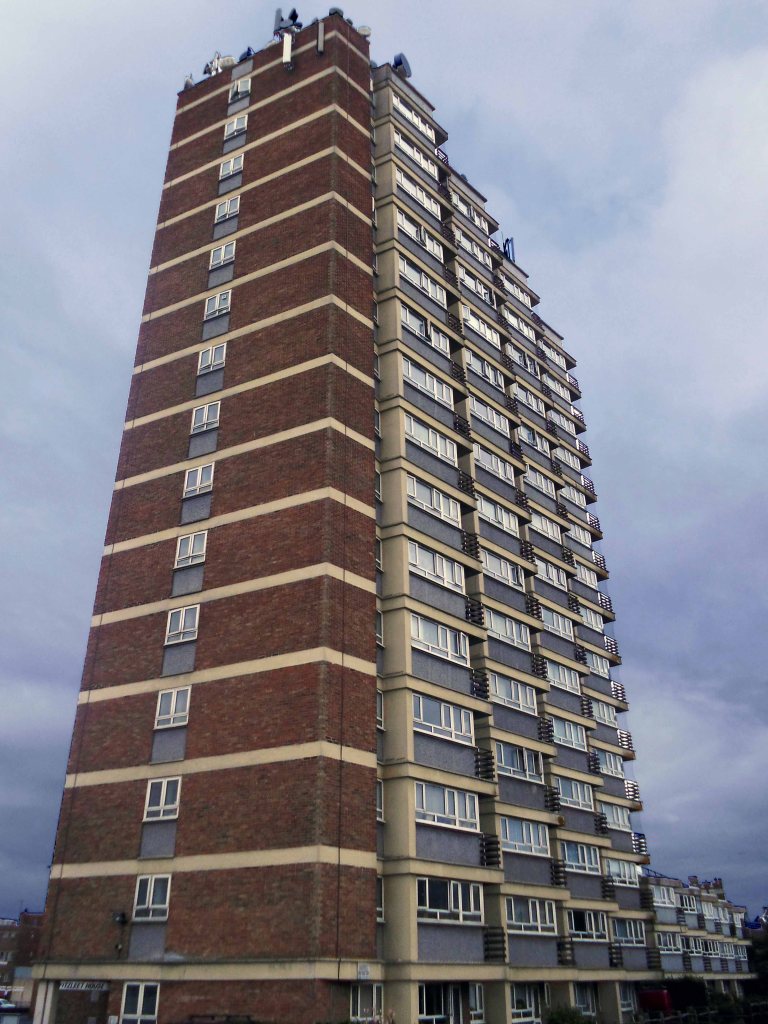
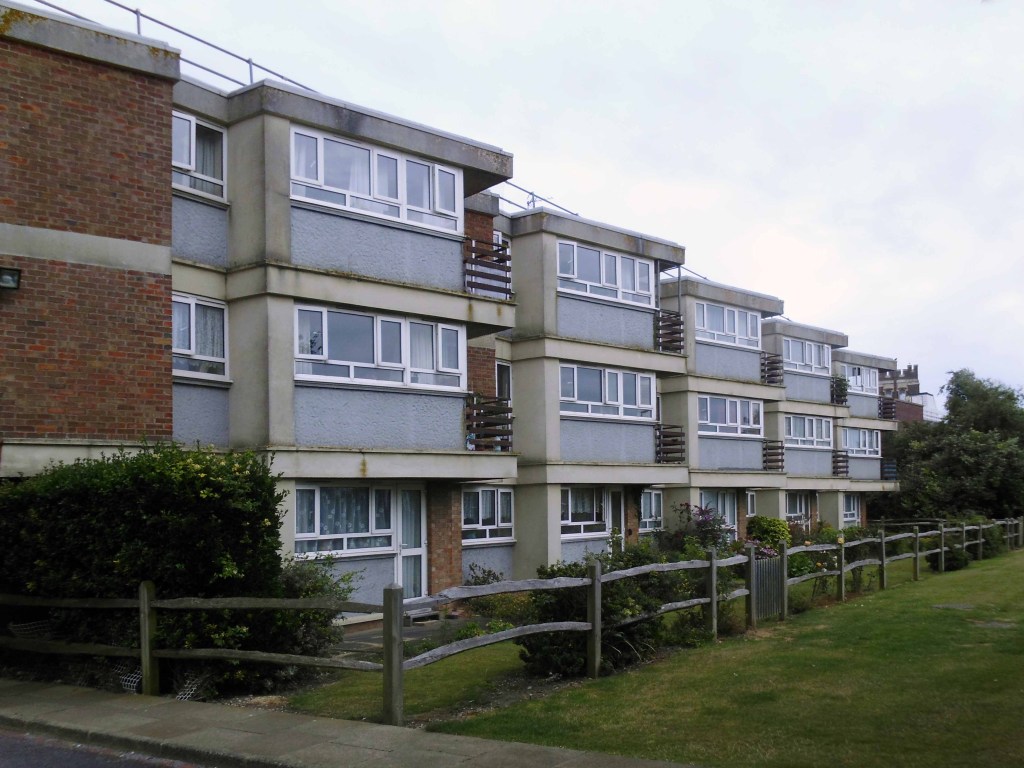
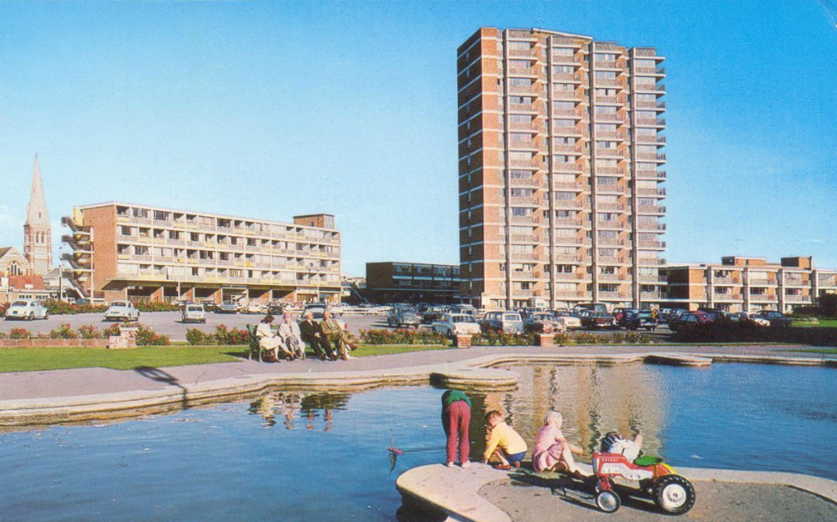
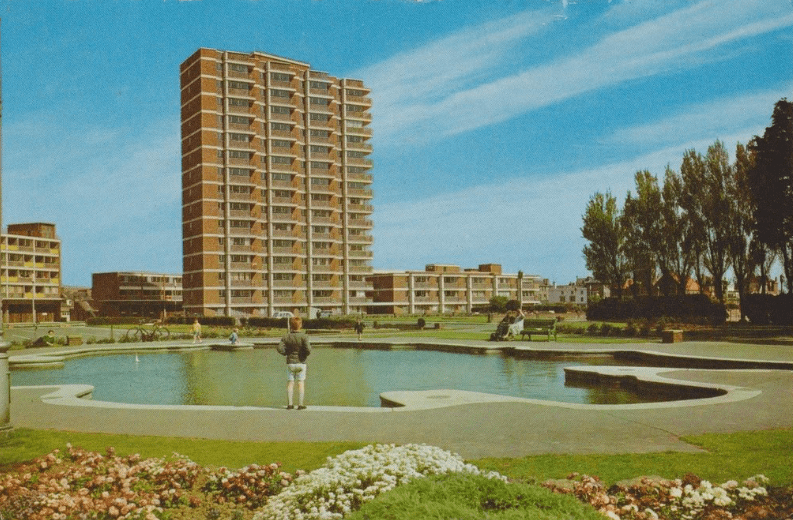
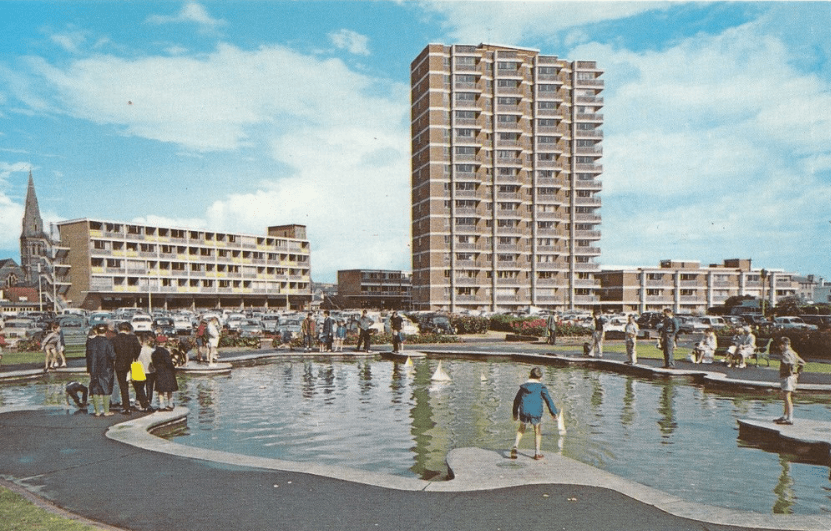
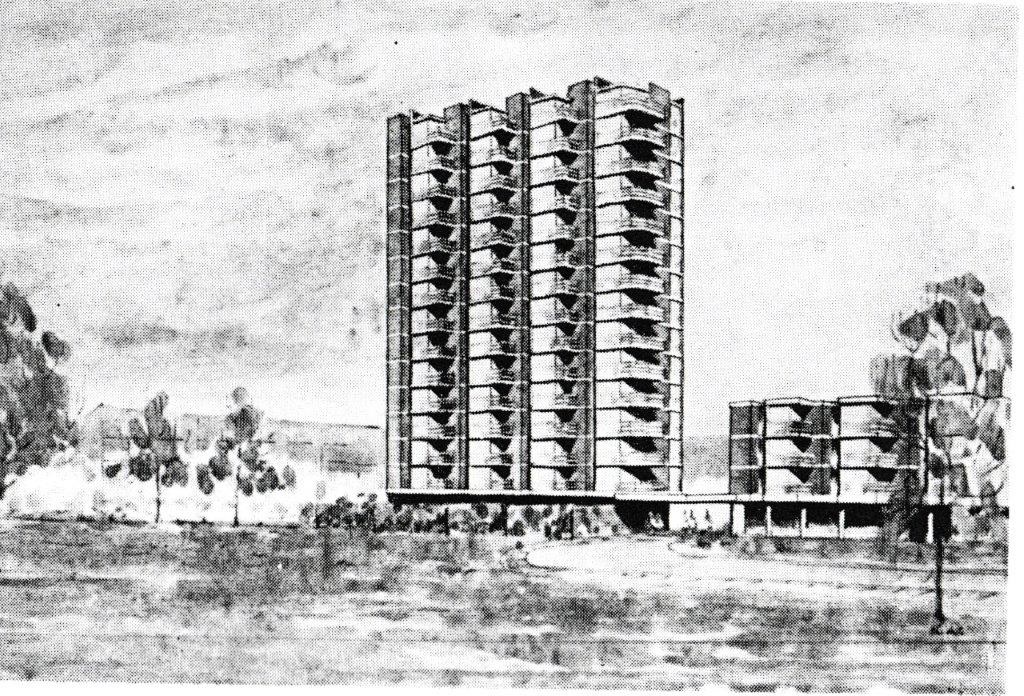
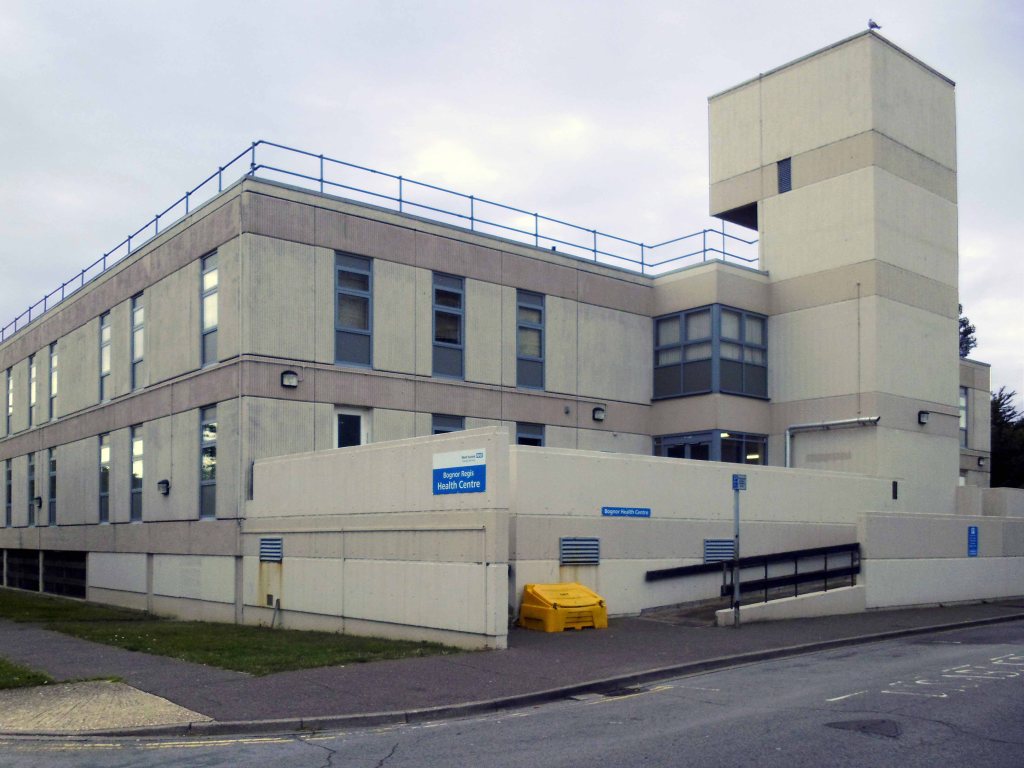
Fitzleet House was built in the 1960s architects: Donald Harwin & Partners, it consists of seventy four flats, fifteen of them are in a three-storey block next to the main building.
PS&B are pleased to offer this sixth floor flat which is situated conveniently close to the town centre and within close proximity of the sea front. The accommodation is newly refurnbished and is offered unfurnished with south/west facing lounge with small balcony with far reaching views to the sea. Kitchen and bathroom with shower over bath and one double bedroom. Further benefiting from having modern electric heating and double glazing, telephone entry system, lift to all floors, communal sky dish and white goods. With regret no pets and no children – £685 rental is payable calendar monthly in advance.
For many years, a gentleman called Todd Sweeney collected sunshine statistics from the roof of Fitzleet House, which were then forwarded to the Met Office in London to assist with national statistics, and in 1983 one group of Cubs arranged a special tea party on the roof of the building as part of the national tea-making fortnight.
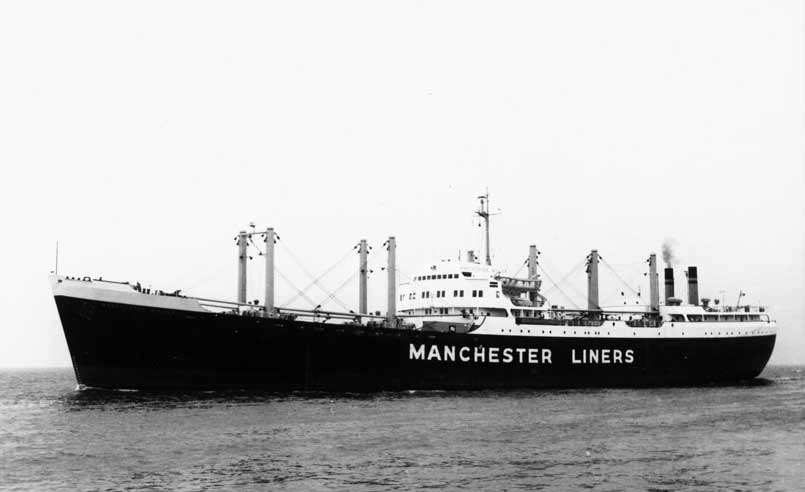
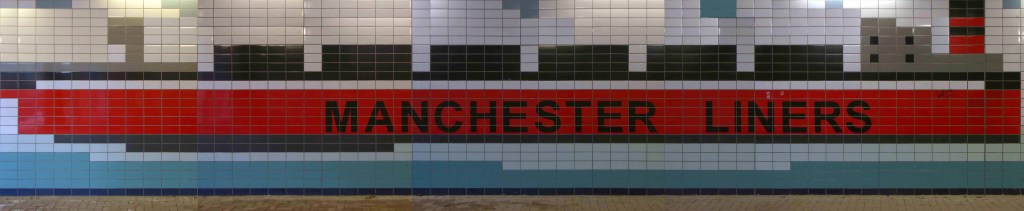
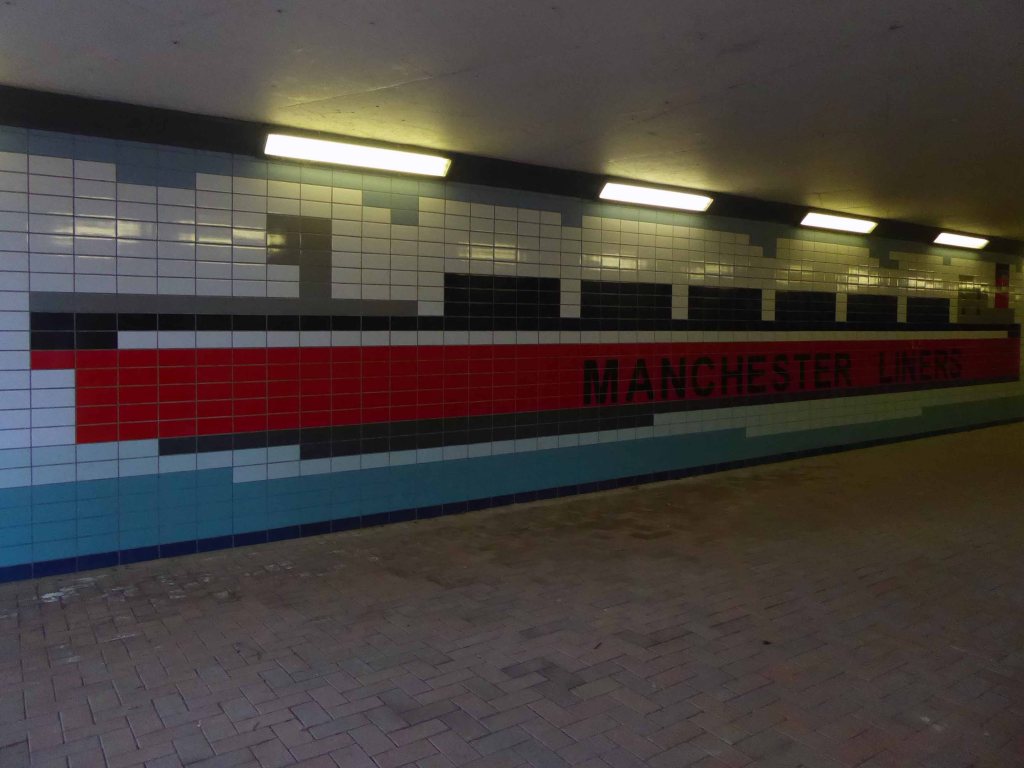
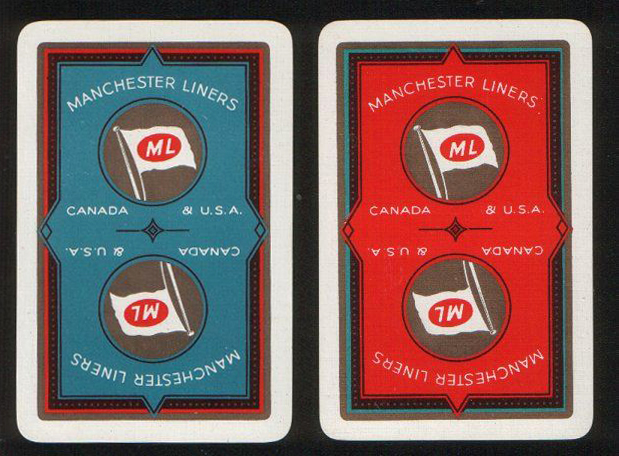
In 1898 Manchester Liners Ltd was launched, four second hand ships were purchased and the company naming policy of applying the prefix Manchester was established.
The company began to operate services to Canada and the USA. Manchester Liners started WW1 with 15 ships in its fleet. During the war 10 ships were lost to enemy action, but because of the purchase of replacements the fleet was at 12 in 1918.At the outbreak of WW2, Manchester Liners had 10 ships in service. War losses were 7 ships, but the delivery of war-standard ships maintained the fleet at 8, which was sufficient to resume a weekly service to Canada.
The Manchester dockworkers strike record became so bad, that in 1973 the company decided to move half of its container services to Felixstowe. Furthermore, to obtain lower costs per unit, container ships were becoming bigger than the Canal limits.
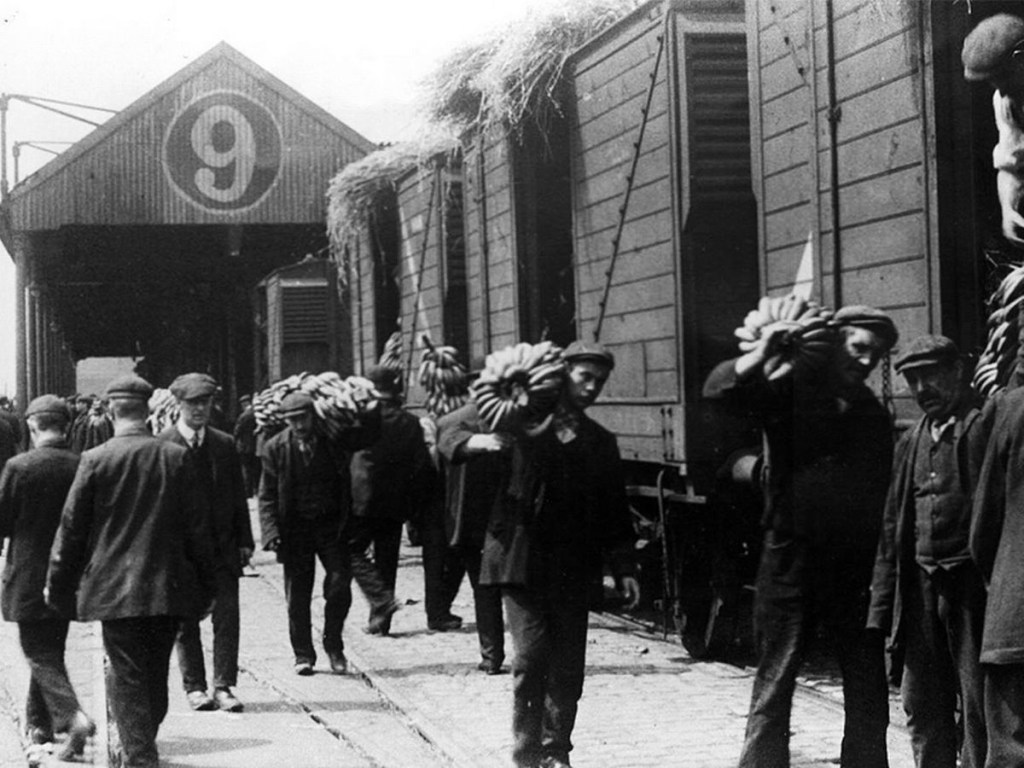
This was a history of economic growth and prosperity, for some. Tangible commerce, the wealth of a nation built on making things, moving things. Cranes, ships, stevedores and sailors, the world and his wife converging at the base of the Manchester Ship Canal.
All this is long gone, containerisation, recession and state engineered shifts in global manufacture and trade.
They took away the cranes.
The area is now awash with intangible activity – what goes on behind the smoked and mirrored glass?
Just who is moving what around, how, where and why?
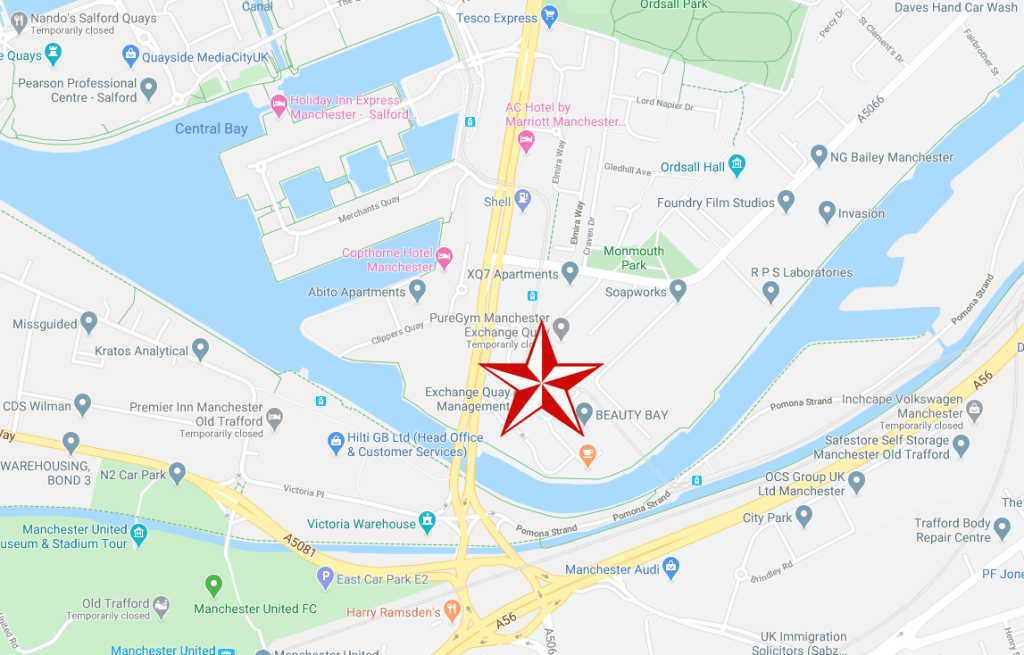
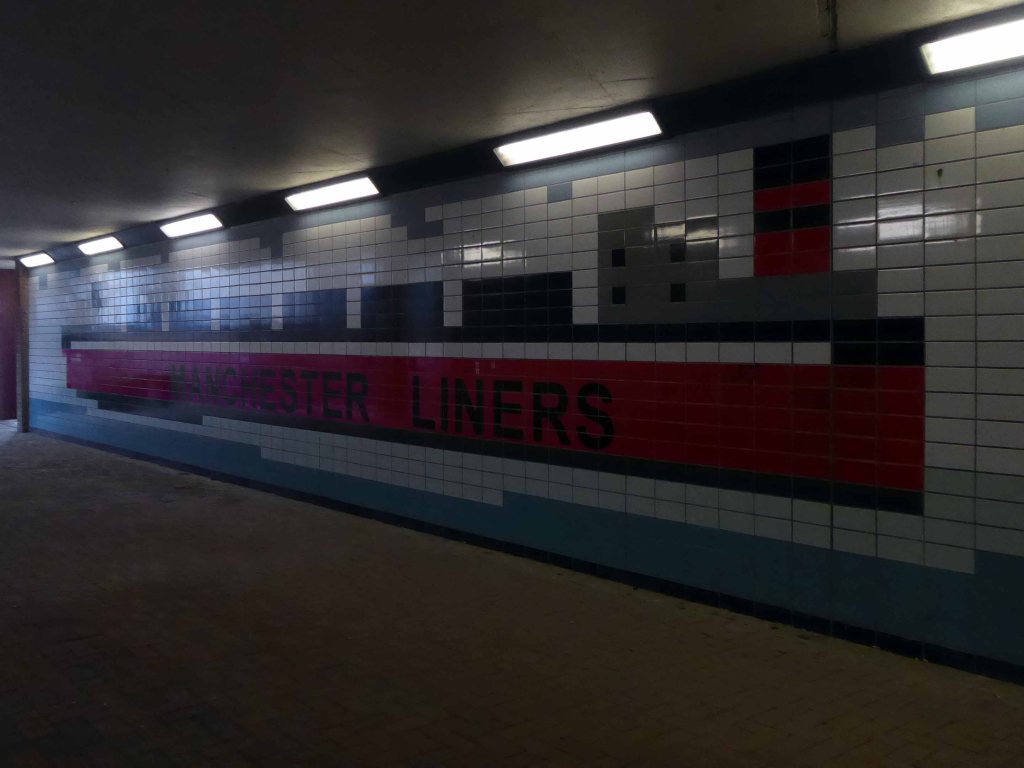
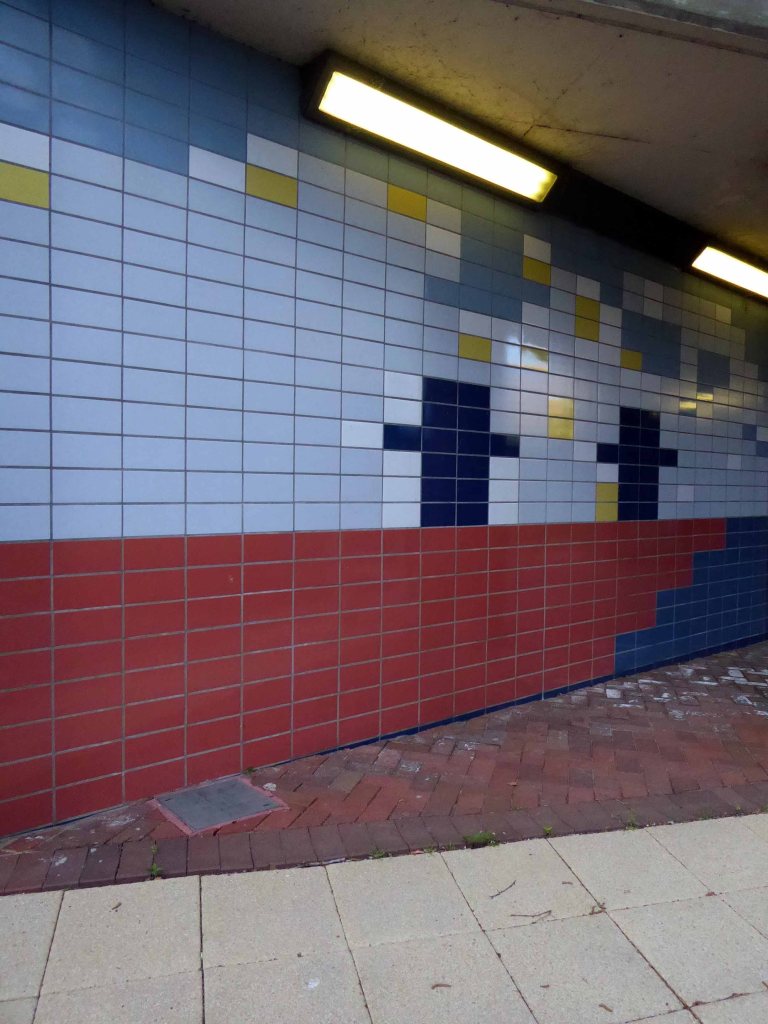
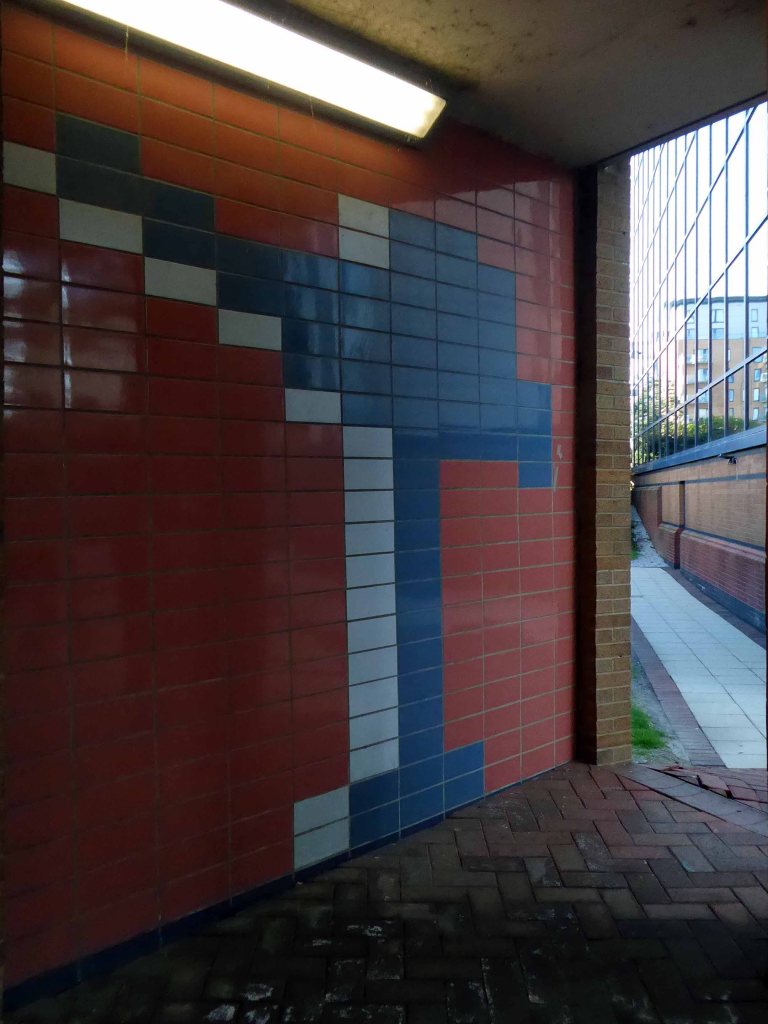
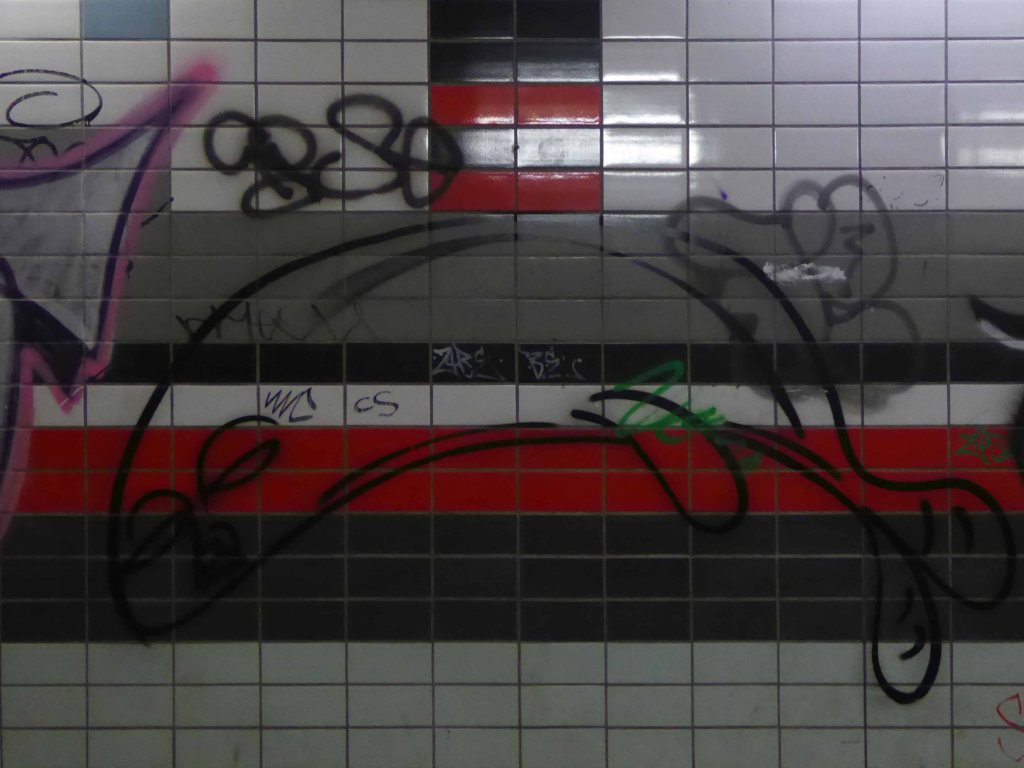
But hidden away between here and there is a tiled underpass.
A permissive path.
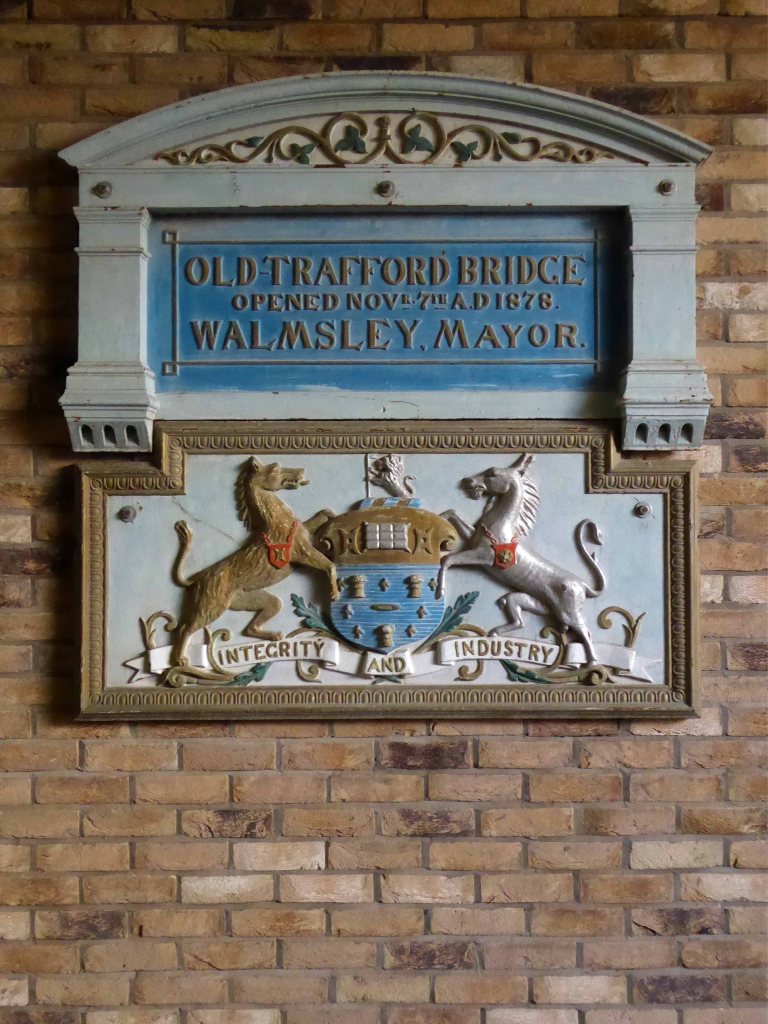
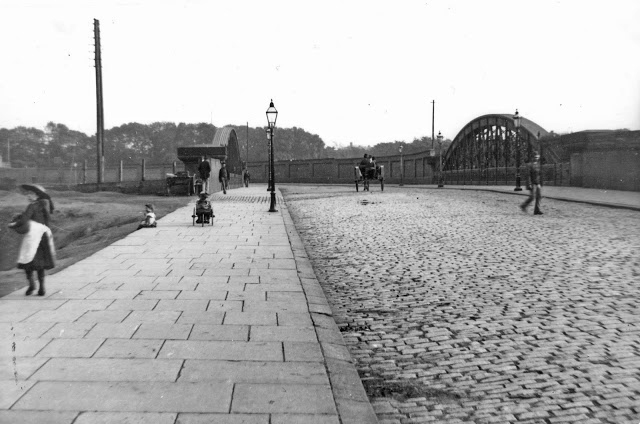
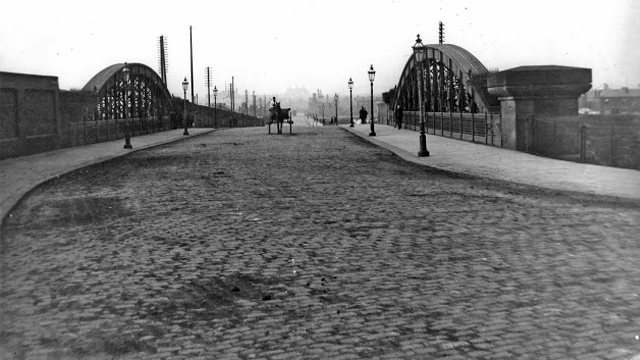
Where once there was a bridge – before the Manchester Ship Canal was built, the course of the River Irwell was approx. 50-100 yards further north of where the Ship Canal now passes under Trafford Road. This plaque is next to a pedestrian tunnel under Trafford Road, roughly on the line of the old navigation.
So here it is a hidden, harshly lit, slightly disabused tribute to the brave souls who sailed the seven seas, stayed ashore, weighed, loaded and shifted stuff.
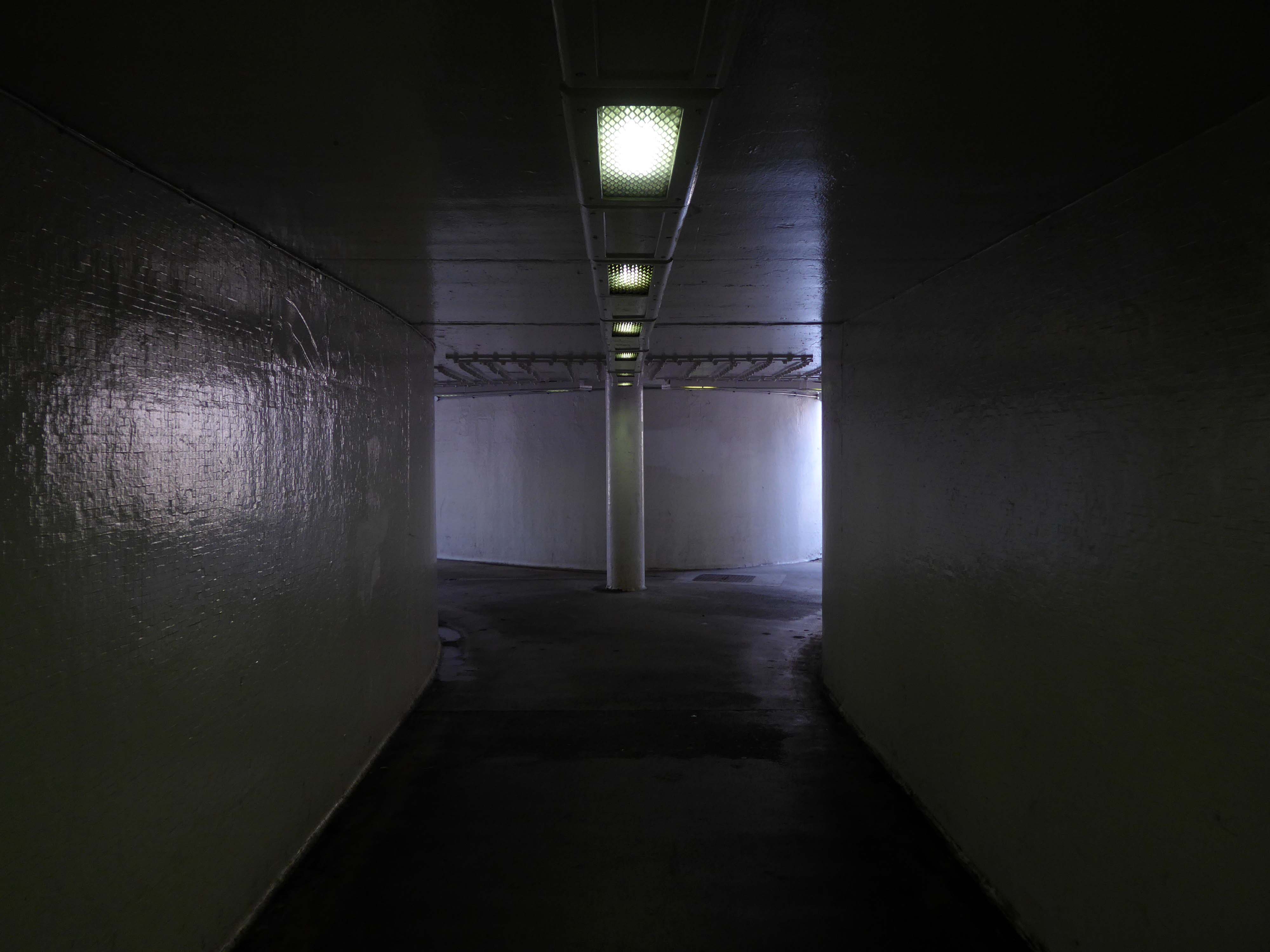
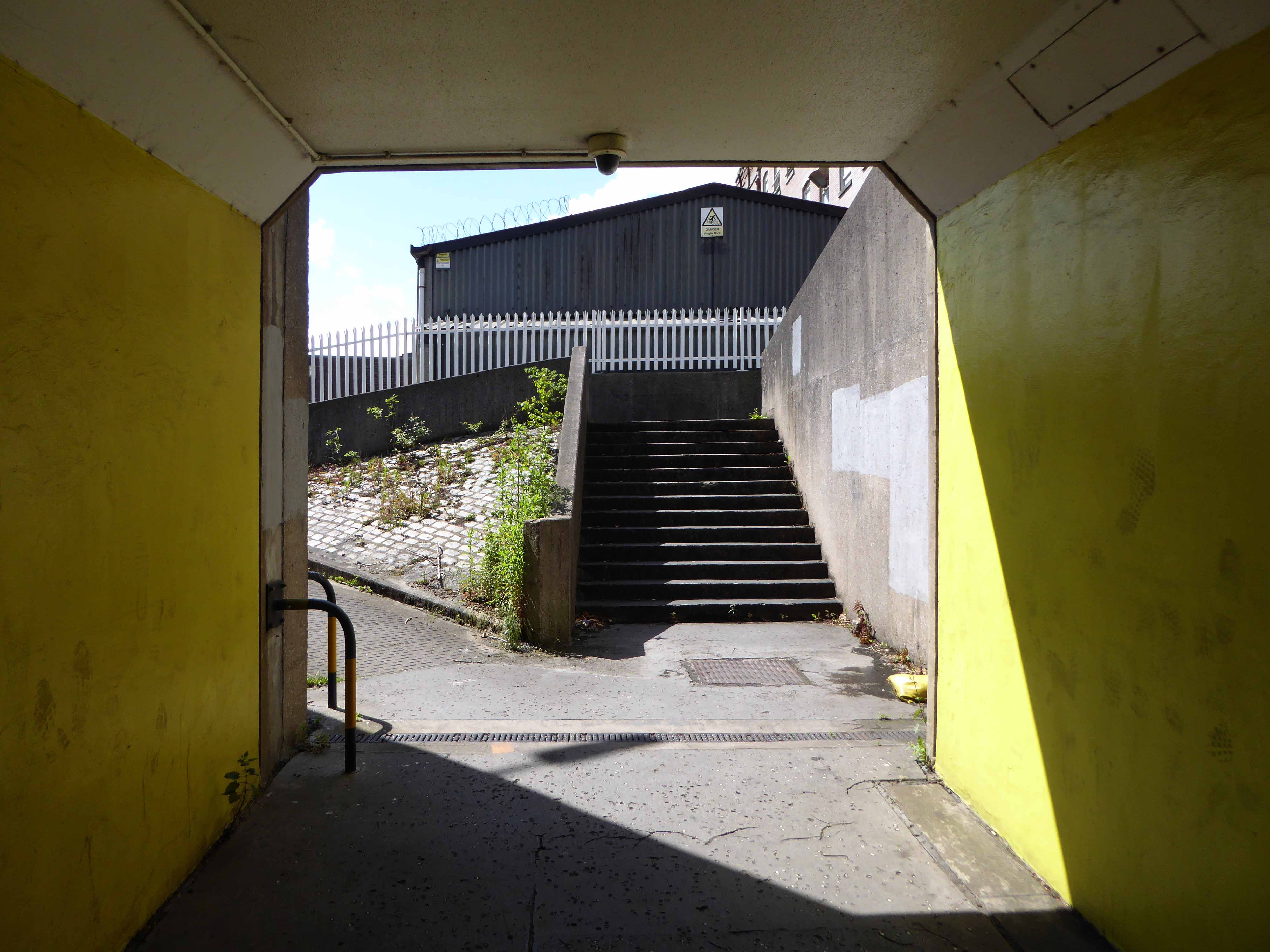
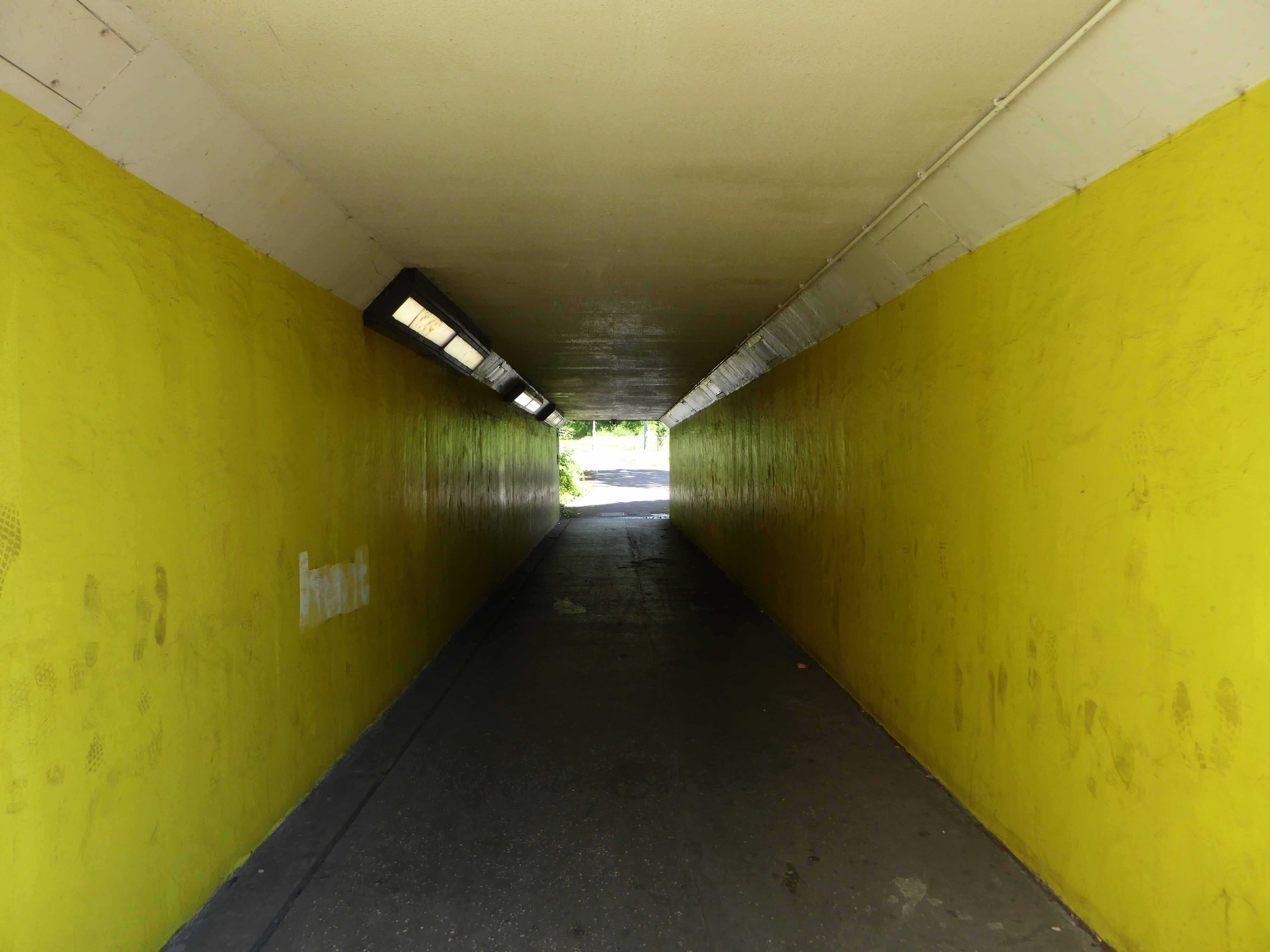
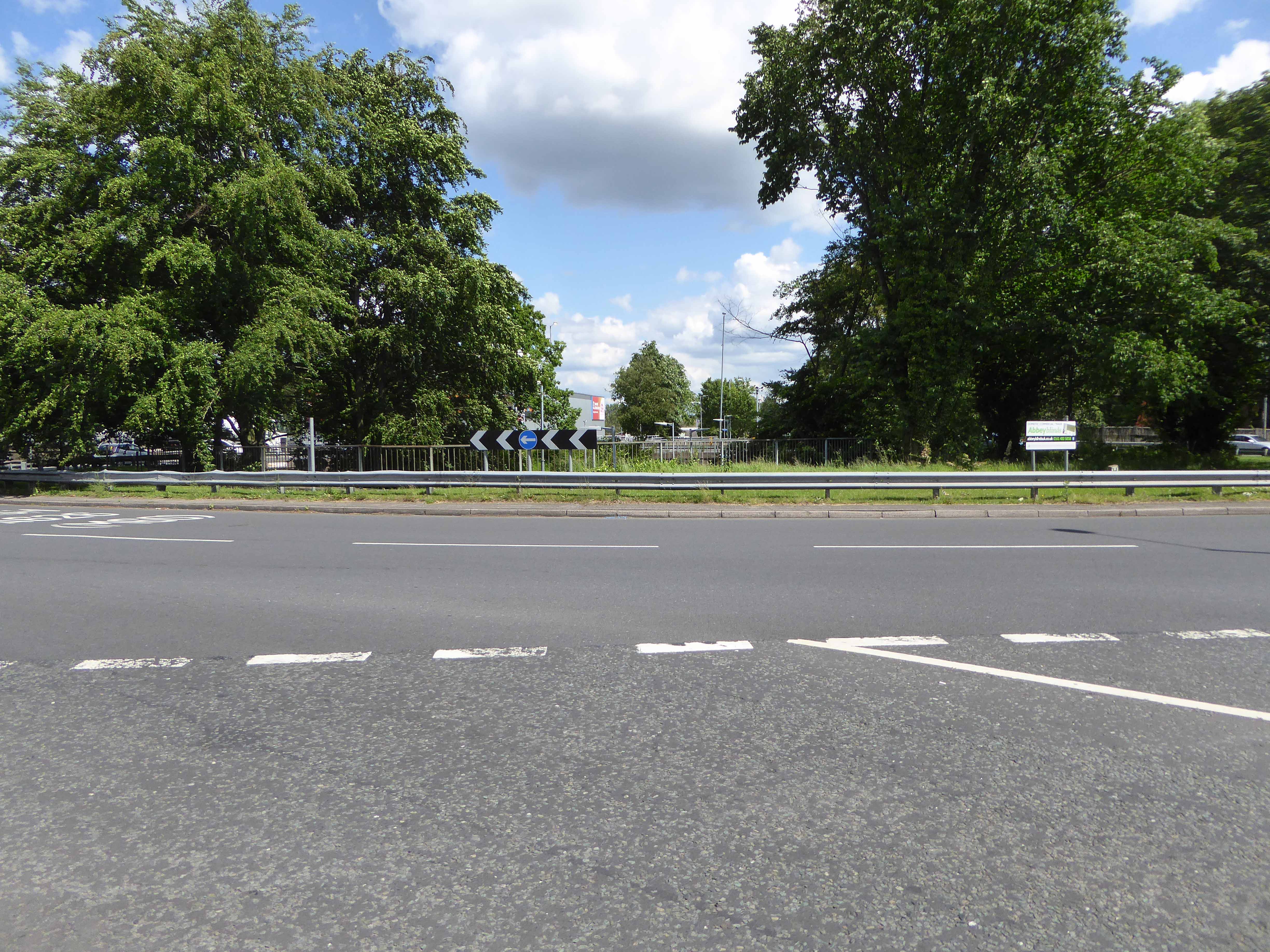
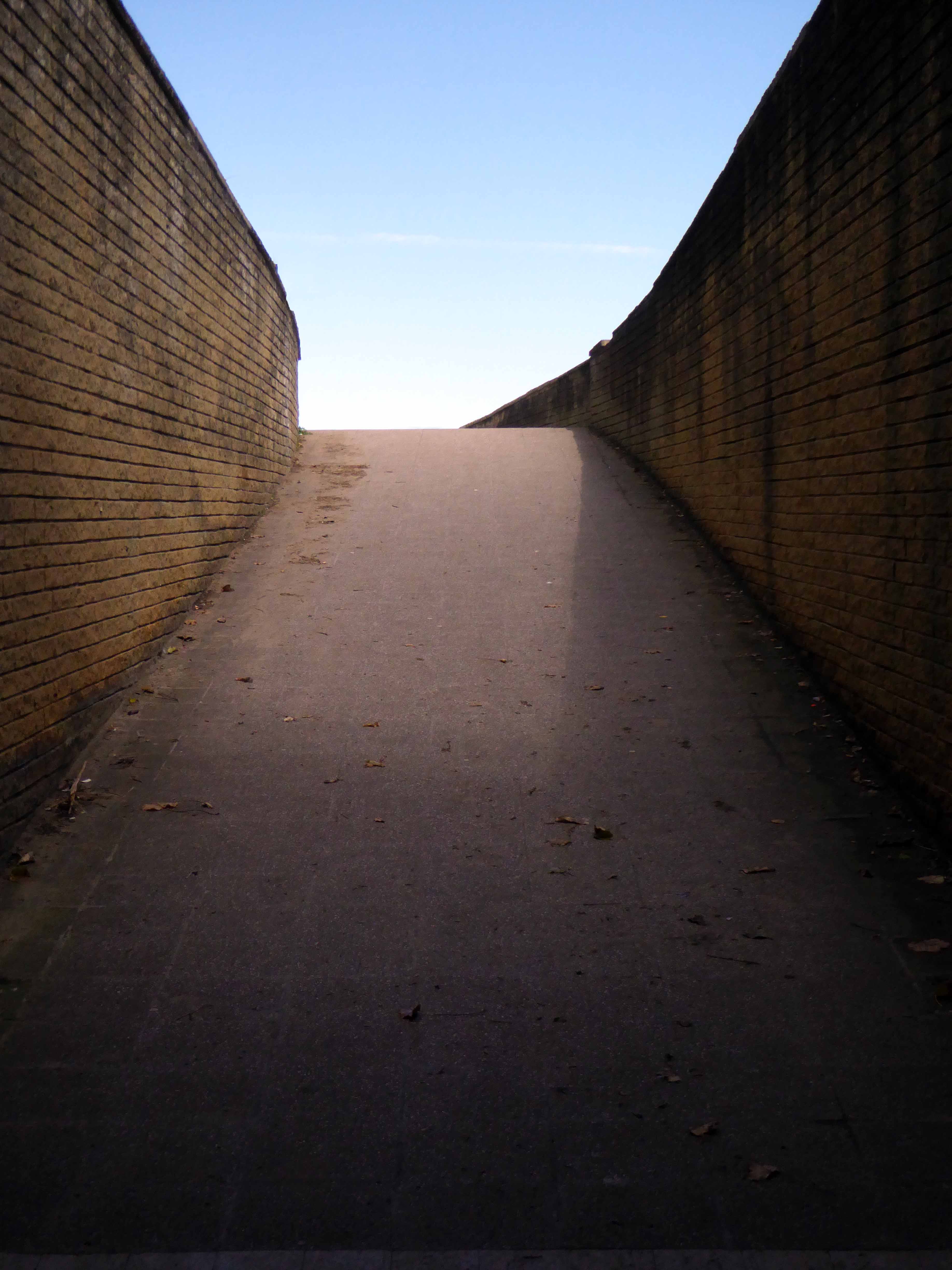
Hard by the seafront linking Foreshore, Cleveland Way and Valley Road sits a neat little tight little island, giving pedestrian access to almost everywhere – and a car park.
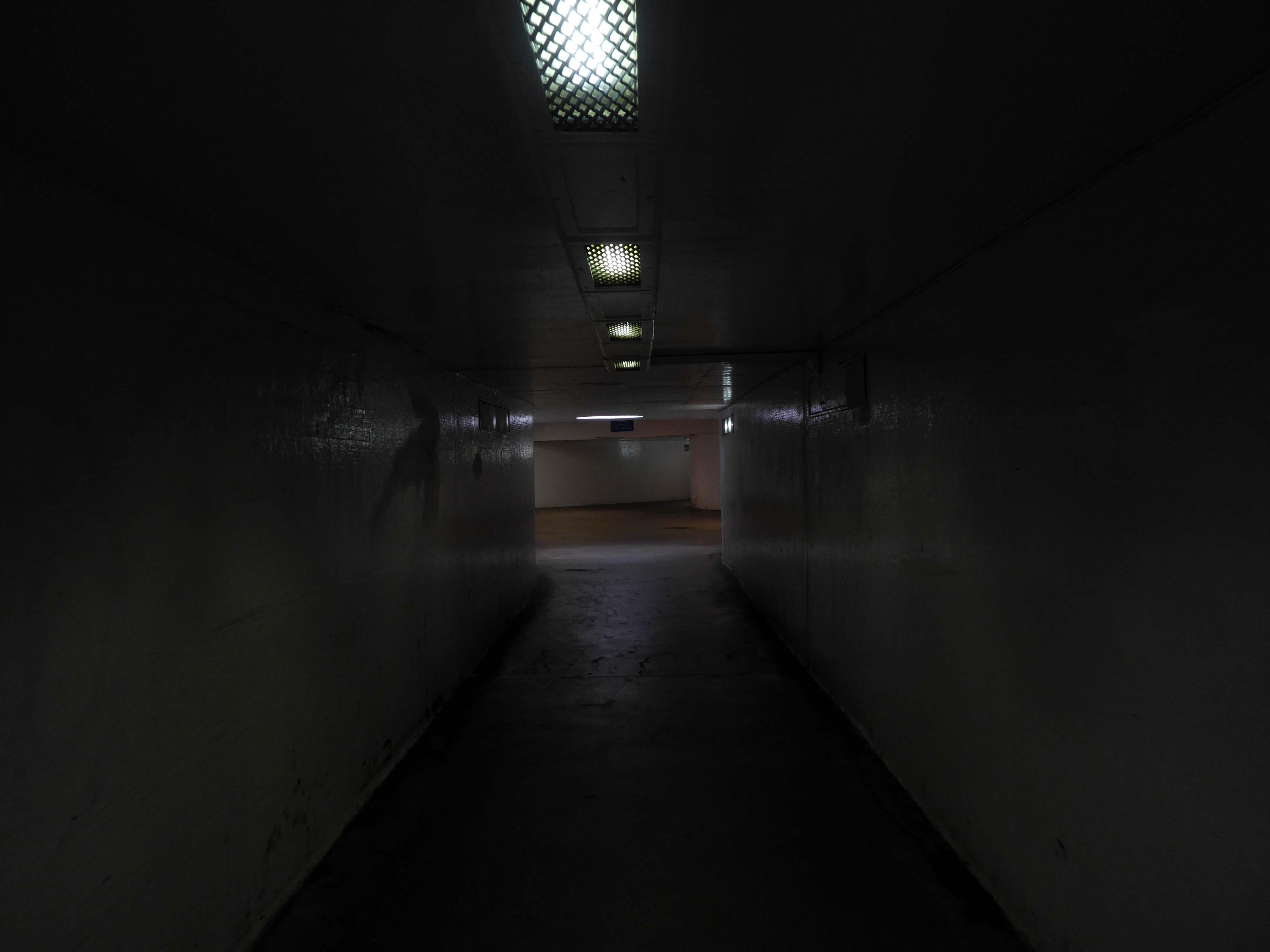
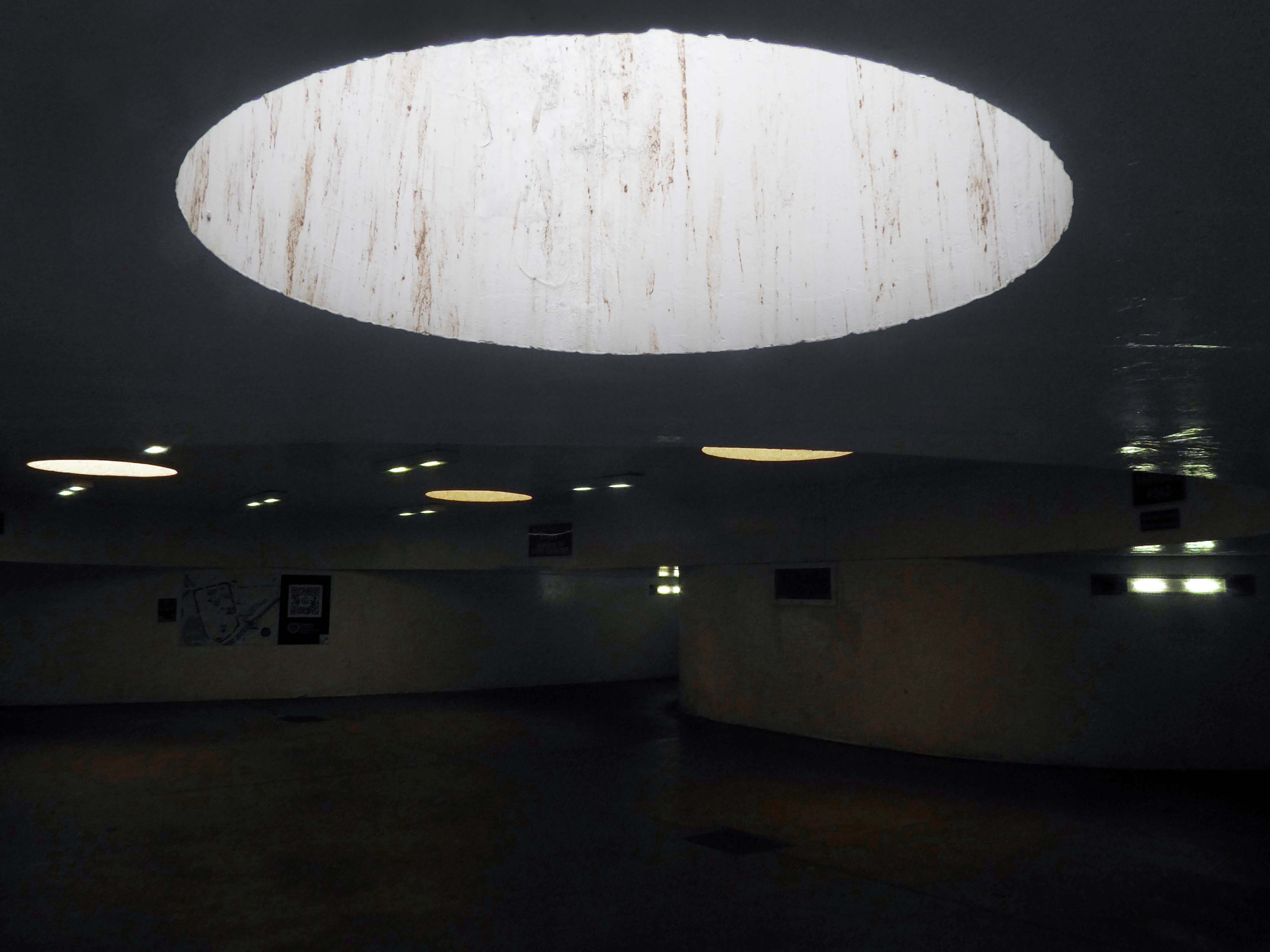
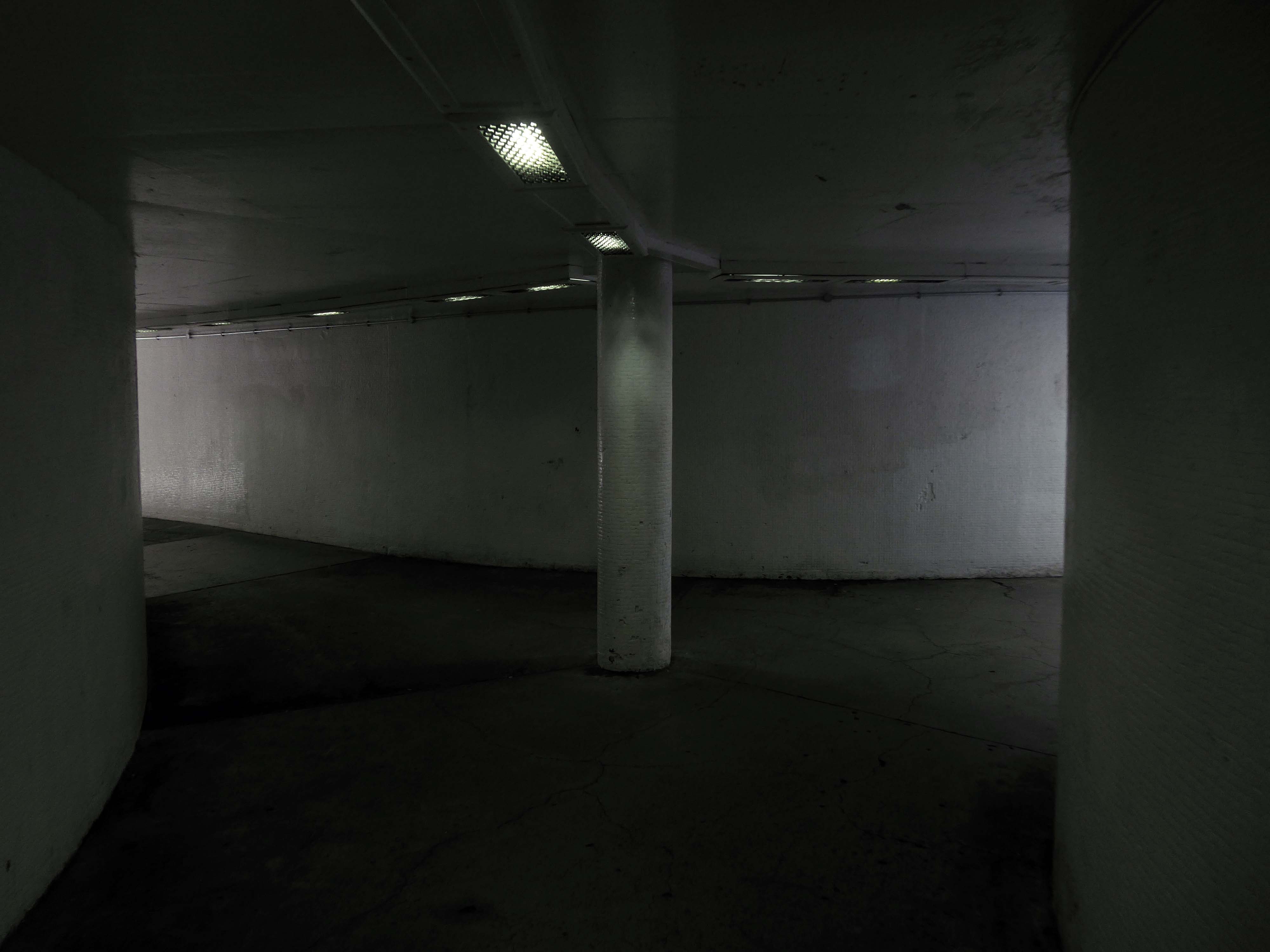
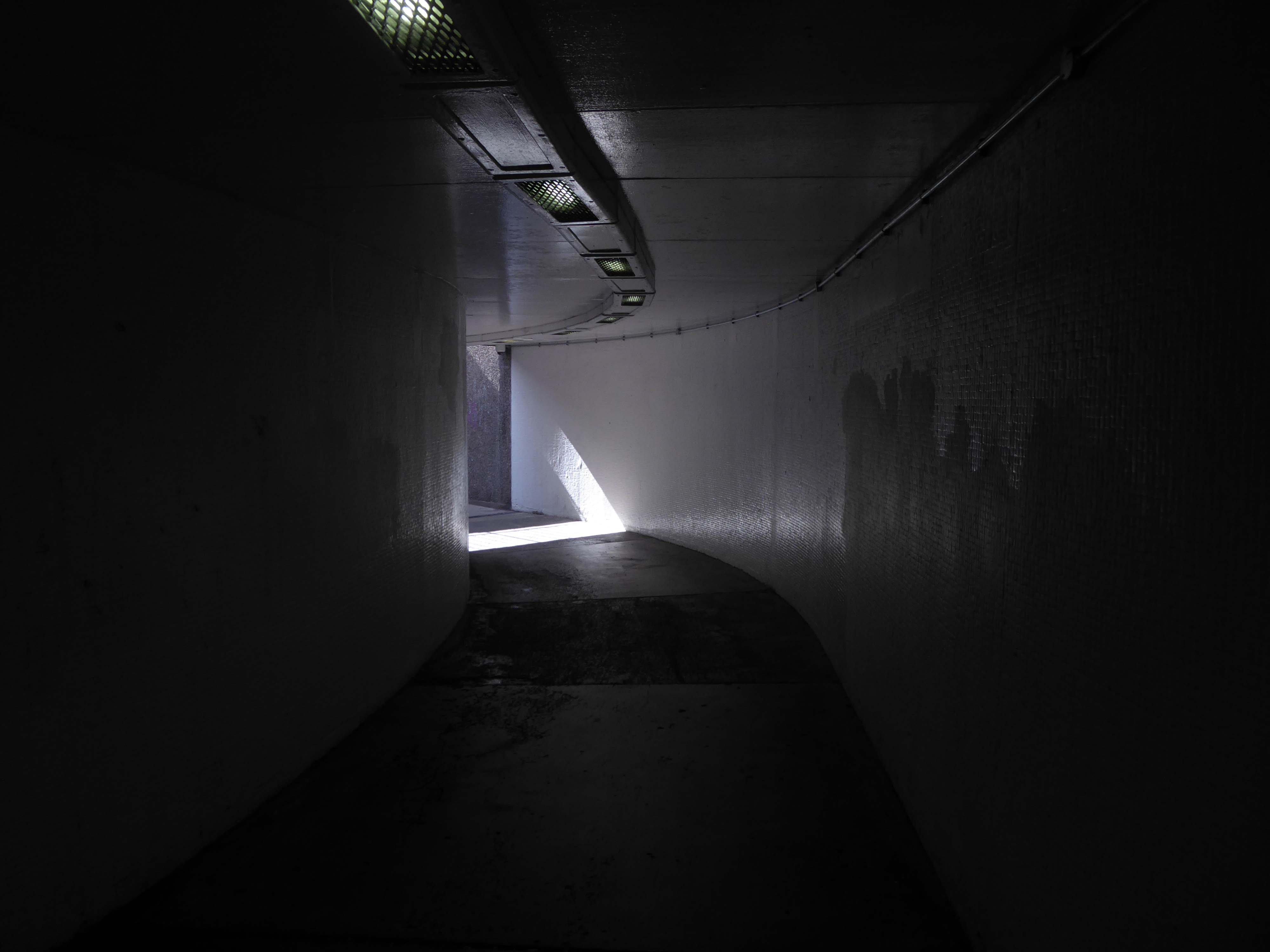
As with every other torus worth calling a torus, at its very centre sits the presence of absence, darkened concrete subterranean causeways, linking everything to nothing.


















































































 Modern Mooch