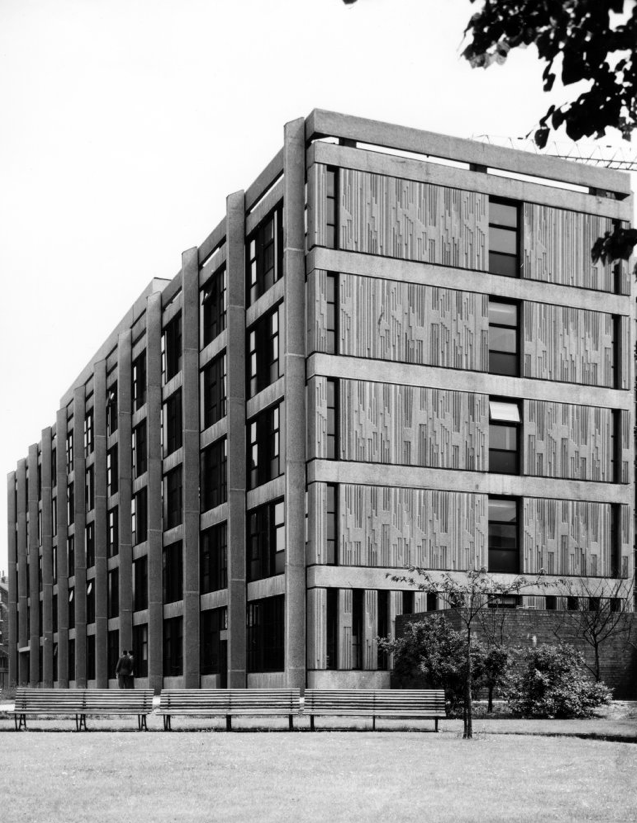
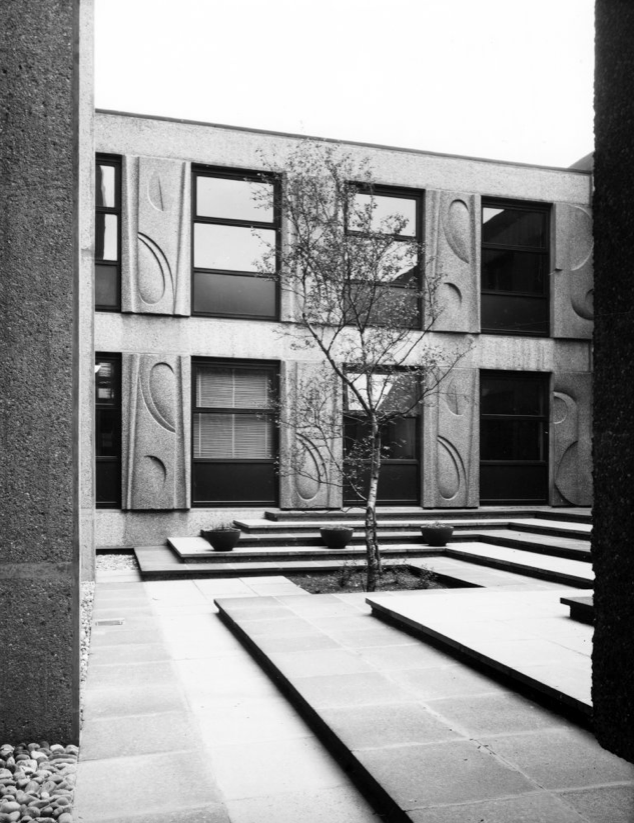
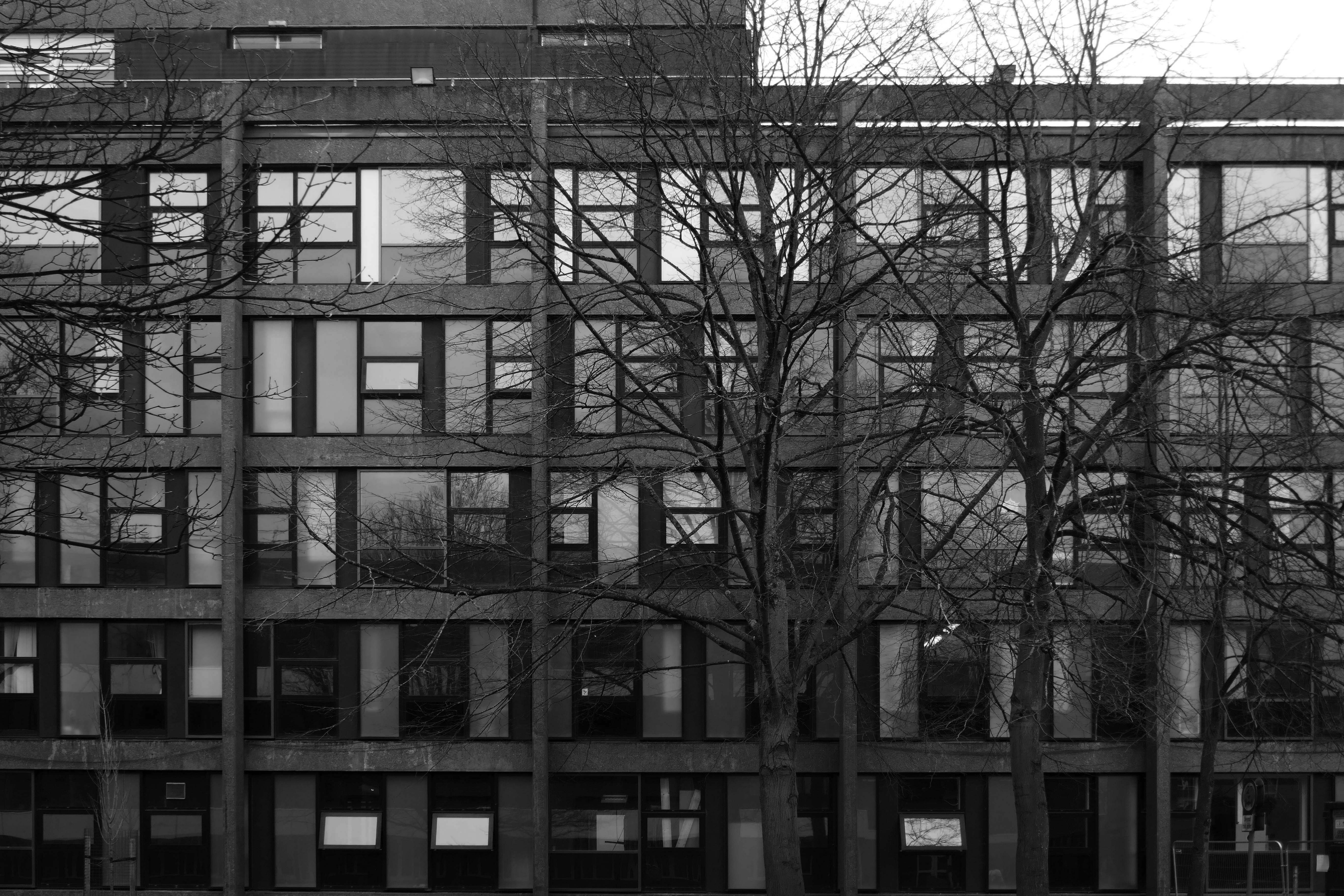
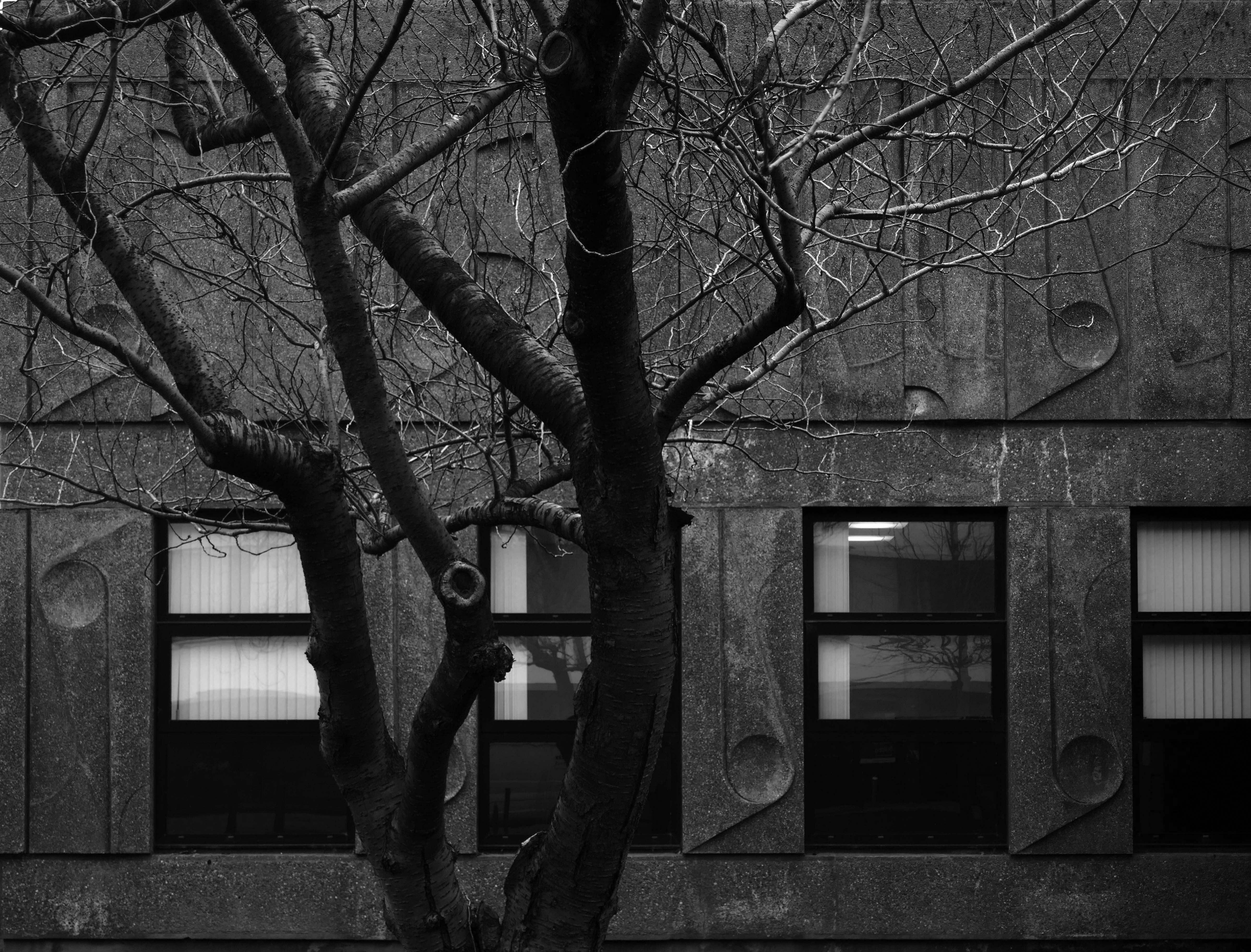
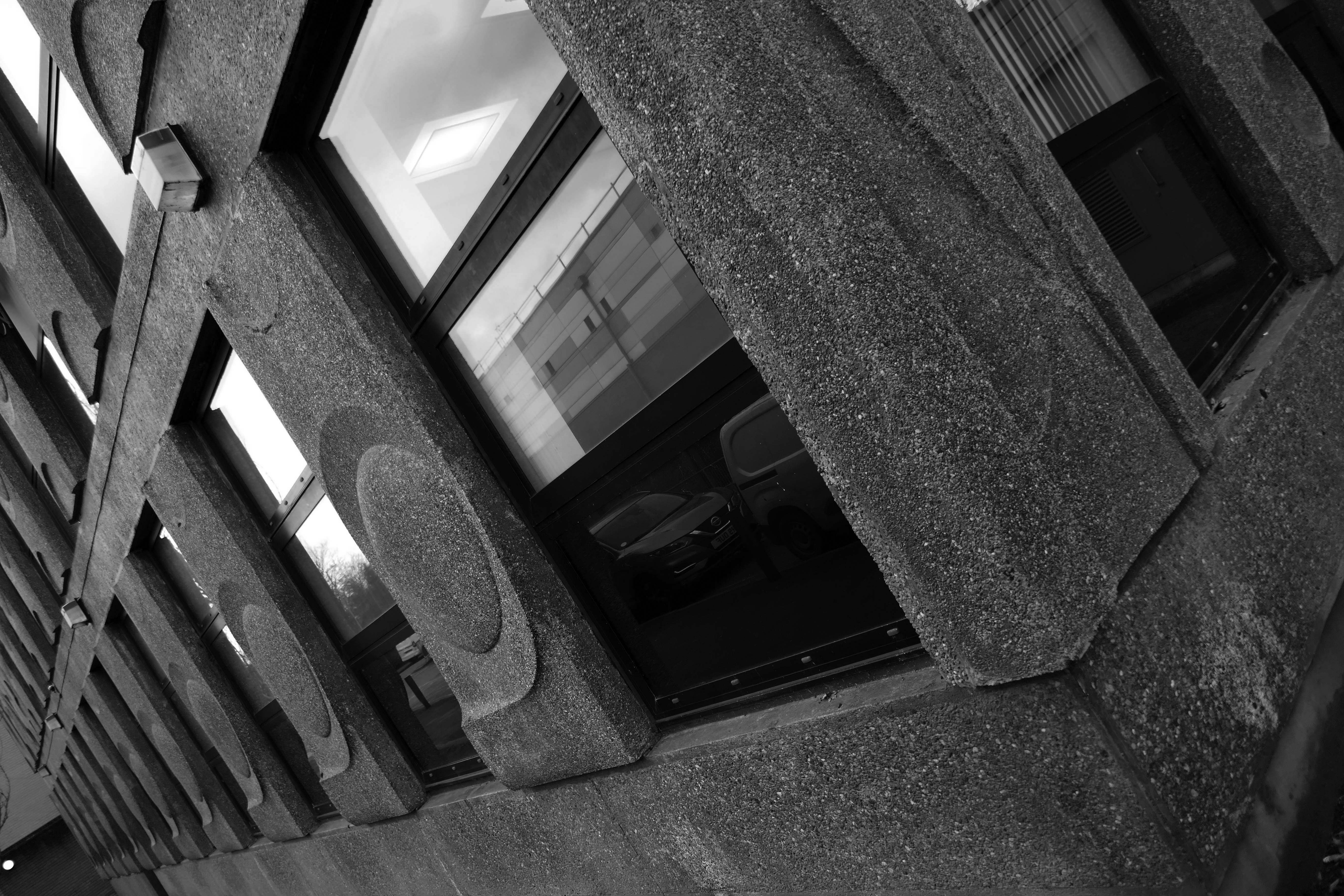
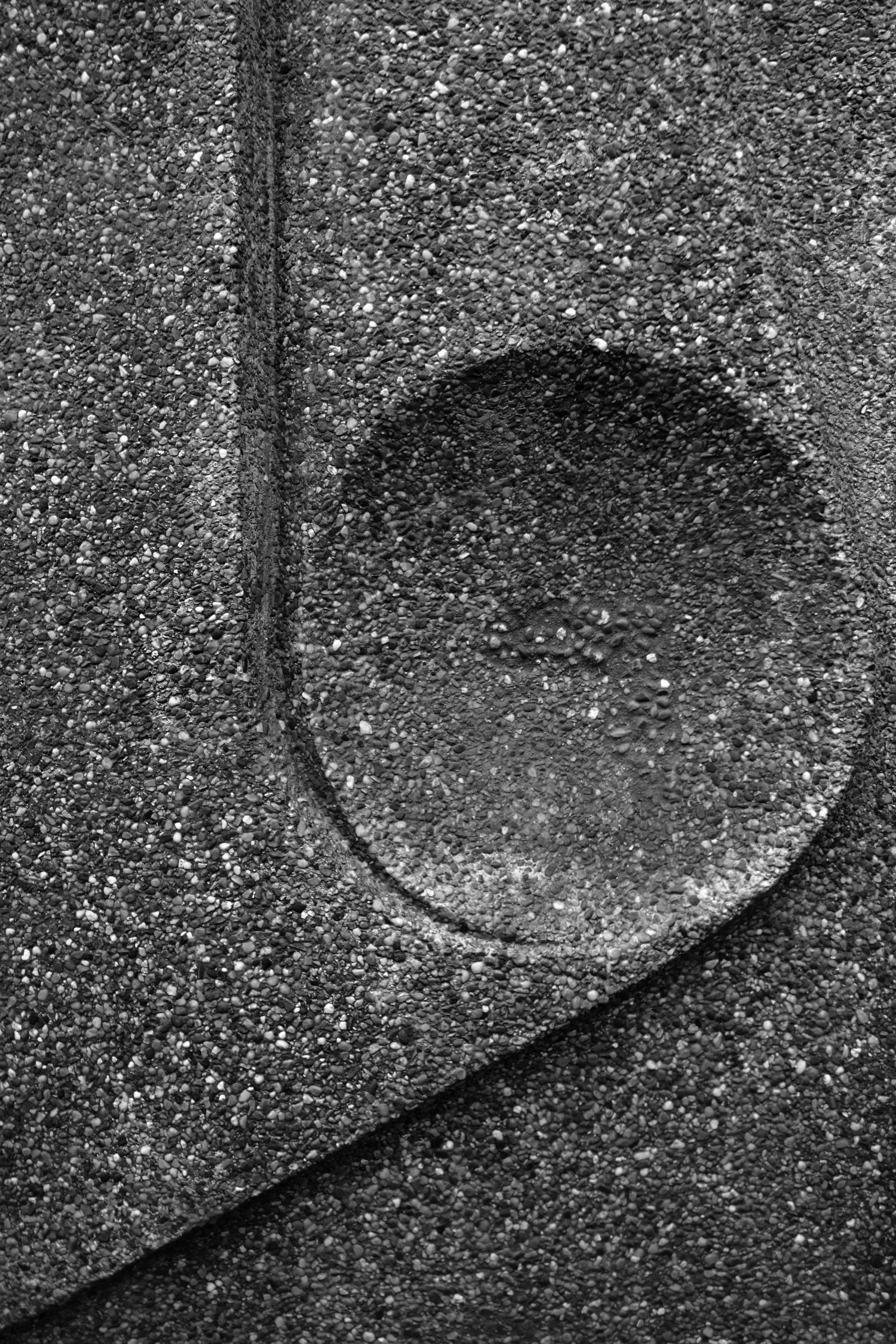
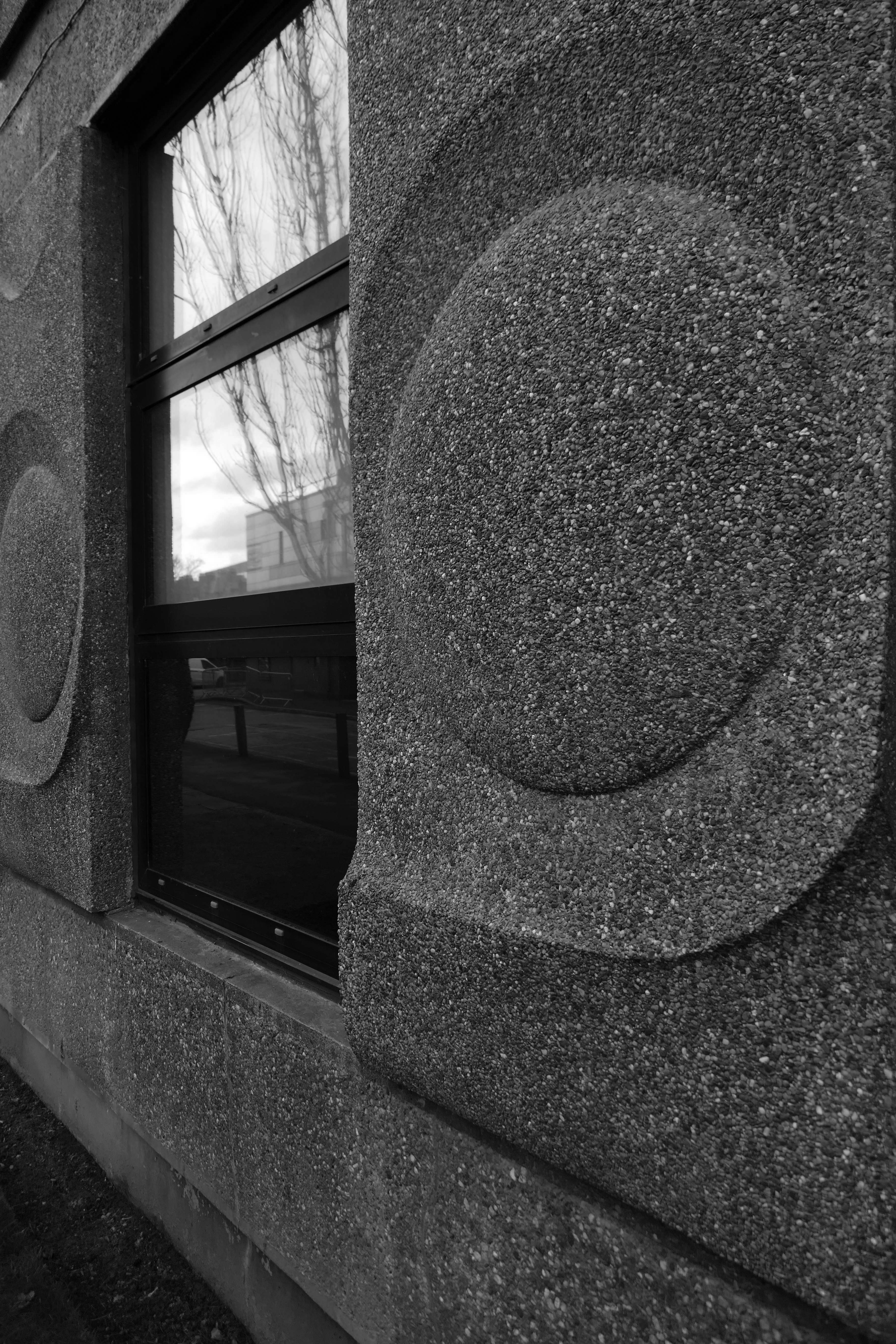
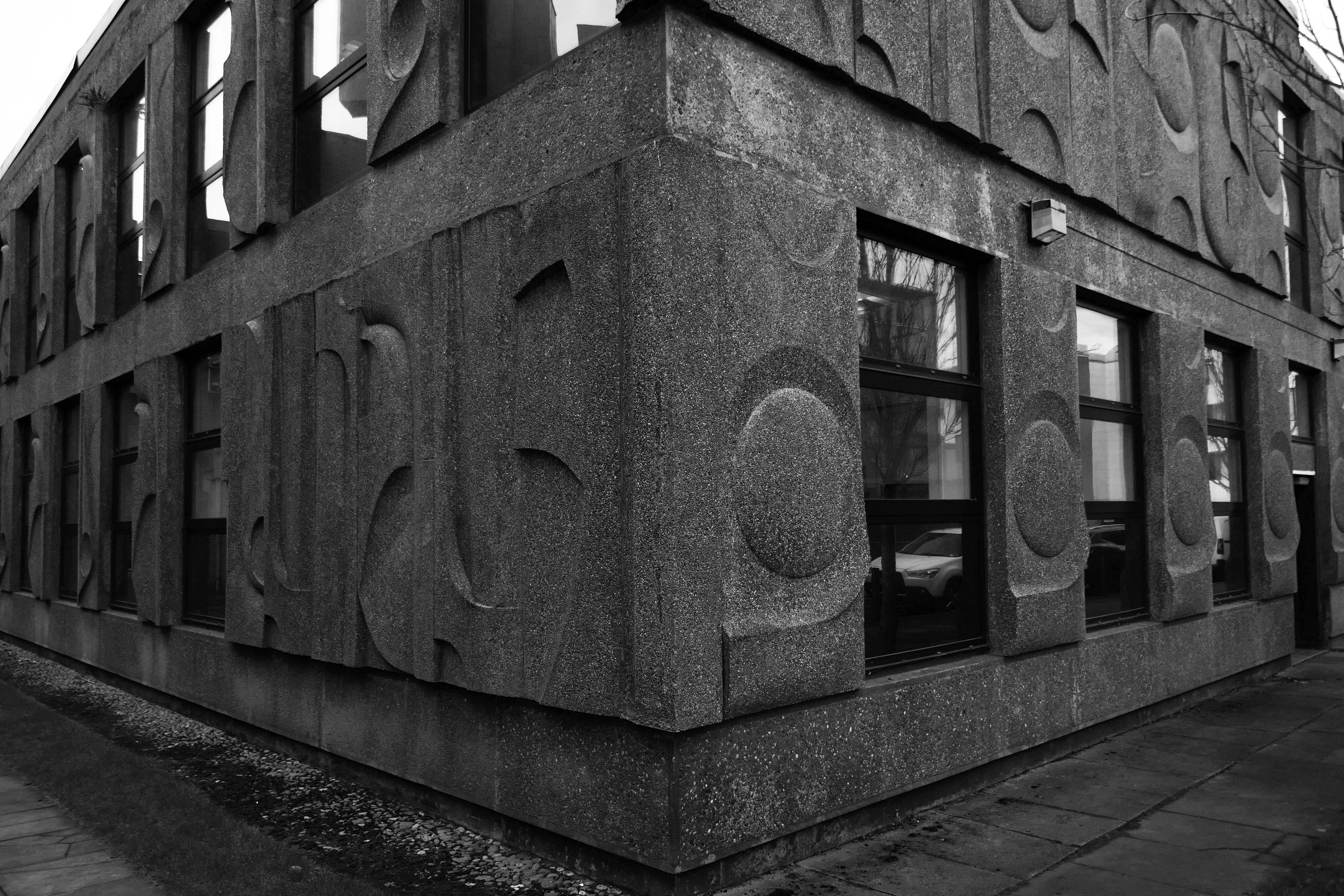
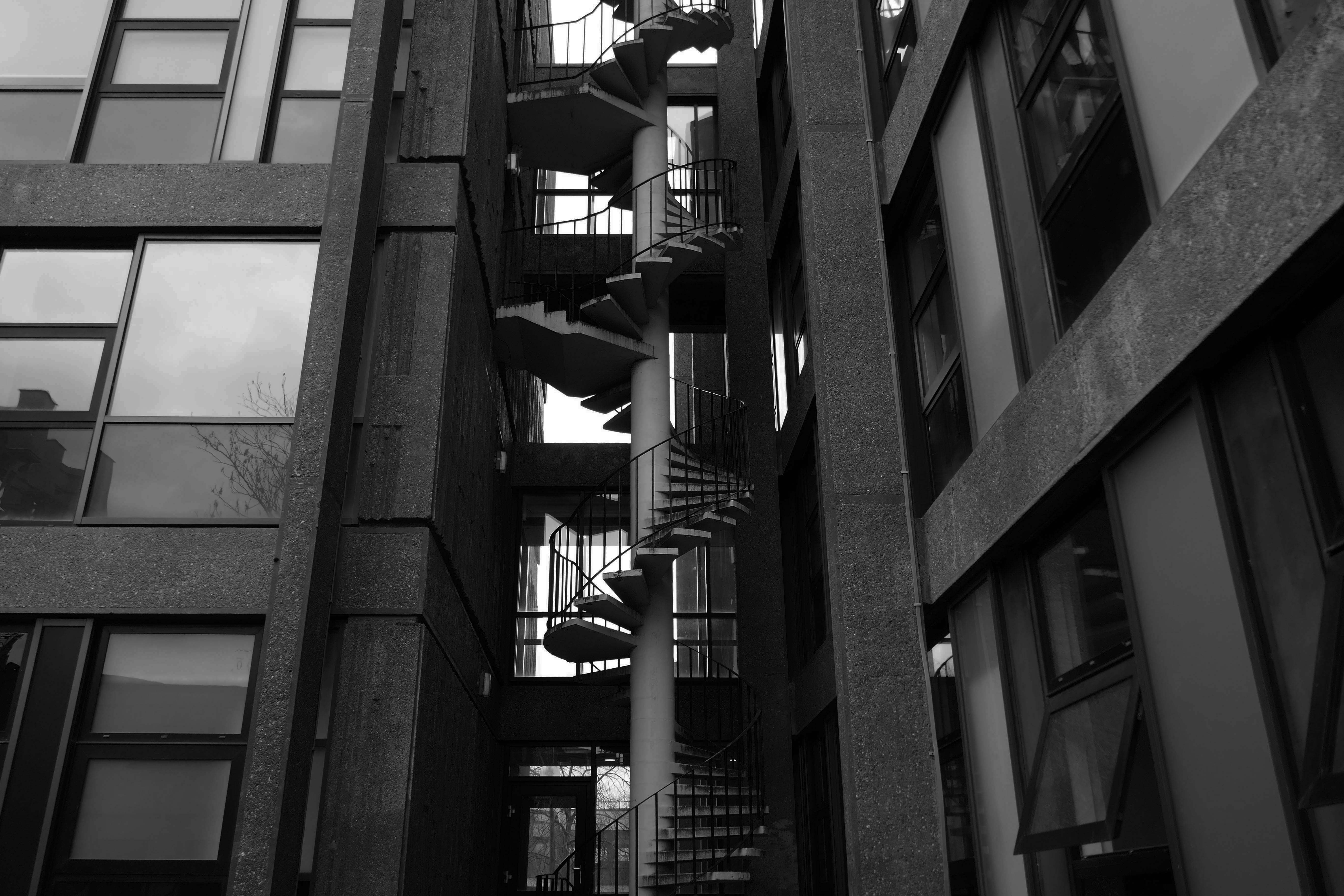
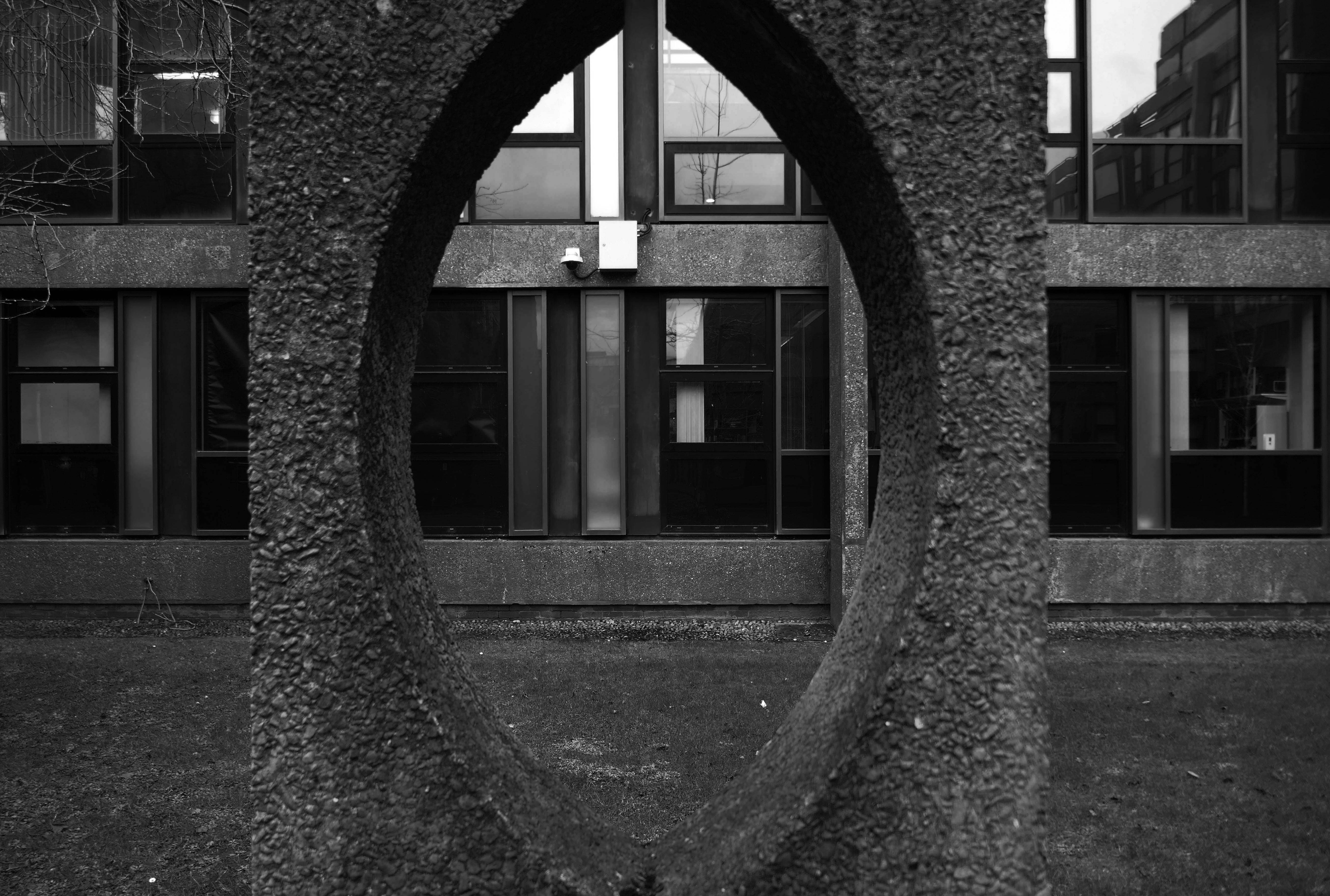
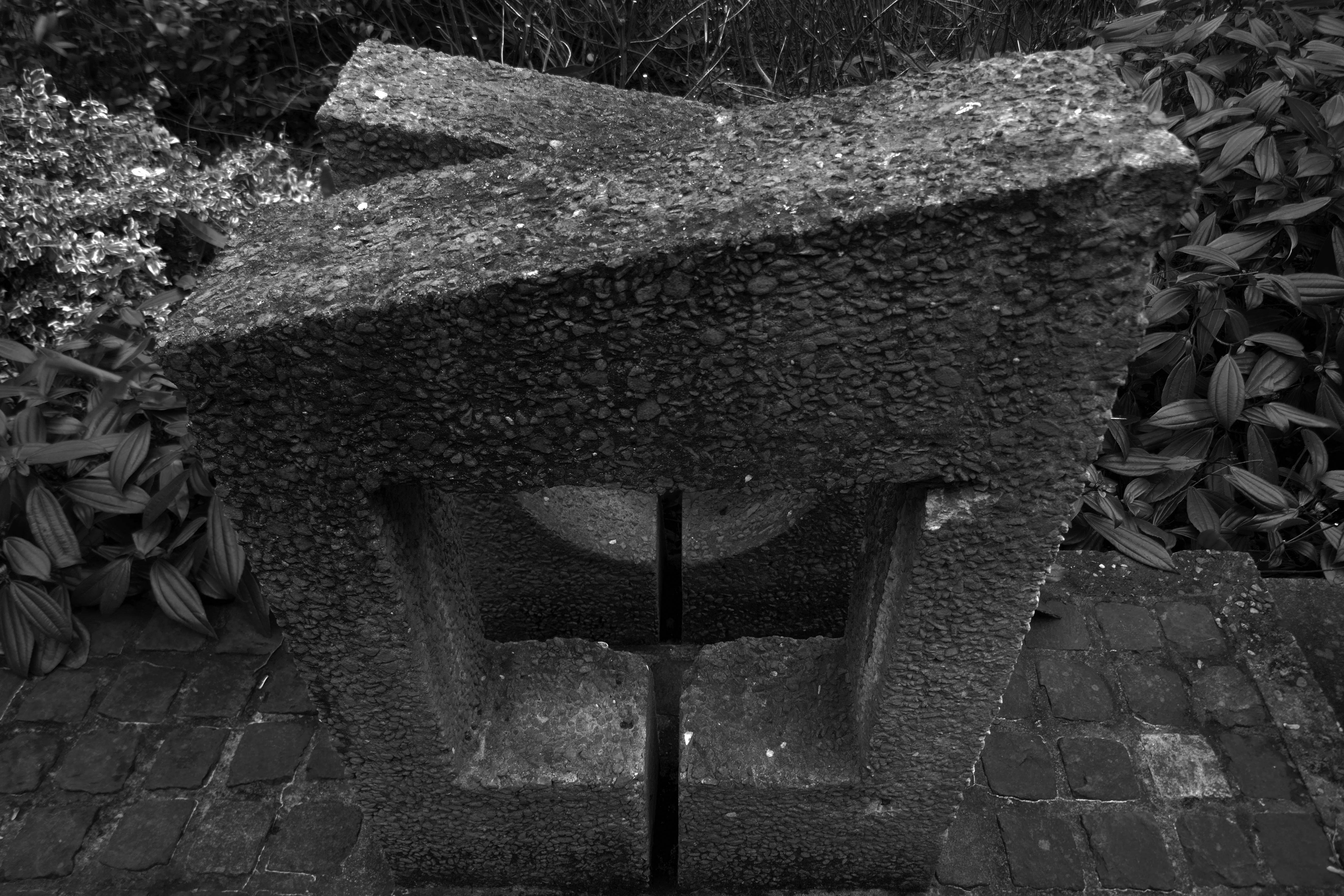
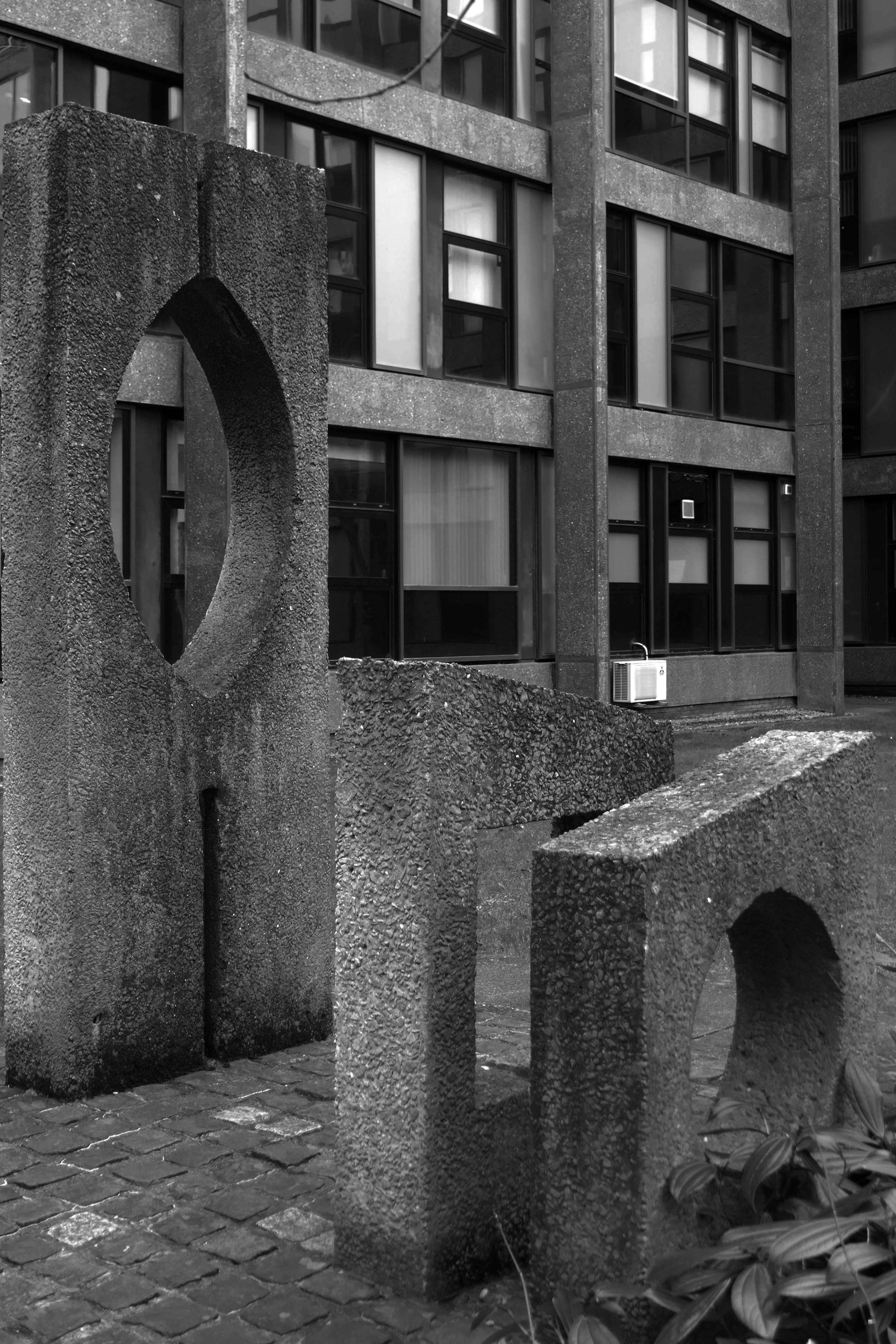
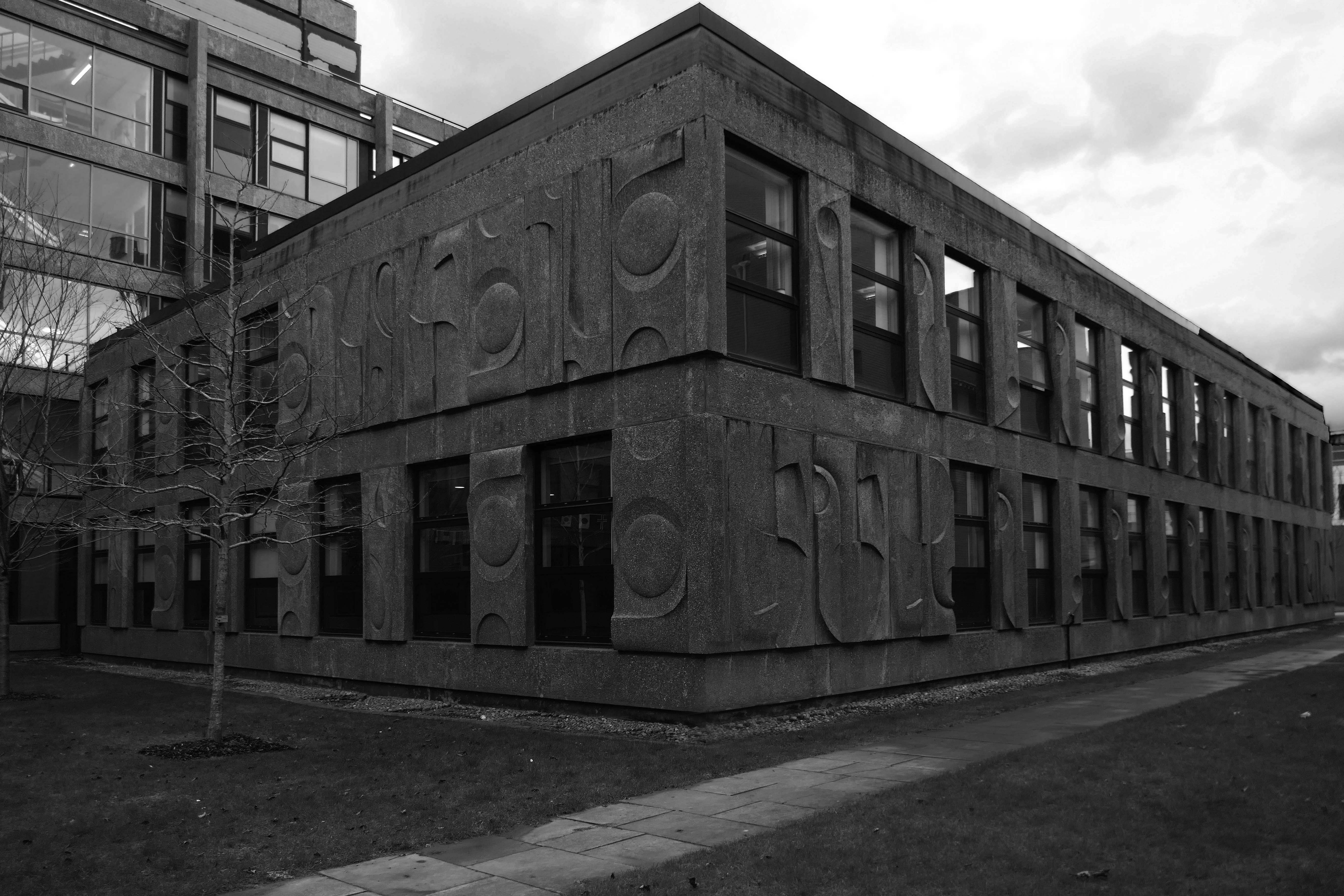
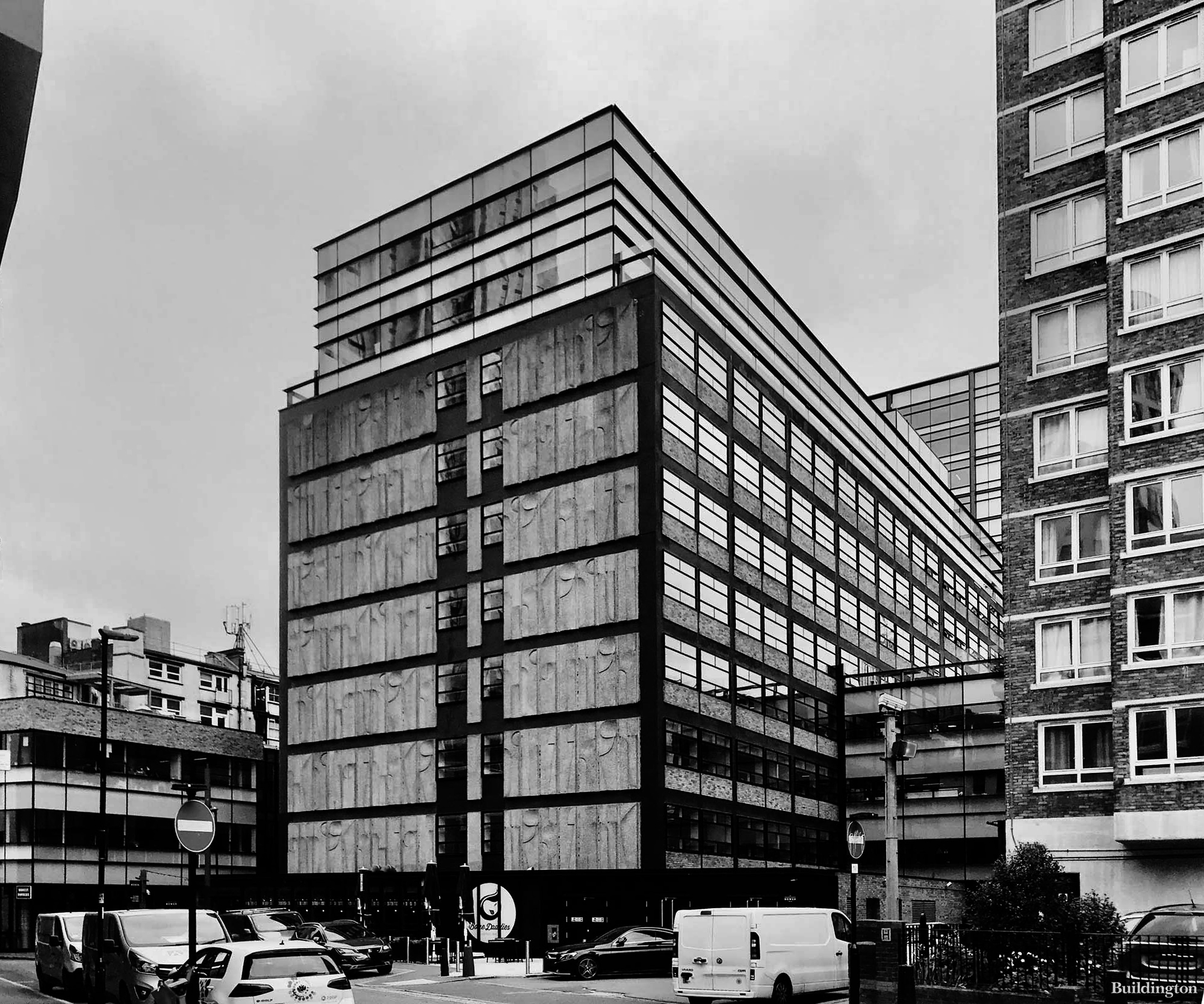
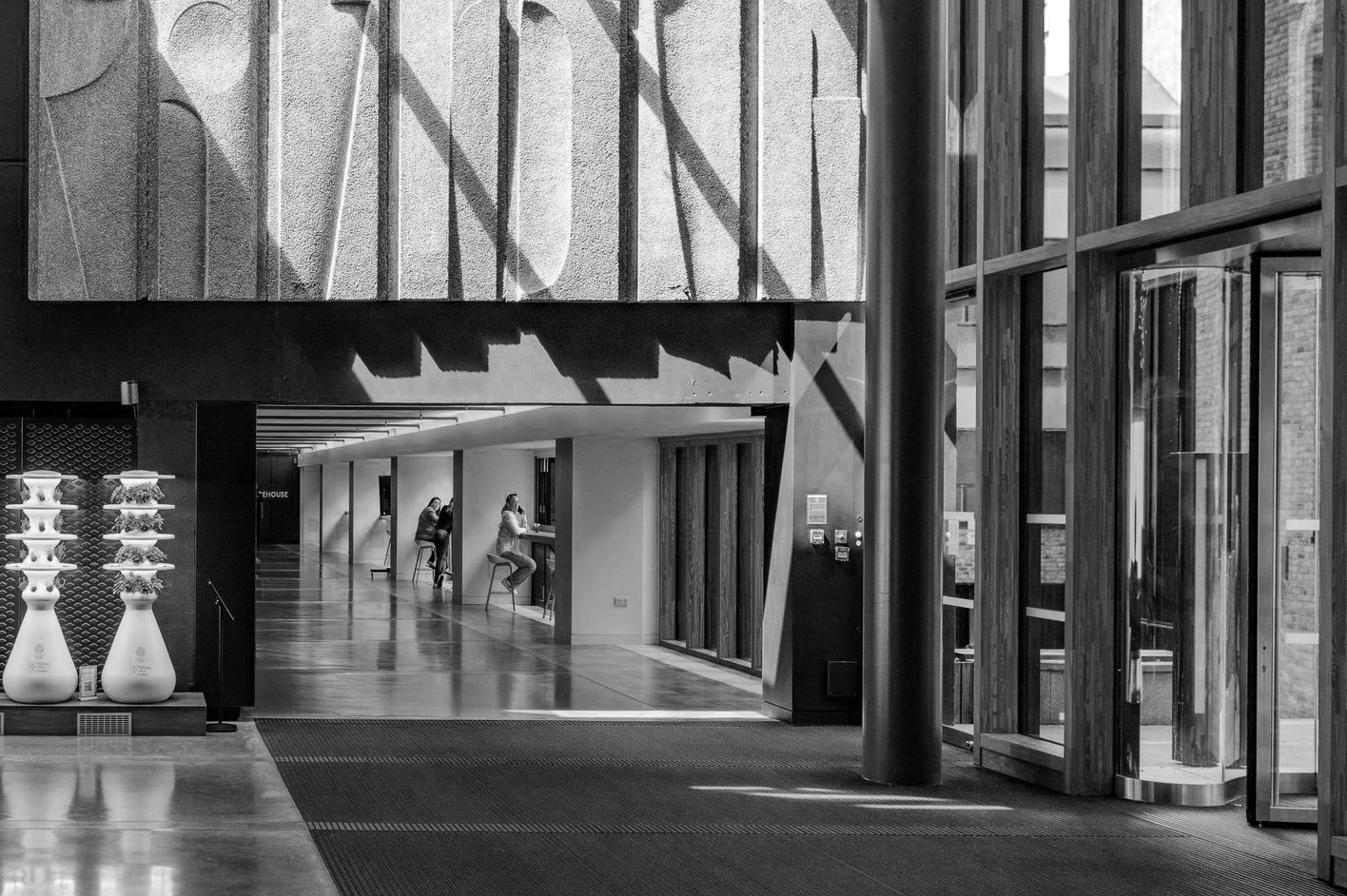
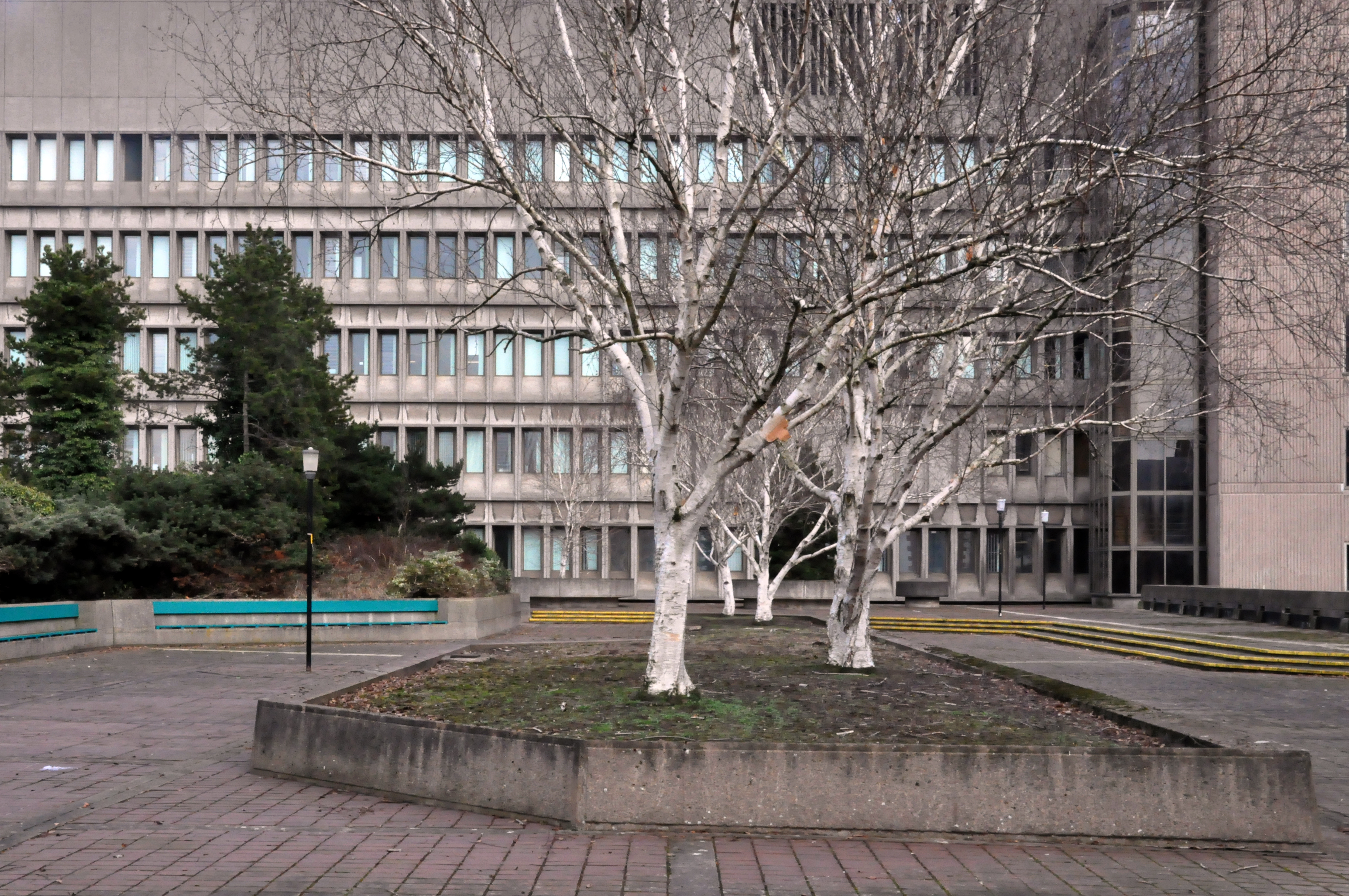
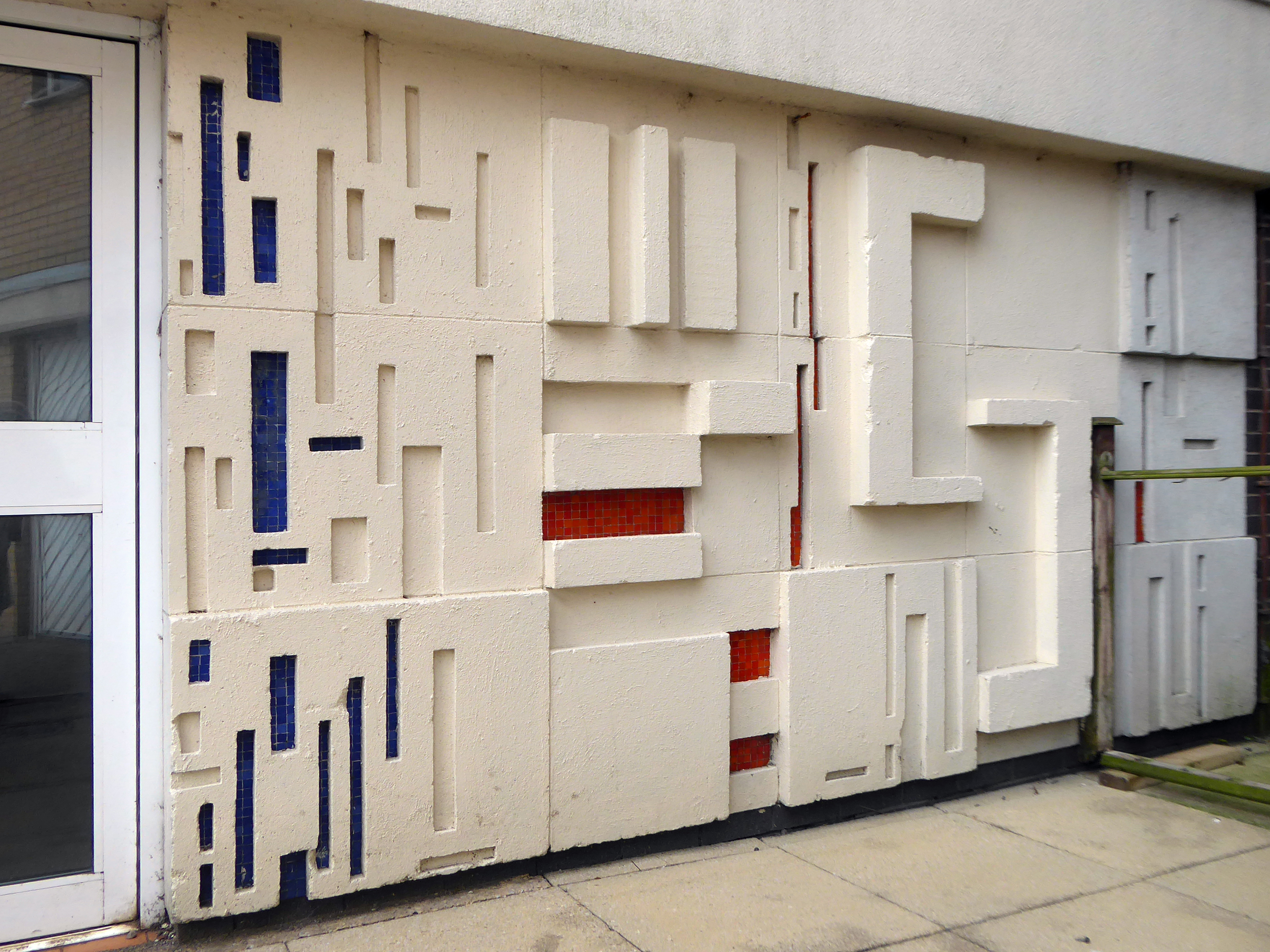
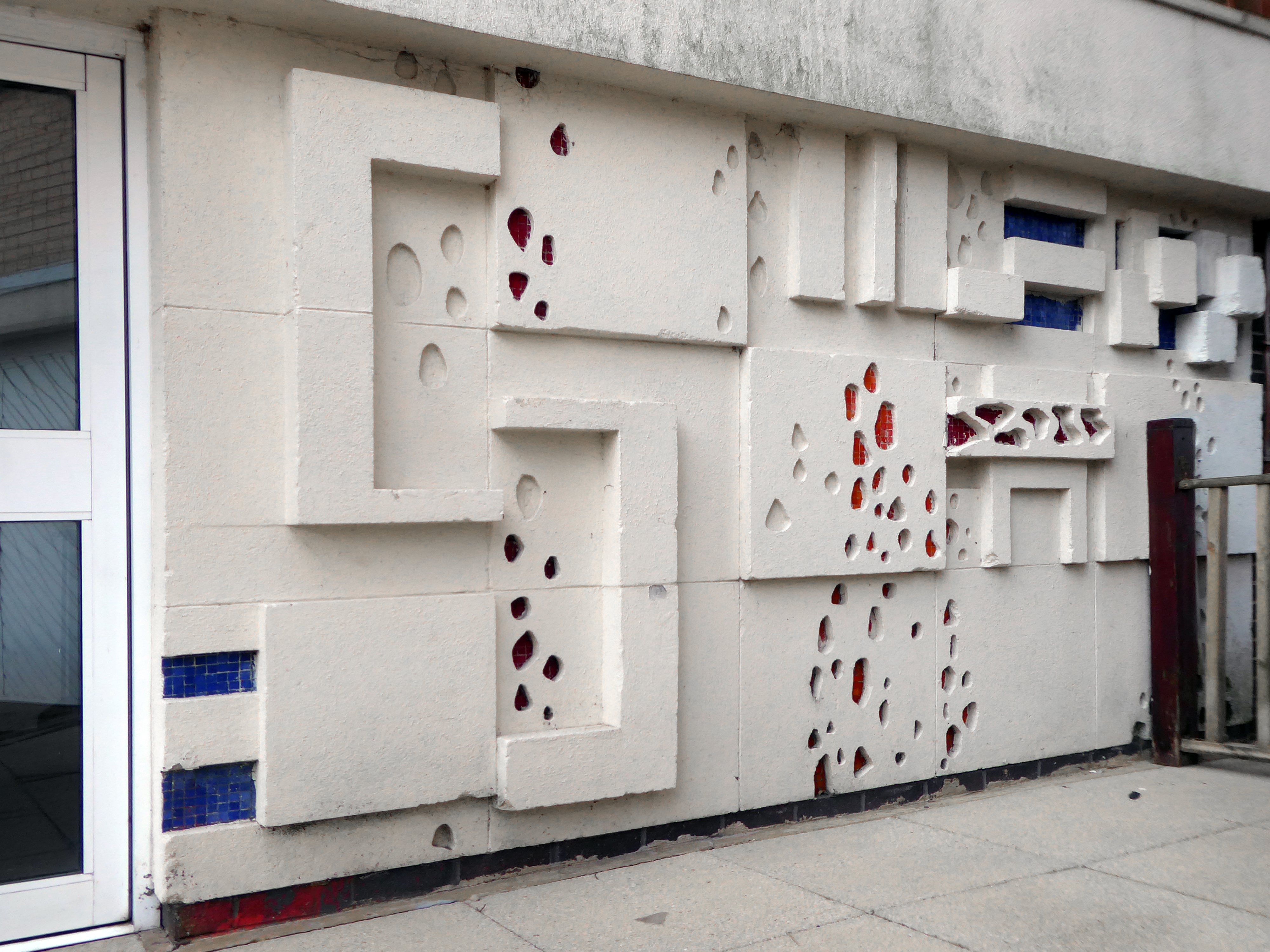
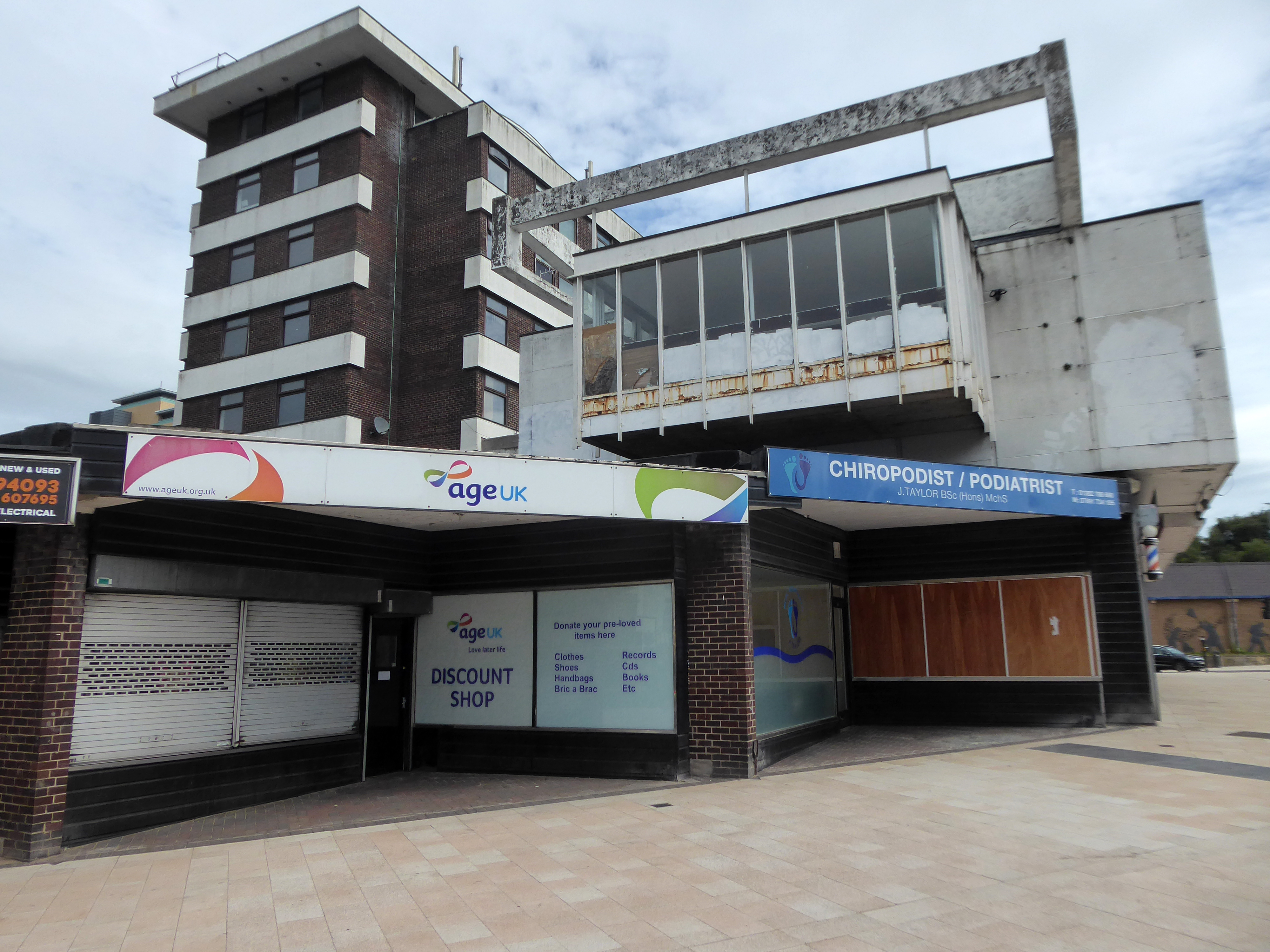
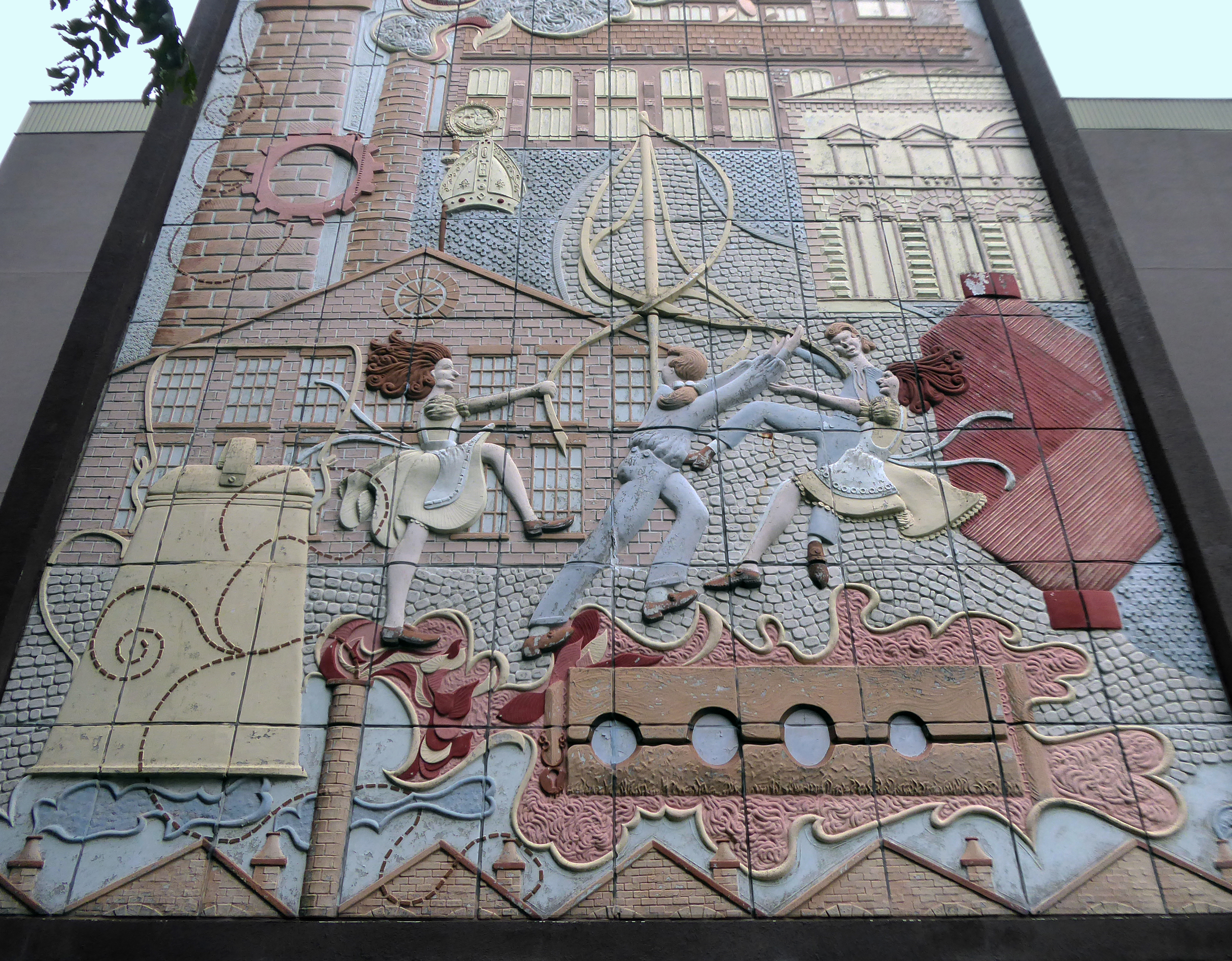
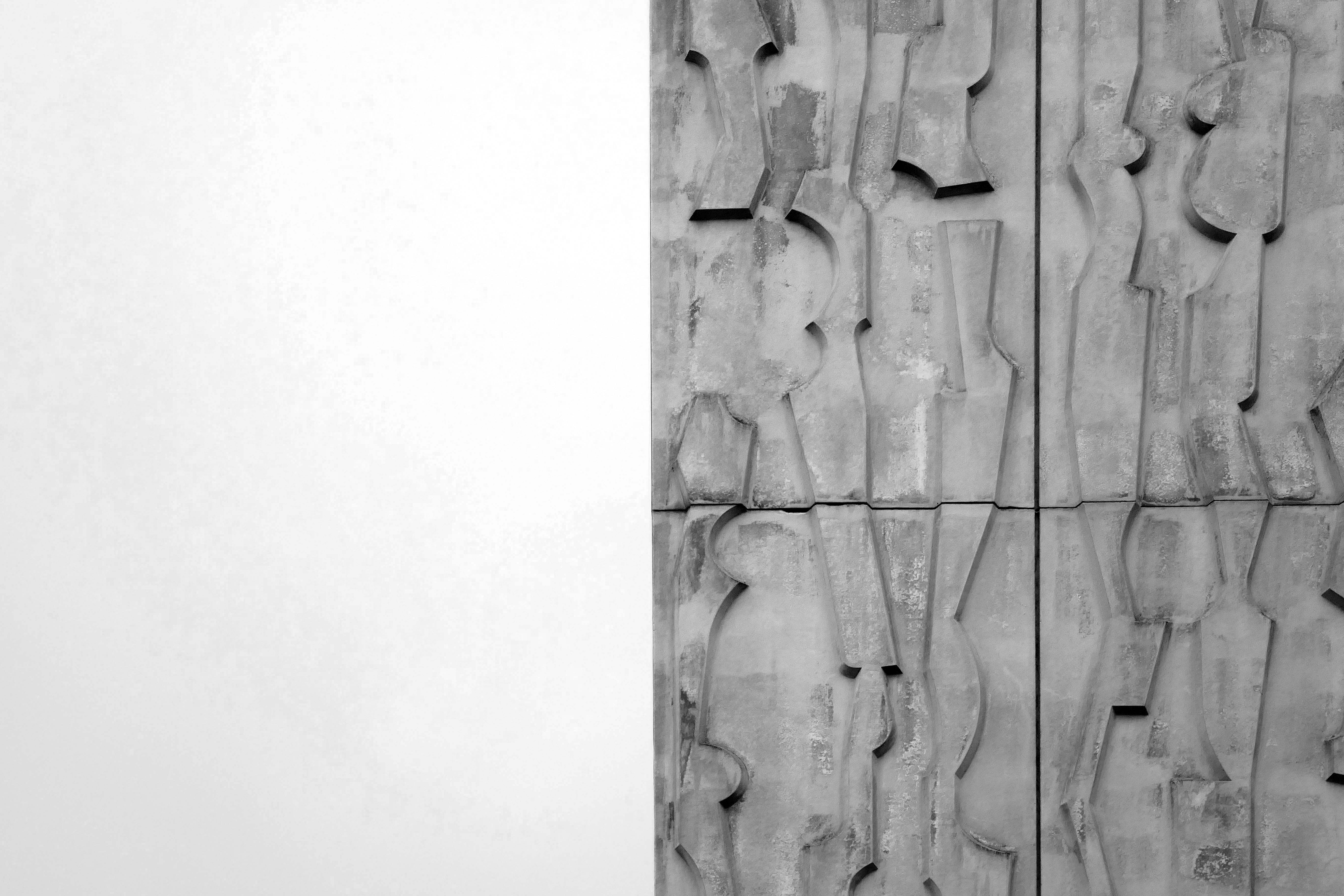
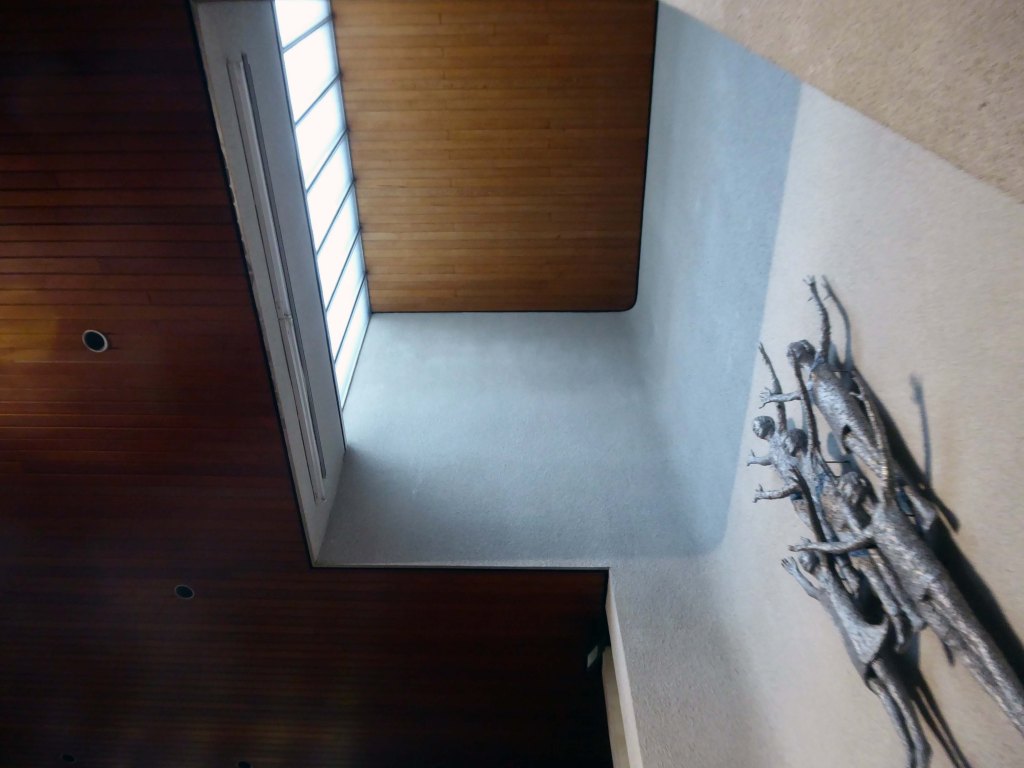
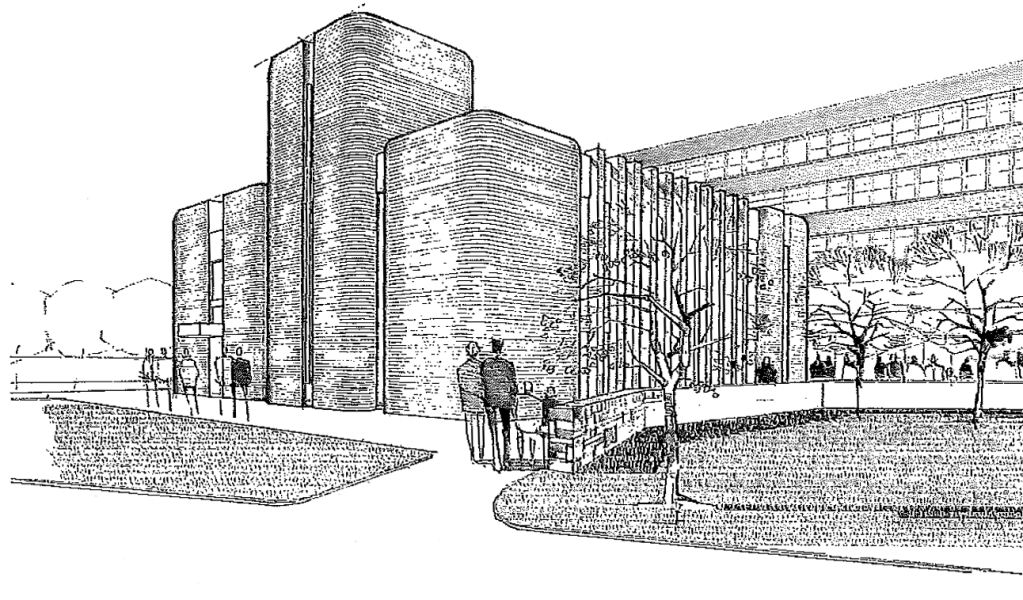
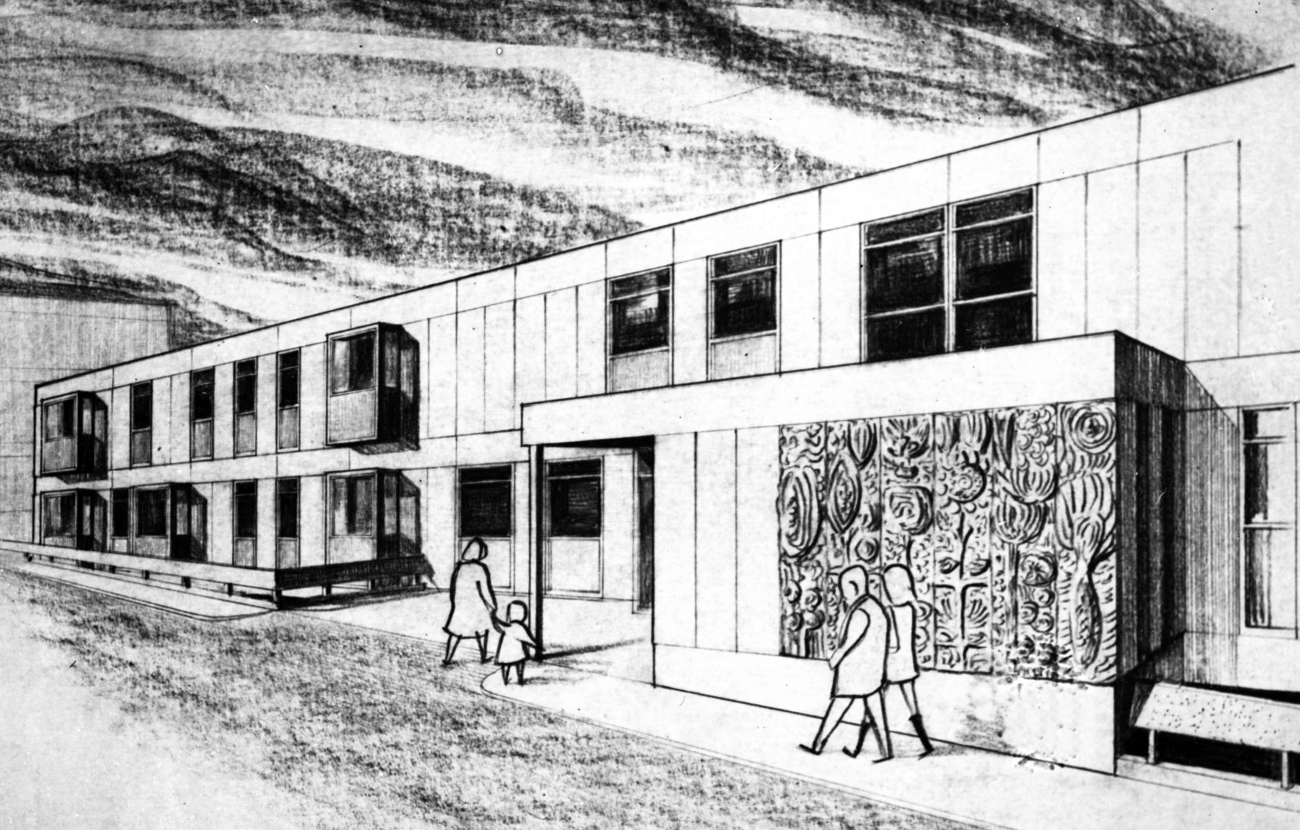
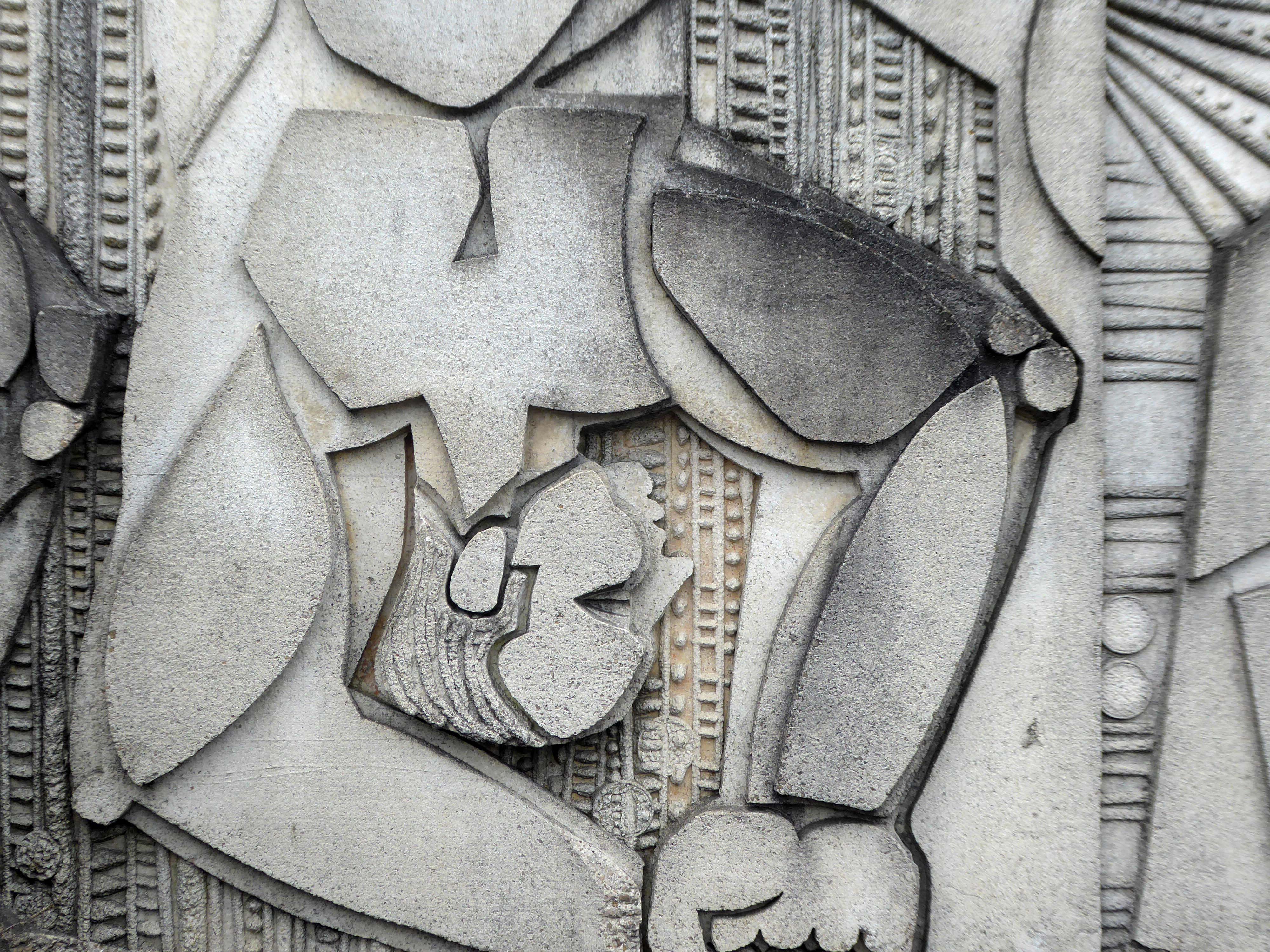
The William Mitchell concrete panels are of a modular design, rotated to form distinct groups of horizontal and vertical rhythms. A number of the buildings elevations are clad in linear, diagonal and vertical forms, though the majority are curvilinear and organic.
Local Image Collection 1972
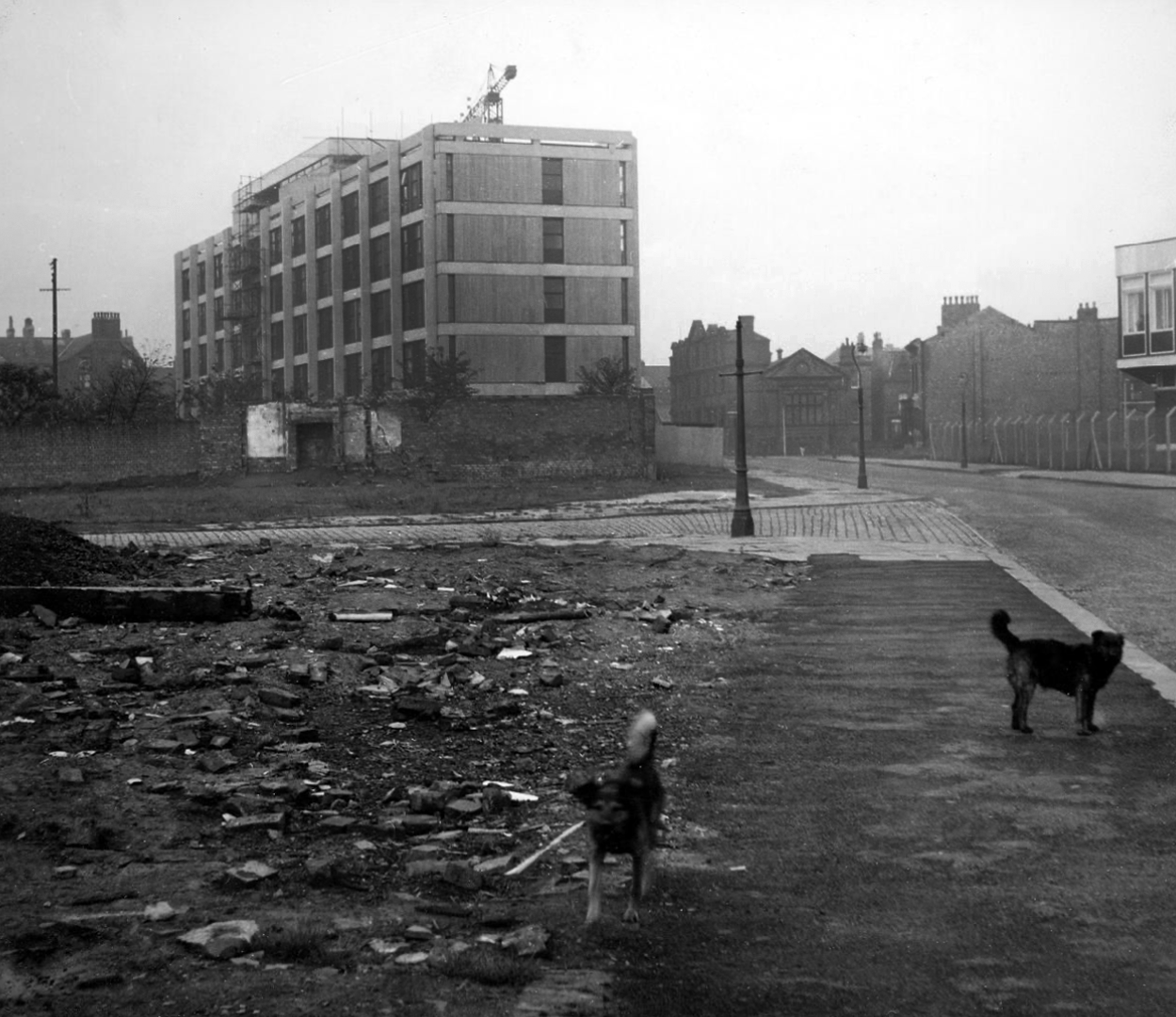
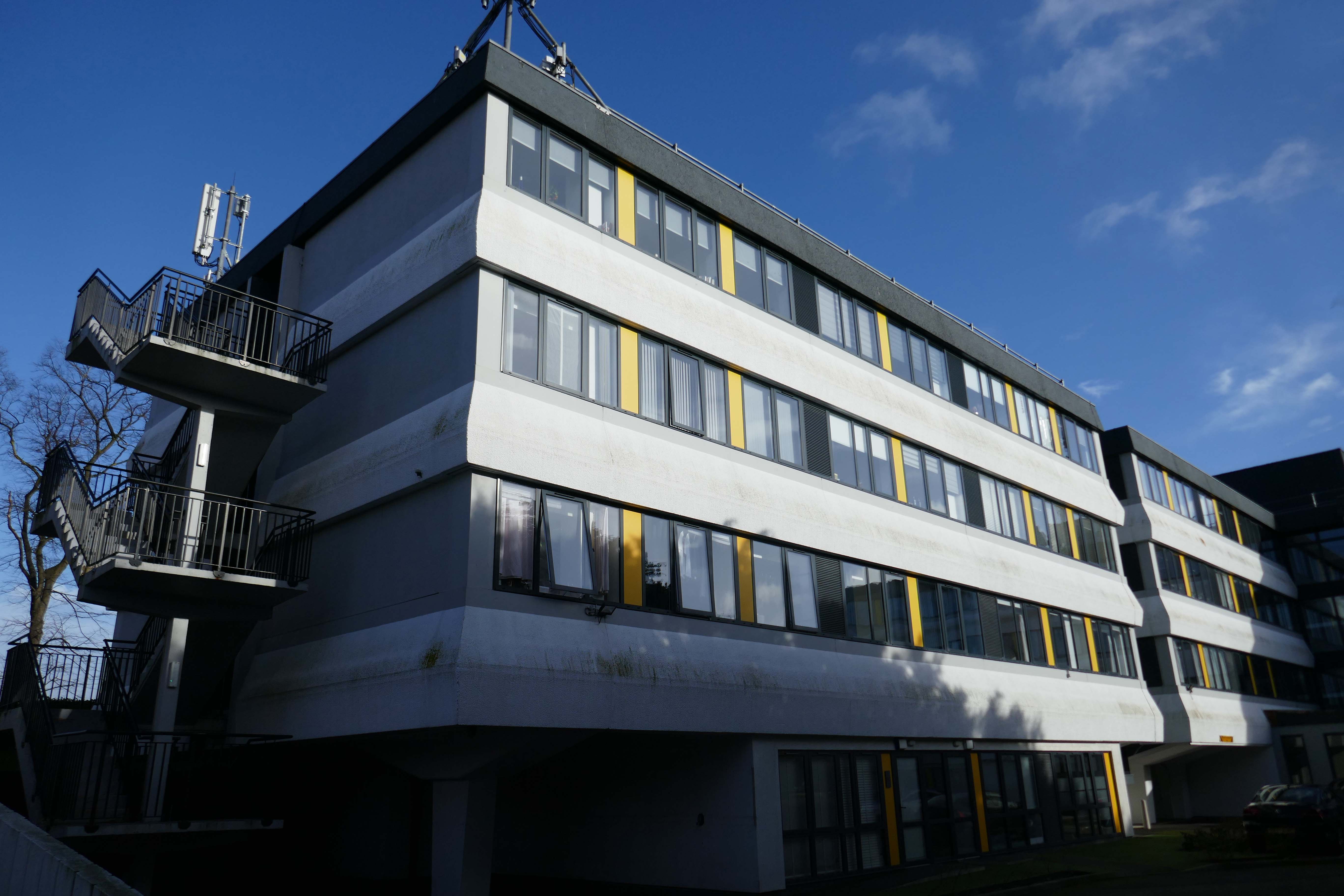
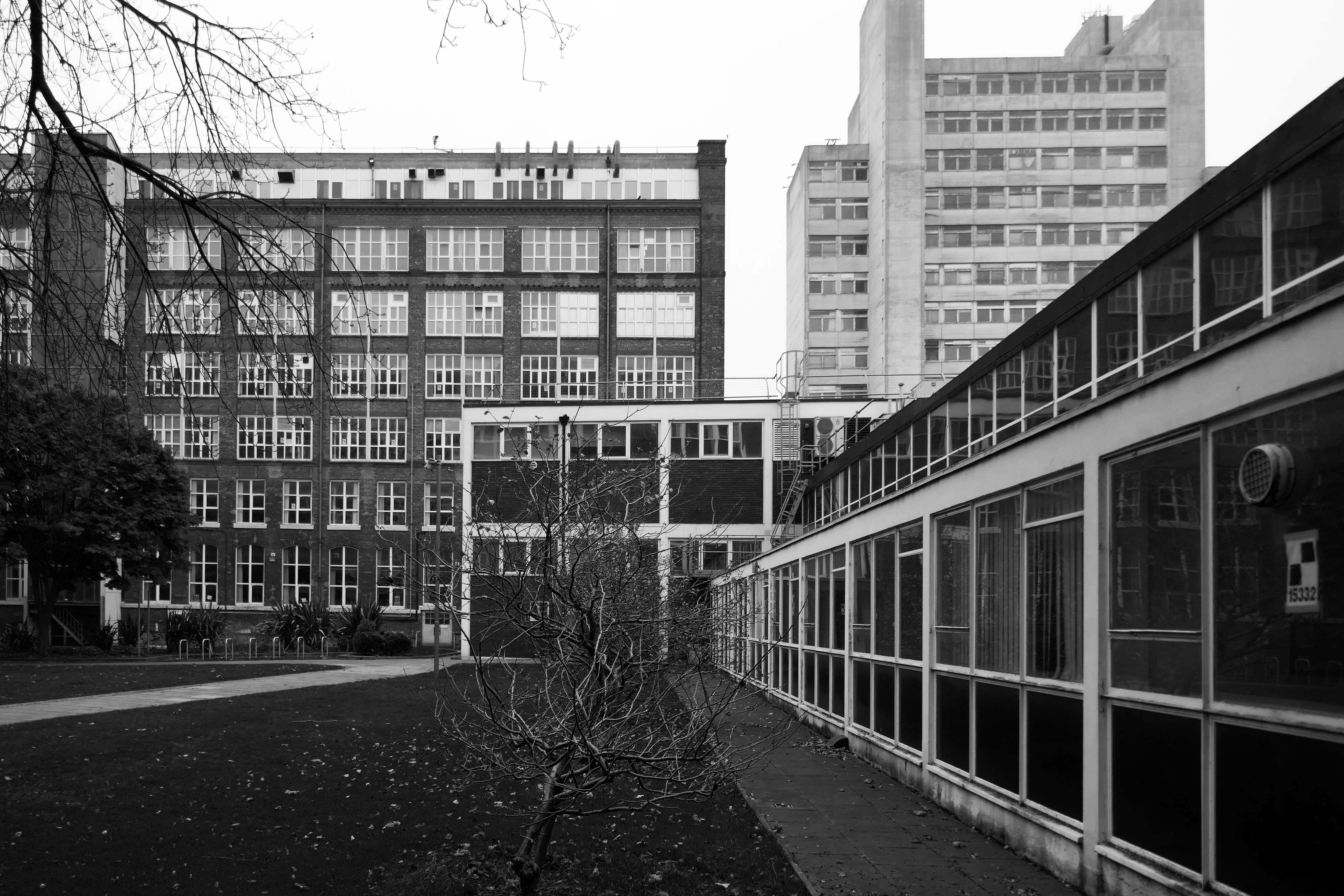
The Ellen Wilkinson building, home to Education and Communication, is one of the few buildings on campus named after a woman. She gained the nickname of ‘Red Ellen’ in her political career, due to her socialist politics and vibrant red hair colour.
Wilkinson was a successful Labour party politician and feminist activist, and a passionate and bold personality in the Houses of Parliament. She was made Minister of Education under Clement Atlee’s government, making her the second woman to ever get a role in the British cabinet. She was brought up and educated in Manchester, making her legacy on the Manchester campus even more significant.
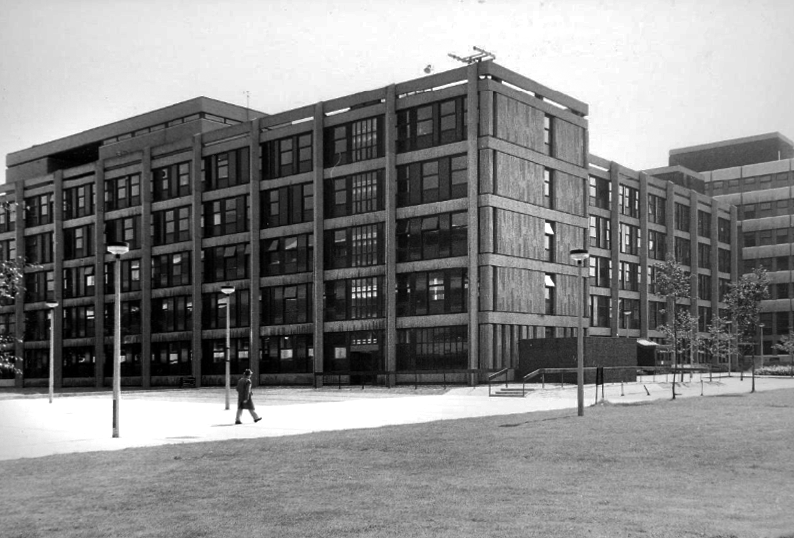
Ellen Wilkinson is a large sized building with three blocks. There are six floors in C Block, five floors in B Block and seven floors in A Block.
There are three lifts and six main staircases within the building.
The floors are signed as Ground, 1, 2, 3, 4, 5 and 6. This is slightly different inside the lifts where control buttons are marked as 0 instead of Ground.
There are link passages from A and B Block to C Block on levels Ground, 1 and 3.
This scheme pre-dates Wilson Womersley’s appointment as masterplanners for the Education Precinct but exists harmoniously with the later series of buildings. This is most likely due to the method of development before any ‘grand concept’. The incremental expansion of the University, following WWII, was largely dictated by the progress of compulsory purchase orders; this group was no exception. At the planning stages, the lack of a masterplan led to organising the wings of the buildings in an open, orthogonal arrangement. This would allow expansion in a number of directions, according to the next available site in ‘the dynamic situation’. The result was the creation of a small courtyard flanked by two five-storey blocks and a two-storey structure. All three buildings use the same pink-grey concrete. The plastic qualities of concrete were explored in both cladding and structural panels and the textural qualities exposed in the bush hammered columns, to reveal the Derbyshire gravel aggregate. The sculpted and moulded panels on the two-storey block and on the gable ends of the larger blocks were designed in collaboration with William Mitchell. The only other materials in the external envelope were the windows of variously clear and tinted glass. The window modules were set out against a basic geometry in three standard patterns and applied across the façade. This resulted in a clever interplay of vertical and horizontal expression. Phase II, a seven-storey teaching block, was not as refined in its details.
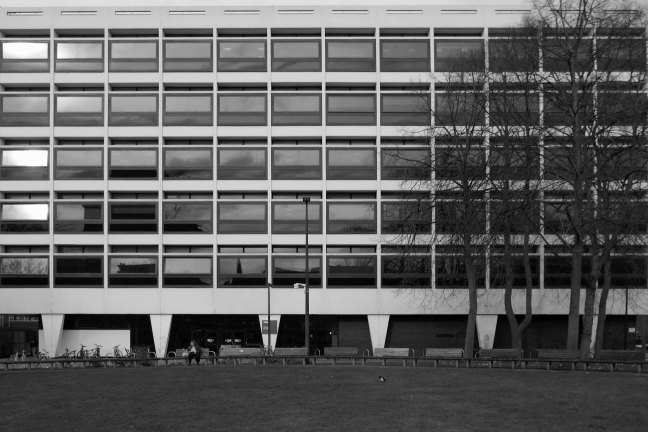
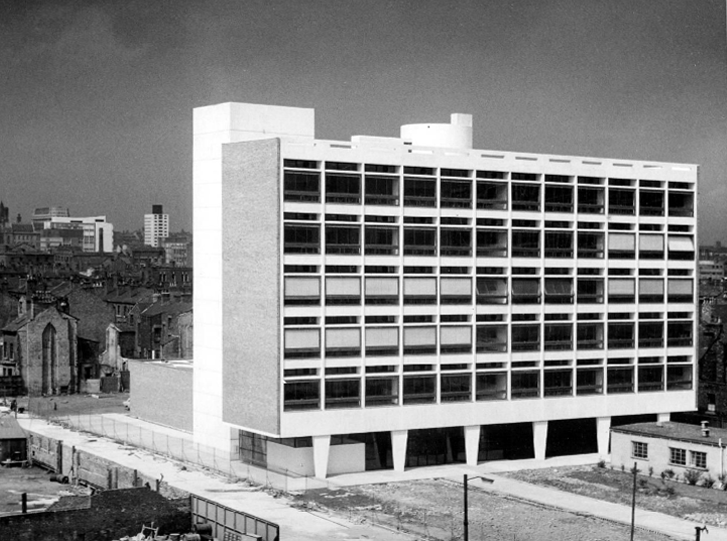
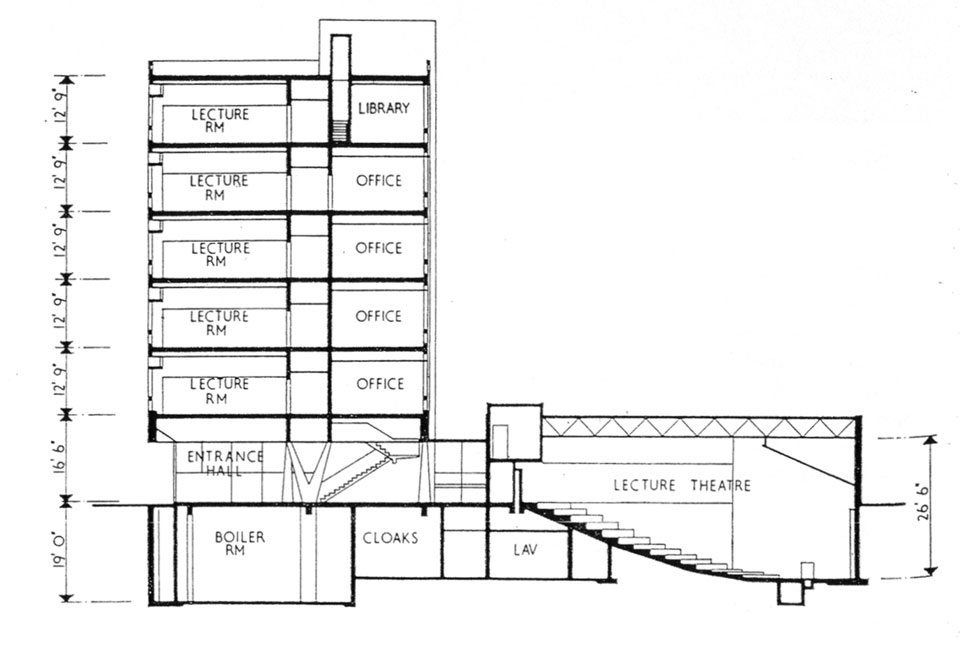
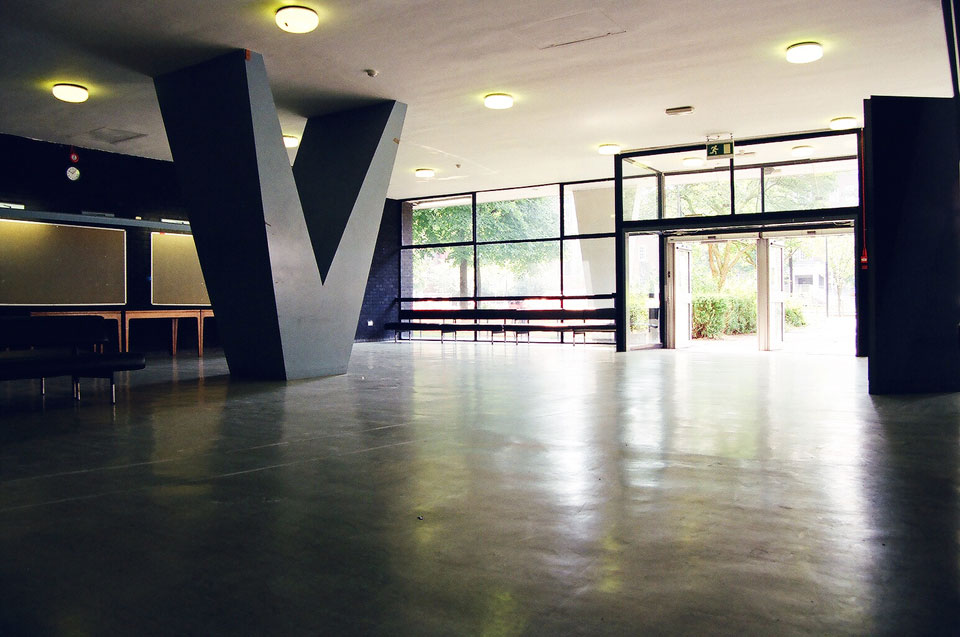
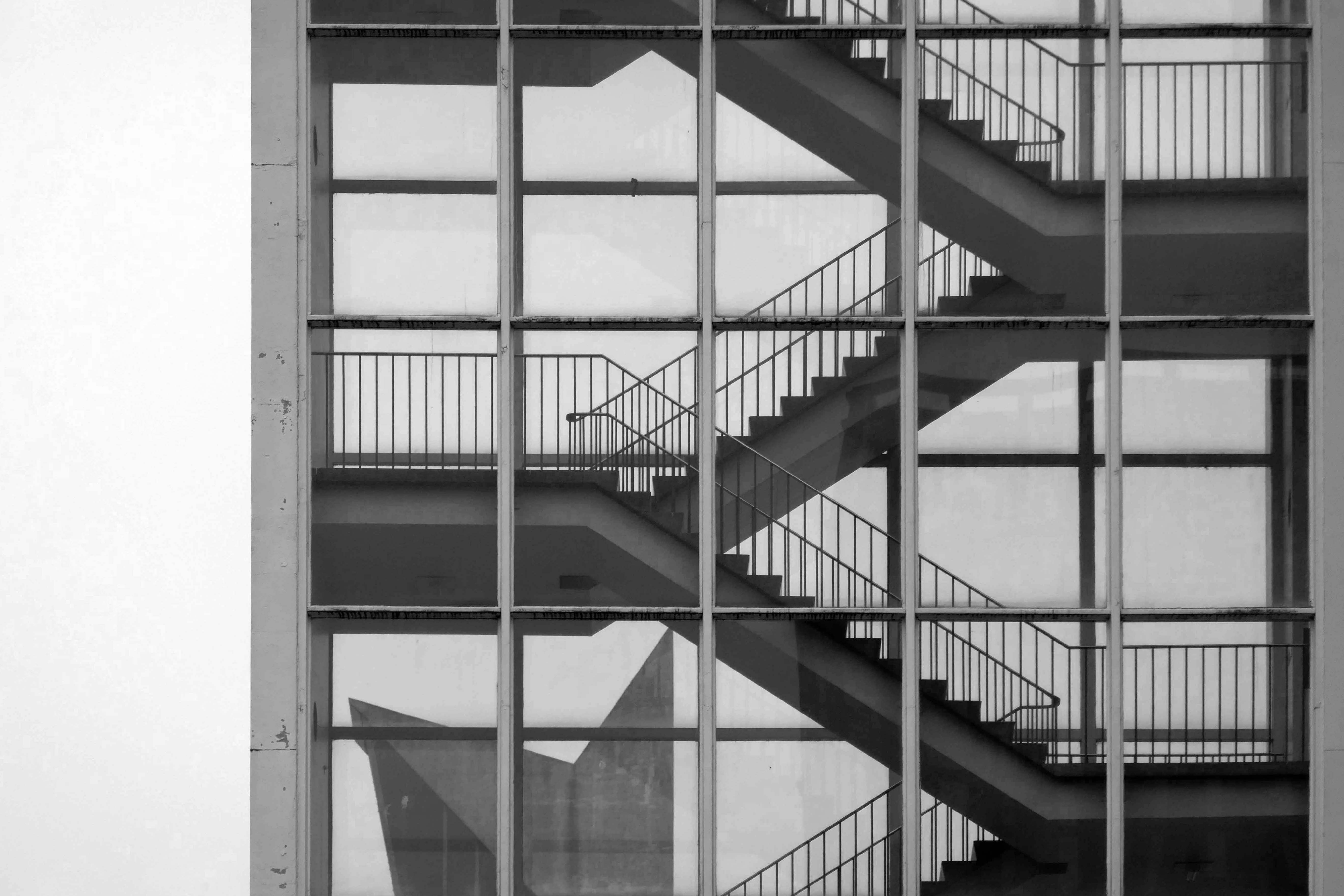
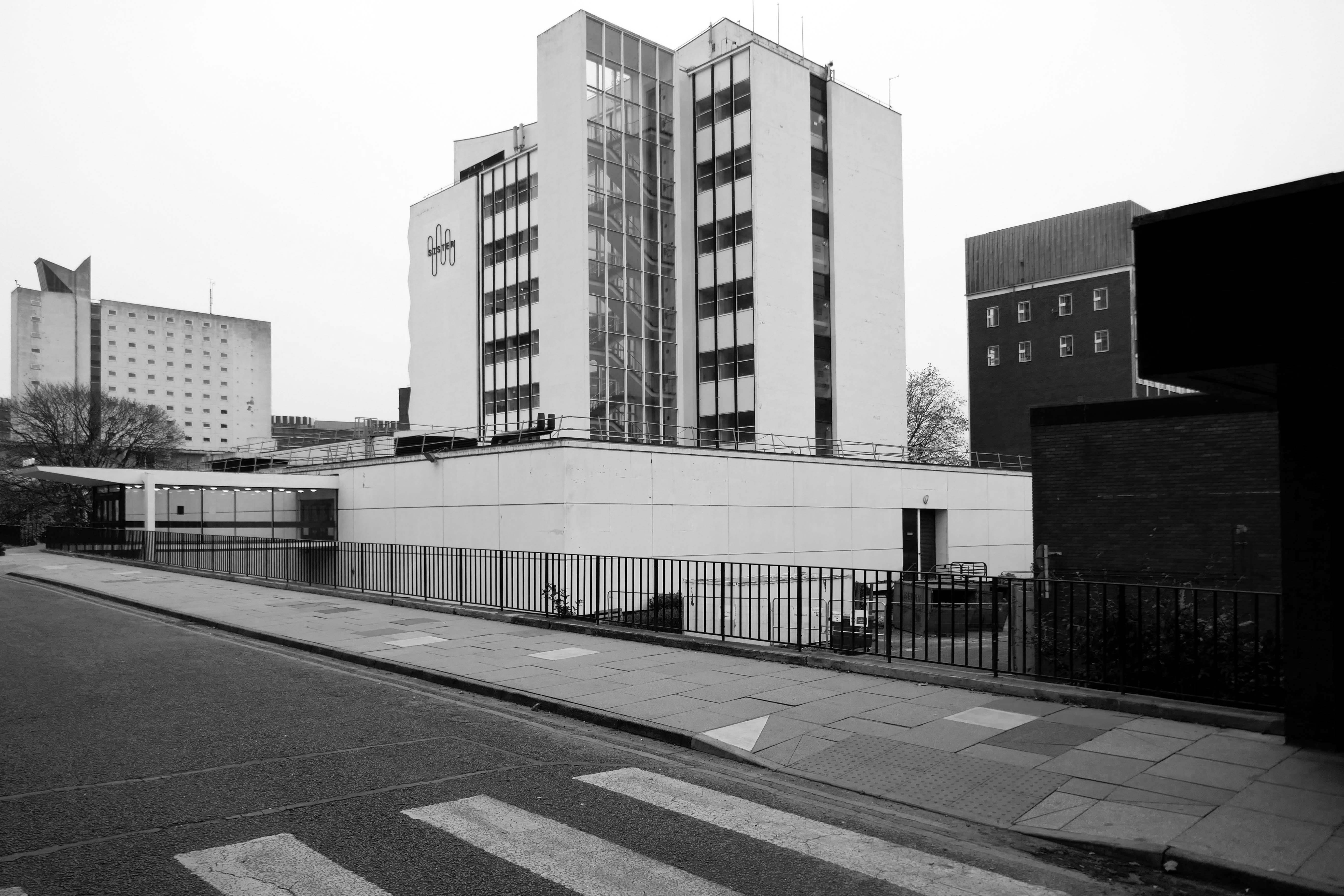
The Roscoe Building is to the University of Manchester what the Renold Building was to UMIST; its purpose was the unification of disparate lecture rooms into one building. In this instance it was a central hub for the Faculty of Science. Both buildings are by Cruickshank and Seward and share traits, though the Renold has arguably more flare. In the Roscoe Building the ground floor houses the smaller of the two main lecture theatres, the larger is an appendage to the main building, but both are accessed from the main foyer. As one ascends, the five upper floors are served by a central corridor flanked by smaller offices and laboratories on one side and larger flexible teaching and seminar rooms to the other. The glazed stairwell is expressed as a separate element.
The appraisal of the scheme in the AJ Building Study made claim that, ‘aesthetically the relationship of this staircase with the main tower is scarcely resolved, but the design has achieved the aim of making this an exciting staircase to use’.
This was the aim of the architect – if all the seminar rooms and lecture theatres emptied at the same time, there was not enough capacity in the two lifts to move everyone. The climb up the stairs is rewarded with a good view of the city centre, a photograph of which was illustrated in the same pages. The clear expression of the component parts of this building is a functional response to the demands, but also the part of the formal language developed through Cruickshank & Seward’s practice. Strong volumetric forms became something of a motif in the work of both John Seward and Arthur Gibbon.
The open entrance area has subsequently been compromised.
Photo: Richard Brook
Performance Electrical Limited was employed to carry out the full electrical refurbishment to the new reception at the University of Manchester’s Roscoe Building on behalf of Armitage Construction.
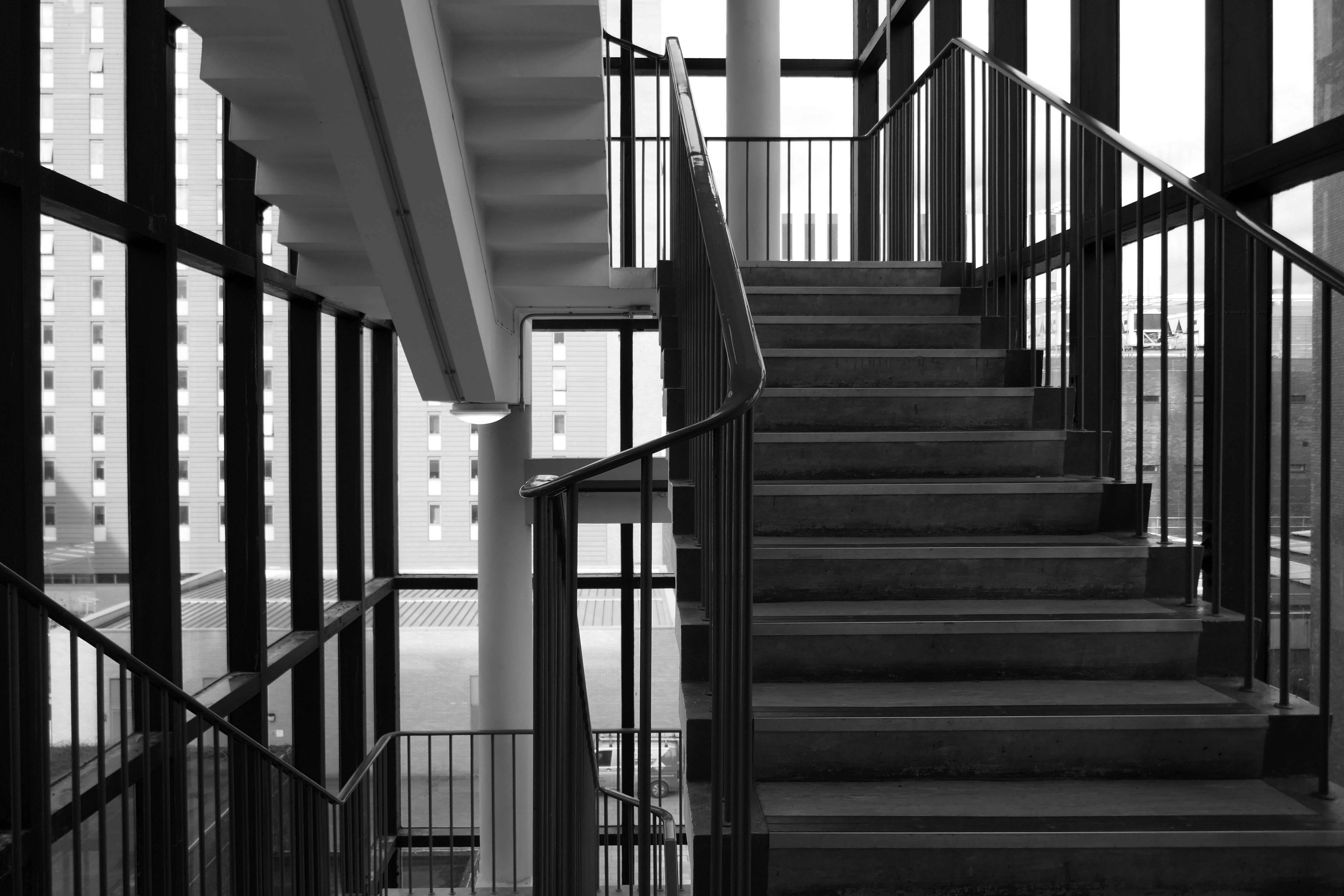
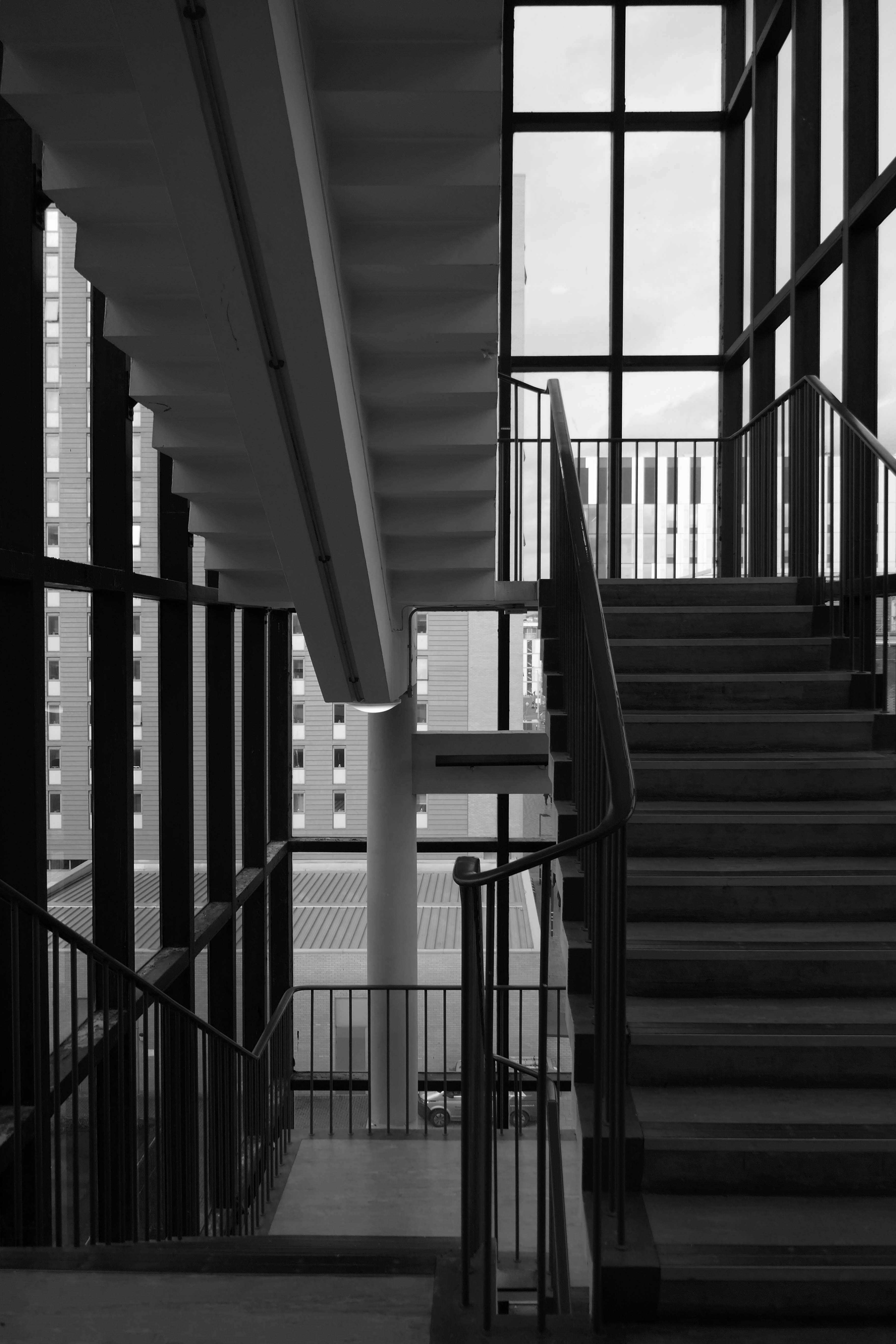
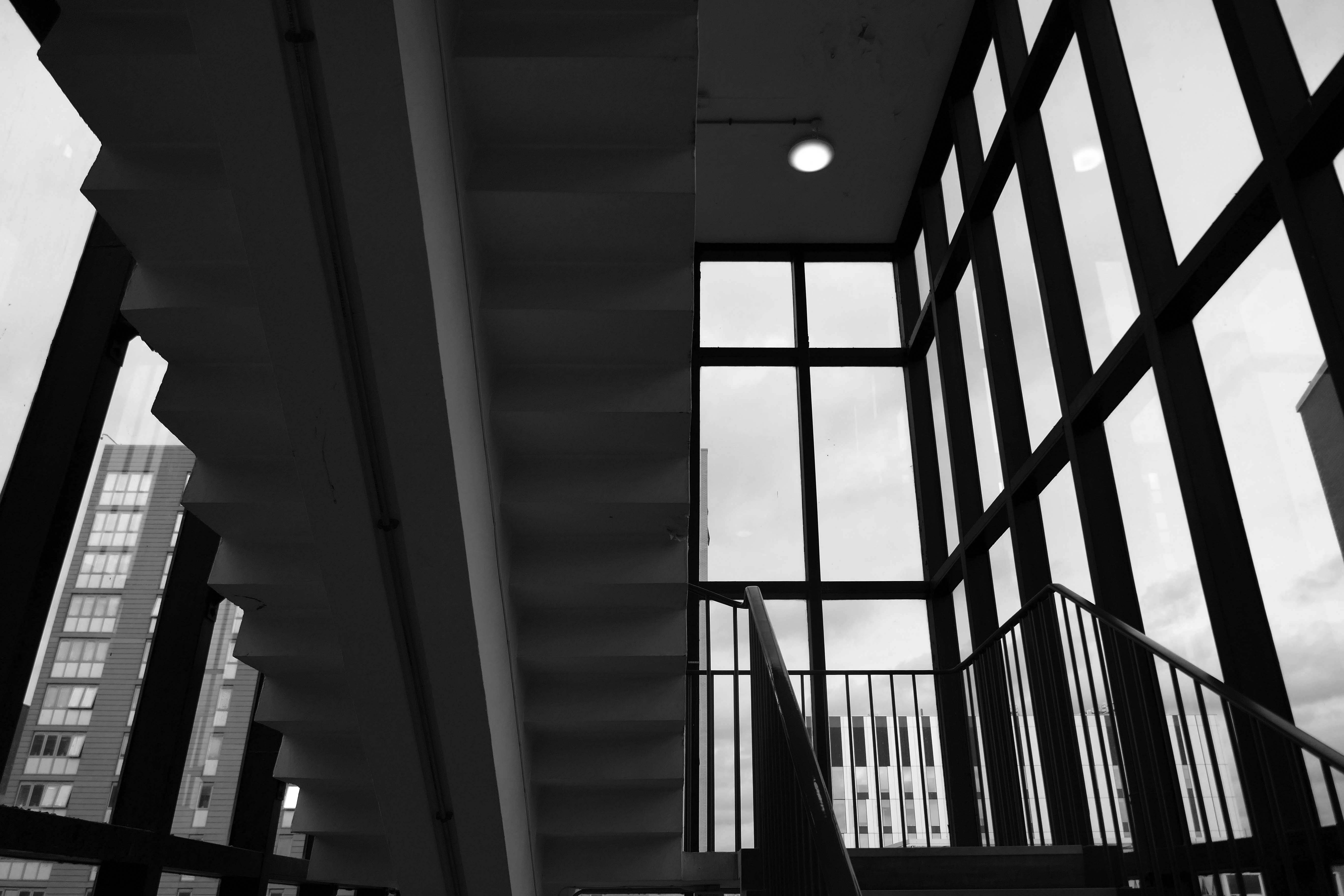
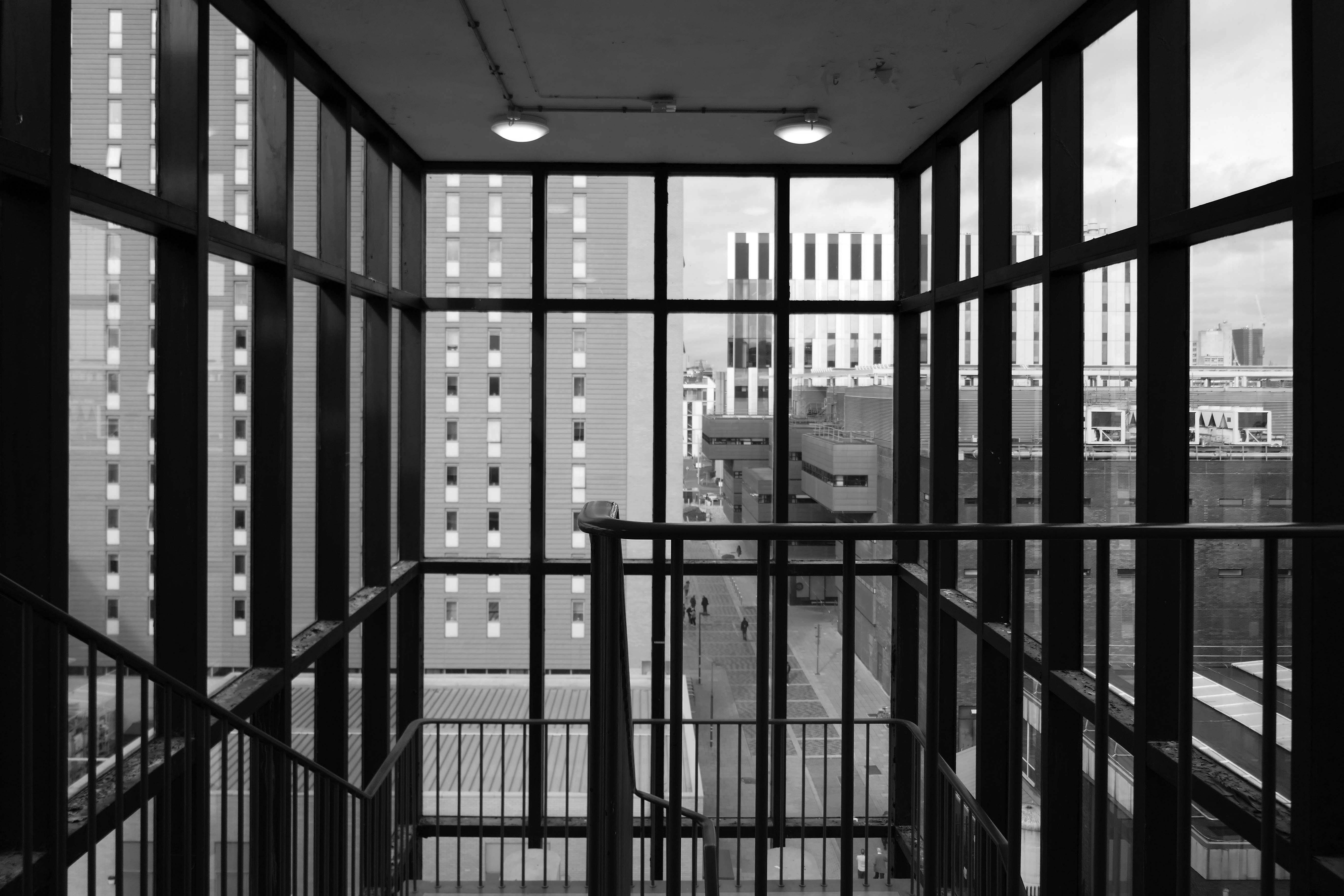
In common with the Renold Building the Roscoe has an elegant glazed staircase.
Turn left out of the station, under the track and right onto Chester Road.
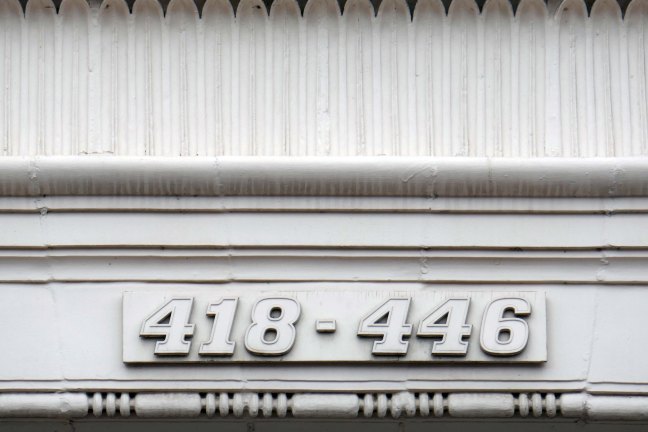
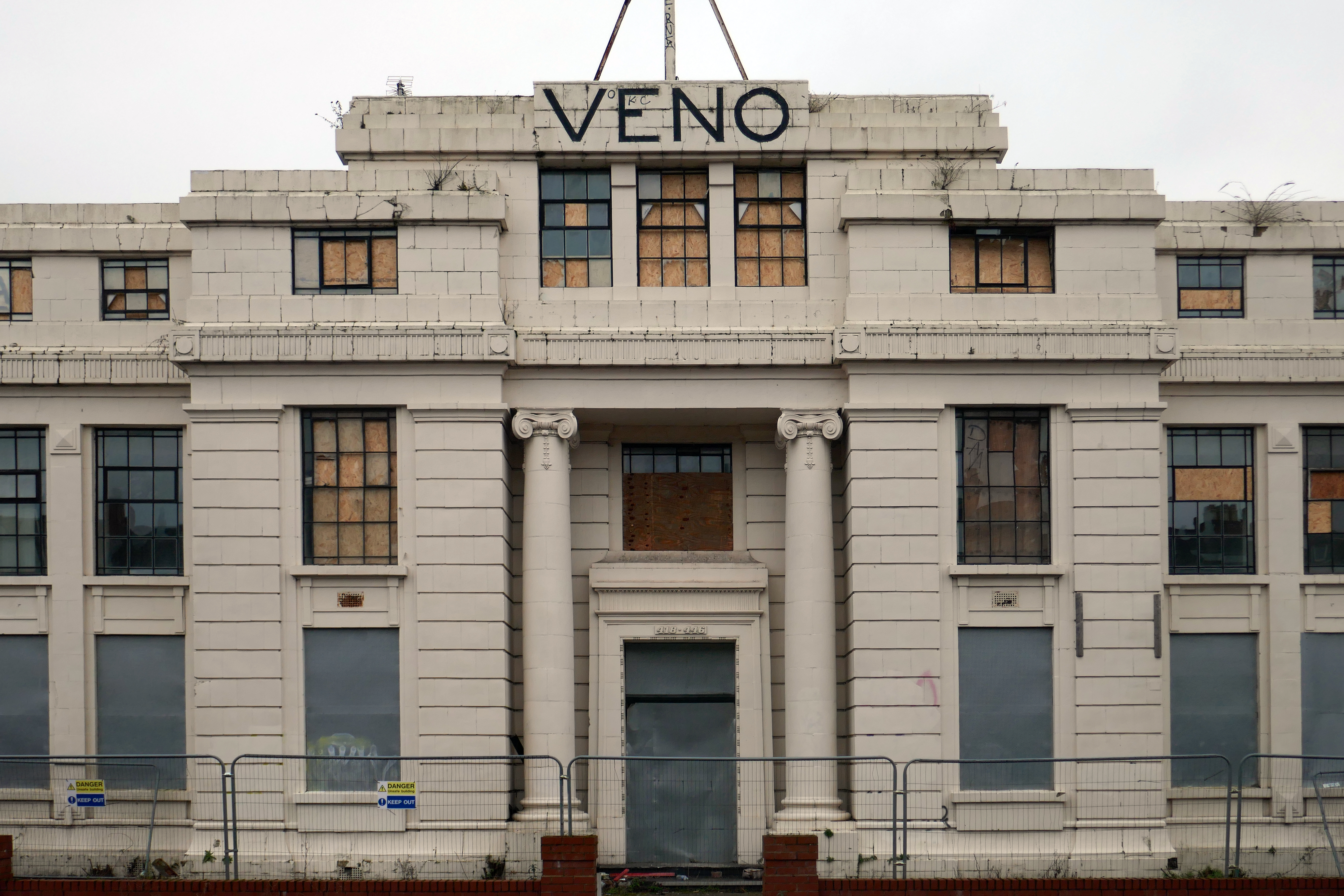
426 Chester Rd Old Trafford Stretford Manchester M16 9HD
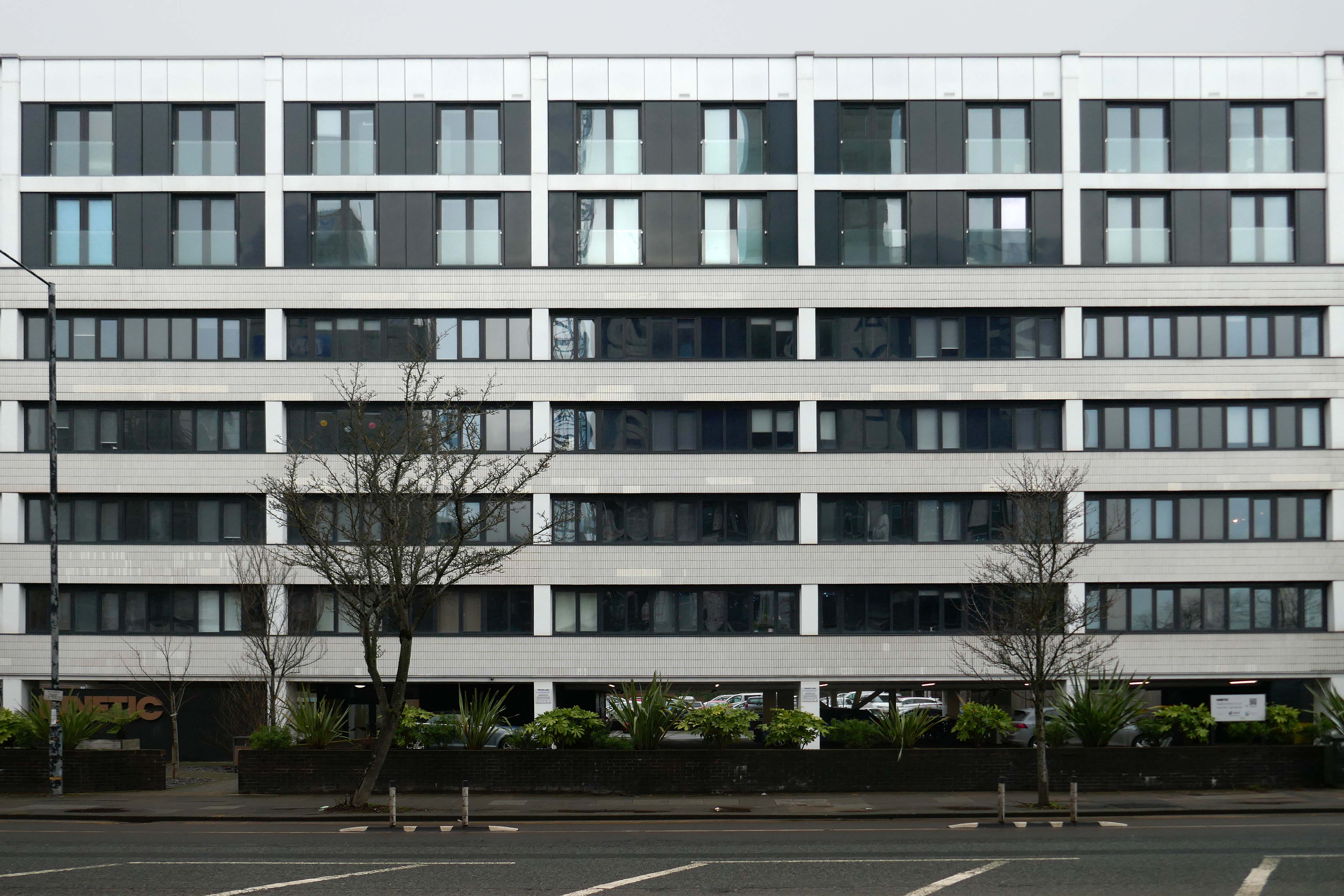
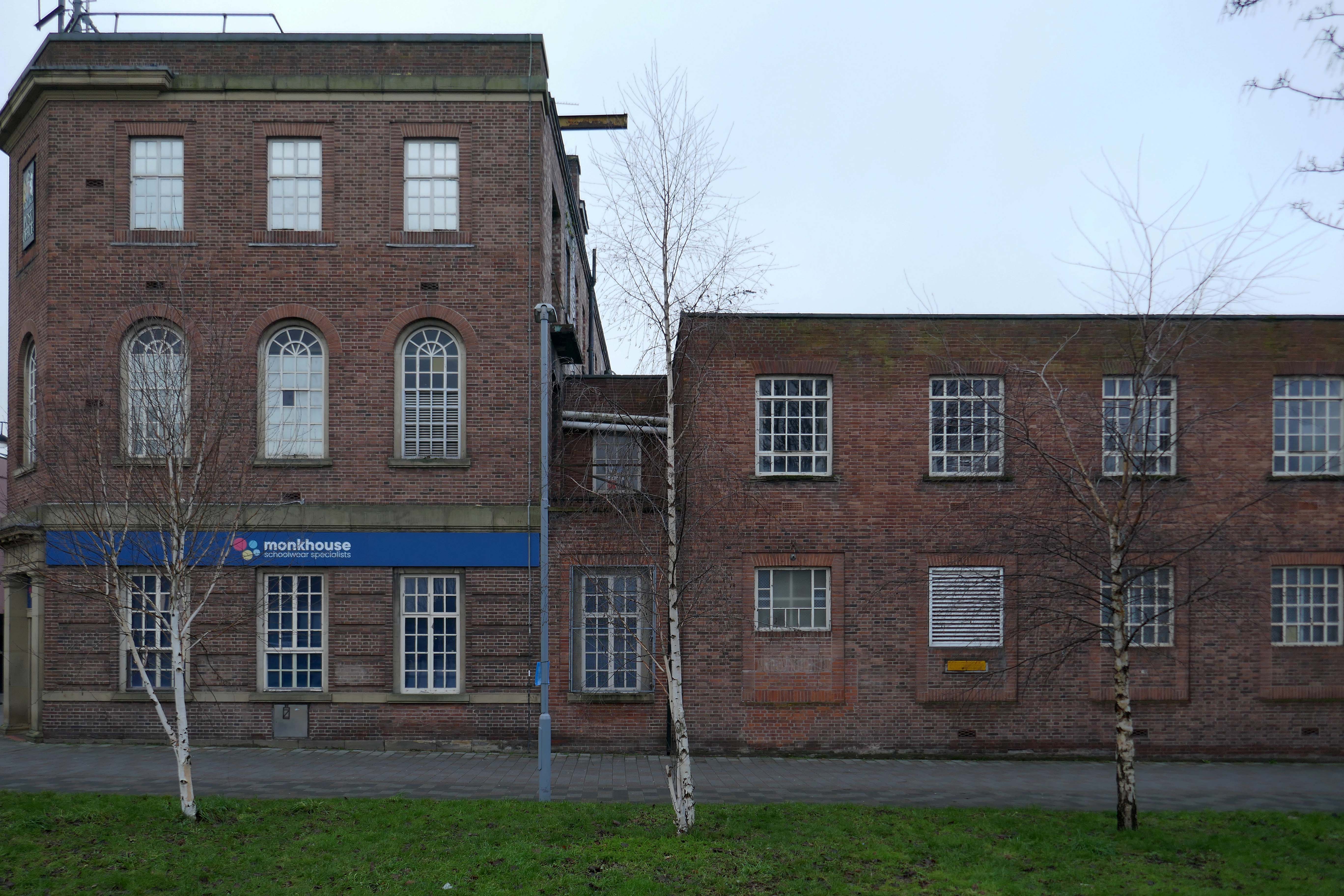
The Veno building, was once a pharmaceutical company founded by William Henry Veno. He established a company in the US before returning to Britain and founded the Veno drug Company in Manchester in 1898. In 1925 the company was sold to Beecham Estate and Pills Ltd. In the 60s the building was under the name Progress House and was home to the Co-Operative Press Limited, later to become Trafford Press.
Westpoint501 Chester Rd Old Trafford Stretford M16 9HU
Located in the heart of Trafford, Westpoint provides residents with a modern and stylish living experience, with views over Manchester United’s football ground and the city centre. Featuring an on-site gym, co-workspaces and a residents’ lounge, Westpoint is one of our most popular buildings and utilises energy-efficient technologies that provide a sustainable living experience.
Trafford Bar
You have reached the next station on foot – rather than retreating to Cornbrook.
Turn left into Seymour Grove.
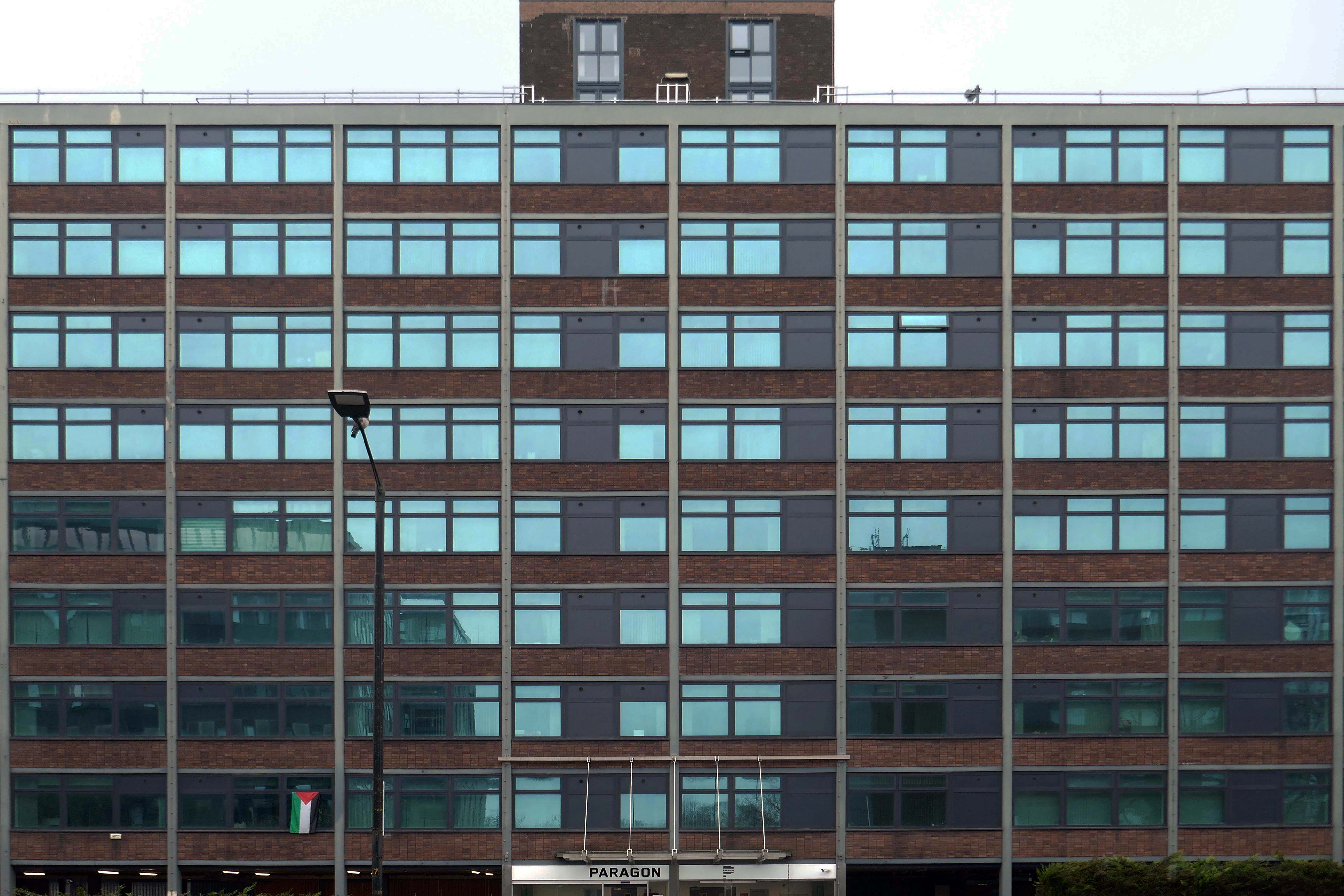
Paragon House 48 Seymour Grove Old Trafford Stretford M16 0YH
Paragon House is located in the heart of the Trafford Civic Quarter which benefits from a 5 minute drive into the centre of Manchester and only 3 minutes away from Trafford Bar Metrolink station. The Paragon House scheme involve the conversion and full scale refurbishment of an existing office building to create 115 one and two bed apartments.
Back to the station.
Old Trafford
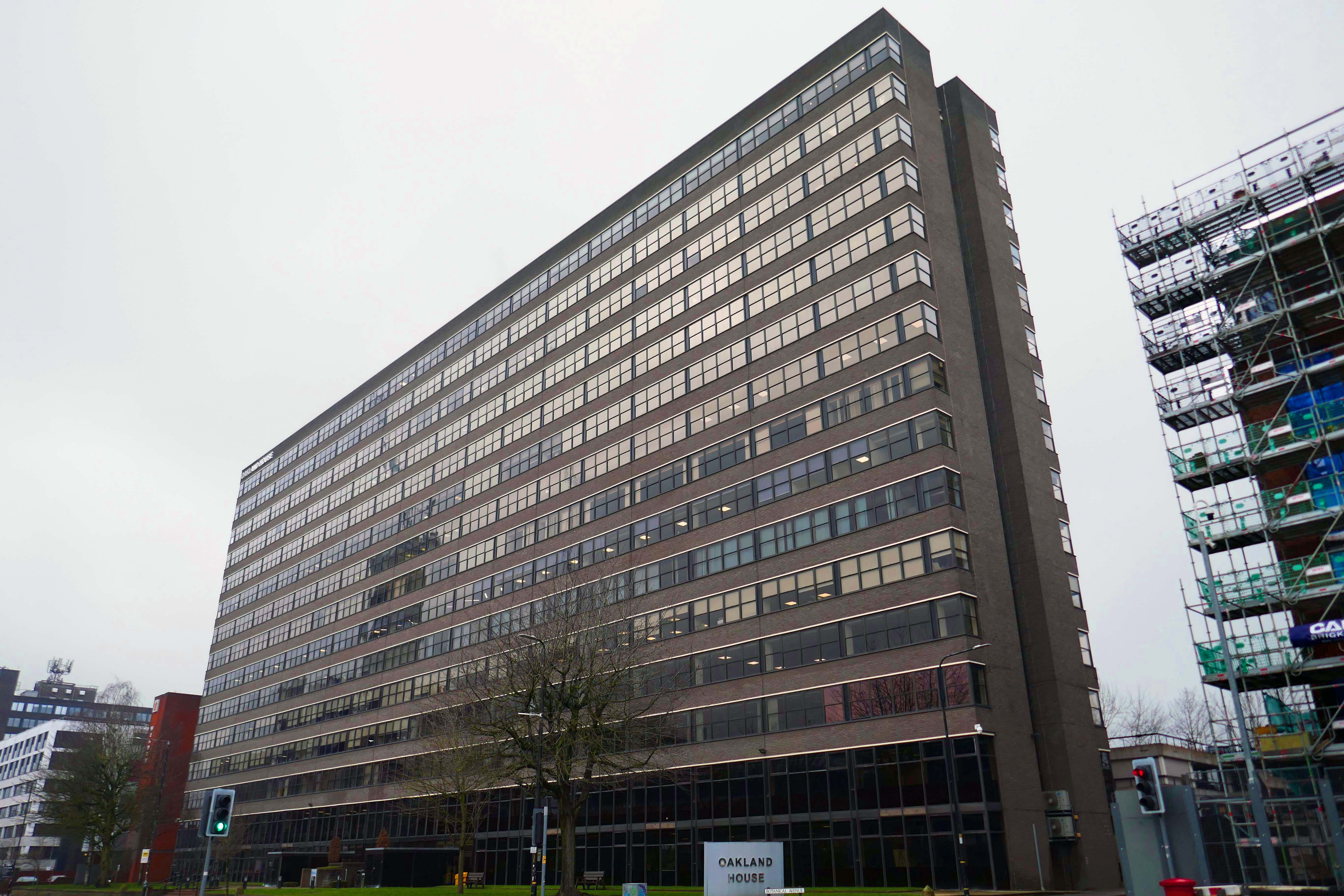
Oakland House 76 Talbot Rd Old Trafford London Stretford M16 0PQ
Oakland House is a landmark building providing high quality office space at the heart of Old Trafford. The property has an impressive entrance and reception area which includes brand new signage and contemporary seating, along with recently refurbished toilets and common areas throughout. The building also benefits from an onsite multi storey car park at the rear to provide an excellent car parking ratio as well as an onsite café.
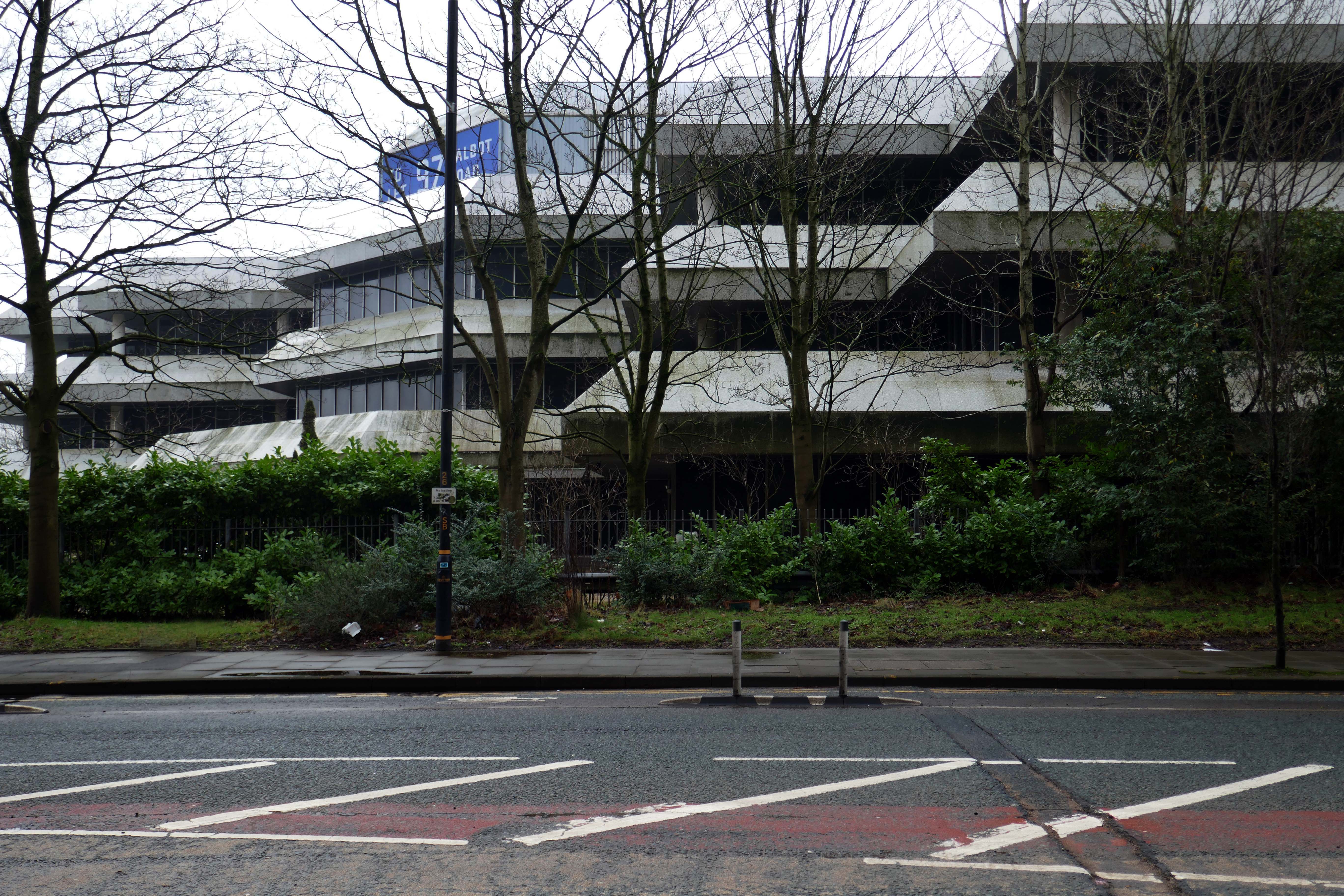
97 Talbot Road former British Gas HQ originally developed for Norweb in the 1980s.
The sitefeatures a two-storey 5,730 sq ft building, making it ideal as a training centre, as well as a separate storage/workshop facility.
A recent refurbishment upgraded the accommodation to provide excellent floor heights and communication infrastructure, collaborative working areas, a staff canteen, cycle stores, showers and a biomass boiler with back-up generator to ensure a constant energy supply in the event of a power loss.
We identified a long abandoned office building with a perfectly located home on Talbot Road, close to Old Trafford Metrolink, and just minutes from the City Centre. Surrounded by celebrated suburbs, our development story in Trafford was born.
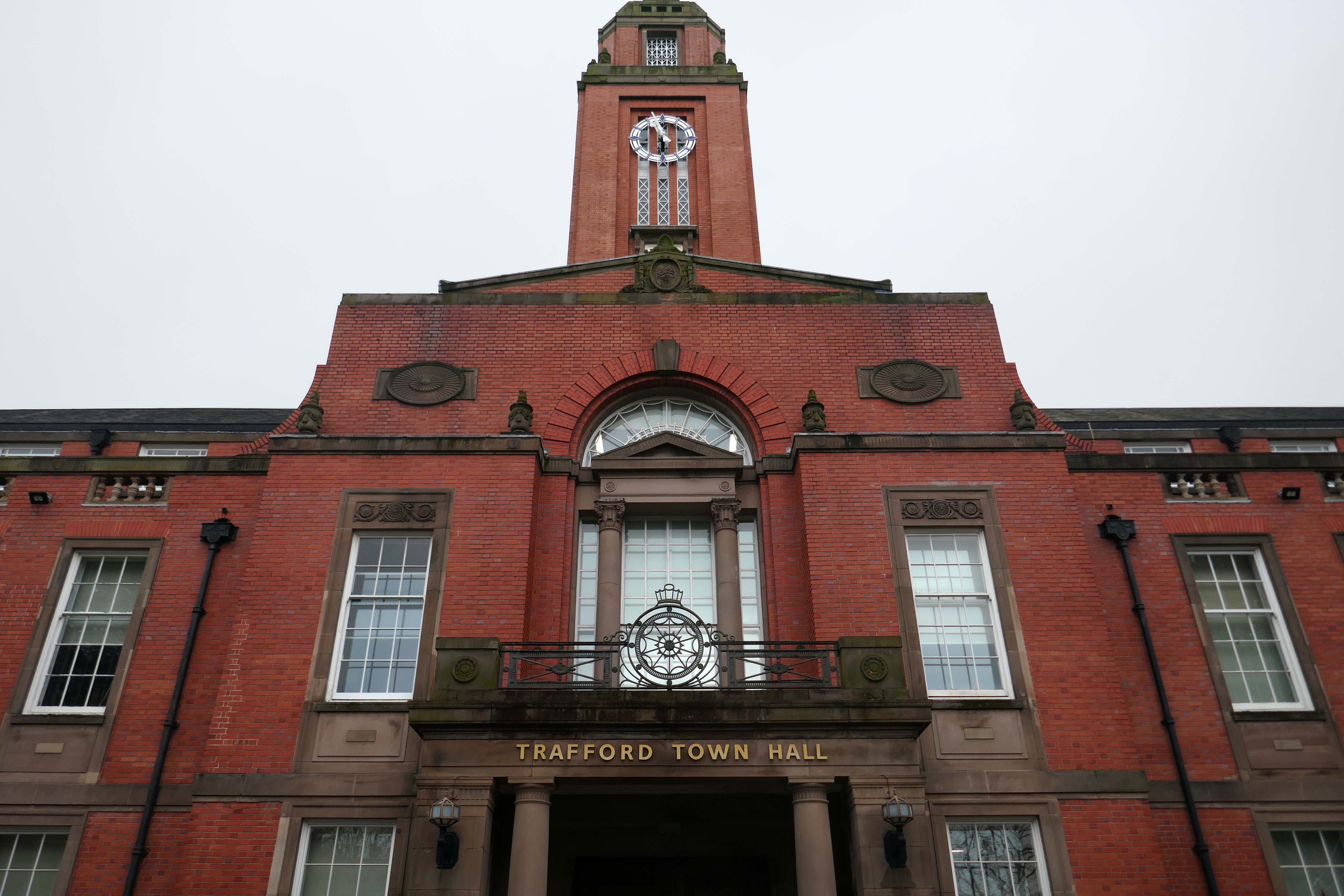
Trafford Town Hall Talbot Rd Old Trafford M32 0TH
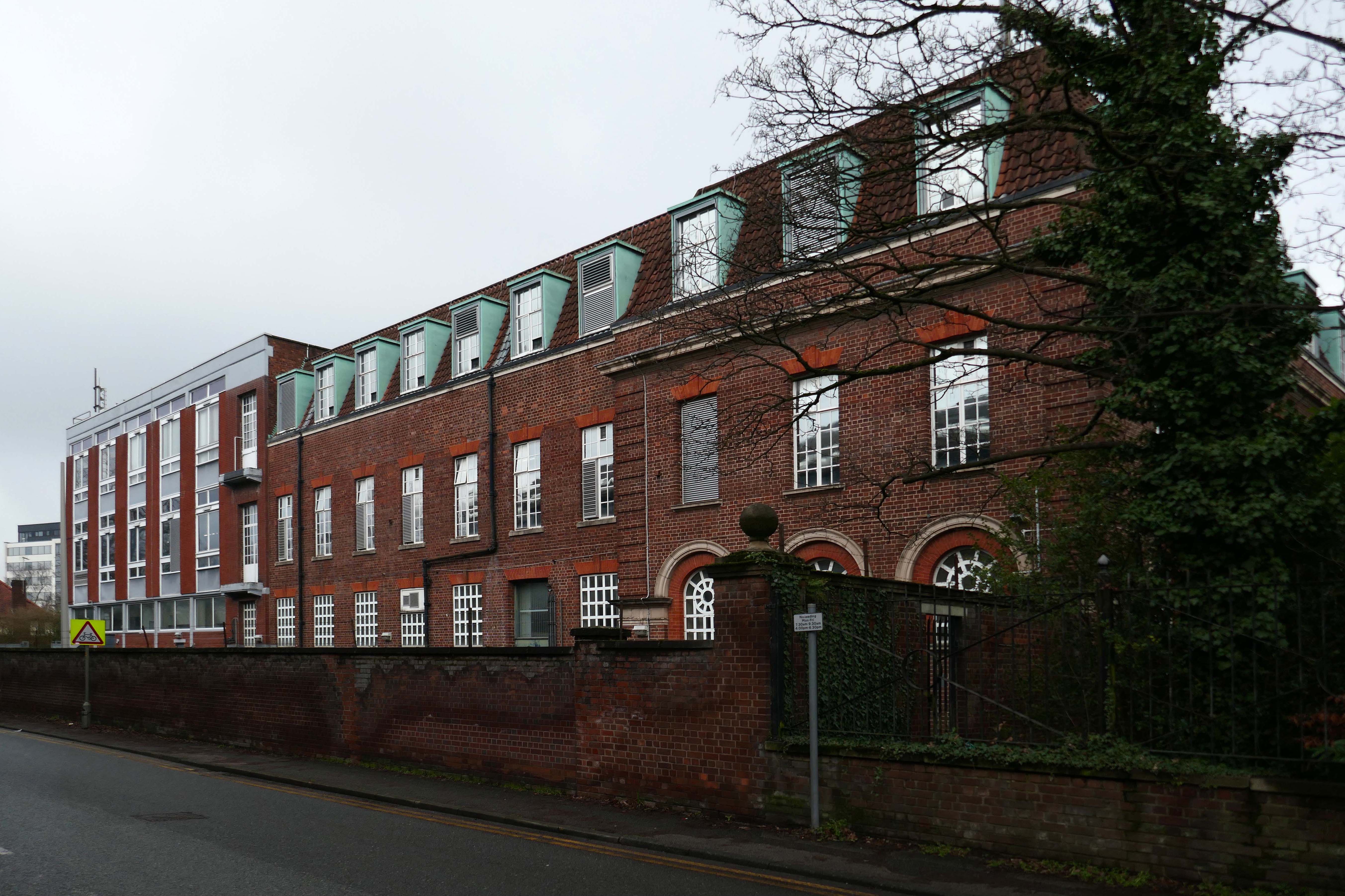
Built 1933 with 1983 extension, designed by Bradshaw Gass & Hope of Bolton and built by the main contractor Edwin Marshall & Sons Ltd. Built of red Ruabon brick in Flemish bond on a steel frame, with gritstone dressings, and a mansard roof with slate on the lower part and plastic above. It has 2 storeys plus attic floor and basement, and is set in landscaped grounds with a sunken garden to the west. The 1983 extension is not of interest.
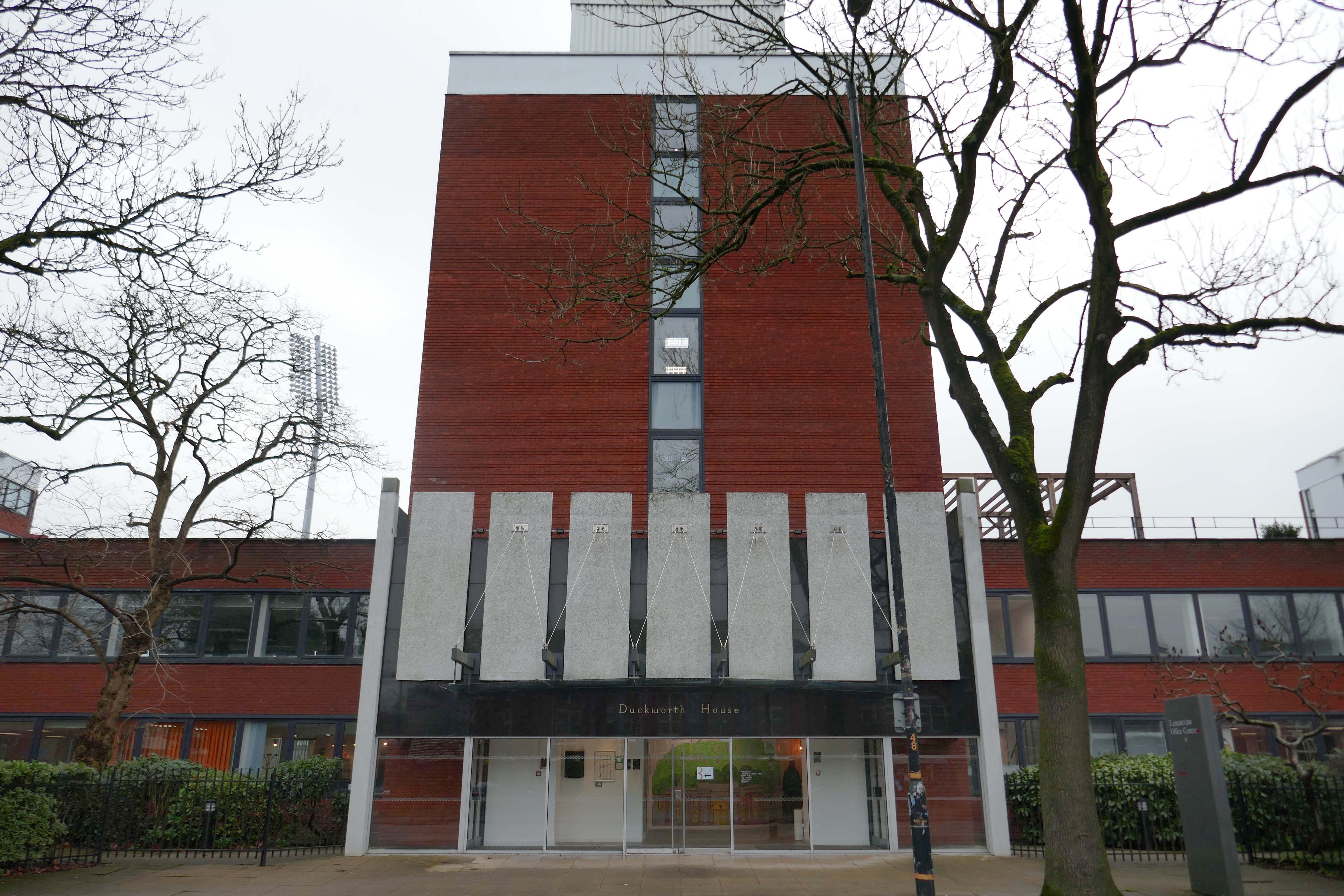
Duckworth House Bruntwood Works Lancastrian Office Centre Talbot Rd M32 0FP
Beautiful views across the Lancashire Cricket County Club and an exclusive roof garden promotes wellbeing and calm, brightening every day.
Located on Talbot Road, Lancastrian is a convenient 10-minute drive from Manchester and Salford via Chester Road. On-site parking is available for you and your visitors, and the Old Traff ord tram stop is less than half a mile away.
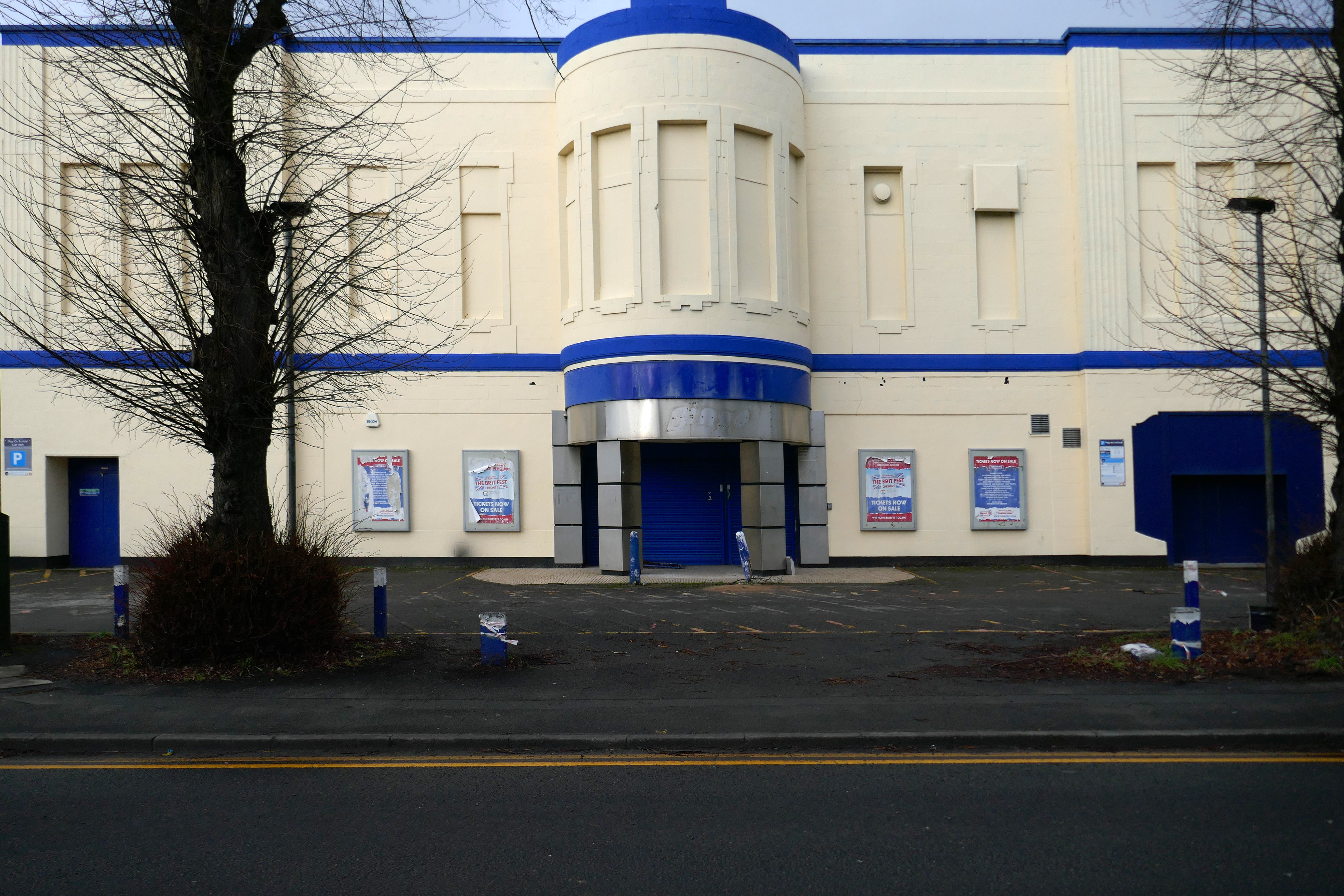
The Longford Cinema was opened on 12th October 1936. Designed by Henry F Elder of Roberts, Wood and Elder of Manchester, it was operated by the Jackson & Newport Ltd. chain.
It was taken over by the Newcastle based Essoldo Chain in August 1950, and renamed Essoldo. It was closed in September 1965 and was converted into an Essoldo Bingo Club, later becoming a Top Rank Bingo Club.
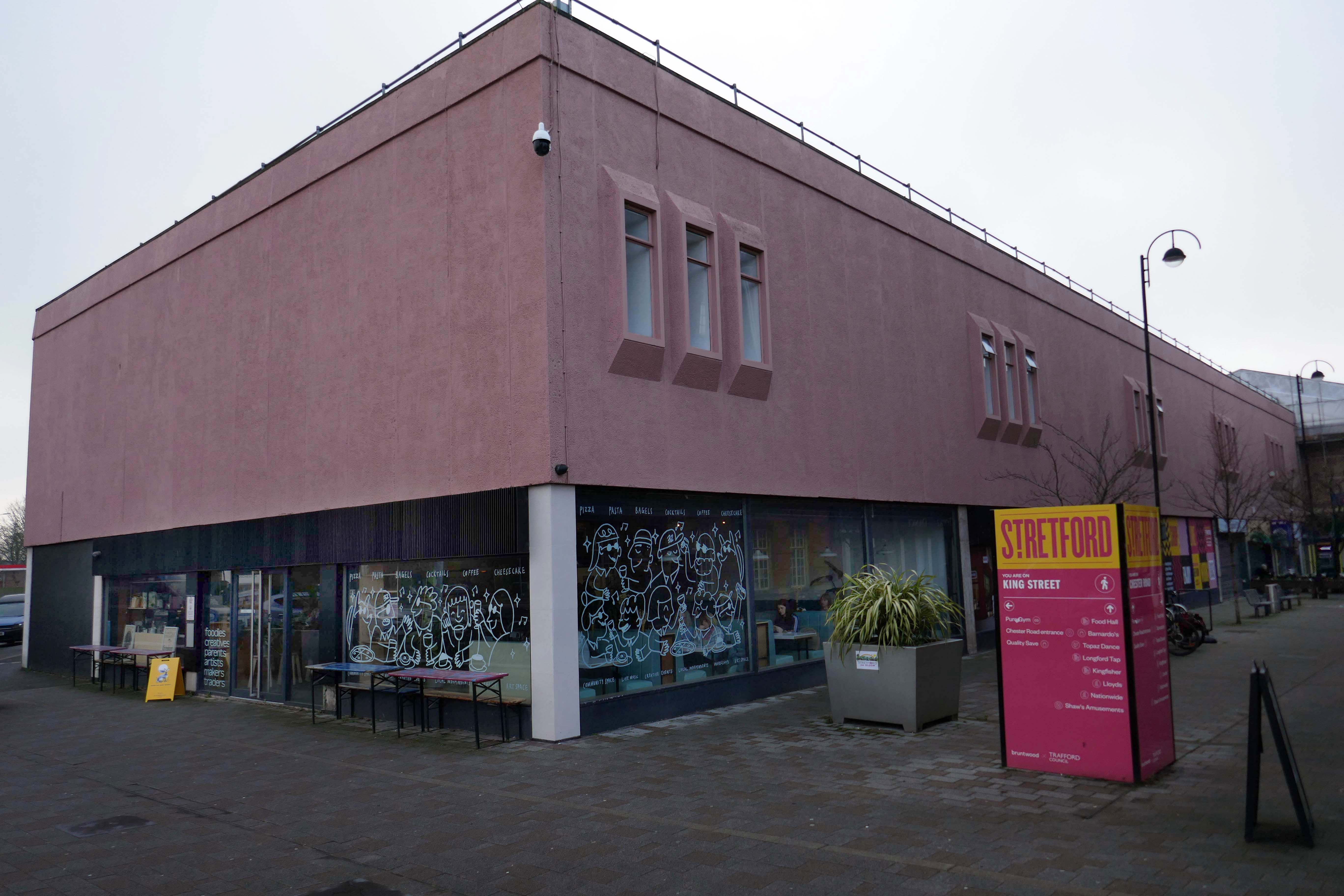
Stretford Mall has been at the heart of the town. Opened in 1969, it replaced the traditional shopping district centred around the former King Street. At the time of its opening, it was the sixth largest indoor shopping mall in the country.
Stretford Mall, or the Arndale as it was known at the time, was opened six years ahead of the Manchester city centre location, and was the sixth biggest shopping mall in the country at the time.
Over the years the story that Mohammad Ali opened the centre has been ingrained into the fabric of the community, although he actually visited to promote malt-based bedtime drink Ovaltine!
The masterplan proposes to reconnect the town centre. To integrate residents, parks, public transport and the canal with the existing shopping centre for a safer, cleaner and greener Stretford. A series of smaller projects will put this into action. Re-invigorating the 1969 shopping centre and high street, greening the centre, opening up routes along the canal and delivering up to 800 new homes.
Stretford House Chapel Ln Stretford Manchester M32 9AZ
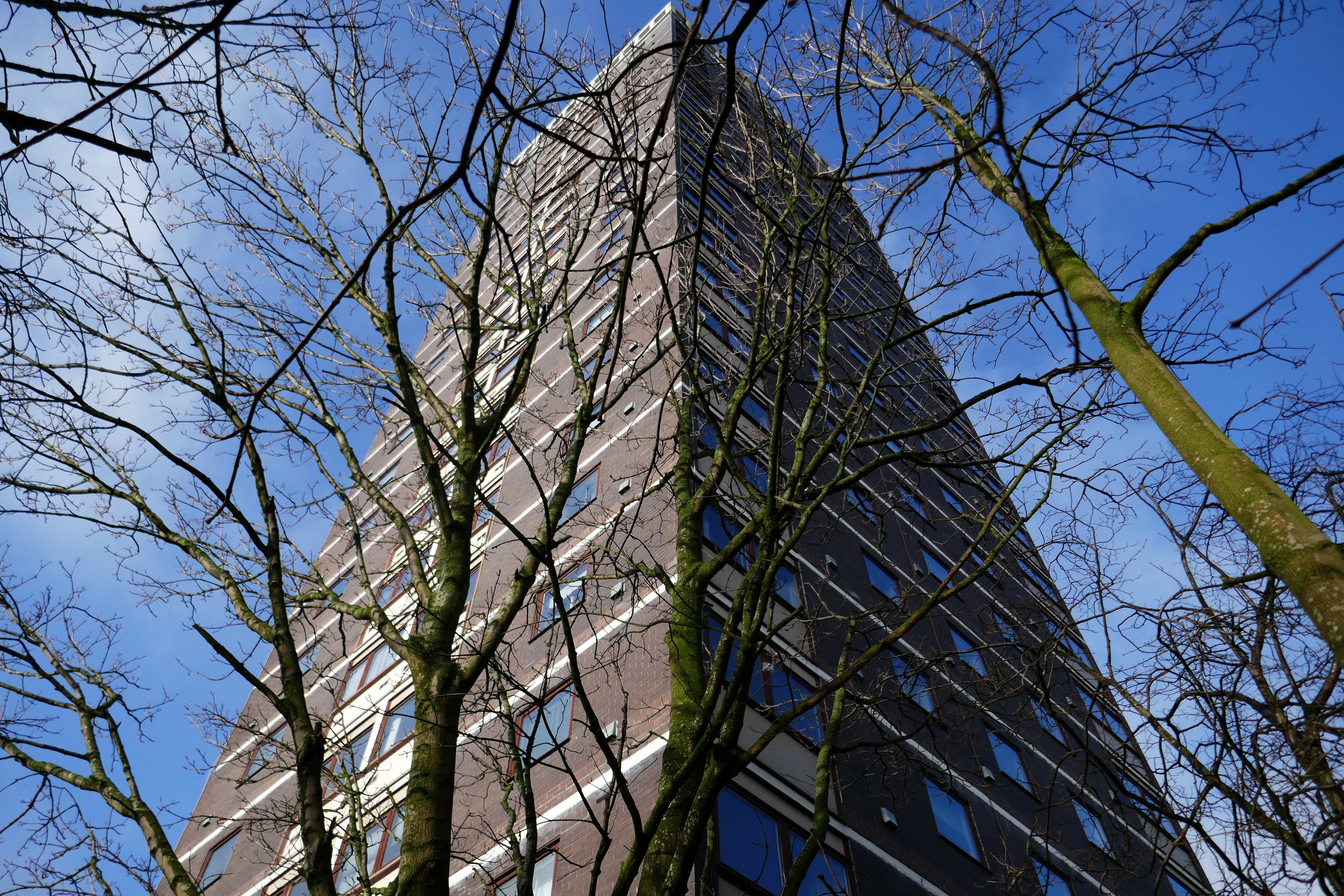
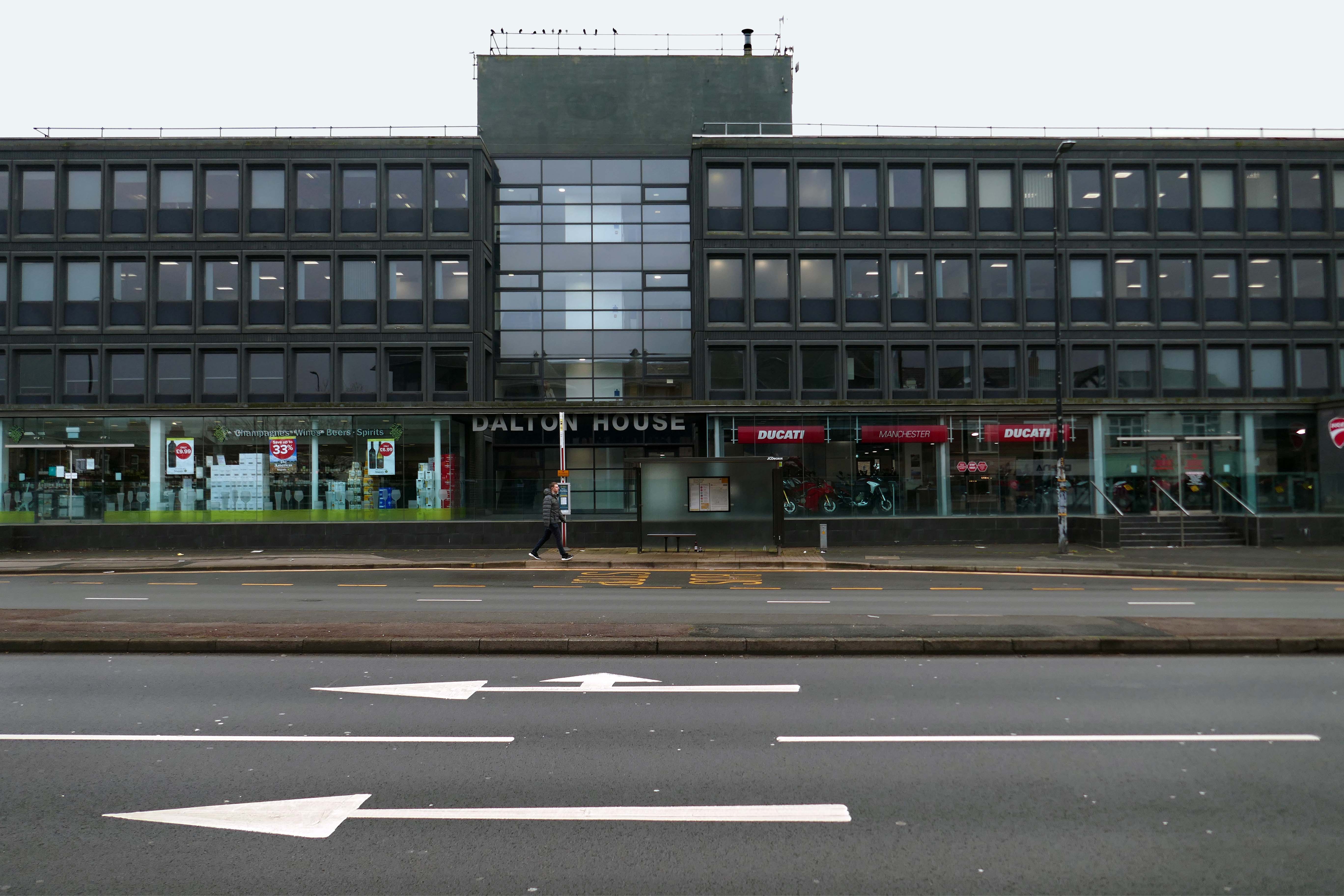
Completed in 1968 at twenty three floors, Stretford House on Chester Road was for many years one of Manchester’s tallest residential buildings. The architects Cruikshank and Seward are also known for some of the city’s ‘s best twentieth century architecture, including the Renold Building at UMIST.
The building has been refurbished both inside and out and offers flexible floor plates, on-site car parking and a dedicated customer service team to ensure the smooth operation of the building. The ground floor of the building is occupied by two prominent retail units occupied by Majestic Wine and Ducati Motorbikes, with office accommodation on the upper 3 floors.
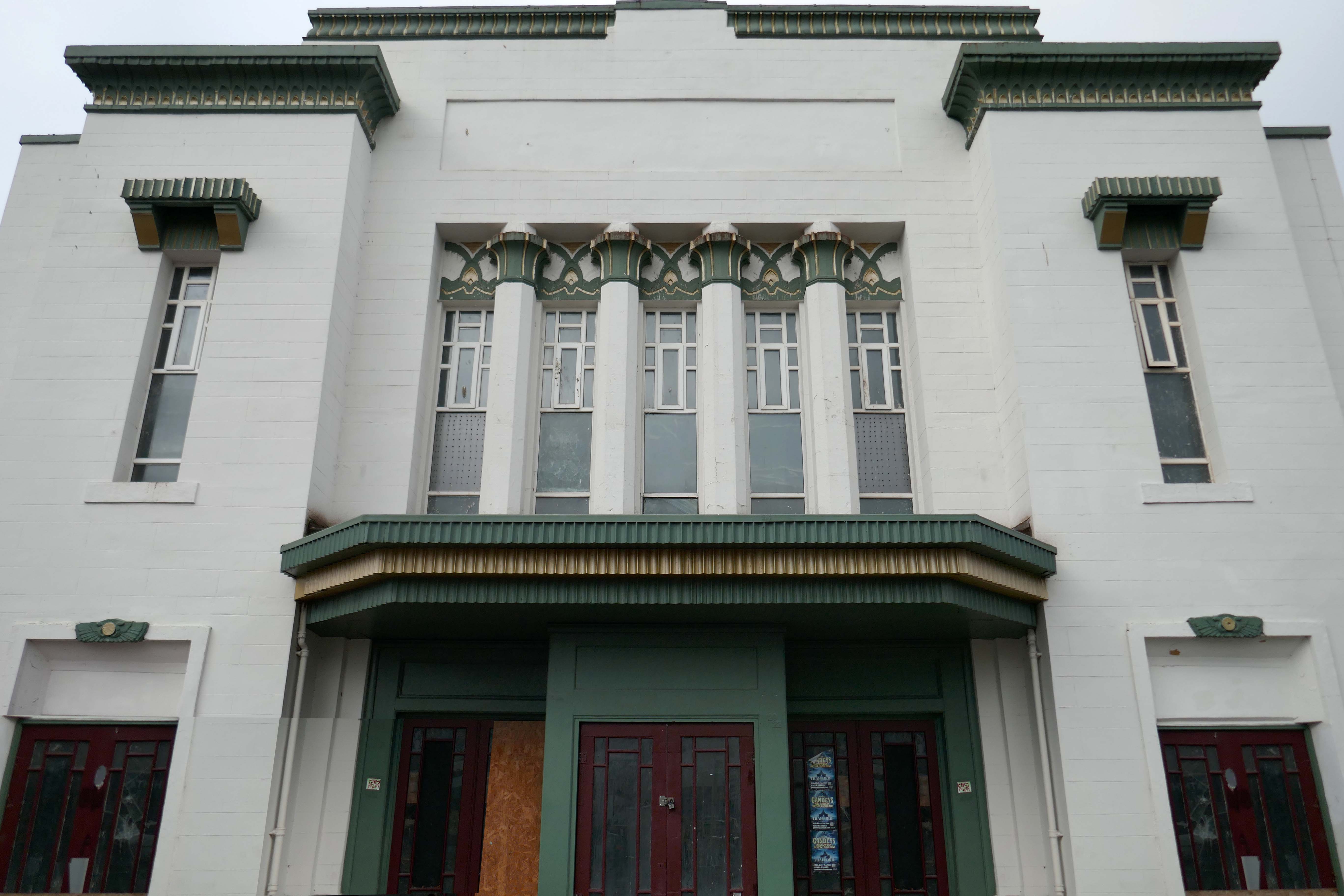
Designed by the famous British cinema architectural firm, Drury & Gomersall, the Pyramid Theatre is a classic example of an Egyptian-style cinema in Britain and had a 1,940 seating capacity.
The Pyramid Theatre was designated a Grade II Listed building in November 1987.
The circumstances in which the Pyramid at Sale in Cheshire was built were far from simple. The scheme was instigated by local entrepreneur John Buckley, who, having spent £5,000 on the site and commissioned a striking Egyptian‑influenced design from Drury and Gomersall, was not going to be put off from erecting the building by such a minor detail as the refusal of a licence. The refusal was brought about by protests from local churches, the police and rival cinema owners. The building was ready to open by the start of 1934, but still the local authorities refused to grant Buckley a licence to open his Egyptian dream palace. The disgruntled showman responded by organising a massive publicity campaign and a petition, which eventually garnered 18,853 signatures. This stratagem finally forced the hand of the urban district council, who claimed that they had refused the licence because they had no evidence that another cinema was needed. Now they had no such doubts, the licence was granted.
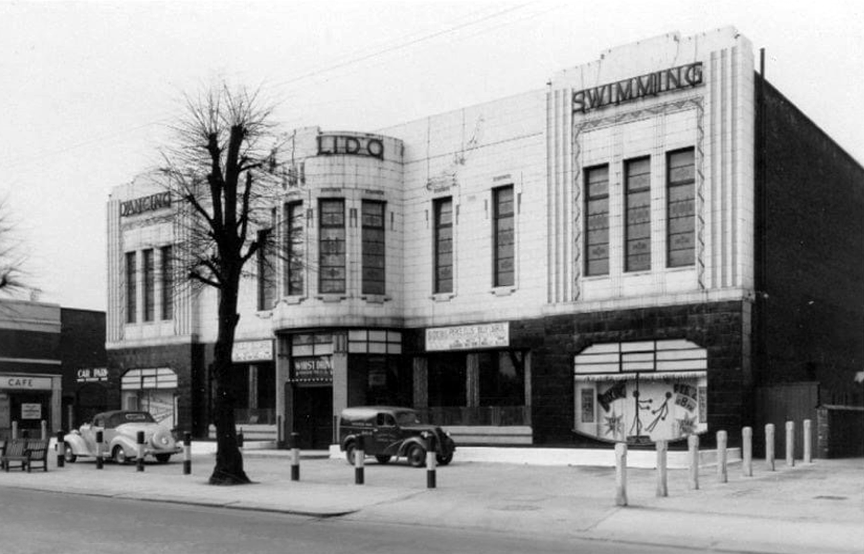
Opened on 10 July 1935, the Lido complex included a covered swimming pool, 130 feet long; domed solarium with facilities for natural and artificial sunbathing; café/restaurant; and lock-up shops. The pool could be covered over to form a dance floor during the winter months. The front elevation was clad in cream and green faience. In the sixties The Lido was taken over by Mecca and re-named the Locarno Ballroom, later Mecca Bingo – since closed.
Dine at fan favourites, and remember, good times aren’t just for weekends. Whether you’re after a caffeine fix, bar to prop up or even a pop-up gallery space, we’ll keep you busy any day of the week.
And if shopping’s your bag, we have it all. You’ll find household names rubbing shoulders with indie traders, alongside a curated mix of nail bars, barbers, greengrocers and all sorts in between.
Stanley Square is a unique take on the traditional shopping centre. We’re creating an eclectic destination where a-bit-of-anything goes, and the people are pride of place. You’ll come for the culture, and come back for the community vibe.
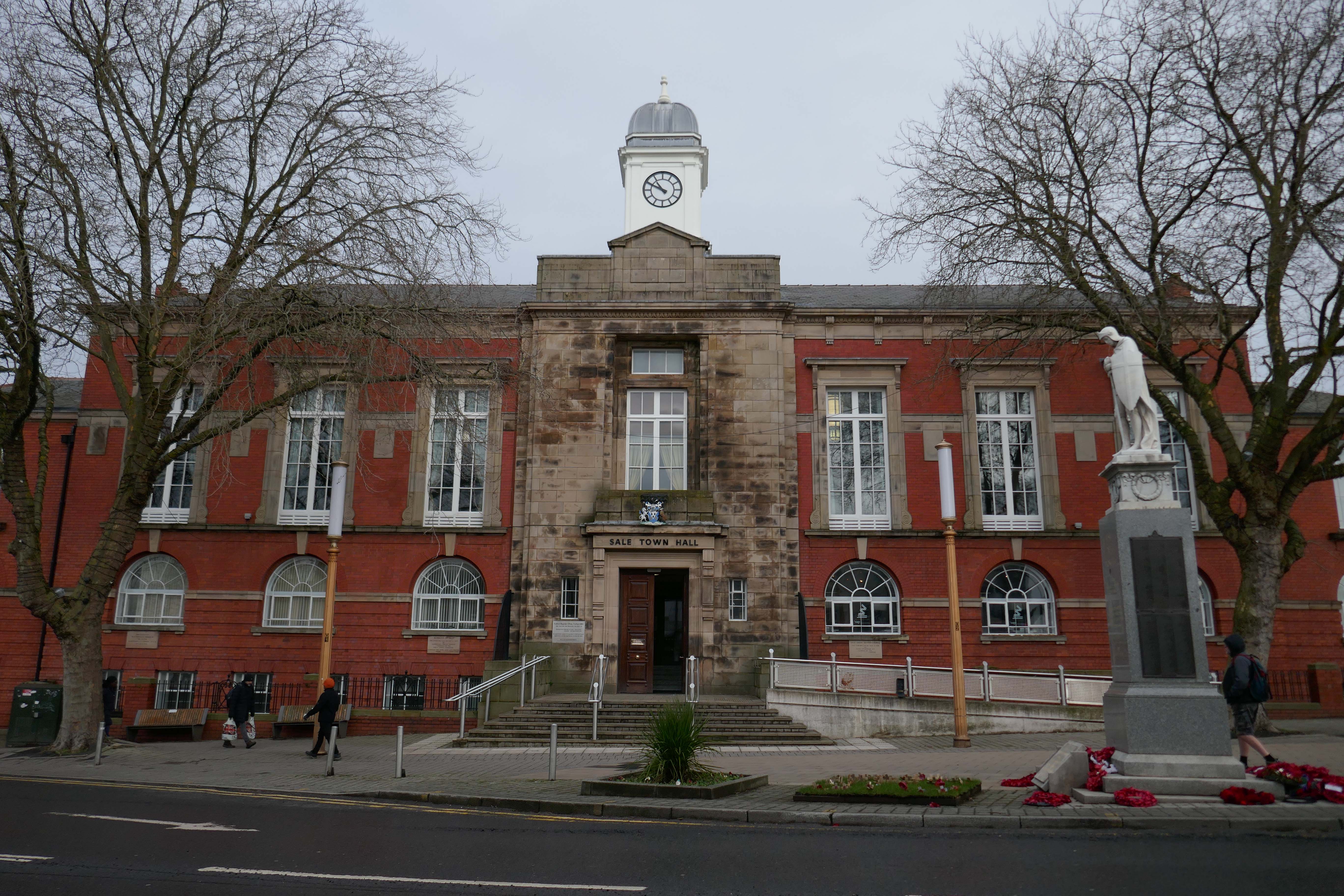
The building was hit by a series of German incendiary bombs on the night of 23 December 1940 during the Manchester Blitz, a part of the Second World War: there were no injuries but the building was badly damaged. A programme of restoration works, which included the installation of a new clock tower with cupola, was completed in 1952.
Brooklands
Turn left onto Marland Road, then left onto Washway Road.
Turning right into The Avenue, where we find at Wincham Road Sale M33 4PL
Take the wet steps to the right ascending to Woodlands Road.
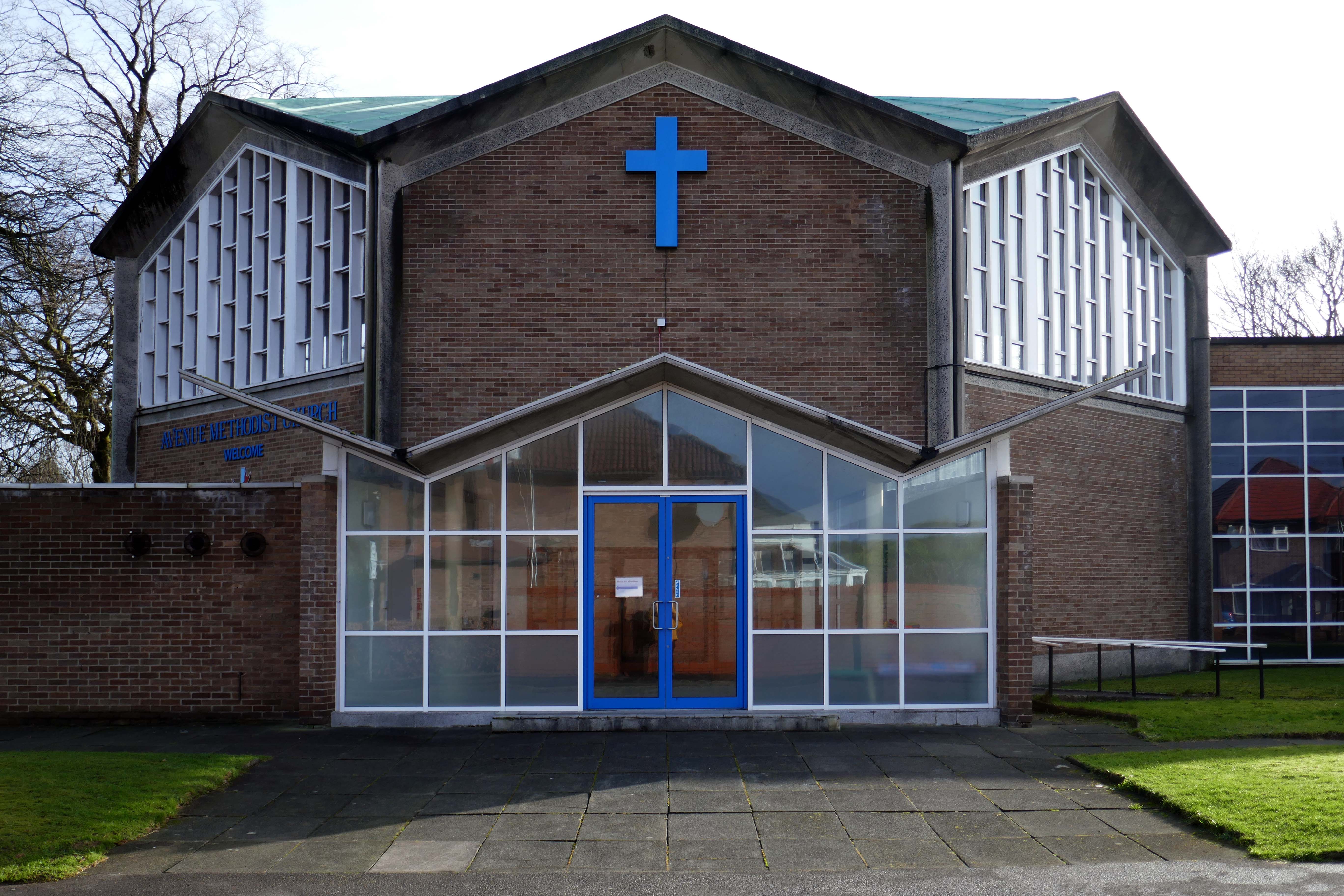
Where you will find the Altrincham Methodist Church.
Barrington Rd Altrincham WA14 1HF
Continue along Barrington Road to Station House.
Stamford New Rd Altrincham WA14 1EP
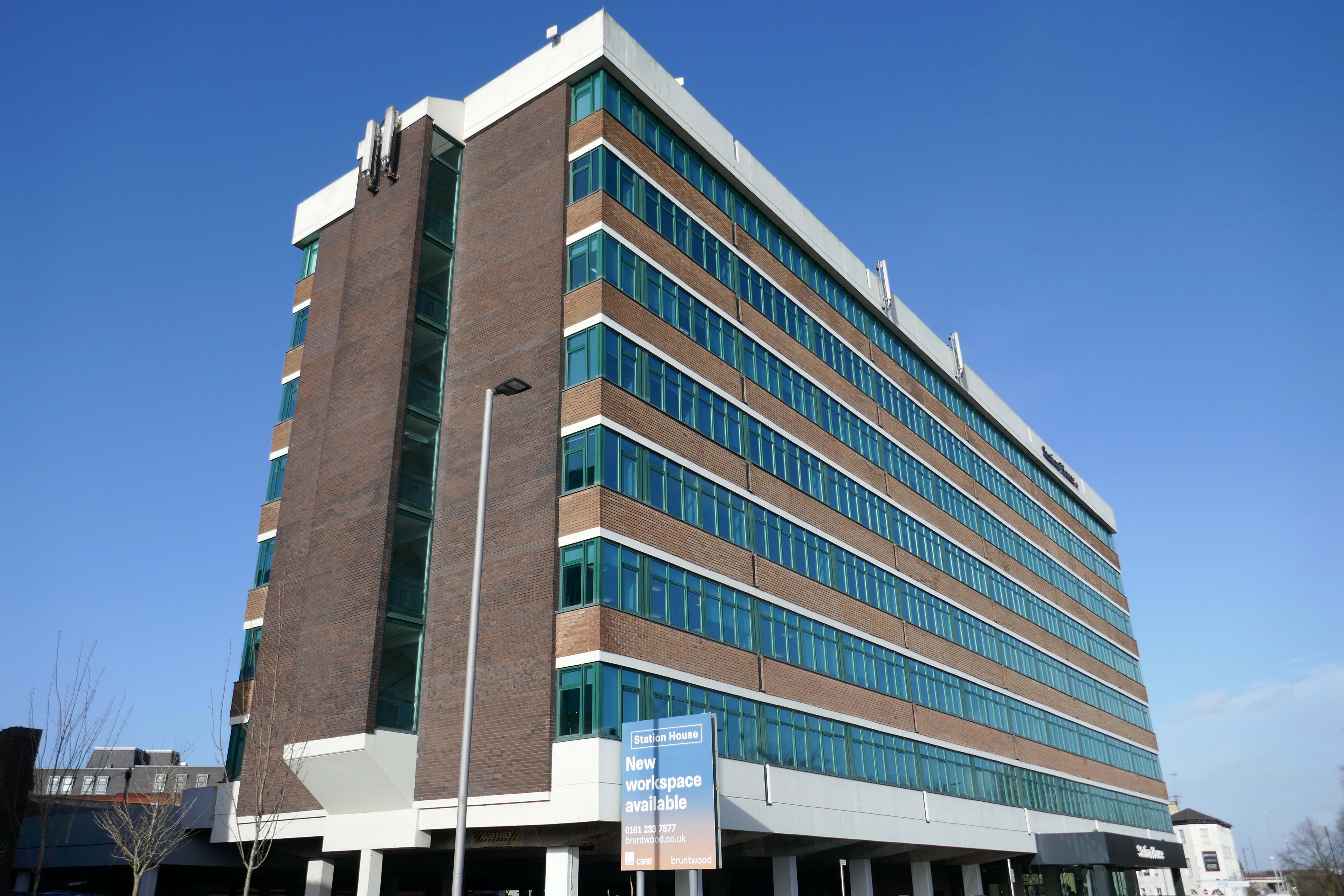
Station House is a welcoming workspace in the centre of Altrincham situated adjacent to the Metrolink, rail and bus stations, and is just a couple of minutes walk from the retail amenities of the town centre. It boasts a newly refurbished reception and lounge area which is ideal for collaboration space. The building offers secure car parking, a manned reception and on-site building manager.
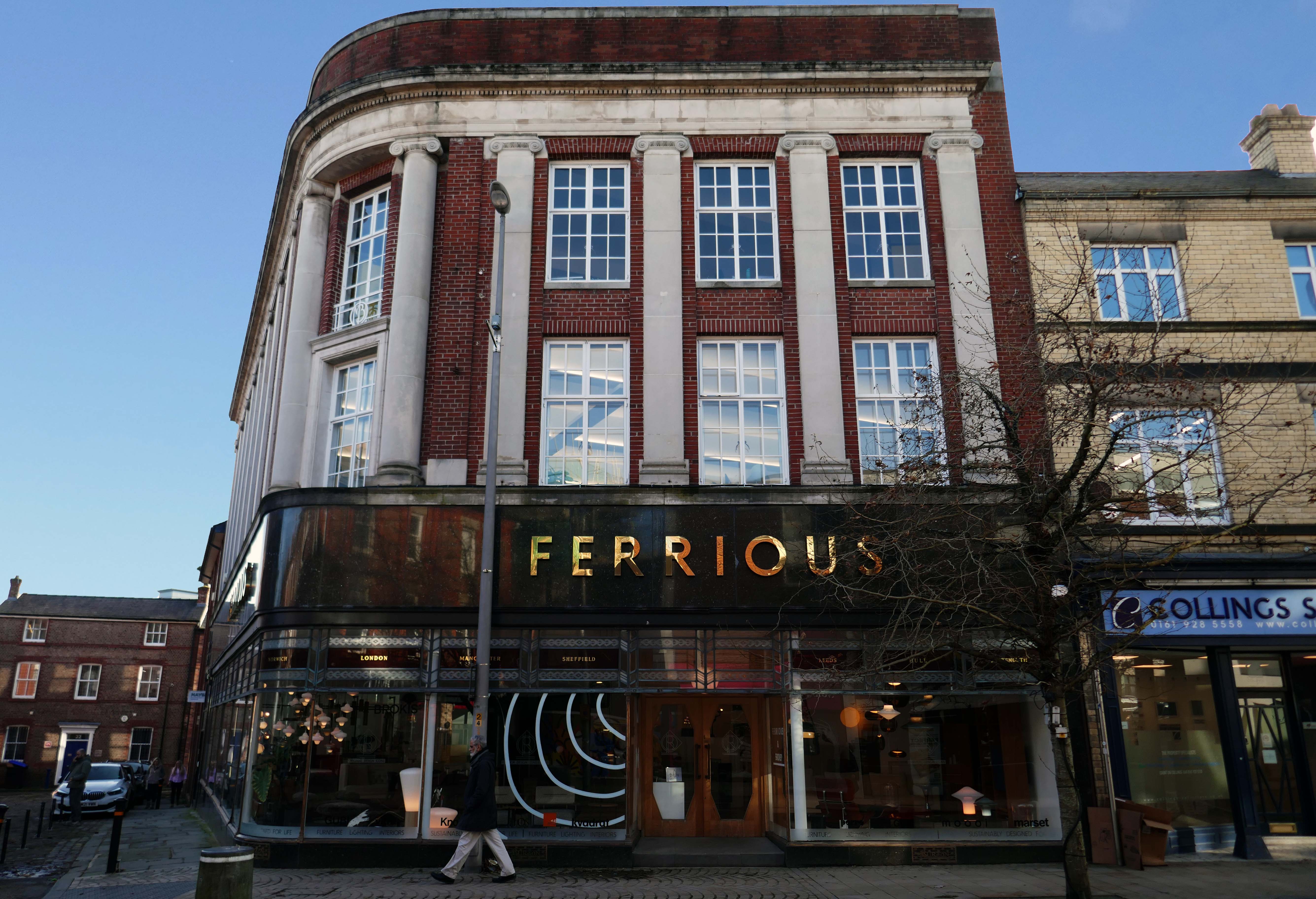
With the desire to have a more public face, Ferrious took on the present showroom in 2018 and after extensive restoration the new showroom opened in March 2019. Ferrious is still led by Jeremy and Paul and in 2021 it will be thirty years since they first joined forces. With those thirty years of experience, along with an incredible team of talented Interior Designers who live and breathe design, Ferrious will ensure every part of your experience, either long or short, is professional, enjoyable and filled with exceptional knowledge.
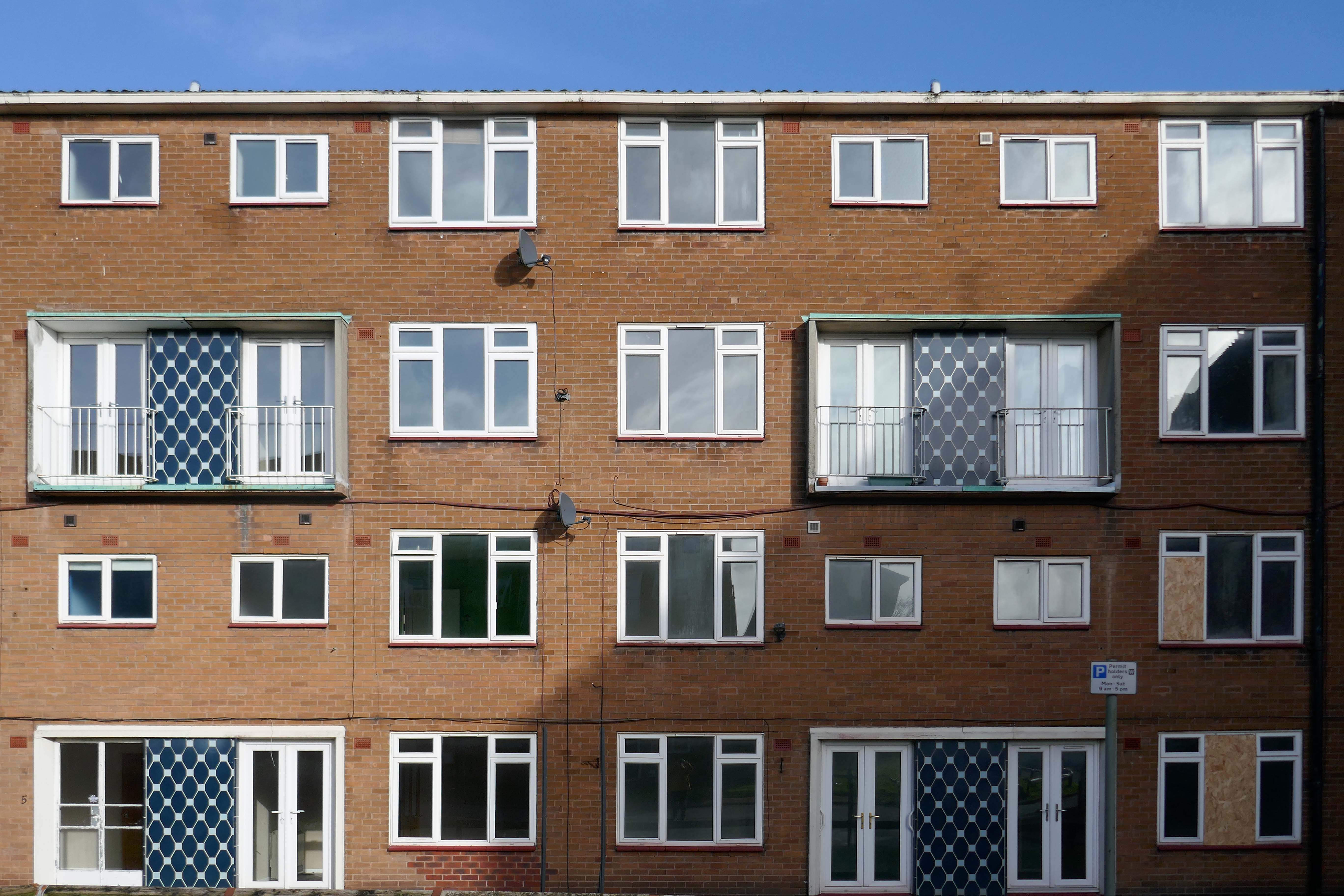
Turn right into Regent Road, then left into New Street, sadly these flats are due for demolition.
To make way for the new apartments and townhouses off New Street, Trafford Housing Trust will have to demolish six 1960s-era apartment blocks. The apartments have structural issues and need new windows and doors.
Joint Post Office and Ministry of Public Buildings and Works Research and Development Group – JRDG.
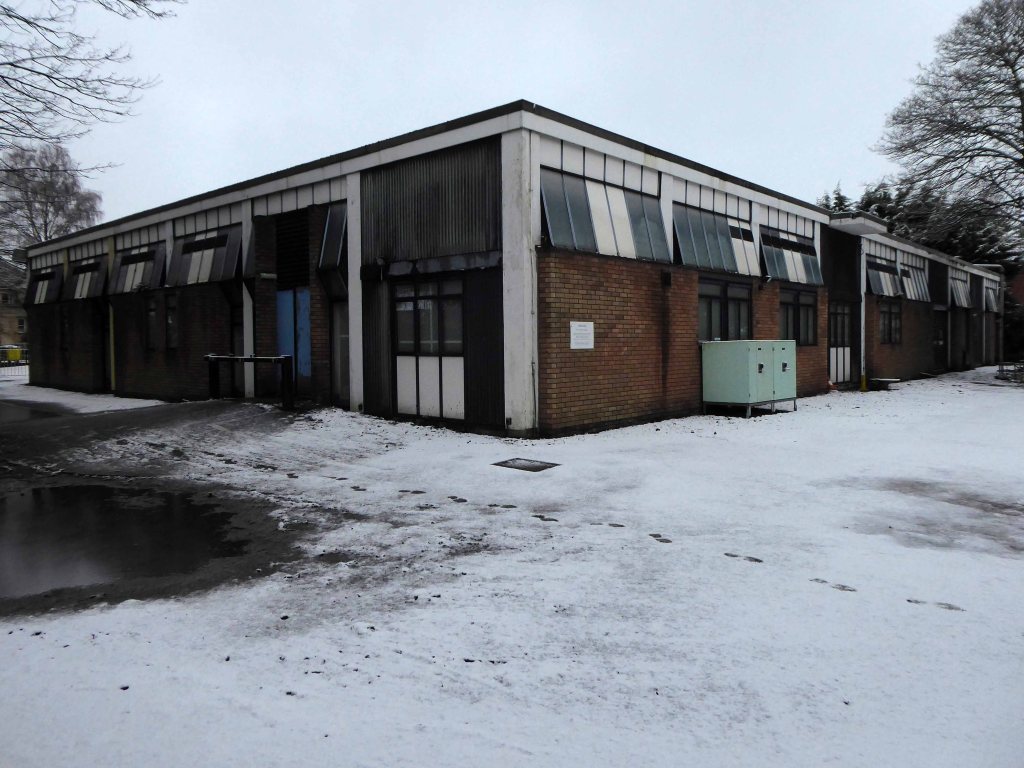
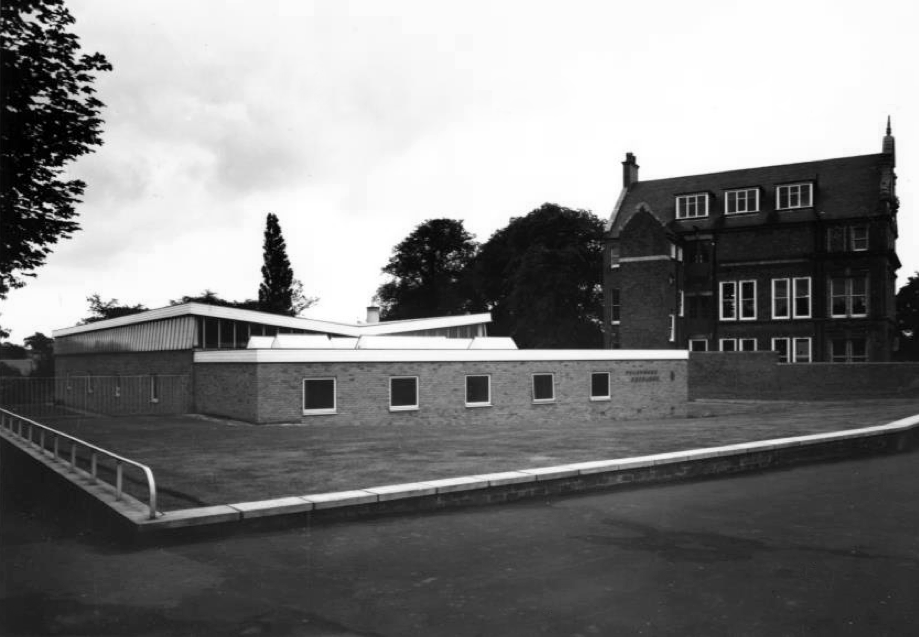
The JRDG’s aim for the Altrincham Telephone Exchange, was to ‘design a scheme based on a simple form of construction capable of erection within the ordinary resources of the normal run of building contractors, and entailing the minimum of maintenance and running cost’ [3]. The structural solutions were carefully evaluated with regard to both operational efficiency and the economy of layout and construction. The apparatus room was formed from a light streel frame, a simple timber joist roof and non- loadbearing cavity brick walls. The external walls to the ancillary accommodation were formed of loadbearing cavity brickwork, and the heating chamber and fuel store fitted with a concrete roof as a fire precaution. Continuous windows at high level on all sides of the apparatus room were designed to provide the best daylight conditions and the butterfly roof, designed to lead daylight into the centre of the apparatus room, formed a distinctive architectural feature.
I was invited by Richard Brook to tick off the names of those attending the launch of his book.
The book was launched at the City Tower, part of the Piccadilly Plaza development.
We began at the top – up in the lift to floor twenty eight the Sky Lounge.
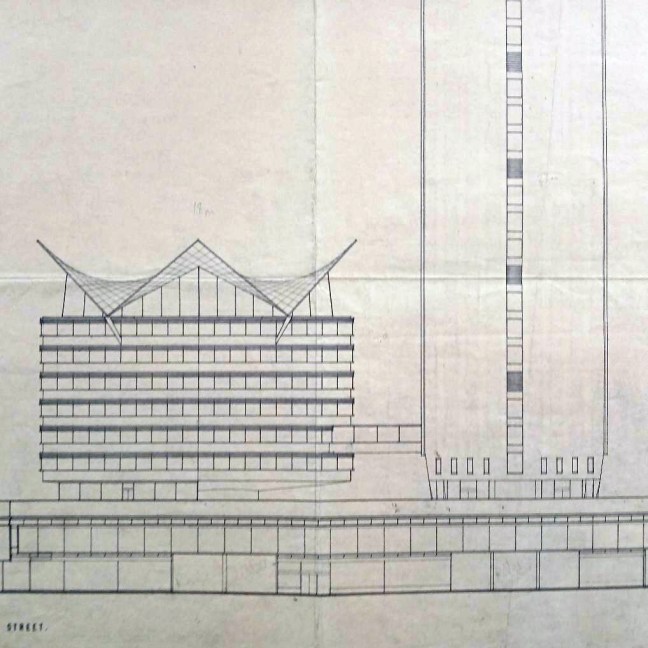
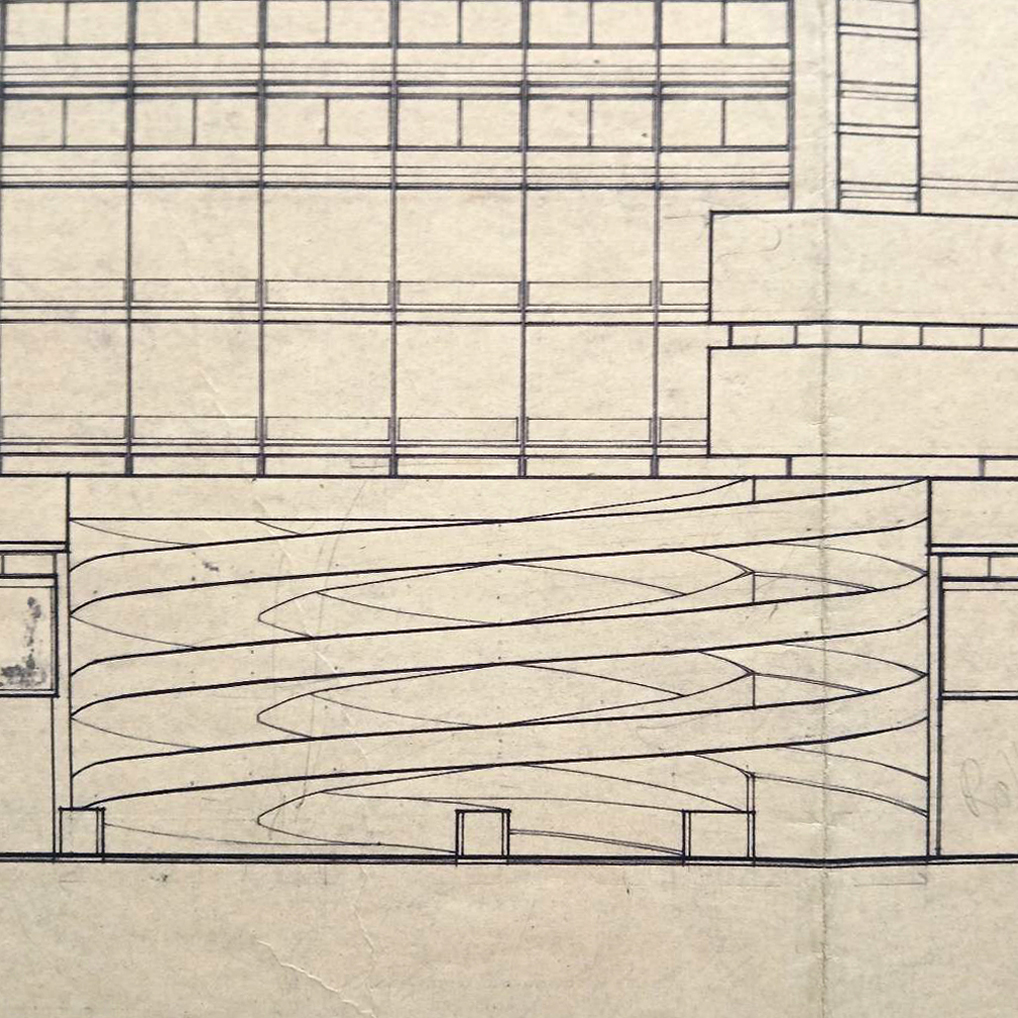
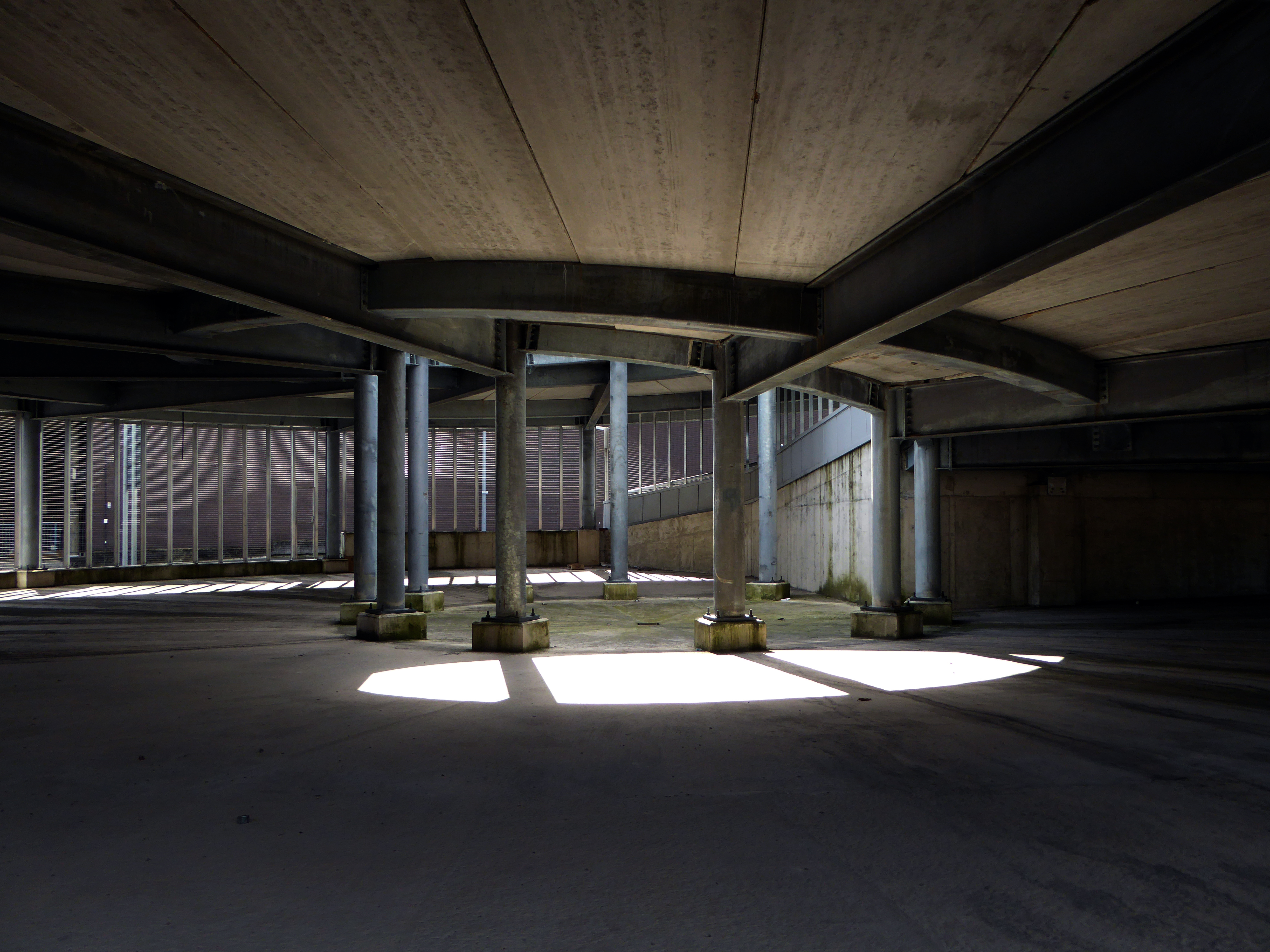
On display were the architectural drawings of the Piccadilly Plaza scheme – including my favourite spiral car park ramp.
Back to the ground floor to administer the entrance of exactly eighty eight participants.
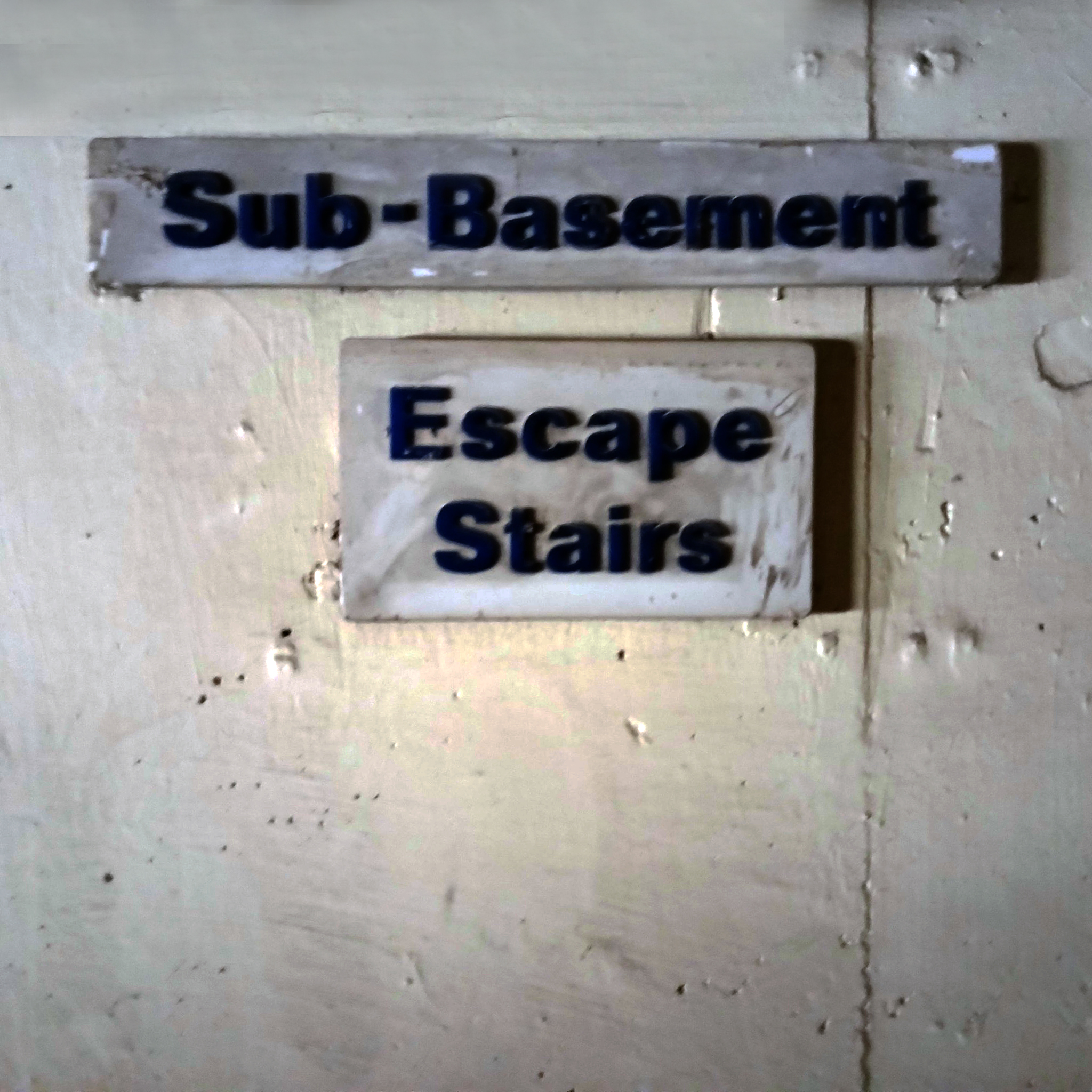
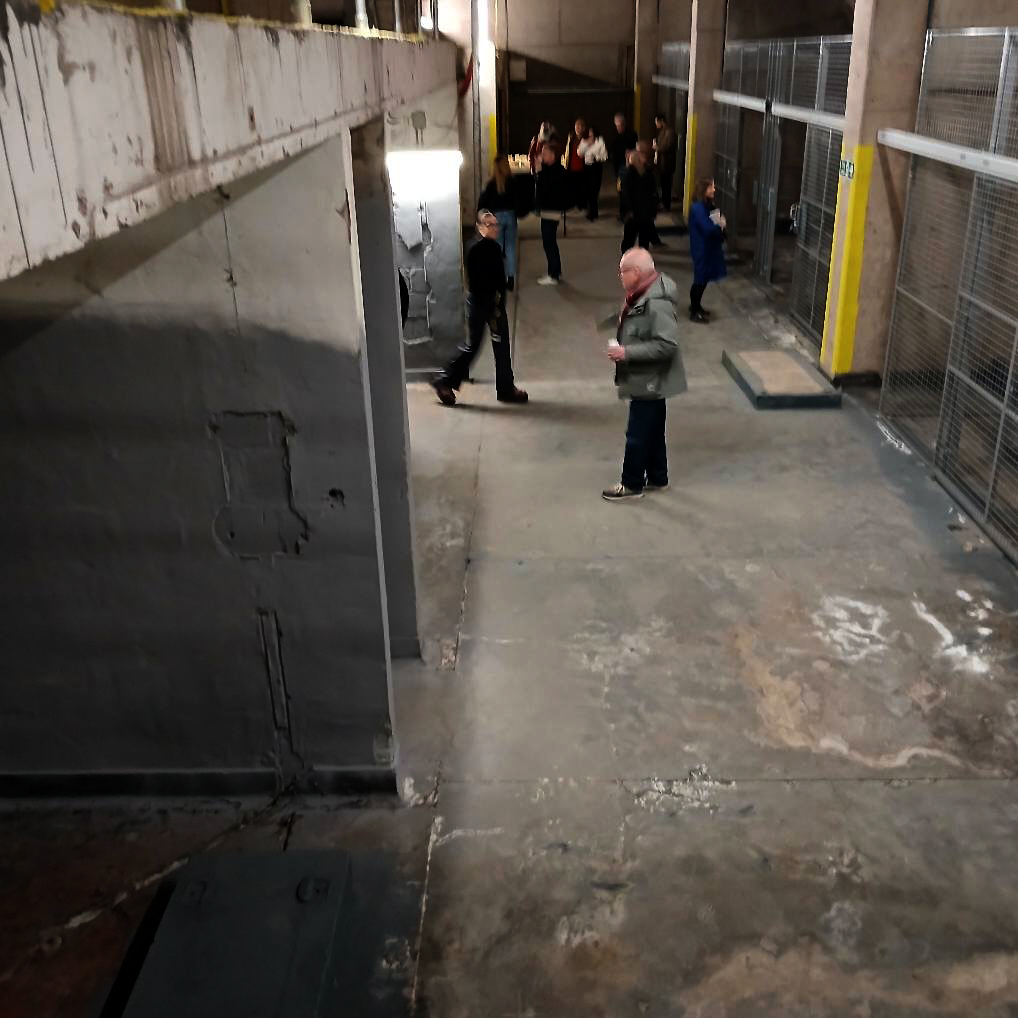
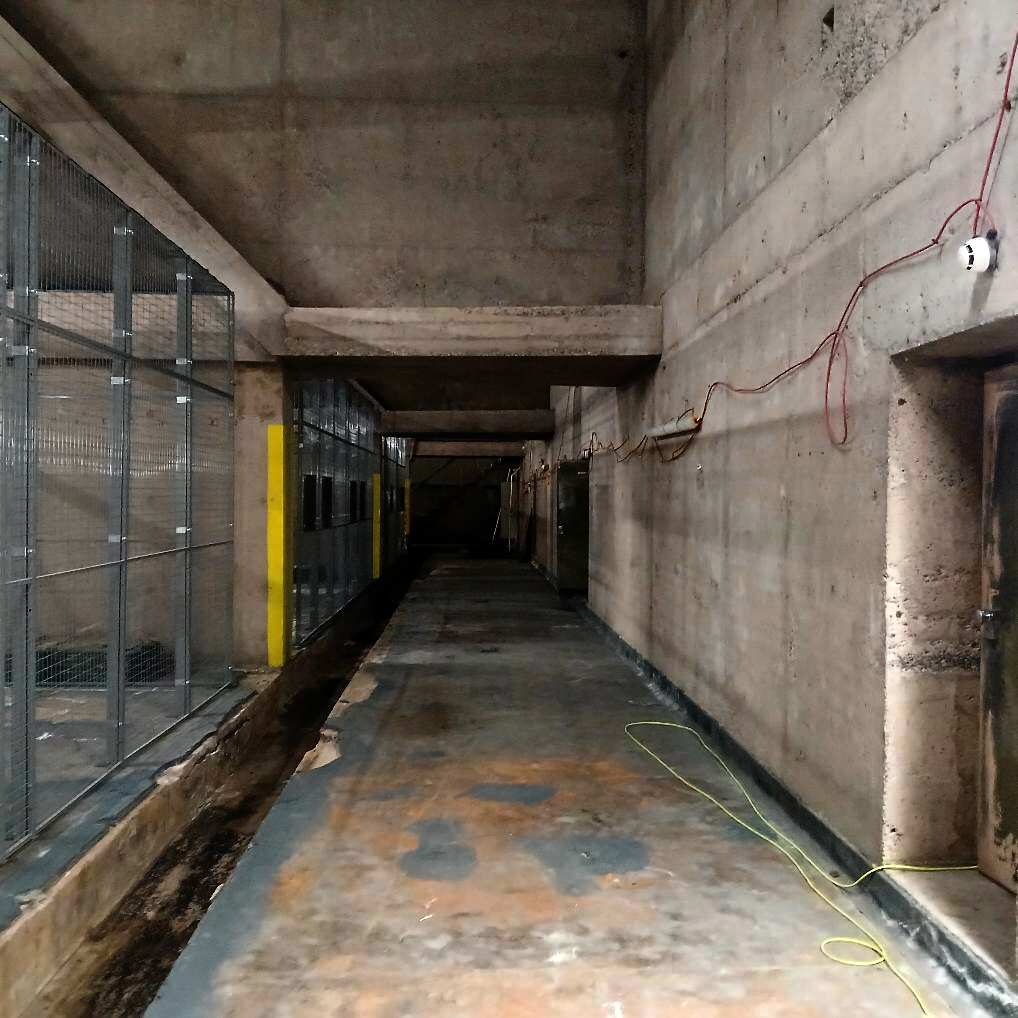
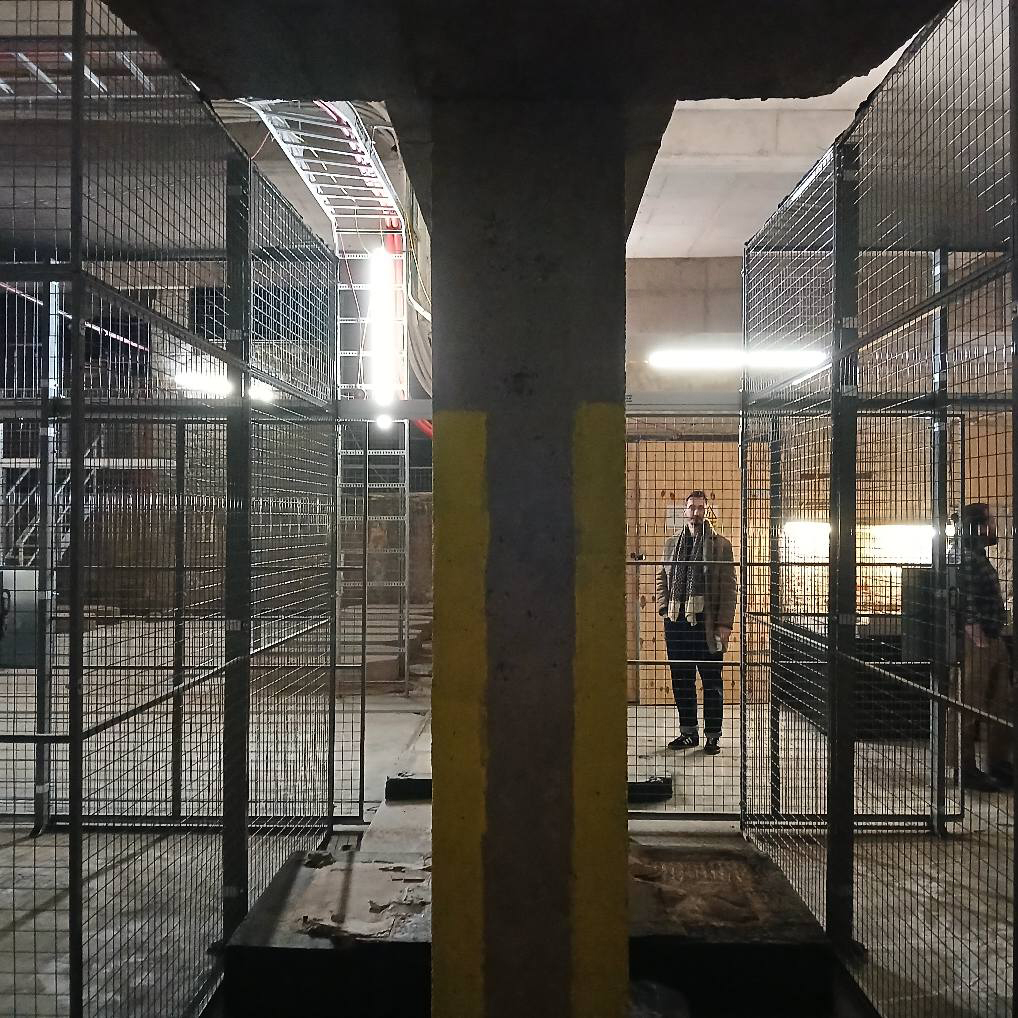
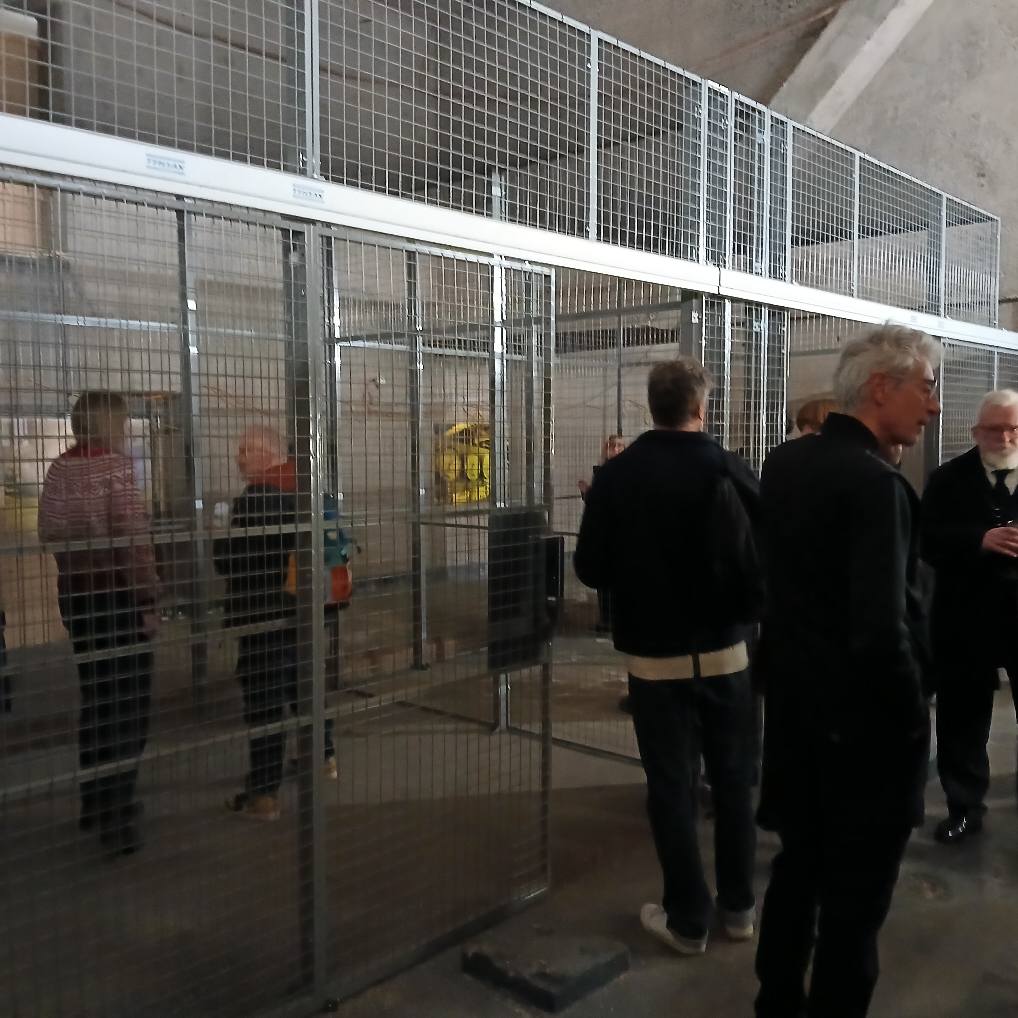
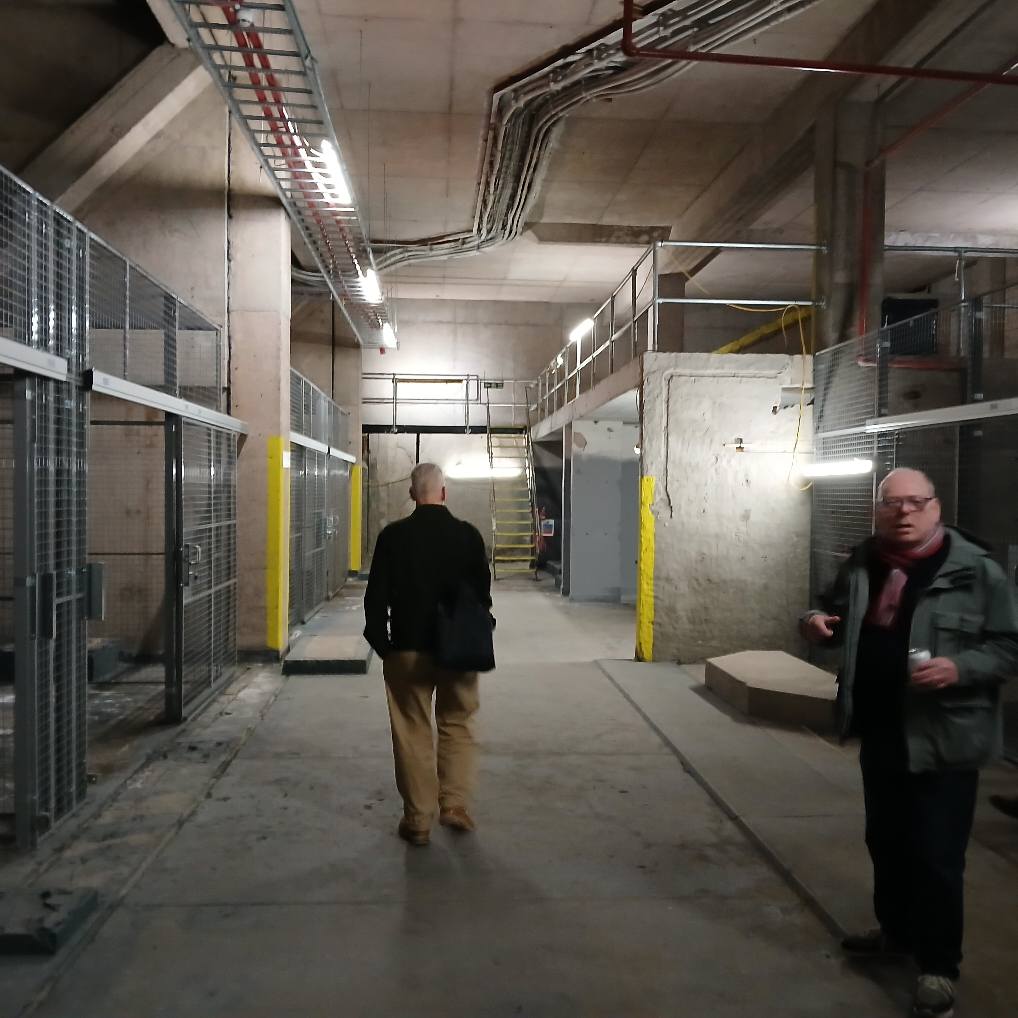
Who were subdivide by coloured dot, into sub groups for the forthcoming tour – a tour of the sub basement.
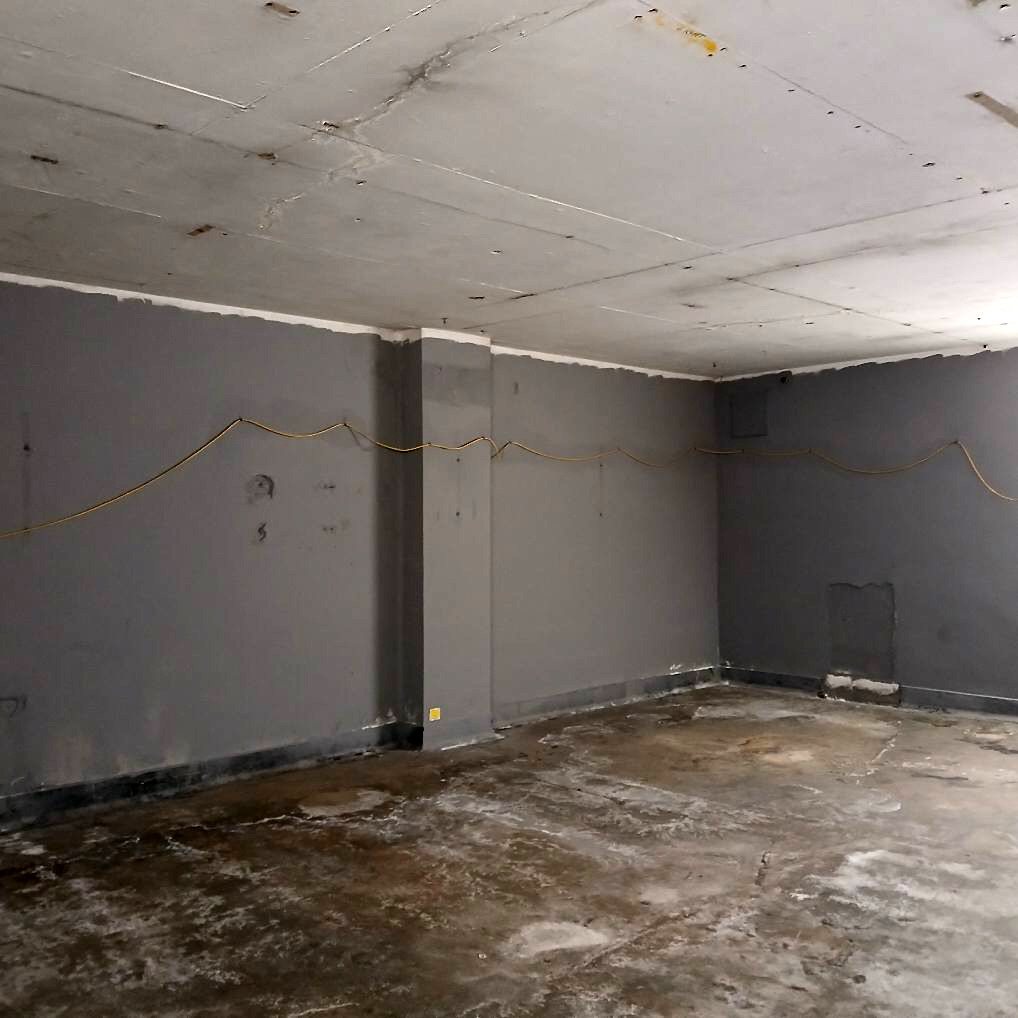
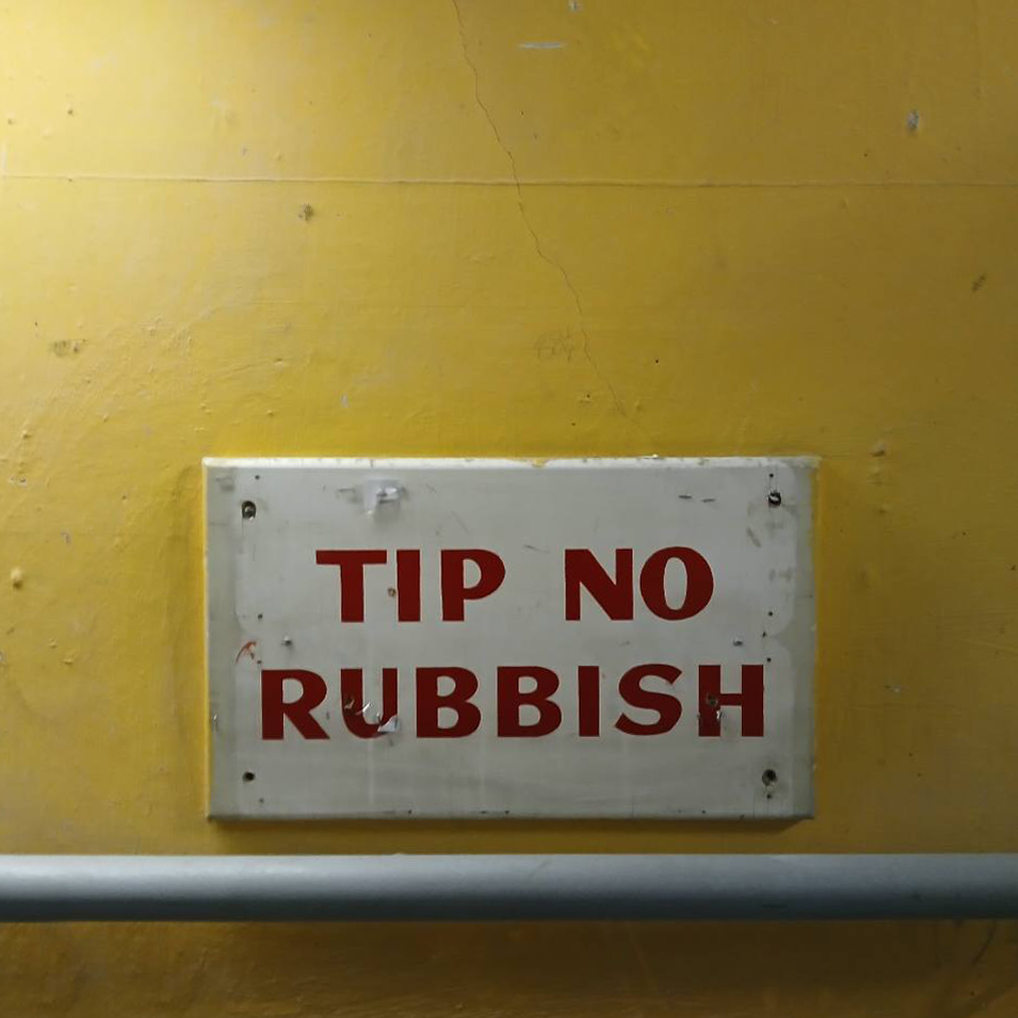
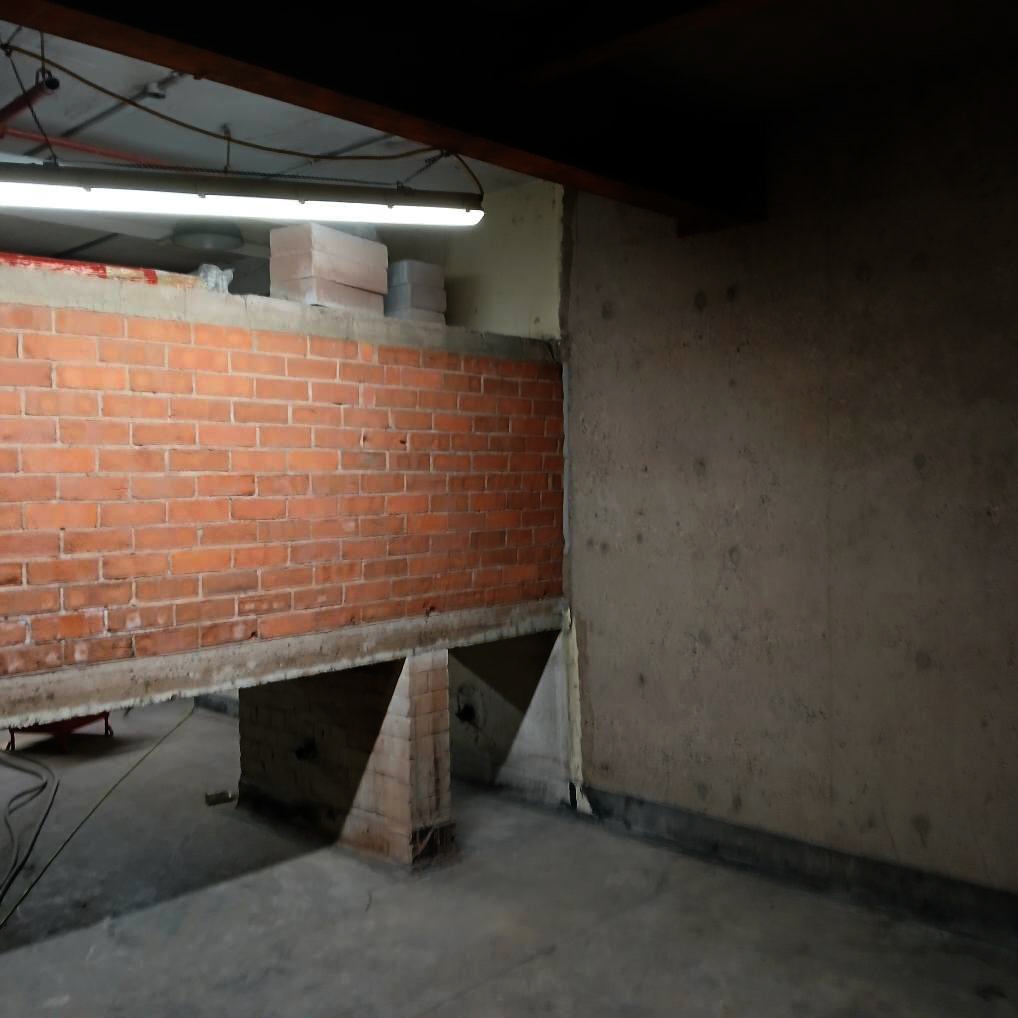
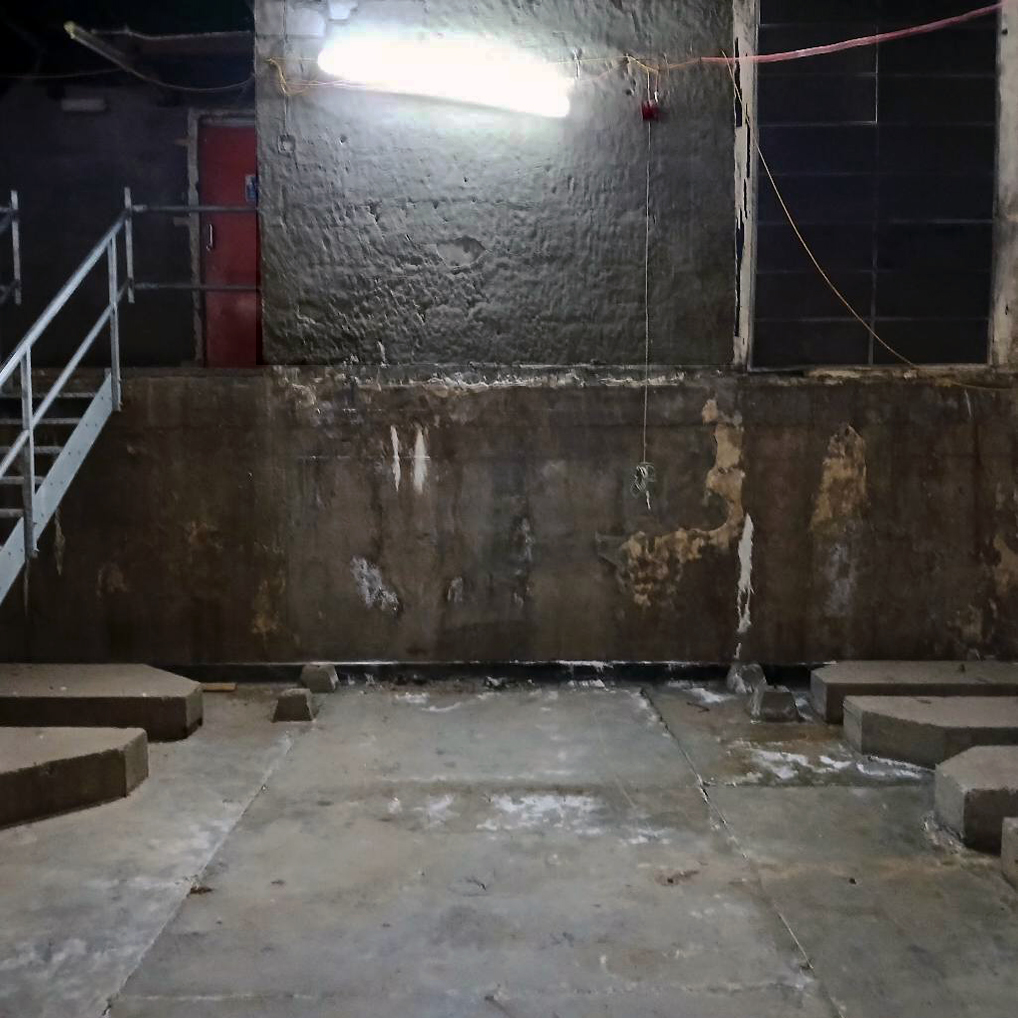
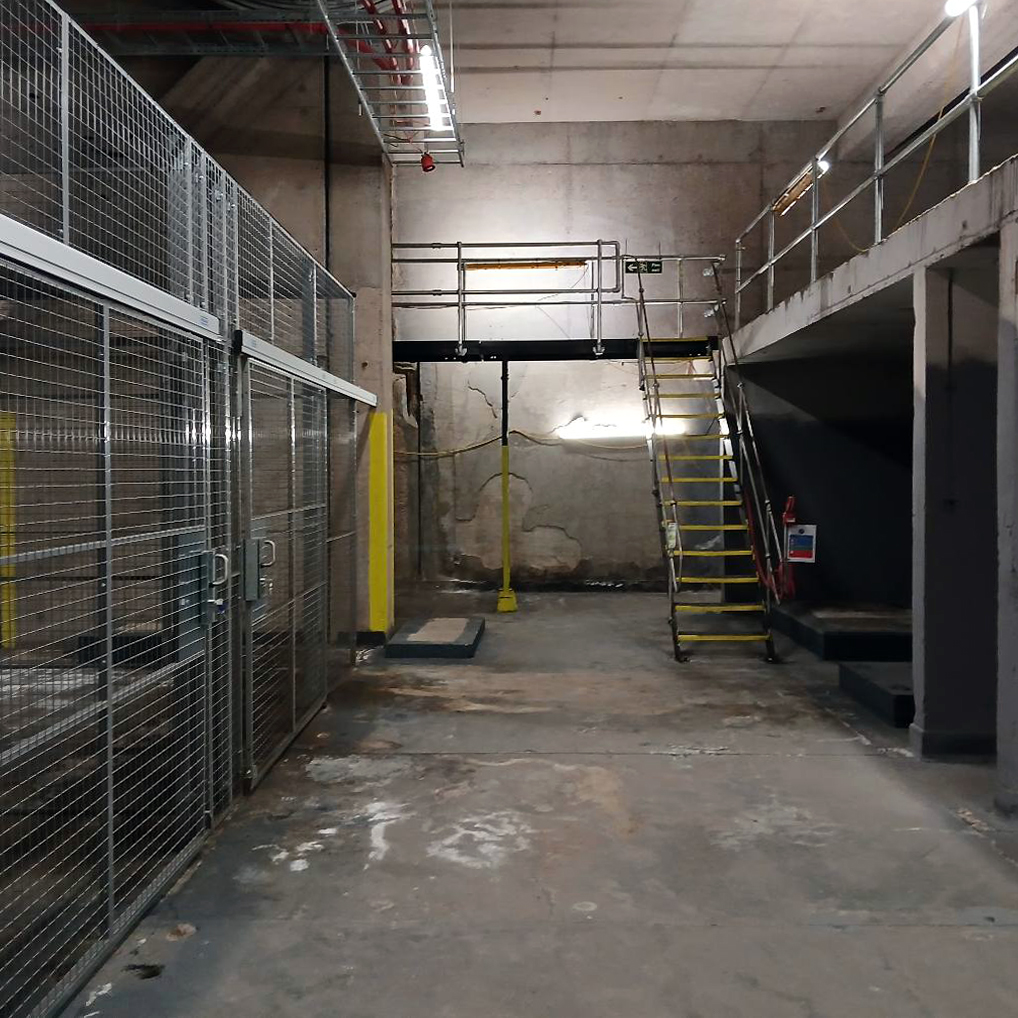
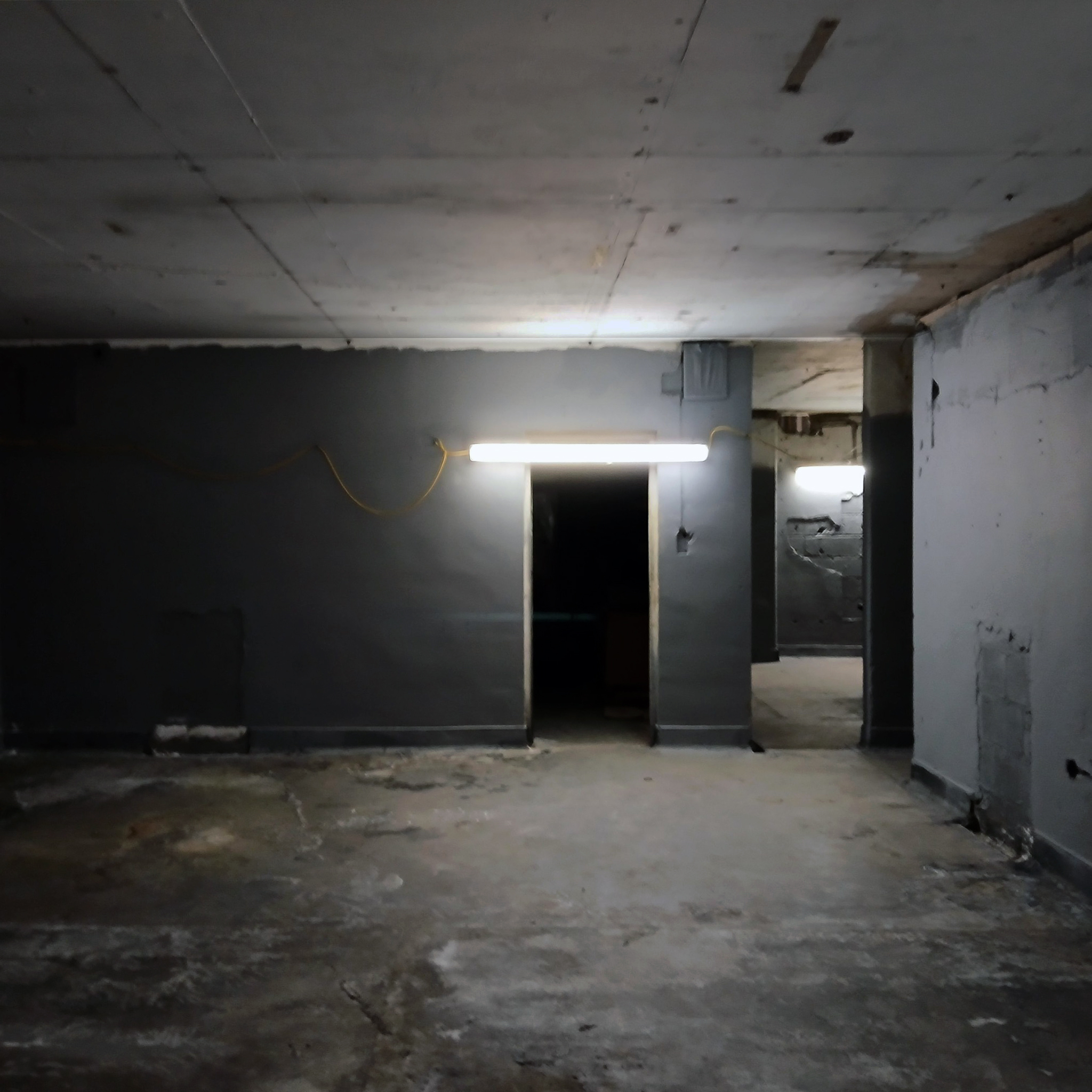
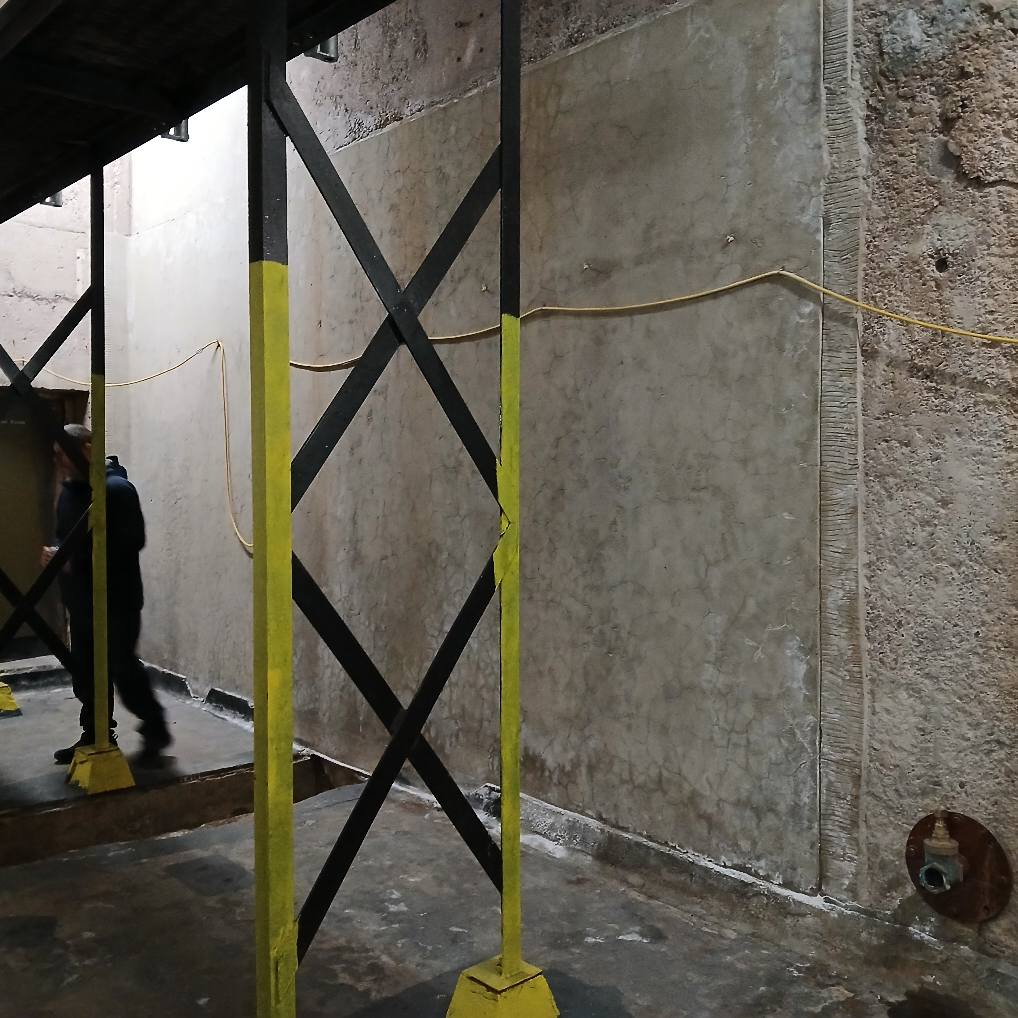
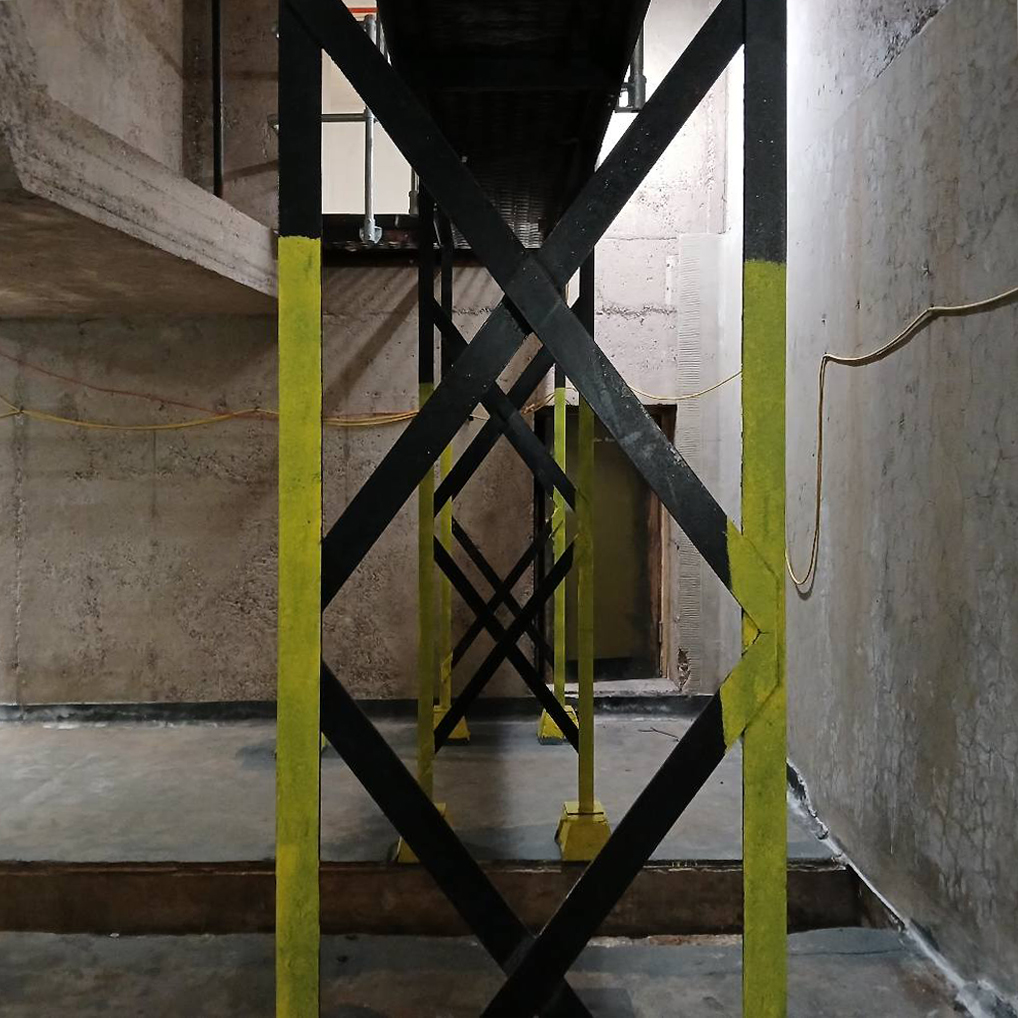
Former home of the diesel boilers – temporary home to eighty eight and a bit Modernists.
A talk or two later and it was almost all over, biggest thanks to Richard, Manchester University Press, The Plaza and the Modernists.
Testament to one man’s healthy preoccupation with Manchester’s modern history and the legion of fellow travellers that have supported and encouraged him down the years.
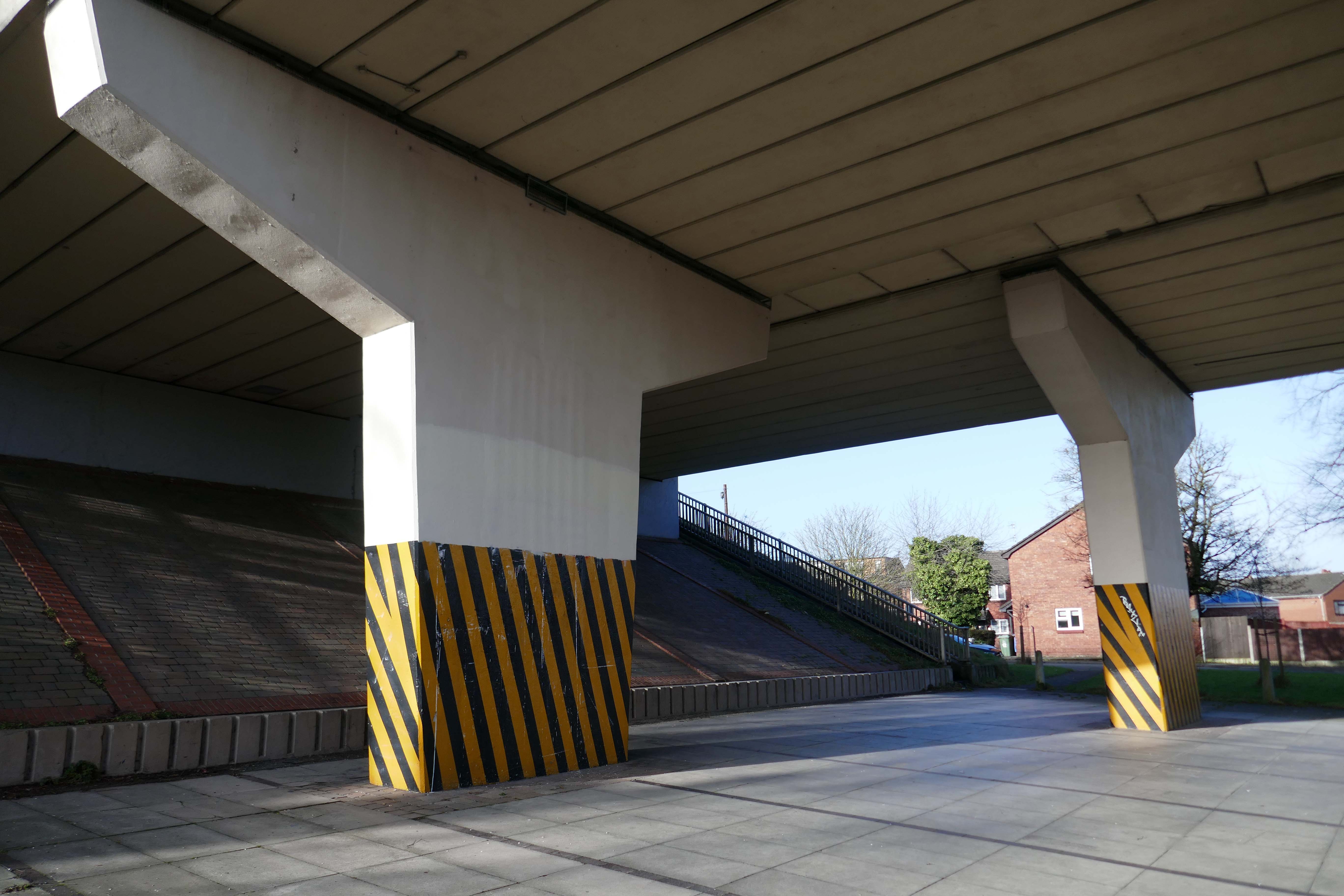
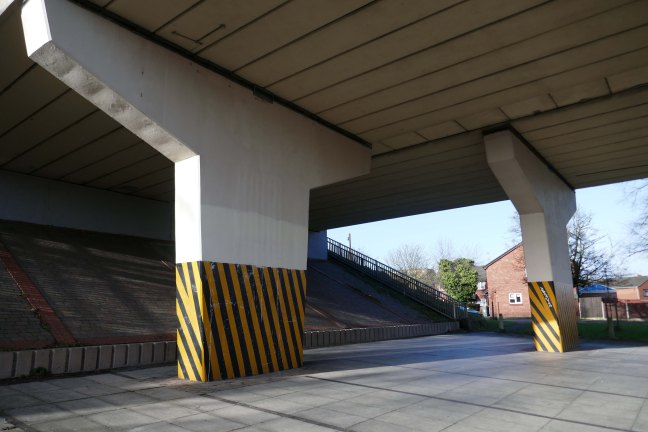
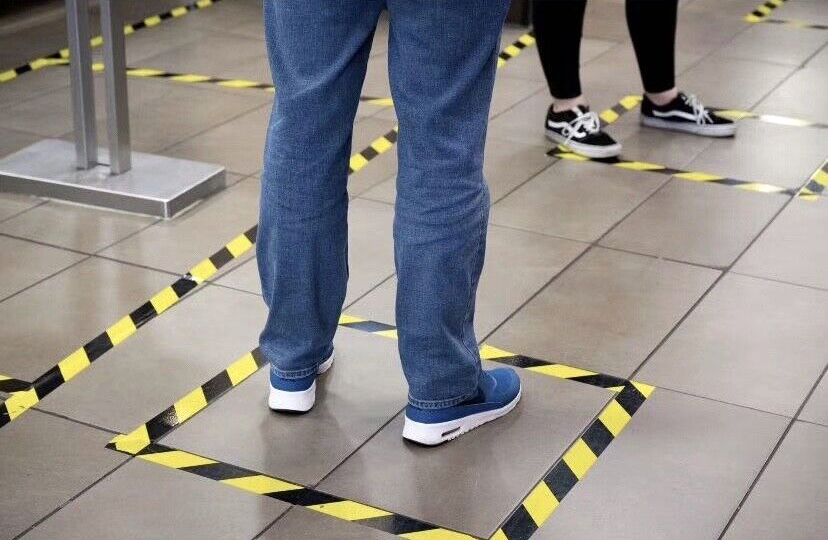
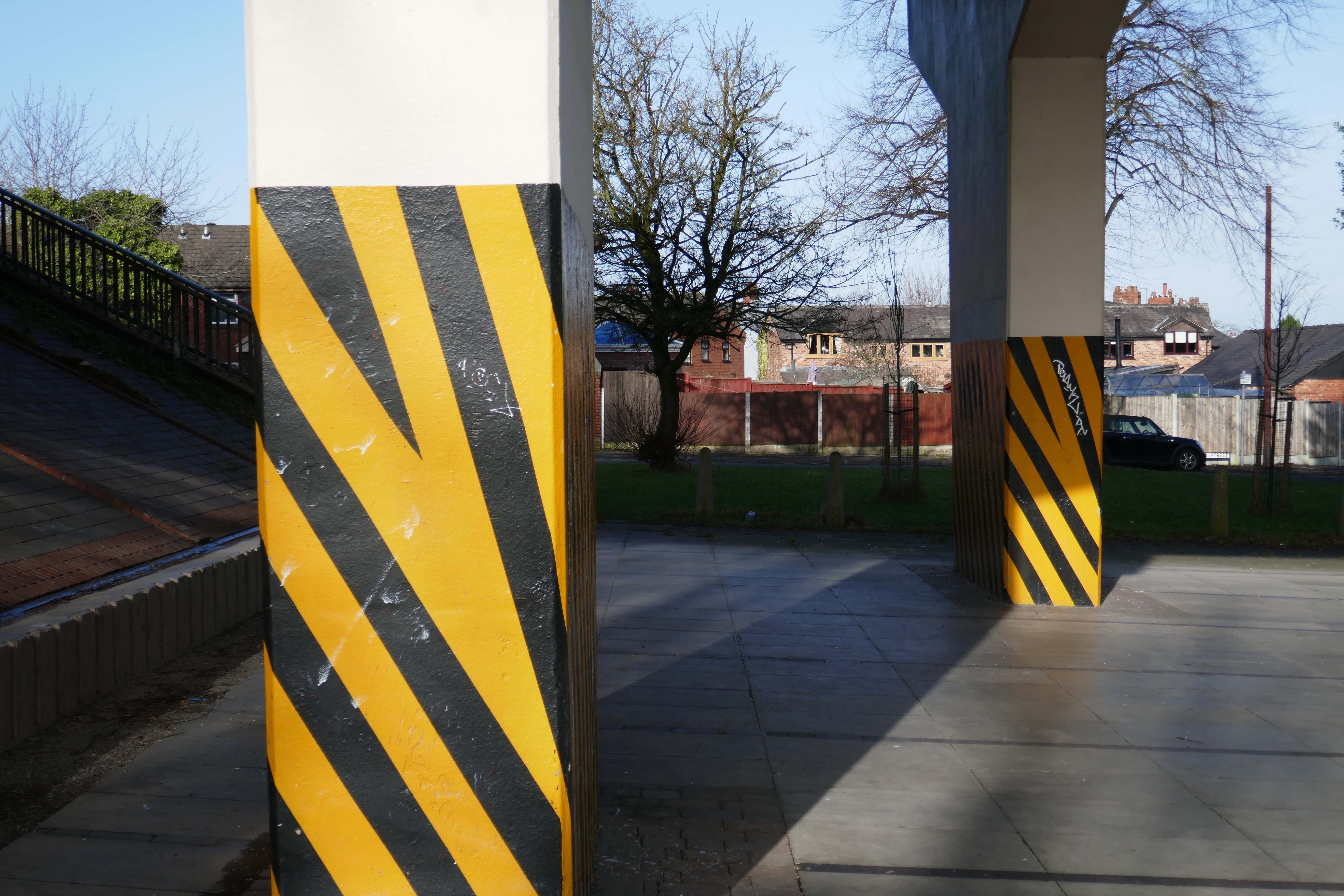
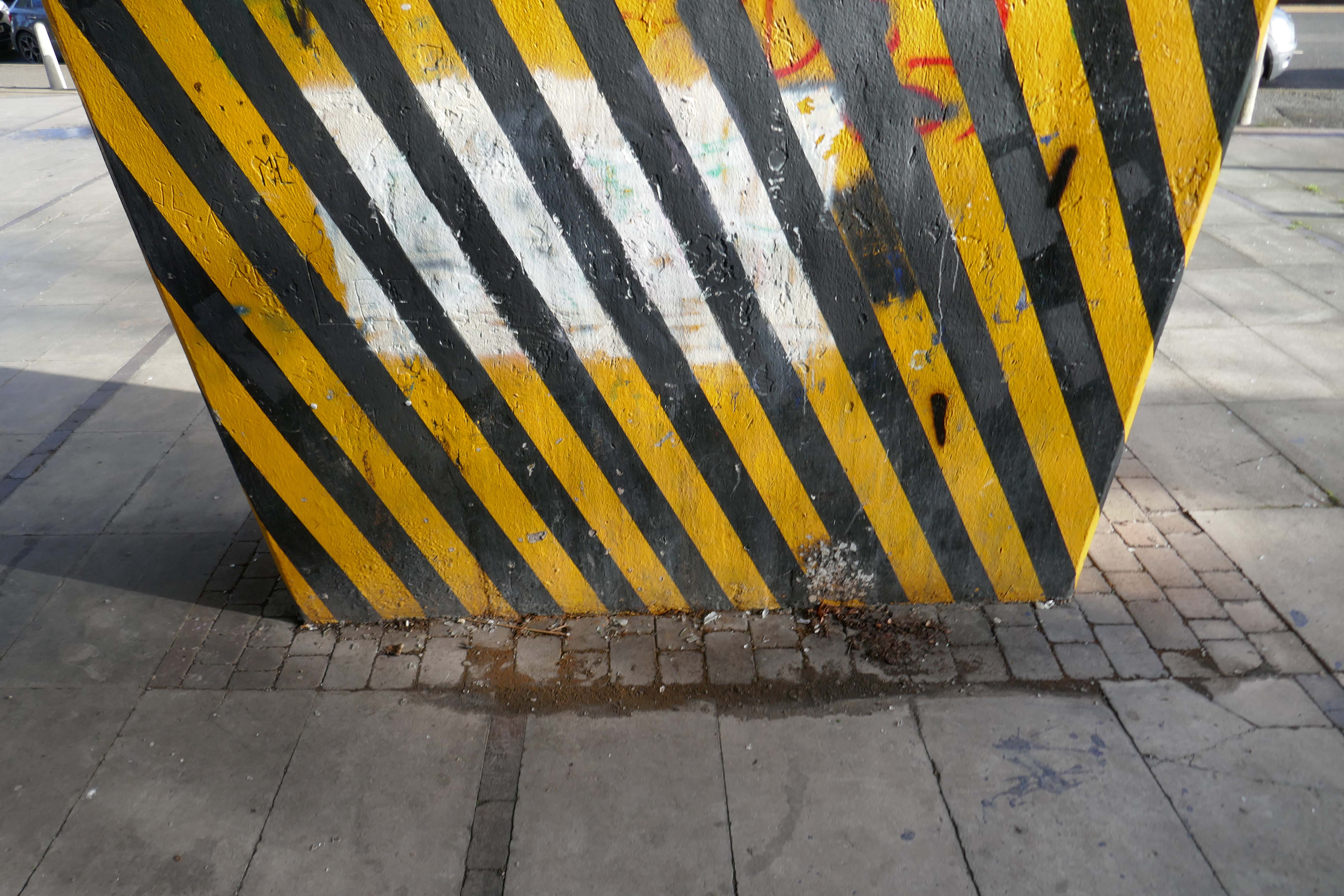
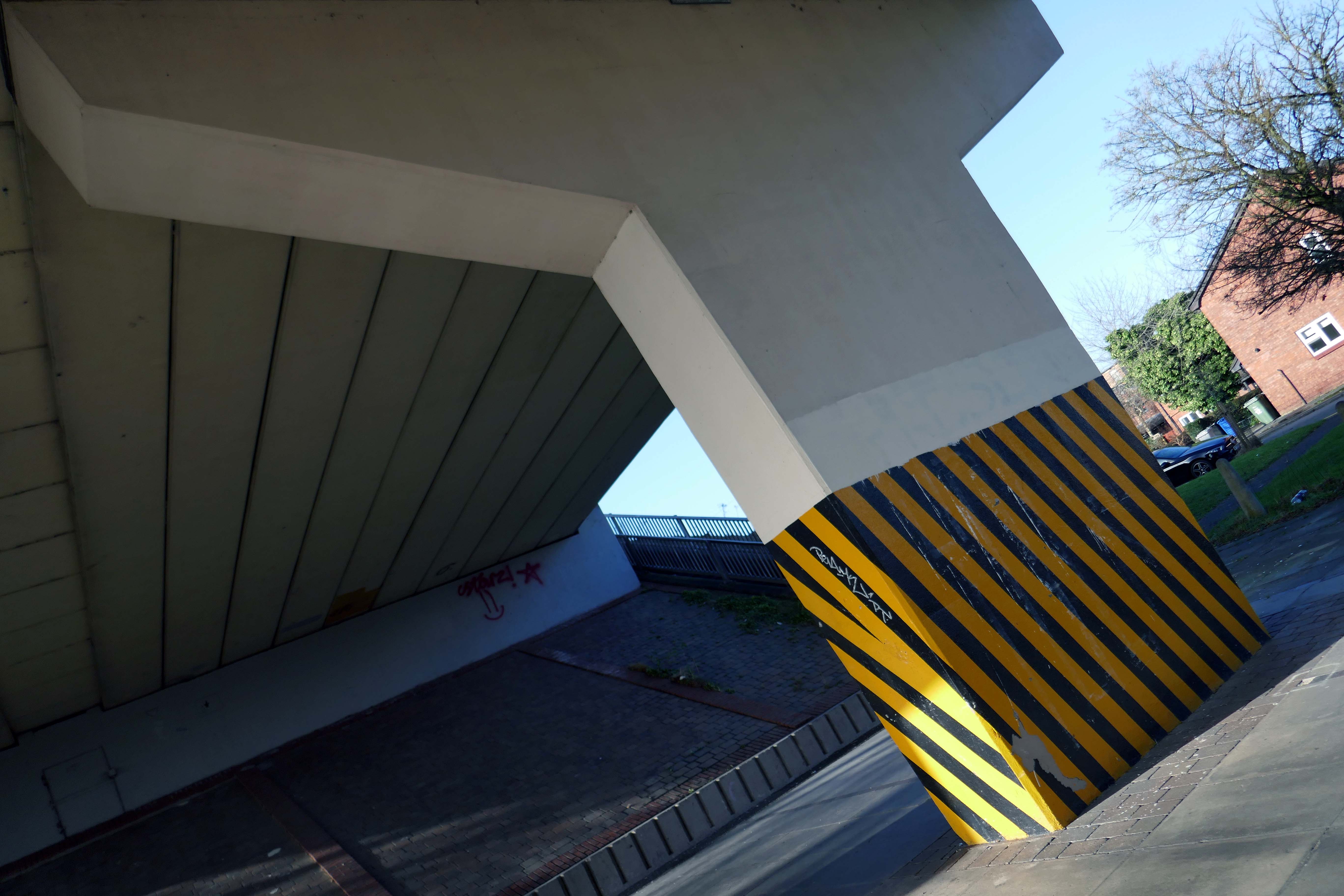
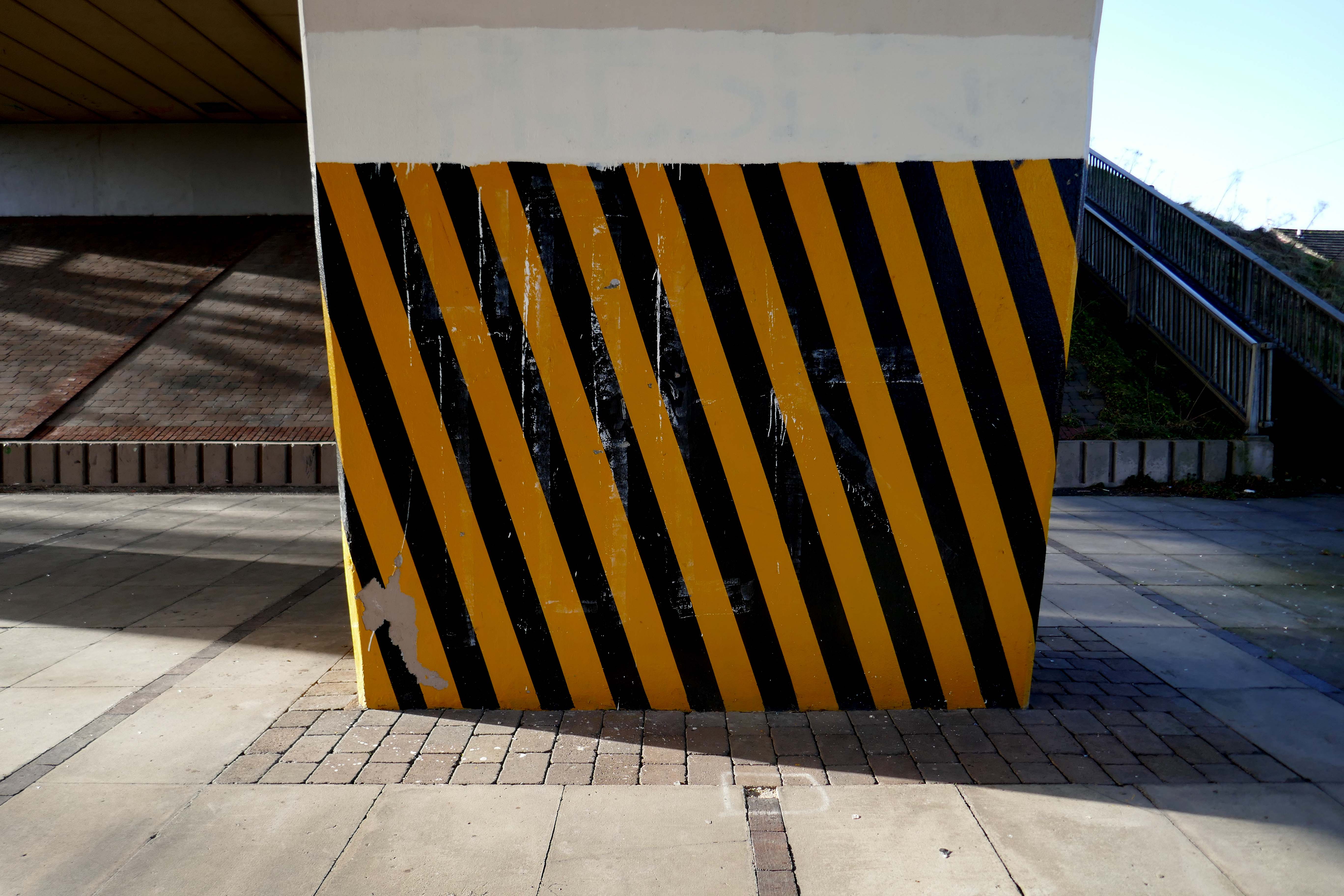
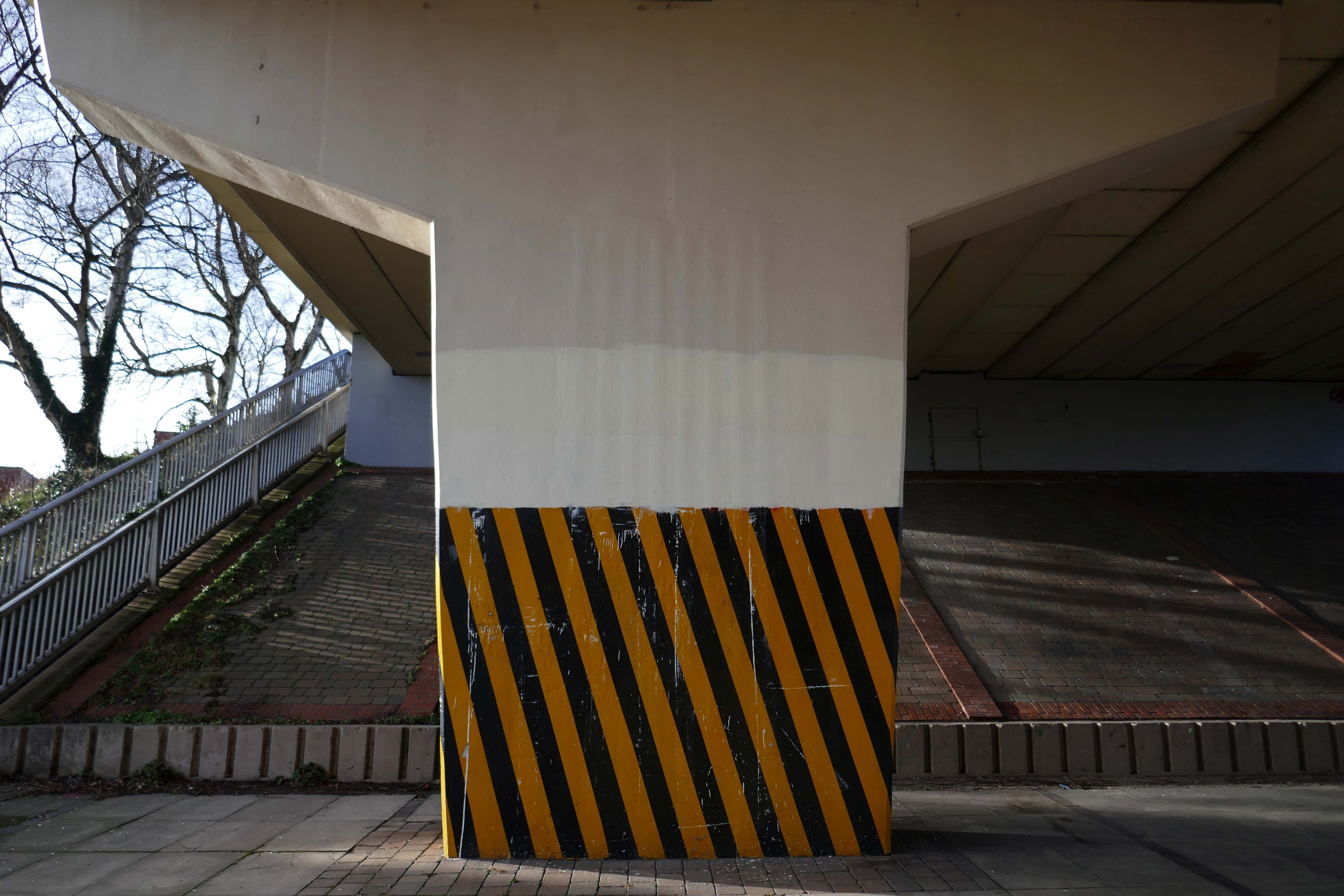
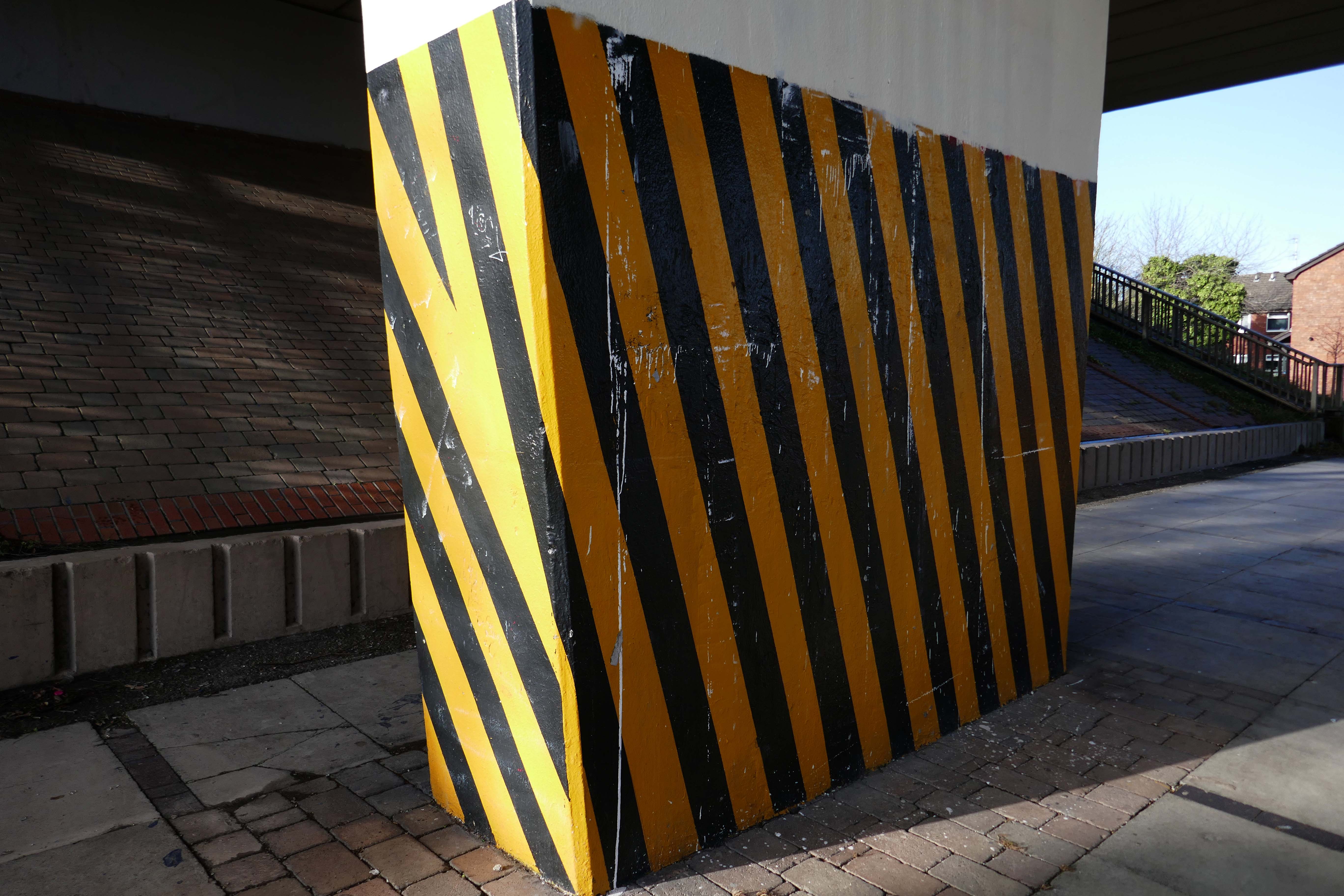
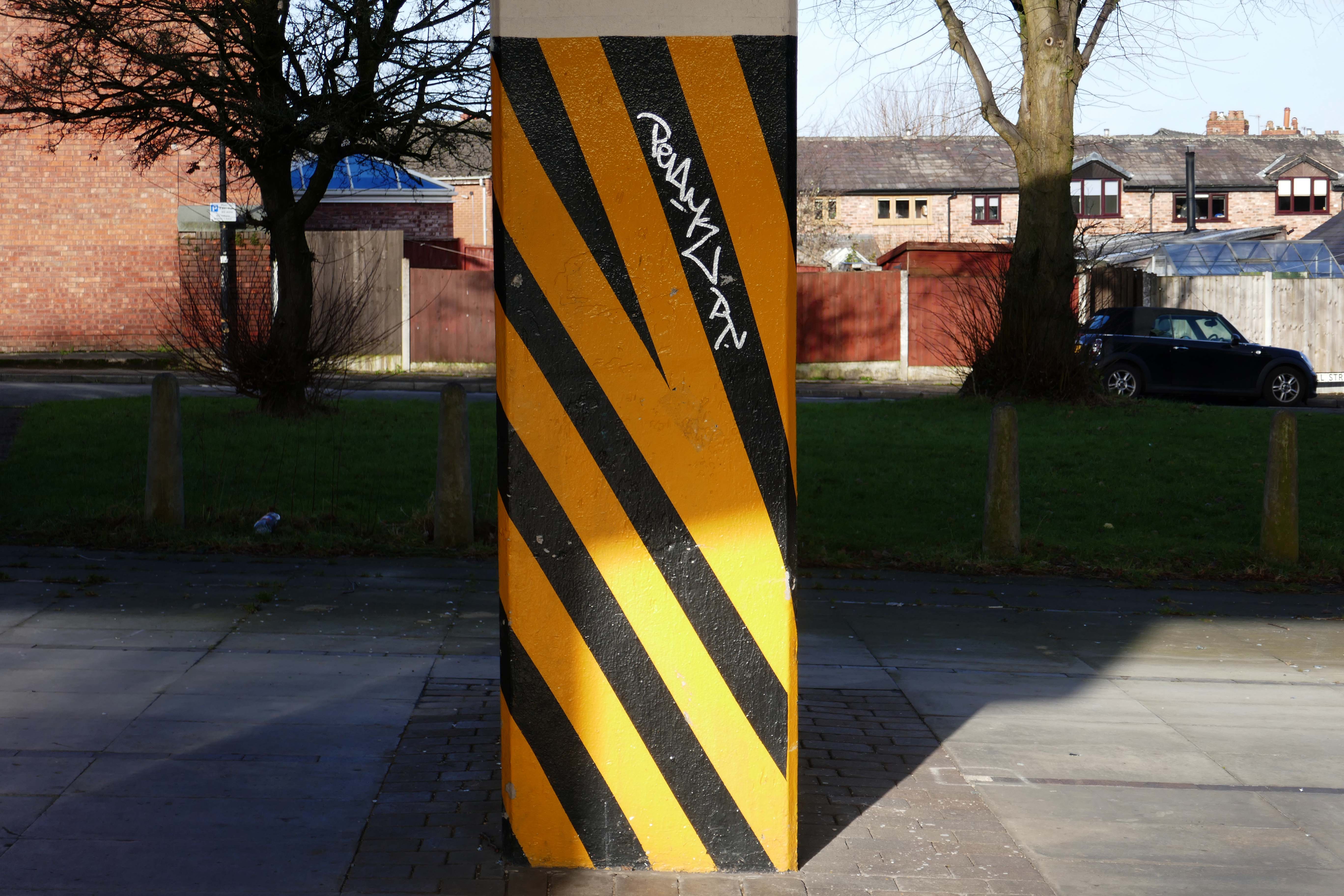
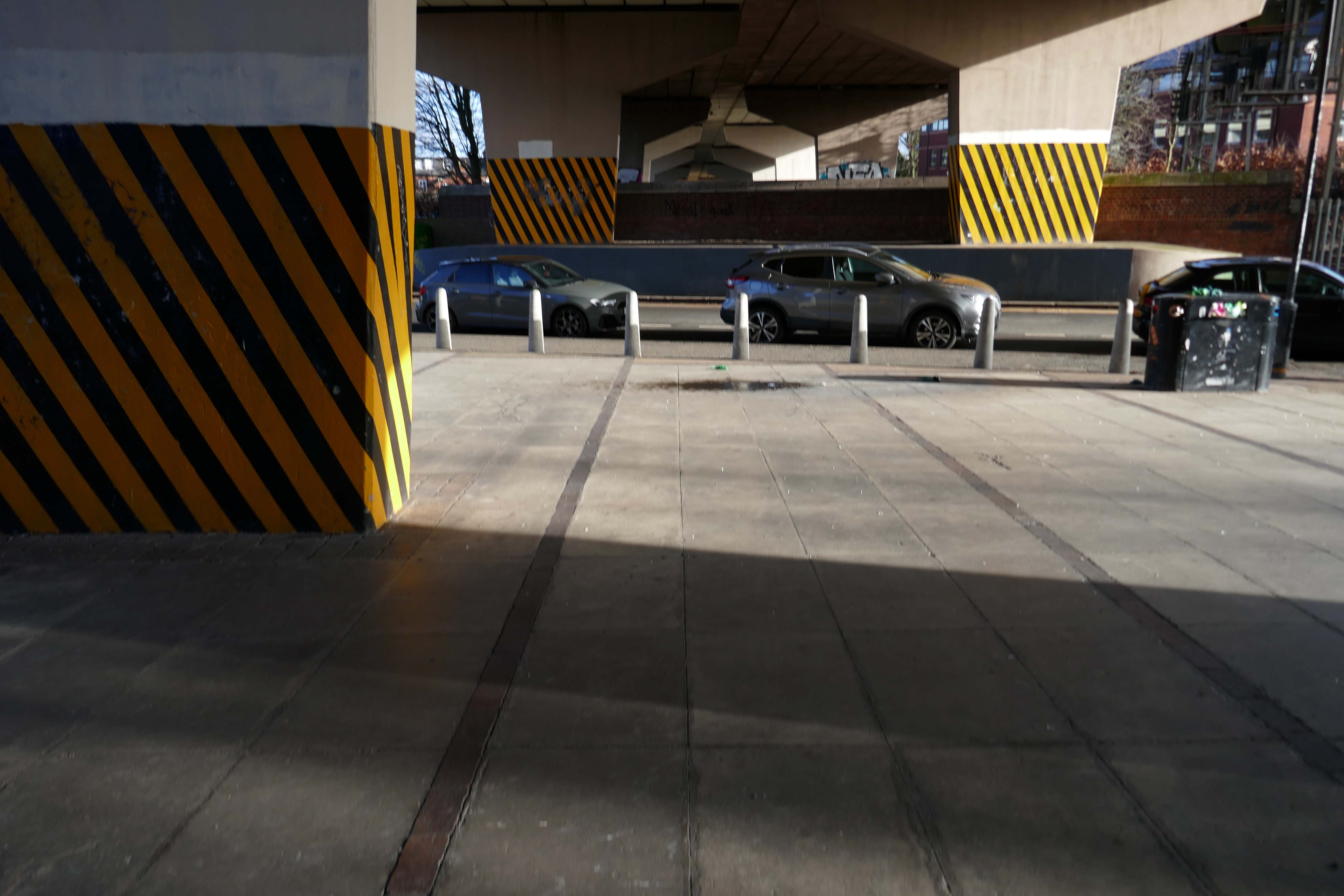
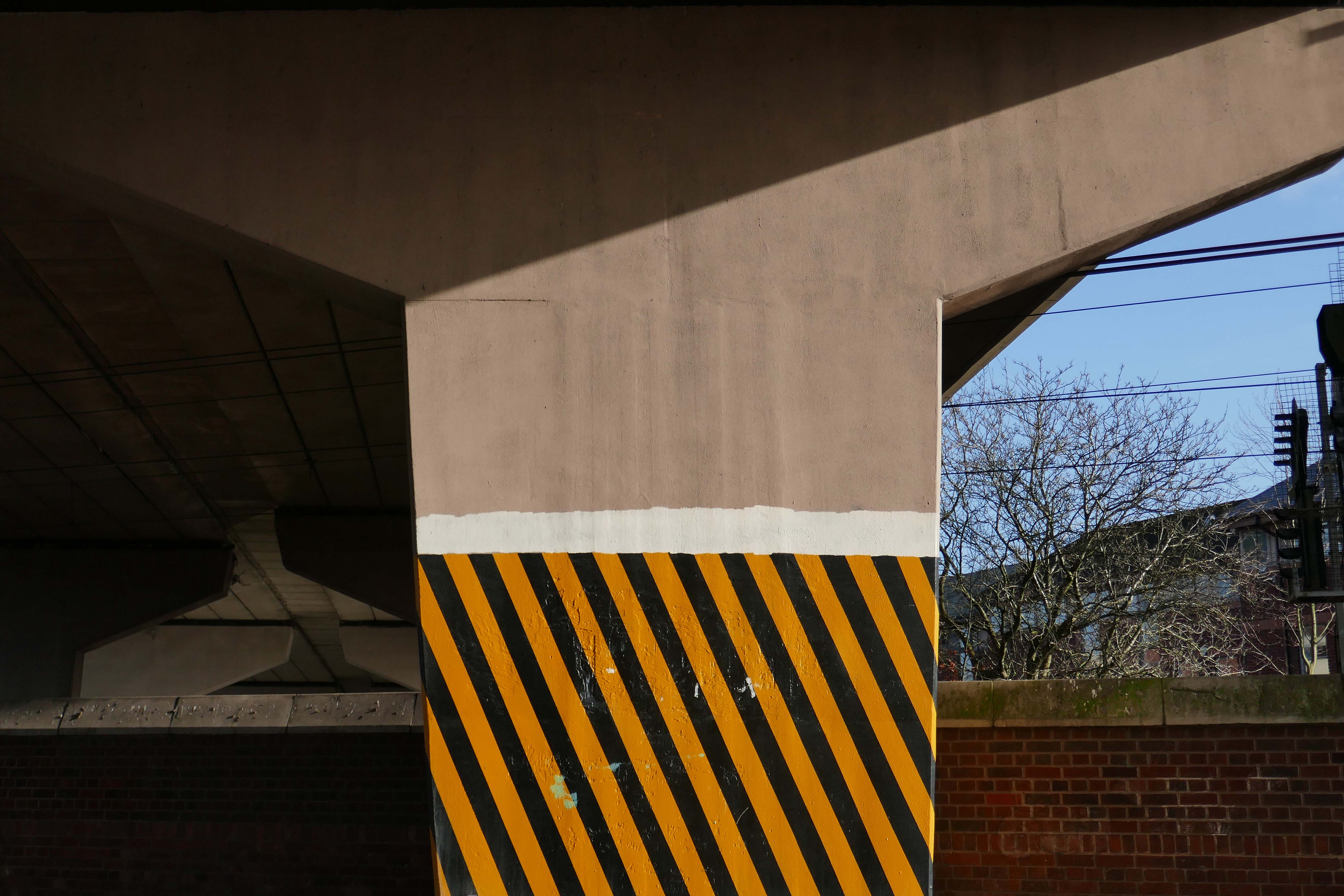
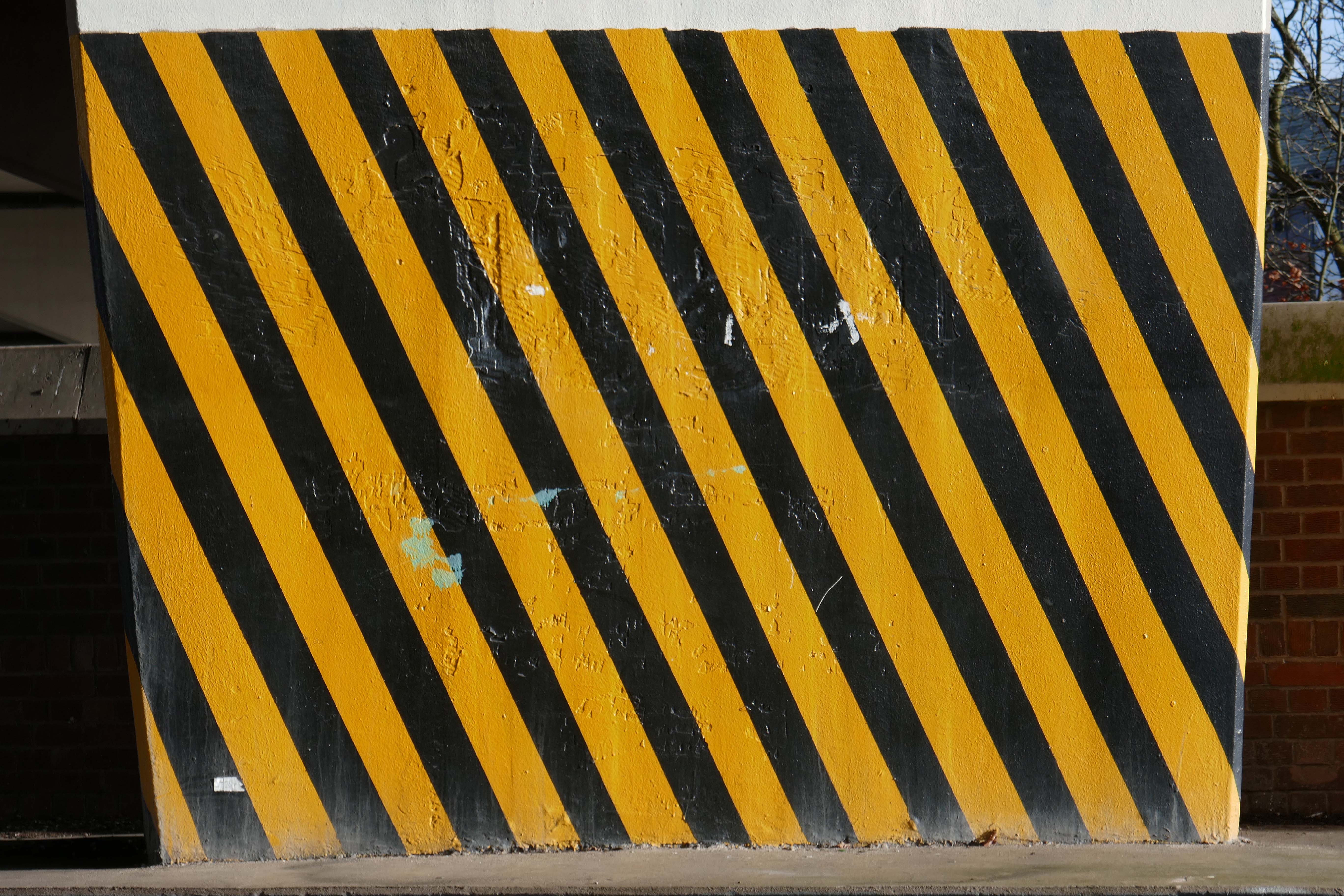
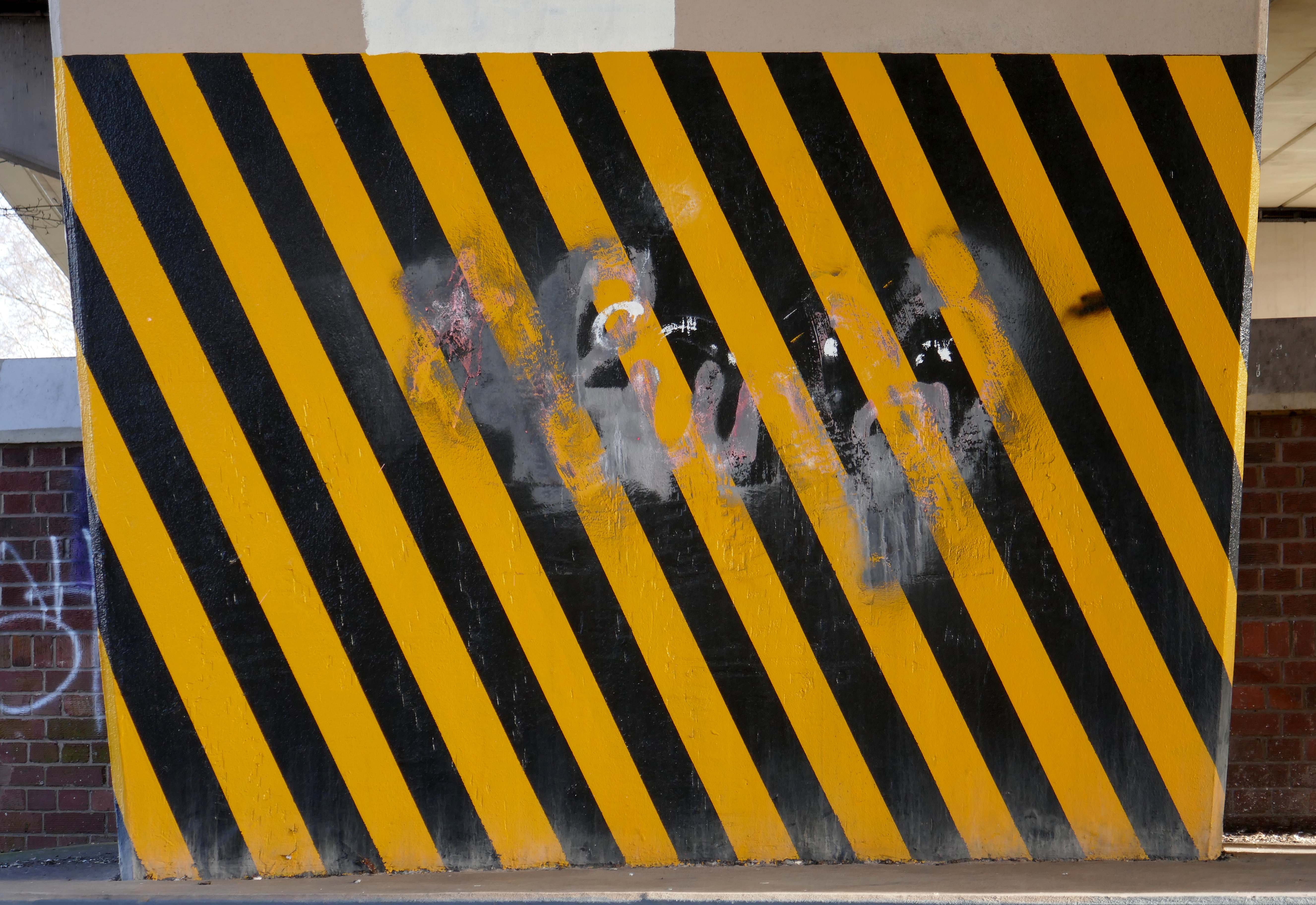
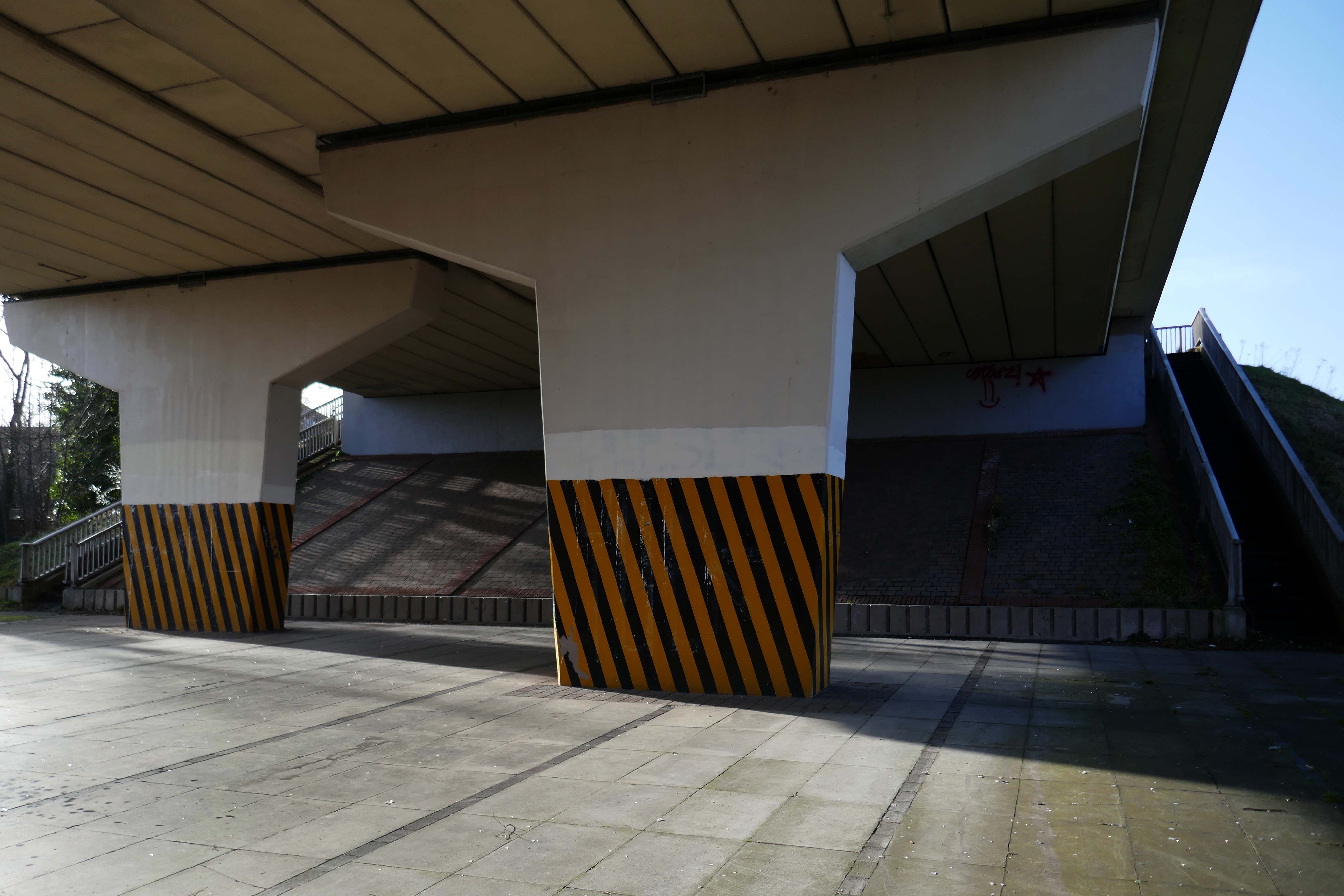
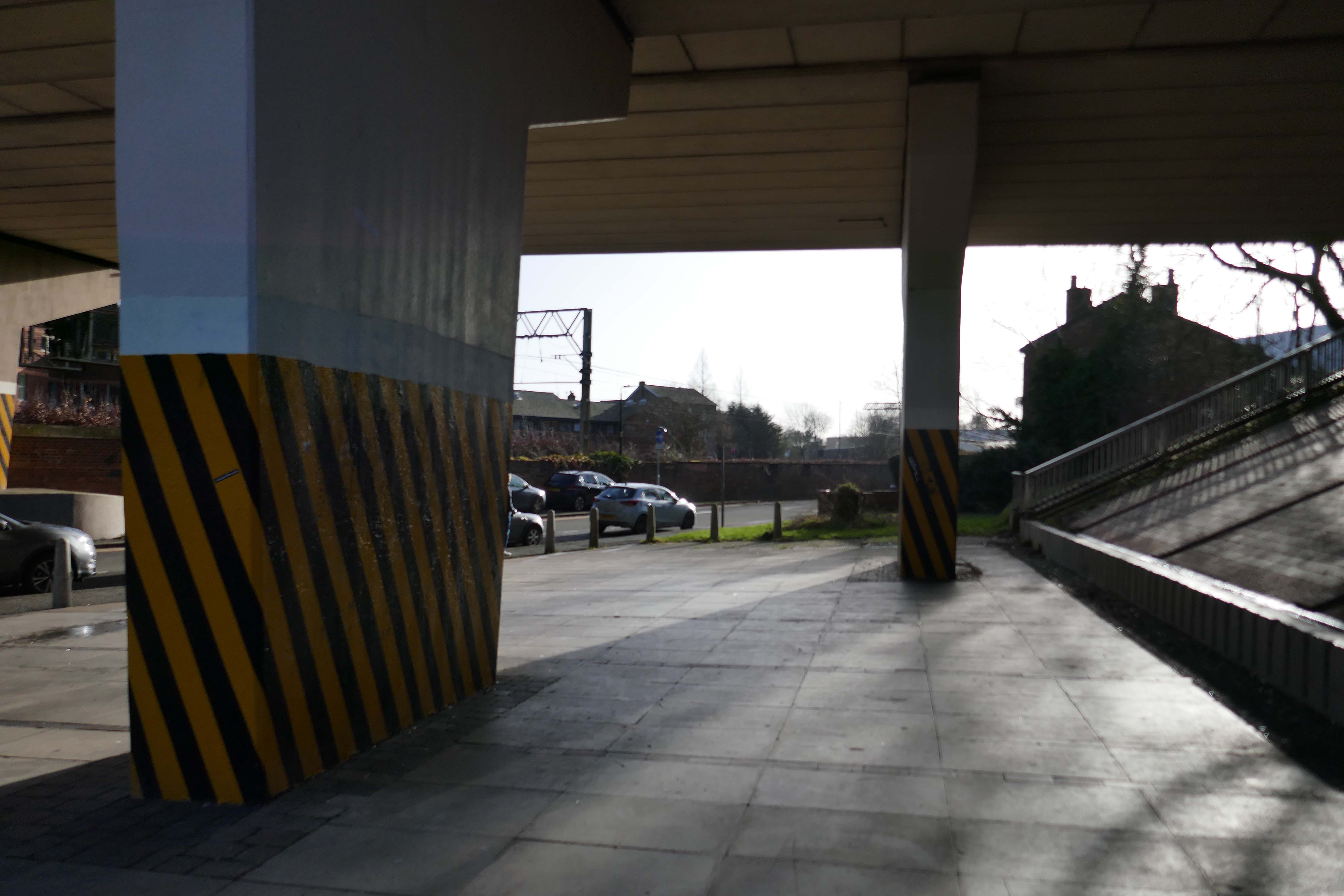
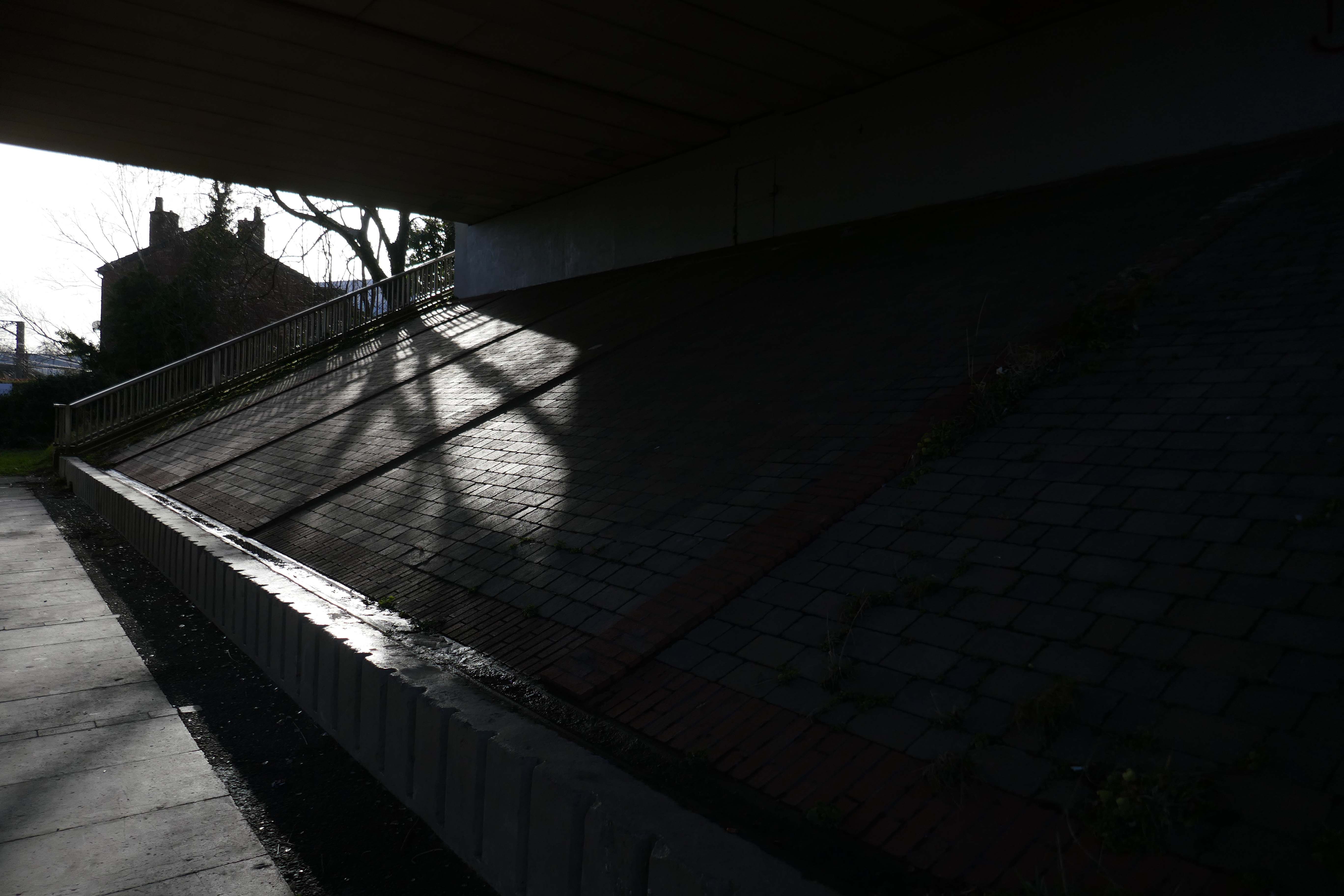
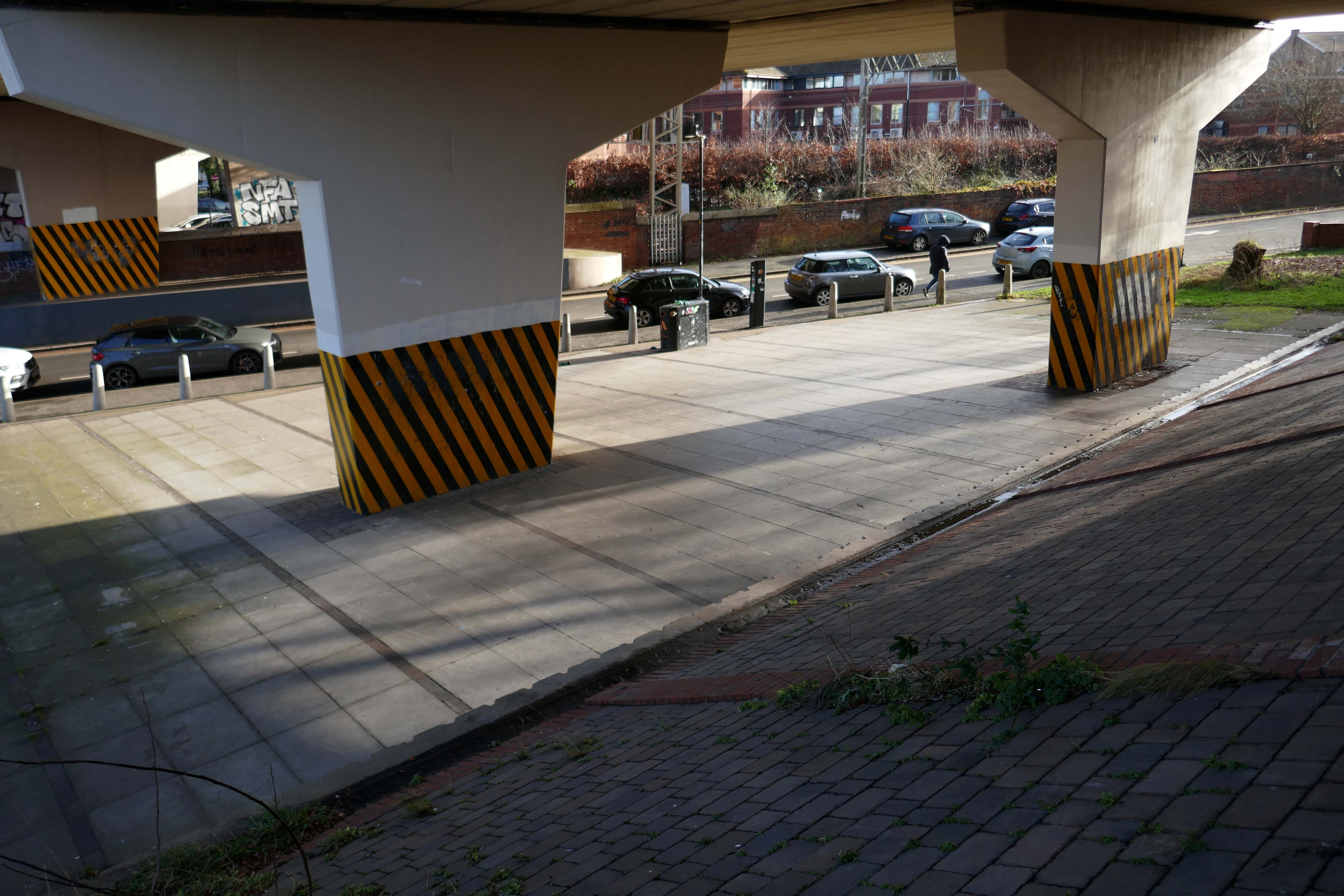
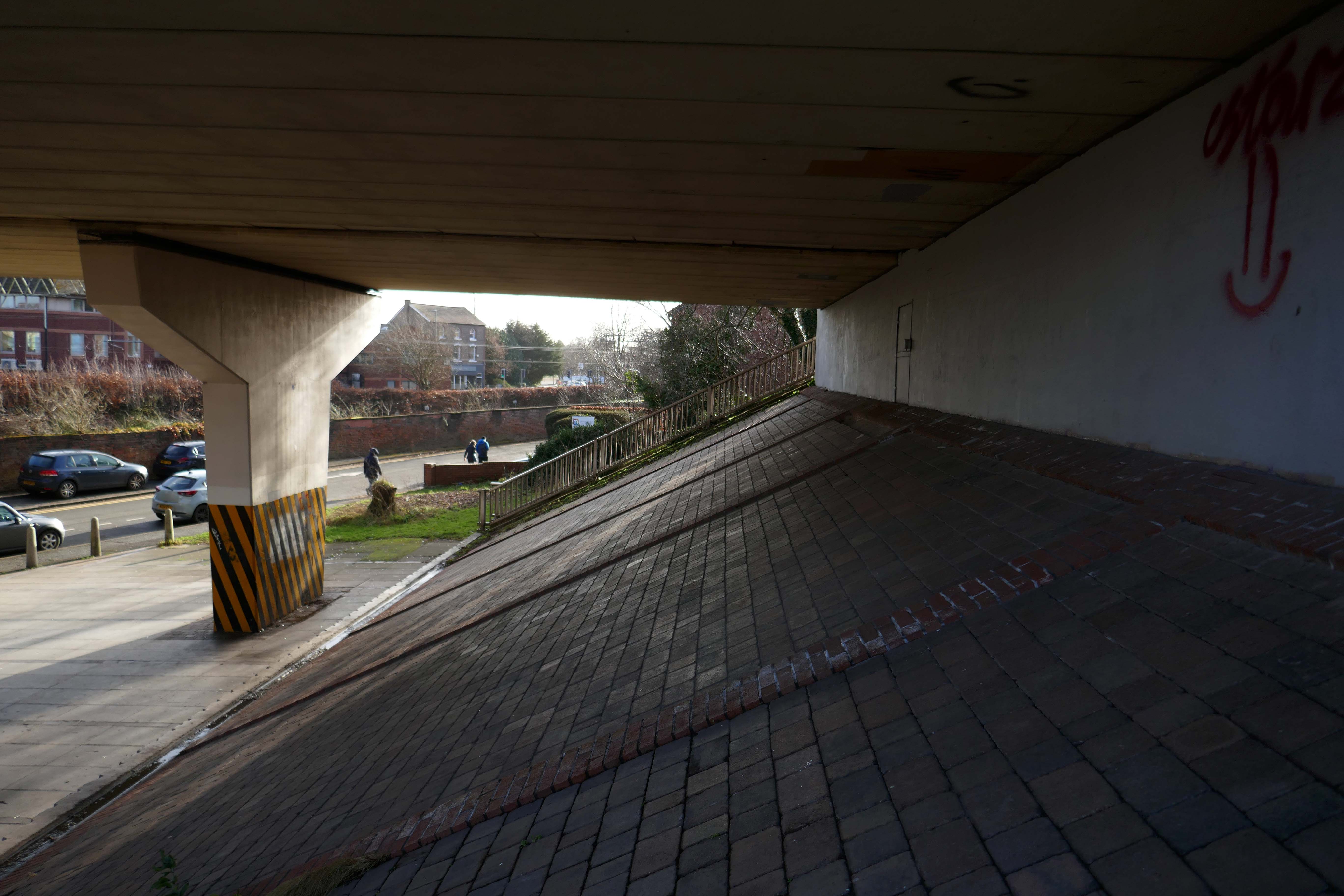
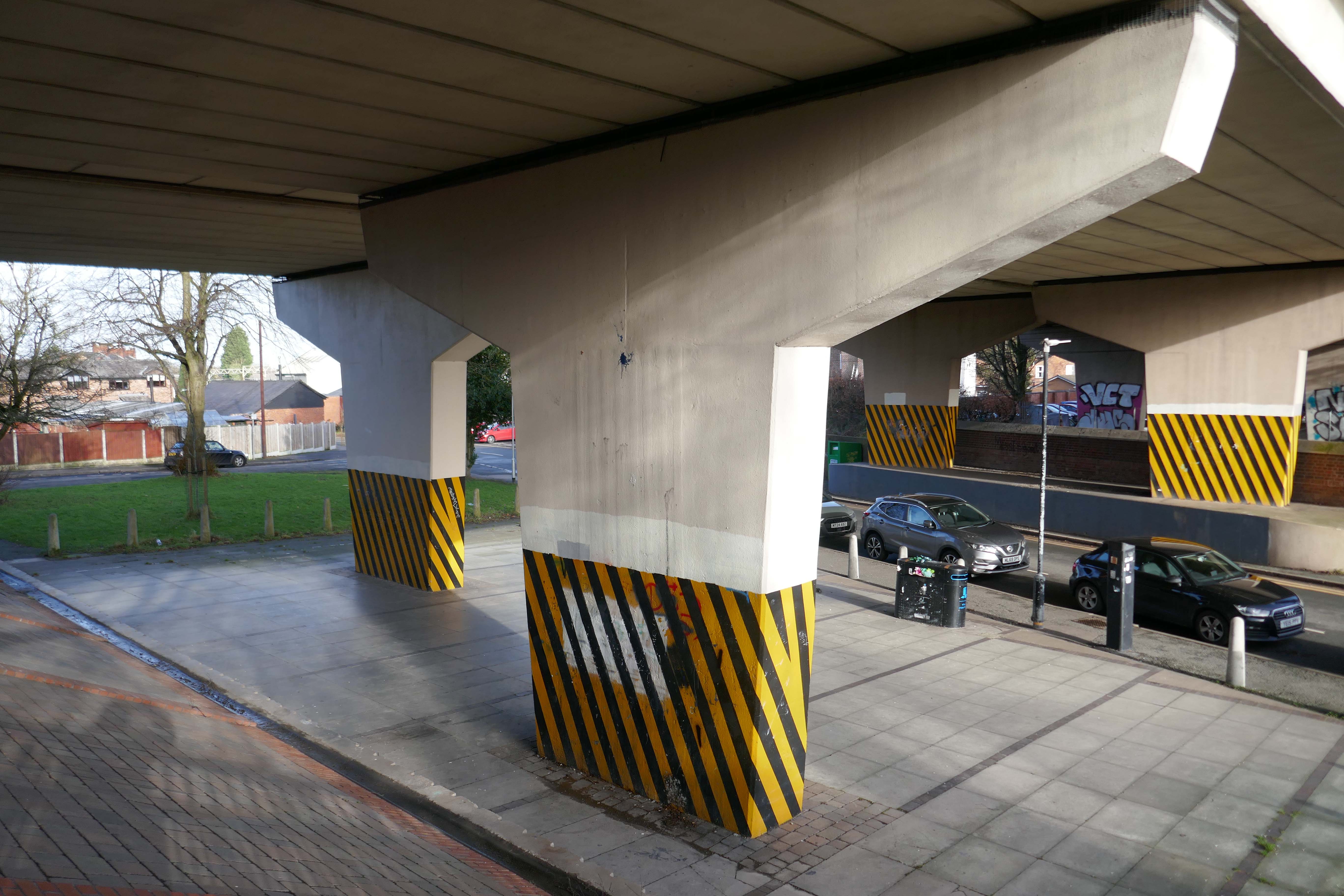
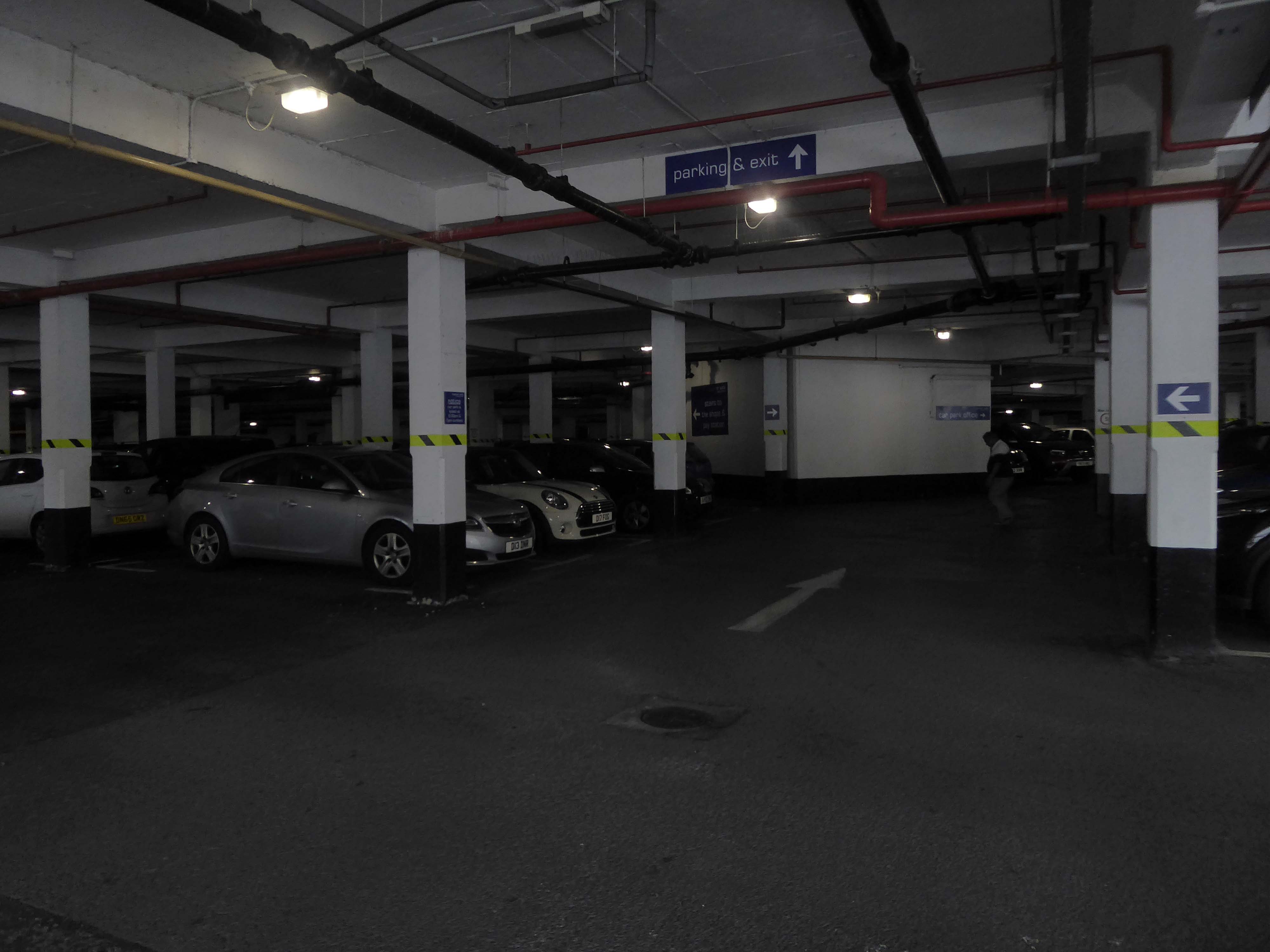
Health and safety regulations state that markings should be placed around obstacles or dangerous locations. This includes where any of the following present a risk:
people tripping or falling
objects falling
people or vehicles colliding with objects
These markings should be made up of alternating red and white or yellow and black stripes of equal size at a 45 degree angle. Barricade tape can be used to satisfy this requirement as long as the tape is “commensurate with the scale of the obstacle or dangerous location in question”
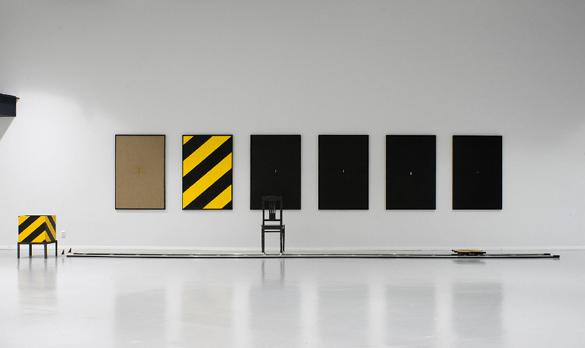
I hereby lay claim to this symbol, sign, icon, the combination of black and yellow, wherever it may appear, in this or any other world, in whatever shape, form, pattern or composition, be it civil or military. I hereby claim to be its originator and owner.
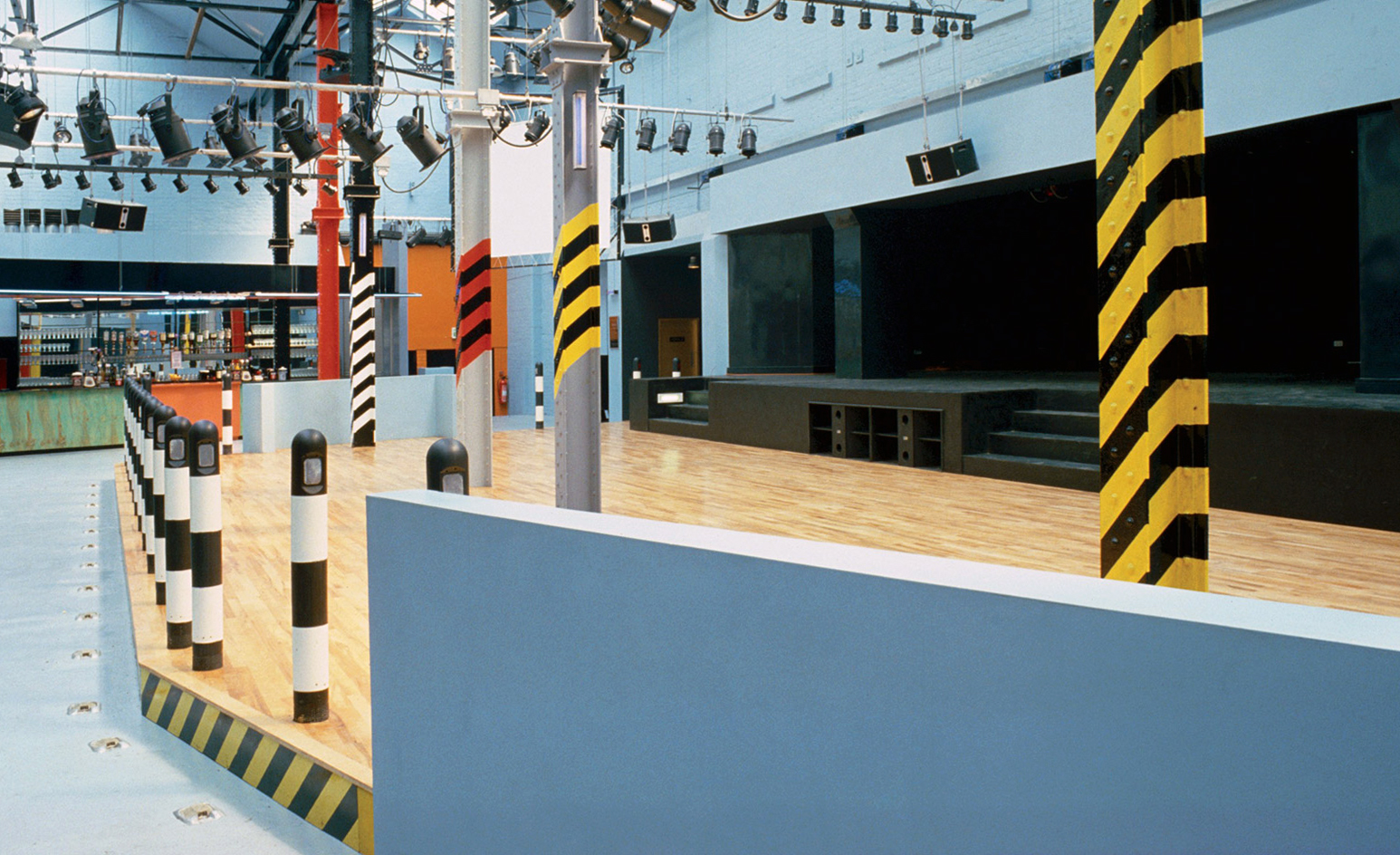
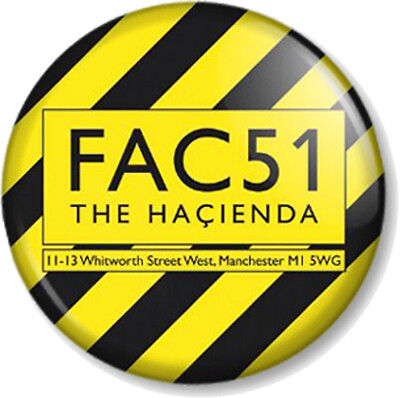
Designed by Ben Kelly, upon recommendation by Factory graphic designer Peter Saville, upstairs consisted of a stage, dance area, bar, cloakroom, cafeteria area and balcony with a DJ booth.
The Haçienda was opened on 21 May 1982, when the comedian Bernard Manning remarked to the audience:
I’ve played some shit-holes during my time, but this is really something.
His jokes did not go down well with the crowd and he returned his fee.
The black and yellow stripes on Manchester City’s away shirts were meant to be an uplifting homage to Manchester’s cultural heritage, but the choice of design now risks becoming a chip on the team’s shoulders.
The team’s jersey is embroiled in a controversy after Ben Kelly, the man who originally designed the stripes for famed Manchester nightclub the Haçienda, complained in a recent interview to Gaffer magazine that he was not credited or consulted by the creators of the football apparel.
When Manchester City and Puma launched the team’s 2019/20 kit last July, they said in a press release that the uniform paid tribute to the “Madchester” years of the late 1980s and early 1990s, when the city in north-west England became a hub of alternative music and dance culture.
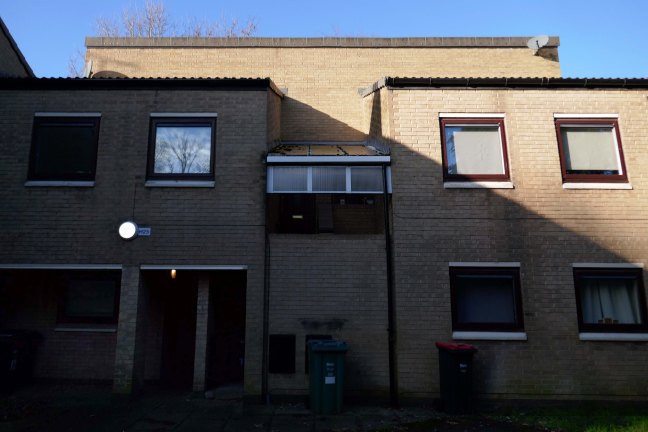
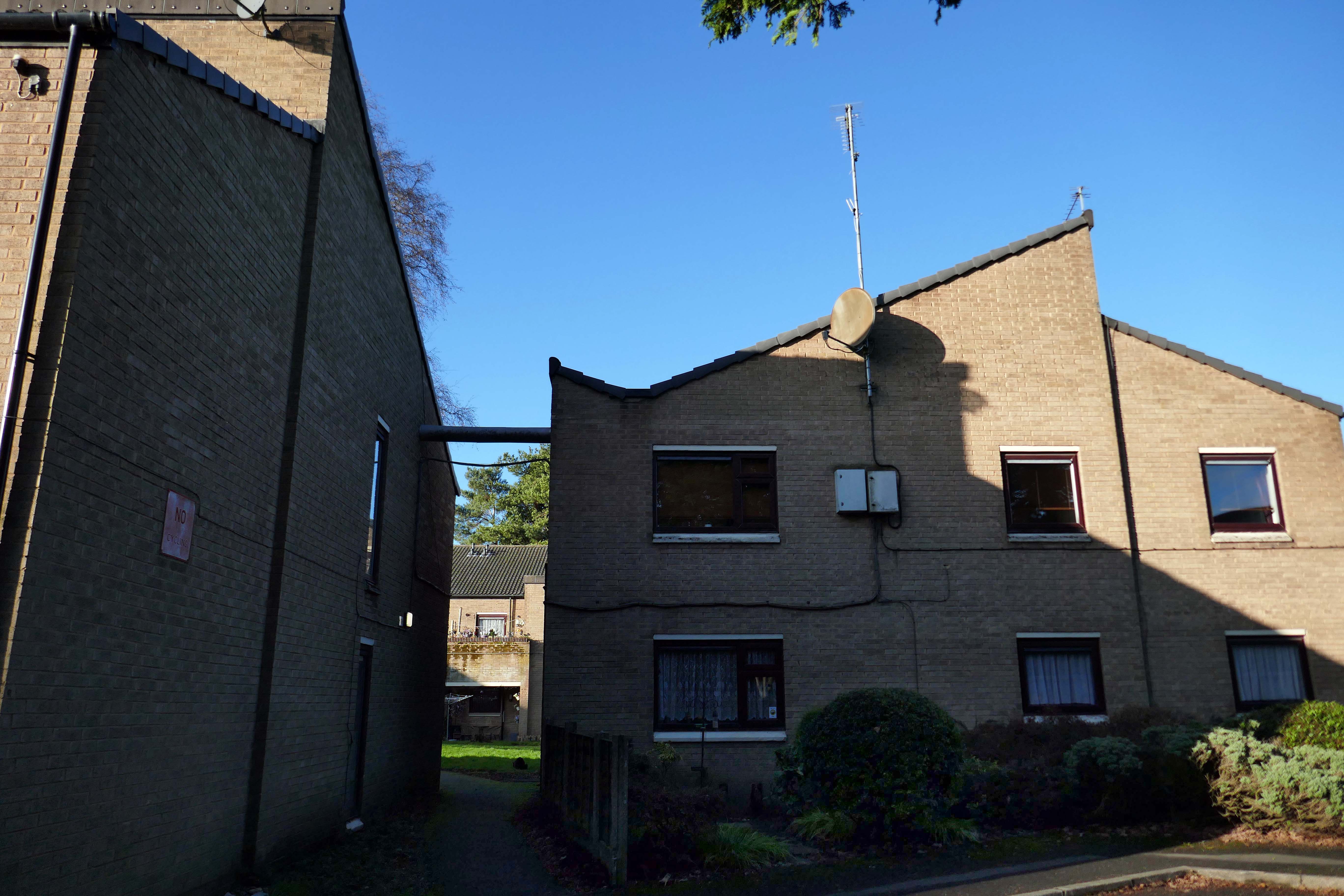
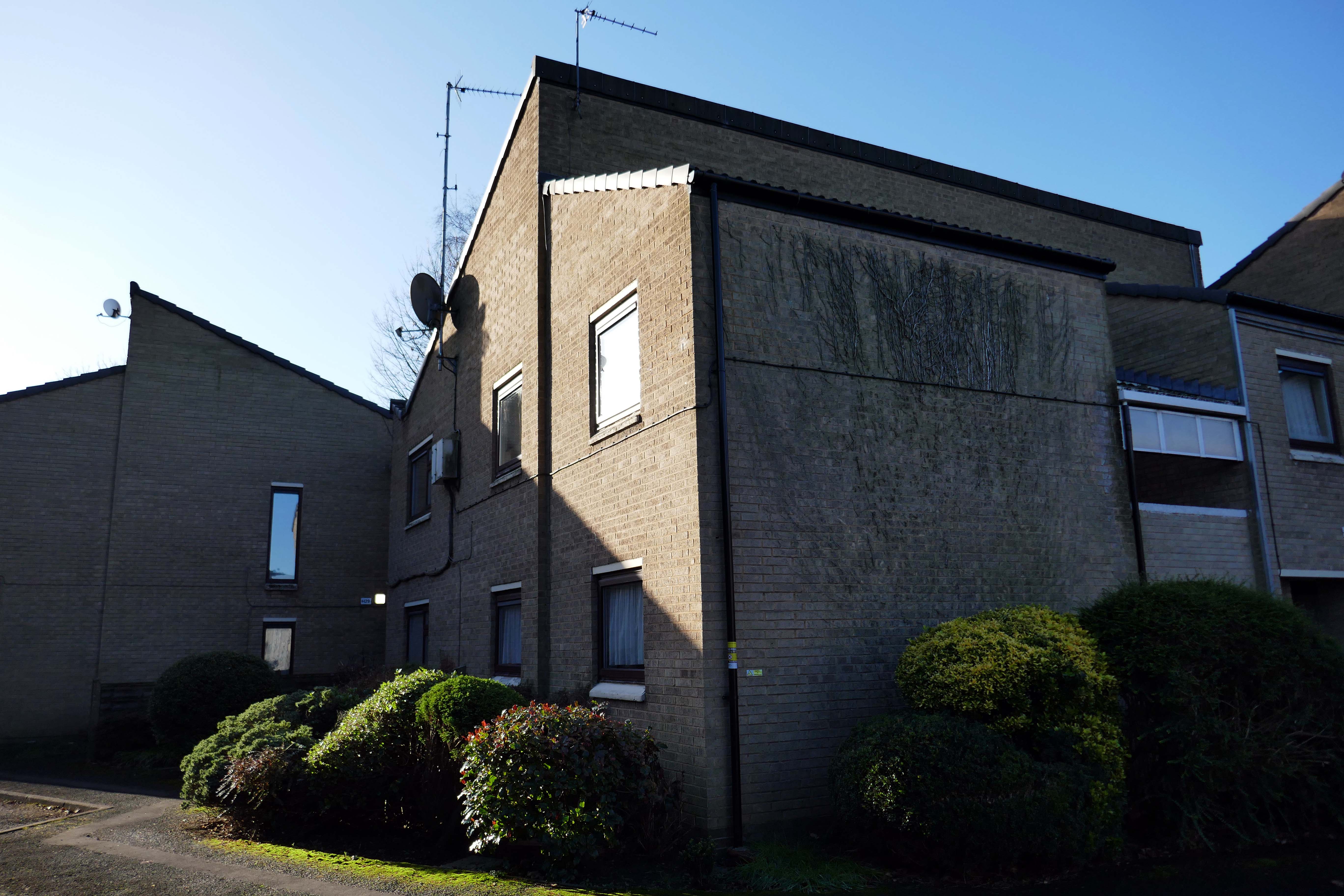
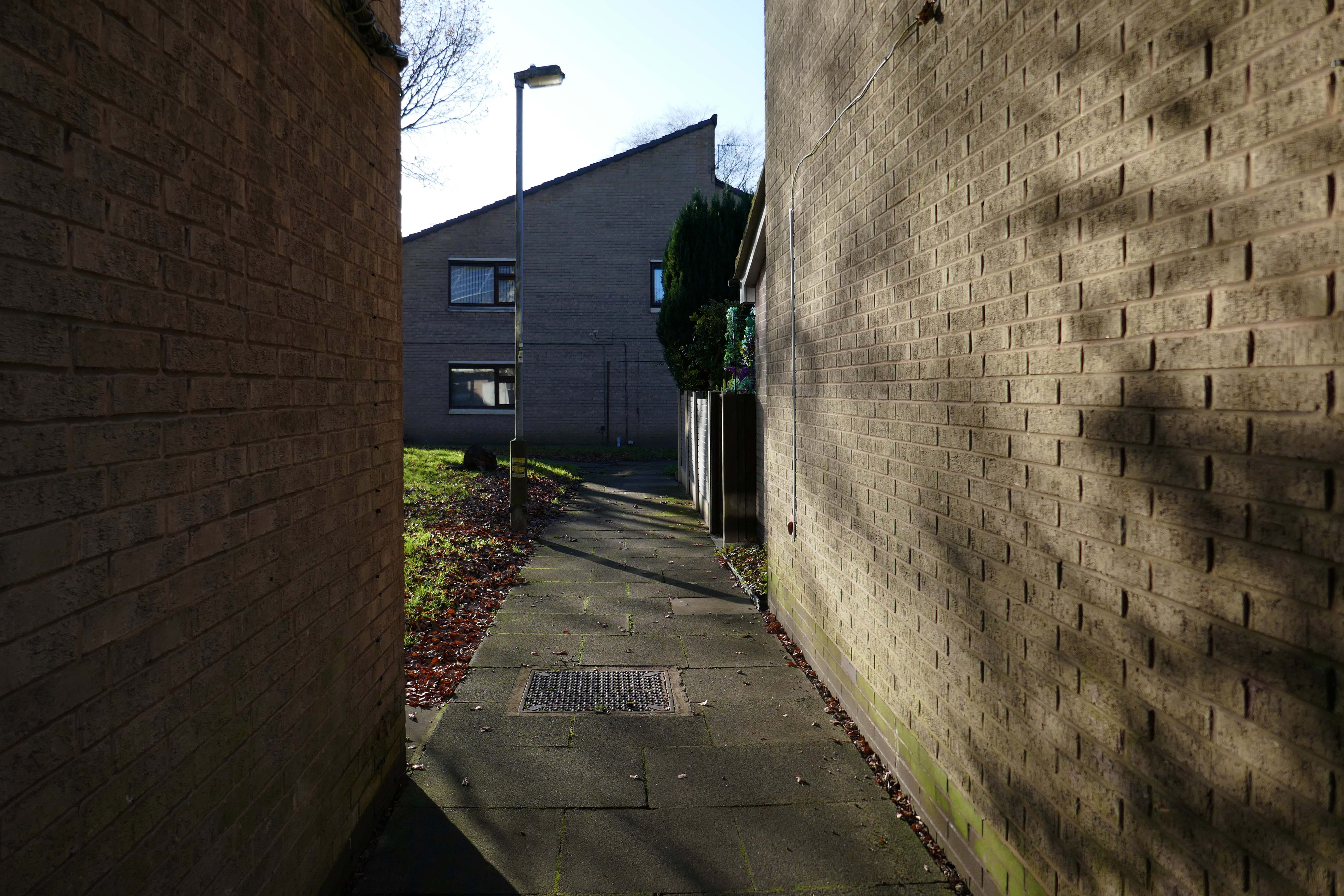
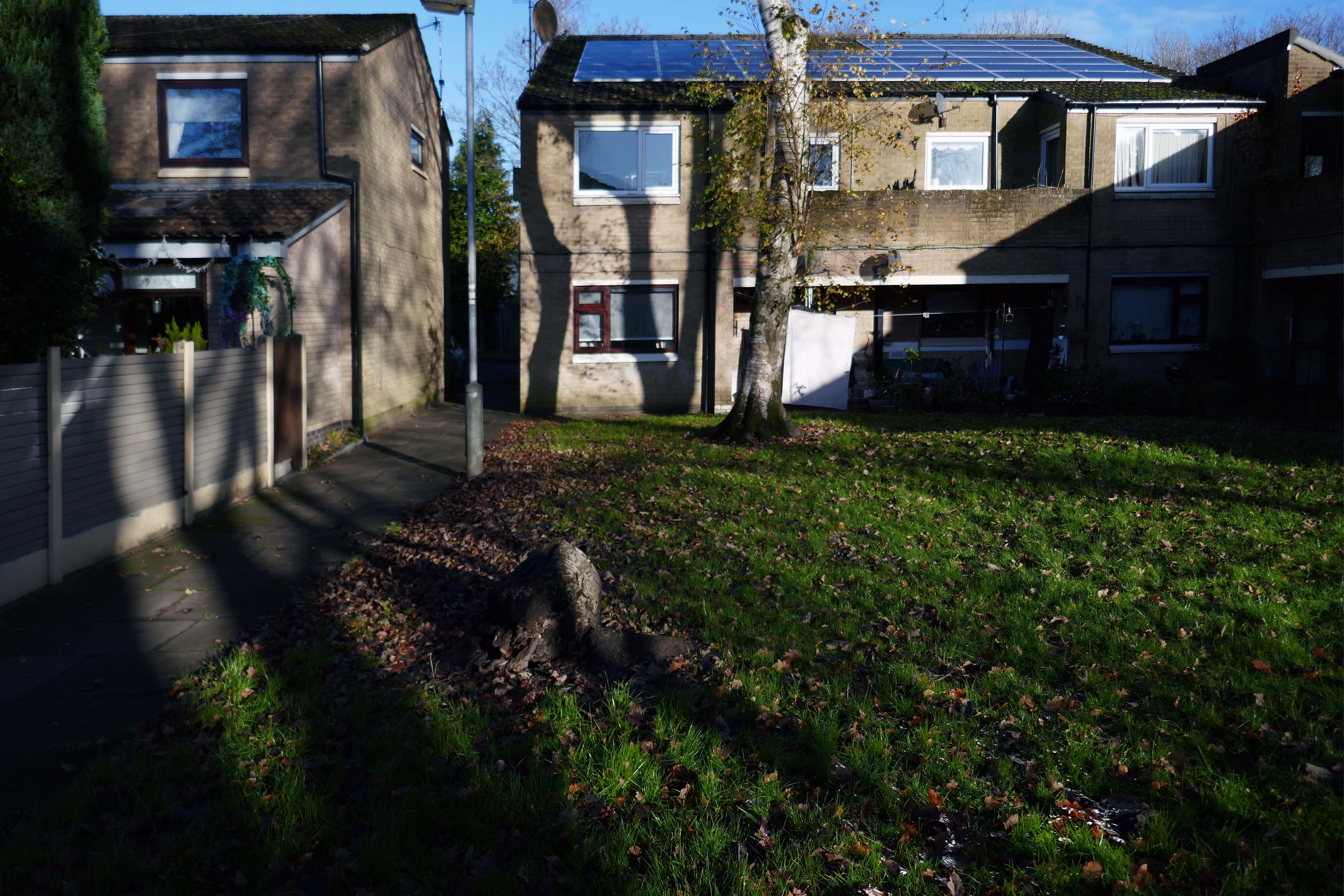
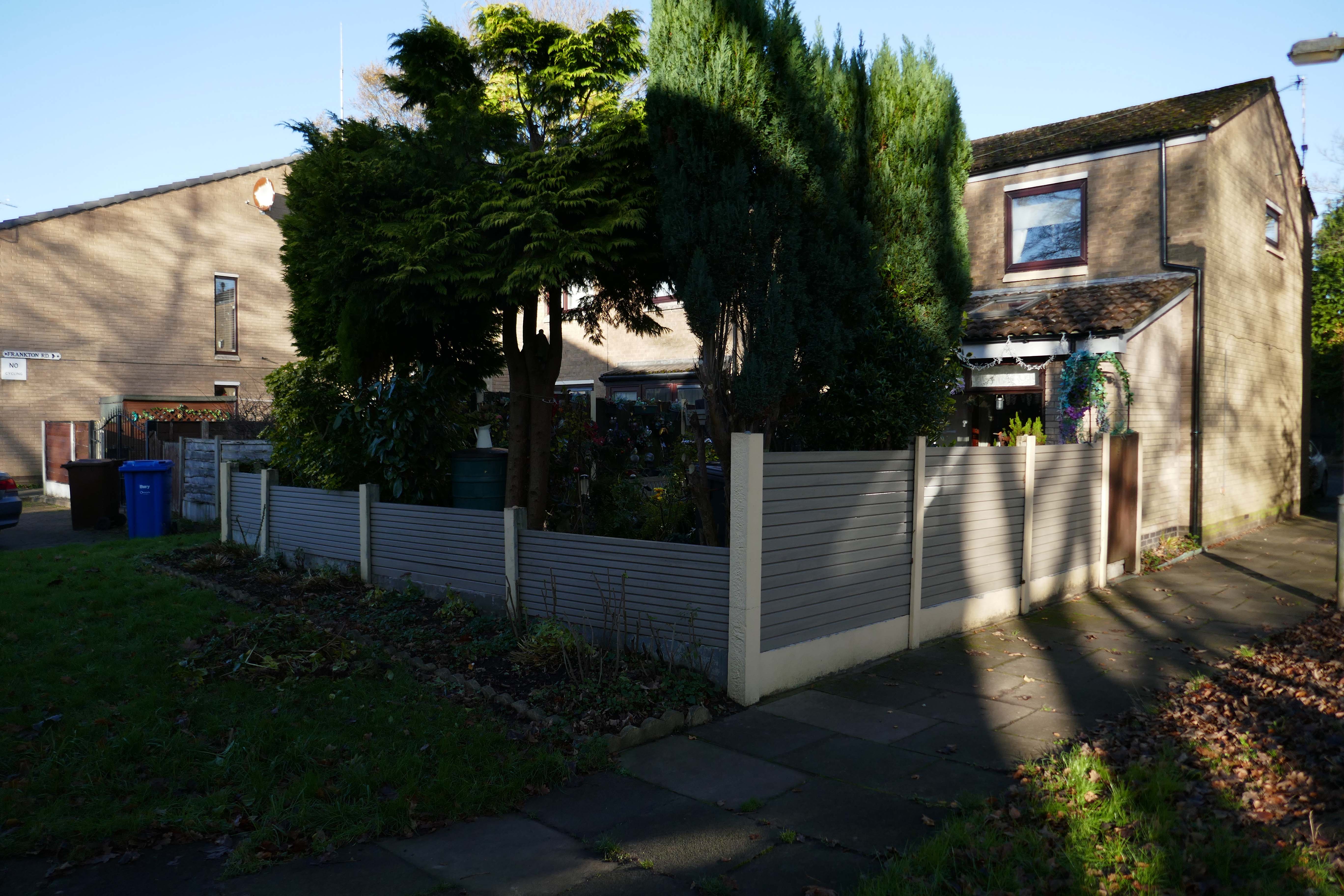
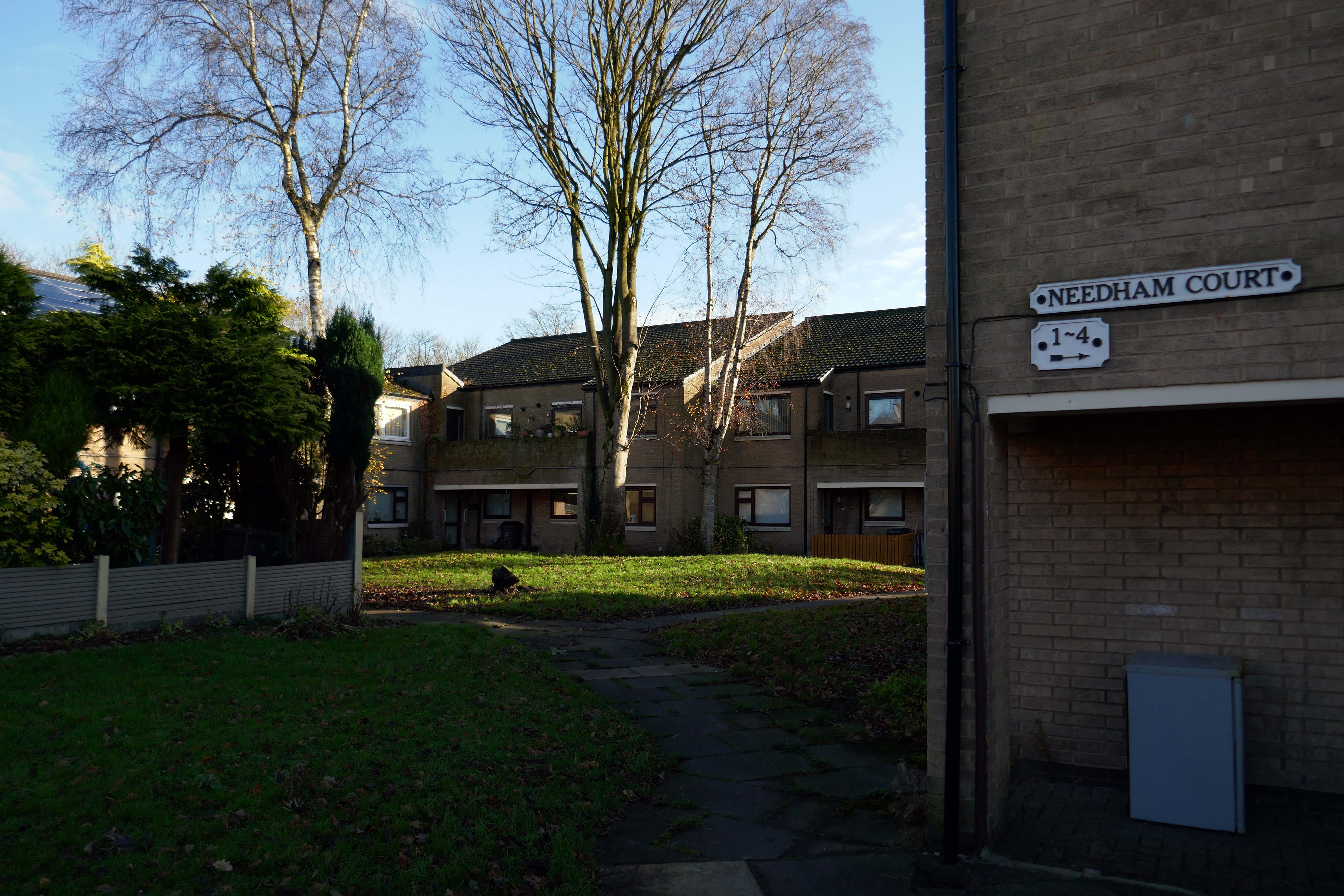
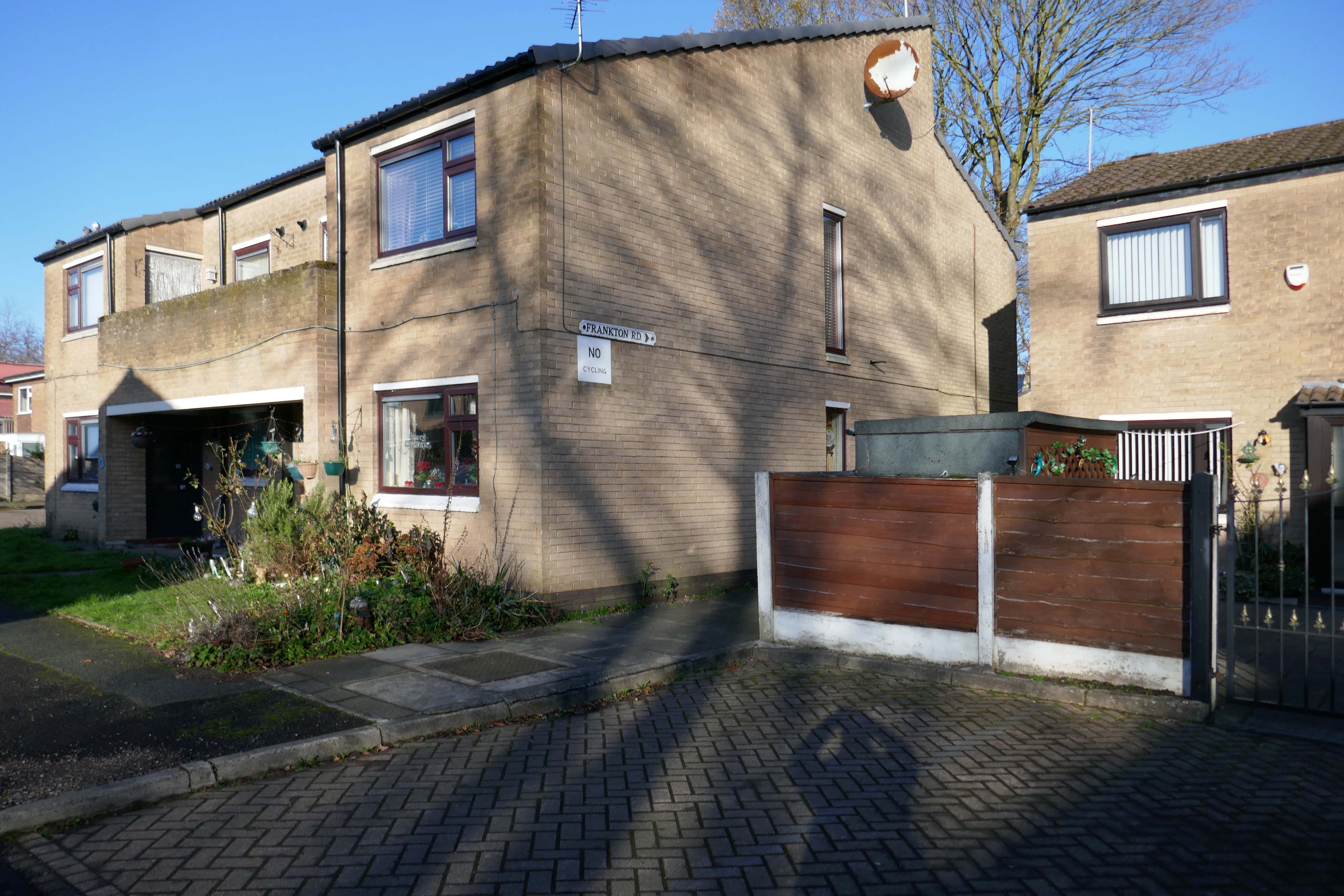
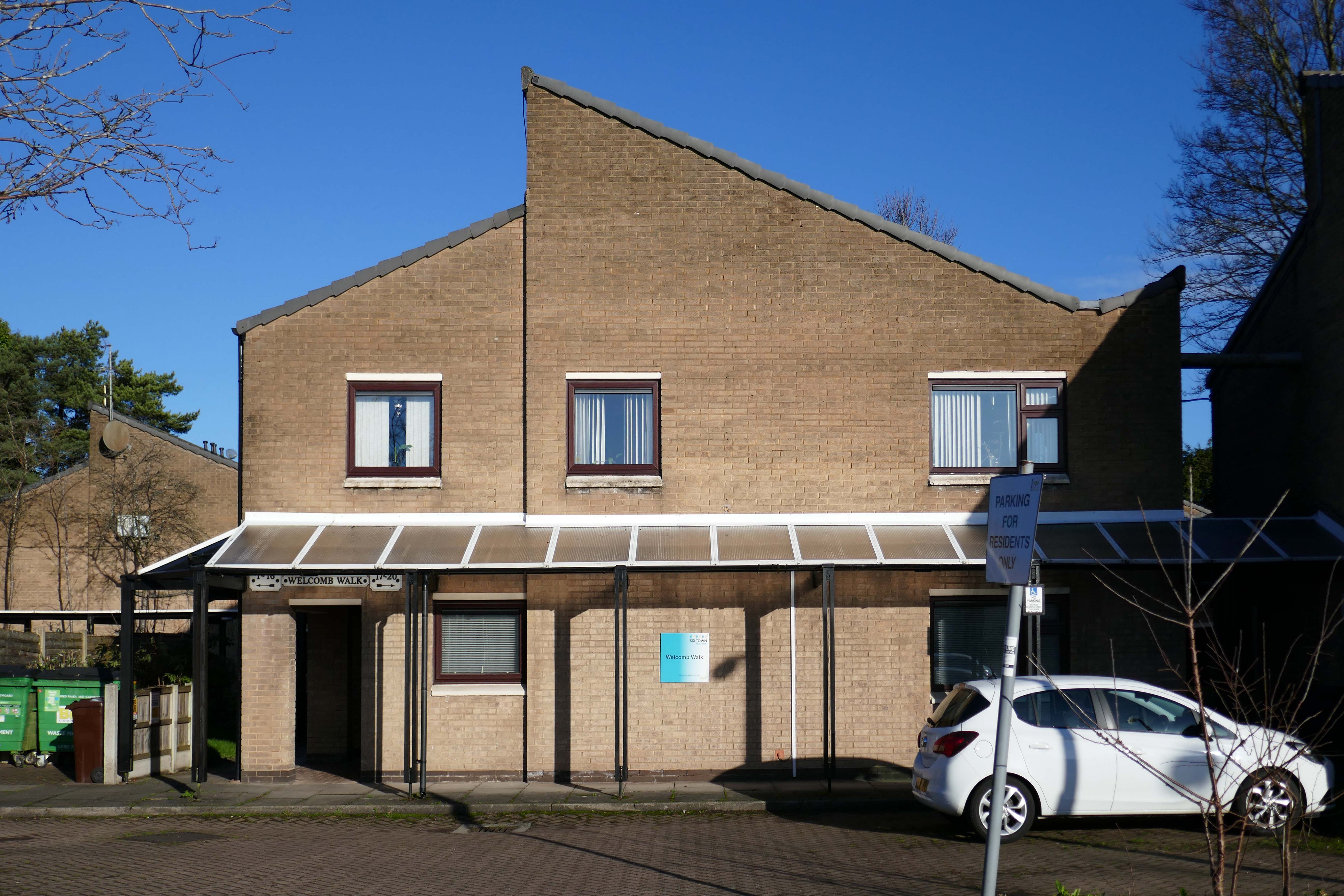
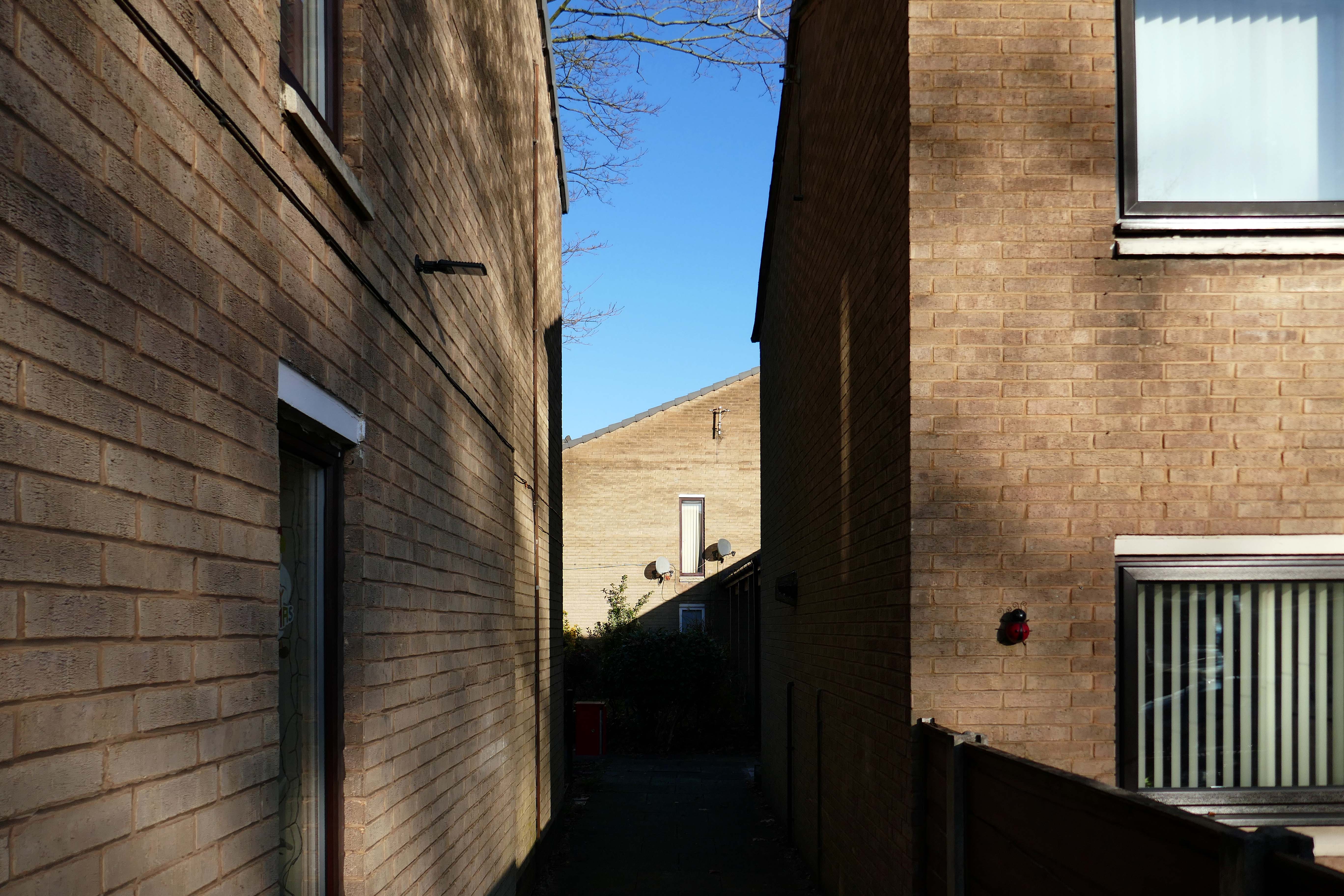
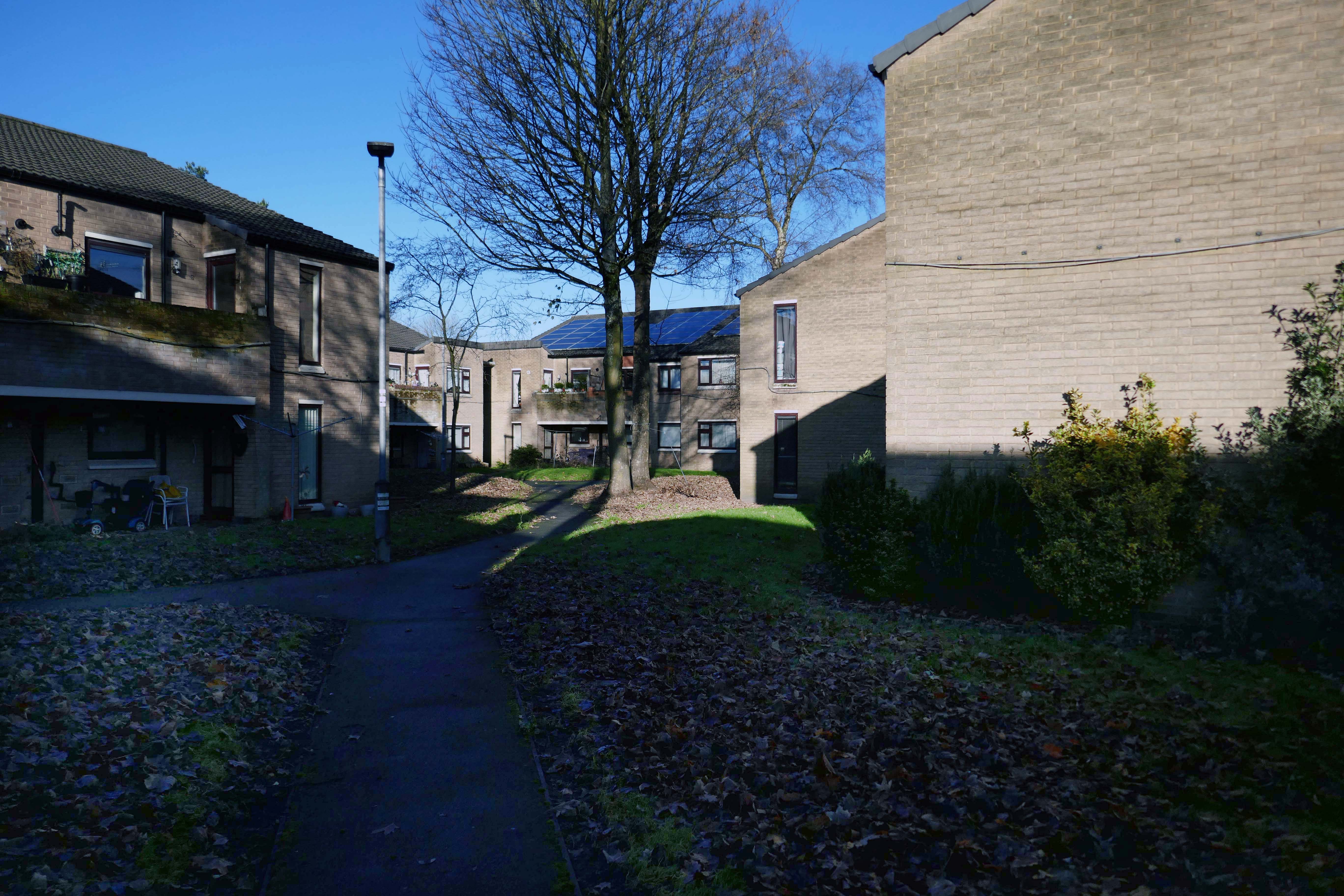
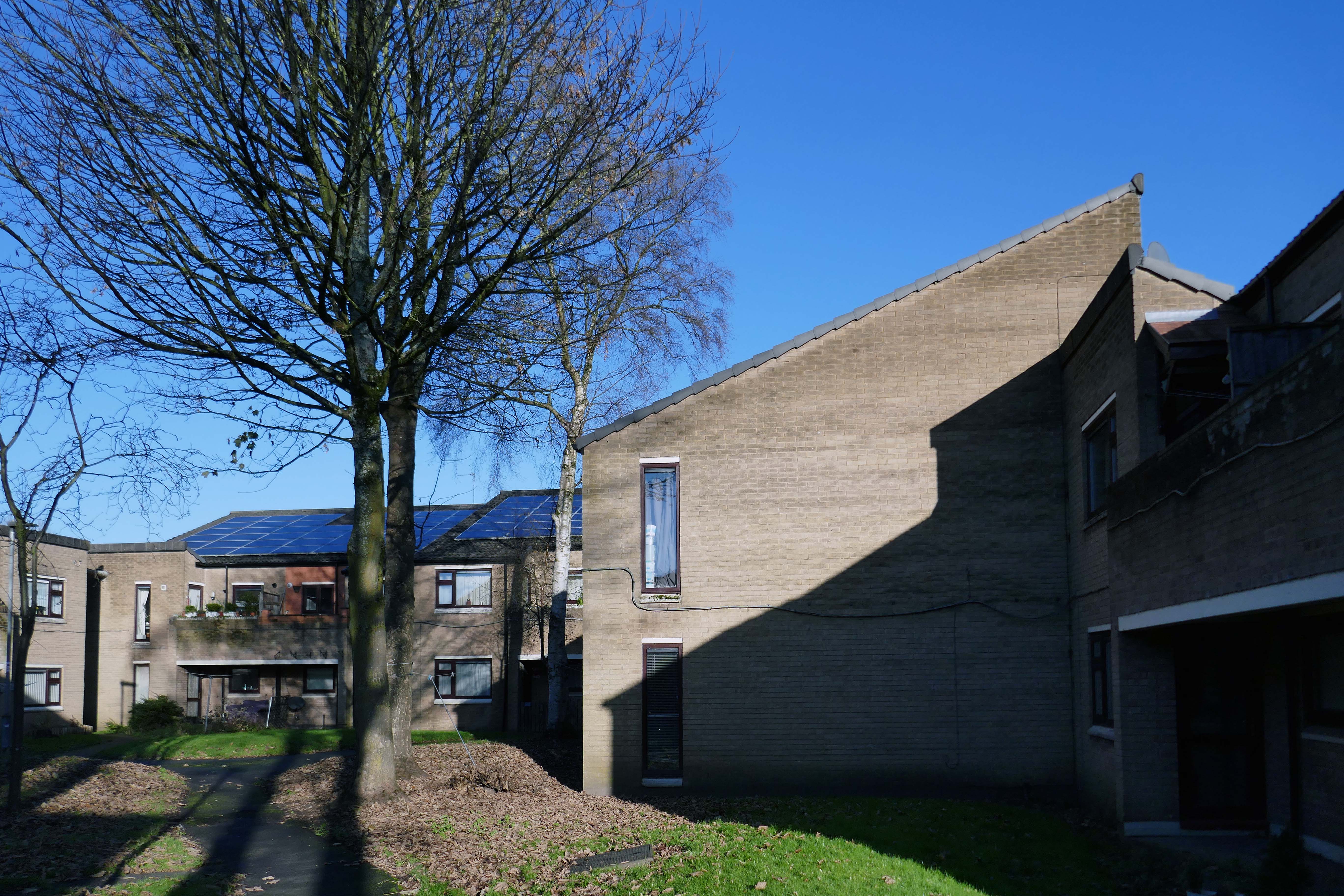
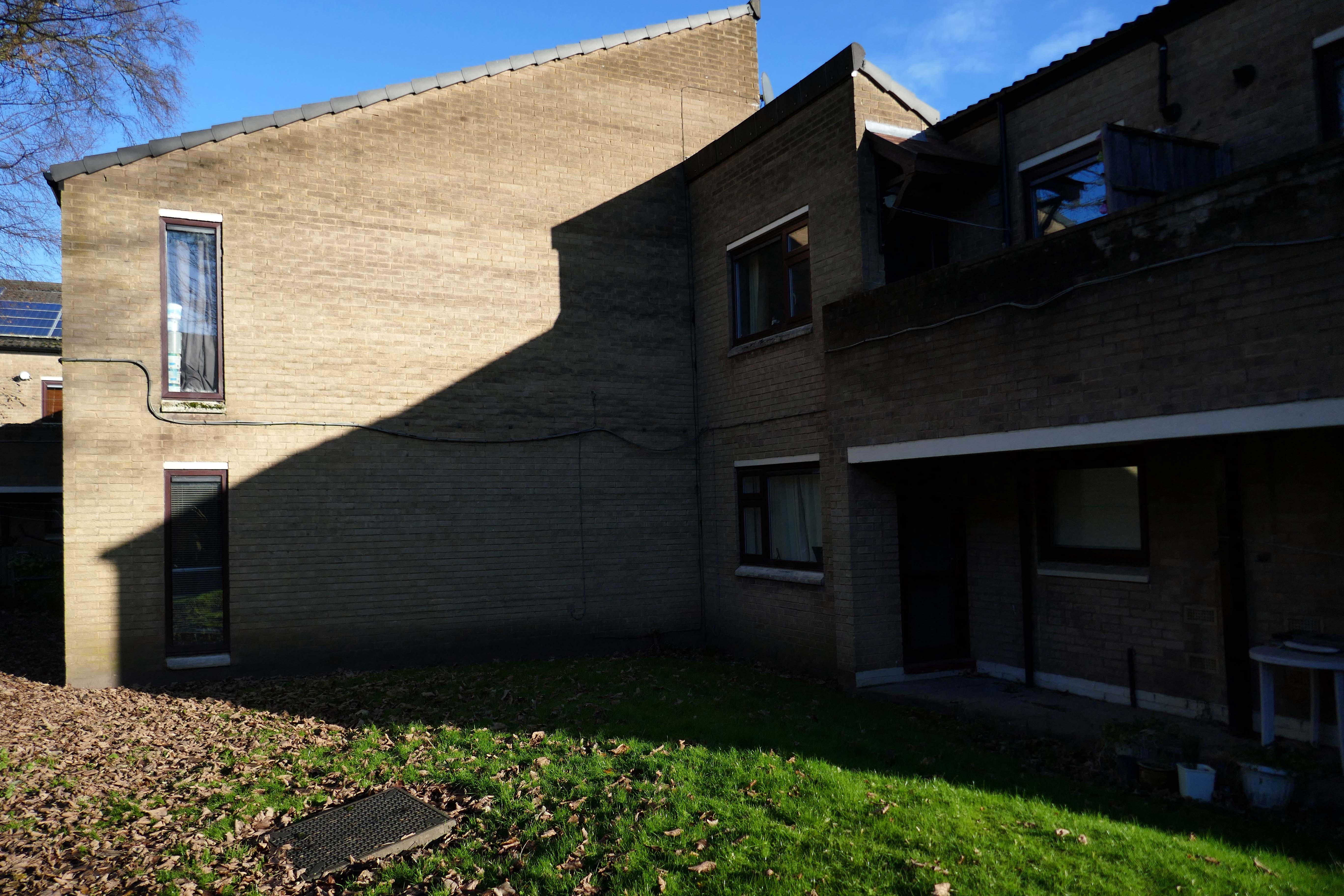
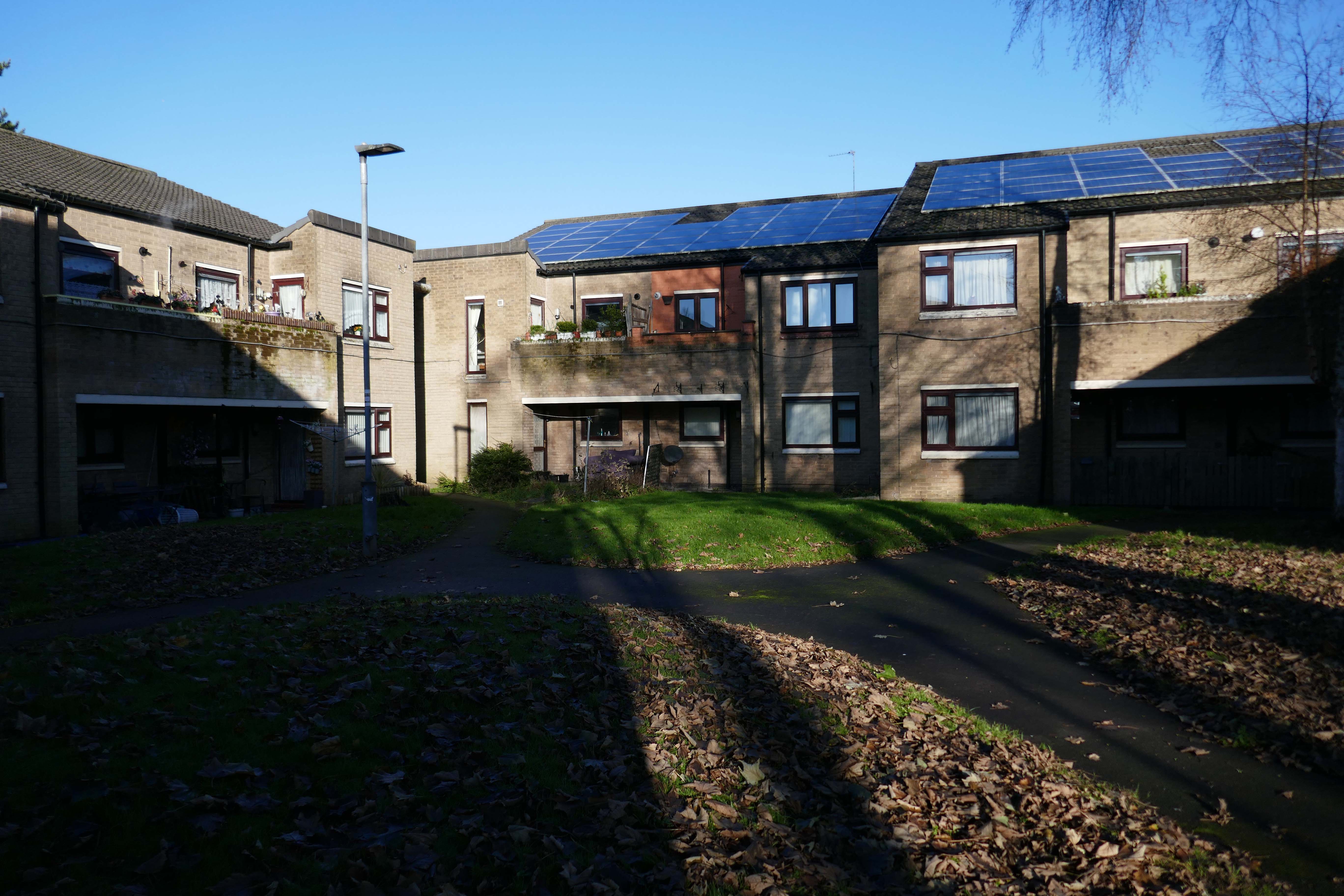
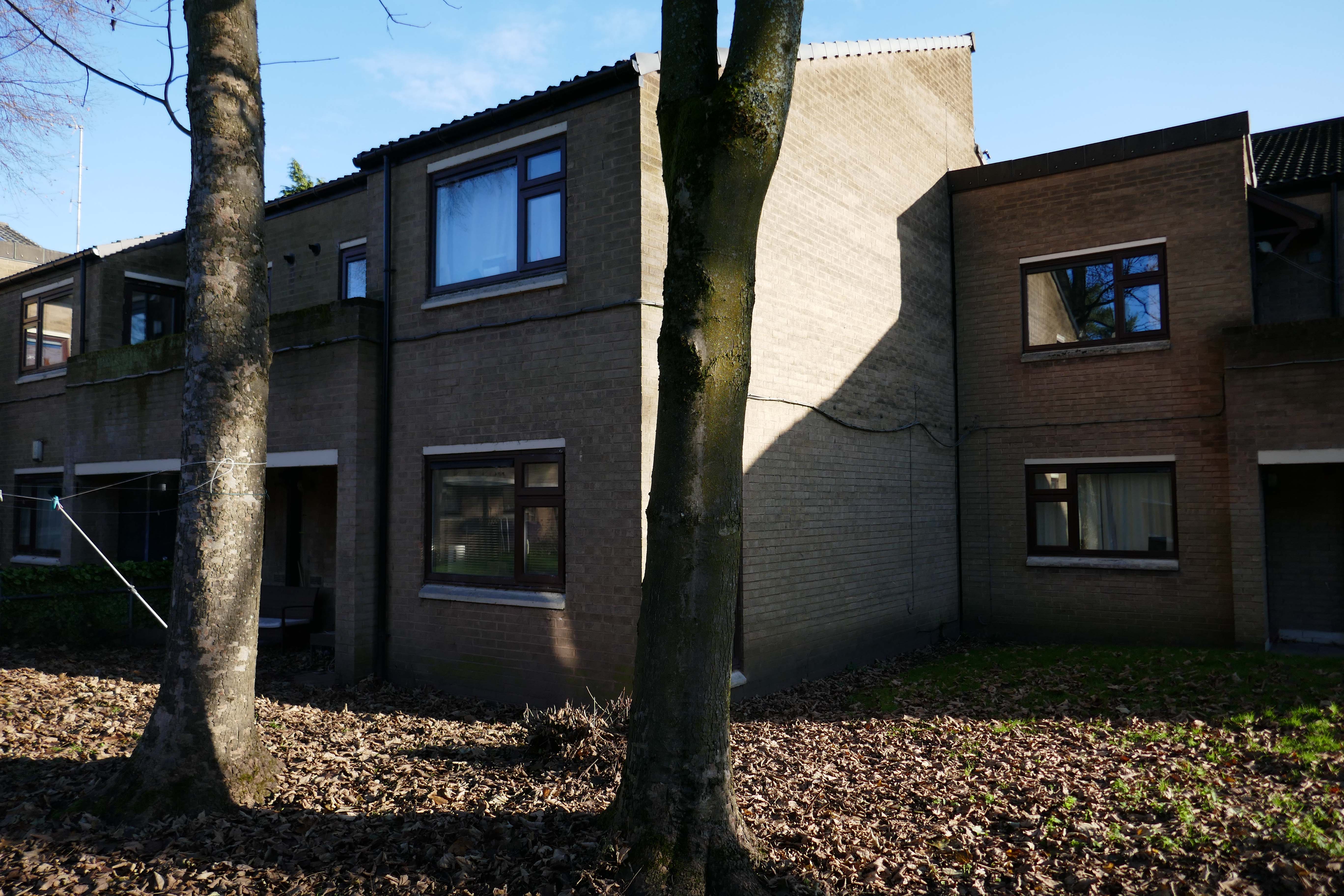
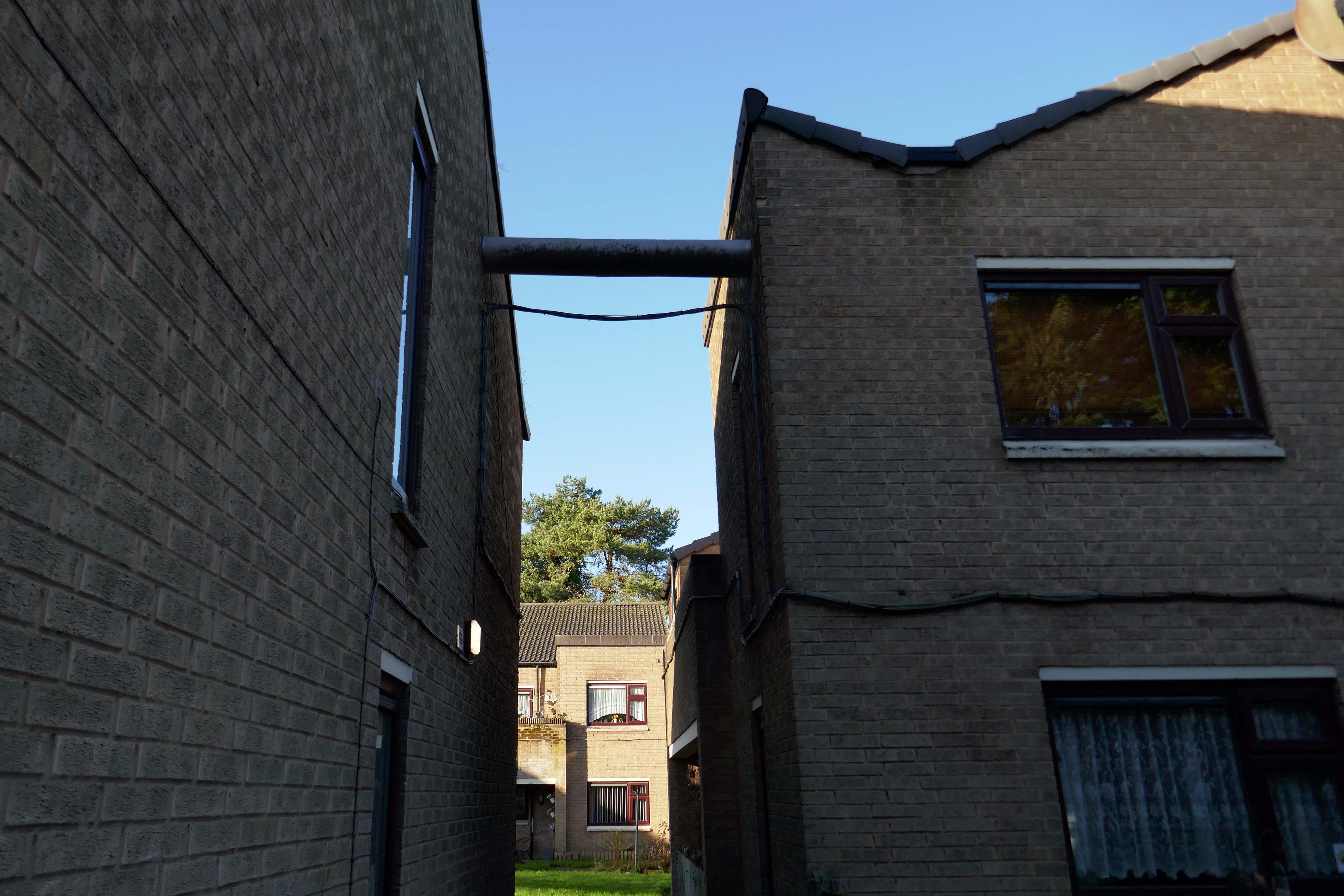
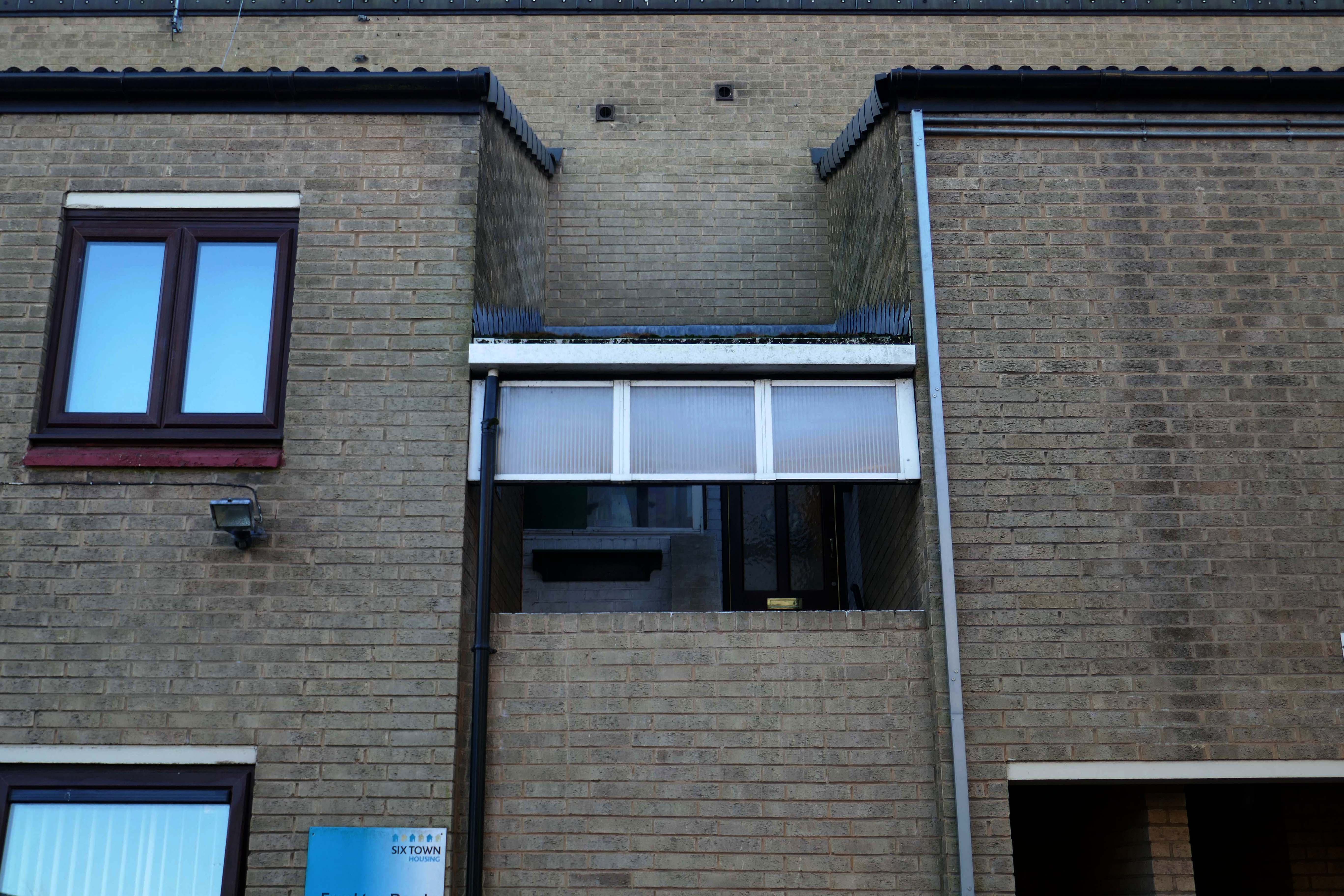
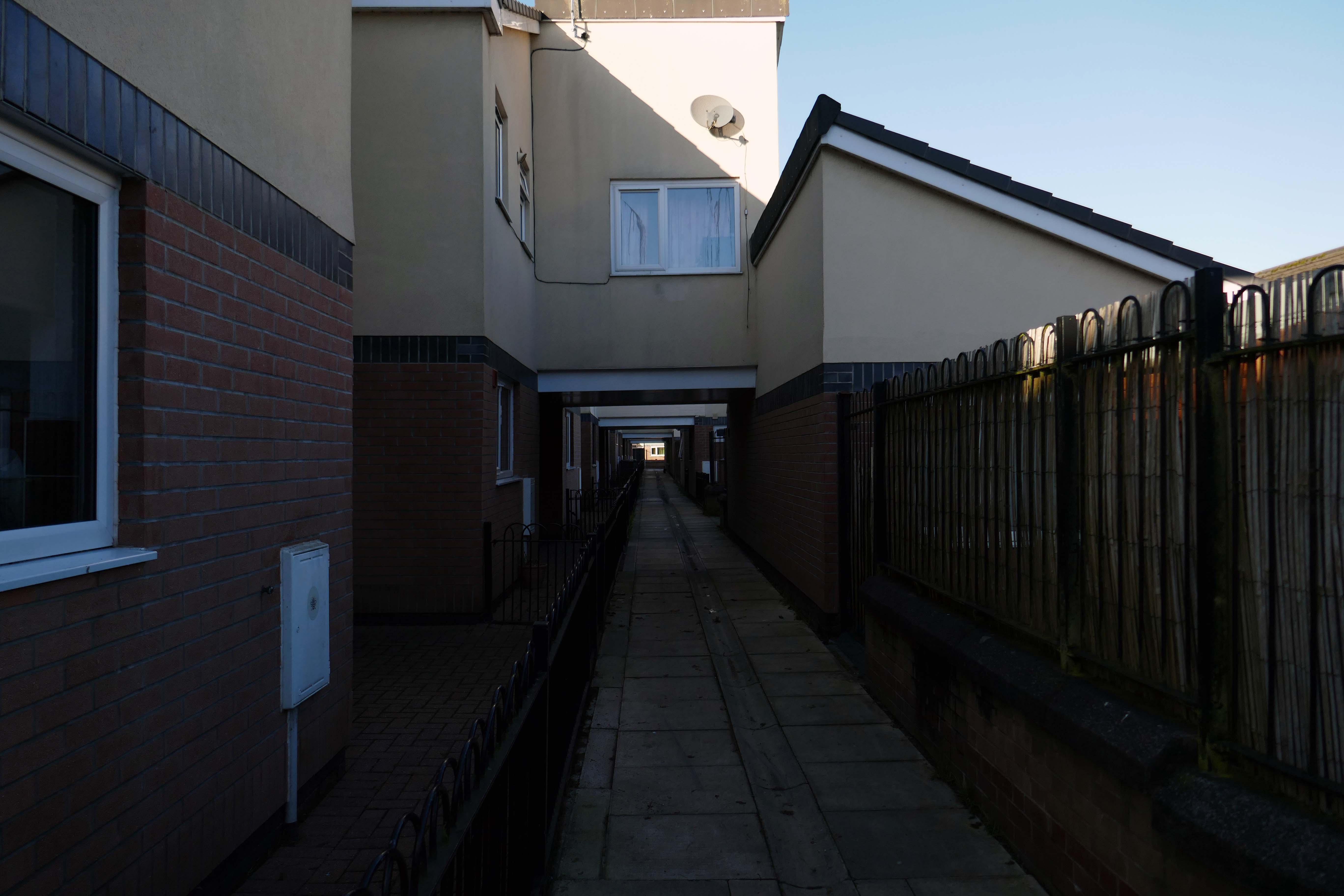
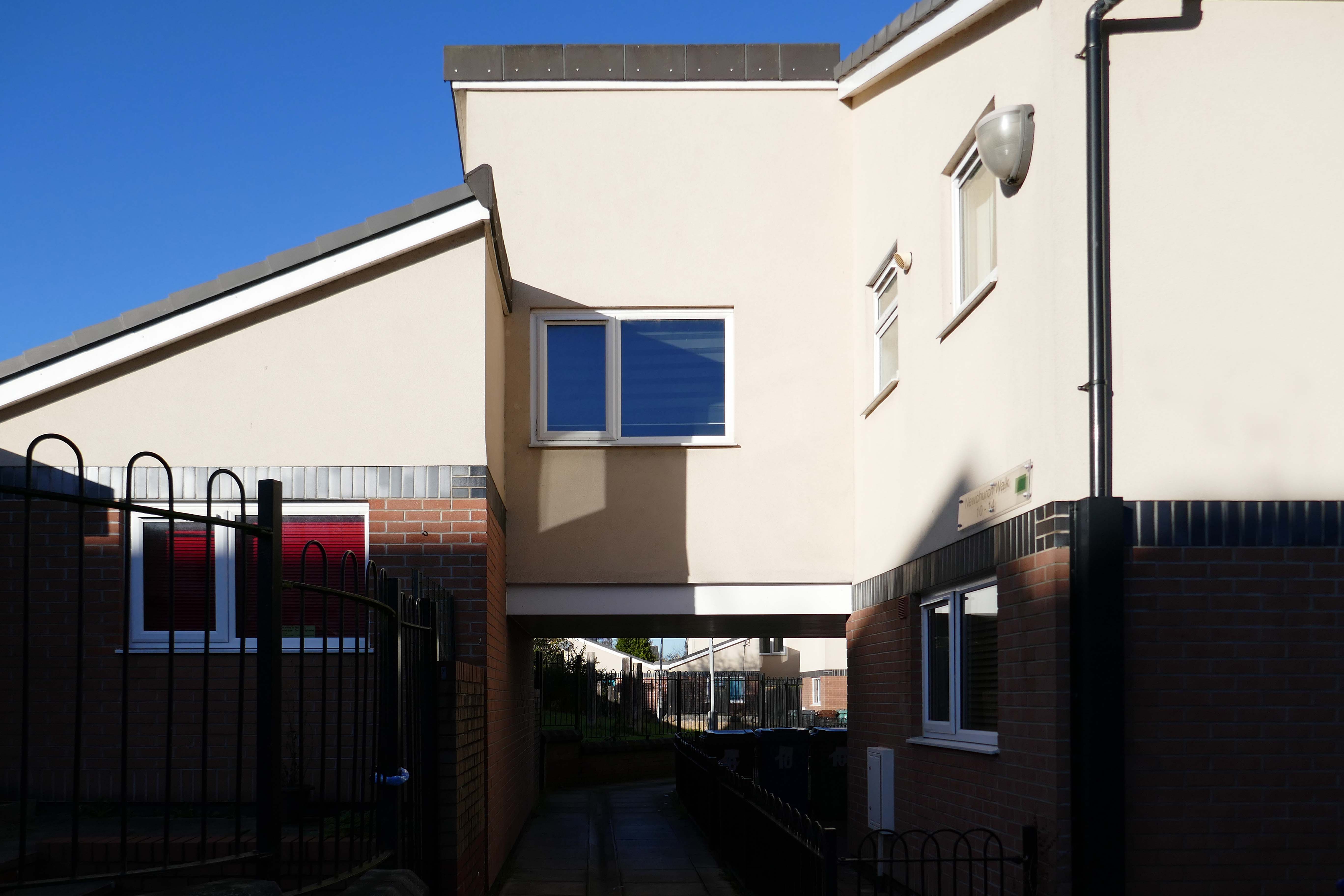
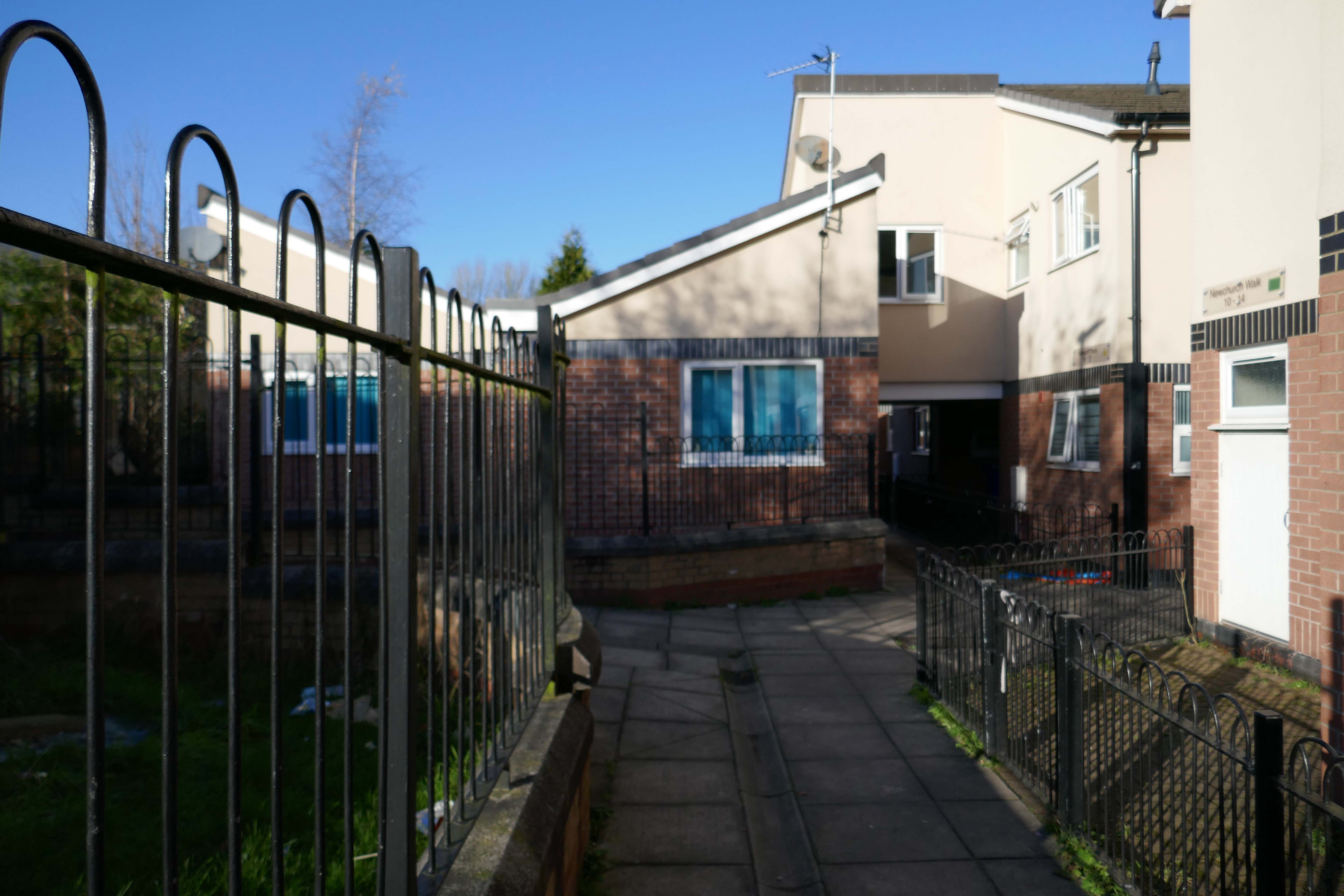
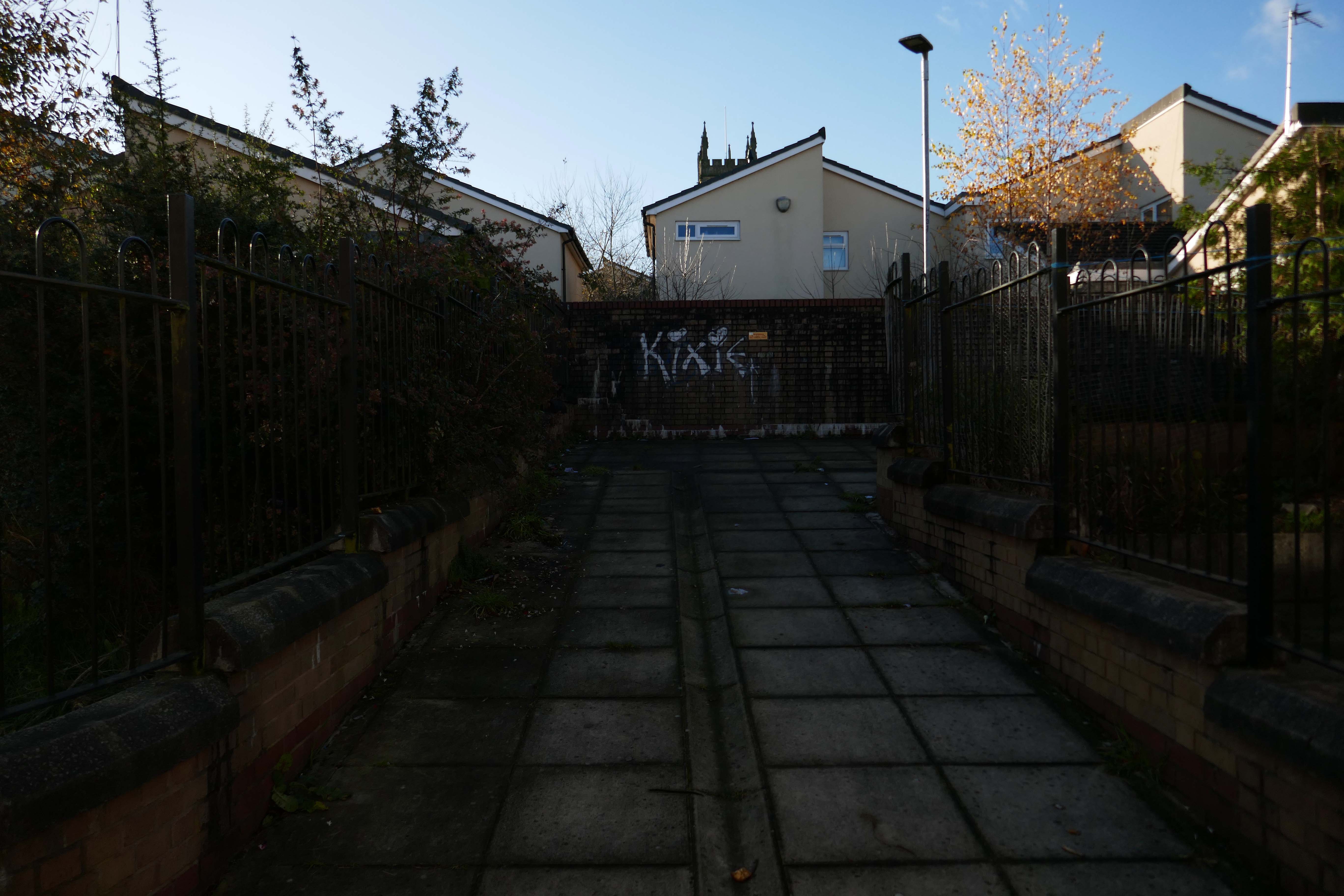
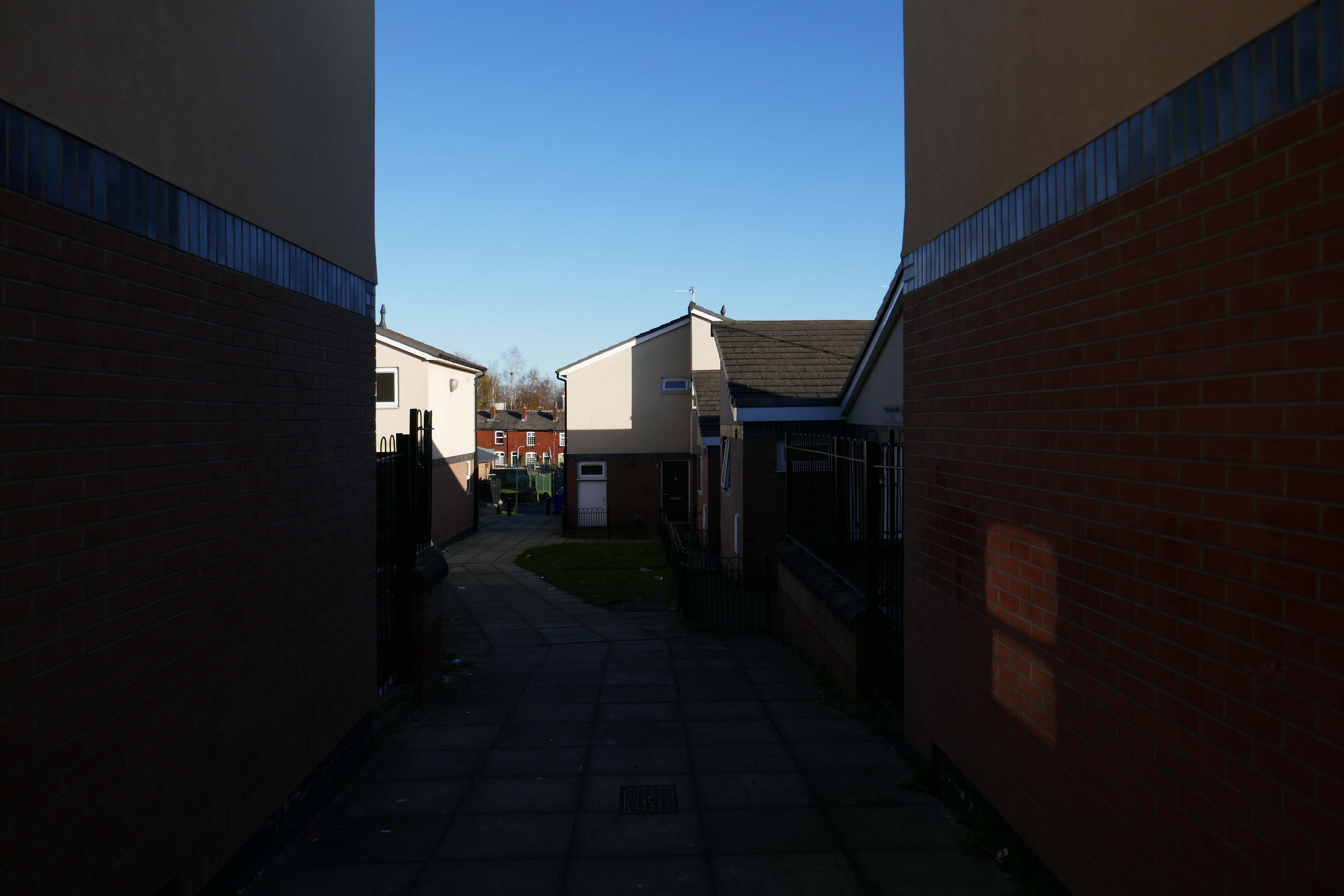
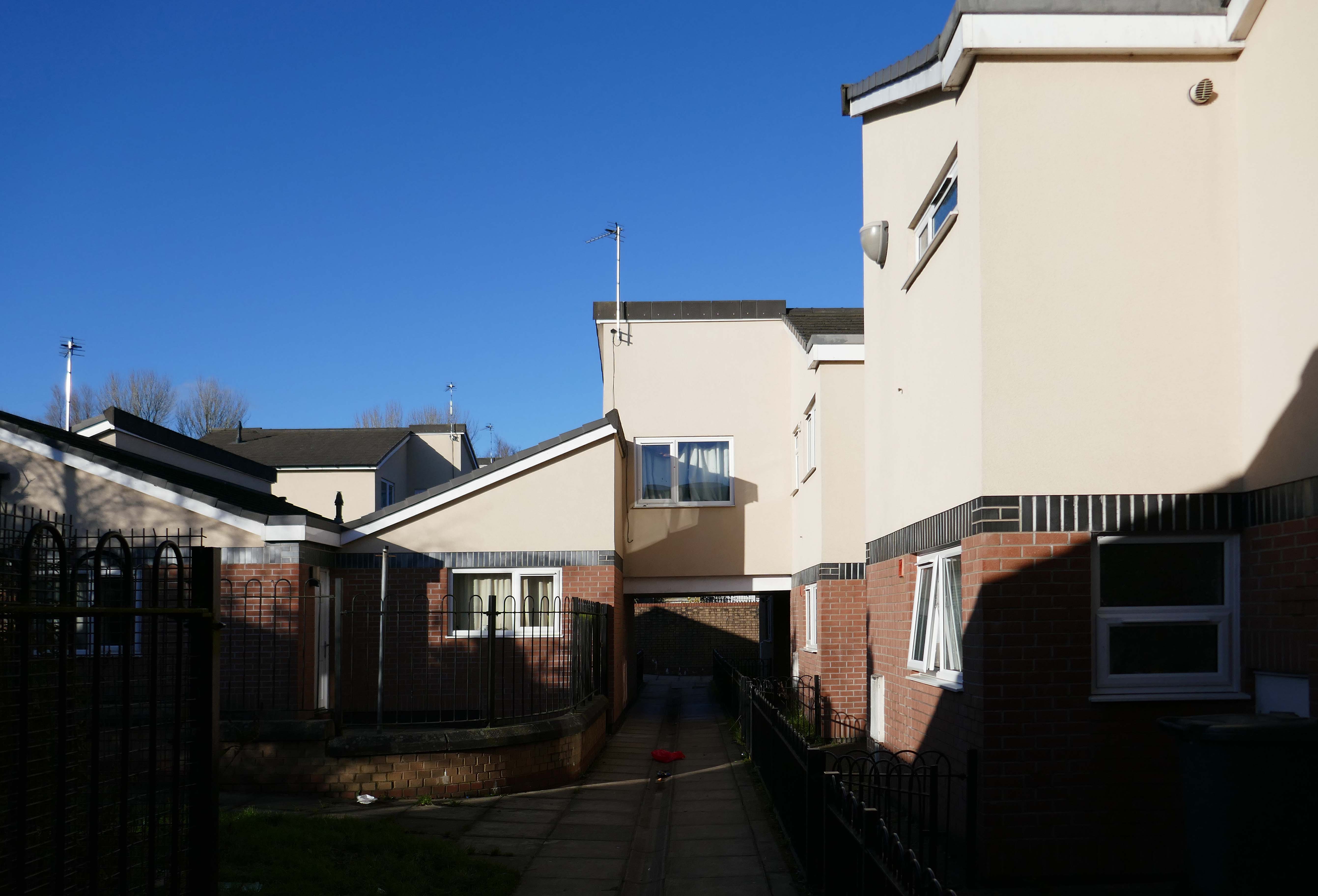
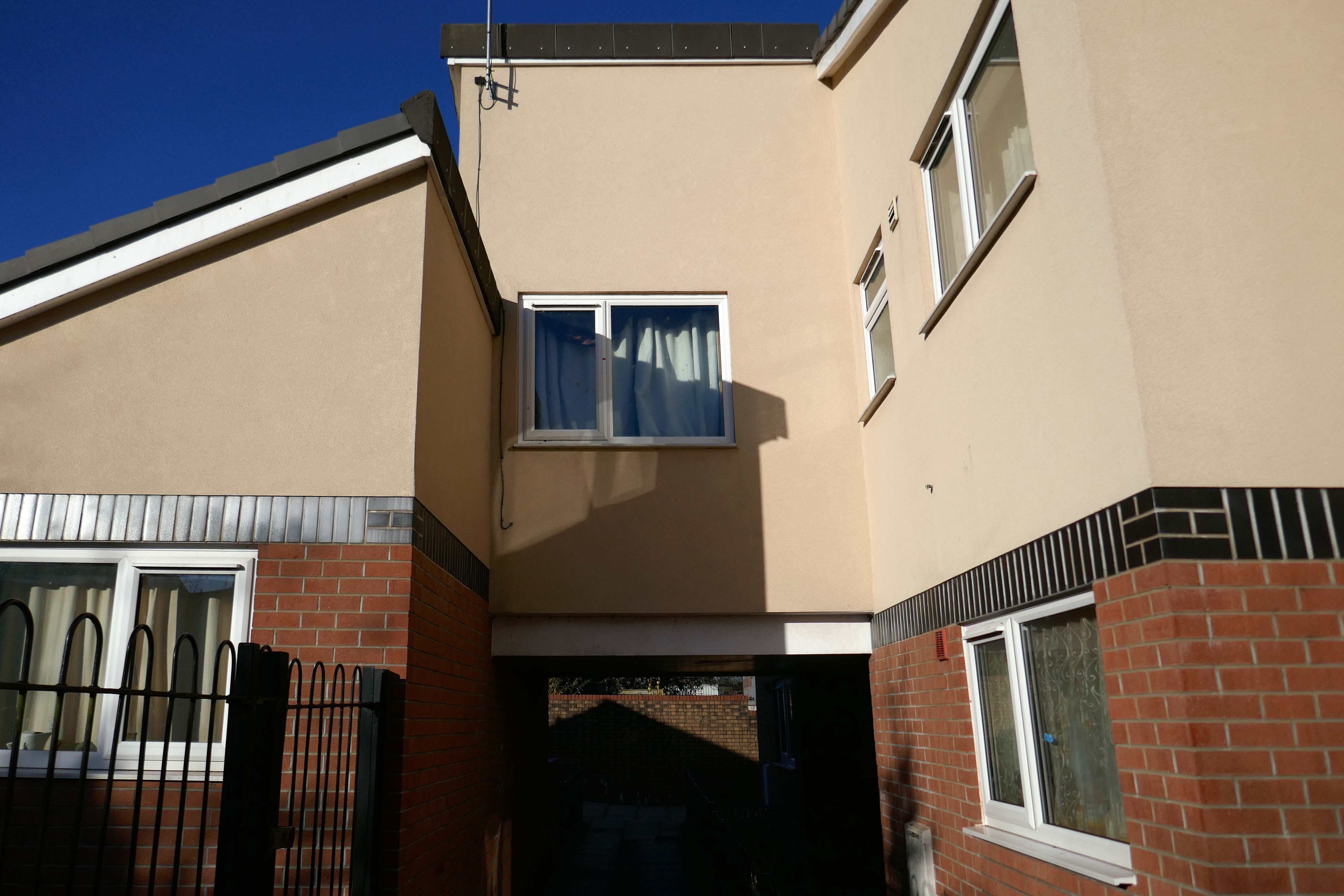
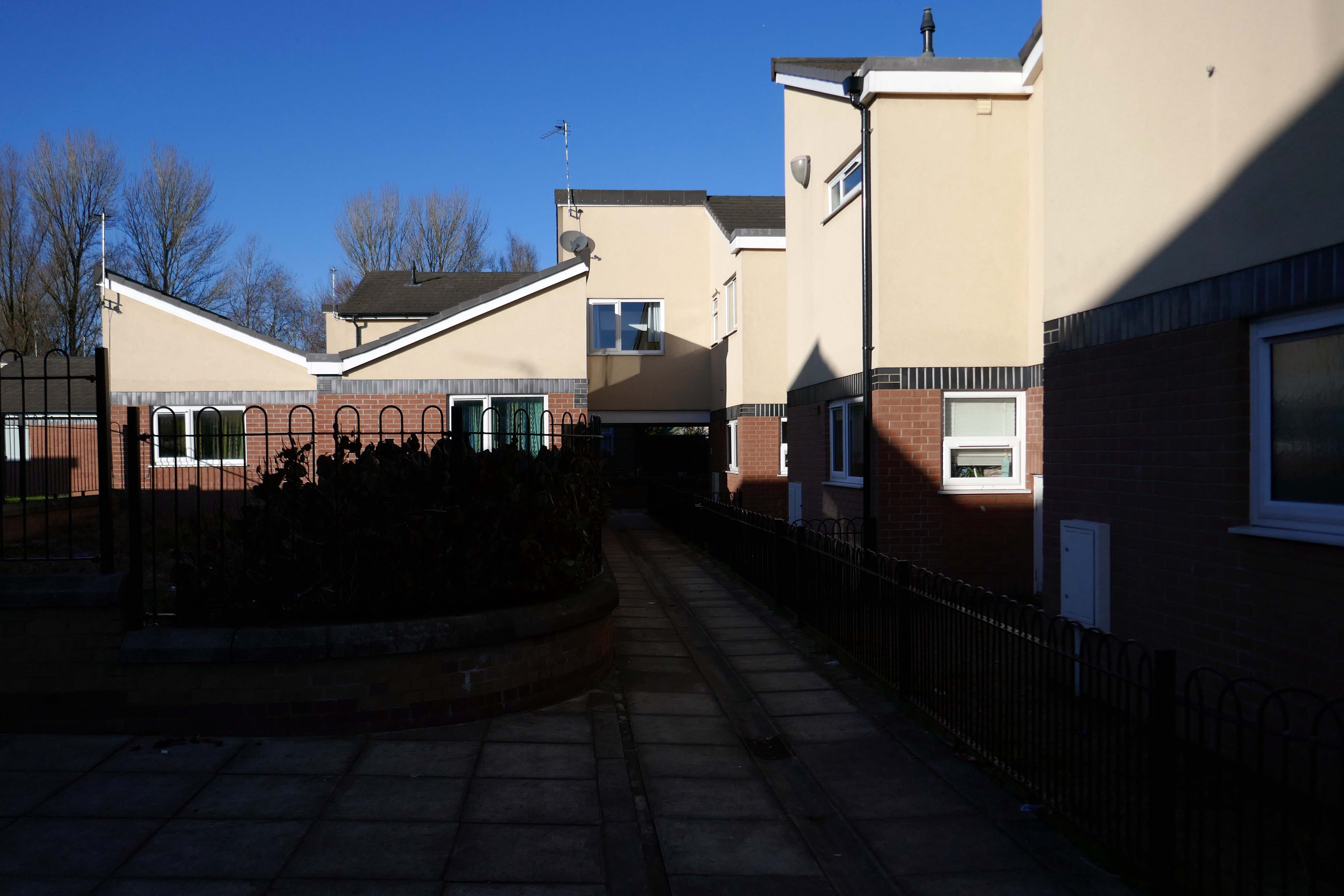
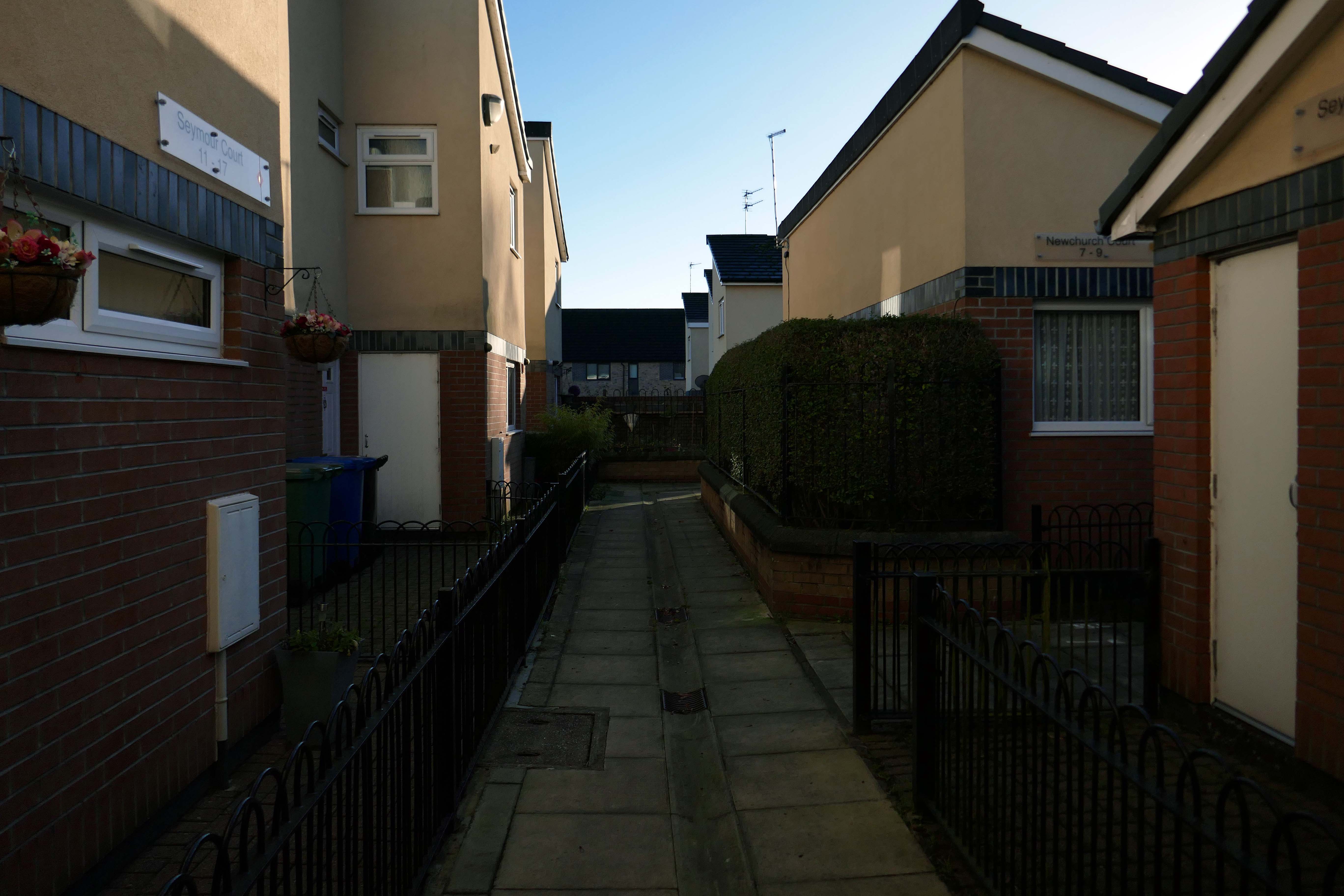
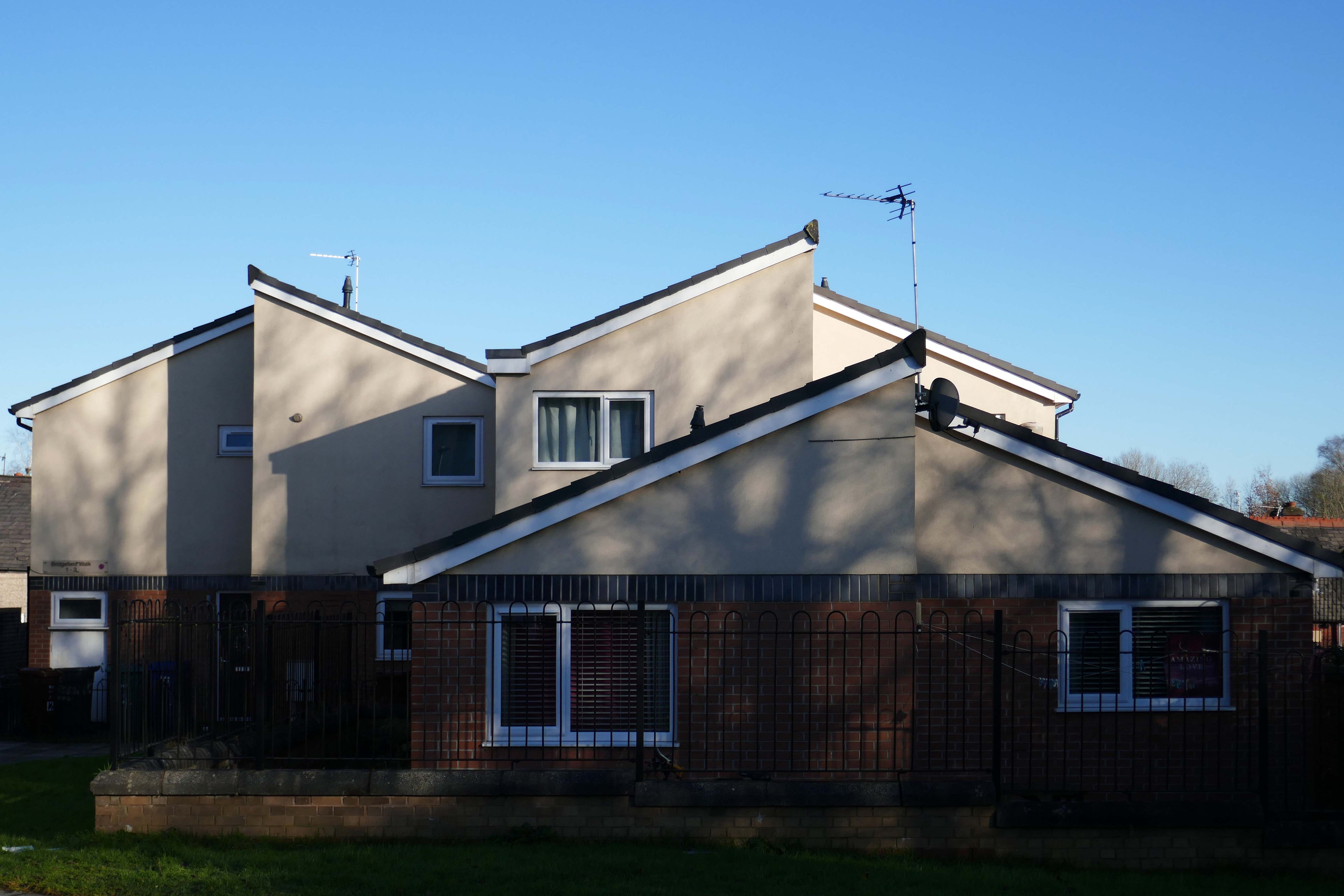
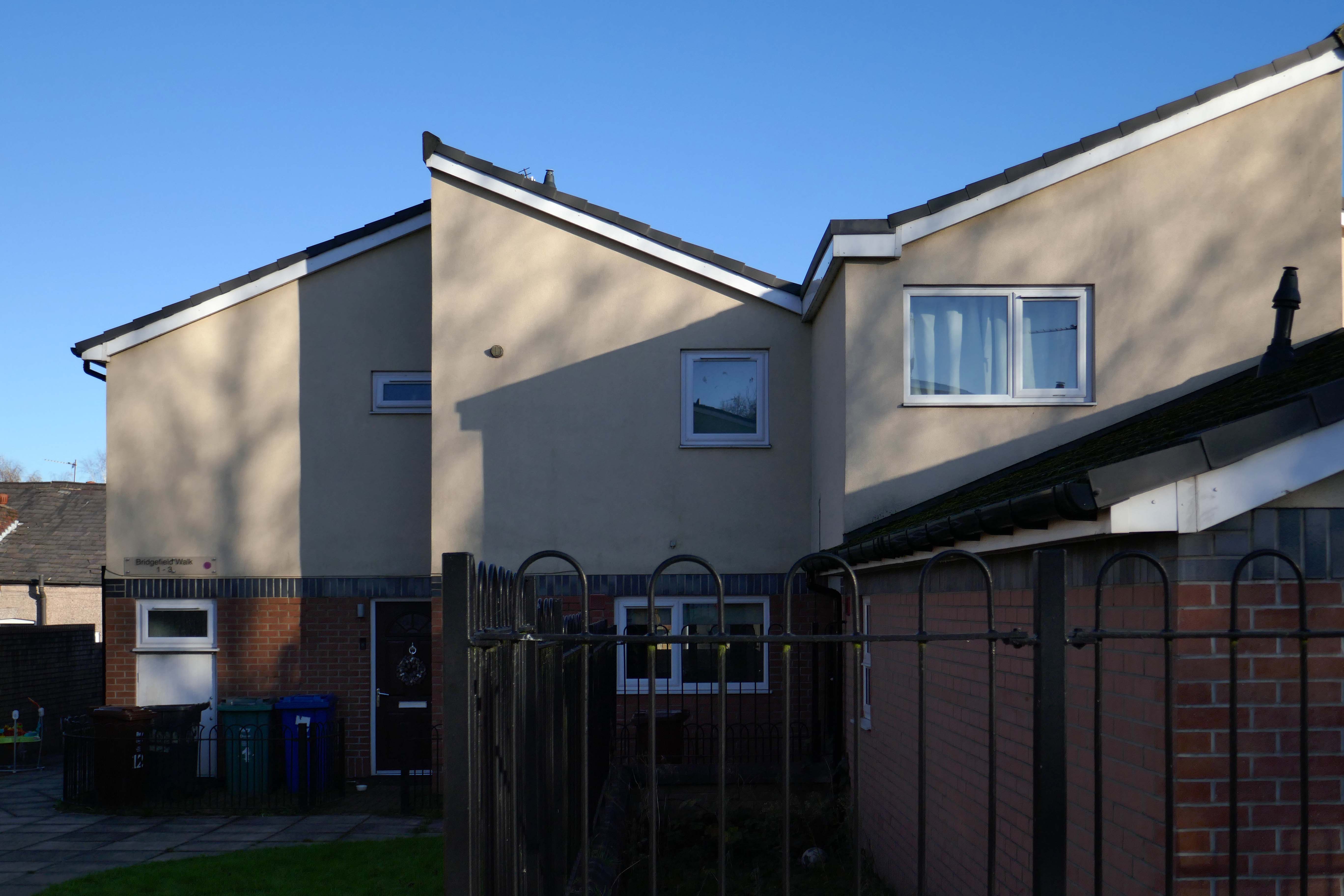
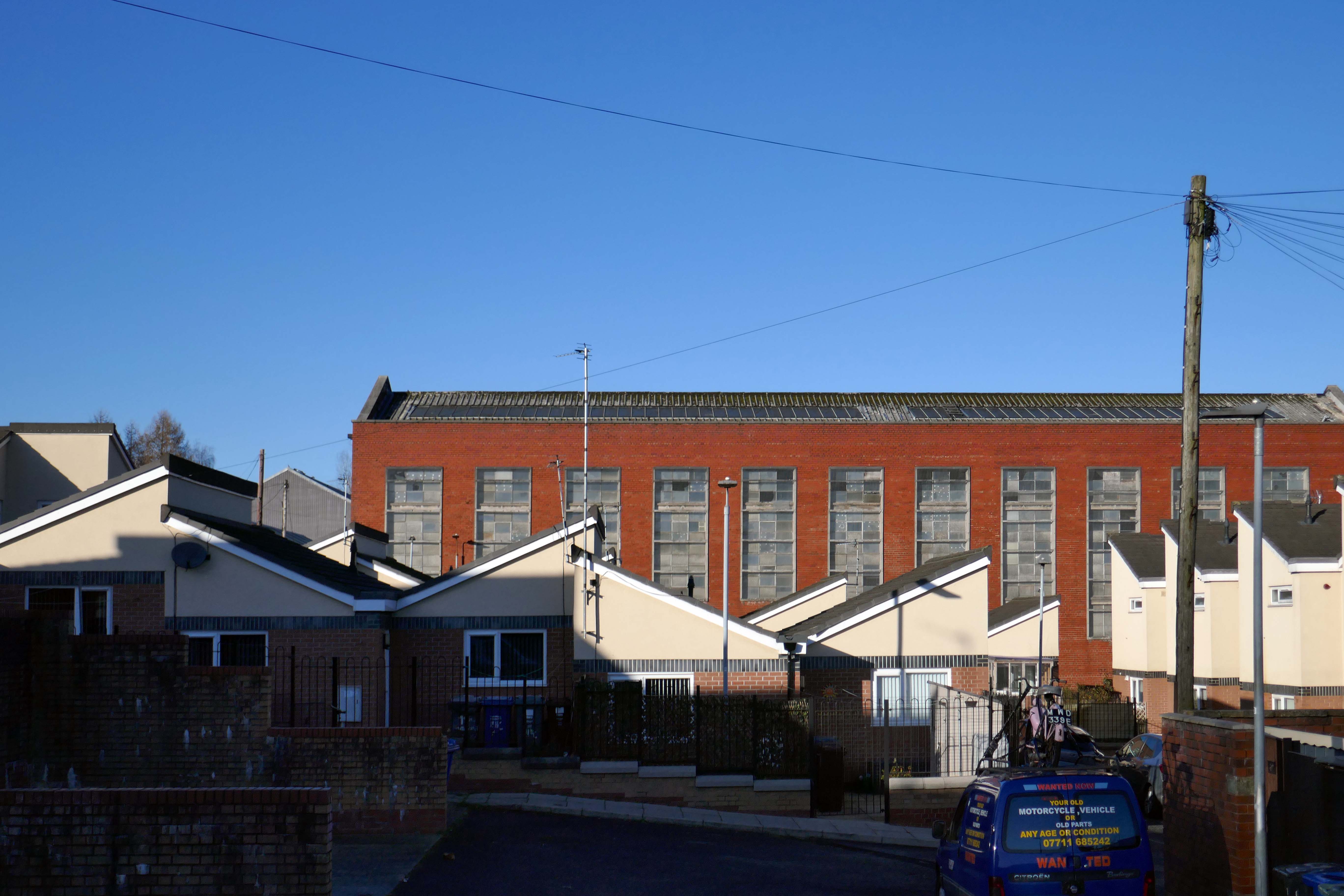
Whilst not seeking sheltered housing for my good self, I am always intrigued by small developments of interesting social housing, grouped around pedestrian walk ways and green space.
The residents with whom I chatted seems content with their homes and the management thereof.
I bade them adieu and went about my way, taking these few snaps.
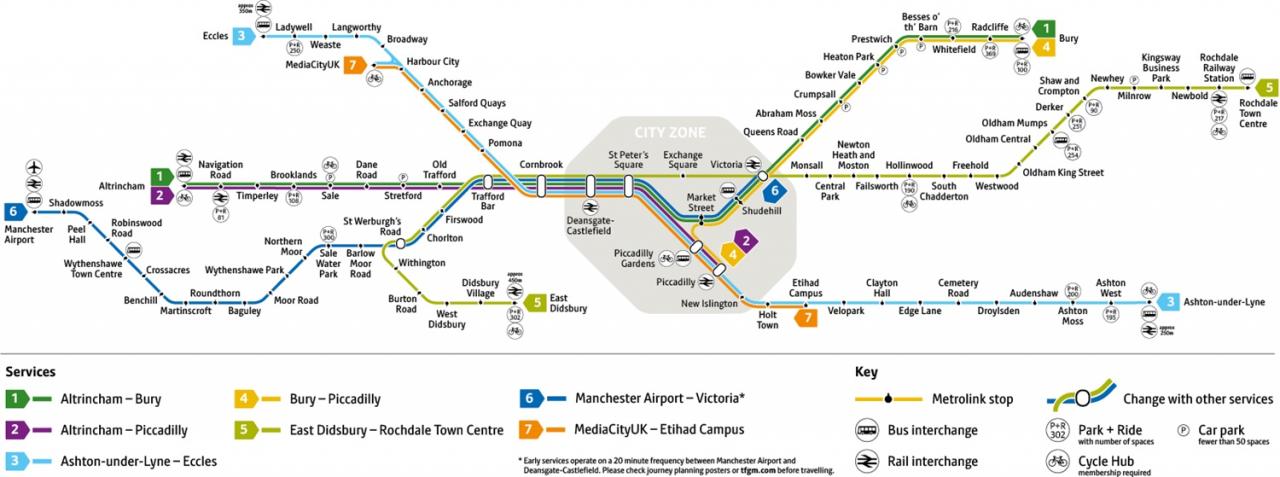
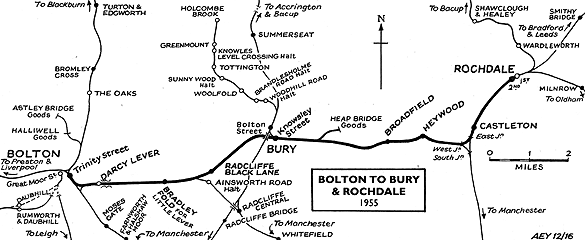
I was cordially requested to produce tram based walk, by the good folk at the modernist – travelling from Victoria Station to Bury. Alighting at each stop and seeing what could be seen, by way of modern buildings along the byways.
By the way, I do have previous experience, having undertaken a similar task travelling to Ashton.
So I set off as instructed, clutching my GMPTE senior concessionary travel pass.
Queens Road
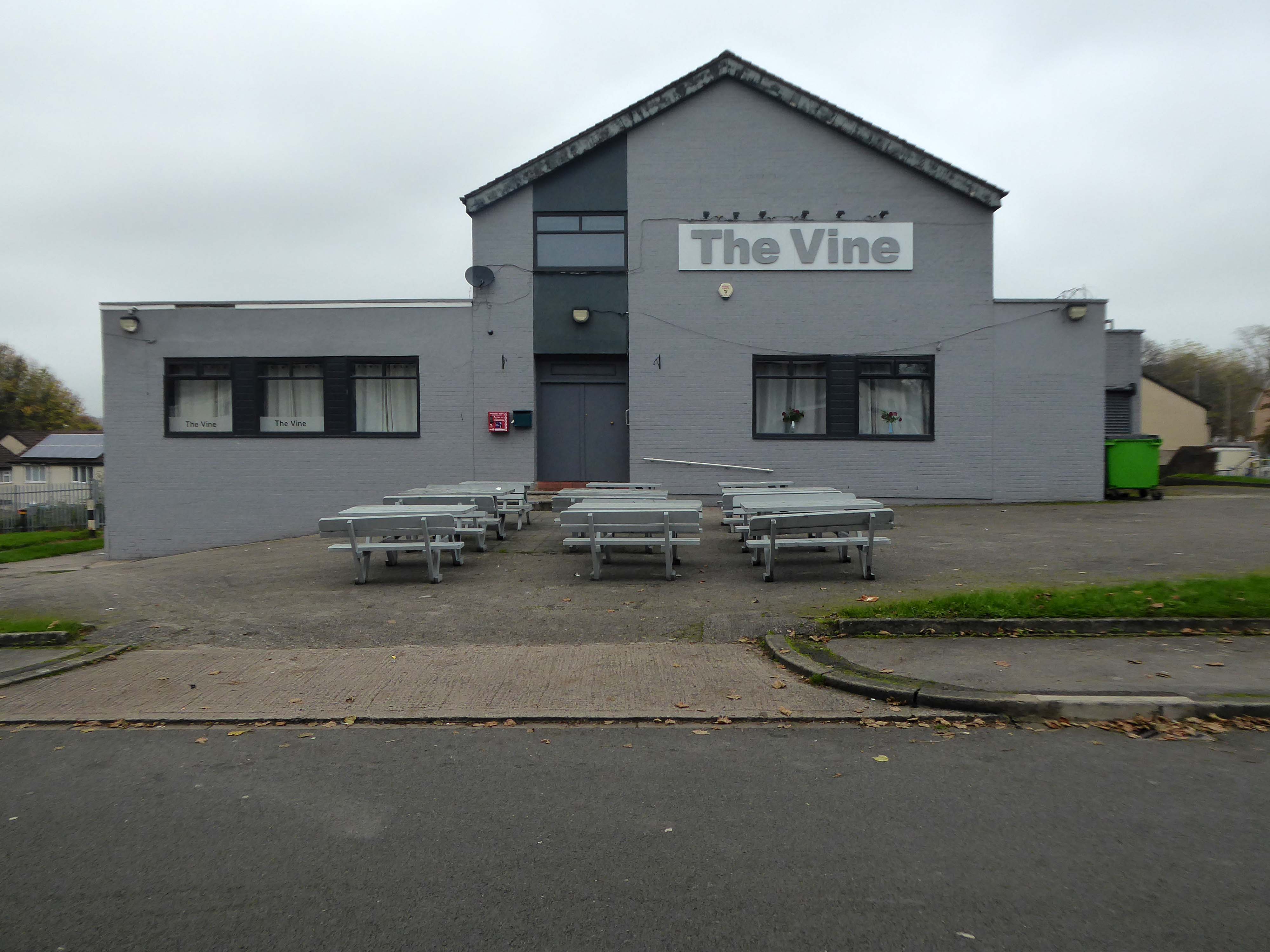
Turn right on leaving the station, right then left – you have reached The Vine.
Glendower Dr, Manchester, Greater Manchester M40 7TD.
Head for Rochdale Road and turn right back toward the city centre, you have reached Eastford Square.
Turn left from the station along Bury Old Road until you reach Heywood Road on your right.
Heywood Road, Prestwich, Manchester M25 2GT
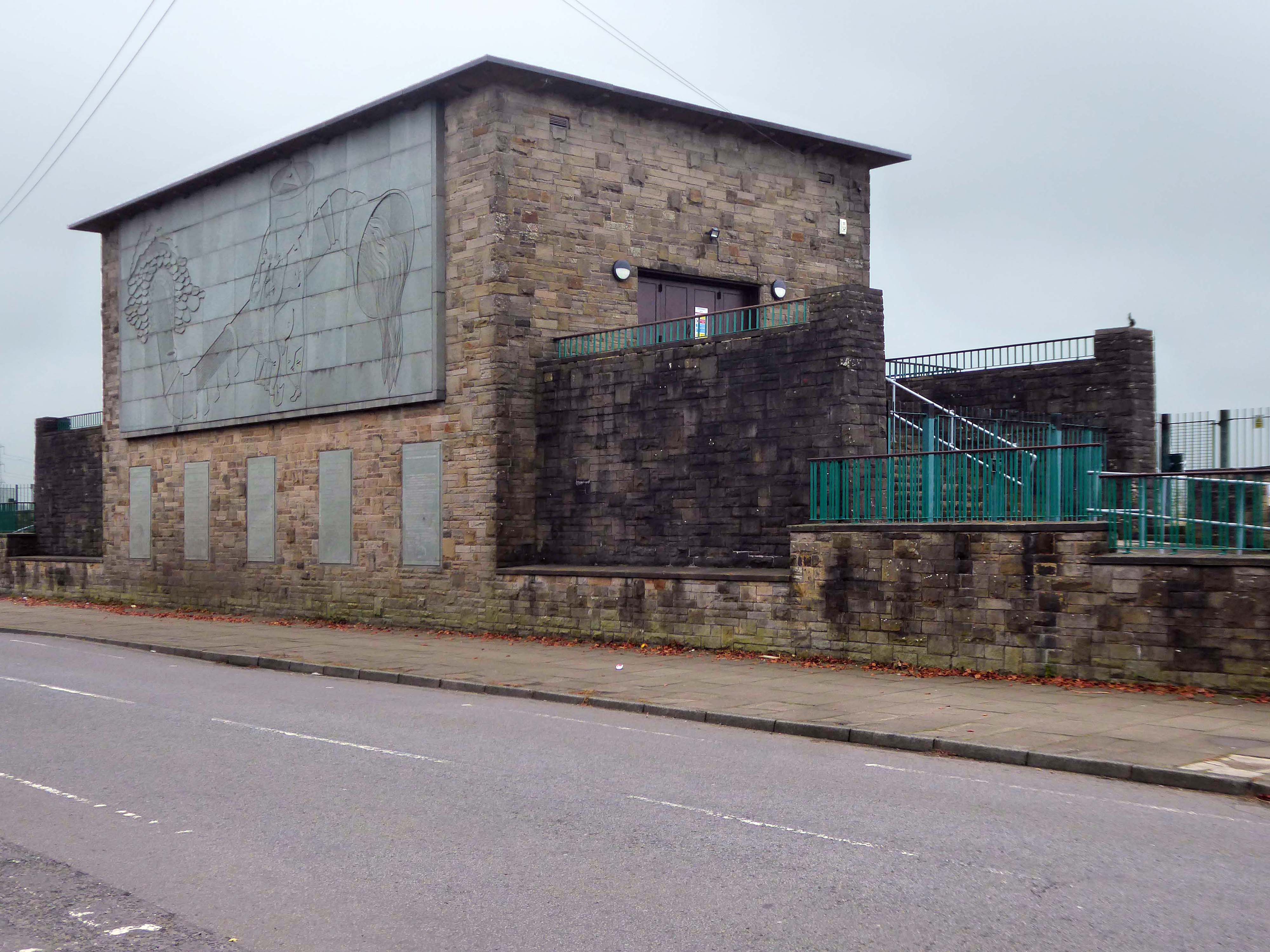
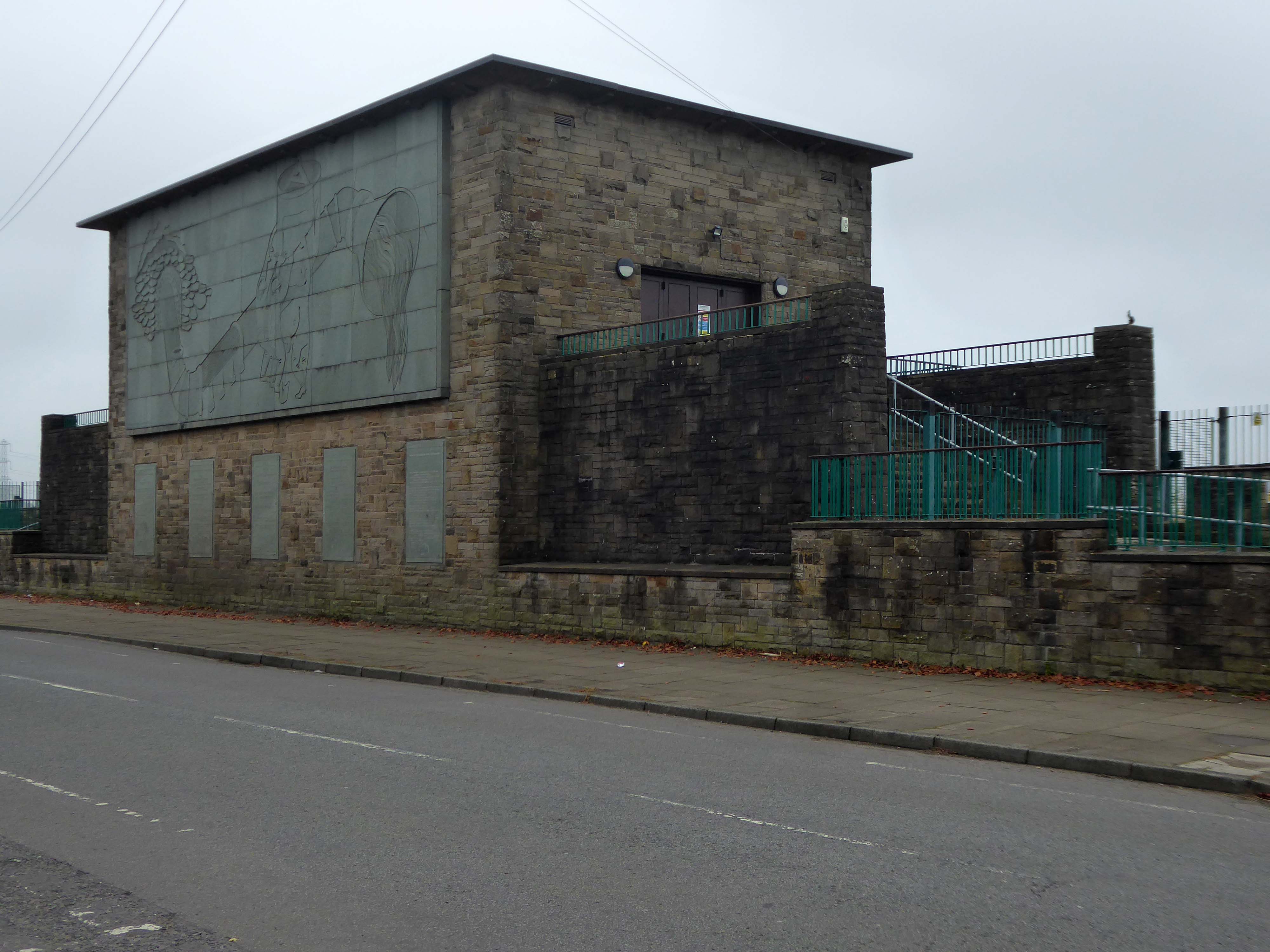
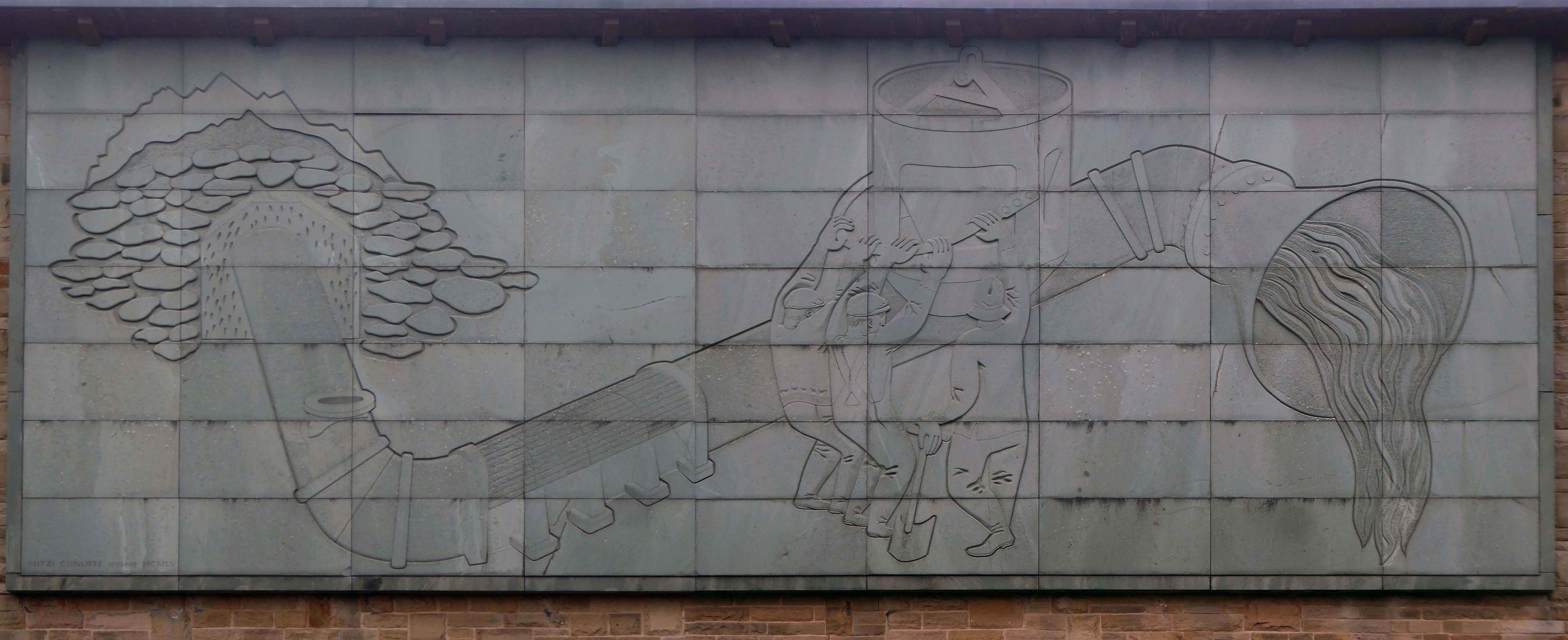
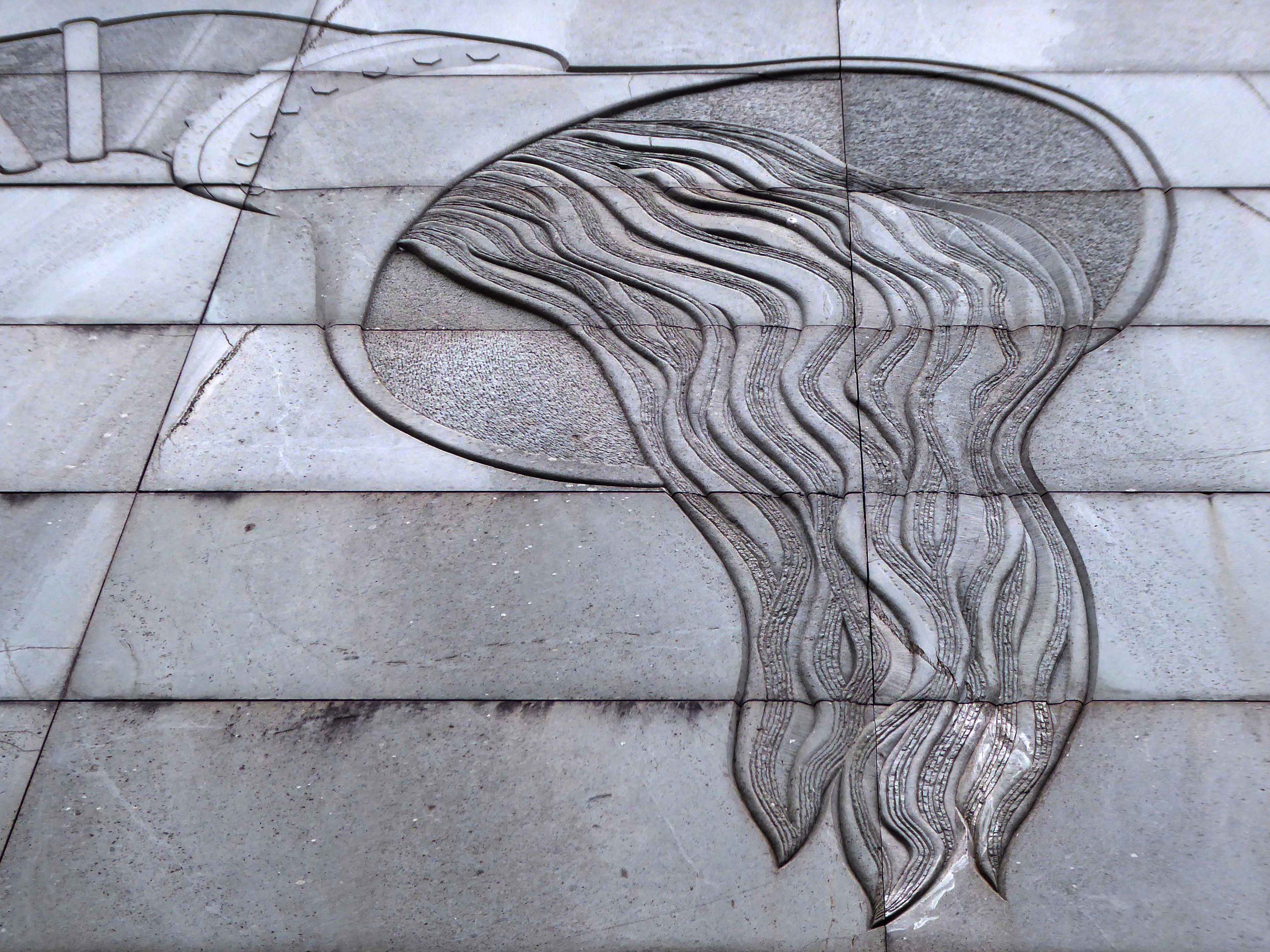
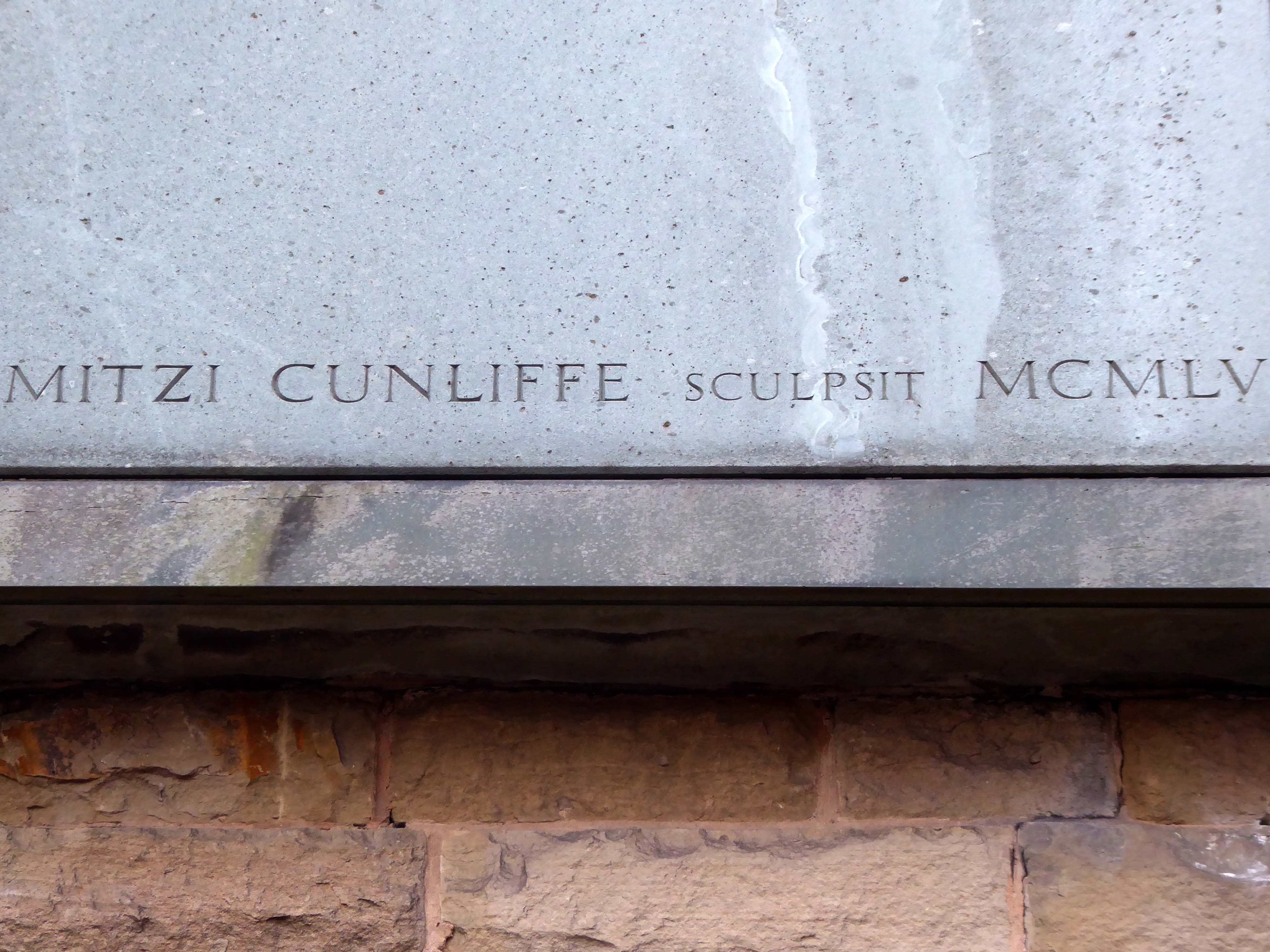
1954-5 by the Manchester City Architect’s Department, Chief Architect Leonard C Howitt, for the Manchester Corporation Waterworks. Alan Atkinson, engineer. Incorporates large relief by Mitzi Cunliffe, signed and dated 1955.
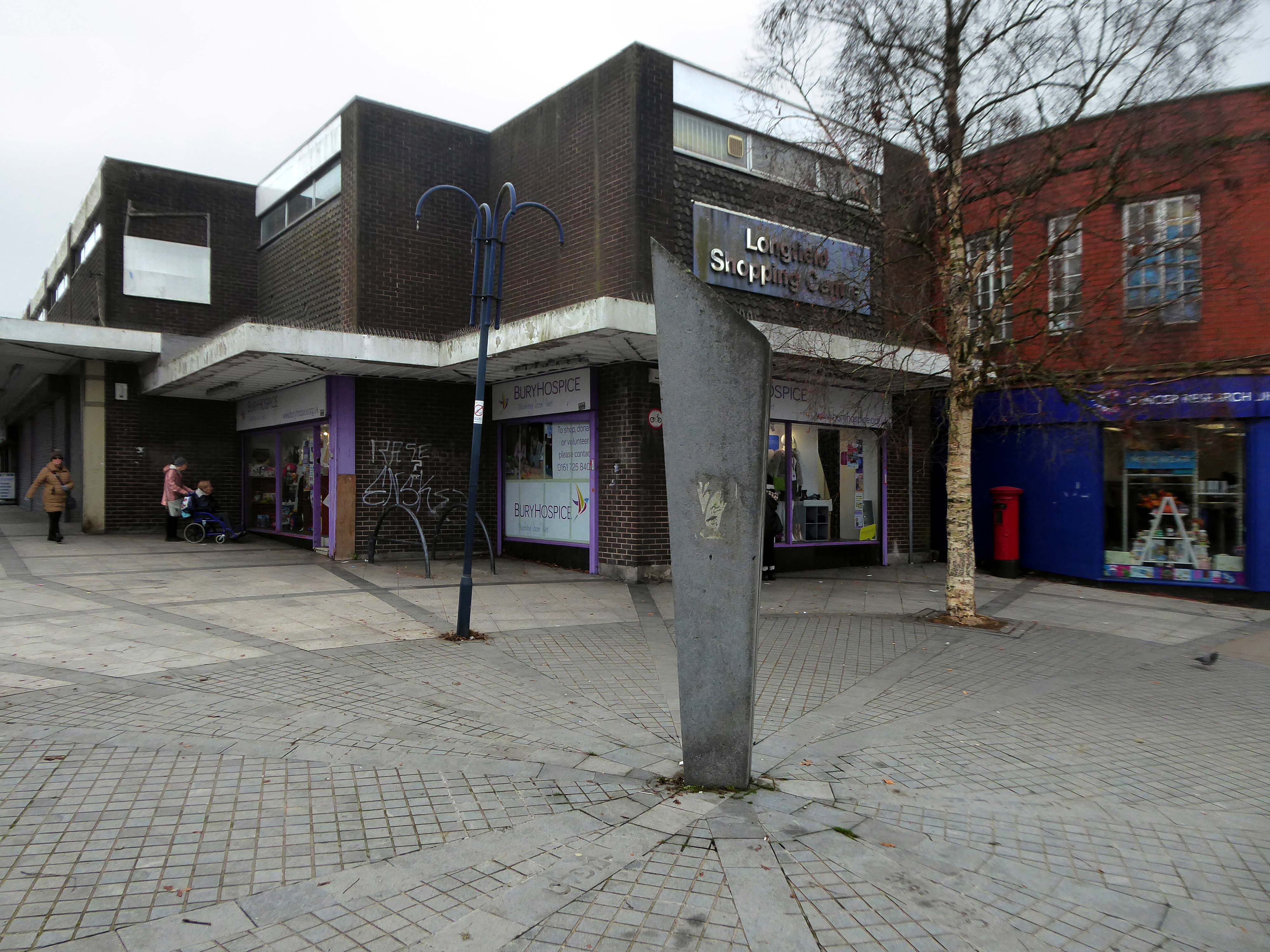
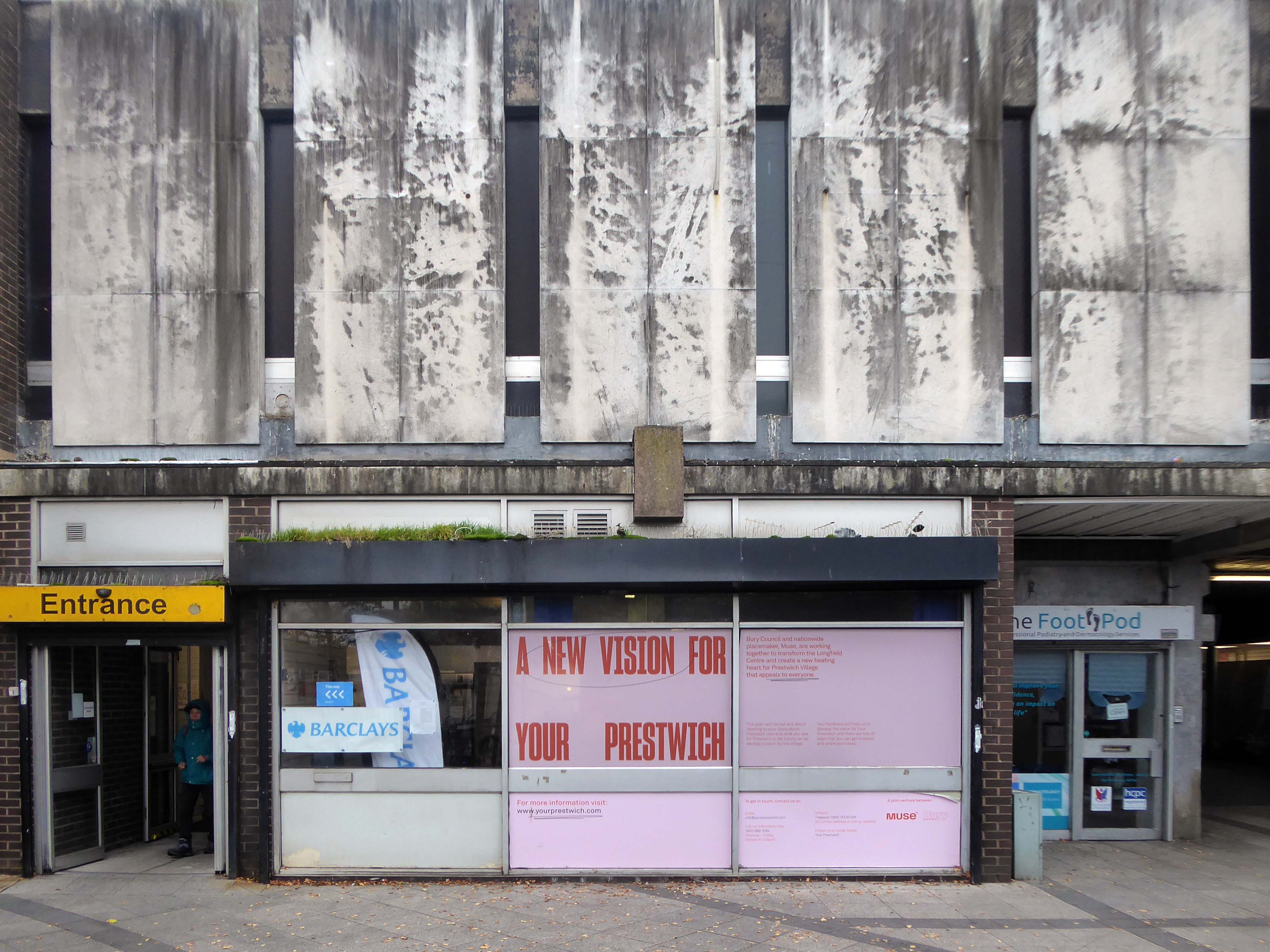
After months of public consultation, the joint venture has firmed up its proposals for the redevelopment of the Longfield Centre and is aiming to be on site before the end of the year.
Muse and Bury Council have submitted a hybrid application to transform six acres of Prestwich town centre.
The Strategic Regeneration Framework is the guide that is shaping the direction of Radcliffe’s growth over the next 15 years with a series of realistic short, medium, and longer-term actions. It is also shaping the direction of future council investment, supporting bids for central governmental funding and providing certainty for third parties wanting to invest in town.
Work has begun on Strategic Regeneration Framework’s priority projects, these include:
A new civic hub in central Radcliffe, which will bring together a mix of functions at the heart of the town
Refurbishment of the market basement and the revamping of market chambers
New leisure facilities
A secondary school on the Coney Green site
A “whole town approach” to housing, bringing forward a comprehensive approach to residential development in Radcliffe
A transportation strategy, which will consider matters such as active travel and car parking
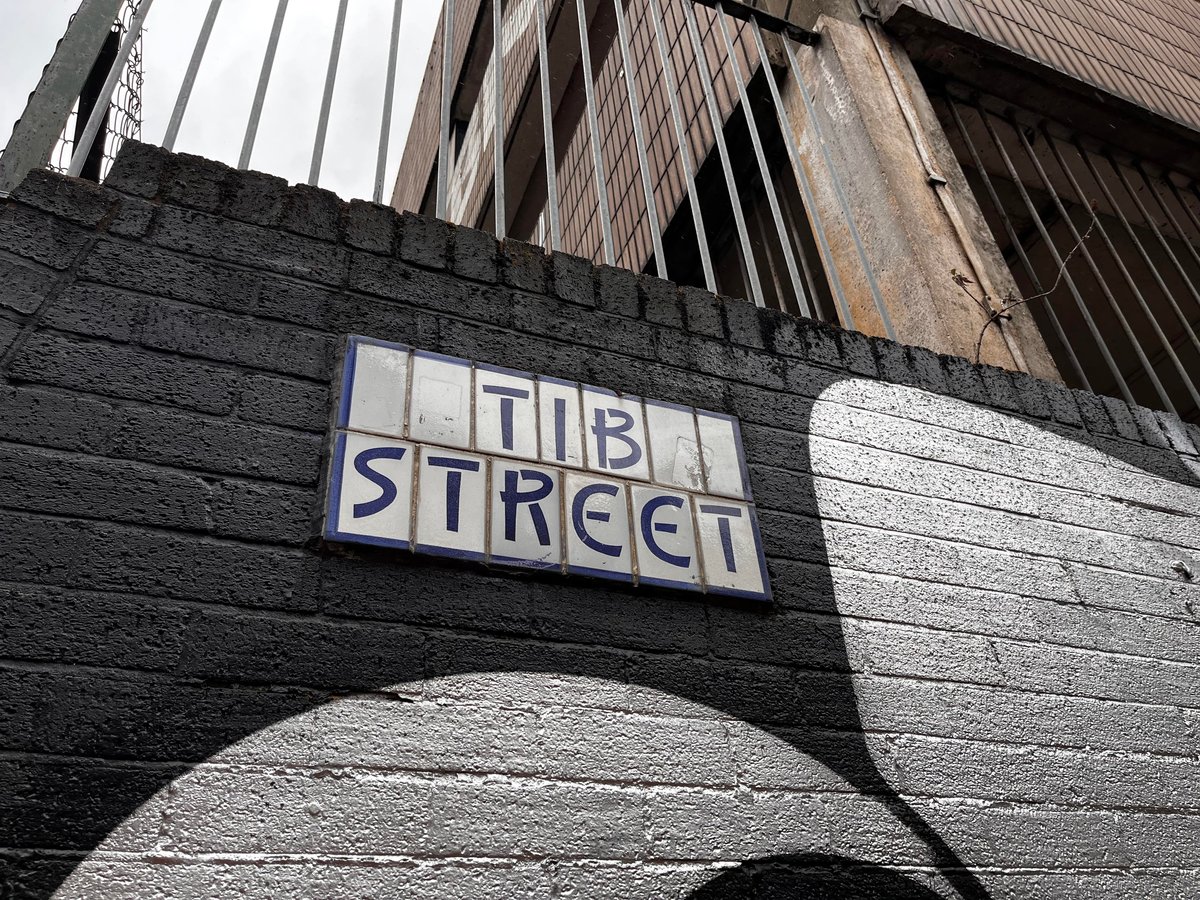
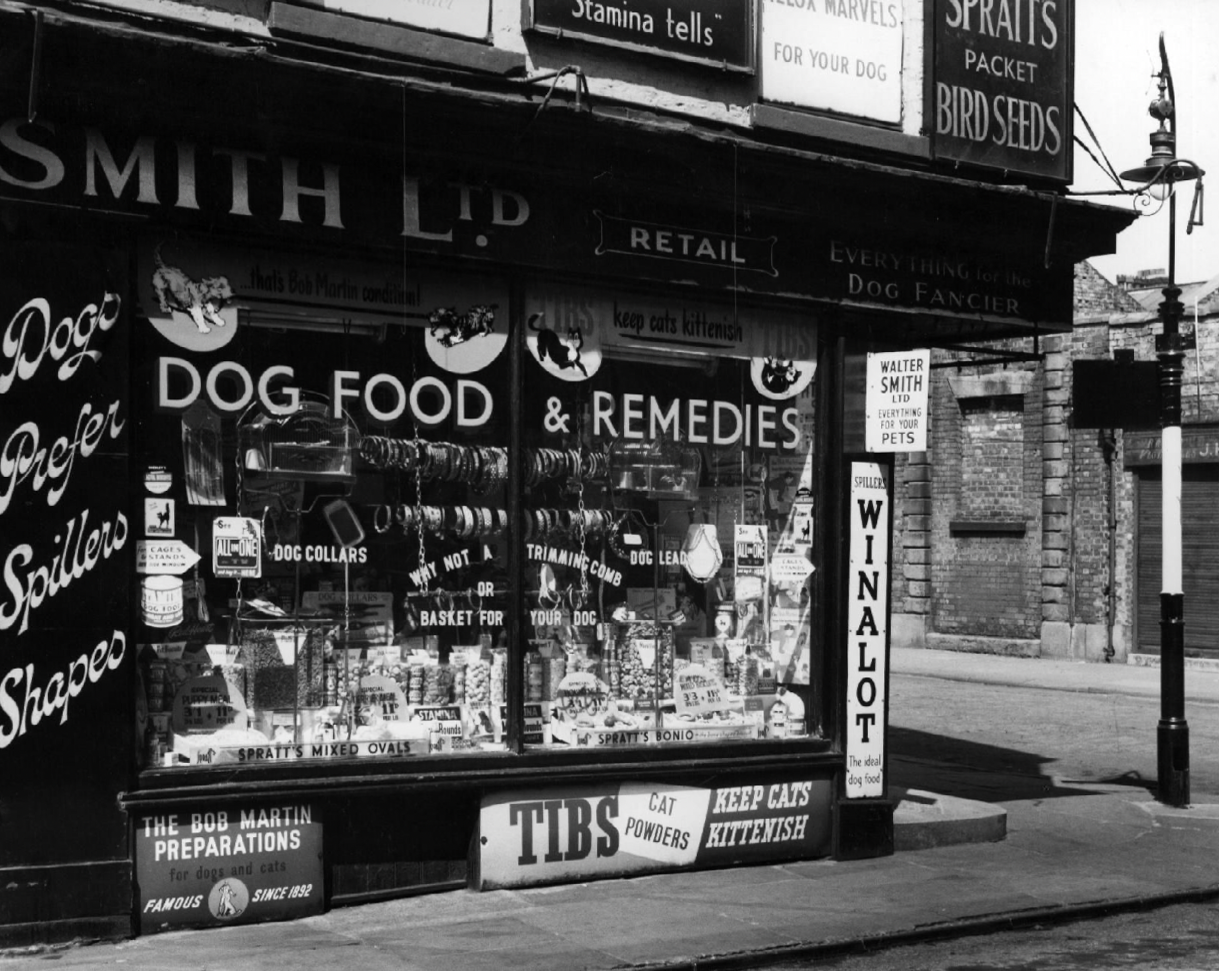
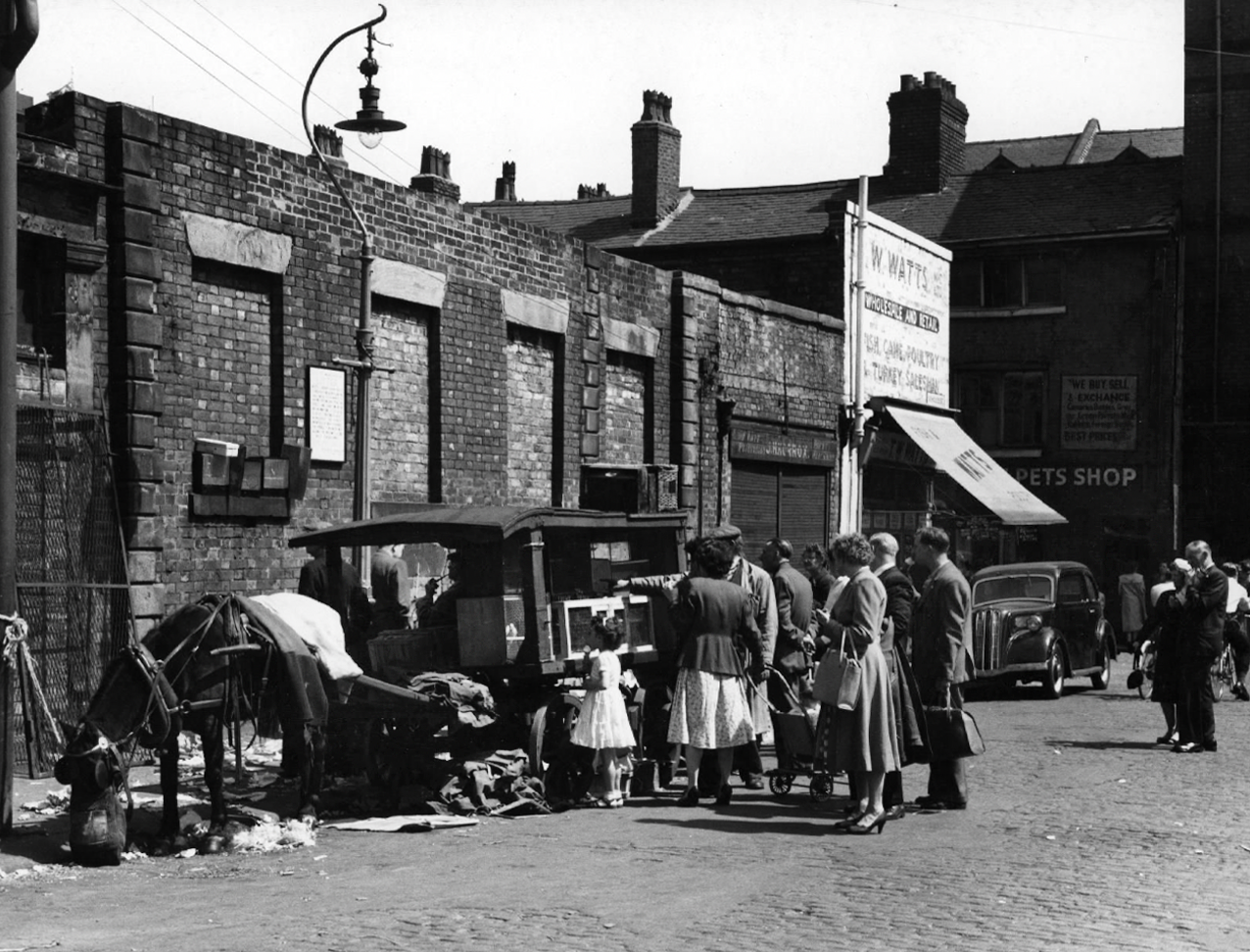
Thanks to L Kaye and the Manchester Local Image Collection there is a photographic record of Tib Street through the years.
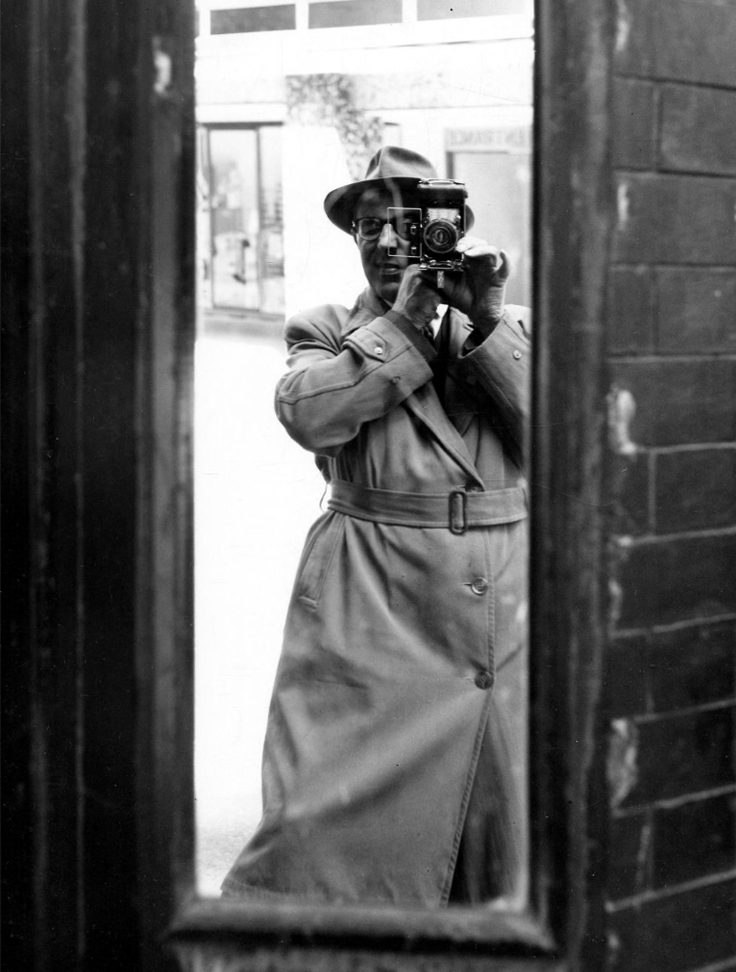
Shot on 35mm black and white film, cautiously clad in gaberdine and trilby. The legwork aside the processing and printing of a whole heap of exposures was a gargantuan task.
The river’s source is a spring in Miles Platting , from where it flows underneath Oldham Road and the eponymous Tib Street to reach the city centre. After flowing underneath West Mosley Street, the Tib crosses Princess Street to flow underneath the Manchester Town Hall Extension, the Central Library and the Midland Hotel’s dining room, before joining the Medlock at Gaythorn (now First Street, close to Deansgate railway station.
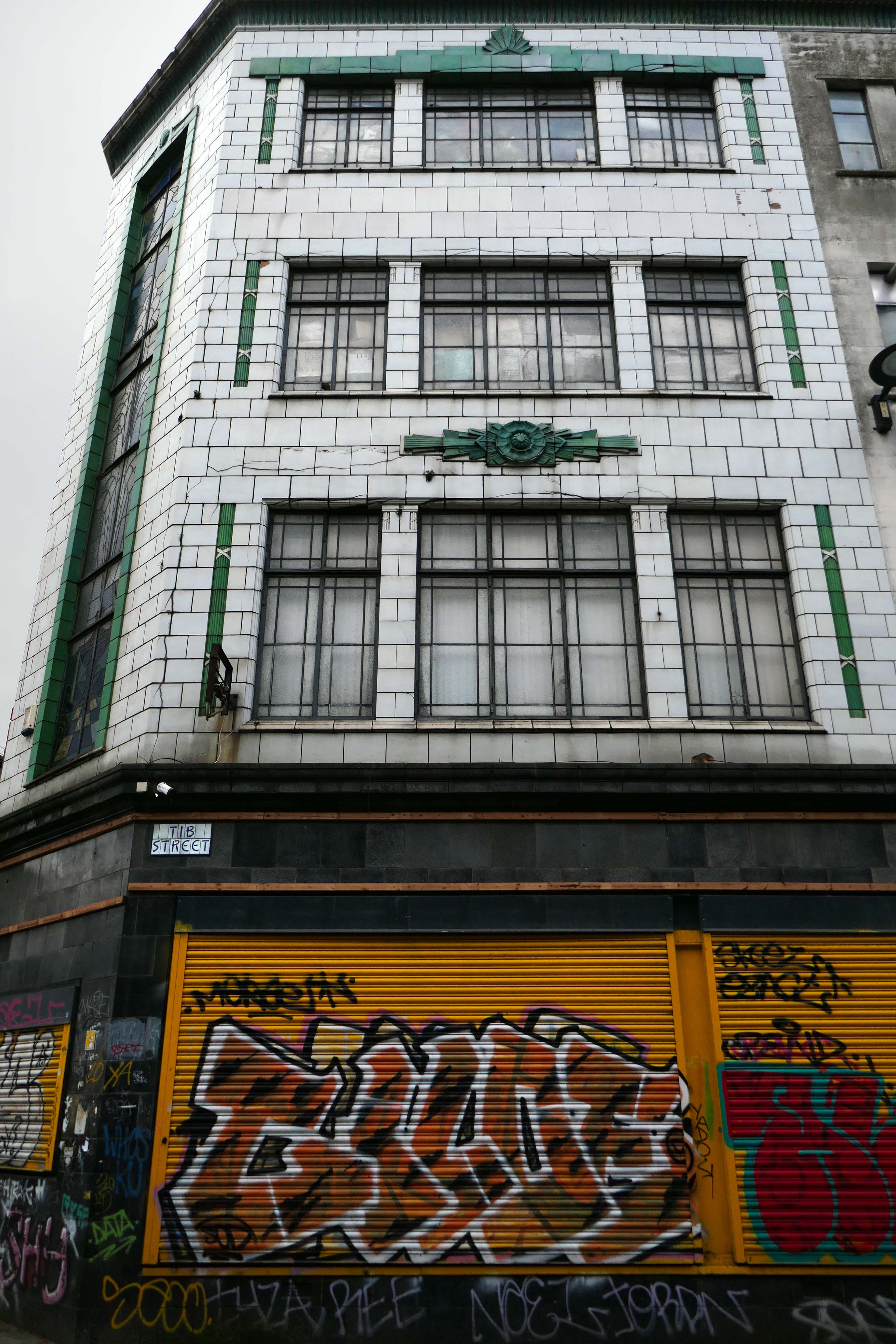
The distinctive street signs the work of my old pal Tim Rushton.
There are those who will remember Tib Street, as a street of pet shops.
Whilst on Sundays the area was transformed into an al fresco menagerie – a land of caged birds and cuddly coneys.
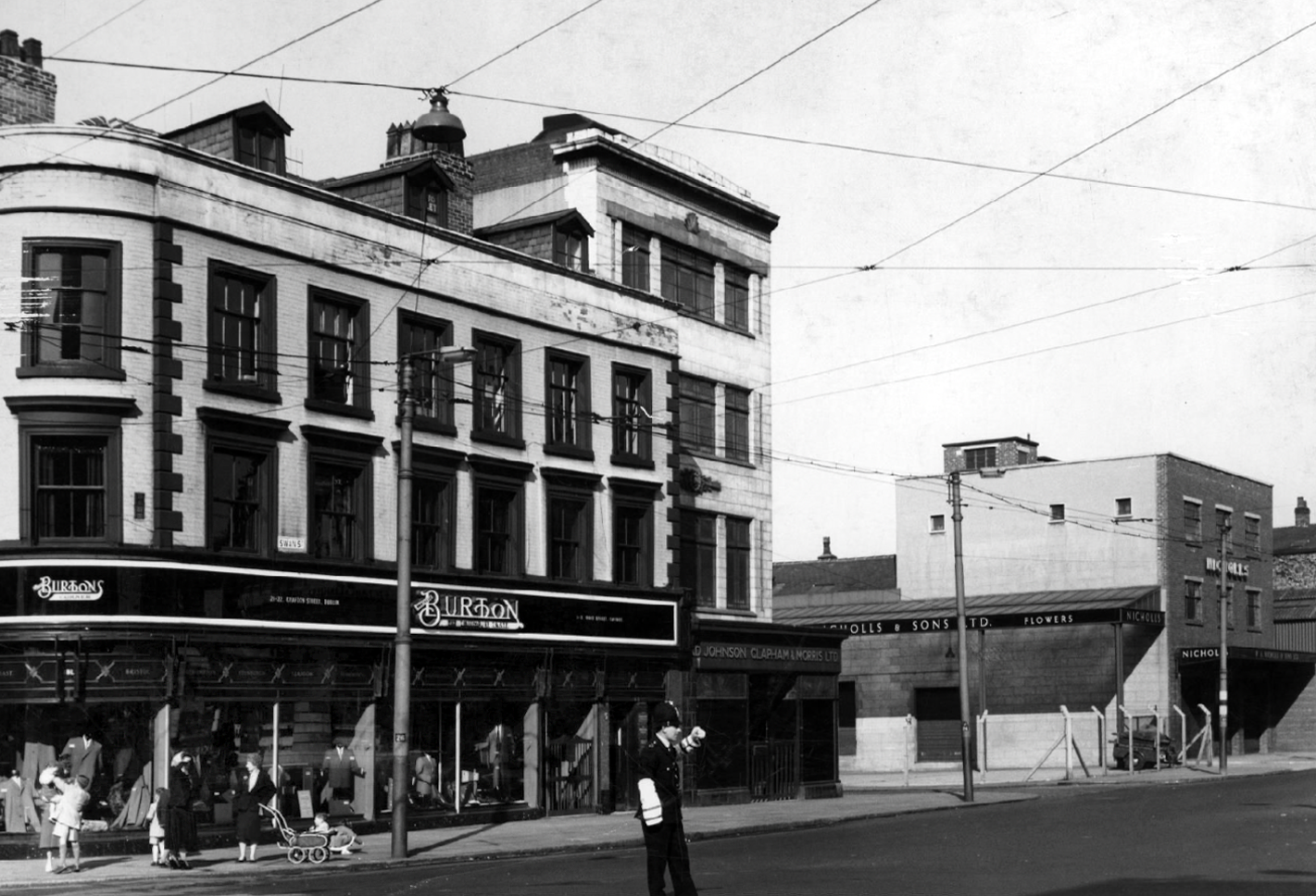
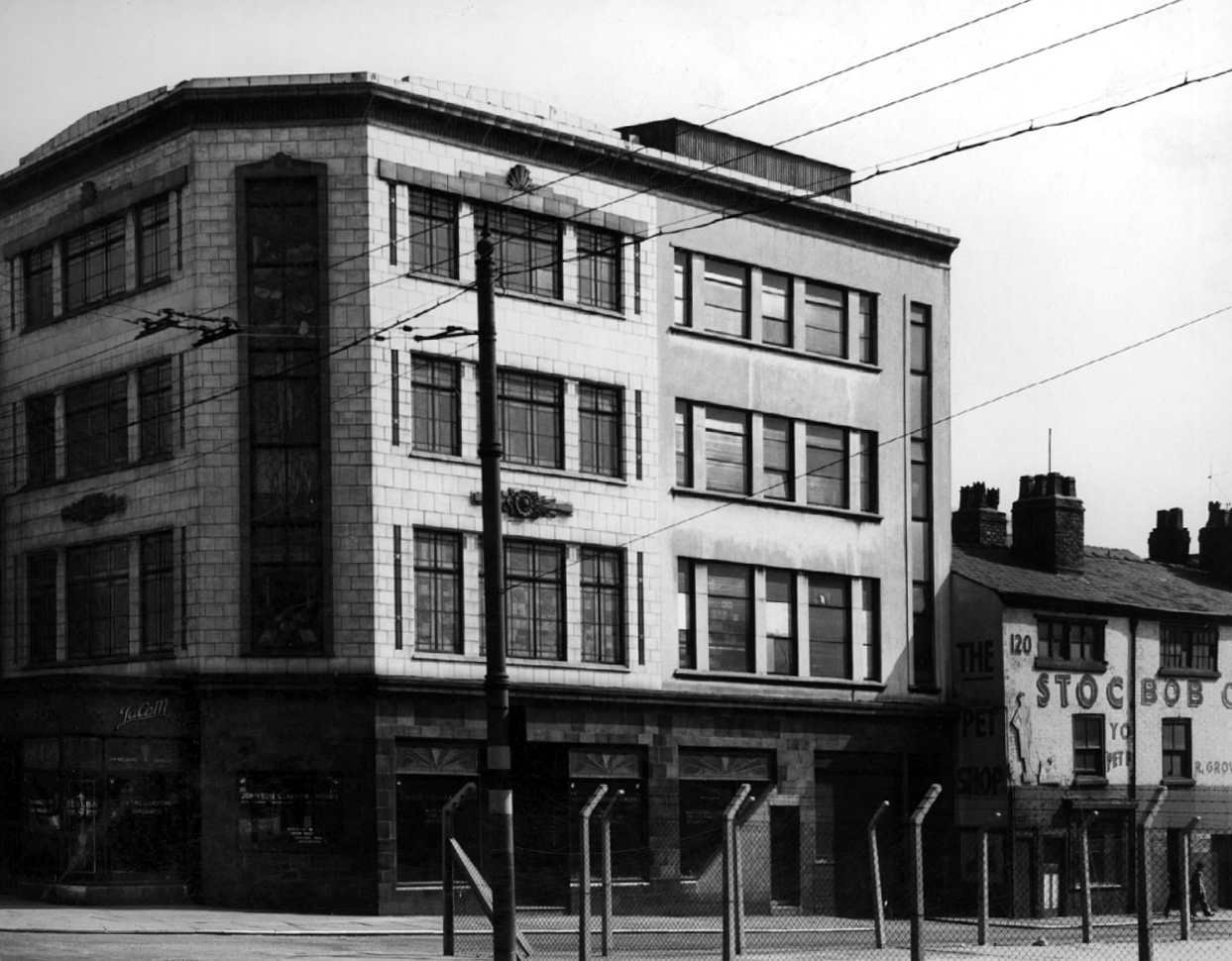
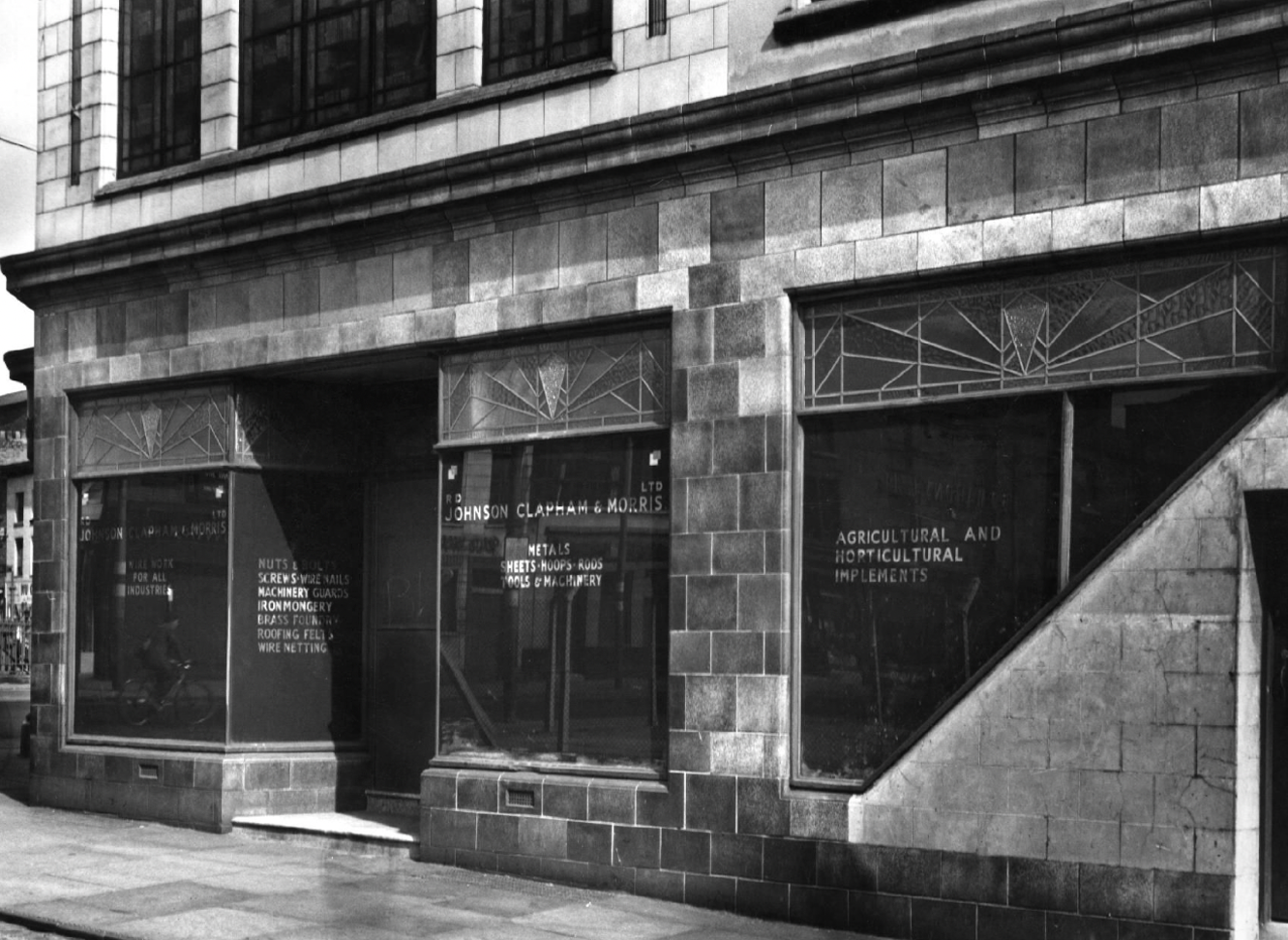
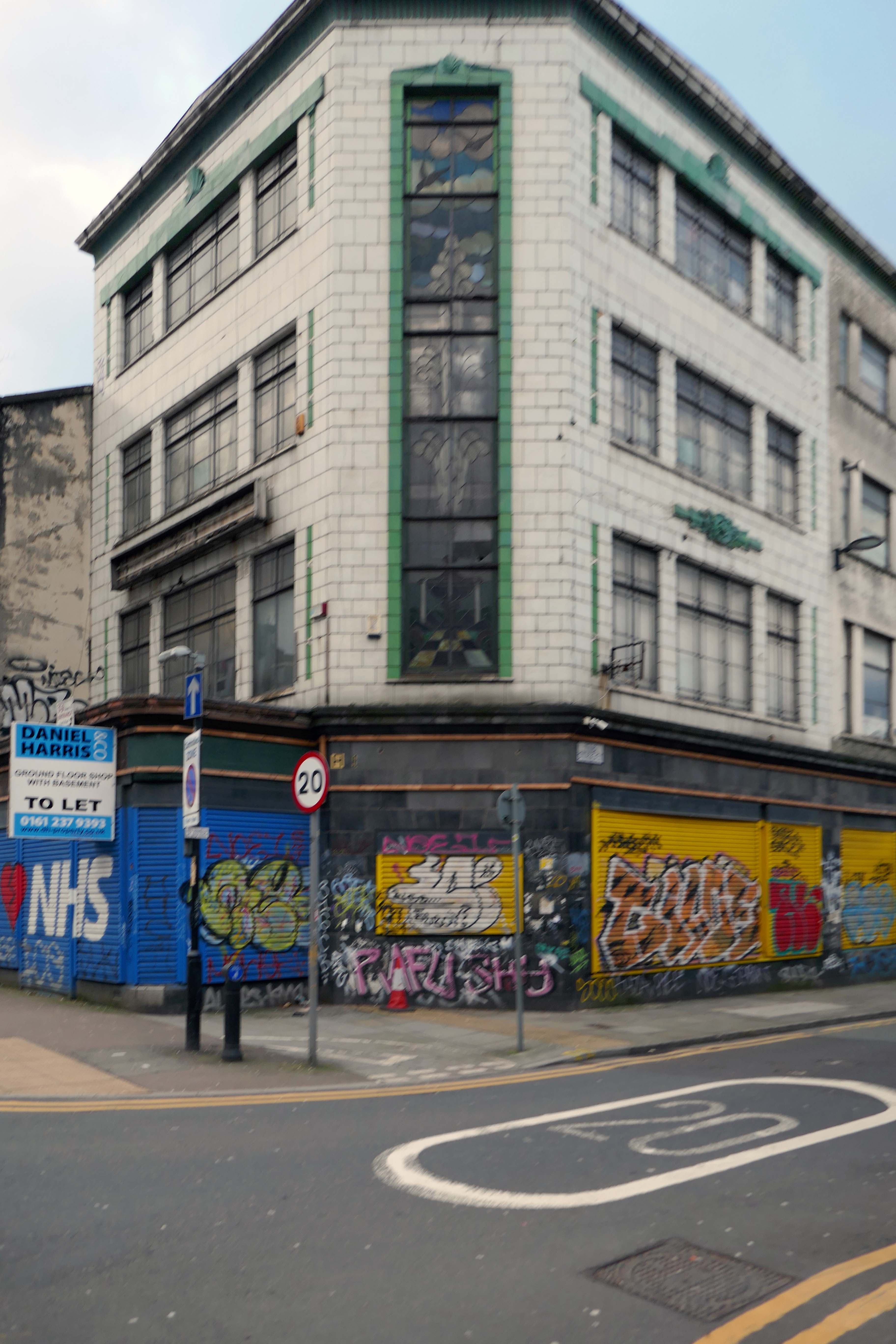
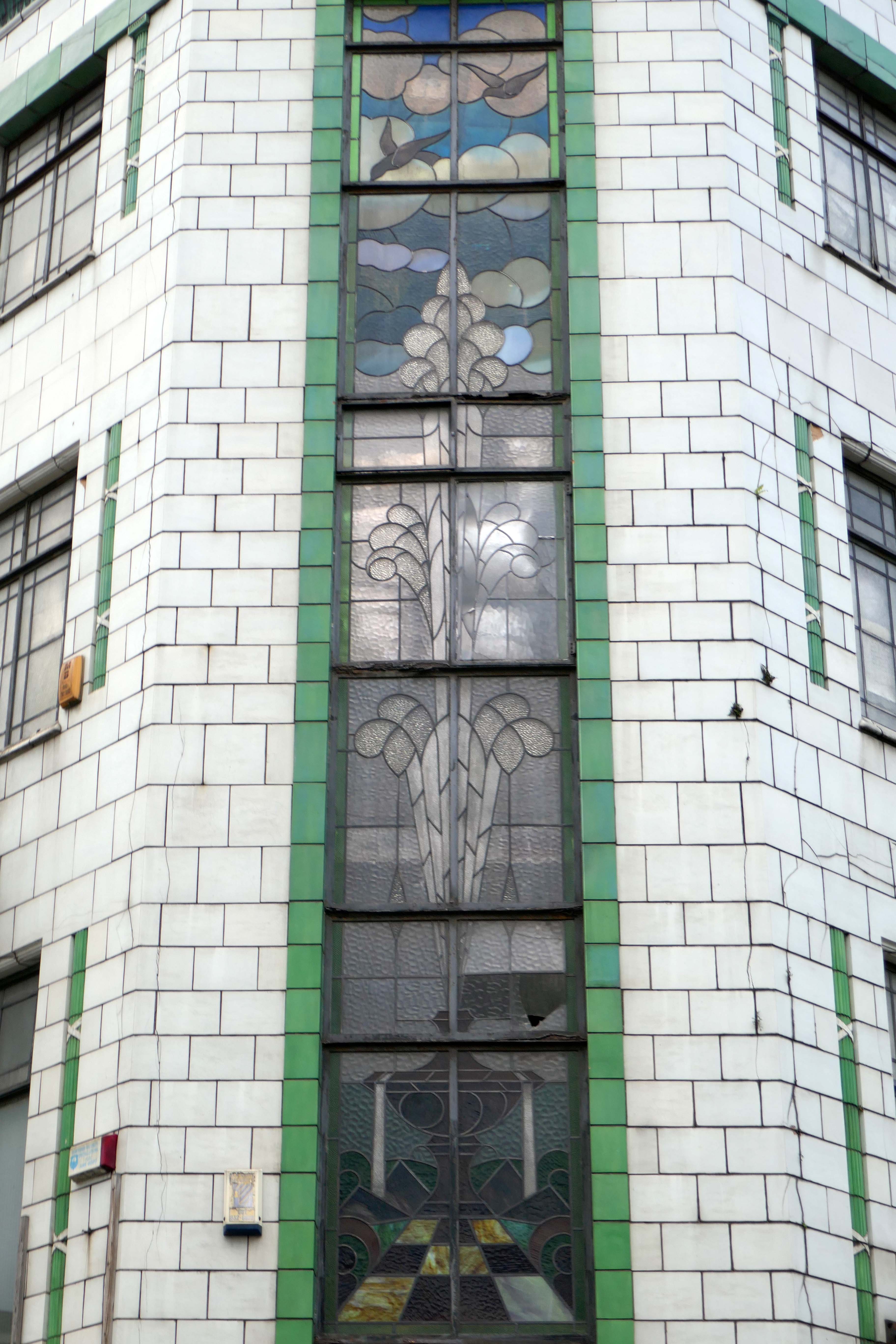
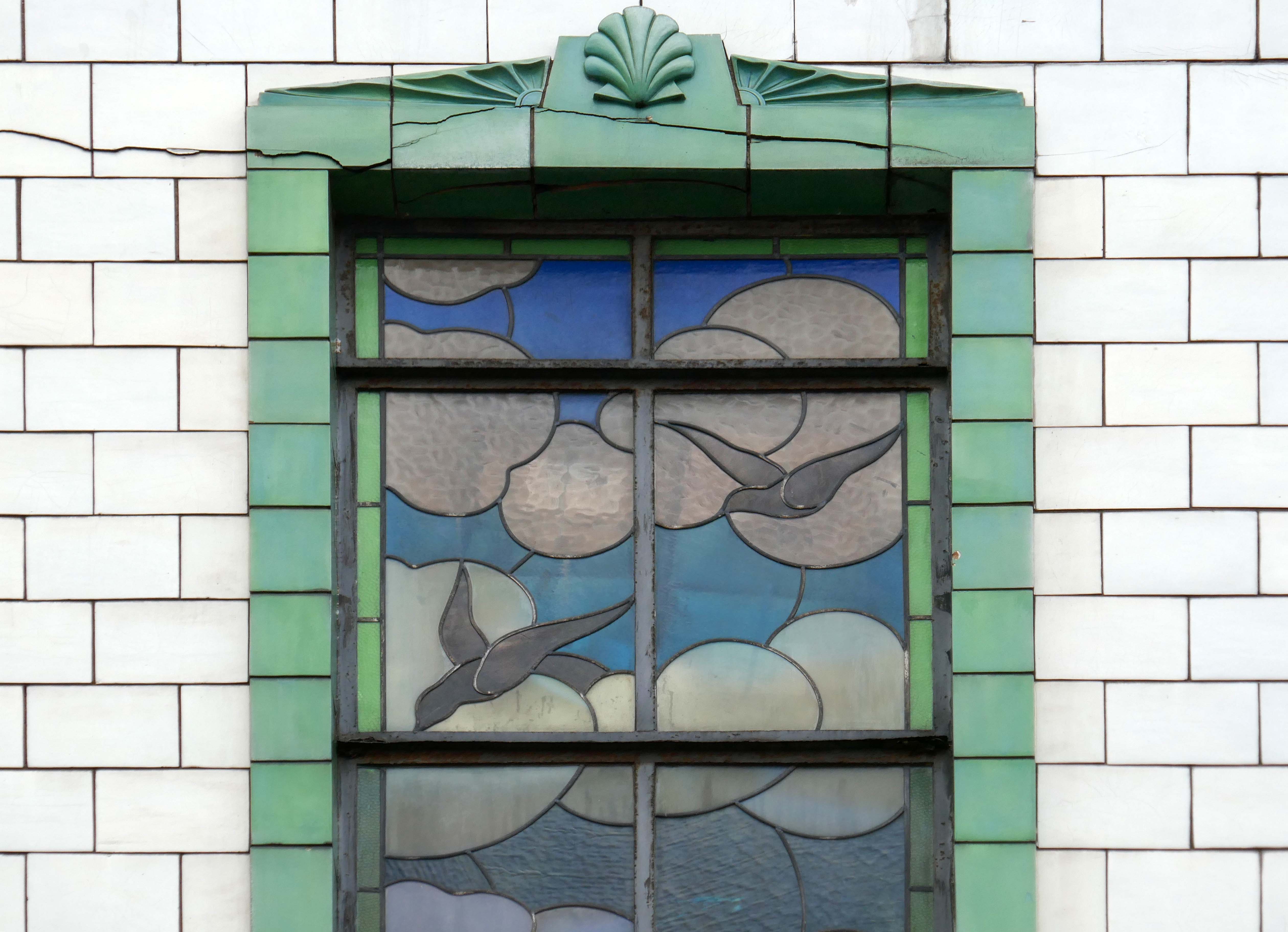
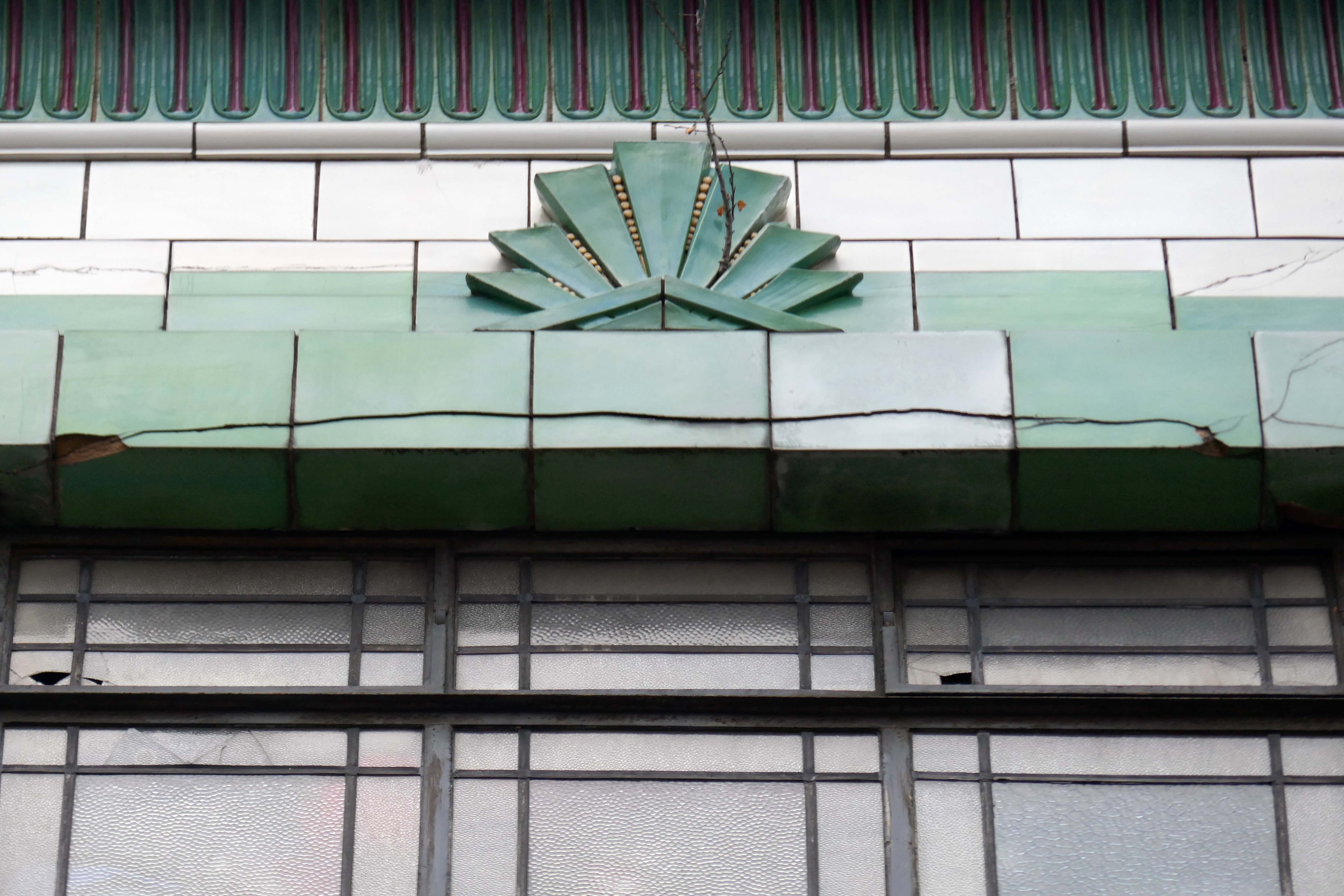
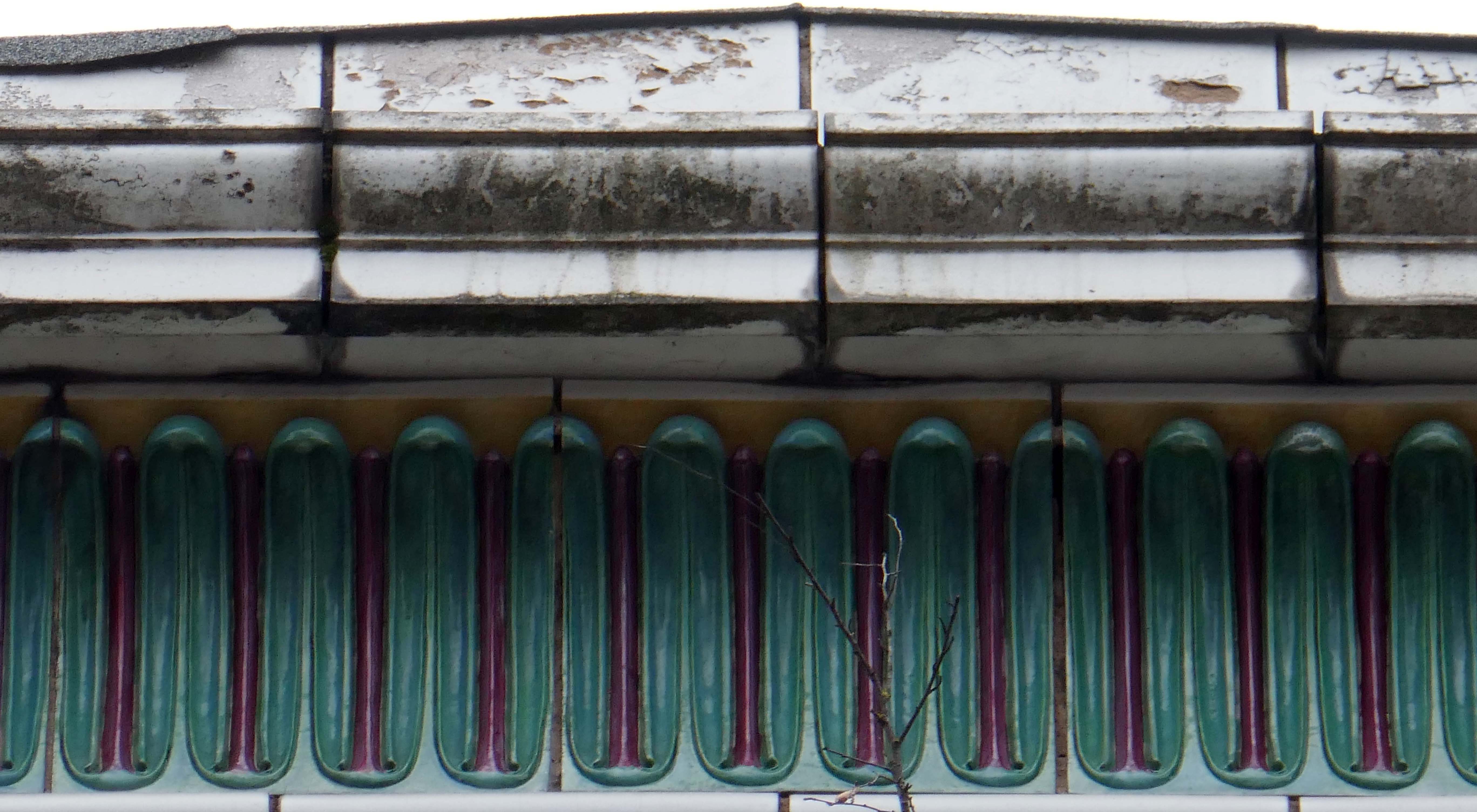
I have long been curious about the faience fronted shop on the corner of Tib and Swan Streets, it featured on my modernist mooch around the north of the city centre.
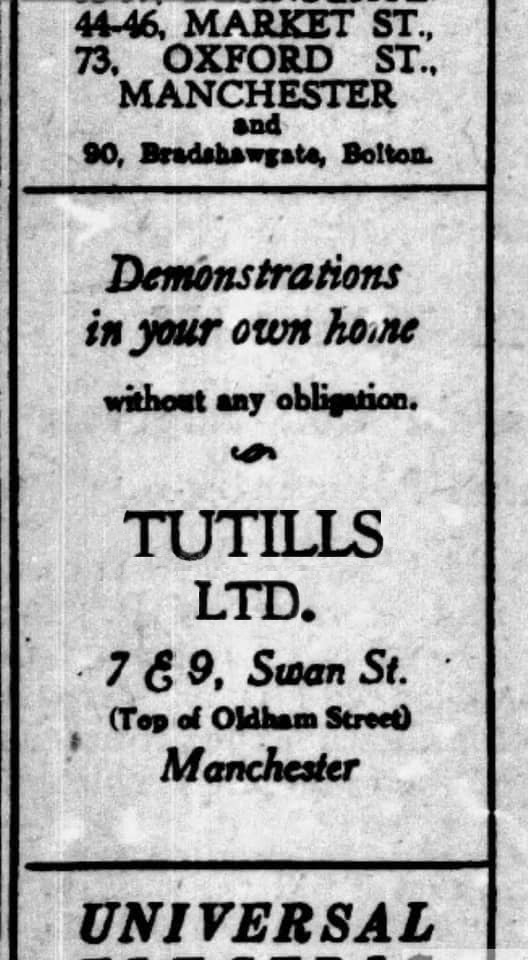
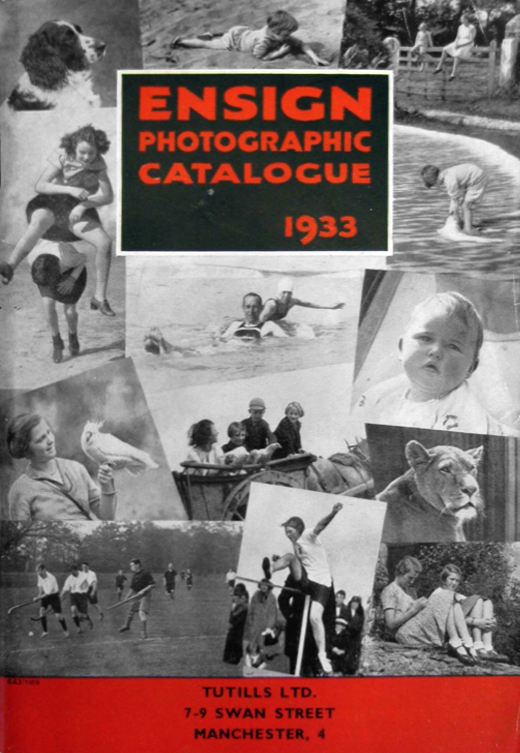
I have been informed by Lee Hutchings that it had originally been home to Tuttils Ltd.
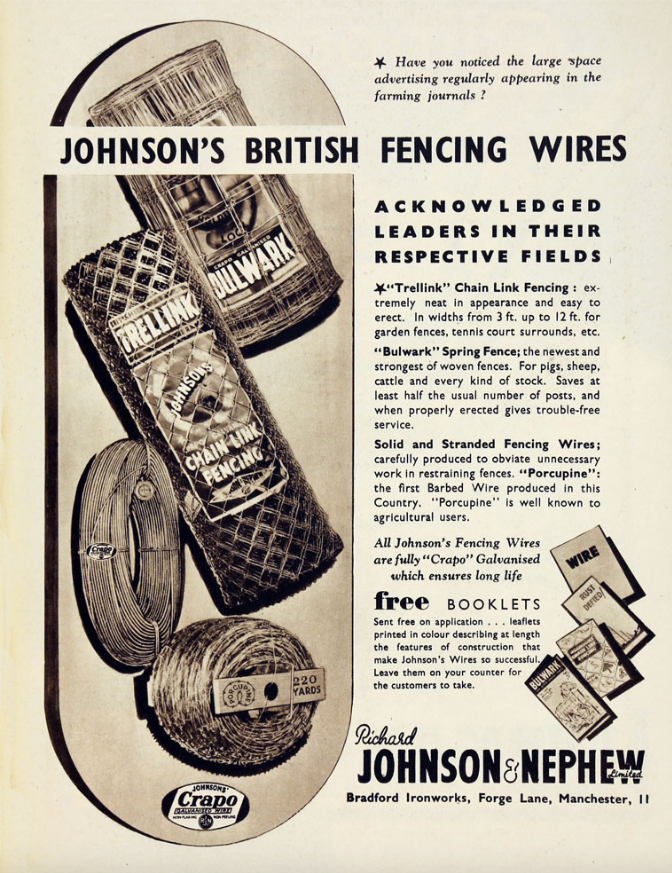
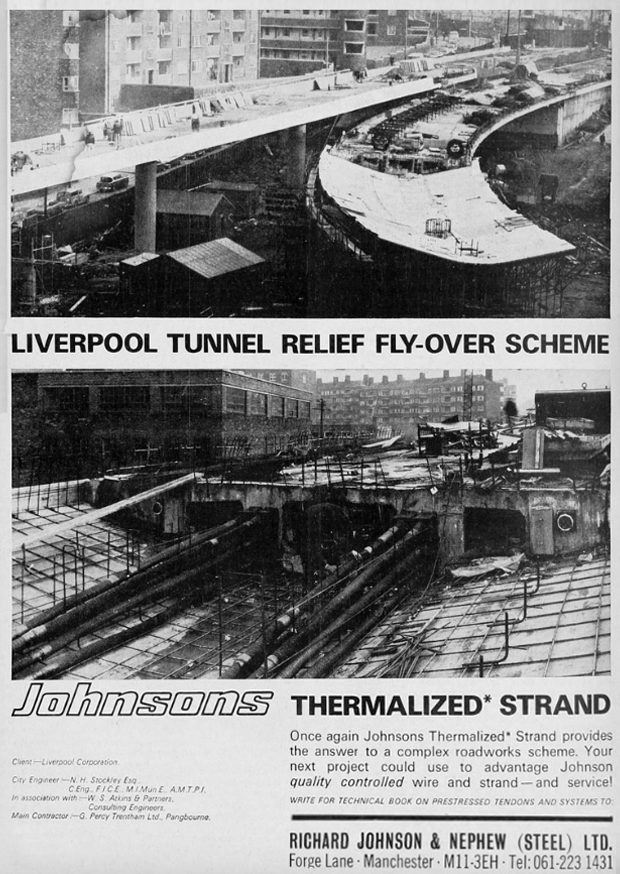
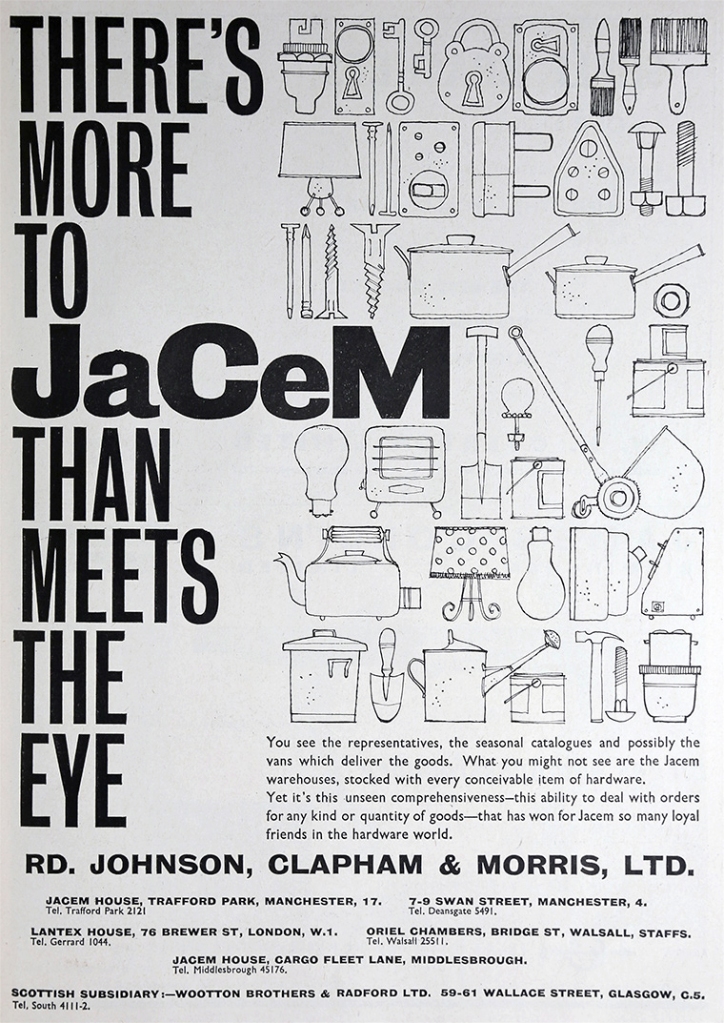
It was also, formerly the showrooms for local manufacturers Johnson & Nephew.
Here it is in 1959 – with a Burton’s for a neighbour.
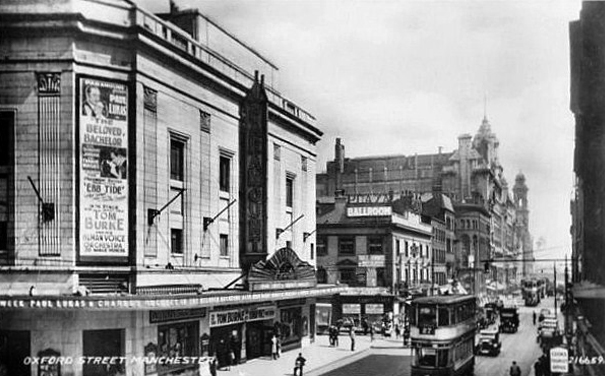
Pragmatic Manchester is far from awash with Art Deco – the lost Paramount/Odeon of Oxford Street comes to mind, demolished in 2017.
The Paramount Theatre was built in 1930 to the designs of architects Frank T. Verity & Samuel Beverley for the U.K. arm of the American Paramount Theatres Ltd. chain. The Manchester Paramount Theatre was a sumptuous American import.
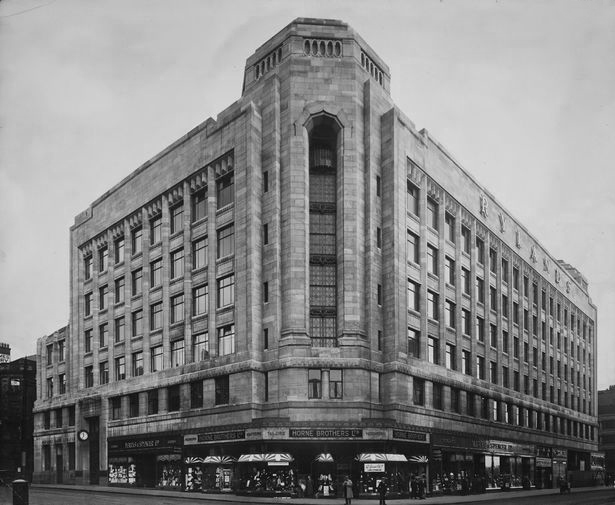
Along with the Rylands Building on High Street – currently receiving a facelift following the demise of Debenhams.
The building was originally built as a warehouse by J. Gerrard & Sons of Swinton for the Rylands textile company, which was founded by the entrepreneur John Rylands. That firm had occupied warehouses in High Street ever since 1822; its west-facing side is on High Street. The building was designed by the eminent Manchester architects, Fairhursts – Harry S. & P. G. Fairhurst, in an Art Deco style. It is clad in Portland stone and features a decorative corner tower and eclectic ‘zig zag’ window lintels. The work was completed in 1932.
Rylands will be sensitively restored to its elegant past. The building will comprise workspace, retail and leisure, creating an exciting new destination in Central Manchester.
I began walking when quite young, then like Felix, I kept on walking, walking still.
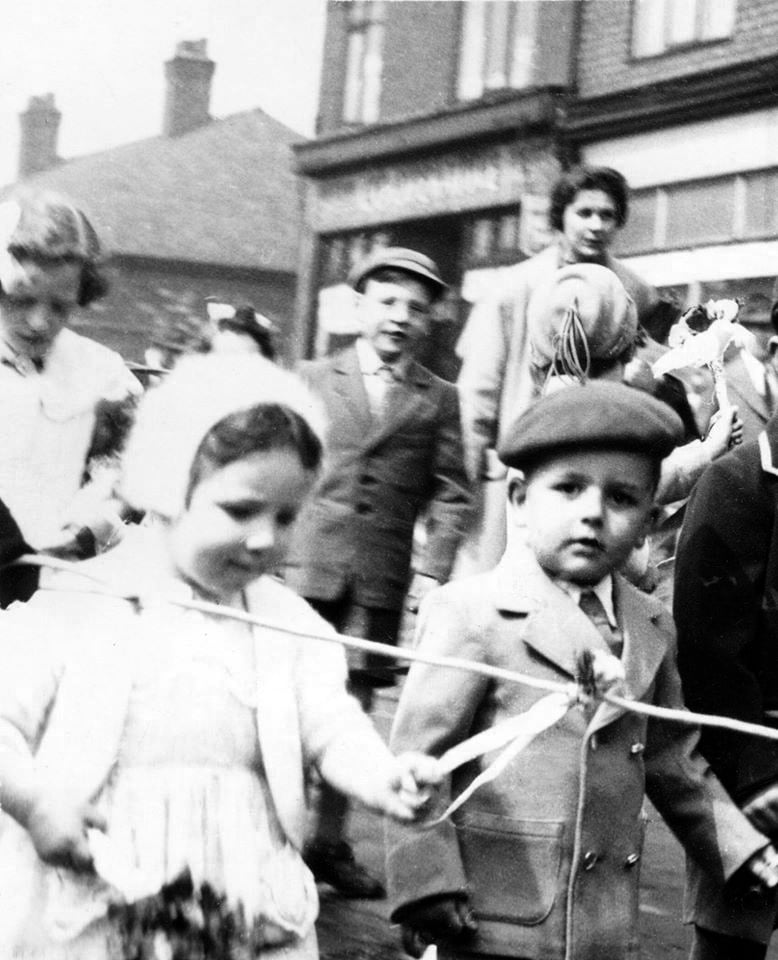
The photograph was taking during the Whit Walks in 1958 – aged three, I was engaged in religious pilgrimage, as we know there are many reasons for walking, this is but one.
I was fortunate to grow up at a time when youngsters were permitted to roam freely, less traffic, less anxiety, gave me access to a wider axis of exploration.
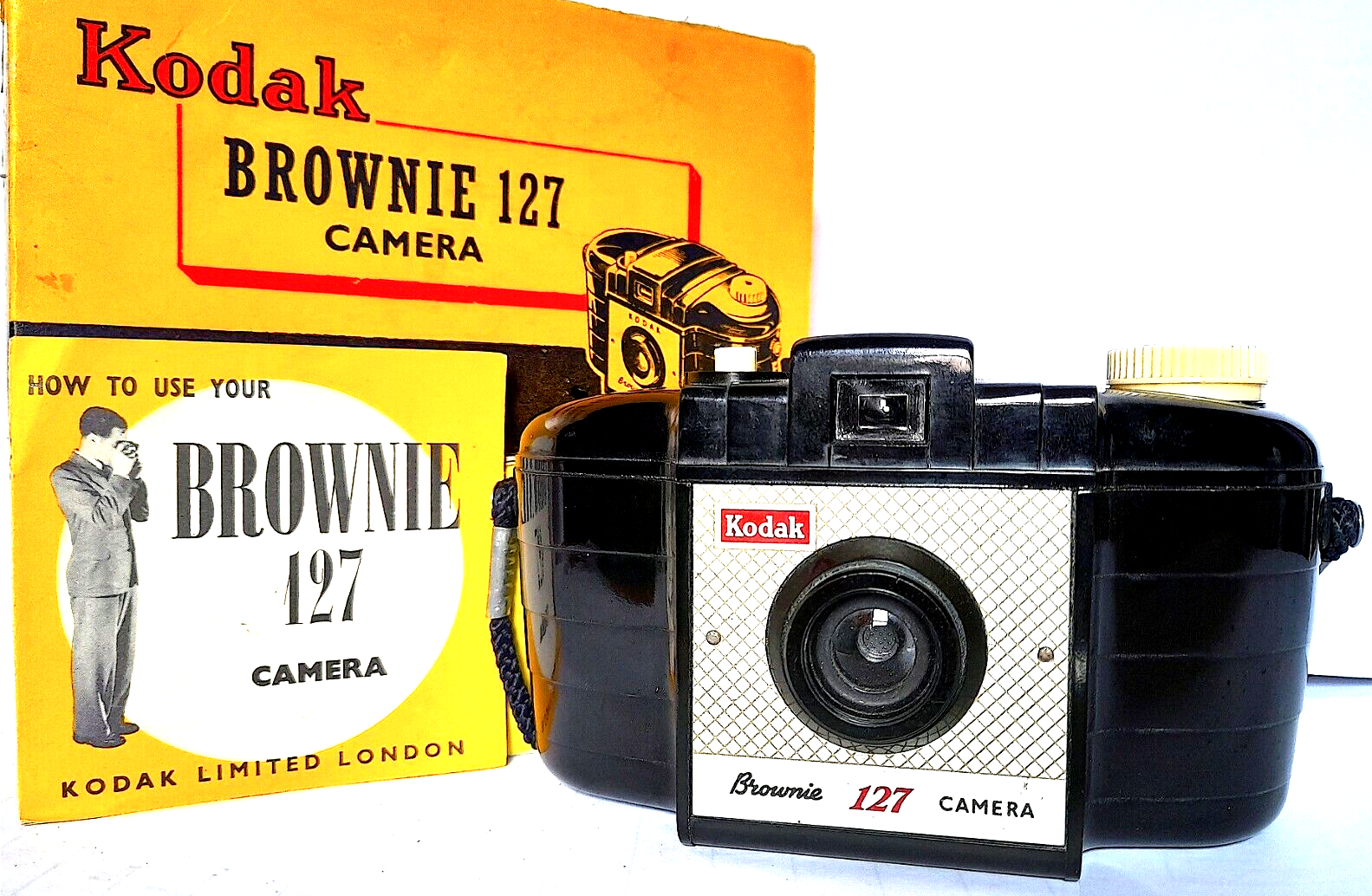
The photograph would have been taken I assume, by my mam, on the Brownie 127. When aged nine I wandered alone through the local woods and exposed twelve frames of 44mm 127 film, the prints are long gone, yet I remember each of the photographs and locations clearly.
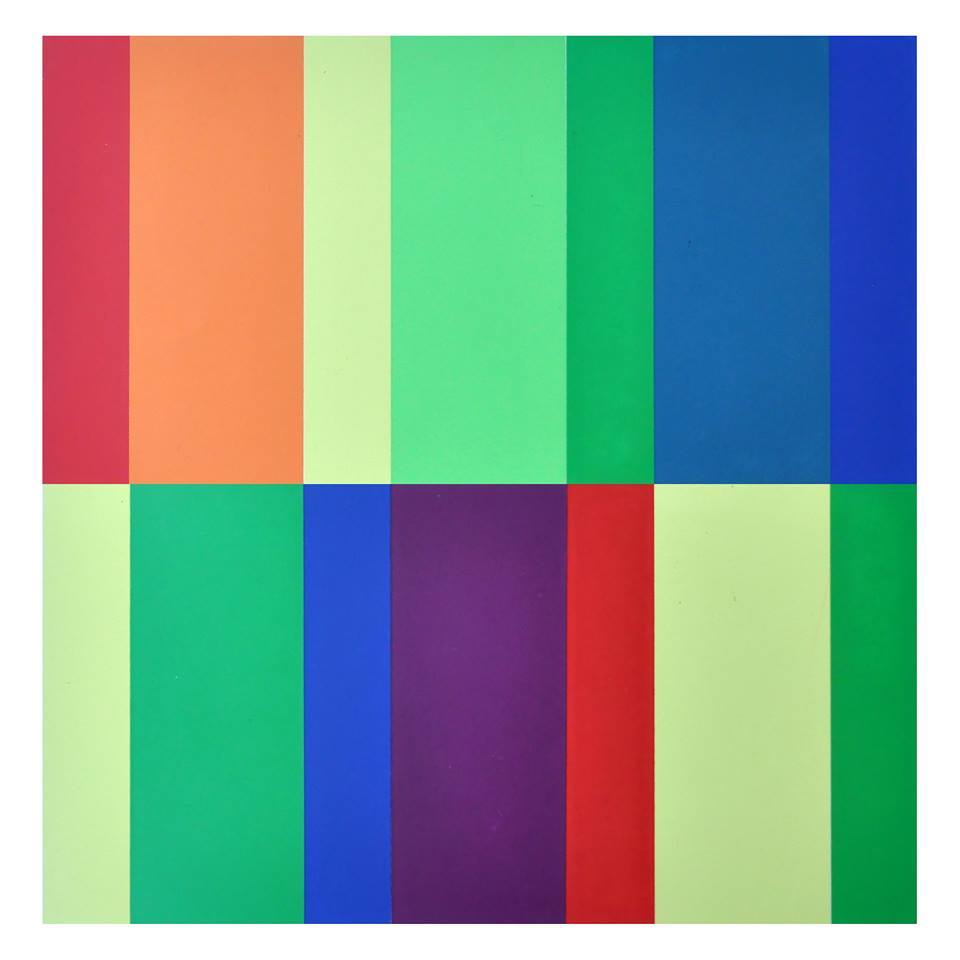
I went to school, then I didn’t, then I went to Art School, eventually becoming a teenage Constructivist, tutored by Jeffrey Steele, a leading light in the British Systems movement.
The rigidity of the grid, symmetry and orthogonal framing have stayed with me.
Then I went to work for a very long time indeed, then all of a sudden I didn’t. Taking early retirement aged 59 some ten years ago, subsequently taking to the roads, streets and hills of Britain in search of nothing in particular.
In recent years there has been a rapid development in the culture of walking, theories, films, guides, songs and literature. I am fully cognisant of such, yet believe at heart that walking can be free of such baggage, we can stride unhindered, atavistic and carefree/less.
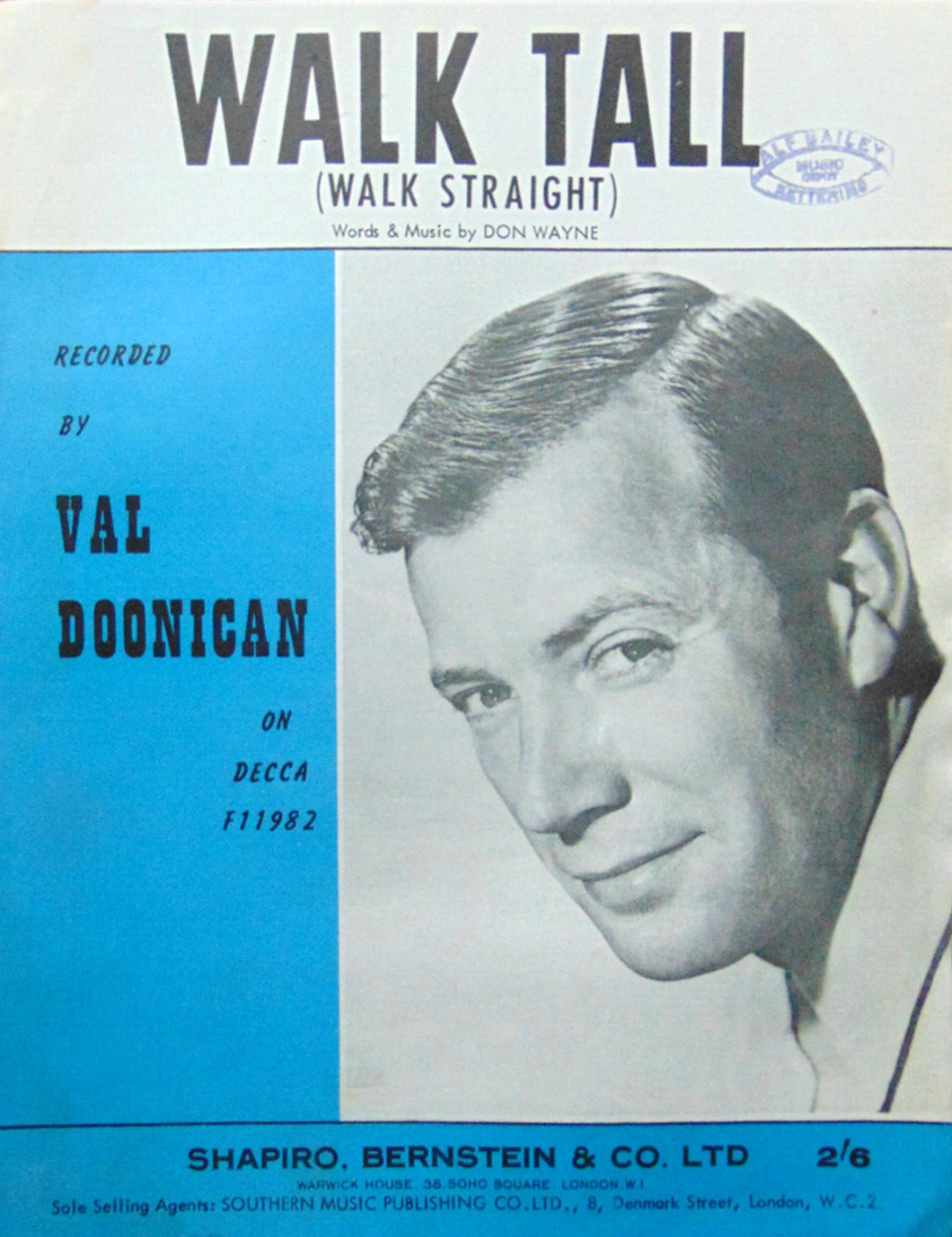
Walk tall, walk straight and look the world right in the eye.
Getting lost is about the unfamiliar appearing.
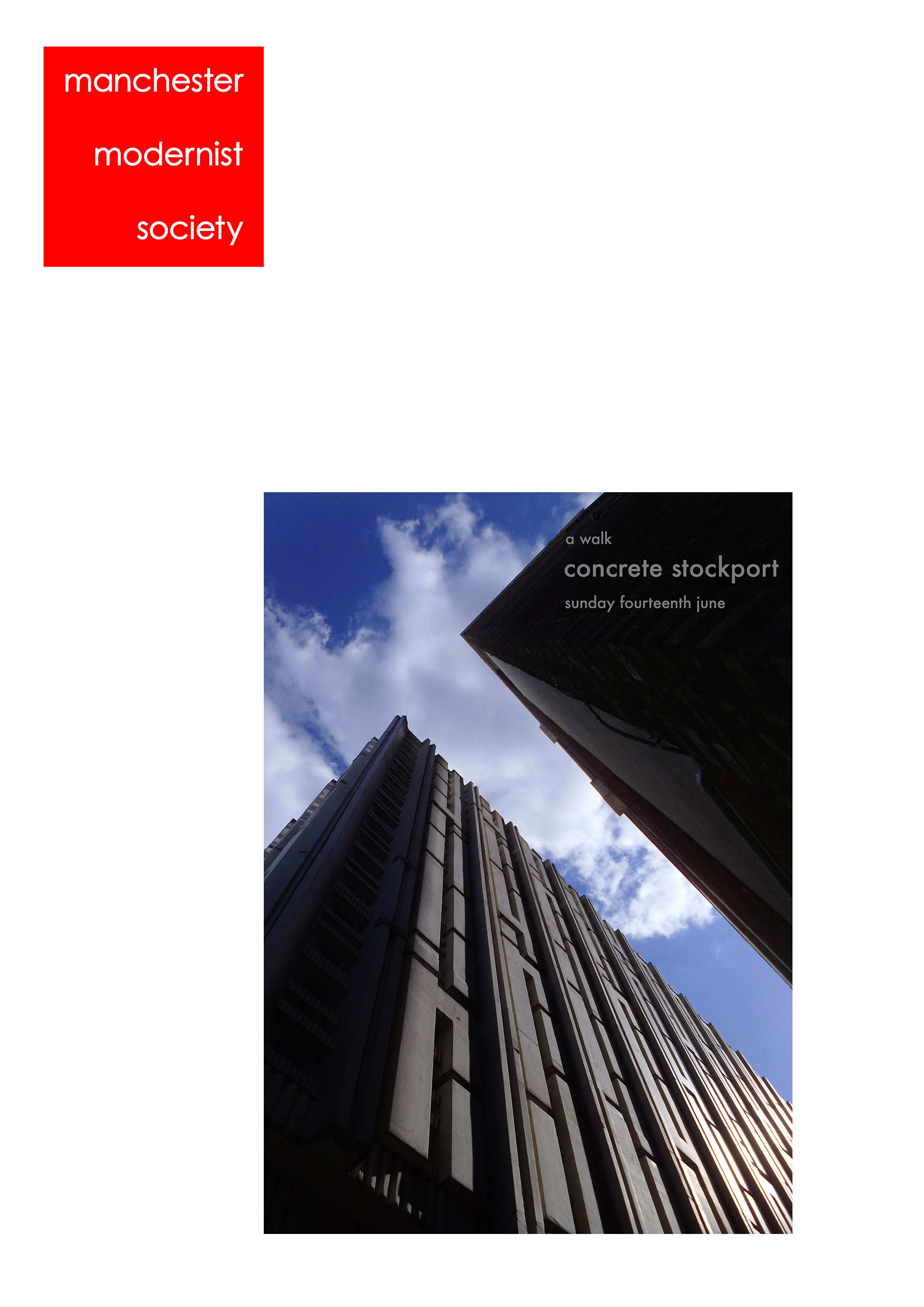
In my own small way, I have become part of that baggage, having been asked to lead a walk around Stockport by the the modernist neé Manchester Modernist Society.
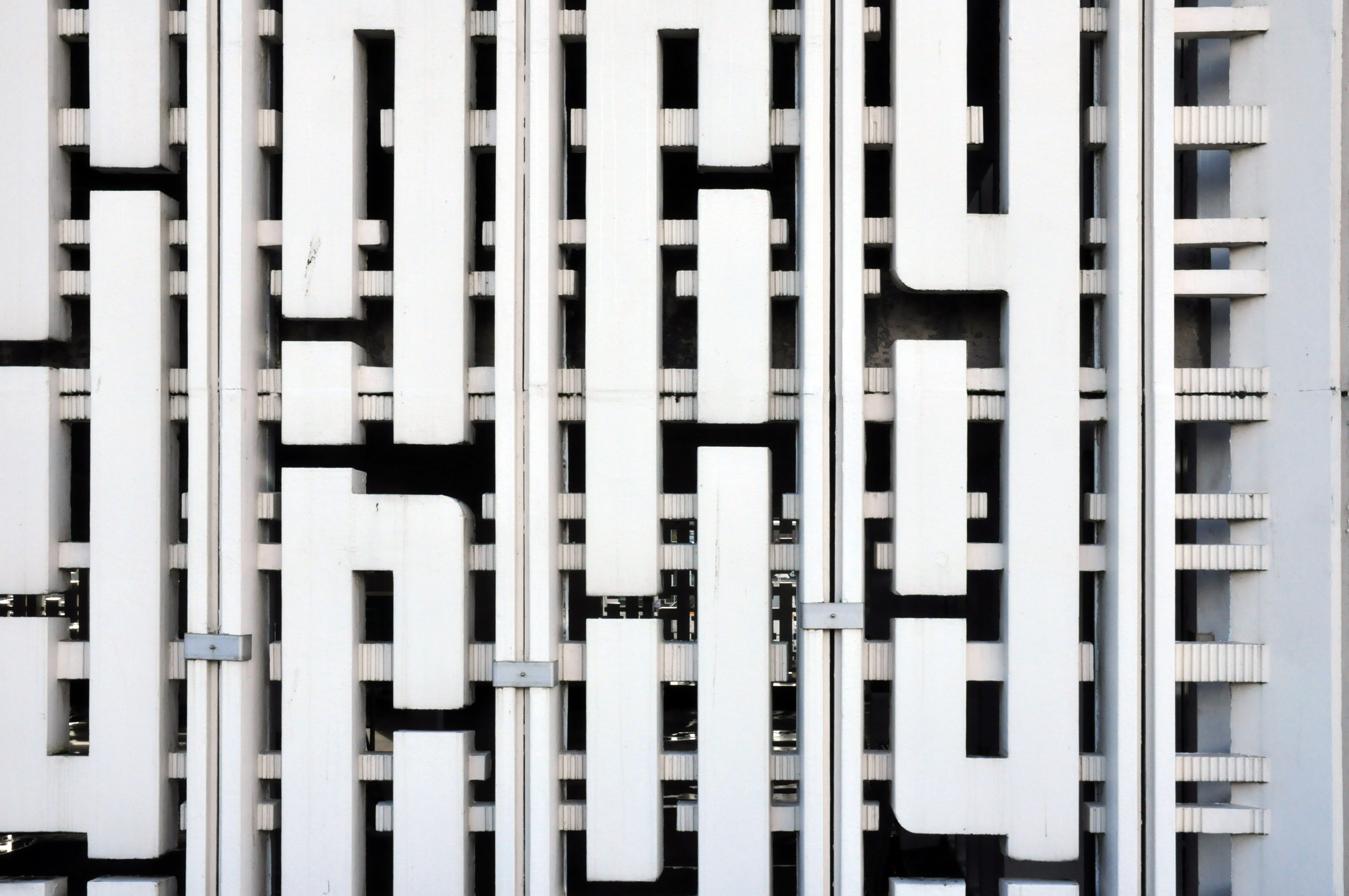
The photograph depicts Alan Boyson’s concrete screen wall, attached to the former Cooperative super store designed by Philip Andrew. The two worked to gather on the Hull Cooperative store, which is adorned by Alan’s huge Three Ships mosaic.
Philip was a childhood friend of Alan Boyson and it was Alan’s father, manager of the Marple Co-operative Society, that recommended Philip for an apprenticeship job in 1951 to the chief architect at the CWS in Manchester HQ.
In preparation for the tour, I visited the town’s Local Heritage Library and read extensively from serendipitous charity shop finds.
The two hour route was designed around an economy of distance and elevation, allowing time for others to take in, what may be for them unfamiliar surroundings. A group of around twenty or so folk became sociable and engaged, with a suitably concise and apposite contribution from myself. There are those who busied themselves taking snaps along the way, chatting amiably or simply gazing in amazement.
The service building above the former Debenham’s store.
Famed as an imaginary TV police station, this civic building is a civic building I simply can’t resist. I return on a regular basis to wander and snap. This is an open public space that seems little loved and has few visitors.
From then onwards I have been taking folks on Modernist Mooches on a regular basis, two or so a month, during the less inclement times of year.
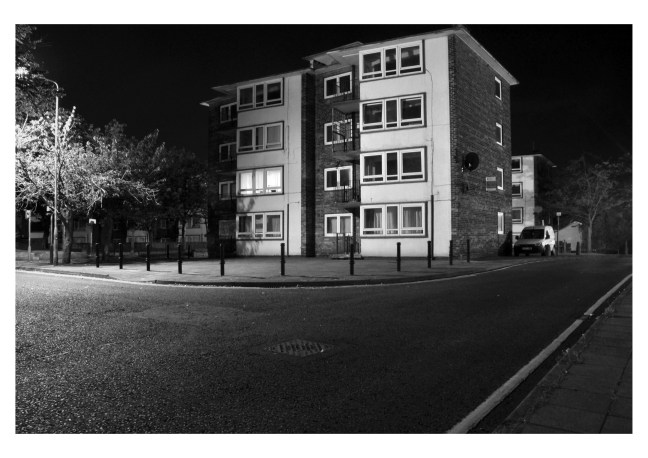
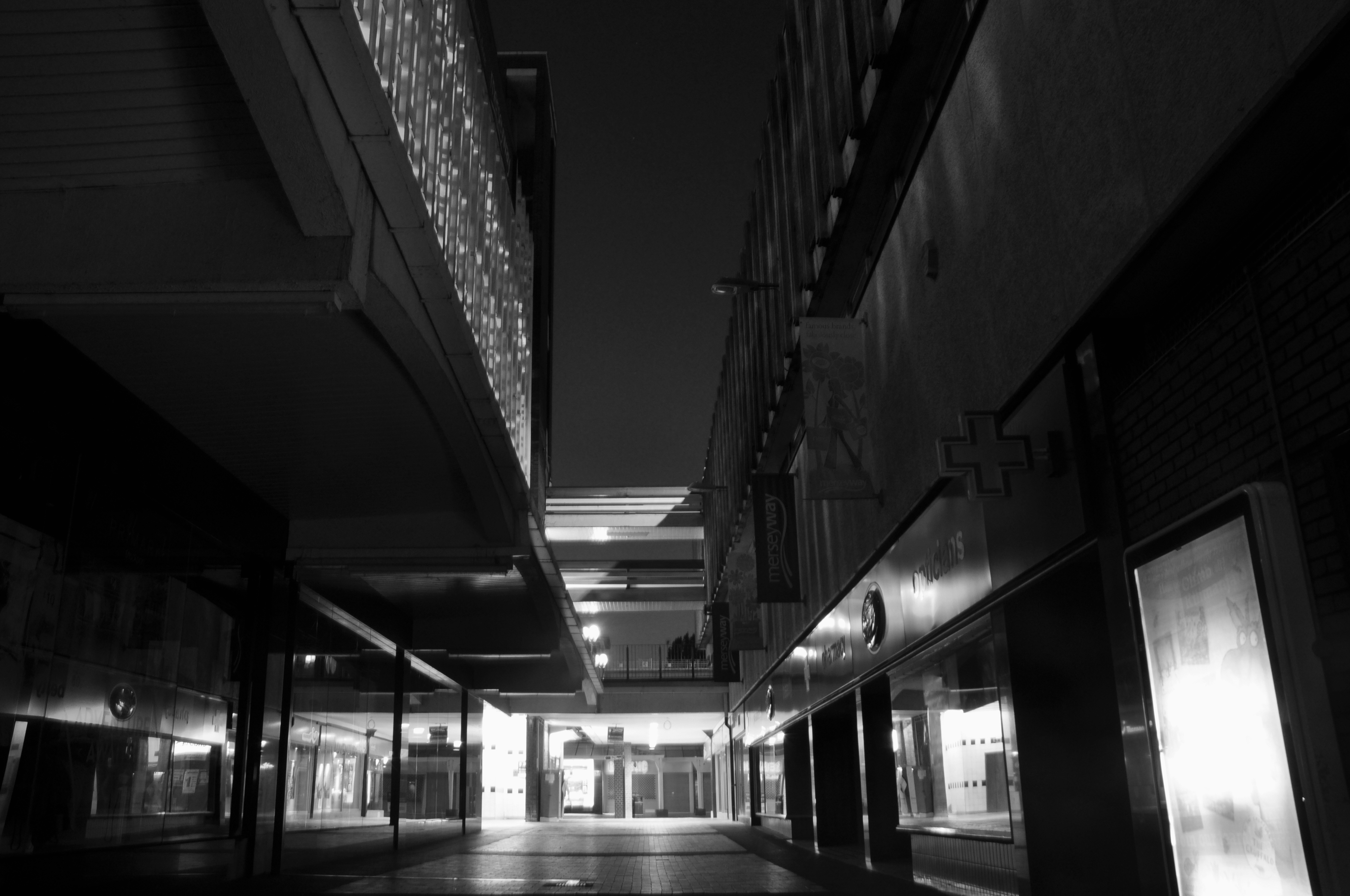
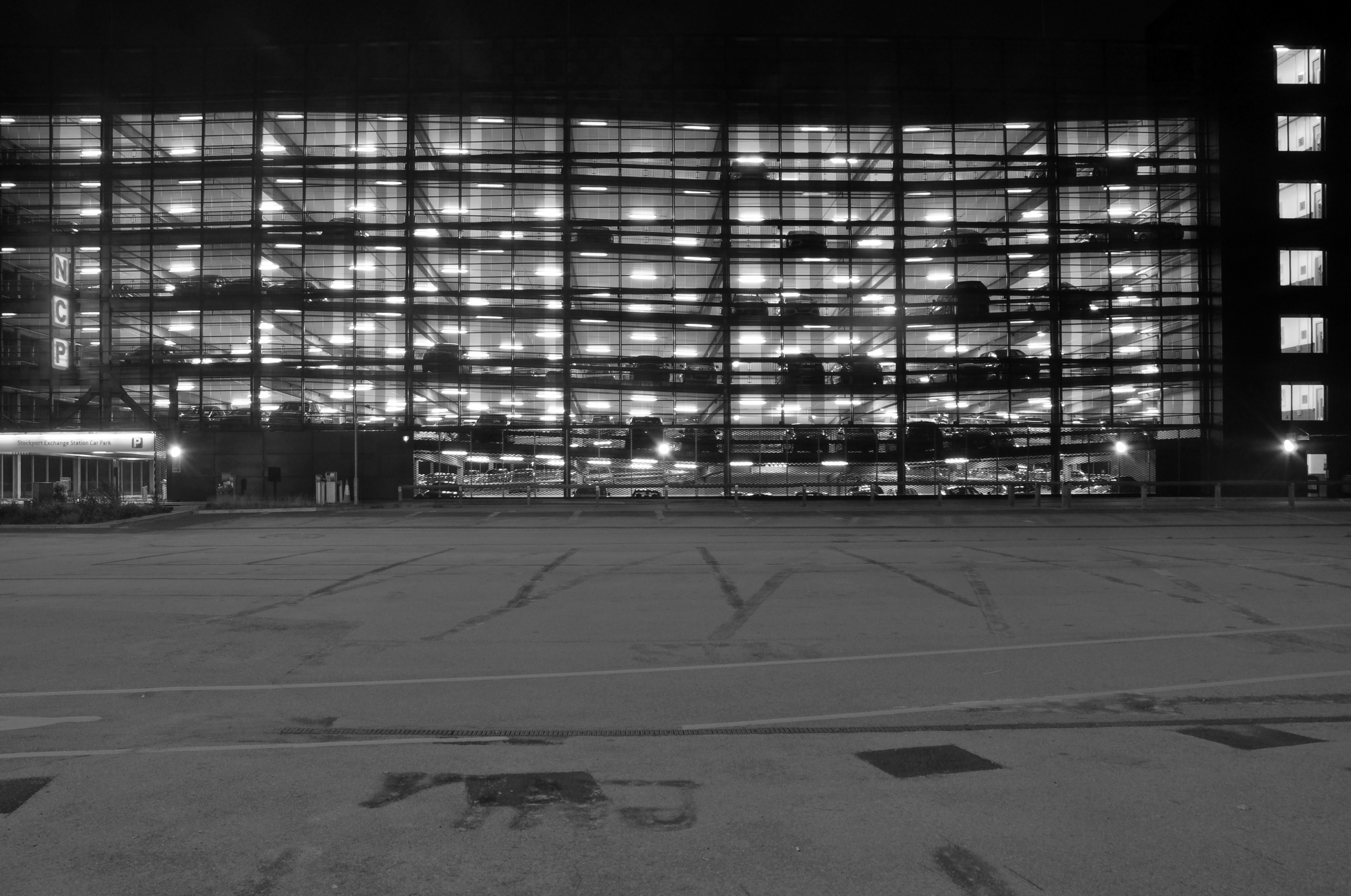
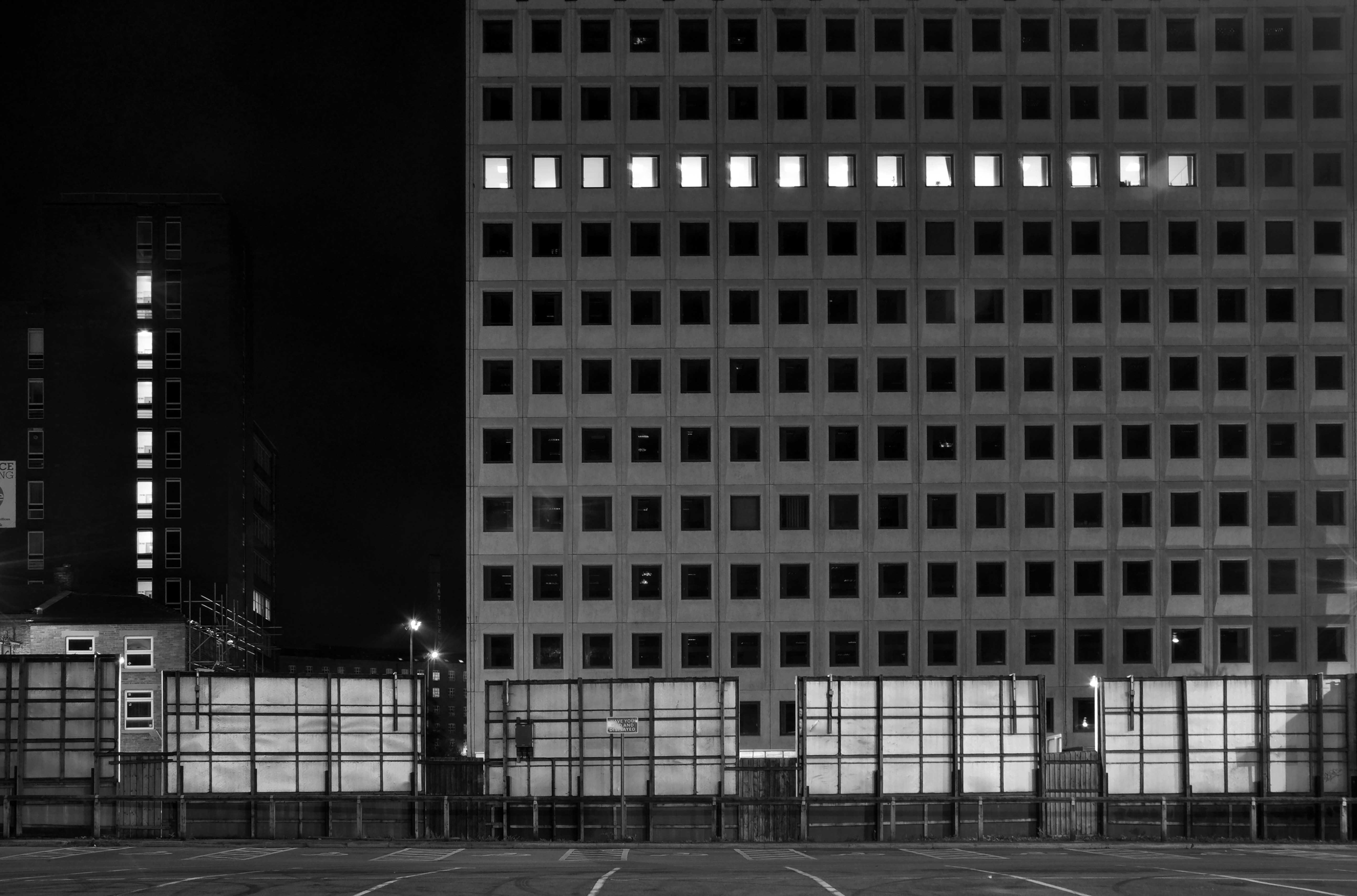
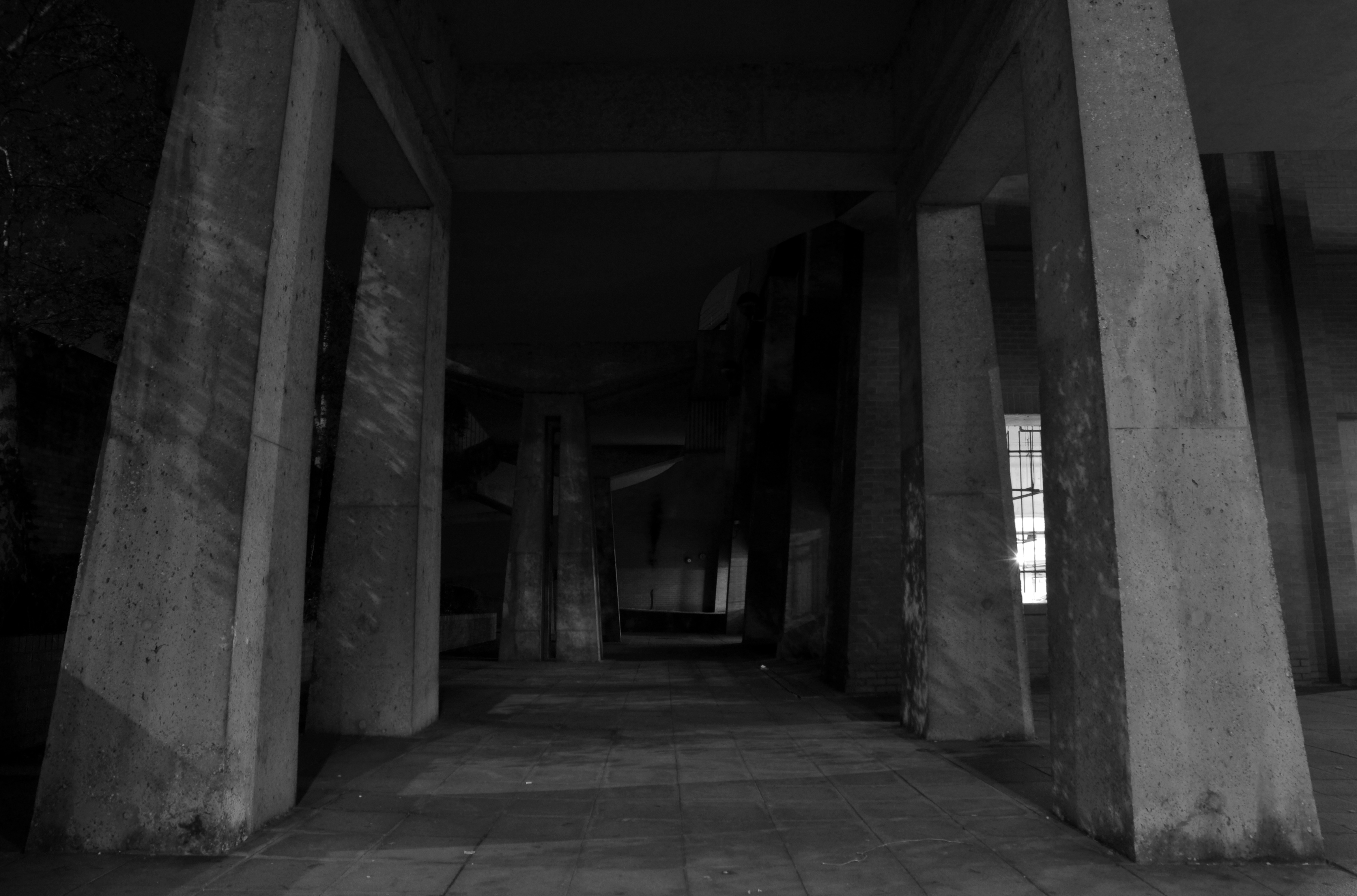
At about the same time I was asked to exhibit my photographs in Stockport, I chose to mooch about at night. Walking around an almost deserted town, avoiding the glare of streetlights, there is a mild frisson to be about when nobody else is about. The air feels different, exposures are longer, the almost waking world feels arrested, by the low available light.
My local shopping centre and as such part of my weekly walking and shopping life.
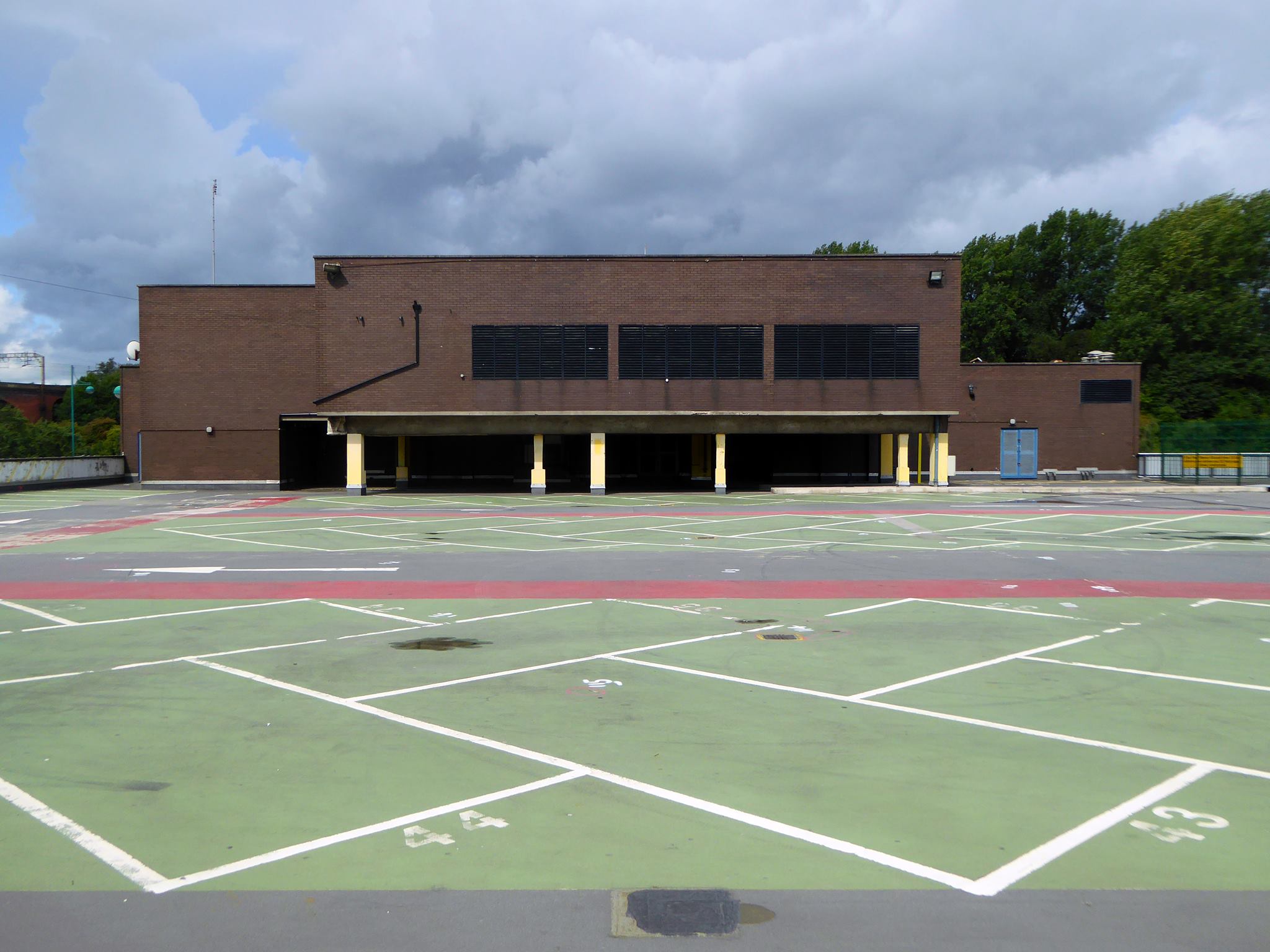
NCP Car Park located on Stockport Station approach.
Regent House
Asda superstore
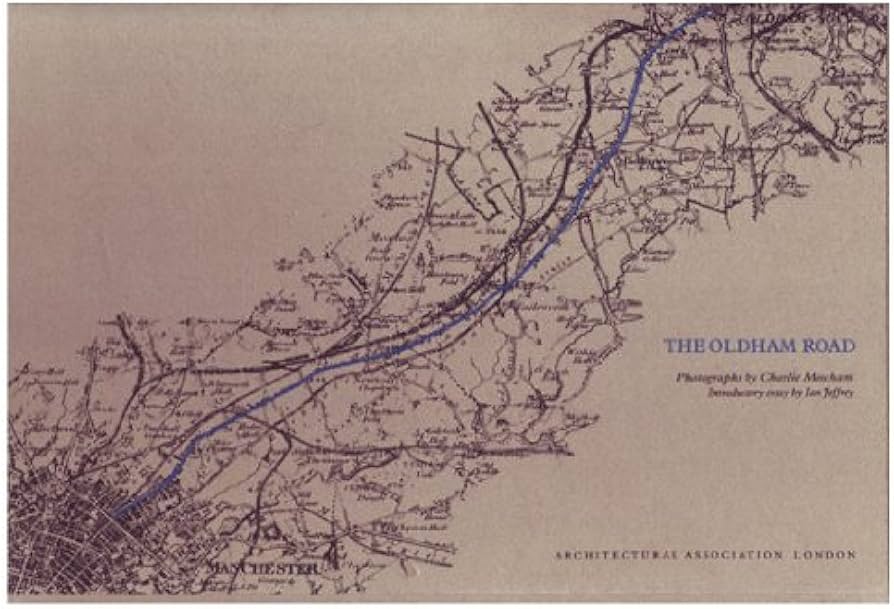
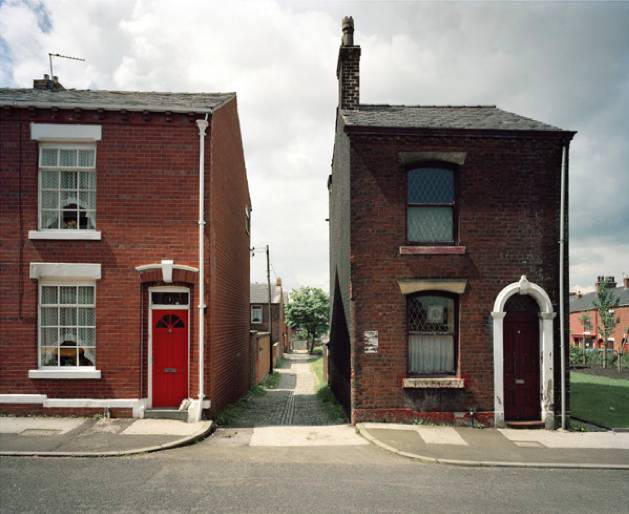
I found a copy of Charlie Meecham’s book Oldham Road in a charity shop.
Inspiring me in 2014, to walk in mostly straight lines, though often as not zig zagging along the main arterial roads of Manchester.
Taking pictures on Sunday mornings, in order to avoid traffic, mildly amused to be ignoring the primary function of the routes.
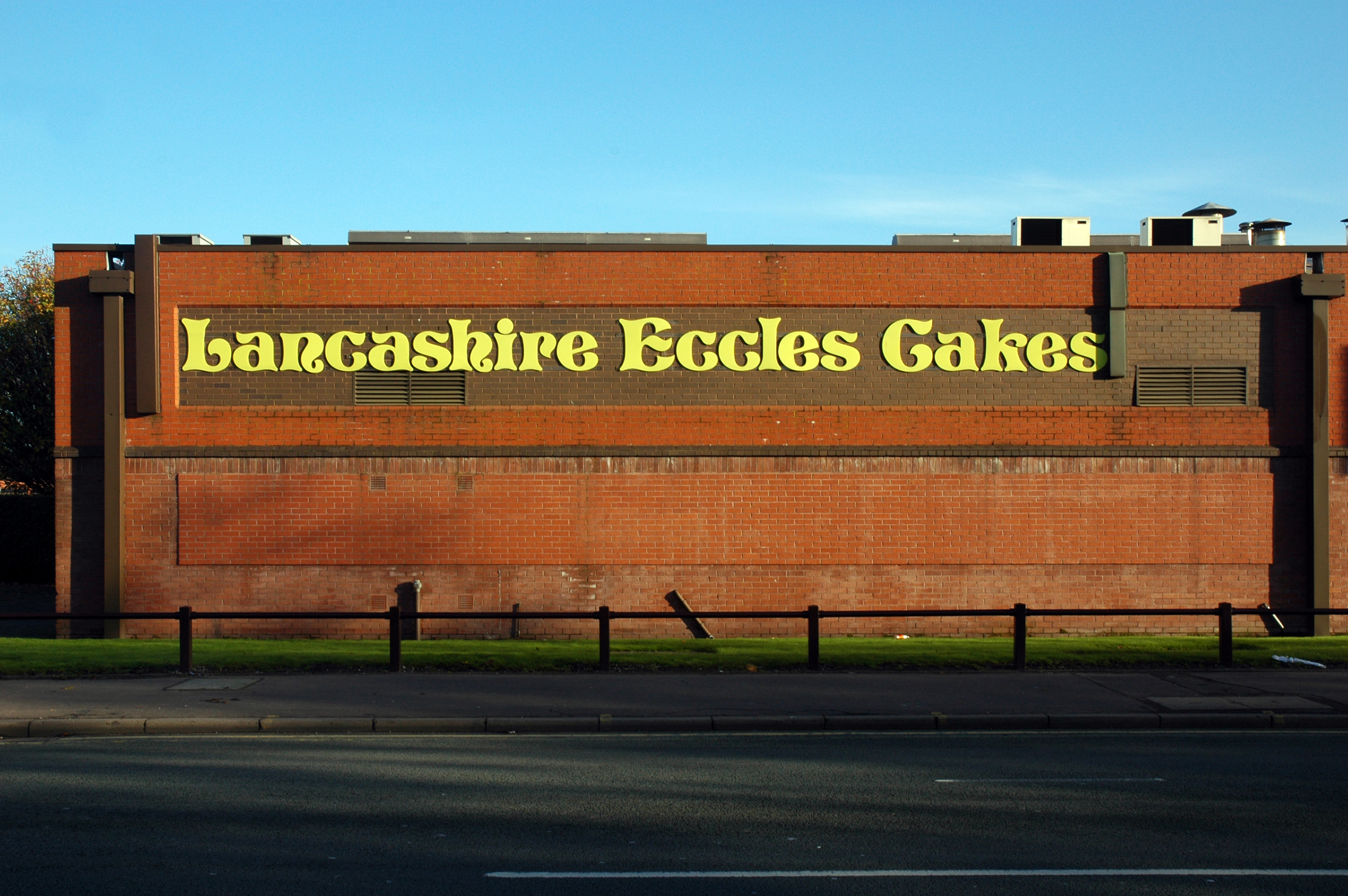
This is one of the more familiar roads, having walked up and down several times over several years. It was to have been an extension of the Mancunian Way, forming a trans-pennine motorway. Much of the property lining the route was cleared in preparation, it was never built, and for years a strange semi-deserted ambience hung over the A57.
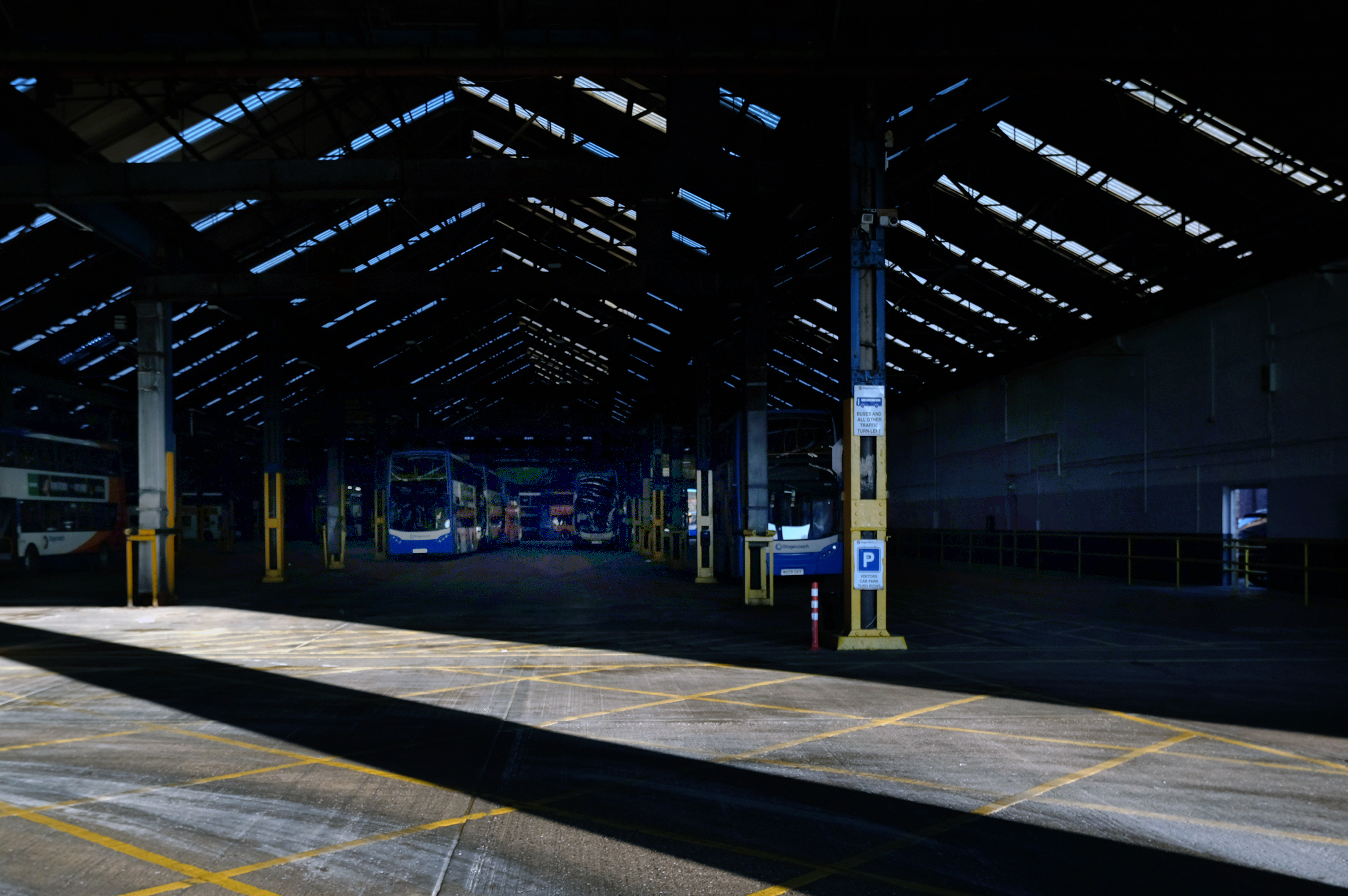
Bus Depot
Railway Bridge
The car showrooms which later became an African Evangalist church.
Having cleared away both Victorian and Sixties housing, new architectural forms arose in West Gorton.
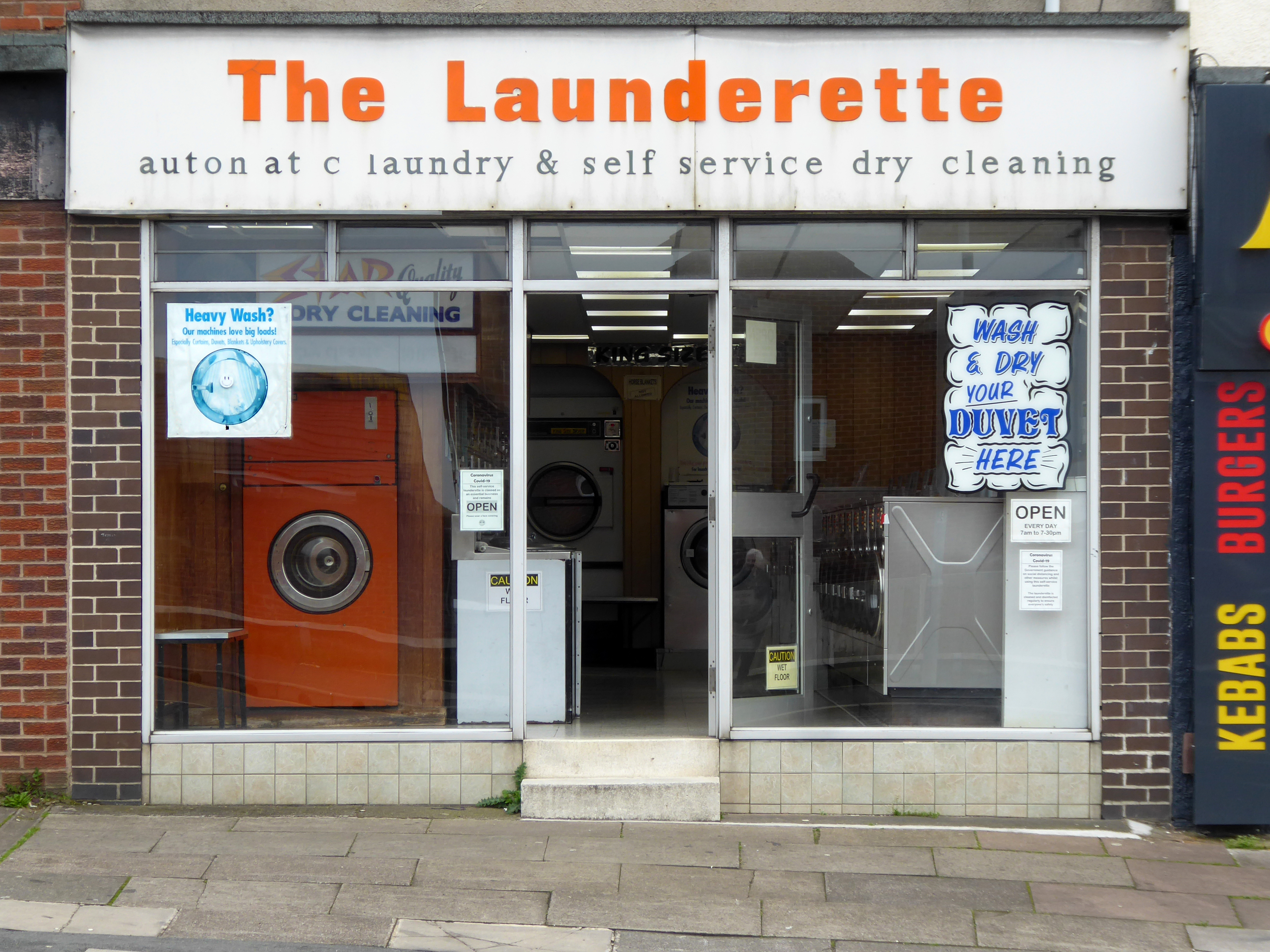
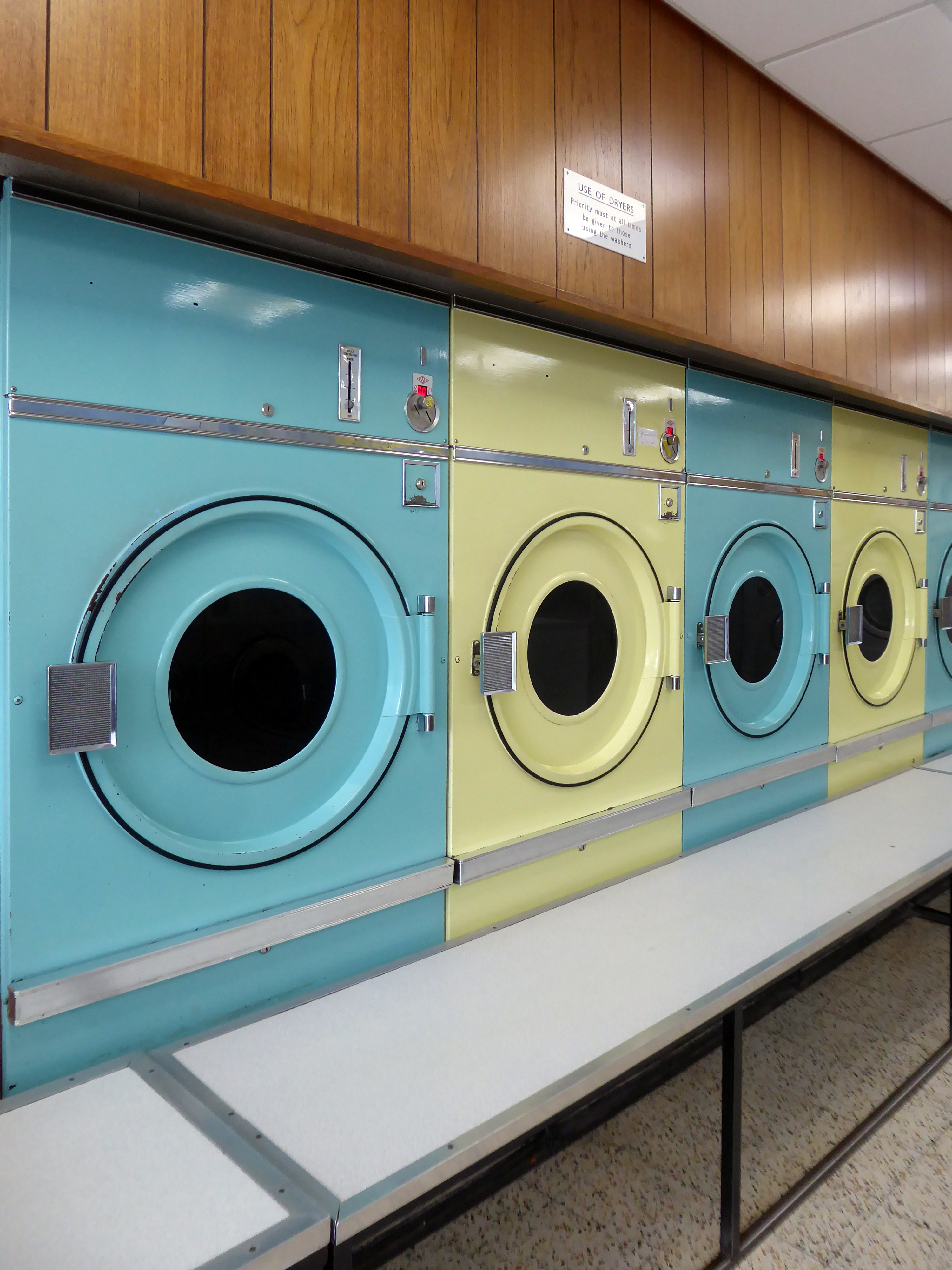
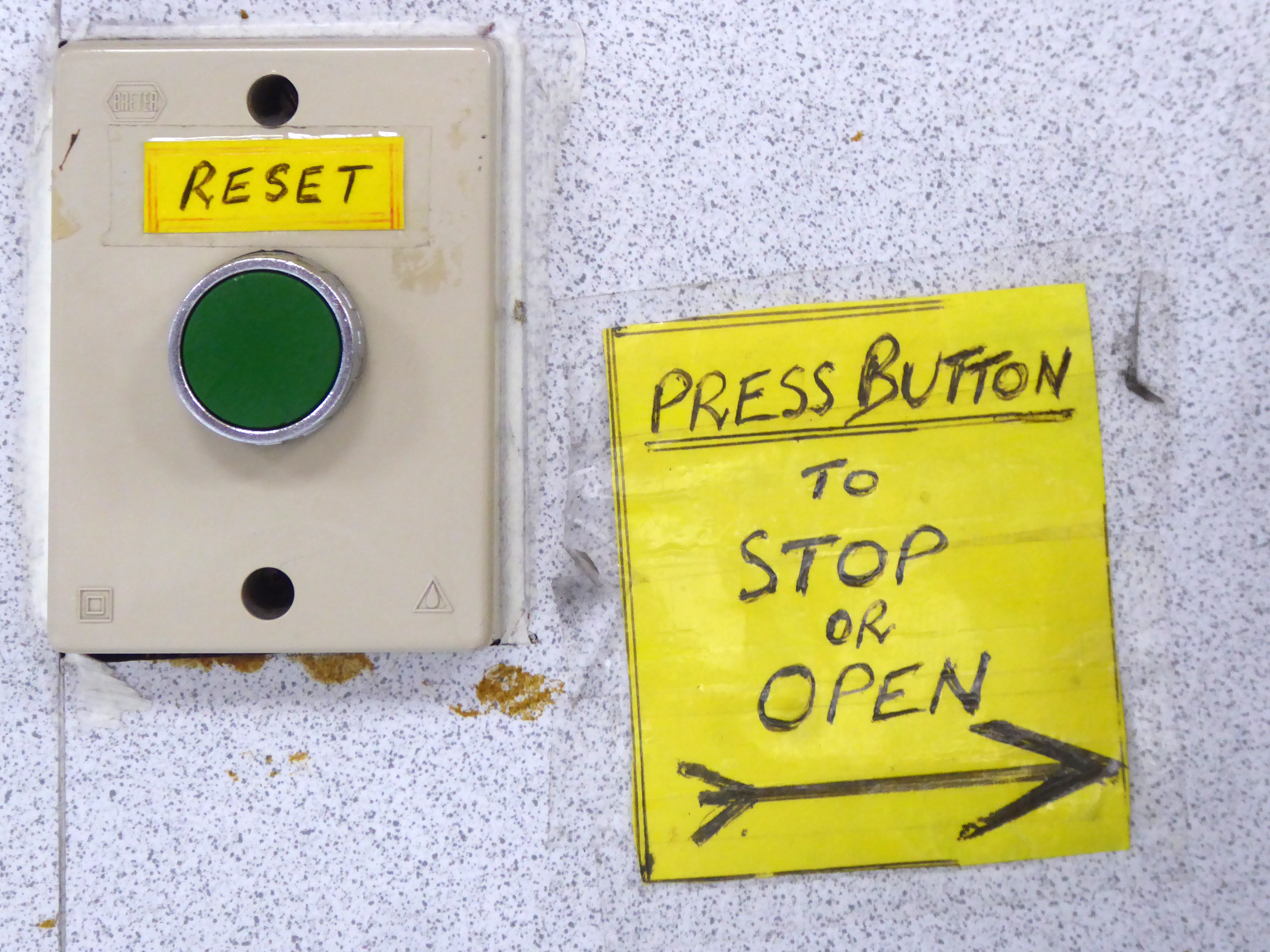
Now, everywhere I go, I see launderettes – so arriving in Hanley with time on my hands, wandering around I found this exemplary example.
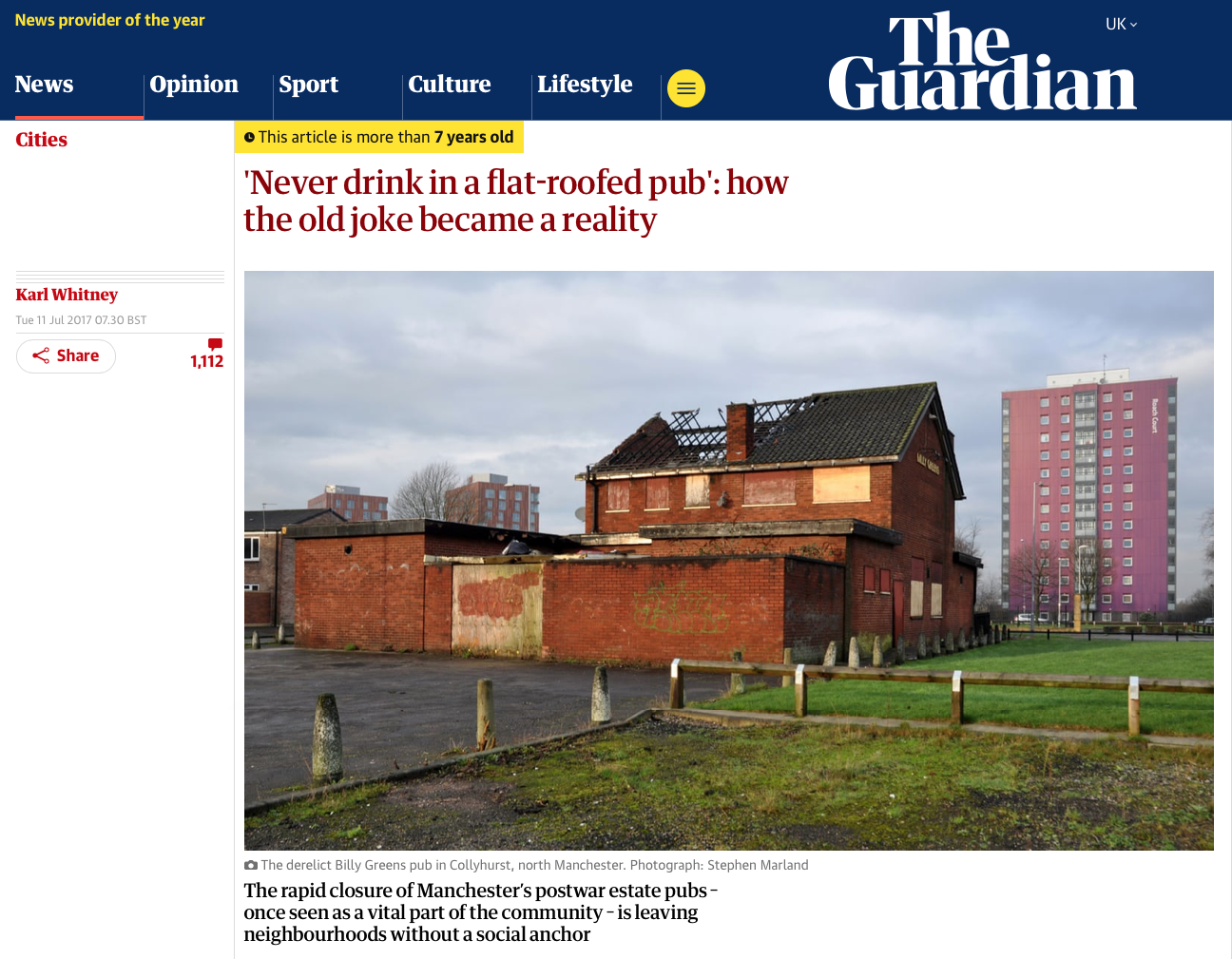
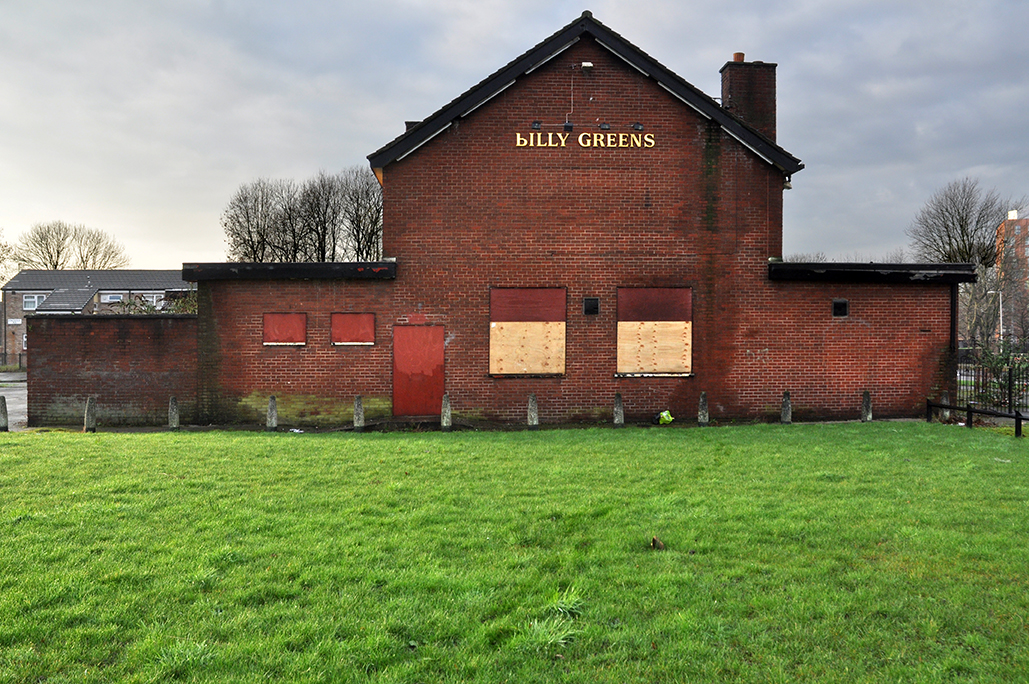
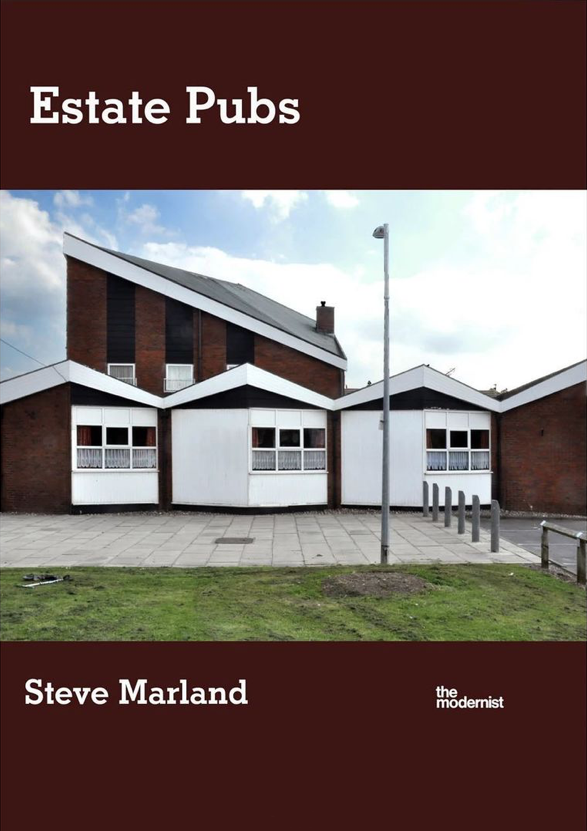
Having a blog entitled Manchester Estate Pubs, the national media became interested in my photographs. I had spent quite some time, wandering around in search of this endangered architectural typology.
This was Billy Greens in Collyhurst, named for a local boxer, now demolished.
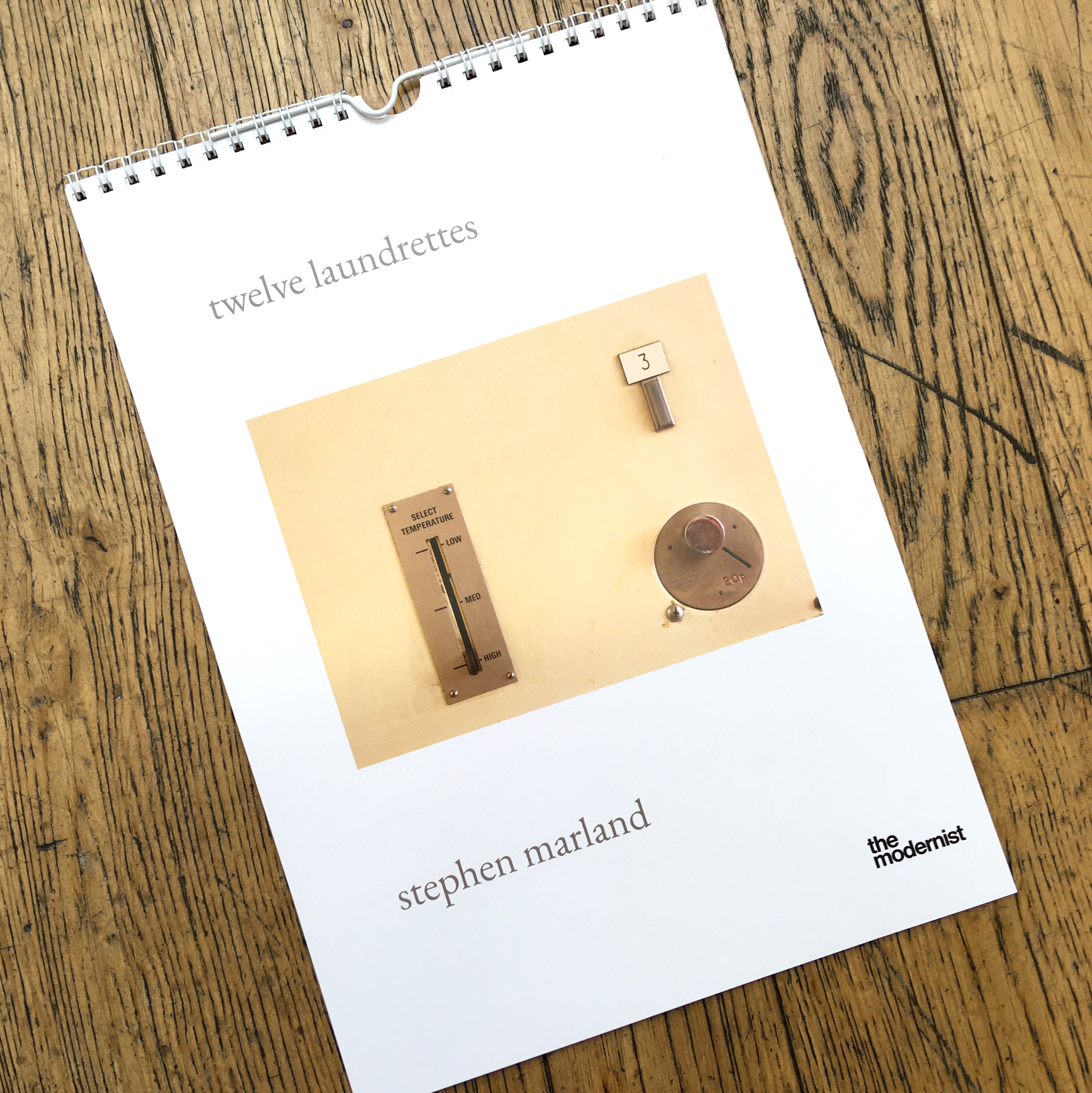
Which in turn became the second modernist calendar.
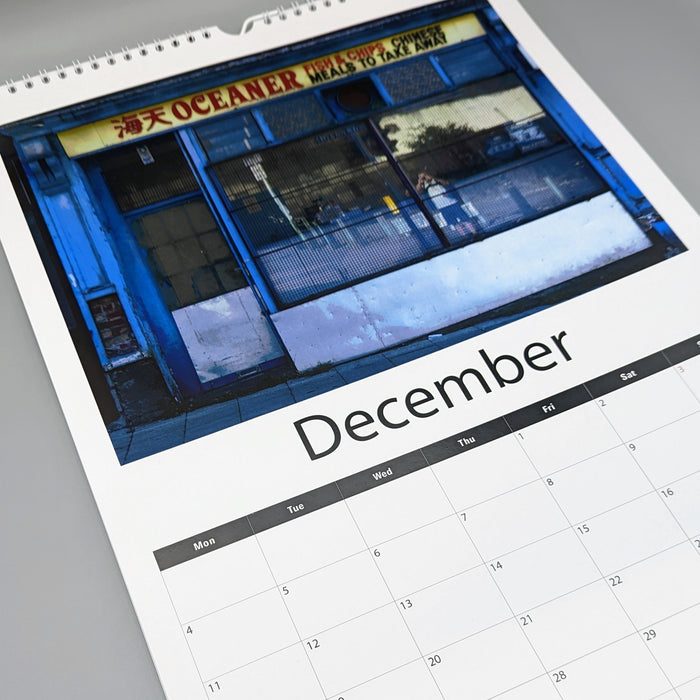
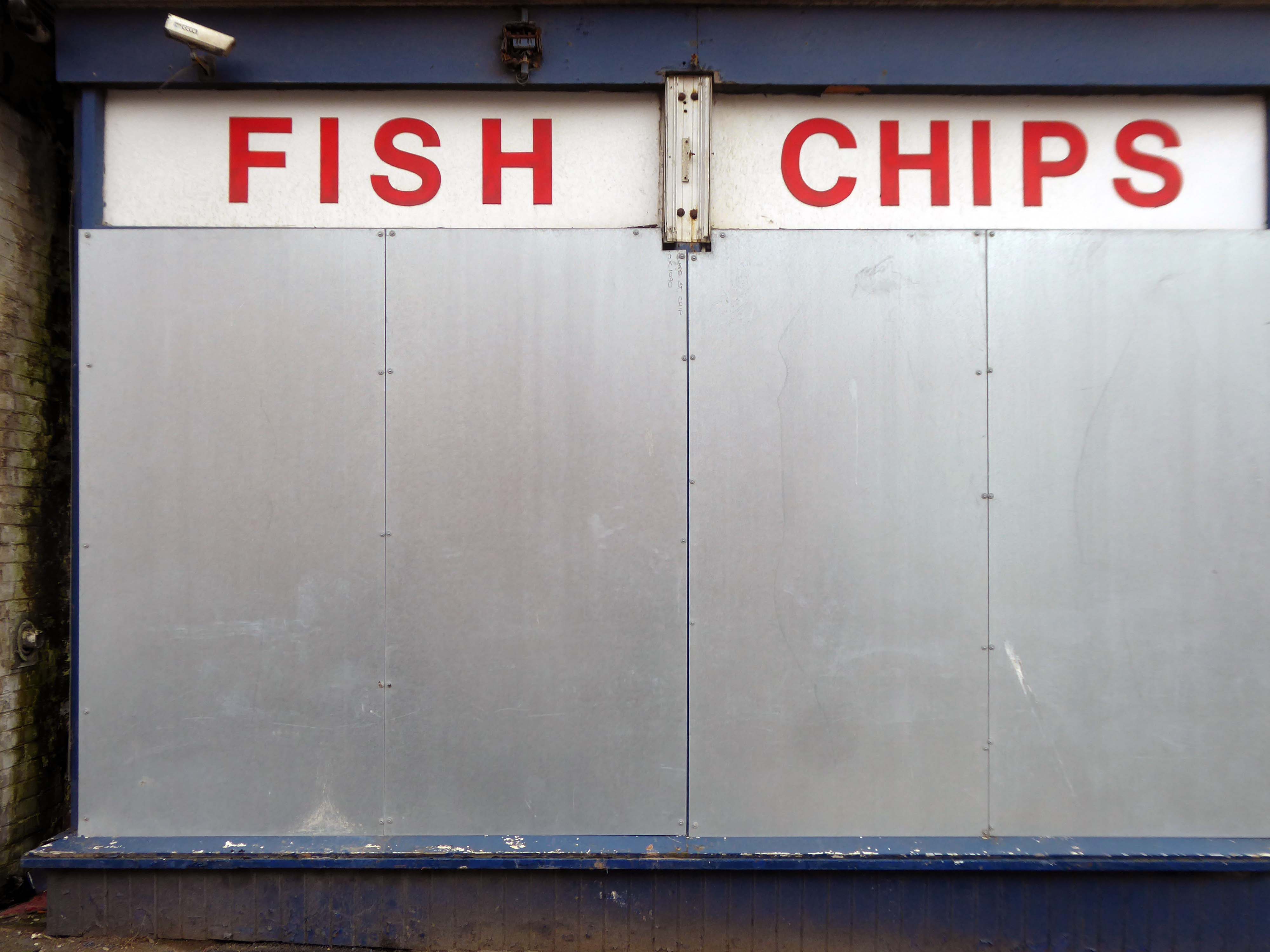
Followed the following year by fish and chip shops.
So building a vocabulary for my mooching, discovering yet another chippy, laundry, pub, Burton’s, telephone exchange, glazed stairway or underpass.
These things find you, yearning for some small amount of attention and affection.
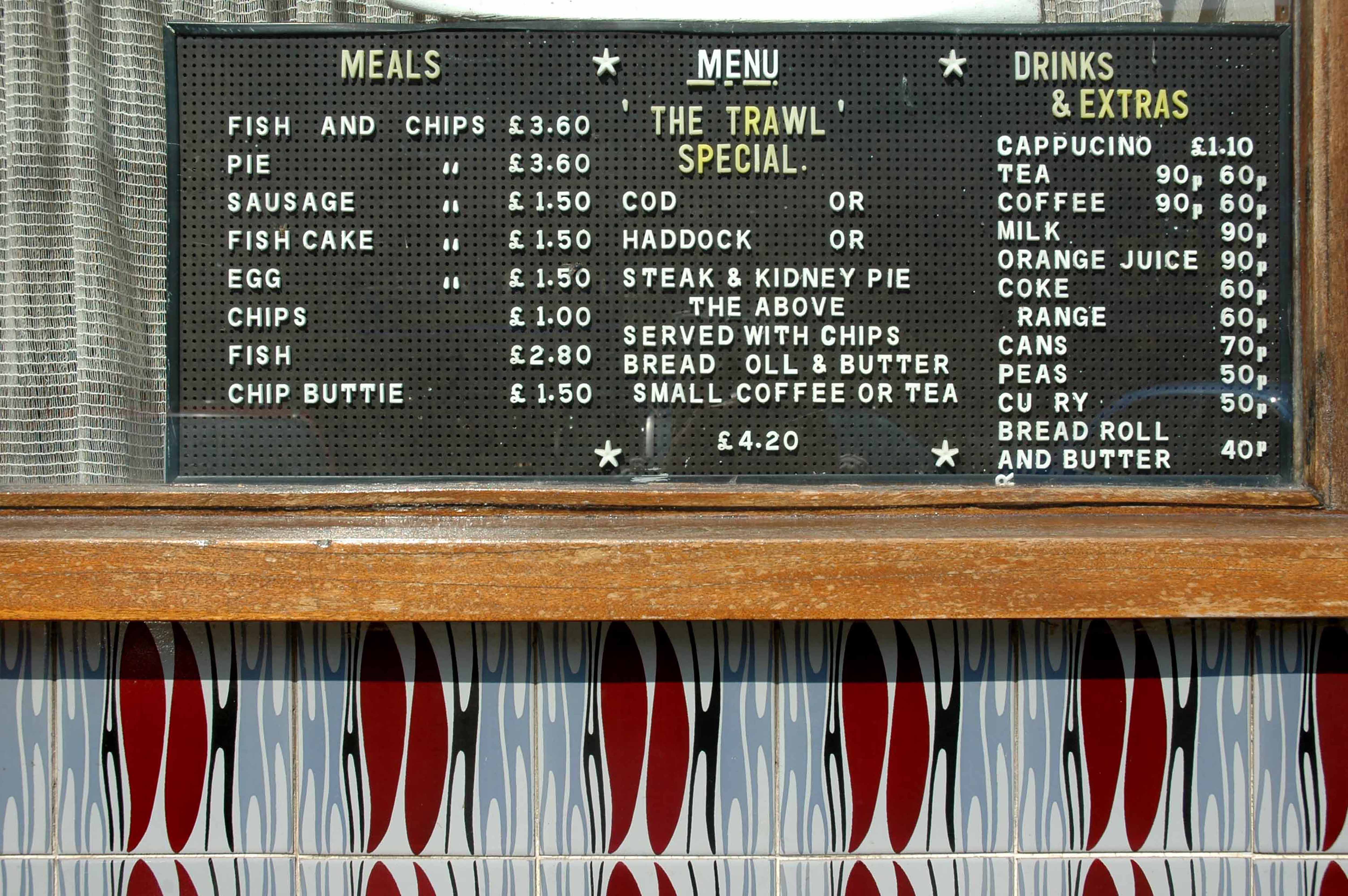
The Trawl – my favourite peg board menu, my favourite Bridlington chippy.
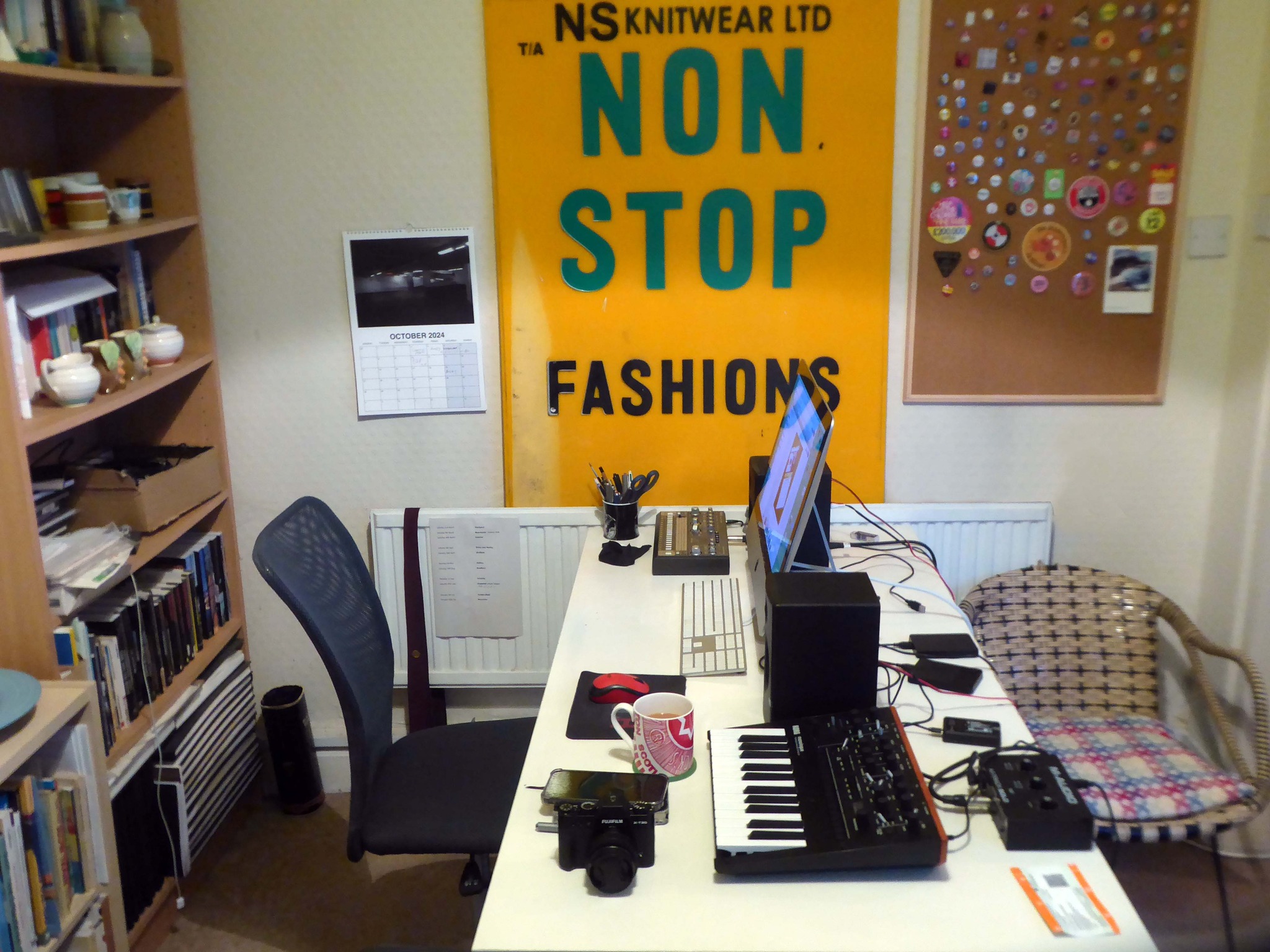
We are now coming to the end of the car park year – seen here on the wall of my command centre.
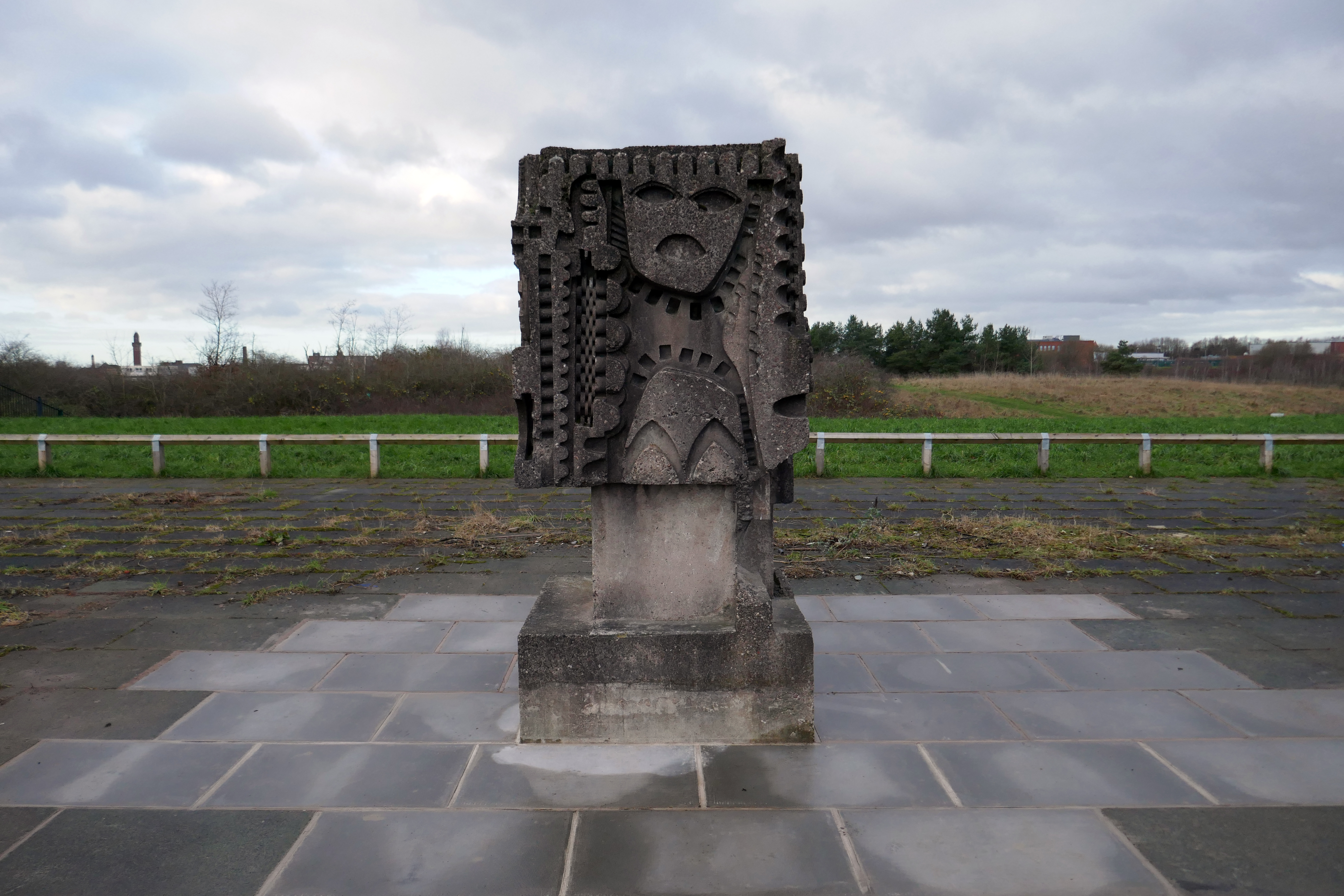
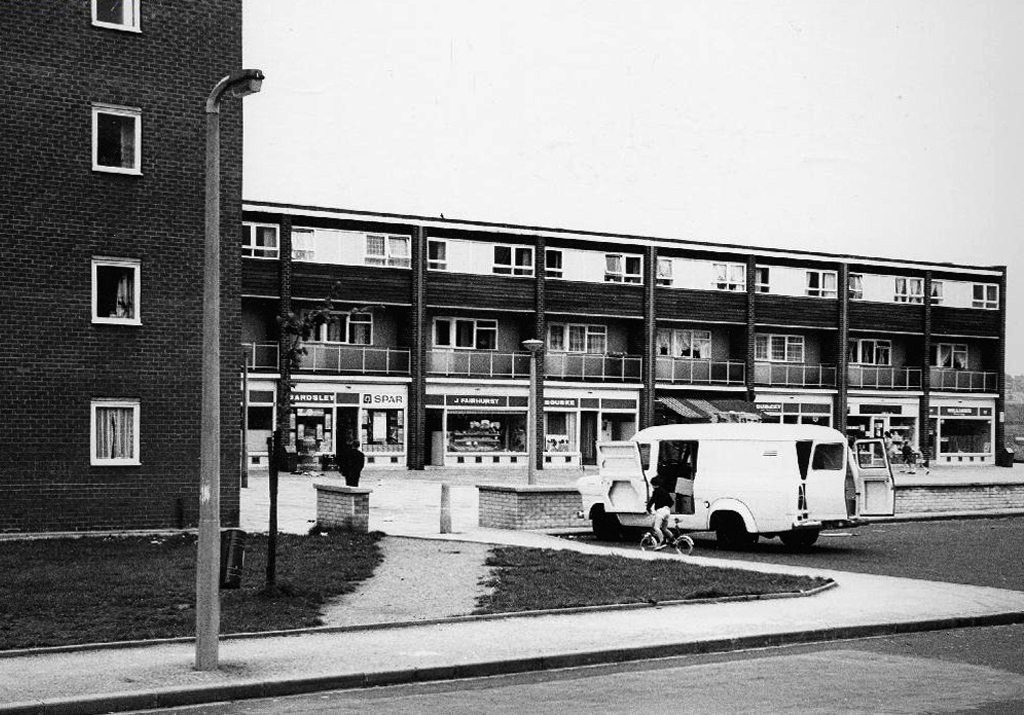
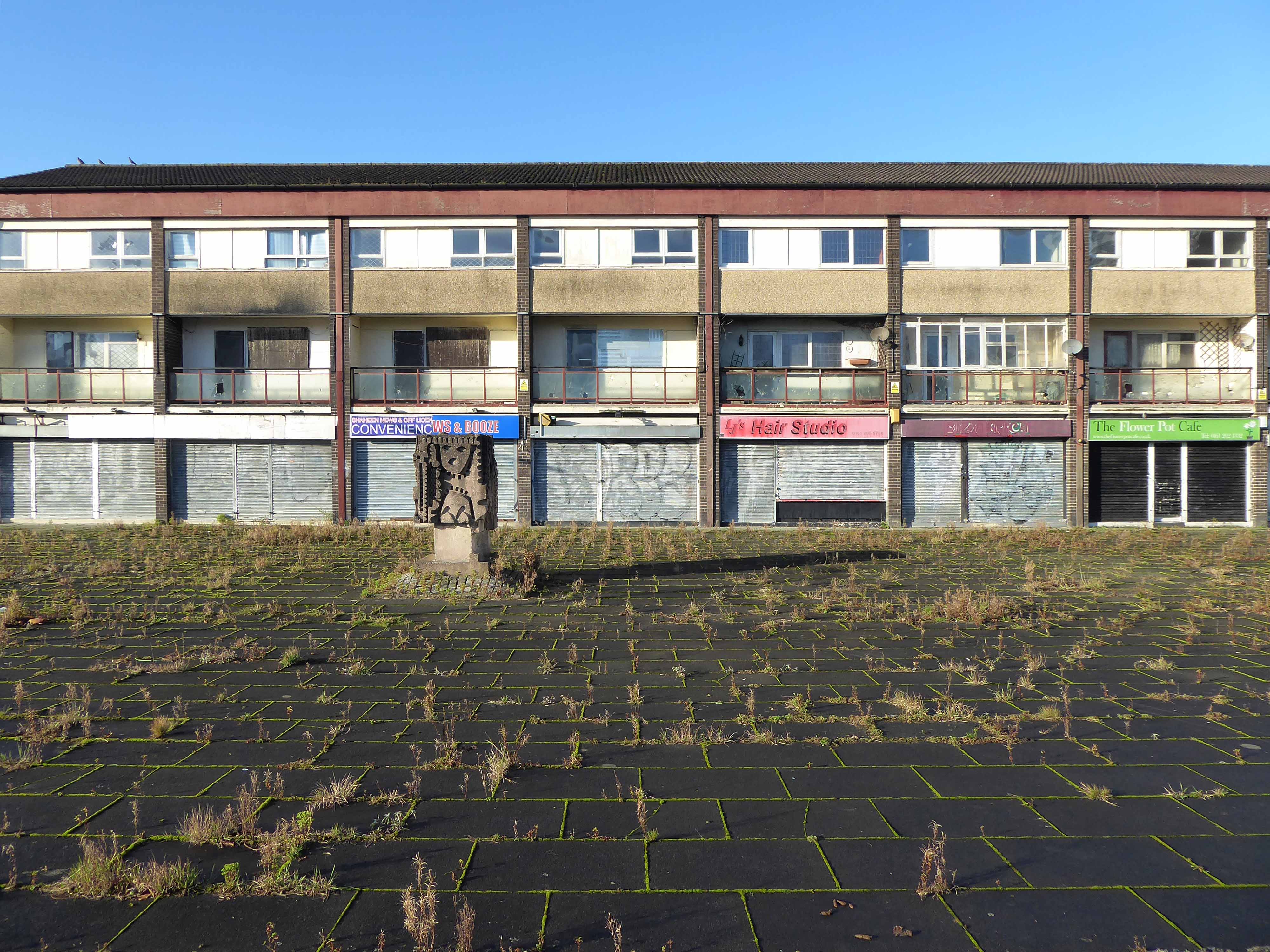
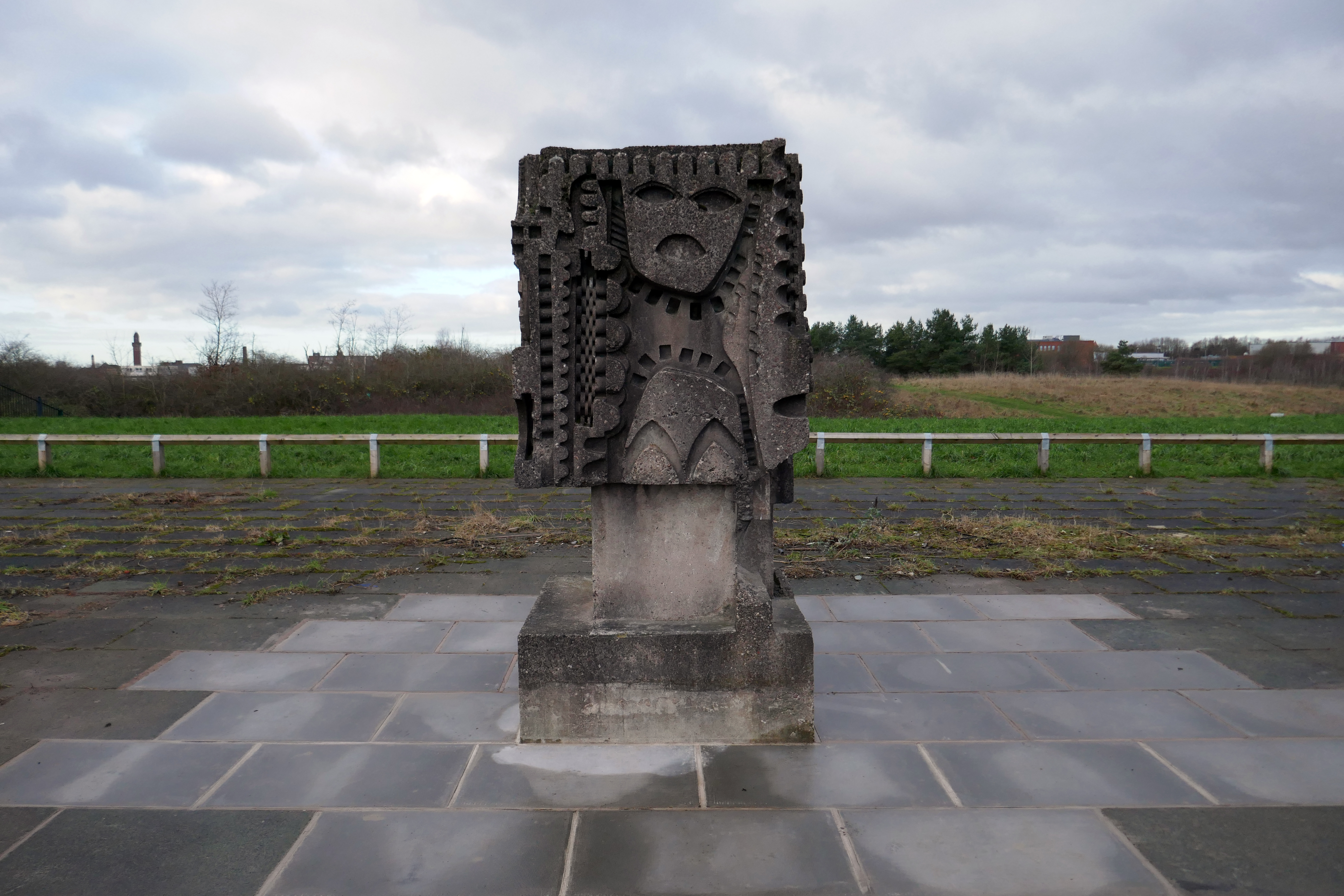
Home to William Mitchell’s Totem, the homes long gone and the Council pledged to move the totem too.
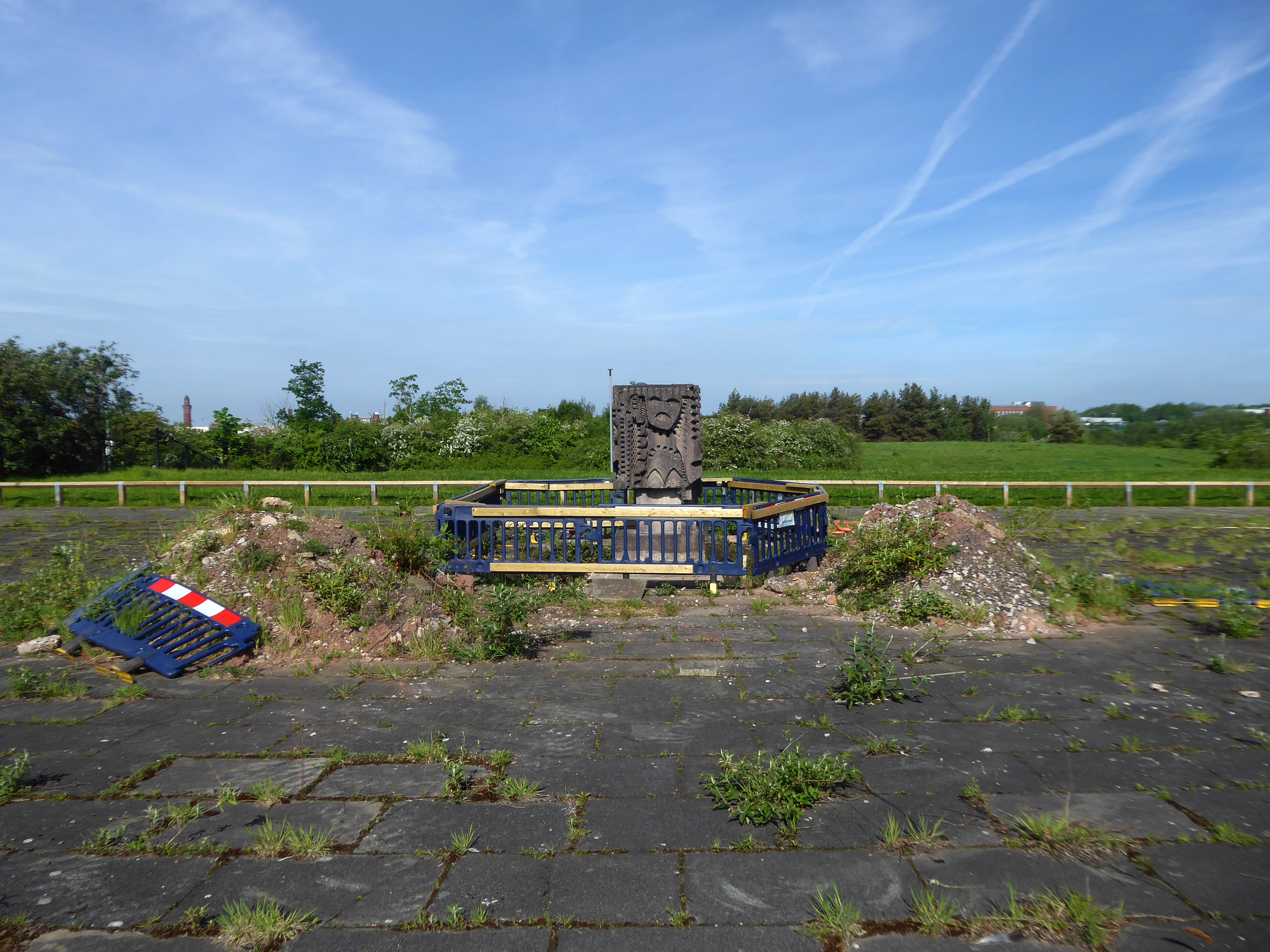
The state of play this week, the detritus removed and the base filled in, repaved and safe for a while.
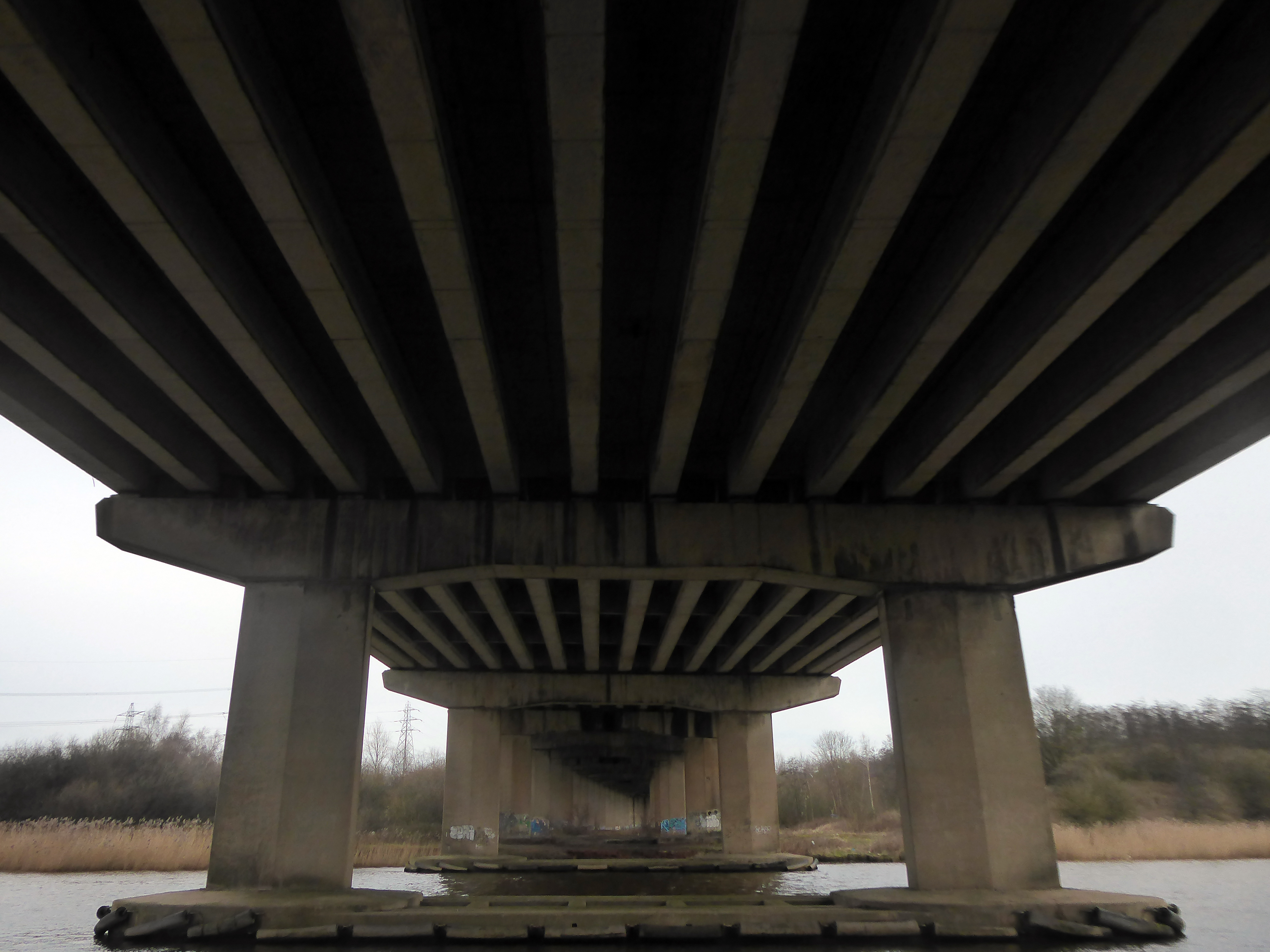
Off now to the Weaver Valley another day another river, passing under Weaver Viaduct
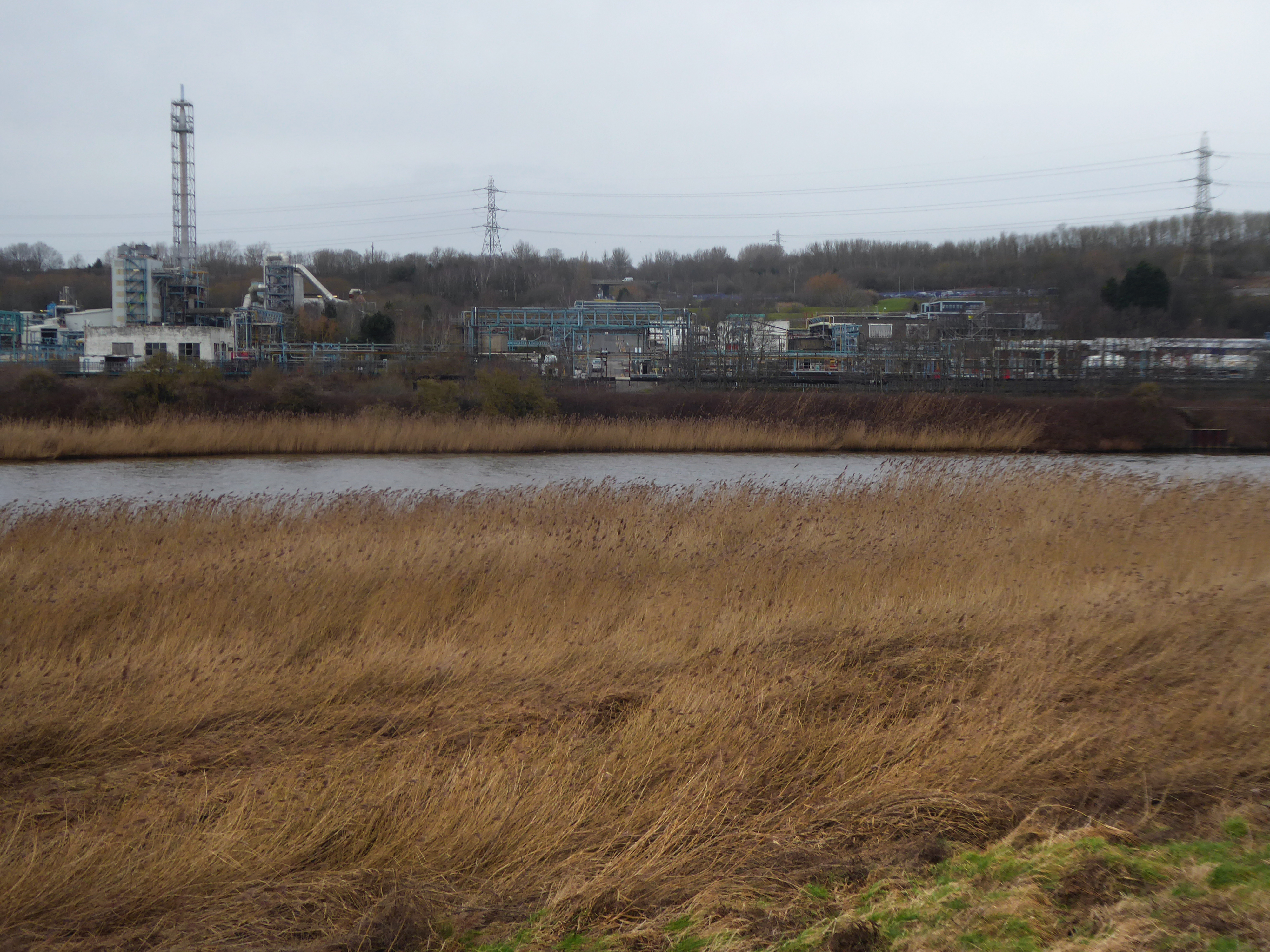
The looking toward KouraGlobal – leader in the development, manufacture, and supply of fluoro products and technologies, opened a new HFA 152a production facility at their Runcorn site in the UK.
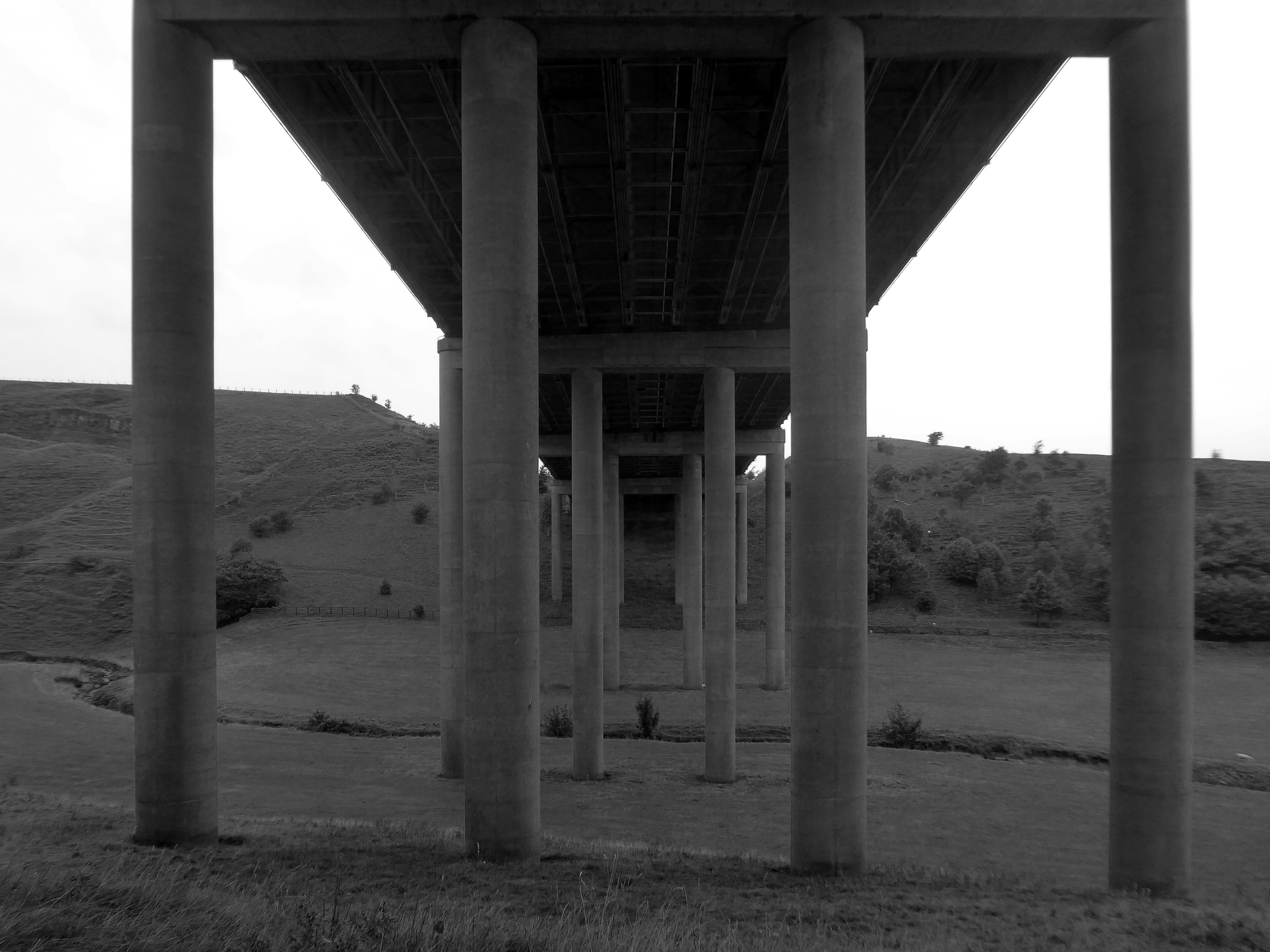
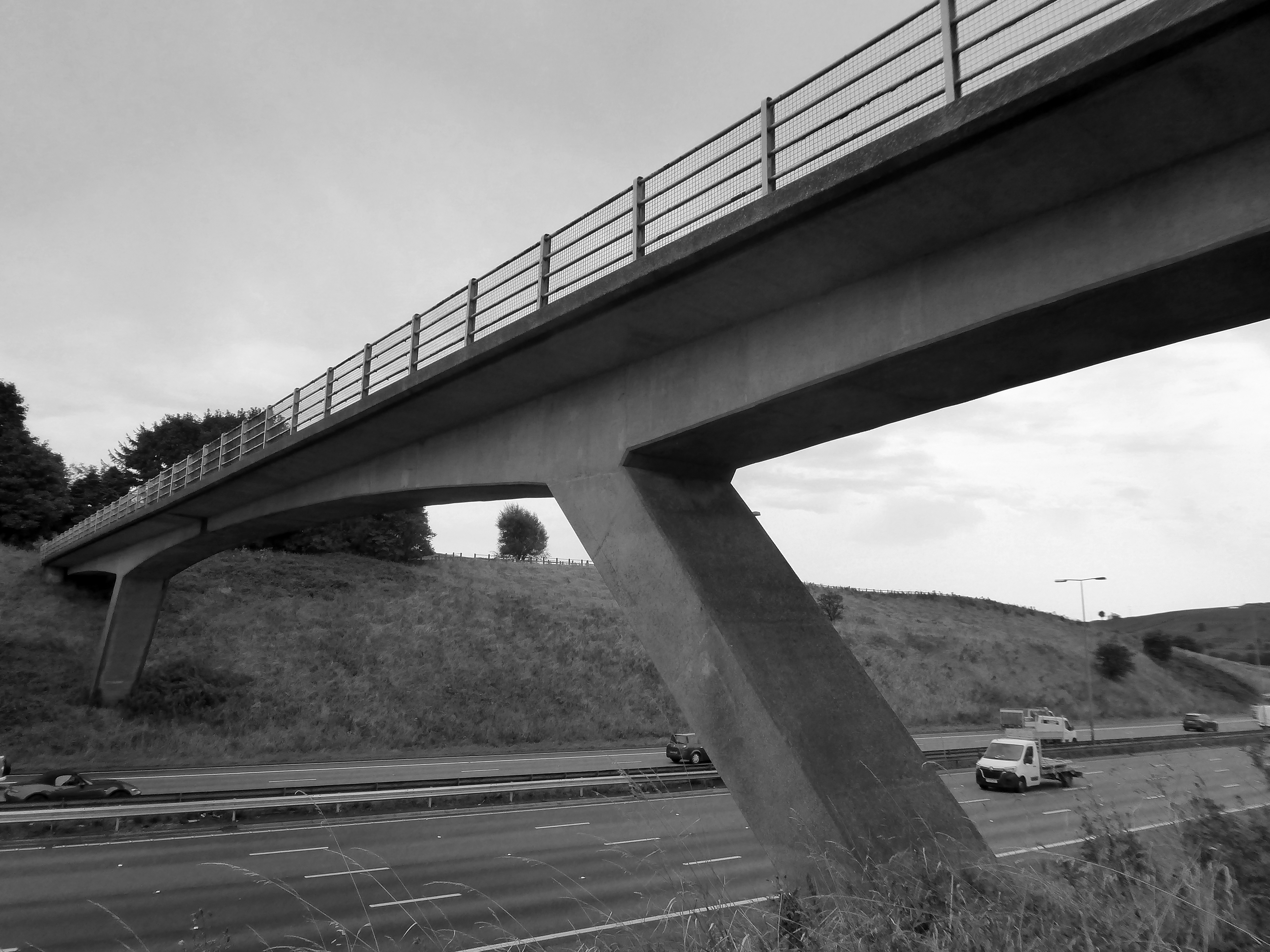
Further rural Modernism as we pass under and traverse the M62, whilst walking around the Piethorn Valley
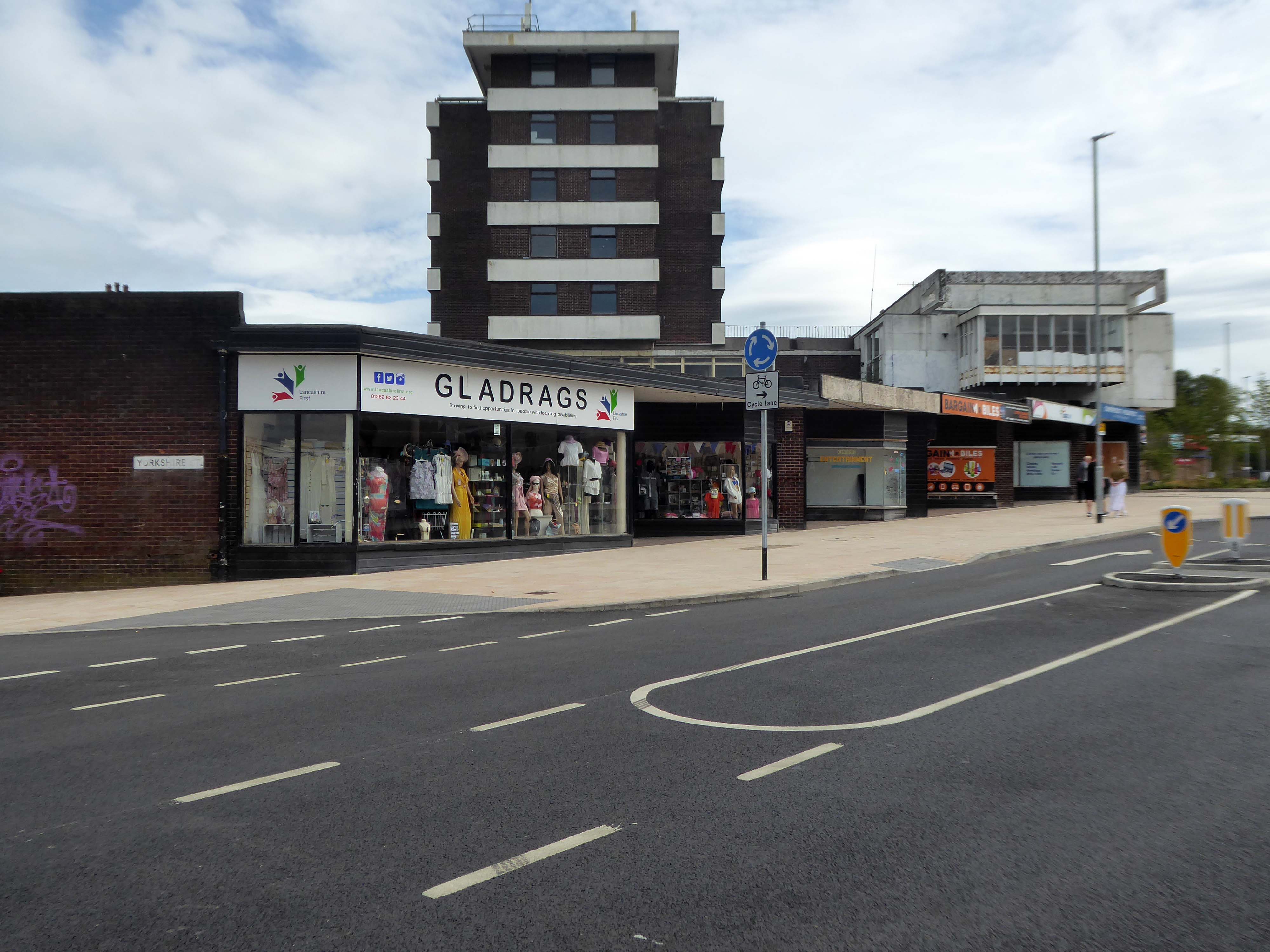
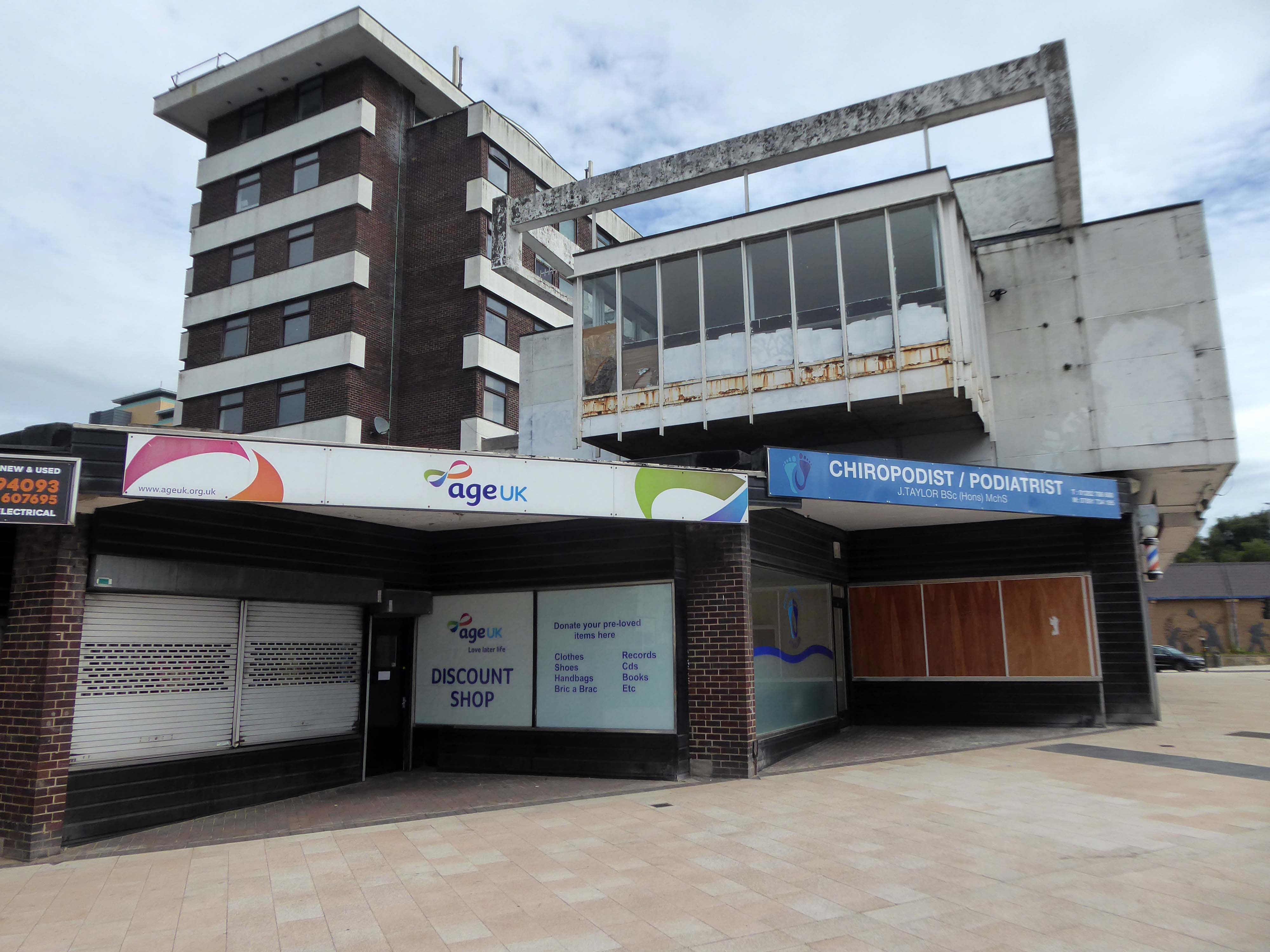
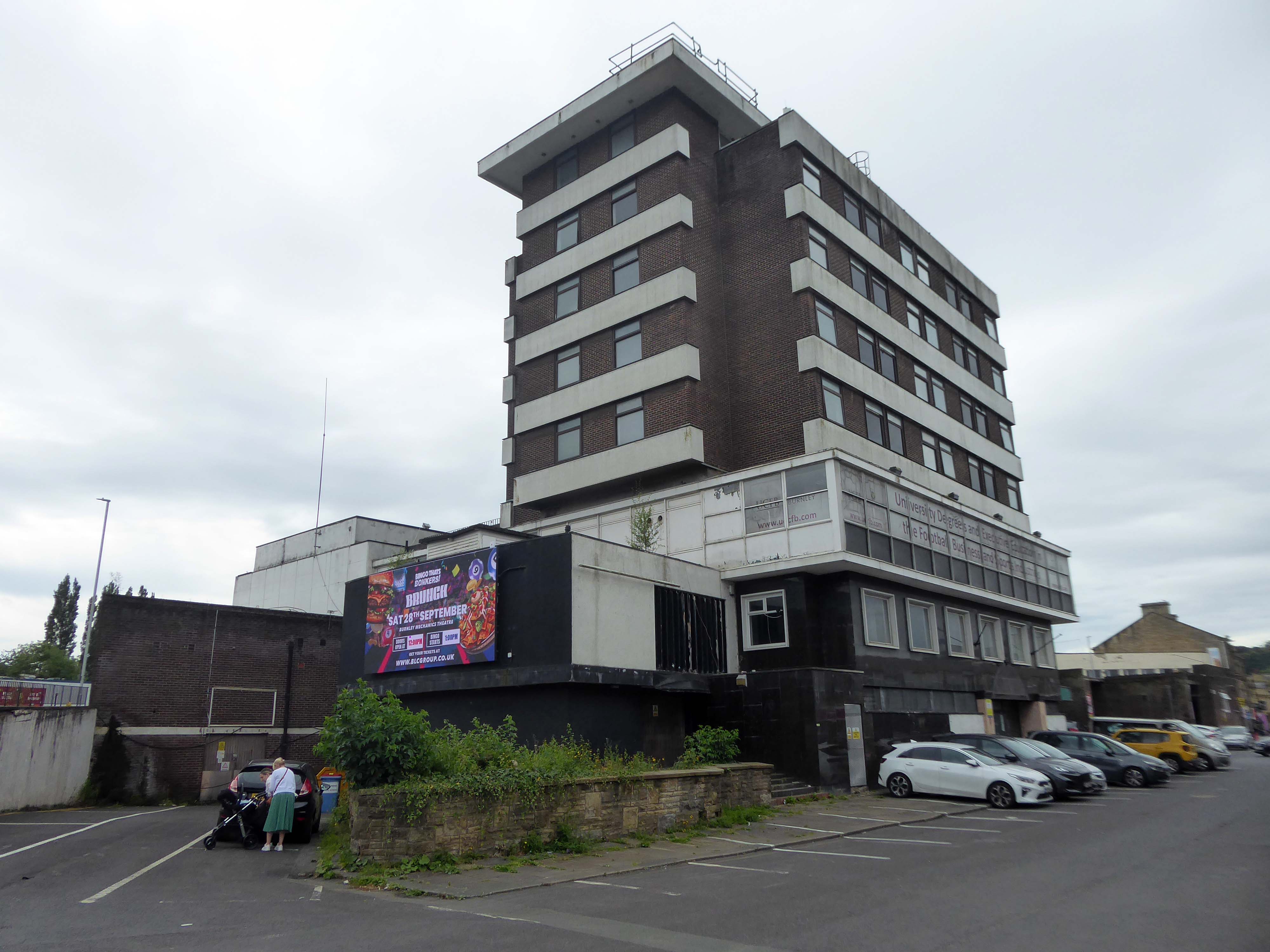
The newest of the Modernist Mooches was to Burnley where we visited the Keirby Hotel.
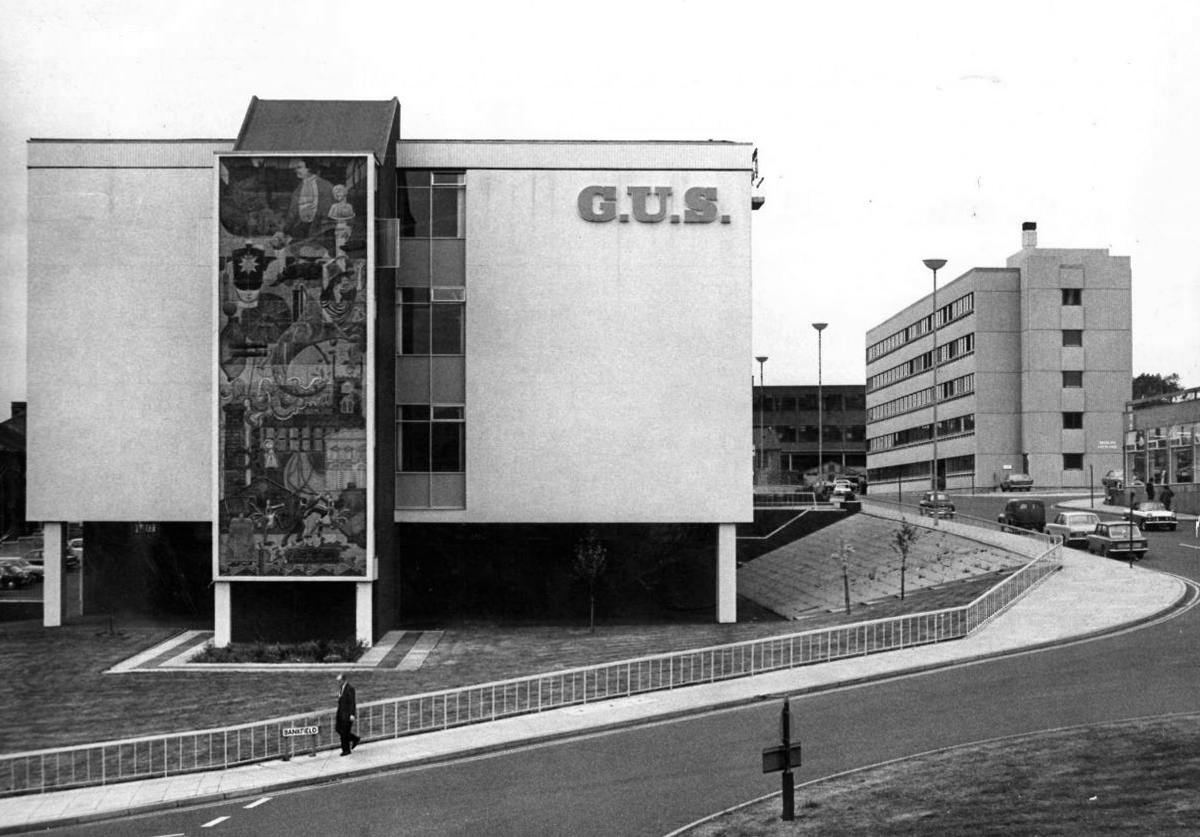
The former GUS Offices with a mural by Diane and William Morris.
Plus the Charles Anderson concrete relief at the Crow Wood Hotel.
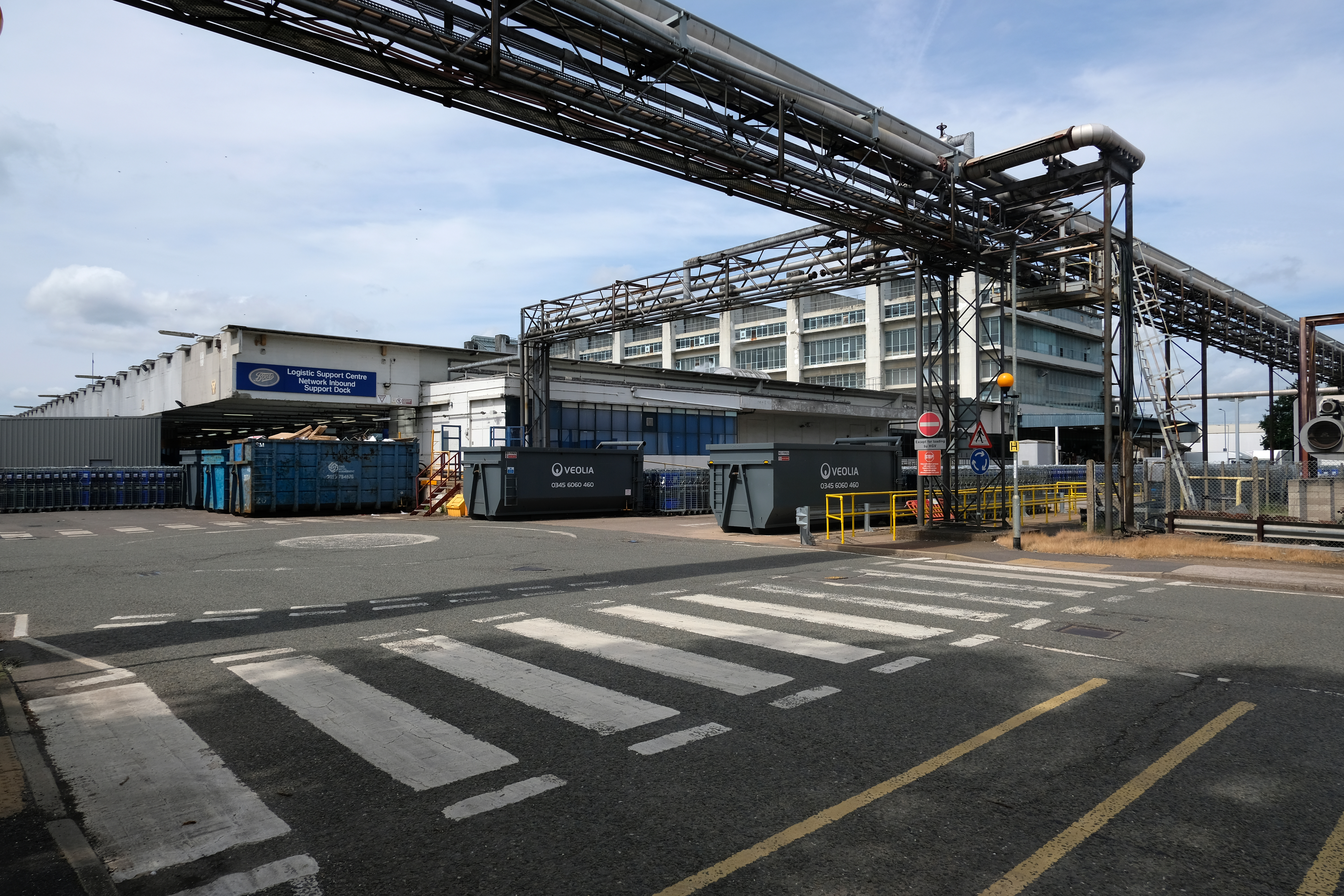
Finally a little light relief – a visit to the Boots factory in Nottingham.
Having innocently board a bus outside the station with a Boots head code , I alighted within the factory gates. Then innocently walking around taking snaps, unheeded until the men in the van stopped me in my tracks.
Who are you, what are you doing?
I am the Modern Moocher going about my business – well it turns out this was not permitted and I was red carded by the earnest security guards and asked to leave forthwith. Suitably rebuked, I politely bade them farewell and headed for the gates.
The masterplan states that Radcliffe has many unattractive buildings and few architectural assets. But this could work to its advantage as a lack of protected or noteworthy buildings makes it easier to replace them with contemporary structures.
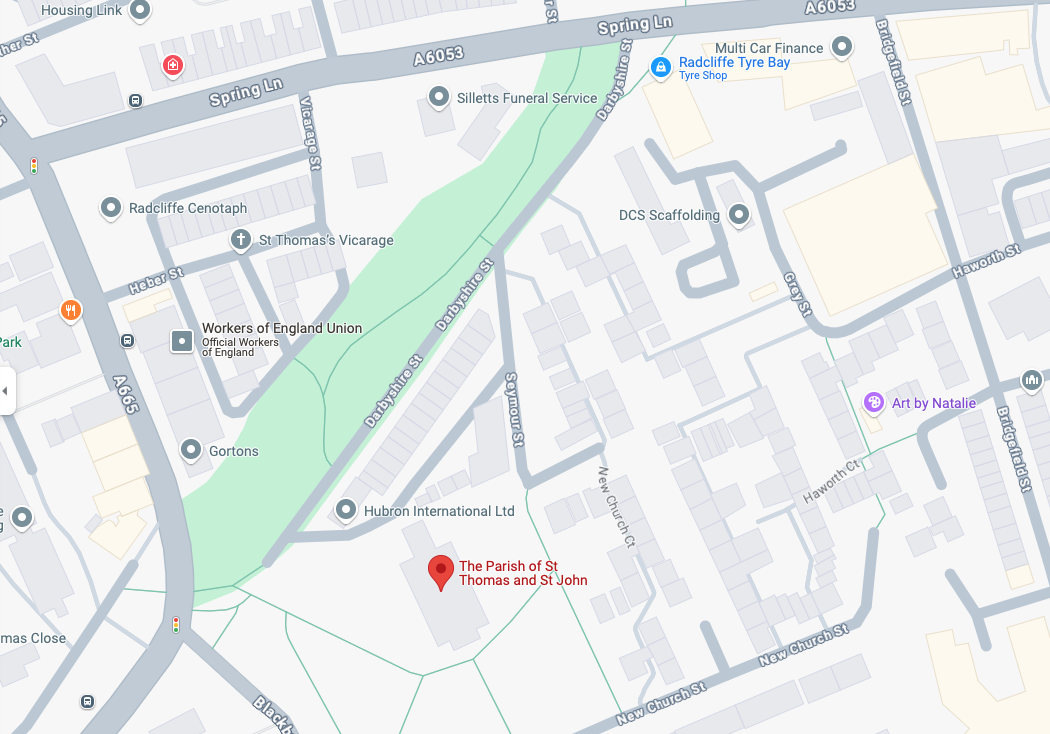
This could include demolishing the “unwelcoming” St Thomas Estate and replacing it with a mix of private and social housing on the old street layout. Existing tenants would be rehoused in the new houses so that the community would not be broken up.
During his term, Sheffield’s housing grew upwards with multi-storey flats constructed at Low Edges, Park Hill, Hyde Park, Netherthorpe and Woodside. It was Womersley’s response to 13,000 families on the council’s waiting list and 10,000 condemned properties waiting to be demolished.
In the space of a decade they shaped Manchester’s urban fabric, leaving a questionable legacy. The technical quality of their buildings was undoubtedly poor, but their qualities – bold forms, monolithic materiality and streets-in-the-sky – were of the moment, and captured a particular brand of urban renewal, imported from North America and inflected through British post-war planning.
Social housing has been, and continues to be, a contentious arena. This seemingly well-constructed estate was once deemed unfit for habitation by its residents.
Tenants of the St Thomas’ Estate in the town centre allege they have been forgotten by Six Town Housing, which manages the properties.
Magda Csatlos, former chairman of the now disbanded Tenants and Residents Association said rotten bricks with visible gaps between them, badly-designed leaking roofs and damp and mouldy conditions plague many of the 90 homes.
Happily the Local Authority are able to remedy the problem.
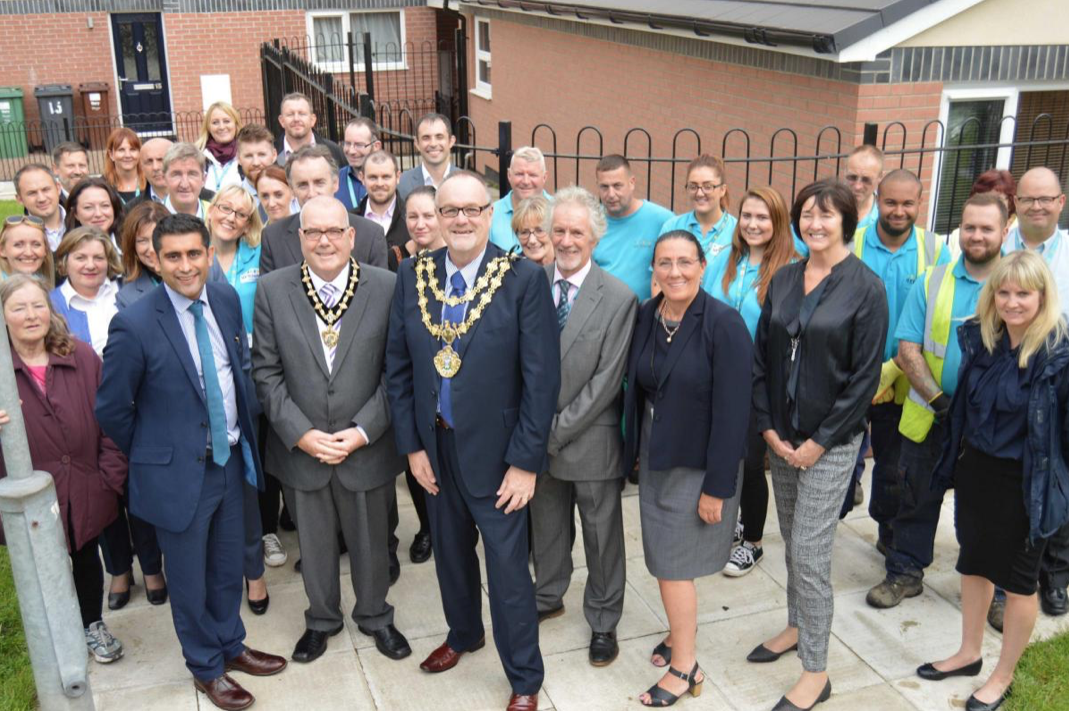
After some residents on the estate, who were visited by Bury South MP Ivan Lewis, called for the properties to be “condemned”, the Council agreed to invest £2 million to bring the homes up to standard.
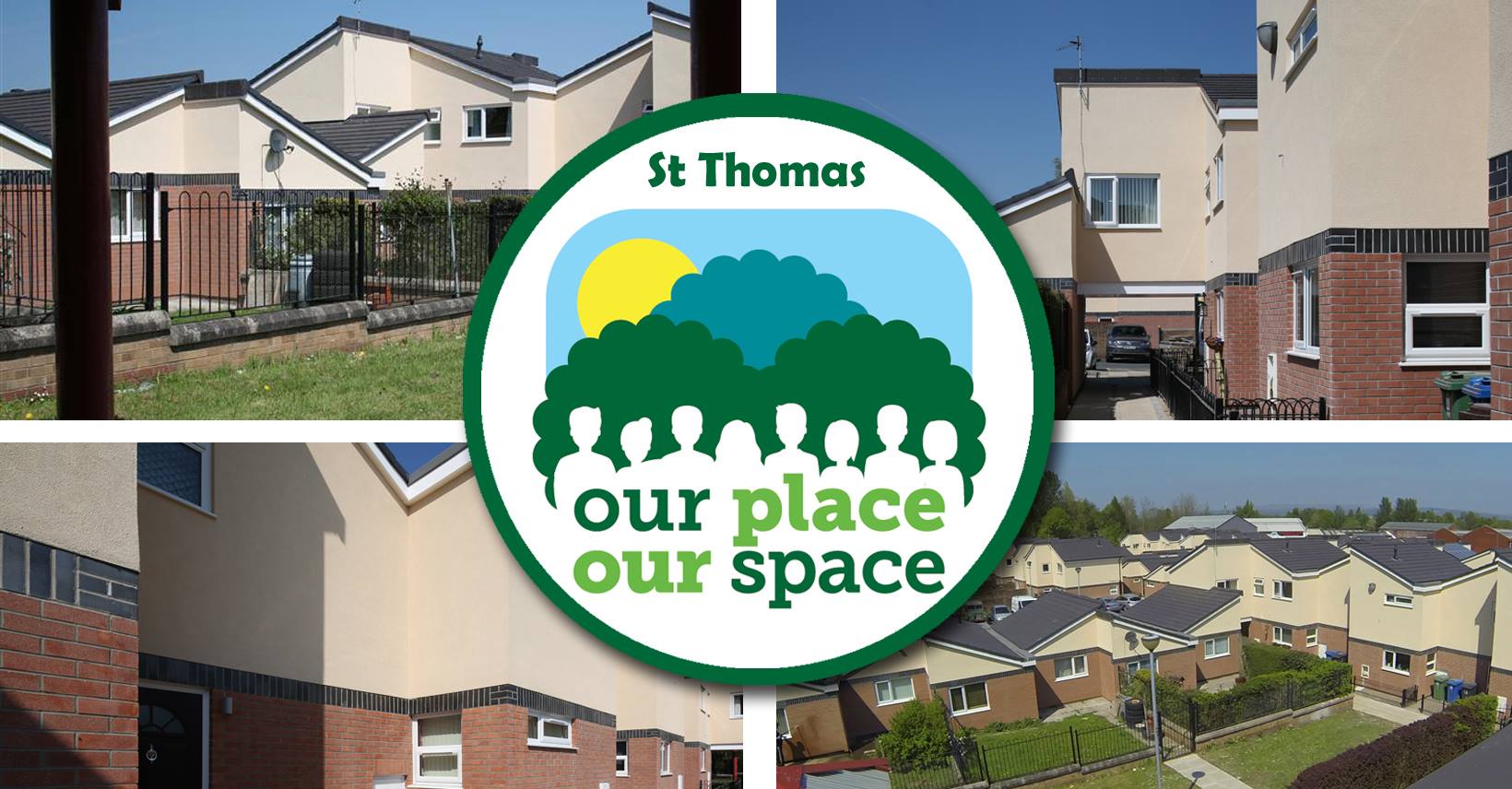
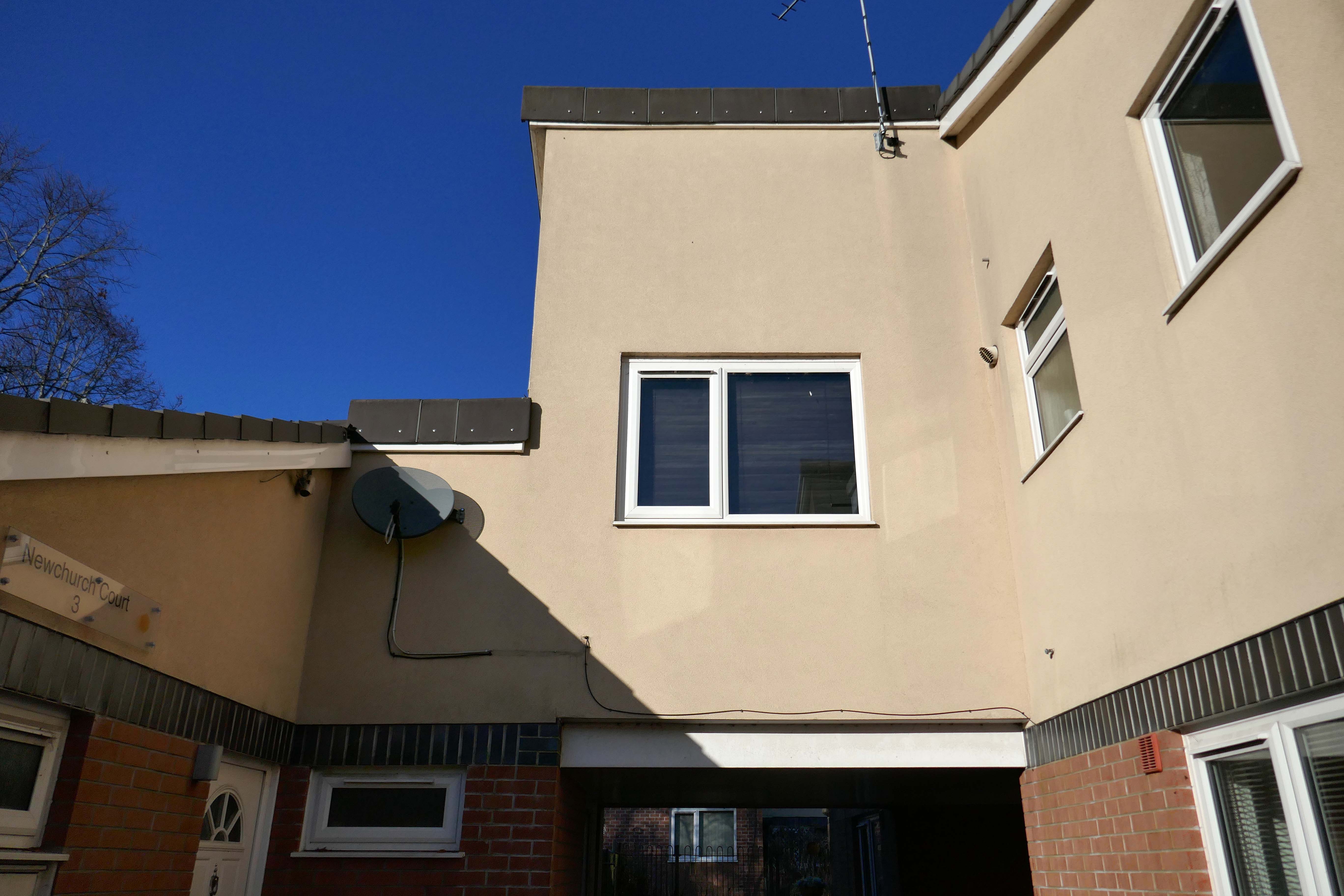
A total of 90 social housing properties on St Thomas Estate have been provided with new external rendering, roofing, windows, doors, insulation and brick cladding.
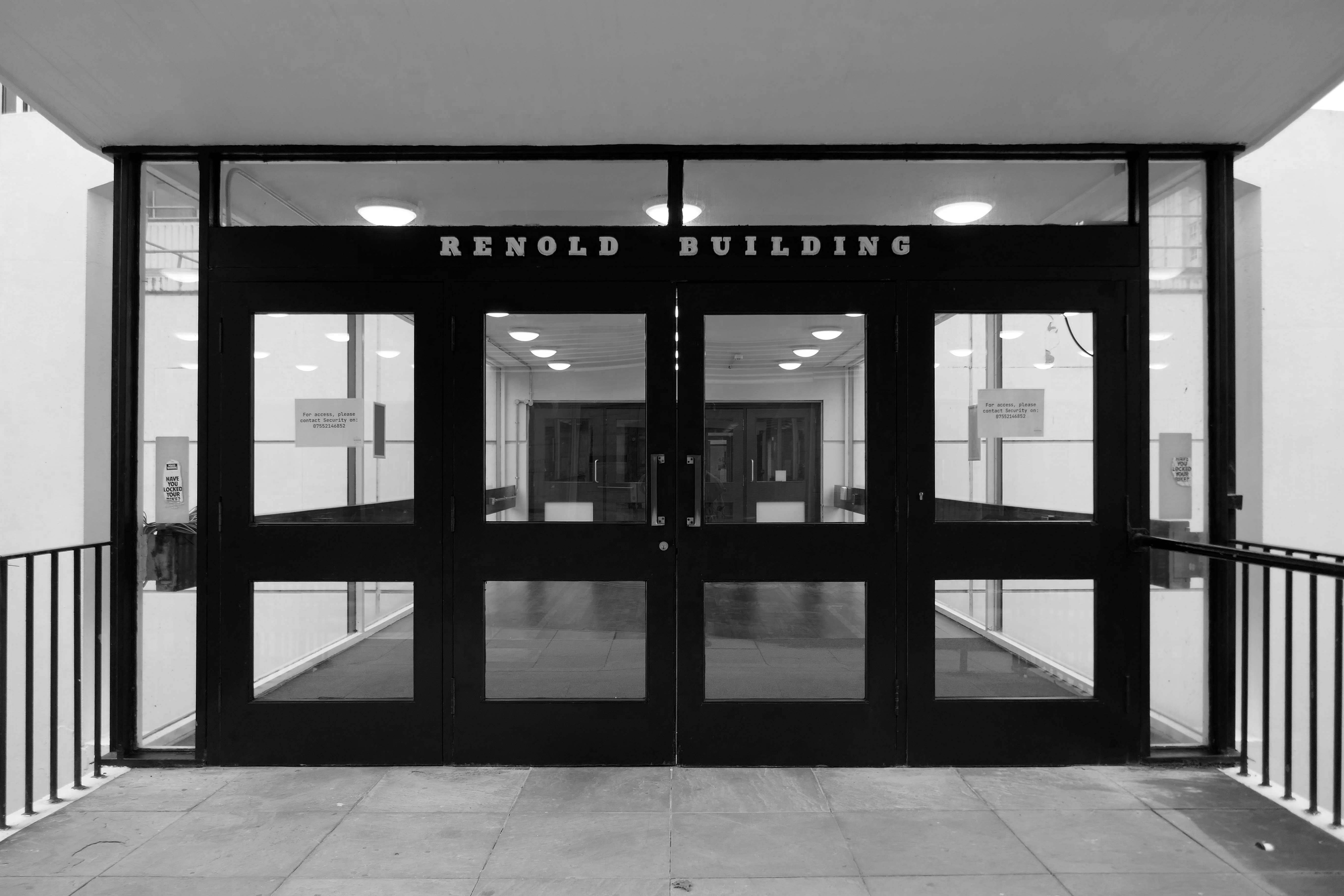
Along with the Renold Building– which is already home to start up tech businesses.
The city council has approved Bruntwood SciTech’s change of use bid to transform the 110,000 sq ft Renold building into a tech and science hub.
In a joint venture with the University of Manchester, Bruntwood will create 42,000 sq ft coworking and business incubator spaces for businesses in the sector at the Altrincham Street building.
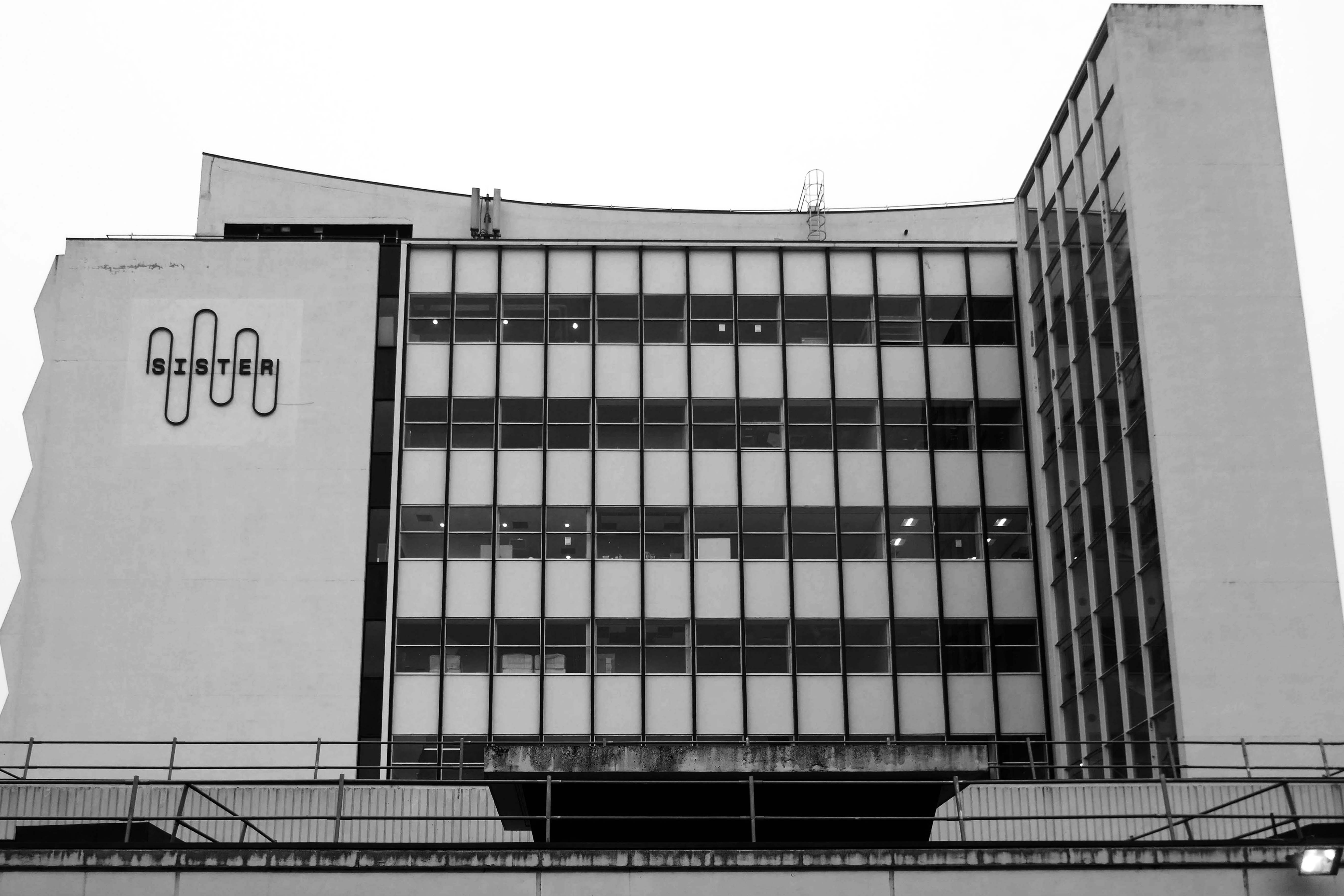
Sister is Manchester’s new innovation district. A £1.7bn investment into the city, its setting – the former University of Manchester North Campus and UMIST site – is steeped in science and engineering history. Home to the UK’s most exciting new ideas and disruptive technologies, Sister is a worldclass innovation platform in the heart of one of the most exciting global cities. It stands as the city’s symbol of a new era of discovery that promises progress against humanity’s greatest challenges.
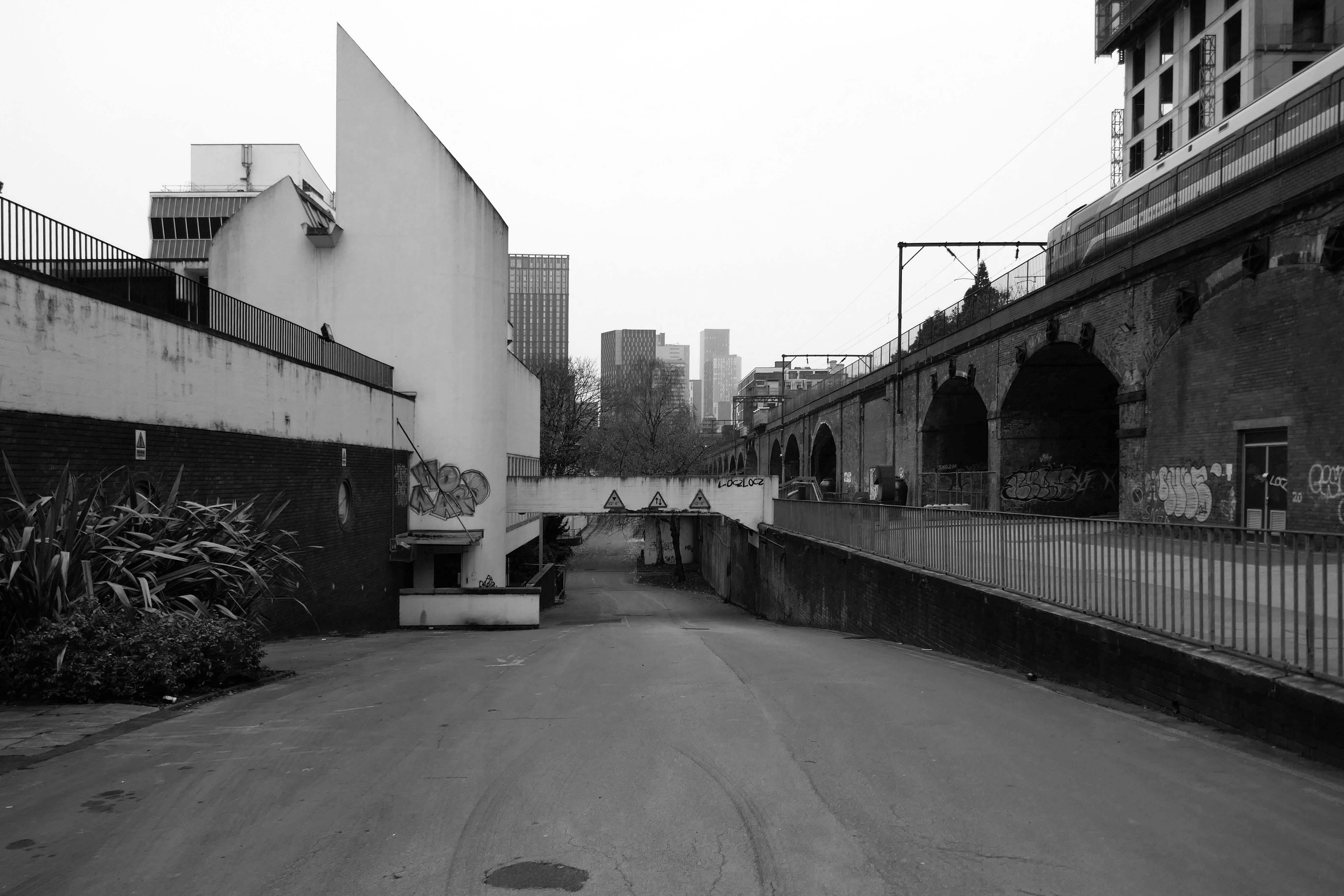
So it is with a bitter sweet feeling that I took a group of Modernist Moochers around the site this Saturday – a number of whom had been students there.
As a former UMIST student 1990-1997, I had a wander round the old site recently, sad to see it so empty and run-down.
So let’s take a look at the current state of affairs.
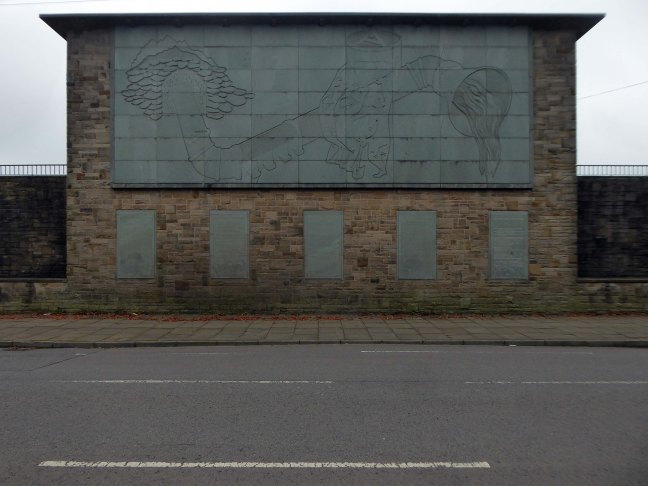
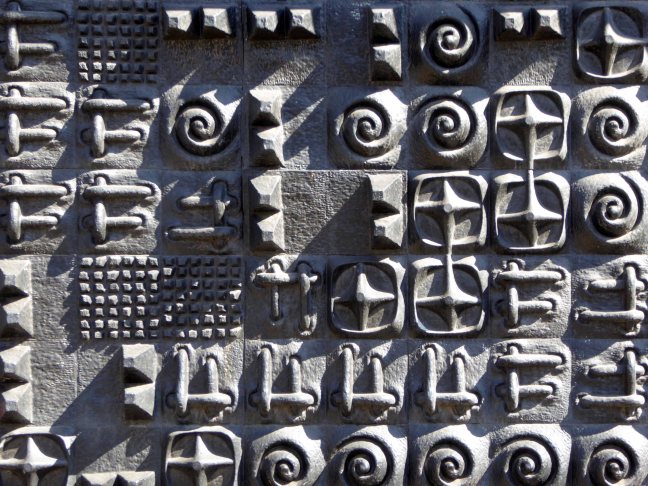
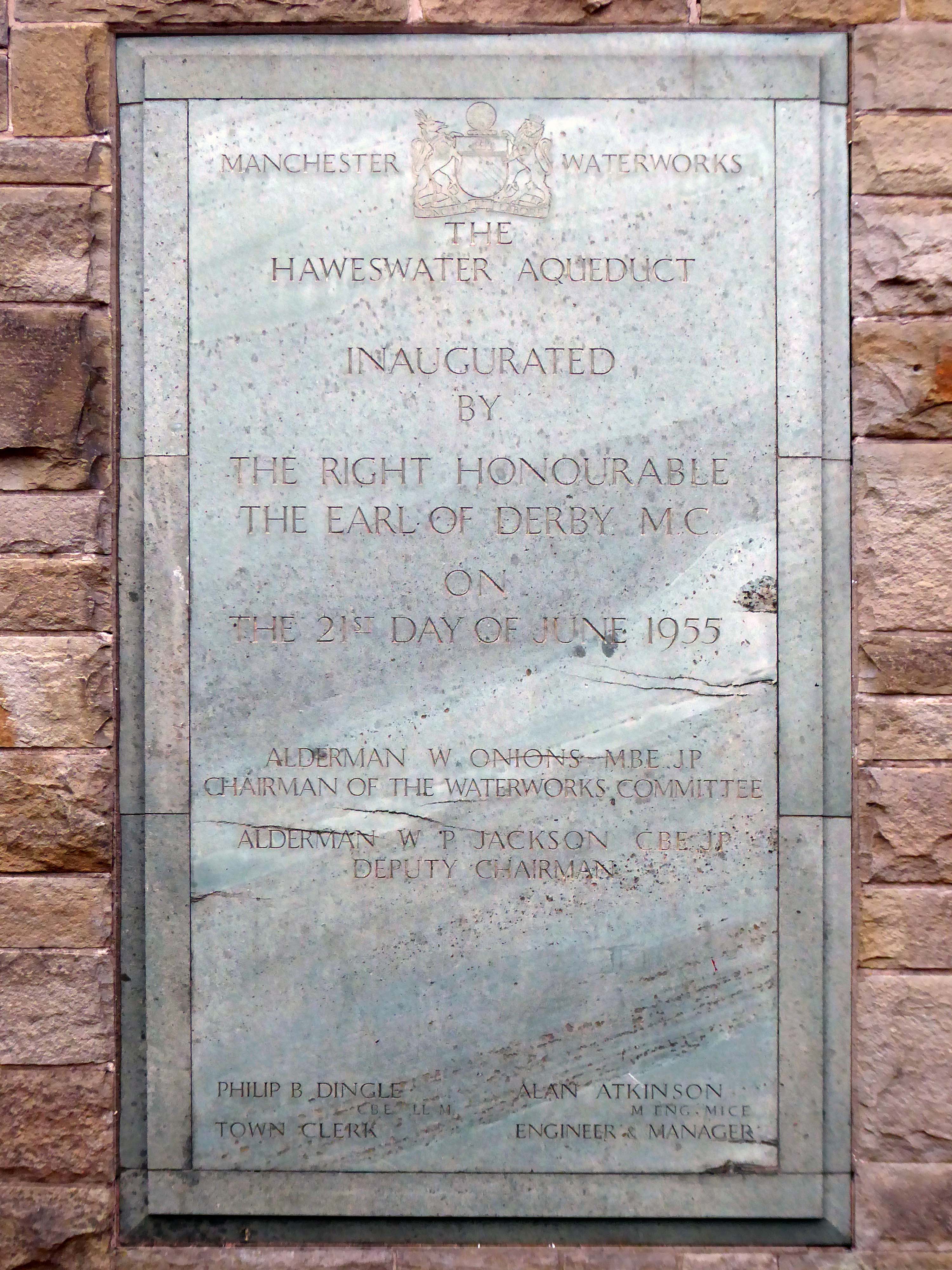
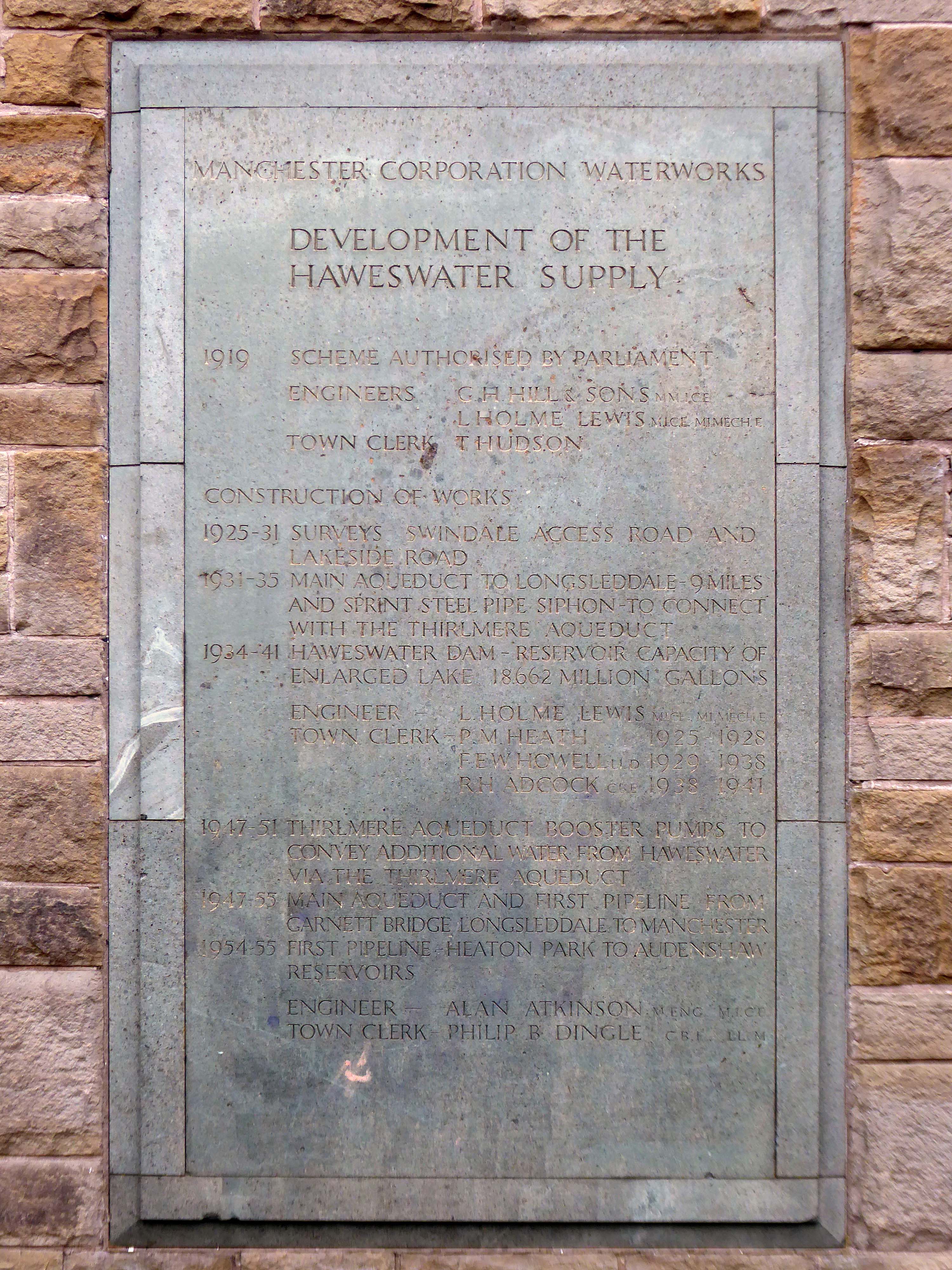
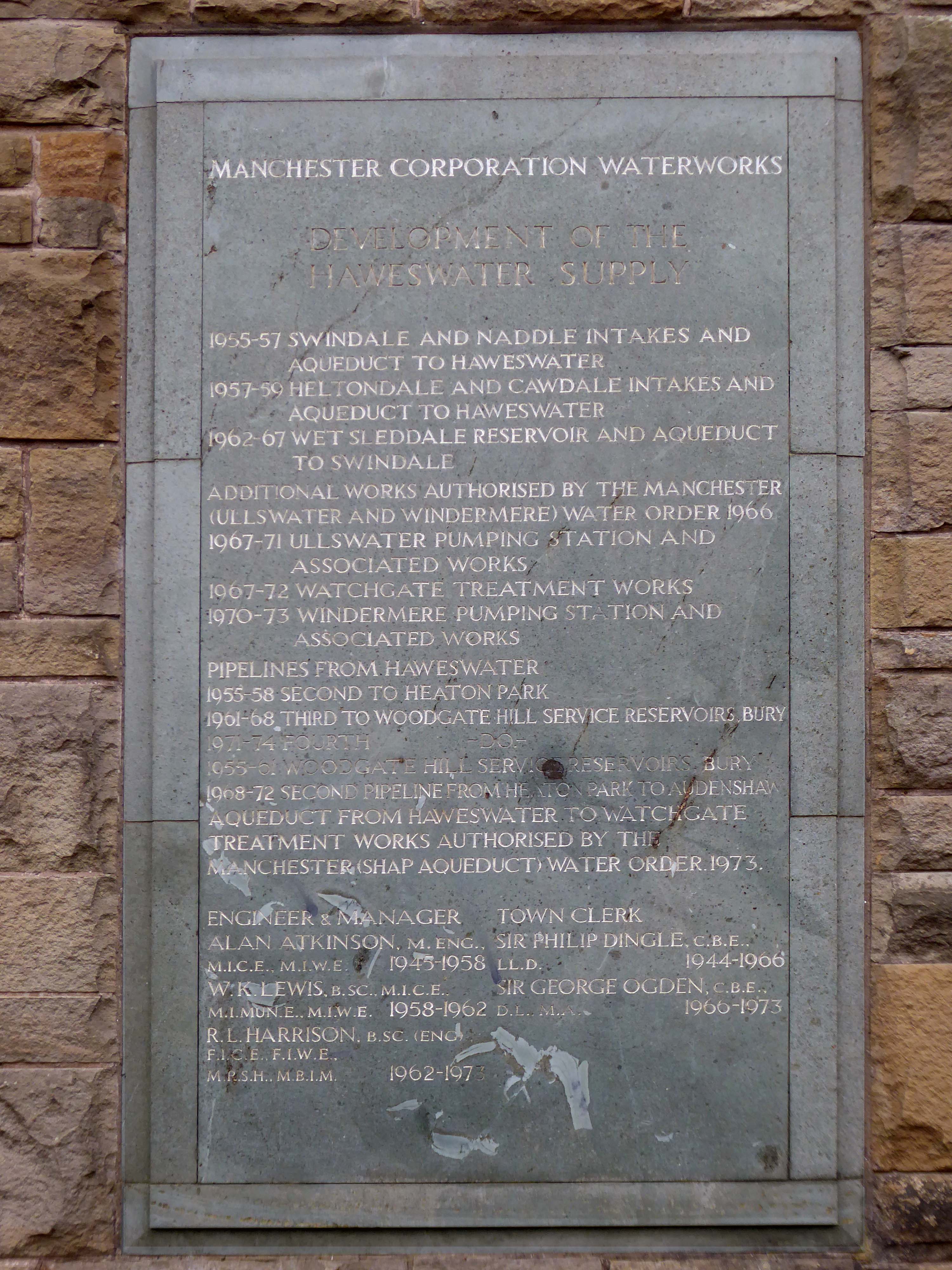
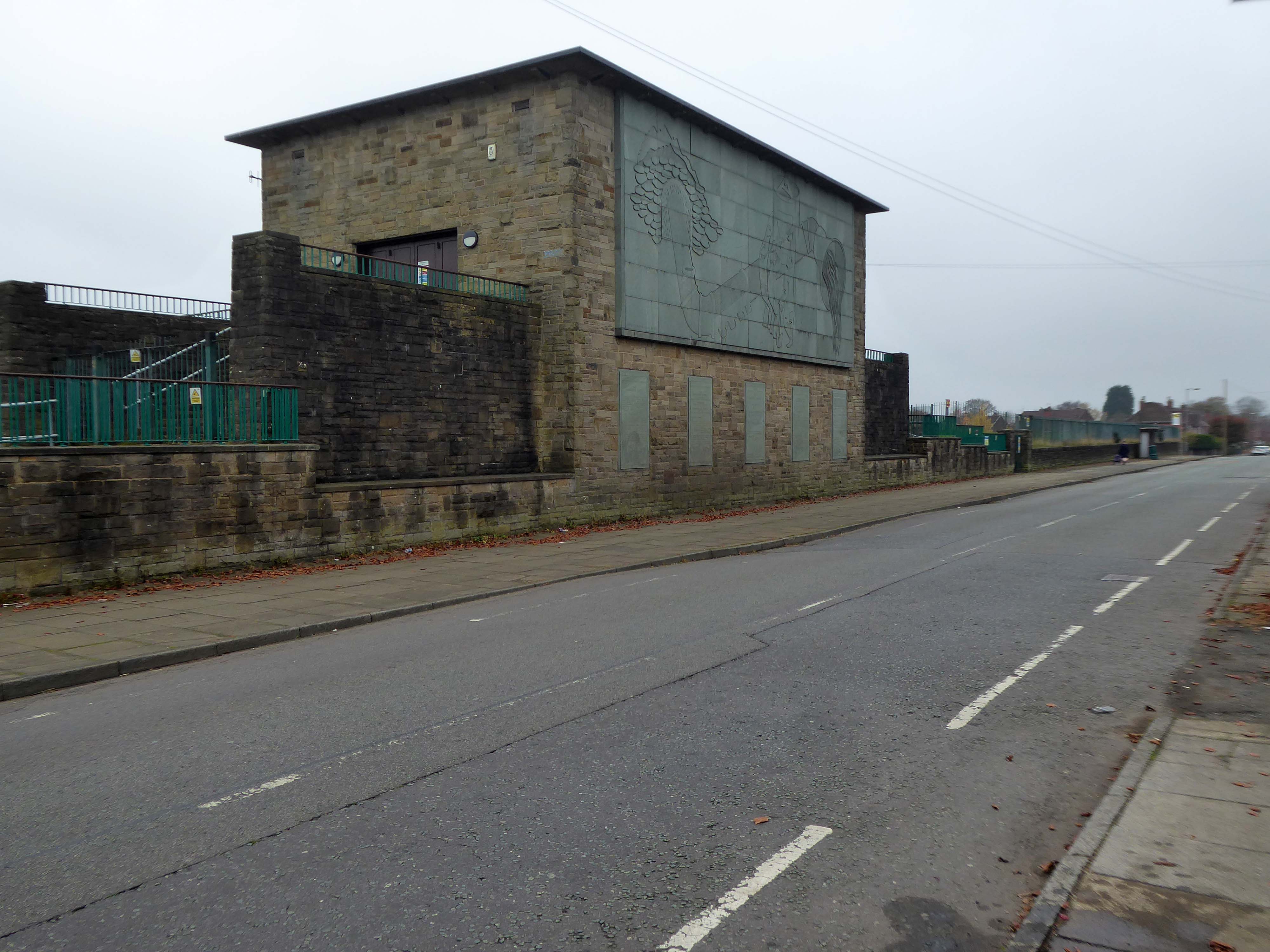
Built between1954-5 by the Manchester City Architect’s Department, Chief Architect Leonard C Howitt, for the Manchester Corporation Waterworks. Alan Atkinson, engineer. Incorporates large relief by Mitzi Cunliffe, signed and dated 1955. Yorkshire sandstone, with Westmorland greenstone from Broughton Moor used as relief. Roof not seen above dentiled overhang.
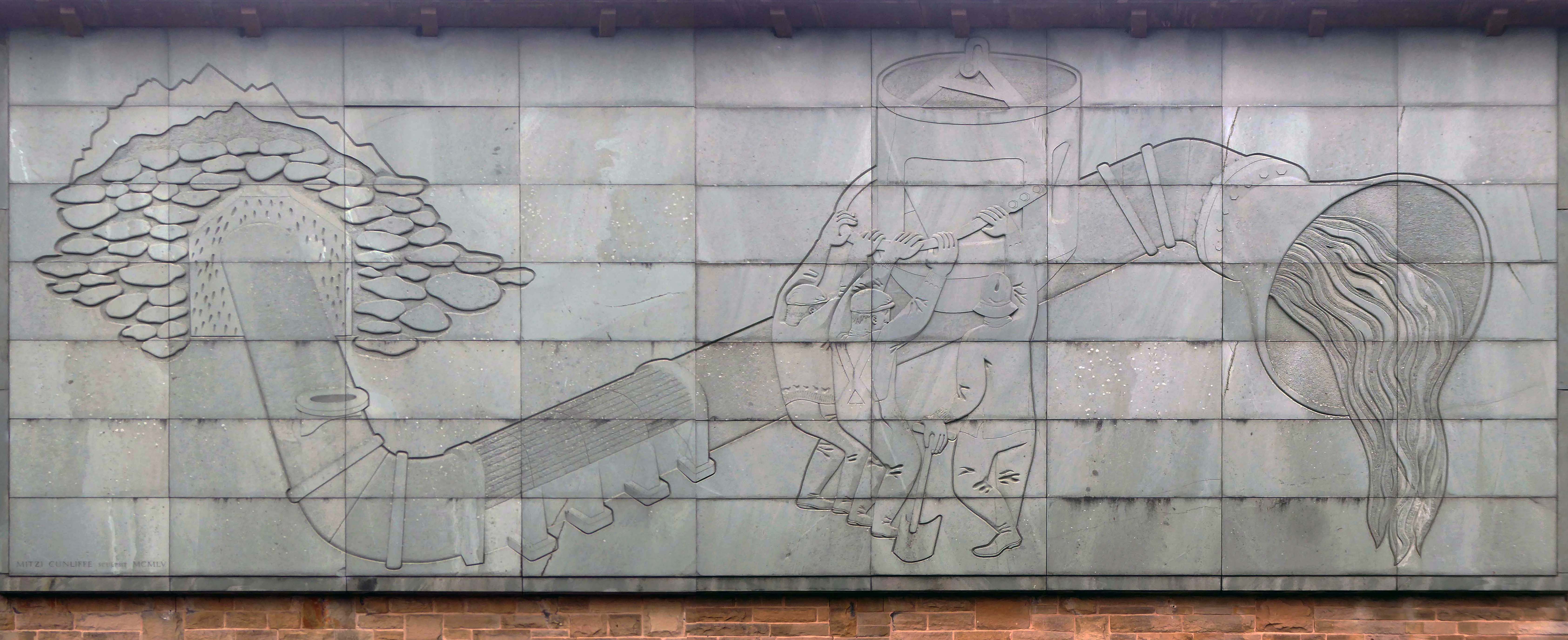
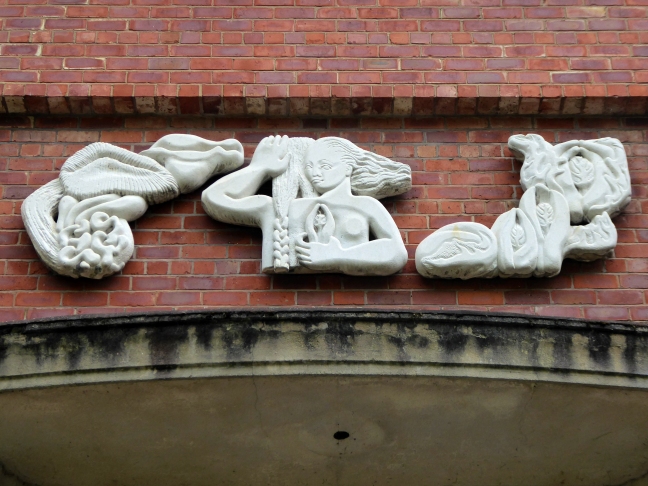
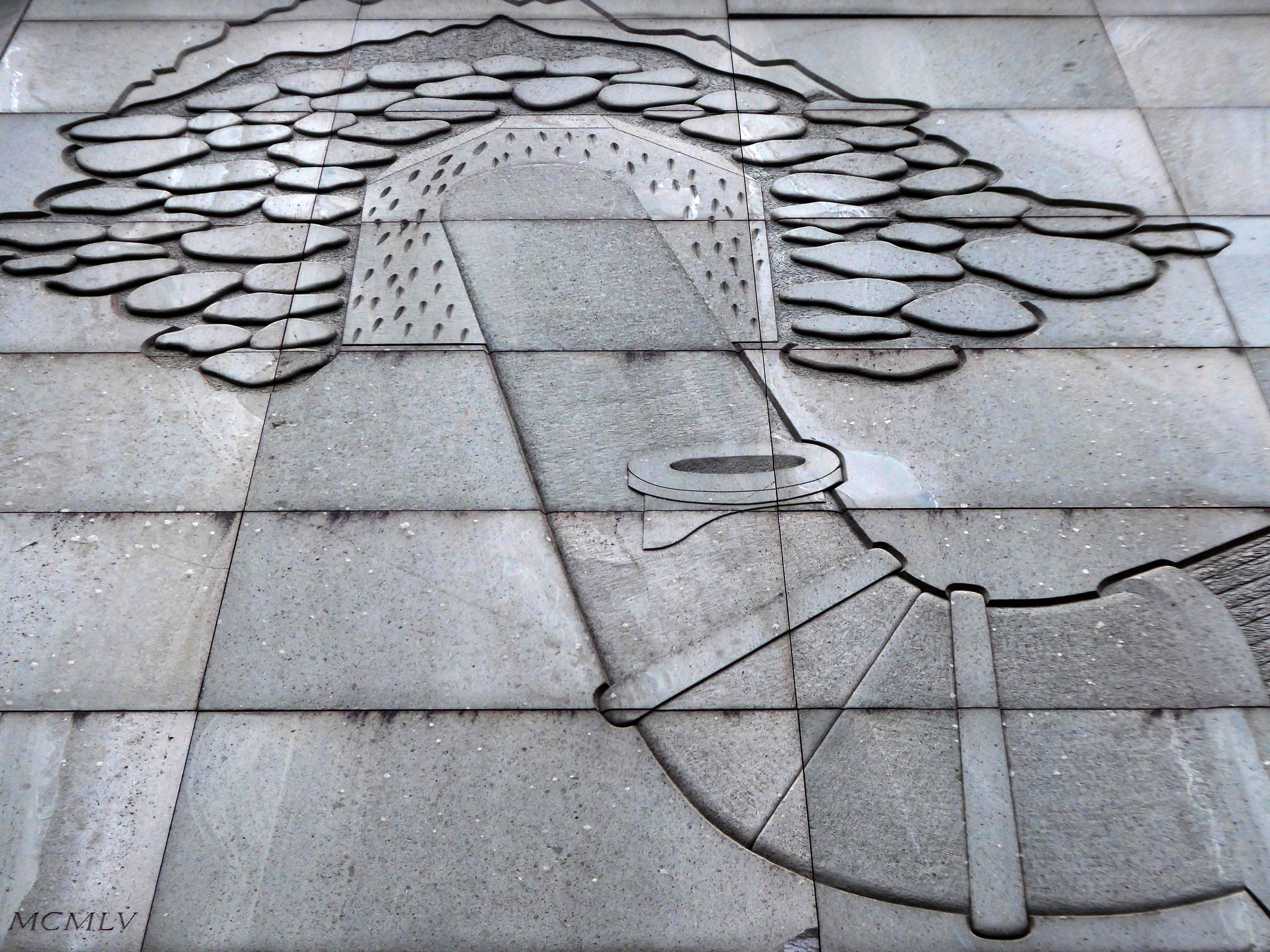
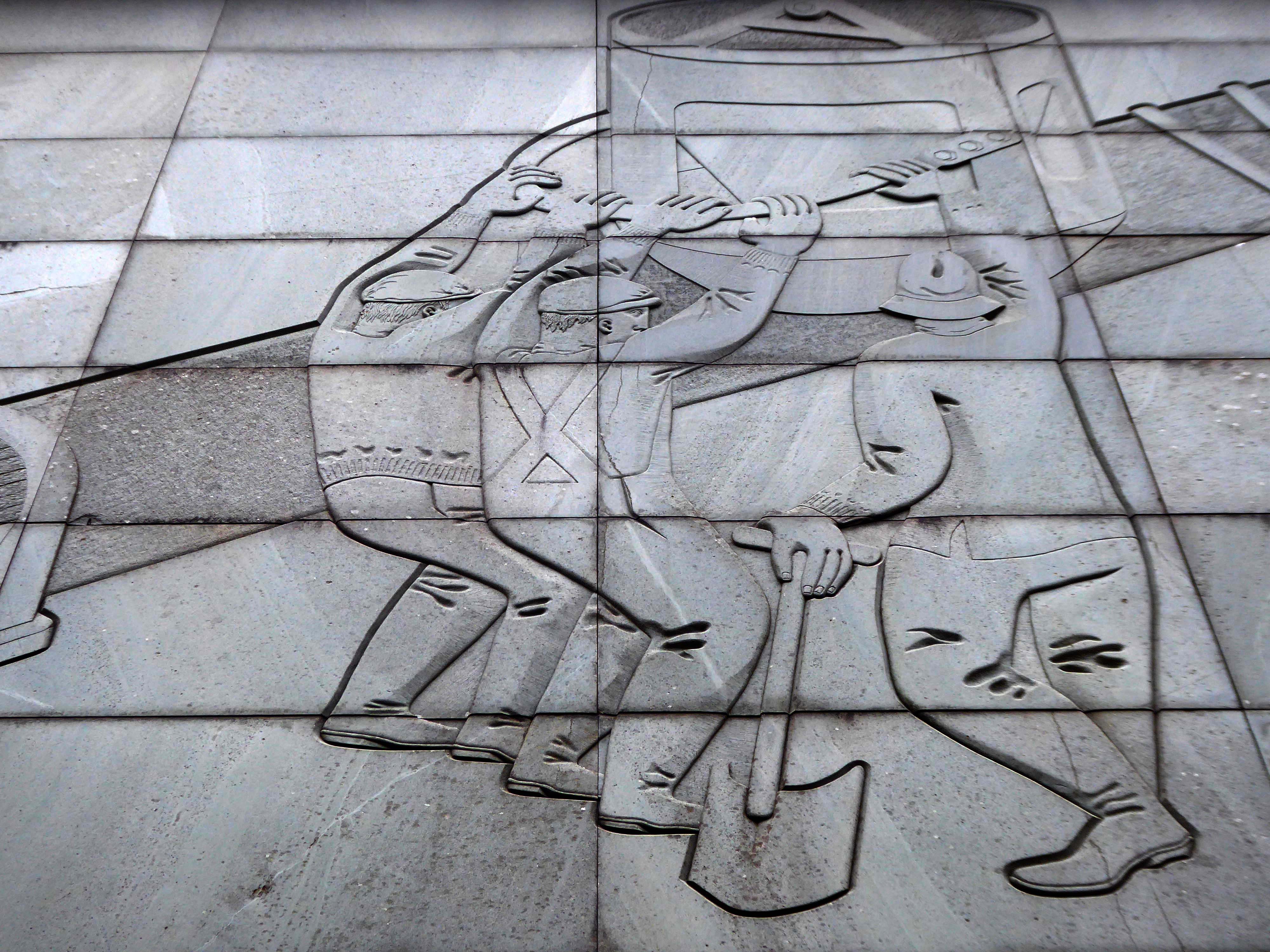
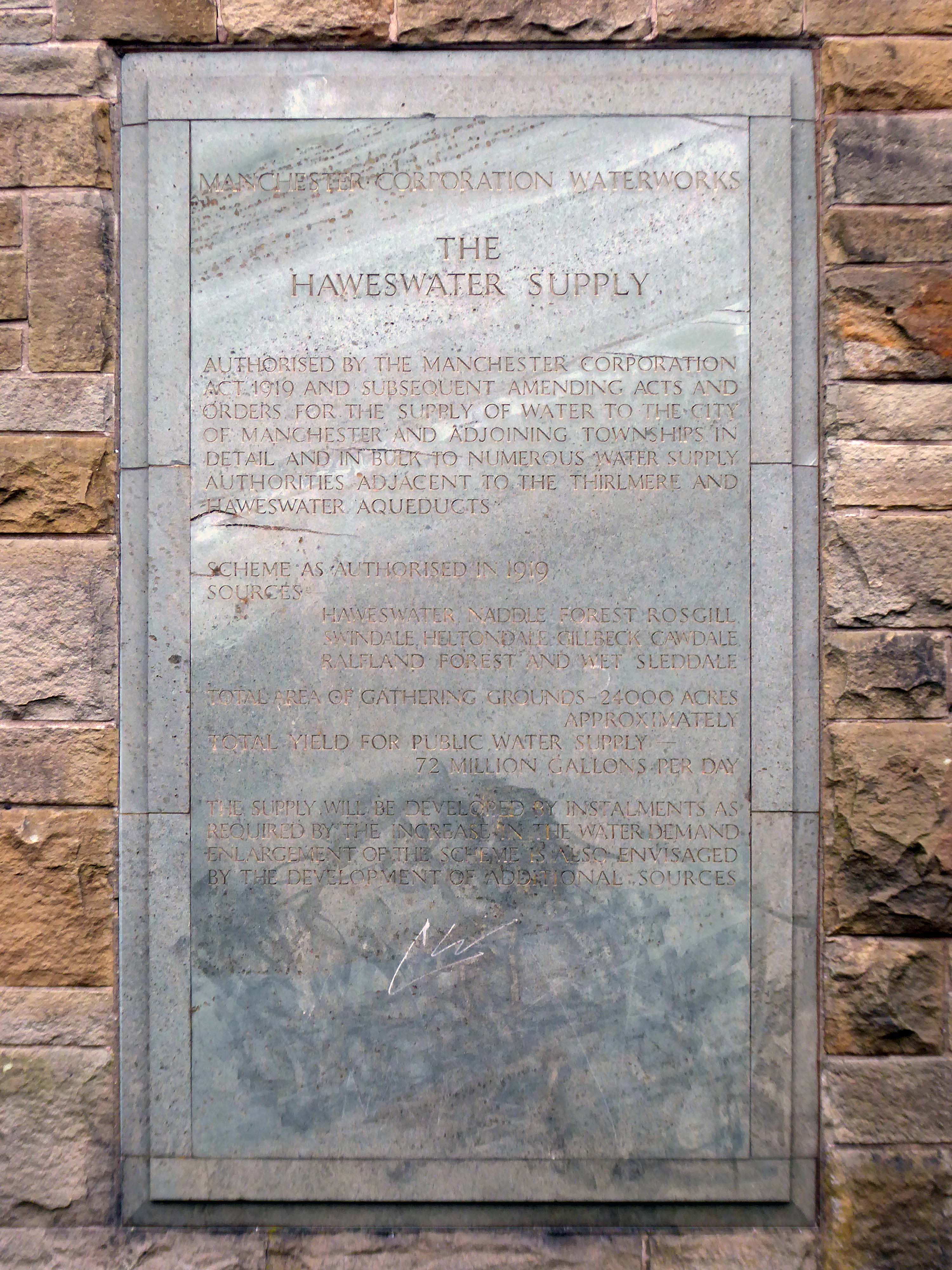
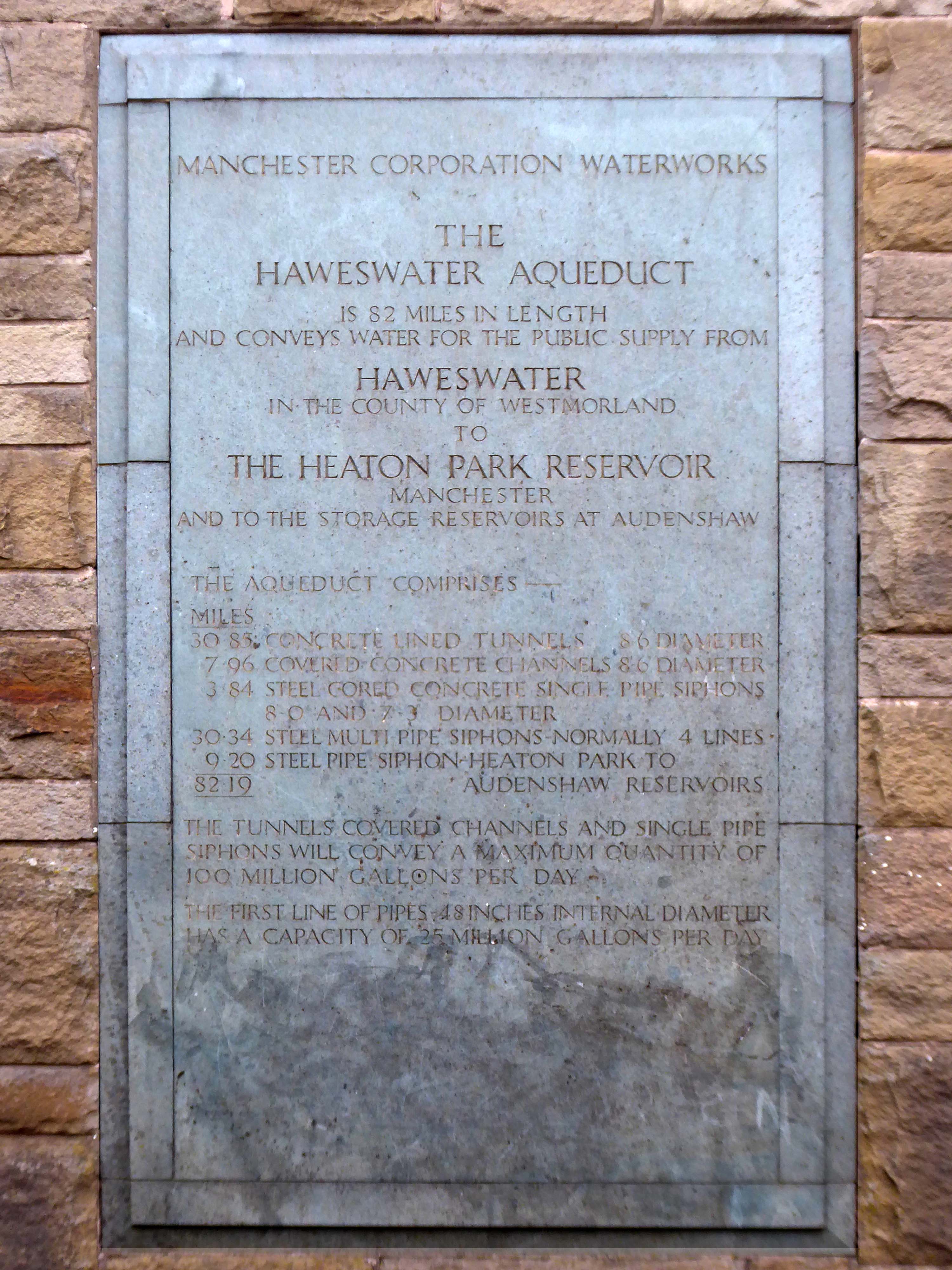
Carved relief is a highly stylised depiction of the bringing of water from Haweswater to Manchester with contemporary figures supporting the pipeline and a curious flat relief designed to be seen from below. It was designed to commemorate those who constructed it as well as the origin and course of the aqueduct. Beneath it five plaques tell the history of the Haweswater supply.
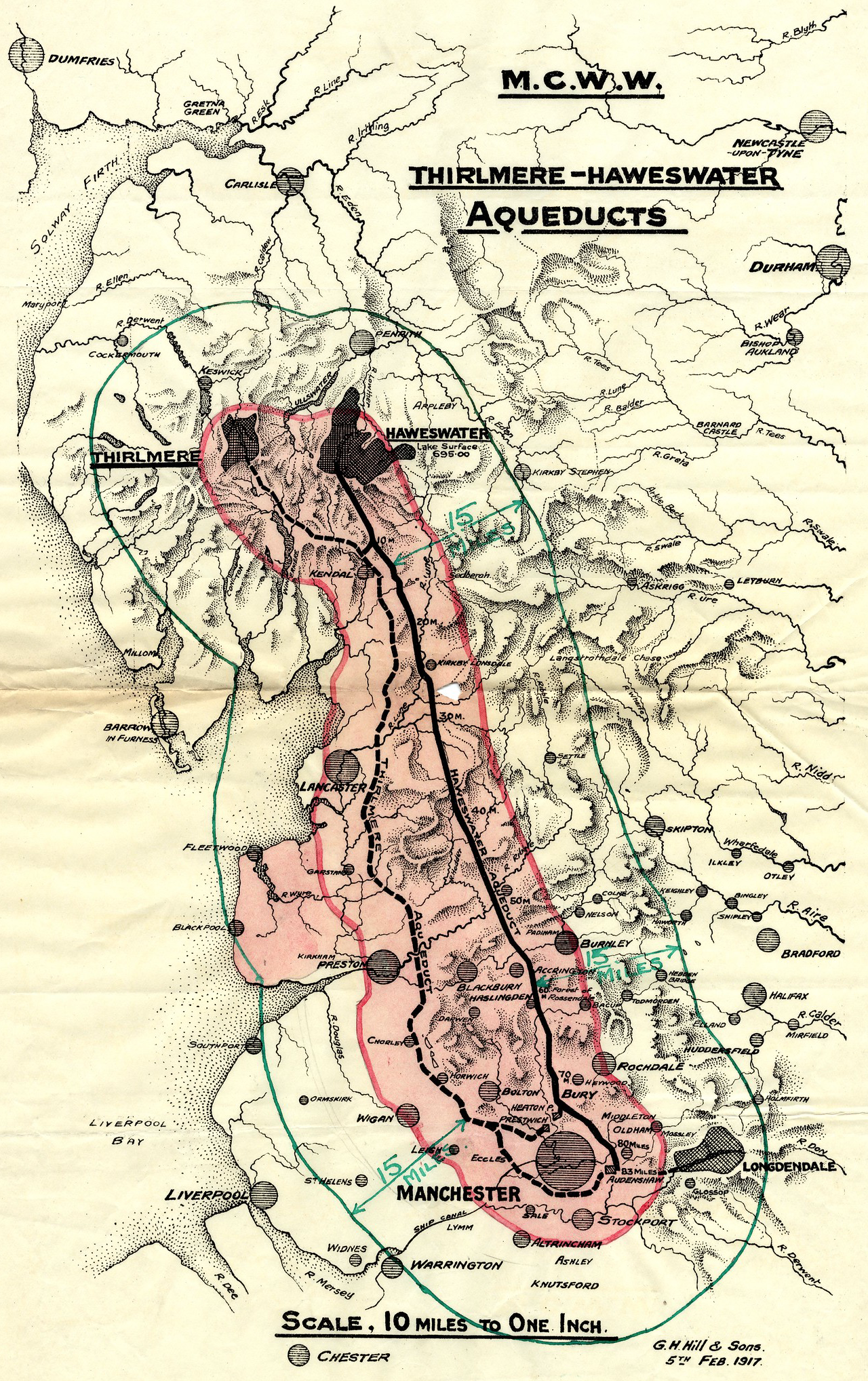
Completely preserved interior fully lined in beige marble, with contrasting green marble skirting continued as door surround. Behind the Cunliffe mural is a wood relief section in sycamore depicting the 82 mile route of the pipe.
The bringing of water to Manchester from a new reservoir at Haweswater was a major undertaking which cost £14,000,000. The sectional relief plan and the mural were conceived as part of the original brief to give a ‘monumental’ character to the city’s remarkable achievement. Included as a remarkable synthesis of architectural design and fine sculpture, with the dominance of the latter in this tiny building. The building materials and the reliefs are all symbolic of the achievement in bringing of water from the Lake District to Manchester.
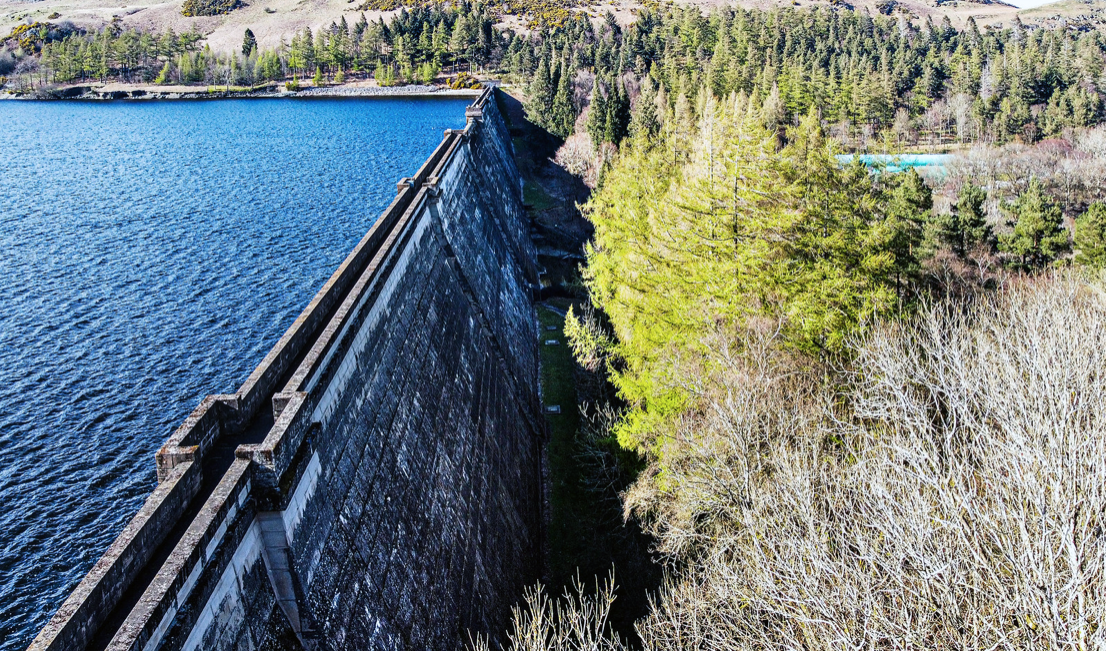
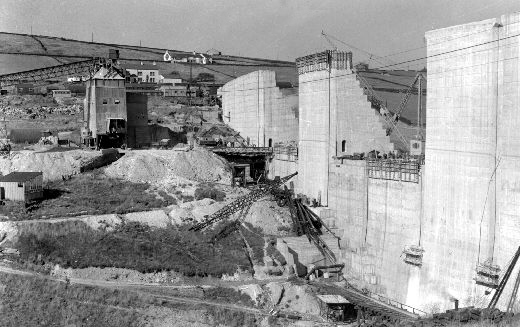
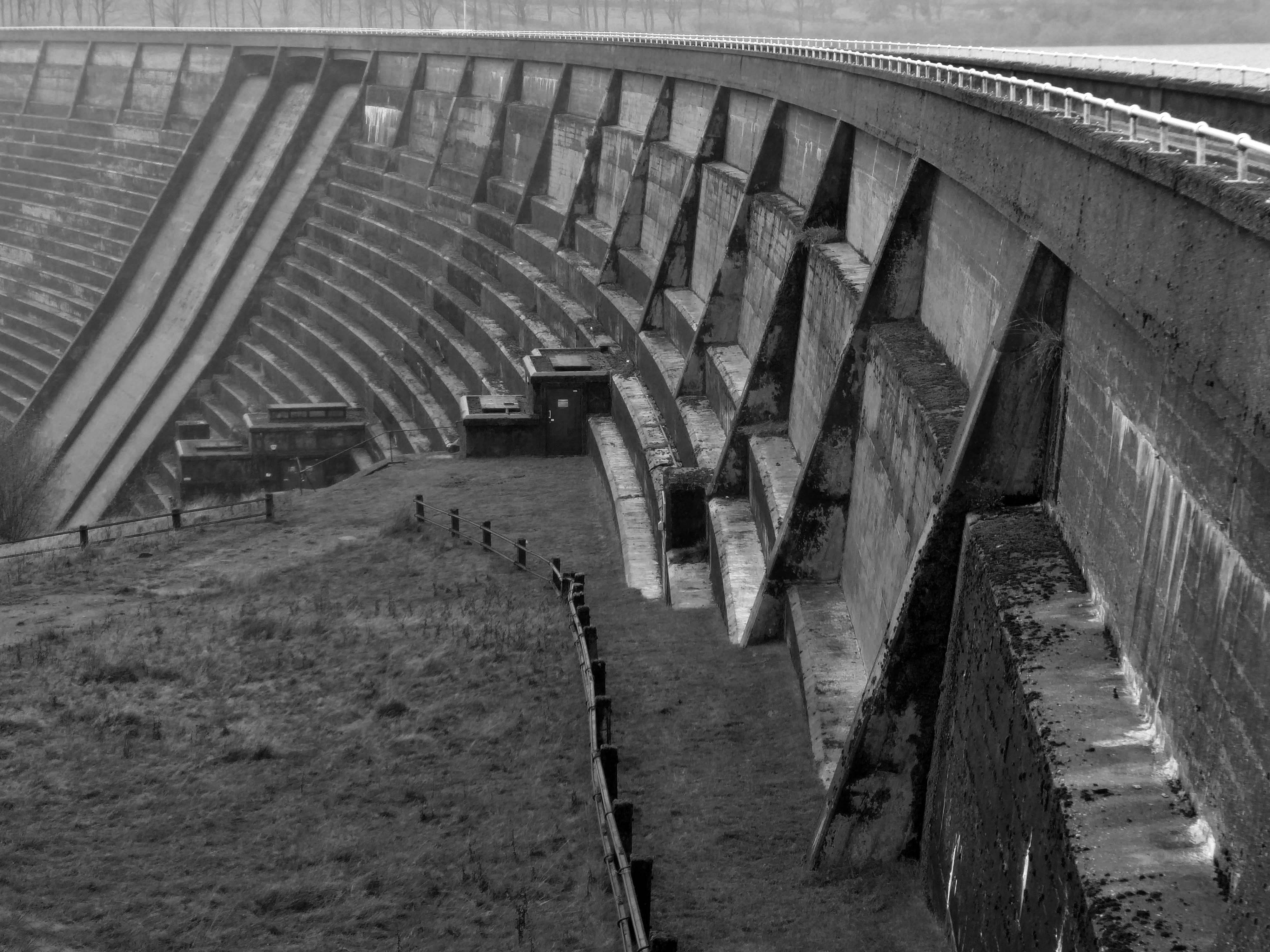
In 1929 work started to build the dam wall across the valley floor. At the time of construction, its design was considered to be at the forefront of civil engineering technology because it was the world’s first hollow buttress dam.
Before the valley was flooded in 1935, all the farms and dwellings of the villages of Mardale Green and Measand were demolished, as well as the centuries-old Dun Bull Inn at Mardale Green. The village church was dismantled and the stone used in constructing the dam; all the bodies in the churchyard were exhumed and re-buried at Shap.
I have previously led Mitzi Cunliffe walks in south Manchester – taking in her works at Owens Park and Manchester High School for Girls.
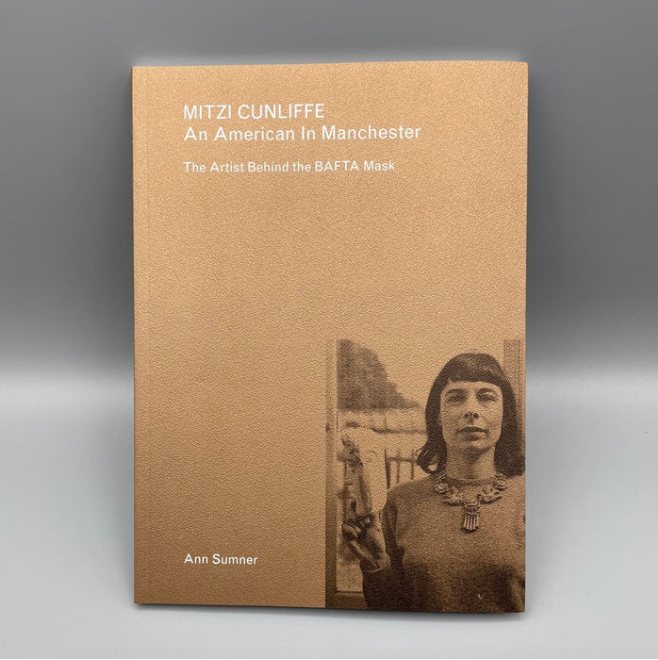
Mitzi Cunliffe is primarily known as the designer of the BAFTA Award, but her work encompasses both ceramics and textiles, in addition to her extensive public art works – as illustrated here.
Mitzi Cunliffe – An American in Manchester is available from the Modernist Shop.
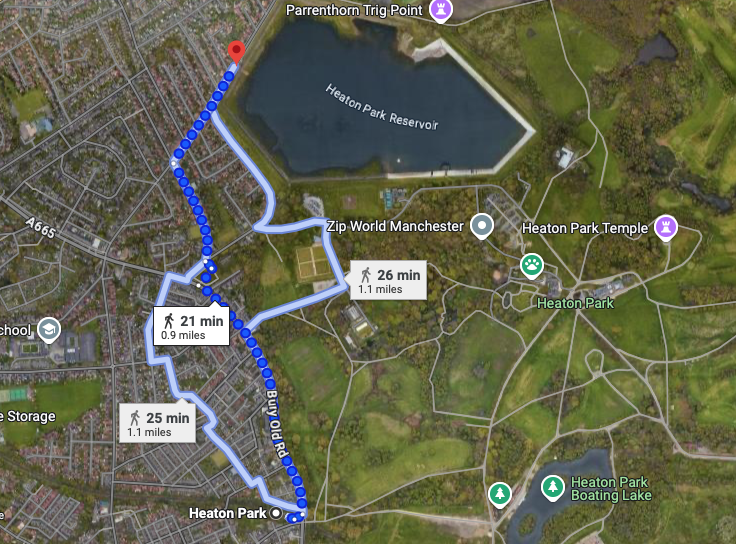
I took the tram to Heaton Park Station and walked the rest of the way.
The imposing structure, clad in the dramatic relief dominates this domesticated street of well behaved semis. As I stood admiring the work, a passerby joined me in a mutual appreciation of its beauty and significance.
Do yourself a favour – take a trip, take a look for yourself.
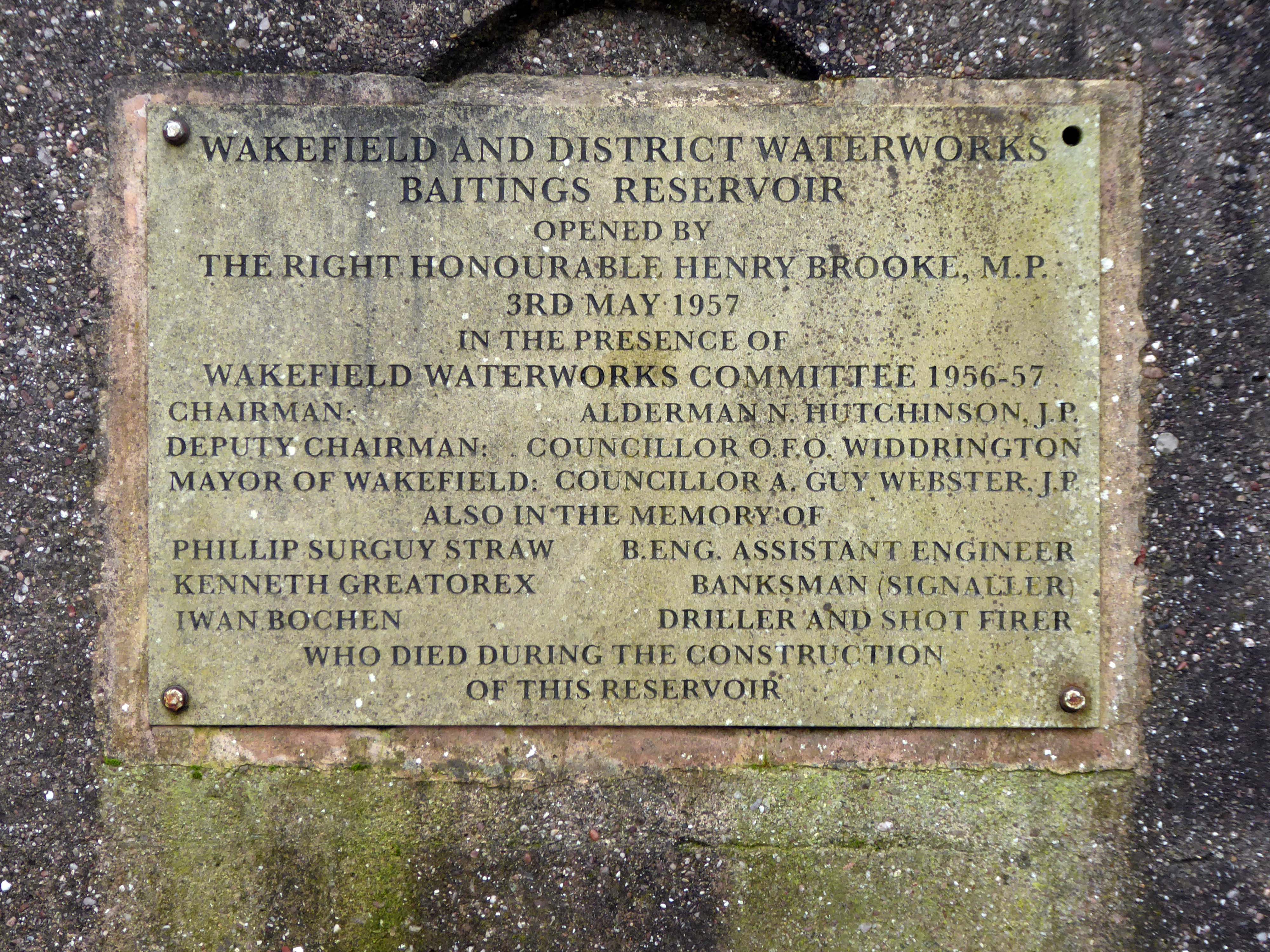
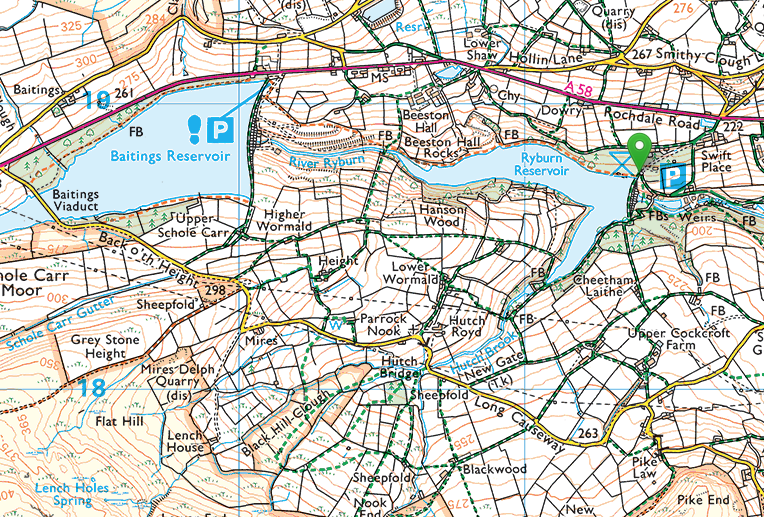
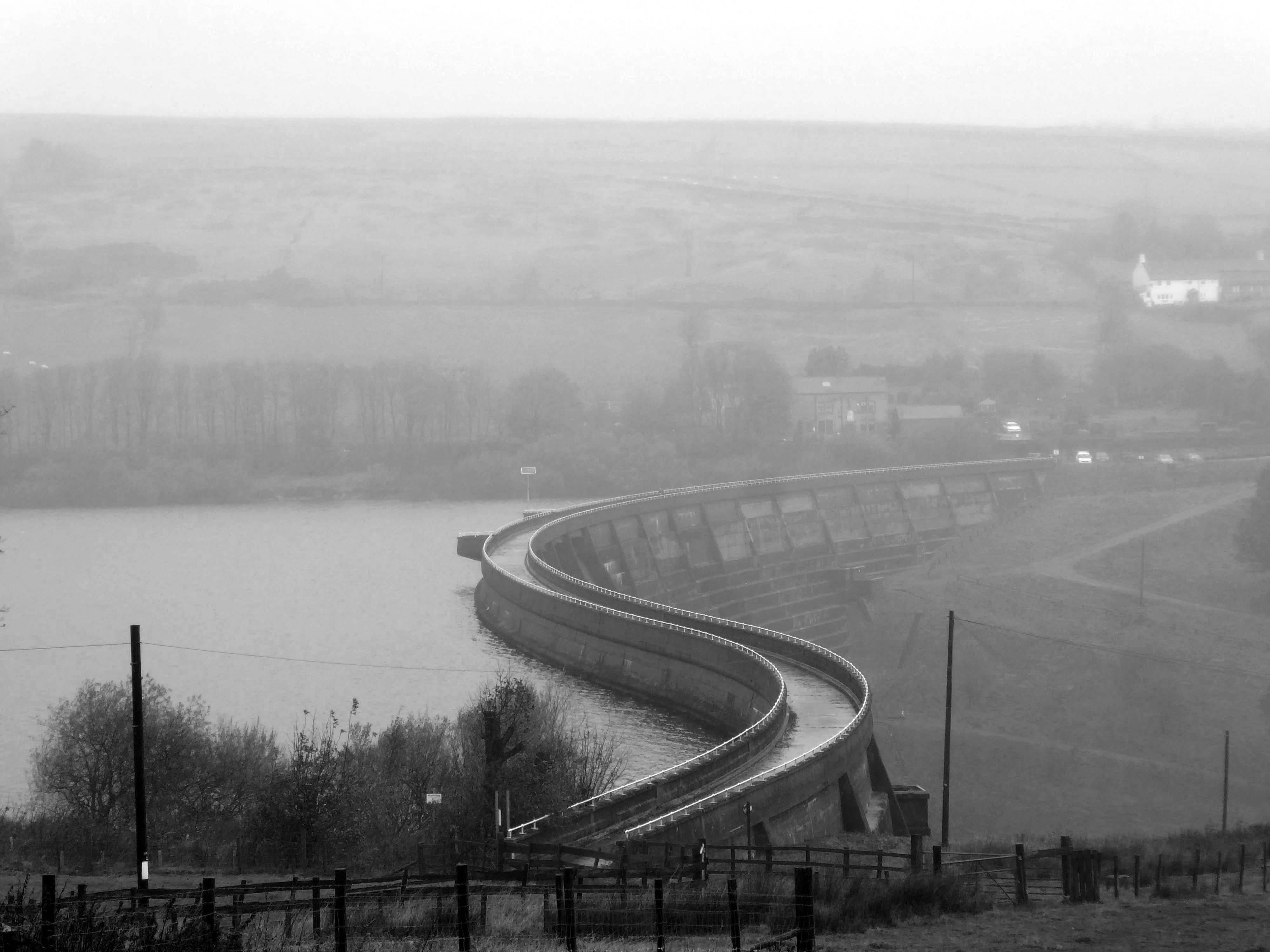
To begin at the beginning, to begin at Baitings Reservoir.
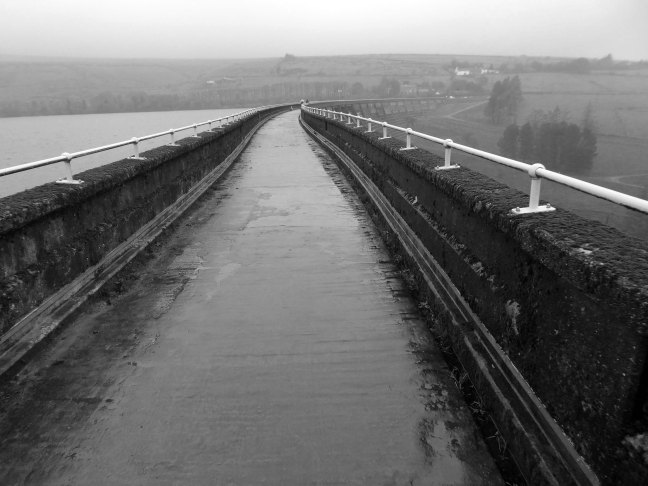
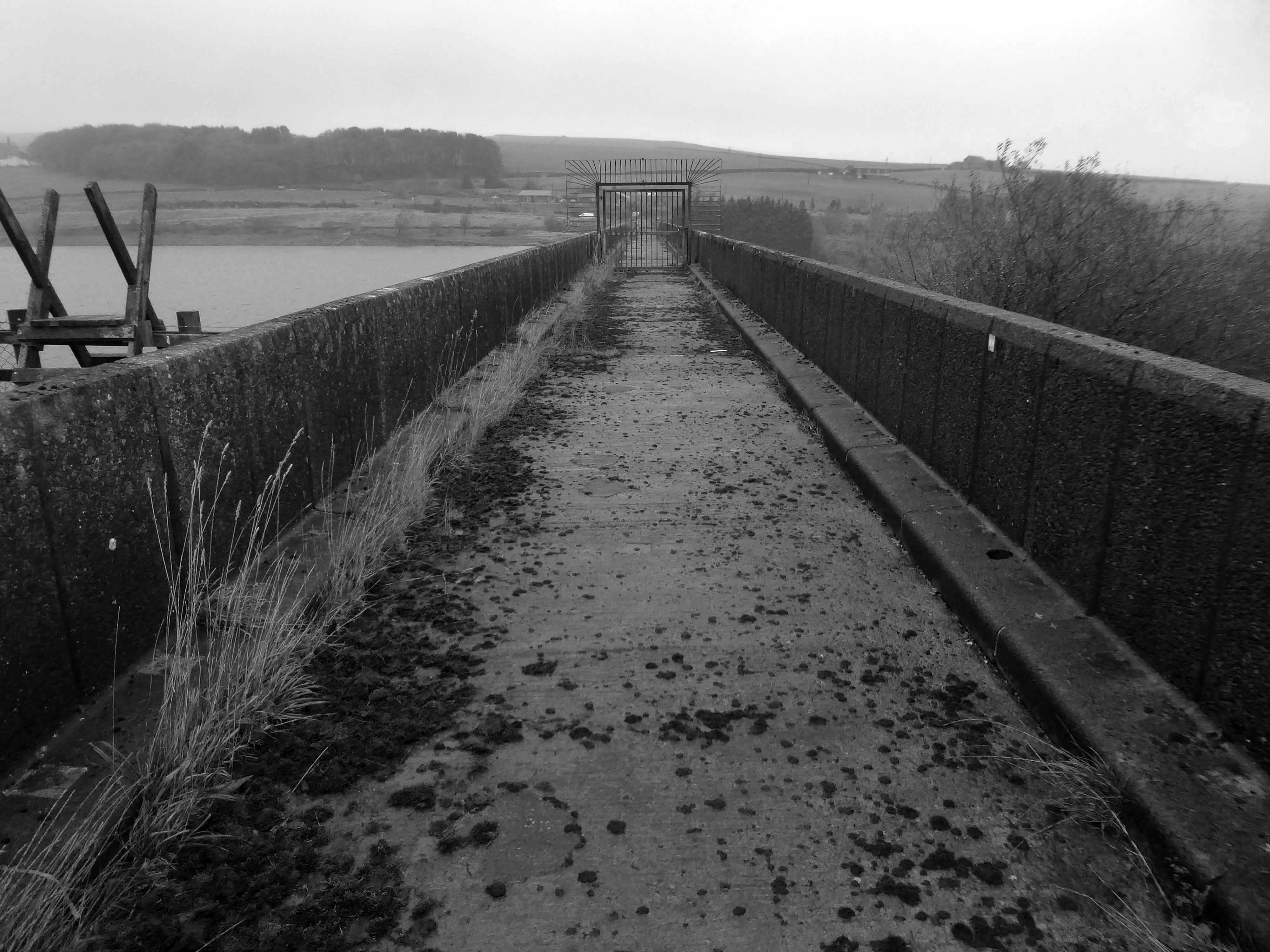
Wakefield Corporation Waterworks started impounding the valley of the River Ryburn in the 1930s, with Ryburn Reservoir being completed in 1933. Construction on Baitings took place 20 years later with completion in 1956. Baitings Bridge, on an old road linking Yorkshire and Lancashire, was to be flooded under the reservoir so a concrete viaduct was built. During spells of very hot weather and drought conditions, the old packhorse bridge is revealed.
Wakefield Express: 31st August 1955
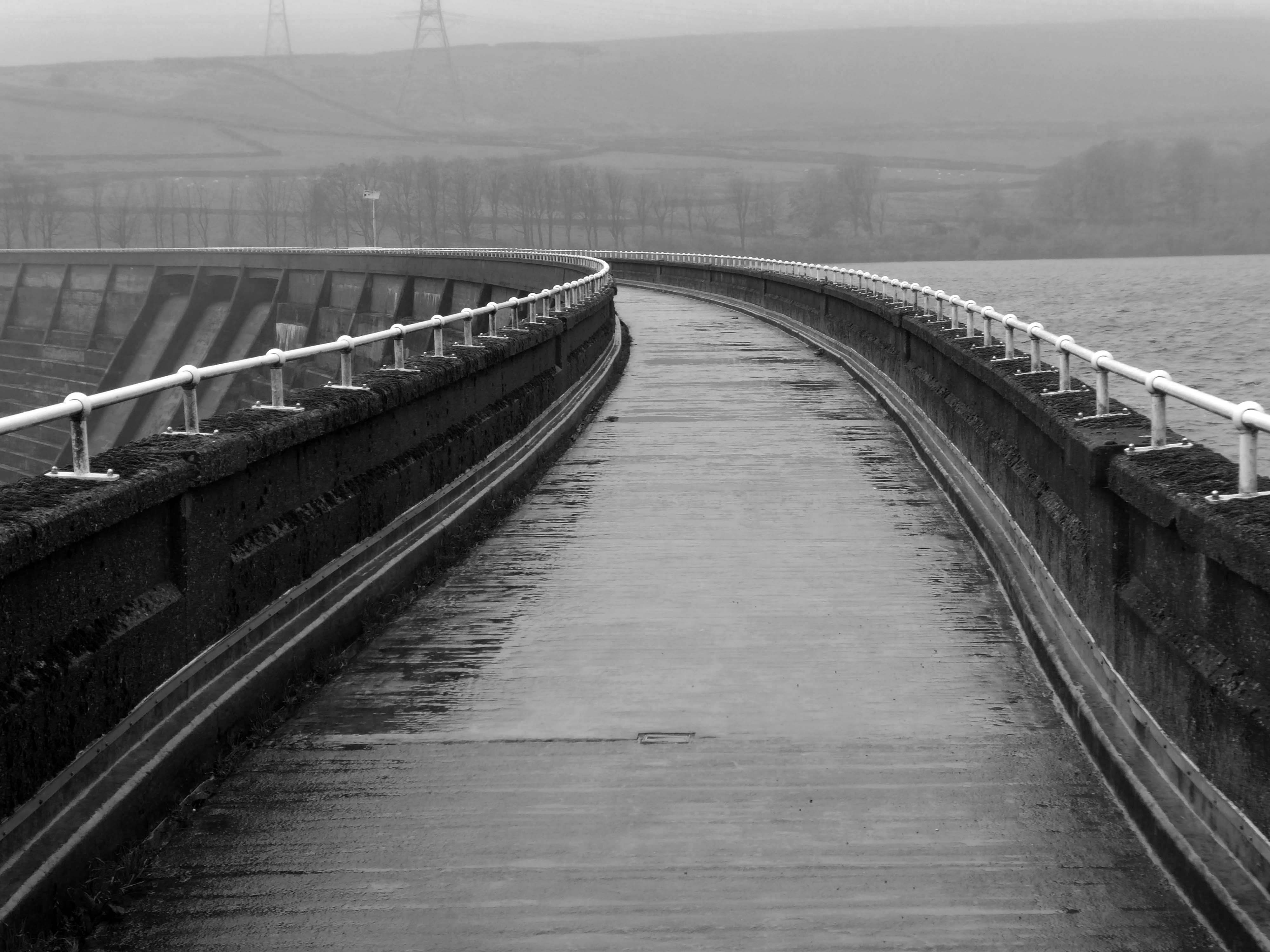
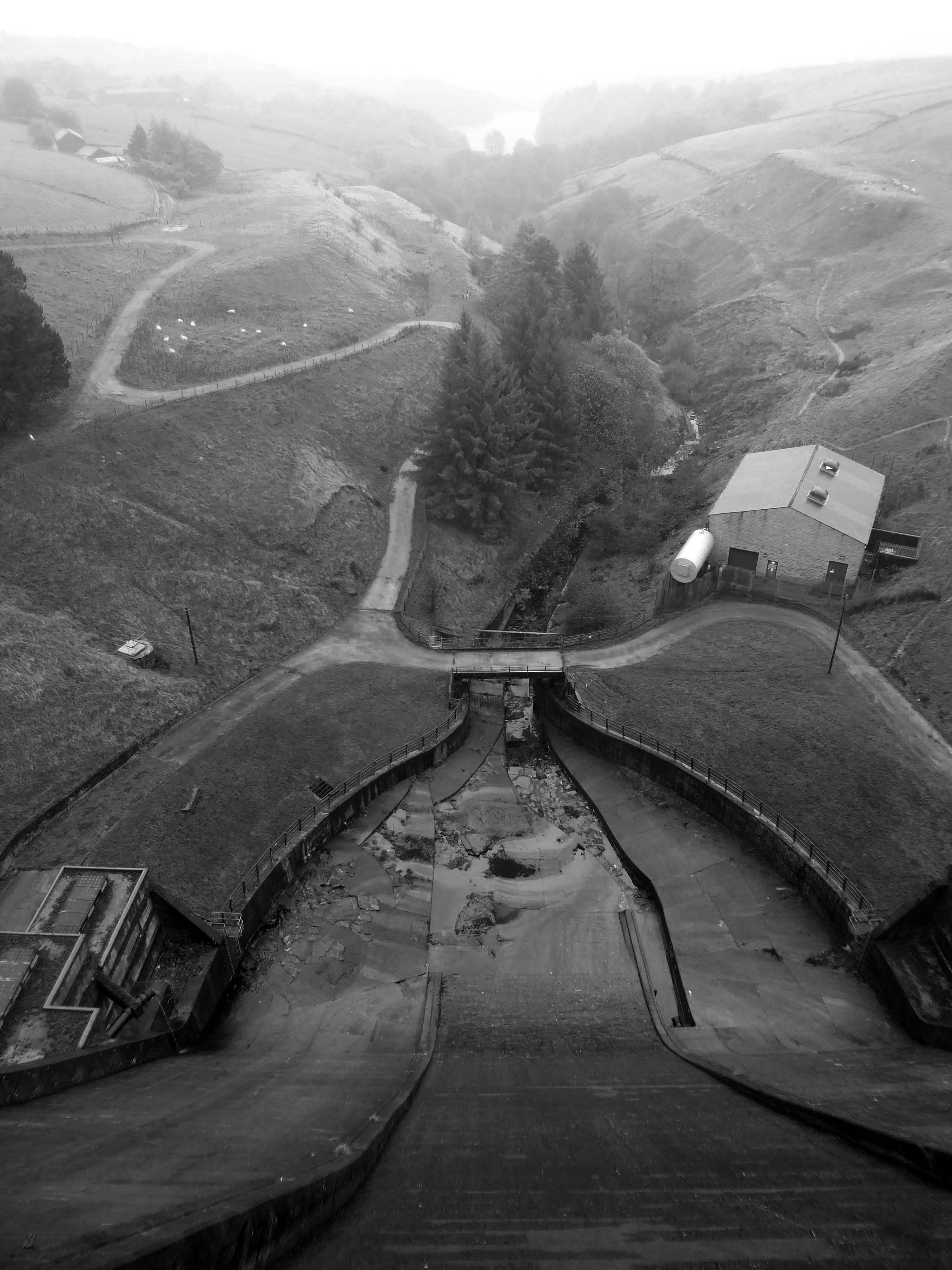
The dam head is a curved structure that is 1,540 feet long and over 160 feet high. The reservoir covers 59 acres and has a catchment of 1,830 acres , and when it is full, it holds over 113,000,000 cubic feet of water. The dam took eight years to complete at a cost of £1.4 million, and is located at 840 feet above sea level. A tunnel connects reservoirs in valleys to the north with Baitings to allow for the transfer of water. Manshead Tunnel is 8,000 feet long and was opened in 1962.
Inconveniently, the footpath to the lower Ryburn Reservoir was closed – we were diverted over the dam.
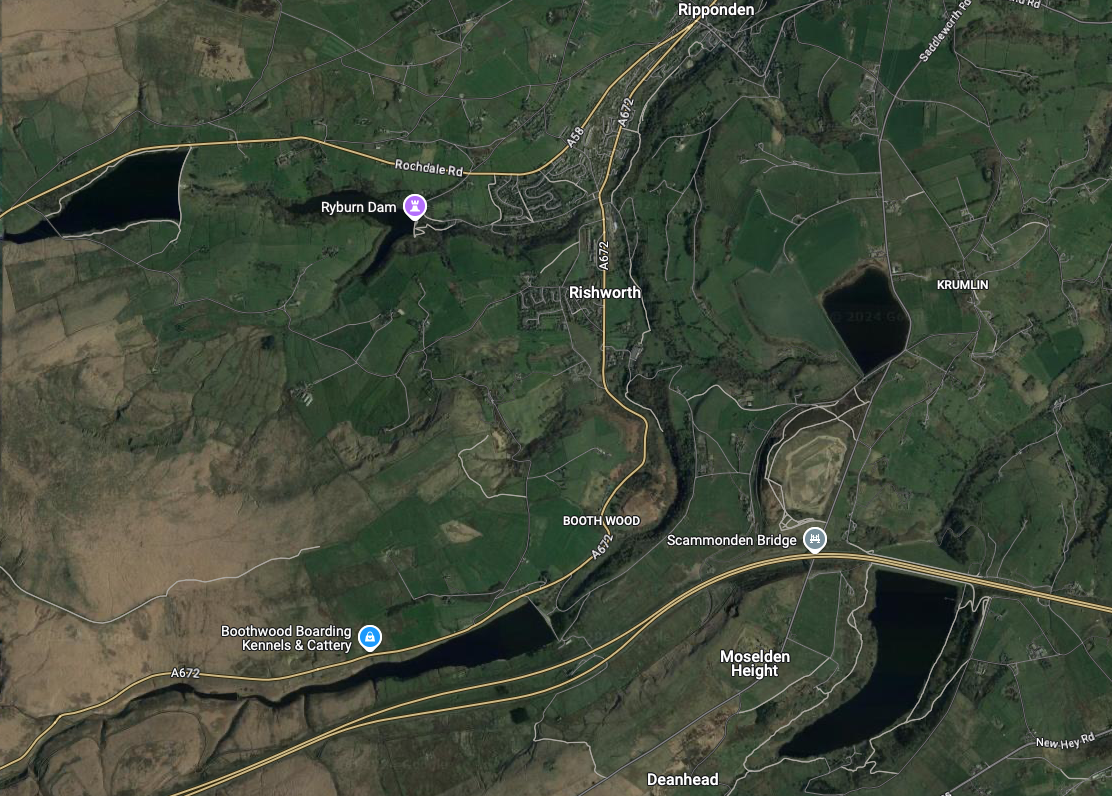
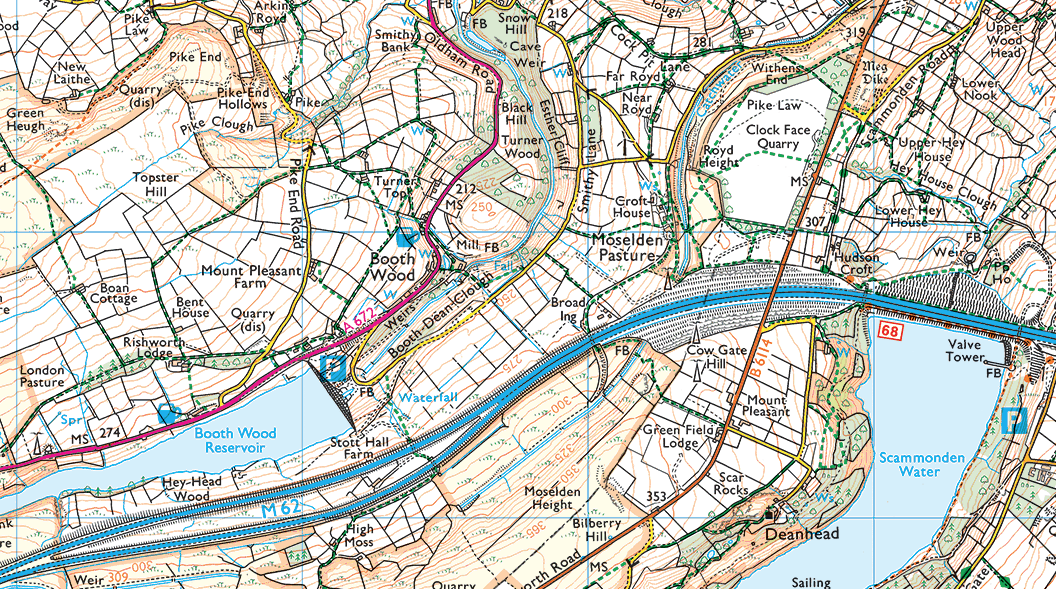
We took the pathway to Booth Wood Reservoir – over Pike End and beyond.
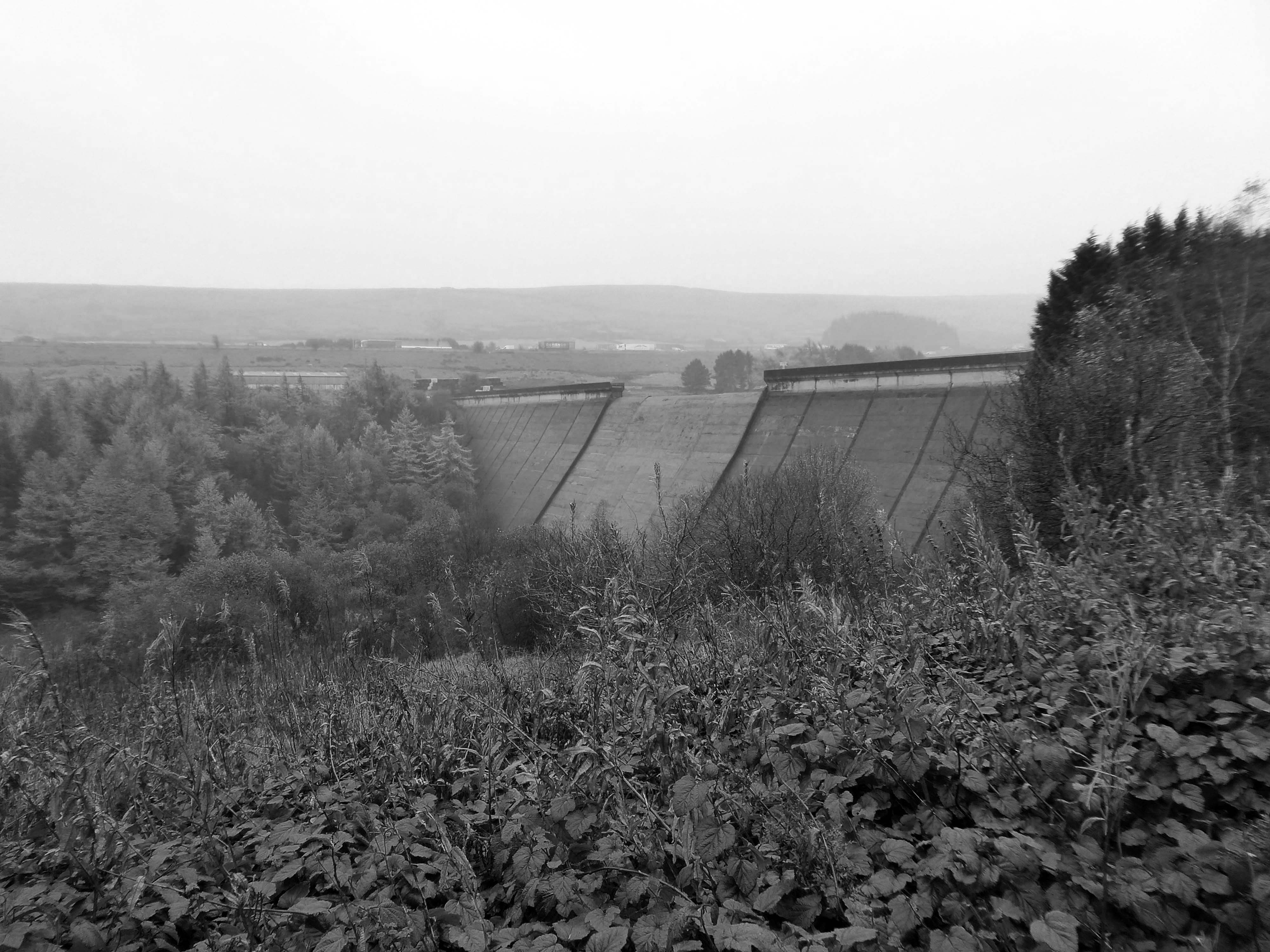
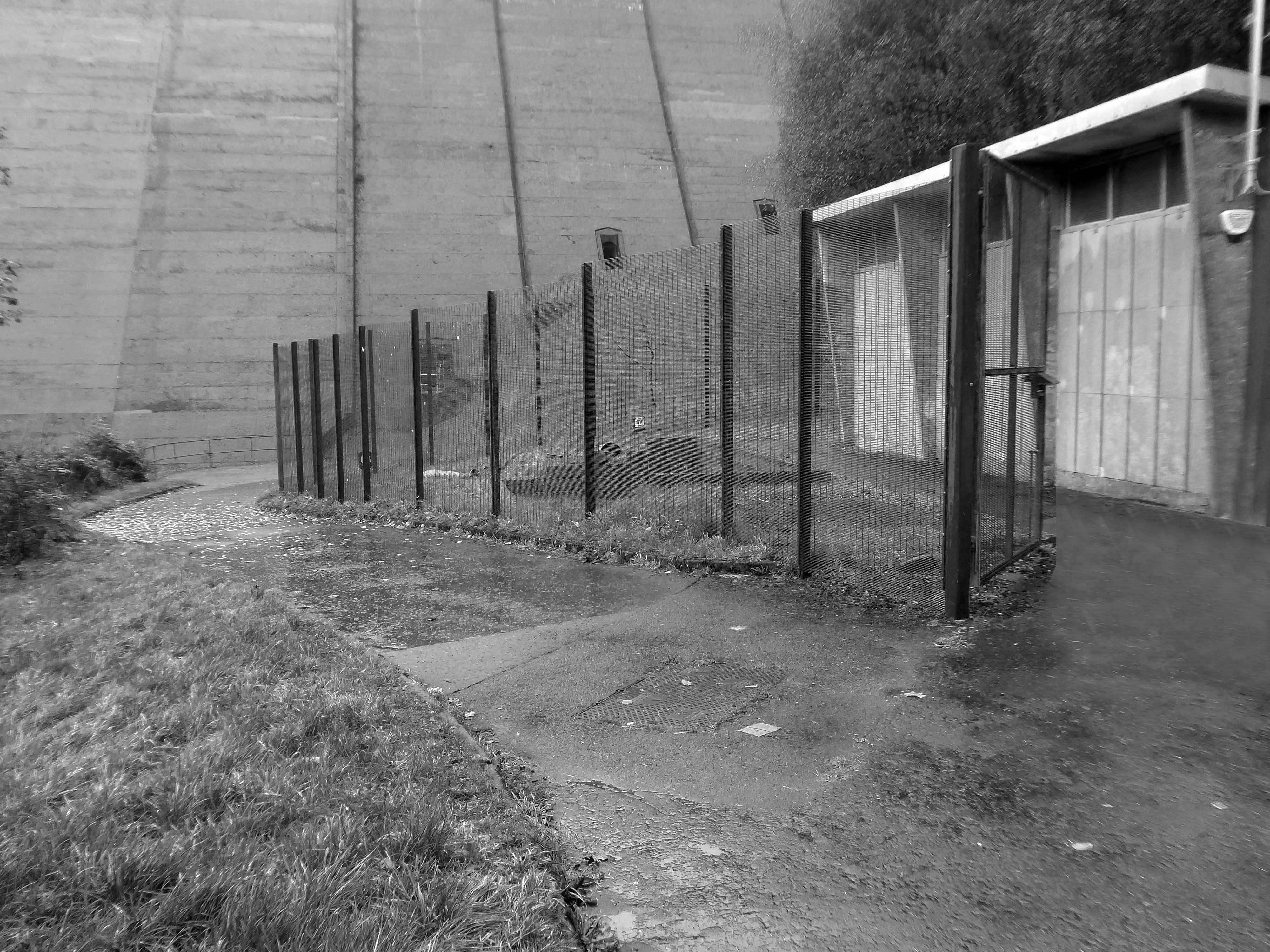
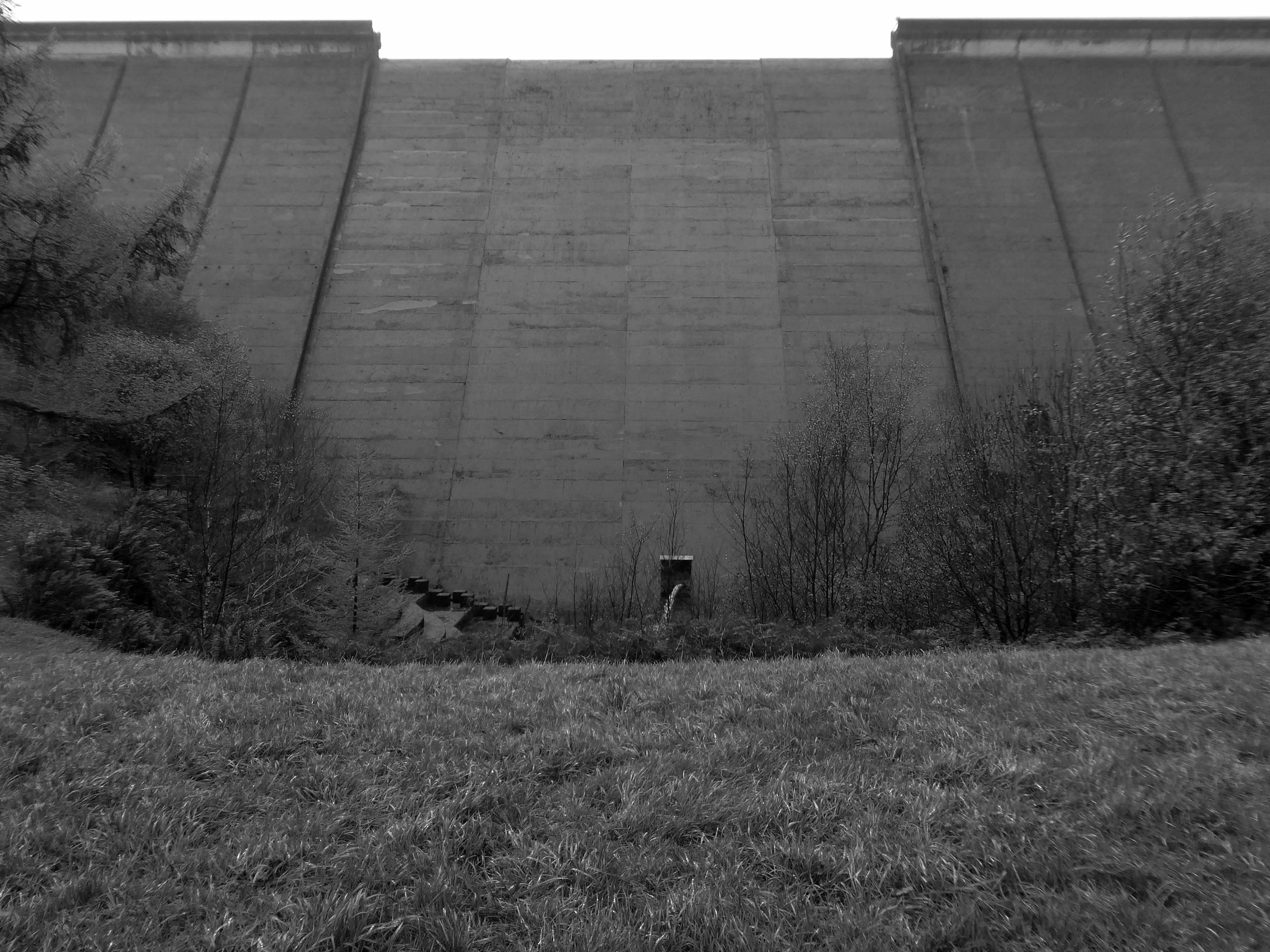
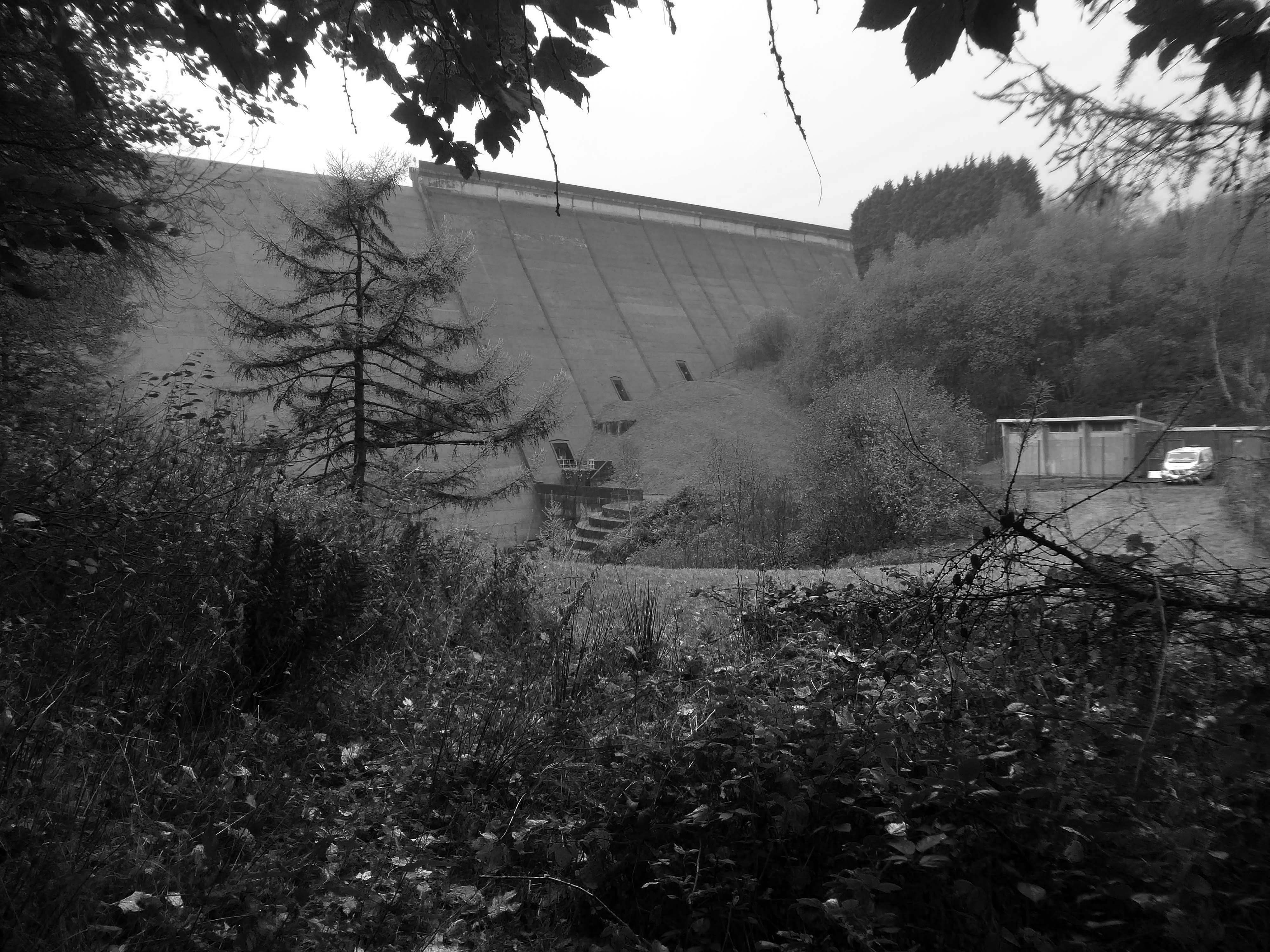
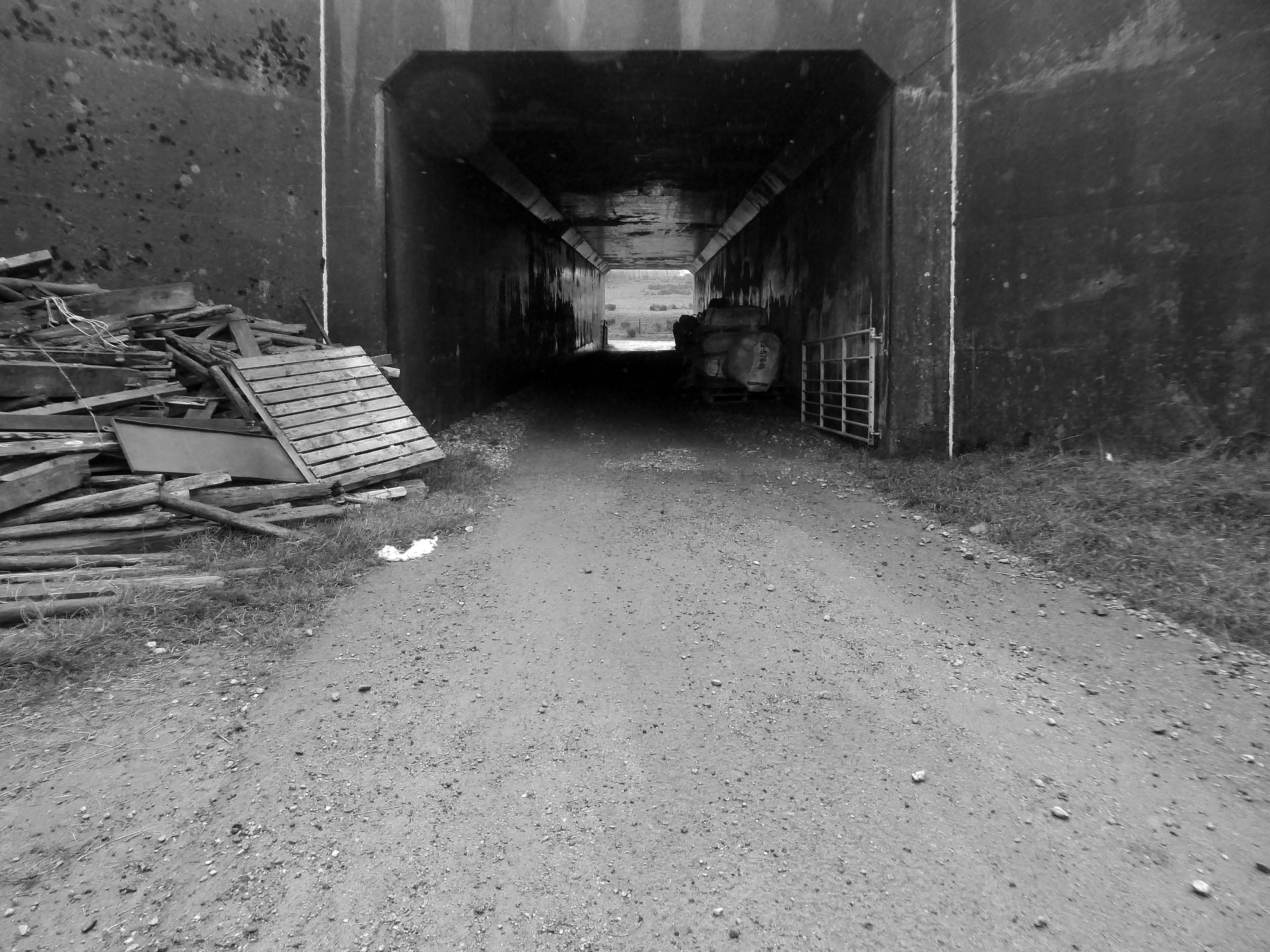
We dropped down beneath the Booth WoodDam.
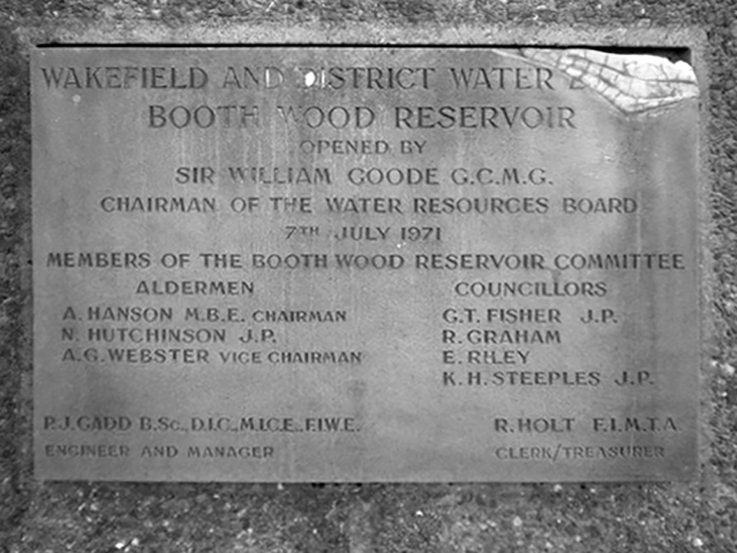
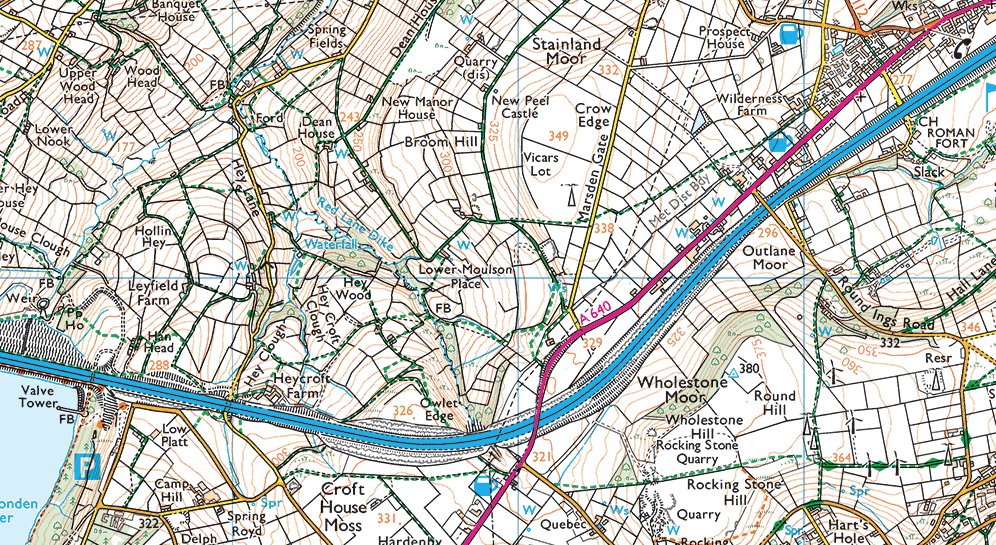
Booth Wood Reservoir is a man-made upland reservoir that lies north of the M62 motorway and south of the A672 road near to Rishworth and Ripponden in Calderdale, West Yorkshire. The reservoir was approved for construction in 1966 and completed in 1971.
It supplies water to Wakefield.
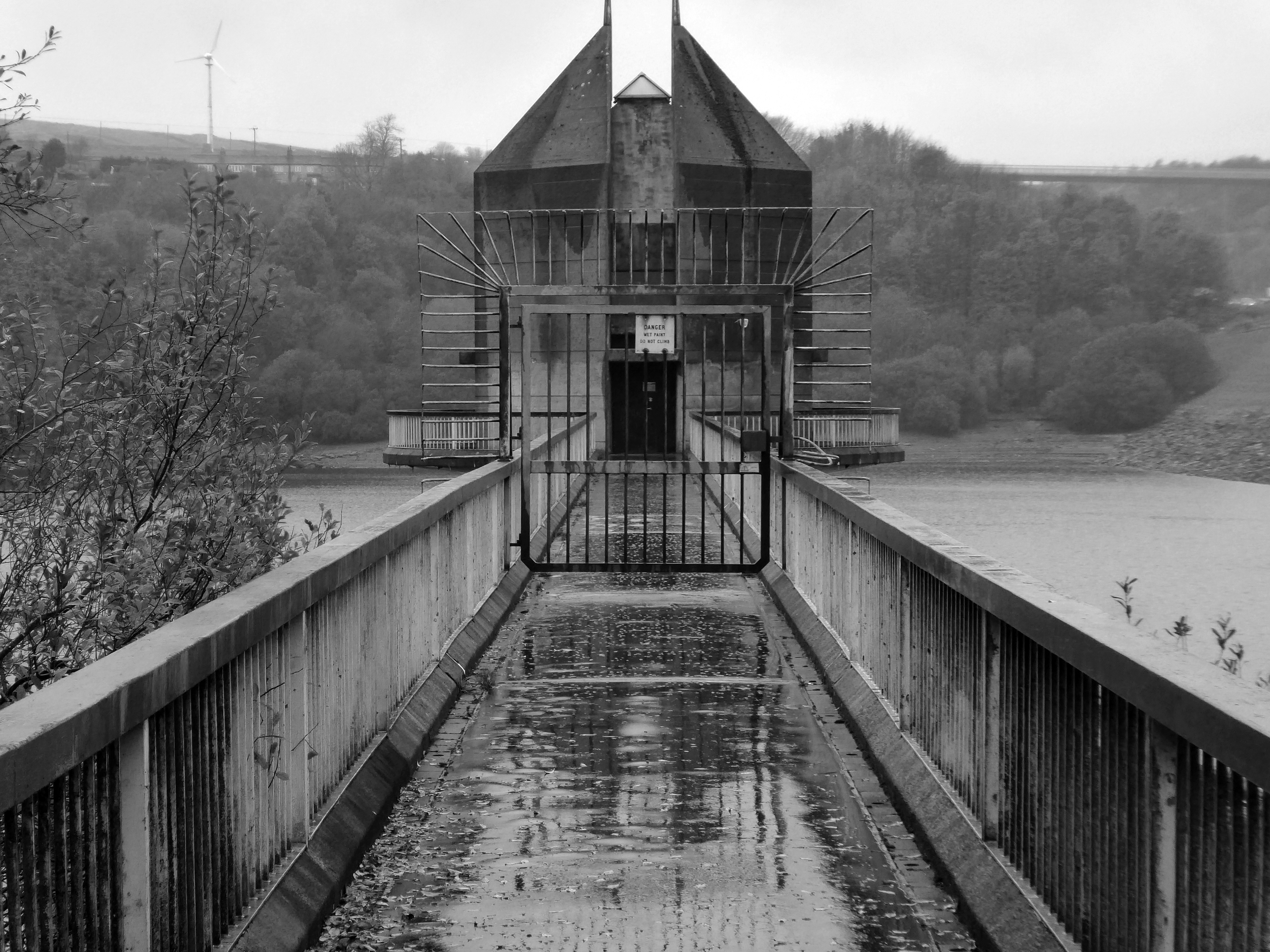
The reservoir dams the Booth Dean Clough watercourse and takes water directly from the surrounding moorland. It has a plain concrete crest on the dam head which is straight and extends to a length of 1,150 feet and a height of 157 feet.
Below is a dinky pumping station, tucked beneath the dam.
We took a precipitous path through the wood – up to the level of the reservoir.
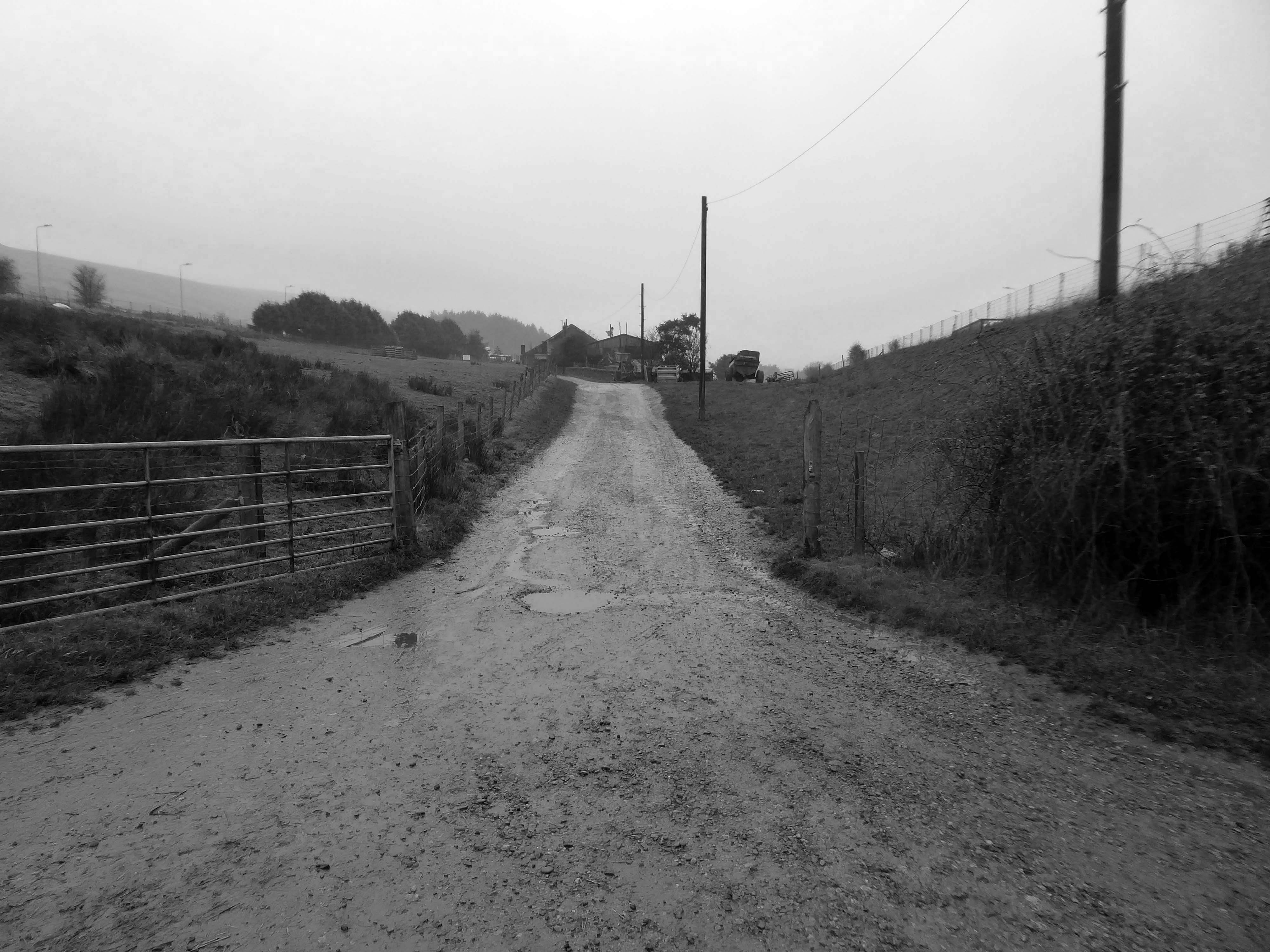
Under the the M62 and past the infamous Stott Hall Farm.
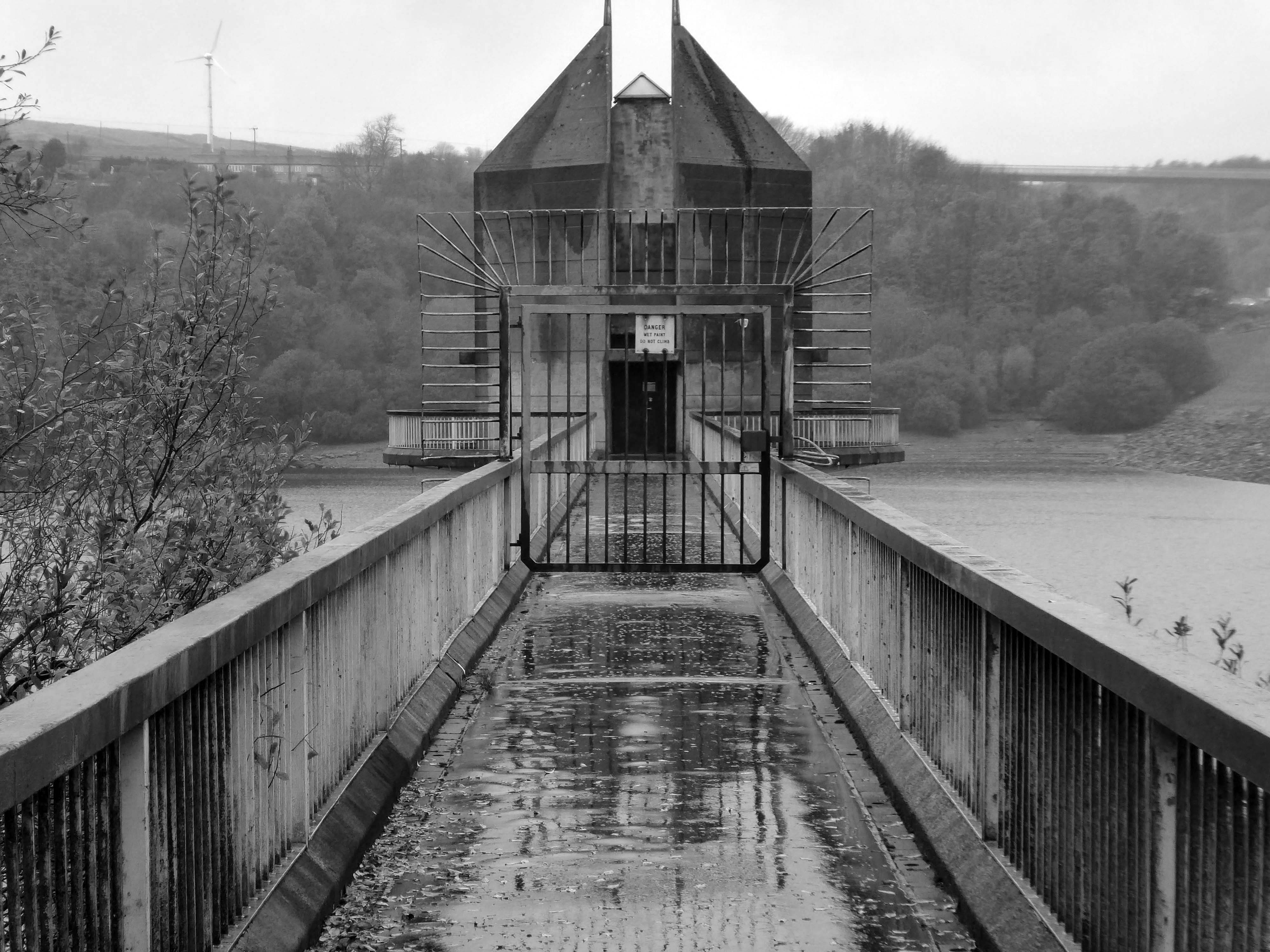
Stott Hall Farm is a farm located between the eastbound and westbound carriageways of the M62 motorway in Calderdale. It is the only farm in the UK situated in the middle of a motorway and was built in the 18th century on Moss Moor. It lies south of Booth Wood Reservoir where the carriageways are separated between junctions 22 and 23. The road divides for much of its length between the Windy Hill and Deanhead cuttings because of the surrounding geography; but a myth persists that it was split because Ken and Beth Wild refused to sell. However, the farm was actually owned by Yorkshire Water at the time the M62 was built.
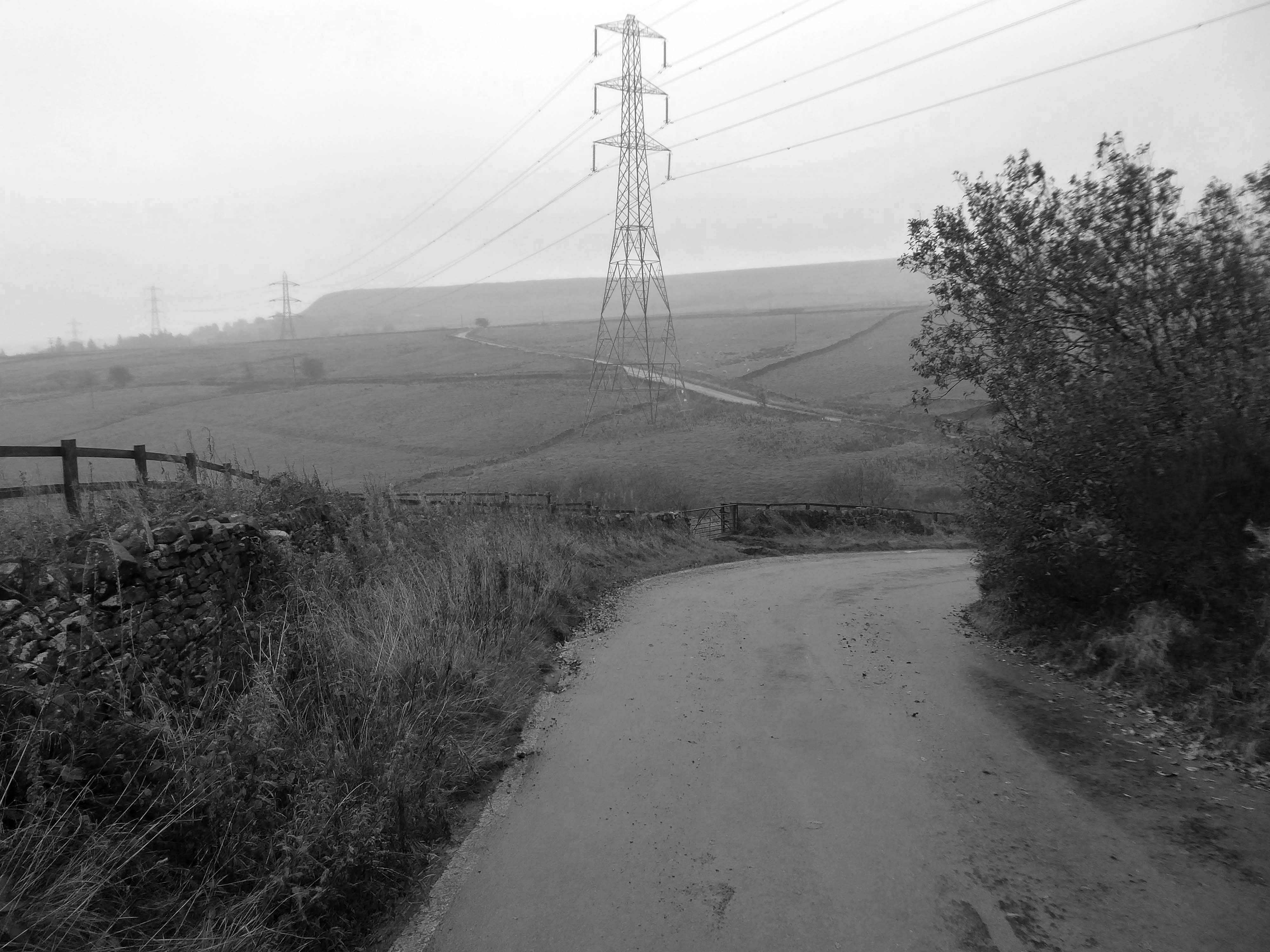
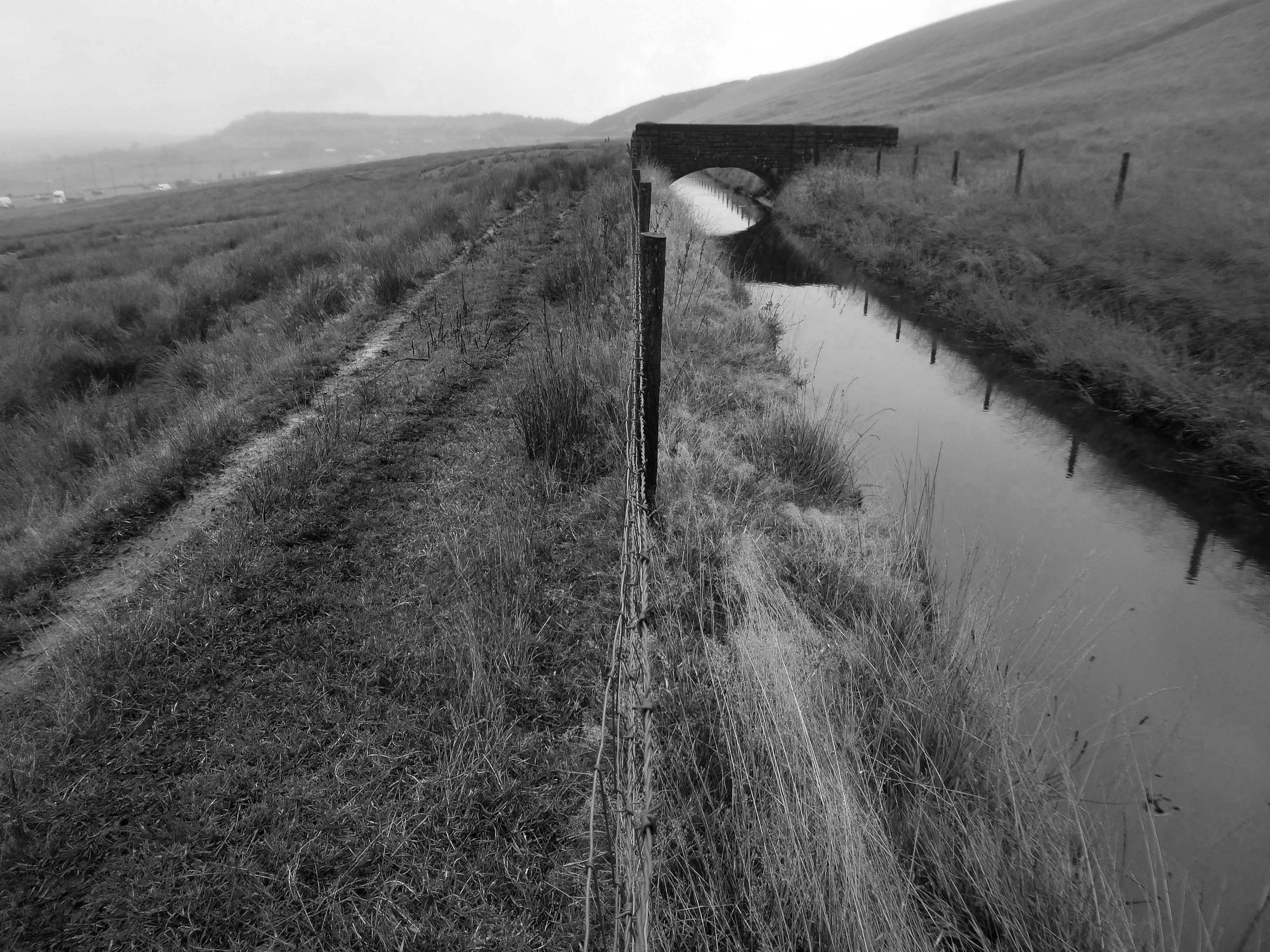
We walked over the upland moors to meet with the Catchwater, which formerly fed the Ringstone Edge Reservoir, prior to the construction of the motorway cutting.
Climbing again over Cow Gate Hill to meet the Saddleworth Road.
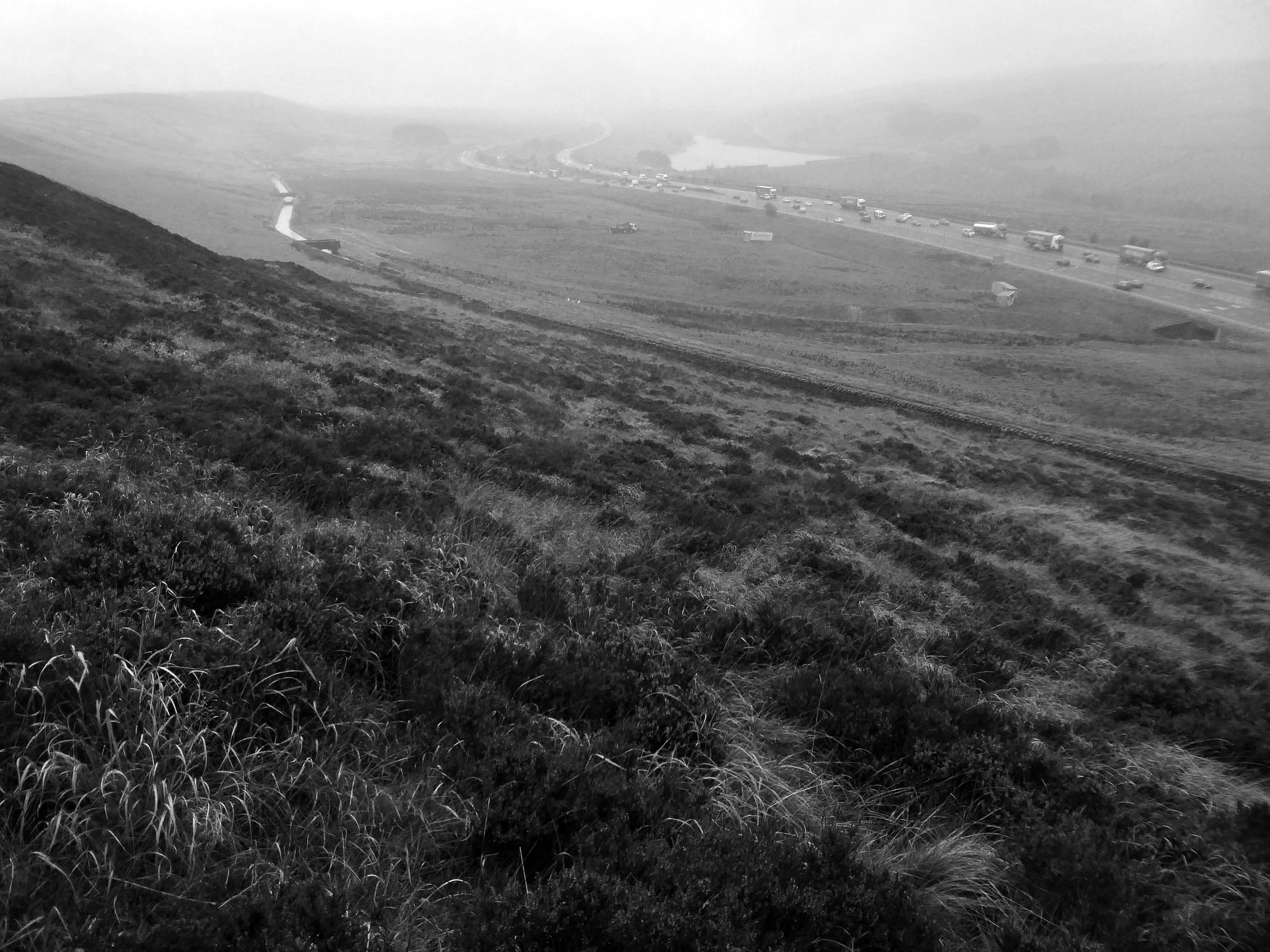
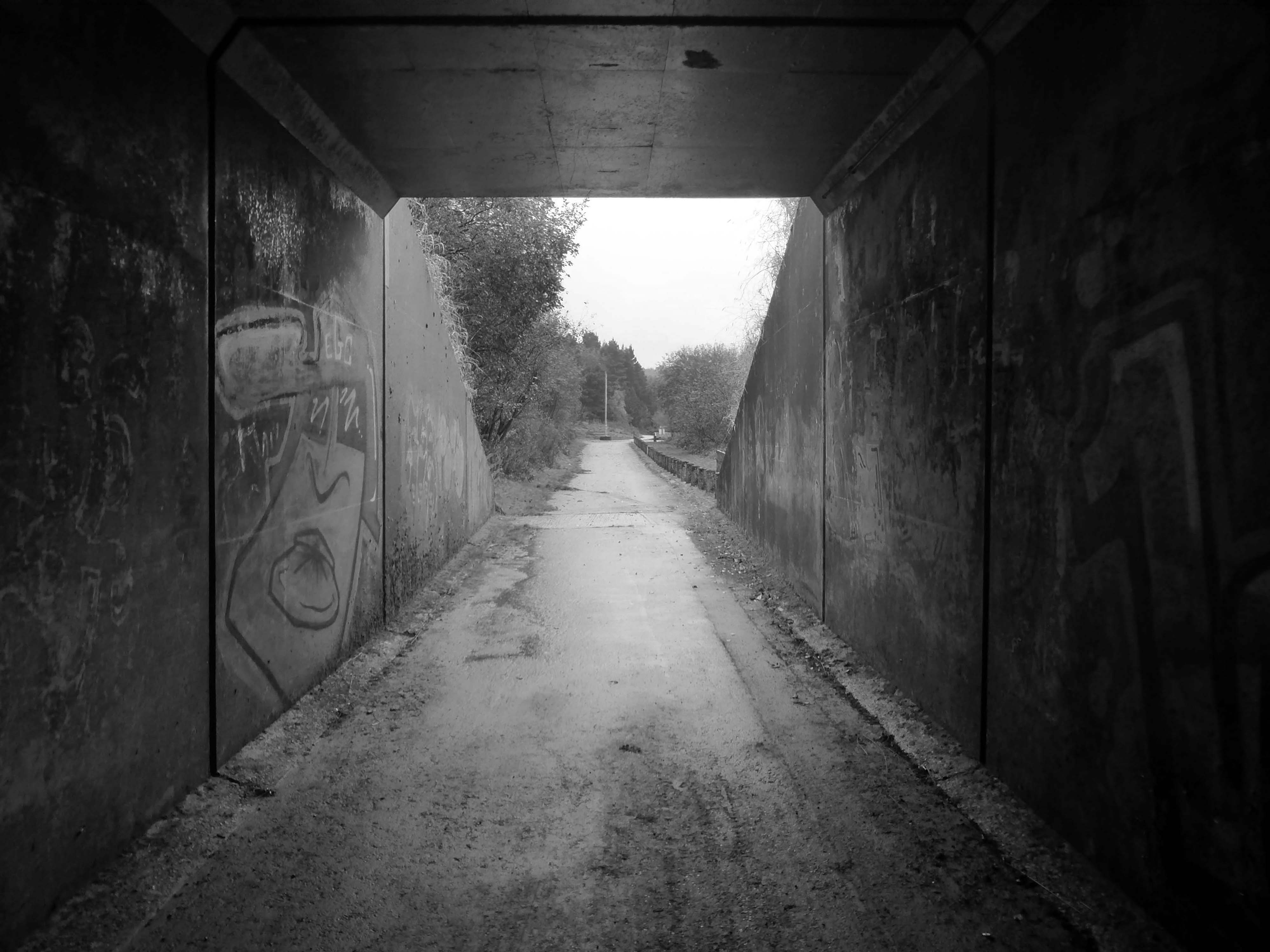
Crossing the motorway and dropping down to meet the Scammonden Dam.
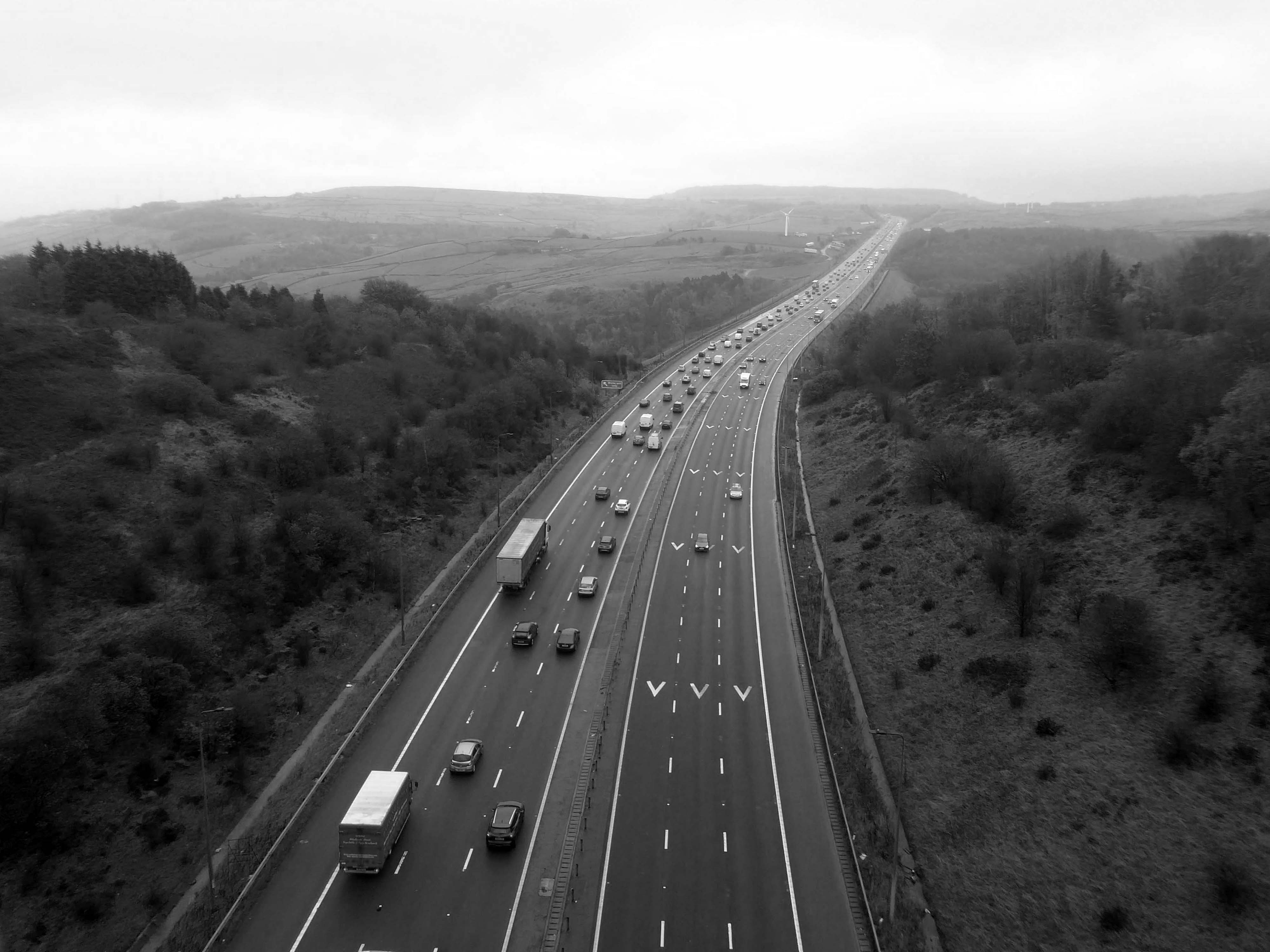
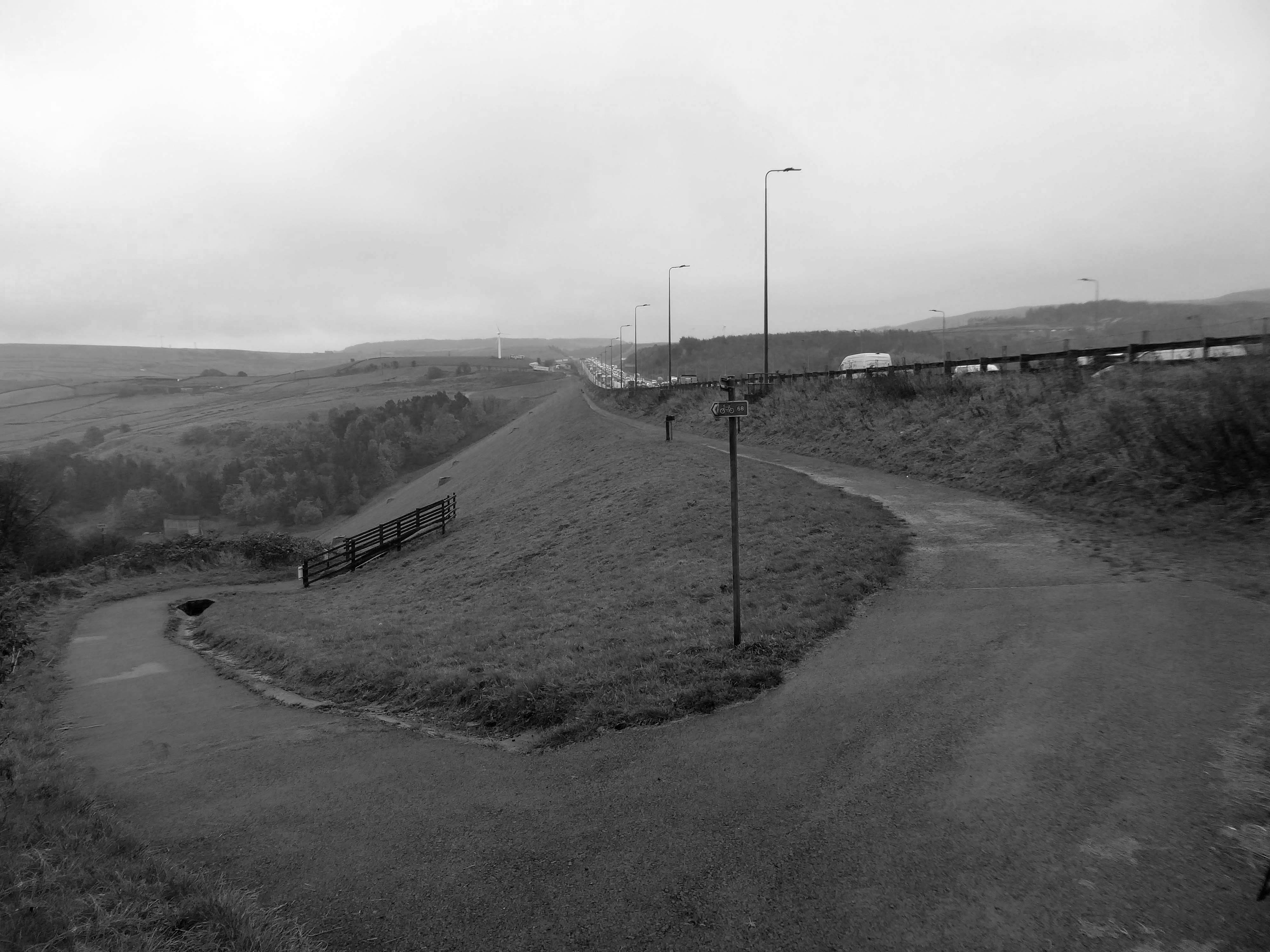
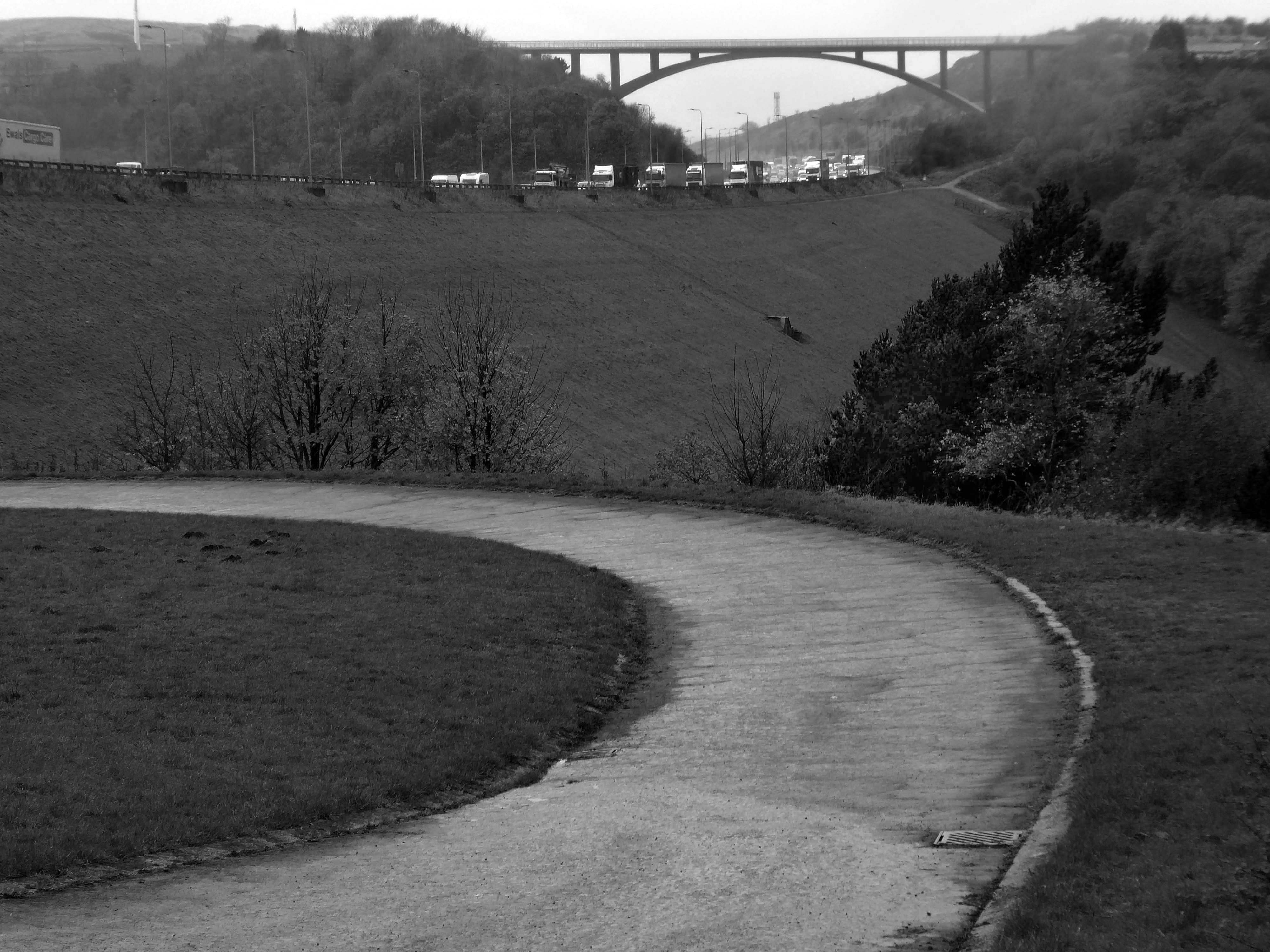
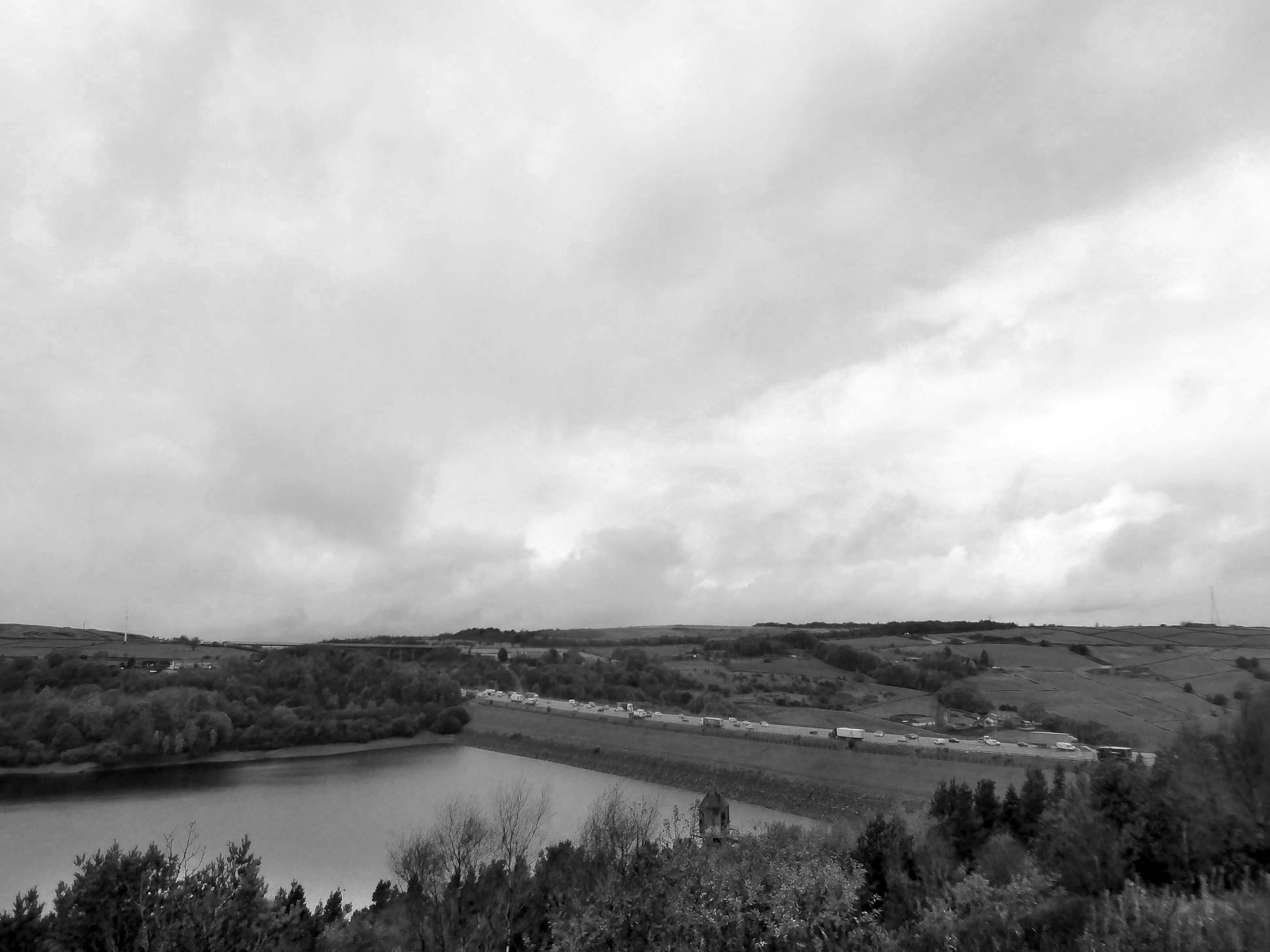
Scammonden Dam is part of the M62 motorway between junctions 22 and 23, the only such structure in Britain. Its construction by the Ministry of Transport and Huddersfield Corporation Waterworks required the passing of the Huddersfield Corporation Act 1965. The motorway dam spans the Deanhead Valley in the Pennines between Huddersfield and Rochdale and the main contractor for the project was Sir Alfred McAlpine & Sons.
It was designed by Rofe, Kennard and Lapworth
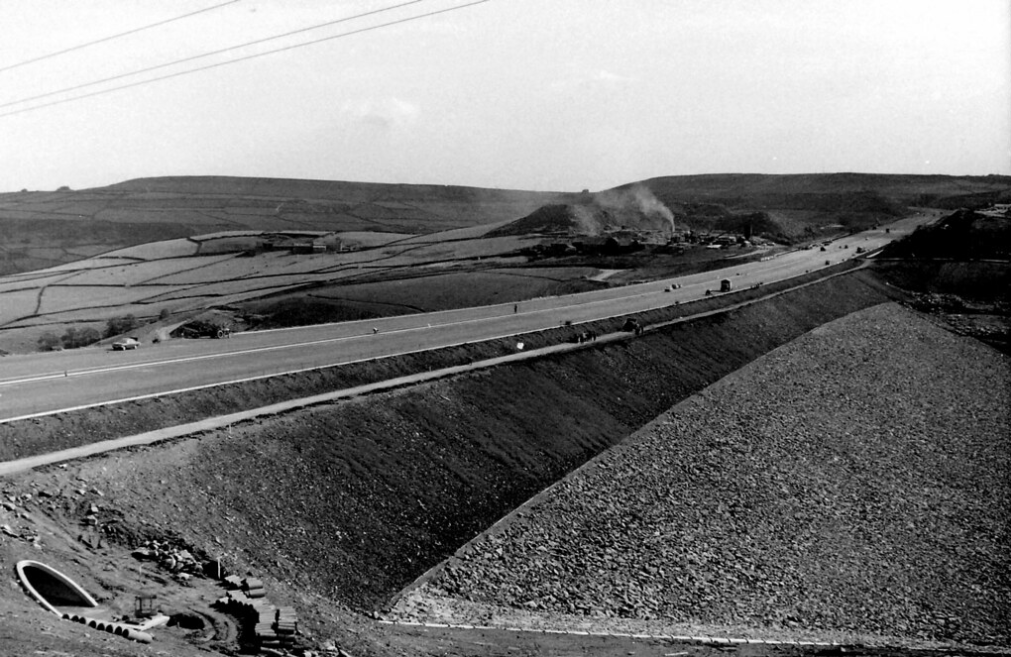
Surveying began in November 1961 and the route of the carriageway was determined in mid 1963. Excavation in the Deanhead Valley commenced the following year and for the dam in 1966. This required the removal of 25,200,000 cu ft of peat bog to reach the solid rock base nearly 43 ft below ground level. Material excavated elsewhere on the line of the motorway, clay from cuttings between Lofthouse and Gildersome, and 3.4 million cubic metres from the Deanhead excavations was used to build the dam’s embankment which is 2,051 ft in length and 207 ft above the original valley floor. The embankment is 1,427 ft wide at its base and 180 ft at road level.
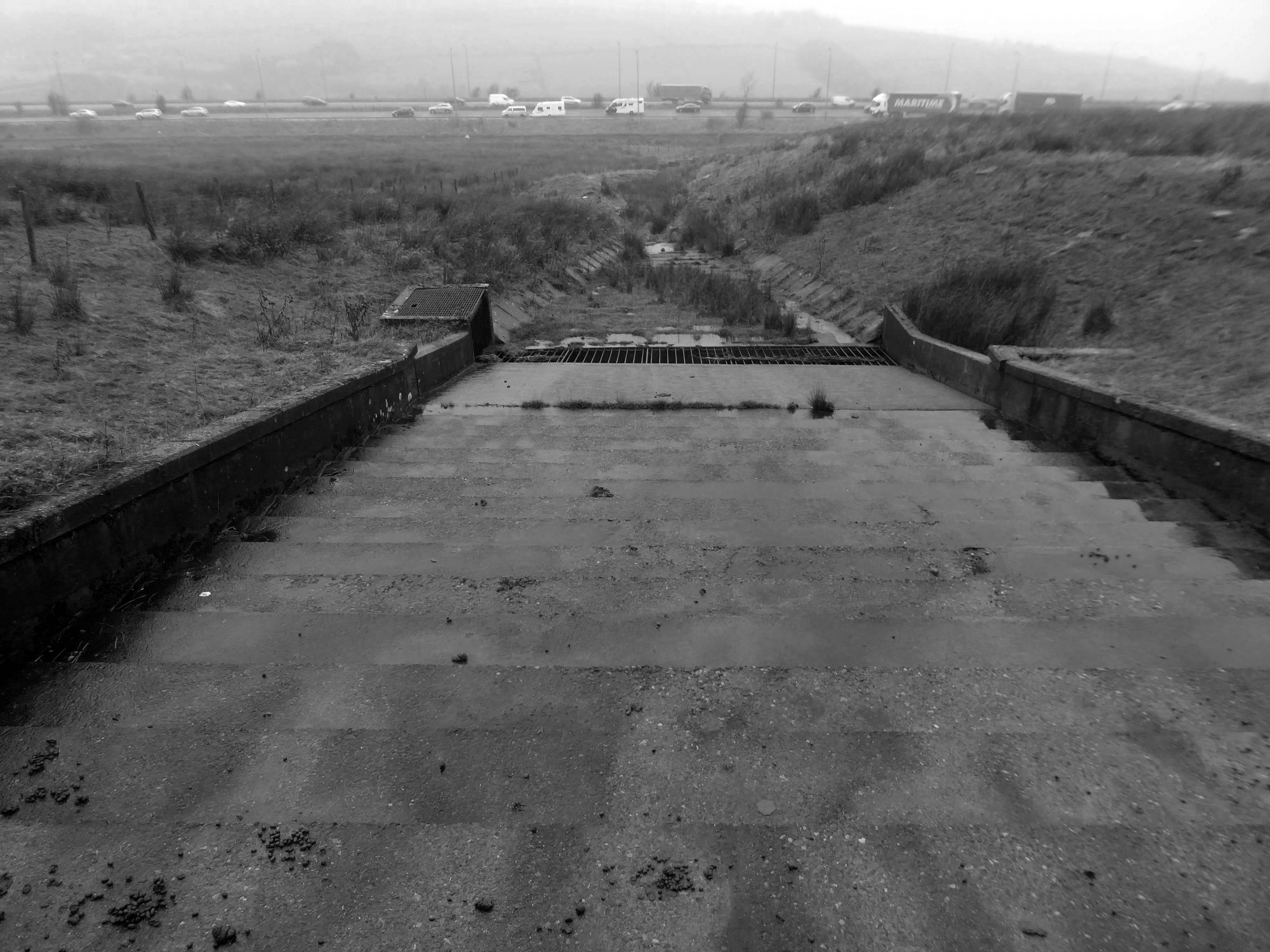
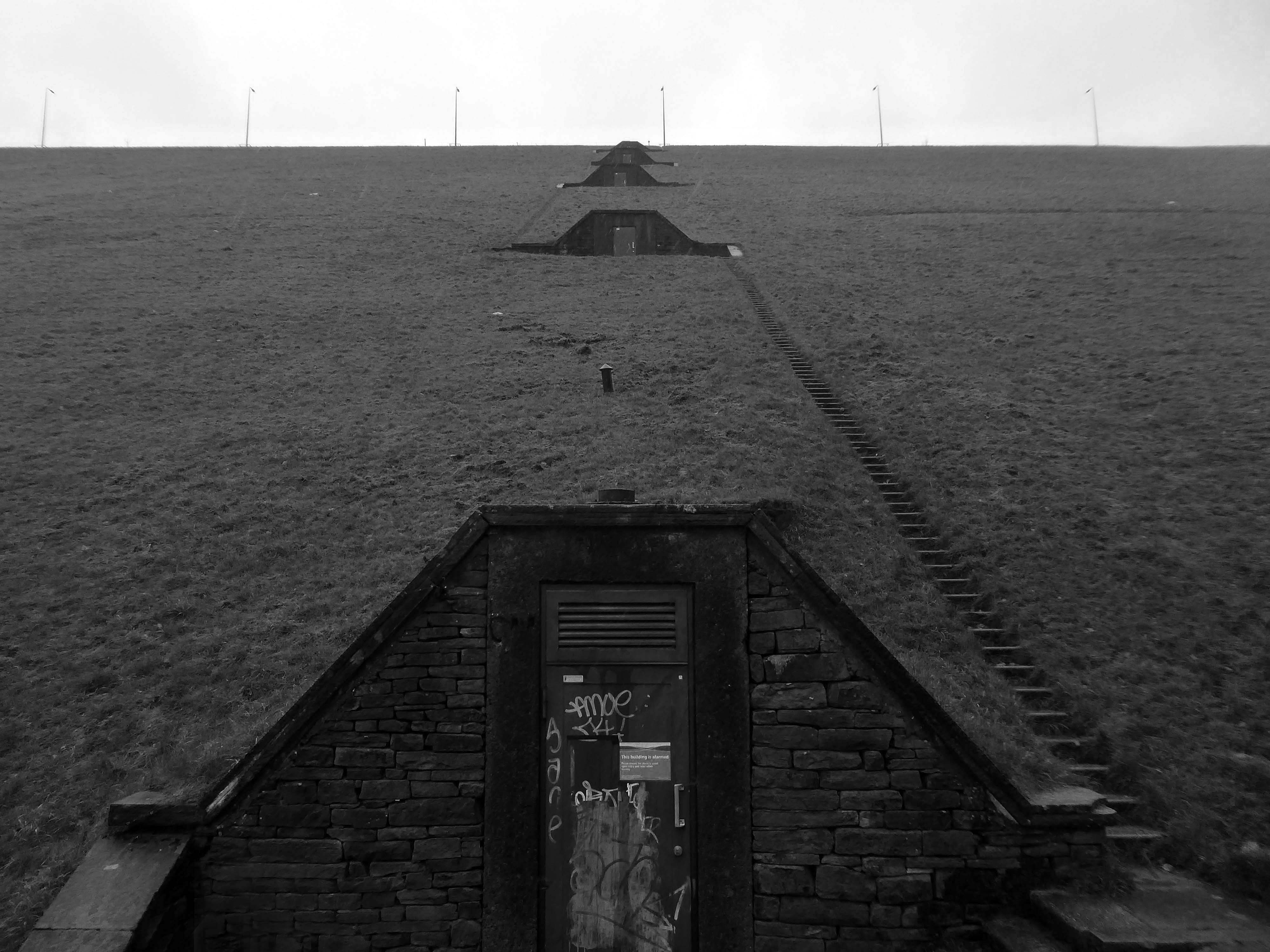
Scammonden steps comprises five flights of steps up the hillside from the valley below. Totaling 458 steps, the cumulative step count when ascending each of the five flights is 95, 200, 287, 363 then 458.
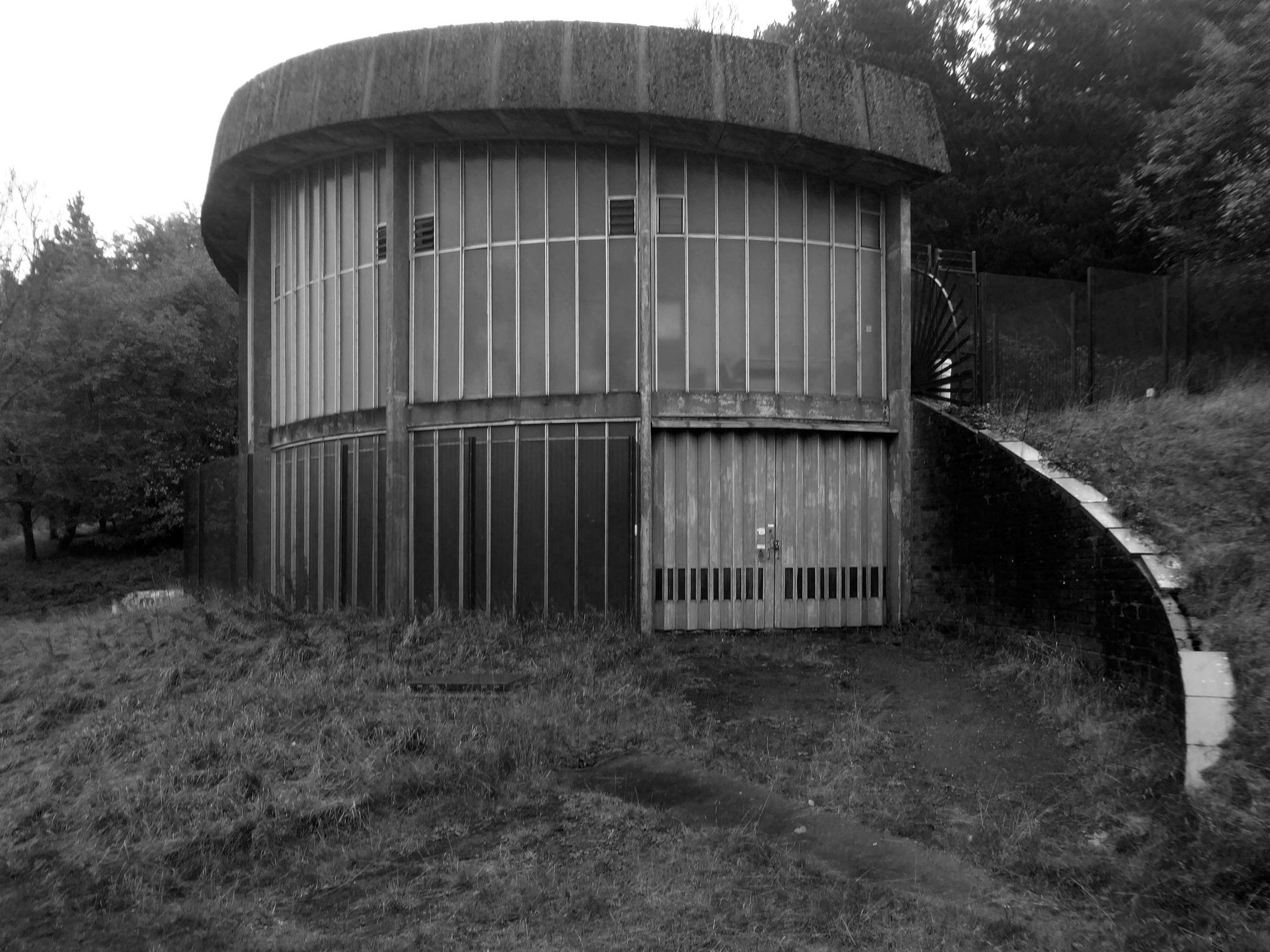
At the base of the dam is this delightful Pumping House.
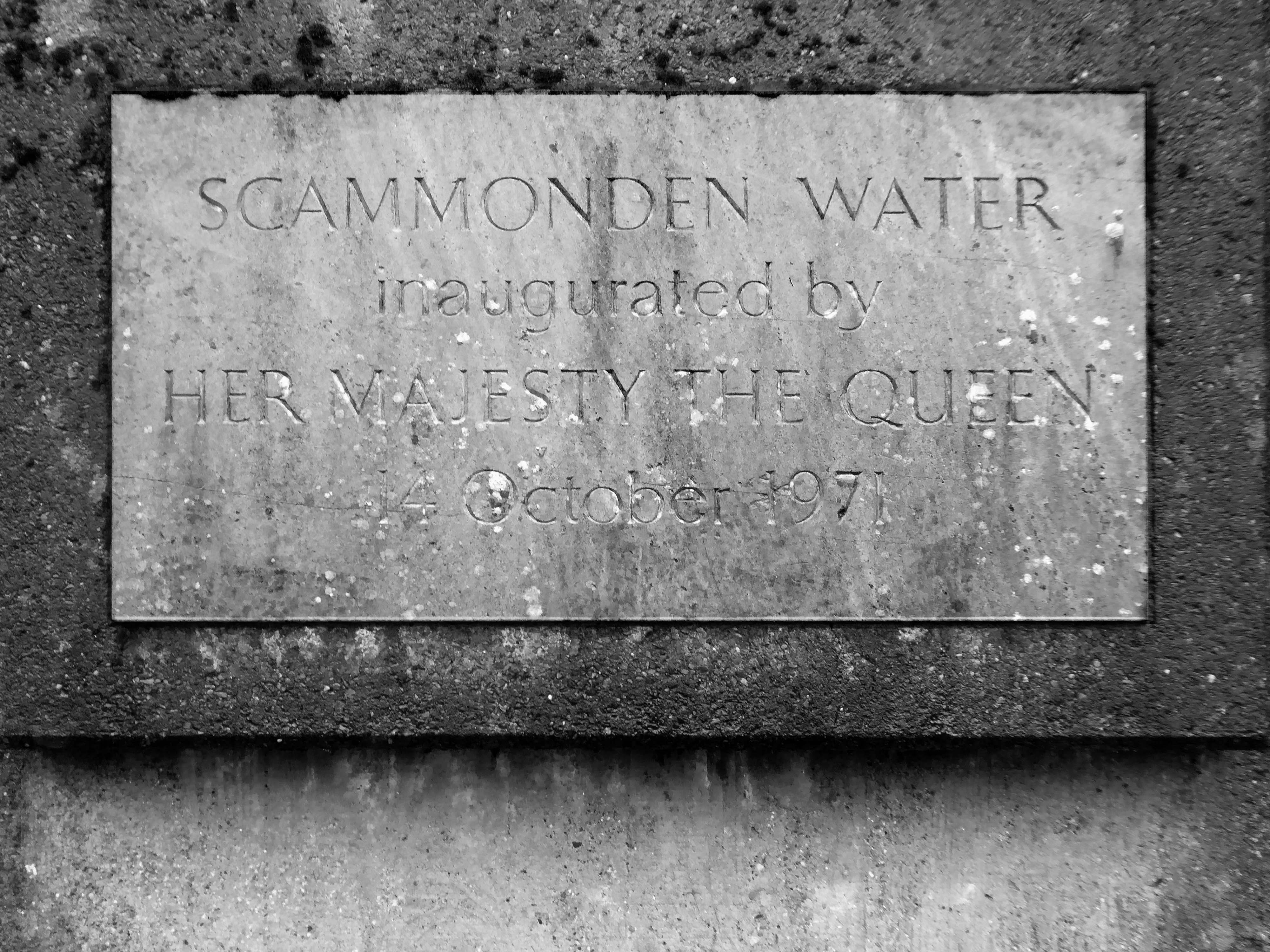
The motorway, which was dependent on the completion of the dam, was opened to traffic on 20th December 1970 and officially opened by Queen Elizabeth II who unveiled a plaque near the valve tower of Scammonden Water on 14 October 1971.
Ascending and looking back toward Scammonden Bridge also known locally as the Brown Cow Bridge – after the nearby Brown Cow Inn, now closed, spans the Deanhead cutting carrying the B6114.
The bridge was built for the West Riding County Council to the designs of the county surveyor, Colonel S Maynard Lovell.
It opened to traffic on Monday 18 May 1970 by Major Bruce Eccles – Huddersfield Transport ran buses to see the bridge.
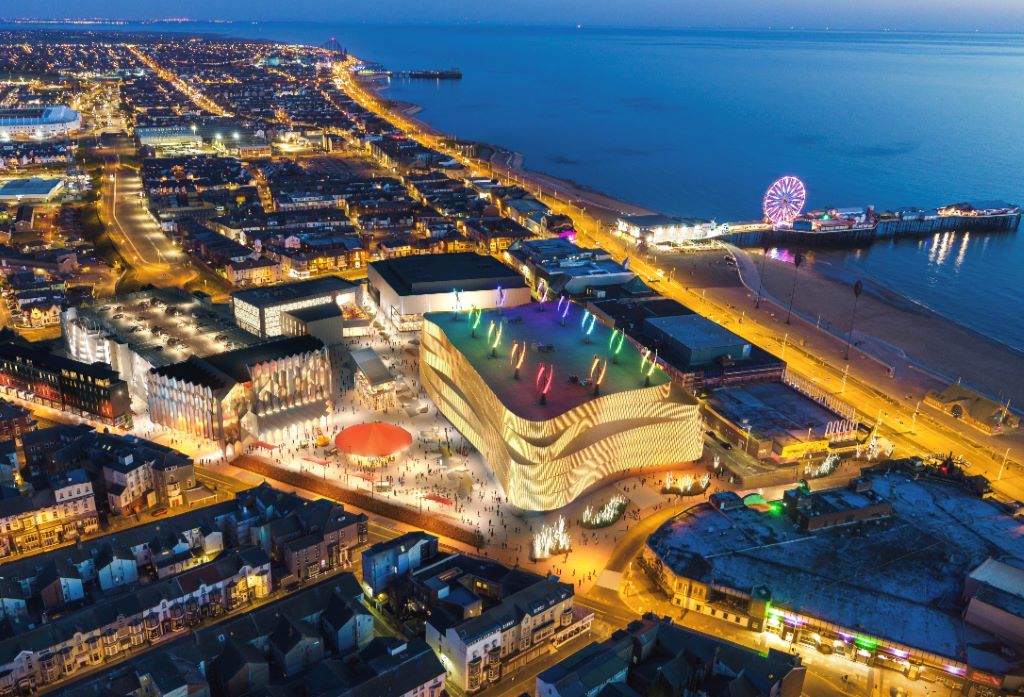
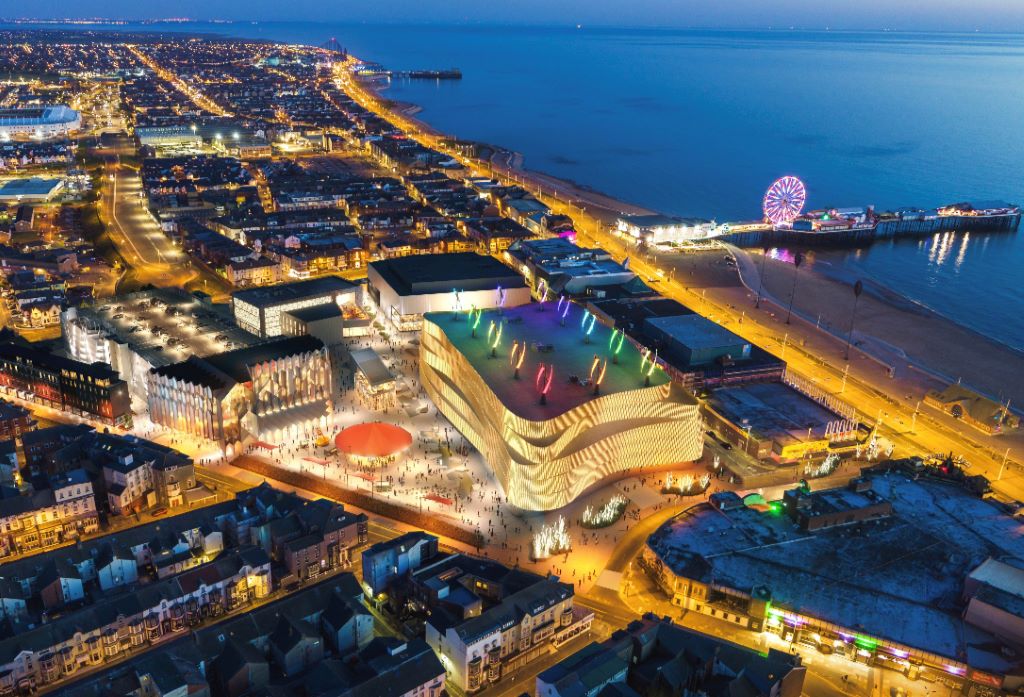
Blackpool Council says it remains committed to the Blackpool Central project amid the potential collapse of the developer leading the works.
But warning alarms sounded this week when Nikal – which was hired to oversee the project – filed a notice of intent to appoint administrators.
The £300m Blackpool Central development is billed as the biggest single investment in the town in more than a century and is planned to involve a “world-class leisure development” which would create 1,000 new jobs, bring an extra 600,000 visitors per year, and boost annual spend in the town by around £75m.
A spokesperson for Blackpool Council told the Blackpool Lead:
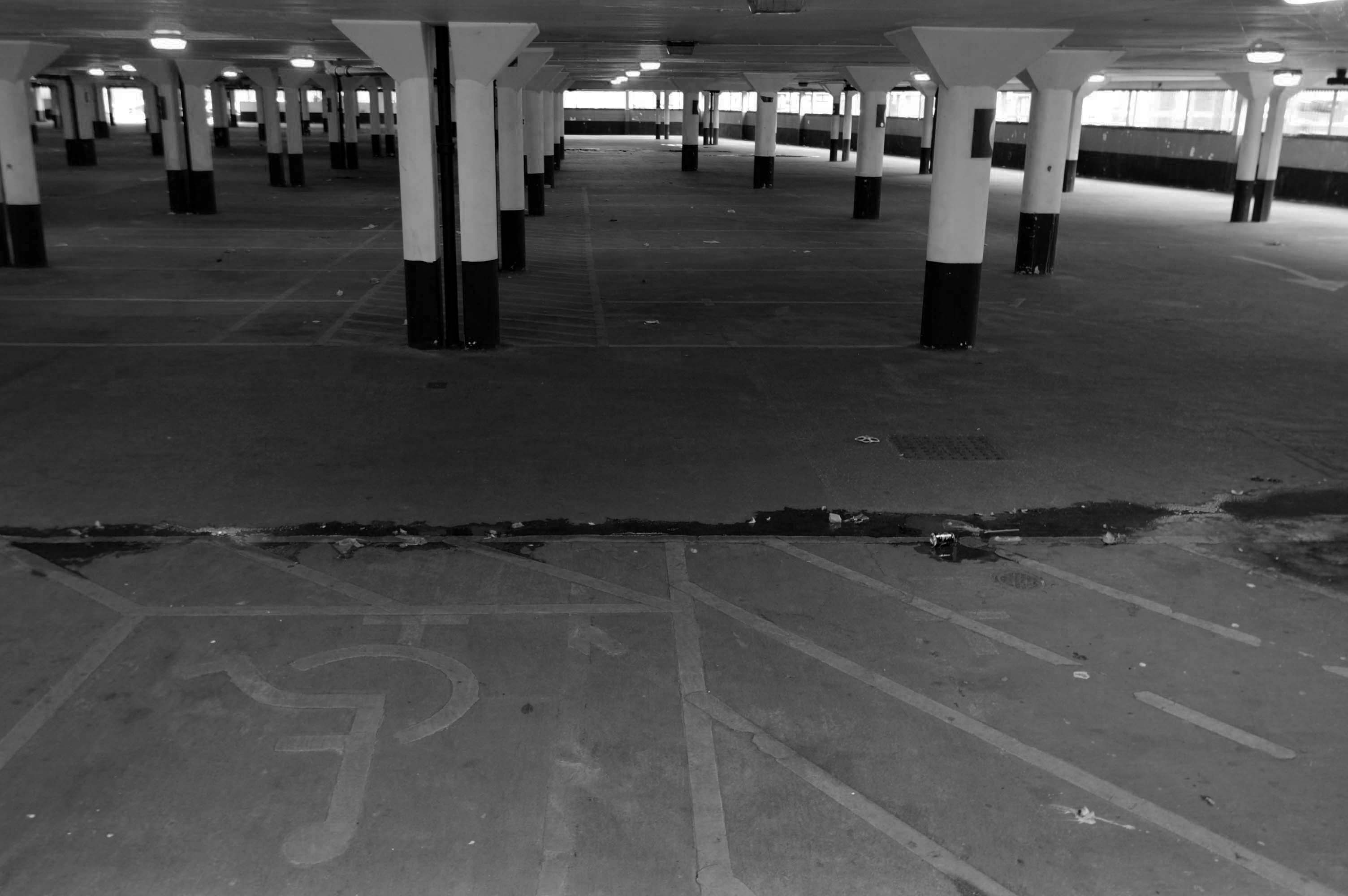
We have been working on the enabling phase of Blackpool Central over the last few years. The new multi-storey car park opened earlier this summer and we are currently completing preparations to demolish the old police station and courts building early in the New Year.
The proposals for the Bonny Street area can be seen here.
Plans for the area have hit further problems.
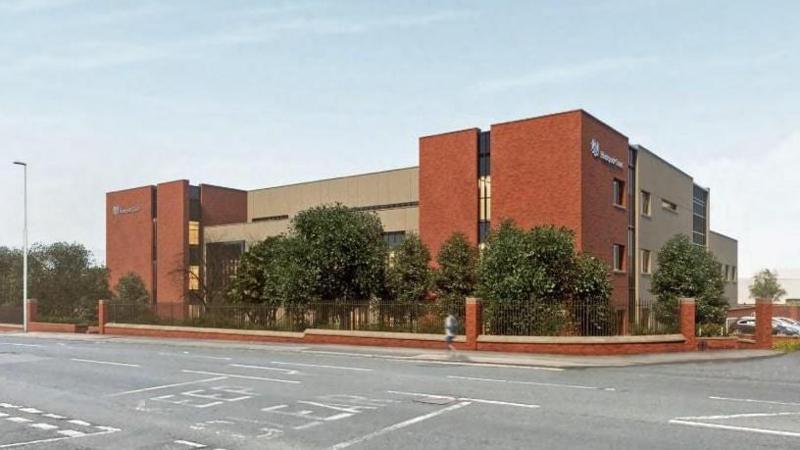
A new £40m magistrates courthouse is facing building delays after the project’s main contractor collapsed.Blackpool’s magistrates court was one of twenty two projects belonging to construction giant ISG, which was working on the scheme for the Ministry of Justice.
But the firm went into administration in September, leaving two thousand two hundred workers at risk of redundancy, the Local Democracy Reporting Service said.
Work was due to start early next year with a completion date expected in 2026.
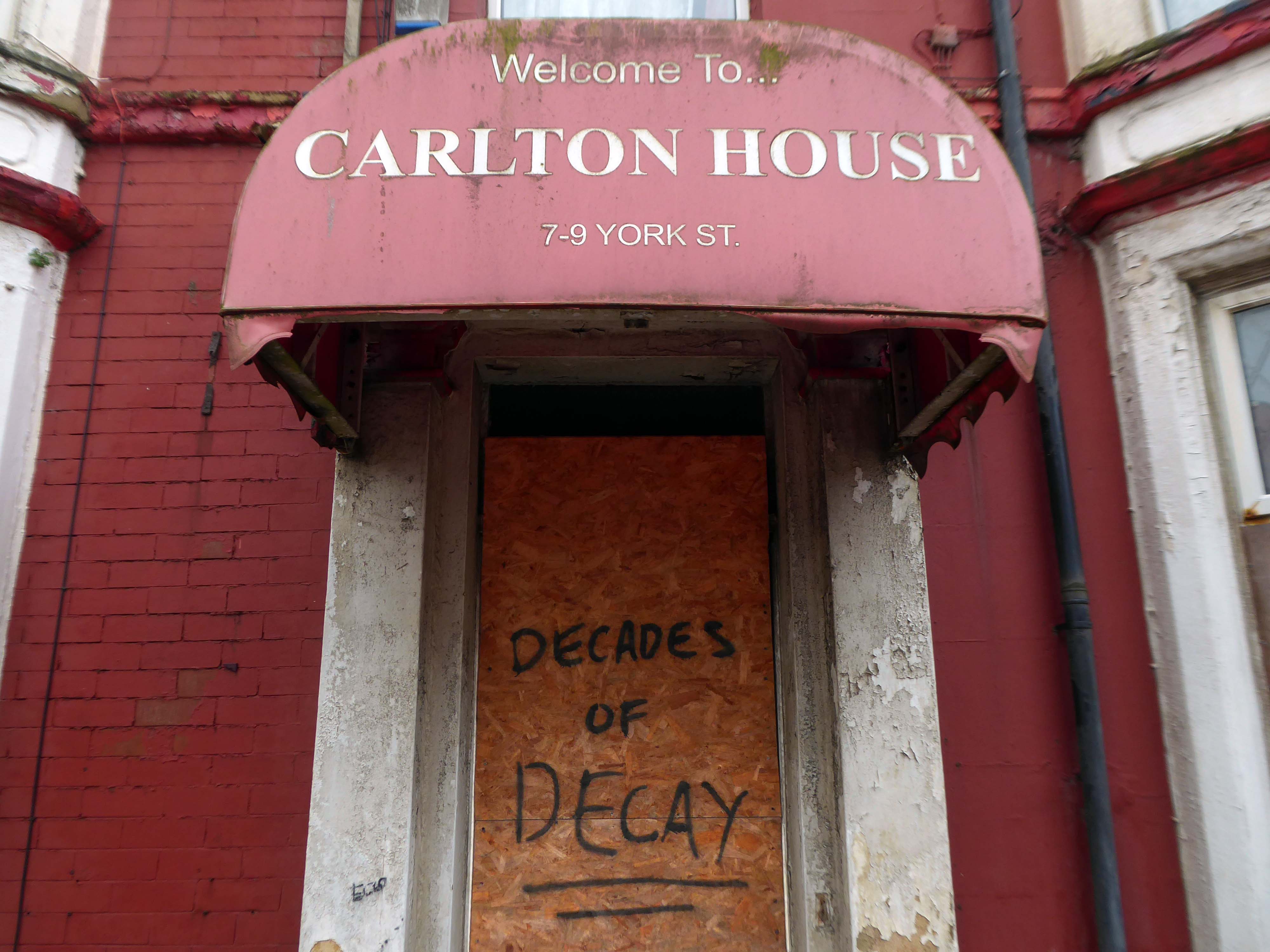
The town needs all the help it can get, time has not been too kind, whilst efforts have been made to invigorate the area around Blackpool North and the promenade, the back streets reflect the legacy of years of deprivation.
Blackpool ranks as one of the most deprived areas in the UK. Many people were already in poverty, and the cost of living pressures are having the biggest impact on this group, who need to spend a greater proportion of their incomes on household essentials. It is also affecting people on low and middle incomes, often surviving by having several jobs, who are being pushed into poverty. More people are turning to services for support, and as the winter progresses this is a serious concern.
I have no wish to poor scorn on the area – but a short walk around the streets approximate to the coast tells a tale of failed businesses, decay and decline.
Happily there are the seeds of recovery in evidence, in the form of newly built housing.
The executive report outlines an area of regeneration to the South of the town centre. It lies broadly between Chapel Street and Rigby Road, and the Promenade and Central Drive. These have been identified as the initial areas of focus for detailed scheme development, community engagement and property acquisitions in preparation for future development.
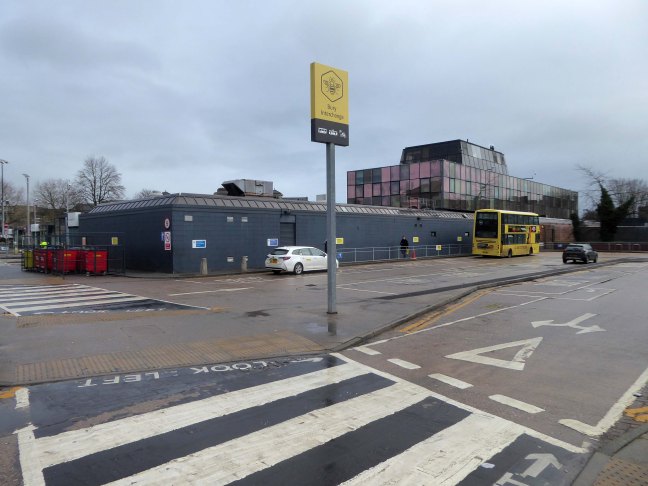
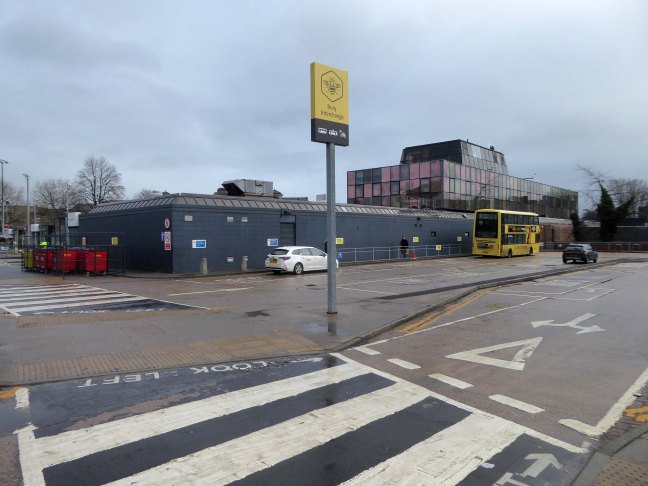
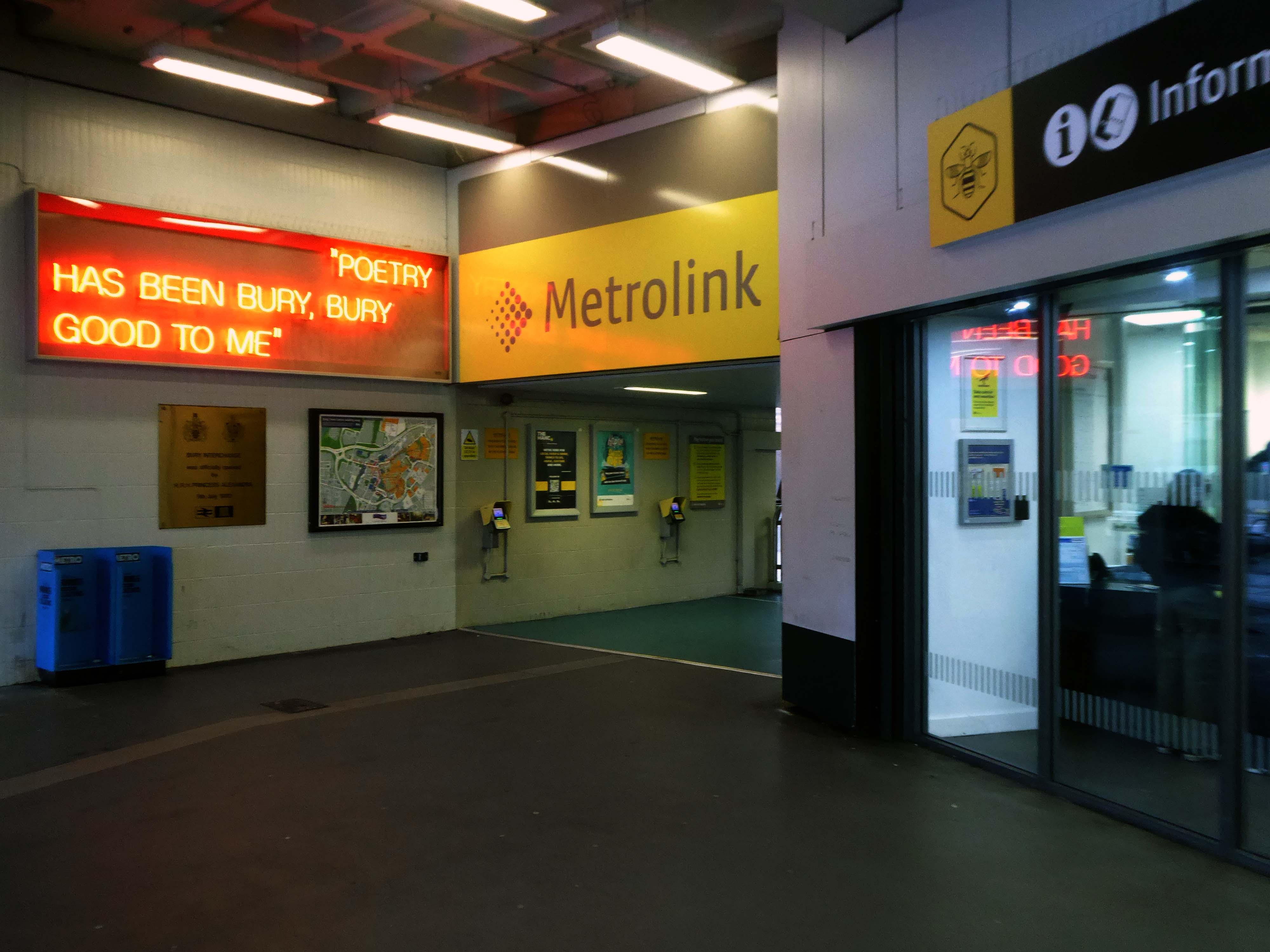
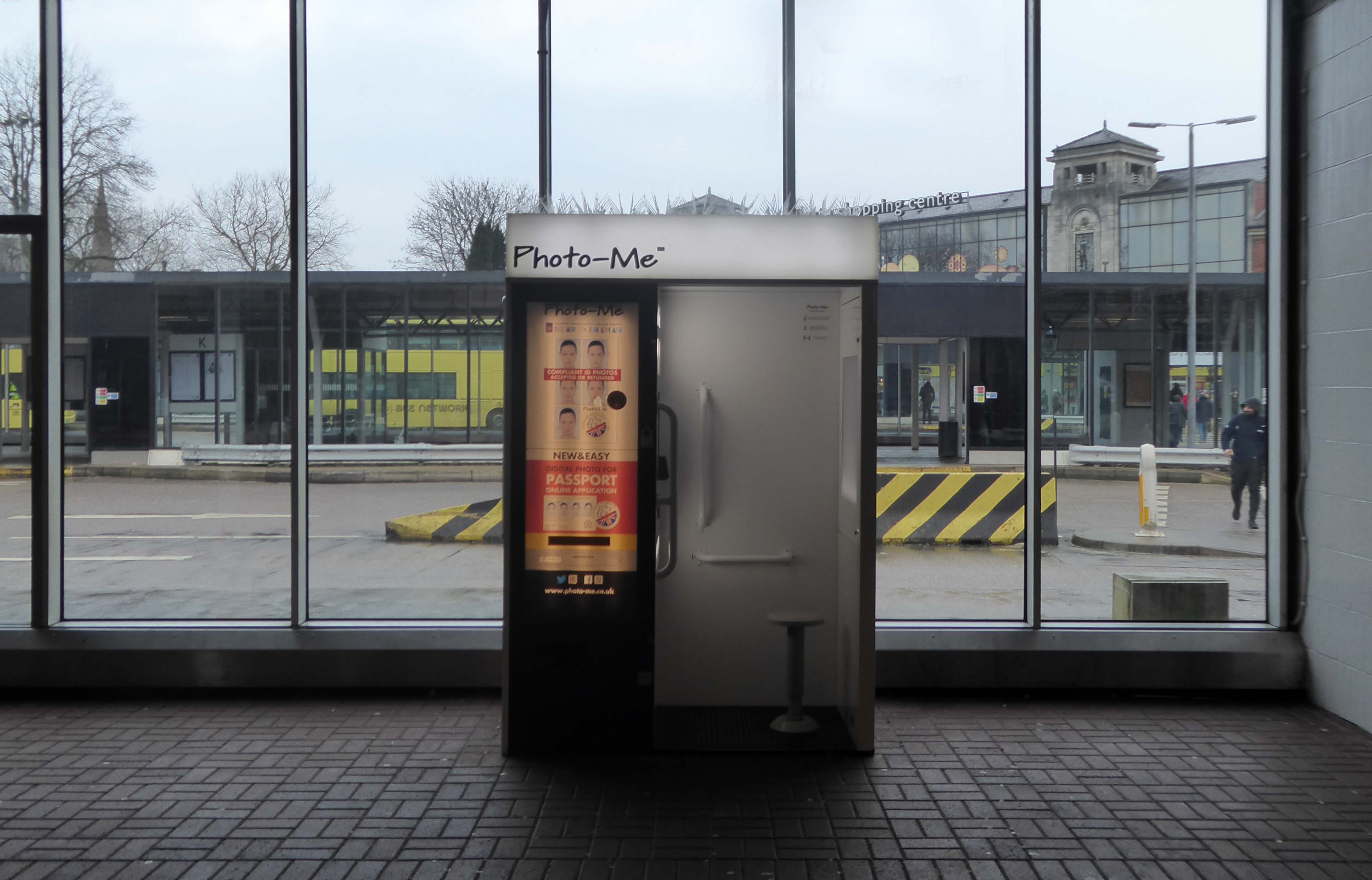
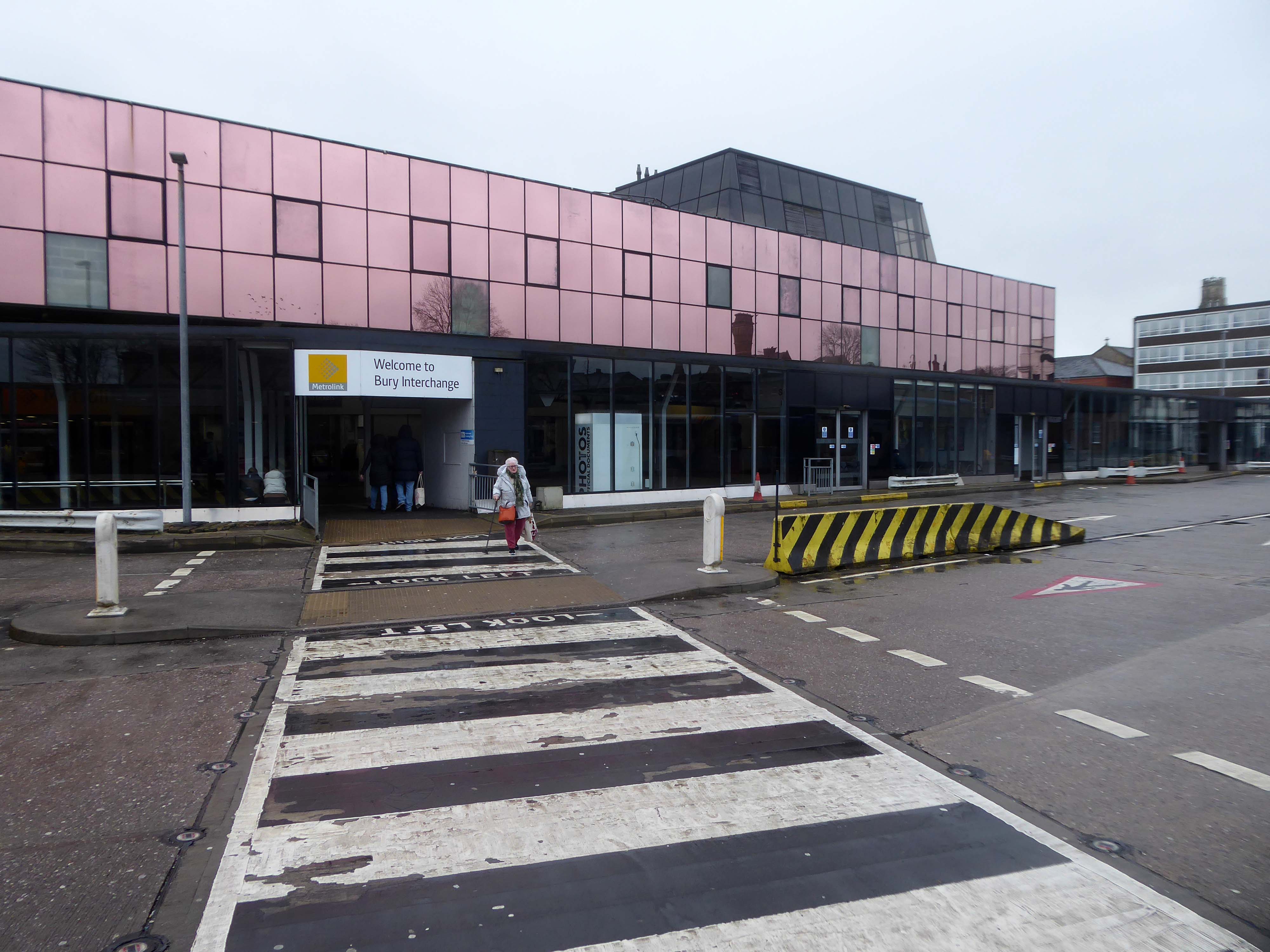
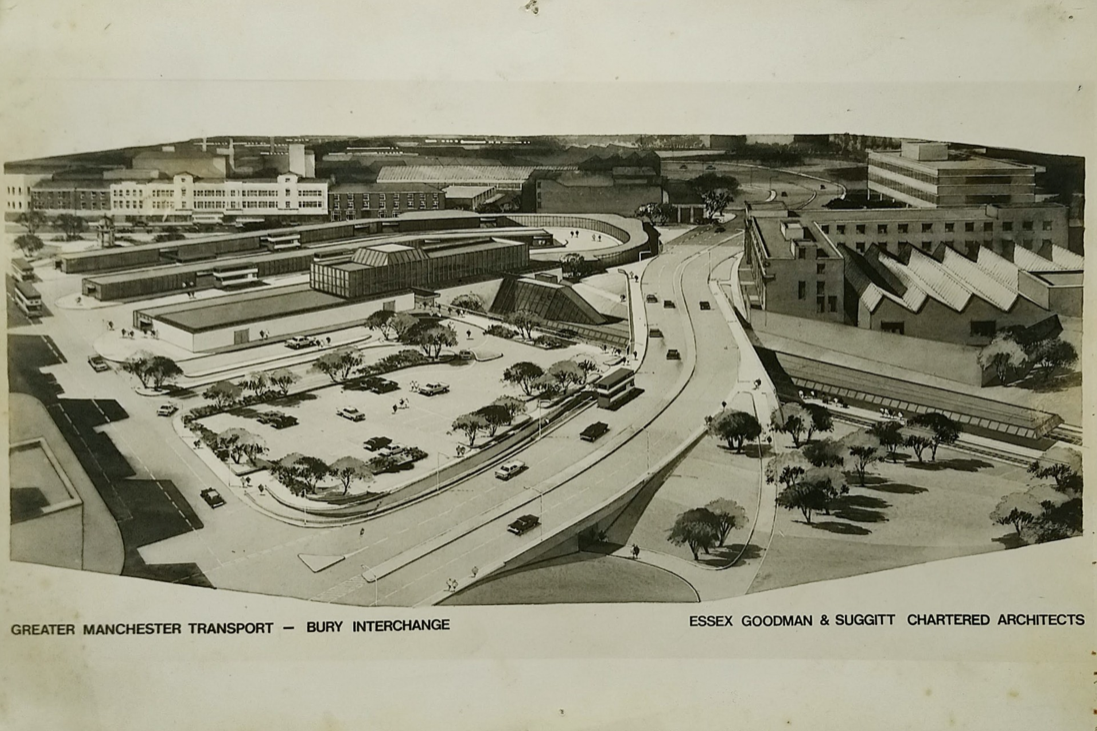
Arriving at and looking around the Interchange – 1980 architects: Essex Goodman & Suggitt
It is the northern terminus of the Manchester Metrolink’s Bury Line, which prior to 1992 was a heavy-rail line.
A new short spur line was constructed to connect the new station. The railway had originally run into Bury Bolton Street which was further away from the town centre, and was closed by British Rail on the same day that Bury Interchange opened.
It also incorporates a bus station.
Bury Interchange replaced the bus termini scattered around Bury town centre, notably around Kay Gardens.
An £80m transformation is coming to the Bury Interchange, which will see step-free access at the Metrolink, a “vertical circulation core” to better connect the Metrolink with the bus facility, and an integrated travel hub with spaces for cycle storage.
The work is much-needed, explained Transport for Greater Manchester’s Alan Lowe, he said that the interchange was built in the 1980s and very much is of its time.
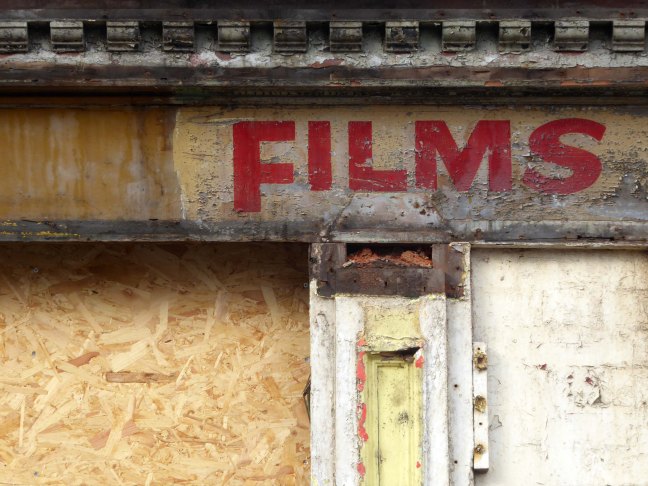
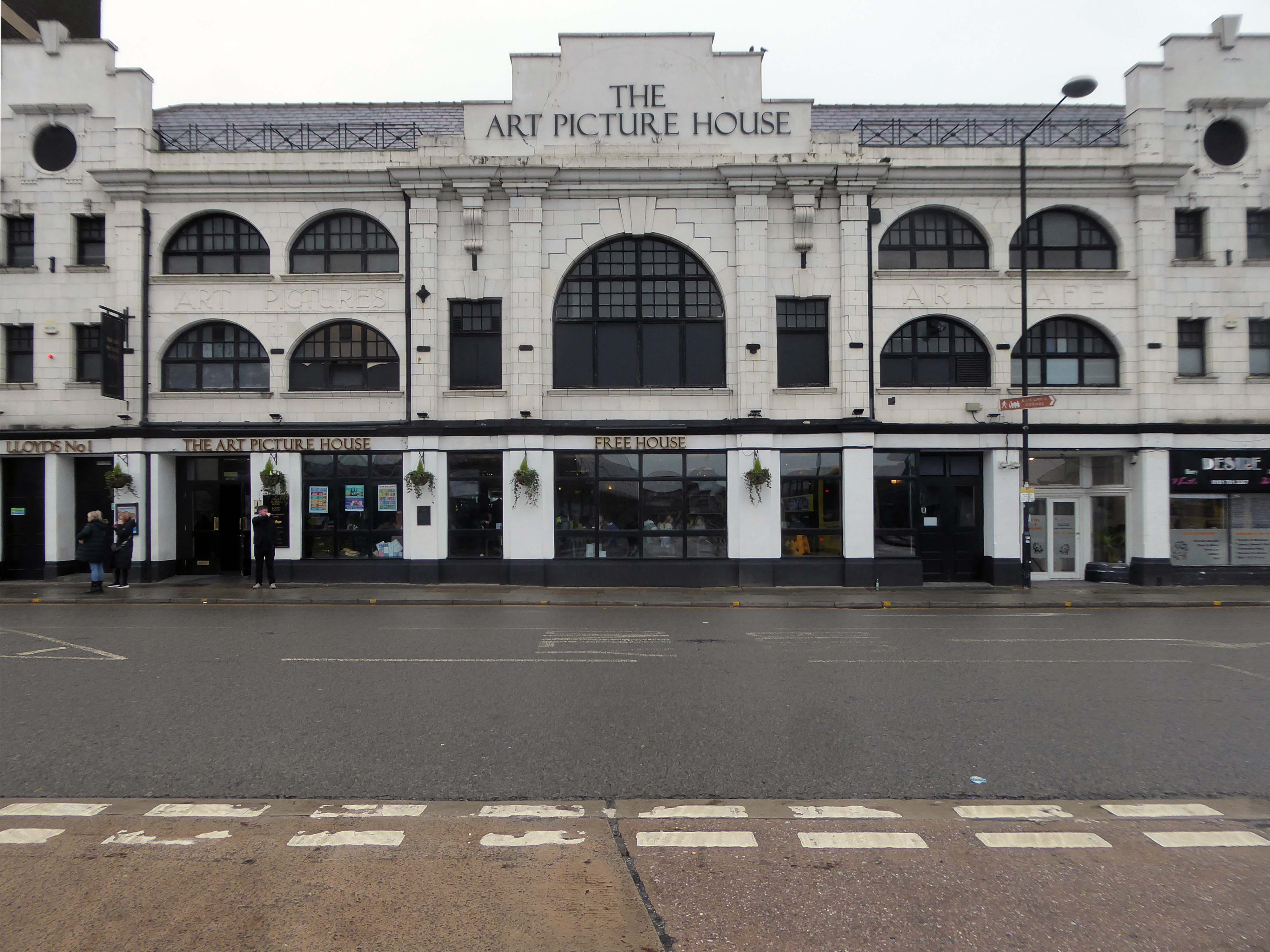
The Art Picture Palace was a 1923 rebuild of the earlier Art Picture Hall both designed by architect Albert Winstanley. The Art Picture Palace was opened on 26th January 1923. A remarkably complete survivor of a 1920’s cine-variety house executed in an elaborate style.
Films ceased in February 1965 and it became a bingo club. Later converted into a billiard hall until 19th May 1991 when it became a bingo club again, it later became a Chicago Rock Cafe.
Cinema Treasures
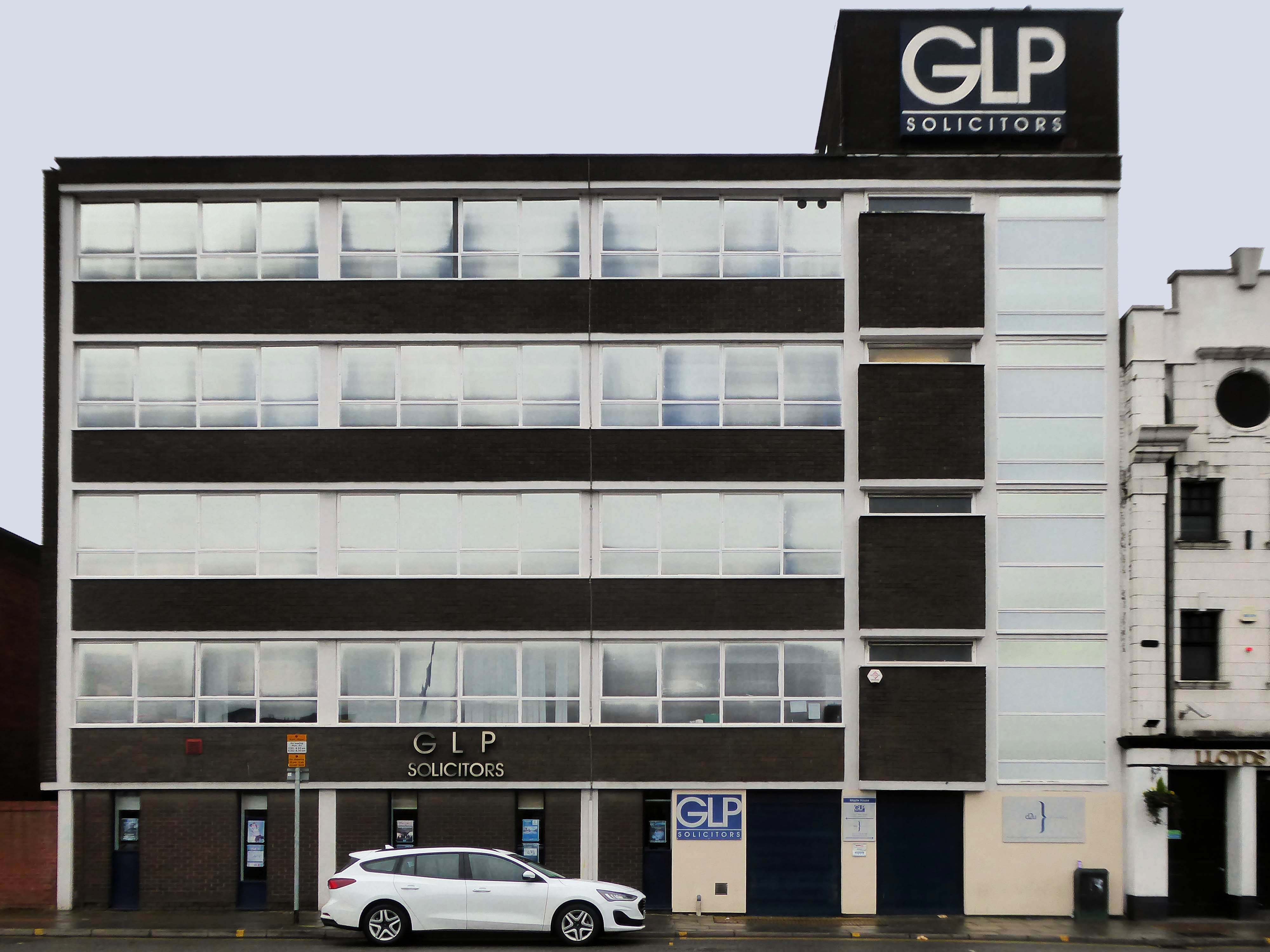
Next door a typical steel glass and brick banded office block Maple House.
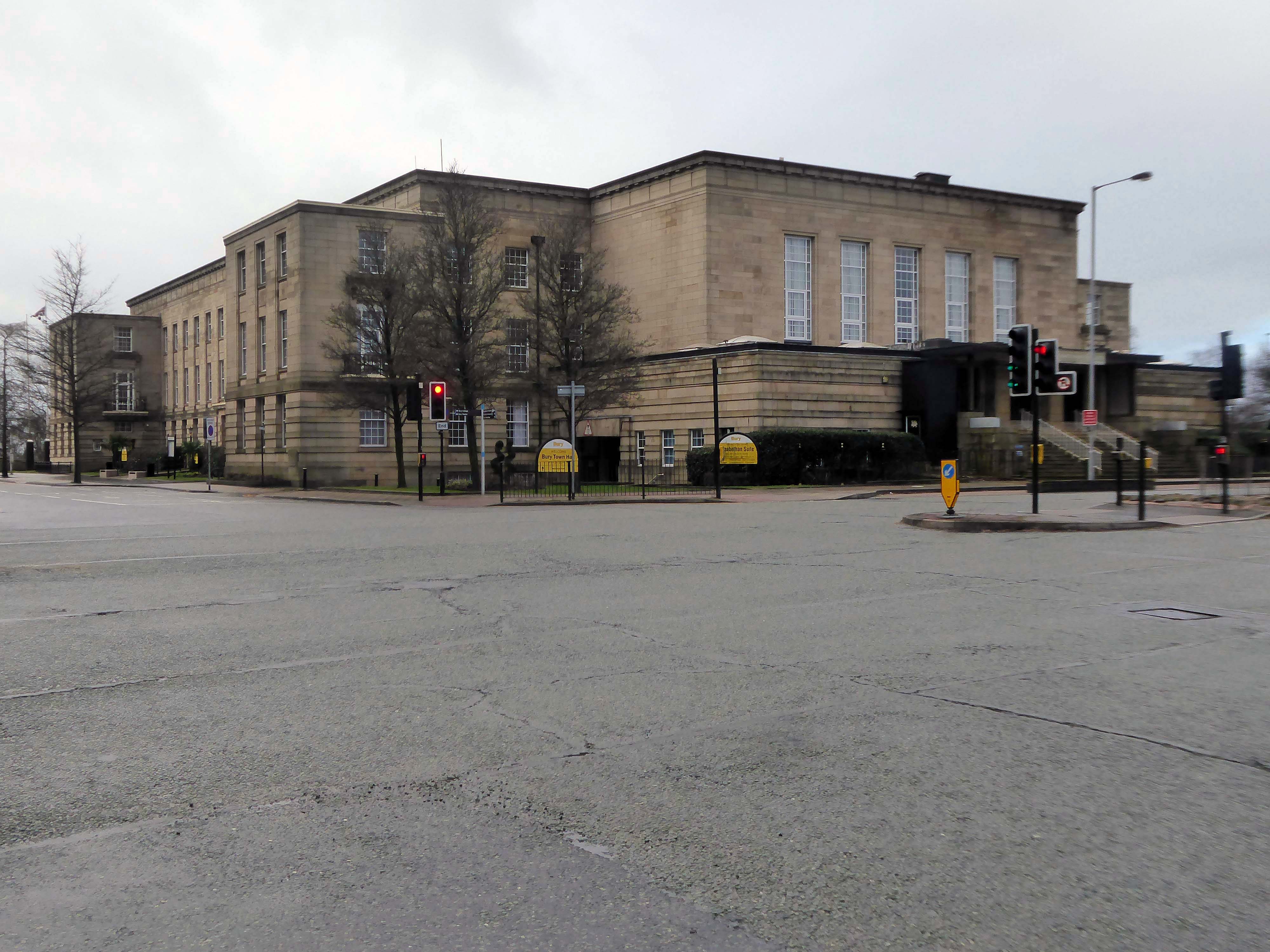
Around the corner and over the road to the Town Hall 1939-40 architects: Reginald Edmonds of Jackson & Edmonds then 1947-54.
Large and Dull – Niklaus Pevsner.
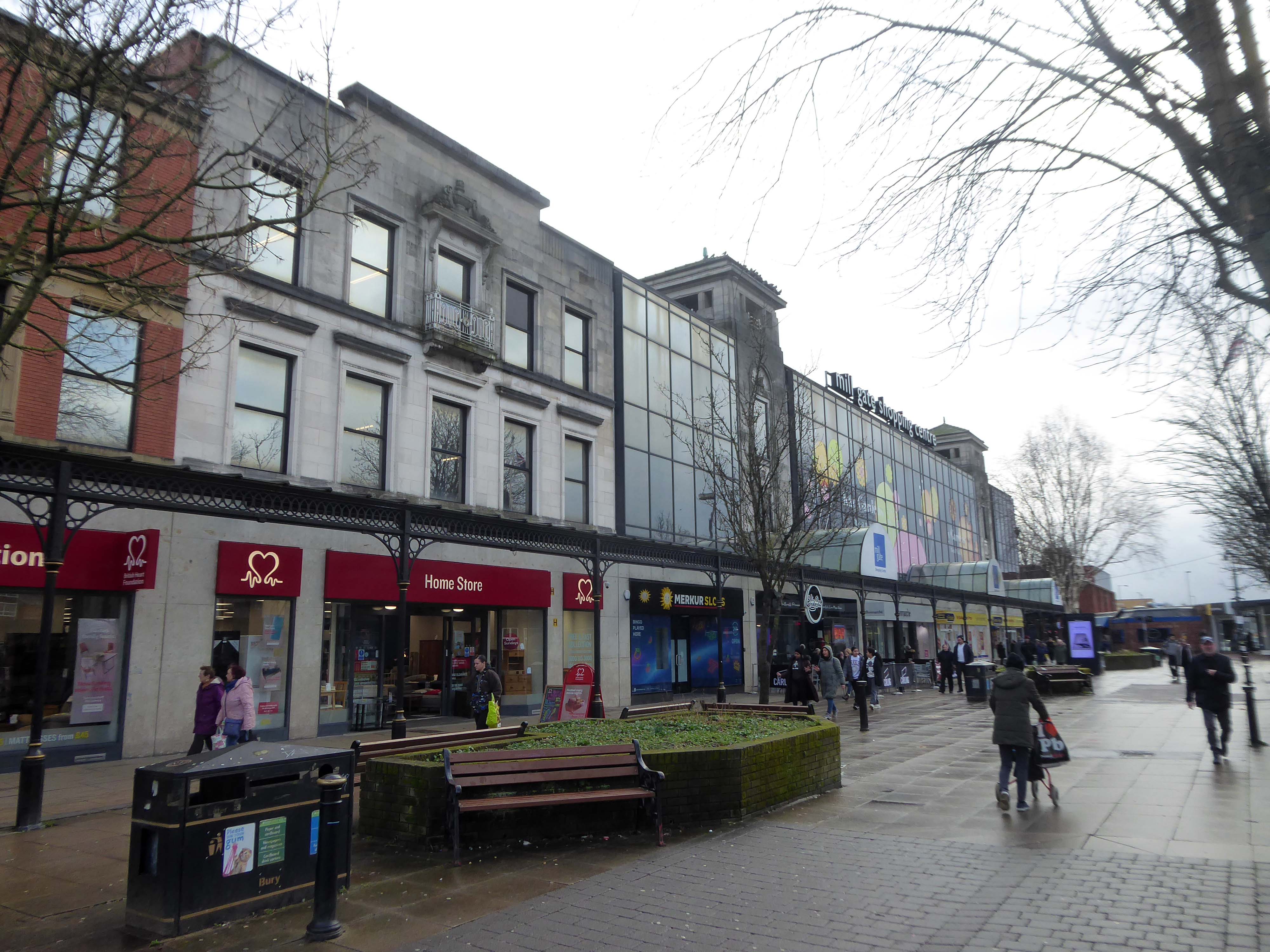
Back through the Interchange to the former Cooperative Store of the 1930’s.
The Portland Stone towers still visible – the elevation largely retro-clad in glass.
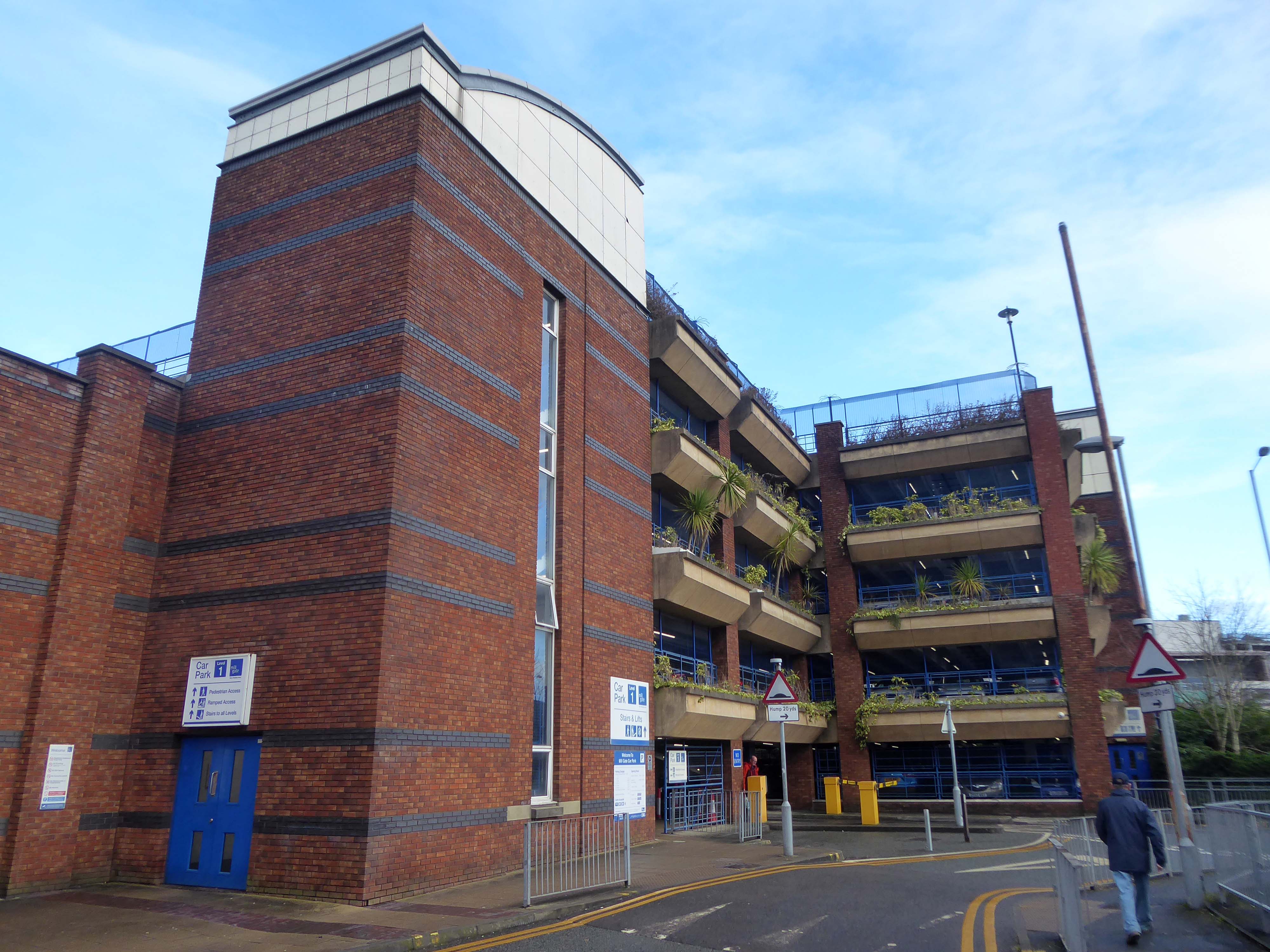
Passing through the Millgate Shopping Centre of the 1980’s.
Unambitious but successful, the floors cheerfully tiled – Niklaus Pevsner.
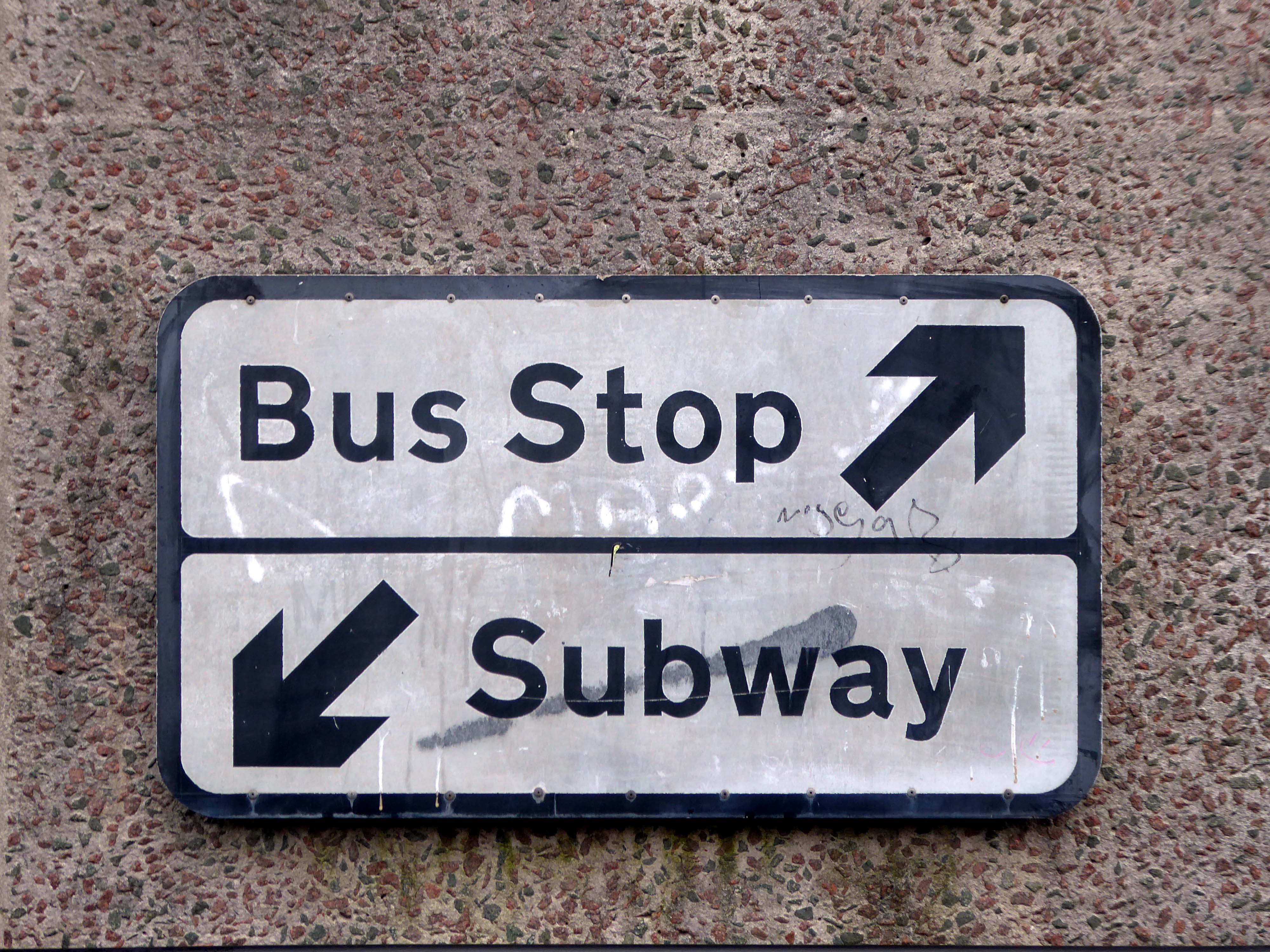
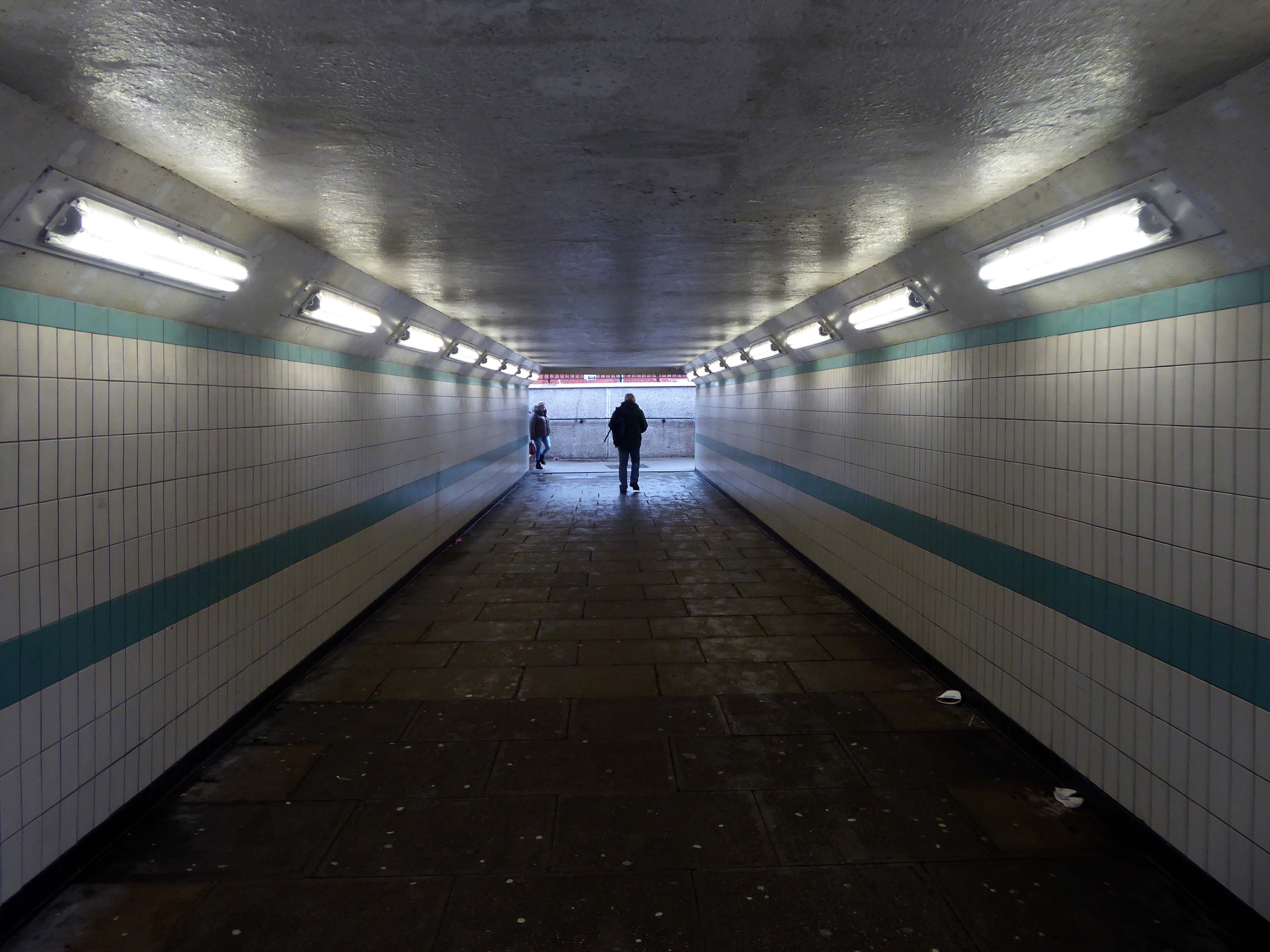
Down in the subway at midday.
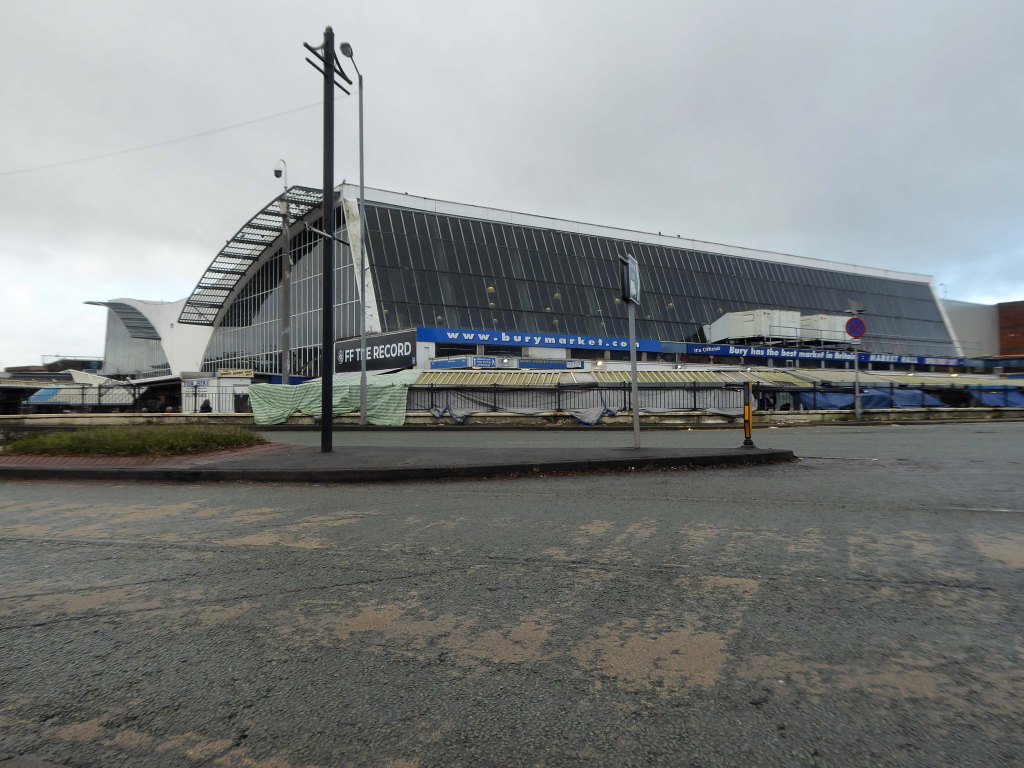
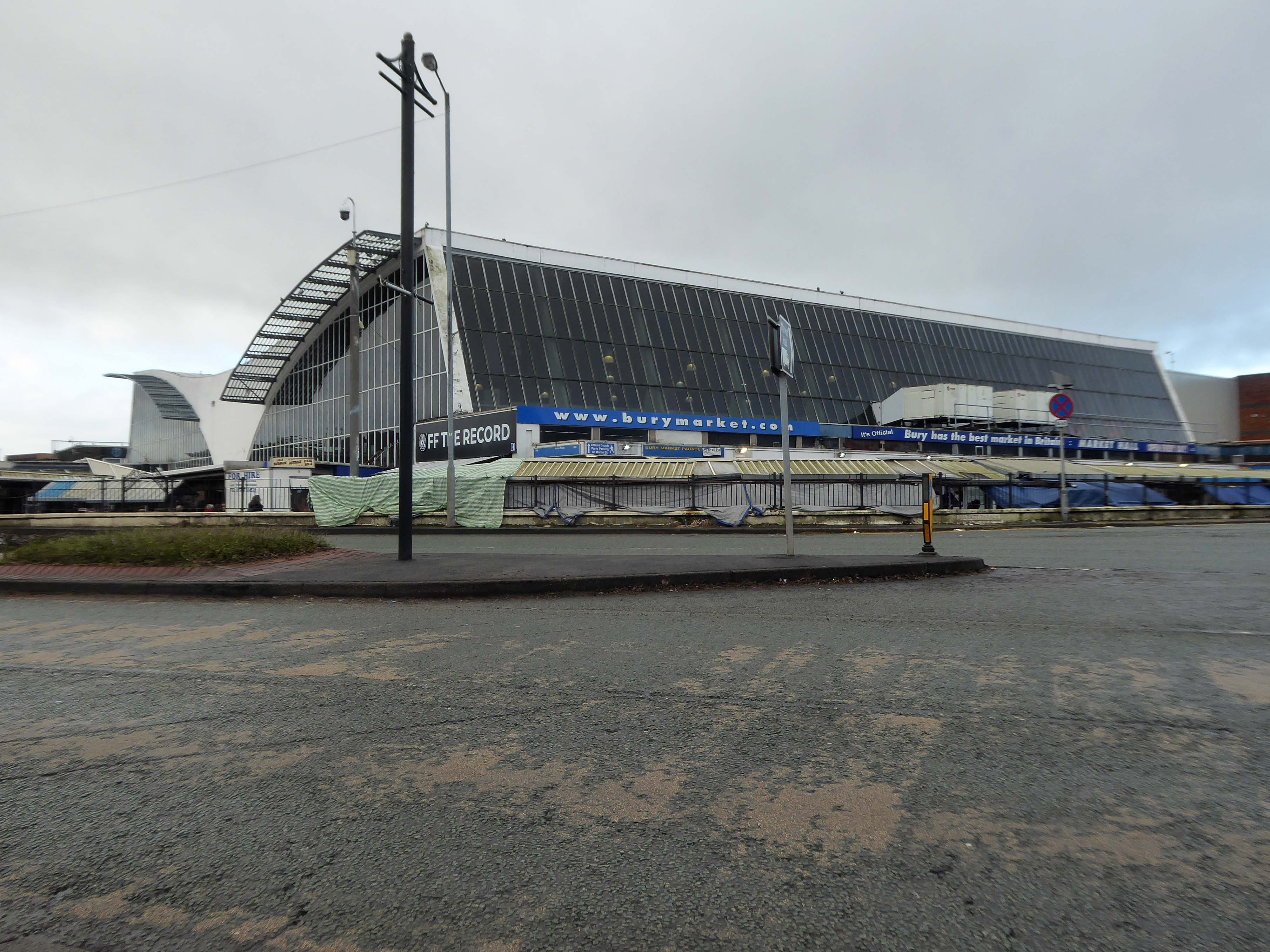
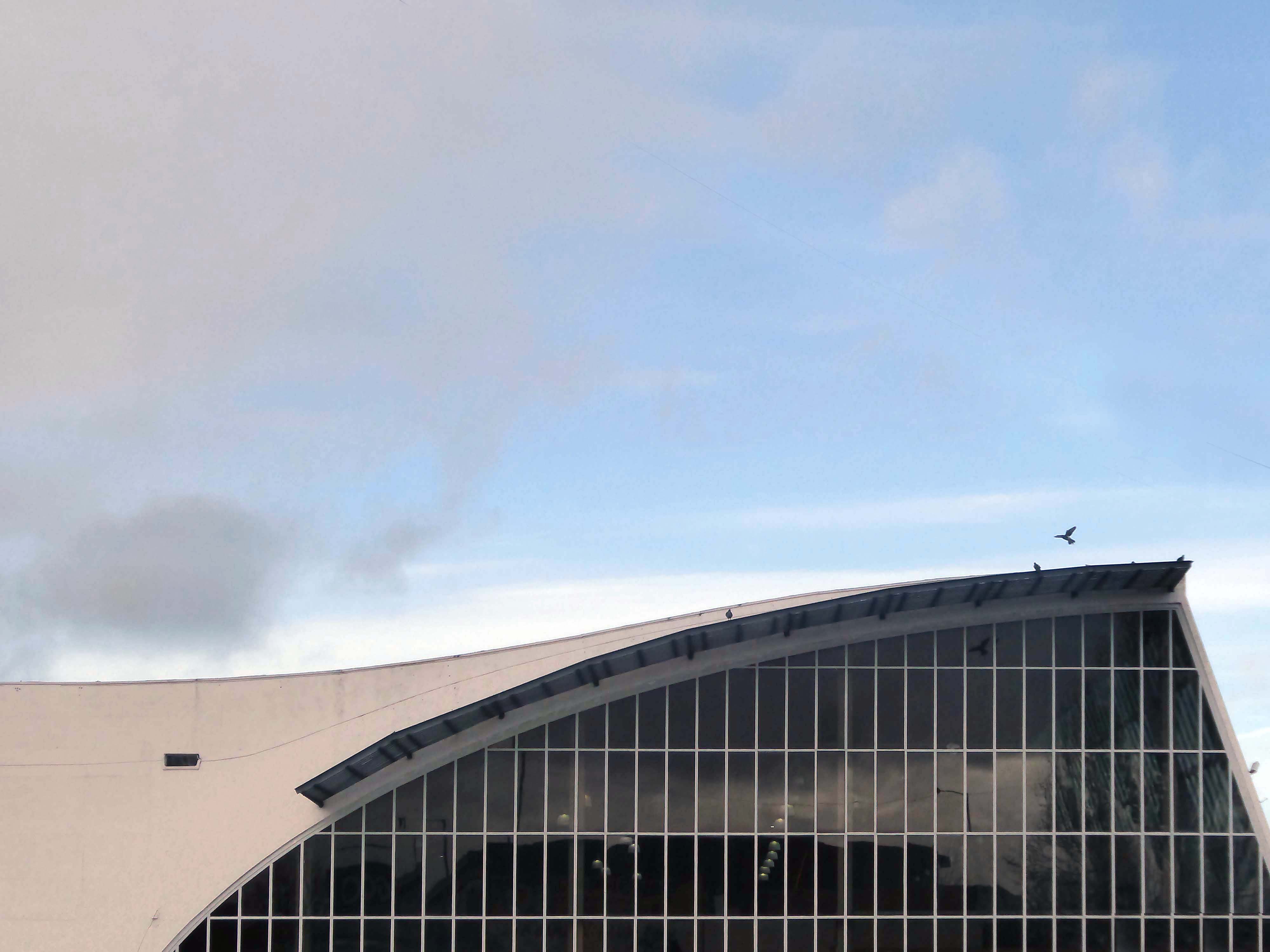
The better to get a view of the Market Hall 1971 – architects: Harry S Fairhurst.
The Indoor Market Hall is currently closed due to the discovery of Reinforced Autoclaved Aerated Concrete – within the building structure. RAAC is a lightweight type of building material that was used between the 1950s and 1990s.
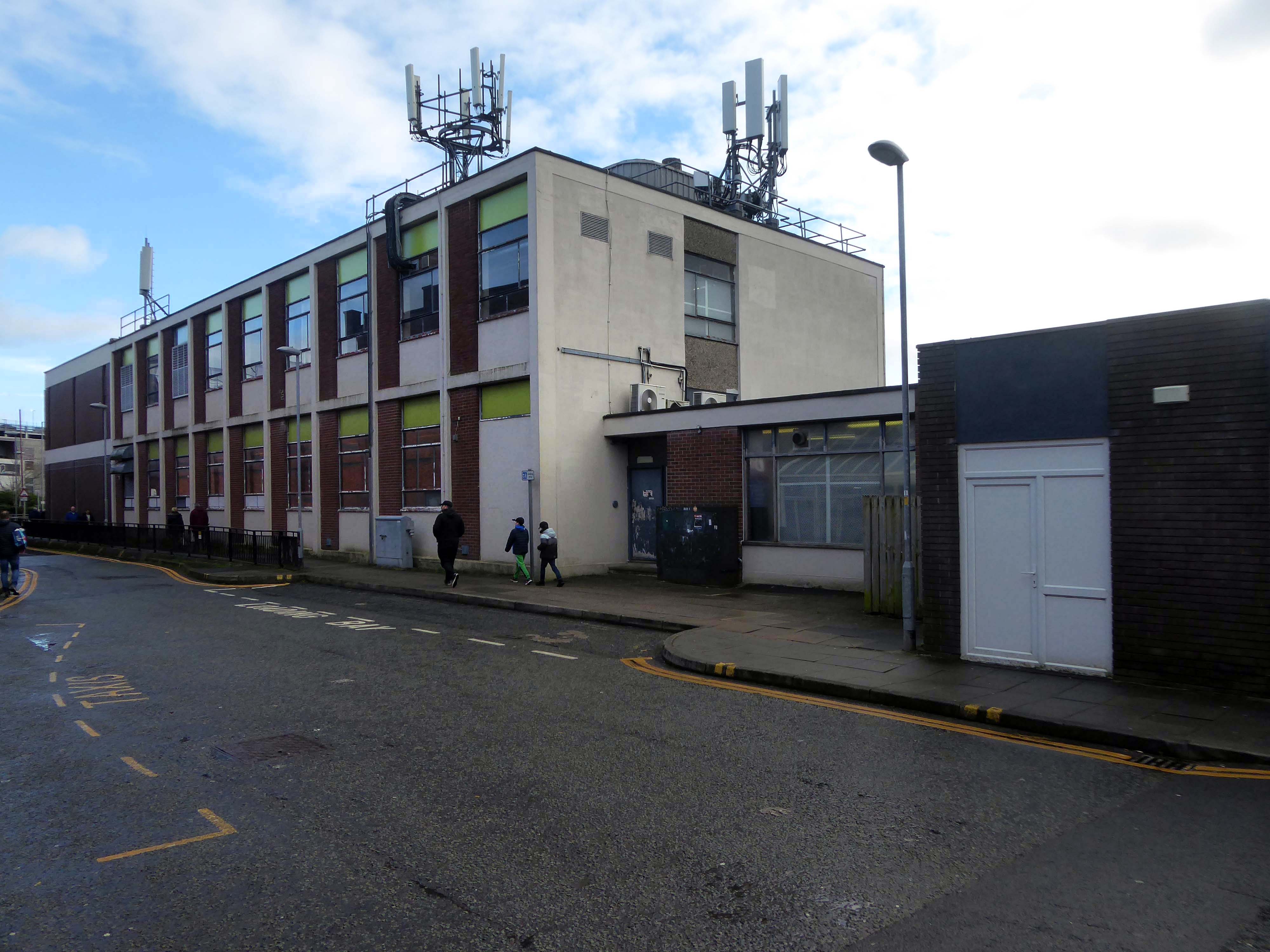
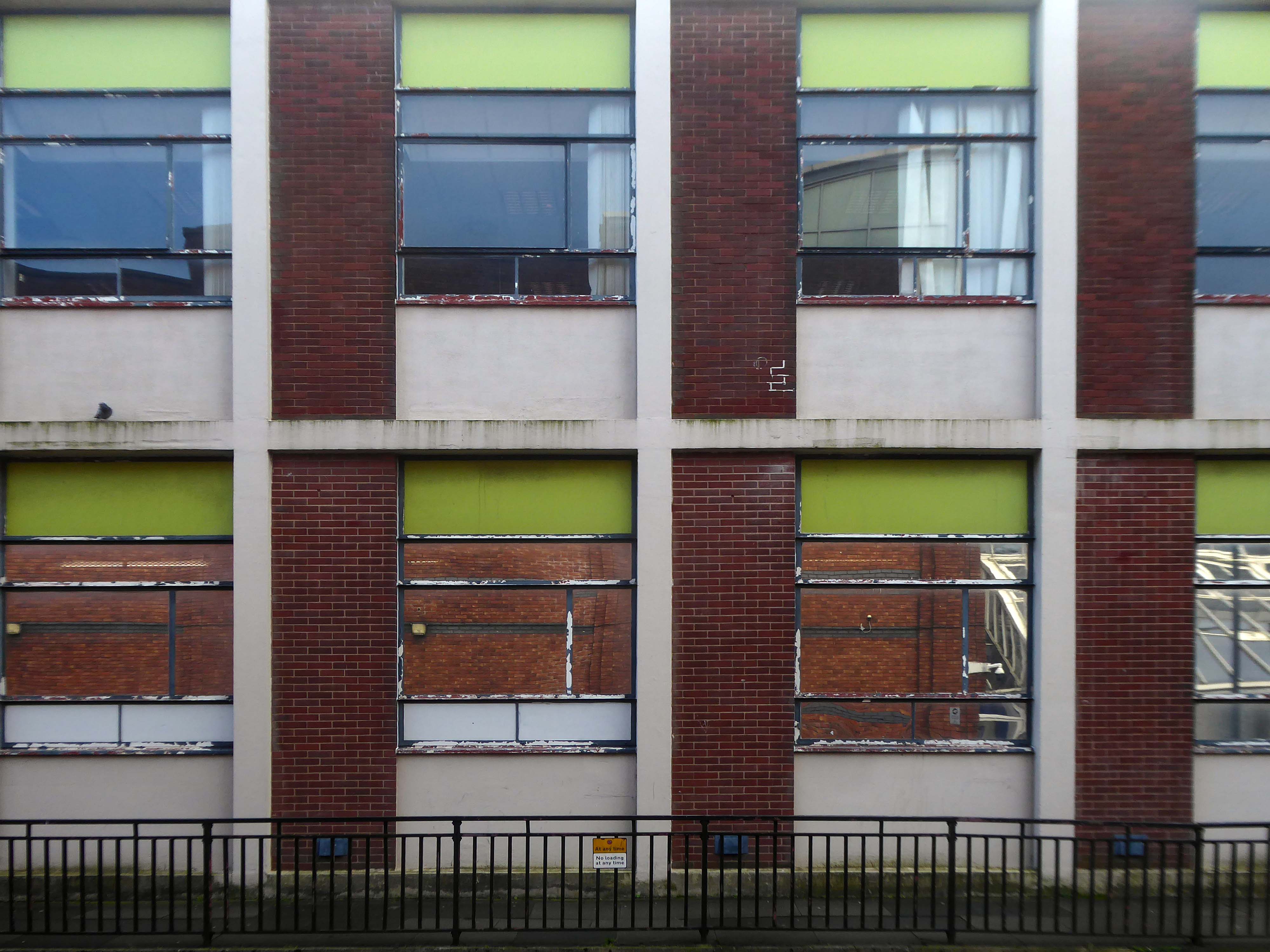
Back under the road – where we find a delightful Telephone Exchange.
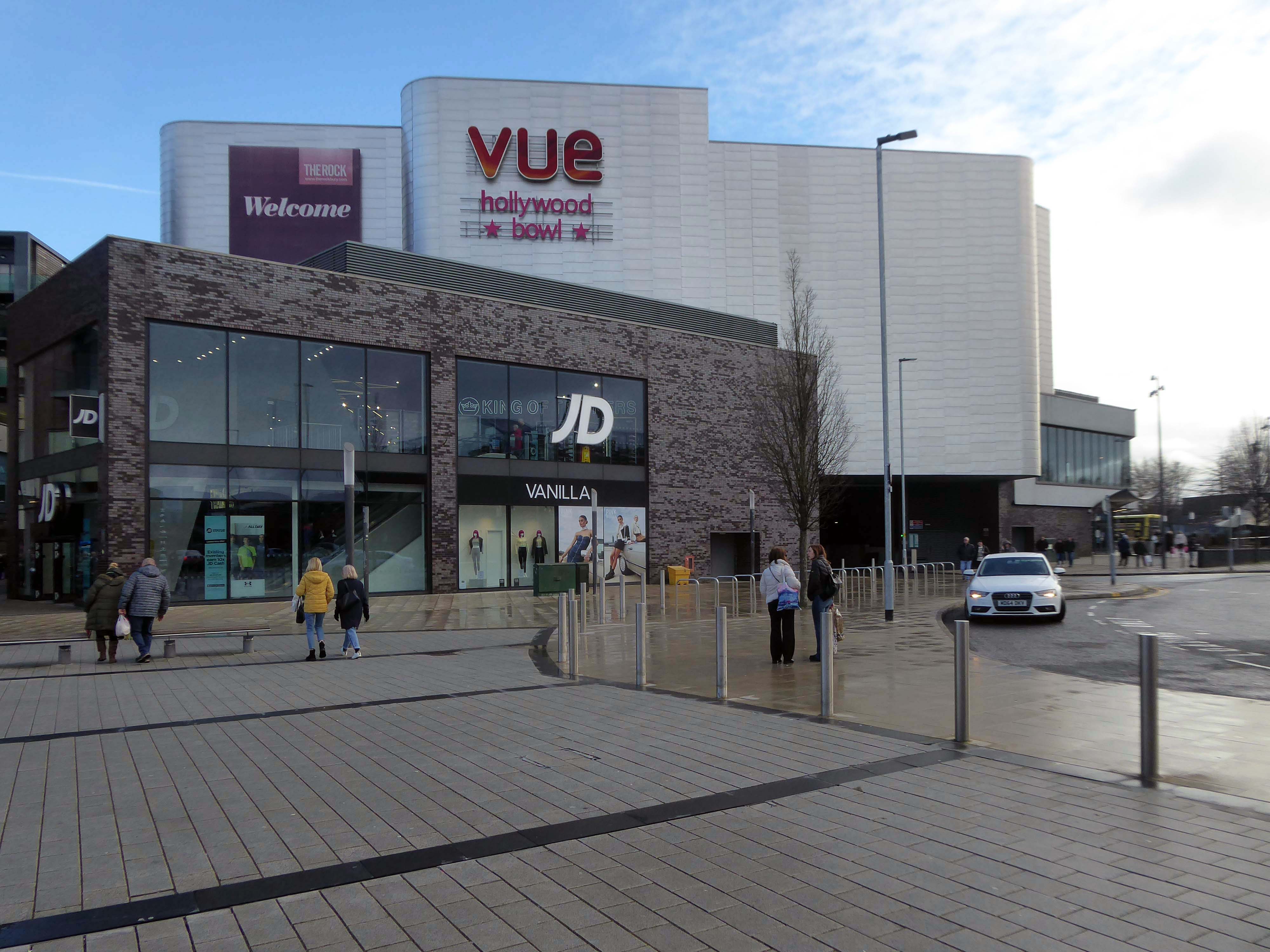
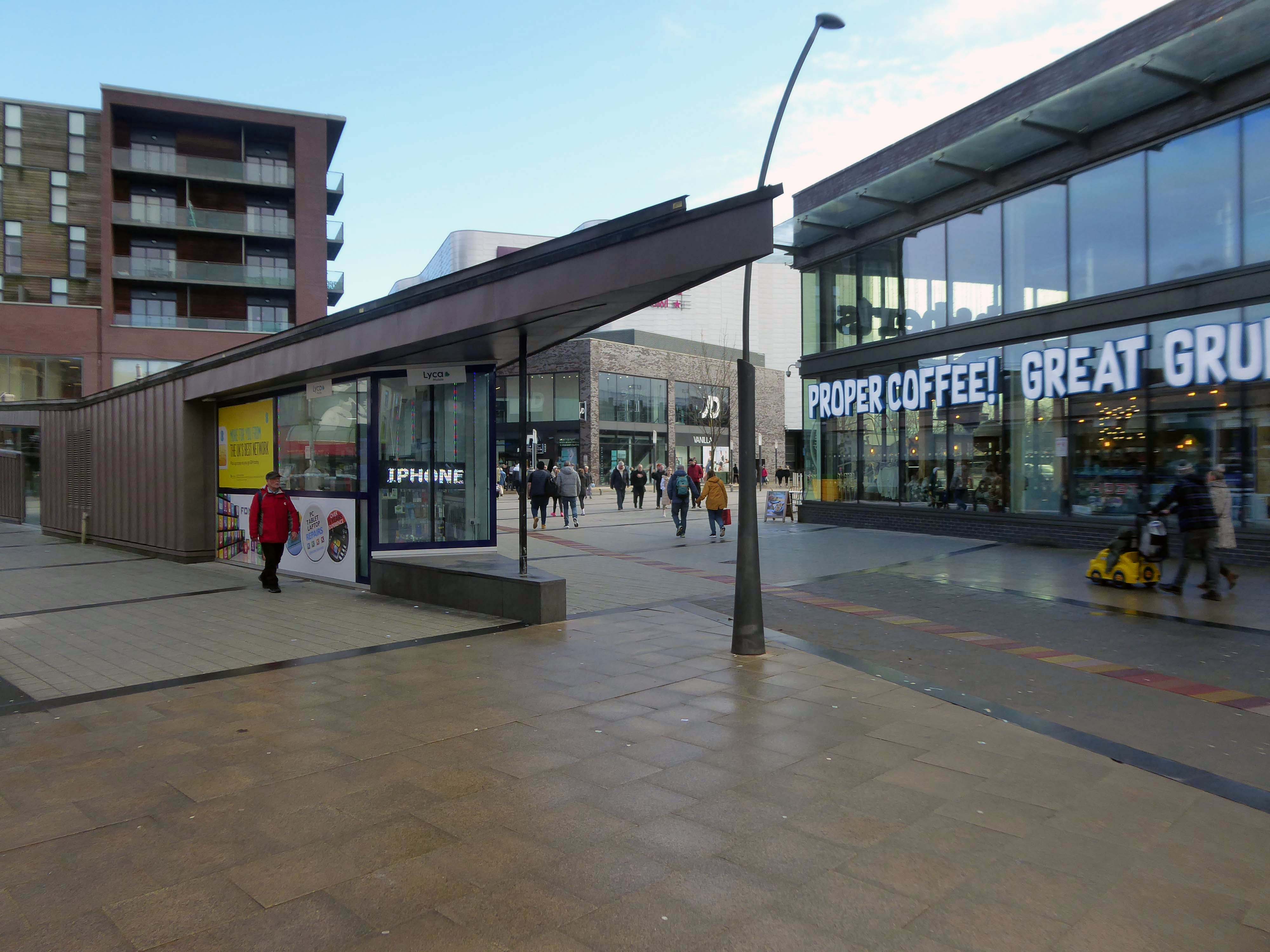
The Rock is a vibrant retail and leisure centre which is home to a range of high street fashion brands, independent retailers, tantalising eateries and fantastic entertainment – it’s the perfect place to visit any day of the week.
It is the work of architects BDP – completed in 2010 at a cost of £350 million.
Our masterplan for The Rock took into account the historical street pattern and public realm context to give the scheme its own identity, and make visual connections to local landmarks.
The retail and leisure scheme brings many exciting brands to Bury for the first time.
New pedestrian streets rejuvenate and improve connections to adjacent areas stitching the town back together.
The development will also contain 408 one and two-bedroom apartments.
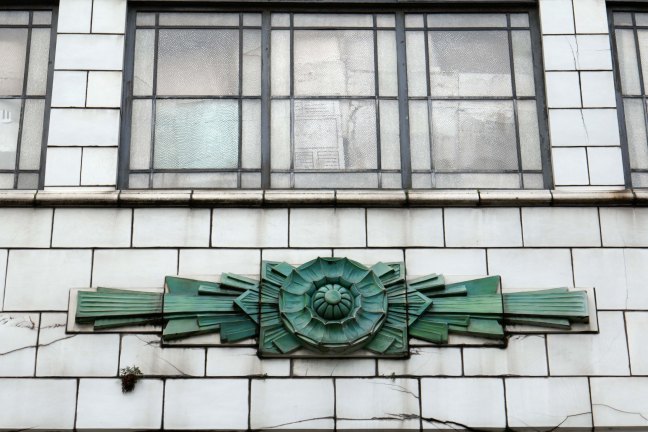
Back to basics at a former Burton’s hiding its faience facade.
Typical inter-war infill on our crazy mixed up mongrel high streets.
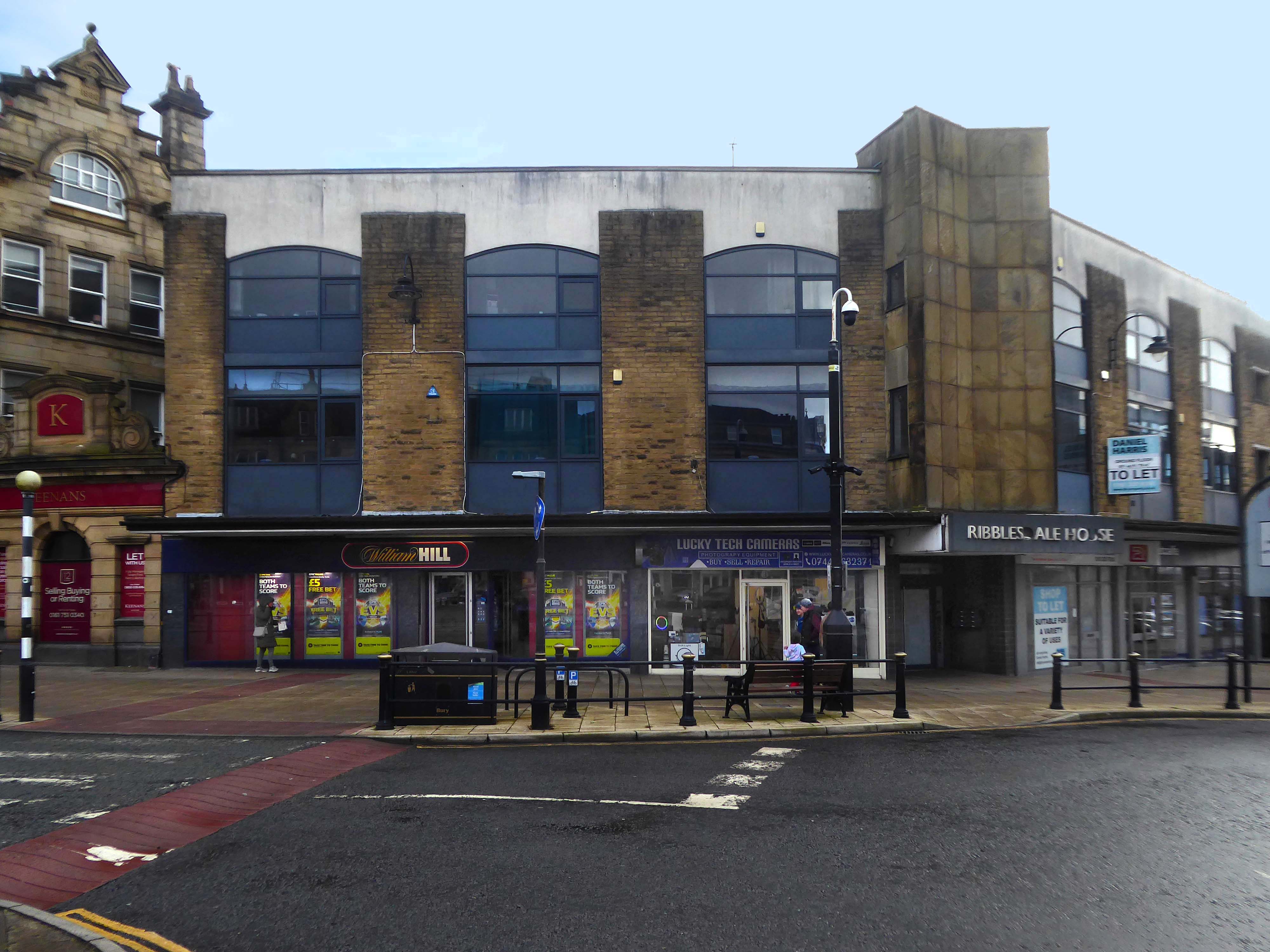
Ribblesdale House
Application by Shop and Store Developments Ltd submitted August 1965. Architect on application was Samuel Jackson and Son of Ocean Chambers in Bradford but during the application process this changed to John Brunton & Partners – Brunton was a partner in Jackson’s firm, at the same address. It had a restaurant and shops on the first floor.
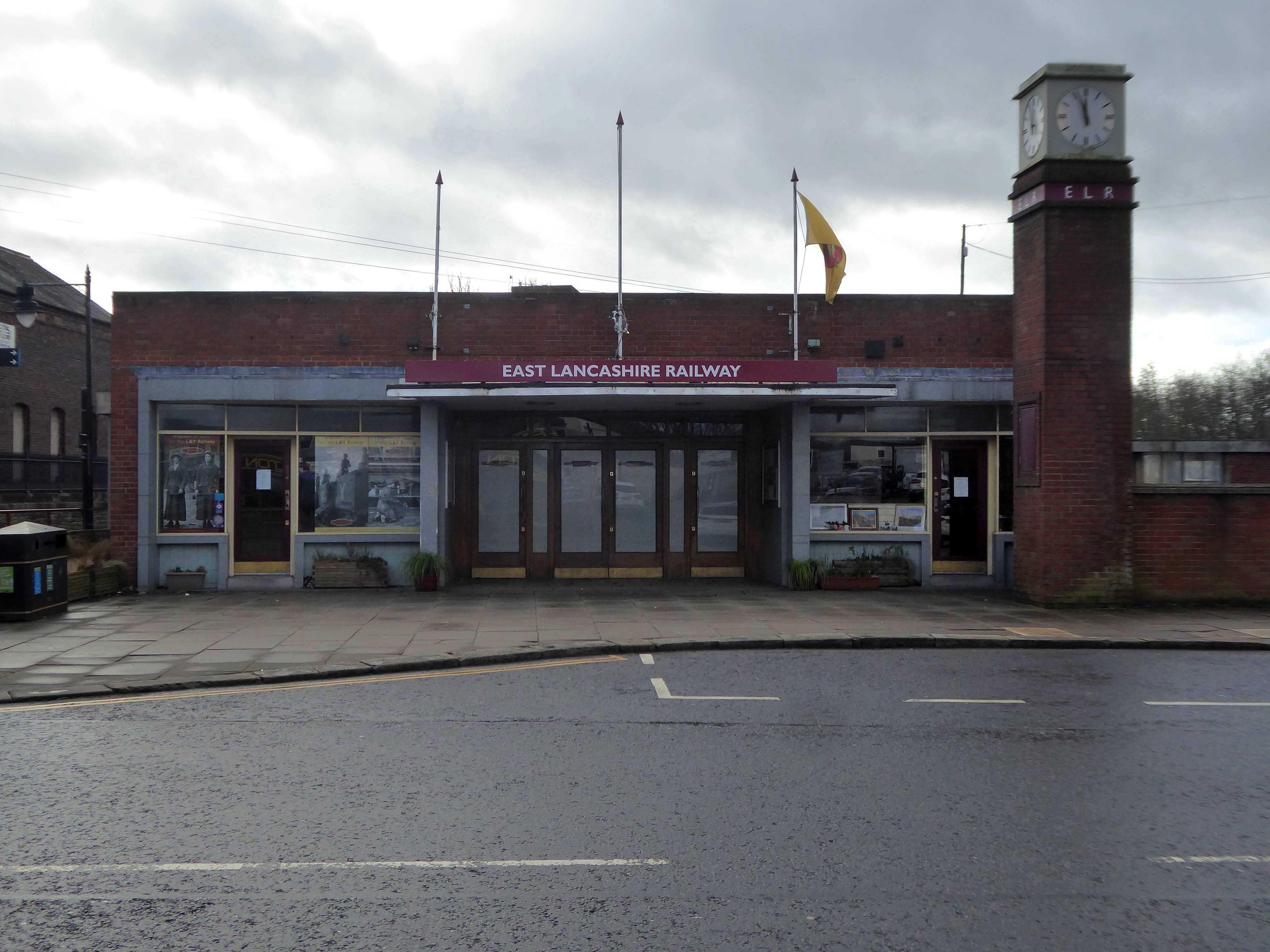
The street level buildings were destroyed by fire on 14 May 1947 and were replaced with a new brick and concrete entrance and footbridge in 1952.
British Rail closed the station on 17 March 1980, when it was replaced by a new bus/rail interchange station further east into the town centre. Bury Interchange railway station served up until 1991 before the entire Bury Line was converted to light rail operation. It reopened in 1992 for Metrolink operation.
Bury was once the centre of multiple train links and the lost station of Knowsley Street.
Over the road the former Temperance Billiard Hall 1910 architect Norman Evans.
Planning application January 1965 – work started in June 1965. The architectural firm was Richard Byrom, Hill and partners. Richard Byrom was submitting building applications in the 1930s in Bury and locally.
The rendering on the building is original but the windows have been changed. The Job Centre took over the building in 1993. It is in a conservation area and the Civic Trust had some concerns!
Many thanks to David French for the above information.
The concrete and the clay beneath my feet Begins to crumble But love will never die
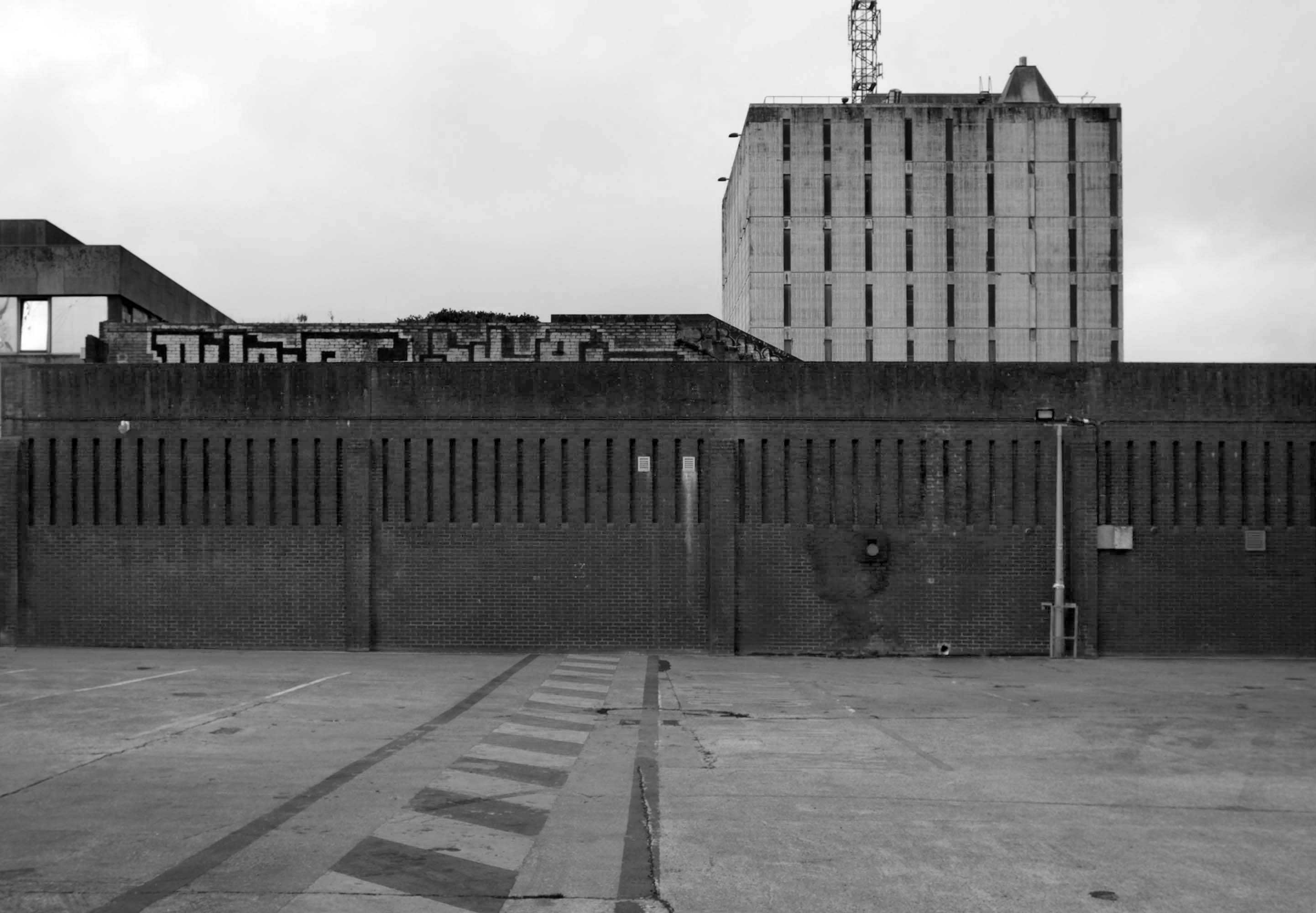
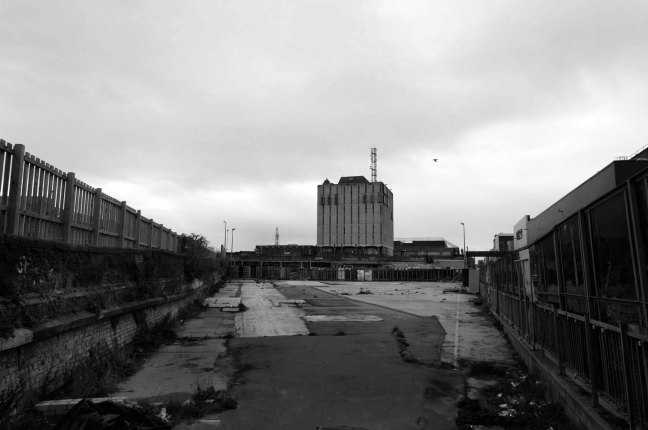
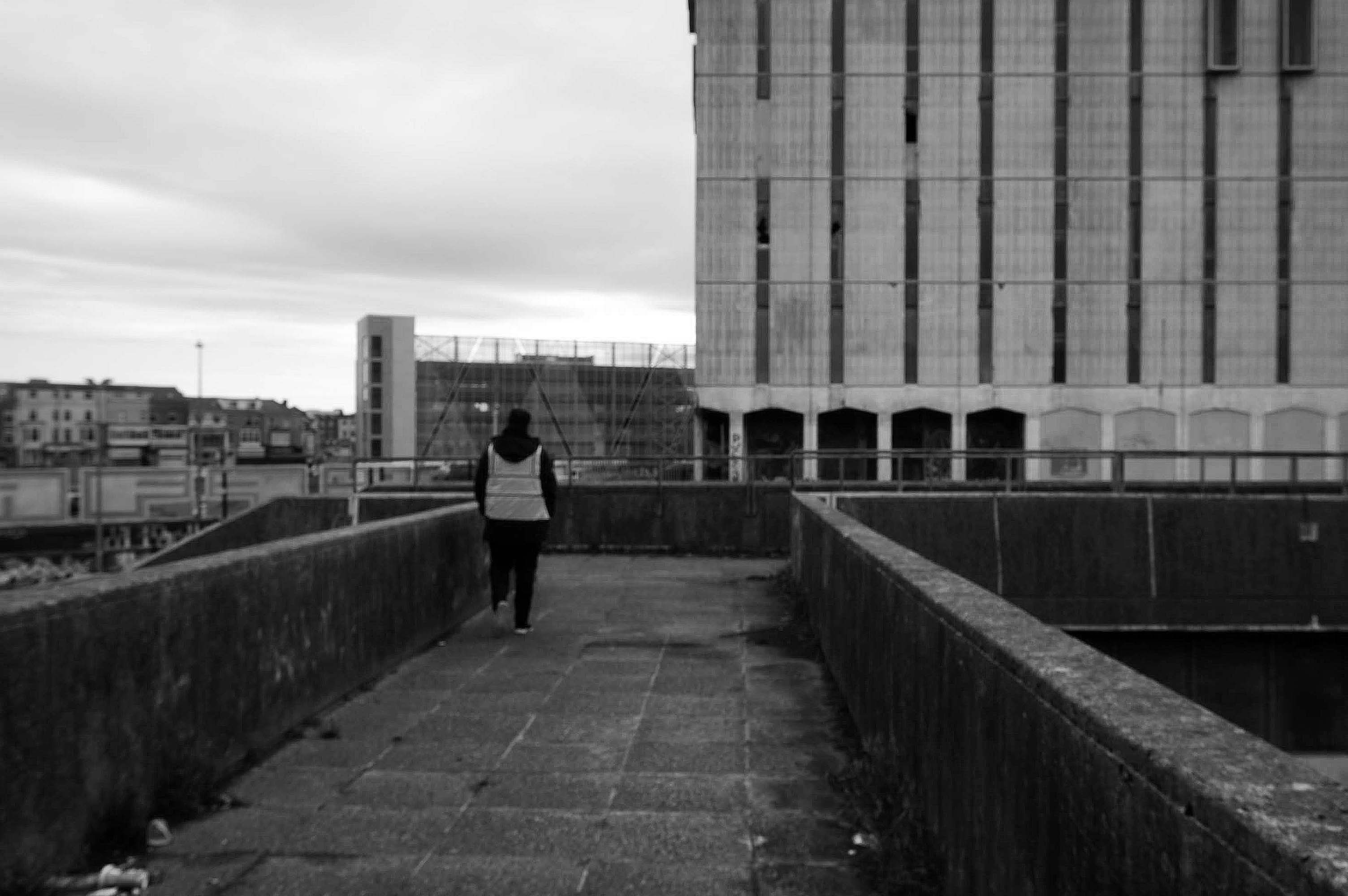
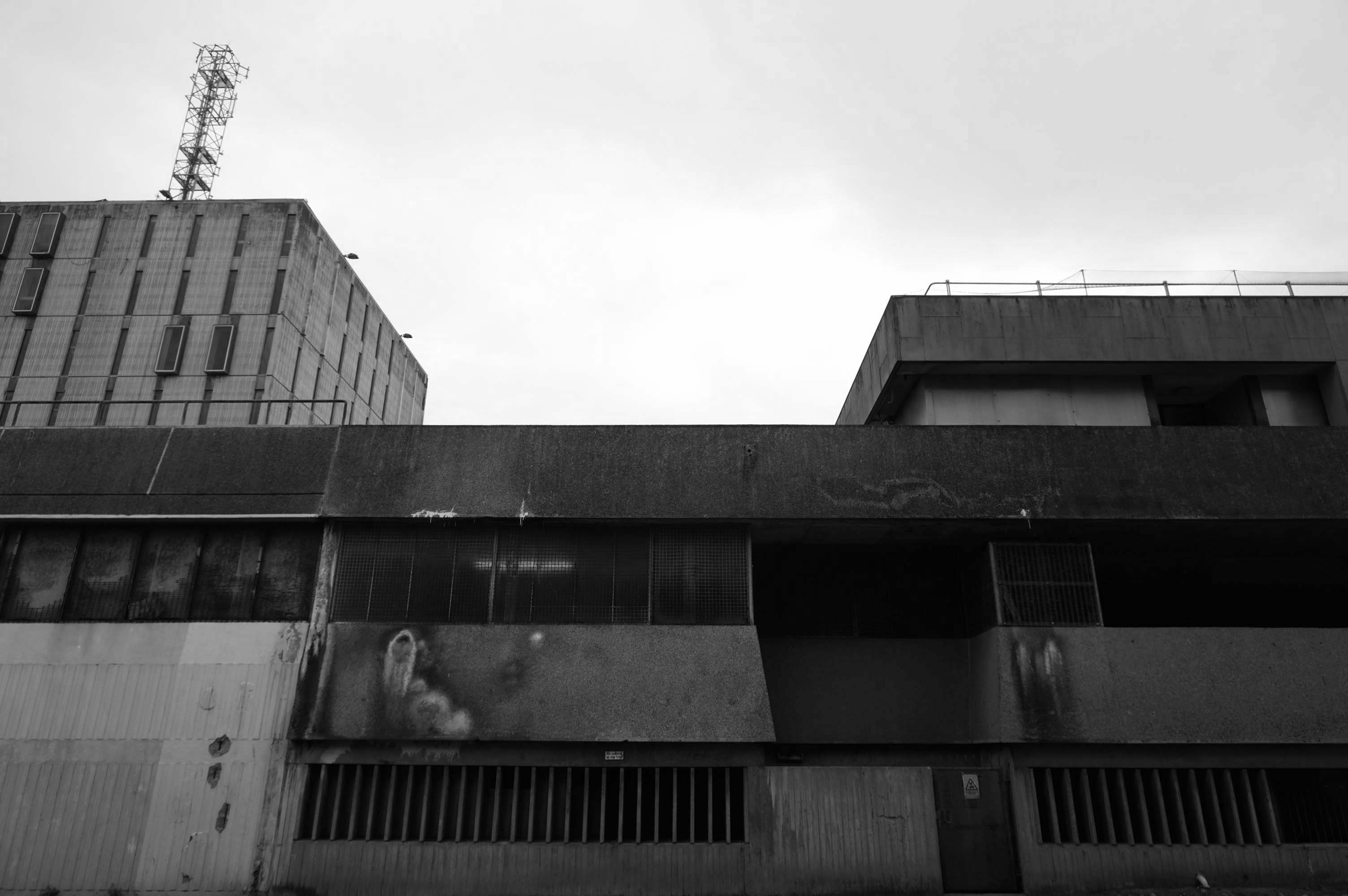
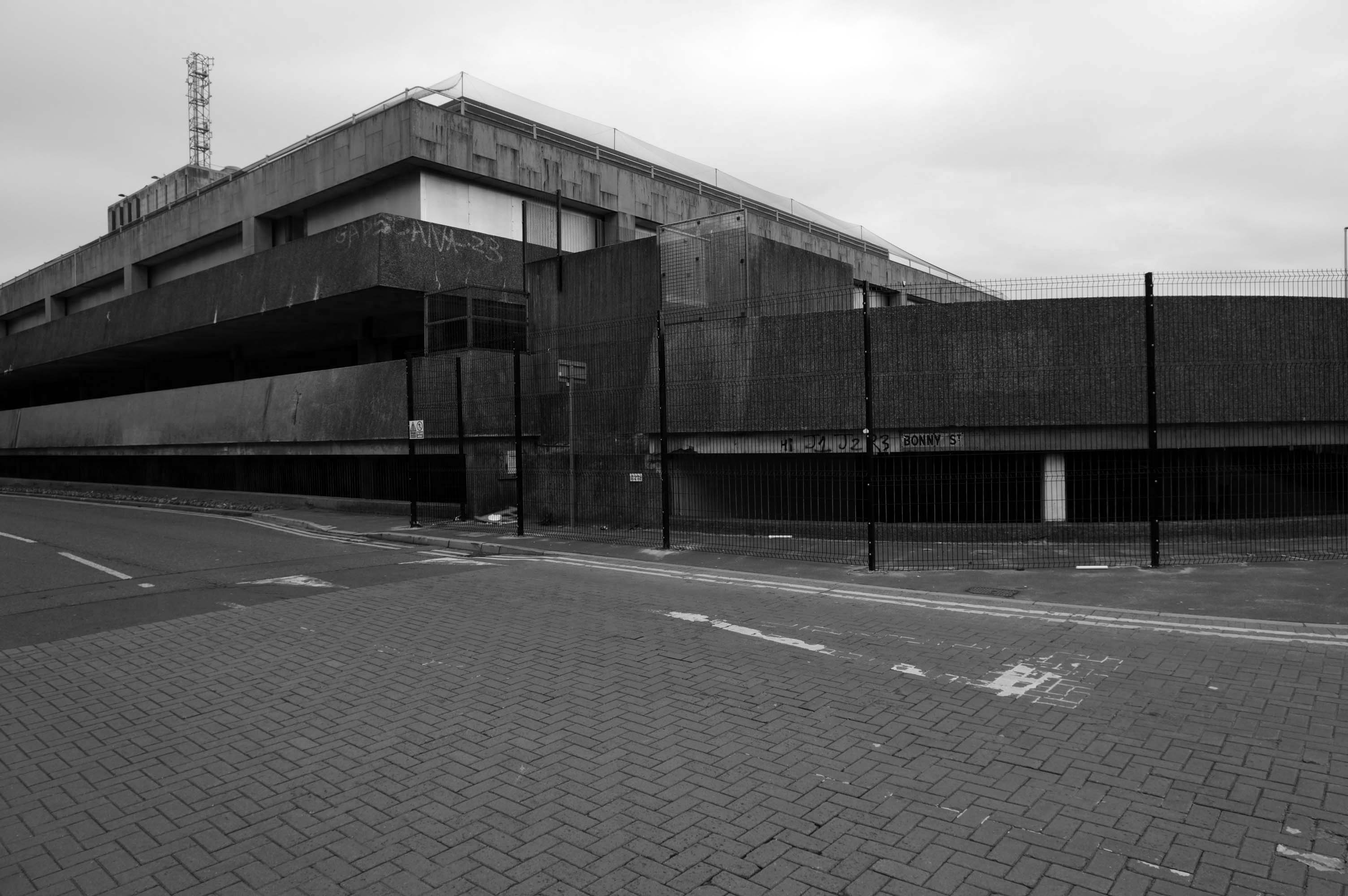
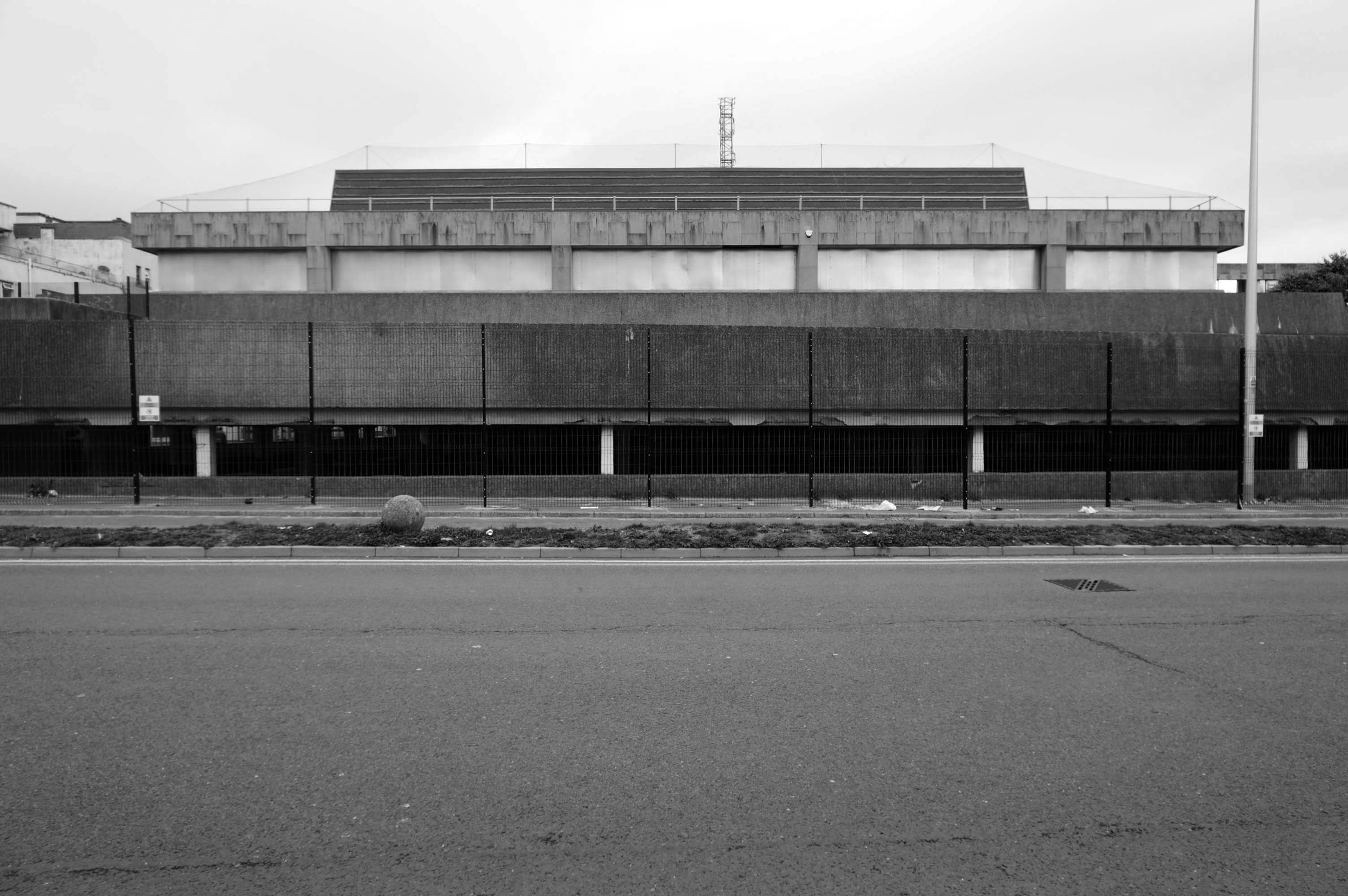
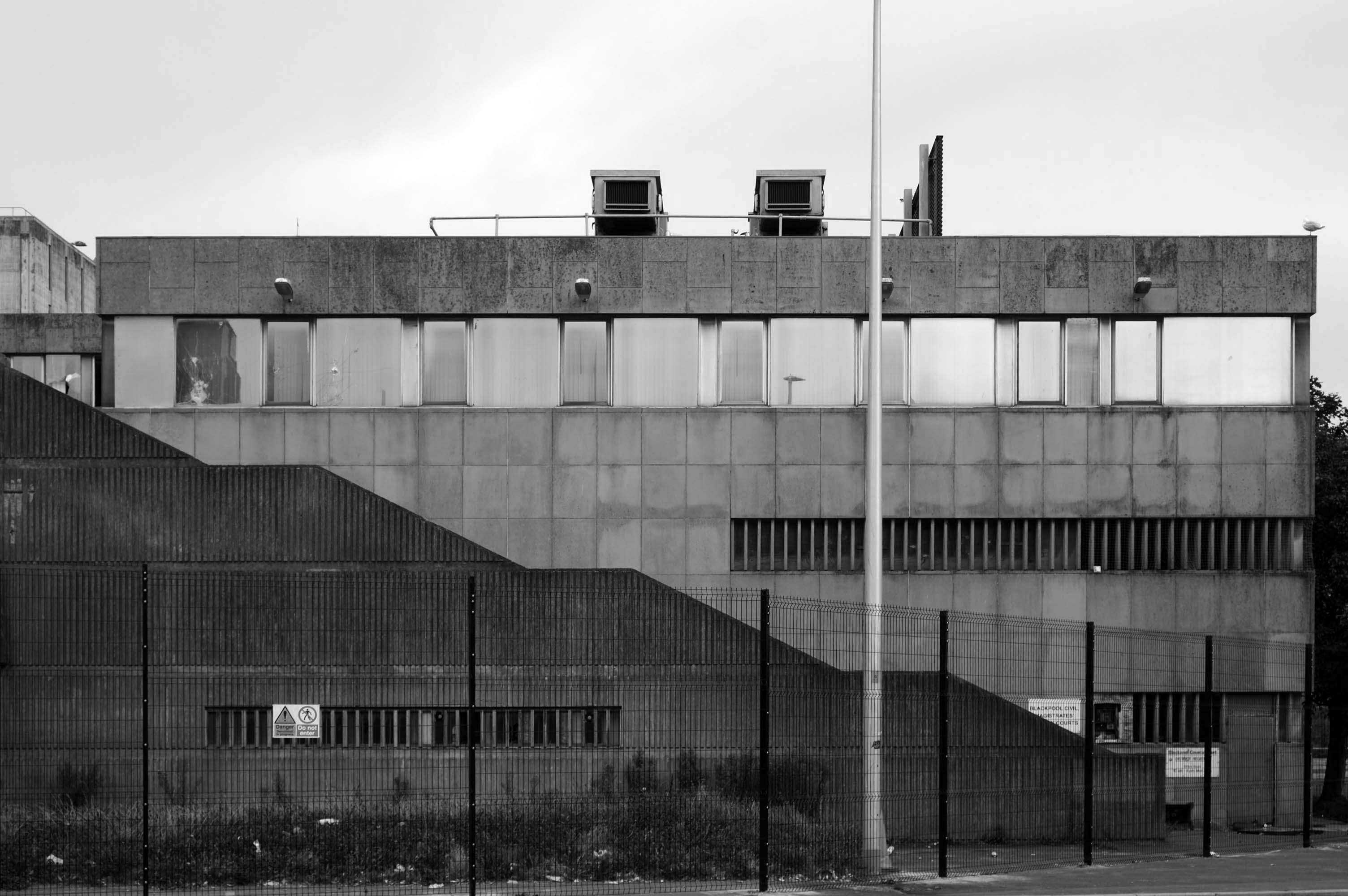
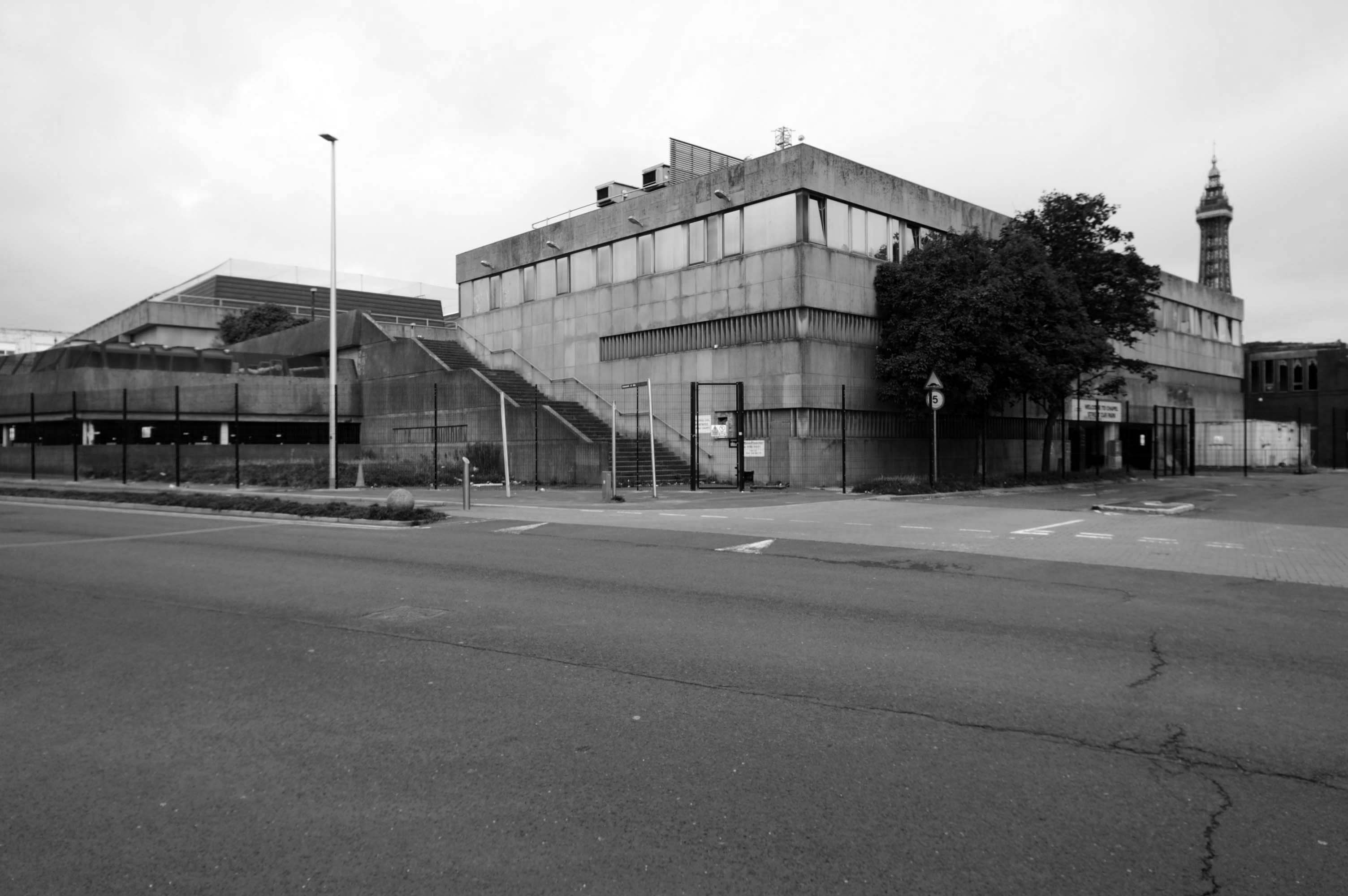
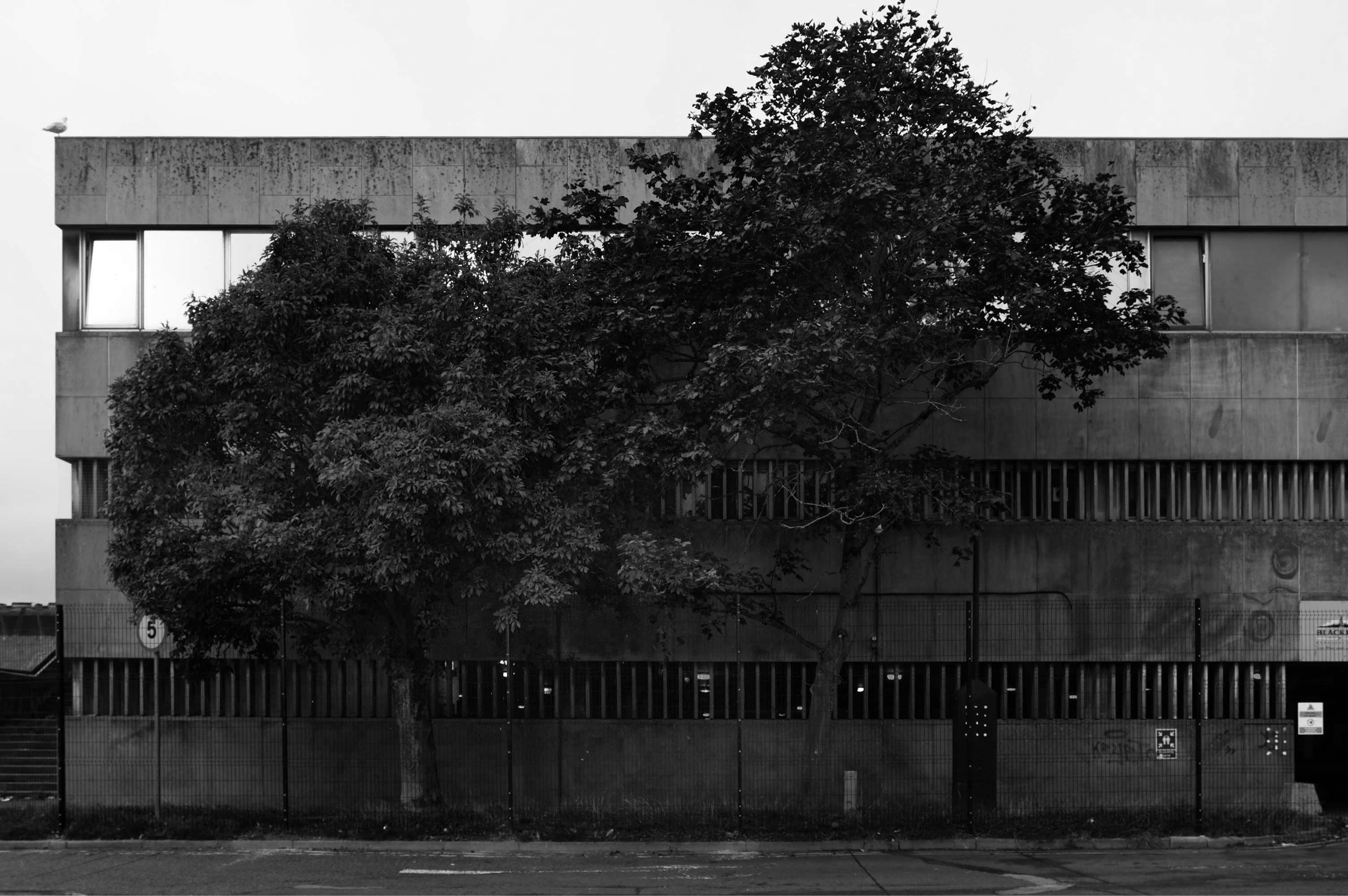
Doomed to face the demolition crew – the anti-social intrusions and falling masonry have enforced a fence, an impenetrable fence.
My requests for unforced entry were politely rebuffed by the hi-vis vest security guards.
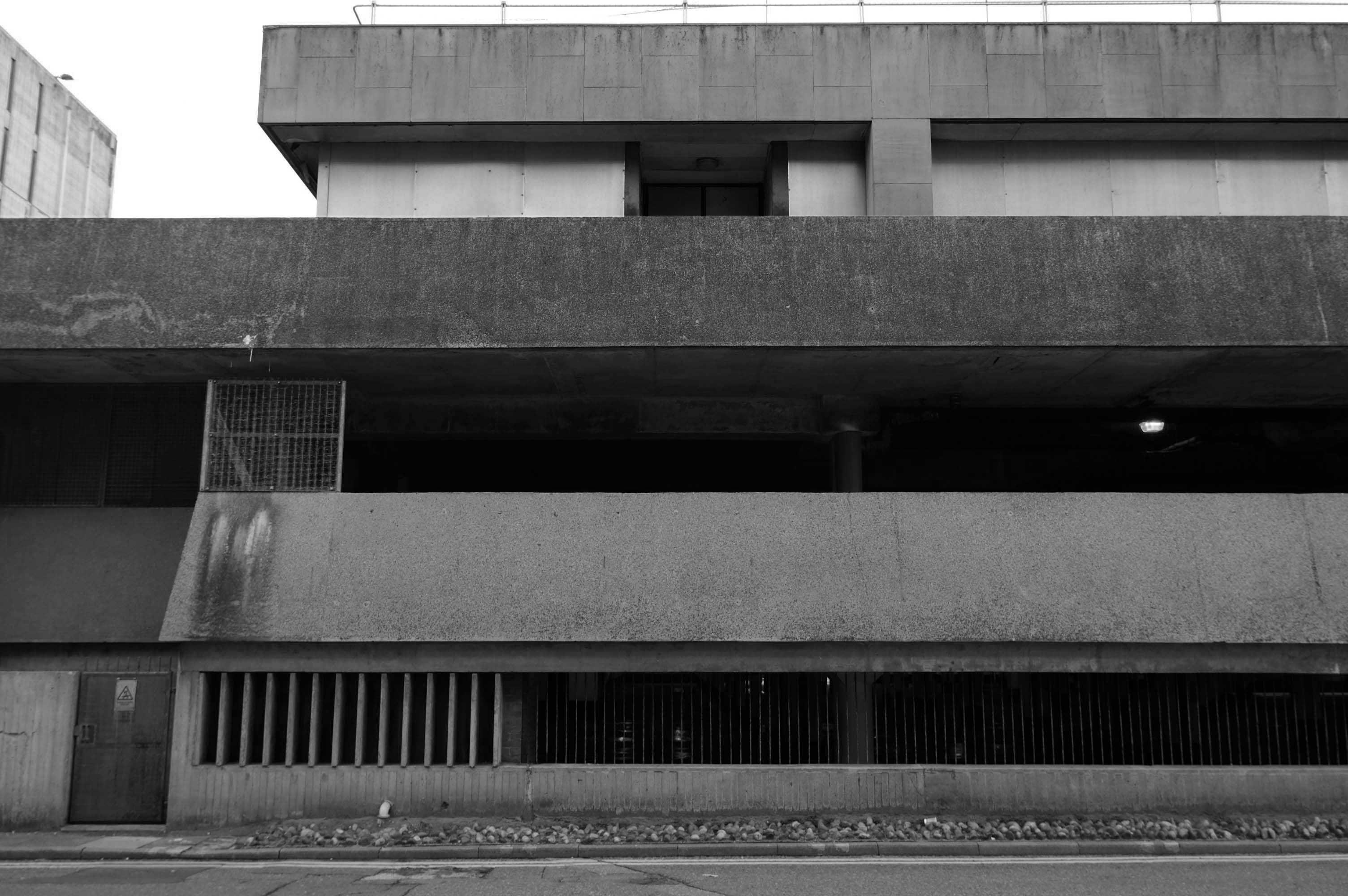
A former police station could finally be demolished this autumn after closing six years ago when officers moved to new headquarters.
Blackpool Magistrates’ Court, which is part of the same complex, will also be bulldozed after crumbling concrete was discovered in the building in January.
In recent months, the empty Bonny Street police station has become a target for anti-social behaviour.
Clearance of the site will pave the way for investment in leisure facilities including hotels and indoor theme parks by developer Nikal.
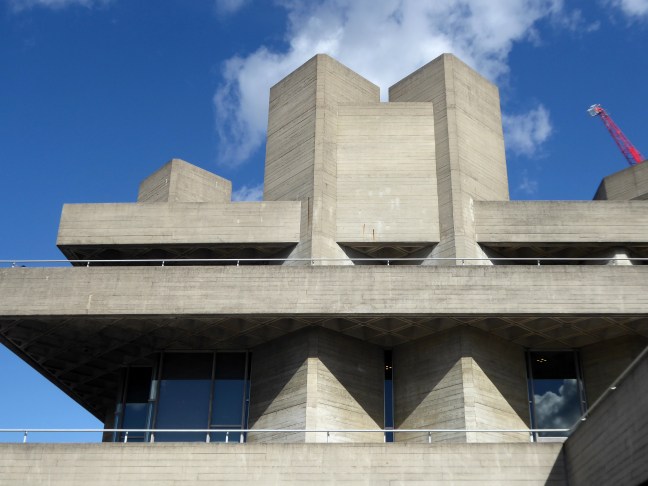
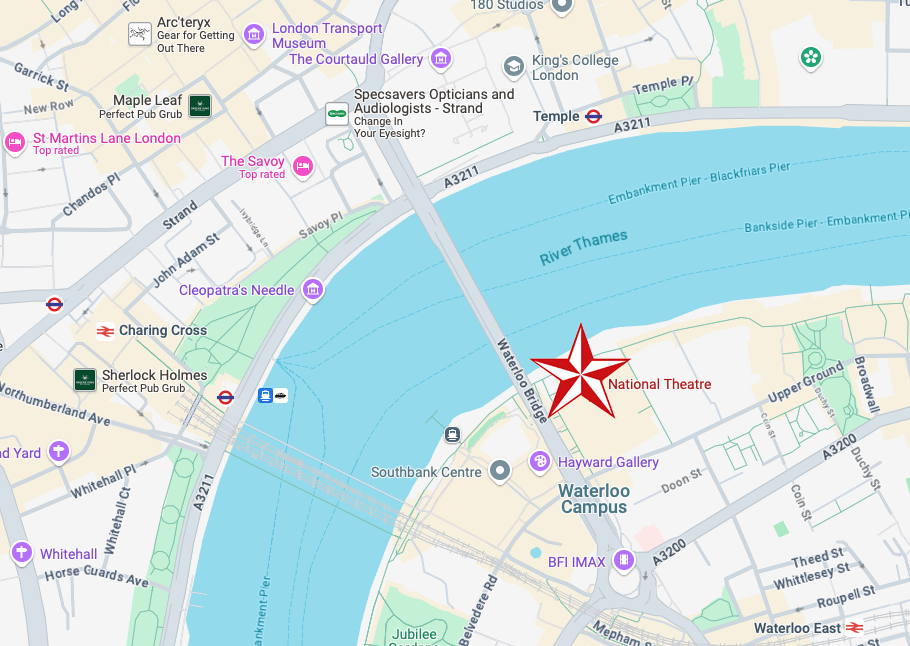
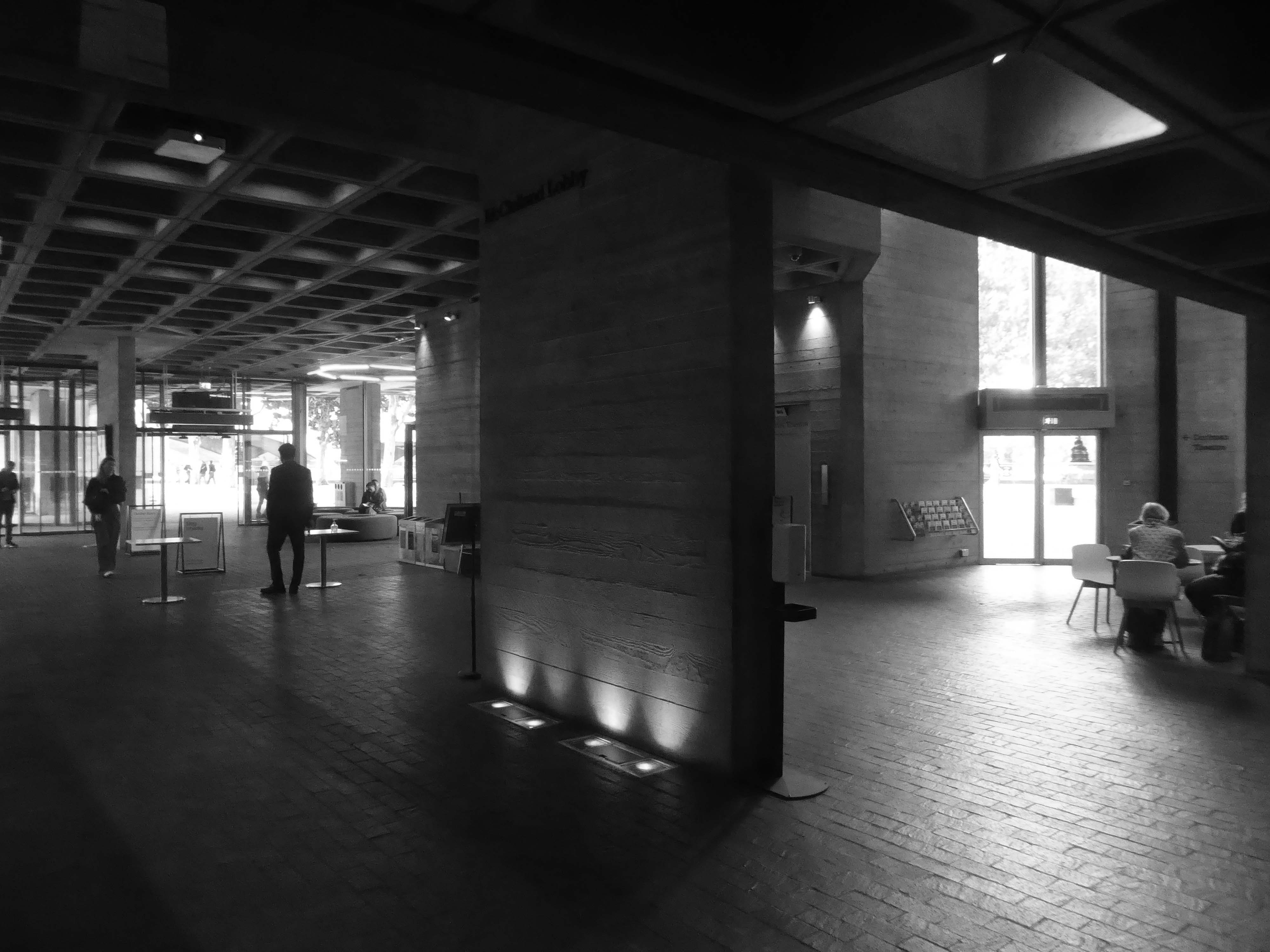
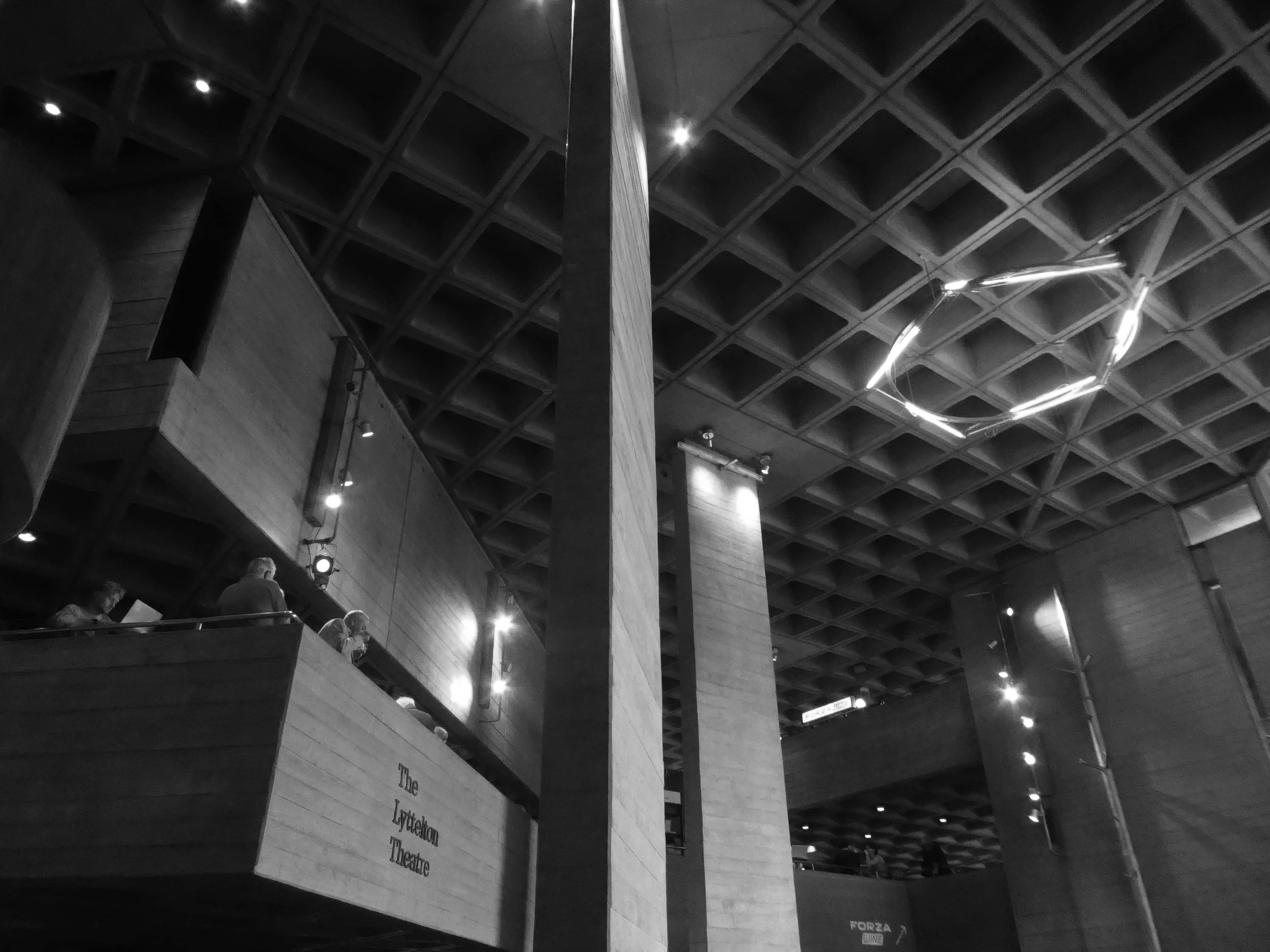
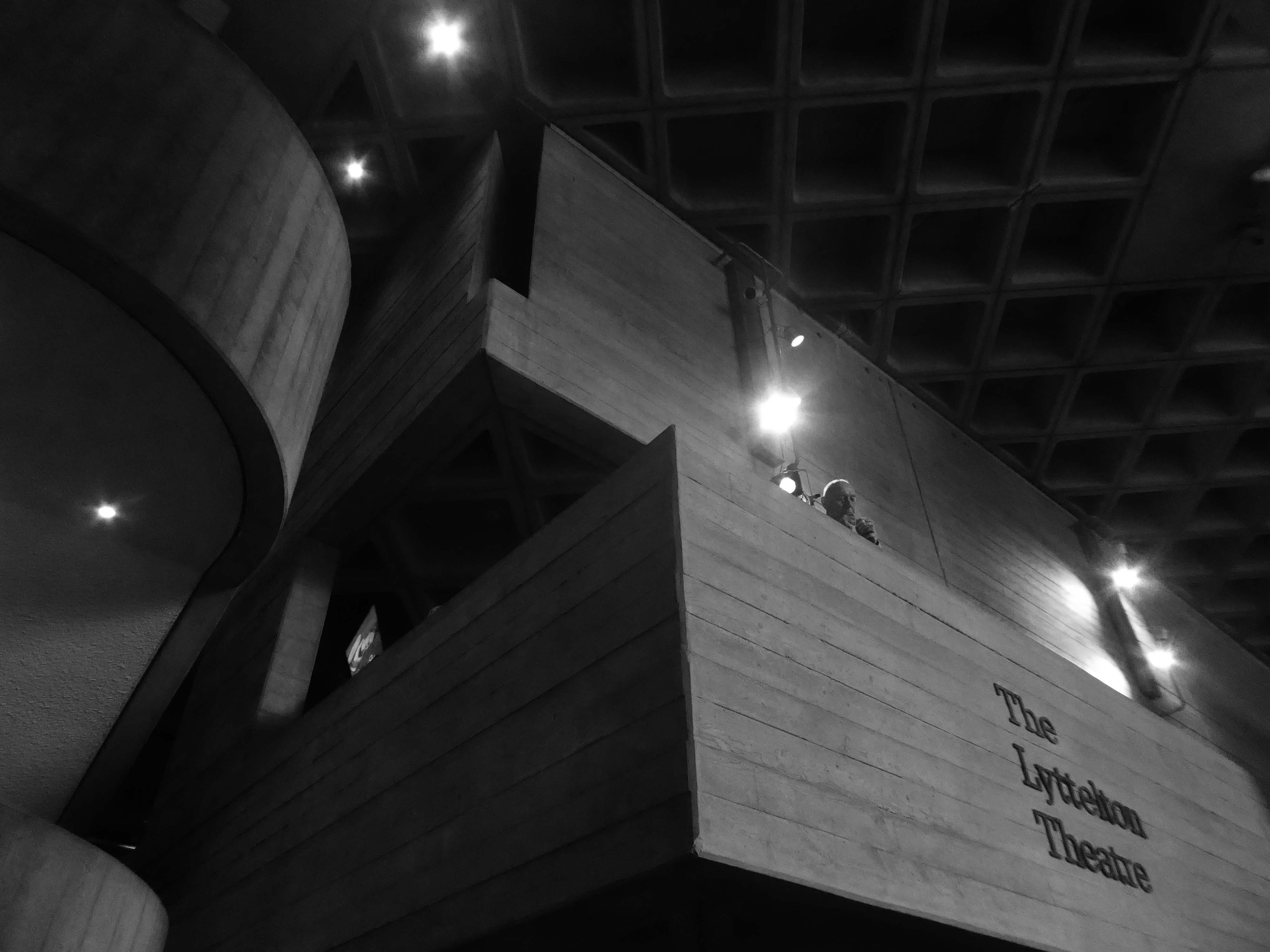
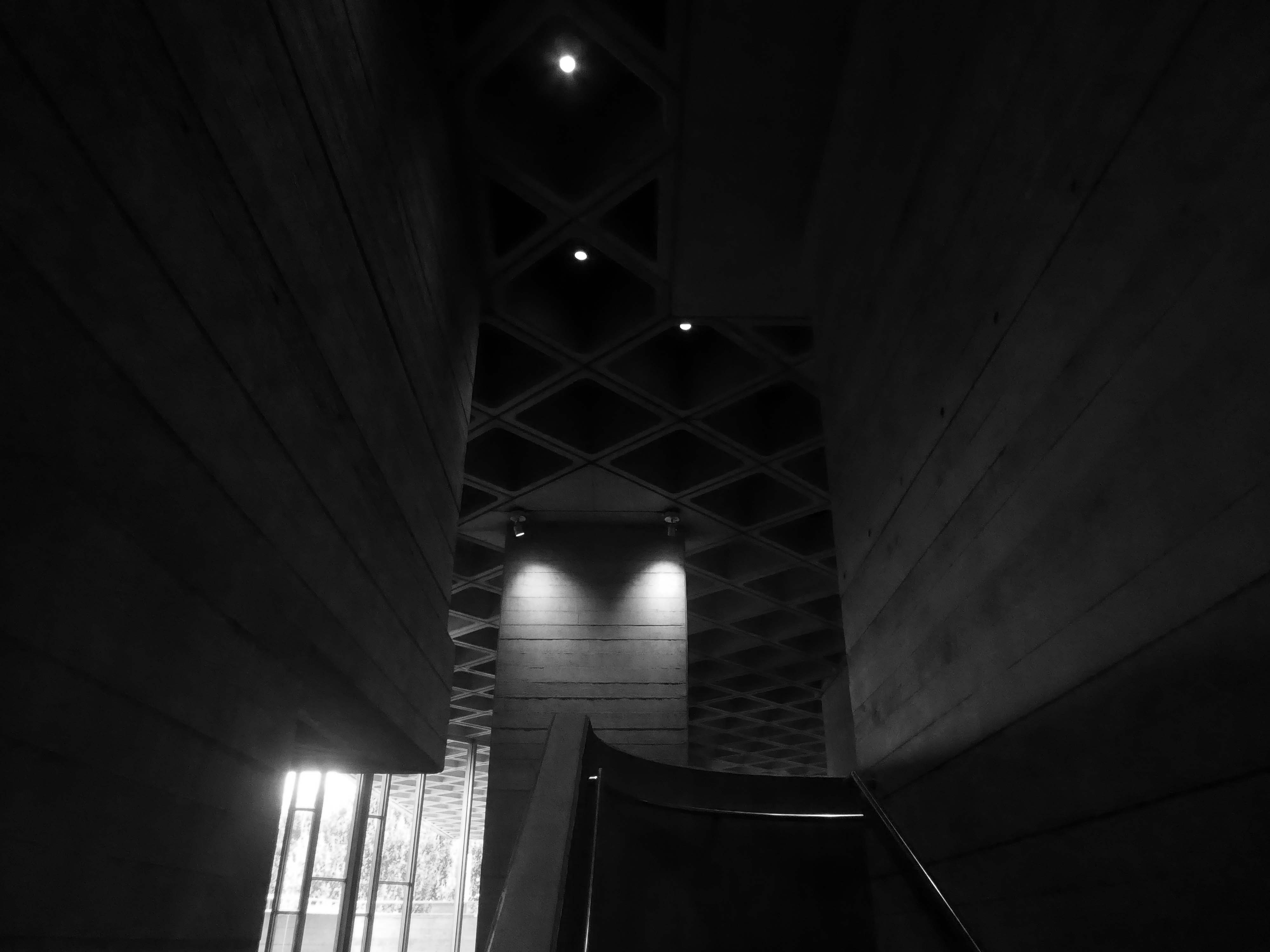
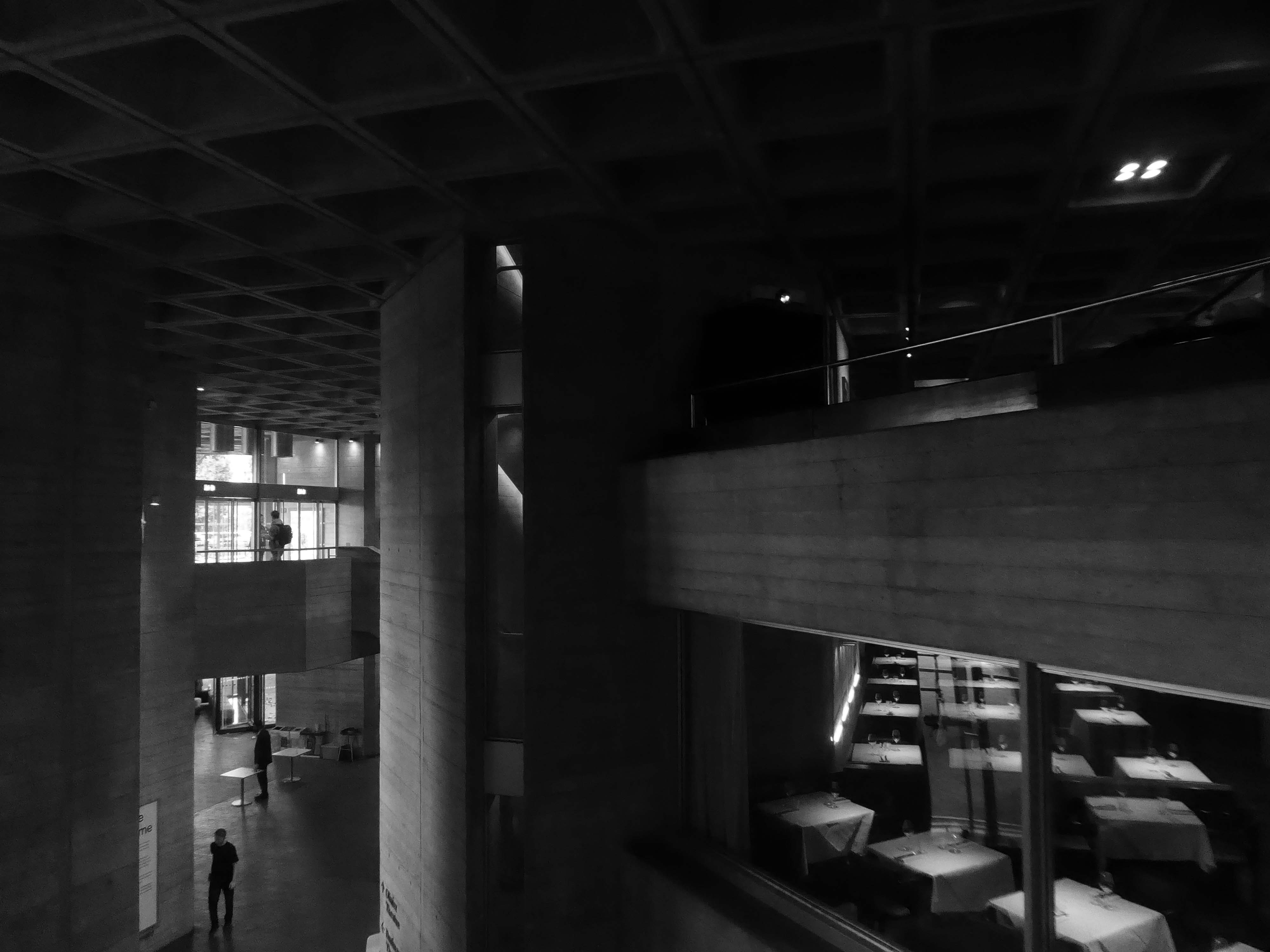
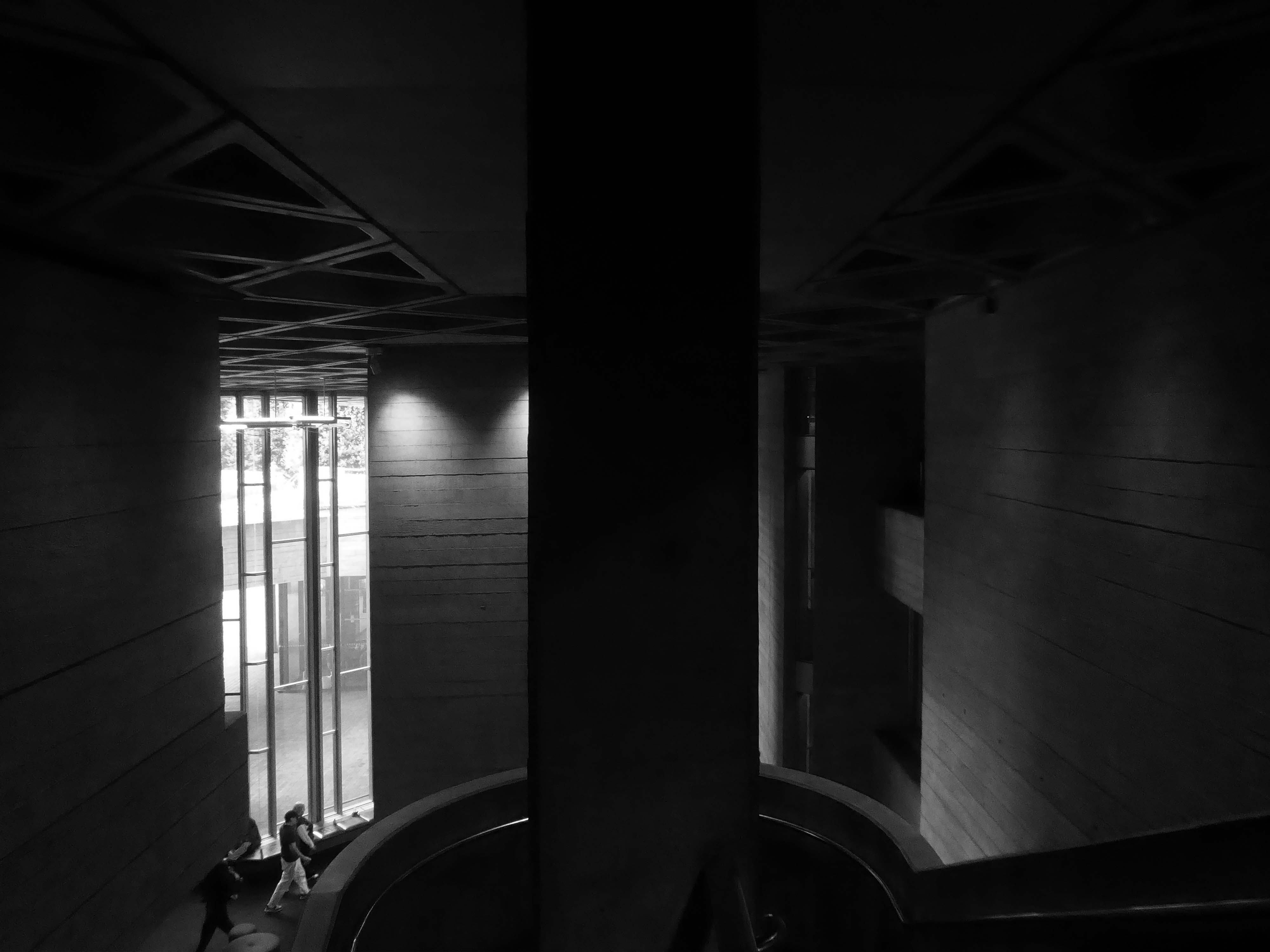
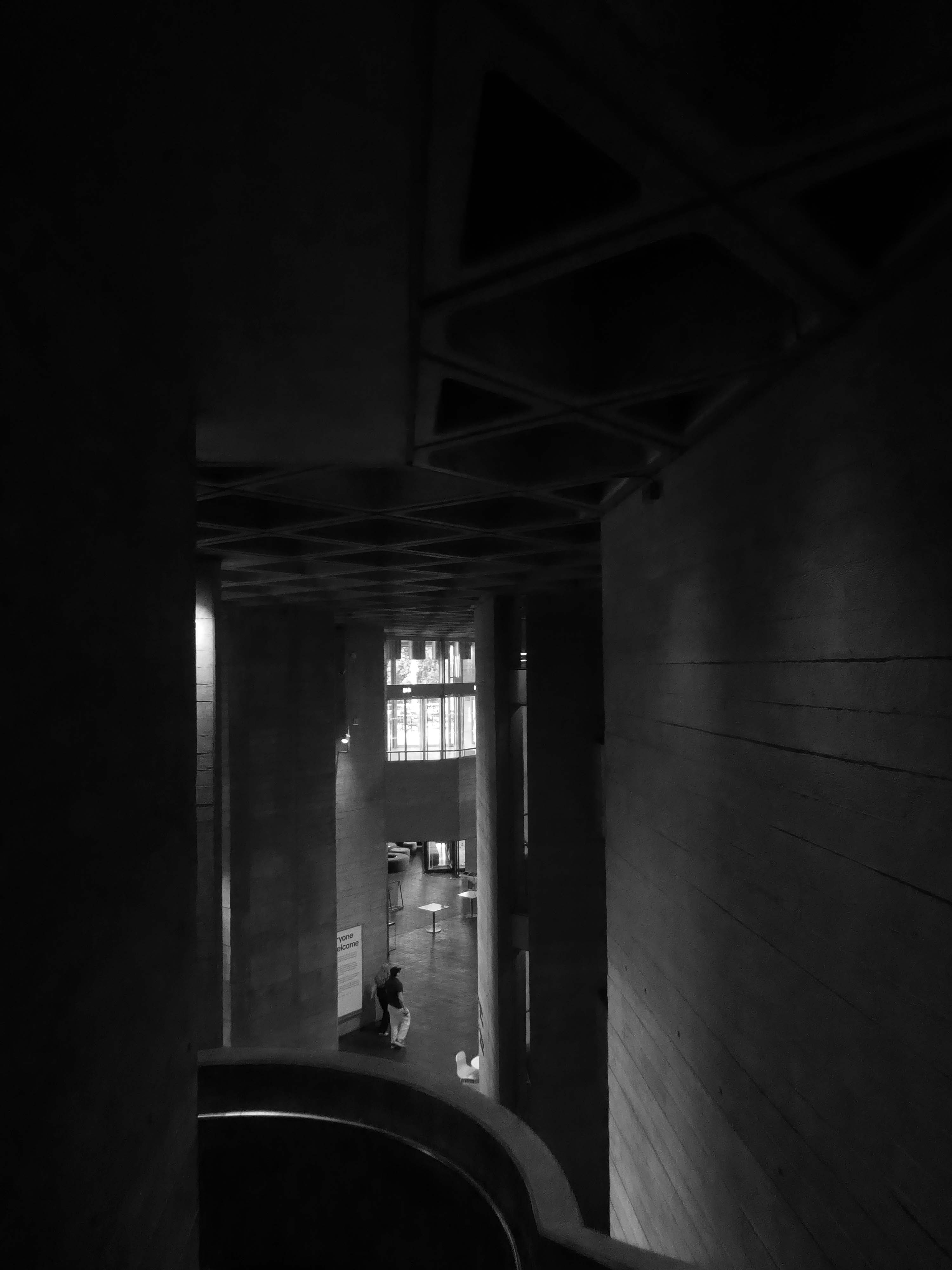
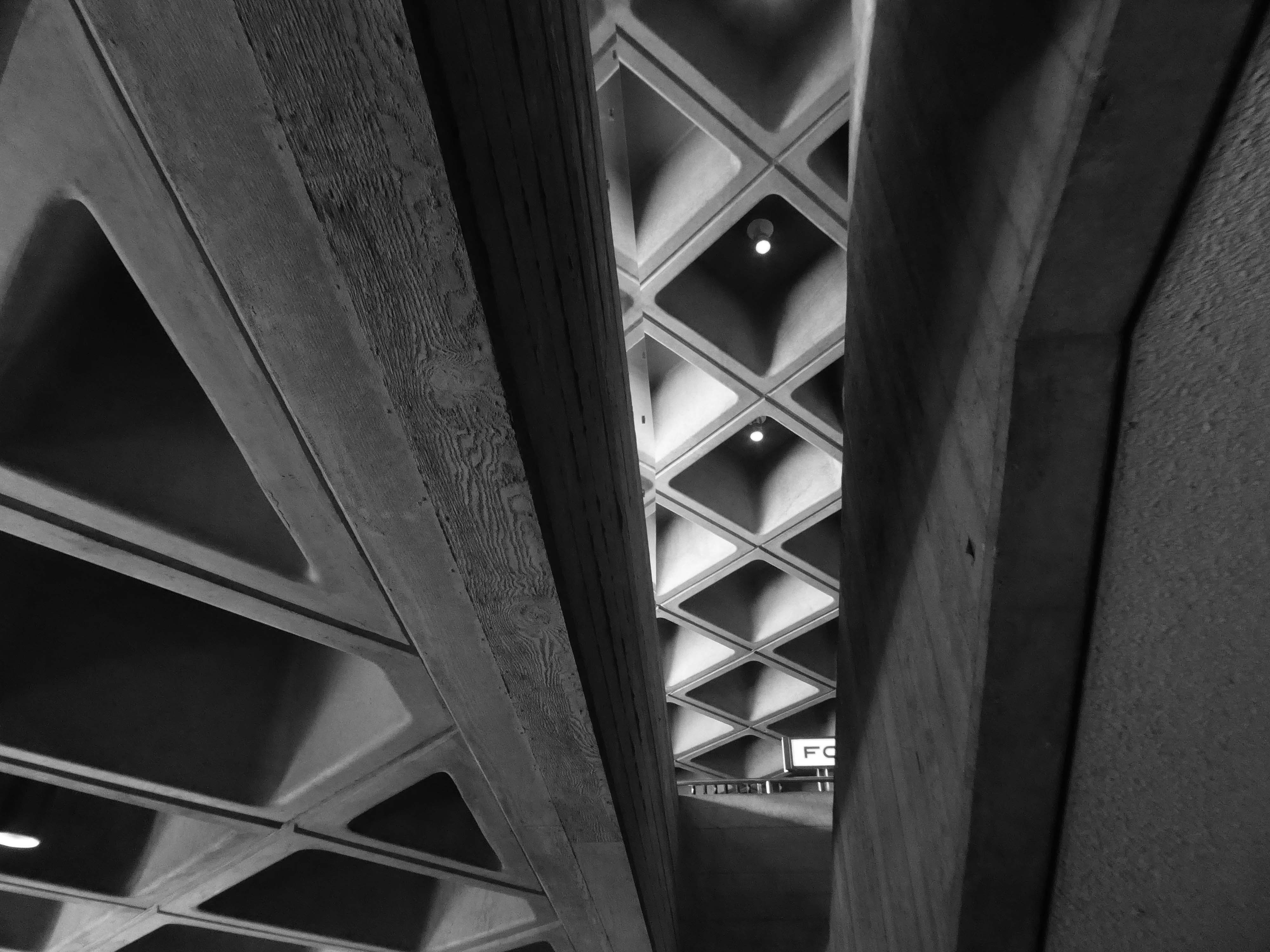
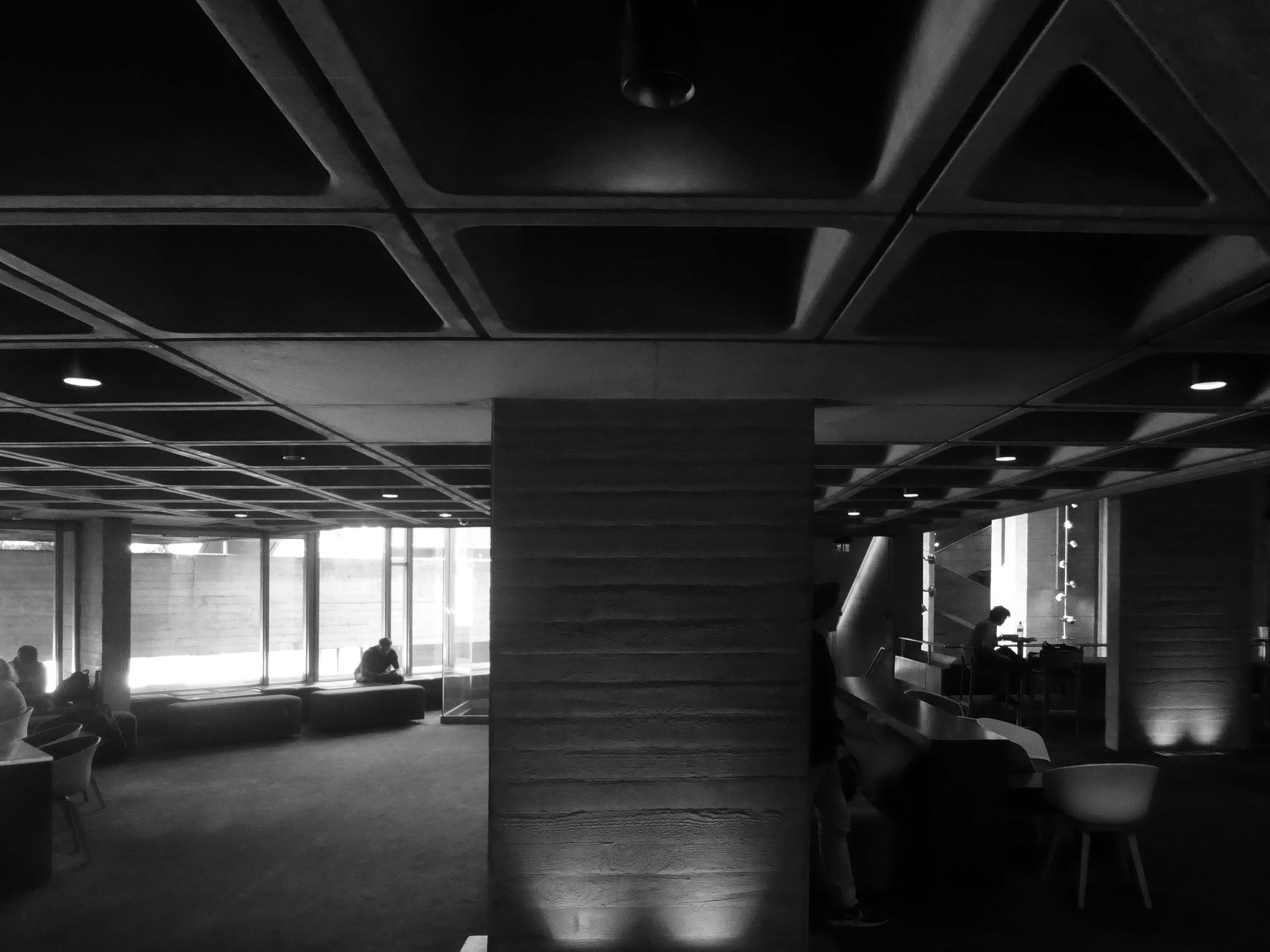
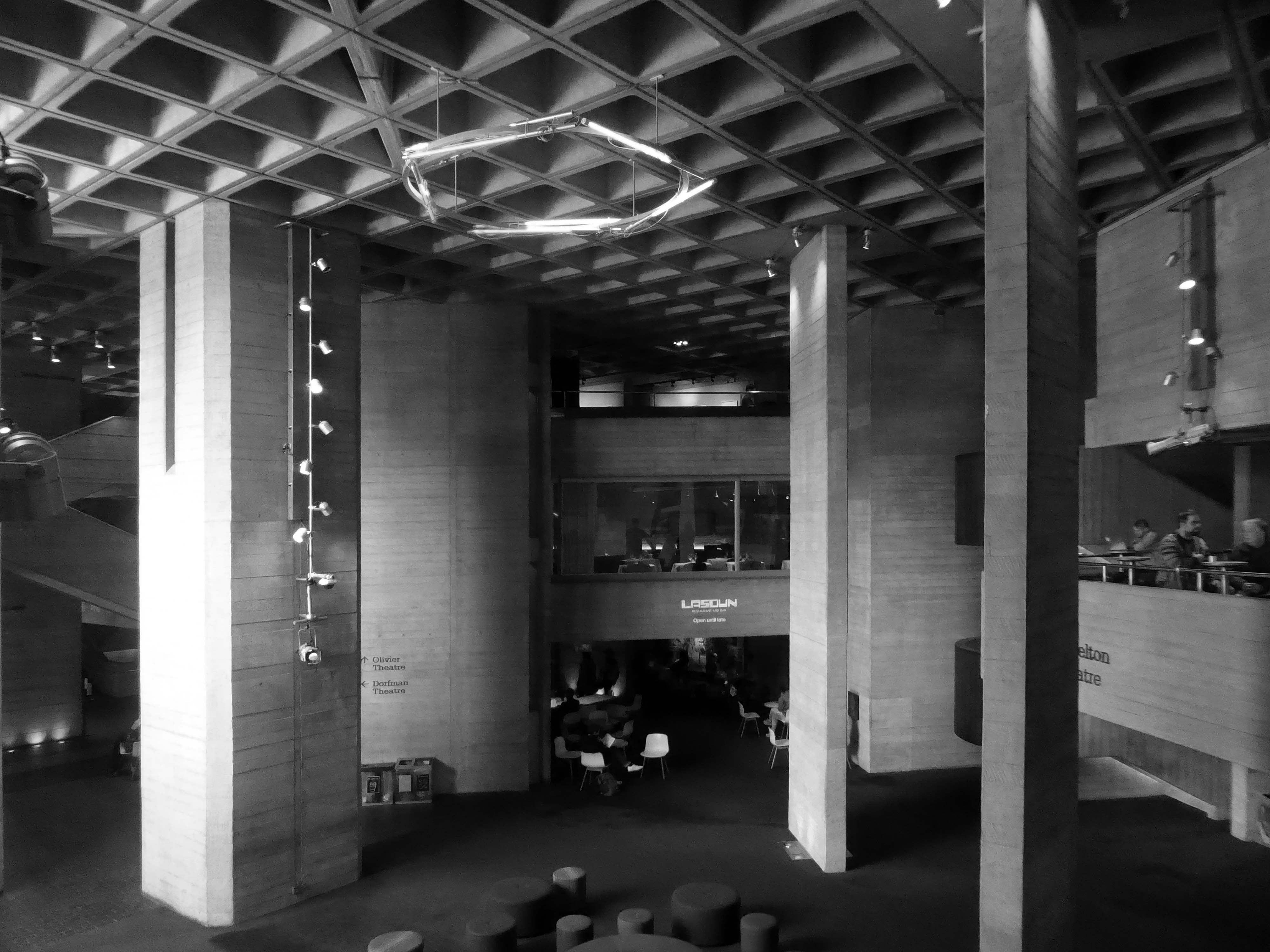
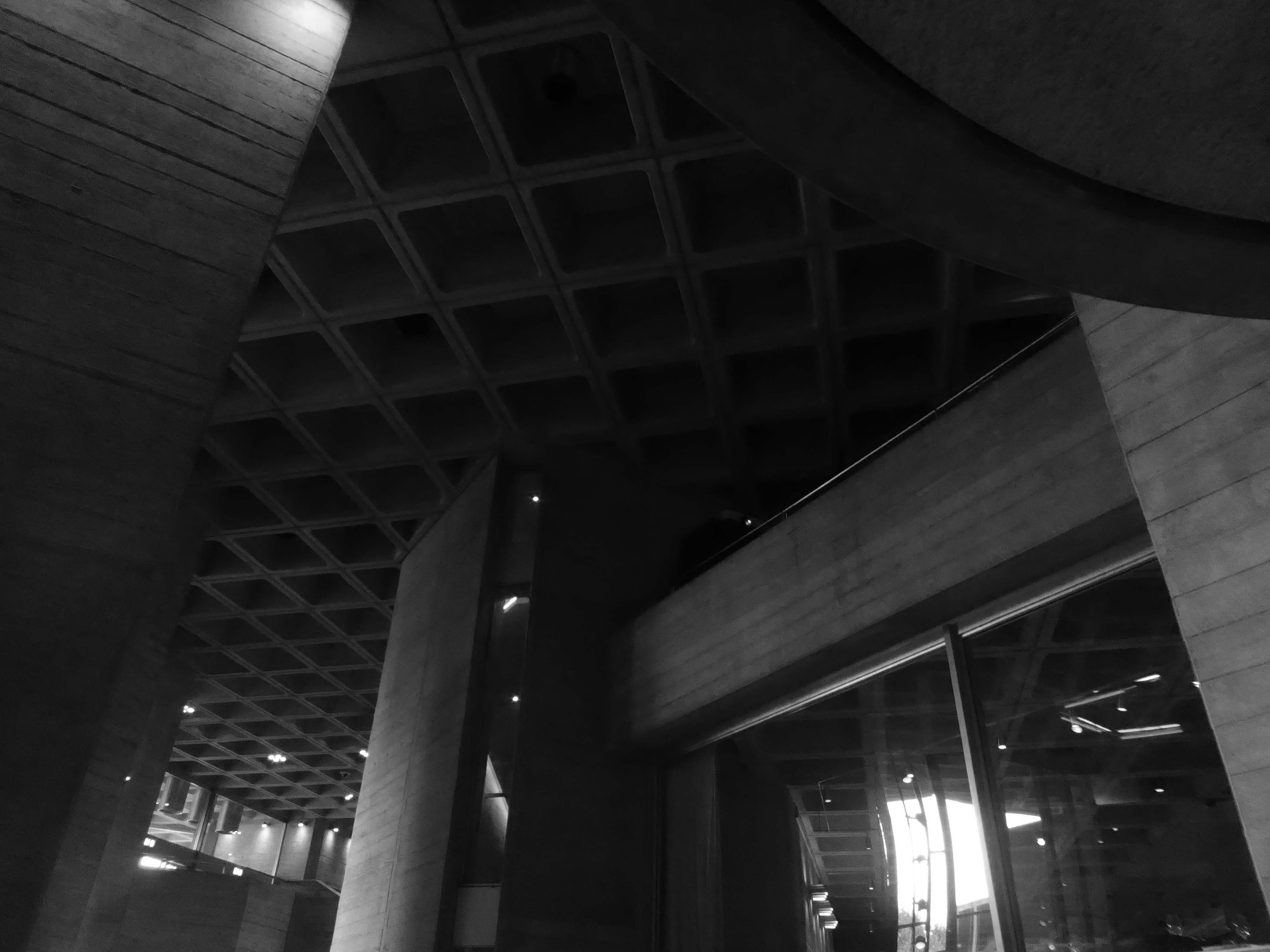
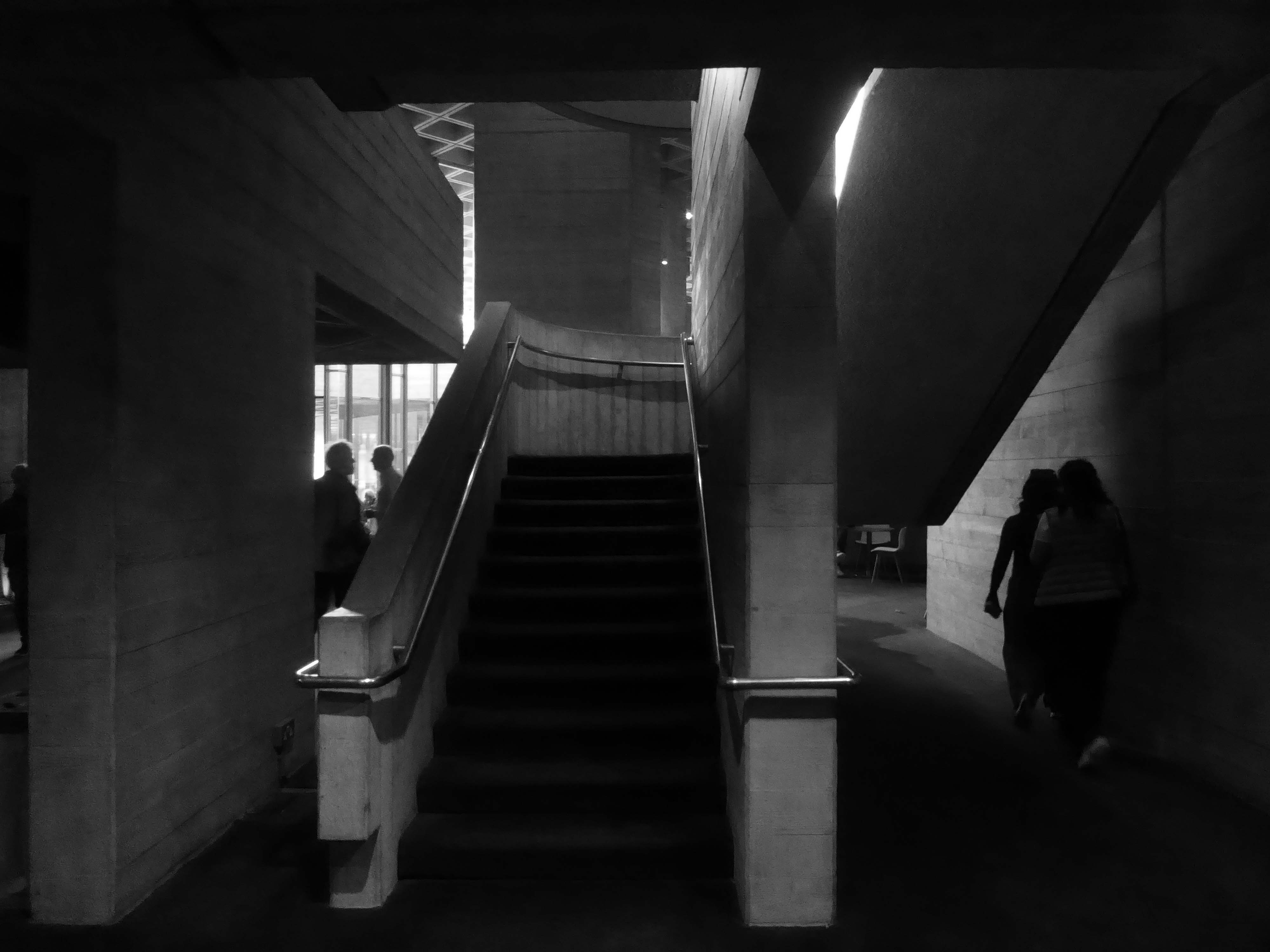
Denys Lasdun was chosen by a jury, which included actor Sir Lawrence Olivier, to design the building. In spite of Lasdun’s fine modernist credentials he was to many a surprising choice – he had never designed a theatre. Within the National Theatre are three separate and very distinct auditoriums. Symbolically and practically they are loosely modelled on theatre designs from the three greatest periods of western drama: the Olivier on classical Greek theatres, the Lyttelton on the proscenium-arch theatres of the past three centuries, and the Cottesloe on Tudor inn-yards. The building has become a national landmark in Great Britain and has been listed Grade II* since 1994.
I have several Brutalist badges, yet feel disinclined to badge myself a Brutalist, with or without a capital B.
Me, I’m a little more Polyarchitectural by nature.
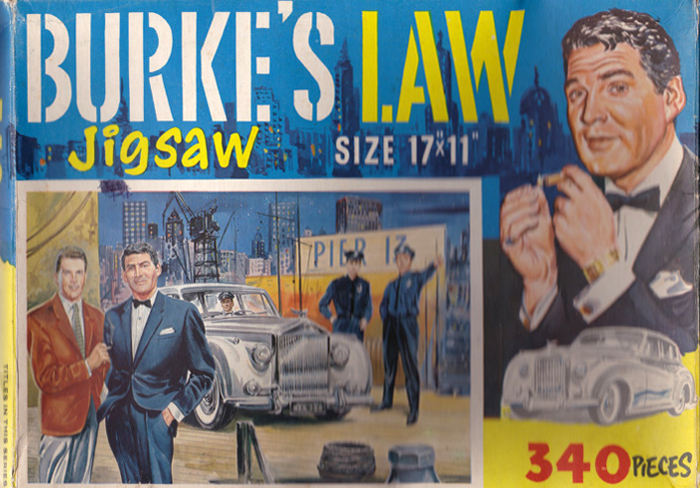
Less seduced by Edmund Burke’s ideas of the sublime than others.
The passion caused by the great and sublime in nature, when those causes operate most powerfully is Astonishment, and astonishment is that state of the soul in which all its motions are suspended, with some degree of horror … No passion so effectually robs the mind of all its powers of acting and reasoning as fear. For fear, being an apprehension of pain or death, operates in a manner that resembles actual pain. Whatever therefore is terrible, with regard to sight, is sublime too … Indeed terror is in all cases whatsoever, either more openly or latently, the ruling principle of the sublime.
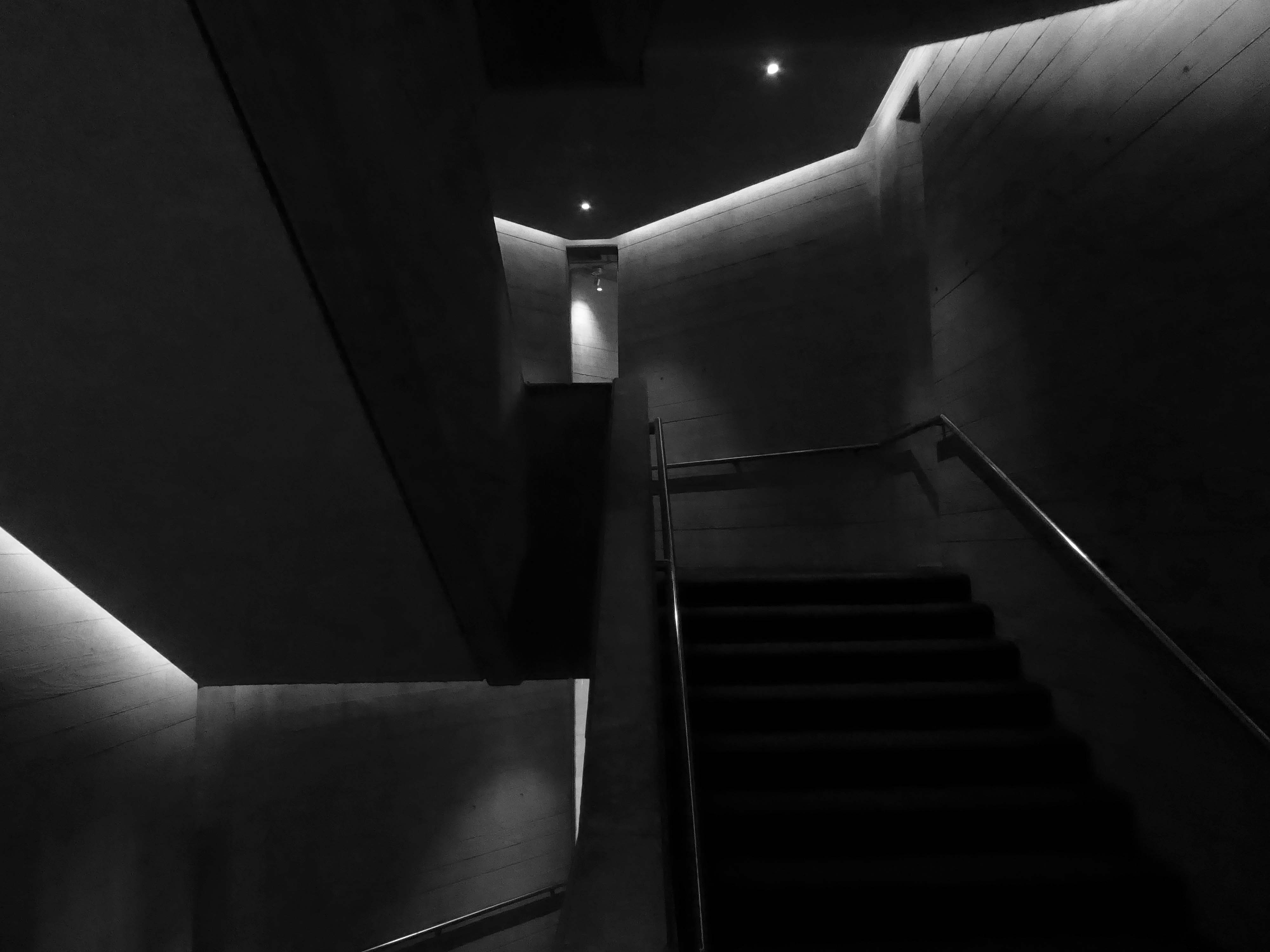
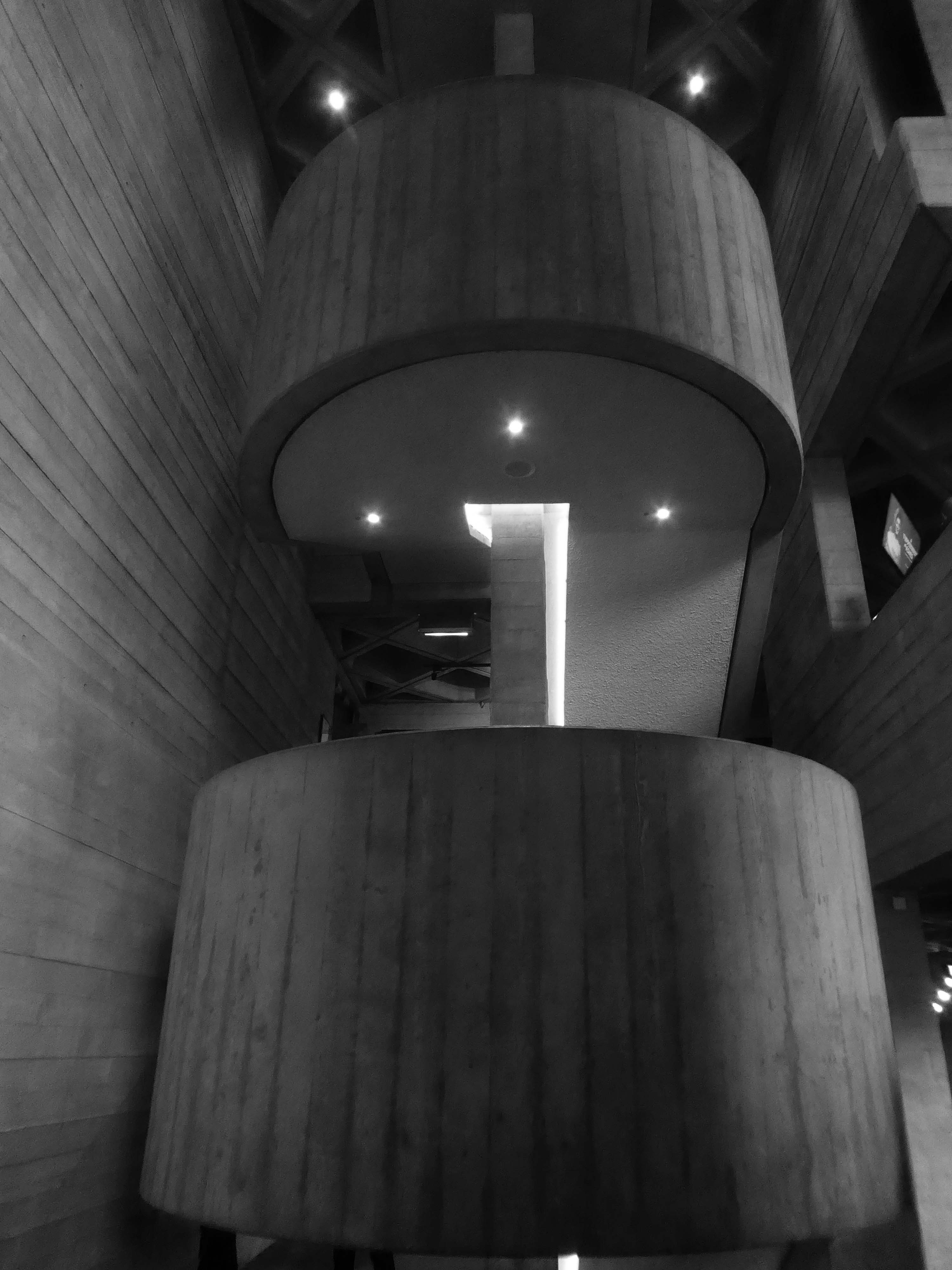
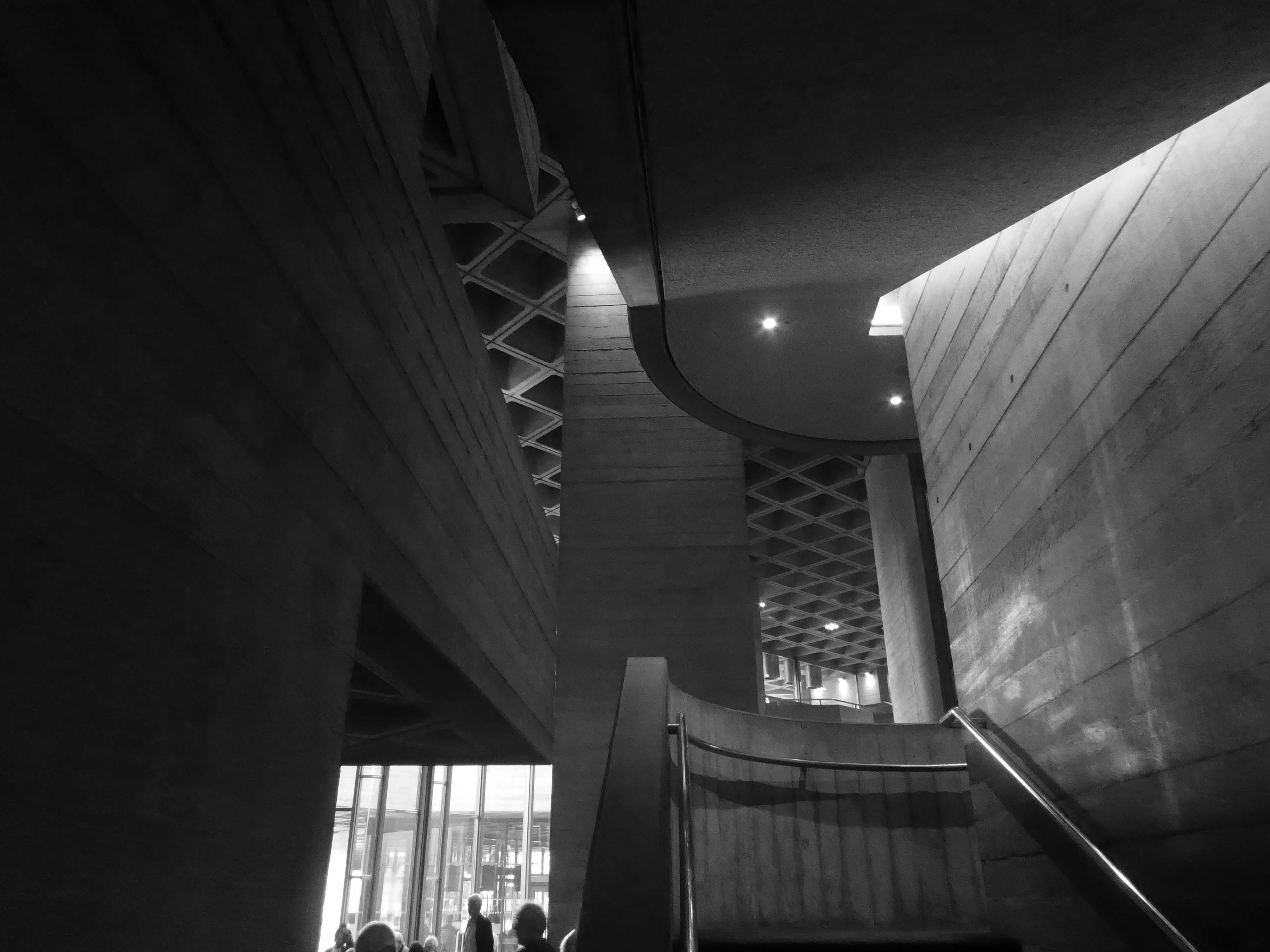
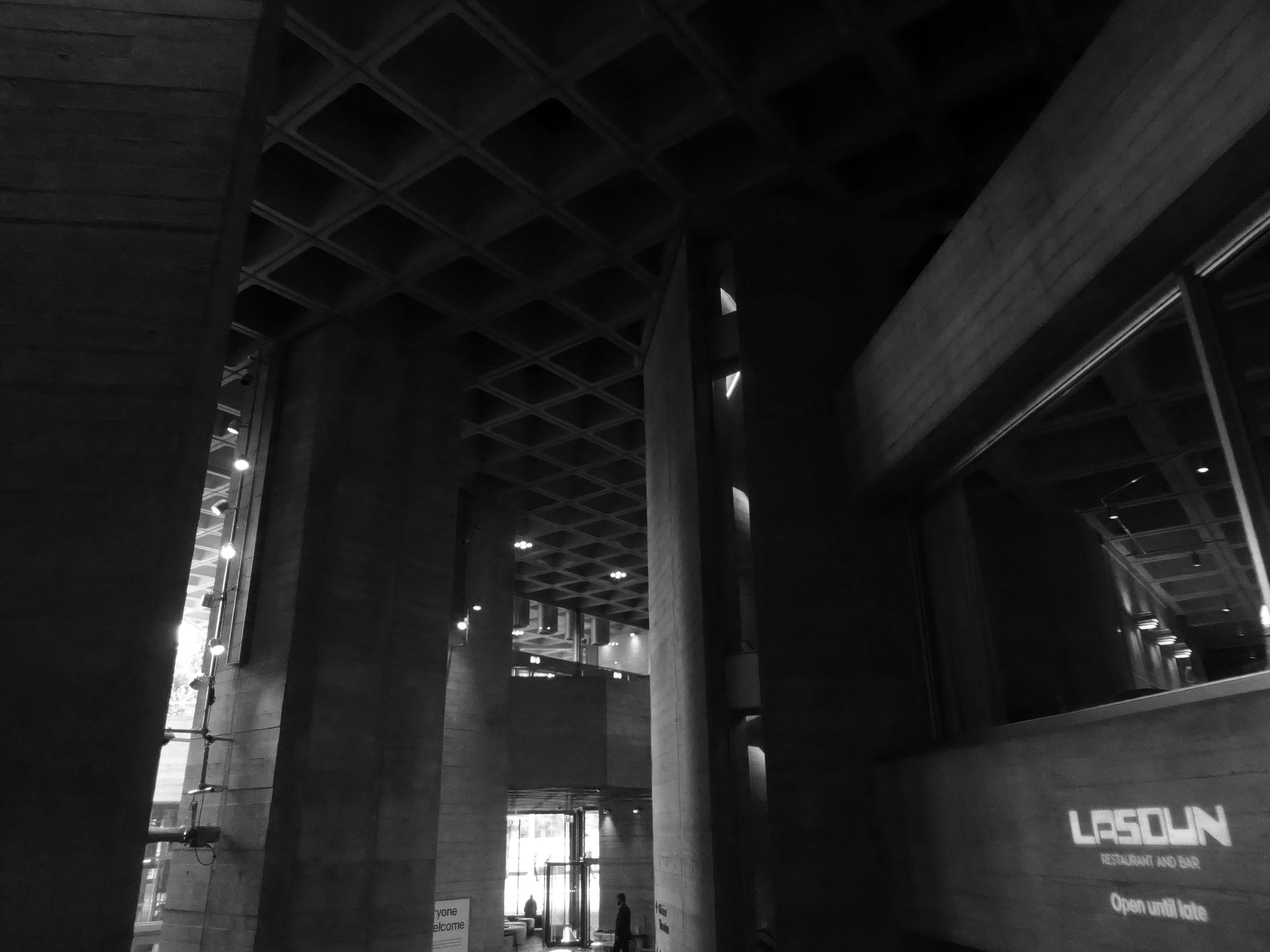
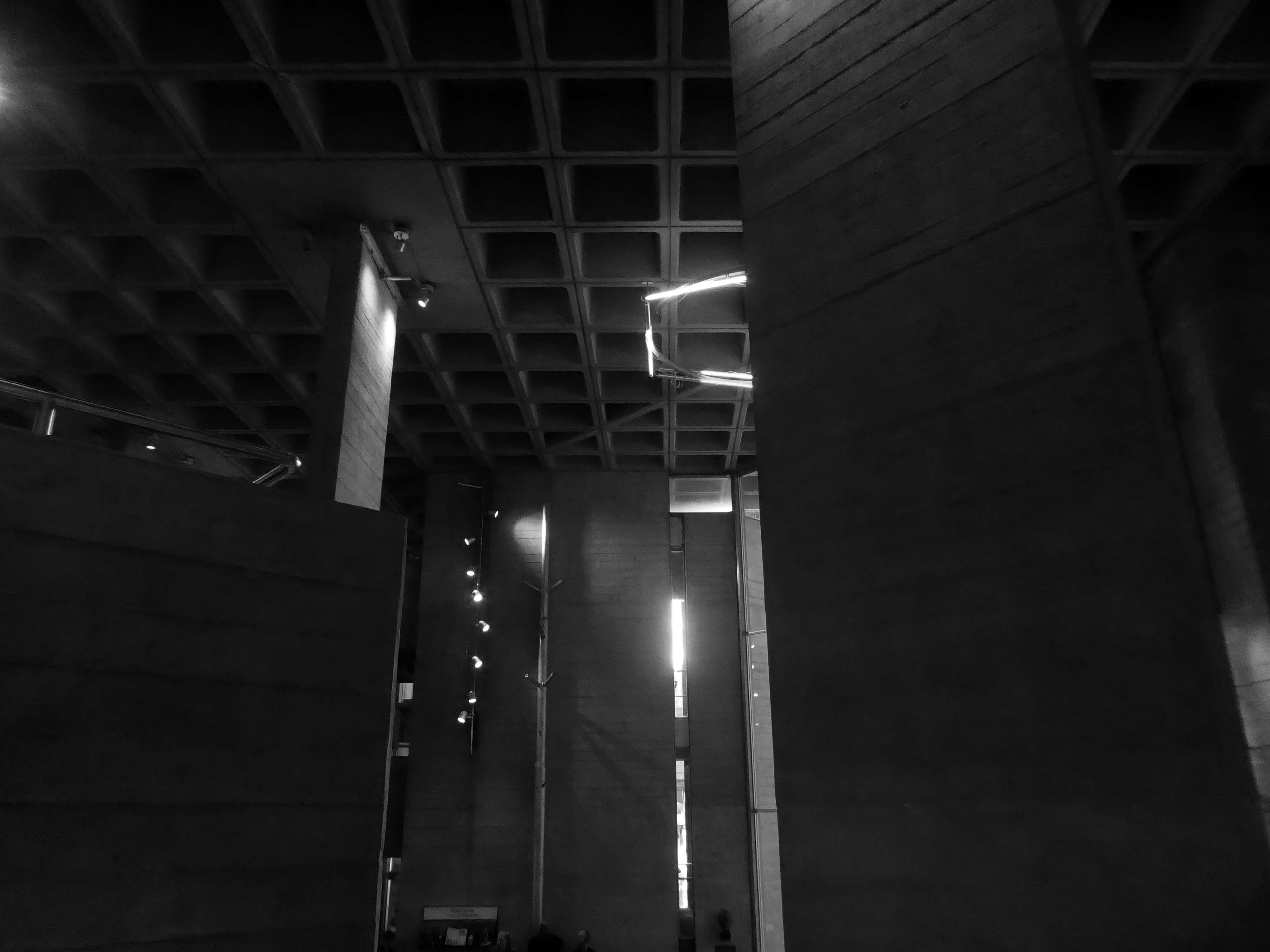
Furthermore, whilst the exterior of the National Theatre may well induce fear, and in some loathing, the interior feels both human and secure. When I explored the ins and outs of the public spaces, the monumental seems to be held carefully in check, despite the challenging contrasts in mass and volume. The exposed concrete surfaces and angular forms are softened by sensitive lighting and the presence of people, in motion and at rest.
So at a loose end on a showery day on the Southbank I caught shelter and solace within.
Previously on Modern Mooch – we encounter Mr Lasdun in Leeds and Liverpool
I alighted excitedly from the X43 outside the Mechanics Institute – je suis arrivé!
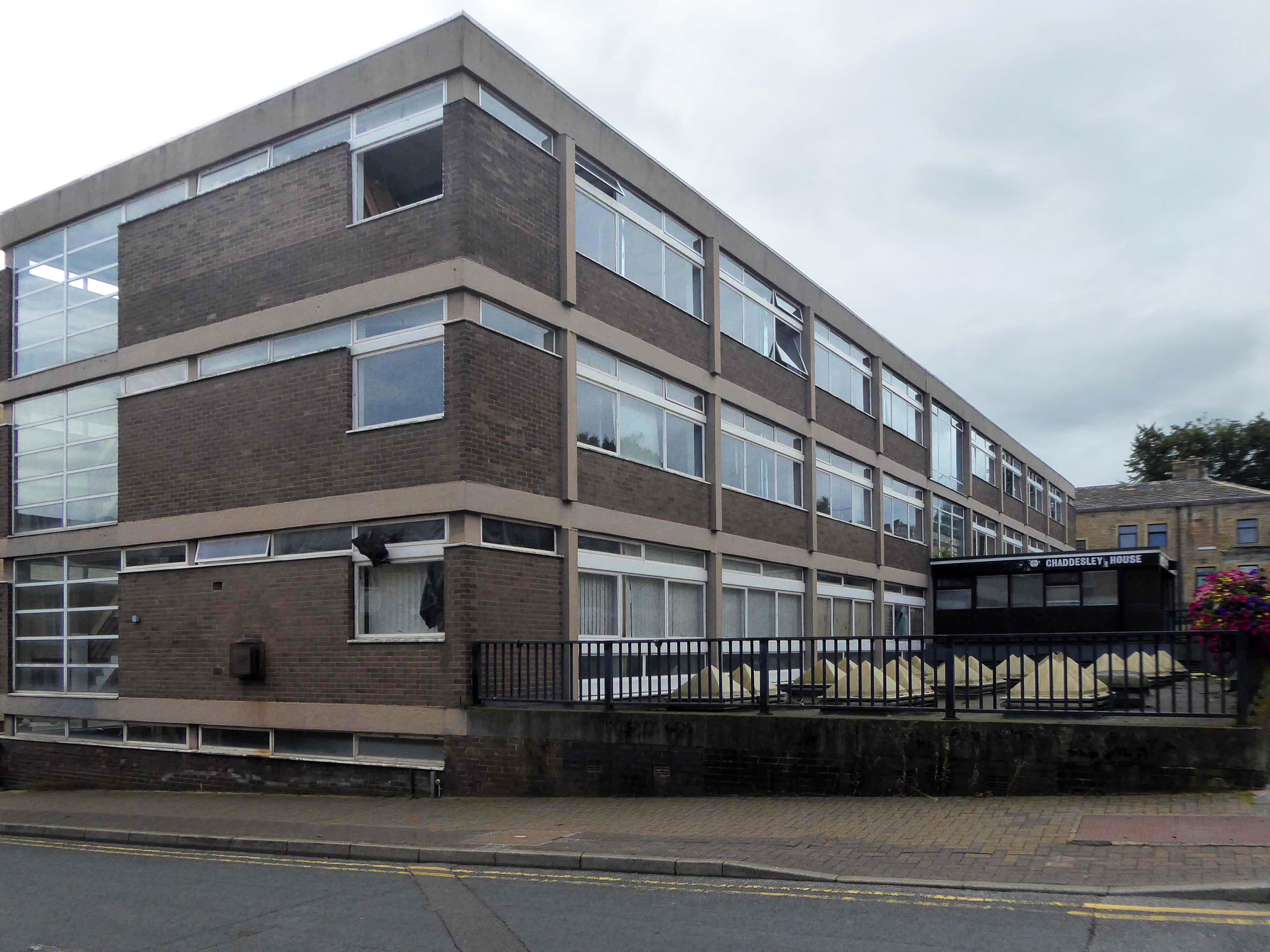
Across the road Chaddesley House, former Council Offices.
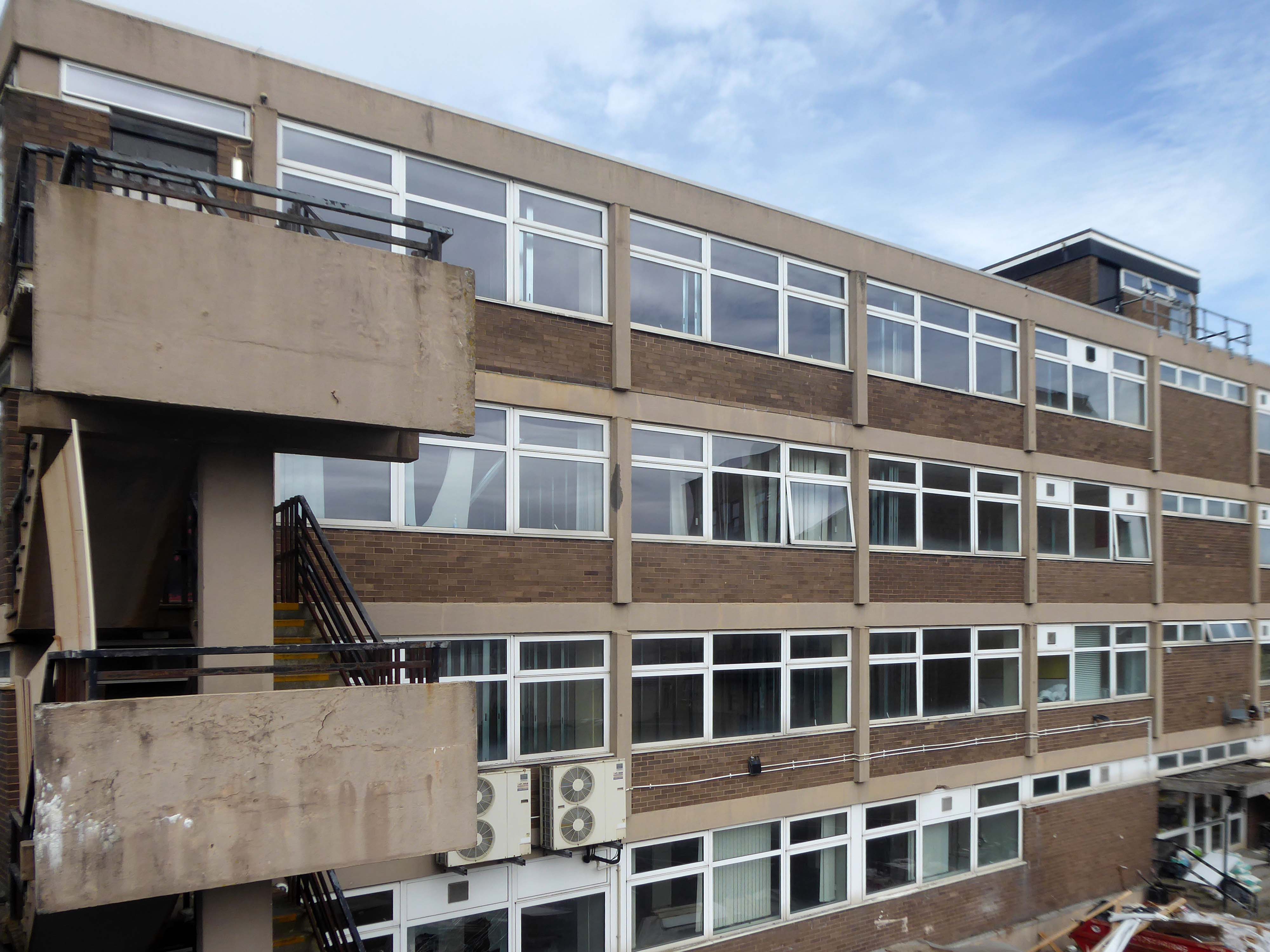
London-based Jacob Fekete has applied for planning approval to convert Chaddesley House, 56 Manchester Road. He tells Burnley Council planners the move could attract other investors to the town.
The St NicholasHealth Centre on Saunder Bank, built at a cost of £160,000 was officially opened on Saturday, 17th February 1973, it was demolished in 2008 at a cost of £1.3m
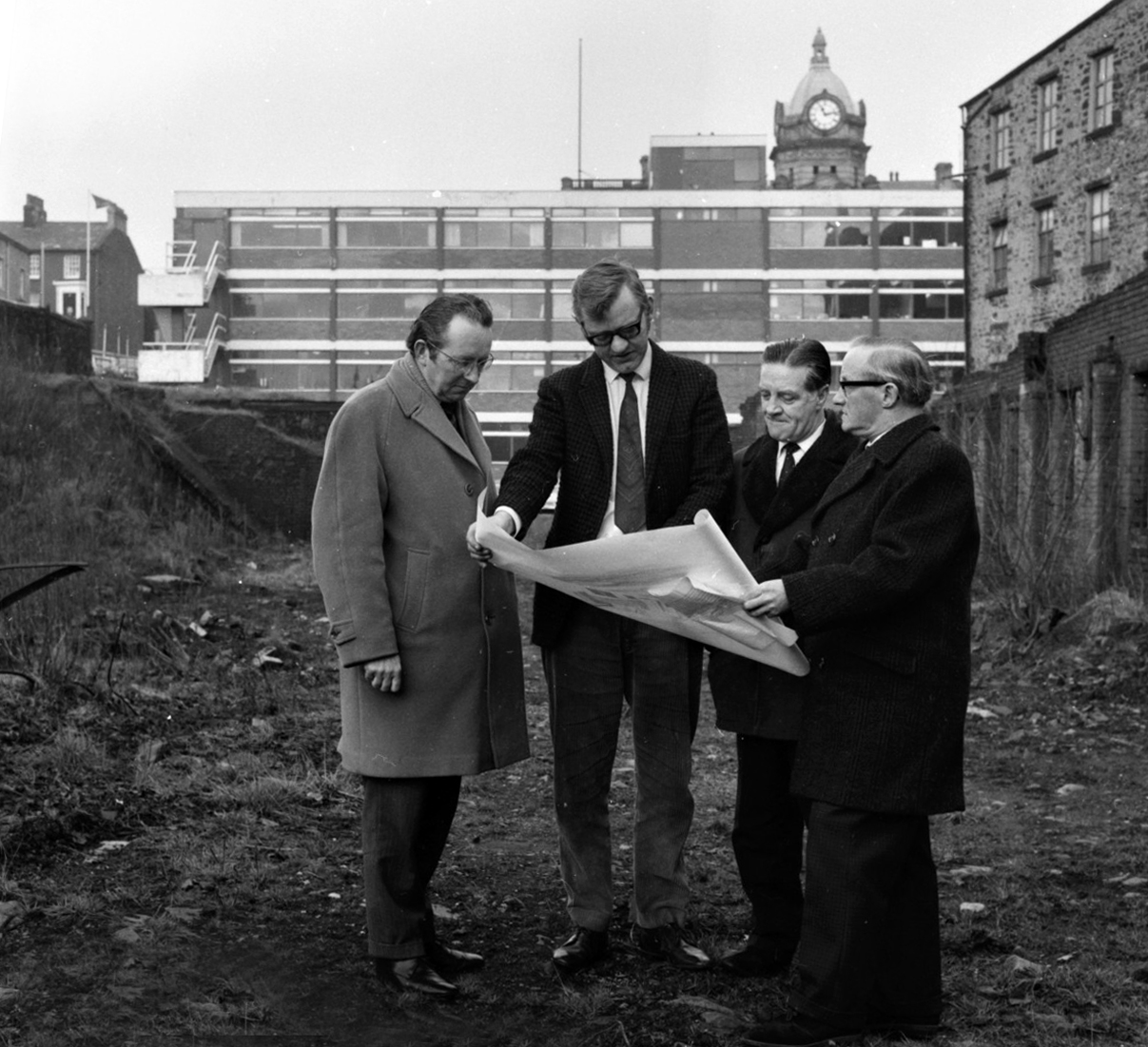
Concentrating a multitude of services under one ultra-modern roof, the centre is to be established on a now semi-derelict site on Saunder Bank at the rear of Chaddesley House.
The new centre has been designed in the offices of the Borough Engineer and Surveyor – Mr E C Ashby under the direction of the Deputy Borough Architect Mr F Staziker.
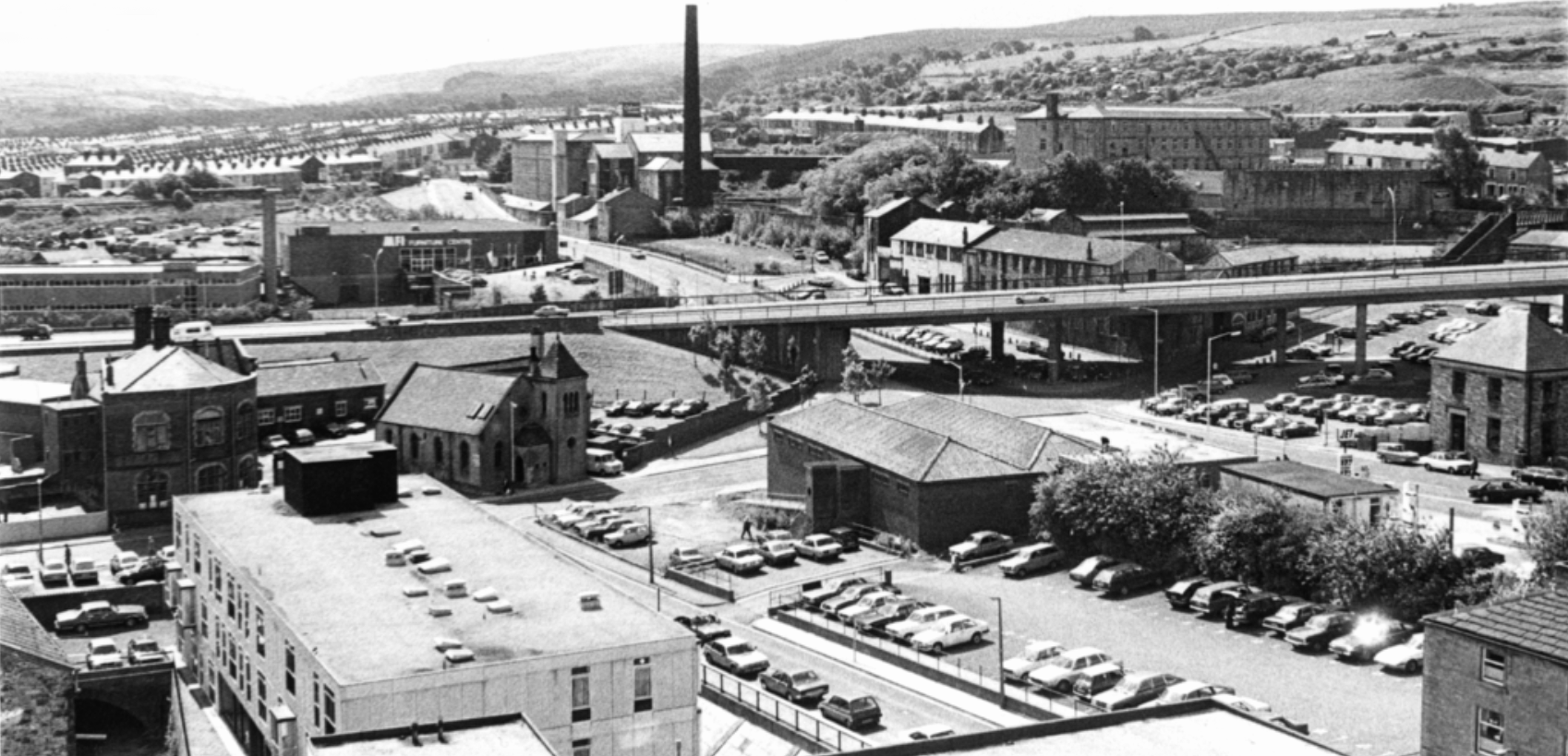
A view looking across Burnley towards Centenary Way and Burnley Wood, taken from the Town Hall – 1982.
Red Rose Collection
The New Temperance Hall and Social Rooms on Parker Lane was opened on Wednesday 8th December 1909. Above the newspaper announcement of the opening ceremony, there was an advertisement for Alliance Animated Pictures exhibiting there nightly at 7:30 pm.
By 1948 the cinema had been acquired by the small local cinema circuit, Northern Operators Ltd., whose offices were at the Pentridge Cinema on Holmes Street. The Temperance Hall was listed in 1954, and was advertising in December 1954, but closed before 1957.
Cinema Treasures
Over time there were seventeen cinemas in Burnley:
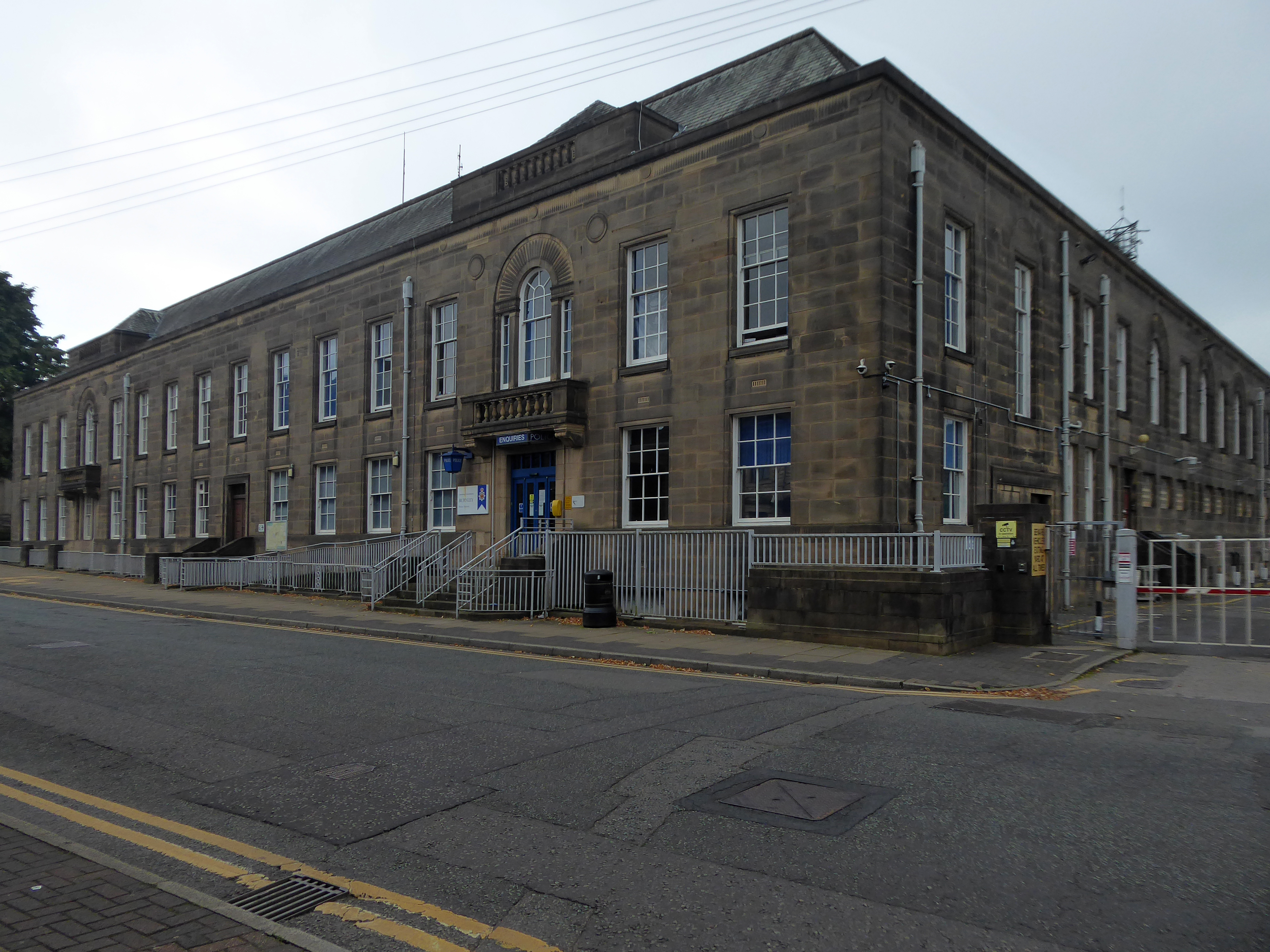
Back toward the Police Station – 1951-1955 Bradshaw Gass and Hope.
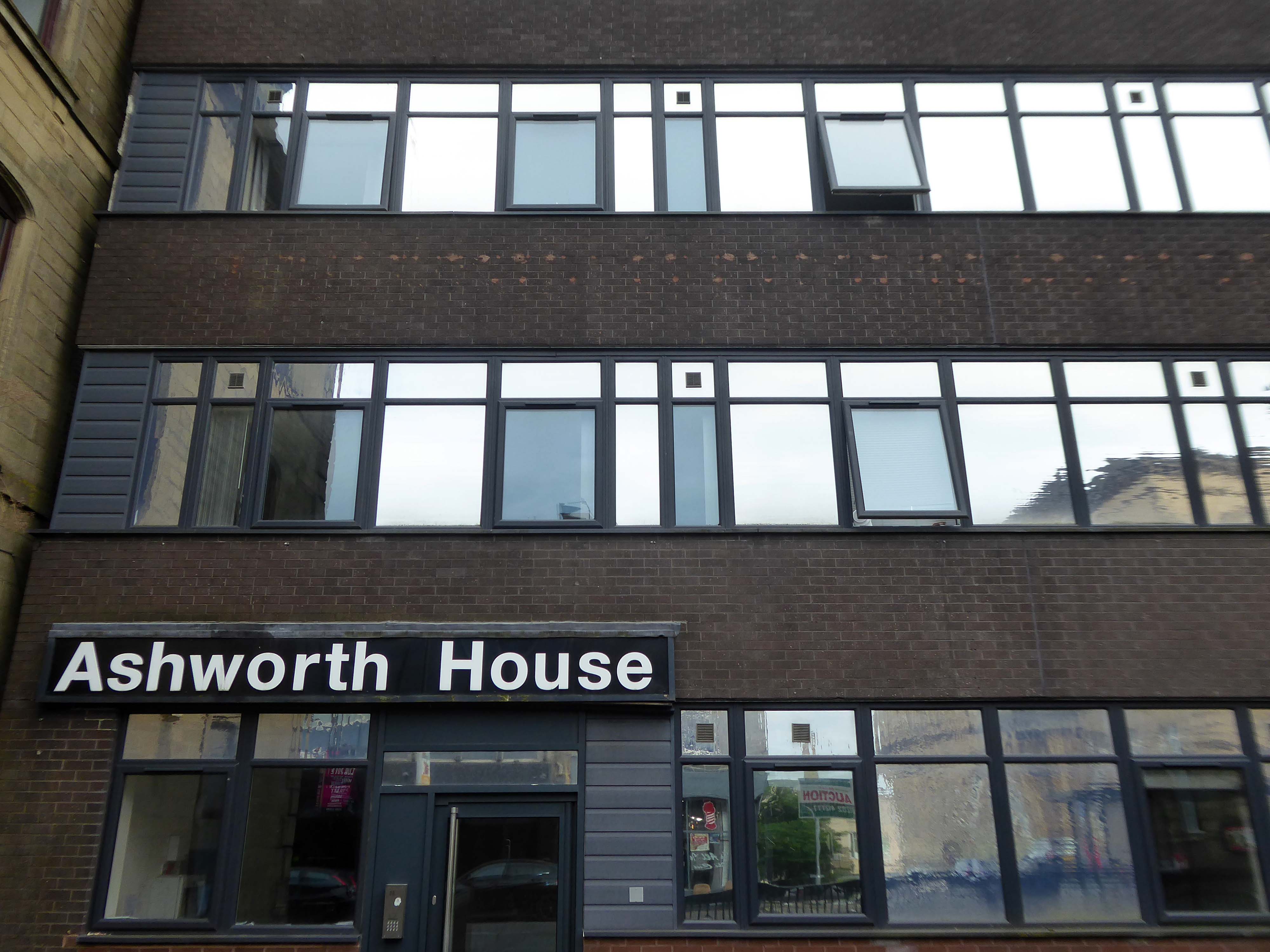
A few doors down we find Ashworth House
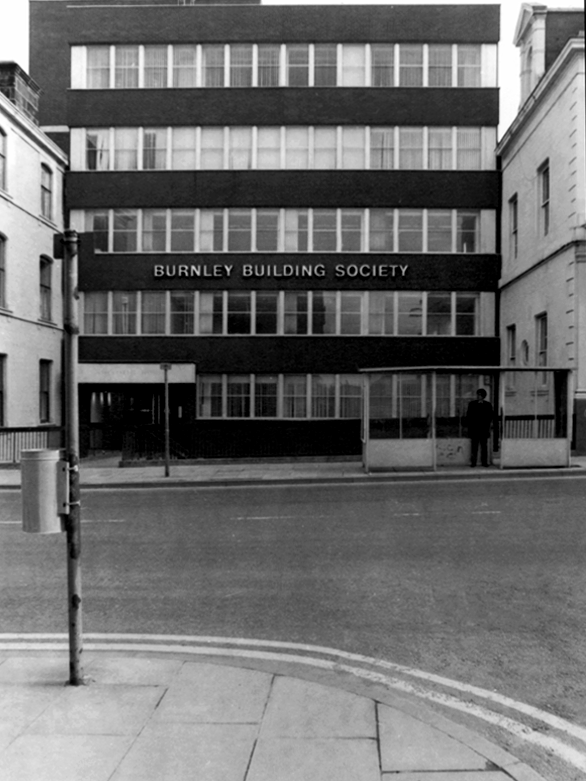
Burnley Building Society was founded in 1850, in 1984, it merged with National and Provincial Building Society with headquarters in Bradford, These offices were built on the site of Salem Congregational Baptist Church which was demolished in 1973 and were subsequently occupied by Endsleigh Insurance for 25 years until 2016. The building was then sold and converted into flats.
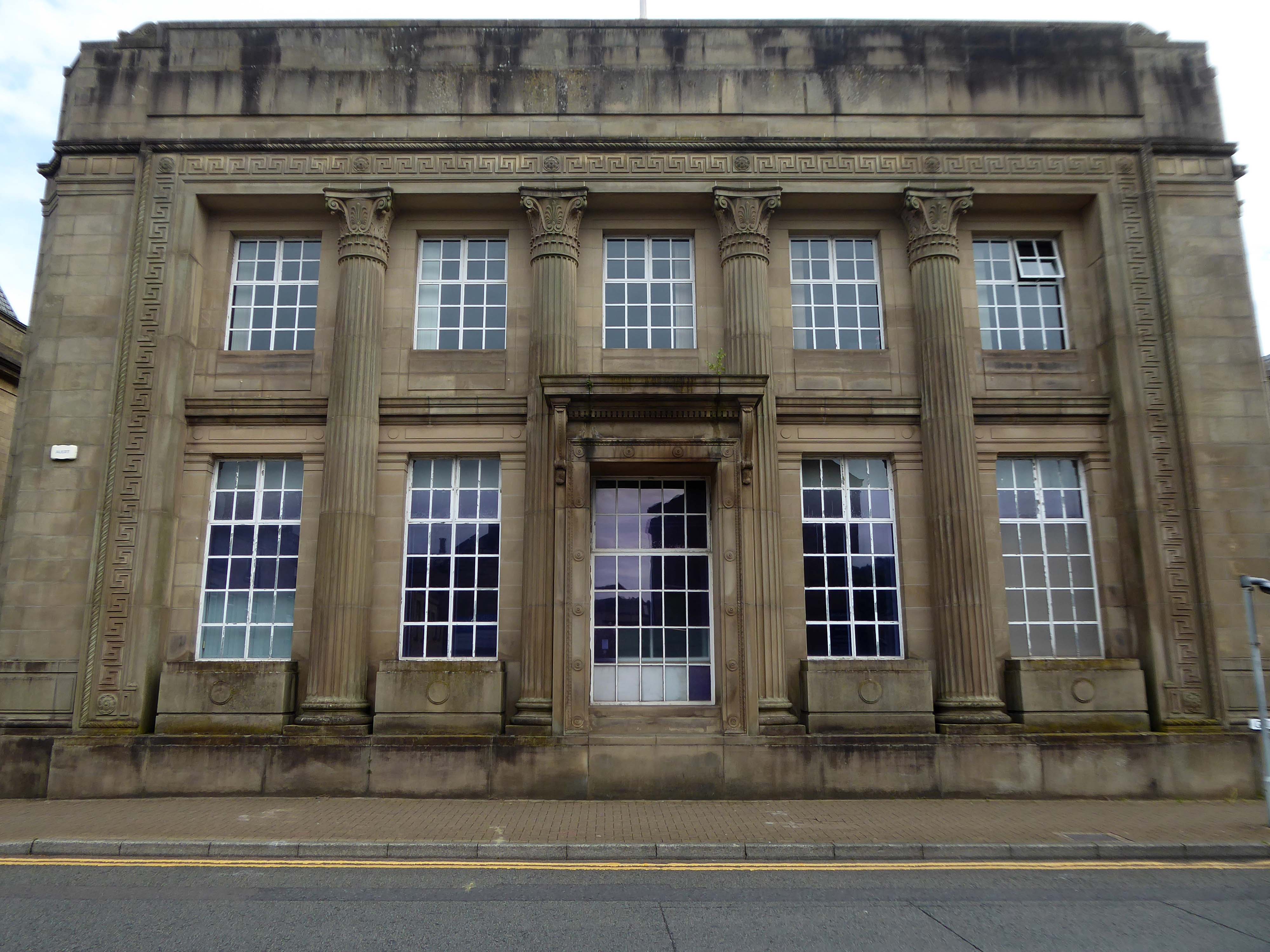
Around the corner to the inter-war Classicism of the former Burnley Building Society offices.
Architects – Briggs and Thornley of Liverpool 1927-30 Grade II Listed.
Adjacent to the Central Library
Architect – George Hartley and built by Arthur Race Borough Engineer 1928-30 Grade II listed
In 1971 A meeting was called by Alan Horsfall and Ray Gosling of the CHE – Campaign for Homosexual Equality, in cooperation with the Gay Liberation Front based in Islington. They joined forces wanting to open a social club for gay people, to have a safe place for them, somewhere they would not be subject to police raids, as those were happening frequently all over the country.
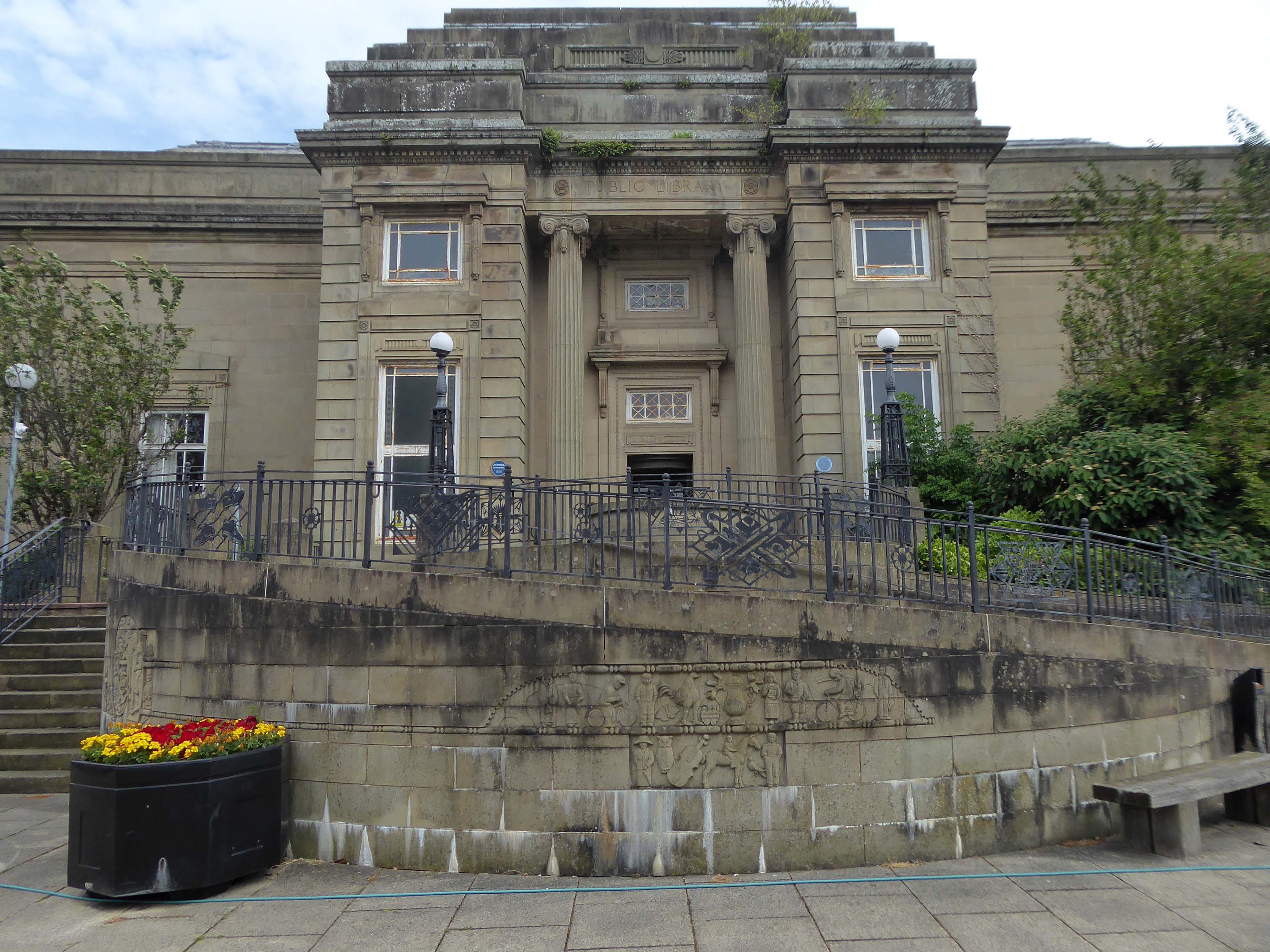
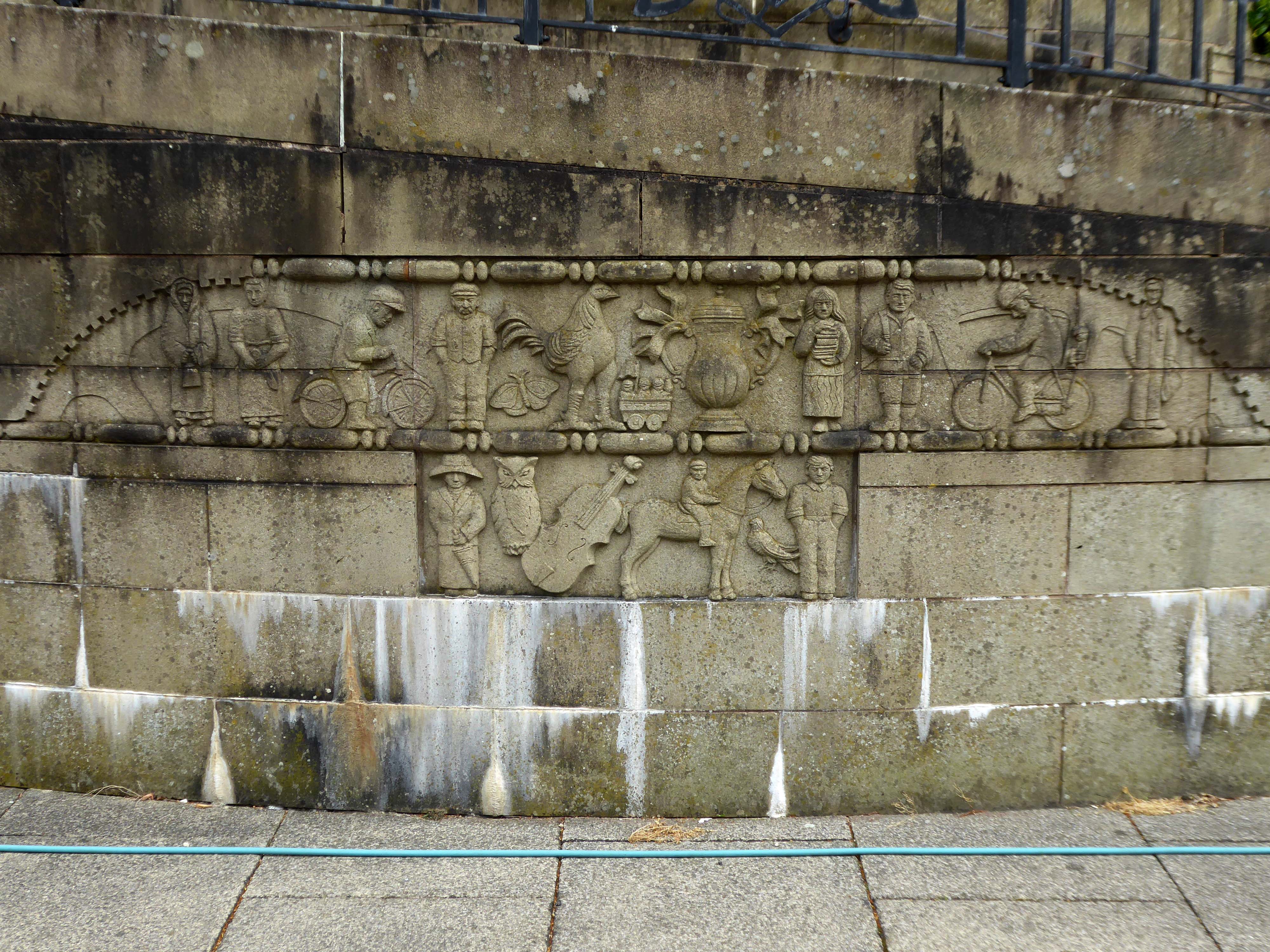
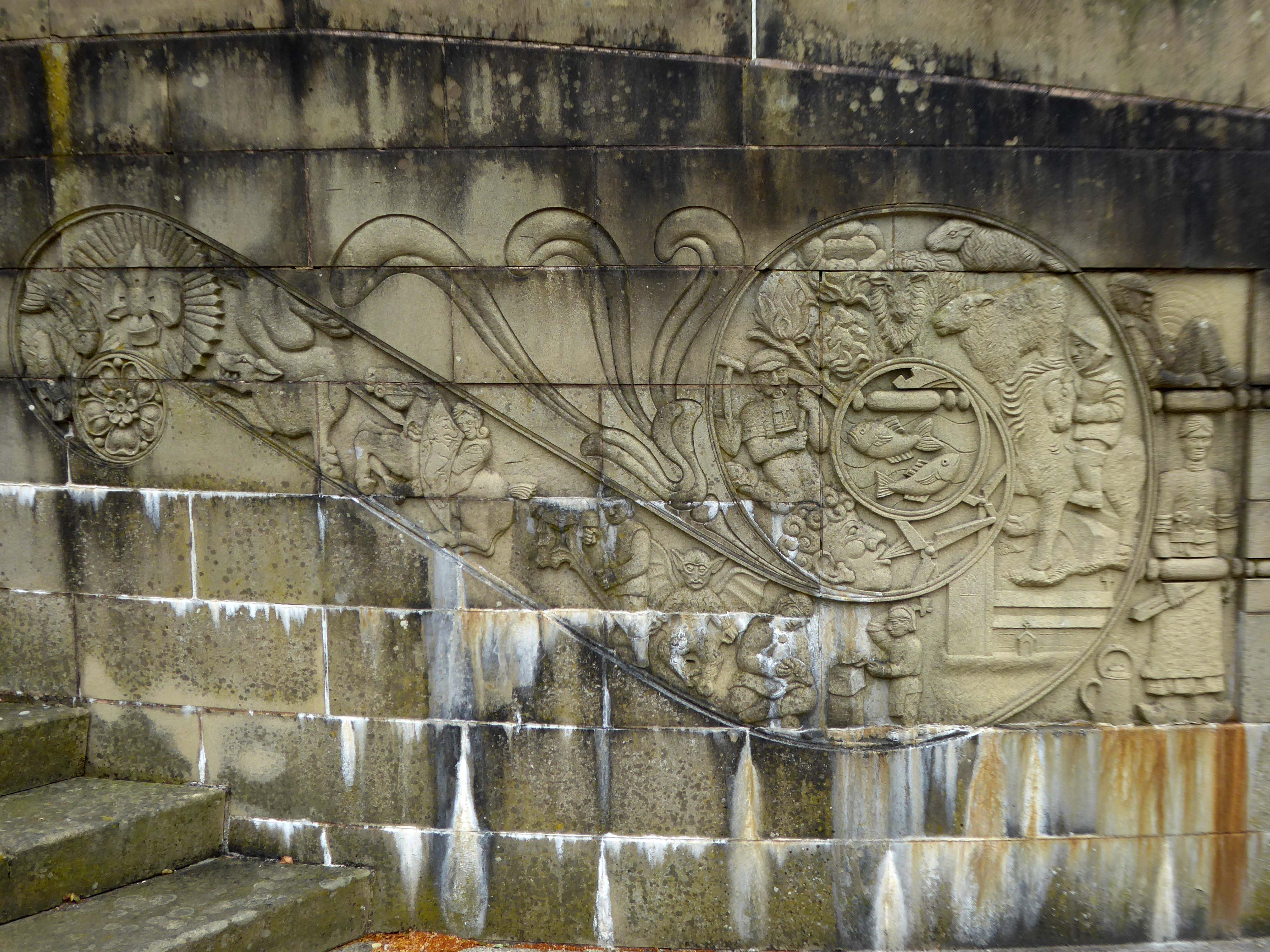
The new ramped entrance, along with these carvings which illustrate the town’s history, was added in 1993.
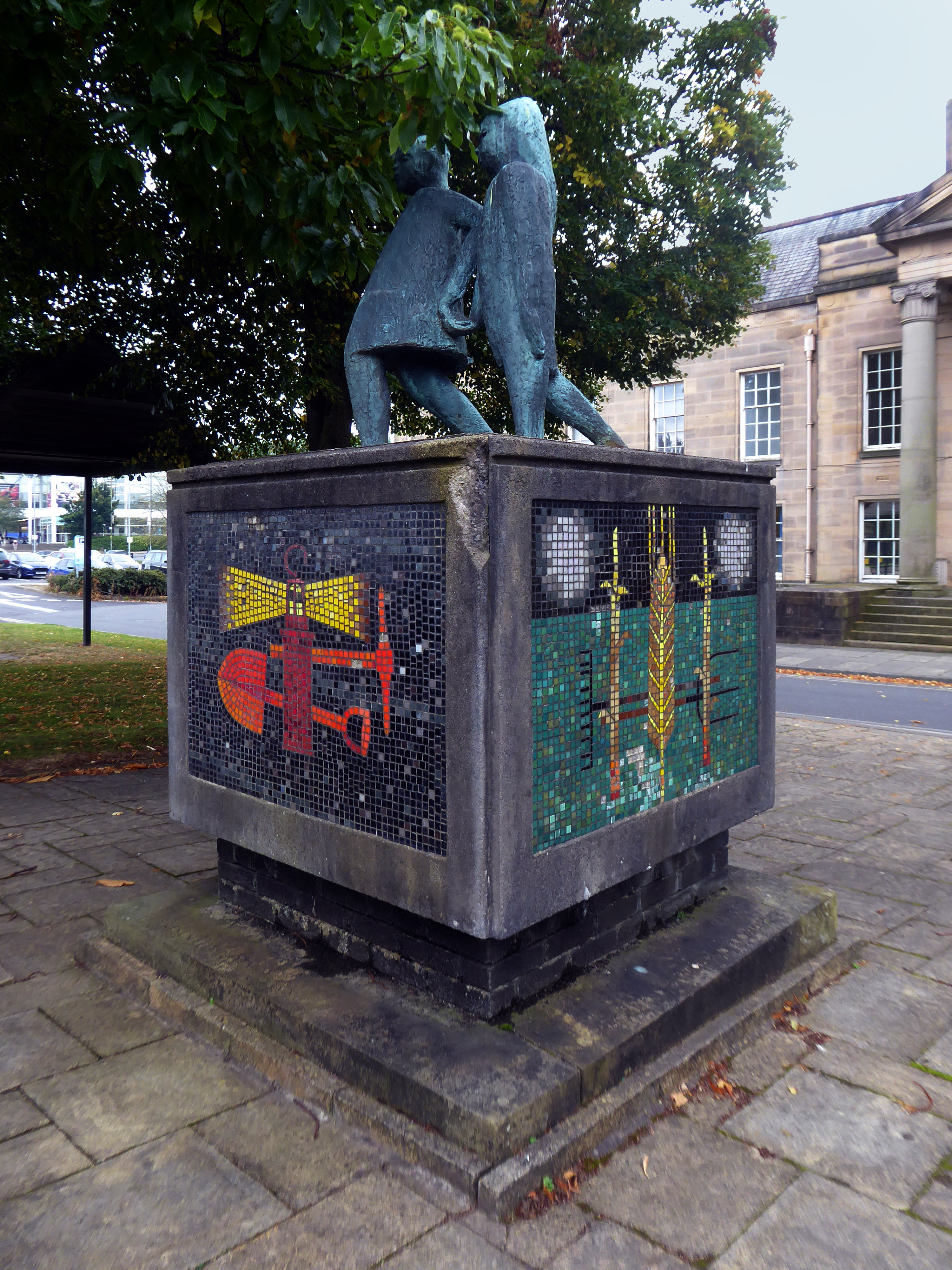
Opposite the library this sculpture Looking to the Future by Joan Moorethe mosaic base by MarekZulanski 1961 – commissioned by Burnley and District Chamber of Commerce to celebrate its Centenary Year.
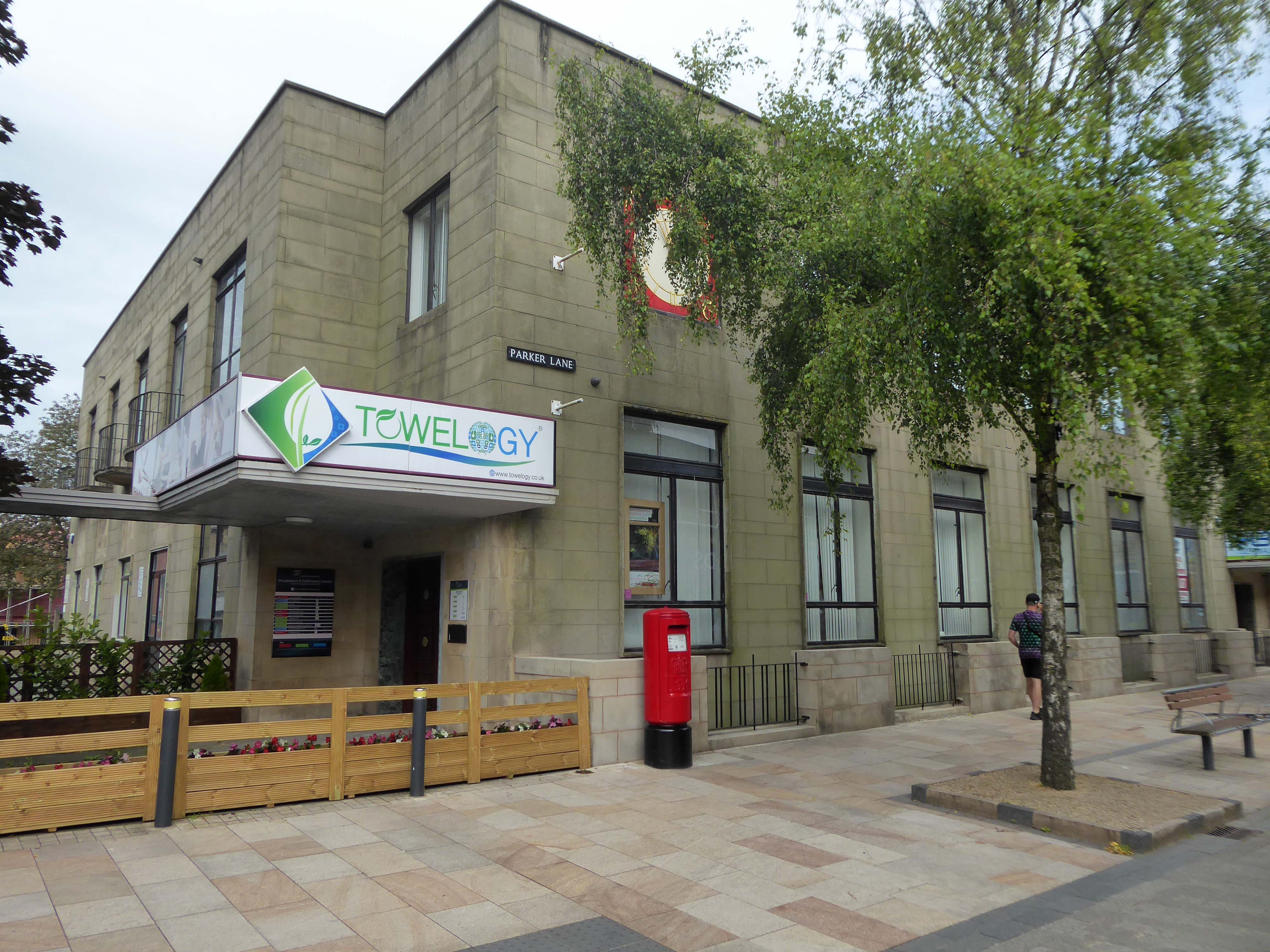
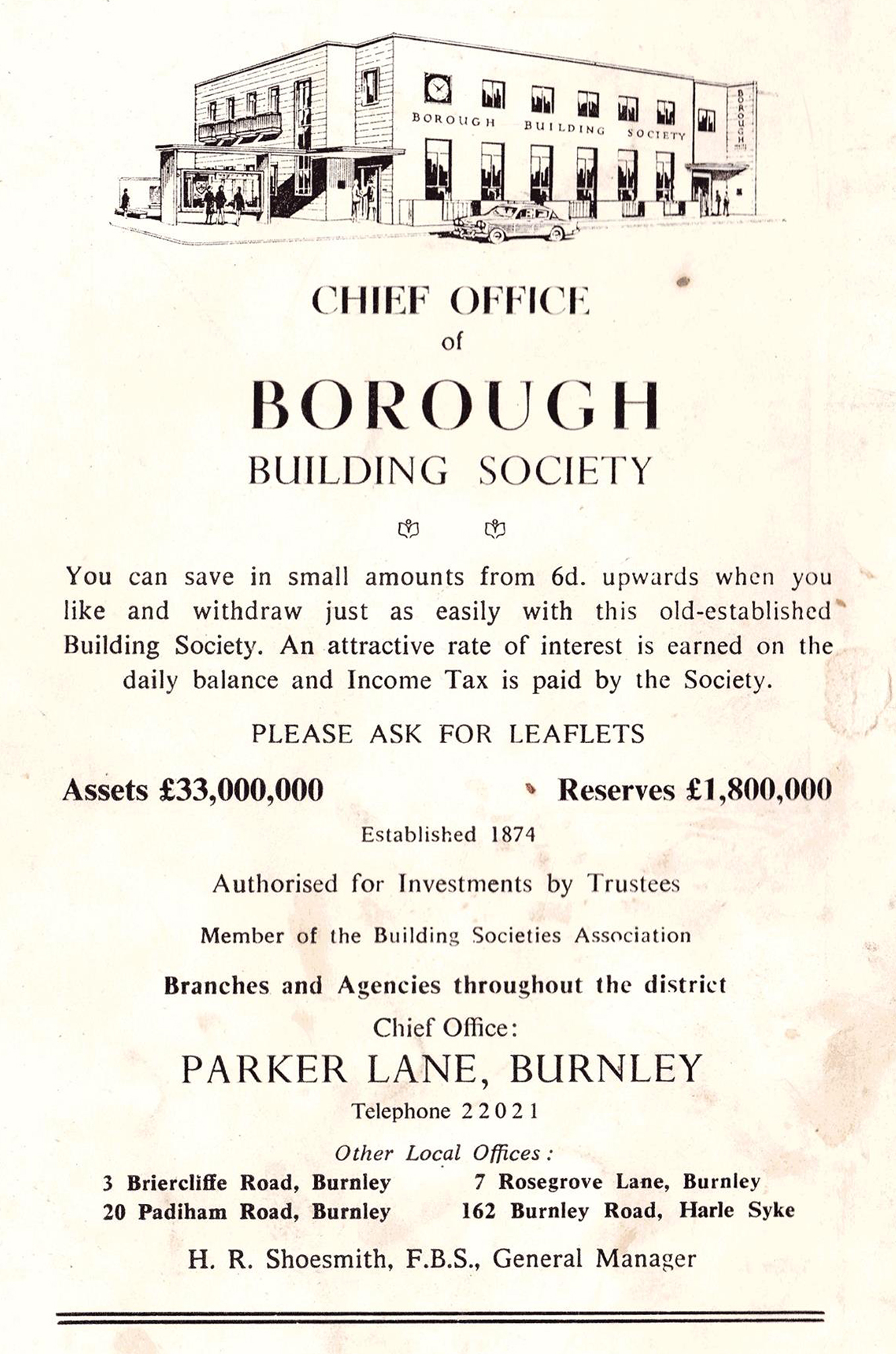
Former Borough Building Society offices – architects: Harry S Fairhurst & Son 1959/60.
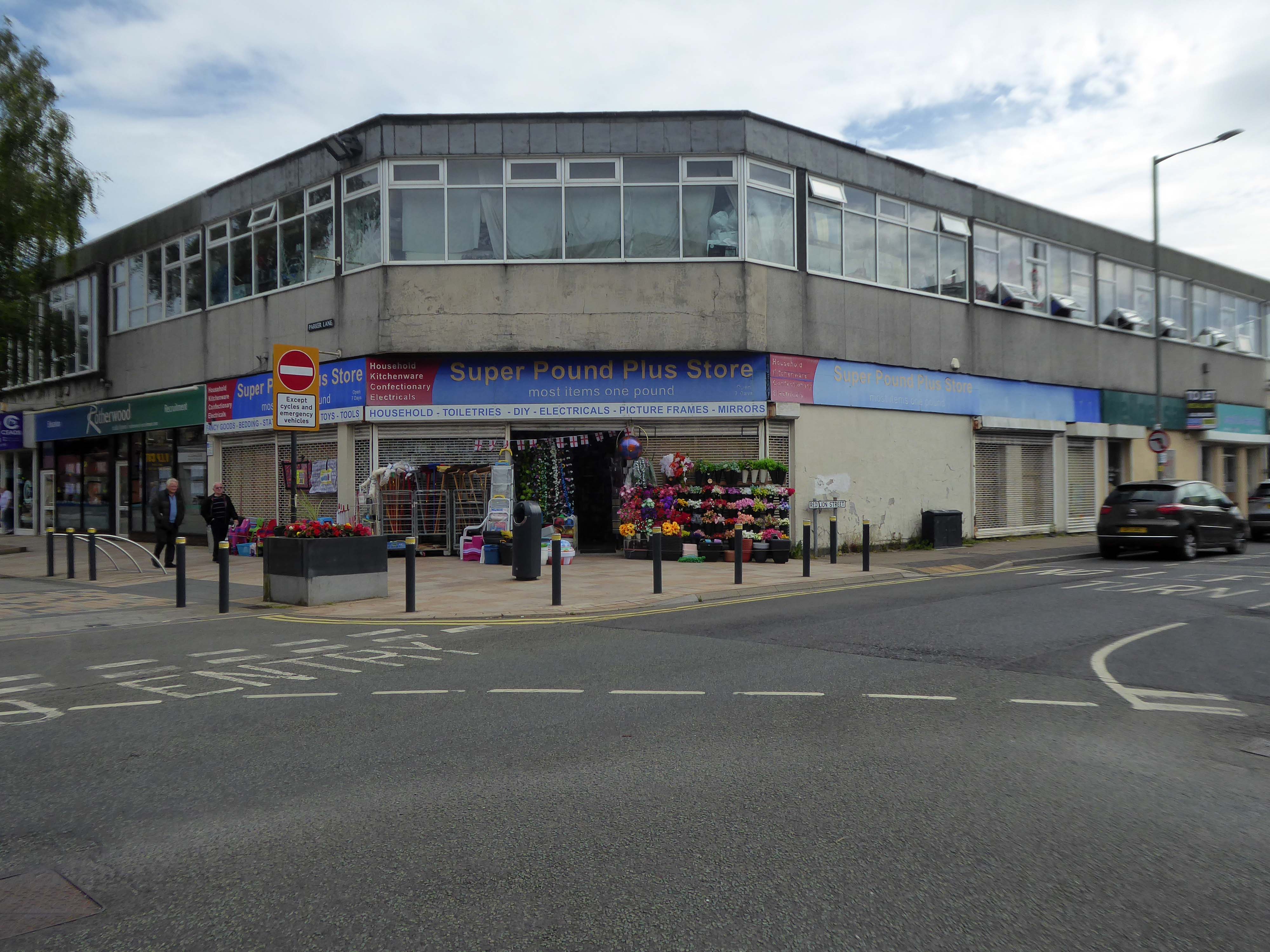
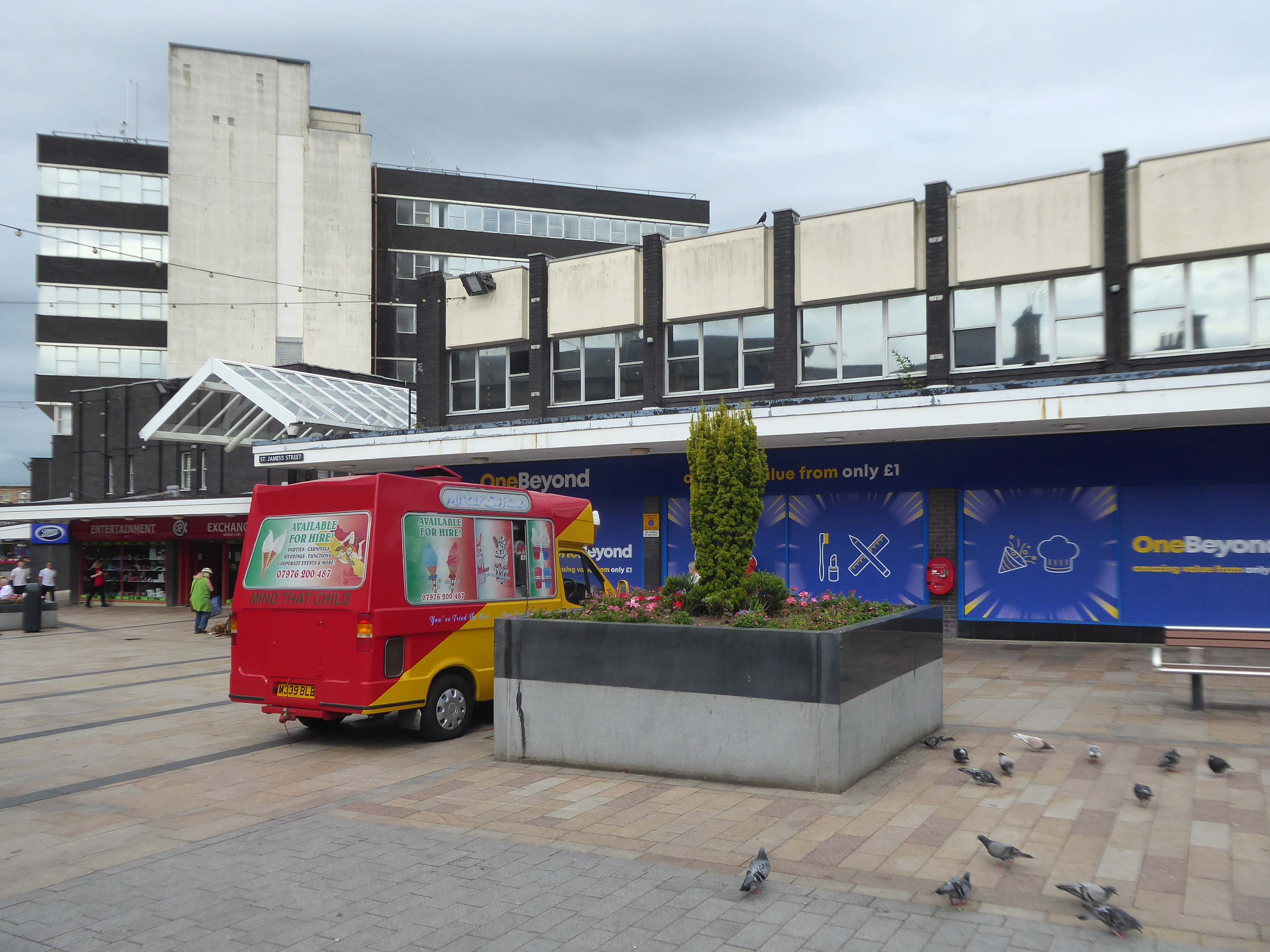
Over the way one of several low level retail developments which populate the town.
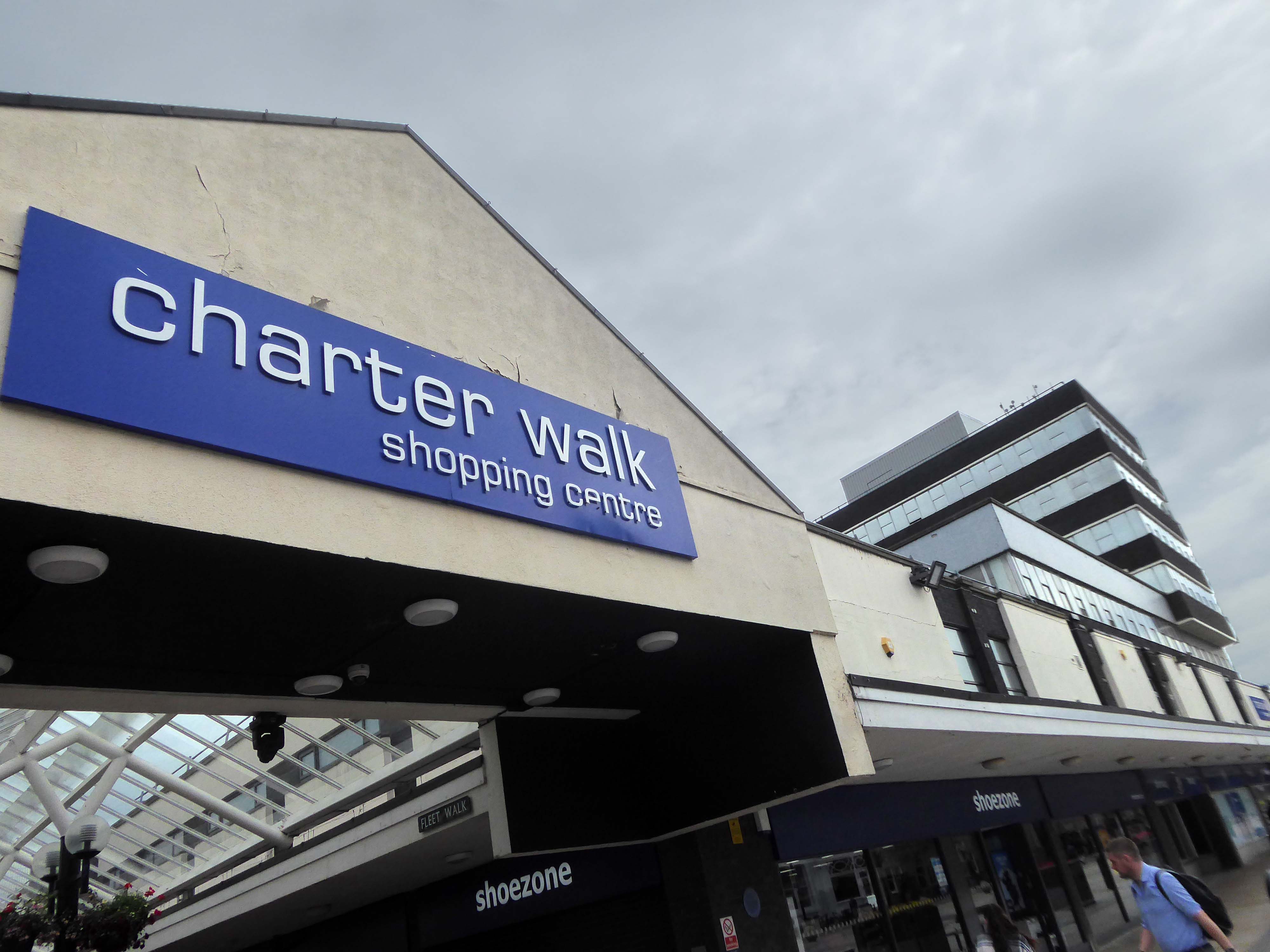
The most significant being the Charter Walk Shopping Centre, which we will explore further in a little while – putting the C into choices!
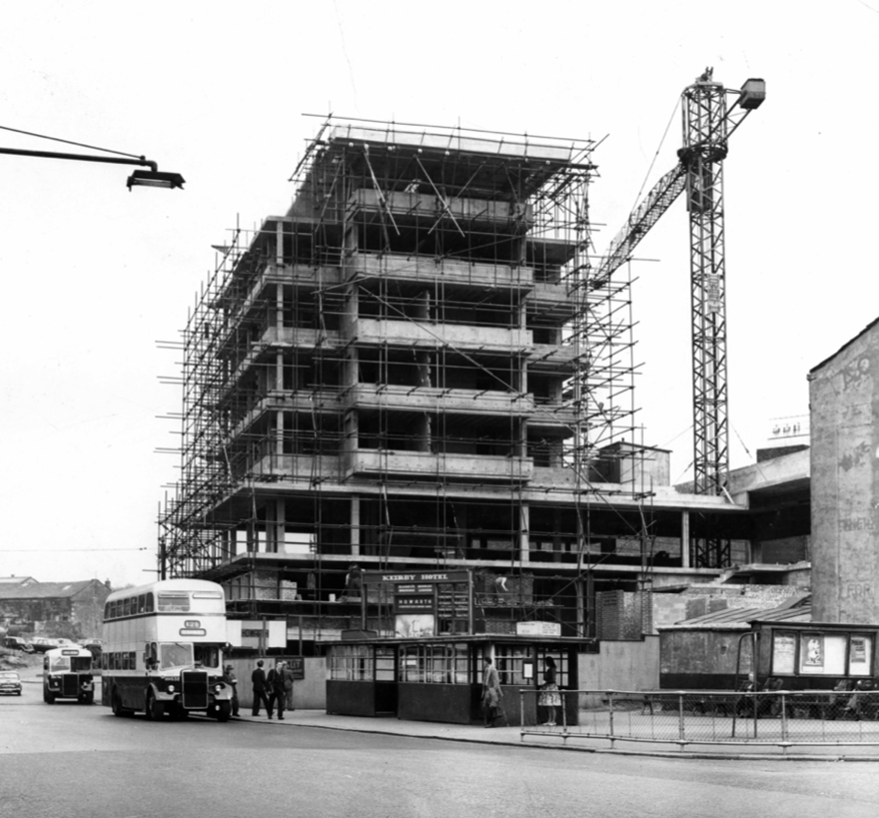
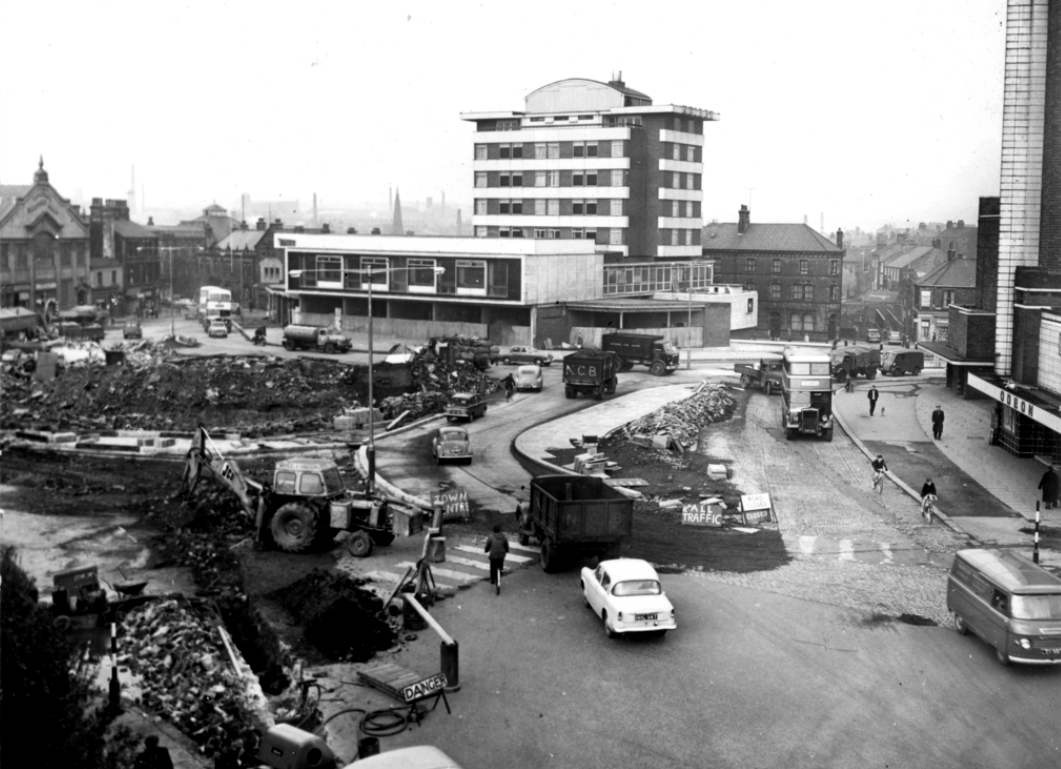
To our right the former Keirby later Brunlea Hotel – atop a varied retail podium, architect – H Hubbard Ford 1959-60
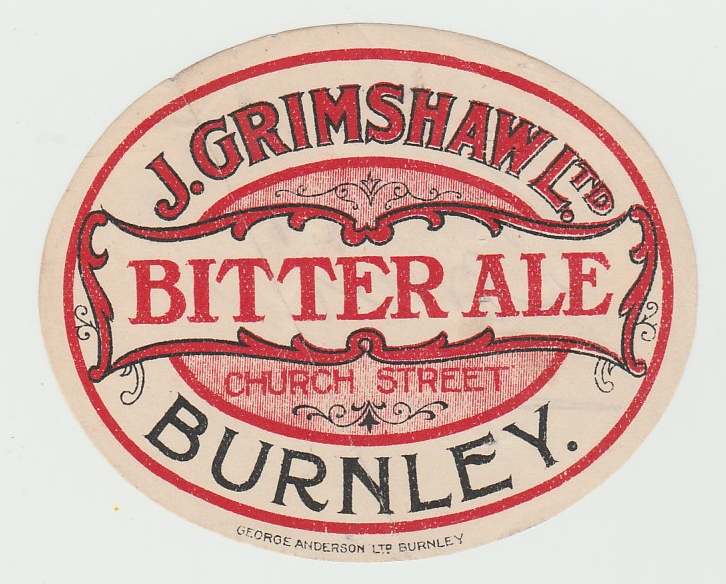
Built on the site of Grimshaw’s Keirby Brewery, which stood on the site of the hotel until it was demolished in1930.
The Keirby Hotel was built at a cost of £250,000 and opened in 1960. The hotel was built on the site of an old Brewery of the same name on Church Street. It was intended to be the jewel in Burnley’s crown, the only 4* hotel in Lancashire outside of Manchester and Blackpool.
When they were filming Whistle Down The Wind, Hayley Mills stayed there, but had to eat in her room as she had her lines to learn and her schoolwork to do.
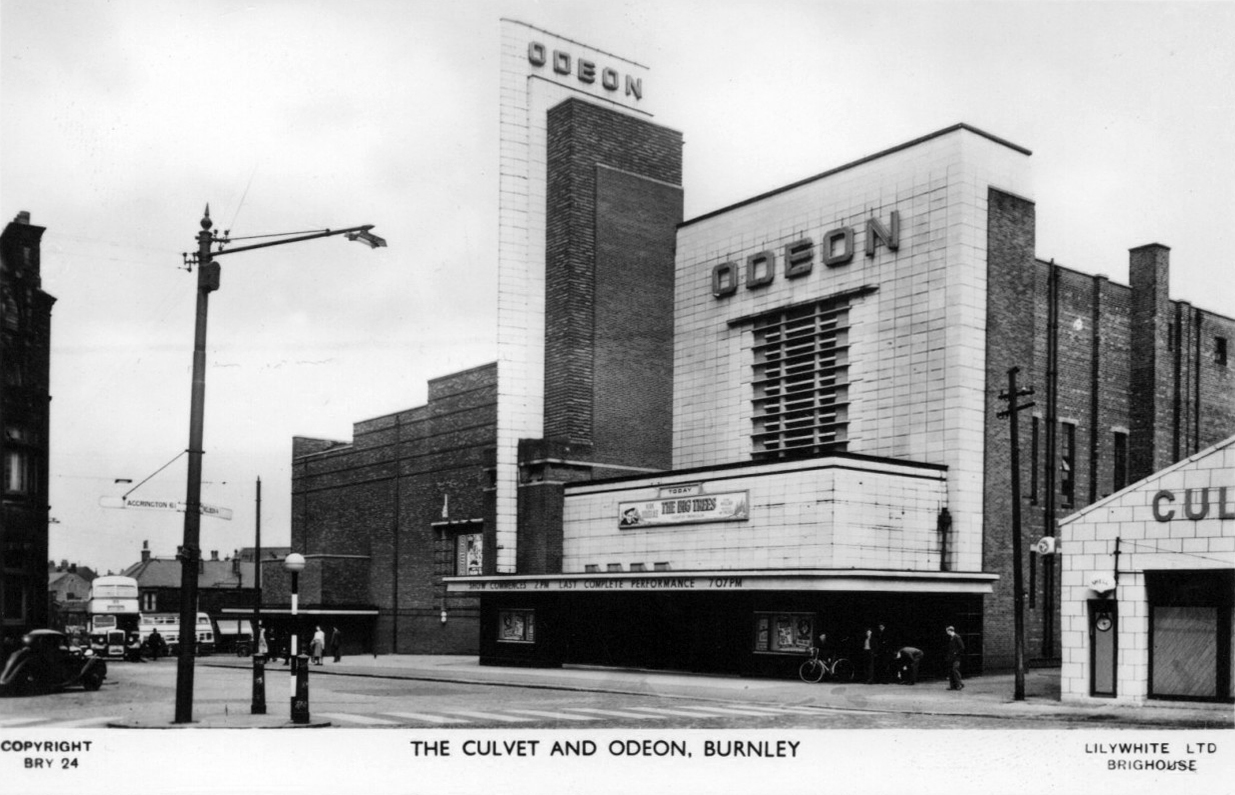
To the right can be see the lost Odeon demolished in 1973 and now a retail development.
Architect – Robert Bullivant of the Harry Weedon practice.
They have taken over as the new tenants and are determined to make a success of the hotel that once welcomed the likes of James Bond himself, Roger Moore and the late singer, TV presenter and national treasure Cilla Black.
The currently dilapidated and condemned site will be completely transformed, paving the way for a state-of-the-art hotel and leisure complex that will “redefine luxury and excellence in Burnley”.
Mr Hagan, a prominent global cinema software company owner and a Burnley native, is spearheading the transformative project. “It is a great opportunity to invest in a strategic Burnley site,” said Mr Hagan. “I envisage building a 200-bedroom hotel, an amazing five-star luxury spa and wellness centre, an outstanding restaurant with a panoramic view, an aquatic visitor centre and supported by multi-level parking.
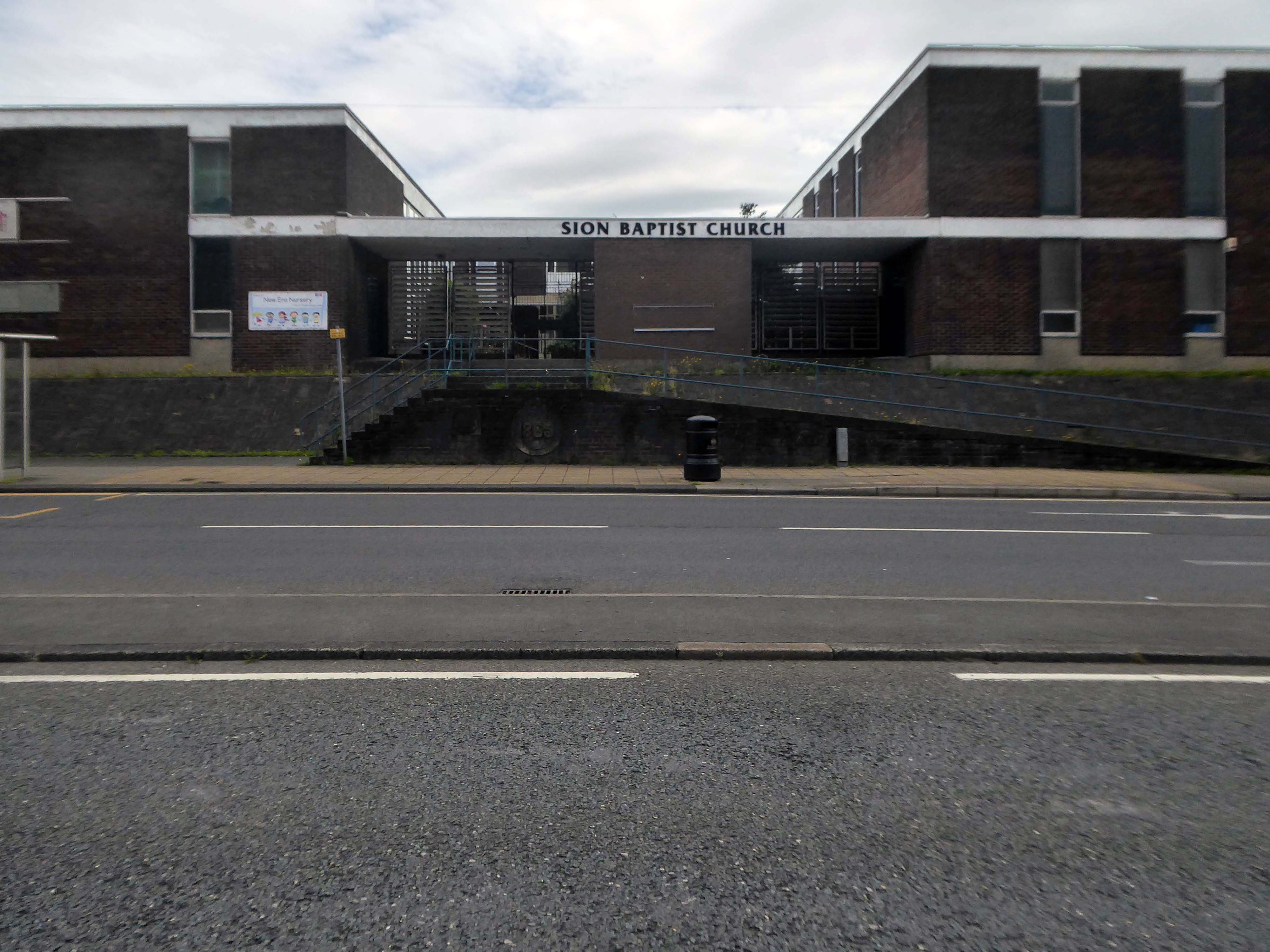
Across the way is the Sion Baptist Church architects: Gilling Dod & Partners 1961
Down the hill toward the car park.
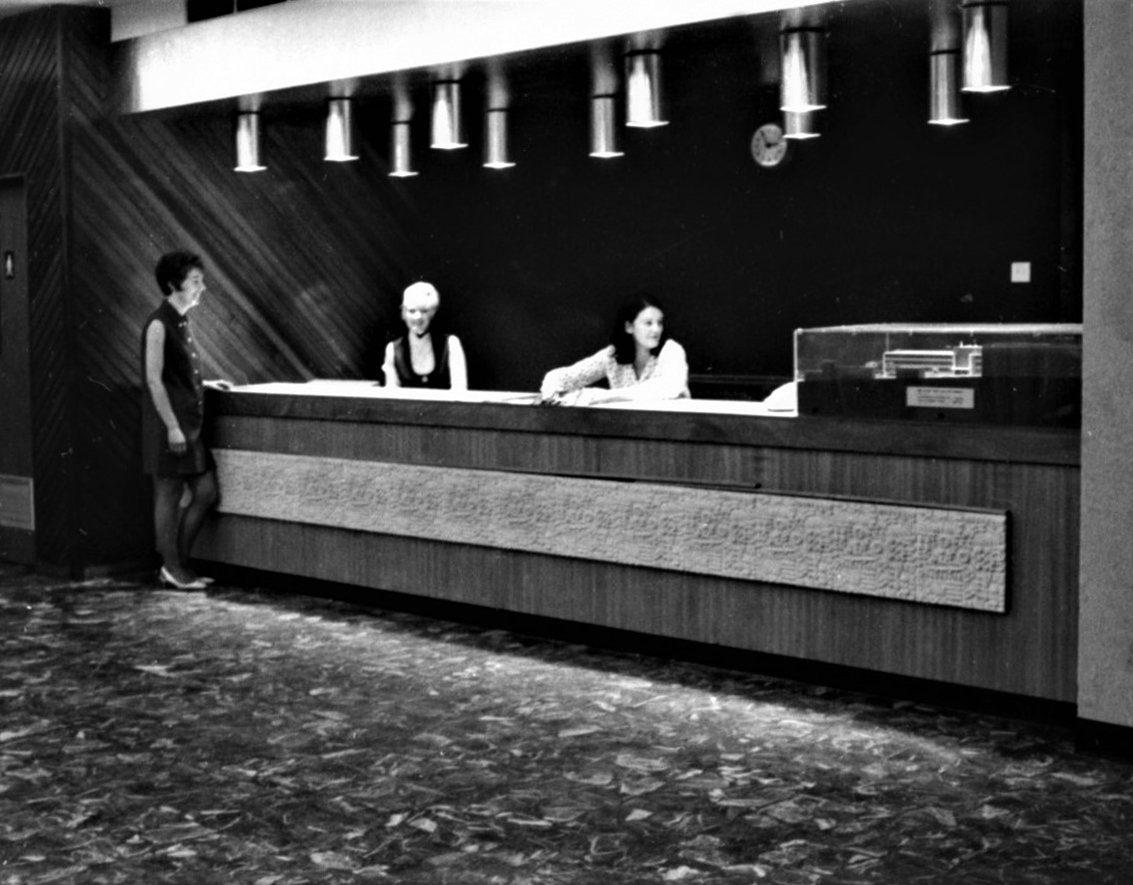
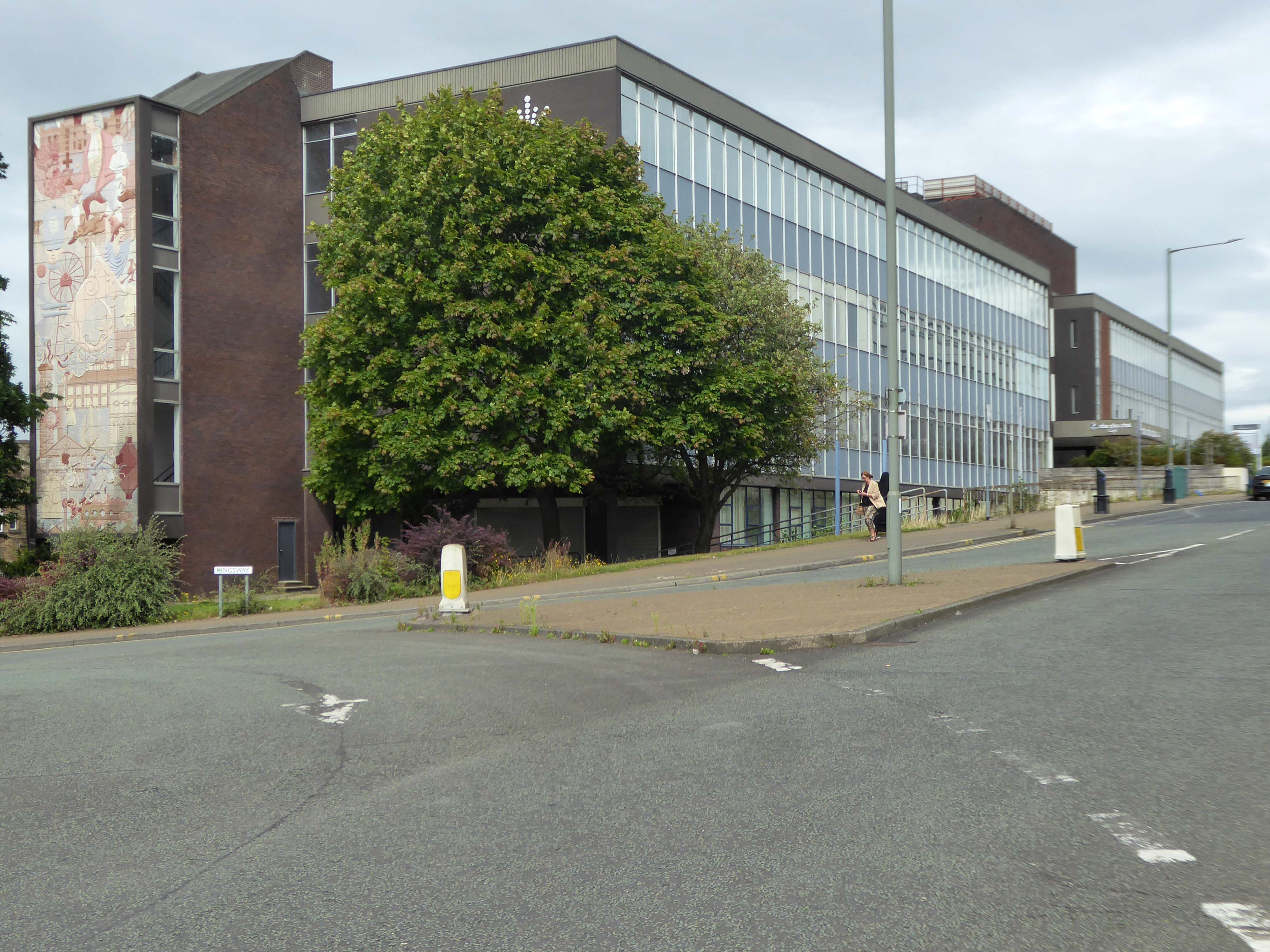
Emerging onto Kingsway – site of the former GUS Offices.
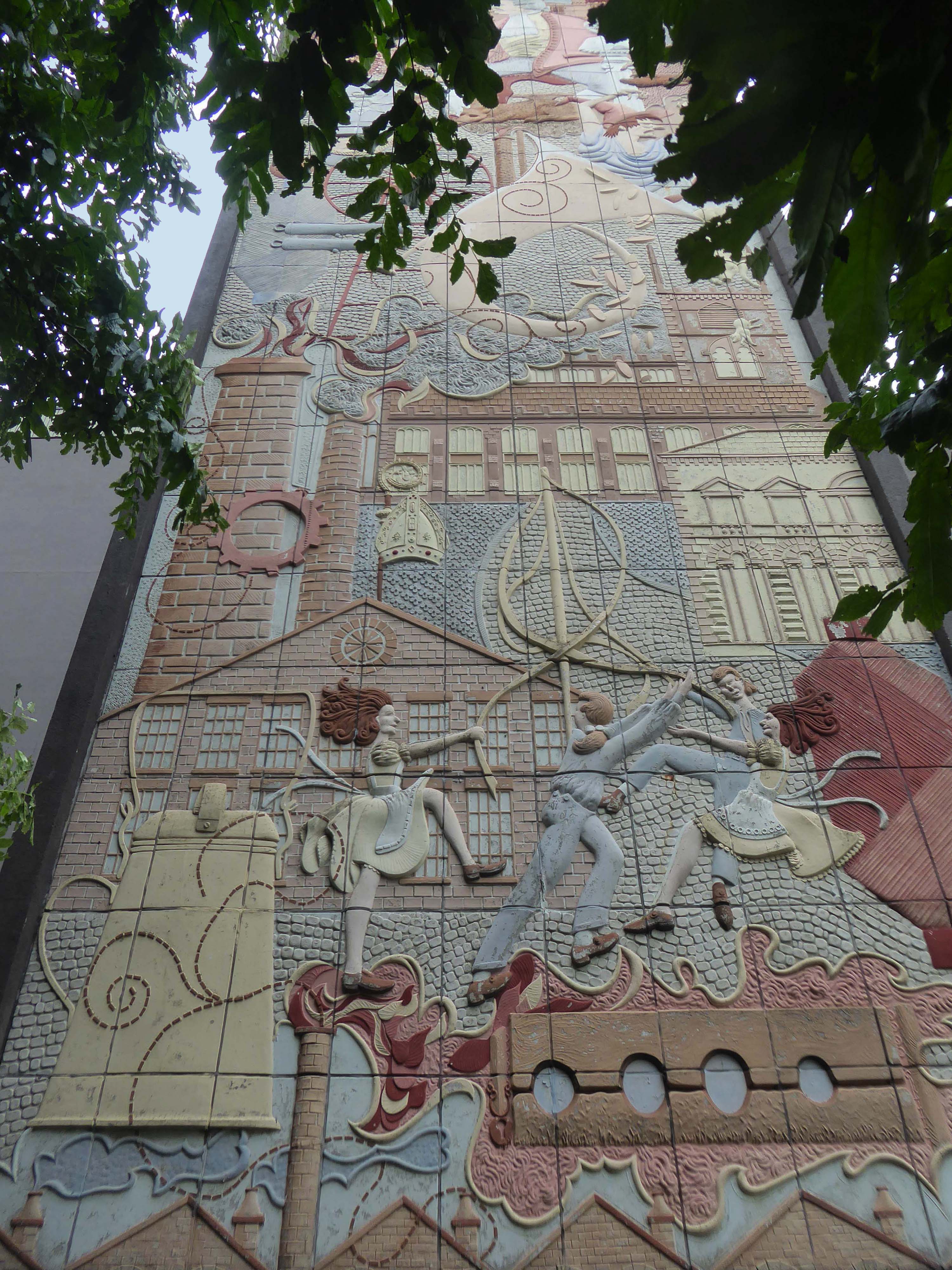
Adorned by this adorable ceramic mural – by William Morris and Diane Humphreys 1969.
The Great Universal Stores building was built by the catalogue store as its headquarters on Bridge Street with work on the ambitious multi-storey project beginning in 1969.
What made the construction a challenge was that it was built in two halves – Parker Street at one time ran through the middle of it, before the two halves were joined together and the building was opened in 1970.
Home shopping firm Shop Direct announced in January 2010 that it was to close its Burnley call centre with the loss of 450 jobs. The company, which owns Littlewoods, Additions Direct, Very, Empire Stores and Marshall Ward, had been in the town for over 30 years, originally as Great Universal Stores but now known as GUS plc.
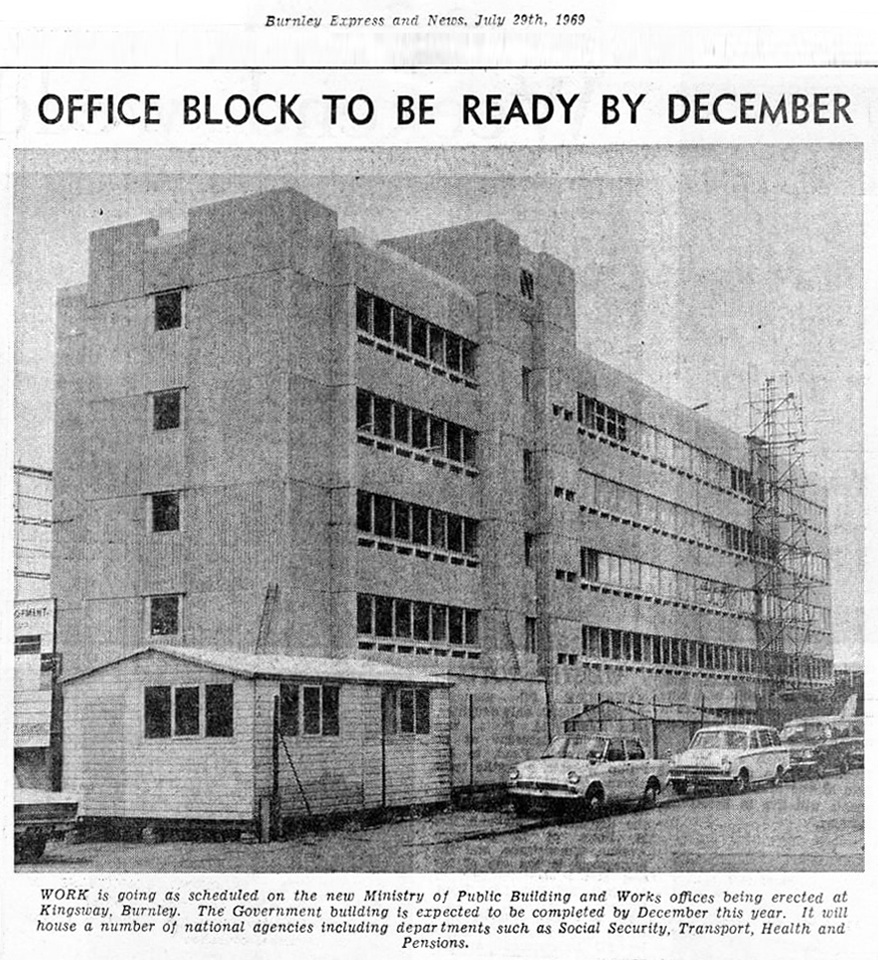
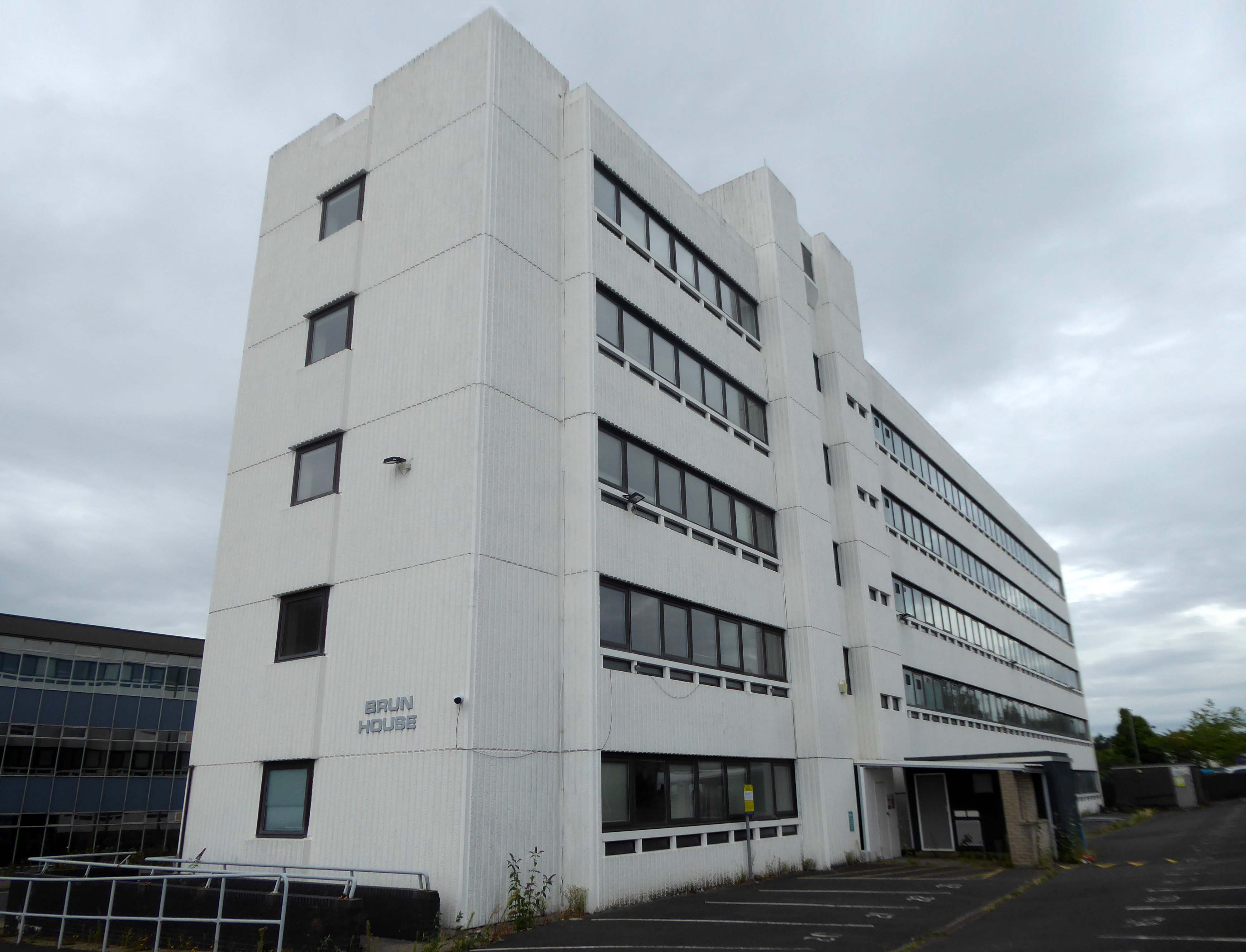
Meanwhile across the way Brun House sits imperiously white and slab-like.
Ministry of Works 1969
No longer occupied by the Department of Works and Pensions – it’s currently up for grabs.
Five storey office building constructed in approximately 1980 (sic) with open plan accommodation on all of its five floors. Stairwells at each end of the property and central core area roof which is a further stairwell and central toilets.
The site was redeveloped by Sainsbury’s and the facade retained.
Backtracking around the back of Kingsway House and down to the Market Square.
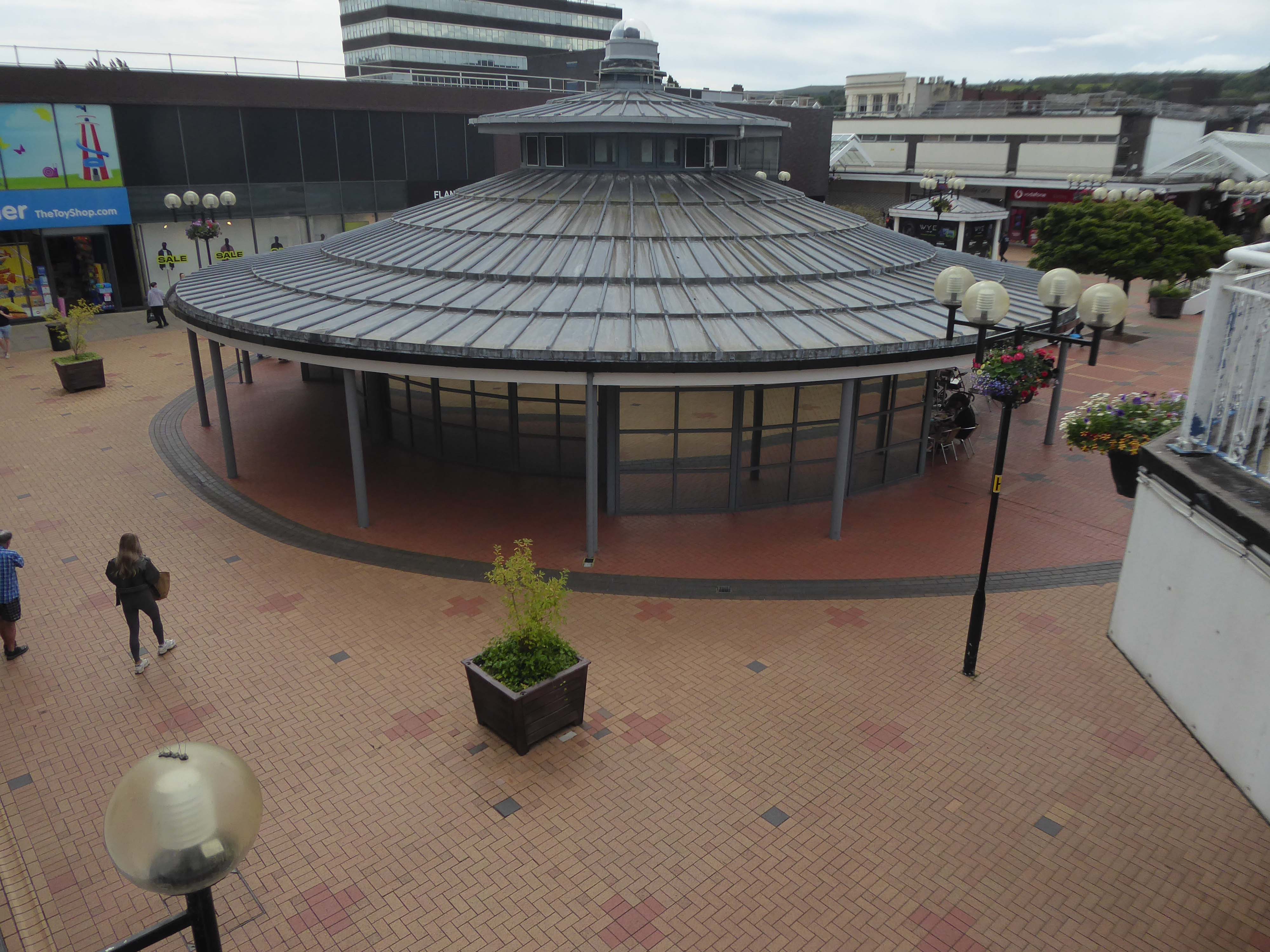
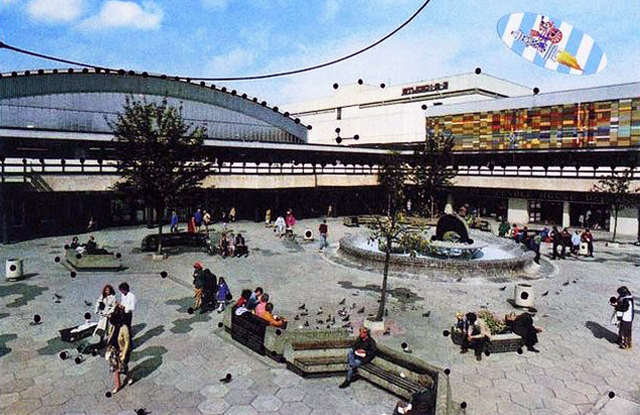
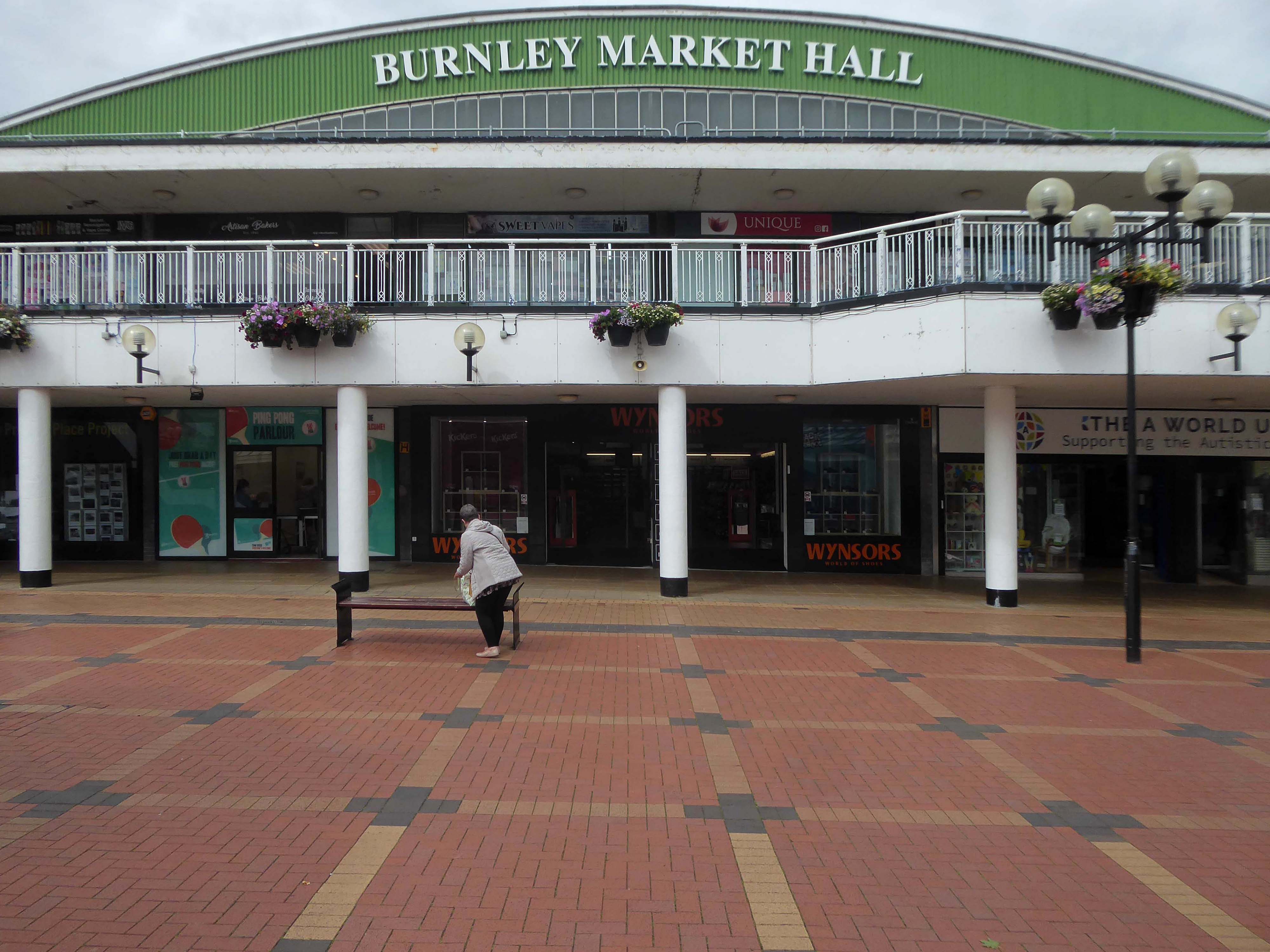
On 7th January 1961 a report in the Burnley Express reported that there were arguments amongst members of Corporation members regarding the redevelopment of the town centre specially to do with the Market Hall and surrounding shops.
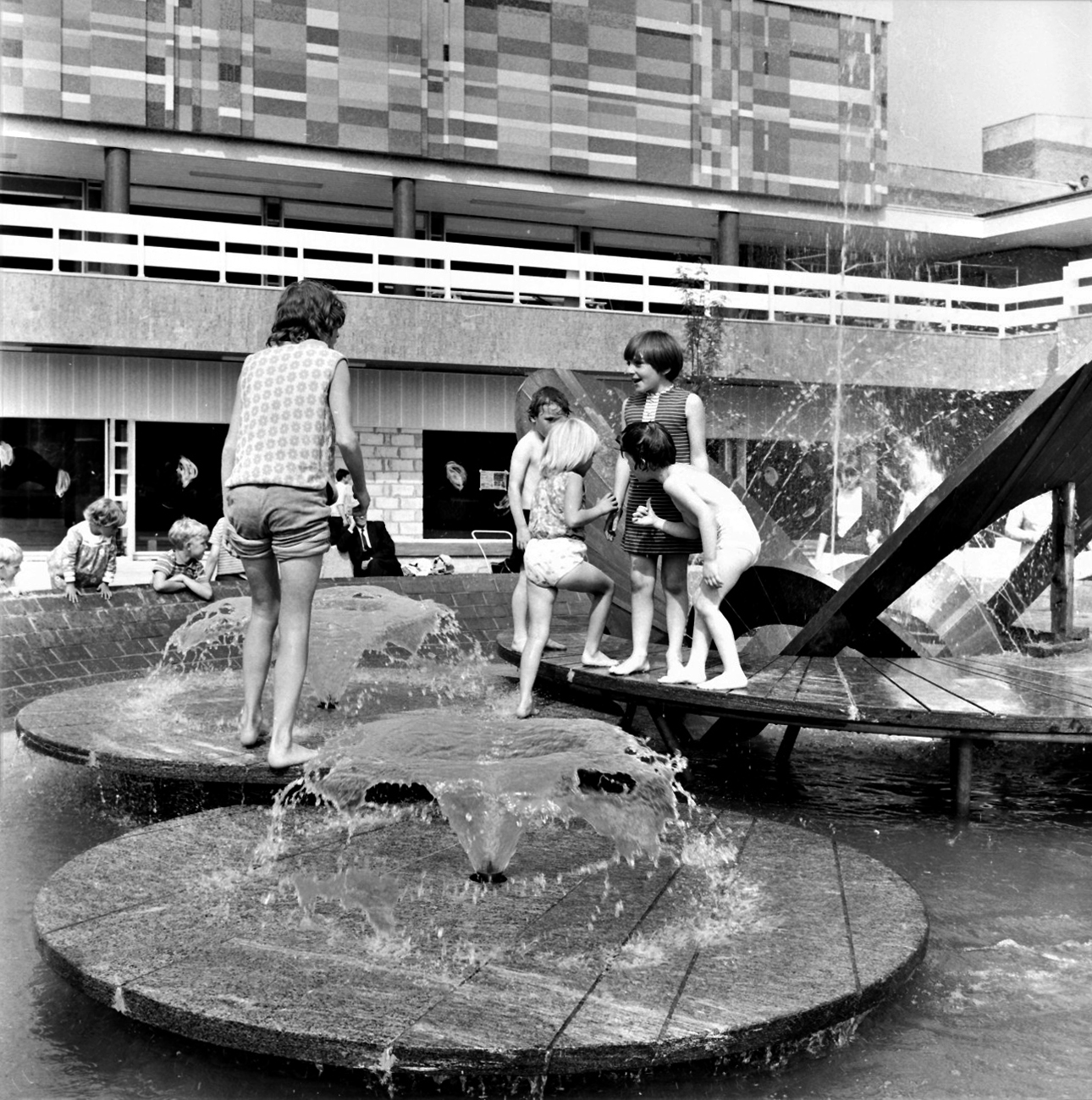
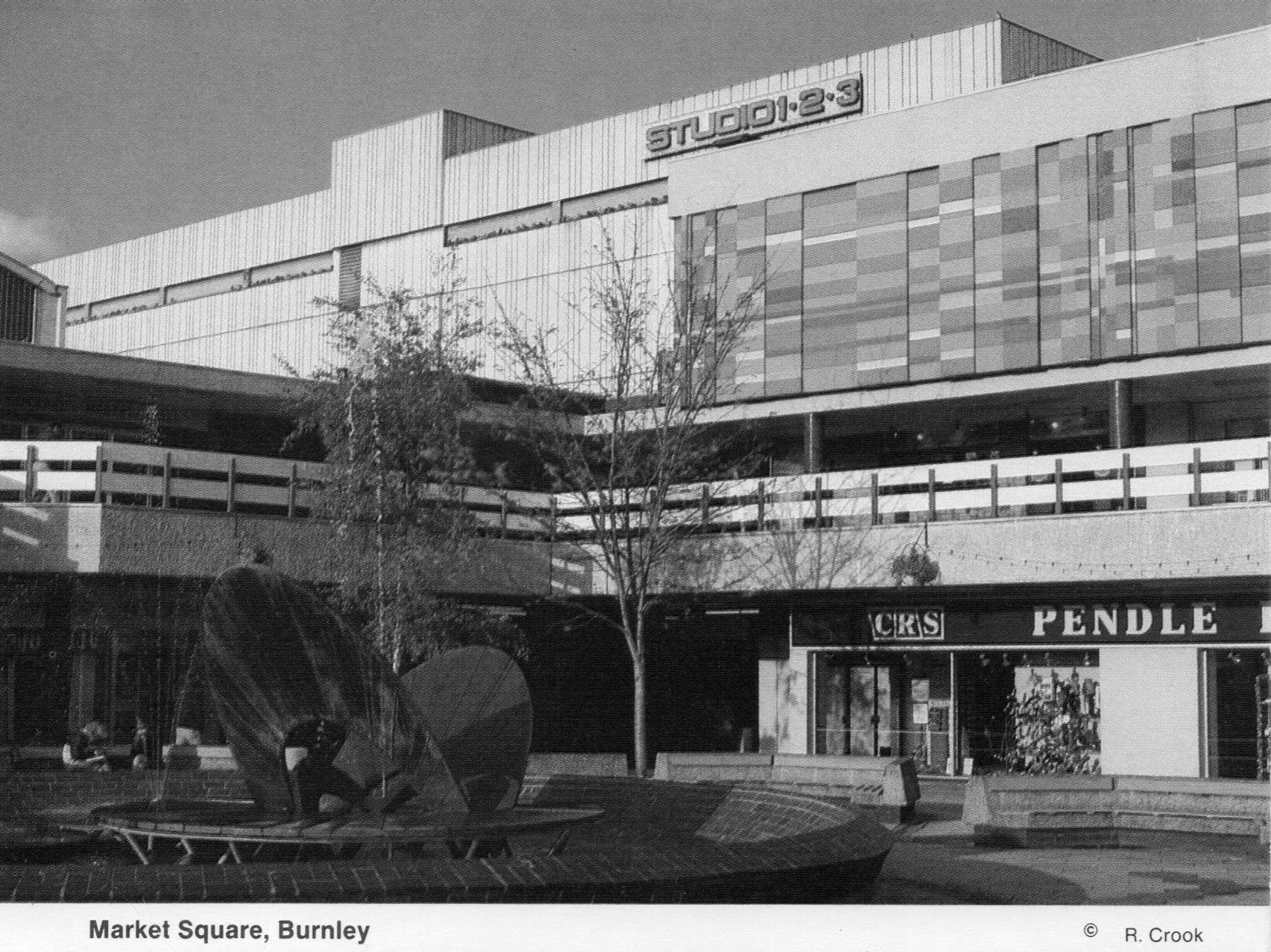
Which has lost its fountain, sense of humour and architectural integrity.
Along with the cinema.
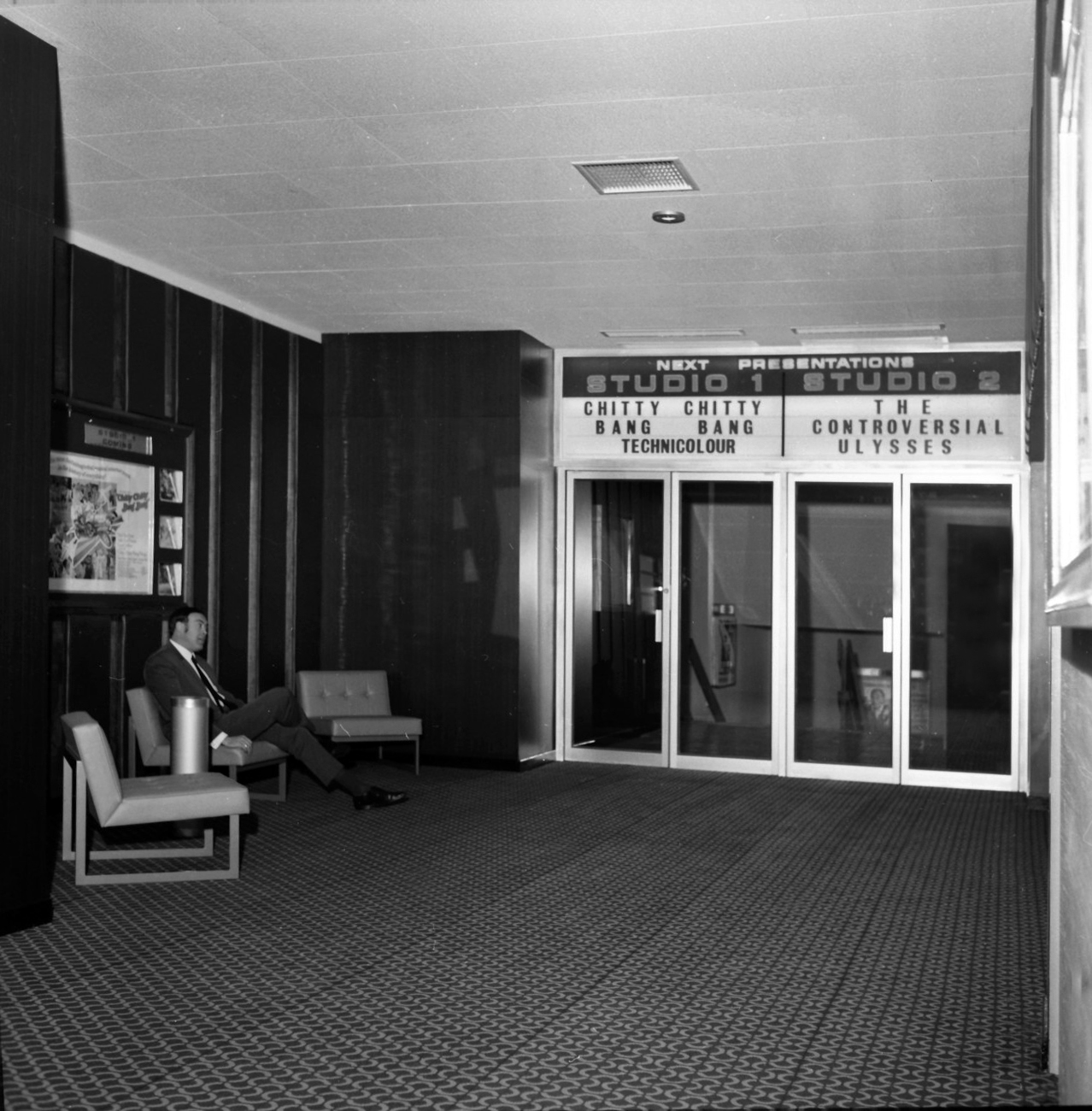
Located in Burnley, Lancashire, in the Market Precinct of the new Charter Walk Shopping Centre. The Studio 1 & 2 was opened in July 1970, by the Leeds based Star Cinemas chain.In 1972 another screen was added, and it was re-named Studio 1, 2 & 3.
It was later closed, and in 1985 was taken over by an independent operator. The Studio 1, 2, & 3 was closed in January 1988. There were plans to re-open it in 1994, but this never happened, and it was demolished in 2018.
A single foyer and booking office serve the twin cinemas, which are the last word in luxurious design and lush furnishings – with studio 1 offering a new style ‘floating screen,’ with psychedelic lighting between films instead of a curtain screen.
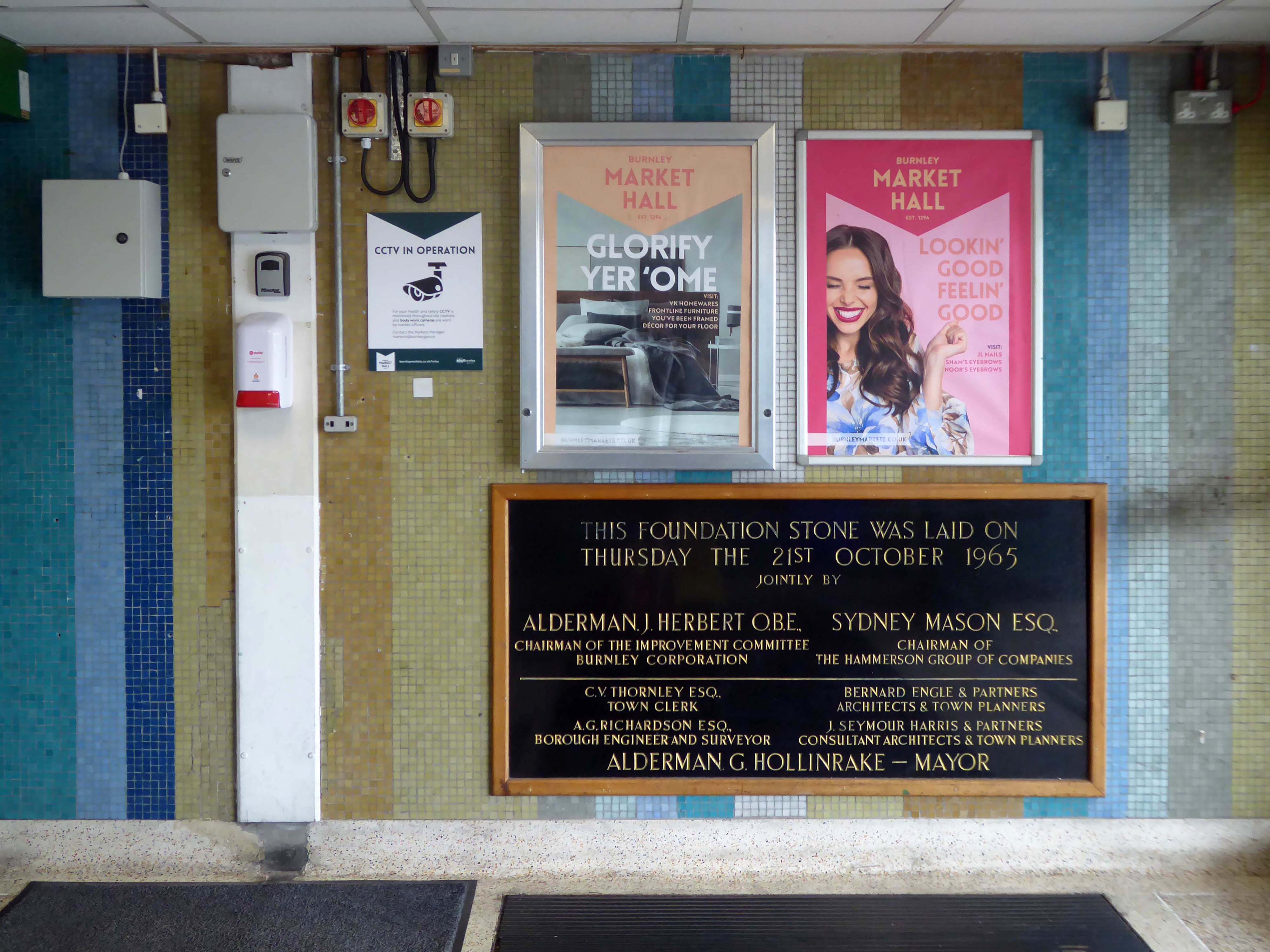
Architects – Bernard Engle & Partners along with J Seymour Harris & Partners.
On the 18 November 1969crowds of shoppers braved yesterday’s cold to witness the new market’s debut – and to have the privilege of being among the first customers to Burnley’s £600,000 trading complex.
Coun. Bailey, who described the new market as ‘a glittering jewel’ in the setting of this great new modern development, was the man who made history not only by opening the building, but by making the first purchase – a nightdress for his wife.
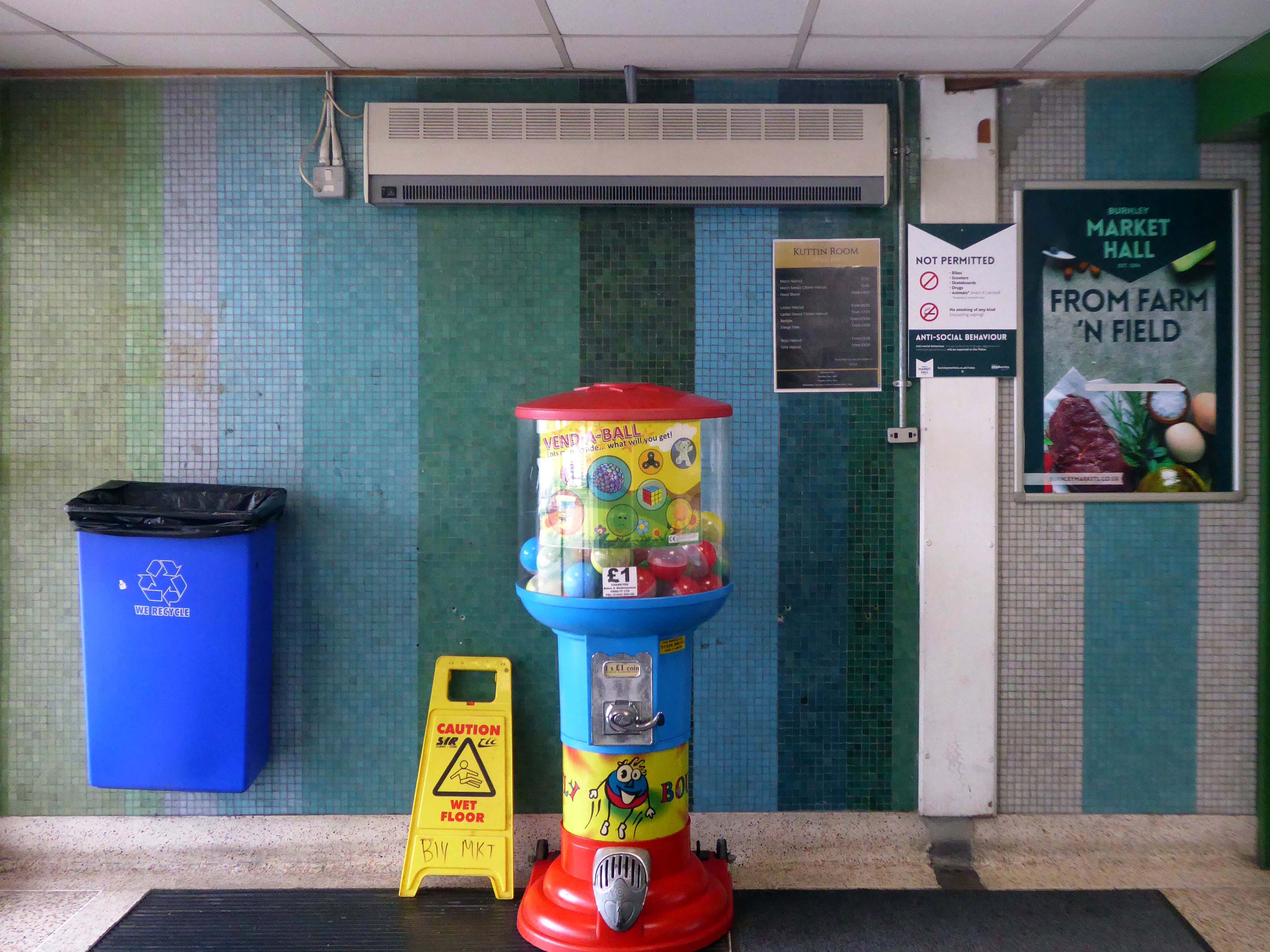
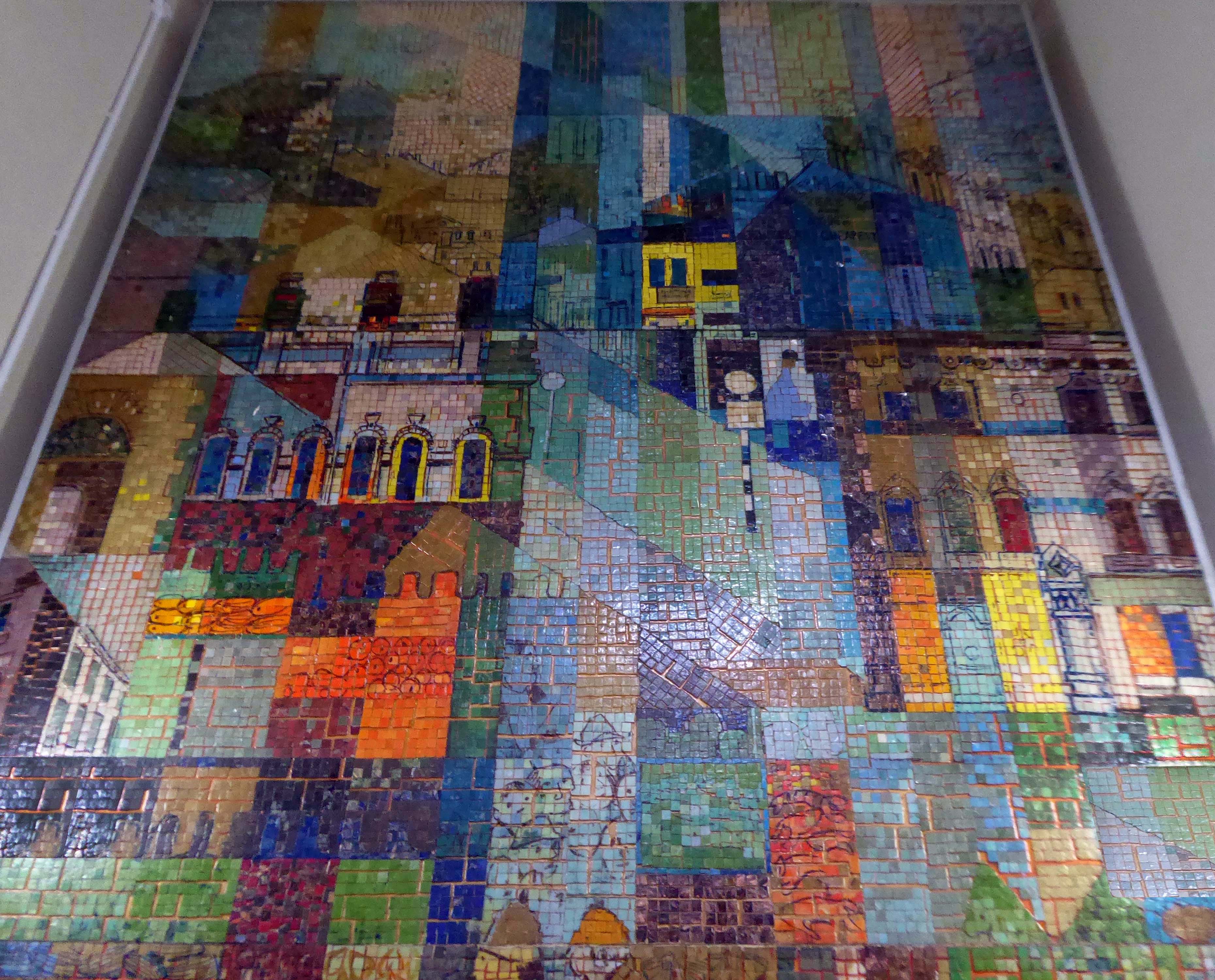
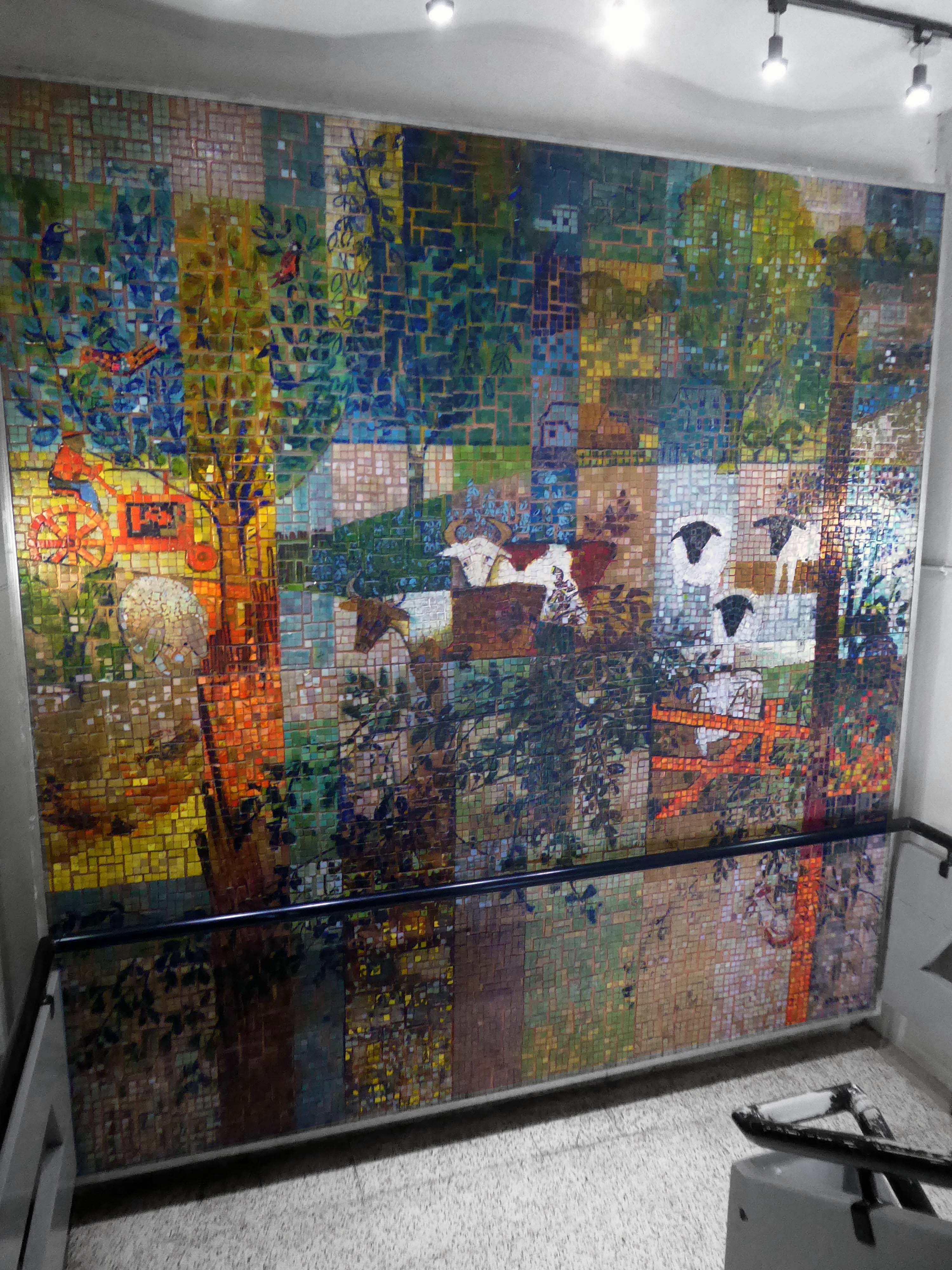
Inside the entrance are delightfully obscured delightful mosaics.
The interior is lit by north facing windows set in a curved sawtooth roof.
Down the back stairs two delightful figurative mosaics by Kramer Hart.
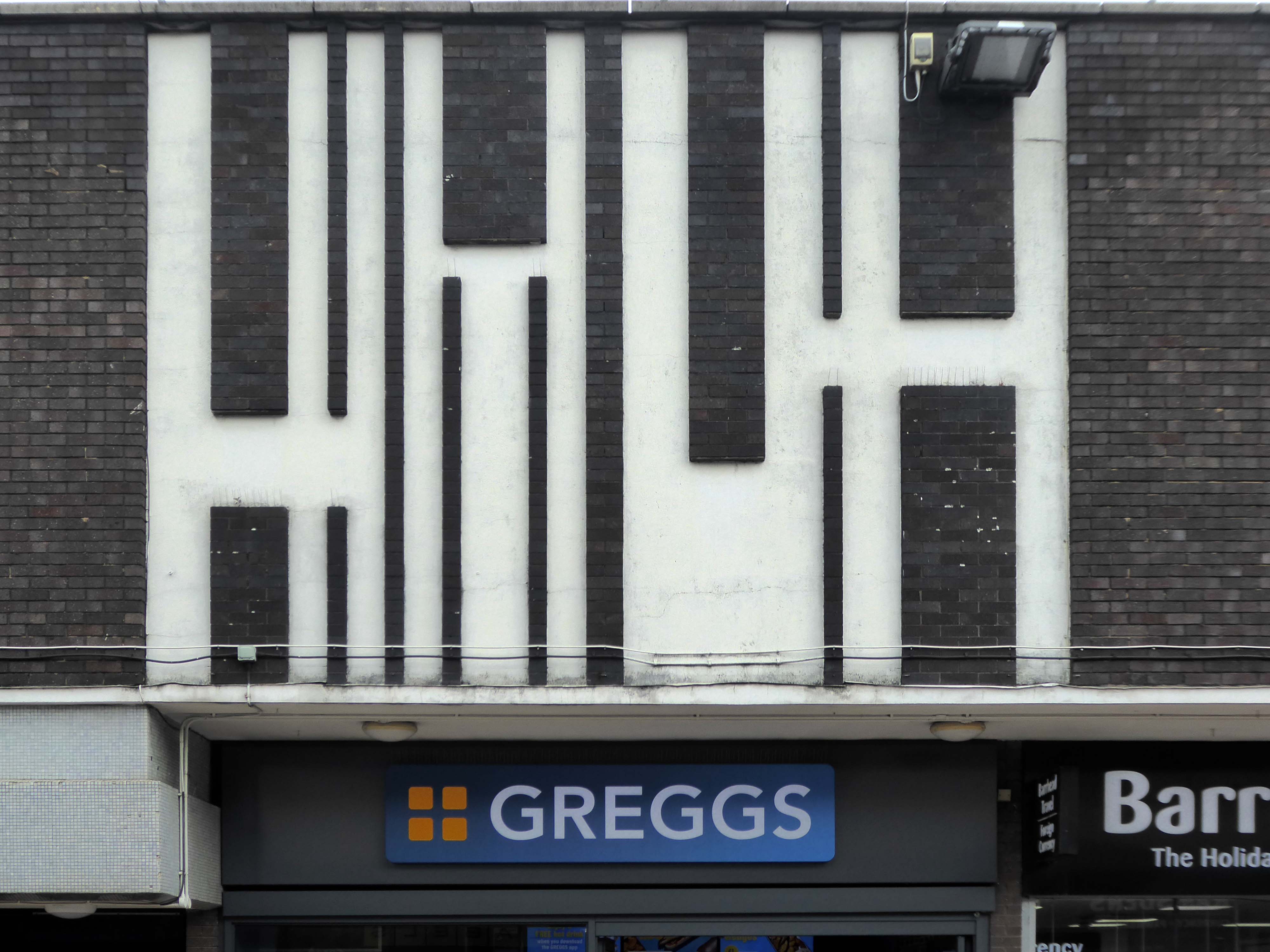
Back out on the street and around the bend this above the Greggs decorative brick motif.
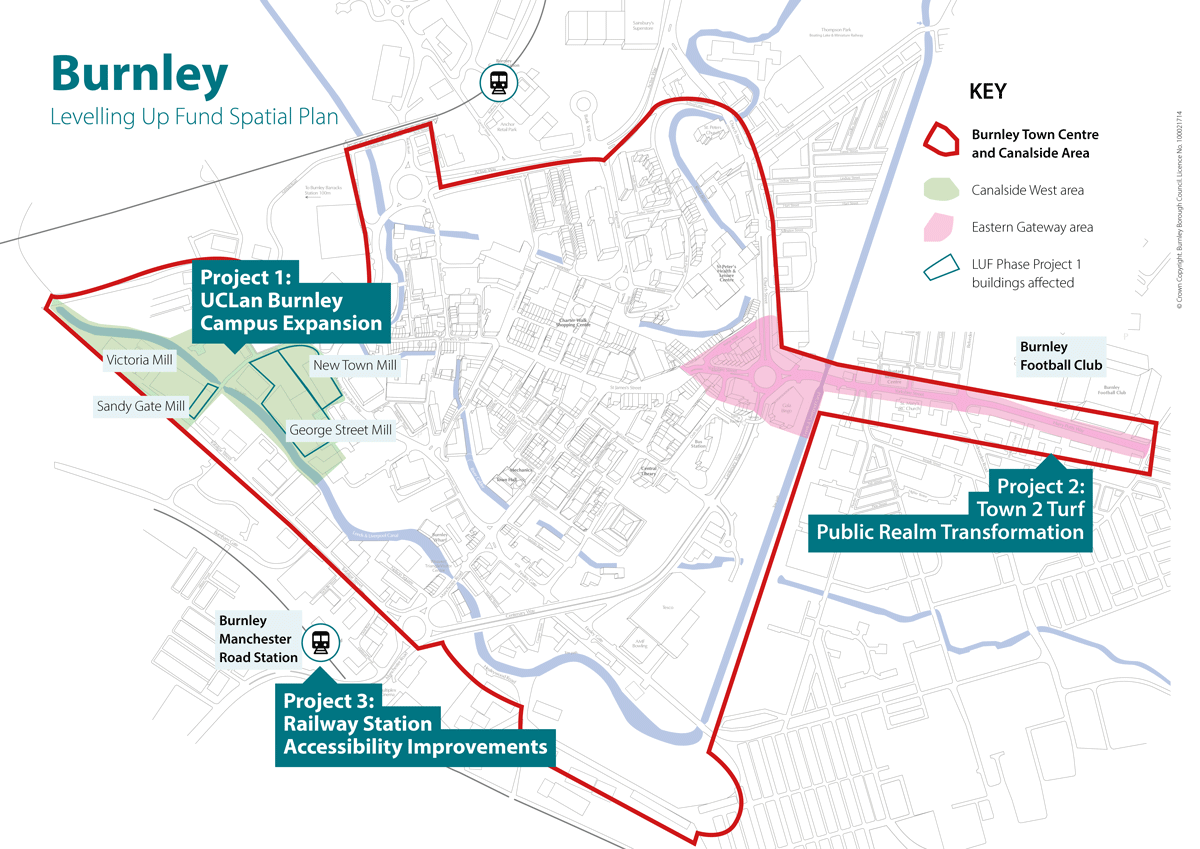
There are now plans to reshape the town centre yet again.
Enhancing and developing Burnley town centre’s role as a sub-regional commercial centre is a key objective of the plan. In line with the requirement of the National Planning Policy Framework to provide for sustainable development, the Local Plan establishes Burnley Town Centre as primary focus for retail, office, leisure, civic, and cultural uses for the Borough.
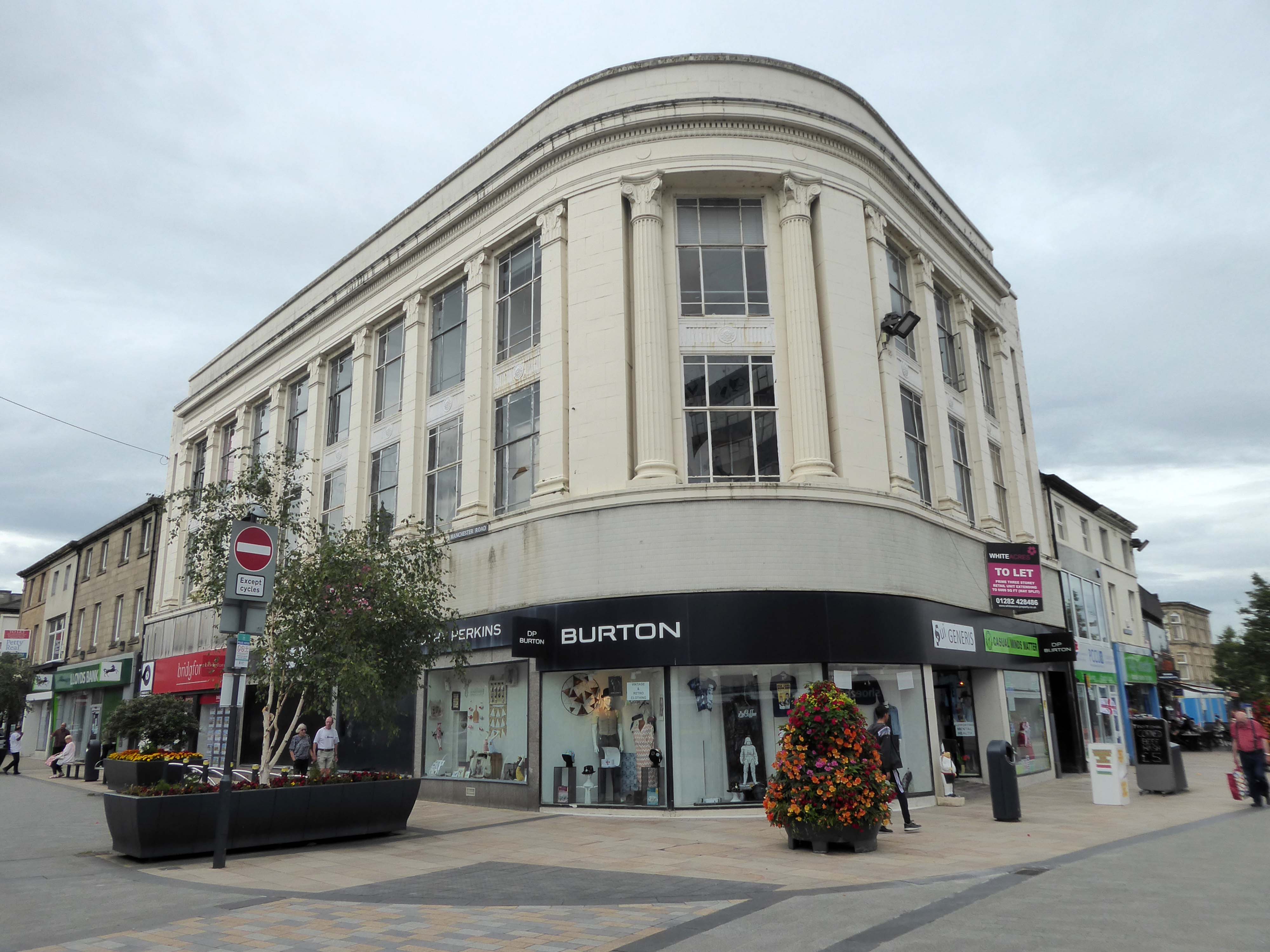
Everywhere has a Burton’s and Burnley is no exception.
Around the corner the former Martins Bank – Architect: Mr J E Wadsworth of Samuel Taylor Son & Platt 1963.
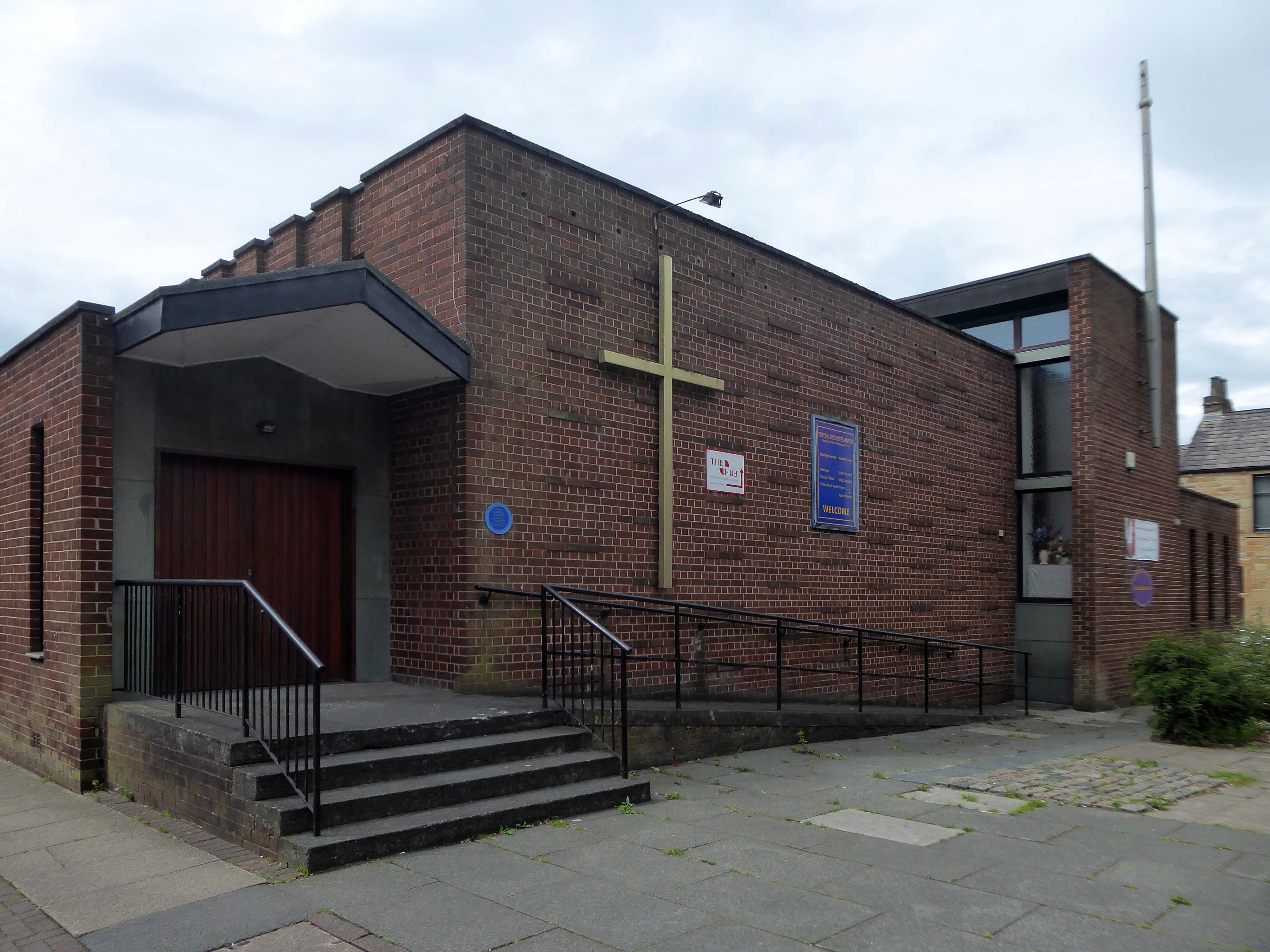
Around the corner to the Central Methodist Church – the Victorian chapel was demolished in 1965 and the new Central Methodist chapel was constructed.
The Church was designed by Burnley architects Samuel Taylor Son & Platt – my thanks to Heather at CMC.
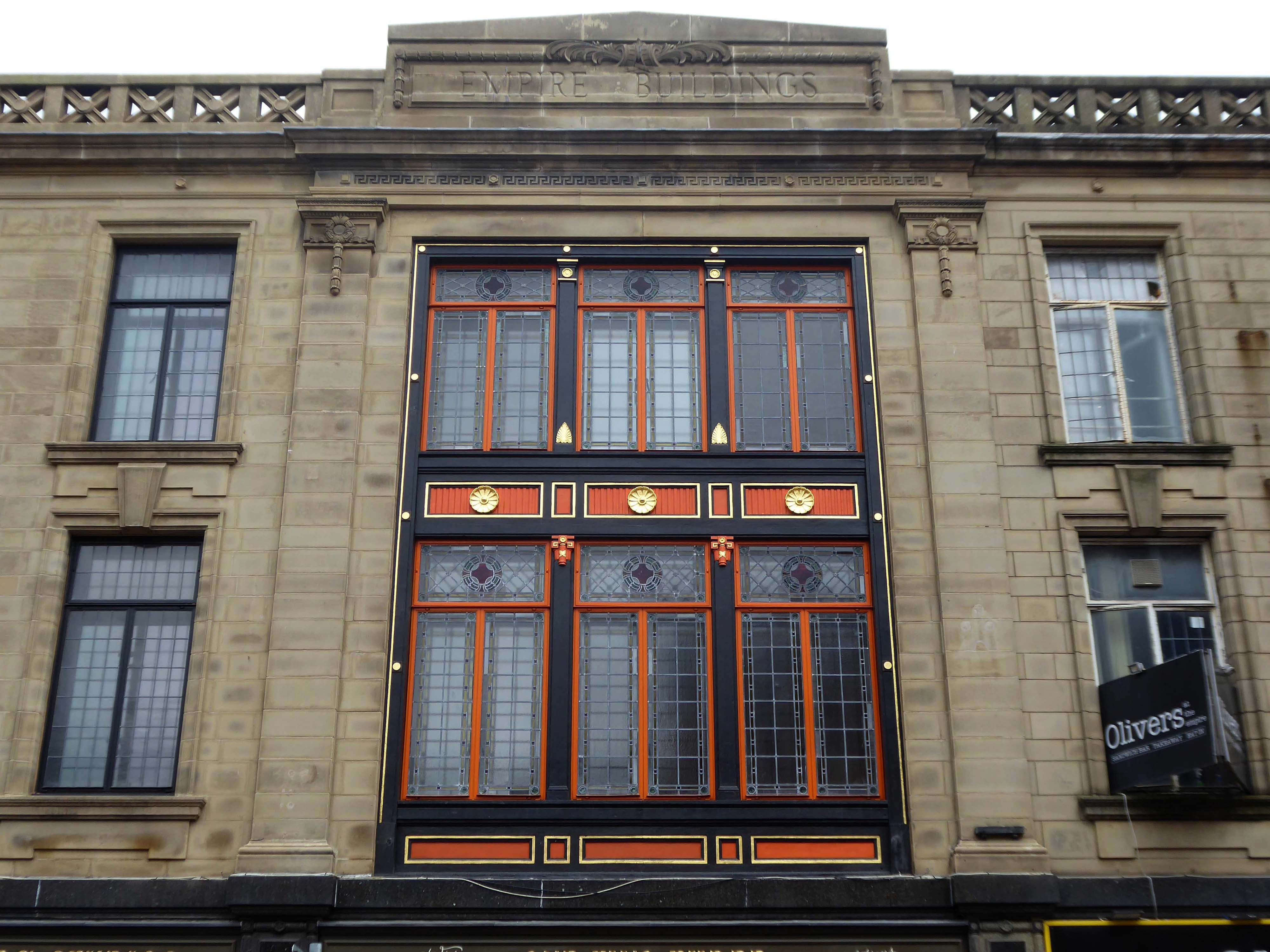
Empire Buildings a fine exemplar of that restrained Classical Moderne style, which we find in so many towns.
The Empire block, with its red, black and gold curtain windows, was built in 1928. It was designed by John Curtis & Son of Leeds and built by the Burnley Corporation to provide new council-owned shops. It faces what used to be the Empire Theatre.
Jack Nadin
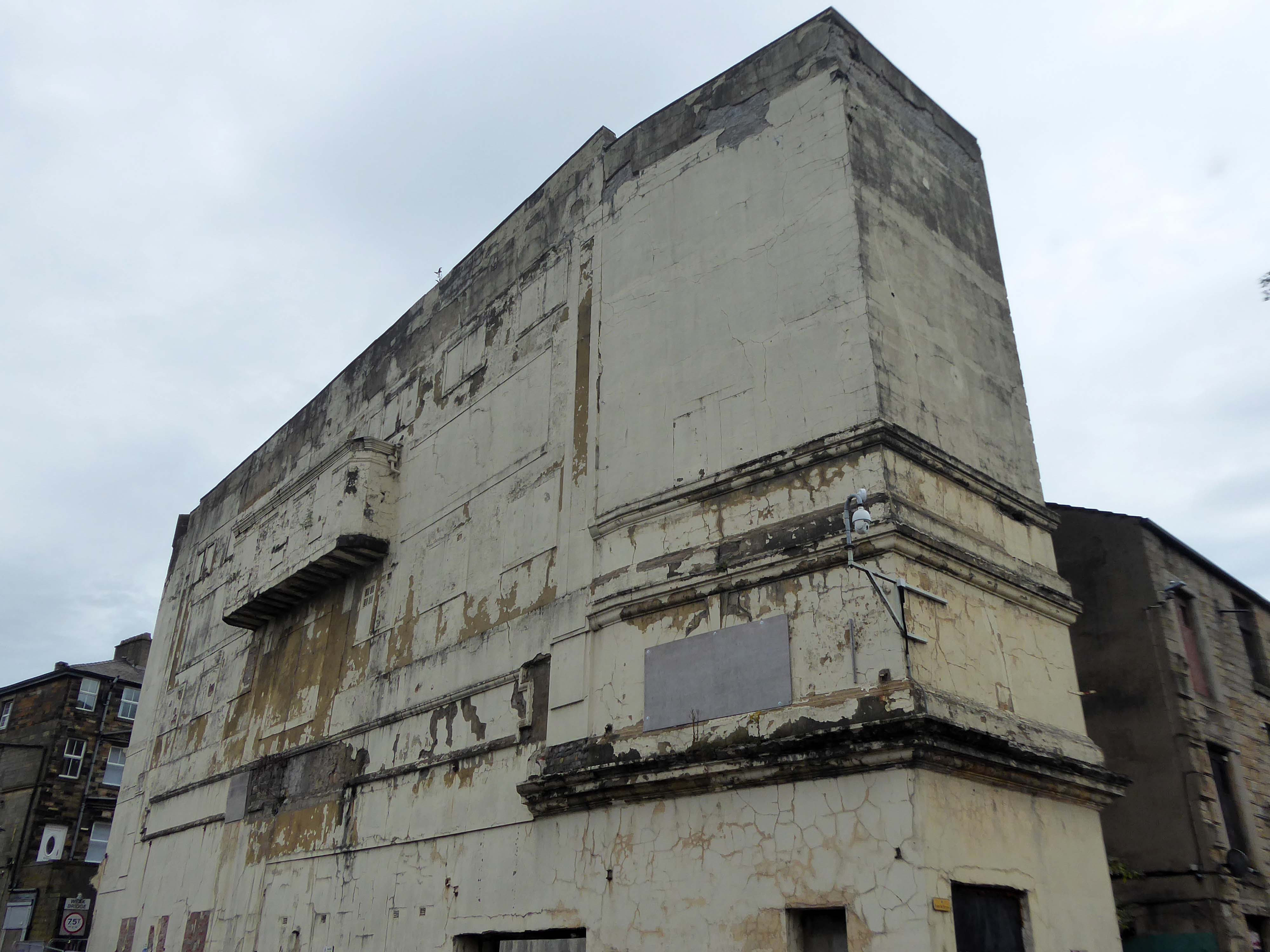
The Empire Theatre still stands it is Grade II listed – former Empire Music Hall, Theatre of Varieties and Cinema.
It held the first film show in Burnley in December 1897, after the Lumière Brothers brought cinema to London in February 1896, and Harry Houdini performed at the Empire in December 1902. In 1930 the new Federated Estates Limited converted the Empire into a ‘talkie’ cinema.
The Empire continued as a cinema, and its last use for live theatre was in October 1966 when the Burnley Light Opera Company staged a production of The Merry Widow. The cinema closed in July 1970 and was modified to become a bingo hall. The building remained in use until 1995 and is currently empty.
A theatre and cinema, of 1910-1911, adapted and designed by Bertie Crewe from a former music hall and variety theatre, of 1894, and C19 cotton mill, with later C20 alterations.
The Burnley Empire Trust are aiming to make the stage house of the Burnley Empire wind and watertight so the charity can work towards putting the space back into community use.
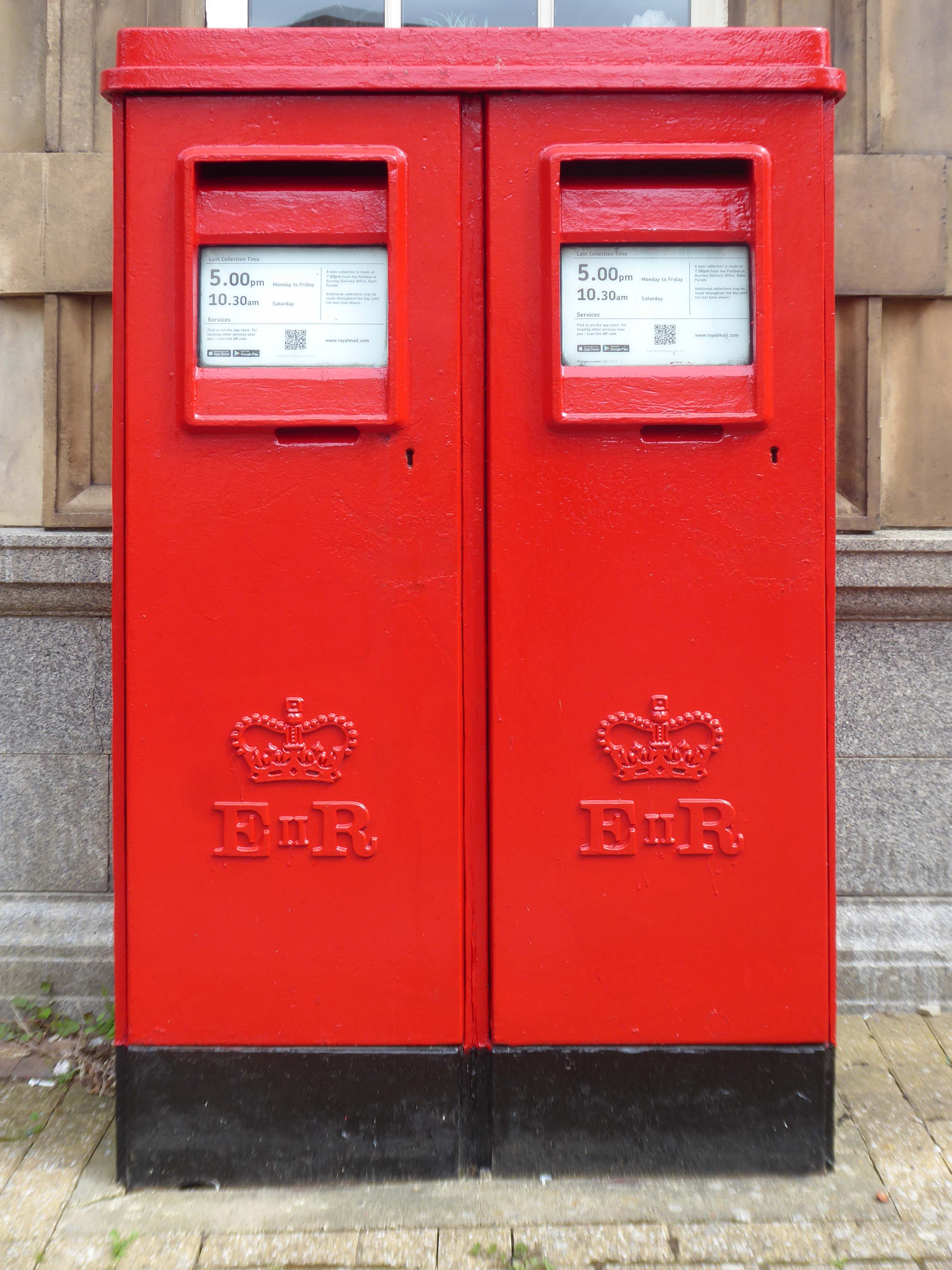
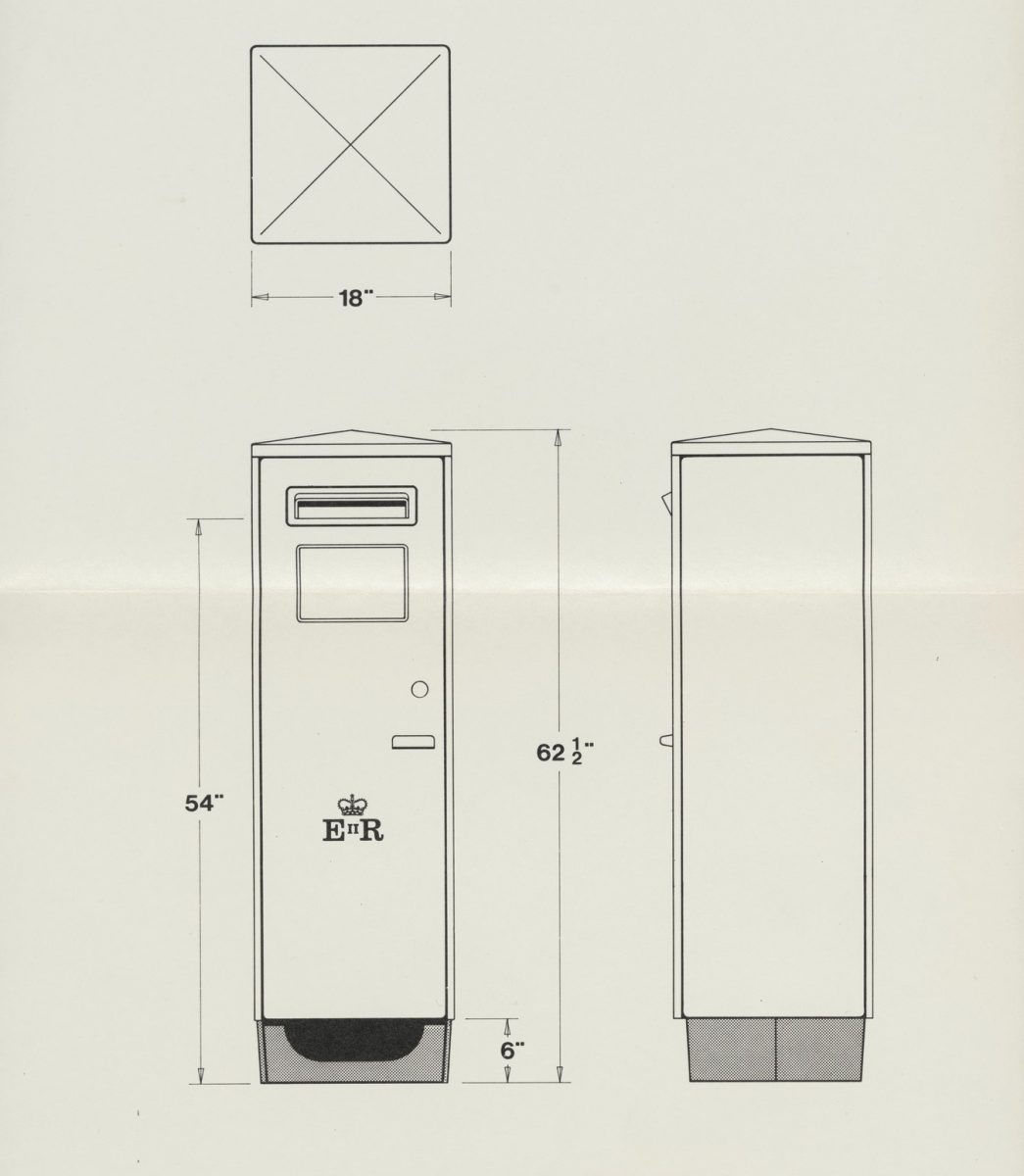
A pair of type G EIIR pillar boxes outside the former post office – a development of an earlier 1968 design of square pillar box by David Mellor.
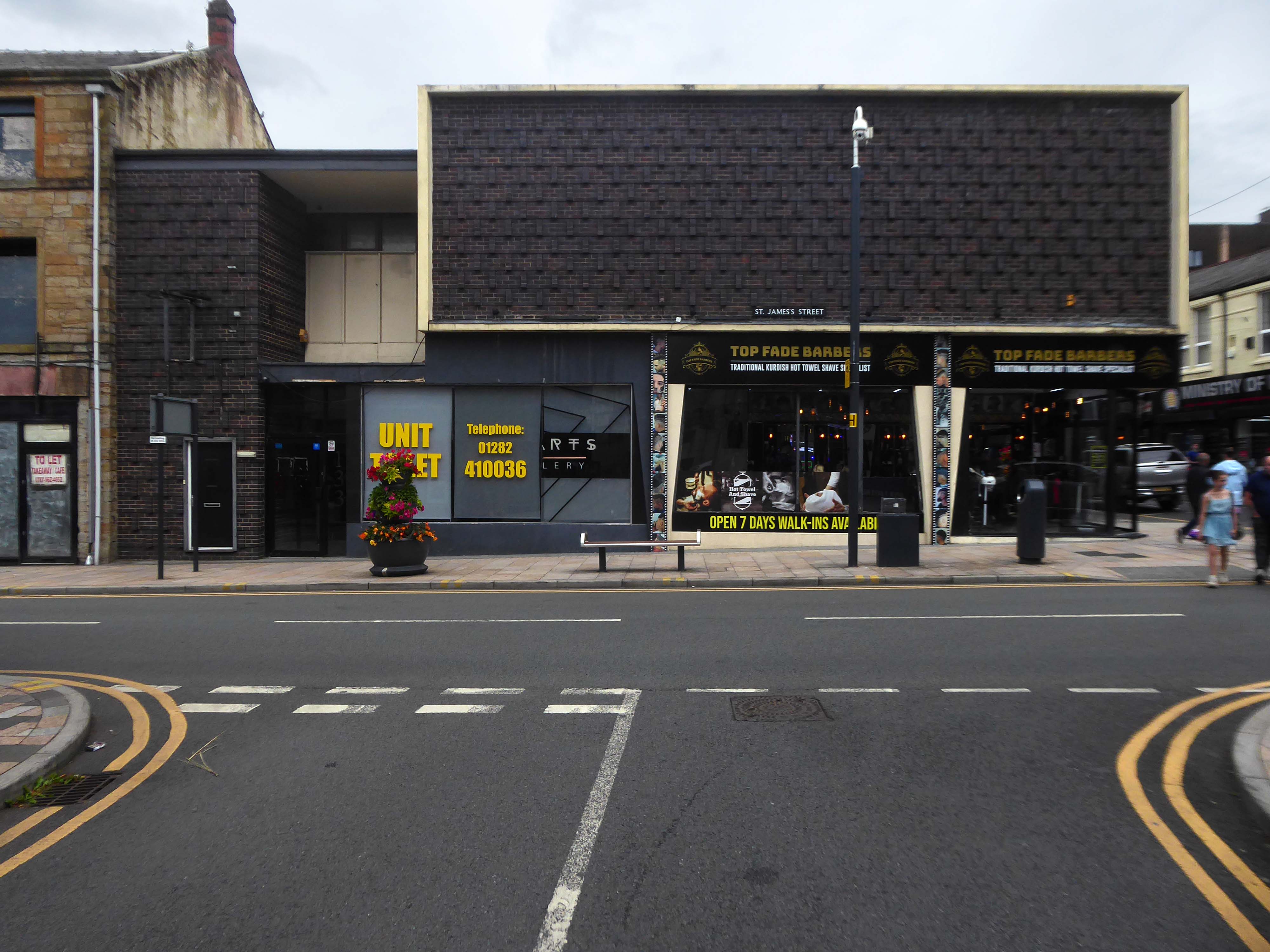
A curious modern confection, with a decorative brick facade encased in a concrete surround.
Next we are off in search of a Telephone Exchange.
There now follows a fairly lengthy stroll to the Crow Wood Hotel & Spa Resort – in search of the Charles Anderson Frieze.
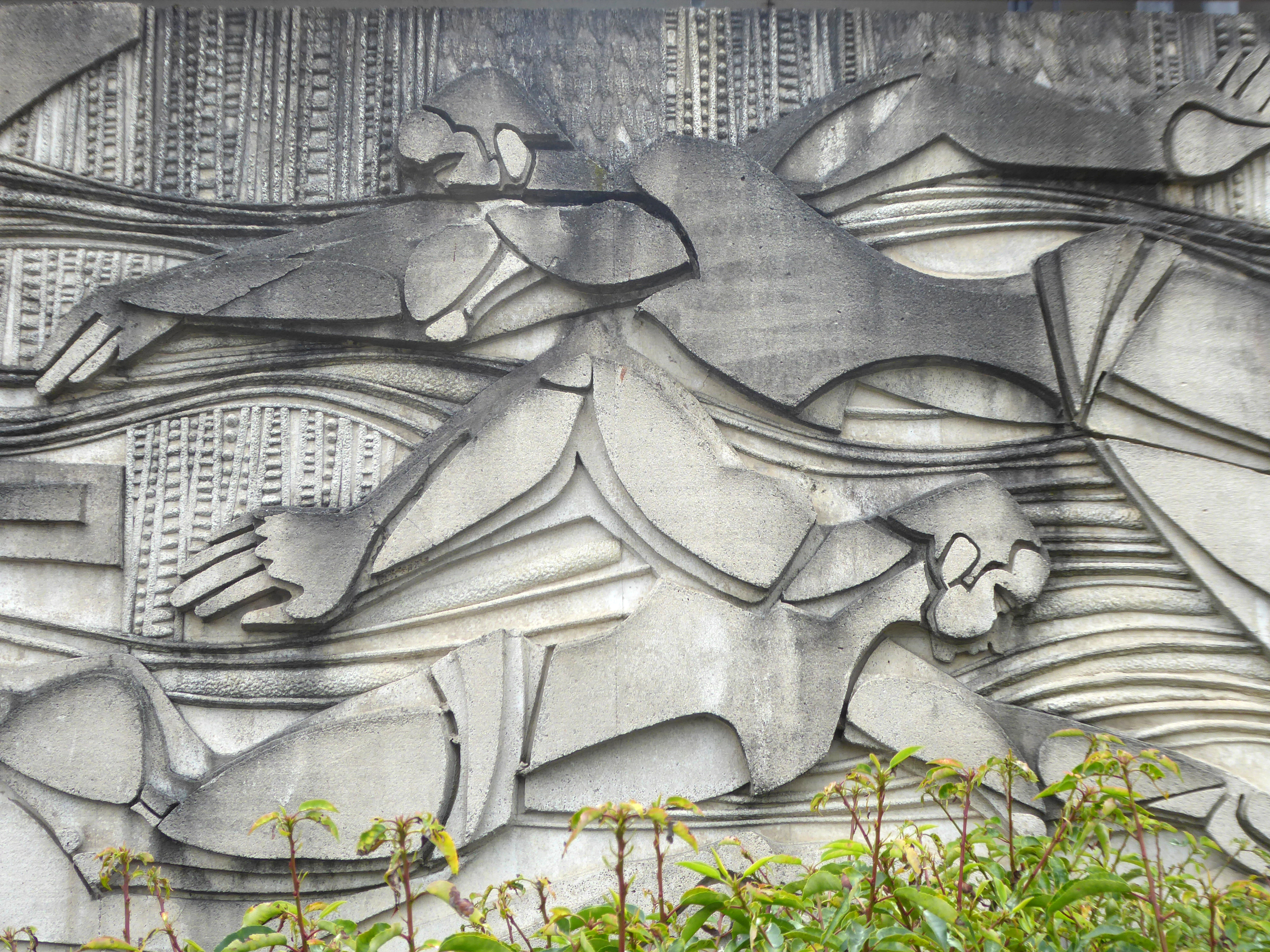
Formed from precast concrete panels against expanded polystyrene moulds – it stands 150ft long and 9ft high. It was gifted from funds provided by the estate of local Cotton Manufacturer and major town benefactor, William Thompson. The Thompson Recreation Centre was a flagship symbol of progress for Burnley in 1973, but was demolished in 2006.
Fortunately, the frieze was carefully dismantled, stored and reinstated by Andrew Brown.









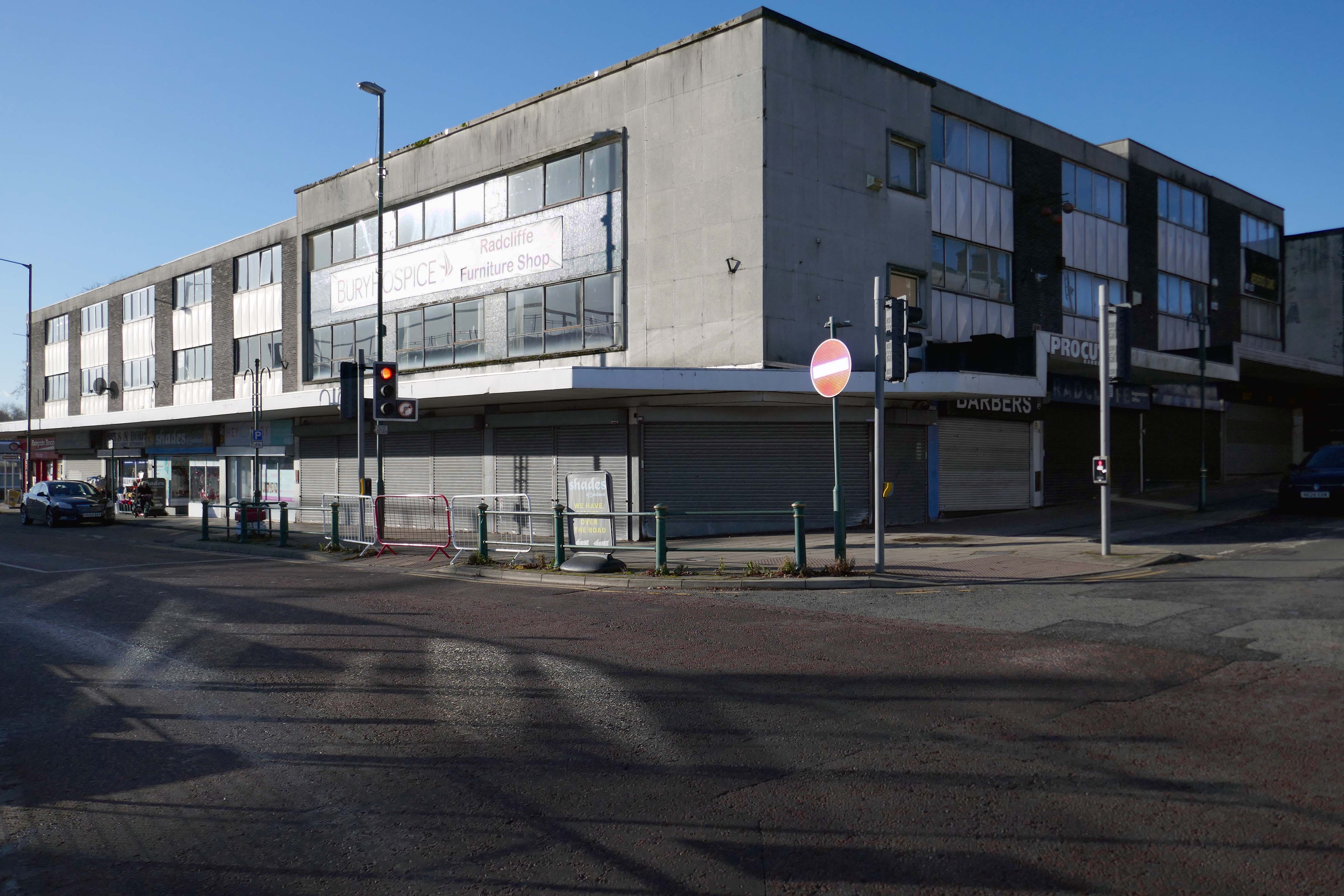
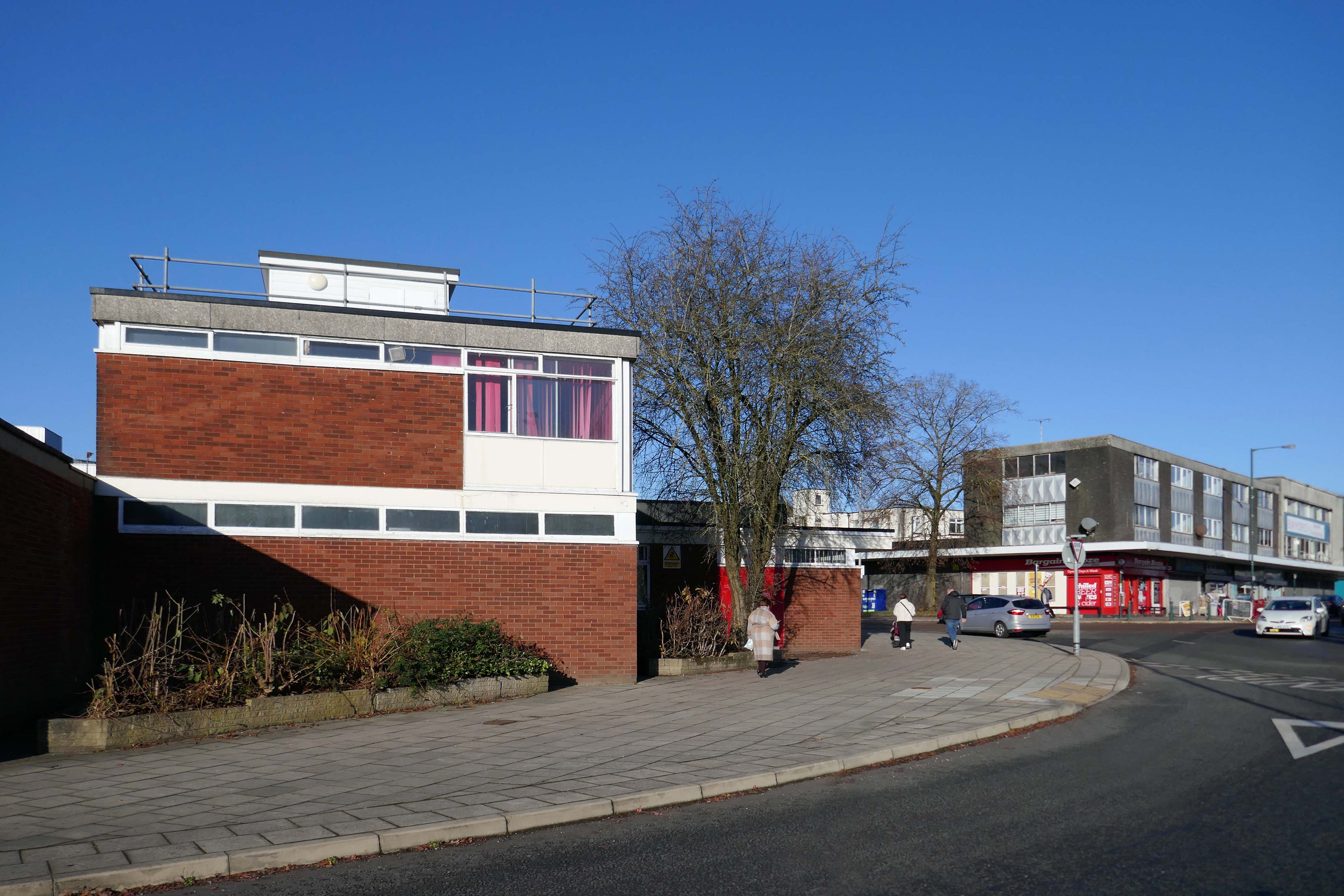
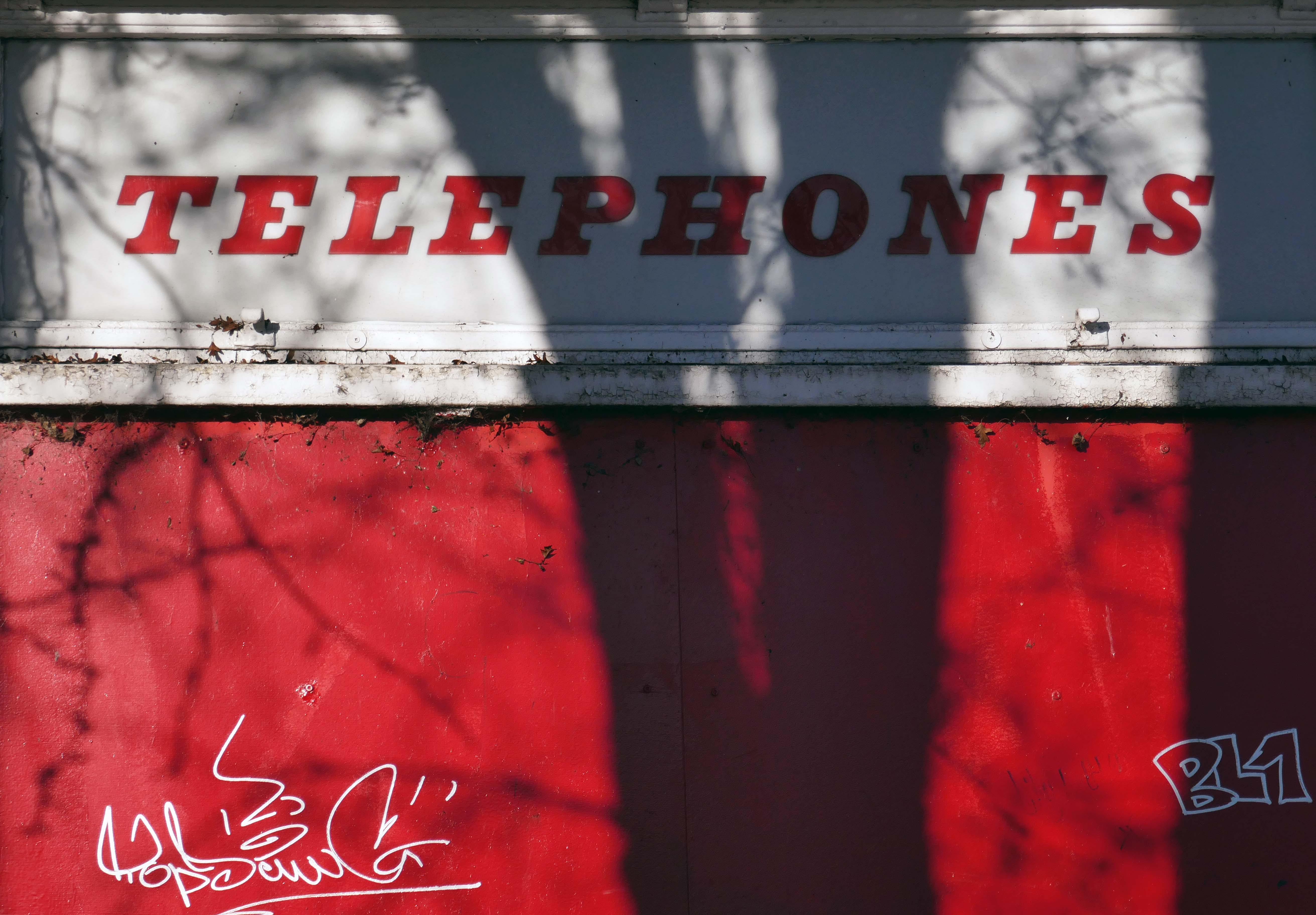
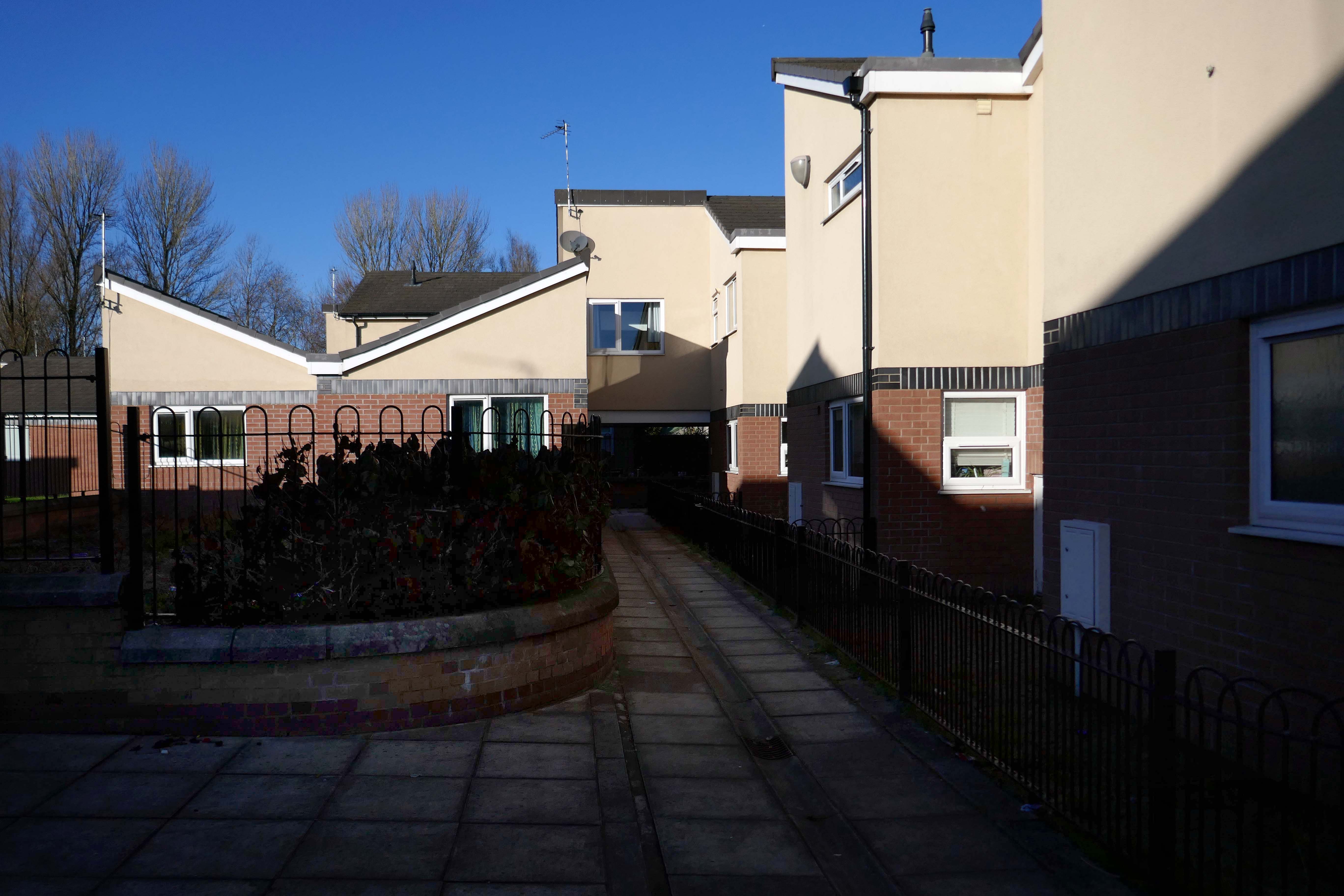



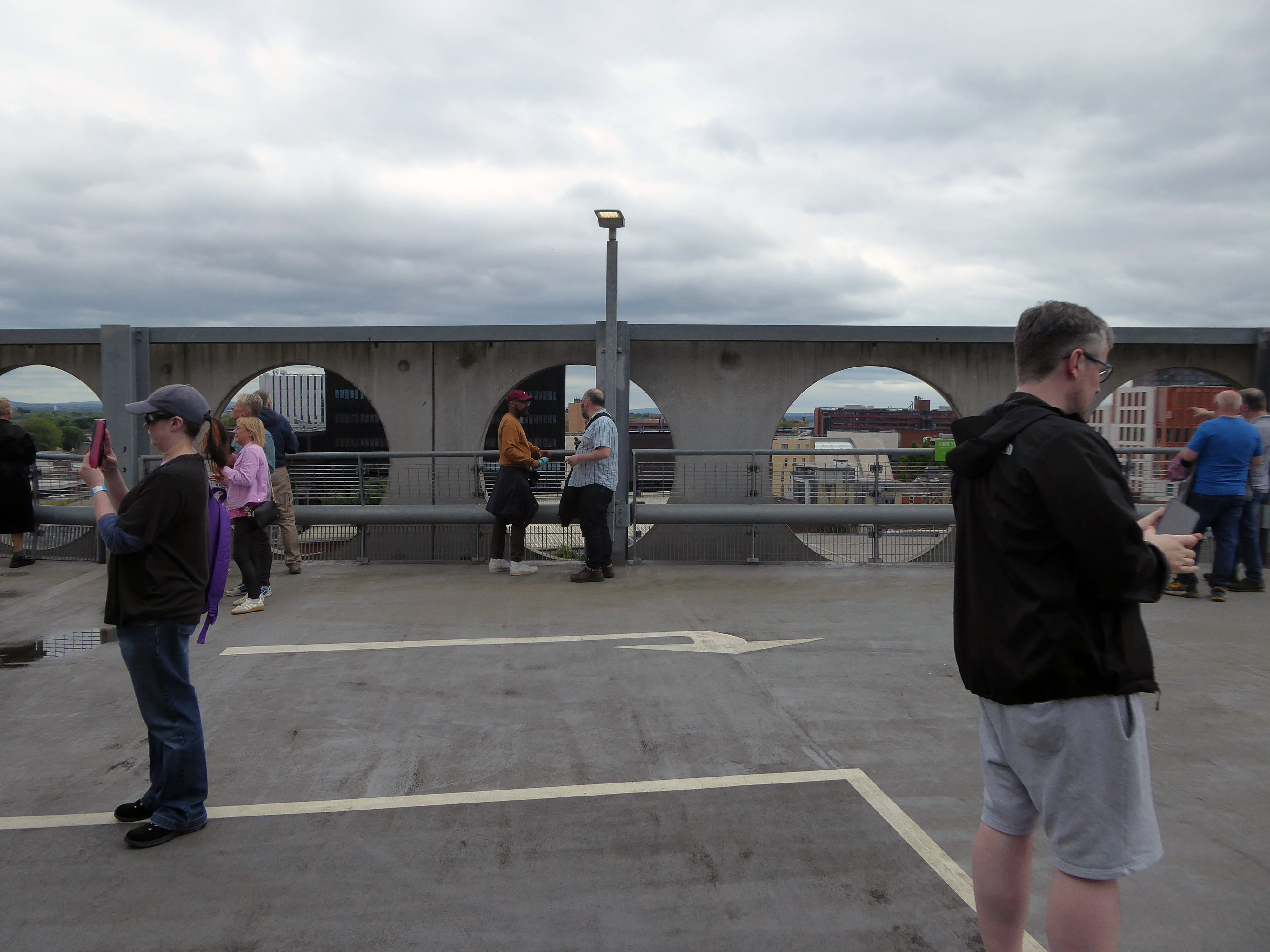
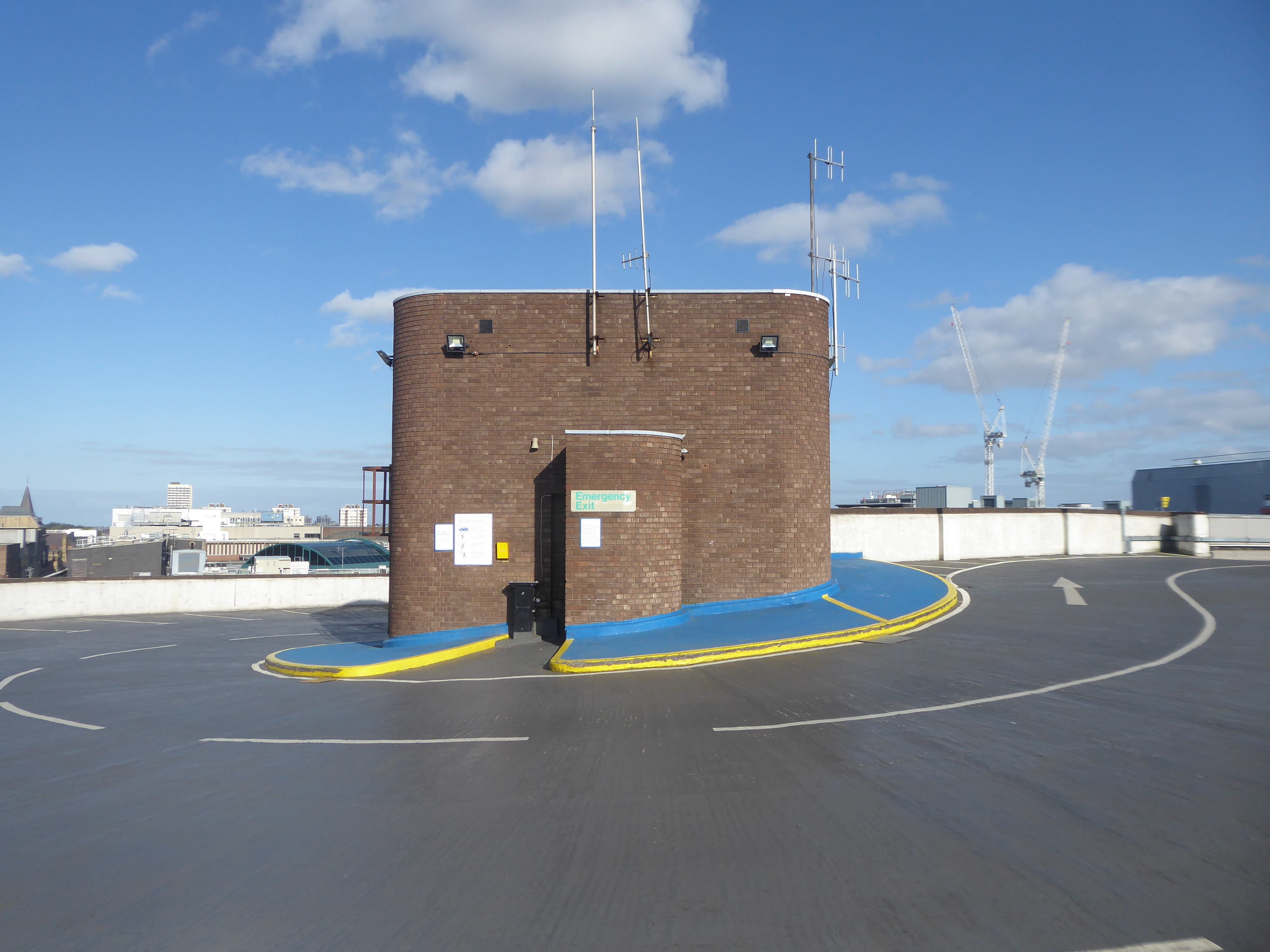
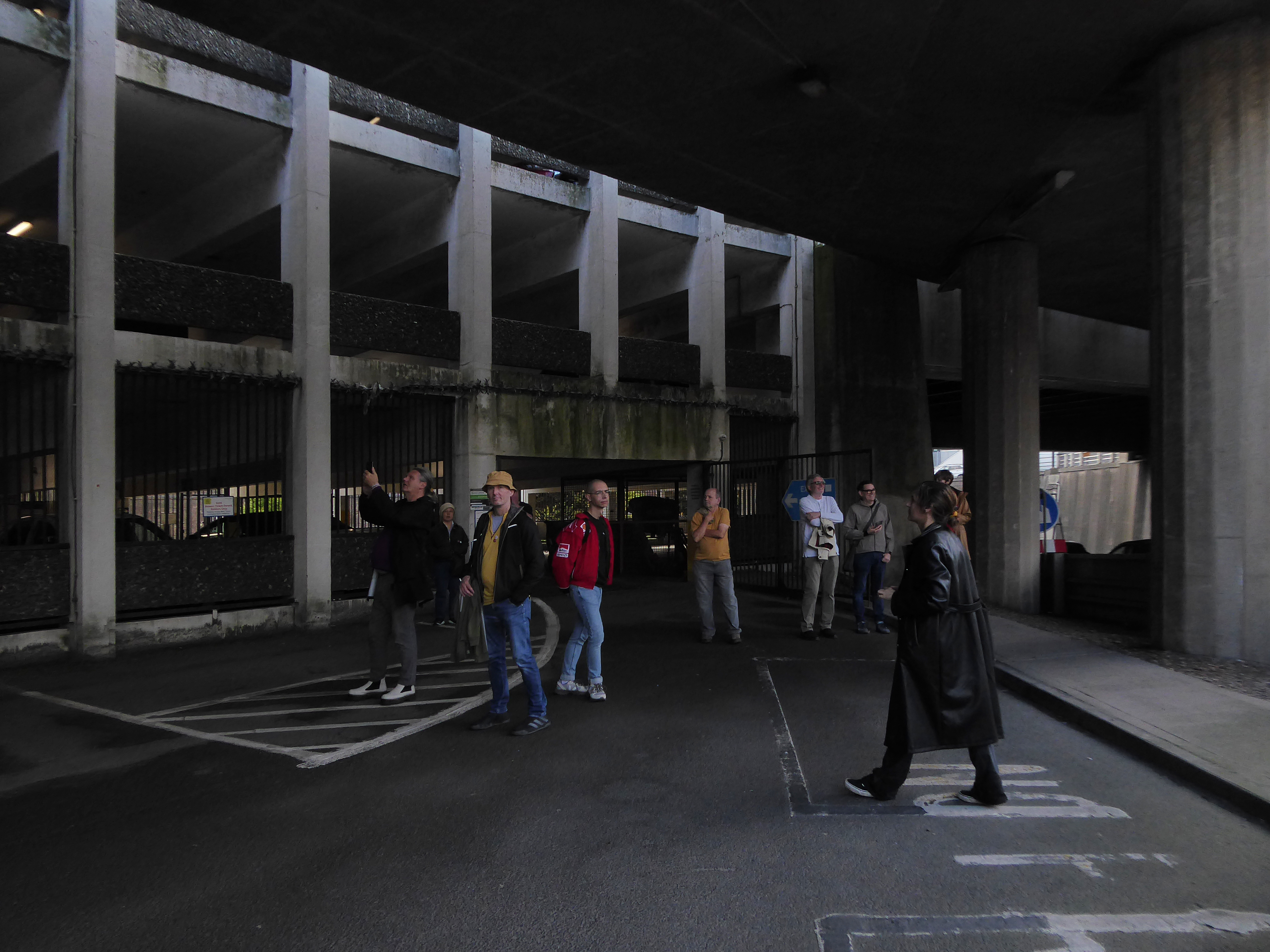
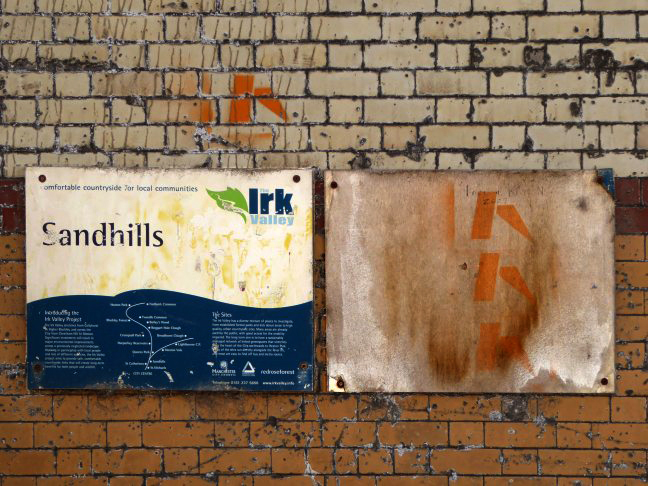



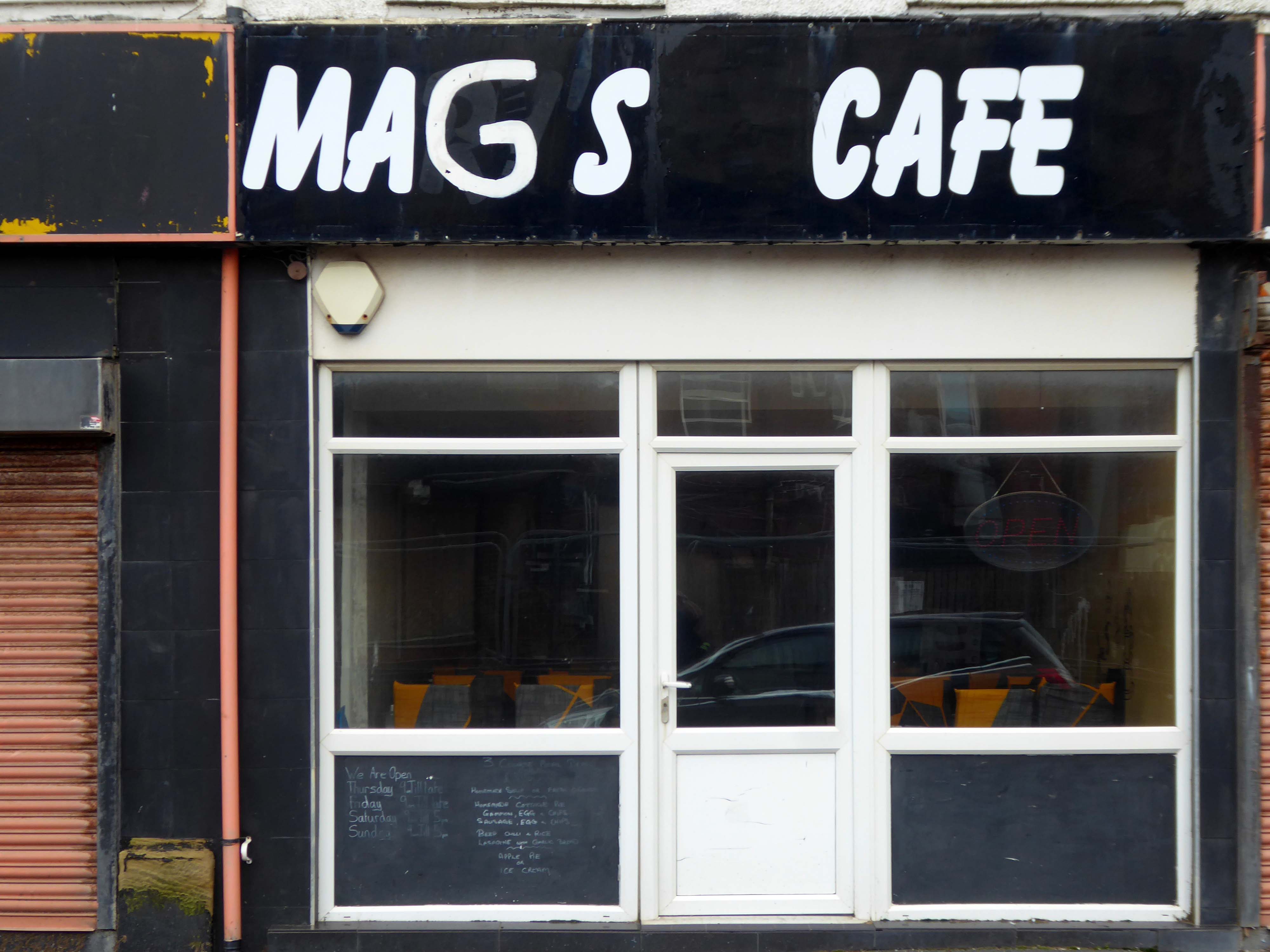
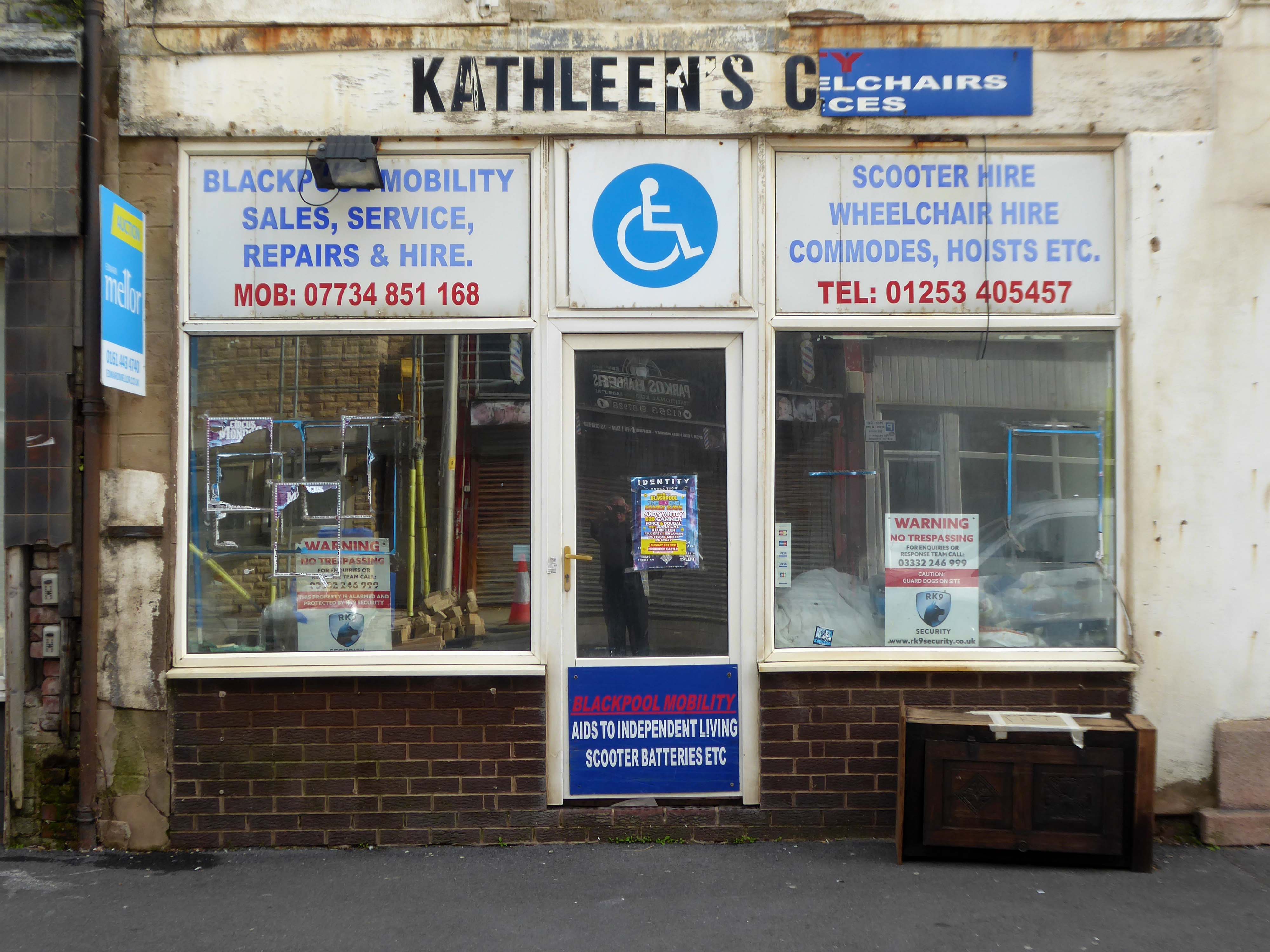
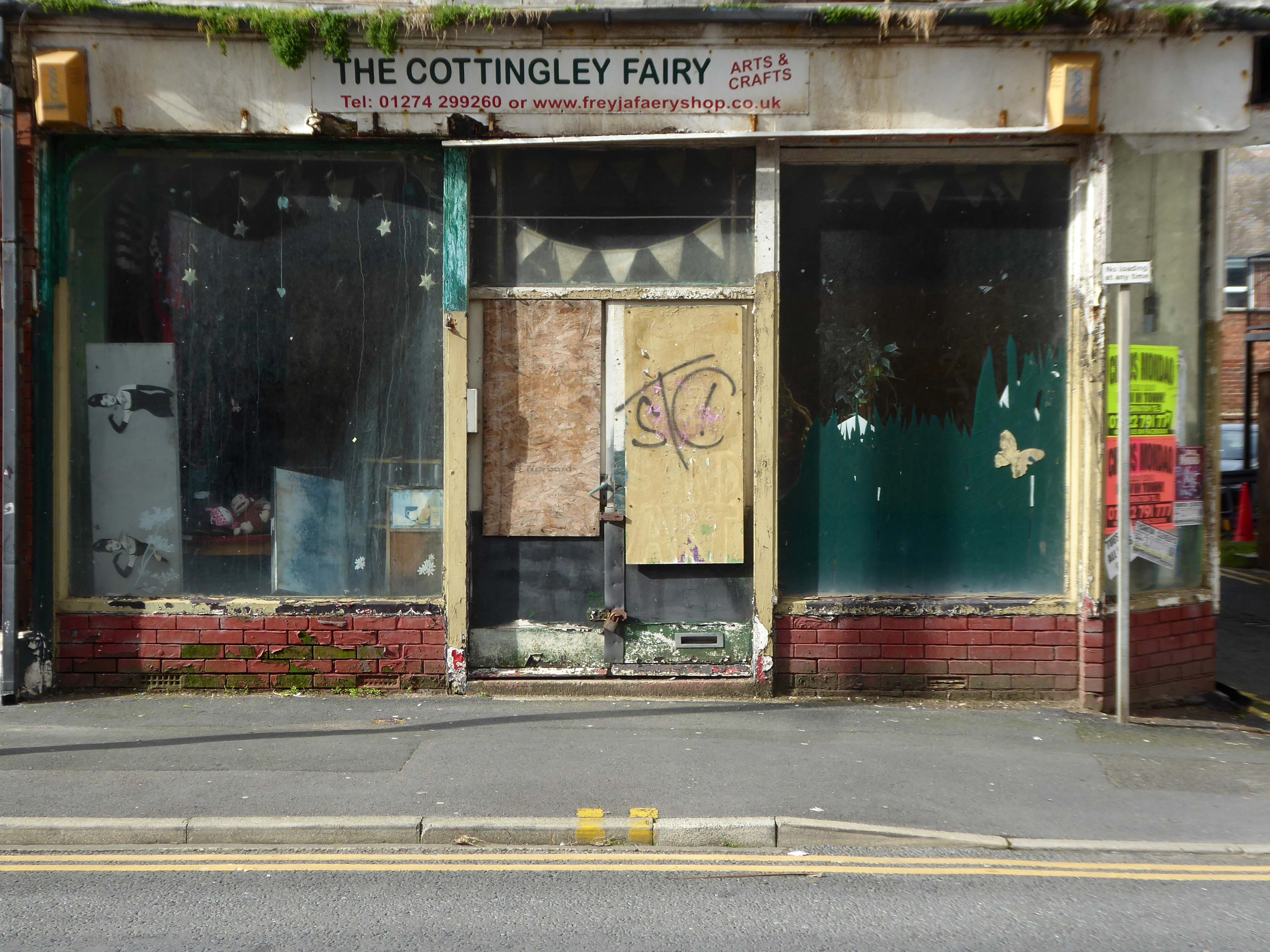

 Modern Mooch