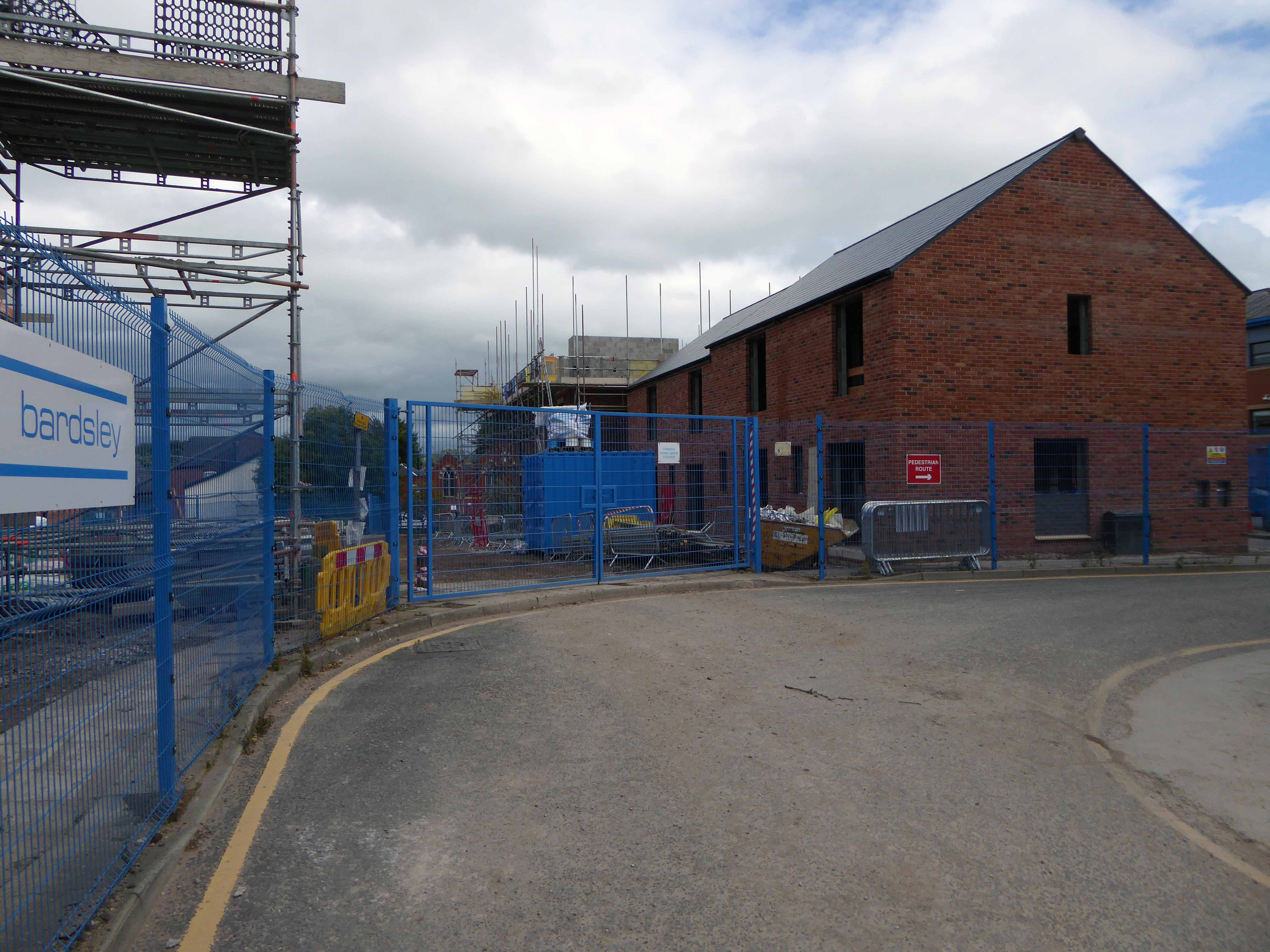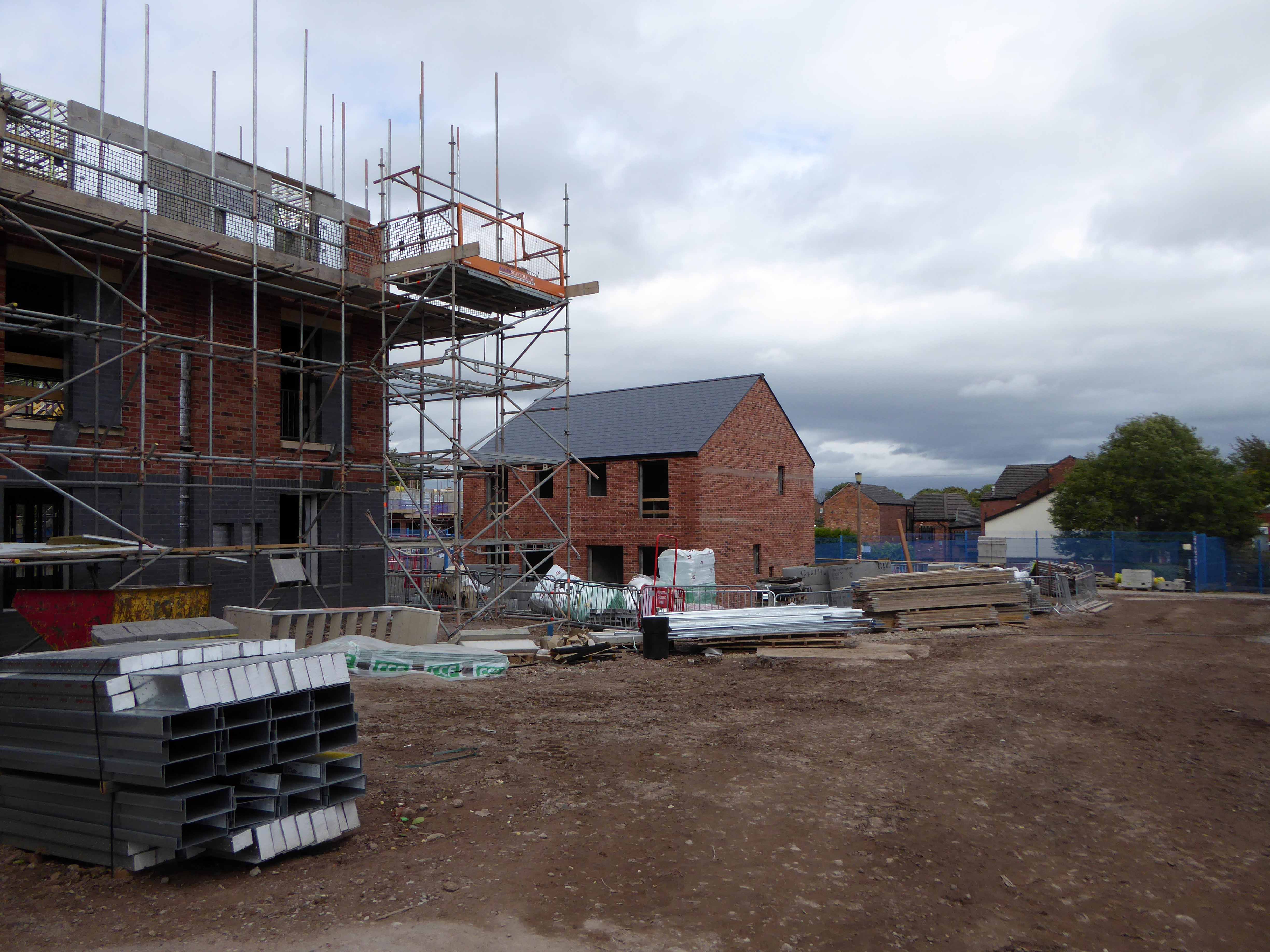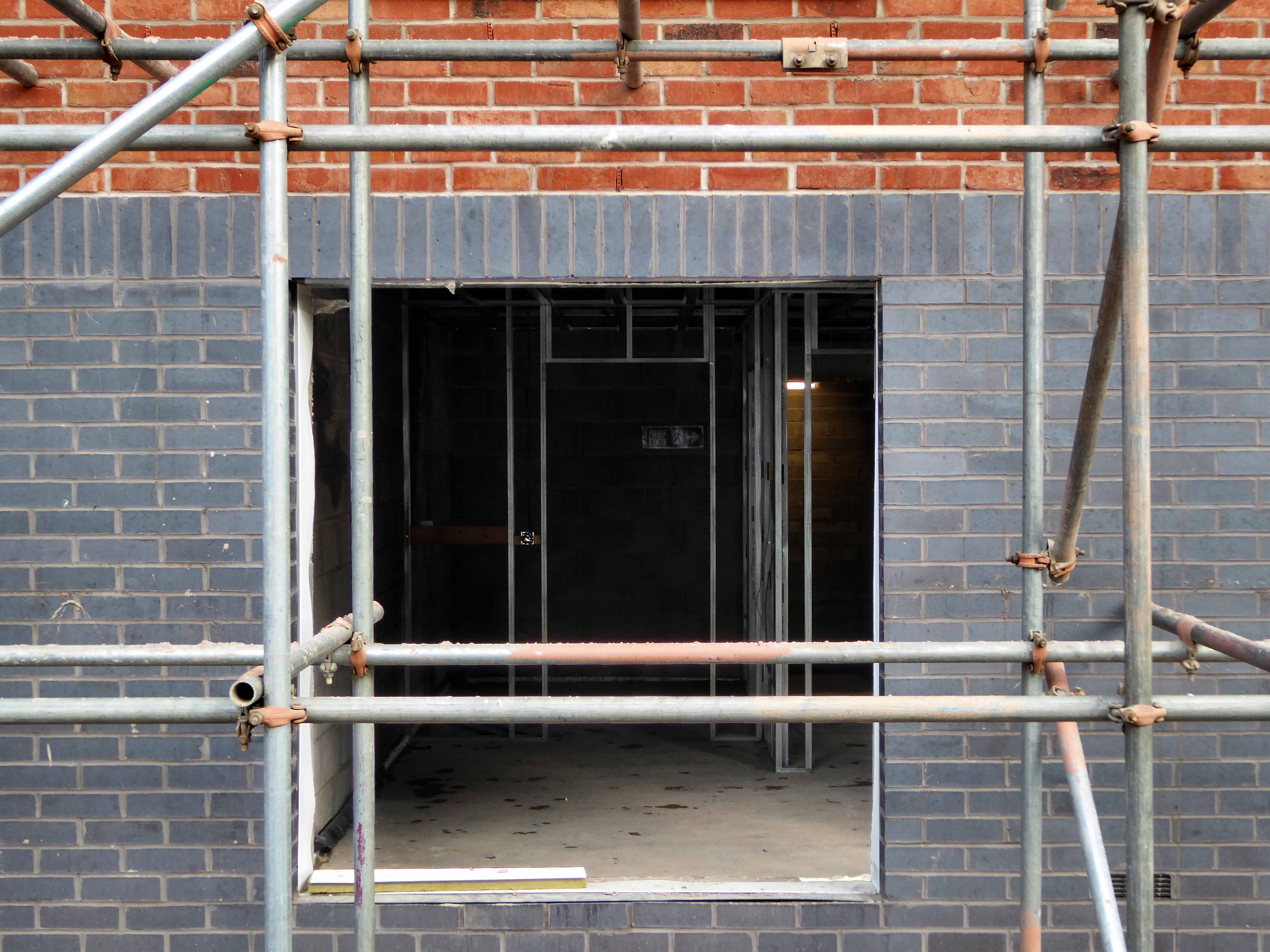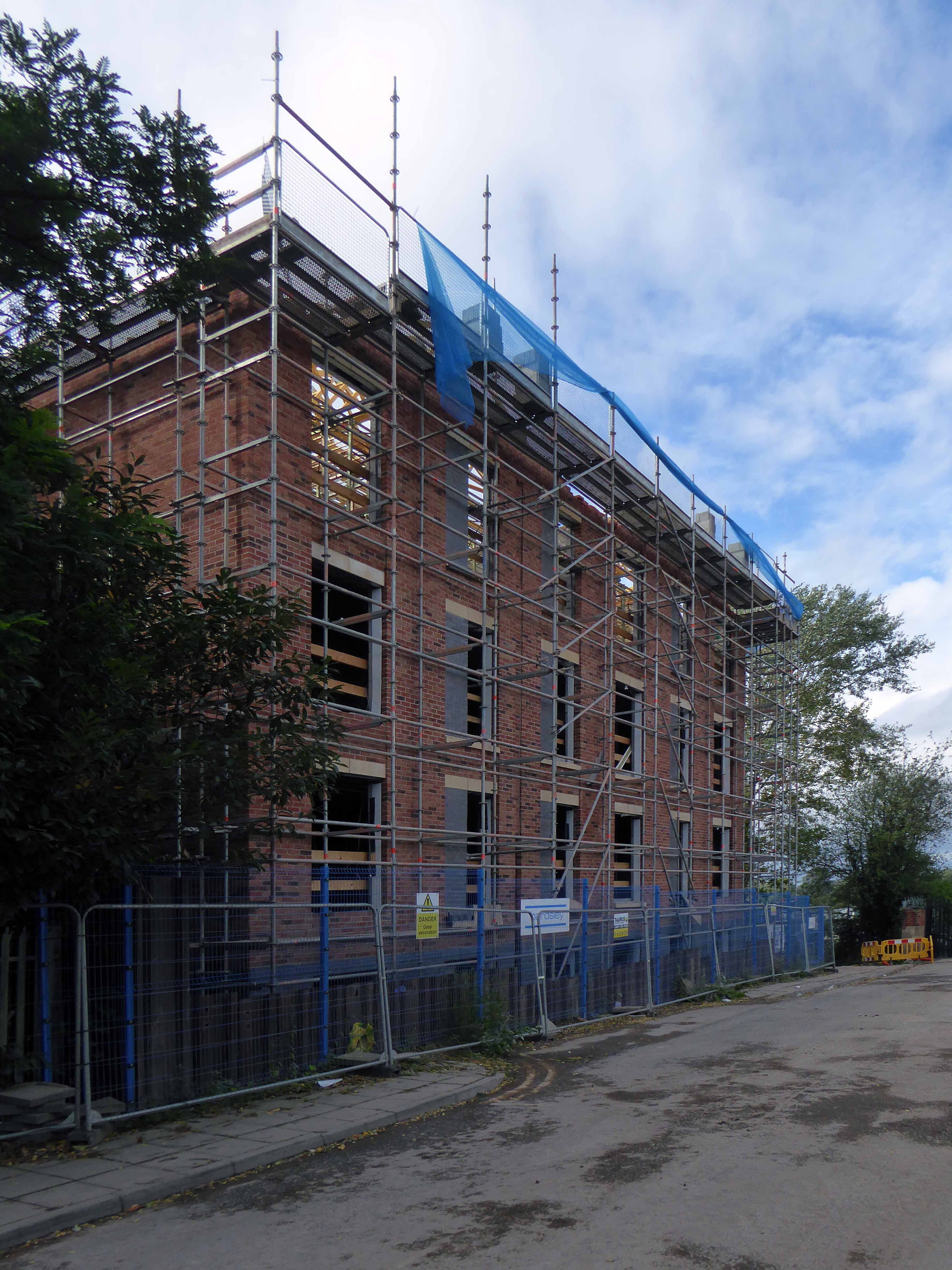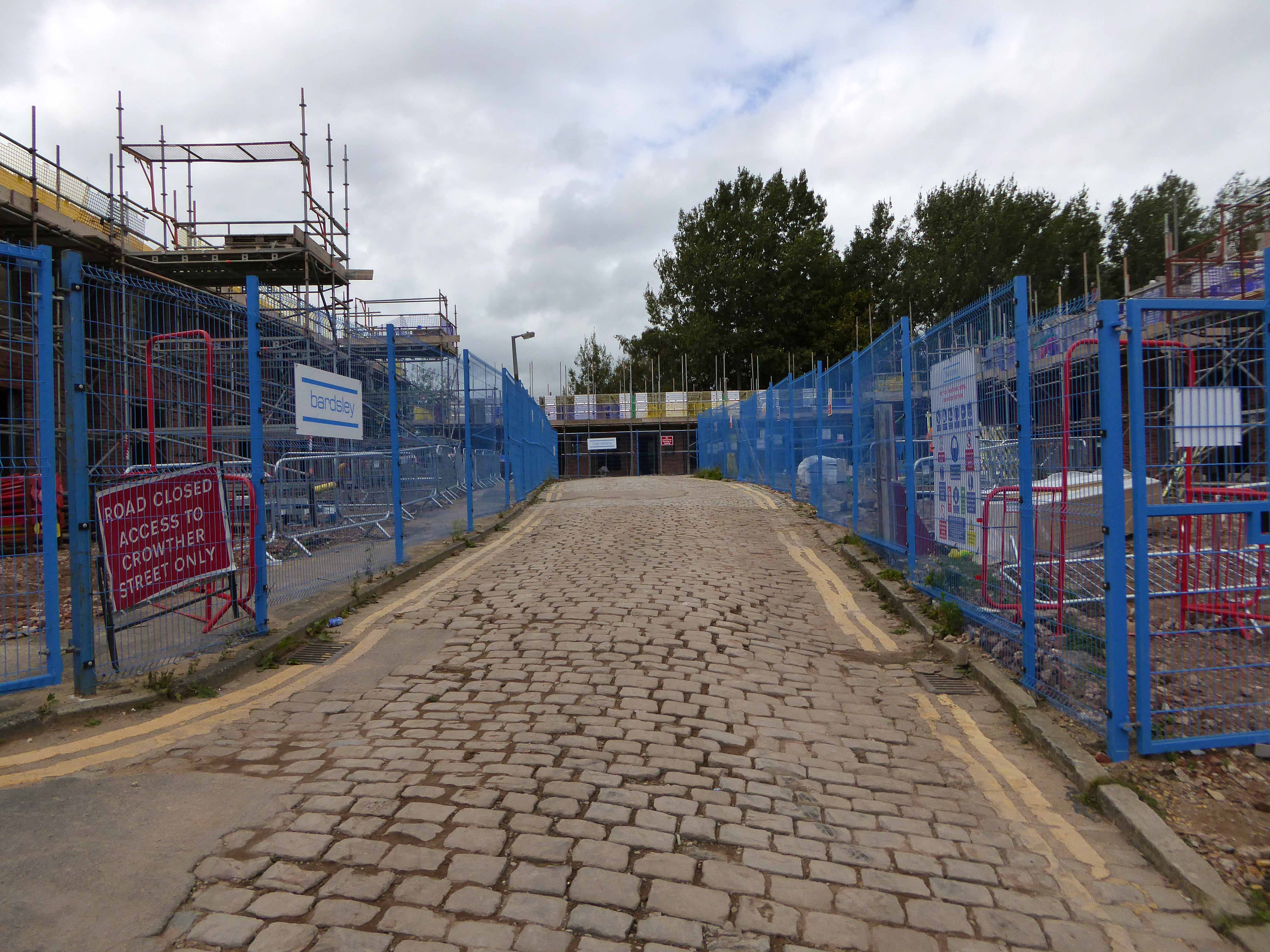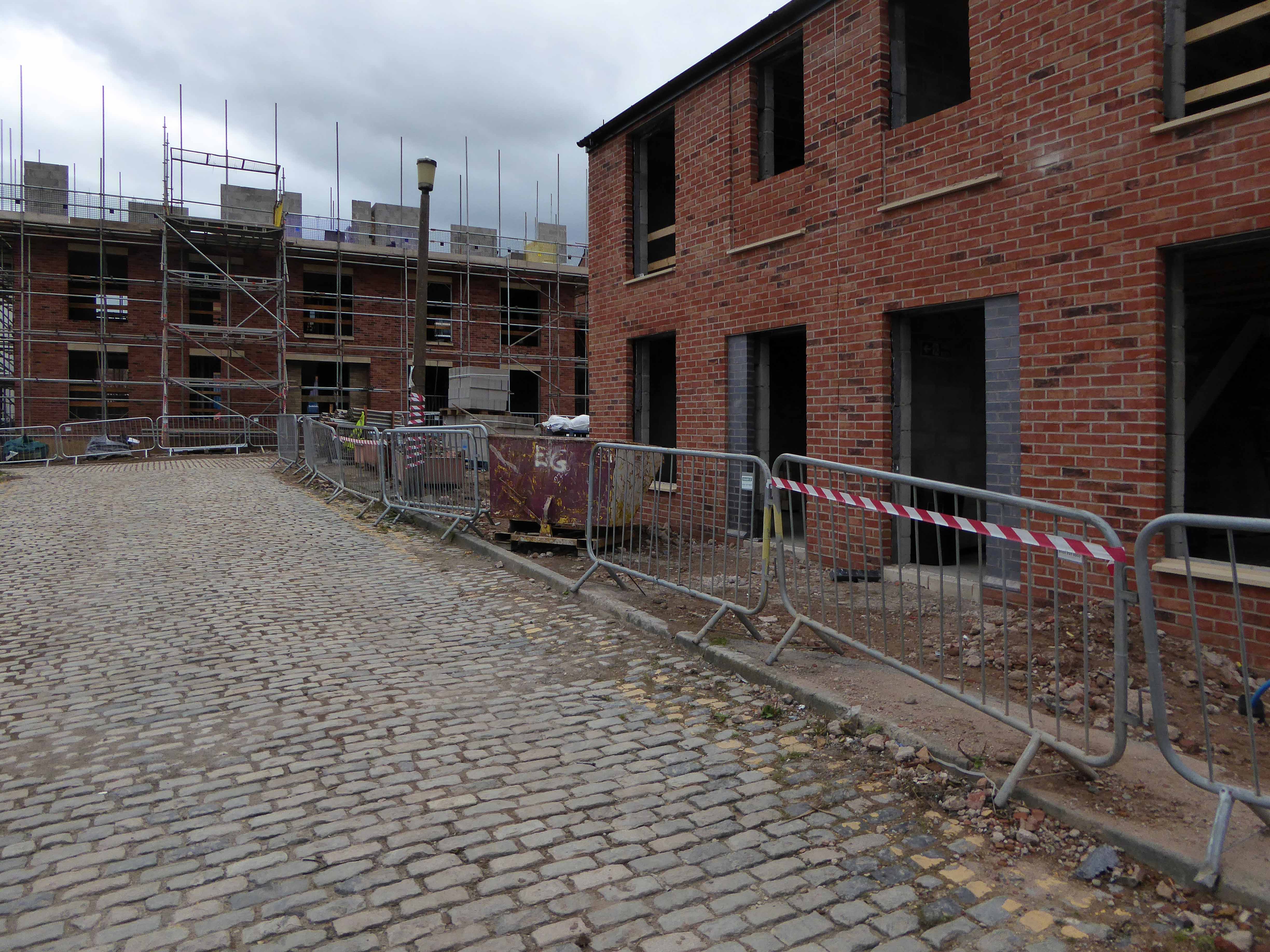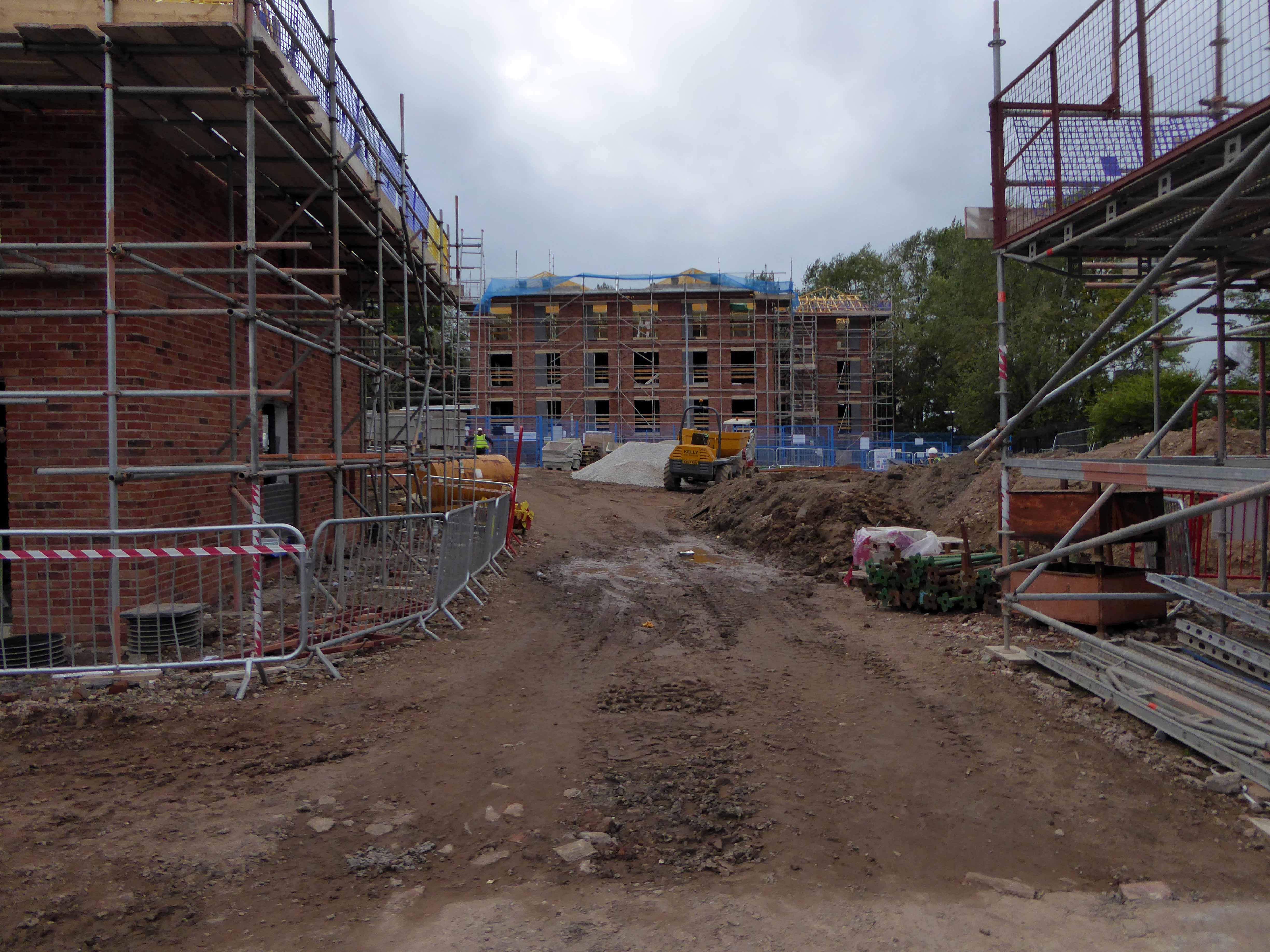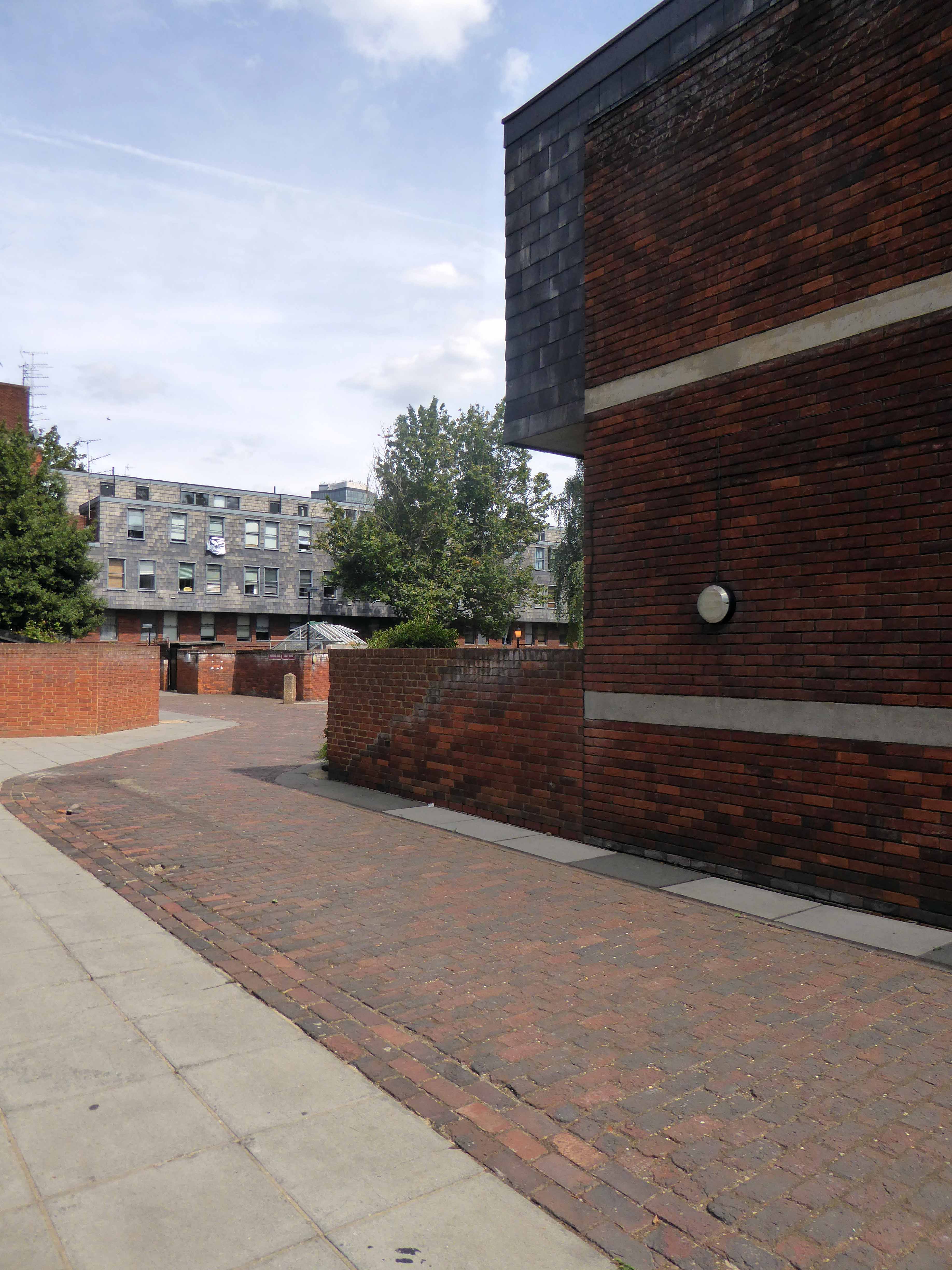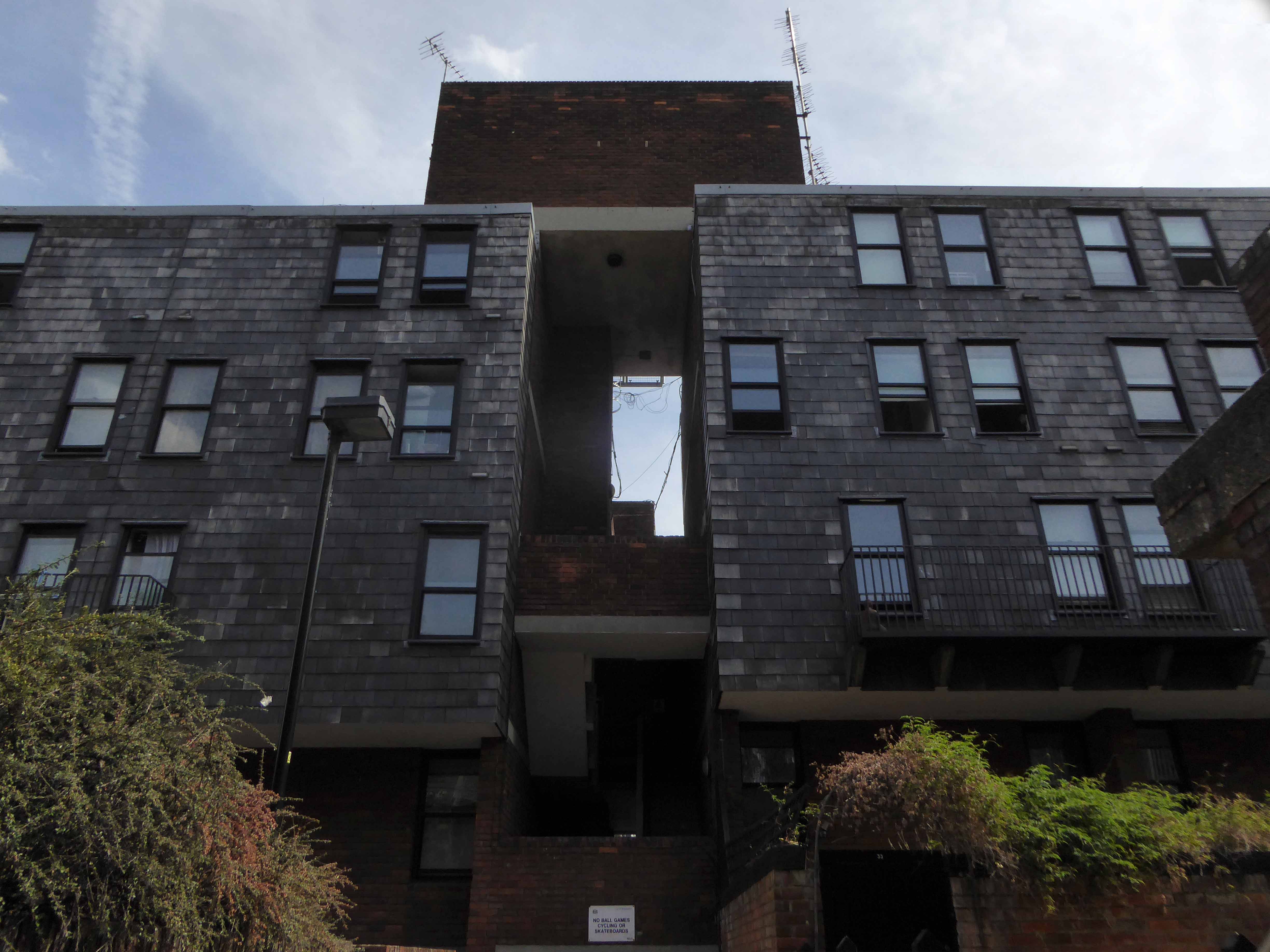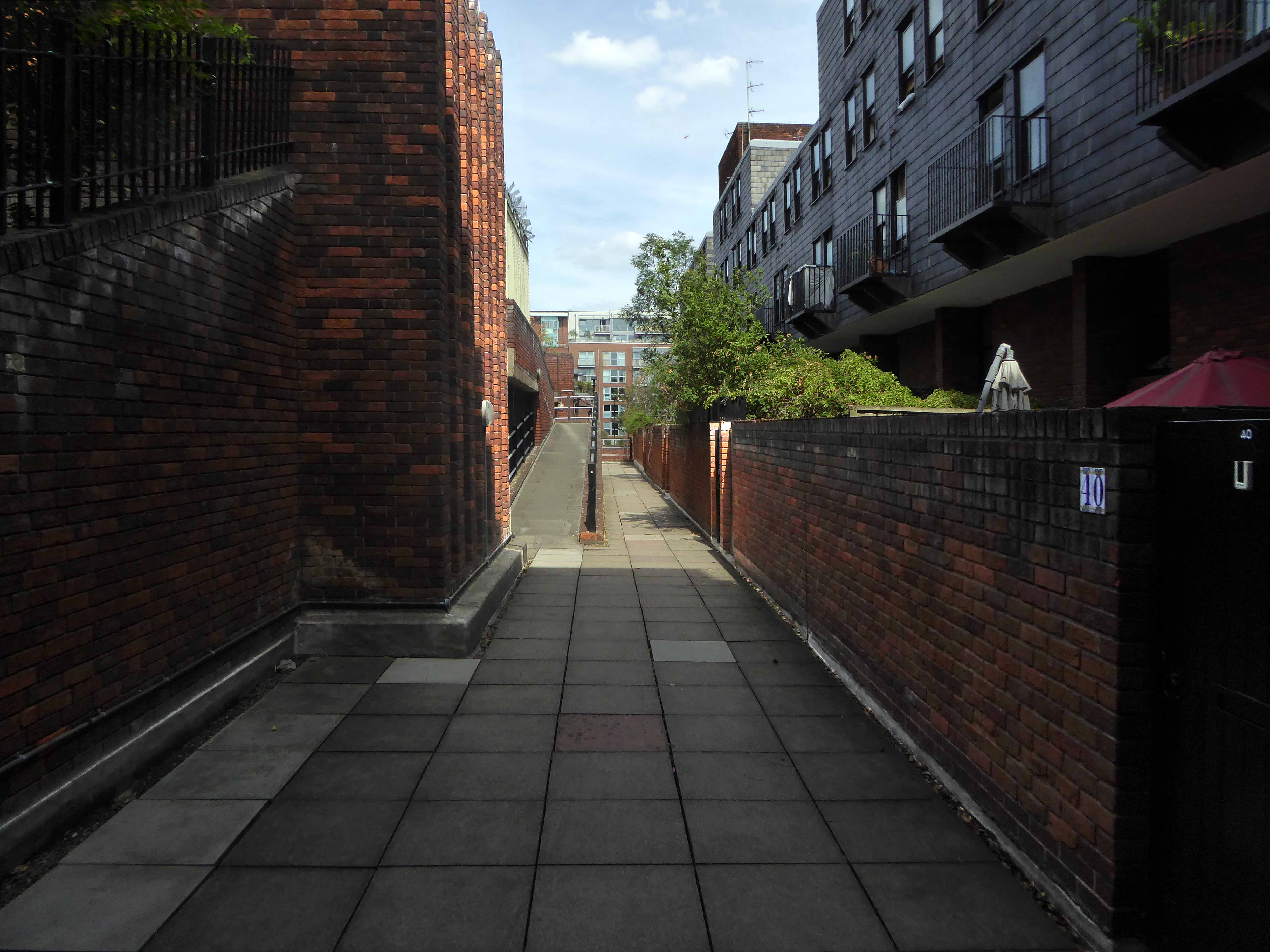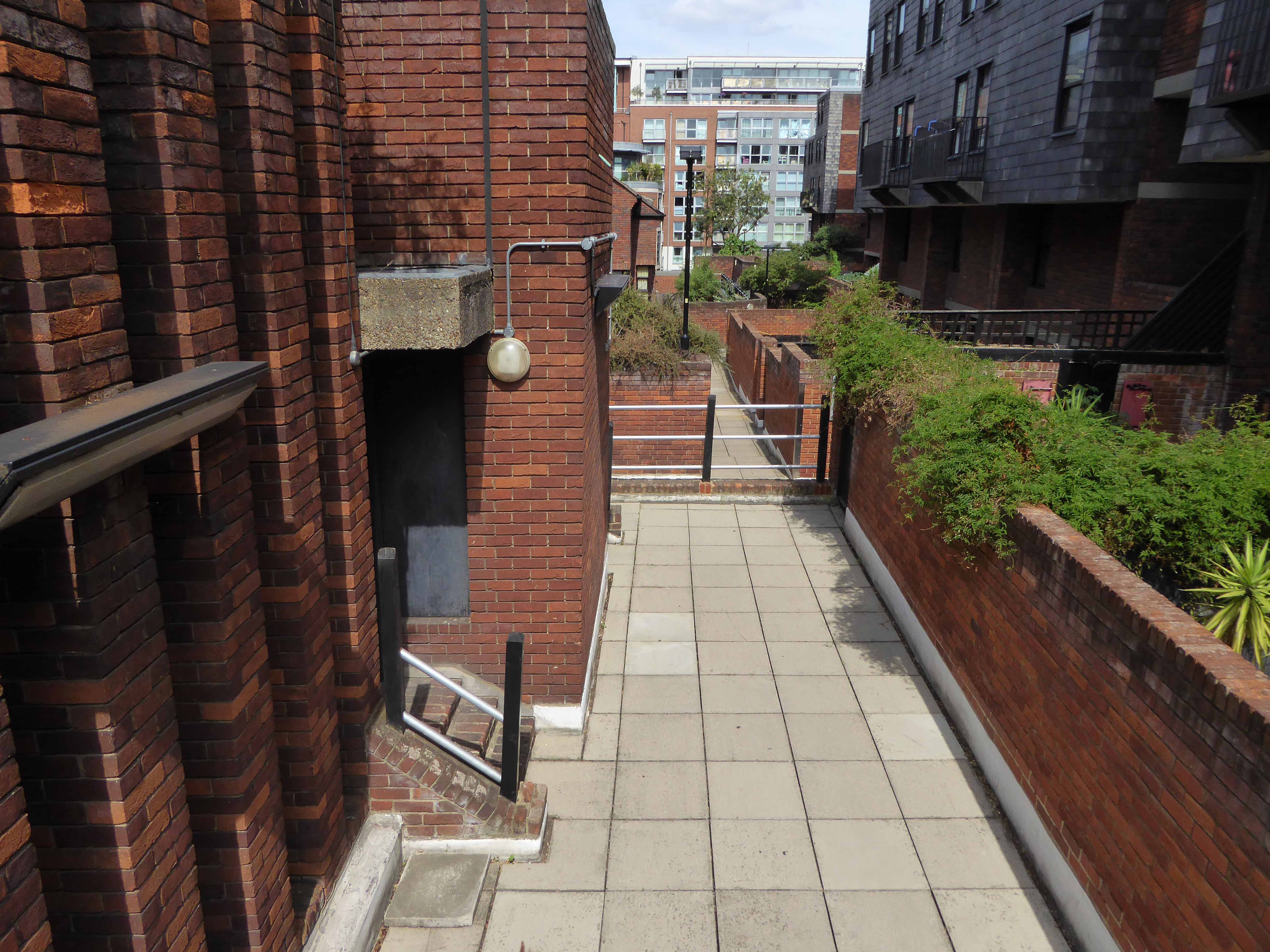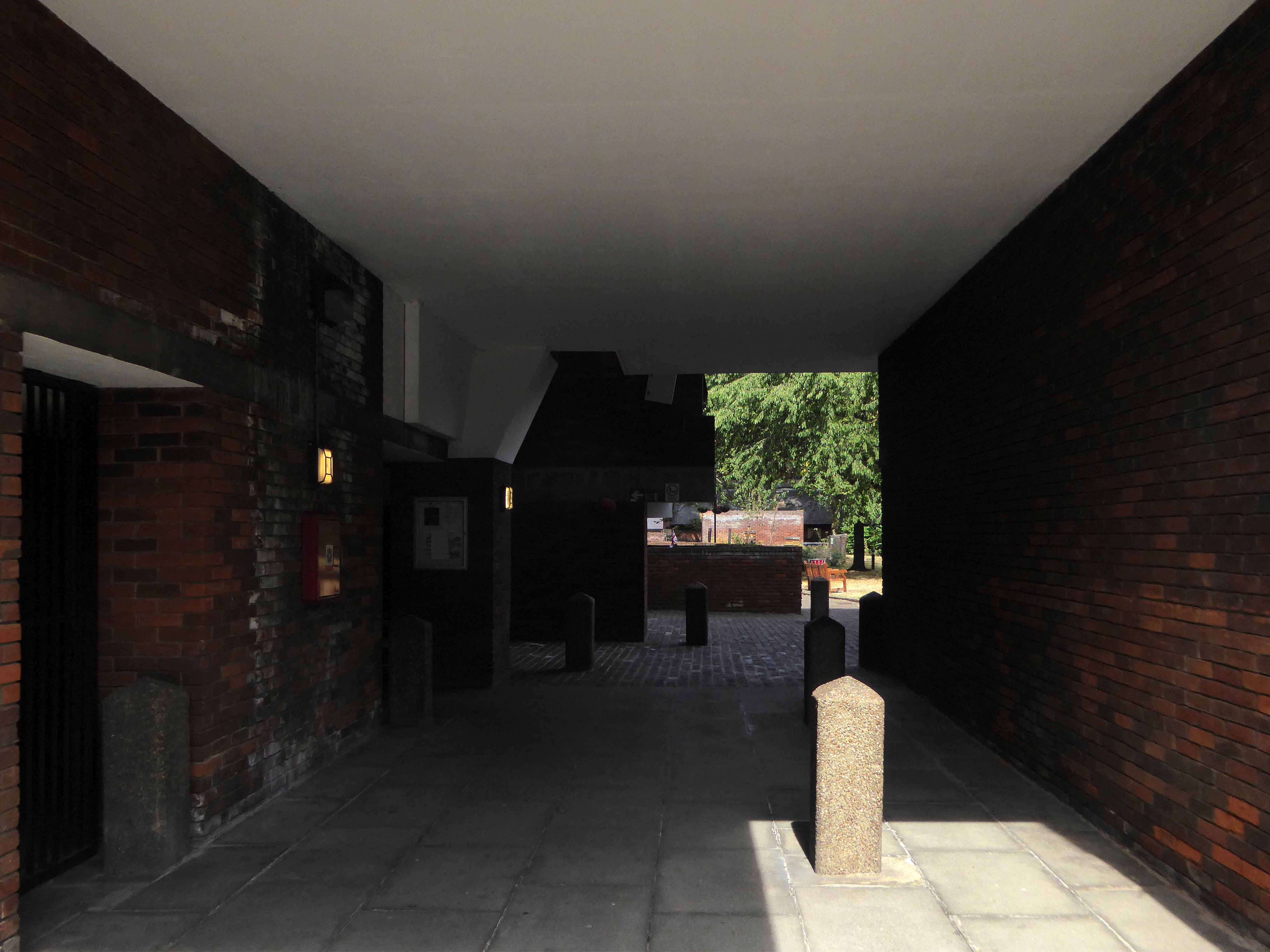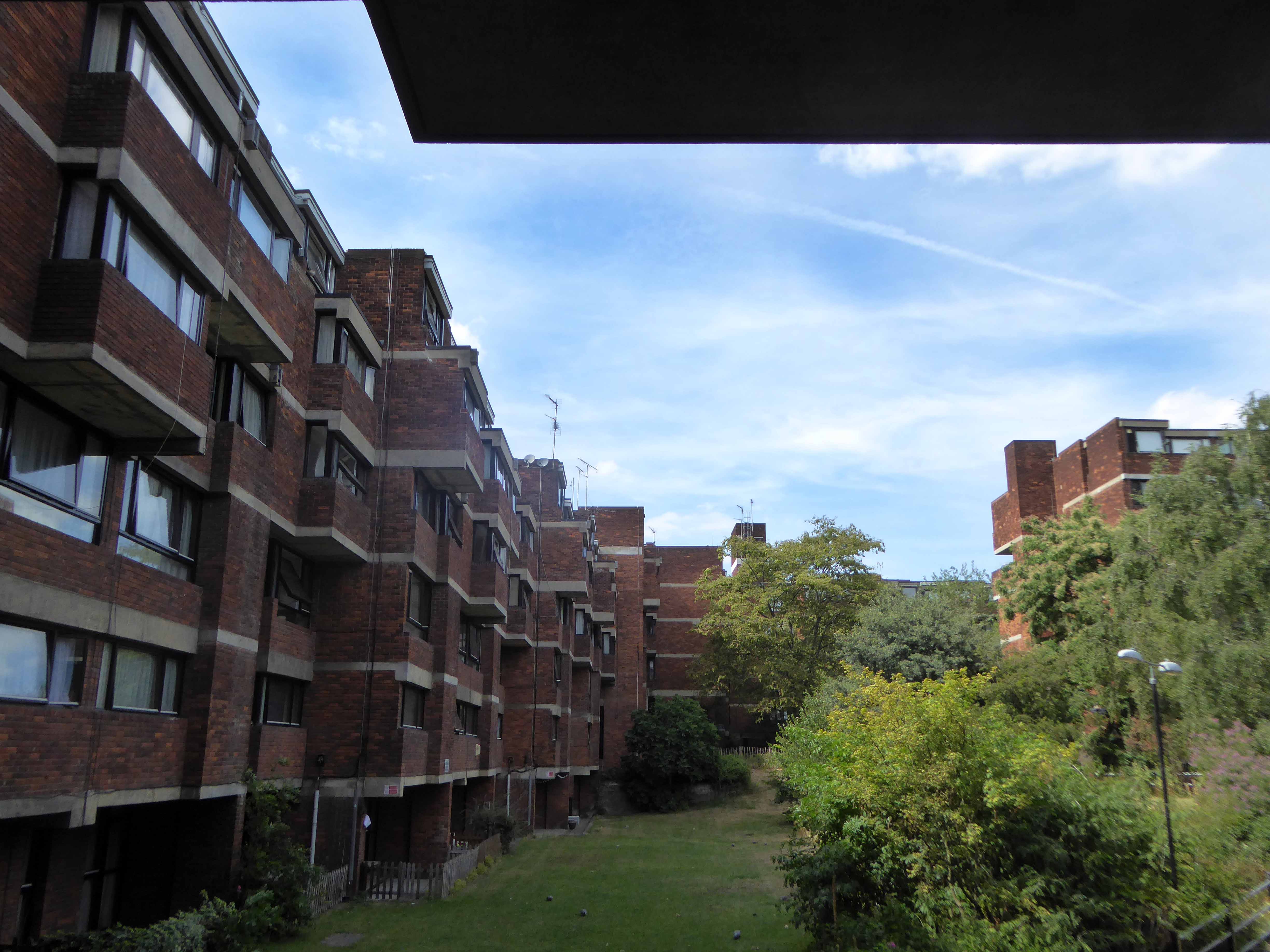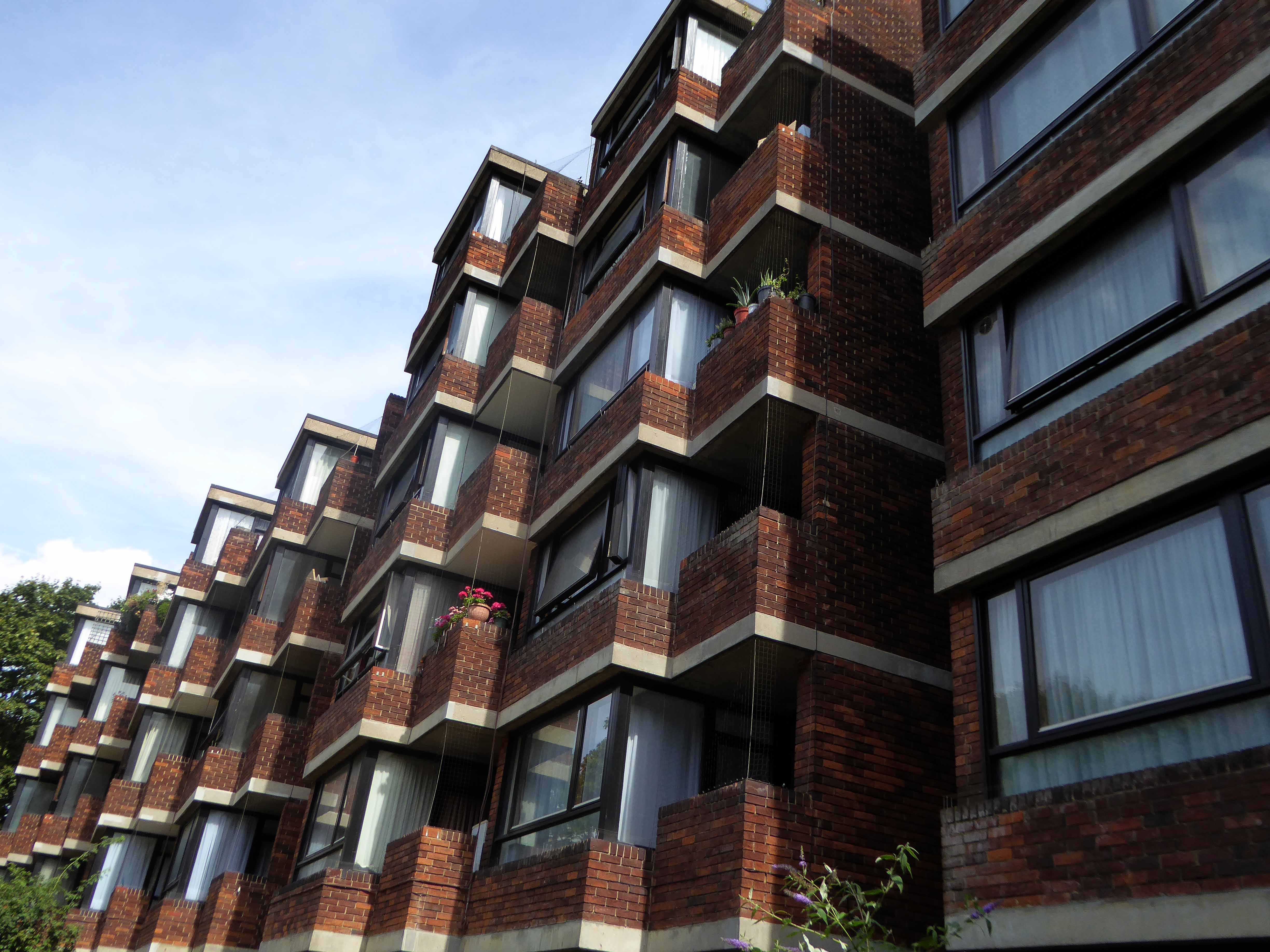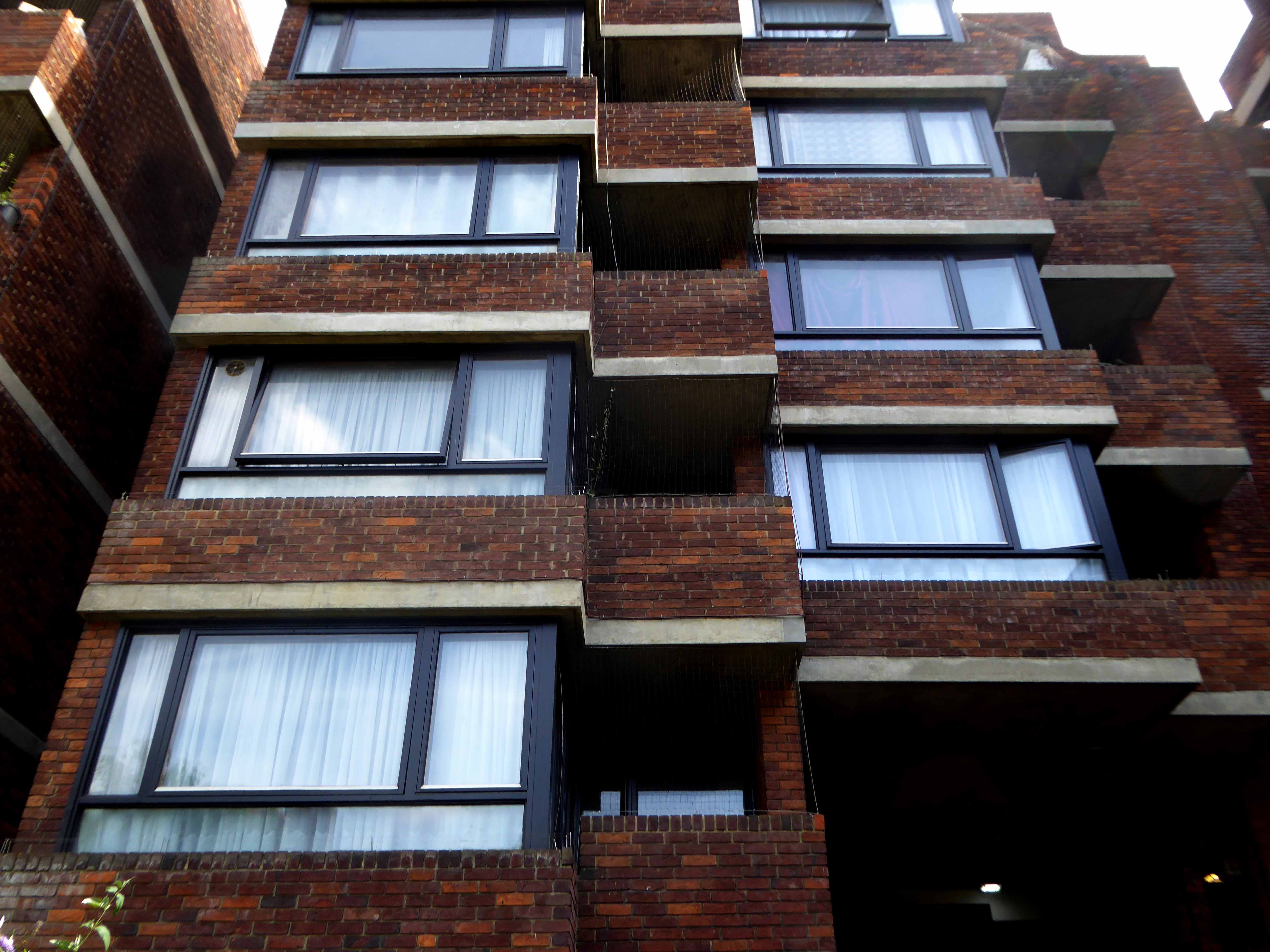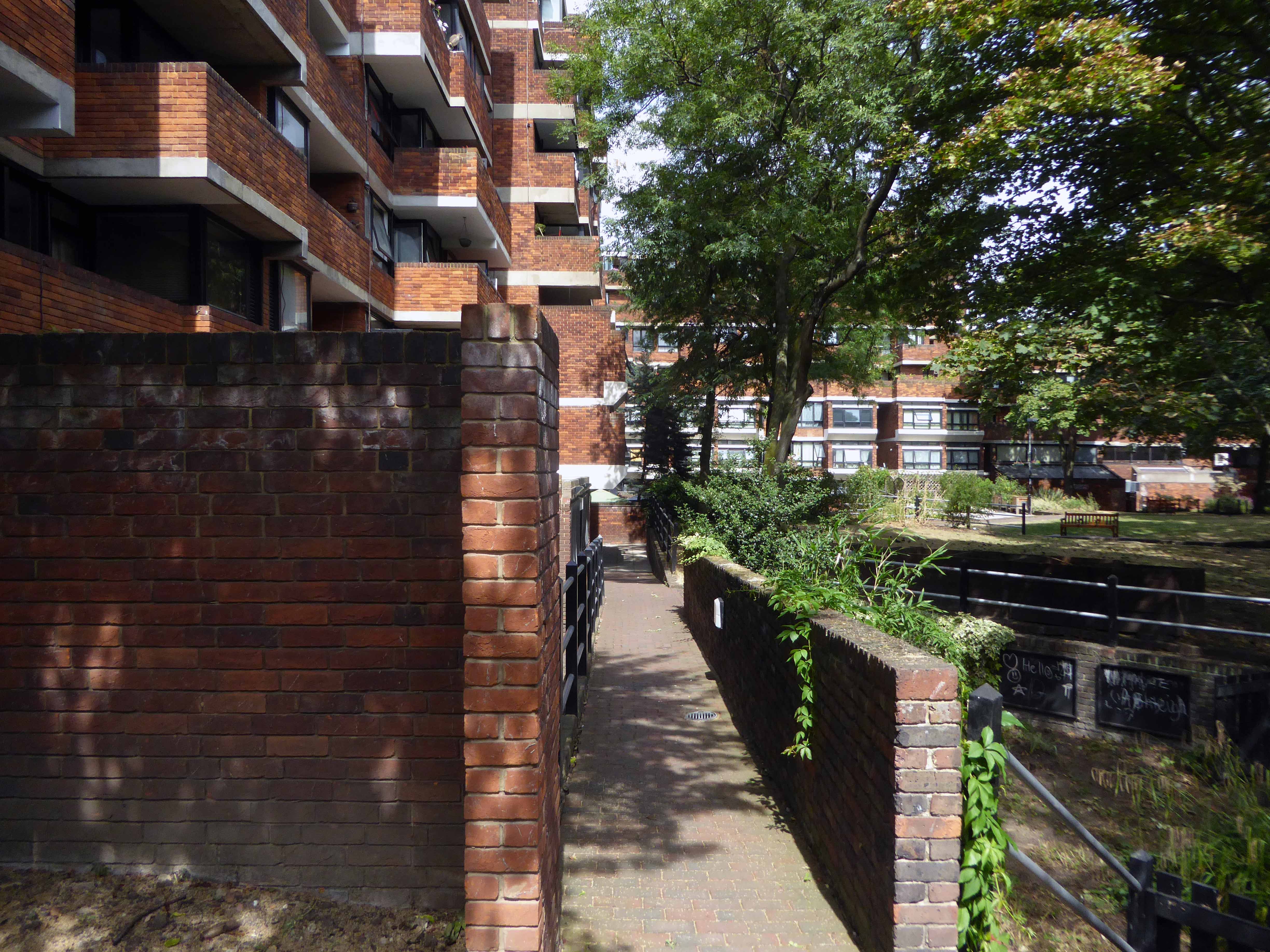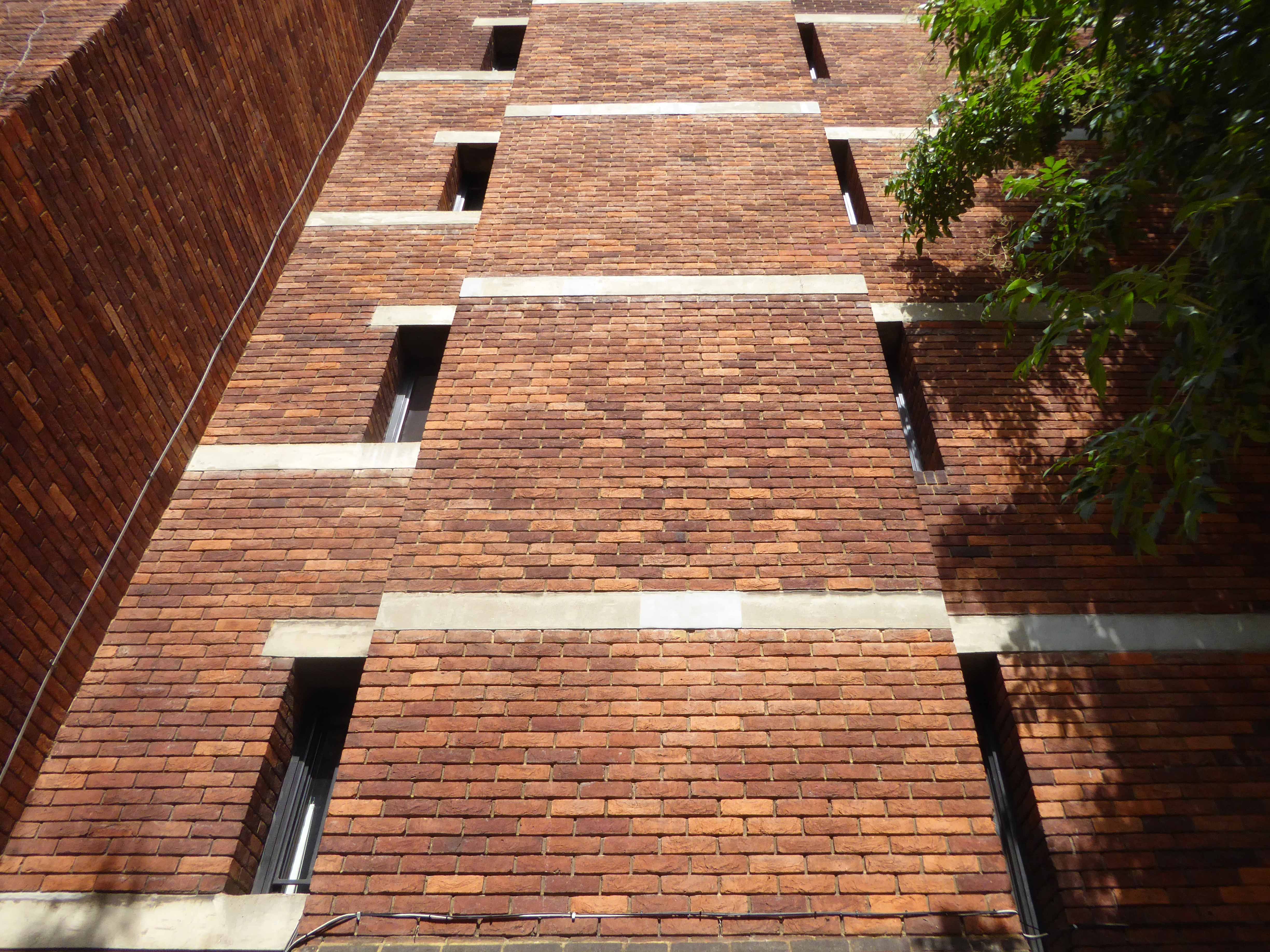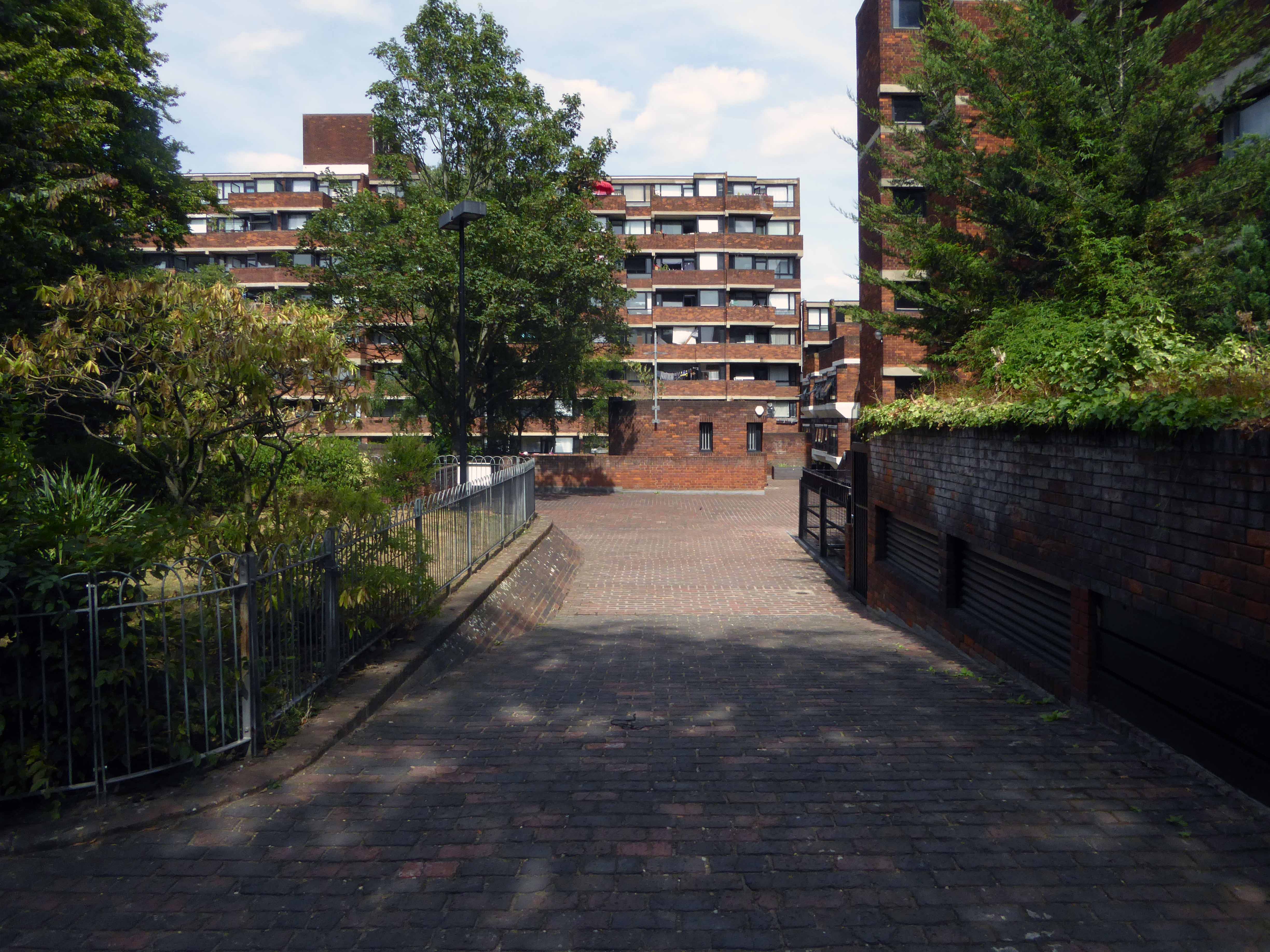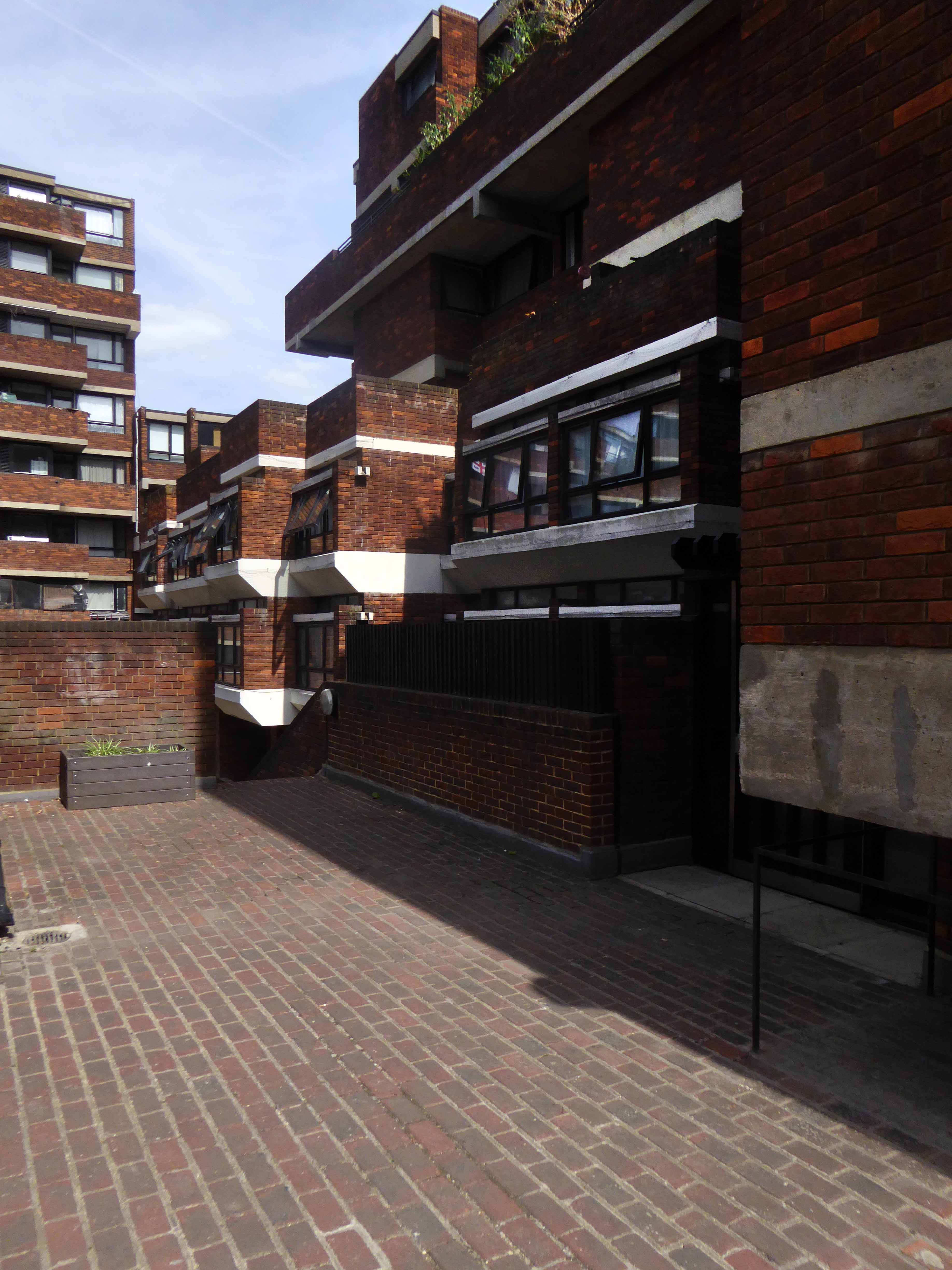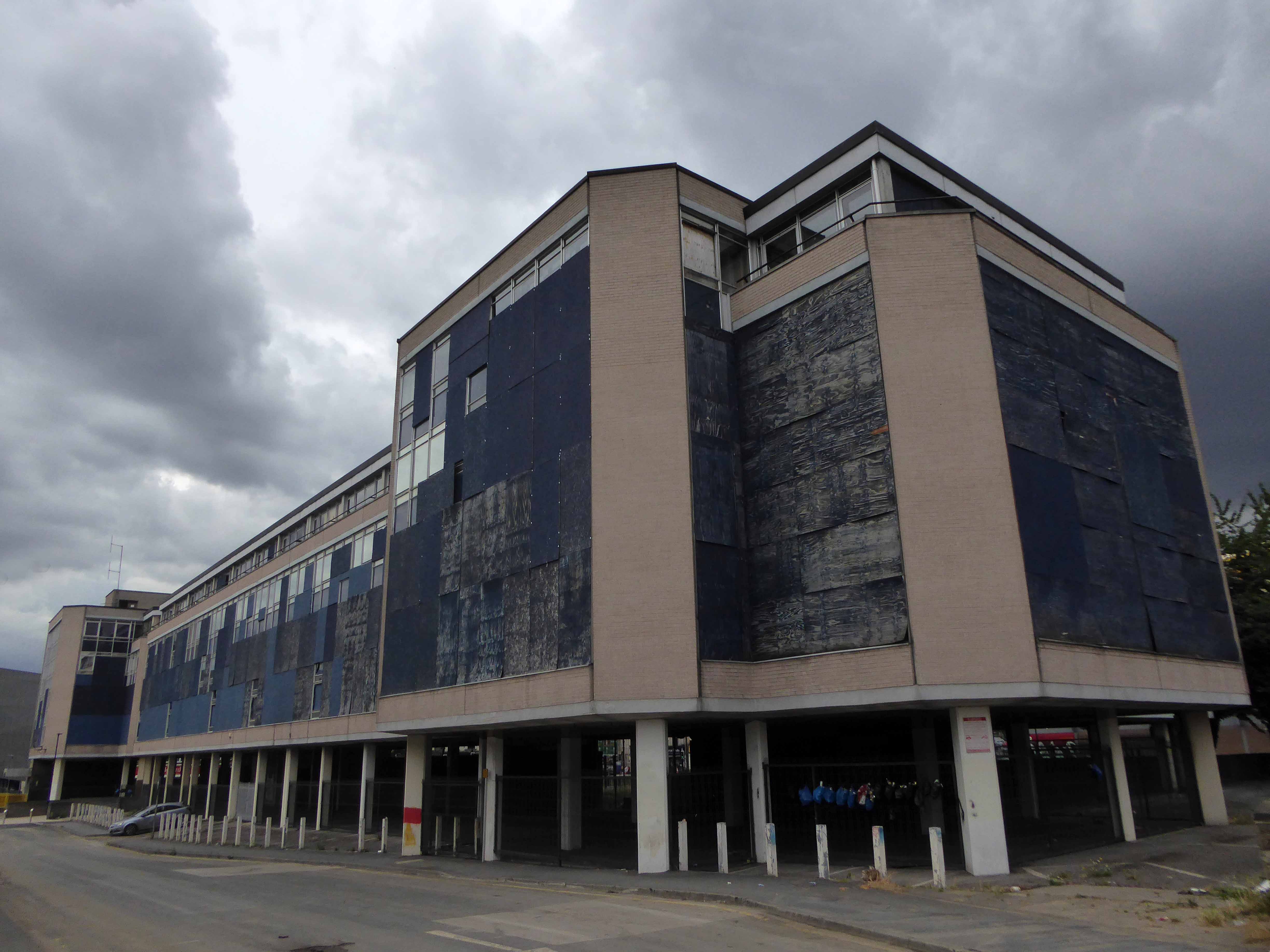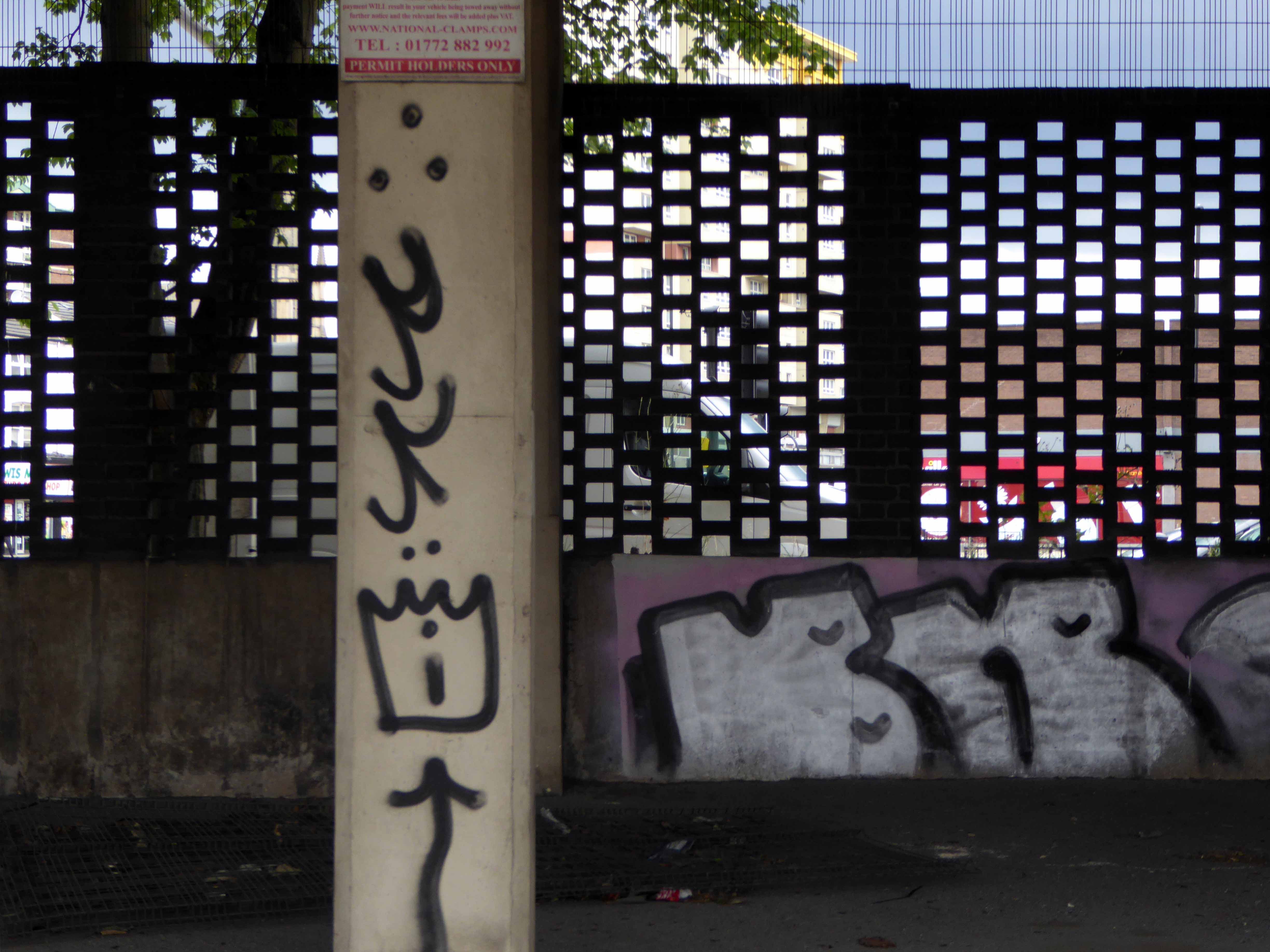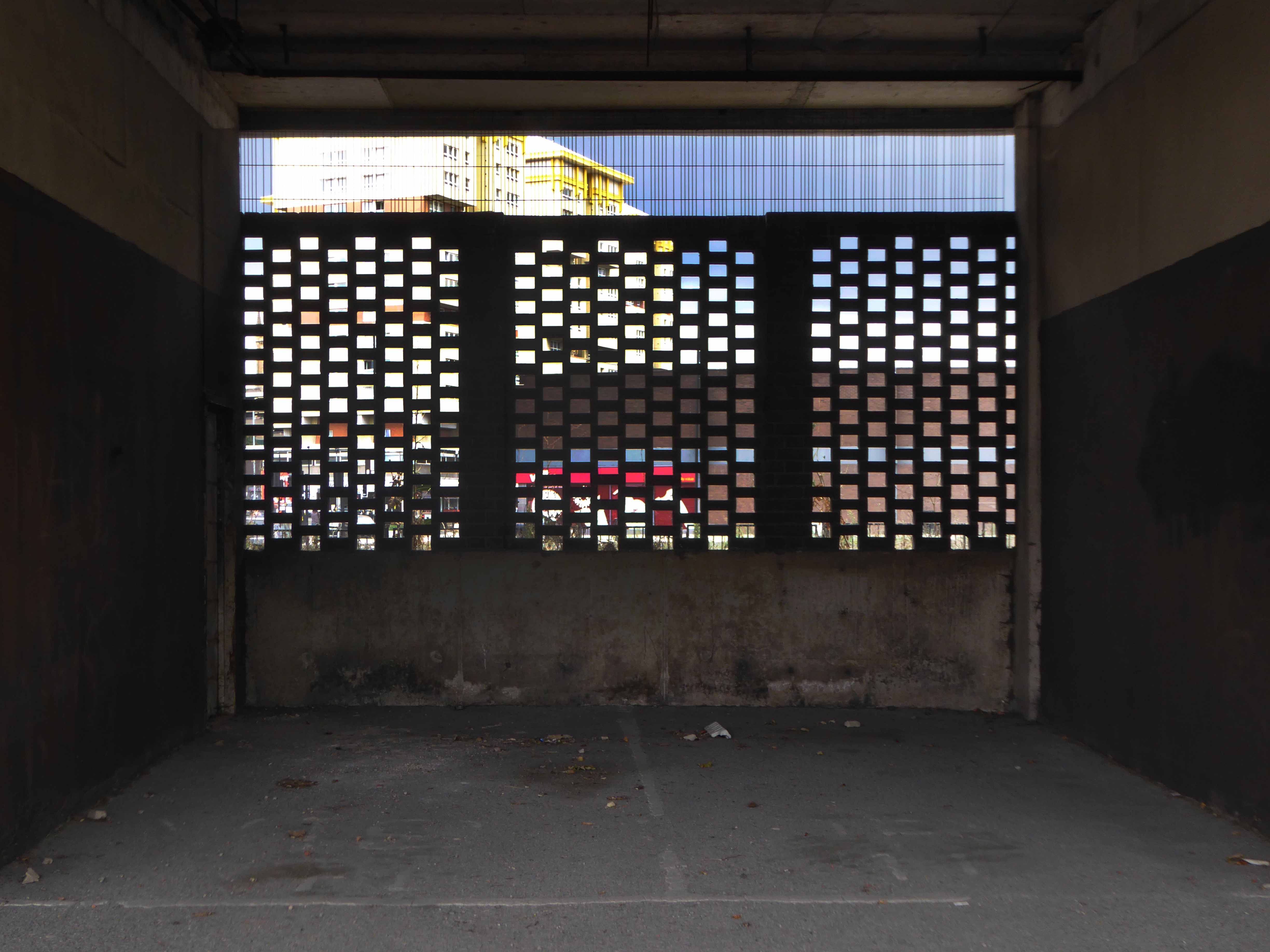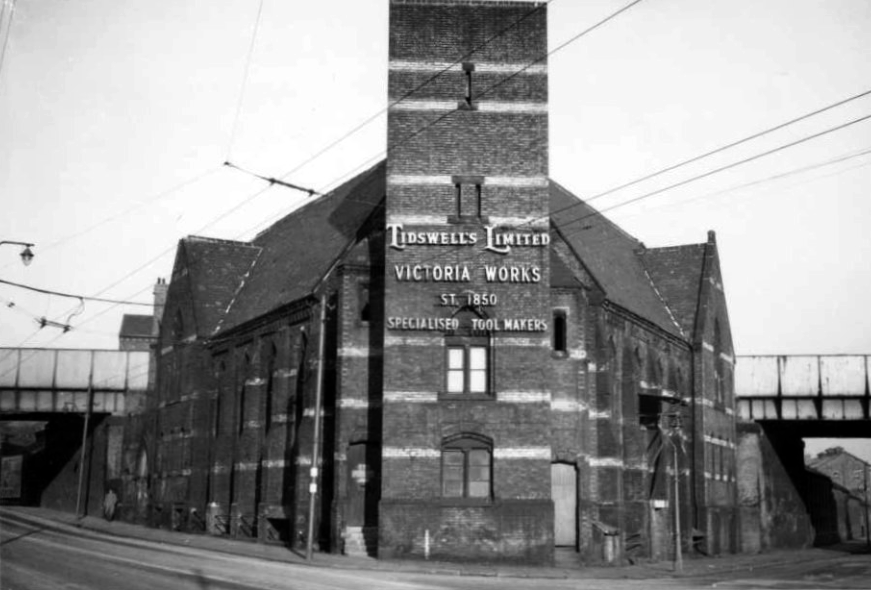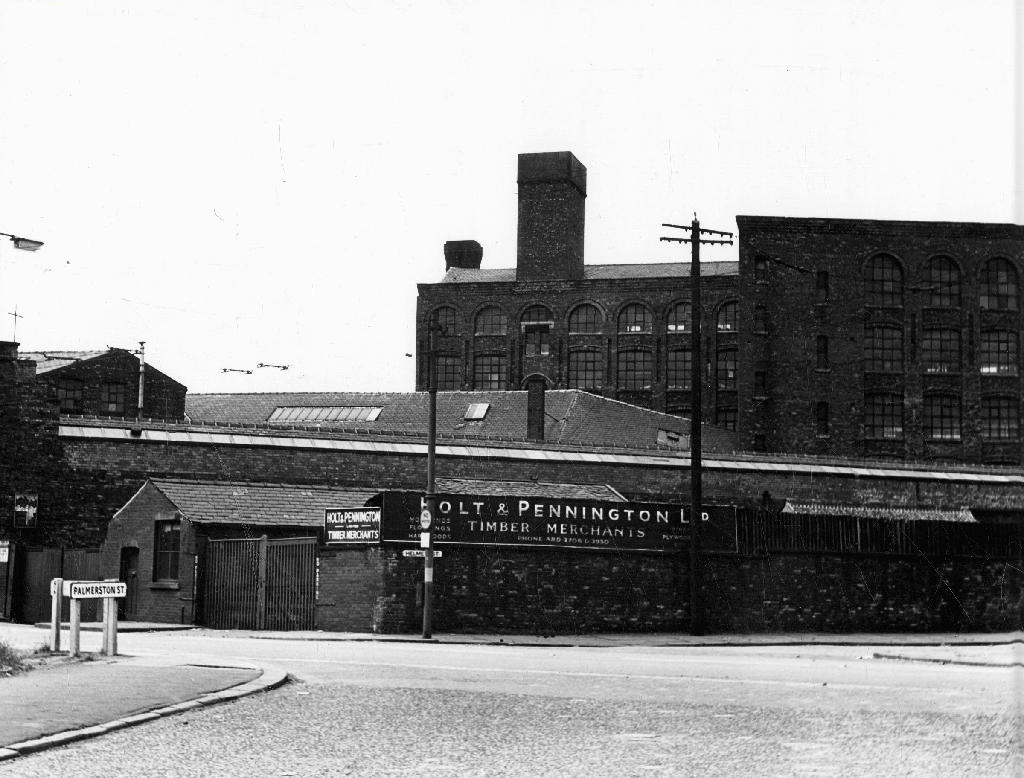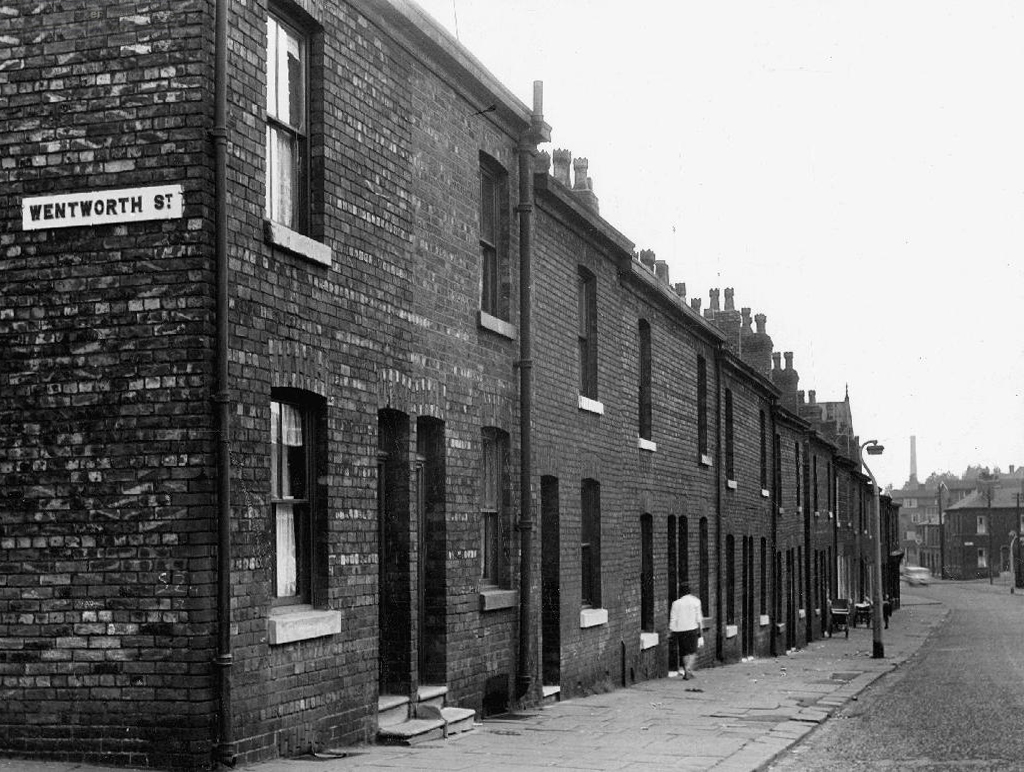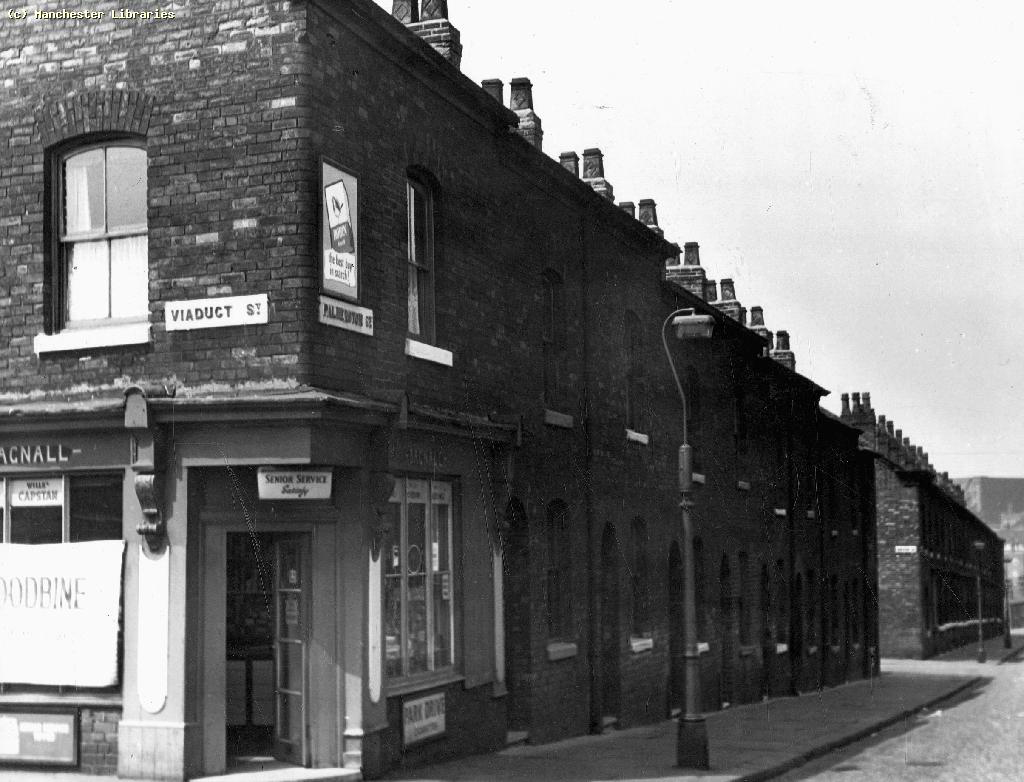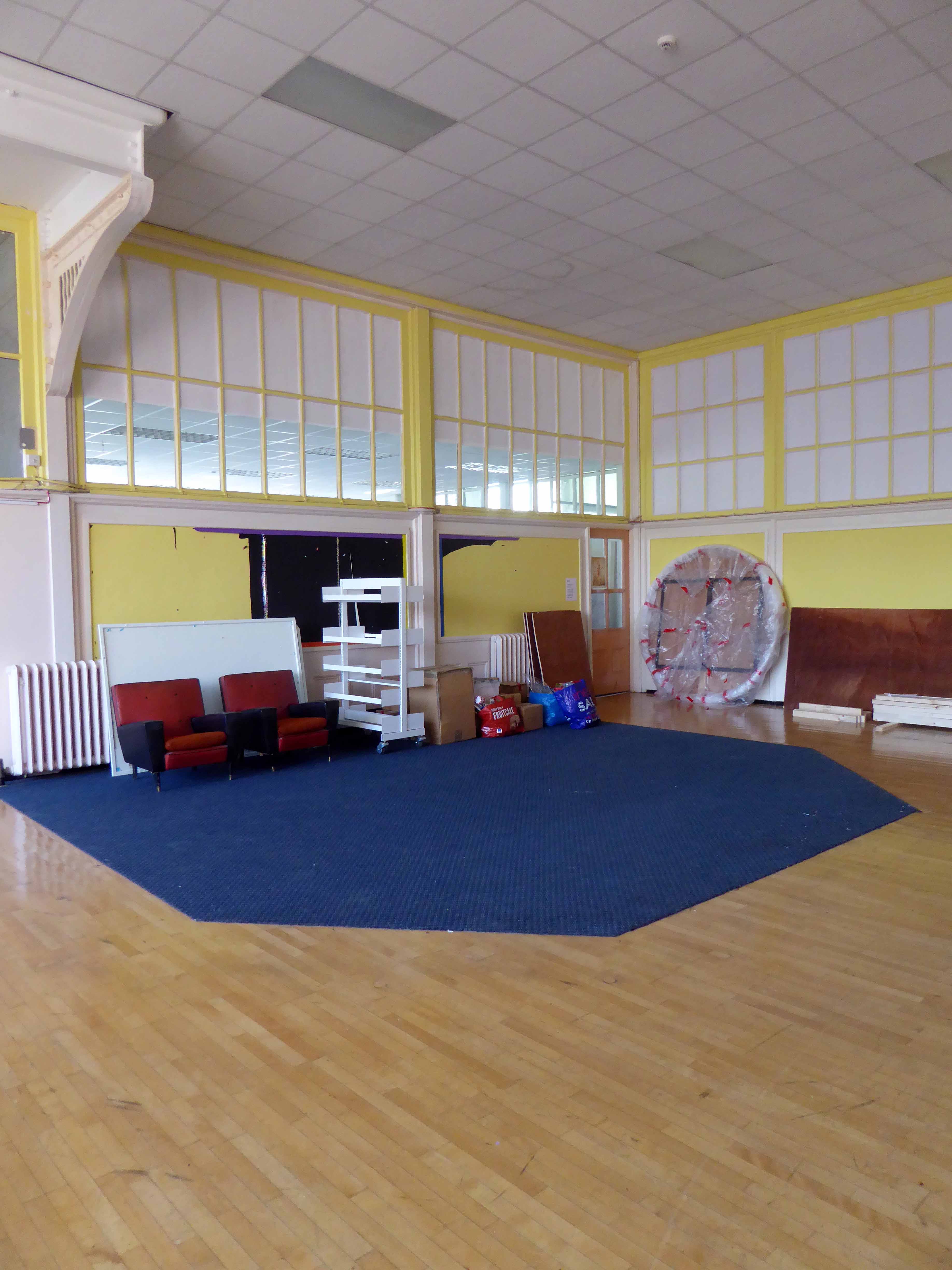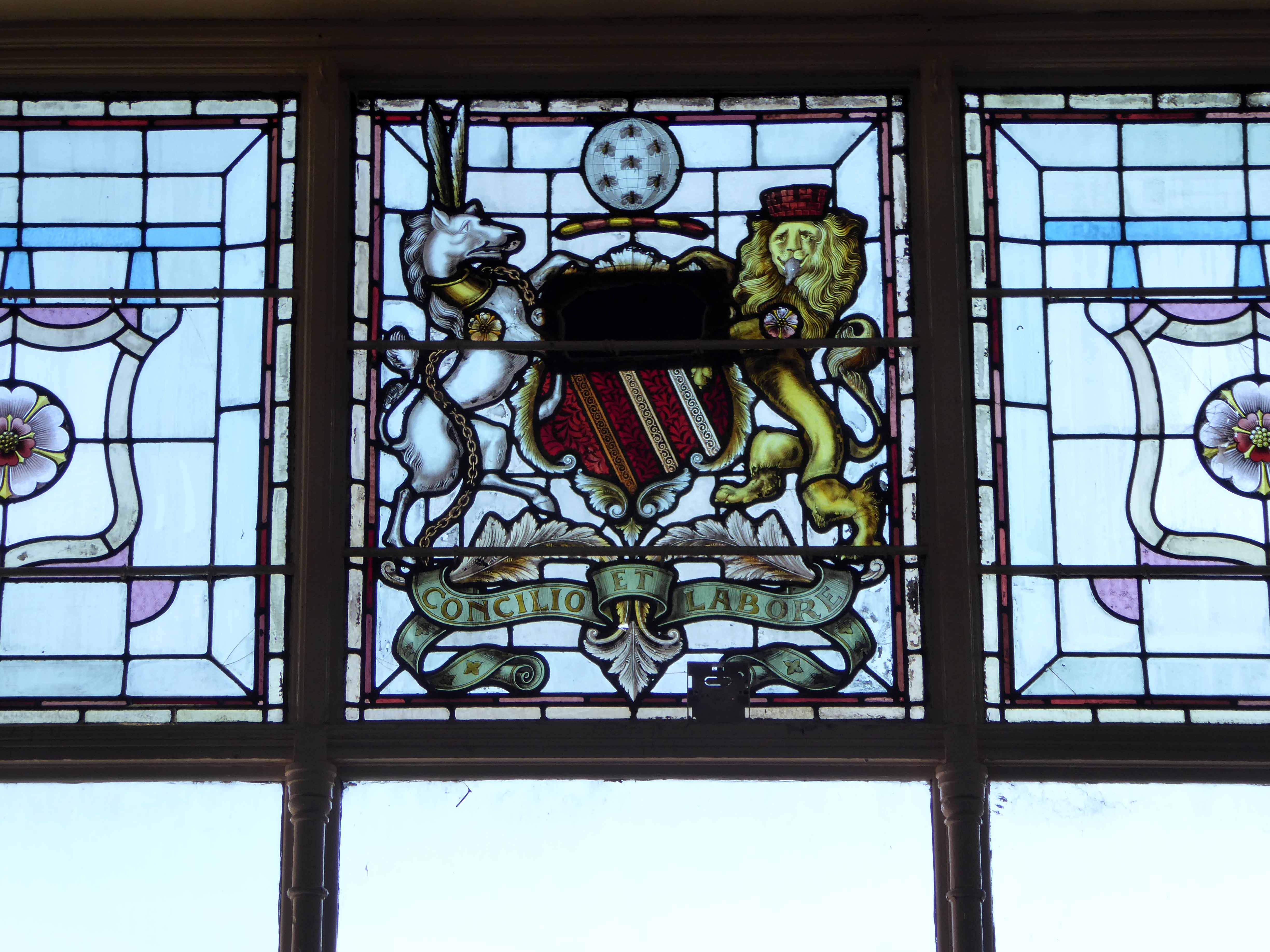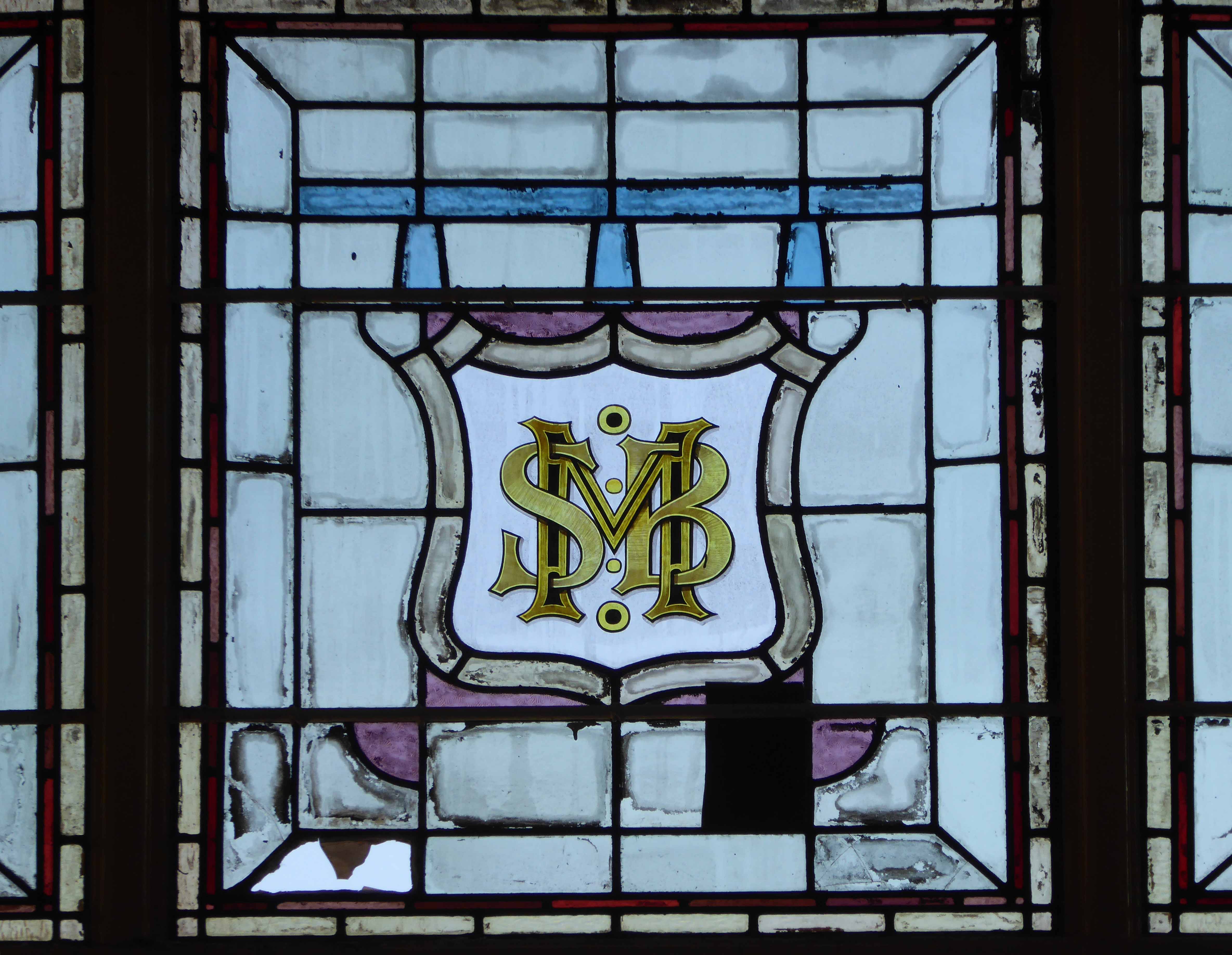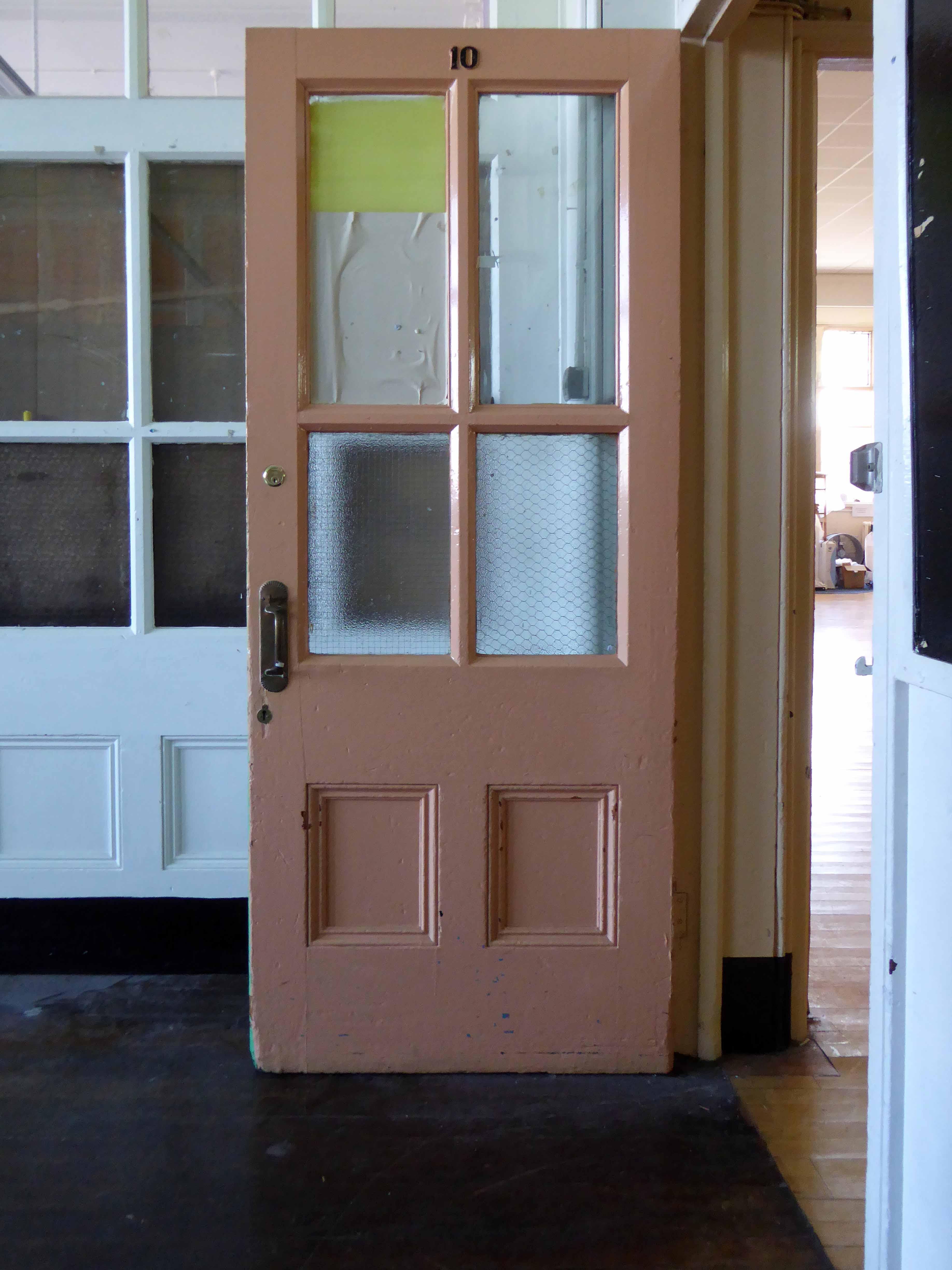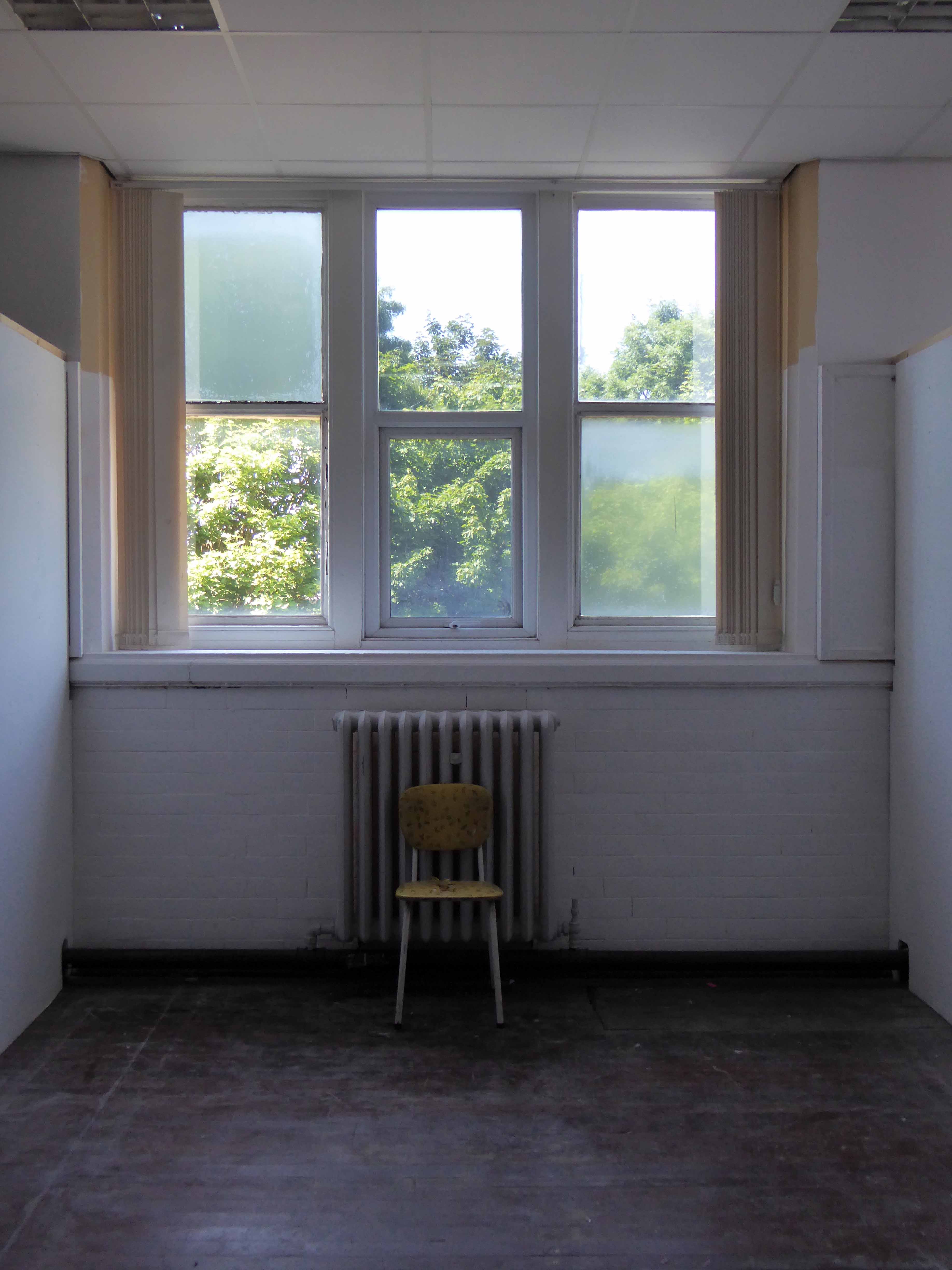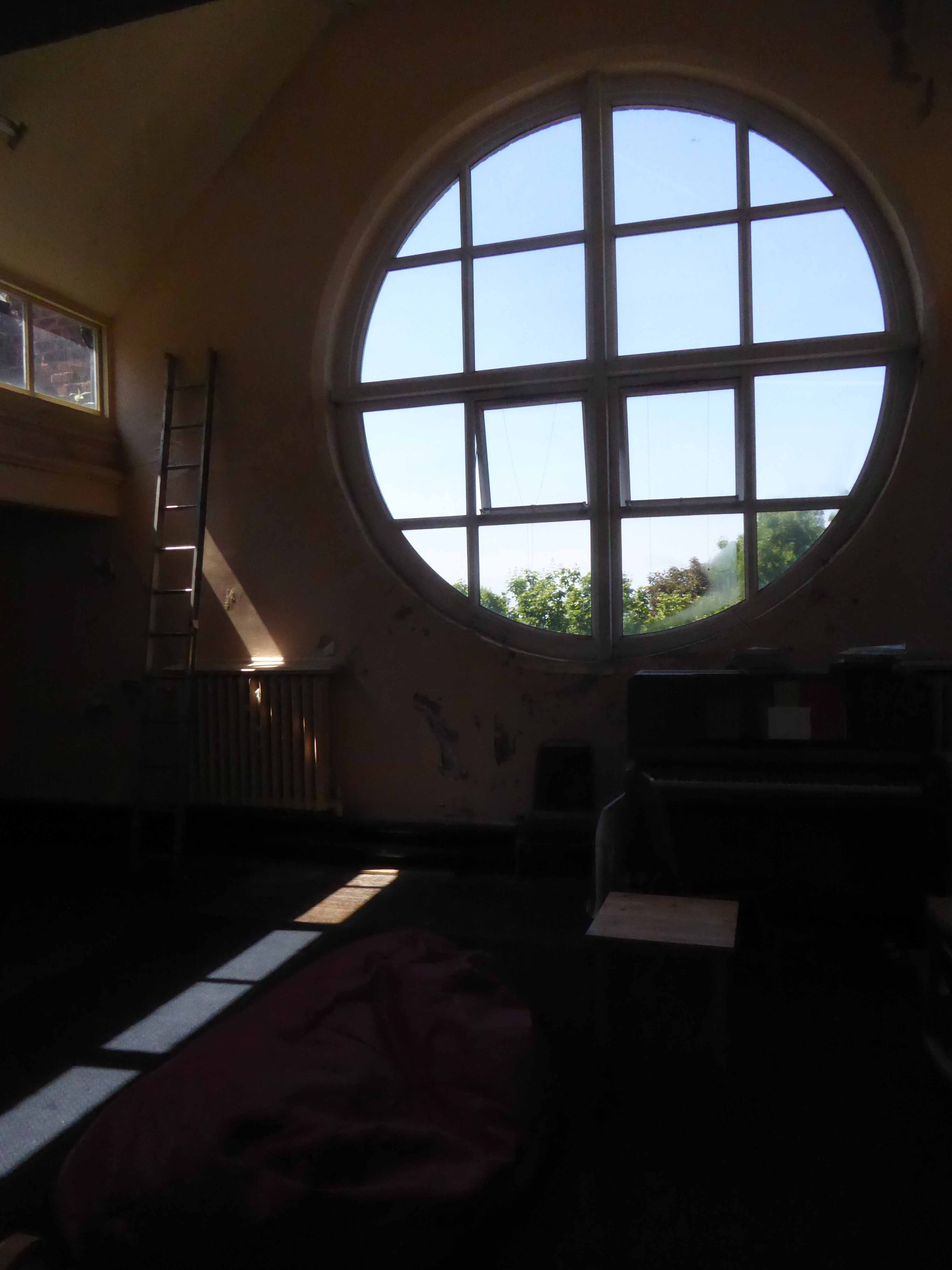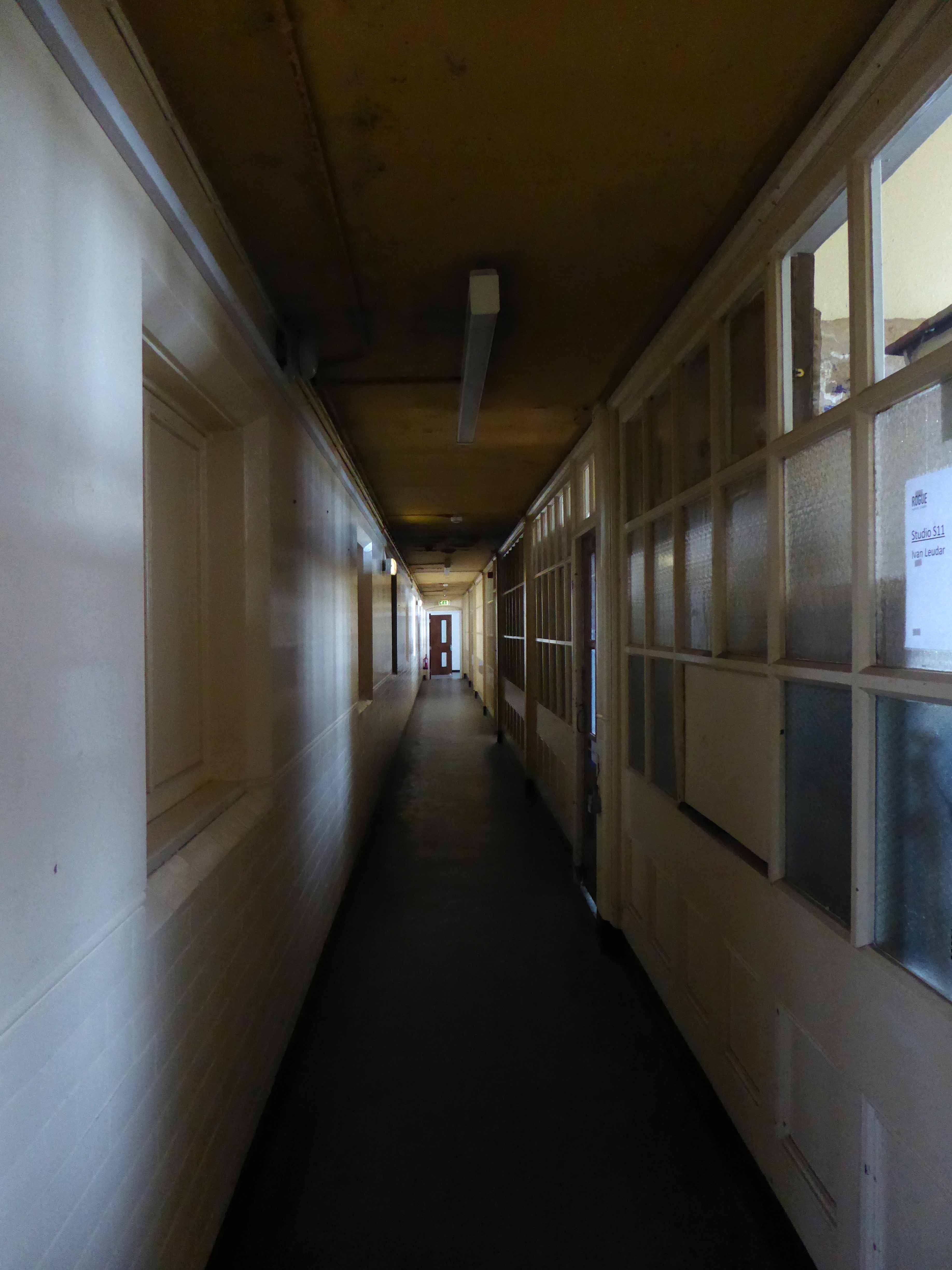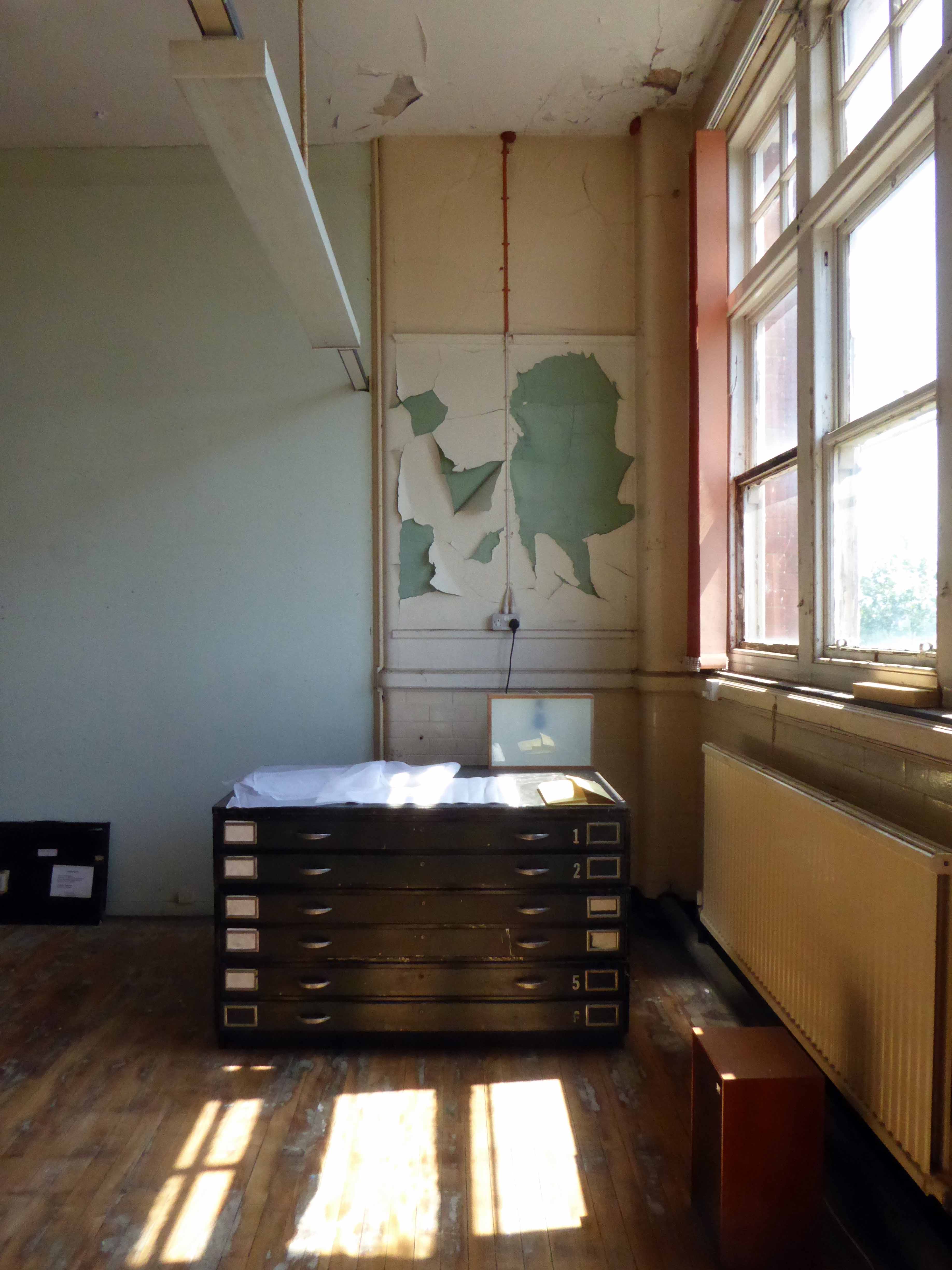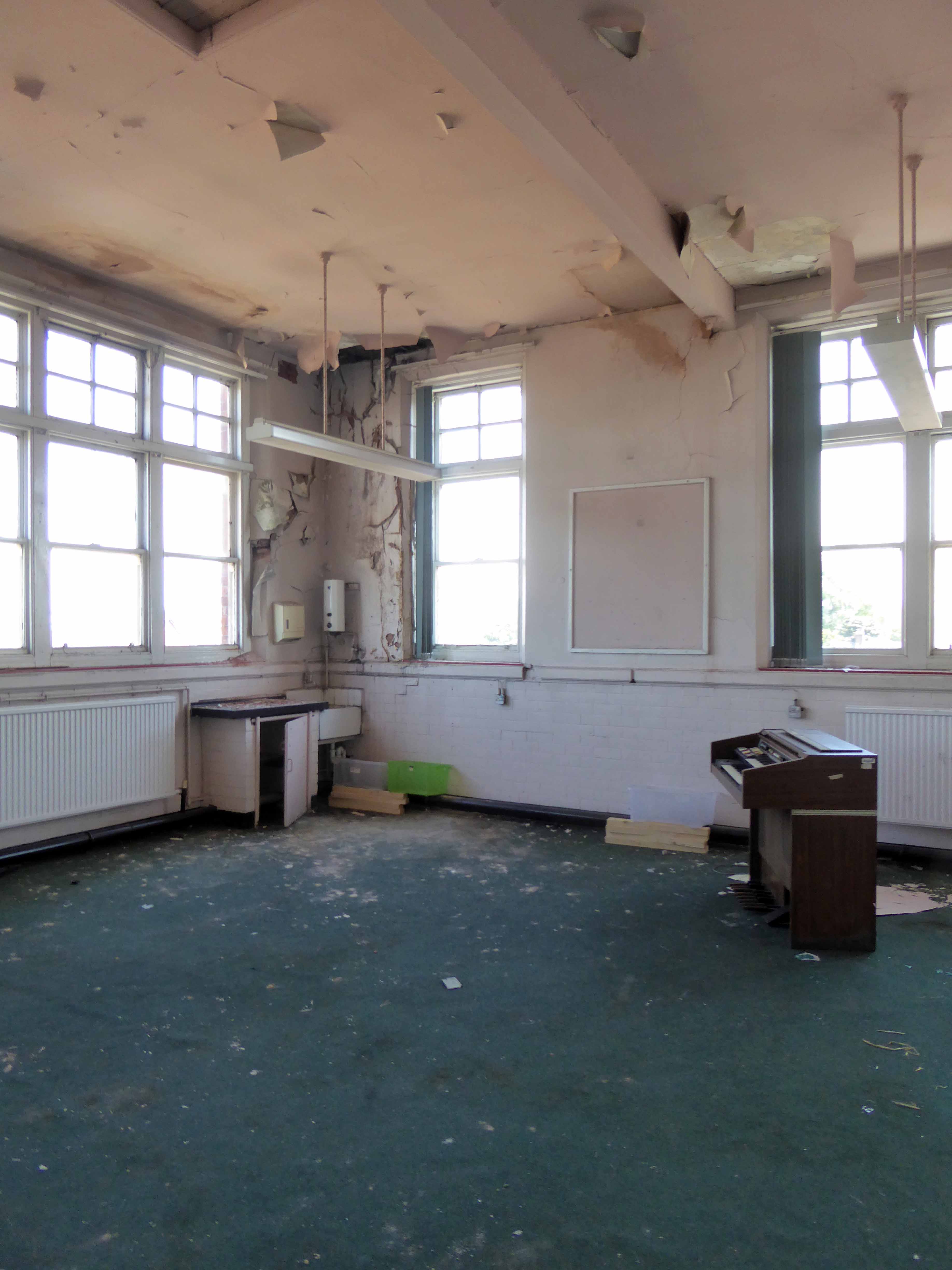
Covent Garden Stockport – Remake Remodel

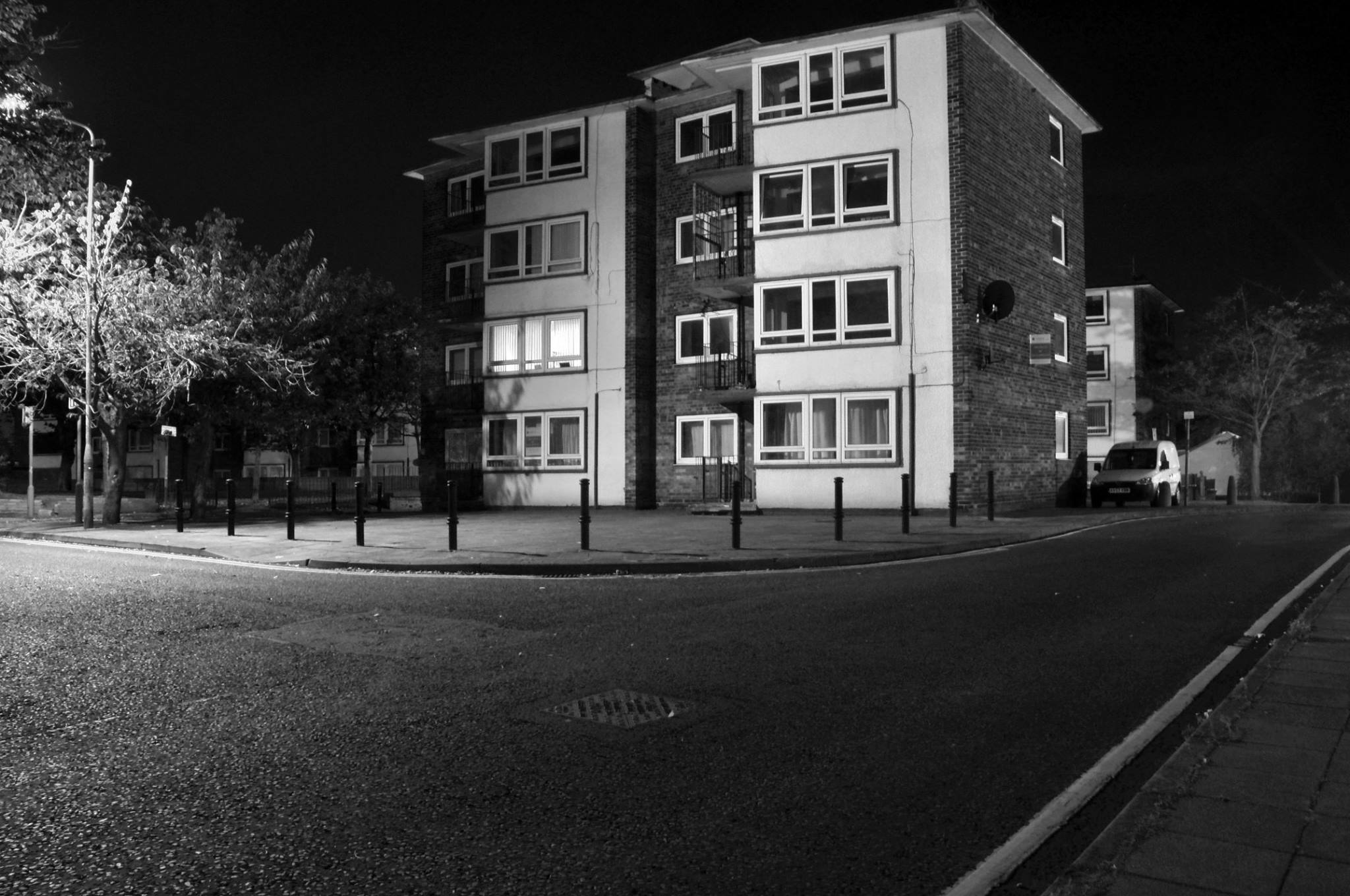
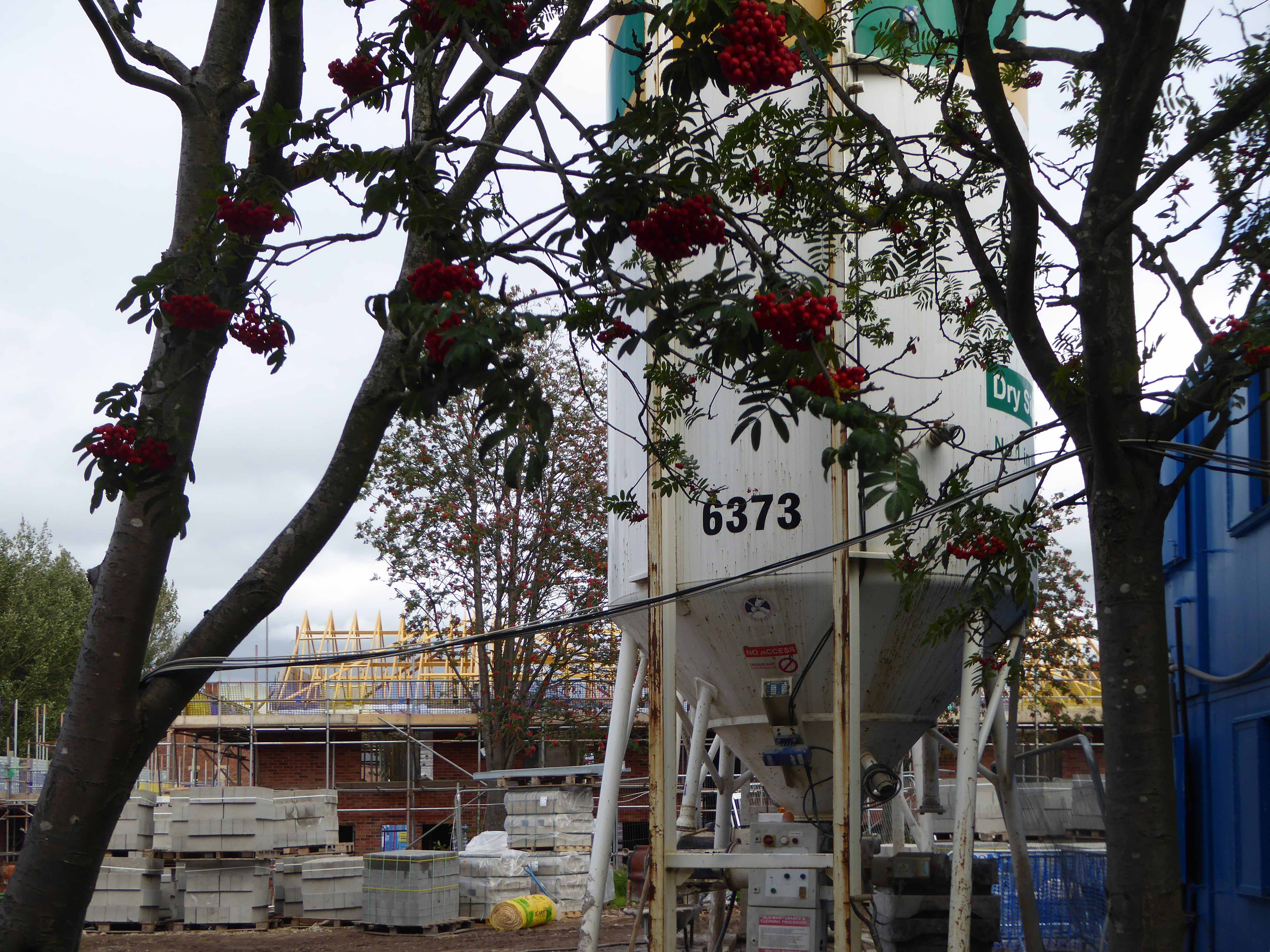
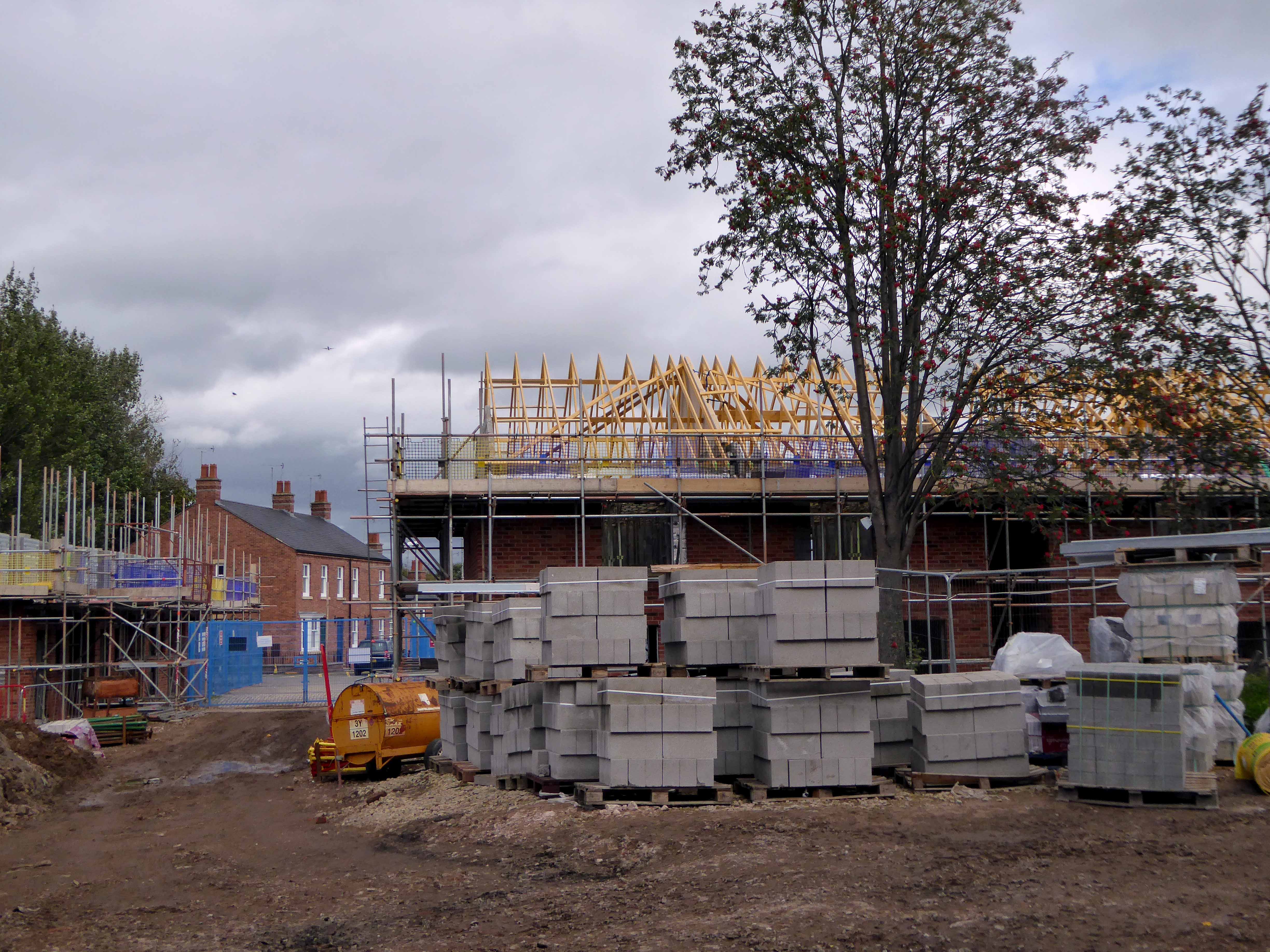
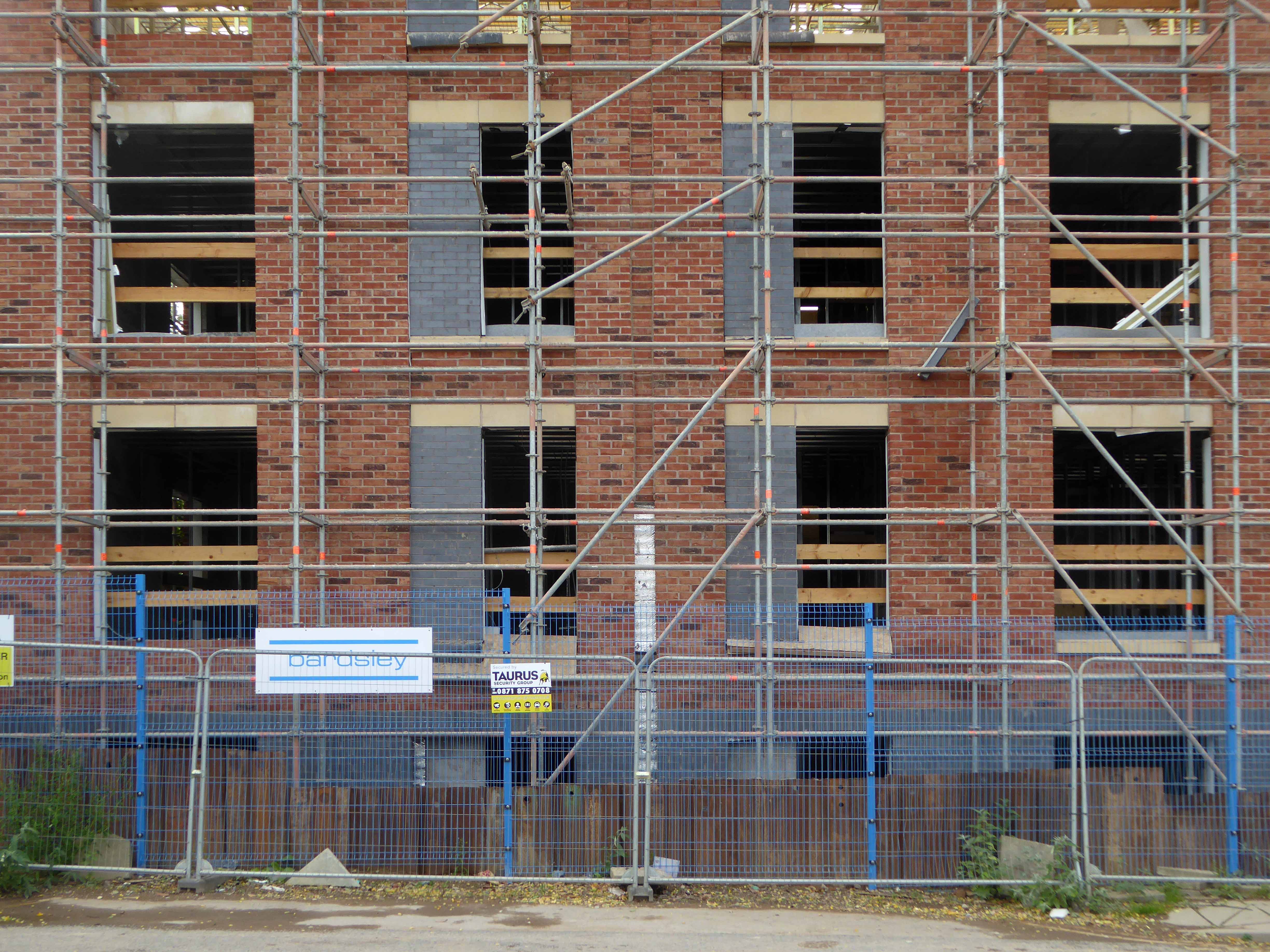
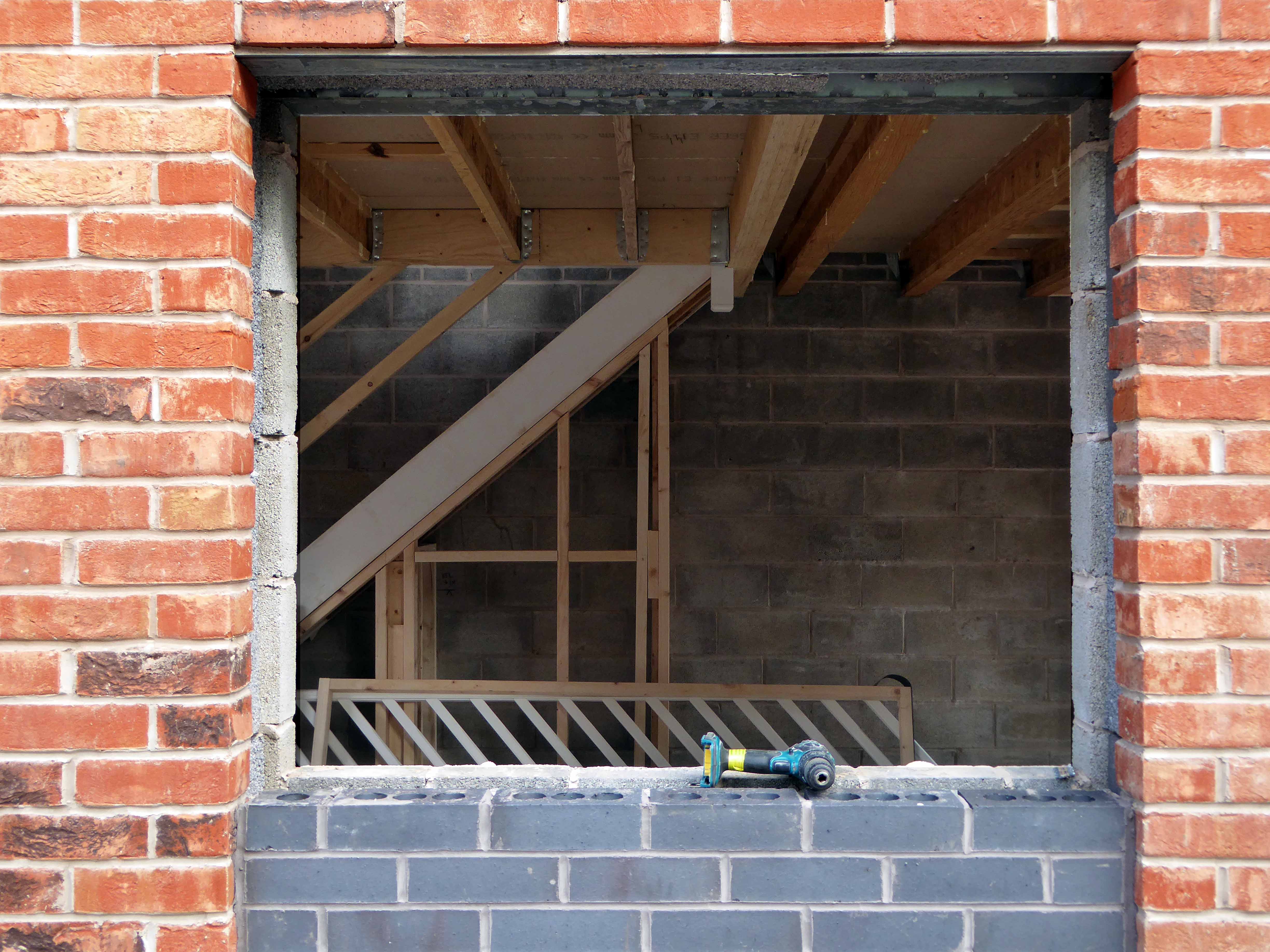
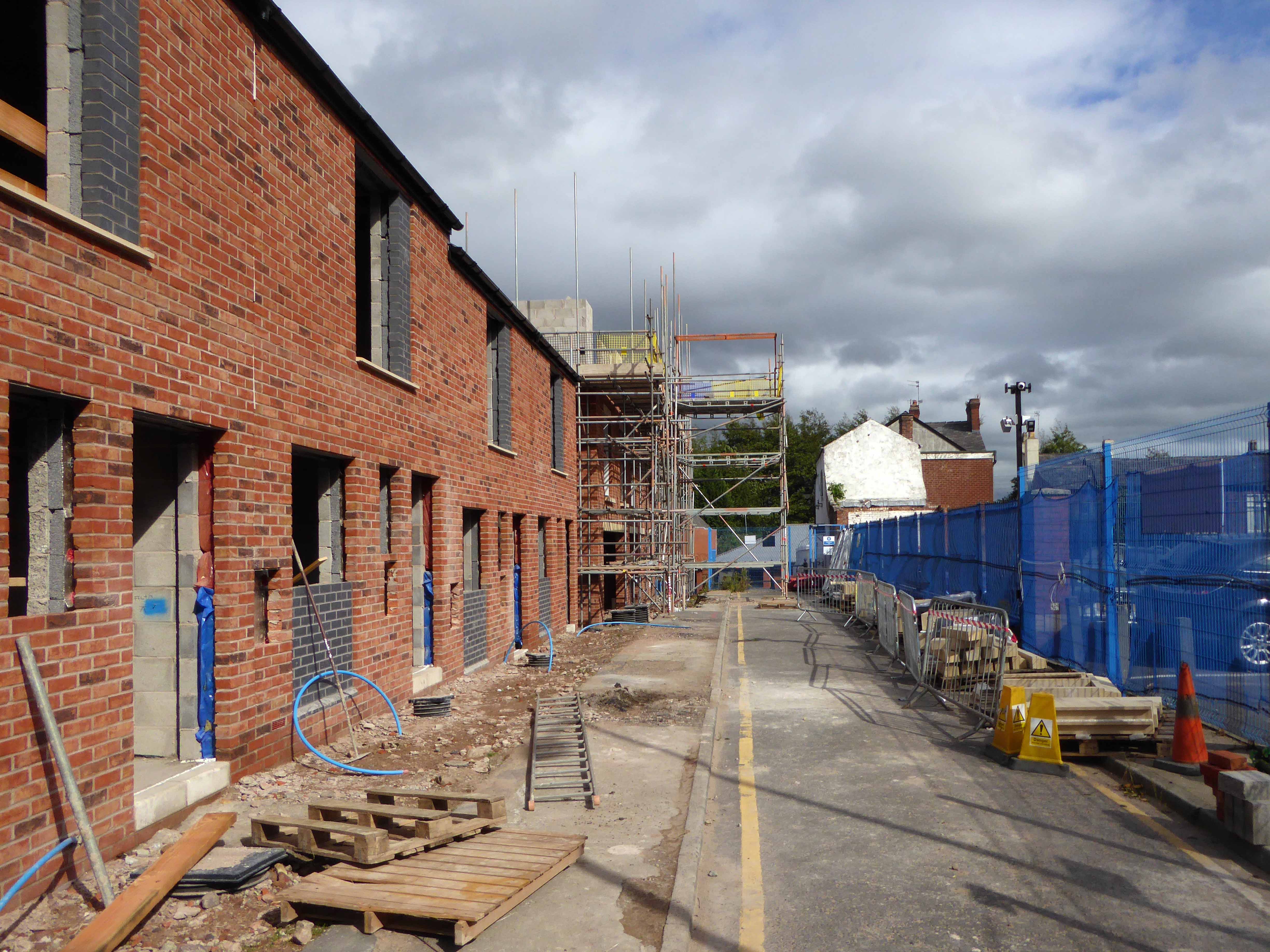
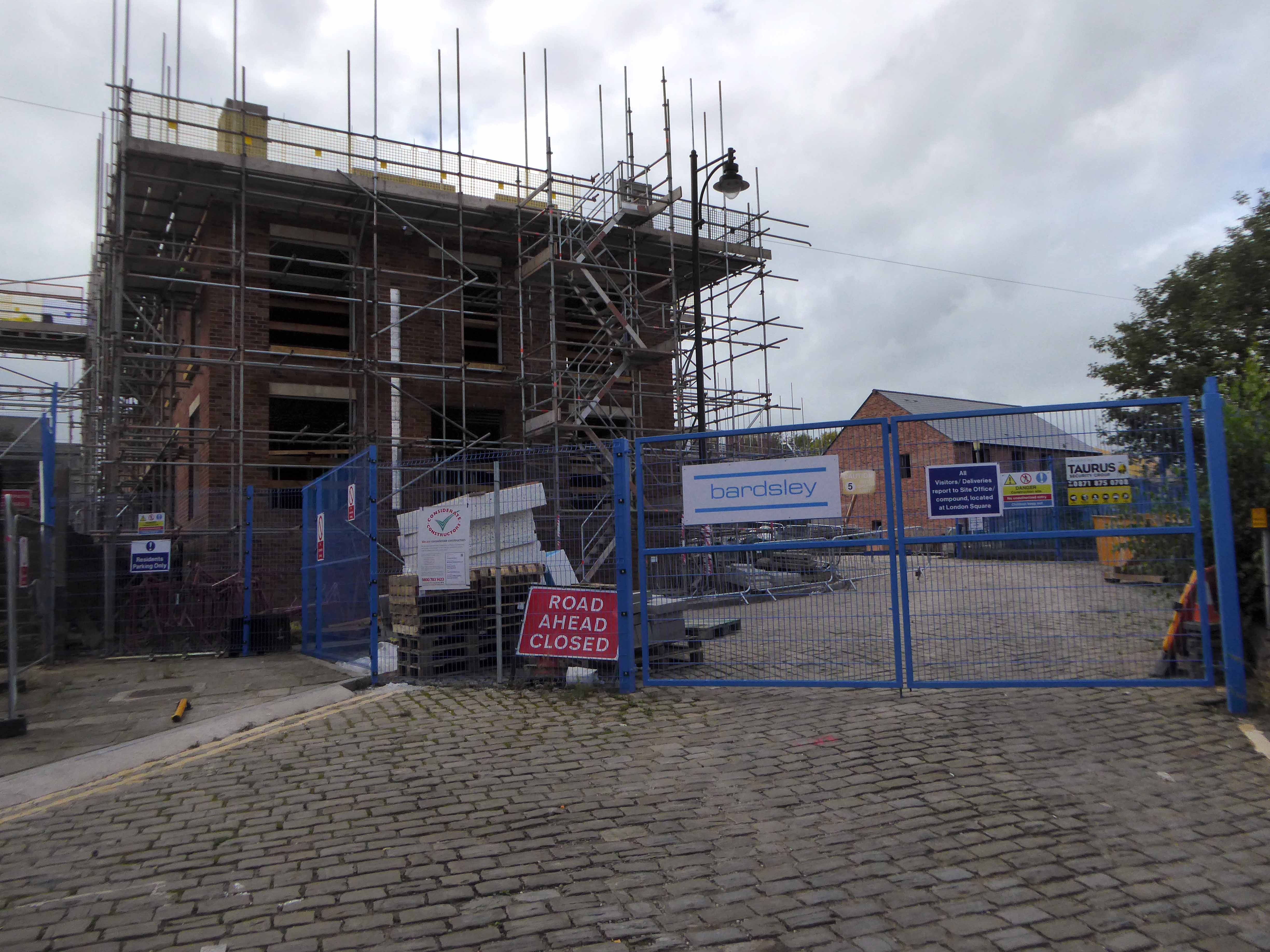
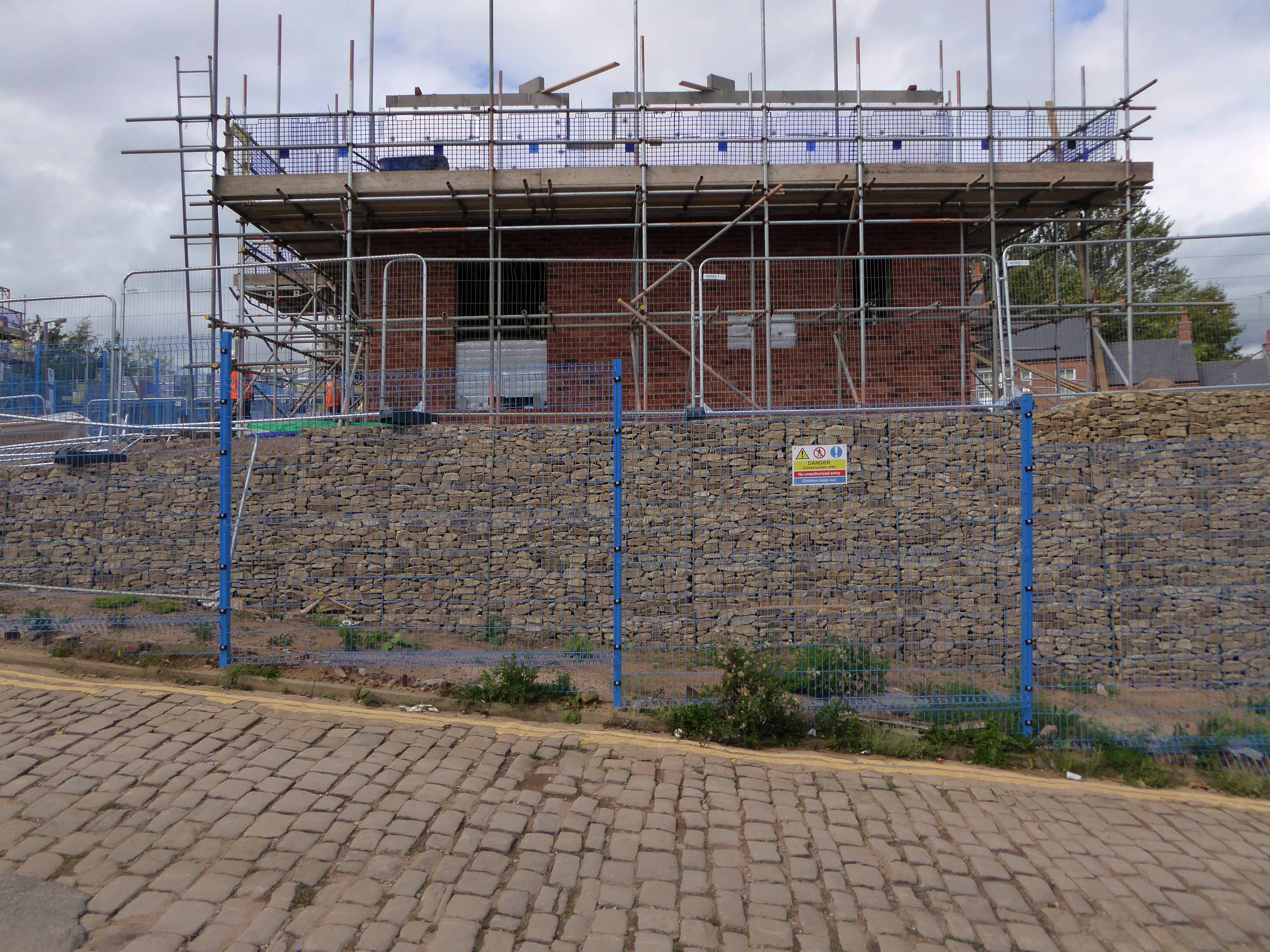
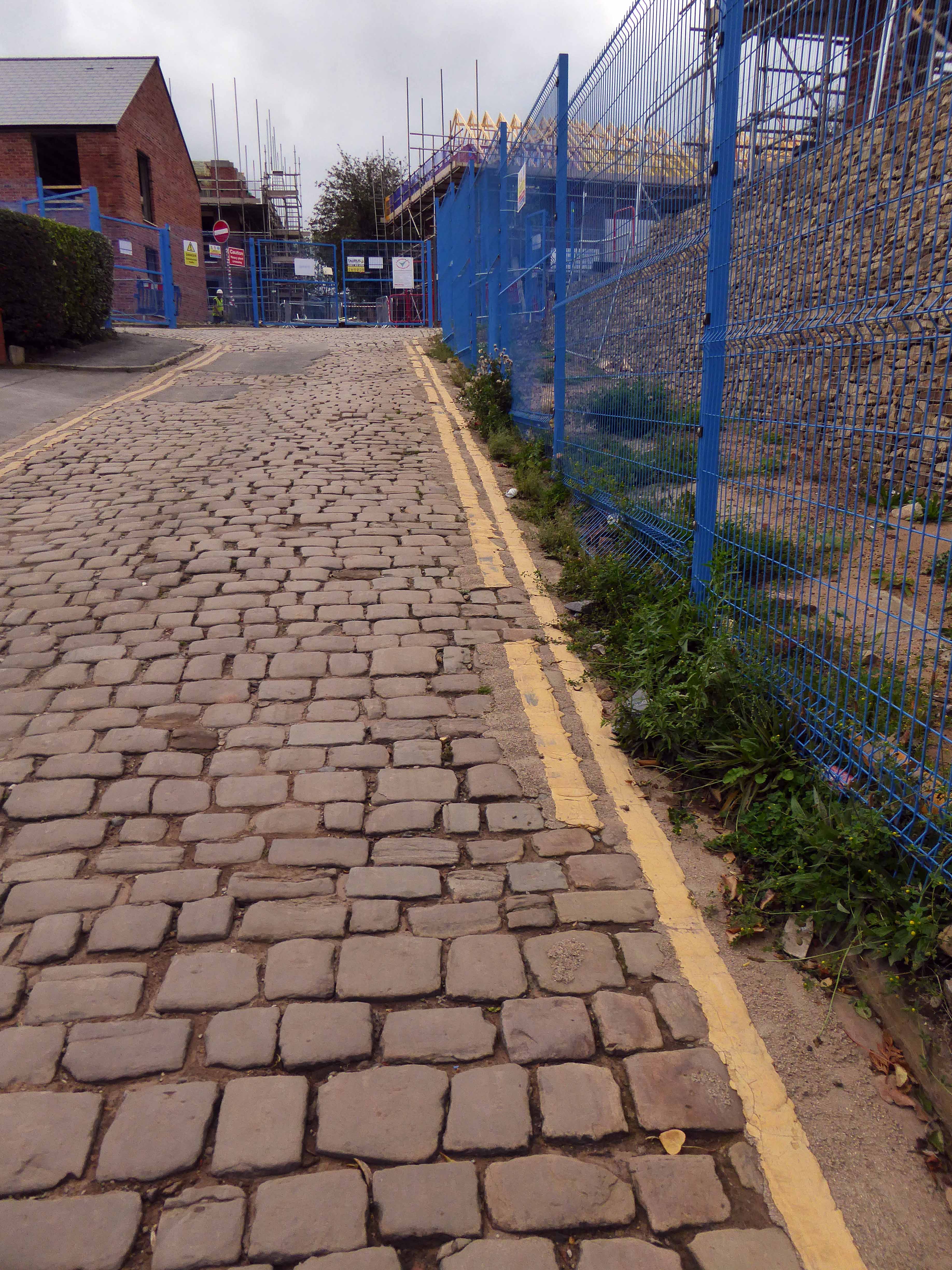
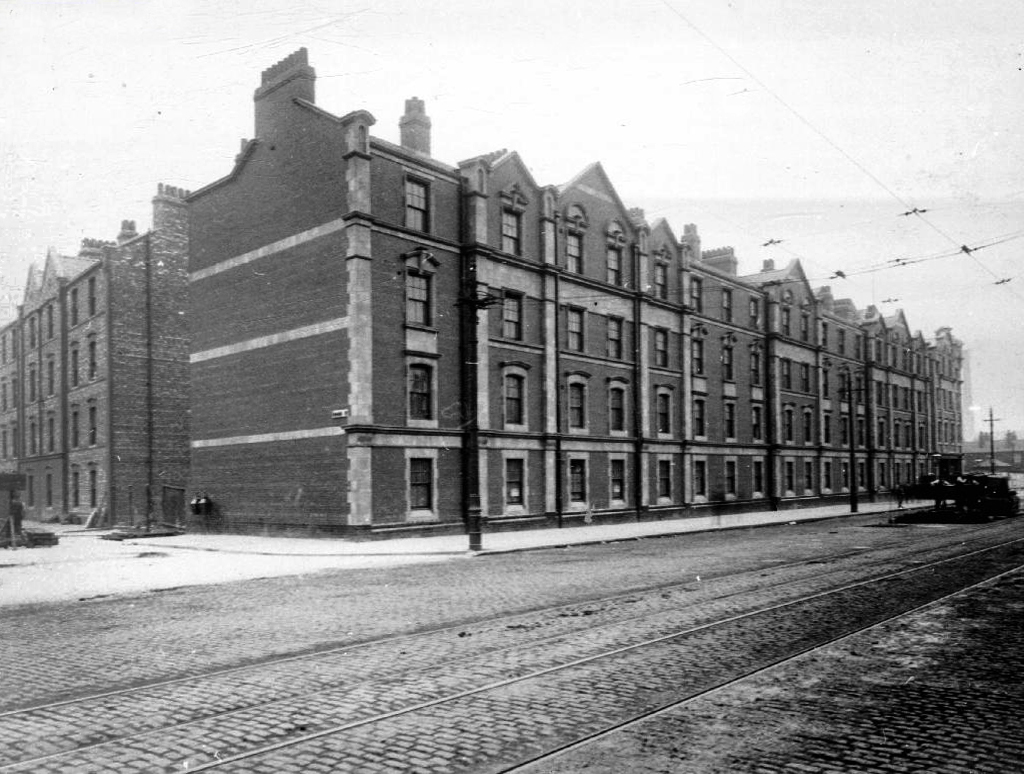
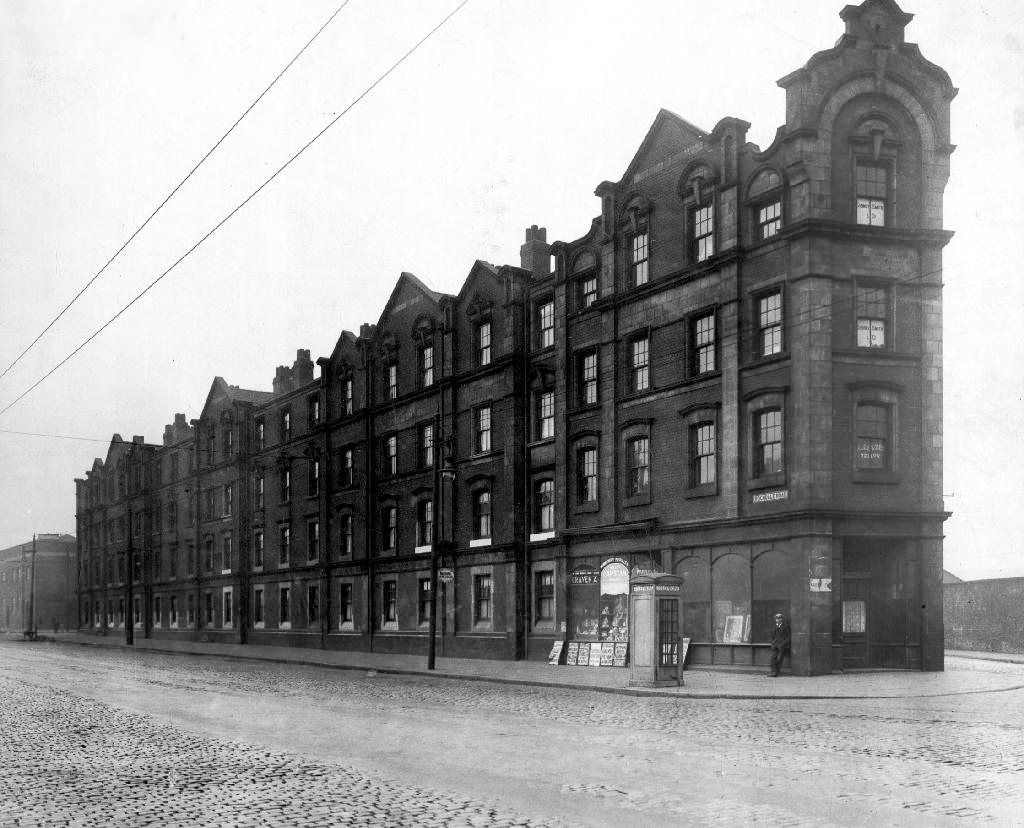
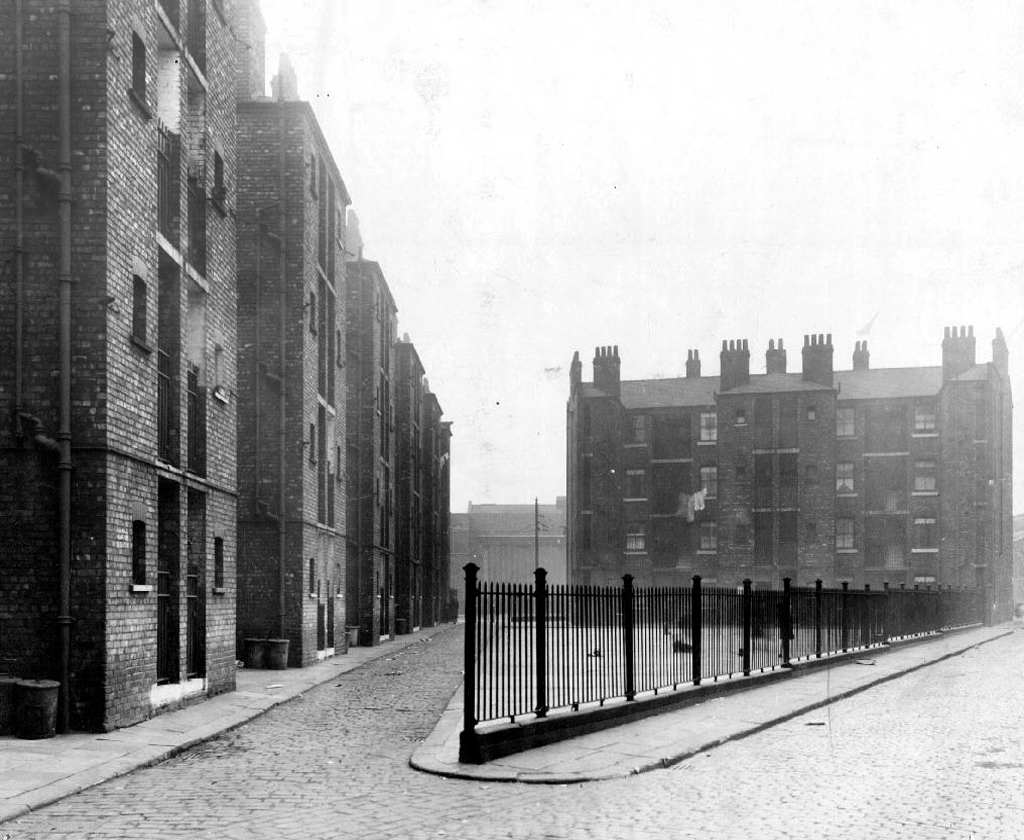
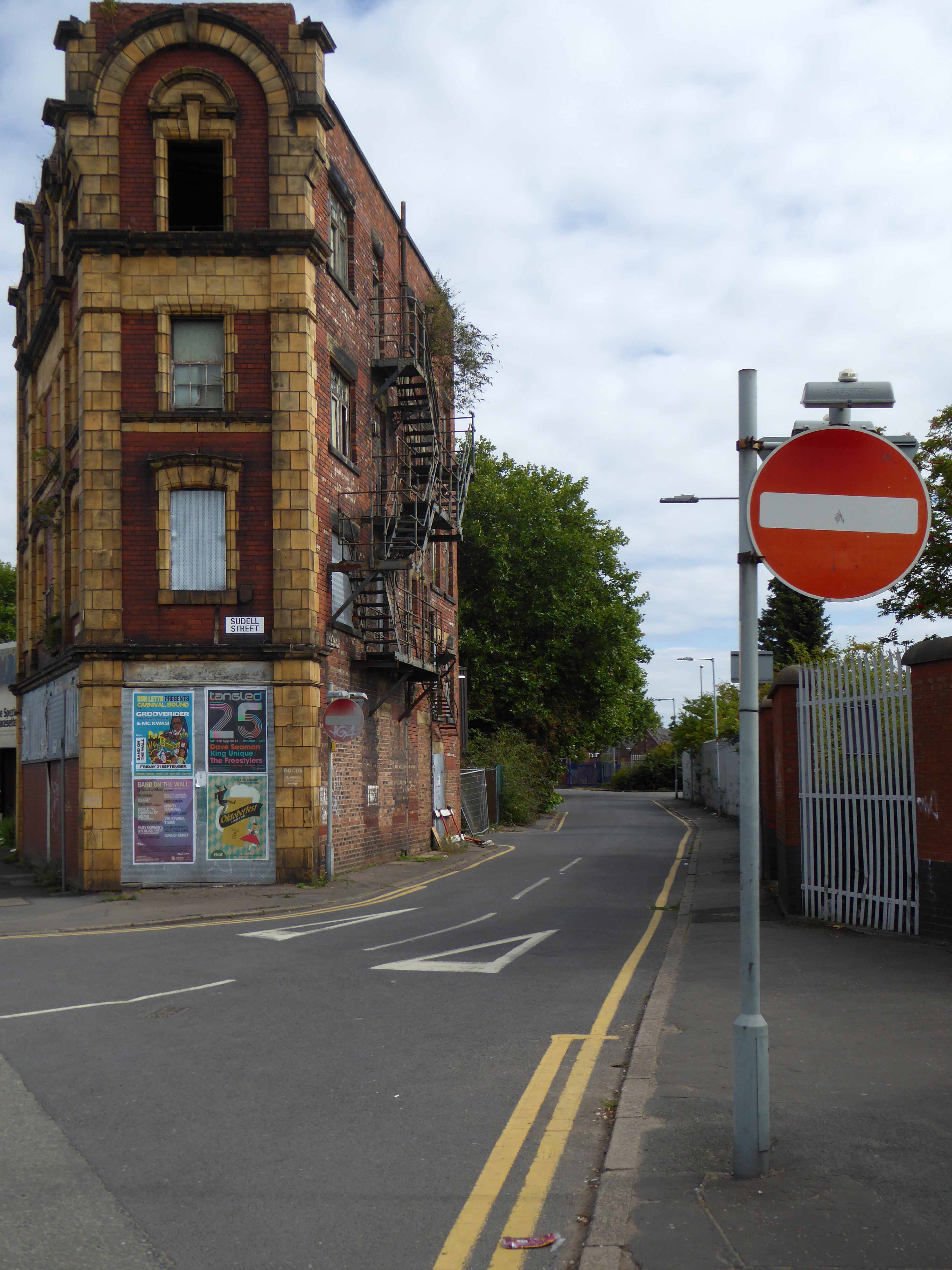
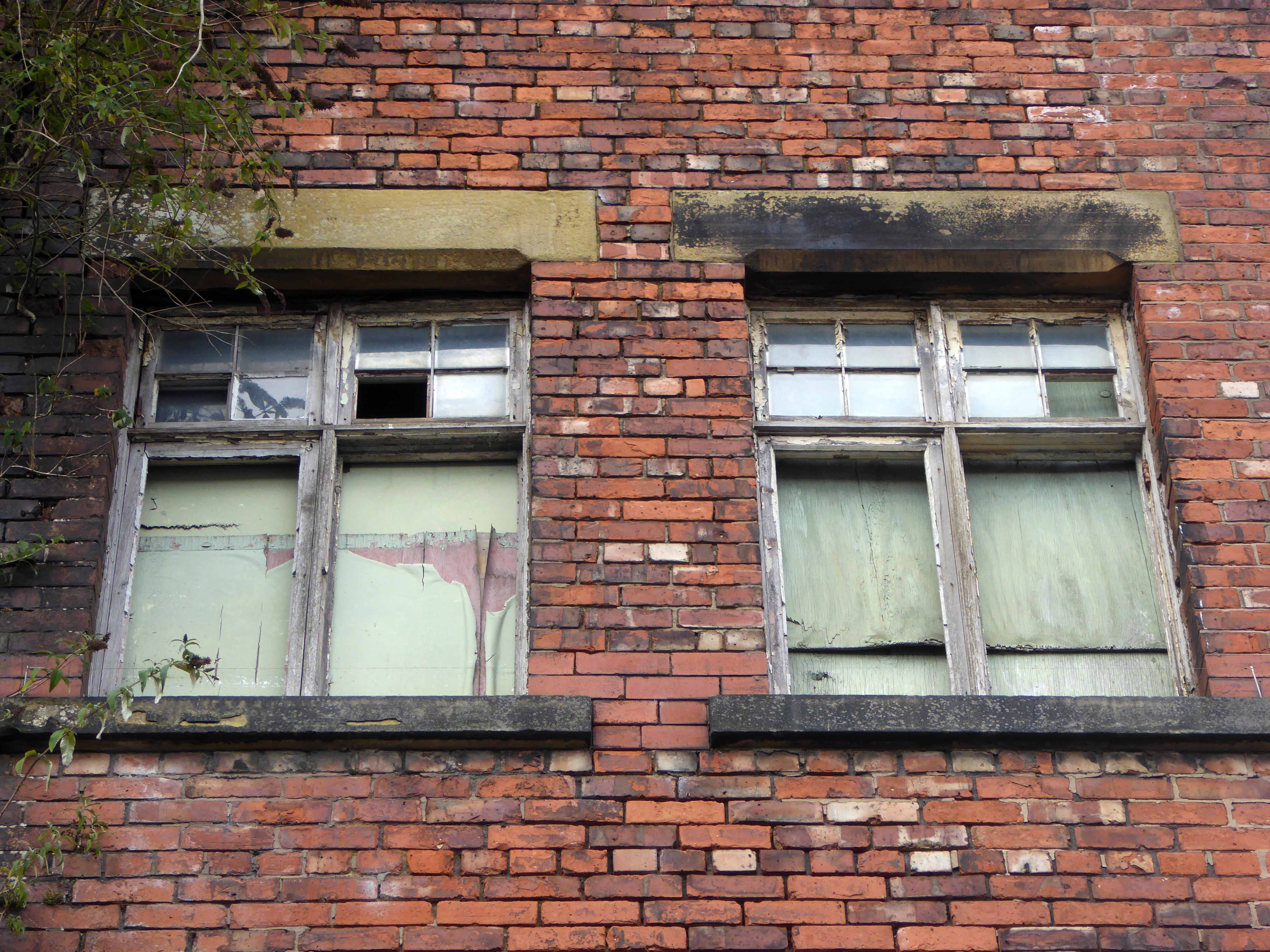
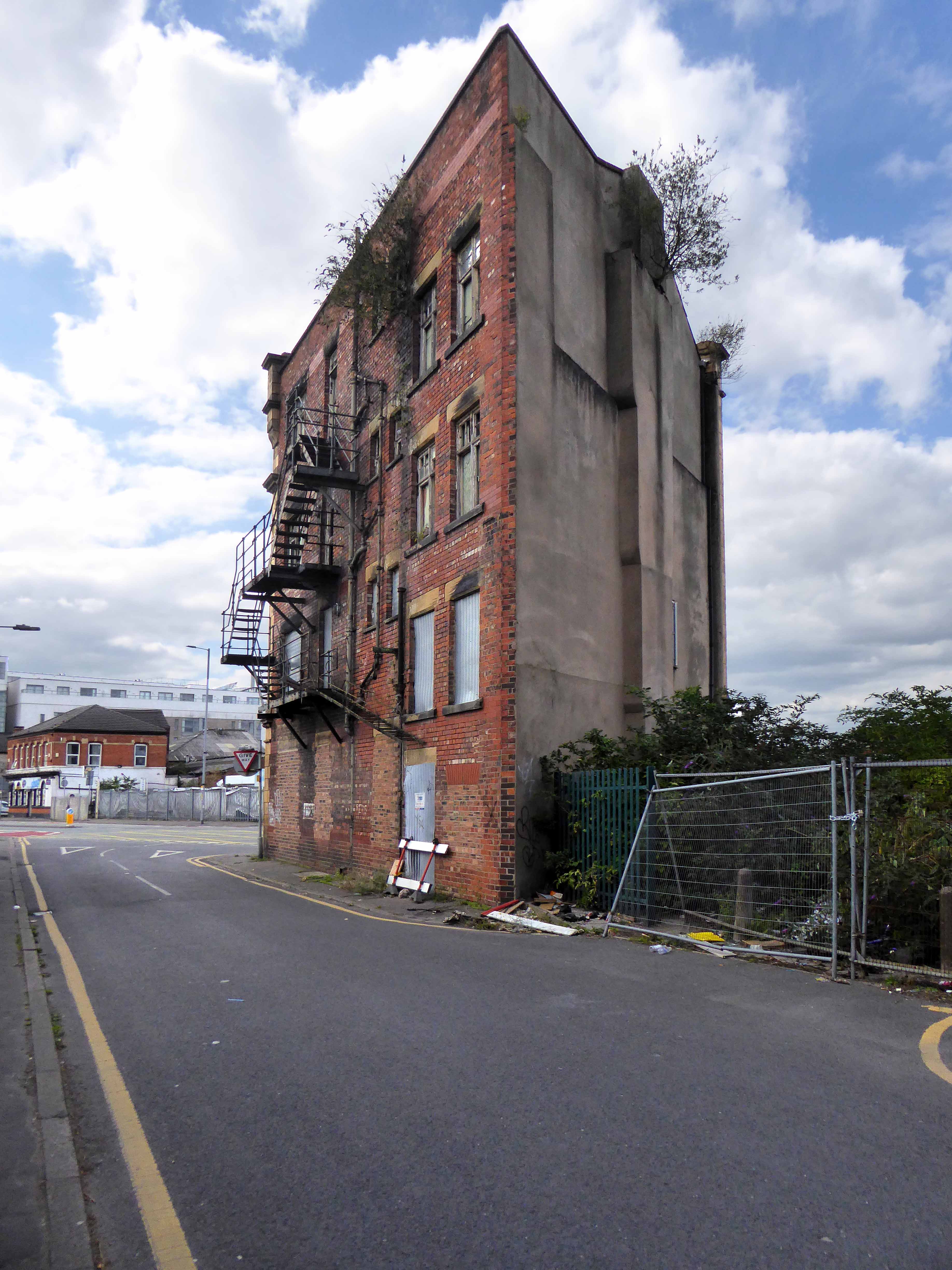
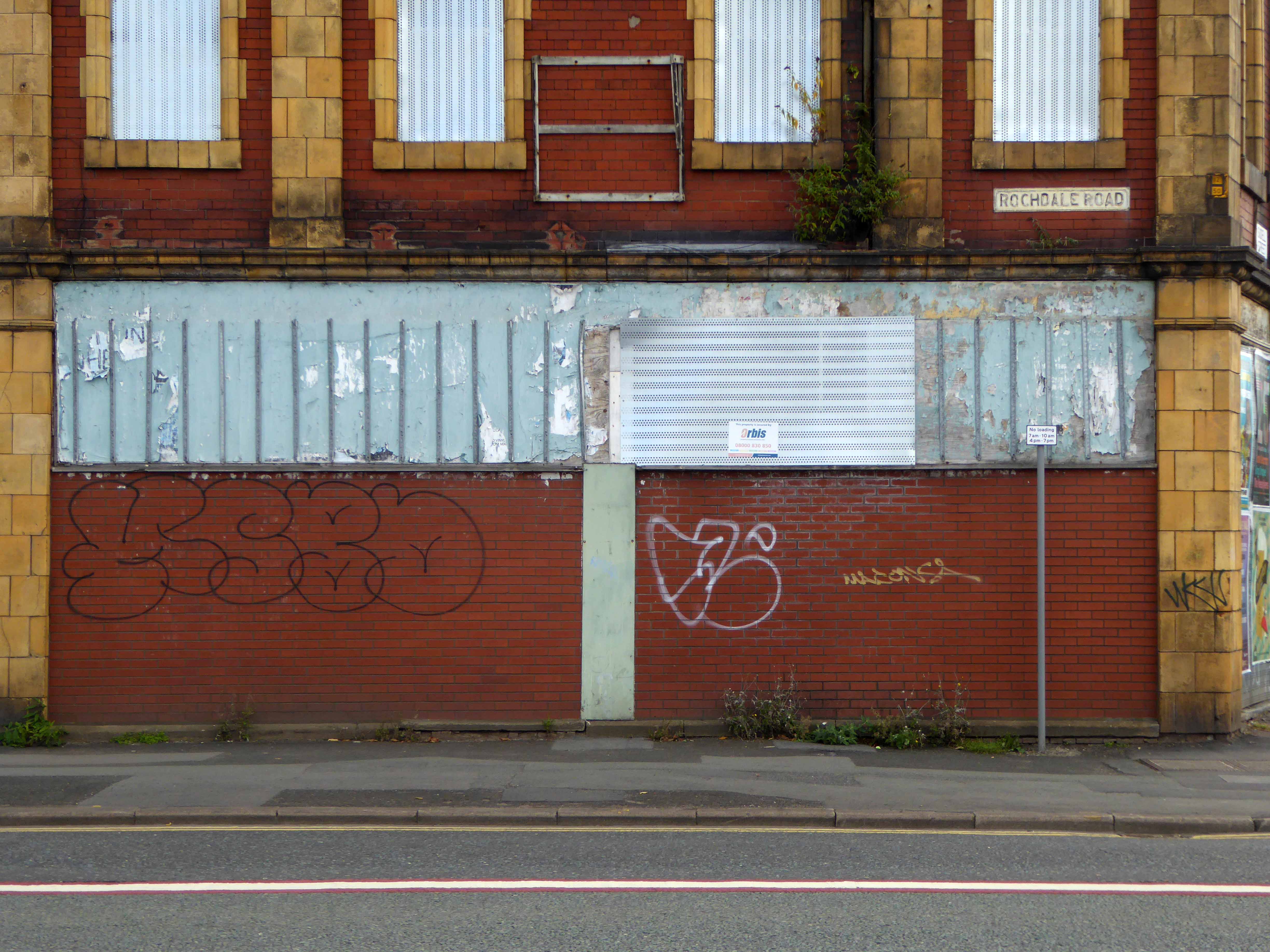
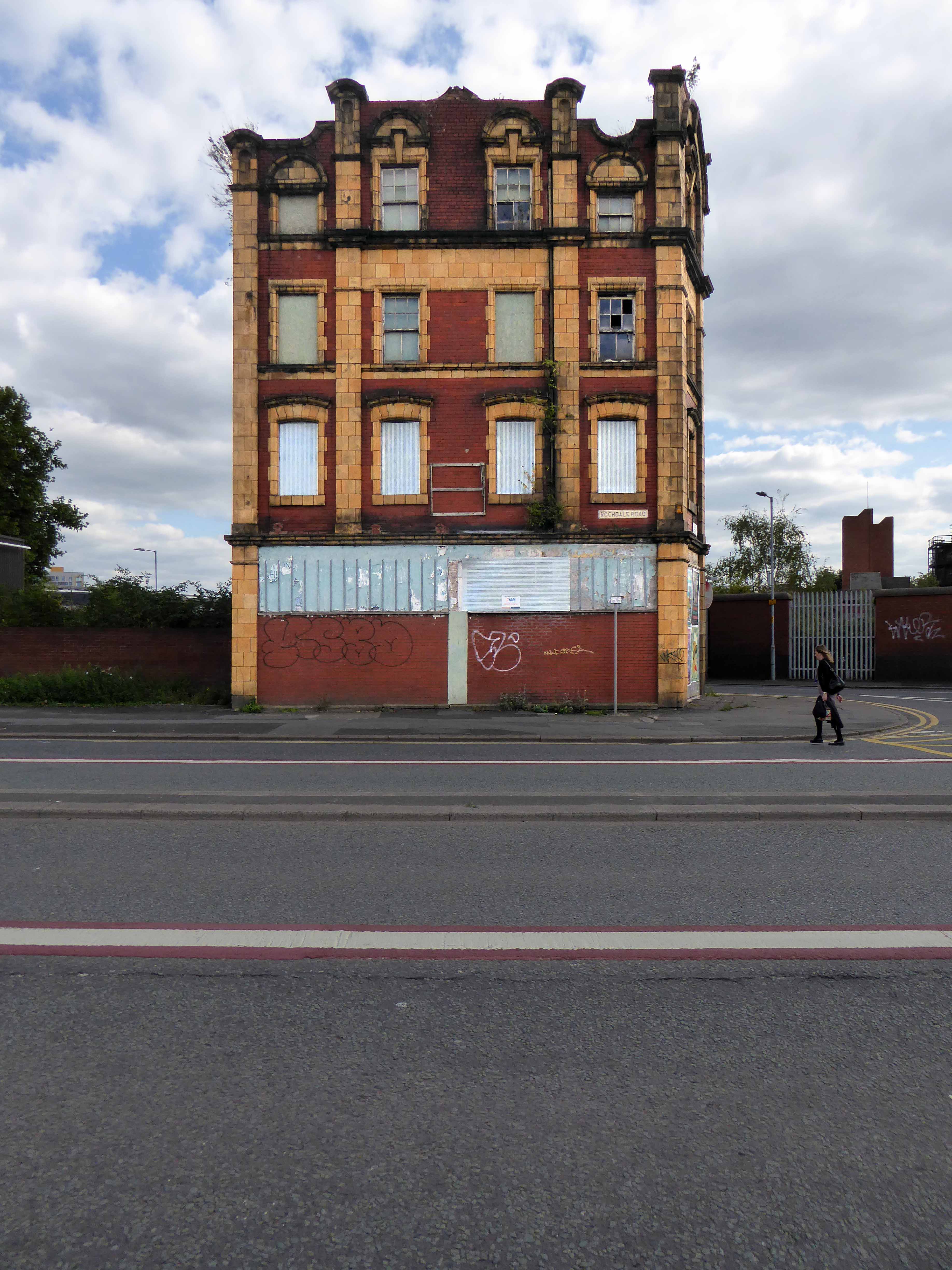
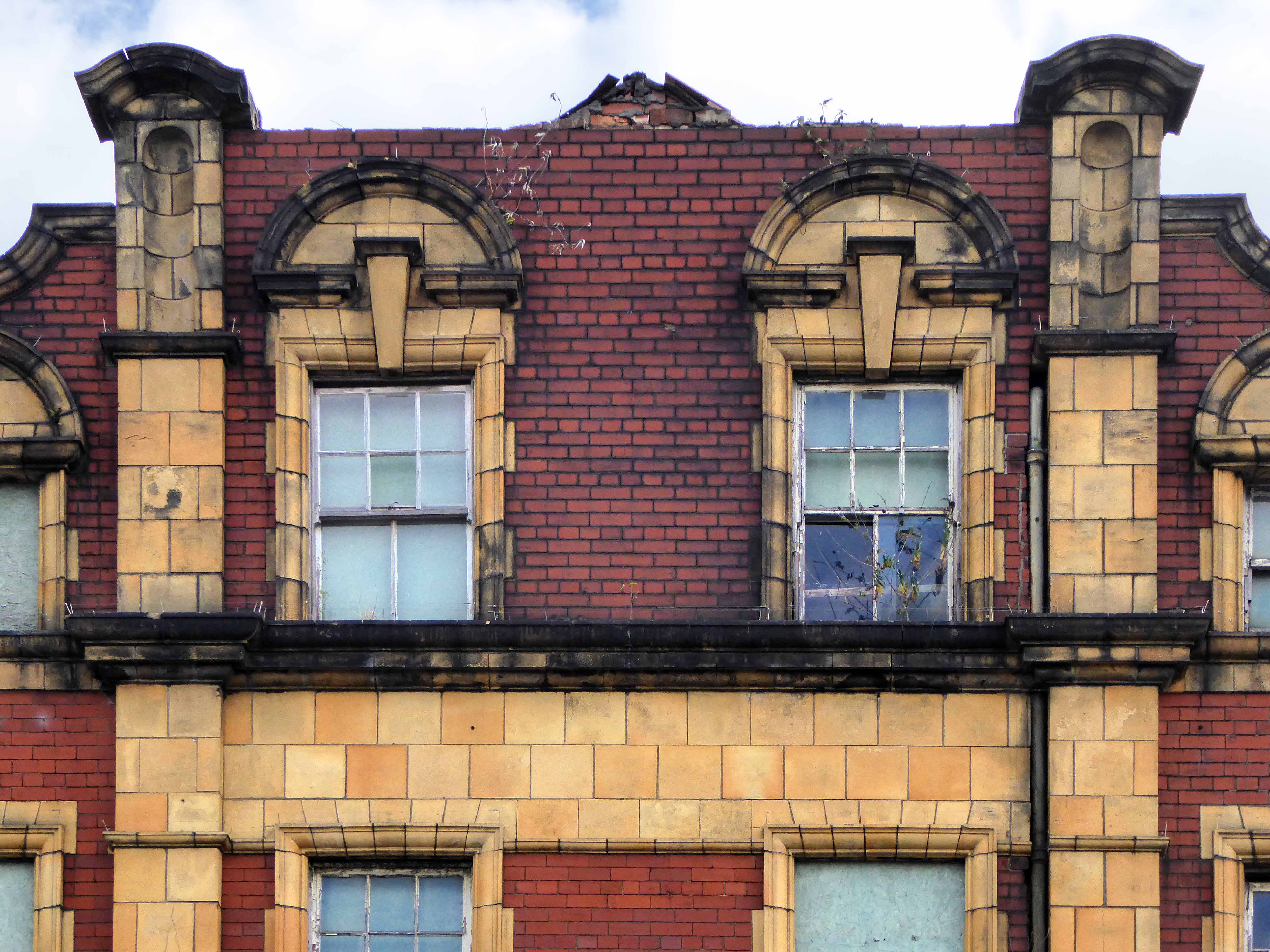
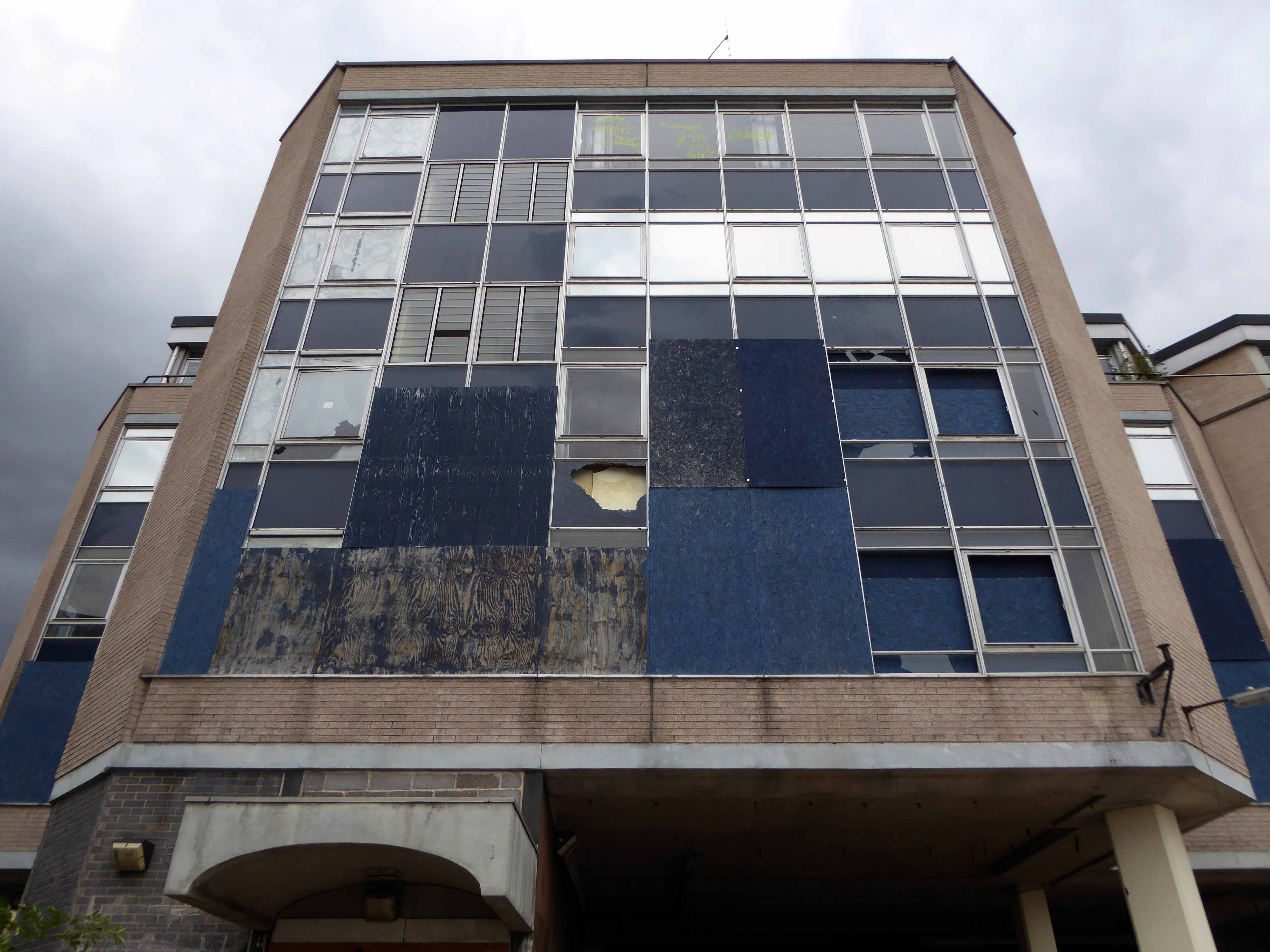
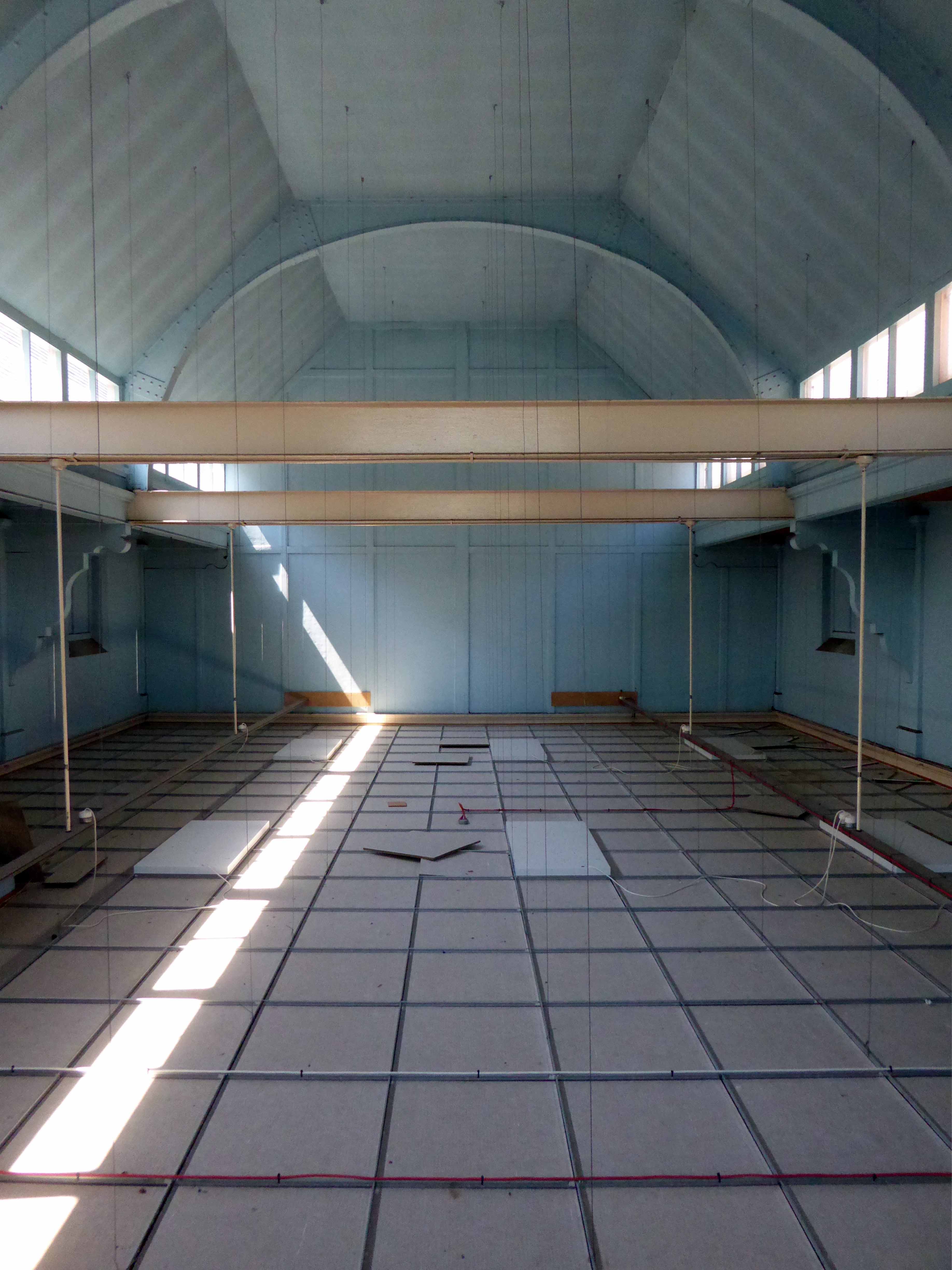
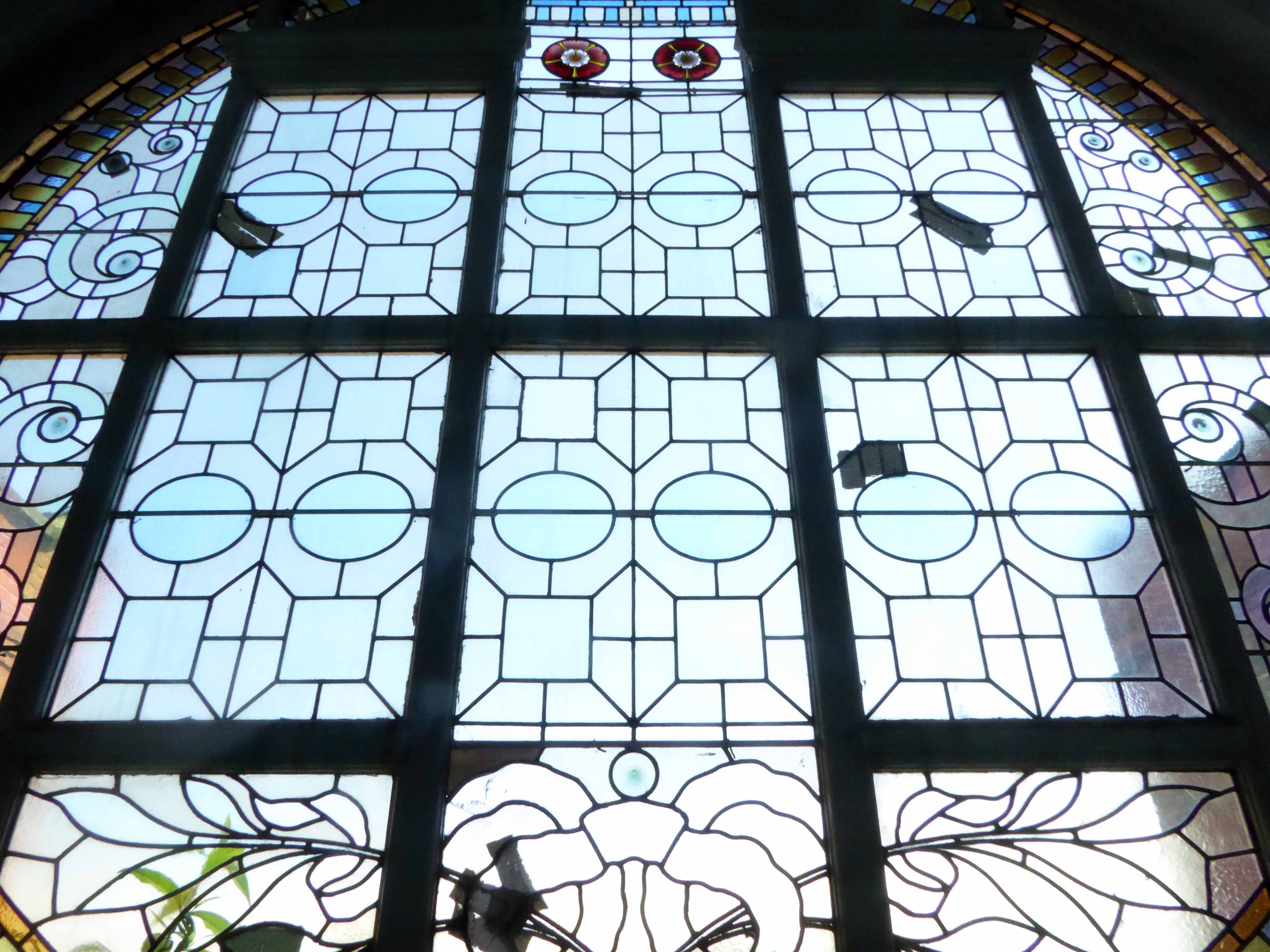
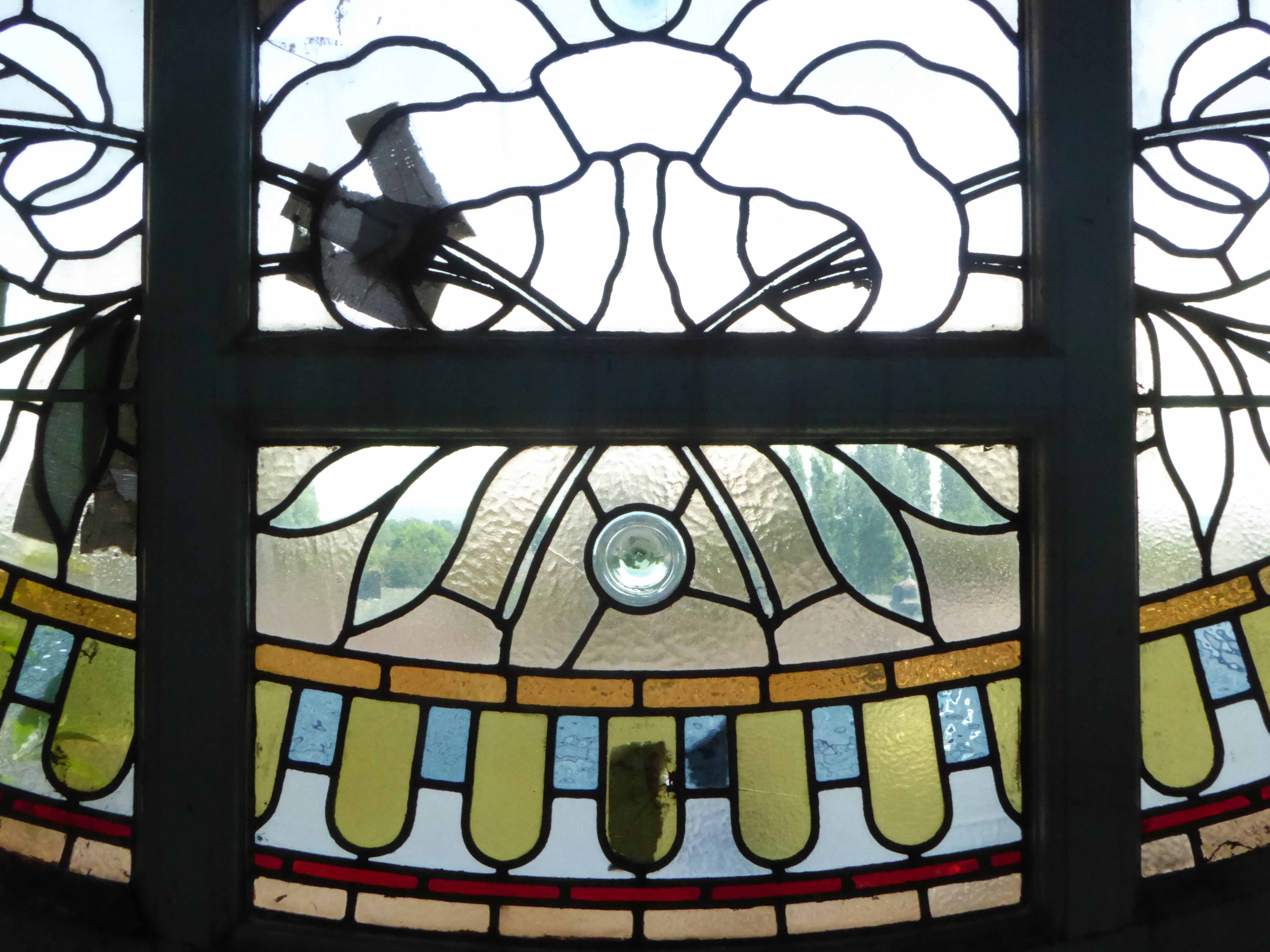
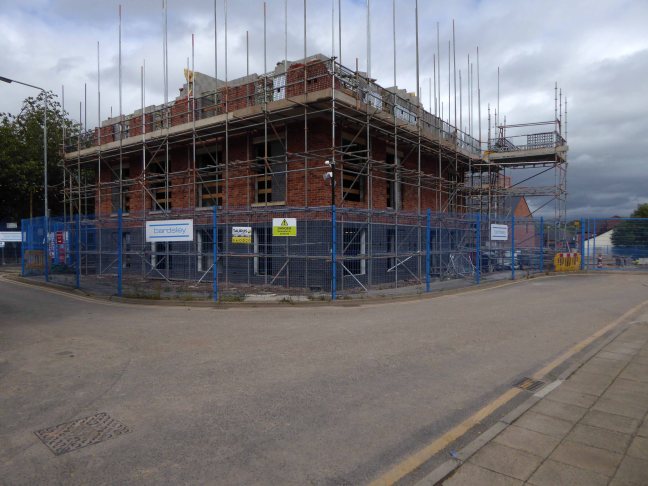
I’ve been here before to record the beginning the middle and the end of Covent Garden flats – now there is a new beginning, beginning.

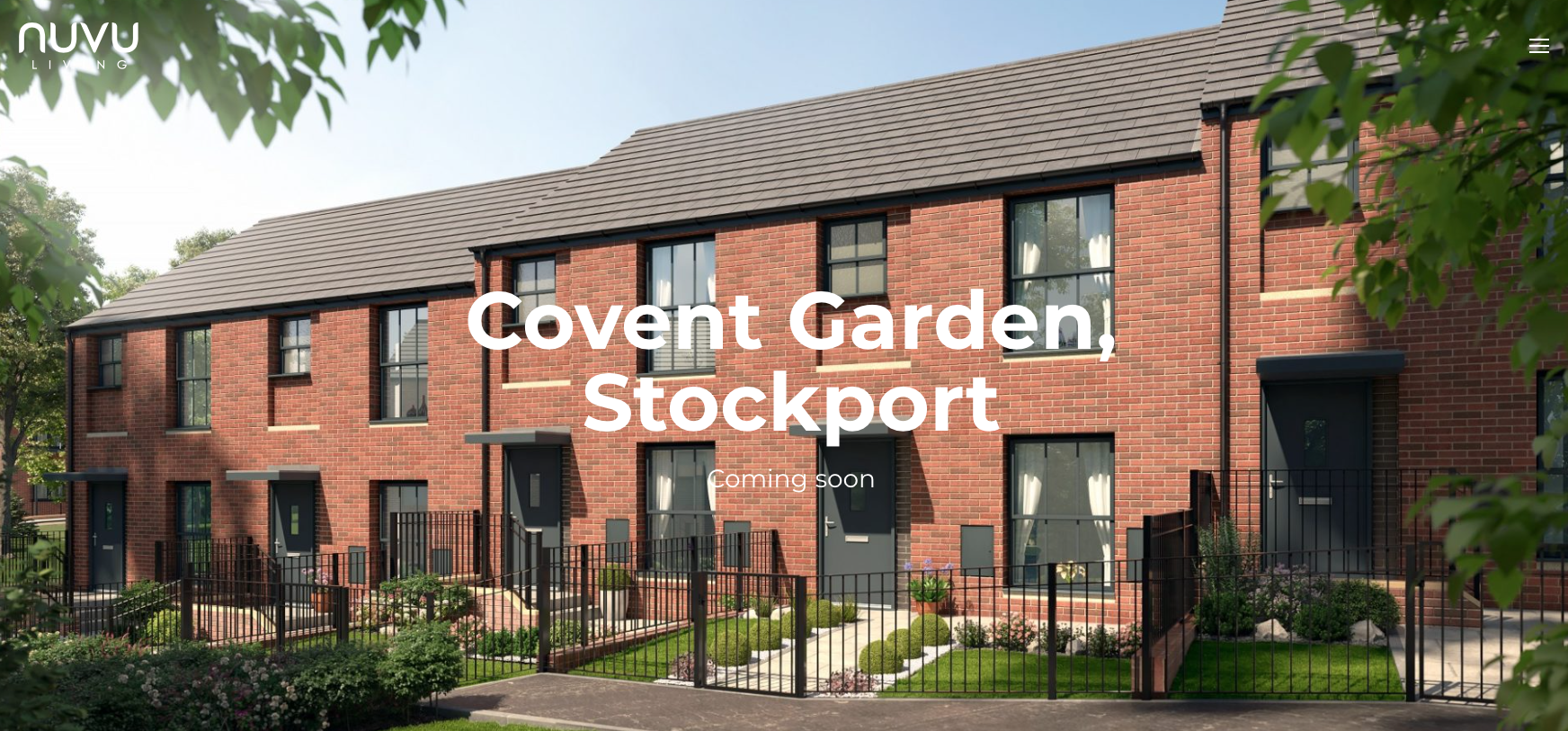
If you’re ready to start the next exciting chapter of your life, come and experience Nuvu Living at Covent Garden, Stockport. You will find our stunning new development that sits perfectly in this modern and vibrant community. Ideal for first time buyers and growing families, Covent Garden offers a fantastic collection of 74 spacious and contemporary 2 and 3 bedroom homes and 1 and 2 bedroom apartments.

Screen Shot 2018-09-25 at 17.44.00

Nuvu Living for the nuvu people in the cheerful anonymity of none-architecture.

Lifestyle_01-1920x1080

Replacing the old with bigger, better shiny homes at a cost yet to be disclosed.

Another history overwritten.

1658494_10152745685231600_6897842633724575569_o

Goodnight sweet flats.

With the bustling heart of Stockport just a few minutes’ walk away, this contemporary development sits perfectly in this modern and vibrant community. An ideal location for singles, couples and families, all the amenities you will ever need, including supermarkets, schools, bars, restaurants and more are all close to home. Plus, the centre of Manchester is just 7.5 miles away and easy to get to by road or rail. So, if you are ready to start the next exciting chapter in your life, come and experience Nuvu Living at Covent Garden, Stockport.

P1290745

P1290746

P1290748

P1290749

P1290750

P1290751

P1290752

P1290753

P1290754


P1290757

P1290759

P1290760

P1290761

P1290762

P1290763

P1290764

P1290765


Allotments – Abbey Hey Manchester

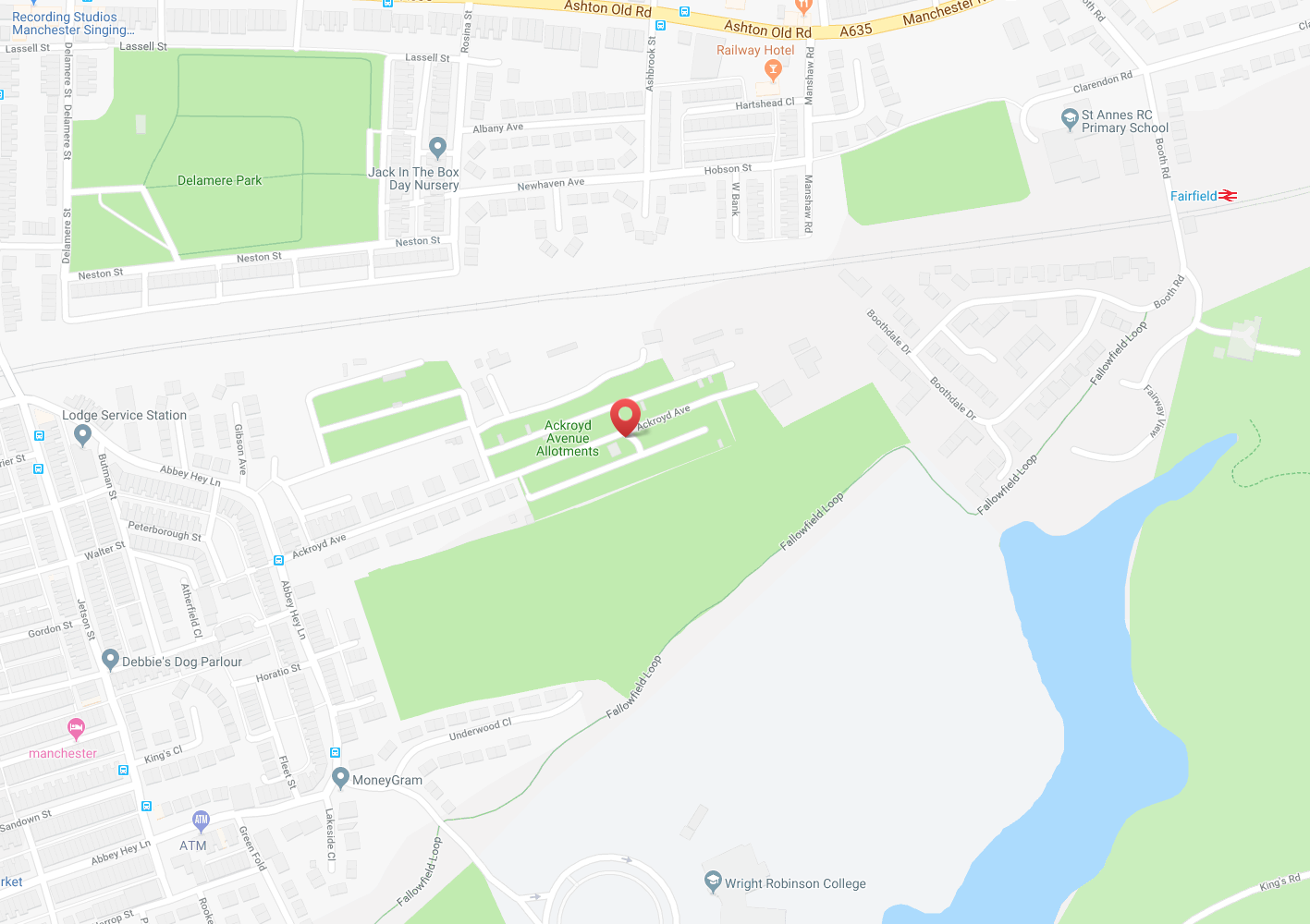
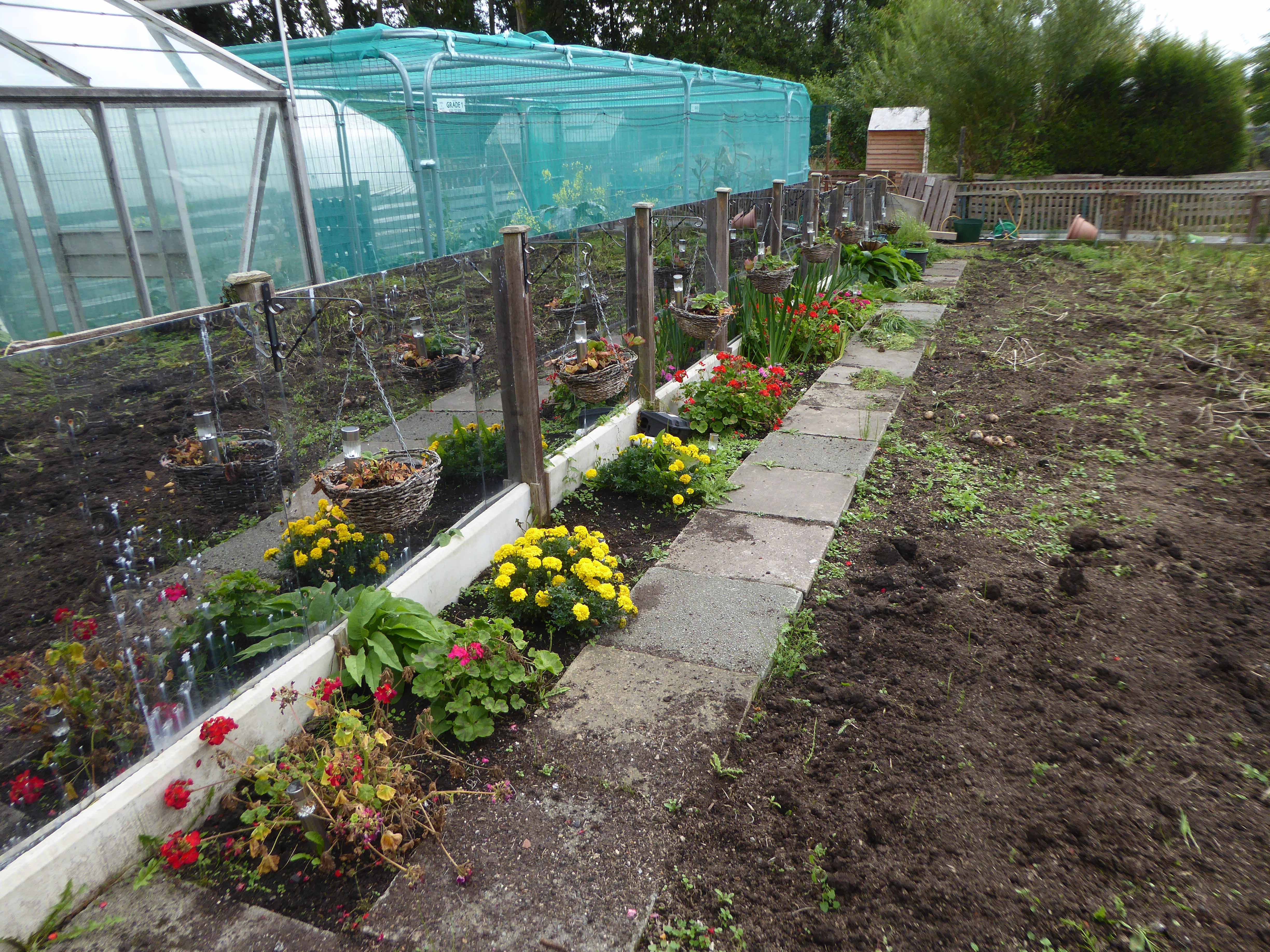
Located in a residential area in East Manchester, Abbey Hey Allotment site is an award winning and thriving allotment community with over 100 plots.
blank
Screen Shot 2018-09-23 at 13.45.52
blank
I have to admit that not for the first time and certainly not the last, I was slightly lost. On my way to nowhere in particular via somewhere else, I cycled down a dead end track, along the wrong end of Ackroyd Avenue.blank
Allotments have been in existence for hundreds of years, with evidence pointing back to Anglo-Saxon times. But the system we recognise today has its roots in the Nineteenth Century, when land was given over to the labouring poor for the provision of food growing. This measure was desperately needed thanks to the rapid industrialisation of the country and the lack of a welfare state. In 1908 the Small Holdings and Allotments Act came into force, placing a duty on local authorities to provide sufficient allotments, according to demand. However it wasn’t until the end of the First World War that land was made available to all, primarily as a way of assisting returning service men (Land Settlement Facilities Act 1919) instead of just the labouring poor. The rights of allotment holders in England and Wales were strengthened through the Allotments Acts of 1922, but the most important change can be found in the Allotments Act of 1925 which established statutory allotments which local authorities could not sell off or covert without Ministerial consent, known as Section 8 Orders.
blank
blank
Lets take a look:
blank
P1290627
blank
P1290626
blankP1290625blankP1290624blankP1290623blankP1290622blankP1290619blankP1290618blankP1290617
blankP1290616blankP1290615blankP1290614blankP1290613blankP1290612blankP1290611blankP1290610blankP1290609blankP1290608blankP1290606blankP1290605blankP1290604blankP1290603blankP1290602blankP1290601blankP1290599blankP1290598blankP1290597blankP1290595blankP1290594blankP1290593blankP1290592blankP1290591blankP1290589

Type Travel – Manchester

This is a journey through time and space by bicycle, around the rugged, ragged streets of East Manchester.

Undertaken on Sunday September 2nd 2018.

This is type travel – the search for words and their meanings in an ever changing world.

map

Hyde Road

P1280955
P1280956

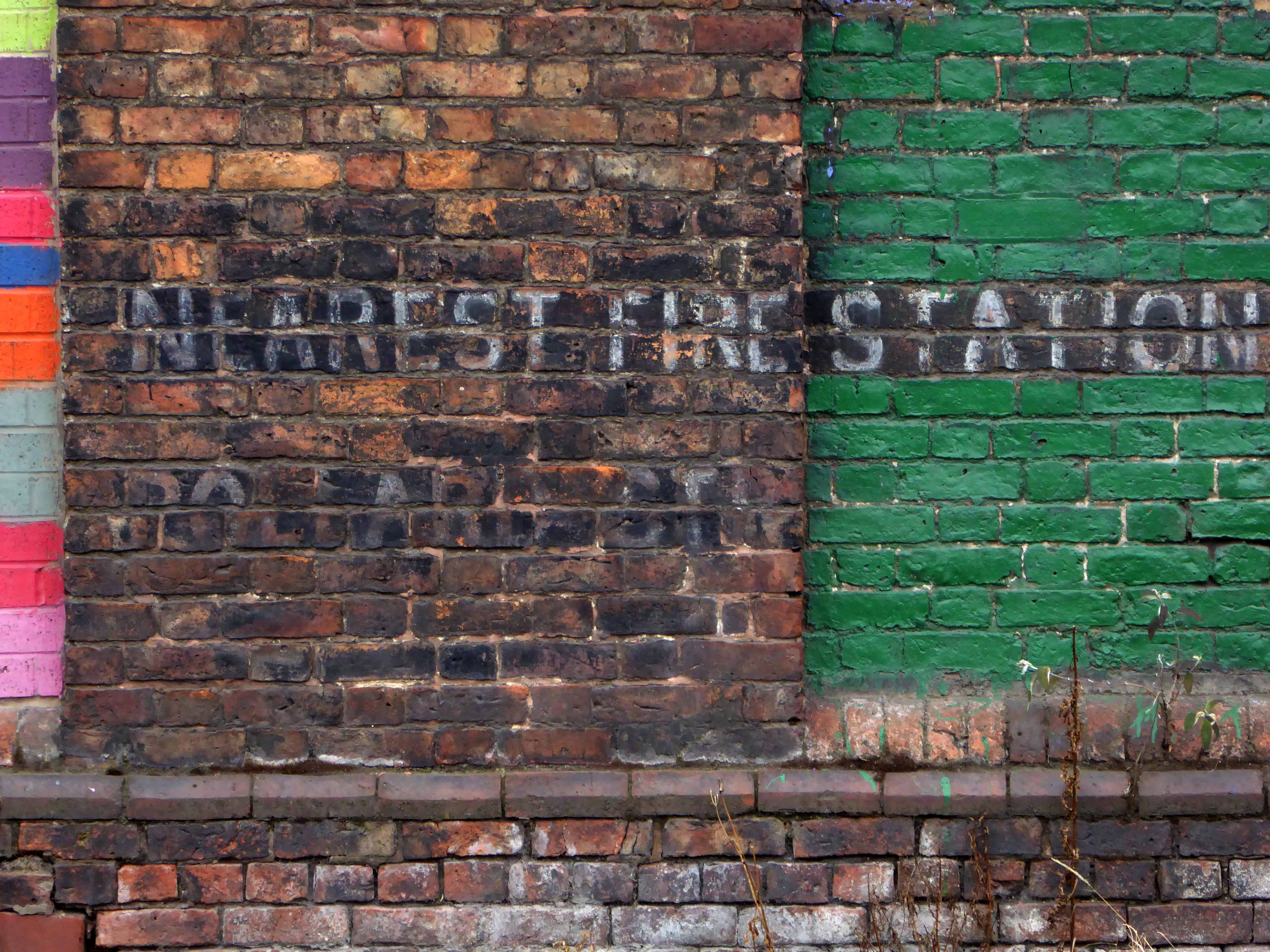
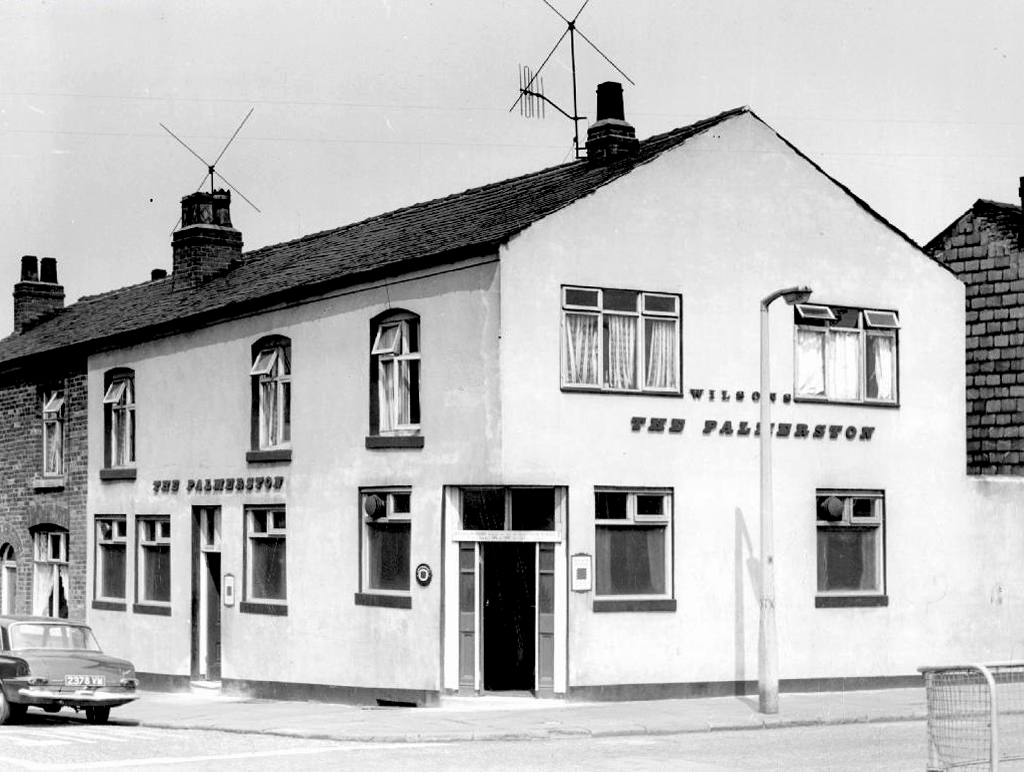
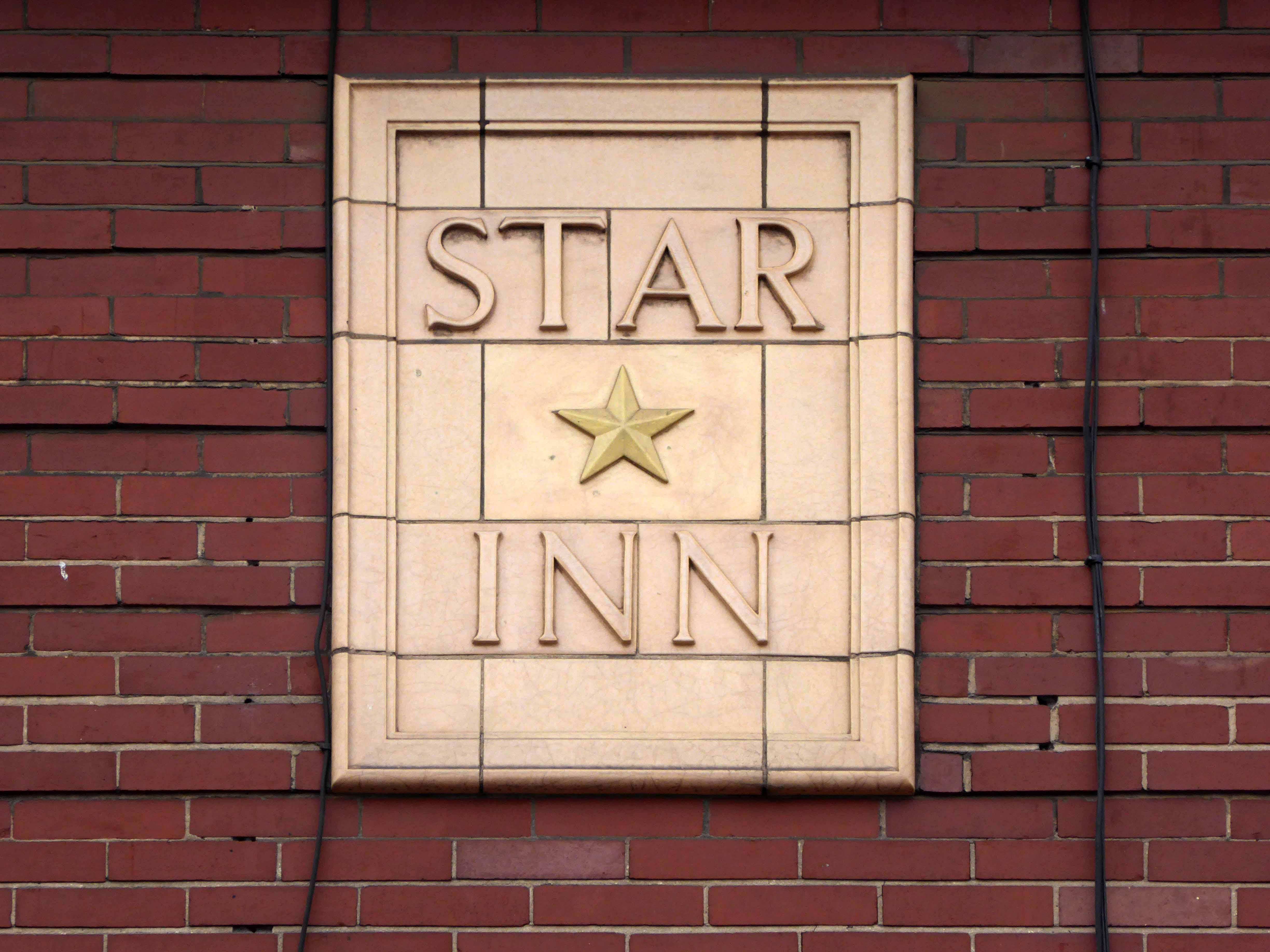
The Star Inn – former Wilsons pub

Devonshire Street North

P1280961

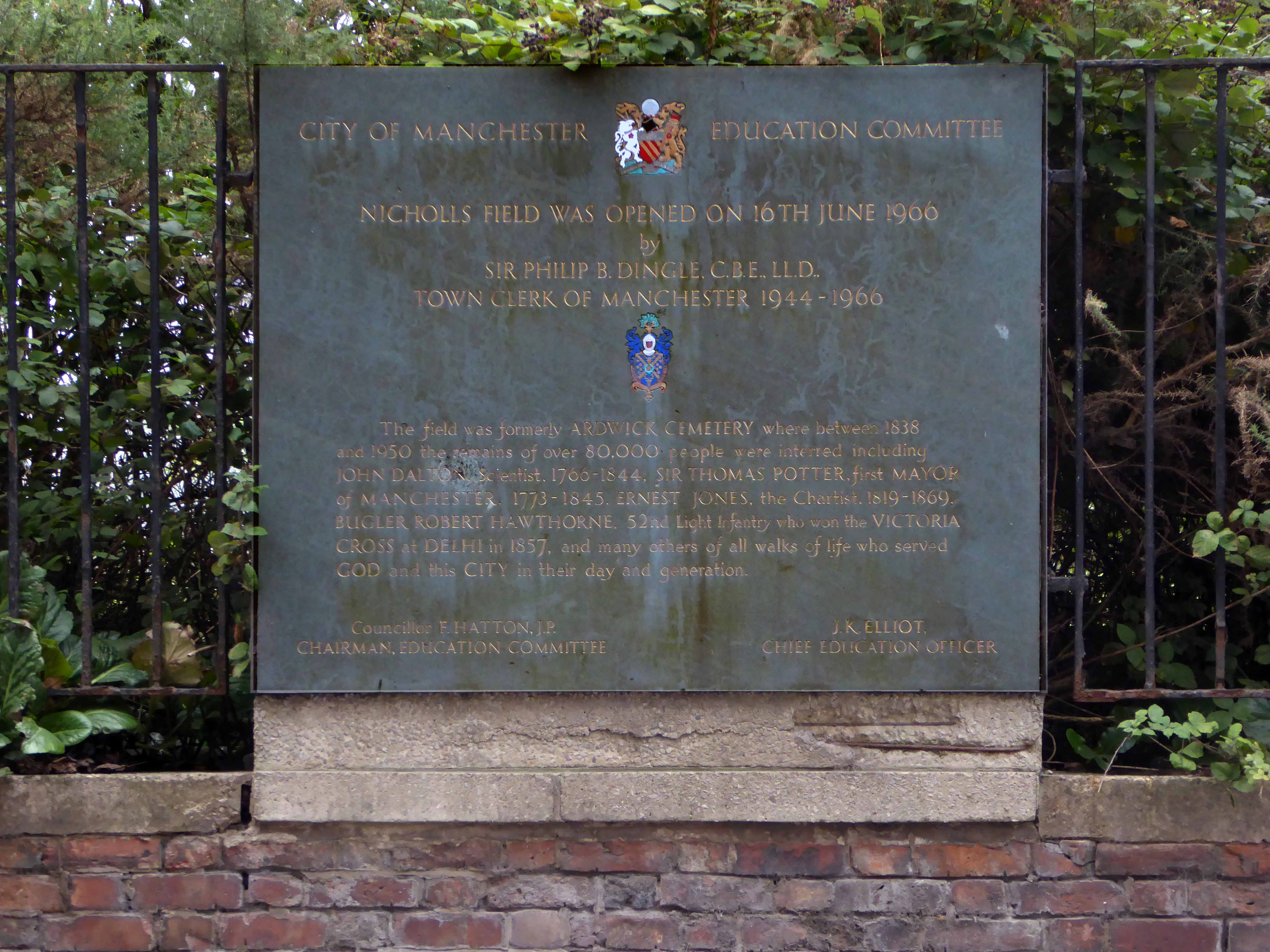
Former Ardwick Cemetery

P1280962

Great Universal Stores former mail order giant

Palmerston Street

P1280979

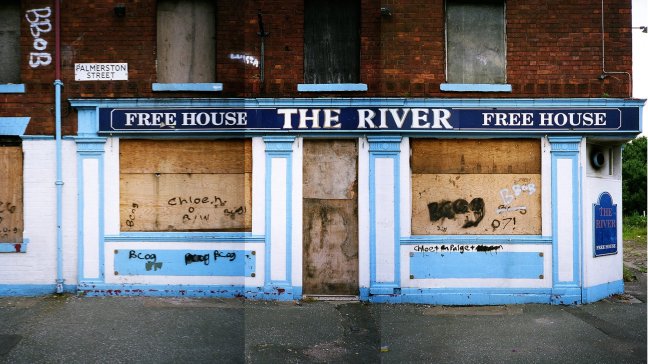
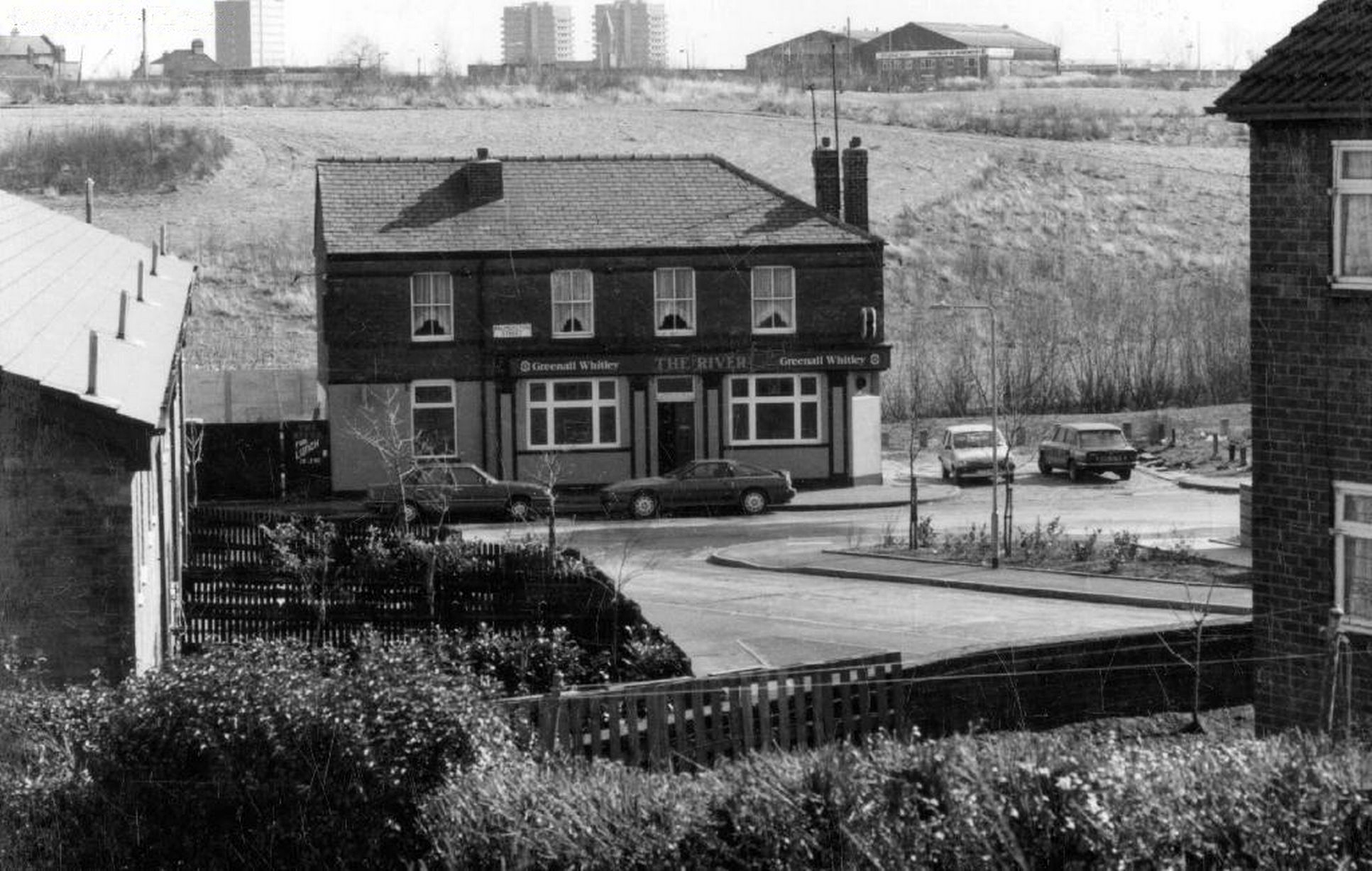
The River Inn abandoned pub

Every Street

P1290001

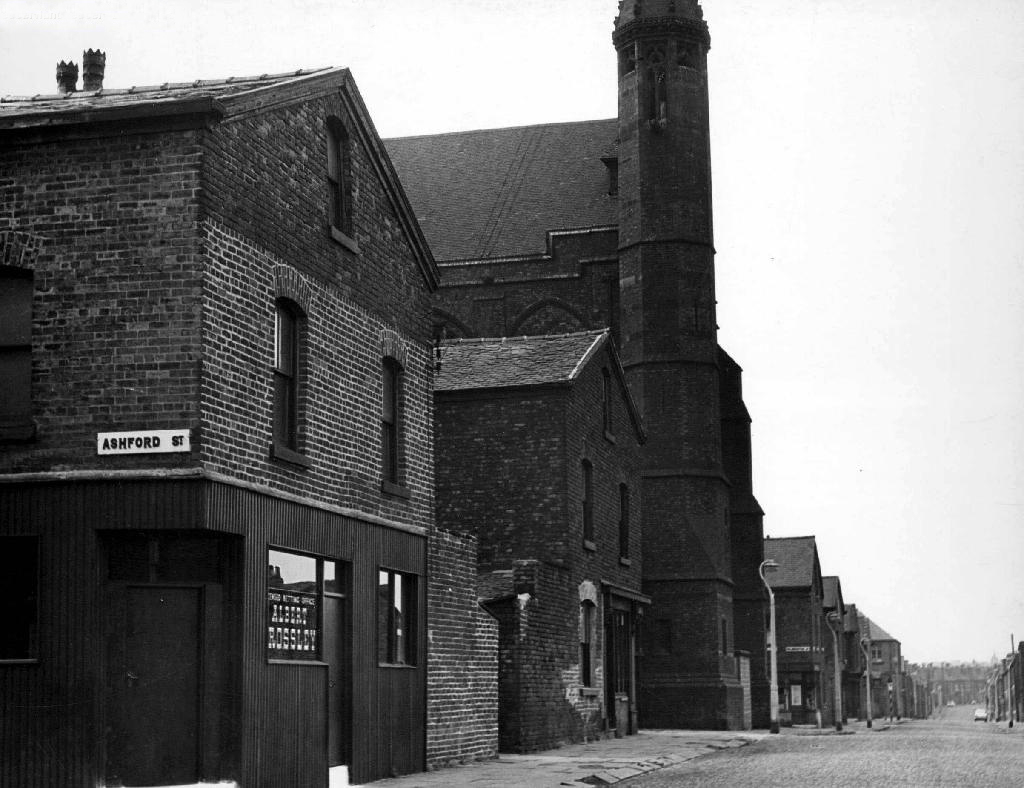
All Souls Church – listed yet unloved

Pollard Street East

P1290008.jpg
Screen Shot 2018-09-04 at 08.37.57

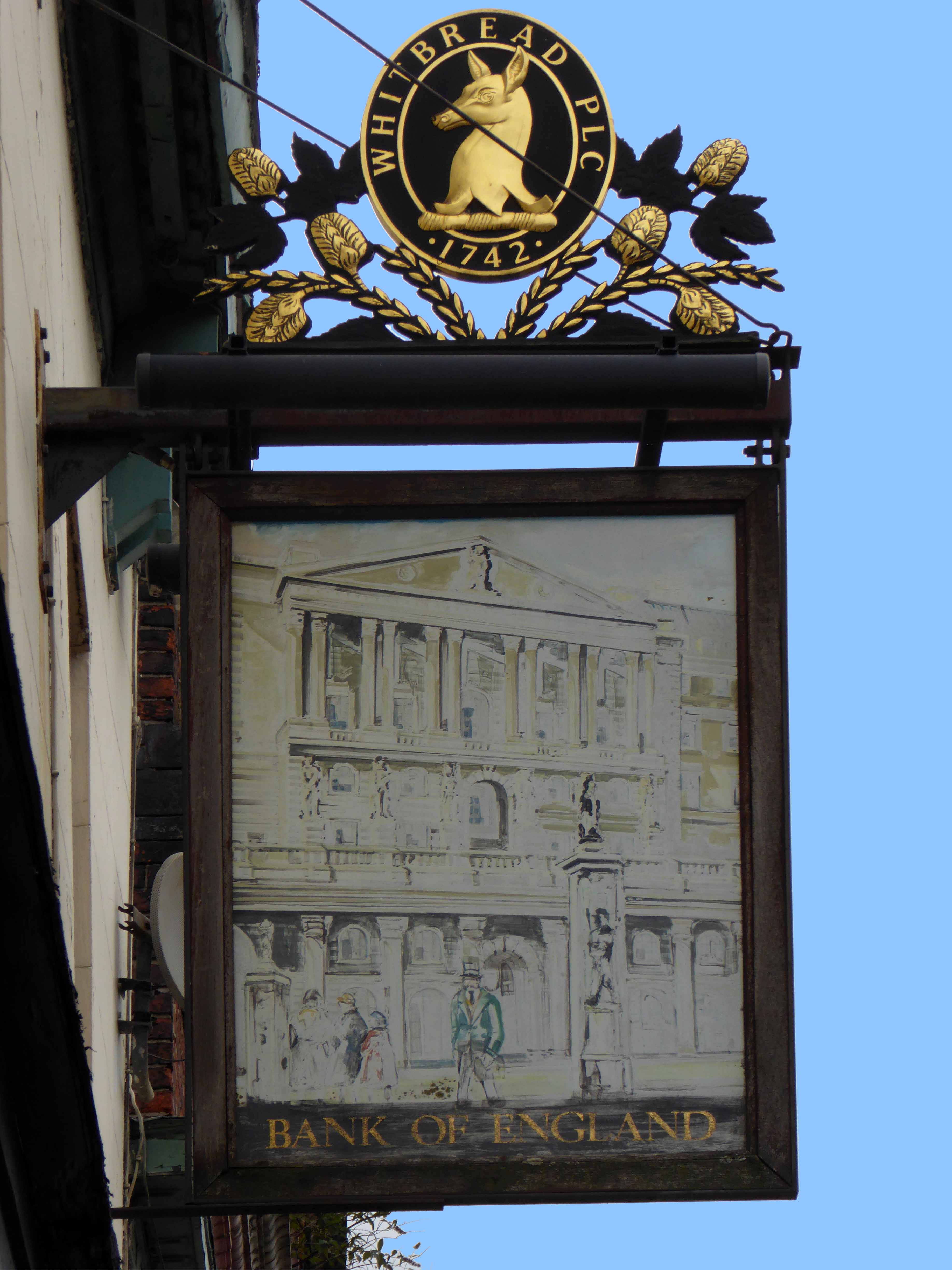
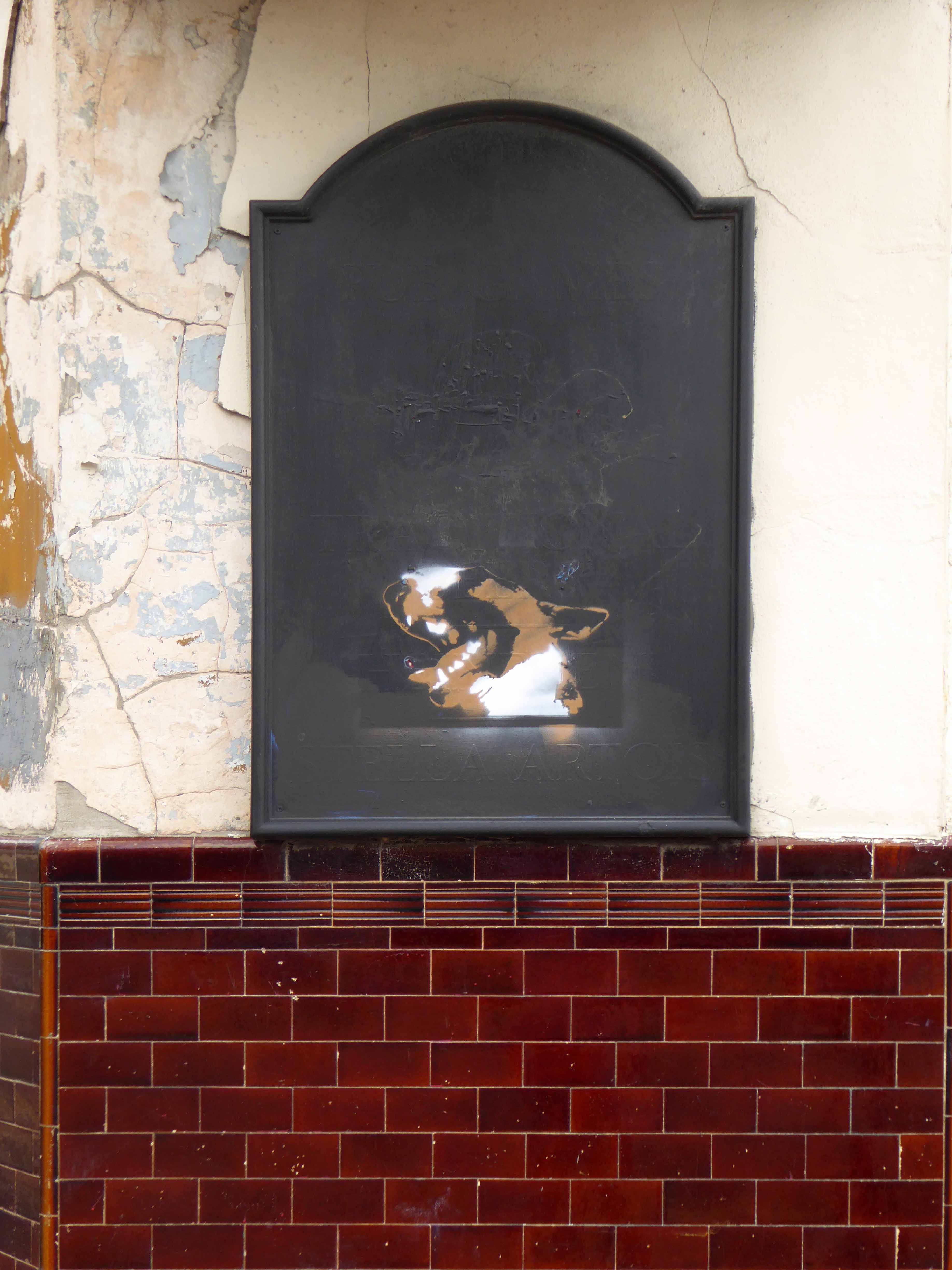
The Bank Of England abandoned pub

P1290020

Ancoats Works former engineering company

Cambrian Street

P1290024.jpg

The Lunchbox Café Holt Town

Upper Helena Street

P1290028

The last remnants of industrial activity

Bradford Road

P1290046

Brunswick Mill

P1290048

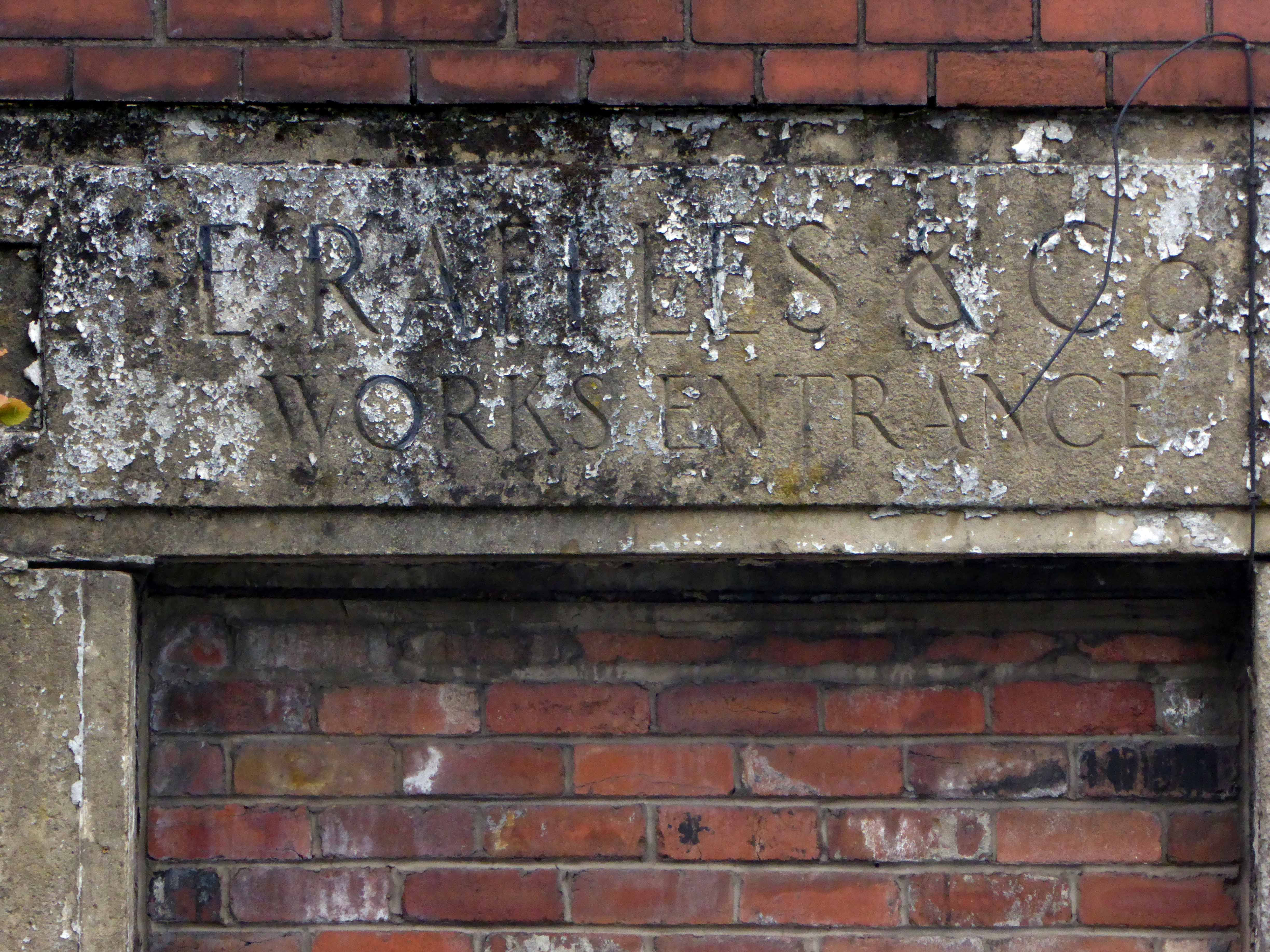
The little that remains of Raffles Mill

P1290052

Old Mill Street

P1290054

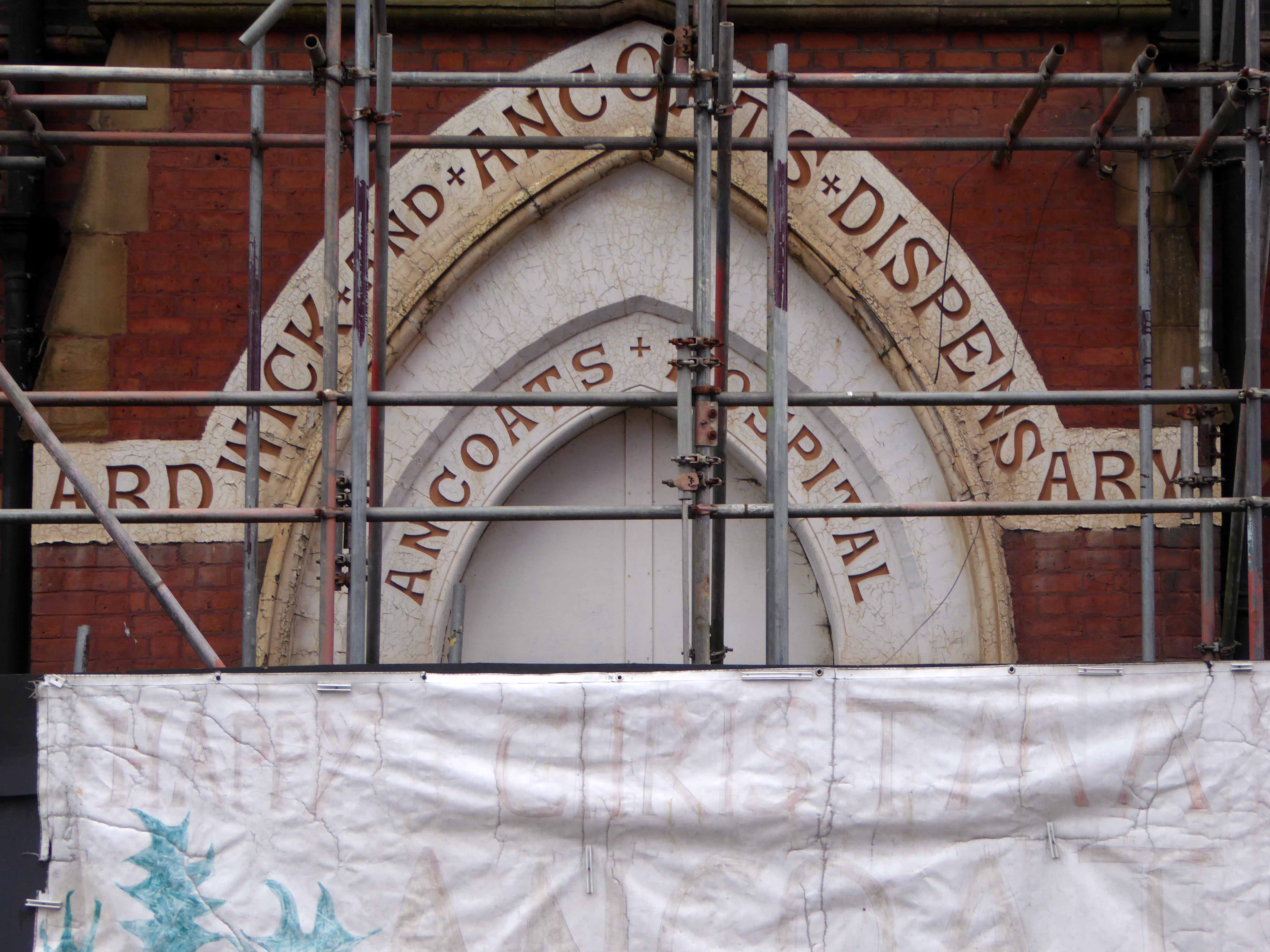
Ancoats Dispensary loved listed and still awaiting resuscitation

P1290056.jpg

New life New Islington

Redhill Street

P1290057

Former industrial powerhouse currently contemporary living space

Henry Street

P1290063

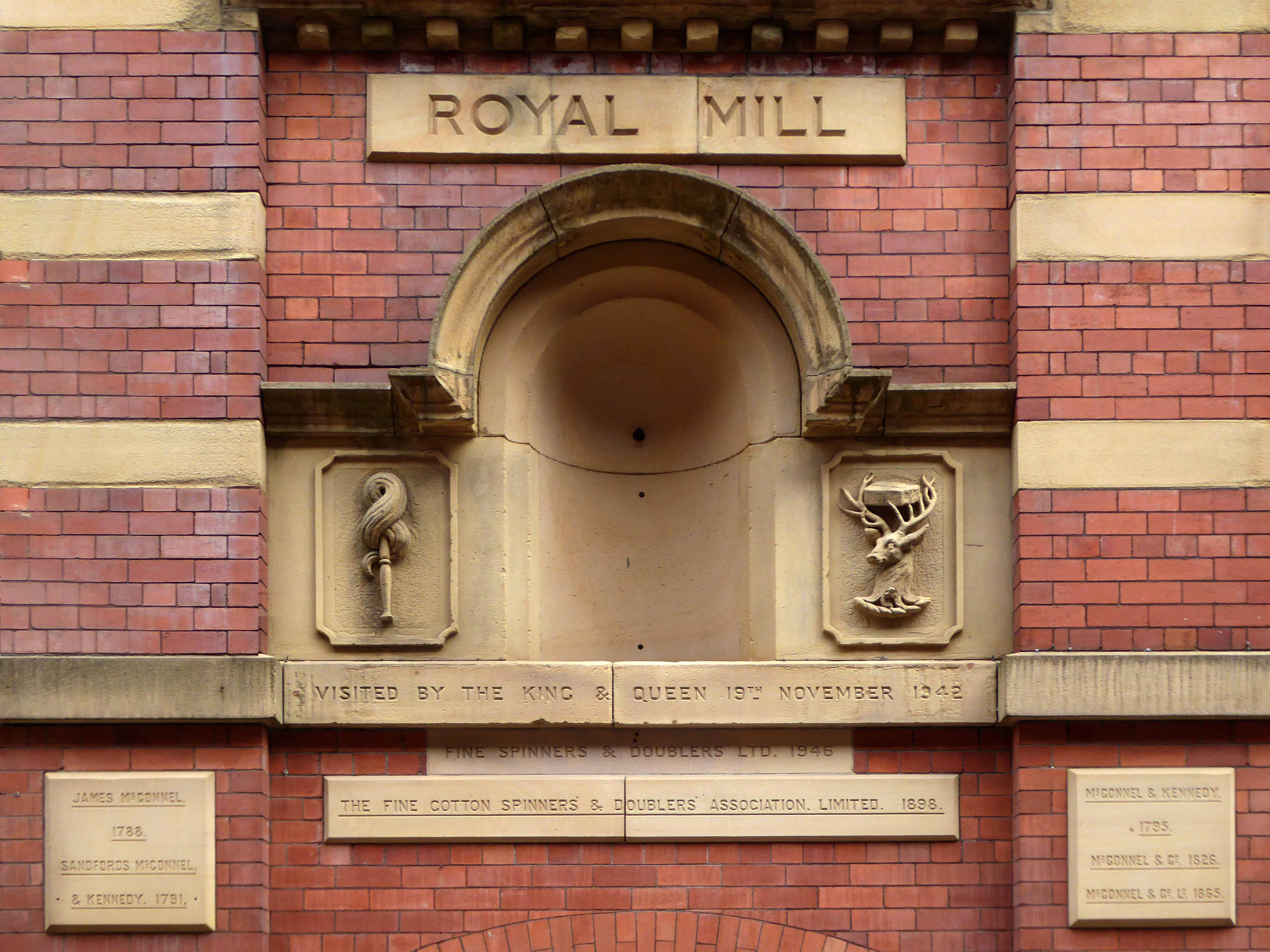
King George VI and Queen Elizabeth passed by in 1942

Jersey Street

P1290064

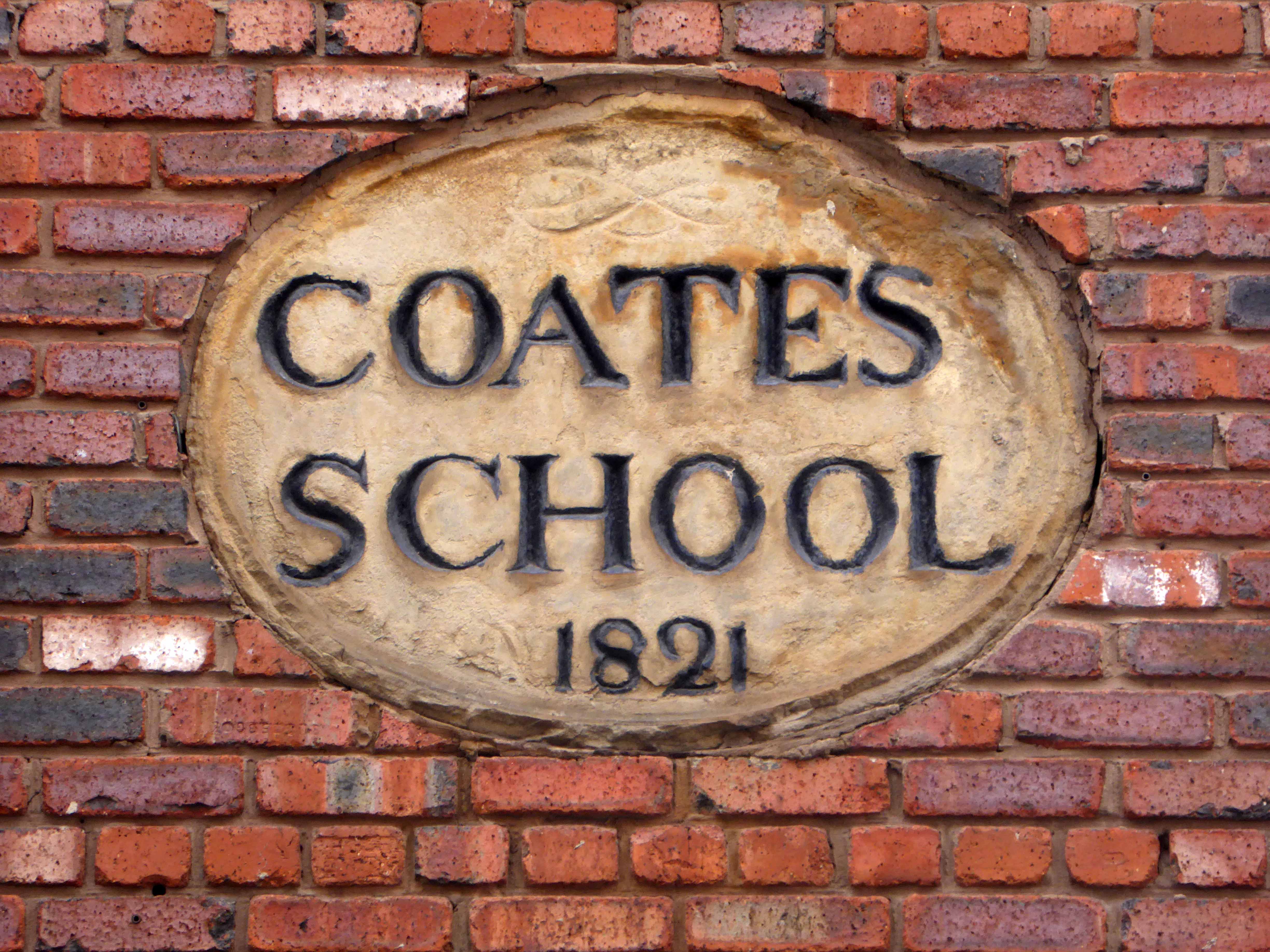
Former School the stone plaque applied to a newer building

Gun Street

P1290065

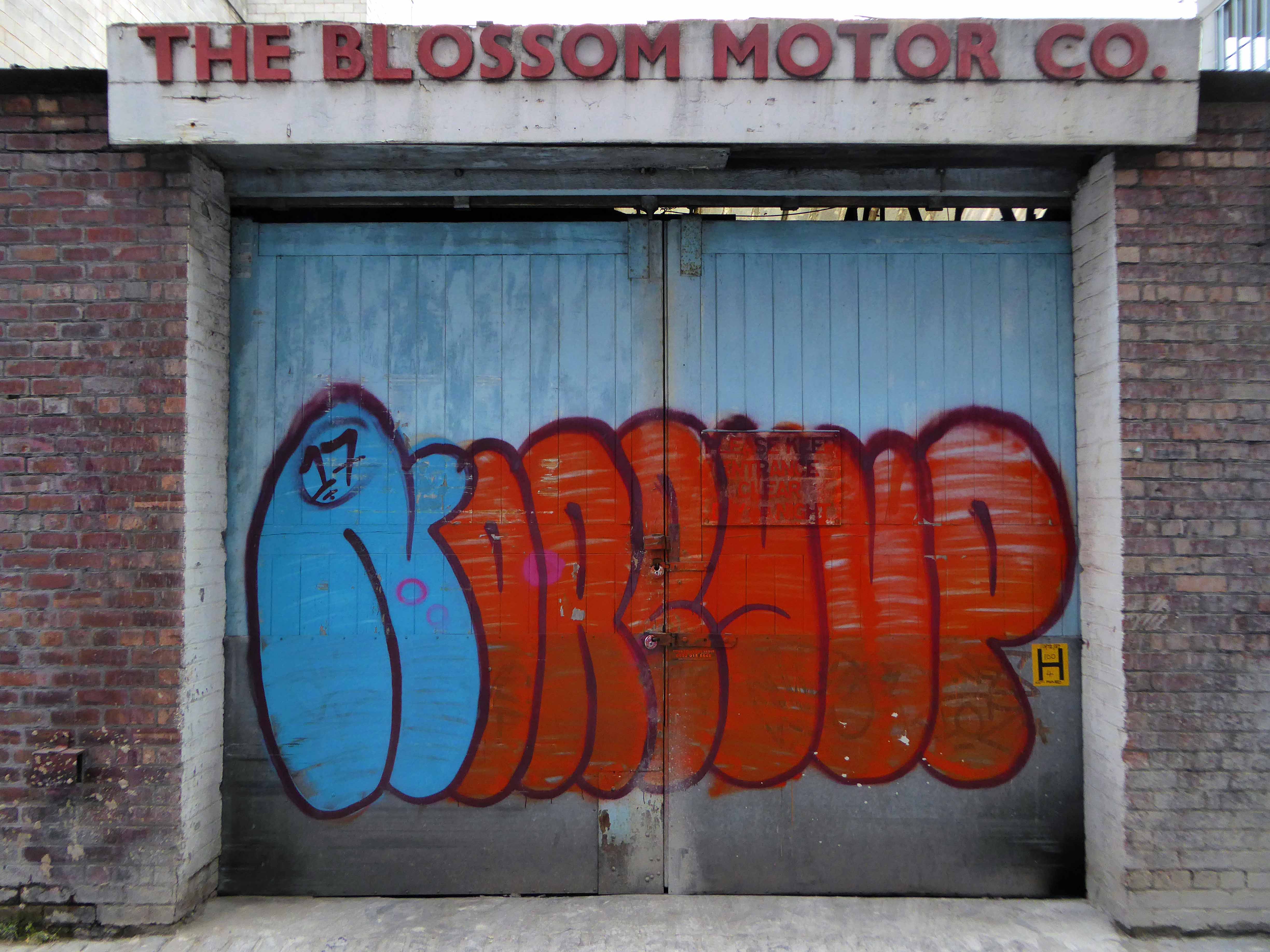
The last of the few Blossom Motors

Addington Street

P1290067
P1290069

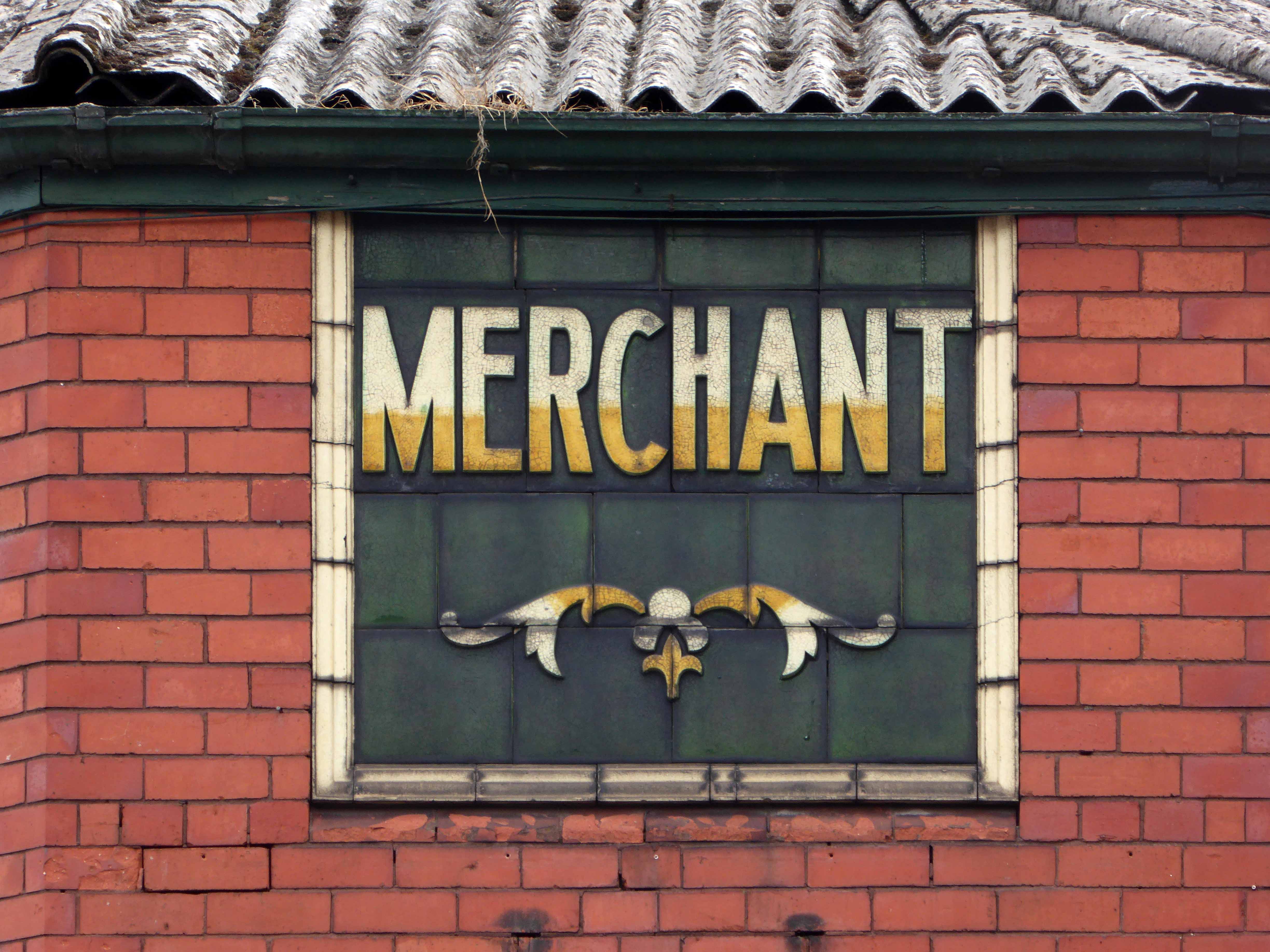
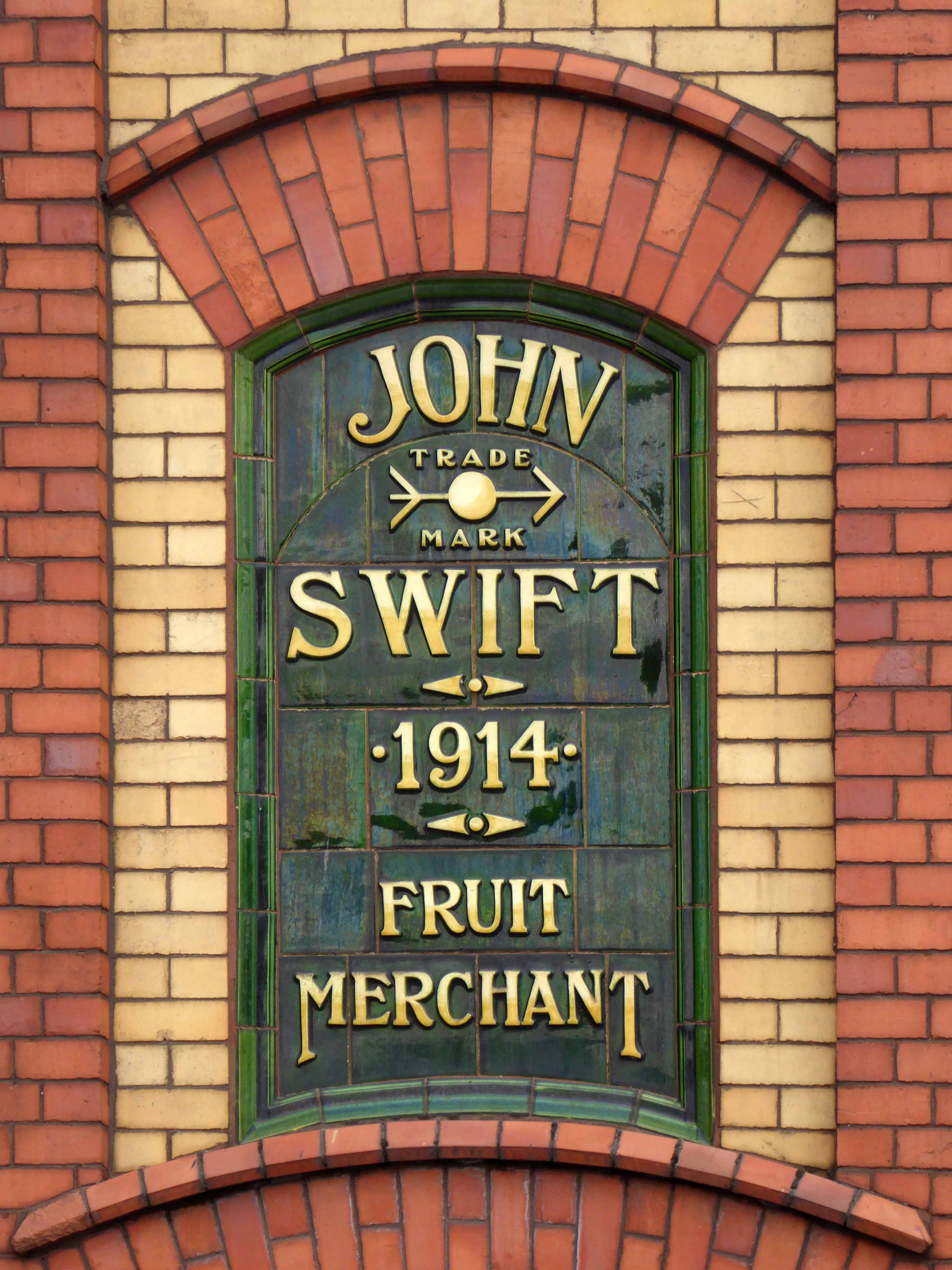
Former fruit merchants – refurbished and home to the SLG creative agency

Marshall Street and Goulden Street area

P1290070
P1290071
P1290073
P1290081
P1290086
P1290087

The last remnants of the rag trade

Former bed spring manufacturer – latterly became the County Archive.

Sudell Street

P1290089
P1290090

All that’s left of Alexandra Place

P1290092

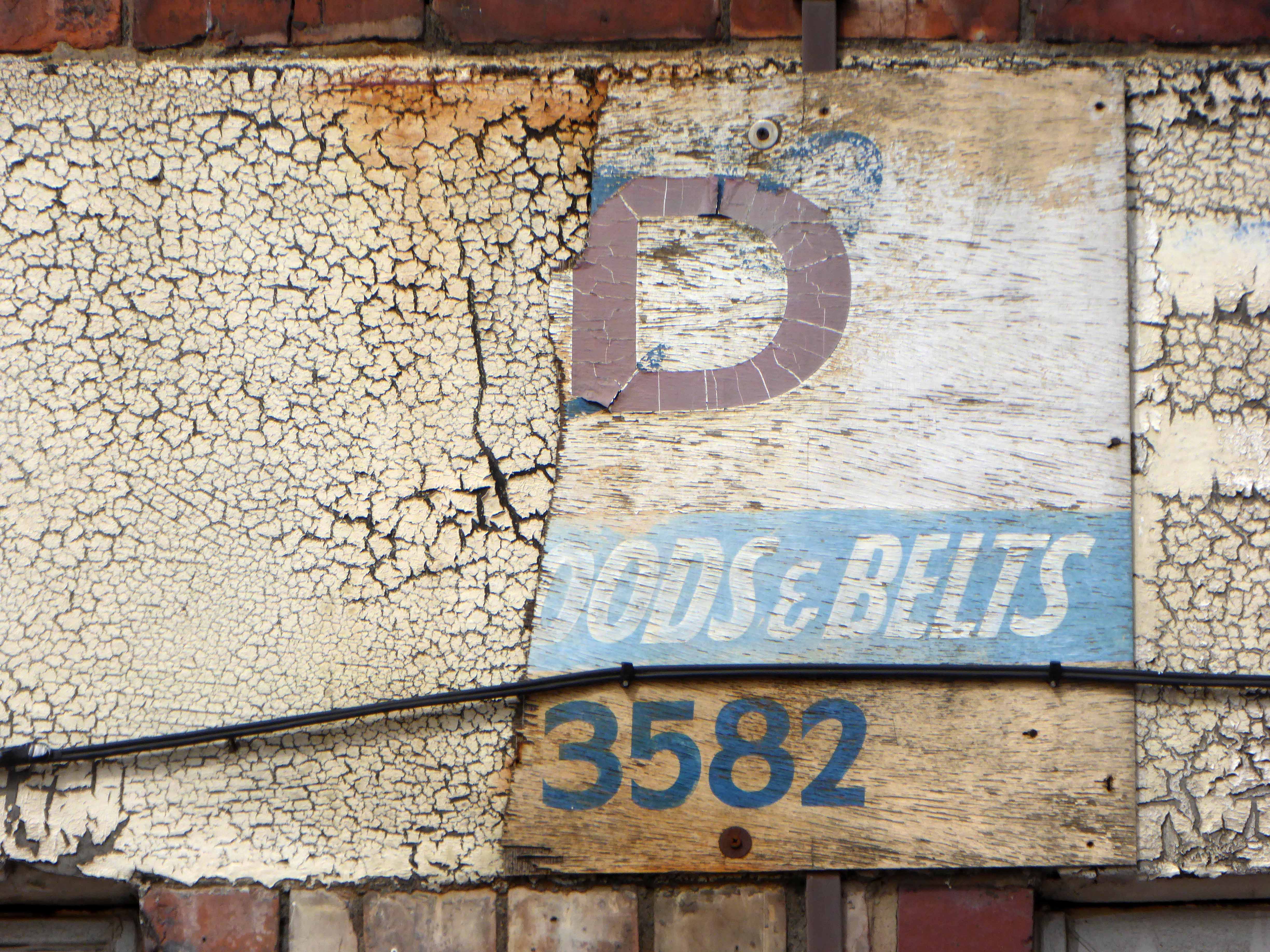
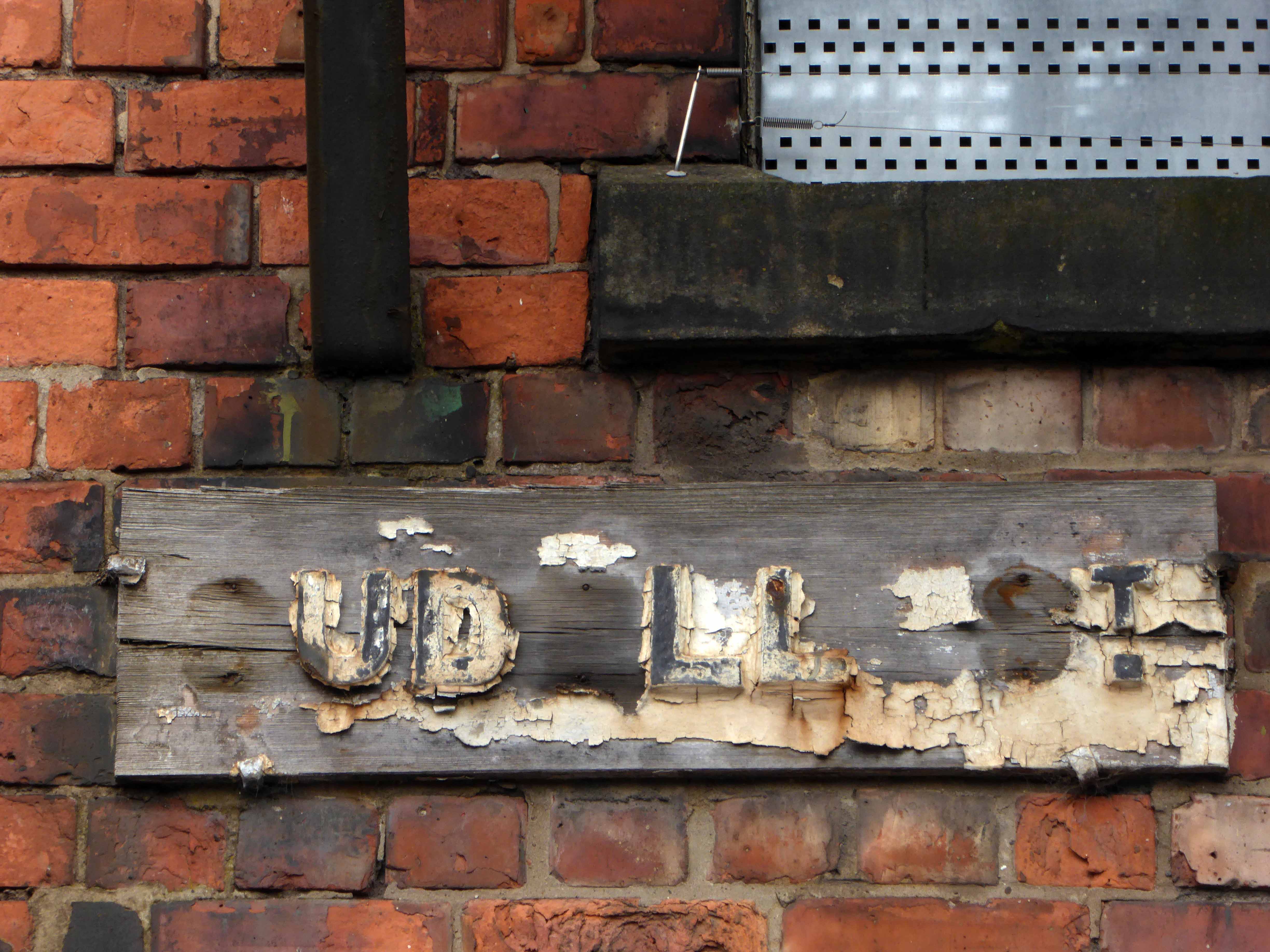
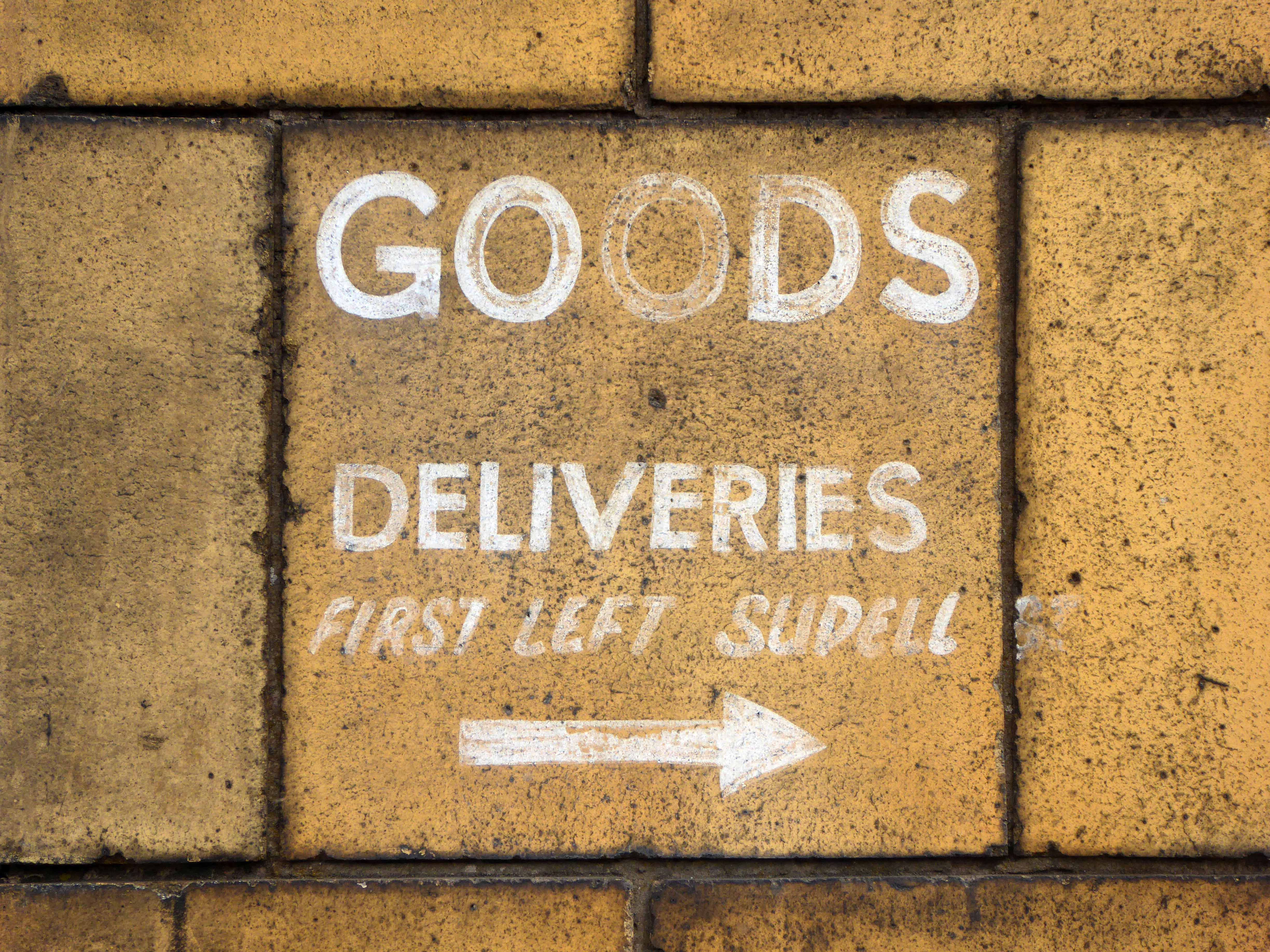
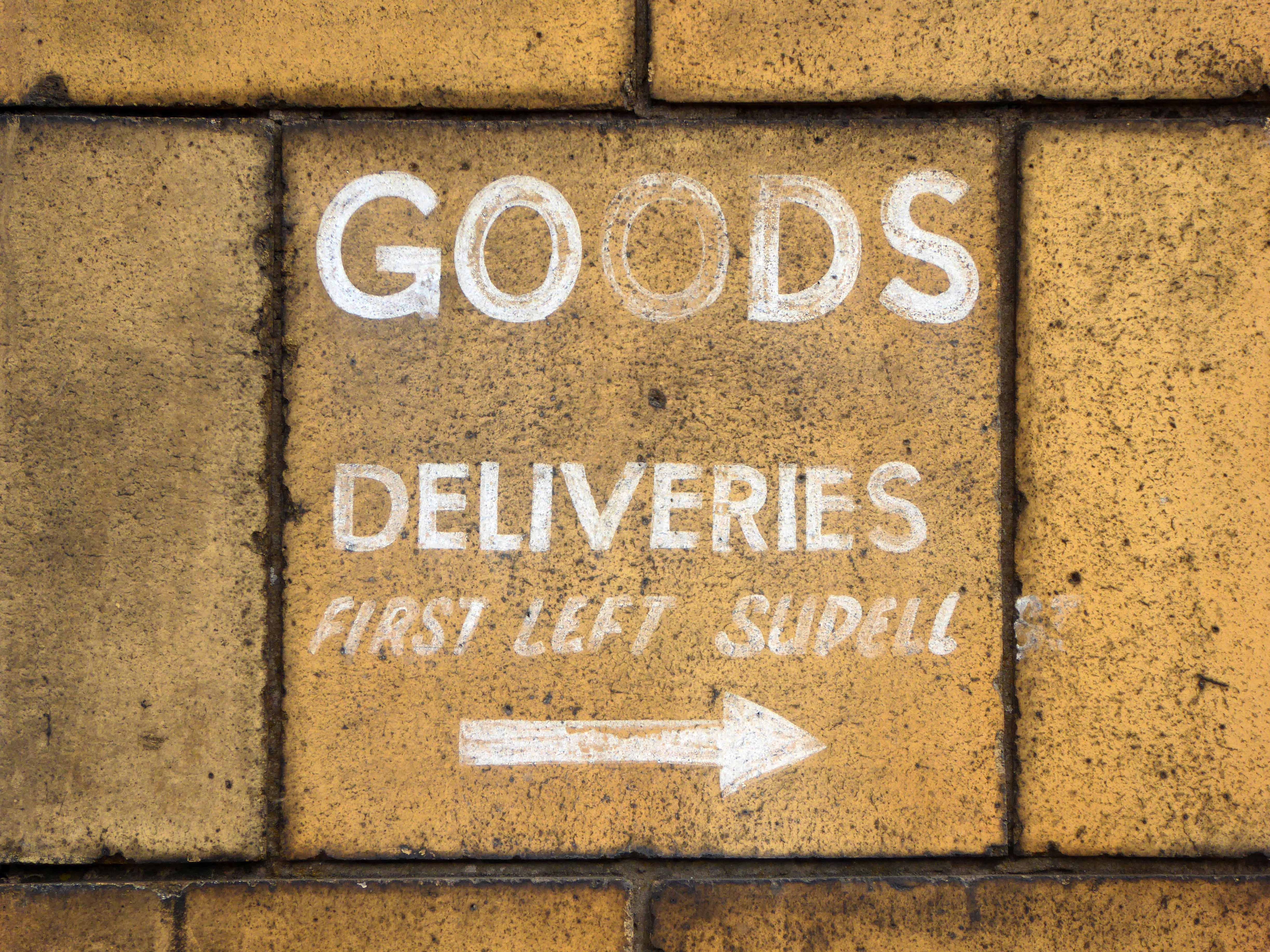
Entrance to the former Goods Yard

Back St Georges Road

P1290096

Sharp Street

P1290099
P1290100

Simpson Street

P1290101

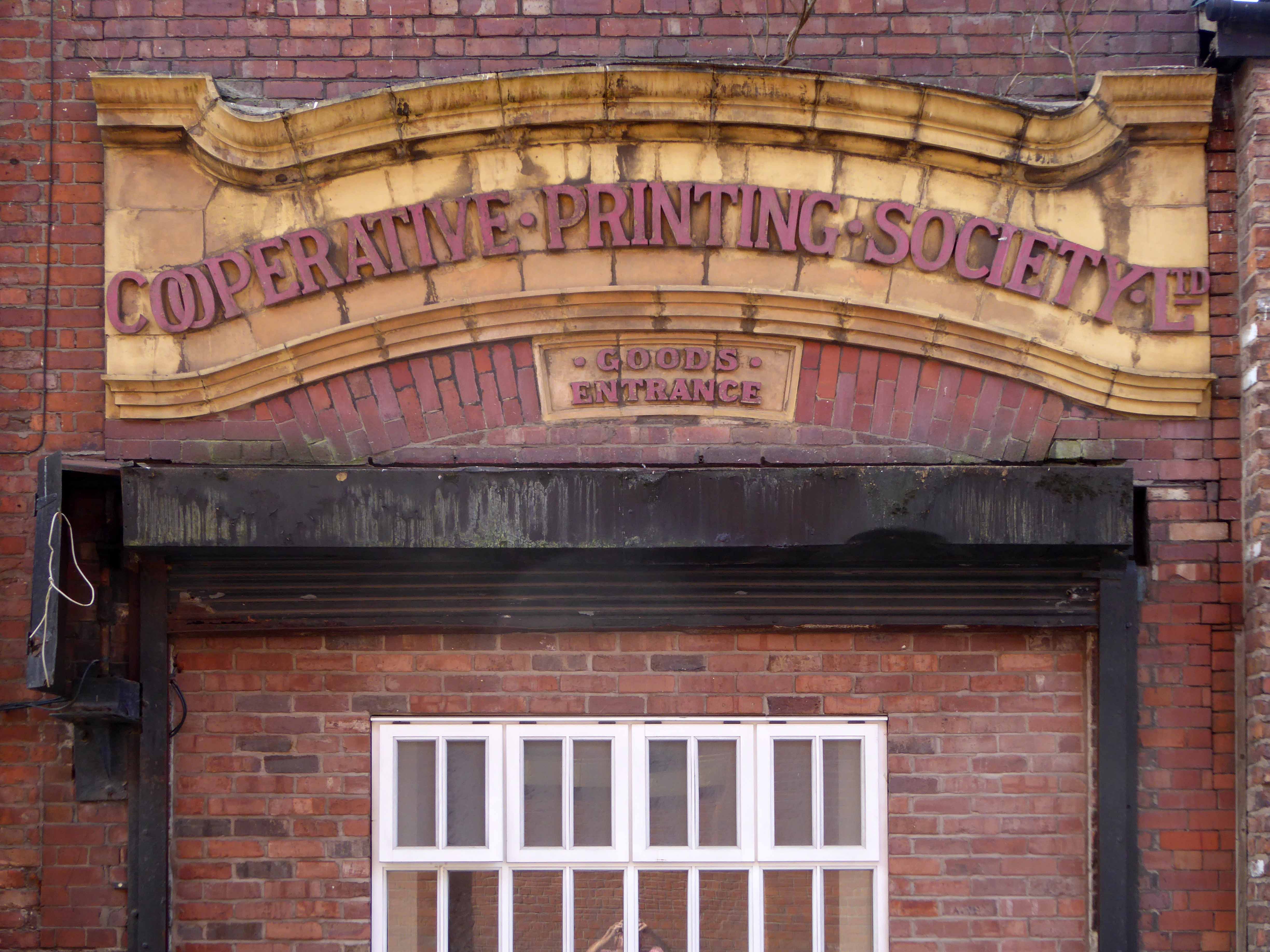
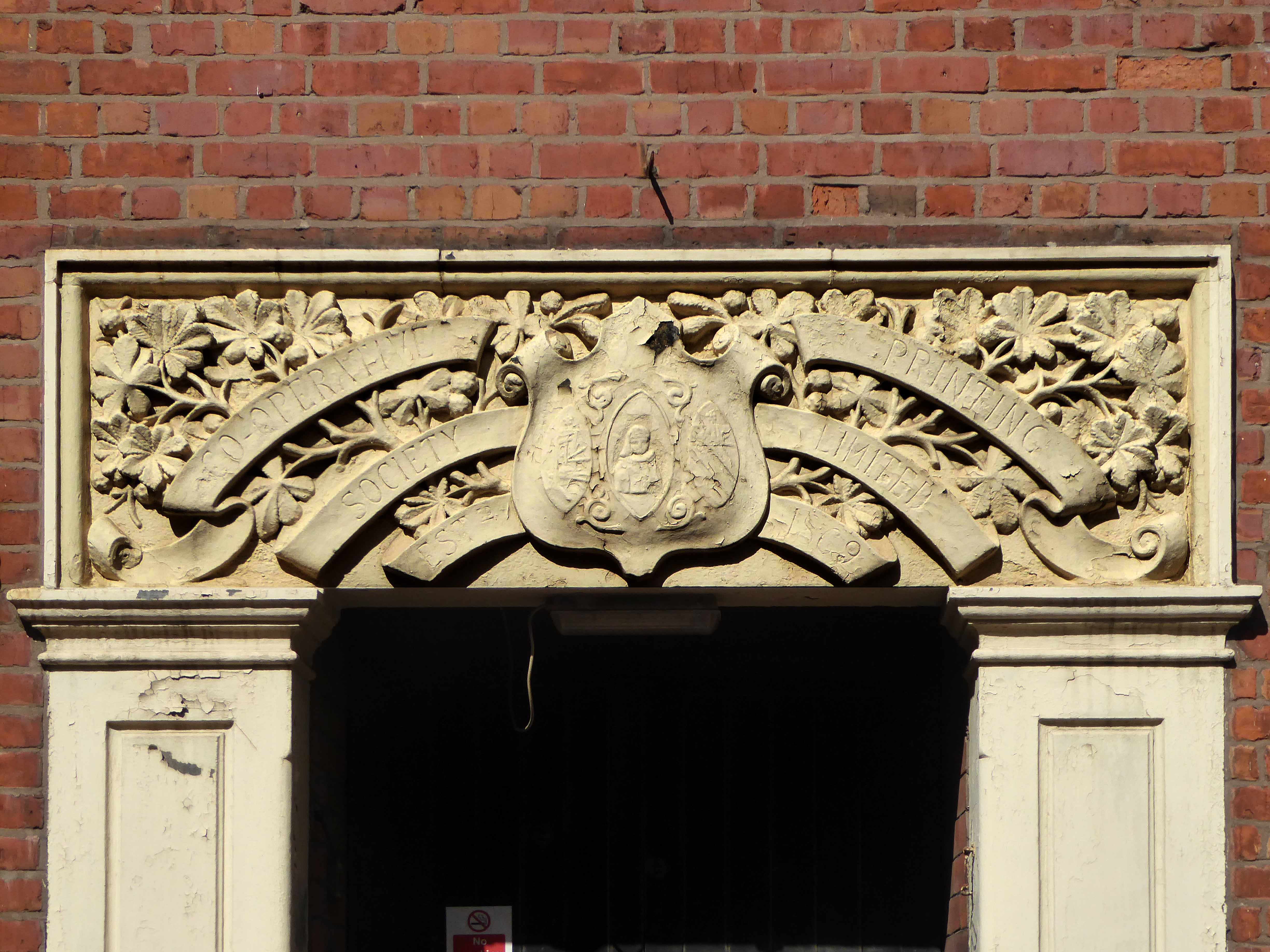
Where once the CWS loomed large

Charter Street

P1290102
P1290107

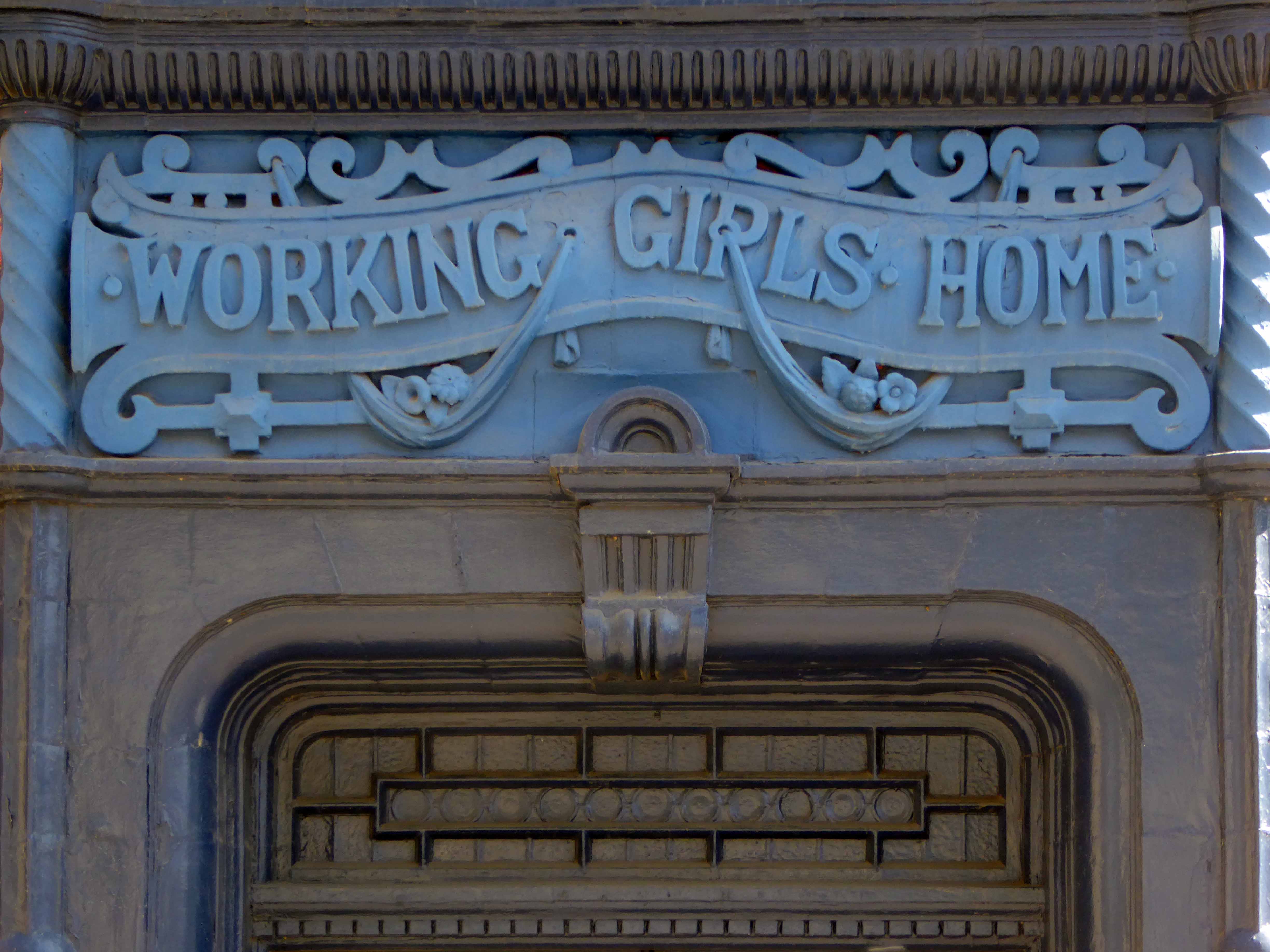
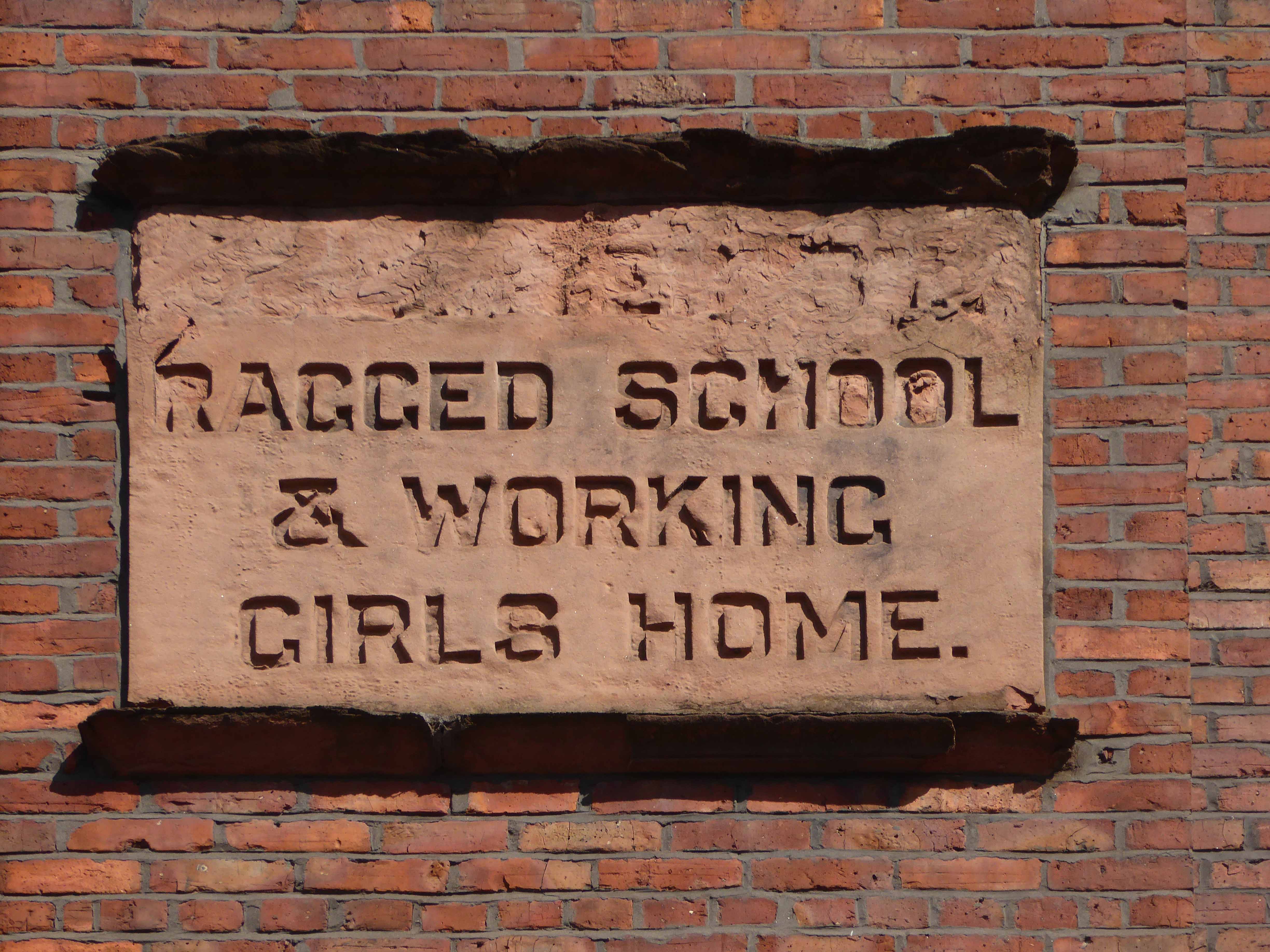
Ragged but right

Aspin Lane

P1290109
P1290117

Angel Meadow 

Corporation Street

P1290118

Rochdale Road – Manchester

Each and every time I wandered by, I wondered.

The whys and wherefores of your seemingly unknowable comings and goings.

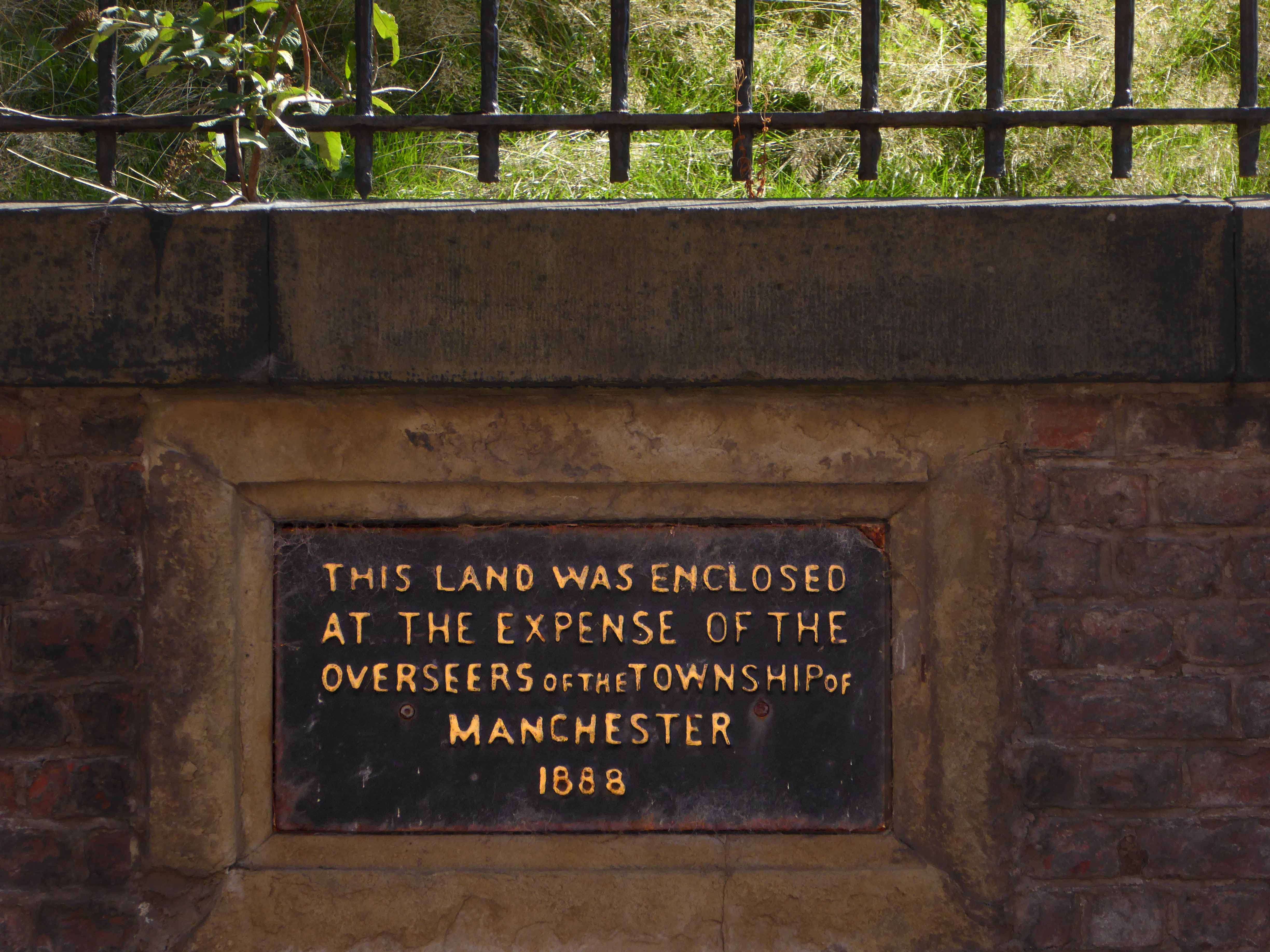
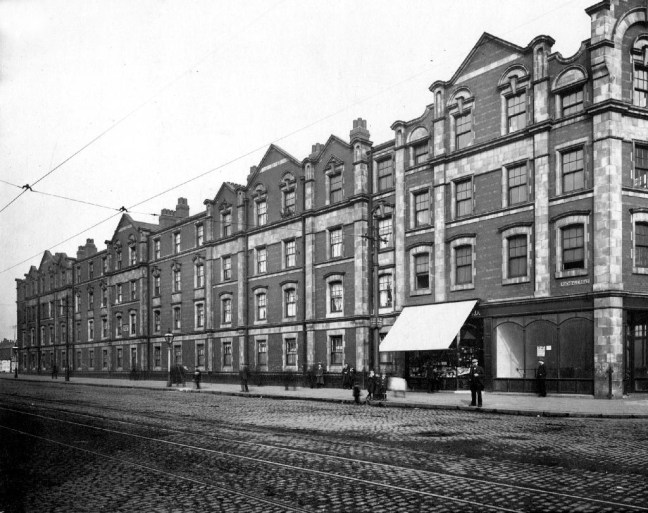
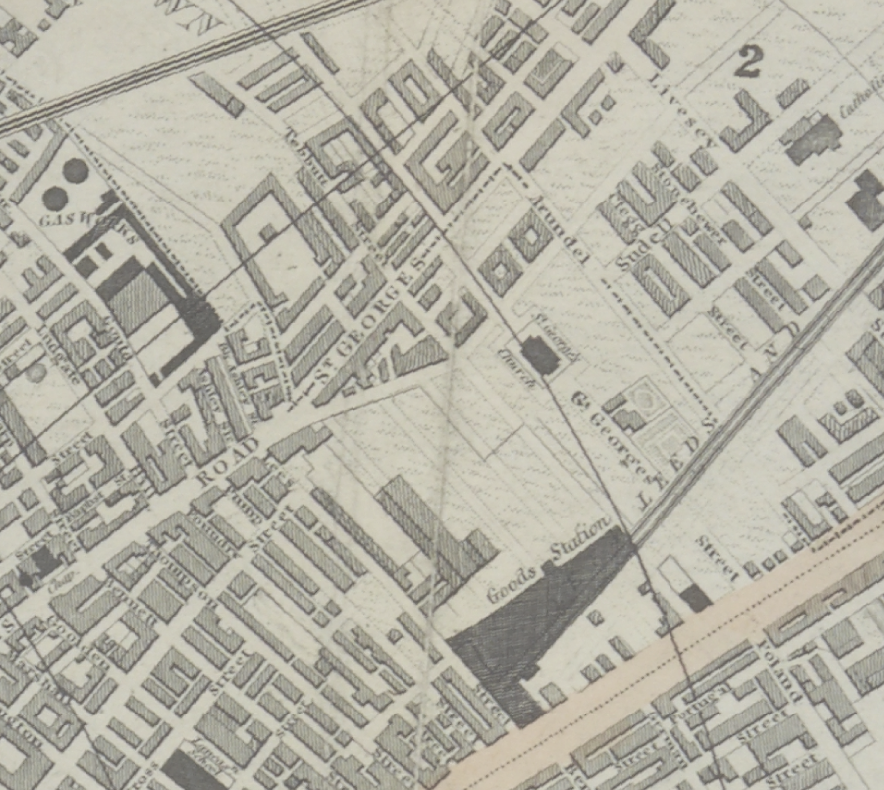
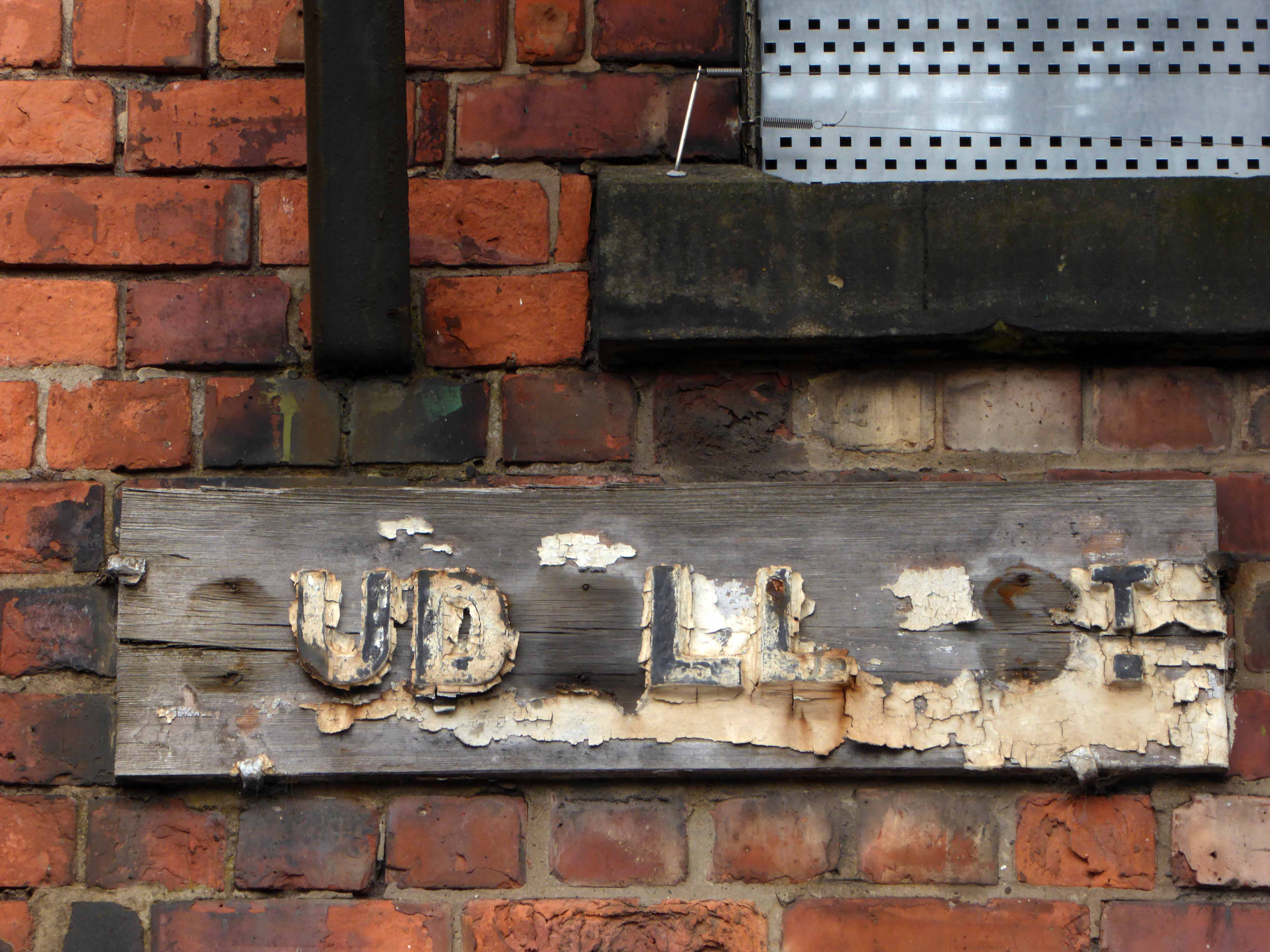
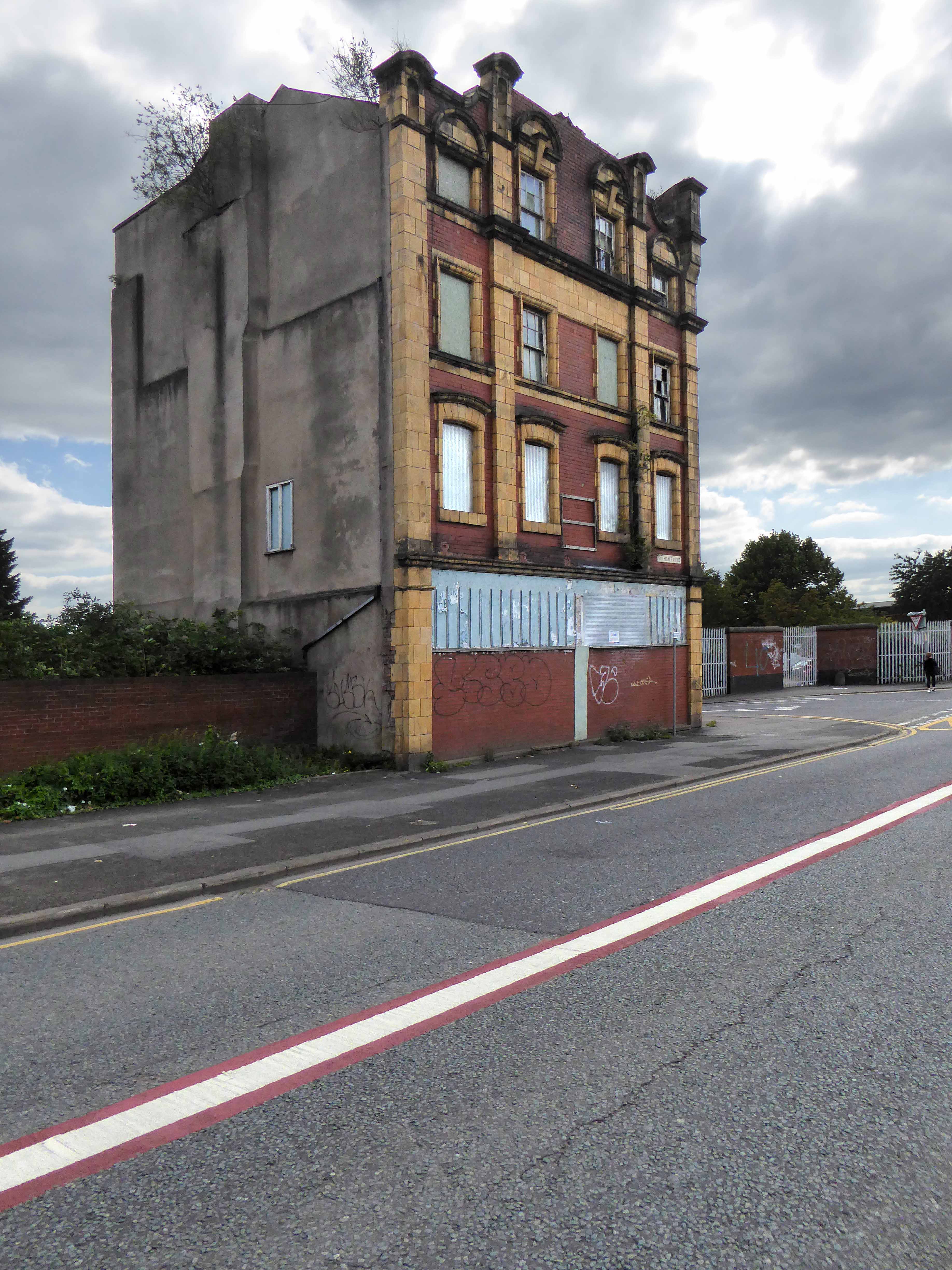
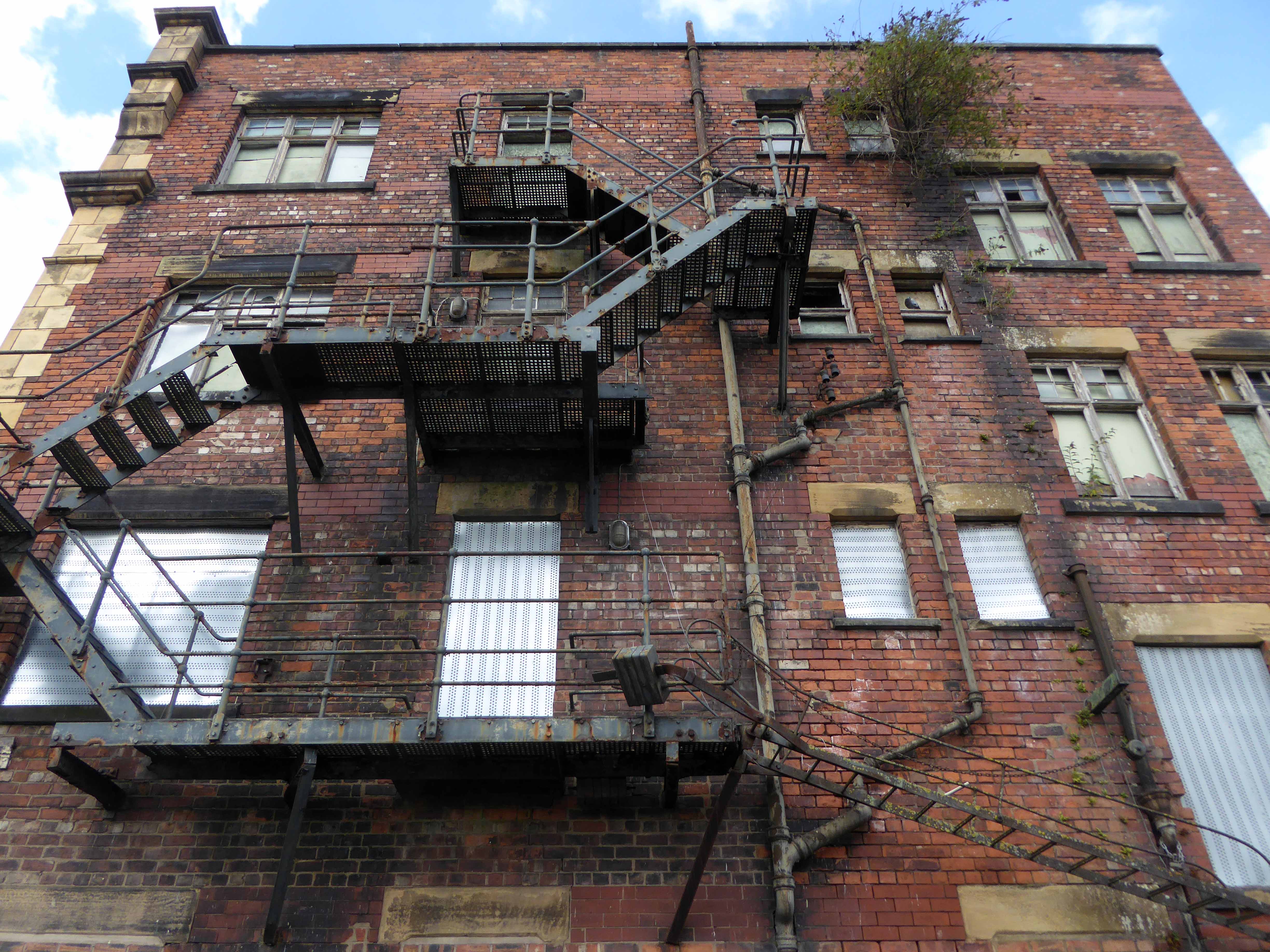
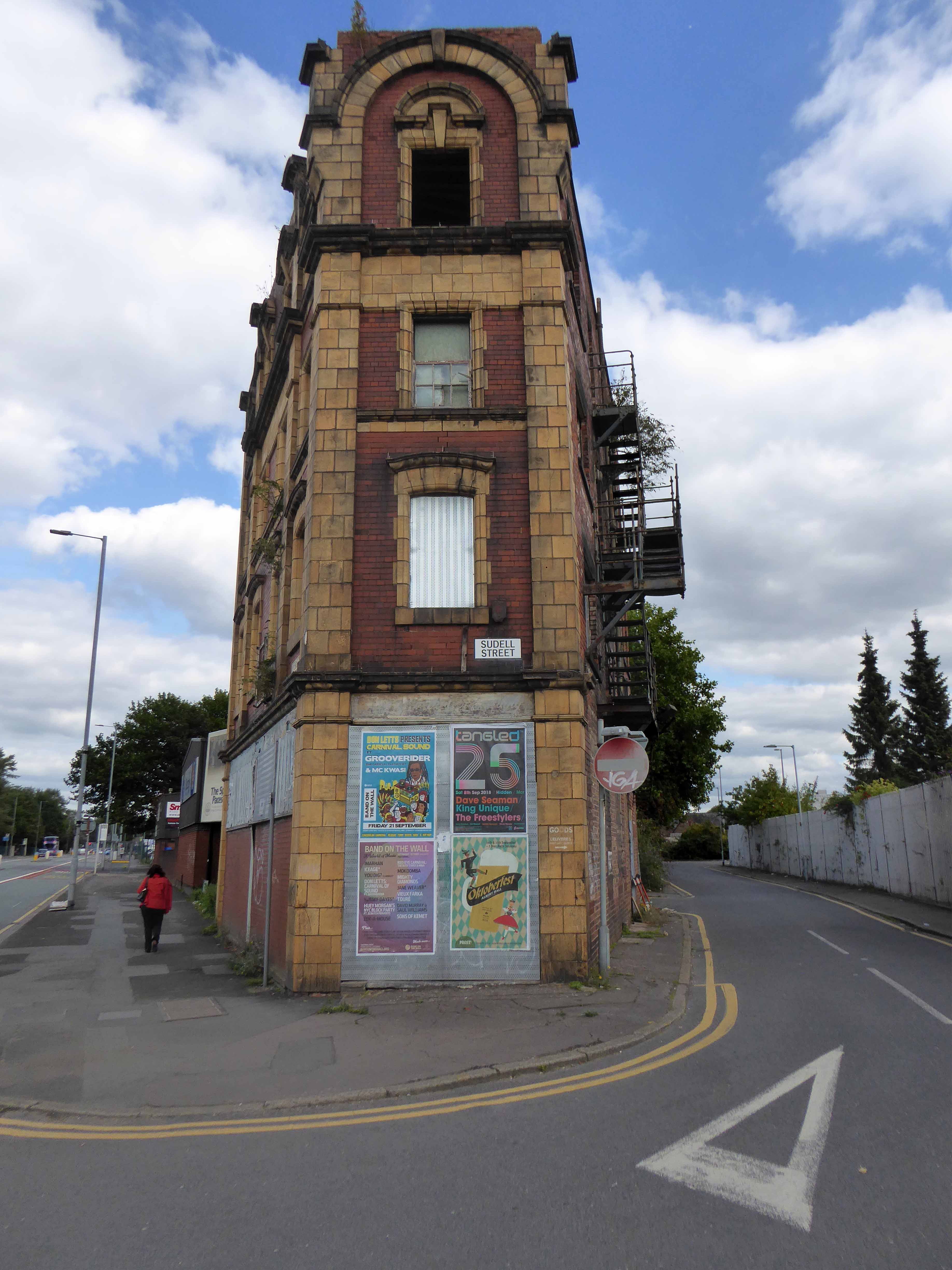
Standing alone, aloof and unloved on the corner of Rochdale Road and Sudell Street.

Something was missing.

I was missing something.

1813

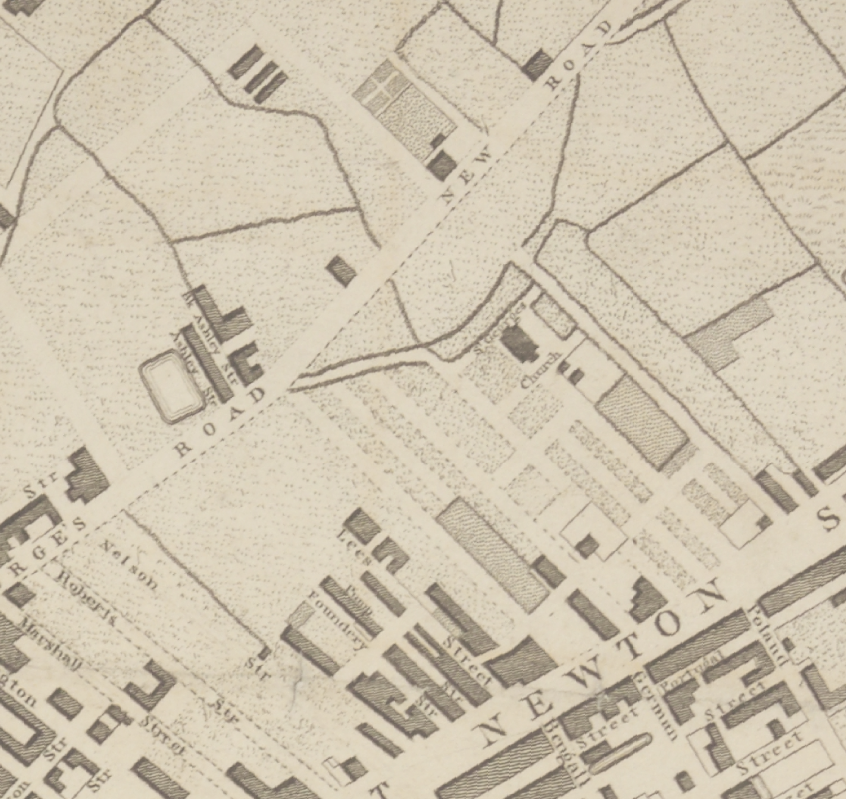
In 1813 there’s a field

1836

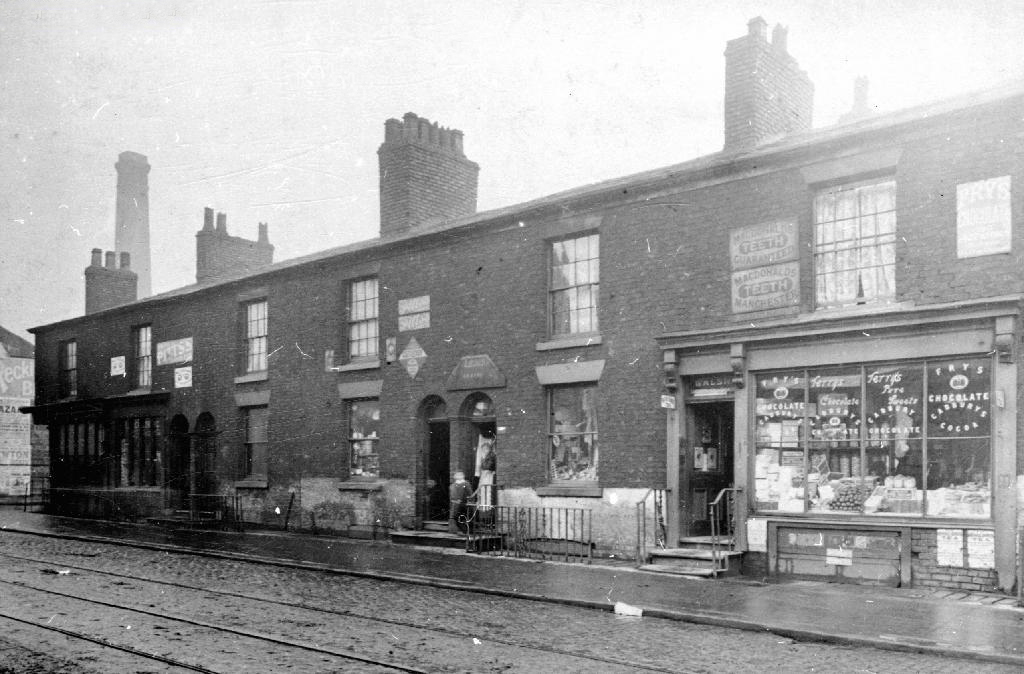
In 1836 something’s there, but not it’s you.

Yet.

1900

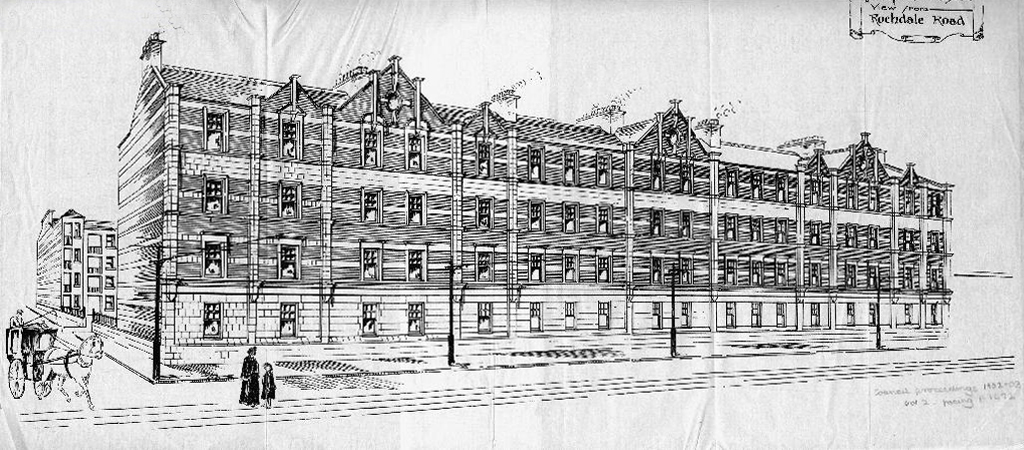
By 1900 the days of the two up, two downs are numbered – sanitary dwellings are the order of the day, plans are drawn up, the local council have decreed that workers dwellings are to be built.

webmedia-2.php

1905

1912

1932

back 38

Local Image Collection

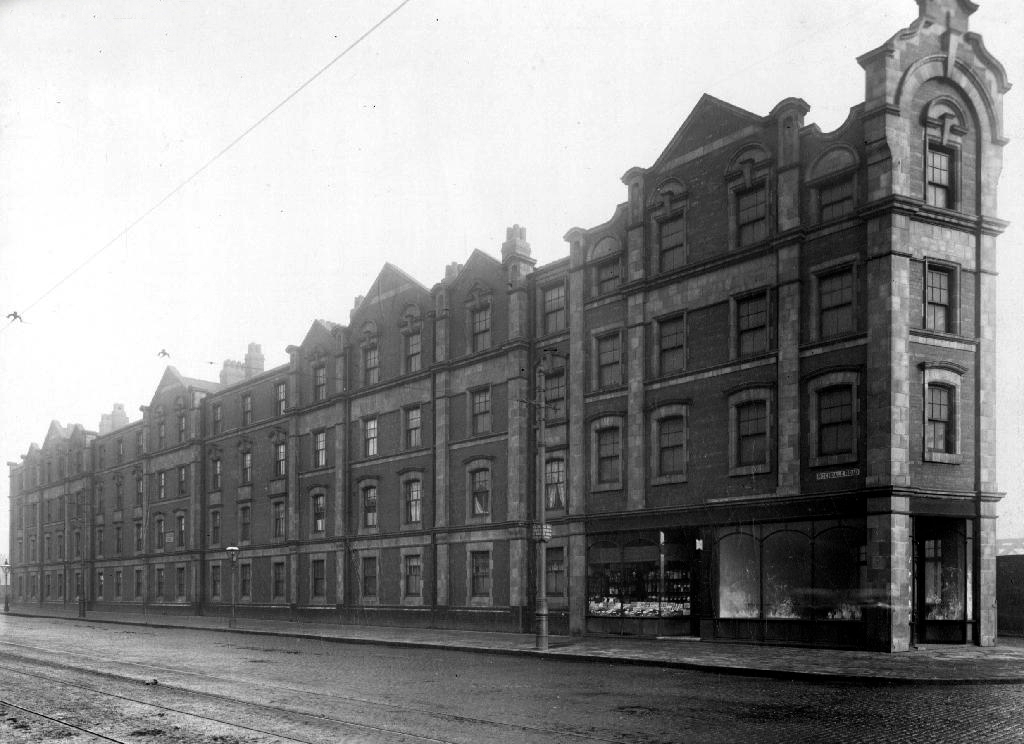
Known as Alexandra Place or The Dwellings.

You must have been home to many too many to recall, then you were gone again.

Save for one old triangle, refusing to jingle jangle to the modern dance.

I do not know what fate awaits you, I only know you must be strong.

A change is gonna come.

P1290088 copy

P1290089 copy

P1290090 copy

P1290357

P1290358

P1290359

P1290360


P1290362

P1290363

P1290364

P1290365

P1290366

P1290367

P1290368


Church of St Mark – Chadderton

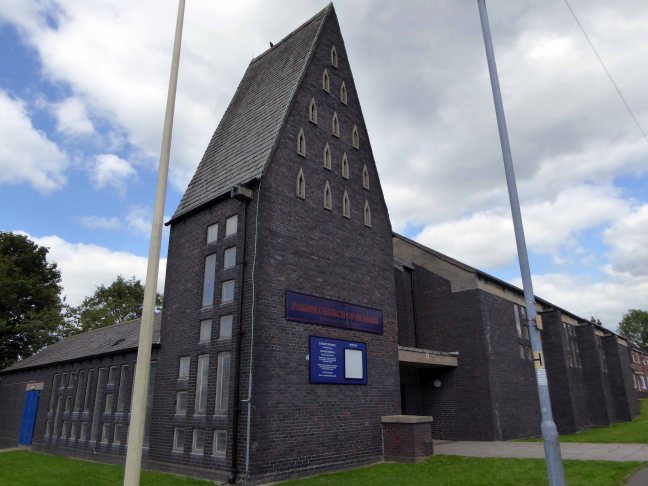
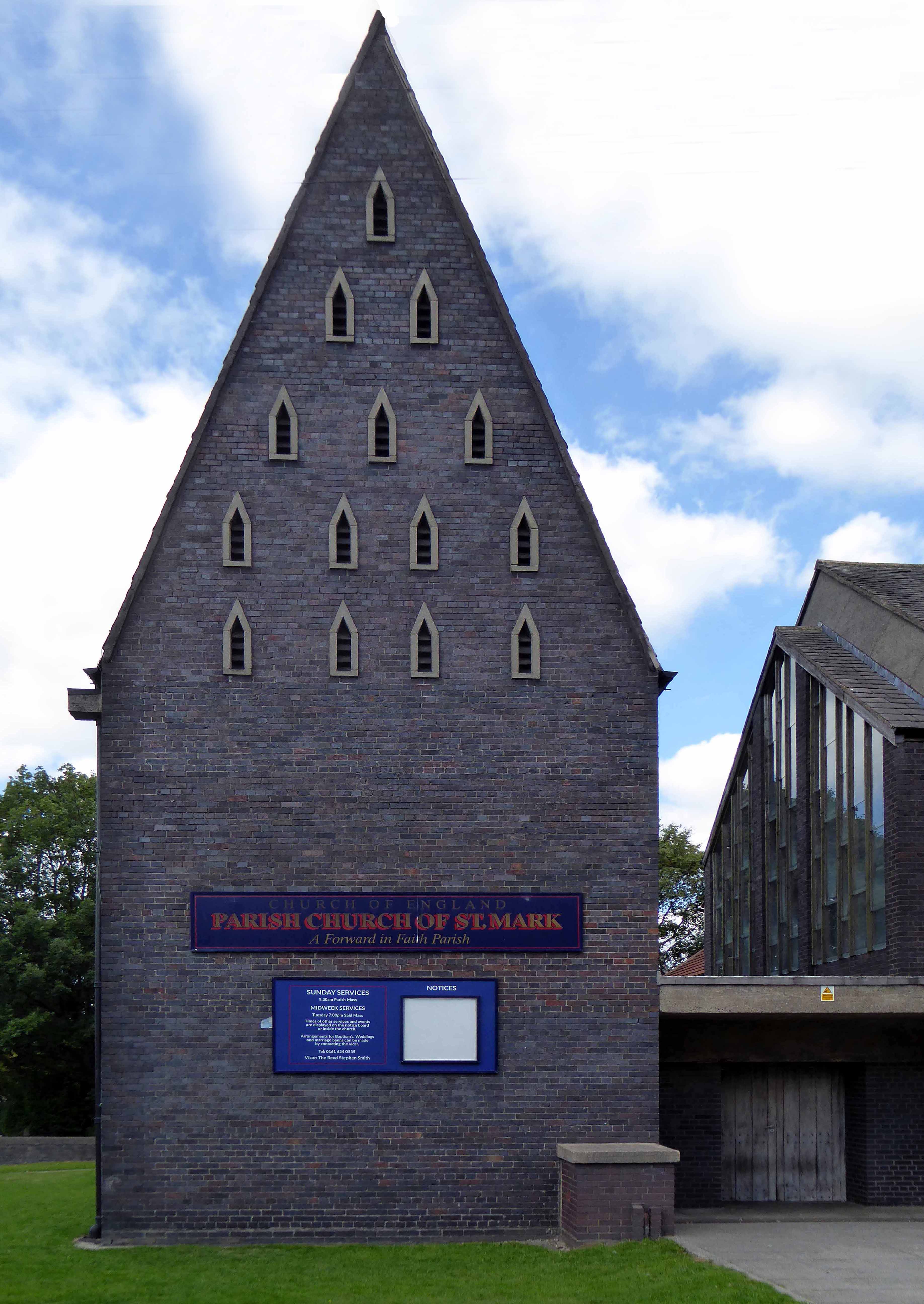
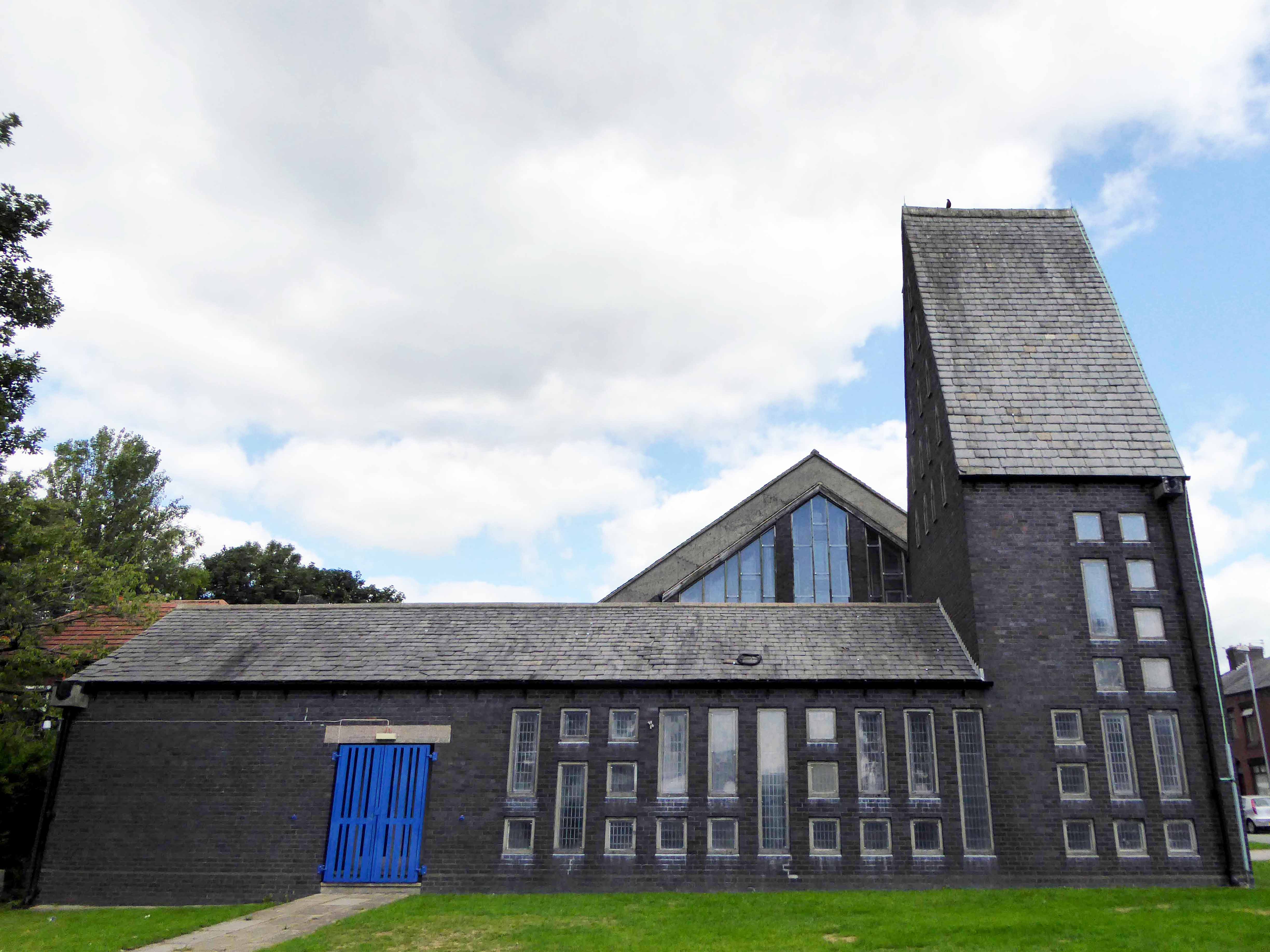
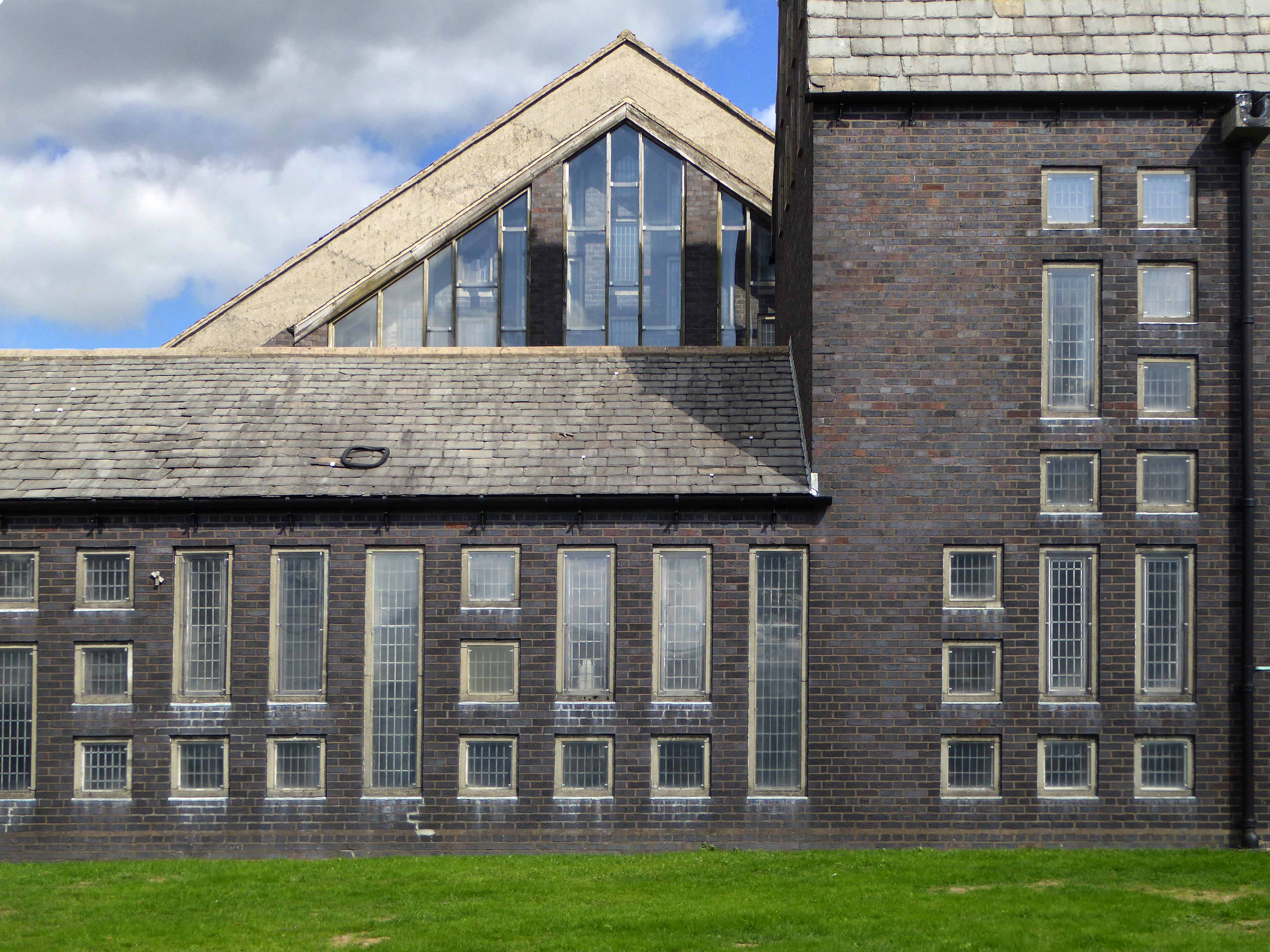
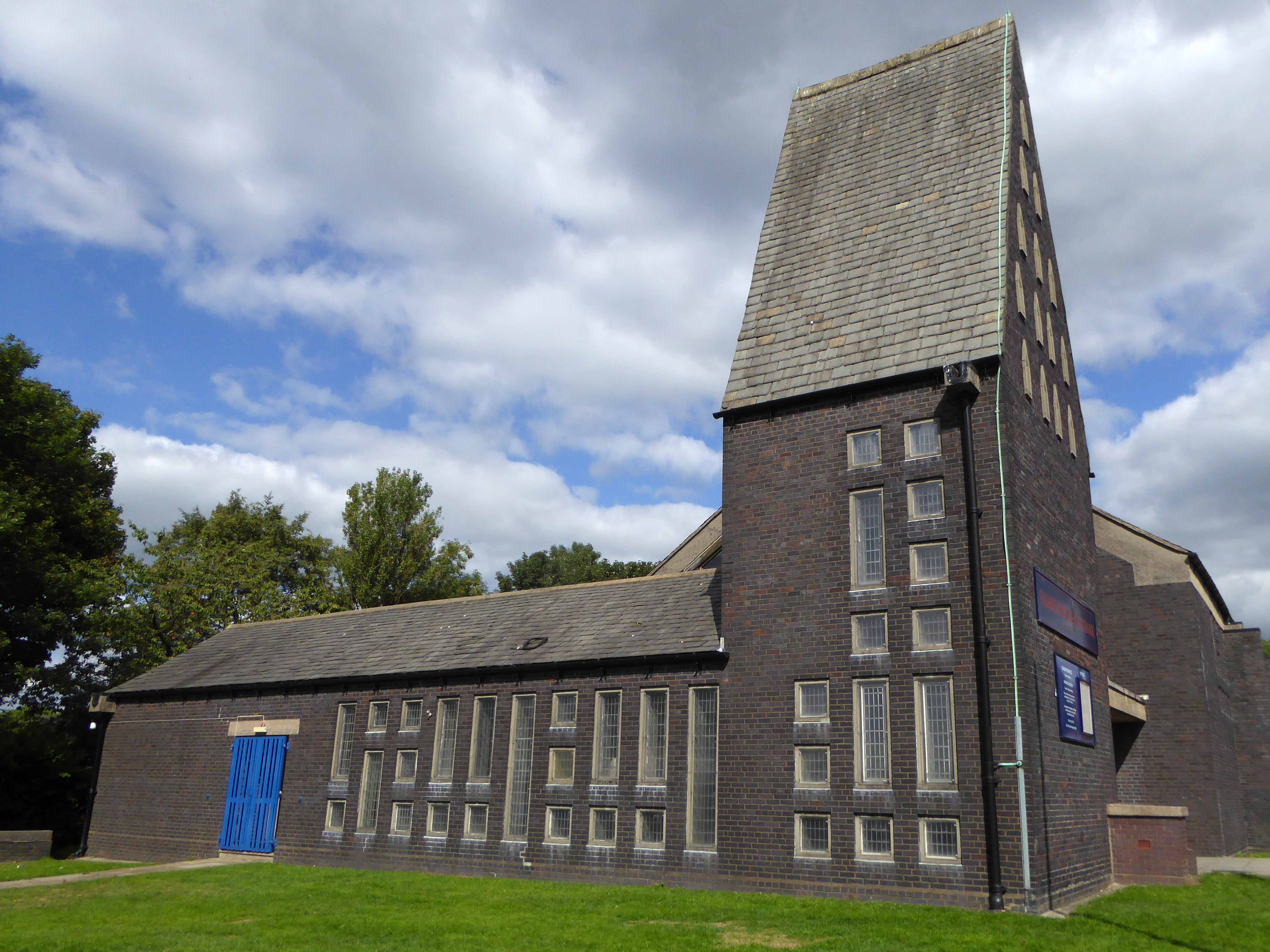
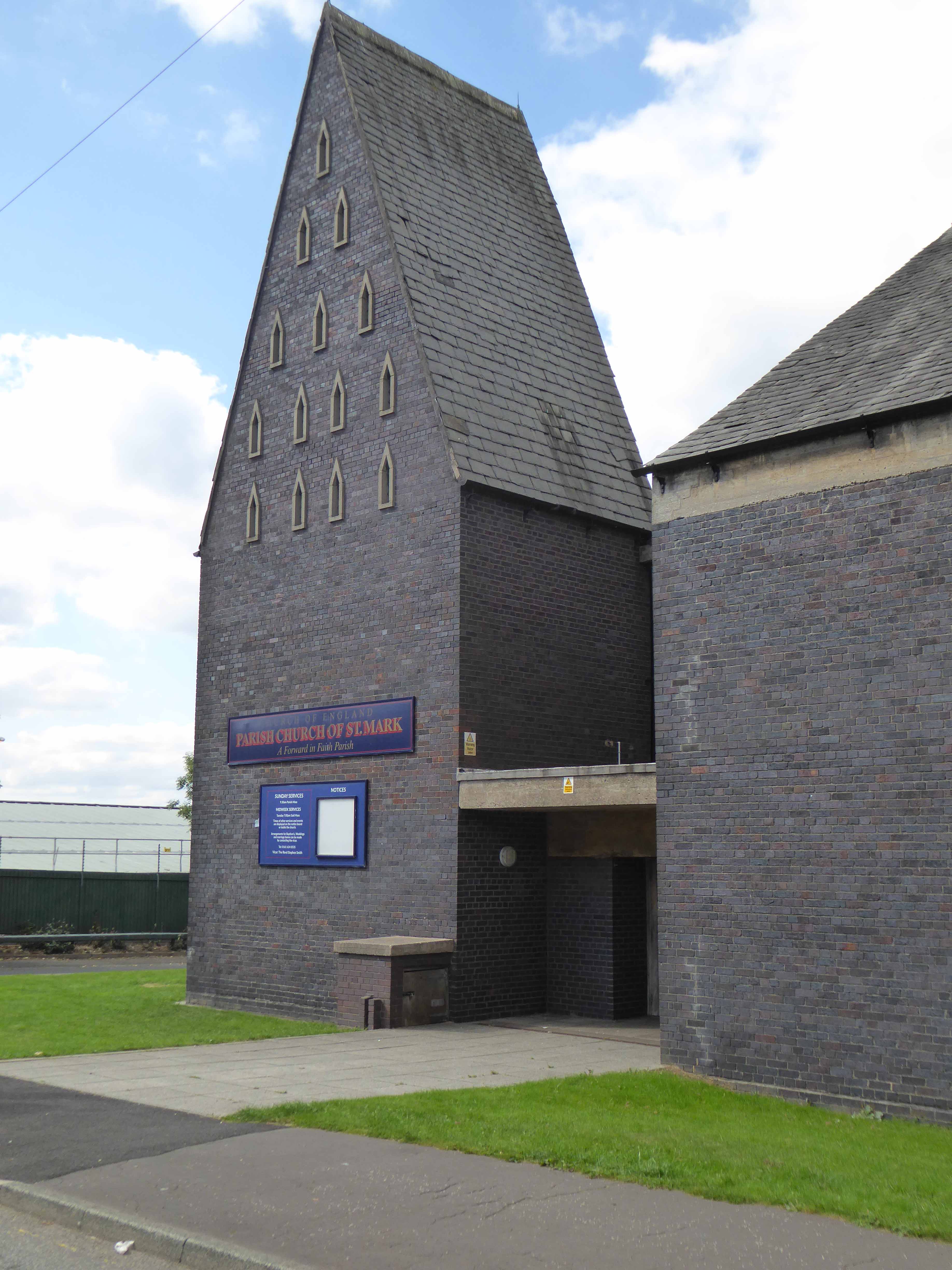
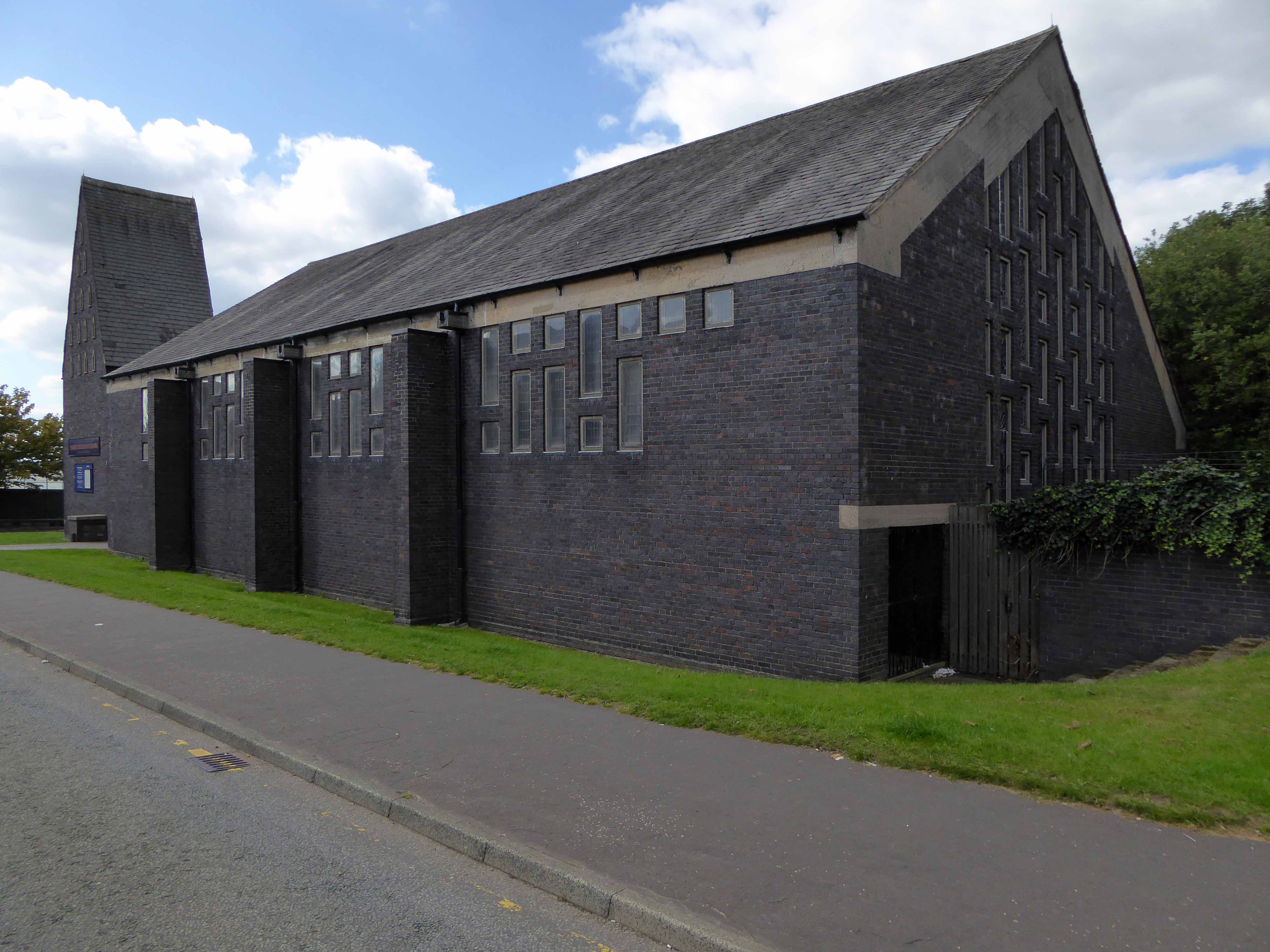
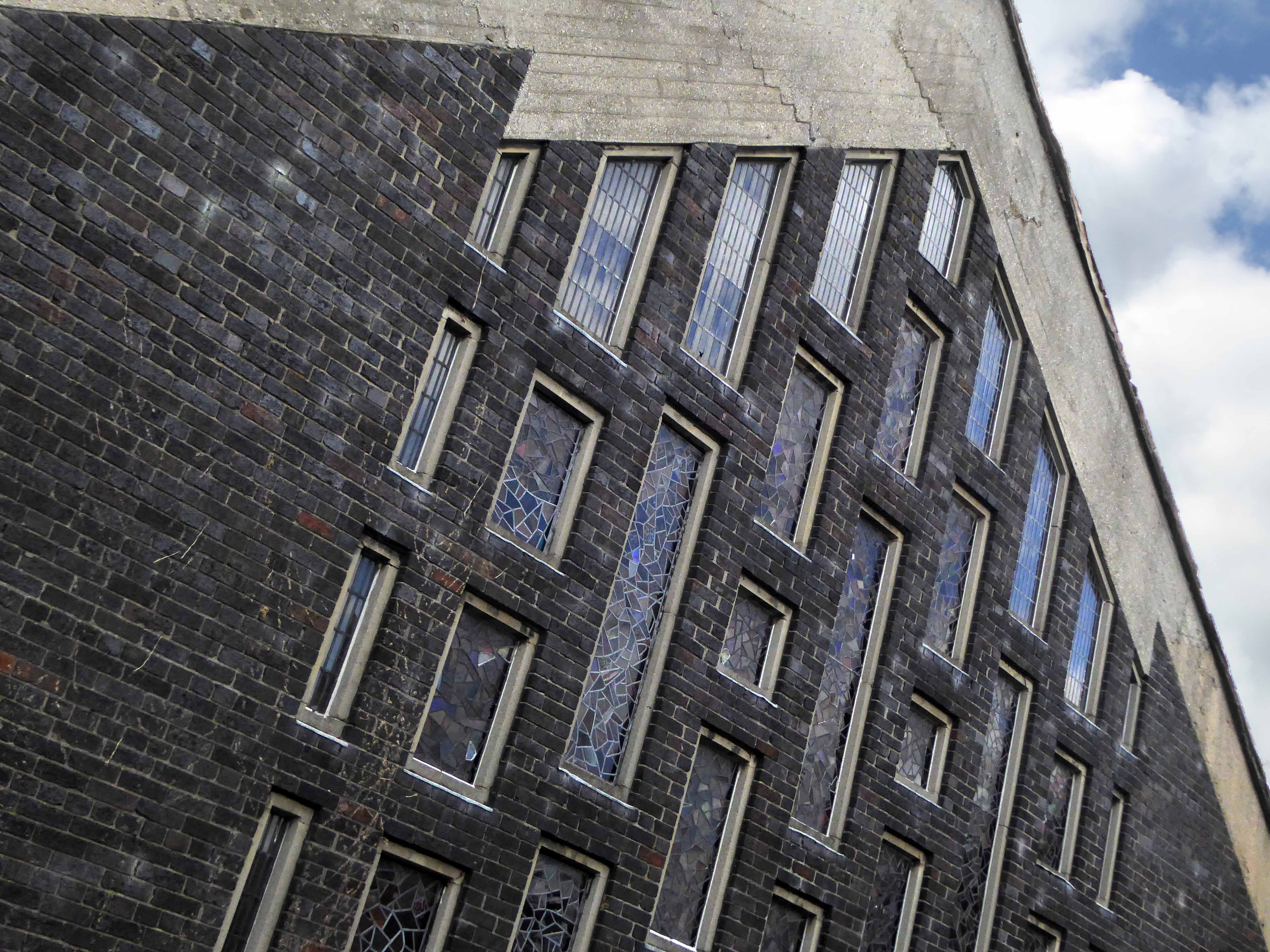
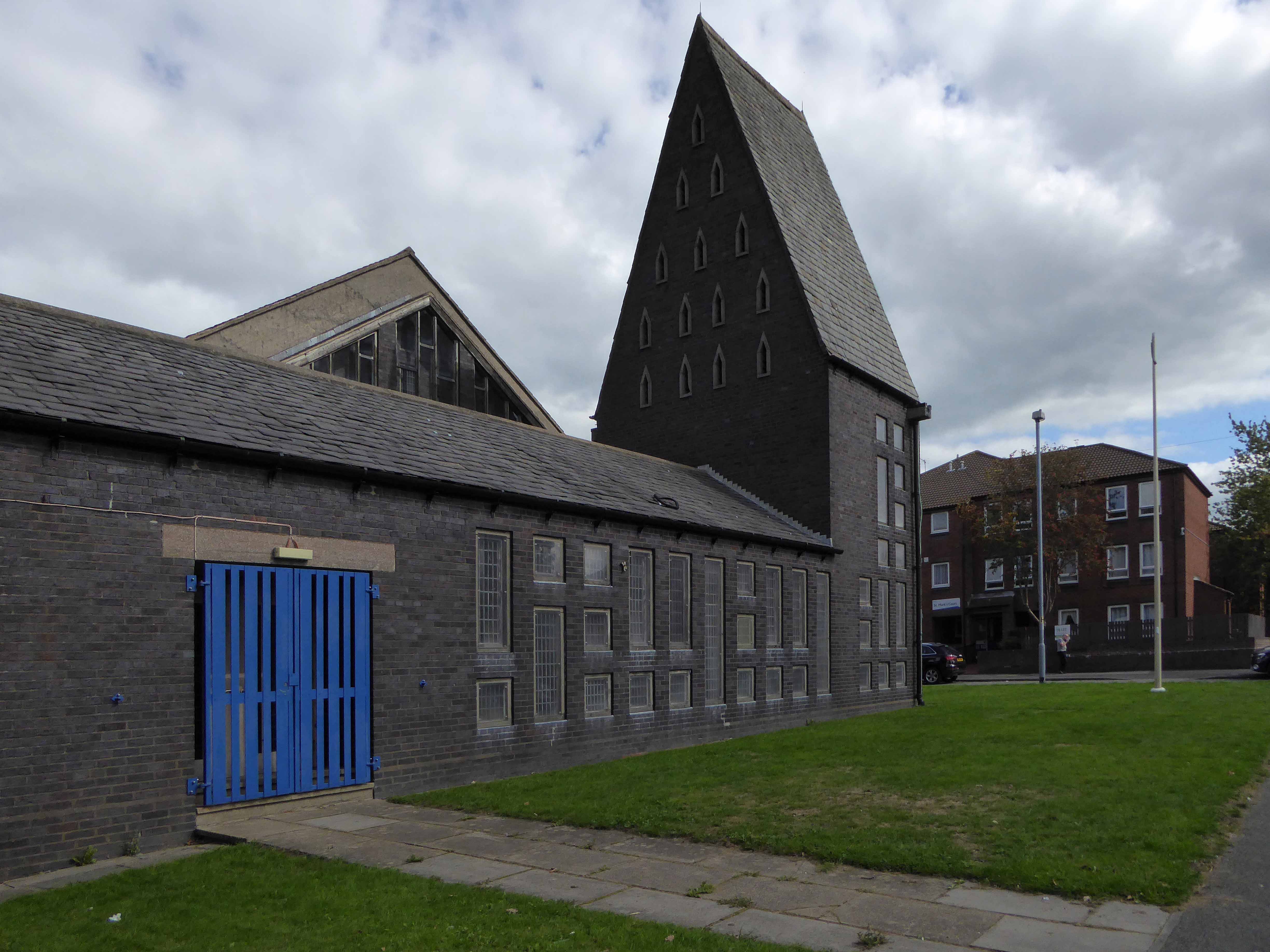
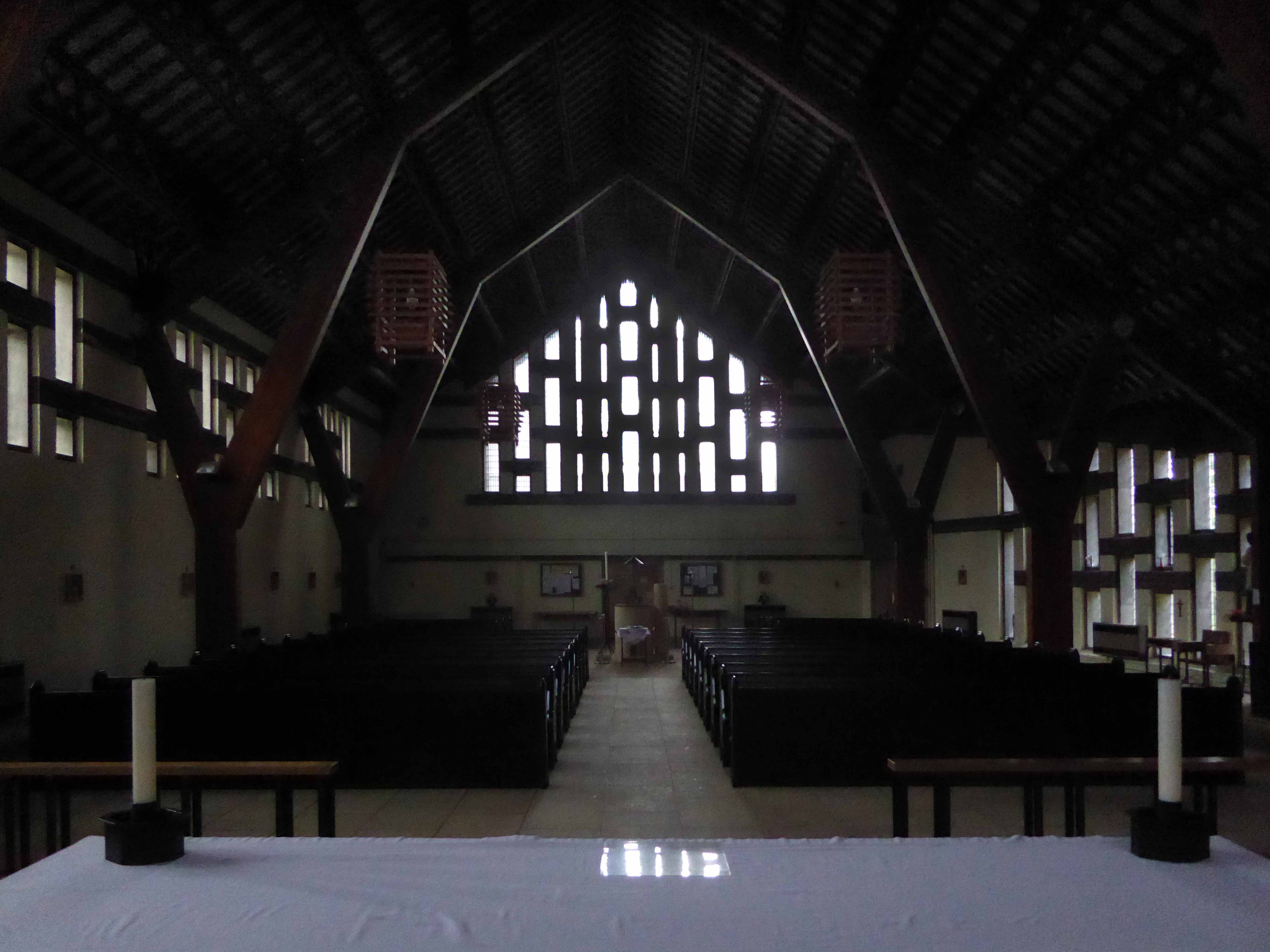
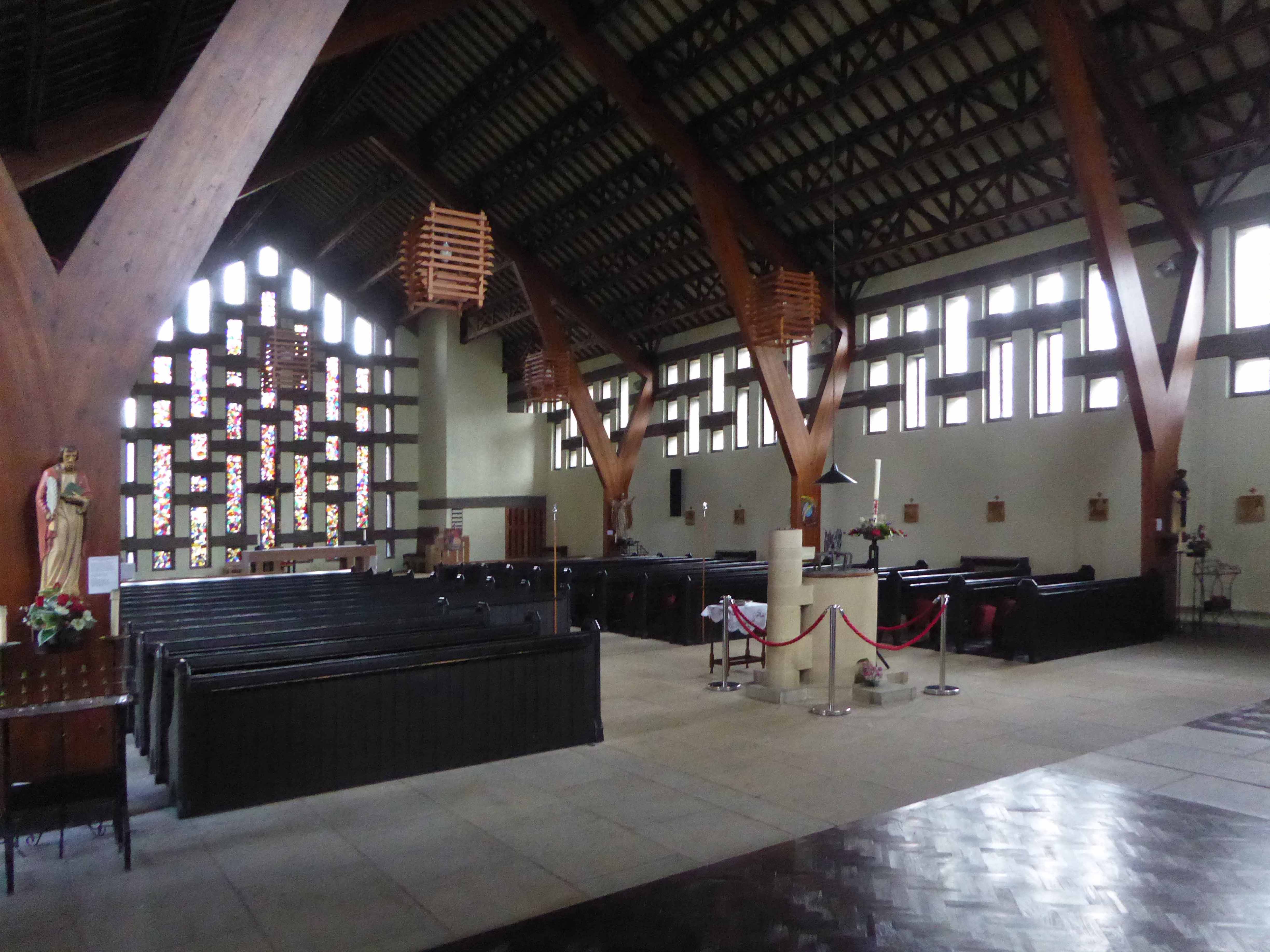
Life is full of little surprises, to turn from Middleton Road into Milne Street in downtown Chadderton and discover a triangular, blue-grey brick tower soaring into the September sky.

So solid geometries pierced by rectangular, triangular and angular gridded windows, deservedly Grade II Listed in 1998, made all the more extraordinary by its seemingly ordinary surroundings.

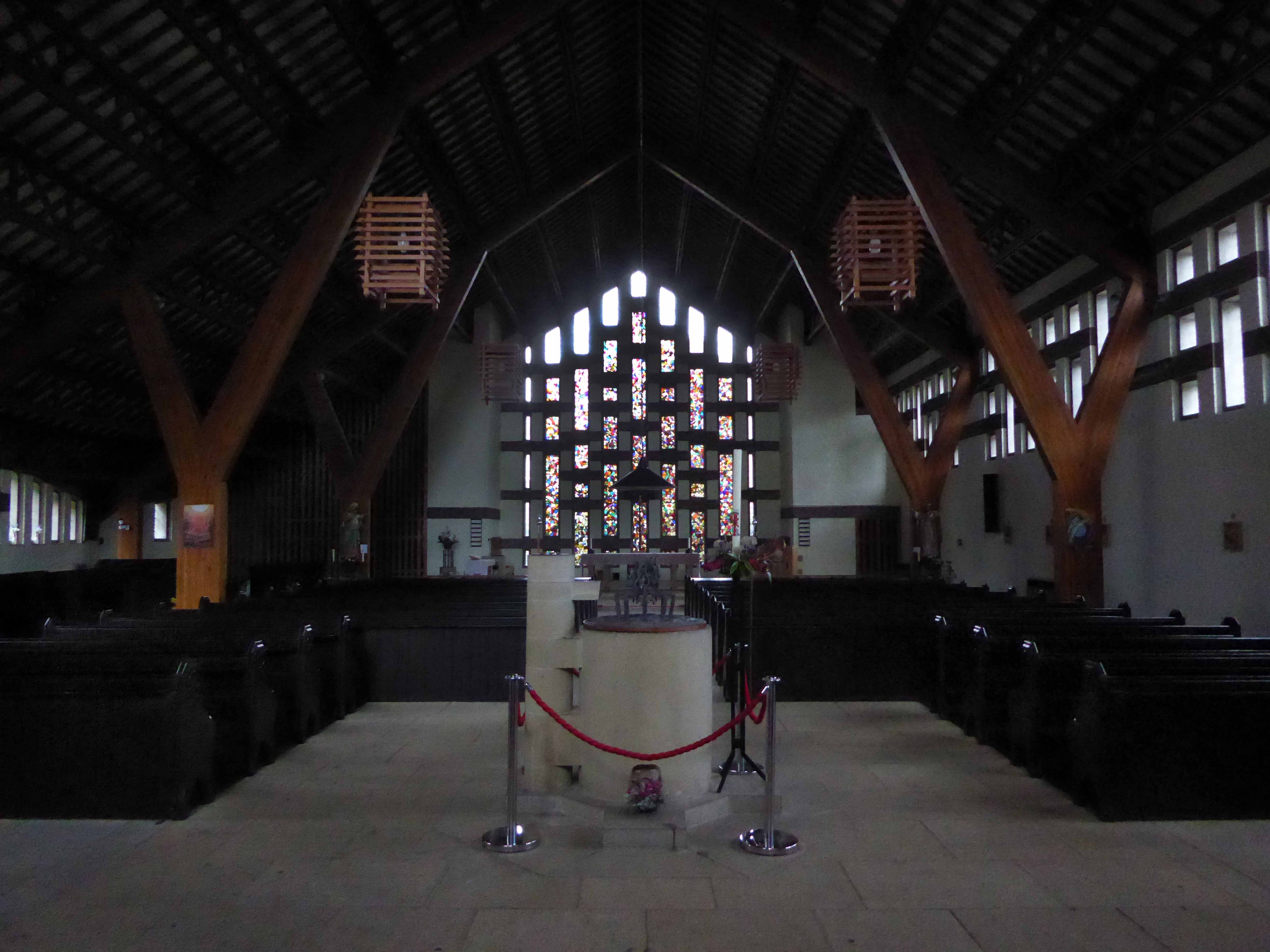
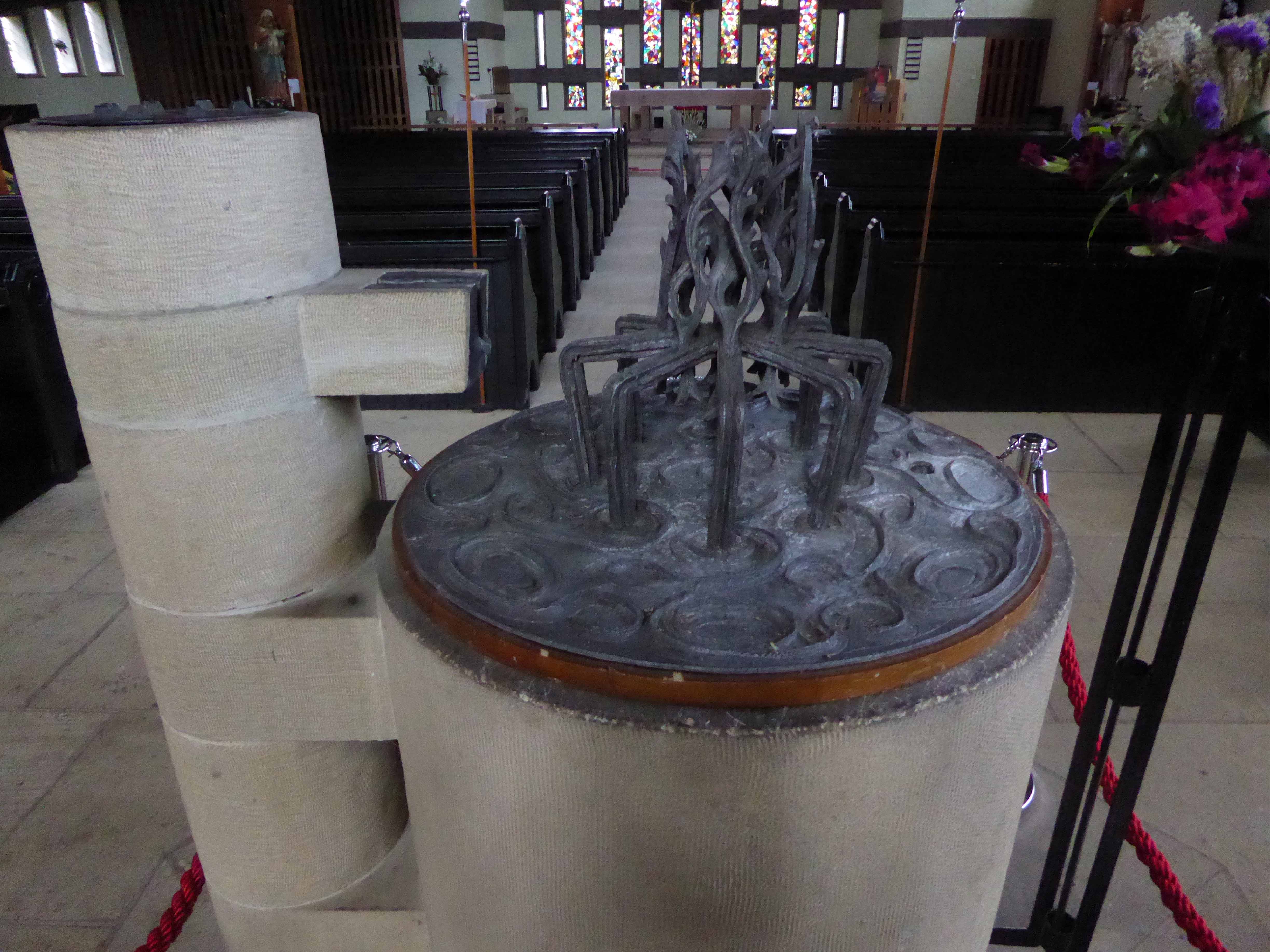
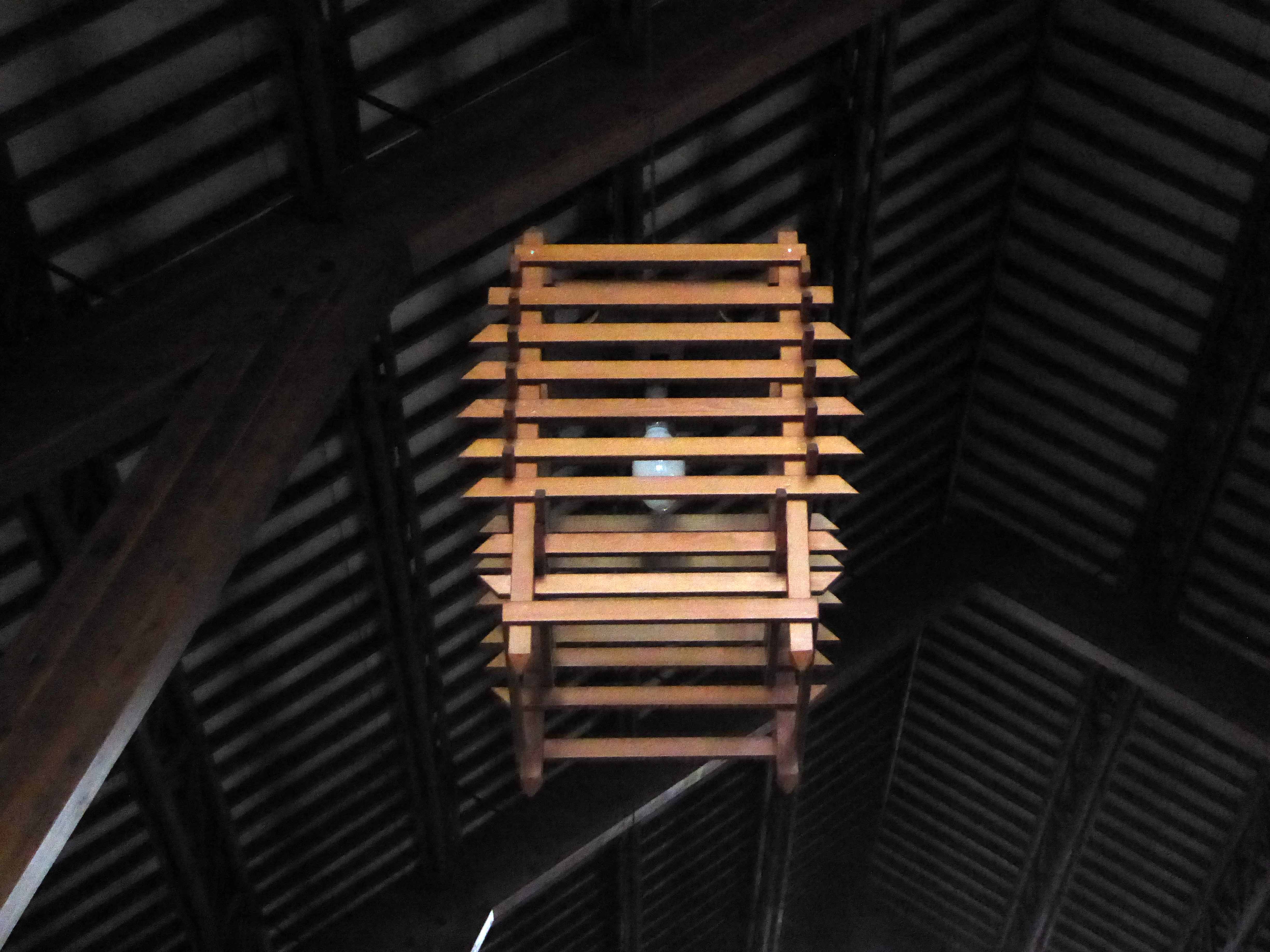
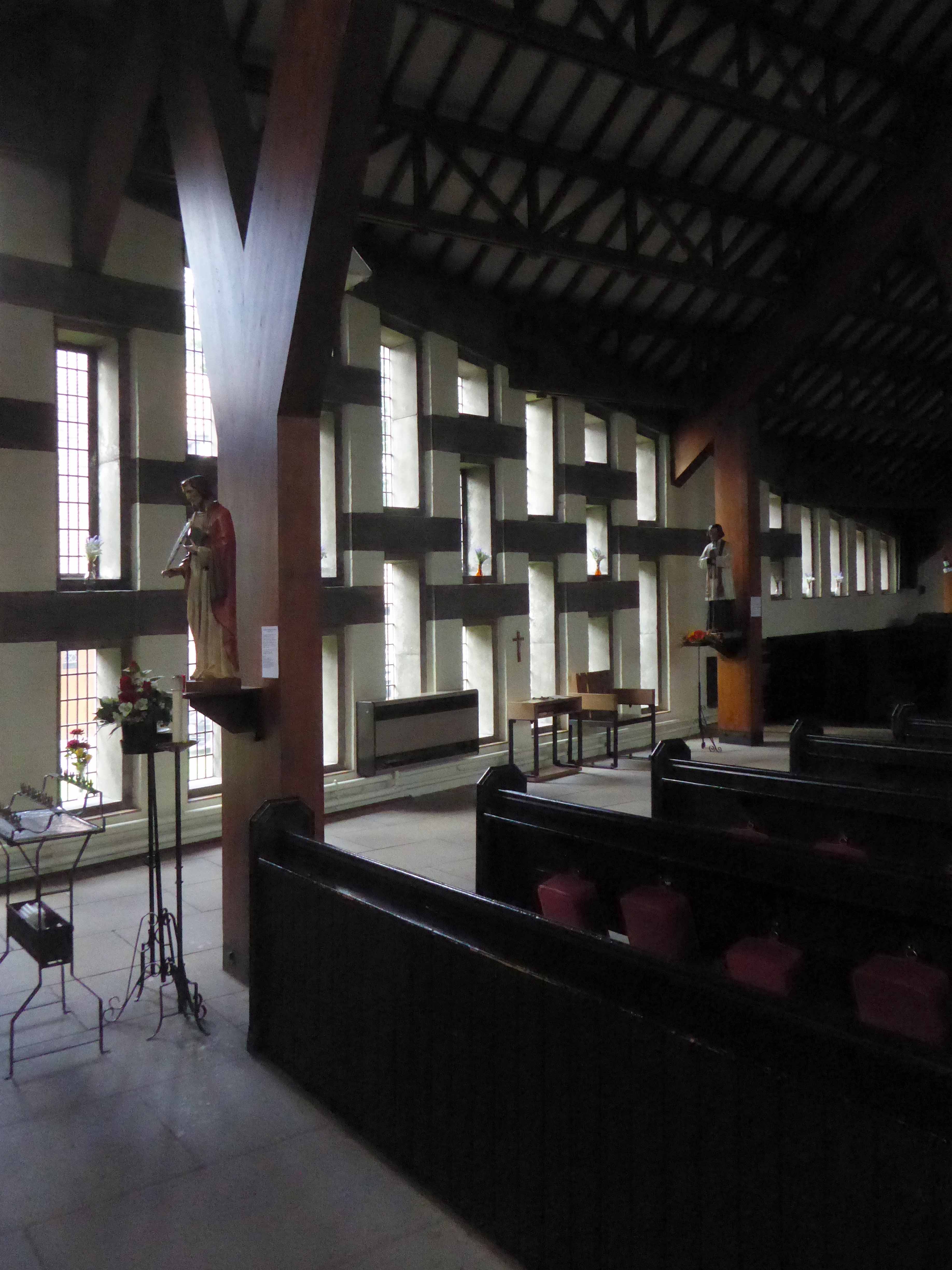
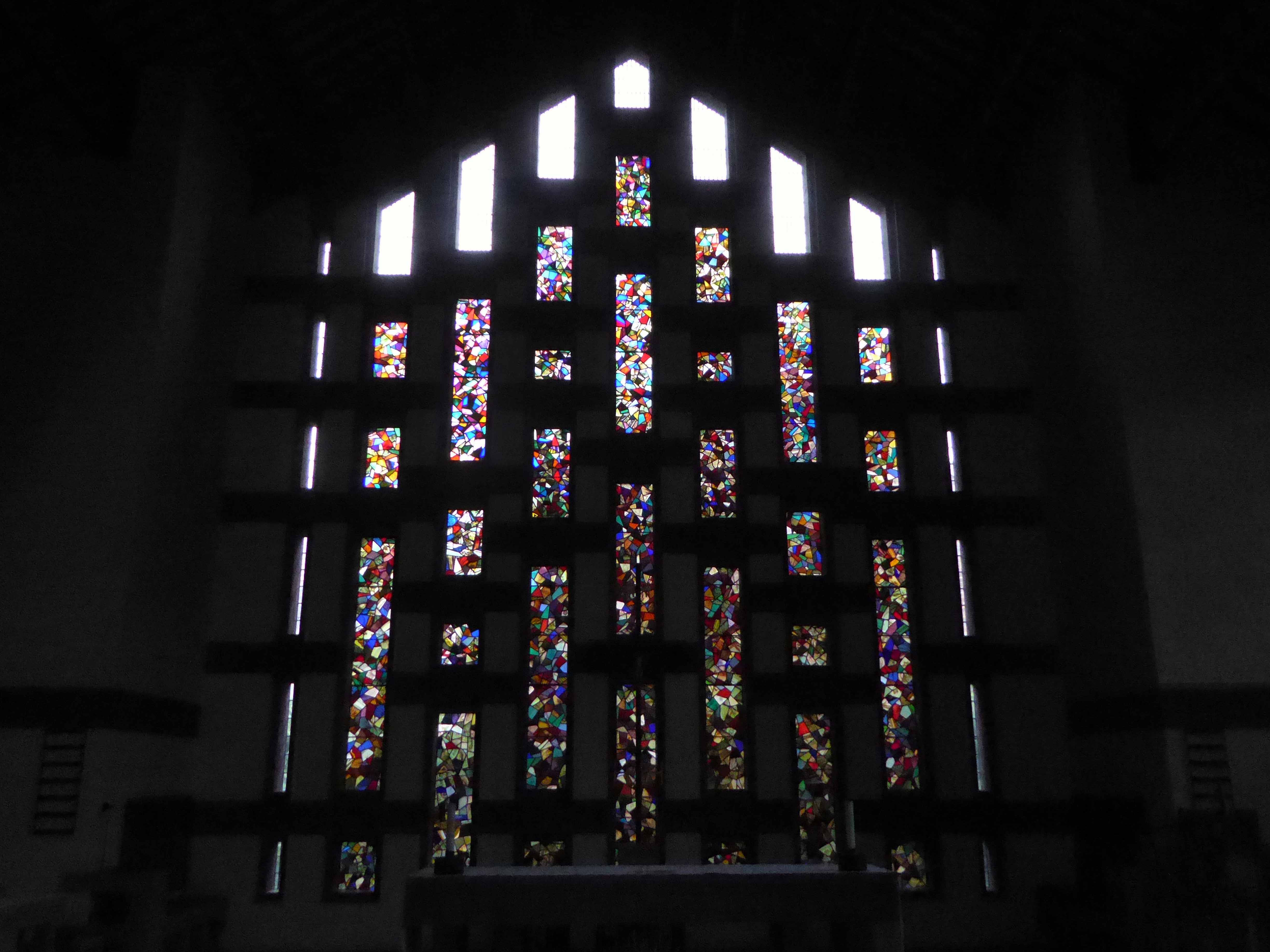
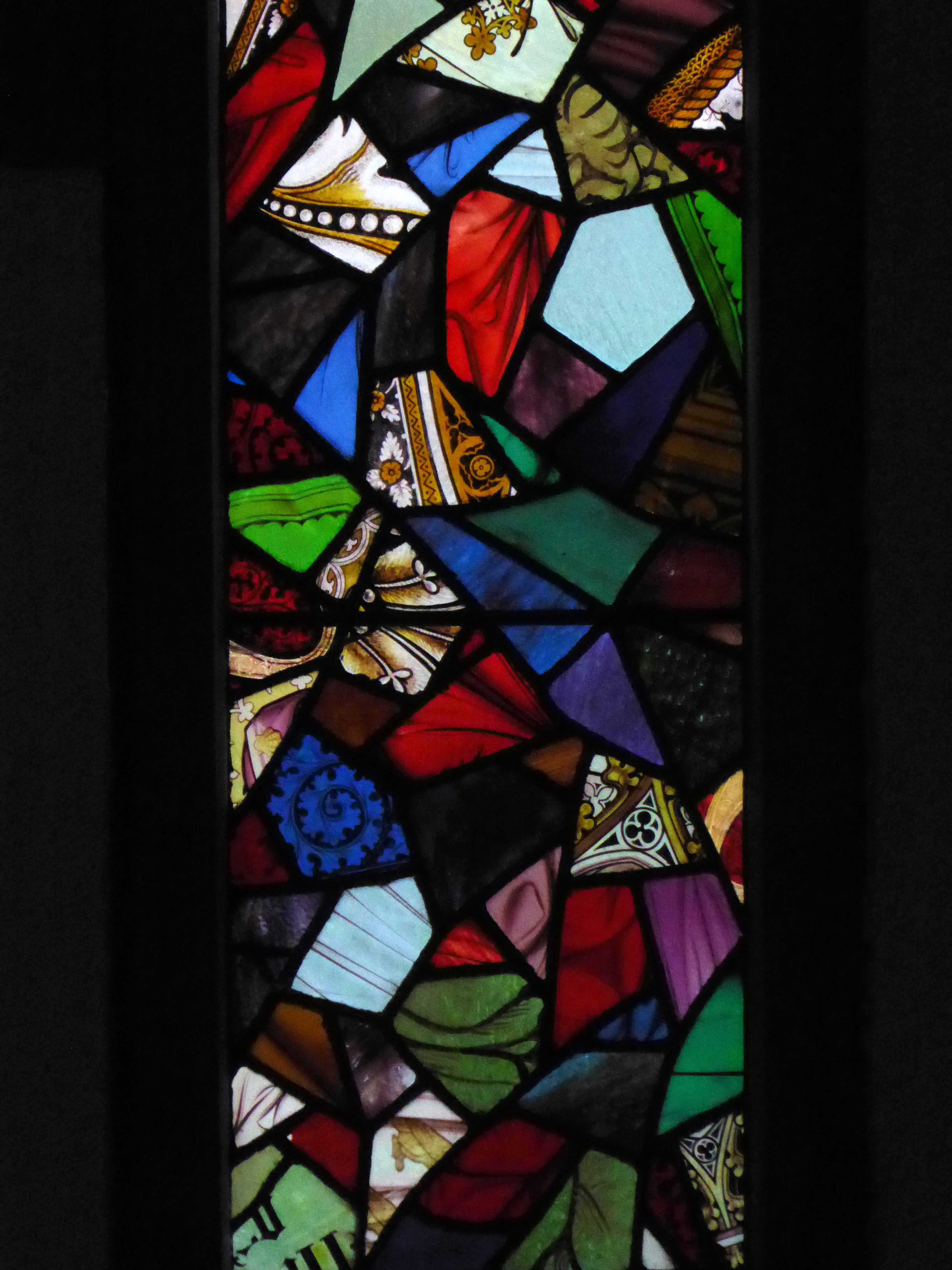
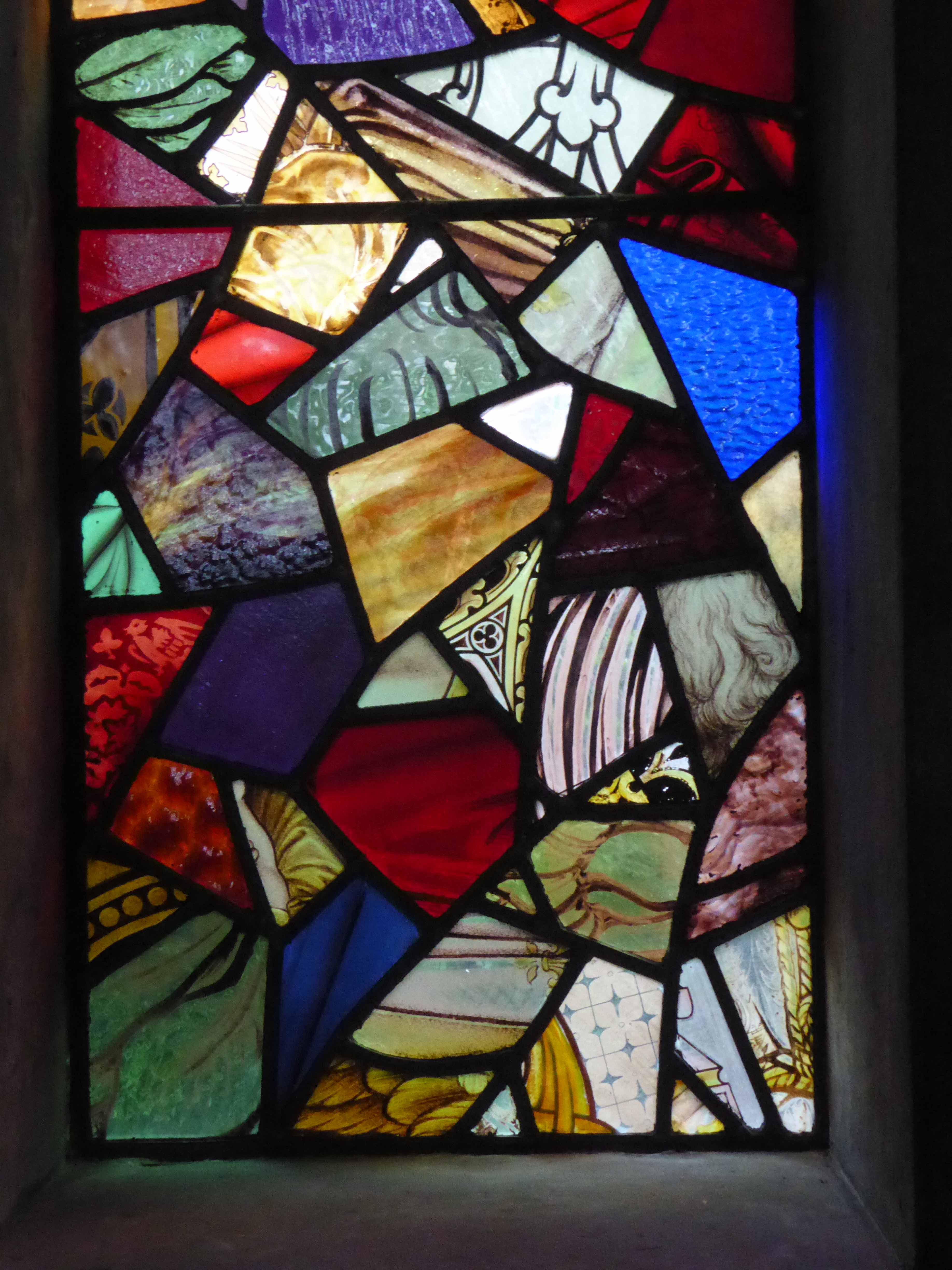
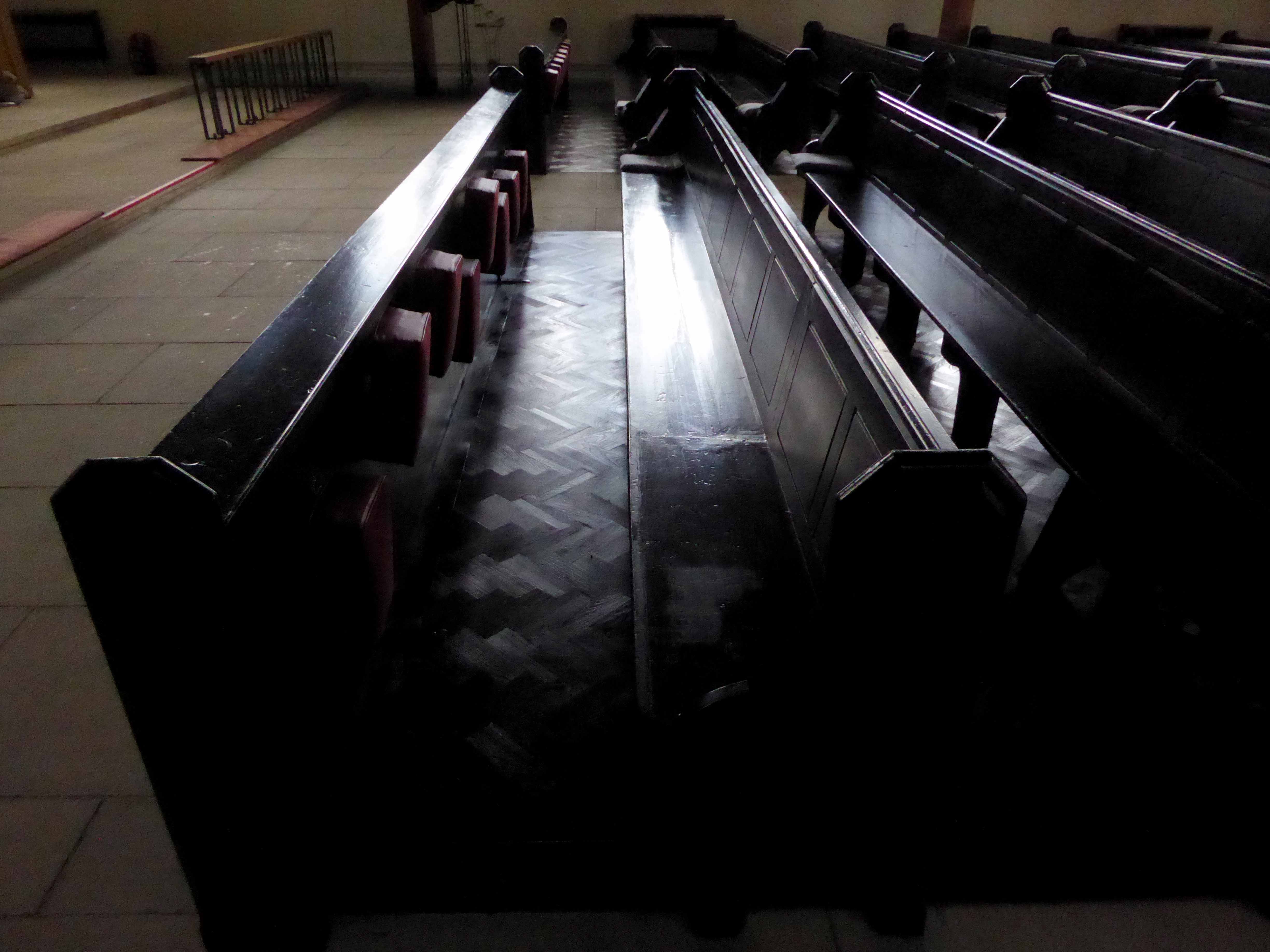
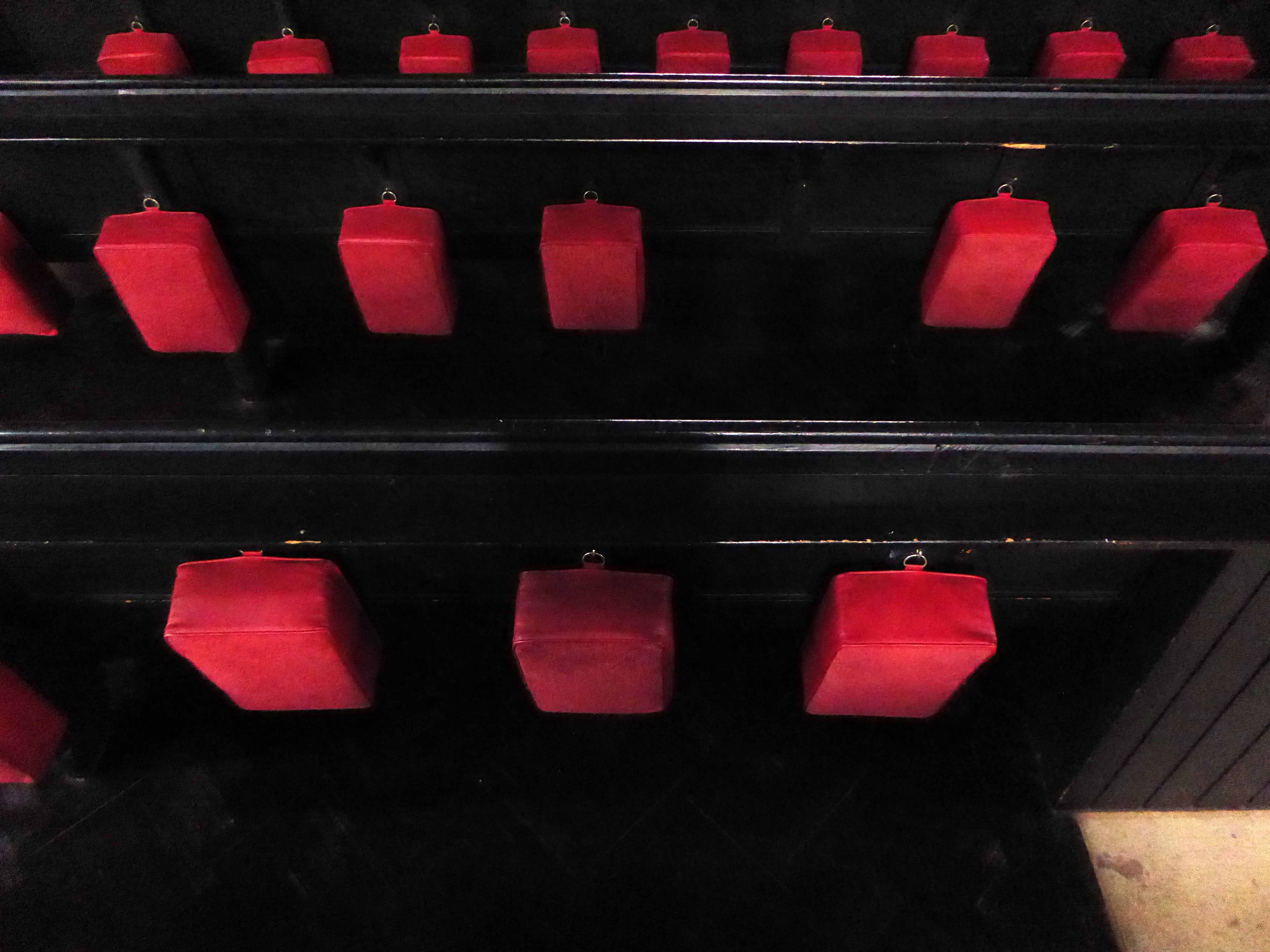
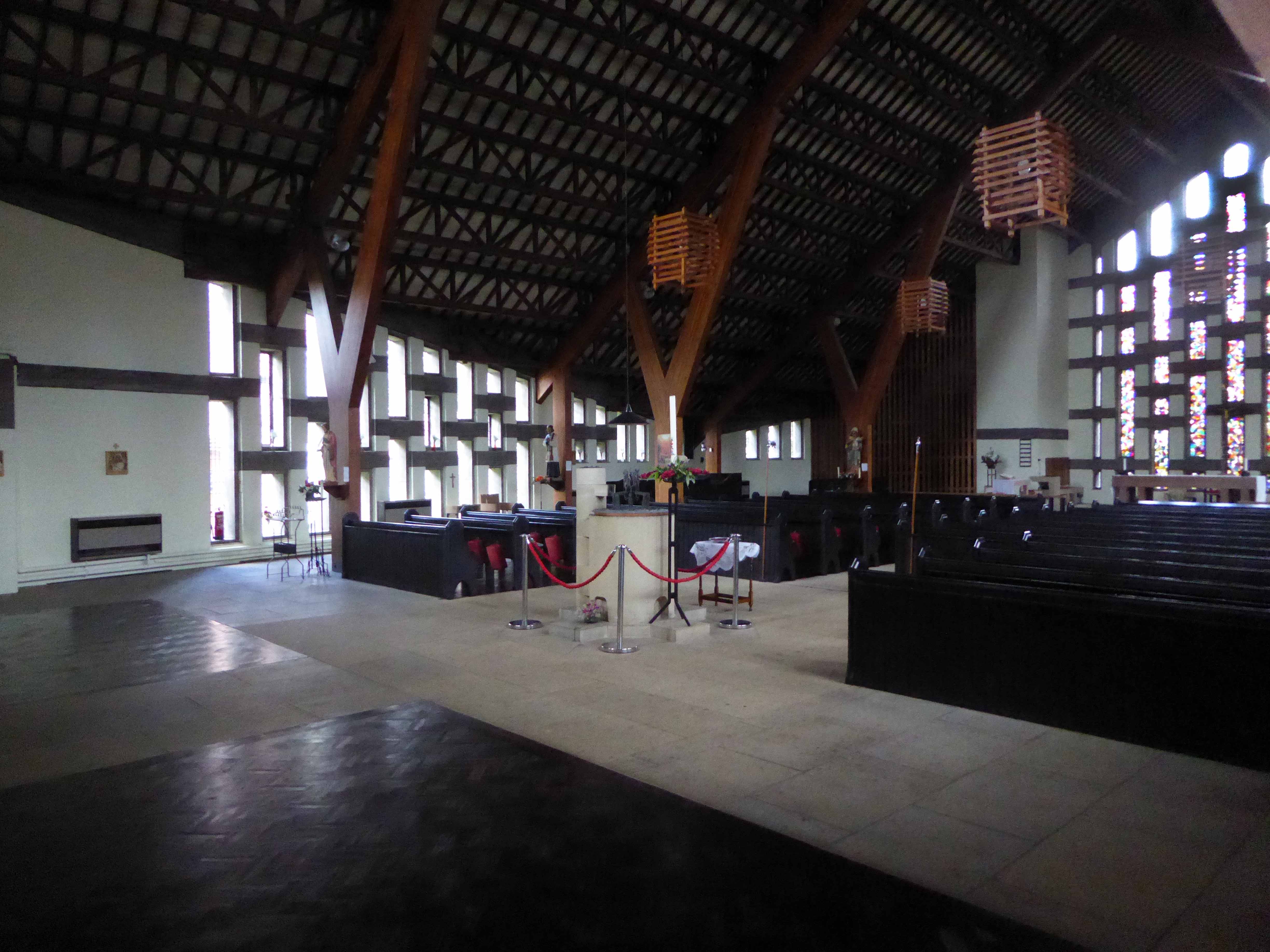
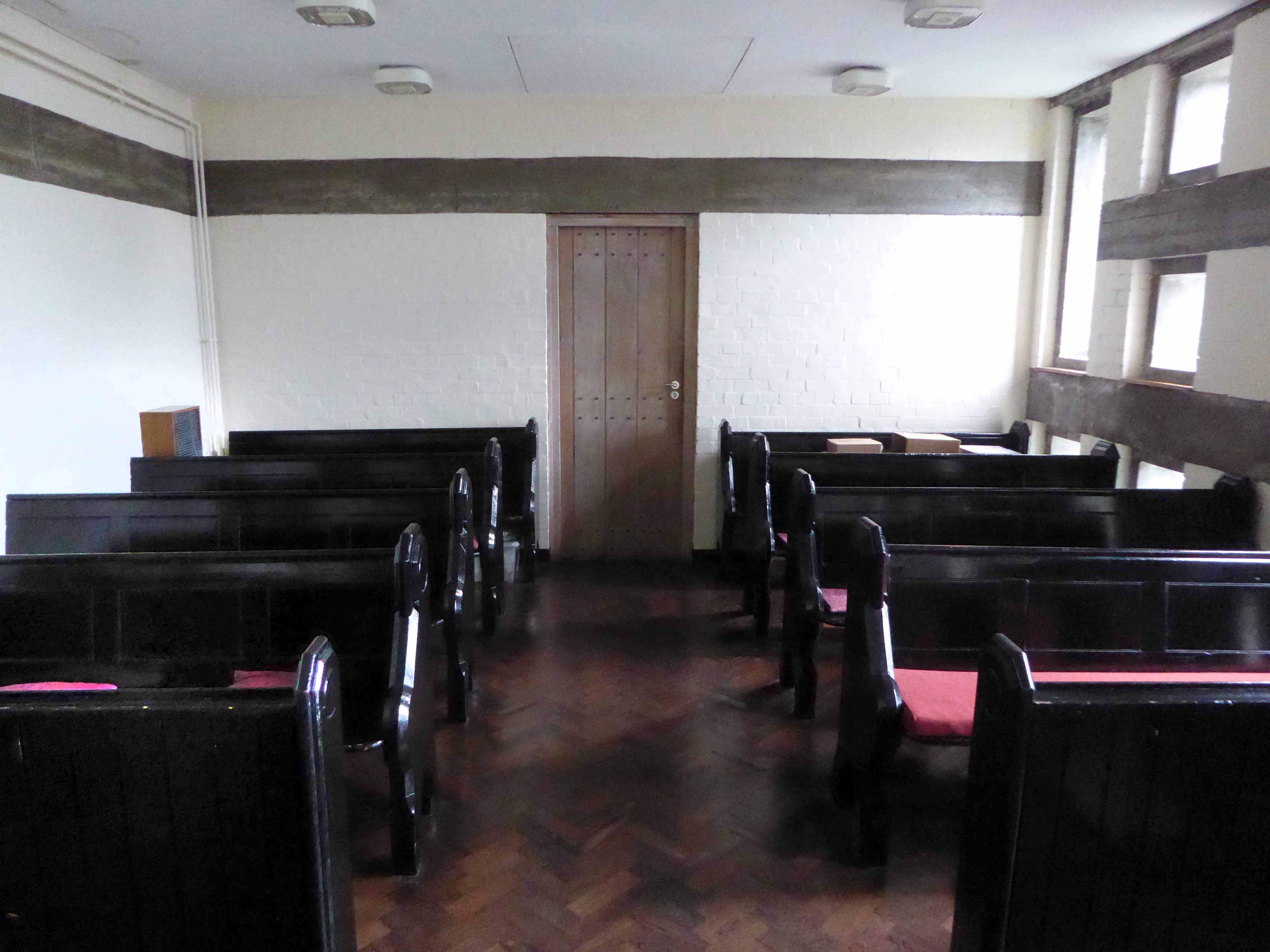
The interior mixes tradition with modernity, reusing pews and fragments of stained glass. Restrained natural lighting, complemented by slatted wooden, almost oriental boxed light shades. The furniture, fixtures and fittings bringing together a coherent decorative order.

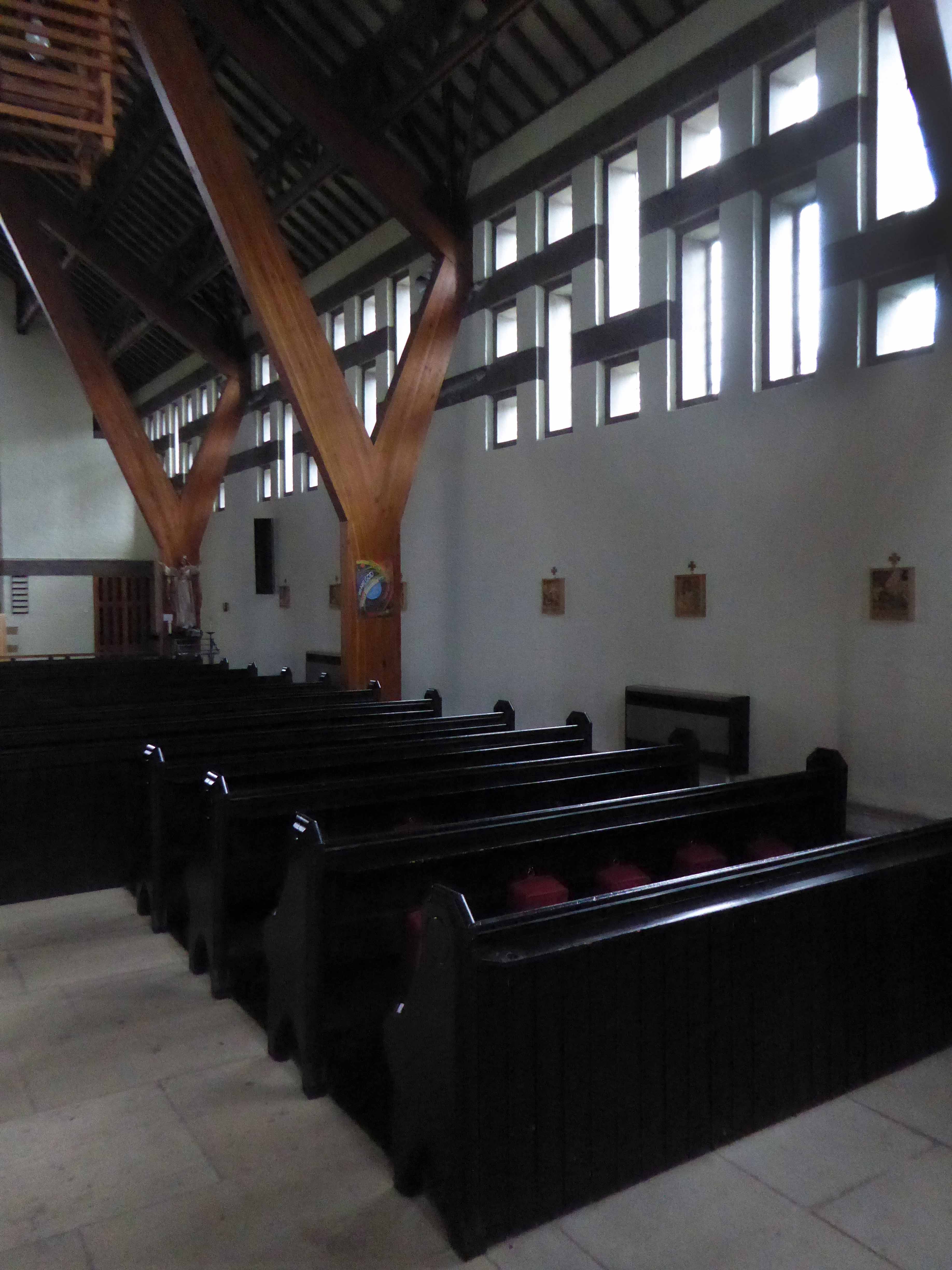
The whole an uplifting and embracing space, punctuated by the curved y-shaped wooden supports, rising to the timber framed roof structure.

It was a pleasure to meet the current incumbent Father Stephen and a privilege to spend some time exploring this altogether delightful and impressive church.

Thank you.

I suggest that you do the same.

Contact details and location.
G.G. Pace 1960-63 – Blue engineering brick; graduated slate to pitched roofs – low pitched to church and entrance and steeply pitched to tower. Concrete dressings around windows. Five sided aisled space, three walls being orthoganal and the liturgical north side being canted outwards to provide room for the choir. Entrance with narthex to west and west also is a small rectangular chapel. Corner site, the corner itself dominated by a low rectangular brick tower with a high gabled roof. Four bay nave, the bays separated by buttresses and with rectangular windows set in varying groups high in the wall. West wall of nave is visible, and secondary glazing has been sensitively installed over the west window between the western buttresses. Thick exposed board-marked concrete beam at eaves. On return elevation, tower is flush with small chapel, with irregular groups of rectangular windows to both. Rectangular leaded lights. Recessed entrance with two doors of timber and leaded-glazing in vertical strips. Liturgical north and south faces of the tower each has a stack of 14 small pointed louvres. Jutting gutter spouts in exposed board-marked concrete.

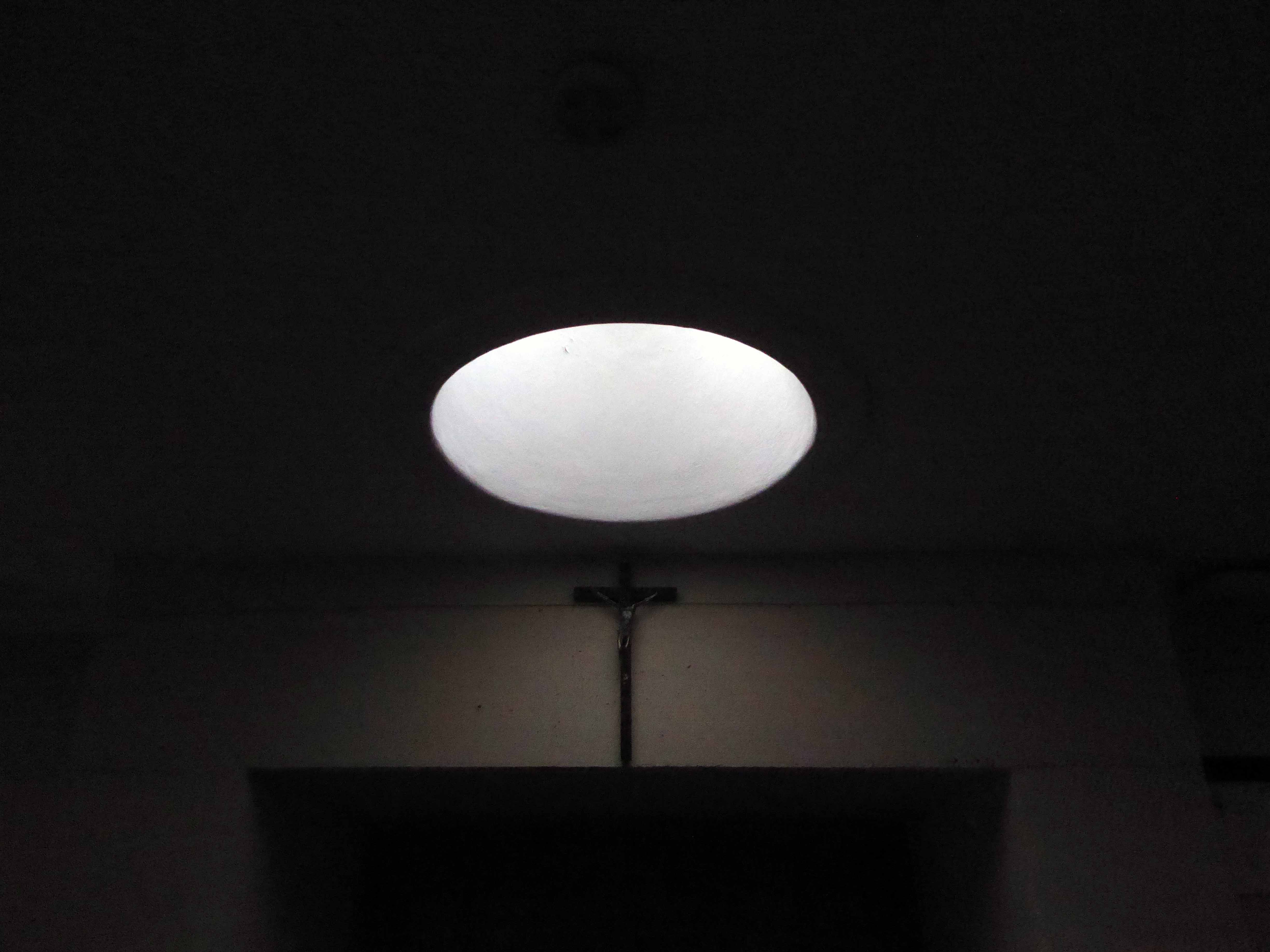
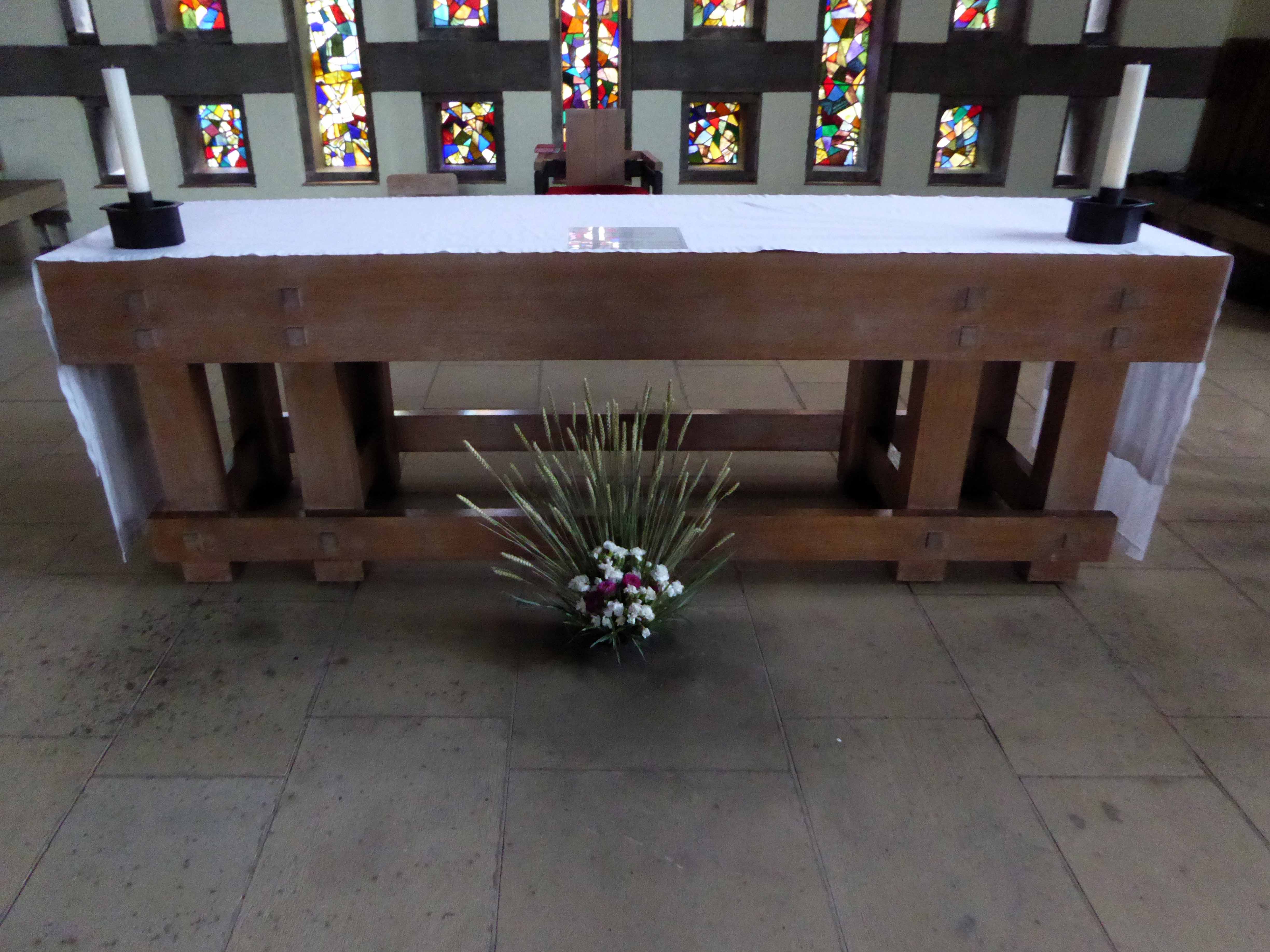
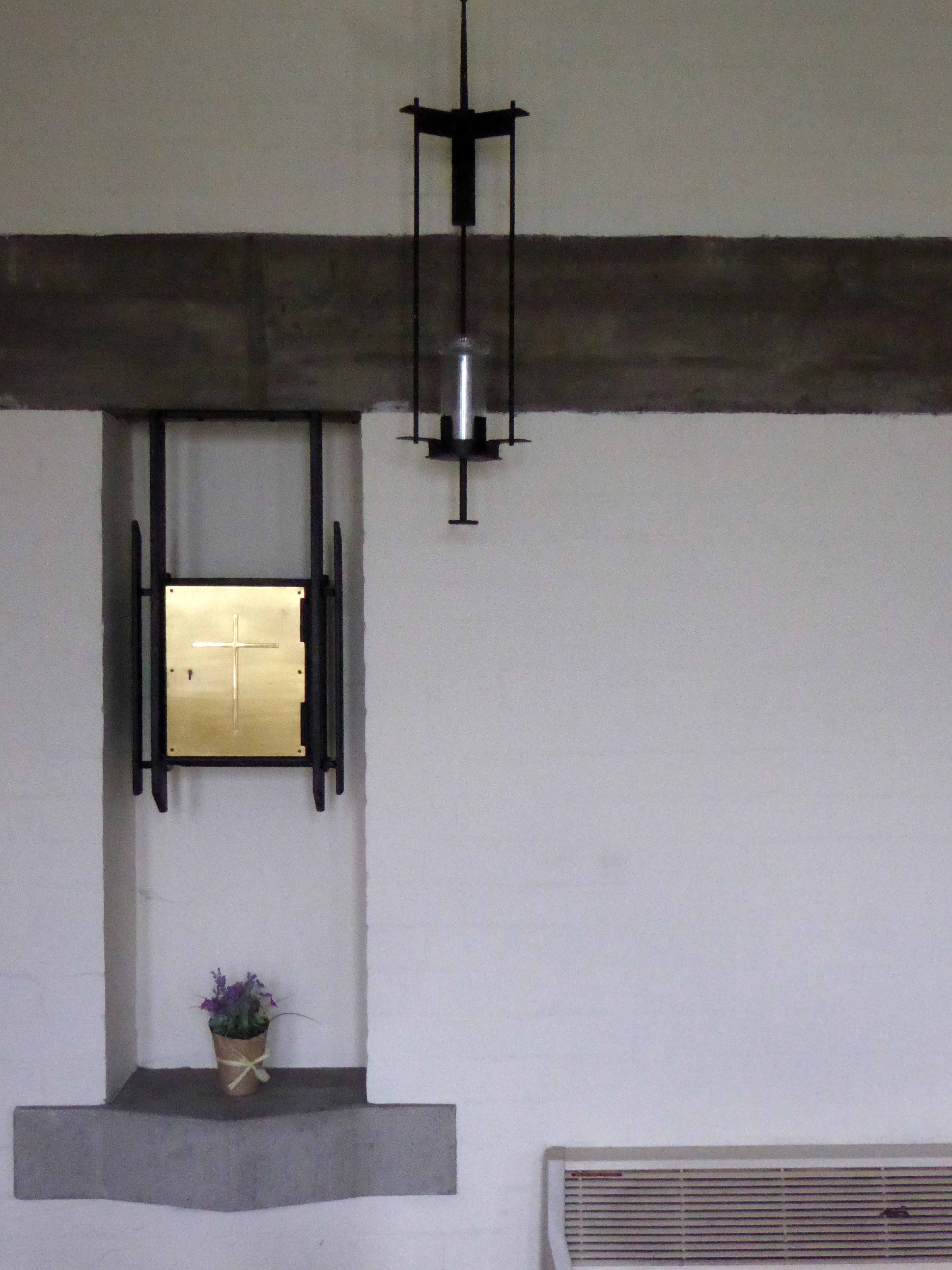
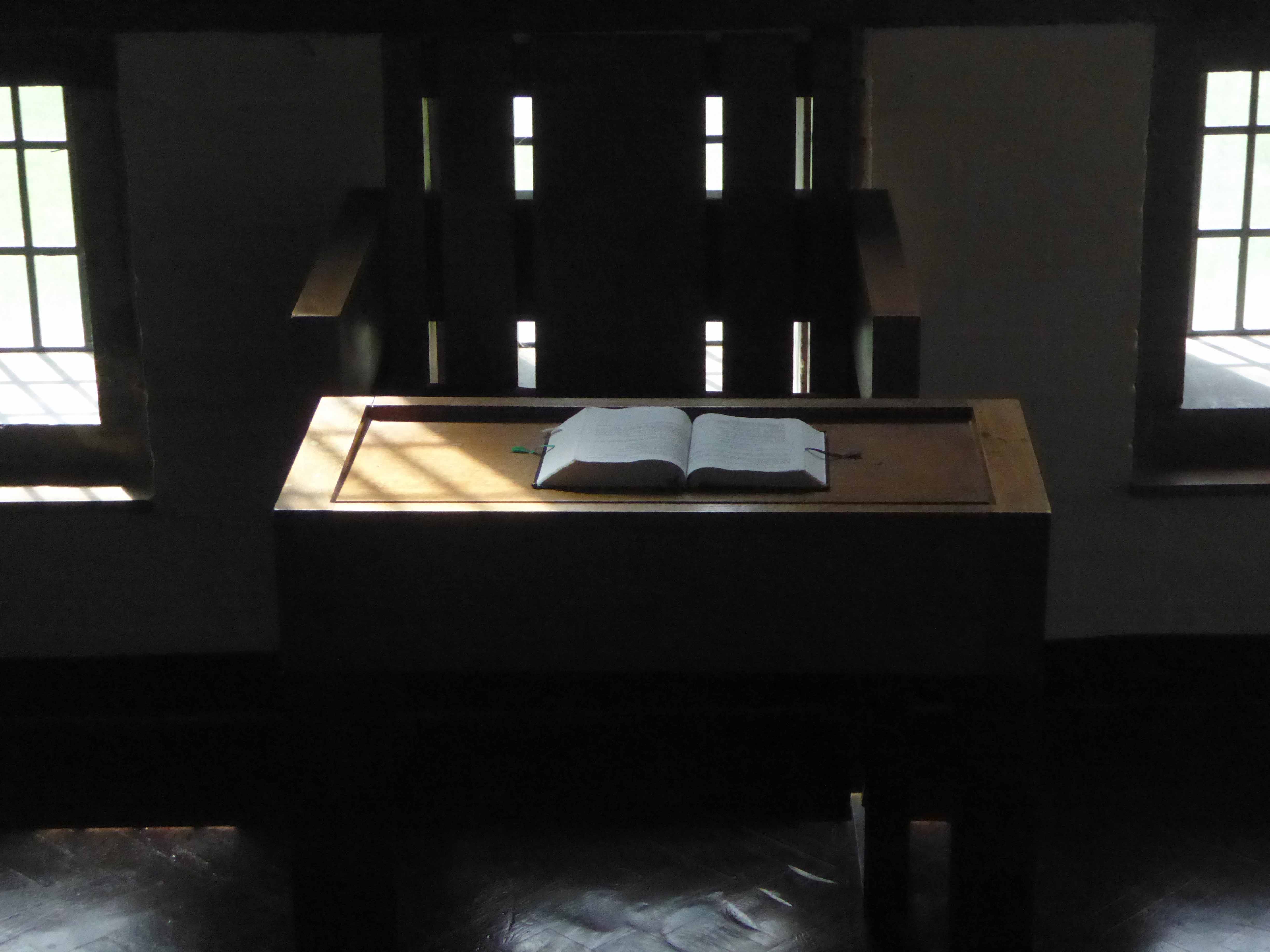
Internally the bays are divided by three pairs of varnished laminated timber `y’ shaped supports and trusses, supporting timber trussed purlins (with prominent bolts) and timber rafters. Walls are white-painted brick with exposed board-marked concrete bands, which act as bonding strips between brick piers and as lintels for windows. Original altar of limed timber with four pairs of legs, is in original position, set forward from the east wall. Sanctuary raised by two steps. Limed timber pulpit, also chunky and so is altar rail with thick black metal supports and thick limed timber handrail. Priest’s chair to match, against east wall. Black metal crucifix also in characteristic Pace manner. Stone sedilia built into the north and south walls of the sanctuary. East window with stained glass which comprises broken and reset fragments of nineteenth-century glass. Font sited in central aisle towards the west end; this is of tooled cream stone, the bowl comprising a monolithic cylinder, flanked by a smaller cylinder which rises higher and has a prominent spout. Elaborate font cover in roughly textured cast aluminium, rising to flame-like pinnacles. Reused nineteenth-century benches, painted semi-matt black. Narthex and west chapel with limed timber doors, which have decorative nail-heads in rows. West chapel has open truss timber roof, painted white. Sanctuary light and cross are characteristic of Pace’s style.

A fine example of Pace’s idiosyncratic manner, this church shows the influence of the Liturgical Movement, especially in the forward placement of the altar.

British Listed Buildings

A fine companion to Pace’s William Temple Church in Wythenshawe.

P1290252

P1290256


P1290258

P1290260


P1290266

P1290267

P1290270

P1290275

P1290277

P1290280

P1290281

P1290283

P1290284

P1290286

P1290287

P1290288

P1290289

P1290290

P1290294

P1290299

P1290306

P1290309

P1290311

P1290314

Lady Chapel

P1290321

P1290323

P1290326

P1290329


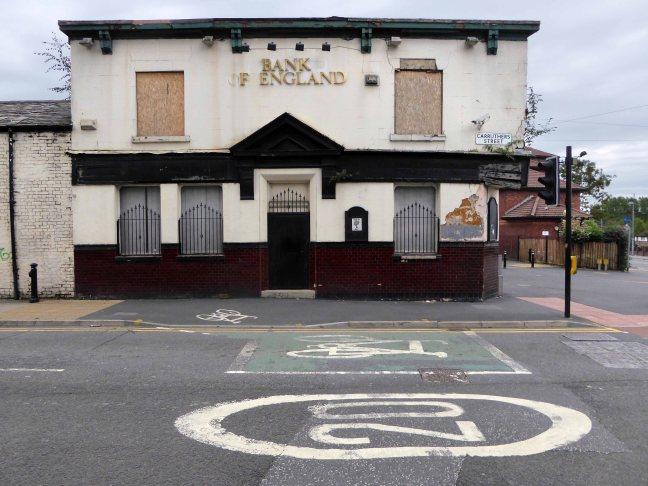
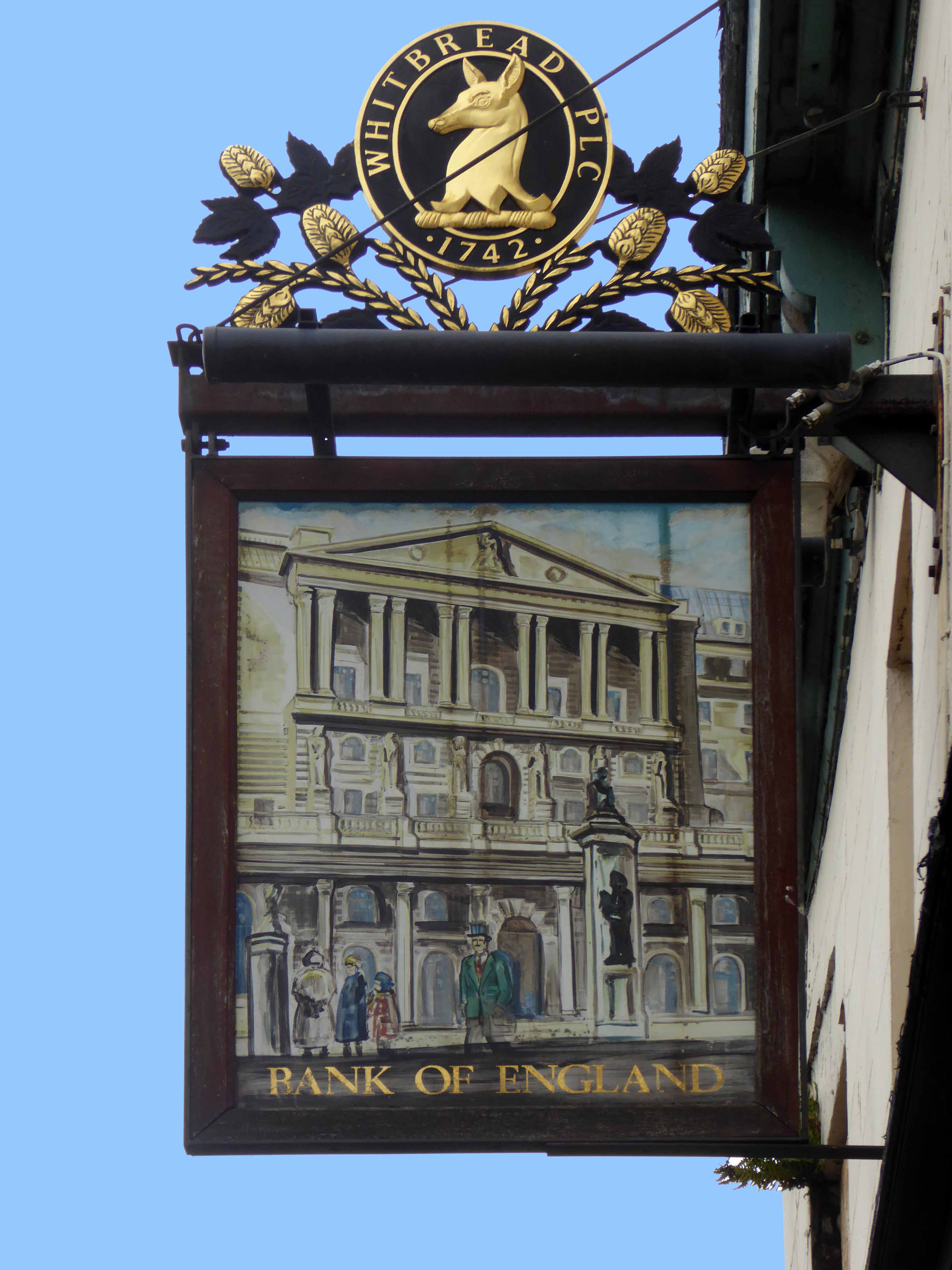
The Bank Of England – Manchester

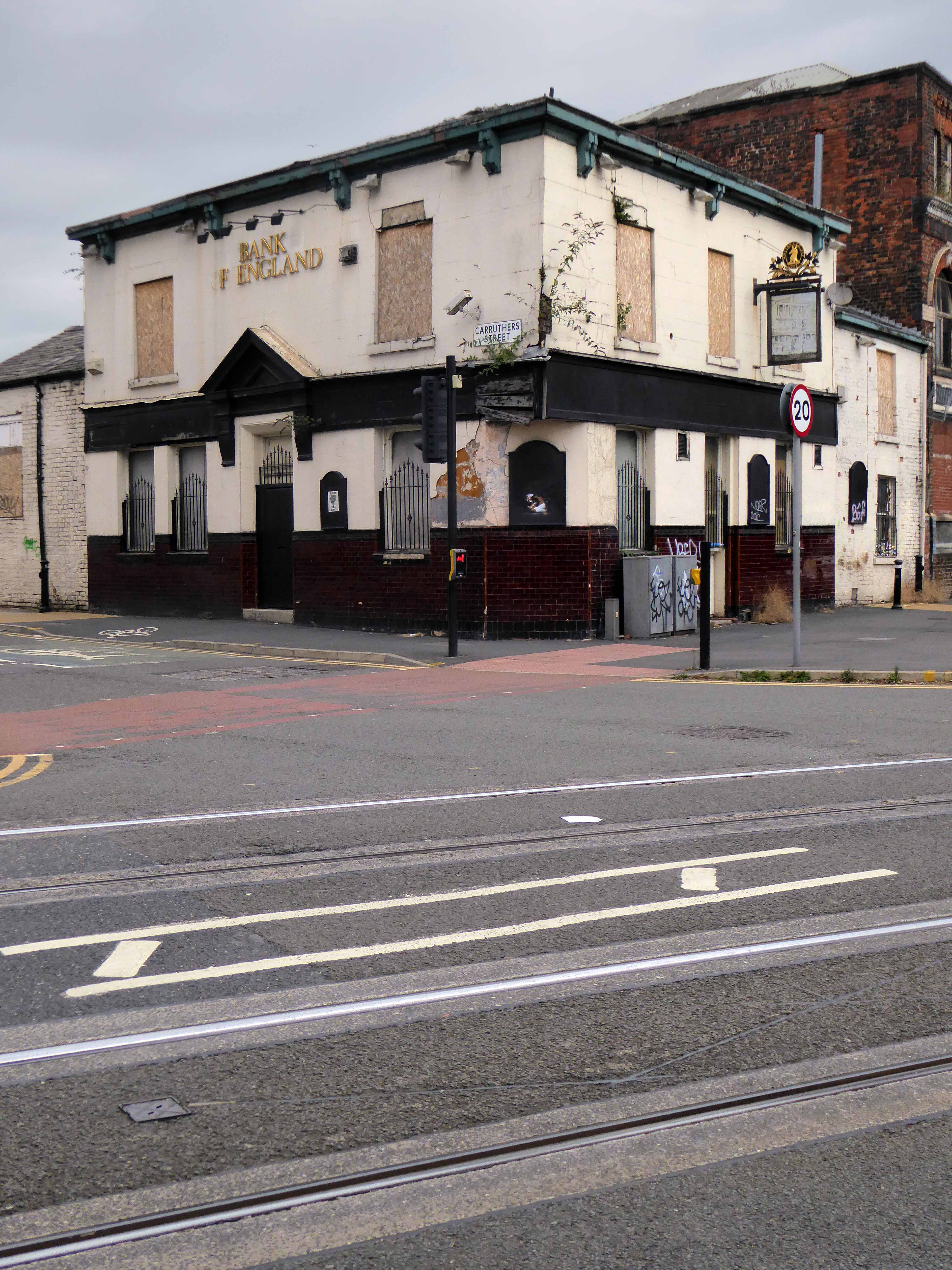
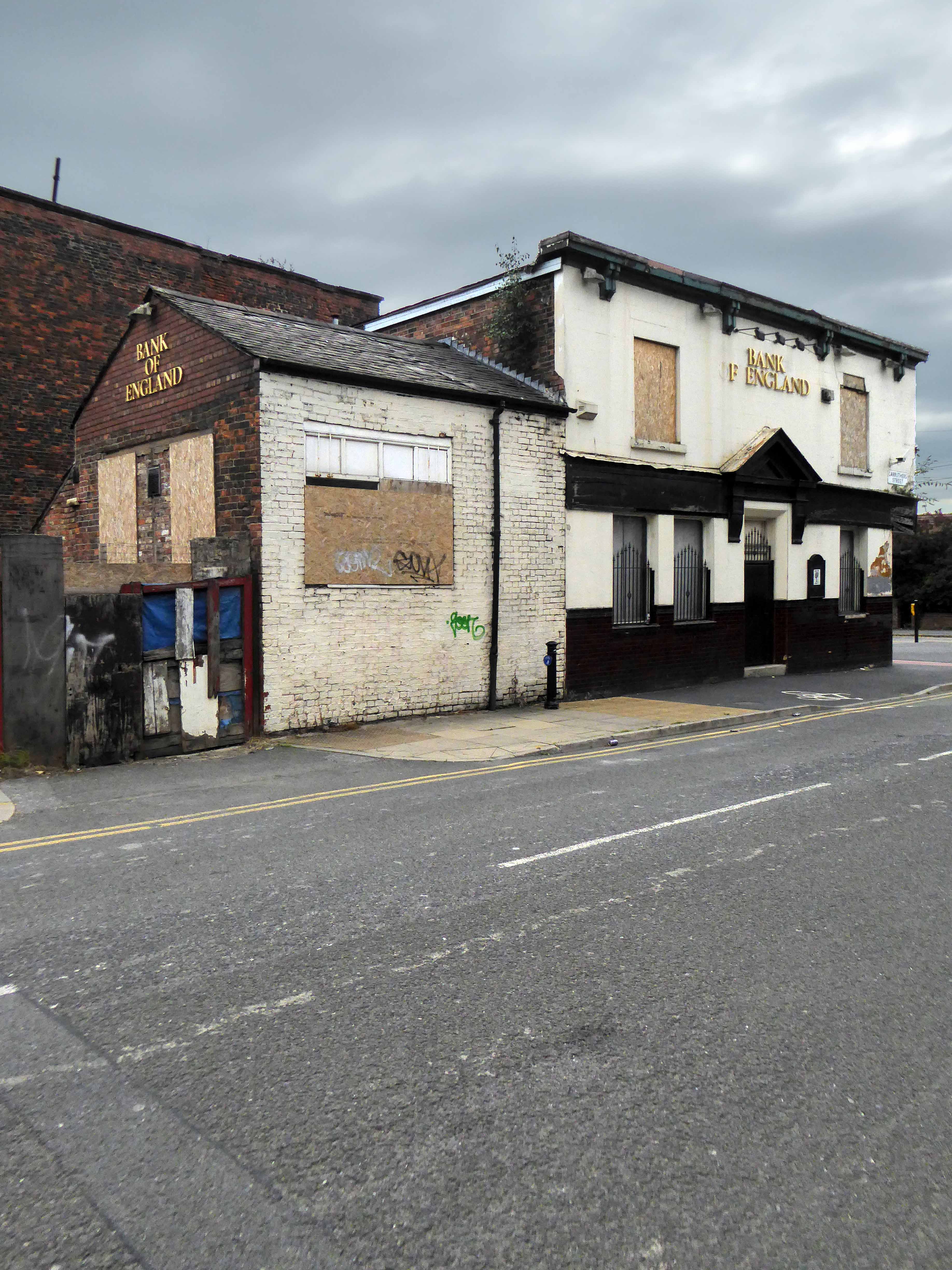
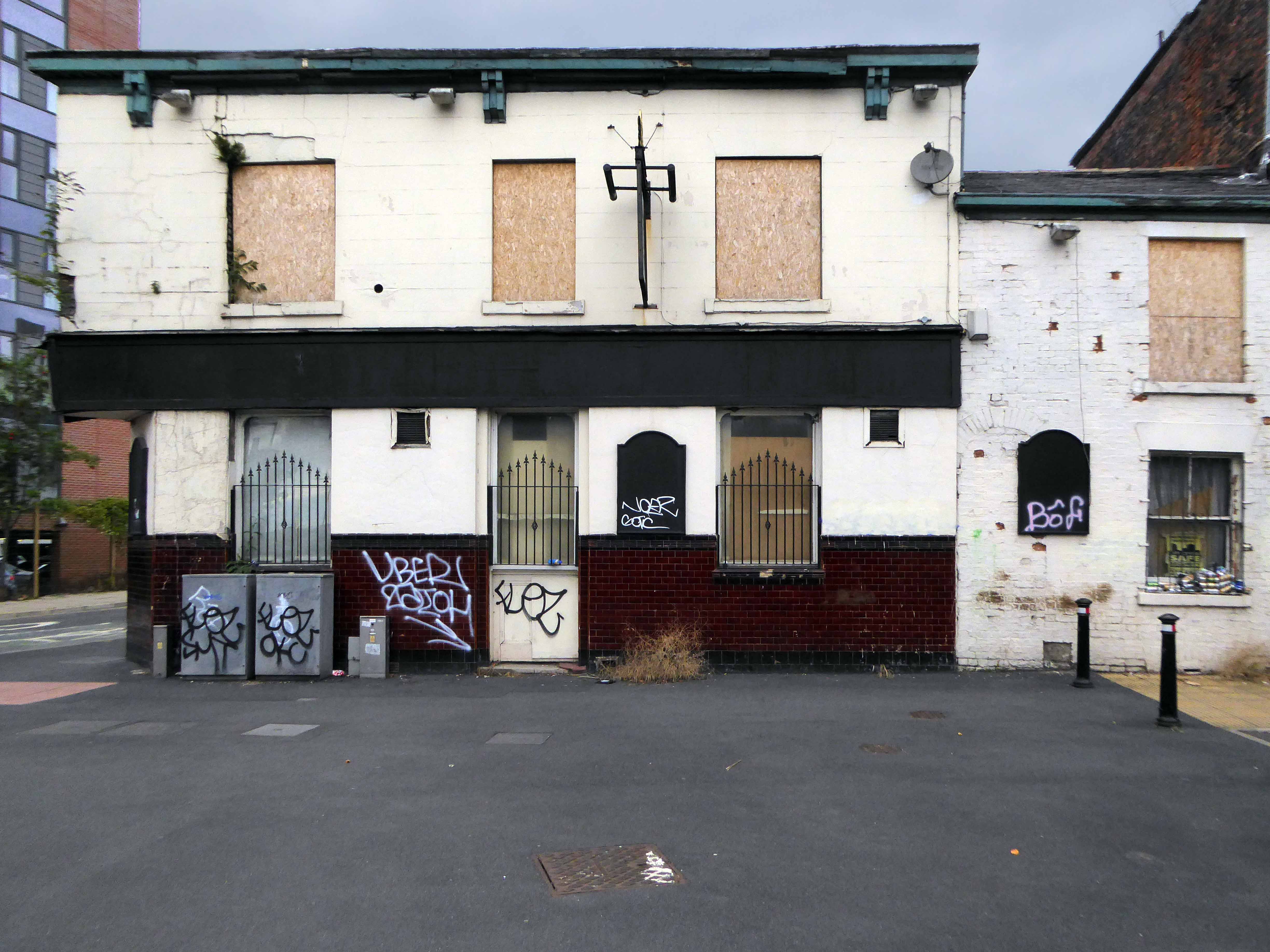
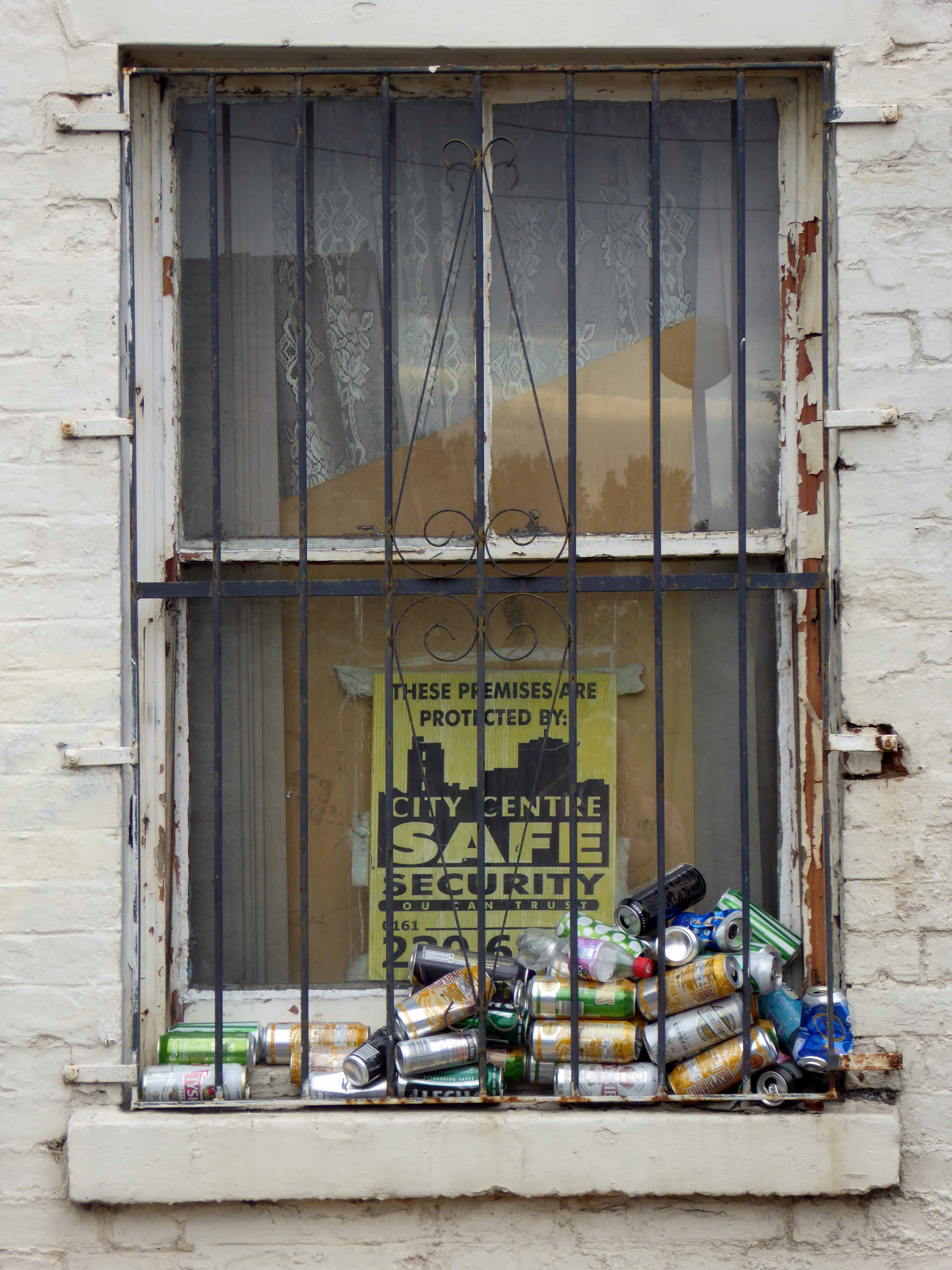
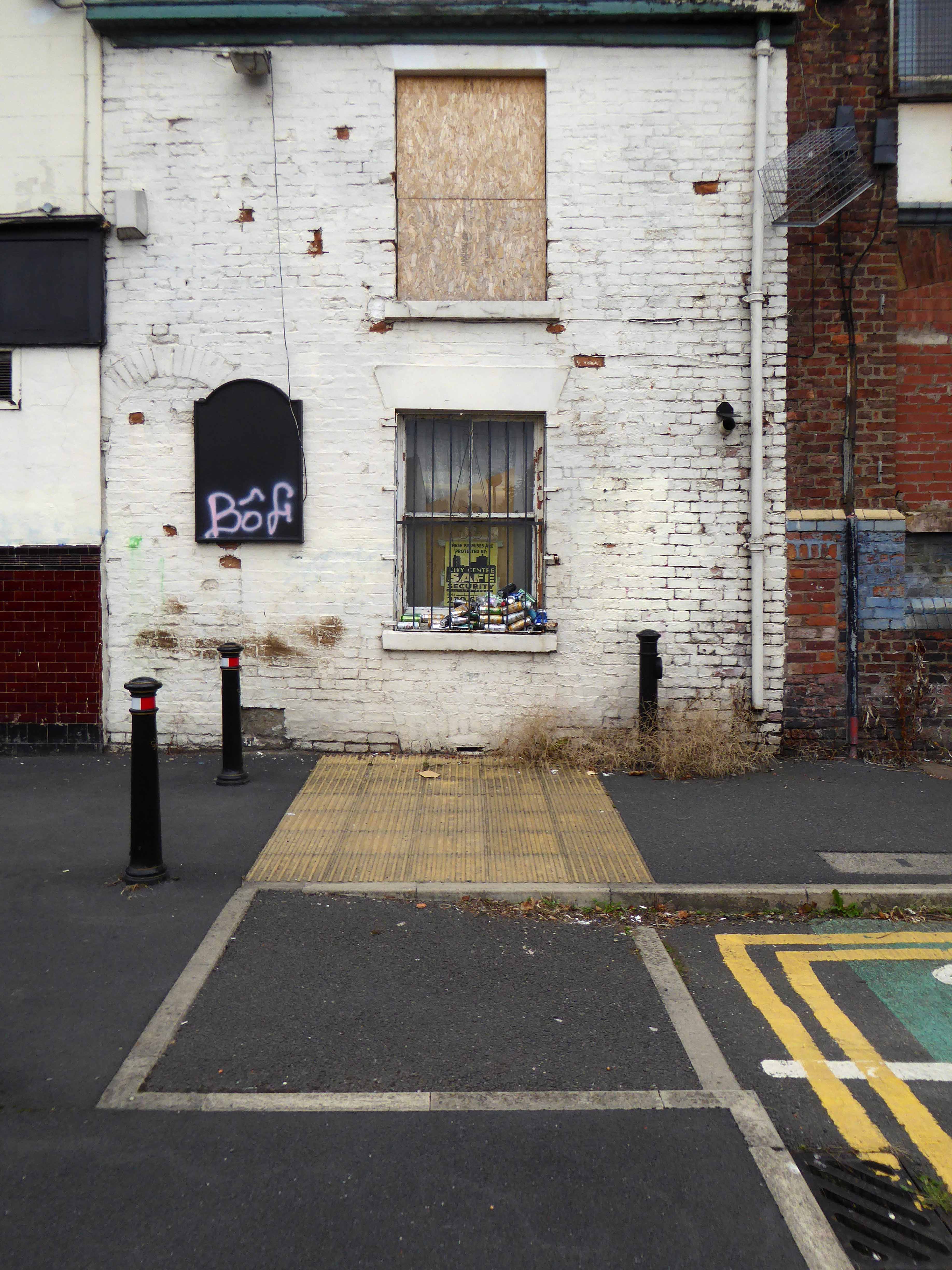
Standing stately on the corner of Carruthers and Pollard Street, safe as houses.

As safe as the houses that are no longer there, along with the other public houses, along with the jobs, along with the punters – all long gone, it’s a long story.

Look out!

Mind that tram, full of the boys and girls in blue, off to shriek at a Sheikh’s shrine.

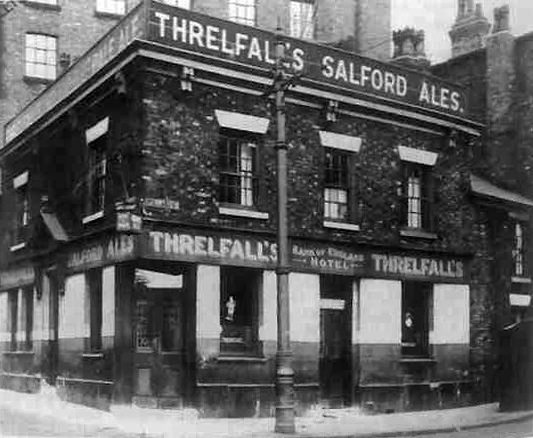
The Bank of England was one of Ancoats’ first beerhouses, licensed from 1830 and ten years later it was fully licensed with attached brewhouse.  The brewery did well, in fact it had another tied house, the Kings Arms near Miles Platting station nearby.  The brewery was sold off in the 1860s but continued as a separate business for a few years.

Pubs of Manchester

Bank of Enland 30s

Ancoats, the core of the first industrial city, a dense cornucopia of homes, mills and cholera – its citizens said to find respite from disease, through the consumption of locally brewed beer.

Once home to a plethora of pubs, now something of a dull desert for the thirsty worker, though workers, thirsty or otherwise are something of a rarity in the area.

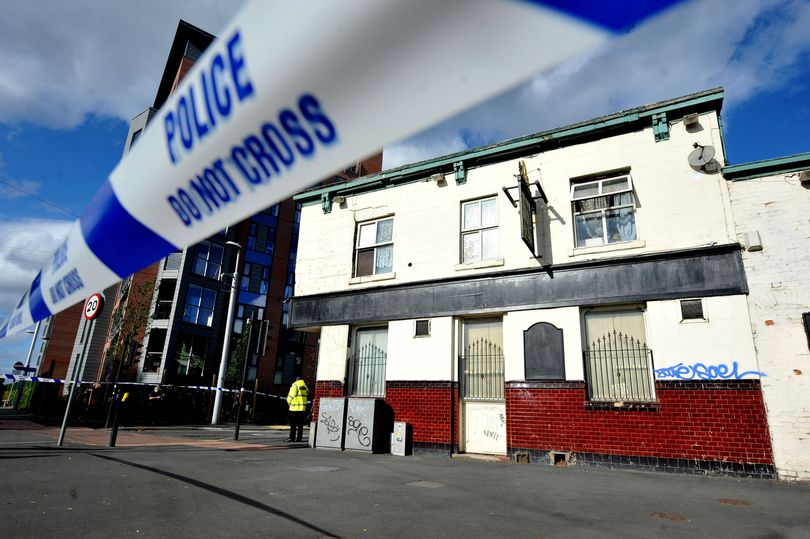
One worker went missing, some twenty years ago Martin Joyce was last seen on the site, the pub grounds were excavated – nothing was found.

JS101647765

Manchester Evening News

When last open it was far from loved and found little favour amongst the fickle footy fans.

Screen Shot 2018-09-03 at 14.14.03

To the north a tidal wave of merchant bankers, to the east redundant industry.

The Bank of England has gone west.

So clean the mills and factories 

And give me council houses too

And work that isn’t turning tricks

Like building homes and making bricks.

Danny Moran

P1290007

P1290009

P1290010

P1290011

P1290012

P1290013

P1290014

P1290015

P1290016

P1290017

P1290018

P1290019


Eva Brothers – Clayton Manchester

Eva Brothers of Crabtree Forge, Crabtree Lane, Clayton, Manchester.

Im1960Ry-Eva

1909  The partnership of James Eva, Archibald William Eva, Victor Eva, Arthur Eva, and Frank Eva, carrying on business as Forge-masters, at Crabtree-lane, Clayton, Manchester, under the style or firm of Eva Bothers was ended. All debts due would be settled by Archibald William Eva, Victor Eva, Arthur Eva, and Frank Eva, who continued the business under the same style.

By 1953 The EVA group of companies was the largest edge tool makers in the world, exporting most of their products. The associated companies included: Chillington Tool Co, Edward Elwell Limited of Wednesbury, A. W. Wills and Son Limited of Birmingham, John Yates and Co Limited of Birmingham, and the Phoenix Shovel Co Limited of Cradley Heath.

1958 Acquired T. Williams Drop forgings and Tools of Small Heath, Birmingham

1959 Planned to convert into a holding company; depressed demand for heavy engineering but continued group prosperity were anticipated.

1960 Eva Brothers paid dividends and made scrip issue; changed the name to Eva Industries as the holding company.

1976: Eva Brothers continued to be a part of Eva Industries.

Graces Guide – for further information.
P1270879

This is where Manchester’s prosperity was created, engineering along with King Cotton, formed the financial foundations of the city. These industries are now all but vanished, along with the communities and skills that created them, work and wealth are elsewhere.

Years of free-market economics, acquisition, asset stripping, amalgamation and monopoly have bequeathed a legacy of loss.

Once bustling and business like sheds and yards, are now forests of buddleia and bramble. The sound of metal on metal, but a dull memory, amidst the wilder side of wildlife and the gentle whisper of peeling paint.

Come with me now to the Kingdom of Rust.

P1270883

P1270882

P1270881

P1270880

DSC_0091

DSC_0086

DSC_0083

DSC_0080

DSC_0079

DSC_0072

DSC_0070

DSC_0066

DSC_0061

DSC_0060

DSC_0058

DSC_0057

DSC_0050

DSC_0056

DSC_0053

DSC_0051

DSC_0047

DSC_0045

DSC_0041

DSC_0040

DSC_0037

DSC_0035

DSC_0033

DSC_0032

DSC_0029

DSC_0028

DSC_0026

DSC_0025

DSC_0022

DSC_0021

DSC_0020

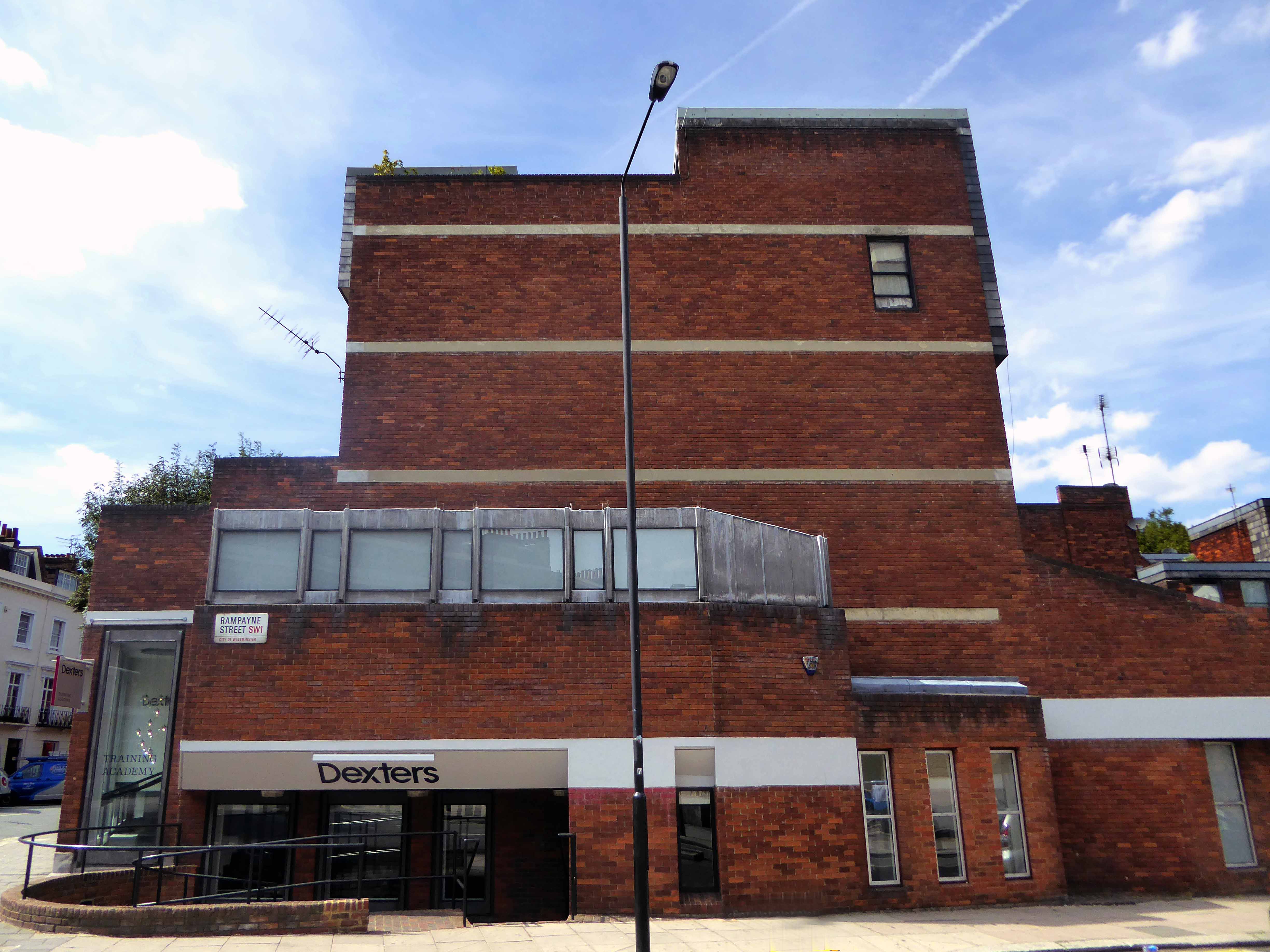
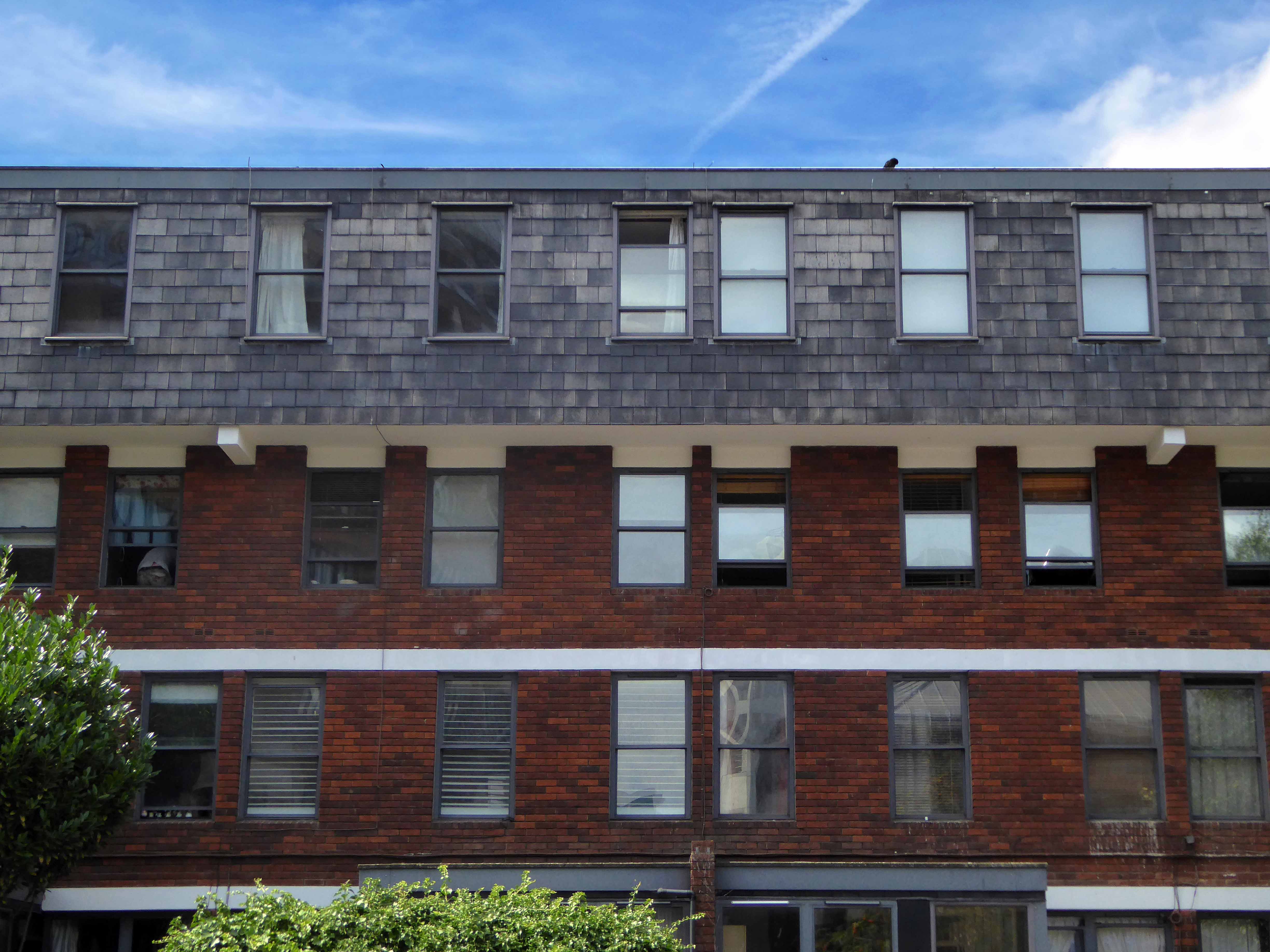
Lillington Gardens Estate – Pimlico

Formerly an area of high density terraced housing.

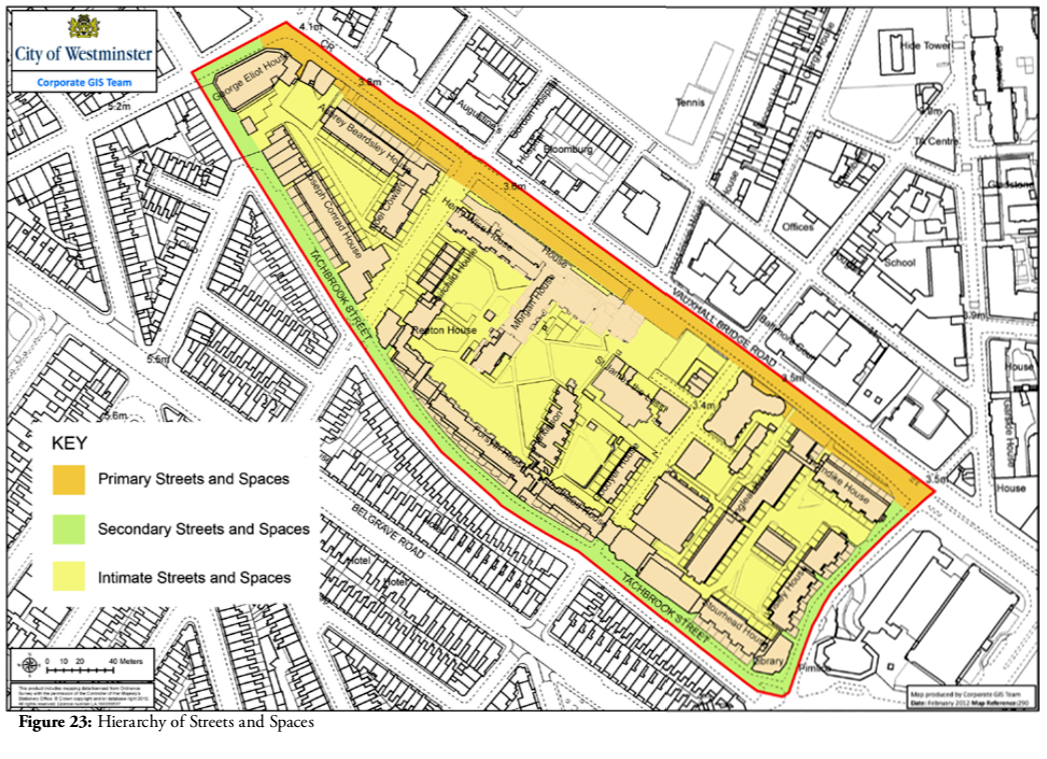
Screen Shot 2018-08-19 at 18.01.29

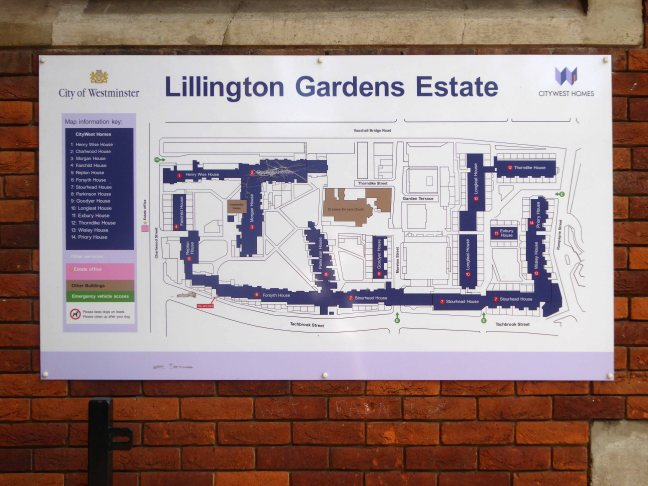
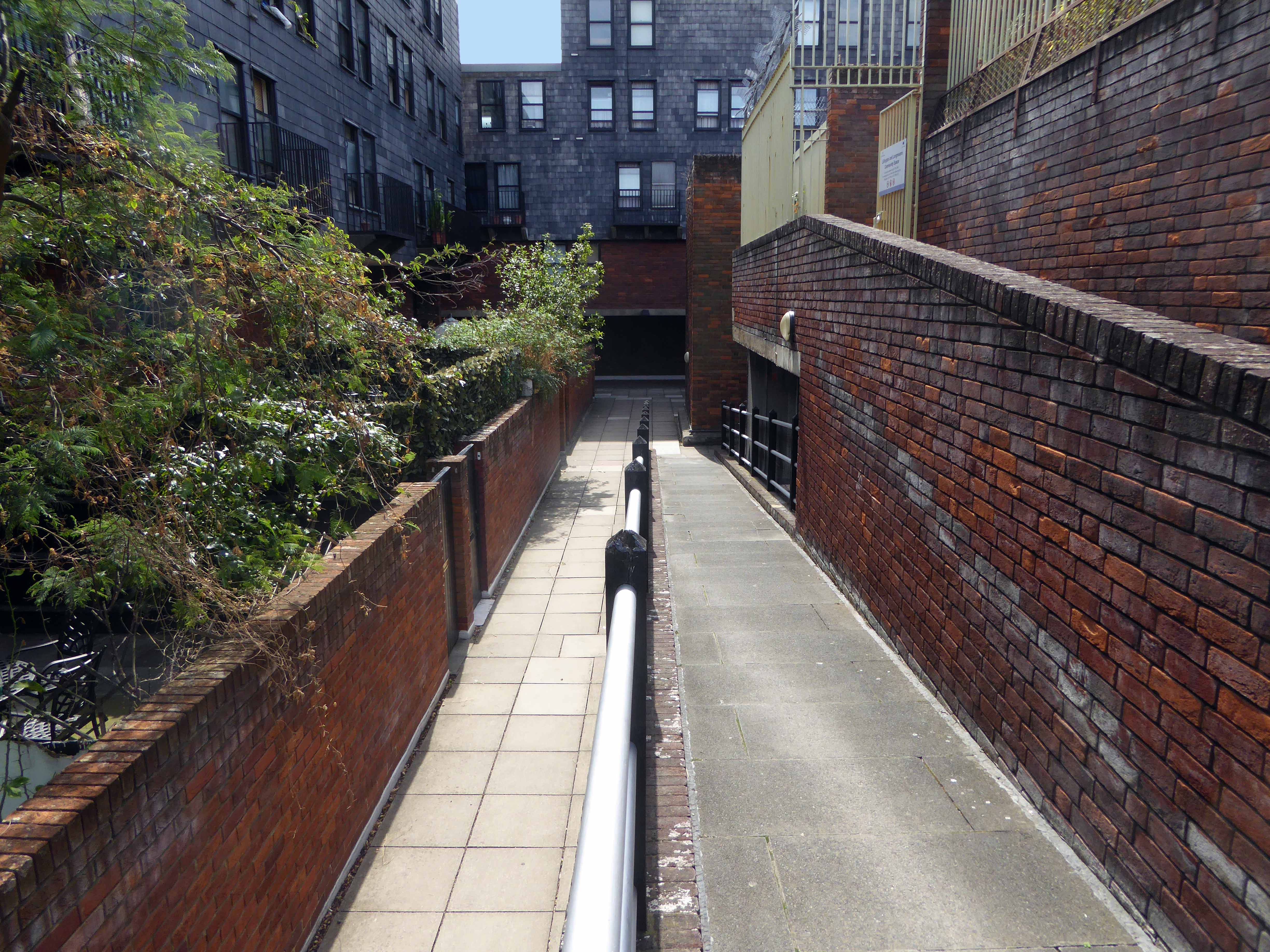
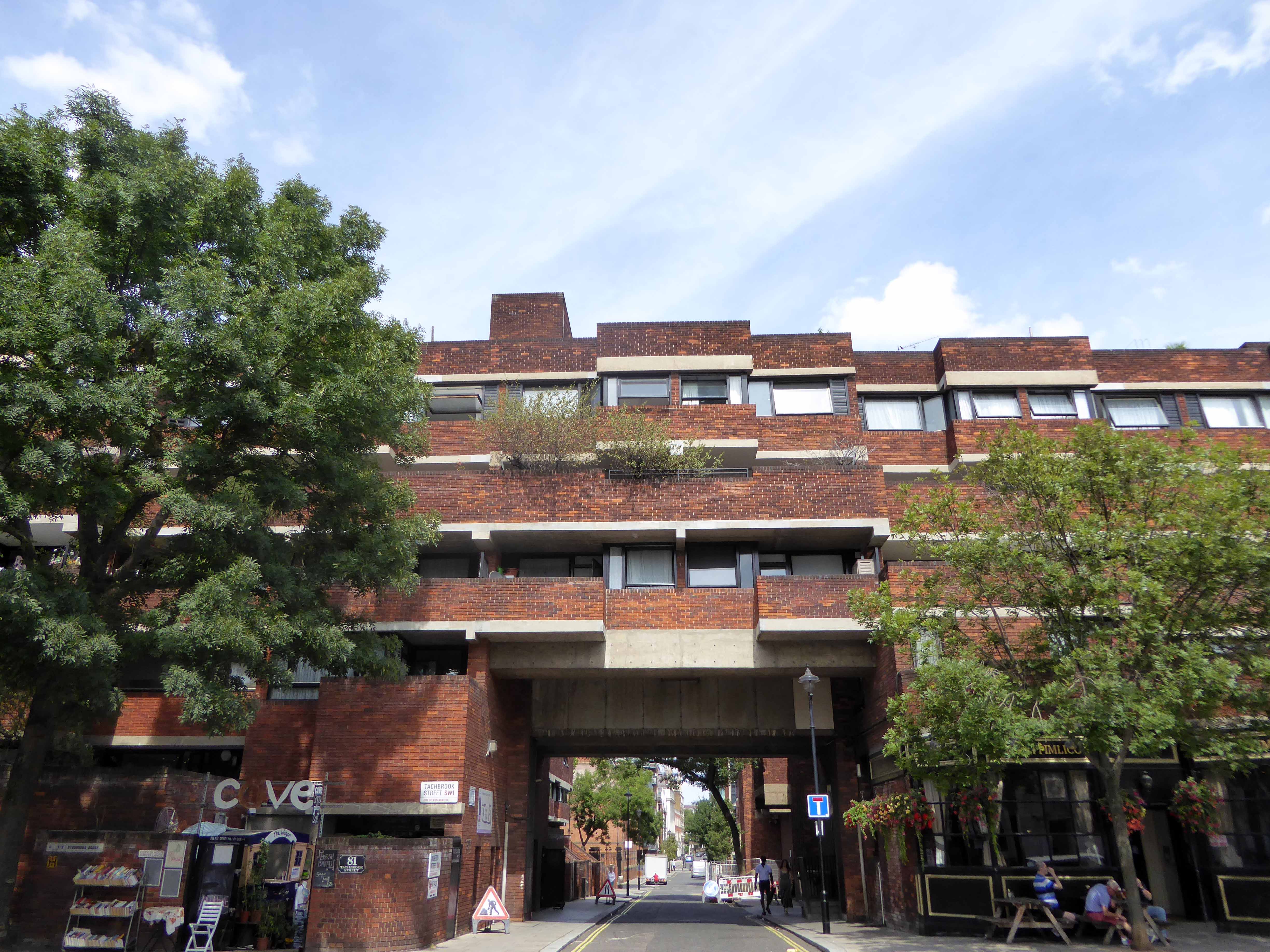
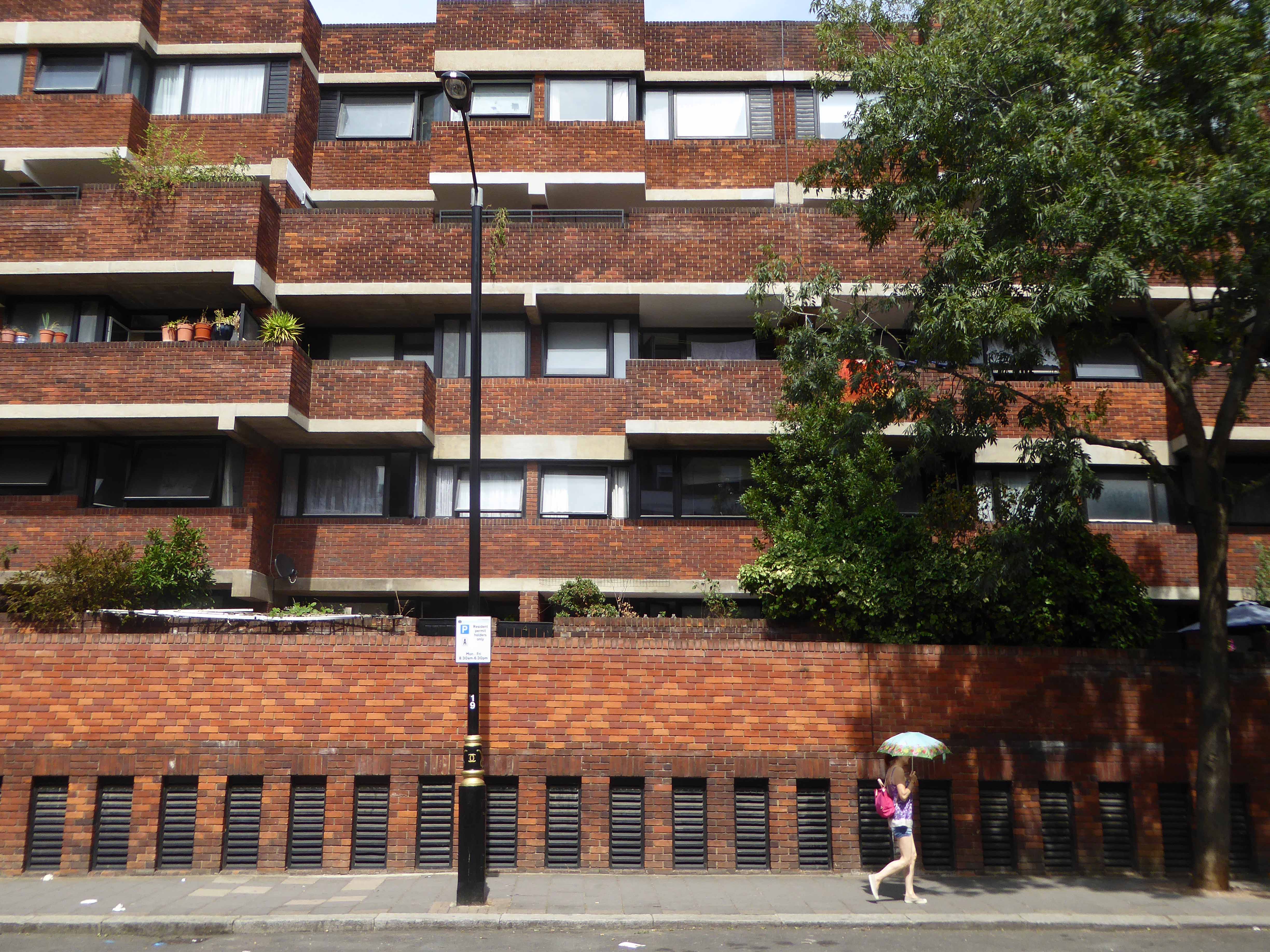
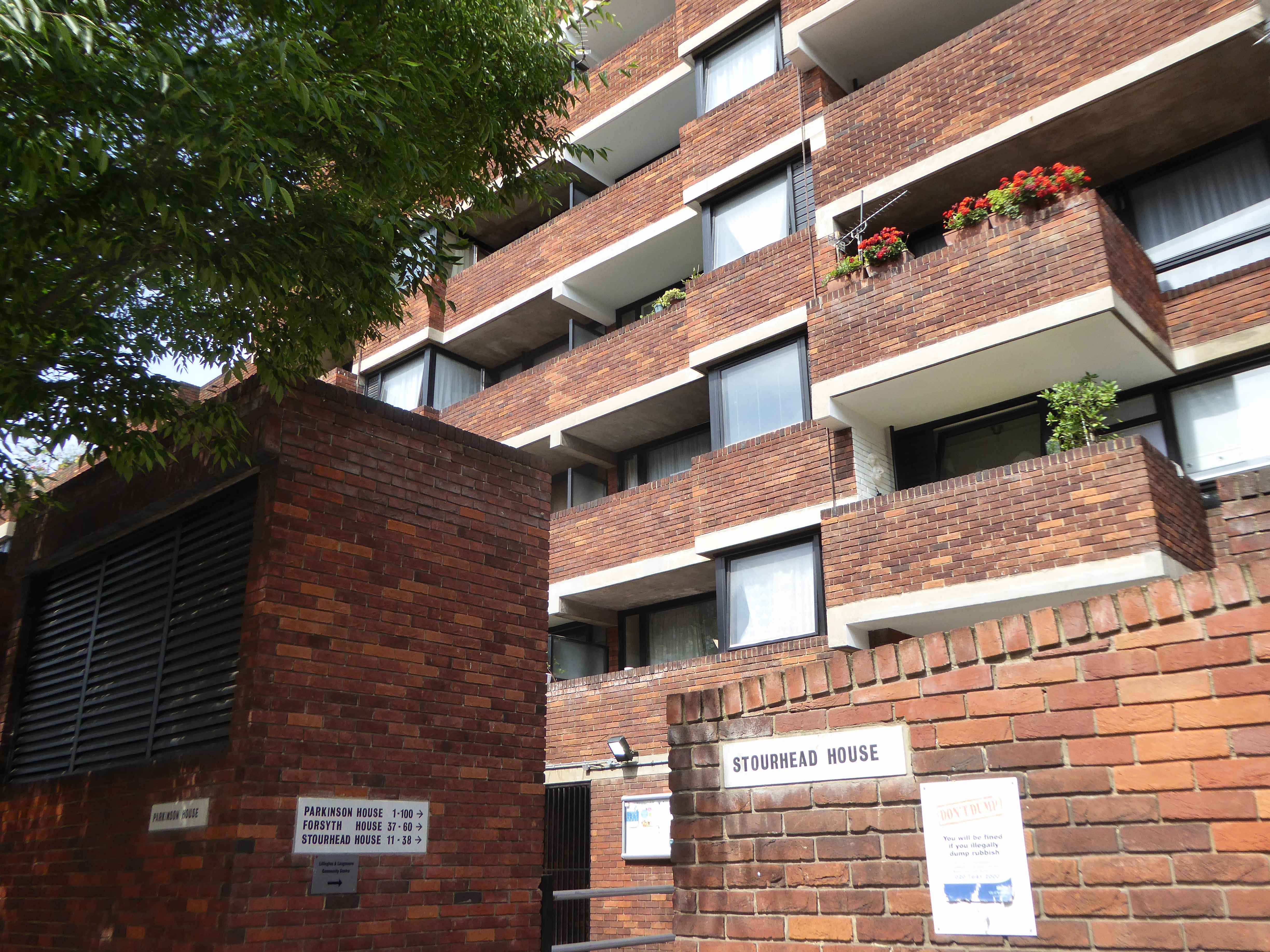
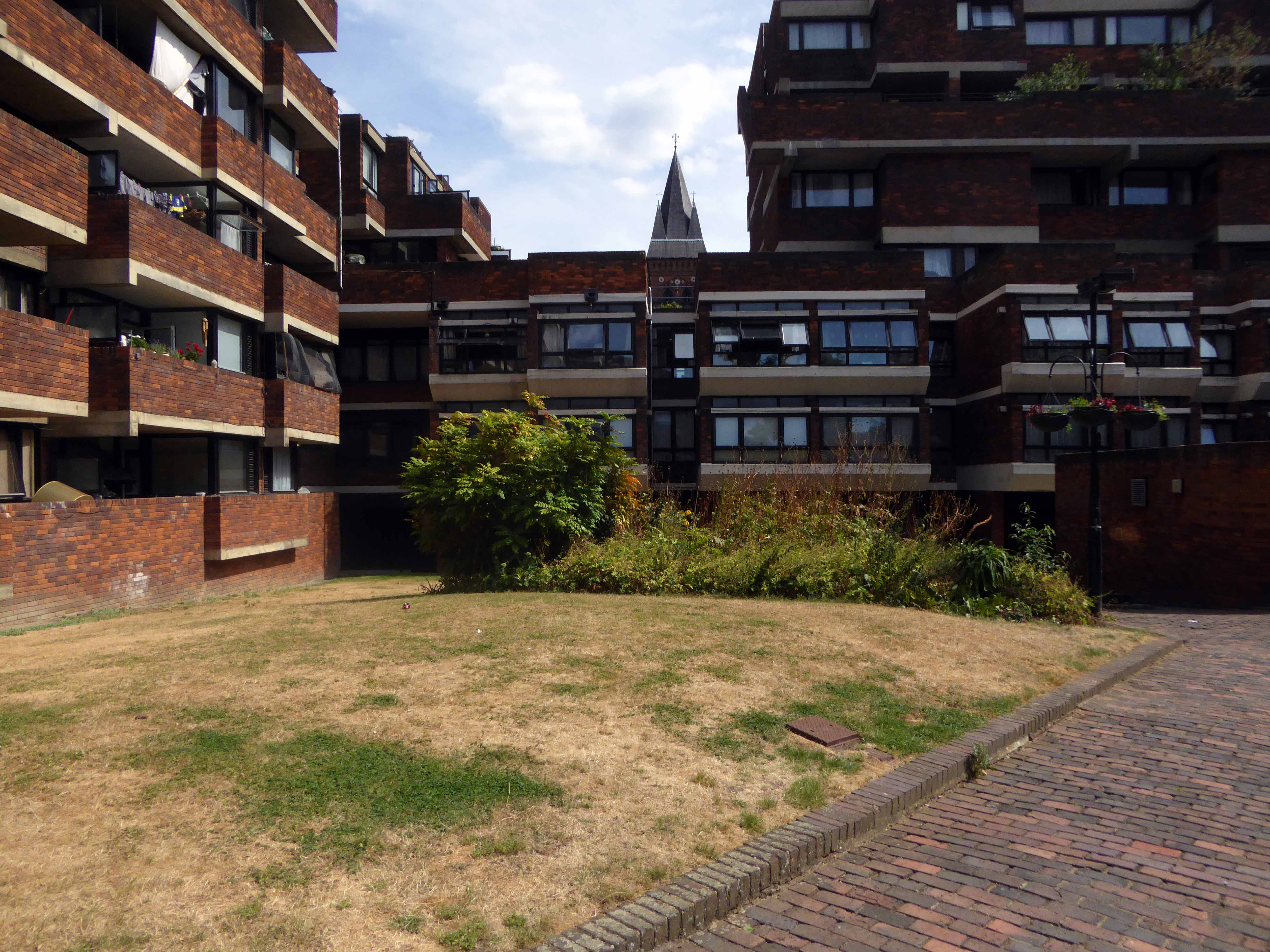
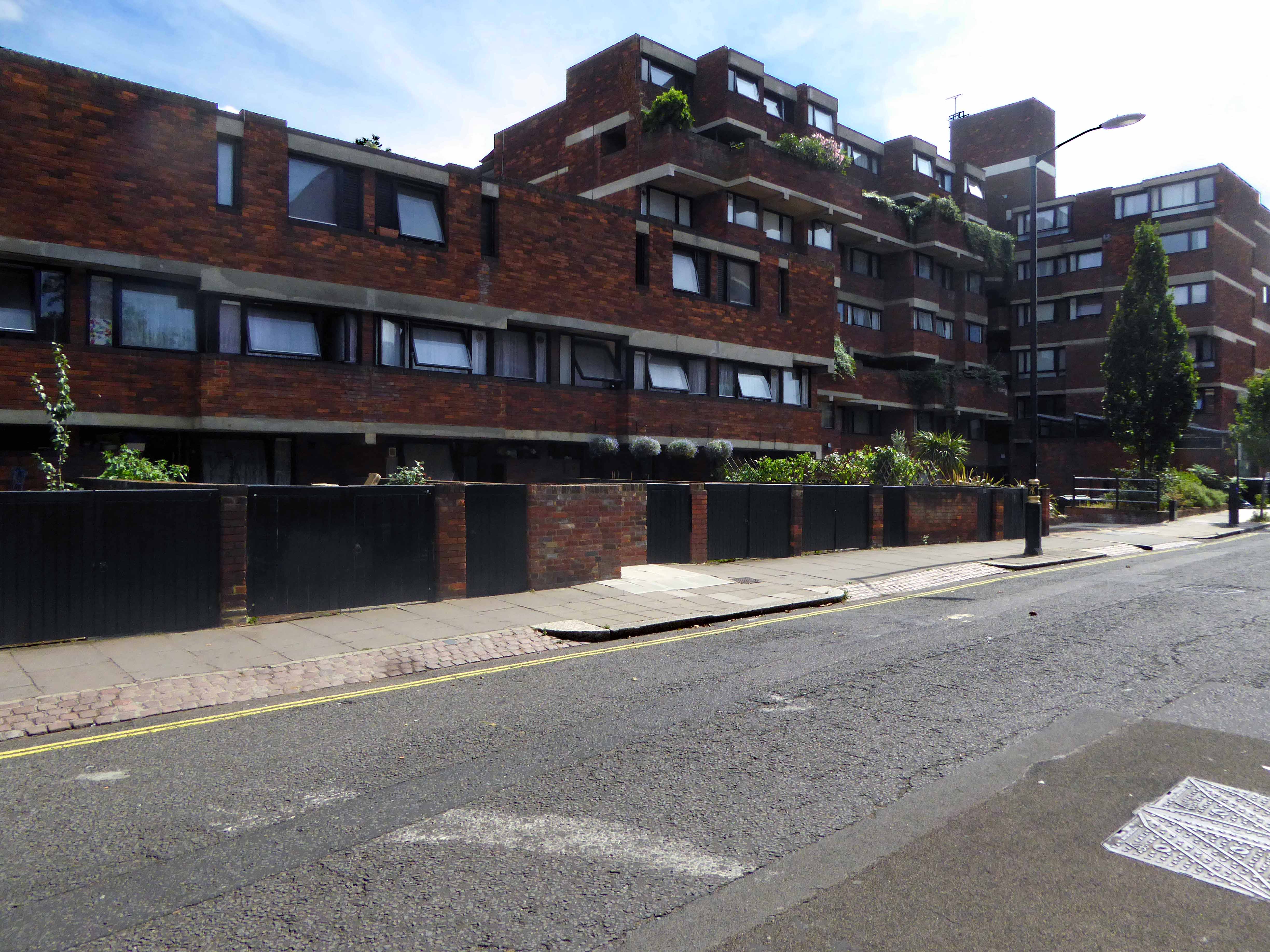
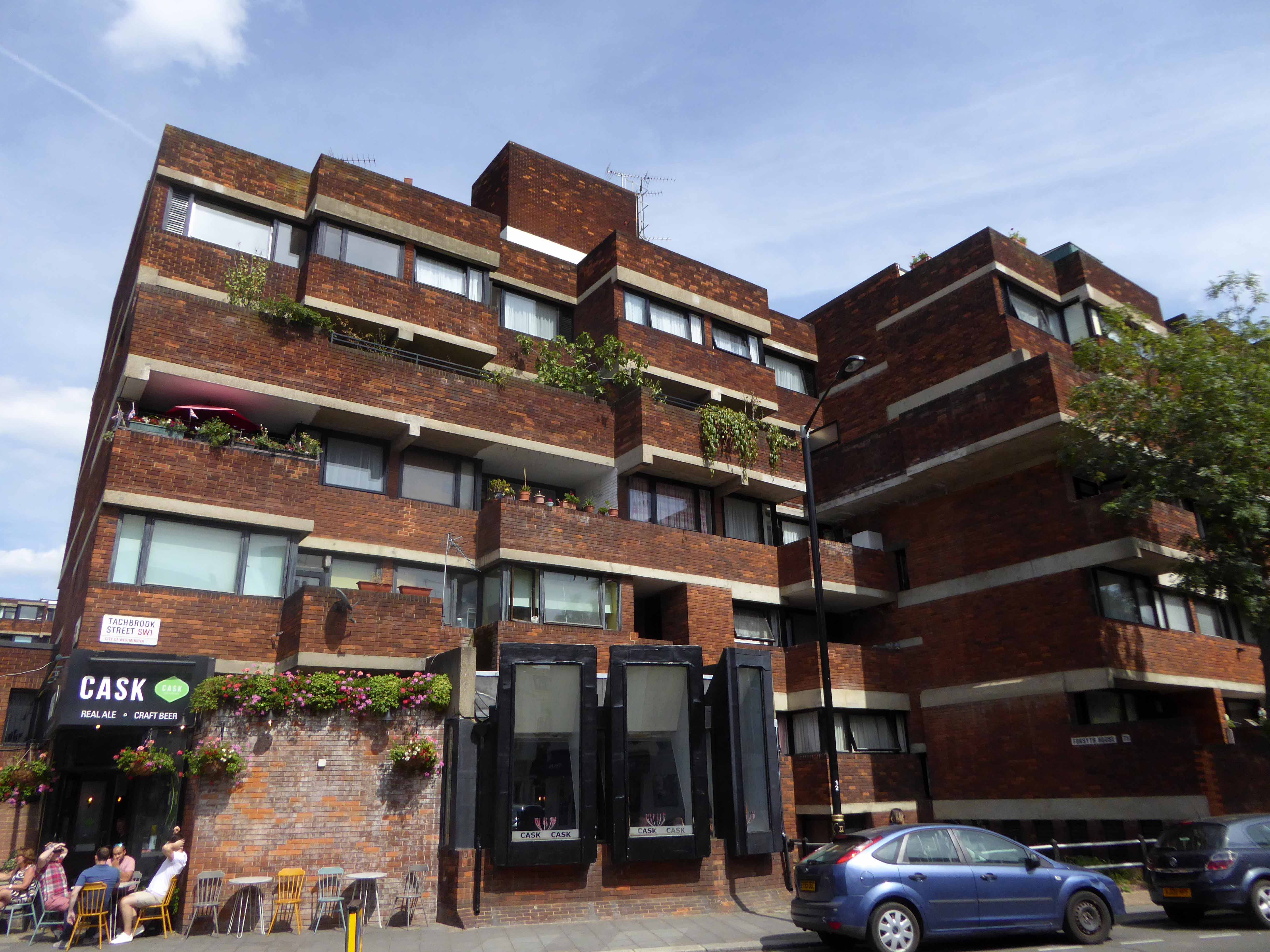
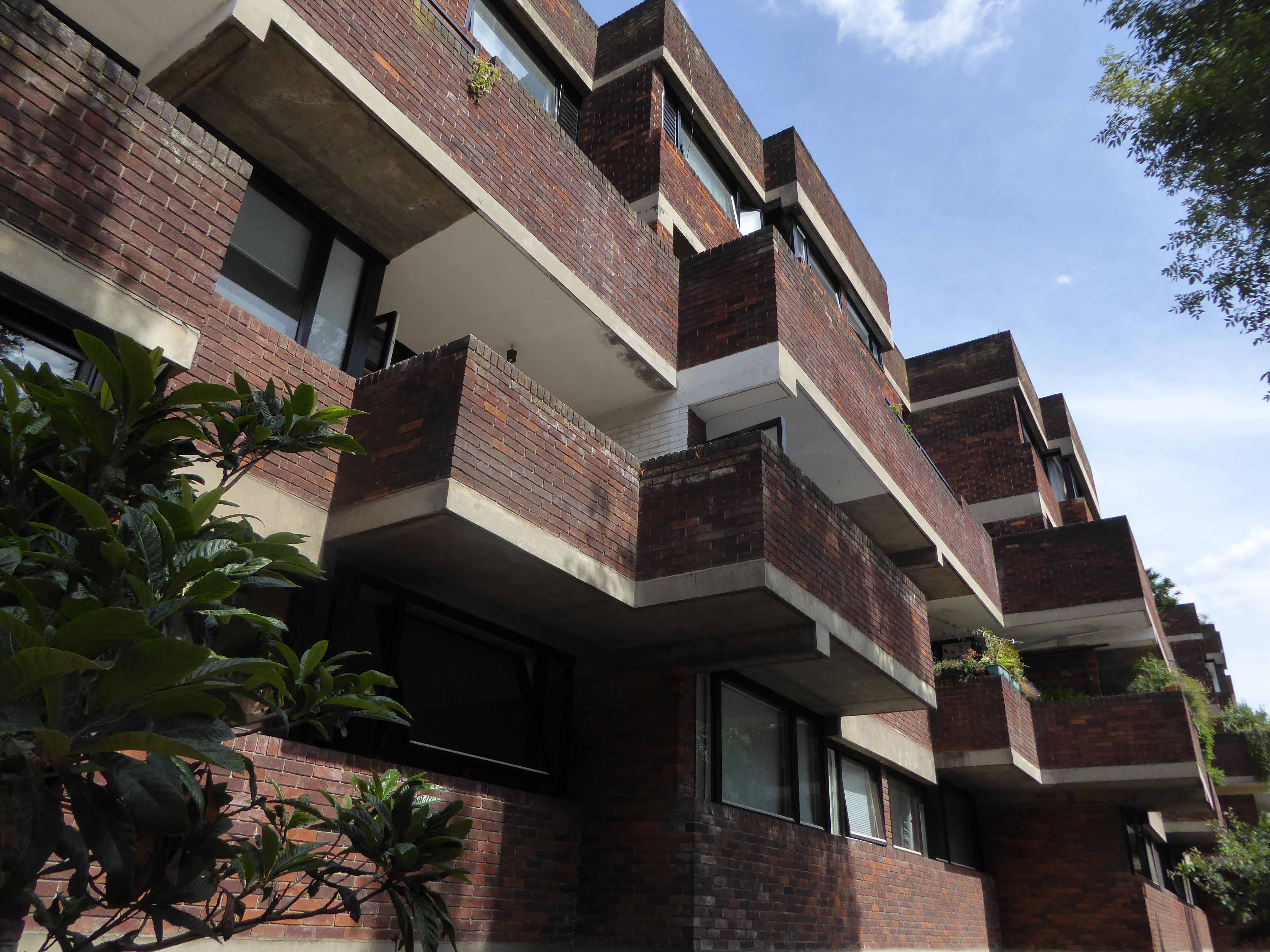
Lillington Gardens is an estate in the Pimlico area of the City of Westminster, London, constructed in phases between 1961 and 1980 to a plan by Darbourne & Darke. The estate is now owned and managed by City West Homes.

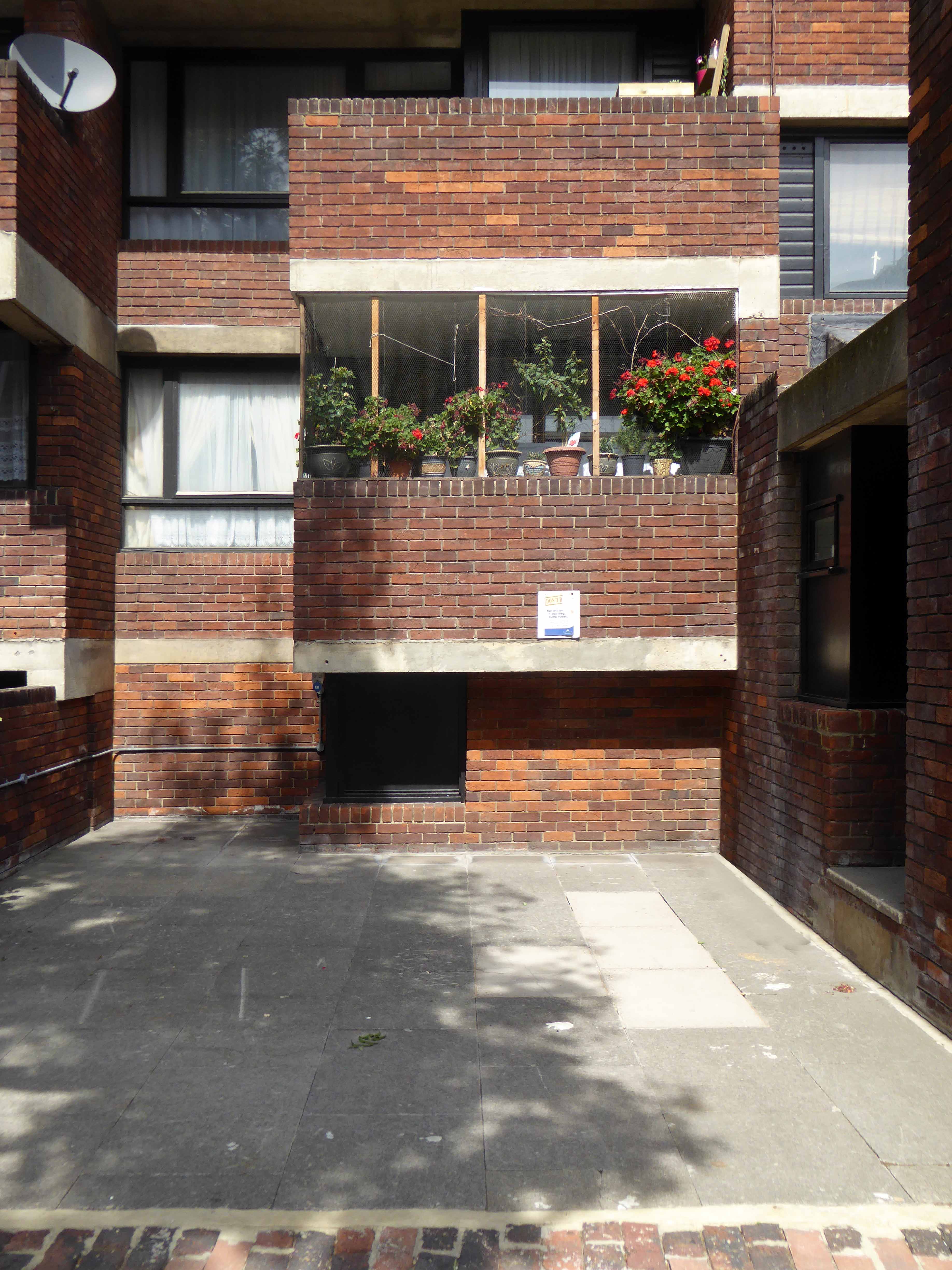
The estate was among the last of the high-density public housing schemes built in London during the postwar period, and is referred to as one of the most distinguished. Notably, seven years before the Ronan Point disaster ended the dominance of the tower block, Lillington Gardens looked ahead to a new standard that achieved high housing density within a medium rather than high-rise structure. It emphasised individuality in the grouping of dwellings, and provided for private gardens at ground and roof levels.

The estate’s high build quality, and particularly the planted gardens of its wide roof street, blend sympathetically with the surrounding Victorian terraces.

The estate’s high quality design was acknowledged by a Housing Design Award 1961, Ministry of Housing and Local Government Award for Good Design 1970, RIBA Award 1970 and RIBA Commendation 1973. Nikolaus Pevsner described it in 1973 as “the most interesting recent housing scheme in London”.

The site surrounds the Grade I listed Church of St James the Less, built in 1859–61. The entire estate, including the church, was designated a conservation area in 1990.

Screen Shot 2018-08-19 at 17.44.59

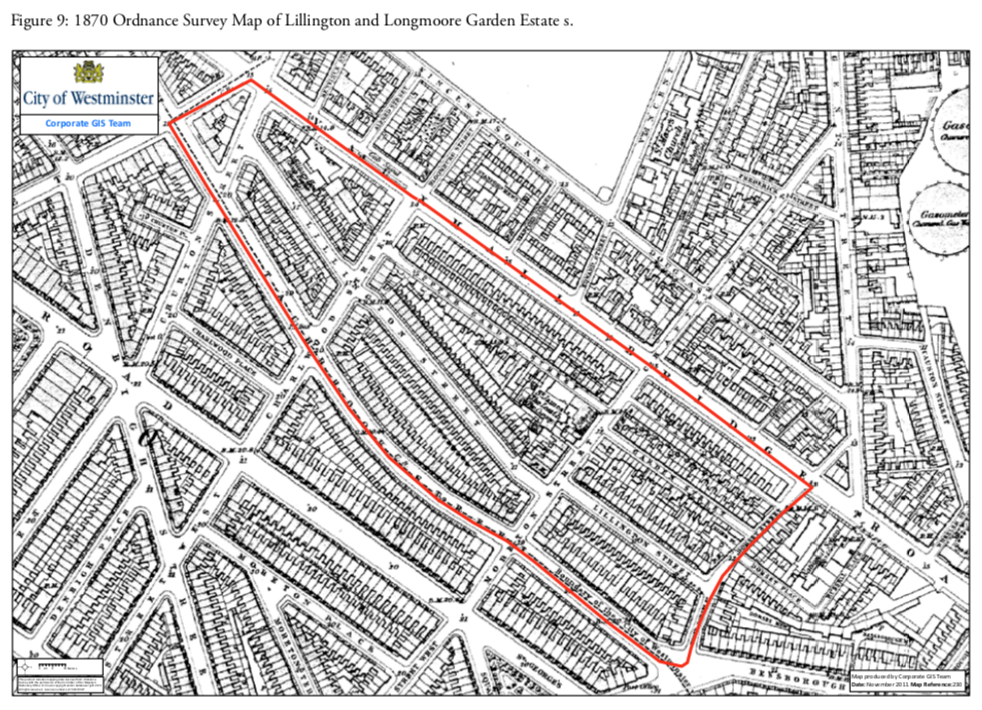
Lillington and Longmoore Gardens Conservation Area Audit

On the day of my visit, London in the grip of a July heatwave, the open areas, narrow alleys, byways, steps, stairs and roof gardens and play area were largely empty, citizens preferring the cooler interior environment of their homes.

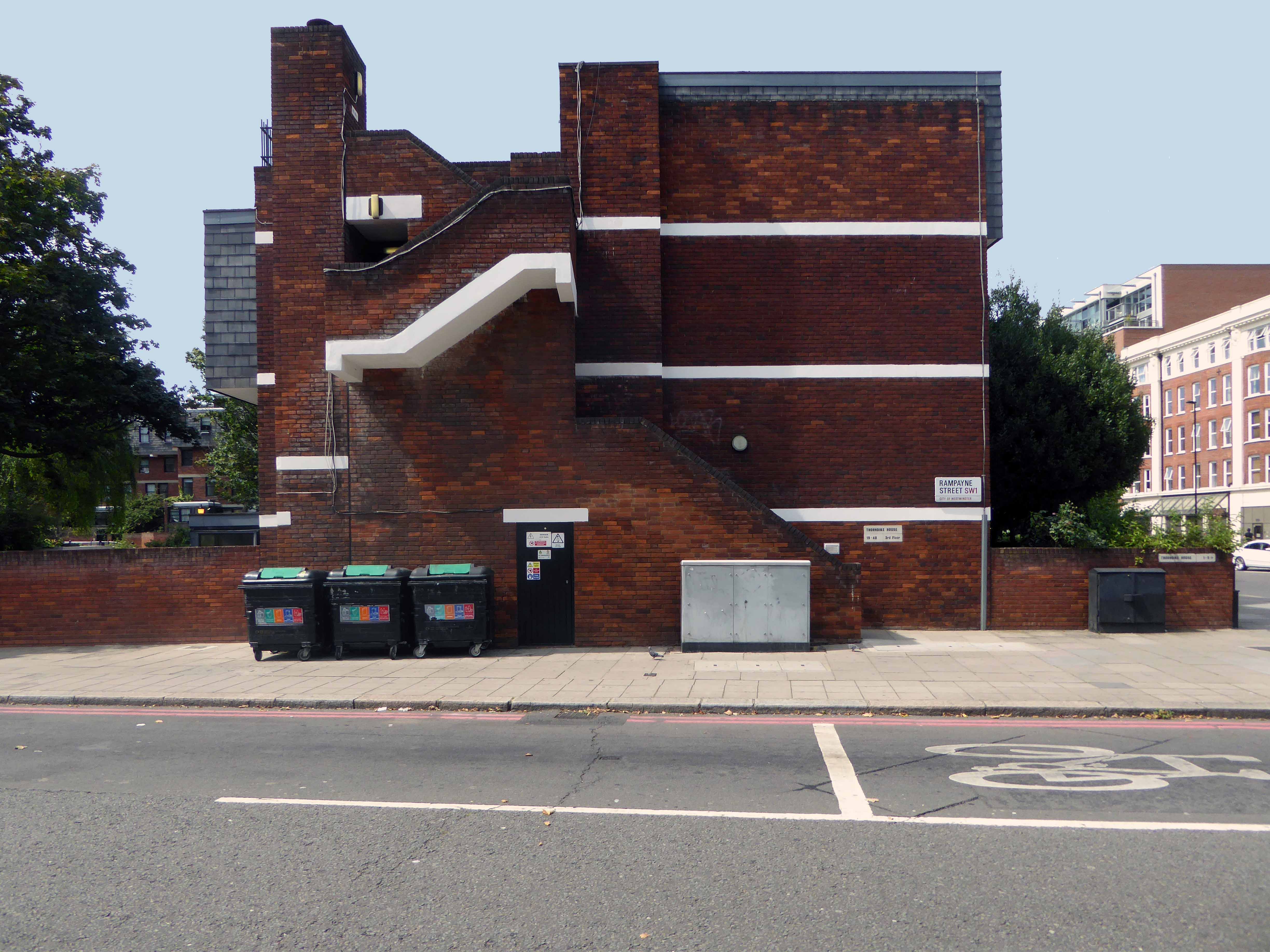
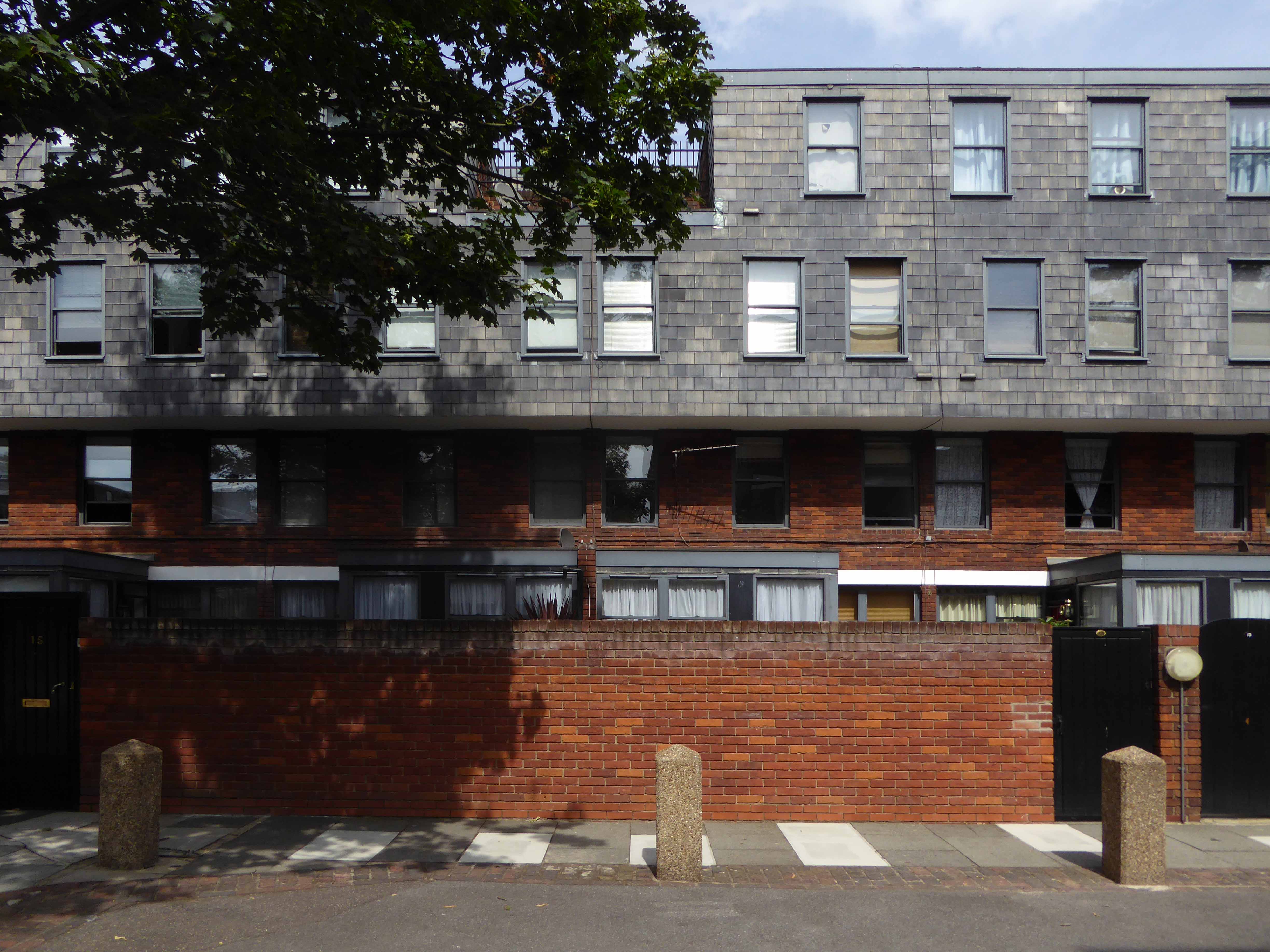
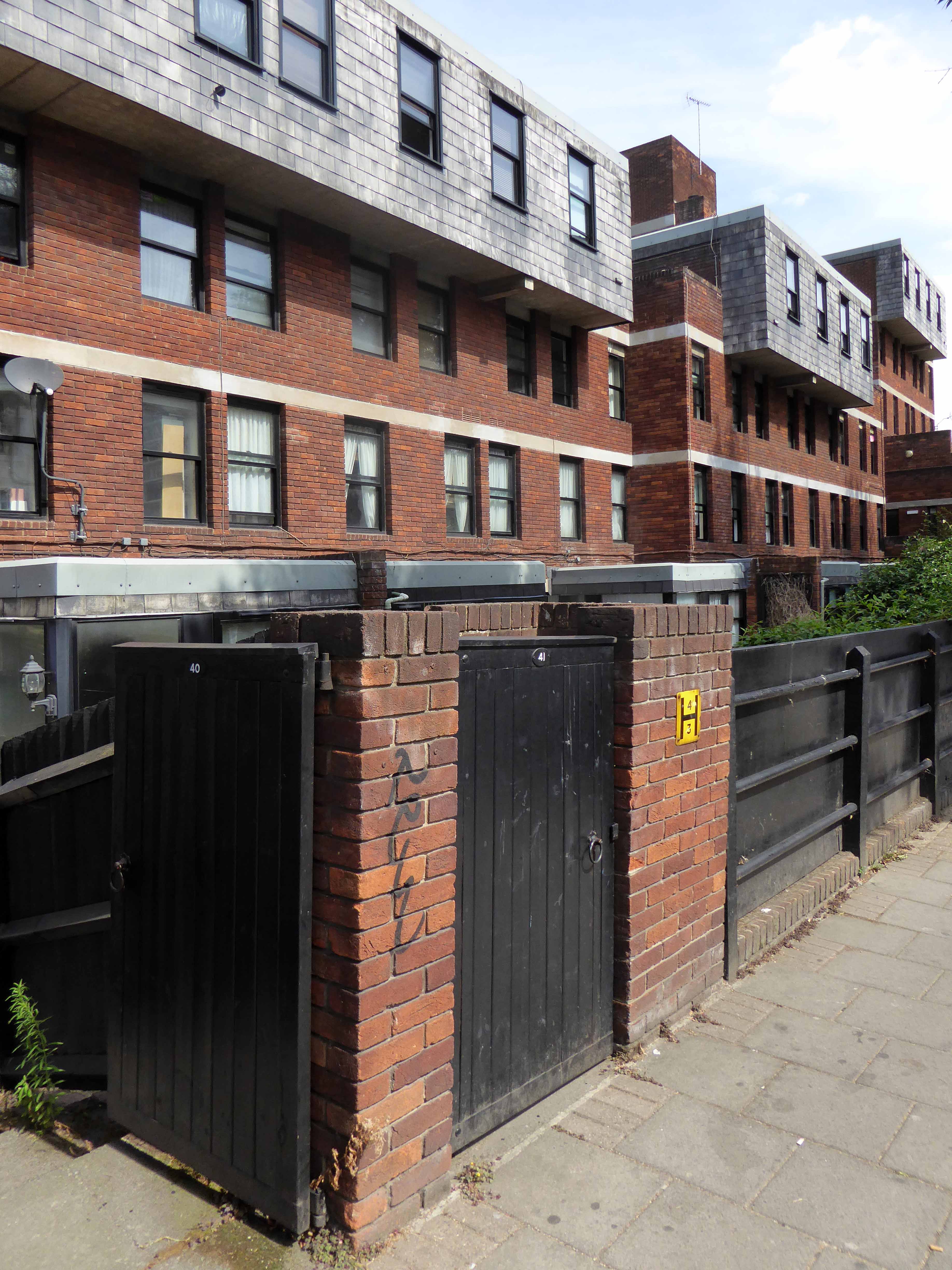
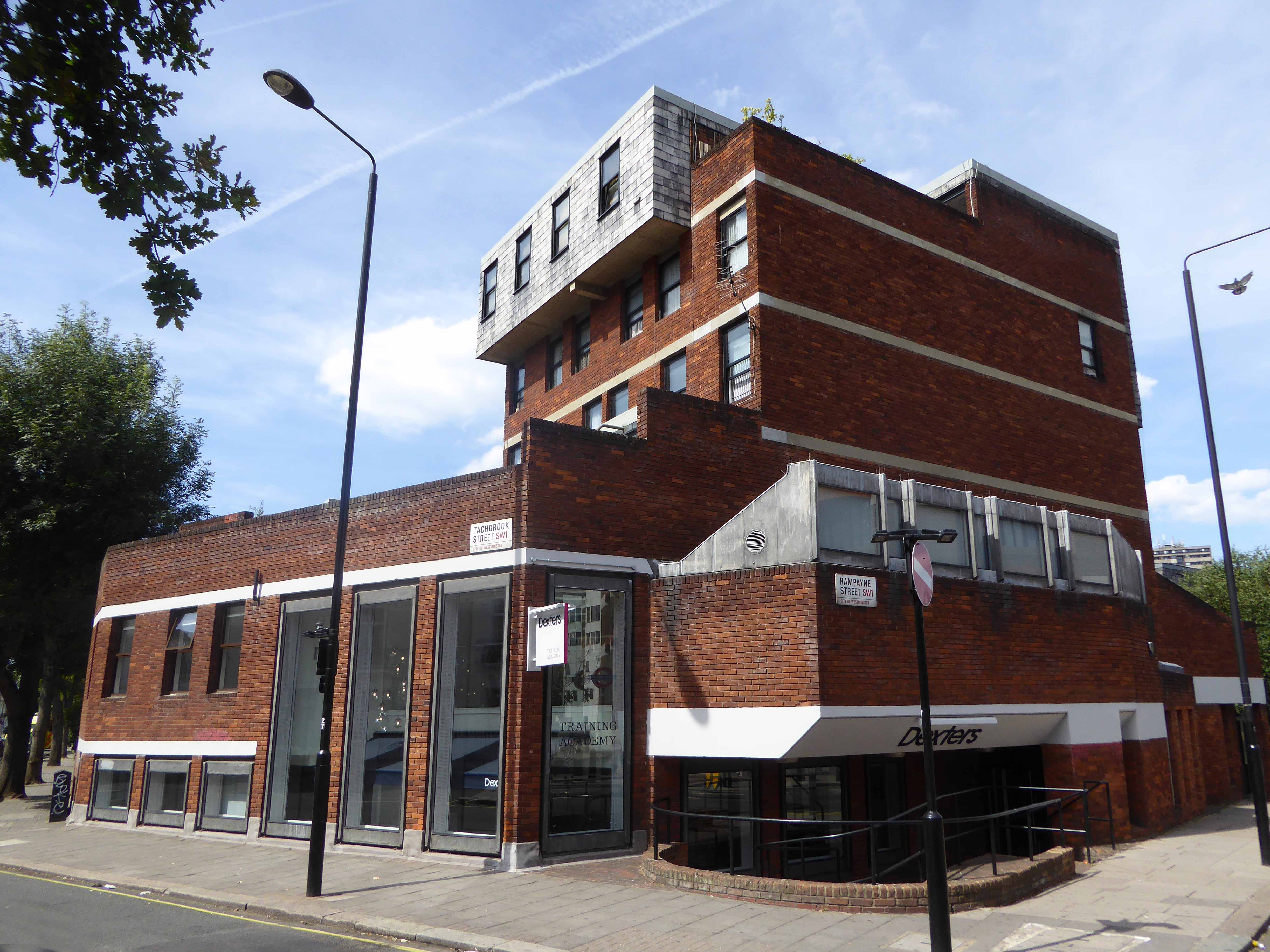
The materials, warm brown brick and sheet-metal cladding, form complex interlocking shapes and volumes, creating a variety of heights and spaces. This makes exploration and navigation of the estate quite an adventure, disorienting at first, until one grasps an overall sense of the development’s structure.

Lillington Gardens provides homes, community, green space and an exciting range of vistas, a prime example of social housing on a human scale. Leafy glades, light and shade, grassy knolls abound.

Municipal Dreams for further reading.

P1270995

P1270997

P1270999

P1280002

P1280004

P1280007

P1280008

P1280009

P1280010

P1280011

P1280012

P1280013

P1280014

P1280016

P1280017

P1280018


P1280021

P1280022

P1280023

P1280024

P1280026

P1280027

P1280028

P1280030P1280031

P1280032

P1280033

P1280034

P1280035

P1280037

P1280038

P1280040

P1280041

P1280042

P1280043

Chantry House – Wakefield

Soft wind blowing the smell of sweet roses to each and every one,
Happy to be on an island in the sun.

An island in Wakefield.

An Island in a sea of dual-carriageways.

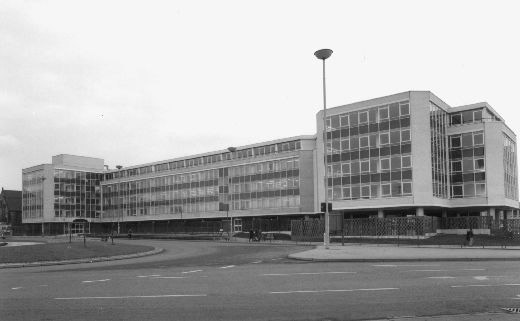
Sixties built municipal modernism, hovering on slim stilts above the ground level carpark, complete with pierced brick screen.

The future was bright the future was red – for a short while.

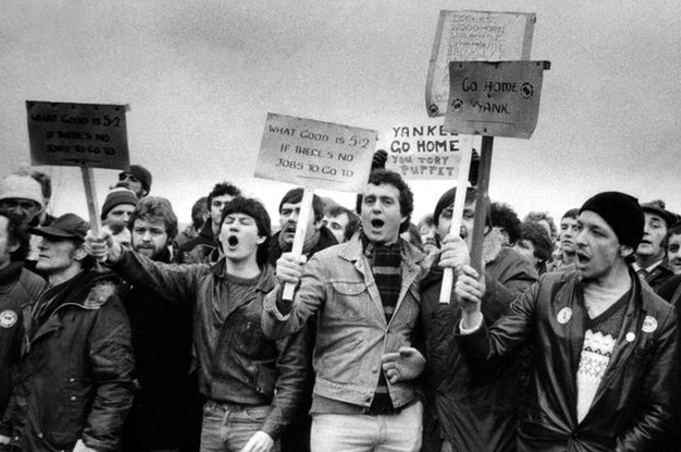
Over the horizon came Sir Ian Kinloch MacGregor KBE.

Lady Thatcher said:

He brought a breath of fresh air to British industry.

03bf8c_b009bc98d4c8425e8e66e53d30ac4be8

The fifth horseman of the industrial apocalypse – bringing pit-closure, redundancy the deindustrialisation of a whole area.

Offices and citizens are tinned-up, brassed-off and abandoned.

This is now the architecture of civic optimism eagerly awaiting repurposing.

There is talk of conversion to housing, talk is cheap.

A planning application has been drawn up requesting permission to change the use of Chantry House from offices to one and two bedroom residential units. The application has been submitted by The Freshwater Group, the development arm of Watermark Retirement Communities.

Wakefield Express

Currently home to the determined, hardened daytime drinker, street-artist and curious passerby.

P1280260

P1280240

P1280241


P1280244

P1280245

P1280246

P1280247

P1280252


P1280256

P1280257

P1280264

P1280265

P1280266

P1280267


P1280270

P1280271

P1280274

P1280277

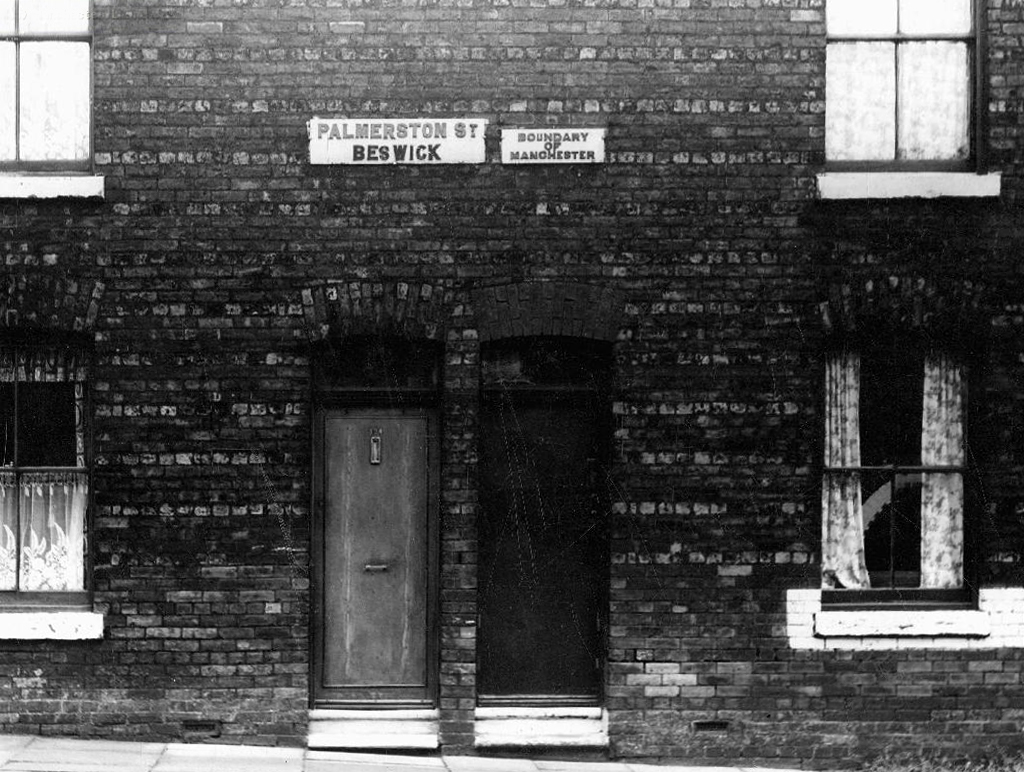
Palmerston Street – Beswick Manchester

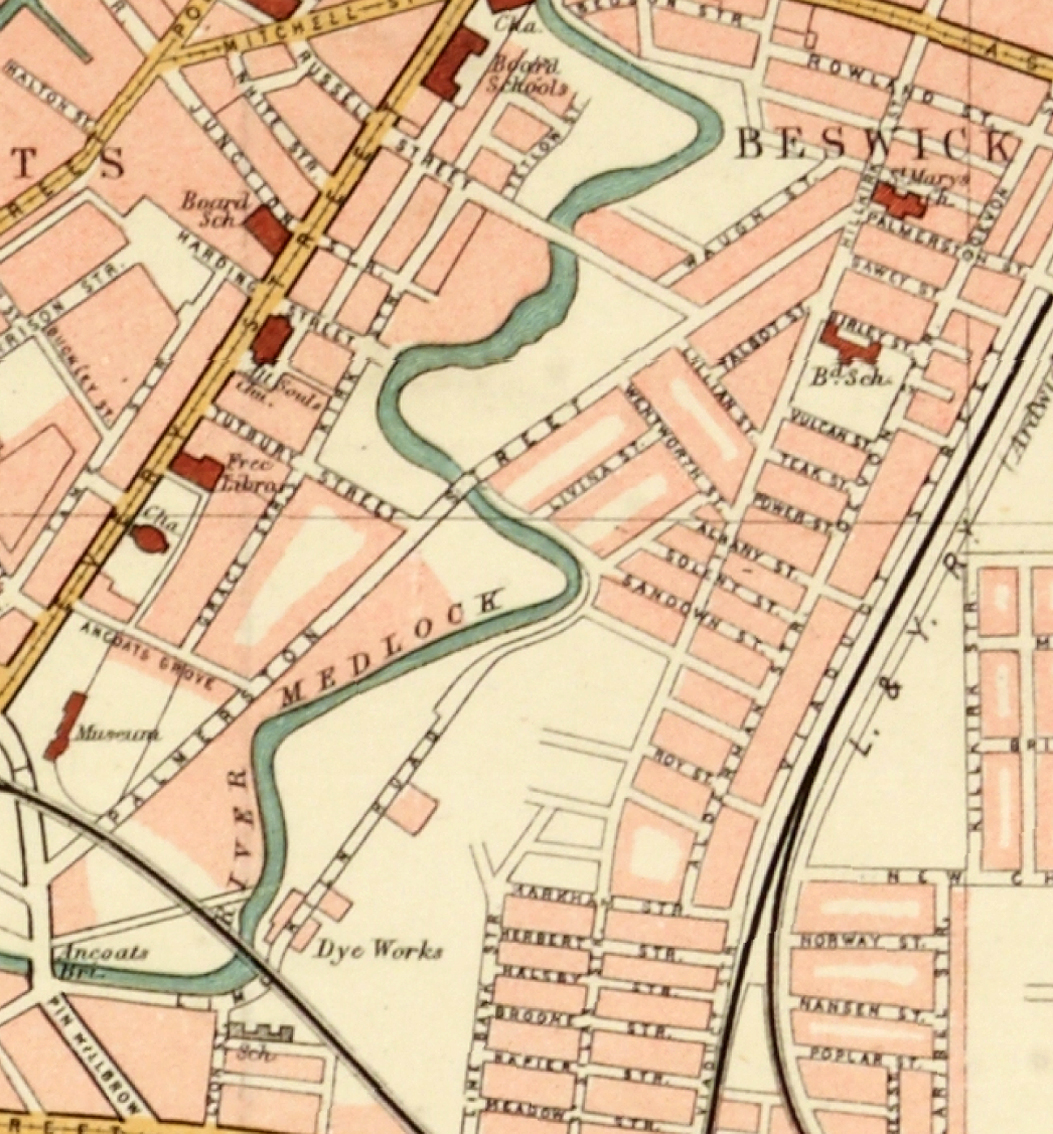
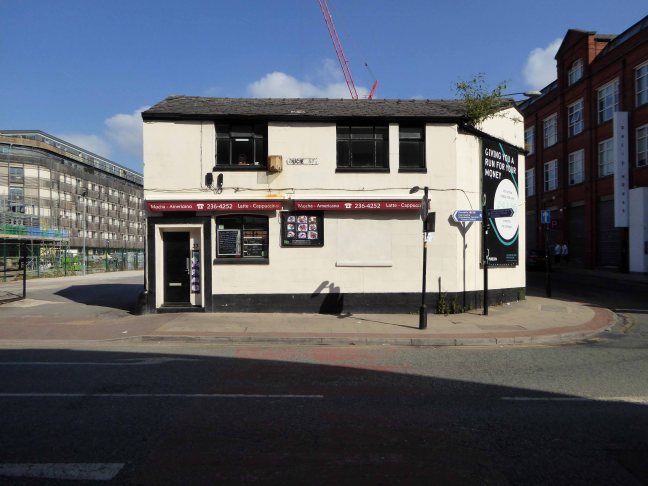
To begin at the beginning – some years ago I traced the route of the River Medlock, I chanced upon a forlorn pub called The River, all alone, desolate and boarded up, presiding over an area that I assumed, would once have supplied ample trade to a busy boozer.

I returned last week in search of some rhyme or reason, for such a seemingly sad and untimely decline.

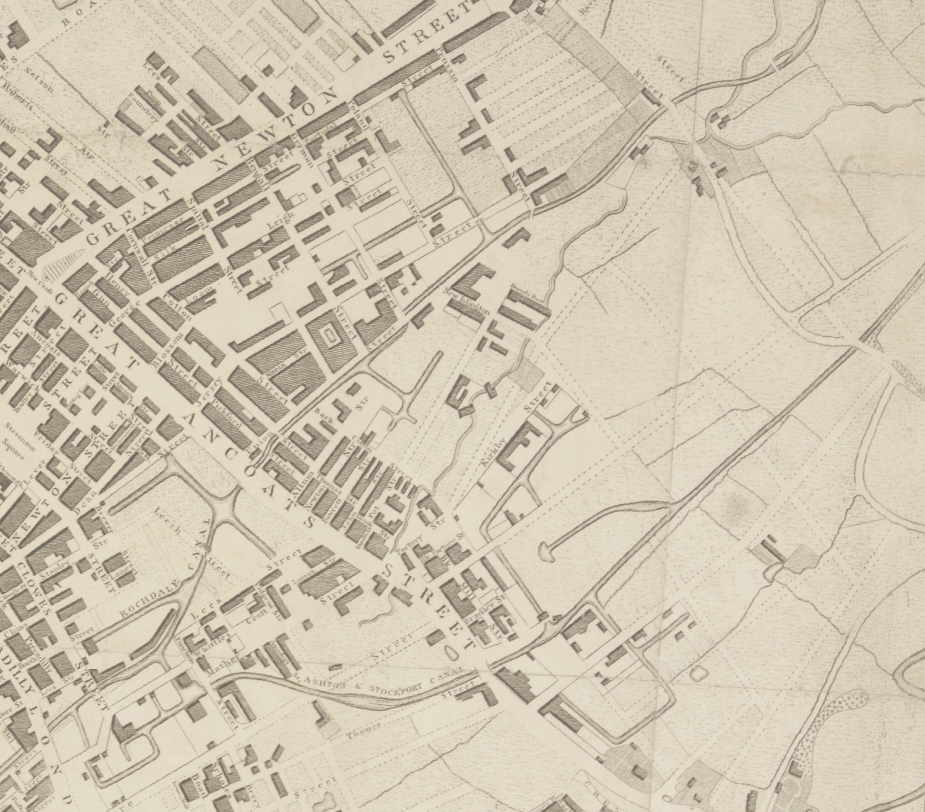
So here we are back at in Manchester 1813, the seeds of the Industrial Revolution sewn in adjacent Ancoats, the fields of Beswick still sewn with seeds, the trace of Palmerston Street nought but a rural track.

Screen Shot 2018-08-07 at 15.25.02

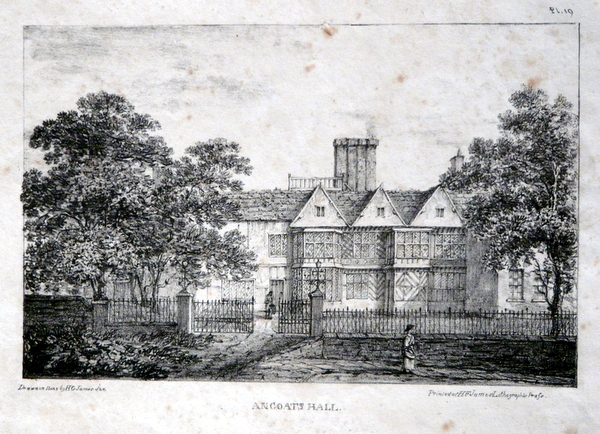
Sited on land between Great Ancoats Street and Every Street was Ancoats Hall, a post-medieval country house built in 1609 by Oswald Mosley, a member of the family who were Lords of the Manor of Manchester. The old timber-framed hall, built in the early 17th century, and demolished in the 1820s was replaced replaced by a brick building in the early neo-Gothic style.

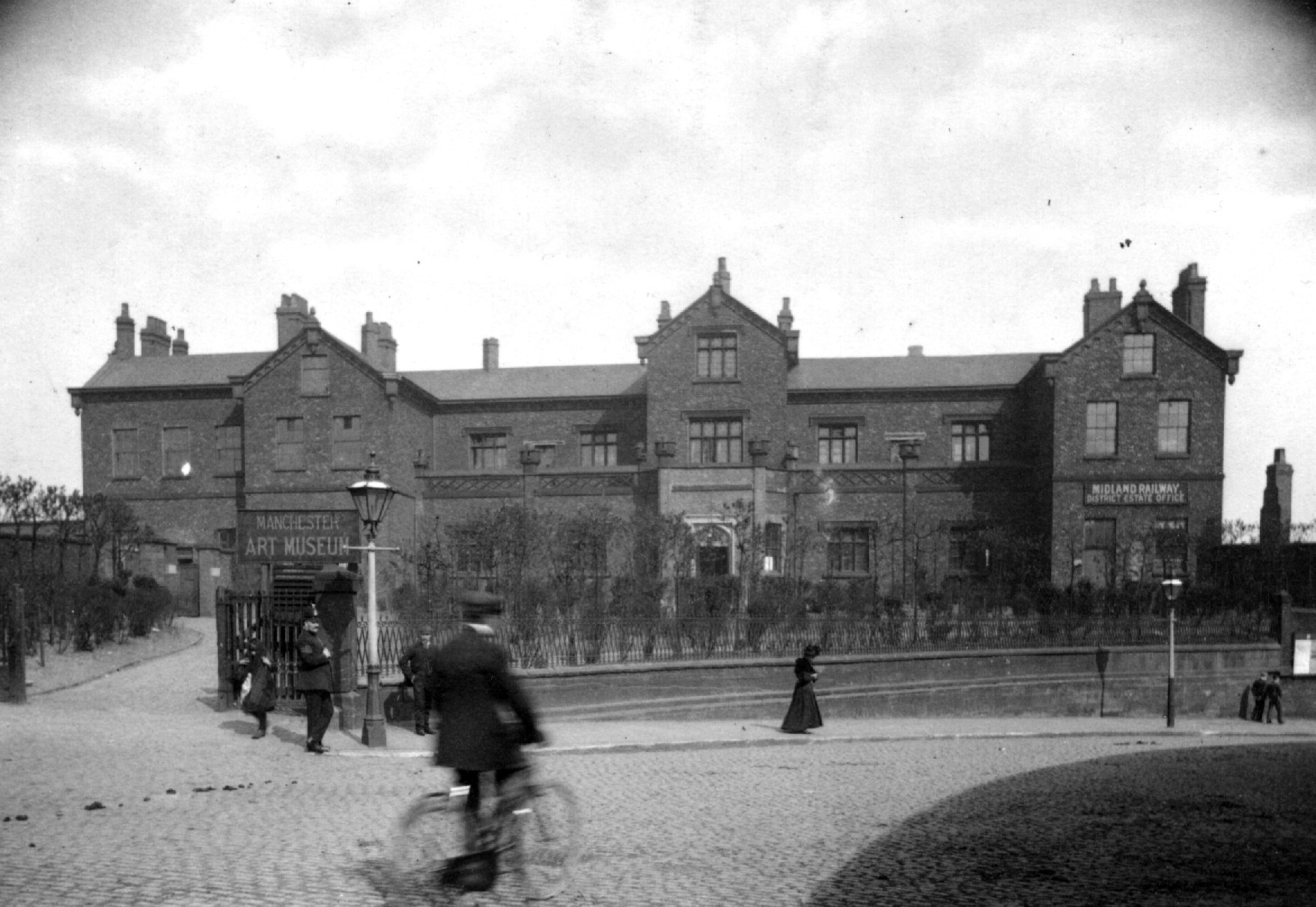
1-P1100618

This would become the Manchester Art Museum, and here the worst excesses Victorian Capitalism were moderated by philanthropy and social reform.

When the Art Museum opened, its rooms, variously dedicated to painting, sculpture, architecture and domestic arts, together attempted to provide a chronological narrative of art, with detailed notes, labels and accompanying pamphlets and, not infrequently, personal guidance, all underlining a sense of historical development.

m08910-ancoats-old-hall-manchester-archives-photo-by-anderton

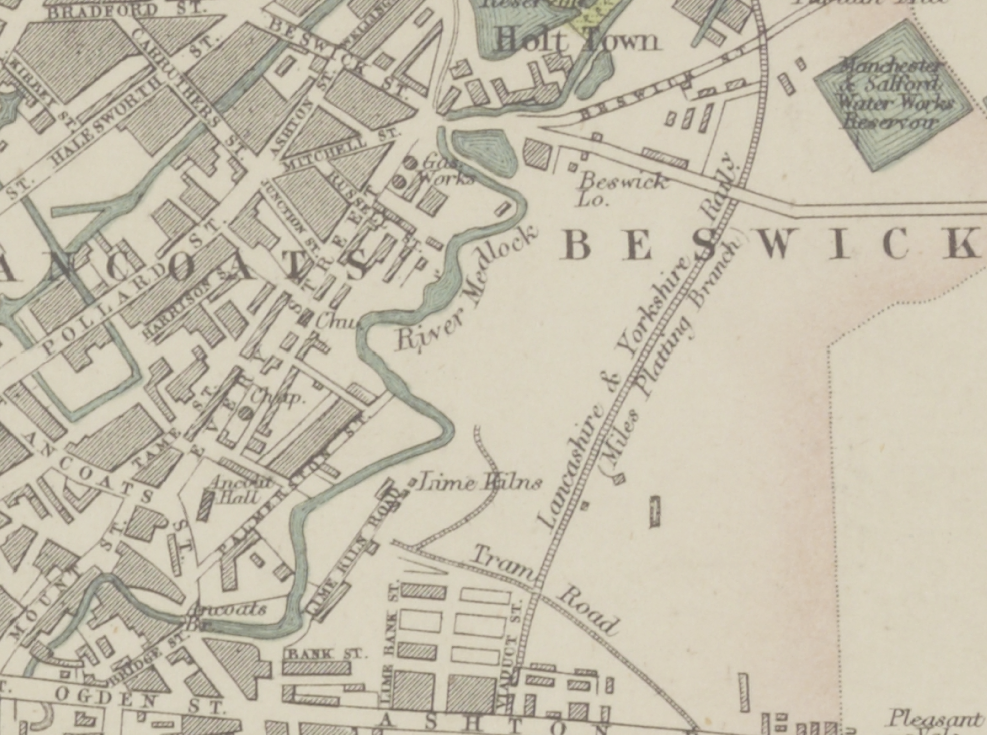
Housing and industry in the area begins to expand, railways, tramways, homes and roads are clearly defined around the winds of the river.

1870

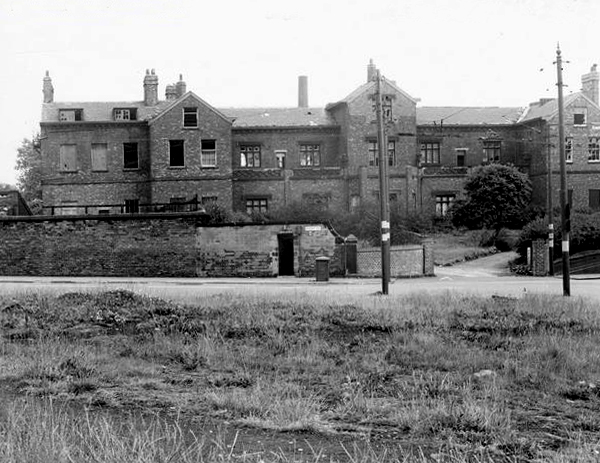
In 1918 the museum was taken over by the city, it closed in 1953 and its contents were absorbed into the collection of Manchester City Art Gallery, as the State increasingly took responsibility for the cultural well being of the common folk.

ancoatshall-1964

The building was finally demolished in the 1960’s – just as the area, by now a dense warren of back to back terraces, was to see further change.

map

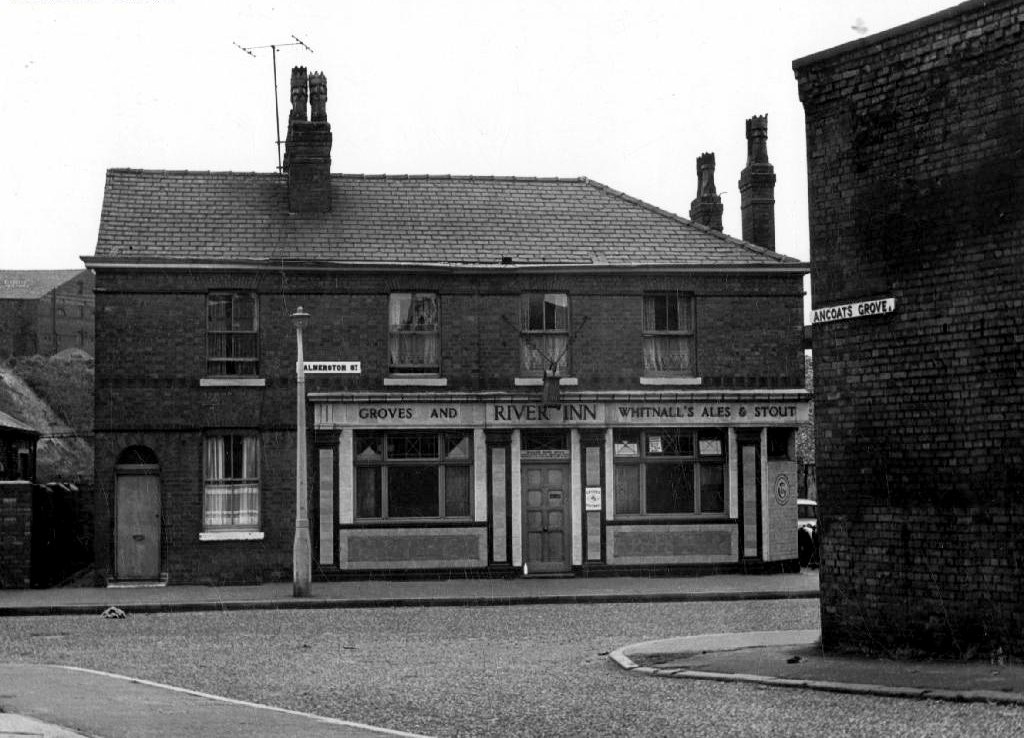
Along the way was the the River Inn, seen here with a fine Groves and Whitnall’s faience tiled frontage.

webmedia-4.php

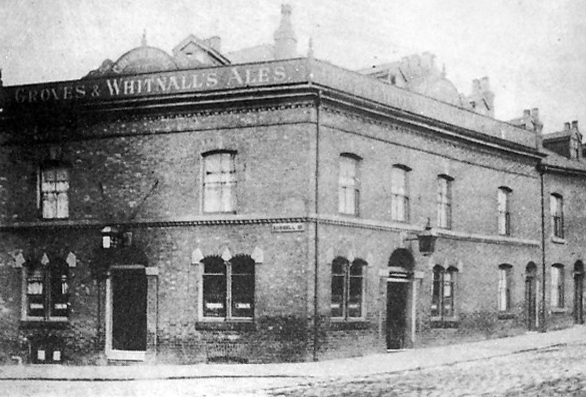
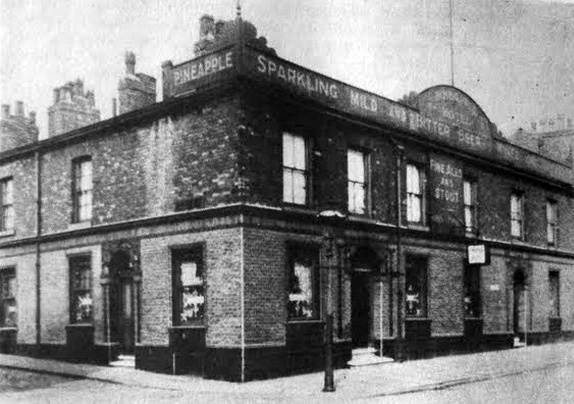
The street also offered rest, relaxation and refreshment through the Church, Pineapple and Palmerston pubs, as recored here on the Pubs of Manchester blog.

Church Palmerston

Pineapple Palmerston St

webmedia.php copy

The River seen here in the 1970’s struggled on until 2007.

webmedia-2

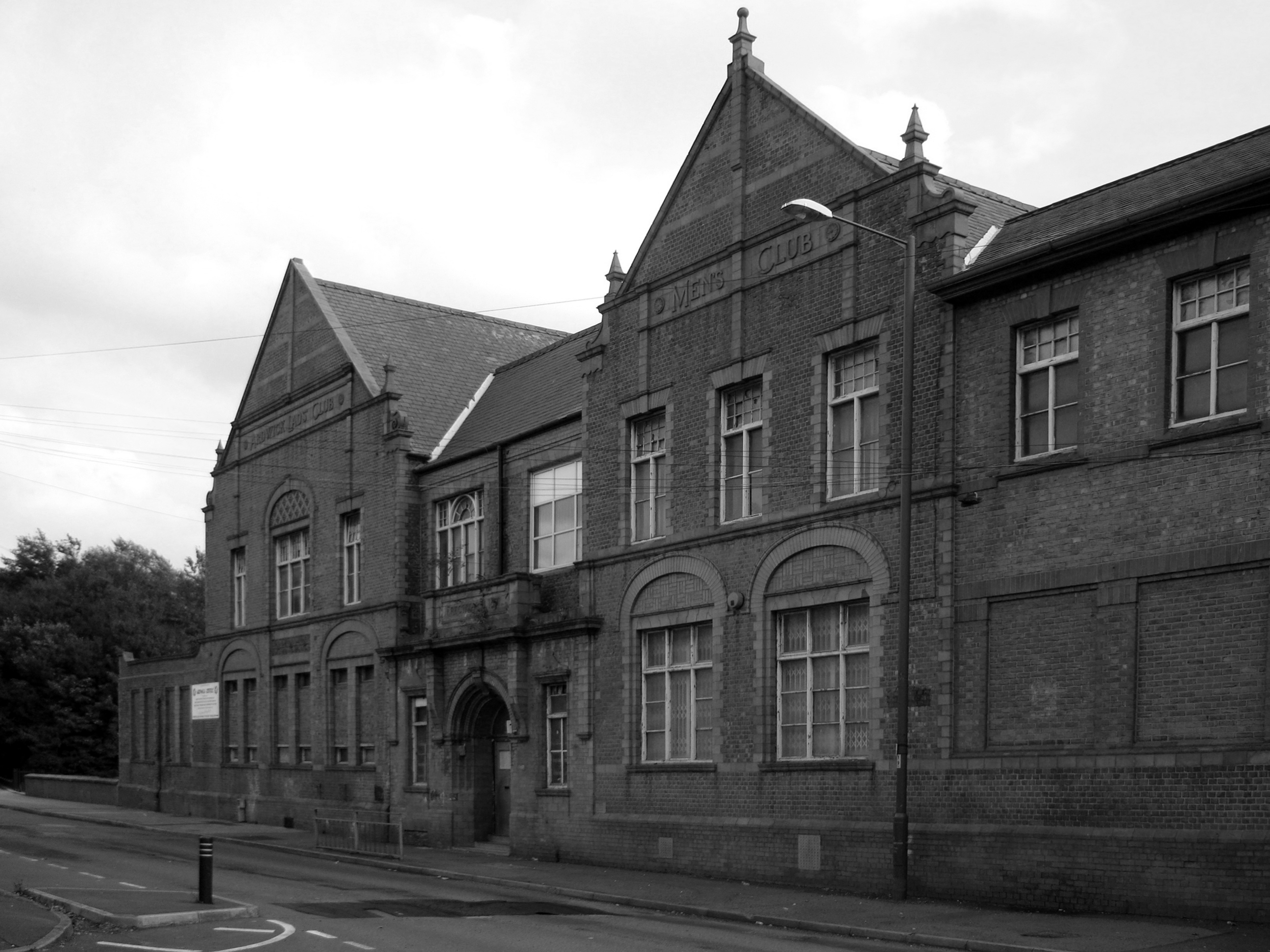
Further along we find the Ardwick Lads Club, further evidence of the forces of social reform, that sadly failed to survive the forces of the free market and the consequent Tory cuts in public spending and wilful Council land-banking.

The Ardwick Lads’ and Mens’ Club, now the Ardwick Youth Centre, opened in 1897 and is believed to be Britain’s oldest purpose-built youth club still in use [and was until earlier in 2012]. Designed by architects W & G Higginbottom, the club, when opened, featured a large gymnasium with viewing gallery – where the 1933 All England Amateur Gymnastics Championships were held – three fives courts, a billiard room and two skittle alleys (later converted to shooting galleries). Boxing, cycling, cricket, swimming and badminton were also organised. At its peak between the two world wars, Ardwick was the Manchester area’s largest club, with 2,000 members.

44551888

On the 10th September 2012 an application for prior notification of proposed demolition was submitted on behalf of Manchester City Council to Manchester Planning, for the demolition of Ardwick Lads’ Club  of 100 Palmerston Street , citing that there was “no use” for the building in respect to its historic place within the community as providing a refuge and sporting provision to the young of Ancoats.

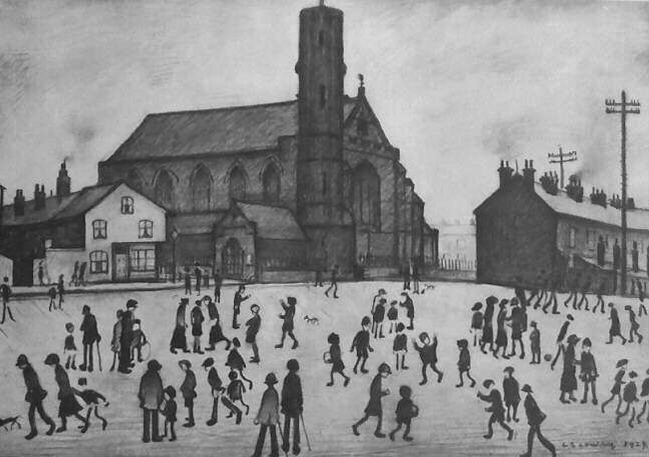
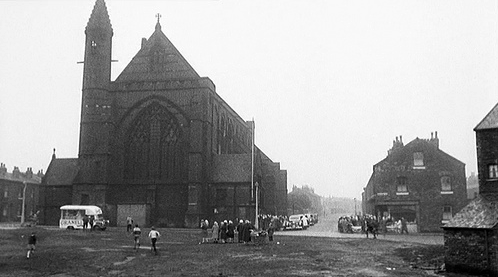
At the top turn of the street stood St Mary’s – the so called Lowry church.

marys

Screen Shot 2018-08-03 at 14.43.17

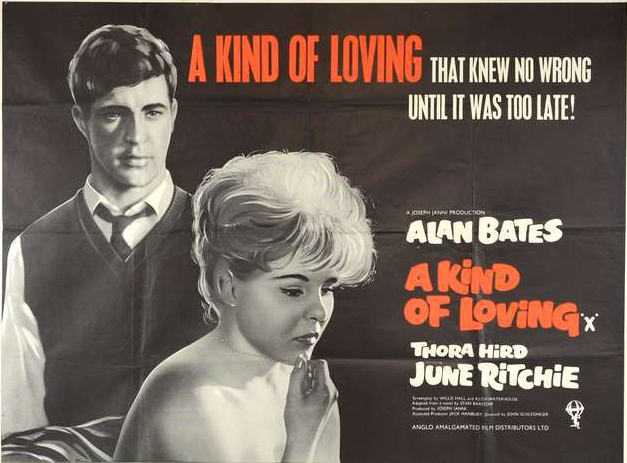
Used as a location for the film adaptation of Stan Barstow’s A Kind Of Loving

st mary's

nr003658-54_1

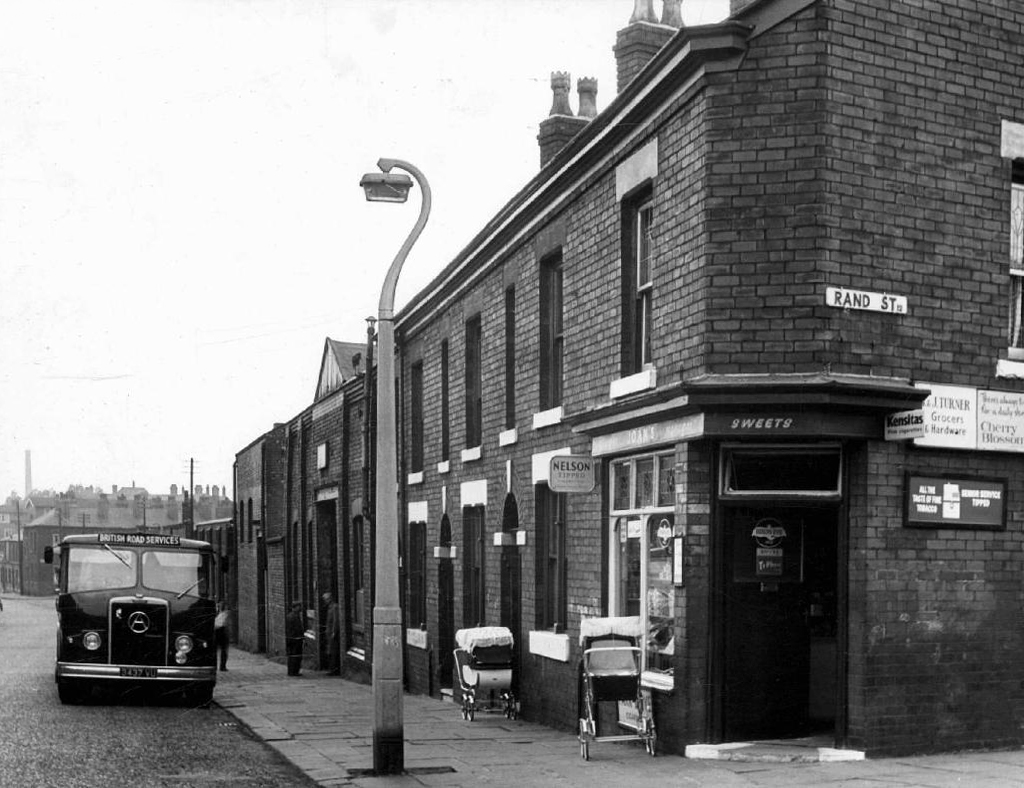
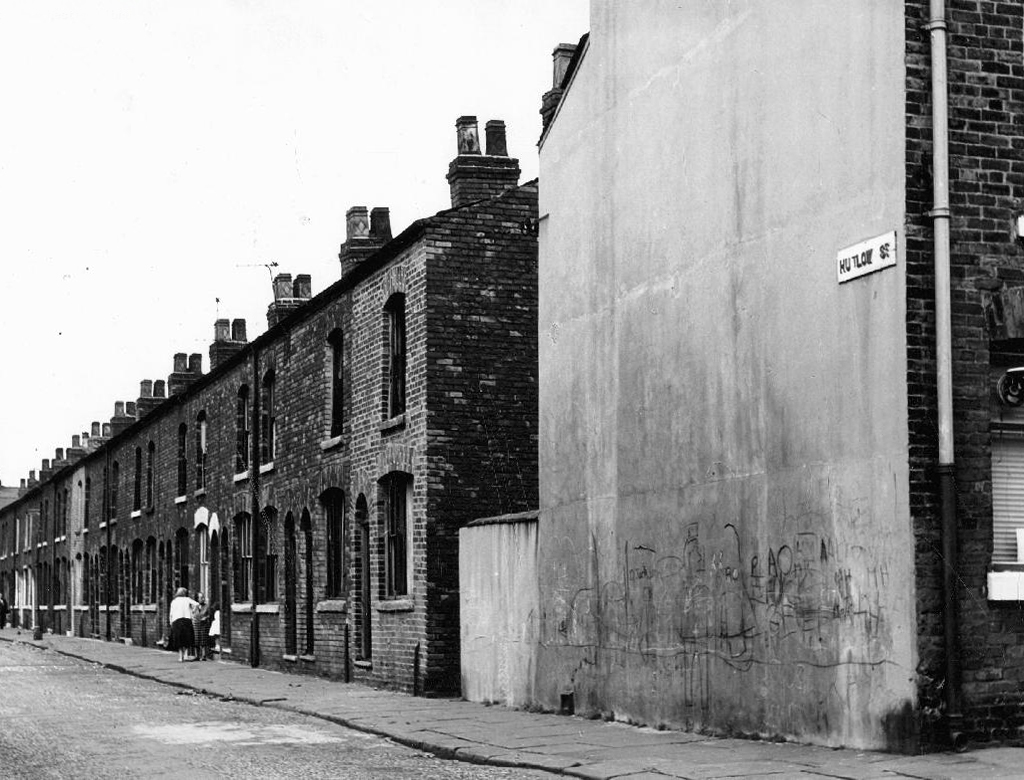
The homes and industry attendant schools and pubs were soon to become history, all that you see here is more or less gone. Slum clearance, the post-war will to move communities away from the dense factory smoke, poor housing stock and towards a bright shiny future elsewhere.

Whole histories have subsequently been subsumed beneath the encroachment of buddleia, bramble, birch and willow.

hillkirk

Screen Shot 2018-08-03 at 14.44.39

webmedia-3.php

webmedia-1.php

webmedia-2.php

webmedia-6.php

webmedia-7.php

webmedia.php

The land now stands largely unused and overgrown, awaiting who knows what, but that’s another tale for another day.

Archive images from the Manchester Local Image Collection.


Mitzi Cunliffe – Owen’s Park Manchester

Mitzi Solomon Cunliffe January 1st 1918  December 30th 2006

American born, resident of Didsbury Manchester, sculptor and designer, responsible for, amongst other things, the BAFTA mask.

Mitzi_Cunliffe_Design

Her first large scale commission was two pieces for the Festival of Britain in 1951. One, known as Root Bodied Forth, shows figures emerging from a tree, and was displayed at the entrance of the Festival. The second, a pair of bronze handles in the form of hands, adorned the Regatta Restaurant. She created a similar piece, in the form of knots, in 1952 which remains at the School of Civic Design at Liverpool University, along with The Quickening in the rear courtyard.

p1090554

p1090555-copy

Cunliffe developed a technique for mass-producing abstract designs in relief in concrete, as architectural decoration, which she described as sculpture by the yard. She used the technique to decorate buildings throughout the UK, but particularly in and around Manchester.

d9d483ddd467272577443b6391e5a66a

Particularly this example of four modular panels named Cosmos, set in the wall of the student halls of residence in Owens Park, Fallowfield, Manchester.

P1270299

P1270300

P1270302

P1270303

P1270304

P1270306

P1270307

P1270308

P1270309

P1270310

P1270311

P1270312

P1270313

P1270314

P1270315

P1270316

P1270317

P1270318

P1270321

P1270322

P1270323

P1270324

P1270325


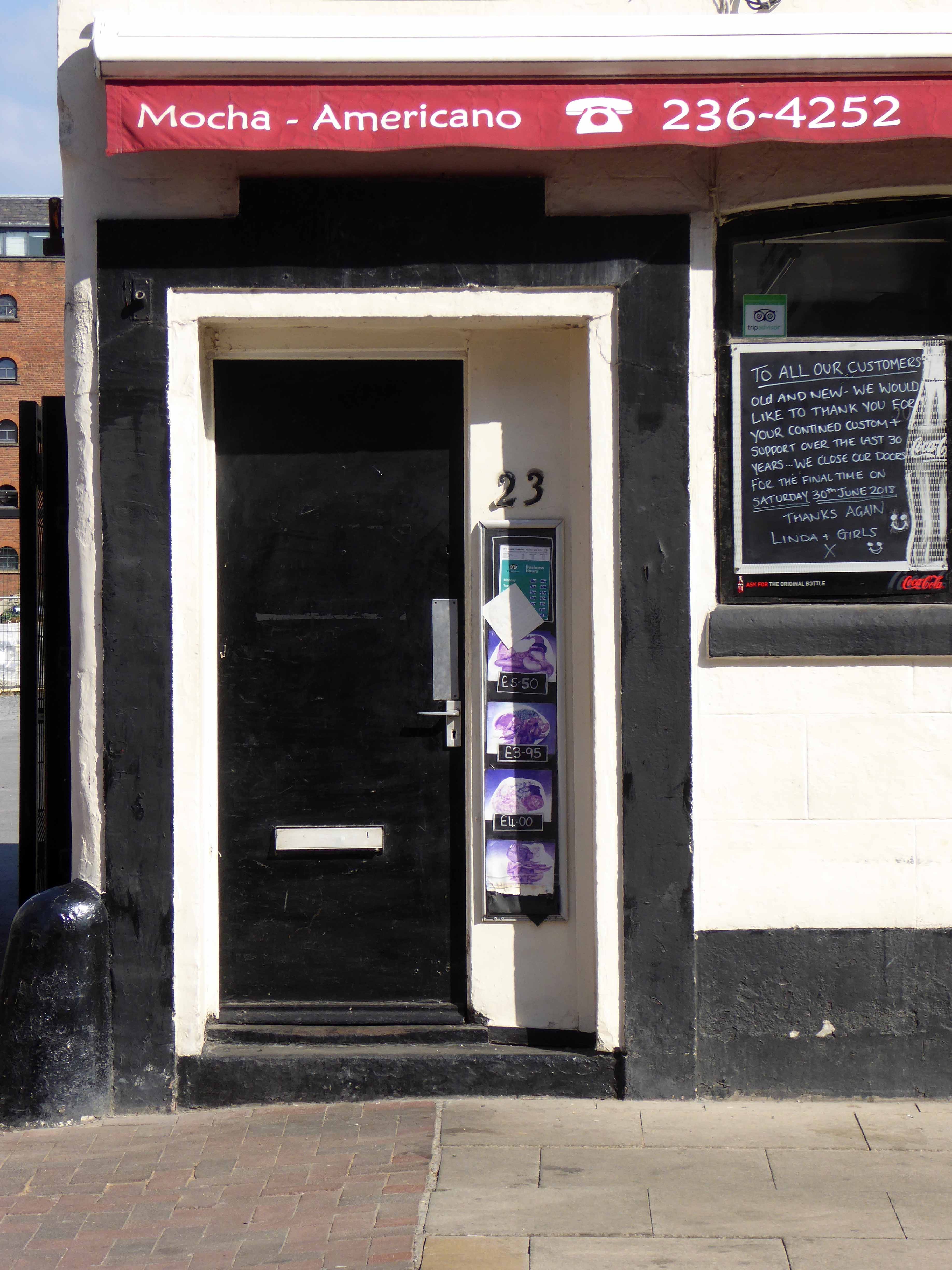
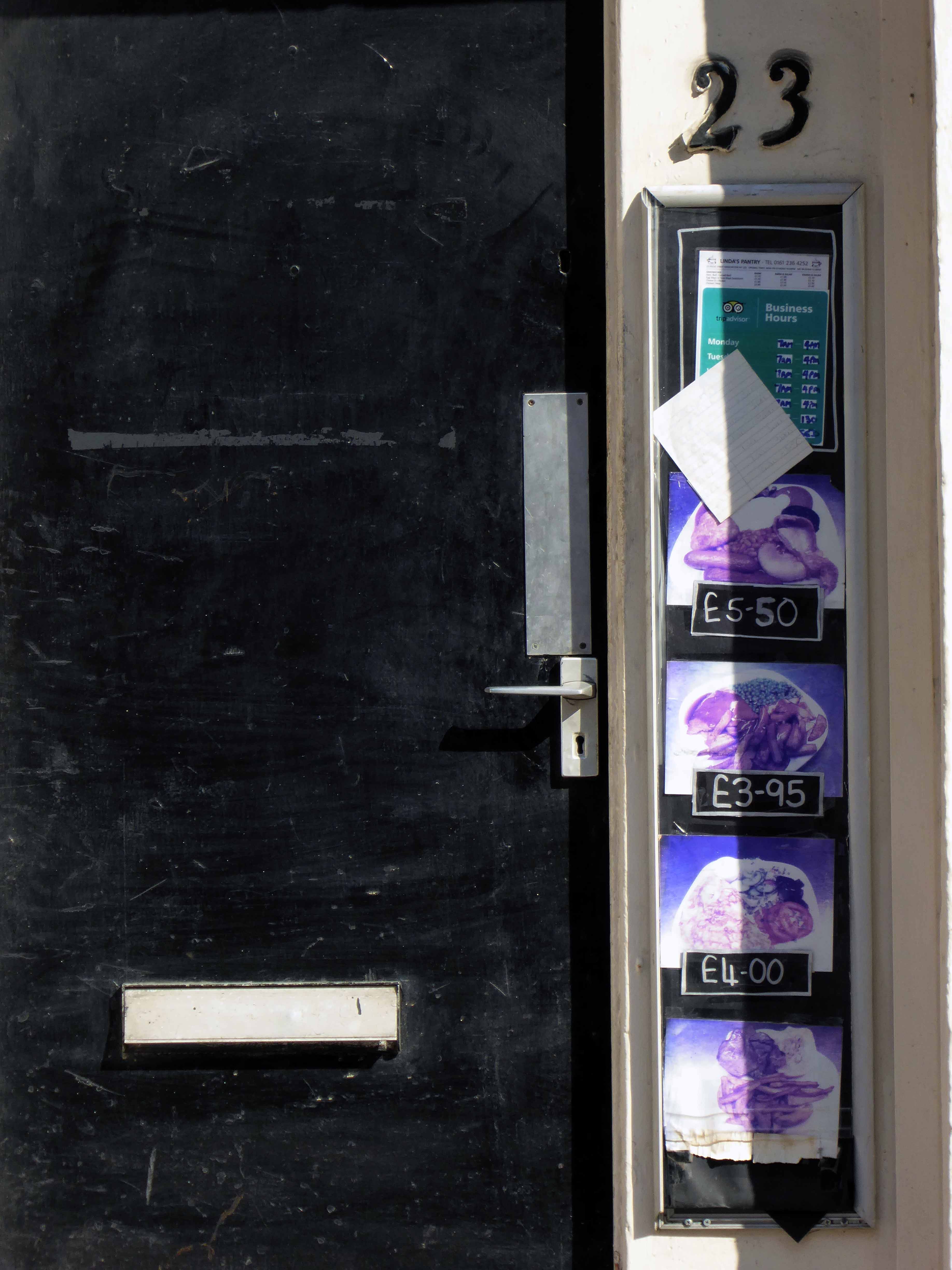
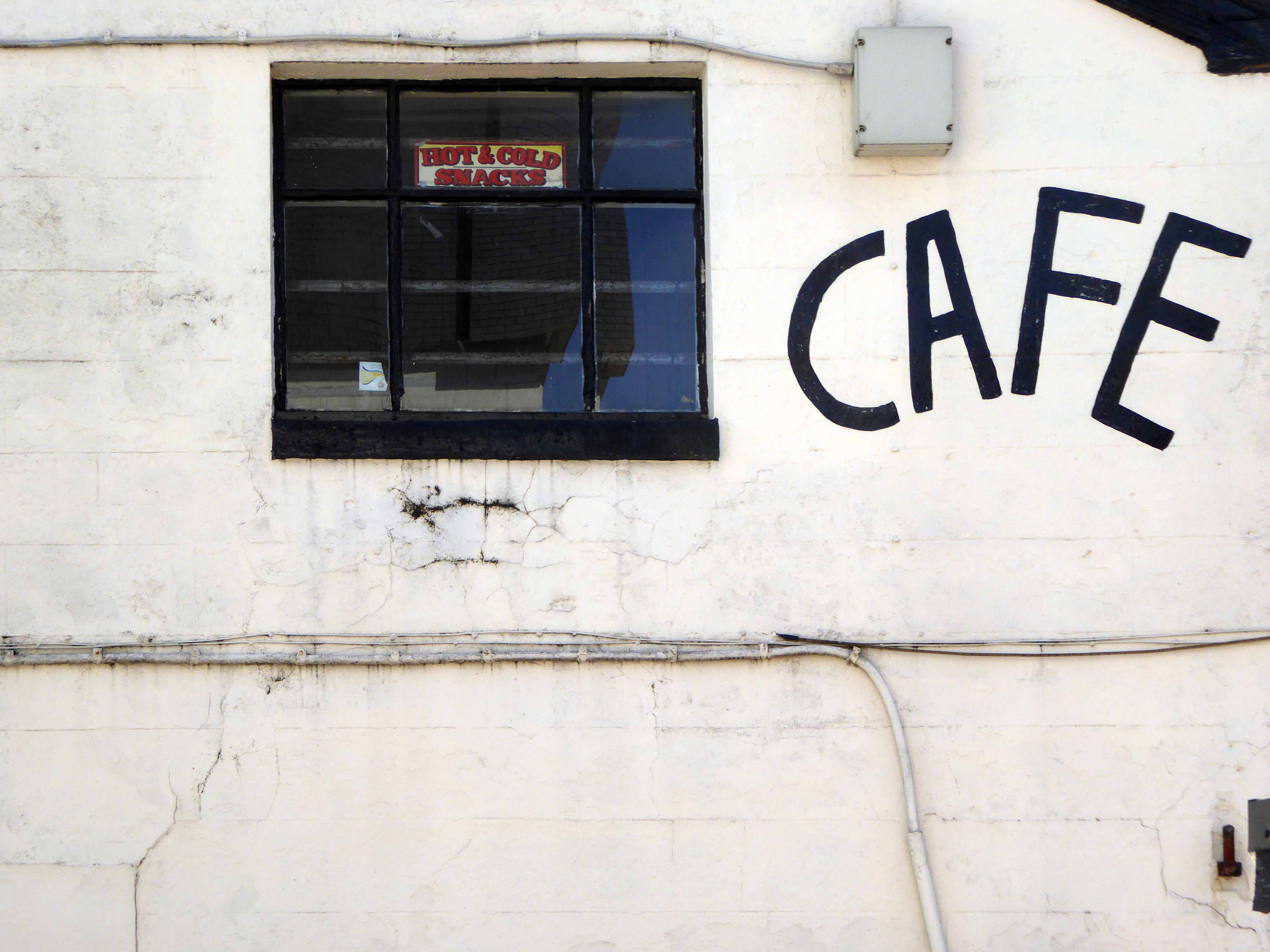
Linda’s Pantry – Manchester

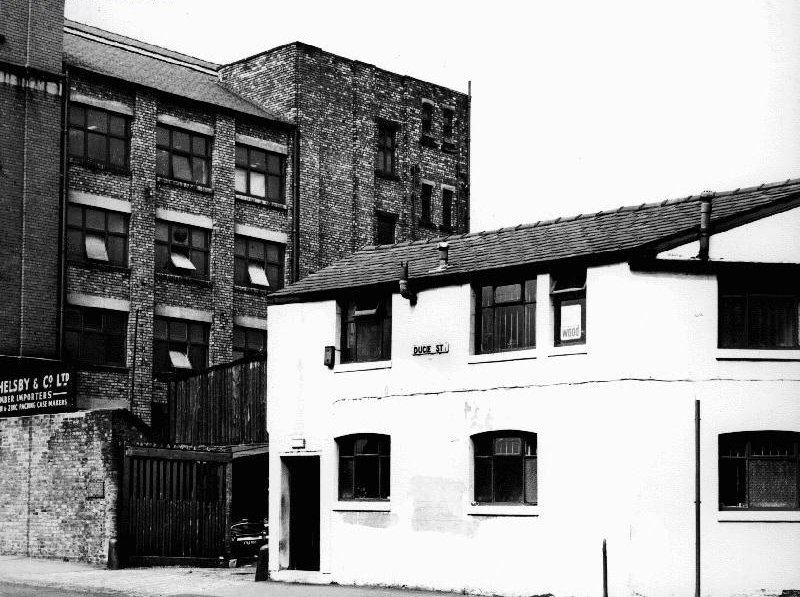
Turn off London Road and into Ducie Street, it’s just around the corner from Piccadilly Station.
Enter a world of warehouses, homes and industry.

webmedia-1.php

webmedia-4.php

webmedia-1.php

webmedia-3.php

webmedia-2.php

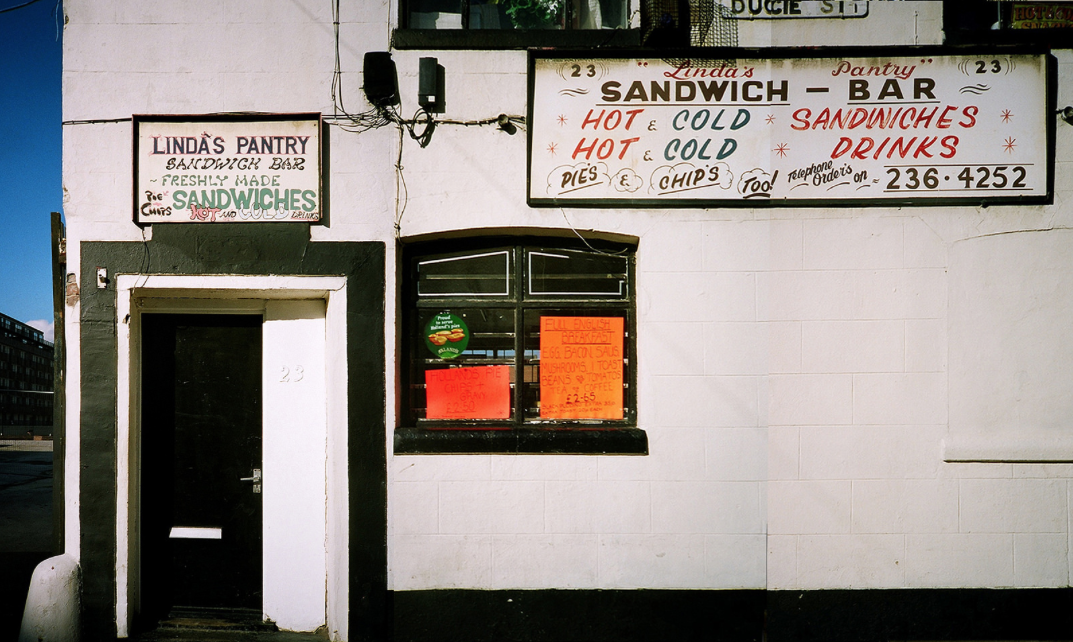
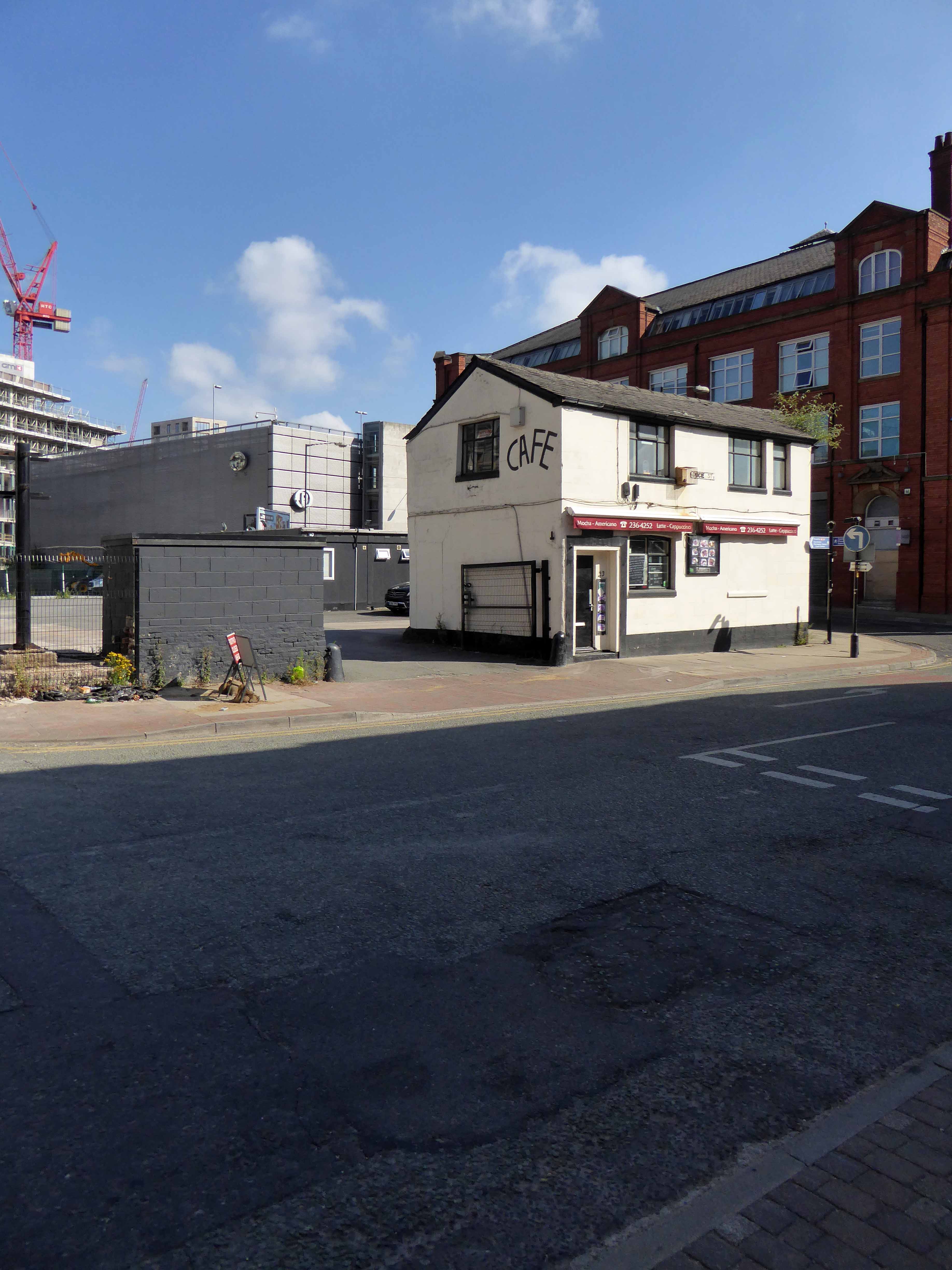
Return some fifty years later and you’ll find a café on the corner.

Screen Shot 2018-07-09 at 19.55.53

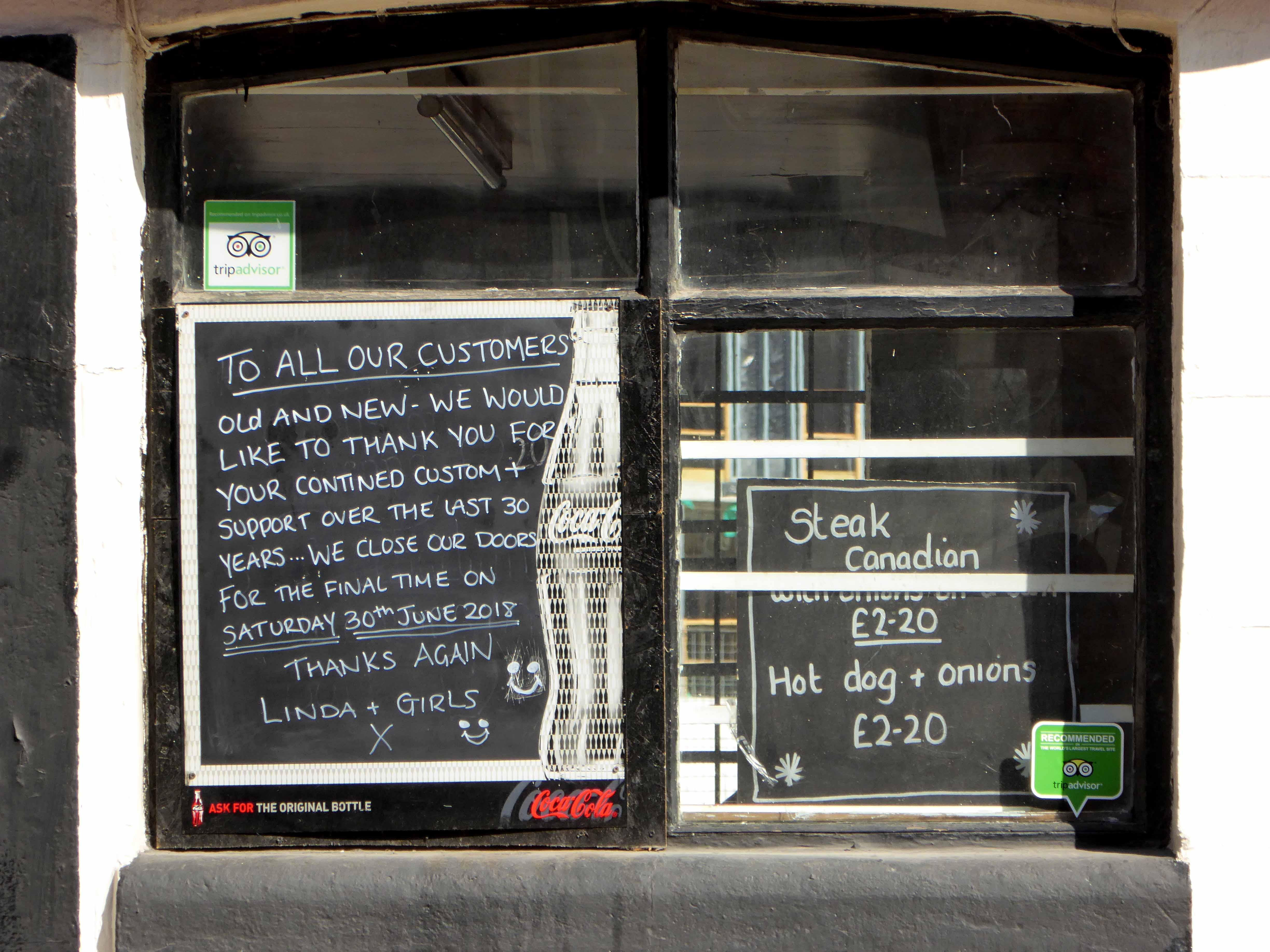
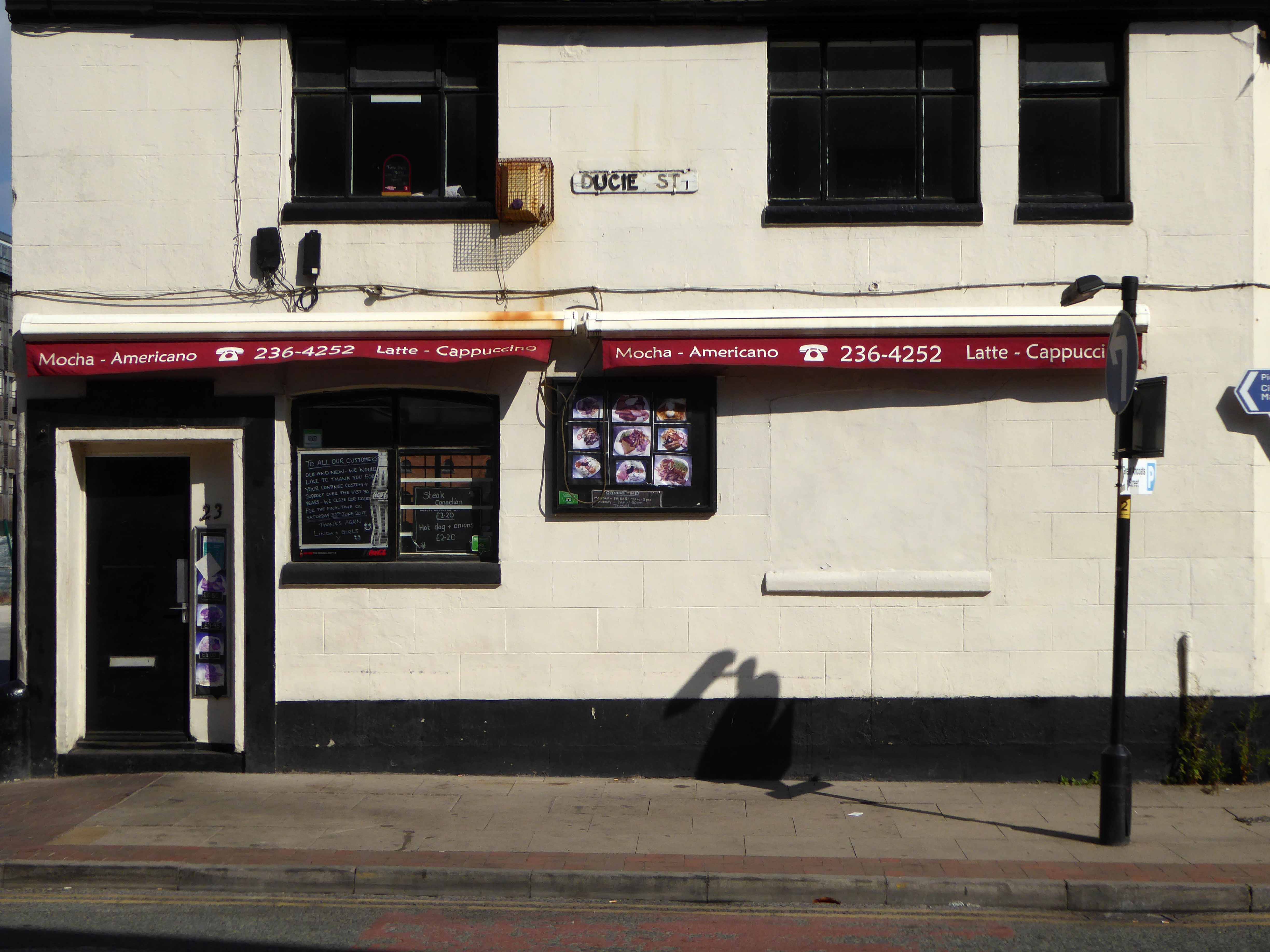
Return last Saturday you’ll find that it’s gone.

P1270029

No more of this.

b872c05fb8251eb973cf30b3cee7e421


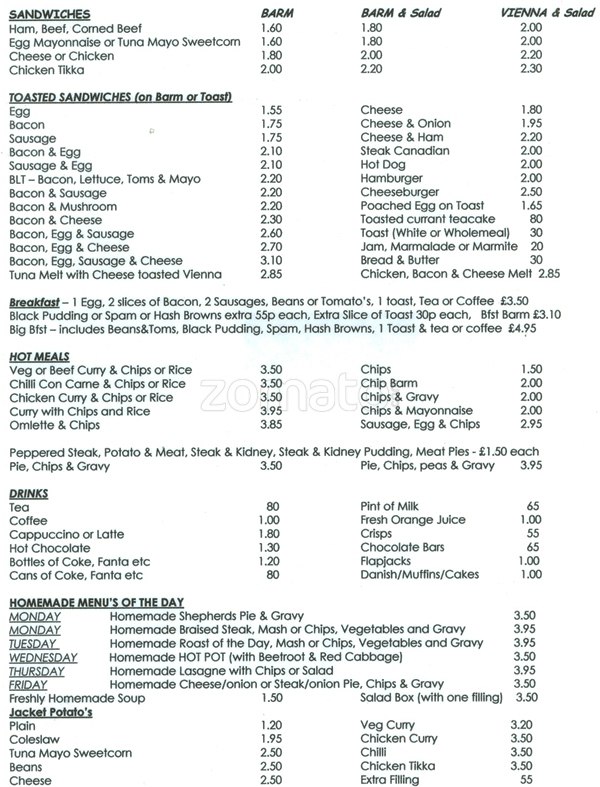
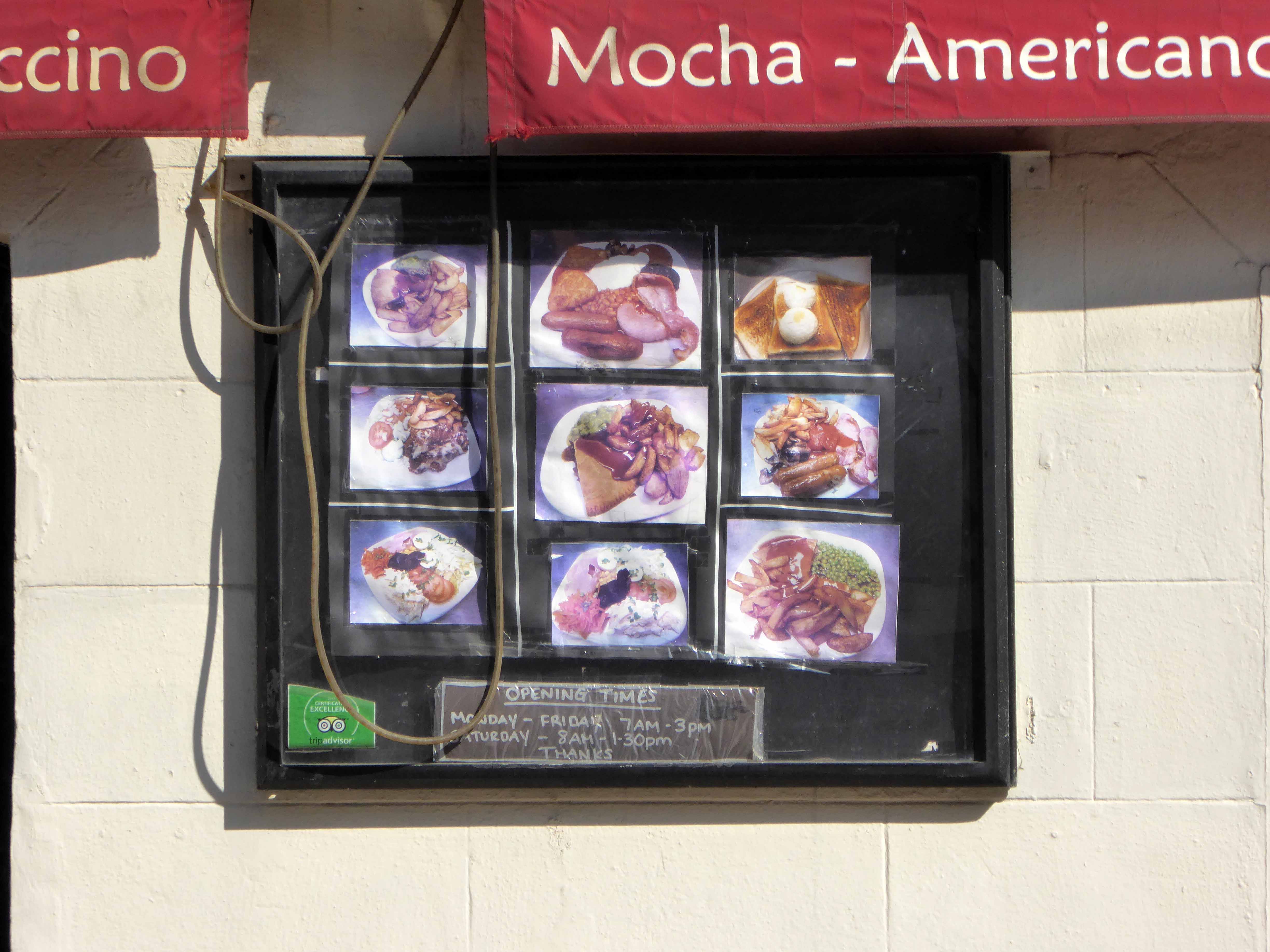
Top class scran at prices to suit all pockets.

EGP_MEN_LindasPantry_201017_007JPG

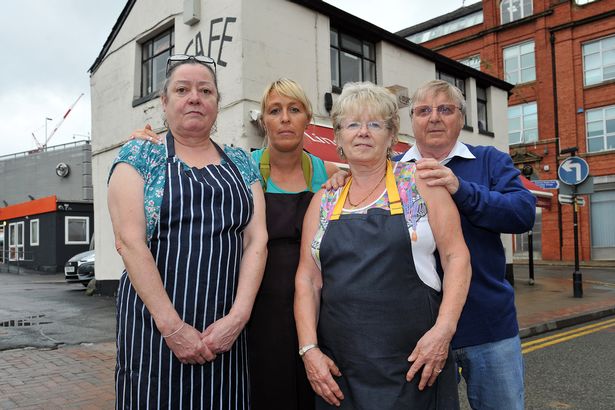
Linda and her crew have packed up the pans and scrammed.

Read all about it – Manchester Evening News

The face of the city changes, as one by one faces and places disappear, new build and mass tourism making ever new demands on space.

The rag trade is in tatters and the tatters are long gone.

It would seem that there is no place for the traditional café or its customers.

So thank you and goodnight, the last pie, chips and gravy has left the counter.

Shut the door and turn out the lights.

P1270025

P1270027

P1270028

P1270033

P1270034

P1270035

P1270038

P1270039

P1270042

P1270044

P1270048

P1270051

P1270052


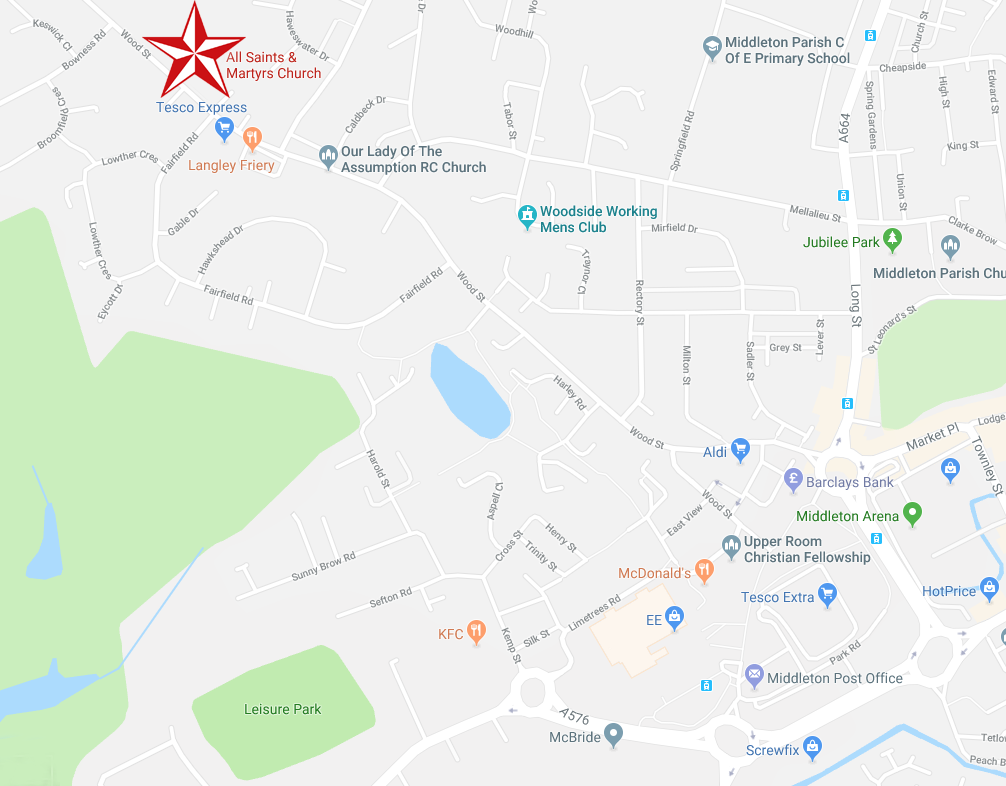
All Saints & Martyrs – Langley


Screen Shot 2018-07-09 at 15.34.32

All Saints & Martyrs Rectory, Wood St, Middleton, Manchester M24 5GL

We had the pleasure to visit All Saints & Martyrs on Saturday 7th July 2018 as part of an Art and Christianity – Manchester Modernists Society bus tour.

We could not have been made more welcome by The Reverend Canon Philip Miller – Vicar of Langley and his team, many thanks for their warm hospitality.

Set on the Langley Estate, one of many developed by Manchester Council as overspill social housing, the church serves a large community to the north of the city.

The architect was Albert Walker of Leach Rhodes Walker – this was the first church that they had built, having previously specialised in shopping precincts.

Leach, Rhodes and Walker had involved Geoffrey Clarke RA with their earlier new church building for All Saints, Barton Road, Stretford. (1957) here his contribution was chiefly a large stained glass window depicting the Trinity. LRW continued to collaborate with Clarke in their church projects, in the years following at Langley. In a letter to the church at the time he wrote: “Start saving now for a new West End Window – only £10 p.s.f – for the greatest window in the North…. I have just done some windows I’m rather pleased with..”

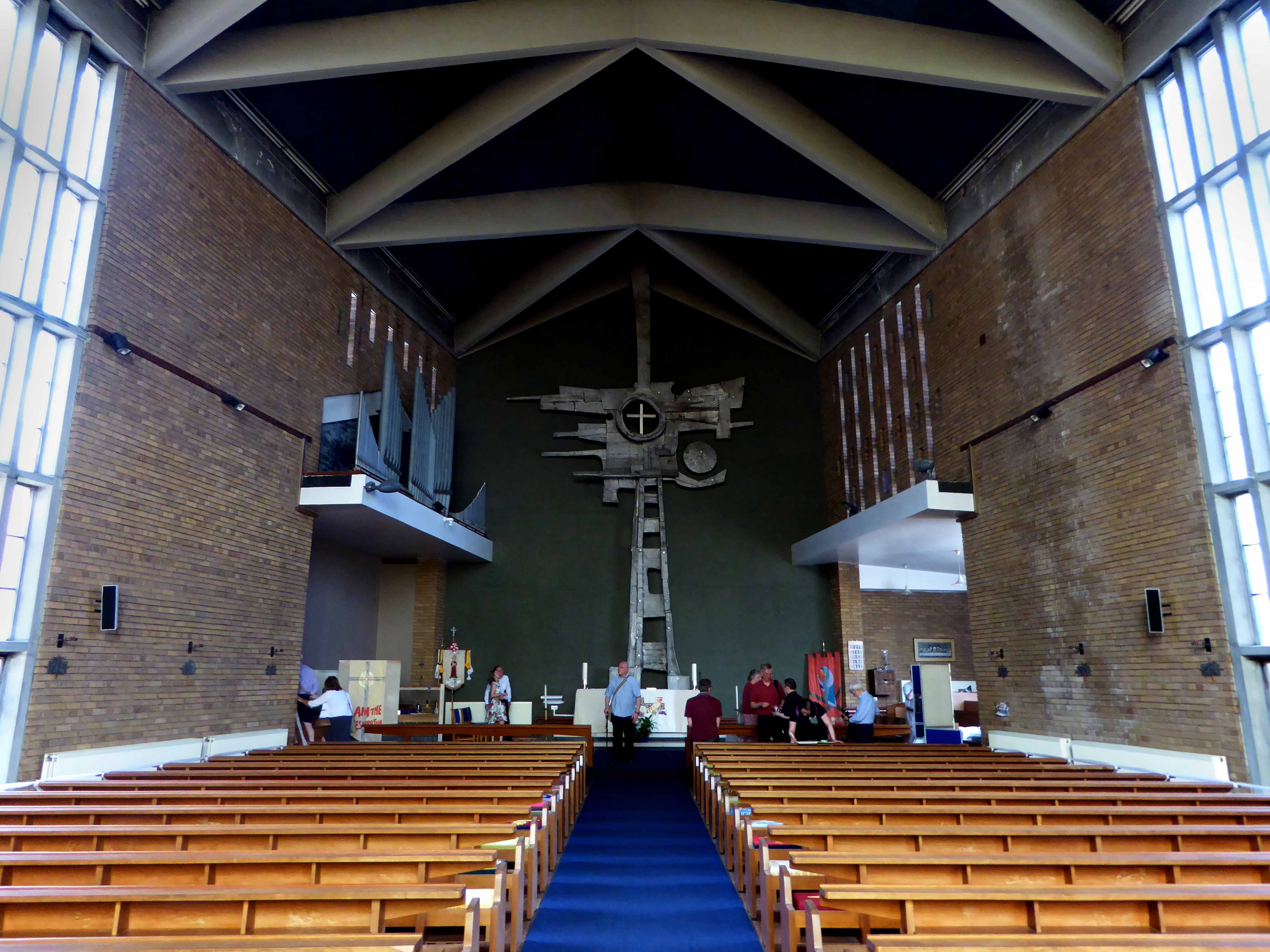
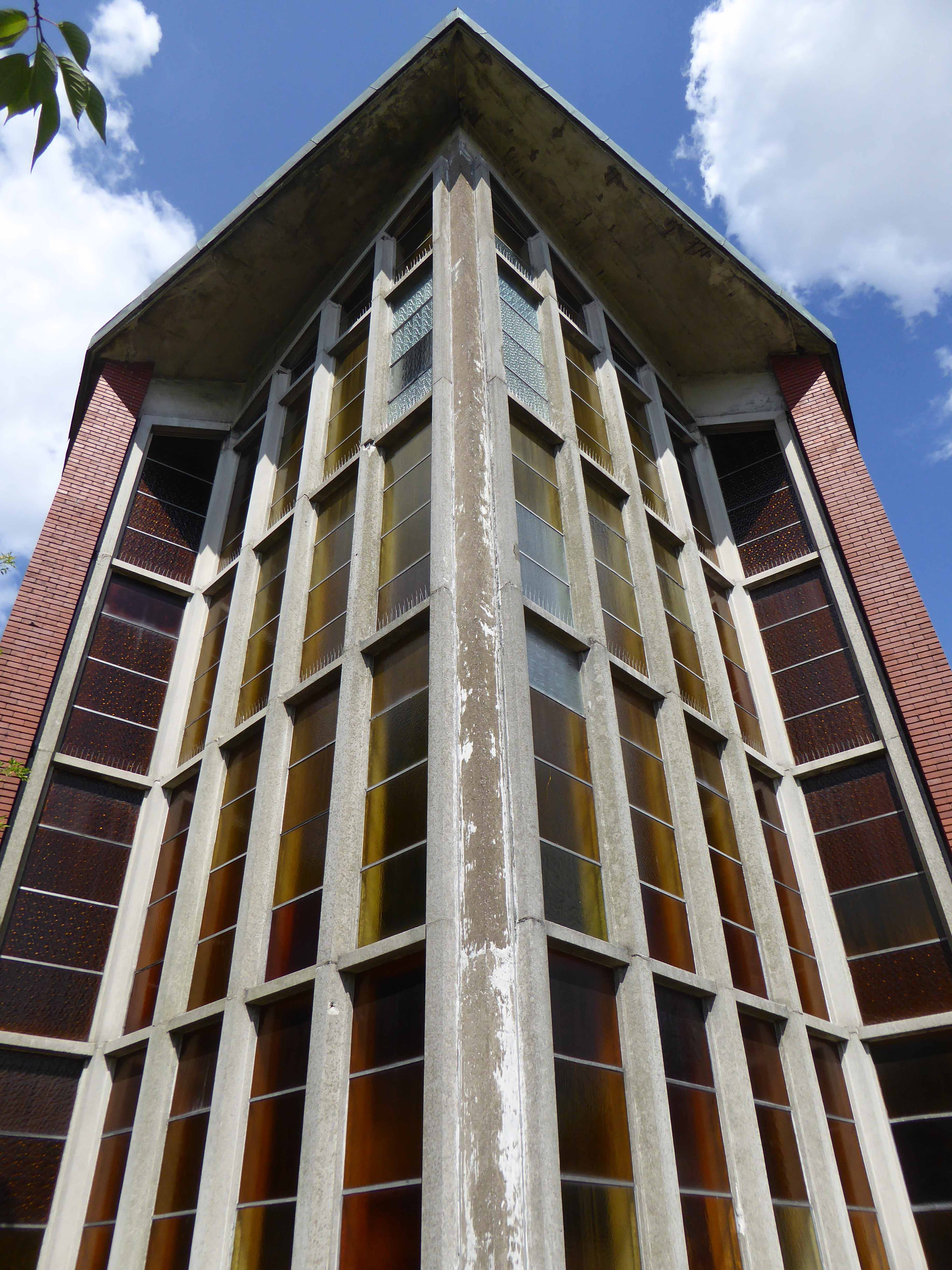
The church is an imposing angular structure, its height possibly determined by the treasure within – The Langley Cross.

P1270105

Consecrated in 1964, All Saints and Martyrs is home to the Langley Cross. This unique structure, which adorns our east wall, is the work of internationally renowned artist, Geoffrey Clarke RA, who has won reputation by his contributions to Coventry Cathedral.

The sculpture itself is 37 feet high and about 20 feet wide at the extremities of the transverse shaft and made of cast aluminium metal.

This is work of national and international significance.

P1270111

P1270104

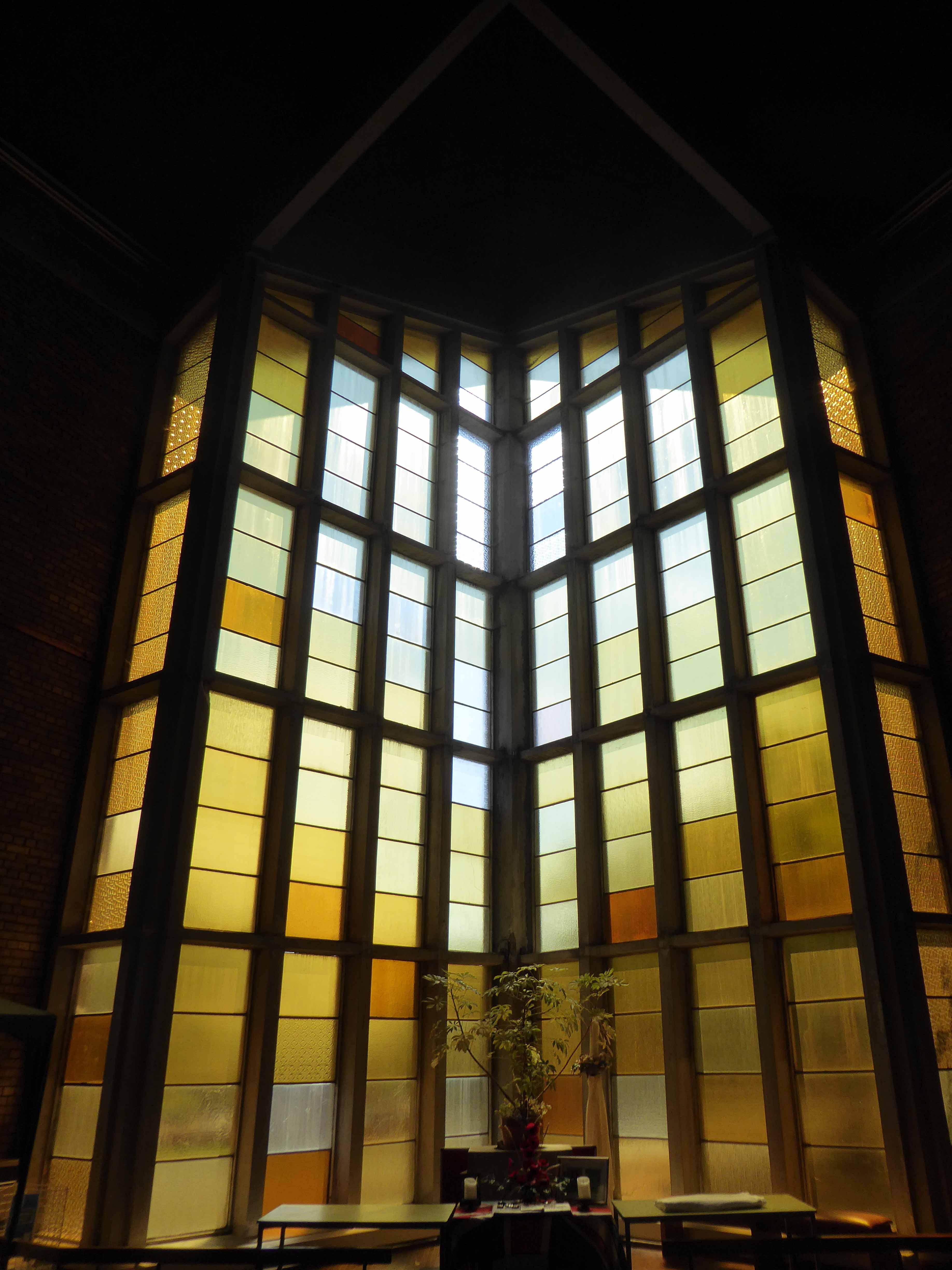
The church is lit from the west by a large yellow and white window, formed of French stained glass. Though seriously damaged over time, it has subsequently been repaired and forms an imposing counterpoint to the facing cross.

P1270098

P1270101

P1270102

P1270110

To the right of the main entrance is a delightful chapel, illuminated by a large stained glass window.

DSC_0425

P1270115

And in addition a charming period light fitting.

P1270114

To the right of the altar and cross are pierced stained glass windows.

P1270108

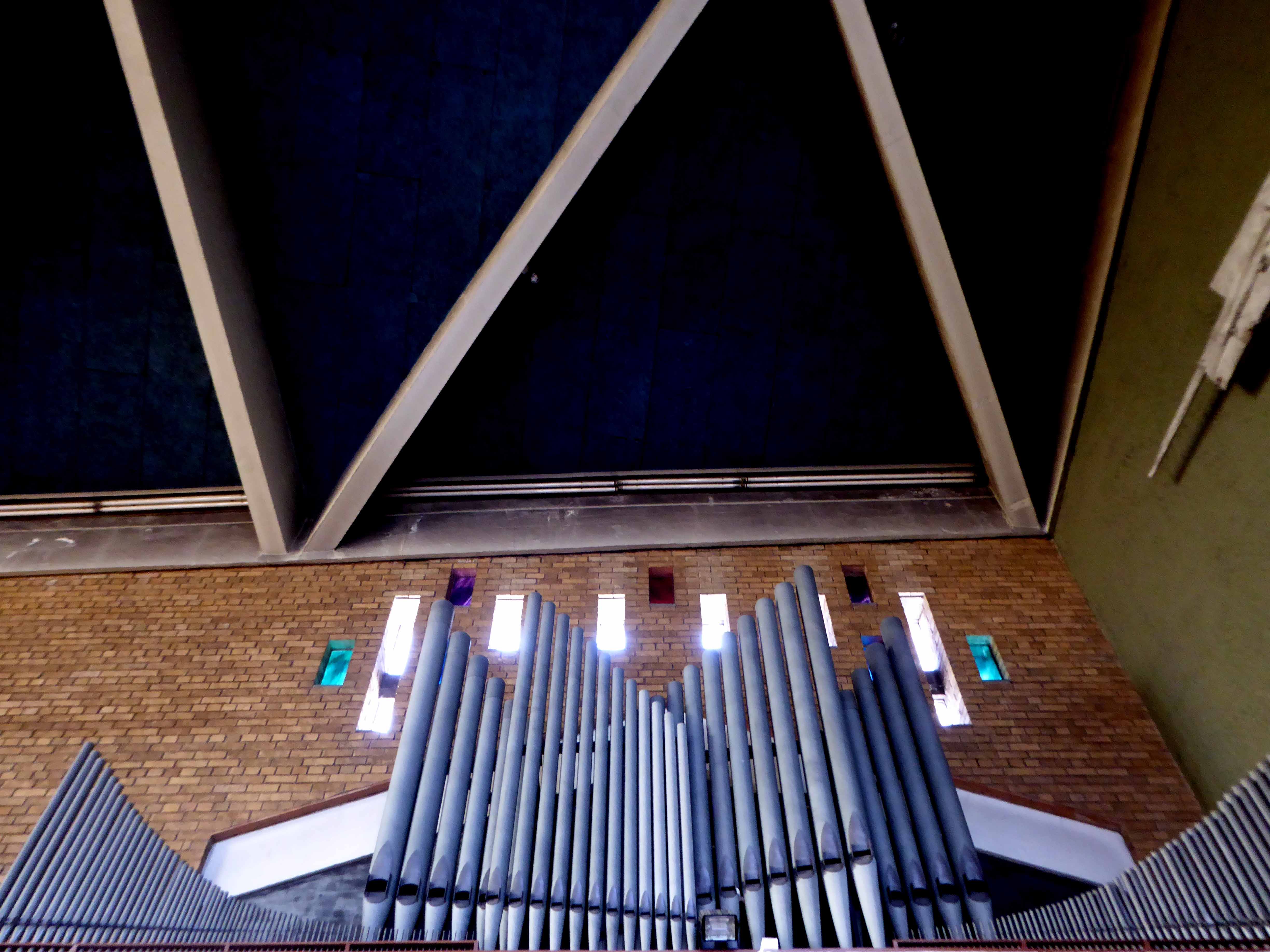
And to the left the sculptural organ pipes and further pierced stained glass.

P1270106

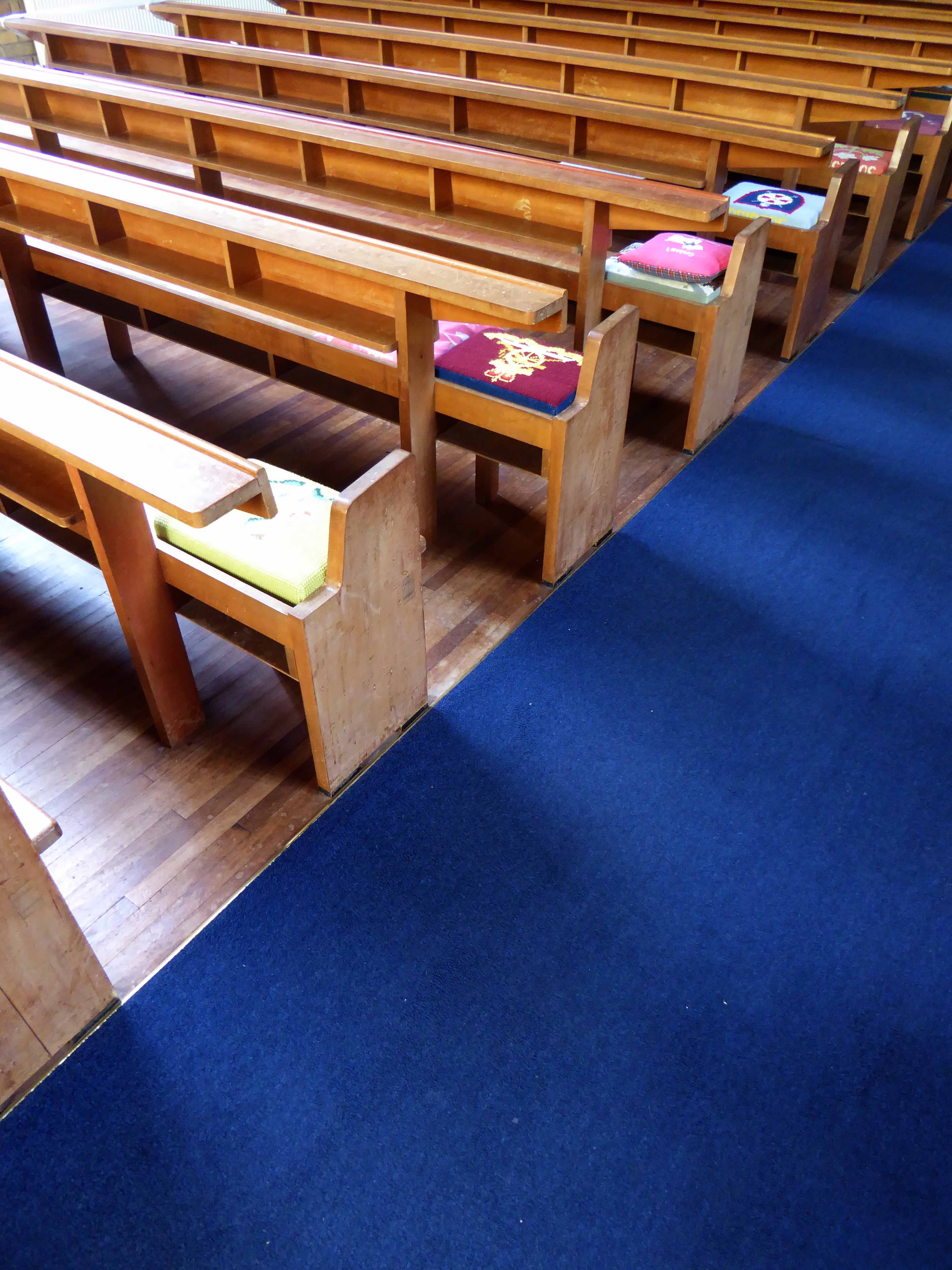
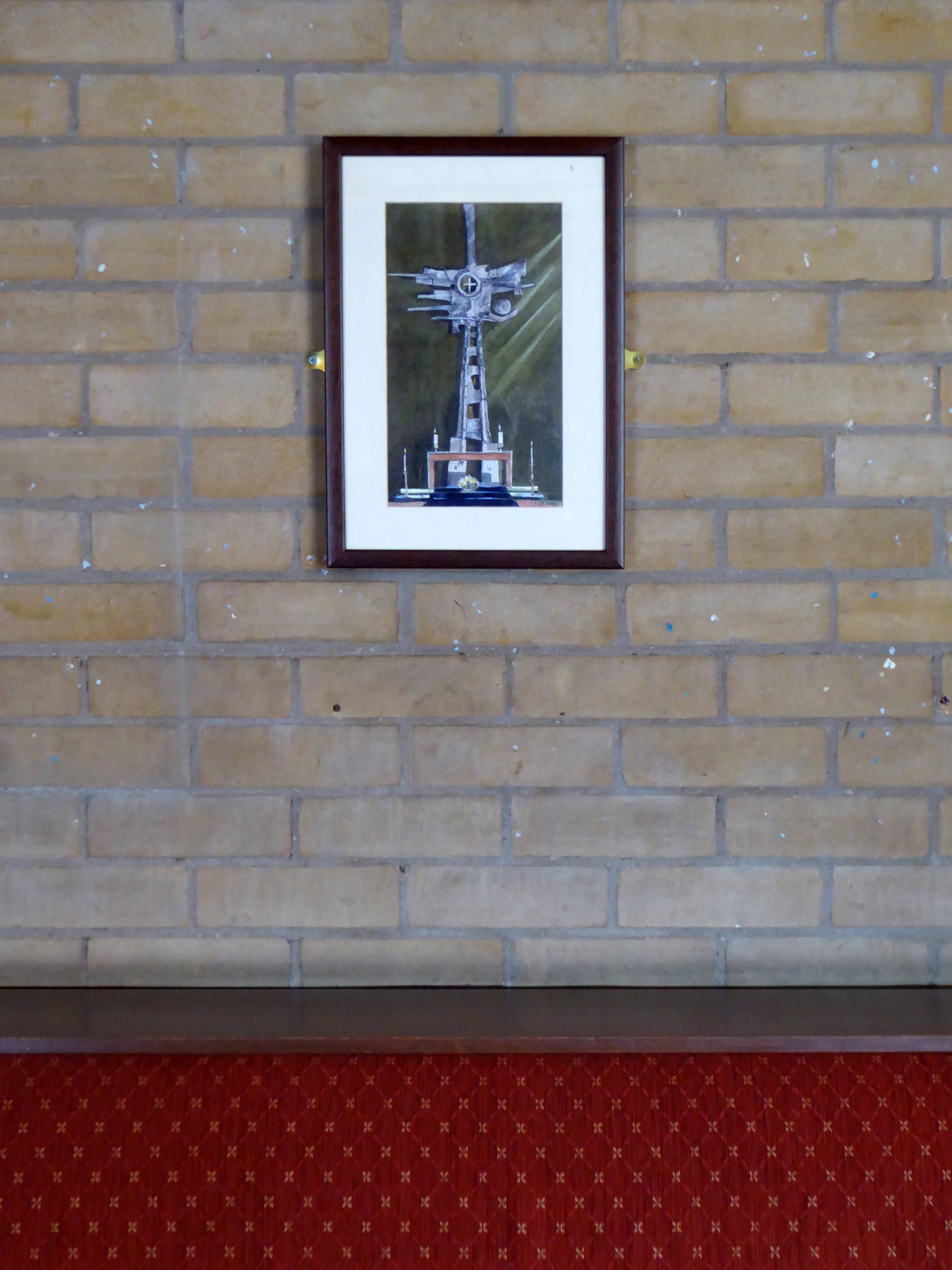
The church has retained much of its original furnishings.

P1270117

The roof is formed of intersecting concrete beams and coloured blocks.

P1270112

The adjoining ground floor space was once used for an overflowing congregation, it has retrospectively been partitioned and serves as a social meeting area.

It was here that we were so generously treated to tea and cakes.

P1270124

P1270123

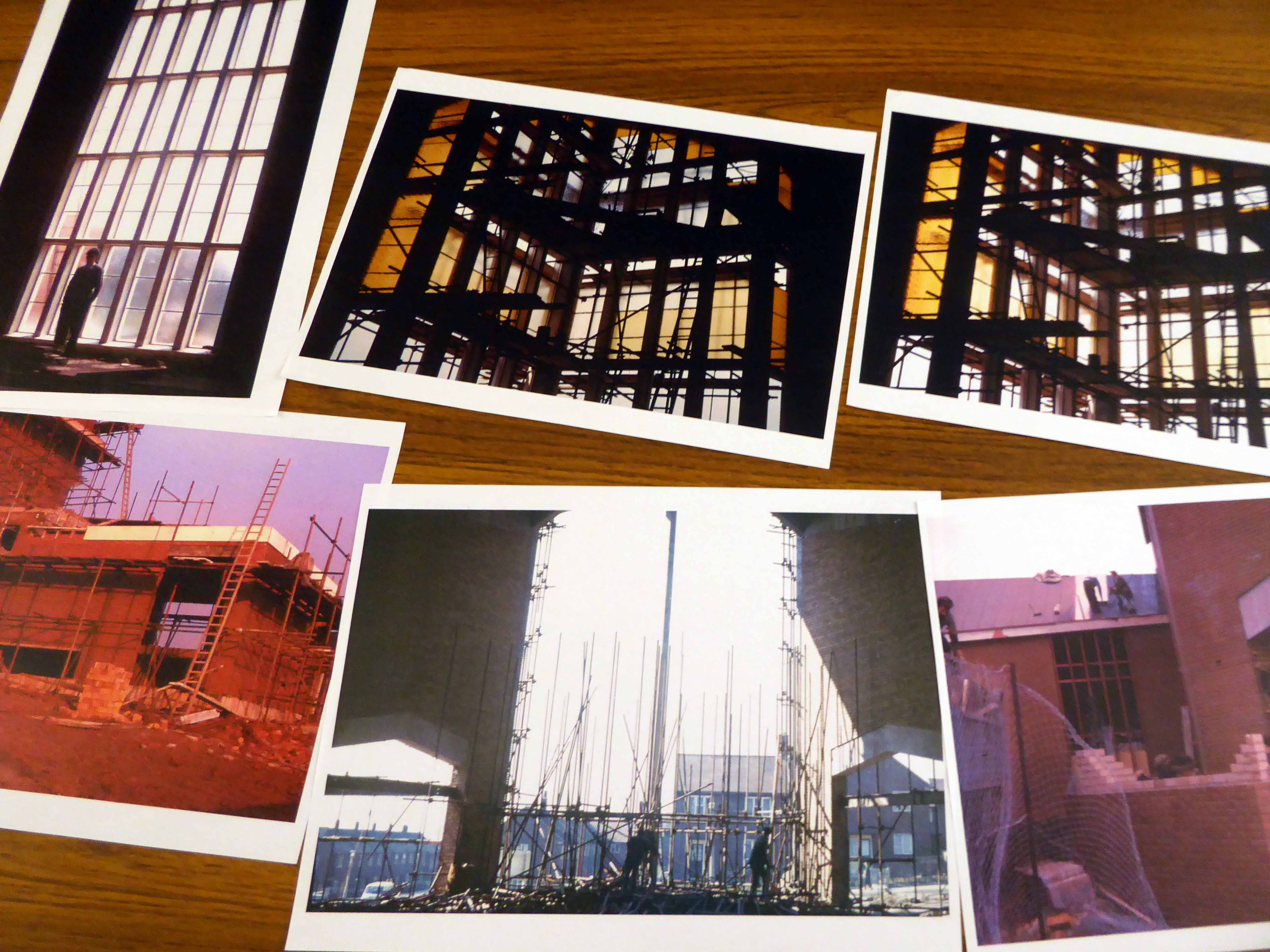
And given the opportunity to view examples from the church’s extensive archive.

P1270125

P1270126

The building is not without its problems – the ingress of water and the cost of maintaining the structure require outside assistance, through grant aiding, fund raising and donation. We should all make every effort to ensure that All Saints and Martyrs survives intact for generations to come.

Here is a building of great distinction, housing public art of the highest quality, built at a time when the ethos of nothing but the best for all was commonplace.

I can only thank Phil once again for his warm welcome and wish he and his parishioners – nothing but the best for the future!

If you have the opportunity, go and take a look for yourself.

P1270129


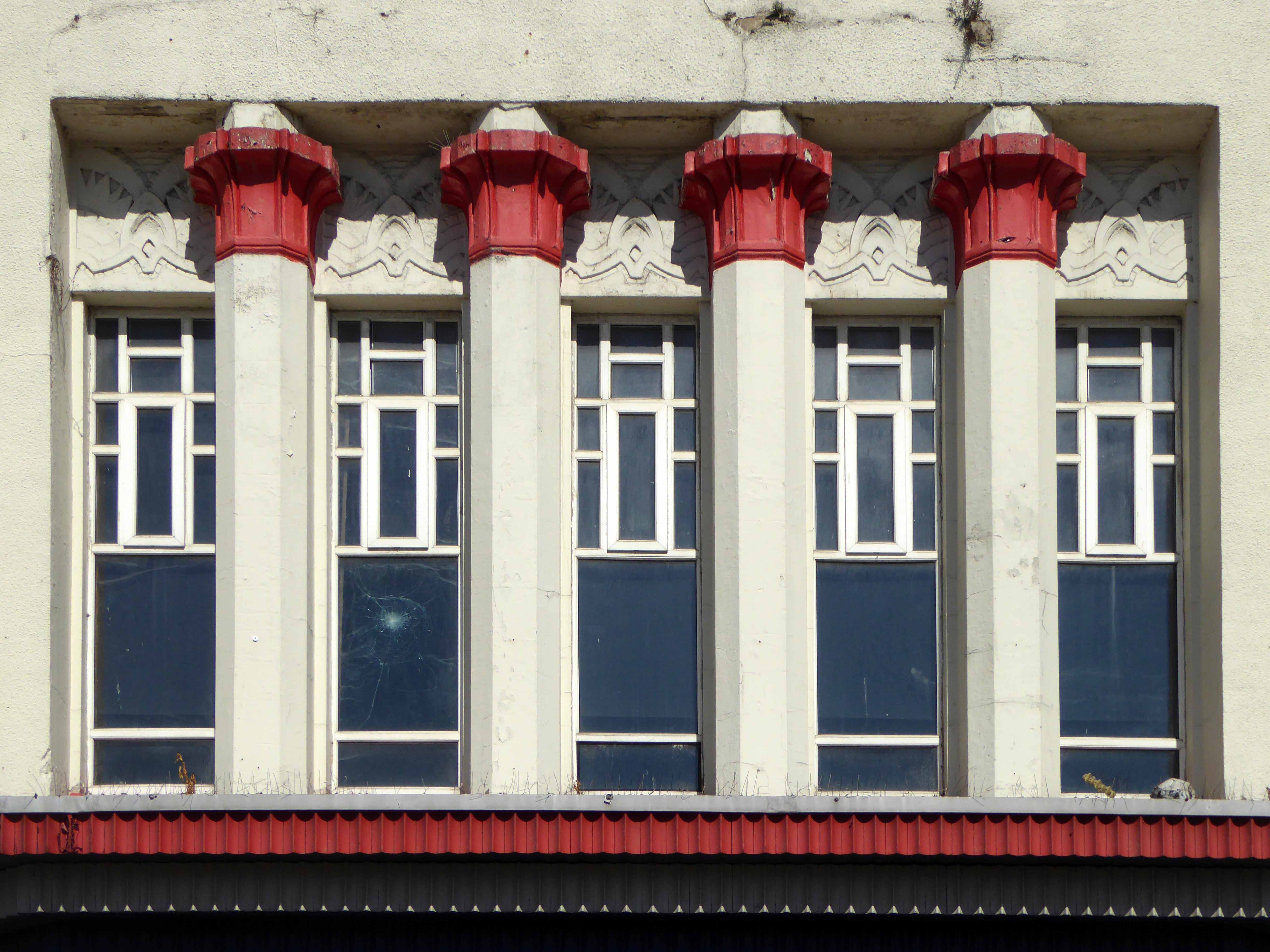
Sale Pyramid Odeon Cinema

Cinema Treasures

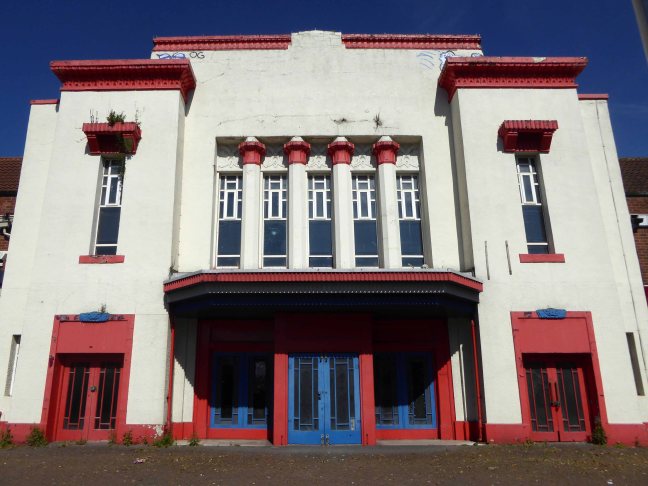
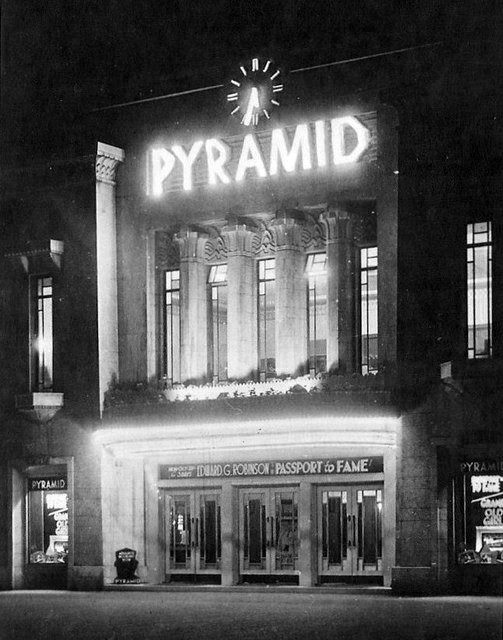
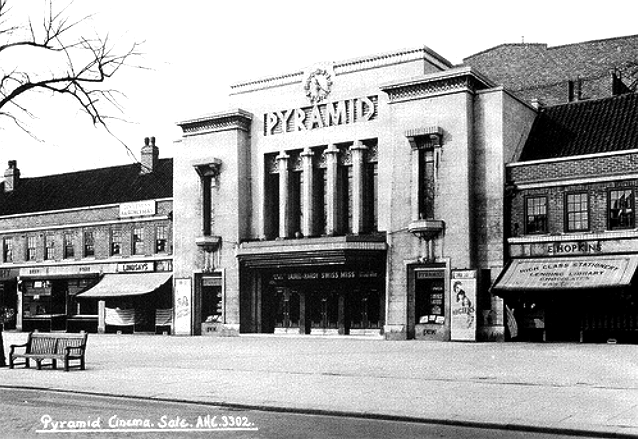
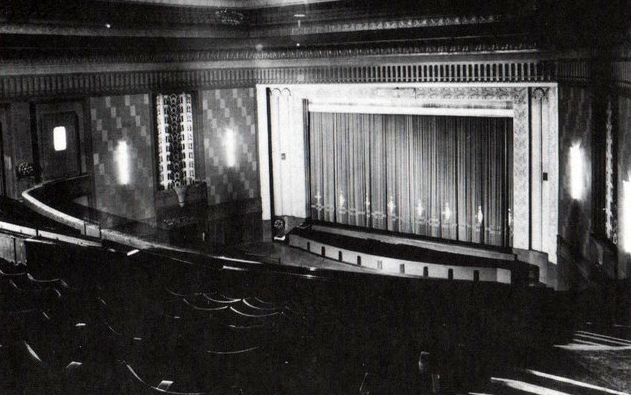
Located in Sale, Cheshire, now part of Greater Manchester. Designed by the famous British cinema architectural firm, Drury & Gomersall, the Pyramid Theatre is a classic example of an Egyptian-style cinema in Britain and had a 1,940 seating capacity.

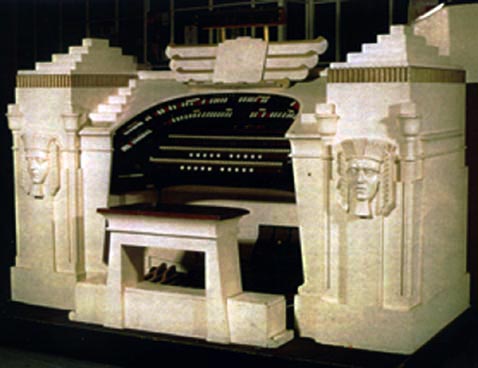
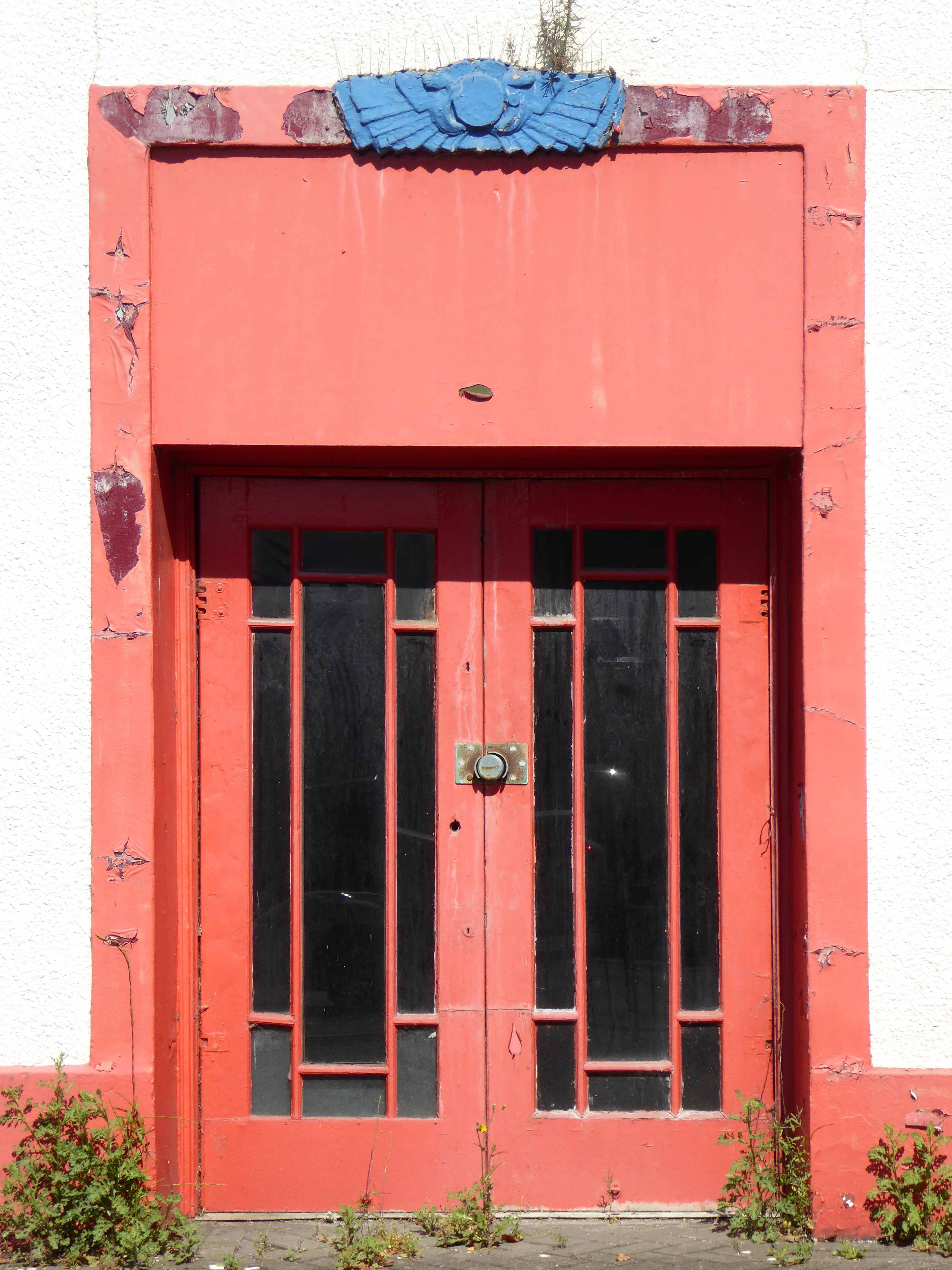
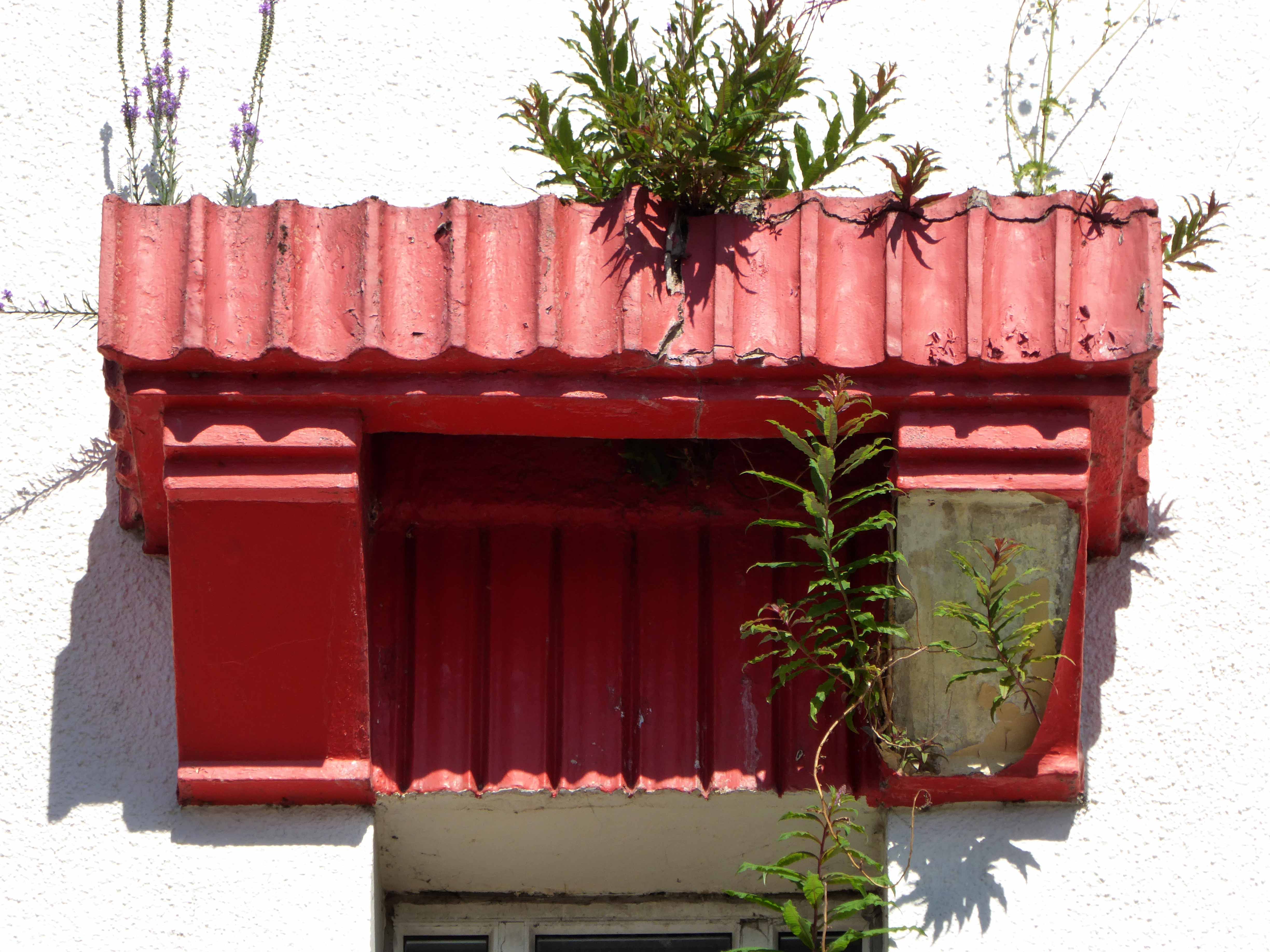
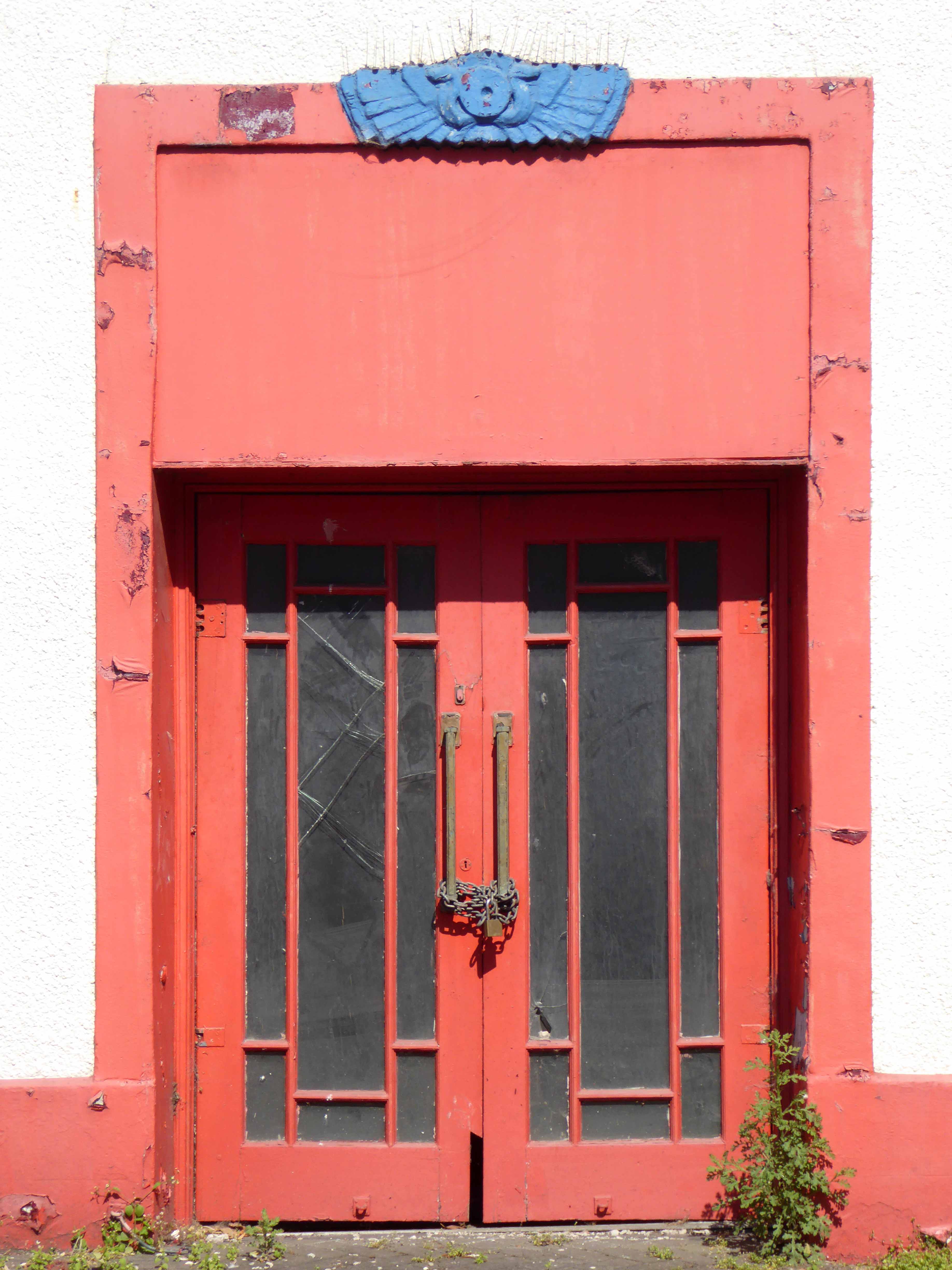
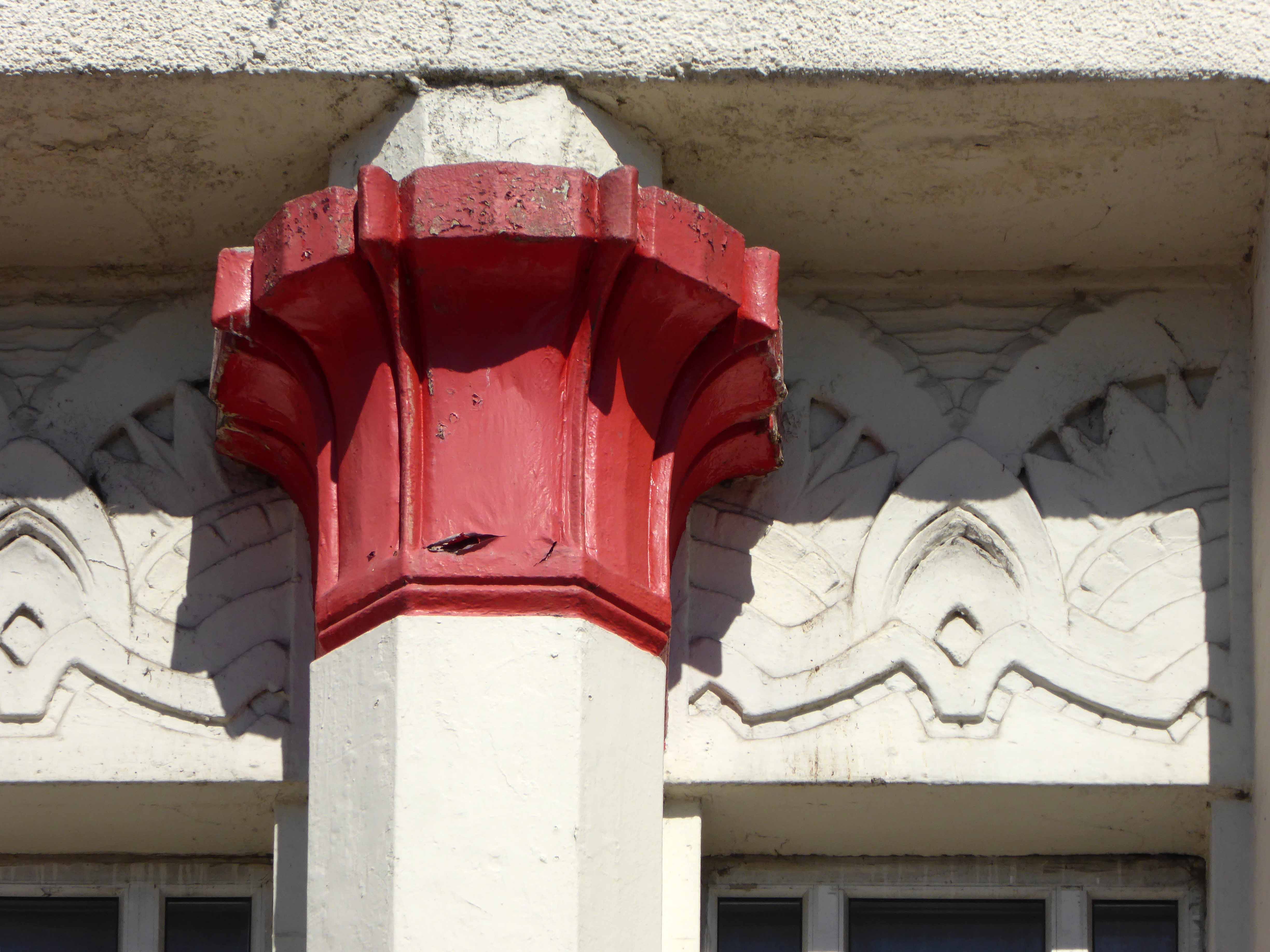
The frontage although not particularly Egyptian in overall design does have various Egyptian style mouldings and fluted pillars. Internally, the Egyptian theme was again largely mouldings and finishes like Graumans Egyptian Theatre in Hollywood. The theme was included in the specially designed Christie Organ, which was installed in the Blue Coat School in Oldham.

Following a request by the school to remove the organ in 2008, the organ was in storage for five years. The Christie has now been donated to the Lowe Side Trust, by the LTOT,  along with funding for refurbishment and installation, of both consoles, into Lowe House Catholic Church, St. Helens, Lancashire. As of the beginning of 2018 the the original pit console is now fully functioning in the Church. The Egyptian style stage console is now under refurbishment to full theatre specification. Website for this project will be available shortly.

Lancastrian Theatre Organ Trust

bccolcr

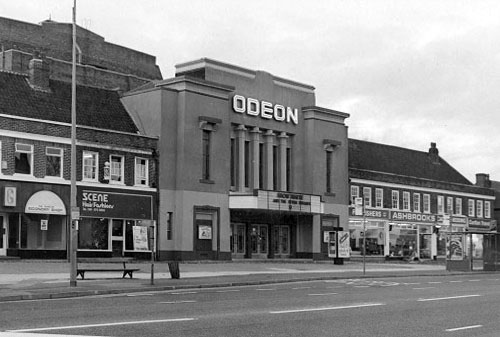
The Pyramid Theatre changed hands a couple of times between its opening on 24th February 1934 and 21st December 1942 when it was taken over by Oscar Deutsch’s Odeon Theatres Ltd. chain. It was re-named Odeon on 18th June 1945.

large-1

In 1981, the Rank Organisation closed 29 of its Odeon cinemas and the lease for the Odeon Sale was bought by the Tatton Cinemas group and it was re-named Tatton Cinema. Stage shows returned to the theatre, however the runing costs caused the lease to revert to Rank in 1984 and the building was closed.

Screen Shot 2018-06-28 at 07.51.12

odsastr

The cinema was purchased by Trafford Borough council for £200,000, but by 1987 the costs to the council were estimated at £1.5 million. A campaign was started to save it from demolition.

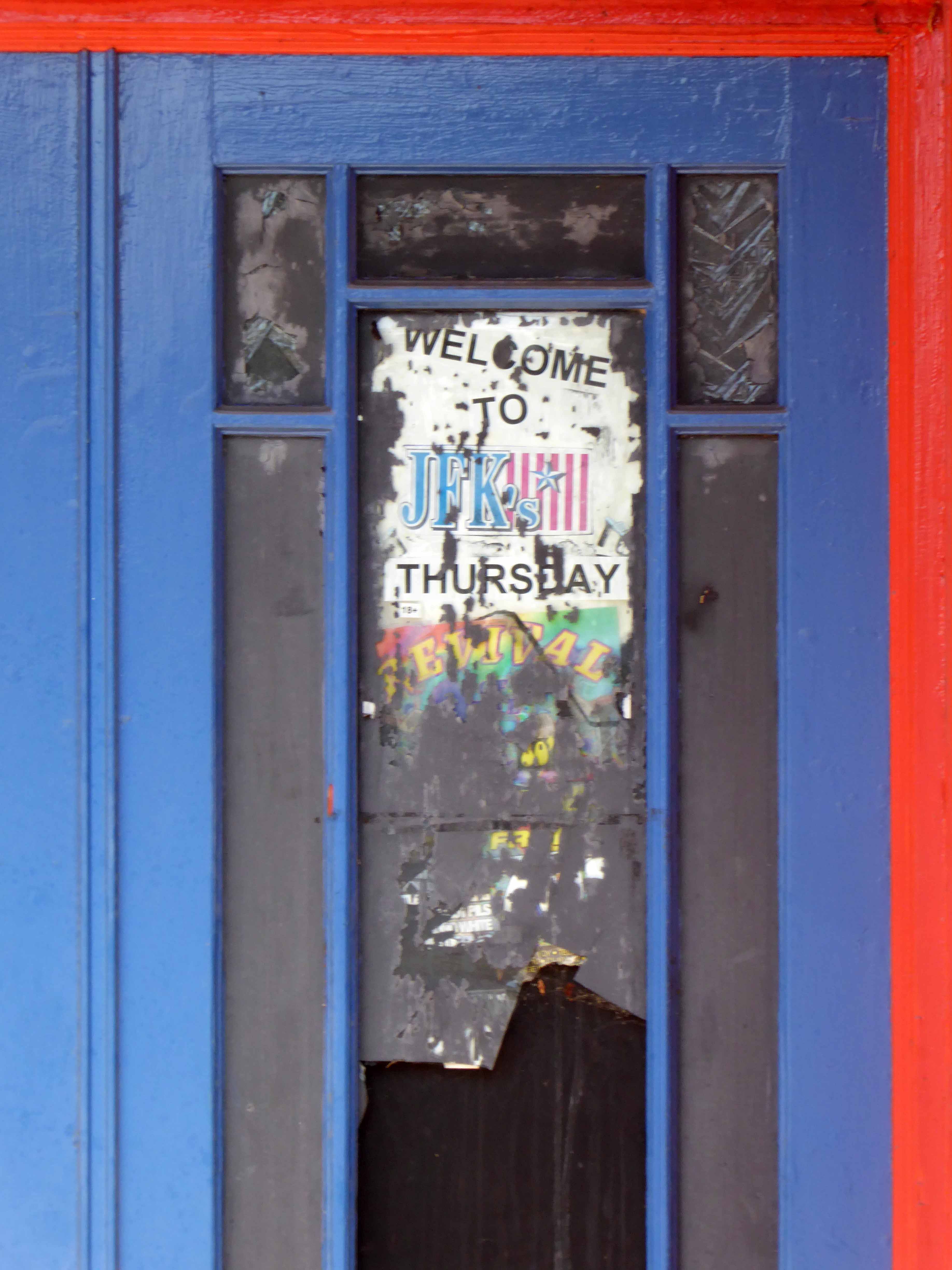
In 1988, it was advertised for sale by tender and by 1990 the cinema was converted into an American themed nightclub, known as JFK’s

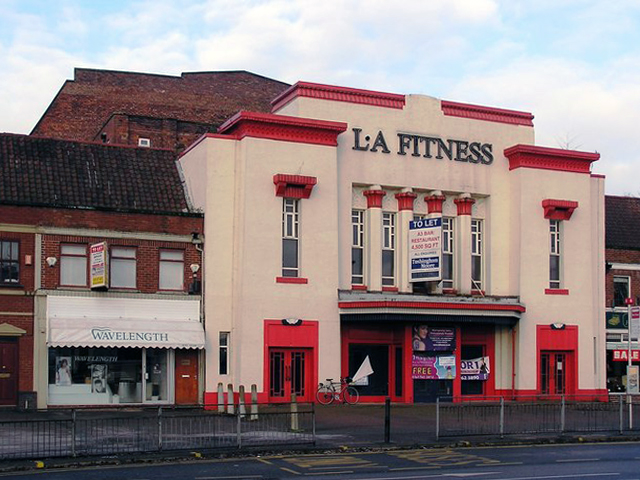
The nightclub closed around 2001 and the auditorium was transformed into a franchised L.A. Fitness Centre, using a former front stalls exit as its entrance. The main entrance and foyers are currently unused. In 2013 it became a Sports Direct Fitness Club.

The Pyramid Theatre was designated a Grade II Listed building in November 1987.

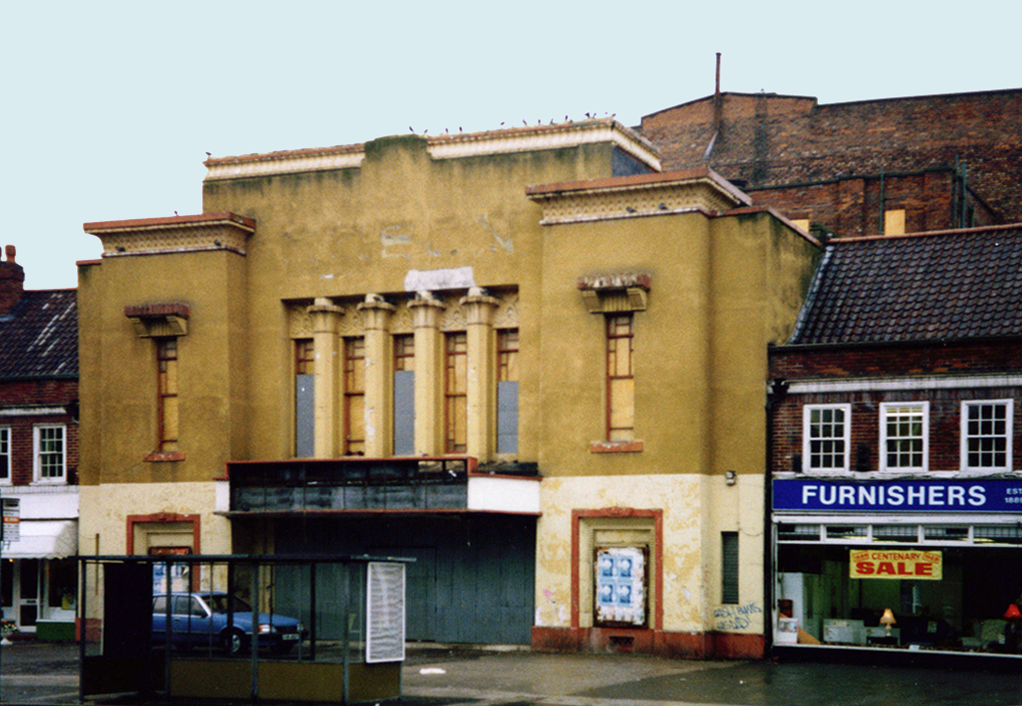
It is currently closed and seemingly unused.

OLYMPUS DIGITAL CAMERA

Screen Shot 2018-06-28 at 07.51.49

I often cycle passed and wonder about your past, and a possible future.

large

Our cinema heritage is and always had been under threat, listed and unloved desperately seeking the care and attention to survive into another other century. Subsequent repurposing has proved temporary and unsustainable, without the concerted efforts of local authority, charitable trust and enthusiastic amateurs, you will remain a silent pharaonic sentinel by the side of Washway Road.

Forever.

“Only the best is good enough for Sale”


P1260515

P1260517


P1260519

P1260520

P1260521

P1260522


P1260524

P1260525

P1260527

P1260529

P1260514


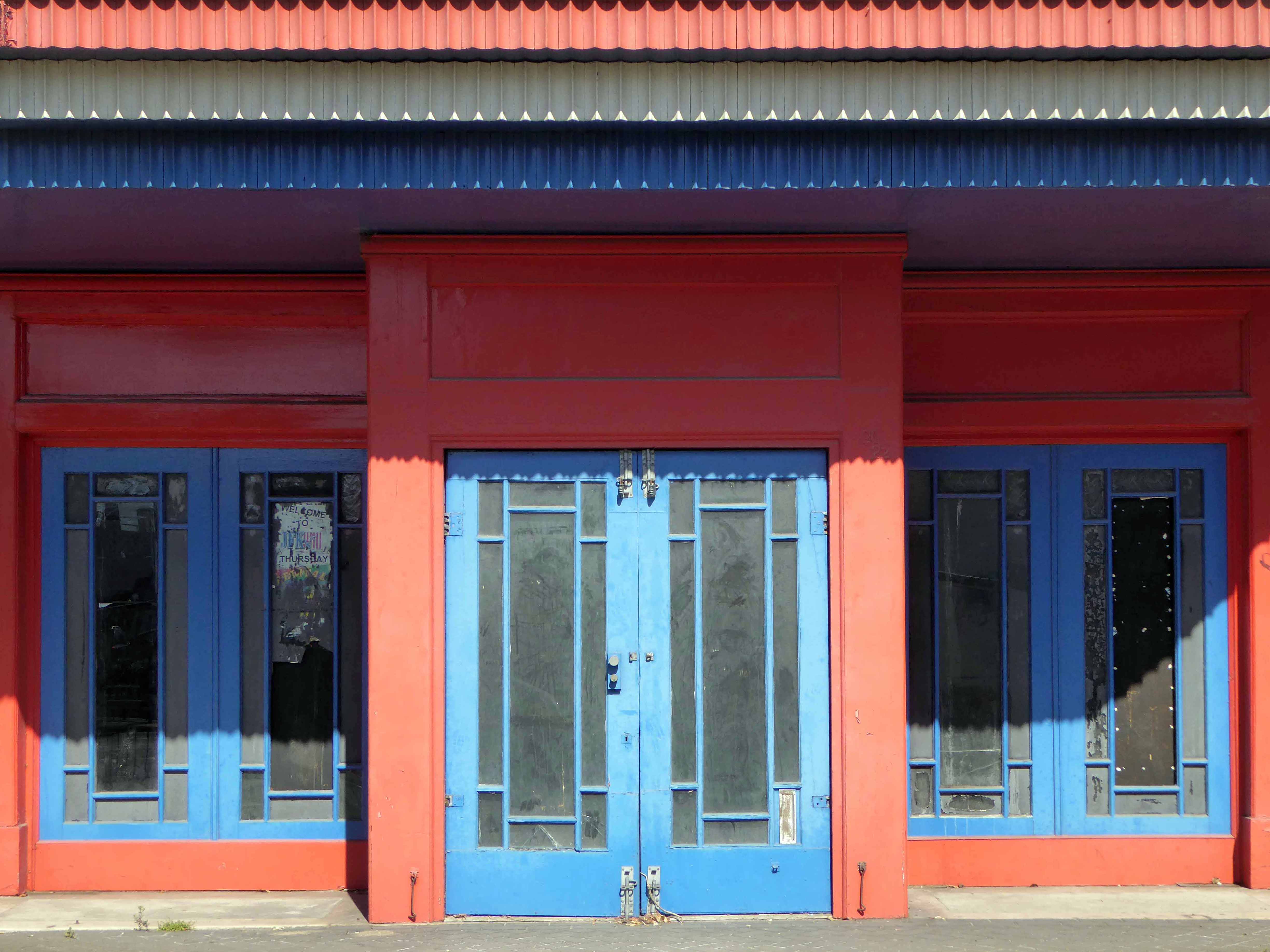
Varna Street – Rogue Studios Manchester

webmedia-1.php

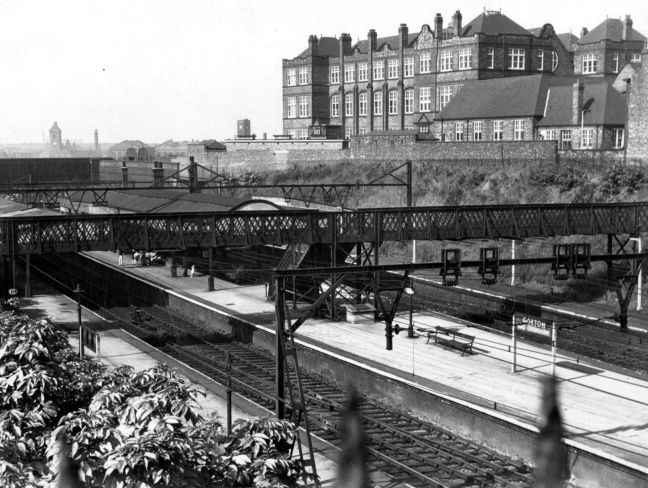
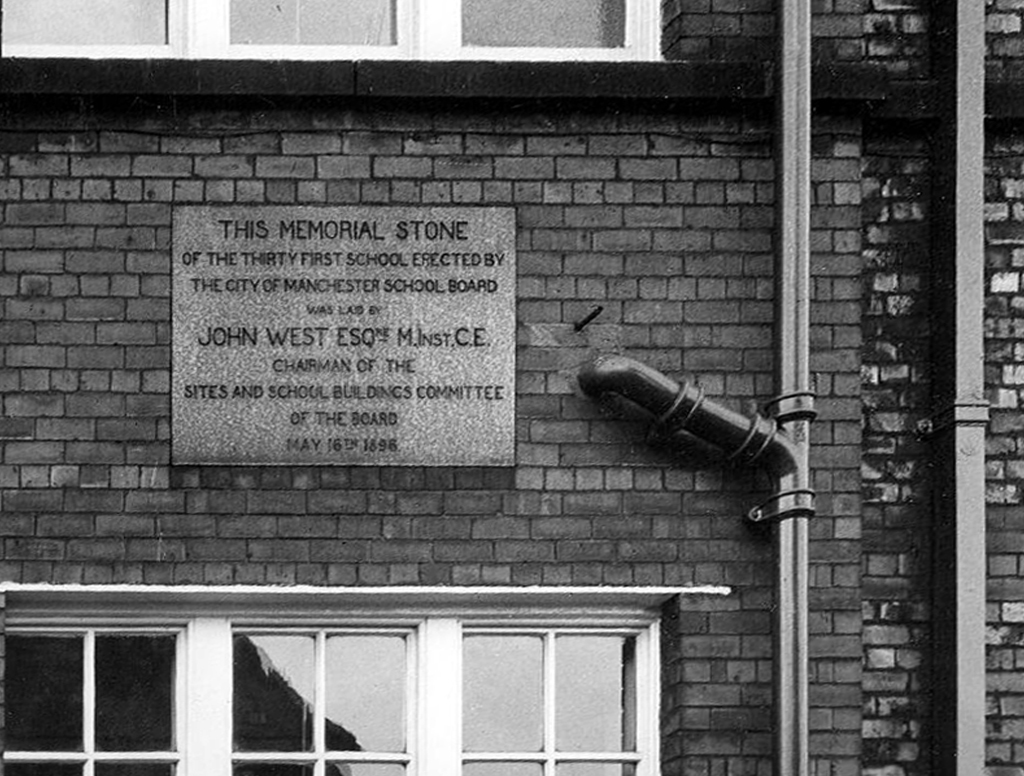
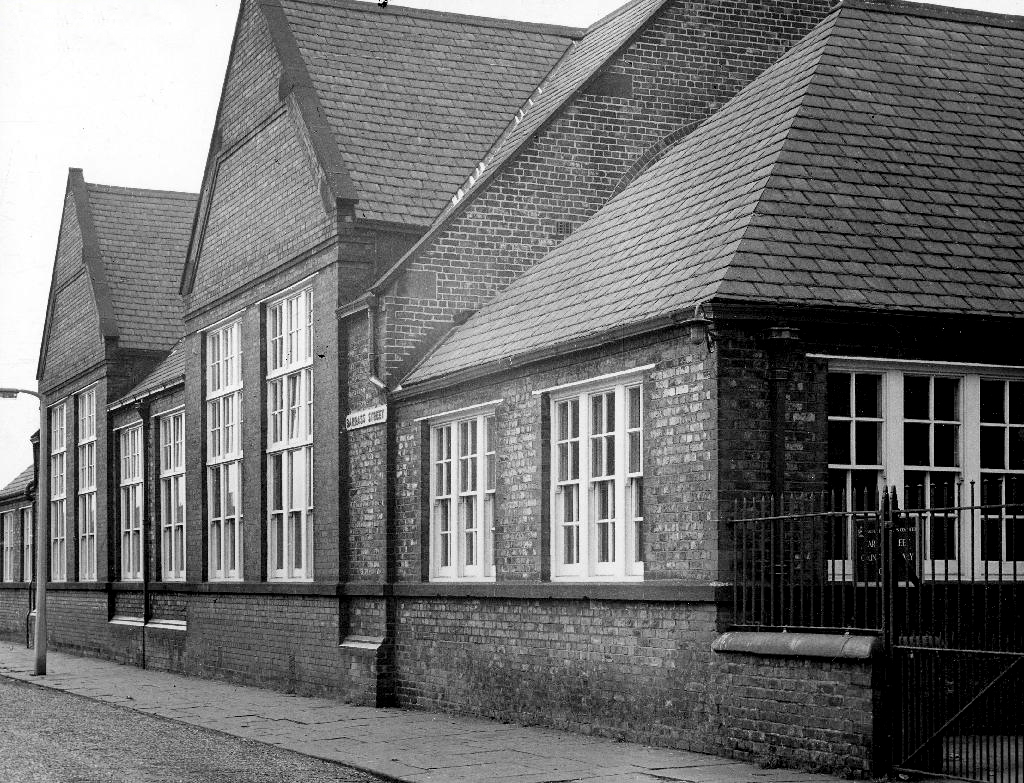
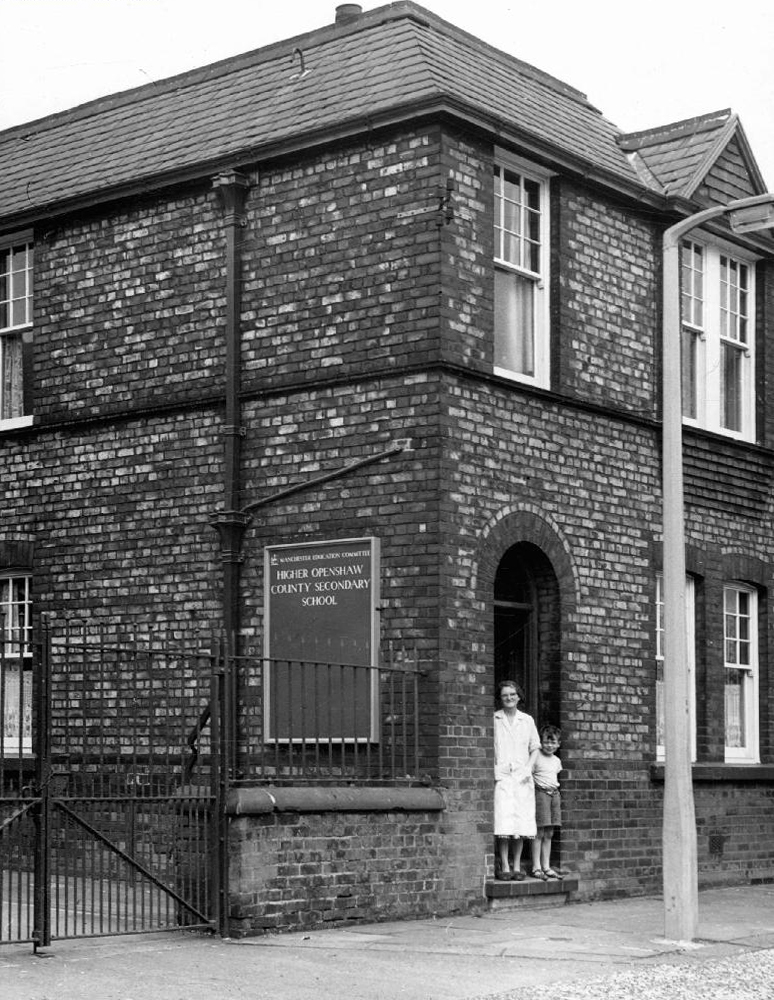
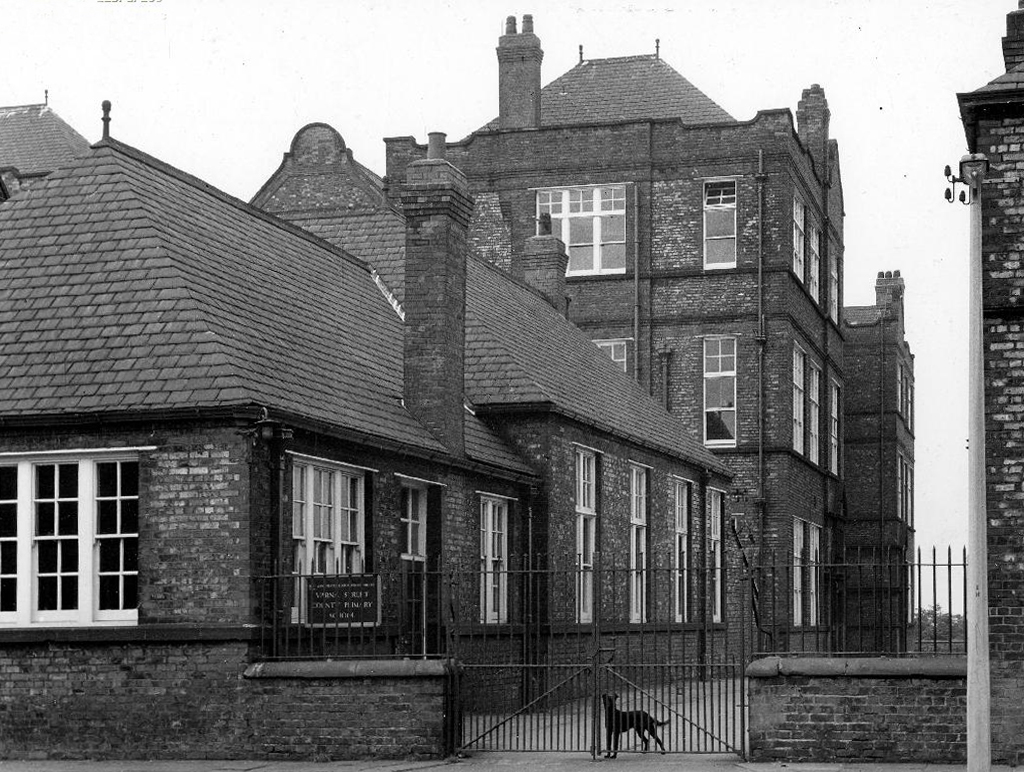
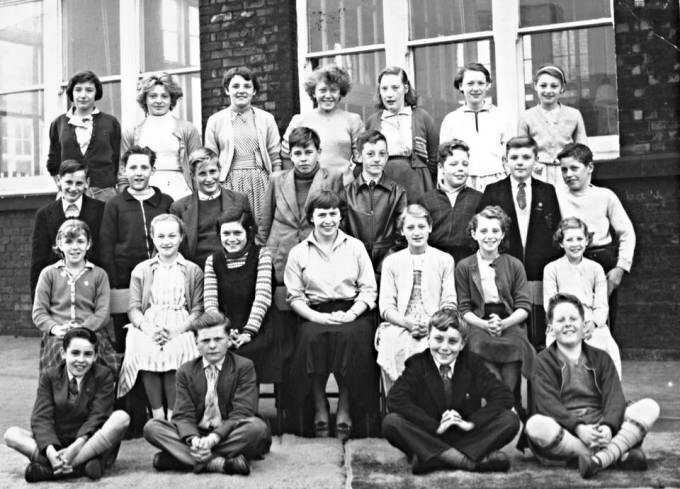
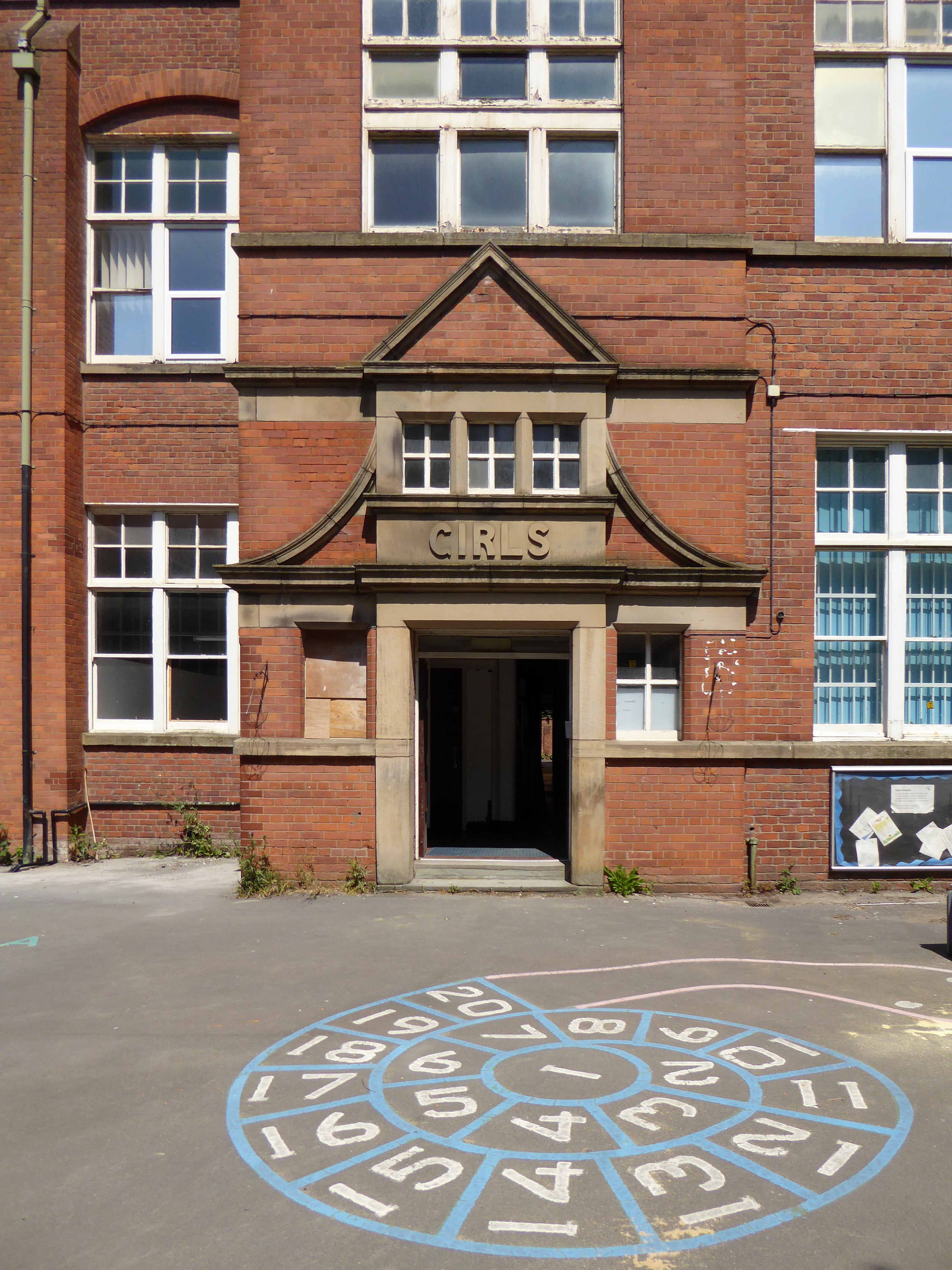
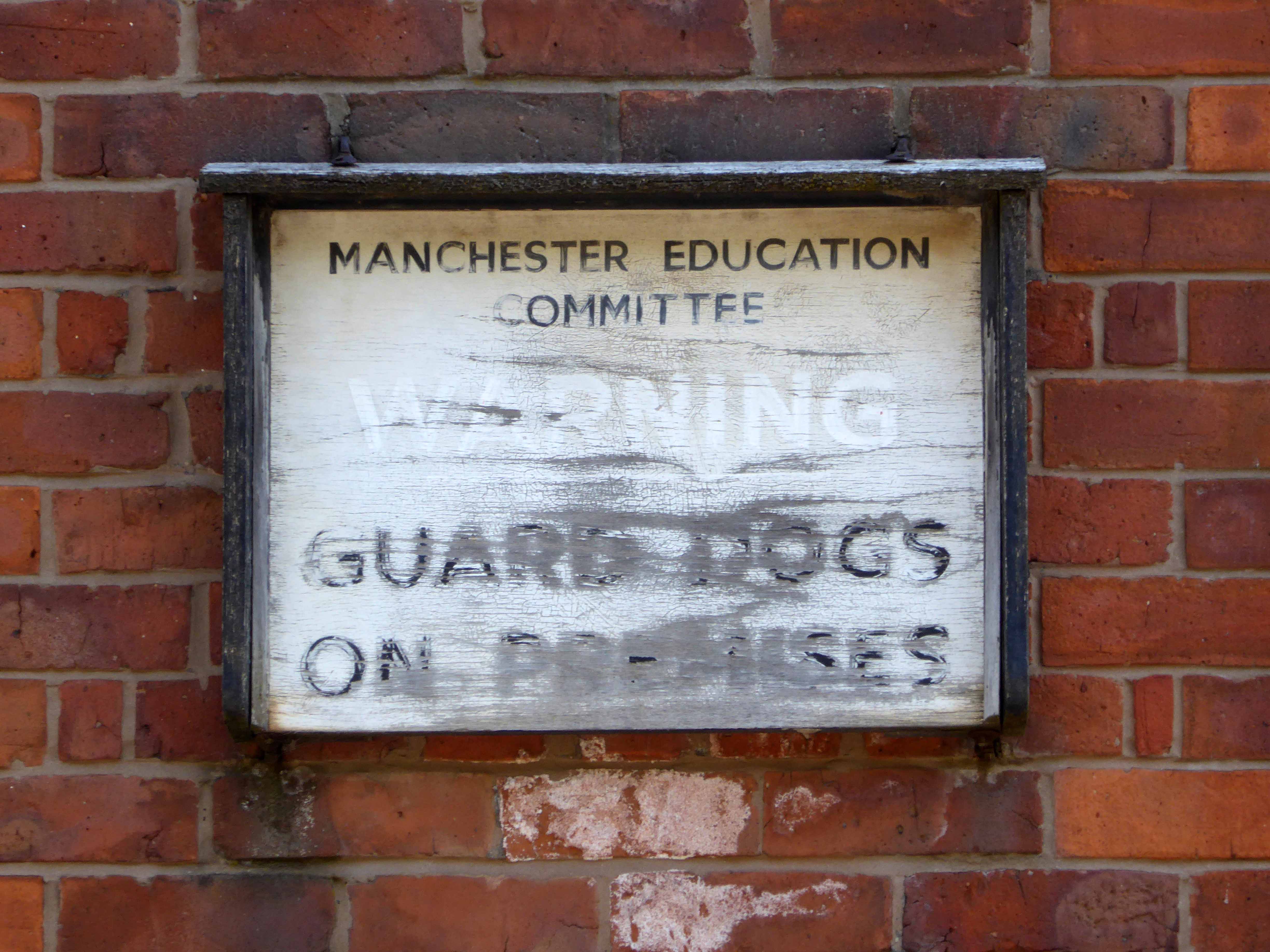
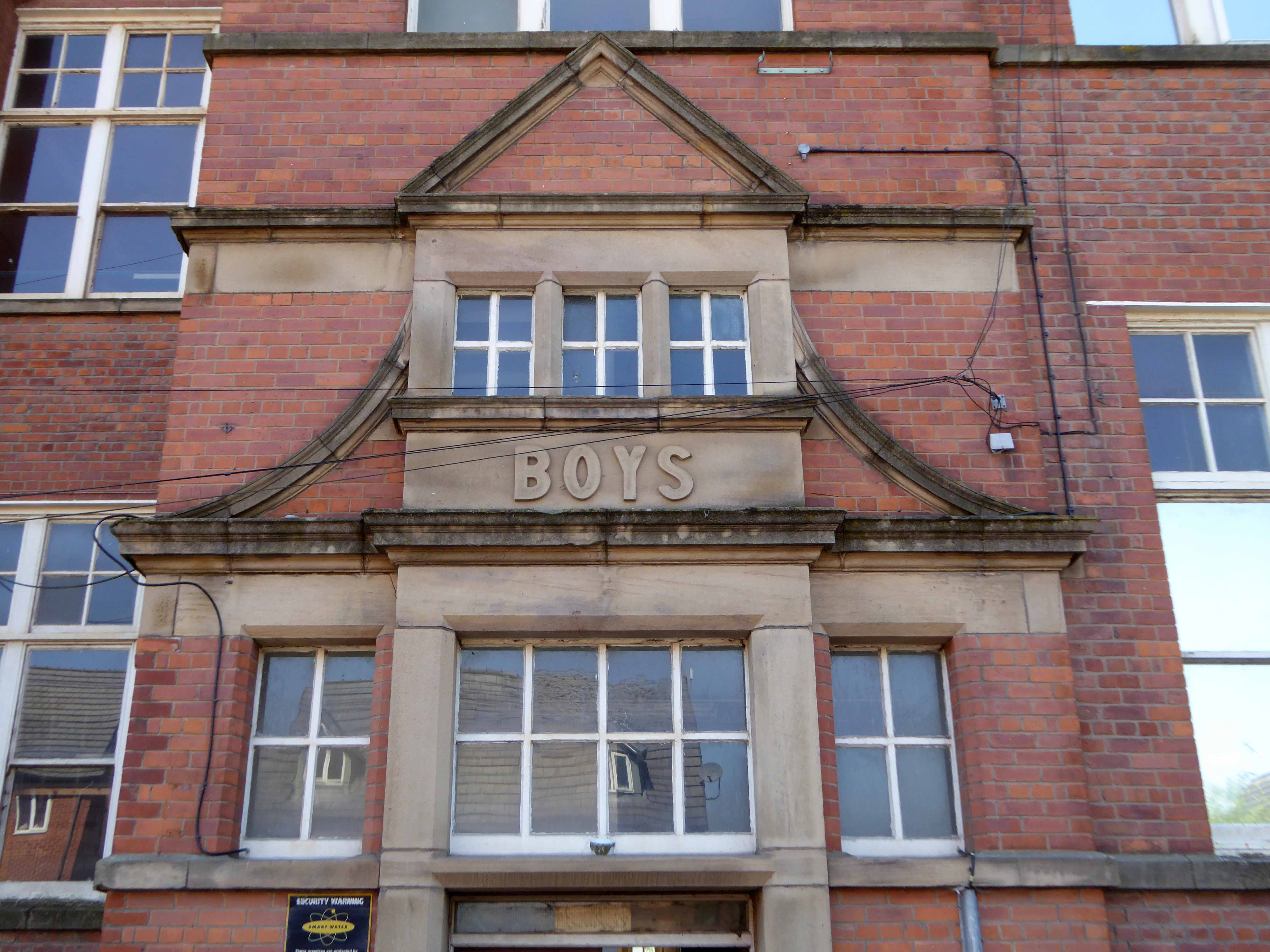
Once there was a school – from May 16th 1898, there was a school.

One of many Manchester School Board schools built in an imposing functional, triple storied style, they often seemed several times too big, for the infants which they contained.

With one thousand five hundred pupils, it was dubbed the largest school in Lancashire.

Nestled in a tight corner formed by the Lanky Cut and the train line below, surrounded by the huddled masses, in their manifold terraced homes.


1963

webmedia-1.php copy

webmedia-2.php

webmedia.php copy

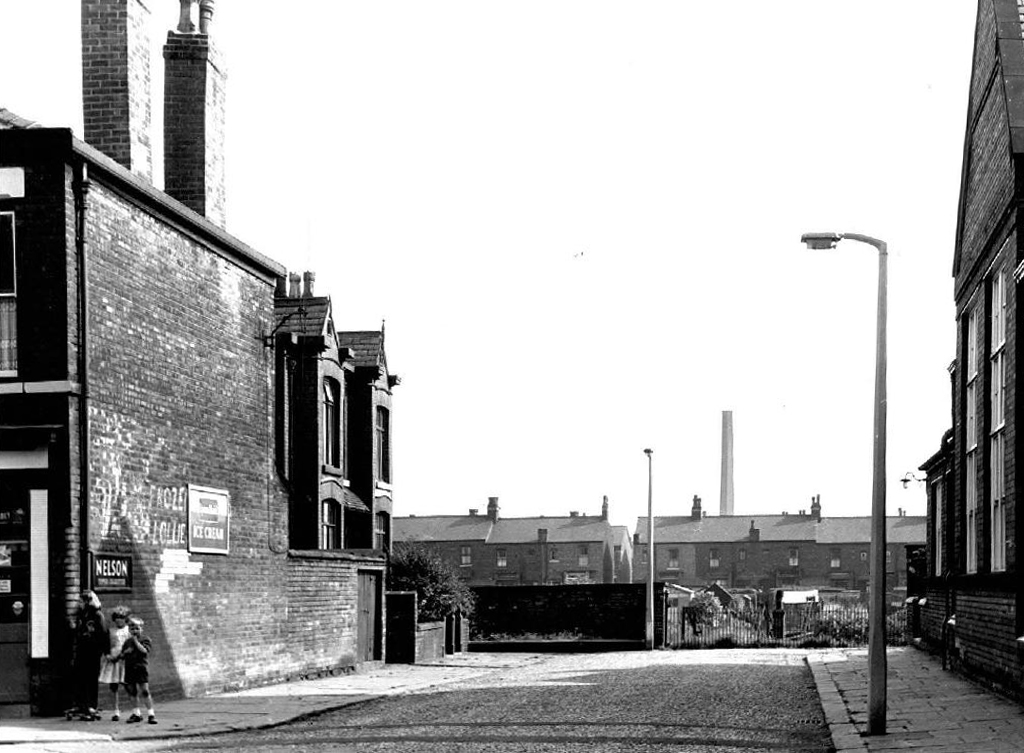
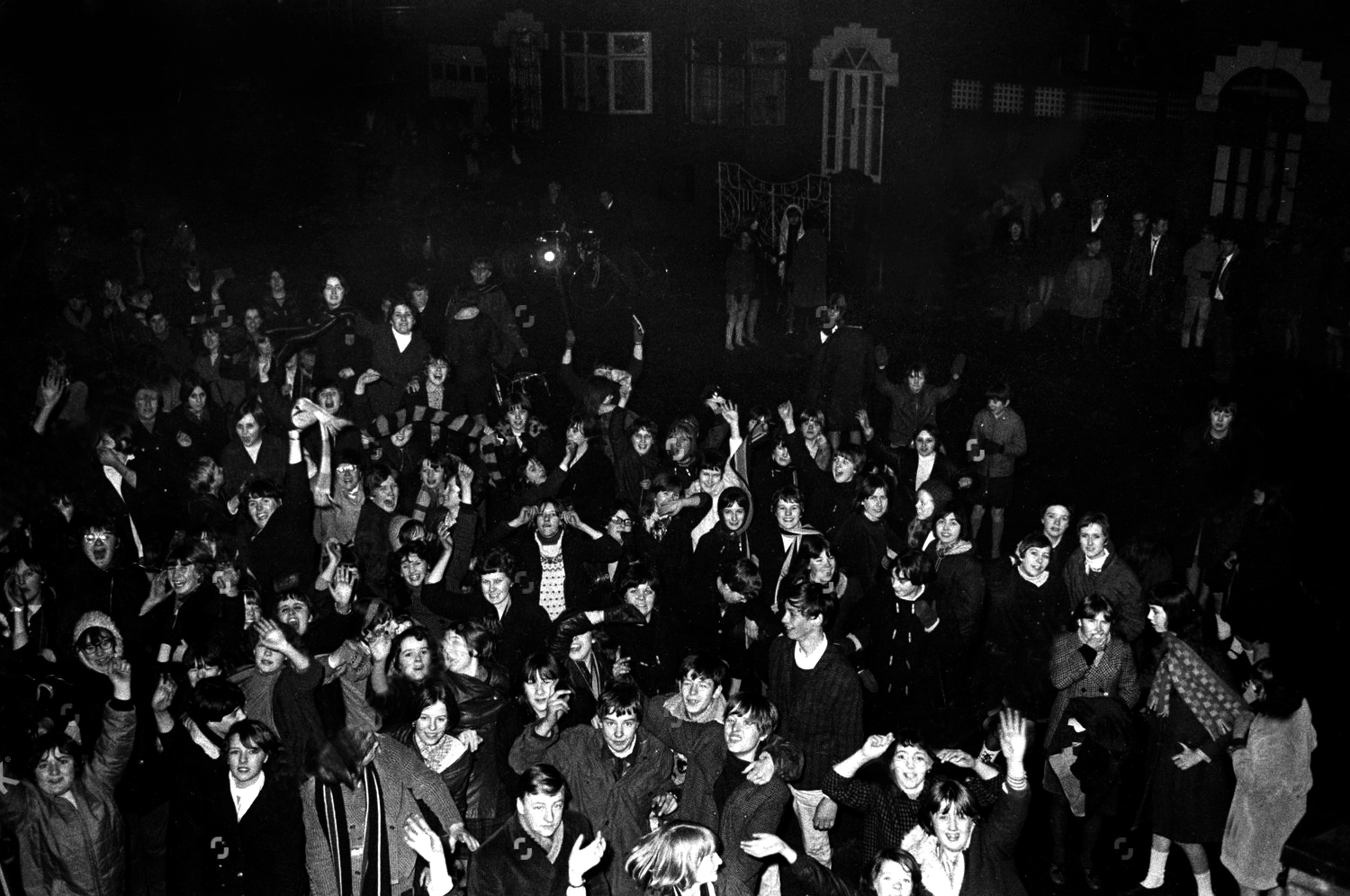
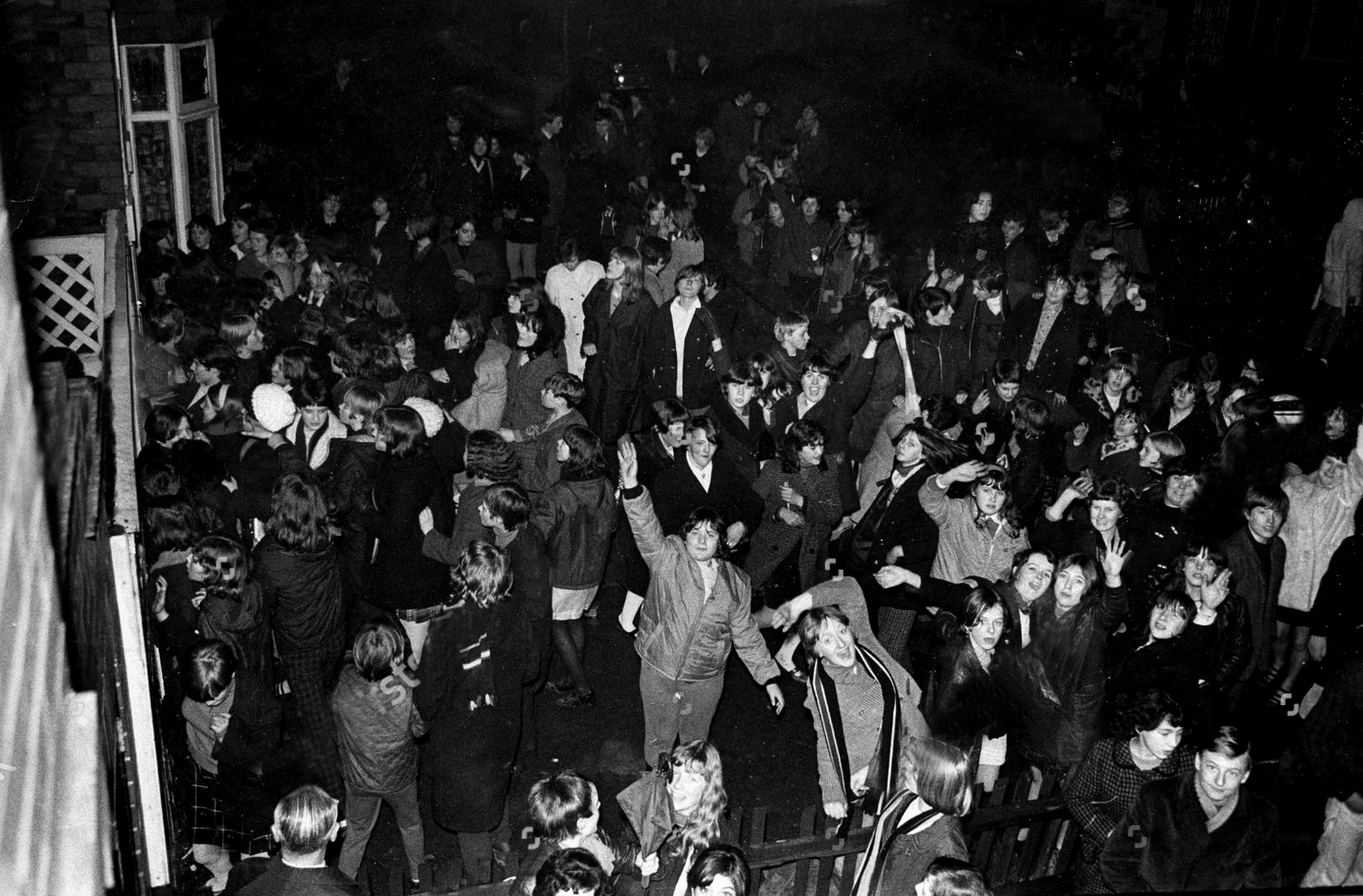
Once home to cheeky monkey, soon to be Monkee Davy Jones.

davy-jones

His runaway, overnight fame made his humble Gorton home a mecca for adoring fans.

fans-congregate-outside-the-home-of-singer-davy-jones-in-clumber-road-gorton-manchester-davy-jones-died-29-2-2012-1673475a-1500

fans-congregate-outside-the-home-of-singer-davy-jones-in-clumber-road-gorton-manchester-davy-jones-died-29-2-2012-1673476a-1500

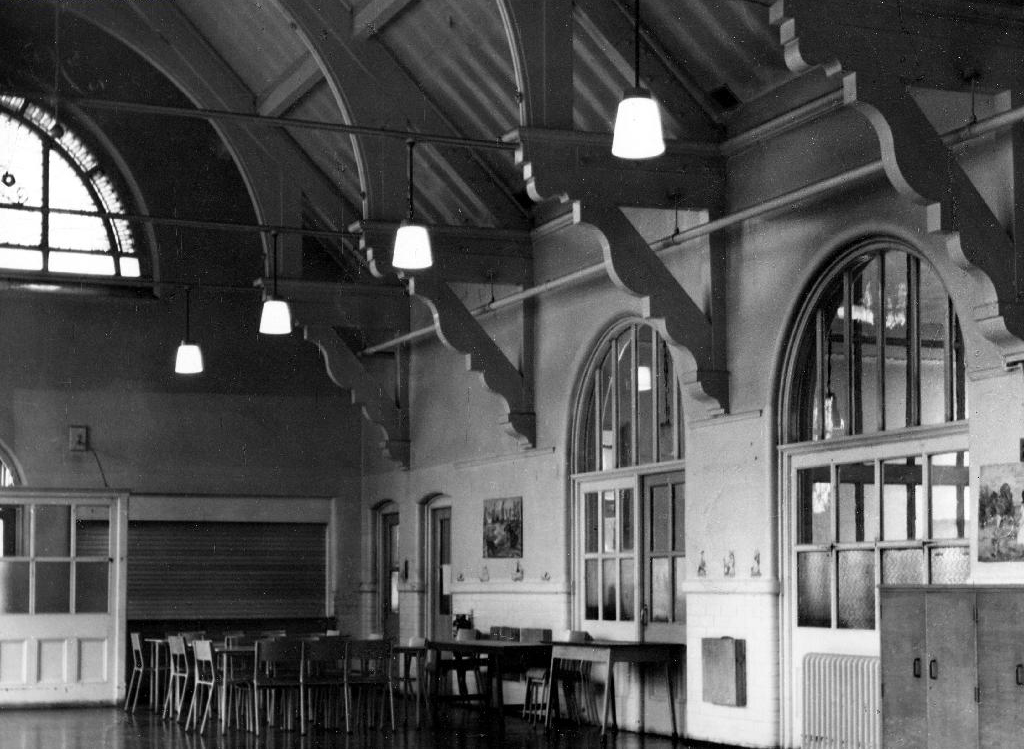
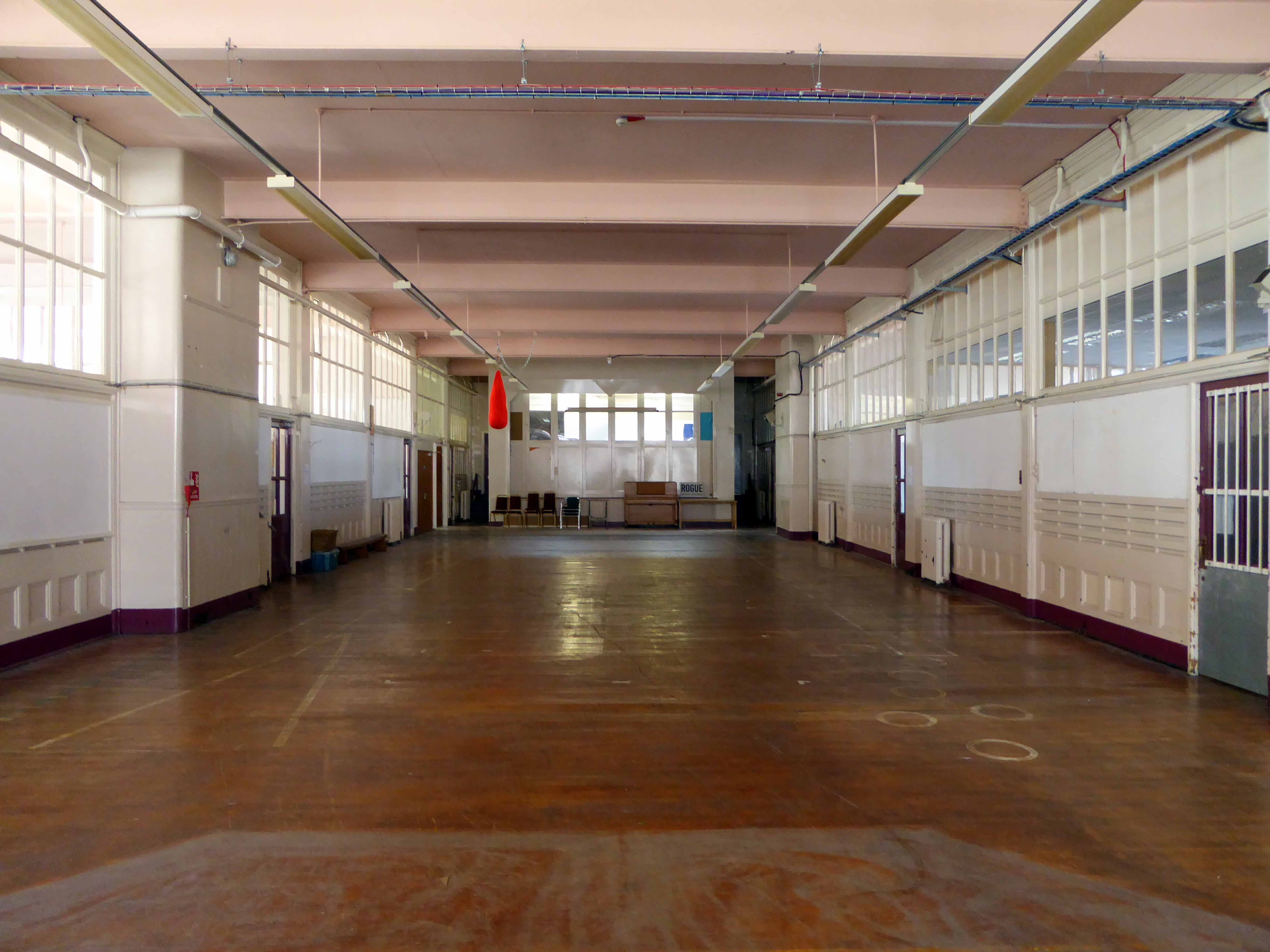
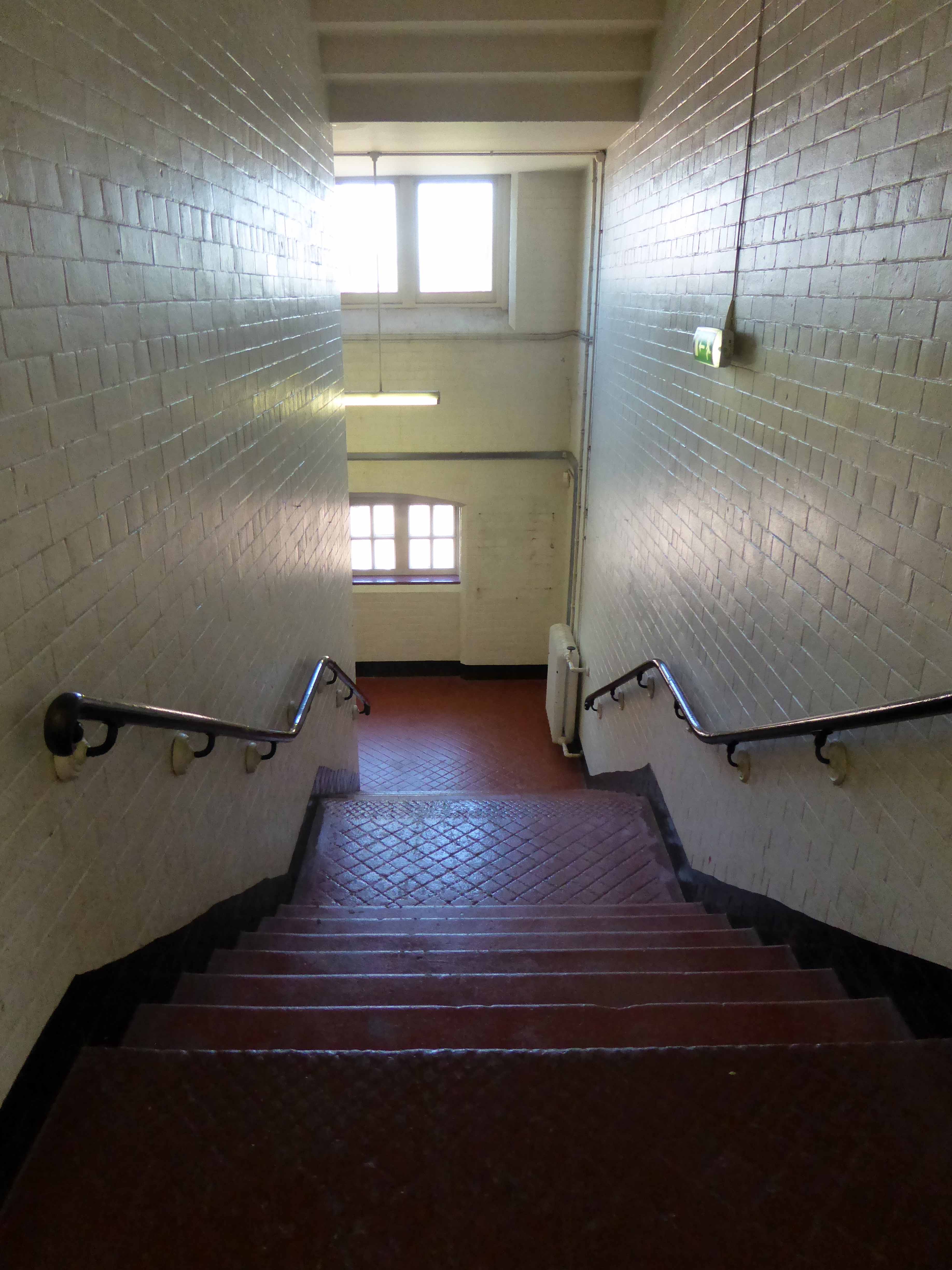
The school’s interior was a mix of wide open halls and closeted classrooms.

webmedia.php

Archive photographs from the Manchester Local Image Collection

Eventually the school bell rang for the last time, and a newer brighter home was found for the little learners.

Lights were turned off and the doors of Varna Street were closed.

But not for the last time, a new use was found for this recently listed building.

Having lost their city centre base Rogue Studios were offered the site by the local authority, and in double quick time they have created a home for artists, a community resource and project space, which will continue to prosper for years to come.

Many thanks to Ms. Jenny Steele Rogue artist for my guided tour.

P1260603

P1260607

P1260609

P1260598

P1260611

P1260612

P1260613

P1260615

P1260616

P1260617

P1260618

P1260619

P1260620

P1260624

P1260625

P1260627

P1260629

P1260633

P1260636

P1260637

P1260638

P1260640

P1260642

P1260645


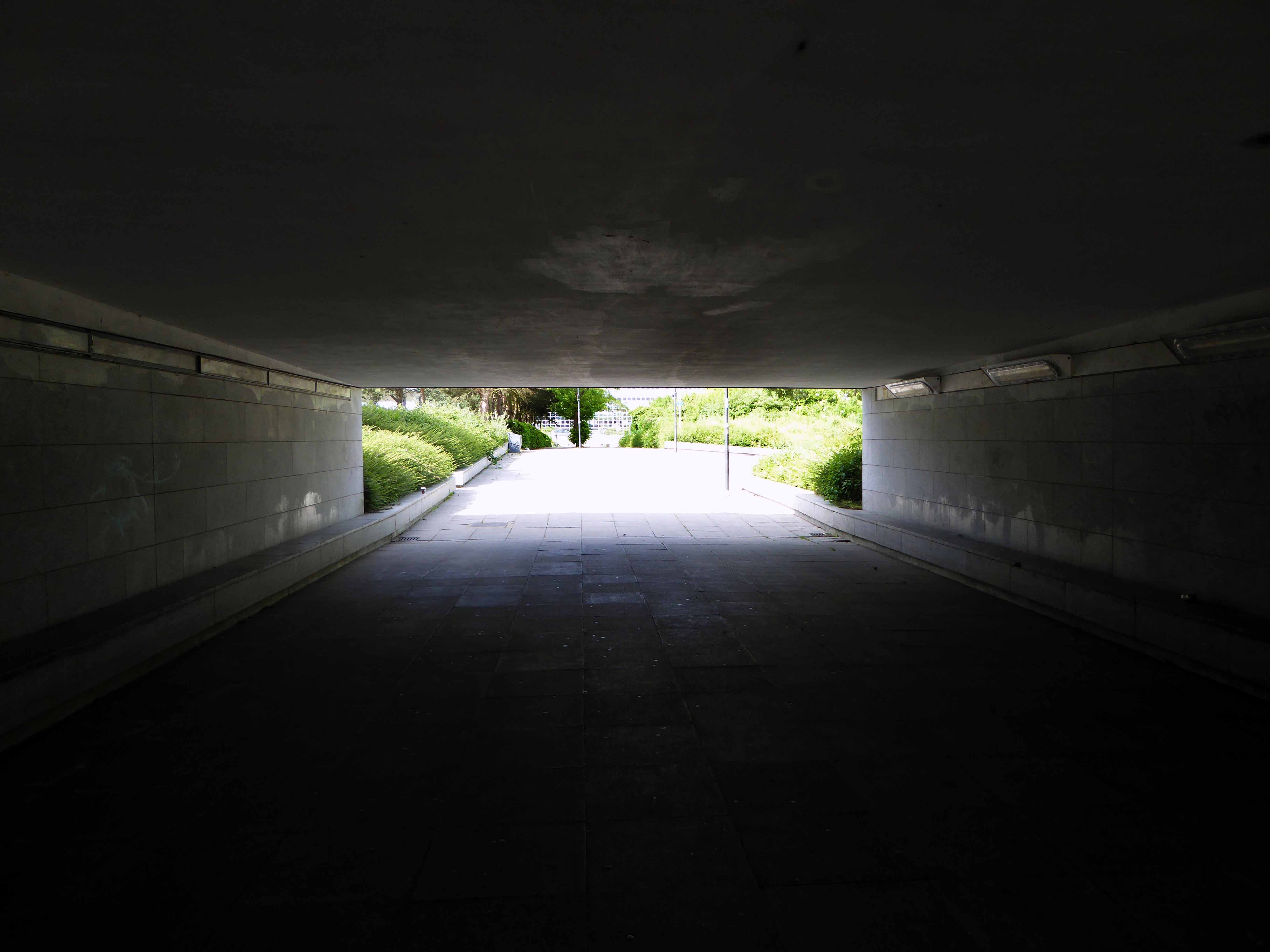
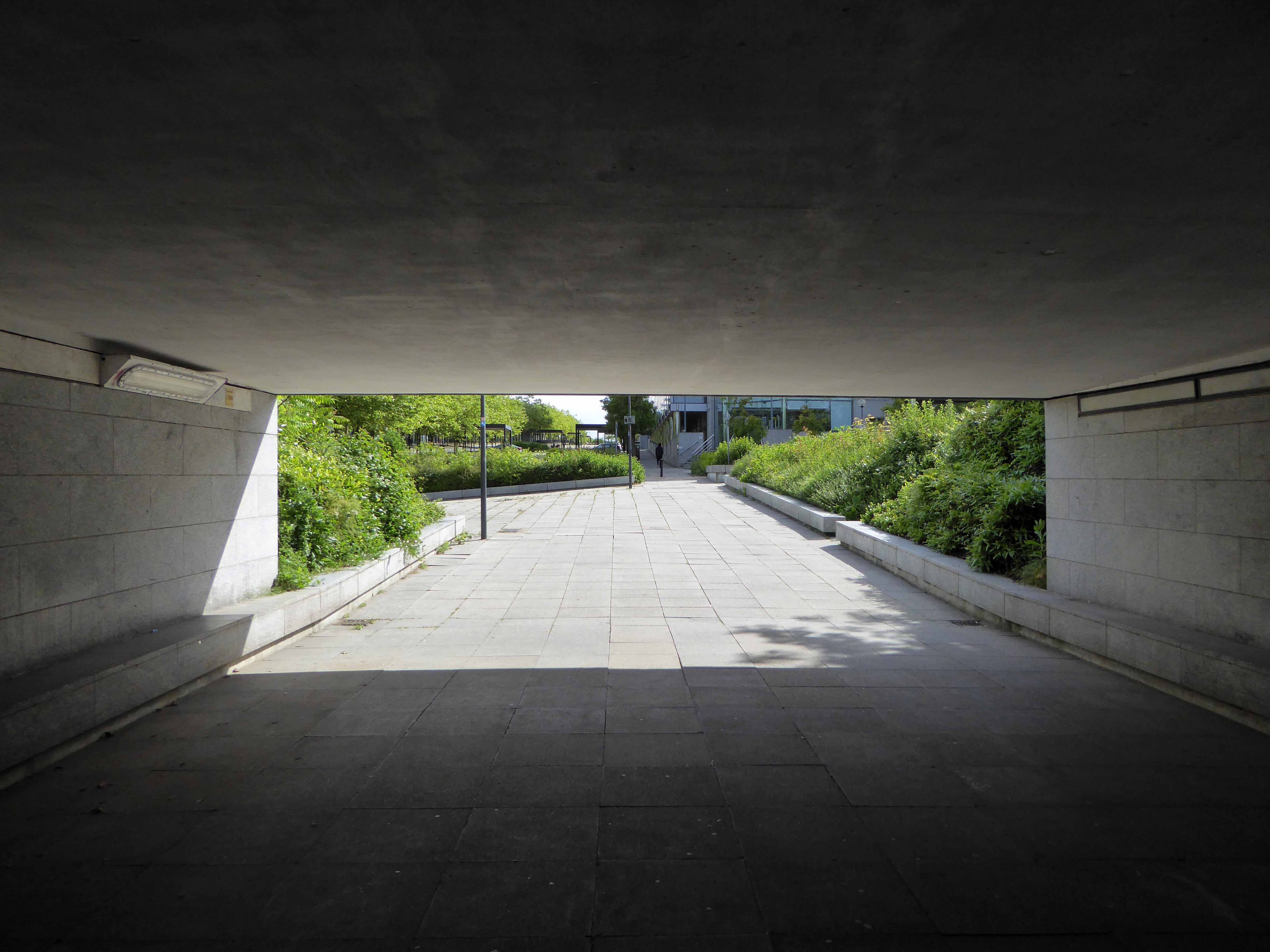
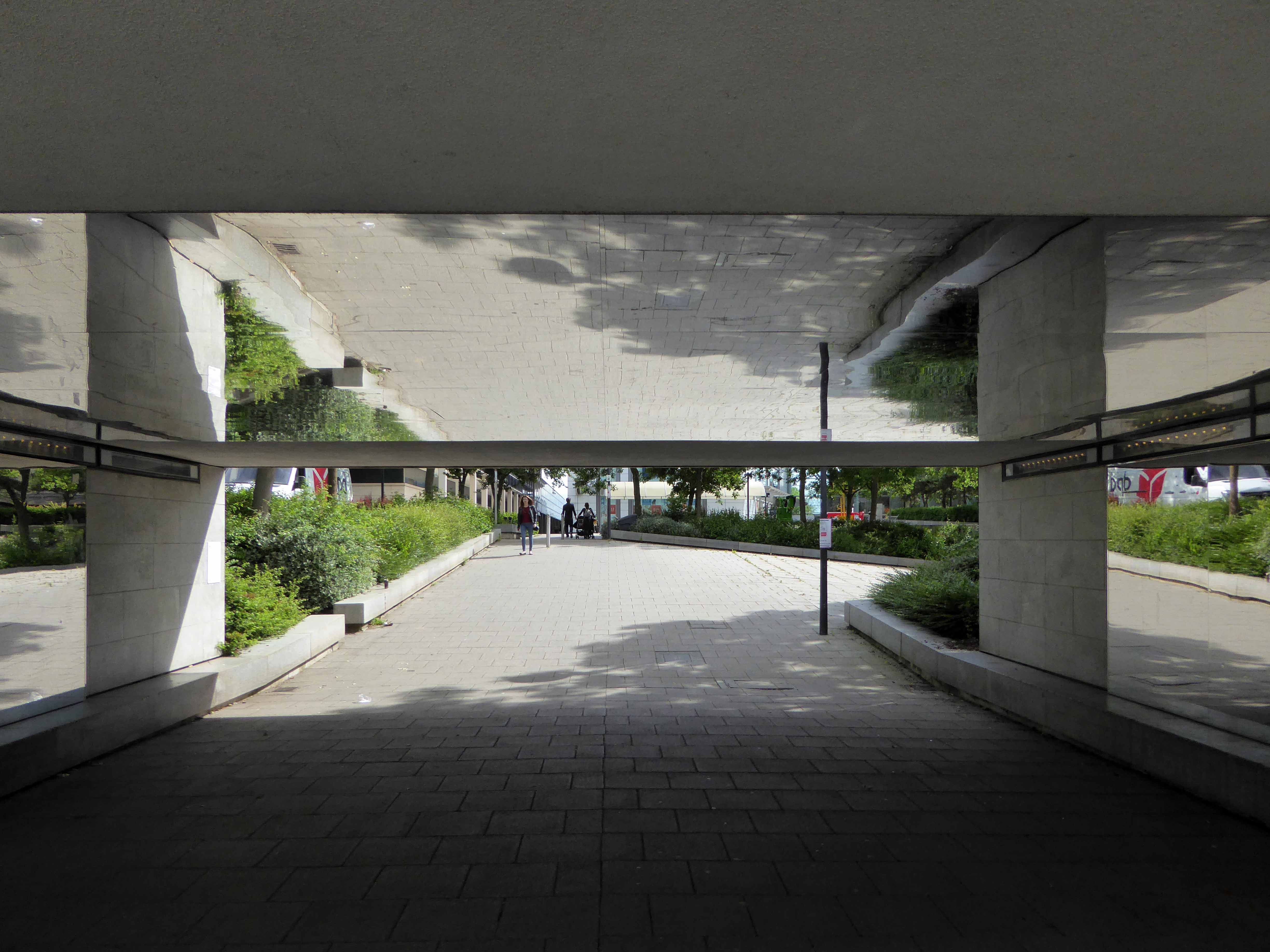
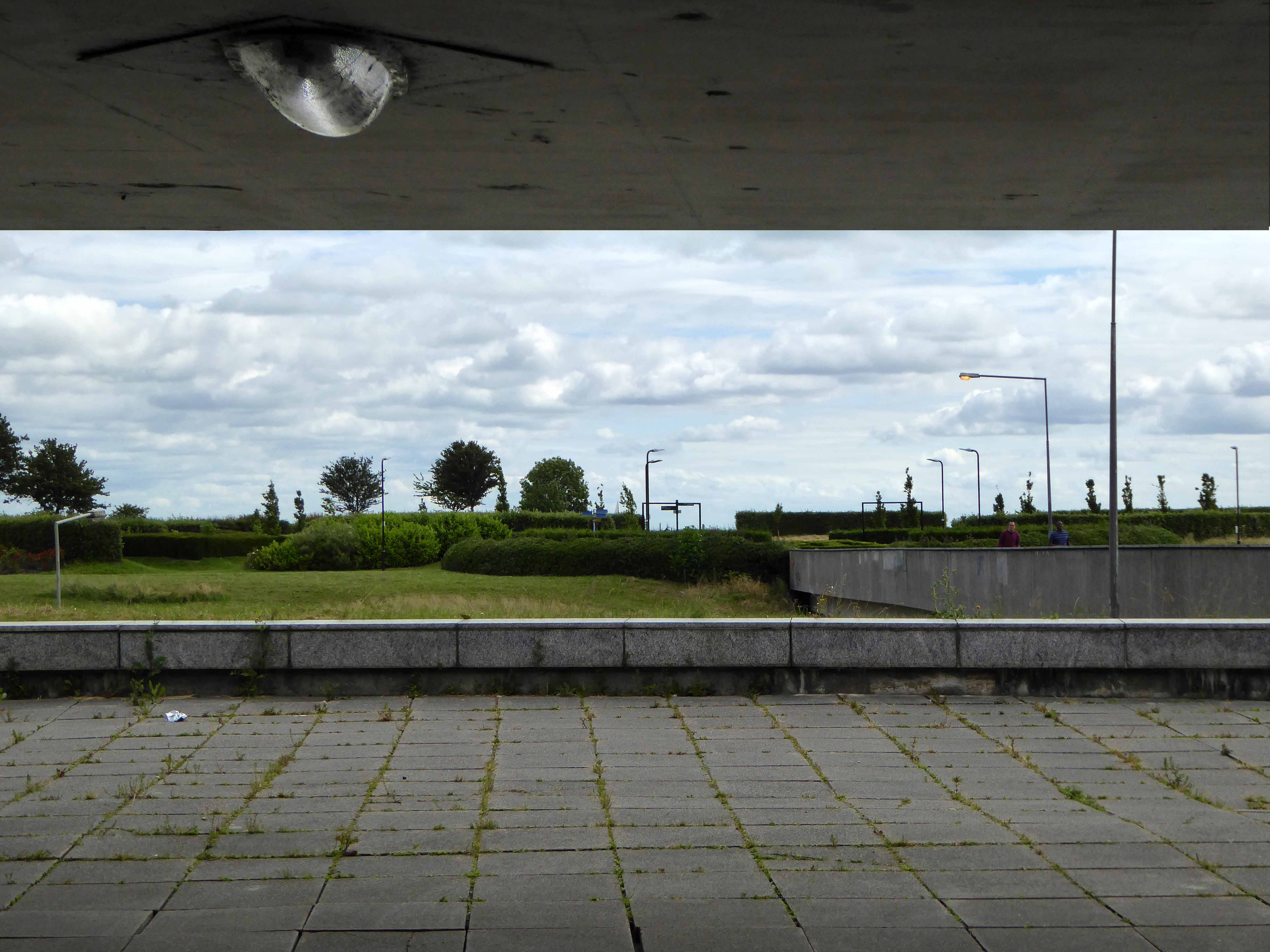
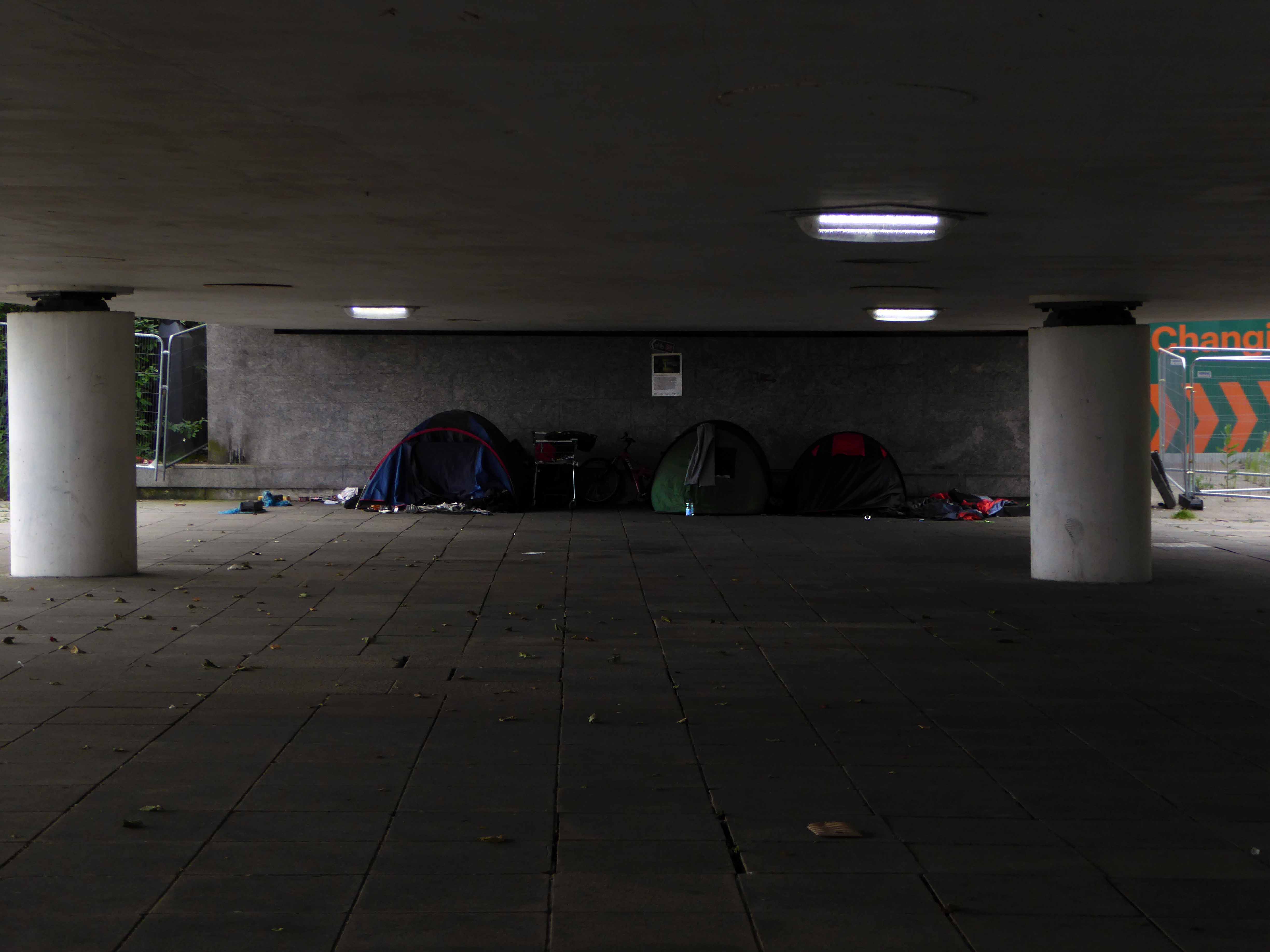
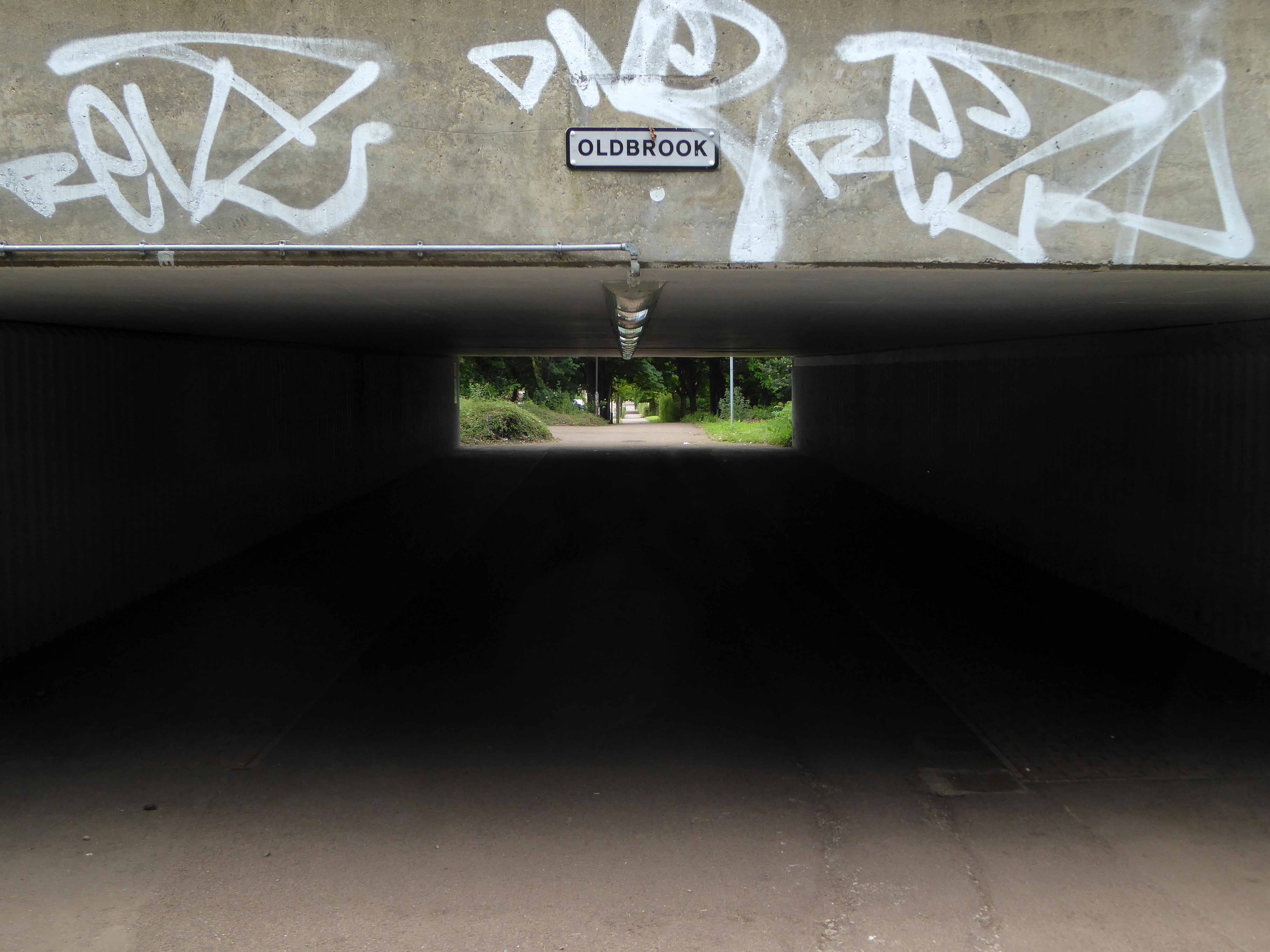
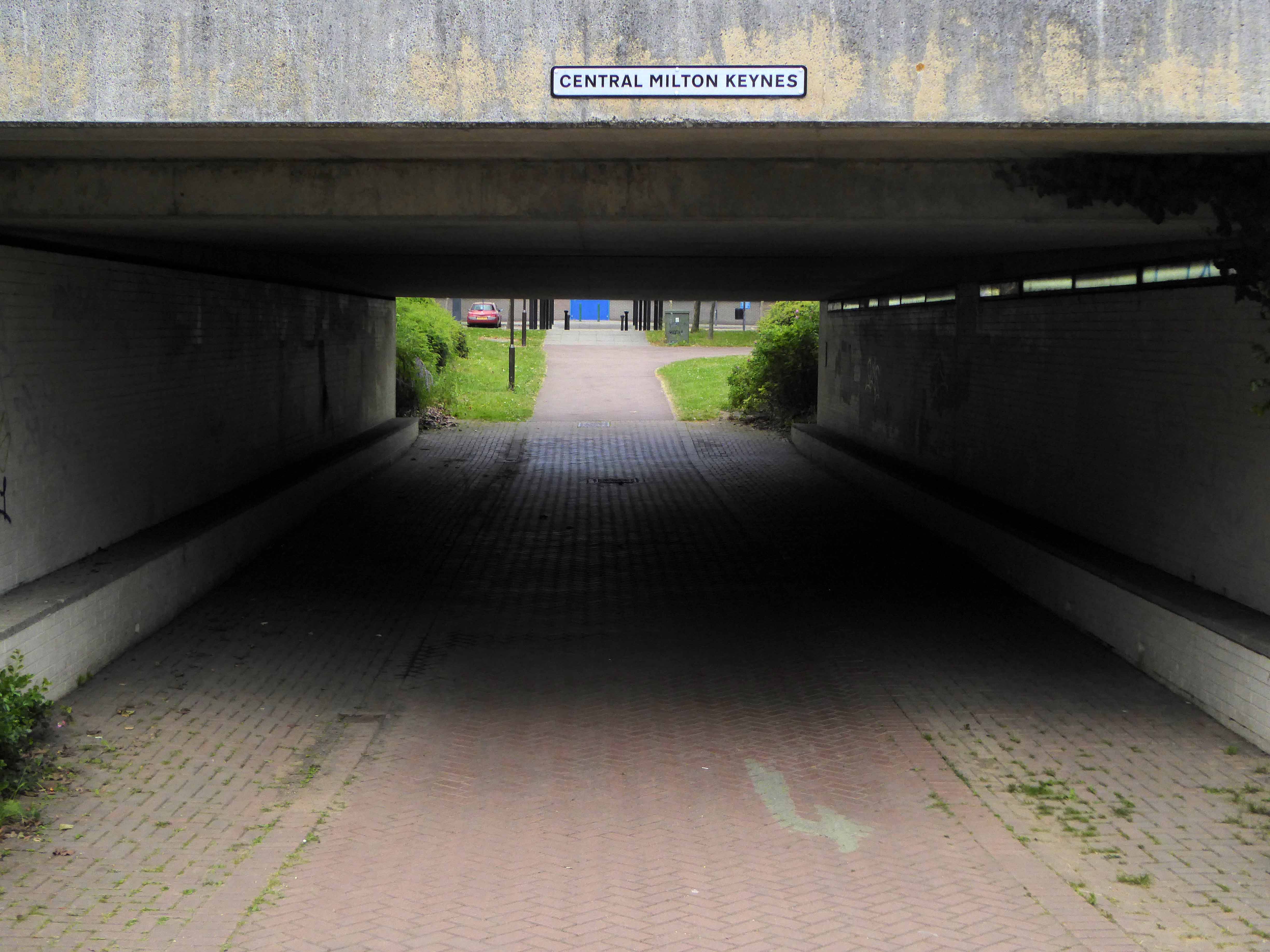
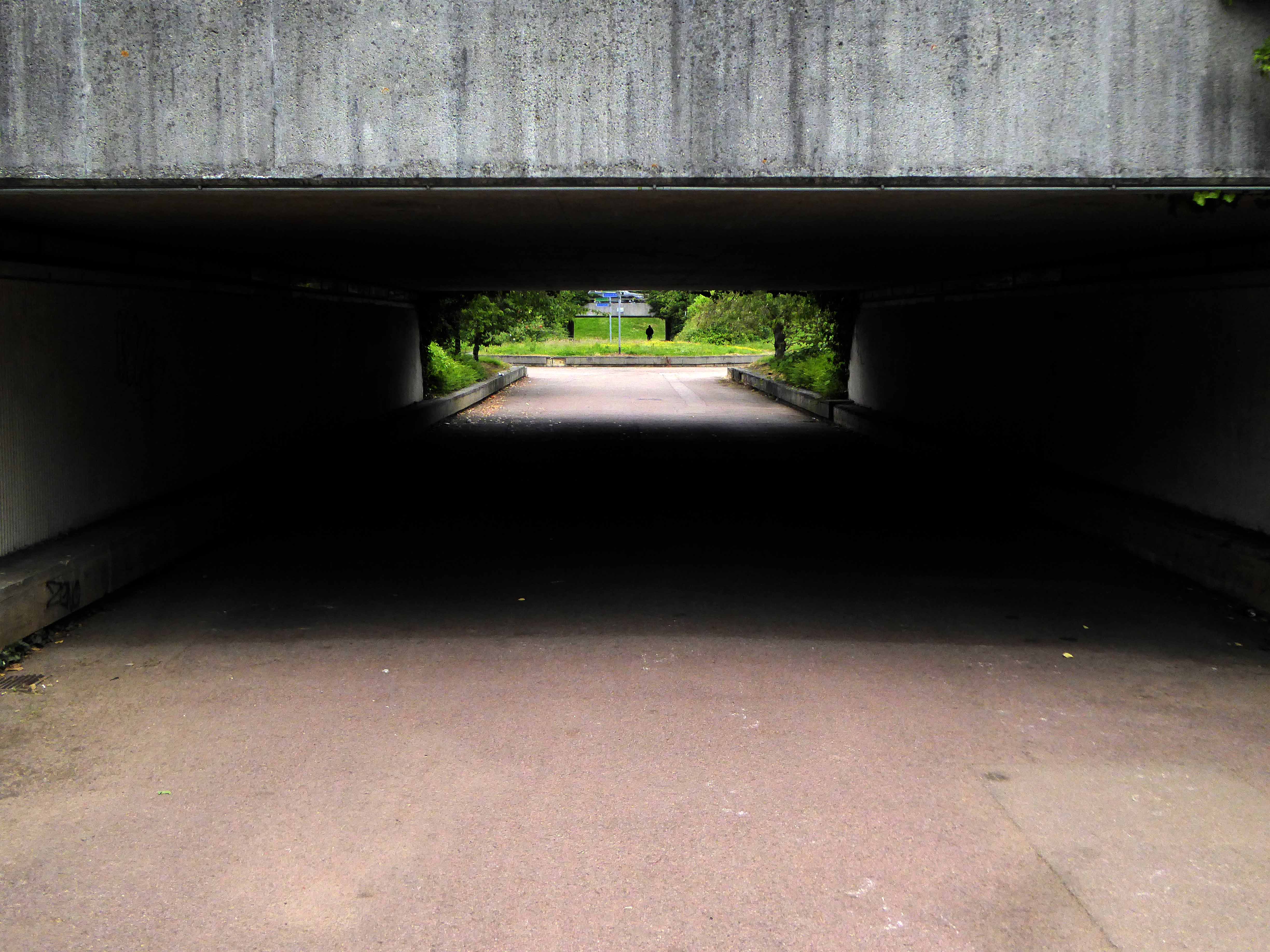
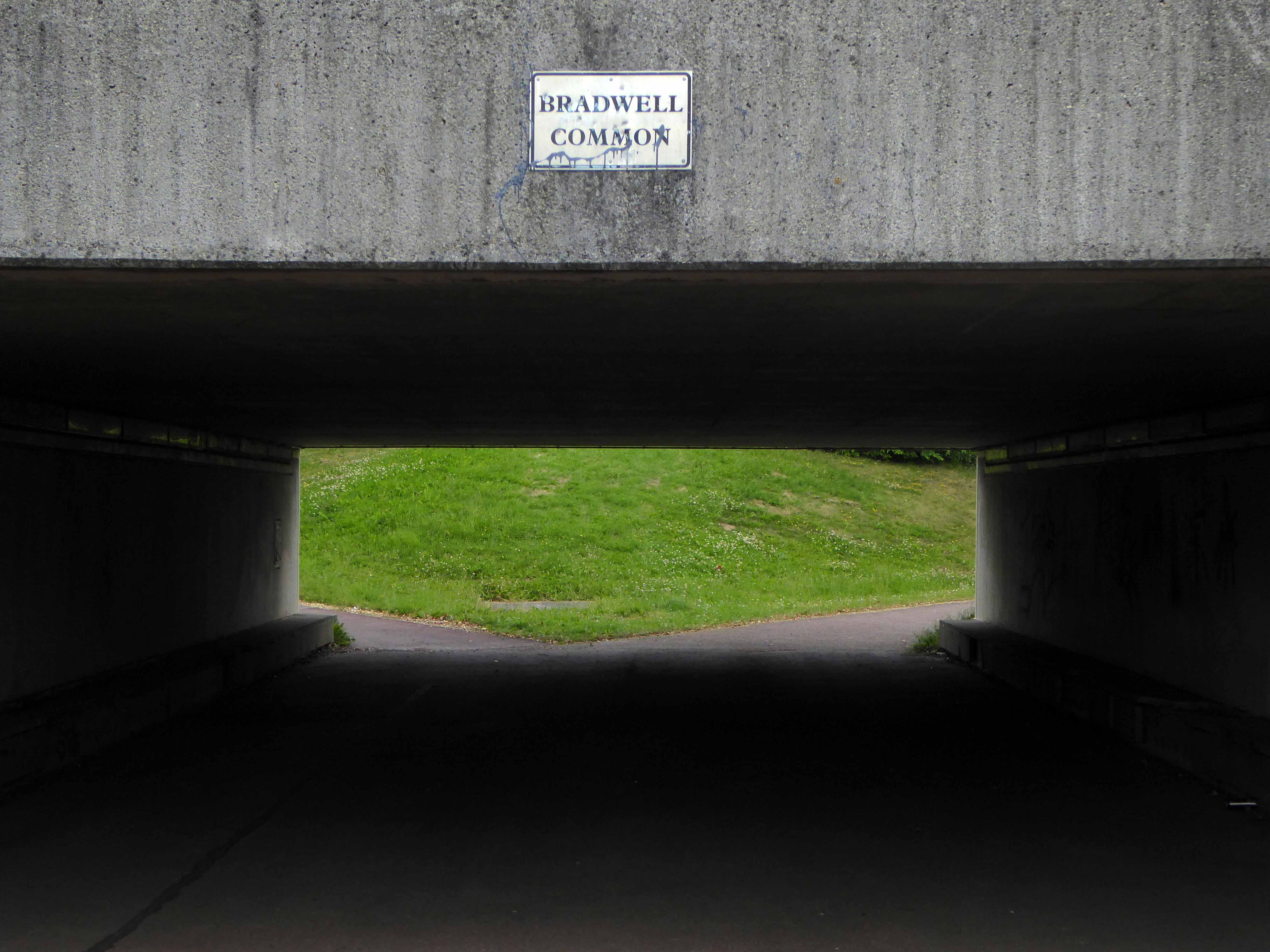
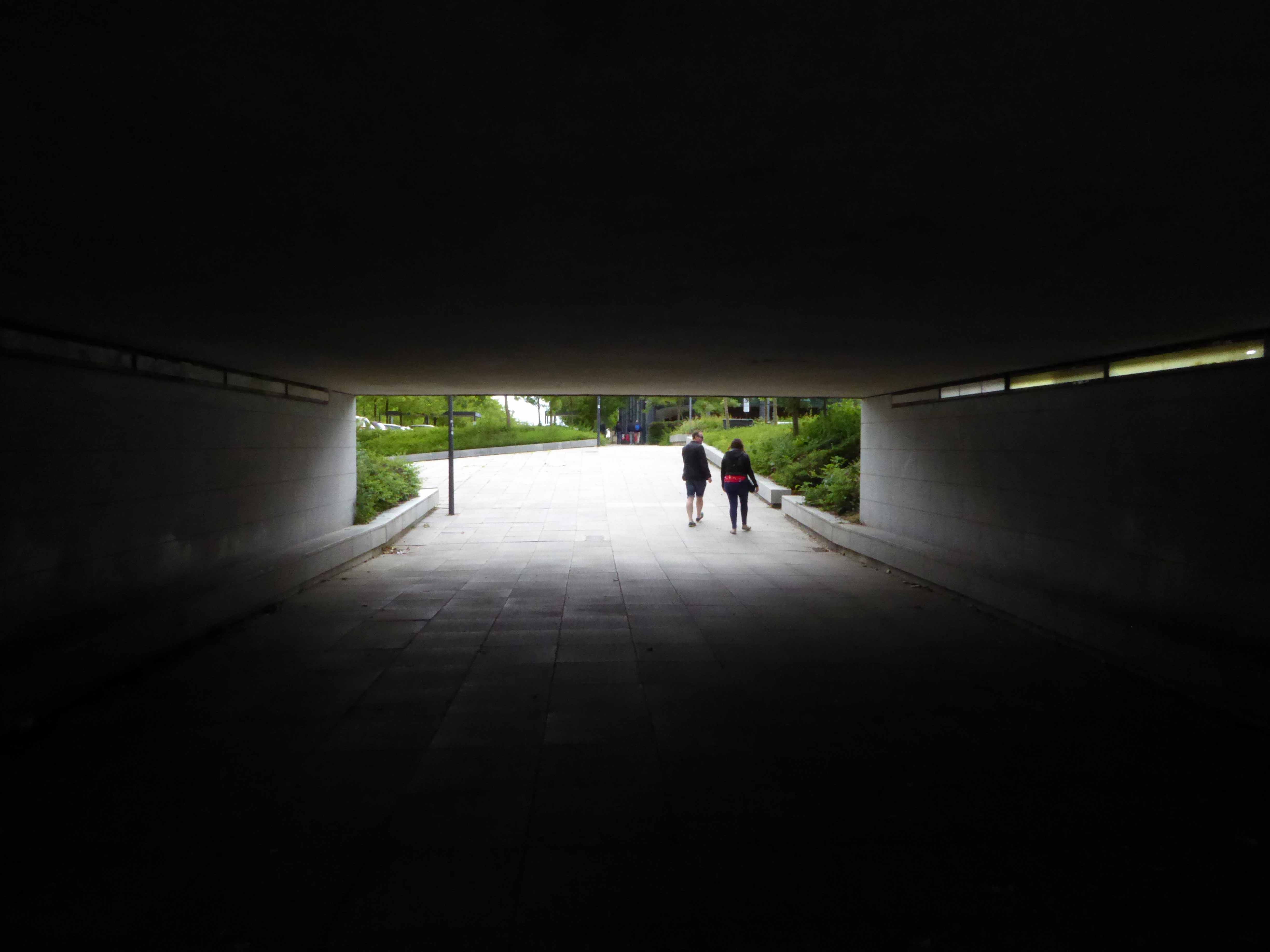
Underpass – Milton Keynes

Milton Keynes synonymous with something or other, the town where everything is an off centre out of town centre, where anything was new once.

A broad grid of boulevards, sunken super-highways and an extended series of balletic roundabouts swirls the cars around.

Beneath this merry carbon hungry dance, we find the cyclist and pedestrian, the self propelled underclass passing through the underpass.

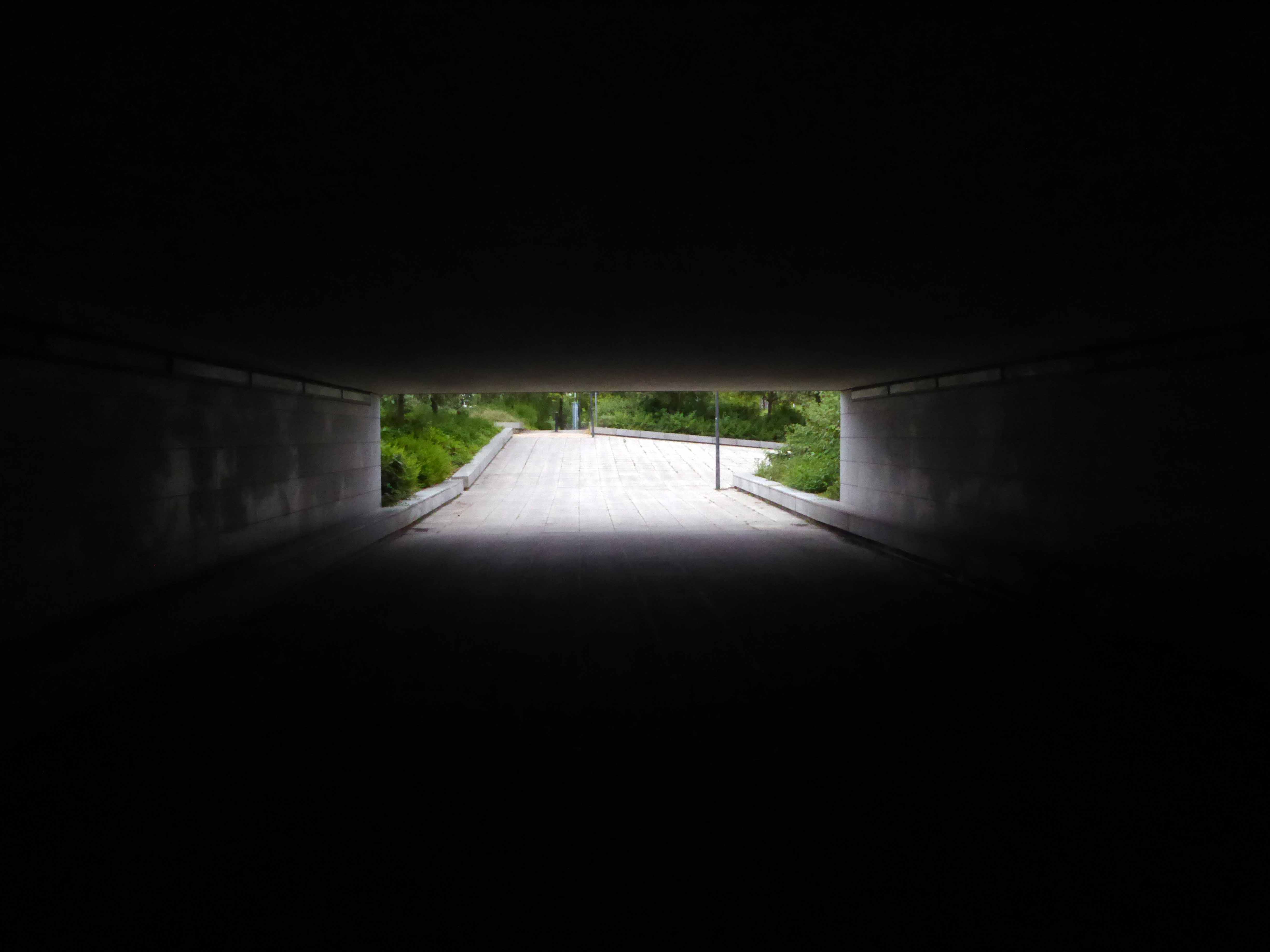
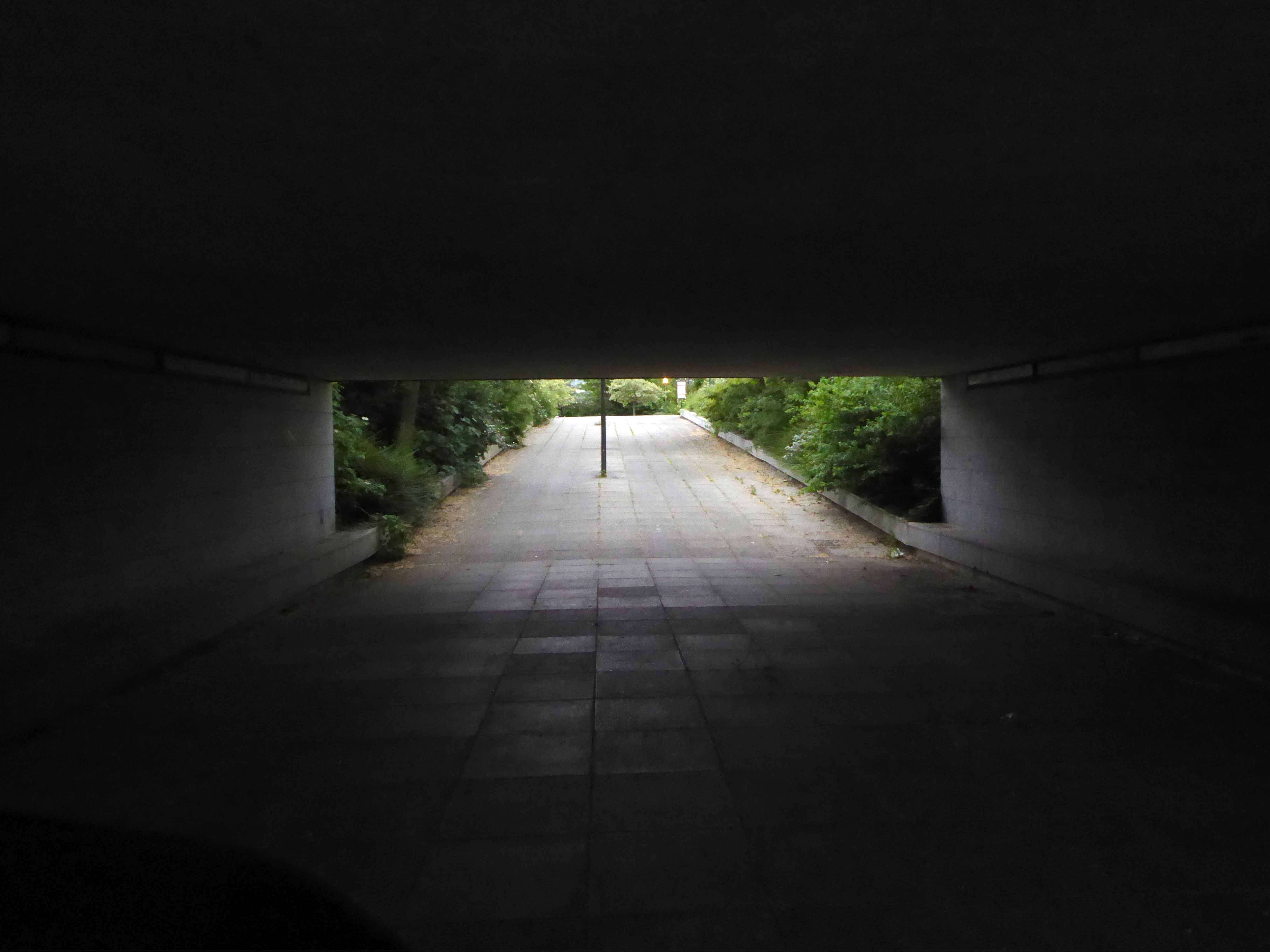
During my eight hour non-stop walking tour I encountered several – here they are, home to the homeless – others somewhat desolate and deserted, grass between the paving stones, the occasional casual tag and discarded can.

P1260103

P1260104

P1260129

P1260179

P1260180

P1260181

P1260207

P1260232

P1260234

P1260263

P1260264

P1260394

P1260395

P1260396

P1260397

P1260405

P1260406

Ringway – Manchester Airport

Expecting to fly?

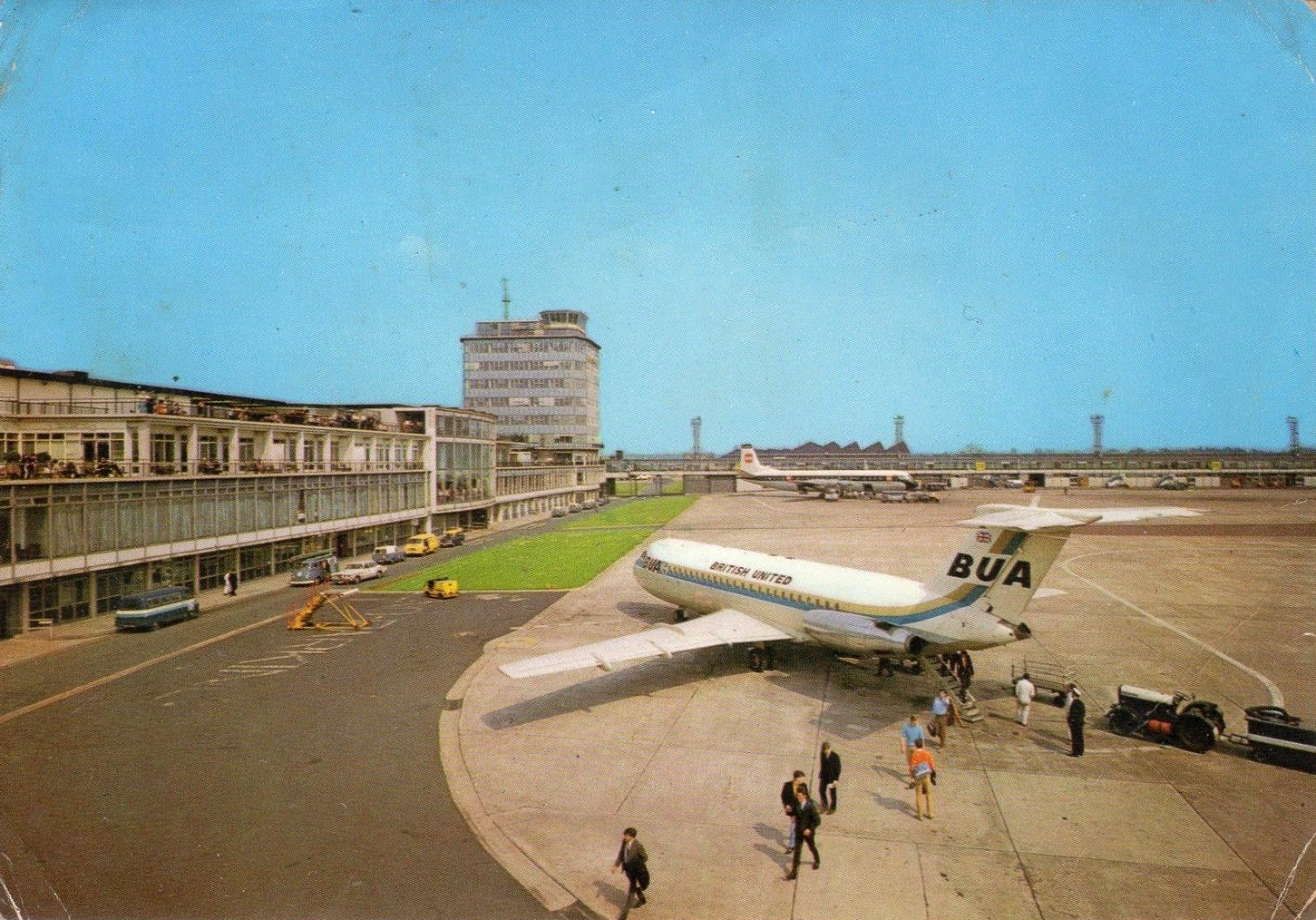
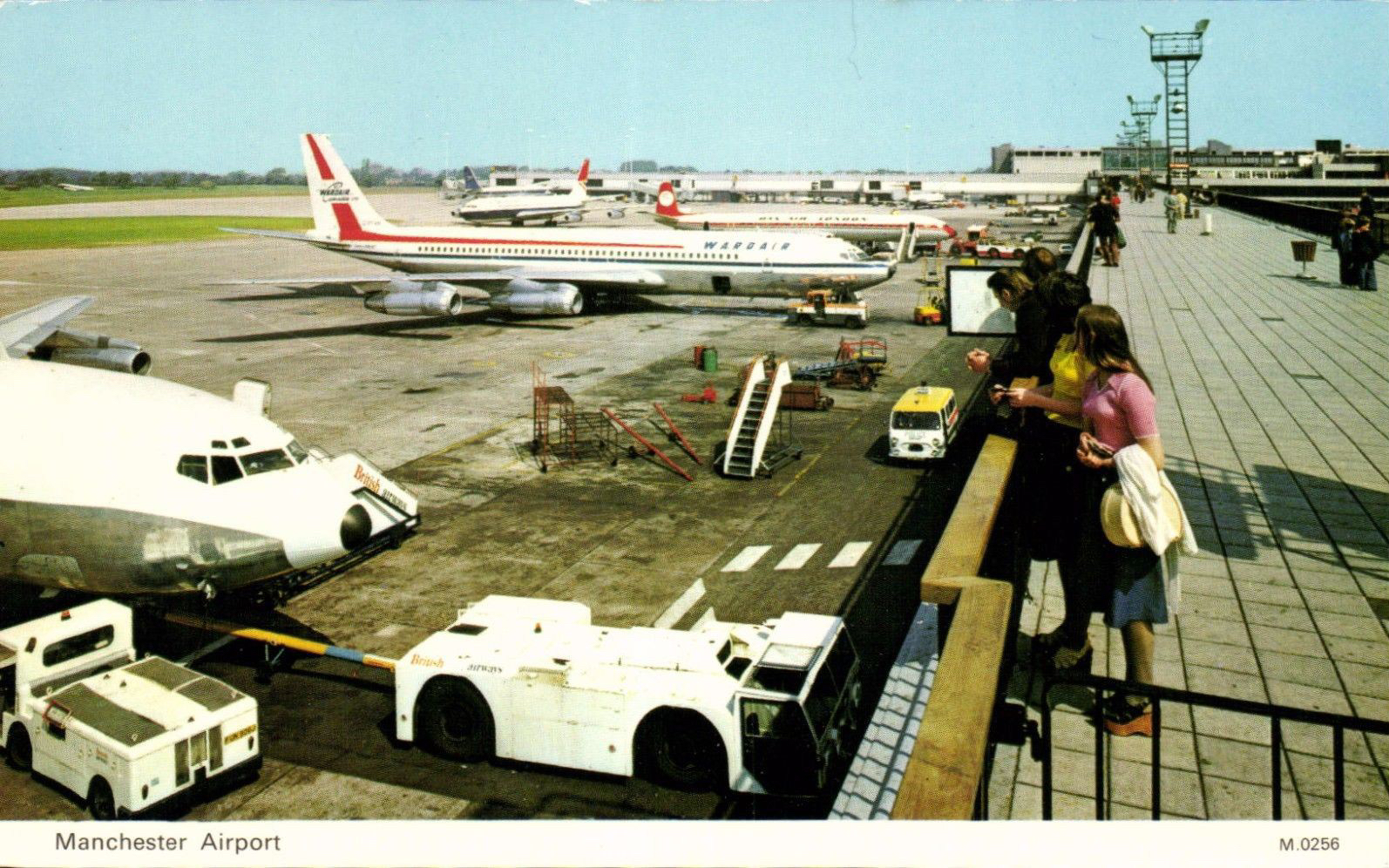
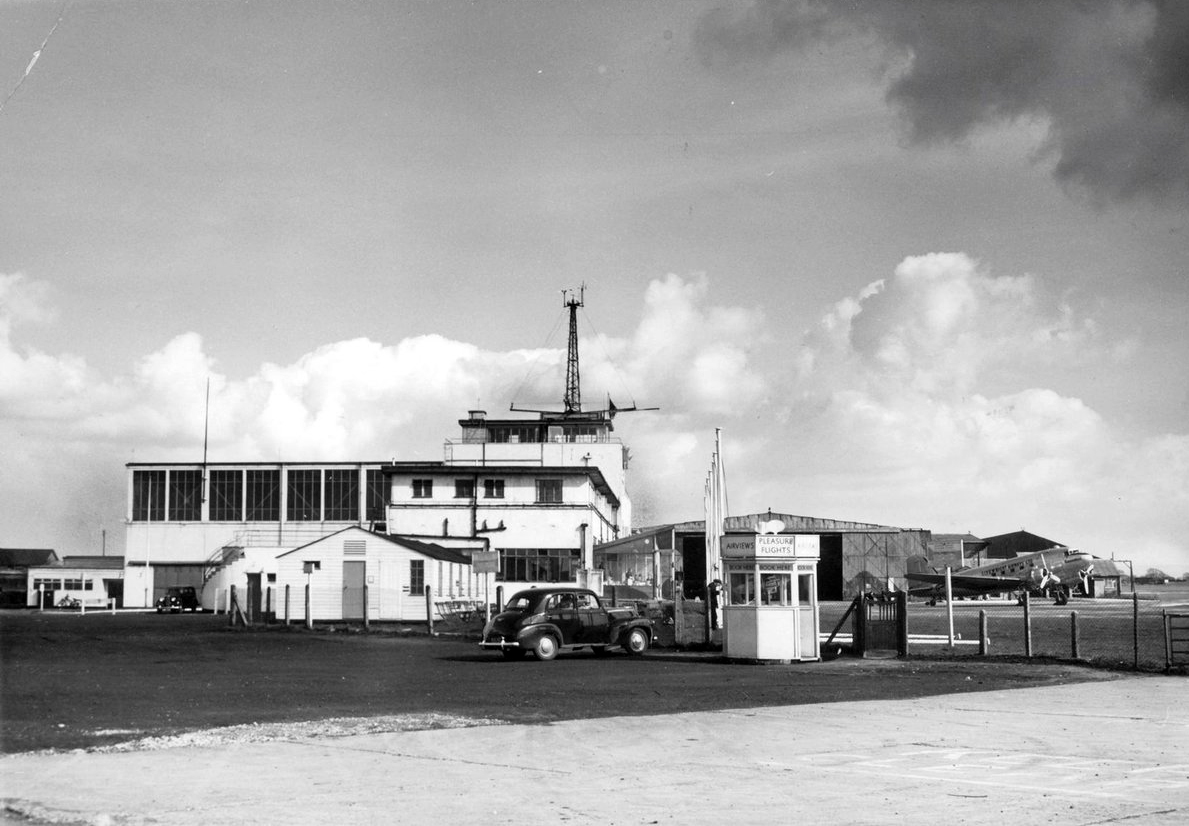
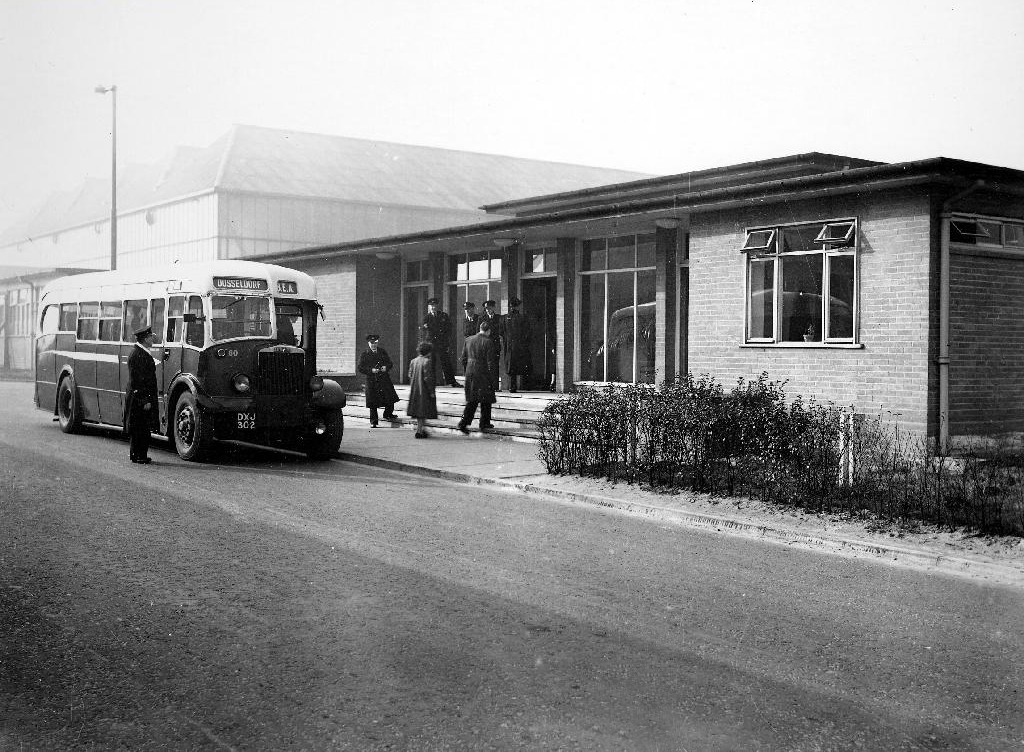
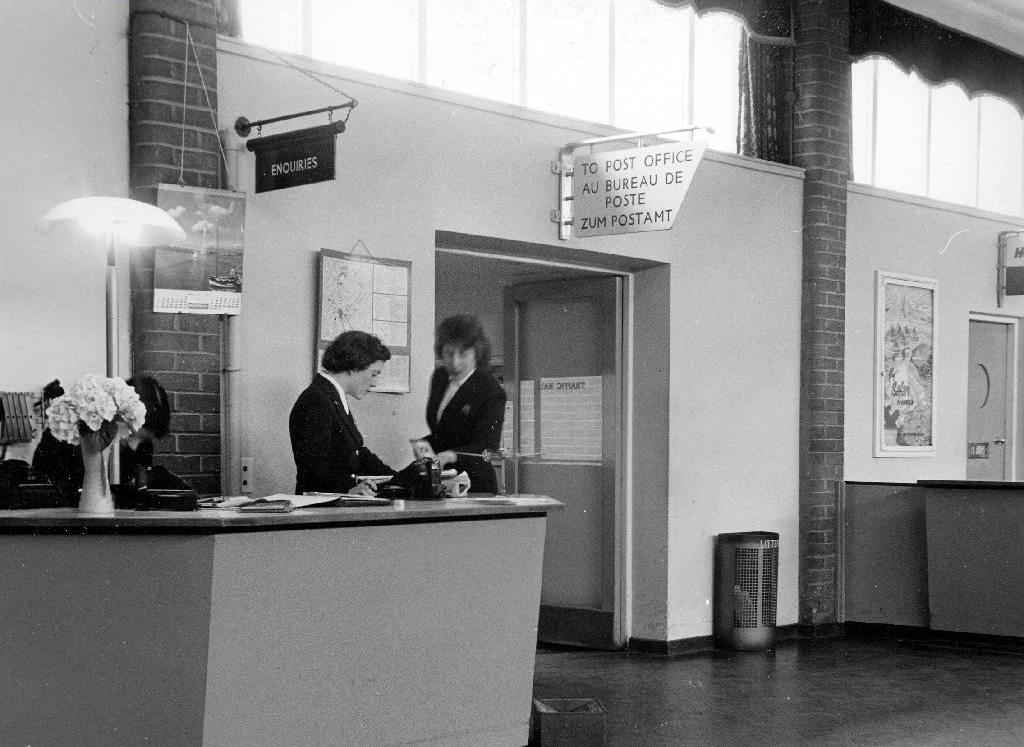
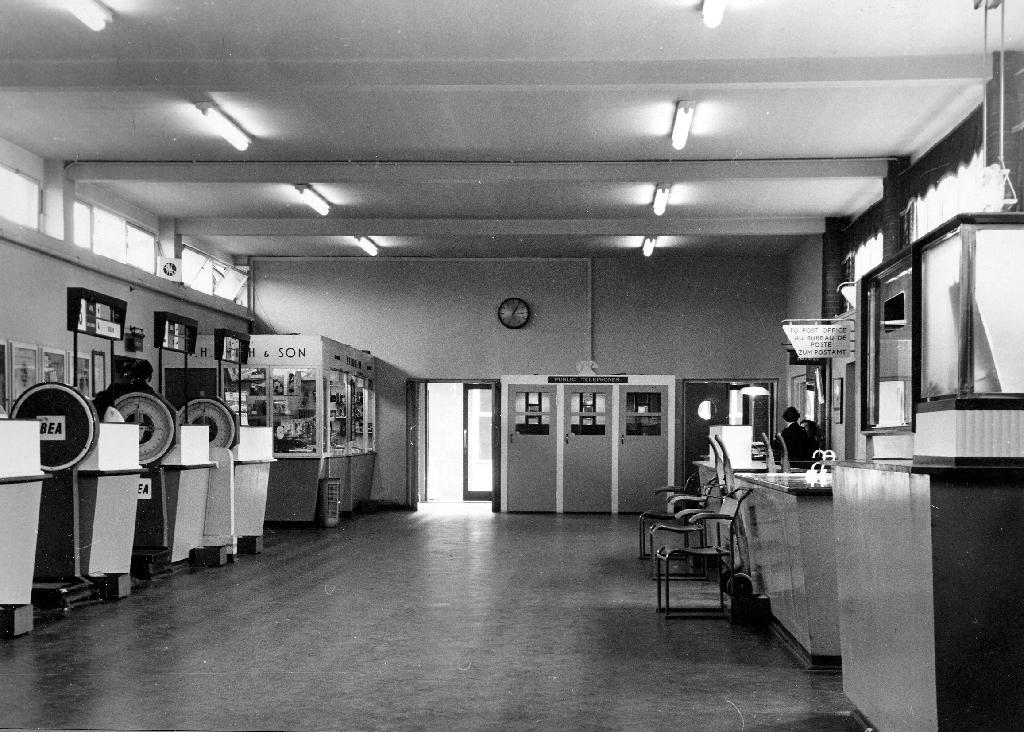
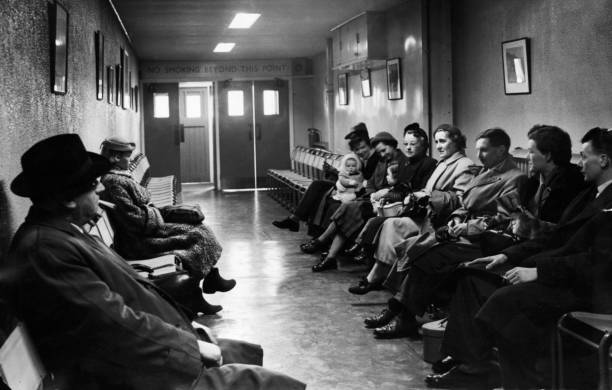
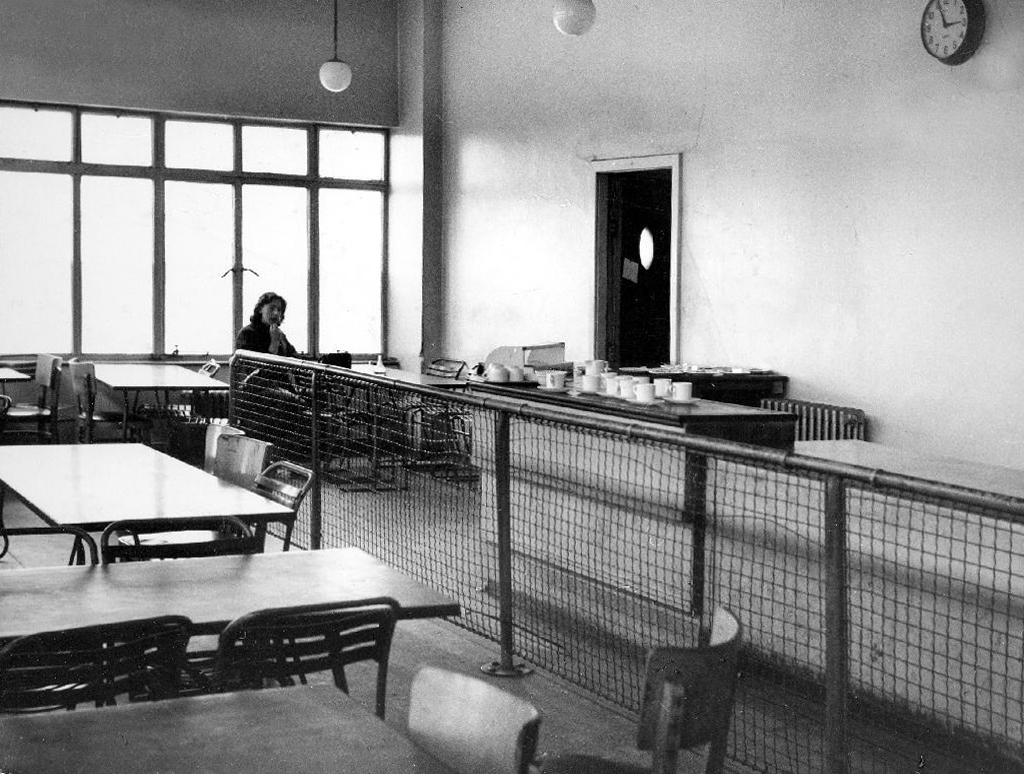
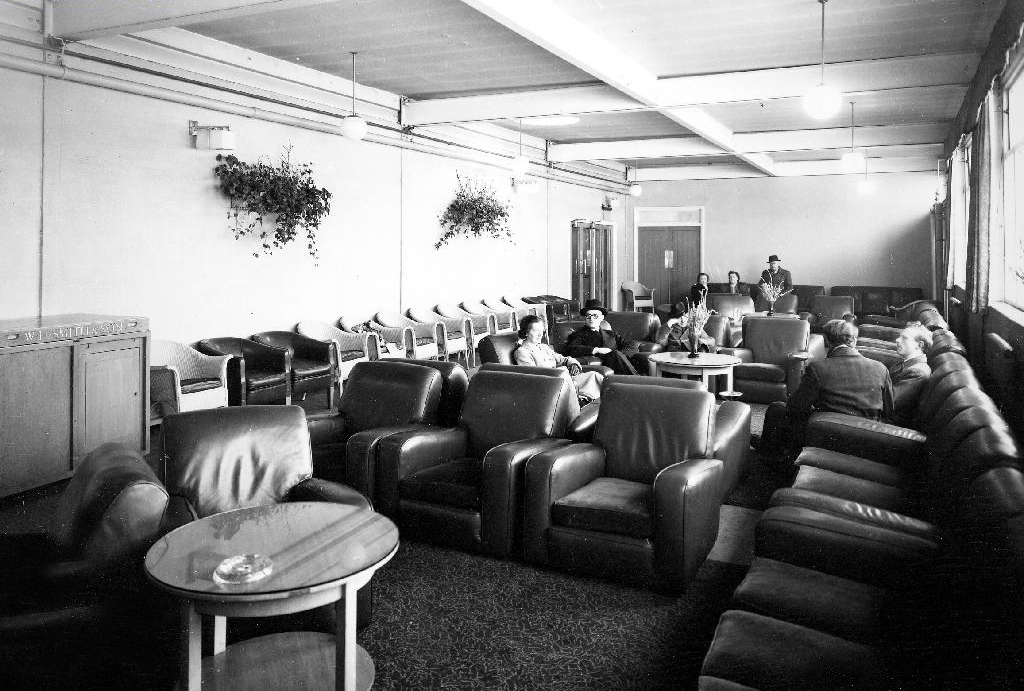
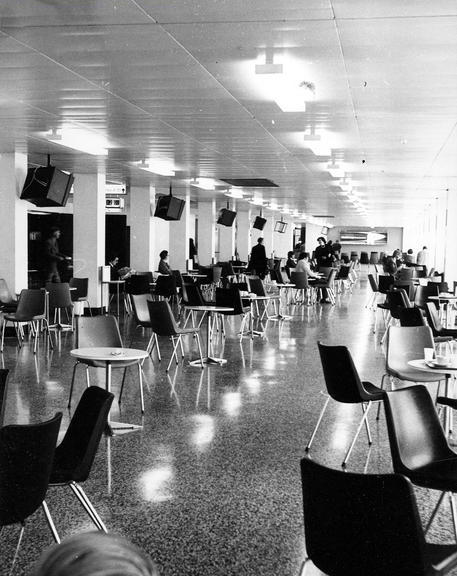
Well not really, the first time I ever visited Ringway was by bike, aged eleven cycling from Ashton-under-Lyne along leafy Cheshire lanes for what seemed like an age. A gang of Lancashire brigands arriving in the departure lounge, with bike pumps and duffle bags.

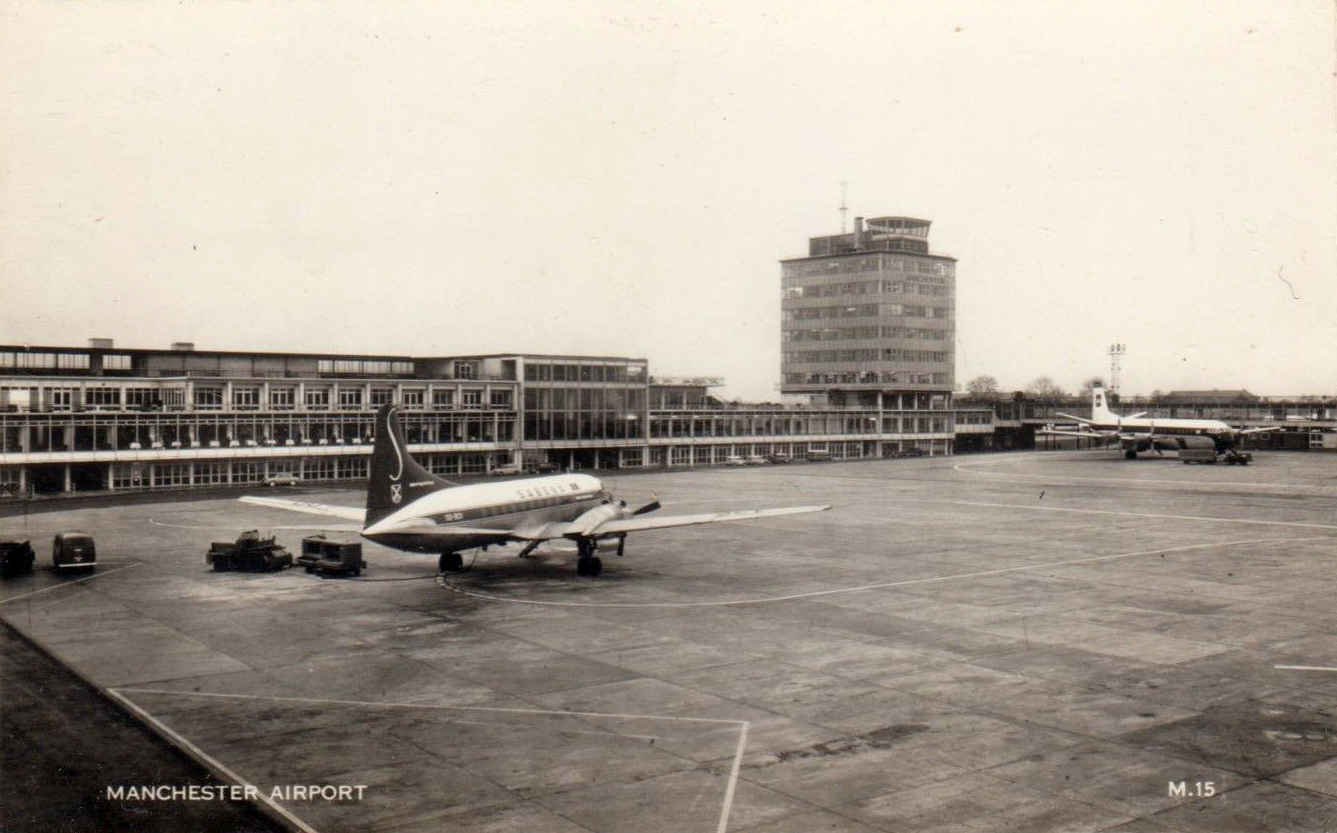
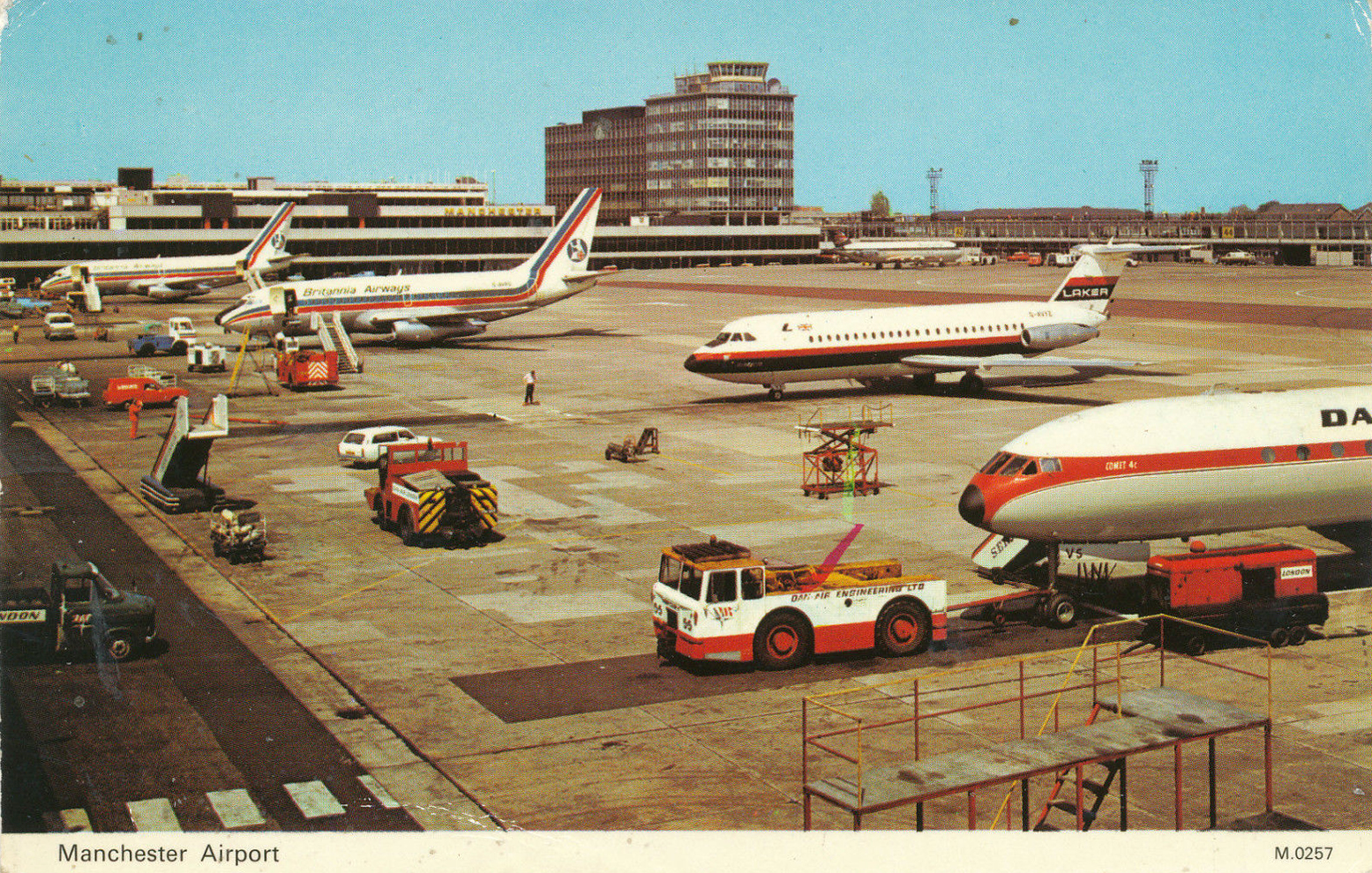
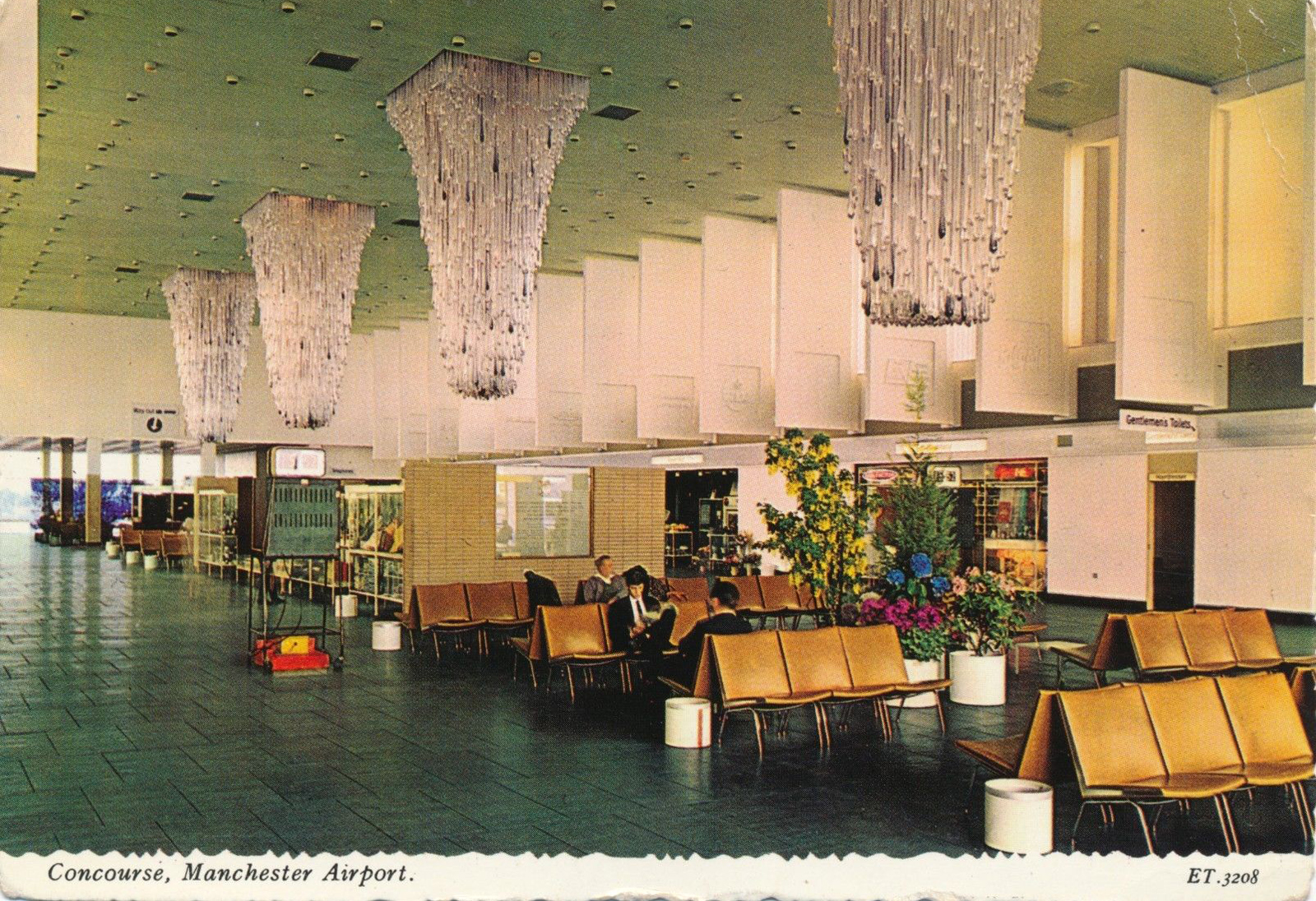
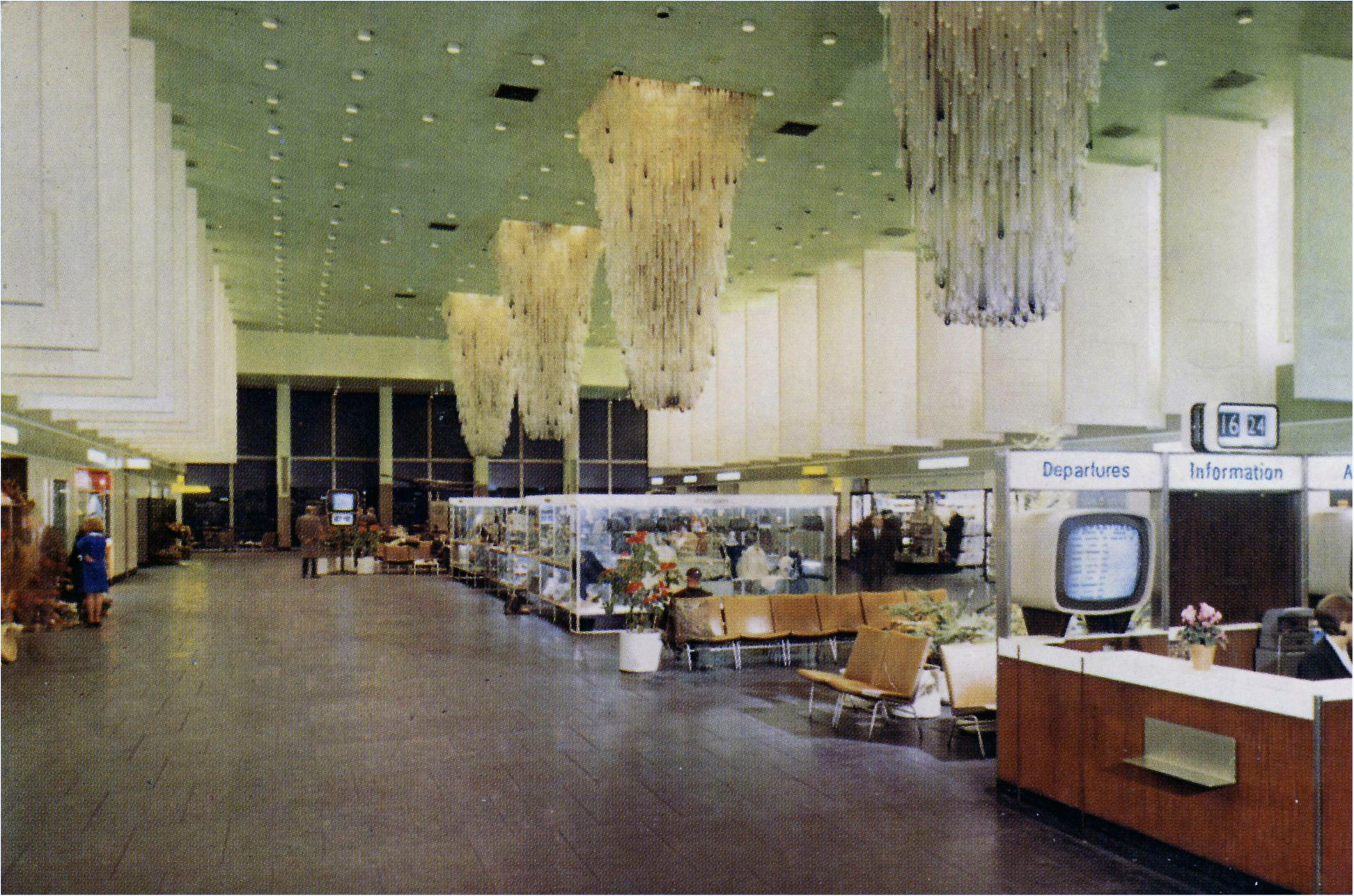
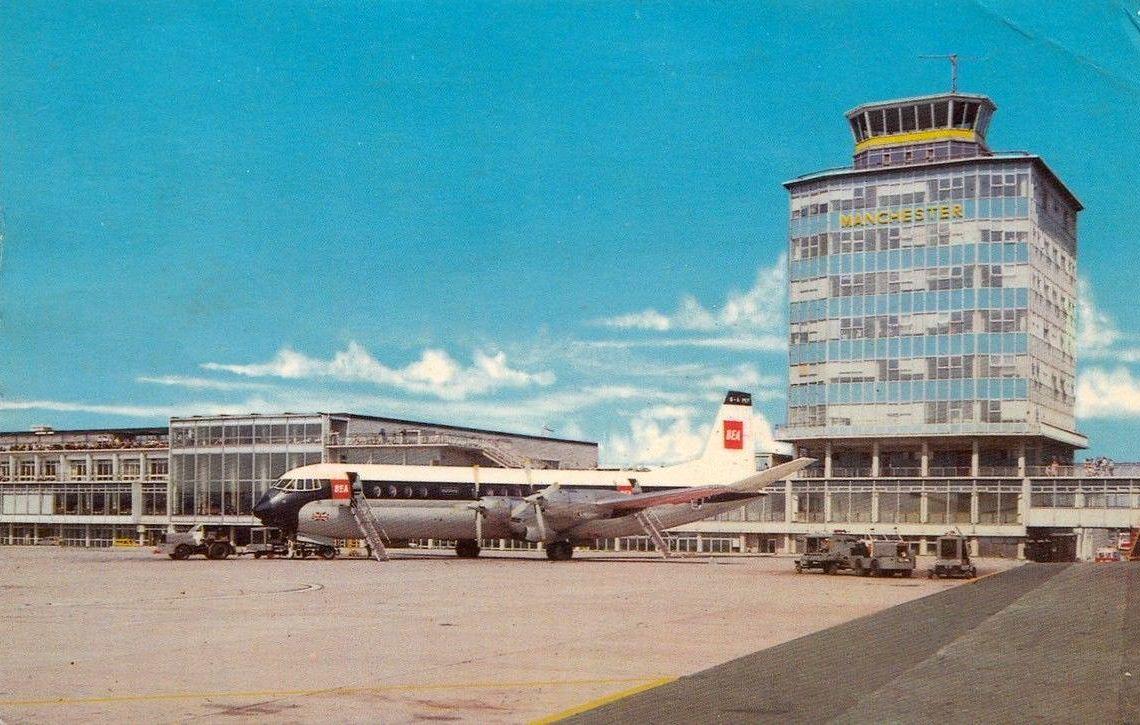
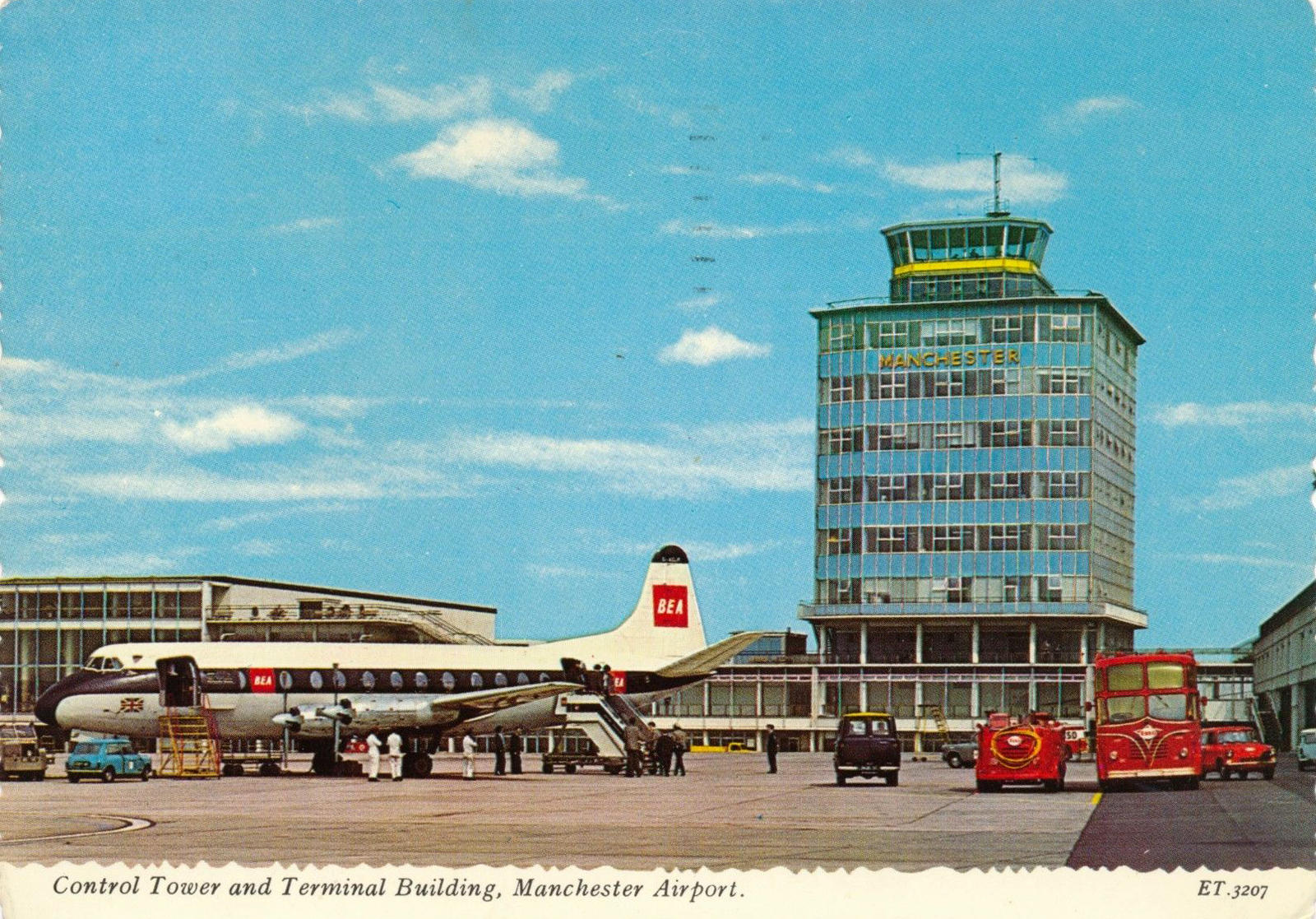
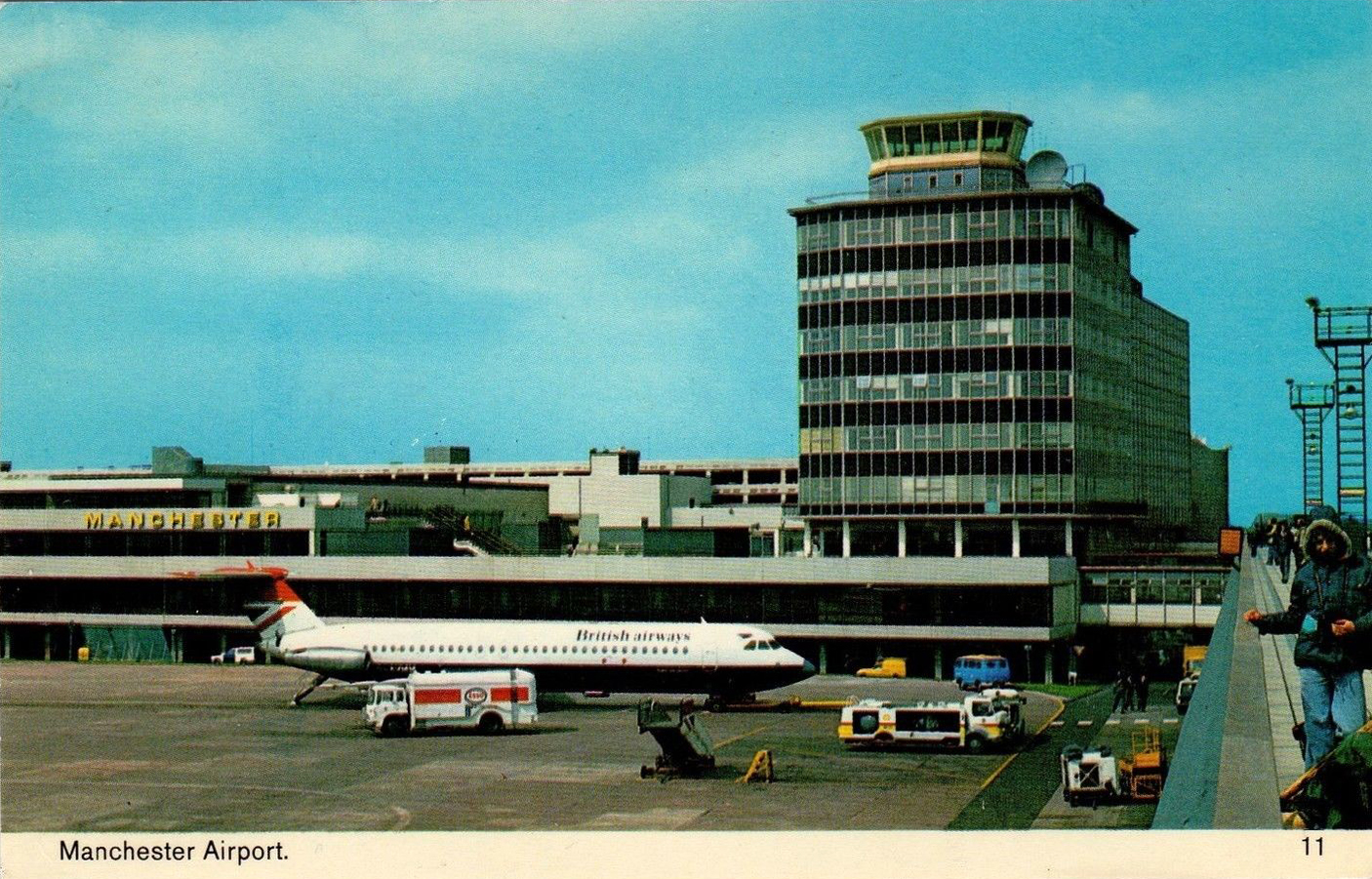
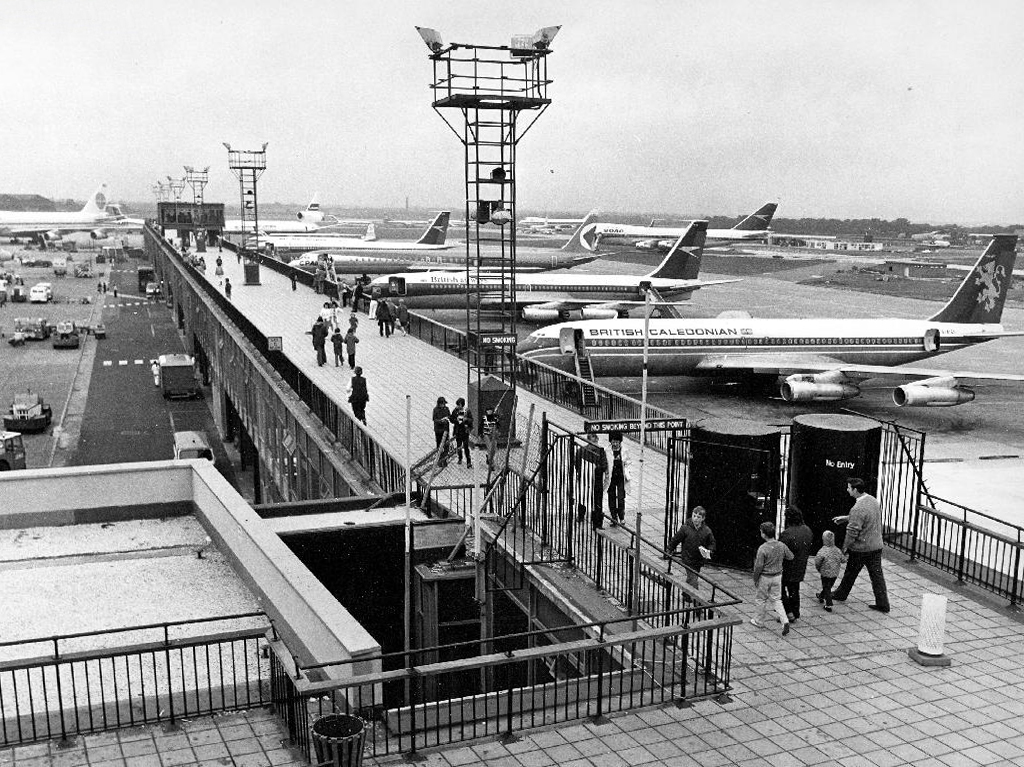
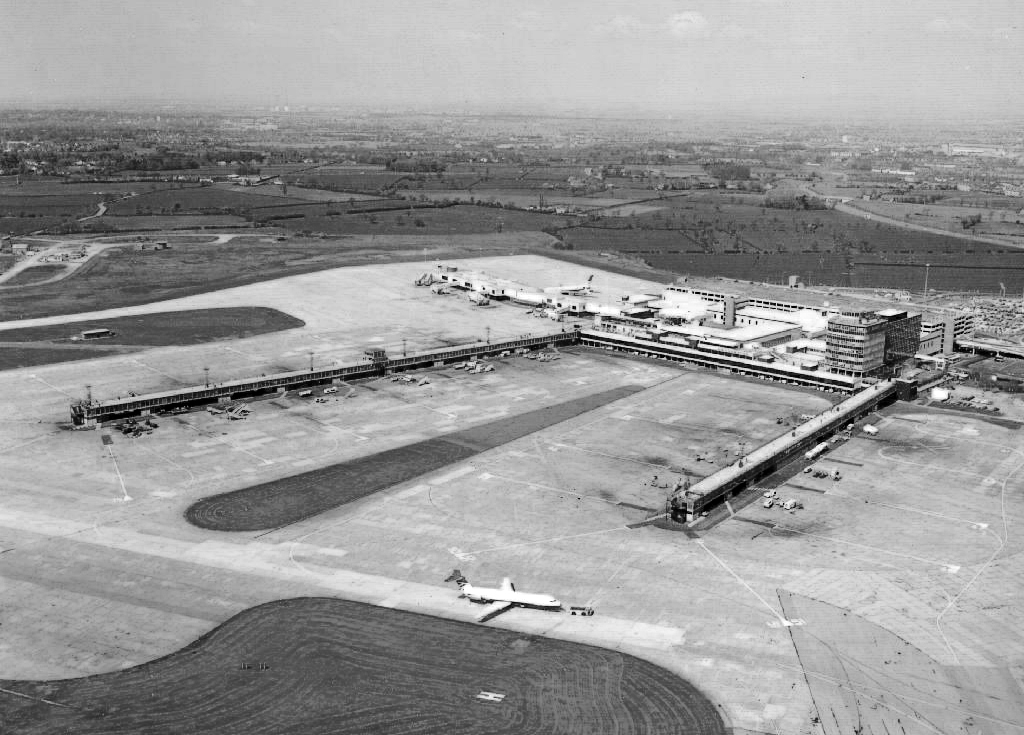
In the Sixties, when flying was infrequent, the airport was seen as sleek, new, glamorous and exciting – quiet literally at the cutting edge of the Jet Age.

Modern.

You were or are there, destination somewhere else, far more exotic than suburban Wilmslow.

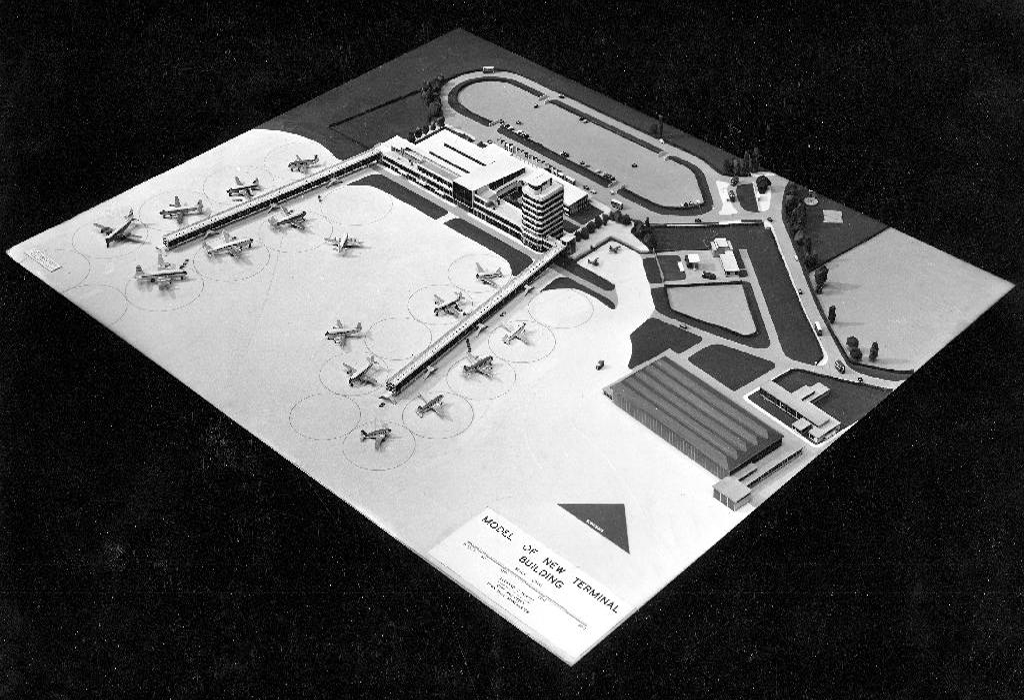
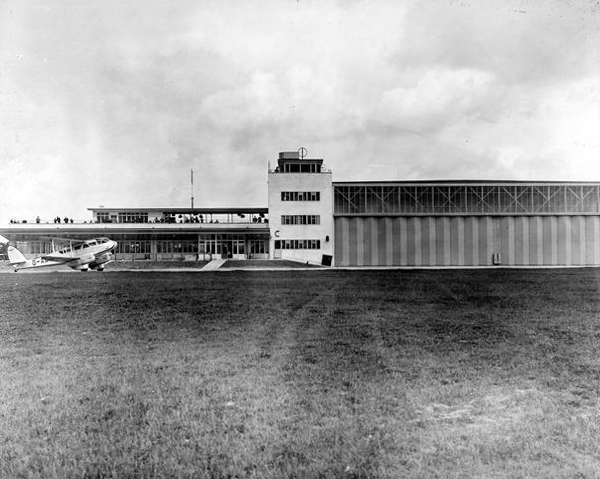
Manchester Ringway Airport started construction on 28th November 1935 and opened partly in June 1937 and completely on 25th June 1938, in Ringway parish north of Wilmslow.  In World War II, it was the location of RAF Ringway, and was important in the production and repair of military aircraft and training parachutists.

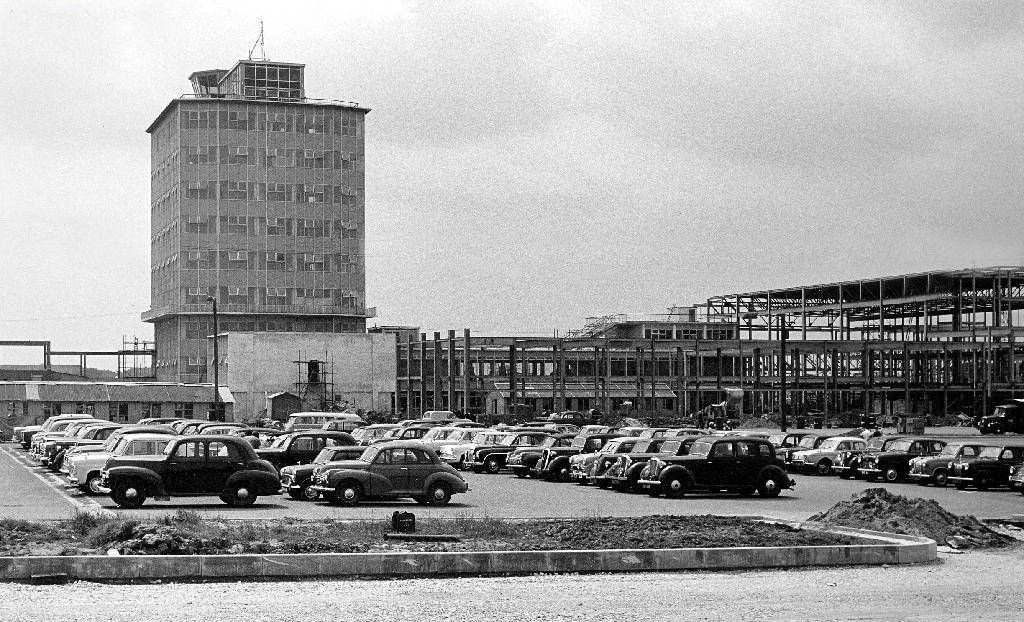
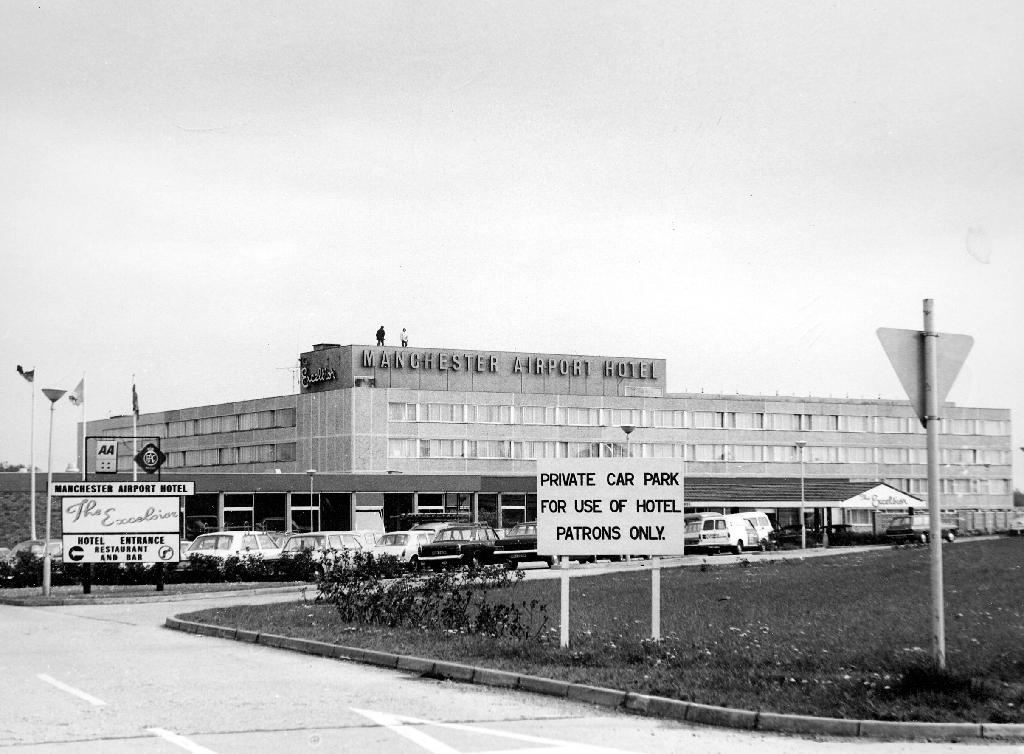
After World War II, it gradually expanded to its present size, including massive expansion of aprons, runways and car parking areas. Among the first expansions was car parking and service buildings north of Yewtree Lane.

From 1958 to late 1962, Terminal One was built: this was the first of the airport’s modern large terminals and the first major public building north of Yewtree Lane.

You were or are there, so why not tell the world – with a postcard.

Wish you were here?

s-l1600-7

s-l1600-2

s-l1600-3

s-l1600-6.jpg

s-l1600-8

35544837_2153016631579374_3645904223251464192_o

s-l1600-5

s-l1600-9

s-l1600

Let’s go there now, back in time, through the most magical Manchester Image Archive.

57b

Dc0rXylX4AAY2as

1938

61

72

1950

1957


57a

867436164

57c

50

74

1970

1976

John Lewis Mosaics – Milton Keynes

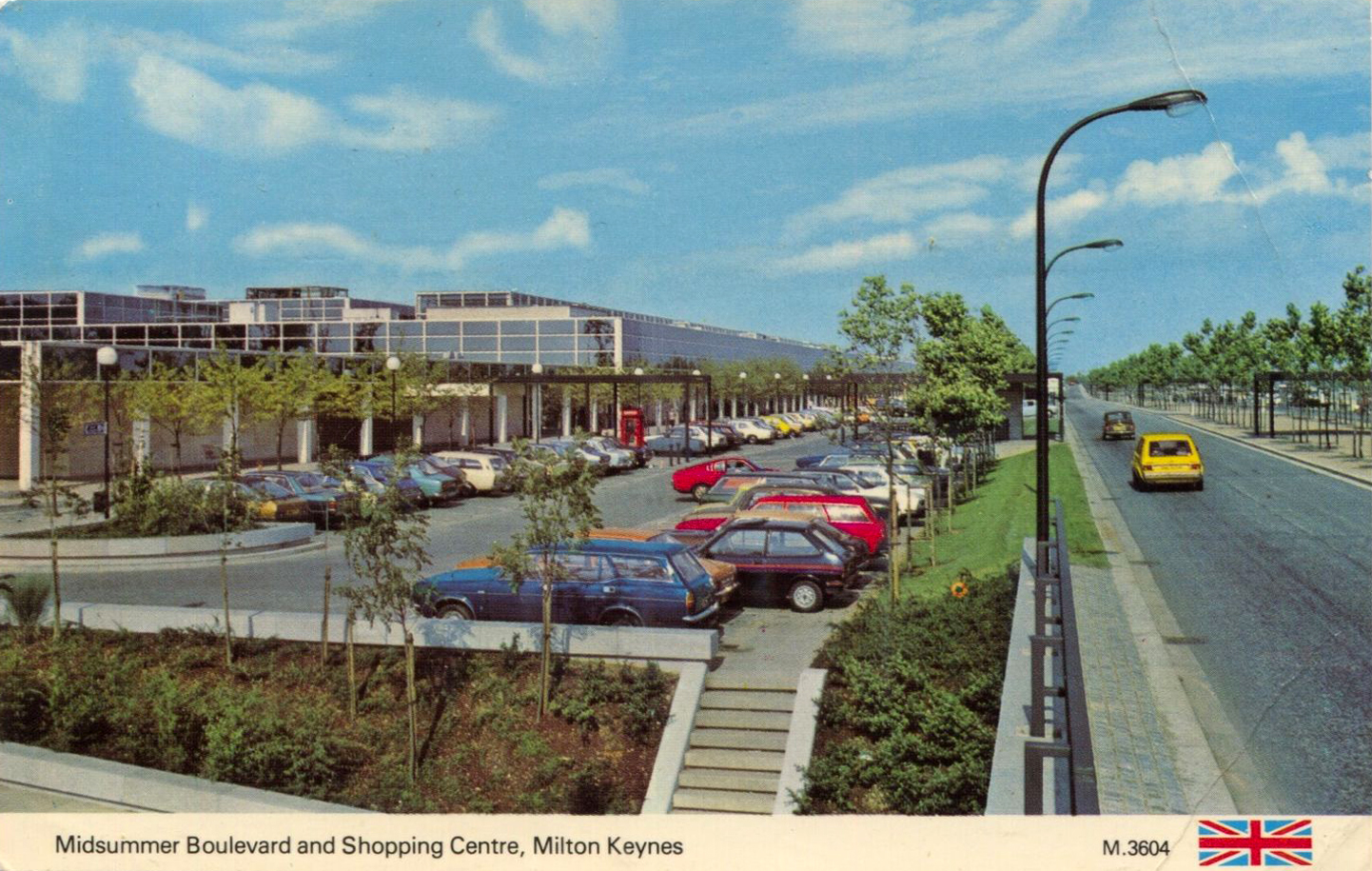
I was lured here, siren like, by an un-purchased eBay postcard – which precipitated a virtual four colour process printed journey around the shopping precincts of the UK.

MK b copy

It only seemed appropriate to finally arrive at MK Central in real life, by train from Stockport – walking at last wide-eyed and expectant, along the whole length and width of Midsummer Boulevard to centre:mk

The Milton Keynes Development Corporation began work on the Shopping Building in 1973. It was to be the largest building of Central Milton Keynes. It had a total length of over one kilometre and a maximum width of one hundred and sixteen metres . It was built at the highest point in the New City. The architects were Derek Walker, Stuart Mosscrop, and Christopher Woodward, who had been significant architects at the MK Development Corporation; and the engineers were Felix Samuely and Partners. The shopping area was opened on 25th September 1979 by Margaret Thatcher. The building’s sleek envelope accommodated one hundred and thirty shops and six department stores, arranged along two parallel day-lit arcades, each eight hundred meters long and planted with sub-tropical and temperate trees.

A big bad Miesian box of glass and steel that goes on forever and forever.

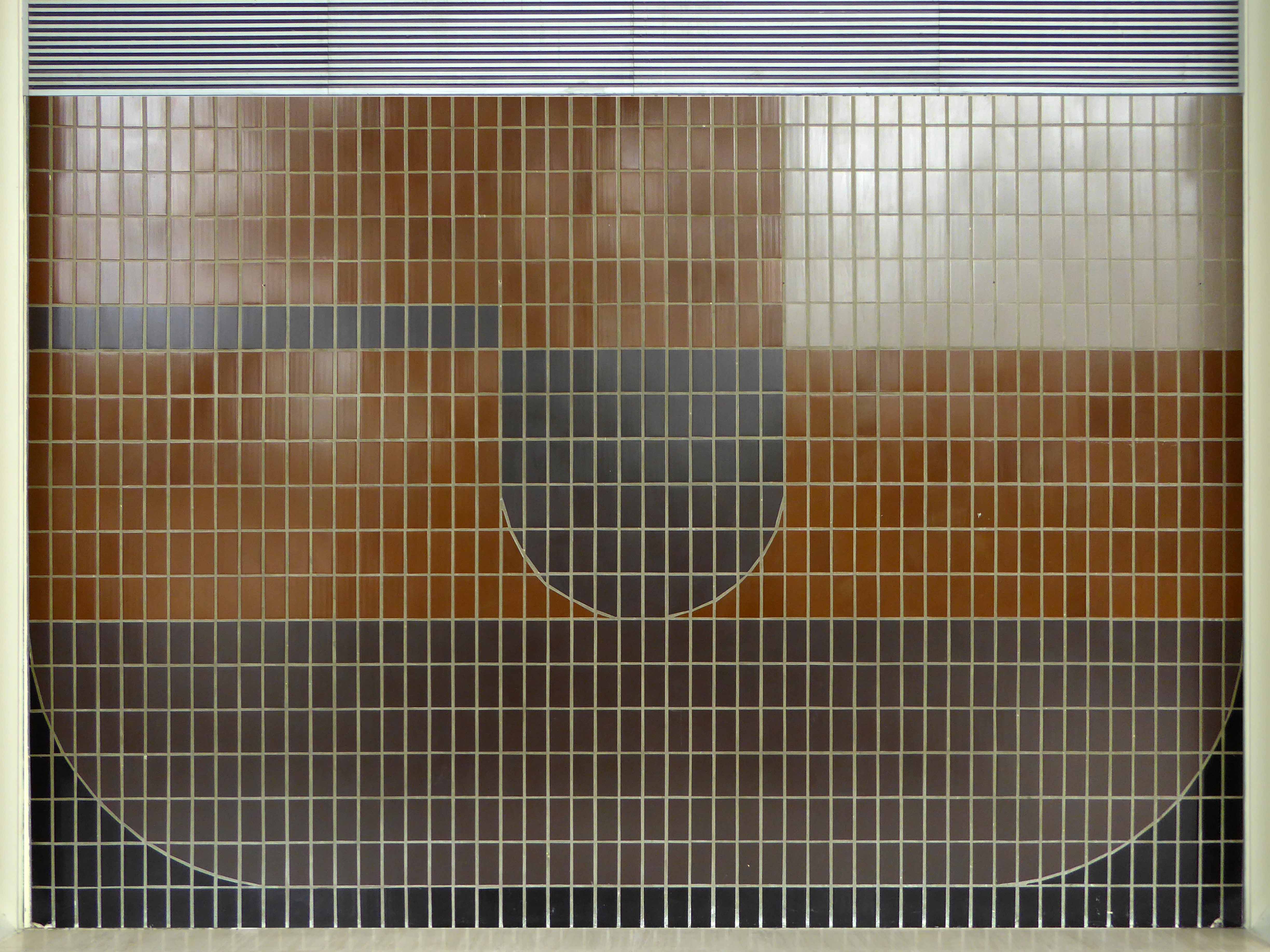
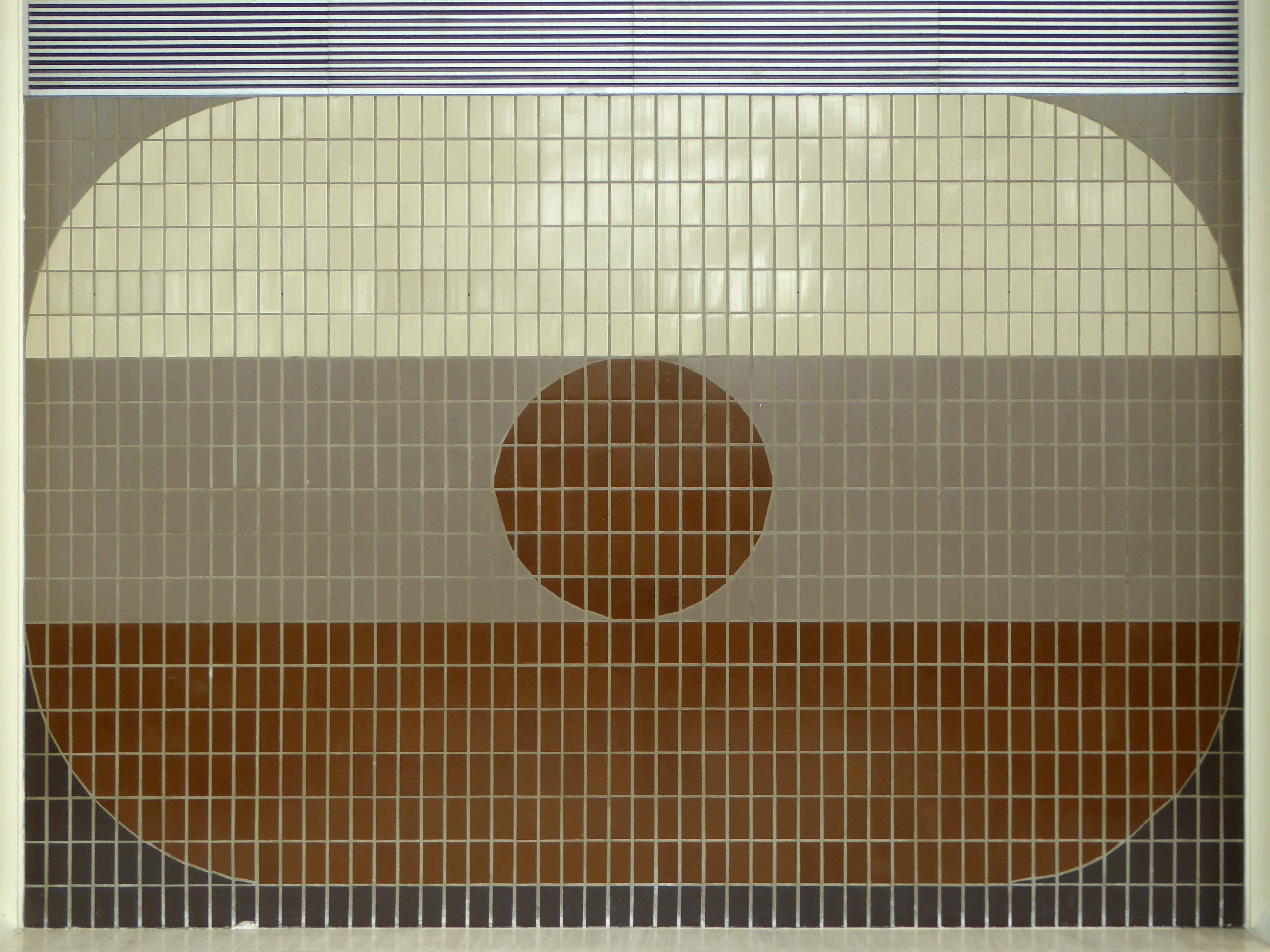
At the very far end of forever is the John Lewis store, to the right of the entrance there are a series of tiled panels – these are possibly the work of Lucienne and Robin Day

Way back when, when brown was the new brown, brown still is the new brown.

Fresh and crisp and even.

Bobbing up and down precipitously on low marble walls, from amongst the sub-tropical and temperate trees, I bring you these thirteen tiled panels.

P1260155

P1260155a

P1260155b

P1260155c

P1260155d

P1260155e

P1260155f

P1260155g

P1260155h

P1260155i

P1260155j


P1260169k copy

P1260155m

Working so close up and personal at altitude, photographing such large pieces in confined spaces, it’s not until you arrive home that you discover that together they spell:

john

lewis

What a delightful surprise!

Castle Street – Edgeley #1


adswood2-generalarea.jpg

I have shuffled and shopped up and down Castle Street for some forty years or so – things have come and things have gone – and continue to do so. High streets have always been subject to so many external forces, they reshape and reform, in rhythm with the times and tides of history.

Horse drawn carriages and trams are long gone, along with the double-decker bus, people powered people rule in a pedestrianised precinct, charity begins at Barnardo’s, the Co-op has been and gone and returned, just up the way.

Two whole chapels, pubs and cinemas seem to have just disappeared.

So let’s take a short trip through time and space along a short strip of Stockport’s past.

Get your boots on.

Pictures from Stockport Image Archive

1908

28729

1902

24436

1917a

1950

36876

1890

1917

1962.jpg

1958

1958a

1951

1 6 69

07b

69

69a

69b

74

93c

1969

1981

93

1983

07 a

93a

84

34929235_10216853242823182_2882427370675896320_n

07 copy

C_71_article_1073950_image_list_image_list_item_0_image

Screen Shot 2018-06-13 at 19.59.23

07

Taylor Street Gorton – The Pineapple

Screen Shot 2018-06-11 at 17.33.47

To begin at the beginning or thereabouts, Taylor Street was at the heart of Gorton to the east of Manchester city centre.

webmedia-1.php

webmedia-2.php

webmedia-3.php

webmedia-6.php

webmedia-7.php

webmedia-8.php

webmedia-9.php

webmedia-10.php

webmedia.php

A typical street of tightly packed brick terraces, dotted with shops, pubs, people and industry. I worked there as van lad for Mother’s Pride bread back in the 70s and saw those shops, pubs, people and industry slowly disappear.

Beyer Peacock whose immense shed dominated the northern end of the street, simply ceased to be, as steam gave way to diesel.

As full employment gave way to a date with the dole.

Adsega opening on nearby Cross Street heralded the arrival of the super fast, self-service supermarket, and sounded the death knell of the cosy corner cupboard.

398912_3820026268527_1203084936_n

The local pub was The Bessemer – its name forging an unbreakable link with the surrounding steel industry, that eventually broke.

webmedia-5.php

To the left of the pub is the Bishop Greer High School construction site  – the first of the new build that would later dominate the area, along with wide open spaces where shops, pubs, people and industry once were.

12932970_10154152981641600_8757469207112330278_n

webmedia.php copy

webmedia-1.php copy

When the school eventually shut its doors, it became an annex of Openshaw Technical College, and I found myself working there in the 80s at the East Manchester Centre, until its eventual closure.

It’s now sheltered accommodation for the lost and lonely:

Located in a quiet suburb of Manchester with excellent links to the city centre, Gorton Parks has an exceptional range of facilities spread out across five separate houses, each offering a different care option. Melland House offers dementia residential care, Abbey Hey provides nursing dementia care, Debdale is the house for intermediate nursing care and Sunny Brow offers general nursing care.

We sought solace in The Pineapple.

Screen Shot 2018-06-11 at 17.33.25

The streets were trimmed and slimmed, much of the past a mere ghostly presence, almost imprinted on the present.

A brave new world of brand new modern housing, with an Estate Pub to match.

The_Pineapple,_Gorton

A busy bustling boozer – lots of live and local action for the lively locals, latterly seeing out time as a house of House – a real bangin’ Bashment, bass-man bargain basement.

Until time is finally called – no more four to the floor, last one out shut the door.

1512347_516327525148853_492482006_n

Nothing lasts forever and a sign of the times is an upended pub sign, lying dormant in the dust.

The Chunky no longer a great big hunk o’funk.

10 Gorton pineapple pub

The big screen TV forever failing to deliver all the action, live or otherwise.

P1050836

p1050838.jpg

Latterly transformed into Dribble Drabble.

DSC_0074

And so the beat goes on as successive waves of success and recession, boom and bust free-market economics, wash over the nation and its long suffering folk.

Its enough to drive you to drink.